PLAYA DEL REY CENTER
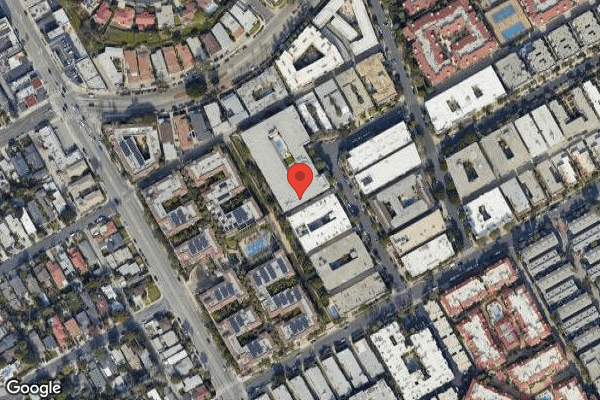

7716 MANCHESTER AVENUE, PLAYA DEL REY, CA 90293 (310) 823-4694
For profit - Limited Liability company 99 Beds GENESIS HEALTHCARE Data: November 2025 4 Immediate Jeopardy citations
Trust Grade
0/100
#1088 of 1155 in CA
Last Inspection: June 2025

Inspected within the last 6 months. Data reflects current conditions.

Overview

Playa Del Rey Center has received a Trust Grade of F, indicating significant concerns about its care quality and overall performance. It ranks #1088 out of 1155 facilities in California, placing it in the bottom half of the state, and #334 out of 369 in Los Angeles County, meaning there are only a few options that perform better locally. Unfortunately, the facility is worsening, with issues increasing from 26 in 2024 to 34 in 2025. While staffing is a strength with a rating of 4 out of 5 stars and a turnover rate of 35%, which is below the state average, the facility has accrued an alarming $154,742 in fines, suggesting compliance issues. Specific incidents include failures to provide required CPR procedures for an unresponsive resident and inadequate supervision during meals for a resident at risk of choking, which raises serious safety concerns alongside their average RN coverage. Overall, while there are some staffing strengths, the significant number of critical deficiencies and repeated compliance issues make this facility a concerning choice for families.

Trust Score
F
0/100
In California
#1088/1155
Bottom 6%
Safety Record
High Risk
Review needed
Inspections
Getting Worse
26 → 34 violations
Staff Stability
○ Average
35% turnover. Near California's 48% average. Typical for the industry.
Penalties
○ Average
$154,742 in fines. Higher than 55% of California facilities. Some compliance issues.
Skilled Nurses
⚠ Watch
Each resident gets only 24 minutes of Registered Nurse (RN) attention daily — below average for California. Fewer RN minutes means fewer trained eyes watching for problems.
Violations
⚠ Watch
100 deficiencies on record. Higher than average. Multiple issues found across inspections.
★☆☆☆☆
1.0
Overall Rating
★★★★☆
4.0
Staff Levels
★★★☆☆
3.0
Care Quality
★☆☆☆☆
1.0
Inspection Score
Stable
2024: 26 issues
2025: 34 issues

The Good

  • 4-Star Staffing Rating · Above-average nurse staffing levels
  • Full Sprinkler Coverage · Fire safety systems throughout facility
  • No fines on record
  • Staff turnover below average (35%)

    13 points below California average of 48%

Facility shows strength in staffing levels, fire safety.

The Bad

1-Star Overall Rating

Below California average (3.1)

Significant quality concerns identified by CMS

Staff Turnover: 35%

11pts below California avg (46%)

Typical for the industry

Federal Fines: $154,742

Well above median ($33,413)

Significant penalties indicating serious issues

Chain: GENESIS HEALTHCARE

Part of a multi-facility chain

Ask about local staffing decisions and management

The Ugly 100 deficiencies on record

4 life-threatening 2 actual harm
Jun 2025 14 deficiencies
CONCERN (D)

Potential for Harm - no one hurt, but risky conditions existed

Resident Rights (Tag F0550)

Could have caused harm · This affected 1 resident

**NOTE- TERMS IN BRACKETS HAVE BEEN EDITED TO PROTECT CONFIDENTIALITY** Based on observation, interview, and record review, the facility failed to ensure all residents had access to the weekly menu an...

Read full inspector narrative →
**NOTE- TERMS IN BRACKETS HAVE BEEN EDITED TO PROTECT CONFIDENTIALITY** Based on observation, interview, and record review, the facility failed to ensure all residents had access to the weekly menu and list of alternative choices to the weekly menu, by posting them outside the kitchen, excluding access to residents who are bed or chair bound affecting two of three sampled residents (Resident 12 and Resident 36). The deficient practice of failing to provide menus to residents limited their choice of food due to their physical limitations. Findings: During a review of Resident 12's admission Record (front page of the chart that contains a summary of basic information about the resident), the admission record indicated Resident 12 was admitted to the facility on [DATE] with diagnoses including hypertension (high blood pressure), cardiac arrhythmia (a condition where the heart beats too fast, too slow, or irregularly), and hyperkalemia (a condition where there is too much potassium [an essential mineral vital for numerous bodily functions] in the blood). During a review of Resident 12's History and Physical Examination (H&P) dated 3/26/2025, the H&P indicated Resident 12 had the ability to understand and make decisions. During a review of Resident 12's Minimum Data Set (MDS - a resident assessment tool) dated 3/25/2025, the MDS indicated, for eating and oral hygiene, Resident 12 requires setup or clean-up assistance (helper sets up or cleans up; resident completes activity. Helper assists only prior to or following the activity). During a review of Resident 12's Order Summary Report, a diet order dated 5/6/2025, indicated Resident 12 was on a carbohydrate controlled diet (each meal contains fairly equal amount of carbohydrates - a nutrient the body uses for energy) soft and bite sized texture, thin consistency, double protein (a nutrient the body uses to build and maintain muscle and support bone health among other benefits) portions at breakfast. During a review of Resident 36's admission Record, the admission record indicated Resident 36 was admitted to facility on 2/4/2025 with diagnoses including heart failure, difficulty in walking, and muscle weakness. During a review of Resident 36's H&P dated 2/14/2025, the H&P indicated Resident 36 has decision-making capacity. During a review of Resident 36's MDS dated [DATE], the MDS indicated, for eating and oral hygiene, Resident 36 is dependent upon a helper to do all the effort. During a review of Resident 36's Order Summary Report, a diet order dated 5/15/2025, indicated Resident 36 was on a regular diet, regular texture, thin consistency. During an interview with Resident 12 on 6/12/2025 at 9:06 am, Resident 12 stated he did not know there was a menu, or an alternative menu and he has not seen one since admission. Resident 12 stated he has not been offered food choices and eats what they bring him. Resident 12 stated he would like to get something different sometimes. During an interview with Resident 36 on 6/12/2025 at 9:10 am, Resident 36 stated he was not aware of a food menu or that he could choose something other than what was served. Resident 36 said it would be nice to know in advance in case he does not like something that is being served. Resident 36 stated he sometimes eats food he would not choose. During an interview on 6/12/2025 at 12:15 pm with Dietary District Manager (DDM), the DDM stated residents can check the menus on the wall outside the kitchen before meals, and put in requests for alternate choices at least two hours before meal times. When asked about residents with physical limitations who are unable to see the menus due to placement, the DDM stated the Certified Nursing Assistants (CNA's) could bring the residents menus if requested. During a review of the facility's Policy & Procedures (P&P) titled Resident Rights revised December 2021, the P&P indicated residents have the right to communication with and access to people and services, both inside and outside the facility. During a review of the facility's P&P titled Menus revised October 2017, the P&P indicated menus are developed and prepared to meet resident choices including religious, cultural, and ethnic needs while following established national guidelines for nutritional adequacy.
CONCERN (D)

Potential for Harm - no one hurt, but risky conditions existed

Deficiency F0558 (Tag F0558)

Could have caused harm · This affected 1 resident

**NOTE- TERMS IN BRACKETS HAVE BEEN EDITED TO PROTECT CONFIDENTIALITY** Based on observation, interview, and record review the facility failed to ensure one out of five residents (Resident 22) call li...

Read full inspector narrative →
**NOTE- TERMS IN BRACKETS HAVE BEEN EDITED TO PROTECT CONFIDENTIALITY** Based on observation, interview, and record review the facility failed to ensure one out of five residents (Resident 22) call light was within reach. This failure had the potential for Resident 22 needs not being met. Findings: During a review of Resident 22's admission Record, the admission Record indicated Resident 22 was admitted to the facility on [DATE] and was readmitted on [DATE]. Resident 22 diagnoses included dementia (a progressive state of decline in mental abilities), schizoaffective disorder (a chronic mental illness that affects a person's thinking, behavior, and perception of reality), and gastro-esophageal reflux disease([GERD]- stomach acids flow back up into esophagus and causes heartburn). During a review of Resident 22's History and Physical (H&P), dated 7/8/2024, the H&P indicated Resident 22 did not have the capacity to understand and make decisions. During a review of Resident 22's Minimum Data Set ([MDS]- a resident assessment tool), dated 4/15/2025, the MDS indicated Resident 22's cognition (ability to learn, reason, remember, understand, and make decisions) had severe cognitive impairment. The MDS indicated Resident 22 required substantial/maximal assistance (helper does [NAME] than half the effort. Helper lifts or holds trunk or limbs but provides more than half the effort) from staff for showering, toileting hygiene, and dressing. During an observation on 6/11/2025 at 9:43 a.m. Resident 22's call light was not within reach. The call light was hanging behind the residents' bed. During a concurrent observation and interview on 6/12/25 at 8:47 a.m. with Licensed Vocational Nurse (LVN) 2, a picture taken on 6/11/2025 of Resident 22's call light not within reach was reviewed. LVN 2 stated the call light was not within reach and this was unacceptable. LVN 2 stated it was important to have the call light within reach for Resident 22 to communicate his needs. LVN 2 stated if the call light is not within reach the resident could be in distress and the situation could go from small manner to a significant emergent manner. During a concurrent observation and interview on 6/12/2025 at 1:16 p.m. with Certified Nursing Assistant (CNA) 2, a picture taken on 6/11/2025 of Resident 22's call light not within reach was reviewed. CNA 2 stated I am to place the call light within reach. CNA 2 stated it was important for the call light to be within reach so Resident 22 could call for help. CNA 2 stated having the call light within reach will stop the resident from trying to get up out of the bed and prevent him from falling. During a review of the facility's policy and procedures (P&P) titled, Answering the Call Light, dated 10/2024, the P&P indicated the purpose of this procedure is to ensure timely responses to the resident's requests and needs. The P&P indicated to ensure that the call light is accessible to the resident when in bed.
CONCERN (D) 📢 Someone Reported This

A family member, employee, or ombudsman was alarmed enough to file a formal complaint

Potential for Harm - no one hurt, but risky conditions existed

Free from Abuse/Neglect (Tag F0600)

Could have caused harm · This affected 1 resident

**NOTE- TERMS IN BRACKETS HAVE BEEN EDITED TO PROTECT CONFIDENTIALITY** Based on observation, interview, and record review the facility failed to ensure one out of three sampled residents (Resident 58...

Read full inspector narrative →
**NOTE- TERMS IN BRACKETS HAVE BEEN EDITED TO PROTECT CONFIDENTIALITY** Based on observation, interview, and record review the facility failed to ensure one out of three sampled residents (Resident 58): 1. Resident 58 was free from mental abuse. 2. To follow facility's policy and procedure (P&P) titled, Abuse Prohibition Policy and Procedure, dated 2/2021, the P&P indicated mental abuse were prohibited threats verbal or nonverbal conduct which can cause or had the potential for the patient to experience intimidation or fear. This deficient practice of not preventing mental abuse for Resident 58 had the potential for Resident 58 to feel unsafe and uncomfortable. Findings: a. During a review of Resident 18's admission Record, the admission Record indicated Resident 18 was admitted to the facility on [DATE] and readmitted to the facility on [DATE]. Resident 18 diagnoses included anxiety (a feeling of worry, nervousness, or unease), bipolar disorder (sometimes called manic-depressive disorder; mood swings that range from the lows of depression to elevated periods of emotional highs), and post-traumatic stress disorder ([PTSD] - a disorder in which a person has difficulty recovering after experiencing or witnessing a traumatic event). During a review of Resident 18's History and Physical (H&P), dated 12/12/2025, the H&P indicated Resident 18 had the capacity to understand and make decisions. During a review of Resident 18's Minimum Data Set ([MDS]- a resident assessment tool), dated 5/14/20205, the MDS indicated Resident 18's cognition (ability to learn, reason, remember, understand, and make decisions) was moderately impaired. The MDS indicated Resident 18 had exhibited verbal behavioral symptoms (threatening, screaming, and cursing) towards others one to three days. The MDS indicated Resident 18 had psychiatric and mood disorder which included anxiety, depression, bipolar disorder, and PTSD. During a review of Resident 18's Situation Background Assessment Recommendation (SBAR), dated 4/10/2025, the SBAR indicated Resident 18 had behavioral symptoms (agitation) on 4/10/2025. During a review of Resident 18's care plan titled, Resident 18 had tendencies to become verbally abusive toward nurses/staff and had demonstrated verbal abusive behavior related to poor anger management/poor impulse control, dated 4/10/2025. The care plan indicated monitor behavior such as aggression, agitation, and compulsive behavior. During a review of Resident 18's care plan titled, Resident 18 had strong discussion with roommate on 5/7/2025, dated 5/7/2025, the care plan indicated to monitor for further occurrences involving strong discussion with roommate. During a review of Resident 18's Interdisciplinary Care Conference ([IDT]- healthcare professionals from various disciplines who collaborate to prove comprehensive and coordinated care to patients), dated 5/22/2025, the IDT indicated the non-pharmacological (any therapeutic or preventive measures that do not involve the use of medication) intervention staff will continue to monitor the resident for changes in mood, behavior, and response to interventions. The IDT indicated the staff were to analyze of key times, places, circumstances, triggers, and what de-escalates behavior and document. b. During a review of Resident 58's admission Record, the admission Record indicated Resident 58 was admitted to the facility on [DATE]. Resident 58 diagnoses included schizoaffective disorder (a mental illness that can affect thoughts, mood, and behavior), major depressive disorder (a mood disorder that causes a persistent feeling of sadness and loss of interest), and anxiety disorder. During a review of Resident 58's History and Physical (H&P), date unknown, the H&P indicated Resident 58 had the capacity to understand and make decisions. During a review of Resident 58's MDS dated the MDS indicated Resident 58's cognition (ability to learn, reason, remember, understand, and make decisions) was moderately impaired. The MDS indicated Resident 58 did not exhibit physical and verbal behavioral symptoms. The MDS indicated Resident 58 required supervision or touching assistance (helper provides verbal cues and/or touching/steadying and/or contact guard assistance as resident completes activity) for toileting hygiene, showering, and dressing. During a review of Resident 58's care plan titled, Resident 58 had strong discussion with roommate on 5/7/2025, dated 5/7/2025, the care plan indicated to monitor for further occurrences involving strong discussion with roommate. During a review of Resident 58's Change of Condition (COC), dated 5/7/2025, the COC indicated there was a verbal exchange between two residents. The COC indicated Resident 58 reported, Resident 18 was speaking loudly while he was trying to sleep and told Resident to lower his voice. The COC indicated this led to a verbal exchange. During a review of Resident 58's Interdisciplinary Care Conference (IDT), dated 5/7/2025, the IDT indicated during the verbal exchange Resident 18 had called Resident 58 a name and Resident 18 refused to change rooms. During a review of Resident 58's Change of Condition (COC), dated 5/24/2025, the COC indicated there was a verbal disagreement with resident (Resident 18). The COC indicated Resident 58 reported, Resident 18 placed his hand on his right shoulder and took a butter knife off his plate and held it in the air. During a review of Resident 58's IDT, dated 5/27/2025, the IDT indicated, Resident 58 had reported Resident 18 placed his hand on his right shoulder, then picked up a butter knife off his plate and held it in the air. The IDT indicated Resident 58 reported that Resident 18 told him to shut up. During an interview on 6/11/2025 at 2:00 p.m. with Resident 58, Resident 58 stated Resident 18 had walked over to his bed and started yelling. Resident 58 had put his hand on my shoulder and picked up my butter knife and held it in the air. Resident 58 stated Resident 18 would frequently yell (speak loudly) throughout the day. Resident 58 stated they had an argument a few weeks ago (5/7/2025) with Resident 18 and the staff was in the room with Resident 18. Resident 58 stated the CNA had stepped out of the room during the time of the incident. Resident 58 stated when Resident 18 touched his shoulder and picked up the knife from his lunch tray. Resident 18 stated he felt uncomfortable and I went ahead and did a room change. During an interview on 6/13/2025 at 8:15 a.m. with Certified Nursing Assistant (CNA) 1, CNA 1 stated Resident 18 had mood swings he had verbal outburst and using profanity (words or expressions that are considered offensive). CNA 1 stated Resident 18 had a prior encounter of verbal outburst with Resident 58 on 5/7/2025. CNA 1 stated the staff was to monitor Resident 18's whereabouts and that he was one to one supervision. CNA 1 stated I was to monitor to prevent harm and maintain the other resident's safety. During an interview on 6/13/2025 at 11:00 a.m. with Treatment Nurse (TN) 1, the TN 1 stated the staff was told to monitor Resident 18's behavior and was placed on one-to-one supervision for the last month (month of May). TN 1 stated the assigned CNA was to follow Resident 18 keep track of his whereabouts, report agitation, and loud outburst. TN 1 stated the actions of Resident 18 would create a hostile environment (a situation where living conditions are made intolerable due to unwelcome conduct or harassment, impacting the victim's ability to comfortably and safely use or enjoy their dwelling) for Resident 58. During an interview on 6/13/2025 at 12:37 p.m. with Licensed Vocational Nurse (LVN) 1, LVN 1 stated Resident 18 was verbally abusive towards Resident 58 on 5/7/2025. LVN 1 stated both residents refused to do a room change and the resolution Resident 18 was to have one to one supervision. LVN 1 stated Resident 18 had one to one supervision including staff was to be in the room with the resident. LVN 1 stated on 5/24/2025 Resident 58 had reported Resident 18 had gone to his side of the room, touched his shoulder, and grabbed a knife from the meal tray and threatened Resident 58. LVN 1 stated CNA 3 was assigned to Resident 18 for one-to-one supervision. LVN 1 stated Resident 58 had experienced mental abuse per abuse policy which could potentially leave him to feel afraid. During a concurrent interview and record review on 6/13/2025 at 1:55 p.m. with Registered Nurse (RN) 1, Resident 18's IDT, dated 5/22/2025 was reviewed. The IDT indicated the non-pharmacological intervention staff will continue to monitor the resident for changes in mood, behavior, and response to interventions. The IDT indicated the staff were to analyze of key times, places, circumstances, triggers, and what de-escalates behavior and document. RN 1 stated Resident 18 had aggressive behavior. RN 1 stated Resident 18 required one to one supervision and at all times. RN 1 stated the staff were to align with Resident 18, know his whereabouts at all times, and document his behavior. During a concurrent interview and record review on 6/13/2025 at 2:05 p.m. with RN 1, the P&P titled, Abuse Prohibition Policy and Procedure, dated 2/2021 was reviewed. The P&P indicated mental abuse were prohibited threats verbal or nonverbal conduct which can cause or had the potential for the patient to experience intimidation or fear. RN 1 stated Resident 58 had touched Resident 18 shoulder and grabbed a knife. RN 1 stated this was considered mental abuse per P&P and could make Resident 18 scared and make him feel uncomfortable. RN 1 stated it would make me scared too. During an interview on 6/13/2025 at 3:59 p.m. with CNA 3, CNA 3 stated Resident 18 was on one-to-one supervision for at least a month. CNA 3 stated there was an altercation between Resident 18 and Resident 58. CNA 3 stated he had stepped away and was no longer in the line of sight of the Resident 18 to pass meal trays for breakfast and lunch on 5/24/2025 the day of the incident. CNA 3 stated I was to be with Resident 18 at all times, CNA 3 stated when, I stepped away Resident 18 was not monitored. CNA 3 stated had the potential for Resident 18 to argue, threaten, and fight with Resident 58 During an interview on 6/13/2025 at 4:10 p.m. with Administrator (ADM), The ADM stated Resident 18 and Resident 58 had an altercation. The ADM stated CNA 3 stepped away and did not have Resident 58 in the line of sight. The ADM stated when CNA 3 stepped anyway an altercation occurred and that's why we reported the incident. During a review of the facility's P&P titled, Abuse Prohibition Policy and Procedure, dated 2/2021, the P&P indicated healthcare centers prohibit abuse, mistreatment, and neglect for all residents. The P&P indicated abuse is defined as the willful infliction of injury, unreasonable confinement, intimidation, or punishment with resulting physical harm, injury or mental anguish. The P&P indicated mental abuse may occur through either verbal or nonverbal conduct which causes or has the potential to cause the patient to experience humiliation, intimidation, fear, shame, agitation, or degradation.
CONCERN (D) 📢 Someone Reported This

A family member, employee, or ombudsman was alarmed enough to file a formal complaint

Potential for Harm - no one hurt, but risky conditions existed

Report Alleged Abuse (Tag F0609)

Could have caused harm · This affected 1 resident

**NOTE- TERMS IN BRACKETS HAVE BEEN EDITED TO PROTECT CONFIDENTIALITY** Based on interview and record review, the facility failed to report a femur (thigh bone) fracture of an unknown origin to the Ca...

Read full inspector narrative →
**NOTE- TERMS IN BRACKETS HAVE BEEN EDITED TO PROTECT CONFIDENTIALITY** Based on interview and record review, the facility failed to report a femur (thigh bone) fracture of an unknown origin to the California Department of Public Health (CDPH) for one of one sampled residents (Resident 57). This failure resulted in a delay of an investigation by the CDPH. Findings: During a review of Resident 57's Face Sheet (front page of the chart that contains a summary of basic information about the resident), the Face Sheet indicated Resident 57 was admitted to the facility on [DATE] and readmitted on [DATE] with diagnoses that included osteoarthritis (a progressive disorder of the joints, caused by a gradual loss of cartilage) of the hip, end stage renal disease (ESRD -irreversible kidney failure), and dialysis (a treatment to cleanse the blood of wastes and extra fluids artificially through a machine when the kidney(s) have failed). During a review of Resident 57's Minimum Data Set ([MDS]- a standardized assessment and care screening tool), dated 5/7/2025, the MDS indicated Resident 57 was cognitively intact (ability to reason, understand, remember, judge, and learn) and had impairments of the lower extremities (related to the legs). During a review of Resident 57's Situation, Background, Assessment, and Recommendation form (SBAR -a communication tool used by healthcare workers when there was a change of condition among the residents) dated 5/28/2025, the SBAR indicated Resident 57 had severe pain in her lower back, bilateral hips and down her lower extremities with the right side more than the left side and has limited movement on the right lower extremity. The SBAR further indicated the doctor was notified and an order for an x-ray of the right thigh and hips were ordered. During a review of Resident 57's SBAR dated 5/29/2025, the SBAR indicated Resident 57's results came back and resulted in a right femur (the thigh bone) fracture and the family and doctor was notified. During a review of Resident 57's Radiology (using imaging to diagnose and treat diseases and or conditions) Results Report of the right femur, dated 5/30/2025, the Radiology Results Report indicated there was likely acute horizontal fracture through the base of the right femoral neck (the narrow part of the femur (thigh bone) that connects the femoral head [ball] to the femoral shaft [long bone]) with cortical bone irregularity (an abnormal or uneven appearance of the outer layer of a bone) at the fracture margins (cannot rule out an underlying lytic bone lesion [an area of bone tissue that has been destroyed or weakened] with a pathological fracture[a fracture that occurs in a bone weakened by an underlying disease, such as a tumor, infection, or metabolic disorder, rather than by a direct injury]). During a review of Resident 57's Radiology Results Report of the right hip, dated 5/30/2025, the Radiology Results Report indicated there was severe diffuse osteopenia (a widespread and significant reduction in bone density across the body) (presumed osteoporosis [(weak and brittle bones due to lack of calcium and Vitamin D]). During a review of Resident 57's History & Physical (H&P), dated 6/6/2025, the H&P indicated Resident 57 had the capacity to make decisions and had a good understanding of their health condition. During an interview on 6/10/2025 at 10:49 a.m. with Resident 57 in her room, Resident 57 was lying in bed awake. Resident 57 was asked about her fractured femur to which she stated she had no idea how she got the fracture and denied staff handling her roughly, denied falling, abuse or accidentally hitting her leg on something. Resident 57 stated she woke up one day and it just started hurting more than usual. During an interview on 6/12/2025 at 1:47 p.m. with Registered Nurse (RN) 1 and Licensed Vocational Nurse (LVN) 3, RN 1 stated they ordered an x-ray for Resident 57 was done because she was complaining of increased pain especially on the right leg. When the x-ray results came back, RN 1 stated the staff notified her doctor and received an order to transfer her to the hospital. LVN 3 stated after she received Resident 57's x-ray report and found out about the femur fracture, she spoke with Resident 57 and asked her if she could have possibly fallen on the bed, if she hit her leg on something, or if a staff might have handled her roughly. LVN 3 stated Resident 57 denied all of that happening and stated she did not know where the fracture came from. RN 1 and LVN 3 stated the Director of Nursing and the Administrator was made aware of the situation. During an interview on 6/13/2025 at 10:58 a.m. with the Administrator (ADMN), the ADMN stated she was made aware of Resident 57's fractured femur and went to speak with Resident 57. Resident 57 told her she was not handled roughly by staff, she did not fall or hit her leg anywhere, and no abuse. The ADMN stated Resident 57 was awake and alert and able to have conversations with her and she could recall past events, and there was no reason to not believe what she was telling her. The ADMN stated this incidence was not reported to the state agency as an unusual occurrence or an injury of unknown origin because it didn't fit that description. The ADMN stated her doctor had determined and told her that Resident 57's fractured femur was a pathological fracture due to her being a long-term dialysis resident. The ADMN stated with Resident 57 denying abuse, fall, or mishandling and the doctor's determination that it was a pathological fracture, they know exactly what caused the fracture and it was not considered an unusual occurrence or an injury or unknown origin since they know where the fracture came from. The ADMN further stated she was content in her decision of not reporting this incident. During a review of the facility's policy and procedure (P&P) titled Unusual Occurrence Reporting, dated 8/27/2021, the P&P indicated the facility would follow all applicable state and federal laws and regulations regarding the reporting of unusual occurrences. The P&P further indicated unusual occurrences are reported to the appropriate state agency within 24 hours.
CONCERN (D)

Potential for Harm - no one hurt, but risky conditions existed

Deficiency F0657 (Tag F0657)

Could have caused harm · This affected 1 resident

**NOTE- TERMS IN BRACKETS HAVE BEEN EDITED TO PROTECT CONFIDENTIALITY** Based on interview and record review the facility failed to ensure one out of five sampled residents (Resident 29) had a revised...

Read full inspector narrative →
**NOTE- TERMS IN BRACKETS HAVE BEEN EDITED TO PROTECT CONFIDENTIALITY** Based on interview and record review the facility failed to ensure one out of five sampled residents (Resident 29) had a revised care plan for medication administration to be taken by mouth. The deficient practice had the potential for repeat occurrences. Findings: During a review of Resident 29's admission Record, the admission Record indicated Resident 22 was admitted to the facility on [DATE] and was readmitted on [DATE]. Resident 29 diagnoses gastronomy ([g-tube]- a surgical opening fitted with a device to allow feedings to be administered directly to the stomach common for people with swallowing problems), gastro-esophageal reflux disease ([GERD]- stomach acids flow back up into esophagus and causes heartburn), and dysphagia (difficulty or discomfort in swallowing). During a review of Resident 29's History and Physical (H&P), dated 4/18/2025, the H&P indicated Resident 29 had the capacity to understand and make decisions. During a review of Resident 29's Minimum Data Set ([MDS]- a resident assessment tool), dated 4/15/2025, the MDS indicated Resident 29's cognition (ability to learn, reason, remember, understand, and make decisions) was moderate cognitive impaired. The MDS indicated Resident 29 required substantial/maximal assistance (helper does [NAME] than half the effort. Helper lifts or holds trunk or limbs but provides more than half the effort) from staff for showering, toileting hygiene, and dressing. The MDS indicated Resident 29 had a swallowing disorder due to coughing or choking during meals or when swallowing medications. The MDS indicated Resident 29 nutritional approaches were to have a mechanical altered diet (require change in texture of food or liquids). During a record review of Resident 29's physician orders titled, Order Summary Report, dated 4/15/2025, the physician orders indicated to flush g-tube with 15 cubic centimeters ([cc] - a unit of volume used to measure liquid medication dosages and other fluid volumes in patient care) of water post completion of medication administration every shift. During a record review of Resident 29's care plan titled, Resident exhibits or is at risk for impaired swallowing related to Parkinson's disease, dated 9/8/2023, the care plan interventions indicated to for Resident 29 to be in an upright position when swallowing food or drinks and encourage small sips/bites. The care plan was not revised when the physician authorized for the resident medications to taken by mouth. During a record review of Resident 29's care plan titled, Patient with treatment diagnosis of dysphagia, dated 4/14/2025, the care plan interventions indicated speech therapy three times per week for four weeks. The care plan was not revised to indicate what interventions were needed when the physician authorized for the resident medications to taken by mouth. During a record review of Resident 29's physician orders titled, Order Summary Report, dated 5/23/2025, the physician orders indicated Resident 29 had a regular diet with soft and bite-sized texture and mildly thick consistency. During a telephone interview on 6/12/2025 11:27 a.m. with Medical Doctor (MD), the MD stated she had telephoned vis text that it was okay to allow Resident 29 to take medications by mouth on 4/26/2025. The MD stated, not having the orders and interventions clear it could cause confusion for the staff and myself. During a concurrent interview and record review on 6/13/25 at 1:09 p.m. with Registered Nurse (RN) 1, Resident 29's physician orders titled, Order Summary Report, dated 5/23/2025, the physician orders indicated Resident 29 had a regular diet with soft and bite-sized texture and mildly thick consistency. RN 1 stated the therapeutic diet Resident 29 was for him to easily chew and swallow his food to prevent choking. During a concurrent interview and record review on 6/13/2025 at 1:19 p.m. with RN 1, Resident 29's care plan titled, Patient with treatment diagnosis of dysphagia, dated 4/14/2025 was reviewed. The care plan interventions indicated speech therapy three times per week for four weeks. Resident 29's care plan titled, Resident exhibits or is at risk for impaired swallowing related to Parkinson's disease, dated 9/8/2023 was reviewed, the care plan interventions indicated to for Resident 29 to be in an upright position when swallowing food or drinks and encourage small sips/bites. RN 1 stated when there were changes from the resident using the g-tube for medications to being able to orally take the medications the care plan interventions needed to be revised. RN 1 stated Resident 29 still needed to be monitored when taken the medications since he was at risk for dysphagia. RN 1 stated the staff would monitor Resident 29 for coughing or choking when taken the medications. RN 1 stated if Resident 29 were to have distress the care plan would indicate to notify the physician. During a review of the facility's policy and procedure (P&P) titled, Care Plan Comprehensive, dated 8/2021, the P&P indicated care plan interventions are designed after careful consideration of the relationship between the resident's problem areas and their causes. The P&P indicated the facility was to develop a comprehensive care plan that incorporates identified problem areas, incorporate risk and contributing factors associated with identified problems, reflect treatment goals, timetables, and objectives in measurable outcomes. During a review of the facility's policy and procedure there were no policy for revised care plan once the triggers (events, situations, or stimuli that initiate a specific response or action, often related to patient care or safety) were identified and/or changed.
CONCERN (D)

Potential for Harm - no one hurt, but risky conditions existed

Deficiency F0658 (Tag F0658)

Could have caused harm · This affected 1 resident

**NOTE- TERMS IN BRACKETS HAVE BEEN EDITED TO PROTECT CONFIDENTIALITY** Based on interview, and record review the facility failed to follow the physician's orders to not give losartan (a medication us...

Read full inspector narrative →
**NOTE- TERMS IN BRACKETS HAVE BEEN EDITED TO PROTECT CONFIDENTIALITY** Based on interview, and record review the facility failed to follow the physician's orders to not give losartan (a medication used to control blood pressure) for one out of one resident (Resident 84) when the systolic blood pressure (SBP- the top number of a blood pressure reading) was less than 110 millimeters of mercury (mmHg- unit of measurement). This deficient practice had the potential for Resident 84 to experience adverse effects related to receiving losartan when her blood pressure was too low and could result in dizziness and falls. Findings: During a review of Resident 84's Face Sheet (front page of the chart that contains a summary of basic information about the resident), the Face Sheet indicated Resident 84 was originally admitted on [DATE] and readmitted on [DATE] with diagnoses that included syncope (fainting or passing out), and hypertension (high blood pressure). During a review of Resident 84's Minimum Data Set (MDS - a resident assessment tool) dated 4/7/2025, the MDS indicated Resident 84 was cognitively intact (ability to reason, understand, remember, judge, and learn) and did not have impairments of the lower extremities (related to the legs). During a review of Resident 84's Order Summary Report, the Order Summary Report indicated Resident 84 had an order to receive losartan 25 milligrams (mg) one time a day for hypertension and to hold for SBP less than 110 mmHg. During a review of Resident 84's Medication Administration Record (MAR- a daily documentation record used by a licensed nurse to document medications and treatments given to a resident), Resident 84's blood pressure was 105/70 on 6/1/2025, 100/60 on 6/6/2025 and losartan was given on both those dates. During a concurrent interview and record review on 6/13/2025 at 8:29 a.m. with Licensed Vocational Nurse (LVN) 3, Resident 84's June 2025 MAR for losartan was reviewed. LVN 3 stated the losartan should not have been given on 6/1/2025 and 6/6/2025 because her SBP was too low, and the order indicated to not give the losartan if it was below 110. LVN 3 stated by giving the losartan when the SBP was low, it could cause the resident to be dizzy, pass out, fall and hit her head. During a review of the facility's policy and procedure (P&P) titled Medication Administration- General Guidelines, dated 10/2017, the P&P indicated medications are administered in accordance with written orders of the physician.
CONCERN (D)

Potential for Harm - no one hurt, but risky conditions existed

Deficiency F0676 (Tag F0676)

Could have caused harm · This affected 1 resident

**NOTE- TERMS IN BRACKETS HAVE BEEN EDITED TO PROTECT CONFIDENTIALITY** Based on observations, interview, and record review the facility failed to ensure one out of five sampled residents (Resident 77...

Read full inspector narrative →
**NOTE- TERMS IN BRACKETS HAVE BEEN EDITED TO PROTECT CONFIDENTIALITY** Based on observations, interview, and record review the facility failed to ensure one out of five sampled residents (Resident 77) was allowed to eat meals out of her bed. This deficient practice of not taking Resident 77 out of bed during mealtimes had the potential for the resident to decline in mobility (a patient's ability to move and change body positions, encompassing the physical capacity to perform functional movements and the independence to carry out daily activities) during activities of daily living ([ADL] -routine tasks/activities to perform daily care for themselves). Findings: During a review of Resident 77's admission Record, the admission Record indicated Resident 77 was admitted to the facility on [DATE]. Resident 77 diagnoses included epilepsy (a neurological disorder characterized by recurring, unprovoked seizures due to abnormal electrical activity in the brain), cerebral infraction (the death of brain tissue due to a lack of blood flow), dysarthria (motor speech disorder), and diabetes mellitus([DM] -a disorder characterized by difficulty in blood sugar control and poo wound healing). During a review of Resident 77's History and Physical (H&P), dated 11/20/2024, the H&P indicated Resident 77 had no decision-making capacity. During a review of Resident 77's Minimum Data Set ([MDS]- a resident assessment tool), dated 4/21/2025, the MDS indicated Resident 77's cognition (ability to learn, reason, remember, understand, and make decisions) was severely impaired. The MDS indicated Resident 77 was dependent (helper does all of the effort. Resident does none of the effort to complete the activity) on staff for eating, showering, toileting hygiene, and dressing. The MDS indicated Resident 77 had functional limited range of motion to upper extremities (shoulder, elbow, wrist, and hands) and lower extremities (hip, knee, ankle, and foot). During an observation Resident 77 was in her bed eating and was not taken out of the bed during mealtimes on 6/10/2025 to 6/12/2025 at 8:15 a.m. and 12:30 p.m. during breakfast and lunchtime. During a review of Resident 77's physician orders titled, Order Summary Report, dated 12/2/2024, the physician orders indicated Resident 77 was to be taken out of the bed daily during mealtimes. During a review of Resident77's care plan titled, Resident is at risk for decreased ability to perform ADL(s) in bathing, grooming, personal hygiene, dressing, eating, bed mobility, transfer, locomotion, related to limited mobility, dated 11/18/2024, the care plan interventions did not include removing Resident 77 from the bed during mealtimes. During a concurrent observation and interview on 6/12/2025 at 8:15 a.m. with Resident 77, in her room, Resident 77 was lying in the bed eating breakfast. Resident 77 stated the staff did take her out of the bed during mealtimes. Resident 77 stated she would like to get out of the bed to eat, if the staff would help her to get out of the bed. During a concurrent interview and record review on 6/12/2025 at 8:40 a.m. with Licensed Vocational Nurse (LVN) 2, Resident 77's physician orders titled, Order Summary Report, dated 12/2/2024 was reviewed. The physician orders indicated Resident 77 was to be taken out of the bed daily during mealtimes. LVN 2 stated I have not seen Resident 77 out of bed during mealtimes. LVN 2 stated the staff should asked and put the resident out of bed to chair during mealtimes. LVN 2 stated it was important for Resident 77 to out of bed to chair to improve the resident circulation (the continuous flow of blood throughout the body) to prevent pressure ulcers (localized, pressure-related damage to the skin and/or underlying tissue usually over a bony prominence) and mobility. LVN 2 stated taken Resident 77 out of bed during mealtimes could help with mental health (the state of well-being where individuals can cope with life stresses and realize their abilities) just being in a new position. During an interview on 6/12/2025 at 2:40 p.m. with Certified Nursing Assistant (CNA) 4, CNA 4 stated she passes the meal trays to Resident 77 and set up the meal trays to eat while the resident was in bed. CNA 4 stated she was not aware that Resident 77 was to be taken out of the meal during mealtimes. CNA stated taken Resident 77 out of bed would keep her motivated, improve on her body movements, and prevent the decline in her ability to move her body. During a review of the facility's policy and procedure (P&P) titled, Activities of Daily Living (ADLs), Supporting, dated 3/2018, the P&P indicated Residents will be provided with care, treatment, and services as appropriate to maintain or improve their ability to carry out activities of daily living (ADLs). The P&P indicated appropriate care, and services will be provided included mobility (transfer and ambulation, including walking), dining, and care and services to prevent or minimize functional decline.
CONCERN (D) 📢 Someone Reported This

A family member, employee, or ombudsman was alarmed enough to file a formal complaint

Potential for Harm - no one hurt, but risky conditions existed

Accident Prevention (Tag F0689)

Could have caused harm · This affected 1 resident

**NOTE- TERMS IN BRACKETS HAVE BEEN EDITED TO PROTECT CONFIDENTIALITY** Based on interview, and record review, the facility failed to ensure certified nurse assistant (CNA) 5 placed the low air loss m...

Read full inspector narrative →
**NOTE- TERMS IN BRACKETS HAVE BEEN EDITED TO PROTECT CONFIDENTIALITY** Based on interview, and record review, the facility failed to ensure certified nurse assistant (CNA) 5 placed the low air loss mattress ([LALM]- an air mattress used to prevent pressure sores) on static mode (mattress setting that provides a firm, even surface for the user by inflating all air cells) and provide two-person assistance when changing Resident 97 on a LALM. This deficient practiced resulted in Resident 97 rolling off the bed while being changed by CNA 5. Findings: During a review of Resident 97's Face Sheet (front page of the chart that contains a summary of basic information about the resident), the Face Sheet indicated Resident 97 was admitted on [DATE] with diagnoses that included muscle weakness, and encephalopathy (a broad range of conditions that cause brain dysfunction). During a review of Resident 97's Order Summary Report, the Order Summary Report indicated Resident 97 had an order placed on 5/2/2025 for the use of a LALM for skin management. During a review of Resident 97's Minimum Data Set (MDS - a resident assessment tool) dated 5/2/2025, the MDS indicated Resident 97 had moderately impaired cognition (ability to reason, understand, remember, judge, and learn) and was dependent on staff for all forms of mobility. During a review of Resident 97's Progress Notes on 6/4/2025 at 7:33 a.m., the Progress Note indicated Resident 97 fell out of bed during patient care at approximately 5:30 a.m During an interview on 6/12/2025 at 7:15 a.m. with CNA 5, CNA 5 stated she was changing Resident 97 around 5:30a.m.- 6:00a.m. when Resident 97 rolled over and fell on the right side of the bed. CNA 5 stated she was standing on the left side of the bed with Resident 97 facing the left side when she walked over to the right side of the bed and Resident 97 rolled over and fell to the floor. CNA 5 stated she did not know how Resident 97 fell but was told later that when changing someone on a LALM they had to put the setting of the LALM on static and have two-person assist when changing a resident on a LALM. During an interview on 6/12/2025 at 2:28 p.m. with Registered Nurse (RN) 1, RN 1 stated when a resident is on a LALM and needs to be changed, the LALM must be in the static mode and not the usual alternating mode meaning the air in the LALM would alternate in different areas of the mattress and shifts around. RN 1 further stated there would need to be two staff members to change a resident on a LALM to prevent them from sliding. RN 1 sated if it is in the alternating mode, the resident could roll off so the LALM needs to be on static. During a review of the In-Service Lesson Plan, titled Low Air Loss Mattress Lesson Plan (2 persons assist), undated, the In-service Lesson Plan indicated the course content included the purpose and features of a LALM and when and why a two-person assist is needed along with safety considerations. It further indicated a two-person assist is needed when the resident is immobile, has medical equipment attached, or needs repositioning on a LALM.
CONCERN (D)

Potential for Harm - no one hurt, but risky conditions existed

Drug Regimen Review (Tag F0756)

Could have caused harm · This affected 1 resident

**NOTE- TERMS IN BRACKETS HAVE BEEN EDITED TO PROTECT CONFIDENTIALITY** Based on interview, and record review the facility failed to ensure the Medication Regimen Review (MRR- a review of medications ...

Read full inspector narrative →
**NOTE- TERMS IN BRACKETS HAVE BEEN EDITED TO PROTECT CONFIDENTIALITY** Based on interview, and record review the facility failed to ensure the Medication Regimen Review (MRR- a review of medications to identify problems/errors) for one of two sampled residents (Resident 24) was reviewed by the doctor to approve or not approve the pharmacist's recommendation for the month of May. This failure had the potential to result in side effects that could go undetected by licensed staff and delay for the physician to act upon irregularities. Findings: During a review of Resident 24's Face Sheet (front page of the chart that contains a summary of basic information about the resident), the Face Sheet indicated Resident 24 was originally admitted on [DATE] and readmitted on [DATE] with diagnoses that included atrial fibrillation (a heart condition where the heart's upper chambers beat irregularly and rapidly, disrupting blood flow), and heart failure (heart disorder which causes the heart to not pump the blood efficiently). During a review of Resident 24's Order Summary Report, the Order Summary Report indicated Resident 24 had an order for amiodarone (a medication used to treat irregular heart rhythm) 100 milligrams (mg) to be taken twice a day and to hold the medication if the heart rate is less than 60,and carvedilol 12.5 mg to be taken twice a day and to hold the medication if the heart rate is less than 60. During a review of Resident 24's Care Plan, dated 5/9/2025, the Care Plan indicated Resident 24 was at risk for cardiovascular (refers to the heart and blood vessels) symptoms or complications related to atrial fibrillation and heart failure. Interventions included to administer medications as ordered and to assess for side effects and report abnormalities to the doctor. During a review of Resident 24's Minimum Data Set (MDS - a resident assessment tool) dated 5/12/2025, the MDS indicated Resident 24 was cognitively intact (ability to reason, understand, remember, judge, and learn) and had impairments of the upper extremities (related to the arms). During a review of the MRR dated 5/27/2025, the MRR indicated the pharmacist recommended that because Resident 24 was on both amiodarone and carvedilol; based on manufacturer recommendation, administering both medications may enhance the beta blocking (a class of medications that cause the heart to beat more slowly and with less force) properties of carvedilol where monitoring of signs of bradycardia is recommended. There were no indications on the MRR that indicated a physician had reviewed the MRR and agreed or disagreed with the pharmacists' recommendation. During a concurrent interview and record review on 6/13/2025 at 9:00am with Registered Nurse (RN) 1, Resident 24's MRR was reviewed. RN 1 stated the MRR is usually reviewed by the DON and kept in the DON's office and if requested by the DON, the RN would review it as well. RN 1 stated they would speak with the doctor and inform them of the pharmacist's recommendation and see if they agree or disagree with the recommendation and place an additional order if the doctor agrees. RN 1 reviewed Resident 24's MRR for the month of May and stated there was no documentation on the form to show the physician reviewed this recommendation. RN 1 further stated she was not asked by anyone to review the MRR for the month of May and the DON has since resigned. RN 1 stated it was important to have the doctor review the MRR, if not the medications prescribed would not be followed up on and changes would not be made for the resident. During a review of the facility's policy and procedure (P&P) titled Consultant Pharmacist Reports, dated 6/2021, the P&P indicated recommendations are acted upon and documented by facility staff and or the prescriber. The physician accepts and acts upon suggestion or rejects and provides an explanation for disagreeing by the next physician visit.
CONCERN (D)

Potential for Harm - no one hurt, but risky conditions existed

Deficiency F0760 (Tag F0760)

Could have caused harm · This affected 1 resident

**NOTE- TERMS IN BRACKETS HAVE BEEN EDITED TO PROTECT CONFIDENTIALITY** Based on interview and record review, the facility failed to ensure residents were free from significant medication error by fai...

Read full inspector narrative →
**NOTE- TERMS IN BRACKETS HAVE BEEN EDITED TO PROTECT CONFIDENTIALITY** Based on interview and record review, the facility failed to ensure residents were free from significant medication error by failing to administer clonidine (a medicine used to treat high blood pressure) within the administration parameters (instructions in the medication order to give the medication if the blood pressure reading is high) a total of 33 times between 3/19/2025 and 6/11/2025 affecting one of three residents sampled for unnecessary medications (Resident 12.) The deficient practice of failing to administer clonidine as ordered had a potential to place Resident 12 at risk for adverse effects of uncontrolled high blood pressure such as heart attack, stroke, vision loss or other serious complications. Findings: During a review of Resident 12's admission Record (front page of the chart that contains a summary of basic information about the resident), the admission record indicated Resident 12 was admitted to the facility on [DATE] with diagnoses including hypertension (high blood pressure), cardiac arrhythmia (a condition where the heart beats too fast, too slow, or irregularly), and hyperkalemia (a condition where there is too much potassium [an essential mineral vital for numerous bodily functions] in the blood). During a review of Resident 12's Order Summary Report dated 6/12/2025, the order summary report indicated an order dated 3/18/2025 for the medicine clonidine HCL 0.1 mg (milligrams - a metric unit of measurement, used for medication dosage), by mouth every six hours as needed for SBP (systolic blood pressure - the top number in a blood pressure reading) greater than 150. During a review of Resident 12's History and Physical Examination (H&P), the H&P indicated Resident 12 has the ability to understand and make decisions. During a review of Resident 12's Minimum Data Set (MDS - a resident assessment tool), the MDS indicated Resident 12 has the ability to make self understood and to understand others. The MDS also indicated Resident 12 required substantial/maximal assistance (helper does more than half the effort) for bathing, toileting, and dressing. During an interview on 6/12/2025 at 9:06 am with Resident 12, Resident 12 stated he does not remember all the medications he takes and would not know if clonidine was given to him. Resident 12 also stated he does not ask questions about his blood pressure and would trust that the nurses give him his medication when they are supposed to. During a concurrent interview and record review on 6/12/2025 at 9:21 am with Licensed Vocational Nurse (LVN) 4, Resident 12's MAR (Medication Administration Record) for March, April, May, and June 2025 were reviewed. LVN 4 stated the parameters for giving the clonidine are there for lowering the Residents' blood pressure if the top number is above 150. LVN 4 stated the MAR indicates the blood pressure was checked every six hours as ordered but none of the MAR's show the clonidine was given due to the blank spaces under the dates where the nurse would initial after administration. LVN 4 stated, not giving the clonidine could have resulted in Resident 12 having a stroke or something worse such as death from his uncontrolled blood pressure. During a review of the facility's Policy & Procedures (P&P) titled Medication Administration - General Guidelines dated October 2017, the P&P indicated medications are administered in accordance with written orders of the attending physician. The P&P also indicated the resident's MAR is initialed by the person administering the medication, in the space provided under the date, and on the line for that specific medication dose administration.
CONCERN (E)

Potential for Harm - no one hurt, but risky conditions existed

Deficiency F0761 (Tag F0761)

Could have caused harm · This affected multiple residents

**NOTE- TERMS IN BRACKETS HAVE BEEN EDITED TO PROTECT CONFIDENTIALITY** Based on observation, interview and record review, the facility failed to ensure the safe provision of pharmacy services for two...

Read full inspector narrative →
**NOTE- TERMS IN BRACKETS HAVE BEEN EDITED TO PROTECT CONFIDENTIALITY** Based on observation, interview and record review, the facility failed to ensure the safe provision of pharmacy services for two of three sampled residents (Resident 94 and 17) when: 1. Resident 94 ' s supplements were not labeled with resident ' s name and date of birth . 2. Resident 17 ' s box of morphine medication was labeled with another resident ' s medication label This failure had the potential to result in medication errors. Findings: During a review of Resident 94 ' s admission Record (Face sheet), the admission Record indicated the facility admitted Resident 94 on 2/22/2025 and was readmitted on [DATE] with diagnosis including intraspinal abscess and granuloma (pus inside or around the spinal cord and collection of immune cells that form in response to infection), sepsis (a life-threatening blood infection), anemia (a condition where the body does not have enough healthy red blood cells), opioid dependence with withdrawal (body has become used to having pain killers and stopping them causes pain), and spinal stenosis (spaces within the spine narrow and cause pain). During a review of Resident 94 ' s History and Physical (H&P) dated 3/2/2025, the H&P indicated the resident had the capacity to understand and make decisions. During a review of Resident 94 ' s Minimum Data Set (MDS- a resident assessment tool) dated 4/14/2025, the MDS indicated the Resident 94 had intact cognition (ability to think and reason) and required substantial/maximal assistance (helper does more than half the effort) from the staff with upper body dressing, toileting hygiene, bathing/shower self, and sit to standing. During on observation on 6/11/2025 at 3:48 p.m., Resident 94 ' s multivitamin supplements were stored in the facility ' s medication cart without the resident ' s name and date of birth . The supplements were only marked with the resident ' s room number. During an interview on 6/11/2025, at 3:55 p.m. with Registered Nurse (RN) 2 stated, the vitamin bottles should have the Resident 94 ' s name on it. RN 2 stated the facility writes the resident ' s name and date of birth as resident identifiers. RN 2 stated if the supplement was only labeled with the room number, if the resident was moved to another room, the supplements could have been given to the wrong resident. During an interview on 6/12/2025, at 9:43 a.m. with Licensed Vocational Nurse (LVN) 3 stated, medications including over the counter vitamins should have a label with Resident 94 ' s name. During a review of Resident 17 ' s admission Record, the admission Record indicated the facility admitted Resident 17 on 10/06/2023 and was readmitted on [DATE] with diagnosis including Alzheimer ' s disease (a disease characterized by a progressive decline in mental abilities), osteoporosis (weak and brittle bones), pressure injury (localized, pressure-related damage to the skin and/or underlying tissue usually over a bony prominence), spinal stenosis(spaces within the spine that narrow and cause pain), chronic pain (pain that lasts longer than three months) and polyosteoarthritis (generalized osteoarthritis). During a review of Resident 17 ' s Minimum Data Set (MDS- a resident assessment tool) dated 4/10/2025, the MDS indicated the Resident 17 had severe cognitive (ability to think and reason) impairment and was dependent (helper does all of the effort) from the staff for personal hygiene, oral hygiene, eating, toileting hygiene, shower/bathing, upper and lower body dressing, sit to lying and chair/bed to chair transfer. During on observation on 6/11/2025 at 3:10 p.m., Resident 17 ' s medication box containing Morphine Sulfate Solution (narcotic pain medication) that was stored in the medication cart had another resident ' s medication label affixed the on the box. During an interview on 6/11/2025, at 3:12 p.m. with Licensed Vocational Nurse (LVN) 3 stated, having another resident ' s medication label on Resident 17 ' s medication box can cause a medication error. LVN 3 stated the label was from a resident who was no longer in the facility. During a review of the facility ' s policy and procedure (P&P) titled, Medication Labels dated 4/20, the P&P indicated, the resident name, at least, must be maintained directly on the actual product container . Nonprescription medications not labeled by pharmacy are kept in the manufacturer ' s original container and identified with the resident ' s name. Medication containers having soiled, damaged, incomplete, illegible, confusing labels are returned to the dispensing pharmacy for relabeling or destroyed in accordance with the medication destruction policy. Improperly or inaccurately labeled medications are rejected and returned to the dispensing pharmacy.
CONCERN (E)

Potential for Harm - no one hurt, but risky conditions existed

Medical Records (Tag F0842)

Could have caused harm · This affected multiple residents

**NOTE- TERMS IN BRACKETS HAVE BEEN EDITED TO PROTECT CONFIDENTIALITY** Based on observation, interview, and record review the facility failed to: 1. Ensure one of five sampled residents (Resident 29...

Read full inspector narrative →
**NOTE- TERMS IN BRACKETS HAVE BEEN EDITED TO PROTECT CONFIDENTIALITY** Based on observation, interview, and record review the facility failed to: 1. Ensure one of five sampled residents (Resident 29) physician orders were updated when the Licensed staff received a telephone order. This deficient practice of not updating physician orders had the potential to cause the Licensed staff to administer the medication the incorrect route. 2. Complete an initial Body Check for one of three sampled residents (Resident 88), by not documenting the status of her skin upon admission. This deficient practice of failing to do an initial skin assessment, caused Resident 88's medical records to be incomplete. Findings: 1. During a review of Resident 29's admission Record, the admission Record indicated Resident 22 was admitted to the facility on [DATE] and was readmitted on [DATE]. Resident 29 diagnoses gastronomy ([g-tube]- a surgical opening fitted with a device to allow feedings to be administered directly to the stomach common for people with swallowing problems), gastro-esophageal reflux disease([GERD]- stomach acids flow back up into esophagus and causes heartburn), and dysphagia (difficulty or discomfort in swallowing). During a review of Resident 29's History and Physical (H&P), dated 4/18/2025, the H&P indicated Resident 29 had the capacity to understand and make decisions. During a review of Resident 29's Minimum Data Set ([MDS]- a resident assessment tool), dated 4/15/2025, the MDS indicated Resident 29's cognition (ability to learn, reason, remember, understand, and make decisions) was moderate cognitive impaired. The MDS indicated Resident 29 required substantial/maximal assistance (helper does [NAME] than half the effort. Helper lifts or holds trunk or limbs but provides more than half the effort) from staff for showering, toileting hygiene, and dressing. The MDS indicated Resident 29 had a swallowing disorder due to coughing or choking during meals or when swallowing medications. The MDS indicated Resident 29 nutritional approaches were to have a mechanical altered diet (require change in texture of food or liquids). During a record review of Resident 29's physician orders titled, Order Summary Report, dated 4/15/2025, the physician orders indicated to flush g-tube with 15 cubic centimeters ([cc] - a unit of volume used to measure liquid medication dosages and other fluid volumes in patient care) of water post completion of medication administration every shift. There were no physician orders on the Order Summary Report to give the medications by mouth. During a concurrent interview and record review on 6/12/2025 at 9:56 a.m. with Licensed Vocational Nurse (LVN) 2, the physician orders were reviewed. Resident 29's physician orders titled, Order Summary Report, dated 4/15/2025, the physician orders indicated to flush g-tube with 15 cubic centimeters ([cc] - a unit of volume used to measure liquid medication dosages and other fluid volumes in patient care) of water post completion of medication administration every shift. LVN 2 stated there were no physician orders on the Order Summary Report to give the medications by mouth. LVN 2 stated there was a physician order given for Resident 29 to swallow his medications but could not remember when the order was given. LVN 2 stated it was important to update and transcribe the orders once the physician change the route of the medication. LVN 2 stated clarification withy the physician was needed to verify the correct route of the medication to avoid Resident 29 from aspirating (the process where food, liquid, salvia, vomit enters the lungs instead of the stomach various factors, including impaired swallowing). During a telephone interview on 6/12/2025 11:27 a.m. with Medical Doctor (MD), the MD stated she had telephoned vis text that it was okay to allow Resident 29 to take medications by mouth on 4/26/2025. The MD stated, not having the orders and interventions clear it could cause confusion for the staff and myself. During a concurrent interview and record review on 6/12/2025 at 9:56 a.m. with Registered Nurse (RN) 1, the physician orders were reviewed. Resident 29's physician orders titled, Order Summary Report, dated 4/15/2025, the physician orders indicated to flush g-tube with 15 cubic centimeters ([cc] - a unit of volume used to measure liquid medication dosages and other fluid volumes in patient care) of water post completion of medication administration every shift. RN 1 stated the process is to review the physician orders first before administering the medications to Resident 29. RN 1 stated an order was to be placed and documented in the physician orders for Resident 29 to have the pills by mouth. RN 1 stated once the physician order was received it was to be placed in the physician order right away. RN 1 stated it was important to get clarification for the staff to administer the medications safely to prevent choking. During a review of the facility's policy and procedure (P&P) titled, Nursing Documentation, dated 6/2022, the P&P indicated nursing documentation will follow the guidelines of good communication be concise, clear, pertinent, and accurate based on the resident's condition, situation, and complexity. The P&P indicated a timely entry of documentation must occur as soon as possible after the provision of care. 2. During a review of Resident 88's admission Record (front page of the chart that contains a summary of basic information about the resident), the admission record indicated Resident 88 was admitted to the facility on [DATE] and readmitted on [DATE] with diagnoses including muscle weakness, diabetes mellitus (DM - a disorder characterized by difficulty in blood sugar control and poor wound healing), and chronic kidney disease (a condition where the kidneys are damaged and cannot filter blood as well as they should.) During a review of Resident 88's Surgical Consult dated 11/21/2024, the surgical consult indicated Resident 88 had a wound located on the inter gluteal fold (the vertical groove located between the buttocks). During a review of Resident 88's History and Physical Examination (H&P) dated 5/5/2025, the H&P indicated Resident 88 had fluctuating capacity to understand and make decisions. During a review of Resident 88's Minimum Data Set (MDS - a resident assessment tool) dated 5/15/2025, the MDS indicated Resident 88 was at risk of developing pressure ulcers (localized damage to the skin and/or underlying tissue usually over a bony prominence - area where bone is physically projecting out.) The MDS also indicated Resident 88 had one deep tissue injury (pressure injury with damage to underlying soft tissue.) During a concurrent interview and record review on 6/13/2025 at 2:00 pm, with Registered Nurse (RN) 1, Resident 88's document titled Body Check dated 11/19/2025, was reviewed as incomplete. RN 1 stated she was unsure why it was not done the day Resident 88 was admitted . RN 1 stated it was important to have the skin assessment done to determine what skin issues Resident 88 had upon admission and to establish a baseline. During a review of the facility's Policy & Procedure (P&P) titled Nursing Documentation dated 6/27/2022, the P&P indicated the purpose of nursing documentation is to communicate the resident's status and provide complete, comprehensive, and accessible accounting of care and monitoring provided. During a review of the facility's P&P titled Pressure Ulcers/Skin Breakdown - Clinical Protocol undated, the P&P indicated The staff and practitioner will examine the skin of newly admitted residents for evidence of existing pressure ulcers or other skin conditions.
CONCERN (E)

Potential for Harm - no one hurt, but risky conditions existed

Infection Control (Tag F0880)

Could have caused harm · This affected multiple residents

Based on observation, interview and record review, the facility failed to ensure staff disposed of a used protective personal equipment (PPE, clothing and equipment that is worn or used to provide pro...

Read full inspector narrative →
Based on observation, interview and record review, the facility failed to ensure staff disposed of a used protective personal equipment (PPE, clothing and equipment that is worn or used to provide protection against hazardous substances and/or environments) inside the resident ' s room instead of the hallway. This failure had the potential to increase the chances of acquiring infections and for germs to be transmitted in between residents. Findings: During an observation on 6/10/2025 at 9:17 a.m. Licensed Vocational Nurse (LVN) 4 came out of Resident 4 and Resident 93 ' s room with a used PPE gown still on and proceeded to remove it and throw the gown away in a linen hamper located outside the resident ' s room and in the facility hallway. During an interview on 6/10/2025, at 1:50 p.m., LVN 4 stated, the gown should have been thrown away inside the resident ' s room. Doffing (putting on) outside the room can cause cross contamination and spread of infections. During an interview on 6/12/2025, at 2:07 p.m. with the Infectious Prevention Nurse (IPN) stated, if PPE was disposed outside of the residents ' rooms, this can cause the spread of germs and other residents can get sick. The IPN stated used PPE needs to be disposed of prior to exiting a resident ' s room. During an interview on 6/13/2025, at 11:32 a.m. with the Interim Director of Nursing (IDON) stated, throwing away PPE in the hallway and not in the resident's room, will be a break in infection control practice and causes cross contamination. During a review of the facility ' s policy and procedure (P&P) titled, Personal Protective Equipment Gowns .Infection Control revised on 12/2023, the P&P indicated, When gowns are used, they must be used only once and discarded into appropriate receptacles located in the room . Soiled gowns must be removed prior to leaving the work area and discarded into the appropriate receptacle located in the work area.
CONCERN (E)

Potential for Harm - no one hurt, but risky conditions existed

Deficiency F0912 (Tag F0912)

Could have caused harm · This affected multiple residents

Based on observation, interview and record review, the facility failed to ensure 23 of 36 resident's rooms (rooms 2, 3, 4, 5, 7, 8, 9, 10, 11, 12, 13, 22, 23, 24, 28, 29, 30, 31, 32, 33, 34, 35, 36) m...

Read full inspector narrative →
Based on observation, interview and record review, the facility failed to ensure 23 of 36 resident's rooms (rooms 2, 3, 4, 5, 7, 8, 9, 10, 11, 12, 13, 22, 23, 24, 28, 29, 30, 31, 32, 33, 34, 35, 36) met the requirement of 80 square feet (sq. ft.) per resident in a multiple resident room. This deficient practice had the potential for inadequate space for resident care and personal property and the inability to move around the room easily. Findings: During a facility tour and observation on 6/10/24 at 4:02 PM, residents in rooms 2, 3, 4, 5, 7, 8, 9, 10, 11, 12, 13, 22, 23, 24, 28, 29, 30, 31, 32, 33, 34, 35, 36 were able to move in and out of their rooms and had space for their personal property. During a review of the facility's Client Accommodations Analysis form, completed by the Maintenance Director (MS) indicated 23 resident rooms did not meet the space requirement in a multiple resident room. During an interview on 6/13/2025 at 9:32 AM, the Administrator (ADM) stated resident care was not affected due to the room sizes being out of compliance. The waiver request for bedroom to measure at least 80 sq. ft. letter dated 6/13/2024, submitted by the administrator for 23 resident rooms was reviewed. The waiver request letter indicated there was adequate space for resident care, and the health and safety of residents occupying the rooms are not in jeopardy. The waiver request letter indicated the following rooms did not meet the 80 sq. ft. requirement: Rooms Number of beds Square Feet 2 3 228 3 3 228 4 3 228 5 3 228 7 3 228 8 3 228 9 3 228 10 3 228 11 3 228 12 3 228 13 3 228 22 3 228 23 3 228 24 3 228 28 3 228 29 3 228 30 3 228 31 3 228 32 3 228 33 3 228 34 3 228 35 3 228 36 3 228
May 2025 2 deficiencies
CONCERN (D) 📢 Someone Reported This

A family member, employee, or ombudsman was alarmed enough to file a formal complaint

Potential for Harm - no one hurt, but risky conditions existed

Pharmacy Services (Tag F0755)

Could have caused harm · This affected 1 resident

**NOTE- TERMS IN BRACKETS HAVE BEEN EDITED TO PROTECT CONFIDENTIALITY** Based on interview and record review, the facility failed to: 1. Ensure one of seven sampled residents (Resident 4) had timely d...

Read full inspector narrative →
**NOTE- TERMS IN BRACKETS HAVE BEEN EDITED TO PROTECT CONFIDENTIALITY** Based on interview and record review, the facility failed to: 1. Ensure one of seven sampled residents (Resident 4) had timely documentation of his medications. This deficient practice had the potential to result in a duplicate dose of the medication being given due to no indication the resident received it. Findings: During a review of Resident 4 ' s admission Record, the admission Record indicated Resident 4 was admitted to the facility on [DATE], with a readmission on [DATE]. Resident 4 ' s diagnoses included cerebral infarction ([stroke]- a condition where brain tissue dies due to a lack of blood flow), hemiplegia (total paralysis of the arm, leg, and trunk on the same side of the body), and diabetes (DM-a disorder characterized by difficulty in blood sugar control and poor wound healing). During a review of Resident 4 ' s Minimum Data Set (MDS - a resident assessment tool), dated 4/24/2025, the MDS indicated Resident 4 ' s cognition (ability to think and reason) was moderately impaired. Resident 4 was dependent on staff for toileting, showering, and dressing. During a concurrent interview and record review on 5/28/2025 at 2:35 p.m. with Licensed Vocational Nurse (LVN) 2 Resident 4 ' s Medication Administration (MAR - a daily documentation record used by a licensed nurse to document medications and treatments given to a resident) screen was reviewed. The MAR indicated seven medications scheduled for 9:00 a.m. was showing in red. LVN2 stated red on the MAR indicated the medications were late or not given. LVN2 stated the medications were given but she did not document it. LVN2 stated she did not document because she was busy. LVN2 stated medications should be documented at the time of administration. If you don ' t document, no will know the medication was given. This can result in the resident receiving a duplicate dose. If you get a double dose of insulin this can cause the blood sugar to go too low and this could become an emergency. During a review of the facility ' s policy and procedure (P&P) titled, Administering Medications, (no date), the P&P indicated the individual administering the medication initials the resident ' s medication administration record on the appropriate line after giving each medication and before administering the next ones. Based on interview and record review, the facility failed to: 1. Ensure one of seven sampled residents (Resident 4) had timely documentation of his medications. This deficient practice had the potential to result in a duplicate dose of the medication being given due to no indication the resident received it. Findings: During a review of Resident 4's admission Record, the admission Record indicated Resident 4 was admitted to the facility on [DATE], with a readmission on [DATE]. Resident 4's diagnoses included cerebral infarction ([stroke]- a condition where brain tissue dies due to a lack of blood flow), hemiplegia (total paralysis of the arm, leg, and trunk on the same side of the body), and diabetes (DM-a disorder characterized by difficulty in blood sugar control and poor wound healing). During a review of Resident 4's Minimum Data Set (MDS - a resident assessment tool), dated 4/24/2025, the MDS indicated Resident 4's cognition (ability to think and reason) was moderately impaired. Resident 4 was dependent on staff for toileting, showering, and dressing. During a concurrent interview and record review on 5/28/2025 at 2:35 p.m. with Licensed Vocational Nurse (LVN) 2 Resident 4's Medication Administration (MAR - a daily documentation record used by a licensed nurse to document medications and treatments given to a resident) screen was reviewed. The MAR indicated seven medications scheduled for 9:00 a.m. was showing in red. LVN2 stated red on the MAR indicated the medications were late or not given. LVN2 stated the medications were given but she did not document it. LVN2 stated she did not document because she was busy. LVN2 stated medications should be documented at the time of administration. If you don't document, no will know the medication was given. This can result in the resident receiving a duplicate dose. If you get a double dose of insulin this can cause the blood sugar to go too low and this could become an emergency. During a review of the facility's policy and procedure (P&P) titled, Administering Medications , (no date), the P&P indicated the individual administering the medication initials the resident's medication administration record on the appropriate line after giving each medication and before administering the next ones.
CONCERN (D) 📢 Someone Reported This

A family member, employee, or ombudsman was alarmed enough to file a formal complaint

Potential for Harm - no one hurt, but risky conditions existed

Deficiency F0760 (Tag F0760)

Could have caused harm · This affected 1 resident

**NOTE- TERMS IN BRACKETS HAVE BEEN EDITED TO PROTECT CONFIDENTIALITY** Based on interview and record review, the facility failed to: 1. Ensure one of seven sampled residents (Resident 4) received the...

Read full inspector narrative →
**NOTE- TERMS IN BRACKETS HAVE BEEN EDITED TO PROTECT CONFIDENTIALITY** Based on interview and record review, the facility failed to: 1. Ensure one of seven sampled residents (Resident 4) received their scheduled dose of Lispro ([insulin]- a fast-acting medication that lowers the blood sugar) on time. This deficient practice had the potential to result in Resident 4 having a dangerously high blood sugar requiring medical attention. Findings: During a review of Resident 4 ' s admission Record, the admission Record indicated Resident 4 was admitted to the facility on [DATE], with a readmission on [DATE]. Resident 4 ' s diagnoses included cerebral infarction ([stroke]- a condition where brain tissue dies due to a lack of blood flow), hemiplegia (total paralysis of the arm, leg, and trunk on the same side of the body), and diabetes (DM-a disorder characterized by difficulty in blood sugar control and poor wound healing). During a review of Resident 4 ' s Minimum Data Set (MDS – a resident assessment tool), dated 4/24/2025, the MDS indicated Resident 4 ' s cognition (ability to think and reason) was moderately impaired. Resident 4 was dependent on staff for toileting, showering, and dressing. During a review of Resident 4 ' s care plan, dated 8/9/2023, the care plan indicated Resident 4 had a diagnosis of diabetes and was insulin dependent. The interventions indicated the facility would administer hypoglycemic medications as ordered. During a concurrent interview and record review on 5/28/2025 at 2:35 p.m. with Licensed Vocational Nurse (LVN) 2, Resident 4 ' s Medication Administration (MAR - a daily documentation record used by a licensed nurse to document medications and treatments given to a resident) screen was reviewed. The MAR indicated Resident 4 had Lispro scheduled for 1:00 p.m. The Lispro was showing in red. LVN2 stated red indicated a medication was late or not given. LVN2 stated she did not give the Lispro because she was busy. LVN2 stated the latest the medication should be given is 2:00 pm, otherwise it ' s late. LVN further stated this is a medication error. If you don ' t give the Lispro on time the blood sugar can go too high and cause the resident to be confused. This could become an emergency. During a review of the facility ' s policy and procedure (P&P) titled, Administering Medications, (no date), the P&P indicated medications are administered in accordance with prescriber orders, including any required time frame. Medications are administered within one hour of their prescribed time.
May 2025 4 deficiencies
CONCERN (D) 📢 Someone Reported This

A family member, employee, or ombudsman was alarmed enough to file a formal complaint

Potential for Harm - no one hurt, but risky conditions existed

Deficiency F0675 (Tag F0675)

Could have caused harm · This affected 1 resident

**NOTE- TERMS IN BRACKETS HAVE BEEN EDITED TO PROTECT CONFIDENTIALITY** Based on observation, interview and record review, the facility failed to provide the care and services necessary to relieve the...

Read full inspector narrative →
**NOTE- TERMS IN BRACKETS HAVE BEEN EDITED TO PROTECT CONFIDENTIALITY** Based on observation, interview and record review, the facility failed to provide the care and services necessary to relieve the pain for one of three sampled residents ' , Resident 1. This deficient practice resulted in the resident ' s discomforts, affecting his participation with physical therapy (PT) and his activities of daily living and had the potential to affect the resident ' s quality of life and recovery. Findings: During a review of Resident 1 ' s admission Record, the admission Record indicated Resident 1 was admitted to the facility on [DATE]. Resident 1 ' s diagnoses included obstructive and reflux uropathy, unspecified (urinary tract condition where urine flow is obstructed and refluxes [flows backward] into the urinary tract) and difficulty walking. During a review of Resident 1 ' s History and Physical (H&P) dated 3/26/2025, the H&P indicated Resident 1 had the capacity to understand and make decisions. During a review of Resident 1 ' s Minimum Data Set ([MDS] a standardized care screening and assessment tool) dated 3/25/2025, the MDS indicated Resident 1 could understand and be understood by others. The MDS indicated Resident 1 required set-up for eating and oral hygiene. The MDS indicated Resident 1 required substantial assistance (helper lifts or holds trunk or limbs and provides more than half the effort) with toileting hygiene, shower/bath, upper/lower dressing and putting on/taking off footwear. The MDS indicated Resident 1 had an indwelling catheter. The MDS indicated Resident 1 had obstructive uropathy. During a review of Resident 1 ' s Order Summary Report for 4/1/2025 to 4/30/2025, the Order Summary Report indicated acetaminophen (medication to treat pain and fever) tablet 325 milligrams ([mg] unit of measurement), 1 tablet by mouth every six (6) hours as needed for moderate to severe pain 1-10/10. The Order Summary Report did not indicate to monitor the resident ' s pain level. The Order Summary Report indicated an order dated 4/24/2025 for an indwelling catheter ([foley] a thin, flexible tube inserted into the urethra and into the urinary bladder to drain urine) 16 French ([f] unit of measurement), change for blockage, leaking, pulled out, excessive sedimentation and to change catheter drainage bag as needed and with every change of indwelling catheter (for obstructive and reflux uropathy). During a review of Resident 1 ' s PT Treatment Encounter Note dated 4/29/2025, the note indicated Resident 1 sat at the end of the bed and reported increased penile pain due to the foley. During a review of Resident 1 ' s PT Treatment Encounter Note dated 4/30/2025, the note indicated Resident 1 complained his foley catheter (FC) was hurting and the resident did not want to sit on the wheelchair. During a review of Resident 1 ' s Medication Administration Record (MAR) for the month of 4/2025, the MAR did not indicate Resident 1 was provided pain medication on 426/2025, 4/29/2025 and 4/30/2025. During an interview on 5/2/2025 at 8:43 a.m. with Family Member (FM 1) and Family Member 2 (FM 2), FM 1 stated Resident 1 called him on 4/26/2025 and was complaining of pain. FM 1 stated Resident 1 told Certified Nurse Assistants (CNAs [unidentified]) and the Licensed Vocational Nurses (LVNs) that he was in so much pain all day, but no one did anything. FM1 stated he did not know the names of the nurses Resident 1 had spoken to about the pain. FM 2 stated, when he went to visit Resident 1 on 4/29/2025, he saw the resident ' s catheter was pulling when he moved and probably, was the reason why the resident was in pain. FM 2 stated the pain was affecting the resident to get better. During a concurrent observation and interview on 5/2/2025 at 11:33 a.m. with Resident 1, CNA 1 and Registered Nurse (RN 1), Resident 1 stated the tip of where the catheter was inserted was hurting since 4/26/2025. Resident 1 stated he had reported it to the CNAs and LVNs, but no one did anything. Resident 1 stated the FC kept pulling and caused the pain every time the staff touched it or whenever he moved. CNA 1 stated she did not know why the FC was not secured with the FC securing device. CNA 1 removed the resident ' s diaper and Resident 1 started screaming and moaning of pain. CNA 1 stated Resident 1 had complained of pain whenever his FC was touched in the last four days and was reported to LVN 1. CNA 1 observed redness and white spots around the tip of the penis and reported to RN1. RN 1 stated the reason Resident 1 complained of pain was because the FC was pulling on his penis. During an interview on 5/2/2025 at 1:49 p.m. with LVN 1, LVN 1 stated she found out about Resident 1 ' s pain from the FC the morning of 5/2/2025 and was given Tylenol. During a concurrent interview and record review on 5/2/2025 at 2:27 p.m. with the PT, Resident 1 ' s PT Treatment Encounter Note dated 4/29/2025 and 4/30/2025, were reviewed. The PT stated on 4/29/2025 and 4/30/2025, Resident 1 declined therapy due to penile pain related to his FC. The PT stated Resident 1 ' s pain and refusal to participate with PT was reported to LVN 1 and RN 1. The PT stated that he did not know if the nurses had given the resident his pain medicine because when he offered the resident his therapy again, the resident refused. PT stated not managing the resident ' s pain properly could delay the resident ' s recovery. During a concurrent interview and record review on 5/2/2025 at 3:26 p.m. with the Director of Nursing (DON), Resident 1 ' s MAR for April 2025 was reviewed. The DON stated the MAR did not indicate Resident 1 was given Tylenol from 4/1 to 4/24/2025, and from 4/26 to 4/30/2025. The DON stated the MAR indicated Resident 1 was administered Tylenol once on 4/25/2025. The DON stated the resident ' s pain should always be addressed immediately because it can affect the residents ' ability to participate in activities of daily living (ADLs), therapy, and it could delay the resident ' s recovery and can lead to feelings of anger and sadness. During an interview on 5/2/2025 at 4:00 p.m. with RN 1, RN 1 stated she did not assess Resident 1 ' s pain and did not offer pain medication because she was focused on attempting to secure the FC. During an interview on 5/5/2025 at 12:20 p.m. with Resident 1, Resident 1 stated he refused PT because of the pain. Resident 1 stated it made him angry not to be able to move without hurting. Resident 1 stated the staff did not understand he was in pain. During a review of the facility ' s Policies and Procedures (P&P) titled, Quality of Life - Dignity, dated 2/2020, the P&P indicated each resident shall be cared for in a manner that promotes and enhances his or her sense of well-being, level of satisfaction with life.
CONCERN (D) 📢 Someone Reported This

A family member, employee, or ombudsman was alarmed enough to file a formal complaint

Potential for Harm - no one hurt, but risky conditions existed

Quality of Care (Tag F0684)

Could have caused harm · This affected 1 resident

**NOTE- TERMS IN BRACKETS HAVE BEEN EDITED TO PROTECT CONFIDENTIALITY** Based on observation, interview and record review, the facility failed to ensure the care and services of one of three sampled r...

Read full inspector narrative →
**NOTE- TERMS IN BRACKETS HAVE BEEN EDITED TO PROTECT CONFIDENTIALITY** Based on observation, interview and record review, the facility failed to ensure the care and services of one of three sampled residents (Resident 2) needed for the suprapubic catheter (a type of urinary catheter inserted into the bladder through a small incision in the lower abdomen, rather than through the urethra, to drain urine) was provided promptly. This deficient practice resulted in Resident 1 experiencing bladder spasm and discomfort. Findings: During a review of Resident 2 ' s admission Record, the admission Record indicated Resident 2 was admitted to the facility on [DATE]. Resident 2 ' s diagnoses included quadriplegia C5-C7 (paralysis of all four limbs and the torso, resulting from a spinal cord injury at the cervical [neck] region) and muscle weakness. During a review of Resident 2 ' s care plan titled, Indwelling catheter (suprapubic), dated 8/10/2017, the care plan indicated to lavage (wash out) suprapubic catheter per physician order. During a review of Resident 2 ' s History and Physical (H&P) dated 4/11/2025, the H&P indicated Resident 2 had the capacity to understand and make decisions. During a review of Resident 2 ' s Minimum Data Set ([MDS] a standardized care screening and assessment tool) dated 4/11/2025, the MDS indicated Resident could understand and be understood by others. The MDS indicated Resident 2 was dependent (helper does all the effort to complete activity) for eating, oral hygiene, with toileting hygiene, shower/bath, upper/lower dressing, and putting on/taking off footwear. The MDS indicated Resident 2 was dependent to roll left and right and going from sitting to lying. The MDS indicated Resident 2 had an indwelling catheter (thin, flexible tube inserted into the urethra and into the urinary bladder to drain urine) and always had bowel incontinence. The MDS indicated Resident 2 had neurogenic bladder (condition where bladder function is disrupted due to a neurological problem, causing issues with emptying or controlling the bladder). During a review of Resident 2 ' s Order Summary Report for 4/1/2025 to 4/30/2025, the Order Summary Report indicated to lavage suprapubic catheter with 200 cubic centimeter ([cc] unit of liquid measure) every day shift, every Monday, Wednesday, Friday for 30 days. During an interview on 5/2/2025 at 11:00 a.m. with Resident 2, Resident 2 stated she had been requesting her supra-pubic catheter to be flushed since 10:00 a.m. but no one had done it yet and she was not sure what time the nurse would be able to do it. During a concurrent observation and interview on 5/2/2025 at 3:20 p.m. with Registered Nurse (RN 1) and Resident 2, while this HFEN was exiting the conference room, Resident 2 stated her supra-pubic catheter was still not flushed and the treatment nurse was still missing. Resident 2 stated she was starting to feel spasms (cramps) and tightness in her abdomen. Resident 2 stated she did not feel pain, but the tightness gave her discomfort. Resident 2 stated she always chased the treatment nurse to get her treatment, and she could not wait any longer today. Resident 2 stated she had been asking the staff to flush the catheter, and no one had done it. RN 1 stated the treatment nurse called out today and another nurse was supposed to come to cover but she was not sure what time she was going to come in. RN 1 stated she was going to flush the catheter earlier, but she had another admission and discharge and got too busy and was not able to do it. RN 1 stated it was important to tend to Resident 2 ' s need to flush her catheter because it may cause the resident discomfort. During a review of the facility ' s Policy and Procedure (P&P) titled Activities of Daily Living, dated 3/2018, the P&P indicated residents should be provided with care, treatment and services as appropriate to maintain or improve their ability to carry out ADLs.
CONCERN (D) 📢 Someone Reported This

A family member, employee, or ombudsman was alarmed enough to file a formal complaint

Potential for Harm - no one hurt, but risky conditions existed

Deficiency F0697 (Tag F0697)

Could have caused harm · This affected 1 resident

**NOTE- TERMS IN BRACKETS HAVE BEEN EDITED TO PROTECT CONFIDENTIALITY** Based on observation, interview and record review, the facility failed to thoroughly assess one of three sampled residents ' (Re...

Read full inspector narrative →
**NOTE- TERMS IN BRACKETS HAVE BEEN EDITED TO PROTECT CONFIDENTIALITY** Based on observation, interview and record review, the facility failed to thoroughly assess one of three sampled residents ' (Resident 1), who had an indwelling foley catheter ([FC] a thin, flexible tube inserted into the urethra and into the urinary bladder to drain urine) pain and provide interventions to alleviate the pain. This failure resulted in not identifying the cause of the resident ' s pain, resulting in delayed interventions to alleviate the pain. This failure had the potential to affect in maintaining the highest practicable, physical, mental and psychosocial well-being of the resident. Findings: During a review of Resident 1 ' s admission Record, the admission Record indicated Resident 1 was admitted to the facility on [DATE]. Resident 1 ' s diagnoses included obstructive and reflux uropathy, unspecified (urinary tract condition where urine flow is obstructed and refluxes [flows backward] into the urinary tract) and difficulty walking. During a review of Resident 1 ' s Order Summary Report dated 3/18/2025, the Order Summary Report indicated acetaminophen (medication to treat pain and fever) tablet 325 milligrams ([mg] unit of measurement), 1 tablet by mouth every six (6) hours as needed for moderate to severe pain 1-10/10 During a review of Resident 1 ' s History and Physical (H&P) dated 3/26/2025, the H&P indicated Resident 1 had the capacity to understand and make decisions. During a review of Resident 1 ' s Minimum Data Set ([MDS] a standardized care screening and assessment tool) dated 3/25/2025, the MDS indicated Resident could understand and be understood by others. The MDS indicated Resident 1 required sept for eating and oral hygiene. The MDS indicated Resident 1 required substantial assistance (Helper lifts or holds trunk or limbs and provides more than half the effort) with toileting hygiene, shower/bath, upper/lower dressing and putting on/taking off footwear. The MDS indicated Resident 1 had an indwelling catheter (thin, flexible tube inserted into the urethra and into the urinary bladder to drain urine). The MDS indicated Resident 1 had obstructive uropathy. During a review of Resident 1 ' s Order Summary Report for 4/1/2025 to 4/30/2025, the Order Summary Report indicated acetaminophen (medication to treat pain and fever) tablet 325 milligrams ([mg] unit of measurement), 1 tablet by mouth every six (6) hours as needed for moderate to severe pain 1-10/10. The Order Summary Report did not indicate to monitor the resident ' s pain level. The Order Summary Report indicated an order dated 4/24/2025 for an indwelling catheter ([foley] a thin, flexible tube inserted into the urethra and into the urinary bladder to drain urine) 16 French ([f] unit of measurement), change for blockage, leaking, pulled out, excessive sedimentation and to change catheter drainage bag as needed and with every change of indwelling catheter for obstructive and reflux uropathy. During a review of Resident 1 ' s Physical Therapy Treatment Encounter Note dated 4/29/2025, the note indicated Resident 1 sitting at end of bed today and reports increased penile pain due to foley. Resident 1 declined transfer and returned to supine. During a review of Resident 1 ' s PT Treatment Encounter Note dated 4/30/2025, the note indicated Resident 1 complained his FC was hurting and the resident did not want to sit on the wheelchair. During a review of Resident 1 ' s Medication Administration Record (MAR) for the month of 4/2025, the MAR did not indicate Resident 1 was provided pain medication on 426/2025, 4/29/2025 and 4/30/2025. During an interview on 5/2/2025 at 8:43 a.m. with Family Member (FM 1) and Family Member 2 (FM 2), FM 1 stated Resident 1 called him on 4/26/2025 and was complaining of pain. FM 1 stated Resident 1 told Certified Nurse Assistants (CNAs [unidentified]) and the Licensed Vocational Nurses (LVNs) that he was in so much pain all day, but no one did anything. FM1 stated he did not know the names of the nurses Resident 1 had spoken to about the pain. FM 2 stated, when he went to visit Resident 1 on 4/29/2025, he saw the resident ' s catheter was pulling when he moved and probably, was the reason why the resident was in pain. FM 2 stated the pain was affecting the resident to get better. During a concurrent observation and interview on 5/2/2025 at 11:33 a.m. with Resident 1, CNA 1 and Registered Nurse (RN 1), Resident 1 stated the tip of where the catheter was inserted was hurting since 4/26/2025. Resident 1 stated he had reported it to the CNAs and LVNs, but no one did anything. Resident 1 stated the FC kept pulling and caused the pain every time the staff touched it or whenever he moved. CNA 1 stated she did not know why the FC was not secured with the FC securing device. CNA 1 removed the resident ' s diaper andResident 1 started screaming and moaning of pain. CNA 1 stated Resident 1 had complained of pain whenever his FC was touched in the last four days and was reported to LVN 1. CNA 1 observed redness and white spots around the tip of the penis and reported to RN1. RN 1 stated the reason Resident 1 complained of pain was because the FC was pulling on his penis. During an interview on 5/2/2025 at 1:49 p.m. with LVN 1, LVN 1 stated she found out about Resident 1 ' s pain from the FC the morning of 5/2/2025 and was given Tylenol. LVN 1 stated Resident 1 complained of pain whenever they moved his FC. LVN 1 stated Resident 1 did not want to do physical therapy (PT) due to penile pain. LVN 1 stated the doctor was notified of the pain and the redness on Resident 1 ' s penis and the instructed to discontinue FC, but Resident 1 did not want the FC removed because of pain. LVN 1 stated she had not asked the doctor to prescribe stronger pain medicine to assist Resident 1 with the pain when removing the FC and to help resident get out of bed. During a concurrent interview and record review on 5/2/2025 at 2:27 p.m. with the PT, Resident 1 ' s PT Treatment Encounter Note dated 4/29/2025 and 4/30/2025, were reviewed. The PT stated on 4/29/2025 and 4/30/2025, Resident 1 declined therapy due to penile pain related to his FC. The PT stated Resident 1 ' s pain and refusal to participate with PT was reported to LVN 1 and RN 1. The PT stated that he did not know if the nurses had given the resident his pain medicine because when he offered the resident his therapy again, the resident refused. PT stated not managing the resident ' s pain properly could delay the resident ' s recovery. During a concurrent interview and record review on 5/2/2025 at 3:00 p.m. with the Director of Rehabilitation (DOR), Resident 1 ' s Physical Therapy Treatment Encounter Note dated 5/2/2025 was reviewed. The DOR stated the note indicated Resident 1 refused therapy multiple times due to penile pain and nurses were made aware. The DOR stated Resident 1 ' s pain was reported to staff during stand-up meetings but did not know if the resident was providedpain medication. During a concurrent interview and record review on 5/2/2025 at 3:26 p.m. with the Director of Nursing (DON), Resident 1 ' s MAR for April 2025 was reviewed. The DON stated the MAR did not indicate Resident 1 was given Tylenol from 4/1 to 4/24/2025, and from 4/26 to 4/30/2025. The DON stated the MAR indicated Resident 1 was administered Tylenol once on 4/25/2025. The DON stated it was important to address the pain first with non-pharmacological interventions, then call the physician if the interventions did not work. The DON stated there were no notes indicating Resident 1 reported to the nurse about the penile pain and if anyone had followed up on the pain. The DON stated that the resident ' s pain should always be addressed immediately because it can affect the residents ' ability to participate in activities of daily living (ADLs), therapy, and it could delay the resident ' s recovery and can lead to feelings of anger and sadness. During an interview on 5/2/2025 at 4:00 p.m. with RN 1, RN 1 stated she did not assess Resident 1 ' s pain and did not offer pain medication because she was focused on attempting to secure the FC. During a review of the facility ' s P&P titled Pain Management, dated 8/25/2025, the P&P indicated the purpose of policy was to maintain the highest possible level of comfort for residents by providing a system to identify, assess, treat, and evaluate pain. Enter comment here
CONCERN (D) 📢 Someone Reported This

A family member, employee, or ombudsman was alarmed enough to file a formal complaint

Potential for Harm - no one hurt, but risky conditions existed

Deficiency F0726 (Tag F0726)

Could have caused harm · This affected 1 resident

**NOTE- TERMS IN BRACKETS HAVE BEEN EDITED TO PROTECT CONFIDENTIALITY** Based on observation, interview and record review, the facility failed to ensure staff was competent to apply a device to secure...

Read full inspector narrative →
**NOTE- TERMS IN BRACKETS HAVE BEEN EDITED TO PROTECT CONFIDENTIALITY** Based on observation, interview and record review, the facility failed to ensure staff was competent to apply a device to secure the foley catheter ([FC] a thin, flexible tube inserted into the bladder to drain urine) from moving or pulled. This failure resulted in the delay of securing Resident 1 ' s FC, causing more pain and discomfort to the affected resident. Findings: During a review of Resident 1 ' s admission Record, the admission Record indicated Resident 1 was admitted to the facility on [DATE]. Resident 1 ' s diagnoses included obstructive and reflux uropathy, unspecified (urinary tract condition where urine flow is obstructed and refluxes [flows backward] into the urinary tract) and difficulty walking. During a review of Resident 1 ' s History and Physical (H&P) dated 3/26/2025, the H&P indicated Resident 1 had the capacity to understand and make decisions. During a review of Resident 1 ' s Minimum Data Set ([MDS] a standardized care screening and assessment tool) dated 3/25/2025, the MDS indicated Resident could understand and be understood by others. The MDS indicated Resident 1 required sept for eating and oral hygiene. The MDS indicated Resident 1 required substantial assistance (Helper lifts or holds trunk or limbs and provides more than half the effort) with toileting hygiene, shower/bath, upper/lower dressing and putting on/taking off footwear. The MDS indicated Resident 1 had an indwelling catheter (thin, flexible tube inserted into the urethra and into the urinary bladder to drain urine). The MDS indicated Resident 1 had obstructive uropathy. During a review of Resident 1 ' s Order Summary Report dated 4/24/2025, the Order Summary Report indicated indwelling catheter (thin, flexible tube inserted into the bladder through the urethra to drain urine) 16 French ([f] unit of measurement) Change for blockage, leaking, pulled out, excessive sedimentation and to change catheter drainage bag as needed and with every change of indwelling catheter (for obstructive and reflux uropathy). During a review of Resident 1 ' s care plan titled, Acute pain related to complain of penile discomfort, dated 5/2/2025, the interventions indicated to observe meatus (opening of the penis or vulva where urine exits the urethra [tube-like structure that carries urine from the bladder to the outside of the body] during urination) for signs of infection and pain relivers. During an interview on 5/2/2025 at 8:43 a.m. with Family Member (FM 1) and Family Member 2 (FM 2), FM 1 stated Resident 1 called him on 4/26/2025 and was complaining of pain. FM 1 stated Resident 1 told Certified Nurse Assistants (CNAs [unidentified]) and the Licensed Vocational Nurses (LVNs) that he was in so much pain all day, but no one did anything. FM1 stated he did not know the names of the nurses Resident 1 had spoken to about the pain. FM 2 stated, when he went to visit Resident 1 on 4/29/2025, he saw the resident ' s catheter was pulling when he moved and probably, was the reason why the resident was in pain. FM 2 stated the pain was affecting the resident to get better. During a concurrent observation and interview on 5/2/2025 at 11:33 a.m. with Resident 1, CNA 1 and Registered Nurse (RN 1), Resident 1 stated the tip of where the catheter was inserted was hurting since 4/26/2025. Resident 1 stated he had reported it to the CNAs and LVNs, but no one did anything. Resident 1 stated the FC kept pulling and caused the pain every time the staff touched it or whenever he moved. CNA 1 stated she did not know why the FC was not secured with the FC securing device. CNA 1 removed the resident ' s diaper and Resident 1 started screaming and moaning of pain. CNA 1 stated Resident 1 had complained of pain whenever his FC was touched in the last four days and was reported to LVN 1. CNA 1 observed redness and white spots around the tip of the penis and reported to RN1. RN 1 stated the reason Resident 1 complained of pain was because the FC was pulling on his penis. RN 1 started to secure Resident 1 ' s FC with the securing device for 5 minutes and was unable to. RN 1 admitted she did not know how to secure the FC with the device. During an interview on 5/2/2025 at 3:26 p.m. with Director of Nursing (DON), the DON stated the facility did not use the FC securing device Resident 1 had on and the reason why RN 1 did not know how to secure the FC with the device. The DON stated the staff should have removed the securing device and placed the device the staff was in-serviced on. The DON stated having the catheter secured could have prevented the irritation on Resident 1 ' s penis. During a review of the facility ' s Policy and Procedure (P&P) titled Registered Nurse, dated 8/25/2025, the P&P indicated the primary purpose of this position was to provide skilled nursing care to residents under the medical direction of the residents' attending physician and within the scope of nursing practice for the state.
May 2025 3 deficiencies
CONCERN (D) 📢 Someone Reported This

A family member, employee, or ombudsman was alarmed enough to file a formal complaint

Potential for Harm - no one hurt, but risky conditions existed

Notification of Changes (Tag F0580)

Could have caused harm · This affected 1 resident

**NOTE- TERMS IN BRACKETS HAVE BEEN EDITED TO PROTECT CONFIDENTIALITY** Based on observation, interview, and record review, the facility failed to report a change in behavior for one of three sampled ...

Read full inspector narrative →
**NOTE- TERMS IN BRACKETS HAVE BEEN EDITED TO PROTECT CONFIDENTIALITY** Based on observation, interview, and record review, the facility failed to report a change in behavior for one of three sampled residents (Resident 1). This failure had the potential for delay in identifying the underlying cause of change in behavior in Resident 1 and receiving treatment. Findings: During a concurrent observation and interview on 4/30/2025 at 9:33 a.m. in Resident 1 ' s room, Resident 1 was in the room sitting on a wheelchair with a sitter (a healthcare professional, often a trained patient sitter or companion, who provides continuous supervision and support to patients who may be at risk due to their medical condition or psychological state). Resident 1 stated at the time of the incident with Resident 2, she assumed the wheelchair was for anyone to use and did not know the wheelchair belonged to Resident 2. During a telephone interview on 4/30/2025 at 11:48 a.m., with Certified Nursing Assistant (CNA) 3, CNA 3 stated on 4/23/2025 witnessed the altercation between Resident 1 and Resident 2. CNA 3 stated, a week prior, a Stop & Watch (notification of a change in a Resident ' s health or behavior) was placed because Resident 1 seemed more confused than usual. CNA 3 stated staff were expected to create a Stop & Watch when there was a change in a resident ' s condition (any significant deviation from a patient's baseline condition, often requiring immediate attention and reassessment). CNA 3 could not recall the actual date or time, when the Stop & Watch was placed, only that it was one week ago. CNA 3 stated she did not inform the charge nurse of the changes in behavior observed in Resident 1. During a record review of Resident 1 ' s the nurse ' s notes indicated Resident 1 was hospitalized for a UTI (UTI- an infection in the bladder/urinary tract) on 4/23/2025 at 9:00 p.m. and returned to the facility on 4/24/2025. During an interview on 4/30/2025 at 3:15 p.m., with the Social Services Director (SSD), the SSD stated staff she was not informed of any changes in behavior for Resident 1 and there was no Stop & Watch on Resident 1 ' s medical record. The SSD stated if there was a notification of any behavior changes, a referral to a psychologist or psychiatrist would be entered. During a concurrent interview and record review on 4/30/2025 at 2:50 p.m., with the Director of Nursing (DON), Resident 1 ' s medical records indicated the dashboard (a visual, data-driven tool used in healthcare to present and monitor key information from a patient ' s electronic health record) did not have a Stop & Watch notification for Resident 1. The DON stated, the charge nurse should be verbally notified when a Stop & Watch was entered for a resident. There were no nursing notes for a change of behavior for Resident 1. The DON stated there was a note dated 4/23/2025 at 9:00 p.m. indicating there was a change of behavior in Resident 1 and the Resident was sent to the hospital During a review of Resident 1 ' s admission Record (facesheet), the admission Record indicated the facility originally admitted Resident 1 on 10/4/2024 and was re-admitted on [DATE] with diagnoses including depression and anxiety disorder (mental health conditions characterized by excessive worry, fear, and anxiety that can significantly impact daily life). During a record review of the Care Plan Report, initiated on 4/18/2025, the care plan report indicated an intervention including to observe and evaluate types of changes in cognitive status, e.g., confusion, orientation, forgetfulness, decision making ability, ability to express self, ability to understand others, impulsivity, mental status and notify physician as needed. During a review of the facility ' s policy and procedures (P&P) titled, Notification of Change in Condition, dated 8/25/2021, the P&P indicated, A facility must immediately inform the resident, consult with the Resident ' s physician and/or NP (nurse practitioner), and notify, consistent with his/her authority, Resident Representative where there is a significant change in the Resident ' s physical, mental, or psychosocial status (that is a deterioration in health, mental or psychosocial status in either life-threatening conditions or clinical complications).
CONCERN (D) 📢 Someone Reported This

A family member, employee, or ombudsman was alarmed enough to file a formal complaint

Potential for Harm - no one hurt, but risky conditions existed

Deficiency F0726 (Tag F0726)

Could have caused harm · This affected 1 resident

**NOTE- TERMS IN BRACKETS HAVE BEEN EDITED TO PROTECT CONFIDENTIALITY** Based on observation, interview, and record review the facility failed to ensure licensed nurses had the competencies and skill ...

Read full inspector narrative →
**NOTE- TERMS IN BRACKETS HAVE BEEN EDITED TO PROTECT CONFIDENTIALITY** Based on observation, interview, and record review the facility failed to ensure licensed nurses had the competencies and skill sets necessary to safely administer medications as ordered for one of three sample residents (Residents 5 and 2) when: 1. Licensed Vocational Nurse (LVN) 1 did not check Resident 5's blood pressure in a supine (lying flat on the person's back) position as indicated, prior to administering Droxidopa (medication to treat orthostatic hypotension [low blood pressure (BP) that happens when standing up from a sitting or lying position). 2. Resident 2 blood sugar was not checked on 4/21/2025 at 9:00 p.m. and 4/24/2025 at 6:30 a.m., who had an order to administer insulin (a hormone that removes excess sugar from the blood, can be produced by the body or given artificially via medication). These failures placed Resident 5 at risk for supine hypertension (high blood pressure when lying down which could lead to strokes, heart attacks and death) and Resident 2 at risk for hyperglycemia (high blood sugar) or hypoglycemia (low blood sugar). Findings: a. During a review of Resident 5's admission Record, the admission Record indicated Resident 5 was admitted to the facility on [DATE] and was readmitted on [DATE]. The admission Record indicated Resident 5's diagnoses included orthostatic hypotension, gastrostomy (G-tube- a surgical procedure that creates an opening into the stomach to allow for the insertion of a gastrostomy tube or feeding tube), diastolic heart failure (the heart's main pumping chamber, doesn't relax normally between beats, making it hard to fill with blood), and Parkinsonism (a progressive disease of the nervous system marked by tremor, rigidity, and slow movement). During a review of Resident 5's Minimum Data Set ([MDS]- a resident assessment tool), dated 2/19/2025 the MDS indicated Resident 5's was usually able to understand and understood by others. The MDS indicated Resident 5 was totally dependent (staff does all the effort. Resident does none of the effort to complete the activity or the assistance of two or more helpers is required for the resident to complete the activity) for Activities of Daily Living (ADLs) such as showering, toileting hygiene, and dressing. During a record review of Resident 5's Order Summary Report dated 3/1/2025, the Order Summary Report indicated, on 3/26/2025 the physician ordered to administer Droxidopa 300 milligram (mg- a unit of measurement) one capsule via G-tube three times a day for orthostatic hypotension, to Resident 5, hold if SBP is more than 140 mmHg (millimeters of mercury- a unit of pressure measurement used to express BP). The Report also indicated a black box warning (serious warning for drugs that may cause serious harm or death) for Droxidopa and to obtain the resident's BP in a supine position. During an observation on 5/1/2025 at 8:50a.m. with Licensed Vocational Nurse (LVN) 1, LVN 1 was observed checking Resident 5's BP on the right arm while the resident was in an upright position. Resident 5's BP (obtained by LVN 1) was 152/73 mmHg. During a concurrent interview and record review on 5/1/2025 at 9:37 a.m. with LVN 1, Resident 5's physicians order dated 3/26/2025 was reviewed. LVN 1 stated she had taken Resident 5's BP in an upright position and should have taken the resident's BP in a supine position. During a concurrent interview and record review on 5/1/2025 at 2:54 p.m. with the Director of Nursing (DON), Resident 5's physician order dated 3/26/2025 was reviewed. The DON stated LVN 1 should have placed Resident 5 in a supine position when she obtained the resident's BP and assessed to administer Droxidopa to the resident as ordered by the physician. The DON stated not placing Resident 5 in the correct position before administrating medication created a false negative (a test or assessment incorrectly indicates the absence of a condition or disease when it is present). b. During a review of Resident 2's admission Record, the admission Record indicated Resident 2 was admitted to the facility on [DATE] and was readmitted on [DATE]. The admission Record indicated Resident 2's diagnoses included depression (a mood disorder characterized by persistent sadness and loss of interest or pleasure in daily activities), anxiety (a vague, uneasy feeling of discomfort or dread), and bradycardia (a slow heart rate less than 60 beats per minute). During a review of Resident 2's History and Physical (H&P), dated 11/2/2024, the H&P indicated Resident 2 had the capacity to understand and make decisions. During a review of Resident 2's MDS dated [DATE], the MDS indicated Resident 2 required setup clean-up assistance (staff sets up or cleans up; resident completes activity. Staff assists only prior to or following the activity) for ADLs such as showering, toileting hygiene, and dressing. During a review of Resident 2's Order Summary Report dated 3/1/2025, the Order Summary Report indicated on 2/25/2025 the physician ordered to administer Insulin Lispro (a rapid acting insulin) subcutaneously (applied under the skin) solution pen-injector 100 unit per milliliter (U/ml -a unit of fluid volume) as per sliding scale (refers to the increasing administrator of the pre-meal insulin dose based on the blood sugar level) before meals and at bedtime. During a review of Resident 2's Medication Administration Record (MAR) dated 4/2025, the MAR did not indicate Resident 2's blood sugar was checked on 4/21/2025 at 9:00 p.m. and 4/24/2025 at 6:30 a.m. During a concurrent interview and record review on 5/5/2025 at 2:20 p.m. with the DON, Resident 2's MAR dated 4/2025 was reviewed. The DON stated, there was no documentation to support Resident 2's blood sugar was checked on 4/21/2025 at 9:00 p.m. and 4/24/2025 at 6:30 a.m. The DON stated it was important for licensed nurses to have a good understanding of completing blood sugar checks. The DON stated not documenting Resident 2's blood sugar could cause the resident to receive the incorrect treatment. During a review of the facility's undated Policy and Procedure (P&P) titled, Competency of Nursing Staff, the P&P indicated all nursing staff must meet the specific competency requirement to demonstrate specific competencies and skill sets deemed necessary to care for the needs of the residents, as identified through resident assessments, and described in the plans of care. The P&P indicated the facility assessment includes an evaluation of the staff competencies that are necessary to provide the level and types of care specific to the resident population.
CONCERN (D) 📢 Someone Reported This

A family member, employee, or ombudsman was alarmed enough to file a formal complaint

Potential for Harm - no one hurt, but risky conditions existed

Infection Control (Tag F0880)

Could have caused harm · This affected 1 resident

**NOTE- TERMS IN BRACKETS HAVE BEEN EDITED TO PROTECT CONFIDENTIALITY** Based on observation, interview and record review the facility failed to implement its infection prevention and control measures...

Read full inspector narrative →
**NOTE- TERMS IN BRACKETS HAVE BEEN EDITED TO PROTECT CONFIDENTIALITY** Based on observation, interview and record review the facility failed to implement its infection prevention and control measures for one of three sampled residents (Resident 5) by failing to perform hand hygiene washing hands or using an alcohol-based hand-sanitizer) after removing personal Protective Equipment (PPE- clothing and equipment worn or used to provide protection against hazardous substances and/or environments). This deficient practice had the potential for contamination (transfer of harmful bacteria or viruses from one place, object or person to another) and transmission of disease-causing organisms leading to illness to Resident 5. Findings: During a review of Resident 5's admission Record, the admission Record indicated Resident 5 was admitted to the facility on [DATE] and was readmitted on [DATE]. The admission Record indicated Resident 5's diagnoses included orthostatic hypotension (a significant drop in blood pressure that occurs when a person changes from a lying or sitting position to a standing position), gastrostomy ([G-tube]- a surgical procedure that creates an opening into the stomach to allow for the insertion of a gastrostomy tube or feeding tube), diastolic heart failure (the heart's main pumping chamber, doesn't relax normally between beats, making it hard to fill with blood), and Parkinsonism (a progressive disease of the nervous system marked by tremor, rigidity, and slow movement). During a review of Resident 5's Minimum Data Set ([MDS]- a resident assessment tool), dated 2/19/2025 the MDS indicated Resident 5's was usually able to understand and understood by others. The MDS indicated Resident 5 was totally dependent (staff does all of the effort. Resident does none of the effort to complete the activity or the assistance of two or more helpers is required for the resident to complete the activity) for Activities of Daily Living (ADLs) such as showering, toileting hygiene, and dressing. During an observation on 5/1/2025 at 9:19 a.m., at Resident 5's bedside, LVN 1 was observed doffing (removing) her gloves after administering medications to Resident 5 and donned (put on) another pair of gloves without performing hand washing and setting up the resident's food tray. During an interview on 5/1/2025 at 9:22 a.m. with LVN 1, LVN 1 stated I did not wash my hands when I changed my gloves. LVN 1 stated she should have sanitized her hands after she removed her gloves. LVN 1 stated it was important to wash her hands to prevent cross contamination and the spread of infection. During an interview on 5/1/2025 at 3:39 p.m. with the Director of Nursing (DON), the DON stated LVN 1 failed to wash her hands after giving medication (to Resident 5), doffing her gloves and prior to donning new gloves. The DON stated LVN 1 should have performed hand hygiene to prevent the spread of infection. During a review of the facility's policy and procedure (P&P) titled, Handwashing/Hand Hygiene, dated 9/2023, the P&P indicated all personnel shall follow the handwashing/hand hygiene procedures to help prevent the spread of infections to other personnel, residents, and visitors. The P&P indicated to use an alcohol-based hand rub containing at least 62 present alcohol before and after contact with the resident, after removing PPE, and before meals.
Apr 2025 5 deficiencies 1 IJ
CRITICAL (J) 📢 Someone Reported This

A family member, employee, or ombudsman was alarmed enough to file a formal complaint

Immediate Jeopardy (IJ) - the most serious Medicare violation

Deficiency F0678 (Tag F0678)

Someone could have died · This affected 1 resident

**NOTE- TERMS IN BRACKETS HAVE BEEN EDITED TO PROTECT CONFIDENTIALITY** Based on interview and record review, the facility failed to implement its Policy and Procedure (P/P) titled, Emergency Procedur...

Read full inspector narrative →
**NOTE- TERMS IN BRACKETS HAVE BEEN EDITED TO PROTECT CONFIDENTIALITY** Based on interview and record review, the facility failed to implement its Policy and Procedure (P/P) titled, Emergency Procedure -Cardiopulmonary Resuscitation (CPR- an emergency procedure to restart a person's heart and breathing after one or both suddenly stop) which indicated staff are trained to initiate CPR, BLS (Basic life Support-medical care for residents experiencing cardiac arrest [when the heart stops beating] or respiratory distress [difficulty in breathing), and defibrillation ([Automated External Defibrillation (AED)- an electrical current to help your heart return to a normal heart beat in someone experiencing cardiac arrest or severe arrhythmias [improper beating of the heart), for one of one sampled Resident (Resident 1), who had a full code status (when a medical personnel performs life-saving measures in a medical emergency), was observed unresponsive in bed as evidenced by: 1. On [DATE] at 4:10 p.m., a Certified Nursing Assistant (CNA) 1 observed Resident 1 was not breathing, and left the resident unattended in the resident's room, to notify the Registered Nurses (RN) 1 and 2. 2. CNA 1 did not activate code blue (emergency code that alerts staff that a resident is experiencing a life-threatening medical emergency such as a cardiac arrest) as soon as he (CNA 1) observed Resident 1 unresponsive. 3. CNA 1 did not check Resident 1's vital signs including the resident's pulse when the resident was found unresponsive. 4. RN 2 and Licensed Vocational Nurse (LVN) 1 initiated CPR on Resident 1 but did not use the defibrillator. 5. RN 1 was not knowledgeable on how to use the defibrillator. These deficient practices resulted in Resident 1's death and placed 86 residents who had full code statuses, at risk of not receiving timely life saving measures. On [DATE] at 5:31p.m., the Administrator (ADM), and Director of Nursing (DON) were notified of an Immediate Jeopardy (IJ- a situation on which the facility's noncompliance with one or more requirements of participation has caused, or is likely to cause serious injury, harm impairment, or death to a resident) was called for the facility's failure to implement its P/P during a medical emergency (cardiac arrest) for Resident 1 . The ADM and DON were notified of the seriousness of all residents' health and safety were at risk due to staff's failure to implement their P/P titled, Emergency Procedure-CPR during a code situation. The facility needs a system in place to ensure: 1. Staff are trained and aware of all emergency procedures including the use of a defibrillator when a resident becomes unresponsive. 2. Staff are knowledgeable on how to care for a full code resident who becomes unresponsive. 3. Staff initiates code blue as soon as a resident is observed unresponsive. An IJ removal plan (an intervention to immediately correct the deficient practices) was requested. On [DATE] at 1:14 p.m., the facility submitted an acceptable IJ removal plan. After onsite verification if the IJ Removal Plan was implemented through interviews, and record reviews, the IJ was removed on [DATE] at 2:43 pm, in the presence of the ADM and the DON. The IJ Removal Plan included the following: 1.On [DATE] the DON provided a 1:1 in-service (an instructor provides one on one instruction and education to a staff on a specific topic or skill) to CNA 1 on the P/P on Emergency Procedure -CPR with emphasis on not leaving resident unattended during a code blue, activating a code blue as soon as a resident is observed unresponsive, and checking vital signs including BP, O2 Sat when a resident is observed unresponsive. 2.On [DATE] the DON provide a 1:1 in-service to RN 2 on the P/P on Emergency Procedure - CPR with emphasis on not leaving resident unattended during a code blue, activating a code blue as soon as a resident is observed unresponsive, checking vital signs including BP, O2 Sat and blood sugar levels for diabetic (someone who has diabetes mellitus [DM]- a disorder charactered by difficulty in blood sugar control and poor wound healing) residents. 3.On [DATE] the DON provide a 1:1 an in-service to LVN 1 on the P/P on Emergency Procedure - CPR with emphasis on not leaving resident unattended during a code blue, activating a code blue as soon as a resident is observed unresponsive, checking vital signs including BP, O2 Sat and blood sugar levels for diabetic residents. 4.On [DATE], the DON initiated an in-service to licensed nurses on the P/P on Emergency Procedure - CPR with emphasis on not leaving resident unattended during a code blue, activating a code blue as soon as a resident is observed unresponsive, checking vital signs including blood pressure BP, O2 Sat and blood sugar levels when a resident is observed unresponsive. 5.DON/Designee will review the daily assignment sheet of each shift to ensure each licensed nurse has been in-serviced with the P/P on Emergency Procedure-CPR and the skills competency for CPR prior to start of their shift. All in-services will be completed by [DATE]. 6.On [DATE], the DON initiated an in-service to CNAs on the P/P on Emergency Procedure- CPR with emphasis on not leaving resident unattended during a code blue, activating a code blue as soon as a resident is observed unresponsive and to initiate to check vital signs including blood pressure, O2 Sat when a resident is observed unresponsive. 7.On [DATE], a licensed clinical CPR instructor will train and certify the CNAs for CPR. All CNAs will be CPR certified by [DATE]. 8.DON/Designee will track the licensed nurses and CNAs that have been in-serviced based on the daily assignment sheet of each shift to ensure each licensed nurse and CNA have been in-serviced. 9.On [DATE] and ongoing, the DON provided an in-service to licensed nurses on the P/P on Emergency Procedure-CPR with the use of AED (defibrillator). 10.Licensed nurses and CNAs who are off, on leave of absence, and on vacation, will be in-serviced prior to the start of their scheduled shift. 11.The DON/Designee will utilize the active roster list for licensed nurses and CNAs to check if they have been in-serviced. Findings: During a review of Resident 1's admission Record, the admission Record indicated Resident 1 was originally admitted to the facility on [DATE] and readmitted on [DATE]. Resident 1's diagnoses included DM with ketoacidosis (a life-threatening complication of DM in which acids build up in the blood) and hyperglycemia (a condition where the level of sugar in the blood is too high), Hypertension (HTN-high blood pressure) and schizophrenia (a mental illness that is characterized by disturbances in thought). During a review of Resident 1's Physician order for life sustaining treatment ([POLST] a written medical order from a physician, nurse practitioner or physician assistant that helps give people with serious illnesses more control over their own care by specifying the types of medical treatment they want to receive during serious illness) dated [DATE], the POLST indicated Resident 1 was Full Code. POLST indicated to attempt resuscitation/CPR with full treatment with primary goal of prolonging life by all medical effective means. During a review of Resident 1's Minimum Data Set (MDS - a resident assessment tool) dated [DATE], the MDS indicated Resident 1's had the ability to make self-understood and to understand others. The MDS indicated Resident 1 required partial/moderate assistance (staff lifts, holds, or supports trunk or limbs but provides less than half the effort) for activities of daily living (ADLs-routine tasks/activities) such as toileting hygiene, showering/bathing and lower body dressing. During a review of Resident 1's LAFD (Los Angeles Fire Department) Patient Care Record dated [DATE] at 4:16 p.m., the record indicated paramedics (EMS-Emergency Medical Services) were dispatched to the facility on [DATE] at 4:18 p.m., for Resident 1 who was in cardiac arrest and EMS arrived on scene at the facility on [DATE] at 4:25 p.m. The record indicated Resident 1 was found not breathing, without a pulse and facility staff performed chest compressions without using an AED for Resident 1 prior to EMS arrival. The record indicated, Resident 1's blood sugar level was high at 500 milligrams per liter ([mg/dl] unit of measurement [reference target range 80-180 mg/dl]). The record indicated Resident was pronounced dead on [DATE] at 4:47 p.m. During a review of Resident 1's Progress Notes, dated [DATE] at 4:47 p.m., the Progress Notes indicated on [DATE] at 4:10 p.m., CNA 1 went to Resident 1's room and observed Resident 1 was not breathing, and CNA 1 notified RN 1 and RN 2 (at the nurse's station). The Progress Notes indicated RN 2 initiated CPR on Resident 1, and the paramedics arrived at the facility around 4:17 p.m. During an interview on [DATE] at 10:03 a.m., with EMS staff (EMS 1), EMS 1 stated, when the EMS team responded to the facility's emergency call for Resident 1 who suffered a cardiac arrest, RN 1, could not provide the last set of vital signs and blood sugar level taken during the code blue for the resident and staff did not use the AED. During a telephone interview, on [DATE] at 2:46 p.m. with RN 1, RN 1 stated, CNA 1 came to the nurse's station and told him (RN 1) that Resident 1 was not breathing. RN 1 stated he sent RN 2 and LVN 1 who were also at the nurse's station to go and assess Resident 1. RN 1 stated he (RN 1) activated the code blue system and called 911. RN 1 stated he did not perform CPR on Resident 1 but other staff did. RN 1 stated he did not see facility staff (RN 2, LVN 1 and CNA 1) using the AED for Resident 1. RN 1 stated he did not know how to use the AED, and he had not been trained on how to use AED during CPR. During an interview on [DATE] at 3:35 p.m., with RN 2, RN 2 stated, on [DATE] at around 4:00 p.m., while he was at the nurse's station, CNA 1 came and said Resident 1 was not breathing, RN 2 stated he (RN 2) went to Resident 1's room with LVN 1, and he (RN 2) assessed the resident. RN 2 stated, Resident 1 had no pulse and was not breathing, so he (RN 2) started chest compressions (part of CPR performed when someone's heart stops beating) on Resident 1, while another staff (LVN 1) was assisting with the Ambu bag (a hand-held device used to provide ventilation [moving air into and out of the lungs] to someone who are struggling to breathe or have stopped breathing). RN 2 stated the paramedics arrived at around 4:17 pm and pronounced Resident 1 dead at around 4:47 pm. RN 1 stated the facility staff did not remember to use the AED on Resident 1 during CPR. During an interview on [DATE] at 4:40 p.m., with CNA 1, CNA 1 stated he was on his way to Resident 1's room, when Resident 1's roommate came out of the room and told him (CNA 1) to look at Resident 1, because the resident was not looking good. CNA 1 stated he observed Resident 1 was not breathing. CNA 1 stated he left Resident 1 in bed, did not activate code blue and went to the nurse's station to inform the RN supervisor (RN 1). CNA 1 stated he returned to Resident 1's room and assisted other staff perform CPR on Resident 1. CNA 1 stated staff did not use the AED on Resident 1 during the code blue. During a concurrent interview and record review on [DATE] at 10:03 am with the DON, Resident 1's Weights and Vitals Summary was reviewed. The DON stated staff were required to assess residents during a code blue including the complete vital signs as well as the blood sugar, especially if the resident was diabetic. The DON stated the last documented pulse, BP and respiration for Resident 1 were on [DATE] at 9:58 a.m., [DATE] at 9:59 a.m. and [DATE] at 1:30 p.m. sequentially. The DON stated the last blood sugar check was done on [DATE] at 9:51 p.m. During a subsequent interview on [DATE] at 10:00 a.m. with the DON, the DON stated any staff who found a resident in bed unconscious or not breathing should not leave the resident unattended, should immediately call for help from the resident's room, initiate code blue and start CPR. The DON also stated staff in the facility were not trained in the use of an AED and did not use it when performing CPR on Resident 1 on [DATE]. During a review of the facility's P/P titled, Emergency Procedures- Cardiopulmonary Resuscitation dated 2001, the P/P indicated Personnel have completed training on the initiation of CPR and BLS, including defibrillation, for victims of cardiac arrest. The P/P indicated all clinical staff members should obtain and maintain certification in BLS/CPR that adheres to the American Heart Association guidelines. The P/P indicated Adult BLS Sequence for Healthcare Providers included to: 1.Ensure scene safety 2. Check for response 3.Shout for nearby help/activate the resuscitation team (Code Blue) a. The provider can activate the resuscitation team at this time or after checking for breathing and a pulse. 4. Check for no breathing or only gasping and check pulse (ideally simultaneously) 5. Immediately begin CPR. 6. When the second rescuer arrives, provide 2-rescuer CPR.
CONCERN (D) 📢 Someone Reported This

A family member, employee, or ombudsman was alarmed enough to file a formal complaint

Potential for Harm - no one hurt, but risky conditions existed

Deficiency F0558 (Tag F0558)

Could have caused harm · This affected 1 resident

**NOTE- TERMS IN BRACKETS HAVE BEEN EDITED TO PROTECT CONFIDENTIALITY** Based on observation, interview and record review, the facility failed to ensure three of the nine sampled residents (Resident 4...

Read full inspector narrative →
**NOTE- TERMS IN BRACKETS HAVE BEEN EDITED TO PROTECT CONFIDENTIALITY** Based on observation, interview and record review, the facility failed to ensure three of the nine sampled residents (Resident 4, Resident 5 and Resident 6) call lightswere placed within reach. This deficient practice had the potential for the residents to not call for help in case of emergency and for any needs, and can negatively impact the physical, medical and psychosocial well-being of the resident when provision of services were delayed. Findings: a) During a concurrent observation and interview on 4/23/2025 at 11:20 a.m. with Certified Nurse Assistance (CNA) 1 in Resident 4 ' s room, Resident 4 ' s call light was hanging on the left side of the bed and was tangled on the siderail. Resident 4 was unable to reach the call light. Resident 4 stated the call light needs to be close to me, so I can ask for water. CNA 1 untangled the call light and handed it to Resident 4. CNA 1 stated the call light should be within Resident 4 ' s reach so he can call for assistance and we can attend to Resident ' s 4 needs. During a review of Resident 4 ' s admission Record, the admission Record indicated Resident 4 was originally admitted to the facility on [DATE], and re-admitted on [DATE] with diagnoses including hemiplegia and hemiparesis following cerebral infarction (total paralysis of the arm, leg, and trunk on the same side of the body) blindness right eye (he complete or near complete loss of vision), and epilepsy (a brain disorder characterized by recurrent seizures, which are caused by sudden bursts of abnormal electrical activity in the brain.) During a review of Resident 4 ' s History and Physical (H&P) dated 2/21/2025, the H&P indicated Resident 4 had the mental capacity to understand and make medical decisions. During a review of residents 4 ' s Minimum Data Set (MDS – a federally mandated resident assessment tool), dated 1/30/2025, the MDS indicated Resident 4 had no cognitive (ability to think and reason) impairment. The MDS indicated Resident 4 was dependent with activities of daily living (ADLs) such as dressing, toilet use, personal hygiene, and transfer (moving between surfaces to and from bed, chair, and wheelchair) and bed mobility (how resident moves from lying to turning side to side.) b) During an observation on 4/23/2025 at 11:35 a.m. in Resident 5 ' s room, Resident 5 was asleep. Resident 5 ' s call light was observed hanging outside of Resident ' s 5 left side of the bed. CNA 1 observed the call light and placed the call light in Resident ' s 5 hand. During a review of Resident 5 ' s admission Record, the admission Record indicated Resident 5 was originally admitted to the facility on [DATE], and re-admitted on [DATE] with diagnoses including cerebral ischemia (CVA-stroke, loss of blood flow to a part of the brain) muscle weakness (a reduced ability to exert force with one's muscles, resulting in a loss of strength), and intervertebral disc degeneration (a common condition where the cushioning discs between vertebrae in the spine wear down over time .) During a review of Residents 5 ' s MDS dated [DATE], the MDS indicated Resident 5 had cognitive impairment. The MDS indicated Resident 5 was dependent with ADLs, transfer and bed mobility. c) During a concurrent observation and interview on 4/23/2025 at 11:45 a.m. with Licensed Vocational Nurse (LVN) 2 in Resident 6 ' s room, Resident 6 ' s call light was observed on top of the resident ' s nightstand. LVN 2 stated the call light should have been placed close to the resident and not on top of the nightstand. LVN 2 stated, residents use call lights to communicate with the nurses in case of an emergency or any needs. During a review of Resident 6 ' s admission Record, the admission Record indicated Resident 6 was originally admitted to the facility on [DATE], and re-admitted on [DATE] with diagnoses including cerebral infarction, muscle weakness , and epilepsy. During a review of Residents 6 ' s MDS dated [DATE], the MDS indicated Resident 6 had cognitive impairment. The MDS indicated Resident 6 required dependent assistance with ADLs, transfer and bed mobility. During an interview on 4/24/2025 at 12:11 p.m. with CNA 1, CNA 1 stated answering call lights is the responsibility of everybody at the facility. CNA 1 stated if there was a delay in answering the call lights, theresidents could fall or in cases of emergency, the residents could not [NAME] ask for help. CNA 1 stated call lights must be positioned within the reach of Resident 4 and Resident 5. During an interview on 4/25/2025 at 3:30 p.m. with the Director of Nursing (DON), the DON stated call lights must be placed within the residents ' reach so that when they need assistance the can call right away. The DON stated the risk of not having the call lights within reach is that residents could not get the assistance they need. The DON stated everybody in the facility is responsible in answering the call lights. During a review of the facility ' s policy and procedures (P&P) titled, Answering Call Light, dated 10/24/2024, the P&P indicated the facility must ensure that the call light is accessible to the resident when in bed, toilet, shower or bathing.
CONCERN (D) 📢 Someone Reported This

A family member, employee, or ombudsman was alarmed enough to file a formal complaint

Potential for Harm - no one hurt, but risky conditions existed

Quality of Care (Tag F0684)

Could have caused harm · This affected 1 resident

**NOTE- TERMS IN BRACKETS HAVE BEEN EDITED TO PROTECT CONFIDENTIALITY** Based on interview and record review, the facility failed to monitor one of one sampled resident (Resident 1) for signs and symp...

Read full inspector narrative →
**NOTE- TERMS IN BRACKETS HAVE BEEN EDITED TO PROTECT CONFIDENTIALITY** Based on interview and record review, the facility failed to monitor one of one sampled resident (Resident 1) for signs and symptoms (s/s) of hypoglycemia (a condition where the level of sugar in the blood is too low) and hyperglycemia (a condition where the level of sugar in the blood is too high) who had a history of diabetes mellitus (DM-a disorder characterized by difficulty in blood sugar control and poor wound healing) and refusal of blood sugar level checks. This deficiency practice had the potential for a delay in care for Resident 1, leading to complications related to hypoglycemia and hyperglycemia such as seizures, loss of consciousness and death. Findings: During a review of Resident 1 ' s admission Record, the admission record indicated Resident 1 was originally admitted to the facility on [DATE] and readmitted on [DATE]. Resident 1 ' s diagnoses included DM with ketoacidosis (a life-threatening complication of DM in which acids build up in the blood) and hyperglycemia, Hypertension (HTN-high blood pressure) and schizophrenia (a mental illness that is characterized by disturbances in thought). During a review of Resident 1 ' s Minimum Data Set (MDS – a resident assessment tool) dated 2/11/2025, indicated Resident 1 ' s had the ability to make self-understood and to understand others. The MDS indicated Resident 1 required partial/moderate assistance (staff lifts, holds, or supports trunk or limbs but provides less than half the effort) for activities of daily living (ADLs- routine tasks/activities) such as toileting hygiene, showering/bathing and lower body dressing. During a review of Resident 1 ' s Physician Order Summary Report dated 4/2025, The Report indicated the following: On 2/10/2025, the physician ordered to document Resident 1 ' s refusal of insulin and blood sugar checks every shift. On 2/21/2025, the physician ordered hypoglycemia protocol administer Gvoke Hypopen (medication use to treat severe hypoglycemia in an emergency where resident is unconscious) 1 milligram (mg.)/0.2 milliliters (ml.) subcutaneous (administering medication by injecting into the fatty tissue layer beneath the skin) and if resident is alert/able to swallow, if blood sugar is less than 70 mg/dl (deciliter), give 6-8 ounces of sugar juice or soda, recheck blood sugar after 15 minutes, if no effect call the physician or Glucose Gel (give one dose by mouth as needed and recheck blood sugar after 15 minutes if no effect, call the physician. On 2/25/2025, the physician ordered to monitor Resident 1 blood sugar level before meals and at bedtime (AC and HS) and administer insulin lispro injection (a short-acting insulin [medication that helps the body use sugar and manage blood sugar levels]) to Resident 1 according to the level of his blood sugar (per sliding scale). The sliding scale indicated to give Resident 1, 3 units of insulin when his blood sugar level reads 150mg/dl -199 mg/dl, 6 units of insulin for blood sugar level of 200 mg/dl to 249 mg/dl, 9 units of insulin for blood sugar level of 250 mg/dl to 299 mg/dl, 12 units of insulin for blood sugar level of 300 mg/dl to 34 mg/dl, 15 units of insulin for blood sugar level of 350 mg/dl to 399 mg/dl, and 18 units of insulin for the blood sugar level of 400 mg/dl and above and notify the physician. During a review of Resident 1 ' s Care Plan for Nonadherence to blood sugar check and medication regimen related to health beliefs dated 1/23/2024, the Care Plan indicated intervention was to monitor Resident 1 for any s/s of hypo/hyperglycemia. During a review of Resident 1 ' s Medication Administration Record (MAR) dated 4/2025, the MAR indicated Resident 1 ' s blood sugar was 354 mg/dl on 3/18/2025 at HS (around 9:00 p.m.) and no blood sugar levels were obtained on 3/18/2025 at AC (around 6:30 a.m. and 11:30 a.m.). During a review of Resident 1 Progress Notes dated 4/2025, the notes did not indicate Resident 1 was being monitored for signs and symptoms of hypo/hyperglycemia. During a review of Resident 1 ' s LAFD (Los Angeles Fire Department) Patient Care Record dated 4/18/2025 at 4:16 p.m., the record indicated paramedics (EMS-Emergency Medical Services) were dispatched for Resident 1 who was in cardiac arrest and EMS arrived on scene at the facility on 4/18/2025 at 4:25 p.m. The record indicated Resident 1 ' s blood sugar level was high at 500 mg/dl (reference target range 80-180 mg/dl). During an interview on 4/23/2025 at 9:00 a.m., with Licensed Vocational Nurse (LVN) 3, LVN 3 stated, Resident 1 refused blood sugar checks on 4/18/2025 before lunch. LVN 3 stated Resident 1 ' s last blood sugar check was on 4/17/2025 at around 9:00 p.m. During a concurrent interview and records review on 4/24/25 at 10:00 a.m., with the Director of Nursing (DON), the DON stated there was no documentation to indicate nurses were monitoring for s/s of hypoglycemia and hyperglycemia of residents. During a review of the facility ' s policy and procedure (P/P), titled Diabetes- Clinical Protocol dated 11/2020, the P/P indicated, the risk of hypoglycemia should be considered in the treatment plan, as it is a significant and high-risk complication of treatment. P/P indicated that staff would identify and report issues that may affect patient ' s diabetes management such as increased thirst or hypoglycemia. The P/P indicated, staff and the physician will manage hypoglycemia appropriately.
CONCERN (D) 📢 Someone Reported This

A family member, employee, or ombudsman was alarmed enough to file a formal complaint

Potential for Harm - no one hurt, but risky conditions existed

Pressure Ulcer Prevention (Tag F0686)

Could have caused harm · This affected 1 resident

**NOTE- TERMS IN BRACKETS HAVE BEEN EDITED TO PROTECT CONFIDENTIALITY** Based on observation, interview and record review, for one of 9 sampled residents (Resident 1), the facility failed to: 1. Follo...

Read full inspector narrative →
**NOTE- TERMS IN BRACKETS HAVE BEEN EDITED TO PROTECT CONFIDENTIALITY** Based on observation, interview and record review, for one of 9 sampled residents (Resident 1), the facility failed to: 1. Follow the physician ' s order for Resident 1 ' s wound care. 2. Document the treatment provided to Resident 1 in the Treatment administration record (TAR) on 4/19/2025, 4/20/2025, 4/21/2025, 4/22/2025, 4/23/2025 and 4/24/2025. These deficient practices placed Resident 1 at risk of poor wound healing process and wound infection. Findings: During a concurrent observation and interview on 4/23/2025 at 9:58 a.m., Resident 1 was observed on bed and had a very rough skin in both lower legs (BLE). Resident 1 stated the treatment nurse did not apply the lotion ordered by the doctor for my lower legs every day and did not wrap my legs. During a concurrent observation and interview on 4/24/2025 at 4:20 p.m. with Licensed Vocational Nurses (LVN) 1, LVN 1 was observed in Residents 1 ' s room providing wound care to the resident in bed A (roommate). LVN 1 was then asked to check Resident 1 ' s BLE. LVN 1 stated the resident ' s BLE was not wrapped with gauze. During a review of Resident 1 ' s admission Record, the admission Record indicated Resident 1 was admitted to the facility on [DATE], with diagnoses including hemiplegia and hemiparesis following cerebral infarction (total paralysis of the arm, leg, and trunk on the same side of the body) obstructive and reflux uropathy (problems with urine flow in the urinary tract), and chronic kidney disease (a progressive condition where the kidneys are damaged and gradually lose their ability to filter blood effectively.) During a review of Resident 1 ' s History and Physical (H&P) dated 3/26/2025, the H&P indicated Resident 1 had the mental capacity to understand and make medical decisions. During a review of Residents 1 ' s Minimum Data Set (MDS – a federally mandated resident assessment tool), dated 3/23/2025, the MDS indicated Resident 1 had no cognitive (ability to think and reason) impairment. The MDS indicated Resident 1 required substantial/maximal assistance with activities of daily living (ADLs) such as dressing, toilet use, personal hygiene, and transfer (moving between surfaces to and from bed, chair, and wheelchair) and bed mobility (how resident moves from lying to turning side to side.) During a review of Resident 1 ' s physician ' s orders dated 3/19/2025, the physician ' s order indicated to apply urea cream (helps soften dry, rough or thick skin) 40% to BLE dry skin, after shower or bed bath, wrap with kerlix (bulky gauze used for wound care) every dayshift for 30 days. During a review of Resident 1 ' s TAR for April 2025, the TAR indicated on 4/19/2025, 4/20/2025, 4/21/2025, 4/22/2025, 4/23/2025 and 4/24/2025, the wound treatment to BLE was not documented by LVN 1. During a concurrent interview and record review on 4/24/2025 at 4:30 p.m. with LVN 1, the April 2025 TAR was reviewed. LVN 1 stated she did not document in the TAR, the treatments done on 4/19/2025, 4/20/2025, 4/21/2025, 4/22/2025, 4/23/2025 and 4/24/2025. LVN 1 stated after the wound care was done, the treatment should have been documented in the TAR. LVN 1 stated if the treatment was not documented, the treatment was not done. LVN 1 stated following the doctor ' s order is very important so that Resident 1 ' s wound or skin condition will get better, not worse. LVN 1 stated Resident 1 ' s BLE should have been wrapped to prevent skin infection. During an interview on 4/25/2025 at 3:30 p.m. with the Director of Nursing (DON), the DON stated it was very important to follow the physician ' s order for Resident 1 to provide accurate care. The DON stated nurses must follow doctors ' orders as prescribed. The DON stated the risk of not following Resident 1 ' s physician ' s order was that the cream would not be properly absorbed in the skin and can cause a delay in wound healing. The DON stated LVN 1 should have followedthe physician order to cover the wound with the dressing. The DON stated after each wound treatment, LVN 1 must document in the TAR. The DON stated failing to document will create confusion and it will show that the treatment was not provided. During a review of the facility ' s undated policy and procedures (P&P) titled, Wound care, the P&P indicated the name and title of the individual performing the wound care should be documented in the resident ' s clinical record.
CONCERN (D) 📢 Someone Reported This

A family member, employee, or ombudsman was alarmed enough to file a formal complaint

Potential for Harm - no one hurt, but risky conditions existed

Incontinence Care (Tag F0690)

Could have caused harm · This affected 1 resident

**NOTE- TERMS IN BRACKETS HAVE BEEN EDITED TO PROTECT CONFIDENTIALITY** Based on observation, interview, and record review, the facility failed to ensure one out of nine sampled Residents (Resident 1)...

Read full inspector narrative →
**NOTE- TERMS IN BRACKETS HAVE BEEN EDITED TO PROTECT CONFIDENTIALITY** Based on observation, interview, and record review, the facility failed to ensure one out of nine sampled Residents (Resident 1), who had a suprapubic foley catheter ([FC] a type of catheter inserted through the urethra, inserted through a hole in the abdomen and then directly into the bladder) was free of signs of urinary tract infection (UTI) like sediments (happens when crystals, bacteria, or blood exit through the urine as a result of dehydration, urinary tract infections, or other conditions) and cloudiness (looks milky or hazy) in the urinary drainage bag. This deficient practice had the potential for Resident 1 to have UTI. Findings: During a concurrent observation and interview on 4/24/2025 at 10:00 a.m., with Licensed Vocational Nurses (LVN) 3, LVN 3 stated Resident 1 ' s FC drainage bag had sediments, the urine was cloudy and amber in color. LVN 3 stated FC needed to be irrigated. During a review of Resident 1 ' s admission Record, the admission Record indicated Resident 1 was admitted to the facility on [DATE], with diagnoses including hemiplegia and hemiparesis following cerebral infarction (total paralysis of the arm, leg, and trunk on the same side of the body) obstructive and reflux uropathy (both refer to problems with urine flow in the urinary [NAME]), and chronic kidney disease (a progressive condition where the kidneys are damaged and gradually lose their ability to filter blood effectively.) During a review of Resident 1 ' s History and Physical (H&P) dated 3/26/2025, the H&P indicated Resident 1 had the mental capacity to understand and make medical decisions. During a review of Residents 1 ' s Minimum Data Set (MDS – a federally mandated resident assessment tool), dated 3/23/2025, the MDS indicated Resident 1 had no cognitive (ability to think and reason) impairment. The MDS indicated Resident 1 required substantial/maximal assistance with activities of daily living (ADLs) such as dressing, toilet use, personal hygiene, and transfer (moving between surfaces to and from bed, chair, and wheelchair) and bed mobility (how resident moves from lying to turning side to side.) During a review of Resident 1 ' s physician ' s order dated 3/19/2025, the physician ' s order indicated to irrigate the foley catheter with 30ml (solution not specified) as needed for maintenance for 30 days. During an interview on 4/24/2025 at 12:17 p.m. with LVN 2, LVN 2 stated the FC should be assessed every day. LVN 2 stated if the FC urine was observed amber in color, had sediments and cloudiness, a change of condition (COC) must be done, inform the physician and collect urine specimen. LVN2 stated if the nurse failed to follow those procedure, Resident 1 could be at risk of getting infection, sepsis, and UTI. During an interview on 4/25/2025 at 3:30 p.m. with the Director of Nursing (DON) the DON stated FC must be assessed every shift by LVNs to identify any signs of UTI. The DON stated if sediments were observed, the doctor must be notified, orders obtained and follow the orders.
Feb 2025 3 deficiencies
CONCERN (D) 📢 Someone Reported This

A family member, employee, or ombudsman was alarmed enough to file a formal complaint

Potential for Harm - no one hurt, but risky conditions existed

Deficiency F0726 (Tag F0726)

Could have caused harm · This affected 1 resident

**NOTE- TERMS IN BRACKETS HAVE BEEN EDITED TO PROTECT CONFIDENTIALITY** Based on observation, interview and records review, the facility failed to ensure, 1 of 5 sampled residents ' (Resident 2) medic...

Read full inspector narrative →
**NOTE- TERMS IN BRACKETS HAVE BEEN EDITED TO PROTECT CONFIDENTIALITY** Based on observation, interview and records review, the facility failed to ensure, 1 of 5 sampled residents ' (Resident 2) medications were administered, as ordered by the physician. The facility failed to ensure: 1. The facility staff did not crush Resident 2 ' s three medications together without physicians ' order. 2. The facility staff did not crush Resident 2 ' s extended-release medication (medications designed to release an active ingredient over a specific duration gradually) prior to its administration. These deficient practices placed Resident 2 at risk for high level of the medication in her system, as crushing extended-release medication, converts it to immediate release (developed to dissolve without delaying or prolonging dissolution or absorption of the drug). Findings: During a review of Resident 2 ' s admission Record, the admission record indicated Resident 2 was admitted to the facility on [DATE] with diagnoses including hypertension (high blood pressure), atrial fibrillation ([A Fib] irregular rapid heart rate that commonly causes poor blood flow), anxiety disorder. During a review of Resident ' s 2 Minimum data Set ([MDS] a federally mandated resident assessment and care-screening tool) dated 2/8/2025, the MDS indicated Resident 2 had the ability to make her needs known. During a review of Resident 2 ' s physician ' s Order Summary Report dated 2/28/2025, the order summary indicated the following: 1) On 12/10/2024, the physician ordered to administer Buspirone (used to treat anxiety) 10 milligrams (mg- metric unit of measurement, used for medication dosage and/or amount) 1 tablet by mouth two times a day for anxiety. 2) On 10/26/2024, the physician ordered to administer Eliquis (used to treat and prevent blood clots) 2.5 mg 1 tablet by mouth two times a day for A fib. 3) On 1/31/2025, the physician ordered to administer Oxybutynin chloride ER (Extended Release) 24-hour 10 mg 1 tablet by mouth one time a day for frequent urination. During inspection on 2/28/2025 at 11:15 a.m., medication administration was observed on Resident 2 with Licensed Vocational Nurse (LVN 1), LVN 1 pulled out three medications from their sachets, oxybutynin extended release 10 mg, Eliquis 2.5 mg, and buspirone 5 mg that were scheduled for 9 a.m. LVN 1 crushed the three medications together, mixed them with apple, then administered to Resident 2 at 11:37 am. During an interview on 2/28/2025 at 12:05 pm, with Resident 2, Resident 2 stated that she always got her morning medications at 11 a.m. and she liked them crushed. RN 2 stated it made it easy to swallow. During an interview on 2/28/2025 at 1:00 p.m. with LVN 1, LVN 1 stated she crushed Resident 2 ' s medications because Resident 2 wanted her meds to be crushed and made it easy for her to swallow. During a concurrent interview and record review on 2/8/2025 at 1:50 p.m. with LVN 1, the physician order summary report for Resident 2 were reviewed, there was no physician order to crush Resident 2 ' s medications and to mix with apple source. LVN 1 stated that she should have called the physician and obtained physician order to crush Resident 2 ' s medications before crushing it. LVN 1 stated the speech therapy should have evaluated Resident 2 for swallowing problem. During an interview on 3/4/25 at 12:16 p.m. with the facility pharmacy consultant (Pharm C), the Pharm C stated that one of Resident 2 ' s medications Oxybutynin Chloride extended release should not be crushed. By crushing it, the medication may act as immediate release and may result in resident going to bathroom more often. Pharm C stated that Resident ' s medications should be given as scheduled to maintain a therapeutic level and also to avoid overdosing when 2 doses are administered too soon to the resident. During a review of the facility ' s policy and procedure (P&P) titled, Staffing Sufficient and Competent Nursing, dated 8/2022, the P&P indicated all nursing staff must meet the specific competency requirement of their respective Licensure and Certification. The P&P indicated staff must demonstrate the skill and techniques necessary to care for resident needs including but not limited to resident rights, basic nursing skills and medication management.
CONCERN (E) 📢 Someone Reported This

A family member, employee, or ombudsman was alarmed enough to file a formal complaint

Potential for Harm - no one hurt, but risky conditions existed

Deficiency F0725 (Tag F0725)

Could have caused harm · This affected multiple residents

**NOTE- TERMS IN BRACKETS HAVE BEEN EDITED TO PROTECT CONFIDENTIALITY** Based in observation, interview and record review, the facility failed to ensure the Licensed Vocational Nurses (LVN) working in...

Read full inspector narrative →
**NOTE- TERMS IN BRACKETS HAVE BEEN EDITED TO PROTECT CONFIDENTIALITY** Based in observation, interview and record review, the facility failed to ensure the Licensed Vocational Nurses (LVN) working in the facility were able to administer all the medications for two of five sampled residents (Residents 1 and 2), timely, as ordered by the physician and as per standards of practice. This deficient practice had the potential to cause these residents not to maintain the therapeutic level of the medication and to not receive the full benefit of the ordered medications. Findings: 1). During a review of Resident 1 admission Record, the admission record indicated that Resident 1 was admitted to the facility on [DATE] with diagnoses including metabolic encephalopathy, chronic obstructive pulmonary disease and acute respiratory failure. During a review of Resident 1 ' s Minimum data Set ([MDS] a federally mandated resident assessment tool) dated 2/21/2025, the MDS indicated Resident 1 had the ability to make her needs known. During an interview on 2/28/2025 at 9 30 a.m., with Resident 1, Resident 1 stated that she never receives her medications on time. Resident 1 stated she had waited for two hours for her pain medication (not specified) and still did not receive it. Resident 1 stated she had to get up and walked to the nurses ' station to ask for her pain medication again before one of the staff gave it to her. 2). During a review of Resident 2 admission Record, the admission record indicated Resident 2 was admitted to the facility on [DATE] with diagnoses including hypertension (high blood pressure), atrial fibrillation ([A Fib] irregular rapid heart rate that commonly causes poor blood flow), anxiety disorder. During a review of Resident 2 ' s MDS dated [DATE], the MDS indicated Resident 2 had the ability to make her needs known. During inspection on 2/28/2025 at 11:15 a.m., medication administration was observed on Resident 2 with Licensed Vocational Nurse (LVN) 1. LVN 1 pulled out three medications from their sachets, oxybutynin extended release (medicine for an overactive bladder) 10 milligrams (mg- metric unit of measurement, used for medication dosage and/or amount), Eliquis 2.5 mg (prophylaxis of deep vein thrombosis (DVT), which may lead to pulmonary embolism), and buspirone 5 mg (medicine for anxiety). During a review of Resident 2 ' s Medication Admin (Administration Audit Report schedule date: 12/1/2024- 2/28/2025 indicated on 12/01/2024, Resident 2 received her scheduled 9:00 a.m. medications at 1:09 p.m. On the month of January 2025, 1/16/25, Resident 2 received her scheduled 9:00 a.m. medications at 1:18 p.m. On the month of February 2025, 2/19/2025, Resident 2 received her scheduled 9:00 a.m. medication at 2:45 p.m. During an interview on 2/28/2025 at 7:50 a.m., with LVN 2, LVN 2 stated Resident 1 complained to her that she did not get her pain medication on time last night (time not specified), but when she checked the MAR, it was documented that resident 1 received her pain medicine at 4 a.m. During an interview on 2/28/2025 at 1:00 p.m. with LVN 1, LVN 1 stated that she had 33 residents in her station, and it had been a struggle to meet up with the care the residents need. She stated that most of the time she was late in administering the residents ' medications because of the number of residents she has, and a lot of interruptions during medication pass. LVN 1 stated, she had to stop passing medications to the residents to respond to residents ' call light, assist the residents and family with their needs and talk to the doctors. LVN 1 stated all these (responding to residents ' call light, assisting the residents and family with their needs and talking to the doctors) delays the medication pass. During an interview on 2/28/2025 at 12:30 .pm. with LVN 3, LVN 3 stated that she has 33 Residents on her station, and it had always been a challenge to meet up with the care the residents need. LVN 3 stated that overtime is not allowed and if you endorse some of the work to the next shift, you could not finish, it might not be done because they too, have their own work to complete. During an interview on 3/4/2025 at 3:05 p.m., with LVN 4, on medication administration to Residents 3 and 5. LVN 4 stated that she has 34 Residents to care for during her 8-hour shift. LVN 4 stated she normally gives her residents their medications between 8 am to 10 am but due to the number of residents she has and lots of distractions during med pass, like answering the phone, helping the Certified Nurse Assistants (CNA) with residents, it had resulted to some residents getting their 9 a.m. medications late. LVN 4 stated that some days she will give the residents their 9 a.m. medications on time, but document later, because she does not have enough time to document at the same time the medications were given. LVN 4 stated that she knew that scheduled medication should be given one hour before or after the scheduled time, but due to the number of the residents she has, it was a struggle to meet up with time. During an interview on 3/4/2025 at 3:30 p.m., with the Director of Nursing (DON), the DON stated that the staff has never complained to her that they could not meet up with residents care due to the number of residents they are assigned to. The DON stated that the facility allows overtime, but it has to be with an approval from the management. During a review of the facility ' s policy and procedure (P&P) titled ,Staffing Sufficient and Competent Nursing, dated 8/2022, the P&P indicated the facility should provide sufficient number of nursing staff with the appropriate skill and competency necessary to provide nursing and related care and services for all residents in accordance with resident care plan and the facility assessment.
CONCERN (E) 📢 Someone Reported This

A family member, employee, or ombudsman was alarmed enough to file a formal complaint

Potential for Harm - no one hurt, but risky conditions existed

Pharmacy Services (Tag F0755)

Could have caused harm · This affected multiple residents

**NOTE- TERMS IN BRACKETS HAVE BEEN EDITED TO PROTECT CONFIDENTIALITY** Based in observation, interview and records review, facility failed to: 1. Provide medications, to four of five sampled resident...

Read full inspector narrative →
**NOTE- TERMS IN BRACKETS HAVE BEEN EDITED TO PROTECT CONFIDENTIALITY** Based in observation, interview and records review, facility failed to: 1. Provide medications, to four of five sampled residents (Residents 2,3,4, and 5), in a timely manner and as ordered by the physician. 2. Ensure Licensed staff did not crush Resident 2 ' s three medications and mixed with apple source before administering it to Resident 2. This deficient practice had the potential to cause drug interaction when two medications could not be mixed together and could lead to staff not being able to identify each medicine in the case resident refused to take any of the medications. This deficient practice placed Resident 2 at risk for high level of the medication in her system, crushing extended-release (medications designed to release an active ingredient over a specific duration gradually) medication converts it to immediate release (developed to dissolve without delaying or prolonging dissolution or absorption of the drug). 3. Ensure facility staff did not crush Resident 2 ' s extended-release medication that is not supposed to be crushed. This deficient practice had the potential to cause these residents not to maintain the therapeutic level of the medication and not to get the full benefit of these medications. Findings: During observation on 2/28/2025 at 11:15 a.m., Licensed Vocational Nurse (LVN 1) was observed during medication administration for Resident 2 ' s 9 a.m. medications. LVN 1 pulled out three medications from the sachets, oxybutynin (medicine for frequent urination) extended release (ER) (medications designed to release an active ingredient over a specific duration gradually) 10 milligrams (mg- metric unit of measurement, used for medication dosage and/or amount), Eliquis 2.5 mg (medicine to treat and prevent blood clots), and buspirone 5 mg. (medicine for anxiety). LVN 1 crushed the three medications together, mixed them with apple source and administered to Resident 2 at 11:37 a.m. During an interview on 2/28/2025 at 12:05 p.m., with Resident 2, Resident 2 stated that she always got her 9 a.m. medications at 11 a.m. and she liked the medications crushed as it made it easier to swallow. During a review of Resident 2 ' s admission Record, the admission record indicated Resident 2 was admitted to the facility on [DATE] with diagnoses including hypertension (high blood pressure), atrial fibrillation ([A Fib] irregular rapid heart rate that commonly causes poor blood flow), anxiety disorder. During a review of Resident ' s 2 Minimum data Set ([MDS] a federally mandated resident assessment and care-screening tool) dated 2/8/2025, the MDS indicated Resident 2 had the ability to make her needs known. During a review of Resident 2 ' s physician ' s order summary report dated 2/28/2025, the physician ' s order indicated the following: 1. On 12/10/2024, the physician ordered to administer Buspirone 10 mg., 1 tablet by mouth two times a day for anxiety. 2. On 10/26/2024, the physician ordered to administer Eliquis 2.5 mg., 1 tablet by mouth two times a day for A fib. 3. On 1/31/2025, the physician ordered to administered oxybutynin chloride ER 24-hour, 10 mg, 1 tablet by mouth one time a day for frequent urination. During a review of Resident 2 ' s Medication Admin (Administration) Audit Report schedule dated12/1/2024- 2/28/2025, the Medication Admin Audit report indicated on 12/1/2024, Resident 2 received the following scheduled 9:00 am medications at 1:09 pm.: 1. Pepcid 20 mg for indigestion 2. Metoprolol 25 mg for hypertension 3. Eliquis 5 mg for Afib. 4. Buspirone 5 mg for anxiety On 1/16/2025, the same medications scheduled for 9:00 am were administered to Resident 2 at 1:18 pm. On 2/19/2025, the same medications scheduled for 9:00 am were administered to Resident 2 at 2:45 pm. During an interview on 2/28/2025 at 1:00 p.m. with LVN 1, LVN 1 stated that she had 33 residents in her station, and it had been a struggle to meet up with the care the residents need. She stated that most of the time she was late in administering the residents ' medications because of the number of residents she has, and a lot of interruptions during medication pass. LVN 1 stated, she had to stop passing medications to the residents to respond to residents ' call light, assist the residents and family with their needs and talk to the doctors. LVN 1 stated all these (responding to residents ' call light, assisting the residents and family with their needs and talking to the doctors) delays the medication pass. During a concurrent interview and record review on 2/8/2025 at 1:50 p.m. with LVN 1, the physician order summary report for Resident 2 was reviewed. The physician order summary report did not have a physician order to crush Resident 2 ' s medications and to mix with apple source. LVN 1 stated that she should have called the physician and obtained an order to crush Resident 2 ' s. LVN 1 stated the speech therapy should have evaluated Resident 2 of any swallowing problem. During a concurrent interview and record review on 2/28/25 at 3:30 p.m. with the Registered Nurse Supervisor (RNS), the Medication Administration Audit Report for Residents 2,3,4 and 5 were reviewed. During a review of Resident 3 admission record, the admission record indicated Resident 3 was admitted to the facility on [DATE] with diagnoses including hypertension, chronic kidney disease. During a review of Resident 3 ' s MDS dated [DATE], the MDS indicated Resident 3 had the ability to make his needs known. During a review of Resident 3 ' s Medication Administration Audit Report on 1/5/2025, the following 9 am scheduled medications for Resident 3 were administered at 3:16 pm. 1. Hydralazine 50 mg three times a day. 2. Metoprolol 25 mg two time a day. During a review of Resident 4 admission Record, the admission record indicated Resident 4 was admitted to the facility on [DATE] with diagnoses including Retinal Hemorrhage left eye. During a review of Resident ' s 4 MDS dated [DATE], the MDS indicated Resident 4 had the ability to make her needs known. During a review of Resident 4 ' s Medication Administration Audit Report on 2/1/2025, the following scheduled 9am medications for Resident 4 were administered at 1:59 pm 1. Aspirin 81 mg one time a day for the prevention of Cerebrovascular accident (CVA- stroke). 2. Brimonidine solution, eye drop for Glaucoma (type of eye disease). During a review of Resident 5 admission record, the admission record indicated Resident 5 was admitted to the facility on [DATE] with diagnoses including Hypertension, Blindness left eye. During a review of Resident ' s MDS dated [DATE], the MDS indicated Resident 5 had the ability to make his needs known. During a review of Resident 5 ' s Medication Administration Audit Report on 2/15/2025, the following scheduled 9:00 am medications for Resident 5 were administered at 12:50 pm. 1. Amlodipine 10 mg for Hypertension. 2. Timolol solution eye drop for glaucoma. During a concurrent interview and record review with RNS, the RNS stated that Residents 2,3,4, and 5 ' s medications scheduled for 9:00 a.m. were not administered as scheduled based on the documentation on the medication administration audit report. The RNS stated that scheduled medications should be administered to the residents one hour before or one hour after the scheduled time. During an interview on 3/4/2025 at 12:16 p.m. with the facility pharmacy consultant (Pharm C), the Pharm C stated that one of Resident 2 ' s medications Oxybutynin Chloride extended release should not be crushed. By crushing it, the medication may act as immediate release (developed to dissolve without delaying or prolonging dissolution or absorption of the drug) and may result in resident going to bathroom more often. Pharm C stated that Resident ' s medications should be given as scheduled to maintain a therapeutic level and also to avoid overdosing when 2 doses are administered too soon to the resident. During an interview on 3/4/2025 at 3:05 p.m., with LVN 4, on medication administration to Resident 3 and 5, LVN 4 stated that she had 34 Residents to care for during her 8 hours shift. She normally gives the residents their medications between 8 am to 10 am but due to the number of residents she has and lots of distractions during med pass like answering the phone, helping the CNA with residents, some residents would get their 9 am medications late. LVN 4 stated that some days she will give the residents their 9 am medications on time but document later because she does not have enough time to document same time the medications were given. LVN 4 stated that she knew that scheduled medication should be given one hour before or after the scheduled time, but due to the number of the residents she had, it was a struggle to meet up with time. During a review of the facility ' s policy and procedure (P&P) titled, Medication Administration Preparation and General Guidelines, dated 10/2017, the P&P indicated medications should be administered as prescribed by the physician. The P&P indicated the facility should have sufficient staff to allow administration of medication without unnecessary interruptions. The P&P indicated long-acting or enteric coated dosage forms should generally not be crushed, an alternative should be sought. Medications should be administered in accordance with written orders of the attending physician. The P&P indicated medications should be administered within 60 mins of scheduled time (1 hour before and 1 hour after).
Feb 2025 2 deficiencies
CONCERN (D) 📢 Someone Reported This

A family member, employee, or ombudsman was alarmed enough to file a formal complaint

Potential for Harm - no one hurt, but risky conditions existed

Comprehensive Care Plan (Tag F0656)

Could have caused harm · This affected 1 resident

**NOTE- TERMS IN BRACKETS HAVE BEEN EDITED TO PROTECT CONFIDENTIALITY** Based on interviews and record review, the facility failed to create a baseline care plan (a care plan developed within 48 hours...

Read full inspector narrative →
**NOTE- TERMS IN BRACKETS HAVE BEEN EDITED TO PROTECT CONFIDENTIALITY** Based on interviews and record review, the facility failed to create a baseline care plan (a care plan developed within 48 hours of admission that included minimum healthcare information necessary to properly care for each resident immediately upon their admission) for diabetes (DM-a disease that result in too much sugar in the blood) for one of three sampled residents, (Resident 1). This failure had a potential to cause Resident 1 to not have the appropriate interventions for diabetes. Findings During a review of Resident 1's admission Record, dated 2/14/2025, the admission Record indicated Resident 1 was admitted to the facility on [DATE] and discharged on 3/11/2024 with diagnoses including endocarditis (an infection that causes the swelling of the lining of the heart valves and chambers), type 2 DM and chronic kidney disease, stage 3A (a disease with progressive loss of kidney function, with mild to moderate loss of kidney function). During a review of Resident 1's History and Physical (H&P), dated 3/5/2024, the H&P indicated Resident 1 had the capacity to understand and make decisions. During a review of Resident 1's Minimum Data Set (MDS – a federally mandated resident assessment tool), dated 3/8/2024, the MDS indicated Resident 1 was able to understand and be understood by others. The MDS indicated Resident 1 had moderate cognitive impairment. The MDS indicated Resident 1 required moderate assistance from staff for activities of daily living such as toileting hygiene, upper and lower body dressing, and putting on and taking off footwear. The MDS indicated Resident 1 required supervision from staff for oral hygiene and was independent for eating and moderate assistance staff for sitting to lying, lying to sitting on edge of bed, sitting to standing, chair to bed transfer, and walking 10 feet and supervision for rolling left and right. During a review of Resident 1's order summary report, dated 2/14/2025, the order summary report indicated an order for insulin NPH (medication for DM) two times a day for high blood sugar and insulin lispro (medication for DM) one time a day for high blood sugar. During a review of Resident 1's progress note titled, IDT (Interdisciplinary Team) note , dated 3/7/2024, the note indicated the IDT discussed Resident 1's plan of care with Resident 1's responsible party. During a review of Resident 1's care plan titled, The resident has a diagnosis of diabetes: Insulin Dependent, dated 3/10/2024, the interventions included to assess and record blood glucose levels as ordered, monitor for signs and symptoms of hyper/hypoglycemia (high/low blood sugar), report abnormal findings to physician and notify physician of glucose levels (with unknown parameters). During a concurrent interview and record review on 2/20/2025 at 1:35 p.m. with the Director of Nursing (DON), Resident 1's care plan, dated 3/10/2024, was reviewed. The DON stated the care plan was created and initiated on 3/10/2024. The DON stated Resident 1 was admitted to the facility on [DATE] with the diagnosis of diabetes. The DON stated the baseline care plan should have been created within 48 hours of admission and the baseline care plan should contain the minimum, needed for the care of the resident. The DON stated there should have beena baseline care plan created for diabetes. The DON stated the purpose of the care plan was to guide the care of the resident and if there was no care plan, then the staff would have no guideline for the resident's care. During a review of the facility's policy and procedure (P&P) titled, Care Plan-Baseline, dated 8/25/2021, the P&P indicated the baseline care plan should be developed within 48 hours of resident's admission and the baseline care plan includes the minimum information necessary to properly care for a resident including initial goal based on admission orders and physician orders.
CONCERN (D) 📢 Someone Reported This

A family member, employee, or ombudsman was alarmed enough to file a formal complaint

Potential for Harm - no one hurt, but risky conditions existed

Deficiency F0658 (Tag F0658)

Could have caused harm · This affected 1 resident

**NOTE- TERMS IN BRACKETS HAVE BEEN EDITED TO PROTECT CONFIDENTIALITY** Based on interviews and record review, the facility failed to follow professional standards of practice for one of three sampled...

Read full inspector narrative →
**NOTE- TERMS IN BRACKETS HAVE BEEN EDITED TO PROTECT CONFIDENTIALITY** Based on interviews and record review, the facility failed to follow professional standards of practice for one of three sampled residents (Resident 1), who was receiving insulin (a medication to lower blood sugar) injections, by not ensuring a physician order for blood sugar monitoring was obtained and monitored, as indicated in the resident's care plan. This deficient practice had the potential for Resident 1's blood sugar not being adequately monitored and managed. Findings: During a review of Resident 1's admission Record, the admission Record indicated Resident 1 was admitted to the facility on [DATE] with diagnoses including endocarditis (an infection that causes the swelling of the lining of the heart valves and chambers), type 2 diabetes mellitus (DM-a long term condition in which the body has trouble controlling blood sugar and using it for energy), and chronic kidney disease, stage 3A (kidney failure). During a review of Resident 1's History and Physical (H&P), dated 3/5/2024, the H&P indicated Resident 1 had the capacity to understand and make decisions. During a review of Resident 1's Minimum Data Set (MDS, a federally mandated resident assessment tool), dated 3/8/2024, the MDS indicatedResident 1 was able to understand and be understood by others. The MDS indicated Resident 1 had moderate cognitive impairment. The MDS indicated Resident 1 required moderate assistance from staff for activities of daily living such as toileting hygiene, upper and lower body dressing, and putting on and taking off footwear. The MDS indicated Resident 1 required supervision for oral hygiene and was independent for eating. The MDS indicated Resident 1 required moderate assistance for sitting to lying, lying to sitting on edge of bed, sitting to standing, chair to bed transfer, and walking 10 feet and supervision for rolling left and right. During a review of Resident 1's order summary report, dated 2/14/2025, the order summary report indicated an order for insulin NPH (medication for DM), four units two times a day for high blood sugar and insulin lispro (medication for DM) four units, onse a day for high blood sugar. The order summary report did not indicate blood sugar level parameters for the insulin administration. During a review of Resident 1's change in condition (COC) evaluation, dated 3/10/2024, the COC evaluation indicated on 3/10/2024, while Resident 1 was sitting in the wheelchair, Resident 1 was observed pale and was unresponsive. The COC indicated, upon assessment, Resident 1's blood sugar level was 64 milligram/deciliter (mg/dL, a unit of measurement) and the oxygen saturation was low (normal level is 90-100%). The COC evaluation indicated Resident 1 was transferred to a general acute care hospital (GACH). During a review of Resident 1's care plan titled, The resident has a diagnosis of diabetes: Insulin Dependent, dated 3/10/2024, the interventions indicated to assess and record blood glucose levels as ordered, monitor for signs and symptoms of hyper/hypoglycemia (high/low blood sugar), report abnormal findings to the physician and notify physician of glucose level (with unknown parameters). During a review of Resident 1's Medication Administration Record (MAR) for 3/2025, the MAR indicated Resident 1 received the scheduled insulin NPH and insulin lispro injections. The MAR did not indicate any blood sugar levels monitoring. During an interview on 2/20/2025 at 1:25 p.m. with the Director of Nursing (DON), the DON stated if a resident with insulin admitted to the facility, there should be blood glucose monitoring orders. The DON stated nurses need to check blood sugar levels to ensure residents won't become hypoglycemic (low blood sugar) or hyperglycemic (high blood sugar). The DON stated if blood glucose levels are not monitored, the resident could experience adverse effects. During a concurrent interview and record review on 2/20/2025 at 1:30 p.m. with the DON, Resident 1's physician's orders were reviewed. The DON stated Resident 1 had no orders for blood sugar monitoring. The DON stated Resident 1's order did not indicate blood sugar level parameters, as to when the insulin should be administered or when it needed to be held. During a concurrent interview and record review on 2/20/2025 at 2:00 p.m. with the DON, the facility's policy and procedure (P&P) titled Diabetes-Clinical Protocol, dated 11/2020 was reviewed. The DON stated, the P&P indicated the physician should order appropriate lab tests, for example, periodic finger sticks, and adjust treatments based on these results and other parameters. The DON stated, the P&P indicated the example for blood glucose monitoring for a resident receiving insulin, to monitor blood glucose levels twice a day. The DON stated Resident 1's initial assessment was not done. The DON stated Resident 1's initial assessment should have been done per P&P. The DON stated the doctor did not order blood sugar monitoring for Resident 1. During a review of the facility's P&P titled, Diabetes-Clinical Protocol, dated 11/2020, the P&P indicated for monitoring and follow-up, the physician should order desired parameters for monitoring and reporting information related to blood sugar management. The P&P indicated, the staff will incorporate such parameters into the Medication Administration Record and the care plan.
Jan 2025 1 deficiency
CONCERN (D) 📢 Someone Reported This

A family member, employee, or ombudsman was alarmed enough to file a formal complaint

Potential for Harm - no one hurt, but risky conditions existed

Deficiency F0658 (Tag F0658)

Could have caused harm · This affected 1 resident

**NOTE- TERMS IN BRACKETS HAVE BEEN EDITED TO PROTECT CONFIDENTIALITY** Based on interview and record review, the facility failed to record the respiratory rate, temperature, and oxygen saturation (O2...

Read full inspector narrative →
**NOTE- TERMS IN BRACKETS HAVE BEEN EDITED TO PROTECT CONFIDENTIALITY** Based on interview and record review, the facility failed to record the respiratory rate, temperature, and oxygen saturation (O2 sat- a measurement of how much oxygen the blood is carrying as a percentage) for one of two residents (Resident 2). This deficient practice had the potential for Resident 2 to experience a delay in interventions if the resident had fluctuating respiratory rate, temperature, and O2 sat. Findings: During a review of Resident 2's Face Sheet, it indicated Resident 2 was admitted on [DATE], with diagnoses that included Influenza A (flu), and asthma (a lung disease that causes narrowing of the airways making it difficult to breathe). During a review of Resident 2's Minimum Data Set (MDS – a resident assessment tool), dated 10/29/2024, it indicated Resident 2 was cognitively intact (ability to reason, understand, remember, judge, and learn). During a review of Resident 2's Care Plan, dated 1/24/2025, it indicated Resident 2 was at risk for respiratory complications due to a positive Influenza A result. The goal was for Resident 2 to not show signs and symptoms of respiratory distress. During a review of Resident 2's Order Summary Report, an order was placed on 1/24/2025 to monitor Resident 2's respiratory rate, temperature, and O2 sat every 6 hours at 6:00 a.m., 12:00 p.m., 6:00 p.m., and 12:00 a.m. due to being positive for Influenza A starting on 1/25/2025. During a review of Resident 2's O2 sats summary, dated 1/2025, the following O2 sats were documented: 1/28/2025 9:50 p.m. 98.0% 1/27/2025 8:52 p.m. 98.0% During a review of Resident 2's respiration summary, dated 1/2025, the following respirations were documented: 1/28/2025 9:50 p.m. 18 Breaths/minute (min) 1/27/2025 8:52 p.m. 18 Breaths/min 1/27/2025 3:03 p.m. 17 Breaths/min 1/27/2025 6:15 a.m. 18 Breaths/min 1/27/2025 2:06 a.m. 18 Breaths/min 1/26/2025 5:51 p.m. 18 Breaths/min 1/26/2025 2:55 a.m. 18 Breaths/min 1/25/2025 2:35 a.m. 18 Breaths/min During a review of Resident 2's temperature summary, dated 1/2025, the following temperatures were documented: 1/28/2025 9:50 p.m. 98.3 °Fahrenheit (°F- a measurement of temperature) 1/27/2025 8:52 p.m 98.9 °F 1/27/2025 3:02 p.m 98.2 °F 1/27/2025 2:06 a.m. 97.9 °F 1/26/2025 5:51 p.m 98.3 °F 1/26/2025 4:51 p.m 98.3 °F 1/26/2025 2:54 a.m. 98.4 °F 1/25/2025 2:35 a.m. 97.8 °F During a concurrent interview and record review on 1/29/2025 at 11:24 a.m. with Licensed Vocational Nurse (LVN) 1, Resident 2's O2 sats, temperature, and respiration summary was reviewed. LVN 1 stated Resident 2 had an order to check their O2 sats, temperature, and respirations at 6:00 a.m., 12:00 p.m., 6:00 p.m., and 12:00 a.m. because Resident 2 had the flu. LVN 1 looked at the documentation for Resident 2's O2 sats, temperature, and respiration summary starting on 1/25/2025 and stated it is missing several entries. LVN 1 stated there were no O2 sats taken on 1/25/2025 and 1/26/2025, and there are three missing entries on 1/27/2025 and 1/28/2025. LVN 1 stated for the respirations and temperature, there were missing entries during the dates of 1/25/2025 and 1/28/2025. LVN 1 stated this was a way for the nurses to see if Resident 2's symptoms related to the flu are getting better or worse, and if it is getting worse and there are big changes, the staff would have to notify the doctor to see if there needs to be new interventions. During a review of the facilities policy and procedure (P&P), titled Pulse Oximetry (Assessing Oxygen Saturation) , dated 10/2010, it indicated to obtain a resident's O2 sat, you will need the resident's flow chart or documentation record, and the O2 sat flow sheet should be placed in the medical record and to include the date and time the procedure was performed and the assessment data gathered prior to the procedure.
Nov 2024 4 deficiencies
CONCERN (D) 📢 Someone Reported This

A family member, employee, or ombudsman was alarmed enough to file a formal complaint

Potential for Harm - no one hurt, but risky conditions existed

Deficiency F0573 (Tag F0573)

Could have caused harm · This affected 1 resident

**NOTE- TERMS IN BRACKETS HAVE BEEN EDITED TO PROTECT CONFIDENTIALITY** Based on interview and record review, the facility failed to: 1. Ensure a request for access to medical records and provide copi...

Read full inspector narrative →
**NOTE- TERMS IN BRACKETS HAVE BEEN EDITED TO PROTECT CONFIDENTIALITY** Based on interview and record review, the facility failed to: 1. Ensure a request for access to medical records and provide copies to resident representative was fulfilled in a timely manner for one of one sampled resident (Resident 1). This deficient practice had the potential to result in Resident 1 feeling frustrated and violated resident rights to obtain medical records. Findings: During a review of Resident 1's admission Record (front page of the chart that contains a summary of basic information about the resident), the admission Record indicated, Resident 1 was admitted to the facility on [DATE]. The admission Record indicated Resident 1's diagnoses included rupture of other tendons (injuries to the soft tissues that connect muscles and joints), encounter for other orthopedic after care (the care that you need to take after having orthopedic surgery), and unspecified knee patellar tendinitis (an injury to the tendon connecting your kneecap to your shinbone. During a review of Resident 1's History and Physical (H&P), dated 11/11/2024, the H&P indicated, Resident 1 was alert, oriented x 3 (person, place, and time) and had appropriate mood and affect. During a review of Resident 1's Minimum Data Set ([MDS] – a resident assessment tool, dated 11/11/2024, the MDS indicated, Resident 1's cognitive (ability to think and reason) skills for daily decision making was intact. The MDS indicated, Resident 1 required setup assistance (helper sets up, resident completes activity) on staff with eating, oral hygiene, and personal hygiene. During a review of Resident 1's Request for Access to Protected Health Information ([PHI] any information that relates to an individual's health status, medical history, or treatment), dated 11/18/2024, the PHI indicated, Resident 1 would like to access and inspect his PHI and would like the facility to send a copy of his PHI to his representative. During an interview on 11/26/2024 at 7:57 a.m., with Resident 1's representative, Resident 1's representative stated Resident 1 signed the request to release his medical records on 11/18/2024. Resident 1's representative stated Medical Records Director (MRD) told her Resident 1's medical records will be released in 48 hours. During an interview on 11/26/2024 at 11:15 a.m., with Resident 1, Resident 1 stated he had asked the staff to view his medical records on 11/18/2024 and requested to send his medical records to his representative. Resident 1 stated the staff had not provided him access to view his medical records. Resident 1 stated the facility sent his medical records to his representative via Electronic mail ([email] a communication method that uses electronic devices to deliver messages across computer networks) on 11/26/2024. During an interview on 11/26/2024 at 3:30 p.m., with the MRD, the MRD stated once she receives the request to release medical records, she informs her Administrator (ADM), Director of Nursing (DON), and corporate office. The MRD stated resident medical records should be released in 2 business days after the request was made. The MRD stated the facility's policy is to charge the resident or his or her representative fifteen dollars ($15) as critical fee before releasing the medical records via email. During an interview on 11/26/2024 at 4:00 p.m., with the DON, the DON stated she was notified on 11/25/2024 that Resident 1 requested to have an access and send his medical records electronically to his representative. The DON stated the critical fee in the amount of $15 only applies for records that needs to be printed. The DON stated sending medical records electronically should be free of charge. The DON stated resident has the right to view his medical records immediately upon request. The DON stated it was a violation of resident rights for not releasing medical records in a timely manner. During an interview on 11/27/2024 at 10:30 a.m., with the ADM, the ADM stated no medical records will be released until the facility got payment from the resident or resident representative. The ADM stated she got an approval on 11/26/2024 from the corporate office to release Resident 1's medical records to his representative free of charge. During a review of the facility's policy and procedure (P&P) titled, Access to Personal and Medical Records, dated 5/2017, the P&P indicated, Access to the resident's personal and medical records will be provided to the resident within 24 hours (excluding weekends and holidays) of his or her request . The P&P also indicated the resident may obtain a copy of his or her personal or medical record within two business days of an oral or written request. During a review of the facility's P&P titled, Resident Rights, dated 12/2021, the P&P indicated, Federal and state laws guarantee certain basic rights to all residents of this facility that includes resident's right to access personal and medical records pertaining to him or herself .
CONCERN (D) 📢 Someone Reported This

A family member, employee, or ombudsman was alarmed enough to file a formal complaint

Potential for Harm - no one hurt, but risky conditions existed

Quality of Care (Tag F0684)

Could have caused harm · This affected 1 resident

**NOTE- TERMS IN BRACKETS HAVE BEEN EDITED TO PROTECT CONFIDENTIALITY** Based on interview and record review, the facility failed to ensure residents received treatment and care in accordance with pro...

Read full inspector narrative →
**NOTE- TERMS IN BRACKETS HAVE BEEN EDITED TO PROTECT CONFIDENTIALITY** Based on interview and record review, the facility failed to ensure residents received treatment and care in accordance with professional standards of practice, by failing to: 1. Follow-up with orthopedic (a medical specialty that focuses on the diagnosis, treatment, and prevention of injuries and diseases affecting the musculoskeletal system) surgeon in a timely manner for resident with bilateral (having or involving two sides) knee immobilizer (a medical device that restricts movement of the knee joint) for one of one sampled resident (Resident 1). This deficient practice had the potential for Resident 1 to have decline in mobility and range of motion. Findings: During a review of Resident 1's admission Record (front page of the chart that contains a summary of basic information about the resident), the admission Record indicated, Resident 1 was admitted to the facility on [DATE]. The admission Record indicated Resident 1's diagnoses included rupture of other tendons (injuries to the soft tissues that connect muscles and joints), encounter for other orthopedic after care (the care that you need to take after having orthopedic surgery), and unspecified knee patellar tendinitis (an injury to the tendon connecting your kneecap to your shinbone. During a review of Resident 1's History and Physical (H&P), dated 11/11/2024, the H&P indicated, Resident 1 was alert, oriented x 3 (person, place, and time) and had appropriate mood and affect. During a review of Resident 1's Minimum Data Set ([MDS] – a resident assessment tool, dated 11/11/2024, the MDS indicated, Resident 1's cognitive (ability to think and reason) skills for daily decision making was intact. The MDS indicated, Resident 1 required setup assistance (helper sets up, resident completes activity) on staff with eating, oral hygiene, and personal hygiene. During a review of Resident 1's Orthopedic Office Visit Report, dated 10/30/2024, the Orthopedic Office Visit Report indicated Resident 1 to continue weight bearing as tolerated ([WBAT – patient is medically cleared to put as much as weight as is comfortable through an affected limb, up to their full weight) on his bilateral lower extremities with hinged knee brace (brace that stabilizes the knee joint and keeps the bones from moving around too much) locked in extension (knee in straight position) and starting in 2 weeks he can begin flexion (bending) extension (straightening of joint) of the knee up to 30 degrees (unit of measurement) and increase 10 degrees per week. During a review of Resident 1's Physical Therapy (a treatment that helps people improve their physical movement and manage pain) Evaluation, dated 11/8/2024, the PT Evaluation indicated Resident 1 was referred to PT due to new onset of decrease in functional mobility and decrease in strength. The PT Evaluation indicated Resident 1 had precautions of WBAT, bilateral knee immobilizer at all times, and no knee flexion. The PT Evaluation indicated Resident 1 had impaired right and left knee range of motion due to precaution on knee locked in extension. During a concurrent observation and interview on 11/26/2024 at 12:45 p.m., with Resident 1 in his room, observed Resident 1 in bed with bilateral hinged knee brace. Resident 1 stated he kept telling the therapist to call and follow-up his orthopedic surgeon so they can adjust his bilateral hinged knee brace so he can start bending his knees. Resident 1 stated he can't bend his knees since he had a surgery. Resident 1 stated he was told by his orthopedic surgeon that he can start bending his knees on 11/14/2024. Resident 1 stated he was frustrated because he can't bend his knees. During an interview on 11/26/2024 at 1:30 p.m., with the Director of Rehabilitation (DOR), the DOR stated the standard of practice for all residents with orthopedic surgery was to follow up with the orthopedic surgeon for further orders and recommendations. The DOR stated she was able to follow-up with Resident 1's orthopedic surgeon on 11/25/2024, 18 days after Resident 1 was admitted to the facility, and clarified the orders of his knee hinged brace and knee precautions. The DOR stated it was important to follow up with Resident 1's orthopedic surgeon because the goal for Resident 1 is to progress his range of motion on the knees by appropriately adjusting the knee hinged brace. The DOR stated by not adjusting Resident 1's knee hinged brace in a timely manner would result in acute tightness of the knee and limited mobility. During an interview on 11/26/2024 at 4:00 p.m., with the Director of Nursing (DON), the DON stated the standard of practice in caring for resident who had a surgery with a brace was to call the orthopedic surgeon to find out the treatment recommendations. The DON stated it is the facility's policy to provide quality of care to all residents by giving optimum care for them to achieve their highest practicable well-being. During a review of the facility's policy and procedure (P&P) titled, Quality of Life – Dignity, dated 2/2020, the P&P indicated, Each resident shall be cared for in a manner that promotes and enhances his or her sense of well-being, level of satisfaction with life, feeling of self-worth and self-esteem .
CONCERN (D) 📢 Someone Reported This

A family member, employee, or ombudsman was alarmed enough to file a formal complaint

Potential for Harm - no one hurt, but risky conditions existed

Deficiency F0883 (Tag F0883)

Could have caused harm · This affected 1 resident

**NOTE- TERMS IN BRACKETS HAVE BEEN EDITED TO PROTECT CONFIDENTIALITY** Based on interview and record review, the facility failed to: 1. Administer influenza vaccine (a vaccine that protects against t...

Read full inspector narrative →
**NOTE- TERMS IN BRACKETS HAVE BEEN EDITED TO PROTECT CONFIDENTIALITY** Based on interview and record review, the facility failed to: 1. Administer influenza vaccine (a vaccine that protects against the influenza virus) to one of one sampled resident (Resident 1). This deficient practice placed Resident 1 at risk for acquiring influenza virus. Findings: During a review of Resident 1's admission Record (front page of the chart that contains a summary of basic information about the resident), the admission Record indicated, Resident 1 was admitted to the facility on [DATE]. The admission Record indicated Resident 1's diagnoses included rupture of other tendons (injuries to the soft tissues that connect muscles and joints), encounter for other orthopedic after care (the care that you need to take after having orthopedic surgery), and unspecified knee patellar tendinitis (an injury to the tendon connecting your kneecap to your shinbone. During a review of Resident 1's History and Physical (H&P), dated 11/11/2024, the H&P indicated, Resident 1 was alert, oriented x 3 (person, place, and time) and had appropriate mood and affect. During a review of Resident 1's Minimum Data Set ([MDS] – a resident assessment tool, dated 11/11/2024, the MDS indicated, Resident 1's cognitive (ability to think and reason) skills for daily decision making was intact. The MDS indicated, Resident 1 required setup assistance (helper sets up, resident completes activity) on staff with eating, oral hygiene, and personal hygiene. During an interview on 11/26/2024 at 12:45 p.m., with Resident 1, Resident 1 stated 1 he requested to get the flu vaccine on 11/7/2024. Resident 1 stated he does not want to get the flu virus. Resident 1 stated until now facility staff did not give him yet the flu vaccine. During a concurrent interview and record review on 11/26/2024 at 4:15 p.m., with the Director of Nursing (DON), Resident 1's Consent to Administer Influenza Vaccine, dated 11/7/2024, was reviewed. The Consent to Administer Influenza Vaccine indicated, Resident 1 requested to be given an influenza vaccine. The DON stated Resident 1's consent for influenza vaccine was considered as a physician order. The DON stated he did not find any documentation that facility staff communicated with pharmacy and ordered Resident 1's influenza vaccine. The DON acknowledged there was no documentation in Resident 1's clinical records that facility staff did administer Resident 1's influenza vaccine. The DON stated it was important for residents to have their influenza vaccine updated in order to prevent them from developing influenza infection. During a review of the facility's undated, policy and procedure (P&P) titled, Influenza Vaccine, the P&P indicated, All residents and employees who have no medical contraindications to the vaccine will be offered the influenza vaccine annually to encourage and promote the benefits associated with vaccinations against influenza . The P&P also indicated administration of the influenza vaccine will be made in accordance with current Centers for Disease Control and Prevention (CDC) recommendations at the time of the vaccination. During a review of the facility's undated P&P titled, Administering Medications, the P&P indicated, Medications are administered in a safe and timely manner, as prescribed .
CONCERN (E) 📢 Someone Reported This

A family member, employee, or ombudsman was alarmed enough to file a formal complaint

Potential for Harm - no one hurt, but risky conditions existed

Pharmacy Services (Tag F0755)

Could have caused harm · This affected multiple residents

**NOTE- TERMS IN BRACKETS HAVE BEEN EDITED TO PROTECT CONFIDENTIALITY** Based on interview and record review, the facility failed to provide pharmaceutical services to one of one sampled resident (Res...

Read full inspector narrative →
**NOTE- TERMS IN BRACKETS HAVE BEEN EDITED TO PROTECT CONFIDENTIALITY** Based on interview and record review, the facility failed to provide pharmaceutical services to one of one sampled resident (Resident 1) by failing to: 1. Ensure the licensed nurses followed the facility's policy and procedure (P&P) titled, Administering Medications to administer medications within one hour of their prescribed time. This deficient practice placed Resident 1 at risk for mismanagement of medication regimen. Findings: During a review of Resident 1's admission Record (front page of the chart that contains a summary of basic information about the resident), the admission Record indicated, Resident 1 was admitted to the facility on [DATE]. The admission Record indicated Resident 1's diagnoses included rupture of other tendons (injuries to the soft tissues that connect muscles and joints), encounter for other orthopedic after care (the care that you need to take after having orthopedic surgery), and unspecified knee patellar tendinitis (an injury to the tendon connecting your kneecap to your shinbone. During a review of Resident 1's History and Physical (H&P), dated 11/11/2024, the H&P indicated, Resident 1 was alert, oriented x 3 (person, place, and time) and had appropriate mood and affect. During a review of Resident 1's Minimum Data Set ([MDS] – a resident assessment tool, dated 11/11/2024, the MDS indicated, Resident 1's cognitive (ability to think and reason) skills for daily decision making was intact. The MDS indicated, Resident 1 required setup assistance (helper sets up, resident completes activity) on staff with eating, oral hygiene, and personal hygiene. During a review of Resident 1's Order Summary Report ([OSR] a document containing active physician orders), dated 11/26/2024, the OSR indicated, Resident 1 was to receive the following medications: 1. Aspirin 81milligrams (mg – unit of measurement, used for medication dosage and/or amount) twice a day for cerebrovascular accident ([CVA] stroke – a medical condition when there is a loss of blood flow to part of the brain). 2. Famotidine 20mg to give 1 tablet twice a day for acid indigestion (burning feeling in the stomach). 3. Atorvastatin 40mg to give 1 tablet at bedtime for hyperlipidemia (a condition in which there are high levels of fats in the blood). During a review of Resident 1's Medication Administration Records ([MAR] – a daily documentation record used by a licensed nurse to document medications and treatments given to a resident), dated 11/2024, indicated Resident 1's doses of aspirin were scheduled at 9 a.m., and 5 p.m. During a review of Resident 1's Medication Admin Audit Report ([MAAR] a document indicating the exact time medications were documented as administered), dated from 11/7/2024 to 11/27/2024, indicated aspirin was administered to Resident 1 as follows: 1. On 11/8/2024 – aspirin was scheduled to be administered at 5 p.m., however according to the MAAR aspirin was administered to Resident 1 at 9:04 p.m. (over 4 hours after the scheduled dose). 2. On 11/11/2024 – aspirin was scheduled to be administered at 9 a.m., however according to the MAAR aspirin was administered to Resident 1 at 12:30 p.m. (over 3 hours after the scheduled dose) 3. On 11/12/2024 – aspirin was scheduled to be administered at 9 a.m., however according to the MAAR aspirin was administered to Resident 1 at 3:37 p.m. (over 6 hours after the scheduled dose) 4. On 11/13/2024 – aspirin was scheduled to be administered at 9 a.m., however according to the MAAR aspirin was administered to Resident 1 at 12:15 p.m. (over 3 hours after the scheduled dose) 5. On 11/13/2024 – aspirin was scheduled to be administered at 5 p.m., however according to the MAAR aspirin was administered at 9:11 p.m. (over 4 hours after the scheduled dose) 6. On 11/15/2024 – aspirin was scheduled to be administered at 9 a.m., however according to the MAAR aspirin was administered at 11:22 a.m. (over 2 hours after the scheduled dose) 7. On 11/15/2024 – aspirin was scheduled to be administered at 5 p.m., however according to the MAAR aspirin was administered at 7:40 p.m. (over 2 hours after the scheduled dose) 8. On 11/17/2024 – aspirin was scheduled to be administered at 9 a.m., however according to the MAAR aspirin was administered at 11:06 a.m. (over 2 hours after the scheduled dose) 9. On 11/20/2024 - aspirin was scheduled to be administered at 9 a.m., however according to the MAAR aspirin was administered at 12:05 p.m. (over 3 hours after the scheduled dose) 10. On 11/20/2024 - aspirin was scheduled to be administered at 5 p.m., however according to the MAAR aspirin was administered at 7:02 p.m. (over 2 hours after the scheduled dose) 11. On 11/21/2024 – aspirin was scheduled to be administered at 5 p.m., however according to the MAAR aspirin was administered at 7:33 p.m. (over 2 hours after the scheduled dose) 12. On 11/23/2024 - aspirin was scheduled to be administered at 9 a.m., however according to the MAAR aspirin was administered at 12:41 p.m. (over 3 hours after the scheduled dose) 13. On 11/25/2024 – aspirin was scheduled to be administered at 5 p.m., however according to the MAAR aspirin was administered at 8:31 p.m. (over 3 hours after the scheduled dose) During a review of Resident 1's Medication Administration Records ([MAR] – a daily documentation record used by a licensed nurse to document medications and treatments given to a resident), dated 11/2024, indicated Resident 1's doses of famotidine were scheduled at 9 a.m., and 5 p.m. During a review of Resident 1's Medication Admin Audit Report ([MAAR] a document indicating the exact time medications were documented as administered), dated from 11/7/2024 to 11/27/2024, indicated famotidine was administered to Resident 1 as follows: 1. On 11/8/2024 – famotidine was scheduled to be administered at 5 p.m., however according to the MAAR famotidine was administered at 9:04 p.m. (over 4 hours after the scheduled dose) 2. On 11/11/2024 - famotidine was scheduled to be administered at 9 a.m., however according to the MAAR famotidine was administered at 12:30 p.m. (over 3 hours after the scheduled dose) 3. On 11/13/2024 - famotidine was scheduled to be administered at 9 a.m., however according to the MAAR famotidine was administered at 12:15 p.m. (over 3 hours after the scheduled dose) 4. On 11/13/2024 - famotidine was scheduled to be administered at 5 p.m., however according to the MAAR famotidine was administered at 9:11 p.m. (over 4 hours after the scheduled dose) 5. On 11/15/2024 - famotidine was scheduled to be administered at 9 a.m., however according to the MAAR famotidine was administered at 11:22 a.m. (over 2 hours after the scheduled dose) 6. On 11/15/2024 - famotidine was scheduled to be administered at 5 p.m., however according to the MAAR famotidine was administered at 7:40 p.m. (over 2 hours after the scheduled dose) 7. On 11/17/2024 - famotidine was scheduled to be administered at 9 a.m., however according to the MAAR famotidine was administered at 11:06 a.m. (over 2 hours after the scheduled dose) 8. On 11/19/2024 - famotidine was scheduled to be administered at 9 a.m., however according to the MAAR famotidine was administered at 11:57 a.m. (over 2 hours after the scheduled dose) 9. On 11/20/2024 - famotidine was scheduled to be administered at 9 a.m., however according to the MAAR famotidine was administered at 12:05 p.m. (over 3 hours after the scheduled dose) 10. On 11/20/2024 - famotidine was scheduled to be administered at 5 p.m., however according to the MAAR famotidine was administered at 7:03 p.m. (over 2 hours after the scheduled dose) 11. On 11/21/2024 - famotidine was scheduled to be administered at 5 p.m., however according to the MAAR famotidine was administered at 7:33 p.m. (over 2 hours after the scheduled dose) 12. On 11/23/2024 – famotidine was scheduled to be administered at 9 a.m., however according to the MAAR famotidine was administered at 12:41 p.m. (over 3 hours after the scheduled dose) 13. On 11/25/2024 – famotidine was scheduled to be administered at 5 p.m., however according to the MAAR famotidine was administered at 8:31 p.m. (over 3 hours after the scheduled dose) During a review of Resident 1's Medication Administration Records ([MAR] – a daily documentation record used by a licensed nurse to document medications and treatments given to a resident), dated 11/2024, indicated Resident 1's dose of atorvastatin was scheduled at 9:00 p.m. During a review of Resident 1's Medication Admin Audit Report ([MAAR] a document indicating the exact time medications were documented as administered), dated from 11/7/2024 to 11/27/2024, indicated atorvastatin was administered to Resident 1 as follows: 1. On 11/13/2024 – atorvastatin was scheduled to be administered at 9 p.m., however according to the MAAR atorvastatin was administered at 11:56 p.m. (over 2 hours after the scheduled dose) 2. On 11/23/2024 - atorvastatin was scheduled to be administered at 9 p.m., however according to the MAAR atorvastatin was administered at 11:36 p.m. (over 2 hours after the scheduled dose) 3. On 11/25/2024 - atorvastatin was scheduled to be administered at 9 p.m., however according to the MAAR atorvastatin was administered at 11:27 p.m. (over 2 hours after the scheduled dose) 4. On 11/26/2024 – atorvastatin was scheduled to be administered at 9 p.m., however according to the MAAR atorvastatin was administered at 11:31 p.m. (over 2 hours after the scheduled dose) During an interview on 11/26/2024 at 12:45 p.m., with Resident 1, Resident 1 stated licensed nurses were late in giving his medications. During an interview on 11/27/2024 at 10:00 a.m., with the Director of Nursing (DON), the DON stated she knows that Resident 1 was not getting his scheduled medications on several occasions based on the MAAR. The DON stated scheduled medication should be given 1 hour before and 1 hour after the scheduled time. The DON stated it was important to administer medications as scheduled to ensure effectiveness and minimize the side-effects. During a review of the facility's undated policy and procedure (P&P) titled, Administering Medications, , the P&P indicated, Medications are administered in a safe and timely manner, as prescribed . The P&P also indicated medications are administered within one (1) hour of their prescribed time, unless otherwise specified.
Nov 2024 1 deficiency
CONCERN (D) 📢 Someone Reported This

A family member, employee, or ombudsman was alarmed enough to file a formal complaint

Potential for Harm - no one hurt, but risky conditions existed

Comprehensive Care Plan (Tag F0656)

Could have caused harm · This affected 1 resident

**NOTE- TERMS IN BRACKETS HAVE BEEN EDITED TO PROTECT CONFIDENTIALITY** Based on interview and record review, the facility failed to complete a care plan for one of three sampled residents (Resident 1...

Read full inspector narrative →
**NOTE- TERMS IN BRACKETS HAVE BEEN EDITED TO PROTECT CONFIDENTIALITY** Based on interview and record review, the facility failed to complete a care plan for one of three sampled residents (Resident 1) to address the resident's losing belongings at the facility. This deficient practice had the potential to result in recurring loss, theft, and psychosocial harm for Resident 1. Finding: During a review of Resident 1's admission Record, the admission Record indicated Resident 1 was admitted to the facility on [DATE] with diagnoses including fracture (broken bone) of the right femur (thigh bone), muscle weakness and hypertension ([HTN] high blood pressure) The admission Record indicated Resident 1 was self-responsible. During a review of Resident 1's History and Physical (H&P), dated 10/15/2024, the H&P indicated Resident 1 had the capacity to make medical decisions. During a review of Resident 1's Minimum Data Set ([MDS] a resident assessment tool) dated 10/18/2024, the MDS indicated Resident 1 was able to understand and be understood by others. The MDS indicated Resident 1 required substantial/maximal assistance (staff does more than half the effort) for Activities of Daily Living (ADLs) such as toileting hygiene, showering, lower body dressing, bed mobility (the ability to roll from lying on back to left and right side on the bed) and transfers. During an interview on 11/12/2024 at 1:10 p.m. with Resident 1, Resident 1 stated several personal belongings, including a purse, laptop, and checkbook, went missing from her room (on 10/15/2024). Resident 1 stated she felt sad and irritated due to the loss of her belongings. Resident 1 stated the facility did not discuss a care plan with her to help her cope from the loss. During a concurrent interview and record review on 11/12/2024 at 2:23 p.m. with Licensed Vocational Nurse (LVN 2), Resident 1's care plans dated 11/2024 were reviewed. LVN 2 stated nurses should have created a care plan to ensure the Resident 1 received services to prevent future loss and to minimize the sadness related to the loss of the resident's belongings, however, the nurses did not create a care plan to address this. During an interview on 11/12/2024 at 3:32 p.m. with the Director of Nursing (DON), the DON stated Resident 1 did not have a care plan to address the incident related to Resident 1's lost belongings. The DON stated, nurses should have completed a care plan for Resident 1 to include interventions such as providing emotional support due to the resident's lost belongings, however, the nurses did not complete one. During a review of the facility's Policy and Procedure (P&P) titled, Care Plan Comprehensive , dated 8/25/2021, the P&P indicated the facility's interdisciplinary team, in coordination with the resident and/or her family must develop and implement a comprehensive person-centered care plan for each resident, that includes measurable objectives and timeframes to meet a residents medical, physical, mental, and psychosocial needs. The P&P indicated assessments of residents are ongoing and care plans are reviewed and revised as information about the resident and the resident's condition change.
Oct 2024 1 deficiency
CONCERN (D) 📢 Someone Reported This

A family member, employee, or ombudsman was alarmed enough to file a formal complaint

Potential for Harm - no one hurt, but risky conditions existed

Comprehensive Care Plan (Tag F0656)

Could have caused harm · This affected 1 resident

**NOTE- TERMS IN BRACKETS HAVE BEEN EDITED TO PROTECT CONFIDENTIALITY** Based on interview and record review, the facility failed to develop a Care Plan for one out of four sampled residents (Resident...

Read full inspector narrative →
**NOTE- TERMS IN BRACKETS HAVE BEEN EDITED TO PROTECT CONFIDENTIALITY** Based on interview and record review, the facility failed to develop a Care Plan for one out of four sampled residents (Resident 1) who was admitted with a wound to the sacrum [bone located at the base of the spine). This deficient practice had the potential to result in Resident 1 ' s needs not being met and unidentified interventions to address the resident ' s wound. Findings: During a review of Resident 1 ' s admission Record, the admission Record indicated Resident 1 was admitted to the facility on [DATE] with diagnoses including hydrocephalus (a condition in which fluid builds up in the brain and can cause brain damage), dementia (a chronic condition that causes a loss of memory, language, problem solving, and other thinking abilities that are severe enough to interfere with daily life), and cognitive communication deficit (a difficulty with communication caused by an impairment with memory, attention, or problem solving). The admission Record indicated Resident 1 was discharged from the facility to the General Acute Care Hospital (GACH) on 4/6/2024. During a review of Resident 1 ' s Minimum Data Set ([MDS], a federally mandated resident assessment tool) dated 3/23/2024, the MDS indicated Resident 1 rarely/never understood others and was rarely/never understood by others. The MDS indicated Resident 1 required substantial/maximal assistance (staff does more than half the effort) for Activities of Daily Living (ADLs) such as eating, oral hygiene, upper and lower body dressing, personal hygiene, and bed mobility (ability to roll from lying on back to left and right side and return to lying on back on bed). The MDS indicated Resident 1 was dependent (staff does all off the effort) for toileting hygiene and showering. During a review of Resident 1 ' s Body Check, dated 3/18/2024, the Body Check indicated Resident 1 was admitted to the facility with a sacral (pertaining to area of the sacrum) wound and left forearm shear wound (occurs when forces are applied to body tissues or parts that cause these tissues to move in opposite directions). During a review of Resident 1 ' s History and Physical (H&P), dated 3/25/2024, the H&P indicated Resident 1 did not have the capacity to understand or make decisions. During a concurrent interview and record on 10/17/2024 at 11:26 a.m., with Licensed Vocational Nurse (LVN 1), Resident 1 ' s body check, dated 3/18/2024 was reviewed. The body check indicated, Resident 1 arrived at the facility with a sacral wound and a left forearm shear wound. LVN 1 stated, Resident 1 arrived at e the facility with wounds. During an interview on 10/17/2024 at 2:51 p.m., with LVN 2, LVN 2 stated the Treatment Nurse or Registered Nurse would initiate the Care Plan for Residents admitted with wounds. During a concurrent interview and record review on 10/17/2024 at 2:53 p.m., with the Director of Nursing (DON), Resident 1 ' s Care Plan titled, Resident at risk for skin breakdown related to actual pressure ulcer to sacro-coccyx, unstageable, dated 4/8/2024 was reviewed. The DON stated Resident 1 ' s Care Plan was created on 4/8/2024 (after the resident was discharged ). The DON stated the initial Care Plan to address Resident 1 ' s wounds should have been created on admission, however, was not done. The DON stated the Care Plan was initiated late. The DON also stated, if Care Plans were not done, interventions could not be followed correctly, and the monitoring and progress of the wound could not be tracked. During a review of the facility ' s Policy and Procedure (P&P) titled, Care Planning-Interdisciplinary Team, dated 8/25/2021, the P&P indicated a comprehensive care plan for each resident was developed within seven days of completion of the comprehensive assessment and the facility ' s interdisciplinary team was responsible for the development of an individualized comprehensive care plan for each resident.
Aug 2024 1 deficiency
CONCERN (E) 📢 Someone Reported This

A family member, employee, or ombudsman was alarmed enough to file a formal complaint

Potential for Harm - no one hurt, but risky conditions existed

Quality of Care (Tag F0684)

Could have caused harm · This affected multiple residents

**NOTE- TERMS IN BRACKETS HAVE BEEN EDITED TO PROTECT CONFIDENTIALITY** Based on observation, interview and record review, the facility failed to ensure three (3) of 3 emergency crash carts ([crash ca...

Read full inspector narrative →
**NOTE- TERMS IN BRACKETS HAVE BEEN EDITED TO PROTECT CONFIDENTIALITY** Based on observation, interview and record review, the facility failed to ensure three (3) of 3 emergency crash carts ([crash cart] cart containing medical emergency equipment and medications) contained emergency oxygen tanks (e-tank). This failure had the potential to affect the quality of care and emergency medical interventions residents may need, in cases of emergency medical crisis (a point in a disease where a significant change [like cardiac and respiratory arrest-unexpected loss of heart function, breathing, and consciousness] occurs which can lead to either recovery or death) affecting the recovery and survival chance of the affected resident. Findings: During a concurrent observation, interview and record review on [DATE] at 2:30 p.m. with Registered Nurse (RN 1), crash carts 1 and 3 were observed and the crash carts 1 and 3 logs (checklist) were reviewed. The crash cart log indicated emergency (e-tank) tank oxygen was on the left side of the carts, however, crash carts 1 and 3 did not have an e-tank on the side. RN 1 stated the oxygen tanks were used earlier and were not replaced. RN 1 stated if the e-tanks were not replaced, staff will not be prepared to provide lifesaving interventions in a timely manner. During a concurrent observation, interview and record review on [DATE] at 3:35 p.m. with RN 2, at crash cart 2, the crash cart log was reviewed and indicated an ambu bag (a type of device known as a bag valve mask, which is used to provide respiratory support to patients) was documented present on the cart, however, crash cart 2 did not contain an ambu bag. RN 2 stated emergency crash carts are used in cases of medical emergency. RN 2 stated, not having the ambu bag and e-tanks in the crash cart can affect the delivery of care and the resident ' s medical condition may not have a good outcome. During a review of the facility ' s undated policy and procedure (P&P) titled, Emergency Cart -Emergency and First Aid, the P&P indicated all supplies critical to basic life support are readily available on the emergency cart. The P&P indicated the facility should ensure at least one emergency cart per nursing care floor is maintained, with additional carts added as deemed necessary in the case of the need for basic life support. The P&P indicated the emergency cart should contain at least, non-rebreather masks, nasal cannulas, ambubag, oral airways, cylinder (oxygen), 15 LPM regulator (a device that measures and regulates the flow rate of medical oxygen to a patient at 15 liters per minute), keys/wrench medical oxygen to a patient at 15 liters per minute. The P&P indicated equipment/supplies from the emergency cart are used only when emergency care is provided, equipment/supplies used from the emergency cart are noted and replaced promptly. The P&P indicated the emergency cart is checked every 24 hours and after every use, missing or expired items are replaced, when applicable.
Jul 2024 4 deficiencies
CONCERN (D) 📢 Someone Reported This

A family member, employee, or ombudsman was alarmed enough to file a formal complaint

Potential for Harm - no one hurt, but risky conditions existed

Deficiency F0583 (Tag F0583)

Could have caused harm · This affected 1 resident

Based on observation, interview and record review, the facility failed to implement its policy and procedure (P&P) titled, Protected Health Information (PHI), Management and Protection, which indicate...

Read full inspector narrative →
Based on observation, interview and record review, the facility failed to implement its policy and procedure (P&P) titled, Protected Health Information (PHI), Management and Protection, which indicated all personnel who have access to residents information are responsible to ensure information are managed and protected to prevent unauthorized release or disclosure of personal informations. This failure had the potential to result in unauthorized exposure of resident ' s confidential information to other personnel not involved in the residents' care and had the potential to violate residents' rights to privacy and confidentiality. Findings: During an observation on 6/25/2024 at 8:45 a.m., in Nurse Sation 1&4, random resident ' s physician orders sheets, random residents ' medication orders, and lists of resident admissions with residents ' personal information visible to everyone in the facility, were observed uncovered and spread at the nurse ' s station. During an observation on 6/25/2024 at 9:00 a.m., in Nurse Sation 2&3, a box that was open, labeled medical record containing residents ' medications list from pharmacy with residents ' personal information was visible to everyone in the facility. During an observation on 6/25/2024 at 9:10 a.m., in the rehabilitation room, a resident was using an exercises equipment. During the observation, an employee was observed sitting in front of a computer monitor and three (3) computer screens that were on, displaying (unidentified) residents ' personal information were left unattended and visible to anyone entering the rehabilitation room. During a concurrent observation and interview on 6/26/2024 at 9:37 a.m., with Registered Nurses (RN) 1, an open box with residents ' medical records were observed open. RN 1 stated this box containing random residents ' pharmacy recommendation, admission, and discharges documents should have been covered. RN1 stated, nurses needed to ensure all residents ' personal information are protected. RN1 stated, it was a violation of Health Insurance Portability and Accountability Act of 1996 ([HIPAA] protecting the confidentiality of patient health information) when resident information was exposed and staff who were not involved in the residents ' ' care could see and access the medical records. During an interview on 6/26/2024 at 10:00 a.m., with Physical Therapist Supervisor (PT), the PT stated staff must close the computer screen when leaving the station to protect residents ' personal information to prevent HIPAA violation. During an interview on 6/26/2024 at 1:30 p.m., with Director of Nursing (DON), the DON stated, residents ' personal information must be protected per HIPAA regulations. The DON stated residents ' personal information could be stolen by wrong people. A review of the facility ' s P&P titled, Protected Health Information (PHI), Management and Protection, dated 4/2014, indicated all personnel who have access to resident and facility information is responsible to ensure such information is managed and protected to prevent unauthorized release or disclosure.
CONCERN (D) 📢 Someone Reported This

A family member, employee, or ombudsman was alarmed enough to file a formal complaint

Potential for Harm - no one hurt, but risky conditions existed

Accident Prevention (Tag F0689)

Could have caused harm · This affected 1 resident

**NOTE- TERMS IN BRACKETS HAVE BEEN EDITED TO PROTECT CONFIDENTIALITY** Based on observation, interview and record review, the facility failed to provide a safe environment for one of six residents (R...

Read full inspector narrative →
**NOTE- TERMS IN BRACKETS HAVE BEEN EDITED TO PROTECT CONFIDENTIALITY** Based on observation, interview and record review, the facility failed to provide a safe environment for one of six residents (Resident 5), who was at risk for elopement (when a resident leaves the premises without authorization), by failing to ensure 3 of 4 emergency door alarms (a sound alerting staff when emergency door is opened) were turned on. This failure had the potential for residents at risk for elopement leave the facility successfully, resulting in accidents, injuries, hospitalization and death. Findings: A review of Resident 5 ' s admission Record, indicated Resident 1 was admitted to the facility on [DATE], and re-admitted on [DATE]. Resident 1 ' s diagnoses included vascular dementia (memory loss), muscle weakness and difficulty walking. A review of Resident 5 ' s Minimum Data Set ([MDS] a standardized care assessment and care screening tool), dated 4/23/2024, indicated Resident 5 had severe cognitive (thought process) impairment. The MDS indicated Resident 5 was dependent (helper complete all the activities for the resident) with activities of daily living ([ADLs] such as dressing, toilet use), personal hygiene, transfer (moving between surfaces to and from bed, chair, and wheelchair) and bed mobility (how resident moves from lying to turning side to side). The MDS indicated Resident 1 was incontinent of bowel and bladder. The MDS indicated Resident 1 was dependent on a wheelchair for mobility. During a concurrent observation and interview on 6/28/2024 at 1:00 p.m., at Resident 5 ' s room, Resident 5 was observed sitting on his wheelchair with a wander (uncontrollable urge to walk around) guard (alarm for safety) in the right ankle. Resident 5 was unable to answer any questions. A review of Resident 5 ' s care plan titled, Resident at risk for elopement related to cognitive loss/ dementia (forgetful), dated 8/10/2023, indicated Resident 1 had a history of wandering/ exit seeking behavior. The interventions indicated to utilize and monitor security bracelet (device/ alarm for safety) per protocol and redirect resident when near exits or doorways. During a concurrent observation and interview on 6/28/2024 at 10:00 a.m., with the Maintenance Supervisor (MS), the facility emergency doors were observed. The emergency doors 1, 2 and 4, were pushed open and the emergency door alarms did not turn on. The MS stated the door alarms were off.The MS inserted a key to the door alarm units, and when the emergency door alarms were pushed, the doors started to beep (make a noise). The MS stated, there were four (4) emergency doors at the facility. The MS stated the emergency door alarms should always be turned on for safety. During an interview on 7/5/2024 at 11:57 a.m., with the MS, the MS stated Resident 5 was at risk for elopement. The MS stated if Resident 5 would leave the door, the alarm would beep, staff will be alerted and would check if Resident 5 was safe. A review of the facility ' s policy and procedure (P&P) titled, Elopement of Resident, dated 7/12/2023, indicated residents determined at risk for elopement should receive appropriate intervention to reduce risk and minimize injury.
CONCERN (D) 📢 Someone Reported This

A family member, employee, or ombudsman was alarmed enough to file a formal complaint

Potential for Harm - no one hurt, but risky conditions existed

Pharmacy Services (Tag F0755)

Could have caused harm · This affected 1 resident

Based on interview, and record review, the facility failed to ensure a system was in place for the accurate reconciliation and turnover of controlled drugs (drugs controlled by the government with the...

Read full inspector narrative →
Based on interview, and record review, the facility failed to ensure a system was in place for the accurate reconciliation and turnover of controlled drugs (drugs controlled by the government with the potential for abuse and addiction) by licensed staff at each change of shifts (when current nurse goes off, and an incoming nurse start work). This failure had the potential to result in drug diversion (illegal distribution or abuse of prescription drugs or their use for purposes not intended by the prescriber) within the facility. Findings: On 7/5/2024, at 10:20 a.m. a review of the Controlled Drugs' logbook (record) in Medication Cart 1 was conducted. The Narcotic Count Release (a document signed by incoming and outgoing nurse after counting narcotic drugs) form for the month of June 2024 indicated blank spaces and did not indicate licensed nurses' signatures at 7am-3pm, 3pm-11pm, or 11pm-7am shift change. On 7/5/2024, at 11:00 a.m., a review of the Controlled Drugs' logbook in Medication Cart 3 for the month of June 2024 indicated blank spaces and did not indicate licensed nurses' signatures at 7am-3pm, 3pm-11pm or 11pm-7am shift change. During an interview on 7/5/2024 at 12:00 p.m., with Licensed Vocational Nurse (LVN) 1, LVN 1 stated, the Narcotic Count Release form, should have been signed after end of shift and beginning of another shift, by the incoming and outgoing nurses. LVN1 stated the narcotics must be counted between the incoming and outgoing nurses and ensure the count is correct. When the narcotic counts are correct, both nurses (incoming and outgoing) sign the Narcotic Count Release form to agree the narcotic count is correct. LVN 1 stated, the risk of not having the signatures could create doubts if the narcotics count were correct or not. LVN 1 stated, both the incoming and outgoing nurses are accountable for any missing narcotics. LVN1 stated it was important to count the narcotics, document the count and sign before leaving and starting the shift (work). During a concurrent interview and record review on 7/5/2024 at 12:37 p.m., with Director of Nursing (DON), the DON stated, the Narcotic count release form should have two licensed nurse's signatures. A review of the facility's policy and procedure (P&P) titled, Controlled Substance, dated 11/2022 indicated, controlled substance inventory is monitored and reconciled to identify loss or potential diversion in a manner that minimizes the time between loss/ diversion and detection/ follow up. The P&P indicated nursing staff count controlled medication inventory at the end of each shift, using these records to reconcile the inventory count. The P&P indicated the nurse coming on duty and the nurse going off duty make the count together and document and report any discrepancies to the DON.
CONCERN (D) 📢 Someone Reported This

A family member, employee, or ombudsman was alarmed enough to file a formal complaint

Potential for Harm - no one hurt, but risky conditions existed

Room Equipment (Tag F0908)

Could have caused harm · This affected 1 resident

**NOTE- TERMS IN BRACKETS HAVE BEEN EDITED TO PROTECT CONFIDENTIALITY** Based on observation, interview and record review, the facility did not maintain resident equipment in good working condition, b...

Read full inspector narrative →
**NOTE- TERMS IN BRACKETS HAVE BEEN EDITED TO PROTECT CONFIDENTIALITY** Based on observation, interview and record review, the facility did not maintain resident equipment in good working condition, by failing to: 1. Ensure 4 of 12 screens doors were maintained in good working condition. 2. Ensure toilet and sink in one of 3 resident (Resident 3) rooms were not leaking. This failure had the potential to cause resident injuries. Findings: a). During an observation on 6/28/2024 at 10:20 a.m., the facility had a total of 12 screen doors connecting to Residents rooms. The screen doors in residents' room [ROOM NUMBER] and 11 were out of rail (needs repair). The screen doors in residents' room [ROOM NUMBER] and 13 were broken and could not be opened. During an interview on 7/5/2024 at 11:57 p.m., with Maintenance Supervisor (MS), the MS stated, I do rounds around the facility every day. The MS stated, he (MS) was aware of some screen doors that needed to be fixed. The MS stated, it was important to check all the screens as it could fall on residents and cause injuries. The MS stated resident safety is very important. During an interview on 7/5/2024 at 12:37 p.m., with Director of Nursing (DON), the DON stated, the facility is the resident's home. The DON stated, the resident's room should have all equipment in good working condition. The DON stated, the facility needs to provide residents a safe and a home-like environment. A review of the facility's policy and procedures (P&P) titled, Director of Maintenance, dated 10/2020 indicated, ongoing inspections of facility to identify areas and equipment requiring improvement/repairs must be conducted. The P&P indicated the facility must develop and implement a preventative maintenance program including routine inspections and servicing, examine equipment, system, and physical plan (i.e., buildings) to determine needed installations, services, or repairs. 2). A review of Resident 3's admission Record indicated Resident 3 was admitted to the facility on [DATE], with diagnoses that included chronic obstructive pulmonary disease [COPD] inflammatory lung disease that causes obstructed airflow from the lungs), acute respiratory failure with hypoxia (not enough oxygen in body tissues), and dependence on supplemented oxygen (constant supply of oxygen to live). A review of Resident 3's Minimum Data Set ([MDS] a standardized care assessment and care screening tool), dated 6/3/2024, indicated Resident 3's cognitive skills (thought process) was intact. The MDS indicated Resident 3 requires supervision or touching assistance with activities of daily living (ADLs) such as dressing, toilet use, personal hygiene. During an observation on 6/25/2024 at 10:45 a.m., in Resident 3's room, restroom toilet was observed with a blanket on the bottom part of the toilet and a bucket under the sink for water collection. During a concurrent interview and record review on 6/25/2024 at 12:05 p.m., with Resident 3 in Resident 3's room, Resident 3 stated, the toilet had been leaking for about three (3) weeks now. Resident 3 turned the sink faucet on, and a slight leak of water was observed. Resident 3 stated, I had told the nurses and housekeeping (date not known) and they had not fixed it. During an interview on 6/25/2024 at 12:38 p.m., with Certified Nursing Assistance (CNA) 1, CNA 1 stated, Resident 3 reported about the toilet and sink leaking. CNA 1 stated, he had not seen anybody to fix the damage. During an interview on 6/25/2024 at 1:40 p.m., with the Maintenance Supervisor (MS), the MS stated it could be a safety issue for resident having a wet blanket around the toilet. The MS stated it was important to provide a safe home environment for Resident 3 to prevent injuries. During an interview on 6/26/2024 at 1:30 p.m., with Director of Nursing (DON), the DON stated, it was not acceptable to leave the toilet and sink leaking for weeks. A review of the facility's policy and procedure titled, Director of Maintenance, dated 10/2020, indicated the facility must ensure the safe and proper functioning of equipment necessary to care for the residents in the facility.
Jun 2024 14 deficiencies
CONCERN (D)

Potential for Harm - no one hurt, but risky conditions existed

Deficiency F0553 (Tag F0553)

Could have caused harm · This affected 1 resident

**NOTE- TERMS IN BRACKETS HAVE BEEN EDITED TO PROTECT CONFIDENTIALITY** Based on interview and record review, the facility failed to: 1. Ensure interdisciplinary team meetings ([IDT]- group of healthc...

Read full inspector narrative →
**NOTE- TERMS IN BRACKETS HAVE BEEN EDITED TO PROTECT CONFIDENTIALITY** Based on interview and record review, the facility failed to: 1. Ensure interdisciplinary team meetings ([IDT]- group of healthcare individuals with expertise in different areas who work together to achieve goals for the residents) were held for one of five sampled residents, (Resident 61) to participate in IDT meetings to discuss his care and discharge goals. This deficient practice had the potential to violate Resident 61's right to be an active participant in his care. Findings: A review of Resident 61's face sheet indicated Resident 61 was admitted to the facility on [DATE] with diagnoses that included hemiplegia (paralysis on one side of the body) and hemiparesis (weakness on one side of the body) following nontraumatic intracerebral hemorrhage (brain bleed). A review of Resident 61's Minimum Data Set ([MDS]- a standardized assessment and screening tool), indicated Resident 61 was cognitively intact (ability to reason, understand, remember, judge, and learn). During an interview on 6/11/2024 at 12:13 PM with Resident 61, Resident 61 stated he was at the facility to get stronger and be able to move around more because his right side is weak. Resident 61 stated he gets rehabilitation services about 1-3 times per week, but they can be more aggressive with his therapy because he was motivated and wants to go home. Resident 61 stated he doesn't know what his goals are and what he needs to be able to do for him to go home. Resident 61 further stated he hasn't had a meeting with anyone at the facility to discuss goals and objectives and he would like more information on what he needs to work on and improve so it was safe for him to go home. During an interview on 6/13/2024 at 1:07 PM with the Social Services Director (SSD) 1, SSD 1 stated IDT meetings are to be held upon admission of a new resident and whenever there are issues brought forth and quarterly following the Minimum Data Set ([MDS]- a standardized assessment and screening tool) calendar. During an interview on 6/13/2024 at 1:51 PM with Registered Nurse (RN) 1, RN 1 stated IDT meetings are where plans and goals are communicated with the resident or the resident representative and they are held within 72 hours of admission, quarterly and when there are changes in condition. RN 1 stated social services will set up the IDT meetings. During an interview on 6/13/2024 at 3:01 PM with MDS nurse (MDSN) 1, MDSN 1 stated IDT meetings are held quarterly to discuss goals and discharge plans for the residents. MDSN 1 provided a calendar titled Omnibus Reconciliation Act ([OBRA]- a set of national minimum set of standards of care and rights for people living in certified nursing facilities) MDS Schedule for the year of 2024 of when IDT meetings are to be held for each resident. MDSN 1 stated the IDT meetings should be held within a week of when they are scheduled for a meeting. During a concurrent interview on 6/13/2024 at 3:12 PM with SSD 1, the OBRA MDS schedule and the Resident 61's health record was reviewed. The OBRA MDS schedule indicated Resident 61's last IDT meeting was to be held on 3/27/2024 but it was not done. SSD 1 reviewed the rest of Resident 61's health record and stated quarterly IDT meetings were not held for Resident 61 since he was admitted to the facility. SSD 1 further stated there is no documentation to show an attempt was made to set up an IDT meeting for Resident 61. During an interview on 6/14/2024 at 5:13 PM with the Director of Nursing (DON), the DON stated it is important for IDT meetings to be held so the resident knows what their plan of care is and for the staff to know the goals and preferences for the resident. A review of the facility's policy and procedure, titled Care Planning- Interdisciplinary Team, undated, indicated the IDT includes but is not limited to: the resident's attending physician, a registered nurse and nursing assistant with responsibility for the resident, a member of the dietary department, other staff as appropriate, and the resident or their representative. It also indicated the resident or the resident's representative are encouraged to participate in the development of and revisions to the resident's care plan.
CONCERN (D)

Potential for Harm - no one hurt, but risky conditions existed

Safe Environment (Tag F0584)

Could have caused harm · This affected 1 resident

**NOTE- TERMS IN BRACKETS HAVE BEEN EDITED TO PROTECT CONFIDENTIALITY** Based on observation, interview, and record review, the facility failed to: 1. Ensure the bedrails were free of debris for one ...

Read full inspector narrative →
**NOTE- TERMS IN BRACKETS HAVE BEEN EDITED TO PROTECT CONFIDENTIALITY** Based on observation, interview, and record review, the facility failed to: 1. Ensure the bedrails were free of debris for one of one sampled resident (Resident 34). This deficient practice had the potential to result in cross contamination (the movement of germs from one place to another) while providing care to Resident 34. Findings: During an observation on 6/11/24 at 1:26 p.m. at the bedside of Resident 34, the right bedrail was noted to have an unknown brown liquid spilled on it. During a concurrent observation and interview on 6/12/24 at 1:54 p.m. with the IP Nurse at the bedside of Resident 34, she stated the bedrails should not be dirty or had any brown unknown substance on it. The IP nurse further stated housekeeping are supposed to clean all surfaces in the rooms. During an interview on 6/12/24 at 2:06 p.m. with HK1, HK1 stated he was assigned to clean Resident 34's room yesterday and today. Stated he is responsible for cleaning all surfaces in resident rooms. Stated he did not see the brown liquid on the bedrail. It's not good if the bedrail is dirty. The resident can get sick. A review of Resident 34's admission Record (Face Sheet), the Face Sheet indicated Resident 34 was admitted to the facility on [DATE] with diagnoses of muscle weakness, hypertension (high blood pressure), and diabetes (high blood sugar). A review of Resident 34's care plan dated 1/11/2019, the care plan indicated Resident 34 was at risk for infection related to bilateral lower extremity wounds. A review of the facility's policy and procedure (P&P) titled, Homelike Environment, dated February 2021, the P&P indicated, the facility staff maximizes characteristics to reflect a homelike setting, including a clean and sanitary environment.
CONCERN (D)

Potential for Harm - no one hurt, but risky conditions existed

Deficiency F0645 (Tag F0645)

Could have caused harm · This affected 1 resident

**NOTE- TERMS IN BRACKETS HAVE BEEN EDITED TO PROTECT CONFIDENTIALITY** Based on interview and record review the facility failed to: 1. Ensure one of six sampled resident (Resident 41) had an PASARR ...

Read full inspector narrative →
**NOTE- TERMS IN BRACKETS HAVE BEEN EDITED TO PROTECT CONFIDENTIALITY** Based on interview and record review the facility failed to: 1. Ensure one of six sampled resident (Resident 41) had an PASARR ([Preadmission Screening and Resident Review] to determine if facility practices are in place to identify residents with mental disorders) screening for a new diagnosis for mental disorder. This deficient practice of not initiating a PASARR screening for a new diagnosis placed Resident 41 at risk for receiving proper care. Findings: A review of Resident 41's admission Record (Face Sheet), the Face Sheet indicated Resident 41 was initially admitted to the facility on [DATE] and readmitted to the facility on [DATE]. Resident 41's diagnoses included schizophrenia (a group of severe disabling psychiatric disorders marked by withdrawal from reality, illogical thinking, delusions, hallucinations, emotional, and behavioral disturbance), diabetes mellitus (a disease of inadequate control of blood levels of glucose), and depression (a mood disorder that causes a persistent feeling of sadness and loss of interest). A review of Resident 41's History and Physical (H&P), dated 1/18/2024, the H&P indicated Resident 41 does not have the capacity to understand and make decisions. A review of Resident 41's Minimum Data Set ([MDS] a comprehensive assessment and care-screening tool), dated 4/5/2024, the MDS indicated Resident 41's cognition (ability to learn, reason, remember, understand, and make decisions) was able to recall information when asked to repeat information. The MDS indicated Resident 41 activities of daily living (ADL) was independent with eating, showering, and dressing. A review of Resident 41's admission Record (Face Sheet), dated 1/16/2024, the Face Sheet indicated, Resident 41 had a new diagnosis of schizophrenia on 1/16/2024. During an interview on 6/13/2024 at 11:13 a.m. with Director of Nursing (DON), the DON stated the process for the PASARR is when Resident 41 had been readmitted with a new diagnosis of schizophrenia there should had been a new PASARR screening sent to the Department of Health Care Services. The DON stated it was important for Resident 41 to have the proper evaluation for his mental disorder. The DON stated not sending out the PASARR letter had placed Resident 41 at risk for not receiving proper care for the new diagnosis of schizophrenia. During an interview on 6/13/2024 at 11:20 a.m. with Minimum Data Set Nurse (MDSN) 1. MDSN 1 stated Resident 41 was newly diagnosis for schizophrenia on 1/16/2024. MDSN 1 stated my role is to review the diagnosis and to follow up on the status of the PASARR. MDSN 1 stated the PASARR was not obtained for Resident 41. MDSN 1 stated Resident 41 is at risk for manifesting behaviors that could be missed. MDSN 1 stated Resident 41 PASARR should had been followed up to better guide and care for Resident 41 with newly diagnosis of schizophrenia. During an interview on 6/14/2024 at 5:43 p.m. with Administrator (ADM). The ADM stated my role is to make sure the PASARR is completed on an ongoing basis and on every admission. The ADM stated the importance of completing the PASARR is to determine what services Resident 41 needed. The ADM stated and to identify if Resident 41 needed additional services for his mental illness. A review of the facility's policy and procedure (P&P) titled, PASRR Completion Policy, date unknown, the P&P indicated, Then Center will make sure that all admissions have the appropriate Patient Assessment and Resident Review (PASRR) completed .Center administrator will designate either the Admissions Director or Social Worker to make sure that the PASRR is done . Administrator is accountable for monitoring the process of completing the necessary paperwork for the admission.
CONCERN (D)

Potential for Harm - no one hurt, but risky conditions existed

Deficiency F0685 (Tag F0685)

Could have caused harm · This affected 1 resident

**NOTE- TERMS IN BRACKETS HAVE BEEN EDITED TO PROTECT CONFIDENTIALITY** Based on interview and record review the facility failed to: 1. Ensure one of six sampled Residents (Resident 41) had eyeglasse...

Read full inspector narrative →
**NOTE- TERMS IN BRACKETS HAVE BEEN EDITED TO PROTECT CONFIDENTIALITY** Based on interview and record review the facility failed to: 1. Ensure one of six sampled Residents (Resident 41) had eyeglasses. This deficient practice had the potential in Resident 41 being unable to see necessary objects. Findings: A review of Resident 41's admission Record (Face Sheet), the Face Sheet indicated Resident 41 was initially admitted to the facility on [DATE] and readmitted to the facility on [DATE]. Resident 41's diagnoses included schizophrenia (a group of severe disabling psychiatric disorders marked by withdrawal from reality, illogical thinking, delusions, hallucinations, emotional, and behavioral disturbance), diabetes mellitus (a disease of inadequate control of blood levels of glucose), and depression (a mood disorder that causes a persistent feeling of sadness and loss of interest). A review of Resident 41's History and Physical (H&P), dated 1/18/2024, the H&P indicated Resident 41 does not have the capacity to understand and make decisions. A review of Resident 41's Minimum Data Set ([MDS] a comprehensive assessment and care-screening tool), dated 4/5/2024, the MDS indicated Resident 41's cognition (ability to learn, reason, remember, understand, and make decisions) was able to recall information when asked to repeat information. The MDS indicated Resident 41 activities of daily living (ADL) was independent with eating, showering, and dressing. During an interview on 6/11/2024 at 11:00 a.m. with Resident 41, Resident 41 stated he had received some eyeglasses in 2023, but the lenses were incorrect and needed them to be replaced. Resident 41 stated a doctor came and checked his eyes in April of 2024. Resident 41 stated the social worker was aware of his glasses not being the correct prescription and still had not received the correct eyeglasses. Resident 41 stated I have a hard time seeing and it affects his activity of daily living. Resident 41 stated waiting for my eyeglasses makes me feel frustrated that nothing was done. A review of Resident 41's Advanced Eyecare, A professional Optometrist Group (Eye Exam), dated 4/9/2024, the Eye Examination indicated, Resident 41 had lost glasses and the recommendation was for Resident 41 to have new glasses. During a concurrent interview and record review on 6/13/2024 at 9:50 a.m. with the Director of Nursing (DON), Resident 41's Advanced Eyecare, A professional Optometric Group (Eye Exam), dated 4/9/2024 was reviewed. The Eye Exam indicated, on 4/9/2024 Resident 41 had lost glasses and the recommendation was for Resident 41 to have new glasses. The DON stated no one knew Resident 41 glasses were lost or if there was an issue with the lenses. The DON stated the Social Services is in charge of reviewing the vision needs for the Residents. The DON stated we failed to communicate with Resident 41 after the Eye Exam. The DON sated Resident 41 had the right to be informed when there is an issue with care and services. The DON stated not ordering the eyeglasses could leave Resident 41 feeling loss because he has trouble seeing and functioning throughout the day. During a concurrent interview and record review on 6/13/2024 at 9:50 a.m. with the Social Service Director (SSD), Resident 41's Advanced Eyecare, A professional Optometric Group (Eye Exam), dated 4/9/2024 was reviewed. The Eye Exam indicated, on 4/9/2024 Resident 41 had lost glasses and the recommendation was for Resident 41 to have new glasses. The SSD stated I was not aware of the glasses being lost. The SSD stated it was important for Resident 41 to have his eyeglasses so he can see. The SSD stated Resident 41 not having eyeglasses could affect his well-being especially during activities. A review of the facility's policy and procedure (P&P) titled, Resident Rights, dated 12/2021 the P&P indicated, Employees shall treat all residents with kindness, respect, and dignity .communication with and access to people and services, both inside and outside the facility .equal access to quality of care, regardless of source payment. A review of the facility's policy and procedure (P&P) titled, Referrals, Social Services, dated 12/2008, he P&P indicated, Social services personnel shall coordinate most resident referrals with outside agencies .Social services will collaborate with the nursing staff or other pertinent disciplines to arrange for services that have been ordered by the physician.
CONCERN (D)

Potential for Harm - no one hurt, but risky conditions existed

Respiratory Care (Tag F0695)

Could have caused harm · This affected 1 resident

**NOTE- TERMS IN BRACKETS HAVE BEEN EDITED TO PROTECT CONFIDENTIALITY** Based on observation, interview, and record review, the facility failed to: 1. Follow the doctor's order to document the oxygen ...

Read full inspector narrative →
**NOTE- TERMS IN BRACKETS HAVE BEEN EDITED TO PROTECT CONFIDENTIALITY** Based on observation, interview, and record review, the facility failed to: 1. Follow the doctor's order to document the oxygen saturation (measurement of how much oxygen is circulating in the blood) level for one of one sampled resident (Resident 73), every shift. 2. Clarify the doctor's order for one of one sampled resident (Resident 73's) continuous supplemental oxygen when Resident 73 was only using oxygen as needed. These deficient practices had the potential to cause complications associated with oxygen therapy. Findings: a. A review of Resident 73's admission Record (Face Sheet) indicated Resident 73 was admitted to the facility on [DATE] with diagnoses that included congestive heart failure (condition where the heart can not pump blood effectively), acute and chronic respiratory failure (difficulty breathing), and chronic obstructive pulmonary disorder ([COPD]- a chronic disease of the lungs where airflow from the lungs is blocked). A review of Resident 73's Minimum Data Set ([MDS]- a standardized assessment and screening tool), dated 9/29/2023, indicated Resident 73 was cognitively intact (ability to reason, understand, remember, judge, and learn) had shortness of breath and was receiving oxygen. A review of Resident 73's Care Plan, dated 4/17/2024, indicated to monitor and report oxygen saturation levels via pulse oximeter (a test to measure oxygen in the blood) as ordered and as needed and to provide oxygen at 3 liters per minute ([lpm]- unit of measurement) continuously for COPD. A review of Resident 73's Order Summary Report indicated Resident 73 was to receive oxygen at 3 lpm continuously for COPD and pulse oximeter every shift to keep oxygen saturation greater than or equal to 92%. During an observation and interview on 6/13/2024 at 8:33 AM, Resident 73 was sitting in his room without oxygen on. Resident 73 stated he does not continuously use oxygen and only uses it as needed which was usually at night. A review of Resident 73's Oxygen Saturation Summary, dated 6/2024 indicated Resident 73 did not have his oxygen levels checked every shift on 6/13/2024, 6/12/2024, 6/10/2024, 6/9/2024, 6/8/2024, 6/7/2024, 6/6/2024, 6/4/2024, 6/3/2024, 6/2/2024, and 6/1/2024. During an interview on 6/13/2024 at 11:12 AM with LVN 4, LVN 4 stated Resident 73 had COPD and orders to have his oxygen levels checked every shift. LVN 4 reviewed Resident 73's Oxygen Saturation Summary and confirmed during the month of June, his oxygen levels were not being checked every shift. LVN 4 stated it was important to check his oxygen levels every shift as ordered because he had COPD and to ensure his oxygen levels are not too high to drop his respirations and not too low, so he doesn't feel short of breath. A review of the policy and procedure titled, Oxygen Administration, undated, indicated after oxygen setup or adjustment, to record the date and time the procedure was performed, and the rate of oxygen flow and route. A review of the policy and procedure, titled Nursing Documentation, dated 6/27/2022, indicated timely entry of documentation must occur as soon as possible after care is provided and all patient information will be documented, scanned, or entered in the appropriate section of the clinical record. b. A review of Resident 73's admission Record (Face Sheet) indicated Resident 73 was admitted to the facility on [DATE] with diagnoses that included congestive heart failure (condition where the heart can not pump blood effectively), acute and chronic respiratory failure (difficulty breathing), and chronic obstructive pulmonary disorder ([COPD]- a chronic disease of the lungs where airflow from the lungs is blocked). A review of Resident 73's Minimum Data Set ([MDS]- a standardized assessment and screening tool), dated 9/29/2023, indicated Resident 73 was cognitively intact (ability to reason, understand, remember, judge, and learn) had shortness of breath and was receiving oxygen. A review of Resident 73's Care Plan, dated 4/17/2024, indicated to monitor and report oxygen saturation levels via pulse oximeter (a test to measure oxygen in the blood) as ordered and as needed and to provide oxygen at 3 liters per minute ([lpm]- unit of measurement) continuously for COPD. A review of Resident 73's Order Summary Report indicated Resident 73 was to receive oxygen at 3 lpm continuously for COPD and pulse oximeter every shift to keep oxygen saturation greater than or equal to 92%. During an observation and interview on 6/13/2024 at 8:33 AM, Resident 73 was sitting in his room without oxygen on. Resident 73 stated he does not continuously use oxygen and only uses it as needed which was usually at night. During an interview on 6/13/2024 at 11:12 AM with LVN 4, LVN 4 stated Resident 73 had COPD and does not always use oxygen and only wears it when he needs it. LVN 4 stated the doctor should be notified to clarify the order because the resident was not continuously using oxygen and oxygen levels had been normal. LVN 4 stated if a resident with COPD receives too much oxygen, they can experience respiratory failure. During an interview on 6/14/2024 at 5:07 PM with the Director of Nursing (DON), the DON stated it was important to clarify the continuous oxygen order because it was not reflective of the resident's status. The DON stated a continuous order can be discontinued and an as needed order would be more appropriate if the doctor agrees with it. A review of the policy and procedure titled, Oxygen Administration, undated, indicated if the resident refused the procedure to provide oxygen, document the reasons why and the intervention taken and notify the supervisor. A review of the policy and procedure titled, Notification of Change in Condition, dated 8/25/2021, indicated a facility must immediately consult with the resident's physician when there is a need to alter treatment significantly (that is, a need to discontinue or change an existing form of treatment due to adverse consequences, or to commence a new form of treatment).
CONCERN (D)

Potential for Harm - no one hurt, but risky conditions existed

Drug Regimen Review (Tag F0756)

Could have caused harm · This affected 1 resident

**NOTE- TERMS IN BRACKETS HAVE BEEN EDITED TO PROTECT CONFIDENTIALITY** The facility failed to: 1. Ensure Medication Regimen Review (review of medications to identify problems/errors) recommendations...

Read full inspector narrative →
**NOTE- TERMS IN BRACKETS HAVE BEEN EDITED TO PROTECT CONFIDENTIALITY** The facility failed to: 1. Ensure Medication Regimen Review (review of medications to identify problems/errors) recommendations were reported to the physician for one of one sampled resident (Resident 77). This failure had the potential to result in a dangerously low blood sugar for Resident 77. Findings: A review of Resident 77's Medication Regimen Review (MMR) dated March 2024 and May 2024, the MRR indicated there was an order for Lispro (medication that lowers the blood sugar) three units as needed for hyperglycemia (high blood sugar). The MRR indicated was not clear as to what blood sugar is considered high. The MRR also indicated Resident 77 had an additional order for Lispro (medication given to lower the blood sugar based on blood sugar reading). During an interview on 6/14/24 at 2:13 p.m. with RN1, RN1 stated when the Medication Regimen Review (MRR) is received it is the responsibility of the Charge RN or DON to follow up with the physician with the recommendation. You need to inform the doctor right away. You shouldn't wait two weeks. The resident can have an adverse reaction (bad outcome) or change of condition. During an interview on 6/14/24 at 2:30 p.m. with DON, DON stated the MRR is necessary to make sure medication orders are corrected. If recommendations are not completed the resident could have an adverse event (bad outcome). DON stated it is not clear when or why to give the Lispro. During a concurrent interview and record review on 6/14/24 at 2:49 p.m. with LVN1, LVN1 stated it's not clear what a high blood sugar is. Someone could give the insulin and if the blood sugar is already low it could result in hypoglycemia (low blood sugar). A review of Resident 77's Order Summery Report dated 6/14/24, the Order Summary Report indicated there was an order to give Lispro three units daily as needed for high blood sugar. The Order Summary Report indicated Resident 77 also has an order for Lispro sliding scale. A review of Resident 77's admission Record (Face Sheet), the Face Sheet indicated Resident 77 was admitted to the facility on [DATE] with diagnoses of hypertension (high blood pressure), diabetes (high blood sugar), and anxiety (excessive worry). A review of Resident 77's History and Physical (H&P), dated 11/21/23, the H&P indicated Resident 77 had the capacity to understand and make decisions.
CONCERN (D)

Potential for Harm - no one hurt, but risky conditions existed

Menu Adequacy (Tag F0803)

Could have caused harm · This affected 1 resident

**NOTE- TERMS IN BRACKETS HAVE BEEN EDITED TO PROTECT CONFIDENTIALITY** Based on observation, interview, and record review, the facility failed to: 1. Offer a replacement meal for one of one sampled ...

Read full inspector narrative →
**NOTE- TERMS IN BRACKETS HAVE BEEN EDITED TO PROTECT CONFIDENTIALITY** Based on observation, interview, and record review, the facility failed to: 1. Offer a replacement meal for one of one sampled residents (Resident 34) on subsequent days. This failure had the potential to result in low blood sugar or weight loss. Findings: During a concurrent observation and interview on 6/11/24 at 1:26 p.m. in Resident 34's room, Resident 34 was observed drinking hot tea. Resident 34 stated he did not want the soft food served for lunch. Stated staff took the lunch tray away and did not bring a replacement. During an interview on 6/11/24 at 1:30 p.m. with CNA4, CNA4 stated Resident 34 was given a regular soft lunch tray as ordered. Resident 34 declined the lunch tray. CNA4 stated she took the tray away. CNA4 stated she did not bring Resident 34 another tray. CNA4 states the kitchen has substitutes available. During a concurrent observation and interview on 6/12/24 at 12:28 p.m. in Resident 34's room, Resident 34 was observed eating cake and hot tea. Resident 34 stated he didn't like his lunch so staff took it away. Staff did not offer a replacement meal. During an interview on 6/12/24 at 12:50 p.m. with CNA3, CNA3 stated if a resident doesn't want the provided meal you should ask them what they would like. CNA4 will then ask for a substitute from the kitchen. If the resident doesn't want the replacement meal CNA4 notifies the charge nurse so the resident is not left without eating anything. If the resident doesn't get a replacement meal they can get sick. They might be diabetic (high blood sugar). During an interview on 6/12/24 at 2:59 p.m. with RN1, RN1 stated if a resident doesn't want the food that is served you need to ask the resident what they would like. You need to ask the kitchen for an alternate. The CNA should report this to the RN. RN1 stated no one reported to her today or yesterday resident was refusing his lunch tray. If a meal replacement isn't given the resident could have weight loss or dehydration. A review of Resident 34's admission Record (Face Sheet), the Face Sheet indicated Resident 34 was admitted to the facility on [DATE] with diagnoses of muscle weakness, hypertension (high blood pressure), and diabetes (high blood sugar). A review of Resident 34's care plan dated 12/28/23, the care plan indicated Resident 34 was at nutritional risk. The listed intervention indicated staff will monitor intake at meals and offer alternate food choices as needed. A review of the facility's policy and procedure (P&P) titled, Homelike Environment, dated February 2021, the P&P indicated, the facility staff will provide person centered care that emphasizes the residents' personal needs and preference. A review the facility's certified nursing assistant (CNA) job description, dated October 2021, the job description indicated the CNA will report all changes in the resident's eating habits.
CONCERN (E)

Potential for Harm - no one hurt, but risky conditions existed

Deficiency F0578 (Tag F0578)

Could have caused harm · This affected multiple residents

**NOTE- TERMS IN BRACKETS HAVE BEEN EDITED TO PROTECT CONFIDENTIALITY** Based on interview and record review the facility failed to: 1. Ensure two of six sampled residents (Resident 41 and 138) the Ph...

Read full inspector narrative →
**NOTE- TERMS IN BRACKETS HAVE BEEN EDITED TO PROTECT CONFIDENTIALITY** Based on interview and record review the facility failed to: 1. Ensure two of six sampled residents (Resident 41 and 138) the Physician Orders for Life-Sustaining Treatment ([POLST] patients treatment wishes so that emergency personnel know what treatments the patient wants in the event of a medical emergency) form was completed. This deficient practice had the potential for not following the residents desired health care decisions when they become unable to make decisions for themselves. Findings: a. A review of Resident 41's admission record, indicated Resident 41 was initially admitted to the facility on [DATE] and readmitted to the facility on [DATE]. Resident 41's diagnoses included schizophrenia (a group of severe disabling psychiatric disorders marked by withdrawal from reality, illogical thinking, delusions, hallucinations, emotional, and behavioral disturbance), diabetes mellitus (a disease of inadequate control of blood levels of glucose), and depression (a mood disorder that causes a persistent feeling of sadness and loss of interest). A review of Resident 41's history and physical (H&P), dated 1/18/2024, idicated Resident 41 does not have the capacity to understand and make decisions. A review of Resident 41's minimum data set ([MDS] a comprehensive assessment and care-screening tool), dated 05/11/2024, the MDS indicated Resident 41's cognition (ability to learn, reason, remember, understand, and make decisions) was able to recall information when asked to repeat information. The MDS indicated Resident 41 activities of daily living (ADL) was independent with eating, showering, and dressing. During a concurrent interview and record review on 6/12/2024 at 2:29 p.m. with Registered Nurse (RN) 1, Residents 41's Physician Orders for Life-Sustaining Treatment (POLST), dated 4/15/2022 was reviewed. The POLST indicated, on 4/15/2022 part D of the POLST information and signatures were incomplete. RN 1 stated the POLST part D was incomplete. RN 1 stated when there is an interdisciplinary team (IDT) meetings the POLST should be reviewed. RN 1 stated the IDT meetings should include making sure the POLST form is filled out completely. RN 1 stated if the POLST is not completed it would not be clear for the nurses to understand if there is an Advance Directive or not. During a concurrent interview and record review on 6/13/2024 at 9:36 a.m. with Director of Nursing (DON), Residents 41's Physician Orders for Life-Sustaining Treatment (POLST), dated 4/15/2022 was reviewed. The POLST indicated, on 4/15/2022 part D of the POLST information and signatures were incomplete. The DON stated Resident 41's POLST part D was incomplete. The DON stated if the Resident 41 went to the hospital it would not be clear if Resident 41 had an Advance Directive or not. b. A review of Resident 138's admission Record, indicated Resident 138 was admitted to the facility on [DATE]. Resident 138's diagnoses included amyloidosis (a build of protein in the heart, kidneys, liver, and other organs), diabetes mellitus (a disease of inadequate control of blood levels of glucose), and spondylosis (a condition in which there is abnormal wear on the cartilage and bones of the neck). During a review of Resident 138's History and Physical (H&P), dated 6/1/2024, the H&P indicated Resident 138 had the capacity to make decisions. A review of Resident 138's Minimum Data Set ([MDS] a comprehensive assessment and care-screening tool), dated 6/7/2024, the MDS indicated Resident 138's cognition (ability to learn, reason, remember, understand, and make decisions) was able to recall information when asked to repeat information with some queuing. The MDS indicated Resident 138's activities of daily living (ADL) required substantial maximal assistance with oral hygiene, showering, and dressing. During a concurrent interview and record review on 6/12/2024 at 2:27 p.m. with Registered Nurse (RN) 1 Residents 138's Physician Orders for Life-Sustaining Treatment (POLST), date unknown was reviewed. The POLST indicated, on 6/12/2024 part D of the POLST information and signatures were incomplete. RN 1 stated upon admission the code status is established. RN 1 stated the POLST part D was incomplete. RN 1 stated if something happened to Resident 138 it would not be clear if Resident 138 had an Advance Directive or not. RN 1 stated it is important to comply with Resident 138 wishes. During a concurrent interview and record review on 6/13/2024 at 9:45a.m. with Director of Nursing (DON), Residents 138's Physician Orders for Life-Sustaining Treatment (POLST), date unknown was reviewed. The POLST indicated, on 6/12/2024 part D of the POLST information and signatures were incomplete. The DON stated the POLST should be completed within 72 hours of admission. The DON stated it is important to complete the POLST forms to guide us in the event Resident 138 had a decline in her health. The DON stated part D of the POLST there was no clear instructions on how to move forward with treatment for Resident 138 if there was a decline in her health. A review of the facility's policy and procedure titled, Advance Directives, dated 9/2022, the P&P indicated, The resident has the right to formulate an advance directive .If the Resident does not have an Advance Directive information is prominently in the medical record that is retrievable by staff .The interdisciplinary team will review annually with the resident to ensure that such directives are still the wishes of the resident.
CONCERN (E)

Potential for Harm - no one hurt, but risky conditions existed

Comprehensive Care Plan (Tag F0656)

Could have caused harm · This affected multiple residents

**NOTE- TERMS IN BRACKETS HAVE BEEN EDITED TO PROTECT CONFIDENTIALITY** Based on interview and record review the facility failed to: 1. Ensure two of six Residents (Resident 41 and 138) had a comprehe...

Read full inspector narrative →
**NOTE- TERMS IN BRACKETS HAVE BEEN EDITED TO PROTECT CONFIDENTIALITY** Based on interview and record review the facility failed to: 1. Ensure two of six Residents (Resident 41 and 138) had a comprehensive care plan for a Physician Orders for Life-Sustaining Treatment ([POLST] patients treatment wishes so that emergency personnel know what treatments the patient wants in the event of a medical emergency) form was completed. This deficient practice of not having a comprehensive care plan for the POLST had the potential of Resident 41 and 138 wishes not being carried out. Findings: a. A review of Resident 41's admission Record (Face Sheet), the Face Sheet indicated Resident 41 was initially admitted to the facility on [DATE] and readmitted to the facility on [DATE]. Resident 41's diagnoses included schizophrenia (a group of severe disabling psychiatric disorders marked by withdrawal from reality, illogical thinking, delusions, hallucinations, emotional, and behavioral disturbance), diabetes mellitus (a disease of inadequate control of blood levels of glucose), and depression (a mood disorder that causes a persistent feeling of sadness and loss of interest). A review of Resident 41's History and Physical (H&P), dated 1/18/2024, the H&P indicated Resident 41 does not have the capacity to understand and make decisions. A review of Resident 41's Minimum Data Set ([MDS] a comprehensive assessment and care-screening tool), dated 4/5/2024, the MDS indicated Resident 41's cognition (ability to learn, reason, remember, understand, and make decisions) was able to recall information when asked to repeat information. The MDS indicated Resident 41 activities of daily living (ADL) was independent with eating, showering, and dressing. During a concurrent interview and record review on 6/12/2024 at 2:27 p.m. with Registered Nurse (RN) 1, Resident 41's comprehensive care plan (care plan) was not located for the POLST. RN 1 stated when the POLST is done there should be a care plan made. RN 1 stated there was no care plan established for Resident 41 after the POLST form was done. RN 1 stated a care plan is needed to guide the nurses and interventions and to provide better care for Resident 41. RN 1 stated the care plan will establish goals for Resident 41 including treatments and interventions. During a concurrent interview and record review on 6/13/2024 at 9:36 a.m. with Director of Nursing (DON), Resident 41's comprehensive care plan (care plan) was not located for the POLST. The DON stated there was no care plan created for Resident 41. The DON stated a care plan should have been created after admission and after the interdisciplinary team (IDT) meetings. The DON stated the purpose of the care plan is to set goals and interventions for the POLST. The DON stated the care is used as a guide to follow the plan of care for Resident 41. b. A review of Resident 138's admission Record (Face Sheet), the Face Sheet indicated Resident 138 was admitted to the facility on [DATE]. Resident 138's diagnoses included amyloidosis (a build of protein in the heart, kidneys, liver, and other organs), diabetes mellitus (a disease of inadequate control of blood levels of glucose), and spondylosis (a condition in which there is abnormal wear on the cartilage and bones of the neck). A review of Resident 138's History and Physical (H&P), dated 6/1/2024, the H&P indicated Resident 138 had the capacity to make decisions. A review of Resident 138's Minimum Data Set ([MDS] a comprehensive assessment and care-screening tool), dated 6/7/2024, the MDS indicated Resident 138's cognition (ability to learn, reason, remember, understand, and make decisions) was able to recall information when asked to repeat information with some queuing. The MDS indicated Resident 138's activities of daily living (ADL) required substantial maximal assistance with oral hygiene, showering, and dressing. During a concurrent interview and record review on 6/12/2024 at 2:27 p.m. with Registered Nurse (RN) 1, Resident 138's comprehensive care plan (care plan) was not located for the POLST. RN 1 stated it was important to complete a care plan for Resident 138. RN 1 stated a care plan is needed to establish the goals and treatments for the Resident 138. During a concurrent interview and record review on 6/13/2024 at 9:36 a.m. with Director of Nursing (DON), Resident 138's comprehensive care plan (care plan) was not located for the POLST. The DON stated there was no care plan created for Resident 138. The DON stated the care plan should have been completed within 72 hours upon admission. The DON stated care planning is an essential part of our goods and services. The DON stated the care plan for the nurses to follow a set goal, treatment, and interventions. The DON stated when the POLST is done a care plan should have been done. A review of the facility's policy and procedure titled, Care Planning-Interdisciplinary Team, dated 8/2021, the P&P indicated, Our facility's Interdisciplinary Team is responsible for the development of an individualized comprehensive care plan for each resident .A comprehensive care plan for each resident is developed within seven days of completion of the comprehensive assessment. A review of the facility's policy and procedure titled, Care Plan Comprehensive, dated 8/2021, the P&P indicated, An individualize comprehensive care plan that includes measurable objectives in a timetable to meet the resident's medical, physical, mental, and psychosocial needs shall be developed for each resident .Reflect the resident's expressed wishes regarding care and treatment goals.
CONCERN (E)

Potential for Harm - no one hurt, but risky conditions existed

Deficiency F0658 (Tag F0658)

Could have caused harm · This affected multiple residents

**NOTE- TERMS IN BRACKETS HAVE BEEN EDITED TO PROTECT CONFIDENTIALITY** Based on interview and record review, the facility failed to: 1. Ensure one of five sampled residents (Resident 61) had weekly d...

Read full inspector narrative →
**NOTE- TERMS IN BRACKETS HAVE BEEN EDITED TO PROTECT CONFIDENTIALITY** Based on interview and record review, the facility failed to: 1. Ensure one of five sampled residents (Resident 61) had weekly documented summaries. 2. Ensure one of one sampled residents (Resident 25) weekly weights were completed as ordered by the physician. This failure had the potential for the staff to not be aware if Resident 61's health status is improving or deteriorating. Findings: a. A review of Resident 61's Face Sheet indicated Resident 61 was admitted to the facility on [DATE] with diagnoses that included hemiplegia (paralysis on one side of the body) and hemiparesis (weakness on one side of the body) following nontraumatic intracerebral hemorrhage (brain bleed). A review of Resident 61's Minimum Data Set ([MDS]- a standardized assessment and screening tool), indicated Resident 61 was cognitively intact (ability to reason, understand, remember, judge, and learn). During a concurrent interview and record review on 6/13/2024 at 10:34 AM with Licensed Vocational Nurse (LVN) 5, Resident 61's Weekly Summary Documentation was reviewed. LVN 5 stated the Weekly Summary Documentation is done weekly for all residents in the facility. LVN 5 stated the Medical Records Director has a binder at the nurse's station that lets the nurses know which shift and which day the Weekly Summary Documentation for each resident needs to be done. LVN 5 stated the Weekly Summary Documentation for Resident 61 has not been done weekly; the only entries were made on 6/9/24, 5/15/24, 1/5/24, 9/16/23, 7/21/23, 6/23/23, 6/16/23, 11/4/22, and 10/17/22. LVN 5 stated it is important for the Weekly Summary Documentation to be done weekly because it captures a baseline of the residents health status and it can let the staff know if the resident's health is improving of declining. During an interview on 6/14/2024 at 10:06 AM with the Medical Records Director (MRD) 1, MRD 1 stated the staff will know when a Weekly Summary Documentation needs to be done on a resident. MRD 1 showed a calendar that indicated which day of the week a resident needed to have the Weekly Summary Documentation done and by which shift. MRD 1 stated Resident 61 had his Weekly Summary Documentation done every Friday by the 11 PM- 7 AM shift. During an interview on 6/14/2024 at 5:11 PM with the Director of Nursing (DON), the DON stated it is important to have the Weekly Summary Documentation be done weekly because it captures information regarding the resident and can tell the staff if a resident's health is declining or improving. A review of the facility's policy and procedure, titled Nursing Documentation, dated 6/27/2022, indicated timely entry of documentation must occur as soon as possible after care and in conformance with time frames for completion. b. During an interview on 6/14/24 at 1:46 p.m. with CNA2, CNA2 stated it is the responsibility of the Restorative Nurse Aide (RNA) or Certified Nursing Assistant (CNA) to do resident weights. If there is a physician's order to do weekly weights the weight should be done at least once a week. Weekly weights are ordered if a resident is not eating or having proper nutrition. If you don't do the weights as ordered the resident may lose weight and you wouldn't know it. If additional nourishment items are given you wouldn't know if they are working. During an interview on 6/14/24 at 2:13 p.m. with RN1, RN1 stated when there is an order to complete weights the nurse communicates it to the RNA. Weights may be ordered to monitor weight changes. If the weights aren't done you won't know if the current treatment is working or if additional interventions are needed. A review of Resident 25's admission Record (Face Sheet), the Face Sheet indicated Resident 25 was admitted to the facility on [DATE] with diagnoses of muscle weakness, hypertension (high blood pressure), and dysphagia (trouble swallowing). A review of Resident 25's Minimum Data Set [MDS] (a standardized assessment and care screening tool) dated 3/9/24, the MDS indicated Resident 25 receives 51% or more total calories through a tube feeding (food provided to the stomach through a flexible tube). A review of Resident 25's Order Summary Report dated 6/13/24, the Order Summary Report indicated Resident 25 had an order for weekly weights for four weeks ordered on 4/30/24. A review of Resident 25's Weights and Vitals Summary, the Weights and Vitals Summary indicated Resident 25's weight was obtained on 5/8/24 and 6/5/24. A review of Resident 25's care plan dated 2/23/24, the care plan indicated Resident 25 was at nutritional risk due to a mechanically altered diet. The care plan indicated the staff would monitor for unplanned weight loss/gain as an intervention. A review of the facility's P&P titled, Weight Management, dated August 2021, the P&P indicated resident weights will be obtained monthly unless a physician's order or an individual's condition warrants more frequent weight measurements.
CONCERN (E)

Potential for Harm - no one hurt, but risky conditions existed

Quality of Care (Tag F0684)

Could have caused harm · This affected multiple residents

**NOTE- TERMS IN BRACKETS HAVE BEEN EDITED TO PROTECT CONFIDENTIALITY** Based on interview and record review, the facility failed to: 1. Ensure two of five sampled residents ( Residents 2 and 61) had...

Read full inspector narrative →
**NOTE- TERMS IN BRACKETS HAVE BEEN EDITED TO PROTECT CONFIDENTIALITY** Based on interview and record review, the facility failed to: 1. Ensure two of five sampled residents ( Residents 2 and 61) had restorative nursing aide (RNA) services provided five times per week, as ordered. This deficient practice had the potential for Resident 2 and Resident 61 to experience a decline in functional mobility (ability to move independently and safely to accomplish tasks). Findings: A review of Resident 2's admission record indicated Resident 2 was admitted to the facility on [DATE] with diagnoses that included difficulty in walking, and muscle weakness. A review of Resident 2's Minimum Data Set ([MDS]- a standardized assessment and screening tool), indicated Resident 61 was moderately cognitively impaired (unable to fully reason, understand, remember, judge, and learn) A review of Resident 2's Order Summary Report indicated Resident 2 was in the RNA program that included ambulating with a front wheel walker ([FWW]- walker with 2 wheels at the front) with moderate assistance up to tolerance 5 times per week to prevent functional decline. A review of Resident 2's Care Plan, dated 2/21/24, indicated Resident 2 is at risk for decreased ability to perform activities of daily living ([ADL]- fundamental skills required to care for oneself) related to limited mobility. Interventions included having Resident 2 participate in the RNA program 5 times per week for ambulating with a FWW. A review of Resident 2's Restorative Nursing Record for the month of May and June 2024 indicated Resident 2 only received 2 sessions of RNA services the week of 5/19/2024- 5/25/2024, 4 sessions of RNA services the week of 5/26/2024- 6/1/2024, and 3 sessions of RNA services the week of 6/2/2024- 6/8/2024. A review of Resident 61's Face Sheet indicated Resident 61 was admitted to the facility on [DATE] with diagnoses that included hemiplegia (paralysis on one side of the body) and hemiparesis (weakness on one side of the body) following nontraumatic intracerebral hemorrhage (brain bleed). A review of Resident 61's Minimum Data Set ([MDS]- a standardized assessment and screening tool), indicated Resident 61 was cognitively intact (ability to reason, understand, remember, judge, and learn) A review of Resident 61's Order Summary Report indicated Resident 61 was in the RNA program that included to ambulate with a platform walker (a walker for individuals who can't bear weight on their arms) with a right ankle foot orthotic ([AFO]- a device used in people who have weakness in the ankle muscles to stabilize the ankle) 5 times per week. A review of Resident 61's Restorative Nursing Record for the month of May and June 2024 indicated Resident 2 only received 2 sessions of RNA services the week of 5/19/2024- 5/25/2024, 4 sessions of RNA services the week of 5/26/2024- 6/1/2024, and 3 sessions of RNA services the week of 6/2/2024- 6/8/2024. A review of Resident 61's Care Plan indicated Resident 61 has a deficit in ambulation and will receive RNA services to ambulate with platform walker with right AFO 5 times per week. A review of Resident 61's Restorative Nursing Record for the month of May and June 2024 indicated Resident 2 only received 2 sessions of RNA services the week of 5/19/2024- 5/25/2024, 4 sessions of RNA services the week of 5/26/2024- 6/1/2024, and 3 sessions of RNA services the week of 6/2/2024- 6/8/2024. During an interview on 6/11/2024 at 12:13 PM with Resident 61, Resident 61 stated he is at the facility to get stronger and be able to move around more because his right side is weak. Resident 61 stated he gets rehabilitation services about 1-3 times per week but they can be more aggressive with his therapy because he is motivated and wants to go home. During an interview on 6/14/2024 at 10:53 AM with RNA 1, RNA 1 stated it is important to provide RNA services to the residents as ordered because their job is to keep the resident at a functional level and to prevent them from having functional decline. RNA 1 stated on the days Resident 2 and Resident 61 did not receive RNA services but was supposed to, she was pulled away from RNA duties and asked to be a certified nurse assistant (CNA) at the facility. During a concurrent interview and record review on 6/14/2024 at 12:22 PM, the Nursing Staffing Assignment and Sign-In Sheet was reviewed with RNA 1. RNA 1 stated on 5/20/24, 5/22/2024, 5/24/2024, 6/4/2024, 6/7/2024, she was working in the facility that day but as a CNA and not RNA and was not able to provide RNA services to the residents. During an interview on 6/14/2024 at 12:02 PM with RNA 2, RNA 2 stated RNA 1 would sometimes be asked to be a CNA which would leave him to be the only RNA in the facility. RNA 2 stated it would be impossible to see all his residents as well as RNA 1's residents on RNA services because the facility has over 40 residents who require RNA services. RNA 2 stated they spend 15 minutes each session with the residents, but they also have to set up, break down, and clean their equipment and help with other tasks for the residents as needed. During an interview on 6/14/2024 at 5:10 PM with the DON, the DON stated it is important for the residents to receive RNA services so they can prevent a decline in function or maintain their current function. A review of the facility's policy and procedure, titled Restorative Nursing Services, undated, indicated restorative goals may include but are not limited to supporting and assisting the resident in developing, maintaining, or strengthening his/her physiological and psychological resources. A review of the facility's policy and procedure, titled Activities of Daily Living (ADLs), Supporting, undated, indicated residents will be provided with care, treatment, and services to ensure that their activities of daily living (ADLs) do not diminish.
CONCERN (E)

Potential for Harm - no one hurt, but risky conditions existed

Deficiency F0761 (Tag F0761)

Could have caused harm · This affected multiple residents

**NOTE- TERMS IN BRACKETS HAVE BEEN EDITED TO PROTECT CONFIDENTIALITY** Based on observation, interview, and record review, the facility failed to: 1. Remove two boxes of expired influenza vaccination...

Read full inspector narrative →
**NOTE- TERMS IN BRACKETS HAVE BEEN EDITED TO PROTECT CONFIDENTIALITY** Based on observation, interview, and record review, the facility failed to: 1. Remove two boxes of expired influenza vaccinations from the medication refrigerator in the medication storage room. This deficient practice had the potential to result in the use of ineffective vaccines for the residents. 2. Label a bottle of Latanoprost (medication to treat glaucoma [eye disease that damages the nerve]) and Dorzolamide (medication to treat high eye pressure) eye drops with the open date for Resident 20. This deficient practice had the potential to result in using outdated medication for the resident. Findings: During a concurrent observation and interview on [DATE] at 3:01 PM, the medication refrigerator in the medication storage room in nurse's station 2 and 3 was inspected. There were two boxes of unopened influenza vaccines with an expiration date of [DATE]. Licensed Vocational Nurse (LVN) 2 stated the two boxes of influenza vaccines are expired and should be discarded because you do not want to unintentionally give the vaccine because they may not be as effective, and you do not want to give expired vaccines to the residents. A review of Resident 20's admission Record (Face Sheet) indicated Resident 20 was admitted to the facility on [DATE] with diagnoses that included glaucoma and hypertensive heart disease (high blood pressure) with heart failure (condition where the blood is not able to pump blood normally). A review of Resident 20's Order Summary Report indicated Resident 20 received Dorzolamide eye drops in the right eye twice a day and Latanoprost eye drop in the right eye at bedtime. During a concurrent observation and interview on [DATE] at 2:33 PM, medication cart 3 was inspected with LVN 4. One bottle of opened Latanoprost eye drop and one bottle of opened Dorzolamide eye drop was in the medication cart for Resident 20 without an open date marked on the bottle. LVN 4 verified both opened bottles of eye drops did not have an open date on them and stated opened medications can only be used for 28 days and must be discarded and replaced after 28 days. LVN 4 further stated that if the medication was not marked with the day it was opened, future nurses do not know when the medication needed to be replaced to avoid giving a resident a medication past its use. A review of the policy and procedure titled, Storage of Medications, undated, indicated discontinued, outdated, or deteriorated drugs or biologicals are returned to the dispensing pharmacy or destroyed. A review of the policy and procedure titled, Medication Administration, undated, indicated the expiration/beyond use date on the medication label is checked prior to administering and when opening a multi-dose container, the date opened is recorded on the container.
CONCERN (E)

Potential for Harm - no one hurt, but risky conditions existed

Deficiency F0883 (Tag F0883)

Could have caused harm · This affected multiple residents

**NOTE- TERMS IN BRACKETS HAVE BEEN EDITED TO PROTECT CONFIDENTIALITY** Based on interview and record review the facility failed to: 1. Ensure three of six sampled residents (Resident 138, 81, and 141...

Read full inspector narrative →
**NOTE- TERMS IN BRACKETS HAVE BEEN EDITED TO PROTECT CONFIDENTIALITY** Based on interview and record review the facility failed to: 1. Ensure three of six sampled residents (Resident 138, 81, and 141) had a consent for influenza, pneumococcal vaccine, and education about the vaccines. This deficient practice of not having a consent for influenza, pneumococcal vaccine, and education placed Residents 138, 81, and 141 at risk for being misinformed the risk and benefits of having vaccinations. Findings: a. A review of Resident 138's admission Record (Face Sheet), the Face Sheet indicated Resident 138 was admitted to the facility on [DATE]. Resident 138's diagnoses included amyloidosis (a buildup of protein in the heart, kidneys, liver, and other organs), diabetes mellitus (a disease of inadequate control of blood levels of glucose), and spondylosis (a condition in which there is abnormal wear on the cartilage and bones of the neck). A review of Resident 138's History and Physical (H&P), dated 6/1/2024, the H&P indicated Resident 138 had the capacity to make decisions. A review of Resident 138's Minimum Data Set ([MDS] a comprehensive assessment and care-screening tool), dated 6/7/2024, the MDS indicated Resident 138's cognition (ability to learn, reason, remember, understand, and make decisions) was able to recall information when asked to repeat information with some queuing. The MDS indicated Resident 138's activities of daily living (ADL) required substantial maximal assistance with oral hygiene, showering, and dressing. During a concurrent interview and record review on 6/14/2024 at 12:22 p.m. with Director of Nursing (DON), Resident 138's had no consents for influenza, pneumococcal, and education provided for the vaccines. The DON stated upon admission we are to request for consent for these vaccinations from the residents or families. The DON stated the consents are done within 72 hours of admission. The DON stated we failed to provide Resident 138 with influenza, pneumococcal, and education. The DON stated if the consents are not done and the education the resident and family is not aware of the risk and benefits of vaccinations. During a concurrent interview and record review on 6/14/2024 at 12:30 p.m. with Infection Preventionist (IP), Resident 138's had no consents for influenza and pneumococcal. The IP stated consents were not done for influenza, pneumococcal, and education. The IP stated consent and education will inform the residents of the risk and benefits of vaccinations. b. A review of Resident 81's admission Record (Face Sheet), the Face Sheet indicated Resident 81 was admitted to the facility on [DATE]. Resident 81's diagnoses included rhabdomyolysis (a breakdown of muscle tissue that releases a damaging protein into the blood), diabetes mellitus (a disease of inadequate control of blood levels of glucose), and myocardial infarction (a blockage of blood flow to the heart muscle). A review of Resident 81's History and Physical (H&P), dated 5/16/2024, the H&P indicated Resident 81 had the capacity to make decisions. A review of Resident 81's Minimum Data Set ([MDS] a comprehensive assessment and care-screening tool), dated 5/20/2024, the MDS indicated Resident 81's cognition (ability to learn, reason, remember, understand, and make decisions) was able to recall information when asked to repeat information. The MDS indicated Resident 81's activities of daily living (ADL) required partial moderate assistance with personal hygiene, showering, and dressing. During a concurrent interview and record review on 6/14/2024 at 12:22 p.m. with Director of Nursing (DON), Resident 81's had no consents for influenza and pneumococcal vaccines. The DON stated upon admission we request for consent for these vaccinations from the resident or family. The DON stated the consents are done within 72 hours of admission. The DON stated we failed to provide Resident 81 with influenza and pneumococcal. The DON stated its important to initiate the consents, so we know if Residents had been vaccinated or need to vaccinate in the future. The DON stated if the consents are not done the resident and family is not aware of the risk and benefits of vaccinations. During a concurrent interview and record review on 6/14/2024 at 12:30 p.m. with Infection Preventionist (IP), Resident 81's had no consents for influenza, pneumococcal, and no education for the vaccines. IP stated there were no consents for the vaccinations. IP stated its important to consent the residents for the vaccinations so the resident 81 will have an opportunity to make her own decisions about vaccinations. c. A review of Resident 141's admission Record (Face Sheet), the Face Sheet indicated Resident 141 was admitted to the facility on [DATE]. Resident 141's diagnoses included respiratory failure with hypoxia (when there is not enough oxygen in your blood), diabetes mellitus (a disease of inadequate control of blood levels of glucose), and cerebral infarction (as a result of disrupted blood flow to the brain due to problems with the blood vessels that supply it). During a review of Resident 141's Minimum Data Set ([MDS] a comprehensive assessment and care-screening tool), dated 5/31/2024, the MDS indicated Resident 141's cognition (ability to learn, reason, remember, understand, and make decisions) was able to recall information when asked to repeat information with some queuing. The MDS indicated Resident 141's activities of daily living (ADL) required substantial maximal assistance with oral hygiene, showering, and dressing. During a concurrent interview and record review on 6/14/2024 at 12:30 p.m. with Director of Nursing (DON), Resident 141's had no consents for influenza, pneumococcal, and no education provided regarding vaccines. The DON stated we failed to obtain consents and provide education to Resident 141. The DON stated it was important to consent for vaccines, so the residents are allowed to make their own decisions if they want to receive the vaccines or not. The DON stated education on the vaccines should have been provided for Resident 141. The DON stated not being provided the education Resident 141 will not be aware of the risk and benefit of the vaccinations. During a concurrent interview and record review on 6/14/2024 at 12:30 p.m. with Infection Preventionist (IP), Resident 141's had no consents for influenza, pneumococcal, and education. The IP stated there were no education regarding the vaccinations for Resident 141. The IP stated Resident 141 consents should have been obtained and education provided for the vaccinations. The IP stated it was important to get a consent and educate Resident 141 to provide the risk and benefit of the vaccinations. A review of the facility's policy and procedure (P&P) titled, Influenza Vaccine, dated 3/2022, the P&P indicated, All residents and employees who have no medical contraindications to the vaccine will be offered the influenza vaccine annually to encourage and promote the benefits associated with vaccinations against influenza .The facility shall provide pertinent information about the significant risks and benefits of vaccines to staff and residents .Resident will be provided information and education regarding the benefits and potential side effects of the influenza vaccine. A review of the facility's policy and procedure (P&P) titled, Pneumococcal Vaccine, dated 10/2023, the P&P indicated, All residents will be offered pneumococcal vaccines to aid in preventing pneumonia/pneumococcal infections .Prior to or upon admission, residents are assessed for eligibility to receive the pneumococcal vaccine series .Assessments of pneumococcal vaccinations status are conducted within five working days of the resident's admission if not conducted prior to admission.
MINOR (B)

Minor Issue - procedural, no safety impact

Deficiency F0912 (Tag F0912)

Minor procedural issue · This affected multiple residents

Based on observation, interview and record review, the facility failed to: 1. Ensure 23 of 36 resident's rooms (rooms 2, 3, 4, 5, 7, 8, 9, 10, 11, 12, 13, 22, 23, 24, 28, 29, 30, 31, 32, 33, 34, 35, 3...

Read full inspector narrative →
Based on observation, interview and record review, the facility failed to: 1. Ensure 23 of 36 resident's rooms (rooms 2, 3, 4, 5, 7, 8, 9, 10, 11, 12, 13, 22, 23, 24, 28, 29, 30, 31, 32, 33, 34, 35, 36) met the requirement of 80 square feet (sq. ft.) per resident in a multiple resident room. This deficient practice had the potential for inadequate space for resident care and personal property and the inability to move around the room easily. Findings: During a facility tour and observation on 6/14/24 at 4:02 PM, residents in rooms 2, 3, 4, 5, 7, 8, 9, 10, 11, 12, 13, 22, 23, 24, 28, 29, 30, 31, 32, 33, 34, 35, 36 were able to move in and out of their rooms and had space for their personal property. A review of the facility's Client Accommodations Analysis form, completed by the maintenance director (MS) indicated 23 resident rooms did not meet the space requirement in a multiple resident room. During an interview on 6/14/2024 at 5:02 PM, the administrator (ADM) stated resident care had not been affected due to the room sizes being out of compliance. The waiver request for bedroom to measure at least 80 sq. ft. letter dated 6/18/2024, submitted by the administrator for 23 resident rooms was reviewed. The waiver request letter indicated there was adequate space for resident care, and the health and safety of residents occupying the rooms are not in jeopardy. The waiver request letter indicated the following rooms did not meet the 80 sq. ft. requirement: Rooms Number of beds Square Feet 2 3 228 3 3 228 4 3 228 5 3 228 7 3 228 8 3 228 9 3 228 10 3 228 11 3 228 12 3 228 13 3 228 22 3 228 23 3 228 24 3 228 28 3 228 29 3 228 30 3 228 31 3 228 32 3 228 33 3 228 34 3 228 35 3 228 36 3 228
May 2024 1 deficiency
CONCERN (D) 📢 Someone Reported This

A family member, employee, or ombudsman was alarmed enough to file a formal complaint

Potential for Harm - no one hurt, but risky conditions existed

Deficiency F0919 (Tag F0919)

Could have caused harm · This affected 1 resident

Based on observation, interview, and record review the facility failed to: 1. Ensure one of three sampled residents (Resident 1's) call light was working. This deficient practice increased the risk fo...

Read full inspector narrative →
Based on observation, interview, and record review the facility failed to: 1. Ensure one of three sampled residents (Resident 1's) call light was working. This deficient practice increased the risk for Resident 1 to be unable to call for staff for assistance. Findings: A review of Resident 1's admission Record indicated the facility admitted Resident 1 on 6/29/2023. Resident 1's admitting diagnoses included a healed traumatic fracture (broken bone) and anxiety disorder (intense, excessive, and persistent worry and fear about everyday situations). A review of Resident 1's Minimum Data Set (MDS, a standardized assessment and care screening/planning tool), dated 4/3/2024, indicated Resident 1 did not have any cognitive impairment (problems with a person's ability to think, learn, remember, use judgement, and make decisions). The MDS indicated Resident 1 had impairment to the lower extremity on one side of his body and required a walker or wheelchair for mobility. Resident 1 required substantial to maximal assistance from staff with toileting, and showering/bathing. Resident 1 also required verbal cues and/or touching/steadying and/or contact guard assistance with all mobility while both in and out of his bed. A review of Resident 1's care plan, dated 6/30/2023, indicated Resident 1 was at risk for falls due to his impaired mobility. The care plan indicated Resident 1's goals of care included suffering no falls, and interventions to achieve this goal included placing the call light within reach to allow the resident to call for assistance. During a concurrent observation and interview, on 5/7/2024 at 2:18 PM, at Resident 1's bedside, Resident 1 stated his call light did not work and had not worked since he had been in his current room and bed. Resident 1 then pressed his call light. The indicator light outside of the room, which alerted staff that the call light had been activated, did not turn on. A review of Resident 1's Census List indicated Resident 1 was moved to his current room on 9/19/2023. During a concurrent observation and interview, on 5/7/2024 at 2:37 PM, at Resident 1's bedside, Licensed Vocational Nurse (LVN) 1 attempted to activate Resident 1's call light. LVN 1 stated the call light was not functioning. LVN 1 stated the call light was used to allow residents to call for assistance. LVN 1 stated the call light should be functional at all times. During an interview on 5/7/2024 3:28 PM, with the Director of Nursing (DON), the DON stated call lights were supposed to be functional at all times. The DON further stated the purpose of the call light was to allow the resident to notify staff or call for assistance. The DON stated that if the call light was not functional, a resident might try to get up, unassisted, and this created the risk for falls. A review of the facility policy and procedure (P&P) titled Answering the Call Light, dated 9/2022, indicated the purpose of the P&P was to ensure timely responses to the resident's requests and needs . The P&P further indicated staff were supposed to ensure that the call light is functioning at all times .
Dec 2023 1 deficiency
CONCERN (D) 📢 Someone Reported This

A family member, employee, or ombudsman was alarmed enough to file a formal complaint

Potential for Harm - no one hurt, but risky conditions existed

Infection Control (Tag F0880)

Could have caused harm · This affected 1 resident

Based on observation, interview and record review, the facility failed to implement infection control measures by failing to clean and sanitize two vending machines during a Coronavirus Disease ([Covi...

Read full inspector narrative →
Based on observation, interview and record review, the facility failed to implement infection control measures by failing to clean and sanitize two vending machines during a Coronavirus Disease ([Covid-19], a highly contagious respiratory infection caused by a virus that could easily spread from person to person) outbreak. This deficient practice had the potential to spread Covid-19 to residents, staff, and the community. Findings: During a concurrent observation and interview on 12/4/2023 at 12:50 p.m. with the Infection Preventionist (IP), on the smoking patio, a soda vending machine and a food vending machine were observed. During a concurrent telephone interview and record review on 12/8/2023 at 9 a.m. with the housekeeping manager in training (HMT), the Healthcare Services Group, Inc.-High Touch Area Disinfecting logs dated 11/2023 and 12/2023 were reviewed. HMT stated the vending machines were considered high touch surfaces (areas frequently touched by residents) and should be disinfected routinely. HMT also stated, there was no supporting documentation to indicate the vending machines were disinfected. HMT also stated failure to disinfect the vending machines may increase the risk of spreading germs and infection in the facility. During a review of the facility policy titled Coronavirus Disease (Covid-19) -Cleaning and disinfecting, dated 9/18/2023, the P&P indicated, standard cleaning and disinfection practices in accordance with the Centers for Disease Control and Prevention, measures are implemented when areas, material or equipment have likely been contaminated by a person with Covid-19. The P&P also indicated high-touch surfaces (light switches, doorknobs, countertops, handles, desks, phones, keyboards, tools, toilets, faucets, sinks, touchscreens, bedside tables, call lights, etc.) and equipment are cleaned at least daily.
Nov 2023 1 deficiency
CONCERN (D) 📢 Someone Reported This

A family member, employee, or ombudsman was alarmed enough to file a formal complaint

Potential for Harm - no one hurt, but risky conditions existed

ADL Care (Tag F0677)

Could have caused harm · This affected 1 resident

**NOTE- TERMS IN BRACKETS HAVE BEEN EDITED TO PROTECT CONFIDENTIALITY** Based on observation, interview, and record review, the facility failed to ensure assistance with activities of daily living (AD...

Read full inspector narrative →
**NOTE- TERMS IN BRACKETS HAVE BEEN EDITED TO PROTECT CONFIDENTIALITY** Based on observation, interview, and record review, the facility failed to ensure assistance with activities of daily living (ADLS, activities related to personal care, that includes bathing or showering, dressing, getting in and out of bed or a chair, walking, using the toilet, and eating) was provided to 1 of 4 sampled residents, Resident 1. This failure resulted in Resident 1 sitting on a soiled undergarments for several hours and had the potential to cause skin irritation and damage. Findings: During a review of Resident 1's admission record dated 11/8/2023, the admission record indicated Resident 1 was admitted to the facility on [DATE] with diagnosis of hypertension (high blood pressure), dementia (general term for loss of memory, language, problem-solving and other thinking abilities that are severe enough to interfere with daily life) and psychosis (a severe mental condition in which thought and emotions are so affected that contact is lost with external reality). During a review of Resident 1's Minimum Data Set (MDS-an assessment and care planning tool) dated July 5, 2023, the MDS indicated Resident 1 had clear speech, had the ability to express ideas and wants, and was able to understand. The MDS indicated Resident 1 required supervision with dressing and was independent with walking in the room and with eating. During a concurrent observation and interview on 11/13/2023 at 12:45 p.m., in Resident 1's room, with the assigned certified nursing assistant (CNA 1), Resident 1 was observed sitting on the edge of the bed, eating lunch on his unmade bed with a fitted sheet that had a large, dried yellow urine stain. CNA 1 stated Resident 1 slept until 11:30 a.m. and she forgot to change his linens and forgot to provide oral care. CNA 1 stated, Resident 1 may feel bad sitting on a dried urine stain while eating lunch. During a record review of Resident 1's Documentation Survey Report v2 , dated November 2023, the Documentation Survey Report v2 indicated personal hygiene toileting assistance were not provided on November 2 and 13, 2023 on the 7 a.m. to 3 p.m. shift. Personal hygiene toileting assistance were not provided on November 4, 5, 6, and 9, 2023 on the 3 p.m. to 11 p.m. shift. Personal hygiene toileting assistance were not provided November 2, 3, 4, 5, 6, 8, 10, 11, and 12, 2023 on the 11 p.m. to 7 a.m. shift. During a review of Resident 1's untitled care plan, created on 9/15/2023, the care plan indicated Resident 1 required supervision for Activities of Daily Living (ADLS, activities related to personal care, that includes bathing or showering, dressing, getting in and out of bed or a chair, walking, using the toilet, and eating) care in bathing, grooming, personal hygiene, dressing, eating, bed mobility, transfer, locomotion, toileting) related to impaired balance/dizziness, limited mobility, change in cognitive status with diagnosis of dementia. The care plan goal indicated Resident 1 will maintain highest capable level of ADL ability throughout next review period as evidence by his/her ability to perform ADLs at least level of support. Nursing interventions included to monitor conditions that may contribute to ADL decline including metabolic causes (e.g., delirium, diabetes, thyroid disorder, liver disease, renal failure, infection, pain, or alcohol withdrawal), monitor medications, especially new/changed/discontinued, for side effects and resident's response contributing to cognitive loss/dementia, and monitor for complications of immobility. During a review of the facility's policy and procedure titled, Activities of Daily Living (ADLs) Supporting Personal Care , revised dated March 2018, indicated residents will be provided with care, treatment, and services as appropriate to maintain or improve their ability to carry out activities of daily living (ADLs). Residents who are unable to carry out activities of daily living independently will receive the services necessary to maintain good nutrition, grooming and personal and oral hygiene. During a review of the facility's policy and procedure titled, Certified Nursing Assistant , revised date October 2020, the policy and procedure indicated the primary purpose of this position is to provide residents with routine daily nursing care and services in accordance with the resident's assessment and care plan and as directed by supervisors. Duties and responsibilities include assisting residents with daily dental and mouth care (i.e., brushing teeth/dentures, oral hygiene, special mouth care, etc.). Change bed linens in resident rooms.
Oct 2023 2 deficiencies
CONCERN (D) 📢 Someone Reported This

A family member, employee, or ombudsman was alarmed enough to file a formal complaint

Potential for Harm - no one hurt, but risky conditions existed

Report Alleged Abuse (Tag F0609)

Could have caused harm · This affected 1 resident

**NOTE- TERMS IN BRACKETS HAVE BEEN EDITED TO PROTECT CONFIDENTIALITY** Based on observation, interview, and record review, the facility failed to report an abuse allegation for two of four sampled re...

Read full inspector narrative →
**NOTE- TERMS IN BRACKETS HAVE BEEN EDITED TO PROTECT CONFIDENTIALITY** Based on observation, interview, and record review, the facility failed to report an abuse allegation for two of four sampled residents (Resident 1 and Resident 2) within two hours after being made aware of the allegation. This deficient practice had the potential to result in unidentified abuse in the facility and a failure to protect residents from further abuse. Findings: A review of Resident 1's admission Record indicated Resident 1 was admitted on [DATE] with admitting diagnoses that included dementia (a general term to describe a group of symptoms related to loss of memory, judgment, language, complex motor skills, and other intellectual function) and encephalopathy (any brain disease that alters brain function or structure, with potential for symptoms such as declining ability to reason and concentrate, and/or memory loss). A review of Resident 1's Minimum Data Set (MDS, a standardized assessment and care screening tool), dated 7/26/2023, indicated Resident 1 had severe impairments to his cognition (the mental processes that take place in the brain, including thinking, attention, language, learning, memory, and perception). During a concurrent observation and interview on 10/19/2023 at 10:53 AM, Resident 1 was observed sitting in the hallway with a staff member seated next to him for supervision. Resident 1 stated he could not recall any altercation happening between himself and any other residents in the facility. Resident 1 was able to state his first name, last name, and the year. Resident 1 nodded his head side to side to indicate a no response when asked if he could state where he was or why he was there. A review of Resident 2's admission Record indicated Resident 2 was admitted on [DATE] with admitting diagnoses that included a history of falling, difficulty walking, bilateral primary osteoarthritis (the wearing down of the protective tissue at the ends of bones [cartilage] occurs gradually and worsens over time, resulting in joint pain), and muscle weakness. Resident 2's admission Record further indicated Resident 2 was discharged from the facility on 10/18/2023. A review of Resident 2's MDS, dated [DATE], indicated Resident 2 had moderate impairment to his cognition. The MDS further indicated Resident 2 required one-person physical assistance to move within his bed or transfer between surfaces (e.g., to or from bed, chair, wheelchair, standing position). During a phone interview on 10/19/2023 at 2:51 PM with Certified Nurse Assistant (CNA) 2, CNA 2 stated she observed Resident 2 hit Resident 1 with a call light (a device used by a patient to signal his or her need for assistance from professional staff). CNA 2 stated Resident 2 told her Resident 1 had sat on his legs which caused him pain. CNA 2 stated Resident 2 told her this made him upset and led to him hitting Resident 1. CNA 2 stated the altercation occurred on 10/5/2023 in the evening, and stated she notified Registered Nurse (RN) 1 immediately after separating the residents. During a review of Resident 1's medical record, an assessment titled Change in Condition Evaluation , dated 10/6/2023, the record indicated the Director of Nursing (DON) was notified on 10/6/2023 that Resident 2 hit Resident 1. The assessment further indicated the altercation occurred on 10/5/2023 in the evening. During a review of Resident 2's medical record, an assessment titled, Change in Condition Evaluation , dated 10/6/2023, the record indicated Resident 2 hit his roommate on the right shoulder , and further indicated the altercation occurred on 10/5/2023 in the evening. During a telephone interview on 10/20/2023 at 3:26 PM with RN 1, RN 1 stated CNA 2 reported the altercation between Resident 1 and Resident 2 to her. RN 1 stated the altercation was supposed to be reported within two hours, and stated she did not report the altercation to the DON until the next morning, on 10/6/2023. RN 1 stated staff were supposed to report abuse, including resident to resident altercations, within two hours to keep the facility residents safe. RN 1 stated, They (residents) don't speak for themselves, so you have to protect them. A review of the document titled Report of Suspected Dependent Adult/Elder Abuse dated 10/6/2023, indicated the altercation between Resident 1 and Resident 2 was reported to the state agency on 10/6/2023 at 10:55 AM. During an interview on 10/20/2023 at 4:47 PM, the DON stated the altercation between Resident 1 and Resident 2 occurred on 10/5/2023 in the evening. The DON stated all facility staff were mandated reporters, and stated the altercation should have been reported within two hours. The DON stated reporting abuse was important to protect the facility residents, and stated it was a risk to the residents' safety if abuse was not reported timely. A review of the facility policy and procedure (P&P) titled, Identifying Types of Abuse, dated 9/2022, indicated abuse toward a resident can occur as resident-to-resident abuse. The P&P further indicated some situations of abuse do not result in observable physical injury or the psychosocial effects of abuse may not be immediately apparent, and indicated other residents may not be able to speak due to a .cognitive impairment, cannot recall what has occurred . The P&P then indicated staff are trained on abuse reporting and investigation. A review of the facility P&P titled, Abuse Investigation and Reporting, dated 7/2017, indicated an alleged violation of abuse .or mistreatment .will be reported immediately, but not later than two (2) hours if the alleged violation involves abuse .
CONCERN (D) 📢 Someone Reported This

A family member, employee, or ombudsman was alarmed enough to file a formal complaint

Potential for Harm - no one hurt, but risky conditions existed

Accident Prevention (Tag F0689)

Could have caused harm · This affected 1 resident

**NOTE- TERMS IN BRACKETS HAVE BEEN EDITED TO PROTECT CONFIDENTIALITY** Based on observation, interview, and record review, the facility failed to ensure two-person assistance was provided during prov...

Read full inspector narrative →
**NOTE- TERMS IN BRACKETS HAVE BEEN EDITED TO PROTECT CONFIDENTIALITY** Based on observation, interview, and record review, the facility failed to ensure two-person assistance was provided during provision of care for one of four sampled residents (Resident 3). This deficiency had the potential for avoidable harm to Resident 3, who was placed at an increased risk for falls and subsequent injuries related to falls. Findings: A review of Resident 3's admission Record indicated Resident 3 was originally admitted on [DATE] and re-admitted on [DATE]. Resident 3's admitting diagnoses included quadriplegia (a condition where you can't deliberately control or move your muscles from the neck down), cauda equina syndrome (compression of a collection of nerve roots called the cauda equina nerves , causing pain, weakness, incontinence and other symptoms), and personal history of other diseases of the musculoskeletal system and connective tissue (group of tissues in the body that maintain the form of the body and its organs, providing cohesion and internal support). A review of Resident 3's Social Services Assessment, dated 5/7/2023, indicated Resident 3 was self-responsible, fully alert, and required assistance with activities of daily living (ADLs, a term used to collectively describe fundamental skills required to independently care for oneself, such as eating, bathing, and mobility). A review of Resident 3's Minimum Data Set (MDS, a standardized assessment and care screening/care planning tool), dated 8/18/2023, indicated Resident 3 required two-person physical assistance from staff for movement in bed, transfers between surfaces, and activities related to maintaining personal hygiene. The MDS further indicated Resident 3 had impairments to all four extremities that interfered with daily function and/or placed Resident 3 at risk of injury. The MDS also indicated Resident 3 had a diagnosis of orthostatic hypotension (a condition where someone's blood pressure drops when transitioning from lying down to sitting up, or from sitting to standing, which makes someone more likely to fall). A review of Resident 3's care plan, dated 8/9/2017 and revised 9/1/2022, indicated Resident 3 required two-person assistance with ADLs. The staff's interventions indicated, [two] person assistance at all times during ADLs . A review of Resident 3's physician orders dated 8/9/2021 indicated Resident 3 was a fall risk. During a concurrent observation and interview on 10/20/2023 at 2:07 PM, observed Resident 3 in her room, sitting up in her wheelchair. Observed a Hoyer lift (equipment that allows a person to be lifted and transferred with a minimum of physical effort) at Resident 3's bedside. No siderails observed to either side of Resident 3's bed. Resident 3 stated Certified Nurse Assistant (CNA) 2 would always provide ADL care alone and did not have any other staff present to assist. Resident 3 stated CNA 2 would log roll her onto her side without assistance. Resident 3 stated, I can't move. I could fall. It was totally unsafe for her to do that. During an interview on 10/20/2023 at 2:41 PM with CNA 2, CNA 2 stated she had been the CNA assigned to care for Resident 3 for the last few years. CNA 2 stated Resident 3 required a Hoyer lift when transferring from the bed to the wheelchair, or from the wheelchair to the bed. CNA 2 stated she always ensured a second staff person was present when using the Hoyer lift because that was the facility policy. CNA 2 then stated that when the Hoyer lift was not being used, she would provide all other care for Resident 3 alone and without assistance from another staff member, including turning and repositioning Resident 3 in bed. CNA 2 stated that the level of assistance required by Resident 3 had not been communicated to her by licensed staff. During a concurrent interview and record review on 10/20/2023 at 3:55 PM with Licensed Vocational Nurse (LVN) 1, LVN 1 stated Resident 3 was immobile and fully dependent on staff for provision of care. LVN 1 stated Resident 3 required two-person assistance when using the Hoyer lift and required one-person assistance for all other care. LVN 1 could not state how she determined that Resident 3 required one-person assistance versus two-person assistance. LVN 1 stated the level of assistance a resident required was assessed for patient safety and was care planned. After reviewing Resident 3's care plan, which indicated that two-person assistance was always required during provision of ADLs, LVN 1 stated there was a risk to Resident 3's safety by not following the care plan. LVN 1 stated Resident 3 could fall or sustain an injury. During a concurrent interview and record review on 10/20/2023 with the Director of Nursing (DON), the DON reviewed Resident 3's MDS dated [DATE] and Resident 3's care plans. After reviewing Resident 3's care plans, the DON stated Resident 3 was supposed to always have two-person staff assistance during provision of ADLs. The DON stated that it was a safety risk for Resident 3 if two-person staff assistance was not provided, including a risk for Resident 3 to fall from the bed and severely injure herself. A review of the facility policy and procedure (P&P) titled, Activities of Daily Living, Supporting, dated 3/2018, indicated a resident's ability to perform ADLs will be measured using clinical tools, including the MDS . The P&P further indicated appropriate care and services will be provided for residents who are unable to carry out ADLs independently .in accordance with the plan of care, including appropriate support and assistance . A review of the facility undated P&P titled, Safety and Supervision of Resident, indicated the purpose of the assessment was to make the environment as free from accidents as possible, and indicated resident assistance to prevent accidents was a facility-wide priority. The P&P further indicated interventions to reduce accident risks and hazards included communicating specific interventions to all relevant staff and ensuring that interventions are implemented . A review of the facility P&P titled, Care Plan Comprehensive, dated 8/2021, indicated the comprehensive care plan included the services that are to be furnished to attain or maintain the resident's highest practicable physical, mental, and psychosocial well-being . The P&P further indicated the comprehensive care plan was designed to identify professional services that are responsible for each element of care and aid in preventing in reducing declines in the resident's functional status .
Sept 2023 2 deficiencies 1 Harm
SERIOUS (G) 📢 Someone Reported This

A family member, employee, or ombudsman was alarmed enough to file a formal complaint

Actual Harm - a resident was hurt due to facility failures

Free from Abuse/Neglect (Tag F0600)

A resident was harmed · This affected 1 resident

**NOTE- TERMS IN BRACKETS HAVE BEEN EDITED TO PROTECT CONFIDENTIALITY** Based on interview and record review the facility failed to ensure one of three sampled residents (Resident 1) was free from sex...

Read full inspector narrative →
**NOTE- TERMS IN BRACKETS HAVE BEEN EDITED TO PROTECT CONFIDENTIALITY** Based on interview and record review the facility failed to ensure one of three sampled residents (Resident 1) was free from sexual abuse. On 8/23/2023, Resident 2 was found by Certified Nurse Assistant (CNA) 2, inside Resident 1's room, touching Resident 1 on her thighs and Resident 1 stated Resident 2 touched her (Resident 1) vagina. This failure resulted in Resident 2 going into Resident 1's room and touched Resident 1 on her thighs and vagina. Resident 1 felt scared, anxious, had trouble sleeping, had difficulty relaxing, and does not feel safe at the facility. Findings: a. During a review of Resident 1's admission Record (Face Sheet), the Face Sheet indicated Resident 1 was admitted to the facility on [DATE] and last readmitted on [DATE]. Resident 1's diagnoses included epilepsy (a sudden alteration of behavior due to temporary changes in the electrical functioning in the brain), legal blindness (eyesight is diminished and not able to see), hemiplegia right side (paralysis that affects only one side of your body). During a review of Resident 1's History and Physical (H&P), dated 7/31/2023, the H&P indicated Resident 1 had the capacity to understand and make decisions. During a review of Resident 1's Minimum Data Set ([MDS] a comprehensive assessment and care-screening tool), dated 8/2/2023, the MDS indicated Resident 1's cognitive (ability to learn, reason, remember, understand, and make decisions) skills was moderately impaired. The MDS indicated Resident 1 did not exhibit hallucinations (a false perception of objects or events involving your senses) and delusional (something a person believes and want to be true, when it is not true) behaviors. The MDS indicated Resident 1 required extensive assistance for activities of daily living (ADL) including eating, personal hygiene, and dressing. During an interview on 8/25/2023 at 9:15 a.m., with Resident 1, Resident 1 stated Resident 2 came into her room about a week ago (unable to recall exact date and time) touched her feet and heard her (Resident 2) talking and mumbling words. Resident 1 stated there was another incident (on 8/23/2023) while Resident 1 was sleeping, Resident 1 stated I felt her (Resident 2's) finger in my vagina. Resident 1 stated, she was legally blind and can only see shadows but heard Resident 2's voice while she was touching her vagina, and it was the same voice of the person who touched her feet. Resident 1 stated, she was scared, shouted for help and someone (CNA 2) came and removed Resident 2 from her room. Resident 1 stated, she had trouble sleeping and it was hard to relax, since the lady (Resident 2) came into her room and inappropriately touched her. During a concurrent interview and record review on 8/25/2023 at 10:50 a.m., with the Social Worker (SW), Resident 1's SW Progress Notes, dated 8/23/2023 was reviewed. The SW Progress Notes indicated on 8/23/2023, the SW checked in with Resident 1 regarding a report of abuse. The SW progress note indicated Resident 1 verbalized feeling anxiety about the situation (Resident 2 touching Resident 1 inappropriately). The SW progress note indicated Resident 1 does not know if she feels safe at the facility. The SW stated, Resident 2 had severe dementia (the loss of thinking, remembering, and reasoning), known to be a wanderer (someone who often travels from place to place, especially without any clear aim or purpose), and goes into residents' rooms. The SW stated, Resident 2 required one to one supervision since Resident 2 touched Resident 1. The SW stated it was important to make sure residents who were wandering were kept safe, and ensure other residents were kept safe from resident who were wandering around. During a concurrent interview and record review on 8/25/2023 at 2:00 p.m., with the Director of Nursing (DON), Resident 1's Change of Condition ([COC] a clinical deviation from a resident's baseline) dated 8/23/2023 was reviewed. The COC indicated on 8/23/2023, Resident 1 had a changed in condition and verbalize having anxiety related to a situation, Resident 2 touched Resident 1 on her thighs without consent. The DON stated, on 8/23/2023 Resident 2 entered Resident's 1 room and touched Resident 1 without her consent. The DON stated CNA 2 reported she found Resident 2 touching Resident 1 on top of the blanket over Resident 1's body. The DON stated Resident 1 was upset that Resident 2 was touching her without her consent. The DON stated Resident 2 was not being closely monitored and the facility needed to keep a closer watched on Resident 2 to prevent her from roaming into other residents' rooms and to prevent non-consensual touching of another resident. The DON stated, Resident 1 was scared after Resident 2 touched Resident 1 without consent. During an interview on 8/25/2023 at 3:00 p.m., with CNA 2, CNA 2 stated on 8/23/2023 she was in the hallway and heard screaming from Resident 1's room. CNA 2 stated she went inside Resident 1's room and saw Resident 2's hands on top of the blanket of Resident 1 and was touching Resident 1's thighs. CNA 2 stated Resident 1 called her husband and was very upset about what had occurred. CNA 2 stated Resident 1 had informed her that Resident 2 came into her room and touched her vagina. CNA 2 stated Resident 2 was a wanderer and there had been a huddle (meeting) on 8/19/2023 to keep a close watch on Resident 2 and ensure Resident 2 does not go into residents' rooms. During an interview on 8/25/23 at 3:30 p.m., with Administrator (ADM), the ADM stated, Resident 2 went into Resident 1's room on 8/23/2023 and touched Resident 2's thighs on top of the blanket without permission. The ADM stated we failed to keep track of Resident 2 whereabouts to prevent Resident 2 from going into Resident 1's room and touching Resident 1 without consent. During an interview on 8/30/23 at 1:00 p.m., with the family member (FM), the FM stated, he received a call from Resident 1, and she was crying hysterically. The FM stated Resident 1 told him that a woman put her fingers in her vagina. The FM stated Resident 1 was in her right mind, and she would have no reason to lie about the events that occurred. The FM stated Resident 1 was blind but understands what was going on. During a review of Resident 2's admission Record (Face Sheet), the Face Sheet indicated Resident 2 was admitted to the facility on [DATE]. Resident 2's diagnoses included dementia, anxiety (persistent worry and fear about everyday situations), metabolic encephalopathy (an alteration in consciousness caused due to brain dysfunction). During a review of Resident 2's H&P, dated 8/14/2023, the H&P indicated Resident 2 cannot make decisions but can make needs known. During a review of Resident 2's MDS, dated [DATE], the MDS indicated Resident 2's cognition was severely impaired. The MDS indicated Resident 2 required supervision for ADL including bed mobility, walking in room, walking in corridors, and required limited assistance in locomotion on and off unit. The MDS indicated Resident 2 had wandering behavior that occurred daily, the wandering behavior placed Resident 2 at significant risk of getting to a potentially dangerous place, and the wandering significantly intruded on the privacy or activities of others. Resident 2's behavior status, care rejection, or wandering compared to prior assessment was worse. During a review of Huddle form, dated 8/19/2023, the Huddle form indicated to monitor Resident 2 and prevent resident from going into another resident room. During a review of Huddle form dated 8/20/2023, the Huddle form indicated to monitor Resident 2 from going into another resident's room. During a review of Resident 2's Care Plan for resident wandered into another resident room, date initiated 8/19/2023, the Care plan indicated a goal of staff supervision and redirecting Resident 2 to common areas. The Care Plan indicated to assist Resident 2 to common areas, redirect as much as possible, engage resident in activities of interest and consider 1:1 direct supervision if behavior repeats. During a review of Resident 2's COC evaluation, dated 8/23/2023, the COC indicated on 8/23/2023 Resident 2 was alleged an aggressor towards Resident 1. The COC indicated Resident 2 was placed on one to one (1:1-when an individual staff member is assigned to directly supervise no more than one resident and the staff shall stay within very close proximity to ensure constant supervision and immediate intervention if needed for safety reasons) sitter/ nurse to ensure she was monitored after the incident. During a review of Resident 2's Follow-up Documentation (facility report to describe the results of the abuse investigation), dated 8/23/2023, the document indicated, CNA 2 saw Resident 2 going inside Resident 1's room, and shortly after, Resident 1 started screaming and CNA 2 found Resident 2 touching Resident 1. The document indicated CNA 2 assisted Resident 2 out of the room. There was no documentation indicating Resident 2 was on one to one supervision or was being monitored. During a review of Resident 2's Interdisciplinary Meeting (IDT), dated 8/23/2023, the IDT indicated, Resident 2 touched another resident (Resident 1) without her consent and had tendency to wander around. During an interview on 8/25/23 at 1:00 p.m., with Licensed Vocational Nurse (LVN) 1, LVN 1 stated, Resident 2 was a wanderer and would wander all day and night. LVN 1 stated, there was a huddle on 8/19/2023 and 8/20/2023 to keep a close watch on Resident 2 due to Resident 2 went into Resident 1's room and was found touching Resident 1 on thigh area. During a review of facility's policy and procedure (P&P) titled, Abuse Prohibition, dated 2/23/2021, the P&P indicated, Healthcare Centers prohibit abuse .Instances of abuse of all patients, irrespective of any mental or physical condition, cause physical harm, pain, or mental anguish .It includes sexual abuse .Sexual Abuse is a non-consensual sexual contact of any type with a resident .It includes but is not limited to sexual harassment, sexual coercion or sexual assault. During a review of the facility's policy and procedure (P&P) titled, Dignity, undated, P&P indicated, Each resident shall be cared for in a manner that promotes and enhances his or her sense of well-being, level of satisfaction with life, and feeling of self-worth and self-esteem .Staff promote, maintain and protect resident privacy. During a review of facility's policy and procedure (P&P) titled, Resident Rights, dated 12/2021, the P&P indicated, Federal and state laws guarantee certain basic rights to all residents of this facility .a dignified existence .be treated with respect, kindness, and dignity .be free from abuse and neglect.
CONCERN (E) 📢 Someone Reported This

A family member, employee, or ombudsman was alarmed enough to file a formal complaint

Potential for Harm - no one hurt, but risky conditions existed

Accident Prevention (Tag F0689)

Could have caused harm · This affected multiple residents

**NOTE- TERMS IN BRACKETS HAVE BEEN EDITED TO PROTECT CONFIDENTIALITY** Based on observation, interview, and record review, the facility failed to provide monitoring and supervision for three of three...

Read full inspector narrative →
**NOTE- TERMS IN BRACKETS HAVE BEEN EDITED TO PROTECT CONFIDENTIALITY** Based on observation, interview, and record review, the facility failed to provide monitoring and supervision for three of three sampled residents (Resident 1, 2 and 3) per facility policies and care plans. These deficient practices resulted in Resident 1 and Resident 3 to experience emotional distress due to the lack of staff supervision and monitoring Resident 2. Findings: a. During a review of Resident 2's admission Record (Face Sheet), the Face Sheet indicated Resident 2 was admitted to the facility on [DATE]. Resident 2's diagnoses included dementia (the loss of thinking, remembering, and reasoning), anxiety (persistent worry and fear about everyday situations), metabolic encephalopathy (an alteration in consciousness caused due to brain dysfunction). During a review of Resident 2's History and Physical (H&P), dated 8/14/2023, the H&P indicated Resident 2 cannot make decisions but can make needs known. During a review of Resident 2's Minimum Data Set ([MDS] a comprehensive assessment and care-screening tool), dated 8/18/2023, the MDS indicated Resident 2's cognition was severely impaired. The MDS indicated Resident 2 required supervision for ADL including bed mobility, walking in room, walking in corridors, and required limited assistance in locomotion on and off unit. The MDS indicated Resident 2 had wandering behavior that occurred daily, the wandering behavior placed Resident 2 at significant risk of getting to a potentially dangerous place, and the wandering significantly intruded on the privacy or activities of others. Resident 2's behavior status, care rejection, or wandering compared to prior assessment was worse. During a review of Resident 2's Order Summary Report, dated 8/14/2023, the Order Summary Report indicated an order for wander guard/ wander elopement device on right ankle due to poor safety awareness. During a review of Resident 2's Care Plan for wandering into another resident's (Resident 3) room, dated 8/19/2023, the Care Plan indicated Resident 3 filed a grievance on 8/19/2023 that Resident 2 wandered into her room and touched her hand without her consent. The Care plan indicated a goal of staff supervision and redirecting Resident 2 to common areas. The Care Plan indicated to assist Resident 2 to common areas, redirect as much as possible, engage resident in activities of interest and consider one to one (1:1-when an individual staff member is assigned to directly supervise no more than one resident and the staff shall stay within very close proximity to ensure constant supervision and immediate intervention if needed for safety reasons) direct supervision if behavior repeats. During a review of Huddle form, dated 8/19/2023, the Huddle form indicated to monitor Resident 2 and prevent resident from going into another resident room. During a review of Huddle form dated 8/20/2023, the Huddle form indicated to monitor Resident 2 from going into another resident's room. During a concurrent interview and record review on 8/25/2023 at 2:00 p.m., with the Director of Nursing (DON), Resident 2's Care Plan, dated 8/19/2023 was reviewed, the Care Plan indicated Resident 3 filed a grievance on 8/19/2023 that Resident 2 wandered into her room and touched her hand without her consent. The DON stated, Resident 2 went into Resident 3's room without permission and touched Resident 3's hand. The DON stated the interventions were to: 1. Assist resident to common areas 2. Redirect resident as much as possible 3. Engage resident in activities of interest 4. Consider one to one direct supervision if behavior repeats. The DON stated, Resident 2 does not have the mental capacity to make the determination if she was doing appropriate behaviors and admitted the facility failed to keep a closed watch on Resident 2. During a review of Resident 3's admission Record (Face Sheet), the Face Sheet indicated Resident 3 was admitted to the facility on [DATE] and readmitted on [DATE]. Resident 3's diagnoses included quadriplegia (paralysis below the neck that affects all a person's limbs), anxiety (persistent worry and fear about everyday situations), cauda equina syndrome (the nerve roots in the lumber spine are compressed, cutting off sensation and movement). During a review of Resident 3's H&P, dated 8/9/2021, the H&P indicated Resident 3 had the capacity to understand and make decisions. During a review of Resident 3's MDS, dated [DATE], the MDS indicated Resident 3 was able to cognitively (ability to learn, reason, remember, understand, and make decisions) understand and make decisions. The MDS indicated Resident 3 required total dependence for activities of daily living (ADL) including bed mobility, transfers, dressing, eating and personal hygiene. During a record review of Resident 3's Progress Notes (PN), dated 8/19/2023, the PN indicated Resident 3 reported to the DON, Resident 2 wandered into Resident 3's room and did not like the idea of the resident coming into her room without her approval. During a record review of Resident 3's Care Plan (CP), dated 8/19/2023, the CP indicated, Resident 3 told the DON that another resident (Resident 2) wandered into her room and touched her hand. During a record review of Resident 3's Complaint/Grievance Report, dated 8/19/2023, the Grievance report indicated, Resident 2 went into Resident 3's room without permission. During a record review of Resident 3's Complaint/Grievance Report, dated 8/21/2023, the Grievance report indicated, Resident 2 will be redirected to stay within line of sight with staff or activities. During an interview on 8/25/23 at 2:00 p.m., with the Director of Nursing (DON), the DON stated, Resident 2 had gone into Resident 3's room on 8/19/2023 and touched her hand. The DON stated, Resident 3 was startled and filed a grievance regarding the incident. The DON stated, there was a huddle regarding Resident 2 wandering into residents' rooms and the staff were to keep a close watch on Resident 2. During an interview on 8/25/23 at 3:30 p.m., with the Administrator (ADM), the ADM stated, Resident 2 went into Resident 3 room on 8/19/2023 and touched Resident 3's hand without her permission. The ADM stated Resident 3 filed a grievance against Resident 2 to not allow Resident 2 into her room. The ADM stated there was a huddle conducted on 8/19/2023 to keep a close watch on Resident 2 and not to allow her to enter residents' rooms. The ADM stated Resident 3 was startled by Resident 2 coming into the room. b. During a review of Resident 1's admission Record (Face Sheet), the Face Sheet indicated Resident 1 was admitted to the facility on [DATE] and last readmitted on [DATE]. Resident 1's diagnoses included epilepsy (a sudden alteration of behavior due to temporary changes in the electrical functioning in the brain), legal blindness (eyesight is diminished and not able to see), hemiplegia right side (paralysis that affects only one side of your body). During a review of Resident 1's H&P, dated 7/31/2023, the H&P indicated Resident 1 had the capacity to understand and make decisions. During a review of Resident 1's MDS dated [DATE], the MDS indicated Resident 1's cognitive skills was moderately impaired. The MDS indicated Resident 1 did not exhibit hallucinations (a false perception of objects or events involving your senses) and delusional (something a person believes and want to be true, when it is not true) behaviors. The MDS indicated Resident 1 required extensive assistance for activities of daily living (ADL) including eating, personal hygiene, and dressing. During an interview on 8/25/2023 at 9:15 a.m., with Resident 1, Resident 1 stated Resident 2 came into her room about a week ago (unable to recall exact date and time) touched her feet and heard her (Resident 2) talking and mumbling words. Resident 1 stated there was another incident (on 8/23/2023) while Resident 1 was sleeping, Resident 1 stated I felt her (Resident 2's) finger in my vagina. Resident 1 stated, she was legally blind and can only see shadows but heard Resident 2's voice while she was touching her vagina, and it was the same voice of the person who touched her feet. Resident 1 stated, she was scared, shouted for help and someone (CNA 2) came and removed Resident 2 from her room. Resident 1 stated, she had trouble sleeping and it was hard to relax, since the lady (Resident 2) came into her room and inappropriately touched her. During a concurrent interview and record review on 8/25/2023 at 10:50 a.m., with the Social Worker (SW), Resident 1's SW Progress Notes, dated 8/23/2023 was reviewed. The SW Progress Notes indicated on 8/23/2023, the SW checked in with Resident 1 regarding a report of abuse. The SW progress note indicated Resident 1 verbalized feeling anxiety about the situation (Resident 2 touching Resident 1 inappropriately). The SW progress note indicated Resident 1 does not know if she feels safe at the facility. The SW stated, Resident 2 had severe dementia, known to be a wanderer (someone who often travels from place to place, especially without any clear aim or purpose), and goes into residents' rooms. The SW stated, Resident 2 also went into Resident 3's room on 8/19/2023 and touched Resident 3's hand. The SW stated, Resident 2 required one to one supervision since Resident 2 touched Resident 1 without consent. The SW stated it was important to make sure residents who were wandering were kept safe, and ensure other residents were kept safe from resident who were wandering around. During a concurrent interview and record review on 8/25/2023 at 2:00 p.m., with the Director of Nursing (DON), Resident 1's Change of Condition ([COC] a clinical deviation from a resident's baseline) dated 8/23/2023 was reviewed. The COC indicated on 8/23/2023, Resident 1 had a changed in condition and verbalize having anxiety related to a situation, Resident 2 touched Resident 1 on her thighs without consent. The DON stated, on 8/23/2023 Resident 2 entered Resident's 1 room and touched Resident 1 without her consent. The DON stated CNA 2 reported she found Resident 2 touching Resident 1 on top of the blanket over Resident 1's body. The DON stated Resident 1 was upset that Resident 2 was touching her without her consent. The DON stated Resident 2 was not being closely monitored and the facility needed to keep a closer watched on Resident 2 to prevent her from roaming into other residents' rooms and to prevent non-consensual touching of another resident. The DON stated, Resident 1 was scared after Resident 2 touched Resident 1 without consent. During an interview on 8/25/2023 at 3:00 p.m., with CNA 2, CNA 2 stated on 8/23/2023 she was in the hallway and heard screaming from Resident 1's room. CNA 2 stated she went inside Resident 1's room and saw Resident 2's hands on top of the blanket of Resident 1 and was touching Resident 1's thighs. CNA 2 stated Resident 1 called her husband and was very upset about what had occurred. CNA 2 stated Resident 1 had informed her that Resident 2 came into her room and touched her vagina. CNA 2 stated Resident 2 was a wanderer and there had been a huddle (meeting) on 8/19/2023 to keep a close watch on Resident 2 and ensure Resident 2 does not go into residents' rooms. During an interview on 8/25/23 at 3:30 p.m., with Administrator (ADM), the ADM stated, Resident 2 went into Resident 1's room on 8/23/2023 and touched Resident 2's thighs on top of the blanket without permission. The ADM stated we failed to keep track of Resident 2 whereabouts to prevent Resident 2 from going into Resident 1's room and touching Resident 1 without consent. During an interview on 8/30/23 at 1:00 p.m., with the family member (FM), the FM stated, he received a call from Resident 1, and she was crying hysterically. The FM stated Resident 1 told him that a woman put her fingers in her vagina. The FM stated Resident 1 was in her right mind, and she would have no reason to lie about the events that occurred. The FM stated Resident 1 was blind but understands what was going on. During a review of Resident 2's COC evaluation, dated 8/23/2023, the COC indicated on 8/23/2023 Resident 2 was alleged an aggressor towards Resident 1. The COC indicated Resident 2 was placed on one to one sitter to ensure she was monitored. During a review of Resident 2's Follow-up Documentation (facility report to describe the results of the abuse investigation), dated 8/23/2023, the document indicated, CNA 2 saw Resident 2 going inside Resident 1's room, and shortly after, Resident 1 started screaming and CNA 2 found Resident 2 touching Resident 1. The document indicated CNA 2 assisted Resident 2 out of the room. During a review of Resident 2's Interdisciplinary Meeting (IDT), dated 8/23/2023, the IDT indicated, Resident 2 touched another resident (Resident 1) without her consent and had tendency to wander around. During an interview on 8/25/23 at 1:00 p.m., with Licensed Vocational Nurse (LVN) 1, LVN 1 stated, Resident 2 was a wanderer and would wander all day and night. LVN 1 stated, there was a huddle to keep a close watch on Resident 2 due to Resident 2 went into Resident 1's room and was found touching Resident 1 on thigh area. During a review of the facility's policy and procedure (P&P) titled, Safety of Residents, dated 6/27/2022, the P&P indicated, to provide a safe environment for residents and Facility Prevention upon admission, residents will be monitored for behavioral triggers including, not limited to increased pacing, or wandering, maintain one to one supervision of the resident until the behavior has subsided. During a review of the facility's P&P, titled Routine resident checks, undated, the P&P indicated, staff shall make routine resident checks to help maintain resident safety and well-being. A review of the facility's P&P titled Goals, Objectives and Care Plans, dated 4/2009, the P&P indicated: 1. The care plan goals and objectives are defined as the desired outcome for a specific resident problem. 2. When goals and are not achieved, the residents clinical record will be documented as to why the results were not achieved and what new goals and objectives have been established. Care plans will be modified accordingly.
Aug 2023 1 deficiency
CONCERN (E) 📢 Someone Reported This

A family member, employee, or ombudsman was alarmed enough to file a formal complaint

Potential for Harm - no one hurt, but risky conditions existed

Free from Abuse/Neglect (Tag F0600)

Could have caused harm · This affected multiple residents

**NOTE- TERMS IN BRACKETS HAVE BEEN EDITED TO PROTECT CONFIDENTIALITY** Based on interview and record review, the facility failed to ensure Resident 1 did not physically and emotionally abuse two of t...

Read full inspector narrative →
**NOTE- TERMS IN BRACKETS HAVE BEEN EDITED TO PROTECT CONFIDENTIALITY** Based on interview and record review, the facility failed to ensure Resident 1 did not physically and emotionally abuse two of three sample residents (Resident 2 and Resident 3). On 7/31/2023 at 3:35 p.m., Resident 1 tried to pushed Resident 2's out of their (Resident 1 and Resident 2) room by aggressively pushing Resident 2 while in the wheelchair and blocking Resident 2 between the bed and the exit door of the room preventing Resident 2 from leaving the room. On 8/2/2023 at 3:23 p.m., Resident 1 hit (using his hand) Resident 3 on her left arm while passing by in the hallway. This failure resulted in Resident 2 felt uncomfortable and upset with Resident 1. Resident 3 felt fearful for her safety. Findings: a. A review of Resident 1's admission Record (face sheet), dated 8/4/2023 indicated Resident 1 was admitted to the facility on [DATE], with a diagnoses that included dementia (the loss of cognitive (the ability to think and process information) functioning - thinking, remembering, and reasoning - to such an extent that it interferes with a person's daily life and activities), behavioral disturbance (any persistent and repetitive pattern of behavior that violates societal norms or rules, seriously impairs a person's functioning, or creates distress in others), psychotic disturbance (a collection of symptoms that affect the mind, where there has been some loss of contact with reality), mood disturbance (feelings of distress, sadness or symptoms of depression, anxiety), anxiety (a feeling of worry, nervousness, or unease, typically about an imminent event or something with an uncertain outcome). A review of the Resident 1's Minimum Data Set ([MDS] a standardized assessment and care screening tool) dated 6/2/2023, the MDS indicated Resident 1's cognitive skills of decision making was moderately impaired and required extensive assistance with activities of daily living (ADL's). A review of Resident 1's care plan for aggressive behavior dated 7/8/2023, the care plan indicated Resident 1 had an aggressive behavior towards other as evidenced by incident with roommate (Resident 4) on 7/7/2023. The care plan indicated Resident 1 care plan goal Resident 1 will not manifest aggressive behavior towards others by the next review date. Interventions were to encourage Resident 1 to verbalize feelings and concerns, engage Resident 1 in activities of interest, psychology consult and follow up, psychiatric consult and follow up, and wellness check by DON. A review of Resident 4's Face Sheet, dated 7/13/2023, the Face Sheet indicated Resident 4 was admitted on [DATE] with a diagnoses including asthma (a chronic condition that affects the airways in the lungs), diabetes Mellitus (a chronic health condition that affect show your body turns food into energy), hypertension (blood pressure that is higher than normal), dementia (loss of memory, language, problem solving and other thinking abilities that are severe). A review of Resident 4's MDS, dated 4/27/2023, the MDS indicated the cognitive skills for daily decision making was moderately impaired, and required total dependence of two-person physical assist for activities of daily living. A review of Resident 4's Change in Condition ([COC] a clinical deviation from a resident's baseline) Evaluation Form, dated 7/7/2023, the COC indicated staff reported that resident was touched on his legs by another resident (Resident 1) during an argument over clothing. A review of Resident 4's care plan for potential for emotional distress, dated 7/8/2023, indicated Resident 4 has potential for emotional distress due to Resident 4 was touched on his legs by his roommate (Resident 1) during an argument the care plan indicated the goal was resident will not suffer any emotional distress in the next 30 days due to incident with his roommate (Resident 1), interventions were wellness checks daily by Social Service Director (SSD), psychiatric consult, psychology consult, immediate room change, wellness check by Director of Nursing (DON), engage resident in activities of interest, encourage resident to verbalize feelings and concerns. During an interview with the Administrator (ADM) on 8/22/2023 at 10:35 a.m., the ADM stated Resident 1 hit Resident 4 on the leg while arguing about clothing on 7/8/2023. The ADM stated they were doing shift to shift monitor and did not place Resident 1 on increase focused monitoring nor one to one (1:1- when an individual staff member is assigned to directly to a resident) supervision to prevent resident from harming other residents. b. A review of Resident 1's Change of Condition dated 7/31/2023 indicated Resident 1 had an altercation with his roommate (Resident 2). A review of Resident 1's Care Plan dated 7/31/2023, indicated Resident 1 had the potential to manifest aggressive behavior towards others as evidenced by incident with roommate (Resident 2) on 7/31/2023. The care plan indicated the goal for Resident 1 was not to manifest aggressive behavior towards other by next review date. The care plan indicated the plan for interventions were to encouraged Resident 1 to verbalize feelings and concerns, engage resident in activities of interest, psychology consult and follow up, psychiatric consult and follow up, wellness check by SSD and Wellness check by DON. A review of Resident 2's Face Sheet, dated 8/4/2023, the Face Sheet indicated Resident 2 was originally admitted to the facility on [DATE] with a diagnoses included paraplegia (inability to voluntarily move the lower part of the body), pressure ulcer of right hip, stage 4 (full thickness skin loss with extensive destruction, tissue necrosis, or damage to muscle, bone, or supporting structure), injury at the thoracic spinal cord (affect the upper chest, mid-back and abdominal muscles), and polyneuropathy (many nerves in different parts of the body are involved in a disease or damage). A review of Resident 2's MDS dated [DATE], the MDS indicated the cognitive skills of decisions making was intact, and required extensive assistance with bed mobility, transfers, and personal hygiene. A review of Resident 2's History and Physical, dated 7/20/2023, the H&P indicated Resident 2 had a capacity to understand and make decisions. During a concurrent observation and interview on 8/4/2023 at 11:18 a.m., Resident 2 was laying in his bed, with wheelchair at bedside. Resident 2 stated he was paraplegic and unable to move his lower extremities. Resident 2 stated on 7/31/2023, Resident 1 told him, he (Resident 2) did not belong in the room they (Resident 1 and Resident 2) shared. Resident 2 stated Resident 1 placed his hands on his face and tried to push him out of the room aggressively by pushing his (Resident 2) wheelchair and blocking him between the bed and the door preventing him (Resident 2) from leaving the room. Resident 2 stated he felt uncomfortable and was upset with Resident 1. A review of Resident 2 Change of Condition dated 7/31/2023 at 3:12 p.m., indicated Resident 2 got into an altercation with his roommate (Resident 1) that resulted in physical contact between Resident 1 and Resident 2. A review of Resident 2's Progress notes, dated 8/2/2023 at 2:32 p.m. (late entry), the progress note indicated the Interdisciplinary Team ([IDT] group of different disciplines working together towards a common goal of a resident) met with resident to review altercation that occurred between Resident 2 and Resident 1. Resident 2 told the Administrator (ADM) that Resident 1 held his wheelchair without Resident 2 consent and proceeded to hit Resident 2's arm. During a concurrent interview and record review with the Social Service (SS) 1 on 8/4/2023 at 11:52 a.m., Resident 2's Social Service Notes, dated 7/31/2023 was reviewed. The SS notes indicated that on 7/31/2023 Resident 2 will be transferred to a different room due to roommate incompatibility. SS 1 stated Resident 2 told her Resident 1 seemed confused when he (Resident 1) pushed Resident 2's wheelchair and blocked Resident 2 from leaving the room. Resident 2 stated Resident 1 told him (Resident 2) did not belong in the room that they (Resident 1 and Resident 2) shared. During an interview on 8/4/2023 at 12:15 p.m., with the Director of Nursing (DON), the DON stated he was present when the police came and heard Resident 2 told the police Resident 1 was holding his (Resident 2) wheelchair handles and pulled the wheelchair aggressively from behind preventing Resident 2 from leaving the room. Resident 2 said he tilted Resident 1 hat and Resident 1 let his wheelchair go. During an interview on 8/4/2023 at 1:33 a.m., with ADM, the ADM stated she was notified by Registered Nurse (RN) 1 on 8/1/2023 at 7 a.m. that Resident 1 pushed Resident 2's wheelchair aggressively from behind and prevented Resident 2 from leaving the room. The ADM stated the facility failed to have an emergency consultation with the psychologist after Resident 1 had an altercation with Resident 4 and again after Resident 1 pushed Resident 2 aggressively while in wheelchair and should have done a one-on-one monitoring to prevent Resident 1 from hurting other residents. The ADM stated Resident 1 was not placed on one to one supervision until 8/4/2023. During an interview on 8/4/2023 at 2:30 p.m., with the Staff Psychologist (SP), the SP stated that she talked to Resident 1 and Resident 2. SP stated she was told by Resident 2 about the incident on 7/31/2023 with his roommate Resident 1. The SP stated Resident 2 said his roommate Resident 1 was not in his right mind when Resident 1 aggressively pushed Resident 2's wheelchair. The SP stated Resident 1 was confused and told her that a guy was trying to break into the building, and he (Resident 1) tried to defend the building. The SP stated Resident 2 will not benefit from psychotherapy because he can not remember from one moment to the next. c. A review of Resident 1's Care Plan dated 8/3/2023, indicated Resident has the potential for aggressive behavior as manifested by recent altercation with female resident (Resident 3), Resident 1's goal was resident will not manifest aggressive behavior towards other residents. The care plan interventions were to engage Resident 1 in activities of interest, encourage resident to verbalize feelings and concerns, psychiatric consult, psychology consult, assist Resident 1 to common and supervised areas, and always monitor Resident 1's where abouts. A review of Resident 3's Face Sheet, dated 8/4/2023, the face sheet indicated Resident 3 was admitted on [DATE] with a diagnosis of benign neoplasm of meninges (an abnormal but noncancerous collection of cell), major depressive disorder (a mood disorder that causes a persistent felling of sadness and loss of interest), spondylolysis (a stress fracture through the pars interarticularis of the lumber vertebrae) insomnia (is a sleep disorder in which you have trouble falling and/or staying asleep), generalized anxiety (a mental health disorder that produces fear, worry, and a constant feeling of being overwhelmed). A review of Resident 3's MDS dated [DATE], the MDS indicated Resident 3's cognitive skills of decisions making was severely impaired and required limited assistance with ADL. A review of Resident 3's History and Physical, undated. The H&P indicated Resident 3 had the mental capacity to understand and make decisions. A review of Resident 3 Change of Condition dated 8/3/2023, the COC indicated Resident 3 was involved in alleged abused with Resident 1. The COC indicated to keep Resident 3 away from Resident 1. During an interview on 8/4/2023 at 10:43 a.m., with Resident 3, Resident 3 stated (Resident 1) threw a book at her. Resident 3 was unable to state the exact date and time. Resident 3 stated she was trying to avoid all Residents in the facility so they can not hurt her. A review of Resident 3's Interdisciplinary Team Notes ([IDT- a group of dedicated healthcare professionals who work together to provide care needed) dated 8/4/2023 at 2:05 p.m., the IDT notes indicated Certified Nurse Assistant (CNA) 1 witnessed Resident 1 hit Resident 3 on the left arm as she was passing in the hallway. Resident 3 felt that she was not safe at the facility. During a concurrent interview and record review on 8/4/2023 at 3:06 p.m., with Licensed Vocational Nurse (LVN) 1, Resident 1's care plan dated 7/8/2023, 7/31/2023 and 8/3/2023 were reviewed. LVN 1 stated Resident 1's care plan indicated Resident 1 had an altercation with Resident 2, Resident 3, and Resident 4. During an interview on 8/4/2023 at 4:15 p.m., with CNA 1. CNA 1 stated she saw Resident 1 hit Resident 3 in the left arm when Resident 1 was passing Resident 3 in the hallway. During an interview on 8/22/2023 at 10:35 a.m. with the DON, the DON stated the facility should have provided one to one monitoring to Resident 1 after Resident 1 hit Resident 2 on 7/31/2023 to prevent Resident 1 from harming other residents. The DON stated the facility should have had Resident 1 on a one-on-one supervision. The DON stated they did an in-service to make sure the facility put Resident 1 in a supervised area. A review of the facility's policy and procedure (P&P) titled, Abuse Prevention Program, dated 12/2016, indicated facility will protect residents from abuse by anyone including, but not necessarily limited to: facility staff, other residents. The P&P indicated the facility will implement measures to develop and implement policies and procedures to aid preventing abuse, neglect, or mistreatment of the residents. A review of the facility's Policy and Procedure (P&P) titled Resident Rights dated 12/2021, the P&P indicated Federal and State laws guarantee certain basic rights to all residents of the facility. These rights include the right to . be free from abuse, neglect, misappropriation of property, and exploitation.
Jul 2023 7 deficiencies 3 IJ
CRITICAL (J) 📢 Someone Reported This

A family member, employee, or ombudsman was alarmed enough to file a formal complaint

Immediate Jeopardy (IJ) - the most serious Medicare violation

Comprehensive Care Plan (Tag F0656)

Someone could have died · This affected 1 resident

Based on interview and record review, the facility failed to develop a comprehensive care plan addressing the risk for aspiration (occurs when food, drink, or foreign objects are breathed into the lun...

Read full inspector narrative →
Based on interview and record review, the facility failed to develop a comprehensive care plan addressing the risk for aspiration (occurs when food, drink, or foreign objects are breathed into the lungs) for one of 31 sampled residents (Resident 1). Resident 1 had a choking episode on 2/16/2023 and the Speech Therapist ([ST] specialist trained to help people with speech and language problems to speak more clearly) (ST 1) recommended Resident 1 to receive a dysphagia (difficulty in swallowing food or liquid) advance texture diet (foods that hard to chew are chopped, ground, shredded, cooked, or altered to make them easier to chew and swallow and any foods that are very hard, sticky, chewy or crunchy should be avoided) and one-to-one (1:1 monitoring- when an individual staff member is assigned to directly supervise no more than one resident and the staff shall stay within very close proximity to ensure constant supervision and immediate intervention or assistance if needed for safety reasons) supervision while eating. Resident 1's diet was changed from regular texture to dysphagia advanced texture with thin liquids on 2/17/2023, which was not care planned. Resident 1 was provided food items that were inappropriate for a dysphagia advanced diet as prescribed by the physician and was not supervised while eating on 7/13/2023. This deficiency resulted in Resident 1 being found unresponsive and cyanotic (bluish or grayish color of the skin, nails, lips, or around the eyes), by Certified Nurse Assistant (CNA) 1 on 7/13/2023 at 8:20 p.m., with food particles in his mouth and subsequently was pronounced deceased at 8:43 p.m. on 7/13/2023. On 7/20/2023 at 2:53 p.m., the Administrator (ADM), Director of Nursing (DON), Clinical Resource (CR), and [NAME] President of Operation (VPO) were notified an Immediate Jeopardy ([IJ], a situation in which the facility's noncompliance with one or more requirements of participation has caused, or is likely to cause, serious injury, harm, impairment, or death to a resident) was called for the facility's failure to develop a comprehensive care plan addressing the risk for aspiration after Resident 1's choking episode on 2/16/2023, ST 1's recommendations and the change in diet order. The facility's ADM, DON, CR, and VPO were notified of the seriousness of all residents' health and safety being threatened by staff not developing a comprehensive care plan for the residents who were at risk for aspiration. An IJ Removal Plan was requested. On 7/13/2023 at 3:33 p.m., the ADM, DON, CR and VPO were notified the IJ Removal Plan was approved and at 3:33 p.m., the ADM, DON, CR and VPO were notified the IJ was removed after review and on-site validation of the IJ Removal Plan via observations, interviews, and record review of the following: 1) In-Services were initiated to Licensed Nurses by Regional Quality Assurance (QA) Nurse and DON on 7/20/2023 and VPO initiated an in service with department managers regarding developing comprehensive care planning addressing the risk for aspiration. 2) Staff that were absent, on leave or part time, will be in-serviced by the ADM or DON or Designee prior to start of their next scheduled working shift. 3) New employees will be in-serviced by the Director of Staff Development (DSD) and/or Designee regarding developing comprehensive care planning addressing the risk for aspiration. 4) On 7/21/2023, the Infection Preventionist (IP) nurse began receiving new physician orders for the identified 31 residents for ST to evaluate as indicated. 5) ST recommendations will be followed up on and referred to the physician by charge nurse for necessary new physician orders via internal communication system and will be followed up during the next clinical meeting. 6) Upon receipt of new physician orders, residents plan of care will be updated to reflect any changes. 7) On 7/21/2023, the Medical Records Director (MRD) initiated an audit on the 31 identified residents to make sure ST recommendations were followed up on and carried out and/or implemented. 8) On 7/20/2023, the MRD and Medical Records Assistant (MRA) initiated and completed an audit of the 31 identified residents with mechanically altered diet to confirm comprehensive care plans are in place for aspiration. 9) The DON initiated and completed comprehensive care plan for risk for aspiration for the identified residents on 7/20/2023. Residents identified with mechanically altered diet a comprehensive care plan was initiated for aspiration on 7/21/2023 by Regional QA Nurse. 10) On 7/21/2023, the DON initiated an in-service with licensed nurses regarding changes in the plan of care for the 24 identified residents regarding risk for aspiration. On 7/21/2023, the ADM initiated an in-service with the Dietary, Housekeeping, Laundry, Therapy, Department Managers, and assistance regarding changes in the plan of care for the 24 identified residents regarding risk for aspiration. 11) New Physician Orders will be reviewed by the DON and/or Designee 5 times a week (Monday- Friday) during facility clinical meeting. For changes in residents' diet, the care plan will be reviewed by the Interdisciplinary Team (IDT, group of different disciplines working together towards a common goal of a resident) and will confirm At Risk for Aspiration is being addressed. On Saturdays and Sundays, the Registered Nurse (RN) Supervisor will review changes in resident diet orders to confirm residents on mechanically altered diets care plans are addressing residents being at risk for aspiration. 12) MRD and or designee will present findings of the Comprehensive Care Plan audits to the QA committee for further evaluation and recommendation monthly. The QA committee will continue to review the Comprehensive Care Plan Audit deficiency and has been proven to be resolved for 3 consecutive months and /or advised by the QA committee. Findings: During a review of Resident 1's admission Record, the admission Record indicated the facility originally admitted Resident 1 on 3/1/22 and readmitted Resident 1 on 4/25/2023 with diagnoses that included cerebral infarction (a stroke, disrupted blood flow to the brain causing parts of the brain become damaged or die) with dysphagia (difficulty swallowing foods or liquids), aphasia (a language disorder that affects a person's ability to communicate), and dementia (a term for a range of conditions that affect the brain's ability to think, remember, and function normally). During a review of Resident 1's History and Physical Examination (H&P), dated 4/27/2023, the H&P indicated Resident 1 did not have the capacity to understand and make decisions. During a review of Resident 1's Minimum Data Set (MDS, a standardized assessment and care planning tool), dated 5/10/2023, the MDS indicated the resident had severely impaired cognition (ability to think and reason) for daily decision making. The MDS indicated Resident 1 required limited assistance (resident highly involved in activity; staff provide guided maneuvering of limbs or other non-weight-bearing assistance) with eating, and extensive assistance (resident involved in activity, staff provide weight-bearing support) with bed mobility, transfer, dressing, toilet use and personal hygiene. During a review of Resident 1's Physician Order, dated 2/17/2023, the order indicated Resident 1's diet was changed from regular texture to dysphagia advance texture. During a review of Resident 1's Speech Therapy Treatment Encounter Note (ST Note), dated 2/17/2023, the ST note indicated Resident 1 had a change of condition due to choking and the Heimlich maneuver (a first aid procedure used to treat upper airway obstructions [or choking] by foreign objects) was performed. The ST note indicated Resident 1 demonstrated holding food in the mouth/cheeks or residual food in the mouth after meals and coughing or choking during meals. During a review of Resident 1's ST Note, dated 2/24/2023, the ST Note indicated Resident 1 was observed with a dysphagia advanced meal tray and he responded well to verbal prompts to slow pace and finished bites before taking another. The ST Note indicated Resident 1 continued to benefit from 1:1 supervision for verbal prompts. The ST Note also indicated Resident 1 and nursing staff made aware and agreed. During a review of the facility's Special Needs, dated 7/13/2023, indicated Resident 1 was on the Eating with Supervision list. During a telephone interview on 7/18/2023, at 10:54 a.m., with CNA 1, CNA 1 stated at approximately 8:20 p.m. on 7/13/2023, when she was going into the room adjacent to Resident 1's room, she saw Resident 1's upper body was lying on the foot of bed with his face on the bed and feet on the floor. CNA 1 stated she called Resident 1's name several times, but Resident 1 did not respond or move. CNA 1 stated she called for help immediately, then, Licensed Vocational Nurse (LVN) 1 and RN 1 came to check on Resident 1. CNA 1 stated LVN 1 turned Resident 1 over and swept the resident's mouth with her finger. CNA 1 stated cardiopulmonary resuscitation (CPR, an emergency life-saving procedure done when someone's breathing or heartbeat has stopped) was initiated on Resident 1. During a telephone interview on 7/18/2023, at 1:44 p.m., with LVN 1, LVN 1 stated at approximately 8:00 p.m. on 7/13/2023, she passed by Resident 1's room and saw him sitting on his bed and pulling on the bed curtain, making a grunting sound. LVN 1 stated she asked Resident 1 if he was hungry and would like to have something to eat. Resident 1 nodded and grunted as a yes. LVN 1 stated she grabbed a peanut butter and jelly sandwich; some graham crackers and a house shake from the bedtime snack tray at the nursing station and provided the food items to Resident 1 without checking Resident 1's diet order at 8:10 p.m. on 7/13/2023. LVN 1 stated the peanut butter and jelly sandwich, graham crackers and house shake were not labeled with any resident's name, and the snacks or food items were pre-prepared in case any resident would like additional bedtime snacks. LVN 1 stated she thought Resident 1 was on a regular texture diet. LVN 1 stated she assisted Resident 1 to sit at the corner of the foot of bed and placed his bedside tray table in front of him. LVN 1 stated she observed Resident 1 take a few bites of the peanut butter and jelly sandwich and left the room to tend another resident. LVN 1 stated at approximately 8:20 p.m. on 7/13/23, she heard CNA 1's call for help for Resident 1. LVN 1 stated she went to Resident 1's room and saw Resident 1 was facing down on the bed and unresponsive. LVN 1 stated she checked Resident 1's pulse, patted his back and saw him turning blue. LVN 1 stated there were food particles in Resident 1's mouth, so she swept Resident 1's mouth with her finger and removed a spoonful of mashed food from his mouth. LVN 1 stated RN 1 performed the Heimlich maneuver and saw Resident 1 take one breath and his color was improving. LVN 1 stated Resident 1 was not breathing on his own after that breath, then, RN 1 started CPR. LVN 1 stated emergency response was requested around 8:25 p.m. and paramedics arrived around 8:36 p.m. on 7/13/2023. LVN 1 stated CPR was ceased when Resident 1's code status was found Do-Not-Resuscitate (DNR, means a person does not want any life-saving measures). LVN 1 stated the paramedics pronounced Resident 1 expired at 8:43 p.m. on 7/13/2023. LVN 1 stated Resident 1 tended to eat fast, and she was aware that he required supervision while eating, but she did not stay to supervise Resident 1 finishing his snack and she did not inform other staff to supervise Resident 1 while eating the snack. LVN 1 stated after she left the room, Resident 1 was eating without any supervision from the staff. LVN 1 stated a peanut butter and jelly sandwich was not considered as appropriate for Resident 1's dysphagia advanced diet. LVN 1 stated Resident 1 was at risk for aspiration, and she should have checked Resident 1's diet order and provide supervision during eating. During a review of LVN 1's Written Declaration, dated 7/18/2023, at 3:30 p.m. the Declaration indicated LVN 1 provided Resident 1 a peanut butter and jelly sandwich and graham crackers to Resident 1 without checking the diet order and did not provide adequate supervision to Resident 1 while eating at 8:10 p.m. on 7/13/2023. During an interview on 7/18/2023, at 4:33 p.m., with the ST 1, the ST 1 stated she saw Resident 1 in February 2023 and Resident 1 was on a modified diet, for example, chopped food items, ground meat, rice, and cut pasta, but no toasted bread. ST 1 stated it would not be safe for Resident 1 to eat a whole peanut butter and jelly sandwich without supervision. ST 1 stated she recommended 1:1 supervision for verbal prompts during meals and stated Resident 1 would be at minimum to moderate risk for aspiration and choking without supervision. During a telephone interview on 7/19/2023, at 11:22 a.m., with CNA 2, CNA 2 stated Resident 1 had an episode of choking some time ago. CNA 2 stated after that incident, Resident 1 required staff to supervise and remind him to eat slowly during meals because he liked to put a lot of food in his mouth and eat fast. CNA 2 stated it was importance to check Resident 1's diet order and provide supervision while eating to prevent choking and ensure his safety. During an interview on 7/19/2023, at 1:59 p.m., with the DON, the DON stated Resident 1 had a choking episode while eating dinner in his room on 2/16/2023. The DON stated after the choking episode, Resident 1's diet was changed from regular texture to dysphagia advance diet on 2/17/2023. The DON stated an ST evaluation was ordered and ST 1 initiated the evaluation on 2/17/2023. The DON stated the ST made recommendations on 2/24/2023, indicating to provide 1:1 supervision with verbal prompts to Resident 1 while eating. The DON stated the facility placed Resident 1 on the Eating with Supervision List which was located at each nursing station to alert the staff that Resident 1 required supervision while eating. During a concurrent interview and record review, on 7/19/2023, at 3:00 p.m., with the DON, Resident 1's care plans were reviewed. Resident 1's care plans indicated there was no comprehensive care plan addressing the resident's risk for aspiration. The DON stated the facility staff did not develop a care plan to address Resident 1's risk for aspiration after Resident 1's choking episode on 2/16/2023, the change of diet order on 2/17/2023, and the ST's recommendation on 2/24/2023. The DON stated a comprehensive care plan was very important because it indicated the goals of care and the interventions to address a resident's identified problems. The DON stated the facility staff could provide quality of care and ensure residents' safety more effectively by following an individualized comprehensive care plan. During a review of the facility's policy and procedure (P&P) titled, Care Plan-Interdisciplinary Team, dated 8/25/2021, the P&P indicated an individualized comprehensive care plan should be developed for each resident to meet the resident's needs.
CRITICAL (J) 📢 Someone Reported This

A family member, employee, or ombudsman was alarmed enough to file a formal complaint

Immediate Jeopardy (IJ) - the most serious Medicare violation

Accident Prevention (Tag F0689)

Someone could have died · This affected 1 resident

Based on interview and record review, the facility failed to provide one-to-one (1:1) supervision while eating for one of 31 residents (Resident 1), who was receiving a therapeutic diet (a meal plan t...

Read full inspector narrative →
Based on interview and record review, the facility failed to provide one-to-one (1:1) supervision while eating for one of 31 residents (Resident 1), who was receiving a therapeutic diet (a meal plan that controls the intake of certain foods or nutrients as part of the treatment of a medical condition prescribed by a physician). Resident 1 was receiving a dysphagia (difficulty in swallowing food or liquid) advanced texture diet (foods that hard to chew are chopped, ground, shredded, cooked, or altered to make them easier to chew and swallow and any foods that are very hard, sticky, chewy or crunchy should be avoided) with thin liquids and required supervision while eating as indicated by the Speech Therapist ([ST] specialist trained to help people with speech and language problems to speak more clearly)'s assessment/recommendations after a choking episode on 2/16/2023. Licensed Vocational Nurse (LVN) 1 provided Resident 1 food items (a peanut butter and jelly sandwich and graham crackers) that were inappropriate for a dysphagia advanced diet as prescribed by the physician and failed to supervise Resident 1 while eating to tend to another resident on 7/13/2023 at 8:10 p.m. This deficiency resulted in Resident 1 being found unresponsive and cyanotic (bluish or grayish color of the skin, nails, lips, or around the eyes), by Certified Nurse Assistant (CNA) 1 on 7/13/2023 at 8:20 p.m., with food particles in his mouth and subsequently was pronounced deceased at 8:43 p.m. on 7/13/2023. On 7/20/2023 at 2:53 p.m., the Administrator (ADM), Director of Nursing (DON), Clinical Resource (CR), and [NAME] President of Operation (VPO) were notified an Immediate Jeopardy ([IJ], a situation in which the facility's noncompliance with one or more requirements of participation has caused, or is likely to cause, serious injury, harm, impairment, or death to a resident) was called for the facility's staff failure to follow the prescribed diet order to provide food items that were consistent with a dysphagia advanced diet and supervise Resident 1 while eating as recommended. The facility's ADM, DON, CR, and VPO were notified of the seriousness of all residents' health and safety being threatened by staff not following diet orders and supervising residents during meals and snack times. An IJ Removal Plan was requested. On 7/21/2023 the facility submitted an acceptable IJ Removal Plan. On 7/21/2023 at 3:33 p.m., the ADM, DON, CR and VPO were notified the IJ Removal Plan was approved and at 3:33 p.m., the ADM, DON, CR and VPO were notified the IJ was removed after review and on-site validation of the Removal Plan via observations, interviews, and record review of the following: 1) LVN 1 was suspended on 7/14/2023, and employment was terminated on 7/18/2023. 2) In-Services were initiated to Licensed Nurses by the Regional Quality Assurance (QA) Nurse and DON on 7/20/2023 and the VPO initiated an in-service to department managers on 7/20/2023 regarding the importance of supervision of residents that were at risk for aspiration (an object or fluid enter the airway or lungs). 3) Staff that were absent, on leave or part time, would be in-serviced by the ADM, or DON or Designee prior to start of their next working scheduled shift. 4) New employees would be in-serviced by the Director of Staff Development (DSD) and/or Designee regarding importance of supervision of residents that were at risk for aspiration. 5) On 7/21/2023, the Infection Preventionist (IP) nurse began receiving new physician orders for the identified 31 residents for ST 1 to evaluate as indicated. 6) On 7/21/2023, Medical Records Director (MRD) initiated an audit on the 31 identified residents to make sure ST recommendations were followed up on and carried out and/or implemented. 7) ST recommendations would be followed up on and referred to the physician by the charge nurse for necessary new physician orders via internal communication system and would be followed up during the next clinical meeting. 8) Upon receipt of new physician orders, residents plan of care would be updated to reflect any changes. 9) Other residents identified of being at risk for aspiration during meals, were visually observed by the ADM, DON, MDS, and/or IP nurse on 7/18/2023, 7/19/2023, and 7/20/2023 and confirm appropriate supervision was given to residents by nursing staff. 10) A list of the current diet and required level of assistance would be accessible at each nursing station for reference. This list would be updated as needed for any new diet order and/or change in level of assistance and would be discussed at the daily clinical meeting (Monday-Friday) and at the daily shift huddles. The licensed nurses would monitor and validate accuracy of diet prior to serving food items and would visually check that appropriate level of assistance was provided. 11) ADM and or designee would present findings of the staff observation of residents that require supervision with meals to the QA committee for further evaluation and recommendation monthly. Administrator and or designee would present findings of the staff observation of residents that require supervision with meals to the QA committee for further evaluation and recommendation monthly. Findings: During a review of Resident 1's admission Record, the admission Record indicated the facility originally admitted Resident 1 on 3/1/2022 and readmitted Resident 1 on 4/25/2023 with diagnoses that included cerebral infarction (a stroke, disrupted blood flow to the brain causing parts of the brain become damaged or die) with dysphagia (difficulty swallowing foods or liquids), aphasia (a language disorder that affects a person's ability to communicate), and dementia (a term for a range of conditions that affect the brain's ability to think, remember, and function normally). During a review of Resident 1's History and Physical Examination (H&P), dated 4/27/2023, the H&P indicated Resident 1 did not have the capacity to understand and make decisions. During a review of Resident 1's Minimum Data Set (MDS, a standardized assessment and care planning tool), dated 5/10/23, the MDS indicated the resident had severely impaired cognition (ability to think and reason) for daily decision making. The MDS indicated Resident 1 required limited assistance (resident highly involved in activity; staff provide guided maneuvering of limbs or other non-weight-bearing assistance) with eating, and extensive assistance (resident involved in activity, staff provide weight-bearing support) with bed mobility, transfer, dressing, toilet use and personal hygiene. During a review of Resident 1's Physician's Order, dated 2/17/2023, the order indicated Resident 1's diet was changed from regular texture to dysphagia advanced texture with thin liquids, after a choking episode on 2/16/2023. During a review of Resident 1's Speech Therapy Treatment Encounter Note (ST Note), dated 2/17/2023, the ST note indicated Resident 1 had a change of condition due to choking. The note indicated the Heimlich maneuver (a first aid procedure used to treat upper airway obstructions [or choking] by foreign objects) was performed. The ST Note indicated Resident 1 demonstrated holding food in the mouth/cheeks or residual food in the mouth after meals and coughing or choking during meals. During a review of Resident 1's ST Note, dated 2/24/2023, the ST Note indicated Resident 1 was observed with a dysphagia advanced meal tray and he responded well to verbal prompts to slow pace and finished bites before taking another. The ST Note indicated Resident 1 continued to benefit from 1:1 supervision for verbal prompts. The ST Note also indicated Resident 1 and nursing staff made aware and agreed. During a review of the facility's Special Needs List, dated 7/13/2023, the special needs list indicated Resident 1 was on the Eating with Supervision list. During a telephone interview on 7/18/2023, at 10:54 a.m., with CNA 1, CNA 1 stated at approximately 8:20 p.m. on 7/13/2023, when she was going into the room adjacent to Resident 1's room, she saw Resident 1's upper body was lying on the foot of bed with his face on the bed and feet on the floor. CNA 1 stated she called Resident 1's name several times, but Resident 1 did not respond or move. CNA 1 stated she called for help immediately, then, LVN 1 and Registered Nurse (RN) 1 came to check on Resident 1. CNA 1 stated LVN 1 turned Resident 1 over and swept the resident's mouth with her finger. CNA 1 stated cardiopulmonary resuscitation (CPR, an emergency life-saving procedure done when someone's breathing, or heartbeat has stopped) was initiated on Resident 1. During a telephone interview on 7/18/2023, at 1:44 p.m., with LVN 1, LVN 1 stated at approximately 8:00 p.m. on 7/13/2023, she passed by Resident 1's room and saw him sitting on his bed and pulling on the bed curtain, making a grunting sound. LVN 1 stated she asked Resident 1 if he was hungry and would like to have something to eat. Resident 1 nodded and grunted as a yes. LVN 1 stated she grabbed a peanut butter and jelly sandwich; some graham crackers and a house shake from the bedtime snack tray at the nursing station and provided the food items to Resident 1 without checking Resident 1's diet order at 8:10 p.m. on 7/13/2023. LVN 1 stated the peanut butter and jelly sandwich, graham crackers and house shake were not labeled with any resident's name, and the snacks and food items were pre-prepared in case any resident would like additional bedtime snacks. LVN 1 stated she thought Resident 1 was on a regular texture diet. LVN 1 stated she assisted Resident 1 to sit at the corner of the foot of bed and placed his bedside tray table in front of him. LVN 1 stated she observed Resident 1 take a few bites of the peanut butter and jelly sandwich and left the room to tend another resident. LVN 1 stated at approximately 8:20 p.m. on 7/13/23, she heard CNA 1's call for help for Resident 1. LVN 1 stated she went to Resident 1's room and saw Resident 1 was facing down on the bed and unresponsive. LVN 1 stated she checked Resident 1's pulse, patted his back and saw him turning blue. LVN 1 stated there was food particles in Resident 1's mouth, so she swept Resident 1's mouth with her finger and removed a spoonful of mashed food from his mouth. LVN 1 stated RN 1 performed the Heimlich maneuver and saw Resident 1 take one breath and his color was improving. LVN 1 stated Resident 1 was not breathing on his own after that breath, then, RN 1 started CPR. LVN 1 stated emergency response was requested around 8:25 p.m. and paramedics arrived around 8:36 p.m. on 7/13/2023. LVN 1 stated CPR was ceased when Resident 1's code status was found Do-Not-Resuscitate (DNR, means a person does not want any life-saving measures). LVN 1 stated the paramedics pronounced Resident 1 expired at 8:43 p.m. on 7/13/2023. LVN 1 stated Resident 1 tended to eat fast, and she was aware that he required supervision while eating, but she did not stay to supervise Resident 1 finishing his snack and she did not inform other staff to supervise Resident 1 while eating the snack. LVN 1 stated after she left the room, Resident 1 was eating without any supervision from the staff. LVN 1 stated a peanut butter and jelly sandwich was not considered as appropriate for Resident 1's dysphagia advanced diet. LVN 1 stated Resident 1 was at risk for aspiration, and she should have checked Resident 1's diet order and provide supervision during eating. During a review of LVN 1's Written Declaration, dated 7/18/2023, the Declaration indicated LVN 1 provided a peanut butter and jelly sandwich and graham crackers to Resident 1 without checking the diet order and did not provide adequate 1:1 supervision to Resident 1 while eating at 8:10 p.m. on 7/13/2023. During an interview on 7/18/2023, at 4:33 p.m., with ST 1, ST 1 stated she saw Resident 1 on 2/17/2023. ST1 stated Resident 1 was on a modified diet, for example, chopped food items, ground meat, rice, and cut pasta, but no toasted bread. ST 1 stated Resident 1 did not request to eat a peanut butter and jelly sandwich during the evaluation in February 2023, so she did not evaluate if Resident 1 could tolerate a peanut butter and jelly sandwich. ST 1 stated it would not be safe for Resident 1 to eat a whole peanut butter and jelly sandwich, without supervision. ST 1 stated she recommended 1:1 supervision for verbal prompts during meals and stated Resident 1 would be at minimum to moderate risk for aspiration and choking without supervision. During a telephone interview on 7/19/2023, at 11:22 a.m., with CNA 2, CNA 2 stated Resident 1 had an episode of choking some time ago. CNA 2 stated after that incident, Resident 1 required staff to supervise and remind him to eat slowly during meals because he liked to put a lot of food in his mouth and ate fast. CNA 2 stated it was important to check Resident 1's diet order and provide supervision while eating to prevent choking and ensure his safety. During an interview on 7/19/2023, at 12:19 p.m., with the Registered Dietitian (RD), the RD stated Resident 1 was on a dysphagia advanced diet and should have received food that had a soft texture and was chopped. The RD stated graham crackers were not allowed for residents on dysphagia advanced diets. The RD stated the facility had creamy peanut butter in stock on 7/13/2023, so the peanut butter and jelly sandwich which was provided to Resident 1 was made from the creamy peanut butter. The RD stated a ST evaluation was required to evaluate if a resident could tolerate creamy peanut butter before providing a peanut butter and jelly sandwich. The RD stated LVN 1 should have check Resident 1's diet order and made sure each food item provided to Resident 1 was consistent with the food texture as the physician's diet order. During an interview on 7/19/2023, at 1:59 p.m., with the DON, the DON stated Resident 1 had a choking episode while eating dinner in the dining room on 2/16/2023, then, the resident's diet was changed from regular texture to dysphagia advance diet on 2/17/2023. The DON stated the ST evaluation was ordered and ST 1 initiated an evaluation on 2/17/2023. The DON stated ST 1 made recommendation on 2/24/2023, indicating Resident 1 was placed on dysphagia advance diet and recommendations to provide 1:1 supervision with verbal prompts to Resident 1 while eating. The DON stated the facility put Resident 1 on the Eating with Supervision List which was located at each nursing station to alert the staff that Resident 1 required supervision while eating. The DON stated through the facility's investigation, the facility found LVN 1 provided a peanut butter and jelly sandwich to Resident 1 without checking Resident 1's diet order and left Resident 1 to eat without supervision in the room at 8:10 p.m. on 7/13/2023. The DON stated Resident 1 was found unresponsive on the bed with food particles in his mouth at approximately 8:20 p.m. on 7/13/2023. The DON stated a mouth sweep, Heimlich maneuver, and CPR were performed. The DON stated emergency response was called and paramedics arrived on scene at 8:25 p.m. on 7/13/2023, then, paramedics provided suctioning and laryngoscopy (exam of the back of the throat). The DON stated Resident 1 was pronounced deceased at 8:43 p.m. on 7/13/2023. The DON stated LVN 1 should have checked Resident 1's diet order to make sure the food items were appropriate for Resident 1's dysphagia advance diet. LVN 1 should have followed ST 1's recommendation to provide supervision while eating. The DON stated LVN 1's actions placed Resident 1 at risk for aspiration and choking. During a telephone interview on 7/19/2023, at 4:10 p.m., with Resident 1's physician (MD 1), MD 1 stated as to his knowledge, a peanut butter and jelly sandwich might not be appropriate for Resident 1 because of the stickiness and the chunkiness of the peanut butter. MD 1 stated he would agree with ST 1's recommendation to place Resident 1 on a dysphagia diet and provide supervision during eating. During a review of the facility's undated policy and procedure (P&P) titled, Assistance with Meals, the P&P indicated residents should receive assistance with meals in a manner that meets the individual needs and ensure residents' safety.
CRITICAL (J) 📢 Someone Reported This

A family member, employee, or ombudsman was alarmed enough to file a formal complaint

Immediate Jeopardy (IJ) - the most serious Medicare violation

Deficiency F0805 (Tag F0805)

Someone could have died · This affected 1 resident

Based on interview and record review, the facility failed to ensure one of 31 residents (Resident 7) received and consumed foods in appropriate form and texture as prescribed by the physician. Residen...

Read full inspector narrative →
Based on interview and record review, the facility failed to ensure one of 31 residents (Resident 7) received and consumed foods in appropriate form and texture as prescribed by the physician. Resident 1 was receiving a dysphagia ( difficulty in swallowing food or liquid) advanced texture diet (foods that are hard to chew are chopped, ground, shredded, cooked, or altered to make them easier to chew and swallow and any foods that are very hard, sticky, chewy or crunchy should be avoided) as recommended by the Speech Therapist ([ST] specialist trained to help people with speech and language problems to speak more clearly)'s (ST 1) recommendations. Licensed Vocational Nurse (LVN) 1 provided Resident 1 food items that were inappropriate for a dysphagia advanced diet, a peanut butter and jelly sandwich and graham cracker. This deficiency resulted in Resident 1 being found unresponsive and cyanotic (bluish or grayish color of the skin, nails, lips, or around the eyes), by Certified Nurse Assistance (CNA) 1, on 7/13/2023 at 8:20 p.m., with food particles in his mouth and subsequently was pronounced deceased at 8:43 p.m. on 7/13/2023. On 7/20/2023 at 2:53 p.m., the Administrator (ADM), Director of Nursing (DON), Clinical Resource (CR), and [NAME] President of Operation (VPO) were notified an Immediate Jeopardy ([IJ], a situation in which the facility's noncompliance with one or more requirements of participation has caused, or is likely to cause, serious injury, harm, impairment, or death to a resident was called for the facility's failure to follow the prescribed diet order to provide food items that were consistent with a dysphagia advanced texture. The facility's ADM, DON, CR, and VPO were notified of the seriousness of all residents' health and safety being threatened by staff not following the prescribed diet orders. An IJ Removal Plan was requested. On 7/21/2023, the facility submitted an acceptable IJ Removal Plan. On 7/21/2023 at 3:33 p.m., the ADM, DON, CR and VPO were notified the IJ Removal Plan was approved and at 3:33 p.m., the ADM, DON, CR and VPO were notified the IJ was removed after review and on-site validation of the IJ Removal Plan via observations, interviews, and record review of the following: 1) Licensed Vocational Nurse (LVN) 1 was suspended on 7/14/2023 and employment was terminated on 7/18/2023. 2) In-Services were initiated to staff by the VPO, Regional Quality Assurance (QA) Nurse, and DON on 7/20/2023 regarding appropriate diet orders and staff to check residents' diet for correct order prior to giving resident a meal, snack, or hydration. 3) Staff that were absent, on leave or part time, will be in-serviced by Administrator, or DON or Designee prior to start of next scheduled shift. 4) On 7/21/2023, the Infection Prevention (IP) nurse began receiving new physician orders for the identified 31 residents for ST to evaluate as indicated. 5) ST recommendations will be followed up and referred to the physician by the charge nurse for necessary new physician orders via internal communication system and will be followed up during next clinical meeting. Upon receipt of new physician orders, residents plan of care will be updated to reflect any changes. 6) On 7/21/2023, Medical Records Director initiated an audit on the 31 identified residents to make sure ST recommendations were followed up on and carried out and/or implemented. 7) On 7/18/2023, 7/19/2023, and 7/20/2023, Administrator, DON, MDS, and IP Nurse visually observed resident breakfast, lunch, and/or dinner to make sure residents diet texture was prepared and provided and is correctly followed during meal services. Snacks distribution, including bedtime (HS) snacks, was also visually observed on 7/18/2023, 7/19/2023, and 7/20/2023 by the Administrator, DON, MDS, and IP Nurse and appropriate diet orders were followed by staff. 8) Licensed Nurses will visually check all three meals, breakfast, lunch, and dinner, and will compare to residents' diet orders daily to make sure meals served are appropriate per physician order. 9) Charge Nurses will review all snacks assigned to residents and will compare to residents' diet orders daily to make sure snacks served are appropriate per physician order. 10) Administrator and or designee will present findings of the meal and snack observation to the QA committee for further evaluation and recommendation monthly. Findings: During a review of Resident 1's admission Record, the admission Record indicated the facility originally admitted Resident 1 on 3/1/2022 and readmitted Resident 1 on 4/25/2023 with diagnoses that included cerebral infarction (a stroke, disrupted blood flow to the brain causing parts of the brain become damaged or die) with dysphagia, aphasia (a language disorder that affects a person's ability to communicate), and dementia (a term for a range of conditions that affect the brain's ability to think, remember, and function normally). During a review of Resident 1's History and Physical Examination (H&P), dated 4/27/2023, the H&P indicated Resident 1 did not have the capacity to understand and make decisions. During a review of Resident 1's Minimum Data Set (MDS, a standardized assessment and care planning tool), dated 5/10/2023, the MDS indicated the resident had severely impaired cognition (ability to think and reason) for daily decision making. The MDS indicated Resident 1 required limited assistance (resident highly involved in activity; staff provide guided maneuvering of limbs or other non-weight-bearing assistance) with eating, and extensive assistance (resident involved in activity, staff provide weight-bearing support) with bed mobility, transfer, dressing, toilet use and personal hygiene. During a review of Resident 1's Physician Order, dated 2/17/2023, indicated Resident 1's diet was changed from regular texture to dysphagia advance texture. During a review of Resident 1's Speech Therapy Treatment Encounter Note (ST Note), dated 2/17/2023, the ST Note indicated Resident 1 had a change of condition due to choking and the Heimlich maneuver (a first aid procedure used to treat upper airway obstructions [or choking] by foreign objects) was performed. The ST Note indicated Resident 1 demonstrated holding food in the mouth/cheeks or residual food in the mouth after meals and coughing or choking during meals. During a review of Resident 1's ST Note, dated 2/24/2023, the ST Note indicated Resident 1 was observed with a dysphagia advanced meal tray and he responded well to verbal prompts to slow pace and finished bites before taking another. The ST Note indicated Resident 1 continued to benefit from One-to-One (1:1 monitoring- when an individual staff member is assigned to directly supervise no more than one resident and the staff shall stay within very close proximity to ensure constant supervision and immediate intervention or assistance if needed for safety reasons) supervision for verbal prompts. The ST Note also indicated Resident 1 and nursing staff made aware and agreed. During a telephone interview on 7/18/2023, at 10:54 a.m., with Certified Nursing Assistant (CNA) 1, CNA 1 stated at approximately 8:20 p.m. on 7/13/2023, when she was going into the room adjacent to Resident 1's room, she saw Resident 1's upper body was lying on the foot of bed with his face on the bed and feet on the floor. CNA 1 stated she called Resident 1's name several times, but Resident 1 did not respond or move. CNA 1 stated she called for help immediately, then, LVN 1 and Registered Nurse (RN) 1 came to check on Resident 1. CNA 1 stated LVN 1 turned Resident 1 over and swept the resident's mouth with her finger. CNA 1 stated cardiopulmonary resuscitation (CPR, emergency procedure that combines chest compressions often with artificial ventilation to manually preserve intact brain function until further measures are taken to restore spontaneous blood circulation and breathing in a person who is in cardiac arrest) was initiated on Resident 1. During a telephone interview on 7/18/2023, at 1:44 p.m., with LVN 1, LVN 1 stated at approximately 8:00 p.m. on 7/13/2023, she passed by Resident 1's room and saw the resident sitting on his bed and pulling on the bed curtain, making grunting sound. LVN 1 stated she asked Resident 1 if he was hungry and would like to have something to eat. Resident 1 nodded and grunted as a yes. She grabbed a peanut butter and jelly sandwich, some graham crackers and a house shake from the bedtime snack tray at the nursing station and provided the food items to Resident 1 without checking Resident 1's diet order at 8:10 p.m. on 7/13/2023. LVN 1 stated the peanut butter and jelly sandwich, graham crackers and house shake were not labeled with any resident's name, and the snacks and food items were pre-prepared in case if any resident would like additional bedtime snacks. LVN 1 stated she thought Resident 1 was on a regular texture diet. LVN 1 stated she assisted Resident 1 to sit at the corner of the foot of bed and placed his bedside tray table in front of him. LVN 1 stated she observed Resident 1 take a few bites of the peanut butter and jelly sandwich and left the room to tend another resident. LVN 1 stated at approximately 8:20 p.m. on 7/13/2023, she heard CNA 1's call for help. LVN 1 stated she went to Resident 1's room and saw Resident 1 was facing down on the bed and unresponsive. LVN 1 stated she checked Resident 1's pulse, patted his back and saw him turning blue. LVN 1 stated there were food particles in Resident 1's mouth, so she swept Resident 1's mouth with her finger and removed a spoonful of mashed food from his mouth. LVN 1 stated RN 1 performed the Heimlich maneuver and saw Resident 1 take one breath and his color was improving. LVN 1 stated Resident 1 was not breathing on his own after that breath, then, RN 1 started CPR. LVN 1 stated emergency response was requested at approximately 8:25 p.m. and paramedics arrived at the facility at 8:36 p.m. on 7/13/2023. LVN 1 stated CPR was ceased when Resident 1's code status was found Do-Not-Resuscitate (DNR, means a person does not want any life-saving measures). LVN 1 stated the paramedic pronounced Resident 1 expired at 8:43 p.m. on 7/13/2023. LVN 1 stated Resident 1 tended to eat fast, and she was aware that he required supervision while eating. LVN 1 stated a peanut butter and jelly sandwich, and graham crackers were not considered as appropriate for Resident's dysphagia advance diet. LVN 1 stated Resident 1 was at risk for aspiration, and she should have checked Resident 1's diet order and provide supervision during eating. During a review of LVN 1's Written Declaration, dated 7/18/2023, at 3:30 p.m., the declaration indicated LVN 1 provided a peanut butter and jelly sandwich and graham crackers to Resident 1 without checking the diet order at 8:10 p.m. on 7/13/2023. During an interview on 7/18/2023, at 4:33 p.m., with ST 1, ST 1 stated she saw Resident 1 on 2/17/2023 and Resident 1 was on a modified diet, for example, chopped food items, ground meat, rice, and cut pasta, but no toasted bread. ST 1 stated she did not evaluate if Resident 1 could tolerate a peanut butter and jelly sandwich. ST 1 stated it would not be safe for Resident 1 to eat a whole peanut butter and jelly sandwich. During a telephone interview on 7/19/2023, at 11:22 a.m., with CNA 2, CNA 2 stated Resident 1 had an episode of choking some time ago. CNA 2 stated it was important to check Resident 1's diet order to prevent choking and ensure his safety. During an interview on 7/19/2023, at 12:19 p.m., with the Registered Dietitian (RD), the RD stated Resident 1 was on a dysphagia advanced diet. The RD stated Resident 1 should have received food that had a soft texture and was chopped. The RD stated graham crackers were not allowed for residents on a dysphagia advanced diet. The RD stated the facility had creamy peanut butter in stock on 7/13/2023, so the peanut butter and jelly sandwich which was provided to Resident 1 was made from the creamy peanut butter. The RD stated a ST evaluation was required to evaluate if a resident could tolerate creamy peanut butter before providing a peanut butter and jelly sandwich. The RD stated LVN 1 should have checked Resident 1's diet order and made sure each food item provided to Resident 1 was consistent with the food texture as the physician's diet order. During an interview on 7/19/2023, at 1:59 p.m., with the DON, the DON stated Resident 1 had a choking episode while eating dinner in his room on 2/16/2023, then, his diet was changed from regular texture to dysphagia advance diet on 2/17/2023. The DON stated the ST evaluation was ordered and the ST initiated the evaluation on 2/17/2023. The DON stated the ST 1 made recommendations on 2/24/2023, indicating Resident 1 was on dysphagia advance diet and required 1:1 supervision with verbal prompts on Resident 1 while eating. The DON stated through the facility's investigation, the facility found LVN 1 provided a peanut butter and jelly sandwich to Resident 1 without checking Resident 1's diet order on 7/13/2023. The DON stated LVN 1 should have checked Resident 1's diet order to make sure each food item was appropriate for Resident 1's dysphagia advanced diet, and LVN 1 should have followed the ST's recommendation. The DON stated LVN 1's action placed Resident 1 at risk for aspiration and choking. During a telephone interview on 7/19/2023, at 4:10 p.m., with Resident 1's physician (MD) 1, MD 1 stated as to his knowledge, a peanut butter and jelly sandwich might not be appropriate for Resident 1 because of the stickiness and the chunkiness of the peanut butter. MD 1 stated he would agree with the ST's recommendation to place Resident 1 on a dysphagia diet and provide supervision during eating. During a review of the facility's policy and procedure (P&P) titled, Diet and Nutrition Care Manual-Dysphagia Advanced (Level 3) Or Mechanical (dental) Soft Diet, dated 2019, the P&P indicated foods that hard to chew are chopped, ground, shredded, cooked, or altered to make them easier to chew and swallow and Any foods that are very hard, sticky, chewy or crunchy should be avoided. The P&P indicated crackers was listed as the foods to avoid. During a review of the facility's P&P titled, Dining and Food Preferences, dated 9/2017, the P&P indicated, the individual tray assembly ticket will identify all food items appropriate for the resident/patient based on diet order, allergies & intolerances, and preferences. During a review of the facility's P&P titled, Therapeutic Diets, dated 9/2017, the P&P indicated, all residents have a diet order, including regular, therapeutic, and texture modification, that is prescribed by the attending physician .Diets are prepared in accordance with the guidelines in the approved Diet Manual and the individualized plan of care.
CONCERN (D) 📢 Someone Reported This

A family member, employee, or ombudsman was alarmed enough to file a formal complaint

Potential for Harm - no one hurt, but risky conditions existed

Deficiency F0578 (Tag F0578)

Could have caused harm · This affected 1 resident

Based on interview and record review, the facility failed to honor one of three residents' wishes to decline medical services (Resident 1). The facility staff provided cardiopulmonary resuscitation (C...

Read full inspector narrative →
Based on interview and record review, the facility failed to honor one of three residents' wishes to decline medical services (Resident 1). The facility staff provided cardiopulmonary resuscitation (CPR, emergency procedure that combines chest compressions often with artificial ventilation to manually preserve intact brain function until further measures are taken to restore spontaneous blood circulation and breathing in a person who is in cardiac arrest) to Resident 1 who's code status (the level of medical interventions a person wishes to have started if their heart or breathing stops) was Do Not Resuscitate (DNR, not to administer CPR if a person's heart and breathing stops). The deficient practice resulted in Resident 1 receiving unwanted treatment and violated his right to refuse treatment based on his wishes. Findings: During a review of Resident 1's admission Record, the admission Record indicated the facility originally admitted Resident 1 on 3/1/22 and readmitted Resident 1 on 4/25/23 with diagnoses that included dementia and aphasia. During a review of Resident 1's Physician Orders for Life-Sustaining treatment (POLST, a portable medical order form that records patients' event of a medical emergency), dated 3/17/2022, indicated Resident 1 decision was Do Not Attempt Resuscitation/DNR. During a review of Resident 1's Physician Order, dated 4/25/2022, indicated Resident's code status was DNR. During a review of Resident 1's Change in Condition Evaluation (COC), dated 7/13/2023, indicated Resident 1 was on DNR. The COC indicated Resident 1 was found unresponsive with food particles in his mouth around 8:20 PM on 7/13/2023, a finger sweeps and Heimlich maneuver (an emergency procedure to treat upper airway obstructions caused by foreign bodies) were performed. The COC indicated Resident 1 remained unresponsive, CPR was started. The COC indicated CPR was continued until paramedics arrived at 8:30 PM. The COC indicated paramedics took over the emergency and determined Resident 1 was DNR. The COC indicated Resident 1 was pronounced deceased at 8:43 PM. During a review of Resident 1's Fire Department (FD) Patient Care Report, dated 7/13/2023, indicated the facility staff were performing CPR for four minutes. The FD Patient Care Report indicated Resident 1 did not have a pulse, there was no change in Resident 1 after 1 minute of providing ventilation (the supply of air to the lungs), and Resident 1 was DNR, paramedics stopped all resuscitation treatment at 8:43 PM. During a telephone interview on 7/18/23, at 10:54 AM, with Certified Nursing Assistant (CNA) 1, CNA 1 stated around 8:20 PM on 7/13/23, when she was going into the room adjacent to Resident 1's room, she saw Resident 1's upper body was lying on the foot of bed with his face on the bed and feet on the floor. CNA 1 stated she called Resident 1's name several times, but Resident 1 did not respond or move. CNA 1 stated she called for help immediately, then, LVN 1 and RN 1 came to check on Resident 1. CNA 1 stated LVN 1 turned Resident 1 over and swept his mouth. CNA 1 stated RN 1 and LVN 1 initiated CPR on Resident 1. During a telephone interview on 7/18/23, at 1:44 PM, with LVN 1, LVN 1 stated around 8:00 PM on 7/13/23, she passed by Resident 1's room and saw him sitting on his bed and pulling on the bed curtain, making grunting sound. LVN 1 stated around 8:20 PM on 7/13/23, she heard CNA 1's call for help for Resident 1. LVN 1 stated she went to Resident 1's room and saw Resident 1 was facing down on the bed and unresponsive. LVN 1 stated she checked Resident 1's pulse, patted his back and saw him turning blue. LVN 1 stated there was food particles in Resident 1's mouth, so she swept Resident 1's mouth and removed a spoonful of mashed food from his mouth. LVN 1 stated RN 1 performed the Heimlich maneuver and saw Resident 1 take one breath and his color was improving. LVN 1 stated Resident 1 was not breathing on his own after that breath, then, RN 1 started CPR. LVN 1 stated she and other staff also took turns to perform CPR on Resident 1. LVN 1 stated emergency response was requested around 8:25 PM and paramedics arrived around 8:36 PM on 7/13/23. LVN 1 stated CPR was ceased when Resident 1's code status was found to be DNR. LVN 1 stated the paramedic pronounced Resident 1 expired at 8:43 PM on 7/13/23. LVN 1 stated the staff were not aware that Resident 1's code status was DNR, and no one checked his code status prior to initiating CPR. LVN 1 stated the staff should have checked Resident 1's code status and the staff did not honor Resident 1's wishes. During a telephone interview on 7/19/23, at 11:22 AM, with CNA 2, CNA 2 stated she was one of staff who performed CPR on Resident 1 around 8:20 PM on 7/13/23. CNA 2 stated she was told by RN 1 and LVN 1 to take turns to continue CPR on Resident 1 and she was not aware of Resident 1's code status before performing CPR. During an interview on 7/28/2023, at 12:11 PM, the DON, the DON stated Resident 1 was DNR and the facility staff should not perform CPR on Resident 1 on 7/13/2023. The DON stated the facility staff should know and check the residents' code status before initiating CPR. The DON stated by performing CPR on Resident 1 had violated his right and did not honor his wishes. During a review of the facility's undated policy and procedure titled, Do Not Resuscitate Order, indicated the facility will not use CPR and related emergency measures to maintain life functions on a resident when where is a DNR order in effect. During a review of the facility's undated policy and procedure titled, Resident Rights, indicated employees shall treat all residents with respect to their right to be informed of and participate in his or her care planning and treatment.
CONCERN (D) 📢 Someone Reported This

A family member, employee, or ombudsman was alarmed enough to file a formal complaint

Potential for Harm - no one hurt, but risky conditions existed

Deficiency F0638 (Tag F0638)

Could have caused harm · This affected 1 resident

Based on interview and record review, the facility failed to complete the quarterly Elopement Evaluation for one of the three sampled residents (Resident 1). Resident 1 had a history of elopement and ...

Read full inspector narrative →
Based on interview and record review, the facility failed to complete the quarterly Elopement Evaluation for one of the three sampled residents (Resident 1). Resident 1 had a history of elopement and his Quarterly Elopement Evaluations for 6/2022 and 2/2023 were not completed. The deficient practice had the potential to result in Resident 1 leaving the premises without facility's knowledge and supervision, and place Resident 1 at risk for harm or death. Findings: During a review of Resident 1's admission Record, the admission Record indicated the facility originally admitted Resident 1 on 3/1/2022 and readmitted Resident 1 on 4/25/2023 with diagnoses that included dementia and aphasia. During a review of Resident 1's History and Physical Examination (H&P), dated 4/27/2023, the H&P indicated Resident 1 did not have the capacity to understand and make decisions. During a review of Resident 1's Minimum Data Set (MDS, a standardized assessment and care planning tool), dated 5/10/2023, the MDS indicated the resident had severely impaired cognition (ability to think and reason) for daily decision making. The MDS indicated Resident 1 required limited assistance (resident highly involved in activity; staff provide guided maneuvering of limbs or other non-weight-bearing assistance) with eating, and extensive assistance (resident involved in activity, staff provide weight-bearing support) with bed mobility, transfer, dressing, toilet use and personal hygiene. During a review of Resident 1's Progress Notes, dated 3/26/2022, indicated the facility staff could not located Resident 1 at 12:15 PM. Resident 1 was found at a general acute care hospital (GACH) without visible injuries at 1:17 PM on 3/26/2022. During a review of Resident 1's Elopement Evaluation, dated 3/31/2022, indicated Resident 1 was able to ambulate or self-propel wheelchair independently. The Elopement Evaluation indicated Resident 1 had a history of actual elopement or attempted elopement and wandering that places the patient at significant risk of getting to a potentially dangerous place. The Elopement Evaluation also indicated Resident exhibited one or more emotional state or behavior that may result in exit-seeking behavior: hovering near Exits and restlessness and/or agitation. During a review of Resident 1's Physician Order, dated 3/8/2023, indicated Wander Guard/Wander Elopement Device on right ankle due to poor safety awareness. During an interview on 7/20/2023, at 10:30 PM, with the ADM, the ADM stated Resident 1 was able to sit on his wheelchair and propelled himself inside the facility. The ADM stated Resident 1 tended to go and stay at the front lobby, grunting to the staff that he wanted to go outside of the facility. The ADM stated Resident 1 was confused and the staff explained to him that he could not go outside of the facility for his safety, but Resident 1 still had exhibited the risk for elopement. The ADM stated the medical doctor (MD) ordered to put a Wander Guard on Resident 1 to monitor him closely. During a concurrent interview and record review, on 7/21/2023, at 5:00 PM, with the DON, Resident 1's Elopement Evaluations, dated from 3/1/2022 to 5/24/2023, were reviewed. There were no Quarterly Elopement Evaluation completed for 6/2022 and 2/2023. The DON stated, the facility staff did not complete Quarterly Elopement Evaluations for 6/2022 and 2/2023 on Resident 1. The DON stated Resident 1 was able to propel himself on his wheelchair, trying to go outside of the facility many times. The DON stated Resident 1 had a Wander Guard on so the staff could be alerted if he attempted to elope from the facility. The DON stated Resident 1 was at risk for elopement and should be assessed for elopement upon admission, re-admission, quarterly and with a change in condition. A care plan addressing elopement should have been developed and updated to ensure Resident 1's safety. During an interview on 7/21/2023, at 5:35 PM, with the MDS nurse, the MDS nurse stated the MDS nurse was responsible to complete the residents' Elopement Evaluation. The MDS nurse stated she was not aware of the Quarterly Elopement Evaluations for Resident 1 in 6/2022 and 2/2023 were not completed. The MDS nurse stated a resident would be evaluated for elopement risk upon admission, re-admission, quarterly and with a change in condition to make sure a comprehensive care plan was in place. During a review of the facility's policy and procedure titled, Elopement of Resident, dated 7/12/2023, indicated Residents will be evaluated for elopement risk upon admission, re-admission, quarterly and with a change in condition as part of the clinical assessment process.
CONCERN (E) 📢 Someone Reported This

A family member, employee, or ombudsman was alarmed enough to file a formal complaint

Potential for Harm - no one hurt, but risky conditions existed

Deficiency F0726 (Tag F0726)

Could have caused harm · This affected multiple residents

Based on observation, interview, and record review, the facility failed to ensure five of six sampled nursing staff were competent to provide the necessary nursing services and care for the residents ...

Read full inspector narrative →
Based on observation, interview, and record review, the facility failed to ensure five of six sampled nursing staff were competent to provide the necessary nursing services and care for the residents by: 1. Failing to evaluate and ensure that Registered Nurse (RN1), Licensed Vocational Nurse (LVN1), Certified Nursing Assistant (CNA1, CNA2, CNA 5 were competent and had the skill sets necessary before providing care to residents in the facility and ensure that staff performance evaluation was assessed. This deficient practice had the potential for residents not to receive appropriate nursing services and had the potential to place resident at risk for injury or harm. Findings: During a review of Resident 1's admission Record (Face Sheet), the Face Sheet indicated the facility originally admitted Resident 1 on 3/1/2022 and readmitted Resident 1 on 4/25/2023 with diagnoses that included cerebral infarction (a stroke, disrupted blood flow to the brain causing parts of the brain become damaged or die) with dysphagia, aphasia (a language disorder that affects a person's ability to communicate), and dementia (a term for a range of conditions that affect the brain's ability to think, remember, and function normally). During a review of Resident 1's Change in Condition Evaluation (COC), dated 7/13/2023, indicated Resident 1 was on DNR. The COC indicated Resident 1 was found unresponsive with food particles in his mouth around 8:20 p.m. on 7/13/2023, then, finger sweep, and Heimlich maneuver were performed. The COC indicated Resident 1 remained unresponsive, CPR was started. The COC indicated CPR was continued until paramedics arrived at 8:30 p.m. The COC indicated paramedics took over the emergency and determined Resident 1 was DNR. The COC indicated Resident 1 was pronounced deceased at 8:43 p.m. During a review of Resident 1's Los Angeles Fire Department (LAFD) Patient Care Report, dated 7/13/2023, indicated the facility staff were doing CPR for four minutes. The LAFD Patient Care Report indicated given that the Resident 1 did not have a pulse, there was no change to Resident 1 after 1 minute of providing ventilation, and Resident 1 was DNR, paramedics stopped all resuscitation treatment at 8:43 p.m. During a review of LVN 1's Declaration, dated 7/18/2023, the Declaration indicated LVN 1 provided a peanut butter and jelly sandwich and [NAME] crackers to Resident 1 without checking diet order and did not provide adequate supervision to Resident 1 while eating at 8:10 p.m. on 7/13/2023. The declaration indicated the facility started CPR around 8:25 p.m. and code status page was provided to paramedics when asked. Paramedics stopped and told us that his status was DNR. During an interview on 7/27/2023, at 12:11 p.m., with the Director of Nursing (DON), the DON stated Resident 1 was DNR and the facility staff should not perform CPR on Resident 1 on 7/13/2023. The DON stated the facility staff should know and check Residents' code status before initiating CPR. The DON stated by performing CPR on Resident 1 had violated his right and did not honor his wishes. During an interview with the Director of Staff Development (DSD) on 7/27/2023 at 2:15 p.m., the DSD stated it was her responsibility to orient and provide new staff with training and education upon hire. The DSD stated she was also responsible for making sure performance evaluations and competencies were completed initially and annually. DSD stated her official hire date at the facility as a DSD was on 7/23/2023. During a concurrent interview and record review of employee records on 7/27/2023 at 2:45 p.m., the Director of Nursing (DON) and the DSD verified the following: 1. RN1 did not have a performance evaluation completed upon hire date, at the conclusion of his 90-day probationary period, and annually in his employee file. The DSD confirmed that RN1 was hired on 1/10/2022. 2. LVN1 did not have a performance evaluation completed upon hire date and at the conclusion of her 90-day probationary period in her employee file. The DSD confirmed that LVN1 was hired on 4/3/2023. 3. CNA1 did not have a performance evaluation completed upon hire date. The DSD confirmed that CNA1 was hired on 5/30/2023. 4. CNA2 did not have a performance evaluation completed upon hire date and at the conclusion of her 90-day probationary period. The DSD confirmed that CNA 1 was hired on 9/30/22. 5. CNA5 did not have a performance evaluation completed upon hire date, at the conclusion of her 90-day probationary period, and annually in her employee file. The DSD confirmed that CNA5 was hired on 12/1998. The DSD and DON both confirmed that CNA5 did not have an annual performance evaluation on file for the year 1999, 2000, 2001, 2002, 2003, 2004, 2005, 2006, 2007, 2008, 2009, 2010, 2011, 2012, 2013, 2014, 2014, 2015, 2016, 2017, 2018, 2020, 2021, and 2022. The DON stated it was important for staff performance and competency to be evaluated during the probationary period and annually to know what skills the staff was able and unable to do. The DON stated if staff competency was not up to date it was unsafe for the residents and could cause harm. The DON stated it was the responsibility of the DSD to make sure performance evaluations were completed by the nursing staff. During an interview on 7/27/2023 at 3:40 p.m. with the Administrator (ADM), the ADM verified that performance evaluations should be done before nursing staff provides resident care and annually. During an interview on 7/27/2023 at 4:20 p.m. with the DON, the DON stated the facility does not have a schedule log indicating when staff performance evaluations were due. The DON stated that annual performance evaluations were done two days out of the year in the facility and all staff evaluation/competencies were assessed during those two days. The DON stated annual performance evaluations were scheduled this way because it makes it easier to track the annual performance evaluation dates. A record review of the job description titled Staff Development Coordinator, revised on 10/2020, indicated the DSD's duty and responsibility was to create methods to identify and track current skill sets, competencies, and training needed and to ensure the training program reflects those deficient areas identified in the performance review as required by regulation and facility policies. A review of the facility's policy and procedure titled, Performance Evaluations, revised on 9/2020, the policy indicated that, a performance evaluation will be completed on each employee at the conclusion of his/her 90-day probationary period, and at least annually thereafter. The policy also indicated that the written performance evaluation will contain the director's and/or supervisor's remarks and suggestions, any action that should be taken (e.g., further training, etc.), and goals.
CONCERN (E) 📢 Someone Reported This

A family member, employee, or ombudsman was alarmed enough to file a formal complaint

Potential for Harm - no one hurt, but risky conditions existed

Deficiency F0865 (Tag F0865)

Could have caused harm · This affected multiple residents

Based on interview, and record review the facility's Quality Assurance Performance Improvement ([QAPI] takes a systematic, interdisciplinary, comprehensive, and data-driven approach to maintaining and...

Read full inspector narrative →
Based on interview, and record review the facility's Quality Assurance Performance Improvement ([QAPI] takes a systematic, interdisciplinary, comprehensive, and data-driven approach to maintaining and improving safety and quality in nursing homes) committee failed to identify facility and resident care issues, develop, and implement appropriate plans of action: 1. To ensure QAPI committee systematically implemented and evaluated measures to ensure to provide the necessary precautions and care for residents who were at risk for aspiration (occurs when food, drink, or foreign objects are breathed into the lungs). 2. To ensure QAPI committee promptly implemented measures to ensure the facility have competent staff to assure residents' care and safety needs were met. This deficient practices resulted in Licensed Vocational Nurse (LVN) 1 provided Resident 1 food items (a peanut butter and jelly sandwich and graham crackers) that were inappropriate for a dysphagia (difficulty in swallowing food or liquid) advanced diet (foods that are hard to chew are chopped, ground, shredded, cooked, or altered to make them easier to chew and swallow and any foods that are very hard, sticky, chewy or crunchy should be avoided) as prescribed by the physician and failed to supervise Resident 1 while eating to tend to another resident on 7/13/2023 at 8:10 p.m. Staff performed cardiopulmonary resuscitation (CPR, an emergency life-saving procedure done when someone's breathing or heartbeat has stopped) on Resident 1 whose code status was Do Not Resuscitate (DNR, means a person does not want any life-saving measures) Findings: During a review of Resident 1's admission Record (Face Sheet), the Face Sheet indicated the facility originally admitted Resident 1 on 3/1/2022 and readmitted Resident 1 on 4/25/2023 with diagnoses that included cerebral infarction (a stroke, disrupted blood flow to the brain causing parts of the brain become damaged or die) with dysphagia, aphasia (a language disorder that affects a person's ability to communicate), and dementia (a term for a range of conditions that affect the brain's ability to think, remember, and function normally). During a review of Resident 1's Change in Condition Evaluation (COC), dated 7/13/2023, indicated Resident 1 was on DNR. The COC indicated Resident 1 was found unresponsive with food particles in his mouth around 8:20 p.m. on 7/13/2023, then, finger sweep, and Heimlich maneuver were performed. The COC indicated Resident 1 remained unresponsive, CPR was started. The COC indicated CPR was continued until paramedics arrived at 8:30 p.m. The COC indicated paramedics took over the emergency and determined Resident 1 was DNR. The COC indicated Resident 1 was pronounced deceased at 8:43 p.m. During a review of Resident 1's Los Angeles Fire Department (LAFD) Patient Care Report, dated 7/13/2023, indicated the facility staff were doing CPR for four minutes. The LAFD Patient Care Report indicated given that the Resident 1 did not have a pulse, there was no change to Resident 1 after 1 minute of providing ventilation, and Resident 1 was DNR, paramedics stopped all resuscitation treatment at 8:43 p.m. During a review of LVN 1's Declaration, dated 7/18/2023, the Declaration indicated LVN 1 provided a peanut butter and jelly sandwich and [NAME] crackers to Resident 1 without checking diet order and did not provide adequate supervision to Resident 1 while eating at 8:10 p.m. on 7/13/2023. The declaration indicated the facility started CPR around 8:25 p.m. and code status page was provided to paramedics when asked. Paramedics stopped and told us that his status was DNR. During an interview on 7/27/2023, at 12:11 p.m., with the Director of Nursing (DON), the DON stated Resident 1 was DNR and the facility staff should not perform CPR on Resident 1 on 7/13/2023. The DON stated the facility staff should know and check Residents' code status before initiating CPR. The DON stated by performing CPR on Resident 1 had violated his right and did not honor his wishes. During an interview with the Director of Staff Development (DSD) on 7/27/2023 at 2:15 p.m., the DSD stated it is her responsibility to orient and provide new staff with training and education upon hire. The DSD stated she is also responsible for making sure performance evaluations and competencies are completed initially and annually. DSD stated her official hire date at the facility as a DSD was on 7/23/2023. During a concurrent interview and record review of employee records on 7/27/2023 at 2:45 p.m., the DON and the DSD verified there were missing competency evaluations for Registered Nurse (RN) 1, LVN 1, Certified Nurse Assistant (CNA) 1, CNA 2, and CNA 5. During an interview on 7/27/2023 at 3:40 p.m. with the Administrator (ADM), the ADM verified that performance evaluations should be done before nursing staff provides resident care and annually. During an interview on 7/27/2023 at 4:20 p.m., with the DON, the DON stated the facility does not have a schedule log indicating when staff performance evaluations are due. The DON stated that annual performance evaluations are done two days out of the year in the facility and all staff evaluation/competencies are assessed during those two days. The DON stated annual performance evaluations are scheduled this way because it makes it easier to track the annual performance evaluation dates. During an interview on 7/27/2023, at 5:27 p.m., with the ADM, the ADM stated the facility did not identify and addressed concerns on any of their QAPI meeting in the past 6 months regarding the care for residents who were at risk for aspiration, and staff competency. A record review of the facility's policy and procedure (P&P) titled Quality Assurance and Performance Improvement (QAPI) Program, revised on 2/2020, the P&P indicated the facility shall develop, implement, and maintain an ongoing, facility-wide, data-driven QAPI Program that is focused on indicators of the outcomes of care and quality of life for their residents. The QAPI committee oversees implementation of the QAPI plan. The QAPI plan describes the process for identifying and correcting quality deficiencies. Key components of this process include. A. tracking and measuring performance. b. Establishing goals and thresholds for performance measurement. c. Identifying and prioritizing deficiencies, d. systematically analyzing underlying causes of systematic quality deficiencies. e. Developing and implementing corrective action or performance improvement activities. f. monitor or evaluating the effectiveness of corrective action/performance improvement activities and revising as needed.
Jun 2023 1 deficiency
CONCERN (E) 📢 Someone Reported This

A family member, employee, or ombudsman was alarmed enough to file a formal complaint

Potential for Harm - no one hurt, but risky conditions existed

Infection Control (Tag F0880)

Could have caused harm · This affected multiple residents

**NOTE- TERMS IN BRACKETS HAVE BEEN EDITED TO PROTECT CONFIDENTIALITY** Based on observation, interview, and record review, the facility failed to implement their Infection Prevention and Control Prog...

Read full inspector narrative →
**NOTE- TERMS IN BRACKETS HAVE BEEN EDITED TO PROTECT CONFIDENTIALITY** Based on observation, interview, and record review, the facility failed to implement their Infection Prevention and Control Program (IPCP) for three of three sampled residents (Resident 1, Resident 2, and Resident 10) by failing to: A. Wear proper personal protective equipment (PPE) gowns, when Certified Nursing Assistant (CNA) 1 was observed in Resident 10's contact isolation room (precautions intended to prevent transmission of infectious agents by avoiding direct contact) with a gown untied in the back, exposing the back of CNA 1's clothing to potential infectious agents. B. Report a scabies outbreak (a contagious, intensely itchy skin condition caused by a tiny, burrowing mite) to the local state survey agency when Resident 1 was identified as the second confirmed scabies case at the facility on 5/25/2023. As a result, these deficient practices had the potential to harm Resident 1, Resident 2, and Resident 10 by possible re-exposure and exacerbation (an acute increase in the severity of the problem) of scabies. Findings: a. During a record review of Resident 10's Face Sheet, dated 5/26/2023, the face sheet indicated Resident 10 was admitted to the facility on [DATE]. Resident 10 had admission diagnoses that included hemiplegia (muscle weakness or partial paralysis [inability to move]) affecting the right dominant side of her body from a cerebral infarction (also known as a stroke, which causes brain damage from tissue death when a lack of blood flow to the brain is sustained long enough). During a record review of Resident 10's Minimum Data Set ([MDS] a standardized assessment and care screening tool), dated 5/5/2023, the MDS indicated Resident 10's cognitive skills for daily decision-making was mildly impaired (ability to think and reason). The MDS indicated Resident 10 required extensive assistance (staff provides weight -bearing support) for personal hygiene. During a record review of Resident 10's Physician's Orders, dated 6/6/2023, the physician orders indicated Resident 10 was placed on contact isolation. During an observation on 6/9/2023, at 8:15 a.m., CNA 1 was observed in Resident 10's contact isolation room with a gown untied in the back, exposing the back of CNA 1's clothing to surface contact to potential infectious agents. During an interview on 6/9/2023, at 8:20 a.m., with CNA 1, CNA 1 stated she knew if her clothing came into contact with the surfaces or the residents in Resident 10's room who was on contact isolation, it could spread an infection to other people. During an interview on 6/12/2023, at 1:35 p.m., with Medical Doctor (MD) 1, MD 1 stated Resident 10 was identified as having a rash that was suspicious of possible scabies. During an interview on 6/13/2023, at 10:30 a.m., with the Director of Nursing (DON), the DON stated if staff did not properly put on their gowns it could spread infection to others. During a record review of the facilities Policy and Procedure (P&P) titled Scabies , dated 11/15/2021, the P&P indicated staff are to use appropriate PPE and Contact Precautions when giving hands on care to any patient suspected or confirmed to have scabies. During a record review of the facilities P&P titled Isolation – Categories of Transmission-Based Precautions , undated, the P&P indicated contract precautions are implemented for residents known or suspected to be infected with microorganisms that can be transmitted by direct contact with the resident or indirect contact with environmental surfaces or resident-care items in the resident's environment. During a record review of the facilities P&P titled Personal Protective Equipment , undated, the P&P indicated to fully cover the torso, wrapping around the back when donning (putting on) gowns as part of PPE. b. During a record review of Resident 1's Face Sheet, dated 5/26/2023, the face sheet indicated Resident 1 was admitted to the facility on [DATE]. Resident 1's diagnoses included scabies, and dementia (a condition that impairs brain function such as memory loss and judgment). During a record review of Resident 1's MDS, dated [DATE], the MDS indicated Resident 1's cognitive skills for daily decision-making was moderately impaired. During a record review of Resident 1's Physician's Orders, dated 5/25/2023, the physician orders indicated Resident 1 was placed on contact isolation for possible scabies. During an interview on 6/9/2023, at 11:00 a.m., with the Infection Preventionist (IP), the IP stated she did not know she had to report a scabies outbreak status to the state survey agency when Resident 1 was identified as the second confirmed case of scabies on 5/25/2023. The IP stated to her knowledge and belief she was only supposed to report it to the local health department in charge of acute communicable diseases (diases spread from person to person). During an interview on 6/13/2023, at 10:36 a.m., with the DON, the DON stated he did not know he had to report the scabies outbreak status to state agency when Resident 1 was identified as the second confirmed case of scabies on 5/25/2023. The DoN stated to his knowledge and belief he was only supposed to report the outbreak to the local health department in charge of acute communicable diseases. During a record review of the facilities P&P titled Reportable Diseases , undated, the P&P indicated the administrator or designee is to notify any reportable disease to the state health department within the required timeframe. c. During a record review of Resident 2's Face Sheet, dated 5/26/2023, the face sheet indicated Resident 2 was admitted to the facility on [DATE]. Resident 2 had diagnoses that included scabies (onset dated 4/3/2023). During a record review of Resident 2's MDS, dated [DATE], the MDS indicated Resident 2's cognitive skills for daily decision-making was severely impaired. The MDS indicated Resident 2 required extensive assistance for personal hygiene. During a record review of Resident 2's Physician's Orders, dated 4/3/2023, the physician's orer indicated Permethrin External Cream 5% was ordered for scabies, for Resident 2. During an interview on 6/9/2023, at 3:30 p.m., with the IP, the IP stated Resident 2 was confirmed to have scabies on 4/3/2023, and that this was the first suspected/confirmed case (one out of two), prior to outbreak status.
Jun 2023 3 deficiencies
CONCERN (D) 📢 Someone Reported This

A family member, employee, or ombudsman was alarmed enough to file a formal complaint

Potential for Harm - no one hurt, but risky conditions existed

Notification of Changes (Tag F0580)

Could have caused harm · This affected 1 resident

**NOTE- TERMS IN BRACKETS HAVE BEEN EDITED TO PROTECT CONFIDENTIALITY** Based on observation, interview and record, the facility failed to follow their policy and procedure for one of three sampled re...

Read full inspector narrative →
**NOTE- TERMS IN BRACKETS HAVE BEEN EDITED TO PROTECT CONFIDENTIALITY** Based on observation, interview and record, the facility failed to follow their policy and procedure for one of three sampled residents (Residents 6). This failure had the potential for the residents to not receive necessary care and treatment, and had the potential for the residents to develop further exacerbated medical complications. Findings: a. During a record review of Resident 6 ' s Face Sheet, dated 5/30/2023, indicated Resident 6 was admitted to the facility on [DATE]. Resident 6 had an admission diagnosis that included hypertension (a condition in which the force of the blood against the artery walls is too high), hyperlipidemia (a condition in which there are high levels of fat particles in the blood), and dementia (a condition that impairs brain function such as memory loss and judgment). During a record review of Resident 6's Change in Condition Evaluation, dated 5/22/2023, at 11:40 a.m., indicated Resident 6 was transferred to the general acute care hospital (GACH) via ambulance for altered level of consciousness (ALOC). During an interview on 5/25/2023, at 1:30 p.m., with Resident 6's daughter (DTR), DTR stated she was concerned because Resident 6 did not receive any of her 9:00 a.m. medications when she visited her mother in the afternoon on 5/21/2023 During an interview on 6/6/2023, at 2:00 p.m., with Licensed Vocational Nurse (LVN) 2, LVN 2 stated that if a resident does not receive their medication within the 2-hour window it is due, she would call the physician to inform about the situation, and request for further instructions to prevent complications for the resident. During an interview and concurrent record review on 6/6/2023, at 2:30 p.m., with DON, DON stated that Licensed Vocational Nurse (LVN) 1 was the nurse who was assigned to Resident 6 on 5/21/2023 at 9:00 a.m., and LVN 1 is no longer working at the facility. DON stated LVN 1 should have notified the physician that the 9:00 a.m. medications on 5/21/2023 were not administered to Resident 6, for the physician to decide on how to proceed with care, to prevent complications for Resident 6. Upon review of the medical record with the DON, no communication notes or notification to physician notes were discovered. During a record review of Resident 6's Physician's Orders, dated 5/20/2023, indicated Resident 6 was to be administered the first dose of the following medications on 5/21/2023, at 9:00 a.m.: 1. Memantine HCL 14 MG capsule, by mouth, daily, for psychologic and neurologic treatment. 2. QUEtiapine Fumarate 25mg tablet, by mouth, daily, for antimanic/antipsychotic treatment. During a record review of Resident 6's Medication Administration Record (MAR), dated 5/21/2023, indicated at 9:00 a.m. Resident 6 did not receive the following medications by LVN 1: 1. Memantine HCL 14 MG capsule, by mouth, daily, for psychologic and neurologic treatment. 2. QUEtiapine Fumarate 25mg tablet, by mouth, daily, for antimanic/antipsychotic treatment. During a record review of Resident 6's Progress Notes, dated 5/21/23, at 9:53 a.m., indicated LVN 1 contacted pharmacy for missing medication Memantine HCL 14 MG capsule, by mouth, daily, for psychologic and neurologic treatment. During a record review of Resident 6's Progress Notes, dated 5/21/23, at 1:53 p.m., indicated LVN 1 contacted pharmacy for missing medication QUEtiapine Fumarate 25mg tablet, by mouth, daily, for antimanic/antipsychotic treatment. During a review of the facilities policy and procedure (P&P), titled Reconciliation of Medications on Admission, undated, indicated the facility will ensure informing the physician if there is a discrepancy or conflict in medications, including frequency.
CONCERN (D) 📢 Someone Reported This

A family member, employee, or ombudsman was alarmed enough to file a formal complaint

Potential for Harm - no one hurt, but risky conditions existed

Pressure Ulcer Prevention (Tag F0686)

Could have caused harm · This affected 1 resident

**NOTE- TERMS IN BRACKETS HAVE BEEN EDITED TO PROTECT CONFIDENTIALITY** Based on observation, interview, and record review, the facility failed to turn and reposition, one of three sampled residents (...

Read full inspector narrative →
**NOTE- TERMS IN BRACKETS HAVE BEEN EDITED TO PROTECT CONFIDENTIALITY** Based on observation, interview, and record review, the facility failed to turn and reposition, one of three sampled residents (Resident 10). This failure had the potential to cause or develope pressure ulcers (areas of damaged skin caused by staying in one position for too long). Findings: During a record review of Resident 10's Face Sheet, dated 5/26/2023, indicated Resident 10 was admitted to the facility on [DATE]. Resident 10 had an admission diagnosis that included hemiplegia (muscle weakness or partial paralysis) affecting the right dominant side of her body from a cerebral infarction (also known as a stroke, which causes brain damage from tissue death when a lack of blood flow to the brain is sustained long enough). During a record review of Resident 10's Minimum Data Set ([MDS] a standardized assessment and care screening tool), dated 5/5/2023, indicated Resident 10 ' s cognitive decision was mildly impaired, and Resident 10 required extensive assistance for turning in bed. During an observation on 5/26/2023, at 8:10 a.m., Resident 10 was lying in bed on her back and somnolent (sleeping unless someone or something wakes them up with trouble staying awake), responsive to verbal stimuli. During an interview on 5/26/2023, at 8:12 a.m., with Certified Nursing Assistant (CNA) 1, stated that Resident 10 does not move on her own, and needs assistance turning in bed. During an observation on 5/26/2023, at 10:36 a.m., Resident 10 was still laying on her back and lethargic (a state of weariness that involves diminished energy, mental capacity, and motivation). Resident 10 was unable to move her right hand at all. During an interview on 5/26/2023, at 11:02 a.m., with CNA 1, CNA 1 stated she has not repositioned Resident 10 today. CNA 1 stated she offered to turn Resident 10 between 8:30 a.m. and 9:30 a.m., but Resident 10 refused. CNA 1 stated she did not report Resident 10's refusal for repositioning to the charge nurse. During an interview on 5/26/2023, at 11:09 a.m., with Resident 10, Resident 10 stated CNA 1 did not ask her if she wanted to be turned this morning. During an observation on 5/26/2023, at 2:00 p.m., Resident 10 was still observed to be on her back. During an interview with on 6/6/2023, at 2:30 p.m., with the Director of Nursing (DON), DON stated Residents who need assistance in turning should be turned at a minimum of every 2 hours, and in some cases more, because their skin can break down. During a record review of Resident 10 ' s Order Summary Report, dated 5/26/2023, indicated a physician's order for resident to be turned every 2 hours. During a record review of Resident 10 ' s Care Plan, dated 5/18/2023, indicated Resident 10 is at risk for skin breakdown related to their limited mobility, with interventions including for staff to assist Resident 10 in the turning/repositioning every 2 hours, or more as needed. During a review of the facilities policy and procedure (P&P), titled Turning a Resident on His/her Side Away from You, dated 10/2010, indicated it is their policy to turn residents in order to prevent skin irritation or breakdown, and promote good body alignment. P&P further indicates if a resident refuses to be turned or repositioned to notify the supervisor.
CONCERN (D) 📢 Someone Reported This

A family member, employee, or ombudsman was alarmed enough to file a formal complaint

Potential for Harm - no one hurt, but risky conditions existed

Medical Records (Tag F0842)

Could have caused harm · This affected 1 resident

**NOTE- TERMS IN BRACKETS HAVE BEEN EDITED TO PROTECT CONFIDENTIALITY** Based on observation, interview, and record review, the facility failed to maintain accurately documented and complete records t...

Read full inspector narrative →
**NOTE- TERMS IN BRACKETS HAVE BEEN EDITED TO PROTECT CONFIDENTIALITY** Based on observation, interview, and record review, the facility failed to maintain accurately documented and complete records to communicate with all care providers for two (Resident 1 and Resident 7) of three residents when: 1. Licensed Vocational Nurse (LVN) 3 administered permethrin 5% cream (a topical cream used to treat infectious skin parasites) to Resident 1, but did not sign off on the medication administration record (MAR). 2. Staff failed to accurately document the character and abnormalities of Resident 7 ' s urine. As a result of these deficient practices Resident 1 could have been potentially harmed by an adverse reaction for receiving another dose of permethrin cream, and Resident 7 could have been potentially harmed with urinary complications due to staff lack of knowledge of what is normal vs abnormal for Resident 7, and when it should be reported to the physician. Findings: During a record review of Resident 1 ' s Face Sheet, dated 5/26/2023, indicated Resident 1 was admitted to the facility on [DATE]. Resident 1 had diagnosis that included scabies (a contagious skin diseased marked by itching and small raised red spots, caused by a mite), and dementia (a condition that impairs brain function such as memory loss and judgment). During a record review of Resident 1 ' s Minimum Data Set ([MDS] a standardized assessment and care screening tool), dated 4/3/2023, indicated Resident 1 ' s cognitive decision making was moderately impaired. During an observation on 5/26/2023, at 8:36 a.m., Resident 1 was noted to be on contact isolation, awake, alert, sitting in bed. Resident 1 pointed at her arms and said she was itchy. During a record review of Resident 1 ' s Physician ' s Orders, dated 5/25/2023, indicated Permethrin External Cream 5%, was to be topically administered that evening (5/25/2023) to Resident 1 ' s body, from the neck down. During a record review of Resident 1 ' s Medication Administration Record (MAR), dated 5/25/2023, indicated Permethrin External Cream 5% was not signed as given. During an interview on 5/26/2023, at 4:00 p.m., with LVN 3, LVN 3 stated she administered Permethrin External Cream 5% to Resident 1 on 5/25/2023 around 8:30 p.m., and thought she documented it the MAR. During a concurrent interview and record review on 5/26/2023, at 4:15 p.m., with the Director of Nursing (DON), DON stated Permethrin External Cream 5% was not signed as given by LVN 3 on 5/25/2023. DON stated that this is a documentation issue, which could cause confusion between staff, potentially giving the medication to Resident 1 again. During a record review of Resident 7 ' s Face Sheet, dated 5/30/2023, indicated Resident 7 was admitted to the facility on [DATE]. Resident 7 had diagnosis that included urinary tract infection ([UTI] an infection in any part of the urinary system such as kidneys, bladder, or urethra), chronic kidney disease (a disease characterized as gradual loss of kidney function over time), hydronephrosis (a condition where one or both kidneys become stretched and swollen as a result of build-up of urine inside them), hydroureter (enlargement of ureter due to backup of urine), malignant neoplasm of the prostate ([prostate cancer] of the male gland located inside the groin), and benign prostatic hyperplasia ([BPH] enlargement of the prostate gland causing obstruction of the ability to urinate normally) with urinary tract symptoms. During a record review of Resident 7 ' s MDS, dated [DATE], indicated Resident 7 ' s cognitive decision making was mildly impaired, required extensive assistance (staff provides weight-bearing support) for personal hygiene, and has an indwelling catheter (a catheter inserted into the bladder to allow urine to come out). During an observation on 5/26/2023, at 12:35 p.m., Resident 7 had dark amber colored urine, that was cloudy and opaque in his catheter bag. During an interview on 5/30/2023, at 11:47 a.m., with Licensed Vocational Nurse (LVN) 4, LVN stated normal urine is clear and yellow, and if a resident ' s urine was otherwise, she would document it in a change of condition note, and notify the physician. LVN 4 stated she knows Resident 7 has an indwelling catheter for urinary blockage, but she not sure what his urine looks like. LVN 4 stated she is the licensed nurse caring for Resident 7 today. During an interview and concurrent record review on 5/30/2023, at 2:10 p.m., with the DON, medical record lacked any description of urine character, and since admission [DATE]). DON stated this is Resident 7 ' s normal baseline since Resident 7 has so many urinary complications, and the physician is aware, but Resident 7 ' s urine character should have been documented to establish if things are worsening or not. During a record review of Resident 7 ' s Care Plan, dated 4/24/2023, indicated Resident 7 experiences or is at risk for urinary retention related to BPH and prostate cancer, and to monitor urine for odor, color, consistency, blood, sediment (cloudy particles in urine), and urine output amount. During a record review of Resident 7 ' s Care Plan, dated 4/24/2023, indicated Resident 7 is at risk for recurrent UTI ' s due to BPH with lower urinary tract symptoms. Care plan further indicates Resident 7 will have no signs and symptoms of urinary tract infection x 90 days by monitoring for signs and symptoms of infection and reporting it to the physician. During a review of the facilities policy and procedure (P&P), titled Charting and Documentation, undated, indicated documentation in the medical record is to be complete and accurate to facilitate communication between the interdisciplinary team in response to care. This policy further indicated the following are to be included as documented in the chart: · Medications administered · Objective observations · Unusual findings during assessment · Changes in resident ' s condition
Apr 2023 2 deficiencies
CONCERN (D) 📢 Someone Reported This

A family member, employee, or ombudsman was alarmed enough to file a formal complaint

Potential for Harm - no one hurt, but risky conditions existed

Deficiency F0553 (Tag F0553)

Could have caused harm · This affected 1 resident

**NOTE- TERMS IN BRACKETS HAVE BEEN EDITED TO PROTECT CONFIDENTIALITY** Based on interview and record review, the facility failed to ensure one of 3 sampled residents (Resident 1) representative was a...

Read full inspector narrative →
**NOTE- TERMS IN BRACKETS HAVE BEEN EDITED TO PROTECT CONFIDENTIALITY** Based on interview and record review, the facility failed to ensure one of 3 sampled residents (Resident 1) representative was able to meet with the attending physician to discuss Resident 1 ' s health status and plan of care as requested. This deficient practice violated Resident 1 ' s representative right to participate in the resident ' s care and had the potential to result in the resident ' s need not being met. Findings: During a review of Residents 1 ' s Face Sheet (admission Record), the Face Sheet indicated Resident 1 was originally admitted to the facility on [DATE], with diagnoses that included history of falls, malnutrition, and hypertension (high blood pressure). During a review of Resident 1 ' s History and Physical (H/P) dated 6/17/2022, the H/P indicated Resident 1 did not have the capacity to understand nor make decisions. During a review of Resident 1's most recent Minimum Data Set ([MDS], a standardized care assessment and care screening tool) dated 1/18/2023, the MDS indicated Resident 1 had severely impaired cognitive skills for daily decision making (decision poor; cues/supervision required) and required one to two-person assist from staff for activities of daily living (ADL ' s) including bed mobility, transfers, locomotion (moving from place to place), dressing, eating, toilet use and personal hygiene. During an interview on 4/21/2023 at 9:12 a.m. with Family Member (FM 1), FM 1 stated she had requested to speak with the physician in the prior month and again, on 4/6/2023 to discuss Resident 1 ' s health condition however nothing had been done by the facility. FM 1 also stated she felt like she was not being heard and was concerned about her mother. During an interview on 4/21/2023 at 3:10 p.m. with Social Services Director (SSD), SSD stated the attending physician was not present at the Interdisciplinary Team (team members from different disciplines working collaboratively with a common purpose to set goals, make decisions and update plan of care) meeting conducted with FM 1. SSD stated FM 1 had requested to meet with the physician to discuss Resident 1 ' s status however she had not informed the physician of FM 1 ' s request. SSD also stated it was important to have open communication between physician, residents, and families to ensure that residents and family ' s needs were being met. During a review of the facility ' s Policy and Procedure (P/P) titled, Care Planning – Interdisciplinary Team dated 8/25/2021, the P/P indicated the resident ' s attending physician and resident ' s representative were part of the Interdisciplinary Team to develop the resident ' s care plan. The P/P also indicated every effort would be made to schedule care plan meetings at the best time of the day for the resident and family.
CONCERN (D) 📢 Someone Reported This

A family member, employee, or ombudsman was alarmed enough to file a formal complaint

Potential for Harm - no one hurt, but risky conditions existed

Quality of Care (Tag F0684)

Could have caused harm · This affected 1 resident

**NOTE- TERMS IN BRACKETS HAVE BEEN EDITED TO PROTECT CONFIDENTIALITY** Based on interview and record review, the facility failed to ensure one of 3 sampled residents (Resident 1) received skin treatm...

Read full inspector narrative →
**NOTE- TERMS IN BRACKETS HAVE BEEN EDITED TO PROTECT CONFIDENTIALITY** Based on interview and record review, the facility failed to ensure one of 3 sampled residents (Resident 1) received skin treatments as prescribed by the physician. This deficient practice had the potential to result in worsening of Resident 1 ' s skin condition and discomfort for the resident. Findings: During a review of Residents 1 ' s Face Sheet (admission Record), the Face Sheet indicated Resident 1 was originally admitted to the facility on [DATE], with diagnoses that included history of falls, malnutrition, and hypertension (high blood pressure). During a review of Resident 1 ' s History and Physical (H/P) dated 6/17/2022, the H/P indicated Resident 1 did not have the capacity to understand nor make decisions. During a review of Resident 1 ' s Order Summary Report with order dates 9/21/2022 and 4/6/2023, the Order Summary indicated to apply Nystatin Powder [treats fungal or yeast infections of the skin] to both the breast folds topically (to the skin) two times a day for fungal infection under the breast folds, Triamcinolone Acetonide Cream (used to treat itching, redness, discomfort of various skin conditions) 0.1% to general body topically two times a day for eczematous dermatitis (skin condition which causes the skin to be itchy and inflamed) and Ciclopirox Olamine External Cream (treats fungal infections) to general body topically two times a day for eczematous dermatitis consecutively. During a review of Resident 1's most recent Minimum Data Set ([MDS], a standardized care assessment and care screening tool) dated 1/18/2023, the MDS indicated Resident 1 required a two-person assist for bed mobility, transfers, and a one-person assist for locomotion (moving from place to place), dressing, eating, toilet use and personal hygiene. During a review of Resident 1 ' s Treatment Administration Records (TAR) dated 4/1/2023 – 4/30/2023, The TAR indicated there were no documentation that Nystatin Powder, Triamcinolone Acetonide Cream and Ciclopirox Olamine Cream were administered to Resident 1 on 4/8/2023-4/9/2023, 4/12/2023-4/13/2023, 4/15/2023-4/16/2023, 4/22/2023-4/23/2023 and 4/28/2023-4/30/2023. During a review of Resident 1 ' s Care plan titled, general body itching dated 2/8/2023, the Care Plan indicated interventions for nursing to provide treatment as ordered for the resident. During an interview with Family Member (FM 1) on 4/21/2023 at 9:12 a.m., FM 1 stated Resident 1 has had the rash all over her body since 9/2022 and had not been resolved at the facility. FM 1 also stated the nurses were not providing medication for the resident ' s rash. During a concurrent interview and record review on 4/21/2023 at 3:30 p.m. with Director of Nursing (DON), DON stated, skin treatment medications for Resident 1 were not given as there were no documentation on the TAR. DON also stated, not giving the prescribed medications for the resident ' s skin could lead to lack of improvement or worsening of the skin problem. During a review of the facility ' s policy and procedure (P/P) titled, Skin Integrity Management dated 5/26/2021, the P/P indicated the purpose was to provide safe and effective care to prevent the occurrence of pressure ulcers, manage treatment, and promote healing of all wounds. The P/P also indicated to implement special wound care treatments/techniques as indicated and ordered.
Mar 2023 1 deficiency
CONCERN (E) 📢 Someone Reported This

A family member, employee, or ombudsman was alarmed enough to file a formal complaint

Potential for Harm - no one hurt, but risky conditions existed

Deficiency F0925 (Tag F0925)

Could have caused harm · This affected multiple residents

**NOTE- TERMS IN BRACKETS HAVE BEEN EDITED TO PROTECT CONFIDENTIALITY** Based on observation, interview, and record review, the facility failed to implement an ongoing infection control practice for t...

Read full inspector narrative →
**NOTE- TERMS IN BRACKETS HAVE BEEN EDITED TO PROTECT CONFIDENTIALITY** Based on observation, interview, and record review, the facility failed to implement an ongoing infection control practice for two of three sampled residents (Resident 1 and 2) by failing to: 1. Ensure Resident 1 and 2's room was free from bed bugs (small, oval, brownish insects that live on the blood of animals and humans causing rashes and itching) for two of three sampled residents (Residents 1 and 2) with rashes and itching. 2. Ensure Resident 2 was not placed in the same room as Resident 1 3. Follow Resident 1's care plan titled Resident noted with bed bugs in her personal clothing, curtains, bedding, purse, and other personal items, to prevent the spread of bed bugs in the facility. These deficient practices led to unexplained eruption of skin rashes to Resident 2, live bed bugs crawling on Resident 1, and placed other residents, staff, and visitors at risk for bed bugs. Findings: 1.During a review of Resident 1's admission Record, the admission record indicated Resident 1 was admitted to the facility on [DATE]. Resident 1's diagnoses included multiple sclerosis (a potentially disabling disease of the brain and spinal cord (a long, fragile tubelike structure that begins at the end of the brain stem and continues down almost to the bottom of the spine) which causes communication problems), rhabdomyolysis (a serious medical condition that can be fatal or result in permanent disability), and urinary incontinence (loss of bladder control). During a review of Resident 1's Minimum Data Set ([MDS], a comprehensive standardized assessment and care screening tool) dated 3/8/2023, the MDS indicated Resident 1 had the ability to understand and be understood by others. The MDS indicated the Resident 1 required extensive assistance for activities of daily living (ADL'S) including bed mobility, locomotion (how resident moves between locations), dressing, and personal hygiene. The MDS also indicated Resident 1 was total dependent on staff for transfer (how resident moves between surfaces to or from bed, chair; wheelchair, standing positions), and toilet use. During a review of Resident 1's History and Physical (H&P), dated 1/27/2021, the H&P indicated, Resident 1 had the capacity to understand and make decisions. During a review of Resident 1's Progress Notes dated 1/26/2023, the notes indicated, Resident 1 kept a lot of food at her bedside, which attracted insects. The notes indicated Resident 1 had the tendency to refuse showers. The notes also indicated bed bugs were found on the resident's bed. During a review of Resident 1's Care Plan titled, Resident noted with bed bugs in her personal clothing, curtains, bedding, purse, and other personal items, dated 3/23/2023, the care plan interventions indicated staff would shower Resident 1 and the resident's roommates daily for seven days, change Resident 1 and roommates' beddings daily for seven days, terminally clean the residents' room daily for seven days, monitor residents every shift for itching and medicate as ordered. The care pan interventions also indicated to pack all Resident 1's personal belongings and send them home with family. During a review of Resident 1's change of condition (COC), dated 3/23/2023, the COC indicated Resident 1 had bed bugs on her bed and personal items such as food and clothing. During a concurrent observation and interview on 3/22/2023 at 1:52 p.m. with Resident 1, in Resident 1's room, a bed bug was observed crawling on Resident 1's left hand. Resident 1 stated there was another bed bug in a plastic container on the resident's wheelchair. Many dead bugs were observed around the frame of Resident 1's wheelchair. During a concurrent observation and interview on 3/22/2023 at 2:09 p.m. with a Certified Nursing Assistant (CNA) 1, in Resident 1's room, was a live bed bug was observed on Resident 1's left hand. CNA 1 stated there were several dead bed around Resident 1's wheelchair. During a concurrent observation and interview on 3/22/2023 at 2:41 p.m., with the Director of Nursing (DON), in Resident 1's room, bed bugs were observed crawling on Resident 1's curtain, wheelchair and a live bed bug in a container at the resident's bed side. The DON stated the facility had a bed bug issue a couple weeks ago, and the pest control company identified bed bugs on Resident 1's belongings, and some other residents' rooms. The DON stated on 3/13/2023, the Pest Control company identified Resident 1 as the source of the bed bug. The DON also stated Resident 1 refused her belongings to be heat treatedor thrown away including certain foods even when food replacement was offered. During a concurrent observation and interview on 3/22/2023 at 4:20 p.m., with Resident 1, in the hallway, a live beg bug was observed crawling out of Resident 1's purse while she was holding it on her lap. During an interview on 4/4/2023 at 1:17 p.m. with the facility's vendor pest control technician, the technician stated on 3/13/2023 he saw live bed bugs on Resident 1's bed and belongings. The technician stated he took pictures of the bed bugs from Resident 1' belongings and showed the pictures to the DON. During a review of the facility's vendor pest control invoice, dated 3/13/2023, the invoice indicated Resident 1's room was treated due to the presence of live bed bugs in the resident's room. 2. During a review of Resident 2's admission record, the admission record indicated Resident 2 was admitted to the facility on [DATE] and readmitted on [DATE]. Resident 2's diagnoses included congestive heart failure (a weakened heart condition that causes fluid buildup in the feet, arms, lungs, and other organs), type 2 diabetes ([DM] abnormal blood sugar), andatrial fibrillation (an irregular and often very rapid heart rhythm that can lead to blood clots in the heart). During a review of Resident 2's MDS, dated [DATE], the MDS indicated Resident 2 had the ability to understand and be understood by others. The MDS indicated Resident 2 required supervision (oversight, encouragement, or cueing) for ADL'S including bed mobility, dressing, eating, and personal hygiene. During a review of Resident 2's Care Plan titled Resident is experiencing redness, itchiness with scabs on upper right arm, initiated on 3/18/2023. The care plan interventions indicated the staff would monitor Resident 2 for pain, administer Permethrin 5% onetime only, and monitor Resident 2 for signs and symptoms for infection. During a review of Resident 2's COC, dated 3/18/2023, the COC indicated Resident 2 had discoloration, itching, and a rash to her right antecubital (forearm). During a review of Resident 2's physician's order dated 3/21/2023, the physician's order indicated Triamcinolone Acetonide Cream (medication used to treat inflammation, itching, redness, and discomfort associated with a variety of skin conditions), 1 percent ([%] unit of measurement), apply to affected area topically one time daily (qd) for rashes for 14 days. During a review of Resident 2's medical progress notes, dated 3/21/2023, the progress notes indicated Resident 2's itching got worse and used Triamcinolone (used to treat certain skin diseases) for itching due to subsequent encounter of bug bite. The progress notes indicated Resident 2's family (FM 1) was concerned about bed bugs in the facility. During a review of Resident 2's COC, dated 3/23/2023, the COC indicated Resident 2 was noted with a body rash. During a review of Resident 1's Medication Administration Record (MAR), dated 3/2023, the MAR indicated Resident 2 received Triamcinolone from 3/22/2023-3/27/2023 once daily for rashes. During a review of an invoice from a pest control company dated 3/13/2023, the invoice indicated on 3/13/2023, life bugs were found in room [ROOM NUMBER] (Resident 1's room) and the room was heated for 2.5 hours. The invoice indicated trash was cleared, and all linens in the room were washed and dried. During a concurrent observation and interview on 3/22/2023 at 12:21 p.m. with Resident 2, in Resident 2's room, Resident 2 was observed with rashes to upper left and right arms. Resident 2 stated she had bed bugs and rashes on both arms from the bug bites. Resident 2 stated the last time she saw bed bugs on her bed was five days ago at night. Resident 2 stated she felt horrible, ashamed, sad, and frustrated to have bed bug bites. Resident 2 also stated bed bug bites itch so bad especially at night and made her unable to sleep. During a concurrent observation and interview on 3/22/2023 at 3:45 p.m. with the DON, in Resident 2's room, Resident 2 was observed with rashes to upper arms with dry scabs. The DON stated the rashes were likely from bed bugs because Resident 2 was Resident 1's roommate. The DON stated Resident 1 was non- complaint with the plan to treat the bed bugs, refused showers and did not let the staff treat her belongings for bed bugs. The DON stated it did not cross his mind not to place Resident 2 in the same room as Resident 1, to prevent the spread of bed bugs. The DON also stated Resident 1 went around the facility on her wheelchair and had a high chance of spreading bed bugs to other residents, staff, and visitors. During a review of the facilities policy and procedure (P&P) titled, Pest Control with a revised date of 5/2008, the P&P indicated, the facility maintained an ongoing pest control program to ensure the building was kept free of insects and rodents.
Feb 2023 1 deficiency 1 Harm
SERIOUS (G) 📢 Someone Reported This

A family member, employee, or ombudsman was alarmed enough to file a formal complaint

Actual Harm - a resident was hurt due to facility failures

Free from Abuse/Neglect (Tag F0600)

A resident was harmed · This affected 1 resident

**NOTE- TERMS IN BRACKETS HAVE BEEN EDITED TO PROTECT CONFIDENTIALITY** Based on observation, interview and record review, the facility failed to ensure two of two sampled residents (Resident 1 and 2)...

Read full inspector narrative →
**NOTE- TERMS IN BRACKETS HAVE BEEN EDITED TO PROTECT CONFIDENTIALITY** Based on observation, interview and record review, the facility failed to ensure two of two sampled residents (Resident 1 and 2) were free from physical abuse. The facility failed to: 1.Ensure Resident 2 was not physically abused by Resident 1. Resident 2 was pushed by Resident 1 and fell hitting his nose and right shoulder. 2. Ensure Resident 1 was not physically abused by Resident 2. Resident 1 was hit in the jaw by Resident 2. Resident 1 was having conflicts with Resident 2 and asked the Social Services Director (SSD), for a room change. 3. Adhere to its policy and procedure titled, Abuse Prohibition dated 10/24/2022, that indicated, the facility will provide adequate supervision when the risk of resident-to-resident altercation was suspected. It also indicated an option for room changes will be provided based on the situation. This deficient practice resulted in Resident 1 physically assaulting Resident 2. Resident 2 complained of right arm pain which resulted in a closed fracture (broken) of the right shoulder. Resident 2 assaulted Resident 1 with no injuries. Findings: During a review of Resident 2's face sheet (admission record), the face sheet indicated Resident 2 was admitted to the facility on [DATE]. Resident 2's diagnosis included depression, generalized muscle weakness and hypertension ([HTN] high blood pressure). During a review of Resident 2's History and Physical (H&P) dated 2/24/2022, the H&P indicated Resident 2 had normal judgment and insight. During a review of Resident 2's Minimum Data Set ([MDS] a standardized assessment and care screening tool) dated 8/22/2022, the MDS indicated Resident 2 was able to understand and be understood by others. The MDS indicated Resident 2 required staff supervision with bed mobility, transfer, walking, dressing, eating, toilet use and personal hygiene. During a review of Resident 2's Change of Condition ([COC] internal communication tool) dated 10/20/2022, the COC indicated Resident 2 had an altercation with Resident 1. The COC indicated during the altercation, Resident 2 slipped and fell on his shoulder. The COC indicated Resident 2 complained of severe pain with slight limitation of movement on the right arm and was transferred to a general acute care hospital (GACH). During a review of Resident 2's radiology ([x-ray] process of taking pictures of body parts to diagnose and treat diseases) report of the right humerus (long bone in the upper arm), dated 10/22/2022, the x-ray report indicated Resident 2 sustained a right upper arm facture. During a review of Resident 2's physician's progress notes dated 10/21/2022, the notes indicated Resident 2 was pushed from behind by another resident (Resident 1). The notes indicated Resident 2 fell and hit his nose and shoulder. The notes also indicated, Resident 2's nose was bleeding and the resident complained of right shoulder pain rated at 5/10 (on a scale of 1-10, 10 being the worst pain), especially when Resident 2 was lying down in bed. The notes further indicated Resident 1 threatened Resident 2, two days before the altercation. During a review of Resident 2's GACH Visit Summary report dated 10/22/2022, the summary report indicated Resident 2 had a fracture that required a non-surgical treatment, with a special sling (a flexible strap or belt used in the form of a loop to support or raise a weight) called a shoulder immobilizer, or a splint (a strip of rigid material used for supporting and immobilizing a broken bone when it has been set) or cast (object made by shaping molten (melted) metal or similar material in a mold). The report indicated Resident 2 ' s fracture will take 4 to 6 weeks or longer to heal. The report also indicated Resident 2 should follow up with his primary doctor to make sure the fractured bone was healing. During a review of Resident 2's Medication Administration Record (MAR) dated October 2022, the MAR indicated Resident 2 was to receive Norco from 10/21/2022 to 11/04/2022. The MAR indicated on 10/22/2022, Resident 2 received Norco 5-325 mg by mouth for an 8/10 pain level. During a review of Resident 2's progress notes dated 10/21/2022 at 1:53 p.m., the notes indicated after Resident 2 had an altercation (disagreement) with Resident 1, Resident 2 sustained a closed fracture of the right proximal humerus (towards the top of the upper arm bone). The notes indicated Resident 2 had a splint on the affected site and was receiving an unnamedpain medication. During an interview on 10/31/2022, at 11:53 a.m., in the activity room, Resident 1 stated on 10/20/2022, Resident 2 was repeatedly turning his television (TV) off. Resident 1 stated, he got up from his bed and turned Resident 2's TV off. Resident 1 stated, Resident 2 placed his lunch tray on top of his wheelchair. Resident 1 stated, he took the tray and tossed it on top of Resident 2's bed. Resident 1 stated, he then went outside of the room with Resident 2, and Resident 2 hit him on the right side of his face. Resident 1 stated, Resident 2, hit himself on the nose and fell to the floor. Resident 1 stated, he was arguing with Resident 2 for months, before the incident. Resident 1 stated he asked the SSD, to be moved to another room. Resident 1 stated, the SSD stated there was no other room Resident 1 could be moved to. During concurrent observation and interview on 10/31/2022, at 12:28 p.m., Resident 2 was observed outside of his room, walking in the hallway. Resident 2 had a white cast from the right elbow to the right hand, resting on a sling. Resident 2 stated, on 10/20/2022, as he was coming out from the room, on his wheelchair, Resident 1 pushed him and he fell face down, and cut his nose. Resident 2 stated, he was having problems with Resident 1, for a couple of days before the incident. Resident 2 stated, Resident 1 liked to keep his TV loud, and he asked Resident 1 to please put the volume down. Resident 2 stated, he informed the Activity Assistance (AA) 1 that they (Resident 1 and 2) were having problems and arguing, and the AA 1 told him to just ignore Resident 1. During an interview on 10/31/22 at 1:56 p.m., AA 1 stated, a month ago Resident 2 informed her (AA 1) that he was the only person who could stop Resident 1's behavior. AA 1 stated, Resident 2 had called Resident 1 a Fat pig. AA 1 stated, about three weeks ago, AA 1 told the SSD about the arguments and requested a room change for Resident 1. Resident 1 had asked several times for a room change. AA 1 stated, he knew Resident 1 and Resident 2 had problems for about a month but was not sure if it was documented in both residents' charts. AA 1 stated the incident could have been avoided had Resident 1 been moved to another room as requested. During a review of Resident 1's Face Sheet, the face sheet indicated Resident 1 was admitted to the facility on [DATE]. Resident 1's diagnosis included depression (mood disorder that causes a persistent feeling of sadness and loss of interest with daily activities), generalized muscle weakness and HTN. During a review of Resident 1's medical records, the initial H&P dated 12/27/2021, the H&P indicated Resident 1 had the capacity to understand and make decisions. During a review of Resident 1's care plan titled Resident has an episode of physical altercation with another resident dated 7/31/2022, the care plan's interventions indicated the staff will do the following: 1. Perform frequent visual checks. 2. Evaluate the nature and circumstances of physical behavior with others. 3. Encourage the resident to seek staff support for distress mood. 4. Observe Resident 1 for non-verbal signs of physical aggression and remove the resident from the environment, if needed. During a review of Resident 1's MDS dated [DATE], the MDS indicated Resident 1 was able to understand and be understood by others. The MDS indicated Resident 1 required staff supervision with bed mobility, transfer, eating, and in personal hygiene. The MDS indicated Resident 1 required a one person assist walking, dressing and in toilet use. The MDS indicated Resident 1 used a walker or wheelchair for mobility. During a review of Resident 1's COC dated 10/20/2022, the COC indicated Resident 1 had an altercation with his roommate, Resident 2 and Resident 1 was allegedly punched in the face and fell on the floor. During a review of Resident 1's Progress Notes dated 10/21/2022 at 11:22 a.m., the notes indicated Resident 1 reported he got into an altercation with Resident 2 when Resident 2 placed his food tray on his (Resident 1's) wheelchair. The progress notes indicated Resident 1 stated Resident 2 hit him on his right jaw. During a review of Resident 1's psychological consult notes dated 10/4/22, the notes indicated Resident 1 endorsed feeling depressed, and anxious from multiple stressors. The notes indicated staff reported that the resident had mood swings and agitation. The notes indicated the staff will continue with Resident 1's treatment to decrease agitation, angry outburst and increase calm. During a review of Resident 1's psychological consult notes dated 10/11/22, the notes indicated Resident 1 endorsed feeling depressed, anxious, on edge and tensed from multiple stressors. The notes indicated staff reported that the resident had mood swings and agitation. The notes indicated staff will continue Resident 1's treatment to address the resident's physical challenges, reduce pain intensity and dysphoric mood (a consistent state of profound unhappiness and dissatisfaction). During an interview on 10/31/2022 at 2:22 p.m., with the SSD, the SSD stated, he did not recall Resident 1 requested for a room change. The SSD stated, Resident 1 complained that Resident 2 snored very loud, but he did not ask for a room change. The SSD stated, he was not informed Resident 1 and Resident 2 were arguing before the incident. He (SSD) would have moved Resident 1 to another room, to prevent any physical altercations and emotional distress. During an interview on 10/31/2022 at 4:21 p.m., with the Administrator (ADM), the ADM stated, when the staff reported that Residents 1 and 2 were not getting along, one of them (Resident 1 and 2) should have been moved to another room to prevent any issues down the road. The ADM stated, Resident 1 and Resident 2 could be emotionally damaged if the arguments continued. During a review of the facility's policy and procedure titled, Abuse Prohibition dated 10/24/2022, the policy indicated, the facility will provide adequate supervision when the risk of resident-to-resident to altercation was suspected. It also indicated an option for room changes will be provided based on the situation. During a review of the facility's Policy and procedure titled, Room Transfers dated, 3/9/2020, the policy indicated, staff may initiate room changes based on efforts to comply with room change requests from residents and/or family members: or to facilitate appropriate patient care, to provide for the safety and wellbeing of residents During a review of the facility's Policy and procedure titled, Social Services Director dated, 4/1/2011, the policy indicated, staff were to advocate for residents' rights, promote actions that maintained each resident's dignity, individual needs, preferences, and choices.
Jan 2023 1 deficiency
CONCERN (E) 📢 Someone Reported This

A family member, employee, or ombudsman was alarmed enough to file a formal complaint

Potential for Harm - no one hurt, but risky conditions existed

Deficiency F0925 (Tag F0925)

Could have caused harm · This affected multiple residents

**NOTE- TERMS IN BRACKETS HAVE BEEN EDITED TO PROTECT CONFIDENTIALITY** Based on observation, interview, and record review, the facility failed to ensure they had an ongoing pest control program to en...

Read full inspector narrative →
**NOTE- TERMS IN BRACKETS HAVE BEEN EDITED TO PROTECT CONFIDENTIALITY** Based on observation, interview, and record review, the facility failed to ensure they had an ongoing pest control program to ensure residents' rooms was free from bed bugs (small, oval, brownish insects that live on the blood of animals and humans causing rashes and itching) for two of three sampled residents (Residents 2 and 3) with rashes and itching. A pest control agency confirmed there were bed bugs in Residents 2 and 3's room. This deficient practice led to Residents 2 and 3 developing skin rashes and placed other residents at risk to have bed bugs, rash with itching. Findings: During a concurrent observation and interview on 12/16/2022 at 10 a.m. with Licensed Vocational Nurse 1 (LVN 1), while in Resident 2 and 3's room the residents had rashes on their body. LVN 1 stated the rashes were unexplained and thought the residents had scabies (an infestation of the skin by the human itch mite [Sarcoptic scabiei var hominis]; the microscopic scabies mite burrows into the upper layer of the skin where it lives and lays eggs; most common symptoms of scabies were intense itching and a pimple-like skin rash) and they did skin scraping. During a review of Resident 2's admission Record (AR), the AR indicated Resident 2 was admitted in the facility on 11/19/2022 with diagnoses of hemiplegia (loss of strength in the arm, leg, and sometimes face on one side of the body) and aphasia (unable to speak). During a review of Resident 2's change of condition (COC) form, dated 12/8/2022, the COC form indicated the resident had a change in skin color on the right shoulder. According to the COC form, the facility was unable to determine why the rashes occurred. The COC form indicated Resident 2 had a skin scraping done on 12/8/2022 at 1 p.m. to determine what the rash was. During a review of Resident 3's AR, the AR indicated Resident 3 was admitted to the facility on [DATE] with diagnoses of metabolic encephalopathy (chemical imbalance in the blood that affects the brain), acute respiratory failure with hypoxia (difficulty breathing), pressure ulcer on the sacral region (buttocks area) Stage IV (a deep wound due to excessive pressure reaching the muscles, ligaments, or bones; often cause extreme pain, infection). During a review of Resident 3's COC form, dated 12/8/2022, the COC form indicated the resident had a change in skin color and rashes all over the body. Resident 3 had a skin scrape test. During a review of Resident 1's AR, the AR indicated Resident 1 was admitted to the facility on [DATE] with diagnoses of polyneuropathy (nerves in the body not working), Parkinson's disease (neurological condition with uncontrollable shaking). During an interview on 12/16/2022 at 10 a.m. with Resident 1, Resident 1 stated he has been complaining that the nursing staff do not encourage residents to shower, and the resident's rooms were not clean frequently as often as they should be. According to an online site, EPA (United States Environmental Protection Agency), bedbugs are active mainly at night and usually bite people while they are sleeping. They feed by piercing the skin and withdrawing blood through an elongated beak. The bugs feed from three to 10 minutes to become engorged and then crawl away unnoticed. According to people they do not realize they have a bedbug infestation and may attribute the itching and welts to other causes, such as mosquitoes at www.EPA.gov During a review of a pest control company vendor, invoice customer service # 271095, dated 12/13/2022, the invoice indicated room [ROOM NUMBER] (an empty room) was inspected and pest (bed bugs) activity was found during inspection. The pest control vendor recommended heat treatment due to it being a medical facility with sick residents and recommended for room [ROOM NUMBER] to not be used. During a review of another Pest control vendor service report, dated 12/15/2022, the report indicated bed bug heat treatment, heat injector treatment for elimination of bedbugs and their entire life cycle. During an interview on 12/16/2022 at 10:30 a.m. with LVN 1, LVN 1 stated Residents 2 and 3 had an unexplained eruption of rashes that starting on 12/8/2022. LVN 1 stated the resident's physicians were notified, and skin scraping were done, but were negative for scabies for both residents. LVN 1 stated the pest control company came and used heat treatment to eradicate the bed bugs abs the rooms were cleaned. LVN 1 stated all staff should work together in encouraging residents to shower/bathe and the rooms should be cleaned more frequently to minimize the risk of facility having bed bugs. During an interview with the administrator (ADM) on 1/17/2023 at 11 a.m., the ADM stated when pest control company inspected the facility, they found bed bugs in two rooms. The ADM stated those rooms were treated with heat and cleaned per the pest company's recommendation. The ADM stated room [ROOM NUMBER] was empty at time and the other room had Resident 2 and 3 who resided in the room. The ADM stated in addition to having two pest control companies inspect the building, we had a trained K9 dog come and sniff the entire building. The ADM was asked for other voices to show an ongoing pest control program was in place, he did not provide any other invoices. During a review of the facility's undated pest control policy and procedure (P/P), the P/P indicated the facility would maintain an on-going pest control program to ensure the building was kept free of insects and rodents.Based on observation, interview, and record review, the facility failed to implement an ongoing infection control practice by failing to ensure resident rooms was free from bed bugs. Bed bugs was confirmed by pest control company in two rooms, rooms 15, and 18.
Jan 2023 1 deficiency
CONCERN (E) 📢 Someone Reported This

A family member, employee, or ombudsman was alarmed enough to file a formal complaint

Potential for Harm - no one hurt, but risky conditions existed

Deficiency F0925 (Tag F0925)

Could have caused harm · This affected multiple residents

**NOTE- TERMS IN BRACKETS HAVE BEEN EDITED TO PROTECT CONFIDENTIALITY** Based on observation, interview, and record review, the facility failed to implement an ongoing infection control practice by fa...

Read full inspector narrative →
**NOTE- TERMS IN BRACKETS HAVE BEEN EDITED TO PROTECT CONFIDENTIALITY** Based on observation, interview, and record review, the facility failed to implement an ongoing infection control practice by failing to ensure resident rooms was free from bed bugs. Bed bugs was confirmed by pest control company in two rooms, rooms 15, and 18. This deficient practice led to unexplained eruption of skin rashes, two of the twelve sampled residents, residents 2, and 3 and placed the residents of the facility at risk of vector -borne diseases (diseases that result from an infection transmitted to human by insects such as ticks and fleas). Findings: An unannounced visit was conducted at the facility on 12/16/22 to investigate a complaint. A review of the facility ' s census report dated 12/15/22 indicated there were 84 residents residing in the facility. On 12/16/22 at 10 a.m., during an observation with licensed vocational nurse (LVN 1) noted resident 2 with unexplainable eruptions of rashes on the body. On 12/16/22 at 1015 a.m., during an observation with licensed vocational nurse (LVN 1) noted resident 3 with unexplainable eruptions of rashes on the body. A review of the facility ' s invoice customer service report dated 12/13/22, invoice number 271095, indicated that room [ROOM NUMBER] was inspected, and pest activity found during service: patient/guest room -interior-bed bugs noted during inspection, and recommended heat treatment due to it being a medical center with sick patients, recommended for room to be taken out of service. A review of the facility ' s pest control service report dated 12/15/22, indicated bedbug heat treatment, heat injector treatment for elimination of bedbugs and their entire life cycle. A review of Resident 1 ' s face sheet indicated that the resident was admitted on [DATE] with diagnoses of polyneuropathy (nerves in the body not working), parkinson ' s disease (uncontrollable shaking). A review of Resident 2 ' s face sheet indicated that the resident was admitted in the facility on 11/19/22 with diagnoses of hemiplegia (loss of strength in the arm, leg, and sometimes face on one side of the body), aphasia (unable to speak). A review of Resident 2 ' s change in condition dated 12/8/22, indicated that the resident had a change in skin color on right shoulder. The change in condition that occurred, was unable to be determined, and unknown. On 12/8/22@1pm, Resident 2 had a skin scrape test ordered. A review of Resident 3 ' s face sheet indicated that the resident was admitted on [DATE] with diagnoses of metabolic encephalopathy (chemical imbalance in the blood that affects the brain), acute respiratory failure with hypoxia (difficulty breathing), pressure ulcer of sacral region stage 4 ( a deep wound reaching the muscles, ligaments, or bones. They often cause extreme pain, infection, invasive surgeries). A review of Resident 3 ' s change in condition dated 12/8/22 indicated that the resident had a change in skin color, rashes on all over body. Resident 3 had a skin scrape test also ordered. On 12/16/22 at 10 a.m., during an interview Resident 1 stated that nursing staff do not encourage residents to shower and rooms are not clean frequently as often as they should. On 12/16/22 at 1030am during an interview licensed vocational nurse (LVN1), stated residents 2 and 3 had an unexplained eruption of rashes starting on 12/8/22. Physician ' s for both residents were notified, and scrape test were ordered for both residents. However, the tests turned out to be negative for both residents. Pest control agency came in and heat treated/cleaned the rooms for bed bugs. LVN1 added that all team members need to work together in encouraging residents to shower/bathe, and clean the rooms more frequently to minimize the risk of facility having bed bugs. On 1/17/23 at 11 a.m., during an interview with facility administrator, stated that when pest control agency inspected the facility, they found bed bugs in one of the two rooms, rooms [ROOM NUMBERS]. So the rooms that were affected were heat treated and cleaned per pest control protocols. At the time room [ROOM NUMBER] was vacant, and room [ROOM NUMBER] was the only one that was occupied by residents 2 and 3. On 12/13/2022, Ecolab inspected the building at 10PM at night. Due to Ecolab not being able to return to perform treatment in the same week, we contacted another company All Pro Pest Control. In addition to a person inspecting the entire building, we did also have the K9 come in and sniff the entire building. A review of pest control policy (undated) indicated the facility maintains an on-going pest control program to ensure that the building is kept free of insects and rodents.
Mar 2022 16 deficiencies
CONCERN (D)

Potential for Harm - no one hurt, but risky conditions existed

Resident Rights (Tag F0550)

Could have caused harm · This affected 1 resident

**NOTE- TERMS IN BRACKETS HAVE BEEN EDITED TO PROTECT CONFIDENTIALITY** Based on observation, interview, and record review, the facility failed to maintain the confidentiality of the electronic medica...

Read full inspector narrative →
**NOTE- TERMS IN BRACKETS HAVE BEEN EDITED TO PROTECT CONFIDENTIALITY** Based on observation, interview, and record review, the facility failed to maintain the confidentiality of the electronic medical record for one of 18 sampled residents (Resident 27). This deficient practice violated Resident 27's right to privacy and confidentiality of her personal information. Findings: During a review of Resident 27's admission Record, dated 3/24/2022, the admission Record indicated Resident 27 was admitted to the facility on [DATE] with a diagnosis including encephalopathy (a brain disease that alters brain function or structure) and type 2 diabetes mellitus (abnormal blood sugar). During a review of Resident 27's History and Physical (H/P), dated 8/30/2021, the H/P indicated Resident 27 had the capacity to understand and make decisions. During a review of Resident 27's Minimum Data Set ([MDS], a standardized resident assessment and care screening tool), dated 1/19/2022, the MDS indicated Resident 27 had the ability to understand and be understood. The MDS indicated Resident 27 required a one-person, limited assistance for bed mobility, bed transfers, locomotion on/off the unit, dressing, eating, toilet use, and personal hygiene. During a concurrent observation and interview with Licensed Vocational Nurse (LVN) 1, on 3/23/2022, at 7:55 a.m., the computer screen on the Medication Cart 2 in Nurses's Station 2 hallway was unlocked and displayed electronic medical records of Resident 27. LVN 1 stated she forgot to log off after using the computer. LVN 1 stated it was a HIPPA ([Health Insurance Portability and Accountability Act] a federal law that required the creation of national standards to protect sensitive patient health information from being disclosed without the patient's consent or knowledge) violation to have the resident's information unprotected. During an interview on 3/24/2022, at 1:32 p.m., with the Director of Nursing (DON), the DON stated nurses should always log off before walking away from their computers to prevent private resident information from being displayed to anyone else, besides the staff caring for that resident. The DON stated it was a HIPPA violation not to protect residents' information. During a review of the facility's policy titled, Health Information: Electronic Medical Records, Forms, and Information- Electronic Signatures, dated 2/10/2020, the policy indicated staff must keep the content of electronic records or other computer stored information from unauthorized disclosure without the consent of the individual and/or the individual's representative.
CONCERN (D)

Potential for Harm - no one hurt, but risky conditions existed

Deficiency F0645 (Tag F0645)

Could have caused harm · This affected 1 resident

**NOTE- TERMS IN BRACKETS HAVE BEEN EDITED TO PROTECT CONFIDENTIALITY** Based on observation, interview, and record review, the facility failed to accurately complete the Preadmission Screening and Re...

Read full inspector narrative →
**NOTE- TERMS IN BRACKETS HAVE BEEN EDITED TO PROTECT CONFIDENTIALITY** Based on observation, interview, and record review, the facility failed to accurately complete the Preadmission Screening and Resident Review (PASRR) for one of eighteen sampled residents (Resident 77) who was diagnosed with a mental illness. This deficient practice resulted in not triggering recommendations to obtain PASRR level II evaluation and had the potential for inappropriate placement and unidentified specialized services for Resident 77. Findings: During A review of Residents 77's admission record, the admission record indicated the resident was admitted to the facility on [DATE], with diagnosis including anxiety disorder (feelings of fear and restlessness) and hypertension (high blood pressure). During a review of Resident 77's History and Physical (H/P) dated 2/24/2022, the H/P indicated Resident 77 had major depressive disorder with psychotic features (feelings of sadness and loss of interest with loss of contact with reality). During a review of Resident 77's Minimum Data Set ([MDS] an assessment and care screening tool), dated 3/8/2022, the MDS indicated Resident 77 had the ability to understand and be understood by others. During a review of Resident 77's PASSR screening tool section III, question ten, which indicated Does the individual have a diagnose mental disorder such as depression, anxiety, panic, schizophrenia/schizoaffective disorder, psychotic, delusional, and/or mood disorder? The facility answered no. During a concurrent record review and interview with the Administrator (Admin) on 3/24/2022 at 10:17 a.m., Admin stated she did not click yes for question ten because she had gone to the questionnaire too fast. Admin stated it was important to complete the PASSR correctly to ensure Resident 77's needs were met. A review of the facility' s policy tilted Pre-admission Screening for Mental Disorder and/or Intellectual Disability Patients dated 1/15/2021, the policy indicated, staff would ensure all residents with mental disorders and/or intellectual disabilities received appropriate pre-admission screenings to ensure they received the care and services most appropriate for their needs.
CONCERN (D)

Potential for Harm - no one hurt, but risky conditions existed

Deficiency F0658 (Tag F0658)

Could have caused harm · This affected 1 resident

**NOTE- TERMS IN BRACKETS HAVE BEEN EDITED TO PROTECT CONFIDENTIALITY** Based on observation, interview, and record review, the facility failed to ensure Licensed Vocational Nurse (LVN) 1 administered...

Read full inspector narrative →
**NOTE- TERMS IN BRACKETS HAVE BEEN EDITED TO PROTECT CONFIDENTIALITY** Based on observation, interview, and record review, the facility failed to ensure Licensed Vocational Nurse (LVN) 1 administered medications in accordance with professional standards of quality to one of 18 sampled residents by ensuring LVN 1 did not leave Resident 29's room until she was sure the resident had taken his medications. LVN 1 left five medications (amiodarone, Nephro-Vite multivitamin, sevelamer, simethicone and Vitamin D3 5000) unattended on the bedside table of one of 18 sampled residents (Resident 29) and told the resident to take the medications later one hour before he leaves for dialysis. This deficient practice had the potential to cause harm to Resident 29 if he did not take the medication in a timely manner and had the potential to cause harm to other residents who may consume the unattended medications. Findings: During a review of the admission record, the admission record indicated Resident 29 was admitted to the facility on [DATE] with a diagnosis of Type 2 diabetes mellitus (a condition that affects the way the body processes blood sugar), end stage renal disease ([ESRD] the final permanent stage of chronic (long-lasting kidney disease, where kidney function has declined to the point that the kidneys can no longer function on their own), and chronic atrial fibrillation (a condition lasting longer than a week where an irregular heartbeat causes the top chambers of the heart to quiver and beat irregularly). During a review of the history and physical examination (H/P), dated 1/29/2022, the H/P indicated Resident 29 had the capacity to understand and to make decisions. During a review of the Minimum Data Set ([MDS], a standardized resident assessment and care screening tool), dated 2/2/2022, the MDS indicated Resident 29 had the ability to understand and be understood. The MDS indicated Resident 29 required two-person, extensive assistance for bed mobility and was completely dependent on staff for transfers out of bed and toilet use. The MDS indicated Resident 29 required extensive, one-person assistance for dressing and personal hygiene, and limited one-person assistance for eating. During a review of the Order Summary Report, dated 2/24/2022, the report indicated Resident 29's medication regime included orders to administer: 1. Amiodarone HCl (medication used to treat heart rhythm problems) tablet 200 milligrams (mg), one tablet by mouth one time a day for atrial fibrillation. 2. Nephro-Vite (multivitamin) tablet 0.8 mg, one tablet by mouth one time a day for supplement. 3. Sevelamer (medication used to lower the amount of phosphorus in the blood of patients receiving kidney dialysis) 800 mg tablet, one tablet by mouth with meals related to ESRD. 4. Simethicone (medication used to treat symptoms of gas). During a review of the Medication Administration Record (MAR), dated 3/23/2022, the MAR indicated LVN 1 administered amiodarone HCl 200mg, Nephro-Vite 0.8 mg, sevelamer 800 mg, simethicone 80 mg, and Vitamin D3 5000-unit tablet at 9:00 a.m. to Resident 29. During a concurrent observation and interview on 3/22/2022, at 8:46 a.m., in Resident 29's room, the surveyor observed a clear medication cup with five medications was left unattended on Resident 29's bedside table. Resident 29 stated the nurse left the medications on his table and told him to take the medications one hour before dialysis. Resident 29 stated he does not know what medications were in the cup. Resident 29 stated his ride to dialysis would arrive at 12:30 p.m. During an interview on 3/22/2022, at 8:50 a.m., with LVN 1 in the hallway, LVN 1 stated the process for medication administration is for the nurse to stay with the resident and directly observe the resident take the medications. LVN 1 stated Resident 29 was administered all his medications. LVN 1 observed Resident 29 take the medications she administered. During a concurrent observation and interview on 3/22/2022, at 8:55 a.m., with LVN 1 in Resident 29's room, LVN 1 saw the medication cup with medications on the bedside table of Resident 29. LVN 1 stated she got distracted and went to another room to medicate another resident for pain. LVN 1 stated she left the medications on Resident 29's bedside table unattended and did not ensure the resident took the medications in front of her. LVN 1 stated it was important to ensure residents take medications while in her presence because a resident may forget to take their medications, or the resident may choke on the medications. LVN 1 stated Resident 29 was prescribed a heart medication and LVN 1 stated the medications left unattended included amiodarone, simethicone, Vitamin D3, sevelamer, and Nephro-Vite. During an interview on 3/22/2022, at 9:30 a.m., with the Assistant Director of Nursing (ADON) in her office, the ADON stated licensed nurses must never leave medications unattended with the resident. The ADON stated the licensed nurse must directly observe the resident take the medications being administered for safety of the resident. The ADON stated it was important to not leave medications unattended because another resident may take the medications and cause harm to the resident. The ADON stated the safety of the resident is first and therefore medications should never be left unattended. During a review of facility policy titled, Medication Administration: General, dated 6/1/2021, the policy indicated the purpose of the policy was to provide a safe, effective medication administration process. The policy indicated to remain with the patient until administration of medications was completed and not to leave medications at the patient's bedside.
CONCERN (D)

Potential for Harm - no one hurt, but risky conditions existed

Deficiency F0675 (Tag F0675)

Could have caused harm · This affected 1 resident

**NOTE- TERMS IN BRACKETS HAVE BEEN EDITED TO PROTECT CONFIDENTIALITY** Based on observation, interview, and record review, the facility failed to provide necessary care and services by not placing a ...

Read full inspector narrative →
**NOTE- TERMS IN BRACKETS HAVE BEEN EDITED TO PROTECT CONFIDENTIALITY** Based on observation, interview, and record review, the facility failed to provide necessary care and services by not placing a call light within reach for two of 18 sampled residents (Resident 5 and 17). This deficient practice has the potential to cause a negative impact on the resident 5's psychosocial well-being. Findings: 1.During a review of the admission record (face sheet) for Resident 5, the facesheet indicated Resident 5 was originally admitted to the facility on [DATE] and readmitted on [DATE], with a diagnosis of major depressive disorder (a common and serious medical illness that negatively affects how you feel, the way you think and how you act. Depression causes feelings of sadness and/or a loss of interest in activities you once enjoyed), and quadriplegia (paralysis from the neck down, including the trunk, legs, and arms. This condition is typically caused by an injury to the spinal cord that contains the nerves that transmit messages of movement and sensation from the brain to parts of the body). During a review of the Minimum Data Sheet (MDS, a standardized assessment and care planning tool) for Resident 5 dated 12/6/2021, the MDS indicated Resident 5's cognitive skills (mental action or process of acquiring knowledge and understanding) for daily decision making were intact with cueing and further indicated Resident 5 was totally dependent on staff for activities of daily living. During a review of Resident 5's care plan, dated 6/30/2021, the care plan indicated the call light must be placed within reach for Resident 5. The care plan also indicated when Resident 5 is in bed all her necessary personal items must be placed within reach too. During an observation and interview on 3/21/2022 at 1:24 p.m., in Resident 5's room, the surveyor observed Resident 5 laying on her back, covered with a white sheet, with bilateral upper extremities resting over her chest and the call light was at the head of the bed. The call light was not placed within reach for Resident 5. Resident 5 stated she could not reach the call light due to having contractures on both arms. Resident 5 stated that she already spoke to the staff about not placing the call light so far away from her. Resident 5 stated she has told staff to place call light pad under her chin because that's the only way she can press the call light. Resident 5 stated that she has been thirsty for a long time but has no way of notifying anyone that she wants water. Resident 5 stated that during the night she gets cold but there's no way for her to call for help because the call light is not placed under her chin. Resident 5 stated she feels scared because she thinks that something bad might happen to her and she won't be able to call for help. During an observation on 3/22/2022 at 8:18 a.m., in Resident 5's room, the surveyor observed Resident 5's call light pad was not within reach. The call light pad was located on the upper part of the head of the bed. During an observation on 3/22/2022 1:26 p.m., in Resident 5's room, the surveyor observed Resident 5's call light pad was not within reach. The call light pad was located on the upper part of the head of bed. During an observation on 3/23/2022 at 10:41 a.m., in Resident 5's room, the surveyor observed Resident 5's call light pad was not within reach. The call light pad was located on the upper part of the head of the bed. During an interview on 3/23/2022 at 10:53 a.m., in Resident 5's room, CNA 16 stated that she does not check the call light to see if it's working. She stated that maintenance is the one who checks on call lights. CNA 17 stated that Resident 5 has a call light pad because she cannot push the regular call light due to her bilateral upper extremity contractures. CNA 16 stated that it is her job to check if the call light pad is within reach for Resident 5. CNA 16 stated that Resident 5 could not have reached the call light due to it being located at the upper head of the bed. CNA16 stated if Resident 5 had to call for help there would be no way for her to do that. CNA 16 stated she needed to place the call light pad next to Resident 5's face for her to be able to use it. CNA 16 stated she had already done her morning round for Resident 5 but had not noticed the location of the call light pad. During an interview on 3/23/2022 at 2:26 p.m., in the hallway outside Resident 5's room, LVN 7 stated that all residents should have a call light that is accessible to them, so they can ask for her help when they want. LVN 7 stated that Resident 5 does have a call light that is accessible to her. During an interview on 3/23/2022 at 2:50 p.m. with DSD nurse, in DSD office, DSD nurse stated that she teaches CNAs to keep call lights within residents reach and that answering call lights are a group effort. She stated she explains the importance of call lights, that they are a method of communication for the residents. 2. During A review of Residents 17's admission record, indicated the resident was admitted to the facility on [DATE], with diagnosis including muscle weakness and hypertension (high blood pressure). During a review of Resident 17's Minimum Data Set ([MDS], a standardized assessment and care screening tool), dated 12/15/2021, the MDS indicated Resident 17 usually had the ability to understand and be understood by others. The MDS indicated Resident 17 required two-person assist for bed transfers and required one -person assist for bed mobility, dressing, eating, toilet use, personal hygiene, and bathing. During a review of Resident 17's history and physical (H/P) dated 2/14/2022, the H/P indicated Resident 17 did not had the capacity to understand and make decisions. During a concurrent observation and interview with CNA 1 on 3/21/2022 at 10:59 a.m., the surveyor observed call light for Resident 17 was on the side rail hanging close to the base of the bed. Resident 17 could not reach the call light. CNA 1 stated Resident 17 was not able to reach her call light. CNA 1 stated a resident not having a call light within reach would increase their risk of falling and hurting themselves. It could be a potential risk for impaired skin integrity if a resident were not able to call for assistance when soiled. During a review of the facility policy and procedure (P&P) titled Call lights, dated 6/1/2021, the policy indicated all patients would always have a call light or alternative communication device within their reach when unattended.
CONCERN (D)

Potential for Harm - no one hurt, but risky conditions existed

Deficiency F0676 (Tag F0676)

Could have caused harm · This affected 1 resident

**NOTE- TERMS IN BRACKETS HAVE BEEN EDITED TO PROTECT CONFIDENTIALITY** Based on observation, interview, and record review the facility failed to provide translation services to one of eighteen (18) s...

Read full inspector narrative →
**NOTE- TERMS IN BRACKETS HAVE BEEN EDITED TO PROTECT CONFIDENTIALITY** Based on observation, interview, and record review the facility failed to provide translation services to one of eighteen (18) sampled residents (Resident 129), who's primary language was Spanish. This deficient practice resulted in Resident 129 feeling frustrated, and anxious with the care and therapy he was receiving. Findings: During a review of Resident 129's admission record (Face Sheet) the face sheet indicated Resident 129 was admitted to the facility on [DATE], with a diagnosis including hypertension (high blood pressure), diabetes mellitus (high blood sugar), and falls. During a review of Resident 129's social services assessment dated [DATE], the assessment indicated Resident 129's mental health and wellness was stable and the resident was capable of making his own decisions. During a review of Resident 129's care plan meeting notes dated 3/9/2022, the care planning meeting notes indicated Resident 129 was admitted to the facility due to a slip and fall. The care planning meeting notes indicated Resident 129 was on physical and occupationsal therapy (exercise treatment to improve movement and flexibility), five (5) days a week for four (4) weeks. During a review of Resident 129's initial occupational therapy evaluation dated 3/8/2022 the evaluation notes indicated Resident 129 was at risk for decreased ability to return to prior level of function and at risk for falls due to advanced age, complicated medical history, and multiple diagnosis. During a review of Resident 129's undated care plan, the care plan indicated Resident 129 had communication barriers related to Spanish speaking language. The care plan also indicated the facility will ensure availability and functioning of adaptive communication resources/equipment such as a language line, message/communication board, hearing aids, telephone amplifier, and braille computer. During an observation on 3/21/2022 at 11:04 a.m., in Resident 129's room, Occupational Therapist (OT) 1 was entered Resident 129's room and introduced herself to the resident in English. OT 1 was observed removing the blanket from Resident 129 while telling the resident he will be receiving occupational therapy at bedside and will attempt to sit him at the edge of the bed. Resident 129 was observed agitated and addressed the OT in Spanish stating what are you doing? Why are you removing the blanket, I am cold!. Resident 129's family member (FM) 1 was observed explaining to Resident 129 in Spanish that the OT was to provide therapy. FM 1 stated this is what I mean, my father only speaks Spanish and everyone that comes in his room to provide care talks to him in English. My father does not understand English, and when they start pulling on him, he gets angry because he does not understand what they are doing. OT 1 was observed apologizing to Resident 129 and stated she will get the Physical Therapist (PT) to help with translation. During an interview with FM 1 on 3/21/2022 at 11:10 a.m., FM 1 stated that she was concerned her father was not getting any better because of the language barrier. FM 1 stated she had witnessed nursing staff grabbing her father, pulling him out of bed, moving his legs around without explaining to him what they were doing and why. FM 1 stated her father did not like being pulled and moved around without an explanation. During an interview with Director of Nursing (DON) on 3/24/2022 at 11:29 a.m., DON stated the Social Worker usually provided language boards to residents who did no speak English. DON if staff were not able to communicate with the resident's primary language, the residents will feel frustrated, and the quality of care will not be given properly because of the language barrier. DON stated if the resident is requesting something, and the nurse is unable to understand the request it will lead to the resident feeling frustrated. During a review of the facilities Policies and Procedures (P&P) Titled Communication with Persons with Limited English Proficiency (LEP) dated 8/18/2020, the P&P indicated the facility will provide language assistance through the use of external interpretation and translation services, technology, and/or telephonic interpretation services. The P&P indicated all staff will be notified of this policy and procedure and ensure employees who may have direct contact with limited English proficiency individuals were aware of the service location responsibilities for securing interpreter services.
CONCERN (D)

Potential for Harm - no one hurt, but risky conditions existed

Quality of Care (Tag F0684)

Could have caused harm · This affected 1 resident

**NOTE- TERMS IN BRACKETS HAVE BEEN EDITED TO PROTECT CONFIDENTIALITY** Based on observation, interview, and record review, the facility failed to ensure residents received treatment and care in accor...

Read full inspector narrative →
**NOTE- TERMS IN BRACKETS HAVE BEEN EDITED TO PROTECT CONFIDENTIALITY** Based on observation, interview, and record review, the facility failed to ensure residents received treatment and care in accordance with professional standards of practice for two of 18 sampled residents (Resident 5, 39) by not providing proper positioning care (turn every two hours) to Resident 5 and 39, who are dependent on staff for positioning. These deficient practices had the potential to negatively affect Resident 5 and 39's physical comfort, skin integrity, and psychosocial wellbeing. Findings: 1. During a review of the admission record (face sheet) for Resident 5, the facesheet indicated resident 5 was originally admitted to the facility on [DATE] and readmitted on [DATE], with a diagnosis of major depressive disorder (a common and serious medical illness that negatively affects how you feel, the way you think and how you act. Depression causes feelings of sadness and/or a loss of interest in activities you once enjoyed), and quadriplegia (refers to paralysis from the neck down, including the trunk, legs, and arms. This condition is typically caused by an injury to the spinal cord that contains the nerves that transmit messages of movement and sensation from the brain to parts of the body). During a review of the Minimum Data Sheet (MDS, a standardized assessment and care planning tool) for resident 5 dated 12/6/2021, indicated Resident 5's cognitive skills (mental action or process of acquiring knowledge and understanding) for daily decision making was intact with cueing and was totally dependent on staff for activities of daily living. During a review of Resident 5's care plan, dated 6/30/2021, the care plan indicated Resident 5 must be repositioned every two hours to prevent further skin breakdown. The care plan further indicated Resident 5 must be repositioned frequently due to a stage IV sacrococcyx wound, that resulted from episodes of declining repositioning in bed. During an observation on 3/21/2022 at 10:40 a.m., in Resident 5's room, the surveyor observed Resident 5 in bed laying on her back with her eyes closed. During an observation and interview on 3/21/2022 at 1:24 p.m., in Resident 5's room, the surveyor observed Resident 5 laying on her back, covered with a white sheet, and both upper extremities rested over her chest. Resident 5 stated that staff hardly ever change her position. Resident 5 stated she is usually laying on her back and her buttocks hurt from laying on it so much and because she has a decubitus ulcer in that area. During an observation on 3/21/2022 at 2:47 p.m., in Resident 5's room, the surveyor observed Resident 5 in bed laying on her back. During an observation on 3/22/2022 at 8:18 a.m., in Resident 5's room, Resident 5 is in bed laying on her back, asleep. During an observation and interview with Resident 5, on 3/22/2022 at 1:26 p.m., in resident 5's room, the surveyor observed Resident 5 laying on her back and watching television. Resident 5 stated she was feeling okay today. During an observation on 3/23/2022 at 7:56 a.m., in Resident 5's room, the surveyor observed Resident 5 lying on her right side, facing the window. During an observation on 3/23/2022 at 9:21 a.m., in Resident 5's room, the surveyor observed Resident 5 lying on her right side facing the window. During an interview on 3/23/2022 at 10:53, with CNA 16, in resident 5's room, CNA 16 stated she changes residents' position when the residents need to be repositioned. CNA 16 stated residents press the call light when they need help with positioning. CNA 16 stated that she was aware that Resident 5 had a stage IV decubitus ulcer. During an interview on 3/23/2022 at 2:26 p.m., in the hallway outside of Resident 5's room, LVN 7 stated that Resident 5 needs to be positioned every two hours due to having a decubitus ulcer on her coccyx. LVN 7 stated Resident 5 is repositioned every two hours. 2. During a review of the admission record (face sheet) for Resident 39, the facesheet indicated resident 39 was originally admitted to the facility on [DATE] and readmitted on [DATE], with a diagnosis of muscle weakness (a lack of muscle strength, when a full effort doesn't produce a normal muscle contraction or movement) and failure to thrive (a decline seen in older adults, typically those with multiple chronic medical conditions. It results in a downward spiral of poor nutrition, weight loss, inactivity, depression and decreasing functional ability). During a review of Resident 39's care plan, dated 11/4/2021, indicated that Resident 39 has a sacrococcyx pressure injury (injuries to skin and underlying tissue resulting from prolonged pressure on the skin) and has skin breakdown to the left heel related to non-blanchable redness. During a review of Resident 39's progress notes, dated on 11/30/2021, the notes indicated Resident 39 had an unstageable pressure injury of the coccygeal region. During a review of the Minimum Data Sheet (MDS, a standardized assessment and care planning tool) for Resident 39 dated 1/19/2022, indicated Resident 39's cognitive skills (mental action or process of acquiring knowledge and understanding) for daily decision making were not intact. The MDS further indicated Resident 39 required extensive assistance to total dependence on staff for activities of daily living. During an observation on 3/21/2022 at 10:42 a.m., in Resident 39's room, the surveyor observed Resident 39 was in bed lying on her back with her eyes closed. During an observation and interview on 3/21/2022 at 1:55 p.m., in Resident 39's room, the surveyor observed Resident 39 laying on her back with her eyes closed. Resident 39 did not respond to questions, mumbled some words, and kept her eyes closed. During an observation on 3/21/2022 at 2:47 p.m., in Resident 39's room, the surveyor observed Resident 39 in bed laying on her back. During an observation on 3/22/2022 at 8:18 a.m., in Resident 39's room, the surveyor observed Resident 39 in bed laying on her back, asleep. During an observation on 3/22/2022 at 1:29 p.m., in resident 39's room, the surveyor observed Resident 39 laying on her back. During an observation on 3/23/2022 at 7:54 a.m., in Resident 39's room, the surveyor observed Resident 39 laying on her back. During an interview on 3/23/2022 at 7:58 a.m., with CNA 17, in Resident 39's room, CNA 17 stated that Resident 39 stays in bed all day and does not get on the wheelchair anymore. CNA 17 stated Resident 39 does not get out of bed at all. CNA 17 stated Resident 39 does not get out of bed for showers because she receives bed baths only. CNA 17 stated that she knew bedridden residents needed to be repositioned often. During an observation on 3/23/2022 at 9:21 a.m., in resident 39s room, the surveyor observed Resident 39 laying on her back with her eyes closed. During an observation and interview on 3/23/2022 at 10:53 a.m., with CNA 16, in Resident 39's room, CNA 16 repositioned Resident 39, to rest on her right side facing the window. CNA 16 stated Resident 39 needs to be repositioned as needed. CNA 16 stated that she does not reposition residents every two hours because in her documentation under activities of daily living (ADL) it indicates to reposition residents on an as needed basis. CNA 16 stated residents press the call light when they need help with positioning. CNA 16 stated that she was aware that Resident 39 had a decubitus ulcer on her coccyx area. During an interview on 3/23/2022 at 2:26 p.m., with LVN 7, in the hallway outside of Resident 39's room, LVN 7 stated that all residents in bed must be repositioned every two hours. LVN 7 stated residents with decubitus injuries should be repositioned often. During an interview on 3/23/2022 at 2:50 p.m., with DSD, in the DSD office, DSD stated she provides education to all LVN's and CNAs. She stated she teaches all CNAs to reposition bedridden residents every two hours. She stated she instructs CNAs to move residents out of the bed on to their wheelchairs. During a review of a facility policy and procedure titled Turning and Repositioning pressure ulcer prevention and management, dated 11/9/2016, the policy indicated risk factors specific to implement turning and repositioning interventions are when a resident has the inability to move any one extremity actively and independently or turn self, actual pressure ulcers and decreased level of activities.
CONCERN (D)

Potential for Harm - no one hurt, but risky conditions existed

Deficiency F0697 (Tag F0697)

Could have caused harm · This affected 1 resident

**NOTE- TERMS IN BRACKETS HAVE BEEN EDITED TO PROTECT CONFIDENTIALITY** Based on observation, interview, and record review the license nurses failed to adequately manage pain level for 1 of eighteen (...

Read full inspector narrative →
**NOTE- TERMS IN BRACKETS HAVE BEEN EDITED TO PROTECT CONFIDENTIALITY** Based on observation, interview, and record review the license nurses failed to adequately manage pain level for 1 of eighteen (18) sampled Residents. For Resident 42, license nurses did not administer pain medication when resident stated she had pain level of 8 on her right thigh. This deficient practice resulted in Resident 42 being left through the night with a pain level of 8 causing anxiety and distress. Findings: During a review of Resident 42's admission record (face sheet) on 3/22/2022 indicates Resident 42 was initially admitted to the facility on [DATE] with a diagnosis of fracture (break) of the right femur (right thigh bone), hemiplegia (paralysis) of the right side of the body, cerebral infarction (damage to the brain from interruption of blood supply), (high blood sugar), aphasia (inability to communicate), hypertension (high blood pressure), and end stage renal disease (kidney failure). During a review of Resident 42's Minimum Data Set (MDS- a standardize care screening and assessment tool) dated on 1/21/2022 indicates Resident 42's cognitive skills (thought process) was intact, speech was clear and had no issues understanding others and being understood. Resident 42 was a total dependent (unable to perform any activities independently or with assist) with two-person physical assist for activities of daily living (ADL's) such as bed mobility, transferring from bed to chair, dressing, eating, toileting, and personal hygiene. Resident 42 is incontinent of bowel and bladder. During a review of Resident 42's order summary report dated on 3/18/2022 indicates Resident 42 has orders for oxycodone-acetaminophen (opioid medication used to treat severe pain) tablet 2.5-325 milligrams (mg) to give every four (4) hours for moderate pain (4-6/10), and oxycodone 5 mg to give every four (4) hours as needed for severe pain (7-10/10). During a review of Resident 42's undated care plan indicates Resident 42 is at risk for alterations in comfort related to acute pain from cerebral vascular accident (CVA- damage to the brain from interruption of blood supply) and right leg pain due to Resident 42 being dropped from transportation driver. Resident 42's care plan indicates Resident 42 will be medicated as ordered for pain and monitored for effectives, and side effects. During a review of Resident 42's medication administration record (MAR) for the month of March indicates Resident 42 received oxycodone 5 mg on 3/19/2022 at 3:00 p.m. for a pain level of 8. During an observation and interview with Resident 42 on 3/21/2022 at 11:51 a.m., Resident 42 was observed laying in bed with a notebook and a pen. Resident 42 was observed pointing to her thigh and nodded yes when she was asked if she was in pain. Resident 42 was observed writing in her notebook I cannot move. I am in pain all the time and held 8 fingers indicating her pain level was an 8 out of 10. During an interview with Resident 42's family member 2 (FM2) on 3/21/2022 at 11:55 a.m., FM 2 stated that her mother has been in pain all of last night. FM 2 stated that her mother called her and since she is unable to talk, she had a very difficult time understanding her. FM 2 stated that when she figured out that her mother was telling her she was in pain, she called the nursing station and the nurses stated that her mother was already given pain medication. FM 2 stated that her mother's right thigh was broken because the transportation company that brought her back from dialysis dropped her from the gurney. During an observation on 3/21/2022 at 12:00 p.m. in Resident 42's room, License Vocational Nurse 8 (LVN 8) was observed administering pain medication to Resident 42. During a telephone interview with FM 2 on 3/24/2022 at 10:35 a.m. FM 2 stated that Sunday March 20th, Resident 42 had called her multiple times stating that she was in pain. FM 2 stated that her mother called her Sunday night at 8:00 p.m., and again at 10:00 p.m. stating that she had not received her pain medication. FM 2 stated that on March 20 at 4:00 p.m. she had spoken to a nurse, but does not recall the nurses name, and the charge nurse had told her that she had administered pain medication to Resident 42 and she was unable to administer anymore pain medication. During a review of the facilities Policies and Procedures (P&P) on pain management with a revision date of 6/01/2021 indicates the purpose for pain management is to maintain the highest possible level of comfort for patients by providing a system to identify, assess, treat, and evaluate pain as well as to design a plan of care to achieve an optimal balance between pain relief and preservation of function, in accordance with patient directed goals.
CONCERN (D)

Potential for Harm - no one hurt, but risky conditions existed

Pharmacy Services (Tag F0755)

Could have caused harm · This affected 1 resident

**NOTE- TERMS IN BRACKETS HAVE BEEN EDITED TO PROTECT CONFIDENTIALITY** Based on observation, interview and record review, the facility failed: 1. To provide pharmaceutical services that meet the need...

Read full inspector narrative →
**NOTE- TERMS IN BRACKETS HAVE BEEN EDITED TO PROTECT CONFIDENTIALITY** Based on observation, interview and record review, the facility failed: 1. To provide pharmaceutical services that meet the needs for one of 18 sampled residents (Resident 29). Licensed Vocational Nurse (LVN) 1 did not wait for Resident 29 to take five medications and medications were left unattended on Resident 29's bedside table. This deficient practice had the potential to cause harm to Resident 29 and other residents as medications were left unsupervised at the bedside of the resident. 2. To ensure licensed nurses followed policies and procedures to count controlled medications every (prescription medication that is controlled and monitored by the government) shift with two licensed nurses for one of two inspected medication carts (Medication Cart 3). This deficient practice had the potential to result in an inaccurate account and monitoring of controlled medications which increased the potential risk of drug diversion (the transfer of a controlled substance or other medication from a lawful to an unlawful channel of distribution or use) and inappropriate use of medications that could potentially cause harm to an individual(s). Findings: 1. During a review of the admission record, the admission record indicated Resident 29 was admitted to the facility on [DATE] with a diagnosis of Type 2 diabetes mellitus (a condition that affects the way the body processes blood sugar), end stage renal disease ([ESRD] the final permanent stage of chronic (long-lasting kidney disease, where kidney function has declined to the point that the kidneys can no longer function on their own), and chronic atrial fibrillation (a condition lasting longer than a week where an irregular heartbeat causes the top chambers of the heart to quiver and beat irregularly). During a review of the history and physical examination (H/P), dated 1/29/2022, the H/P indicated Resident 29 had the capacity to understand and make decisions. During a review of the Minimum Data Set ([MDS], a standardized resident assessment and care screening tool), dated 2/2/2022, the MDS indicated Resident 29 had the ability to understand and be understood. The MDS indicated Resident 29 required two-person, extensive assistance for bed mobility and was completely dependent on staff for transfers out of bed and toilet use. The MDS indicated Resident 29 required extensive, one-person assistance for dressing and personal hygiene, and limited one-person assistance for eating. During a review of the Order Summary Report, dated 2/24/2022, the report indicated Resident 29 had medication orders for amiodarone HCl (medication used to treat heart rhythm problems) tablet 200 milligrams (mg), to give one tablet by mouth one time a day for atrial fibrillation, Nephro-Vite (multivitamin) tablet 0.8 mg, one tablet by mouth one time a day for supplement, sevelamer (medication used to lower the amount of phosphorus in the blood of patients receiving kidney dialysis) 800 mg tablet, to give one tablet by mouth with meals related to ESRD, and simethicone (medication used to treat symptoms of gas). During a review of the Medication Administration Record (MAR), dated 3/23/2022, the MAR indicated LVN 1 administered amiodarone HCl 200 mg, Nephro-Vite 0.8 mg, sevelamer 800 mg, simethicone 80 mg, and vitamin D3 5000-unit tablet at 9:00 a.m. to Resident 29. During a concurrent observation and interview on 3/22/2022, at 8:46 a.m., in Resident 29's room, the surveyor observed a clear medication cup with five medications was left unattended on the bedside table of Resident 29. Resident 29 stated the nurse left the medications on his table. Resident 29 stated the nurse told him to take the medications one hour before dialysis. Resident 29 stated his ride to go to dialysis would arrive at 12:30 p.m. During an interview on 3/22/2022, at 8:50 a.m., with LVN 1 in the hallway, LVN 1 stated the process for medication administration was to stay with the resident and directly observe the resident take the medications being administered. LVN 1 stated Resident 29 was administered all his medications. LVN 1 stated she observed Resident 29 take the medications she administered. During a concurrent observation and interview on 3/22/2022, at 8:55 a.m., with LVN 1 in Resident 29's room, LVN 1 saw the medication cup with five medications on the bedside table of Resident 29. LVN 1 stated she got distracted and went to another room to medicate another resident for pain. LVN 1 stated she left the medications on Resident 29's bedside table unattended and did not ensure Resident 39 took the medications in front of her. LVN 1 stated it was important to ensure residents take medications in her presence because a resident may forget to take the medications, or the resident may choke on the medications. LVN 1 stated Resident 29 was prescribed a heart medication and it may cause harm to the resident if he did not take the medication in a timely manner. LVN 1 stated the medications that were left unattended included amiodarone, simethicone, vitamin D3, sevelamer, and Nephro-Vite. During an interview on 3/22/2022, at 9:30 a.m., with the Assistant Director of Nursing (ADON) in her office, the ADON stated licensed nurses must never leave medications unattended with the resident. The ADON stated the licensed nurse must directly observe the resident take the medications being administered to ensure safety of the resident. The ADON stated it was important to not leave medications unattended because another resident may take the medications, and this could cause harm to the resident. The ADON stated the safety of the resident is first and therefore medications should never be left unattended. During a review of the facility policy titled, Medication Administration: General, dated 6/1/2021, the policy indicated its purpose was to provide a safe, effective medication administration process. The policy further indicated to remain with the patient until administration of medications is completed and not to leave medications at the patient's bedside. 2. During a concurrent record review and interview on 3/22/2022, at 1:10 p.m., with LVN 3 during an inspection of Medication Cart 3 near the nurses' station, the Floor Narcotic Release forms, dated 2/24/2022-3/22/2022, indicated the following: 1. On 2/24/2022, on the 7:00 a.m. shift, the retiring licensed nurse's signature was missing. 2. On 3/17/2022, on the 11:00 p.m. shift, the oncoming and retiring nurses' signatures for the 11:00 p.m. shift was missing. 3. On 3/18/2022, on the 7:00 a.m. and 11:00 p.m. shifts, the retiring nurses' signatures were missing. 4. On 3/18/2022, on the 3:00 p.m., shift, the incoming nurse's signature was missing. 5. On 3/19/2022, on the 7:00 a.m. and 11:00 p.m. shifts, the oncoming nurses' signatures were missing, and the retiring nurse's signature was missing for the 3:00 p.m. shift. 7. On 3/20/2022 and 3/21/2022, on the 7:00 a.m. shift, the retiring nurses' signature was missing on both days. LVN 3 stated the process followed for shift change was for the oncoming and outgoing nurses to count the controlled medications every shift to ensure all medications were accounted for. LVN 3 stated after counting and verifying the count was correct, both licensed nurses are to sign the Floor Narcotic Release form, and the outgoing nurse turns the narcotic keys over to the oncoming nurse. LVN 3 stated she is not to accept the narcotic keys if the count was not accurate. LVN 3 confirmed there were missing signatures on the Floor Narcotic Release forms. LVN 3 stated it appeared the licensed nurses did not complete the controlled medication count on 3/17/2022 for the 11:00 p.m. shift. LVN 3 stated it was important to complete the controlled medication count with two licensed nurses to make sure all medications were accounted for. During an interview and record review of the Floor Narcotic Release form on 03/22/22, at 1:18 p.m., with the Director of Nursing (DON), in her office, the DON confirmed there were missing signatures on the form. The DON stated the process for the controlled medication count is for the oncoming and outgoing licensed nurses to count together and ensure all medication was accounted for. The DON stated after confirming the count was accurate, both licensed nurses are to sign the Floor Narcotic Release form. The DON stated it was important for two licensed nurses to perform and follow the process for the controlled medication count to ensure all controlled medications are accounted for, maintain accountability if medications were missing, and to prevent medication diversion. During a review of the facility policy titled, Controlled Drugs, Management of, dated 6/1/2021, the policy indicated a complete count of all Schedule II-IV controlled drugs was required at the change of shifts per state regulation or at any time in which narcotic keys were surrendered from one licensed nursing staff to another. The policy indicated the count must be performed by two licensed nurses.
CONCERN (D)

Potential for Harm - no one hurt, but risky conditions existed

Deficiency F0760 (Tag F0760)

Could have caused harm · This affected 1 resident

**NOTE- TERMS IN BRACKETS HAVE BEEN EDITED TO PROTECT CONFIDENTIALITY** Based on observation, interview, and record review, the facility failed to ensure licensed nurses did not administer doses of ex...

Read full inspector narrative →
**NOTE- TERMS IN BRACKETS HAVE BEEN EDITED TO PROTECT CONFIDENTIALITY** Based on observation, interview, and record review, the facility failed to ensure licensed nurses did not administer doses of expired insulin (a medication used to control high blood sugar) to residents (Resident 43 and 12). This deficient practice increased the risk for Resident 43 and Resident 12 to potentially experience harmful side effects related to the administration of expired insulin, which could have resulted in medical complications possibly leading to hyperglycemia, coma, hospitalization, or death. Findings: 1. During a review of Resident 43's admission record, dated [DATE], the admission record indicated Resident 43 was admitted to the facility on [DATE] with a diagnosis of Type 2 diabetes mellitus (a condition that affects the way the body processes blood sugar) with diabetic neuropathy (a type of nerve damage that can occur with diabetes; condition affects the legs and feet; symptoms can be painful, debilitating, and even fatal). During a review of Resident 43's history and physical examination (H/P), dated [DATE], the H/P indicated Resident 43 had the capacity to understand and make decisions. During a review of Resident 43's Minimum Data Set ([MDS], a standardized resident assessment and care screening tool), dated [DATE], the MDS indicated Resident 43 had the ability to understand and be understood. The MDS indicated Resident 43 required extensive, one-person assistance for bed mobility, transfers out of bed, dressing, and toilet use. The MDS indicated Resident 43 was completely dependent on one-person assistance for personal hygiene and required supervision and set-up for eating. During a review of Resident 43's Order Summary Report, dated [DATE], the report indicated on [DATE], Resident 43's attending physician prescribed Lantus Solution insulin (a long-acting insulin) to inject subcutaneously (under the skin) at bedtime. During a review of Resident 43's Medication Administration Record ([MAR] a record of all medications administered to a resident), dated [DATE], the MAR indicated Resident 43 was administered nine doses of Lantus Solution insulin between [DATE] and [DATE]. During an inspection of Medication Cart 3 on [DATE], at 12:41 p.m., the surveyor observed a Basaglar insulin pen (brand name Lantus), prescribed to Resident 43, which had an open date of [DATE] and was expired. During an interview on [DATE], at 12:50 p.m., with Licensed Vocational Nurse (LVN) 2 near the nurses' station. LVN 2 stated Resident 43's Basaglar insulin pen was expired. LVN 2 stated the insulin pen should not have been used past 28 days from the open date. LVN 2 stated the insulin pen was opened on [DATE] and it should have been disposed of on [DATE]. LVN 2 stated she had not administered insulin because it was not due on her shift. LVN 2 verified there was no other Basaglar insulin pen for Resident 43 in Medication Cart 3. LVN 2 stated expired insulin may not work to control blood sugar which may lead to hyperglycemia (high blood sugar), coma, hospitalization, and death. 2. During a review of Resident 12's admission Record, dated [DATE], the admission Record indicated Resident 12 was admitted to the facility on [DATE] with a diagnosis of Type 2 diabetes mellitus. During a review of Resident 12's MDS, dated [DATE], the MDS indicated Resident 12 had the capacity to understand and be understood. The MDS indicated Resident 12 required limited, one-person assistance for bed mobility, eating, and toilet use. The MDS indicated Resident 12 required extensive, two-person assistance for transfers out of bed, walking, dressing, and personal hygiene. During a review of Resident 12's Order Summary Report, dated [DATE], the report indicated on [DATE], Resident 12's attending physician prescribed insulin regular human (a short-acting type of insulin; brand names: Humulin R and Novolin R) to inject 43 unit subcutaneously before meals. The report also indicated on [DATE] the attending physician prescribed to inject insulin as per sliding scale (dosage depends on blood sugar level taken simultaneously) subcutaneously before meals. During a review of Resident 12's MAR, dated [DATE], the MAR indicated Resident 12 received 15 doses of insulin regular human between [DATE] and [DATE]. During a concurrent observation and interview on [DATE], at 8:04 a.m., with LVN 1, during an inspection of Medication Cart 2, a vial of insulin regular human, prescribed to Resident 12, was found with an open date of [DATE]. LVN 1 stated the insulin expired 28 days from the open date. LVN 1 stated the insulin regular human for Resident 12 was opened on [DATE] and expired on [DATE]. LVN 1 stated there was no other vial of insulin regular human for Resident 12 in Medication Cart 2 and Resident 12 had been administered insulin regular human on several dates. LVN 1 stated expired insulin was not effective and could possibly cause harm to the resident, including hyperglycemia, coma, hospitalization, and death. During an interview on [DATE], at 1:12 p.m., with the Director of Nursing (DON), in her office, the DON stated insulin should be stored in the refrigerator according to the manufacturer instructions. The DON stated the expiration of insulin was according to the manufacturer/supplier guidelines. The DON stated insulin not stored properly and/or was expired loses its effectiveness and may cause harm to a resident including hyperglycemia, which may lead to coma, hospitalization, and death. During a review of facility document titled, Omnicare Insulin Storage Recommendations, dated [DATE], the recommendations indicated an opened Novolin R insulin (brand name for a type of insulin regular human) vial expired 42 days from the open date. The recommendations indicated a Basaglar insulin pen expired 28 days from date insulin pen was stored at room temperature. During a review of facility policy titled, Insulin Pens, dated [DATE], the policy indicated to follow manufacturer recommendations for product expiration. During a review of facility policy titled, Storage and Expiration Dating of Medications, Biological's, Syringes, and Needles, dated [DATE] and revised [DATE], the policy indicated the facility should ensure that medications and biologicals that: (1) have an expired date on the label; (2) have been retained longer than recommended by manufacturer or supplier guidelines .are stored separate from other medications until destroyed or returned to the pharmacy or supplier. The policy indicated once any medication or biological package was opened, the facility should follow manufacturer/supplier guidelines with respect to expiration dates for opened medications. The policy indicated the facility staff should record the date opened on the medication container when the medication has a shortened expiration date once opened. The policy indicated the facility should ensure that medications and biologicals are stored at their appropriate temperatures.
CONCERN (D)

Potential for Harm - no one hurt, but risky conditions existed

Menu Adequacy (Tag F0803)

Could have caused harm · This affected 1 resident

**NOTE- TERMS IN BRACKETS HAVE BEEN EDITED TO PROTECT CONFIDENTIALITY** Based on observation, interview, and record review, the facility failed to assure a menu was developed and prepared to meet resi...

Read full inspector narrative →
**NOTE- TERMS IN BRACKETS HAVE BEEN EDITED TO PROTECT CONFIDENTIALITY** Based on observation, interview, and record review, the facility failed to assure a menu was developed and prepared to meet resident choices including their religious, cultural, and ethnic needs for one of 18 sampled residents (Resident 50). This deficient practice prevented Resident 50 from practicing his religious beliefs by not honoring his food preferences. Findings: During a review of the admission record (face sheet) for Resident 50, indicated Resident 50 was originally admitted to the facility on [DATE], with a diagnosis of severe protein calorie malnutrition (not enough protein and calorie intake. This can lead to muscle loss, fat loss, and loss of body function) and muscle weakness (lack of muscle strength, when a full effort doesn't produce a normal muscle contraction or movement). During a review of the Minimum Data Sheet (MDS, a standardized assessment and care planning tool) for Resident 50 dated 1/26/2022, indicated Resident 50's cognitive skills (mental action or process of acquiring knowledge and understanding) for daily decision making was intact. The MDS further indicated Resident 50 needed supervision for all activities of daily living. During a review of Resident 50's care plan, dated 3/23/2022, the care plan indicated that Resident 50 has a nutritional risk due to the diagnosis of severe protein calorie malnutrition. During an observation and interview on 3/21/2022 at 2:10 p.m., in Resident 50's room, Resident 50 was lying on his back and reading a book. Resident 50 stated his biggest complaint about the facility is the food was not good at all. Resident 50 stated that he talked to the dietician and explained to her that he did not want any chicken, beef, pork, and cheese on his food tray, but he continues receiving these food items. Resident 50 stated that on the days he didn't receive these items all he received was mash potatoes, peas, and carrots. Resident 50 stated the food didn't taste good, but he ate it. Resident 50 stated that this will cause a decrease in his protein intake because he isn't eating much protein. Resident 50 stated he told the dietician he wanted to eat fish instead of the other meats, but he only received fish once a week. Resident 50 stated he would like to eat fish everyday if he could. Resident 50 stated that he felt sad because he eats what they serve him, even though he can't eat pork, chicken, beef, and cheese. Resident 50 stated he gets mad that they still serve him beef, pork, chicken, and cheese after he has told the dietician that his religion does not allow him to eat these food items. During an interview on 3/23/2022 at 2:37 p.m., with the DS, in the hallway by the kitchen, the DS stated that two weeks ago she returned to work at this facility. DS stated she had not had a chance to talk to all residents to find out about their food preferences and to know what they like and what they do not like. DS stated she spoke to Resident 50 early last week and he notified her about his food preferences. DS stated that resident 50 told her that he can only eat fish and shrimp, due to his religion, and that he would like to eat fish and shrimp at least three to four times a week. DS stated that they had served potatoes and vegetables to Resident 50, but he really didn't like it. DS stated she used a meal tracker system on the computer for documentation and to submit Residents 50's food preference. DS stated after submitting the food preferences, it takes a couple of days to take effect. DS stated the new preferences should have taken effect by now. DS stated that she is not sure if the new food preferences had taken effect yet and she had no way of knowing. DS stated she could not tell me how long it takes to have Resident 50 start receiving his food preferences. DS stated she would find out how long it would take her to get her stuff together and implement the food preference changes and then she would let me know. During an interview an interview on 3/23/2022 at 2:43 p.m., in Resident 50's room, Resident 50 stated that he was served fish one time only. Resident 50 stated that he is still being served the other meats that he can't eat and cheese. Resident 50 stated he wishes that he could eat fish or shrimp every day. Resident 50 stated he hopes the kitchen staff start honoring his food preferences soon. During a review of facility policy and procedure (P&P) titled Meal Service, dated 10/27/2019, the policy indicated the purpose of the policy is to meet resident's needs. The policy indicated the director of dining services is responsible to ensure meals are complete and accurate for diet and preferences. It also indicated for Residents who require a substitution their request is communicated to the food and nutrition services. The request is verified against the resident's diet order and the food and nutrition services employees are to prepare and deliver the requests.
CONCERN (D)

Potential for Harm - no one hurt, but risky conditions existed

Food Safety (Tag F0812)

Could have caused harm · This affected 1 resident

Based on observation and interview, the facility failed to ensure one of four dietary staff wore an N95 mask (a respirator mask used to prevent the spread of an airborne illness) and one of one cook (...

Read full inspector narrative →
Based on observation and interview, the facility failed to ensure one of four dietary staff wore an N95 mask (a respirator mask used to prevent the spread of an airborne illness) and one of one cook (Cook 1) wore gloves during tray line food preparation. These deficient practices had the potential to cause food-borne illnesses. Findings: During an observation on 3/22/22, at 11:45 a.m., in the kitchen, [NAME] 1 was not wearing gloves. During an observation on 3/23/22, at 10:30 a.m., in the kitchen [NAME] 1 was again not wearing gloves. During an observation on 3/23/22, at 10:45 a.m., in the kitchen, DA1 was observed not wearing an N95 mask during tray line (assembly line of food) preparation. During an interview on 3/23/22, at 10:50 a.m., [NAME] 1 stated N95, gloves, hairnet, aprons are all required personal protective equipment [PPE, equipment worn to minimize exposure to hazards that cause serious workplace injuries and illnesses] were to be used in the kitchen for food handling to prevent the spread of germs and for infection control. [NAME] 1 stated gloves should be used during tray line. During an interview on 3/23/22, at 10:42 a.m., DA1 stated N95, gloves and hairnets are used for infection control and that gloves should be worn while handling food. DA1 stated she left her mask outside in her car. DA1 stated PPE should be worn at all times and when PPE was not worn or lack of use, this can cause an infection. During an interview on 3/23/22, at 10:26 a.m., dietary supervisor (DS1) stated the PPE kitchen requirements indicate dietary staff are to use an N95 mask, and wear gloves, and a hairnet per the facility's infection control policy. DS1 stated Not wearing gloves and a N95 mask can cause food borne illnesses and cross contamination and cause the residents to become ill. During a review of the facility's policy and procedure titled, Food Handling, revised March 2015, the policy indicated, Foods are to be served in a safe and sanitary manner. No bare hand contact with ready to eat food is allowed and employees are to wear gloves when handling food. During a review of the facility's policy and procedure titled, Personal Protective Equipment, revised November 2017, the policy indicated the facility will provide gloves, gowns, and masks to prevent transmission of microorganisms from employee to resident.
CONCERN (E)

Potential for Harm - no one hurt, but risky conditions existed

Comprehensive Care Plan (Tag F0656)

Could have caused harm · This affected multiple residents

**NOTE- TERMS IN BRACKETS HAVE BEEN EDITED TO PROTECT CONFIDENTIALITY** Based on observation, interview, and record review, the facility failed to develop and/or implement an individualized person-cen...

Read full inspector narrative →
**NOTE- TERMS IN BRACKETS HAVE BEEN EDITED TO PROTECT CONFIDENTIALITY** Based on observation, interview, and record review, the facility failed to develop and/or implement an individualized person-centered plan of care with measurable objectives, timeframes, and interventions to meet residents' needs for four out of 18 sampled residents (Resident 5, 54, 59, and 228) by failing to: 1. Develop a baseline care plan addressing the diagnosis of major depressive disorder (a mental health disorder characterized by a persistent sad mood or loss of interest in activities, causing significant impairment in daily life) for Resident 5 and 59. 2. Develop an individualized/person- centered care plan to address Resident 54's oxygen use. 3. Implement Resident 228's plan of care, interventions, and how to monitor for signs and symptoms of a urinary tract infection. These deficient practices had the potential for residents not to receive individualized care and treatment to meet their medical and psychosocial needs. Findings: 1. During a review of the admission record (face sheet) for Resident 5, the facesheet indicated resident 5 was originally admitted to facility on 6/4/2021 and readmitted on [DATE]. Resident 5's diagnoses included major depressive disorder (a a disorder that negatively affects how one feels, thinks and acts) and quadriplegia (paralysis from the neck down, including the trunk, legs and arms. During a review of the Minimum Data Sheet ([MDS], a standardized assessment and care planning tool) for resident 5 dated 12/6/2021, the MDS indicated Resident 5's cognitive skills (mental action or process of acquiring knowledge and understanding) for daily decision making was intact with cueing. The MDS indicated Resident 5 was depended on staff for activities of daily living. During a review of Resident 5's care plan dated 6/30/2021, there was no interventions developed to address major depressive disorder. During a review of Resident's 5's psychiatric progress notes, dated on 2/25/2022, 3/4/2022, and 3/11/2022 the psychiatric progress notes indicated Resident 5 had a diagnosis of major depressive disorder. During an observation and interview on 3/21/2022 at 1:24 p.m., in Resident 5's room, Resident 5 stated she missed her daughters and grandchildren. Resident 5 stated she felt lonely, bored sad, and afraid that she was getting sicker. Resident 5 started crying as she spoke. During an interview on 3/23/3022 at 2:26 p.m., with Licensed Vocational Nurse (LVN 7), LVN 7 stated that she was aware Resident 5 was sad and depressed. LVN 7 stated there have been occasions where Resident 5 had cried in front of her and stated she wanted to leave the facility because she missed her family. During an interview on 3/23/2022 at 3:00p.m., with MDS nurse, MDS nurse stated she checked on all residents upon admission to develop a plan of care. MDS nurse stated a care plan was important to provide the best care and meet residents needs in a short amount of time. MDS nurse stated she followed doctors and therapy orders, checked residents' history, and on reason of admission to develop a plan of care. MDS nurse stated she used hospital and admission diagnosis to develop a care plan for residents. During an interview on 3/24/2022 at 10:15 a.m., with MDS nurse, MDS nurse stated if a doctor doesn't diagnose a resident with depression, the staff observed the resident for signs and symptoms of depression or if the resident verbalized feeling depressed. MDS nurse stated she was not aware Resident 5 was depressed and under the care of a psychiatrist. MDS nurse stated it was the responsibility of all nurses to developed care plans for residents. MDS nurse added that Resident 5's depression should be part of her care plan, but it was not developed. MDS nurse stated not having a care plan could delayed Resident 5's care related to depression. 2. During A review of Residents 54's admission record, the admission record indicated Resident 54 was admitted to the facility on [DATE], with diagnosis including Chronic obstructive pulmonary disease [(COPD) lung disease that makes it hard to breath] and hyperlipidemia (high cholesterol). During a review of Resident 54's MDS dated [DATE], the MDS indicated Resident 54 had the ability to understand and be understood by others. During a review of Resident 54's History and Physical (H/P) dated 2/14/2022, the H/P indicated Resident 54 had the capacity to understand and make decisions. During a review of Resident 54's Physicians Orders dated 2/10/2022 through 2/28/2022, the orders indicated Oxygen 2 liters per minute ([L/min] unit of measurement ) via nasal cannula (medical device that assists with delivery of oxygen). During a concurrent record review and interview with Minimum Data Set Coordinator (MDS) on 3/23/2022 at 12:16 p.m., MDS stated there was no care plan created for Resident 54's Oxygen. MDS stated it was important to create a care plan for a resident who was on oxygen due to risk of death related to respiratory issues. MDS also stated not having a care plan to address Resident 54's oxygen use has a potential to cause accidents including a fire in the facility. During a concurrent record review and interview with License Vocational Nurse (LVN 4) on 3/23/2022 at 2:59 p.m., LVN 4 stated there was no care plan created for Resident 228 for her urinary [NAME] infection (infection of the urine). LVN 4 stated it was important to create care plan for resident to managed current problems create goals and participate in interventions for resident's specific needs. LVN 4 stated without out a care plan it was difficult to follow through with the problems the resident had. 3. During A review of Residents 228's admission record, the admission record indicated Resident 228 was admitted to the facility on [DATE], with diagnosis including muscle weakness and urinary tract infection. During a review of Resident 228's MDS, dated [DATE], the MDS indicated Resident 228 had the ability to understand and be understood by others. During a review of Resident 228's H/P dated 3/3/2022, the H/P indicated Resident 228 had the capacity to understand and make decisions. During an interview with Registered Nurse 1 (RN 1) on 3/23/2022 at 2:59 p.m., RN 1 stated the night Resident 228 was admitted he did complete all care plans for the resident because he had multiple admissions that night and later forgot to relay the information to the oncoming nurse. During an interview with Director of Nursing (DON) on 3/24/2022 at 1:34 p.m., DON stated it was very important to create care plans for all Residents. DON stated care plans addressed the type of care each resident required for wellbeing and safety. 4. During a review of Resident 59 admission record (face sheet), the admission record indicated Resident 59 was admitted to the facility on [DATE], with diagnosis of major depressive disorder (a disorder that negatively affects how one feels, thinks and acts) and diabetes mellitus (abnormal blood sugar). During a review of Resident 59's MDS dated [DATE], the MDS indicated Resident 59's was able to understand and be understood by others. The MDS indicated Resident 59 required supervision to extensive assistance from staff for activities of daily living. The MDS indicated Resident 59 felt down, depressed, or the feeling of hopeless. During a review of Resident 59's baseline care plans, there was no care plan to address major depressive disorder. During an observation and interview on 3/21/2022 at 11:47 a.m., in Resident 59's room, Resident 59 stated he felt locked up in this facility. Resident 59 stated there wasn't much to do in this facility, and he felt bored and sad. Resident 59 also stated he could not believe he ended up in a place like this, and he began to cry. Resident stated he felt depressed and hopeless because he wasn't sure what was in his future. During an interview on 3/24/2022 at 10:22 a.m., with MDS nurse, MDS nurse stated if a resident had a diagnosis, a care plan must be developed. MDS nurse stated charge nurses were responsible for developing the care plans when they received new orders. MDS nurse stated she reviewed care plans, and MDS assessments, and made sure care plans were not done. MDS nurse stated she had not yet develop Resident 59's care plan on depression because she was working on other residents' care plans. During a review of the facility's policy and procedure (P/P) titled Care Plan Comprehensive, dated 8/25/2021, the P/P indicated the facility must develop and implement a comprehensive person-centered care plan for each resident, with measurable objectives and timeframes to meet each resident's medical, physical, and mental and psychosocial needs identified in the comprehensive assessment. The P/P indicated the comprehensive care plan included services to be furnished to attain or maintain the resident's highest practicable, physical, mental, and psychosocial well-being. The P/P also indicated comprehensive care plans were developed within seven (7) days of the completion of a resident's comprehensive assessment.
CONCERN (E)

Potential for Harm - no one hurt, but risky conditions existed

Deficiency F0657 (Tag F0657)

Could have caused harm · This affected multiple residents

**NOTE- TERMS IN BRACKETS HAVE BEEN EDITED TO PROTECT CONFIDENTIALITY** Based on interview and record review, the facility failed to ensure residents were included in the comprehensive care plan for 3...

Read full inspector narrative →
**NOTE- TERMS IN BRACKETS HAVE BEEN EDITED TO PROTECT CONFIDENTIALITY** Based on interview and record review, the facility failed to ensure residents were included in the comprehensive care plan for 3 of 18 sampled residents (Residents 54, 77, and 228). These deficient practices had the potential for the residents to not receive appropriate care treatment and/or services. Findings: During A review of Residents 54's admission record, the admission record indicated Resident 54 was admitted to the facility on [DATE], with diagnosis including Chronic obstructive pulmonary disease [(COPD) lung disease that makes it hard to breath] and hyperlipidemia (high cholesterol). During a review of Resident 54's MDS dated [DATE], the MDS indicated Resident 54 had the ability to understand and be understood by others. During a review of Resident 54's History and Physical (H/P) dated 2/14/2022, the H/P indicated Resident 54 had the capacity to understand and make decisions. During a review of Resident 54's Physicians Orders dated 2/10/2022 through 2/28/2022, the orders indicated Oxygen 2 liters per minute ([L/min] unit of measurement) via nasal cannula (medical device that assists with delivery of oxygen). During a concurrent record review and interview with Minimum Data Set Coordinator (MDS) on 3/23/2022 at 12:16 p.m., MDS stated there was no care plan created for Resident 54's Oxygen. MDS stated it was important to create a care plan for a resident who was on oxygen due to risk of death related to respiratory issues. MDS also stated not having a care plan to address Resident 54's oxygen use has a potential to cause accidents including a fire in the facility. During an interview with Resident 54 on 3/21/2022 at 11:35 a.m., Resident 54 stated she was not asked to participate in any of her care plan meetings. Resident 54 stated she would like to be included. 2. During a review of Residents 77's admission record, the admission record indicated the resident was admitted to the facility on [DATE], with diagnosis including muscle weakness and urinary [NAME] infection. During a review of Resident 77's MDS, dated [DATE], the MDS indicated Resident 77 had the ability to understand and be understood by others. During an interview with Resident 77 on 3/21/2022 at 12:14 p.m., Resident 77 stated she was not invited to her care plan meetings. Resident 77 stated she was always included in care plan meetings at her previous facilities. Resident 77 stated she was waiting to be invited to any care plan meetings in her current facility. 3. During a review of Residents 228's admission record, the admission record indicated the resident was admitted to the facility on [DATE], with diagnosis including muscle weakness and urinary [NAME] infection. During a review of Resident 228's MDS, dated [DATE], the MDS indicated Resident 228 had the ability to understand and be understood by others. During a review of Resident 228's H/P dated 3/3/2022, the H/P indicated Resident 228 had the capacity to understand and make decisions. During an interview with Resident 228 on 3/22/2022 at 10:07 a.m., Resident 228 stated she was not invited to participate in a care plan meetings. During a concurrent interview and record review of Residents 54, 77 and 228's records, with Minimum Data Set Coordinator (MDS) on 3/23/2022 at 11:48 p.m., MDS stated there was no indication the residents participated in their care plan meetings. MDS stated it was not enough to work from the interdisciplinary meeting notes when creating care plans. MDS stated it was important to include the residents to increase compliance and to acknowledge each residents needs and wants. A review of the facility's policy titled Care Plan Comprehensive dated 8/25/2021, the policy indicated, the facility's team, the resident and family or representative, must develop and implement a comprehensive person-centered care plan for each resident.
CONCERN (E)

Potential for Harm - no one hurt, but risky conditions existed

Deficiency F0761 (Tag F0761)

Could have caused harm · This affected multiple residents

**NOTE- TERMS IN BRACKETS HAVE BEEN EDITED TO PROTECT CONFIDENTIALITY** Based on observation, interview, and record review, the facility failed to: 1. Follow the manufactures requirements to remove fr...

Read full inspector narrative →
**NOTE- TERMS IN BRACKETS HAVE BEEN EDITED TO PROTECT CONFIDENTIALITY** Based on observation, interview, and record review, the facility failed to: 1. Follow the manufactures requirements to remove from use one expired insulin pen for Resident 43 in one of two inspected medications carts (Medication Cart 2). 2. Follow the manufactures requirements to remove from use one expired insulin vial for Resident 12 in one of two inspected medication carts (Medication Carts 3). 3. Refrigerate and label with a date an unopened vial of Novolog insulin (a medication used to regulate blood sugar levels) for Resident 27 in accordance with the manufacturer's requirements in one of two inspected medication carts (Medication Cart 2). 4. Refrigerate and label with a date one unopened container of Latanoprost (medication used to treat [glaucoma] condition where the nerve connecting the eye to the brain is damaged, usually due to high eye pressure) eyedrops for Resident 67. The Latanoprost was not stored in the refrigerator in one of two inspected medication carts (Medication Cart 3). These deficient practices increased the risk for Resident 43 and Resident 12 to potentially experience harmful side effects related to the administration of expired insulin which could have resulted in medical complications possibly leading to hyperglycemia, coma, hospitalization, or death. Resident 27 and Resident 67 could have received medication that may have become ineffective or toxic due to improper storage possibly leading to health complications resulting in the possibility of declined vision, hospitalization, coma, or death. Findings: 1. During a review of Resident 43's admission record, dated [DATE], the admission record indicated Resident 43 was admitted to the facility on [DATE] with a diagnosis of Type 2 diabetes mellitus (a condition that affects the way the body processes blood sugar) with diabetic neuropathy (a type of nerve damage that can occur with diabetes; condition affects the legs and feet; symptoms can be painful, debilitating, and even fatal). During a review of Resident 43's history and physical examination (H/P), dated [DATE], the H/P indicated Resident 43 had the capacity to understand and make decisions. During a review of Resident 43's Minimum Data Set ([MDS], a standardized resident assessment and care screening tool), dated [DATE], the MDS indicated Resident 43 had the ability to understand and be understood. The MDS indicated Resident 43 required extensive, one-person assistance for bed mobility, transfers out of bed, dressing, and toilet use. The MDS indicated Resident 43 was completely dependent on one-person assistance for personal hygiene and required supervision and set-up for eating. During a review of Resident 43's Order Summary Report, dated [DATE], the report indicated on [DATE], Resident 43's attending physician prescribed Lantus Solution insulin (a long-acting insulin) to inject subcutaneously (under the skin) at bedtime. During a review of Resident 43's Medication Administration Record ([MAR] a record of all medications administered to a resident), dated [DATE], the MAR indicated Resident 43 was administered nine doses of Lantus Solution insulin between [DATE] and [DATE]. During an inspection of Medication Cart 3 on [DATE], at 12:41 p.m., the surveyor observed a Basaglar insulin pen (brand name Lantus), prescribed to Resident 43, had an open date of [DATE]. During an interview on [DATE], at 12:50 p.m., with Licensed Vocational Nurse (LVN) 2 near the nurses' station. LVN 2 stated Resident 43's Basaglar insulin pen was expired. LVN 2 stated the insulin pen should not have been used past 28 days from the open date. LVN 2 stated the insulin pen was opened on [DATE] and it should have been disposed of on [DATE]. LVN 2 stated she had not administered insulin because it was not due on her shift. LVN 2 verified there was no other Basaglar insulin pen for Resident 43 in Medication Cart 3. LVN 2 stated expired insulin may not work to control blood sugar which may lead to hyperglycemia (high blood sugar), coma, hospitalization, and death. 2. During a review of Resident 12's admission record, dated [DATE], the admission record indicated Resident 12 was admitted to the facility on [DATE] with a diagnosis of Type 2 diabetes mellitus. During a review of Resident 12's MDS, dated [DATE], the MDS indicated Resident 12 had the capacity to understand and be understood. The MDS indicated Resident 12 required limited, one-person assistance for bed mobility, eating, and toilet use. The MDS indicated Resident 12 required extensive, two-person assistance for transfers out of bed, walking, dressing, and personal hygiene. During a review of Resident 12's Order Summary Report, dated [DATE], the report indicated on [DATE], Resident 12's attending physician prescribed insulin regular human (a short-acting type of insulin; brand names: Humulin R and Novolin R) to inject 43 unit subcutaneously before meals. The report also indicated on [DATE] the attending physician prescribed to inject insulin as per sliding scale (dosage depends on blood sugar level taken simultaneously) subcutaneously before meals. During a review of Resident 12's MAR, dated [DATE], the MAR indicated Resident 12 received 15 doses of insulin regular human between [DATE] and [DATE]. During a concurrent observation and interview on [DATE], at 8:04 a.m., with LVN 1, during an inspection of Medication Cart 2, a vial of insulin regular human, prescribed to Resident 12, was found with an open date of [DATE]. LVN 1 stated insulin expires 28 days from the open date. LVN 1 stated the insulin regular human for Resident 12 was opened on [DATE] and expired on [DATE]. LVN 1 stated there was no other vial of insulin regular human for Resident 12 in Medication Cart 2 and Resident 12 had been administered insulin regular human on several dates. LVN 1 stated expired insulin was not effective and could possibly cause harm to the resident, including hyperglycemia, coma, hospitalization, and death. 3. During a review of Resident 27's admission Record, dated [DATE], the admission record indicated Resident 27 was admitted to the facility on [DATE] with a diagnosis encephalopathy (a broad term for any brain disease that alters brain function or structure) and Type 2 diabetes mellitus. During a review of Resident 27's H/P, dated [DATE], the H/P indicated Resident 27 had the capacity to understand and make decisions. During a review of Resident 27's MDS, dated [DATE], the MDS indicated Resident 27 had the ability to understand and be understood. The MDS indicated Resident 27 required one-person, limited assistance for bed mobility, bed transfers, locomotion on/off the unit, dressing, eating, toilet use, and personal hygiene. During a review of Resident 27's Order Summary Report, dated [DATE], the report indicated Resident 27's attending physician prescribed Insulin Lispro Solution ([Novolog] brand name version Lispro- a type of insulin to manage blood sugar levels) to inject subcutaneously (under the skin) before meals for diabetes mellitus. During a concurrent observation and interview on [DATE], at 8:04 a.m., with LVN 1, during an inspection of Medication Cart 2, the surveyor observed there was a vial of Novolog insulin prescribed to Resident 27 which was unopened and was not labeled with an open date. LVN 1 stated the insulin vial for Resident 27 was unopened and it was not labeled with an open date. LVN 1 stated a new, unopened insulin vial should have been stored in the refrigerator until it was opened. LVN 1 stated an opened insulin vial expired 28 days from the open date. LVN 1 stated the insulin is refrigerated until it was opened to maintain its effectiveness. LVN 1 stated using insulin that was not properly stored may potentially harm the resident if the insulin was no longer effective. LVN 1 stated using ineffective insulin may lead to hyperglycemia (high blood sugar), coma, hospitalization, and death of a resident. 4. During a review of Resident 67's admission record, dated [DATE], the admission record indicated Resident 67 was originally admitted to the facility on [DATE] and readmitted on [DATE] with a diagnosis of glaucoma (condition where the nerve connecting the eye to the brain is damaged, usually due to high eye pressure) and metabolic encephalopathy (a problem in the brain caused by a chemical imbalance in the blood which can lead to personality changes). During a review of Resident 67's MDS, dated [DATE], the MDS indicated Resident 67 usually had the ability to understand and be understood. The MDS indicated Resident 67 required extensive, one-person assistance for bed mobility, dressing, and toilet use. The MDS indicated Resident 67 had total dependence on staff and required two-person assistance for transfers out of bed and was completely dependent for personal hygiene. The MDS indicated Resident 67 required limited, one-person assistance for eating. During a review of Resident 67's H/P, dated [DATE], the H/P indicated Resident 67 did not have the capacity to understand and make decisions. During a review of Resident 67's Order Summary Report, dated [DATE], indicated Resident 67's attending physician prescribed Latanoprost to instill one drop in both eyes at bedtime for glaucoma. During a concurrent observation and interview on [DATE], at 12:53 p.m., with LVN 2, during an inspection of Medication Cart 3, observed Latanoprost eyedrops were unopened and were not labeled with an open date. The label on the medication indicated the eyedrops should be refrigerated until opened. LVN 2 verified the Latanoprost eyedrops were sealed and unlabeled with an open date. LVN 2 read the label on the medication and confirmed the eyedrops should have been refrigerated. LVN 2 stated it was important to follow the pharmacy's storage instructions because if a medication is not properly stored it may affect the effectiveness of the medication and may possibly cause harm to the resident. During an interview on [DATE], at 1:12 p.m., with the DON, in her office, the DON stated insulin should have been stored in the refrigerator until it was opened. The DON stated expired insulin and insulin not properly stored may lose its effectiveness and if used, may lead to harm of the resident including hyperglycemia, hospitalization, coma, and death. The DON stated the Latanoprost eyedrops should have been refrigerated to maintain its effectiveness. The DON stated using eyedrops that had not been properly stored may potentially harm the resident if the medication was possibly ineffective or toxic due to improper storage. During a review of facility document titled, Omnicare- Insulin Storage Recommendations, dated [DATE], the recommendations indicated an opened Novolin R insulin (brand name for a type of insulin regular human) vial expired 42 days from the open date. The recommendations indicated a vial of Novolog should be stored in the refrigerator at 36-46 degrees Fahrenheit until opened and once opened, it would expire in 28 days. The recommendations indicated a Basaglar insulin pen expired 28 days from date insulin pen was stored at room temperature. During a review of facility document titled, Omnicare- Medication Storage Guidance, dated [DATE], the guidance indicated Latanoprost eyedrops should be stored in the refrigerator at 36-46 degrees Fahrenheit until ready to use. The guidance also indicated to date medication when opened and discard after six weeks. During a review of the facility policy titled, Insulin Pens, dated [DATE], the policy indicated to follow manufacturer recommendations for product expiration. During a review of the facility policy titled, Storage and Expiration Dating of Medications, Biologicals, Syringes, and Needles, dated [DATE] and revised [DATE], the policy indicated the facility should ensure that medications and biologicals that: (1) have an expired date on the label; (2) have been retained longer than recommended by manufacturer or supplier guidelines .are stored separate from other medications until destroyed or returned to the pharmacy or supplier. The policy indicated once any medication or biological package was opened, the facility should follow manufacturer/supplier guidelines with respect to expiration dates for opened medications. The policy indicated the facility staff should record the date opened on the medication container when the medication has a shortened expiration date once opened. The policy indicated the facility should ensure that medications and biologicals are stored at their appropriate temperatures.
CONCERN (E)

Potential for Harm - no one hurt, but risky conditions existed

Infection Control (Tag F0880)

Could have caused harm · This affected multiple residents

**NOTE- TERMS IN BRACKETS HAVE BEEN EDITED TO PROTECT CONFIDENTIALITY** Based on observation, interview, and record review, the facility failed to implement interventions to prevent and control the sp...

Read full inspector narrative →
**NOTE- TERMS IN BRACKETS HAVE BEEN EDITED TO PROTECT CONFIDENTIALITY** Based on observation, interview, and record review, the facility failed to implement interventions to prevent and control the spread of the coronavirus ([COVID-19] a severe respiratory illness caused by a virus and spread from person to person) disease and infection in accordance with its infection prevention and control program by failing to ensure: 1. Certified Nurse Assistant (CNA) 1 performed hand hygiene before and after providing care to one of one sampled resident (Resident 31). 2. Staff was fit tested (a test performed to ensure a respirator (mask) forms a tight seal around the wearer's face to prevent the spread of infection) to determine the correct respirator to wear in a timely manner for five of five staff (Housekeeping [HK] 3, CNA 10, CNA 13, CNA 14, CNA 15) and failed to fit test two of two staff (CNAs 11 and 12). These deficient practices had the potential to result in the spread of infection to residents and staff. Findings: 1. During a review of the admission record for Resident 31, the admission record indicated Resident 31 was admitted to the facility on [DATE] with a diagnosis of respiratory failure with hypoxia (a condition where a person does not have enough oxygen in their blood) and Type 2 diabetes (a condition that affects the way the body processes blood sugar). During a review of the history & physical (H/P) dated 1/8/2022, the H/P indicated Resident 31 did not have the capacity to understand and make decisions. During a review of the Minimum Data Set ([MDS], a standardized resident assessment and care screening tool), dated 1/12/2022, the MDS indicated Resident 31 usually had the ability to understand and express ideas and wants. The MDS indicated Resident 31 required one-person, extensive assistance for bed mobility, dressing, and personal hygiene. The MDS further indicated Resident 31 required two-person, extensive assistance for transfers out of bed and toilet use. The MDS indicated Resident 31 was completely dependent on one-person assistance for eating. During an observation on 3/21/2022, at 10:00 a.m., CNA 1 entered Resident 31's room and did not perform hand hygiene and applied gloves. The surveyor observed CNA 1 then give Resident 31 a bed bath. During an observation on 3/21/2022, at 10:17 a.m., CNA 1 exited Resident 31's room, threw out the trash, removed the gloves, and re-entered Resident 31's room, without performing hand hygiene. During an interview on 3/21/2022, at 1:20 p.m., with CNA 1, in the hallway, CNA 1 stated she forgot to perform hand hygiene before and after she provided care to Resident 31. CNA 1 stated hand hygiene should be done before and after contact with a resident to prevent the spread of infection. During an interview on 3/23/2022, at 11:48 a.m., with the Infection Prevention Nurse (IPN) in the conference room, the IPN stated hand hygiene was to be done before and after entering a resident's room, before/after providing care to a resident, when hands are soiled, and before applying and after removing gloves. The IPN stated hand hygiene was important to prevent the transmission of infection to staff and residents. During a review of the facility policy titled, Hand Hygiene, dated 11/15/2021, the policy indicated adherence to hand hygiene practices should be maintained by all center personnel, and its purpose was to improve hand hygiene practices and reduce the transmission of pathogenic microorganisms (an organism which can cause disease in a person). The policy indicated to perform hand hygiene before patient care, after patient care, and after contact with the patient's environment. 2. During a record review of the facility's fit test binder, the record indicated HK 3 was fit tested on [DATE]. CNA 10 was fit tested on [DATE]. CNA 13 was fit tested on [DATE]. CNA 14 was fit tested on [DATE] and CNA 15 was fit tested on [DATE]. The record indicated CNAs 11 and 12 completed the Respirator Medical Questionnaire form but were missing the Qualitative Respirator Fit Test Record which would have indicated the proper N95 (a respiratory protective device designed to achieve efficient filtration of airborne particles, including those from COVID-19) respirator to wear. During an interview on 3/24/2022, at 12:03 p.m., with the IPN, in the conference room, the IPN stated staff were fit tested upon hire and as needed, and when the N95 mask was not fitting properly. The IPN stated if a person loses or gains weight, the N95 mask may not have a good seal and she would need to complete another fit test. The IPN stated staff are not fit tested yearly. The IPN stated, I did not know that fit testing had to be done yearly. The IPN stated the importance of fit testing yearly was to ensure the proper N95 mask was worn by staff to prevent the spread of infection and COVID-19 to residents and other staff. During an interview on 3/24/2022, at 1:09 p.m., with the Director of Nursing (DON), in her office. The DON stated staff are to be fit tested annually. The DON stated the importance of fit testing annually is to ensure staff are wearing the proper N95 mask to protect themselves, other staff, and residents from COVID-19 and other respiratory infections. During a review of the facility's policy titled, Respiratory Protection and Use of Respirators, dated 2/1/2022, the policy indicated after initial fit testing, employees would be required to be fit tested annually, according to OSHA (Occupational Safety and Health Administration) regulations. The policy indicated the fit test should be documented on the Respirator Fit Testing Log and include the name of the employee taking the fit test, type of test performed, specific respirator tested, date of the test, and results of the test.
MINOR (B)

Minor Issue - procedural, no safety impact

Deficiency F0912 (Tag F0912)

Minor procedural issue · This affected multiple residents

Based on observation, interview and record review, the facility failed to ensure 27 of 36 resident's bedrooms (rooms 2, 3, 4, 5, 6, 7, 8, 9, 10, 11, 12, 13, 15, 18, 20, 22, 23, 24, 28, 29, 30, 31, 32,...

Read full inspector narrative →
Based on observation, interview and record review, the facility failed to ensure 27 of 36 resident's bedrooms (rooms 2, 3, 4, 5, 6, 7, 8, 9, 10, 11, 12, 13, 15, 18, 20, 22, 23, 24, 28, 29, 30, 31, 32, 33, 34, 35, and 36) met the requirement of 80 square foot (sq. ft.) per resident in a multiple resident bedroom. This deficient practice had the potential for inadequate space during resident care, inability to access or use personal assistive devices, furniture, and for visitors to visit the residents. Findings: During a facility tour and observation on 3/22/2022, at 10:00 a.m., residents in rooms 2, 3, 4, 5, 6, 7, 8, 9, 10, 11, 12, 13, 15, 18, 20, 22, 23, 24, 28, 29, 30, 31, 32, 33, 34, 35, and 36 were able to move in and out of their rooms. There was space for the beds, side tables, and resident care equipment. A review of the facility's Client Accommodations Analysis form, completed by the Maintenance Director (MS), indicated 27 resident rooms did not meet the sq. ft. per resident requirement in a multiple resident bedroom. The waiver request for bedroom to measure at least 80 square feet letter dated 3/30/2022, submitted by the administrator for 27 resident rooms was reviewed. The waiver request letter indicated the following rooms did not meet the 80 square foot requirement by federal regulation: Rooms # beds sq. ft. 2 3 228 3 3 228 4 3 228 5 3 228 6 3 228 7 3 228 8 3 228 9 3 228 10 3 228 11 3 228 15 3 228 18 3 228 19 3 228 20 3 228 22 3 228 23 3 228 24 3 228 28 3 228 29 3 228 30 3 228 31 3 228 32 3 228 33 3 228 34 3 228 35 3 228 36 3 228 The letter indicated there was enough space to provide each resident's care without affecting their health and safety. The minimum sq. ft. for a three bedroom is 240 sq. ft. The department is recommending a waiver.
Understanding Severity Codes (click to expand)
Life-Threatening (Immediate Jeopardy)
J - Isolated K - Pattern L - Widespread
Actual Harm
G - Isolated H - Pattern I - Widespread
Potential for Harm
D - Isolated E - Pattern F - Widespread
No Harm (Minor)
A - Isolated B - Pattern C - Widespread

Questions to Ask on Your Visit

  • "What changes have you made since the serious inspection findings?"
  • "Can I speak with families of current residents?"
  • "What's your RN coverage like on weekends and overnight?"

Our Honest Assessment

Strengths
  • • 35% turnover. Below California's 48% average. Good staff retention means consistent care.
Concerns
  • • Multiple safety concerns identified: 4 life-threatening violation(s), 2 harm violation(s), $154,742 in fines, Payment denial on record. Review inspection reports carefully.
  • • 100 deficiencies on record, including 4 critical (life-threatening) violations. These warrant careful review before choosing this facility.
  • • $154,742 in fines. Extremely high, among the most fined facilities in California. Major compliance failures.
  • • Grade F (0/100). Below average facility with significant concerns.
Bottom line: This facility has 4 Immediate Jeopardy findings. Serious concerns require careful evaluation.

About This Facility

What is Playa Del Rey Center's CMS Rating?

CMS assigns PLAYA DEL REY CENTER an overall rating of 1 out of 5 stars, which is considered much below average nationally. Within California, this rating places the facility higher than 0% of the state's 100 nursing homes. A rating at this level reflects concerns identified through health inspections, staffing assessments, or quality measures that families should carefully consider.

How is Playa Del Rey Center Staffed?

CMS rates PLAYA DEL REY CENTER's staffing level at 4 out of 5 stars, which is above average compared to other nursing homes. Staff turnover is 35%, compared to the California average of 46%. This relatively stable workforce can support continuity of care.

What Have Inspectors Found at Playa Del Rey Center?

State health inspectors documented 100 deficiencies at PLAYA DEL REY CENTER during 2022 to 2025. These included: 4 Immediate Jeopardy (the most serious level, indicating potential for serious harm or death), 2 that caused actual resident harm, 92 with potential for harm, and 2 minor or isolated issues. Immediate Jeopardy findings are rare and represent the most serious regulatory concerns. They require immediate corrective action.
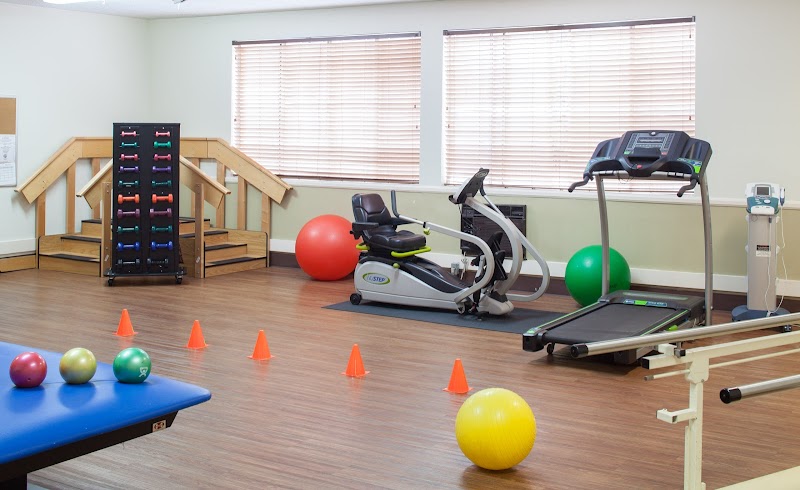
Who Owns and Operates Playa Del Rey Center?

PLAYA DEL REY CENTER is owned by a for-profit company. For-profit facilities operate as businesses with obligations to shareholders or private owners. The facility is operated by GENESIS HEALTHCARE, a chain that manages multiple nursing homes. With 99 certified beds and approximately 90 residents (about 91% occupancy), it is a smaller facility located in PLAYA DEL REY, California.
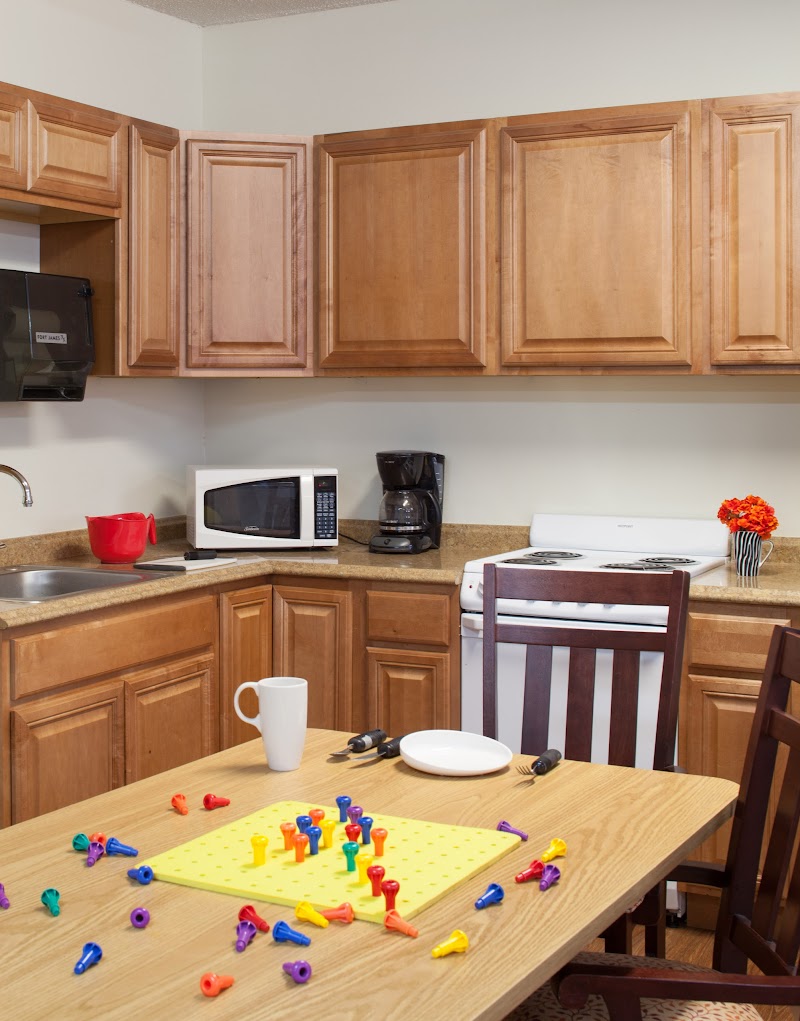
How Does Playa Del Rey Center Compare to Other California Nursing Homes?

Compared to the 100 nursing homes in California, PLAYA DEL REY CENTER's overall rating (1 stars) is below the state average of 3.1, staff turnover (35%) is significantly lower than the state average of 46%, and health inspection rating (1 stars) is much below the national benchmark.

What Should Families Ask When Visiting Playa Del Rey Center?

Based on this facility's data, families visiting should ask: "What changes have been made since the serious inspection findings, and how are you preventing similar issues?" "Can I visit during a mealtime to observe dining assistance and food quality?" "How do you handle medical emergencies, and what is your hospital transfer rate?" "Can I speak with family members of current residents about their experience?" These questions are particularly relevant given the facility's Immediate Jeopardy citations.

Is Playa Del Rey Center Safe?

Based on CMS inspection data, PLAYA DEL REY CENTER has documented safety concerns. Inspectors have issued 4 Immediate Jeopardy citations (the most serious violation level indicating risk of serious injury or death). The facility has a 1-star overall rating and ranks #100 of 100 nursing homes in California. Families considering this facility should ask detailed questions about what corrective actions have been taken since these incidents.

Do Nurses at Playa Del Rey Center Stick Around?

PLAYA DEL REY CENTER has a staff turnover rate of 35%, which is about average for California nursing homes (state average: 46%). Moderate turnover is common in nursing homes, but families should still ask about staff tenure and how the facility maintains care continuity when employees leave.

Was Playa Del Rey Center Ever Fined?

PLAYA DEL REY CENTER has been fined $154,742 across 2 penalty actions. This is 4.5x the California average of $34,626. Fines at this level are uncommon and typically indicate a pattern of serious deficiencies, repeated violations, or failure to correct problems promptly. CMS reserves penalties of this magnitude for facilities that pose significant, documented risk to resident health or safety. Families should request specific documentation of what issues led to these fines and what systemic changes have been implemented.

Is Playa Del Rey Center on Any Federal Watch List?

PLAYA DEL REY CENTER is not on any federal watch list. The most significant is the Special Focus Facility (SFF) program, which identifies the bottom 1% of nursing homes nationally based on persistent, serious quality problems. Not being on this list means the facility has avoided the pattern of deficiencies that triggers enhanced federal oversight. This is a positive indicator, though families should still review the facility's inspection history directly.