PLEASANTON NURSING AND REHABILITATION CENTER
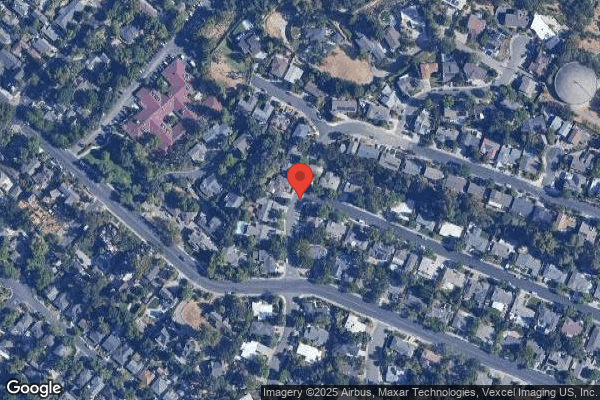
300 NEAL STREET, PLEASANTON, CA 94566 (925) 462-2400
For profit - Limited Liability company 139 Beds GENERATIONS HEALTHCARE Data: November 2025
Trust Grade
85/100
#167 of 1155 in CA
Last Inspection: March 2025

Within standard 12-15 month inspection cycle. Federal law requires annual inspections.

Overview

Pleasanton Nursing and Rehabilitation Center has a Trust Grade of B+, which means it is above average and recommended for families considering care options. It ranks #167 out of 1,155 facilities in California, placing it in the top half, and #17 out of 69 in Alameda County, indicating there are only 16 facilities in the county that perform better. The facility has shown improvement over the past year, with issues decreasing from three in 2024 to two in 2025. Staffing is an average strength with a 3 out of 5 star rating and a turnover rate of 42%, which is close to the state average. There have been no fines reported, which is a positive sign, and the facility offers more RN coverage than 76% of California facilities, ensuring better oversight of resident care. However, there are some concerns, including specific incidents where food safety protocols were not followed, such as expired items in the refrigerator and a lack of cleanliness in the kitchen area. Additionally, some staff members did not complete required training for dementia care and abuse prevention, which could impact the quality of care residents receive. Overall, while the facility has strengths in oversight and compliance, families should consider these weaknesses when making their decision.

Trust Score
B+
85/100
In California
#167/1155
Top 14%
Safety Record
Low Risk
No red flags
Inspections
Getting Better
3 → 2 violations
Staff Stability
○ Average
42% turnover. Near California's 48% average. Typical for the industry.
Penalties
✓ Good
No fines on record. Clean compliance history, better than most California facilities.
Skilled Nurses
✓ Good
Each resident gets 42 minutes of Registered Nurse (RN) attention daily — more than average for California. RNs are trained to catch health problems early.
Violations
⚠ Watch
16 deficiencies on record. Higher than average. Multiple issues found across inspections.
★★★★★
5.0
Overall Rating
★★★☆☆
3.0
Staff Levels
★★★★☆
4.0
Care Quality
★★★★★
5.0
Inspection Score
Stable
2024: 3 issues
2025: 2 issues

The Good

  • 4-Star Quality Measures · Strong clinical quality outcomes
  • Full Sprinkler Coverage · Fire safety systems throughout facility
  • No fines on record
  • Staff turnover below average (42%)

    6 points below California average of 48%

Facility shows strength in quality measures, fire safety.

The Bad

Staff Turnover: 42%

Near California avg (46%)

Typical for the industry

Chain: GENERATIONS HEALTHCARE

Part of a multi-facility chain

Ask about local staffing decisions and management

The Ugly 16 deficiencies on record

Mar 2025 2 deficiencies
CONCERN (D)

Potential for Harm - no one hurt, but risky conditions existed

Tube Feeding (Tag F0693)

Could have caused harm · This affected 1 resident

Based on observation, interview, and record review, the facility failed to verify gastrointestinal tube (GT - digestive tract and related organs) placement for one of five residents (Resident 10) prio...

Read full inspector narrative →
Based on observation, interview, and record review, the facility failed to verify gastrointestinal tube (GT - digestive tract and related organs) placement for one of five residents (Resident 10) prior to medication administration. This failure had the potential for medications not to be safely and effectively delivered into the stomach and may lead to serious complications such as aspiration pneumonia. Findings: During a review of Resident 10's admission Record, printed 3/26/25, the record indicated Resident 10 was admitted in 2020 with diagnoses including hemiplegia (muscle weakness on one side of the body) and dysphagia (difficulty swallowing foods or liquids) leading to GT placement. During an observation on 3/25/25, at 12:53 p.m., Licensed Vocational Nurse (LVN) 1 prepared (crushed) two medications separately for Resident 10. LVN 1 placed each medication (med) in a med cup and diluted each with 30 ml (milliliter) of water. LVN 1 did not check if the GT was in the right position in the stomach. LVN 1 then attached a syringe to the feeding tube of Resident 10, started with water flush of 30 ml water, poured each med into the syringe using gravity flow, and poured 15 ml in between the meds. During a review of Resident 10's order summary report with order date 1/18/25, the order summary report indicated, Check GT placement before administering feeding/medication . During an interview on 3/26/25, at 12:34 p.m., with LVN 1, LVN 1 confirmed she did not check GT placement for Resident 10 before administration of the medications on 3/25/25. LVN 1 stated the only time she checked the GT placement was at 8 a.m. before water flush for Resident 10 via the GT and that was what she had always done. During an interview on 3/26/25, at 12:39 p.m., with LVN 1, LVN 1 stated GT placement must be verified before administering meds to ensure the GT is in place and not dislodged, which could result in complications that would lead to sending the resident to the hospital. During an interview on 3/27/25, at 7:50 a.m., with the Director of Nursing (DON), DON stated the GT placement should be verified before administration of medication or feeding to ensure the GT is in place. During a review of the facility's policy and procedure (P&P) titled, Administering Medications through an Enteral Tube, revised November 2018, the P&P indicated, The purpose of this procedure is to provide guidelines for the safe administration of medications through an enteral (related to intestines) tube .Verify placement of feeding tube: If you suspect improper tube positioning, do not administer feeding or medication . During a review of the National Institutes of Health National Library of Medicine titled, Enteral Tube Management, dated 2021, indicated, According to the American Association of Critical-Care Nursing recommends that the positions of a feeding tube should be checked and documented every four hours and prior to the administration of enteral feedings and medications . https://www.ncbi.nlm.nih.gov/books/NBK593216/
CONCERN (E)

Potential for Harm - no one hurt, but risky conditions existed

Food Safety (Tag F0812)

Could have caused harm · This affected multiple residents

Based on observation, interview, and record review, the facility failed to ensure food was stored and prepared in a clean environment, within standards for safety when: 1) Ice Machine floor drain wa...

Read full inspector narrative →
Based on observation, interview, and record review, the facility failed to ensure food was stored and prepared in a clean environment, within standards for safety when: 1) Ice Machine floor drain was not maintained clean; 2) Food items stored in the refrigerator had expired with past use by dates; 3) Food items in the refrigerator did not have use by and expiration dates; 4) Food items in the pantry not labelled and stored properly; 5) Kitchenware (including pans, cutting boards, cooking utensils, ergo silverware, strainers, blender, food processor) were in poor condition; 6) The two-part sink, on the left side of sink, was being used for washing potatoes and the right side of the sink with a large cleaning bucket filled with rags, water and cleaning solution; 7) Drawers used to store cooking utensils were not maintained clean; 8) Industrial Can-Opener, Blender, Food Processer not maintained clean; 9) Stove and Oven with built up residue, large amounts of food particles and grease, accumulated underneath and on sides of stove; 10) A kitchen oven mitt was found on the top surface of the stove; 11) Tile on the right side of the dishwashing area not sealed and was separated against the wall; 12) The center of the floor, in the dishwashing area, was dirty with black slimy greasy material underneath the rubber mats. These failures had the potential to result in contamination of food leading to food borne illness, for 133 Residents who resided in the facility. Findings: During an observation on 3/24/25, at 9:25 a.m., with Certified Dietician (CD1), the white ice machine drain was dirty, covered in black film and debris. During a review of the facility's policy and procedure (P&P) titled, Cleaning Instructions; Ice Machine and Equipment, dated 2017, the P&P indicated the ice machine and equipment will be cleaned and sanitized on a regular bases. During an observation on 3/24/25, at 9:30 a.m., with CD1, located in the walk-in refrigerator and available for use were the following food items stored beyond the facility identified use-by dates: -Twenty-five fruit cups of melon, pineapple, cantaloupe, and watermelon with an expired use-by date of 3/22/25. - Opened package of turkey bacon and chicken salad with use-by date of 1/9/25. - One box of (25) cream cheese packages with use-by date of 2/8/25. In addition, the main refrigerator had the following items without labeling of use-by/expiration dates: -Five dinner rolls -Peanut butter and Jelly sandwich -Cups of drinks (cranberry juice, thickened apple juice, and milk.) -Three quarts of Tuna salad with no prepared or use-by date. -One quart of Tuna salad with no prepared or use-by date. -One quart of peaches CD1 confirmed the food items were stored beyond the use-by date. CD1 stated staff should discard items by the use-by date daily and that all food items needed to have a prepared by date and a use-by date. During an observation on 3/24/25, at 9:40 a.m., with CD1, the walk-in fridge had one box of basil and one box of rosemary with no received date and no use-by date. During a concurrent observation and interview on 3/24/25, at 9:50 a.m., with CD1, the pantry had 34 loaves of sliced bread with no received date, expiration date, or use-by date. On the wire rack shelf was an open 1.5 quart jar of Real Mayonnaise, ¾ full. CD1 stated these items should have a clearly identified label of received and use-by date and did not think the mayonnaise needed to be refrigerated after opening. According to the United States Department of Agriculture (USDA), for food safety, the USDA recommends refrigerating mayonnaise after opening to slow down the growth of bacteria and recommends discarding opened mayonnaise that has been at room temperature for more than eight hours. During a concurrent observation and interview on 3/24/25, at 10:00 a.m., in the main pantry, with CD1, the bottom level shelf contained a large cardboard box with an opened plastic bag, unsealed, with 25 pounds (lbs) of white powder. CD1 stated it was thickener used for pureed food and stated the box in the packaging should not be open and exposed, and should be in a container with a used-by and opened date. During a review of the kitchen policy and procedure (P&P) manual, dated 2023, the P&P indicated, 1) All foods should be covered, labeled and dated and routinely monitored to assure that foods (including leftovers) will be consumed by their use-by dates or discarded. 2) All food items should be stored upon delivery, and careful rotation procedures should be followed. 3) Food should be dated as it is placed on the shelves, and date marking should be visible and 4) Plastic containers with tight fitting covers or sealable plastic bags must be used for storing lots of bulk foods or opened packages. During a concurrent observation and interview on 3/24/25, at 10:15 a.m., with CD1 and [NAME] 1, [NAME] 1 soaked approximately 60 potatoes on the left side of a two-compartment sink in a pool of cloudy water. [NAME] 1 stated a potato was placed in the drain to soak the potatoes. On the right side of the two-compartment sink [NAME] 1 stated there was a blue bucket of cleaning solvent with dish rags used for wiping down surfaces. CD1 stated there should not be cleaning solvent next to the food prep area as it could result in cross-contamination of solvent onto food. During observation on 3/24/25, at 10:45 a.m., the two-compartment sink had a build-up of food and debris on the corners of the sink and sink drain. During an observation on 3/24/25, at 10:25 a.m., with CD1, there were 12 large resting trays with dirty greasy film, and 14 flat sheet roasting trays and one large roasting pan, which were all considered clean, with metal flakes and grease build-up. There was one large and one medium size sauté pan, with protective coating coming off, and all the pans observed were in poor condition with dents and grease build up. The food strainer had an orange build up on the rim and a 3 inch gap on the strainer. The large green cutting board was being used with an accumulation of scrapes and black marks. During an observation on 3/24/25, at 10:30 a.m., with CD1, a large industrial can opener base was filled with food and oil with food particles on the rotary blade. During a review of the facility's P&P titled, Cleaning Instructions, dated 2017, the P&P indicated, The can opener will be cleaned after each use. During an observation on 3/24/25, at 10:40 a.m., with CD1, the roasting oven was dirty on the outside with grease and food build up as well as on the metal grates inside the oven. During an observation on 3/24/25, at 10:45 a.m., with CD1, the stove top grill had thick food and grease buildup on all 8 of the metal grills and underneath the stove, and on the sides of the stove was a thick accumulation of both sticky substance and food debris stuck throughout the rim of the stove. During an observation on 3/24/25, at 12:30 p.m., the blender and food processor had an accumulation of debris and food particles stuck to the equipment. The food processor had a 2 x 3 inch broken piece on the side of the machine that had built up accumulation of dried debris. During a review of the facility's P&P titled, Cleaning Instructions, dated 2017, the P&P indicated, Food preparation appliances, small appliances such as mixers and food processors will be cleaned and sanitized after each use. During an observation on 3/24/25, at 10:40 a.m., with CD1, the serving and cooking spoons and utensils were in poor condition. The plastic handles on the cooking utensils had been melted and the metal scoops were indented. There was one ergonomic spoon and one knife in the clean bucket that was visibly dirty with food remaining on the utensil. According to the 2022 Federal Food Code, multiuse food-contact surfaces are to be smooth and food-contact equipment and utensil surfaces are to be clean to sight and touch. During an observation on 3/25/25, at 11:50 a.m., the drawers next to the two-compartment sink had accumulated large particles of food on the borders and on the side of the drawer. There were two shredding contraptions that had food particles on the grading slicers. The second drawer to the left was also dirty and stored one dirty spatula and one masher in poor repair, with plastic melted on the handle of the masher and brown substance inside the holes, not able to come off with a cloth. During a review of the facility's P&P titled, Cleaning Instructions: Cabinets and Drawers, dated 2017, the P&P indicated, Cabinets and drawers will be free of food particles and dirt. They should be cleaned at least twice a month and as needed when spills occur. According to the 2022 Federal Food Code, food-contact equipment and utensil surfaces are to be clean to sight and touch, and nonfood-contact surfaces of equipment are to be free of an accumulation of dust, dirt, food residue, and other debris. During an observation on 3/26/25, at 10:35 a.m., there was a large gray/black oven mitt on the stove top. During a review of the facility's P&P titled, Safety in Food Preparation, dated 2017, the P&P indicated, Towels or mitts will not be placed on stove top, and grease should be considered a fire hazard. Do not allow grease to build up on equipment. During a concurrent observation and interview on 3/26/25, at 10:25 a.m., with [NAME] 2 and CD1, [NAME] 2 was using the extra-large roasting pan to prepare the meat on top of the stove. [NAME] 2 stated the pan was old, but it was what he had to cook large portions. The stove are had copious amounts of food and grease debris on the sides of the stove and large amounts of food particles and grease underneath the metal grates. [NAME] 2 stated that was not good. During a review of the facility's P&P titled, Cleaning Instructions Ovens, dated 2017, the P&P indicated, Ovens will be cleaned as needed and according to the cleaning schedules (at least once every two weeks). Spills and food particles will be removed after each use. During an observation on 3/24/25, at 10:30 a.m., with CD1, the dishwashing area had a large dirty grease trap, and the white drain below the industrial washer contained a black slimy build up and food particles. There were food peelings in the drain. The tile on the floor to the right of the cleaning area had a large open gap separating the tile from the wall for an approximate five foot (ft) length. During a concurrent observation and interview on 3/24/25, at 10:40 a.m., with Director of Maintenance (DM) and CD1, in the dishwashing area, the floor underneath the mats had an accumulation of dark and slimy sludge and the grease trap underneath the sink was dirty with accumulation of grease around the perimeter on the floor. Both DM and CD1 stated having an unclean kitchen could lead to illness and attract animals. According to the 2022 Federal Food Code, floors and floor coverings are to be constructed so they are smooth and easily cleanable. In addition, when cleaning methods other than water flushing are used for cleaning floors, the floor and wall junctures are to be covered and closed to no larger than 1 mm (millimeter). If water flush cleaning methods are used, wall junctures are to be covered and sealed. According to the Annex, pooling liquid wastes could attract pests such as insects and rodents or contribute to problems with certain pathogens. According to the 2022 Federal Food Code, if used, grease traps are to be easily accessible for cleaning. According to the Annex, failure to properly maintain and clean a grease trap can result in the harborage of vermin and/or failure of the sewage system. In addition, pooling of floor drains could attract pests such as insects and rodents or contribute to problems with certain pathogens such as Listeria monocytogenes (a type of bacteria that can cause infection).
Apr 2024 3 deficiencies
CONCERN (D)

Potential for Harm - no one hurt, but risky conditions existed

Deficiency F0655 (Tag F0655)

Could have caused harm · This affected 1 resident

Based interviews, record review, and facility policy review, the facility failed to ensure a resident's use/need for hearing aids were included on the baseline care plan for 1 (Resident # 180) of 3 sa...

Read full inspector narrative →
Based interviews, record review, and facility policy review, the facility failed to ensure a resident's use/need for hearing aids were included on the baseline care plan for 1 (Resident # 180) of 3 sampled residents reviewed for communication/sensory. Findings included: A review of the facility policy titled, Hearing Aid, Care of, revised in February 2018, revealed Purpose The purpose of this procedure is to maintain the resident's hearing at the highest attainable level. Preparation Review the resident's care plan to assess for any special needs of the resident. According to a section of the policy titled documentation, 3. Update care plan, as appropriate with usage and preference for usage. A review of Resident #180's admission Record revealed the facility admitted the resident on 04/15/2024, with diagnoses that included a need for assistance with personal care. A review of Resident #180's care plan, with an admission date of 04/15/2024, revealed no evidence to indicate the resident required hearing aids. A review of Resident #180's admission Data Collection and Baseline Care Plan Tool, electronically signed by Licensed Vocational Nurse (LVN) #2 and dated 04/16/2024, revealed the resident had clear speech and was alert and oriented to person, place, date, and time/situation. The admission Data Collection and Baseline Care Plan Tool revealed the resident did not have any assistive/medical devices. During an interview on 04/25/2024 at 8:34 AM, Certified Nurse Aide #5 stated Resident #180 wore hearing aids. During an interview on 04/23/2024 at 3:32 PM, LVN #2 stated Resident #180 admitted to the facility with hearing aids. LVN #2 stated Resident #180's baseline care plan did not reflect the resident used hearing aids. During an interview on 04/24/2024 at 2:30 PM, the Director of Nursing stated she expected nursing staff to include a resident's use of hearing aids on their care plan. During an interview on 04/25/2024 at 9:17 AM, Resident #180 stated they brought their hearing aids to the facility when admitted and staff had ensured their hearing aids were in place. During an interview on 04/25/2024 at 9:22 AM, the Administrator stated the nursing staff should follow the facility policy regarding hearing aids.
CONCERN (D)

Potential for Harm - no one hurt, but risky conditions existed

Accident Prevention (Tag F0689)

Could have caused harm · This affected 1 resident

Based on observations, interviews, record review, and facility policy review, the facility failed to ensure a fall intervention was implemented as documented on the resident care plan for 1 (Resident ...

Read full inspector narrative →
Based on observations, interviews, record review, and facility policy review, the facility failed to ensure a fall intervention was implemented as documented on the resident care plan for 1 (Resident #19) of 3 sampled residents reviewed for accidents. Findings included: A review of the facility undated policy titled, Fall Prevention Program, revealed 2. A care plan will be developed to include preventative measures that target the specific safety recommendation derived from the risk factors identified in the fall assessment. The goal for the resident will be to prevent future fall and to allow the resident to achieve the highest functioning ability. A review of Resident #19's admission Record revealed the facility readmitted the resident on 11/24/2023, with diagnoses to include hemiplegia and hemiparesis following cerebral infarction affecting the right dominant side. A review of Resident #19's quarterly Minimum Data Set (MDS), with an Assessment Reference Date (ARD) of 03/12/2024, revealed the resident had a Brief Interview for Mental Status (BIMS) score of 10, which indicated the resident had moderate cognitive impairment. The MDS revealed the resident required substantial/maximal assistance with sit to stand, chair/bed-to transfer, and toilet transfers. A review of Resident #19's care plan, revised on 11/24/2023, revealed the resident was at high risk for falls related to impaired balance during transition and weakness. An intervention initiated on 04/20/2024, directed the staff to place a floor//landing pad next to the resident's bed when the resident was in bed. On 04/22/2024 at 10:57 AM, Resident #19 was observed in bed and there was no floor/landing pad next to the resident's bed. On 04/22/2024 at 3:52 PM, Resident #19 was observed in bed and there was no floor/landing pad next to their bed. On 04/23/2024 at 7:22 AM, 9:15 AM, 11:09 AM, 12:24 PM, and 1:59 PM, Resident #19 was observed in bed and there was no floor/landing pad next to the resident's bed. During an interview on 04/23/2024 at 12:42 PM, Licensed Vocational Nurse (LVN) #3, the charge nurse assigned to provide care to Resident #19, stated she was not aware Resident #19 was care planned to have a floor/landing pad next to their bed. During an interview on 04/23/2024 at 12:55 PM, Certified Nurse Aide (CNA) #4, the CNA assigned to provide care to Resident #19, stated he was not aware of an intervention to place a fall mat or landing pad on the floor while the resident was in bed. During an interview on 04/23/2024 at 3:16 PM, LVN #2 stated she implemented the floor/landing pad next to Resident #19's bed after the resident sustained a fall. LVN #2 stated she expected the floor/landing pad to be always in place. During an interview on 04/25/2024 at 9:22 AM, the Administrator stated he expected the staff to follow the policy and procedure.
CONCERN (E)

Potential for Harm - no one hurt, but risky conditions existed

Deficiency F0804 (Tag F0804)

Could have caused harm · This affected multiple residents

Based on observation, interviews, document review, and facility policy review, the facility failed to follow the recipe when they prepared pureed chopped beef steak for 11 (Residents #10, #13, #41, #6...

Read full inspector narrative →
Based on observation, interviews, document review, and facility policy review, the facility failed to follow the recipe when they prepared pureed chopped beef steak for 11 (Residents #10, #13, #41, #60, #67, #69, #74, #82, #84, #104, and #111) of 11 residents who received pureed diets from the kitchen. Findings included: A review of the facility policy titled, Texture and Consistency Modified Diets, with a copyright date of 2023, revealed, 5. The food and nutrition services department will be responsible for preparing and serving the correct consistency of food and beverages as ordered. A review of a facility document titled, Diet Type Report, dated 04/23/2024, revealed 11 (Residents #10, #13, #41, #60, #67, #69, #74, #82, #84, #104, and #111) residents were ordered a pureed diet. A review of facility Recipe Information, for Chopped Beef Steak (Puree), directed staff to prepare the chopped beef steak according to recipe, then add two and three-fourth pounds of chopped beef steak and one and five-eighths pint of low sodium beef stock in a food processor and process for two to three minutes, or until smooth. On 04/23/2024 at 10:20 AM, the Dietary Director stated 11 residents were ordered a pureed diet. On 04/24/2024 at 10:15 AM, [NAME] #1 was observed to prepare pureed beef. [NAME] #1 poured an unmeasured amount of water and beef base into a pan of ground beef located on a cooktop and continued to allow the mixture to cook. After a few minutes, [NAME] #1 poured all the beef and an unmeasured amount of beef broth into a blender. [NAME] #1 stated he was supposed to follow the recipe, but acknowledged he did not when asked how much both and beef should be used. During an interview on 04/24/2024 at 10:30 AM, the Dietary Director stated when a lot of thickener is added it decreased the nutritional value of the food item and that caused the residents to not get what they were supposed to receive. During an interview on 04/24/2024 at 12:07 PM, the Registered Dietitian (RD) stated the cooks should follow the recipes. The RD stated if the cook added too much liquid to pureed food, it would dilute the nutritional value of the food. During an interview on 04/24/2024 at 1:16 PM, the Director of Nursing stated she expected the cooks to follow the recipes when they prepared pureed foods. During an interview on 04/24/2024 at 2:34 PM, the Administrator stated he expected the cooks to follow the recipe when they prepared pureed food.
Jul 2023 1 deficiency
CONCERN (D)

Potential for Harm - no one hurt, but risky conditions existed

Infection Control (Tag F0880)

Could have caused harm · This affected 1 resident

**NOTE- TERMS IN BRACKETS HAVE BEEN EDITED TO PROTECT CONFIDENTIALITY** Based on observation, interview and record review, the facility failed to ensure outside consultant healthcare practitioners fol...

Read full inspector narrative →
**NOTE- TERMS IN BRACKETS HAVE BEEN EDITED TO PROTECT CONFIDENTIALITY** Based on observation, interview and record review, the facility failed to ensure outside consultant healthcare practitioners followed PPE requirements for transmission-based precautions during a COVID-19 (a respiratory illness) outbreak for one of three sampled residents. This failure placed Resident 1 at risk of respiratory infection and urinary tract infection (UTI, infection that can affect the bladder, kidneys and connecting components) potentially leading to morbidity and mortality. Findings: A review of Resident 1's admission record, indicated Resident 1 was admitted to the facility on [DATE] with a diagnosis of dementia and neuromuscular dysfunction of the bladder (condition which bladder does not drain naturally). A review of Resident 1's physician's orders, indicated Resident 1 had an order, dated 2/6/23, for a foley catheter (tubular device inserted in the urethra to drain urine) and an order for enhanced barrier protection, dated 1/2/23, related to the foley catheter. A review of facility's list of COVID-19 positive residents, dated 7/14/23, indicated the facility had 10 residents that were positive for COVID-19 and the residents were quarantined in a redzone. During an observation and interview on 7/14/23, at 11:00 a.m., with Licensed Vocational Nurse 1 (LVN 1), ultrasound consultant (UC) was observed in Resident 1's room sitting on a chair by Resident 1's bed typing on a computer. UC was not wearing a gown while she was in the room. Resident 1 was in her bed sitting up with no facemask on and had a foley catheter. LVN 1 observed UC in Resident 1's room with a standard facemask and no gown. LVN 1 stated UC was required to wear an N95 respirator because of the COVID outbreak. LVN 1 stated Resident 1 was on enhanced barrier precautions to prevent contamination of her foley catheter and UC needed to wear a protective gown for patient contact activities. During an observation on 7/14/23, at 11:05 a.m., a sign outside of Resident 1's door indicated Resident 1's room was on enhanced barrier protection. The sign indicated staff must wear a protective gown for high contact resident care activities. During an interview on 7/14/23, at 11:15 a.m., with UC, UC stated she was in Resident 1's room and performed a kidney ultrasound (diagnostic procedure to visualize the kidneys using a device placed on the back against the skin). UC stated Resident 1 was on an enhanced barrier protection precaution and for her procedure, a protective gown needed to be worn. UC stated she did not wear a protective gown when she was in Resident 1's room during the procedure. UC stated she did not know why Resident 1 was on enhanced barrier protection. UC stated she was expected to wear a standard mask while in the facility. UC stated she was not given instructions to wear an N95 respirator when she entered the facility because there were no signs or front desk staff to provide instructions. During an interview and record review on 7/14/23, at 12:40 p.m., with Infection Preventionist (IP), the facility's policy and procedure (P&P), titled Enhanced Barrier Protection, dated 7/22/22, was reviewed. The P&P indicated residents with a foley catheter need to be on enhanced barrier precautions as an infection prevention intervention for residents with a foley catheter. The P&P further indicated residents with a foley catheter were at high risk for developing infections. The P&P indicated gowns were required for any care activity where close contact with the resident is expected to occur. During an interview and record review on 7/14/23, at 10:20 a.m. with IP, the facility's P&P titled Mitigation Plan for Testing, Quarantine, Isolation and Vaccination of Health Care Personnel and Residents, dated 4/3/23, was reviewed. IP stated the P&P was used when there was a COVID outbreak. The P&P indicated staff were expected to wear N95 respirators in resident care areas with potential COVID exposure when the facility had a COVID outbreak. IP stated staff including outside consultants were expected to follow the same P&P.
May 2023 1 deficiency
CONCERN (D) 📢 Someone Reported This

A family member, employee, or ombudsman was alarmed enough to file a formal complaint

Potential for Harm - no one hurt, but risky conditions existed

Deficiency F0697 (Tag F0697)

Could have caused harm · This affected 1 resident

Based on interview and record review, the facility failed to evaluate increased pain and provide pain relief for one of three sampled residents (Resident 1). This failure resulted in Resident 1 experi...

Read full inspector narrative →
Based on interview and record review, the facility failed to evaluate increased pain and provide pain relief for one of three sampled residents (Resident 1). This failure resulted in Resident 1 experiencing unrelieved, moderate pain when standing and walking during rehabilitative care for one month and 5 days. Findings: A review of Resident 1's admission record indicated Resident 1 was admitted to the facility for pneumonitis (infection and inflammation of the lungs), abnormality of gait and mobility, and Parkinson's Disease (a disease resulting in loss of control of limbs and motor functions.) A review of Resident 1's Physical Therapy (PT) Assessment, dated 10/17/22, indicated Resident 1 received physical therapy five times a week which included standing and walking. During a phone interview on 2/23/23, at 2:47 p.m., with Resident 1, Resident 1 stated he did not get adequate pain relief for his left hip during his admission at the facility. Resident 1 stated he frequently rated his left hip pain a five or six on the pain scale (a verbal report of pain level, zero indicating no pain, one to three indicating mild pain, four to six indicating moderate pain and seven to ten indicating severe pain) and only received acetaminophen (a drug to relieve pain) for pain relief. Resident 1 stated he did not always get pain medication as requested, and the acetaminophen was not enough to relieve his hip pain. Resident 1 stated the pain was at its worst when standing and walking during physical therapy sessions. Resident 1 stated the facility frequently made him walk while he was in pain and did not provide him pain relief. During a concurrent interview and record review on 3/22/23, at 1:10 p.m., with Physical Therapy Aide (PTA), Resident 1's Physical Therapy Encounter note, dated 11/7/22, was reviewed. PTA stated the note indicated Resident 1 was unable to walk due to pain and there was a recommendation made to nursing to provide pain medication before physical therapy. During an interview and record review on 3/22/23, at 2:28 p.m., with Registered Nurse (RN 1), Resident 1's physician's order for acetaminophen, dated 10/18/22, Nursing Progress Note , dated 11/7/22, and Medication Administration Record (MAR), dated 11/2022, were reviewed. RN 1 stated Resident 1 had a physician's order for two tablets of acetaminophen to be given as needed for general discomfort and was not specifically ordered for Resident 1's hip pain. RN 1 stated the Nursing Progress Note indicated Resident 1 had left hip pain and could not complete physical therapy. Resident 1's progress note indicated Resident 1 be pre-medicated with pain medication before physical therapy. A review of Resident 1's MAR indicated Resident 1 did not receive acetaminophen on 11/7/22 but had received acetaminophen seven times in November 2022 for pain levels of five to six. During a concurrent interview and record review, on 3/23/23, at 1:30 p.m., with physiatrist (PA, physical therapy specialist), Resident 1's physiatrist assessment, dated 12/12/22, was reviewed. The PA stated the assessment indicated Resident 1 reported frequent, unrelieved pain at his left hip for the past 24 hours and rated his pain at three (mild pain). The assessment indicated Resident 1 experienced increased pain with movement and physical exertion. A review of Resident 1's MAR, dated 12/2022, indicated Resident 1 received did not receive acetaminophen on 12/11 or 12/12. During a phone interview on 3/23/23, at 2:15 p.m. with Resident 1's physician (MD), MD reviewed his progress notes for Resident 1. MD 1 stated he did not recall getting reports of Resident 1's left hip pain from staff and did not document Resident 1's report of pain until 12/7/22. A review of facility's policy and procedure (P&P), titled Pain - Clinical Protocol, dated 7/1/2020, indicated the nursing staff will identify any situations or interventions where an increase in the resident's pain may be anticipated. The P&P indicated staff will evaluate and report the resident/patient's use of standing and PRN (as needed) analgesics (pain medication).
Apr 2023 1 deficiency
CONCERN (D) 📢 Someone Reported This

A family member, employee, or ombudsman was alarmed enough to file a formal complaint

Potential for Harm - no one hurt, but risky conditions existed

Deficiency F0578 (Tag F0578)

Could have caused harm · This affected 1 resident

**NOTE- TERMS IN BRACKETS HAVE BEEN EDITED TO PROTECT CONFIDENTIALITY** Based on interview and record review, the facility failed to honor the decision to refuse treatment for one of three sampled res...

Read full inspector narrative →
**NOTE- TERMS IN BRACKETS HAVE BEEN EDITED TO PROTECT CONFIDENTIALITY** Based on interview and record review, the facility failed to honor the decision to refuse treatment for one of three sampled residents (Resident 1) when Resident 1 was given an enema (an injection of liquid into the intestine) against the wishes of Resident 1 and Resident 1 ' s responsible party (RP). This failure resulted in Resident 1 and RP feeling helpless in the ability to control healthcare decision-making and caused pain and suffering for Resident 1. Findings: A review of Resident 1 ' s admission Record, undated, indicated Resident 1 was originally admitted to the facility on [DATE] with diagnoses including abnormalities of gait and mobility, muscle weakness and epilepsy. A review of Resident 1 ' s Minimum Data Set (MDS, an assessment tool to guide care), dated 6/14/21, indicated Resident 1 had a score of eleven on the Brief Interview for Mental Status (BIMS, an assessment tool for a resident ' s orientation to time and capacity to remember. A BIMS score of eight to twelve is an indication of moderate impairment). During an interview on 7/12/22, at 12:34 p.m., with the Social Services Director (SSD), SSD stated Resident 1 could speak and make her wishes known, and Resident 1 ' s RP was the decision maker for Resident 1. A review of Resident 1 ' s Acute Care Hospital (ACH) Emergency Department (ED) Record, dated 7/10/21, at 4:46 p.m., indicated Resident 1 arrived at the ACH ED from the facility with a chief complaint of rectal (area of the intestine where a person holds solid waste before it exits the body) bleeding, and was diagnosed with a perirectal abscess (a painful, pus-filled cavity in the rectum). A review of Resident 1 ' s ACH Surgical Service Clinical Notes, dated 7/10/21, at 10:40 p.m., indicated Resident 1 underwent a surgical procedure to open and drain Resident 1 ' s perirectal abscess. A review of Resident 1 ' s Progress Notes, dated 7/12/21, at 4:40 p.m., indicated Resident 1 was readmitted to the facility, alert and oriented. A review of Resident 1 ' s Order Summary Report, dated 7/15/21, indicated, Warm water enema x1 now one time only for constipation (solid waste which becomes hard and dry in the rectum and difficult to pass through the digestive system). A review of Resident 1 ' s Progress Notes, dated 7/15/21, at 3:35 p.m., by Licensed Vocational Nurse 1 (LVN 1), indicated Resident 1 complained of constipation, but Resident 1 refused warm water enema. During an interview on 7/12/22, at 1:10 p.m., with Registered Nurse 1 (RN 1), RN 1 stated Resident 1 had strongly refused to have the enema. During an interview on 7/12/22, at 2:00 p.m., with Charge Nurse 1 (CN 1), CN 1 stated residents have the right to refuse a treatment or procedure, and the resident may not be treated against his or her wishes. During an interview on 6/2/22, at 10:51 a.m., with RP, RP stated she was Resident 1 ' s medical decision maker. RP stated she spoke by phone with CN 1 on 7/15/21, at 1:59 p.m., and when asked by CN 1 about administering an enema to Resident 1, RP stated she responded no because Resident 1 had a surgical wound, and that area was still too sore, sensitive, and delicate. A review of Resident 1 ' s Progress Notes, dated 7/16/21, at 4:09 p.m., by LVN 1, indicated, Lidocaine 25%/Prilocaine 25% ointment applied to rectal area prior to enema administration at 12:15 p.m. Ointment applied at 2:45 p.m. and enema administered thereafter. During an interview on 7/12/22, at 3:00 p.m., with LVN 2, LVN 2 stated Resident 1 had severe rectal pain following the enema, and LVN 2 administered Norco (a medication used to relieve moderate to severe pain) to Resident 1. During an interview on 6/2/22, at 10:51 a.m., with RP, RP stated she had clearly told staff, No enemas or suppositories for Resident 1. RP stated when she observed Resident 1 on 7/17/21 following the enema, Resident 1 was emotionally shut down, and was refusing food, medication and a diaper change. A review of the facility ' s policy and procedure (P&P) titled, Resident Rights Guidelines for all Nursing Procedures, dated 7/1/21, indicated, Resident has right of refusal (medications and treatments) .Ask permission to implement the procedure. If the resident refuses, notify your supervisor.
May 2021 8 deficiencies
CONCERN (D)

Potential for Harm - no one hurt, but risky conditions existed

Comprehensive Care Plan (Tag F0656)

Could have caused harm · This affected 1 resident

Based on observation, interview and record review, for one of 18 sampled residents (Resident 227), the facility failed to develop and implement a care plan (a document that provides direction for prov...

Read full inspector narrative →
Based on observation, interview and record review, for one of 18 sampled residents (Resident 227), the facility failed to develop and implement a care plan (a document that provides direction for provision of resident care) for indwelling urinary catheter use (a tube secured inside the bladder to drain urine into a bag outside the body). This failure had the potential to result in unmet care needs for Resident 227. Findings: A review of Resident 227's admission Record showed an admission date of 4/30/21 with an included diagnosis of acute infection. A review of Resident 227's physician's order dated 5/6/21, indicated an order for a urinary catheter, connected to a bag for urine collection by gravity drainage, to prevent urine retention in the bladder. During a concurrent interview and record review on 5/11/20 at 10:00 a.m., with the Director of Staff Development (DSD), the care plans for Resident 227 were reviewed. The DSD was unable to provide documentation of a care plan for Resident 227's IV therapy or indwelling urinary catheter. Review of Resident 227's Minimum Data Set (MDS, a resident assessment tool used to guide care) Care Area Assessment Summary, dated 3/22/21, indicated Resident 227 had occasional incontinent episodes. The MDS also indicated Resident 227 had triggered the care area titled, Urinary Incontinence and Indwelling Catheter, and the facility had indicated a care plan would be developed on 4/12/21. Review of the facility's policy titled, Comprehensive Care Plans, dated 7/1/20, indicated, It is the policy of this facility that a comprehensive, person-centered care plan that includes, measurable objectives . is developed and implemented for each resident. The care planning process will: .Describe services that are to be furnished to attain or maintain the resident's highest practicable physical, mental, and psychosocial well-being .incorporate identified problem areas .incorporate risk factors associated with identified problems .reflect currently recognized standards of practice for problem areas and conditions Assessments of residents are ongoing and care plans are revised as information about the residents and the residents' conditions change.
CONCERN (D)

Potential for Harm - no one hurt, but risky conditions existed

ADL Care (Tag F0677)

Could have caused harm · This affected 1 resident

Based on observation, interview, and record review, the facility failed to position one of 18 sampled residents (Resident 26), to facilitate eating. For Resident 26 this failure had the potential to r...

Read full inspector narrative →
Based on observation, interview, and record review, the facility failed to position one of 18 sampled residents (Resident 26), to facilitate eating. For Resident 26 this failure had the potential to result in food aspiration (inhalation of foreign material into the lungs) with subsequent pneumonia or respiratory arrest. Findings: A review of Resident 26's admission Record, indicated Resident 26 was admitted to the facility in 2016 with diagnoses that included dementia (a decline in mental ability severe enough to interfere with daily life), cerebrovascular accident (CVA, impaired blood flow to the brain, commonly called a stroke), and dysphagia (difficulty swallowing). During a review of Resident 26's Minimum Data Set (MDS, an assessment tool used to direct care) dated 3/9/21, the MDS indicated Resident 26 had a brief interview with mental status (BIMS is a scoring system used to determine the resident's cognitive status in regard to attention, orientation, and ability to register and recall information. A BIMS score of thirteen to fifteen is an indication of intact cognitive status.) score of six, an indication of severe cognitive impairment. The MDS also indicated Resident 26 required set-up and supervision by one person when eating. During an observation in Resident 26's room, on 5/11/21 at 9:03 a.m., Resident 26 lay in bed with a pillow behind his head, the head of the bed was elevated approximately 30 degrees. Resident 26 had the over bed tray table across his midsection with his breakfast tray on top of the over bed tray table. Resident 26 bent his head forward, his chin toward his chest, while he stirred his oatmeal. Certified Nursing Assistant 1 (CNA 1) entered the room and confirmed Resident 26 should have the elevation of the head of the bed increased so he could swallow more easily with less chance of choking. CNA 1 raised the head of the bed to 90 degrees but lowered it to 45 degrees when Resident 26 objected. Resident 26 stated the increased elevation to 45 degrees was good. During an interview and record review on 5/12/21 at 10:15 a.m. with the Director of Staff Development (DSD), the DSD confirmed the physician order summary dated May 2021 indicated Resident 26 had a history of dysphagia. DSD stated Resident 26 should be positioned upright for meals with HOB at 90 degrees or as close to 90 degrees as Resident 26 could tolerate, to help prevent food aspiration. During a review of the facility's policy and procedure (P & P) titled, Assisting the Resident with In-Room Meals, revised October 2010, the P & P indicated, The purpose of this procedure is to provide appropriate assistance for residents who choose to receive meals in the rooms .Review the resident's care plan and provide for any special needs of the resident .The resident should be positioned so his or her head and upper body are as upright as possible and with the head tipped slightly forward. If the resident is served his or her meal in bed, use wedges and pillows to achieve a nearly upright position .
CONCERN (D)

Potential for Harm - no one hurt, but risky conditions existed

Deficiency F0694 (Tag F0694)

Could have caused harm · This affected 1 resident

**NOTE- TERMS IN BRACKETS HAVE BEEN EDITED TO PROTECT CONFIDENTIALITY** 2. A review of Resident 282's admission Record indicated Resident 282 was admitted to the facility with a diagnosis of urinary t...

Read full inspector narrative →
**NOTE- TERMS IN BRACKETS HAVE BEEN EDITED TO PROTECT CONFIDENTIALITY** 2. A review of Resident 282's admission Record indicated Resident 282 was admitted to the facility with a diagnosis of urinary tract infection. A review of Resident 282's clinical record titled, Midline Insertion Procedure Note, dated [DATE], indicated the physician inserted an IV catheter into Resident 282's upper left arm and threaded it through the vein into a large central body blood vessel (central IV line). The Note reflected the physician dressed the insertion site with a transparent semi-permeable membrane dressing. (TSM, a clear adhesive polyurethane film which allows exchange of oxygen and carbon dioxide but does not allow bacteria or fluids to pass through.) The Note indicated the central IV line was needed to provide IV antibiotic (medication to heal infection) treatment for at least ten days. A review of Resident 282's Medication Administration Record (MAR) dated [DATE], indicated an order with start date [DATE], to change the IV central line dressing every seven days and as needed when soiled. During an observation on [DATE] at 11:40 a.m., with Registered Nurse 2 (RN 2), in Resident 282's room, Resident 282's upper left arm central IV dressing was undated and had blood visible under the TSM dressing. RN 2 stated a central line dressing should be changed when soiled by blood such as was Resident 282's dressing. A review of the facility's policy and procedure titled, Catheter Insertion and Care, Central Venous Catheter Dressing Changes, undated, indicated, Central venous catheter dressings will be changed at specific intervals, or when needed, to prevent catheter-related infections that are associated with contaminated, loosened, soiled, or wet dressings Dressings must stay clean, dry, and intact Change transparent semi-permeable membrane (TSM) dressings at least every 5-7 days and PRN [as needed] (when wet, soiled, or not intact). Based on observation, interview, and record review, for two of 32 sampled residents (Resident 227 and Resident 282), the facility failed to ensure care and services for providing intravenous (IV, a tube/catheter inserted into a vein to administer fluids and medications) fluids and medication were consistent with accepted professional standards of practice and in accordance with physician's orders and comprehensive person-centered plans of care when: 1. For Resident 227, the IV insertion site (the entry point of the catheter into the patient's body) dressing, the IV bag (the container of the infusing fluid), and IV tubing (the connecting tubing between the IV bag and the IV catheter) were not labeled to indicate date of initiation or a date for discontinuation. This failure had the potential to result in infection from lack of timely dressing changes and/or expired product use. 2. For Resident 282, the IV site dressing was not labeled and not dated. This failure had the potential to result in infection from lack of timely dressing changes. Findings: 1. A review of the admission Record on [DATE] at 10:45 a.m., indicated Resident 227 was admitted on [DATE] with an included diagnosis of acute infection. A review of Resident 227's physician's order dated [DATE], indicated, Sodium Chloride 0.9% [a dilute salt-water solution] Infuse 50 mL/hr [milliliters per hour] intravenously every shift for hydration for 2 days . During an observation on [DATE] at 11:00 a.m., Resident 227 lay in bed watching television. An IV bag hung from a pole adjacent to his bed. The IV bag contained a solution of sodium chloride 0.9%. The IV bag had tubing which went through an IV pump to regulate the flow of the saline to deliver a continuous rate of 50 mL/hr. The tubing exited the machine and connected to a small catheter positioned inside a vein. The IV catheter insertion site was located on Resident 227's right lower arm. The IV bag, tubing, and insertion site were not labeled or dated. During an interview with Registered Nurse 1 (RN 1) on [DATE] at 11:05 a.m., RN1 stated the IV bag, tubing and site should have been labeled and dated. During a concurrent interview and record review on [DATE] at 10:13 a.m., with the Director of Staff Development (DSD), Resident 227's Medication Administration Record (MAR), Treatment Record, and progress notes were reviewed. DSD was unable to find documentation regarding IV administration or monitoring of the IV and dressing site. A review of the facility policy and procedure titled, Catheter Insertion and Care, Peripheral IV Dressing Changes, revised [DATE], indicated, Peripheral IV dressings will be changed when needed to prevent catheter-related infections associated with contaminated, loosened or soiled catheter-site dressings. Apply and maintain transparent semi-permeable membrane (TSM) dressing or sterile gauze for all peripheral intravenous catheter sites. Change the dressing if it becomes damp, loosened or visibly soiled and at least every 5 to 7 days Label dressing with date, time, and initials. The following should be documented in the resident's medical record: Date, time, type of dressing, and reason for dressing change. A review of the facility policy and procedure titled, Catheter Insertion and Care, Administration Set/Tubing Changes, revised [DATE], indicated, Administration sets and tubing will be changed at specific intervals in order to prevent infections associated with contaminated IV therapy equipment Label all tubing with start and change date and time. Change and then label accordingly any tubing that is observed not to have a label Primary and secondary continuous infusion administration sets: Change no more frequently than every 96 hours, or whenever suspected contamination has occurred Primary and secondary intermittent infusion administration sets: Change every 24 hours .
CONCERN (E)

Potential for Harm - no one hurt, but risky conditions existed

Deficiency F0730 (Tag F0730)

Could have caused harm · This affected multiple residents

Based on observation, interview and record review, the facility failed to ensure certified nursing assistants completed annual mandatory training when: 1. Four of six sampled certified nursing assista...

Read full inspector narrative →
Based on observation, interview and record review, the facility failed to ensure certified nursing assistants completed annual mandatory training when: 1. Four of six sampled certified nursing assistants (CNA 3, 4, 5, and 6) did not complete required annual training for care of residents with dementia (an impairment in memory, communication and thinking). 2. Two of six sampled certified nursing assistants (CNA 3 and CNA 6) did not complete required annual training for prevention of abuse. These failures had the potential for employees to provide improper or inadequate resident care provision. Findings: During an interview with the Director of Staff Development (DSD) on 5/11/21 at 9:15 a.m., DSD stated CNA 3, 4, 5, and 6 had not completed annual dementia training, and CNA 3 and CNA 6 had not completed annual abuse training. DSD stated there was no documentation of training classes offered during 2020. A review of Personnel Records for CNA 3, 4, 5, and 6 on 5/14/21 at 9:00 a.m., indicated the most recent completion dates for dementia and/or abuse trainings were as follows: CNA 3: Dementia training on 4/2/2020; abuse training on 3/21/2020. CNA 4: Dementia training on 10/28/2019. CNA 5: Dementia training on 10/29/2018. CNA 6: Dementia training 4/4/19; abuse training on 2/7/19. A review of the facility's policy and procedure titled, Staff Development Program, undated, reflected, All personnel must participate in initial orientation and regularly scheduled in-service training classes . Each program shall include, but not be limited to: .Abuse Program .Dementia.
CONCERN (E)

Potential for Harm - no one hurt, but risky conditions existed

Deficiency F0761 (Tag F0761)

Could have caused harm · This affected multiple residents

Based on observation, interview, and record review, the facility failed to ensure that drugs were stored and labeled in accordance with currently accepted professional standards when: 1. Inside the me...

Read full inspector narrative →
Based on observation, interview, and record review, the facility failed to ensure that drugs were stored and labeled in accordance with currently accepted professional standards when: 1. Inside the medication room, a bottle of Amantadine (treats parkinson's disease) hydrochloride 50 milligram (mg.)/5 milliliter (ml.) syrup was not stored according to manufacturer's recommendation. This failure had the potential to result in decreasing efficacy of the medication. 2. Inside medication cart, 3 North, multiple medications were either stored beyond the expiration date or not labeled with open-on dates. This failure had the potential to result in medication's decreased therapeutic efficacy. 3. An opened and unlabeled bag of 0.9 % normal saline for injection was left at Resident 48's bedside. This failure had the potential to result in confusion and medication errors. Findings: 1. During an observation of the facility's medication room and concurrent interview with Director of Nursing (DON) on 5/11/21 at 11:15 a.m., there was an unopened bottle of Amantadine hydrochloride 50 mg./5 ml. stored inside the medication refrigerator. The refrigerator's interior temperature was 40 degrees Fahrenheit 40 deg. F. The bottle did not have a sticker refrigerate. DON stated, she was not sure whether the medication was supposed to be stored inside the refrigerator or at room temperature. During a follow-up interview and concurrent review of the manufacturer's drug information with DON on 5/12/21 at 10:49 a.m., DON stated, Amantadine was to be stored at room temperature. The manufacturer's literature indicated, Store at 20 to 25 deg. Centigrade (68 to 78 deg. F). 2. During an observation of medication cart 3 North and concurrent interview with Licensed Vocational Nurse (LVN) 1 on 5/11/21 at 11:55 a.m., the following were observed: - Albuterol HFA (treats asthma or breathing difficulty) 90 microgram (mcg.) inhaler, with expiration date 1/29/21. - Three opened combivent 100-20 mcg (treats asthma) inhalers with no opened-on dates. - Symbicort (treats asthma)160/4.5 inhaler, opened, with no opened-on date. - Latanoprost (lowers eye pressure) eye drops, opened, with no opened-on date. LVN 1 stated she did not know when the medications were opened. LVN 1 also stated, once opened and did not have any date, LVN 1 would not know if medication was still good to use. Review of the manufacturer's information provided by the DON on 5/13/21 at 1:30 p.m., indicated the following: - After assembly, combivent respimat inhaler should be discarded at the latest 3 months after first use or when the locking mechanism is engaged (120 actuations), whichever comes first. -Throw away symbicort when the counter reaches zero (0) or 3 months after you take symbicort out of its foil pouch, whichever comes first. - For latanoprost eye drops, once a bottle is opened for use, latanoprost may be stored at room temperature up to 77 deg. F for 6 weeks. 3. During an observation and concurrent interview with Director of Staff Development on 5/10/21 at 12:35 p.m., there was an an opened, unlabeled bag of Dextrose 5% in Normal Saline that was still attached to an IV pole at Resident 48's bedside. DSD stated, Resident 48 did not have an intravenous line on either arms. DSD also stated, because the IV bag was not labeled, DSD did not know for sure if that was for Resident 48, or when the IV was opened. DSD stated, the bag should have been labeled with Resident 48's name and date of opening. DSD stated Resident 48 was not verbal and not aware of the surroundings. During an interview with DON on 5/10/21 at 1:46 p.m., DON stated Resident 48 had been on intravenous (through the vein) hydration on and off depending on oral fluid intake. DON stated she did not know the last time Resident 48 had an order to get intravenous hydration.
CONCERN (E)

Potential for Harm - no one hurt, but risky conditions existed

Food Safety (Tag F0812)

Could have caused harm · This affected multiple residents

Based on observation, interview and record review the facility failed to ensure expired spices were not used for food preparation. This failure had the potential to decrease food palatability and food...

Read full inspector narrative →
Based on observation, interview and record review the facility failed to ensure expired spices were not used for food preparation. This failure had the potential to decrease food palatability and food intake with resultant weight loss for any of the 98 residents who orally consume food. Findings: During a concurrent observation and interview on 5/10/21 at 10:10 a.m., with the Dietary Manager (DM), in the kitchen, were the following spice containers: one undated Italian seasoning container, one undated whole thyme leaves, one whole bay leaves with an expiration date of 4/4/21, and one rosemary leaves with an expiration date of 8/20/19. DM stated all the spices had been used regularly in meal preparation. DM stated all the spice containers should be labeled with the date of receipt and the item expiration date. A review of the facility's policy and procedure, Food Safety Policies, Food Safety Product Labeling and Dating Guide, dated 1/27/2012, indicated the labels required for storing prepared food included, . date of preparation and/or 'use by' date . A review of the facility policy and procedure, Food Storage, dated 2017, indicated, All food that is past the manufacture's expiration date will be discarded.
CONCERN (E)

Potential for Harm - no one hurt, but risky conditions existed

Infection Control (Tag F0880)

Could have caused harm · This affected multiple residents

3. A review of the facility floor map and census dated 5/9/21 showed Residents 438 and 437 had rooms in the area dedicated for PUI residents, (The PUI unit was also known as the yellow zone.) The floo...

Read full inspector narrative →
3. A review of the facility floor map and census dated 5/9/21 showed Residents 438 and 437 had rooms in the area dedicated for PUI residents, (The PUI unit was also known as the yellow zone.) The floor map showed Nursing Station 1 was in the designated PUI area. During an observation on 5/10/21 at 10:15 a.m., a yellow gate blocked the hallway to prevent entry to Nursing Station 1. The gate had signage which indicated, STOP, do not enter. During an interview on 5/12/21 at 10:30 a.m., with Infection Preventionist (IP), IP confirmed Nursing Station 1 was at the start of the area designated for PUI residents; the yellow gate was to ensure staff and visitors observed proper isolation precautions when in the area. IP stated staff were required to don the designated PPE when entering an isolation room for any reason. A review of Resident 438 Order Summary Report, start date 5/4/21, indicated Resident 438 to be on COVID-19 droplet and contact precautions (Contact and droplet precautions are a type of isolation with actions implemented to prevent the spread of infection based upon the transmission mode of direct or indirect contact with respiratory secretions from the resident or environmental surfaces contaminated with respiratory secretions.) with eye protection, for 14 days. A review of Resident 437's Order Summary Report indicated a physician order dated 5/2/21, for Resident 437 to be on COVID-19 droplet and contact precautions with eye protection, for 14 days. During an observation on 5/10/21 at 10:16 a.m., posted on the walls adjacent to the doors of the rooms of Residents 437 and 438 was signage which indicated, STOP, special droplet and contact precautions, every time you enter this room: gown, N95 respirator [a respiratory protective device designed to achieve a very close facial fit and very efficient filtration of airborne particles], eye protection [goggles or face shield], and gloves. During a continuous observation on 05/10/21 at 10:20 a.m., Housekeeper 1 wore goggles and an N95 respirator for PPE when she entered Resident 437's room carrying a trash basket, and then exited Resident 437's room approximately one minute later without the trash basket. Housekeeper 1 again wore only goggles and an N95 respirator when she picked up another trash basket from the hallway, entered the Resident 438's room and then exited the room approximately one minute later without the trash basket. During an interview on 5/10/21 at 10:23 a.m., with Housekeeper 1, Housekeeper 1 stated she had not worn gown and gloves when she was in the rooms of Residents 437 and 438 because she thought she only needed gown and gloves if she had direct contact with the residents. During a review of the Center for Disease Control article, Interim Infection Prevention and Control Recommendations for Healthcare Personnel During the Coronavirus Disease 2019 (COVID-19) Pandemic, dated 7/15/2020, the article indicated, HCP [healthcare personnel] who enter the room of a patient with suspected or confirmed SARS-CoV-2 [COVID-19] infection should adhere to Standard Precautions and use a NIOSH-approved N95 or equivalent or higher-level respirator (or facemask if a respirator is not available), gown, gloves, and eye protection. 4. During an observation and concurrent interview on 05/10/21 at 10:50 a.m., in Resident 435's room, in the area for residents with no known risk for active COVID-19 infection (green zone), Certified Nursing Assistant 2 (CNA 2) CNA 2 gathered Resident 435's soiled bed linens with her bare hands and held the linens directly against her uniform while she transported the linen to discard into the soiled linen hamper. CNA 2 stated she was unable to recall the facility procedure for handling soiled linens. A review of the facility policy and procedure (P & P) titled, 'Departmental (Environmental Services)-Laundry and Linen, undated, indicated, Consider all soiled linen to be potentially infectious and handle with standard precautions. A review of the facility policy and procedure (P & P) titled, Linen Handling, undated, indicated, Soiled linen shall be carried to the soiled hamper in such a manner as to not to come in contact with the employee's uniform. Based on observation, interview, and record review, the facility failed to follow infection control practices to prevent spread of infection when: 1. For one of 18 residents (Resident 26), the resident's over-bed tray table, and the bedside nightstand each had one unlabeled, soiled urinal, containing one-half inch of yellow liquid. 2. The Infection Preventionist (IP) failed to perform hand hygiene after picking up Resident 26's soiled urinals with bare hands, then donning gloves. 3. For two of 18 sampled residents (Resident 438), Housekeeper 1 (HK 1) entered the rooms in the area designated for Persons Under Investigation ((PUI, a resident whose infection status has not been definitely established by laboratory testing) for COVID-19 (a contagious infection that can result in severe breathing problems and death) without donning required Personal Protective Equipment (PPE, protective items or garments worn to protect the body or clothing from hazards that can cause injury/infection). 4. Certified Nursing Assistant 2 (CNA 2) held soiled bed linens from a resident bed against her uniform while transporting the linens to the soiled linen bin. These failures had the potential to result in infection and spread of infection. Findings: 1. During an observation on 5/10/21, at 10:03 a.m., inside Resident 26's room, Resident 26 lay in bed with his eyes closed. On top of Resident 26's over-bed tray table was an unlabeled urinal filled with one-half inch of yellow liquid. On the right side of Resident 26's bed, was a nightstand; the top of the nightstand had another unlabeled urinal which contained one-half inch of yellow liquid. Both urinals had no lids; the rim and neck of each urinal was soiled with a brown substance. During a concurrent observation and interview on 5/10/21, at 11 a.m., at Resident 26's bedside, with the IP, the top of the over-bed tray table still had a urinal with brown substance on the rim and neck, and a half-inch of yellow fluid inside. The nightstand to the right of the bed had an empty urinal with brown substance on the rim and neck. IP stated neither urinal was labeled or dated, and both urinals were soiled. IP stated the soiled urinals should be exchanged for new urinals. During an observation on 5/11/21 at 9:03 a.m., Resident 26 had a breakfast tray with a bowl of oatmeal on top of his over-bed tray table and was eating the oatmeal. During an interview on 5/12/21, at 10:25 a.m., with the Director of Staff Development (DSD), DSD stated urinals were expected to be changed as needed when visibly soiled. The DSD stated the urinals should be labeled to identify the user of the urinal because rooms were shared with other residents. The DSD stated urinals should be stored in the designated urinal holder by the bedrail to help prevent infection. During a review of the facility's policy and procedure (P&P) titled, Cleaning and Disinfecting Non-Critical Resident-Care Items, dated November 2008, the P&P indicated, .Discard resident-care items when damaged or so grossly soiled that a disinfection process is not effective in rendering the item clean .Single resident-use items are cleaned/disinfected between uses by a single resident and disposed of afterwards (e.g., bedpans, urinals) .Replace urinals only when visibly soiled and/or damaged . 2. During a concurrent observation and interview on 5/10/21, at 11 a.m., IP confirmed there were two unclean urinals in Resident 26's room: the one on top of the over-bed tray table was visibly soiled with a brown substance on the neck and rim, and had one-half inch of yellow liquid; the one on top of the left bedside table was empty, but also visibly soiled with a brown substance on the neck and rim. IP picked up the urinal from the left nightstand, stated the urinal was not labeled, and placed the urinal back on top of the nightstand. The IP donned a pair of gloves without performing hand hygiene, picked up the urinal from the over-bed tray table, and stated that urinal was not labeled either. IP carried the urinal to the bathroom and emptied the yellow liquid into the toilet. During a review of the facility's P&P titled, Cleaning and Disinfecting Non-Critical Resident-Care Items, dated November 2008, the P&P indicated, .Steps in the Procedure .Wash and dry hands thoroughly. Put on gloves .Cover the bedpan or urinal before taking it to the bathroom or to the dirty utility room. Empty contents (urine and feces) into the toilet .Remove gloves and discard into designated containers. Wash and dry your hands thoroughly. Return the bedpan or urinal to the resident cabinet. Wash and dry your hands thoroughly .
MINOR (B)

Minor Issue - procedural, no safety impact

MDS Data Transmission (Tag F0640)

Minor procedural issue · This affected multiple residents

Based on interview and record review, the facility failed to ensure one (Resident 1) of three sampled residents' comprehensive assessments were transmitted to the Centers for Medicare and Medicaid Ser...

Read full inspector narrative →
Based on interview and record review, the facility failed to ensure one (Resident 1) of three sampled residents' comprehensive assessments were transmitted to the Centers for Medicare and Medicaid Services (CMS) within fourteen days after completion. This failure to transmit the comprehensive assessment for 33 days after completion resulted in facility quality measures not being not up-to-date, and potentially inaccurate. Findings: A review of Resident 1's Quarterly Minimum Data Set (MDS, a resident assessment tool used to guide care) showed an assessment reference date (the date established as the reference point for the completed assessments) of 3/18/21, A review of Resident 1's MDS, section Z0500, dated 3/18/21, indicated the MDS assessment was completed and signed by a Registered Nurse on 3/26/21. During a concurrent interview and record review on 5/12/21, at 10:02 AM, with MDS Coordinator 1 (MDS 1), in the conference room, the MDS Report, dated 3/18/2021 was reviewed. MDS 1 stated the MDS Report accurately documented Resident 1's comprehensive assessment was completed but not transmitted. MDS 1 stated the comprehensive assessment was not transmitted because there was a discrepancy with Resident 1's birth date. MDS stated the discrepancy needed correction before the assessment could be transmitted. During a review of the CMS Submission Report - Final Validation Report, dated 5/12/21, the Report indicated the facility transmitted Resident 1's MDS assessment to CMS on 5/12/21 at 13:32. Calculation of fourteen days from the completion date of 3/26/21 showed a transmission due date of 4/9/21. Calculation of the number of days between the due date of 4/9/21, and actual transmission date of 5/12/21 showed a total number of late days to be 33. During a concurrent interview and review of the facility's policy and procedure (P&P) on 5/12/21 at 11:16 AM, with MDS 1, in the conference room, the RAI Omnibus Budget Reconciliation Act-Required Assessment Summary, dated October 2019, was reviewed. MDS 1 confirmed the P&P indicated the quarterly assessment must be transmitted no later than 14 days after the MDS completion date.
Understanding Severity Codes (click to expand)
Life-Threatening (Immediate Jeopardy)
J - Isolated K - Pattern L - Widespread
Actual Harm
G - Isolated H - Pattern I - Widespread
Potential for Harm
D - Isolated E - Pattern F - Widespread
No Harm (Minor)
A - Isolated B - Pattern C - Widespread

Questions to Ask on Your Visit

  • "Can I speak with families of current residents?"
  • "What's your RN coverage like on weekends and overnight?"

Our Honest Assessment

Strengths
  • • Grade B+ (85/100). Above average facility, better than most options in California.
  • • No major safety red flags. No abuse findings, life-threatening violations, or SFF status.
  • • No fines on record. Clean compliance history, better than most California facilities.
  • • 42% turnover. Below California's 48% average. Good staff retention means consistent care.
Concerns
  • • 16 deficiencies on record. Higher than average. Multiple issues found across inspections.
Bottom line: Generally positive indicators. Standard due diligence and a personal visit recommended.

About This Facility

What is Pleasanton's CMS Rating?

CMS assigns PLEASANTON NURSING AND REHABILITATION CENTER an overall rating of 5 out of 5 stars, which is considered much above average nationally. Within California, this rating places the facility higher than 99% of the state's 100 nursing homes. This rating reflects solid performance across the metrics CMS uses to evaluate nursing home quality.
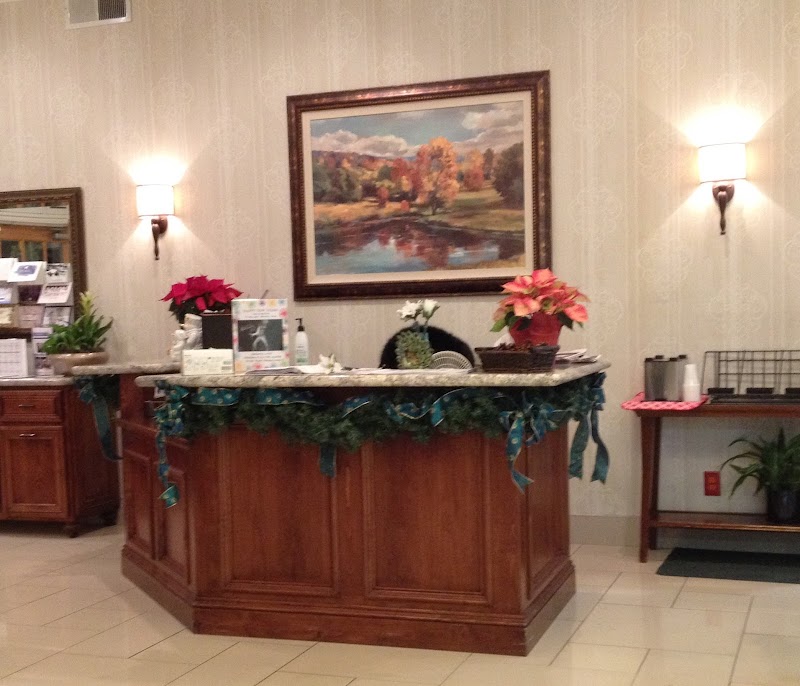
How is Pleasanton Staffed?

CMS rates PLEASANTON NURSING AND REHABILITATION CENTER's staffing level at 3 out of 5 stars, which is average compared to other nursing homes. Staff turnover is 42%, compared to the California average of 46%. This relatively stable workforce can support continuity of care. RN turnover specifically is 62%, which is notably high. RNs provide skilled clinical oversight, so turnover in this role can affect medical care quality.

What Have Inspectors Found at Pleasanton?

State health inspectors documented 16 deficiencies at PLEASANTON NURSING AND REHABILITATION CENTER during 2021 to 2025. These included: 15 with potential for harm and 1 minor or isolated issues.
Who Owns and Operates Pleasanton?

PLEASANTON NURSING AND REHABILITATION CENTER is owned by a for-profit company. For-profit facilities operate as businesses with obligations to shareholders or private owners. The facility is operated by GENERATIONS HEALTHCARE, a chain that manages multiple nursing homes. With 139 certified beds and approximately 125 residents (about 90% occupancy), it is a mid-sized facility located in PLEASANTON, California.
How Does Pleasanton Compare to Other California Nursing Homes?

Compared to the 100 nursing homes in California, PLEASANTON NURSING AND REHABILITATION CENTER's overall rating (5 stars) is above the state average of 3.2, staff turnover (42%) is near the state average of 46%, and health inspection rating (5 stars) is much above the national benchmark.

What Should Families Ask When Visiting Pleasanton?

Based on this facility's data, families visiting should ask: "Can I visit during a mealtime to observe dining assistance and food quality?" "How do you handle medical emergencies, and what is your hospital transfer rate?" "Can I speak with family members of current residents about their experience?"

Is Pleasanton Safe?

Based on CMS inspection data, PLEASANTON NURSING AND REHABILITATION CENTER has a clean safety record: no substantiated abuse findings (meaning no confirmed cases of resident harm), no Immediate Jeopardy citations (the most serious violation level indicating risk of serious injury or death), and is not on the Special Focus Facility watch list (a federal program monitoring the lowest-performing 1% of nursing homes). The facility has a 5-star overall rating and ranks #1 of 100 nursing homes in California. While no facility is perfect, families should still ask about staff-to-resident ratios and recent inspection results during their visit.

Do Nurses at Pleasanton Stick Around?

PLEASANTON NURSING AND REHABILITATION CENTER has a staff turnover rate of 42%, which is about average for California nursing homes (state average: 46%). Moderate turnover is common in nursing homes, but families should still ask about staff tenure and how the facility maintains care continuity when employees leave.

Was Pleasanton Ever Fined?

PLEASANTON NURSING AND REHABILITATION CENTER has no federal fines on record. CMS issues fines when nursing homes fail to meet care standards or don't correct problems found during inspections. The absence of fines suggests the facility has either maintained compliance or corrected any issues before penalties were assessed. This is a positive indicator, though families should still review recent inspection reports for the full picture.

Is Pleasanton on Any Federal Watch List?

PLEASANTON NURSING AND REHABILITATION CENTER is not on any federal watch list. The most significant is the Special Focus Facility (SFF) program, which identifies the bottom 1% of nursing homes nationally based on persistent, serious quality problems. Not being on this list means the facility has avoided the pattern of deficiencies that triggers enhanced federal oversight. This is a positive indicator, though families should still review the facility's inspection history directly.