CHINO VALLEY HEALTH CARE CENTE
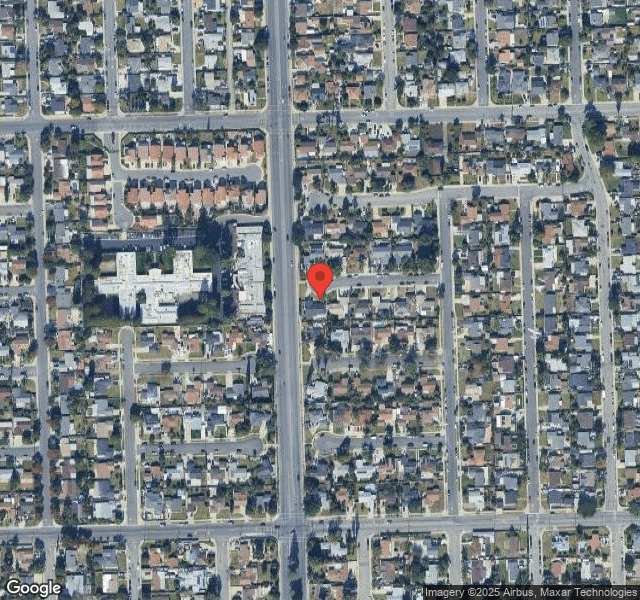

2351 S TOWNE AVENUE, POMONA, CA 91766 (909) 628-1245
For profit - Limited Liability company 102 Beds LONGWOOD MANAGEMENT CORPORATION Data: November 2025 1 Immediate Jeopardy citation
Trust Grade
46/100
#550 of 1155 in CA
Last Inspection: May 2025

Inspected within the last 6 months. Data reflects current conditions.

Overview

Chino Valley Health Care Center has a Trust Grade of D, indicating below-average quality with some significant concerns. It ranks #550 out of 1,155 nursing homes in California, placing it in the top half, but this is offset by its troubling trend, as the number of issues has worsened from 12 in 2024 to 18 in 2025. Staffing is a relative strength with a rating of 4 out of 5 stars and a turnover rate of 41%, which is average for the state. However, the facility has faced $10,361 in fines, suggesting some compliance issues. Notably, there was a critical incident where a cognitively impaired resident was able to leave a secured area unsupervised, and concerns were raised about a lack of privacy during personal care for residents.

Trust Score
D
46/100
In California
#550/1155
Top 47%
Safety Record
High Risk
Review needed
Inspections
Getting Worse
12 → 18 violations
Staff Stability
○ Average
41% turnover. Near California's 48% average. Typical for the industry.
Penalties
✓ Good
$10,361 in fines. Lower than most California facilities. Relatively clean record.
Skilled Nurses
⚠ Watch
Each resident gets only 22 minutes of Registered Nurse (RN) attention daily — below average for California. Fewer RN minutes means fewer trained eyes watching for problems.
Violations
⚠ Watch
42 deficiencies on record. Higher than average. Multiple issues found across inspections.
★★★☆☆
3.0
Overall Rating
★★★★☆
4.0
Staff Levels
★★★★★
5.0
Care Quality
★★☆☆☆
2.0
Inspection Score
Stable
2024: 12 issues
2025: 18 issues

The Good

  • 4-Star Staffing Rating · Above-average nurse staffing levels
  • 5-Star Quality Measures · Strong clinical quality outcomes
  • Full Sprinkler Coverage · Fire safety systems throughout facility
  • No fines on record
  • Staff turnover below average (41%)

    7 points below California average of 48%

Facility shows strength in staffing levels, quality measures, fire safety.

The Bad

3-Star Overall Rating

Near California average (3.1)

Meets federal standards, typical of most facilities

Staff Turnover: 41%

Near California avg (46%)

Typical for the industry

Federal Fines: $10,361

Below median ($33,413)

Minor penalties assessed

Chain: LONGWOOD MANAGEMENT CORPORATION

Part of a multi-facility chain

Ask about local staffing decisions and management

The Ugly 42 deficiencies on record

1 life-threatening
Aug 2025 1 deficiency
CONCERN (D) 📢 Someone Reported This

A family member, employee, or ombudsman was alarmed enough to file a formal complaint

Potential for Harm - no one hurt, but risky conditions existed

Resident Rights (Tag F0550)

Could have caused harm · This affected 1 resident

**NOTE- TERMS IN BRACKETS HAVE BEEN EDITED TO PROTECT CONFIDENTIALITY** Based on observation, interview and record review, the facility failed to provide privacy during provision of perineal care (cle...

Read full inspector narrative →
**NOTE- TERMS IN BRACKETS HAVE BEEN EDITED TO PROTECT CONFIDENTIALITY** Based on observation, interview and record review, the facility failed to provide privacy during provision of perineal care (cleaning and maintaining the area between the anus and the genitals) and changing of incontinence briefs (disposable diaper) for two of two sampled residents (Resident 1 and Resident 3).This failure had the potential to result in Resident 1 and Resident 3 feeling embarrassed and having loss of self-esteem.a. During a review of Resident 1's admission Record (AR), the AR indicated the facility admitted Resident 1 on 8/12/2025 with diagnoses which included hypertension (high blood pressure), and diabetes mellitus (DM-a disorder characterized by difficulty in blood sugar control and poor wound healing).During a review of Resident 1's Minimum Data Set (MDS- a resident assessment tool), dated 8/18/2025, the MDS indicated Resident 1 had moderately impaired cognitive skills (ability to make daily decisions), required partial/moderate assistance (helper does less than half the effort) with toileting/personal hygiene, showering/bathing self, and with upper body dressing. Resident 1 required substantial/maximal assistance (helper does more than half the effort) with lower body dressing and putting on/taking off footwear.During an observation on 8/21/2025 at 2:29 PM in Resident 1's room, Certified Nursing Assistant (CNA)1 closed the privacy curtain around Resident 1's bed, leaving a visible gap of 2 to 3 feet from the wall. Resident 1 was in bed and Treatment Nurse (TN) 1 was at Resident 1's bedside. CNA 1 assisted by TN 1proceeded to perform perineal care and changed Resident 1's diaper. Resident 1 was visible to anyone who entered Resident 1's room due to the privacy curtain not being pulled closed all the way.b. During a review of Resident 3's AR, the AR indicated the facility the facility admitted Resident 3, on 6/18/2025 with diagnoses which included Alzheimer's Disease (a disease characterized by a progressive decline in mental abilities).During a review of Resident 3's MDS, dated [DATE], the MDS indicated Resident 3 had short- and long-term memory problems and moderately impaired cognitive skills, required partial/moderate assistance with toileting/personal hygiene, showering/bathing self, and with upper and lower body dressing. Resident 3 required substantial/maximal assistance with oral hygiene and putting on/taking off footwear.During an observation on 8/21/2025 at 2:57 PM in Resident 3's room, CNA 3 informed Resident 3 CNA 1 and CNA 3 will change Resident 3's diaper. CNA 1 closed the privacy curtain leaving a 2 feet gap in the privacy curtain. CNA 1 proceeded to perform perineal care. Resident 3's perineal area was visible to anyone who entered Resident 3's room due to the privacy curtain not being pulled closed all the way.During an interview on 8/21/2025 at 4:20 PM with the Director of Staff Development (DSD), the DSD stated privacy curtains need to be completely closed during any resident care activity to provide privacy. The DSD further stated that privacy during resident care activities promotes resident's dignity.During a review of the facility's Policy and Procedure (P&P) titled Perineal Care, dated March 2023, the P&P indicated, Staff promote, maintain and protect resident privacy, including bodily privacy during assistance with personal care and during treatment procedures.
Aug 2025 1 deficiency
CONCERN (D) 📢 Someone Reported This

A family member, employee, or ombudsman was alarmed enough to file a formal complaint

Potential for Harm - no one hurt, but risky conditions existed

Infection Control (Tag F0880)

Could have caused harm · This affected 1 resident

**NOTE- TERMS IN BRACKETS HAVE BEEN EDITED TO PROTECT CONFIDENTIALITY** Based on observation, interview, and record review the facility failed to ensure infection control practices were implemented wh...

Read full inspector narrative →
**NOTE- TERMS IN BRACKETS HAVE BEEN EDITED TO PROTECT CONFIDENTIALITY** Based on observation, interview, and record review the facility failed to ensure infection control practices were implemented when one of one Certified Nurse Assistant (CNA 1) did not wash or sanitize hands after exiting Resident 1's shower room and before touching Resident 2.This deficient practice had the potential to result in cross contamination (transfer of germs and harmful substance) and spread of infection.Findings:During a review of Resident 1's admission Record (AR), the AR indicated the facility readmitted the resident to the facility on 7/31/25 with diagnoses that included type 2 diabetes mellitus (elevated blood sugar level) and acute kidney failure (kidneys can't filter waste).During a review of Resident 1's Minimum Data Set (MDS, a resident assessment tool) dated 7/28/25, the MDS indicated Resident 1 had moderately impaired cognitive skills (ability to understand and process thoughts) for daily decision making.During a review of Resident 1's History & Physical (H&P) dated 8/1/25, the H&P indicated Resident 1 did not have the capacity to make medical decisions.During a review of Resident 2's AR, the AR indicated the facility readmitted the resident on 5/15/25 with diagnoses that included type 2 diabetes mellitus and urinary tract infection (UTI).During a review of Resident 2's H&P dated 5/16/25, the H&P indicated Resident 2 did not have the capacity to make medical decisions.During a review of Resident 2's MDS dated [DATE], the MDS indicated Resident 2 was not able to complete the interview.During a review of Resident 3's AR, the AR indicated the facility readmitted the resident on 5/8/25 with diagnoses that included encephalopathy (problem with the brain that changes how it works) and subdural hemorrhage (a pool of blood between the brain and its outermost covering).During a review of Resident 3's H&P dated 5/9/25, the H&P indicated Resident 1 did not have the capacity to make medical decisions.During a review of Resident 3's MDS dated [DATE], the MDS indicated Resident 3 had severely impaired cognitive skills.During a concurrent observation and interview on 8/8/25 at 3:40 p.m., CNA 1 was observed walking into Resident 1's shower room and turning the knobs that controlled the water. CNA 1 exited Resident 1's shower room. CNA 1 did not perform hand hygiene (cleaning hands to remove germs). CNA 1 proceeded by entering Resident 3's room and assisted Resident 2 out of Resident 3's room by touching Resident 3's arm. During an interview with CNA 1, CNA 1 stated handwashing or hand hygiene should be done after each contact with residents and upon exiting a room. CNA 1 stated hand hygiene was important to prevent contamination or spread of infection. CNA 1 stated CNA 1 did not perform hand hygiene and should have performed hand hygiene between Resident 1 and Resident 2's rooms.During an interview on 8/8/25 at 4:10 p.m., with the Infection Preventionist (IP), the IP stated hand hygiene was important between residents to prevent transmission and cross contamination, infection, prevent an outbreak, and mitigate the spread of any infection.During a subsequent interview on 8/8/25, at 4:15 p.m., the IP stated if staff were not following standard infection control precautions, staff would have the potential to spread infections. The IP stated all staff were required to perform hand hygiene between residents' contact and between resident rooms. The IP stated staff should be following standard precautions regardless of whether residents were on isolation precaution or not.During an interview, on 8/12/25 at 5:20 p.m., with the Director of Nursing (DON), the DON stated hand hygiene was very important to prevent the spread of infection and to protect the residents from transmission of any infections. The DON stated staff (in general) should be performing hand hygiene between rooms. The DON stated hand sanitizers were available on the walls. The DON stated handwashing was recommended, but hand hygiene with sanitizer was acceptable.During a review of the facility's Policy and Procedure (P&P), titled, Policy: Infection Control, revised January 2016, the P&P indicated the facility has established and will maintain an infection control program designed to provide safe, sanitary and comfortable environment and to help prevent the development and transmission of disease and infection. The spread of infection will be prevented by requiring staff to clean their hands after each direct resident contact using the most appropriate hand hygiene. All staff members will wash their hands before and after direct resident care and after contact with potentially contaminated substances to prevent, to the extent possible, the spread of infections. This facility may use alcohol-based hand hygiene dispensers.During a review of the facility's undated P&P titled, Hand Hygiene, the P&P indicated all staff members will wash their hands before and after direct resident care and after contact with potentially contaminated substances to prevent, to the extent possible, the spread of infections. The P&P indicated this facility may use alcohol-based hand hygiene dispensers.During a review of the facility's P&P titled, Handwashing/Hand Hygiene, dated 2001, the P&P indicated the facility considers hand hygiene the primary means to prevent the spread of healthcare-associated infections. All personnel are expected to adhere to hand hygiene policies and practices to help prevent the spread of infections to other personnel, residents, and visitors.
Jul 2025 1 deficiency
CONCERN (D) 📢 Someone Reported This

A family member, employee, or ombudsman was alarmed enough to file a formal complaint

Potential for Harm - no one hurt, but risky conditions existed

Quality of Care (Tag F0684)

Could have caused harm · This affected 1 resident

Based on interview and record review, the facility failed to identify a skin rash (an area of irritated or swollen skin that can be red, itchy, painful, or bumpy) for one of one sampled resident (Resi...

Read full inspector narrative →
Based on interview and record review, the facility failed to identify a skin rash (an area of irritated or swollen skin that can be red, itchy, painful, or bumpy) for one of one sampled resident (Resident 1) when Licensed Vocational Nurse (LVN) 1 discharged Resident 1 without doing a skin check (a visual examination of the skin surface) on 5/29/2025.This failure resulted in delayed treatment for Resident 1's skin rash and had the potential to result in physical decline to Resident 1.Findings:During a review of Resident 1's admission Record (AR), the AR indicated the facility originally admitted Resident 1 on 11/21/2023 and readmitted the resident 1/12/2024 with diagnoses including type 2 diabetes mellitus (a chronic [persistent or long-lasting] disease characterized by high blood sugar levels due to insufficient insulin [a hormone which regulates the amount of sugar in the blood] production) and major depressive disorder (mental health condition where a person experiences a persistent low mood, loss of interest in activities and other symptoms that significantly impact daily life). During a review of Resident 1's Minimum Data Set (MDS- a resident assessment tool), dated 5/29/2025, the MDS indicated Resident1's cognitive (the ability to think and process information) skills for daily decision making were moderately impaired. The MDS indicated Resident 1 required setup or clean-up assistance (helper sets up or cleans up; resident completes activity) with eating, supervision or touching assistance (helper provides verbal cues and/or touching/steadying and/or contact guard assistance as resident completes activity) with oral hygiene, toileting hygiene, shower/bathing, upper/lower body dressing, putting on/taking off footwear, and personal hygiene.During a review of Resident 1's Post Discharge Plan of Care, dated 5/29/2025, the care plan indicated Resident 1 was discharged home 5/29/2025. The Plan of Care indicated the skin condition assessment was left blank (a space left to be filled in on a document). During a review of Resident 1's Care Plan (CP) titled Pressure sore. (Resident 1) is at risk to develop pressure sores related to aging process.fragile skin., initiated 11/21/2023, revised 6/12/2025, the CP's goal indicated Resident 1's risk to having skin breakdown would be reduced with appropriate interventions. The CP's interventions indicated that staff would assess [Resident 1's] skin condition daily during care and [conduct] weekly body checks.During an interview on 7/7/2025 at 10:18 am with Family Member (FM) 1, FM 1 stated FM 1 took Resident 1 home from the facility on 5/29/2025. FM 1 stated FM 1 gave Resident 1 a shower on 5/29/2025 at FM 1's home and observed Resident 1's entire body was covered with bleeding scabs. FM 1 stated this made FM 1 angry because no one at the facility told FM 1 Resident 1 had a rash and FM 1 did not know how to treat the rash. During an interview on 7/8/2025 at 10:53 am with Registered Nurse (RN) 1, RN 1 stated it was part of the facility's discharge process for licensed nurses to conduct skin checks on residents (in general) prior to discharge. RN 1 stated skin check [assessments] should be documented on the discharge plan of care. RN 1 stated residents needed to have skin check [assessments] prior to discharge to determine if the resident needed treatment and to educate the family members if needed.During an interview on 7/8/2025 at 11:10 am with LVN 1, LVN 1 stated LVN 1 signed the discharge plan of care for Resident 1 on 5/29/2025. LVN 1 stated LVN 1 did not conduct a skin check [assessments] on Resident 1 prior to Resident 1's discharge. During an interview on 7/8/2025 at 11:30 am with RN 2 (home health nurse), RN 2 stated RN 2 assessed Resident 1 in Resident 1's home on 5/30/2025. RN 2 stated Resident 1 complained of itching and RN 2 observed a rash all over Resident 1's body. During an interview on 7/8/2025 at 1:20 pm with the Administrator (ADM), the ADM stated that according to the discharge paperwork a skin check should be completed by a licensed staff [nurse] prior to a [resident's] discharge. During a review of the facility's Policy and Procedure (P&P) titled, Discharge Summary and Plan, dated 2001, revised October 2022, the P&P indicated, When a resident's discharge is anticipated, a discharge summary and post-discharge plan is developed to assist the resident with discharge.The discharge summary includes a recapitulation of the resident's stay at the facility and a final summary of the resident's status at the time of discharge.During a review of the facility's undated Policy and Procedure (P&P) titled, Alteration in Skin Integrity, the P&P indicated, Residents with alterations in skin integrity will be assessed by licensed staff, orders for treatment will be obtained .Physician will be notified and appropriate orders obtained.Notification of family/responsible party.
Jun 2025 1 deficiency
CONCERN (D) 📢 Someone Reported This

A family member, employee, or ombudsman was alarmed enough to file a formal complaint

Potential for Harm - no one hurt, but risky conditions existed

Deficiency F0776 (Tag F0776)

Could have caused harm · This affected 1 resident

**NOTE- TERMS IN BRACKETS HAVE BEEN EDITED TO PROTECT CONFIDENTIALITY** Based on interview and record review, the facility failed to ensure one of one sampled resident (Resident 1) who had an order of...

Read full inspector narrative →
**NOTE- TERMS IN BRACKETS HAVE BEEN EDITED TO PROTECT CONFIDENTIALITY** Based on interview and record review, the facility failed to ensure one of one sampled resident (Resident 1) who had an order of X-ray (an imaging test to create detailed pictures of the organs) of the left hand was implemented in a timely manner, as ordered. This failure had the potential for Resident 1 not to receive necessary care and services to immediately meet the resident's medical needs. Findings: During a review of Resident 1's admission Record (AR), the AR indicated the facility admitted Resident 1 on 8/9/2023 and readmitted on [DATE] with diagnoses including dementia (a group of thinking and social symptoms that interfere with daily functioning), history of falling, and age-related osteoporosis (a medical condition in which the bones become brittle and fragile) During a review of Resident 1's Minimum Data Set (MDS, a resident assessment tool), dated 4/30/2025, the MDS indicated Resident 1 had severely impaired cognitive skills (ability to make daily decisions). The MDS indicated Resident 1 required substantial/maximal assistance (helper does more than half the effort) from staff for bathing and toileting hygiene. The MDS indicated Resident 1 required partial/moderate (helper does less than half the effort) assistance from staff for dressing and personal and oral hygiene. During a review of Resident 1's COC/INTERACT ASSESSMENT FORM (COC), dated 6/6/2025, the COC indicated Resident 1 had swelling of the left hand. The COC indicated Resident 1's physician (MD- medical doctor) ordered a STAT (immediate/urgent) x-ray of Resident 1's left hand on 6/6/2025 at 4:44 pm. During a review of Resident 1's physician's orders (PO) dated 6/6/2025, the PO indicated Resident 1's physician ordered STAT X-ray of Resident 1's left hand. The x-ray was ordered on 6/6/2025 at 4:38 p.m. During an interview on 6/9/2025 at 10:27 a.m. with the Director of Nursing (DON), the DON stated the DON asked Registered Nurse 1 (RN 1) to follow up on the results of Resident 1's left hand x-ray on 6/8/25 because the Radiology Technician (RT) had not done Resident 1's ordered x-ray. The DON stated the radiology company claimed Resident 1 was combative and uncooperative on 6/6/2025 when the RT tried to get the x-ray. The DON stated the RT did not inform the facility staff that the RT was unable to get the x-ray of Resident 1's left hand on 6/6/2025. During an interview on 6/9/2025 at 12:53 p.m. with the DON, the DON stated, STAT x-rays needed to be carried out within four hours from the time ordered. The DON stated the facility staff should have followed up on Resident 1's left hand x-ray results when the results were not received within four hours of the x-ray being ordered. The DON stated the RT should have informed Resident 1's licensed nurse if the RT was not able to get the x-ray of Resident 1's left hand. During a telephone interview on 6/9/2025 at 1:32 p.m. with RN 1, RN 1 stated RN 1 put in the order for x-ray of Resident 1's left hand on 6/6/2025. RN 1 stated the RT arrived at the facility after 8:00 p.m. on 6/6/2025 to get the x-ray of Resident 1's left hand. RN 1 stated RN 1 assisted the RT to get the x-ray of Resident 1's left hand. RN 1 stated the RT asked RN 1 to step out of the room during the x-ray procedure. RN 1 stated RN 1 walked the RT out of the facility and the RT did not inform RN 1 that the RT was not able to get the x-ray of Resident 1's left hand. RN 1 stated RN1 called the radiology company for Resident 1's x-ray results later on 6/6/2025 but was not able to speak to anyone. RN 1 stated RN 1 was off the next day (6/7/2025) and returned to work at the facility on 6/8/2025. RN 1 stated RN 1 was notified on 6/8/2025 that Resident 1 did not get an x-ray as ordered on 6/6/2025. During a review of the facility's Policy and Procedure (P&P) titled, Availability of Services, Diagnostic, revised December 2009, the P&P indicated, clinical laboratory and radiology services meet the needs of the residents provided by the facility. The P&P indicated radiology services were available 24 hours a day, 7 days a week, including holidays. During a review of the facility's P&P titled, Request for Diagnostic Services, revised December 2009, the P&P indicated, Orders for diagnostic services will be promptly carried out as instructed by the physician's order.
May 2025 12 deficiencies 1 IJ
CRITICAL (J) 📢 Someone Reported This

A family member, employee, or ombudsman was alarmed enough to file a formal complaint

Immediate Jeopardy (IJ) - the most serious Medicare violation

Accident Prevention (Tag F0689)

Someone could have died · This affected 1 resident

**NOTE- TERMS IN BRACKETS HAVE BEEN EDITED TO PROTECT CONFIDENTIALITY** Based on observation, interview, and record review, the facility failed to ensure one of five sampled residents (Resident 3), wh...

Read full inspector narrative →
**NOTE- TERMS IN BRACKETS HAVE BEEN EDITED TO PROTECT CONFIDENTIALITY** Based on observation, interview, and record review, the facility failed to ensure one of five sampled residents (Resident 3), who was cognitively impaired (refers to difficulties with thinking, learning, remembering, and using judgment, among other mental abilities) and was assessed at risk for elopement (the act of leaving a facility unsupervised and without prior authorization) did not elope from the facility's secured unit (specialized healthcare setting that restricts patient/resident movement and access to promote safety with measures such as locked doors and surveillance) on 4/24/2025, at 7: 06 PM by failing to ensure: 1. Certified Nursing Assistant (CNA) 6 closed/locked the door when CNA 6 exited the facility's secured unit and ascertained (make sure of) Resident 3 did not follow CNA 6 out of the secured unit. 2. Receptionist (RC) 1 clocked and set the alarm on the front door located in the facility's lobby to prevent Resident 3 from leaving the facility without supervision. 3. CNA 7 implemented Resident 3's Care Plan (CP) titled, Elopement Risk, indicating to monitor Resident 3 and to follow the facility's visual check protocol (to check the resident where about with the naked eyes) [Q (every) 15-minute monitoring]. These deficient practices resulted in Resident 3's elopement on 4/24/2025 at 7:06 PM, placing Resident 3 at risk for vehicular accidents due to the facility is located in a busy street with many cars driving by, negative outcome from not receiving Resident 3's medication, and exposure due to extreme temperatures (heat during the day and cold during the night) that could lead to serious injury, serious harm, or death. On 4/28/2025 at 5:20 PM, while onsite at the facility, the State Survey Agency (SSA) identified an Immediate Jeopardy situation (IJ, a situation in which the facility's noncompliance with one or more requirements of participation has caused, or is likely to cause, serious injury, harm, impairment, or death to a resident). The IJ was called in the presence of the Administrator (ADM) and the Director of Nursing (DON) due to the facility's failure to ensure the doors to the secured unit were closed after CNA 6 walked out of the secured unit, the front lobby's door was locked and alarmed, Resident 3 was monitored/checked every 15 minutes, and to prevent the elopement of Resident 3 on 4/24/2025. On 4/29/2025 at 3:24 PM, while onsite at the facility, the ADM provided an acceptable IJ Removal Plan (IJRP, a detailed plan that includes interventions to immediately correct the deficient practices in the IJ) for the facility's failure to ensure Resident 3 did not elope from the facility on 4/24/2025 at 7:06 PM. The SSA verified and confirmed the facility's full implementation of the IJRP through observations, interviews, and record reviews, and determined the IJ situation regarding Resident 3's elopement due to lack of supervision, unlocked secured unit door, and no alarm on the front lobby door, were no longer present. The SSA removed the IJ on 4/29/2025 at 5 PM in the presence of the ADM. The acceptable IJRP included the following summarized actions: A. Immediate Corrective Actions: 1. On 4/24/2025, the DON provided a verbal one-on-one in-service (education given to one staff by one educator) via phone regarding the elopement policy to CNA 6, following a disciplinary Performance Correction on 4/25/2025. 2. On 4/25/2025, 4/26/2025, and 4/27/2025, the Registered Nurse Supervisor RNS 1 had contacted the nearby hospitals, and local police department to locate Resident 3. On 4/25/2025 the ADM contacted the private investigators (PI) who were also utilized to find Resident 3. A flyer of the missing resident was also provided by the PI. 3. On 4/28/2025, the local police found Resident 3 and dropped Resident 3 off at Clinic 1. at approximately 6:30 AM. The DON communicated with Clinic 1's Nurse (CN) 1 who confirmed Resident 3 was currently in Clinic 1 with stable (normal) vital signs (VS, measuring the basic functions of your body temperature, blood pressure, pulse, and respirations). The DON notified Resident 3's Primary Physician/Medical Doctor (MD 1) who instructed to transfer Resident 3 back to the facility. 4. On 4/28/2025, two CNA's (CNAs 1 and 2) picked up Resident 3 from Clinic 1 and brought Resident 3 back to the facility at 4:35 PM. 5. On 4/28/2025, RNS 1 conducted a comprehensive assessment of Resident 3 upon Resident 3's return to the facility. Resident 3's VS were stable, no signs or symptoms of major injury were noted. MD 1 ordered to transfer Resident 3 to a General Acute Care Hospital (GACH) for further evaluation on 4/29/2025. Facility staff notified Resident 3's conservator regarding Resident 3 was found. 6. On 4/28/2025, the DON posted a virtual alert sign at secured unit exit areas, reminding staff to keep doors closed before walking away from all secured exit areas, as ongoing safety education. 7. Effective 4/28/2025, the facility assigned a staff member to the reception area to assist with visitation and supervise individuals entering and exiting the facility. 8. On 4/28/2025, and 4/29/2025, the DON and the Director of Staff Development (DSD) provided in-services to staff members regarding the elopement policy, covering the following topics: a. Supervise and redirect residents who are close to the exits, to mitigate the risk of elopement. b. While entering or existing the secured unit, staff members must check/confirm that no resident is existing from the secured unit before walking away from the exit doors. c. The importance of conducting rounds every 15 minutes in the secured unit and as needed for adequate supervision. d. The importance of supervision in the front lobby and the activation of the front lobby gate alarm to enhance overall supervision. e. Elopement Trainings is as follows: e1. As of 4/29/2025, 7 out of 8 RNs, 14 of 14 Licensed Vocational Nurses (LVNs), 36 of 42 CNA's, 20 of 20 department managers and assistants, 4 of 4 activity assistants, 7 of 7 housekeeping and laundry employees, 10 of 11 dietary service staff received the in-service training for elopement. e2. 8 staff need to complete the in-service regarding elopement upon returning to work and prior to providing resident/resident care. e3. 7 staff were not working due to medical, emergency leaves, vacation, and leave of absence will complete their in-services upon their return. e4. The ADM notified the Medical Director of the IJ findings in the IJ template. The Medical Director assisted in developing the IJ removal plan. 9. On 4/29/2025, the facility also installed a new door keypad for safety in the front lobby. B. Identification of other Residents: 1. On 4/28/2025, there were 48 residents residing in the secured unit. 2. On 4/28/2025 and 4/29/2025, the ADM, the DON, and the DSD made rounds, observed staff members entering/exiting the secured unit. No issues were identified. 3. On 4/27/2025, 4/28/2025, and 4/29/2025. the maintenance supervisor inspected all exit doors, gate, and door/gate alarms. No issues were noted. C. Systematic Change: 1. Effective 4/29/2025, the DON would repeat the in-service regarding Elopement policy to staff members every month, for 3 months. The in-services would cover the following topics: a. Supervise and redirect residents who are close to the exits, to mitigate the risk of elopement. b. While entering or exiting the secured unit, staff members must check/confirm that no residents are exiting the secured unit before walking away from the exit doors. c. The importance of conducting rounds every 15 minutes and as needed for adequate supervision. d. The importance of supervision in the front lobby and the activation of the front lobby gate alarm to enhance overall supervision. 2. The DON developed an Elopement Monitoring Log, which included supervision and redirection, precautions for entering/exiting the secured unit, and monitoring of the front gate alarm to prevent elopement. 3. Effective 4/29/2025, the facility would conduct a head count at every shift on the secured unit station for 3 months, using the current day's census to enhance supervision. D. Monitoring Performance: 1. The DON, the DSD or the RNS 1 would conduct daily rounds to observe staff entering/exiting the secured unit to ensure compliance and document the monitoring findings/actions in the monitoring log. 2. The ADM and the DON developed a Quality Assurance and Performance Improvement (QAPI, data driven and a proactive approach to quality improvement) for elopement to address the deficient practice in the IJ findings. Findings: During a review of Resident 3's admission Record (AR), the AR indicated Resident 3 was admitted to the facility on [DATE] and re-admitted to the facility on [DATE], with diagnoses that included paranoid (when a person feels distrustful and suspicious of other people) schizophrenia (a serious mental health condition that affects how people think, feel, and behave, characterized by prominent delusions [a belief or altered reality that is persistently held despite evidence or agreement to the contrary] and hallucinations [false perception of objects or events involving the senses]), anxiety disorder (persistent feeling of dread or panic that can interfere with daily life), unspecified convulsions (a sudden, violent, irregular movement of a limb [arm or leg] or of the body), epilepsy [a disorder in which nerve cell activity in the brain is disturbed, causing seizures (a sudden burst of electrical activity in the brain)], cognitive communication deficit (difficulties with communication affecting the ability to understand), and diabetes mellitus (a disease that results in elevated levels of glucose in the blood). During a review of Resident 3's CP, titled Elopement Risk, initiated 8/21/2023 (no revision date indicated), the CP indicated Resident 3 sometimes left the facility without authorization/permission. The CP's interventions indicated for staff to continue to provide frequent visual checks (every 15 minutes) of Resident 3's where abouts (the place or general locality where a person is) in the secured unit, and to follow the protocol for visual checks (check the resident every 15 minutes). During a review of Resident 3's Change of Condition (COC)/Interact Assessment Form (SBAR, a sudden clinically important deviation from a resident's baseline in physical, cognitive, behavioral, or functional domains), dated 8/30/2024, the COC indicated on 8/30/2024 at 8 AM, Resident 3 showed exit seeking behaviors and increased delusions that someone was waiting for Resident 3 outside of the facility. The COC indicated (on 8/30/2024) at 10 AM, Resident 3 was noted to be walking up and down the hallways looking hypervigilant (being excessively or abnormally alert to potential danger or threat), looking to get out [of the facility], screaming and shouting I need to get out of here now. During a review of Resident 3's Physician Orders (POs) for the month of September 2024, the POs indicated the following orders: 1. Admit Resident 3 to the secured unit, dated 9/9/2024. 2. Humalog Injection Solution [a rapid-acting insulin (a hormone that removes excess sugar from the blood, can be produced by the body or given artificially via medication) that starts working faster and works for a shorter period of time than regular/short-acting insulin] 100 unit milliliter (ml, unit of measurement) to inject as per sliding scale (a scale followed, dose of insulin varies based on blood sugar levels), dated 9/20/2024. 3. Lantus Solostar [a long-acting (a type of insulin that works throughout the day and night to provide residents/patients with low levels of insulin all the time) man-made-insulin used to control high blood sugar] subcutaneous (to administer medications between skin and muscle ) solution pen-injector inject (a device that provides a nonelectrically-powered, mechanically-operated method of accurately injecting medication/insulin) 100 unit/ml, administer 15 units at bedtime for diabetes mellitus with hyperglycemia (high blood sugar), check finger stick blood sugar (FSBS, a little poke is make in the finger, and a little teeny, tiny drop of blood is withdrawn to test the blood sugar/glucose) before administration, dated 9/9/2024. 4. Tegretol (carbamazepine, medication used to treat seizures) tablet, 200 milligrams (mg, unit of measurement) administered by mouth, three times a day, dated 9/9/2024. 5. Zyprexa (Olanzapine, medication used to treat schizophrenia) tablet, 10 mg, give 1 tablet by mouth, one time a day, for paranoid schizophrenia manifested by delusion that a judge ordered Resident 3 to take the medication. During a review of Resident 3's History and Physical (H&P), dated 9/10/2024, the H&P indicated Resident 3 did not have the capacity to understand and make decisions. During a review of Resident 3's Elopement Risk Assessments ([NAME]), dated 9/26/2024, 12/24/2024 and 3/18/2025, the [NAME] indicated Resident 3 was assessed at risk for elopement due to Resident 3 wandered aimlessly (to move around or go to different places without having a particular purpose or direction), had verbally expressed the desire to go home, packed belongings to go home, and stayed near an exit door. During a review of Resident 3's Minimum Data Set (MDS- a resident assessment and care screening tool), dated 3/18/2025, the MDS indicated Resident 3 had moderate impaired cognition (ability to think, remember, and reason). The MDS indicated Resident 3 needed supervision (helper provided verbal cues and/or touching/steadying and/or contact guard assistance as resident completed the activity and may be provided throughout the activity or intermittently) with oral hygiene, toileting, and personal hygiene. During a review of Resident 3's Police Report (PR), dated 4/24/2025, the PR indicated on 4/24/2025 at approximately 9:48 PM, Resident 3 was reported missing. The PR indicated (on 4/24/2025) at around 8 PM, facility staff looked through the entire facility and were unable to locate Resident 3. The PR indicated the facility's surveillance video footage captured Resident 3 walking in the [facility's] hallway (on 4/24/2025) at approximately 6 PM and at 7 PM, Resident 3 was seen standing by the secured unit's double doors. The PR indicated, A medical staff [CNA 6] opened the locked door and walked through the door. The PR indicated Resident 3 held the door open, walked behind CNA 6, then opened the front entrance door, and walked toward the north bound on [T Avenue, street located in front of the facility]. The PR indicated Resident 3 was diagnosed with several medical conditions, required constant medical attention, took prescribed medication, and was unable to care for herself. The PR indicated Resident 3 was a Critical missing person. The PR indicated Resident 3 left the health care facility without anyone [staff] noticing. During an observation on 4/28/2025 at 10:37 AM of the facility's premises. There was double glass doors located at the front of the facility's lobby. The double doors were pushed open to exit the facility. Past the double doors, there was a busy street with multiple cars moving along the road. During a concurrent observation of the facility's surveillance video, dated 4/24/2025, time at 7:06 PM and interview with the DON, on 4/28/2025 at 12:13 PM, the facility's surveillance video indicated Resident 3 exited the facility on 4/24/2025, at 7:06 PM and walked toward the left side of the facility. The video indicated there were multiple cars driving by on the major street located in front of the facility. The DON stated, the facility's surveillance video dated 4/24/2025, timed at 7:06 PM, indicated Resident 3 was in the secured unit's hallway, standing next to the exit door. The DON stated, CNA 6 opened the facility's locked door and walked out of the secured unit. The DON stated, Resident 3 placed Resident 3's hand between the double doors to prevent the doors from closing. The DON stated Resident 3 pushed the double doors open, walked into the facility's lobby, and walked out of the facility. The DON stated there were no staff visible past the secured unit door or in the facility's lobby. The DON stated Resident 3 walked out of the facility's main door, Like a visitor, and the facility located on a busy street with cars constantly driving by. The DON stated the facility's main lobby door was unlocked and no alarm or blinking lights were heard or observed visible in the surveillance video. The DON stated there should have been a staff member (receptionist) at the front desk monitoring who entered or left the facility. The DON stated the front doors should always be locked and the alarm should have turned on [sounded] to alert facility staff when people (staff, residents and or visitors) attempted to enter or exit the facility, as a safety measure to prevent residents (in general) from eloping. During a concurrent observation of the facility's surveillance video, dated 4/24/2025, at 7:06 PM, and an interview with the ADM on 4/28/2025 at 3:06 PM, the surveillance video indicated Resident 3 exited the facility on 4/24/2025, at 7:06 PM. The ADM stated, per the surveillance video, CNA 6 walked out of the facility's secured unit into the facility's lobby. The ADM stated Resident 3 walked behind CNA 6, pushed the lobby front doors open, walked out of the facility, and walked toward the busy street in front of the facility. The ADM stated, according to the surveillance video, no staff were seen at the front desk on 4/24/2025, since 6:30 PM, and the facility's staff members were unaware of Resident 3's elopement (on 4/24/2025, at 7:06 PM). During a review of Resident 3's 3 PM to 11 PM Resident Check (PMRC) log, dated 4/24/2025, completed by CNA 7, the PMRC log indicated Resident 3's where abouts were to be monitored by CNA 7 every 15 minutes. The PMRC log indicated Resident 3's slots on 4/24/2025, from 6:45 PM to 11 PM were left blank (no indication of Resident 3's location). During a review of Resident 3's PMRC log, dated 4/24/2025 and an interview with CNA 7, on 4/28/2025 at 3:33 PM, The PMRC log indicated Resident 3's slots on 4/24/2025, from 6:45 PM to 11 PM were left blank. CNA 7 stated all residents resided in the secured unit (including Resident 3) were to be monitored/checked every 15 minutes. CNA 7 stated CNA 7 was supposed to monitor and document the time and location of each resident assigned to CNA 7. CNA 7 stated, on 4/24/2025, (from 3 pm to 11 pm shift) CNA 7 was the primary CNA assigned to care for Resident 3. CNA 7 stated CNA 7 documented Resident 3's where abouts as being in the hallway on 4/24/2025, at 6 PM, 6:15 PM, and at 6:30 PM. CNA 7 stated CNA 7 last saw Resident 3 (on 4/24/2025), at 6:30 PM just before the scheduled smoke break for the smokers (residents who smoke) which lasted until 7 PM. CNA 7 stated it was unrealistic to monitor (check and document the residents [all assigned residents including Resident 3'] location every 15 minutes because CNA 7 was busy assisting and providing care to other residents. During an interview with the DSD, on 4/28/2025 at 3:43 PM, the DSD stated CNA 6 was in-serviced (educated) on the necessary safety steps to take when staff entered and exited the facility's secured units (prior to Resident 3's elopement). The DSD stated, after exiting the secured unit, CNA 6 needed to ensure the secured door was closed shut and residents did not follow CNA 6 or attempted to exit the secured unit. The DSD stated, when these steps [closed the door and made sure residents did not leave the secured unit without supervision] were not taken, residents could elope from the facility and could walk onto the busy street and get hurt. During a telephone interview with CNA 6 on 4/28/2025 at 3:54 PM, CNA 6 stated, on 4/24/2025 at around 7 PM, CNA 6 unlocked the secured unit doors and exited the secured unit. CNA 6 stated CNA 6 did not check if the door closed shut behind CNA 6 upon exiting the secured unit or ensure there were no residents standing close to the doors. CNA 6 stated it was important to ensure the doors were closed shut and locked, upon exiting the secured unit, so the resident (Resident 3) did not elope. During a review of Resident 3's PMRC log, dated 4/24/2025 and an interview with the DON on 4/29/2025 at 3:30 PM, The PMRC log indicated Resident 3's slots on 4/24/2025, from 6:45 PM to 11 PM were left blank. The DON stated Resident 3 was discovered missing on 4/24/2025, between 8:40 PM to 9 PM. During an interview with LVN 4, on 4/29/2025 at 3:40 PM, LVN 4 stated, on 4/24/2025, LVN 4 was the person in charge of the secured unit. LVN 4 stated Resident 3 was observant, smart, and aware of Resident 3's surroundings. LVN 4 stated on 4/24/2025, at around 9 PM, CNA 6 informed LVN 4 Resident 3 was missing. LVN 4 stated the assigned CNA (CNA 6) was responsible for monitoring the whereabouts of Resident 3 every 15 minutes. During a review of the facility's undated policy and procedures (P&P) titled, Missing Resident, the P&P indicated The facility's objective was to prevent possible injury or death to a resident and for wanderers (exit seeking residents) to be checked on a regular basis. During a review of the facility's P&P titled, Safety and Supervision of Residents, revised 7/2017, the P&P indicated Resident safety, supervision and assistance to prevent accidents are facility wide priorities. The P&P indicated systems approach to safety included, facility-oriented and resident-oriented approaches to safety are used together to implement a system's approach to safety, which considers the hazards identified in the environment and individual resident risk factors. The P&P indicated to adjust interventions accordingly. During a review of the facility's P&P titled, Wandering and Elopements, revised 3/2019, the P&P indicated The facility will identify residents who are at risk of unsafe wandering and strive to prevent harm while maintaining the least restrictive environment for residents.
CONCERN (D) 📢 Someone Reported This

A family member, employee, or ombudsman was alarmed enough to file a formal complaint

Potential for Harm - no one hurt, but risky conditions existed

Free from Abuse/Neglect (Tag F0600)

Could have caused harm · This affected 1 resident

**NOTE- TERMS IN BRACKETS HAVE BEEN EDITED TO PROTECT CONFIDENTIALITY** Based on observation, interview, and record review, the facility failed to ensure one of three sampled residents (Resident 47) w...

Read full inspector narrative →
**NOTE- TERMS IN BRACKETS HAVE BEEN EDITED TO PROTECT CONFIDENTIALITY** Based on observation, interview, and record review, the facility failed to ensure one of three sampled residents (Resident 47) was free from verbal abuse as indicated by the facility's policy and procedure (P&P) titled, Abuse, Neglect, Exploitation and Misappropriation Prevention Program. This deficient practice resulted in verbal abuse to Resident 47 and had the potential to lead to psychosocial harm to Resident 47. Cross Reference F609 Findings: During a review of Resident 23's admission Record (AR), the AR indicated the facility admitted Resident 23 on 8/26/2020, and re-admitted the resident on 9/21/2024, with diagnoses including impulse disorder (a group of behavioral conditions that make it difficult to control your actions or reactions), dementia (a progressive state of decline in mental abilities), and unspecified mood disorder (a mental health condition that causes significant and persistent changes in a person's emotional state, energy levels, and behavior). During a review of Resident 23's Minimum Data Set (MDS - a resident assessment tool), dated 3/21/2025, the MDS indicated Resident 23's cognition (the ability to think and process information) was moderately impaired. The MDS indicated Resident 23 required supervision or touching assistance (helper provides verbal cues and/or touching/steadying and/or contact guard assistance as resident completes activity) with activities of daily living (ADL, term used in healthcare that refers to self-care activities) and required supervision or touching assistance with mobility. During a review of Resident 47's admission Record (AR), the AR indicated the facility admitted Resident 47 on 5/21/2024, and re-admitted the resident on 10/9/2024, with diagnoses including dementia, restlessness and agitation, and anxiety disorder (mental health conditions characterized by excessive and persistent worry and fear, often leading to physical symptoms and difficulties in daily life). During a review of Resident 47's Minimum Data Set (MDS, a federally mandated resident assessment tool), dated 2/17/2025, the MDS indicated Resident 47's cognition was moderately impaired. The MDS indicated Resident 47 required partial/moderate assistance (helper does less than half the effort) with ADLs and required partial/moderate assistance with mobility. During an observation on 4/29/2025 at 12:07 PM, while conducting routine investigative tasks, the surveyor was in the conference room located in the Northeast corridor of the facility. Loud yelling was heard that came from the Northwest side of the facility. Upon exiting the conference room to assess the source of the disturbance, the surveyor observed Certified Nursing Assistant (CNA) 8 wheeling Resident 47 from the Northwest area through the Northeast corridor. Resident 47 appeared visibly scared and emotionally distressed. Resident 47's body was tense and Resident 47 clutched the armrest of her wheelchair. Resident 47 audibly stated, I'm scared. Resident 23 was standing in the doorway of room [ROOM NUMBER] and appeared angry; Resident 23's face was red, and his body language was tense. Upon seeing the surveyor, Resident 23 immediately yelled, I want my fu**ing lunch tray! in a loud and angry tone. Resident 23 proceeded to direct a racial slur and profanity toward Resident 47, shouting, Get that fu**ing ni**er b**ch away from me! The language was overheard by Resident 47, CNA 9, and other residents (unidentified). CNA 9 immediately intervened and in a firm but calm voice, told Resident 23, You may not speak to other residents like that. That is not respectful! During an interview on 4/30/2025 at 8:15 AM, with CNA 8, CNA 8 confirmed being on duty on 4/29/2025, the day of the incident involving Resident 23 and Resident 47. CNA 8 stated at approximately 12 PM, CNA 8 heard loud yelling coming from the Northwest area of the facility. CNA 8 stated CNA 8 observed Resident 23 and Resident 47 outside of room [ROOM NUMBER] (Resident 23's room). CNA 8 stated Resident 23 was angry, was yelling, and was demanding food and was red in the face. CNA 8 stated Resident 47 was in her wheelchair outside room [ROOM NUMBER] and Resident 47 appeared scared and distressed. CNA 8 stated Resident 47 was active in Resident 47's wheelchair, frequently took strolls down the hallway, and never caused trouble. CNA 8 stated CNA 8 had heard Resident 23 use racial slurs and obscenities in the past, sometimes directed toward staff or other residents. CNA 8 stated this [behavior] usually occurred when Resident 23 was frustrated, such as when he did not receive what he wanted right away, especially food or care. CNA 8 stated Resident 23 got loud, started yelling, and used curse words. CNA 8 stated the altercation between Resident 23 and Resident 47 could have been avoided if there had been more staff monitoring the hallway, especially around lunchtime. CNA 8 stated the facility was aware of Resident 23's behavior history, and lunchtime was a high-risk period for Resident 47, due to similar behavior being observed in the past. CNA 8 stated if staff had been nearby or had eyes on Resident 23, they might have been able to intervene before the situation escalated. During an interview on 4/30/2025 at 3:25 PM, with the Administrator (ADM), the ADM stated the facility had maintained clear policies regarding resident-to-resident interactions involving inappropriate, offensive, or abusive language. The ADM stated the facility took such behaviors seriously. The ADM stated had the ADM been made aware of the incident at the time it occurred, the ADM would have initiated the appropriate steps [to address the incident]. The ADM stated considering what had reportedly been said, the incident did indicate verbal abuse toward another resident. The ADM stated language of that nature was offensive, discriminatory, and emotionally harmful, and should have been addressed promptly and thoroughly [by following] the facility's internal protocols. During a telephone interview on 5/1/2025 at 9:16 AM, with CNA 9, CNA 9 stated CNA 9 was walking through the Northwest corridor of the facility on 4/29/2025 around 12:00 PM. CNA 9 stated Resident 23 used both profanity and a racial slur directed at Resident 47. CNA 9 reported Resident 23 yelled, Get that ni**er b**ch away from me. CNA 9 described the statement as loud, aggressive, and directed at Resident 47. CNA 9 stated CNA 9 told Resident 23 not to speak to Resident 47 in that way because it was not respectful. CNA 9 stated CNA 9 attempted to calm Resident 23 and de-escalate the situation. CNA 9 stated CNA 9 reminded Resident 23 that his lunch tray was coming out shortly. CNA 9 stated using that kind of language constituted verbal abuse and emphasized that no one should be spoken to in that manner, especially not by another resident. CNA 9 stated Resident 47 did not deserve that treatment because Resident 47 was simply in the hallway and the incident clearly shook-up Resident 47. During a review of the facility's P&P titled, Abuse, Neglect, Exploitation and Misappropriation Prevention Program, revision dated 4/2021, the P&P indicated residents have the right to be free from abuse, neglect, misappropriation of resident property, and exploitation. This includes but is not limited to freedom from corporal punishment, involuntary seclusion, verbal, mental, sexual, or physical abuse, and physical or chemical restraint not required to treat the resident's symptoms.
CONCERN (D) 📢 Someone Reported This

A family member, employee, or ombudsman was alarmed enough to file a formal complaint

Potential for Harm - no one hurt, but risky conditions existed

Report Alleged Abuse (Tag F0609)

Could have caused harm · This affected 1 resident

**NOTE- TERMS IN BRACKETS HAVE BEEN EDITED TO PROTECT CONFIDENTIALITY** Based on observation, interview, and record review, the facility failed to report verbal abuse within two hours that involved on...

Read full inspector narrative →
**NOTE- TERMS IN BRACKETS HAVE BEEN EDITED TO PROTECT CONFIDENTIALITY** Based on observation, interview, and record review, the facility failed to report verbal abuse within two hours that involved one of one sampled resident (Resident 47) as indicated in the facility's policy and procedure (P&P) titled, Abuse, Neglect, Exploitation or Misappropriation - Reporting and Investigating. This deficient practice prevented timely investigation and implementation of appropriate measures, which could potentially allowed continued abuse to Resident 47. Cross Reference F600 Findings: During a review of Resident 23's admission Record (AR), the AR indicated the facility admitted Resident 23 on 8/26/2020, and re-admitted the resident on 9/21/2024, with diagnoses including impulse disorder (a group of behavioral conditions that make it difficult to control your actions or reactions), dementia (a progressive state of decline in mental abilities), and unspecified mood disorder (a mental health condition that causes significant and persistent changes in a person's emotional state, energy levels, and behavior). During a review of Resident 23's Minimum Data Set (MDS - a resident assessment tool), dated 3/21/2025, the MDS indicated Resident 23's cognition (the ability to think and process information) was moderately impaired. The MDS indicated Resident 23 required supervision or touching assistance (helper provides verbal cues and/or touching/steadying and/or contact guard assistance as resident completes activity) with activities of daily living (ADL, term used in healthcare that refers to self-care activities) and required supervision or touching assistance with mobility. During a review of Resident 47's AR, the AR indicated the facility admitted Resident 47 on 5/21/2024, and re-admitted the resident on 10/9/2024, with diagnoses including dementia (a progressive state of decline in mental abilities), restlessness and agitation, and anxiety disorder (mental health conditions characterized by excessive and persistent worry and fear, often leading to physical symptoms and difficulties in daily life). During a review of Resident 47's Minimum Data Set (MDS, a federally mandated resident assessment tool), dated 2/17/2025, the MDS indicated Resident 47's cognition was moderately impaired. The MDS indicated Resident 47 required partial/moderate assistance (helper does less than half the effort) with ADLs and required partial/moderate assistance with mobility. During an observation on 4/29/2025 at 12:07 PM, there was loud yelling heard from the Northwest side of the facility. Certified Nursing Assistant (CNA) 8 was wheeling Resident 47 from the Northwest area through the Northeast corridor. Resident 47 appeared visibly scared and emotionally distressed. Resident 47's body was tense and Resident 47 clutched the armrest of her wheelchair. Resident 47 stated, I'm scared. Resident 23 was standing in the doorway of room [ROOM NUMBER] and appeared angry; Resident 23's face was red, and his body language was tense. Resident 23 yelled, I want my fu**ing lunch tray! in a loud and angry tone. Resident 23 proceeded to direct a racial slur and profanity toward Resident 47, shouting, Get that fu**ing ni**er b**ch away from me! During an interview on 4/30/2025 at 3:25 PM, with the Administrator (ADM), the ADM stated the ADM had not been made aware of any incident involving verbal abuse or an altercation between Resident 23 and Resident 47. The ADM stated the incident should have been reported immediately. The ADM stated, any time there was a situation involving racial slurs or verbal abuse, staff were expected to notify their supervisor right away, and the ADM should be informed as well. The ADM stated, the facility had maintained clear policies regarding resident-to-resident interactions involving inappropriate, offensive, or abusive language. The ADM stated the facility took such behaviors seriously. The ADM stated had the ADM been made aware of the incident at the time it occurred, the ADM would have initiated the appropriate steps [to address the incident]. The ADM stated language of that nature was offensive, discriminatory, and emotionally harmful, and should have been addressed promptly and thoroughly [by following] the facility's internal protocols. During an interview on 4/30/2025 at 4:06 PM, with the Director of Nursing (DON), the DON stated the DON had not been notified of any incident involving verbal abuse, racial slurs, or an altercation between Resident 23 and Resident 47. The DON stated staff were expected to notify their immediate supervisors, the DON, and the ADM immediately when any incident occurred that may be considered abuse, including verbal altercations or racial slurs. The DON stated timely reporting was essential so the facility could initiate an internal investigation and report to the state agency as required. During a telephone interview on 5/1/2025 at 9:16 AM, with CNA 9, CNA 9 stated CNA 9 had not reported the incident as thoroughly as CNA 9 should have. CNA 9 recalled CNA 9 may have told the Infection Preventionist (IP) Nurse there was yelling, but CNA 9 did not explain exactly what was said. CNA 9 stated because of the severity of the language used-including the racial slur and the profanity-the incident should have been reported immediately to the DON or the ADM so an internal investigation could be initiated. During a review of the facility's P&P titled, Abuse, Neglect, Exploitation or Misappropriation - Reporting and Investigating revision dated 9/2022, the P&P indicated all reports of resident abuse (including injuries of unknown origin), neglect, exploitation, or theft/misappropriation of resident property are reported to local, state and federal agencies (as required by current regulations) and thoroughly investigated by facility management. Findings of all investigations are documented and reported. The P&P indicated, reporting Allegations to the Administrator and Authorities included, 1. If resident abuse, neglect, exploitation, misappropriation of resident property or injury of unknown source is suspected, the suspicion must be reported immediately to the administrator and to other officials according to state law. 2. The administrator or the individual making the allegation immediately reports his or her suspicion to the following persons or agencies: a. The state licensing/certification agency responsible for surveying/licensing the facility; b. The local/state ombudsman; c. The resident's representative; d. Adult protective services (where state law provides jurisdiction in long-term care); e. Law enforcement officials; f. The resident's attending physician; and g. The facility medical director. 3. Immediately is defined as: a. Within two hours of an allegation involving abuse or result in serious bodily injury; or b. Within 24 hours of an allegation that does not involve abuse or result in serious bodily injury. 4. Verbal/written notices to agencies are submitted via special carrier, fax, e-mail, or by telephone. 5. Notices include, as appropriate: a. The resident's name; b. The resident's room number; c. The type of abuse that is alleged (i.e., verbal, physical, sexual, neglect, etc.); d. The date and time the alleged incident occurred; e. The name(s) of all persons involved in the alleged incident; and f. What immediate action was taken by the facility. 6. Upon receiving any allegations of abuse, neglect, exploitation, misappropriation of resident property or injury of unknown source, the administrator is responsible for determining what actions (if any) are needed for the protection of residents.
CONCERN (D)

Potential for Harm - no one hurt, but risky conditions existed

MDS Data Transmission (Tag F0640)

Could have caused harm · This affected 1 resident

**NOTE- TERMS IN BRACKETS HAVE BEEN EDITED TO PROTECT CONFIDENTIALITY** Based on interview and record review, the facility failed to enter a diagnosis of schizophrenia (a serious mental health conditi...

Read full inspector narrative →
**NOTE- TERMS IN BRACKETS HAVE BEEN EDITED TO PROTECT CONFIDENTIALITY** Based on interview and record review, the facility failed to enter a diagnosis of schizophrenia (a serious mental health condition that affects how people think, feel, and behave, characterized by prominent delusions [a belief or altered reality that is persistently held despite evidence or agreement to the contrary], and hallucinations [false perception of objects or events involving the senses]) in the the Minimum Data Set (MDS - a standardized assessment and screening tool) for one of one sampled residents (Resident 15). This deficient practice resulted in Resident 15's MDS not accurately reflecting Resident 15's clinical status, and had the potential to impact care planning, quality measures, and resource allocation for Resident 15. Findings: During a review of Resident 15's admission Record (AR), the AR indicated the facility admitted Resident 15 on 12/26/2023, and re-admitted the resident on 6/1/2024, with diagnoses including urinary tract infection (UTI-an infection in the bladder/urinary tract), paranoid, and chronic kidney disease (CKD- a condition where the kidneys don't function properly over a long period). During a review of Resident 15's History and Physical (H&P), dated 6/2/2024, the H&P indicated Resident 15 had a diagnosis of Schizophrenia. During a review of Resident 15's Minimum Data Set (MDS - a resident assessment tool), dated 3/6/2025, the MDS indicated Resident 15 had severe cognitive (the ability to think and process information) impairment. During a review of Resident 15's MDS, dated [DATE], the MDS indicated that the checkbox under Section 16000 - Psychiatric/Mood Disorders: Schizophrenia - was not marked to reflect Resident 15's current diagnosis. During a concurrent interview and record review on 4/29/2025 at 3:49 PM, Resident 15's MDS, dated [DATE] and resident's H&P, dated 6/2/2024, were reviewed with the MDS Coordinator (MDSC), the MDSC stated Resident 15's MDS, did not indicate or reflect Resident 15's medical diagnosis of schizophrenia. The MDSC stated the diagnosis was present in the medical record and should have been coded on the MDS to accurately represent Resident 15's condition. The MDSC stated accurate coding ensured proper care planning, supported the use of necessary psychotropic medications, and prevented inaccurate quality measure reporting. The MDSC stated schizophrenia was an exclusion for antipsychotic tracking, if not coded correctly on the MDS, the facility may have appeared non-complaint. The MDSC stated the risks of incorrect coding impacted care planning, quality measures, and resource allocation. During an interview on 5/1/2025 at 1:38 PM, with the Director of Nursing (DON), the DON stated it was important to accurately code a resident's (in general) diagnosis on the MDS. The DON stated accurate coding ensured appropriate care planning, supported proper treatment, and helped reflect the resident's true clinical status. The DON stated incorrect or missing diagnoses could lead to inadequate care, affect quality measures, and impact resident outcomes. During a review of the Centers for Medicare and Medicaid Services (CMS) Long-Term Care Facility Resident Assessment Instrument (RAI) User's Manual, Chapter 3, Section I, Version 3.0, dated October 2024, the manual indicated failure to code an active diagnosis can result in inaccurate assessments and improper care planning.
CONCERN (D)

Potential for Harm - no one hurt, but risky conditions existed

Comprehensive Care Plan (Tag F0656)

Could have caused harm · This affected 1 resident

Based on observation, interview, and record review, the facility failed to implement the plan of care to prevent aspiration (when something swallowed enters the airway or lungs) and/or choking (blocka...

Read full inspector narrative →
Based on observation, interview, and record review, the facility failed to implement the plan of care to prevent aspiration (when something swallowed enters the airway or lungs) and/or choking (blockage of the upper airway by food or other objects) for one of one sampled resident (Resident 32) who was assessed as being at risk for aspiration and choking. This deficient practice had the potential to result in aspiration and/or choking for Resident 32. Findings: During a review of Resident 32's admission Record (AR), the AR indicated the facility admitted Resident 32 on 1/22/2016, with diagnoses that included mood affective disorder (mental health condition that affects a person's emotional state), dementia (long term and often gradual decrease in the ability to think and remember severe enough to affect a person's daily functioning) and dysphagia (difficulty swallowing). During a review of Resident 32's Change of Condition (COC) dated 4/5/2025, timed at 12:30 PM, the COC indicated Resident 32 was noted with delayed swallowing with episodes of coughing on liquids. The COC indicated Resident 32's physician was notified and ordered to change Resident 32's diet to a puree (smooth, creamy substance made of liquidized or crushed food) texture with nectar/mildly thick consistency diet. During a review of Resident 32's Care Plan (CP) titled, Aspiration, dated 4/5/2024, and revised on 3/8/2025, the CP indicated Resident 32 was at risk for coughing, shortness of breath, choking and lung infections due to food and fluids swallowing problems. The CP interventions included for staff to monitor Resident 32's tolerance to diet and fluids, assess for signs and symptoms of aspiration (coughing, shortness of breath, respiration changes), and speech therapy (assessment and treatment of communication problems and swallowing disorders) as indicated. During a review of Resident 32's Minimum Data Set (MDS - a resident assessment tool) dated 4/16/2025, the MDS indicated Resident 32 rarely/never understood verbal content and rarely/never able to express ideas and wants. The MDS indicated Resident 32 was dependent on staff for activities of daily living. During an observation on 4/28/2025 from 1:02 PM, Certified Nursing Assistant (CNA) 13 was assisting Resident 32 with Resident 32's lunch meal while Resident 32 was sitting up in a geriatric chair (geri chair - specialized chair designed for older adults or individual with limited mobility). There was pureed food and nectar thickened water on Resident 32's lunch tray. During an observation on 4/28/25 at 1:05 PM, Resident 32 coughed while CNA 13 was feeding Resident 32. During an observation on 04/28/25 at 1:06 PM, Resident 32 coughed while CNA 13 was feeding Resident 32. CNA 13 gave Resident 32 thickened water from a cup to drink. Resident 32 coughed shortly after drinking. During an observation on 4/28/25 at 1:07 PM, Resident 32 coughed three times then stopped. CNA 13 continued to feed Resident 32 brown colored pureed food using a spoon. During an observation on 4/28/25 at 1:08 PM, Resident 32 coughed five times. CNA 13 continued to feed Resident 32 pureed food using a spoon. Resident 13 coughed eight more times. CNA 13 then gave Resident 32 thickened water using a cup. During an observation on 4/28/25 at 1:09 PM, Resident 32 coughed a total of 11 times. During an observation on 4/28/25 at 1:10 PM, CNA 13 gave Resident 32 thickened milk from a cup. Resident 32 then coughed eight times. During an observation on 4/28/25 at 1:11 PM, Resident 32 coughed a total of six times. CNA 13 stopped feeding Resident 32 then positioned Resident 32's geri chair by the side of Resident 32's bed. There were food items left on Resident 32's lunch tray that included 2 spoonful of brown colored pureed food on the plate, a half cup of milk, pureed dessert, and pureed coleslaw. During an interview on 4/28/2025 at 1:13 PM with CNA 13, CNA 13 stated when Resident 32 started coughing, CNA 13 gave Resident 32 water to see if the coughing would stop. CNA 13 stated CNA 13 stopped feeding lunch when Resident 13 continued to cough. During an observation on 4/28/2025 at 1:29 PM, while Resident 32 was in occupational therapy (OT- use of self-care and work activities to increase independent function, enhance development, and prevent disability) session, Resident 32 coughed six times. During an interview on 5/1/2025 at 4:48 PM with the Registered Nurse Supervisor (RNS), the RNS stated signs and symptoms of aspiration would be coughing. The RNS stated when a resident (in general) would start coughing during meals, the CNA needed to stop feeding and notify the nurse because the resident needed to be monitored by a Speech Therapist (ST- a healthcare professional who specializes in diagnosing and treating communication and swallowing disorders). During an interview on 5/1/2025 at 5:15 PM with the Director of Nursing (DON), the DON stated when a resident (in general) coughed during meals, the resident's diet might need to be changed. The DON stated the staff did not notify the DON about Resident 32 coughing during meals. The DON stated Resident 32 needed to be assessed by a ST to check Resident 32's swallowing function. During a review of the facility's policy and procedure (P&P) titled, Dysphagia - Clinical Protocol, revised September 2017, the P&P indicated the staff and physician will identify individuals with a history of swallowing difficulties or related diagnoses such as dysphagia, as well as individuals who currently have difficulty chewing or swallowing food. Based on the information collected and correlated by various disciplines, the staff and practitioner, in conjunction with the SLP (speech-language pathologist), will define the situation carefully (for example, differentiate coughing, choking, wheezing, and aspirating; identify circumstances, details and frequency and severity of any episodes .) and whether the situation needs additional evaluation and clarification. The P&P indicated the staff and physician will first try to identify and implement simple interventions to manage the situation, for example, cutting food into smaller pieces, allowing the individual to eat more slowly .
CONCERN (D)

Potential for Harm - no one hurt, but risky conditions existed

Deficiency F0676 (Tag F0676)

Could have caused harm · This affected 1 resident

**NOTE- TERMS IN BRACKETS HAVE BEEN EDITED TO PROTECT CONFIDENTIALITY** Based on observation, interview and record review, the facility failed to ensure one of one sampled resident (Resident 24) who s...

Read full inspector narrative →
**NOTE- TERMS IN BRACKETS HAVE BEEN EDITED TO PROTECT CONFIDENTIALITY** Based on observation, interview and record review, the facility failed to ensure one of one sampled resident (Resident 24) who spoke primarily Mandarin had a communication board at bedside. This failure had the potential to result in Resident 24 having unmet needs and emotional distress. Findings: During a review of Resident 24's admission Record (AR), the AR indicated Resident 24 was admitted on [DATE] with multiple diagnoses including osteoporosis (condition that weakens bones, making them more prone to fractures) and chronic pulmonary edema (condition where fluid accumulates in the lungs over an extended period.) The AR further indicated Resident 24's primary language was Chinese (Mandarin). During a review of Resident 24's History and Physical (H&P), dated 2/4/2025, the H&P indicated Resident 24 had the capacity to understand and make decisions. During a review of Resident 24's Minimum Data Set (MDS - a resident assessment tool) dated 2/5/2025, the MDS indicated Resident 24 required partial or moderate assistance (helper does less than half of the effort) for toileting hygiene and bathing. During a review of Resident 24's Care Plan (CP, a form where one can summarize a person's health conditions, specific care need, and current treatments) titled, Language Barrier, date initiated 2/3/2025 and revised on 3/9/2025, the CP indicated Resident 24 was at risk for communication difficulties due to speaking Mandarin. The interventions included in the CP indicated staff (general) will provide/utilize communication boards in the preferred language. During a concurrent observation and interview on 4/28/2025 at 3:39 PM with the Treatment Nurse (TN), the TN stated, the facility utilized communication boards to provide residents with language barriers, a visual method for the residents to communicate their needs and preferences. The TN stated Resident 24 should always have a communication board accessible to Resident 24. The TN stated, the TN was unable to locate a communication board in Resident 24's room. During an interview on 5/1/2025 at 1:38 PM with the Director of Nursing (DON), the DON stated any resident who cannot communicate in English or has difficulty expressing themselves verbally should have a communication board. The DON further stated Resident 24 would benefit from a communication board at bedside to support effective communication which is important during times without a translator, family member or bilingual staff present. The DON stated the communication board helps the resident express basic needs, discomfort, or concerns when verbal communication is limited. The DON stated, It's essential for their (the residents') safety, comfort, and quality of care. During a review of the facility's policy and procedure (P&P) titled, Accommodation of Needs Related to Communication Deficit, undated, the P&P indicated communication needs will be identified and appropriate interventions including care planning, will be developed in order to accommodate the needs of the resident.
CONCERN (D)

Potential for Harm - no one hurt, but risky conditions existed

Infection Control (Tag F0880)

Could have caused harm · This affected 1 resident

Based on observation, interview, and record review the facility failed to maintain its infection prevention and control program, for one of two sampled residents (Resident 2), as indicated by the faci...

Read full inspector narrative →
Based on observation, interview, and record review the facility failed to maintain its infection prevention and control program, for one of two sampled residents (Resident 2), as indicated by the facility's Policy and Procedure (P&P) titled, Enhanced Barrier Precautions The facility failed to wear appropriate personal protective equipment (PPE- clothing and equipment that is worn or used to provide protection against hazardous substances and/or environments) while providing care and having direct physical contact with Resident 2 who was under Enhanced Barrier Precautions (EBP, an approach that entails the use of PPE to reduce transmission of multidrug-resistant organism [MDRO, bacteria that are resistant to three or more classes of antimicrobial drugs]). This deficient practice had the potential to result in the transmission of infectious microorganisms and increase the risk of infection for Resident 2 and other residents residing at the facility. Findings: During a review of Resident 2's admission Record (AR), the AR indicated the facility admitted Resident 2 on 11/28/2003, and re-admitted the resident on 4/6/2024, with diagnoses including encounter for attention to colostomy (a doctor's visit or other healthcare interaction related to a stoma (artificial opening) created during colostomy [a surgical procedure that brings one end of the large intestine out through the abdominal wall to allow waste to leave the body]) surgery, melena (black, tarry stools caused by digested blood from the upper digestive tract), and cerebral infarction (a condition where blood flow to the brain is interrupted, causing brain tissue to die). During a review of Resident 2's Minimum Data Set (MDS - a resident assessment tool), dated 3/6/2025, the MDS indicated Resident 2 required substantial/maximal assistance (helper does more than half the effort) with activities of daily living (ADL, term used in healthcare that refers to self-care activities) and required substantial/maximal assistance with mobility. During a review of Resident 2's History and Physical (H&P), dated 4/12/2025, the H&P indicated Resident 2 did not have the capacity to understand and make decisions. During a record review of Resident 2's Order Summary Report, dated active as of 5/1/2025, the report indicated Resident 2 had a physician's order for EBP for colostomy, dated 6/27/2024. During an observation on 4/28/2025 at 10:03 AM, there was signage indicating EBP located outside of Resident 2's room. Certified Nursing Assistant (CNA) 9 entered Resident 2's room without donning (putting on) a gown and provided personal care to Resident 2. CNA 9 had direct physical contact with Resident 2. During an interview on 4/28/2025 at 10:10 AM, CNA 9 stated CNA 9 forgot to put on a gown prior to entering Resident 2's room, who was on EBP. CNA 9 stated it was a requirement to wear gloves and a gown before performing any personal care and having direct physical contact with Resident 2. CNA 9 stated wearing a gown was important because it protected both the staff and the resident from infections. CNA 9 stated gowning helped prevent contact with bodily fluids and reduced the risk of spreading germs between residents. CNA 9 stated following proper PPE protocols was about keeping everyone safe. During an interview on 5/1/2025 at 9:33 AM, with the Infection Preventionist (IP), the IP stated staff were expected to wear gowns when providing high-contact care to residents on EBP. The IP stated proper use of PPE was necessary to prevent the transmission of infectious microorganisms and to reduce the risk of infections to residents. During a review of the facility's P&P titled, Enhanced Barrier Precautions revised 8/2022, the P&P indicated EBPs are utilized to prevent the spread of MDROs to residents. The P&P indicated: 1. EBPs are used as an infection prevention and control intervention to reduce the spread of MDROs to residents. 2. EBPs employ targeted gown and glove use during high contact resident care activities when contact precautions do not otherwise apply. a. Gloves and gown are applied prior to performing the high contact resident care activity (as opposed to before entering the room). b. Personal protective equipment (PPE) is changed before caring for another resident. c. Face protection may be used if there is also a risk of splash or spray. 3. Examples of high-contact resident care activities requiring the use of gown and gloves for EBPs include: a. Dressing, b. Bathing/Showering, c. Transferring, d. Providing hygiene, e. Changing linens, f. Changing briefs or assisting with toileting, g. Device care or use (central line, urinary catheter, feeding tube, tracheostomy/ventilator, etc.), and h. Wound care (any skin opening requiring a dressing).
CONCERN (E)

Potential for Harm - no one hurt, but risky conditions existed

Resident Rights (Tag F0550)

Could have caused harm · This affected multiple residents

Based on observation, interview, and record review, the facility failed to provide privacy during assistance with personal care and during treatment procedures for two of two sampled residents (Reside...

Read full inspector narrative →
Based on observation, interview, and record review, the facility failed to provide privacy during assistance with personal care and during treatment procedures for two of two sampled residents (Resident 45 and Resident 202). This deficient practice had the potential to affect Resident 45 and Resident 202's feelings of self-worth and self-esteem. Findings: a. During a review of Resident 45's admission Record (AR), the AR indicated the facility admitted Resident 45 on 12/28/2017, with diagnoses that included Alzheimer's disease (irreversible, progressive brain disorder that slowly destroys memory and thinking skills, and eventually the ability to carry out the simplest tasks) and dementia (long term and often gradual decrease in the ability to think and remember severe enough to affect a person's daily functioning). During a review of Resident 45's Minimum Data Set (MDS - a resident assessment tool) dated 1/27/2025, the MDS indicated Resident 45 rarely/never understood verbal content and rarely/never able to express ideas and wants. The MDS indicated Resident 45 was dependent on staff for all activities of daily living. During an observation on 4/29/2025 at 2:25 PM, Certified Nursing Assistant (CNA) 8 and CNA 14 transferred Resident 45 back to bed from the geriatric (medical care for older adults) chair then closed Resident 45's privacy curtain from both sides. CNA 8 and CNA 14 did not completely close Resident 45's privacy curtain all the way to the front of Resident 45's bed. Resident 45 was visible to any staff or resident who entered Resident 45's room and restroom located across Resident 45's bed. CNA 14 then changed Resident 45's incontinence pad and positioned Resident 45 on Resident 45's back. During an interview on 4/29/2025 at 2:29 PM with CNA 14, CNA 14 stated CNA 14 needed to completely close Resident 45's privacy curtain to protect Resident 45's privacy. b. During a review of Resident 202's AR, the AR indicated the facility admitted Resident 202 on 4/28/2025, with diagnoses that included cardiomegaly (enlarged heart) and chronic respiratory failure with hypoxia (respiratory failure occurs when the lungs cannot adequately provide oxygen to the body). During an observation on 4/29/2025 at 1 PM, Resident 202's rooms door was closed. After knocking and upon opening Resident 202's room door, the Treatment Nurse (TN) was observed inside Resident 202's room with Resident 202's privacy curtain opened. Resident 202 was not covered with a blanket and Resident 202's gown was pushed upward to Resident 202's chest exposing Resident 202's incontinence brief. Resident 202 was visible from the doorway. During an interview on 4/29/2025 at 2:30 PM with the TN, the TN stated the TN was performing Resident 202's assessment because Resident 202 was a new admission. The TN stated the TN just closed the door but not the privacy curtain. The TN stated the TN needed to close Resident 202's privacy curtain during the assessment because Resident 202 was exposed. During a review of the facility's policy and procedure (P&P) titled, Dignity, revised February 2021, the P&P indicated, Staff promote, maintain and protect resident privacy, including bodily privacy during assistance with personal care and during treatment procedures.
CONCERN (E)

Potential for Harm - no one hurt, but risky conditions existed

Deficiency F0726 (Tag F0726)

Could have caused harm · This affected multiple residents

**NOTE- TERMS IN BRACKETS HAVE BEEN EDITED TO PROTECT CONFIDENTIALITY** Based on observation, interview and record review, the facility staff failed to ensure Certified Nurse Assistants (CNAs) 8 and 9...

Read full inspector narrative →
**NOTE- TERMS IN BRACKETS HAVE BEEN EDITED TO PROTECT CONFIDENTIALITY** Based on observation, interview and record review, the facility staff failed to ensure Certified Nurse Assistants (CNAs) 8 and 9 know how to recognize verbal abuse and implement the facility's policy on abuse for two of two residents (Residents 23 and 47) on 4/29/2025. These deficient practices had the potential to expose other residents in the facility to abuse and cause distress, fear and nervousness. Findings: a. During a review of Resident 23's admission Record (AR), the AR indicated Resident 23 was admitted on [DATE], and re-admitted on [DATE], with diagnoses including impulse disorder (having a hard time resisting urges or impulses, often leading to unwanted behaviors), dementia (a progressive state of decline in mental abilities), and mood disorder (a mental health condition that causes significant and persistent changes in a person's emotional state, energy levels, and behavior). During a review of Resident 23's Minimum Data Set (MDS - a resident assessment tool), dated 3/21/2025, the MDS indicated Resident 23's cognition (ability to understand and process information) was moderately intact. The MDS indicated Resident 23 required supervision or touching assistance (helper provides verbal cues and/or touching/steadying and/or contact guard assistance as resident completes activity) with activities of daily living (ADL, term used in healthcare that refers to self-care activities) and required supervision or touching assistance with mobility. b. During a review of Resident 47's AR, the AR indicated Resident 47 was admitted to the facility on [DATE], and re-admitted on [DATE], with diagnoses including dementia, restlessness and agitation, and anxiety disorder (mental health conditions characterized by excessive and persistent worry and fear, often leading to physical symptoms and difficulties in daily life). During a review of Resident 47's MDS, dated [DATE], the MDS indicated Resident 47's cognition was severely impaired. The MDS indicated Resident 47 required partial/moderate assistance (helper does less than half the effort) with ADL, and required partial/moderate assistance with mobility. During an observation on 4/29/2025 at 12:07 PM, Resident 23 was observed in the doorway of Resident 23's room with tense posture, clenched fists and red face yelling a racial slur and profanity towards Resident 47. Resident 47 was observed in a wheelchair moving away from Resident 23 with eyes widened and audibly stated Resident 47 was scared. During an interview on 4/30/2025 at 8:15 AM with CNA 8, CNA 8 stated CNA 8 recalled at the time of the incident Resident 47 frequently strolls down the resident hallway and Resident 23's face was red. CNA 8 stated, CNA 8 had not heard the use of profanity or racial slurs but Resident 23 use them in the past, sometimes directed toward staff or other residents. During an interview on 4/30/2025 at 3:25 PM with the Administrator (ADM), the ADM stated the ADM was not made aware of any incident involving verbal abuse or altercation between Residents 23 and 47. The ADM stated that anytime an incident/altercation involves racial slurs or verbal abuse, the staff (in general) are expected to notify their supervisor right away and the incident (between Residents 23 and 47) should have been reported immediately. The ADM stated the incident indicated verbal abuse toward another resident and the language used was offensive, discriminatory and emotionally harmful and should have been addressed promptly and thoroughly through the facility's internal protocol. During an interview on 4/30/2025 at 4:06 PM with the Director of Nursing (DON), the DON stated the DON was not notified of any incident involving verbal abuse or racial slurs between Residents 23 and Resident 47. The DON stated staff are expected to notify their immediate supervisors, the DON and the ADM immediately when any incident/altercation occurs. The DON stated timely reporting was essential so the facility's administrative staff could initiate investigation and repot the incident to the state as required. During a telephone interview on 5/1/2025 at 9:16 AM with CNA 9, CNA 9 stated CNA 9 had been on duty at the time of the incident and recalled Resident 23 had used profanity and a racial slur directed at Resident 47. CNA 9 stated the statements were loud and aggressive. CNA 9 stated CNA 9 had immediately intervened and attempted to de-escalate the situation but did not report the incident as thoroughly as CNA 9 should have. CNA 9 stated the incident should have been reported immediately to the DON or ADM so an investigation could have been initiated. During an interview on 5/1/2025 at 4:02 PM with Director of Staff Development (DSD), the DSD stated after learning about the incident between Residents 23 and 47, the DSD had identified CNA 9 other staff (in general) who required re-enforcement of when to implement action for potential abuse. The DSD stated the incident that occurred between Residents 23 and 47 should have been reported to the DON or ADM when it occurred initially. The DSD stated a delayed report could mean continued verbal altercations and affect other residents and could cause distress, fear or nervousness to residents involved and other residents. During a review of the facility's policy and procedure (P&P) titled, Abuse & Mistreatment of Residents, dated 1/3/2023 the P&P indicated 2. Verbal Abuse is defined as any use of oral, written or gestured language that willfully includes disparaging and derogatory terms to residents or their families, or within their hearing distance, regardless of their age, ability to comprehend, or disability. During a review of the facility's P&P titled, Abuse, Neglect, Exploitation or Misappropriation - Reporting and Investigating, dated 3/2023, the P&P indicated 1. If resident abuse, neglect, exploitation, misappropriation of resident property or injury of unknown source is suspected, the suspicion must be reported immediately to the administrator and to other officials according to state law. 3. Immediately is defined as: a. within two hours of an allegation involving abuse or result in seriously bodily injury.
CONCERN (E)

Potential for Harm - no one hurt, but risky conditions existed

Food Safety (Tag F0812)

Could have caused harm · This affected multiple residents

Based on observation, interview, and record review, the facility failed to ensure food items in one of one kitchen were stored and distributed in a sanitary manner by failing to: a. Ensure expired dry...

Read full inspector narrative →
Based on observation, interview, and record review, the facility failed to ensure food items in one of one kitchen were stored and distributed in a sanitary manner by failing to: a. Ensure expired dry food items were not kept in storage in one of one kitchen (Kitchen 1). b. Ensure proper ice handling practices by one of one kitchen staff (Dietary Aide 1) during lunch tray line. These deficient practices had the potential to expose 97 of 97 residents to food borne illness (any illness resulting from eating/drinking contaminated foods) and could negatively affect the health of the residents at the facility. Findings: a. During an observation on 4/28/2025 at 8:55 AM with the Dietary Manager (DM), in the dry storage area of Kitchen 1, there was one (1) pack of hamburger bun with a used by date of 4/20/2025 and 1 can of pork and beans with a use by date of 5/2024. During an interview on 4/28/2025 at 9:10 AM with the DM, the DM stated the expired hamburger bun and pork and beans would be thrown away. The DM stated the kitchen staff follow the first in, first out (valuation method where the oldest items are sold or used first) process. The DM stated these items could have been missed. During a review of the facility's undated policy and procedure (P&P) titled, Storage of Canned and Dry Goods, the P&P indicated no food item that is expired or beyond the best buy date are in stock. b. On 5/1/25 at 11:56 a.m., during a kitchen tray line inspection, Dietary Aide (DA) 1, who was assisting the dietary lunch team with preparing residents' drinks, was observed touching the ice in the tray used to keep the milk cups cold for the residents' lunches with bare hands. DA 1 was then observed going to the trash can and touched the plastic lining of the trash can with DA 1's bare hands as DA 1 threw away an item in the trash can. DA 1 did not wash her hands after touching the trash can then proceeded to touch the milk cups and ice as DA 1 arranged the milk cups in the tray of ice. During an interview on 5/1/25 at 11:58 a.m. with the Dietary Supervisor (DS), the DS stated DA 1 should wash her hands after touching the trash can because DA 1 could spread germs and place the residents at risk for a food-borne illness due to cross-contamination. During an interview on 5/1/25 at 1:02 p.m. with DA 1, DA 1 stated DA 1 should have washed DA 1's hands after touching the trash can, but DA 1 was in a hurry to get milk cups on the residents' food cart. DA 1 stated DA 1 needed to wash DA 1's hands after touching the trash can because DA 1 can transfer germs to any food item DA 1 touched next, which could make the residents sick with vomiting or diarrhea. During a review of the facility's policy and procedure (P&P) titled, Sanitation and Infection Control, undated, the P&P indicated, Policy: Food service employees will follow infection control policies to ensure the department operates under sanitary conditions at all times. The P&P further indicated, Hand Washing: Before starting work in the kitchen; Before and after handling foods; After handling any waste and waste products. Use of Disposable Gloves: 1. Disposable gloves will be worn when handling food directly with bare hands to prevent food borne illnesses; 2. Disposable gloves are a single use item and should be discarded after each use, or when damaged or soiled; 3. Hands are to be washed when entering the kitchen and before putting on disposable gloves; 5. Wash hands when changing gloves. Change disposable gloves when: *Gloves get ripped or torn; *After coughing or sneezing into hands, use of handkerchief or tissue, smoking touching hair or face, and using the toilet; *After handling waste; *During food preparation, as often as necessary when it gets soiled and when changing task to prevent cross contamination. During a review of the U.S. Food and Drug Administration Food Code, dated 2017, the food code indicated, 3-301.11 - Preventing Contamination from Hands. (A) Food Employees shall wash their hands as specified under § 2-301.12. (B) Except when washing fruits and vegetables as specified under §3-302.15 or as specified in (D) and (E) of this section, Food Employees may not contact exposed, READY-TO-EAT FOOD with their bare hands and shall use suitable UTENSILS such as deli tissue, spatulas, tongs, single-use gloves, or dispensing EQUIPMENT. (C) Food Employees shall minimize bare hand and arm contact with exposed FOOD that is not in a READY-TO-EAT form.
CONCERN (E)

Potential for Harm - no one hurt, but risky conditions existed

Deficiency F0925 (Tag F0925)

Could have caused harm · This affected multiple residents

Based on observation, interview, and record review, the facility failed to ensure gnats (a group of tiny, winged flies) were not found inside the kitchen area. This deficient practice had the potentia...

Read full inspector narrative →
Based on observation, interview, and record review, the facility failed to ensure gnats (a group of tiny, winged flies) were not found inside the kitchen area. This deficient practice had the potential for gnats to multiply and fly to other areas of the facility or contaminate food. Findings: During an observation on 4/28/2025 at 8:25 AM, there were 4 tiny black colored flying insects below the sink area. The [NAME] stated the flying insects were gnats. During an interview on 5/1/2025 at 5:11 PM with the Dietary Manager (DM), the DM stated food particles could attract gnats, so the staff cleaned the kitchen thoroughly after the gnats were found. The DM stated the facility needed to ensure there were no gnats present inside the kitchen because the flying insects could go to the food and contaminate the food which could affect food safety. During a review of the facility's policy and procedure (P&P) titled, Pest Control Policy, the P&P indicated the facility shall maintain an on-going pest control program to ensure that the building is kept free of insects and rodents.
MINOR (B)

Minor Issue - procedural, no safety impact

Deficiency F0912 (Tag F0912)

Minor procedural issue · This affected multiple residents

Based on observation, interview and record review, the facility failed to ensure 27 out of 37 resident rooms (Rooms 102, 103, 104, 105, 106, 107, 108, 109, 111, 116, 117, 118, 119, 120, 121, 122, 123,...

Read full inspector narrative →
Based on observation, interview and record review, the facility failed to ensure 27 out of 37 resident rooms (Rooms 102, 103, 104, 105, 106, 107, 108, 109, 111, 116, 117, 118, 119, 120, 121, 122, 123, 124, 125, 126, 127, 128, 129, 130, 131, 132 and 133) met the minimum requirement of 80 square feet (sq. ft. - unit of measure) per resident in rooms with more than one resident. Seven rooms had two residents per room and twenty rooms had three beds per room. These deficient practices had the potential to result in the rooms were not having enough space for nursing staff to provide resident hygiene care, or the ability to permit the use of resident care devices. Findings: During a review of the facility's Client Accommodation Analysis (CAA), dated 4/30/2025 the CAA indicated the following rooms were less than 80 sq. ft. per resident: Room: No. of Beds: Room Size: Floor Area: 102 3 223.3 sq. ft. 19.4 x 11.3 ft. 5.10 x 0.8 ft. 103 3 227.08 sq. ft. 19.4 x 11.5 ft. 5.10 x 0.8 ft. 104 3 223.3 sq. ft. 19.4 x 11.3 ft. 5.10 x 0.8 ft. 105 3 227.08 sq. ft. 19.4 x 11.5 ft. 5.10 x 0.8 ft. 106 3 223.3 sq. ft. 19.4 x 11.3 ft. 5.10 x 0.8 ft. 107 3 227.08 sq. ft. 19.4 x 11.5 ft. 5.10 x 0.8 ft. 108 3 223.3 sq. ft. 19.4 x 11.3 ft. 5.10 x 0.8 ft. 109 3 227.08 sq. ft. 19.4 x 11.5 ft. 5.10 x 0.8 ft. 111 3 227.08 sq. ft. 19.4 x 11.5 ft. 5.10 x 0.8 ft. 116 2 143.00 sq. ft. 13 x 11 ft. 117 3 227.08 sq. ft. 19.4 x 11.5 ft. 5.10 x 0.8 ft. 118 2 143.00 sq. ft. 13 x 11 ft. 119 3 227.08 sq. ft. 19.4 x 11.5 ft. 5.10 x 0.8 ft. 120 2 150.6 sq. ft. 13.4 x 11 ft. 4 x 0.8 ft. 121 3 227.08 sq. ft. 19.4 x 11.5 ft. 5.10 x 0.8 ft. 122 2 150.6 sq. ft. 13.4 x 11 ft. 4 x 0.8 ft. 123 2 150.9 sq. ft. 13.5 x 11 ft. 3 x 0.8 ft. 124 2 150.6 sq. ft. 13.4 x 11 ft. 4 x 0.8 ft. 125 2 150.9 sq. ft 13.5 x 11 ft. 3 x 0.8 ft. 126 3 223.3 sq. ft. 19.4 x 11.3 ft. 5.10 x 0.8 ft. 127 3 227.08 sq. ft. 19.4 x 11.5 ft. 5.10 x 0.8 ft. 128 3 223.3 sq. ft. 19.4 x 11.3 ft. 5.10 x 0.8 ft. 129 3 227.08 sq. ft. 19.4 x 11.5 ft. 5.10 x 0.8 ft. 130 3 223.3 sq. ft. 19.4 x 11.3 ft. 5.10 x 0.8 ft. 131 3 227.08 sq. ft. 19.4 x 11.5 ft. 5.10 x 0.8 ft. 132 3 223.3 sq. ft. 19.4 x 11.3 ft. 5.10 x 0.8 ft. 133 3 227.08 sq. ft. 19.4 x 11.5 ft. 5.10 x 0.8 ft. During a review of the facility's room waiver request letter, dated 4/30/2025, the letter indicated there are no unnecessary pieces of furniture or devices that could cause congestion. The letter further indicated the residents in these rooms benefit from the familiarity of environment and are comfortable with adequate pieces of furniture to meet their needs. During an interview on 4/28/2025 at 10:14 AM with Resident 74, Resident 74 stated there was enough space in the room to be comfortable and had no complaints about the room. During an interview on 5/1/2025 at 3:30 PM with Licensed Vocational Nurse (LVN) 6, LVN 6 stated none of the rooms in the facility have interfered with LVN 6's ability to perform their duties and LVN 6 is able to carry out all assigned tasks without issue or limitation. The waiver request is hereby recommended for rooms 102, 103, 104, 105, 106, 107, 108, 109, 111, 116, 117, 118, 119, 120, 121, 122, 123, 124, 125, 126, 127, 128, 129, 130, 131, 132 and 133.
Apr 2025 2 deficiencies
CONCERN (D) 📢 Someone Reported This

A family member, employee, or ombudsman was alarmed enough to file a formal complaint

Potential for Harm - no one hurt, but risky conditions existed

Report Alleged Abuse (Tag F0609)

Could have caused harm · This affected 1 resident

Based on interview and record review, the facility failed to report an allegation of abuse for one of three sampled residents (Resident 1) to the California Department of Public Health (the Department...

Read full inspector narrative →
Based on interview and record review, the facility failed to report an allegation of abuse for one of three sampled residents (Resident 1) to the California Department of Public Health (the Department), the Ombudsman (an official appointed to investigate individuals' complaints against maladministration), and to the local law enforcement, within two hours, in accordance with the facility's policy and procedure (P&P), titled Abuse, Neglect, Exploitation or Misappropriation - Reporting and Investigating, revised March 2023. This failure resulted in a delay in notification to the Department and had the potential to result in Resident 1 to be subjected to abuse while at the facility. Findings: During a review of Resident 1's admission Record (AR), the AR indicated the facility admitted Resident 1 on 2/14/2022 and readmitted Resident 1 on 3/29/2025 with diagnoses including type 2 diabetes mellitus (a chronic condition that affects the way the body processes blood sugar), dementia (a group of thinking and social symptoms that interferes with daily functioning), and unsteadiness of feet. During a review of Resident 1's Minimum Data Set (MDS, a resident assessment tool), dated 11/22/2024, the MDS indicated Resident 1 was moderately impaired in cognitive skills (the ability to make daily decisions). The MDS indicated Resident 1 required supervision (oversight, encouragement or cuing) from staff for lower body dressing and bathing. During a telephone interview on 4/8/2025 at 12:02 p.m. with Certified Nursing Assistant (CNA) 1, CNA 1 stated CNA 1 saw CNA 2 mistreat and physically abuse Resident 1 on 3/31/2025 at 6:49 p.m. CNA 1 stated CNA 1 reported the incident of abuse to Licensed Vocational Nurse (LVN) 1 and Registered Nurse (RN) 1. CNA 1 stated CNA 1 also reported the incident to the Director of Nursing (DON) via telephone 30 minutes later. CNA 1 stated CNA 1 wrote out a written statement about the incident of abuse and gave it to the DON. During a telephone interview on 4/8/2025 at 3:47 p.m. with RN 1, RN 1 stated RN 1 was the supervisor at the facility on 3/31/25 when CNA 1 reported an incident that CNA 1 witnessed between CNA 2 and another resident. RN 1 stated RN 1 called the DON, and that RN 1, LVN 1, and CNA 1 spoke together with the DON over speaker phone. RN 1 stated CNA 1 reported CNA 2 was aggressive toward a resident (in general). RN 1 stated the facility did not report the incident to the Department, the Ombudsman, or the police. During a telephone interview on 4/9/2025 at 10:35 a.m. with CNA 2, CNA 2 denied abusing Resident 1. CNA 1 stated the facility suspended CNA 2 because someone alleged CNA 2 had been abusive towards Resident 1. During an interview on 4/9/2025 at 10:55 a.m. with LVN 1, LVN 1 stated LVN 1 heard the DON instruct CNA 1 to write a written statement regarding CNA 1's concerns about CNA 2's treatment of a resident (in general). During an interview on 4/9/2025 at 12:15 p.m. with the Director of Staff Development (DSD), the DSD stated all allegations of abuse must be reported to the California Department of Public Health (the Department), the Ombudsman (an official appointed to investigate individuals' complaints against maladministration), and to the local law enforcement, within two hours. During a concurrent interview and record review on 4/9/2025 at 12:29 p.m. with the DON, CNA 1's untitled written statement, dated 3/31/2025 was reviewed. The written statement indicated CNA 2 verbally and physically abused Resident 1. The DON stated the facility should have reported the allegation of abuse on 4/1/2025 after receiving the written statement from CNA 1. During a concurrent interview and record review on 4/9/2025 at 1:30 p.m. with the DSD, CNA 1's untitled written statement, dated 3/31/2025 was reviewed. The DSD stated the DSD received the written statement on 4/1/2025. The DSD stated the written statement contained allegations of abuse. The DSD stated the facility should have reported the allegations of abuse within two hours. During a review of the facility's P&P titled, Abuse, Neglect, Exploitation or Misappropriation - Reporting and Investigating, revised March 2023, the P&P indicated, All reports of resident abuse (including injuries of unknown origin), neglect, exploitation, or theft/misappropriation of resident property are reported to local, state and federal agencies (as required by current regulations) . The P&P indicated allegations of abuse were to be reported within two hours. The P&P indicated, The administrator or the individual making the allegation immediately reports his or her suspicion to the following persons or agencies: a. The state licensing/certification agency responsible for surveying/licensing the facility. b. The local/state ombudsman. b. The resident's representative. c. Law enforcement officials .
CONCERN (D) 📢 Someone Reported This

A family member, employee, or ombudsman was alarmed enough to file a formal complaint

Potential for Harm - no one hurt, but risky conditions existed

Deficiency F0943 (Tag F0943)

Could have caused harm · This affected 1 resident

Based on interview and record review, the facility failed ensure two of 13 sampled staff understood the facility's Policies and Procedures (P&P) regarding abuse reporting by failing to: 1. Ensure Cert...

Read full inspector narrative →
Based on interview and record review, the facility failed ensure two of 13 sampled staff understood the facility's Policies and Procedures (P&P) regarding abuse reporting by failing to: 1. Ensure Certified Nursing Assistant (CNA) 1 knew who the facility's Abuse Coordinator (a designated staff member for overseeing and coordinating the facility's efforts to prevent resident abuse) was. 2. Ensure Registered Nurse (RN) 1 knew which agencies needed to be notified about allegations of resident abuse. RN 1 did not know that all allegations of abuse must be reported to the California Department of Public Health (the Department), the Ombudsman (an official appointed to investigate individuals' complaints against maladministration), and to the local law enforcement within two hours. This failure had the potential to result in residents (in general) to be subject to abuse while residing at the facility. (Cross reference F609) Findings: During a telephone interview on 4/8/2025 at 1:38 p.m. with CNA 1, CNA 1 stated CNA 1 did not remember if CNA 1 received training from the facility regarding abuse prevention. CNA 1 stated CNA 1 did not know who the facility's Abuse Coordinator was. CNA 1 stated CNA 1 did not know the facility had such a position. During a telephone interview on 4/8/2025 at 3:47 p.m. with Registered Nurse (RN) 1, RN 1 stated incorrectly the facility had 24 hours to report allegations of abuse against residents (in general). RN 1 stated RN 1 did not know what agencies the facility was required to report allegations of abuse to. RN 1 stated RN 1 did not know how to report allegations of abuse against residents (in general). During a follow up telephone interview on 4/9/2025 at 11:22 p.m. with RN 1, RN 1 stated RN 1 would not report an allegation of abuse against a resident (in general) until RN 1 investigated the allegation and confirm the abuse did happen. During an interview on 4/9/2025 at 12:15 p.m. with the Director of Staff Development (DSD), the DSD stated all allegations of abuse must be reported to the Department, the Ombudsman, and to the local law enforcement, within two hours. During a review of the facility's P&P titled, Abuse, Neglect, Exploitation and Misappropriation Prevention Program, revised April 2021, the P&P indicated, The resident abuse, neglect and exploitation prevention program consists of a facility-wide commitment and resource allocation to support the following objectives . Provide staff orientation and training/orientation programs that include topics such as abuse prevention, identification and reporting of abuse, stress management, and handling verbally or physically aggressive resident behavior. During a review of the facility's P&P titled, Abuse, Neglect, Exploitation or Misappropriation - Reporting and Investigating, revised March 2023, the P&P indicated, All reports of resident abuse (including injuries of unknown origin), neglect, exploitation, or theft/misappropriation of resident property are reported to local, state and federal agencies (as required by current regulations) . The P&P indicated allegations of abuse were to be reported within two hours. The P&P indicated, The administrator or the individual making the allegation immediately reports his or her suspicion to the following persons or agencies: a. The state licensing/certification agency responsible for surveying/licensing the facility. b. The local/state ombudsman. b. The resident's representative. c. Law enforcement officials .
Dec 2024 1 deficiency
CONCERN (E) 📢 Someone Reported This

A family member, employee, or ombudsman was alarmed enough to file a formal complaint

Potential for Harm - no one hurt, but risky conditions existed

Deficiency F0839 (Tag F0839)

Could have caused harm · This affected multiple residents

**NOTE- TERMS IN BRACKETS HAVE BEEN EDITED TO PROTECT CONFIDENTIALITY** Based on interview and record review, the facility failed to follow its policy and procedure (P&P) titled, License, Certificatio...

Read full inspector narrative →
**NOTE- TERMS IN BRACKETS HAVE BEEN EDITED TO PROTECT CONFIDENTIALITY** Based on interview and record review, the facility failed to follow its policy and procedure (P&P) titled, License, Certification, and Registration of Personnel, and job description (JD) titled, Director of Staffing Development (DSD- a licensed Registered Nurse [RN] or Licensed Vocational Nurse [LVN- a nurse who provides direct nursing care for people who are sick, injured, convalescent, or disabled] who is approved by the Department), for one of 15 sampled staff (previous DSD/office assistant [OA]) by failing to: Ensure that the OA did not work without a license to practice nursing from [DATE] to [DATE] while providing care to nine of nine sampled residents (Residents 1, 2, 3, 4, 5, 6, 7, 8, and 9) and working under the title DSD. As a result of this failure, on [DATE], [DATE], [DATE], [DATE], [DATE], [DATE], [DATE], [DATE], [DATE], [DATE], [DATE], [DATE], [DATE], [DATE], and [DATE] the OA continued to work without a license while in a nursing role as the DSD, and administered medications and provided monitoring to Residents 1, 2, 3, 4, 5, 6, 7, 8, and 9. This failure had the potential to put residents at risk for their safety while under the care of the OA. Findings: During a review of Resident 3 ' s admission Record (AR), the AR indicated Resident 3 was initially admitted to the facility on [DATE] and readmitted on [DATE], with diagnoses that included dementia (progressive states of decline in mental abilities) and protein-calorie malnutrition (nutritional status in which reduced availability of nutrients leads to changes body composition and function). During a review of Resident 1 ' s AR, the AR indicated Resident 1 was initially admitted to the facility on [DATE] and readmitted on [DATE] with diagnoses that included dementia and dysphagia (difficulty or discomfort in swallowing). During a review of OA ' s Director of Staff Development Certificate (DSDC) dated [DATE], the DSDC indicated the OA completed the course for DSD on [DATE]. During a review of Resident 9 ' s AR, the AR indicated Resident 9 was initially admitted to the facility on [DATE] and readmitted on [DATE] with diagnoses that included dementia and chronic obstructive pulmonary disease (COPD- lung disease causing restricted airflow and breathing problems). During a review of Resident 8 ' s AR, the AR indicated Resident 8 was initially admitted to the facility on [DATE] and readmitted on [DATE] with diagnoses that included dementia and major depressive disorder (common and serious illness that negatively affects how one feels, thinks and acts). During a review of Resident 4 ' s AR, the AR indicated Resident 4 was initially admitted to the facility on [DATE] and readmitted on [DATE] with diagnoses that included dementia and unspecified psychosis (severe mental condition in which thoughts and emotions are so affected that contact is lost with external reality). During a review of Resident 6 ' s AR, the AR indicated Resident 6 was initially admitted to the facility on [DATE] and readmitted on [DATE], with diagnoses that included hemiparesis (one-sided muscle weakness caused by a disruption of the brain, spinal cord, or nerves connected to the affected muscles) and hemiplegia (paralysis of one side of the body). During a review of Resident 7 ' s AR, the AR indicated Resident 7 was initially admitted to the facility on [DATE] and readmitted on [DATE] with diagnoses that included Alzheimer ' s Disease (a disease characterized by a progressive decline in mental abilities) and unspecified heart failure (disorder characterized by the inability of the heart to pump blood at an adequate volume for organ function). During a review of Resident 2 ' s AR, the AR indicated Resident 2 was initially admitted to the facility on [DATE] and readmitted on [DATE] with diagnoses that included osteoporosis (weak and brittle bones due to lack of calcium and Vitamin D) protein-calorie malnutrition. During a review of the decision by the Board of Vocational Nursing and Psychiatric Technicians (BVNPT) and the Department of Consumer Affairs (DCA) for the State of California, dated [DATE], the decision indicated the OA surrendered OA ' s LVN license effective [DATE]. The decision indicted the OA signed the decision on [DATE]. The decision indicated the OA ' s LVN license expired on [DATE]. During a review of Resident 8 ' s electronic medication administration record (eMAR- record that documents the administration of medication into a resident ' s electronic health record) dated 10/20023, the eMAR indicated the OA indicated on [DATE], [DATE], [DATE], and [DATE], the OA monitored Resident 8 for decreased interest with daily activities of daily living (ADL- the tasks of everyday life fundamental to caring for oneself) leading to self-isolation every shift with use of Lexapro (antidepressant medication) during the day shift and night shift for a total of eight entries. During a review of the same eMAR, the eMAR indicated on [DATE], [DATE], and [DATE], the OA monitored Resident 8 for sudden fluctuations of mood, sudden anger, and irritability every shift with use of Depakote (psychotropic- drugs/medications that affect a person ' s mental state) during the day shift and night shift, and on [DATE] during the night shift for a total of seven entries. During a review of the same eMAR, the eMAR indicated on [DATE], [DATE], [DATE], and [DATE] the OA monitored Resident 8 for persistent delusion for combat and ready to fight causing verbal aggression, every shift with use of Zyprexa (psychotropic medication) during the day shift and night shift for a total of eight entries. During a review of Resident 8 ' s eMAR dated 11/2023, the eMAR indicated on [DATE], [DATE], and [DATE], the OA monitored Resident 8 for sudden fluctuations of mood, sudden anger, and irritability every shift with use of Depakote, during the day shift for a total of three entries. During a review of the same eMAR, the eMAR indicated on [DATE], [DATE], [DATE], and [DATE], the OA monitored Resident 8 for persistent delusion for combat and ready to fight causing verbal aggression, every shift with use of Zyprexa, during the day shift for a total of four entries. During a review of Resident 9 ' s eMAR dated 11/2023, the eMAR indicated on [DATE] at 12:15 pm, the OA signed that Resident 9 ' s diet was provided as Resident 9 ' s physician ordered with meals. During a review of Resident 3 ' s eMAR dated 11/2023, the eMAR indicated on [DATE] at 2 pm, the OA gave Resident 3 four ounces (oz- unit of measurement) of high protein nutrition (HPN) for supplement for six months (between meals). During a review of Resident 3 ' s eMAR dated 12/2023, the eMAR indicated on [DATE] at 2 pm, OA gave Resident 3 four oz of HPN for supplement for six months (between meals). During a review of Resident 4 ' s eMAR dated 12/2023, the eMAR indicated on [DATE] the OA monitored Resident 4 for delusions that someone was trying to imprison Resident 4 in the facility, every shift with use of Risperidone (psychotropic medication), during the day shift. During a review of Resident 5 ' s AR, the AR indicated Resident 5 was initially admitted to the facility on [DATE] and again on [DATE] with diagnoses that included dementia and unspecified mood disorder (described by marked disruptions in emotions with severe lows and highs). During a review of Resident 5 ' s eMAR dated 3/2024, the eMAR indicated on [DATE] and [DATE], the OA monitored Resident 5 for persistent delusions that people are secretly planning to do something against Resident 5 causing Resident 5 to falsely accuse everyone, every shift with use of Quetiapine (psychotropic medication), during the day shift for a total of two entries. During a review of Resident 6 ' s electronic treatment administration record (eTAR- a software system that electronically documents and tracks the administration of medical treatments to patients) dated 3/2024, the eTAR indicated on [DATE], the OA monitored Resident 6 ' s skin integrity to the right hand daily, every day-shift. During a review of Resident 2 ' s eMAR dated 3/2023, the eMAR indicated on [DATE] at 9 am, the OA administered Calcium (mineral supplement) 600 mg oral tablet, one tablet by mouth one time a day for supplement. During a review of Resident 1 ' s eMAR dated 3/2024, the eMAR indicated on [DATE] at 9 am, the OA administered Docusate Sodium (stool softener) tablet, 100 milligrams (mg- unit of measurement), one tablet by mouth two times a day for stool softener. During a review of Resident 7 ' s eTAR dated 3/2024, the eTAR indicated on [DATE] the OA monitored Resident 7 for discoloration to the left, lower forearm for the follow adverse changes; hematoma (bruise) formation, during the day shift. During a review of the facility ' s in-service titled, Human Resources Issues, dated [DATE], the in-service indicated the OA was no longer the DSD. During a review of the JD titled, Medical Records Supervisor/Coordinator, dated [DATE], the JD indicated on [DATE], the OA signed the JD, indicating the OA was the Medical Records Supervisor/Coordinator. During a review of the JD titled, Office Assistant, dated [DATE], the JD indicated on [DATE], the OA signed the JD, indicating the OA was the office assistant. During a review of Resident 5 ' s Minimum Data Set (MDS- a resident assessment tool) dated [DATE], the MDS indicated Resident 5 had severely impaired cognition (ability to think, remember, and reason). During a review of Resident 3 ' s MDS dated [DATE], the MDS indicated Resident 3 had moderately impaired cognition. During a review of Resident 8 ' s MDS dated [DATE], the MDS indicated Resident 8 moderately impaired cognition. During a review of Resident 9 ' s MDS dated [DATE], the MDS indicated Resident 9 had moderately impaired cognition. During a review of Resident 1 ' s MDS dated [DATE], the MDS indicated Resident 1 had severely impaired cognition. During a review of Resident 2 ' s MDS dated [DATE], the MDS indicated Resident 2 moderately impaired cognition. During a review of Resident 4 ' s MDS dated [DATE], the MDS indicated Resident 4 had moderately impaired cognition. During a review of Resident 6 ' s MDS dated [DATE], the MDS indicated Resident 6 had severely impaired cognition. During a review of Resident 7 ' s MDS dated [DATE], the MDS indicated Resident 7 had moderately impaired cognition. During a concurrent interview and record review on [DATE] at 3:30 pm, with the Payroll and Admissions Coordinator (PAC), the OA ' s Punch Detail Report (PDR) was reviewed. The PAC stated the OA worked in tangent with the (new) DSD but did not know what the OA ' s title was. During an interview on [DATE] at 4:05 pm, with the OA, the OA stated the OA used to be a LVN, but no longer worked in a LVN capacity because the OA, lost his license. During an interview on [DATE] at 4:38 pm, with the ADM, the ADM stated the OA was working in the facility as the DSD but the OA ' s license was revoked and had been working as an office assistant since 4/2024. The ADM stated the OA was being investigated by the BVNPT for working as a DSD when the OA did not have a license to do so. During an interview on [DATE] at 11 am, with the ADM, the ADM stated that the OA was working as the facility ' s DSD from at least 10/2023 until [DATE]. The ADM stated the ADM found out the OA ' s license expired on [DATE] when the ADM received a call from BVNPT on [DATE], and the ADM pulled the OA from the DSD role. The ADM stated when the ADM asked the OA why the OA was working with an expired license, the OA, Provided excuses, before sharing the OA surrendered his license on [DATE]. The ADM stated the ADM looked up the OA ' s license and learned it was surrendered on [DATE]. The ADM stated part of the DSD ' s JD was to be in charge of ensuring everyone ' s licenses (for licensed nurses) and certifications (for certified nurse assistants [CNA]) were current and the OA did not disclose to the ADM his license had been surrendered. The ADM stated as the DSD between [DATE] to [DATE], the OA could have been providing direct patient care to residents because as the DSD, the OA would cover for licensed nurses when needed and provided direct patient care training or training to new licensed nurses. During a concurrent interview and record review on [DATE] at 12:28 pm, with the ADM, an audit of the eMAR and eTAR between 10/2023 and 4/2024 were reviewed. The ADM stated the OA had signatures in the eMAR and eTAR on [DATE], [DATE], [DATE], [DATE], [DATE], [DATE], [DATE], [DATE], [DATE], [DATE], [DATE], [DATE], [DATE], [DATE], and [DATE], indicating the OA was either administering medications and monitoring residents or training staff on how to administer medications and monitor residents. The ADM stated the signatures in the eMAR and eTAR indicated the OA was providing direct patient care without a license to do so. During an interview on [DATE] at 12:56 pm, with the DON, the DON stated the DSD, DON, and ADM get an alert in the facility ' s application for scheduling shifts when a licensed nurse or CNAs license or certification is due to expire. The DON stated the DON did not get a notification in 12/2023 that the OA ' s license was due to expire on [DATE]. The DON stated the OA informed the DON and ADM in 4/2024 (can ' t recall exact date) that the OA ' s license was surrendered and that ' s why the OA could not renew his license after [DATE]. During a concurrent interview and record review on [DATE] at 1:16 pm, with the OA, the OA ' s BVNPT and the DCA for the state of California, dated [DATE] was reviewed. The OA stated the OA did not understand that by signing the decision on [DATE], the OA was effectively surrendering his license on [DATE]. The OA stated the OA ' s lawyer explained the decision and provided a copy of it to the OA, but that the lawyer Explained everything really fast. The OA stated the first page of the decision indicated OA ' s license was effectively surrendered on [DATE]. The OA stated the OA did not tell the ADM or DON the OA ' s license was surrendered and then expired. The OA stated in order to train new staff, the trainer must have their nursing license. The OA stated the OA must have a nursing license to administer medication and monitor residents. The OA stated it was possible if the OA signed his initials in the eMAR or eTAR between 10/2023 and 4/2024, the OA was providing direct patient care in the form of administering medications and monitoring residents with the staff the OA was training. The OA stated the risk of providing patient care without a license was that the OA could put the residents ' lives at risk. During a concurrent interview and record review on [DATE] at 4:30 pm, with the DON, Residents 1, 2, 3, 4, 5, 6, 7, 8, and 9 ' s eMAR and eTAR ' s were reviewed. The DON stated if the OA ' s initials were signed in Residents 1, 2, 3, 4, 5, 6, 7, 8, and 9 ' s eMAR and eTAR ' s, it indicated the OA administered medications and/or provided monitoring to the residents. The DON stated on [DATE], [DATE], [DATE], and [DATE], the OA monitored Resident 8 for behavior of decreased interest with ADL ' s. The DON stated by signing the eMAR, it indicated the OA did the monitoring. The DON stated on [DATE], [DATE], [DATE], and [DATE] the OA monitored Resident 8 for the behavior of sudden fluctuation of mood. The DON stated by signing the eMAR, it indicated the OA did the monitoring. The DON stated on [DATE], [DATE], [DATE], and [DATE] the OA monitored Resident 8 ' s persistent delusion for combat ready to fight causing verbal aggression. The DON stated by signing the eMAR, it indicated the OA did the monitoring. The DON stated on [DATE], [DATE], and [DATE] the OA monitored Resident 8 for the behavior of sudden fluctuation of mood. The DON stated by signing the eMAR, it indicated the OA did the monitoring. The DON stated on [DATE], [DATE], [DATE], and [DATE] the OA monitored Resident 8 ' s persistent delusion for combat ready to fight causing verbal aggression. The DON stated by signing the eMAR, it indicated the OA did the monitoring. The DON stated on [DATE] at 12:15 pm the OA monitored Resident 9 that the daily diet was provided as ordered. The DON stated by signing the eMAR, it indicated the OA did the monitoring. The DON stated on [DATE] at 2 pm, the OA provided four oz of high protein nourishment to Resident 3. The DON stated by signing the eMAR, it indicated the OA provided the nourishment. The DON stated on [DATE] at 2 pm, the OA provided four oz of high protein nourishment to Resident 3. The DON stated by signing the eMAR, it indicated the OA provided the nourishment. The DON stated on [DATE], for the day shift, the OA monitored Resident 4 for behavior of delusions that someone was trying to imprison Resident 4. The DON stated by signing the eMAR, it indicated the OA did the monitoring. The DON stated on [DATE] and[DATE] day shift, the OA monitored Resident 5 for persistent delusions that people were secretly planning to do something against Resident 5 causing Resident 5 to falsely accuse everyone. The DON stated by signing the eMAR, it indicated the OA did the monitoring. The DON stated on [DATE] day shift, the OA monitored Resident 6 for skin integrity to the right hand. The DON stated by signing the eTAR, it indicated the OA did the monitoring. The DON stated on [DATE] at 9 am, the OA administered Calcium 600 mg, one tablet, to Resident 2. The DON stated by signing the eMAR, it indicates the OA administered the medication. The DON stated on [DATE] at 9 am, the OA administered docusate sodium, one tablet to Resident 1. The DON stated by signing the eMAR, it indicated the OA administered the medication. The DON stated on [DATE] day shift, the OA monitored Resident 7 for discoloration to the left forearm. The DON stated by signing the eTAR, it indicated the OA did the monitoring. The DON stated the above monitoring and medication administration could not be performed by staff who did were not licensed nurses. The DON stated if a staff member did not have a license to practice nursing, they could not administer medications or monitor residents because it was a liability issue. The DON stated it was a safety issue for all residents. During a review of the facility ' s P&P titled, Licensure, Certification, and Registration of Personnel, revised 4/2007, the P&P indicated employees who require a license, certification, or registration to perform their duties must present such verification with their application for employment. The P&P indicated a copy of the current license, certification, or registration number must be filed in the employee ' s personnel record. The P&P indicated a copy of recertifications must be presented to the human resources director/designee upon receipt of such recertifications and prior to the expiration of current licensure, certification, and/or registration. The P&P addendum dated [DATE] indicated the DSD was in charge of verifying licenses, certifications/registrations of staff. The P&P addendum indicated the DSD was responsible for reflecting updated licenses or certifications of staff in the on-shift program of the facility. The P&P addendum indicated the on-shift program did not allow licensed nurses to be scheduled for licenses that were expired. The P&P indicated addendum indicated any inconsistencies or expirations should be reported to the ADM by the DSD for prompt action like discharging staff from such positions. During a review of the JD titled, DSD, dated [DATE], the JD indicated essential duties and responsibilities included making regular checks for competency of CNA skills performances, positive regard for residents, and developmental needs of direct care staff, and conducted mini-in-service immediately, if necessary, and provided resources for licensed staff in-services in clinical skills development. The JD indicated other duties included to perform daily rounds in the facility to assess and identify resident problem/needs, and conducts staff in-services when needed, to abate known problems, monitor weekly body checks process by treatment nurses to ensure timely performance and monitor daily body check process by CNAs, participate in plans of correction after the DON and QA surveys, and perform other duties or functions as assigned by the DON and/or administrator. The JD indicated education and/or work experience included to be a RN or LVN from an accredited school and minimum one year of nursing experience in a long-term care facility. The JD indicated the DSD have a current, verifiable license as a RN or LVN in the State of California and must remain in good standing with the licensing board. The JD indicated the nursing license must be maintained in a current status and provide evidence of renewal as required by the facility ' s P&P.
May 2024 11 deficiencies
CONCERN (D)

Potential for Harm - no one hurt, but risky conditions existed

Resident Rights (Tag F0550)

Could have caused harm · This affected 1 resident

**NOTE- TERMS IN BRACKETS HAVE BEEN EDITED TO PROTECT CONFIDENTIALITY** Based on observation, interview, and record review the facility failed to ensure one of one sampled resident (Resident 59) was t...

Read full inspector narrative →
**NOTE- TERMS IN BRACKETS HAVE BEEN EDITED TO PROTECT CONFIDENTIALITY** Based on observation, interview, and record review the facility failed to ensure one of one sampled resident (Resident 59) was treated with dignity by failing to provide privacy while accessing Resident 59's gastrostomy tube (G-tube, a tube inserted through the belly to bring nutrition and/or medications directly to the stomach) during medication administration. This deficient practice resulted in Resident 59's legs and diaper (adult brief) getting exposed and could have resulted in Resident 59 to feel humiliated, embarrassed, and ashamed. Findings: During a review of Resident 59's admission Record (AR), the AR indicated, Resident 59 was originally admitted to the facility on [DATE] and last readmitted on [DATE] with multiple diagnoses including encounter for attention to gastrostomy (a surgical procedure used to insert a G-tube), cachexia (a general state of ill health involving great weight loss and muscle loss) and unspecified dementia (a general term for the impaired ability to remember, think, or make decisions that interferes with activities of daily life) with unspecified severity with other behavioral disturbance. During a review of Resident 59's Care Plan (CP, provides direction on the type of nursing care an individual needs that include goals of treatment, specific nursing interventions [actions, treatments, procedures, or activities designed to meet an objective] and an evaluation plan), titled, Alteration in elimination patterns . date initiated, 1/2/24, the CP indicated, one of the interventions was to always treat resident with respect and dignity. During a review of Resident 59's History and Physical Examination (H&P), dated 4/3/24, the H&P indicated, Resident 59 did not have the capacity to understand and make decisions. During a review of Resident 59's Minimum Data Set (MDS, an assessment and screening tool), dated 4/8/24, the MDS indicated, Resident 59's cognitive (ability to think and process information) status was moderately impaired. The MDS indicated, Resident 59 was dependent (helper does all of the effort) for everyday activities and had a feeding tube. A record review of Resident 59's Order Summary Report (OSR), dated 4/2024, the OSR indicated, Resident 59's medications were ordered to be administered via PEG-tube (another term for G-tube). During a concurrent observation and interview on 4/30/24 at 8:41 a.m. with Licensed Vocational Nurse (LVN) 4, during medication administration, Resident 59 lying in bed and the bed was positioned in the middle between two occupied beds. LVN 4 drew the drapes on both sides of Resident 59's bed but did not draw the drapes all the way around Resident 59's bed. LVN 4 removed Resident 59's sheet (bed linen) to access Resident 59's G-tube and exposed Resident 59's legs and diaper during medication administration. LVN 4 stated, LVN 4 should have drawn the drapes all the way around Resident 59's bed for privacy and dignity. During a review of the facility's policy and procedure (P&P) titled, Administering Medications through an Enteral Tube, date revised November 2018, the P&P indicated, one of the steps in the procedure to prepare the resident was to fold bed linens to the resident's waist and cover the chest with a towel or Chux pad. During a review of the facility's P&P titled, Dignity, date revised February 2021, the P&P indicated, each resident shall be cared for in a manner that promotes and enhances his or her sense of well-being, level of satisfaction with life, and feelings of self-worth and self-esteem. The P&P indicated, residents are treated with dignity and respect at all times. The P&P indicated, staff promotes, maintains and protects resident privacy, including bodily privacy during assistance with personal care and during treatment procedures.
CONCERN (D)

Potential for Harm - no one hurt, but risky conditions existed

Deficiency F0657 (Tag F0657)

Could have caused harm · This affected 1 resident

Based on interview and record review, the facility failed to revise the care plans for one of one sampled resident (Resident 19). The facility failed to revise Resident 19's care plans for falls regar...

Read full inspector narrative →
Based on interview and record review, the facility failed to revise the care plans for one of one sampled resident (Resident 19). The facility failed to revise Resident 19's care plans for falls regarding the use of bilateral (left and right) floor mats. This deficient practice had the potential for the Resident 19 to not receive proper and consistent care. Findings: During a review of Resident 19's admission Record (AR), the AR indicated, the facility admitted Resident 19 to the facility on 4/7/2023, and re-admitted Resident 19 on 10/4/2023, with diagnoses that included blindness, lack of coordination (not able to move different parts of the body together well or easily), unsteadiness (liable to fall, not steady in position) on feet, and dementia (a group of symptoms caused by disorders that affect the brain). During a review of Resident 19's Care Plan (CP) titled, Falling Star Program, revised on 11/14/2023, the CP indicated, Resident 19 was at risk for falls. The CP interventions included floor mats as indicated. During a review of Resident 19's Interdisciplinary Team (IDT, a group of professional and direct care staff that have primary responsibility for the development of a plan for an individual receiving services) meeting notes dated 11/20/2023, timed at 3:51 pm, the IDT meeting notes indicated, both nursing and therapist reevaluated Resident 19's room including use of bilateral floormats. The IDT meeting notes indicated the therapist gave recommendations to remove the bilateral floormats due to potential risk for tripping when Resident 19 was using her mobility cane. The IDT meeting notes indicated the IDT made a decision to remove Resident 19's floormats. During a review of Resident 19's CP titled, Risk for Fall/Injury, revised on 2/12/2024, the CP indicated, Resident 19 was at risk for fall/injury. The CP interventions included bilateral floormats to minimize injury when resident rolled out of bed. During a review of Resident 19's CP titled, Side Rail/Entrapment Assessment/Care Plan V1.0, dated 4/9/2024, the CP indicated, Resident 19 had diagnosis/condition pertaining to side rails safety. The CP interventions included to provide a low bed with floor mat if indicated. A review of Resident 19's Minimum Data Set (MDS, a standardized assessment and care-screening tool) dated 4/9/24, the MDS indicated, Resident 19's cognitive skills (ability to think, learn, and remember) were moderately impaired. During a concurrent observation and interview on 4/30/2024 at 12:59 pm with the Infection Preventionist Nurse (IP), inside Resident 19's room, the IP stated there were no floor mats on the right and left side of Resident 19's bed. During an interview on 4/30/24 at 1:03 pm with the IP, the IP stated Resident 19's CPs titled, Risk for Fall/Injury and Falling Star Program, were not updated. The IP stated interventions in residents care plans needed to be updated for staff to know which interventions were working and which ones were not. During an interview on 5/2/24 at 10:20 am with the Director of Nursing (DON), the DON stated Resident 19's floor mats were removed per the therapist's recommendation and IDT meeting conducted on 11/20/2023. The DON acknowledged that Resident 19's care plans for falls regarding the use of bilateral floor mats were not revised. The DON stated Resident 19's care plans needed to be updated because care plans were where the facility staff based their interventions from. During a review of the facility's policy and procedure (P&P) titled, Care Plans, Comprehensive Person-Centered, revised in 3/2022, the P&P indicated, assessments of residents were ongoing and care plans were revised as information about the residents and the residents' condition changed. The P&P indicated, the facility reviewed and updated the care plan when there had been a significant change in the resident's condition and when the desired outcome was not met.
CONCERN (D)

Potential for Harm - no one hurt, but risky conditions existed

Deficiency F0660 (Tag F0660)

Could have caused harm · This affected 1 resident

**NOTE- TERMS IN BRACKETS HAVE BEEN EDITED TO PROTECT CONFIDENTIALITY** Based on interview and record review the facility failed to ensure 1 of 3 sampled discharged (when a resident no longer needs to...

Read full inspector narrative →
**NOTE- TERMS IN BRACKETS HAVE BEEN EDITED TO PROTECT CONFIDENTIALITY** Based on interview and record review the facility failed to ensure 1 of 3 sampled discharged (when a resident no longer needs to receive services and is sent home or moved to another facility or location) residents (Resident 102) and Resident 102's family were involved in developing Resident 102's post-discharge plan prior to Resident 102's discharge on [DATE]. This failure had the potential for Resident 102 and Resident 102's family to not have the chance to ask questions regarding Resident 102's placement and post-discharge care which could result in a difficult transition to the post-discharge setting. Findings: During a review of Resident 102's admission Record (AR), the AR indicated Resident 102 was admitted to the facility on [DATE] with diagnoses that included schizophrenia (a serious mental illness that interferes with a person's ability to think clearly, manage emotions, make decisions, and relate to others). During a review of Resident 102's Minimum Data Set (MDS, a standardized assessment and care planning tool), dated 12/28/2023, the MDS indicated Resident 102's cognitive (ability to understand and process information) skills for daily decision making was moderately impaired (decisions poor, cues/supervision required). The MDS indicated Resident 102 needed supervision or touching assistance with activities of daily living (ADL, basic self-care tasks which includes bathing or showering, dressing, personal hygiene, getting in and out of bed or a chair, walking, and using the toilet). During a review of Resident 102's Post-Discharge Plan of Care (PDPC), undated, the PDPC indicated Resident 102's family was notified of Resident 102's final post-discharge plan on 2/20/2024. During an interview on 5/2/2024 at 11:30 AM with the Social Service Representative (SSR), the SSR stated Resident 102 and Resident 102's family should have been informed of Resident 102's final discharge plan at least two weeks prior to Resident 102's discharge. The SSR stated resident (in general) and family involvement in developing Resident 102's post-discharge plan should be documented in the resident's clinical record. The SSR reviewed Resident 102's clinical record and was unable to find documentation that indicated Resident 102 and Resident 102's family were involved in developing Resident 102's post-discharge plan. During a review of the facility's policy and procedure (P&P), titled, Discharge Summary and Plan, dated 10/2022, the P&P indicated, When a resident's discharge is anticipated, a discharge summary and post-discharge plan is developed to assist the resident with discharge .The resident/representative is involved in the post-discharge planning process and informed of the final post-discharge plan .
CONCERN (D)

Potential for Harm - no one hurt, but risky conditions existed

Deficiency F0726 (Tag F0726)

Could have caused harm · This affected 1 resident

**NOTE- TERMS IN BRACKETS HAVE BEEN EDITED TO PROTECT CONFIDENTIALITY** Based on observation, interview and record review, the facility failed to ensure one of one staff (Registered Nurse 2, [RN 2]) h...

Read full inspector narrative →
**NOTE- TERMS IN BRACKETS HAVE BEEN EDITED TO PROTECT CONFIDENTIALITY** Based on observation, interview and record review, the facility failed to ensure one of one staff (Registered Nurse 2, [RN 2]) had specific competencies (a measurable pattern of knowledge, skills, abilities, behaviors, and other characteristics that an individual needs to perform work roles or occupational functions successfully) to communicate with Resident 33, who spoke and communicated in Arabic This deficient practice resulted in RN 2 could not understand Resident 33's needs and had the potential to result in a decline in Resident 33's quality of life. Findings: During a review of Resident 33's admission Record (AR), the AR indicated Resident 33 was re-admitted to the facility on [DATE] with diagnosis that included dysphagia (difficulty swallowing), abnormal posture and dementia (a decline in mental ability severe enough to interfere with daily life). During a review of Resident 33's Minimum Data Set (MDS, a resident assessment and care-screening tool), dated 3/7/24, indicated Resident 33's preferred language was Arabic. The MDS indicated Resident 33 had adequate (no difficulty) hearing. The MDS indicated indicted Resident 33 was dependent (helper does all effort) with eating, toileting, shower/bath, dressing, personal hygiene, and maximal assist (helper does more than half) with sit to lying (moves from lying flat to sitting in bed) and sit to stand (sting in a chair to standing). During a record review of Resident 33's care plan titled, Language Barrier, revised on 3/21/24, indicted for staff to provide/utilize communication boards in the resident preferred language as part of the facility's interventions. During a record review of Resident 33's care plan titled Activities: Language Barrier, revised on 3/21/24, indicated to provide Arabic speaking staff/volunteers as needed. The care plan indicated for staff to provide Resident 33 with communication book as part of the facility's intervention. During an observation and an attempted interview with Resident 33, in the hallway, on 4/29/24 at 10:28 am, Resident 33 attempted to answer the interview questions in a different language and stated, uhh, uhh. During an observation of Resident 33 and with RN 2, on 4/29/24 at 10:33 am, RN 2 attempted to communicate with Resident 33 in English. Resident 33 was observed mumbling words in a different language. Resident 33 raised Resident 33's hands up and down, pointed to Resident 33's legs and attempted to move Resident 33's blanket. RN 2 stated, you say you are good? During an observation and concurrent interview on, 4/29/24 at 10:38 am, RN 2 stated Resident 33 did not speak English and RN 2 obtained a communication book (CB). Resident 33 continued to use hand gestures and attempt to communicate with RN 2 in Arabic. RN 2 was observed holding the CB, but did not open the CB to communicate with Resident 33's. During an interview on 4/29/24 at 10:41 am, RN 2 stated Resident 33 communicated and spoke Arabic. RN 2 stated RN 2 did not understand or speak Arabic and did not use or show the CB to Resident 33. RN 2 stated CB needed to be used to better understand Resident 33's needs and provide better care for Resident 33. RN 2 stated the CB had words and gestures in Arabic that RN 2 could have used to better communicate with Resident 33. RN 2 stated it was important for every nurse to give the care the resident needs. During an interview with the Director of Nursing (DON), on 5/2/24 at 10:27 am, the DON stated Resident 33 only spoke Arabic. The DON stated CB should be opened and used to translate and communicate with the resident. The DON stated CT were important to attend to the residents needs as soon as possible. A review of the facility's undated policy titled, Accommodation of Needs Related to Communication Barriers, indicated communication needs will be identified and appropriate interventions will be developed in order to accommodate the needs of the resident. A review of the facility's policy and procedure titled, Staffing, Sufficient and Competent Nursing, revised on 8/2022, indicated the facility provides sufficient numbers of nursing staff with the appropriate skills and competency necessary to provide nursing and related care and services for all residents . Competency is a measurable pattern of knowledge, skills, abilities, behaviors, and other characteristics that an individual needs to perform work roles or occupational functions successfully. All nursing staff must meet the specific competency requirements of their respective licensure and certification requirements defined by state law. Staff must demonstrate the skills and techniques necessary to care for resident needs including but not limited to: communication.
CONCERN (D)

Potential for Harm - no one hurt, but risky conditions existed

Deficiency F0760 (Tag F0760)

Could have caused harm · This affected 1 resident

**NOTE- TERMS IN BRACKETS HAVE BEEN EDITED TO PROTECT CONFIDENTIALITY** Based on observation, interview, and record review the facility failed to ensure one of four sampled residents (Resident 55) obs...

Read full inspector narrative →
**NOTE- TERMS IN BRACKETS HAVE BEEN EDITED TO PROTECT CONFIDENTIALITY** Based on observation, interview, and record review the facility failed to ensure one of four sampled residents (Resident 55) observed during medication pass (term used to describe the process through which medication is administered [given] to patients) was free of significant medication errors by failing to ensure Resident 55's routinely scheduled medication, Tramadol (a strong opiod [class of drug used to reduce pain] medication used to treat moderate to severe pain that is not being relieved by other types of pain medicines) was administered. This failure had the potential to cause a decline in Resident 55's physiological well-being related to poor management of Resident 55's pain and the potential for Resident 55 to experience withdrawal (physical and mental symptoms that occur after stopping or reducing intake of a drug) symptoms. Findings: During a review of Resident 55's admission Record (AR), the AR indicated, Resident 55 was admitted to the facility on [DATE] with multiple diagnoses including idiopathic progressive neuropathy (nerve damage causing unusual sensations, numbness, and pain in the hands and feet), anxiety disorder (a mental health disorder characterized by feelings of worry, anxiety, or fear that are strong enough to interfere with daily activities), and unspecified nondisplaced fracture of fourth cervical vertebra (a bone is broken in the neck region of the spine), subsequent encounter for fracture with routine healing. During a review of Resident 55's History and Physical Examination (H&P), dated 2/5/24, the H&P indicated, Resident 55 had the capacity to understand and make decisions. During a review of Resident 55's Minimum Data Set (MDS, an assessment and screening tool), dated 2/8/24, the MDS indicated, Resident 55's cognitive (ability to think and reason) status was moderately impaired. The MDS indicated Resident 55 received a scheduled pain medication regimen. During a review of Resident 55's Order Summary Report (OSR), with active orders as of 4/1/24, the OSR indicated, a physician's order dated 3/22/24 for Tramadol HCL oral tablet 50 mg (milligrams, a unit of measurement of mass) 1 tablet given by mouth every morning and at bedtime for pain management (to be administered on a routine basis to control pain). The order did not indicate any parameters (specific instructions that can be measured) to hold Tramadol. During an observation on 4/30/24 at 8:08 a.m. during the medication pass, LVN 4 was preparing all of Resident 55's medications that were due at 9 a.m. Resident 55 was observed sitting up in bed, awake, alert, and in no distress. LVN 4 stated, Resident 55 stated Resident 55's pain level was 0 (zero) and LVN 4 would hold (not give) the medication Tramadol. LVN 4 did not state if LVN 4 would notify the physician regarding Tramadol being held. During a concurrent interview and record review on 4/30/24 at 12:44 p.m. with LVN 4, Resident 55's Medication Administration Record (MAR) dated 4/30/24 was reviewed. The 'MAR indicated, the 9 a.m., dose of Tramadol was coded 9 with LVN 4's initials. LVN 4 stated, the PCC (Point Click Care, a leading electronic health record) would populate code 9 in the MAR when a medication was not administered. LVN 4 stated, the order for Tramadol was to give 1 tablet by mouth every morning and at bedtime for pain management. LVN 4 stated, LVN 4 assessed Resident 55 for pain. LVN 4 stated Resident 55 had no pain and LVN 4 held the medication Tramadol. LVN 4 stated there were no parameters [on the physician's] order that indicated when to hold Tramadol and by holding the medication, LVN 4 was not following physician's orders. LVN 4 stated, holding Tramadol could affect Resident 55 and the pain could come back. LVN 4 stated LVN 4 should have notified the physician. During a review of Resident 55's 'MAR, dated April 2024, the MAR indicated, Tramadol was not given on the following dates 4/7/24, 4/23/24, and 4/30/24 and coded 9 with LVN 4's initials. During a review of Resident 55's Care Plan (CP, provides direction on the type of nursing care an individual needs that include goals of treatment, specific nursing interventions [actions, treatments, procedures, or activities designed to meet an objective] and an evaluation plan), titled, History of Malignant Neoplasm (cancerous tumor [abnormal mass of tissue]): am at risk for actual/increased: pain. date initiated 2/2/24, the CP indicated, one of the interventions was to administer Resident 55's pain medications as ordered. During a review of Resident 55's CP, titled, ADL/SELF CARE DEFICIT date initiated 2/2/24, the CP indicated, one of the interventions was to administer Resident 55's pain medication as ordered. During a review of Resident 55's CP, titled, ADVANCE DIRECTIVES/POLST (Physician Orders for Life-Sustaining Treatment, a standing medical order form that records patient's treatment wishes in the event of a medical emergency), date initiated 2/2/24, the CP indicated, one of the interventions was to administer Resident 55's pain medications as ordered. During a review of the facility's policy and procedure (P&P) titled, Administering Medications, date revised April 2019, the P&P indicated, medications were administered in a safe and timely manner, and as prescribed. The P&P indicated, medications are administered in accordance with prescriber orders, including any required time frame.
CONCERN (E)

Potential for Harm - no one hurt, but risky conditions existed

Deficiency F0578 (Tag F0578)

Could have caused harm · This affected multiple residents

**NOTE- TERMS IN BRACKETS HAVE BEEN EDITED TO PROTECT CONFIDENTIALITY** Based on interview and record review, the facility failed to ensure two of two sampled residents (Residents 33 and Resident 57) ...

Read full inspector narrative →
**NOTE- TERMS IN BRACKETS HAVE BEEN EDITED TO PROTECT CONFIDENTIALITY** Based on interview and record review, the facility failed to ensure two of two sampled residents (Residents 33 and Resident 57) and/or their representatives were provided information regarding the right to formulate an advance directive (AD, legal documents that provided instructions for medical care and only went into effect if a person cannot communicate his/her own wishes). This failure had the potential to result in Resident 33 and Resident 57 and/or their representative to receive unwanted care and treatment and/or unnecessary life-sustaining treatment. Findings: a. During a review of Resident 33's admission Record (AR), the AR indicated the facility admitted Resident 33 to the facility on 7/31/2019, and re-admitted Resident 33 on 8/12/2022, with diagnosis that included dysphagia (difficulty swallowing), abnormal posture, and dementia (a decline in mental ability severe enough to interfere with daily life). The AR indicated the facility listed Family Member (FM) 1 as Resident 33's emergency contact. A review of Resident 33's Advance Directive Acknowledgment (AD Acknowledgement) dated 8/1/2019, the AD Acknowledgement indicated, the form was provided in English. The AD Acknowledgment indicated Resident 33 signed the form on 8/1/2019. During a review of Resident 33's Care Plan (CP) titled, Language Barrier, revised on 11/11/2019, the CP indicated, Resident 33 was at risk for communication difficulties because the resident spoke Arabic. The CP interventions included staff would provide/utilize communication boards in the resident's preferred language. During a review of Resident 33's History and Physical (H&P), dated 8/10/2023, the H&P indicated, Resident 33 did not have the capacity to understand and make decisions. During a review of Resident 33's Minimum Data Set (MDS, a resident assessment and care-screening tool), dated 3/7/2024, the MDS indicated, Resident 33's preferred language was Arabic and Resident 33's cognitive skills (ability to think, learn, and reason) was moderately impaired. The MDS indicated, Resident 33 was dependent (helper did all effort) on staff for eating, toileting, shower/bath, dressing, and personal hygiene and required maximal assistance (helper did more than half the effort) with sit to lying (the ability to move from sitting on side of bed to lying flat on the bed) and sit to stand (ability to move from lying on back to sitting on the side of the bed). During a concurrent interview and record review on 4/30/2024 at 1:51 pm with the Social Services Representative (SSR), Resident 33's AD Acknowledgement was reviewed. The SSR stated Resident 33's AD Acknowledgment was provided in English. The SSR stated Resident 33 did not speak English. The SSR stated Resident 33 could not participate in active conversation and could not make decisions. The SSR stated a person who spoke a different language needed to be informed of an AD in their respective language to fully understand the AD. During an interview on 5/2/24 a 10:23 am with the Director of Nursing (DON), the DON stated Resident 33 was Arabic speaking and could not make decisions regarding medical or basic care needs. The DON stated when medical or care decisions were needed, the facility would call FM 1. The DON stated it was important for residents to fully understand what they were signing because it was their right. b. During a review of Resident 57's AR, the AR indicated the facility admitted Resident 57 to the facility on 7/21/2023, with diagnosis that included metabolic encephalopathy (a problem in the brain), dementia (a decline in mental ability severe enough to interfere with daily life), Alzheimer's disease (disease causing memory loss and other mental functions) and anxiety (a feeling of worry, nervousness, or unease). The AR indicated, the facility listed FM 2 as Resident 57's primary decision maker, emergency contact, and guarantor. A review of Resident 57's AD Acknowledgement dated 7/21/2023, the AD Acknowledgement indicated, Resident 57 signed the form on 7/21/2023. During a review of Resident 57's History and Physical (H&P), dated 7/23/2023, the H&P indicated, Resident 57 did not have the capacity to understand and make decisions. During a review of Resident 57's MDS, dated [DATE], the MDS indicated, Resident 57's cognitive skills were moderately impaired, and Resident 57 required moderate assistance with eating, personal hygiene, sit to stand, and toilet transfers. During an interview on 4/30/24 at 8:53 am with the MDS Coordinator (MDSC), the MDSC stated Resident 57 was not able to make medical decisions and FM 2 was the decision maker for Resident 57. The MDSC stated FM 2 needed to be consulted regarding Resident 57's AD because the right decision and the correct care should be provided according to the wishes of the resident and/or his/her family. During a concurrent interview and record review on 5/1/24 at 10:33 am with the SSR, Resident 57's AD Acknowledgment was reviewed. The SSR stated Resident 57 did not have the capacity to make decisions, yet Resident 57 signed the AD Acknowledgment dated 7/21/23. The SSR stated FM 2 was Resident 57's primary decision maker and SSR should have called FM 2 because the resident was not able to understand and make decisions. During an interview with the DON on 5/2/24 at 10:20 am, the DON stated Resident 57 should not have been allowed to sign the AD Acknowledgement because Resident 57 lacked the capacity to make decisions per physician's assessment. A review of the facility's policy and procedure (P&P) titled, Advance Directive, revised in 9/2022, the P&P indicated, the resident had the right to formulate an AD, including the right to accept or refuse medical or surgical treatment. The P&P indicated, ADs were honored in accordance with state law and facility policy. The P&P indicated, if the resident was incapacitated and unable to receive information about his or her right to formulate an AD, the information may be provided to the resident's legal representative.
CONCERN (E)

Potential for Harm - no one hurt, but risky conditions existed

Assessment Accuracy (Tag F0641)

Could have caused harm · This affected multiple residents

Based on interview and record review, the facility failed to ensure the Minimum Data Set (MDS, a standardized assessment and care-screening tool) was accurate for two of three sampled residents (Resid...

Read full inspector narrative →
Based on interview and record review, the facility failed to ensure the Minimum Data Set (MDS, a standardized assessment and care-screening tool) was accurate for two of three sampled residents (Residents 7 and 8) a. Resident 7's MDS did not indicate Resident 7 had the active diagnosis of schizophrenia (a disorder that affects a person's ability to think, feel, and behave clearly). b. Resident 8's MDS did not indicate Resident 8 had active diagnoses of Parkinson's disease (a brain disorder that causes unintended or uncontrollable movements, such as shaking, stiffness, and difficulty with balance and coordination) and bipolar disorder (a mental illness that causes unusual shifts in a person's mood). These failures had the potential for Residents 7 and 8 not to receive appropriate treatment and/or services. Findings: a. During a review of Resident 7's admission Record (AR), the AR indicated Resident 7 was admitted to facility on 2/11/20 with multiple diagnoses including schizophrenia and dementia (a group of thinking and social symptoms that interferes with daily functioning). During a review of Resident 7's History and Physical (H&P), dated 2/16/24, the H&P indicated, Resident 7 had a diagnosis of schizophrenia. During a review of Resident 7's MDS, dated 3/18/24, the MDS indicated Resident 7 was moderately impaired with cognitive skills (the ability to make daily decisions). The MDS indicated Resident 7 required supervision from staff for dressing and eating. Resident 7's MDS did not indicate Resident 7 had the active diagnosis of schizophrenia. b. During a review of Resident 8's AR, the AR indicated Resident 8 was admitted to facility on 3/29/24 with multiple diagnoses including anxiety disorder (mental health disorder characterized by feelings of worry, anxiety, or fear that are strong enough to interfere with one's daily activities) Parkinson's disease, and bipolar disorder. During a review of Resident 8's H&P dated 3/29/24, the H&P indicated Resident 8 had diagnoses of bipolar disorder and Parkinson's disease. During a review of Resident 8's MDS, dated 4/4/24, the MDS indicated Resident 8 was moderately impaired with cognitive skills. The MDS indicated Resident 8 required substantial/maximal assistance (helper does more than half the effort) from staff for dressing and bathing. Resident 8's MDS did not indicate Resident 8 had the active diagnoses of Parkinson's disease and bipolar disorder. During a concurrent interview and record review on 4/30/24 at 2:38 p.m. with the MDS Coordinator (MDSC), Resident 7's MDS, dated 3/18/24 was reviewed. Resident 7's MDS failed to indicate Resident 7 had active diagnosis of schizophrenia. The MDSC stated she used all of Resident 7's medical record, including the H&P, to complete the MDS assessment. The MDSC stated she did not assess Resident 7 as having an active diagnosis of schizophrenia because Resident 7 was not taking any medications for schizophrenia. During a concurrent interview and record review on 4/30/24 at 2:44 p.m. with the MDSC, Resident 8's MDS, dated 4/4/24 was reviewed. Resident 8's MDS failed to indicate Resident 8 had active diagnoses of Parkinson's disease and bipolar disorder. The MDSC stated, the MDS needed to indicate Resident 8's active diagnosis of Parkinson's disease. The MDSC stated the assessment needed to be accurate to ensure the resident was provided the right care addressing all the active diagnoses. The MDSC stated the CMS's RAI Version 3.0 Manual (RAI) indicated to mark whatever active diagnoses the resident (in general) had. The MDSC stated the reason it was important to complete the MDS accurately was because Centers for Medicare & Medicaid Services (CMS) needed to know the status of the residents in the facility. During a concurrent interview and record review on 4/30/24 at 3:26 p.m. with the MDSC, the facilities manual titled, CMS's RAI Version 3.0 Manual, dated October 2023, was reviewed. The manual indicated to include active diagnoses in the completion of the MDS. The manual indicated to use the resident's (in general) recent H&P to identify active diagnoses to include in the MDS assessment. The MDSC stated active diagnoses included the diagnoses the doctor indicated on the resident's H&P. During an interview on 4/30/24 at 3:30 p.m. with the facility's Administrator (ADM), the ADM stated the physician documented active diagnoses on the H&P. During a review of the facility's P&P titled, Comprehensive Assessment, revised March 2022, the P&P indicated, Comprehensive assessments are conducted in accordance with criteria and timeframes established in the Resident Assessment Instrument (RAI) User Manual.
CONCERN (E)

Potential for Harm - no one hurt, but risky conditions existed

Medication Errors (Tag F0758)

Could have caused harm · This affected multiple residents

**NOTE- TERMS IN BRACKETS HAVE BEEN EDITED TO PROTECT CONFIDENTIALITY** Based on observation, interview, and record review, the facility failed to monitor for side effects of psychotropic medications ...

Read full inspector narrative →
**NOTE- TERMS IN BRACKETS HAVE BEEN EDITED TO PROTECT CONFIDENTIALITY** Based on observation, interview, and record review, the facility failed to monitor for side effects of psychotropic medications (medications that affects brain activities associated with mental processes and behavior) for one of five sampled residents (Resident 64) according to the facility's policy and procedure (P&P) titled, Psychotropic Medication Use, dated July 2022. This failure had the potential for Resident 64 to experience a decline in health and psychosocial well-being. Findings: During a review of Resident 64's admission Record (AR), the AR indicated Resident 64 was admitted to the facility on [DATE] and readmitted on [DATE] with multiple diagnoses including type 2 diabetes mellitus (a chronic [long standing] condition that affects the way the body processes blood sugar), hypertension (high blood pressure), and schizophrenia (a disorder that affects a person's ability to think, feel, and behave clearly). During a review of Resident 64's Minimum Data Set (MDS, a standardized assessment and care screening tool), dated 4/16/24, the MDS indicated Resident 64 was moderately impaired with cognitive skills (ability to make daily decisions). The MDS indicated Resident 64 required supervision from staff for toileting, dressing, and personal hygiene. The MDS indicated Resident 64 took psychotropic medications. During a review of resident 64's Order Summary Report dated 3/29/24, active orders as of 4/1/24, the Order Summary Report indicated the following physician orders: Seroquel (Quetiapine Fumarate, a medication used for the treatment of schizophrenia), order date 11/15/23, oral tablet 50 Milligram (MG, a unit of measurement) give one tablet by mouth (PO) one time a day for paranoid schizophrenia manifested by persistent paranoia that he [Resident 64] is being followed and watched by people. The Order Summary Report indicated physician orders, dated 5/30/23, to monitor for Tardive Dyskinesia (TD, involuntary movements of tongue, jaw, face, and mouth) and tally with hashmarks and to monitor for potential side effects of Seroquel, including Tardive Dyskinesia. During a review of Resident 64's care plan titled Anti-Psychotics, revised 11/18/22, the care plan indicated to monitor for side effects of the medication Seroquel. During an observation on 4/29/24 at 2:47 p.m., Resident 64 was sitting on the edge of Resident 64's bed. Resident 64 stuck Resident 64's tongue out of Resident 64's mouth repeatedly (tongue thrusting [a facial tic, involuntary movement]). During a concurrent observation and interview on 4/30/24 at 9:09 a.m. with Certified Nursing Assistant (CNA) 1, Resident 64 was sitting at the edge of Resident 64's bed. Resident 64 was observed to be exhibiting tongue thrusting. CNA 1 stated Resident 64 tended to exhibit tongue thrusting whenever CNA 1 cared for Resident 64. During a concurrent observation and interview on 4/30/24 at 9:55 a.m. with the Treatment Nurse (TN), Resident 64 was sitting at the edge of his bed. Resident 64 was observed to be exhibiting tongue thrusting. The TN stated the tongue thrusting was a side effect from Resident 64's medications. The TN stated Resident 64 exhibited tongue thrusting all the time. The TN stated the tongue thrusting was a sign of TD. During a concurrent interview and record review on 4/30/24 at 3:05 p.m. with Licensed Vocational Nurse (LVN) 1, Resident 64's Medication Administration Record (MAR), for April 2024 was reviewed. The MAR indicated Resident 64 took Seroquel once a day every day in April 2024. The MAR indicated to monitor for potential side effects of Seroquel with a special concern for TD. The MAR did not indicate Resident 64 exhibited signs of TD for any day in April 2024. LVN 1 stated Resident 64 sticks his tongue out once and a while. LVN 1 stated the behavior of Resident 64 sticking out the tongue is TD. LVN 1 stated the MAR was not accurate and the MAR should indicate Resident 64 exhibited TD. LVN 1 stated Resident 64's MAR should be accurate to know if medications were effective and to address any side effects. During a concurrent interview and record review on 5/2/24 at 10:01 a.m. with the Director of Nursing (DON), Resident 64's MAR was reviewed. The DON stated staff should document in the MAR when Resident 64 exhibited side effects of the psychotropic medications. The DON stated it was important to monitor for the side effects to lessen the effects of medication. The DON stated the doctor needed to be aware of the side effects so they [the facility] can either adjust the medications [dose] or prescribe a medication to treat the side effect. During a review of the facility's P&P titled, Psychotropic Medication Use, dated July 2022, the P&P indicated a psychotropic medication is any medication that affects brain activity associated with mental processes and behavior. The P&P indicated, Residents receiving psychotropic medications are monitored for adverse consequences, including . neurologic effects - agitation, distress, extrapyramidal symptoms, neuroleptic malignant syndrome, Parkinsonism, tardive dyskinesia, cerebrovascular events .
CONCERN (E)

Potential for Harm - no one hurt, but risky conditions existed

Food Safety (Tag F0812)

Could have caused harm · This affected multiple residents

Based on observation, interview, and record review the facility failed to follow safe and proper food storage practices, in one of one kitchen (Kitchen 1), in accordance with professional standards fo...

Read full inspector narrative →
Based on observation, interview, and record review the facility failed to follow safe and proper food storage practices, in one of one kitchen (Kitchen 1), in accordance with professional standards for food service safety and the facility's policy and procedure (P&P) by failing to label/date food items in the kitchen. This deficient practice could result in serious complications from food borne illness (illness caused by the ingestion of contaminated food or beverage) and/or affect the quality and palatability of food to the residents. Findings: During a concurrent observation and interview on 4/29/24, at 8:34 a.m. with the Dietary Manager (DM) during the initial tour of Kitchen 1, the following were observed: 1. one undated/unlabeled 16 oz (ounces, a unit of weight) can of Sprease brand of all-purpose oil-based spray with no cap on and located on the counter by the stove. 2. 5 unlabeled/unmarked sealed plain plastic packages of multiple frozen waffles were inside the stand alone freezer. The DM stated, the opened oil spray can should have a cover on and should have been labeled for staff to know if the item had expired, to know when the open date was, to know the expectancy and the quality of the food, and to prevent food borne illness. The DM stated, serving foods with unknown expiration dates, or serving expired foods would result in residents not having good food. During a review of the facility's undated policy and procedure (P&P) titled, Dry Goods Storage Guidelines, the P&P indicated, the storage length for oil that was opened on shelf was 3 months. During a review of the facility's undated P&P titled, Freezer Storage Guidelines, the P&P indicated, baked goods that included waffles had a length of time in freezer of 3 months. During a review of the facility's undated P&P titled, Procedure for Freezer Storage, the P&P indicated, all frozen foods should be labeled and dated.
CONCERN (E)

Potential for Harm - no one hurt, but risky conditions existed

Deficiency F0813 (Tag F0813)

Could have caused harm · This affected multiple residents

Based on observation, interview, and record review the facility failed to implement the facility's policy and procedures (P&P), for food items in one of one refrigerator (Refrigerator 1), that indicat...

Read full inspector narrative →
Based on observation, interview, and record review the facility failed to implement the facility's policy and procedures (P&P), for food items in one of one refrigerator (Refrigerator 1), that indicated labeling food brought into the facility by family and visitors for residents, with the resident's name, the item, and the use by date when, 1. Staff did not know when to discard food brought in by family and other visitors. 2. Staff did not know who was responsible for checking Refrigerator 1 located in the South Station and determine when foods were to be discarded. These failures had the potential for residents to eat spoiled foods and develop foodborne illness. Findings: During a concurrent observation and interview on 5/1/2024 at 1:10 pm with Licensed Vocational Nurse 2 (LVN 2), LVN 2 stated, When family brings food in, we let them know we can only keep food for 24 hours. LVN 2 stated the only refrigerator used to store residents' food was in the South Station utility room. Refrigerator 1 was observed in the South Station utility room with LVN 2. There was a sealed jar of instant coffee in Refrigerator 1 labeled with a resident's name but was not labeled with the date the coffee was brought in by the resident's family. The sealed instant coffee jar did not have a use-by-date. LVN 2 stated staff who received foods from a resident's family was responsible for labeling the food. During a concurrent observation and interview on 5/1/2024 at 1:18 pm with LVN 3, LVN 3 stated when a resident's family brought food in, the staff who received the food should label the food with the resident's name, room number, and date of when the food was brought in, so other staff would know when to discard the food. LVN 3 stated food should be discarded according to the use-by-date on the package or if the food looked spoiled. LVN 3 stated if the food did not have a use-by-date, then staff would, Discard [the food] depending on [the] product. Refrigerator 1 was observed in the South Station utility room with LVN 3. LVN 3 explained the initials on the log posted on the refrigerator door indicated the refrigerator was checked by the NOC (night) shift (11pm-7am) charge nurse and AM (morning) shift (7am-3pm) charge nurse. LVN 3 stated the NOC and AM shift nurses who checked Refrigerator 1, checked the temperature, checked the food inside the refrigerator for discard dates, checked for spoiled food, and cleaned any spillage Refrigerator 1. LVN 3 picked up the jar of instant coffee inside Refrigerator 1 and was unable to find a use-by-date. LVN 3 stated LVN 3 was not aware of any specific policy that indicated when staff was to discard food if the food did not have a use-by-date. LVN 3 stated the South Station utility room was the only refrigerator in the facility where residents' foods were kept. LVN 3 stated the nurse assigned to Medication Cart A and the nurse assigned to Medication Cart C were responsible for checking Refrigerator 1. LVN 3 was assigned to Medication Cart C. During an interview on 5/1/2024 at 1:37 pm with LVN 4, LVN 4, who was assigned to Medication Cart A, stated she was not sure if the nurse assigned to Medication Cart A was responsible for checking Refrigerator 1. LVN 4 stated any food brought in by a residents' family had to be consumed within 24 hours and would be discarded after 24 hours. LVN 4 stated food brought in by the family should be labeled with the resident's name, date, and time to indicate when it was brought into the facility, and the resident and family would be informed food would be discarded after 24 hours. During an interview on 5/1/2024 at 1:42 pm with Registered Nurse 1 (RN 1), RN 1 stated food brought in by family was only kept for 24 hours. RN 1 stated unfinished food would be kept in Refrigerator 1 and would be labeled with a date and time the food was received and labeled with the resident's name and room number. RN 1 stated the resident, and their family would be informed food would be discarded after 24 hours. During an interview on 5/1/2024 at 1:50 pm with the Dietary Manager (DM), the DM stated when resident's family brought food in, the staff who received the food from the family took the food to the DM or any kitchen staff so they could label the food with a use-by-date. The DM stated foods that were not labeled with an expiration date, or a use-by-date were only good for 2 hours. During an interview on 5/1/2024 at 3:20 pm with the Administrator (ADM), the ADM stated, If food don't need refrigeration, then it will be put in a bag or container, label, and discard within 24 hours. The ADM provided two policies on how to handle residents' food. During an interview on 5/2/2024 at 1:30 pm with the Assistant Director of Staff Development (ADSD), the ADSD stated food brought in by family that were non-perishable (not needing refrigeration) and were unopened were kept and discarded after 24 hours, and food needing refrigeration must be labeled and discarded in 24 hours. During a review of the facility's policy and procedure (P&P), titled, Foods Brought by Family/Visitors, dated 3/2022, indicated, Food brought by family/visitors that is left with the resident to consume later is labeled and stored in a manner that it is clearly distinguishable from facility-prepared food .Non-perishable foods are stored in re-sealable containers with tight-fitting lids .Perishable foods are stored in re-sealable containers with tightly fitting lids in a refrigerator. Containers are labeled with the resident's name, the item, and the use by date .The nursing staff will discard perishable foods on or before the use by date .Potentially hazardous foods that are left out for the resident without a source of heat or refrigeration longer than 2 hours are discarded . During a review of the facility's P&P titled, Resident's Refrigerator/Freezer Storage, undated, the P&P indicated, Leftover food or unused potions of packaged foods should be discarded. No food will be stored beyond 72 hours from received .
MINOR (B)

Minor Issue - procedural, no safety impact

Deficiency F0912 (Tag F0912)

Minor procedural issue · This affected multiple residents

**NOTE- TERMS IN BRACKETS HAVE BEEN EDITED TO PROTECT CONFIDENTIALITY** Based on observation, interview, and record review, the facility failed to ensure 27 out of 37 resident rooms (Rooms 102, 103, 1...

Read full inspector narrative →
**NOTE- TERMS IN BRACKETS HAVE BEEN EDITED TO PROTECT CONFIDENTIALITY** Based on observation, interview, and record review, the facility failed to ensure 27 out of 37 resident rooms (Rooms 102, 103, 104, 105, 106, 107, 108, 109, 111, 116, 117, 118, 119, 120, 121, 122, 123, 124, 125, 126, 127, 128, 129, 130, 131, 132 and 133) met the minimum requirement of 80 square feet (sq. ft. - unit of measure) per resident in multiple resident rooms. Seven rooms had two residents per room and twenty rooms had three beds per room. This deficient practice had the potential to result in not having enough space for nursing staff to provide resident care, inability to accommodate the resident's functional furniture or care devices, and not enough room for visitors. Findings: During a review of the facility's room waiver request letter, dated 2/12/2024, the letter indicated the purpose being an official request for a room waiver. The letter indicated there were no unnecessary pieces of furniture or devices that could cause congestion and indicated the floor areas were open and passable without obstruction. The letter indicated the residents in the rooms did not want to move and their needs were comfortably met. During a review of the facility's Client Accommodation Analysis (CAA), dated 4/30/2024 the CAA indicated the following rooms were less than 80 sq. ft. per resident: Room: No. of Beds: Room Size: Floor Area: 102 3 223.3 sq. ft. 19.4 x 11.3 ft. 5.10 x 0.8 ft. 103 3 227.08 sq. ft. 19.4 x 11.5 ft. 5.10 x 0.8 ft. 104 3 223.3 sq. ft. 19.4 x 11.3 ft. 5.10 x 0.8 ft. 105 3 227.08 sq. ft. 19.4 x 11.5 ft. 5.10 x 0.8 ft. 106 3 223.3 sq. ft. 19.4 x 11.3 ft. 5.10 x 0.8 ft. 107 3 227.08 sq. ft. 19.4 x 11.5 ft. 5.10 x 0.8 ft. 108 3 223.3 sq. ft. 19.4 x 11.3 ft. 5.10 x 0.8 ft. 109 3 227.08 sq. ft. 19.4 x 11.5 ft. 5.10 x 0.8 ft. 111 3 227.08 sq. ft. 19.4 x 11.5 ft. 5.10 x 0.8 ft. 116 2 143.00 sq. ft. 13 x 11 ft. 117 3 227.08 sq. ft. 19.4 x 11.5 ft. 5.10 x 0.8 ft. 118 2 143.00 sq. ft. 13 x 11 ft. 119 3 227.08 sq. ft. 19.4 x 11.5 ft. 5.10 x 0.8 ft. 120 2 150.6 sq. ft. 13.4 x 11 ft. 4 x 0.8 ft. 121 3 227.08 sq. ft. 19.4 x 11.5 ft. 5.10 x 0.8 ft. 122 2 150.6 sq. ft. 13.4 x 11 ft. 4 x 0.8 ft. 123 2 150.9 sq. ft. 13.5 x 11 ft. 3 x 0.8 ft. 124 2 150.6 sq. ft. 13.4 x 11 ft. 4 x 0.8 ft. 125 2 150.9 sq. ft 13.5 x 11 ft. 3 x 0.8 ft. 126 3 223.3 sq. ft. 19.4 x 11.3 ft. 5.10 x 0.8 ft. 127 3 227.08 sq. ft. 19.4 x 11.5 ft. 5.10 x 0.8 ft. 128 3 223.3 sq. ft. 19.4 x 11.3 ft. 5.10 x 0.8 ft. 129 3 227.08 sq. ft. 19.4 x 11.5 ft. 5.10 x 0.8 ft. 130 3 223.3 sq. ft. 19.4 x 11.3 ft. 5.10 x 0.8 ft. 131 3 227.08 sq. ft. 19.4 x 11.5 ft. 5.10 x 0.8 ft. 132 3 223.3 sq. ft. 19.4 x 11.3 ft. 5.10 x 0.8 ft. 133 3 227.08 sq. ft. 19.4 x 11.5 ft. 5.10 x 0.8 ft. During a concurrent observation and interview on 5/2/2024 at 11:44 AM with Certified Nursing Assistant (CNA) 2 in room [ROOM NUMBER], CNA 2 transferred a resident via wheelchair from the restroom to bed A. Resident 85 stated Resident 85 did not want to move rooms and there was enough space each the resident. During an interview on 5/2/2024 at 12:15 PM with CNA 2, CNA 2 stated, there was enough space in room [ROOM NUMBER] to be able to provide care to the residents without having to move any furniture. The waiver request is hereby recommended for rooms 102, 103, 104, 105, 106, 107, 108, 109, 111, 116, 117, 118, 119, 120, 121, 122, 123, 124, 125, 126, 127, 128, 129, 130, 131, 132 and 133.
Feb 2023 1 deficiency
CONCERN (D) 📢 Someone Reported This

A family member, employee, or ombudsman was alarmed enough to file a formal complaint

Potential for Harm - no one hurt, but risky conditions existed

Deficiency F0558 (Tag F0558)

Could have caused harm · This affected 1 resident

**NOTE- TERMS IN BRACKETS HAVE BEEN EDITED TO PROTECT CONFIDENTIALITY** Based on observation, interview, and record review, the facility failed to answer a call light for one of four sampled residents...

Read full inspector narrative →
**NOTE- TERMS IN BRACKETS HAVE BEEN EDITED TO PROTECT CONFIDENTIALITY** Based on observation, interview, and record review, the facility failed to answer a call light for one of four sampled residents (Resident 2). On 1/10/23, Certified Nursing Assistant 1 (CNA 1) turned off Resident 2's call light at the entrance of Resident 2's room. CNA 1 did not enter the room or offer Resident 2 assistance. This deficient practice had the potential to result in Resident 2's needs not being met and affecting the resident's physical, mental, and psychosocial well-being. Findings: A review of Resident 2's admission Record indicated the resident was admitted on [DATE] with diagnoses that included chronic obstructive pulmonary disease (a group of lung diseases that block airflow and make it difficult to breathe), respiratory failure (a condition that makes it difficult to breathe on your own), and anxiety disorder (a mental health disorder characterized by feelings of worry, anxiety, or fear strong enough to interfere with daily activities). A review of Resident 2's Minimum Data Set (MDS, a resident assessment and care screening tool), dated 1/12/23, indicated she was cognitively intact (the ability to think and reason), required extensive assistance with Activity of Daily Living (ADL, term used in healthcare that refers to self-care activities) such as toilet use and walking in the room. During an interview, on 1/10/23, at 3:49 p.m., Resident 2 stated, the staff didn't seem to care, and she was supposed to wait for the staff to go to the bathroom. Resident 2 stated, sometimes, she gave up waiting because she had to wait up to an hour and she had soiled herself with urine and stool waiting for the staff. During an observation and concurrent interview on 1/10/23, at 4:13 p.m., Resident 2 was observed pressing her call light for assistance to the bathroom. CNA 1 was observed turning Resident 2's call light off from the entrance door of the room. CNA 1 did not enter the room to ask Resident 2 if she needed help. At 4:15 p.m., CNA 1 stated she had worked at the facility for 19-20 years. CNA 1 stated, the staff needed to answer the call lights. CNA 1 stated, she turned off the call light and did not ask Resident 2 what she needed because she thought someone had laid on the call light. CNA 1 stated, it was important to ask the resident what she needed. During an interview on 1/10/23, at 4:55 p.m., Licensed Vocational Nurse 1 (LVN 1) stated, when a call light was on she always went inside the room, introduced herself, and asked what the resident needed. LVN 1 stated, it was unacceptable to turn off the call light and not see what the resident needed. It was important to answer call lights and ask the resident what they needed to know exactly what residents needed and how they feel. During an interview on 1/10/23, at 5:14 p.m., CNA 2 stated she knocked, entered resident rooms, said hi, and asked residents what do you needed. CNA 2 stated she helped the residents and then turned off the call light. CNA 2 stated, you must really address the problem about why they are calling in the first place or it makes the resident feel neglected. During an interview on 1/10/23, at 5:25 p.m., LVN 2 stated if a resident call light is on, whoever walks by, normally just goes in there and sees if the resident needs anything or if there is an emergency. LVN 2 stated, it was not acceptable to turn off call lights and keep going because the staff want to make sure the resident was safe and not in an emergency state. During a phone interview on 2/24/23, at 2:00 p.m., the Director of Nurses (DON) stated, the staff must answer the call lights right away and offer help. It was not the policy of the facility to turn off the call lights and not offer help even if it was not the staff's resident. The DON stated, the facility trained the staff to answer the call light, offer help, and attend to the resident's needs right away. A review of the facility's policy and procedure dated 4/13/22, titled, Accommodation of Needs/Quality of Care, indicated it was the facility policy to ensure that will receive services with reasonable accommodation of individual needs and preferences, rights and dignity will be preserved and respected.
Jan 2023 4 deficiencies
CONCERN (D) 📢 Someone Reported This

A family member, employee, or ombudsman was alarmed enough to file a formal complaint

Potential for Harm - no one hurt, but risky conditions existed

Resident Rights (Tag F0550)

Could have caused harm · This affected 1 resident

**NOTE- TERMS IN BRACKETS HAVE BEEN EDITED TO PROTECT CONFIDENTIALITY** Based on interview and record review, the facility failed to provide a dignified environment for one of seven sampled residents ...

Read full inspector narrative →
**NOTE- TERMS IN BRACKETS HAVE BEEN EDITED TO PROTECT CONFIDENTIALITY** Based on interview and record review, the facility failed to provide a dignified environment for one of seven sampled residents (Resident 4) and as indicated by the facility's Resident [NAME] of Rights and the Policy on Dignity and Privacy. On 12/20/2022, Resident 3 sat on Resident 4's bed. Resident 4 widened her eyes, appeared scared and moved away from Resident 3. Resident 4 did not have the capacity to understand and made decisions. Resident 3 had a history of sitting in other resident's beds. This deficient practiced resulted with invasion of personal space to Resident 4. Findings: a. A review of Resident 3's admission Record indicated the resident was admitted to the facility on [DATE] with diagnoses that included unsteadiness on feet, lack of coordination, and Alzheimer's disease (a progressive disease that destroys memory and other important mental functions, memory loss and confusion are the main symptoms.) A review of the History and Physical, dated 10/26/2022, indicated Resident 3 did not have the capacity to understand and make decisions. A review of Resident 3's Minimum Data Set (MDS, standardized assessment and screening tool) dated 10/31/2022, indicated the resident had moderate impaired cognition (poor decisions, cuing and supervision required) and required extensive assistance (resident involved with activity and staff provided weight-bearing support) from staff for bed mobility, transferring, and walking in the room. b. A review of Resident 4's admission Record indicated the resident was admitted to the facility on [DATE] with diagnoses that included dementia (memory loss which interferes with daily functioning), muscle weakness, and depression (a mood disorder that causes a persistent feeling of sadness and loss of interest affecting day-to-day activities.) A review of the History and Physical, dated 10/22/2022, indicated Resident 4 did not have the capacity to understand and make decisions. A review of Resident 4's MDS, dated [DATE], indicated the resident was moderately impaired in cognitive skills and required limited assistance from staff for bed mobility, walking in the room and dressing. A review of the facility's Daily Census, dated 12/19/2022, indicated Resident 3 and Resident 4 shared one room. This room had a total of three beds, one bed was empty. During an observation and concurrent interview on 12/20/2022, at 10:04 am., Certified Nursing Assistant 3 (CNA 3) was monitoring Resident 3 inside her room. Resident 4 was laying on her bed and Resident 3 was sitting at the edge of Resident 4's bed. Resident 3 scooted herself closer and closer toward Resident 4's hips. Resident 4 placed both hands on her chest and widened her eyes, the resident appeared surprised and scared. Resident 4 moved away from Resident 3. CNA 3 stated Resident 3 had a history of sitting on her roommates' beds and the resident wanted to sit in Resident 4's bed now. CNA 3 stated it was a good thing there was an empty bed not occupied by a resident because if there was a resident on the empty bed, she'd also want to sit there. CNA 3 stated Resident 3 needed a room to herself. CNA 3 stated Resident 4 looked scared and Resident 3 sitting in Resident 4's personal space did not provide a dignified environment for Resident 4. During an interview on 12/20/22 at 4:10 pm., with the Director of Nursing (DON) stated Resident 3's behavior of sitting on Resident 4's bed did not protect the resident's right to dignity and to have her own space. A review of the Facility's Policy on Dignity and Privacy, dated 4/13/2022, indicated that the facility will take into consideration maximum safety, rights, dignity, and privacy of residents at all times. The policy indicates the resident's rights will be respected at all times, unless is detrimental to their well-being. A review of the Facility's Resident [NAME] of Rights for Skilled Nursing Facilities, Form CDPH 327, dated 5/2011, indicated the facility must care for its resident in a manner and in an environment that promotes maintenance or enhancement of each resident's quality of life. The facility must promote care for residents in a manner and in an environment that maintains or enhances each resident's dignity and respect in full recognition of his or her individuality.
CONCERN (D) 📢 Someone Reported This

A family member, employee, or ombudsman was alarmed enough to file a formal complaint

Potential for Harm - no one hurt, but risky conditions existed

Deficiency F0604 (Tag F0604)

Could have caused harm · This affected 1 resident

**NOTE- TERMS IN BRACKETS HAVE BEEN EDITED TO PROTECT CONFIDENTIALITY** Based on observation, interview, and record review, the facility failed to ensure one of two sampled residents (Resident 2) was ...

Read full inspector narrative →
**NOTE- TERMS IN BRACKETS HAVE BEEN EDITED TO PROTECT CONFIDENTIALITY** Based on observation, interview, and record review, the facility failed to ensure one of two sampled residents (Resident 2) was free from physical restraints (limiting or obstructing the ability of a person's body to move freely) and as indicated by the facility's policy and procedures. On 12/20/2022, Resident 2's bed had four side rails up while the resident was asleep. Resident 2's Restraint-Physical assessment, dated 9/10/2022 recommended two side rails lifted (up) while the resident was in bed. The facility failed to obtain a physician's order and conduct an assessment for the use of the four lifted side rails. This deficient practice had the potential to result in bed rail entrapment (stuck, wedged, or trapped between the mattress/bed and rail) to Resident 2 and resulted with a violation of the resident's right to be free from physical restraints. Findings: A review of Resident 2's admission Record indicated the resident was initially admitted to the facility on [DATE] and readmitted on [DATE] with diagnoses that included seizures (sudden, uncontrolled electrical disturbance in the brain), abnormalities of gait (how a person walks) and mobility (ability to move), and lack of coordination (unable to control the position of the arms, legs, or posture). A review of Resident 2's Minimum Data Set (MDS, standardized assessment and care planning tool), dated 10/14/2022, indicated the resident had severe impaired cognition (a deterioration or loss in intellectual capacity that places a person in jeopardy of harming themselves/others, the person requires substantial supervision by another person) and required extensive assistance (resident involved with activity and staff provided weight-bearing support) from staff for dressing, personal hygiene, and toileting. During an observation on 12/20/2022, at 6:39 am., Resident 2 was asleep and four side rails (attached to the bed) were lifted (up) on his bed. During a concurrent interview, and record review on 12/20/2022, at 6:45 am., Registered Nurse (RN) 1 stated Resident 2's Order Summary Report for December 2022, did not include an order for Resident 2 to have four side rails up while in bed. During a concurrent observation and interview on 12/20/2022, at 6:50 am., Resident 2 was in bed asleep. RN 1 stated Resident 2's bed had four side rails up and stated this required a safety assessment by a registered nurse because four side rails up were considered a restraint. RN 1 stated Resident 2 could experience entrapment in the bed if he was not assessed properly. RN 1 stated Resident 2 was not assessed for the use of four side rails while in bed. A review of Resident 2's Informed Consent, dated 9/10/2022, indicated two upper (resident upper body) half side rails when in bed for Resident 2. These two sides rails would assist Resident 2 with bed mobility and positioning. A review of Resident 2's Restraints-Physical (initial Evaluation), dated 9/10/2022, indicated the Interdisciplinary Team (IDT, a team of health care professions who work together to establish plans of care for residents) recommended bilateral upper half side rails for ADL changes, positioning, and bed mobility for Resident 2. A review of the facility's policy and procedure (P&P) titled, Treatment Restraints, revised on 4/13/22, indicated restraints shall not be applied without a physician's order. A review of the facility's Physical Restraint P&P, revised on 4/13/22, indicated physical restraints are any manual method, physical, or mechanical device, material, or equipment attached or adjacent to the resident's body that the individual cannot remove easily, and which restrict freedom of movement or normal access to the use of one's body.
CONCERN (D) 📢 Someone Reported This

A family member, employee, or ombudsman was alarmed enough to file a formal complaint

Potential for Harm - no one hurt, but risky conditions existed

Report Alleged Abuse (Tag F0609)

Could have caused harm · This affected 1 resident

Based on observation, interview, and record review, the facility failed to report an allegation of abuse made by one of five sampled Certified Nursing Assistants (CNA 5) to the California Department o...

Read full inspector narrative →
Based on observation, interview, and record review, the facility failed to report an allegation of abuse made by one of five sampled Certified Nursing Assistants (CNA 5) to the California Department of Public Health, Ombudsman (entity who advocates for the residents in skilled nursing facilities), and law enforcement within two-hours and as indicated in the facility's Abuse Allegation Reporting policy and procedure. This failure had the potential to result in compromised safety and actual physical abuse for residents residing at the facility. Findings: During an interview on 12/20/2022, at 6:58 am., the Director of Nursing (DON) stated that on 12/19/2022, she spoke to CNA 5. The DON stated CNA 5 said that Registered Nurse 2 (RN 2) was very rude, yelled, and screamed. The DON stated she knew RN 2 for three years and he spoke loud but did not yell or scream and it was just the way he spoke. The DON stated CNA 5 mentioned that RN 2 was loud and rude to patients too. During an interview on 12/20/2022, at 8:42 am., the Administrator (ADM) stated CNA 5 notified the facility on 12/19/2022, over a phone call, that RN 2 had been hollering (loud shout) at the staff and residents. The ADM stated she did not report the incident because she had already initiated an investigation and had interviewed four CNAs who told the ADM that RN 2 did not abuse residents or staff. The ADM stated she did not report because the allegation was not substantiated. During a concurrent interview on 12/20/2022, at 12:33 pm., the Administrator stated the facility's Abuse Allegation Reporting policy and procedure would be revised to indicate all abuse allegations had to be reported with-in two hours and law enforcement would be included. A review of the facility's Abuse Allegation Reporting policy and procedure, revised 9/14/2022, indicated all allegations involving abuse of any type will be reported by the charge nurse and/or supervisor immediately to the administrator or director of nursing. The administrator/abuse coordinator will report all alleged violations regarding abuses and neglect to the Department of Health Services and ombudsman and the conclusion of the allegations will be reported to the California Department of Public Health in writing.
CONCERN (D) 📢 Someone Reported This

A family member, employee, or ombudsman was alarmed enough to file a formal complaint

Potential for Harm - no one hurt, but risky conditions existed

Comprehensive Care Plan (Tag F0656)

Could have caused harm · This affected 1 resident

**NOTE- TERMS IN BRACKETS HAVE BEEN EDITED TO PROTECT CONFIDENTIALITY** Based on observation, interview, and record review, the facility failed to ensure care plans were created that addressed specifi...

Read full inspector narrative →
**NOTE- TERMS IN BRACKETS HAVE BEEN EDITED TO PROTECT CONFIDENTIALITY** Based on observation, interview, and record review, the facility failed to ensure care plans were created that addressed specific behaviors for two of five sampled residents (Residents 3 and 7) by failing to, a. Develop a long-term care plan with interventions that addressed Resident 3 sitting on her roommates' beds. b. Develop a care plan that addressed Resident 7 raising Resident 2's side rails. This deficient practice had the potential to result in worsened behavior due to lack of interventions and treatment plans and a decline in physical and psychosocial well-being for Residents 3 and 7. (Cross reference F550 and F603) Findings: a. A review of Resident 3's admission Record indicated the resident was admitted to the facility on [DATE] with diagnoses that included unsteadiness on feet, lack of coordination, and Alzheimer's disease (a progressive disease that destroys memory and other important mental functions, memory loss and confusion are the main symptoms.) A review of Resident 3's Minimum Data Set (MDS, standardized assessment and screening tool) dated 10/31/2022, indicated the resident had moderate impaired cognition (poor decisions, cuing and supervision required) and required extensive assistance (resident involved with activity and staff provided weight-bearing support) from staff for bed mobility, transferring, and walking in the room. During an observation and concurrent interview on 12/20/2022, at 10:04 am., Resident 3 was sitting on Resident 4's (roommate) bed and Certified Nursing Assistant (CNA) 3 was monitoring Resident 3. CNA 3 stated Resident 3 had a history of sitting on her roommates' beds. During an interview on 12/20/2022, at 4:10 pm., the Director of Nursing (DON) stated that Resident 3's care plan for the behavior of getting on her roommates' beds was discontinued because it was a short-term care plan and a long-term care plan had not been developed. The DON stated that it was important to have a care plan in place that addressed Resident 3's behavior and the purpose of a care plan was to pan the resident's care. The DON stated that if the care plan's interventions did not work a revision would be made. The DON stated if behaviors are not care planned, there could be negative outcomes and the treatment goals might not be met. b. A review of Resident 2's admission Record indicated the resident was initially admitted to the facility on [DATE] and readmitted on [DATE] with diagnoses that included seizures (sudden, uncontrolled electrical disturbance in the brain), abnormalities of gait (how a person walks) and mobility (ability to move), and lack of coordination (unable to control the position of the arms, legs, or posture). A review of Resident 2's Minimum Data Set (MDS, standardized assessment and care planning tool), dated 10/14/2022, indicated the resident had severe impaired cognition (a deterioration or loss in intellectual capacity that places a person in jeopardy of harming themselves/others, the person requires substantial supervision by another person) and required extensive assistance (resident involved with activity and staff provided weight-bearing support) from staff for dressing, personal hygiene, and toileting. A review of Resident 7's Face Sheet indicated the resident was originally admitted to the facility on [DATE] and readmitted on [DATE] with diagnoses that included seizures (a sudden uncontrolled electrical disturbance in the brain), cirrhosis (scarring of the liver caused by long-term liver damage) of the liver with ascites (abdominal swelling caused by accumulation of fluid), and lack of coordination (unable to control the position of the arms, legs, or posture). A review of Resident 7's MDS, dated [DATE], indicated the resident had moderate impaired cognition (poor decisions, cuing, and supervision required) and required supervision from staff for dressing, personal hygiene, and toileting. During an observation on 12/20/2022, at 6:39 am., Resident 2 was asleep in his bed. Resident 2's bed had 4 side rails attached to the bed in the up position. During a concurrent observation and interview, on 12/20/2022, at 6:50 am., Resident 2 was in bed asleep and Registered Nurse (RN) 1 stated Resident 2's bed had four side rails up. During an interview on 12/20/2022, at 7:06 am., Certified Nursing Assistant 1 (CNA 1) stated that Resident 7 will sometimes lift Resident 2's four side rails because he thinks he is taking care of his peers and is very protective of his roommates. During a concurrent interview and record review, on 12/20/2022, at 4:03 pm., the Administrator (ADM) verified Resident 7's comprehensive care plans did not include a care plan that addressed Resident 7's behavior of raising Resident 2's four side rails. The ADM stated the facility would create the care plan on 12/20/2022 and include interventions appropriate for the behavior. The ADM stated a care plan needed to be in place to meet the residents' treatment goals. A review of the facility's policy and procedure (P&P) titled, The Resident Care Plan, undated, indicated the care plan acts as a communication instrument between nurses and other disciplines. It contains information of importance for all nurses concerning nursing approach and problem solving. It is the responsibility of the licensed nurse to ensure that the plan of care is initiated and evaluated. Although the Care Area Assessments (CAA) trigger most problem areas, all other problems not identified in the CAAs must also be included in the care plan.
Nov 2022 1 deficiency
CONCERN (D) 📢 Someone Reported This

A family member, employee, or ombudsman was alarmed enough to file a formal complaint

Potential for Harm - no one hurt, but risky conditions existed

Report Alleged Abuse (Tag F0609)

Could have caused harm · This affected 1 resident

**NOTE- TERMS IN BRACKETS HAVE BEEN EDITED TO PROTECT CONFIDENTIALITY** Based on observation, interview, and record review, the facility failed to report an abuse allegation for one of two sampled res...

Read full inspector narrative →
**NOTE- TERMS IN BRACKETS HAVE BEEN EDITED TO PROTECT CONFIDENTIALITY** Based on observation, interview, and record review, the facility failed to report an abuse allegation for one of two sampled residents (Resident 2). On 11/21/22, Certified Nursing Assistant 1 (CNA 1) reported to License Vocational Nurse 1 (LVN 1) that Resident 1 had scratched Resident 2 on the face. LVN 1 did not report the allegation to the Administrator (ADM, abuse coordinator) and the facility did not report the allegation to the California Department of Public Health, Ombudsman (entity who advocates for the residents in skilled nursing facilities), or law enforcement within two hours and as indicated in the facility's Abuse Allegation Reporting policy and procedure. This failure resulted in compromised safety for Resident 2 and had the potential to result in further physical abuse and a decline in Resident 2's psychosocial well-being. Findings: A review of Resident 3's admission Record indicated the facility admitted the resident on 8/17/2021 with medical diagnoses that included Covid-19 (Corona Virus 2019 a contagious respiratory infection causing mild to severe respiratory illness that could even result in death), dementia, and major depressive disorder (a chemical imbalance in the brain than needs to be treated, it affects how one feels, thinks, and daily activities such as sleeping, eating, or working are handled). A review of Resident 3's MDS, dated [DATE], indicated Resident 3 had severe impaired cognition and required limited assistance from one person for bed mobility, walking in the room, and dressing. A review of Resident 2's admission Record indicated the facility admitted the resident on 8/22/2021 with medical diagnoses that included chronic obstructive pulmonary disease (COPD, a chronic inflammatory lung disease that causes obstructed airflow in the lungs) and dementia (general term for loss of memory, language, problem-solving and other thinking abilities that are severe enough to interfere with daily life). A review of Resident 2's MDS, dated [DATE], indicated Resident 2 had moderate impaired cognition (poor decisions, cuing and supervision required), required supervision when walking in the room and the corridor and required assistance (set up help only) for dressing and eating. A review of Resident 1's History and Physical (H&P), dated 12/24/2021, indicated Resident 1 did not have the capacity to understand and make decisions. A review of Resident 1's Minimum Data Set (MDS, a standardized assessment and care screening tool), dated 8/8/2022, indicated Resident 1 had severe impaired cognition (a deterioration or loss in intellectual capacity that places a person in jeopardy of harming themselves/others, the person requires substantial supervision by another person), required extensive assistance from one person for walking in the room and in the corridor, transfers, and required limited assistance from one person for bed mobility and dressing. A review of Resident 1's admission Record indicated the facility admitted the resident on 9/16/2022. Resident 1's medical diagnoses included unspecified fracture of the left wrist and hand, unspecified fall, lack of coordination, and paranoid schizophrenia (mental health condition characterized by loss of contact with the environment and can involve delusions, having strong beliefs that are not true, paranoia, thinking and feeling like they are being threatened in some way). During a concurrent observation and interview on 11/23/2022, at 11:47 am., Resident 2 was wearing a face mask and part of his nose was exposed. Resident 2 had scratches on the left side of his nose and stated, that woman, pointing his finger at Resident 1, came out of nowhere and scratched me. Resident 2 stated Resident 1 scratched him on his face twice. Resident 2 stated, he reported the incident, but nothing was done about it and the situation was stressful for him. Resident 2 stated, can you please stop her from hurting me? Please help me. During an interview on 11/23/2022, at 11:51 am., Resident 3 stated, that Resident 1 picks on Resident 2. Resident 3 stated Resident 1 went off on Resident 2 and scratched him unexpectedly. During a concurrent observation and interview on 11/23/2022, at 12:49 pm., CNA 1, verified the scratches on Resident 2's nose. CNA 1 stated that when she left work on 11/20/2022, Resident 2's nose was clear from scratches. When she came back to work on Monday, 11/21/2022, Resident 2 had scratches on his nose. CNA 1 stated Resident 2 told her that Resident 1 had scratched his nose. CNA 1 stated, she reported the allegation to the charge nurse, LVN 1. During a telephone interview on 11/23/2022, at 1:54 pm., LVN 1 stated, CNA 1 reported that Resident 1 scratched Resident 2's face. LVN 1 stated, that upon assessment, Resident 2 did not have any scratches on his face and dismissed the abuse allegation. LVN 1 did not report the allegation to the facility's ADM. During an interview on 11/23/2021, at 2:45 pm., with the ADM and the Director of Nursing (DON), they both stated they were not aware of the allegation of abuse involving Resident 1 scratching Resident 2's face. A review of the facility's policy and procedures titled, Abuse Allegation Reporting, undated, indicated that all allegations involving abuse of any type will be reported immediately by the charge nurse and/or supervisor to the ADM (abuse coordinator) and/or Director of Nursing. The ADM will report all alleged violations regarding abuse and neglect to the Department of Health Services and the ombudsman.
Nov 2021 6 deficiencies
CONCERN (D)

Potential for Harm - no one hurt, but risky conditions existed

Accident Prevention (Tag F0689)

Could have caused harm · This affected 1 resident

**NOTE- TERMS IN BRACKETS HAVE BEEN EDITED TO PROTECT CONFIDENTIALITY** Based on observation, interview and record review, the facility failed to ensure a safe environment for one of two sampled resid...

Read full inspector narrative →
**NOTE- TERMS IN BRACKETS HAVE BEEN EDITED TO PROTECT CONFIDENTIALITY** Based on observation, interview and record review, the facility failed to ensure a safe environment for one of two sampled residents (Resident 48) who were at risk for falling, by failing to provide a safe and clutter-free environment, as indicated in the resident's plan of care and facility policy. This deficient practice had the potential to result in injury and harm to the residents in the event of a fall. Findings: A review of the admission Record indicated Resident 48 was admitted to the facility on [DATE] and re-admitted to the facility on [DATE]. Resident 48's medical diagnoses included diabetes mellitus (imbalanced blood sugar levels in the blood), high blood pressure and anxiety (a feeling of worry, nervousness, or unease, typically about an imminent event or something with an uncertain outcome). A review of Resident 48's Minimum Data Set (MDS, a standardized assessment and screening tool) dated 9/18/2021 indicated Resident 48 was moderately impaired with cognitive (mental action or process of acquiring knowledge and understanding) skills for daily decision making and required limited one person physical assist for bed mobility, transfers and eating. A review of Resident 48's Fall Risk Assessment, dated 11/4/2021, indicated Resident 48 was at a high risk for falls. A review of Resident 48's Care Plan titled, Risk for Falls/Injuries, revised on 11/11/2021, indicated Resident 48 was at risk for falls related to impaired cognition due to dementia (a chronic or persistent disorder of the mental processes caused by brain disease or injury and marked by memory disorders, personality changes, and impaired reasoning), poor body balance, control, poor safety awareness/judgement and history of falls. Staff interventions included were to provide bilateral floor mats (used to reduce fall-related trauma if a patient gets up from bed, loses balance, and falls to the floor) and to provide the resident with a safe and clutter-free environment. During an observation on 11/16/2021 at 4 pm inside Resident 48's room, Resident 48 was lying in bed, which was in a low position Bilateral floor mats were observed on each side of the bed. There was a chair and a bed side table over the left floor mat. During a concurrent observation and interview with Licensed Vocational Nurse 1 (LVN 1) on 11/16/2021 at 8:27 am, LVN 1 verified there was a chair and a bed-side table over the left floor mat. LVN 1 stated there should not be chairs or bed side tables on the floor mat because if Resident 48 fell out of bed, it could cause harm to the resident. During an interview on 11/18/2021 with the Director of Nursing (DON) at 4:00 pm, DON stated the facility has to ensure it provides the resident with a safe and clutter-free environment. The DON stated placing a chair and the bed side table on the floor mats defeats the purpose of the patient landing safely without injuries on the floor mat in case a potential fall happens. A review of the facility's policy and procedures titled, Promoting Safety, Reducing Falls, dated 4/14/2021, indicated that if caregivers are to prevent falls, they must first have a working knowledge of the key factors that determine which residents are at most risk. Major risk factors for falls included extrinsic factors, these include factors outside the resident's body, such as environmental hazards (objects or barriers, electrical cords, throw rugs, loose carpet, furniture, etc.).
CONCERN (D)

Potential for Harm - no one hurt, but risky conditions existed

Incontinence Care (Tag F0690)

Could have caused harm · This affected 1 resident

**NOTE- TERMS IN BRACKETS HAVE BEEN EDITED TO PROTECT CONFIDENTIALITY** Based on observation, interview, and record review, the facility failed to assess and place one of one sampled resident (Residen...

Read full inspector narrative →
**NOTE- TERMS IN BRACKETS HAVE BEEN EDITED TO PROTECT CONFIDENTIALITY** Based on observation, interview, and record review, the facility failed to assess and place one of one sampled resident (Resident 65) on a toileting program (scheduled regular bathroom trips to facilitate bladder training and to avoid bladder accidents) as indicated on the care plan. This deficient practice had the potential to negatively impact Resident 65's psychosocial well-being, restore urinary continence (the ability to control movements of the bladder) to the extent possible and prevent urinary tract infection (UTI, an infection in any part of your urinary system, which includes your kidneys, bladder, urethra and ureters [tube that carries urine from the kidney to the urinary bladder]). Findings: A review of the Face Sheet (admission Record) indicated Resident 65 was admitted to the facility on [DATE] with diagnoses that included osteoarthritis (OA, the cartilage within a joint begins to break down and the underlying bone begins to change) and dementia (the loss of cognitive functions of thinking, remembering, and reasoning). A review of Resident 65's History and Physical (H&P, admission record), dated 10/7/21, indicated Resident 65 does not have the capacity to understand and make decisions. A review of the Minimum Data Set (MDS, standardized assessment and care screening tool), dated 10/10/2021, indicated Resident 65 was unable to complete the interview to determine her mental status. Resident 65 required limited assistance on staff for dressing, toilet use, and personal hygiene. Resident 65 required supervision for bed mobility, walking, and eating. The MDS indicated Resident 65 was frequently incontinent of urine (seven or more episodes of urinary incontinence, but at least one episode of continent voiding). The MDS indicated Resident 65 was on a trial toileting program, which resulted in Resident 65 having decreased wetness from urinary incontinence. During a telephone interview, on 11/15/2021, at 11:00 AM, Family Member 1 (FM1) stated Resident 65 was incontinent of urine because she cannot find the toilet. During an interview on 11/16/2021, at 3:26 PM, Certified Nurse Assistant 3 (CNA 3) stated Resident 65 was incontinent of urine. CNA 3 stated Resident 65 would sometimes void in the toilet, but most of the time, she was already wet. CNA 3 stated Resident 65 would sometimes go to the toilet on her own. During an interview on 11/16/2021, at 3:47 PM, Licensed Vocational Nurse 1 (LVN 1) stated Resident 65 was incontinent of urine. LVN 1 stated Resident 65 was forgetful and would think that she had already gone to the toilet. LVN 1 stated Resident 65 would say she doesn't need to urinate, but when staff takes her to the toilet, she would urinate. During a concurrent interview and record review on 11/17/2021, at 8:53 AM, LVN 2 stated MDS assessment indicated Resident 65 was not on a toileting program. LVN 2 confirmed Resident 65 was not on a toileting program. LVN 2 stated Resident 65 should be on a toileting program since Resident 65 had decreased wetness with the trial toileting program. LVN 2 stated risks associated with urinary incontinence are UTI and skin breakdown. During a concurrent record review and interview with LVN 2 on 11/17/2021, at 8:55 AM, LVN 2 stated the facility's form titled, The Special Charting Guidelines, does not indicate Resident 65 was on a toileting program. LVN 2 stated MDS Coordinator should ensure an order for a toileting program was put in the chart. LVN 2 stated that if a resident was to have a toileting program, MDS Coordinator would enter the instructions in the Special Charting Guidelines. During a concurrent record review and interview on 11/17/2021, at 9:09 AM, MDS Coordinator indicated Resident 65 was not on a toileting program. MDS Coordinator stated if the resident experiences decreased wetness during the trial, the facility should continue using a toileting program for the resident. MDS Coordinator stated a resident will benefit from a toileting program even if the resident has some incontinence. MDS Coordinator stated decreased wetness means less risk of infection, less risk of skin breakdown, and increased dignity for the resident. A review of Resident 65's care plan, dated 10/8/2021, indicated Resident 65 was Incontinent of Bladder. Staff interventions included were to monitor for bladder incontinent episodes and assess ability to participate with bladder/bowel program.
CONCERN (D)

Potential for Harm - no one hurt, but risky conditions existed

Deficiency F0912 (Tag F0912)

Could have caused harm · This affected 1 resident

Based on observation, interview and record review, the·facility failed to ensure 27 out of 37 resident rooms (Rooms 102, 103, 104, 105, 106, 107, 108, 109, 110, 116, 117, 118, 119, 120, 121, 12...

Read full inspector narrative →
Based on observation, interview and record review, the·facility failed to ensure 27 out of 37 resident rooms (Rooms 102, 103, 104, 105, 106, 107, 108, 109, 110, 116, 117, 118, 119, 120, 121, 122,123,124,125,126,127,128,129,130,131, 132 and 133) met the square footage of 80 square feet (sq./ ft.) per resident in multiple resident rooms. These 27 rooms consisted of seven two-beds per room and ten three-beds per room. This deficient practice could lead to lack of space for personal and nursing care, mobility issue, inability to accommodate resident's functional furnitures and not enough room for visitors. Findings: On 11/18/2021, at 12:30 pm, during an interview, the Administrator (ADM) stated the facility would request room waivers for 27 of 37 resident rooms, which were rooms 102, 103, 104, 105, 106, 107, 108, 109, 110, 116, 117, 118, 119, 120, 121, 122,123,124,125,126,127,128,129,130,131, 132 and 133). ADM stated these resident rooms did not meet the minimum state requirement of 80 sq./ft. per resident in a multiple resident room. A review of the Room Waiver Request, dated 11/11/2021, indicated residents had a bed, over bed lap table and bedside drawer with no unnecessary piece of furniture or device that may cause congestion. The waiver request also indicated the listed rooms were comfortable, floor areas were open and passable without obstruction and with adequate homelike pieces of furniture in the unit to meet the needs of the resident, promoting and enhancing quality of life. The room waiver request attachment for Client Accommodation Analysis, submitted by the facility, indicated the following: Rooms with two beds with a required minimum sq/ft of 160 Room # # of beds Sq/ft 116 2 143.00 118 2 143.00 120 2 150.60 122 2 150.60 123 2 150.90 124 2 150.60 125 2 150.90 Rooms with three beds with a required minimum sq/ft of 240 Room# # of beds Sq/ft 102 3 223.30 103 3 227.08 104 3 223.30 105 3 227.08 106 3 223.30 107 3 227.08 108 3 223.30 109 3 227.08 111 3 227.08 117 3 227.08 119 3 227.08 121 3 227.08 126 3 223.30 127 3 227.08 128 3 223.30 129 3 227.08 130 3 223.30 131 3 227.08 132 3 223.30 133 3 227.08 During the course of the re-certification survey from 11/15/2021 - 11/18/2021, observations of the 27 Resident rooms for which a waiver was being requested reflected ample space for residents and nursing staff to provide care and move about freely in the 27 resident rooms. There was space for one resident bed dresser and bedside table. There were no observed adverse effects as to the adequacy of space, nursing care, comfort, and privacy to the residents in these rooms. Residents in these rooms did not complain of the room size. The waiver request is hereby recommended for Rooms 102, 103, 104, 105, 106, 107, 108, 109, 110, 116, 117, 118, 119, 120, 121, 122,123,124,125,126,127,128,129,130,131, 132 and 133.
CONCERN (E)

Potential for Harm - no one hurt, but risky conditions existed

Safe Environment (Tag F0584)

Could have caused harm · This affected multiple residents

**NOTE- TERMS IN BRACKETS HAVE BEEN EDITED TO PROTECT CONFIDENTIALITY** 6. The facility failed to ensure resident 31 had a homelike environment when they did not remove graffiti (writing or drawing sc...

Read full inspector narrative →
**NOTE- TERMS IN BRACKETS HAVE BEEN EDITED TO PROTECT CONFIDENTIALITY** 6. The facility failed to ensure resident 31 had a homelike environment when they did not remove graffiti (writing or drawing scribbled, scratched, or sprayed illicitly on a wall or another surface) from her bathroom door. Findings: During a review of the face sheet (F/S, admission record), the face sheet indicted Resident 31 was admitted to the facility on [DATE] with diagnoses that included Alzheimer's disease (a brain disorder that slowly destroys memory and thinking skills), Schizophrenia (a mental illness that affects how a person thinks, feels, and behaves), Type 2 diabetes mellites (an impairment in the way the body regulates and uses sugar as a fuel), and Muscle weakness. A review of the MDS (MDS, standardized assessment and care screening tool), dated 8/27/21, indicated Resident 31 was severely impaired with cognitive skills (mental action or process of acquiring knowledge and understanding) for daily decision-making. Resident 31 required limited assistance on staff for bed mobility, toilet use, and personal hygiene. During a concurrent observation and interview, 0n 11/16/21, at 10:24 AM, Resident 31 showed the surveyor some graffiti on her bathroom door. The restroom, which is shared between Resident 31's room and another room, has scratched letters on the inside of the door. The scratched letters presented as yellow in color upon the brown door. The letters covered approximately 2/3 of the door. Resident 31 stated that she keeps asking staff to paint the door, but that they just ignored her. Resident 31 stated that seeing the scratches made her feel dirty and like she was in prison. She asked the surveyor, Do you have graffiti on your walls at home? During an interview, on 11/18/21, at 11:55 AM, MS stated that he checked the maintenance log every morning to see what needed to be repaired. MS stated the graffiti on the bathroom door would have been painted if it had been entered in the maintenance log. MS stated it is true that graffiti on the bathroom door is not a homelike environment. During a concurrent interview and record review on 11/18/21, at 12:21 PM, The Maintenance Log does not indicate the need to repaint Resident 31's bathroom door. MS stated he would have painted the door if it was on the log. During an interview, on 11/18/21, at 12:25 PM, Resident 50 stated that the writing on the bathroom door had been there for a very long time. During an interview, on 11/18/21, at 12:26 PM, CNA 2 stated she had never noticed the scratched letters on the door of the bathroom. CNA 2 stated she would not allow that to be on her own walls at home. CNA 2 stated that having scratched letters on the bathroom door is not a homelike environment for the residents. During a review of the facility's policy and procedure (P&P) titled, Homelike Environment, undated, the P&P indicated, homelike environments would include the provision of cleanliness and maintenance of common living areas frequented by residents. Based on observation, interview, and record review, the facility failed to maintain a homelike environment for 14 of 21 sampled residents (Residents 5, 18, 25, 31, 41, 43, 46, 58, 66, 69, 70, 79, 83 and 93). 1. There was chipped paint on Residents 79 and 93's toilet, missing caulking around base of the toilet and missing paint on Residents 18, 41 and 66's room door. 2. There was brown, unknown liquid stain on the wall above the hallway handrail outside Residents 43, 46, and 70's room. 3. There was broken/missing floor tile in Residents 58 and 83's bathroom. 4. There was discolored/cracked caulking on the back of the sink, missing wall mirror, and chipped paint on toilet seat in Residents 79 and 93's bathroom. 5. There was missing caulking on the base of Residents 79, 93, 58, 83, 5, 25, and 69's toilet. 6. There was graffiti (writing or drawing scribbled, scratched, or sprayed illicitly on a wall or another surface) on Resident 31's bathroom door. These deficient practices did not provide a comfortable and homelike environment for Residents 5, 18, 25, 31, 41, 43, 46, 58, 66, 69, 70, 79, 83 and 93 and had the potential to affect the residents' health and well-being. Findings: 1-5. A review of Resident 5's admission Record (Face Sheet) indicated the resident was admitted to the facility on [DATE] with diagnoses including unspecified dementia (long term and often gradual decrease in the ability to think and remember severe enough to affect a person's daily functioning) with behavioral disturbance. A review of Resident 5's Minimum Data Set (MDS, a standardized assessment and care planning tool), dated 9/3/21, indicated the resident's cognition (mental action of acquiring knowledge and understanding) was moderately impaired. The MDS indicated the resident was always continent (able to control bowel/bladder). A review of Resident 18's admission Record (Face Sheet) indicated the resident was admitted to the facility on [DATE] with diagnoses including unspecified dementia with behavioral disturbance. A review of Resident 18's MDS dated [DATE], indicated the resident's cognition was severely impaired. The MDS indicated the resident was occasionally incontinent (unable to control bowel/bladder). A review of Resident 25's admission Record (Face Sheet) indicated the resident was readmitted to the facility on [DATE] with diagnoses including hemiplegia (paralysis of one side of the body) and hemiparesis (muscular weakness of one half of the body). A review of Resident 25's MDS dated [DATE], did not indicate the resident's cognitive level. The MDS indicated the resident was always continent. A review of Resident 41's admission Record (Face Sheet) indicated the resident was readmitted to the facility on [DATE] with diagnoses including cerebral infarction (disrupted blood flow to the brain) and unspecified dementia with behavioral disturbance. A review of Resident 41's MDS dated [DATE], indicated the resident's cognition was moderately impaired. The MDS indicated the resident was always continent. A review of Resident 43's admission Record (Face Sheet) indicated the resident was admitted to the facility on [DATE] with diagnoses including Type 2 diabetes mellitus with hyperglycemia (a chronic condition that affects the way the body processes blood sugar) and unspecified dementia with behavioral disturbance. A review of Resident 43's MDS dated [DATE], did not indicate the resident's cognitive level. The MDS indicated the resident required limited assistance with walking. A review of Resident 46's admission Record (Face Sheet) indicated the resident was readmitted on [DATE] with diagnoses including cellulitis (bacterial skin infection) and schizoaffective disorder (mental condition that causes both a loss of contact with reality [psychosis] and mood problems). A review of Resident 46's MDS dated [DATE], did not indicate the resident's cognitive level. The MDS indicated the resident required limited assistance with walking. A review of Resident 58's admission Record (Face Sheet) indicated the resident was readmitted to the facility on [DATE] with diagnoses including included bilateral primary osteoarthritis of knee (type of joint disease that results from breakdown of joint cartilage [connective tissue] and underlying bone). A review of Resident 58's MDS dated [DATE], indicated the resident's cognition was moderately impaired. The MDS indicated the resident required supervision with walking and mobility. A review of Resident 66's admission Record (Face Sheet) indicated the resident was readmitted to the facility on [DATE] with diagnoses including chronic kidney disease (longstanding disease of the kidneys leading to renal failure). A review of Resident 66's MDS dated [DATE], the resident's cognition was moderately impaired. The MDS indicated the resident had a foley catheter (thin, sterile tube inserted into the bladder to drain urine). A review of Resident 69's admission Record (Face Sheet) indicated the resident was readmitted to the facility on [DATE] with diagnoses including unspecified dementia with behavioral disturbance. A review of Resident 69's MDS dated [DATE], indicated the resident's cognition was severely cognitively. The MDS indicated the resident was always continent. A review of Resident 70's admission Record (Face Sheet) indicated the resident was readmitted to the facility on [DATE] with diagnoses that included chronic obstructive pulmonary disease (COPD- type of obstructive lung disease characterized by long-term poor airflow). A review of Resident 70's MDS dated [DATE], did not indicate the resident's cognitive level. The MDS indicated and the resident required supervision with walking. A review of Resident 79's admission Record (Face Sheet) indicated the resident was admitted to the facility on [DATE] with diagnoses including acute kidney failure (a condition in which the kidneys suddenly can't filter waste from the blood). A review of Resident 79's MDS dated [DATE], indicated the resident's cognition was intact. The MDS indicated the resident required supervision with walking and mobility (the ability to move freely). A review of Resident 83's admission Record (Face Sheet) indicated the resident was admitted to the facility on [DATE] with diagnoses including paranoid schizophrenia (a type of schizophrenia [mental disorder] associated with feelings of being persecuted or plotted against). A review of Resident 83's MDS dated [DATE], indicated the resident's cognition was severely impaired. The MDS indicated the resident required supervision with walking and mobility. A review of Resident 93's admission Record (Face Sheet) indicated the resident was admitted to the facility on [DATE] with diagnoses including bipolar disorder (mental disorder with periods of depression and periods of elevated mood). A review of Resident 93's MDS dated [DATE], indicated the resident's cognition was moderately impaired. The MDS indicated the resident required supervision with walking and mobility. During an observation and concurrent interview with the maintenance supervisor (MS), on 11/18/21, at 12:24 p.m., he stated the chipped paint on the toilet seat, discolored and cracked sink caulking in Resident 79's toilet, and missing caulking around the base of Resident 79 and Resident 93's toilet did not provide a homelike environment for the residents. The MS stated he forgot to replace Resident 79's mirror that was previously broken by another resident. The MS stated he will repair the cracked tile in Resident 83's bathroom. The MS stated the brown mark on the wall outside of Resident 46 looked like blood but he was unsure. The MS stated the hallway rails and common areas were supposed to be cleaned and disinfected every two hours, but staff may not have cleaned it. The MS stated cleaning was important to prevent infection. During an interview with the MS, on 11/18/21 at 1:09 p.m., he stated he had not received a report for the missing caulking around the toilet base of Resident 79 and Resident 83. The MS stated it was his responsibility to conduct daily room checks. A review of the facility's undated Policy and Procedure (P&P), titled, Homelike Environment, indicated the facility must ensure provision of cleanliness and maintenance of common living areas frequented by residents.
CONCERN (E)

Potential for Harm - no one hurt, but risky conditions existed

Food Safety (Tag F0812)

Could have caused harm · This affected multiple residents

Based on observation, interview, and record review, the facility failed to follow safe food storage in accordance with professional standard of food services and the facility's policy and procedure (P...

Read full inspector narrative →
Based on observation, interview, and record review, the facility failed to follow safe food storage in accordance with professional standard of food services and the facility's policy and procedure (P&P) by failing to: 1) Use or discard by the expiration date of 1/21/2021, a bottle of lemon extract. 2) Properly store away employees' personal items as evidenced by an umbrella observed hanging on a metal shelf behind the door in the dry food storage. 3) Properly store one dented in a non-dented can area. 4) Properly label a container of cheese in the refrigerator that had two labels with two different dates and did not indicate an expiration date. 5) Properly cover and label five unwrapped heads of lettuce observed inside a refrigerator in an uncovered and unlabeled bin. These deficient practices had the potential to lead to food contamination and cause food borne illnesses to the residents. Findings: During a concurrent initial tour observation and interview with Kitchen Supervisor (KSUP 1) on 11/15/2021 at 9:15 AM, a bottle of lemon extract was observed with two faded dates. The dates were hand-written with a permanent marker indicating, Rec 7/22/21 and Exp 1/21/21. KSUP 1 stated the expiration date was supposed to be good for six months after the opened date. KSUP 1 stated, Whoever wrote this, labeled it incorrectly and it was expired. KSUP 1 stated all items should have a received date, opened date, and expiration date. KSUP 1 stated dry foods were supposed to have a received date and a used by date. During a concurrent observation and interview with KSUP 1 on 11/15/2021 at 9:30 AM, an umbrella was seen hanging from a metal shelf behind the door of the dry food storage room. One dented can of Mandarin oranges was observed on a shelf not designated for dented cans. KSUP 1 stated employees were supposed to keep personal belongings in a separate area, and there should not be any personal belongings in the food storage areas to avoid contamination. KSUP 1 stated the dented cans were supposed to be kept on the shelf labeled for dented cans. During a concurrent observation and interview with KSUP 1 on 11/15/2021 at 9:35 AM, a container of cheese in a refrigerator was seen to have two labels, one on the lid and one on the side. The label on the lid indicated 11/13/21 Open and the label on the side indicated Cheese 11/11/21. There were also five unwrapped heads of lettuce observed in a bucket on the shelf under the cheese container with no lid or label. KSUP 1 stated the cheese bucket should not have two labels to avoid confusion. KSUP 1 stated the lettuce should have been wrapped and labeled or should have been covered with a lid on top and labeled. During a review of facility's policy titled, Dry Goods Storage Guidelines, dated 2019, indicated extracts such as vanilla, lemon, etc. are good for one year. A review of the facility's undated policy titled, Storing Personal Belongings of Staff, indicated the facility will ensure there was an area in the facility for personal storage of staff belongings while they were on duty. A review of the facility's policy titled, Storage of Canned and Dry Goods, dated 2019, indicated all canned items should be inspected for damage such as dented, leaking or bulging cans. These items will be stored separately in the designated area. The dented can of Mandarin oranges were placed with other non-dented cans. A review of the facility's policy titled, Refrigerator/ Freezer Storage, dated 2019, indicated all items should be properly covered, dated and labeled. Food items should have the following appropriate dates: Delivery date- upon receipt, Open date- opened containers of PHF, and Thaw date- any frozen items.
CONCERN (E)

Potential for Harm - no one hurt, but risky conditions existed

Infection Control (Tag F0880)

Could have caused harm · This affected multiple residents

**NOTE- TERMS IN BRACKETS HAVE BEEN EDITED TO PROTECT CONFIDENTIALITY** Based on observation, interview and record review, the facility failed to implement its infection prevention and control policy ...

Read full inspector narrative →
**NOTE- TERMS IN BRACKETS HAVE BEEN EDITED TO PROTECT CONFIDENTIALITY** Based on observation, interview and record review, the facility failed to implement its infection prevention and control policy and procedure for nine of 21 sampled residents (Residents 5, 18, 25, 41, 51, 66, 69, 95 and 98), when: 1) Two unlabeled urinals were observed hanging from the bathroom grab bar of Residents 5, 25 and 69. 2) One unlabeled plastic cup with red liquid inside was in Residents 18, 41 and 66 's bathroom. 3) One unlabeled plastic cup was observed between the handrail and wall near Residents 51, 95 and 98's room. These deficient practices had the potential to place the residents at risk for infection. Findings: A review of Resident 5's admission Record (Face Sheet) indicated the resident was admitted to the facility on [DATE] with diagnoses including unspecified dementia (long term and often gradual decrease in the ability to think and remember severe enough to affect a person's daily functioning) with behavioral disturbance. A review of Resident 5's Minimum Data Set (MDS, a standardized assessment and care planning tool), dated 9/3/21, indicated the resident's cognition (mental action of acquiring knowledge and understanding) was moderately impaired. The MDS indicated the resident was always continent (able to control bowel/bladder). A review of Resident 18's admission Record (Face Sheet) indicated the resident was admitted to the facility on [DATE] with diagnoses including unspecified dementia with behavioral disturbance. A review of Resident 18's MDS dated [DATE], indicated the resident's cognition was severely impaired. The MDS indicated the resident was occasionally incontinent (unable to control bowel/bladder). A review of Resident 25's admission Record (Face Sheet) indicated the resident was readmitted to the facility on [DATE] with diagnoses including hemiplegia (paralysis of one side of the body) and hemiparesis (muscular weakness of one half of the body). A review of Resident 25's MDS dated [DATE], did not indicate the resident's cognitive level. The MDS indicated the resident was always continent. A review of Resident 41's admission Record (Face Sheet) indicated the resident was readmitted to the facility on [DATE] with diagnoses including cerebral infarction (disrupted blood flow to the brain) and unspecified dementia with behavioral disturbance. A review of Resident 41's MDS dated [DATE], indicated the resident's cognition was moderately impaired. The MDS indicated the resident was always continent. A review of Resident 51's admission Record (Face Sheet) indicated the resident was admitted to the facility on [DATE] with diagnoses including paranoid schizophrenia (a type of schizophrenia [mental disorder] associated with feelings of being persecuted or plotted against) A review of Resident 51's MDS dated [DATE], indicated the resident's cognition was intact. The MDS indicated the resident required supervision with walking and mobility ( ability to move freely). A review of Resident 66's admission Record (Face Sheet) indicated the resident was readmitted to the facility on [DATE] with diagnoses including chronic kidney disease (longstanding disease of the kidneys leading to renal failure). A review of Resident 66's MDS dated [DATE], the resident's cognition was moderately impaired. The MDS indicated the resident had a foley catheter (thin, sterile tube inserted into the bladder to drain urine). A review of Resident 69's admission Record (Face Sheet) indicated the resident was readmitted to the facility on [DATE] with diagnoses including unspecified dementia with behavioral disturbance. A review of Resident 69's MDS dated [DATE], indicated the resident's cognition was severely cognitively. The MDS indicated the resident was always continent. A review of Resident 95's admission Record (Face Sheet) indicated the resident was admitted to the facility on [DATE] with diagnoses including generalized osteoarthritis (type of joint disease that results from breakdown of joint cartilage [connective tissue] and underlying bone). A review of Resident 95's MDS dated [DATE], indicated the resident's cognition was severely impaired. The MDS indicated the resident required supervision with walking and mobility. A review of Resident 98's admission Record (Face Sheet) indicated the resident was readmitted to the facility on [DATE] with diagnoses including paranoid schizophrenia. A review of Resident 98's MDS dated [DATE], indicated the resident's cognition was moderately impaired. The MDS indicated the resident required supervision with walking and mobility. During an observation of the shared bathroom of Residents 18, 41 and 66 and Residents 5, 25 and 69 on 11/15/21 at 11:50 a.m. two unlabeled urinals were hanging from the bathroom grab bar and one unlabeled/unidentified wheelchair was inside the bathroom. During a concurrent interview with Resident 25, he stated he doesn't know whose wheelchair it was. Resident 25 stated he ambulated to the bathroom. Resident 5 was observed ambulating to the bathroom. During an observation of the shared bathroom of Residents 18, 41 and 66 and Residents 5, 25 and 69 on 11/18/21 at 12:14 p.m., with CNA 1, one unlabeled clear plastic drinking cup with red liquid in it was in the resident's bathroom. In a concurrent interview, CNA 1 stated it was important not to have an unlabeled cup in the resident's bathroom because the residents can use it and could cross contaminate each other. During an observation on 11/18/21, at 12:19 p.m., with CNA 1, one unlabeled clear plastic drinking cup was observed sitting between the handrail and the wall near the room of Residents 51, 95 and 98. CNA 1 stated it was important not to leave an unlabeled cup because the residents could use it and cross contaminate each other. A review of the facility's undated Policy and Procedure (P&P), titled, Infection Control, indicated the facility must establish and maintain an infection control program designed to provide a safe, sanitary, and comfortable environment and to help prevent the development and transmission of disease and infection.
Understanding Severity Codes (click to expand)
Life-Threatening (Immediate Jeopardy)
J - Isolated K - Pattern L - Widespread
Actual Harm
G - Isolated H - Pattern I - Widespread
Potential for Harm
D - Isolated E - Pattern F - Widespread
No Harm (Minor)
A - Isolated B - Pattern C - Widespread

Questions to Ask on Your Visit

  • "What changes have you made since the serious inspection findings?"
  • "Can I speak with families of current residents?"
  • "What's your RN coverage like on weekends and overnight?"

Our Honest Assessment

Strengths
  • • 41% turnover. Below California's 48% average. Good staff retention means consistent care.
Concerns
  • • Multiple safety concerns identified: 1 life-threatening violation(s). Review inspection reports carefully.
  • • 42 deficiencies on record, including 1 critical (life-threatening) violation. These warrant careful review before choosing this facility.
  • • $10,361 in fines. Above average for California. Some compliance problems on record.
  • • Grade D (46/100). Below average facility with significant concerns.
Bottom line: Trust Score of 46/100 indicates significant concerns. Thoroughly evaluate alternatives.

About This Facility

What is Chino Valley Health Care Cente's CMS Rating?

CMS assigns CHINO VALLEY HEALTH CARE CENTE an overall rating of 3 out of 5 stars, which is considered average nationally. Within California, this rating places the facility higher than 0% of the state's 100 nursing homes. This mid-range rating indicates the facility meets federal standards but may have areas for improvement.

How is Chino Valley Health Care Cente Staffed?

CMS rates CHINO VALLEY HEALTH CARE CENTE's staffing level at 4 out of 5 stars, which is above average compared to other nursing homes. Staff turnover is 41%, compared to the California average of 46%. This relatively stable workforce can support continuity of care.

What Have Inspectors Found at Chino Valley Health Care Cente?

State health inspectors documented 42 deficiencies at CHINO VALLEY HEALTH CARE CENTE during 2021 to 2025. These included: 1 Immediate Jeopardy (the most serious level, indicating potential for serious harm or death), 39 with potential for harm, and 2 minor or isolated issues. Immediate Jeopardy findings are rare and represent the most serious regulatory concerns. They require immediate corrective action.

Who Owns and Operates Chino Valley Health Care Cente?

CHINO VALLEY HEALTH CARE CENTE is owned by a for-profit company. For-profit facilities operate as businesses with obligations to shareholders or private owners. The facility is operated by LONGWOOD MANAGEMENT CORPORATION, a chain that manages multiple nursing homes. With 102 certified beds and approximately 96 residents (about 94% occupancy), it is a mid-sized facility located in POMONA, California.

How Does Chino Valley Health Care Cente Compare to Other California Nursing Homes?

Compared to the 100 nursing homes in California, CHINO VALLEY HEALTH CARE CENTE's overall rating (3 stars) is below the state average of 3.1, staff turnover (41%) is near the state average of 46%, and health inspection rating (2 stars) is below the national benchmark.

What Should Families Ask When Visiting Chino Valley Health Care Cente?

Based on this facility's data, families visiting should ask: "What changes have been made since the serious inspection findings, and how are you preventing similar issues?" "Can I visit during a mealtime to observe dining assistance and food quality?" "How do you handle medical emergencies, and what is your hospital transfer rate?" "Can I speak with family members of current residents about their experience?" These questions are particularly relevant given the facility's Immediate Jeopardy citations.

Is Chino Valley Health Care Cente Safe?

Based on CMS inspection data, CHINO VALLEY HEALTH CARE CENTE has documented safety concerns. Inspectors have issued 1 Immediate Jeopardy citation (the most serious violation level indicating risk of serious injury or death). The facility has a 3-star overall rating and ranks #100 of 100 nursing homes in California. Families considering this facility should ask detailed questions about what corrective actions have been taken since these incidents.

Do Nurses at Chino Valley Health Care Cente Stick Around?

CHINO VALLEY HEALTH CARE CENTE has a staff turnover rate of 41%, which is about average for California nursing homes (state average: 46%). Moderate turnover is common in nursing homes, but families should still ask about staff tenure and how the facility maintains care continuity when employees leave.

Was Chino Valley Health Care Cente Ever Fined?

CHINO VALLEY HEALTH CARE CENTE has been fined $10,361 across 1 penalty action. This is below the California average of $33,182. While any fine indicates a compliance issue, fines under $50,000 are relatively common and typically reflect isolated problems that were subsequently corrected. Families should ask what specific issues led to these fines and confirm they've been resolved.

Is Chino Valley Health Care Cente on Any Federal Watch List?

CHINO VALLEY HEALTH CARE CENTE is not on any federal watch list. The most significant is the Special Focus Facility (SFF) program, which identifies the bottom 1% of nursing homes nationally based on persistent, serious quality problems. Not being on this list means the facility has avoided the pattern of deficiencies that triggers enhanced federal oversight. This is a positive indicator, though families should still review the facility's inspection history directly.