CLAREMONT CARE CENTER
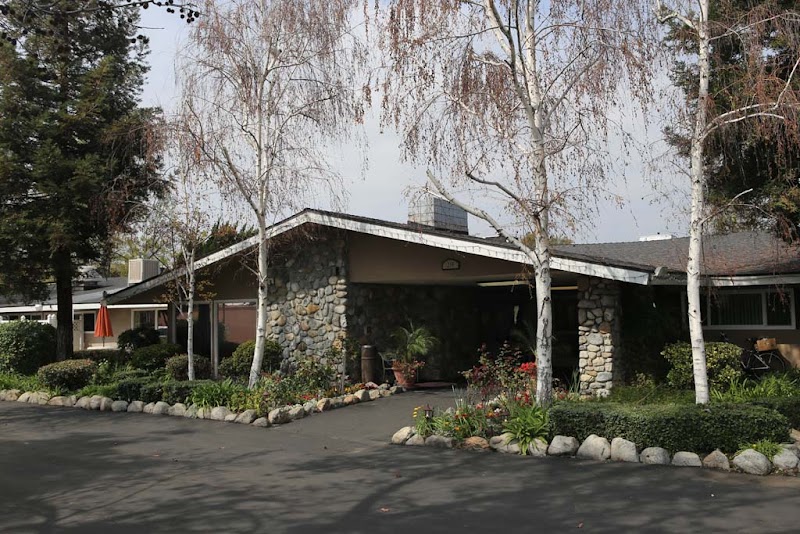

219 E. FOOTHILL BLVD, POMONA, CA 91767 (909) 593-1391
For profit - Partnership 99 Beds THE ENSIGN GROUP Data: November 2025
Trust Grade
60/100
#553 of 1155 in CA
Last Inspection: December 2024

Within standard 12-15 month inspection cycle. Federal law requires annual inspections.

Overview

Claremont Care Center has a Trust Grade of C+, which means it is slightly above average but not exceptional. It ranks #553 out of 1155 facilities in California, placing it in the top half of nursing homes in the state, and it is #98 out of 369 in Los Angeles County, indicating only a few local options are better. The facility is improving, reducing its issues from 8 in 2024 to 5 in 2025, and it has a solid staffing rating of 4 out of 5 stars with a turnover rate of 34%, which is below the state average. However, there are some concerns, including a failure to properly assess and manage pain for one resident, leading to potential distress, and incomplete medical records that could affect care. Despite these weaknesses, the absence of fines and good staffing indicate that there are strengths to consider.

Trust Score
C+
60/100
In California
#553/1155
Top 47%
Safety Record
Low Risk
No red flags
Inspections
Getting Better
8 → 5 violations
Staff Stability
○ Average
34% turnover. Near California's 48% average. Typical for the industry.
Penalties
✓ Good
No fines on record. Clean compliance history, better than most California facilities.
Skilled Nurses
⚠ Watch
Each resident gets only 23 minutes of Registered Nurse (RN) attention daily — below average for California. Fewer RN minutes means fewer trained eyes watching for problems.
Violations
⚠ Watch
50 deficiencies on record. Higher than average. Multiple issues found across inspections.
★★★☆☆
3.0
Overall Rating
★★★★☆
4.0
Staff Levels
★★★★☆
4.0
Care Quality
★★★☆☆
3.0
Inspection Score
Stable
2024: 8 issues
2025: 5 issues

The Good

  • 4-Star Staffing Rating · Above-average nurse staffing levels
  • 4-Star Quality Measures · Strong clinical quality outcomes
  • Full Sprinkler Coverage · Fire safety systems throughout facility
  • No fines on record
  • Staff turnover below average (34%)

    14 points below California average of 48%

Facility shows strength in staffing levels, quality measures, fire safety.

The Bad

3-Star Overall Rating

Near California average (3.1)

Meets federal standards, typical of most facilities

Staff Turnover: 34%

12pts below California avg (46%)

Typical for the industry

Chain: THE ENSIGN GROUP

Part of a multi-facility chain

Ask about local staffing decisions and management

The Ugly 50 deficiencies on record

Aug 2025 1 deficiency
CONCERN (D) 📢 Someone Reported This

A family member, employee, or ombudsman was alarmed enough to file a formal complaint

Potential for Harm - no one hurt, but risky conditions existed

Comprehensive Care Plan (Tag F0656)

Could have caused harm · This affected 1 resident

Based on interview and record review, the facility failed to develop an individualized person-centered plan of care that included measurable objectives, timeframes, and interventions to meet the needs...

Read full inspector narrative →
Based on interview and record review, the facility failed to develop an individualized person-centered plan of care that included measurable objectives, timeframes, and interventions to meet the needs of one of three sampled residents (Resident 1). Specifically, the facility did not develop an individualized care plan (CP) for Resident 1 in a timely manner to address Resident 1's past trauma after Resident 1 reported the trauma to the administrator (ADM).This deficient practice had the potential to result in unmet individualized needs and adversely affect the delivery of necessary care and services to Resident 1.Findings:During a review of Resident 1's admission Record (AR), the AR indicated the facility admitted Resident 1 on 8/29/2024, with diagnoses including, heart failure (HF-a heart disorder which causes the heart to not pump blood efficiently, sometimes resulting in leg swelling), chronic (persistent or long-lasting) obstructive pulmonary disorder (COPD, , long standing group of diseases that cause airflow blockage and breathing-related problems, make it difficult to breathe), and diabetes mellitus (DM-a disorder characterized by difficulty in blood sugar control and poor wound healing). During a review of Resident 1's Minimum Data Set (MDS - a resident assessment tool), dated 6/2/2025, the MDS indicated Resident 1's cognition (the ability to think and process information) was intact. The MDS indicated Resident 1 required partial/moderate assistance (helper does less than half the effort) with activities of daily living (ADL, term used in healthcare that refers to self-care activities) and mobility.During a review of Resident 1's CPs, a CP, dated 8/21/2025, indicated Resident 1's potential for emotional distress related to [an] abuse allegation. There was no individualized CP in place that addressed Resident 1's reported history of trauma related to a prior sexual assault.During an interview on 8/22/2025 at 12:41 PM, with the ADM, the ADM stated Resident 1 disclosed Resident 1 was a victim of rape several years ago. Resident 1 stated Resident 1 had never shared this information with the facility before, and it was not documented in Resident 1's medical history. Resident 1 stated Resident 1 made the facility aware on 8/21/2025 when the resident reported the abuse allegations regarding Certified Nursing Assistant (CNA) 1.During an interview on 8/22/2025 at 12:57 PM, with Resident 1, Resident 1 stated Resident 1 disclosed to the ADM Resident 1 was a victim of rape several years ago. Resident 1 stated Resident 1 had never felt comfortable sharing this information with the facility before because it was a very sensitive topic. Resident 1 stated, with the most recent abuse allegations regarding CNA 1, Resident 1 was able to disclose this information to the ADM.During an interview and a concurrent review of Resident 1's CPs on 8/26/2025 at 11:14 AM, with the Social Services Director (SSD), the SSD stated a CP was created for emotional distress related to the abuse allegations, but a trauma-related CP was not initiated the same day. The SSD explained that both CPs are equally important, as timely trauma-informed planning helped prevent re-traumatization and ensured Resident 1's emotional and psychological needs were fully addressed in Resident 1's care. The SSD emphasized this process is the responsibility of the entire Interdisciplinary Team (IDT, a team of health care professionals who work together to establish plans of care for residents), not just one individual, and must be approached as a collaborative effort to ensure comprehensive care.During an interview on 8/26/2025 at 11:48 AM, with the Director of Nursing (DON), the DON stated a CP addressing the abuse allegations was created; however, a trauma-informed CP specific to the resident's history of rape was not initiated on the same day. The DON stated timely care planning was critical, particularly with trauma-related concerns, because delays could leave gaps in addressing the residents' emotional safety and well-being. The DON stated immediate initiation and implementation of trauma-informed care helped guide staff in providing sensitive, appropriate interventions and ensured the resident's needs were fully supported without risk of further emotional harm.During a review of the facility's policy and procedure (P&P) titled, Comprehensive Resident Centered Care Plan, reviewed 12/2023, the P&P indicated it is the policy of this facility that the IDT shall develop and implement a comprehensive person-centered care plan for each resident, consistent with the resident rights, that includes measurable objectives and timeframes to meet a resident's medical, nursing, and mental and psychosocial needs that are identified in the comprehensive assessment.
Jul 2025 1 deficiency
CONCERN (D) 📢 Someone Reported This

A family member, employee, or ombudsman was alarmed enough to file a formal complaint

Potential for Harm - no one hurt, but risky conditions existed

Deficiency F0774 (Tag F0774)

Could have caused harm · This affected 1 resident

**NOTE- TERMS IN BRACKETS HAVE BEEN EDITED TO PROTECT CONFIDENTIALITY** Based on interview and record review, the facility failed to ensure one of three sampled residents (Resident 1) received care an...

Read full inspector narrative →
**NOTE- TERMS IN BRACKETS HAVE BEEN EDITED TO PROTECT CONFIDENTIALITY** Based on interview and record review, the facility failed to ensure one of three sampled residents (Resident 1) received care and treatment in accordance with the facility's policy and procedure (P&P) titled, Transportation to Doctors/Diagnostic Appointments, by failing to ensure staff was available to accompany Resident 1 to Resident 1's scheduled GI (gastrointestinal, refers collectively to the organs of the body that play a part in food digestion) consult (a process where a healthcare professional requests advice or expertise from another healthcare professional specialist or expert in a particular area regarding a patient's care) appointment on 6/25/2025.This failure resulted in Resident 1 missing Resident 1's scheduled GI consult appointment and had the potential to result in the delay in treatment for Resident 1 that could potentially lead to disease progression and complications to Resident 1.Findings:During a review of Resident 1's admission Record (AR), the AR indicated, Resident 1 was originally admitted to the facility on [DATE] and readmitted on [DATE] with multiple diagnoses including vascular disorder of intestine (long tubed-shaped organ in the abdomen that completes the process of digestion [food breakdown], condition where blood flow to the intestines is reduced or blocked), unspecified, anemia (a condition where the body does not have enough healthy red blood cells), unspecified, and difficulty in walking, not elsewhere classified.During a review of Resident 1's History and Physical Reports (H&P), dated 6/13/2025, from the General Acute Care Hospital (GACH), the H&P indicated, Resident 1 was recently discharged , [from the GACH] after being diagnosed ischemic colitis (a condition where reduced blood flow to the colon [longest part of the large intestine] causes inflammation and injury), a few days ago. The H&P indicated Resident 1 recently presented to the GACH with diarrhea, abdominal pain, and bloody stools. During a review of Resident 1's Progress Notes (PN), dated 6/17/2025, timed at 2:28 PM, the PN indicated, ST (Speech Therapist) recommended ENT (Ear, Nose, Throat) and GI consultations to r/o (rule out) possible reflux (the backward flow of stomach contents into the esophagus [tubular elongated organ that connects the throat to the stomach]). During a review of Resident 1's undated Order Summary Report (OSR), the OSR indicated, a physician's order, dated 6/20/2025, for a GI consult with the gastroenterologist (MD, medical doctor who specializes in the diagnosis and treatment of diseases and conditions affecting the GI tract and liver) on 6/25/2025 at 2 PM for dx (diagnoses) of ischemic colitis and GI bleed. The OSR indicated an order, dated 6/25/2025, for a GI consult with the MD on 7/15/2025 at 2 PM for dx of ischemic colitis and GI bleed.During a review of Resident 1's Minimum Data Set (MDS - a resident assessment tool), dated 6/22/2025, the MDS indicated, Resident 1's cognition (ability to understand and process information) was moderately impaired. The MDS indicated, Resident 1 required substantial/maximal assistance (helper does more than half the effort) to partial/moderate assistance (helper does less than half the effort) with activities of daily living (ADL, term used in healthcare that refers to self-care activities).During a review of Resident 1's social services PN, dated 6/24/2025, timed at 11:08 AM, the PN indicated, the Social Services Assistant (SSA) scheduled a wheelchair transportation for GI appointment on 6/25/2025 at 2 PM. The PN indicated the transportation pick up time was at 1:10 PM and the return pick up time at 3:15 PM. The PN indicated, a staff member (unnamed) would accompany Resident 1 to the appointment.During a concurrent interview and record review on 7/11/2025 at 12:25 PM with Registered Nurse Supervisor (RNS) 1, Resident 1's medical records were reviewed. A PN dated 6/25/2025, timed at 2:21 PM documented by the Case Manager (CM), indicated, the GI appointment was rescheduled due to Resident 1's family unable to attend and no cg (care giver) was available. RNS 1 stated, the facility provided staff such as the SSA or a CNA (Certified Nursing Assistant) if a resident (in general) did not have a family member to accompany the resident during transport to a doctor's appointment. RNS 1 stated, it was important to accompany the resident for safety reasons and to assist the resident if the resident needed assistance. RNS 1 stated, Resident 1 missing Resident 1's GI consult appointment on 6/25/2025 could cause a delay in Resident 1's treatment. During a concurrent interview and record review on 7/11/2025 at 12:47 PM with the Director of Nursing (DON), the facility's P&P titled, Transportation to Doctors/Diagnostic Appointments, revised 10/2024 was reviewed. The P&P indicated, a member of the nursing staff, or social services, may accompany the resident as needed to the diagnostic center when the resident's family was not available. The DON stated, a responsible party or staff accompanied the resident during transport to doctor appointments, so the resident had a representative to assume responsibility of the resident's care and to make sure they're [the residents were] safe while out of the facility for their appointment. The DON stated the facility did not have a designated staff to accompany residents during transport. The DON stated, the staff could be an SSA, CNA, or RNA (Restorative Nursing Assistant), somebody must be there. The DON stated, Resident 1 missing Resident 1's scheduled GI consult appointment on 6/25/2025 could result in Resident 1 not receiving the necessary treatment as Resident 1, had a GI bleed before.During an interview on 7/11/2025 at 1:28 PM with the SSA, the SSA stated, Resident 1's GI consult appointment scheduled 6/25/2025 was rescheduled because the facility had no staff available to go with Resident 1 to the appointment.During an interview on 7/11/2025 at 3:34 PM with RNS 2, RNS 2 stated, the facility encouraged the responsible party to accompany the resident to the resident's appointment and if no responsible party was available, then the facility provides a staff companion for resident safety. During an interview on 7/11/2025 at 4:11 PM with the Case Manager (CM), the CM stated, Resident 1's scheduled GI consult appointment on 6/25/2025 was rescheduled due to the facility not having a staff available, we did not have an extra staff and the facility was not able to accommodate. The CM stated the facility did not have any issues with short staffing.During a review of the facility's staff Sign-In Sheet (SIS - a document used to record the presence of staff at work), dated 6/25/2025, the SIS indicated, there were eleven CNAs and two RNAs working during the day (7AM - 3PM) shift.During an interview on 7/11/2025 at 4:28 PM with the CNA, the CNA stated, Resident 1 needed two people to transfer, in general and was not ok for Resident 1 to leave the facility by himself for doctor appointments. The CNA stated, residents usually leave the facility with a staff member for their doctor appointments.During a review of the facility's Facility Assessment 2024 Guidelines (FA), the FA, indicated, Based on our resident population and their care needs, we have made a good faith effort and approach to ensure we have sufficient and qualified staff to meet the needs of the residents at any given time.During a review of the facility's P&P titled, Transportation to Doctors/Diagnostic Appointments, revised 10/2024. The P&P indicated it was the policy of the facility to assist residents in arranging transportation to/from diagnostic appointments when necessary. The P&P indicated, shall it become necessary for the facility to provide transportation, the social service designee will be responsible for arranging transportation through coordination with the business office. The P&P indicated a member of the nursing staff, or social services, may accompany the resident as needed to the diagnostic center when the resident's family is not available.
May 2025 3 deficiencies
CONCERN (D) 📢 Someone Reported This

A family member, employee, or ombudsman was alarmed enough to file a formal complaint

Potential for Harm - no one hurt, but risky conditions existed

Deficiency F0657 (Tag F0657)

Could have caused harm · This affected 1 resident

**NOTE- TERMS IN BRACKETS HAVE BEEN EDITED TO PROTECT CONFIDENTIALITY** Based on interview and record review, the facility failed to revise the plan of care for one of three sampled residents (Residen...

Read full inspector narrative →
**NOTE- TERMS IN BRACKETS HAVE BEEN EDITED TO PROTECT CONFIDENTIALITY** Based on interview and record review, the facility failed to revise the plan of care for one of three sampled residents (Resident 1), who was at high risk for falls, following episodes of getting up unassisted on 4/8/2025. This deficient practice had the potential to increase Resident 1's risk for falls and injury. Findings: During a review of Resident 1's admission Record (AR), the AR indicated Resident 1 was admitted to the facility on [DATE], with diagnoses of history of falling, right femur (thigh bone) fracture (break in the bone), and encounter for orthopedic (the branch of medicine dealing with the correction of deformities of bones or muscles) after care, dementia (progressive state of decline in mental abilities), osteoarthritis (OA- a progressive disorder of the joints caused by a gradual loss of cartilage [connective tissue that protects the joints/bones])abnormalities of gait (manner of walking) and mobility (ability to move freely), and generalized muscle weakness. During a review of Resident 1's Minimum Data Set (MDS- resident assessment tool), dated 4/1/2025, the MDS indicated Resident 1 had moderately impaired cognition (ability to think, remember and make decisions) for daily decision making. The MDS indicated Resident 1 required supervision (helper provides verbal cues and or touching as resident competes activity) for oral and personal hygiene, partial/moderate assistance (helper does less than half the effort to lift, hold, or support trunk or arms and legs) for upper body dressing, and substantial/maximal assistance (helper does more than half the effort to lift or hold trunk or limbs) for showering/bathing, rolling left and right, sitting to lying on the bed, lying to sitting on side of the bed, and toilet transfer. The MDS indicated Resident 1 had not attempted to transfer to and from a bed to a wheelchair, sit to stand, or walk ten feet due to medical condition or safety concerns. The MDS indicated Resident 1 had a fall in the last month prior to admission, surgical repair of the hip, required pain assessment interview, and had not had any pain in the last five days of the assessment. During a review of Resident 1's Care Plan (CP) titled, Care Plan Report, initiated 3/28/2025, the CP indicated Resident 1 was at risk for falls related to impaired balance and mobility and decreased endurance. The CP interventions indicated for staff to ensure Resident 1's call light was within reach, encourage Resident 1 to use the call light to call for assistance as needed, may have low bed with bilateral floor mats for safety precautions, and may have pressure pad alarm in wheelchair and bed to alert staff of resident attempting to get up unassisted. During a review of Resident 1's Medication Administration Record (MAR) for April 2025, the MAR indicated Resident 1 had two episodes of attempting to get up unassisted from Resident 1's wheelchair on 4/8/2025. During an interview on 5/6/2025 at 12:40 PM with the MDS Nurse, the MDS Nurse stated no CP had been updated since 4/4/2025 for Resident 1 getting up unassisted to ensure Resident 1's safety and apply new interventions. During an interview on 5/6/2025 at 1:36 PM with Licensed Vocational Nurse (LVN) 2, LVN 2 stated Resident 1 had a Care Plan for falls which should have been updated to include more frequent monitoring such as every hour as opposed to two hours since Resident 1 was at high risk for falls and kept getting up unassisted on 4/8/2025. LVN 2 stated not having a CP and updated interventions would not allow nurses to meet resident's needs and could contribute to a decline in resident's health. LVN 2 stated Resident 1's CP should have updated interventions to the CP to avoid missed diagnosis and delayed treatment. During an interview on 5/7/2025 at 2:04 PM with the Assistant Director of Nursing (ADON), the ADON stated it was important for licensed nurses to update and create care plans to meet resident's needs by implementing interventions to each resident's care area, prevent further decline, missed diagnosis, delayed treatment, and identify any new issues that require intervention. During a review of the facility's policy and procedure (P&P) titled, Fall Management System, revised October 2024, the P&P indicated, It is the policy of this facility to provide each resident with appropriate assessment and interventions to prevent falls and to minimize complications if a fall occurs. The P&P indicated, Residents with high risk factors identified on the Fall Risk Evaluation will have an individualized care plan developed that includes measurable objectives and timeframes. The care plan interventions will be developed to prevent falls by addressing the risk factors and will consider the particular elements of the evaluation that put the resident at risk. The P&P indicated, Resident's care plan will be updated.
CONCERN (E) 📢 Someone Reported This

A family member, employee, or ombudsman was alarmed enough to file a formal complaint

Potential for Harm - no one hurt, but risky conditions existed

Deficiency F0697 (Tag F0697)

Could have caused harm · This affected multiple residents

**NOTE- TERMS IN BRACKETS HAVE BEEN EDITED TO PROTECT CONFIDENTIALITY** Based on interview and record review, the facility failed to assess and manage reported pain for one of three residents (Residen...

Read full inspector narrative →
**NOTE- TERMS IN BRACKETS HAVE BEEN EDITED TO PROTECT CONFIDENTIALITY** Based on interview and record review, the facility failed to assess and manage reported pain for one of three residents (Resident 1) as indicated in Resident 1's care plan and the facility's policies and procedures titled, Pain Recognition and Management, and Pain Management, by failing to: 1. Ensure Licensed Vocational Nurse (LVN) 1 assessed and documented Resident 1's pain location. 2. Ensure Resident 1 received pain medication when Resident 1 complained of persistent pain to Resident 1's right lower extremity (RLE- right leg, including hip, thigh, knee, calf, and foot) on 4/7/2025. These deficient practices had the potential for Resident 1 to experience unrelieved/uncontrolled pain that could result in physical, mental, and emotional distress. Cross Reference F842 Findings: During a review of Resident 1's admission Record (AR), the AR indicated Resident 1 was admitted to the facility on [DATE], with diagnoses of history of falling, right femur (thigh bone) fracture (break in the bone), and encounter for orthopedic (the branch of medicine dealing with the correction of deformities of bones or muscles) after care, dementia (progressive state of decline in mental abilities), osteoarthritis (OA- a progressive disorder of the joints caused by a gradual loss of cartilage [connective tissue that protects the joints/bones])abnormalities of gait (manner of walking) and mobility (ability to move freely), and generalized muscle weakness. During a review of Resident 1's Minimum Data Set (MDS- resident assessment tool), dated 4/1/2025, the MDS indicated Resident 1 had moderately impaired cognition (ability to think, remember and make decisions) for daily decision making. The MDS indicated Resident 1 required supervision (helper provides verbal cues and or touching as resident competes activity) for oral and personal hygiene, partial/moderate assistance (helper does less than half the effort to lift, hold, or support trunk or arms and legs) for upper body dressing, and substantial/maximal assistance (helper does more than half the effort to lift or hold trunk or limbs) for showering/bathing, rolling left and right, sitting to lying on the bed, lying to sitting on side of the bed, and toilet transfer. The MDS indicated Resident 1 had not attempted to transfer to and from a bed to a wheelchair, sit to stand, or walk ten feet due to medical condition or safety concerns. The MDS indicated Resident 1 had a fall in the last month prior to admission, surgical repair of the hip, required pain assessment interview, and had not had any pain in the last five days of the assessment. During a review of Resident 1's Care Plan (CP) titled Care Plan Report, dated 3/28/2025, the CP indicated Resident 1 had pain of the right femur due to a recent right femur fracture and surgical intervention following a fall. The CP interventions indicated for staff to administer analgesia (absence of pain) medication as per physician orders and give one-half (½) hour before treatments or care, anticipate need for pain relief, and respond immediately to any complaint of pain. During a review of Resident 1's Physician Order (PO), dated 3/28/2025, the PO indicated Resident 1 had an order for licensed staff to monitor Resident 1's pain level using zero (0) to 10 pain scale (0 = no pain, 1 to 3 = mild pain, 4 to 6 = moderate pain, and 7 to 10 = severe pain) every shift. During a review of Resident 1's PO, dated 3/31/2025, the PO indicated Resident 1 had an order for Hydrocodone-Acetaminophen (medication to treat moderate to severe pain) oral tablet 5-325 milligram (mg- a unit of mass) give one (1) tablet by mouth every six hours as needed (PRN) for moderate to severe pain from all sources. During a review of another Resident 1's CP titled, Care Plan Report, dated 4/4/2025, the CP indicated Resident 1 was at risk for hip fracture complications due to impaired mobility. The CP interventions indicated for staff to monitor/document/report to the doctor signs and symptoms (s/sx) of hip fracture complications such as unrelieved pain, impaired mobility, and pain after exercise or weight bearing. During a review of Resident 1's Physical Therapy (PT- treatment that helps improve how the body performs physical movements) Treatment Encounter Notes (PT TEN) dated 4/7/2025, timed at 2:38 PM, completed by Physical Therapist 1 (PT 1- a healthcare provider who helps improve how the body performs physical movements), the PT TEN indicated Resident 1 complained of discomfort on Resident 1's left lower extremity despite being pre-medicated. The PT TEN indicated PT 1 informed LVN 4 and agreed to monitor Resident 1. During a review of Resident 1's Medication Administration Record (MAR) for April 2025, the MAR indicated no documented evidence Resident 1 received Hydrocodone-Acetaminophen before or after the therapy session on 4/7/2025. The MAR indicated no documentation the licensed nurse assessed Resident 1 having any pain on 4/7/2025. During a review of Resident 1's Medication Administration Record (MAR) for April 2025, the MAR indicated Resident 1 was administered Hydrocodone-Acetaminophen 5-325 mg for complaints of pain (pain location was not indicated) on the following dates and times: a. On 4/9/2025 at 10:32 AM for pain level of 8 out of 10. b. On 4/14/2025 at 8:56 AM for pain level of 8 out of 10. c. On 4/14/2025 at 8:09 PM for pain level of 7 out of 10. d. On 4/16/2025 at 8:20 AM for pain level of 7 out of 10. e. On 4/17/2025 at 8:18 AM for pain level of 7 out of 10. During a concurrent interview and record review on 5/6/2025 at 12:40 PM with the MDS Nurse, Resident 1's MAR for April 2025 was reviewed. The MDS Nurse stated the MAR did not indicate Resident 1's pain location when the licensed nurse (LVN 1) administered pain medication to treat Resident 1's complaint of moderate to severe pain on 4/9/2025, 4/14/2025, 4/16/2025, and 4/17/2025. The MDS Nurse stated it was important for licensed nurses to document thoroughly such as the location of resident's pain to provide appropriate care, treatment, and notify the doctor if necessary. During a concurrent interview and record review on 5/6/2025 at 3:19 PM with LVN 4, Resident 1's medical record and MAR for April 2025 were reviewed. LVN 4 stated LVN 4 was Resident 1's licensed nurse on 4/7/2025 during the 7 am to 3 pm shift. LVN 4 stated LVN 4 could not remember being informed by PT 1 about Resident 1 having pain and giving Resident 1 pain medication. LVN 4 stated there were no documented interventions, assessments, nor pain relief provided to Resident 1 on 4/7/2025. LVN 4 stated the MAR indicated the licensed nurse (LVN 1) administered Hydrocodone to Resident 1 on 4/9/2025 at 10:32 AM, 4/14/2025 at 8:56 AM and 8:09 PM, 4/16/2025 at 8:20 AM, and 4/17/2025 at 8:18 AM but there was documentation of Resident 1's pain location therefore the location of the pain was unknown. During an interview on 5/7/2025 at 10:09 AM with LVN 1, LVN 1 stated when a resident (in general) reported pain, LVN 1 should ask the location, intensity, and onset of the pain, and what triggered the resident's pain. LVN 1 stated when LVN 1 administered Hydrocodone to Resident 1 on 4/9/2025, 4/14/2025, 4/16/2025, and 4/17/2025, LVN 1 failed to document the location of Resident 1's pain which put Resident 1 at risk for missed or delayed diagnosis, inappropriate treatment, ineffective pain relief, and delay in timely interventions which can further worsen any injury residents may have. LVN 1 stated she could not recall by memory where Resident 1's pain was located. During an interview on 5/7/2025 at 11:59 AM with PT 1, PT 1 stated that she provided therapy to Resident 1 on 4/7/2025 which consisted of the right leg range of motion, as well as the left leg range of motion while Resident 1 laid down on Resident 1's bed. PT 1 stated PT 1 provided hip and knee flexion, with hip abduction (the movement of a limb away from the midline of the body) and adduction (the movement of a limb towards the midline) to the left leg/left hip. PT 1 stated PT 1 only took care of Resident 1 that day, and her memory was blurry regarding actual events which was why she relied heavily on her thorough documentation to recall events that day. PT 1 stated based on her assessment and documentation, Resident 1 was able to roll to his right side while lying in bed, and partially roll to his left side, progressing to sitting on edge of bed with assistance. PT 1 stated during the session, Resident 1 refused to attempt standing or getting out of bed and began to exhibit agitation. PT 1 stated Resident 1 wanted to go back to bed as Resident 1 complained of discomfort on his left lower extremity despite being pre-medicated prior to therapy and was guarding his left leg due to complaints of persistent pain. PT 1 stated Resident 1 was unable to describe or quantify Resident 1's pain level at that time. PT 1 stated PT 1 walked over to the nurse's station to inform the licensed nurse (LVN 4) of Resident 1's discomfort to Resident 1's left lower extremity and LVN 4 agreed to monitor Resident 1. PT 1 stated PT 1 could not recall how Resident 1 was showing agitation other than refusing to continue the therapy session. PT 1 stated there was a possibility PT 1 may have written the wrong laterality (preference for using one side of the body over the other) of Resident 1's pain location. During an interview on 5/7/2025 at 12:45 PM with LVN 2, LVN 2 stated when residents (in general) report pain, licensed nurses should assess origin of pain, when the pain started, and depending on the pain level should give pain medication as needed, reassess the resident for effectiveness of pain medication, and document findings on the MAR. LVN 2 stated if the interventions were not effective, licensed nurses should document the reason, notify the doctor and family, and ask for X-rays (type of medical imaging that creates pictures of bones and soft tissues) or any type of diagnostic testing to rule out any unknown injuries. During an interview on 5/7/2025 at 2:04 PM with the Assistant Director of Nursing (ADON), the ADON stated licensed nurses were to communicate with staff and respond to any complaints of pain by assessing the resident's pain level, location of pain, pain intensity, new onset of pain, determining if pain was long-term, and check the resident's physician orders for any medication and/or treatment available to treat the resident's pain. The ADON stated it was important to follow up on the resident's pain levels and reassess the pain to determine if the treatment was effective and to ensure the facility was meeting the resident's needs. The ADON stated failure to properly assess the resident's complaint of pain can result in untreated pain, delayed or missed interventions, decline in physical function, and complications from over or under medication. During a review of an electronic mail (e-mail) titled, Documentation Clarification, dated 5/7/2025, timed at 3:01 PM, emailed by PT 1, the e-mail indicated PT 1 provided a written statement to clarify Resident 1's PT TEN dated 4/7/2025. The e-mail indicated per PT 1, PT 1 made an incorrect entry when PT 1 incorrectly documented Resident 1 complained of persistent pain on Resident 1's left lower extremity (LLE) instead of RLE. The email indicated per PT 1, Resident 1's pain location on 4/7/2025 was on the RLE. During a review of the facility's P&P titled, Pain Recognition and Management, revised 1/2022, the P&P indicated, It is the policy of this facility to ensure that pain management is provided to residents who require such services, consistent with professional standards of practice, the comprehensive person-centered care plan . The P&P indicated the care plan will reflect the location and type of pain, pharmacological, and non-pharmacological interventions, with evaluation and revision as indicated. During a review of the facility's P&P titled Pain Management the P&P dated 10/2024, the P&P indicated, The resident will be assessed for pain . On admission with a pain-related diagnosis, or if pain in indicated through the Nursing admission Assessment . Upon development of new symptoms of acute pain . Complete the Pain Management Review assessment . Complete appropriate physical assessment to determine any physical changes or manifestations as needed. The P&P indicated, Monitor pain status and treatment effects on a regular basis, e.g., during routine medication pass . Consult physician for additional interventions if pain is not relieved by currently ordered treatment modalities and comfort measures. The Care Plan will include pharmacological and non-pharmacological interventions, with evaluation and revision as needed.
CONCERN (E) 📢 Someone Reported This

A family member, employee, or ombudsman was alarmed enough to file a formal complaint

Potential for Harm - no one hurt, but risky conditions existed

Medical Records (Tag F0842)

Could have caused harm · This affected multiple residents

**NOTE- TERMS IN BRACKETS HAVE BEEN EDITED TO PROTECT CONFIDENTIALITY** Based on interview and record review, the facility failed to maintain complete and accurate medical records for one of three sam...

Read full inspector narrative →
**NOTE- TERMS IN BRACKETS HAVE BEEN EDITED TO PROTECT CONFIDENTIALITY** Based on interview and record review, the facility failed to maintain complete and accurate medical records for one of three sampled residents (Resident 1) by failing to: 1. Ensure Physical Therapist (PT- a healthcare provider who helps improve how the body performs physical movements) 1 and PT 2 accurately documented Resident 1's pain location in Resident 1's Physical Therapy Encounter Notes (PT TEN) dated 4/7/2025 and 4/14/2025. 2. Ensure Licensed Vocational Nurse (LVN) 1 assessed and documented Resident 1's pain location in Resident 1's medical record. 3. Ensure staff documented the rationale for initiating a room transfer for Resident 1 on 4/7/2025 in Resident 1's medical record. These failures resulted in Resident 1's medical record to contain inaccurate and incomplete information and had the potential to affect Resident 1's care. Cross Reference F697 Findings: During a review of Resident 1's admission Record (AR), the AR indicated Resident 1 was admitted to the facility on [DATE], with diagnoses of history of falling, right femur (thigh bone) fracture (break in the bone), and encounter for orthopedic (the branch of medicine dealing with the correction of deformities of bones or muscles) after care, dementia (progressive state of decline in mental abilities), osteoarthritis (OA- a progressive disorder of the joints caused by a gradual loss of cartilage [connective tissue that protects the joints/bones])abnormalities of gait (manner of walking) and mobility (ability to move freely), and generalized muscle weakness. During a review of Resident 1's Minimum Data Set (MDS- resident assessment tool), dated 4/1/2025, the MDS indicated Resident 1 had moderately impaired cognition (ability to think, remember and make decisions) for daily decision making. The MDS indicated Resident 1 required supervision (helper provides verbal cues and or touching as resident competes activity) for oral and personal hygiene, partial/moderate assistance (helper does less than half the effort to lift, hold, or support trunk or arms and legs) for upper body dressing, and substantial/maximal assistance (helper does more than half the effort to lift or hold trunk or limbs) for showering/bathing, rolling left and right, sitting to lying on the bed, lying to sitting on side of the bed, and toilet transfer. The MDS indicated Resident 1 had not attempted to transfer to and from a bed to a wheelchair, sit to stand, or walk ten feet due to medical condition or safety concerns. The MDS indicated Resident 1 had a fall in the last month prior to admission, surgical repair of the hip, required pain assessment interview, and had not had any pain in the last five days of the assessment. During a review of Resident 1's Physician Order (PO), dated 3/31/2025, the PO indicated Resident 1 had an order for Hydrocodone-Acetaminophen (medication to treat moderate to severe pain) oral tablet 5-325 milligram (mg- a unit of mass) give one (1) tablet by mouth every six hours as needed (PRN) for moderate to severe pain from all sources. During a review of Resident 1's PT TEN dated 4/7/2025, timed at 2:38 PM, completed by PT 1, the PT TEN indicated Resident 1 complained of discomfort on Resident 1's left lower extremity (LLE- left leg, including the thigh, knee, calf, ankle, and foot) despite being pre-medicated. The PT TEN indicated PT 1 informed the licensed nurse (LVN 4) and agreed to monitor Resident 1. During a review of Resident 1's Medication Administration Record (MAR) for April 2025, the MAR indicated no documented evidence Resident 1 received Hydrocodone-Acetaminophen before or after the therapy session on 4/7/2025. The MAR indicated no documentation the licensed nurse assessed Resident 1 having any pain on 4/7/2025. During a review of Resident 1's MAR for April 2025, the MAR indicated Resident 1 was administered Hydrocodone-Acetaminophen 5-325 mg for complaints of pain (pain location was not indicated) on the following dates and times: a. On 4/9/2025 at 10:32 AM for pain level of 8 out of 10. b. On 4/14/2025 at 8:56 AM for pain level of 8 out of 10. c. On 4/14/2025 at 8:09 PM for pain level of 7 out of 10. d. On 4/16/2025 at 8:20 AM for pain level of 7 out of 10. e. On 4/17/2025 at 8:18 AM for pain level of 7 out of 10. During a review of Resident 1's PT TEN dated 4/14/2025, timed at 3:12 PM, completed by PT 2, the PT TEN indicated Resident 1 was pre-medicated prior to the therapy session and Resident 1 continued to complain of pain on left hip and left lower extremity during bed mobility exercises. During a concurrent interview and record review on 5/6/2025 at 12:40 PM with the MDS Nurse, Resident 1's MAR for April 2025 was reviewed. The MDS Nurse stated the MAR did not indicate Resident 1's pain location when the licensed nurse (LVN 1) administered pain medication to treat Resident 1's complaint of moderate to severe pain on 4/9/2025, 4/14/2025, 4/16/2025, and 4/17/2025. The MDS Nurse stated it was important for licensed nurses to document thoroughly such as the location of resident's pain to provide appropriate care, treatment, and notify the doctor if necessary. During an interview on 5/6/2025 at 2:50 PM with the Social Services Director (SSD), the SSD stated the SSD had written down the date when Resident 1 was moved from Room A to Room B on 4/7/2025, but the SSD failed to document the reason for the room transfer. The SSD stated the SSD could not recall by memory why the facility decided to move Resident 1 to another room. During a concurrent interview and record review on 5/6/2025 at 3:19 PM with LVN 4, Resident 1's medical record and MAR for April 2025 were reviewed. LVN 4 stated LVN 4 was Resident 1's licensed nurse on 4/7/2025 during the 7 am to 3 pm shift. LVN 4 stated LVN 4 could not remember being informed by PT 1 about Resident 1 having pain and giving Resident 1 pain medication. LVN 4 stated there were no documented interventions, assessments, nor pain relief provided to Resident 1 on 4/7/2025. LVN 4 stated the MAR indicated the licensed nurse (LVN 1) administered Hydrocodone to Resident 1 on 4/9/2025 at 10:32 AM, 4/14/2025 at 8:56 AM and 8:09 PM, 4/16/2025 at 8:20 AM, and 4/17/2025 at 8:18 AM but there was documentation of Resident 1's pain location therefore the location of the pain was unknown. During an interview on 5/7/2025 at 10:09 AM with LVN 1, LVN 1 stated when a resident (in general) reported pain, LVN 1 should ask the location, intensity, and onset of the pain, and what triggered the resident's pain. LVN 1 stated when LVN 1 administered Hydrocodone to Resident 1 on 4/9/2025, 4/14/2025, 4/16/2025, and 4/17/2025, LVN 1 failed to document the location of Resident 1's pain which put Resident 1 at risk for missed or delayed diagnosis, inappropriate treatment, ineffective pain relief, and delay in timely interventions which can further worsen any injury residents may have. LVN 1 stated she could not recall by memory where Resident 1's pain was located. During an interview on 5/7/2025 at 11:59 AM with PT 1, PT 1 stated that she provided therapy to Resident 1 on 4/7/2025 which consisted of the right leg range of motion, as well as the left leg range of motion while Resident 1 laid down on Resident 1's bed. PT 1 stated during the session, Resident 1 refused to attempt standing or getting out of bed and began to exhibit agitation. PT 1 stated Resident 1 wanted to go back to bed as Resident 1 complained of discomfort on his left lower extremity despite being pre-medicated prior to therapy and was guarding his left leg due to complaints of persistent pain. PT 1 stated PT 1 walked over to the nurse's station to inform the licensed nurse (LVN 4) of Resident 1's discomfort to Resident 1's left lower extremity and LVN 4 agreed to monitor Resident 1. PT 1 stated there was a possibility PT 1 may have written the wrong laterality (preference for using one side of the body over the other) of Resident 1's pain location. During an interview on 5/7/2025 at 12:19 PM with Resident 1's Family Representative (FR), the FR stated that FR 1 agreed to the facility's recommendation to move Resident 1 from Room A to Room B due to Resident 1's roommate requiring to be isolated. The FR was not sure why the roommate required isolation. During an interview on 5/7/2025 at 2 PM with the Admissions Coordinator (AC), the AC stated the facility's process for initiating a room transfer for residents was to document the reason for the transfer and notify the family representative. The AC stated Resident 1's family had requested a room change; however, the facility failed to ask the family and document a rationale for the room transfer and neither the AC nor the SSD could remember why the facility moved Resident 1 from Room A to Room B. During an interview on 5/7/2025 at 2:04 PM with the Assistant Director of Nursing (ADON), the ADON stated it was important for licensed nurses to ensure any resident (in general) pain assessment was accurate, consistent, and thoroughly documented to ensure proper pain management and continuity of care by rating pain level, asking pain location, aggravating and relieving factors, onset of pain, duration, characteristics, and treatment. The ADON stated failure to properly assess and document the resident's complaints of pain could result in untreated pain, delayed or missed interventions, decline in physical function, and complications from over or under medication. During a review of an electronic mail (e-mail) titled, Documentation Clarification, dated 5/7/2025, timed at 3:01 PM, emailed by the facility, the e-mail indicated PT 1 provided a written statement to clarify Resident 1's PT TEN dated 4/7/2025 completed by PT 1. The e-mail indicated per PT 1, PT 1 made an incorrect entry when PT 1 incorrectly documented Resident 1 complained of persistent pain on Resident 1's LLE instead of right lower extremity (RLE- right leg, including the thigh, knee, calf, ankle, and foot). The e-mail indicated per PT 1, Resident 1's pain location on 4/7/2025 was on the RLE. During a review of an e-mail titled, Resident 1, dated 5/14/2025, timed at 8:21 PM, emailed by the facility, the e-mail indicated PT 2 provided a written statement to clarify Resident 1's PT TEN dated 4/14/2025 completed by PT 2. The e-mail indicated per PT 2, PT 2 made an error in PT 2's documentation of Resident 1's pain location. The e-mail indicated per PT 2, Resident 1's pain location on 4/14/2025 was on the RLE and not on the LLE. During a review of the facility's policy and procedure (P&P) titled, Social Services Program, revised October 2024, the P&P indicated, The Social Services staff is responsible for . Maintaining regular progress and follow up notes indicating the resident's response to the care plan and interventions . maintaining contact with resident's family members, significant others, or responsible party, and involving them in resident's care plan ., The P&P indicated, The Social Services staff provides .comprehensive documentation of social service assessment and intervention for each resident . During a review of the facility's P&P titled, Charting and Documentation, revised 10/2024, the P&P indicated, Disciplines contributing to the record includes but is not limited to . nursing . social service .physical therapy . The P&P indicated, The resident's clinical record is an account of treatment, care, response to care, signs, symptoms and progress of the residents' condition. It also includes data needed for identification and communication with family/responsible party.
Dec 2024 7 deficiencies
CONCERN (D)

Potential for Harm - no one hurt, but risky conditions existed

Assessment Accuracy (Tag F0641)

Could have caused harm · This affected 1 resident

**NOTE- TERMS IN BRACKETS HAVE BEEN EDITED TO PROTECT CONFIDENTIALITY** Based on interview and record review, the facility failed to ensure a Minimum Data Set (MDS, a standardized assessment and care-...

Read full inspector narrative →
**NOTE- TERMS IN BRACKETS HAVE BEEN EDITED TO PROTECT CONFIDENTIALITY** Based on interview and record review, the facility failed to ensure a Minimum Data Set (MDS, a standardized assessment and care-screening tool) was accurate for one of one sampled resident (Residents 90). Resident 90's MDS did not accurately reflect the resident's discharge status. This deficient practice resulted in inaccurate assessment on Resident 90's discharge status with wrong medical information on Resident 90's MDS. Findings: During a review of Resident 90's admission Record (AR), the AR indicated Resident 90's was admitted on [DATE]. During a review of Resident 90's Physician's Discharge Summary (PDS), signed by the resident's physician on 9/23/2024, the PDS indicated Resident 90 diagnoses included Dementia (a decline in mental abilities, such as thinking, remembering, and reasoning), emphysema (damages air sacs in the lungs, making it difficult to breathe), and history of falling. The PDS indicated Resident 90's Transfer/Discharge was necessary due to: Against Medical Advice (AMA, when a patient chooses to leave the hospital before their doctor recommends discharge). During a review of Resident 90's Leaving Facility Against Medical Advice (LFAM), dated 9/15/2024, the LFAM indicated the resident voluntarily left the facility against the advice of her physician. During a review of Resident 90's Progress Notes - Discharge Summary, dated 9/15/2024, the notes indicated the resident was discharged to resident family to take to resident home. During an interview and concurrent record review of Resident 90's MDS documents, dated 9/15/2024, with the Minimum Data Set Nurse 1 (MDSN 1), on 12/12/2024 at 11:39 am, MDSN 1 stated the resident was left AMA with the resident's family. MDSN 1 stated Resident 90 went home but the MDS dated [DATE] was coded discharge to an General Acute Care Hospital (GACH). MDSN 1 stated the MDS should have been marked discharge to home and not to GACH to accurately show what happened to Resident 90. During a review of the facility's policy and procedure titled, Resident Assessment: Accuracy of Assessment (MDS 3.0), revised on 1/2024, indicated it was the policy of the facility to ensure that the assessment accurately reflect the resident's status.
CONCERN (D)

Potential for Harm - no one hurt, but risky conditions existed

Deficiency F0676 (Tag F0676)

Could have caused harm · This affected 1 resident

Based on observation, interview, and record review, the facility failed to have a communication board easily accessible for one of two sampled residents (Resident 79) as indicated in Resident 79's car...

Read full inspector narrative →
Based on observation, interview, and record review, the facility failed to have a communication board easily accessible for one of two sampled residents (Resident 79) as indicated in Resident 79's care plan. This deficient practice prevented Resident 79 from communicating with facility staff and had a potential to delay appropriate nursing care/treatment and services for Resident 79. Findings: During a review of Resident 79's admission Record (AR), the AR indicated the facility admitted Resident 79 on 9/5/2024, with diagnoses including metabolic encephalopathy (a change in how your brain works due to an underlying condition), reduced mobility and need for assistance with personal care. During a review of Resident 79's History and Physical (H&P), dated 9/5/2024, the H&P indicated Resident 79 did not have decision making capacity. During a review of Resident 79's Care Plan, dated 9/5/2024, the Care Plan indicated Resident 79 had a communication problem related to language barrier (Mandarin speaking only). The goal was for Resident 79 to be able to make basic needs know on a daily basic. The intervention was to provide Resident 79 with a communication board in Mandarin so Resident 79 would be able to communicate with staff. During a review of Resident 79's Minimum Data Set (MDS, a resident assessment tool), dated 9/10/2024, the MDS indicated Resident 79 was unable to complete the interview to assess for cognition (the ability to think and process information) . The MDS indicated Resident 79 was dependent (helper does all the effort) on staff with activities of daily living (ADL, term used in healthcare that refers to self-care activities) such as toilet transfer. During an observation and a concurrent interview on 12/9/2024 at 10:53 AM, no communication board was noted in Resident 79's room. Family Member (FM) 1, stated Resident 79 speaks Madarin, and the resident may have a language barrier when communicating his basic needs to staff. During an interview on 12/10/2024 at 2:52 PM, with Licensed Vocational Nurse (LVN) 1, LVN 1 stated facility staff used communication boards to provide residents with language barriers a visual method for the residents to communicate their needs and preferences. LVN 1 stated Resident 79 should always have a communication board easily accessible; and the use of the communication board should be encouraged to the resident to facilitate communication. LVN 1 stated she was unable to locate the communication board after looking around the resident's environment and bedside drawer. LVN 1 stated she would request a Mandarin communication board from the Social Services Director (SSD) as it may have been misplaced. During an interview on 12/12/2024 at 07:45 AM, with the SSD, the SSD stated the communication board should always be easily displayed within the Residents' line of sight and should be easily accessible as it allowed the residents to effectively communicate their needs, concerns, and preferences. The SSD stated the communication board packets can be easily misplaced and lost. The SSD stated the SSD will find an alternative method to avoid loss and misplacement. During a review of the facility's Policy and Procedure (P&P) titled, Communication for Non-English, revision dated 10/2024, the P&P indicated the facility will provide interpreter services for non-English speaking residents. 1. Social Services will supply residents and/or family members with the use of a communication board that has universally known drawings, whenever desired. All attempts will be made to write, in the resident's native tongue, the name of each pictured item, using available staff, family members, and community resources, as appropriate. 2. Resident, family, and staff caring for the resident will be familiarized with the communication tool. The tool will be kept at the resident's bedside for use. During a review of the facility's P&P titled, Accommodations of Needs, revision dated 10/2024, the P&P indicated that the facility's environment and staff behaviors are directed toward assisting the resident in maintaining and/or achieving independent functioning, dignity, and well-being. The P&P indicated that in order to accommodate individual needs and preferences, staff attitudes and behaviors must be directed towards assisting the residents in maintaining independence, dignity and well-being to the extent possible and in accordance with the residents' wishes. a. Staff shall interact with the residents in a way that accommodates the physical or sensory limitations of the residents, promotes communication, and maintains dignity.
CONCERN (D)

Potential for Harm - no one hurt, but risky conditions existed

Pressure Ulcer Prevention (Tag F0686)

Could have caused harm · This affected 1 resident

Based on observation, interview and record review, the facility failed to ensure residents who were at risk for skin breakdown and pressure injuries (localized damage to the skin and underlying soft t...

Read full inspector narrative →
Based on observation, interview and record review, the facility failed to ensure residents who were at risk for skin breakdown and pressure injuries (localized damage to the skin and underlying soft tissue, usually occurring over a bony prominence or related to medical devices) received treatment and services to prevent skin breakdown for one of three sampled residents (Resident 2) by failing to ensure the low air loss mattress (LAL mattress - air filled mattress used to relieve pressure) was set according to the resident's weight. Resident 2's LAL mattress was set at 180 pounds (lbs) and Resident 2's body weight was 117 (lbs). This deficient practice put Resident 2 at risk for developing pressure injury and/or worsening of the pressure injury. Findings: During a review of Resident 2's admission Record (AR), the AR indicated the facility admitted Resident 2 on 11/13/2024, with diagnoses including urinary tract infection (UTI- an infection in the bladder/urinary tract), metabolic encephalopathy (a change in how your brain works due to an underlying condition) and reduced mobility. During a review of Resident 2's History and Physical (H&P), dated 11/13/2024, the H&P indicated Resident 2 did not have the capacity to understand and make decisions. During a review of Resident 2' Care Plan, dated 11/13/2024, the Care Plan indicated Resident 2 had pressure ulcers and had potential for further pressure ulcer development related to decreased mobilization, admitted with pressure ulcers, incontinence, and poor nutrition. The Care Plan interventions indicated LAL mattress with bolsters for tissue load management. During a review of Resident 2's Minimum Data Set (MDS, a resident assessment tool), dated 11/17/2024, the MDS indicated Resident 2 was dependent (helper does all the effort) with activities of daily living (ADL, term used in healthcare that refers to self-care activities). During a review of Resident 2's Order Summary Report, dated 11/18/2024 indicated Resident 2 had a physician order for a LAL mattress with bolsters for tissue load management every shift, setting based by patient/resident's weight. During an observation of Resident 2's LAL mattress on 12/9/2024 at 09:58 AM, Resident 2's LAL mattress was set at 180 lbs. During a concurrent interview and record review on 12/12/2024 at 8:08 AM, with Treatment Nurse (TN) 1, Resident 2' s Weight Summary, dated 12/10 /2024, was reviewed. The Weight Summary indicated Resident 2's weight was 117 lbs. TN 1 stated the LAL mattress setting for Resident 2 was not set correctly so the air in the LAL mattress could be distributed correctly. TN 1 stated if the setting for the LAL mattress was not set correctly, it can give more pressure on the wound and it would be harmful instead of beneficial to the resident. TN 1 stated the LAL mattress setting for Resident 2 should be no more than 130 lbs, since Resident 2's weight was 117 lbs. TN 1 stated incorrect settings of LAL mattress was no longer therapeutic and placed Resident 2 at higher risk for further skin breakdown. During a review of the facility's policy and procedure (P&P) titled, Pressure Ulcers, revised 10/2024, the P&P indicated for A resident having pressure ulcers receives necessary treatment and services to promote healing, prevent infection and prevent new sores from developing. During a review of the Low Air Loss Mattress Operation Manual, ProtektTM Aire 6000, the operation manual indicated that the pump and mattress system is intended to reduce the incidence of pressure ulcers while optimizing patient comfort. The operation manual indicated for the pressure set up: It is recommended to press auto firm on the panel when the mattress is first inflated. Users can then easily adjust the air mattress to a desired firmness according to the patient's weight and comfort.
CONCERN (E)

Potential for Harm - no one hurt, but risky conditions existed

Safe Environment (Tag F0584)

Could have caused harm · This affected multiple residents

Based on observation, interview, and record review, the facility failed to maintain a clean, sanitary, and homelike environment for ten of ten sampled residents (Residents 13, 23, 30, 32, 44, 56, 61, ...

Read full inspector narrative →
Based on observation, interview, and record review, the facility failed to maintain a clean, sanitary, and homelike environment for ten of ten sampled residents (Residents 13, 23, 30, 32, 44, 56, 61, 75, 298, and 299's) rooms. These deficient practices had the potential for Resident 13, 23, 30, 32, 44, 56, 61, 75, 298, and 299 to be exposed to dirt, mold, and drywall dust, which can lead to adverse health effects such as irritating eyes, skin, nose, throat, and lungs. Prolonged exposure can cause more serious problems such as acute respiratory illness, persistent coughing, and asthma. Findings: During an observation on 12/11/24 at 9:10 a.m. in Resident 61, 298, and299's bathroom, the bathroom sink was observed with peeling paint, cracked drywall, a loosely fitting pipe escutcheon (a type of plumbing supply typically made of metal that hides the unsightly hole in the wall that pipes come through) exposing the pipe and hole in the wall under the sink, and there were brown spots underneath the sink. During an observation on 12/11/24 at 9:21 a.m. in Residents 23 and 75's bathroom, the bathroom sink was observed with cracked caulking around the sink, and cracked drywall near the sink. The bathroom door was observed with chipped and peeling paint, and the wall adjacent to the bathroom door was observed with peeling paint. During an observation on 12/11/24 at 10 a.m. in Residents 13, 30, and 32's room, raised and cracked tile between the room and the entry to the bathroom was observed with chipped paint around the bathroom door casing (the trim around a door opening). During an observation on 12/11/24 at 10:18 a.m. in Residents 44 and 56's bathroom, the bathroom sink was observed with peeling caulking, which exposed unpainted and chipped drywall behind the caulking. There was a gap between the wall base tile next to the toilet, along with chipped paint and cracked drywall. During an interview with Housekeeper (HK) 2 on 12/11/24 at 9:45 a.m., HK 2 stated she reported the broken or items that need to be repaired to the Maintenance Director (MD). During a concurrent interview and observations of Residents 13, 23, 30, 32, 44, 56, 61, 75, 298, 299's rooms with the MD on 12/11/24 at 10:46 a.m., the MD stated, Everyone should be able to report broken or items that need repair. When I am not here there is a maintenance log at each nursing station. The MD stated all bathrooms in Residents 13, 23, 30, 32, 44, 56, 61, 75, 298, and 299's rooms need to be repaired due to cracking drywall/caulking, and peeling paint. The MD stated the door jambs and casing needed to be repaired because of chipped paint and dents in the wood. The MD stated the dust from compromised and cracked holes in the drywall can affect the residents' breathing, and the drywall should be repaired and painted. The MS stated the cracked floor tiles and base wall tile needed to be replaced because there was a potential risk for residents and visitors fall to fall from the cracked floor tiles. During a review of the facility's Maintenance Logs from 2023 to 2024, the logs indicated Residents 61, 298 and 299's room, did not have any log entries for bathroom repairs. During a review of the facility's Maintenance Logs from 2023 to 2024, the logs indicated Residents 23 and 75's room did not have any log entries for bathroom repairs. During a review of the facility's Maintenance Logs from 2023 to 2024, the logs indicated Residents 44 and 56's room did not have any log entries for bathroom repairs. During a review of the facility's Maintenance Logs from 2023 to 2024, the logs indicated no log entries for any needed repairs for Resident 13, 30, and 32's room. During a review of the facility's Policy and Procedure (P&P) titled, Physical Environment: Environmental Conditions/Environmental Rounds, dated 01/2024, the P&P indicated, Policy: It is the policy of this facility that the facility must provide a safe, functional, sanitary, and comfortable environment for residents, staff and the public through monthly environmental rounds. The P&P further indicated, Resident rooms must be designed and equipped for adequate nursing care, comfort, and privacy of residents.
CONCERN (E)

Potential for Harm - no one hurt, but risky conditions existed

Quality of Care (Tag F0684)

Could have caused harm · This affected multiple residents

**NOTE- TERMS IN BRACKETS HAVE BEEN EDITED TO PROTECT CONFIDENTIALITY** Based on interview and record review, the facility failed to administer insulin as ordered for one of one sampled resident (Resi...

Read full inspector narrative →
**NOTE- TERMS IN BRACKETS HAVE BEEN EDITED TO PROTECT CONFIDENTIALITY** Based on interview and record review, the facility failed to administer insulin as ordered for one of one sampled resident (Resident 19) in a timely manner. This deficient practice had the potential to make Resident 19 become lethargic, experience an altered level of consciousness or unresponsive to external stimuli. Findings: During a review of Resident 19's admission Record, (AR), the AR indicated Resident 19 was admitted on [DATE] with multiple diagnoses including type 2 diabetes (a disorder characterized by difficulty in blood sugar control and poor wound healing), dementia (a progressive state of decline in mental abilities) and adult failure to thrive ( a state of decline that is manifested by weight loss, decreased appetite, poor nutrition and inactivity). During a review of Resident 19's Minimum Data Set (MDS - a resident assessment tool) dated 10/2/2024, indicated Resident 19 did not have intact cognition (ability to think and process information). The MDS indicated Resident 20 was dependent (helper does all of the effort) on staff for toileting, bathing and required supervision for eating. During a review of Resident 19's Medication Administration Record (MAR), dated with active orders from 11/1/2024 - 11/30/2024, the MAR indicated Resident 19 had a physician order with start date of 8/6/2024 to administer insulin Lispro injection solution 100 unit/milliliter (ml) based on a sliding scale, scheduled every day at 6:30 AM and 5:00 PM. The MAR indicated Resident 19's insulin was given past the scheduled times on the following days and times: 1. 11/1/2024 dose scheduled at 5:00 PM and given at 7:55 PM. 2. 11/2/2024 dose scheduled at 5:00 PM and given at 7:51 PM. 3. 11/6/2024 dose scheduled at 5:00 PM and given at 7:42 PM. 4. 11/9/2024 dose scheduled at 6:30 AM and given at 8:23 AM. 5. 11/12/2024 dose scheduled at 5:00 PM and given at 6:20 PM. 6. 11/17/2024 dose scheduled at 5:00 PM and given at 7:51 PM. 7. 11/18/2024 dose scheduled at 5:00 PM and given at 6:30 PM. 8. 11/20/2024 dose scheduled at 6:30 AM and given at 7:56 AM. 9. 11/21/2024 dose scheduled at 5:00 PM and given at 7:42 PM. 10. 11/22/2024 dose scheduled at 6:30 AM and given at 8:00 AM. 11. 11/22/2024 dose scheduled at 5:00 PM and given at 10:45 PM. 12. 11/24/2024 dose scheduled at 6:30 AM and given at 8:15 AM 13. 11/24/2024 dose scheduled at 5:00 PM and given at 9:47 PM. 14. 11/27/2024 dose scheduled at 6:30 AM and given at 9:15 AM. 15. 11/27/2024 dose scheduled at 5:00 PM and given at 7:43 PM. 16. 11/29/2024 dose scheduled at 5:00 PM and given at 6:51 PM. During a review of Resident 19's MAR, with active orders dated from 12/1/2024 - 12/31/2024, the MAR indicated Resident 19 had a physician order with start date of 8/6/2024 to administer insulin Lispro injection solution 100 unit/ml based on a sliding scale scheduled every day at 6:30 AM and 5:00 PM. The MAR indicated Resident 19's insulin was given prior to and past the scheduled times on the following days and times: 1. 12/1/2024 scheduled dose at 6:30 AM and given at 3:17 AM. 2. 12/4/2024 scheduled dose at 5:00 PM and given at 9:48 PM. 3. 12/9/2024 scheduled dose at 5:00 PM and given at 6:21 PM. During an interview on 12/12/2024 at 11:17 AM with Licensed Vocational Nurse (LVN) 1, LVN 1 stated in general, staff administer medication an hour prior and up to an hour after the scheduled time on the Medication Administration Record (MAR). LVN 1 stated Resident 19's blood sugar is scheduled to be checked at 6:30 AM and 5:00 PM. LVN 1 further stated staff could check the blood sugar up until Resident 19 gets the resident's meal. LVN 1 stated blood sugar should be checked prior to Resident 19 eating to ensure accuracy. LVN 1 also stated if the blood sugar is checked after eating, a staff member could give more insulin than needed and the resident could become lethargic, sweaty, unresponsive or have an altered level of consciousness. LVN 1 stated Resident 19's doctor would also have an inaccurate trend of the resident's blood sugars potentially affecting Resident 19's perceived need for medication. During a concurrent interview and record review on 12/12/2024 at 11:50 AM with the Director of Nursing (DON), Resident 19's MAR dated 12/1/2024 - 12/31/2024 was reviewed. The MAR indicated the days and times Resident 19's insulin was not administered according to the schedule. The DON stated nurses should be documenting when they actually administer the insulin and the MAR currently appeared to indicate insulin was administered much past the dose schedule. The DON stated if a nurse was to give insulin at the indicated times past the dose schedule without a meal or snack, the resident could become hypoglycemic (have abnormally low level of sugar in the blood). During a review of the facility's policy and procedure (P&P) titled, Medication Administration, revised 11/2021 and reviewed 1/2024, the P&P indicated under Essential Points: 1. No medication is to be administered without a physician's order. Accurate and timely administration according to MD order is essential.
CONCERN (E)

Potential for Harm - no one hurt, but risky conditions existed

Food Safety (Tag F0812)

Could have caused harm · This affected multiple residents

Based on observation, interview and record review, the facility failed to ensure foods are handled, prepared, and stored in a manner that prevents foodborne illness (food poisoning) in the facility fo...

Read full inspector narrative →
Based on observation, interview and record review, the facility failed to ensure foods are handled, prepared, and stored in a manner that prevents foodborne illness (food poisoning) in the facility for one of one kitchen when: 1. Eleven milk cartons were observed in the reach-in refrigerator with an expiration date of 12/7/24. 2. Seven milk cartons with an expiration date of 12/7/24 were observed on a tray of drinks to be serve to residents. 3. One half empty milk carton with an expiration date of 12/7/24 on a resident's tray was observed being brought back to the kitchen by Certified Nursing Assistant (CNA) 4. These deficient practices had the potential to result in pathogen (germ) exposure to residents and placed the residents at risk for developing foodborne illness (food poisoning) with symptoms including upset stomach, stomach cramps, nausea, vomiting, diarrhea, and fever, and can lead to other serious medical complications and hospitalization. Findings: 1. On 12/9/24 at 7:45 a.m., during an initial Kitchen tour, eleven cartons of 2% fat milk were observed in the reach-in refrigerator with a manufacturer expiration date of 12/7/24. During a concurrent interview and observation with the Dietetic Service Supervisor (DSS) on 12/9/24 at 8 a.m., the DSS acknowledged the eleven cartons of milk were expired and should be tossed in the trash. The DSS was observed throwing the milk cartons in the trash can. 2. On 12/9/24 at 11:56 a.m., during a tray line observation in the kitchen, seven cartons of 2% fat milk with a manufacturer expiration date of 12/7/24 were observed on a tray of drinks to be serve to residents. During a concurrent interview and observation with the DSS on 12/9/24 at 12 p.m., the DSS acknowledged the seven cartons of milk were expired. The DSS stated he did not know where the cartons came from because he had checked the tray in the reach-in refrigerator. The DSS was observed throwing the milk cartons in the trash can. 3. On 12/9/24 at 2:40 p.m., CNA 4 was observed walking to the kitchen with a food tray that had one half empty carton of 2% fat milk with a manufacturer expiration date of 12/7/24. The lunch food slip indicated the milk was for Resident 40. During an interview with the DSS on 12/9/24 at 2:43 p.m., the DSS stated he did not know how the milk carton got to Resident 40. The DSS stated he checked all food trays before they went out to the residents for lunch. During a review of the facility's Policy and Procedure (P&P) titled, Labeling and Dating of Foods, dated 2023, the P&P indicated, All food items in the storeroom, refrigerator, and freezer need to be labeled and dated based on established procedures for either food safety or product rotation (FIFO - First In - First Out). Some cultured dairy products such as milk, cream, yogurt, sour cream & buttermilk .shall be discarded following the manufacturer expiration date or seven days after opening whichever comes first. The P&P further indicated, Once daily, the PM [NAME] and/or PM Diet Aide will be responsible to inspect the refrigerators and discard perishable foods that are time/temperature control for food safety (TCS) in order to ensure food safety.
CONCERN (E)

Potential for Harm - no one hurt, but risky conditions existed

Infection Control (Tag F0880)

Could have caused harm · This affected multiple residents

**NOTE- TERMS IN BRACKETS HAVE BEEN EDITED TO PROTECT CONFIDENTIALITY** Based on observation, interview, and record review, the facility failed to follow its infection prevention and control program f...

Read full inspector narrative →
**NOTE- TERMS IN BRACKETS HAVE BEEN EDITED TO PROTECT CONFIDENTIALITY** Based on observation, interview, and record review, the facility failed to follow its infection prevention and control program for two of six sampled residents (Residents 20 and 78) by failing to: a. [NAME] (put on) a gown before entering Resident 78's room which it was under contact precautions. b. Wear personal protective equipment (PPE, prefers to protective clothing, helmets, gloves, face shields, goggles, facemasks and/or respirators or other equipment designed to protect the wearer from injury or the spread of infection or illness) when cleaning Resident 20's room which it was under enhanced barrier precautions. These deficient practices had the potential to transmit infectious microorganisms and increase the risk of infection for all the residents and staff in the facility. Findings a. During a review of Resident 78's admission Record (AR), the AR indicated the facility admitted Resident 78 on 9/3/2024, and re-admitted on [DATE], with diagnoses including pneumonia (an infection/inflammation in the lungs), chronic respiratory failure (a condition that occurs when the lungs cannot get enough oxygen into the blood or eliminate enough carbon dioxide from the body) and chronic obstructive pulmonary disease (COPD, a chronic lung disease causing difficulty in breathing). During a review of Resident 78's Minimum Data Set (MDS, a resident assessment tool), dated 11/21/2024, the MDS indicated Resident 78's cognition (the ability to think and process information) was moderately intact. The MDS indicated Resident 78 was dependent (helper does all the effort) with activities of daily living (ADL, term used in healthcare that refers to self-care activities) such as toileting hygiene, shower/bathe self, lower body dressing and putting/on/taking off footwear. During a review of Resident 78's untitled Care Plan, date initiated 12/1/2024, the Care Plan indicated Resident 78 was on Bactrim (antibiotic medication) for urinary tract infection. The care plan intervention indicated Resident 78 was on contact isolation for Methicillin-Resistant Staphylococcus Aureus (MRSA, a staph germ (bacteria) that does not get better with the type of antibiotics that usually cure staph infections. When this occurs, the germ is said to be resistant to certain antibiotics) of the urine. During an observation on 12/9/2024 at 09:40 AM, Certified Nursing Assistant (CNA) 1 entered Resident 78's room which it was under contact isolation without donning a gown. During an interview on 12/9/2024 at 09:46 AM, with CNA 1, CNA 1 stated that staff should wear proper PPE, before entering a room under contact isolation, which includes donning gown and gloves. CNA 1 stated she should have donned a gown before entering resident 78's room. CNA 1 stated that wearing proper PPE could protect residents and staff from cross-contamination of infections and ensures everyone's safety. During an interview on 12/10/2024 at 1:56 PM, with the Infection Preventionist Nurse (IPN), the IPN stated the expectation of staff when entering a room under contact isolation was always don and doff (remove) appropriate PPE including gown and gloves. The IPN stated that PPE could protect residents and staff from the transmission of communicable diseases and prevents the spread of infections. During a review of Resident 78's Order Summary Report, dated 12/11/2024, the report indicated Resident 78 was on contact isolation for MRSA. During a review of the facility's Policy and Procedure (P&P) titled, Infection Prevention and Control Program and Transmission-Based Precautions, revision dated 10/2024, the P&P indicated that it was the policy of the facility to implement infection control measures to prevent the spread of communicable diseases and conditions. The P&P indicated: A. Contact Precautions (Transmission-Based Precautions or TBP) are used with a known infection that is spread by direct or indirect contact with the resident or the resident's environment. (e.g. MDROs, A multidrug resistant organism is a germ that is resistant to many antibiotics. If a germ is resistant to an antibiotic, it means that certain treatments will not work or may be less effective. MDROs can be difficult to treat since many antibiotics won't work to treat them). B. Personal protective equipment: i. Wear a gown and gloves for all interactions that may involve contact with the patient or the patient's environment. ii. [NAME] PPE upon room entry, then doff and properly discard PPE and perform hand hygiene before exiting the patient room to contain pathogens. b. During a review of Resident 20's AR, the AR indicated Resident 20 was admitted on [DATE] and readmitted on [DATE]. The AR indicated Resident 20 was admitted with multiple diagnoses including type 2 diabetes (a disorder characterized by difficulty in blood sugar control and poor wound healing), end stage renal disease (a disorder characterized by difficulty in blood sugar control and poor wound healing) and heart failure (condition when the heart muscle does not pump enough blood for the body's needs). During a review of Resident 20's MDS, dated [DATE], the MDS indicated Resident 20 had intact cognition. The MDS indicated Resident 20 was dependent on staff for toileting, and bathing. During a review of Resident 20's Order Summary Report (OSR) dated with active orders as of 12/12/2024, the OSR indicated a physician order with a start date on 11/30/2024 for Enhanced Barrier Precautions: PPE required for high resident contact care activities. During a concurrent observation and interview on 12/12/2024 at 10:22 AM with the Housekeeping Staff (HSK) 1 in Resident 20's room, the HSK 1 was mopping the floor while wearing a surgical mask and gloves without a protective gown. A sign posted outside the room from the Los Angeles County Department of Public Health dated 9/8/2021 indicated staff must perform hand hygiene and wear gloves and gown for cleaning the environment due to enhanced standard precautions. The HSK 1 stated the HSK 1 should have been wearing a gown to clean but had forgotten. During an interview on 12/12/2024 at 1:00 PM with the Maintenance Director (MD), the MD stated staff need to wear a gown when cleaning the resident rooms and providing patient care under enhanced standard precaution. The MD further stated it's not always known if the residents have an infection and what they've touched in the room so housekeeping staff should have extra protection and wear a gown, mask and gloves when cleaning the rooms. The MD sated germs could get on the housekeeper themselves or their clothes while cleaning and spread to other residents or rooms. During an interview on 12/12/2024 at 1:12 PM with the Infection Preventionist Nurse (IPN), The IPN stated housekeeping would need to wear a gown for cleaning resident rooms to prevent the spread of infection from room to room. During a review of the facility's P&P titled, IPCP Standard and Transmission-Based Precautions, revised 10/2024, the P&P indicated the use and type of PPE is based on the predicted staff interaction with residents and the potential for exposure to blood, body fluids, or pathogens (e.g., gloves are worn when contact with blood, body fluids, mucous membranes, non-intact skin, or potentially contaminated surfaces or equipment are anticipated). The P&P further indicated under Implementation, ii. For Enhanced Barrier Precautions, signage should also clearly indicate the high-contact resident care activities that require the use of gown and gloves.
Nov 2024 1 deficiency
CONCERN (D) 📢 Someone Reported This

A family member, employee, or ombudsman was alarmed enough to file a formal complaint

Potential for Harm - no one hurt, but risky conditions existed

Accident Prevention (Tag F0689)

Could have caused harm · This affected 1 resident

Based on observation, interview, and record review, the facility failed to provide care and services to prevent a fall (move downward, typically rapidly and freely without control, from a higher to a ...

Read full inspector narrative →
Based on observation, interview, and record review, the facility failed to provide care and services to prevent a fall (move downward, typically rapidly and freely without control, from a higher to a lower level) for one of two sampled residents (Resident 1) as indicated in the facility's policy and procedure (P&P) titled, Fall Management System, and Resident 1's care plan when facility staff failed to turn on Resident 1's pressure pad alarm (a device that alerts a caregiver when a patient or family member is getting out of bed) and return Resident 1's bed to the lowest position. These failures had the potential to increase Resident 1's risk of fall and result in Resident 1 to sustain injury and/or harm in an event of a fall. Findings: During a review of Resident 1's admission Record (AR), the AR indicated the facility admitted Resident 1 on 11/19/2023, and readmitted Resident 1 on 2/19/2024, with diagnoses including type 2 diabetes mellitus (a chronic condition that affects the way the body processes blood sugar), heart failure (condition in which the heart cannot pump enough blood to all parts of the body), and acute cerebrovascular insufficiency (brain does not receive enough blood flow). During a review of Resident 1's Minimum Data Set (MDS, a resident assessment tool), dated 11/22/2024, the MDS indicated Resident 1 was moderately impaired in cognitive skills (the ability to make daily decisions). The MDS indicated Resident 1 was dependent (helper does all the effort) on staff for toileting, dressing, eating, and bathing. During a review of Resident 1's care plan titled, (Resident 1) At risk for falls ., dated 10/16/2024, the care plan indicated the goal of the care plan was that Resident 1 would be free of falls. The care plan indicated the interventions used to meet the goal included for staff to provide Resident 1 with a low bed and a pad alarm in wheelchair and bed to alert staff of Resident 1's attempt to get up unassisted. During a concurrent observation and interview on 11/8/2024 at 3:25 p.m. with Certified Nursing Assistant (CNA) 1, Resident 1 was lying in her bed with the head of the bed elevated. The bed was not at the lowest position to the floor. CNA 1 stated CNA 1 and the treatment nurse (TN) had just been in the room and that the bed was raised during the care of Resident 1. CNA 1 stated the bed was not returned to the lowest position after the TN and CNA 1 had finished providing care to Resident 1. CNA 1 stated the bed needed to be at the lowest position to prevent injury if Resident 1 fell out of the bed. During a concurrent observation and interview on 11/8/2024 at 3:30 p.m. with Licensed Vocational Nurse (LVN) 1, Resident 1 was lying in her bed with the head of the bed elevated. Resident 1's pad alarm in bed was observed to be in the off position. LVN 1 stated Resident 1's bed alarm needed to be turned on because Resident 1 was at risk of falling. LVN 1 stated Resident 1 could fall and get hurt if the bed alarm was not turned on. During a review of the facility's P&P titled, Fall Management System, revised 10/2024, the P&P indicated, It is the policy of this facility to provide each resident with appropriate assessment and interventions to prevent falls and to minimize complications if a fall occurs. During a review of the facility's P&P titled, Comprehensive Person-Centered Care Planning, revised 12/2023, the P&P indicated the facility will develop and implement a comprehensive person-centered, culturally-competent, and trauma-informed care plan for each resident .
Nov 2023 14 deficiencies
CONCERN (D)

Potential for Harm - no one hurt, but risky conditions existed

Notification of Changes (Tag F0580)

Could have caused harm · This affected 1 resident

Based on interview and record review, the facility failed to ensure any abnormal vital signs for one of one sampled resident (Resident 83) was reported to the physician timely. This failure had the p...

Read full inspector narrative →
Based on interview and record review, the facility failed to ensure any abnormal vital signs for one of one sampled resident (Resident 83) was reported to the physician timely. This failure had the potential to result in a decline in Resident 83's condition due to a delay in the delivery of treatment and services. Findings: During a review of Resident 83's admission Record (AR), the AR indicated the facility originally admitted Resident 83 on 10/1/2023 with multiple diagnoses including sepsis (body's extreme response to infection), hypovolemic shock (life-threatening condition wherein severe blood or fluid loss causes the heart's inability to pump enough blood to the body), urinary tract infection, and acute kidney failure (condition when the kidneys do not filter waste products from the blood). During a review of Resident 83's History and Physical Examination (H&P), dated 10/12/2023, the H&P indicated Resident 83 had the capacity to understand and make decisions. During a review of Resident 83's Minimum Data Set (MDS, a standardized resident screening and care-planning tool), dated 10/14/2023, the MDS indicated Resident 83 had moderate impairment in cognition (ability to understand and process information). During a concurrent interview and record review on 11/30/2023 at 11:20 a.m. with Registered Nurse 1 (RN 1), Resident 83's blood pressure (BP, pressure of blood against the wall of arteries with a reading of less than 90/60 millimeters of mercury [mm Hg, unit of pressure] considered as low BP) trends and progress notes were reviewed. RN 1 stated on 10/10/23, Resident 83 had a BP reading of 84/60. RN 1 stated Resident 83's BP of 84/60 was very low and required a physician notification to obtain orders for possible closer monitoring, labs, or transfer to the hospital for evaluation. RN 1 stated there were no documented evidence that the physician was notified of the change, or any new orders were received for the BP of 84/60 on 10/10/2023. During a review of the facility's policy and procedures (P&P), titled Change of Condition Reporting, dated 10/2023, the P&P indicated the facility must communicate all changes in the resident condition to the physician. The P&P indicated the resident change of condition must be documented in eInteract Change of Condition UDA and in the nursing progress notes. The P&P indicated all attempts to reach the physician and responsible party must be documented in the nursing progress notes, including the time and response. The P&P indicated the licensed nurse responsible for the resident must continue assessment and documentation every shift for at least 72 hours or until the condition is stable.
CONCERN (D)

Potential for Harm - no one hurt, but risky conditions existed

Deficiency F0658 (Tag F0658)

Could have caused harm · This affected 1 resident

**NOTE- TERMS IN BRACKETS HAVE BEEN EDITED TO PROTECT CONFIDENTIALITY** Based on observation, interview, and record review, Licensed Vocational Nurse (LVN) 1 failed to monitor Resident 238's heart rat...

Read full inspector narrative →
**NOTE- TERMS IN BRACKETS HAVE BEEN EDITED TO PROTECT CONFIDENTIALITY** Based on observation, interview, and record review, Licensed Vocational Nurse (LVN) 1 failed to monitor Resident 238's heart rate prior to administering blood pressure medication per the parameters indicated in the physician orders. This deficient practice had the potential to result in Resident 238 having an increased risk for complications related to the management of blood pressure, dizziness and falls. Findings: During a review of Resident 238's Admissions Record dated 11/27/23, Admissions Record, indicated Resident 238 was admitted to the facility on [DATE] with a diagnosis of hypertensive heart disease (heart problems that occur because of high blood pressure that is present over a long time), hyperlipidemia (abnormally high concentration of fats in the blood), anemia (condition where your blood produces a lower than normal amount of healthy red blood cells), atherosclerotic heart disease (a condition characterized by the buildup of fats, cholesterol and other substances in and on the artery walls) and malignant pleural effusion (the buildup of fluid and cancer cells that collects between the chest wall and the lung). A review of Resident 238's History and Physical (H&P) dated 11/27/23, the H&P indicated Resident 238 had the capacity to understand and make decisions. A review of Resident 238's care plan for hypertension (high blood pressure) indicated to give Carvedilol (medication used to lower blood pressure) as ordered with a goal to remain free of complications related to hypertension. During an observation on 11/29/23 at 8:29 AM in Resident 238's room, LVN 1 gave Resident 238 Carvedilol 3.125 mg tablet without first measuring the heart rate to make sure the heart rate was within acceptable parameters as defined in the physician's orders. During an interview on 11/29/23 at 9:11 AM with Registered Nurse Supervisor (RN)1, RN 1 stated that prior to giving Carvedilol, the nurse should check the blood pressure and heart rate of the resident because the medication could drop the heart rate quickly and the resident could get chest pain or other heart problems. During a concurrent interview and record review on 11/29/23 at 9:35 AM with LVN 1, Resident 238's physician orders were reviewed. The physician orders indicated, Carvedilol Oral Tablet 3.125 milligram (mg) tablet. Give 1 tablet by mouth two times a day for HTN (hypertension) hold for BP (blood pressure) less than 100 MMHG (millimeters of mercury) or HR (heart rate) less than 60 BPM (beats per minute). LVN 1 stated that if physician orders are not followed it could cause harm to the resident by lowering the heart rate and make a patient dizzy and more prone to falls. During a review of the facility's policy and procedure, titled, Administration Process, undated, indicated that medications must be administered in accordance with the written orders of the attending physician.
CONCERN (D)

Potential for Harm - no one hurt, but risky conditions existed

Deficiency F0679 (Tag F0679)

Could have caused harm · This affected 1 resident

**NOTE- TERMS IN BRACKETS HAVE BEEN EDITED TO PROTECT CONFIDENTIALITY** Based on observation, interview and record review, the facility failed to ensure one of two sampled residents (Resident 10), was...

Read full inspector narrative →
**NOTE- TERMS IN BRACKETS HAVE BEEN EDITED TO PROTECT CONFIDENTIALITY** Based on observation, interview and record review, the facility failed to ensure one of two sampled residents (Resident 10), was provided the preferred choice of activities. This deficient practice resulted in Resident 10 being bored and had the potential to result in a decline in Resident 10's physical, mental, and psychosocial well-being. Findings: During a review of Resident 10's admission Record (AR), the AR indicated, Resident 10 was admitted on [DATE] with multiple diagnoses including multiple pressure ulcers (also known as bedsores, are wounds that occur because of prolonged pressure on a specific area of the skin) stage 3 (involves full-thickness tissue loss), stage 4 (most severe with injuries extending to muscle, tendon, or bone) and unstageable (when stage is not clear due to base of the wound is covered by a layer of dead tissue), quadriplegia (paralysis of all four limbs), major depressive disorder (a mental health disorder characterized by persistently depressed mood or loss of interest in activities, causing significant impairment in daily life) and anxiety disorder (intense, excessive, and persistent worry and fear about everyday situations). During a review of Resident 10's History and Physical Examination (H&P), dated 4/6/23, the H&P indicated, Resident 10 had the capacity to understand and make decisions. During a review of Resident 10's Minimum Data Set (MDS, a standardized assessment and care screening tool), dated 10/4/23, the MDS indicated, Resident 10's cognitive (ability to think and reason) status for daily decision making was intact and was dependent for activities of daily living. During a review of Resident 10's Activity - admission Evaluation AAE), dated 4/11/23, the AAE indicated, Resident 10's interests include word puzzles, cards, watching chiefs football and basketball on tv, watching the news on tv, listening to soul music, and reading who done it type books. The AAE indicated, Resident 10 will receive 1:1 in room programs to supply him with in room materials such as reading materials, word puzzles, and helping to put the tv on channels of interest. During a review of Resident 10's Care Plan (CP, provides direction on the type of nursing care an individual needs that include goals of treatment, specific nursing interventions [actions, treatments, procedures, or activities designed to meet an objective] and an evaluation plan), titled Potential Alteration in diversional activities, initiated 4/11/23, the CP, indicated, one of the interventions included Resident 10's activities will be tailored to his customary routines and interests. During a review of Resident 10's Activity Participation (AP), dated 11/2023, the AP indicated, music, reminisce and leisure carts. The AP indicated, no documentation that word puzzles, card or read book were offered or provided. During an observation on 11/27/23 at 12:10 p.m. Resident 10 was observed awake and alert with a flat affect but pleasant, contracted, lying in bed on his right side on a low air loss mattress (LAL, a mattress designed to prevent and treat pressure ulcers) with a small tv on in front of him. Resident 10 stated, facility did not offer him of other activities other than washing him. Resident 10 stated, he only watches tv for activity but I be bored at that. Resident 10 stated, he was at least also listening to the radio when he was at the GACH. During a concurrent observation and interview on 11/27/23 at 3:11 pm., with Resident 76 and the Emergency Contact (EC), Resident 10 was observed lying in bed on Resident 10's right side with the tv on. Resident 76 and the EC stated, they had never seen Resident 10 out of bed he just lays there, he wants to go home. The EC stated the EC had not observed staff providing Resident 10 with 1:1 activities. During an observation on 11/28/23 at 2:10 pm., Resident 10 was observed resting in bed lying on his right side with the small tv located in front of Resident 10. During a concurrent observation and interview on 11/29/23 at 10:28 am., with Resident 10 and Certified Nursing Assistant (CNA) 7, Resident 10 was awake and alert, lying in bed lying on his right side with, the small tv was located in front of Resident 10. Resident 10 stated, Resident 10's interests included read me some books and listening to music, radio. Resident 10 stated, he had not been provided with Resident 10's preferred activities am completely bored, I want to go home. There were no books or radio observed at the bedside [in Resident 10's room]. CNA 7 stated, Resident 10 was always in bed and was only out of bed when Resident 10 had a doctor's appointment. CNA 7 stated, Resident 10 watched tv as an activity. During a concurrent observation and interview on 11/29/23 at 11:00 am., with Resident 10 in the presence of the Activity Assistant (AA), Resident 10 was awake and alert, lying on Resident 10's right side. Resident 10 stated, not yet when asked if staff had offered or provided him of his preferred interest of activity. The AA stated it was important to provide residents with their preferred activities of interest so they don't feel so bored. I know there's no place like home and we want them to feel like they're home and it was important for their mental state. During a review of the facility's policy and procedure (P&P) titled, Activity Policy and Procedure Manual, reviewed 10/2023, the P&P indicated, This facility is concerned with the needs and interests of each resident on an individual and group basis. The activity program will be designed to stimulate and support the resident's desire to use his/her physical and mental capability to their fullest extent and to enable the resident to maintain their highest attainable social, physical and emotional functioning and their usefulness and self-respect, but not necessarily correct or remedy a disability. The P&P indicated, If residents are unable to attend group activities, individual programs will be developed when appropriate. During a review of the facility's P&P titled, Accommodation of Needs, reviewed 10/2023, the P&P indicated, Staff will Review resident's preference and accommodate their needs.
CONCERN (D)

Potential for Harm - no one hurt, but risky conditions existed

Deficiency F0688 (Tag F0688)

Could have caused harm · This affected 1 resident

**NOTE- TERMS IN BRACKETS HAVE BEEN EDITED TO PROTECT CONFIDENTIALITY** Based on observation, interview, and record review, the facility failed to provide treatment and correctly apply a splint (mater...

Read full inspector narrative →
**NOTE- TERMS IN BRACKETS HAVE BEEN EDITED TO PROTECT CONFIDENTIALITY** Based on observation, interview, and record review, the facility failed to provide treatment and correctly apply a splint (material used to restrict, protect, or immobilize a part of the body to support function, assist and/or increase range of motion) to one of six sampled residents (Resident 26) with limited range of motion [ROM, full movement potential of a joint (where two bones meet)] by failing to: 1. Ensure Resident 26 received passive range of motion (PROM, movement of joint through the ROM with no effort from the person) to the left arm from 11/13/2023 to 11/27/2023. 2. Provide PROM to Resident 26's left elbow prior to application of a left elbow extension splint (material used to extend or straighten the elbow as much as possible) on 11/28/23, and correctly apply a left elbow extension splint to the left elbow. These failures had the potential to further limit Resident 26's left arm ROM and promote the development of contractures (chronic joint stiffness). Findings: During a review of Resident 26's admission Record, the facility admitted Resident 26 on 9/16/2023 with diagnoses including acute respiratory failure (lungs are unable to get enough oxygen to the blood), unspecified atrial fibrillation (irregular and often very rapid heart rate), and hemiplegia and hemiparesis (weakness and paralysis on one side of the body) following cerebral infarction (brain damage due to a loss of oxygen to the area) affecting left non-dominant side. During a review of Resident 26's Minimum Data Set (MDS, a comprehensive assessment and care planning tool), dated 9/21/2023, the MDS indicated Resident 26 sometimes expressed ideas and wants, sometimes understood verbal content, and had moderately impaired cognition (ability to think, understand, learn, and remember). The MDS also indicated Resident 26 required extensive assistance (resident involved in activity with staff providing support) for dressing, eating, toilet use, and personal hygiene. The MDS indicated Resident 26 had limited ROM in one arm. During a review of Resident 26's Occupational Therapy [OT, profession aimed to increase or maintain a person's capability of participating in everyday life activities (occupations)] Discharge summary, dated [DATE], the OT Discharge Summary included recommendations for Restorative Nursing Aide (RNA, certified nursing aide program that helps residents to maintain their function and joint mobility) to perform exercises to both arms, application of the left elbow extension splint, and application of the left hand roll (soft splint placed in the palm of the hand to prevent fingers from closing). During a review of Resident 26's physician's orders, dated 11/13/23, the physician's orders indicated for RNA to perform right arm exercises using a two-pound (unit of measuring weight) dumbbell (hand held weight), five times per week (5x/week) as tolerated. Another physician's order, dated 11/13/23, indicated RNA for application of Resident 26's left elbow extension splint and left hand roll for four hours, 5x/week as tolerated. The physician's orders did not include any exercises for Resident 26's left arm. During a concurrent observation and interview on 11/28/2023 at 9:42 AM with Restorative Nursing Aide 1 (RNA 1) in Resident 26's room, Resident 26 was lying in bed wearing a hospital gown with the head-of-bed elevated. Resident 26's left elbow was in a bent position (elbow flexion) toward the body. RNA 1 performed PROM to Resident 26's left arm. RNA 1 repetitively raised the left arm to shoulder level (shoulder flexion), moved the left arm across the chest and away from the body (shoulder horizontal adduction and abduction), and attempted to straighten the fingers of the left hand. RNA 1 did not provide any PROM to the left elbow. RNA 1 stated she attempted to extend the elbow but could not straighten Resident 26's left elbow. RNA 1 was asked to demonstrate how to perform PROM of the left elbow. RNA 1 raised Resident 26's left arm to shoulder level and then moved the left arm across the chest and away from the body. During an observation on 11/28/2023 at 10:02 AM with RNA 1 in Resident 26's room, RNA 1 retrieved an elbow extension splint from Resident 26's bedside drawers. RNA 1 applied the elbow splint to Resident 26's left forearm. RNA 1 used the splint's straps to secure the splint just below Resident 26's left wrist, the middle of the left forearm, and just below Resident 26's left elbow. RNA 1 looked through Resident 26's drawers and did not locate the hand roll splint, which the RNA 1 stated may have been sent to the laundry. During a concurrent observation and interview on 11/28/2023 at 10:12 AM with Occupational Therapist 1 (OT 1) and RNA 1 in Resident 26's room, OT 1 stated Resident 26 was referred to RNA to perform two-pound dumbbell exercises to the right arm and to apply Resident 26's left elbow splint and left hand roll splint. OT 1 brought Resident 26 a new hand roll splint for the left hand. OT 1 observed the elbow extension splint applied to Resident 26's left forearm and stated it was not applied correctly. OT 1 stated recommending the left elbow splint to prevent the elbow from bending (elbow flexion). OT 1 performed PROM to Resident 26's left elbow joint into extension (straightening the elbow joint), applied the splint to the left elbow, and educated RNA 1 on proper application of the left elbow extension splint. OT 1 then performed PROM to Resident 26's fingers on the left hand and applied a left hand roll. During an interview on 11/28/2023 at 10:24 AM with RNA 1, RNA 1 stated the other RNA staff (in general) taught RNA 1 how to apply Resident 26's left elbow extension splint. RNA 1 stated, I put the splint on wrong. During an interview on 11/28/2023 at 10:26 AM with OT 1, OT 1 stated the RNA staff (in general) should be performing PROM to Resident 26's left elbow into extension prior to applying the elbow splint. The PROM exercises RNA 1 provided to Resident 26 was demonstrated on OT 1. OT 1 stated RNA 1 provided PROM exercises to the shoulder joint and did not perform PROM to the elbow joint. OT 1 stated RNA 1 applied the left elbow splint incorrectly. OT 1 stated it was important to properly apply the left elbow splint to prevent elbow flexion contractures. During a concurrent interview and record review on 11/29/2023 at 8:49 AM with the Director of Rehabilitation (DOR), the DOR reviewed Resident 26's physician's orders, RNA tasks (assigned work), and OT Discharge summary, dated [DATE]. The DOR stated Resident 26 was discharged from OT with recommendations for right arm exercises using a two-pound dumbbell and application of the left elbow extension splint and left hand splint. The DOR stated the RNA staff (in general) should provide PROM prior to applying the splints. The DOR reviewed Resident 26's physician's orders and RNA tasks. The DOR stated there was no physician's orders to provide PROM to Resident 26's left arm. The DOR reviewed the RNA tasks for Resident 26 and stated there was no documented evidence the RNAs provided PROM to the left arm. The DOR stated it was important to perform PROM to maximize Resident 26's ROM prior to applying the splints. During a review of the facility's Policy and Procedure (P&P) titled, ROM and Contracture Prevention, dated 10/2023, the P&P indicated the facility ensured residents receive services, care and equipment to assure that: every resident maintains, and/or improves his/her highest level of range of motion (ROM) and mobility.
CONCERN (D)

Potential for Harm - no one hurt, but risky conditions existed

Deficiency F0745 (Tag F0745)

Could have caused harm · This affected 1 resident

**NOTE- TERMS IN BRACKETS HAVE BEEN EDITED TO PROTECT CONFIDENTIALITY** Based on interview and record review, the facility failed to provide the necessary care and services for one of one sampled resi...

Read full inspector narrative →
**NOTE- TERMS IN BRACKETS HAVE BEEN EDITED TO PROTECT CONFIDENTIALITY** Based on interview and record review, the facility failed to provide the necessary care and services for one of one sampled resident (Resident 236) in accordance with Resident 236's physician's order to follow up with a urologist (a medical doctor that treat bladder issues) for Resident 236's urinary retention (unable to empty the bladder) This failure had the potential to result in Resident 236 to experience a delay in treatment and had the potential to result in a physical decline to Resident 236 and affect the resident's overall well-being. Findings: During a review of the admission Record (AR), the AR indicated Resident 236 was admitted to the facility on [DATE] with diagnosis that included overactive bladder (sudden need to urinate) and major laceration (cut) of the spleen (an organ part of the immune system). During a review of a Minimum Data Set (MDS, a resident assessment and care-screening tool), dated 11/15/2023, indicated Resident 236's cognition (ability to understand and process information) was intact, had clear speech, had the ability to understand (clear comprehension) and be understood. The MDS also indicated Resident 236 was dependent (helper does all effort), when rolling from right to left, sit to lying, sit to stand, and toilet transfers. During a review of Resident 236's Order Summary Report, the report included a physician's order, dated 11/15/2023, and indicated an indwelling catheter (tube that drains urine from the bladder into a bag outside of the body) for diagnosis of urinary retention. During a review of Resident 236's Order Summary Report, the report included a physician's order, dated 11/21/2023, and indicated to schedule a urology consult for urinary retention. During a review of Resident 236's Care Plan (CP), created on 11/17/2023, the focus of the CP indicated Resident 236 was admitted to the facility with an indwelling catheter to support a diagnosis of urinary retention and the catheter was discontinued but Resident 236 was noted with bladder retention after the removal of the catheter and the catheter was re-inserted. The CP's interventions indicated a urology consult as ordered [by the physician]. During an interview and concurrent review of Resident 236's electronic and paper medical record, with the Minimum Data Set Coordinator (MDSC) on 11/29/2023 at 1:24 pm., the MDSC stated there was no documentation in Resident 236's medical record to indicate a follow up appointment was made with Resident 236's urologist. The MDSC stated it was the responsibility of social service staff or the case manager to obtain the authorization [for the appointment], schedule an appointment, and arrange transportation for medical consultations. The MDSC stated it was important for the physician's orders to be carried out to ensure interventions were applied to prevent worsening of Resident 236's urinary retention and for the benefit of Resident 236. During an interview and concurrent review of Resident 236's electronic and paper medical record, with the Case Manager (CM) on 11/29/2023 at 10:45 am., the CM stated the CM attempted to follow up and set up an appointment for a urology consult for Resident 236 but the CM was busy with different tasks. The CM stated physicians' orders should be carried out as soon as possible to provide the best possible care for Resident 236. The CM stated Resident 236 was a short term (a short amount of time) resident, these residents were usually discharge within a few days and following orders in a timely manner was important. During a review of the facility's Case Manager Job Description, signed by the CM on 6/1/2023, indicated part of the CM duties and responsibilities included to provide case management services to provide case management services to sub-acute (skilled nursing care needed)/post-acute (return home) care to residents. Care Plan Assessment Functions included to review nurses' notes to determine if the care plan was being followed, Review and revise care plans and assessments as necessary, but at least quarterly.
CONCERN (D)

Potential for Harm - no one hurt, but risky conditions existed

Deficiency F0848 (Tag F0848)

Could have caused harm · This affected 1 resident

Based on interview and record review, the facility failed to ensure the signed binding arbitration agreement (BAA, contract between the facility and resident requiring disputes to be resolved by an ar...

Read full inspector narrative →
Based on interview and record review, the facility failed to ensure the signed binding arbitration agreement (BAA, contract between the facility and resident requiring disputes to be resolved by an arbitrator [third party decision-maker] instead of a judge or jury in court) for one of one sampled residents (Resident 136) provided a selection of a convenient venue (location to carry out arbitration proceedings agreed upon and suitable to both parties). This failure had a potential to result in a decline in Resident 136's physical and psychosocial wellbeing due to possible hardships related to arbitration proceedings. Findings: During a review of Resident 136's admission Record (AR), the AR indicated the facility initially admitted Resident 136 on 11/19/2023 with multiple diagnoses including heart failure, chronic (long standing) kidney disease, generalized osteoarthritis (joint tissues break down over time), and difficulty in walking. During a review of Resident 136's History and Physical Examination (H&P), dated 11/21/2023, the H&P indicated Resident 136 had the capacity to understand and make decisions. During an interview and concurrent review on 11/30/2023 at 1:59 pm., with Admissions Coordinator 1 (AC 1), Resident 136's BAA forms were reviewed. AC 1 stated Resident 136's signed BAA forms, titled Arbitration of Medical Malpractice Disputes, dated 11/24/2023 and Arbitration of Dispute Other Than Medical Malpractice, dated 11/24/2023 did not provide for a selection of a venue that was convenient to both the facility and Resident 136. AC 1 stated the facility did not have a specific policy and procedure on Binding Arbitration Agreements, but provided a facility document, titled Agreement to Arbitrate Disputes Not Related to Medical Malpractice, dated 11/24/2023. The facility document indicated the parties must agree upon the location of the arbitration and must consider the needs of the resident to get to the venue where the arbitration would be held.
CONCERN (D)

Potential for Harm - no one hurt, but risky conditions existed

Deficiency F0849 (Tag F0849)

Could have caused harm · This affected 1 resident

**NOTE- TERMS IN BRACKETS HAVE BEEN EDITED TO PROTECT CONFIDENTIALITY** Based on interview and record review, the facility failed to designate a staff representative to coordinate and ensure hospice s...

Read full inspector narrative →
**NOTE- TERMS IN BRACKETS HAVE BEEN EDITED TO PROTECT CONFIDENTIALITY** Based on interview and record review, the facility failed to designate a staff representative to coordinate and ensure hospice services (a type of care and philosophy of care that focuses on the relief and comfort of a terminally ill patient's pain and symptoms and attends to their emotional and spiritual needs) and visits were given as ordered for one of one sampled resident (Resident 3). This failure had the potential to result in Resident 3 not receiving well-coordinated and comprehensive hospice services. Findings: A review of Resident 3's admission Record (AR), the AR indicated Resident 3 was admitted to the facility on [DATE]. Resident's 3 current diagnoses include, but are not limited to, a primary diagnosis as an encounter for palliative care (treatment that relieves the symptoms of a disorder without curing it) as of 7/18/2023, hypertensive heart disease (heart problems that occur because of high blood pressure that is present over a long time) without heart failure (the inability of the heart to pump blood effectively) , atherosclerotic heart disease (blockage of blood supply to the heart muscle due to buildup of plaque in the arteries- large blood vessels that carries blood from the heart to tissues and organs in the body) of native coronary artery (the artery that branch off from the aorta and supply oxygen-rich blood to the heart muscle), peripheral vascular disease (the reduced circulation of blood to a body part, other than the brain or heart, due to a narrowed or blocked blood vessel), and occlusion (the blocking) and stenosis (the narrowing) of unspecified carotid artery (main blood vessel that carries blood to the head and neck). A review of Resident 3's Order Summary Report, dated 7/10/2023, the report indicated Resident 3 was admitted to Hospice Agency (HA) 1 with a terminal diagnosis of hypertensive heart disease without heart failure, with home health aide (HHA) visits three times per week. During a review of Resident 3's Physician Certification for Hospice Benefit, dated 9/24/2023, the benefit indicated Resident 3 will receive a visit from a certified home health aide (CHHA) three times a week from 10/8/2023 to 1/5/2024. During an interview on 11/30/2023 at 8:01 am., Certified Nurse Assistant (CNA) 2, CNA 2 stated she is familiar with the hospice staff that work with Resident 3 and they provide visits to Resident 3 on Tuesdays and Thursdays since hospice services started. During an interview on 11/30/2023 at 8:44 am., with the Case Manager (CM), the CM stated she does not know Resident 3's current hospice care or how often hospice staff visit. The CM stated hospice staff will coordinate with the charge nurse for any new or change in orders. During a concurrent interview on and record review on 11/30/2023 at 8:56 am., with the Social Services (SS), Resident 3's hospice binder including hospice calendars and flow sheets from 7/2023 to 10/2023 were reviewed. The SS confirmed hospice calendars indicate incomplete scheduling visits for CHHAs and nursing flow sheets indicate SN visits only. The SS stated she is not the hospice coordinator for the facility and her role with hospice services is to ensure the hospice benefit recertifications are up to date for residents. During a review of Resident 3's hospice calendar, dated November 2023, the calendar indicated 2 visits per week from a CHHA. During an interview on 11/30/23 at 1:48 pm., with Licensed Vocational Nurse (LVN) 4, LVN 4 stated facility staff used the calendars in the hospice binder to know when hospice staff were to visit. During an interview on 11/30/2023 at 4:36 pm., with the Director of Nursing (DON), DON stated regarding residents with hospice care, Typically, I'm not really involved, and hospice care is a collaboration between the CM, SS, floor nurses and the resident's family. DON stated CM and SS coordinate with hospice staff. During a concurrent interview on 11/30/2023 at 4:40 pm., with the DON, Resident 3's Physician Certification for Hospice Benefit dated 9/24/2023 was reviewed. The DON verified Physician Certification for Hospice Benefit indicated for a CHHA to visit three times a week from 10/8/2023 to 1/5/2024. During a concurrent interview on 11/30/2023 at 4:43 pm., with the DON, Resident 3's hospice care Monthly Calendars for 7/2023 to 11/2023 were reviewed. The DON confirmed the calendars indicated for CHHA visits three times per week and scheduled visits documented on calendars are incomplete. The DON unable to identify any CHHA documentation to verify completed visits. DON stated there is no designated person for communicating with hospice staff, any facility staff can do it. During a review of the facility contract with HA 1, Hospice-Skilled Nursing Facility Contract , dated 7/10/2023, the contract indicated the nursing home is responsible for designating a staff member who will coordinate care with hospice. During a review of the facility's policy and procedure titled, Hospice Admission, indicated the facility's written contract will include the DON/Designee as the member of the facility's interdisciplinary team who is responsible for working with hospice representatives to coordinate care. The policy also indicated the duties of the Assisting Director of Nursing (ADON) must include communicating with hospice representatives and other health care providers in caring for the patient's terminal illness, related conditions, and other conditions to ensure quality care for the resident and family.
CONCERN (D)

Potential for Harm - no one hurt, but risky conditions existed

Antibiotic Stewardship (Tag F0881)

Could have caused harm · This affected 1 resident

**NOTE- TERMS IN BRACKETS HAVE BEEN EDITED TO PROTECT CONFIDENTIALITY** Based on observation, interview, and record review, the facility failed to notify the physician that one of three sampled reside...

Read full inspector narrative →
**NOTE- TERMS IN BRACKETS HAVE BEEN EDITED TO PROTECT CONFIDENTIALITY** Based on observation, interview, and record review, the facility failed to notify the physician that one of three sampled residents (Resident 486) did not qualify for antibiotic use based on the facility's guide (McGreer's Criteria) used to review true infections. This deficient practice had the potential for the resident to develop adverse effects related to antibiotic use and antibiotic resistance. Findings: During a review of Resident 486's Admissions Record, dated 11/15/23, the Admissions Record indicated Resident 486 was admitted to the facility on [DATE] with a diagnosis of acute osteomyelitis (bone infection) of left ankle and foot, sepsis (a serious condition that happens when the body's immune system has an extreme response to an infection), methicillin resistant staphylococcus aureus infection (MRSA - an infection caused by a type of staph bacteria that has become resistant to many antibiotics), and Type 2 diabetes (a disease that occurs when your blood sugar is too high). During a review of Resident 486's History and Physical (H&P), dated 11/15/23, the H&P indicated, Resident 486 had the capacity to understand and make decisions. During a review of Resident 486's Order Summary Report dated 11/30/23, the Order Summary Report indicated two antibiotics to be given until 12/12/2023. Cefepime 2 grams every 12 hours intravenously (by the vein) for MRSA of the left foot wound and Vancomycin 1 gram one time a day intravenously for MRSA of the left foot wound. During a concurrent interview and record review on 11/30/23 at 11:05 AM with Infection Preventionist Nurse (IPN), Infection Surveillance - V2 (ISV2) form dated 11/15/23 was reviewed. The ISV2 indicated, a resident must meet one of three McGreer's constitutional criteria (symptoms or manifestations indicating a systemic or general effect of a disease) to qualify for antibiotic use. IPN stated Resident 486 did not meet the measure for antibiotic use based on McGreer's criteria and did not have documentation that the physician was notified. IPN further stated she did not complete infection surveillance for Resident 486 prior to starting antibiotics because IPN was behind for the month of November. IPN stated delay of completing infection surveillance could lead to increased chance of creating antibiotics resistance or creating adverse reactions that could harm the resident. During a review of the facility's policy and procedure (P&P) titled, Infection Prevention and Control Program: Antibiotic Stewardship dated 10/23, the P&P indicated, that the facility may implement antibiotic review processes also known as an antibiotic time-out to provide clinicians with an opportunity to reassess the ongoing need for and choice of an antibiotic when the clinical picture is clearer, and more information is available.
CONCERN (E)

Potential for Harm - no one hurt, but risky conditions existed

Deficiency F0578 (Tag F0578)

Could have caused harm · This affected multiple residents

**NOTE- TERMS IN BRACKETS HAVE BEEN EDITED TO PROTECT CONFIDENTIALITY** 2.During a review of Resident 32's AR dated 11/30/2023, the AR indicated Resident 32 was admitted on [DATE], with a diagnoses of...

Read full inspector narrative →
**NOTE- TERMS IN BRACKETS HAVE BEEN EDITED TO PROTECT CONFIDENTIALITY** 2.During a review of Resident 32's AR dated 11/30/2023, the AR indicated Resident 32 was admitted on [DATE], with a diagnoses of acute and chronic respiratory failure with hypoxia (a condition where you do not have enough oxygen in the tissues in your body), other reduced mobility (unsteadiness while walking, difficulty getting in and out of a chair, or falls), and need for assistance with personal care. During a review of Resident 32's MDS, dated [DATE], the MDS indicated Resident 32 is cognitively intact (a participant who has sufficient judgment) for daily decision making. The MDS indicated Resident 32 required partial/moderate assistance (helper does less than half the effort) for showering. The MDS also indicated Resident 32 is independent with eating and oral hygiene. During a concurrent interview and record review on 11/28/2023 at 12:39pm., with MDS Coordinator (MDSC), the MDSC stated, the admitting nurse will ask the family and resident if they have an advance directive and the Social Services Director is the person in charge of following up. The MDS Coordinator confirmed Resident 32's Advance Directive is not signed and stated, Yes, that's not filled out, but it should be. The MDSC also stated, if a resident does not have an Advance Directive, We don't know what to do with the patient. During a review of the facility's P&P titled, Advance Directives, revised 10/2023, the P&P indicated, the facility staff will ask residents if they have an Advance Directives prior to or right after admission. Based on interview and record review, the facility failed to provide two of two sampled residents (Resident 28 and 32) or Resident 28's family member/representative with information regarding the right to formulate an advance directive (AD, a legal document that provides instructions for medical care and only goes into effect if the person cannot communicate their wishes) and failed to have ADs on file prior to, upon, or immediately after admission as stated in the facilities policy and procedure (P&P). This deficient practice had the potential to result with Resident 28 and Resident 32 to receive inaccurate or unnecessary care and/or treatment services regarding life-sustaining treatment and the resident's wishes not met. Findings: 1. During a review of Resident 28's admission Record (AR), the AR indicated the facility initially admitted Resident 28 on 6/26/2016 and readmitted on [DATE], with multiple diagnoses including hemiplegia (paralysis of one side of the body) and hemiparesis (muscle weakness or the inability to move one side of the body) following cerebral infarction (stroke, refers to damage to tissues in the brain due to a loss of oxygen to the area) affecting right dominant side, aphasia (loss of ability to understand/communicate or express speech, caused by brain damage) and anemia (a condition in which the body does not have enough healthy red blood cells that provide oxygen to the body). During a review of Resident 28's Minimum Data Set (MDS, a standardized assessment and care screening tool), dated 10/1/2023, the MDS indicated Resident 28's cognitive skills (ability to think and reason) for decision making was severely impaired. During a review of Resident 28's History and Physical Examination (H&P), dated 10/17/2023, the H&P indicated Resident 28 did not have the capacity to understand and make decisions. During a concurrent interview and record review on 11/28/2023 at 9:27 a.m. with MDS Coordinator (MDSC), Resident 28's chart was reviewed. The MDSC stated, there was no copy of an Advance Directive in the chart. A review of the Physician Orders for Life-Sustaining Treatment (POLST, a written order that specifies the types of medical treatment the resident wants to receive during serious illness), filed in the chart, indicated a signature by the physician dated 11/14/2023, but the form was not completed. The POLST did not indicate documentation that the facility staff discussed and provided information about Advance Directive to Resident 28 or the resident's responsible party. The MDSC stated, there should be a new POLST since the POLST was blank. The MDSC stated, the admitting nurse was the one who obtained consents (permission for something to happen or agreement to do something) including the POLST and the AD from the resident or the responsible party on the day of admission. The MDSC stated, it was the Social Services Director's responsibility to follow up on the resident's AD. The MDSC stated, she could not find follow up notes from the Social Services Director. The MDSC stated, it was important to provide the resident with information about AD, and/or the POLST to be completed so the facility will know what to do according to the resident's wishes in case a resident had a change in condition. During an interview on 11/29/23 at 2:35 p.m. with the Social Services Director (SS), the SS stated, it was the responsibility of the nurse who admitted the resident to inquire and explain about AD and the SS would follow up. The SS stated, if there was no AD, the SS would follow up with the resident or responsible party every quarter to offer. The SS stated, the POLST should be completed so the facility will know the resident's wishes as far as medical decisions in an event of an emergency. During a review of the facility's policy and procedure (P&P) titled, Advance Directives, revised 10/2023, the P&P indicated, Further, it is the policy of this facility to inform and provide written information to all adult residents concerning the right to accept or refuse medical or surgical treatment and, at the resident's option, to formulate an advance directive. The P&P indicated, Prior to, upon, or immediately after admission, the facility staff will ask residents, and/or their family members, about the existence of any advance directives. During a review of the facility's P&P titled, Physician Orders for Life Sustaining Treatment (POLST), dated 10/2023, the P&P indicated, The admitting nurse will note the existence of the POLST form on the admission assessment and review the form for completeness.
CONCERN (E)

Potential for Harm - no one hurt, but risky conditions existed

Grievances (Tag F0585)

Could have caused harm · This affected multiple residents

**NOTE- TERMS IN BRACKETS HAVE BEEN EDITED TO PROTECT CONFIDENTIALITY** Based on interview and record review, the facility failed to ensure seven of seven Resident Council members (Resident 7, 15, 17,...

Read full inspector narrative →
**NOTE- TERMS IN BRACKETS HAVE BEEN EDITED TO PROTECT CONFIDENTIALITY** Based on interview and record review, the facility failed to ensure seven of seven Resident Council members (Resident 7, 15, 17, 34, 39, 48, and 61) and one alert and oriented resident (Resident 47) knew how to file a grievance (official statement of a complaint) and the identity of the facility's designated Grievance Official. The facility also failed to include the contact information of the facility's Grievance Official in the facility's policy and procedure (P&P) for grievances. These failures violated the rights of Residents 7, 15, 17, 34, 39, 48, 61 and 47, and had the potential for the residents to feel the facility did not hear or address the residents' concerns. Findings: During a review of the Resident Council Minutes (official record of a meeting), dated 8/29/2023, the Resident Council Minutes indicated the residents reviewed the topic of grievances including the right to voice grievances without discrimination (unjust treatment) and reprisal (act of returning an attack). During a review of the Resident Council Minutes, dated 9/28/2023, the Resident Council Minutes indicated the topic of grievances was discussed, including the person in charge of grievances. The Resident Council Minutes indicated the Social Services Director (SSD) oversaw grievances and the SSD's picture was presented to the resident council. During a group interview on 11/27/2023 at 2:30 PM with seven residents who attended monthly Resident Council Meetings, all seven residents did not know who the facility's Grievance Official was and how to file a grievance. During a review of Resident 34's Minimum Data Set (MDS, a comprehensive assessment and care planning tool), dated 9/2/2023, the MDS indicated Resident 34 was cognitively intact (able to think, understand, learn, and remember). During the group interview on 11/27/2023 at 2:30 PM, Resident 34 stated, All we do (during the meeting) is complain. Resident 34 stated the residents usually informed the Activity staff (Activity 1) of any concerns. Resident 34 stated Resident 34 had written concerns on a piece of paper which Resident 34 gave to the nurse (unknown). Resident 34 did not know of any specific form to express concerns. During a follow-up interview on 11/27/2023 at 3:12 PM, Resident 34 did not recall being informed about grievances or who to talk to. During a concurrent interview and record review on 11/28/2023 at 4:31 PM with the Activity Director (AD), the AD stated the Resident Council members were educated on how to express concerns and showed a picture of the SSD at every meeting to inform the residents of the facility's Grievance Officer. The AD reviewed the Resident Council Minutes from 4/2023 to 10/2023. The AD stated the Resident Council Minutes, dated 9/29/2023, indicated residents were provided the SSD's picture. The AD reviewed the Resident Council Minutes from 4/2023, 5/2023, 6/2023, 7/2023, and 10/2023 and stated they did not indicate the AD educated and showed the residents the picture of the SSD as the Grievance Officer. During a concurrent observation and interview on 11/29/2023 at 4:12 PM with the SSD, the SSD confirmed the SSD's role as the facility's Grievance Official. The SSD also pointed out a notice posted on a bulletin board located in the hallway which indicated the SSD was the Grievance Official. The SSD provided the Grievance/Complaint Logs (collection of monthly grievances) from 1/2023 to 11/2023. During a review of the undated notice posted on the facility's bulletin board, the notice indicated the facility's Grievance Official was the SSD and included the SSD's telephone number and location in the facility. A review of the monthly Grievance/Complaint Log included the following: - 1/2023 - no grievances - 2/2023 - one grievance - 3/2023 - one grievance - 4/2023 - two grievances - 5/2023 - one grievance - 6/2023 - no grievances - 7/2023 - no grievances - 8/2023 - two grievances - 9/2023 - two grievances - 10/2023 - one grievance - 11/2023 - one grievance. During a review of the facility P&P titled, Grievances, dated 10/2023, the P&P indicated the Grievance Resolution Form was available from the SSD, the Administrator (ADM), and at the nursing stations. The P&P did not indicate the facility's Grievance Official and contact information. During a concurrent interview and review of the Grievance P&P on 11/30/23 at 9:02 AM with the ADM, the ADM stated the SSD was the Grievance Officer while the ADM was the Grievance Official. The ADM stated the ADM was the Grievance Official since the ADM evaluated and investigated the concerns and took appropriate action. The ADM stated the contact information of the Grievance Official was not included in the Grievance P&P. During a review of Resident 47's MDS, dated [DATE], the MDS indicated Resident 47 was cognitively intact. During an interview on 11/30/2023 at 9:16 AM with Resident 47, Resident 47 did not know which facility staff member handled residents' concerns. Resident 47 knew the SSD's name but did not know the SSD's role at the facility. Resident 47 knew the ADM's name but did not know the ADM's role in the facility.
CONCERN (E)

Potential for Harm - no one hurt, but risky conditions existed

Comprehensive Care Plan (Tag F0656)

Could have caused harm · This affected multiple residents

**NOTE- TERMS IN BRACKETS HAVE BEEN EDITED TO PROTECT CONFIDENTIALITY** 2.During a review of Resident 5's AR, the AR indicated Resident 5 was readmitted to the facility on [DATE] with diagnoses that i...

Read full inspector narrative →
**NOTE- TERMS IN BRACKETS HAVE BEEN EDITED TO PROTECT CONFIDENTIALITY** 2.During a review of Resident 5's AR, the AR indicated Resident 5 was readmitted to the facility on [DATE] with diagnoses that included heart failure (the inability of the heart to pump blood effectively), pneumonia (inflammation of the lungs due to a bacterial or viral infection), personal history of pulmonary embolism (blockage of the blood vessels that send blood to the lungs), hypertensive heart disease (heart problems that occur because of high blood pressure that is present over a long time), Alzheimer's disease (a condition in which brain cells degenerate accompanied by memory loss, physical decline, confusion and dementia) and dementia (a gradual decline in mental ability). During a review of Resident 5's focused care plan for Oxygen Therapy continuously for ineffective gas exchange due to congestive heart failure (CHF - a chronic [long standing] condition in which a weakness of the heart leads to a buildup of fluid in the lungs), initiated on 11/9/2023, the care plan indicated Resident 5's oxygen settings at 2 liters via nasial cannula or mask to maintain oxygen saturation above 92%. During an observation on 11/28/2023 at 12:39 pm., and continuous observation on 11/29/2023 from 11:18 AM to 12:27 PM, at Resident 5's bedside, no oxygen therapy being administered to Resident 5. No nasal cannula or mask connected to Resident 5. During a concurrent observation and interview on 11/29/2023 at 12:17 pm., with Licensed Vocational Nurse (LVN) 2, at Resident 5's bedside, LVN 2 confirmed no oxygen therapy is being administered to Resident 5. LVN 2 stated the risks of a resident not receiving oxygen includes the resident not being able to breathe, anxiety, shortness of breath and no proper gas exchange. During an interview on 11/30/2023 at 4:36 PM with the Director of Nursing (DON), the DON stated the risks of a resident not receiving oxygen as ordered include oxygen desaturation (when the amount of oxygen in your blood drops below the normal level), respiratory distress, unnecessary hospitalizations, increased confusion and delirium (a mental state in which you are confused, disoriented, and not able to think or remember clearly). During a review of the facility's policy and procedure (P&P) titled, Comprehensive Person-Centered Care Planning, (undated), the policy indicated the interdisciplinary team (IDT) will also develop and implement a baseline care plan for each resident that includes minimum healthcare information necessary to properly care for each resident and instructions needed to provide effective and person-centered care that meet professional standards of quality care. During a review of the facility's policy and procedure (P&P) titled, Oxygen Administration, (undated), the policy indicated that the purpose of the oxygen therapy is to provide sufficient oxygen to the blood stream and tissues. Based on observation, interview, and record review, the facility failed to implement the care plan for two of two sampled residents (Resident 21and 5). 1. For Resident 21, the facility failed to implement the care plan related to Resident 21's fluid restrictions to address the fluid imbalances related to the resident's kidney failure and hemodialysis (mechanical filtering of the blood when the kidneys are not working properly). 2. For Resident 5, the facility failed to implement the care plan related to Resident 5's oxygen therapy. These failure had the potential to result in the decline of Resident 5 and 21's physical and psychosocial well-being. Findings: 1. During a review of Resident 21's admission Record (AR), the AR indicated the facility admitted Resident 21 on 5/27/2023, with multiple diagnoses including acute kidney failure with dependence on hemodialysis (procedure to remove waste products and excess fluid from the blood when the kidneys stop working properly) and multiple sclerosis (long-lasting disease of the central nervous system). During a review of Resident 21's History and Physical Examination (H&P), dated 5/30/2023, the H&P indicated Resident 21 had the capacity to understand and make decisions. During a review of Resident 21's Minimum Data Set (MDS, a standardized resident screening and care-planning tool), dated 11/1/2023, the MDS indicated Resident 21 had no impairment in cognition (ability to understand or process information). During a review of Resident 21's Order Summary Report (OSR), the OSR indicated the following active physician's orders for 11/2023: 1. Date Ordered: 5/29/2023 - Monitor PO (taken orally) intake after meals 2. Date Ordered: 6/9/2023 - Fluid restriction of 1,200 milliliters (ml) per day - Dietary = 480 ml (Breakfast - 240 ml, Lunch - 120 ml, Dinner - 120 ml), Nursing = 720 ml (7-3 = 360 ml, 3-11 = 240 ml, 11-7 = 120 ml) every shift related to the kidney disease, requiring hemodialysis During a review of Resident 21's care plans related to fluid restrictions, the following were indicated: 1. Resident 21's need for hemodialysis related to renal failure, dated 5/29/2023, indicated interventions included 1200 ml/day fluid restriction and monitor intake and output. 2. Resident 21's preference to keep water pitcher at the bedside, dated 11/27/2023, indicated interventions included providing the resident with education on risks and benefits regarding nonadherence to fluid restriction. During a review of Resident 21's Change in Condition note, dated 11/27/2023 timed at 9:22 a.m., Registered Nurse 1 (RN 1) documented she notified Resident 21's sister that Resident 21 prefers to have water pitcher by bedside table. During a concurrent observation and interview on 11/27/2023 at 12:06 p.m. with Resident 21's Family Member 1 (FM 1), FM 1 stated she received a phone call from the facility nurse on 11/27/2023 (same day) regarding restricting Resident 21's fluid restrictions and Resident 21's refusal to give her water pitcher to the staff. FM 1 stated they were unaware of the reason why there was a sudden change in her fluid intake and restrictions were initiated, since Resident 21 started hemodialysis in 5/2023. FM 1 stated she was not aware of any recent change in the resident's condition, particularly the resident's fluid balance. Resident 21's water pitcher was observed on the overbed table. During an interview on 11/29/2023 at 11:17 a.m. with Certified Nursing Assistant 1 (CNA 1), CNA 1 stated Resident 21 did not have any fluid restrictions. CNA 1 stated she would give/refill Resident 21's water pitcher on the overbed table once or twice per shift when Resident 21 would request for more. During an interview on 11/29/2023 at 3:07 p.m. with Licensed Vocational Nurse 4 (LVN 4), LVN 4 stated she documented a total of 600 ml for Resident 21's fluid intake for the 7 a.m. to 3 p.m. shift. LVN 4 stated Resident 22 had 240 ml of fluids in her meal tray during breakfast, 120 ml of fluids in her meal tray during lunch, 120 ml extra fluids during medication pass in the morning, and 120 ml extra fluids during medication pass at lunch. LVN 4 stated she documented Resident 21's fluid intake based on Resident 21's fluids on her meal tray. LVN 4 stated CNA 1 was supposed to let her know when Resident 21 would request a refill of her water pitcher. During an interview on 11/30/2023 at 9:45 a.m. with CNA 3, CNA 3 stated she was aware that the fluid intake of Resident 21 must be recorded. CNA 3 stated she would document 100 ml for apple or cranberry juice (served in 4-ounce or 120-ml cup) if Resident 21 drank it all. CNA 3 stated she would document 250 ml for the tea (served in an 8-ounce or 240-ml cup). CNA 3 stated she would not document the water intake of Resident 21 from the water pitcher. CNA 3 stated she would sometimes refill the water pitcher once per shift. During a concurrent interview and record review on 11/30/2023 at 10:27 a.m. with Registered Nurse 1 (RN 1), Resident 21's physician orders, progress notes, and care plans were reviewed. RN 1 stated the facility practice was not to allow residents on fluid restrictions to have a water pitcher at the bedside. RN 1 stated all assigned staff must be monitoring Resident 21's intake accurately and restricting the resident's fluids consistently as ordered by the physician to prevent fluid overload that would further compromise the resident's kidneys and/or heart. RN 1 stated she could offer Resident 21 some ice chips instead of water refill if Resident 21 was about to go over the fluid restrictions. During a review of the facility's policy and procedures (P&P) titled, Comprehensive Person-Centered Care Planning, dated 10/2023, the P&P indicated the Interdisciplinary Team (IDT, team members from different disciplines working collaboratively to set goals and make decisions) must develop a comprehensive person-centered care plan to meet the resident's medical, nursing, mental and psychosocial needs identified in the comprehensive assessment. The P&P stated the care plans must include healthcare information necessary to properly care for each resident and instructions needed to provide effective and person-centered care that meet professional standards of quality care. During a review of the facility's policy and procedures (P&P) titled, Fluid Restriction, dated 10/2023, the P&P indicated the facility must provide fluids as specified in the physician's orders to ensure fluid needs are met while not exceeding limits established by the physician. The P&P indicated the resident must be educated regarding the benefits of compliance/risks of noncompliance with the fluid intake parameters as needed.
CONCERN (E)

Potential for Harm - no one hurt, but risky conditions existed

Deficiency F0657 (Tag F0657)

Could have caused harm · This affected multiple residents

Based on observation, interview, and record review, the facility failed to revise the care plans for bowel/bladder incontinence (inability to hold urine or stool) and skin problems for one of one samp...

Read full inspector narrative →
Based on observation, interview, and record review, the facility failed to revise the care plans for bowel/bladder incontinence (inability to hold urine or stool) and skin problems for one of one sampled resident (Resident 21). This failure resulted in Resident 21's confusion and frustration of Resident 21's plan of care related to fluid intake (fluid consumed, daily) vs. fluid restriction (restriction of fluid intake consumed, daily), causing Resident 21 to become teary-eyed from the misinformation the facility was providing Resident 21. Findings: During a review of Resident 21's admission Record (AR), the AR indicated the facility readmitted Resident 21 on 5/27/2023 with multiple diagnoses including acute kidney failure with dependence on hemodialysis (mechanical filtering of the blood when the kidneys are not working properly) and multiple sclerosis (long-lasting disease of the central nervous system). During a review of Resident 21's History and Physical Examination (H&P), dated 5/30/2023, the H&P indicated Resident 21 had the capacity to understand and make decisions. During a review of Resident 21's Minimum Data Set (MDS, a standardized resident screening and care-planning tool), dated 11/1/2023, the MDS indicated Resident 21 had no impairment in cognition (ability to understand or process information). During a review of Resident 21's Order Summary Report (OSR), the OSR indicated the following active physician's orders for 11/2023: 1. Date Ordered: 5/29/2023 - Monitor PO (taken by mouth) intake after meals 2. Date Ordered: 6/9/2023 - Fluid restriction of 1,200 milliliter (ml, unit of volume) per day - dietary 480 ml (Breakfast - 240 ml, Lunch - 120 ml, Dinner - 120 ml), Nursing - 720 ml (7-3 p.m. = 360 ml, 3-11 p.m. = 240 ml, 11-7 a.m. = 120 ml) every shift for end-stage renal disease on hemodialysis During a review of Resident 21's care plans (CPs), the following interventions were indicated: 1. Resident 21's potential for pressure sore (skin injury due resulting from limited blood flow to the skin due to pressure against it) development CP, dated 5/27/2023 - Encourage fluid intake and assist to keep skin hydrated. 2. Resident 21's need for hemodialysis related to renal failure CP, dated 5/29/2023 - 1200 ml/day fluid restriction and Monitor intake and output. 3. Resident 21's bowel/bladder incontinence CP, dated 6/7/2023 - Encourage fluids during the day to promote prompted voiding responses. 4. Resident 21 has potential/actual impairment to skin integrity CP, dated 8/2/2023 - Encourage good nutrition and hydration in order to promote healthier skin. 5. Resident 21's Moisture-Associated Skin Damage (MASD, inflammation or skin erosion caused by prolonged exposure to a source of moisture) to left buttocks extending to inner buttocks CP, dated 9/26/2023 - Encourage good nutrition and hydration in order to promote healthier skin. 6. Resident 21's green discoloration above left antecubital (arm region in front of the elbow) CP, dated 11/15/2023 - Encourage good nutrition and hydration in order to promote healthier skin. 7. Resident 21 has right lateral malleolus (bony prominence of the ankle) deep tissue injury (localized area of tissue damage due to absent or significantly diminished blood flow) CP, dated 11/15/2023 - Encourage good nutrition and hydration. 8. Resident 21's preference to keep water pitcher at the bedside, dated 11/27/2023 - Provide with education on risks and benefits regarding nonadherence to fluid restriction. During a concurrent observation and interview on 11/27/2023 at 12:06 p.m., in Resident 21's room, Resident 21's Family Member 1 (FM 1) stated she received a phone call from the facility nurse (unspecified) on 11/27/2023 (same day) regarding restricting Resident 21's fluid restrictions and Resident 21's refusal to give her water pitcher to the staff. FM 1 stated FM 1 was unaware of the reason why there was a sudden change in Resident 21's fluid intake and why restrictions were initiated since Resident 21 started hemodialysis in 5/2023. FM 1 stated FM 1 was not aware of any recent change in Resident 21's condition, particularly Resident 21's fluid balance. Resident 21's water pitcher was observed on the overbed table. During an interview on 11/29/2023 at 11:17 a.m., Certified Nursing Assistant 1 (CNA 1) stated Resident 21 did not have any fluid restrictions. CNA 1 stated CNA 1 would give/refill Resident 21's water pitcher on the overbed table once or twice per shift when Resident 21 would request for more. During a concurrent observation and interview on 11/29/2023 at 3:15 p.m. with Resident 21, in Resident 21's room, Resident 21's water pitcher with iced water was observed on top of Resident 21's overbed table. Resident 21 stated Resident 21 was so confused about what to do anymore because some staff told her to drink as much water to prevent dehydration and keep Resident 21's skin healthy, but the other staff (unspecified) were also telling her now Resident 21 had to restrict Resident 21's fluid intake. Resident 21 was observed teary-eyed during the interview. Resident 21 stated Resident 21 was so frustrated about the situation regarding Resident 21's fluid restrictions, especially since it was not a problem to have Resident 21's water pitcher at the bedside before. During an interview on 11/30/2023 at 9:45 a.m., CNA 2 stated CNA 2 did not include in Resident 21's intake documentation Resident 21's water intake. CNA 2 stated she would document 100 ml for apple or cranberry juice (served in 4-ounce or 120-ml cup) if Resident 21 drank it. CNA 2 stated CNA 2 would document 250 ml for the tea (served in an 8-ounce or 240-ml cup). CNA 2 stated CNA 2 would not document the water intake of Resident 21 from the water pitcher. CNA 2 stated CNA 2 would sometimes refill the water pitcher once per shift. During a concurrent interview and record review on 11/30/2023 at 10:27 a.m. with Registered Nurse 1 (RN 1), Resident 21's physician orders, progress notes, and care plans were reviewed. RN 1 stated when RN 1 did resident rounds in the morning on 11/27/2023, RN 1 saw Resident 21's water pitcher on the overbed table, but Resident 21 verbalized wanting to keep her water pitcher at the bedside. RN 1 stated the facility practice was not to allow residents on fluid restrictions to have a water pitcher at the bedside. RN 1 stated all assigned staff must be monitoring Resident 21's intake accurately and restricting Resident 21's fluids consistently as ordered by the physician to prevent fluid overload that would further compromise Resident 21's kidneys and/or Resident 21's heart. RN 1 stated RN 1 could offer Resident 21 ice chips instead of water refills if Resident 21 was about to go over the fluid restrictions. RN 1 stated the bowel/bladder incontinence and skin care plans were not revised to address Resident 21's fluid restrictions as ordered by the physician. RN 1 stated it was important to update all the care plans to ensure all staff would consistently implement the correct plan of care for Resident 21. During a review of the facility's policy and procedures (P&P), titled Comprehensive Person-Centered Care Planning, dated 10/2023, the P&P indicated the resident care plans must be reviewed and/or revised by the interdisciplinary team (IDT, group of individuals from different disciplines that work with the resident and/or responsible party to determine the residents' plan of care) after each assessment. During a review of the facility's policy and procedure (P&P), titled Fluid Restriction, dated 10/2023, the P&P indicated the facility must provide fluids as specified in the physician's orders to ensure fluid needs are met while not exceeding limits established by the physician. The P&P indicated the resident must be educated regarding the benefits of compliance/risks of noncompliance with the fluid intake parameters as needed.
CONCERN (E)

Potential for Harm - no one hurt, but risky conditions existed

Respiratory Care (Tag F0695)

Could have caused harm · This affected multiple residents

**NOTE- TERMS IN BRACKETS HAVE BEEN EDITED TO PROTECT CONFIDENTIALITY** b. During a review of Resident 5's AR, the AR indicated Resident 5 was readmitted to the facility on [DATE] with diagnoses that ...

Read full inspector narrative →
**NOTE- TERMS IN BRACKETS HAVE BEEN EDITED TO PROTECT CONFIDENTIALITY** b. During a review of Resident 5's AR, the AR indicated Resident 5 was readmitted to the facility on [DATE] with diagnoses that included heart failure (the inability of the heart to pump blood effectively), pneumonia (inflammation of the lungs due to a bacterial or viral infection), personal history of pulmonary embolism (blockage of the blood vessels that send blood to the lungs), hypertensive heart disease (heart problems that occur because of high blood pressure that is present over a long time), Alzheimer's disease (a condition in which brain cells degenerate accompanied by memory loss, physical decline, confusion and dementia) and dementia (a gradual decline in mental ability). During a review of Resident 5's OSR, dated 11/26/2023, the OSR indicated an order for oxygen at 2 liters by NC continuously to maintain oxygen saturation above 92% every shift for ineffective gas exchange due to congestive heart failure (CHF - a chronic [long standing] condition in which a weakness of the heart leads to a buildup of fluid in the lungs). During an observation on 11/28/2023 at 12:39 pm., and continuous observation on 11/29/2023 from 11:18 AM to 12:27 PM, at Resident 5's bedside, no oxygen therapy was administered to Resident 5. No NC was connected to Resident 5. During a concurrent observation, interview, and record review on 11/29/2023 at 12:17pm., with Licensed Vocational Nurse (LVN) 2, at Resident 5's bedside, Resident 5's current order for oxygen at 2 liters via nasal cannula continuously to maintain 02 saturation above 92% was reviewed. LVN 2 confirmed no oxygen therapy is being administered to Resident 5. LVN 2 stated the risks of a resident not receiving oxygen therapy includes the resident not being able to breathe, anxiety, shortness of breath and no proper gas exchange. During an interview on 11/30/2023 at 4:36 pm., with the Director of Nursing (DON) stated?if a resident (in general) has an order for continuous oxygen at 2 liters, there should be a continuous flow rate of 2 liters and oxygen should always be given to the resident. The DON stated the risks of a resident not receiving oxygen as ordered [by the physician] included oxygen desaturation (when the amount of oxygen in your blood drops below the normal level), respiratory distress, unnecessary hospitalizations, increased confusion, and delirium (a mental state in which you are confused, disoriented, and not able to think or?remember clearly).? During a review of the facility's undated policy and procedure (P&P) titled, Oxygen Administration, (undated), the policy indicated that the purpose of the oxygen therapy is to provide sufficient oxygen to the blood stream and tissues. The Oxygen Administration P&P also indicated that oxygen therapy is administered must be administered by the licensed nurse as ordered by the physician. Based on observation, interview, and record review, the facility failed to ensure respiratory services were provided for two of two sampled residents (Residents 19 and 5). The facility did not follow the physician's orders to provide continuous oxygen therapy (administration of oxygen with the intent of treating or preventing the symptoms and manifestations of decreased level oxygen in tissues) for Residents 19 and 5. This failure resulted in incomplete respiratory care and had the potential to result in respiratory distress to Residents 19 and 5. Findings: a.During a review of Resident 19's admission Record (AR), dated, the AR indicated the facility initially admitted Resident 19 on 10/8/2023 with multiple diagnoses including epilepsy (seizure disorder due to abnormal nerve cell activity in the brain), dementia (impaired ability to remember, think, or make decisions that interferes with daily activities), sepsis (body's extreme response to infection), and acute upper respiratory infection (URI, short-term infections of the nose and throat caused by viruses and bacteria). During a review of Resident 19's History and Physical Examination (H&P), dated 10/10/2023, the H&P indicated Resident 19 did not have the capacity to understand and make decisions. During a review of Resident 19's Minimum Data Set (MDS, a standardized resident screening and care-planning tool), dated 10/13/2023, the MDS indicated Resident 19 had severe impairment in cognition (ability to understand and process information). The MDS indicated Resident 19 had impairment on one side of the upper extremities (arms). The MDS indicated Resident 19 required substantial/maximal assistance with rolling to the left and right while in bed and sitting-to-lying down positions. During a review of Resident 19's Order Summary Report (OSR) for 11/2023, the OSR included a physician's active order, dated 10/8/2023, to administer oxygen at 2 liters (L, unit of volume) per minute (LPM) by nasal cannula (NC, tubing device placed in the nares [openings of the nose] and used to deliver supplemental oxygen) continuously to keep the oxygen saturation (oxygen level in the blood) above 92% (percent) every shift. During an observation on 11/29/2023 at 9:08 a.m., Resident 19 did not have the NC connected to Resident 19 's nares. Resident 19 did not appear restless or in any distress. During an observation on 11/29/2023 at 9:29 a.m., Resident 19 did not have the NC connected to Resident 19 's nares. Resident 19 did not appear to be restless or in any distress. Certified Nursing Assistant 1 (CNA 1) was observed assisting Resident 19's roommate in the same room. During an observation on 11/29/2023 at 10:01 am., Resident 19 did not have the NC connected to Resident 19 's nares. Resident 19 did not appear restless or in any distress. Two staff were observed in the same room assisting Resident 19's roommate during rehabilitation therapy. During an observation on 11/29/2023 at 10:23 am., Resident 19 did not have the NC on connected to Resident 19 's nares. Resident 19 did not appear restless or in any distress. Resident 19's call light (visual cue indicating a resident needs assistance) was observed to be activated. During an observation on 11/29/2023 at 10:26 am., Registered Nurse 1 (RN 1) responded to the call light. Immediate observation after RN 1 left the Resident 19's room indicated Resident 19 did not have the NC connected to Resident 19 's nares. Resident 19 did not appear restless or in any distress. During an interview on 11/29/2023 at 10:27 am., RN 1 was unable to state if Resident 19's physician's order indicated continuous oxygen therapy. RN 1 stated Resident 19's oxygen saturation was okay without oxygen. During a concurrent observation and interview on 11/29/2023 at 10:29 am. with CNA 1, Resident 19 did not have the NC on Resident 19's nares. Resident 19 did not appear restless or in distress. CNA 1 immediately put back the nasal cannula on Resident 19. Resident 19 initially resisted CNA 1, with further prompting, Resident 19 allowed CNA 1 connected the NC on Resident 19's nares. CNA 1 stated Resident 19 sometimes takes it (nasal cannula) off. CNA 1 stated Resident 19 would get angry when you initially put the NC back on, but Resident 19 would let CNA 1 connected the NC back on Resident 19's nares and Resident 19 kept the NC in place. During a concurrent observation and interview on 11/29/2023 at 10:40 am. with RN 1, Resident 19's oxygen saturation fluctuated between 97% to 98% while on room air (without oxygen therapy). RN 1 stated RN 1 verified the physician's order for Resident 19's oxygen therapy was continuous, but RN 1 was unable to state the reason Resident 19's oxygen therapy was ordered to be administered continuously by the physician. During a concurrent interview and record review on 11/30/2023 at 11:03 am., with RN 1, Resident 19's diagnoses, physician's orders, and care plans were reviewed. RN 1 stated Resident 19's oxygen therapy must be administered continuously to prevent potential immediate respiratory distress. RN 1 stated there was a care plan, dated 10/24/2023, regarding episodes of Resident 19 removing Resident 19's NC. RN 1 stated the frequency of visual checks for Resident 19 must be no less than every 30 minutes due to Resident 19's behavior of removing Resident 19's NC. RN 1 stated during the start-of-shift huddles, the licensed nurses should remind all staff to monitor Resident 19's NC placement, in case the assigned CNA was [busy] assisting another resident.
CONCERN (E)

Potential for Harm - no one hurt, but risky conditions existed

Infection Control (Tag F0880)

Could have caused harm · This affected multiple residents

**NOTE- TERMS IN BRACKETS HAVE BEEN EDITED TO PROTECT CONFIDENTIALITY** 4. During a review of Resident 238's AR, dated 11/27/23, the AR indicated Resident 238 was admitted to the facility on [DATE] wi...

Read full inspector narrative →
**NOTE- TERMS IN BRACKETS HAVE BEEN EDITED TO PROTECT CONFIDENTIALITY** 4. During a review of Resident 238's AR, dated 11/27/23, the AR indicated Resident 238 was admitted to the facility on [DATE] with a diagnosis of hypertensive heart disease (heart problems that occur because of high blood pressure that is present over a long time), hyperlipidemia (abnormally high concentration of fats in the blood), anemia (condition where your blood produces a lower than normal amount of healthy red blood cells), atherosclerotic heart disease (a condition characterized by the buildup of fats, cholesterol and other substances in and on the artery walls) and malignant pleural effusion (the buildup of fluid and cancer cells that collects between the chest wall and the lung). A review of Resident 238's History and Physical (H&P) dated 11/27/23, the H&P indicated Resident 238 had the capacity to understand and make decisions. During an observation on 11/29/23 at 8:29 am., in Resident 238's room, Licensed Vocational Nurse (LVN) 1 performed a COVID-19 (an infectious disease caused by SARS-CoV-2 virus) nasal swab on Resident 238. After the testing was completed, LVN 1 failed to remove their gloves and sanitize their hands after handling the swab and continued to provide resident care. During an interview on 11/29/23 at 9:35 am., with LVN 1, LVN 1 stated that gloves should be changed after performing a COVID-19 test because you don't know yet if the resident is positive and you could spread infection. During an interview on 11/30/23 at 12:26 pm., with IPN, IPN stated nurses should change gloves after swabbing for COVID-19 because if one is touching other things after testing, the safety of the residents and the families is compromised, and it could contaminate the other objects in the room. During a review of the facility's policy and procedure, titled, Infection Control and Prevention Policy, Emerging Infectious Disease (EID): Coronavirus Disease 2019 (Covid-19) dated 3/9/2020, indicated that health care providers should perform hand hygiene before and after all patient contact, and contact with potentially infectious material. 2. During a review of Resident 32's AR, dated 11/30/2023, the AR indicated the resident was admitted on [DATE], with a diagnoses of acute and chronic respiratory failure with hypoxia (a condition where you do not have enough oxygen in the tissues in your body), other reduced mobility (unsteadiness while walking, difficulty getting in and out of a chair, or falls), and need for assistance with personal care. During a review of Resident 32's MDS, dated [DATE], the MDS indicated Resident 32 is cognitively intact (a participant who has sufficient judgment) for daily decision making. The MDS indicated Resident 32 required partial/moderate assistance (helper does less than half the effort) for showering. The MDS also indicated Resident 32 is independent with eating and oral hygiene. During an observation on 11/28/2023 at 8:35AM in Resident 32's room, Resident 32's nasal cannula tubing was touching the floor. During an observation on 11/30/2023 at 7:45AM in Resident 32's room, Resident 32's nasal cannula tubing was touching the floor. During an interview on 11/28/2023 at 9:57AM with CNA 5, CNA 5 confirmed Resident 32's oxygen tubing was touching the floor and stated, It can cause contamination if it's on the ground. During an interview on 11/30/2023 at 7:46AM with the Case Manager (CM), the CM confirmed Resident 32's oxygen tubing was touching the floor and stated, It shouldn't be on the floor because of infection. 3. A review of Resident 3's AR, the AR indicated Resident 3 was admitted to the facility on [DATE]. Resident's 3 current diagnoses include, but are not limited to, a primary diagnosis as an encounter for palliative care (treatment that relieves the symptoms of a disorder without curing it) as of 7/18/2023, hypertensive heart disease (heart problems that occur because of high blood pressure that is present over a long time) without heart failure (the inability of the heart to pump blood effectively), atherosclerotic heart disease (blockage of blood supply to the heart muscle due to buildup of plaque in the arteries- large blood vessels that carries blood from the heart to tissues and organs in the body) of native coronary artery (the artery that branch off from the aorta and supply oxygen-rich blood to the heart muscle), peripheral vascular disease (the reduced circulation of blood to a body part, other than the brain or heart, due to a narrowed or blocked blood vessel), and occlusion (the blocking) and stenosis (the narrowing) of unspecified carotid artery (main blood vessel that carries blood to the head and neck). During a review of Resident 3's Order Summary Report, dated 2/11/2023, the report indicated continuous oxygen via nasal cannula at 2 liters per minute to keep oxygen saturation at or above 90%. During multiple observations on 11/27/2023 at 11:48 am., 12:44 pm., 2:02 PM and 3:24 pm., at Resident 3's bedside, Resident 3's nasal cannula tubing was touching the floor. During a concurrent observation and interview on 11/27/2023 at 3:27 pm., with LVN 3 at Resident 3's bedside, LVN 3 confirmed Resident 3's nasal cannula tubing was touching the floor. LVN 3 stated the nasal cannula tubing should not be touching the floor because it could get contaminated. During an interview on 11/30/2023 at 4:36 PM with the DON, the DON stated oxygen tubing cannot be touching the floor and when oxygen tubing is touching the floor, the risks to residents include pneumonia (infection of the lungs due to a bacteria or virus) and upper respiratory infections. The DON stated the facility does have residents who are immunocompromised (a weakened ability of the body to fight off infections). During a review of the facility's undated policy and procedure (P&P) titled Infection Prevention and Control Plan, (undated), the policy indicated that standard and transmission-based precautions are to be followed to prevent the spread of infections. 5.During a review of Resident 76's AR, the AR indicated, Resident 76 was admitted to the facility on [DATE] with multiple diagnoses including heart failure, presence of cardiac pacemaker (a small, battery-powered device implanted under the skin that prevents the heart from beating too slowly) and end stage renal disease (ESRD, the final, permanent stage of chronic kidney disease, where kidney function has declined to the point that the kidneys can no longer function on their own). During a review of Resident 76's H&P, dated 10/24/23, the H&P indicated, Resident 76 was recently diagnosed with ESRD and on dialysis (a type of treatment that helps your body remove extra fluid and waste products from your blood when the kidneys are not able to) and had the capacity to understand and make decisions. During a review of Resident 76 's MDS, dated 10/31/23, the MDS indicated, Resident 76's cognitive (ability to think and process information) status was intact, had pressure ulcer (also known as bedsores, are wounds that occur because of prolonged pressure on a specific area of the skin), open lesion(s) on the foot and was on antibiotic (medication to treat bacterial infections) treatment. During a review of Resident 76's Care Plan (CP, provides direction on the type of nursing care an individual needs that include goals of treatment, specific nursing interventions [actions, treatments, procedures, or activities designed to meet an objective] and an evaluation plan), titled, [Resident 76] at risk for infection, initiated 10/25/23, the CP indicated the goal was for Resident 76 to be free from complications related to infections. During a concurrent observation and interview on 11/27/23 at 12:18 pm., with Certified Nursing Assistant (CNA) 1, in Resident 10 and Resident 76's shared restroom, a mauve colored wash basin labeled with Resident 76's name was observed stored on top of the toilet tank. CNA 1 stated, the wash basin should not be [stored] on top of the toilet tank. CNA 1 stated, the wash basin should have been washed and put away in the closet after use. CNA 1 stated, the facility was supposed to keep the toilet clean since the residents used it, so no infection [no infections for he residents]. During an interview on 11/30/2023 at 12:36 pm., with the Infection Preventionist Nurse (IPN), the IPN stated, the wash basins should not be [stored] on top of the toilet tank and should be kept in resident's (in general) bedside drawers or closet or thrown away for infection control [purposes]. The IPN stated, it was definitely a contamination issue. 6. During an interview on 11/30/2023 at 9:31 am., with the Administrator (ADM), the ADM stated, the facility did not have a binder (document/record) for a water management program for Legionella and other opportunistic waterborne pathogens. The ADM stated, the facility did not have standing water like pools, water fountains or whirpools and the ADM stated that based on the literature the ADM read, Legionella was a [result] from standing water. The ADM stated the hot water was constantly running and refilling the water heater and the cold water came from the city source. The ADM was asked what preventative measures were in place that addressed microbial growth in the facility's water systems. The ADM replied and stated, the ADM would reach out to the Public Health Nurse if and when there was an outbreak (more cases of a disease than expected in a specific location over a specific time period). The ADM stated, it was the IP [IPN] or maintenance staff who could answer questions regarding water safety management. During an interview on 11/30/2023 at 10:02 am., with the IPN, the IPN stated, the IPN could not provide a water management plan [program] but had a policy and procedure and would have to ask the Maintenance Supervisor (MS) regarding the facility's water management program. During an interview on 11/30/2023 at 10:08 am., with the MS, the MS stated, Legionella could grow in standing (stagnant) water. The MS stated, the facility did not have measures or an assessment plan in place, could not provide any documents for a water management program, the MS stated, it was important to have one [a water management program] for the safety of the residents and the staff. The MS stated, the water management requirement was new to the MS and the MS was not interviewed about this program during the last recertification survey and had to google (Google, an online internet search engine) what Legionella was. During an interview on 11/30/2023 at 12:36 pm., with the IPN, the IPN stated based on the facility's P&P, routine testing for Legionella was not required and the facility [monitored] the waterlogs [to keep track of temperatures] and temperature logs. During a review of the facility's undated policy and procedure (P&P) titled, Infection Prevention - Surveillance of Infections and Reporting, the P&P indicated, It is the Policy of the facility to maintain an ongoing system of surveillance designed to identify possible communicable diseases or infections to ensure that measures are taken to prevent any potential outbreak. During a review of the facility's undated P&P titled, Infection Prevention - Control of Transmission of Infection the P&P indicated, It is the Policy of this facility to implement infection control measures to prevent the spread of communicable diseases and condition. During a review of the facility's P&P titled, Water Safety Management Program (Legionella), revised 10/2023, the P&P indicated, It is the policy of this facility to provide facility maintenance protocol guidelines for plant operations related to water safety management to ensure the reduction in potential growth of Legionella organisms in the water system of the facility. The P&P indicated, procedures that included describing facility water systems using narrative (text) that included the following: water entry, cold water distribution, cold water heating, hot water distribution and hot, cold, and tempered waste water discard pathway, describing facility water systems using diagram and include on the diagram the following: identify areas where Legionella can grow and spread. The P&P indicated, examples of internal sources where Legionella can grow and/or spread may include: hot and cold water storage tanks, water filters, showerheads, ice machines and medical devices such as CPAP (continuous positive airway pressure, a machine that uses mild air pressure to keep breathing airways open for sleep apnea [a potentially serious sleep disorder in which breathing repeatedly stops and starts]) machines. During a review of the Center for Clinical Standards and Quality/Survey & Certification Group, dated 6/2/2017, revised 6/9/2017, from the Department of Health & Human Services-Centers for Medicare& Medicaid Services (CMS), the document indicated Legionella Infections can cause a serious type of pneumonia (infection that inflames the air sacs of the lungs) called LD in persons at risk. Those at risk include persons who are at least [AGE] years old, smokers, or those with underlying medical conditions such as chronic [long standing] lung disease or immunocompromised (suppressed immune system, defenses). Outbreaks have been linked to poorly maintained water systems in buildings with large or complex water systems including hospitals and long-term care facilities. Transmission can occur via aerosols from devices such as showerheads, cooling towers, hot tubs. Facilities must develop and adhere to policies and procedures that inhibit microbial growth in building water systems that reduce the risk of growth and spread of legionella and other opportunistic pathogens in water. The skilled nursing facility must establish and maintain an infection prevention and control program designed to provide a safe, sanitary, and comfortable environment and to help prevent the development and transmission of communicable diseases and infections. The expectations for health care facilities included, CMS expects Medicare certified healthcare facilities to have water management policies and procedures to reduce the risk of growth and spread of Legionella and other opportunistic pathogens in building water systems. Based on observation, interview, and record review, the facility failed to follow infection control practices and implement interventions to prevent and control the spread of infections in the facility in accordance with the facility policy and procedures (P&P) and national health guidelines for five of five sampled residents (Residents 22, 3, 32, 238, and 76) when, 1. For Resident 22, the facility failed to follow the Centers for Disease Control and Prevention (CDC, national public health agency of the United States) recommendations when the indwelling urinary catheter (IUC, flexible tube used to empty the bladder and collect urine in a drainage bag) was not maintained sterile (free from bacteria or other living microorganisms) or as a closed system (free of disconnections or dislodgements to prevent entry of contaminants) when frequent IUC irrigations (flushing fluid to maintain patency) must be done. 2 & 3. For Residents 32 and 3, the facility failed to ensure the Nasal cannula ([NC], a device consisting of lightweight tubing used to deliver supplemental oxygen) tubing did not touch the floor. 4. For Resident 238, the facility staff failed to remove their gloves and sanitize their hands after performing a Coronavirus-19 (COVID-19, highly contagious virus that can affect lungs and airways and spreads form person to person) nasal swab test. 5. For Resident 76, the facility failed to properly store a used resident care item. 6. The facility failed to establish a facility wide systems and water safety management program based on national standards of practice and the facility assessment for the prevention, identification, investigation and control to prevent the growth of Legionella (a bacteria that causes Legionnaires [a severe form of pneumonia - lung infection/inflammation usually caused by infection] and other opportunistic waterborne infections. These failures had the potential to result in the spread of infections throughout the facility, result in contamination of resident care equipment, place all residents at risk for infections, and result in the development and transmission of infections and the growth of infectious agents such as Legionella and other opportunistic waterborne pathogens which could compromise the health and safety of all residents and all staff. Findings: 1. During a review of Resident 22's admission Record (AR), the AR indicated the facility initially admitted Resident 22 on 2/12/2021 with multiple diagnoses including dementia (impaired ability to remember, think, or make decisions that interferes with daily activities), end-stage renal disease (kidneys lose the ability to remove waste and balance fluids in the body), and obstructive and reflux uropathy (inability to drain urine through the urinary tract, causing urine backup into the kidney). During a review of Resident 22's History and Physical Examination (H&P), dated 7/13/2023, the H&P indicated Resident 22 did not have the capacity to understand and make decisions. During a review of Resident 22's Minimum Data Set (MDS, a standardized resident screening and care-planning tool), dated 11/3/2023, the MDS indicated Resident 22 had moderately impaired cognitive skills (ability to understand and process information) for daily decision-making. During a review of Resident 22's Order Summary Report (OSR), the OSR indicated the following active physician's orders for 11/2023: 1. Order date: 2/12/2021 - IUC care every shift. 2. Order date: 2/12/2021 - Change IUC bag as needed. 3. Order date: 9/8/2021 - May change IUC 16 Fr/10 milliliters (mL) for obstruction or malfunction as needed. 4. Order date: 4/26/2022 - Flush IUC with 60 ml of normal saline (NS, sterile salt solution) every day shift for chronic sediments (particles floating in the urine). During a treatment observation on 11/30/2023 at 9:03 a.m. with Treatment Nurse 1 (TN 1), the daily IUC irrigation procedure was observed. TN 1 cleaned and disinfected the overbed table. TN 1 washed her hands, donned clean gloves (non-sterile gloves), set up the sterile field on the overbed table, and placed an unopened sterile NS solution bottle and two unopened IUC irrigation trays on top of the sterile field. TN 1 and Certified Nursing Assistant 2 (CNA 2) proceeded to the bedside and explained the procedure to Resident 22. TN 1 opened the irrigation tray and brought out the 60-ml irrigation syringe container. TN 1 opened the new NS bottle and poured NS into the 60-ml irrigation syringe container. TN 1 disconnected the two-way IUC (tubing with a drainage port and a non-return valve for balloon inflation to keep the IUC in place) from the tubing of the IUC collection bag. TN 1 proceeded to clean the end of the tubing with an alcohol swab. TN 1 washed her hands and donned new clean gloves. TN 1 flushed the sterile NS into the catheter as ordered and re-connected the tubing. During an interview on 11/30/2023 at 9:36 a.m., TN 1 stated she has always utilized clean gloves and disconnected the two-way IUC when irrigating Resident 22's IUC. During a concurrent interview and record review on 11/30/2023 at 11:20 a.m. with Registered Nurse 1 (RN 1), Resident 22's physician's orders were reviewed. RN 1 stated the sterile procedure must be utilized when disconnecting the IUC closed system and irrigating Resident 22's IUC to prevent any contamination that would lead to a urinary tract infection (UTI). RN 1 stated maintaining a sterile procedure required the use of sterile gloves. During a review of the facility's policy and procedures (P&P), titled, Infection Prevention and Control Plan (undated), the P&P indicated the facility's Infection Prevention and Control Program (IPCP) must be based upon information from the Facility Assessment and follows national standards and guidelines to prevent, recognize and control the onset and spread of infection whenever possible. During a review of the CDC recommendations, titled Indwelling Urinary Catheter Insertion and Maintenance, dated 8/14/2023, the CDC recommendations indicated the following: 1. Proper catheter maintenance included maintaining a sterile closed drainage system. 2. If there are breaks in aseptic technique or disconnection, the catheter must be replaced using aseptic (free from contamination caused by harmful bacteria, viruses, or other microorganisms) technique and sterile equipment. 3. To maintain a closed system, urinary catheters with pre-connected, sealed catheter tubing junctions must be considered. 4. If a resident requires a single irrigation, the entire system must be changed after or inserting a 3-way IUC must be considered. 5. A pre-connected three-way IUC must be used if frequent flushing is required. [Source: https://www.cdc.gov/infectioncontrol/pdf/strive/CAUTI104-508.pdf] [Source: https://www.cdc.gov/infectioncontrol/training/strive.html]
Oct 2023 1 deficiency
CONCERN (E) 📢 Someone Reported This

A family member, employee, or ombudsman was alarmed enough to file a formal complaint

Potential for Harm - no one hurt, but risky conditions existed

Infection Control (Tag F0880)

Could have caused harm · This affected multiple residents

**NOTE- TERMS IN BRACKETS HAVE BEEN EDITED TO PROTECT CONFIDENTIALITY** Based on observation, interview, and record review, the facility failed to establish and maintain infection prevention and contr...

Read full inspector narrative →
**NOTE- TERMS IN BRACKETS HAVE BEEN EDITED TO PROTECT CONFIDENTIALITY** Based on observation, interview, and record review, the facility failed to establish and maintain infection prevention and control practices (a set of practices that prevent or stop the spread the of infection and/or diseases in the healthcare setting) in accordance with the facility ' s policy and procedure and Centers for Disease Control and Prevention (CDC) guidelines by failing to: a. Ensure one of 13 sampled staff (Licensed Vocational Nurse 1 [LVN 1] performed hand hygiene (procedures that included the use of alcohol-based hand rub (ABHR- containing 60%-90% alcohol) and hand washing with soap and water before entering and after providing care to one of six sampled residents (Resident 5), who was positive for COVID-19 (infectious disease caused by SARS-CoV-2 virus). b. Ensure one of 13 sampled staff (LVN 1) wore, donned (to put on) and doffed (to take off) personal protective equipment (PPE- equipment worn to minimize exposure to a variety of hazards) according to the facility ' s policy and procedure while providing care to one of six sampled residents (Resident 5), who was positive for COVID-19. These deficient practices had the potential to spread infectious agents from resident to resident, visitors and/or facility staff that could result in a widespread infection in the facility. Findings: a. During a review of Resident 5 ' s admission Record indicated Resident 5 was admitted to the facility on [DATE], with diagnoses that included respiratory failure (serious condition that makes it breathe on one ' s own) and dementia (progressive impaired ability to think, remember or make decisions that interferes with doing everyday activities). During a review of Resident 5 ' s Minimum Data Set (MDS- a standardized resident assessment and care screening tool) dated 9/21/2023, indicated Resident 5 had moderately impaired cognition (ability to think, remember, and reason), required extensive assistance (resident involved activity, staff provide weight-bearing support) with bed mobility, dressing, eating, toilet use, and personal hygiene, was totally dependent (full staff performance every time) with transfers. During a review of Resident 5 ' s COVID-19 test result, dated 10/1/2023, indicated Resident 5 was positive for COVID-19. During an observation on 10/11/2023 at 11:27 am, LVN 1 was observed standing in front of Resident 5 ' s room. The signage in front of Resident 5 ' s room indicated novel respiratory precautions before entering the room, and to perform hand hygiene, don a gown, don a mask, and face protection (if not on already per facility outbreak protocol), and then don gloves. LVN 1 was observed donning a gown. LVN 1 did not performed hand hygiene before donning gloves. LVN 1 removed the N95 mask (a respiratory protective device designed to achieve a very close facial fit and very efficient filtration of airborne particles) which she had been wearing. LVN 1 placed her N95 mask inside the right pocket of her pants, under the clean PPE gown. LVN 1 put on a new N95 mask without performing hand hygiene. LVN 1 removed the blood pressure (BP) cuff from the isolation cart and placed it on top of the medication cart. LVN 1 without performing hand hygiene put on gloves. LVN 1 then cleaned the BP cuff and placed it on top of the medication cart. LVN 1 then removed her gloves and put the BP cuff back in the bag and put the BP cuff away in the isolation cart, without performing hand hygiene. LVN 1 removed her face shield and placed it on top of the medication cart. LVN 1 continued to work at the medication cart and on the computer and then prepared medications to administer to the residents. LVN 1 popped medications from the bubble pack and put the medications in a bag and crushed the medications. LVN 1 did not perform hand hygiene or don gloves. LVN 1 then reached into the drawers of the medication cart and donned new gloves and put her face shield back on and went into Resident 5 ' s room. LVN 1 without performing hand hygiene gave Resident 5's medications. LVN 1 then exited Resident 5 ' s room and doffed the face shield and donned new gloves without performing hand hygiene. LVN 1 removed the N95 mask and threw it away. LVN 1 not perform hand hygiene after removing the mask. During an interview on 10/11/2023 at 11:46 am, LVN 1 stated, hand hygiene was supposed to be performed in between taking care of residents, after procedures, or in between checking residents ' BP and preparing/giving medication. LVN 1 stated, hand hygiene was supposed to be preformed before preparing medication to keep the medication and equipment clean. LVN 1 stated, ABHR was supposed to be applied for 10-30 seconds. LVN 1 stated, hand washing was supposed to be performed for 30 seconds. LVN 1 stated, hand hygiene was supposed to be performed to prevent contamination of other residents, the equipment or other staff. LVN 1 stated, not performing hand hygiene could expose staff or residents to COVID-19 or whatever infections the resident ' s being cared for had. LVN 1 stated, she checked Resident 5 ' s BP and gave Resident 5's medications. During an interview on 10/11/2023 at 12:28 pm, the Infection Prevention Nurse (IPN, nurse who helps prevent and identify the spread of infectious agents like bacteria and viruses in a healthcare environment ) stated, staff were supposed to perform hand hygiene before and after going into a resident ' s room, before and after all glove use, before and after touching masks, changing masks, before donning PPE, and after doffing PPE. The IPN stated, hand hygiene was done for infection control to prevent the spread of any infection. b. During a concurrent observation and interview on 10/11/2023 at 11:27 am, LVN 1 was standing in front of Resident 5 ' s room. LVN 1 put on a face shield. LVN 1 prepared medications while standing at the medication cart. LVN 1 took the BP cuff and entered Resident 5's room. LVN 1 closed the curtain around Resident 5's bed. LVN 1 came out of Resident 5 ' s room, while wearing the gown, gloves and face shield that was donned before going in Resident 5 ' s room. LVN 1 reached in under the dirty gown to get keys. LVN 1 cleaned the face shield and placed it on the medication cart. LVN 1 removed her gloves and placed the face shield in a bag. LVN 1 removed her N95 mask and threw it away. LVN 1 not perform hand hygiene after removing her mask. LVN 1 then reached into her pant pocket and donned the other N95 mask. LVN 1 stated, hand hygiene was supposed to be performed before donning PPE and any time LVN 1 she changed her gloves or [NAME] other PPEs. During an interview on 10/11/2023 at 11:46 am, LVN 1 stated, she was not supposed to reach under a soiled gown to put away a soiled mask or put on a clean one. LVN 1 stated, it was the facility protocol to completely remove all PPE except the N95 mask and face shield before leaving a COVID-19 positive resident ' s room. LVN 1 stated, not removing PPE before exiting a COVID-19 positive resident ' s room could contaminate other residents and get them sick. LVN 1 stated, Resident 5 was positive for COVID-19. During an interview on 10/11/2023 at 12:28 pm, the IPN stated, PPE was supposed to be completely doffed before exiting the resident ' s room. The IPN stated, if staff were wearing soiled PPE outside of residents ' rooms, staff could potentially cause other residents to get sick and they could end up in the hospital with illness. During a review of the facility ' s policy and procedures (P&P) titled, Hand Hygiene, dated 10/2023, indicated hand hygiene was the facility ' s primary means to prevent the spread of infection. The P&P indicated to use ABHR before and after direct contact with residents, before preparing or handling medications, after contact with objects (medical equipment) in the immediate vicinity of the resident, after removing gloves, and before and after entering isolation precaution settings. The P&P indicated hand hygiene was the final step after removing and disposing of PPE. The P&P indicated the use of gloves did not replace hand washing/hand hygiene, and integration of glove use along with routine hand hygiene is recognized as the best practice preventing healthcare-associated infections. During a review of the facility ' s P&P titled, PPE, revised 11/2007, the P&P indicated the facility used PPE to improve personal safety. The P&P indicated to use PPE carefully and do not spread contamination. The P&P indicated to not touch one ' s face or adjust PPE with contaminated gloves. The P&P indicated to not use gloves to touch environmental surfaces except as necessary during resident care. During a review of the CDC ' s, Hand Hygiene Guidance, reviewed on 5/1/2023, indicated healthcare personnel should use alcohol-based hand rub or wash with soap and water for the following clinical indications, including but not limited to immediately before touching a resident, after touching a resident or the resident's immediate environment. The guidance also indicated, healthcare facilities should: require healthcare personnel to perform hand hygiene in accordance with CDC recommendations. https://www.cdc.gov/handhygiene/providers/guideline.html
Jun 2023 1 deficiency
CONCERN (D) 📢 Someone Reported This

A family member, employee, or ombudsman was alarmed enough to file a formal complaint

Potential for Harm - no one hurt, but risky conditions existed

Pressure Ulcer Prevention (Tag F0686)

Could have caused harm · This affected 1 resident

Based on observation, interview, and record review, the facility failed to promote the prevention of pressure ulcer/injury (an injury that breaks down the skin and underlying tissue when an area of sk...

Read full inspector narrative →
Based on observation, interview, and record review, the facility failed to promote the prevention of pressure ulcer/injury (an injury that breaks down the skin and underlying tissue when an area of skin is placed under pressure) development for one of three sampled residents (Resident 1) as indicated in Resident 1's plan of care by failing to: 1. Position Resident 1's lower extremities (the part of the body that includes the leg, ankle, and foot) with pillows. This deficient practice placed Resident 1 at risk for worsening skin break down of current pressure ulcers and had the potential for the resident develop new pressure ulcers. Findings: A review of Resident 1's admission Record indicated the facility admitted the resident on 4/5/2023 with diagnoses that included quadriplegia (a form of paralysis that affects all four limbs and torso), local infection of the skin and subcutaneous tissue (infection affecting the outer layer of skin and layer that underlies the skin), and stage 4 (most severe form of pressure ulcer- wound that reaches the muscles, ligaments, and/or bones). A review of Resident 1's Minimum Data Set (MDS- a standardized resident assessment and care screening tool) dated 5/6/2023, indicated the resident had intact cognition (ability to think, remember and reason). The resident required extensive assistance (resident involved activity, staff provide weight-bearing support) with bed mobility, dressing, eating, toilet use, and personal hygiene. The facility did not provide a copy of Resident 1's Braden Scale Assessment (assessment to determine skin breakdown risk). During a concurrent observation and interview on 6/21/2023 at 12:13 PM, Certified Nurse Assistant 1 (CNA 1) informed Resident 1 it was time for a bath, repositioning of his current position in bed, and wound care after. CNA 1 pulled the sheet down from Resident 1's body. The resident's legs were bent and drawn up to abdomen and chest. The resident's arms were bent at the elbow and wrists. CNA 1 stated the resident had contractures (a condition of shortening and hardening of muscles, tendons, or other tissues, often leading to deformity and rigidity of joints) of his arms and legs. Resident 1 had multiple pressure ulcers on both legs, feet, and heels. Resident 1's knees, calves, ankles, and feet were touching each other, skin to skin. CNA 1 had difficulty separating the resident's legs and the skin appeared to be stuck together. During an interview on 6/21/2023 at 12:17 PM, CNA 1 stated Resident 1 was supposed to be repositioned every two hours. CNA 1 stated she (CNA 1) used pillows to reposition the resident, and that pillows needed to be placed in between Resident 1's legs, feet, knees, and ankles to protect the resident's skin. CNA 1 stated she did not place the pillows in between Resident 1's lower legs the last time she (CNA 1) repositioned Resident 1 on 6/21/2023 (unidentified time). CNA 1 stated there was supposed to be some form of padding in between Resident 1's skin to protect Resident 1's skin from getting more wounds. During an interview on 6/21/2023 at 12:20 PM, Resident 1 stated sometimes staff (unidentified) put pillows in between his legs and sometimes they did not, when they would reposition him. Resident 1 stated it hurt when padding was not in between his knees, legs, ankles, and feet because of all the wounds he had on his legs. Resident 1 stated he was more comfortable when there was some form of padding in between his legs. During a concurrent interview and record review on 6/21/2023 at 12:34 PM, MDS 1 Nurse (MDSN 1) reviewed Resident 1's untitled care plans. An untitled care plan initiated on 4/14/2023, indicated Resident 1 was at risk for further skin breakdown related to being admitted with multiple pressure injury sites, immobility (lack of ability to move) and quadriplegia disease process. MDSN 1 stated the care plan indicated the interventions included to offer and assist to reposition the resident every two hours, and to position lower extremities with pillows. The MDSN stated the use of pillows included staff putting pillows in between the legs to prevent further contracture and skin breakdown. The MDSN 1 stated the lower extremities included the legs, knees, ankles, and feet. A review of the care plan initiated 4/6/2023, indicated Resident 1 had a right lateral (outer part of body) malleolus (prominent bone on the outer side of the ankle at the end of the fibula- [Long bone in lower leg]) undetermined depth, pressure injury. Interventions related to the care plan included to offer and assist with repositioning every two hours and to position lower extremities with pillows. The MDSN stated the pressure ulcer was not stageable and that pillows or padding should be placed in between the legs, knees, ankles and/or feet. MDSN stated staff could be making the pressure ulcer worse if padding is not being placed for the lower extremities. MDSN stated there should be pillows or padding anywhere on the lower extremities where skin is touching skin. During an interview on 6/21/2023 at 2:03 PM, Treatment Nurse (TN) stated Resident 1 was supposed to have pillows in between his lower extremities to prevent further skin down. TN stated if not, Resident 1 could develop worsening skin breakdown. During an interview on 6/21/2023 at 5:10 PM, Assistant Director of Nursing (ADON) stated that body parts that were touching skin-to-skin for an extended period of time would create more pressure, and skin breakdown could happen in as quickly as two hours. ADON stated areas of the body that have wound sites should not have body parts directly touching the skin. ADON stated if staff (in general) did not position the pillows adequately to offset pressure to the skin, then they were not following Resident 1 ' s plan of care and placed the resident at risk for skin breakdown. A review of the facility's policy and procedure (P&P), titled Pressure Ulcer Management, Revised 11/2022, indicated interventions such as: pressure relief devices, as indicated, based on nursing and therapy assessment.
Feb 2023 2 deficiencies
CONCERN (D) 📢 Someone Reported This

A family member, employee, or ombudsman was alarmed enough to file a formal complaint

Potential for Harm - no one hurt, but risky conditions existed

Comprehensive Care Plan (Tag F0656)

Could have caused harm · This affected 1 resident

Based on interview and record review, the facility's Interdisciplinary Team (IDT, a team of health care professions who work together to establish plans of care for residents) failed to create a care ...

Read full inspector narrative →
Based on interview and record review, the facility's Interdisciplinary Team (IDT, a team of health care professions who work together to establish plans of care for residents) failed to create a care plan that addressed safe transportation needs and the type of transportation device for one of one sampled resident's (Resident 1). This deficient practice had the potential to result in unsafe transfers for Resident 1. Findings: A review of Resident 1's admission Record indicated, Resident 1 was admitted to facility on 12/15/2021 with multiple diagnoses including Parkinson's disease (a brain disorder that causes unintended or uncontrollable movements, such as shaking, stiffness, and difficulty with balance and coordination), hyperlipidemia (high levels of fat particles in the blood), and atherosclerotic heart disease (build-up of fats, cholesterol, and other substances in and on the hearts blood vessels). A review of Resident 1's Minimum Data Set (MDS, a standardized assessment and care screening tool), dated 12/21/2021, indicated the resident had moderately impaired cognition (poor decisions, required cuing and supervision). Resident 1 required extensive assistance (resident involved in activity, staff provide weight-bearing support) from staff for transfers, dressing, toilet use, and personal hygiene. During a telephone interview on 1/24/2023, at 12:38 pm, the Director of Rehabilitation (DR) stated facility practice was whoever set up transportation for residents would ask the therapy department what the appropriate transportation (wheelchair or gurney transportation) for the resident was and this was communicated verbally most of the time. DR stated that she did not know who had determined the mode of transportation for Resident 1. DR stated it was important to transport the resident and use the appropriate device for transportation to decrease the risk of resident falls and to keep them safe. During an interview on 2/8/2023, at 11:02 am, the Director of Nursing (DON) stated the facility did not create care plans for residents who required transportation for appointments outside of the facility. The DON stated they had recently started a new practice during a meeting with department heads that included discussing transportation needs of the residents. During an interview on 2/8/2023, at 1:05 pm, the DON stated the facility did not have a written policy or procedure to determine the safest type of transportation device (wheelchair or gurney) used during the transport of residents who left the facility for appointments. During an interview on 2/8/2023, at 1:40 pm, the DR stated the rehabilitation department should conduct an assessment to determine if a resident is safe to be transported to an appointment outside of the facility (transport assessments are not a current facility practice). DR stated the assessment should include whether the resident should use a wheelchair or gurney during the transportation. DR stated that the rehabilitation department did not document transportation assessment for Resident 1 in the medical record to determine safety during transports. DR stated that because there was no assessment, nursing staff could make the wrong judgment if they did not directly speak to the rehabilitation department. During an interview on 2/8/2023, at 1:54 pm, the DON stated the IDT should be involved with revising the care plans of residents and include how residents should be transported safely to their appointments. DON stated that by not addressing the residents' transportation needs in the care plan, residents might not receive consistent and safe transports. A review of the facility's policy and procedure titled, Nursing Administration, revised 10/2022, indicated the facility was to ensure each resident receives quality of care and services to attain and maintain the highest practicable physical mental and psychosocial wellbeing in accordance with the interdisciplinary comprehensive assessment and plan of care. The IDT shall collaborate with the Attending Physician, Resident, and/or Resident Representative to review and update risk indicators and the plan of care as well as document this collaboration in the medical record. A review of the facility's policy and procedure titled, Comprehensive Resident Centered Care Plan, revised 11/2022, indicated the care plan is developed by the IDT which may include, but is not limited to the following professionals: A. Attending Physician B. Registered Nurse responsible for the resident C. Dietary Supervisor/Dietitian D. Social Services staff member responsible for the resident E. Activity staff member responsible for the resident F. Rehabilitation Specialist physical, occupational, and/or speech therapists as indicated G. Consultants (as appropriate) H. Director of Nursing Services (as applicable) I. Nursing assistants responsible for resident care J. Others as necessary or indicated
CONCERN (D) 📢 Someone Reported This

A family member, employee, or ombudsman was alarmed enough to file a formal complaint

Potential for Harm - no one hurt, but risky conditions existed

Deficiency F0697 (Tag F0697)

Could have caused harm · This affected 1 resident

Based on observation, interview, and record review, the facility failed to provide necessary services for one of one sampled resident's (Resident 2) tooth pain. On 1/10/23, Resident 2 complained of to...

Read full inspector narrative →
Based on observation, interview, and record review, the facility failed to provide necessary services for one of one sampled resident's (Resident 2) tooth pain. On 1/10/23, Resident 2 complained of tooth pain and the resident was not seen by a dentist until 1/18/23. This deficient practice resulted in Resident 2 experiencing prolonged pain and had the potential to result in a decline with physical and psychosocial well-being. Findings: A review of Resident 2's admission Record indicated an admission date of 12/28/22 with diagnoses that included Parkinson's disease (a disorder of the central nervous system that affects movement, often including tremors), Type 2 diabetes mellitus (a group of diseases that result in too much sugar in the blood), and major depressive disorder (a mental health disorder). A review of Resident 2's Minimum Data Set (MDS, a comprehensive assessment used as a care planning tool), dated 1/3/23, indicated Resident 2 had intact cognition (appropriate thinking and understanding, ability to make decisions) and required extensive assistance (resident involved in activity, staff provide weight-bearing support) from two persons for bed, chair, and wheelchair transfers. During an observation and concurrent interview on 1/17/23, at 12:47 p.m., Resident 2 was observed with facial grimacing, and she complained of jaw and facial pain 8 out of 10 (0 means no pain, 10 means the worst pain). Resident 2 stated the facility said the dentist was supposed to come and see her, but he never did. Resident 2 stated she had experienced pain for about three months. During an interview on 1/17/23, at 2:40 p.m., Resident 3 (Resident 2's roommate) stated Resident 2 had been complaining of pain every day and sometimes Resident 2 says it is pain to her head and sometimes her mouth. Resident 3 stated Resident 2 tells her to turn on the call light and Resident 3 turns it on for her. Resident 3 stated staff give Resident 2 Tylenol, and the pain gets better but later it returns. During an interview on 1/17/23, at 4:55 p.m., the Social Service Director (SSD) stated she was informed of Resident 2's toothache on 1/11/23. The SSD stated she reached out to the dental office via fax on 1/11/23 and stated she called the dental office on 1/13/23 and they confirmed the consultation request was received. The SSD stated the dental office told her they were working on the appointment schedule, and they would get back to her. The SSD stated the office never got back to her and she did not hear from them. The SSD stated she followed up with the dental office the morning of 1/17/23 and they stated that they would be at the facility on 1/18/23. During a concurrent interview on 1/18/23, at 2:35 p.m., the SSD stated a Change of Condition form that indicated Resident 2's toothache was completed on 1/10/23. The SSD stated when there was a response delay with a resident consultation, the facility reached to the dental office to find the reason for the delay and the dental office had to respond within three days. The SSD stated no other dentist was contacted because he was the facility's provider. The SSD stated if there was no response from the dental office, the facility would speak with the family to see if they would want to take the resident to an outside provider. The SSD stated she did not speak with Resident 2's daughter because she knew the dentist was going to come and see Resident 2. During an interview with Licensed Vocational Nurse (LVN 1) on 1/20/23, at 1:27 p.m., LVN 1 stated Resident 2 reported a toothache on 1/10/23 at 1:40 p.m. LVN 1 stated he reported Resident 2's pain to the physician and obtained a dentist referral and an order for Tylenol. A review of Resident 2's Physician Orders dated 12/28/22, indicated Tramadol (medication to treat moderate to severe pain) hydrochloride (hcl) 50 mg, 2 tablets by mouth every 12 hours as needed for mild to severe pain. A review of Resident 2's Physician Orders dated 1/8/23 indicated, Tylenol (pain medication to treat mild to moderate pain) 325 milligrams (mg), two tablets taken by mouth every 6 hours as needed for mild to moderate pain. A review of Resident 2's Medication Administration Record for January 2023, indicated Tramadol hcl two tablets of 50 mg were administered on 1/12/23 and on 1/17/23, Resident 2 had a pain level of 8 out of 10 on both days. Tylenol, two tablets of 325 mg were administered on 1/17/23, Resident 2 had a pain level of 3 out of 10. A review of the Progress Notes-Change of Condition, dated 1/10/23, at 1:00 p.m., indicated Resident 2 complained of intermittent (not continuously or steady) toothache. The notes indicated when pain happened it was sharp and 6 out of 10 in the pain scale. A new physician order for a dental consult was obtained and the SSD was notified of the consult. A review of Resident 2's Care Plan, dated 1/10/23, indicated dental health problems due to poor oral hygiene and complaints of tooth pain. A review of the Physician's Order, dated 1/10/23, at 2:00 p.m., indicated a dental consult for Resident 2's toothache. A review of the Progress Notes, dated 1/11/23, at 1:17 p.m., indicated Resident 2 complained of toothache and requested to see the dentist as soon as possible. A review of the Progress Notes, dated 1/11/23, at 2:45 pm., indicated Resident 2 requested to see the dentist as soon as possible. A review of the Progress Notes, dated 1/11/23, at 3:32 pm., indicated Resident 2 complained of toothache (pain not rated). A review of the Progress Notes, dated 1/12/23, at 3:33 p.m., indicated Resident 2 complained of toothache (pain not rated). A review of the Change of Condition Evaluation, dated 1/17/23, indicated Resident 2 had unrelieved toothache pain. The pain evaluation indicated Resident 2 was in breakthrough toothache pain (sudden increase in pain) and the resident was able to rate the pain level as 6 out of 10. A review of the dental office's notes, dated 1/18/23, indicated Resident 2 had pain areas in her mouth and an X-ray of the ridge (middle of the hard palate) area of the mouth. The note indicated use of Orajel (numbing medication for inside the mouth) as directed. A review of the physician's order, dated 1/18/23, at 10:30 a.m., indicated one application of Orajel every four hours as needed for two weeks and applied to the gum areas that were painful. A review of the facility's policy and procedure titled Resident Care-Recognition and Management of Pain, dated 10/2022, indicated it is the policy of the facility to ensure that pain management is provided to residents who require such services, consistent with professional standards of practice. The facility assists each resident with pain management to maintain or achieve the highest practicable level of well-being and functioning by: Interviewing or observing the resident to determine if pain is present; Identifying circumstances when pain can be anticipated; Evaluating pain and working with the resident to develop a plan of care that considers their needs preferences and goals. Procedures include, the resident will be evaluated for pain upon admission, quarterly, and with any change in their status. A record review of the facility's policy and procedure, revised on 1/1/2018, titled, Policy/Procedure- Administration Dental Services, indicated it is the policy of this facility to ensure that its residents that require dental services on a routine or emergency basis have access to such services without barrier.
Jul 2021 19 deficiencies
CONCERN (D)

Potential for Harm - no one hurt, but risky conditions existed

Resident Rights (Tag F0550)

Could have caused harm · This affected 1 resident

**NOTE- TERMS IN BRACKETS HAVE BEEN EDITED TO PROTECT CONFIDENTIALITY** Based on observation, interview, and record review, the facility failed to enhance dignity and respect for one of 19 sampled res...

Read full inspector narrative →
**NOTE- TERMS IN BRACKETS HAVE BEEN EDITED TO PROTECT CONFIDENTIALITY** Based on observation, interview, and record review, the facility failed to enhance dignity and respect for one of 19 sampled residents (Resident 42) by standing over Resident 42 while assisting with feeding in accordance with the facility policy. This deficient practice had the potential to negatively impact Resident 42's psychosocial well-being and increase the potential for aspiration (accidental inhaling of an object of fluid into airway or lungs). Findings: A review of Resident 42's admission Record indicated Resident 42 was admitted to the facility on [DATE]. Resident 42's diagnoses included were unspecified protein-calorie malnutrition (condition that develops when the body is deprived of vitamins, mineral and other nutrients it needs to maintain healthy tissues and organ function), epilepsy (neurological disorder in which brain activity becomes abnormal, causing seizures [sudden, uncontrolled electrical disturbance in the brain which can cause changes in behavior, movements, feelings, and consciousness] or periods of unusual behavior, sensations, and sometimes loss of awareness), and cerebral infarction (damage to tissues in the brain due to a loss of oxygen to the area). A review of Resident 42's Minimum Data Set (MDS, a comprehensive assessment used as a care planning tool), dated 6/1/21, indicated Resident 42 was severely impaired with cognitive (mental action or process of acquiring knowledge and understanding) skills for daily decision making. Resident 42 required extensive assistance of one person for eating. A review of Resident 42's care plan for Self-Care Performance Deficit, initiated on 6/15/21, indicated intervention involved one-on-one assistance with meals provided. During a lunch time observation on 7/12/21, at 12:57 PM, in Resident 42's room, Certified Nurse Assistant 1 (CNA 1) was observed standing on the right side of Resident 42's bed. Resident 42's head of bed was elevated. CNA 1's face was approximately two-feet above Resident 42's face. Resident 42 was observed tilting the head back to receive food on the utensil and while speaking with CNA 1. During an interview on 7/13/21, at 1:24 PM, CNA 1 stated she should have sat down when assisting Resident 42 with feeding. CNA 1 stated it was important to sit while providing feeding assistance to prevent the resident from feeling rushed. CNA 1 did not sit while assisting Resident 42 with feeding since there was no chair present in the room. During an interview on 7/13/21, at 1:32 PM, the Director of Staff Development stated it was important to sit at eye-level with a resident while assisting with feeding to see and converse with the resident. During an interview on 7/13/21, at 1:38 PM, the Director of Rehabilitation stated tilting the head back while eating can lead to aspiration. A review of the facility's policy titled, Dignity and Respect, revised 3/2020, indicated that all resident will be treated with kindness, dignity and respect.
CONCERN (D)

Potential for Harm - no one hurt, but risky conditions existed

Deficiency F0558 (Tag F0558)

Could have caused harm · This affected 1 resident

**NOTE- TERMS IN BRACKETS HAVE BEEN EDITED TO PROTECT CONFIDENTIALITY** b. A review of Resident 24's admission Record indicated Resident 24 was admitted to the facility on [DATE]. Resident 24's diagno...

Read full inspector narrative →
**NOTE- TERMS IN BRACKETS HAVE BEEN EDITED TO PROTECT CONFIDENTIALITY** b. A review of Resident 24's admission Record indicated Resident 24 was admitted to the facility on [DATE]. Resident 24's diagnoses included traumatic subarachnoid hemorrhage (bleeding in the space between the brain and the tissue covering the brain), atrial fibrillation (irregular heart beat) and generalized muscle weakness. A review of Resident 24's Minimum Data Set (MDS, comprehensive assessment used as a care planning tool), dated 5/20/21, indicated Resident 24 was independent with cognitive (mental action or process of acquiring knowledge and understanding) skills for daily decision making. Resident 24 required extensive assistance with bed mobility, transfer, dressing, eating and personal hygiene. Resident 24 was totally dependent on staff for locomotion on the unit and toileting. During an interview, on 07/13/21, at 10:13 AM, Resident 24 stated she waited an hour to go to the bathroom. Resident 24 stated she hit her call button, but it took one hour for someone to help her. Resident 24 stated this incident took place a couple of weeks ago in the morning. Resident 24 stated waiting that long made her feel awful. During an interview, on 7/15/21, at 9:52 AM, Director of Staff Development (DSD) stated when a resident uses the call light, anyone walking by should answer and see what the resident needs. DSD stated a need should be met right away. DSD stated any clinical staff could meet a toileting need. DSD stated a resident should not have to wait to use the bathroom. A review of the facility's policy titled, Call light/Bell, revised 5/2019, indicated to answer light/bell within reasonable time, listen to the resident's request/need. Based on observation, interview, and record review, the facility failed to ensure two of 19 sampled residents (Residents 56 and 24) had reasonable accommodation of needs. a. For Resident 56, the facility failed to provide an appropriate call light device based on Resident 56's abilities. b. The facility failed to provide timely assistance to Resident 24, who waited an hour to obtain assistance to the restroom. These failures had the potential to prevent Residents 56 and 24 from obtaining staff assistance, which could result to not receiving the care and services necessary to maximize function and independence. Findings: a. A review of Resident 56's admission Record indicated Resident 56 was re-admitted to the facility on [DATE]. Resident 56's diagnoses included nontraumatic intracerebral hemorrhage (bleeding in brain tissue), aphasia (loss of ability to understand or express speech) following cerebral infarction (damage to tissues in the brain due to a loss of oxygen to the area), end stage renal (kidney) disease, dependence on renal dialysis (process of filtering blood), and dysphagia (difficulty swallowing). A review of Resident 56's Minimum Data Set (MDS, comprehensive assessment used as a care planning tool), dated 6/10/21, indicated Resident 56 was severely impaired with cognitive (mental action or process of acquiring knowledge and understanding) skills for daily decision making. Resident 56 was totally dependent for transfers, dressing, eating, personal hygiene, and bathing. Resident 56 had functional impairments in both legs and one arm. A review of Resident 56's care plan, dated 6/7/21, indicated Resident 56 was at risk for falls. Interventions included were to ensure the call light is within reach and encourage to use it to call for assistance as needed. During an observation on 7/12/21, at 11:31 AM, in the resident's room, Resident 56 was unable to move either arm upon request, but had spontaneous movement in the left arm to scratch the face using the back palm of the left hand. Resident 56's call light device was on the left side of the bed. The call light device was a push button call light, which required the user to hold onto the device and push the button at the top to activate the call light. During an observation on 7/13/21, at 10:32 AM, and 7/14/21, at 9:21 AM, in the resident's room, Resident 56 had a push button call light on the left side of the bed. During an interview on 7/14/21 at 10:33 AM, Registered Nurse 1 (RN 1) stated the facility had two types of call light devices, including a touch call light and a push button call light. RN 1 stated the touch call light requires gross movement to activate the button. During a concurrent observation and interview on 7/14/21 at 10:38 AM, with RN 1, in Resident 56's room, Resident 56 was unable to hold and and activate the push button call light. RN 1 stated the touch call light would be more appropriate for Resident 56. A review of the facility's policy titled, Accommodation of Needs, revised 5/2019, indicated the facility would provide accommodation of needs to the residents while in the facility. Examples of accommodation of needs included devices to use
CONCERN (D)

Potential for Harm - no one hurt, but risky conditions existed

Deficiency F0578 (Tag F0578)

Could have caused harm · This affected 1 resident

**NOTE- TERMS IN BRACKETS HAVE BEEN EDITED TO PROTECT CONFIDENTIALITY** Based on interview and record review, the facility failed to ensure a copy of the Physician Orders for Life-sustaining Treatment...

Read full inspector narrative →
**NOTE- TERMS IN BRACKETS HAVE BEEN EDITED TO PROTECT CONFIDENTIALITY** Based on interview and record review, the facility failed to ensure a copy of the Physician Orders for Life-sustaining Treatment (POLST) indicating the Resident code status (the type of emergent treatment a person would or would not receive if their heart or breathing were to stop) was in the current Resident's medical record for one of two sampled Residents (Resident 5) in accordance to the facility policy. This failure had the potential for the facility to not honor the resident's preference regarding treatment options. Findings: A review of the admission Record indicated Resident 5 was readmitted to the facility on [DATE]. Resident 5's diagnoses included quadriplegia (paralysis caused by illness or injury that results in partial or total loss of use of all their limbs and torso) and epilepsy (a disorder of the nervous system that can cause people to suddenly become unconscious and to have violent, uncontrolled movements of the body). A review of Resident 5's Minimum Data Set (MDS, comprehensive assessment used as a care planning tool), dated 4/2/21, indicated Resident 5 was moderately impaired with cognitive (mental action or process of acquiring knowledge and understanding) skills for daily decision making. Resident 5 required extensive assistance with bed mobility, dressing and personal hygiene. Resident 5 was totally dependent with transfer, eating (via gastrostomy tube [G-tube, surgical procedure wherein a tube is inserted through the abdomen wall and into the stomach used for nutrition and medication administration]) and toileting. During a concurrent record review and interview on 7/13/21, at 9:32 AM, with Registered Nurse 1 (RN 1), she stated Resident 5 has a Do Not Resuscitate (DNR) code status but was not reflected in the physician order. RN 1 presented a POLST dated 4/9/19, indicating Resident 5's code status as DNR. RN 1 stated the POLST was from an old chart. RN 1 stated she will correct the missing code status order. During a review of the facility's policy and procedure (P&P) titled, Advanced Directives, dated 11/2016, the P&P indicated, Once the advance directive or information regarding resident preferences regarding treatment options is received by the facility, it will be confirmed in the resident medical record and communicated to members of the care plan team. The facility will also notify the attending physician of advanced directives so that, if necessary, appropriate orders can be documented in the resident's medical record and plan of care.
CONCERN (D)

Potential for Harm - no one hurt, but risky conditions existed

Comprehensive Care Plan (Tag F0656)

Could have caused harm · This affected 1 resident

**NOTE- TERMS IN BRACKETS HAVE BEEN EDITED TO PROTECT CONFIDENTIALITY** Based on interview and record review, the facility failed to develop or implement an individualized person-centered care plan fo...

Read full inspector narrative →
**NOTE- TERMS IN BRACKETS HAVE BEEN EDITED TO PROTECT CONFIDENTIALITY** Based on interview and record review, the facility failed to develop or implement an individualized person-centered care plan for one of 19 sampled residents (Resident 55) to address abdominal distention (bloating and swelling in the belly area). This deficient practice had the potential to result in inconsistent implementation of care and missed opportunities in identifying risk. Findings: During a review of an admission Record indicated Resident 55 was admitted to the facility on [DATE] with diagnosis that included dysphagia (difficulty in swallowing) and dementia (a decline in mental ability severe enough to interfere with daily life). During a review of a minimum data set (MDS, a resident assessment and care-screening tool), dated 6/3/21, indicated Resident 55 was totally dependent (full staff support) with two-person support with eating and extensive assistance (staff provide weight-bearing support) with one-person assist for bed mobility (moves to and from lying position and turning side to side). During a review of a physician's orders, dated 6/10/21 indicated a kidney, ureter, and bladder (KUB, an X-ray to assess the organs of your urinary and gastrointestinal systems) was ordered for Resident 55 for abdominal distention (bloating and swelling in the belly area). During a review of Resident 55's progress notes, dated 6/9/21 at 12:16 AM, indicated on 6/8/20 at 11 PM, Resident 55's abdomen was distended and firm. It also indicated Resident 55 was grimacing when his abdomen was being palpated (examined). During an interview and concurrent record review on 7/14/21 at 11:50 AM, Infection Preventionist (IP) stated Resident 55 did not have a care plan for abdominal distention. IP stated care plans were important because it showed the plan of care for the residents to identify their specific problems and to set a goal and implement interventions. A review of the facility's policy, titled Care Plan Policy, revised on 10/2020, indicated it is the policy of this facility to ensure resident needs are met and documented in a written plan of care,
CONCERN (D)

Potential for Harm - no one hurt, but risky conditions existed

Deficiency F0676 (Tag F0676)

Could have caused harm · This affected 1 resident

Based on observation, interview, and record review, the facility failed to ensure one of 19 sampled residents (Resident 72) received appropriate treatment and services to maintain or to improve the ab...

Read full inspector narrative →
Based on observation, interview, and record review, the facility failed to ensure one of 19 sampled residents (Resident 72) received appropriate treatment and services to maintain or to improve the ability to perform activities of daily living (ADL). A Staff member (MDS nurse) did not notify the facility's Social Services Designee (SSD) regarding Resident 72's need for repair or replacement of a hearing aid (a small device that fits in or on the ear, worn by a partially deaf person to amplify sound). This deficient practice resulted for Resident 72 not being able to hear and unmet resident's needs, and had the potential to result in a decline in the resident's ADL's. Cross reference 685 Findings: A review of Resident 72's admission Record indicated the facility admitted the resident on 6/16/2021 with diagnoses of cellulitis (a common, potentially serious bacterial skin infection) of the right lower leg, Diabetes type 2 ( a disease in which your blood glucose, or blood sugar, levels are too high), encephalopathy ( a damage or disease to the brain which affects the function or structure of the brain), heart failure (a chronic, progressive condition in which the heart muscle is unable to pump enough blood to meet the body's needs for blood), and need for assistance with personal care. A review of Resident 72's Minimum Data Set (MDS, an assessment and care screening tool), dated 6/22/2021, indicated the resident had minimal difficulty in the abiltity to hear and required a hearing aid. During an interview and observation on 7/12/2021 at 3:16 pm, Resident 72's Family Member (FML1) stated Resident 72 used a hearing aid. FM 1 stated he communicated with Resident 72 via a notepad and a pen. During an interview on 7/14/2021 at 11:02 am, SSD stated she did not know Resident 72's hearing aid was defective and she was made aware on 7/13/2021 of hearing aide defective by FML1 who had already taken device in for service. During an interview and record review on 7/14/2021 at 11:30 am MDS nurse stated she should have communicated to SSD that Resident 72 required his hearing aid repaired
CONCERN (D)

Potential for Harm - no one hurt, but risky conditions existed

Quality of Care (Tag F0684)

Could have caused harm · This affected 1 resident

**NOTE- TERMS IN BRACKETS HAVE BEEN EDITED TO PROTECT CONFIDENTIALITY** Based on observation, interview, and record review, the facility failed to follow physician's orders for one of one sampled resi...

Read full inspector narrative →
**NOTE- TERMS IN BRACKETS HAVE BEEN EDITED TO PROTECT CONFIDENTIALITY** Based on observation, interview, and record review, the facility failed to follow physician's orders for one of one sampled resident (Resident 43) for a urologist (a doctor who specializes in the urinary system) consultation. This deficient practice had the potential to place the resident at risk for injury. Findings: A review of Resident 43's admission Record indicated Resident 43 was admitted to the facility on [DATE] with diagnoses that included epilepsy (brain activity becomes abnormal, causing seizures) and hypertension (elevated blood pressure). A review of Resident 43's Physician's Orders dated 5/27/2020, indicated for the resident to have an indwelling catheter (a tube that removes urine from the bladder to a collection bag) to closed drainage system. A review of Resident 43's care plan, titled Indwelling Foley Catheter for Urinary Retention, initiated on 5/28/2021, indicated for a urologist consult as part of the facility's interventions. A review of Resident 43's History and Physical dated 5/29/2020, indicated Resident 43 had the capacity to understand and make decisions. A record review of Resident 43's Physician's Orders dated 10/9/2020, indicated for a urologist consultation was ordered for Resident 43. During an interview and record review on 7/15/2021 at 11:07 am, Registered Nurse 1 (RN1), stated after reviewing Resident 43's medical records, the resident was not seen nor had a scheduled consultation with a urologist. RN 1 stated it was important to follow physicians orders because it was necessary for the resident to see a urologist - for possible foley complications that can lead to sepsis (a life-threatening complication of an infection) and harm to the resident. Multiple attempts were made to obtain a copy of the facility's policy regarding following physicians orders and the facility did not provide the policy.
CONCERN (D)

Potential for Harm - no one hurt, but risky conditions existed

Deficiency F0685 (Tag F0685)

Could have caused harm · This affected 1 resident

Based on observation, interview, and record review the facility failed to ensure one of 19 sampled residents (Resident 72) received proper assistive devices in order to maintain hearing abilities. Re...

Read full inspector narrative →
Based on observation, interview, and record review the facility failed to ensure one of 19 sampled residents (Resident 72) received proper assistive devices in order to maintain hearing abilities. Resident 72 had minimal difficulty in the ability to hear and had to communicate via writing. This deficient practice resulted for Resident 72 not being able to hear and unmet resident's needs, and had the potential to result in a decline in the resident's physical and emotional well-being. Cross reference F676 Findings: A review of Resident 72's admission Record indicated the facility admitted the resident on 6/16/2021 with diagnoses of cellulitis (a common, potentially serious bacterial skin infection) of the right lower leg, Diabetes type 2 ( a disease in which your blood glucose, or blood sugar, levels are too high), encephalopathy ( a damage or disease to the brain which affects the function or structure of the brain), heart failure (a chronic, progressive condition in which the heart muscle is unable to pump enough blood to meet the body's needs for blood), and need for assistance with personal care. A review of Resident 72's Minimum Data Set (MDS, an assessment and care screening tool), dated 6/22/2021, indicated the resident had minimal difficulty in the abiltity to hear and required a hearing aid (a small device that fits in or on the ear, worn by a partially deaf person to amplify sound). During an interview and observation on 7/12/2021 at 3:16 pm, Resident 72's Family Member (FML1) stated Resident 72 used a hearing aid. FM 1 stated he communicated with Resident 72 via a notepad and a pen. During an interview on 7/14/2021 at 11:02 am, the facility's Social Services Designee (SSD) stated she did not know Resident 72's hearing aid was defective and she was made aware on 7/13/2021 of hearing aide defective by FML1 who had already taken device in for service. During an interview and record review on 7/14/2021 at 11:30 am MDS nurse stated she should have communicated to SSD that Resident 72 required his hearing aid repaired.
CONCERN (D)

Potential for Harm - no one hurt, but risky conditions existed

Pressure Ulcer Prevention (Tag F0686)

Could have caused harm · This affected 1 resident

**NOTE- TERMS IN BRACKETS HAVE BEEN EDITED TO PROTECT CONFIDENTIALITY** A review of Resident 37's admission Record indicated the facility readmitted the resident on 9/8/2020. The admission Record indi...

Read full inspector narrative →
**NOTE- TERMS IN BRACKETS HAVE BEEN EDITED TO PROTECT CONFIDENTIALITY** A review of Resident 37's admission Record indicated the facility readmitted the resident on 9/8/2020. The admission Record indicated Resident had diagnoses of pressure injury Stage 3 (full-thickness loss of skin), to the left buttock and Stage 2 in the right buttock with an onset date of 5/31/2021. During an interview on 7/13/2021 at 8:19 am, Resident 37 stated she has a pressure sore located on her bottom. Resident 37 stated the facility staff does not offer position changes every 2 hours. Resident 37 stated she can turn herself sometimes to the right side but not to the left side. During an observation on 7/13/2021 at 8:19 am, Resident 37 was lying on her back. During an observation on 7/13/2021 at 9:19 am, Resident 37 was lying on her back. During an observation and interview on 7/13/2021 at 10:19 am, Resident 37 was lying on her back. Resident 37 stated no one had come into her room to offer to turn her off her back. During an observation on 7/13/2021 at 11 am, Resident 37 was lying on her back. During a concurrent observation and interview on 7/13/2021 at 11 am, Resident 37 was lying on her back. Resident 37 stated no one had come into her room to offer to turn her off her back. During an observation on 7/13/2021 at 12:11 pm, Resident 37 was lying on her back. During a concurrent observation and interview on 7/13/2021 at 3:30 pm, Resident 37 was lying on her back. Resident 37 stated no one had come into her room to offer to turn her off her back. During an observation on 7/13/2021 at 5 p, Resident 37 was lying on her back. During an interview on 7/14/2021 at 9:30 am, the facility's Treatment Nurse (TN) stated Resident 37 had a healing stage 3 pressure injury (injuries to skin and underlying tissue resulting from prolonged pressure on the skin) to the left and right buttock. During a review of Resident 37's Right Buttocks Stage 2 Pressure Injury, Care Plan, indicated offer to reposition every two hours, as an intervention. Based on observation, interview, and record review, the facility failed to provide the necessary treatment and services to promote healing and prevent the development of pressure injury (localized injury to the skin and underlying tissue usually over a bony prominence as a result of pressure or pressure in combination with shear and/or friction) for two of four sampled residents (Residents 32 and 37) by failing to: a. Ensure Resident 32 was not lying on his back, directly on Sacrococcyx (sacral [a triangular shaped bone at the bottom of the spine] coccyx [tailbone]) pressure injury. Follow Resident 32's physician's order to reposition Resident 32 side to side in bed every two hours. b. Implement Resident 37's plan of care to turn and reposition the resident in bed every two hours. These deficient practices placed Residents 32 and 37 at risk for delayed wound healing and/or worsening of the existing pressure injury. Findings: a. A review of Resident 32's admission Record (face sheet) indicated the resident was admitted on [DATE], with diagnoses that included diabetes mellitus (high blood sugar in the blood) and functional quadriplegia (complete immobility due to severe physical disability or weakness). A review of Physician Order Sheet dated 5/20/2021, indicated an order for the staff to reposition Resident 32 side to side in bed every two hours. A review of Resident 32's admission skin evaluation dated 5/20/2021, indicated the resident was admitted from Acute Care Hospital with multiple pressure injuries: 1) Right elbow unstageable (UTD) pressure injury (full thickness tissue loss in which the extent of tissue damage within the ulcer cannot be confirmed because it is obscured by slough[ yellow, tan gray, green or brown] and/or eschar [tan, brown or black] in the wound bed) 2.5 centimeter (cm) in length (L) x (by) 2 cm in width (W). 2) Left elbow Stage 3 pressure injury (full thickness tissue loss, subcutaneous fat may be visible but bone, tendon or muscle are not exposed) 1cm (L) x 1.5 cm (W), depth 0.1 cm. 3) Right trochanter UTD pressure injury 1.5 cm (L) x 1 cm (W). 4) Left knee medial aspect Stage 3 pressure injury 3.4 cm (L) x 3 cm (W), depth 0.1 cm. 5) Right heel medial aspect UTD Stage 3 pressure injury 1.5 cm (L) x 1.5 cm (W). 6) Left lower leg Stage 4 pressure ulcer (full thickness tissue loss with exposed bone, tendon or muscle) 4.5 cm (L) x 2.5 cm (W), depth 1 cm. 7) Sacrococcyx Stage 4 pressure injury 5 cm (L) X 4.5 cm (W), depth 1.8 cm with 3.8 cm undermining (destruction of tissue extending under the skin edges so that the pressure ulcer is larger at its base than at the skin surface). A review of Resident 32's Minimum Data Set ([MDS] a standardized assessment and care planning tool) dated 5/26/2021, indicated the resident was assessed with short and long- term memory problems. Resident 32 required total dependence (full staff performance every time during entire 7-day period) in most levels of activities of daily living with one to two person physical assist. During an observation on 7/12/2021 at 10:57 am, and on 7/15/21 at 9:30 am, Resident 32 was lying on his back on low air loss mattress (a mattress that provides a flow of air to assist in managing the heat and humidity of the skin). Resident 32 was non-communicative. During the treatment observation on 7/15/2021 at 9:30 am, the treatment nurse (TN) measured Resident 32's pressure ulcers. 1) Right elbow Stage 4 pressure injury 0.1 cm (L) x 0.1 cm (W). 2) Right trochanter Stage 4 pressure injury 0.3 cm (L) x 0.2 cm (W), depth 0.3 cm with moderate amount of yellow slough in wound bed. 3) Left knee medial aspect Stage 3 pressure injury 2.5 cm (L) x 2.3 cm (W) with small amount of yellow slough in wound bed. 4) Right medial heel Stage 2 pressure injury 1.5 cm (L) x 1.5 cm (W). 5) Left lateral lower leg Stage 4 pressure injury 1.8 cm (L) x 0.1 cm (W) with small amount of yellow slough in wound bed. 6) Sacrococcyx Stage 4 pressure injury 3.3 cm (L) x 2.2 cm (W), depth 1.4 cm, deepest undermining 1.9 cm at 3 o'clock. During an interview with the Director of Staff Development (DSD) and Certified Nursing Assistant 6(CNA 6) on 7/15/2021 at 1:29 pm, DSD stated she assisted CNA 6 in changing Resident 32's adult brief this morning (7/15/2021) at around 8:30 am. They both repositioned Resident 32 on his back after cleaning the resident. The DSD stated she followed the facility's repositioning schedule that Resident 32 should be repositioned on his back from 7 a.m. - 9 a.m. The DSD stated she was aware of Resident 32's pressure ulcer in the Sacrococcyx. They both stated resident 32's pressure ulcer would not heal or get worse due to pressure when lying directly on the pressure ulcer.
CONCERN (D)

Potential for Harm - no one hurt, but risky conditions existed

Tube Feeding (Tag F0693)

Could have caused harm · This affected 1 resident

Based on observation, interview, and record review, the facility failed to provide appropriate treatment and implement safety precautions for the use of a gastrostomy tube (g-tube placed directly into...

Read full inspector narrative →
Based on observation, interview, and record review, the facility failed to provide appropriate treatment and implement safety precautions for the use of a gastrostomy tube (g-tube placed directly into the stomach for long-term feeding), for one of one sampled residents (Resident 55). This deficient practice had the potential for Resident 55's gastrostomy tube to be dislodged and injured the resident. Findings: A review of Resident 55's admission Record indicated the facility admitted Resident 55 on 7/25/2020 with diagnoses of dysphagia (difficulty in swallowing) and dementia (a decline in mental ability severe enough to interfere with daily life). A review of Resident 55's Minimum Data Set (MDS, a resident assessment and care-screening tool), dated 6/3/2021, indicated Resident 55 was totally dependent (full staff support) with two-person support with eating and extensive assistance (staff provide weight-bearing support) with one-person assist on bed mobility (moves to and from lying position and turning side to side). During a medication administration pass observation on 7/14/2021 at 9:39 am, Licensed Vocational Nurse 5 (LVN 5) prepared and attempted to administer Resident 55's medication via g-tube, and Resident 55's g-tube occluded. LVN 5 then attempted to manually pull and manipulate Resident 55's g-tube with her hands. During an observation on 7/14/2021 at 9:49 am, LVN 6 attempted to clear Resident 55's occluded g-tube by manually pulling and manipulating the resident's g-tube. During an interview on 7/14/2021 at 12:28 pm, Registered Nurse 1 (RN1) stated the facility's policy was to use warm water and push with a syringe (pump consisting of a plunger and a barrel). RN 1 further stated nurses should not stretch or message Resident 55's g-tube tubing to avoid breakage or accidentally pulling it out. During an interview on 7/14/2021 at 12:34 pm, LVN 6 stated she was aware not to pull, tug or manipulate Resident 55's g-tube because it could harm the resident and possible dislodgment. A review of the facility's policy, titled Gastrostomy Tube, with a revised date of 2/8/2020, indicated it was the policy of the facility to provide proper care and maintenance of a gastrostomy tube, and to unclog the g-tube; alternative irrigate and aspirate te tube with warm water using a syringe. The policy indicated to fill the flush with war water, reattached it to the tube and attempt a flush. If you continue to meet resistance, gently move the syringe plunger back and forth to help loosen the clog for up to 20 mins.
CONCERN (D)

Potential for Harm - no one hurt, but risky conditions existed

Deficiency F0694 (Tag F0694)

Could have caused harm · This affected 1 resident

Based on interview and record review, the facility failed to ensure one of one sampled resident (Resident 48) received care and services for the administration of peripheral intravenous catheter (IV h...

Read full inspector narrative →
Based on interview and record review, the facility failed to ensure one of one sampled resident (Resident 48) received care and services for the administration of peripheral intravenous catheter (IV hep-lock, catheter inserted into a vein to administer fluids or medications and fluids) consistent with the facility's policy by failing to: Ensure Resident 48 whose IV hep-lock, was changed at least every 72 hours as indicated in the facility's policy. This deficient practice had the potential for infection. Findings: A review of Resident 48's admission Record indicated the facility admitted the resident on 12/5/2020 with diagnoses of chronic obstruction pulmonary disease (COPD, obstruction of lung airflow) and asthma (narrowing of the lung that makes it hard to breath). A review of Resident 48's Minimum Data Set (MDS, a resident assessment and screening tool), dated 6/18/2021, indicated Resident 48 had clear speech, had the ability to understand others (clear comprehension) and was understood. The MDS indicated Resident 48 needed extensive assistance (staff provide weight bearing support) with one person physical assist with bed mobility (moved to and from lying position and turning side to side), dressing and personal hygiene. A review of Resident 48's Physician Orders, dated 7/4/2021, indicated for the resident to receive Ceftriaxone Sodium (a medication to treat infection) via intravenously (IV, in the vein) for seven days. A record review of Resident 48's IV Medication Administration Record indicated Resident 48 was given Ceftriaxone Sodium via IV daily from 7/4/2021 to 7/10/2021. During an observation on 7/12/2021 at 10:19 am, Resident 45 was observed with an IV hep-lock on his left arm. The IV hep-lock was dated 7/4/21 and labeled dressing change day 7/7/21. During an observation and concurrent interview, on 7/12/2021 at 10:19 am, Registered Nurse 3 (RN 3) stated Resident 48's IV hep-lock site should have been changed within three days (7/7/2021). RN 3 stated changing the IV hep-lock site may be at risk for phlebitis (vein inflammation), infection or sepsis (A life-threatening complication of an infection). A review of the facility's undated Policy and Procedures for IV, titled Infection Control - Universal Precautions, indicated to rotate peripheral vein heprin lock injection sites at least every 72 hours or as ordered.
CONCERN (D)

Potential for Harm - no one hurt, but risky conditions existed

Deficiency F0810 (Tag F0810)

Could have caused harm · This affected 1 resident

**NOTE- TERMS IN BRACKETS HAVE BEEN EDITED TO PROTECT CONFIDENTIALITY** Based on observation, interview, and record review, the facility failed to provide one of 19 sampled residents (Resident 43) wit...

Read full inspector narrative →
**NOTE- TERMS IN BRACKETS HAVE BEEN EDITED TO PROTECT CONFIDENTIALITY** Based on observation, interview, and record review, the facility failed to provide one of 19 sampled residents (Resident 43) with a plate guard (the purpose of a plate guard is to create a high edge that helps food go onto the eating utensil and not off the plate and onto the table) during lunch. This deficient practice had the potential to decrease Resident 43's ability to eat independently. Findings: A review of Resident 43's admission Record indicated Resident 43 was re-admitted to the facility on [DATE] with diagnoses of hemiplegia and hemiparesis (weakness or paralysis to one side of the body) following cerebral infarction (damage to tissues in the brain due to a loss of oxygen to the area) affecting the right dominant side and lack of coordination. A review of Resident 43's Occupational Therapy (OT, profession aimed to increase or maintain a person's capability of participating in everyday life activities [occupations]) Evaluation and Plan of Treatment, dated 12/14/2020, indicated Resident 43 had contractures (deformity and joint stiffness) of the right arm, which limited the functional use of the right arm in activities of daily living. A review of Resident 43's Minimum Data Set (MDS, a comprehensive assessment used as a care planning tool), dated 6/1/2021, indicated Resident 43 was cognitively intact (thinks, learns, and understands clearly). Resident 43 required limited assistance for eating. The MDS indicated Resident 43 had functional range of motion impairments to one arm and one leg. A review of Resident 43's physician orders, dated 6/19/2021, indicated Resident 43's diet included no added salt fortified diet (diet enhanced to increase caloric intake) with mechanical soft texture (texture modified for people with chewing or swallowing difficulties), thin liquids, and plate guard with meals. A review of Resident 43's care plan, initiated on 5/27/2020, indicated the resident had the potential for nutritional problems related to variable meal intake requiring plate guard with meals and the plan was to serve diet as ordered by the physician. During an observation on 7/13/2021, at 8:49 am, inside the resident's room, Resident 43 was awake while lying in bed. Resident 43's right arm had limited motion and was positioned in right shoulder internal rotation (rotated toward the body), elbow bent, and fingers flexed into a closed fist position. Resident 43 also had limited motion in the left hand, including the middle finger, ring finger, and small finger. Resident 43 demonstrated using the left thumb and left index finger to hold onto objects, including the bed control remote to change the bed positions. During an observation on 7/13/2021, at 12:40 pm, the Director of Staff Development (DSD) and Acting Director of Nursing (Acting DON) checked the lunch trays, including Resident 43's tray. During an observation on 7/13/2021, at 12:46 pm, inside the resident's room, Resident 43 was served a mechanical soft meal without a plate guard. During an interview and record review on 7/13/2021, at 1:20 pm, Licensed Vocational Nurse 3 (LVN 3) observed Resident 43's plate without a plate guard. LVN 3 reviewed Resident 43's physician orders and stated Resident 43 was not provided with a plate guard. During an interview on 7/13/2021, at 1:28 pm, Registered Nurse 1 (RN1) stated the meal trays were checked to ensure the residents received the appropriate food texture, diet, and liquid consistency. RN 1 stated meal trays should have also been checked for proper feeding equipment and could not recall if Resident 43's tray had a plate guard. RN 1 stated Resident 43 needed a plate guard to assist Resident 43 with scooping up food. A review of the facility's policy and procedure titled Restorative Nursing Manual, revised 6/2017, indicated plate guards serve as a 'bumper' and are used when there is difficulty scooping food onto a spoon or fork.
CONCERN (D)

Potential for Harm - no one hurt, but risky conditions existed

Food Safety (Tag F0812)

Could have caused harm · This affected 1 resident

Based on observation, interview, and record review, the facility failed to store ice cream at a temperature to keep it frozen solid (0°F [Fahrenheit] or lower) as indicated in the facility's polic...

Read full inspector narrative →
Based on observation, interview, and record review, the facility failed to store ice cream at a temperature to keep it frozen solid (0°F [Fahrenheit] or lower) as indicated in the facility's policy and procedure. This deficient practice had the potential for food borne illness. Findings: During an observation, interview, and record review on 7/12/2021, at 8:55 am in the kitchen, Dietary 1 stated the temperature display on the outside of the ice cream freezer was not reliable. Dietary 1 stated the thermometer inside the ice cream freezer was 14 degrees Fahrenheit. A cup of ice cream in a Styrofoam container was observed as slightly soft due to the ability to push in the sides of the container. Dietary 1 stated the freezer should be 0 degrees Fahrenheit. Dietary 1 stated Dietary 2 checked the freezer this morning. Dietary 2 stated using the outside temperature display to check the freezer temperature in the morning. Dietary 2 stated the ice cream freezer was 0 degrees Fahrenheit at 5 am, which was written on the ice cream freezer temperature log. Dietary Supervisor (DS) stated it was important to have a reliable thermometer to ensure the facility was storing all foods in the freezers at appropriate temperatures. During an observation on 7/12/2021, at 9:11 am, the ice cream freezer outside display indicated 15 degrees Fahrenheit. During an observation and interview on 7/12/2021, at 10:07 am, the ice cream freezer outside display indicated 6 degrees Fahrenheit. Dietary 3 stated no one opened the freezer since the last observation. During an observation and interview on 7/13/2021, at 10:20 am, in the kitchen, mechanics were working on the ice cream freezer. DS stated maintenance was called to check if the ice cream freezer was functioning properly. During an observation on 7/15/2021, at 10:40 am, the ice cream freezer external temperature display indicated the freezer was in defrost mode. A Styrofoam cup of ice cream inside the freezer was observed frozen solid. A review of the facility's policy titled, Procedure for Freezer Storage, dated 2018, indicated The freezer should be maintained at a temperature of 0°F (Fahrenheit) or lower.
CONCERN (D)

Potential for Harm - no one hurt, but risky conditions existed

Infection Control (Tag F0880)

Could have caused harm · This affected 1 resident

Based on observation, interview, and record review, the facility failed to follow infection control practices during the Corona Virus 19 (COVID-19, a respiratory illness that can spread from person to...

Read full inspector narrative →
Based on observation, interview, and record review, the facility failed to follow infection control practices during the Corona Virus 19 (COVID-19, a respiratory illness that can spread from person to person) crisis by failing to: Ensure all staff don (put on) the correct N95 mask based on the staff's fit test (a process in which all people who are required to wear negative-pressure respirators are examined and interviewed to determine which mask best conforms to their facial features) . This deficient practice had the potential to spread infection. Findings: During an observation and interview on 7/15/2021 at 10:49 am in the facility's yellow zone, Licensed Vocational Nurse (LVN 5) stated she was assigned to the yellow unit and stated she used a different type of N95 from what she was fit tested for comfort. During interview on 7/15/2021 at 11 am Infection Prevention Nurse (IP, nurse who helps prevent and identify the spread of infectious agents like bacteria and viruses in a healthcare environment), stated staff were fit tested during the time of hire, change in mask manufacturer, change in mask requested by staff; if staff refused flu or Covid vaccine they were required to wear masks (type of masks depended on the zone). During an interview and record review on 7/15/2021 at 11:30 am, the IP nurse stated the last N95 fit test for LVN 5 was 11/2020 for a 3M (mask brand). The IP nurse stated LVN 5 was wearing a BYD NIOSh (different mask from what LVN 5 was fit tested for). IP nurse stated the staff should use the N95 they were fit tested for.
CONCERN (E)

Potential for Harm - no one hurt, but risky conditions existed

Grievances (Tag F0585)

Could have caused harm · This affected multiple residents

Based on interview and record review, the facility failed to provide prompt effort to fully resolve grievances from a Resident Council Meeting on 6/14/21. Three of seven alert and oriented residents c...

Read full inspector narrative →
Based on interview and record review, the facility failed to provide prompt effort to fully resolve grievances from a Resident Council Meeting on 6/14/21. Three of seven alert and oriented residents continued to have concerns regarding staffing shortages as they were waiting up to one and half (1.5) hours to obtain assistance during the night shift. This deficient practice had the potential to affect the residents' quality of life and the provision of care. Findings: During a group interview on 7/13/21, at 11 AM, Resident 73 provided a list of 19 concerns that were discussed at the resident council meeting on 6/14/21. Resident 73 stated there have been improvements, however there were eight concerns were not been resolved. Three of seven residents in the group interview stated response to call lights have improved from three hours to 1.5 hours. The residents stated response to call lights was their main concern. A review of the Resident Council's document titled, Topics to discuss at meeting, dated 6/14/21, indicated the residents desired additional certified nursing assistants (CNAs) to decrease the response time to the call lights. During an interview on 7/15/21 at 9:54 AM, the Director of Staff Development (DSD) stated any staff member should answer a resident's call light to find out their need. DSD stated residents' needs should be addressed immediately. DSD stated the facility was constantly hiring to meet the residents' needs. A review of the facility's policy, titled Grievances, revised 1/31/17, indicated the facility would Make prompt efforts to resolve grievances the resident may have.
CONCERN (E)

Potential for Harm - no one hurt, but risky conditions existed

Deficiency F0688 (Tag F0688)

Could have caused harm · This affected multiple residents

**NOTE- TERMS IN BRACKETS HAVE BEEN EDITED TO PROTECT CONFIDENTIALITY** Based on observation, interview, and record review, the facility failed to provide range of motion exercises (activity of perfor...

Read full inspector narrative →
**NOTE- TERMS IN BRACKETS HAVE BEEN EDITED TO PROTECT CONFIDENTIALITY** Based on observation, interview, and record review, the facility failed to provide range of motion exercises (activity of performing movement of a specific joint, a point where two bones make contact) and functional mobility to 7 of 7 sampled residents (Resident 5, 21, 37, 42, 43, 56, and 65) with range of motion (ROM, movement potential of a joint) limitations. This deficient practice had the potential to cause a decline in ROM, increase risk of contractures (deformity and joint stiffness), and decline in mobility to Residents 5, 21, 37, 42, 43, 56, and 65. Cross reference F725 Findings: a. A review of Resident 5's admission Record indicated Resident 5 was originally admitted to the facility on [DATE]. Resident 5's diagnoses included but was not limited to cerebral palsy (condition marked by impaired muscle coordination and/or other disabilities, typically caused by damage to the brain before or at birth), functional quadriplegia (paralysis in both arms and both legs), and dysphagia (difficulty swallowing). A review of Resident 5's Minimum Data Set (MDS - comprehensive assessment used as a care planning tool), dated 4/2/2021, indicated Resident 5 was moderately impaired for daily decision making. Resident 5 was totally dependent for transfers and bathing and required extensive assistance for dressing and personal hygiene. The MDS indicated Resident 5 had functional ROM limitations in both arms and both legs. A review of Resident 5's physician order, dated 5/10/2019, indicated Restorative Nursing Assistant (RNA, nursing aide program that helps residents to maintain their function and joint mobility) to provide gentle passive range of motion (PROM, amount of motion at a given joint when the joint is moved by an external force or person) to both arms and legs, five times per week as tolerated, one time a day five times a week. During an observation on 7/13/2021, at 9:29 am, in the resident's room, Resident 5 was observed awake in bed and spontaneously scratched her face using the right hand. Resident 5's left hand was positioned in a fist and unable to move the left arm upon request. During an interview and record review on 7/13/2021, at 8:03 am, Restorative Nursing Assistant 2 (RNA 2) stated RNA sessions were recorded in the electronic clinical record. RNA 2 stated treatment sessions marked as NA indicated not applicable, meaning the treatment session was not completed. During an interview and record review on 7/15/2021, at 10:49 am, the Director of Staff Development (DSD) stated blank entries in the RNA documentation indicated the session did not occur since there was no documentation. A review of Resident 5's Documentation Survey Report for June 2021 indicated the following dates with a blank or marked NA for RNA to provide gentle PROM to both arms and both legs: 6/4/2021, 6/7/2021, 6/14/2021, 6/18/2021, 6/21/2021, 6/23/2021, 6/25/2021, and 6/28/2021. A review of Resident 5's Documentation Survey Report, for July 2021 indicated the following dates with a blank for RNA for gentle PROM to both arms and both legs: 6/5/2021 and 6/12/2021. b. A review of Resident 21's admission Record indicated Resident 21 was admitted to the facility on [DATE]. Resident 21's diagnoses included but was not limited to multiple sclerosis (chronic, typically progressive disease involving damage to the nerve cells in the brain and spinal cord, whose symptoms may include numbness, impairment of speech and of muscular coordination, blurred vision, and severe fatigue). A review of Resident 21's MDS dated [DATE], indicated Resident 21 was cognitively intact (thinks, learns, and understands clearly). Resident 21 required extensive assistance for dressing, toilet use, and personal hygiene. The MDS also indicated Resident 21 had functional ROM limitations in both legs. A review of Resident 21's physician order, dated 3/18/2020, indicated RNA for both arm exercises using a three-pound therabar (weighted bar), one time day, five times per week as tolerated. Another physician order, dated 3/18/21, indicated for RNA to provide Resident 21 with gentle passive range of motion (PROM, amount of motion at a given joint when the joint is moved by an external force or person) to available range to both legs, one time a day, five times per week as tolerated. During an interview on 7/12/2021, at 10:40 am, in the resident's room, Resident 21 stated she was supposed to receive exercises five times per week, usually Tuesday through Saturday. Resident 21 stated she received exercises only twice per week for the past two weeks. Resident 21 felt her muscles feeling weaker since she had not received exercises regularly. During an interview and record review on 7/13/2021, at 8:03 am, RNA 2 stated RNA sessions were recorded in the electronic clinical record. RNA 2 stated treatment sessions marked as NA indicated not applicable, meaning the treatment session was not completed. During an interview and record review on 7/15/2021, at 10:49 am, DSD stated blank entries in the RNA documentation indicated the session did not occur since there was no documentation. A review of Resident 21's Documentation Survey Report for June 2021 indicated the following dates with a blank or marked NA for RNA for both arm exercises using three-pound therabar: 6/1/2021, 6/3/2021, 6/4/2021, 6/5/2021, 6/6/2021, 6/9/2021, 6/11/2021, 6/12/2021, 6/15/2021, 6/16/2021, 6/18/2021, 6/19/2021, 6/22/2021, 6/23/2021, 6/24/2021, 6/25/2021, and 6/26/2021. A review of Resident 21's Documentation Survey Report for June 2021 indicated the following dates with a blank or marked NA for RNA for gentle PROM to both legs: 6/1/2021, 6/3/2021, 6/4/2021, 6/5/2021, 6/6/2021, 6/7/2021, 6/9/2021, 6/11/2021, 6/12/2021, 6/13/2021, 6/14/2021, 6/15/2021, 6/16/2021, 6/18/2021, 6/19/2021, 6/20/2021, 6/21/2021, 6/22/2021, 6/23/2021, 6/24/2021, 6/25/2021, 6/26/2021, 6/27/2021, and 6/28/2021. A review of Resident 21's Documentation Survey Report for July 2021 indicated the following dates with a blank or marked NA for RNA for both arm exercises using three-pound therabar: 6/3/2021, 6/8/2021, 6/9/2021, and 6/10/2021. A review of Resident 21's Documentation Survey Report for July 2021 indicated the following dates with a blank or marked NA for RNA for gentle PROM to both legs: 6/3/2021, 6/4/2021, 6/5/2021, 6/8/2021, 6/9/2021, 6/10/2021, 6/11/2021, and 6/12/2021. c. A review of Resident 37's admission Record indicated Resident 37 was admitted to the facility on [DATE] and re-admitted to the facility on [DATE]. Resident 37's diagnoses included but was not limited to morbid (severe) obesity (overweight) and generalized muscle weakness. A review of Resident 37's MDS dated [DATE], indicated Resident 37 was cognitively intact and required extensive assistance for bed mobility, transfers, dressing, and personal hygiene. The MDS also indicated Resident 37 had a functional ROM impairment in one leg. During an observation and interview on 7/12/2021, at 10:28 am, in the resident's room, Resident 37 lifted both arms overhead, except the right arm required some assistance from her left arm. Resident 37 had difficulty moving her left leg. Resident 37 stated she used to receive exercises to both legs a few times per week, but the exercises stopped. Resident 37 did not remember when the facility stopped performing the leg exercises. A review of Resident 37's physician order, dated 6/25/2021, indicated for RNA for active assistive range of motion (AAROM, movement of a joint or limb in which the patient provides some effort, but also receives some assist from an outside force) to both legs, one time a day, five days per week as tolerated. Resident 37 did not have a physician order for exercises to both arms. A review of Resident 37's Occupational Therapy (OT, profession aimed to increase or maintain a person's capability of participating in everyday life activities [occupations]) Discharge summary, dated [DATE], indicated recommendations for RNA for both arm exercises, [NAME] times per week as tolerated. During an interview and record review on 7/13/2021, at 8:03 am, RNA 2 stated RNA sessions were recorded in the electronic clinical record. RNA 2 stated treatment sessions marked as NA indicated not applicable, meaning the treatment session was not completed. During an interview and record review on 7/15/2021, at 10:49 am, DSD stated blank entries in the RNA documentation indicated the session did not occur since there was no documentation. A review of Resident 37's Documentation Survey Report for June 2021 indicated Resident 37 received RNA for both arm exercises using a two-pound dowel (piece of plastic or wood), five times a week as tolerated. The following dates indicated a blank or marked NA for both arm exercises for June 2021: 6/1/2021, 6/3/2021, 6/4/2021, 6/5/2021, 6/9/2021, 6/10/2021, 6/11/21, 6/12/2021, 6/15/2021, 6/16/2021, 6/17/2021, 6/18/2021, 6/19/2021, 6/23/2021, 6/25/2021, and 6/26/2021. A review of Resident 37's Documentation Survey Report for June 2021 indicated RNA for AAROM to both legs was blank on 6/26/2021. A review of Resident 37's Documentation Survey Report for July 2021 indicated Resident 37 continued to receive RNA for both arm exercises using a two-pound dowel. The following dates indicated a blank or marked NA for both arm exercises for July 2021: 7/3/2021, 7/7/2021, 7/8/2021, 7/9/2021, and 7/10/2021. A review of Resident 37's Documentation Survey Report for July 2021 indicated the following dates with a blank or marked NA for RNA for AAROM exercises to both legs: 7/3/2021, 7/7/2021, 7/8/2021, 7/9/2021, and 7/10/2021. d. A review of Resident 42's admission Record indicated Resident 42 was admitted to the facility on [DATE]. Resident 42's diagnoses included but was not limited to unspecified protein-calorie malnutrition, epilepsy (a neurological disorder in which brain activity becomes abnormal, causing seizures or periods of unusual behavior, sensations, and sometimes loss of awareness), and cerebral infarction (damage to tissues in the brain due to a loss of oxygen to the area). A review of Resident 42's MDS dated [DATE], indicated Resident 42 was severely impaired for daily decision making and required extensive assist for eating, bed mobility, and dressing. The MDS indicated Resident 42 had functional ROM impairments to both arms. A review of Resident 42's physician order, dated 12/4/2019, RNA for AAROM to both legs, one time a day, five days per week as tolerated. A physician order, dated 12/10/20, indicated RNA for AAROM for both arms, one time a day, five days per week as tolerated. Another physician's order, dated 6/28/2021, indicated RNA for AAROM to both arm and both legs, as tolerated every day, [NAME] times per week. During an interview and record review on 7/13/2021, at 8:03 am, RNA 2 stated RNA sessions were recorded in the electronic clinical record. RNA 2 stated treatment sessions marked as NA indicated not applicable, meaning the treatment session was not completed. During an interview and record review on 7/15/2021, at 10:49 am, DSD stated blank entries in the RNA documentation indicated the session did not occur since there was no documentation. A review of Resident 42's Documentation Survey Report for June 2021 indicated the following dates with a blank or marked NA for RNA for AAROM to both legs: 6/4/2021, 6/7/2021, 6/14/2021, 6/15/2021, 6/18/2021, 6/21/2021, 6/23/2021, and 6/25/2021. A review of Resident 42's Documentation Survey Report for June 2021 indicated the following dates with a blank or marked NA for RNA for AAROM to both arms: 6/4/2021, 6/5/2021, 6/12/2021, 6/15/2021, 6/18/2021, 6/19/2021, 6/22/2021, 6/23/2021, 6/25/2021, and 6/26/2021. A review of Resident 42's Documentation Survey Report for July 2021 indicated the following dates with a blank or marked NA for RNA for AAROM to both arms and both legs: 7/3/2021, 7/6/2021, 7/7/2021, and 7/10/2021. e. A review of Resident 43's admission Record indicated Resident 43 was re-admitted to the facility on [DATE]. Resident 43's diagnoses included but was not limited to hemiplegia and hemiparesis (weakness and paralysis to one side of the body) following cerebral infarction (damage to tissues in the brain due to a loss of oxygen to the area) affecting the right dominant side and lack of coordination. A review of Resident 43's MDS dated [DATE], indicated Resident 43 was cognitively intact and required limited assistance for eating and extensive assistance for transfers, dressing, and personal hygiene. The MDS also indicated Resident 43 had functional range of motion impairments to one arm and one leg. During an observation and interview on 7/13/2021, at 8:49 am, in the resident's room, Resident 43 was awake while lying in bed. Resident 43's right arm had limited motion and was positioned in right shoulder internal rotation (rotated toward the body), elbow bent, and fingers flexed into a closed fist position. Resident 43 was not wearing a splint (material used to restrict, protect, or immobilize a part of the body to support function, assist and/or increase range of motion) on the right hand. Resident 43 stated the splint was only applied once the past week. A review of Resident 43's physician's orders, dated 11/19/2020, indicated RNA AAROM or active range of motion (AROM, movement provided entirely by the individual performing the exercise) to both legs, one time a day, five times per week. Resident 43's physician's orders, dated 2/26/2021, included the following: -RNA for application of right resting hand splint (splint that extends from fingers to the forearm to position the thumb, finger, and wrist in a functional position), 2-3 hours per day, seven days per week as tolerated. -RNA for passive range of motion (PROM, amount of motion at a given joint when the joint is moved by an external force or person) on the right arm, one time a day, five times per week as tolerated. -RNA for left arm exercises using two-pound dumb bells, one time a day, five times per week as tolerated. During an interview and record review on 7/13/2021, at 8:03 am, RNA 2 stated RNA sessions were recorded in the electronic clinical record. RNA 2 stated treatment sessions marked as NA indicated not applicable, meaning the treatment session was not completed. A review of Resident 43's Documentation Survey Report for June 2021 indicated the following dates with a blank or marked NA for RNA for AAROM/AROM to both legs: 6/4/2021, 6/5/2021, 6/6/2021, 6/7/2021, 6/11/2021, 6/12/2021, 6/13/2021, 6/14/2021, 6/15/2021, 6/16/2021, 6/18/2021, 6/19/2021, 6/20/2021, 6/25/2021, 6/26/2021, 6/27/2021, and 6/28/2021. A review of Resident 43's Documentation Survey Report for June 2021 indicated the following dates with a blank or marked NA for RNA to apply the right resting hand splint: 6/4/2021, 6/6/2021, 6/7/2021, 6/11/2021, 6/12/2021, 6/14/2021, 6/15/2021, 6/16/2021, 6/18/2021, 6/19/2021, 6/20/2021, 6/25/2021, 6/2620/2021, 6/27/2021, and 6/28/2021. A review of Resident 43's Documentation Survey Report for June 2021 indicated the following dates with a blank or marked NA for RNA for PROM of the right arm: 6/4/2021, 6/5/2021, 6/11/2021, 6/12/2021, 6/15/21, 6/16/2021, 6/18/21, 6/19/2021, 6/25/2021, and 6/26/2021. A review of Resident 43's Documentation Survey Report for June 2021 indicated the following dates with a blank or marked NA for RNA for right arm exercises using two-pound dumb bells: 6/4/2021, 6/5/2021, 6/11/2021, 6/12/2021, 6/15/2021, 6/16/2021, 6/18/2021, 6/19/2021, 6/25/2021, and 6/26/2021. A review of Resident 43's Documentation Survey Report for July 2021 indicated the following dates with a blank or marked NA for RNA for AAROM/AROM to both legs: 7/3/2021, 7/4/2021, 7/5/2021, 7/9/2021, 7/11/2021, and 7/12/2021. A review of Resident 43's Documentation Survey Report for July 2021 indicated the following dates with a blank or marked NA for RNA application of the right resting hand splint: 7/3/2021, 7/4/2021, 7/5/2021, 7/9/2021, 7/11/2021, and 7/12/2021. A review of Resident 43's Documentation Survey Report for July 2021 indicated the following dates with a blank or marked NA for RNA for PROM of the right arm: 7/3/21 and 7/9/21. A review of Resident 43's Documentation Survey Report for July 2021 indicated the following dates with a blank or marked NA for RNA for right arm exercises using two-pound dumb bells: 7/3/2021 and 7/9/2021. f. A review of Resident 56's admission Record indicated Resident 56 was re-admitted to the facility on [DATE]. Resident 56's diagnoses included but was not limited to nontraumatic intracerebral hemorrhage (bleeding in brain tissue), aphasia (loss of ability to understand or express speech, caused by brain damage) following cerebral infarction (damage to tissues in the brain due to a loss of oxygen to the area), end stage renal (kidney) disease, dependence on renal dialysis (process of filtering blood), and dysphagia (difficulty swallowing). A review of Resident 56's MDS dated [DATE], indicated Resident 56 was severely impaired for daily decision making and required total dependence for transfers, dressing, eating, personal hygiene, and bathing. Resident 56 had functional impairments in both legs and one arm. During an observation on 7/12/2021, at 11:31 am, in the resident's room, Resident 56 was unable to move either arm upon request but had spontaneous movement in the left arm to scratch the face using the back palm of the hand. A review of Resident 56's physician's orders, dated 6/9/2021, indicated RNA for AAROM on the left arm, five times per week as tolerated. A physician's order, dated 6/9/2021, indicated RNA for gentle passive range of motion (PROM, amount of motion at a given joint when the joint is moved by an external force or person) on the right arm, five times per week as tolerated. Another physician's order, dated 6/11/2021, indicated for RNA to perform gentle PROM to both legs, one time a day, five times per week as tolerated. During an interview and record review on 7/13/2021, at 8:03 am, RNA 2 stated RNA sessions were recorded in the electronic clinical record. RNA 2 stated treatment sessions marked as NA indicated not applicable, meaning the treatment session was not completed. During an interview and record review on 7/15/2021, at 10:49 am, the DSDstated blank entries in the RNA documentation indicated the session did not occur since there was no documentation. A review of Resident 56's Documentation Survey Report for June 2021 indicated the following dates with a blank or marked NA for RNA for AAROM to the left arm: 6/11/2021, 6/12/2021, 6/15/2021, 6/16/2021, 6/18/2021, 6/19/2021, 6/23/2021, 6/25/2021, and 6/26/2021. A review of Resident 56's Documentation Survey Report for June 2021 indicated the following dates with a blank or marked NA for RNA for gentle PROM to both legs: 6/12/2021, 6/15/2021, 6/16/2021, 6/18/2021, 6/19/2021, 6/23/2021, 6/25/2021, and 6/26/2021. A review of Resident 56's Documentation Survey Report for June 2021 indicated the following dates with a blank or marked NA for RNA for gentle PROM on the right arm: 6/12/21, 6/15/2021, 6/16/2021, 6/18/2021, 6/19/2021, 6/23/2021, 6/25/2021, and 6/26/2021. A review of Resident 56's Documentation Survey Report for July 2021 indicated the following dates with a blank or marked NA for RNA for AAROM to the left arm: 7/3/2021, 7/6/2021, 7/7/2021, and 7/9/2021. A review of Resident 56's Documentation Survey Report for July 2021 indicated the following dates with a blank or marked NA for RNA for gentle PROM to both legs: 7/3/2021, 7/6/2021, 7/7/2021, and 7/9/2021. A review of Resident 56's Documentation Survey Report for July 2021 indicated the following dates with a blank or marked NA for RNA for gentle PROM on the right arm: 7/3/2021, 7/6/2021, 7/7/2021, and 7/9/2021. g. A review of Resident 65's admission Record indicated Resident 65 was admitted to the facility on [DATE]. Resident 65's diagnoses included but was not limited to heart disease, chronic (long-term) kidney disease, and chronic obstructive pulmonary disease (lung disease that causes constriction of the airways making it difficult or uncomfortable to breathe). A review of Resident 65's Minimum Data Set (MDS, a comprehensive assessment used as a care planning tool), dated 6/14/21, indicated Resident 65 was moderately impaired for daily decision making. Resident 65 required extensive assistance with bed mobility, transfers, dressing, and personal hygiene. The MDS indicated Resident 65 had a functional ROM impairment on one arm. During an observation and interview on 7/12/21, at 11:05 AM, in the resident's room, Resident 65 had difficulty lifting the right arm. Resident 65 stated experiencing two falls in the facility, resulting in weakness in the right arm. A review of Resident 65's physician orders, dated 4/7/21, indicated for Restorative Nursing Assistant (RNA, nursing aide program that helps residents to maintain their function and joint mobility) for both arm exercises, using two-pound dumb bells, five times per week as tolerated, except R shoulder. Another physician order, dated 4/9/21, indicated for RNA for active range of motion (AROM, movement provided entirely by the individual performing the exercise) to both legs and to perform sit-to-stand with a two-wheeled [NAME] if able to participate, one time a day, five days per week as tolerated. During an interview and record review on 7/13/21, at 8:03 AM, Restorative Nursing Assistant 2 (RNA 2) stated RNA sessions were recorded in the electronic clinical record. RNA 2 stated treatment sessions marked as NA indicated not applicable, meaning the treatment session was not completed. During an interview and record review on 7/15/21, at 10:49 AM, the Director of Staff Development (DSD) stated blank entries in the RNA documentation indicated the session did not occur since there was no documentation. A review of Resident 65's Documentation Survey Report for June 2021 indicated the following dates with a blank or marked NA for RNA for both arm exercises using two-pound dumb bells: 6/1/21, 6/4/21, 6/5/21, 6/9/21, 6/11/21, 6/12/21, 6/15/21, 6/16/21, 6/18/21, 6/19/21, 6/23/21, 6/25/21, and 6/26/21. A review of Resident 65's Documentation Survey Report for June 2021 indicated the following dates with a blank or marked NA for RNA for AROM to both legs and sit-to-stand using a two-wheeled walker: 6/1/21, 6/4/21, 6/5/21, 6/9/21, 6/11/21, 6/12/21, 6/15/21, 6/16/21, 6/18/21, 6/19/21, 6/22/21, 6/23/21, 6/25/21, and 6/26/21. A review of Resident 65's Documentation Survey Report for July 2021 indicated 7/3/21 and 7/9/21 were blank for RNA for both arm exercises using two-pound dumb bells. A review of Resident 65's Documentation Survey Report for July 2021 indicated the following dates with a blank or marked NA for RNA for AROM to both legs and sit-to-stand using a two-wheeled walker: 7/3/21, 7/7/21, and 7/9/21. During an interview and record review on 7/15/2021, at 10:49 am, DSD stated the documentation indicated Residents 5, 21, 37, 42, 43, 56, and 65 were not seen according to the physician's order. DSD stated it was important for the residents to receive RNA services to prevent functional decline, decrease risk of developing contractures, and improve mobility. A review of the facility's policy titled, ROM and Contracture Prevention, revised 5/2019, indicated It is the policy of this facility to ensure that residents receive services, care and equipment to assure that: Every resident maintain, and/or improves to his/her highest level of range of motion (ROM) and mobility.
CONCERN (E)

Potential for Harm - no one hurt, but risky conditions existed

Deficiency F0692 (Tag F0692)

Could have caused harm · This affected multiple residents

**NOTE- TERMS IN BRACKETS HAVE BEEN EDITED TO PROTECT CONFIDENTIALITY** Based on interview and record review, the facility failed provide nutritional care and services for two of two sampled residents...

Read full inspector narrative →
**NOTE- TERMS IN BRACKETS HAVE BEEN EDITED TO PROTECT CONFIDENTIALITY** Based on interview and record review, the facility failed provide nutritional care and services for two of two sampled residents (Residents 5 and 55) by failing to: a. Change Resident 5's Gastrostomy Tube (a tube that goes through the skin and directly into the stomach, used to administer tube feeding, water and medications) formula to a higher calorie formula. b. Address dietary needs for Resident 55 who gained thirty pounds in three weeks. These deficient practices had the potential to result in further significant weight changes. Findings: a. A review of Resident 5's admission Record indicated the facility admitted the resident on 4/9/2019 and readmitted the resident on 11/29/2020 with diagnosis of dysphagia (difficulty in swallowing). A review of the facility's Weight Log Worksheet dated 6/6/2021 indicated Resident 5's weight was 147 pounds. The Weight Log Worksheet dated 7/6/2021 indicated Resident 5's weight was138 pounds (9 pounds weight loss and a 6.52% loss in weight). A review of Resident 5's Medication Administration Record (MAR) for July 2021 indicated Jevity 1.5 (formula) had been ordered on 6/27/2021 and discontinued on 7/4/2021. The MAR indicated Jevity 1.2 had been ordered on 7/4/2021. During an interview on 7/15/2021 at 3:08 pm, the Registered Dietitian (RD) stated she usually addressed weight loss on the day the facility staff reported any weight changes, and stated she did not know Resident 5's Jevity was changed from 1.5 to 1.2 on 7/4/2021. RD stated Resident 5's Jevity formula was supposed to be at 1.5 instead of 1.2. b. A review Resident 55's admission Record indicated Resident 55 was admitted to the facility on [DATE] with diagnoses that included dysphagia (difficulty in swallowing) and dementia (a decline in mental ability severe enough to interfere with daily life). A review of a Minimum Data Set (MDS, a resident assessment and care-screening tool), dated 6/3/2021, indicated Resident 55 was totally dependent (full staff support) with two-person support with eating (how resident eats and drinks) and extensive assistance (staff provide weight-bearing support) with one-person assist on bed mobility (moves to and from lying position and turning side to side). A review of Resident 55's Weights and Vitals Summary indicated Resident 55 weighted 159 pounds (lbs.) on 6/16/2021 and weighed 189 lbs. on 7/6/2021. A total weight gain of 30 lbs. (18.1%) in 23 days. During an interview and concurrent record review on 7/15/2021 at 2:16 pm, Registered Nurse 1 (RN1) stated no dietary changes were made from 7/6/2021 to 7/13/2021 regarding the 30 lbs significant weight change in tree weeks. RN 1 stated rapid weight gain could cause harm on the residents' health and stated the facility needed to figure out the cause and implement interventions on weight gain or loss. During an interview on 7/15/2021 at 3:08 pm, RD stated she was at the facility every Tuesday of the week. RD stated a list of resident weight gain and loss were provided to her on a weekly and monthly report every Tuesday. RD stated she assessed the weights and focused on residents with triggered weight loss or gain. RD further stated she was at the facility on 7/6/2021 but was not able to see Resident 55. RD also stated she was able to assess and make adjustments on the resident's diet and maybe she should have seen the resident on 7/6/2021 A review of the facility's policy titled Nutrition Care Management, revised on 1/26/2021, indicated it was the policy of the facility to ensure that all residents maintained acceptable parameters of nutritional status such as usual body weight or desirable body weight and electrolyte balance. Unplanned weight gain in a resient that had significant health implications may not be desirable. Rapid or abrupt increases in weight may also identify significant fluid and electrolyte imbalances.
CONCERN (E)

Potential for Harm - no one hurt, but risky conditions existed

Deficiency F0700 (Tag F0700)

Could have caused harm · This affected multiple residents

**NOTE- TERMS IN BRACKETS HAVE BEEN EDITED TO PROTECT CONFIDENTIALITY** Based on observation, interview, and record review, the facility failed to attempt the use of appropriate alternatives prior to ...

Read full inspector narrative →
**NOTE- TERMS IN BRACKETS HAVE BEEN EDITED TO PROTECT CONFIDENTIALITY** Based on observation, interview, and record review, the facility failed to attempt the use of appropriate alternatives prior to the installation of bed rails (adjustable metal or rigid plastic bars that attach to the bed) for three of three sampled residents (Residents 56, 66, and 76). This deficient practice placed Residents 56, 66 and 76 at risk for entrapment (an event in which a resident is caught, trapped, or entangled in a space) and injury from the use of bed rails. Findings: a. A review of Resident 56's admission Record (face sheet) indicated the resident was admitted to the facility on [DATE], with diagnoses that included chronic obstructive pulmonary disease ([COPD] a group of lung diseases that block airflow and make it difficult to breathe) and epilepsy (a disorder in which nerve cell activity in the brain is disturbed, causing seizures). A review of Resident 56's Physician Order Sheet dated 6/7/2021, indicated an order for the staff to use quarter length bed rails when Resident 56 was in bed for safety precautions due to seizure disorder. A review of Resident 56's Minimum Data Set ([MDS] a standardized assessment and care planning tool) dated 6/10/2021, indicated the resident was assessed with short and long- term memory problems. Resident 56 required total dependence (full staff performance every time during entire 7-day period) in all levels of activities of daily living with one to two person physical assist. During an observation on 7/13/2021 at 10:24 am, Resident 56 was lying in bed with bilateral quarter length bed rails up and had an ongoing gastrostomy tube feeding (an opening into the stomach from the abdominal wall, made surgically for the introduction of food) of Nephro at 40 milliliter (ml, a unit of measurement for liquids) per hour through an enteral feeding pump (an electronic medical device that controls the timing and amount of nutrition delivered to a patient). Resident 56 was non-communicative. During an interview and concurrent record review on 7/14/2021 at 11:12 am, Registered Nurse 2 (RN 2) stated Resident 56's medical record did not contain information of appropriate alternatives to bed rails were tried before its installation for the resident. RN 2 stated the bed rails could cause serious injury and/or death of a resident from entrapment of limbs or neck in between the bed rails. RN 2 also stated Resident 56 is at risk of being injured from the bed rails during seizure activity. b. A review of Resident 66's admission Record indicated the resident was admitted on [DATE], with diagnoses that included epilepsy and diabetes mellitus (high blood sugar in the blood). A review of Resident 66's Physician Order Sheet dated 6/14/2021, indicated an order for the staff to use quarter length bed rails when Resident 66 was in bed for safety precautions due to seizure disorder. A review of Resident 66's MDS dated [DATE], indicated the resident was assessed with short and long- term memory problems. Resident 66 required extensive assistance (staff provide weight- bearing support) in most levels of activities of daily living with one-person physical assist. During an observation on 7/12/2021 at 10:41am, Resident 66 was lying in low bed with non-skid mattress on both sides of his bed. The resident's bilateral quarter length bed rails were up. Resident 66 was alert and spoke Spanish as a primary language. The Certified Nursing Assistant (CNA 5) who was present at that time was the interpreter for Resident 66. Resident 66 stated he did not know why his bed rails were always up. During an interview and concurrent record review on 7/14/2021 at 11:20 am, RN 2 stated, a resident with diagnosis of seizure disorder would still be safe in bed when appropriate alternatives to bed rails were used. She stated the use of appropriate alternatives to bed rails were necessary to prevent entrapment, injury and/or death of the resident. RN 2 stated, there was no documented evidence of appropriate alternatives attempted before the installation of bed rails for Resident 66. c. A review of Resident 76's admission Record indicated the resident was admitted on [DATE], with diagnoses that included hypertensive heart disease (heart problems that occur because of high blood pressure that is present over a long time). A review of Resident 76's Physician Order Sheet dated 6/22/2021, indicated an order for Resident 76 to use quarter length bed rails for positioning and ease of mobility as enabler. A review of Resident 76's MDS dated [DATE], indicated the resident was assessed with short and long-term memory problems. Resident 76 required extensive assistance in all levels of activities of daily living with one-person physical assist. During an observation on 7/12/2021 at 11:20 am, Resident 76 was lying in bed watching the television. The resident only speak and understand Spanish language. CNA 5 was the interpreter for Resident 76. Resident 76 stated she could turn and reposition herself in bed without holding on the bed rails. The resident stated the staff did not tell her why she should have bed rails. During an interview and concurrent record review on 7/14/2021 at 11:28 am, RN 2 stated, bed rails were applied upon admission of Resident 76 to the facility on 6/22/2021, without attempting the use of appropriate alternatives before its installation. RN 2 stated according to facility's policy titled, Bed rails assessment dated 8/2017, staff should attempt the use of alternatives to bed rails and when the alternatives failed to meet the resident's assessed needs, the resident should be assessed for risk of entrapment before the bed rails were to be installed. RN 2 stated the facility's policy for the use of bed rails was not followed for Residents 56, 66 and 76.
CONCERN (E)

Potential for Harm - no one hurt, but risky conditions existed

Deficiency F0725 (Tag F0725)

Could have caused harm · This affected multiple residents

Based on interview and record review, the facility failed to provide sufficient nursing staff to provide range of motion (ROM, activity aimed at improving movement of a specific joint, a point where t...

Read full inspector narrative →
Based on interview and record review, the facility failed to provide sufficient nursing staff to provide range of motion (ROM, activity aimed at improving movement of a specific joint, a point where two bones make contact), apply splints (material used to restrict, protect, or immobilize a part of the body to support function, assist and/or increase range of motion), and perform ambulation to 56 residents requiring a Restorative Nursing Assistant (RNA, nursing aide program that helps residents to maintain their function and joint mobility) program. This deficient practice had the potential to decrease the residents' ROM and mobility, which could affect the residents' overall function. Findings: A review of the facility's Order Listing Report indicated there were 56 residents with physician orders for RNA services. During an interview on 7/13/2021, at 8:03 am, RNA 2 stated RNA 1 was the main RNA. RNA 2 was permanently assigned to RNA staff last week but has intermittently provided RNA services at the facility for years. RNA 2 stated there was a staffing shortage with Certified Nursing Assistants and RNAs. During an interview on 7/13/2021, at 3:08 pm, RNA 1 stated being part of the RNA staff for only three weeks. RNA 1 stated that Staffing 1 was the main RNA prior to three weeks ago. During an interview on 7/13/2021, at 3:22 pm, Staffing 1 stated there was a total of two RNA staff for the whole facility prior to a month ago. Staffing 1 stated that one RNA staff stopped employment with the facility, leaving Staffing 1 alone to perform RNA services. Staffing 1 stated the residents were not seen for their RNA program since Staffing 1 was the only staff providing RNA services. During an interview and record review on 7/15/2021, at 10:49 am, the Director of Staff Development (DSD) reviewed the sign-in sheets for June and July 2021. DSD stated the sign-in sheets reflected the actual staff present at the facility on each day. DSD stated the number of RNA staff was as followed: Tuesday, 6/1/21 - 2 RNAs Wednesday, 6/2/21 - 2 RNAs Thursday, 6/3/21 - 1 RNA Friday, 6/4/21 - None Saturday, 6/5/21 - 1 RNA Sunday, 6/6/21 - 1 RNA Monday, 6/7/21 - 1 RNA Tuesday, 6/8/21 - 2 RNAs Wednesday, 6/9/21 - 1 RNA Thursday, 6/10/21 - 2 RNAs Friday, 6/11/21 - 2 RNAs Saturday, 6/12/21 - None Sunday, 6/13/21 - 1 RNA Monday, 6/14/21 - 1 RNA Tuesday, 6/15/21 - 1 RNA Wednesday, 6/16/21 - 1 RNA Thursday, 6/17/21 - 2 RNAs Friday, 6/18/21 - None Saturday, 6/19/21 - None Sunday, 6/20/21 - 1 RNA Monday, 6/21/21 - 2 RNAs Tuesday, 6/22/21 - 2 RNAs Wednesday, 6/23/21 - 1 RNA Thursday, 6/24/21 - 2 RNAs Friday, 6/25/21 - None Saturday, 6/26/21 - None Sunday, 6/27/21 - 1 RNA Monday, 6/28/21 - 2 RNAs Tuesday, 6/29/21 - 2 RNAs Wednesday,6/30/21 - 2 RNAs Thursday, 7/1/21 - 2 RNAs Friday, 7/2/21 - 2 RNAs Saturday, 7/3/21 - None Sunday, 7/4/21 - 2 RNAs Monday, 7/5/21 - 1 RNA Tuesday, 7/6/21 - 2 RNAs Wednesday, 7/7/21 - 2 RNAs Thursday, 7/8/21 - 2 RNAs Friday, 7/9/21 - 1 RNA Saturday, 7/10/21 - 1 RNA Sunday, 7/11/21 - 1 RNA Monday, 7/12/21 - 2 RNAs Tuesday, 7/13/21 - 3 RNAs Wednesday, 7/14/21 - 3 RNAs During an interview on 7/15/2021, at 10:49 am, DSD stated it was important for residents to receive RNA services to prevent functional decline, decrease risk of developing contractures (deformity and joint stiffness), and improve mobility. DSD stated the facility had insufficient RNA staff to provide services to residents requiring RNA services. A review of the facility's policy titled, Restorative Care, revised 5/2019, indicated Restorative care will be provided to each resident according to his/her individual needs and desires as determined by assessment and interdisciplinary care planning Most restorative measures require a physician's order, but not all. These might include, but are not limited to, the following: A. Passive range of motion B. Ambulation C. Scheduled toileting.
CONCERN (E)

Potential for Harm - no one hurt, but risky conditions existed

Pharmacy Services (Tag F0755)

Could have caused harm · This affected multiple residents

**NOTE- TERMS IN BRACKETS HAVE BEEN EDITED TO PROTECT CONFIDENTIALITY** Based on observation, interview, and record review the facility failed to maintain an accurate medication record for five of fiv...

Read full inspector narrative →
**NOTE- TERMS IN BRACKETS HAVE BEEN EDITED TO PROTECT CONFIDENTIALITY** Based on observation, interview, and record review the facility failed to maintain an accurate medication record for five of five sampled residents (Residents 68, 69, 537, 587, 536). These deficient practices resulted in an inaccurate medication record count from the residents' bubble pack (a disposable package consisting of a clear plastic overlay affixed to a cardboard backing for protecting and displaying medication). Findings: a. A review of Resident 68's admission Record indicated the facility admitted the resident on 6/20/2021 with diagnoses of cerebral infarction (damage to tissues in the brain due to a loss of oxygen to the area), changes in skin texture, dysphagia (difficulty swallowing). b. A review of Resident 69's admission Record indicated the facility admitted the resident on 6/20/2021, with diagnoses of hypertension (high blood pressure) heart disease. c. A review of Resident 537's admission Record indicated the facility admitted the resident admitted on [DATE], diagnosed with malignant neoplasm of spinal cord (a cancerous or pre-cancerous tumor located on the spine). d. A review of Resident 587's admission Record indicated the facility admitted the resident on 7/3/2021 with diagnoses of end stage renal (kidney) disease, dependence on renal dialysis, type 2 diabetes mellitus (an impairment in the way the body regulates and uses sugar as a fuel), heart failure. e. A review of Resident 536's admission Record indicated the facility admitted the resident on 7/1/2021 with diagnoses of retention of urine, hemiplegia (paralyzed on one side of body) and hemiparesis (weakness or loss of muscle strength on one side of body) following cerebral infarction (damage to tissues in the brain due to a loss of oxygen to the area). During an observation of one of the facility's medication carts, and interview on 7/14/2021 at 9 am, Licensed Vocational Nurse 4 (LVN 4) stated there were medications missing from Residents 68, 69, 537, 587, 536's bubble packs but no record of having been administered. For Resident 68, LVN 4 stated there was no record of the last administered Ondansetron (for nausea and vomiting prevention) HCL 4mg on the resident's Medication Administration Record, and sated the bubble pack had 28 of 30. For Resident 69, LVN 4 stated there was no record of the last administered Clonidine HCL (medication for high blood pressure) 0.1mg tab, and stated the bubble pack had 28 of 31. For Resident 537, LVN 4 stated there was no record of the last administered Ondansetron HCl 8mg, the bubble pack had 29 of 31. During the concurrent interview, LVN 4 stated for Resident 587, there was no record of the last administered Hydroxyzine HCL 25mg as needed (PRN) for itching, and the bubble pack had 30 of 31. For Resident 536, LVN 4 stated there was no record of the last administered Ondansetron (for nausea or vomiting) HCL 4mg, and stated the bubble pack had 28 of 30. During concurrent interview and record review on 7/15/21 at 1:32 pm with Registered Nurse 1 (RN 1), she stated she did not know the reason why the medications were missing from the residents' bubble packs and not signed off.
Understanding Severity Codes (click to expand)
Life-Threatening (Immediate Jeopardy)
J - Isolated K - Pattern L - Widespread
Actual Harm
G - Isolated H - Pattern I - Widespread
Potential for Harm
D - Isolated E - Pattern F - Widespread
No Harm (Minor)
A - Isolated B - Pattern C - Widespread

Questions to Ask on Your Visit

  • "Can I speak with families of current residents?"
  • "What's your RN coverage like on weekends and overnight?"

Our Honest Assessment

Strengths
  • • No major safety red flags. No abuse findings, life-threatening violations, or SFF status.
  • • No fines on record. Clean compliance history, better than most California facilities.
  • • 34% turnover. Below California's 48% average. Good staff retention means consistent care.
Concerns
  • • 50 deficiencies on record. Higher than average. Multiple issues found across inspections.
Bottom line: Mixed indicators with Trust Score of 60/100. Visit in person and ask pointed questions.

About This Facility

What is Claremont's CMS Rating?

CMS assigns CLAREMONT CARE CENTER an overall rating of 3 out of 5 stars, which is considered average nationally. Within California, this rating places the facility higher than 0% of the state's 100 nursing homes. This mid-range rating indicates the facility meets federal standards but may have areas for improvement.

How is Claremont Staffed?

CMS rates CLAREMONT CARE CENTER's staffing level at 4 out of 5 stars, which is above average compared to other nursing homes. Staff turnover is 34%, compared to the California average of 46%. This relatively stable workforce can support continuity of care.

What Have Inspectors Found at Claremont?

State health inspectors documented 50 deficiencies at CLAREMONT CARE CENTER during 2021 to 2025. These included: 50 with potential for harm.
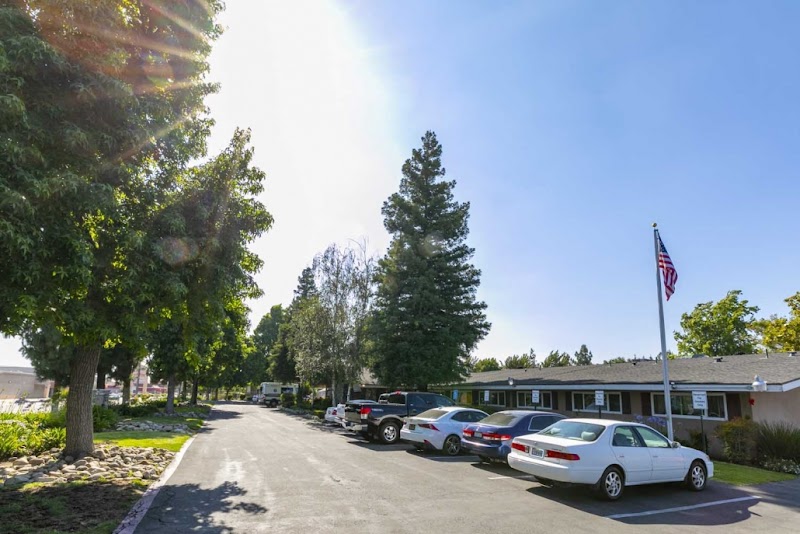
Who Owns and Operates Claremont?

CLAREMONT CARE CENTER is owned by a for-profit company. For-profit facilities operate as businesses with obligations to shareholders or private owners. The facility is operated by THE ENSIGN GROUP, a chain that manages multiple nursing homes. With 99 certified beds and approximately 84 residents (about 85% occupancy), it is a smaller facility located in POMONA, California.
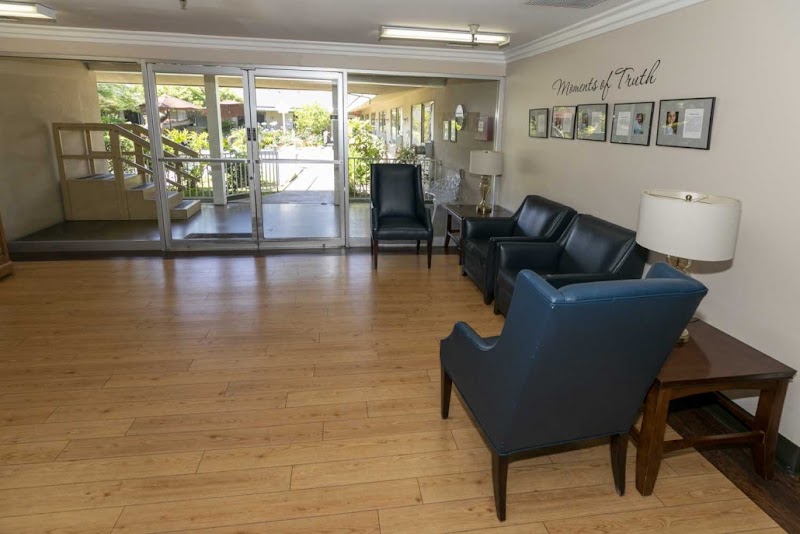
How Does Claremont Compare to Other California Nursing Homes?

Compared to the 100 nursing homes in California, CLAREMONT CARE CENTER's overall rating (3 stars) is below the state average of 3.1, staff turnover (34%) is significantly lower than the state average of 46%, and health inspection rating (3 stars) is at the national benchmark.

What Should Families Ask When Visiting Claremont?

Based on this facility's data, families visiting should ask: "Can I visit during a mealtime to observe dining assistance and food quality?" "How do you handle medical emergencies, and what is your hospital transfer rate?" "Can I speak with family members of current residents about their experience?"

Is Claremont Safe?

Based on CMS inspection data, CLAREMONT CARE CENTER has a clean safety record: no substantiated abuse findings (meaning no confirmed cases of resident harm), no Immediate Jeopardy citations (the most serious violation level indicating risk of serious injury or death), and is not on the Special Focus Facility watch list (a federal program monitoring the lowest-performing 1% of nursing homes). The facility has a 3-star overall rating and ranks #100 of 100 nursing homes in California. While no facility is perfect, families should still ask about staff-to-resident ratios and recent inspection results during their visit.

Do Nurses at Claremont Stick Around?

CLAREMONT CARE CENTER has a staff turnover rate of 34%, which is about average for California nursing homes (state average: 46%). Moderate turnover is common in nursing homes, but families should still ask about staff tenure and how the facility maintains care continuity when employees leave.

Was Claremont Ever Fined?

CLAREMONT CARE CENTER has no federal fines on record. CMS issues fines when nursing homes fail to meet care standards or don't correct problems found during inspections. The absence of fines suggests the facility has either maintained compliance or corrected any issues before penalties were assessed. This is a positive indicator, though families should still review recent inspection reports for the full picture.

Is Claremont on Any Federal Watch List?

CLAREMONT CARE CENTER is not on any federal watch list. The most significant is the Special Focus Facility (SFF) program, which identifies the bottom 1% of nursing homes nationally based on persistent, serious quality problems. Not being on this list means the facility has avoided the pattern of deficiencies that triggers enhanced federal oversight. This is a positive indicator, though families should still review the facility's inspection history directly.