COUNTRY OAKS CARE CENTER
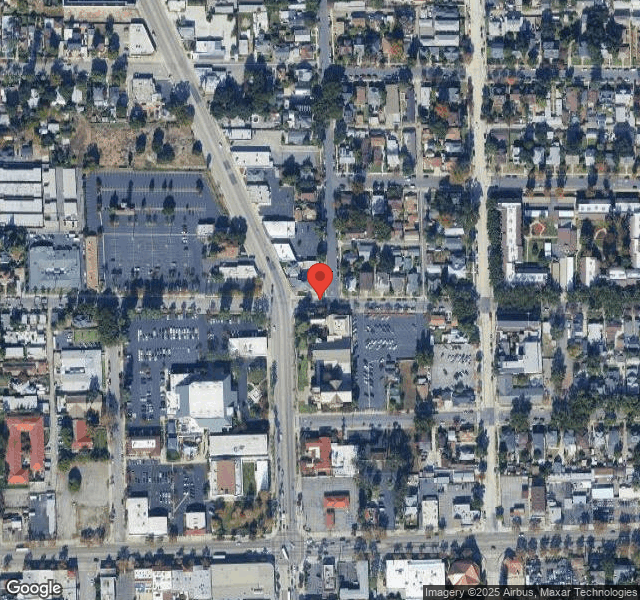

215 W PEARL ST, POMONA, CA 91768 (909) 622-1067
For profit - Limited Liability company 81 Beds DAVID & FRANK JOHNSON Data: November 2025 1 Immediate Jeopardy citation
Trust Grade
26/100
#1004 of 1155 in CA
Last Inspection: March 2025

Within standard 12-15 month inspection cycle. Federal law requires annual inspections.

Overview

Country Oaks Care Center in Pomona, California, has received a Trust Grade of F, indicating significant concerns about its quality of care. Ranking #1004 out of 1155 facilities in California places it in the bottom half, and at #290 out of 369 in Los Angeles County, it is among the least favorable options locally. While the facility is improving, with issues decreasing from 33 in 2024 to 25 in 2025, it still has serious weaknesses; for example, they failed to provide adequate behavioral health care for a resident, leading to unsupervised outings that resulted in aggressive behavior. Staffing is a strength, with a rating of 4 out of 5 stars and a turnover rate of 33%, which is lower than the state average. However, the facility has incurred $24,223 in fines, which is concerning and indicates possible compliance issues. Overall, while there are some positive aspects regarding staffing, the facility's poor inspection grades and specific incidents point to significant areas that families should carefully consider.

Trust Score
F
26/100
In California
#1004/1155
Bottom 14%
Safety Record
High Risk
Review needed
Inspections
Getting Better
33 → 25 violations
Staff Stability
○ Average
33% turnover. Near California's 48% average. Typical for the industry.
Penalties
✓ Good
$24,223 in fines. Lower than most California facilities. Relatively clean record.
Skilled Nurses
○ Average
Each resident gets 35 minutes of Registered Nurse (RN) attention daily — about average for California. RNs are the most trained staff who monitor for health changes.
Violations
⚠ Watch
95 deficiencies on record. Higher than average. Multiple issues found across inspections.
★☆☆☆☆
1.0
Overall Rating
★★★★☆
4.0
Staff Levels
★★★★☆
4.0
Care Quality
★☆☆☆☆
1.0
Inspection Score
Stable
2024: 33 issues
2025: 25 issues

The Good

  • 4-Star Staffing Rating · Above-average nurse staffing levels
  • 4-Star Quality Measures · Strong clinical quality outcomes
  • Full Sprinkler Coverage · Fire safety systems throughout facility
  • No fines on record
  • Staff turnover below average (33%)

    15 points below California average of 48%

Facility shows strength in staffing levels, quality measures, fire safety.

The Bad

1-Star Overall Rating

Below California average (3.1)

Significant quality concerns identified by CMS

Staff Turnover: 33%

13pts below California avg (46%)

Typical for the industry

Federal Fines: $24,223

Below median ($33,413)

Minor penalties assessed

Chain: DAVID & FRANK JOHNSON

Part of a multi-facility chain

Ask about local staffing decisions and management

The Ugly 95 deficiencies on record

1 life-threatening
Jul 2025 3 deficiencies
CONCERN (D) 📢 Someone Reported This

A family member, employee, or ombudsman was alarmed enough to file a formal complaint

Potential for Harm - no one hurt, but risky conditions existed

Comprehensive Care Plan (Tag F0656)

Could have caused harm · This affected 1 resident

**NOTE- TERMS IN BRACKETS HAVE BEEN EDITED TO PROTECT CONFIDENTIALITY** Based on interview and record review, the facility failed to develop a care plan (CP) upon admission for one of three sampled re...

Read full inspector narrative →
**NOTE- TERMS IN BRACKETS HAVE BEEN EDITED TO PROTECT CONFIDENTIALITY** Based on interview and record review, the facility failed to develop a care plan (CP) upon admission for one of three sampled residents (Resident 1) who had a Pleurx catheter (a small, soft tube that doctors put into the chest to help drain extra fluid that builds up around the lungs). that addressed the presence of the device.This failure had the potential to result in unmet individualized needs for Resident 1 and the potential to affect Resident 1's physical well-being. Cross Reference: F684 and F726Findings:During a review of Resident 1's admission Record (AR), the AR indicated the facility admitted Resident 1 on 7/3/2025, and re-admitted the resident on 7/11/2025, with diagnoses including malignant neoplasm of the prostate (a cancerous lump or growth on the small gland in men that helps make fluid for semen), pleural effusion (when extra fluid builds up between the lungs and the chest wall, making it harder to breathe), and neutropenia (when you have too few neutrophils [a type of white blood cell that helps the body fight off infections, especially bacteria]). During a review of Resident 1's Section GG Data Collection Tool, dated 7/3/2025, the data collection tool indicated Resident 1 required partial/moderate assistance (helper does less than half the effort) with activities of daily living (ADL, term used in healthcare that refers to self-care activities) and dependent (helper does all of the effort) and mobility.During a review of Resident 1's History and Physical (H&P), dated 7/5/2025, the H&P indicated Resident 1 had the capacity to understand and make decisions. During a review of Resident 1's General Acute Care Hospital (GAHC) Progress Notes, dated 7/2/2025, the GAHC progress notes indicated Resident 1 had recurrent right pleural effusion with multiple hospital admissions and the ultrasound-guided Pleurx catheter was placed on 6/7/2025. During a concurrent interview and record review on 7/16/2025 at 2:45 PM, Resident 1's CPs were reviewed with Licensed Vocational Nurse (LVN) 1. LVN 1 stated LVN 1 admitted Resident 1 to the facility 7/3/2025, and completed the admission assessment. LVN 1 stated Resident 1 had a Pleurx catheter upon admission. LVN 1 stated a CP specific for Resident 1's Pleurx catheter was not created (develop) at the time of Resident 1's admission. LVN 1 stated that creating a CP for the Pleurx catheter in a timely manner was important to ensure proper catheter monitoring, timely drainage, infection prevention, and clear guidance for staff. LVN 1 stated timely care planning was essential for continuity of care and allowed the care team to provide consistent, safe, and individualized treatment based on the resident's (in general) clinical needs.During an interview on 7/16/2025 at 3:15 PM with the Registered Nurse Supervisor (RNS) 2. RNS 2 stated RNS 2 assisted [LVN 1] with Resident 1's admission on [DATE]. RNS 2 stated Resident 1 had a Pleurx catheter in place at the time of admission and stated staff were responsible for creating CP timely, one specific to the Pleurx catheter. RNS 2 stated CPs were essential for devices like a Pleurx catheter because they provided clear, individualized guidance for [staff] regarding monitoring, catheter drainage, and infection prevention. RNS 2 stated CPs ensured safe, consistent, and proactive care from the moment of admission.During an interview on 7/17/2025 at 1:41 PM, The Director of Staff Development (DSD) stated a CP must be created upon admission, especially for residents who have medical devices such as a Pleurx catheters. The DSD stated [creating CPs] ensured appropriate interventions, monitoring, and staff guidance were in place from [admission].The DSD stated if a CP was not created timely, the team lacked clear direction on how to safely manage the catheter. The DSD stated staff were expected to create CPs for medical devices promptly and upon admission to ensure continuity and quality of care.During a review of the facility's policy and procedure (P&P) titled, Comprehensive Care Plans, revised 12/19/2022, the P&P indicated it is the policy of the facility to develop and implement a comprehensive person-centered CP for each resident, consistent with resident rights, that includes measurable objectives and timeframes to meet a resident's medical, nursing, mental, and psychosocial needs that are identified in the resident's comprehensive assessment. During a review of the facility's P&P titled, Provision of Quality Care, revised 12/19/2022, the P&P indicated based on comprehensive assessments, the facility will ensure that residents receive treatment and care by qualified persons in accordance with professional standards of practice, the comprehensive person-centered CPs, and the residents' choices. The policy explanation and compliance guidelines indicated:1. A comprehensive CP will be developed for each resident in accordance with procedures for development of the CP.2. Responsibility for interventions on the CP will be clearly identified.
CONCERN (D) 📢 Someone Reported This

A family member, employee, or ombudsman was alarmed enough to file a formal complaint

Potential for Harm - no one hurt, but risky conditions existed

Quality of Care (Tag F0684)

Could have caused harm · This affected 1 resident

Based on interview and record review, the facility failed to ensure one of three sampled residents (Resident 1) received treatment and services in accordance with professional standards of practice. T...

Read full inspector narrative →
Based on interview and record review, the facility failed to ensure one of three sampled residents (Resident 1) received treatment and services in accordance with professional standards of practice. The facility failed to obtain a physician's order prior to draining Resident 1's Pleurx catheter (a small, soft tube that doctors put into the chest to help drain extra fluid that builds up around the lungs) on 7/5/2025. This failure placed Resident 1 at risk for complications like hypotension (low blood pressure, complication from Pleurx drainage due to rapid fluid shifts), infection, respiratory complications, and fluid imbalance. Additionally, the failure had the potential to result in a physical decline to Resident 1.Cross Reference: F656 and F726Findings:During a review of Resident 1's admission Record (AR), the AR indicated the facility admitted Resident 1 on 7/3/2025, and re-admitted the resident on 7/11/2025, with diagnoses including malignant neoplasm of the prostate (a cancerous lump or growth on the small gland in men that helps make fluid for semen), pleural effusion (when extra fluid builds up between the lungs and the chest wall, making it harder to breathe), and neutropenia (when you have too few neutrophils [a type of white blood cell that helps the body fight off infections, especially bacteria]). During a review of Resident 1's Section GG Data Collection Tool, dated 7/3/2025, the data collection tool indicated Resident 1 required partial/moderate assistance (helper does less than half the effort) with activities of daily living (ADL, term used in healthcare that refers to self-care activities) and dependent (helper does all of the effort) and mobility.During a review of Resident 1's History and Physical (H&P), dated 7/5/2025, the H&P indicated Resident 1 had the capacity to understand and make decisions. During a review of Resident 1's General Acute Care Hospital (GAHC) Progress Notes, dated 7/2/2025, the GAHC progress notes indicated that Resident 1 had recurrent right pleural effusion with multiple hospital admissions and the ultrasound-guided Pleurx catheter was placed on 6/7/2025. During a concurrent interview and record review on 7/16/2025 at 1:34 PM, Resident 1's Progress Notes, dated 7/5/2025, timed at 5:37 PM, were reviewed with Treatment Nurse (TN) 1. TN 1 confirmed Registered Nurse Supervisor (RNS) 1 and TN 2 drained approximately 1,100 milliliters (mL- a unit of volume) from Resident 1's Pleurx catheter on 7/5/2025, as documented in the progress notes by RNS 1. TN 1 stated there was a physician's order to drain Resident 1's catheter every Monday, Wednesday, and Friday during the day shift and the start date for that order was 7/7/2025. TN 1 stated there was no active order on 7/5/2025 indicating drainage of Resident 1's catheter. TN 1 confirmed drainage of Resident 1's catheter should not have occurred without a valid physician order. TN 1 stated performing a medical procedure like Pleurx catheter drainage without a physician's order [was not in agreement with] professional standards of practice and could place Resident 1 at risk for harm, including hypotension, infection, respiratory complications, or fluid imbalance.During an interview on 7/17/2025 at 12:45 PM, The Director of Staff Development (DSD) stated staff were expected to always ensure a valid physician order was in place prior to performing Pleurx catheter drainage. The DSD emphasized this [obtaining a physician's order prior to performing the drainage] was critical for Resident 1's safety. The DSD stated draining a Pleurx catheter without an active physician order placed the resident at serious risk, such as stress on internal organs, hypotension, or fluid imbalance, particularly if the drainage volume or frequency was not clinically appropriate.During a review of the facility's policy and procedure (P&P) titled, Ambulatory Drainage Catheter (Pleurx), revision dated 12/19/2022 the P&P indicated it is the policy of the facility to establish procedures for care of residents who have an ambulatory drainage catheter such as a Pleurx tube in place. Compliance guidelines indicated:1. The bottle should be drained as per the practitioner's orders and per the manufacturer's instructions. During a review of the facility's P&P titled, Provision of Quality Care, revised 12/19/2022, the P&P indicated based on comprehensive assessments, the facility will ensure that residents receive treatment and care by qualified persons in accordance with professional standards of practice, the comprehensive person-centered CPs, and the residents' choices. The policy explanation and compliance guidelines indicated:1. Each resident will be provided with care and services to attain and maintain his/her highest practicable physical, mental, and psychosocial well-being.During a review of the facility's job description titled, Licensed Vocational Nurse [LVN], dated 2023 indicated LVNs: Provide direct care skills such as colostomy (a surgical procedure that brings one end of the large intestine out through the abdominal wall to allow waste to leave the body) changes, tube feedings, wound care, suctioning, intravenous (IV, a soft flexible tube placed inside a vein, usually in the hand or arm and used to give a person medicine or fluids) administration, etc. in accordance with current policies and procedures. Transcribe physician orders to medical record and carries out orders as written. Establishes a culture of compliance by adhering to all facility policies and procedures. Complies with standards of business conduct, and state/federal regulations and guidelines.During a review of the facility's job description titled, Registered Nurse [RN], dated 2023, the P&P indicated the RNs: Provide direct care skills such as colostomy changes, tube feedings, wound care, suctioning, IV administration, etc. in accordance with current policies and procedures. Transcribe physician orders to medical record and carries out orders as written. Establishe a culture of compliance by adhering to all facility policies and procedures. Complies with standards of business conduct, and state/federal regulations and guidelines.
CONCERN (E) 📢 Someone Reported This

A family member, employee, or ombudsman was alarmed enough to file a formal complaint

Potential for Harm - no one hurt, but risky conditions existed

Deficiency F0726 (Tag F0726)

Could have caused harm · This affected multiple residents

Based on interview and record review, the facility failed to ensure six of six licensed nurses (Treatment Nurses [TN], 1, 2, 3, 4, 5 and 6) had assessments to demonstrate competency for the handling a...

Read full inspector narrative →
Based on interview and record review, the facility failed to ensure six of six licensed nurses (Treatment Nurses [TN], 1, 2, 3, 4, 5 and 6) had assessments to demonstrate competency for the handling and management of Pleurx catheters (a small, soft tube that doctors put into the chest to help drain extra fluid that builds up around the lungs).This failure had the potential to result in compromised safety for the residents with Pleurx catheters and the potential to result in TNs 1, 2, 3, 4, 5, and 6 not to deliver high quality of care when handling Pleurx catheters due to lack of competency validation. Cross Reference: F656 and F684Findings:During an interview on 7/17/2025 at 10:55 AM, Treatment Nurse (TN) 3 stated TN 3 received in-service training on Pleural effusion (a condition where excess fluid builds up in the space between the lungs and the chest wall) and Pleurx catheters a few months ago (no date recall). TN 3 stated TN 3 did not remember completing an assessment to demonstrate TN 3's competency to properly care for resident with or manage Pleurx catheters.During an interview on 7/17/2025 at 1:41 PM with the Director of Staff Development (DSD), the DSD was unable to provide documentation that indicated completed assessments to demonstrate competency for Pleurx catheter handling by TNs (responsible for draining Pleurx catheters). The DSD stated in-service training courses were important for providing information [to staff] and competency assessments were critical to ensure staff could safely and effectively apply the knowledge and put the knowledge into practice. The DSD stated without documented competency assessments, there was no verification to show staff could properly manage Pleurx catheters. The DSD stated this, [lack of assessments] placed residents at risk for complications such as infections, improper drainage, or delayed care.During a review of the facility's Policy and Procedure (P&P) titled, Provision of Quality Care, revised 12/19/2022, the P&P indicated based on comprehensive assessments, the facility will ensure that residents receive treatment and care by qualified persons in accordance with professional standards of practice, the comprehensive person-centered CPs, and the residents' choices. The policy explanation and compliance guidelines indicated:1. Each resident will be provided with care and services to attain and maintain his/her highest practicable physical, mental, and psychosocial well-being.During a review of the facility's assessment (FA) titled, Facility Assessment Tool, updated 1/23/2025, the FA indicated if any staff require certification the facility validate that it's happened upon hire and routinely thereafter. The FA indicated in addition to the regulatory-required training, the facility takes into account the diagnoses, characteristics, and any new conditions of its resident population. The FA indicated the facility develops additional training and skills competencies as needed to provide the level and types of support and care needed by the resident population. The FA indicated the facility also looks at any new regulations and P&Ps when assuring staff competency. The FA indicated the facility may consider the following training and education topics.1. Specialized care - catheterization insertion/care, colostomy care, diabetic blood glucose testing, oxygen administration, suctioning, pre-op and post-op care, trach care/suctioning, ventilator care, tube feedings, wound care/dressings, dialysis care.
Apr 2025 3 deficiencies
CONCERN (D) 📢 Someone Reported This

A family member, employee, or ombudsman was alarmed enough to file a formal complaint

Potential for Harm - no one hurt, but risky conditions existed

Accident Prevention (Tag F0689)

Could have caused harm · This affected 1 resident

Based on observation, interview, and record review, the facility failed to follow the facility ' s policy and procedure (P&P) titled, Safe Resident Handling/Transfers, by failing to ensure one of thre...

Read full inspector narrative →
Based on observation, interview, and record review, the facility failed to follow the facility ' s policy and procedure (P&P) titled, Safe Resident Handling/Transfers, by failing to ensure one of three sampled residents (Resident 1) had two staff members with Resident 1 when staff used a mechanical lift (a device used to assist in lifting and transferring individuals who have difficulty moving independently). This deficient practice had the potential to place Resident 1 ' s safety at risk. Findings: During an observation on 4/15/2025 at 10:43 am, Resident 1 was observed being lifted above the bed on a sling (a soft fabric or mesh material used with a mechanical lift to support and cradle a patient during transfer or movement) attached to a mechanical lift. Restorative Nursing Assistant (RNA) 1 was observed using the mechanical lift to put Resident 1 on the bed and was observed to be the only staff member in the room with Resident 1. During a review of Resident 1 ' s admission Record (AR), the AR indicated the facility admitted Resident 1 on 3/28/2025 with diagnoses that included acute (sudden onset) and chronic (long-term) respiratory failure (a condition where there is not enough oxygen or too much carbon dioxide in the body) with hypoxia (low levels of oxygen in the body tissues), type 2 diabetes mellitus with hyperglycemia (a chronic condition that happens when having persistently high blood sugar levels), and acute pulmonary edema (abnormal buildup of fluid in the lungs). During a review of Resident 1 ' s Minimum Data Set (MDS – a resident assessment tool), dated 3/29/2025, the MDS indicated Resident 1 was understood by others and had the ability to understand others. The MDS indicated Resident 1 was dependent (the assistance of two or more helpers is required for the resident to complete the activity) with oral hygiene, toileting hygiene, showering/bathing self, upper body dressing, lower body dressing, and putting on/taking off footwear. During a review of Resident 1 ' s Care Plan Report (CP), dated 4/6/2025, the CP indicated Resident 1 had an ADL (activities of daily living) self-care performance deficit (the inability to complete activities due to the lack of skills) related to confusion and impaired (weakened) balance. The CP indicated Resident 1 required the use of a mechanical lift with two staff total assistance for transfers. During an interview on 4/15/2025 at 11:14 am, with RNA 1, RNA 1 stated there should have been two staff members present when using a mechanical lift. RNA 1 stated RNA 1 was supposed to put safety first, make sure there were no accidents, and have the mechanical lift in the right place before lifting a resident. During an interview on 4/15/2025 at 11:22 am, with the Director of Staff Development (DSD), the DSD stated staff were aware that there should be two persons assisting at all times when using a mechanical lift. The DSD stated the mechanical lift could tilt down and cause an accident. The DSD stated one staff member was supposed to be maneuvering the mechanical lift, and the other staff member was supposed to be supporting the resident while on a sling. During a review of the facility ' s P&P titled, Safe Resident Handling/Transfer, revised on 12/19/2022, the P&P indicated it was the policy of the facility to ensure that residents are handled and transferred safely to prevent or minimize risks for injury and provide and promote a safe, secure, and comfortable experience for the resident while keeping the employees safe in accordance with current standards and guidelines. All residents require safe handling when transferred to prevent or minimize the risk for injury to themselves and the employees that assist them. While manual lifting techniques may be utilized dependent upon the resident ' s condition and mobility, the use of mechanical lifts are a safer alternative and should be used Two staff members must be utilized when transferring residents with a mechanical lift.
CONCERN (D) 📢 Someone Reported This

A family member, employee, or ombudsman was alarmed enough to file a formal complaint

Potential for Harm - no one hurt, but risky conditions existed

Infection Control (Tag F0880)

Could have caused harm · This affected 1 resident

Based on observation, interview, and record review, the facility failed to follow its policies and procedures (P&P) titled, Hand Hygiene (procedures that included the use of alcohol-based hand rubs (c...

Read full inspector narrative →
Based on observation, interview, and record review, the facility failed to follow its policies and procedures (P&P) titled, Hand Hygiene (procedures that included the use of alcohol-based hand rubs (containing 60%-95% alcohol) and hand washing with soap and water), and Enhanced Barrier Precautions (EBP- set of infection control measures that use personal protective equipment [PPE- equipment worn to minimize exposure to hazards] to reduce the spread of multidrug-resistant organisms [MDRO- organism that is resistant to most antibiotics] by wearing a gown and gloves), for one of four sampled residents (Resident 3) by failing to: 1. Ensure Sitter 1 and Sitter 2 wore gloves while providing care to Resident 3. 2. Ensure Sitter 1 and Sitter 2 performed hand hygiene before donning gloves and providing care to Resident 3. These failures had the potential to transmit and spread infection from staff to residents that could result in widespread infection in the facility. Findings: During a review of Resident 3's admission Record (AR), the AR indicated the facility initially admitted Resident 3 on 12/20/2022, and readmitted Resident 3 on 3/10/2025, with diagnoses that included encounter for attention to gastrostomy tube (G-tube- a surgical opening fitted with a device to allow feedings to be administered directly to the stomach ), encounter for attention to tracheostomy (incision made in the windpipe to relieve an obstruction to breathing), and chronic respiratory failure (serious condition that makes it difficult to breathe on your own) with hypoxia (low level of oxygen in the body that causes confusion, restlessness, and difficulty breathing). During a review of Resident 3's care plan (CP) titled Care Plan Report, initiated 1/23/2025, the CP indicated Resident 3 was on EBP related to tracheostomy and GT. The CP goals indicated the facility would prevent/reduce MDRO transmission through healthcare professional (HCP) use of gowns and gloves while caring for [Resident 3] patients at high risk for MDRO transmission at point of care during specific activities with greatest risk for MDRO contamination of HCP hands, clothes, and the environment. The CP interventions included to apply EBP to prevent the spread of infections for specific care activities such as: morning and evening care, toileting and changing incontinent briefs, caring for devices and giving medical treatment, wound care, mobility assistance, and preparing to leave the room and cleaning and disinfecting the environment as ordered. During a review of Resident 3's Minimum Data Set (MDS- a resident assessment tool) dated 1/27/2025, the MDS indicated Resident 3 had severely impaired cognition (ability to think, remember, and function). The MDS indicated Resident 3 was dependent (helper does all the effort, or the assistance of 2 or more helpers is required) on staff for oral, toileting, and personal hygiene, showering/bathing self, upper and lower body dressing, putting on/taking off footwear, rolling left and right (in bed), sitting to lying, lying to sitting on the side of the bed, sitting to standing, chair/bed-to-chair transfers, and tub/showers transfers. During an observation on 4/16/2025 at 11:35 am, at Resident 3's room doorway, the EBP sign next to Resident 3's door was observed. The EBP sign indicated everyone entering the room must perform hand hygiene before entering, and don (to put on) a gown and gloves. During a concurrent observation and interview on 4/16/2025 at 11:37 am with Sitter 1 and Sitter 2, inside of Resident 3's room, Sitter 1 and Sitter 2 were observed caring for Resident 3. Sitter 2 was repositioning Resident 3 in bed while Sitter 1 was holding Resident 3's tracheostomy tubing. Sitter 1 and Sitter 2 were wearing gowns but were not wearing gloves. Sitter 1 and Sitter 2 were unable to state why wearing gloves was important. Sitter 1 and Sitter 2 then donned gloves, but did not perform hand hygiene before donning gloves. Sitter 1 stated Sitter 1 and Sitter 2 did not perform hand hygiene before entering Resident 3's room. Sitter 1 and Sitter 2 were unable to state why performing hand hygiene was important before entering a resident's room who was on EBP. Sitter 1 and Sitter 2 were unable to state what EBP was. During an interview on 4/16/2025 at 4:10 pm with the Director of Nursing (DON), the DON stated staff were supposed to perform hand hygiene before entering residents' rooms, before and after providing care to residents, when exiting rooms, and before donning PPE. The DON stated wearing gloves was important, especially with EBP residents with GT and tracheostomies, because those residents were at high risk for catching infection. The DON stated if staff were not performing hand hygiene and wearing gloves, they may spread infection to the residents. During a review of the facility's P&P titled, Hand Hygiene, revised 12/19/2022, the P&P indicated all staff would perform hand hygiene procedures to prevent the spread of infection to other personnel, residents, and visitors. The P&P indicated staff would perform hand hygiene when indicated, using proper technique consistent with accepted standards of practice. The P&P indicated the use of gloves did not replace hand hygiene. The P&P indicated if the task required gloves, perform hand hygiene prior to donning gloves, and immediately upon removing gloves. During a review of the facility's P&P titled, Enhanced Barrier Precautions, revised 3/10/2025, the P&P indicated the facility would implement EBP for the preventions of transmission of MDRO. The P&P indicated EBP referred to an infection control intervention designed to reduce transmission of MDRO that employed targeted gown and gloves use during high contact resident care activities. The P&P indicated facility staff would receive training on EBP upon hire and at least annually and were expected to comply with all designated precautions. The P&P indicated EBP was indicated for residents with (including but not limited to) feeding tubes (GT) and tracheostomies.
CONCERN (E) 📢 Someone Reported This

A family member, employee, or ombudsman was alarmed enough to file a formal complaint

Potential for Harm - no one hurt, but risky conditions existed

Medical Records (Tag F0842)

Could have caused harm · This affected multiple residents

**NOTE- TERMS IN BRACKETS HAVE BEEN EDITED TO PROTECT CONFIDENTIALITY** Based on interview and record review, the facility failed to maintain accurate medical records for one of four sampled residents...

Read full inspector narrative →
**NOTE- TERMS IN BRACKETS HAVE BEEN EDITED TO PROTECT CONFIDENTIALITY** Based on interview and record review, the facility failed to maintain accurate medical records for one of four sampled residents (Resident 3), according to the facility's policy and procedure (P&P) titled, Documentation in Medical Record, by failing to: Ensure licensed nurses (LNs) documented the redness on and leaking from Resident 3's gastrostomy tube (G-tube- tube inserted through the belly that brings nutrition directly to the stomach) stoma (surgically created opening in the abdomen) in Resident 3's Progress Notes (PN) under Advanced Skilled Evaluation (PN ASE) between 2/17/2025 and 2/20/2025. This failure had the potential for Resident 3 to not receive the care and services needed to appropriately treat the redness and leaking from Resident 3's G-tube stoma, and for Resident 3 to develop further infection. Findings: During a review of Resident 3's admission Record (AR), the AR indicated the facility initially admitted Resident 3 on 12/20/2022, and readmitted Resident 3 on 3/10/2025, with diagnoses that included encounter for attention to G-tube, encounter for attention to tracheostomy (incision made in the windpipe to relieve an obstruction to breathing), and chronic respiratory failure (serious condition that makes it difficult to breathe on your own) with hypoxia (low level of oxygen in the body that causes confusion, restlessness, and difficulty breathing). During a review of Resident 3's Minimum Data Set (MDS- a resident assessment tool) dated 1/27/2025, the MDS indicated Resident 3 had severely impaired cognition (ability to think, remember, and function). the MDS indicated was dependent (helper does all the effort, or the assistance of 2 or more helpers is required) on the staff for oral, toileting, and personal hygiene, showering/bathing self, upper and lower body dressing, putting on/taking off footwear, rolling left and right (in bed), sitting to lying, lying to sitting on the side of the bed, sitting to standing, chair/bed-to-chair transfers, and tub/showers transfers. During a review of Resident 3's eINTERACT/Change in Condition (CIC- a change in the resident's health or functioning that requires further assessment and intervention) Evaluation (CICE) dated 2/17/2025, timed at 6:23 pm, the CICE indicated Resident 2's G-tube was noted with leaking and redness around the G-tube stoma. During a review of Resident 3's six PN ASE dated 2/17/2025 timed at 10:29 pm, 2/18/2025, timed at 2:37 pm, 2/18/2025, timed at 11:23 pm, 2/19/2025, timed at 9:12 am, 2/20/2025, timed at 9:37 am, and 2/20/2025, timed at 10:44 pm, the six PN ASE indicated no documentation about the redness on Resident 3's G-tube stoma and the leaking coming from Resident 3's G-tube stoma. During an interview on 4/16/2025 at 2:29 pm with Licensed Vocational Nurse (LVN) 3, LVN 3 stated (in general) LNs documented the head-to-toe assessment of their assigned residents in the PN ASE. LVN 3 stated skin assessments were documented in the PN ASE. LVN 3 stated redness and leaking from a G-tube stoma should be documented in the skin assessment of the PN ASE. LVN 3 stated if LNs were not documenting skin assessment in the PN ASE, the LNs may not know if the condition was healing or getting worse. LVN 3 stated if skin issues were not appropriately documented, the LNs may not know if treatments were needed and this could lead to a worsening condition for the resident and, could lead to infection or sepsis. During an interview on 4/16/2025 at 3:17 pm with LVN 1, LVN 1 stated (in general) any resident's skin issues documentation in the (nursing) progress notes needed to match the resident's PN ASE documentation for accuracy. LVN 1 stated if skin issues were not documented in the PN ASE, other staff may not know to check on the resident's skin issue and the skin issue may not get better. LVN 1 stated on 2/19/2025 at 9:12 am, LVN 1 should have documented the redness on and leaking from Resident 3's G-tube stoma, under the skin assessment of Resident 3's PN ASE. During a concurrent interview and record review on 4/16/2025 at 3:53 pm with LVN 5, Resident 3's six PN ASE dated 2/17/2025 timed at 10:29 pm, 2/18/2025, timed at 2:37 pm, 2/18/2025, timed at 11:23 pm, 2/19/2025, timed at 9:12 am, 2/20/2025, timed at 9:37 am, and 2/20/2025, timed at 10:44 pm were reviewed. LVN 5 stated (in general) if a resident had a G-tube, the LNs were supposed to be assessing and documenting the skin around the G-tube, even if the resident did not have any skin issue. LVN 5 stated the LNs did not document that Resident 3 had redness on and leaking from Resident 3's G-tube stoma in Resident 3's PN ASE under the skin assessment dated [DATE], timed at 10:29 pm, 2/18/2025, timed at 2:37 pm, 2/18/2025, timed at 11:23 pm, 2/19/2025, timed at 9:12 am, 2/20/2025, timed at 9:37 am, and 2/20/2025, timed at 10:44 pm. LVN 5 stated between 2/17/2025 and 2/20/2025, the LNs were supposed to assess and document Resident 3's skin status once a shift in the PN ASE. LVN 5 stated Resident 3's PN ASEs should have indicated the leaking and the redness to Resident 3's G-tube stoma under the skin assessment section. During an interview on 4/16/2025 at 4:10 pm with the Director of Nursing (DON), the DON stated it was all LNs' responsibility to complete and document residents' (in general) skin issues every shift in residents' PN ASE. The DON stated accurate documentation was important to ensure appropriate patient care and to capture any new issues in a timely manner so the resident's physician could be notified. The DON stated if a skin issue was not being documented in the PN ASE, then it was possible a resident may not receive the appropriate care, that could lead to skin infection and hospitalization. During a review of the facility's P&P titled, Documentation in Medical Record, revised 12/19/2022, the P&P indicated each resident's medical record would contain a representation of the experiences of the resident and include enough information to provide a picture of the resident's progress. The P&P indicated licensed staff and interdisciplinary team (IDT- group of health care professionals with various areas of expertise who work together toward goals of their residents) member shall document all assessments, observations, and services provided in the resident's medical record in accordance with state law and facility policy. The P&P indicated documentation shall be accurate, relevant, and complete, containing sufficient details about the resident's care and/or responses to care.
Mar 2025 17 deficiencies
CONCERN (D)

Potential for Harm - no one hurt, but risky conditions existed

Deficiency F0558 (Tag F0558)

Could have caused harm · This affected 1 resident

**NOTE- TERMS IN BRACKETS HAVE BEEN EDITED TO PROTECT CONFIDENTIALITY** Based on observation, interview, and record review, the facility failed to ensure a call light was kept within reach for one of ...

Read full inspector narrative →
**NOTE- TERMS IN BRACKETS HAVE BEEN EDITED TO PROTECT CONFIDENTIALITY** Based on observation, interview, and record review, the facility failed to ensure a call light was kept within reach for one of one sampled resident (Residents 55) in accordance with the facility's policy and procedure (P&P), titled, Call Lights: Accessibility and Timely Response. This failure had the potential for Resident 55 to receive delayed care and services necessary to meet the residents' needs. Findings: During a review of Resident 55's admission Record (AR), the AR indicated Resident 55 was admitted to the facility on [DATE] with diagnoses that included difficulty with walking and chronic respiratory failure (condition that occurs when the lungs cannot get enough oxygen) with hypoxia (low levels of oxygen in the body tissues). During a review of Resident 55's Fall Risk assessment (FR- method of assessing a patient's likelihood of falling), dated 1/10/2025, the FR indicated Resident 55 was at risk for falls due to being chair bound, taking three or more medications, and due to the presence of three or more predisposing disease conditions. During a review of Resident 55's Minimum Data Set (MDS - a resident assessment tool) dated 1/15/2025, the MDS indicated, Resident 55 had moderately impaired cognition (mental action or process of acquiring knowledge and understanding) for daily decision making. The MDS indicated, Resident 55 was dependent (helper does all of the effort) to staff for toileting hygiene, showering, lower body dressing, and personal hygiene. During a review of Resident 55's Care Plan (CP), revised 1/16/2025, the CP indicated Resident 55 was at risk for falls related to confusion. The CP's interventions indicated for the nursing staff to place Resident 55's call light within reach and encourage Resident 55 to use the call light for assistance as needed and Resident 55 needed prompt response to all requests for assistance. During a concurrent observation and interview on 3/3/2025 at 1:32 PM, Resident 55 was awake and lying on bed. Resident 55's call light was hanging on a pole located next to Resident 55's head of the bed. Resident 55 stated, I could not find my call light. During a concurrent observation and interview on 3/3/2025 at 1:35 PM, with Licensed Vocational Nurse 1 (LVN 1), LVN 1 stated, Resident 55's call light was hanging on the pole and Resident 55 was unable to reach the call light. LVN 1 stated call lights needed to always be within reach of Resident 55 for safety and in case Resident 55 needed anything from the staff. During an interview on 3/5/2025 at 11:27 AM with the facility's Director of Nursing (DON), the DON stated resident call lights needed to always be within reach for residents to use the call lights when staff assistance was needed. During a review of the facility's P&P, titled, Call Lights: Accessibility and Timely Response, date implemented and revised 12/19/2022, the P&P indicated the facility staff will ensure call lights were within reach of residents and secured, as needed.
CONCERN (D)

Potential for Harm - no one hurt, but risky conditions existed

Deficiency F0578 (Tag F0578)

Could have caused harm · This affected 1 resident

**NOTE- TERMS IN BRACKETS HAVE BEEN EDITED TO PROTECT CONFIDENTIALITY** Based on interview and record review, the facility failed to ensure information regarding an Advance Directive (AD, a written pr...

Read full inspector narrative →
**NOTE- TERMS IN BRACKETS HAVE BEEN EDITED TO PROTECT CONFIDENTIALITY** Based on interview and record review, the facility failed to ensure information regarding an Advance Directive (AD, a written preferences regarding treatment options, a process of communication between individuals and their healthcare agents to understand, reflect on, discuss, and plan for future healthcare decisions for a time when individuals are not able to make their own healthcare decisions) was provided to one of one sampled resident's (Resident 20) Responsible Party (RP) 1 in accordance with the facility's policy and procedure (P&P), titled, Residents' Rights Regarding Treatment and Advance Directives. This deficient practice had the potential to result in lack of knowledge regarding care and treatment decision making and in result in provision of medical treatment that was against RP 1's wishes. Findings: During a review of the Letter of Conservatorship, dated 1/22/2020, the letter indicated RP 1 was Resident 20's Conservator (a court-appointed person responsible for managing the financial and personal affairs of a person who is incapacitated). During a review of Resident 20's admission Record (AR), the AR indicated Resident 20 was admitted to the facility on [DATE] with diagnoses that included encounter for attention to gastrostomy (creation of an artificial external opening into the stomach for nutritional support) and dysphagia (swallowing difficulty). During a review of Resident 20's Minimum Data Set (MDS - a resident assessment tool), dated 1/10/2025, the MDS indicated, Resident 20 had severe impaired cognition (mental action or process of acquiring knowledge and understanding) for daily decision making. The MDS indicated, Resident 20 was dependent (helper does all of the effort) on staff for oral hygiene, toileting hygiene, shower, upper and lower body dressing, putting on/taking off footwear, and personal hygiene. During a review of the AD Acknowledgement Form (found in Resident 20's medical record), dated 2/3/2025, the form indicated Resident 20 executed an AD. During an interview and concurrent record review on 3/3/2025 at 4:16 PM, with the Social Worker (SW), of Resident 20's AD Acknowledgement Form. The SW stated, AD Acknowledgement form indicated Resident 20 executed an AD. The SW stated, Resident 20 and/or Resident 20's Responsible Party (RP), did not execute an AD. The SW stated the Form was filled up incorrectly. The SW stated, AD needed to be discussed and explained to the RP upon admission. During an interview on 03/03/2025 at 4:27 PM with RP 1, RP 1 stated, I had no idea what an advanced directive is, they [the facility] have not discussed advanced directives to me. During an interview on 3/4/2025 at 8:51 AM, with the facility's Director of Nursing (DON), the DON stated, the SD needed to discuss the AD Acknowledgement forms with the RPs (in general) or residents (in general) upon admission. The DON stated, RP 1 needed to understand what an AD was about. The DON stated, the AD Acknowledgement form needed to be filled out properly because it indicated the residents wants and wishes. During a review of the facility's P&P, titled, Residents' Rights Regarding Treatment and Advance Directives, date revised 12/19/2022, the P&P indicated in the event the resident is unable to formulate an AD due to cognitive impairment or deemed by the medical doctor that the resident is incapable of making decisions on his or her own, the facility will provide information and education to the resident representative. The P&P indicated the facility will provide the resident or resident representative information, in a manner that is easy to understand, about the right to refuse medical or surgical treatment and formulate an advance directive. The P&P indicated, upon admission, should the resident have an advance directive, copies will be made and placed on the chart as we as communicated to the staff.
CONCERN (D)

Potential for Harm - no one hurt, but risky conditions existed

Assessment Accuracy (Tag F0641)

Could have caused harm · This affected 1 resident

**NOTE- TERMS IN BRACKETS HAVE BEEN EDITED TO PROTECT CONFIDENTIALITY** Based on observation, interview, and record review, the facility failed to ensure the assessment entries on the Minimum Data Set...

Read full inspector narrative →
**NOTE- TERMS IN BRACKETS HAVE BEEN EDITED TO PROTECT CONFIDENTIALITY** Based on observation, interview, and record review, the facility failed to ensure the assessment entries on the Minimum Data Set (MDS - a resident assessment tool) related to active diagnoses was accurately documented to reflect the resident's health status for one of two sampled residents (Resident 168). This deficient practice resulted in an inaccurate MDS assessment for Resident 168. Resident 168 received Aripiprazole (medication to treat psychosis [mental health condition characterized by a loss of touch with reality]) for 5 days for schizophrenia (a mental illness that is characterized by disturbances in thought, perception, emotions, and social interactions) with no documented diagnosis of schizophrenia. Findings: During a review of Resident 168's admission Record (AR), the AR indicated, Resident 168 was admitted to the facility on [DATE], with diagnoses that included metabolic encephalopathy (a change in how your brain functions), acute and chronic respiratory failure (a condition where you don't have enough oxygen in the tissues in your body) with hypercapnia (when you have too much carbon dioxide in your blood), depression (persistent low mood, loss of interest or pleasure in activities), and unspecified psychosis, not due to a substance or known physiological condition (a severe mental condition in which thought, and emotions are so affected that contact is lost with reality). Resident 168's AR did not list schizophrenia under the Diagnosis Information section. During a review of Resident 168's History and Physical (H&P) dated 2/28/25, the H&P indicated Resident 168 had the capacity to understand and make own decisions. During a review of Resident 168's Minimum Data Set (), dated 3/3/25, the MDS indicated Resident 168's cognition (ability to understand and process information) was cognitively intact, and Resident 168's mood interview indicated a total severity score of 10 (a score of 10 to 14 indicates moderate depression). Resident 168's potential indicators of psychosis indicated none of the above for Hallucinations (seeing, hearing, or smelling things that are not real) and Delusions (unshakable beliefs in something untrue). The MDS indicated Resident 168's active diagnoses selected under Psychiatric/Mood Disorder were Depression (other than bipolar) and Psychotic Disorder (other than schizophrenia). Schizophrenia (e.g., schizoaffective and schizophreniform disorders) was not selected as an active diagnosis. During a review of Resident 168's Medication Administration Record (MAR) for the month of March 2025, the MAR indicated Resident 168 was given Aripiprazole Oral Tablet 20 milligrams (mg- unit of measurement), one time a day for schizoaffective disorder at 9:00 a.m. on 3/1/25, 3/2/25, 3/3/25, and 3/4/25. The MAR indicated the Aripiprazole's start date was 2/28/25 at 9:00 a.m. and the discontinued date was 3/4/25 at 8:03 p.m. During a review of Resident 168's care plan (CP) titled, Care Plan Report, revised on 3/5/2025, the CP indicated resident used psychotropic medications related to Aripiprazole Oral Tablet 20 mg for psychosis manifested by lack of motivation to improve medical condition. The CP goal indicated, The resident will be/remain free of psychotropic drug related complications, including movement disorder, discomfort, hypotension, gait disturbance, constipation/impaction or cognitive/behavioral impairment through 5/28/25. During a concurrent interview and record review on 3/6/25 at 3:26 p.m. Re with the Minimum Data Set Coordinator (MDS C), Resident 168's medical record was reviewed. The MDS C stated Resident 168 had received Aripiprazole for a total of 5 days based on the hospital notes indicating she had schizophrenia. The MDS C reviewed Resident's 168's MDS, dated [DATE], and acknowledged there was no schizophrenia selected as an active diagnosis. During a concurrent interview and record review on 3/6/25 at 5:27 p.m. with the Director of Nursing (DON), Resident 168's electronic medical record was reviewed. The DON stated when Resident 168 was admitted to the facility, the hospital notes indicated, Problem List/Past Medical History: Ongoing: Schizophrenia (Patient Stated). The DON stated, The current MDS assessment should be a Yes for schizophrenia based on the hospital notes and by the fact that Resident 168 received antipsychotic medication from 2/28/25 to 3/4/25. The DON stated currently the MDS indicated No on schizophrenia. The DON acknowledged the MDS assessment, dated 3/3/25 was incorrect for Resident 168. The DON stated it was important for the MDS assessment to be accurate because it's the medical record for Resident 168, and an incorrect assessment can lead to an incorrect diagnosis and the wrong medications given. During a review of the facility's policy and procedure (P&P) titled, MDS 3.0 Completion, revised 12/19/22, the P&P indicated, Policy: Residents are assessed, using a comprehensive assessment process, in order to identify care needs and to develop an interdisciplinary care plan. The P&P indicated, Coding of Assessment: All disciplines shall follow the guidelines in Chapter 3 of the current RAI [Resident Assessment Instrument, a tool that helps nursing home staff assess a resident's needs and strengths] Manual for coding each assessment. During a review of the Long-Term Care Facility Resident Assessment Instrument User's Manual (RAI - manual for the MDS), revised October 2024, the manual indicated the steps for assessment of active diagnoses include: Step 1: Diagnosis identification is a 60-day look-back period. Medical record sources for physician diagnoses include progress notes, the most recent history and physical, transfer documents, discharge summaries, diagnosis/problem list, and other resources available. If a diagnosis/problem list is used, only diagnoses confirmed by the physician should be entered. Diagnostic information, including past history obtained from family members and close contacts, must also be documented in the medical record by the physician to ensure validity and follow-up. Step 2: Diagnosis status: Active or Inactive is a 7-day look back period. Once a diagnosis is identified, it must be determined if the diagnosis is active. Active diagnosis are diagnoses that have a direct relationship to the resident's current functional, cognitive, or mood or behavior status, medical treatments, nursing monitoring, or risk of death during the 7-day look back period. Do not include conditions that have been resolved, do not affect the resident's current status, or do not drive the resident's plan of care during the 7-day look back period, as these would be considered inactive diagnoses.
CONCERN (D)

Potential for Harm - no one hurt, but risky conditions existed

Comprehensive Care Plan (Tag F0656)

Could have caused harm · This affected 1 resident

**NOTE- TERMS IN BRACKETS HAVE BEEN EDITED TO PROTECT CONFIDENTIALITY** Based on interviews and record review, the facility failed to develop a care plan (CP), for one of one sampled resident (Residen...

Read full inspector narrative →
**NOTE- TERMS IN BRACKETS HAVE BEEN EDITED TO PROTECT CONFIDENTIALITY** Based on interviews and record review, the facility failed to develop a care plan (CP), for one of one sampled resident (Resident 52), that included management of intravenous (IV, the administration of substances, such as fluids, medications, or blood products, directly into the vein) therapy for Resident 52. This failure had the potential to result in unmet individualized needs for Resident 52 and the potential to affect the resident's physical well-being. Findings: During a review of Resident 52's MDS dated [DATE], the MDS indicated, Resident 52 had severe impaired cognition (mental action or process of acquiring knowledge and understanding) for daily decision making. The MDS indicated Resident 52 was dependent (helper does all of the effort) on staff for toileting hygiene, showering, lower body dressing, and putting on/taking off footwear. The MDS indicated, Resident 52 needed maximum assistance (helper does more than half the effort) for oral hygiene, upper body dressing, and personal hygiene. During a review of Resident 52's admission Record (AR), the AR indicated Resident 52 was admitted to the facility on [DATE] with diagnoses that included chronic respiratory failure (a condition when the lungs cannot get enough oxygen into the blood) with hypercapnia (presence of excessive amounts of carbon dioxide in the blood) and pneumonia (an infection/inflammation in the lungs), unspecified organism. During a review of Resident 52's Order Summary Report (OSR), dated active as of 3/4/2025, the OSR included a physician order, dated 3/1/2025, to restart intravenous 96 hours and as needed for complications. The order indicated to change the [IV] dressing with site change and as needed. During a concurrent interview and record review on 3/4/2025 at 8:38 AM with Registered Nurse 1 (RN 1), Resident 52's medical records were reviewed. RN 1 stated there was no clinical documentation indicating a CP was initiated or implemented for the management of IV therapy. RN 1 stated [developing CPs was important to] ensure Resident 52 received the proper care and effective interventions from the nursing staff. During a concurrent interview and record review of Resident 52's medical record on 3/5/2025 at 11:12 AM with the facility's Director of Nursing (DON), the DON stated comprehensive CPs needed to be developed and implemented to provide proper treatment to the residents. During a review of the facility's Policy and Procedure (P&P), titled, Comprehensive Care Plans, revised 12/19/2022, the P&P indicated to develop and implement a comprehensive person-centered care plan for each resident, consistent with resident rights, that included measurable objectives and timeframes to meet a resident's medical, nursing, and mental, and psychosocial needs that are identified in the resident's comprehensive assessment.
CONCERN (D)

Potential for Harm - no one hurt, but risky conditions existed

Accident Prevention (Tag F0689)

Could have caused harm · This affected 1 resident

Based on interview and record review the facility failed provide supervision, consistent with the needs of one of one sampled resident (Resident 18), and implement interventions indicated in the facil...

Read full inspector narrative →
Based on interview and record review the facility failed provide supervision, consistent with the needs of one of one sampled resident (Resident 18), and implement interventions indicated in the facility's policy and procedure (P&P) titled, Fall Prevention Program. This deficient practice resulted in Resident 18 experiencing an unwitnessed fall on 2/27/2025 and had the potential to result in injury to Resident 18. Findings: During a review of Resident 18's admission Record (AR), the AR indicated Resident 18 was initially admitted to the facility 2/6/2025 with multiple diagnoses including Alzheimer's disease (a condition that occurs late in life and worsens with time in which brain cells degenerate; it is accompanied by memory loss, physical decline, and confusion) and rheumatoid arthritis (persistent joint inflammation). During a review of Resident 18's Minimum Data Set (MDS - a resident assessment tool) dated 2/12/2025, the MDS indicated Resident 18's cognition (ability to understand and process information) was moderately impaired and Resident 18 required maximal assistance (helper does more than half the effort) from facility staff for moving from a sit to stand position and used a walker. During a review of Resident 18's Fall Risk (FR) assessment, dated 2/16/2025, the FR assessment indicated Resident 18 had a fall risk score of 17 which indicated Resident 18 was at risk for falls. The FR assessment further indicated Resident 18 had a history of three or more falls in the past three months and had a balance problem while standing. During a review of Resident 18's Change in Condition Evaluation (COC, a sudden clinically important deviation from a resident's baseline in physical, cognitive, behavioral, or functional domains), dated 2/16/2025, the COC indicated Resident 18 had a history of falls and a behavior of getting up unassisted. The COC further indicated Resident 18 was found sitting on the floor mat located on the left side of Resident 18's bed. The COC indicated Resident 18 stated Resident 18 had somewhere to be and that was why Resident 18 got up without asking for help. During a review of Resident 18's Change in Condition Evaluation (COC) dated 2/27/2025, timed at 6:40 AM, the COC indicated Resident 18 was noted sitting on the floor with a walker in front of Resident 18. The COC indicated Resident 18 stated Resident 18 lost Resident 18's balance while getting ready for work. The COC further indicated this condition, symptom or sign had occurred before and the treatment for the last episode indicated a sitter at Resident 18's bedside. During a concurrent interview on 3/6/2025 at 1:17 PM with Licensed Vocational Nurse (LVN) 3, LVN 3 stated Resident 18's current fall risk score of 19 and stated the higher the number, the higher the risk for falls. LVN 3 stated Resident 18 was at risk for falls and a sitter (caregiver who supervises residents requiring constant supervision) was implemented after Resident 18 fell a second time on 2/16/2025. During an interview on 3/6/2025 at 1:51 PM with the Director of Staff Development (DSD), the DSD stated the facility implemented a sitter for Resident 18 on 2/16/2025 during the 11 PM to 7 AM shift after Resident 18 fell a second time. During an interview on 3/6/2025 at 2:26 PM with the DSD, the DSD stated the facility had not discontinued Resident 18's sitter from 2/16/2025 to 2/27/2025 and there should have been a sitter for Resident 18 during the night shift. The DSD stated there was no documentation indicating a sitter being present on 2/27/2025 when Resident 18 fell. The DSD stated without documentation [the facility could not prove] a sitter was present at the time of the fall on 2/27/2025. The DSD stated, if a sitter was present, Resident 18 should not have fallen. During an interview on 3/6/2025 at 2:27 PM with Certified Nurse Assistant (CNA) 7, CNA 7 stated Resident 18 had fallen around shift change at 6:30 AM and there was no staff watching Resident 18 when CNA 7 started CNA 7's shift. During an interview on 3/6/2025 at 4:36 PM with the Director of Nursing (DON), the DON stated Resident 18's fall could have been prevented if someone had been monitoring [supervising] Resident 18. During a review of the facility's P&P titled, Fall Prevention Program, revised 12/19/2022, the P&P indicated the nurse and/or interdisciplinary team will initiate interventions on the resident's care plan, in accordance with the resident's level of risk. The P&P further indicated to provide additional interventions as directed by the resident's assessment including but not limited to: iii. Sitter, if indicated.
CONCERN (D)

Potential for Harm - no one hurt, but risky conditions existed

Incontinence Care (Tag F0690)

Could have caused harm · This affected 1 resident

**NOTE- TERMS IN BRACKETS HAVE BEEN EDITED TO PROTECT CONFIDENTIALITY** Based on observation, interview, and record review, the facility failed to follow appropriate infection control guidelines relat...

Read full inspector narrative →
**NOTE- TERMS IN BRACKETS HAVE BEEN EDITED TO PROTECT CONFIDENTIALITY** Based on observation, interview, and record review, the facility failed to follow appropriate infection control guidelines related to a urinary catheter bag lying on the floor for a resident with an indwelling urinary catheter for 1 of 2 sampled residents (Resident 167). This deficient practice had the potential to result in urinary tract infections for Resident 167. Findings: During a review of Resident 167's admission Record (AR), the AR indicated, Resident 167 was initially admitted to the facility on [DATE], and then readmitted on [DATE] with diagnoses that included anoxic brain damage (where the brain is deprived of oxygen for a prolonged period, leading to damage or death of brain cells), chronic respiratory failure with hypoxia (the lungs cannot deliver enough oxygen to the body over time, leading to chronic oxygen deficiency), Moyamoya disease (certain arteries in the brain are constricted), dependence on ventilator status (a serious medical condition that occurs when a patient is unable to breathe independently), encounter for attention to tracheostomy, (routine care for a surgical procedure that creates an opening in the front of the neck and inserts a tube into the windpipe), and neuromuscular dysfunction of bladder (bladder muscles and nerves responsible for urine control are not functioning properly due to damage to the nervous system). During a review of Resident 167's History and Physical (H&P), dated 2/25/25, the H&P indicated Resident 167 did not have the capacity to understand and make decisions. During a review of Resident 167's care plan (CP) titled, Care Plan Report, initiated on 2/25/25 and revised 3/3/25, the CP indicated Resident 167 had indwelling catheter due to neurogenic bladder/urinary retention. The CP goal indicated, The resident will show no s/sx (signs/symptoms) of urinary infection through review date (5/24/25). The CP indicated, The resident will be/remain free from catheter-related trauma through review date (5/24/25). The CP interventions included to position the catheter bag and tubing below the level of the bladder and away from entrance room door. During a review of Resident 167's Treatment Administration Record (TAR)for March 2025, the TAR indicated, Indwelling Foley Catheter 16F/10CC (16 French size [used to size catheters by their outer circumference], 10CC [10 milliliters of sterile water, balloon size to hold the catheter in place in the bladder]) maintenance change every day shift starting on the 20th and ending on the 20th every month for urinary retention. During an observation on 3/5/25 at 10:15 a.m. in Resident 167's room, Resident 167's foley catheter bag was observed lying on the floor. During a concurrent observation and interview on 3/5/25 at 10:17 a.m., in Resident 167's room, with the Infection Preventionist Nurse (IPN), the IPN stated, the foley catheter bag should not be lying on the floor because it is a potential source of infection for the resident. The IPN stated, All staff (Registered Nurses, Licensed Vocational Nurses [LVNs], and Certified Nursing Assistants [CNAs]) are able to see the foley catheter bag in that position and should be able to place it in the correct height. During an observation on 3/5/25 at 10:20 a.m., in Resident 167's room, LVN 5 was observed raising Resident 167's bed to a height where the foley catheter bag was no longer lying or touching the floor. During an interview on 3/5/25 at 10:25 a.m. with CNA 2, CNA 2 stated he was the CNA assigned to Resident 167. CNA 2 stated he received in-services such as patient care, positioning, and foley catheter every other week. CNA 2 was shown a picture of Resident 167's foley catheter bag lying on the floor next to the bed, and CNA 2 stated, The foley bag should not touch or lie on the floor because it is unclean, and you don't know what is on the floor; it could cause an infection to the resident. CNA 2 acknowledged the foley bag lying on the floor was an infection control issue, and CNA 2 stated if he saw any foley bags touching or lying on the floor in the other resident rooms, he would make sure to raise them to the proper height. During a follow up interview on 3/5/25 at 10:43 a.m. with LVN 5 regarding Resident 167's foley bag, LVN 5 stated she noticed the foley bag lying on the floor when LVN 5 went to check on Resident 167. LVN 5 stated, That is why I raised the bed, so the foley bag would be off the floor. LVN 5 acknowledged that the foley bag should not be touching or lying on the floor because the bag and tubing were a direct line to the resident and may cause an infection if it was contaminated or result in an injury to the resident if someone were to trip on the foley bag. During a review of the facility's policy and procedure (P&P) titled, Appropriate Use of Indwelling Catheters, revised 12/19/22, the P&P indicated, Policy Explanation and Compliance Guidelines: . Indwelling urinary catheters (urethral or suprapubic) will be utilized in accordance with current standards of practice, with interventions to prevent complications to the extent possible. The plan of care will address the use of an indwelling urinary catheter, including strategies to prevent complications.
CONCERN (D)

Potential for Harm - no one hurt, but risky conditions existed

Respiratory Care (Tag F0695)

Could have caused harm · This affected 1 resident

**NOTE- TERMS IN BRACKETS HAVE BEEN EDITED TO PROTECT CONFIDENTIALITY** Based on observation, interview, and record review, the facility failed to ensure one of three sampled resident's (Resident 50) ...

Read full inspector narrative →
**NOTE- TERMS IN BRACKETS HAVE BEEN EDITED TO PROTECT CONFIDENTIALITY** Based on observation, interview, and record review, the facility failed to ensure one of three sampled resident's (Resident 50) nasal cannula tubing (a medical device, a soft tubing, used to deliver supplemental oxygen, the tube's ends splits into two prongs) was place properly by placing both nasal prongs in the Resident 50's nostrils in accordance with the facility's policy and procedure (P&P), titled, Oxygen administration. This deficient practice placed Resident 50 at risk for shortness of breath and/or hypoxia (low levels of oxygen in the body tissues) and had the potential to result in a physical decline to Resident 50. Findings: During a review of Resident 50's admission Record (AR), the AR indicated Resident 50 was admitted to the facility on [DATE] with diagnoses that included chronic respiratory failure (a condition where the lungs cannot get enough oxygen into the blood) with hypoxia (the body's tissues do not receive enough oxygen), dependence on supplemental oxygen, and encounter for attention to tracheostomy (surgical opening in the throat in which a tube is placed for the resident's breathing). During a review of Resident 50's Minimum Data Set (MDS - a federally mandated resident assessment tool) dated 1/9/2025, the MDS indicated, Resident 50 had severe impaired cognition (mental action or process of acquiring knowledge and understanding) for daily decision making. The MDS indicated, Resident 50 was dependent (helper does all of the effort) on staff for oral hygiene, toileting hygiene, showers, upper/lower body dressing, putting on/taking off footwear, and personal hygiene. During a review of Resident 50's Order Summary Report (OSR), dated active as of 3/4/2025, the OSR included a physician order, dated 1/26/2025, the order indicated to apply oxygen via nasal cannula at one liter (L, unit of measurement) per minute (L/min), may titrate oxygen to maintain oxygen saturation (is a measure of how much oxygen the blood is carrying as a percentage of the maximum it could carry) greater or equal to 92 percent (%) every shift. During a review of Resident 50's care plan (CP), revised on 1/26/2025, the CP indicated Resident 50 had history of chronic respiratory failure with hypoxia. The CP's interventions indicated for staff to administer oxygen as ordered [by the physician] to Resident 50. During an observation on 3/3/2025 at 11:45 AM, Resident 50 was asleep, lying in bed. The nasal cannula was located on Resident 50's forehead. During a concurrent observation and interview on 3/3/2025 at 11:48 AM with the facility's Infection Prevention Nurse (IPN), the IPN stated, the nasal cannula was not placed in Resident 50's nostrils. The IPN stated, nasal cannulas needed to be inside both nostrils to ensure proper oxygen delivery that was ordered by the medical doctor. The IPN stated, if the nasal cannula was not placed in both nostrils, Resident 50's oxygen saturation would drop. During an interview on 3/5/2025 at 11:15 AM with the facility's Director of Nursing (DON), the DON stated nasal cannulas needed to be inside the nostrils for Resident 50 to get the right amount of oxygen therapy needed. The DON stated, if nasal prongs were not placed in both nostrils, it could result in shortness of breath and poor oxygenation to Resident 50. During a review of the facility's P&P, titled, Oxygen Administration, revised 5/20/2024, the P&P indicated, oxygen is administered to residents who need it, consistent with professional standards of practice. The P&P indicated oxygen is administered under order of a physician.
CONCERN (D)

Potential for Harm - no one hurt, but risky conditions existed

Deficiency F0726 (Tag F0726)

Could have caused harm · This affected 1 resident

**NOTE- TERMS IN BRACKETS HAVE BEEN EDITED TO PROTECT CONFIDENTIALITY** Based on observation, interview, and record review, the facility failed to ensure one of one sampled staff (Certified Nurse Assi...

Read full inspector narrative →
**NOTE- TERMS IN BRACKETS HAVE BEEN EDITED TO PROTECT CONFIDENTIALITY** Based on observation, interview, and record review, the facility failed to ensure one of one sampled staff (Certified Nurse Assistant 1 [CNA 1]) was competent with providing gastrostomy tube (GT, a tube inserted through the abdomen that delivers nutrition directly to the stomach) care for one of two sampled residents (Resident 20) in accordance with the facility's policy and procedure (P&P), titled Care and Treatment of Feeding Tube. This failure had the potential to place the residents with GTs, under the care of CNA 1, at risk for not having their needs met safely and in a manner that promoted each resident's physical well-being. Cross Reference F693 Findings: During a review of Resident 20's admission Record, the AR indicated Resident 20 was admitted to the facility on [DATE] with diagnoses that included encounter for attention to gastrostomy (creation of an artificial external opening into the stomach for nutritional support) and dysphagia (swallowing difficulty). During a review of Resident 20's Minimum Data Set (MDS, resident assessment tool), dated 1/10/2025, the MDS indicated Resident 20 had severe impaired cognition for daily decision making. The MDS indicated, Resident 20 was dependent on staff for oral hygiene, toileting hygiene, showering, upper and lower body dressing, putting on/taking off footwear, and personal hygiene. During a review of Resident 20's Order Summary Report (OSR), dated active as of 3/4/2025, the OSR included a physician's order, dated 1/23/2025, the order indicated, to administer Isosource 1.5 (nutritional formula) rate at 63 cubic centimeter (cc, unit of measurement) per hour (cc/hr) for 20 hours. The order indicated a start time of 12 noon and an off time of 8 AM or until 1260 cc was infused. During an observation on 3/3/2025 at 9:18 AM, Resident 20 was awake, lying in bed, and CNA 1 was at Resident 20's bedside. Resident 20's GT tubing was hanging on a pole and was disconnected from Resident 20. During an interview on 3/3/2025 at 9:25 AM, with CNA 1, CNA 1 stated, I disconnected the GT feeding from the resident [Resident 20] and hung the tubing on the GT machine. I turned [the machine] off and on. During an interview on 3/3/2025 at 9:26 AM, Licensed Vocational Nurse 1 (LVN 1) stated, the GT feedings should not be disconnected from the residents [by CNAs]. LVN 2 stated, CNAs should not turn on or off the GT machine because they were not licensed to do it. During an interview on 3/5/2024 at 11:21 AM, with the facility's DON, the DON stated, CNAs (in general) were not trained or allowed to [disconnect] turn on/off resident GT feedings. The DON stated, this action was outside of CNAs scope of practice (specific types of activities and tasks that a healthcare professional is legally allowed and qualified to perform, based on their training, education, and license). During a review of the facility's P&P, titled, Care and Treatment of Feeding Tube, revised 12/19/2022, the P&P indicated, it is the policy of this facility to utilize feeding tubes in accordance with current clinical standards of practice.
CONCERN (D)

Potential for Harm - no one hurt, but risky conditions existed

Medication Errors (Tag F0758)

Could have caused harm · This affected 1 resident

**NOTE- TERMS IN BRACKETS HAVE BEEN EDITED TO PROTECT CONFIDENTIALITY** Based on interview and record review, the facility failed to ensure specific indication for the use of Ativan (medication used t...

Read full inspector narrative →
**NOTE- TERMS IN BRACKETS HAVE BEEN EDITED TO PROTECT CONFIDENTIALITY** Based on interview and record review, the facility failed to ensure specific indication for the use of Ativan (medication used to treat anxiety [group of mental disorders characterized by feelings of anxiety [an unpleasant state of inner turmoil] and fear]) for one of five sampled residents (Resident 55) as indicated in the facility's policy and procedure (P&P), titled Use of Psychotropic [medications that affect the brain and nervous system, used to treat mental health conditions], Medications. This deficient practice had the potential to result in the use of unnecessary psychotropic drugs and result in an adverse drug event (injuries resulting from medication use including physical and mental harm, or loss of function) to Resident 55. Findings: During a review of Resident 55's admission Record (AR), the AR indicated Resident 55 was admitted to the facility on [DATE] with diagnoses that included difficulty with walking and chronic respiratory failure (a condition where the lungs cannot get enough oxygen into the blood) with hypoxia (low levels of oxygen in the body tissues). During a review of Resident 55's Minimum Data Set (MDS - a federally mandated resident assessment tool), dated 1/15/2025, the MDS indicated Resident 55 had moderate impaired cognition (mental action or process of acquiring knowledge and understanding) for daily decision making. The MDS indicated Resident 55 was dependent (helper does all of the effort) on staff for toileting hygiene, showers, lower body dressing, and personal hygiene. During a review of Resident 55's Order Summary Report (OSR), dated active as of 3/4/2025, the OSR included a physician order, dated 2/24/2025, the order indicated Ativan 1 milligram (mg, unit of measurement) via gastrostomy tube (GT, a tube inserted into the stomach through a surgical incision used for feeding and administration of medications for a residents who are unable to swallow) every six hours as needed for agitation for 14 days manifested by constant fidgeting. During a concurrent interview and record review on 3/5/2025 at 11:09 AM with the facility's Director of Nurses (DON), Resident 55's medical records were reviewed. The DON stated Resident 55's indication for use [agitation] for Ativan was not a specific diagnosis. The DON stated, to administer Ativan, the medication needed to have a proper and specific diagnosis with symptoms. The DON stated, agitation is not a specific diagnosis or indication for Ativan use. During a review of the facility's P&P, titled, Use of Psychotropic Medications, revised 12/19/2022, the P&P indicated, residents are not given psychotropic drugs (psychiatric medicines that alter chemical levels in the brain which impact mood and behavior) unless the medication is necessary to treat a specific condition, as diagnosed and documented in the clinical record, and the medication is beneficial to the resident. The P&P indicated, PRN (given as needed or requested) orders for all psychotropic drugs shall be used only when the medication is necessary to treat a diagnosed specific condition that is documented in the clinical record.
CONCERN (D)

Potential for Harm - no one hurt, but risky conditions existed

Food Safety (Tag F0812)

Could have caused harm · This affected 1 resident

Based on observation, interview, and record review, the facility failed to ensure proper food handling practices by one of three dietary staff observed during lunch tray line. This deficient practice ...

Read full inspector narrative →
Based on observation, interview, and record review, the facility failed to ensure proper food handling practices by one of three dietary staff observed during lunch tray line. This deficient practice had the potential for cross-contamination of food that could result in food borne illness (any illness resulting from eating contaminated/spoiled foods) for 31 of 64 residents who received food from the kitchen. Findings: During an observation of the kitchen tray line on 3/5/25 at 12:03 p.m., the cook, who was assisting the dietary assistant (DA) with plating lunch food, was observed wearing blue nitrile gloves and using silver oven mittens to hold plates, and then passing the plates to the DA who was placing food on the plates. The cook was observed using silver oven mittens to remove hot plates from the oven. The cook was observed touching the top of table with blue gloves, then touching the top of the oven mittens that were lying off to the side on the table. Next, the cook was observed slicing bread (to be served with lasagna); the cook holding the knife in her right hand (with the blue glove) and holding the bread as it was sliced with her left hand (with the blue glove). The cook did not change gloves before touching the bread (after touching the oven, the table, and then touching the top of the silver mitten). The cook was also observed wearing on the left hand (silver oven mitten) and on the right hand (with blue glove) receiving a plate with food on it from the DA, then the cook placed the plate cover over the food and gave the plate to another dietary staff to place on the food rack. During an interview on 3/5/25 at 12:15 p.m. with the Dietary Supervisor (DS), the DS stated the cook should change her gloves before touching the bread because of cross-contamination from touching other areas in the kitchen. The DS stated when handling ready-to-eat foods like bread, staff should not transfer potential bacteria from surfaces like tables to the food directly, which can lead to a food borne illness for the residents. During a review of the facility's policy and procedure (P&P) titled, Personal Hygiene-Safety Food Handling-Infection Control, revised 12/19/22, the P&P indicated, Policy: Guidelines for personal hygiene to promote a safe and sanitary department must be followed. Gloves should be used when touching ready-to-eat (RTE) foods. RTE foods are foods that will not receive additional cooking. Examples of RTE foods are sandwiches, salads, ice, and similar foods. Utensils such as scoops, tongs, or ladles can also be used to handle RTE foods. Ice is considered an RTE food and must be handled accordingly. When retrieving ice from the ice machine, use a scoop or gloves. If using gloves, the gloves have to be changed if staff touch equipment or other items that might cause cross-contamination of the ice. During a review of the facility's policy and procedure (P&P) titled, Food Safety and Food Storage, revised 11/4/24, the P&P indicated, Food will also be stored, prepared, distributed and served in accordance with professional standards for food service safety. The P&P indicated, Policy Explanation and Compliance Guidelines: Food safety practices shall be followed throughout the facility's entire food handling process. This process begins when food is received from the vendor and ends with delivery of the food to the resident . Preparation of food, including thawing, cooking, cooling, holding and reheating . Distribution and service of food to the resident, including transportation, set up, and assistance. The P&P indicated, When preparing food, staff shall take precautions in critical control points in the food preparation process to prevent, reduce, or eliminate potential hazards . Foods and beverage shall be distributed and served to residents in a manner to prevent contamination and maintain food at the proper temperature and out of the Danger Zone. The P&P indicated, Staff shall adhere to safe hygienic practices to prevent contamination of foods from hands or physical objects . Additional strategies to prevent foodborne illness include, but are not limited to . Preventing cross contamination of foods. During a review of the U.S. Food and Drug Administration Food Code, dated 2017, the food code indicated, 3-304.15 Gloves, Use Limitation. (A) If used, SINGLE-USE gloves shall be used for only one task such as working with READY-TO-EAT FOOD or with raw animal FOOD, used for no other purpose, and discarded when damaged or soiled, or when interruptions occur in the operation. (B) Except as specified in (C) of this section, slash-resistant gloves that are used to protect the hands during operations requiring cutting shall be used in direct contact only with FOOD that is subsequently cooked as specified under Part 3-4 such as frozen FOOD or a PRIMAL CUT of MEAT. (C) Slash-resistant gloves may be used with READY-TO-EAT FOOD that will not be subsequently cooked if the slash-resistant gloves have a SMOOTH, durable, and nonabsorbent outer surface; or if the slash-resistant gloves are covered with a SMOOTH, durable, nonabsorbent glove, or a SINGLE-USE glove. (D) Cloth gloves may not be used in direct contact with FOOD unless the FOOD is subsequently cooked as required under Part 3-4 such as frozen FOOD or a PRIMAL CUT of MEAT.
CONCERN (E)

Potential for Harm - no one hurt, but risky conditions existed

Safe Environment (Tag F0584)

Could have caused harm · This affected multiple residents

**NOTE- TERMS IN BRACKETS HAVE BEEN EDITED TO PROTECT CONFIDENTIALITY** Based on observation, interview, and record review, the facility failed to maintain a clean, safe, sanitary, and homelike enviro...

Read full inspector narrative →
**NOTE- TERMS IN BRACKETS HAVE BEEN EDITED TO PROTECT CONFIDENTIALITY** Based on observation, interview, and record review, the facility failed to maintain a clean, safe, sanitary, and homelike environment for the following: a. 1 of 1 kitchen affecting 31 of 64 residents, who received food from the kitchen. b. 2 resident rooms affecting 4 residents (Resident 54, Resident 14, Resident 43, and Resident 45) c. Bathroom [ROOM NUMBER] affecting 4 residents (Resident 16, Resident 34, Resident 166, and Resident 167). This practice had the potential for residents to be exposed to dirt, mold, rust and drywall dust, which can lead to a decline in the residents' health and result in irritation of the eyes, skin, nose, throat, and lungs. This deficient practice could result in prolonged exposure that could cause serious problems such as acute (sudden) respiratory illness, persistent coughing, and asthma (narrowed airways in the lungs that make it difficult to breath). Findings: a. During an observation on 3/3/25 at 8:41 a.m., two areas of the kitchen ceiling near the food preparation were observed with plaster that was cracked/bubbled. During an interview on 3/3/25 at 8:45 a.m., in the kitchen, with the Dietary Supervisor (DS), the DS stated the ceiling was not currently leaking. The DS stated the Maintenance Department fixed the ceiling area a few months ago. During an observation on 3/3/25 at 8:50 a.m., in the kitchen, the floor adjacent to the sink area and stove, was observed with white tiles worn with black marks and cracks, with the floor tile raised. The floor area near the rack for plates was observed with cracked/missing tile area and chipped (3 inches by 1.5 inches) and the floor area near the stainless-steel food prep table was missing tile and chipped (1 inch by 4 inches). During an interview on 3/3/25 at 8:55 a.m., in the kitchen, with the DS, the DS stated the floor were cleaned daily, but the black marks remained, and staff were unable to remove the marks. The DS stated she informed the Maintenance Department and had asked for a new floor in this kitchen area. During an interview on 3/5/25 at 9:45 a.m. with the Maintenance Supervisor (MS), the MS acknowledged the kitchen needed repairs due to the conditions posed a hazard to the health of the residents. The MS acknowledged that cracked plaster and the chipped tile had dust and could make the food prep area in the kitchen unsanitary. The MS stated he would start all repairs immediately. b. During an observation on 3/3/25 at 10:27 a.m., in Room A, a wall area of unpainted plaster (15 inches by 20 inches) was observed under the window and to the right of Resident 54's bed. During an interview on 3/3/25 at 10:35 a.m., in Room A, with Certified Nursing Assistant (CNA) 6, CNA 6 stated she reported room repairs to the Maintenance Department via a log at the nursing station. CNA 6 stated she did not know if the unpainted plaster near Resident 54's bed was reported to the Maintenance Department. During an interview on 3/3/25 at 11:25 a.m., in the hallway near Room A, with the MS, the MS stated he previously repaired the wall by Resident 54's bed because staff hit and damaged the wall with the Hoyer lift (a mechanical device used by nurses to safely lift and transfer patients with limited mobility). The MS stated he did not paint the plastered area. The MS stated he should have painted the plastered wall after he made the repair. During an observation on 3/3/25 at 11:33 a.m., in Room B (Resident 14, Resident 43 and Resident 45's room), a wall area (4 inches by 25 inches) of unpainted plaster with peeling paint, directly below the air conditioning unit, was observed. During an interview on 3/3/25 at 11:35 a.m., in Room B, with Licensed Vocational Nurse (LVN) 8, LVN 8 stated she would report the wall repair issue to maintenance and record the issue in the logbook at the nursing station. LVN 8 stated she did not know if the wall repair issue was reported, and she would have to check the logbook. LVN 8 stated the unpainted wall was a health risk for all 3 residents (Resident 14, Resident 43, and Resident 45) in the room because of the possibility of plaster dust blowing in the room when the air conditioner was turned on. During a review of the Maintenance Department's logs titled, Wall Penetration, dated January 2024 to December 2024, the logs did not indicate any repairs were made to Room A or Room B nor were Room A or Room B listed on the logs as needing repairs. During a review of the Maintenance Department's logs titled, Maintenance Checklist, dated December 2024 to February 2025, the logs did not indicate any wall, painting, caulking or plastering repairs for Room A or Room B. c. During an observation on 3/3/25 at 12:45 p.m., in Bathroom [ROOM NUMBER] (shared bathroom between Resident 16, Resident 34, Resident 166 and Resident 167), the following were observed: 1. On the left corner and right corner of the toilet and along the baseboard was a dark black substance. 2. On the left and right side of the toilet the baseboard along the wall was warped. 3. Around the water shut off valve on the left side of the toilet there was a brown substance, and the wall area was cracked and peeling. 4. On the right side of the toilet, the tile floor had a 3-inch crack with a ¼ inch groove in the tile. 5. The safety grab bar by the left side of the toilet had cracked and peeling plaster with an exposed screw where the grab bar was fastened to the wall. 6. On the right side of the bathroom sink there was a 3-inch crack and black substance where the sink met the wall. 7. Under the bathroom sink and on/around the plumbing cleanout (an accessible plug or fitting that allows you to access the drain line for cleaning and unclogging) there was a brown color substance and cracked/peeling plaster. 8. Under the bathroom sink along the baseboard was crack/unpainted plaster. During a review of the Maintenance Department's logs titled, Wall Penetration, dated January 2024 to December 2024, the logs did not indicate any repairs were made to Bathroom [ROOM NUMBER] nor were Bathroom [ROOM NUMBER] listed on the logs as needing repairs. During a review of the Maintenance Department's logs titled, Maintenance Checklist, dated December 2024 to February 2025, the logs did not indicate any bathrooms listed as part of the maintenance checklist. During an interview on 3/5/25 at 10:30 a.m., in Bathroom #,1 with the MS, the MS acknowledged Bathroom [ROOM NUMBER], and other residents' rooms and bathrooms that were reviewed by a walk-through, needed repairs due to the conditions pose a hazard to the health of the residents. The MS acknowledged the conditions of the rooms and bathrooms were not home-like for the residents. The MS stated he would start all repairs immediately. During a review of Resident 14's admission Record (AR), the AR indicated, Resident 14 was originally admitted to the facility on [DATE], and readmitted on [DATE], with diagnoses that included chronic respiratory failure (when your blood has too much carbon dioxide or not enough oxygen), encounter for attention to tracheostomy (artificial opening requiring attention or management), and dependence on respirator [ventilator] status (unable to breathe independently and require a mechanical ventilator to support their breathing). During a review of Resident 16's AR, the AR indicated, Resident 16 was originally admitted to the facility on [DATE], and readmitted on [DATE], with diagnoses that included metabolic encephalopathy (a change in how your brain functions), chronic respiratory failure (when your blood has too much carbon dioxide or not enough oxygen), and chronic obstructive pulmonary disease (COPD-a chronic lung disease causing difficulty in breathing). During a review of Resident 34's AR, the AR indicated, Resident 34 was originally admitted to the facility on [DATE], and readmitted on [DATE], with diagnoses that included chronic respiratory failure with hypoxia (when your blood does not have enough oxygen), encounter for attention to tracheostomy, and dependence on respirator [ventilator] status. During a review of Resident 43's AR, the AR indicated, Resident 43 was originally admitted to the facility on [DATE], and readmitted on [DATE], with diagnoses that included chronic respiratory failure with hypercapnia (when your blood has too much carbon dioxide), encounter for attention to tracheostomy, and dependence on respirator [ventilator] status. During a review of Resident 45's AR, the AR indicated, Resident 45 was admitted to the facility on [DATE], with diagnoses that included chronic respiratory failure with hypoxia, encounter for attention to tracheostomy, and dependence on respirator [ventilator] status. During a review of Resident 54's AR, the AR indicated, Resident 54 was originally admitted to the facility on [DATE], and readmitted on [DATE], with diagnoses that included metabolic encephalopathy (a change in how your brain functions), chronic respiratory failure with hypoxia , and traumatic subdural hemorrhage without loss of consciousness (when blood collects in the space between the brain and the membrane surrounding the brain after a head injury). During a review of Resident 166's AR, the AR indicated, Resident 166 was originally admitted to the facility on [DATE] with diagnoses that included malignant neoplasm of larynx (a type of cancer that develops in the voice box), chronic respiratory failure with hypoxia (when your blood does not have enough oxygen), and chronic obstructive pulmonary disease (COPD-a chronic lung disease causing difficulty in breathing). During a review of Resident 167's admission Record (AR), the AR indicated, Resident 167 was originally admitted to the facility on [DATE], and readmitted on [DATE], with diagnoses that included chronic respiratory failure with hypoxia, encounter for attention to tracheostomy, and dependence on respirator [ventilator] status. During a review of the facility's policy and procedure (P&P) titled, Maintenance Inspection, revised 12/19/22, the P&P indicated, It is the policy of this facility to utilize a maintenance inspection checklist in order to assure a safe, functional, sanitary, and comfortable environment for residents, staff and the public. The P&P indicated, Policy Explanation and Compliance Guidelines: The Director of Maintenance Services will perform routine inspections of the physical plant using the Maintenance Checklist. The Administrator, or designee, will perform random inspections of the physical plant using the Maintenance Checklist . The facility shall establish quality/compliance thresholds as a benchmark for QA purposes. During a review of the facility's policy and procedure (P&P) titled, Safe and Homelike Environment, revised 12/19/22, the P&P indicated, In accordance with residents' rights, the facility will provide a safe, clean, comfortable and homelike environment . The P&P further indicated, Policy Explanation and Compliance Guidelines: . Housekeeping and maintenance services will be provided as necessary to maintain a sanitary, orderly and comfortable environment.
CONCERN (E)

Potential for Harm - no one hurt, but risky conditions existed

Tube Feeding (Tag F0693)

Could have caused harm · This affected multiple residents

**NOTE- TERMS IN BRACKETS HAVE BEEN EDITED TO PROTECT CONFIDENTIALITY** B. During a review of Resident 20's AR, the AR indicated Resident 20 was admitted to the facility on [DATE] with diagnoses that ...

Read full inspector narrative →
**NOTE- TERMS IN BRACKETS HAVE BEEN EDITED TO PROTECT CONFIDENTIALITY** B. During a review of Resident 20's AR, the AR indicated Resident 20 was admitted to the facility on [DATE] with diagnoses that included encounter for attention to gastrostomy (creation of an artificial external opening into the stomach for nutritional support) and dysphagia (swallowing difficulty). During a review of Resident 20's MDS, dated [DATE], the MDS indicated Resident 20 had severe impaired cognition for daily decision making. The MDS indicated, Resident 20 was dependent on staff for oral hygiene, toileting hygiene, showering, upper and lower body dressing, putting on/taking off footwear, and personal hygiene. During a review of Resident 20's Order Summary Report (OSR), dated active as of 3/4/2025, the OSR included a physician's order, dated 1/23/2025, the order indicated, to administer Isosource 1.5 (nutritional formula) rate at 63 cubic centimeter (cc, unit of measurement) per hour (cc/hr) for 20 hours. The order indicated a start time of 12 noon and an off time of 8 AM or until 1260 cc was infused. During an observation on 3/3/2025 at 9:18 AM, Resident 20 was awake, lying in bed, and CNA 1 was at Resident 20's bedside. The tip of Resident 20's feeding tube was touching the floor. During an interview on 3/3/2025 at 9:24 AM, with LVN 1, LVN 1 stated, the tip of Resident 20's GT tubing was touching the floor. LVN 1 stated, GT tubing should not touch the floor because the floor was dirty. During an interview on 3/3/2025 at 9:25 AM, with CNA 1, CNA 1 stated, I disconnected the GT feeding from the resident and hung the tubing on the GT machine. I turned off and on the machine. During an interview on 3/5/2024 at 11:21 AM, with the facility's DON, the DON stated, CNAs (in general) were not allowed to [disconnect] turn on/off resident GT feedings. The DON stated GT tubing should not touch the floor for infection control [purposes]. During a review of the facility's P&P, titled, Care and Treatment of Feeding Tube, revised 12/19/2022, the P&P indicated, it is the policy of the facility to utilize feeding tubes in accordance with current clinical standards of practice, with interventions to prevent complications to the extent possible. The P&P indicated the use of infection control precautions and related techniques to minimize the risk of contamination. Based on observation, interview, and record review, the facility failed to ensure adequate gastrostomy tube (GT, a tube inserted into the stomach through a surgical incision used for feeding and administration of medications for a resident unable to swallow) treatment and services were provided for two of two sampled residents (Resident 40 and Resident 20), who were receiving enteral feedings (liquid nutrition, delivery of nutrients through a feeding tube directly into the stomach) when: A.On 3/5/2025, Resident 40's GT was observed disconnected from the GT feeding pump with enteral feeding spilling on the floor. B.On 3/3/2025, the facility failed to follow infection control precautions to minimize the risk of GT contamination, Resident 20's GT tip touched the floor. Additionally, the facility failed to utilize feeding tubes in accordance with current clinical standards of practice by failing to ensure Certified Nursing Assistant 1 (CNA 1) did not disconnect or turn Resident 20's GT feeding pump off/on as indicated in the facility's policy and procedure (P&P) titled, Care and Treatment of Feeding Tube. These deficient practices had the potential to result in unmet nutritional needs to Resident 40 and the potential for GT complications to Resident 20. Findings: A. During a review of Resident 40's admission Record (AR), the AR indicated Resident 40 was initially admitted to the facility 6/25/2024 with multiple diagnoses including chronic respiratory failure (condition that occurs when the lungs cannot get enough oxygen) and dysphagia (swallowing difficulties) with GT. During a review of Resident 40's Minimum Data Set (MDS - a resident assessment tool) dated 1/8/2025, the MDS indicated Resident 6 had severely impaired cognition (ability to understand and process information) and was dependent (helper does all of the effort) on facility staff for bathing and toileting. During a review of Resident 40's Medication Review Report (MRR) with date range from 3/1/2025 to 3/31/2025, the MRR indicated Resident 40 had a physician order, start date 3/1/2025, for continuous enteral feeding (uninterrupted administration of enteral formula over extended periods of time) formula: Fibersource HN 1.2 (a nutritionally tube feeding formula with fiber) at a rate of 60 milliliters (mL - unit of volume) per hour for 20 hours until 1200 mLs were infused. During a concurrent observation and interview on 3/5/2025 at 4:12 PM with Licensed Vocational Nurse (LVN) 7, Resident 18's GT feeding pump was powered on and was observed disconnected from Resident 18 with formula spilling from the GT to the floor. LVN 7 stated LVN 7 had powered off the GT feeding pump and disconnected Resident 18 from the GT feeding pump around 3 PM so CNA 1 could give Resident 18 a bed bath. During an interview on 3/5/2025 at 4:16 PM with CNA 4, CNA 4 stated CNA 4's shift began at 3 PM and CNA 4 had received bedside shift report from CNA 1 but was not told Resident 18 was disconnected from the GT feeding machine. CNA 4 stated CNA 4 had not seen when the enteral feeding was disconnected but CNA 4 was not the staff who disconnect Resident 18, and CNA 4 did not know how long the enteral feeding had been spilling on the floor. During an interview on 3/5/2025 at 11:21 AM with the Director of Nursing (DON), the DON stated staff (in general) could lose track of how much enteral feeding a resident had received if a resident was disconnected from the GT feeding pump and a resident could lose weight. During a review of the facility's P&P, titled, Care and Treatment of Feeding Tubes, dated 12/19/2022, the P&P indicated, 9. Direction for staff regarding nutritional products and meeting the resident's nutritional needs will be provided: e. Ensuring that the administration of enteral nutrition is consistent with and follows the practitioner's orders. 10. Direction for staff regarding how to manage and monitor the rate of flow will be provided: c. Periodic evaluation of the amount of feeding being administered for consistency with practitioner's orders.
CONCERN (E)

Potential for Harm - no one hurt, but risky conditions existed

Deficiency F0694 (Tag F0694)

Could have caused harm · This affected multiple residents

**NOTE- TERMS IN BRACKETS HAVE BEEN EDITED TO PROTECT CONFIDENTIALITY** Based on observation, interview, and record review, the facility failed to ensure two of two sampled residents (Resident 52 and ...

Read full inspector narrative →
**NOTE- TERMS IN BRACKETS HAVE BEEN EDITED TO PROTECT CONFIDENTIALITY** Based on observation, interview, and record review, the facility failed to ensure two of two sampled residents (Resident 52 and Resident 116) received care and services for the provision of peripheral IV (intravenous, the administration of substances, such as fluids, medications, or blood products, directly into the vein) site (a thin, flexible tube is inserted through the skin into a small vein in the periphery such as the hand, elbow, or foot and can remain in place for several days) in accordance to facility's policy and procedure (P&P), titled, Intravenous Therapy, when, A and B.On 3/3/2025, Resident 52 and Resident 116's IV sites were not labeled with a date and time, to indicate when the IV dressings were changed. These failures had the potential to result in IV complications and infections to Residents 52 and Resident 116 and the potential to affect the resident's well-being. Findings: A. During a review of Resident 52's MDS dated [DATE], the MDS indicated, Resident 52 had severe impaired cognition (mental action or process of acquiring knowledge and understanding) for daily decision making. The MDS indicated Resident 52 was dependent (helper does all of the effort) on staff for toileting hygiene, showering, lower body dressing, and putting on/taking off footwear. The MDS indicated, Resident 52 needed maximum assistance (helper does more than half the effort) for oral hygiene, upper body dressing, and personal hygiene. During a review of Resident 52's admission Record (AR), the AR indicated Resident 52 was admitted to the facility on [DATE] with diagnoses that included chronic respiratory failure (a condition when the lungs cannot get enough oxygen into the blood) with hypercapnia (presence of excessive amounts of carbon dioxide in the blood) and pneumonia (an infection/inflammation in the lungs), unspecified organism. During a review of Resident 52's Order Summary Report (OSR), dated active as of 3/4/2025, the OSR included a physician order, dated 3/1/2025, to restart intravenous every 96 hours and as needed for complications. The order indicated to change the [IV] dressing with site change and as needed. During a review of Resident 52's Order Summary Report (OSR), dated active as of 3/4/2025, the OSR included a physician order, dated 3/1/2025, the order indicated to administer Zosyn (medication used to kill bacteria and to treat infections) Intravenous solution, 3-0.375 gram (gm, unit of measurement) per 50 millimeter (ml, unit of measurement) IV every six hours for pneumonia (an infection/inflammation in the lungs) for seven days. During an observation on 3/3/2025 at 8:35 AM, Resident 52 was lying in bed and awake. Resident 52's left arm had a peripheral IV site; the dressing was unlabeled and did not indicate a date. During a concurrent observation and interview on 3/3/2025 at 8:37 AM with the Infection Prevention Nurse (IPN), Resident 52 was awake lying in bed and had an IV site on the left arm. The IV site was not labeled with a date or time to indicate when the dressing was last changed. The IPN stated Resident 52's IV site needed to be labeled with a date by the licensed nurse (in general) who inserted the IV line and a time to know when the dressing was last changed for infection control [purposes]. B. During a review of Resident 116's AR, the AR indicated Resident 116 was admitted to the facility on [DATE] with diagnoses that included chronic respiratory failure with hypoxia (body or a region of the body is deprived of adequate oxygen supply) and pneumonia, unspecified organism. During a review of Resident 116's MDS dated [DATE], the MDS indicated Resident 116 had moderately impaired cognition for daily decision making. The MDS indicated, Resident 116 was dependent on staff for oral hygiene, toileting hygiene, showers, upper and lower body dressing, putting on/taking off footwear, and personal hygiene. During a review of Resident 116's Order Summary Report (OSR), dated active as of 3/4/2025, the OSR included a physician order, dated 2/24/2025, indicating to insert a peripheral IV and rotate the site used for medication every 7 days and as needed. During a concurrent observation and interview on 3/3/2025 at 8:41 AM, with the IPN, at Resident 116's bedside, Resident 116 was awake lying in bed with a peripheral IV site on Resident 116's left hand. The site was not dated to when the dressing was changed. During an interview with facility's Director of Nursing (DON) on 3/5/2025 at 11:12 AM, the DON stated IV sites should be labeled with a date, time of IV insertion, and the licensed nurse's initial to identify who and when the IV was changed and to prevent infections. During a review of the facility's P&P, titled, Intravenous Therapy, revised 12/19/2022, the P&P indicated, IV sites are changed every 72 hours unless otherwise ordered by the physician. The P&P indicated in the event an IV site is left in place longer than 72 hours, IV site will be checked for any infiltration (when fluids or medications leak out of the vein and into the surrounding tissues often due to dislodged or a punctured catheter, causing swelling, pain, or burning at the IV site).
CONCERN (E)

Potential for Harm - no one hurt, but risky conditions existed

Pharmacy Services (Tag F0755)

Could have caused harm · This affected multiple residents

**NOTE- TERMS IN BRACKETS HAVE BEEN EDITED TO PROTECT CONFIDENTIALITY** Based on interview and record review, the facility failed to ensure accurate acquiring and dispensing of medications by failing ...

Read full inspector narrative →
**NOTE- TERMS IN BRACKETS HAVE BEEN EDITED TO PROTECT CONFIDENTIALITY** Based on interview and record review, the facility failed to ensure accurate acquiring and dispensing of medications by failing to: A. Ensure accountability of the narcotic (medications that have compounds with paralyzing [causing a person or part of the body to become partly or wholly incapable of movement] or numbing properties) medications stored in one of two medication carts (Med Cart #2) between the off-going nurse and the on-coming nurse on 3/1/2025 for the morning (AM) and the evening (PM) shifts. B. Ensure, the correct dose of Polyvinyl Alcohol Ophthalmic Solution (eyedrops, medication used to relieve eye dryness an soreness, particularly where the dryness is caused by a reduced flow of tears) was administered as ordered by the physician for one of one sampled resident (Resident 50). This deficient practice had the potential to lead to diversion (illegal distribution of abuse of prescription drugs or their use for unintended purposes) of narcotic medications and resulted in an inadequate eyedrop dose administered to Resident 50 with a potential for worsening of Resident 50's eye condition. Findings: A. During an interview on 3/6/2025 at 7:31 AM with Licensed Vocational Nurse (LVN) 6, LVN 6 stated at the beginning of each shift change, the off-going nurse and on-coming nurse counted all the narcotics for the residents designated to the nurse's assigned medication cart. [This was important] to ensure there were no missing medications. LVN 6 stated each nurse signed a log titled, Controlled Substances Shift Count Log (SCL). LVN 6 stated, the signature indicated the licensed nurse had reviewed all the narcotics in the cart and all narcotics from that medication cart were accounted for. During a concurrent interview and record review on 3/6/2025 at 4:38 PM with the Director of Nursing (DON), the facility's SCL for Med Cart #2 was reviewed. The SCL indicated a space for signatures from the off-going nurse and on-coming nurse from 3/1/2025 to 3/31/2025. The DON stated on 3/1/2025 the off-going nurses' signatures (for AM and PM shifts) were missing, and the off-going nurse should have signed the SCL but did not. The DON stated the nurse's signature showed that the narcotics were counted and without the off-going nurse's signature, it was certain if both nurses counted the narcotics together which could lead to the diversion of narcotic medications. During a review of the facility's in-service titled, Medication Administration, dated 2/10/2025. The in-service indicated controlled drug quantities will be verified and reconciled at the change of each nursing shift and this count needed to be documented. B. During a review of Resident 50's admission Record, the AR indicated Resident 50 was admitted to the facility on [DATE] with diagnoses that included chronic respiratory failure (a condition where the lungs cannot get enough oxygen into the blood) with hypoxia (absence of enough oxygen in the tissues to sustain bodily functions), and dependence on supplemental oxygen (colorless, odorless gas) and encounter for attention to tracheostomy (surgical opening in the throat in which a tube is placed for the resident's breathing). During a review of Resident 50's Minimum Data Set (MDS - a federally mandated resident assessment tool), dated 1/9/2025, the MDS indicated, Resident 50 had severely impaired cognition (mental action or process of acquiring knowledge and understanding) for daily decision making. The MDS indicated, Resident 50 was dependent (helper does all of the effort) on staff for oral hygiene, toileting hygiene, shower, upper/lower body dressing, putting on/taking off footwear and personal hygiene. During a review of Resident 50's Order Summary Report (OSR), dated active as of 3/4/2025, the OSR indicated a physician's order, dated 7/31/2024, the order indicated to instill two (2) drops of Polyvinyl Alcohol Ophthalmic Solution on both eyes every 12 hours for dry eyes. During a medication administration observation on 3/5/2025 at 9:08 AM, Licensed Vocational Nurse 2 (LVN 2) administered one drop of Polyvinyl Alcohol Ophthalmic Solution to Resident 50's left eye. During a medication pass observation on 3/5/2025 at 9:11 AM, LVN 2 administered one drop of Polyvinyl Alcohol Ophthalmic Solution to Resident 50's right eye. During a concurrent interview and record review on 3/5/3035 at 9:21 AM of Resident 50's Medication Administration Record (MAR) with LVN 2. The MAR indicated to instill 2 drops of Polyvinyl Alcohol Ophthalmic Solution in both eyes to Resident 50. LVN 2 stated, I administered 1 [eye]drop [to] each eye. LVN 2 stated, Resident 50 would not get the adequate dose of the medication as ordered by the physician. During a concurrent interview and record review on 3/5/2025 at 11:28 AM with the facility's Director of Nursing (DON), Resident 50's electronic medical records (PointClickCare - PCC, a cloud-based software used in long-term and post-acute care facilities) was reviewed. The DON stated, medications would not have the maximum expected effect if the physician's order was not followed correctly. During a review of the facility's policy and procedure (P&P), titled, Medication Administration, revised 12/19/2022, the P&P indicated, medications are administered by licensed nurses, or other staff who are legally authorized to do so in this state as ordered by the physician and in accordance with professional standards of practice. The P&P indicated to review the MAR to identify the medication to be administered.
CONCERN (E)

Potential for Harm - no one hurt, but risky conditions existed

Infection Control (Tag F0880)

Could have caused harm · This affected multiple residents

**NOTE- TERMS IN BRACKETS HAVE BEEN EDITED TO PROTECT CONFIDENTIALITY** B. During a review of Resident 117's AR, the AR indicated the facility initially admitted Resident 117 on 2/19/2025 with diagnos...

Read full inspector narrative →
**NOTE- TERMS IN BRACKETS HAVE BEEN EDITED TO PROTECT CONFIDENTIALITY** B. During a review of Resident 117's AR, the AR indicated the facility initially admitted Resident 117 on 2/19/2025 with diagnoses that included type 2 diabetes mellitus (a disease in which the body's ability to produce or respond to the hormone insulin is impaired, resulting in elevated levels of glucose/sugar in the blood and urine) and Urinary tract infection (UTI- infection that affects part of the urinary tract). During a review of Resident 117's MDS, dated [DATE], the MDS indicated, Resident 117 had intact cognition (mental action or process of acquiring knowledge and understanding) for daily decision making. The MDS indicated, Resident 117 required maximum (helper does more than half of the effort) assistance with toileting hygiene, upper body/lower body dressing and putting on/taking off footwear. The MDS indicated Resident 117 required moderate (helper does less than half of the effort) assistance for oral hygiene, and personal hygiene. During a review of Resident 117's Situation-Background-Assessment-Recommendation (SBAR- a communication tool used by healthcare workers when there is a change of condition among the residents), dated 3/4/2025, timed at 3:15 PM, the SBAR indicated Resident 117 was noted with two episodes of loose stool. The SBAR indicated, to collect stool to rule out Clostridium difficile (C. diff, a type of bacteria that can cause diarrhea and inflammation of the colon). During a review of Resident 117's care plan initiated on 3/5/2025, the care plan indicated Resident 117 was placed on contact isolation. The care plan's interventions included for staff to observed good hand hygiene, to provide education on the importance of maintaining contact precautions and provide an isolation cart in Resident 117's room. During a concurrent observation and interview on 3/6/2025 at 8:18 AM, with the COTA, the COTA was inside Resident 117's room and was not wearing gloves or a gown while assisting Resident 117 with upper body therapy. The COTA stated, he needed to wear [proper PPE] gown and gloves while assisting Resident 117 because Resident 117 was on contact isolation. The COTA stated, proper PPE must be worn to avoid the spread of infections to other residents and staff. During an interview on 3/6/2025 at 9:34 AM with the facility's Infection Preventionist Nurse (IPN), the IPN stated, Resident 117 was still on contact isolation to rule out C-diff. The IPN stated, in a contact isolation room, staff needed to wear a gown, gloves, and a mask before and while performing activities of daily living (ADL, term used in healthcare that refers to self-care activities) or when in contact with the resident to prevent the spread of infections to other residents and staff. During a record review of the facility's P&P, titled, Transmission - Based (Isolation) Precautions, revised 7/18/2023, the P&P indicated contact precautions - donning PPE upon room entry and discarding before exiting the room is done to contain pathogens (an organism that causes disease), especially those that have been implicated in transmission through environmental contamination (e.g. C-diff). The P&P indicated, recommendations included wearing PPE, gloves and gowns for contact precaution. Based on observation, interview, and record review, facility staff failed to implement infection control practices to reduce and/or prevent the spread of infection when: A. One of two staff (Respiratory Therapist, RT) failed to properly wear an isolation (staying away/kept away from others) gown during tracheostomy care (procedure performed routinely to keep tracheostomy [surgical opening created through the neck into the windpipe to allow air to fill the lungs] and the surrounding area clean and reduce the induction of bacteria [living organism that can cause an infection] into the windpipe and lungs) for one of six sampled residents (Resident 6) who was under enhanced barrier precaution (EBP-infection control intervention designed to reduce transmission of multidrug-resistant organisms [MDRO, bacteria that are resistant to three or more classes of antimicrobial drugs] that employs targeted gown and gloves use during high contact resident care activities). B. One of two staff (Certified Occupational Therapy Assistant, COTA) failed to wear proper personal protective equipment (PPE, protective clothing or equipment, designed to protect the wearer from injury or the spread of infection or illness) while assisting one of six sampled residents (Resident 117), who was on contact isolation. This deficient practice had the potential to result in the spread infections throughout and affect the health of the residents and/or facility staff. Findings: A. During a review of Resident 6's admission Record (AR), the AR indicated Resident 6 was initially admitted to the facility 3/22/2011 and the resident was readmitted on [DATE] with multiple diagnoses including chronic respiratory failure (condition that occurs when the lungs cannot get enough oxygen) and quadriplegia (paralysis below the neck that affects all of a person's limbs [arms or legs]). During a review of Resident 6's Minimum Data Set (MDS - a resident assessment tool) dated 1/31/2025, the MDS indicated Resident 6 had severely impaired cognition (ability to understand and process information) and was dependent (helper does all the effort) on facility staff for bathing and toileting. During a review of Resident 6's Medication Review Report (MRR), dated 3/6/2025, the MRR indicated Resident 6 had a physician's order with a start date of 9/4/2024, for EBP related to tracheostomy, gastrostomy tube (feeding tube inserted through the abdomen directly into the stomach), CRE (carbapenem-resistant Enterobacterales, a type of bacteria resistant to most available antibiotics) and a history of ESBL (extended spectrum beta lactamase - enzymes produced by some bacteria that may make them resistant to some antibiotics). During a concurrent observation and interview on 3/6/2025 at 3:30 PM with the RT, outside Resident 6's room, the RT donned (put on) an isolation gown but failed to secure the ties located on the back of the gown. The RT did not fully cover the RT's clothing and the RT's scrubs (sanitary clothing worn by healthcare workers) touched Resident 6's bed. The RT stated the RT forgot to secure the back ties of the gown. The RT stated the isolation gown was required for infection control purposes and a loose gown could lead to contamination and potential spread of infection to other residents. During a review of the facility's policy and procedure (P&P) titled, Enhanced Barrier Precautions, dated, 2024, the P&P indicated it is the policy of this facility to implement enhanced barrier precautions for the prevention of multidrug-resistant organisms. The P&P indicated, EBP was defined as an infection control intervention designed to reduce transmission of MDROs that employs gown, and gloves use during high contact resident care activities.
CONCERN (E)

Potential for Harm - no one hurt, but risky conditions existed

Safe Environment (Tag F0921)

Could have caused harm · This affected multiple residents

**NOTE- TERMS IN BRACKETS HAVE BEEN EDITED TO PROTECT CONFIDENTIALITY** Based on observation, interview, and record review, the facility failed to maintain a safe and sanitary bathroom (Bathroom [ROOM...

Read full inspector narrative →
**NOTE- TERMS IN BRACKETS HAVE BEEN EDITED TO PROTECT CONFIDENTIALITY** Based on observation, interview, and record review, the facility failed to maintain a safe and sanitary bathroom (Bathroom [ROOM NUMBER]) for 4 of 4 sampled residents (Resident 16, Resident 34, Resident 166 and Resident 167). This deficient practice had the potential for residents to be exposed to dirt, mold, rust and drywall dust, which can cause respiratory/breathing problems. Cross Reference F584 Findings: During an observation on 3/3/25 at 12:45 p.m., in Bathroom [ROOM NUMBER] (shared bathroom between Residents 16, 34, 166, and 167) the following were observed: 1. On the left corner and right corner of the toilet and along the baseboard was a dark black substance. 2. On the left and right side of the toilet the baseboard along the wall was warped. 3. Around the water shut off valve on the left side of the toilet there was a brown substance, and the wall area was cracked and peeling. 4. On the right side of the toilet, the tile floor had a 3-inch crack with a ¼ inch groove in the tile. 5. The safety grab bar by the left side of the toilet had cracked and peeling plaster with an exposed screw where the grab bar was fastened to the wall. 6. On the right side of the bathroom sink there was a 3-inch crack and black substance where the sink met the wall. 7. Under the bathroom sink and on/around the plumbing cleanout (an accessible plug or fitting that allows you to access the drain line for cleaning and unclogging) there was a brown color substance and cracked/peeling plaster. 8. Under the bathroom sink along the baseboard was crack/unpainted plaster. During a review of the Maintenance Department's logs titled, Wall Penetration, dated January 2024 to December 2024, the logs did not indicate any repairs were made to Bathroom [ROOM NUMBER] nor were Bathroom [ROOM NUMBER] listed on the logs as needing repairs. During a review of the Maintenance Department's logs titled, Maintenance Checklist, dated December 2024 to February 2025, the logs did not indicate any bathrooms listed as part of the maintenance checklist. During an interview on 3/5/25 at 10:30 a.m. in Bathroom [ROOM NUMBER] with the Maintenance Supervisor (MS), the MS acknowledged Bathroom [ROOM NUMBER], needed repairs due to the conditions pose a hazard to the health of the residents. MS acknowledged the conditions of the bathroom was not home-like for the residents. The MS stated he would start all repairs immediately. During a review of Resident 16's, Resident 34's, Resident 43's, and Resident 45's admission Record (AR), the ARs indicated, all four residents were admitted to the facility with a respiratory diagnoses such as chronic obstructive pulmonary disease (COPD-a chronic lung disease causing difficulty in breathing) or chronic respiratory failure with hypoxia (when your blood does not have enough oxygen), which placed the residents in a vulnerable state of health. During a review of the facility's policy and procedure (P&P) titled, Maintenance Inspection, revised 12/19/22, the P&P indicated, It is the policy of this facility to utilize a maintenance inspection checklist in order to assure a safe, functional, sanitary, and comfortable environment for residents, staff and the public. During a review of the facility's P&P titled, Safe and Homelike Environment, revised 12/19/22, the P&P indicated, In accordance with residents' rights, the facility will provide a safe, clean, comfortable and homelike environment . The P&P further indicated, Policy Explanation and Compliance Guidelines: . Housekeeping and maintenance services will be provided as necessary to maintain a sanitary, orderly and comfortable environment.
MINOR (B)

Minor Issue - procedural, no safety impact

Deficiency F0912 (Tag F0912)

Minor procedural issue · This affected multiple residents

**NOTE- TERMS IN BRACKETS HAVE BEEN EDITED TO PROTECT CONFIDENTIALITY** Based on observation, interview, and record review, the facility failed to ensure 11 of 32 resident rooms (rooms 115, 116, 117, ...

Read full inspector narrative →
**NOTE- TERMS IN BRACKETS HAVE BEEN EDITED TO PROTECT CONFIDENTIALITY** Based on observation, interview, and record review, the facility failed to ensure 11 of 32 resident rooms (rooms 115, 116, 117, 118, 119, 120, 129, 130, 131, 132, 133) met the minimum requirement of 80 square feet (sq.ft. - unit of measure) per resident in bedrooms with more than one resident. This deficient practice had the potential to result in inadequate space for nursing care or resident care devices. Findings: During a review of the facility's Census List, (CL) dated 3/2/2025, the CL indicated rooms 115, 116, 117, 118, 119, 120, 129, 131, 132 and 133 had three beds occupying each room. During a review of the facility's Client Accommodation analysis, (CAA) dated, 3/3/2025 the CAA indicated the following rooms were less than 80 sq.ft. per resident: Room No. No. of beds: Room Size: Floor Area: 115 3 190 sq.ft. 10 ft. x 19 ft. 116 3 190 sq.ft. 10 ft. x 19 ft. 117 3 190 sq.ft. 10 ft. x 19 ft. 118 3 190 sq.ft. 10 ft. x 19 ft. 119 3 190 sq.ft. 10 ft. x 19 ft. 120 3 190 sq.ft. 10 ft. x 19 ft. 129 3 190 sq.ft. 10 ft. x 19 ft. 130 3 190 sq.ft. 10 ft. x 19 ft. 131 3 190 sq.ft. 10 ft. x 19 ft. 132 3 190 sq.ft. 10 ft. x 19 ft. 133 3 190 sq.ft. 10 ft. x 19 ft. During a review of the facility's room waiver request letter, dated 3/3/2025 the room waiver request letter indicated the facility was in accordance with the special needs of the residents and maintained the residents' best interest. During a concurrent observation and interview on 3/6/2025 at 3:50 PM with Certified Nursing Assistant (CNA) 5, room [ROOM NUMBER] was observed with three residents. CNA 5 stated the room was tight and felt the smallest, but CNA 5 was still able to provide care to the residents. CNA 5 stated resident care devices such as a hoyer lift (mechanical device that assists caregivers in safely transferring individuals with limited mobility, using a sling to lift and support the person) could still be brought into the room for residents if needed.
Feb 2025 2 deficiencies
CONCERN (D) 📢 Someone Reported This

A family member, employee, or ombudsman was alarmed enough to file a formal complaint

Potential for Harm - no one hurt, but risky conditions existed

Comprehensive Care Plan (Tag F0656)

Could have caused harm · This affected 1 resident

Based on interview and record review, the facility failed to develop and implement a comprehensive person-centered care plan for one of three sampled residents (Resident 1) by failing to develop and i...

Read full inspector narrative →
Based on interview and record review, the facility failed to develop and implement a comprehensive person-centered care plan for one of three sampled residents (Resident 1) by failing to develop and implement interventions to address Resident 1's behavior of refusing to be changed after becoming soiled with urine. This failure had the potential for Resident 1 to contract a urinary tract infection (UTI, an infection in any part of the urinary system, including the kidneys, bladder, or urethra). Findings: During a review of Resident 1's admission Record (AR), the AR indicated the facility admitted Resident 1 on 6/15/2022, and readmitted Resident 1 on 11/29/2023, with diagnoses including metabolic encephalopathy (brain disease that alters brain function or structure), functional quadriplegia (the condition in which both the arms and legs are paralyzed), and hypertension (high blood pressure). The AR indicated Resident 1's Responsible Party (RP) was RP 1. During a review of Resident 1's Minimum Data Set (MDS, a resident assessment tool), dated 12/20/2024, the MDS indicated Resident 1 had no impaired in cognitive skills (ability to make daily decisions). The MDS indicated Resident 3 required substantial/maximal assistance (helper does more than half the effort) assistance from staff for oral and personal hygiene and dressing. The MDS indicated Resident 3 was dependent (helper does all the effort) on staff for toileting hygiene and bathing. During a review of Resident 1's care plan (CP) titled, Care Plan Report, revised 9/25/2024, the CP indicated Resident 1 was occasionally incontinent (lack of voluntary control over urination or defecation) of bowel and bladder functioning and was at risk for recurrent UTI. The CP interventions indicated facility staff were to ensure Resident 1 was clean and dry every two hours. During an interview on 2/18/2025 at 1:45 p.m. with Certified Nursing Assistant (CNA) 1, CNA 1 stated CNA 1 provided care to Resident 1. CNA 1 stated Resident 1 was incontinent of urine. CNA 1 stated Resident 1 would refuse to let CNA 1 change Resident 1's soiled incontinence brief until after lunch time. CNA 1 stated CNA 1 would often notice Resident 1 was wet with urine at 9 a.m. but that Resident 1 would not let CNA 1 change Resident 1's soiled diaper until after lunch time. During an interview on 2/18/2025 at 1:55 a.m. with Licensed Vocational Nurse (LVN) 1, LVN 1 stated Resident 1 was incontinent of urine. LVN 1 stated Resident 1 had a history of refusing to be changed even when wet with urine. During a concurrent interview and record review on 2/19/2025 at 10:45 a.m. with the ADON, Resident 1's medical records containing Resident 1's care plans were reviewed. The ADON stated Resident 1 was at risk of contracting a UTI because Resident 1 was incontinent. The ADON stated due to Resident 1's incontinence and risk of contracting a UTI, facility staff needed to ensure Resident 1 was changed every 2 hours if she was wet with urine. The ADON stated the facility should have created a care plan addressing Resident 1's behavior of refusing to be changed when wet with urine. The ADON confirmed Resident 1's medical record did not include a care plan addressing Resident 1's behavior of refusing to be changed when wet with urine. During a review of the facility's policy and procedure (P&P) titled, Comprehensive Care Plans, revised 12/19/2023, the P&P indicated, It is the policy of this facility to develop and implement a comprehensive person-centered care plan for each resident, consistent with resident rights, that includes measurable objectives and timeframes to meet a resident's medical, nursing, and mental and psychosocial needs that are identified in the resident's comprehensive assessment. The P&P indicated, The facility will attempt alternate methods for refusal of treatment and services and document such attempts in the clinical record, including discussions with the resident and/or resident representative.
CONCERN (D) 📢 Someone Reported This

A family member, employee, or ombudsman was alarmed enough to file a formal complaint

Potential for Harm - no one hurt, but risky conditions existed

Safe Environment (Tag F0921)

Could have caused harm · This affected 1 resident

Based on observation, interview, and record review, the facility failed to provide a safe, functional, sanitary, and comfortable environment for one of three sampled residents (Resident 1) when a tras...

Read full inspector narrative →
Based on observation, interview, and record review, the facility failed to provide a safe, functional, sanitary, and comfortable environment for one of three sampled residents (Resident 1) when a trash can liner was tied to the end of a pull cord which operated Resident 1's overhead light. This failure had the potential for Resident 1 to feel uncomfortable in her room. Findings: During a review of Resident 1's admission Record (AR), the AR indicated the facility admitted Resident 1 on 6/15/2022, and readmitted Resident 1 on 11/29/2023, with diagnoses including metabolic encephalopathy (brain disease that alters brain function or structure), functional quadriplegia (the condition in which both the arms and legs are paralyzed), and hypertension (high blood pressure). The AR indicated Resident 1's Responsible Party (RP) was RP 1. During a review of Resident 1's Minimum Data Set (MDS, a resident assessment tool), dated 12/20/2024, the MDS indicated Resident 1 had no impaired in cognitive skills (ability to make daily decisions). The MDS indicated Resident 3 required substantial/maximal assistance (helper does more than half the effort) assistance from staff for oral and personal hygiene and dressing. The MDS indicated Resident 3 was dependent (helper does all the effort) on staff for toileting hygiene and bathing. During a telephone interview on 2/18/2025 at 10:06 a.m. with RP 1, RP 1 stated RP 1 visited Resident 1 at the facility and observed a trash bag tied to the end of Resident 1's call light (a device used by a resident to signal his or her need for assistance from staff) pull cord. RP 1 stated the trash bag was tied on Resident 1's call light pull cord so Resident 1 could reach the call light pull cord. During a concurrent observation, interview, and record review on 2/19/2025, at 9:10 a.m. with the Assistant Director of Nursing (ADON), the pull cord attached to the overhead light for Resident 1 was observed and the facility's Maintenance and Repair Log was reviewed. There was a small trashcan liner tied to the end of Resident 1's overhead light pull cord. The ADON stated maintenance staff should have replaced the overhead light pull cord if Resident 1 was not able to reach the pull cord. The ADON stated the need for maintenance should have been entered into the facility's Maintenance and Repair Log. The Maintenance and Repair Log binder indicated no documentation Resident 1's overhead light pull cord needed to be lengthened for Resident 1 to reach. During an interview on 2/19/2025 at 10:20 a.m. with the Maintenance Supervisor (MS), the MS stated the MS had just replaced Resident 1's overhead light pull cord. The MS stated Resident 1's overhead light pull cord was too short. The MS stated no one had informed the MS until now that the pull cord needed to be replaced. During a review of the facility's policy and procedure (P&P) titled, Safe and Homelike Environment, revised 12/19/2022, the P&P indicated, In accordance with residents' rights, the facility will provide a safe, clean, comfortable and homelike environment . The P&P indicated, This includes ensuring that the resident can receive care and services safely and that the physical layout of the facility maximizes resident independence and does not pose a safety risk.
Oct 2024 1 deficiency
CONCERN (D) 📢 Someone Reported This

A family member, employee, or ombudsman was alarmed enough to file a formal complaint

Potential for Harm - no one hurt, but risky conditions existed

Free from Abuse/Neglect (Tag F0600)

Could have caused harm · This affected 1 resident

**NOTE- TERMS IN BRACKETS HAVE BEEN EDITED TO PROTECT CONFIDENTIALITY** Based on observation, interview, and record review, the facility failed to protect a resident's right to remain free from verbal...

Read full inspector narrative →
**NOTE- TERMS IN BRACKETS HAVE BEEN EDITED TO PROTECT CONFIDENTIALITY** Based on observation, interview, and record review, the facility failed to protect a resident's right to remain free from verbal (the use of oral, written or gestured communication or sounds that willfully includes disparaging and derogatory terms to residents) and physical abuse (willful infliction of injury, deliberate aggressive or violent behavior with the intention to cause harm) for one of three sampled residents (Resident 1), when Certified Nursing Assistant 1 (CNA 1) physically and verbally abused Resident 1 on 10/27/2024. This failure had the potential to result in bodily injury to Resident 1 and/or for Resident 1 to feel afraid and not safe while under the care of the facility. Findings: During a review of Resident 1's admission Record (AR), the AR indicated the facility admitted Resident 1 on 12/20/2022 and readmitted on [DATE] with diagnoses including chronic respiratory failure (when the lungs can't get enough oxygen into the blood), profound intellectual disability (limitations in cognitive functioning and skills) and anxiety disorder (group of mental disorders characterized by feelings of anxiety [an unpleasant state of inner turmoil] and fear). During a review of Resident 1's Minimum Data Set (MDS - a federally mandated resident assessment tool), dated 9/27/2024, the MDS indicated Resident 1 was severely impaired (never/rarely made decisions) in cognitive skills (ability to make daily decisions). The MDS indicated Resident 1 was dependent on staff for bathing, toileting, and oral and personal hygiene. During a review of Resident 1's, SBAR (Situation-Background-Assessment-Recommendation) Communication Form (SBAR), dated 10/27/2024 and timed at 8:00 p.m. the SBAR indicated on 10/27/2024 (untimed), an allegation was made that Resident 1 experienced physical and verbal abuse. During a review of Resident 1's Progress Notes (PN), dated 10/27/2024 and timed at 9:20 p.m., the PN indicated at 8:00 p.m., two sitters (a staff who provides supervision and/or companionship to residents who need extra care) reported that CNA 1 was being aggressive and verbally abusing Resident 1 during patient care. During an observation on 10/29/2024 at 9:04 a.m. inside Resident 1 's room, Resident 1 was asleep in bed. During a phone interview on 10/29/2024 at 10:22 a.m. with CNA 1, CNA 1 stated, on 10/27/2024, CNA 1 started her workday at 7:30 a.m. and stayed over into the next shift until 8:00 p.m. CNA 1 stated Resident 1 was one of the residents CNA 1 was assigned to care for. CNA 1 stated, Resident 1 was very agitated. CNA 1 stated, due to Resident 1's agitation, Resident 1 was assigned two sitters to stay with Resident 1. CNA 1 stated, Resident 1 slept all day on 10/27/2024 until 5:00 p.m. CNA 1 stated, after 5:00 p.m., Resident 1 was full of energy, and kept trying to get up from the bed. CNA 1 stated at 7:30 p.m., Resident 1 was agitated and sliding out of Resident 1's bed. CNA 1 stated at around 7:45 p.m., Resident 1 tried to get out of the bed and Resident 1 was sliding out of the bed at the foot of the bed. CNA 1 stated, CNA 1 pulled Resident 1 back up to the head of the resident's bed. CNA 1 denied being rough when providing care to Resident 1. CNA 1 denied cursing at Resident 1. CNA 1 stated the facility management informed CNA 1 that CNA 1 was suspended until an investigation was done regarding an allegation of abuse against CNA 1. During a phone interview with Sitter 1 (S1) on 10/29/2024 at 1:13 p.m., S1 stated, S1 saw CNA 1 mistreating Resident 1 in Resident 1's room on 10/27/2024. S1 stated, S1 stood at the foot of Resident 1's bed while CNA 1 moved Resident 1 up in the bed. S1 stated, CNA 1 grabbed Resident 1's head while moving Resident 1 up in the bed. S1 stated Resident 1 was reaching out trying to grab at something. S1 stated, CNA 1 got close to Resident 1's face and yelled, Stop it. S1 stated, CNA 1 said to Resident 1 that CNA 1 was tired of working with Resident 1 and stated I am tired of this s_ _ _ (derogatory statement) . S1 stated, Resident 1 kept fidgeting and CNA 1 grabbed the bed remote and acted like CNA 1 would hit Resident 1 with the bed remote. S1 stated, Resident 1 kept trying to sit up in bed and CNA 1 kept pushing Resident 1 down in the bed. S1 stated, CNA 1's actions toward Resident 1 was abusive. S1 stated, what CNA 1 did to Resident 1 made S1 feel uncomfortable. S1 stated, CNA 1's behavior was not the way to treat a resident. During a phone interview with Sitter 2 (S2) on 10/29/2024 at 1:45 p.m., S2 stated on the night of 10/27/202, S2 observed CNA 1 provided care to Resident 1. S2 stated S2 stood at the foot of Resident 1's bed and observed CNA 1 gripped Resident 1's lower jaw with CNA 1's thumbs and CNA 1's fingers along the sides of Resident 1's face. S2 stated CNA 1 yanked Resident 1's head. S2 stated CNA 1 yelled, Stop, to Resident 1 and cursed. S2 stated, S2 saw CNA 1 grabbed the bed remote and shook the remote at Resident 1's face. S2 described the incident as being like a mom grabbing a sandal and threatening to hit a kid. S2 stated, CNA 1 told Resident 1 that CNA 1 was tired of taking care of Resident 1. S2 stated, No matter how frustrated someone was with their work, they should not harm the resident. During a review of the facility's Policy and Procedure (P&P) titled, Abuse, Neglect and Exploitation, dated 12/19/2022, the P&P indicated, It is the policy of this facility to provide protections for the health, welfare and rights of each resident by developing and implementing written policies and procedures that prohibit and prevent abuse, neglect, exploitation and misappropriation of resident property. The P&P indicated, abuse, means the willful infliction of injury, unreasonable confinement, intimidation, or punishment with resulting physical harm, pain or mental anguish, which can include staff to resident abuse and certain resident to resident altercations. Abuse also includes the deprivation by an individual, including a caretaker, of goods or services that are necessary to attain or maintain physical, mental, and psychosocial well-being. Instances of abuse of all residents, irrespective of any mental or physical condition, cause physical harm, pain, or mental anguish. It includes verbal abuse, sexual abuse, physical abuse, and mental abuse including abuse facilitated or enabled through the use of technology.
Oct 2024 1 deficiency
CONCERN (D) 📢 Someone Reported This

A family member, employee, or ombudsman was alarmed enough to file a formal complaint

Potential for Harm - no one hurt, but risky conditions existed

Deficiency F0776 (Tag F0776)

Could have caused harm · This affected 1 resident

**NOTE- TERMS IN BRACKETS HAVE BEEN EDITED TO PROTECT CONFIDENTIALITY** Based on interview and record review, the facility failed to ensure abdominal X-ray (pictures of the inside of the abdomen) resu...

Read full inspector narrative →
**NOTE- TERMS IN BRACKETS HAVE BEEN EDITED TO PROTECT CONFIDENTIALITY** Based on interview and record review, the facility failed to ensure abdominal X-ray (pictures of the inside of the abdomen) results were received timely for 2 of 3 sampled residents (Resident 1 and Resident 2). These failures resulted in Resident 1 and Resident 2 not receiving their gastrostomy tube (G-tube, a feeding tube inserted through the abdomen that brings nutrition directly to the stomach) feeding (liquid nutrition given through the G-tube) and medications for 3 days. Findings: 1. During a review of Resident 1's admission Record (AR), the AR indicated Resident 1 was admitted to the facility on [DATE] with diagnoses which included chronic respiratory failure and dysphagia (difficulty swallowing foods or liquids). The AR indicated Resident 1 had a tracheostomy tube (a tube inserted in a surgically created hole in the windpipe to provide an alternative airway for breathing) and a G-tube. During a review of Resident 1's History and Physical (H&P, physician's clinical evaluation and examination of the resident), dated 7/8/24, the H&P indicated Resident 1 had the capacity to understand and make decisions. During a review of Resident 1's Minimum Data Set (MDS, a federally mandated resident assessment tool), dated 7/15/24, the MDS indicated Resident 1 was dependent on staff for oral hygiene, toileting hygiene, showering/bathing, personal hygiene, dressing, and putting on/taking off footwear. The MDS indicated Resident 1 had a feeding tube and received 51 percent or more of Resident 1's total calories through the tube feeding. During a review of the Physician's Order (PO), dated 10/10/24 and timed 5:47 am, the PO indicated Resident 1 may have a G-tube replacement by the wound consultant and to verify G-tube placement by abdominal X-ray. During a review of the Change In Condition Evaluation (CIC), dated 10/10/24 and timed 6:19 am, the CIC indicated at 5:45 am a Certified Nursing Assistant (CNA) (unknown) found Resident 1 sitting on the edge of the bed with Resident 1's G-tube dislodged. During a review of Wound Care Expert Progress Report (WCEPR), dated 10/10/24 and untimed, the progress report indicated Resident 1's G-tube was replaced by the wound care consultant and the wound care consultant ordered a stat (immediately/urgently) abdominal X-ray to verify the placement of the G-tube and to not resume tube feeding until after the position of the G-tube was confirmed by X-ray. During a review of the Nurses Progress Note (NPN), dated 10/11/24 and timed 11:36 am, the NPN indicated a licensed nurse (LN) (unknown) called the diagnostic company to ask about Resident 1's abdominal X-ray result which was done on 10/10/24 and the licensed nurse was told the results were not available yet. The NPN indicated the diagnostic company representative told the licensed nurse they will fax the abdominal X-ray result to the facility as soon as it was available. During a review of the NPN, dated 10/12/24 and timed 4:24 pm, the NPN indicated a LN called the diagnostic company 3 times on 10/12/24 to ask about Resident 1's abdominal X-ray result and the LN was told the X-ray result was not available yet. The LN informed the physician Resident 1's abdominal X-ray result was not available yet and asked the physician if Resident 1 could be sent out to the general acute care hospital (GACH) for G-tube placement confirmation. During a review of the NPN, dated 10/13/24 and timed 12:30 am, the NPN indicated Resident 1 went to GACH 1 for G-tube placement confirmation. During a review of the NPN, dated 10/13/24 and timed 1:59 am, the NPN indicated Resident 1 came back from GACH 1 and Resident 1's G-tube position was confirmed. The NPN indicated Resident 1 came back from GACH 1 with physician's order to resume Resident 1's tube feeding and medications. 2. During a review of Resident 2's AR, the AR indicated Resident 2 was admitted to the facility on [DATE] with diagnoses which included chronic respiratory failure and dysphagia. The AR indicated Resident 2 had a G-tube. During a review of the Resident 2's H&P, dated 3/19/24, the H&P indicated Resident 2 did not have the capacity to understand and make decisions. During a review of Resident 2's MDS, dated [DATE], the MDS indicated Resident 2 was dependent on staff for oral hygiene, toileting hygiene, showering/bathing, personal hygiene, dressing, and putting on/taking off footwear. The MDS indicated Resident 2 had a feeding tube and received 51 percent or more of Resident 2's total calories through the tube feeding. During a review of the PO, dated 10/5/24 and timed 3:10 pm, the PO indicated Resident 2 may have a stat X-ray to confirm G-tube placement and a stat G-tube placement. During a review of the WCEPR, dated 10/5/24 and timed 4 pm, the progress report indicated Resident 2's G-tube was replaced by the wound care consultant. During a review of the CIC, dated 10/5/24 and timed 4:19 pm, the CIC indicated when CNA 1 turned Resident 2 in bed, Resident 2's G-tube got caught in the sheet and was dislodged. During a review of the NPN, dated 10/7/24 and timed 12:10 pm, the NPN indicated the LN (unknown) spoke to a representative of the diagnostic company at 10:44 am on 10/7/24 and the representative told the LN Resident 2's abdominal X-ray result which was done on 10/5/24 was not ready yet. During a review of the NPN, dated 10/8/24 and timed 4 pm, the NPN indicated the LN (unknown) received the results of Resident 2's abdominal X-ray results which was done on 10/5/24. The NPN indicated the LN informed the physician of the results and the physician ordered to resume Resident 2's tube feeding. During an interview on 10/23/24 at 12:45 pm with Licensed Vocational Nurse 1 (LVN 1). LVN 1 stated whenever a resident's G-tube was dislodged, the wound care consultant would come in to replace the resident's G-tube and an abdominal X-ray was done to confirm the placement of the new G-tube. LVN 1 stated LNs could not use a G-tube until the G-tube's position was confirmed. LVN 1 stated with the previous diagnostic company, the facility used to get abdominal X-ray results within 24 hours. LVN 1 stated it was important to get the abdominal X-ray results right away to resume the resident's feeding and to give the resident's medications. During an interview on 10/23/24 at 1:12 pm with LVN 2, LVN 2 stated the facility used to get stat abdominal X-ray results right away from the previous diagnostic company. LVN 2 stated with the new diagnostic company the licensed nurses were having a problem with not sending the results right away. During an interview on 10/23/24 at 1:28 pm with the Registered Nurse Supervisor (RNS), the RNS stated abdominal X-ray results for Resident 1 was delayed. The RNS stated it was important for abdominal X-ray results to come right away to be able to give food and medicine to the resident. During an interview on 10/23/24 at 3:11 pm with the Director of Nursing (DON), the DON stated the previous diagnostic company provided X-ray results within 6-8 hours. The DON stated the licensed nurses called the diagnostic company multiple times to follow-up on Resident 1's abdominal X-ray result but they did not get the results, so Resident 1 was sent out the GACH 1 to confirm G-tube position and Resident 1 came back to the facility a few hours later and Resident 1's tube feeding, and medications were resumed. The DON stated it was important to get abdominal X-ray results right away to verify G-tube placement and resume tube feeding and medications. During a review of the facility's policy and procedure (P&P) titled, Laboratory Services and Reporting, dated 12/19/22, the P&P indicated, the facility must provide or obtain laboratory services to meet the needs of its residents. The facility is responsible for following up the result from the laboratory .
Sept 2024 1 deficiency
CONCERN (E) 📢 Someone Reported This

A family member, employee, or ombudsman was alarmed enough to file a formal complaint

Potential for Harm - no one hurt, but risky conditions existed

Deficiency F0726 (Tag F0726)

Could have caused harm · This affected multiple residents

Based on interview and record review, the facility failed to ensure four of six sampled staff (Licensed Vocational Nurses [LVN] 1, 2, 3, and 4) received In-service training (a type of professional tra...

Read full inspector narrative →
Based on interview and record review, the facility failed to ensure four of six sampled staff (Licensed Vocational Nurses [LVN] 1, 2, 3, and 4) received In-service training (a type of professional training or staff development that is given to staff while they are employed) before signing the facility's document titled, In-Service Form (signing the In-service Form indicated the staff received training). This failure had the potential for facility staff to not receive the required training while employed at the facility and had the potential to negatively affect residents' safety and the provision of care to the residents of the facility. Findings: During a review of the facility's document titled, In-Service Form, initiated 9/13/2024, the In-Service Form indicated the training topic was, Dementia (a group of thinking and social symptoms that interferes with daily functioning). The In-Service Form indicated LVNs 1, 3, and 4 signed the form to indicate LVNs 1, 3, and 4 received the training about Dementia. During a review of the facility's document titled, In-Service Form, initiated September (exact date unspecified), the In-Service Form indicated the training topic was, Care of Visually Impaired Resident. The In-Service Form indicated LVNs 1, 3, and 4 signed the form to indicate LVNs 1, 3, and 4 received the training about care of visually impaired residents. During a review of the facility's document titled, In-Service Form, initiated 9/13/2024, the In-Service Form indicated the training topic was, Abuse. The In-Service Form indicated LVNs 1, 3, and 4 signed the form to indicate LVNs 1, 3, and 4 received training about Abuse. During a review of the facility's documented titled, In-Service Form, initiated 9/13/2024, the In-Service Form indicated the training topic was, Medication Administration. The In-Service Form indicated LVNs 1, 3, and 4 had signed the form to indicate LVNs 1, 3, and 4 received training about medication administration. During a telephone interview on 9/24/2024 at 10:50 a.m. with LVN 1, LVN 1 stated facility management instructed LVN 1 to sign multiple In-service Forms without providing LVN 1 with the actual training. LVN 1 stated LVN 1 had signed multiple In-service Forms the previous week without receiving training from the facility management. LVN 1 stated the In-service Forms were left at the nurse's station and that facility staff were told to sign the In-service Forms. During a telephone interview on 9/24/2024 at 10:59 a.m. with LVN 2, LVN 2 stated facility staff, including LVN 2, were told to sign In-service Forms, even though facility staff did not receive the training. LVN 2 stated it was like signing a blank check. LVN 2 stated LVN 2 felt like he was covering for the facility by signing the In-service Forms without receiving the training. During a telephone interview on 9/24/2024 at 4:51 p.m. with LVN 3, LVN 3 stated LVN 3 signed In-service Forms without receiving the training from facility management. LVN 3 stated facility management left stacks of Inservice Forms for facility staff to sign when they work at night. LVN 3 stated LVN 3 signed all the In-Service Forms dated for September, without receiving any training from facility management. During a telephone interview on 9/25/2024 at 9:05 a.m. with LVN 4, LVN 4 stated LVN 4 signed multiple In-service Forms for September without receiving the training from facility management. During an interview on 9/25/2024 at 10:37 a.m. with the Director of Staff Development (DSD), the DSD stated it was important for all facility staff to get the In-service trainings to ensure staff knew how to care for the residents of the facility. The DSD stated facility staff should not sign the In-Service Forms unless the staff received the In-service training first. The DSD stated the DSD did not have a system in place to keep track of what training each facility staff had received. During a review of the facility's policy and procedure (P&P) titled, Training Requirements, dated 12/19/2022, the P&P indicated, It is the policy of this facility to develop, implement, and maintain an effective training program for all new and existing staff, individuals providing services under a contractual arrangement, and volunteers, consistent with their expected roles. The P&P indicated, Training requirements should be met prior to staff and volunteers independently providing services to residents, annually, and as necessary based on the facility assessment. The P&P indicated, In-service training is provided by qualified personnel (in house or outside entities) in a variety of formats (e.g., facilitated training, computer-based training, self-directed learning, mentoring and/or coaching, etc.). The P&P indicated, The Staff Development Coordinator maintains a training schedule and documentation system for completed training by all staff, contracted staff, and volunteers.
Aug 2024 3 deficiencies
CONCERN (D) 📢 Someone Reported This

A family member, employee, or ombudsman was alarmed enough to file a formal complaint

Potential for Harm - no one hurt, but risky conditions existed

Staffing Information (Tag F0732)

Could have caused harm · This affected 1 resident

Based on interview and record review, the facility failed to post actual worked nursing hours at the start of each shift for one of three days, according to the facility's policy and procedure (P&P) t...

Read full inspector narrative →
Based on interview and record review, the facility failed to post actual worked nursing hours at the start of each shift for one of three days, according to the facility's policy and procedure (P&P) titled, Nurse Staffing Posting Information, dated August 2022. This failure had the potential to result in residents (in general) and/or visitors not knowing the facility's nurse staffing information. Findings: During an observation on 8/26/2024 at 10:42 a.m. the nurse staffing posting was located on the wall across from Nurse Station 1. The nurse staffing posting was observed to be dated 8/20/2024. There was no nurse staffing information posted for 8/26/2024. During a concurrent interview and record review on 8/28/2024 at 8:38 a.m. with the Director of Staff Development (DSD), the facility's nurse staffing posting, untitled, dated 8/20/2024, was reviewed. The DSD stated nurse staffing information was posted on the wall across from Nurse Station 1. The DSD stated the nurse staffing information should be posted by the night shift for the upcoming day. The DSD stated she did not know why there was not a nurse staffing posting on the wall for 8/26/2024. The DSD stated the nurse staffing postings (in general) were just the projection of nurse staffing hours for the day. The DSD stated the DSD changed the nurse staffing posting information after payroll provided the updated nurse staffing hours to the DSD. The DSD stated the nurse staffing posting was not updated at the beginning of each shift if a staff person called off. During a review of the facility's P&P titled, Nurse Staffing Posting Information, dated 12/19/2022, the P&P indicated, Our facility will post on a daily basis for each shift nurse staffing data, including the number of nursing personnel responsible for providing direct care to residents. The P&P indicated, The Nurse Staffing Sheet will be posted on a daily basis and will contain the following information: a. Facility name b. The current date c. Facility's current resident census d. The total number and the actual hours worked by the following categories of licensed and unlicensed nursing staff directly responsible for resident care per shift: i. Registered Nurses ii. Licensed Practical Nurses/Licensed Vocational Nurses iii. Certified Nurse Aides. The P&P also indicated, The facility will post the Nurse Staffing Sheet at the beginning of each shift.
CONCERN (E) 📢 Someone Reported This

A family member, employee, or ombudsman was alarmed enough to file a formal complaint

Potential for Harm - no one hurt, but risky conditions existed

Incontinence Care (Tag F0690)

Could have caused harm · This affected multiple residents

**NOTE- TERMS IN BRACKETS HAVE BEEN EDITED TO PROTECT CONFIDENTIALITY** Based on observation, interview, and record review, the facility failed to ensure two of four sampled residents (Residents 8 and...

Read full inspector narrative →
**NOTE- TERMS IN BRACKETS HAVE BEEN EDITED TO PROTECT CONFIDENTIALITY** Based on observation, interview, and record review, the facility failed to ensure two of four sampled residents (Residents 8 and 9), who were incontinent of bladder, received appropriate treatment and services to prevent urinary tract infections (UTI, an infection in any part of the urinary system, including the kidneys, bladder, or urethra) according to the facility's policy and procedure (P&P) titled, Incontinence, dated 12/19/2022. The facility staff failed to check for incontinence and/or provide incontinent (lacking voluntary control over urination or defecation) care to Resident 8 and Resident 9 every two hours. This failure had the potential to result in Residents 8 and 9 to experience skin breakdown and/or placed Residents 8 and 9 at risk of experiencing a UTI. (Cross Reference F725) Findings: 1. During a review of Resident 8's admission Record (AR), the AR indicated, Resident 8 was admitted to the facility on [DATE], with diagnoses including chronic respiratory failure (when the lungs can't get enough oxygen into the blood), chronic obstructive pulmonary disease (COPD, a group of diseases that cause airflow blockage and breathing-related problems), and encephalopathy (brain disease that alters brain function or structure). During a review of Resident 8's untitled care plan (CP) dated 12/23/2023, the CP indicated, Resident 8 had bladder incontinence related to impaired mobility and physical limitations. The CP goal indicated, Resident 8's risk for septicemia (a potentially life-threatening infection that occurs when bacteria, viruses, or fungi enter the bloodstream) would be minimized/prevented via prompt recognition and treatment of symptoms of UTI. The CP interventions included for staff to clean perineal (peri, an area between the thighs that marks the approximate lower boundary of the pelvis and is occupied by the urinary and genital ducts and rectum area) area with each incontinence episode and check every two hours and as required for incontinence, wash, rinse and dry perineum (perineal area), and change clothing as needed after incontinence episode). During a review of Resident 8's Minimum Data Set (MDS, a standardized assessment and care screening tool), dated 6/27/2024, the MDS indicated, Resident 8 was severely impaired (never/rarely made decisions) in cognitive skills (the ability to make daily decisions). The MDS indicated, Resident 8 was dependent on staff for toileting, dressing, and bathing. The MDS indicated, Resident 8 was always incontinent of bowel and bladder. 2. During a review of Resident 9's AR, the AR indicated, Resident 9 was admitted to the facility on [DATE], with diagnoses including multiple sclerosis(MS- a long-lasting disease of the central nervous system), chronic respiratory failure (when the lungs can't get enough oxygen into the blood), and paraplegia (paralysis that affects your legs, but not your arms). During a review of Resident 9's untitled CP, dated 12/8/2022, the CP indicated, Resident 9 had functional bowel and bladder incontinence related to MS and paraplegia. The CP goal indicated, Resident 9's risk for septicemia would be minimized/prevented via prompt recognition and treatment of symptoms of UTI. The CP interventions included for staff to clean peri-area with each incontinence episode and check every two hours and as required for incontinence, wash, rinse, and dry perineum, and change clothing as needed after incontinence episode. During a review of Resident 9's MDS, dated 5/31/2024, the MDS indicated, Resident 9 was severely impaired (never/rarely made decisions) in cognitive skills (the ability to make daily decisions). The MDS indicated, Resident 9 was dependent on staff for toileting, dressing, and bathing. The MDS indicated Resident 8 was always incontinent of bowel and bladder. During an interview on 8/26/2024 at 1:18 p.m. with Certified Nursing Assistant (CNA) 1, CNA 1 stated sometimes CNA 1 noticed incontinent residents (in general) were soaked with urine when the previous night shift was short staffed of CNAs (in general). CNA 1 stated CNA 1 would notice the residents (in general) were wet with urine at around 8:15 a.m. CNA 1 stated sometimes the residents' (in general) gowns and sheets were also soaked with urine. During an interview on 8/26/2024 at 1:40 p.m. with CNA 2, CNA 2 stated there were mornings at the beginning of his shift when CNA 2's assigned residents (in general) who were incontinent were soaked with urine. CNA 2 stated Saturday mornings were the days CNA 2 most often saw residents (in general) soaked with urine. CNA 2 stated the last time CNA 2 noticed residents (in general) being soaked in urine was at the beginning of CNA 2's shift on 8/24/2024 (a Saturday). CNA 2 stated Resident 8 was soaked in urine at the beginning of the shift on 8/24/2024. During an interview on 8/27/2024 at 6:05 a.m. with Registered Nurse (RN) 1, RN 1 stated RN 1 was the night shift supervisor. RN 1 stated the next morning shift staff (in general) should not find residents (in general) who are soaked with urine. During an interview on 8/27/2024 at 6:35 a.m. with CNA 3, CNA 3 stated last night, CNA 3 was assigned to care for 16 residents because the facility was short staff by one CNA. CNA 3 stated CNA 3 just finished changing all the residents assigned to CNA 3 but knew some of the residents (unidentified) would already be wet (incontinent) again because CNA 3 last changed the residents around 3:30 a.m. CNA 3 stated CNA 3 last changed Resident 8 and Resident 9 at 3:45 a.m. CNA 3 stated CNA 3 would not be changing the residents again because it was the end of CNA 3's shift. During a concurrent observation and interview on 8/27/2024 at 10:30 a.m. with CNA 4, CNA 4 cleaned and changed Resident 8. Resident 8's diaper was wet and soiled with urine and stool. The urine and stool were contained in Resident 8's diaper. During an interview on 8/28/2024 at 8:00 a.m. with CNA 2, CNA 2 stated all incontinent residents (in general) needed to be checked, and changed if soiled, every two hours. During a follow up interview on 8/28/2024 at 8:08 a.m. with CNA 4, CNA 4 stated CNA 4 was assigned to care for Resident 8 on 8/27/2024. CNA 4 stated the first time CNA 4 had checked Resident 8 on 8/27/2024 was at 8:00 a.m. (more than four hours since last time Resident 8 was checked for incontinence). CNA 4 stated CNA 4 changed Resident 8's diaper at that time because Resident 8 was wet with urine. CNA 4 stated the residents (in general) needed to be checked for incontinence every two hours. CNA 4 stated sometimes some residents (in general) were soaked in urine when CNA 4 checked the residents the first time at the beginning of CNA 4's shift. During a concurrent interview and record review on 8/28/2024 at 11:54 a.m. with the Assistant Director of Nursing (ADON), Resident 8's and Resident 9's untitled care plans for bladder incontinence were reviewed. The ADON stated both Resident 8 and Resident 9 were incontinent of bowel and bladder all the time. The ADON stated neither Resident 8 nor Resident 9 could communicate to staff when they had incontinent episodes. The ADON stated when facility staff (in general) did not check and clean Resident 8 and Resident 9 every two hours (if incontinent) then Resident 8 and Resident 9 could experience skin break down and/or end up with a UTI. During a review of the facility's P&P titled, Incontinence, dated 12/19/2022, the P&P indicated, Based on the resident's comprehensive assessment, all residents that are incontinent will receive appropriate treatment and services. The P&P indicated, Residents that are incontinent of bladder or bowel will receive appropriate treatment to prevent infections and to restore continence to the extent possible.
CONCERN (E) 📢 Someone Reported This

A family member, employee, or ombudsman was alarmed enough to file a formal complaint

Potential for Harm - no one hurt, but risky conditions existed

Deficiency F0725 (Tag F0725)

Could have caused harm · This affected multiple residents

**NOTE- TERMS IN BRACKETS HAVE BEEN EDITED TO PROTECT CONFIDENTIALITY** Based on observation, interview, and record review, the facility failed to provide sufficient staffing to ensure incontinence (c...

Read full inspector narrative →
**NOTE- TERMS IN BRACKETS HAVE BEEN EDITED TO PROTECT CONFIDENTIALITY** Based on observation, interview, and record review, the facility failed to provide sufficient staffing to ensure incontinence (cannot holding in urine or stool) care was provided for two of four sampled residents (Residents 8 and 9) in a timely manner. This failure had the potential to result in Residents 8 and 9 to experience skin breakdown and/or placed Residents 8 and 9 at risk of experiencing a urinary tract infection (UTI, an infection in any part of the urinary system, including the kidneys, bladder, or urethra). (Cross Reference F690) Findings: 1. During a review of Resident 8's admission Record (AR), the AR indicated, Resident 8 was admitted to the facility on [DATE], with diagnoses including chronic respiratory failure (when the lungs can't get enough oxygen into the blood), chronic obstructive pulmonary disease (COPD, a group of diseases that cause airflow blockage and breathing-related problems), and encephalopathy (brain disease that alters brain function or structure). During a review of Resident 8's untitled care plan (CP), dated 12/23/2023, the CP indicated, Resident 8 had bladder incontinence related to impaired mobility and physical limitations. The CP goal indicated, Resident 8's risk for septicemia (a potentially life-threatening infection that occurs when bacteria, viruses, or fungi enter the bloodstream) would be minimized/prevented via prompt recognition and treatment of symptoms of UTI. The CP interventions included for staff to clean perineal (peri- an area between the thighs that marks the approximate lower boundary of the pelvis and is occupied by the urinary and genital ducts and rectum area) area with each incontinence episode and check every two hours and as required for incontinence, wash, rinse, and dry perineum (perineal area), and change clothing as needed after incontinence episode). During a review of Resident 8's Minimum Data Set (MDS, a standardized assessment and care screening tool), dated 6/27/2024, the MDS indicated, Resident 8 was severely impaired (never/rarely made decisions) in cognitive skills (the ability to make daily decisions). The MDS indicated, Resident 8 was dependent on staff for toileting, dressing, and bathing. The MDS indicated, Resident 8 was always incontinent of bowel and bladder. 2. During a review of Resident 9's AR, the AR indicated, Resident 9 was admitted to the facility on [DATE], with diagnoses including multiple sclerosis (MS- a long-lasting disease of the central nervous system), chronic respiratory failure (when the lungs can't get enough oxygen into the blood), and paraplegia (paralysis that affects your legs, but not your arms). During a review of Resident 9's untitled CP, dated 12/8/2022, the CP indicated, Resident 9 had functional bowel and bladder incontinence related to MS and paraplegia. The CP goal indicated, Resident 9's risk for septicemia would be minimized/prevented via prompt recognition and treatment of symptoms of UTI. The CP interventions included for staff to clean peri-area with each incontinence episode and check every two hours and as required for incontinence, wash, rinse, and dry perineum, and change clothing as needed after incontinence episode. During a review of Resident 9's MDS, dated 5/31/2024, the MDS indicated, Resident 9 was severely impaired (never/rarely made decisions) in cognitive skills (the ability to make daily decisions). The MDS indicated, Resident 9 was dependent on staff for toileting, dressing, and bathing. The MDS indicated Resident 8 was always incontinent of bowel and bladder. During an interview on 8/26/2024 at 1:18 p.m. with Certified Nursing Assistant (CNA) 1, CNA 1 stated sometimes CNA 1 noticed residents (in general) were soaked with urine when the previous night shift was short staffed of CNAs (in general). CNA 1 stated CNA 1 would notice the residents (in general) were wet with urine at around 8:15 a.m. CNA 1 stated sometimes the residents' (in general) gowns and sheets were also soaked with urine. During an interview on 8/26/2024 at 1:40 p.m. with CNA 2, CNA 2 stated there were mornings at the beginning of his shift, when CNA 2's assigned residents (in general) were soaked with urine. CNA 2 stated Saturday mornings were the days CNA 2 most often saw residents (in general) soaked with urine. CNA 2 stated the last time CNA 2 noticed residents (in general) being soaked in urine was at the beginning of CNA 2's shift on 8/24/2024 (a Saturday). CNA 2 stated Resident 8 was soaked in urine at the beginning of the shift on 8/24/2024. During an interview on 8/27/2024 at 6:05 a.m. with Registered Nurse (RN) 1, RN 1 stated there were currently three CNAs assigned to the subacute unit of the facility (on 8/26/2024, during the night shift, 11 p.m. to 7 a.m.). RN 1 stated two of the CNAs were assigned to care for 16 residents each. RN 1 stated the other CNA was assigned to care for 6 residents including one resident (unidentified) who needed closer supervision from the CNA. RN 1 stated night shift CNAs (in general) would normally start at 4:00 a.m. to do their last round of changing soiled residents (in general). During an interview on 8/27/2024 at 6:35 a.m. with CNA 3, CNA 3 stated staffing during the night shift could be better. CNA 3 stated that normally, CNA 3 was only assigned to care for 11 residents. CNA 3 stated last night, CNA 3 was assigned to care for 16 residents because the facility was short staff by one CNA. CNA 3 stated whenever she was assigned 16 residents , CNA 3 would have to start CNA 3's last round of changing incontinent residents (in general) at 3 a.m. or 3:30 a.m. CNA 3 stated she would normally start the last round at 4:30 a.m. CNA 3 stated the only way to complete her job of changing all 16 residents was if she started at 3 or 3:30 a.m. instead of at 4:30 a.m. CNA 3 stated CNA 3 just finished changing all the residents but knew some of the residents would already be wet (incontinent) again because CNA 3 last changed the residents around 3:30 a.m. CNA 3 stated CNA 3 last changed Resident 8 and Resident 9 at 3:45 a.m. CNA 3 states CNA 3 would not be changing residents again because it was the end of CNA 3's shift. CNA 3 stated CNA 3 was assigned to care for 18 residents on 8/25/2024. During a follow up interview on 8/28/2024 at 8:08 a.m. with CNA 4, CNA 4 stated CNA 4 was assigned to care for Resident 8 on 8/27/2024. CNA 4 stated the first time CNA 4 had checked Resident 8 on 8/27/2024 was at 8:00 a.m. (more than four hours since last time Resident 8 was checked for incontinence). CNA 4 stated CNA changed Resident 8's diaper at that time because Resident 8 was wet with urine. CNA 4 stated the residents (in general) needed to be checked for incontinence every two hours. CNA 4 stated sometimes some residents (in general) were soaked in urine when CNA 4 checked them the first time at the beginning of CNA 4's shift. During a concurrent interview and record review on 8/28/2024 at 8:38 a.m. with the Director of Staff Development (DSD), the facility's Nursing Staffing Assignment and Sign-In Sheet (Staff Assignment), dated 8/26/2024 for 11 p.m. to 7 a.m. shift, was reviewed. The Staffing Assignment indicated 3 CNAs were assigned to care for residents of the sub-acute unit during the night (NOC) shift. The DSD stated the facility needed a fourth CNA for the 8/26/2024 NOC shift, but the fourth CNA was not available. The DSD stated residents (in general) needed to be repositioned and checked to see if they were wet or soiled every two hours. The DSD stated the weekends were difficult to staff due to facility staff calling off from work. During a concurrent interview and record review on 8/28/2024 at 11:54 a.m. with the Assistant Director of Nursing (ADON), Resident 8's and Resident 9's untitled care plans for bladder incontinence were reviewed. The ADON stated both Resident 8 and Resident 9 were incontinent of bowel and bladder all the time. The ADON stated neither Resident 8 nor Resident 9 could communicate to staff when they had incontinent episodes. The ADON stated when facility staff (in general) did not check and clean Resident 8 and Resident 9 every two hours (if incontinent) then Resident 8 and Resident 9 could experience skin break down and/or end up with a UTI. During a review of the facility's policy and procedure (P&P) titled, Comprehensive Care Plans, dated 12/19/2022, the P&P indicated, It is the policy of this facility to develop and implement a comprehensive person-centered care plan for each resident, consistent with resident rights, that includes measurable objectives and timeframes to meet a resident's medical, nursing, and mental and psychosocial needs that are identified in the resident's comprehensive assessment. The P&P indicated, Qualified staff responsible for carrying out interventions specified in the care plan will be notified of their roles and responsibilities for carrying out the interventions, initially and when changes are made. During a review of the facility's P&P titled, Incontinence, reviewed 12/19/2022, the P&P indicated, Based on the resident's comprehensive assessment, all residents that are incontinent will receive appropriate treatment and services. The P&P indicated, Residents that are incontinent of bladder or bowel will receive appropriate treatment to prevent infections and to restore continence to the extent possible. During a review of the facility's P&P titled, Nursing Services and Sufficient Staff, dated 12/19/20222, the P&P indicated, It is the policy of this facility to provide sufficient staff . to assure resident safety and attain or maintain the highest practicable physical, mental and psychosocial wellbeing of each resident. The P&P indicated, The facility's census, acuity and diagnoses of the resident population will be considered based on the facility assessment. The P&P indicated, The facility will supply services by sufficient numbers of each of the following personnel types on a 24-hour basis to provide nursing care to all residents in accordance with resident care plans. a. Except when waived, licensed nurses; and b. Other nursing personnel, including but not limited to nurse aides. The P&P indicated, Providing care includes, but is not limited to, assessing, evaluating, planning and implementing resident care plans and responding to resident's needs. During a review of the facility's facility assessment, titled, Facility Assessment Tool, dated 4/10/2024, the facility assessment indicated the resident population at the facility required bowel/bladder services which included .incontinence prevention and care, . responding to requests for assistance to the bathroom/toilet promptly in order to maintain continence and promote resident dignity. The facility assessment indicated, Nursing staffing is reviewed by leadership daily . Changes in acuity are addressed as they occur to meet residents' needs at any given time.
Aug 2024 1 deficiency
CONCERN (E) 📢 Someone Reported This

A family member, employee, or ombudsman was alarmed enough to file a formal complaint

Potential for Harm - no one hurt, but risky conditions existed

Accident Prevention (Tag F0689)

Could have caused harm · This affected multiple residents

**NOTE- TERMS IN BRACKETS HAVE BEEN EDITED TO PROTECT CONFIDENTIALITY** Based on observation, interview, and record review, the facility failed to ensure four of eight sampled residents (Residents 2, ...

Read full inspector narrative →
**NOTE- TERMS IN BRACKETS HAVE BEEN EDITED TO PROTECT CONFIDENTIALITY** Based on observation, interview, and record review, the facility failed to ensure four of eight sampled residents (Residents 2, 4, 5, and 6) were free of risk from accidents using an assistive device based on the facility's Policy and Procedure (P&P) titled, Safe Resident Handling/Transfers, and the user manual for Battery Powered Patient Lift, by failing to: 1. Ensure Certified Nurse Assistants (CNAs) 5 and 7 used a Hoyer lift (mobile patient lift that helps caregivers safely transfer people from one surface to another) appropriately to transfer Resident 6 from the bed to geri-chair (large, padded chair designed to help the residents with limited mobility [ability to move]) on 8/12/2024. 2. Ensure CNA 4 used a Hoyer lift with the assistance of another staff member during the transfer of Residents 2, 4, and 5. As a result of these failures, Residents 2, 4, 5, and 6 were at risk for falls and injury due to inappropriate use of the Hoyer lift. Findings: 1. During a review of Resident 6's admission Record (AR), the AR indicated Resident 6 was admitted to the facility on [DATE] with diagnoses that included functional quadriplegia (complete immobility due to severe disability but without injury to the brain or spinal cord) and spinal stenosis (narrowing of the spinal column) of cervical (neck) spine. During a review of Resident 6's Fall Risk Assessment (FRA) dated 10/18/2023, the FRA indicated Resident 6 was at risk for falls. During a review of Resident 6's Minimum Data Set (MDS- a standardized resident assessment and care screening tool) dated 7/19/2024, the MDS indicated Resident 6 had intact cognition (ability to think remember and function). The MDS indicated Resident 6 was dependent (helper does ALL of the effort; resident does none of the effort to completely the activity, or the assistance of 2 or more helpers is required for the resident to complete the activity) with toileting hygiene, showering/bathing self, lower body dressing, putting on and taking off footwear, going to from sitting to lying (in bed), chair/bed-to-chair transfers, and toilet transfers. The MDS indicated Resident 6 required substantial/maximal assistance (helper does more than half the effort; helper lifts or holds trunk or limbs and provides more than half effort) with oral hygiene, upper body dressing, personal hygiene, and rolling left and right (in bed). The MDS indicated Resident 6 required partial/moderate assistance (helper does less than half the effort and lifts or holds trunk or limbs but provides less than half the effort) with eating. The MDS indicated the activity was not applicable (not attempted and the resident did not perform this activity prior to current illness, exacerbation, or injury) with tub/shower transfers. The MDS indicated the activity was not attempted due to medical condition or safety concerns for sitting to standing and walking 10 feet (unit of measurement). During an observation on 8/12/2024 at 11:25 am, inside Resident 6's room, CNA 5 and CNA 7 were observed transferring Resident 6 from the bed to the geri-chair using a Hoyer lift. CNA 5 was operating the lift while CNA 7 was with Resident 6 at Resident 6's feet. CNA 7 held Resident 6's feet while CNA 5 moved the Resident 6 inside the Hoyer lift from the bed to the geri-chair. CNA 5 held Resident 6's feet until Resident 6 was sitting in the geri-chair. During an interview 8/12/2024 at 11:37 am with Resident 6, Resident 6 stated CNA 7 always held Resident 6's feet when moving Resident 6 in the Hoyer lift. During an interview on 8/12/2024 at 2:14 pm, with the Director of Staff Development (DSD), the DSD stated when using the Hoyer lift, one staff member needed to be operating the lift, and the other staff needed to be on the side of the lift, positioned next to the resident's side, holding the sling that the resident is in to allow for the guiding of the resident to the indicated location and provide safety measure in the event the resident falls. The DSD stated staff were not supposed to hold the resident's feet while the lift was being moved to the desired location because they could not support the resident's body in the event the sling became detached from the lift or the resident slipped out of the sling. During an interview on 8/12/2024 at 2:18 pm, with Los Angeles County Interpreter Services and CNA 7, CNA 7 stated CNA 7 always held a resident by the feet while they were being transferred by Hoyer lift. CNA 7 stated CNAs were not trained to hold a resident by the feet but was worried if the resident's feet were dangling and would hit the chair. CNA 7 stated CNA 7 moved Resident 6 by the feet when transferring Resident 6 to the geri-chair. CNA 7 stated CNA 7 did not hold Resident 6 by the sling even if CNA 7 was educated to do so. 2. During a review of Resident 5's AR, the AR indicated Resident 5 was initially admitted to the facility on [DATE] and readmitted on [DATE] with diagnoses that included chronic respiratory failure ( a long term condition when the lungs cannot get enough oxygen into the blood, tracheostomy (surgical opening in the neck and into the windpipe to help a person breathe) and lack of coordination. During a review of Resident 5's FRA dated 6/22/2024, the FRA indicated Resident 5 was at risk for falls. During a review of Resident 5's MDS dated [DATE], the MDS indicated Resident 5 had severely impaired cognition. The MDS indicated Resident 5 was dependent with oral, toileting, and personal hygiene, showering/bathing self, upper and lower body dressing, putting on/taking off footwear, rolling left and right (in bed), sitting to lying, lying to sitting on side of bed, and chair/bed-to-chair transfers. The MDS indicated the activity was not applicable for tub/shower transfers. The MDS indicated the activity was not attempted due to medical condition or safety concerns for eating, sitting to standing, toilet transfers, and walking 10 feet. During a review of Resident 2's AR, the AR indicated Resident 2 was admitted to the facility on [DATE] with diagnoses that included traumatic brain injury (TBI- injury that affects how the brain works that can cause death and/or disability), tracheostomy, and muscle wasting and atrophy (thinning of muscle mass). During a review of Resident 2's MDS dated [DATE], the MDS indicated Resident 2 had severely impaired cognition. The MDS indicated Resident 2 was depended with oral, toileting, and personal hygiene, showering/bathing self, upper and lower body dressing, putting on/taking off footwear, rolling left and right (in bed), sitting to lying, lying to sitting on side of bed, and chair/bed-to-chair transfers. The MDS indicated the activity was not applicable for tub/shower transfers. The MDS indicated the activity was not attempted due to medical condition or safety concerns for sitting to standing, toilet transfers, and walking 10 feet. During a review of Resident 2's FRA dated 7/4/2024, the FRA indicated Resident 2 was at risk for falls. During a review of Resident 4's AR, the AR indicated Resident 4 was admitted to the facility on [DATE] with diagnoses that included chronic (long-term) respiratory failure, tracheostomy, and generalized muscle weakness. During at review of Resident 4's RFA dated 6/26/2024, the FRA assessment indicated Resident 4 was at risk for falls. During a review of Resident 4's MDS dated [DATE], the MDS indicated Resident 4 had severely impaired cognition. The MDS indicated Resident 4 was dependent with oral, toileting and personal hygiene, showering/bathing self, upper and lower body dressing, putting on/taking off footwear, rolling left and right (in bed), sitting to lying, lying to sitting on side of bed, and chair/bed-to-chair transfers. The MDS indicated the activity was not applicable for tub/shower transfers and car transfers. The MDS indicated activity was not attempted due to medical condition or safety concerns for eating, sitting to standing, toilet transfers, and walking 10 feet. During an interview on 8/12/2024 at 12:10 pm, with CNA 4, CNA 4 stated CNA 4 had to sometimes operate the Hoyer lift by herself. CNA 4 stated CNA 4 operated the Hoyer lift on average, 3 times per week by herself. CNA 4 stated CNA 4 will ask other CNAs licensed nurses, or the Respiratory Therapists (RTs) for help but was told they (other staff) were busy and cannot assist. CNA 4 stated CNA 4 did not ask the DSD, Registered Nurses, or Director of Nursing (DON) for help. During an interview on 8/12/2024 at 12:44 pm, with CNA 4, CNA 4 stated on 8/7/2024 CNA 4 was assigned to Resident 2. CNA 4 stated CNA 4 assisted Resident 2 from the bed to the geri-chair so Resident 2 could go to the activities room. CNA 4 stated CNA 4 operated the Hoyer lift by herself to transfer Resident 2. CNA 4 stated the CNA on the next shift transferred Resident 2 back to bed. CNA 4 stated on 8/6/2024 CNA 4 transferred Resident 2 to the shower chair from the bed using the Hoyer lift by herself. CNA 4 stated CNA 4 transferred Resident 2 back to bed from the shower chair using the Hoyer lift without assistance from a second person. CNA 4 stated on 8/8/2024, CNA 4 transferred Resident 4 to the shower chair from the bed using the Hoyer lift by herself. CNA 4 stated CNA 4 transferred Resident 2 back to bed from the shower chair using the Hoyer lift without assistance from a second person. CNA 4 stated on 8/5/2024 CNA 4 assisted Resident 5 to the shower chair from the bed using the Hoyer lift by herself. CNA 4 stated CNA 4 transferred Resident 5 back to bed from the shower chair using the Hoyer lift without assistance from a second person. CNA 4 stated for all the mentioned days CNA 4 assisted residents with the Hoyer without a second person assisting. CNA 4 transferred Resident 2, 4, and 5 by herself. CNA 4 stated CNA 4 did not ask the RNs for help. CNA 4 stated 2 people are supposed to be using the Hoyer lift for safety. CNA 4 stated if two people were not transferring a resident using a Hoyer lift, the resident or CNA 4 could get hurt. During an interview on 8/12/2024 at 3:22 pm with RT 1, RT 1 stated all residents with tracheostomy who were being transferred by Hoyer lift, required RT to be present for safety during transfer. RT 1 stated it was not safe to transfer a resident with a tracheostomy without RT using the Hoyer lift because the oxygen tubing could get tangled and/or the tracheostomy could become dislodged from the resident. During an interview on 8/12/2024 at 3:36 pm, with the DON, the DON stated two staff were required to transfer residents with operating the Hoyer lift. The DON stated residents who required the use of Hoyer lift for transfers were prone to falls, dependent with activities of daily living (ADL- the tasks of everyday life fundamental to caring for oneself), were weak and most had tracheostomies. The DON stated if two staff were not transferring a resident while operating a Hoyer lift, the resident could fall, cause the tracheostomy to become disconnected or dislodged and cause respiratory distress or injury. The DON stated the staff member not operating the lift was supposed to be on the side the resident, holding the sling and guiding the resident into the needed position during transfer. The DON stated this was done to prevent falls or issues with the skin. The DON stated if staff were not operating the lift appropriately staff could get hurt, and the residents could get hurt. During a review of the facility's P&P titled, Safe Resident Handling/Transfers, revised 12/19/2022, the P&P indicated the facility would ensure that residents were handled and transferred safely to prevent or minimize risk for injury and provide and promote a safe, secure, and comfortable experience for the resident while keeping the employees safe in accordance with current standards and guidelines. The P&P indicated two staff members must be utilized when transferring residents with a mechanical lift. The P&P indicated staff would be educated on the use of safe handling/transfer practices to include use of mechanical lift devices upon hire, annually and as the needed arises or changes in equipment occurred. The P&P indicated staff were expected to maintain compliance with safe handling/transfer practices and failure to maintain compliance could lead to disciplinary action up to and including termination of employment. The P&P indicated staff would perform mechanical lift/transfers according to the manufacturer's instructions for use of the device. The facility did not have a P&P on how staff would operate the Hoyer lift.
Aug 2024 1 deficiency
CONCERN (D) 📢 Someone Reported This

A family member, employee, or ombudsman was alarmed enough to file a formal complaint

Potential for Harm - no one hurt, but risky conditions existed

Abuse Prevention Policies (Tag F0607)

Could have caused harm · This affected 1 resident

Based on interview and record review the facility failed to conduct a reference check before hire, for one of three sampled staff (Certified Nursing Assistant [CNA] 1), in accordance with the facility...

Read full inspector narrative →
Based on interview and record review the facility failed to conduct a reference check before hire, for one of three sampled staff (Certified Nursing Assistant [CNA] 1), in accordance with the facility's Policy and Procedure (P&P) titled, Abuse, Neglect and Exploitation, dated 5/31/2024 and CNA's, Pre-Employment Check List. This failure placed 70 residents residing at the facility at risk for abuse by CNA 1. Findings: During a concurrent interview and record review on 7/31/2024 at 1:35 PM with the Director of Staff Development (DSD), CNA 1's employee file was reviewed. CNA 1's Employment History, dated 7/11/2022 indicated CNA 1's previous places of employment before working at the facility. CNA 1's Employment History indicated who CNA 1's previous supervisors were and contact numbers for the supervisors. CNA 1's employee file contained a blank document titled, Pre-Employment Check List, undated. The Pre-Employment Check List indicated, INSTRUCTIONS: Obtain at least two references for each applicant . The DSD confirmed CNA 1's employee file did not indicate the facility conducted reference checks for CNA 1 before CNA 1 was hired at the facility. The DSD stated the facility did not conduct reference checks as instructed by the Pre-Employment Check List. The DSD stated it was important to conduct reference checks before hiring potential staff to ensure the new staff person did not have a history of abusing residents (in general). The DSD stated reference checks needed to be done to determine if it was safe for the new staff to take care of residents (in general) at the facility. During a review of the facility's P&P titled, Abuse, Neglect and Exploitation, dated 5/31/2024, the P&P indicated, Potential employees will be screened for a history of abuse, neglect, exploitation, or misappropriation of resident property. 1. Background, reference, and credentials' checks shall be conducted on potential employees, contracted temporary staff, students affiliated with academic institutions, volunteers, and consultants. 2. Screenings may be conducted by the facility itself, third-party agency or academic institution. 3. The facility will maintain documentation of proof that the screening occurred.
Jul 2024 1 deficiency
CONCERN (D) 📢 Someone Reported This

A family member, employee, or ombudsman was alarmed enough to file a formal complaint

Potential for Harm - no one hurt, but risky conditions existed

Infection Control (Tag F0880)

Could have caused harm · This affected 1 resident

Based on observation, interview, and record review, the facility failed to follow the facility's policies and procedures (P&P) titled, Infection Prevention and Control Program, Hand Hygiene, and Handl...

Read full inspector narrative →
Based on observation, interview, and record review, the facility failed to follow the facility's policies and procedures (P&P) titled, Infection Prevention and Control Program, Hand Hygiene, and Handling Soiled Linen, by failing to: 1. Ensure Housekeeping 1 (HK 1) wore gloves as a personal protective equipment (PPE- equipment worn to minimize exposure to hazards that cause serious workplace injuries or illnesses) and performed hand hygiene before and after the tasks. 2. Ensure HK 1 covered the barrel labeled soiled linen with a lid during transport in the facility's hallway. These deficient practices had the potential to result in cross-contamination (the transfer of harmful bacteria from one person, object, or place to another) and the spread of infection throughout the facility. Findings: During an observation on 7/25/2024 at 11:31 am, in the hallway in front of Room A, HK 1 was observed pushing an uncovered yellow barrel lined with a plastic bag and labeled soiled linen on the outside of the barrel. HK 1 reached into HK 1's pocket for one glove and HK 1 put the glove on HK 1's right hand only. With the gloved right hand, HK 1 grabbed a black bin by the doorway inside Room A and emptied the contents of the black bin into the yellow barrel in the hallway. HK 1 was observed holding the yellow barrel with the ungloved left hand and touching the inside plastic liner of the yellow barrel. HK 1 removed the glove on HK 1's right hand and discarded it. HK 1 proceeded to push the yellow barrel in the hallway to Room B without performing hand hygiene. HK 1 reached into HK 1's right pocket for one glove and HK 1 put the glove on HK 1's right hand only. With the gloved right hand, HK 1 grabbed the black bin by the doorway inside Room B and emptied the contents of the black bin into the yellow barrel in the hallway. HK 1 removed the glove on the right hand and discarded the glove. HK 1 proceeded to push the yellow barrel in the hallway towards Room C without performing hand hygiene. During an interview on 7/25/2024 at 11:35 am with HK 1, HK 1 stated HK 1 needed to wear gloves on both hands and needed to perform hand hygiene between each room. During an interview on 7/25/2024 at 11:38 am with the Infection Preventionist (IP- a trained professional who helps prevent, control, and identify the spread of infectious agents like bacteria and viruses in a healthcare environment), the IP stated the process for emptying soiled linen bins was to sanitize (to reduce or eliminate disease-causing agents) hands with alcohol-based hand rub (ABHR- an alcohol-containing preparation designed for application to hands to inactive microorganisms and/or stop their growth) before touching, put gloves on both hands, open the bin, empty the used linen into the soiled linen barrel, take the gloves off, discard the gloves, and sanitize hands. The IP stated the soiled linen barrel needed to be covered because it was being transported in the hallway containing soiled gowns with possibly different kinds of infection. The IP stated it was important to perform hand hygiene to prevent spreading infection. During an interview on 7/25/2024 at 1:52 pm with the Housekeeping Supervisor (HS), the HS stated it was important to sanitize hands with ABHR before going into another room after collecting soiled linens. The HS stated without sanitizing hands, HK 1 could contaminate other residents and self. The HS stated the barrel in the hallway was supposed to be always covered for infection control. During a review of the facility's P&P titled, Infection Prevention and Control Program, revised on 12/19/2022, the P&P indicated, all staff assumed that all residents were potentially infected or colonized with an organism that could be transmitted while providing resident care services. The P&P indicated, hand hygiene was performed in accordance with the facility's established hand hygiene procedures. The P&P indicated, all staff used personal protective equipment according to established facility policy governing the use of PPE. During a review of the facility's P&P titled, Hand Hygiene, revised on 12/19/2022, the P&P indicated, all staff performed proper hand hygiene procedures to prevent the spread of infection to other personnel, residents, and visitors. This applies to all staff working in all locations within the facility. The P&P indicated, the use of gloves did not replace hand hygiene. If the task required gloves, perform hand hygiene prior to donning gloves, and immediately after removing gloves. The P&P indicated, staff performed hand hygiene with either soap and water or alcohol-based hand rub (ABHR preferred) before and after handling clean or soiled dressings, linens, etc. During a review of the facility's P&P titled, Handling Soiled Linen, revised on 12/19/2022, the P&P indicated, the facility handled, stored, processed, and transported linen in a safe and sanitary method to prevent the spread of infection. The P&P indicated, staff washed hands after contact with soiled linen.
Jul 2024 3 deficiencies
CONCERN (D) 📢 Someone Reported This

A family member, employee, or ombudsman was alarmed enough to file a formal complaint

Potential for Harm - no one hurt, but risky conditions existed

Resident Rights (Tag F0550)

Could have caused harm · This affected 1 resident

**NOTE- TERMS IN BRACKETS HAVE BEEN EDITED TO PROTECT CONFIDENTIALITY** Based on interview and record review, the facility failed to ensure the resident's dignity was maintained for one of four sample...

Read full inspector narrative →
**NOTE- TERMS IN BRACKETS HAVE BEEN EDITED TO PROTECT CONFIDENTIALITY** Based on interview and record review, the facility failed to ensure the resident's dignity was maintained for one of four sampled residents (Resident 4). This failure violated Resident 4's right to be treated with dignity and respect which could affect Resident 4's physical, mental, and psychosocial well-being. Findings: During a review of Resident 4's admission Record (AR), the AR indicated, Resident 4 was readmitted to the facility on [DATE], with diagnoses that included dysphagia (difficulty swallowing) following other intracranial hemorrhage (bleeding within the skull), functional quadriplegia (the complete inability to move due to severe disability or frailty), and noninfective gastroenteritis and colitis (inflammation of your stomach, intestines). During a review of Resident 4's History & Physical (H&P), dated 2/6/24, the H&P indicated, Resident 4 did not have the capacity to understand and make decisions. During a review of Resident 4's Minimum Date Set (MDS), a resident assessment and care-screening tool, dated 4/5/24, the MDS indicated, Resident 4 had moderate cognitive (processes of thinking and reasoning) impairment, was dependent on staff for showering and bathing self, and frequently incontinent of bowel and bladder. During a review of Resident 2's admission Record (AR), the AR indicated, Resident 2 was readmitted to the facility on [DATE], with diagnoses that included hemiplegia (muscle weakness or partial paralysis on one side), essential hypertension (high blood pressure without identifiable cause), and epilepsy (brain nerve cell activity is disturbed). A review of Resident 2's History & Physical (H&P), dated 8/3/23, the H&P indicated, Resident 2 had the capacity to understand and make decisions. A review of Resident 2's MDS, dated [DATE], the MDS indicated, Resident 2 was cognitively intact. During an interview on 7/15/24 at 2:55 p.m. with Resident 4, Resident 4 stated that Certified Nurse Assistant (CNA) 4 did not clean Resident 4 well, and CNA 4 only cleaned Resident 4's front. Resident 4 stated CNA 4 would pull off Resident 4's covers and CNA 4 would point CNA 4's finger at Resident 4. Resident 4 stated CNA 4 would tell Resident 4 to stop yelling because people were sleeping. Resident 4 stated CNA 4 did not change Resident 4 and left Resident 4 soiled. Resident 4 stated CNA 4 made Resident 4 feel awful and made Resident 4 feel angry when CNA 4 did not clean Resident 4 well. During an interview on 7/15/24 at 4:40 p.m. with Resident 2, Resident 2 stated Resident 2 heard CNA 4 yell at Resident 4 that Resident 4 was not wet (unable to recall date and time of incident). During an interview on 7/15/24 at 4:49 p.m. with the Director of Nursing (DON), the DON stated staff must not raise the staff voice at the residents. The DON stated raising voice towards the residents could cause emotional issues and the resident could feel disrespected. During a review of the facility's policy and procedure (P&P) titled, Promoting/Maintaining Resident Dignity, revised 12/19/ 22, the P&P indicated, the facility protected and promoted resident rights and treated each resident with respect and dignity as well as care for each resident in a manner and in an environment, that maintained or enhanced resident's quality of life by recognizing each resident's individuality. The P&P indicated, all staff members involved in providing care to residents promoted and maintained resident dignity and respected resident rights. The P&P indicated, staff members spoke respectfully to residents and avoided discussions about residents that may be overheard.
CONCERN (D) 📢 Someone Reported This

A family member, employee, or ombudsman was alarmed enough to file a formal complaint

Potential for Harm - no one hurt, but risky conditions existed

Deficiency F0558 (Tag F0558)

Could have caused harm · This affected 1 resident

**NOTE- TERMS IN BRACKETS HAVE BEEN EDITED TO PROTECT CONFIDENTIALITY** Based on observation, interview, and record review, the facility failed to ensure the call light for one of four sampled residen...

Read full inspector narrative →
**NOTE- TERMS IN BRACKETS HAVE BEEN EDITED TO PROTECT CONFIDENTIALITY** Based on observation, interview, and record review, the facility failed to ensure the call light for one of four sampled residents (Resident 4) was within reach. This deficient practice had the potential to result in the delay of care for Resident 4 when Resident 4 was unable to reach Resident 4's call light to call staff for assistance. Findings: During a review of Resident 4's admission Record (AR), the AR indicated, Resident 4 was readmitted to the facility on [DATE], with diagnoses that included dysphagia (difficulty swallowing) following other intracranial hemorrhage (bleeding within the skull), functional quadriplegia (the complete inability to move due to severe disability or frailty), and noninfective gastroenteritis (inflammation from an infection in your stomach and intestines) and colitis (inflammation of the large intestine). During a review of Resident 4's History & Physical (H&P), dated 2/6/24, the H&P indicated, Resident 4 did not have the capacity to understand and make decisions. During a review of Resident 4's Minimum Date Set (MDS), a resident assessment and care-screening tool, dated 4/5/24, the MDS indicated, Resident 4 had moderate cognitive (processes of thinking and reasoning) impairment. During an interview on 7/15/24 at 12:45 p.m. with Resident 4, Resident 4 stated Resident 4 did not know where Resident 4's call light was. Resident 4 stated Resident 4 yelled for help because Resident 4 could not find Resident 4's call light. Resident 4 stated due to a mobility issue, Resident 4 could reach her call light with Resident 4's left hand. Resident 4 stated the staff placed Resident 4's call light on her left side which Resident 4 stated Resident 4 was unable to move. During a concurrent observation and interview on 7/15/24 at 12:52 p.m. with Certified Nurse Assistant (CNA) 3, Resident 4's call light was on the floor and behind Resident 4's bed. CNA 3 stated Resident 4's call light should not be behind Resident 4's bed. CNA 3 stated the previous CNA could have brought Resident 4's food tray and left Resident 4's call light there (on the floor and behind Resident 4's bed). CNA 3 stated Resident 4 was unable to reach Resident 4's call light behind Resident 4's bed. CNA 3 stated it was important for the call light to be within Resident 4's reach so that Resident 4 could call staff if she needed something or in an event of an emergency. During an interview on 7/15/24 at 4:49 p.m. with the Director of Nursing, the DON stated keeping the call light within resident's reach was important for resident to get staff attention when resident needed assistance from staff. The DON stated a resident might try to get up, even though not necessary, and yell or call out for help when the call light was behind the bed, on the floor, and not within reach. During a review of the facility's policy and procedure (P&P) titled, Call Lights: Accessibility and Timely Response, revised 12/19/22, the P&P indicated, staff was educated on the proper use of the resident call system, including how the system works, and ensuring resident access to the call light. The P&P indicated, the call system was accessible to residents while in bed or other sleeping accommodations within the resident's rooms.
CONCERN (E) 📢 Someone Reported This

A family member, employee, or ombudsman was alarmed enough to file a formal complaint

Potential for Harm - no one hurt, but risky conditions existed

Safe Environment (Tag F0584)

Could have caused harm · This affected multiple residents

Based on observation, interview and record review, the facility failed to maintain a homelike environment by failing to ensure two of two shower rooms in the facility were kept clean. This failure had...

Read full inspector narrative →
Based on observation, interview and record review, the facility failed to maintain a homelike environment by failing to ensure two of two shower rooms in the facility were kept clean. This failure had the potential to result in an unsanitary environment for the residents. Findings: During an observation on 7/13/24 at 4:58 p.m., the resident shower room located in Skilled Nursing Facility 1 (SNF 1) had chipped paint on the tile located inside the shower stall and had black colored substance in the far-right corner of the shower stall. During a concurrent observation of the resident shower room located in SNF 1 and an interview with Maintenance Supervisor (MS) on 7/13/24 at 6:00 p.m., MS observed the peeling paint on the shower tiles inside the shower room. MS observed black colored substance between the wall tiles and in the corner of the shower, and between the grout on the gray floor tiles inside the shower room. MS stated the colored substance was black and dirty and MS described the black colored substance as dirt build up. MS stated he missed the chipping paint on the shower tiles and MS stated he needed to repair the chipping paint on the tiles. MS stated housekeeping was responsible for cleaning the resident shower rooms. During a concurrent observation and interview on 7/15/24 at 1:17 p.m., with the Housekeeping Supervisor (HS), the HS stated the HS observed the black substance inside the corners and between tiles in SNF 1 shower room. HS stated HS also observed a black substance in the Subacute (SA) shower room. During a concurrent observation with the HS of the SA shower room, a black substance was observed in the grout between the tiles and in the corners of shower. HS stated it was housekeeping department ' s responsibility to clean the showers. HS stated the black substance should not be in the shower. HS did not state what the black substance was. During an interview on 7/15/24 at 1:20 p.m. with the MS, the MS stated the black substance found inside the SNF shower room indicated the shower was not cleaned properly. During a review of the facility's Policy & Procedure (P&P), titled, Safe & Homelike Environment, revised December 2022, the P&P indicated the facility will create and maintain, to the extent possible, a homelike environment that de-emphasizes the institutional character of the setting. Housekeeping and maintenance services will be provided as necessary to maintain a sanitary, orderly, and comfortable environment.
Jun 2024 1 deficiency
CONCERN (D) 📢 Someone Reported This

A family member, employee, or ombudsman was alarmed enough to file a formal complaint

Potential for Harm - no one hurt, but risky conditions existed

Free from Abuse/Neglect (Tag F0600)

Could have caused harm · This affected 1 resident

**NOTE- TERMS IN BRACKETS HAVE BEEN EDITED TO PROTECT CONFIDENTIALITY** Based on interview and record review, the facility failed to prevent physical abuse (willful infliction of injury, deliberate ag...

Read full inspector narrative →
**NOTE- TERMS IN BRACKETS HAVE BEEN EDITED TO PROTECT CONFIDENTIALITY** Based on interview and record review, the facility failed to prevent physical abuse (willful infliction of injury, deliberate aggressive or violent behavior with the intention to cause harm) for one of three sampled residents (Resident 1). On 6/5/2024, Resident 2 hit Resident 1 on the right upper arm. This failure had the potential to cause a decline in Resident 1's physical and/or psychosocial well-being. Findings: a. During a review of Resident 2's admission Record (AR), the AR indicated the facility initially admitted Resident 2 on 3/15/2024. During a review of Resident 2's Minimum Data Set (MDS, a standardized resident assessment and care-planning tool), dated 3/22/2024, the MDS indicated Resident 2 had no impairment in cognition (ability to acquire knowledge and understand information). The MDS indicated Resident 2 required partial to moderate assistance with most self-care activities and mobility (ability to move). During a review of Resident 2's Initial Psychiatric Evaluation (IPE), dated 6/5/2024, the IPE indicated Resident 2 hit Resident 1 because Resident 1 called Resident 2 stupid idiot. The IPE indicated Resident 2 manifested paranoid delusions (psychosis symptom that causes irrational and frightening false beliefs of being threatened or mistreated) by stating, Everybody tries to kill me with water. The IPE indicated Resident 2 did not provide a coherent response when asked if she was having any hallucinations (false perception of objects or events involving the senses). The IPE recommended starting Depakote (medication that controls behavior or treat thought disorders) for poor impulse. During a review of Resident 2's Order Summary Report (OSR), dated active as of 6/11/2024, the OSR indicated the following: 1. Resident 2 had multiple diagnoses that included cerebral palsy (abnormal development of the brain that control movement) and psychosis (symptoms that affect the mind and cause an individual to lose contact with reality). 2. Physician order, dated 3/15/2024, Risperidone (medication that can treat psychosis) 3 milligram (mg, unit of measurement) 1 tablet by mouth two times a day for psychosis manifested by providing responses that are irrelevant to the conversation. b. During a review of Resident 1's AR, the AR indicated the facility initially admitted Resident 1 on 3/20/2024 with multiple diagnoses including dementia (impaired ability to remember, think, or make decisions that interfere with daily activities). During a review of Resident 1's History and Physical Examination (H&P), dated 3/21/2024, the H&P indicated Resident 1 did not have the capacity to understand and make decisions. During a review of Resident 1's MDS, dated [DATE], the MDS indicated Resident 1 had severe impairment in cognition. The MDS indicated Resident 1 was dependent on staff with toileting hygiene, showering, lower body dressing, and putting on/taking off footwear. The MDS indicated Resident 1 required substantial to maximal assistance with upper body dressing and mobility. During a review of Resident 1's Situation, Background, Assessment, and Recommendation (SBAR, structured communication framework that helps teams share information about the condition of a resident), Communication Form, dated 6/5/2024, the SBAR Communication Form indicated Resident 1 was hit on the right upper arm due a physical altercation with Resident 2. During a review of Resident 1's (SSPN), dated 6/5/2024, timed at 12:37 PM, the SSPN indicated Resident 1 could not recall what happened or why Resident social service progress note 2 hit Resident 1. During a review of Resident 1's SSPN, dated 6/6/2024, timed at 10:30 AM, the SSPN indicated Resident 1 was happy that her son was picking her up today. The SSPN indicated Resident 1 was discharged to an Assisted Living [facility that] provided Dementia/Alzheimer's Care. During an interview on 6/11/2024 at 10:06 AM, Certified Nursing Assistant 1 (CNA 1) stated Resident 2 was alert and oriented with episodes of forgetfulness. CNA 1 stated Resident 2 would state that the staff did not provide care to Resident 2 at times. CNA 1 stated when staff reminded Resident 2 of the care provided, Resident 2 would get agitated and state, You stupid! CNA 1 stated CNA 1 witnessed Resident 2 calling the towel stupid. CNA 1 stated CNA 1 was not aware of the altercation involving Resident 2 [with Resident 1], but the Charge Nurse (unidentified) instructed CNA 1 to monitor and report to the Charge Nurse any changes in Resident 2's behavior, including aggressive behaviors. During an interview on 6/11/2024 at 10:28 AM, Resident 2 stated Resident 1 called her a complete idiot as Resident 1 passed by her in the hallway. Resident 2 stated Resident 2 hit Resident 1 on Resident 1's arm and told Resident 1, I am not an idiot. You are! During an interview on 6/11/2024 at 10:41 AM, the Assistant Director of Nursing (ADON) stated the Respiratory Therapy Supervisor (RTS) brought Resident 1 to the nurses' station because the RTS witnessed Resident 2 hitting Resident 1. The ADON stated Resident 2 got offended and intentionally hit Resident 1 when Resident 1 allegedly called Resident 2 an idiot. The ADON stated Resident 1 could not recall the incident. During an interview on 6/11/2024 at 11:02 AM, the RTS stated the RTS was getting supplies when the RTS witnessed Resident 2 yelling at Resident 1, No, you're the idiot! the RTS stated Resident 2 did not like what Resident 2 heard, leaned over Resident 2's chair, and punched Resident 1 on the arm. The RTS stated the RTS did not hear Resident 1 talking to Resident 2. The RTS stated the RTS immediately separated Residents 1 & 2 to prevent further abuse. During an interview on 6/11/2024 at 4:21 PM, Licensed Vocational Nurse 2 (LVN 2) stated Resident 2 was noted to have more disagreements with other residents recently and was getting more agitated. LVN 2 stated Resident 1 said Resident 1 did not say anything to Resident 2, but Resident 2 said something and hit Resident 1. During a review of the facility's policy and procedures (P&P), titled Abuse, Neglect, and Exploitation, dated 12/19/2022, the P&P indicated the following: 1. The facility must provide protections for the health, welfare, and rights of each resident by developing and implementing written policies and procedures that prohibit and prevent abuse. 2. Abuse means the willful infliction of injury, unreasonable confinement, intimidation, or punishment with resulting physical harm, pain, or mental anguish, which can include staff-to-resident abuse and certain resident-to-resident altercations. 3. Willful means the individual must have acted deliberately, not that the individual must have intended to inflict injury or harm. 4. Physical abuse includes, but is not limited to, hitting, slapping, punching, biting, and kicking. 5. The facility must implement P&P to prevent and prohibit all types of abuse that achieves: a. Identifying, correcting, and intervening in situations in which abuse is more likely to occur with the deployment of trained and qualified staff on each shift in sufficient numbers to meet the needs of the residents and assure that the staff assigned have knowledge of the individual residents' care needs and behavioral symptoms. b. The identification, ongoing assessment, care planning for appropriate interventions, and monitoring of residents with needs and behaviors which may lead to conflict or neglect, and c. Addressing features of the physical environment that may make abuse more likely to occur.
May 2024 1 deficiency
CONCERN (D) 📢 Someone Reported This

A family member, employee, or ombudsman was alarmed enough to file a formal complaint

Potential for Harm - no one hurt, but risky conditions existed

Report Alleged Abuse (Tag F0609)

Could have caused harm · This affected 1 resident

**NOTE- TERMS IN BRACKETS HAVE BEEN EDITED TO PROTECT CONFIDENTIALITY** Based on interview and record review, the facility failed to report an allegation of resident-to-resident physical abuse (intent...

Read full inspector narrative →
**NOTE- TERMS IN BRACKETS HAVE BEEN EDITED TO PROTECT CONFIDENTIALITY** Based on interview and record review, the facility failed to report an allegation of resident-to-resident physical abuse (intentional bodily injury that includes slapping, pinching, choking, kicking, shoving, grabbing, and punching) to officials including, the State Survey Agency (SSA), law enforcement, and adult protective services, immediately but not later than two hours for one of four sampled residents (Resident 2) from the time the incident occurred, by failing to: Ensure the Administrator (ADM), who is the abuse coordinator, reported an allegation of abuse on 4/22/2024 when Resident 4 approached Resident 2 and grabbed Resident 2's right upper arm. The ADM reported the allegation of resident-to-resident abuse to the Department of Public Health on 5/7/2024 (15 days after Resident 2's allegation of abuse was made to the ADM). This failure had the potential to result in compromised safety and the reoccurrence of abuse to Resident 2 and the potential for incidents of abuse to occur throughout the facility. Findings: During a review of Resident 4's admission Record (AR), the AR indicated Resident 4 was admitted to the facility on [DATE] with diagnoses that included dementia (progressive impaired ability to think, remember or make decisions that interferes with doing everyday activities) and type II diabetes mellitus (DM2- a condition that happens because of a problem in the way the body regulates and uses sugar as fuel) During a review of Resident 4's untitled care plan, initiated 2/5/2024, the care plan indicated Resident 4 had the potential to be physically aggressive due to dementia as evidence by attempting to bite nurses and throw the remote control towards staff. The care plan's interventions indicated to monitor/document/report, as needed, any signs or symptoms of Resident 4 posing danger to self or others. The care plan indicated to intervene before Resident 4's agitation escalated. During a review of Resident 4's Change of Condition Notification (COC- a change in the resident's health or functioning that requires further assessment and intervention), dated 4/22/2024 timed at 6:47 pm, the COC indicated certified nurse assistant (CNA, unidentified) reported to Licensed Vocational Nurse (LVN) 3 Resident 4 grabbed Resident 4's roommate (Resident 2) by the arm when the roommate was entering the room. During a review of Resident 2's AR indicated Resident 2 was admitted to the facility on [DATE] with diagnoses that included Huntington's disease (causes the nerve cells in the brain to decay over time and affects a person's movements, thinking ability, and mental health) and difficulty walking (problems with joints, bones, circulation, or pain making it difficult to walk properly). During a review of Resident 2's COC, dated 4/22/2024, timed at 7:09 pm, the COC indicated a CNA (unidentified) reported to LVN 3 Resident 2 was grabbed by Resident 2's roommate (Resident 4). The COC indicated the unidentified CNA separated both residents. The COC indicated Resident 2 had redness on the right upper arm, but no complaints of pain. During an interview on 5/7/2024 at 12:53 pm, with the ADM, the ADM stated Resident 4 had a history of hoarding behavior (ongoing difficulty throwing away or parting with possessions because they are believed to need saving). The ADM stated on 4/22/2024, Resident 4 thought Resident 2's wheelchair belonged to Resident 4. The ADM stated Resident 4 reached for Resident 2 and grabbed Resident's arm. The ADM stated the ADM did not report the incident to Department of Public Health because the ADM, Did not feel the incident was abuse. The ADM stated a room change was initiated. During an interview on 5/7/2024 at 1 pm, with Resident 2, Resident 2 stated on 4/22/2024, Resident 4 grabbed Resident 2's arm from behind twice while Resident 2 was in the wheelchair. Resident 2 stated Resident 4 accused Resident 2 of taking Resident 4's wheelchair. Resident 2 stated Resident 4 did this [grabbing of the arm] to Resident 2 every day and, Really bugged, Resident 2. Resident 2 stated Resident 2 was glad facility staff moved Resident 4 to a different room because, It was a nightmare, having Resident 4 always trying to take Resident 2's belongings. During an interview on 5/7/2024 at 3:07 pm, with LVN 3, LVN 3 stated on 4/22/2024 at approximately 6:30 pm, 1:1 Sitter (TNA) 2 reported Resident 4 grabbed Resident 2 as Resident 2 entered the room. LVN 3 stated Resident 4 had the tendency to grab things or try and take things that did not belong to Resident 4. LVN 3 stated LVN 3 told Registered Nurse Supervisor (RNS) 1 what happened and RNS 1 called the ADM and the Director of Nursing (DON). LVN 3 stated grabbing another resident was a form of resident-to-resident physical abuse. LVN 3 stated allegations of abuse had to be reported in order to prevent the abuse from happening again. LVN 3 stated if abuse was not reported, the abuse could continue and cause more injury. During an interview on 5/7/2024 at 3:39 pm, with the DON, the DON stated if there was an allegation of a resident-to-resident altercation, the altercation was supposed to be reported to the appropriate agencies. The DON stated reporting the incident within two hours of learning of the abuse allegation protected the health and well-being of residents. The DON stated the DON was a mandated reporter, which meant any allegation of abuse needed to be reported to the Department of Public Health, law enforcement, and the Ombudsman. During an interview on 5/7/2024 at 3:45 pm, with the ADM, the ADM stated the ADM was the facility's abuse coordinator, which meant the ADM was supposed to facilitate the reporting of abuse allegations to the appropriate agencies. The ADM stated if a resident grabbed another resident, that could be considered resident-to-resident abuse. The ADM stated abuse allegations had to be reported within two hours of becoming aware of the allegations for the protection and safety of residents and everyone else at the facility. The ADM stated if an abuse allegation was not reported, further abuse could potentially occur. During a review of the facility's policy and procedure (P&P) titled, Abuse, Neglect, and Exploitation, revised 12/19/2022, the P&P indicated it was the policy of the facility to provide protections for the health, welfare, and rights of residents by developing and implementing written P&P that prohibited and prevented abuse, neglect, exploitation, and misappropriation of property. The P&P indicated reporting of all alleged violations to the ADM, SSA, adult protective services and to all other required agencies within specified timeframes immediately, but not later than two hours after the allegation was made .
Apr 2024 2 deficiencies
CONCERN (D) 📢 Someone Reported This

A family member, employee, or ombudsman was alarmed enough to file a formal complaint

Potential for Harm - no one hurt, but risky conditions existed

Resident Rights (Tag F0550)

Could have caused harm · This affected 1 resident

**NOTE- TERMS IN BRACKETS HAVE BEEN EDITED TO PROTECT CONFIDENTIALITY** Based on interview and record review, the facility failed to provide one of two sampled residents (Resident 1) with dignity and ...

Read full inspector narrative →
**NOTE- TERMS IN BRACKETS HAVE BEEN EDITED TO PROTECT CONFIDENTIALITY** Based on interview and record review, the facility failed to provide one of two sampled residents (Resident 1) with dignity and respect in accordance with the facility's policy and procedure (P&P) titled, Resident Rights, by failing to: Ensure Certified Nursing Assistant (CNA) 1 and CNA 2 provided Resident 1 with alternative methods to go to the bathroom and assisted Resident 1 with the resident's toileting needs. CNA 1 and CNA 2 told Resident 1 to void (urinate) in Resident 1's incontinence brief (brief used to capture urine) for CNA 1 and/or CNA 2 to change after voiding. This failure caused Resident 1 to have feelings of depression and burden and made Resident 1 feel like an animal. This failure had the potential to cause further psychosocial (mental, emotional, social, and spiritual effects) harm to Resident 1. Cross Reference F690 Findings: During a review of Resident 1's admission Record (AR), the AR indicated, the facility admitted Resident 1 to the facility on 6/15/2022, with diagnoses of functional quadriplegia (the complete inability to move due to sever disability frailty caused by another medical condition without physical injury or damage to the spinal cord) and abnormalities of gait and other mobility (inability to walk normally due to injuries or underlying conditions). During a review of Resident 1's untitled care plan (CP) initiated on 6/29/2022, the CP indicated, Resident 1 was continent (able to control) of bowel and bladder function and able to verbalize the need for assistance. The CP interventions indicated, for staff to assist Resident 1 with toileting. During a review of Resident 1's Minimum Data Set (MDS- a standardized resident assessment and care screening tool), dated 3/22/2024, the MDS indicated, Resident 1 had moderate cognitive impairment (ability to think, remember, and reason). The MDS indicated, Resident 1 was dependent (helper did all the effort, resident did none of the effort to complete the activity, or the assistance of 2 or more helpers was required for the resident to complete the activity) with toileting hygiene. The MDS indicated, Resident 1 required substantial/maximal assistance (helper did more than half the effort, helper lifted or held trunk or limbs and provided more than half effort) with rolling left and right, sitting to lying, lying to sitting on side of bed, and chair/bed-to-chair transfers. The MDS indicated, sitting to standing and walking were not attempted to due medical condition or safety concerns. The MDS indicated, Resident 1 was occasionally incontinent of bladder. The MDS indicated, Resident 1 was not on a trial or current toileting program (scheduled toileting, prompted voiding, or bladder training) to manage Resident 1's urinary continence. During an interview on 4/17/2024 at 10:01 am with Resident 1, Resident 1 stated Resident 1 had to go to the bathroom in the diaper (incontinence brief) because Resident 1 required a Hoyer lift (mobility tool used to transfer residents with minimum physical effort) to move. Resident 1 stated staff (unidentified) would tell Resident 1 to go (urinate)in her brief and staff would change Resident 1 after. Resident 1 stated Resident 1 did not like to urinate in the brief because Resident 1 was not incontinent. Resident 1 stated staff (in general) had not provided Resident 1 with an alternative method of going to the restroom that did not involve Resident 1 soiling Resident 1's self before being changed. Resident 1 stated staff (in general) told Resident 1 it was too difficult to get Resident 1 out of bed to urinate in a toilet. Resident 1 stated Resident 1 felt trapped in bed. Resident 1 stated Resident 1 felt like a burden to staff. Resident 1 stated staff making Resident 1 go to the bathroom in the brief made Resident 1 feel like an animal and did not matter. Resident 1 stated Resident 1 felt depressed. During an interview and record review on 4/17/224 at 11:13 am with Certified Nurse Assistant (CNA) 1, CNA 1 stated Resident 1's continence status did not change. CNA 1 stated Resident 1 was incontinent of urine because CNA 1 always changed Resident 1's briefs after Resident 1 urinated in her brief. CNA 1 stated she did not offer Resident 1 to use a bed pan or be transferred to a toilet before urinating in Resident 1's brief. CNA 1 stated CNA 1 told Resident 1 to go (urinate) in her brief and CNA 1 would change Resident 1's brief after. CNA 1 stated she had not offered Resident 1 an alternative method to use the bathroom such as a bed pan. CNA 1 stated it was difficult to use the Hoyer lift to move Resident 1. CNA 1 stated it could make Resident 1 feel better if Resident 1 was assisted with a bed pan because it could help improve Resident 1's independence and continence status. During an interview on 4/17/2024 at 11:24 am with CNA 2, CNA 2 stated while Resident 1 was continent of urine, Resident 1 urinated in the brief because it was too hard to assist Resident 1 with going to the bathroom. CNA 2 stated it was standard for Resident 1 to urinate in her brief and then ask to be changed. CNA 2 stated CNA 2 had not offered Resident 1 to use a bed pan before urinating in her brief. CNA 2 stated (in general) if a resident had mobility issues but was continent, CNA 2 could offer a bed pan. CNA 2 stated it was important to offer alternatives to having a resident go to the bathroom in a brief because it could help a resident build strength and independence and stop a resident from being soaked in his/her own urine until being changed by staff. CNA 2 stated making Resident 1 urinate in her brief instead of assisting Resident 1 with a bed pan could make Resident 1 feed bad and frustrated. During an interview on 4/17/2024 at 11:54 am with Licensed Vocational Nurse (LVN) 1, LVN 1 stated having mobility issues and/or being bed bound (unable to get out of bed without assistance) did not mean Resident 1 was incontinent. LVN 1 stated Resident 1 was continent most of the time. LVN 1 stated Resident 1 could control when Resident 1 needed to urinate and should be offered a bed pan every time Resident 1 needed to use the bathroom. LVN 1 stated if other staff (such as CNAs) did not know Resident 1 was only occasionally incontinent and were not offering toileting assistance with a bed pan, Resident 1 would not know that option was available as an alternative. LVN 1 stated telling Resident 1 to go in her brief instead of offering a bed pan could weaken Resident 1's bladder, worsen incontinence, and was a dignity issue. LVN 1 stated Resident 1 should not urinate in Resident 1's brief if Resident 1 had the ability to control her bladder occasionally. During a concurrent interview and record review on 4/17/2024 at 2:38 pm with the MDS Coordinator (MDSC), Resident 1's MDS dated [DATE] was reviewed. The MDSC stated Resident 1 was assessed as occasionally incontinent according to what the CNAs documented in Resident 1's chart. The MDSC stated being occasionally incontinent meant Resident 1 had more periods of continence than incontinence. The MDSC stated Resident 1 had control over the bladder most of the time. The MDSC stated based off the MDS assessment, Resident 1 needed to have assistance with toileting to maintain and potentially improve Resident 1's continence status. The MDSC stated if staff were providing Resident 1 toileting assistance it could give Resident 1 more independence, prevent skin breakdown and infection, and allow Resident 1 to maintain as much continence as possible. The MDSC stated Resident 1 would benefit from a toileting schedule to assess what times of the day Resident 1 generally went to the bathroom so the staff could create a schedule based off Resident 1's toileting patterns. The MDSC stated staff could then offer toileting assistance with a bed pan at those times to help Resident 1 maintain, if not improve Resident 1's continence status. The MDSC stated making Resident 1 go in her brief instead of assisting the resident to use a bed pan was a dignity issue. During an interview on 4/17/2024 at 3:45 pm with the Director of Nursing (DON), the DON stated residents with occasional incontinence were more often continent than incontinent. The DON stated a resident with occasional incontinence like Resident 1 should be offered toileting assistance to help maintain his/her level of continence or improve it, promote independence, and decrease the risk for infections and falls. The DON stated Resident 1 being told to urinate in the brief before being changed was not an accurate portrayal or assessment of Resident 1's continence status. The DON stated this could contribute to incontinence and cause Resident 1 to feel helpless, not cared for, depressed, and embarrassed, affecting Resident 1 mentally. The DON stated Resident 1 should be offered a bed pan every time Resident 1 felt the urge to go to the bathroom. The DON stated it was not acceptable for staff to tell residents to go to the bathroom in their briefs because residents must be assisted with toileting as much as possible to maintain or improve their continence status. The DON stated making Resident 1 urinate in the brief forced Resident 1 to be incontinent and did not give an accurate assessment of Resident 1's care needs, level of assistance, and continence status. During a review of the facility's P&P titled, Resident Rights, revised on 12/19/2022, the P&P indicated, the facility ensured that all direct care and indirect care staff members, including contractors and volunteers, were educated on the rights of resident and the responsibility of the facility to properly care for its residents. The P&P indicated, resident had the right to be treated with dignity and respect, including the right to reside and receive services in the facility with reasonable accommodation of resident needs and preferences. The P&P indicated, residents had the right to make choices about aspects of his or her life in the facility that were significant to the resident.
CONCERN (E) 📢 Someone Reported This

A family member, employee, or ombudsman was alarmed enough to file a formal complaint

Potential for Harm - no one hurt, but risky conditions existed

Incontinence Care (Tag F0690)

Could have caused harm · This affected multiple residents

**NOTE- TERMS IN BRACKETS HAVE BEEN EDITED TO PROTECT CONFIDENTIALITY** Based on interview and record review, the facility failed to provide treatment and services to restore continence (ability to co...

Read full inspector narrative →
**NOTE- TERMS IN BRACKETS HAVE BEEN EDITED TO PROTECT CONFIDENTIALITY** Based on interview and record review, the facility failed to provide treatment and services to restore continence (ability to control movements of the bowels [intestines] and bladder [organ that stores urine]) to the extent possible for one of two sampled residents (Resident 1) by failing to: Ensure Resident 1, who was occasionally incontinent (less than seven episodes of incontinence [inability to control the bladder] in a seven-day period) of urine and had mobility issues, was provided alternative methods to go to the bathroom and assisted with the resident's toileting (urination) needs as indicated in Resident 1's care plan. These failures had the potential for Resident 1 to become more incontinent of urine and lead to a decline of Resident 1's health. Findings: During a review of Resident 1's admission Record (AR), the AR indicated, the facility admitted Resident 1 to the facility on 6/15/2022, with diagnoses of functional quadriplegia (the complete inability to move due to sever disability frailty caused by another medical condition without physical injury or damage to the spinal cord) and abnormalities of gait and other mobility (inability to walk normally due to injuries or underlying conditions). During a review of Resident 1's untitled care plan (CP) initiated on 6/29/2022, the CP indicated, Resident 1 was continent (able to control) of bowel and bladder function and able to verbalize the need for assistance. The CP interventions indicated, for staff to assist Resident 1 with toileting. During a review of Resident 1's Minimum Data Set (MDS- a standardized resident assessment and care screening tool), dated 3/22/2024, the MDS indicated, Resident 1 had moderate cognitive impairment (ability to think, remember, and reason). The MDS indicated, Resident 1 was dependent (helper did all the effort, resident did none of the effort to complete the activity, or the assistance of 2 or more helpers was required for the resident to complete the activity) with toileting hygiene. The MDS indicated, Resident 1 required substantial/maximal assistance (helper did more than half the effort, helper lifted or held trunk or limbs and provided more than half effort) with rolling left and right, sitting to lying, lying to sitting on side of bed, and chair/bed-to-chair transfers. The MDS indicated, sitting to standing and walking were not attempted to due medical condition or safety concerns. The MDS indicated, Resident 1 was occasionally incontinent of bladder. The MDS indicated, Resident 1 was not on a trial or current toileting program (scheduled toileting, prompted voiding, or bladder training).to manage Resident 1's urinary continence. During an interview on 4/17/2024 at 10:01 am with Resident 1, Resident 1 stated Resident 1 had to go to the bathroom in the diaper (incontinence brief) because Resident 1 required a Hoyer lift (mobility tool used to transfer residents with minimum physical effort) to move. Resident 1 stated staff (unidentified) would tell Resident 1 to go (urinate)in her brief and staff would change Resident 1 after. Resident 1 stated Resident 1 did not like to urinate in the brief because Resident 1 was not incontinent. Resident 1 stated staff (in general) had not provided Resident 1 with an alternative method of going to the restroom that did not involve Resident 1 soiling Resident 1's self before being changed. Resident 1 stated staff (in general) told Resident 1 it was too difficult to get Resident 1 out of bed to urinate in a toilet. Resident 1 stated Resident 1 felt trapped in bed. Resident 1 stated Resident 1 felt like a burden to staff. Resident 1 stated staff making Resident 1 go to the bathroom in the brief made Resident 1 feel like an animal and did not matter. Resident 1 stated Resident 1 felt depressed. During an interview and record review on 4/17/224 at 11:13 am with Certified Nurse Assistant (CNA) 1, CNA 1 stated Resident 1's continence status did not change. CNA 1 stated Resident 1 was incontinent of urine because CNA 1 always changed Resident 1's briefs after Resident 1 urinated in her brief. CNA 1 stated she did not offer Resident 1 to use a bed pan or be transferred to a toilet before urinating in Resident 1's brief. CNA 1 stated CNA 1 told Resident 1 to go (urinate) in her brief and CNA 1 would change Resident 1's brief after. CNA 1 stated she had not offered Resident 1 an alternative method to use the bathroom such as a bed pan. CNA 1 stated it was difficult to use the Hoyer lift to move Resident 1. CNA 1 stated it could make Resident 1 feel better if Resident 1 was assisted with a bed pan because it could help improve Resident 1's independence and continence status. During an interview on 4/17/2024 at 11:24 am with CNA 2, CNA 2 stated while Resident 1 was continent of urine, Resident 1 urinated in the brief because it was too hard to assist Resident 1 with going to the bathroom. CNA 2 stated it was standard for Resident 1 to urinate in her brief and then ask to be changed. CNA 2 stated CNA 2 had not offered Resident 1 to use a bed pan before urinating in her brief. CNA 2 stated (in general) if a resident had mobility issues but was continent, CNA 2 could offer a bed pan. CNA 2 stated it was important to offer alternatives to having a resident go to the bathroom in a brief because it could help a resident build strength and independence and stop a resident from being soaked in his/her own urine until being changed by staff. CNA 2 stated making Resident 1 urinate in her brief instead of assisting Resident 1 with a bed pan could make Resident 1 feed bad and frustrated. During an interview on 4/17/2024 at 11:54 am with Licensed Vocational Nurse (LVN) 1, LVN 1 stated having mobility issues and/or being bed bound (unable to get out of bed without assistance) did not mean Resident 1 was incontinent. LVN 1 stated Resident 1 was continent most of the time. LVN 1 stated Resident 1 could control when Resident 1 needed to urinate and should be offered a bed pan every time Resident 1 needed to use the bathroom. LVN 1 stated not consistently offering Resident 1 toileting assistance could cause Resident 1 to have more incontinence. LVN 1 stated if other staff (such as CNAs) did not know Resident 1 was only occasionally incontinent and were not offering toileting assistance with a bed pan, Resident 1 would not know that option was available as an alternative. LVN 1 stated telling Resident 1 to go in her brief instead of offering a bed pad could weaken Resident 1's bladder and worsen incontinence. During a concurrent interview and record review on 4/17/2024 at 2:38 pm with the MDS Coordinator (MDSC), Resident 1's MDS dated [DATE] was reviewed. The MDSC stated Resident 1 was assessed as occasionally incontinent according to what the CNAs documented in Resident 1's chart. The MDSC stated being occasionally incontinent meant Resident 1 had more periods of continence than incontinence. The MDSC stated Resident 1 had control over the bladder most of the time. The MDSC stated based off the MDS assessment, Resident 1 needed to have assistance with toileting to maintain and potentially improve Resident 1's continence status. The MDSC stated if staff were providing Resident 1 toileting assistance it could give Resident 1 more independence, prevent skin breakdown and infection, and allow Resident 1 to maintain as much continence as possible. The MDSC stated Resident 1 would benefit from a toileting schedule to assess what times of the day Resident 1 generally went to the bathroom so the staff could create a schedule based off Resident 1's toileting patterns. The MDSC stated staff could then offer toileting assistance with a bed pan at those times to help Resident 1 maintain, if not improve Resident 1's continence status. During an interview on 4/17/2024 at 3:45 pm with the Director of Nursing (DON), the DON stated residents with occasional incontinence were more often continent than incontinent. The DON stated a resident with occasional incontinence like Resident 1 should be offered toileting assistance to help maintain their level of continence or improve it and to promote independence and decrease the risk for infections and falls. The DON stated Resident 1 being told to urinate in the brief before being changed was not an accurate portrayal or assessment of Resident 1's continence status and could contribute to incontinence. The DON stated Resident 1 should be offered a bed pan every time Resident 1 felt the urge to go to the bathroom. The DON stated it was not acceptable for staff to tell residents to go to the bathroom in their briefs because residents must be assisted with toileting as much as possible to maintain or improve their continence status. The DON stated making Resident 1 urinate in the brief forced Resident 1 to be incontinent and did not give an accurate assessment of Resident 1's care needs, level of assistance, and continence status. The DON stated Resident 1 would benefit from a toileting program because it would help to establish patterns and would allow staff to better anticipate when Resident 1 needed to use the bathroom. The DON stated if Resident 1's care plan indicated to assist with toileting, it meant staff needed to ask Resident 1 if she needed to use the bathroom before Resident 1 urinated in her brief. During a review of the facility's policy and procedure (PP) titled, Incontinence, revised on 12/19/2022, the PP indicated, based on a resident's comprehensive assessment, all residents that were incontinent received the appropriate treatment and services. The PP indicated, the facility ensured residents who were continent of bladder and bowel function upon admission received appropriate treatment, services, and assistance to maintain continence unless his or clinical condition was or became such that continence was not possible to maintain. The PP indicated, residents that were incontinent of bladder and bowel received appropriate treatment to prevent infections and restore continence to the extent possible.
Mar 2024 2 deficiencies
CONCERN (D) 📢 Someone Reported This

A family member, employee, or ombudsman was alarmed enough to file a formal complaint

Potential for Harm - no one hurt, but risky conditions existed

Comprehensive Care Plan (Tag F0656)

Could have caused harm · This affected 1 resident

Based on observation, interview, and record review, the facility failed to implement the care plan intervention to prevent potential falls (an unplanned descent [moving downward] to the floor with or ...

Read full inspector narrative →
Based on observation, interview, and record review, the facility failed to implement the care plan intervention to prevent potential falls (an unplanned descent [moving downward] to the floor with or without injury) for one of three sampled residents (Resident 2) by failing to ensure Resident 2's floor mat (a device used to reduce the severity of injury in falls) was placed on the left side of the floor next to Resident 2's bed. This deficient practice had the potential to affect Resident 2's safety and increase the risk for injury. Findings: During a review of Resident 2's admission Record (AR), the AR indicated the facility admitted Resident 2 to the facility on 1/26/23, with diagnoses of chronic respiratory failure (occurs when the lungs cannot get enough oxygen into the blood or eliminate enough carbon dioxide from the body), with hypoxia (lack of oxygen), epilepsy (a brain condition that causes recurring seizures), and a history of falling. During a review of Resident 2's annual Minimum Data Set ([MDS] a standardized assessment and care planning tool), dated 1/26/24, the MDS indicated Resident 2 had severely impaired cognition (ability to think and process information). The MDS indicated Resident 2 was dependent (helper provided all the effort or the assistance of two or more helpers was required for the resident to complete the activity) for oral hygiene, showering/bathing, and personal hygiene. The MDS indicated Resident 2 was dependent for rolling left and right (the ability to roll from lying on back to left and right side and return to lying on back on the bed). During a review of Resident 2's Fall Risk Assessment (FR), dated 1/26/24 and timed at 6:30 am, the Fall Risk assessment indicated Resident 2's fall risk score was 14 and that Resident 2 was at risk for falls. During a review of Resident 2's Care Plan (CP), revised on 2/24/24, the CP indicated The resident is high risk for falls r/t (related to) s/p ([status post] after a significant procedure or event) fall. Resident 2's CP interventions included to Apply landing pad on the left side of the resident. During a concurrent observation and interview on 3/19/24 at 11:25 am, with Certified Nursing Assistant 1 (CNA 1), Resident 2 was laying on Resident 2's left side. Resident 2 was observed in a bariatric bed (heavy-duty bed that is usually wider than standard hospital beds to accommodate safely and comfortably larger individuals) with no siderails, and a floor mat on Resident 2's right side. CNA 1 stated Resident 2's floor mat was supposed to be on Resident 2's left side. During an interview on 3/19/24 at 11:30 am, with Respiratory Therapist 1 (RT 1), RT 1 stated Resident 2's floor mat should be on Resident 2's left side. During an interview on 3/19/24 at 11:32 am, CNA 1 stated the floor mats are used as a precaution if Resident 2 falls down. During a concurrent observation and interview on 3/19/24 at 11:37 am, with Registered Nurse 1 (RN 1), RN 1 stated Resident 2 only had one floor mat. RN 1 stated they cleaned Resident 2's room in the morning and Resident 2's floor mat should be on Resident 2's left side. RN 2 stated the importance of the floor mat being on the correct side is because injury is reduced and for patient safety. During a phone interview with RN 2 on 3/19/24 at 12:22 pm, RN 2 stated Resident 2 had a recent fall when Resident 2 had a seizure and fell out of bed. RN 2 stated Resident 2's floor mat should be on Resident 2's left side because Resident 2 favors the left side. During an interview and concurrent review of Resident 2's CP with the Director of Nursing (DON), on 3/19/24 at 2:02 pm, the DON stated Resident 2's floor mat should be on the left side of Resident 2 since Resident 2 moves more on the left side and fell on the left side. DON stated it was important because it helped to minimize injury. During a review of the facility's policy and procedure (P&P) titled, Comprehensive Care Plans revised on 12/19/22, the P&P indicated the facility is to develop and implement a comprehensive person-centered care plan for each resident, consistent with resident rights, that includes measurable objectives and timeframes to meet a resident's medical, nursing, and mental and psychosocial needs that are identified in the resident's comprehensive assessment. The P&P indicated the comprehensive care plan would describe the services that are to be furnished to attain or maintain the resident's highest practicable physical, mental, and psycho-social well-being. During a review of the facility's P&P titled, Fall Prevention Program, revised on 12/28/23, the P&P indicated each resident would be assessed for fall risk and would receive care and services in accordance with their individualized level of risk to minimize the likelihood of falls. The nurse and/or interdisciplinary team will initiate interventions on the resident's care plan, in accordance with the resident's level of risk.
CONCERN (E) 📢 Someone Reported This

A family member, employee, or ombudsman was alarmed enough to file a formal complaint

Potential for Harm - no one hurt, but risky conditions existed

Medical Records (Tag F0842)

Could have caused harm · This affected multiple residents

**NOTE- TERMS IN BRACKETS HAVE BEEN EDITED TO PROTECT CONFIDENTIALITY** Based on interview and record review, the facility failed to complete the fall risk assessment (a screening tool used to predict...

Read full inspector narrative →
**NOTE- TERMS IN BRACKETS HAVE BEEN EDITED TO PROTECT CONFIDENTIALITY** Based on interview and record review, the facility failed to complete the fall risk assessment (a screening tool used to predict a person ' s risk of falling) for two of three sampled residents (Resident 2 and 3). This deficient practice had the potential to result in an inaccurate assessment of Resident 2's and Resident 3's risk for falls. Findings: During a review of Resident 2's admission Record (AR), the admission Record indicated the facility admitted Resident 2 on 1/26/23, with diagnoses of chronic respiratory failure (occurs when the lungs cannot get enough oxygen into the blood or eliminate enough carbon dioxide from the body) with hypoxia (lack of oxygen), epilepsy (a brain condition that causes recurring seizures), and a history of falling. During a review of Resident 2's Minimum Data Set (MDS, a standardized assessment and care screening tool), dated 1/26/24, the MDS indicated Resident 2's cognitive (ability to think and process information) skills for daily decision making was severely impaired. The MDS indicated Resident 2 was dependent (helper provided all the effort or the assistance of two or more helpers was required for the resident to complete the activity) when it came to rolling left and right while on a bed, moving from sitting to a lying position on a bed, moving from lying to sitting on side of bed, and transferring to and from a bed to a chair. During a review of Resident 2's Fall Risk Assessment (FRA), dated 2/23/24, the FRA indicated the following sections were not completed: 1. Level of consciousness (state of wakefulness, awareness, or alertness) / mental state (general awareness and responsiveness of a person). 2. Ambulation (ability to walk) /elimination (act of discharging waste products from the body) status. 3. Vision status. 4. Gait (the manner or style of walking)/balance. 5. Predisposing (to cause someone to be more likely to be affected) disease. During a review of Resident 3's admission Record, the admission Record indicated the facility admitted Resident 3 on 12/22/23, with diagnoses of encephalopathy (a disorder of the brain that can be caused by disease, injury, drugs, or chemicals), chronic respiratory failure with hypoxia, and epilepsy. During a review of Resident 3's FRA, dated 1/19/24, the FRA indicated the section for Gait/balance. During a review of Resident 3's MDS, dated [DATE], the MDS indicated Resident 3's cognitive skills for daily decision making was severely impaired. The MDS indicated Resident 3 was dependent when it came to rolling left and right while on a bed, moving from a sitting to a lying position on a bed, moving from lying to sitting on the side of bed, and transferring to and from a bed to a chair. During a review of Resident 3's FRA, dated 2/19/24, the FRA indicated the following sections were not completed: 1. Gait/balance 2. Systolic blood pressure (the force produced by the heart when it pumps blood out to the body) During an interview on 3/20/24 at 3:32 pm, with the Director of Nursing (DON), the DON stated Resident 2's and Resident 3's fall risk assessments were incomplete. The DON stated each section on the fall risk assessment should have been completed to obtain a score. The DON stated it was important to complete the fall risk assessment in order to know if a resident was at risk for falls and to be able to plan appropriate interventions to prevent a resident from falling. During a review of the facility's P&P titled, Fall Prevention Program, revised on 12/28/23, the P&P indicated each resident will be assessed for fall risk and will receive care and services in accordance with their individualized level of risk to minimize the likelihood of falls . The facility utilizes a standardized risk assessment for determining a resident's fall risk. Upon admission, the nurse will complete a fall risk assessment along with the admission assessment to determine the resident's level of fall risk . When any resident experiences a fall, the facility will complete a post-fall assessment. During a review of the facility's policy and procedure (P&P) titled, Documentation in Medical Record, revised on 12/19/22, the P&P indicated licensed staff and interdisciplinary team members shall document all assessments, observations, and services provided in the resident's medical record in accordance with state law and facility policy.
Mar 2024 1 deficiency
CONCERN (E) 📢 Someone Reported This

A family member, employee, or ombudsman was alarmed enough to file a formal complaint

Potential for Harm - no one hurt, but risky conditions existed

Deficiency F0657 (Tag F0657)

Could have caused harm · This affected multiple residents

Based on interview and record review, the facility failed to implement their Fall Prevention Program Policy and Procedure (P&P) for one of three sampled residents (Resident 2) by failing to ensure Res...

Read full inspector narrative →
Based on interview and record review, the facility failed to implement their Fall Prevention Program Policy and Procedure (P&P) for one of three sampled residents (Resident 2) by failing to ensure Resident 2's care plan interventions were reviewed for effectiveness and revised after every fall. Resident 2 had five (5) falls in 38 days This failure had the potential for Resident 2 to sustain preventable falls and injuries from falls. Findings: During a review of Resident 2's admission Record (AR), the AR indicated the facility admitted Resident 2 on 1/5/24 with diagnoses which included dementia (loss of memory, language, problem-solving and other thinking abilities that are severe enough to interfere with daily life) and a history of falling. During a review of Resident 2's History and Physical (H&P, physician's clinical evaluation and examination of the resident), dated 1/8/24, the H&P indicated Resident 2 did not have the capacity to understand and make decisions. During a review of Resident 2's Minimum Data Set (MDS, a standardized assessment and care planning tool), dated 1/11/24, the MDS indicated Resident 2's cognitive (ability to think and reason) status was severely impaired. The MDS indicated Resident 2 required substantial/maximal assistance (helper lifts or holds trunk or limbs and provides more than half the effort) of one person to stand from a chair, wheelchair, or from the side of the bed. The MDS indicated Resident 2 required substantial/maximal assistance of one person to transfer to and from a bed to a chair or wheelchair. During a review of Resident 2's care plan (CP), dated 1/19/24, the CP indicated Resident 2 was at risk for falls due to history of falls, muscle weakness, and difficulty walking. The CP indicated the following interventions: anticipate and meet the resident's needs; educate the resident/family/caregivers about safety reminders and what to do if a fall occurs; follow facility protocol; place the resident's call light within reach and encourage the resident to use it for assistance as needed; prompt response to all requests for assistance; PT (physical therapist) to evaluate and treat as ordered and as needed. During a review of Resident 2's Situation, Background, Appearance, Review (SBAR, a standardized communication tool between healthcare providers) form, dated 1/28/24 and timed at 1:30 pm, the SBAR indicated Resident 2 had a fall. During a review of Resident 2's SBAR form, dated 2/6/24 and timed at 8:14 pm, the SBAR indicated Resident 2 had a fall. During a review of Resident 2's SBAR form, dated 2/10/24 and timed at 4:30 pm, the SBAR indicated Resident 2 had a fall. During a review of Resident 2's SBAR form, dated 2/18/24 and timed at 3:54 pm, the SBAR indicated Resident 2 had a fall. During a review of Resident 2's SBAR form, dated 3/5/24 and timed at 5:59 pm, the SBAR indicated Resident 2 had a fall. During a review of Resident 2's Fall Risk Assessment (FRA), dated 1/28/24, the FRA indicated Resident 2's score was 16 and was at risk for falls. The FRA indicated Resident 2 was always disoriented, had 1-2 falls in the past 3 months, was ambulatory (able to walk) and incontinent (had no control over urination or bowel movement), had poor vision, had balance problem while standing, had decreased muscular coordination, took 1-2 medications, and had 1-2 predisposing disease(s) for falls. During a review of Resident 2's FRA, dated 2/6/24, the FRA indicated Resident 2's score was 19 and was at risk for falls. The FRA indicated Resident 2 had on and off confusion, had 1-2 falls in the past 3 months, was ambulatory and incontinent, had adequate vision, had balance problem while standing, had decreased muscular coordination, required the use of an assistive device (such as a cane, wheelchair, walker, or furniture), took 3 or more medications, and had 1-2 predisposing disease(s) for falls. During a review of Resident 2's FRA, dated 2/18/24, the FRA indicated Resident 2's score was 18 and was at risk for falls. The FRA indicated Resident 2 had on and off confusion, had 1-2 falls in the past 3 months, was ambulatory and continent (able to control urination and bowel movement), had adequate vision, had balance problem while standing and walking, had decreased muscular coordination, required the use of an assistive device, took 3 or more medications, and had 3 or more predisposing disease(s) for falls. During a review of Resident 2's medical record, there was no evidence a Fall Risk Assessment (FRA) was done after Resident 2's fall on 2/10/24 and on 3/5/24. During a review of Resident 2's CP, dated 1/28/24, the CP indicated Resident 2 had an unwitnessed fall. The CP indicated the following interventions: assess the patient's environment for potential hazards; assess the patient's medications for potential side effects that might contribute to falls; assessment to identify injuries, focusing on head, spine and extremities; document details of the fall; education about fall prevention strategies, including safe ambulation, proper use of assistive device, exercises to improve strength and balance; evaluate patient's neurological status; evaluate the patient's mobility and balance; X-ray as ordered to rule out fractures and internal injuries. During a review of Resident 2's CP, dated 2/6/24 and revised 2/18/24, the CP indicated the following interventions: 1. Resident bed at lowest position and call light within reach with initiation date of 1/28/24. 2. Continue interventions on the care plan dated 1/19/24 with initiation date of 1/29/24. 3. If no apparent injury, determine and address causative factors of the fall with initiation date of 2/7/24. 4. Monitor and document for 72 hours as needed and report to the physician for signs and symptoms of pain, bruises, change in mental status, new onset confusion, sleepiness, inability to maintain posture, and agitation with initiation date of 1/29/24. 5. Move closer to nurse's station with initiation date of 2/10/24. 6. Neuro-check (neurological exam, a group of questions and tests to check for disorders of the nervous system often performed after a suspected head injury) for 72 hours with initiation date on 1/29/24. 7. Physical Therapy consultation for strength and mobility with initiation date of 2/7/24. During a review of Resident 2's CP, dated 3/5/24, the CP indicated Resident 2 had an unwitnessed fall. The CP interventions indicated to educate resident on importance of using the call light for assistance and to position the resident's bed at the lowest position. During a review of Resident 2's medical record, there was no evidence Resident 2's care plan interventions were reviewed for effectiveness and revised after Resident 2's fall on 2/18/24 and on 3/5/24. During an interview on 3/7/24 at 1:58 pm with Certified Nursing Assistant 1 (CNA 1), CNA 1 stated Resident 2 was at risk for falls. CNA 1 stated Resident 2 sometimes got up from the bed and/or wheelchair without assistance and CNA 1 had to constantly remind Resident 2 not to get up from Resident 2's bed and/or wheelchair. CNA 1 stated for residents who were at risk for falls, CNAs, and Licensed Nurses (LNs), would put pillows and bumper pillows (foam cushions with raised edges) to keep residents in the middle of the bed, placed the call light within reach of the resident always, and frequently checked on the residents. During an interview on 3/7/24 at 2:09 pm with CNA 2, CNA 2 stated for fall risk residents, CNAs and LNS checked on the residents frequently and would move the residents to a room closer to the nurses' station. CNA 2 stated sometimes a fall risk resident would have a one-on-one sitter. CNA 2 stated Resident 2 was a fall risk and CNA 2 had to always encourage Resident 2 to use the call light to ask for any type of assistance. CNA 2 stated CNA 2 frequently checked and visited Resident 2 because Resident 2 would get restless if left on her own. During an interview on 3/7/24 at 2:18 pm with Licensed Vocational Nurse 1 (LVN 1), LVN 1 stated Resident 2 was at risk for falls. LVN 1 stated Resident 2 often got up on her own and LVN 1 frequently reminded Resident 2 to use and how to use the call light and to always call for assistance. LVN 1 stated Resident 2's bed was kept on the lowest position and Resident 2's call light and bedside table were kept within Resident 2's reach always. LVN 1 stated LVN 1 checked on Resident 2 as frequently as possible. During an interview on 3/7/24 at 2:25 pm with LVN 2, LVN 2 stated Resident 2 was unstable on her feet and needed assistance to get up out of bed and/or wheelchair. LVN 2 stated LVN 2 frequently reminded Resident 2 to use and how to use the call light and to always use the call light to call for assistance. LVN 2 stated Resident 2's bed was kept on the lowest position and LVN 2 made sure Resident 2 was always in the middle of the bed. LVN 2 stated LVN 2 checked on Resident 2 frequently. During an interview on 3/7/24 at 4:33 pm with the Assistant Director of Nursing (ADON), the ADON stated Resident 2's care plan should be revised every time Resident 2 fell. During a subsequent interview on 3/7/24 at 5:31 pm, the ADON stated, Usually (after a fall), cause of fall is evaluated. The ADON stated the ADON reviewed Resident 2's medical record and was unable to find evidence causative factors was evaluated following Resident 2's every fall. During a review of the facility's P&P titled, Fall Prevention Program, with revision date of 12/28/23, the P&P indicated residents who are at risk for falls will be Provided additional interventions as directed by the resident's assessment, including, but not limited to: assistive devices, increased frequency of rounds, sitter if indicated, medication regimen review, low bed, alternate call system access, scheduled ambulation or toileting assistance, family/caregiver or resident education, therapy services referral . The P&P also indicated, When any resident experiences a fall, the facility will a. Assess the resident. b. Complete a post-fall assessment. c. Complete an incident report. D. Notify physician and family. e. Review the resident's care plan and update as indicated.
Feb 2024 14 deficiencies
CONCERN (D)

Potential for Harm - no one hurt, but risky conditions existed

Resident Rights (Tag F0550)

Could have caused harm · This affected 1 resident

**NOTE- TERMS IN BRACKETS HAVE BEEN EDITED TO PROTECT CONFIDENTIALITY** Based on observation, interview, and record review, the facility failed to ensure one of one sampled resident (Residents 38), wa...

Read full inspector narrative →
**NOTE- TERMS IN BRACKETS HAVE BEEN EDITED TO PROTECT CONFIDENTIALITY** Based on observation, interview, and record review, the facility failed to ensure one of one sampled resident (Residents 38), was treated with dignity by failing to keep Resident 38's urinary catheter (a flexible tube used to empty the bladder [an organ like a bag inside the body of a person or animal that holds the urine] and collect urine in a drainage bag) bag unexposed in accordance with the facility's policies and procedures (P&P). This deficient practice had the potential for Resident 38 to feel humiliated, embarrassed, ashamed, and for Resident 38 to feel his value as a human being was not respected and could have resulted in Resident 38 not living comfortably during this period of care. Findings: During a review of Resident 38's admission Record (AR), the AR indicated Resident 28 was originally admitted to the facility on [DATE] and readmitted on [DATE] with multiple diagnoses including unspecified injury at C6 (one of seven stacked bones called vertebrae in the cervical spine [neck region]) level of cervical spinal cord (paralysis from the chest down, in the hands, and partially in the wrists and elbows) subsequent encounter, unspecified injury at C7 level of cervical spinal cord, subsequent encounter, other neuromuscular dysfunction of the bladder (neurogenic bladder, a problem in which a person lacks bladder control due to a brain, spinal cord, or nerve condition) and quadriplegia (a condition in which both the arms and legs are paralyzed and lose normal motor function), unspecified. During a review of Resident 38's Care Plan (CP, provides direction on the type of nursing care and individual needs that include goal of treatment, specific nursing interventions [actions, treatments, procedures, or activities designed to meet an objective] and an evaluation plan) titled, The resident has Indwelling Catheter: Neurogenic bladder, initiated 10/5/23, the CP indicated, change catheter drainage bag as needed and with every change of indwelling catheter. The CP indicated, foley catheter care every shift and as needed with soap and warm water. During a review of Resident 38's History and Physical Examination (H&P), dated 11/9/23, the H&P indicated, Resident 38 had the capacity to understand and make decisions. During a review of Resident 38's Minimum Data Set (MDS, an assessment and screening tool), dated 11/17/23, the MDS indicated, Resident 38's cognition (ability to think and process information) was intact and Resident 28 had an indwelling (urinary) catheter. During a review of Resident 38's Treatment Administration Record (TAR), dated 2/2024, the TAR indicated, Foley (urinary) catheter care every shift and prn (as needed) with soap and warm water every shift and as needed. During a review of Resident 38's Order Summary Report (OSR), with active orders as of 2/22/24, the OSR included a physician's order, dated 7/24/23, the order indicated, an order for Foley catheter (a brand of urinary catheter) care every shift and prn (as needed) with soap and warm water. During a concurrent observation and interview on 2/20/24 at 2:10 p.m. with Certified Nursing Assistant (CNA) 1, Resident 38 was lying and resting in bed, awake and alert with Resident 38's headphones on, and Resident 38's F/C was draining yellow colored urine by gravity into an uncovered urinary collection bag. CNA 1 stated the F/C [collection bag] should be inside a dignity bag (bag used to cover and hold the catheter drainage/collection bag so it is not visible) for privacy. During an interview on 2/22/24 at 10:45 a.m. with the Director of Nursing (DON), the DON stated, Resident 38 had a F/C due to a gunshot Resident 38 sustained and Resident 38 had a neurogenic bladder. During an interview on 2/22/24 at 11:55 a.m. with the DON, the DON stated, [Resident 38's] F/C should have a dignity bag, for dignity for the patient. During a review of the facility's P&P titled, Catheter Care, revised 12/19/22, the P&P indicated it was the policy of the facility to ensure that residents with indwelling catheters received appropriate catheter care and maintained their dignity and privacy when indwelling catheters were in use. During a review of the facility's P&P titled, Promoting/Maintaining Resident Dignity, revised 12/19/22, the P&P indicated, it was the practice of the facility to protect and promote resident rights and treat each resident with respect and dignity as well as care for each resident in a manner and in an environment, that maintains or enhances resident's quality of life by recognizing each resident's individuality. The P&P indicated, one of the compliance guidelines was maintain resident privacy.
CONCERN (D)

Potential for Harm - no one hurt, but risky conditions existed

Incontinence Care (Tag F0690)

Could have caused harm · This affected 1 resident

**NOTE- TERMS IN BRACKETS HAVE BEEN EDITED TO PROTECT CONFIDENTIALITY** Based on interview, and record review, the facility failed to provide appropriate treatment to restore continence, to the extent...

Read full inspector narrative →
**NOTE- TERMS IN BRACKETS HAVE BEEN EDITED TO PROTECT CONFIDENTIALITY** Based on interview, and record review, the facility failed to provide appropriate treatment to restore continence, to the extent possible, by failing to implement a prompted toileting program (caregiver prompts the resident to use the toilet) for one of one sampled resident (Resident 67). This failure resulted in Resident 67 urinating in the adult incontinence brief (diaper) and had the potential for Resident 67 to be at greater risk of developing a urinary tract infection (UTI, an infection in any part of the urinary system, including the kidneys, bladder, or urethra). Findings: During a review of Resident 67's admission Record (AR), the AR indicated Resident 67 was admitted to the facility on [DATE] with multiple diagnoses including hemiplegia (paralysis on one side of the body) and hemiparesis (muscle weakness or partial paralysis on one side of the body) following cerebral infarction (also called ischemic stroke, occurs as a result of disrupted blood flow to the brain), hypertension (high blood pressure), and difficulty in walking. During a review of Resident 67's Minimum Data Set (MDS, a standardized assessment and care screening tool), dated 1/8/24, the MDS indicated Resident 67 had no impairment in cognitive skills (the ability to make daily decisions). Resident 67 needed partial/moderate (helper does less than half the effort) assistance from staff for toileting hygiene, dressing, and oral hygiene. The MDS indicated Resident 67 was frequently incontinent of bladder. The MDS indicated the facility had not trialed a toileting program (e.g., scheduled toileting, prompted voiding, or bladder training). During an interview on 2/21/24 at 9:10 a.m. with Resident 67, Resident 67 stated facility staff (unable to identify) had Resident 67 wearing adult incontinence briefs. Resident 67 stated he could use the bathroom to urinate if someone would take him to the toilet. Resident 67 stated Resident 67 was sometimes incontinent of urine but that most of the time Resident 67 could fell when Resident 67 needed to urinate. During a concurrent interview and record review on 2/23/24 at 12:09 p.m. with Licensed Vocational Nurse (LVN) 3, Resident 67's Bowel and Bladder, dated 1/3/24 was reviewed. The Bowel and Bladder indicated Resident 67 was a candidate for prompted toileting. LVN 3 stated the facility did not do a prompted toileting program with Resident 67. During an interview on 2/23/24 at 1:04 p.m. with the Director of Nursing (DON), the DON stated Resident 67 was a candidate for a prompted toileting program. The DON stated the facility did not implement the prompted toileting program as indicated by the bowel and bladder assessment. The DON stated the potential negative outcome of not implementing the scheduled toileting program was Resident 67 could develop an UTI. During a review of the facility's P&P titled, Incontinence, dated 12/19/22, the P&P indicated, Residents that are incontinent of bladder or bowel will receive appropriate treatment to prevent infections and to restore continence to the extent possible.
CONCERN (D)

Potential for Harm - no one hurt, but risky conditions existed

Respiratory Care (Tag F0695)

Could have caused harm · This affected 1 resident

Based on observation, interview, and record review, the facility failed to ensure one of three sampled residents (Resident 17), received proper respiratory (relating to breathing) care such as oxygen ...

Read full inspector narrative →
Based on observation, interview, and record review, the facility failed to ensure one of three sampled residents (Resident 17), received proper respiratory (relating to breathing) care such as oxygen (O2, a colorless, odorless, tasteless gas essential for living) therapy in accordance with the physician ' s order and resident care plan. This failure resulted in Resident 17 not receiving the right amount of O2 as ordered by the physician. This failure had the potential to compromise Resident 17's respiratory status that could lead to respiratory distress and/or death. Findings: During a review of Resident 17's admission Record (AR), the AR indicated, the facility originally admitted Resident 17 to the facility on 4/28/21 and readmitted Resident 17 on 2/15/24, with multiple diagnoses including chronic respiratory failure (a serious condition that made it difficult to breathe on your own) with hypoxia (low levels of O2 in body tissues), hydrocephalus (a buildup of fluid within the brain), and anxiety disorder (a mental health disorder characterized by feelings of worry, panic, or fear that were strong enough to interfere with one's daily activities). During a review of Resident 17's Care Plan (CP), titled, The resident has oxygen therapy related to (r/t) respiratory illness, at risk for SOB (short of breath), revised on 1/23/24, the CP indicated, oxygen settings of O2 via nasal cannula (N/C, a plastic device that delivered extra oxygen through a tube and into your nose) at two (2) liters (L, metric unit of volume) continuously. During a review of Resident 17's Minimum Data Set (MDS, an assessment and screening tool), dated 1/31/24, the MDS indicated, Resident 17's cognition (ability to think and process information) was severely impaired. The MDS indicated, Resident 17 was on oxygen therapy. During a review of Resident 17's History and Physical Examination (H&P), dated 2/16/24, the H&P indicated, Resident 17 did not have the capacity to understand and make decisions. During a review of Resident 17's Order Summary Report (OSR), dated 2/22/2024, the OSR indicated, a physician order dated 2/15/24 for O2 via N/C at 2 liters per minute (L/min), may titrate (adjust) O2 to maintain oxygen saturation (SpO2, a measure of the amount of oxygen being carried by red blood cells in the body) greater or equal to 92% every shift. During a concurrent observation and interview on 2/20/24 at 2:20 p.m. with Licensed Vocational Nurse (LVN) 5, Resident 17 was asleep in bed receiving O2 via N/C with the right N/C prong inside the left nostril and the left N/C prong outside of the nose. LVN 5 stated, Resident 17 was on O2 at 2L/min. LVN 5 stated, Resident 17's N/C prongs needed to be inside both nostrils for Resident 17 to get all of the oxygen. During an interview on 2/22/24 at 1:23 p.m. with the Treatment Nurse (TN), the TN stated, the N/C needed to be inside both nostrils to ensure residents received the right O2 flow as ordered. The TN stated, if residents did not get the right amount of O2 as ordered, residents could get SOB, and the brain and lungs would not get enough oxygenation which could lead to altered level of consciousness. During a review of the facility's policy and procedure (P&P) titled, Oxygen Administration, revised on 6/5/23, the P&P indicated, oxygen was administered to residents who needed it, consistent with professional standards of practice, the comprehensive person-centered care plans, and the resident's goals and preferences. The P&P indicated, Nasal Cannula - Oxygen is administered through plastic cannulas in the nostrils.
CONCERN (D)

Potential for Harm - no one hurt, but risky conditions existed

Drug Regimen Review (Tag F0756)

Could have caused harm · This affected 1 resident

**NOTE- TERMS IN BRACKETS HAVE BEEN EDITED TO PROTECT CONFIDENTIALITY** Based on interview and record review, the facility failed to communicate the pharmacy consultant's recommendation in the Medicat...

Read full inspector narrative →
**NOTE- TERMS IN BRACKETS HAVE BEEN EDITED TO PROTECT CONFIDENTIALITY** Based on interview and record review, the facility failed to communicate the pharmacy consultant's recommendation in the Medication Regimen Review (a thorough evaluation of a resident's medication regimen with the goal of promoting position outcomes and minimizing adverse consequences associated with medication) to the physician for one of two sampled residents (Resident 15). This deficient practice had the potential to exacerbate (worsen) Resident 15's existing conditions. Findings: During a review of Resident 15's admission Record (AR), the AR indicated the facility admitted the resident on 3/16/22 and readmitted to the facility on [DATE] with diagnosis including senile degeneration of the brain (older individuals who suffer from m ental decline, particularly memory loss). During a review of Resident 15's History and Physical (H&P) dated 12/1/23, the H&P indicated Resident 15 did not have the capacity to understand and make decisions. During a review of Resident 15's Order Summary Report (OSR), with active orders as of 2/22/24, the OSR included the following physician orders: 1. Morphine sulfate 20 milligrams (milligrams, unit of weight) per 5 milliliters (ml) oral solution, give 0.25 ml every two hours orally as needed for shortness of breath (SOB) or severe pain 8-9 (on pain scale 0-10), dated 5/17/23. 2. Acetaminophen 650 mg suppository rectally (medication inserted into the rectum [lower part of the large intestine]) every four hours as needed for fever above 100.2 degrees Fahrenheit or mild pain 1-4 (on pain scale 0-10), dated 5/17/23. During a review of Resident 15's Consultant Pharmacist's Medication Regimen Review (MRR) dated 1/27/24, the MRR indicated an order clarification request. The MRR indicated the pharmacist recommended separating the order (one order for shortness of breath (SOB) and one order for severe pain 8-9) for morphine (a controlled drug with high risk for addiction and dependence used to treat moderate to severe pain) into two orders based on each indication. The MMR indicated to also include the dosage amount of in parenthesis 0.25 mL [ml, milliliter, unit of measurement] (=1mg). The consultant pharmacist also recommended separating the order for acetaminophen into two orders based on indication and adding to the order [DNE, do not exceed, 3 gm [grams, unit of weight] in 24 hours. During an interview on 2/23/24 at 3:07 p.m. with the Director of Nursing (DON), the DON stated they [the facility] could not find any documentation that indicated Resident 15's doctor reviewed or was notified of the pharmacist's recommendations. The DON further stated when pharmacist recommendations are not addressed, this situation could make it difficult to know why the resident [Resident 15] was receiving the medications and could potentially exacerbate the patient's condition. The DON also stated if the dosage amount of morphine was not clarified, the resident could potentially receive a higher dose which could lead to respiratory depression (slow and ineffective breathing, can result from administration of morphine) and death. During a review of the facility's policy and procedure (P&P) titled, Addressing Medication Regimen Review Irregularities, dated 12/19/22, the P&P indicated the pharmacist must report any irregularities to the attending physician, the facility's medical director and director of nursing and the reports must be acted upon. P&P further indicated the attending physician must document in the resident's medical record that the identified irregularity has been reviewed and what, if any, action has been taken to address it.
CONCERN (D)

Potential for Harm - no one hurt, but risky conditions existed

Medication Errors (Tag F0758)

Could have caused harm · This affected 1 resident

**NOTE- TERMS IN BRACKETS HAVE BEEN EDITED TO PROTECT CONFIDENTIALITY** Based on interview and record review, the facility failed to monitor and record occurrences of target behavior symptoms for one ...

Read full inspector narrative →
**NOTE- TERMS IN BRACKETS HAVE BEEN EDITED TO PROTECT CONFIDENTIALITY** Based on interview and record review, the facility failed to monitor and record occurrences of target behavior symptoms for one of five sampled residents (Resident 173) who was receiving psychotropic medications (medications that affects brain activities associated with mental processes and behavior) in according to the facility's policy and procedure (P&P) titled, Use of Psychotropic Medication, dated 12/19/2022. This failure had the potential for Resident 173 to take psychotropic medications unnecessarily. Findings: During a review of Resident 173's admission Record (AR), the AR indicated Resident 173 was admitted to the facility on [DATE] and readmitted on [DATE] with multiple diagnoses including epilepsy (a disorder in which nerve cell activity in the brain is disturbed, causing seizures), chronic respiratory failure (when the lungs can't get enough oxygen into the blood) with hypoxia (low levels of oxygen in your body tissues), and schizophrenia (a disorder that affects a person's ability to think, feel, and behave clearly). During a review of Resident 173's Minimum Data Set (MDS, a standardized assessment and care screening tool), dated 1/23/24, the MDS indicated Resident 173 was severely impaired (never/rarely made decisions). The MDS indicated Resident 173 was dependent (helper does all the effort) on staff for toileting, bathing, and dressing. The MDS indicated Resident 173 was taking psychotropic medications. During an interview on 2/23/24 at 9:25 a.m. with Licensed Vocational Nurse (LVN) 4, LVN 4 stated Resident 173 was given Quetiapine Fumarate (a psychotropic medication used to treat mental disorders) for psychosis (a mental disorder characterized by a disconnection from reality) manifested by (m/b) Resident 173 trying to get out of Resident 173's bed. LVN 4 stated Resident 173 was given Olanzapine (a psychotropic medication used to treat mental disorders) for psychosis m/b Resident 173 resisting care. LVN 4 stated Resident 173 did resist care from staff but not every day. LVN 4 stated staff should be documenting the behavior of resisting care and trying to get out of bed to determine if the medications were effective. LVN 4 stated staff were not documenting the behaviors. During an interview on 2/23/24 at 10:40 a.m. with the Director of Nursing (DON), the DON stated staff were not documenting in resident 173's medical record the targeted behaviors for the psychotropic medications Resident 173 takes. During a review of resident 173's Order Summary Report dated 2/23/24, the Order Summary Report indicate the following active orders: 1. Olanzapine oral tablet 10 milligram (mg, a unit of measurement) Give one tablet via gastrostomy tube (G-tube, a tube inserted through the belly that brings nutrition directly to the stomach) every 12 hours for psychosis m/b resisting care. 2. Quetiapine Fumarate oral tablet 50 mg give one tablet via G-tube every 12 hours for psychosis m/b responding to external stimuli causing him trying to get out of bed unassisted. During a review of Resident 14's care plan titled, The Resident Uses psychotropic medications R/T Psychosis, revised 2/20/24, the care plan indicated, Monitor/record occurrence of .target behavior symptoms and document per facility protocol. During a review of the facility's P&P titled, Use of Psychotropic Medication, dated 12/19/2022, the P&P indicated, Residents are not given psychotropic drugs unless the medication . is beneficial to the resident, as demonstrated by monitoring and documentation of the resident's response to the medication(s).
CONCERN (D) 📢 Someone Reported This

A family member, employee, or ombudsman was alarmed enough to file a formal complaint

Potential for Harm - no one hurt, but risky conditions existed

Deficiency F0919 (Tag F0919)

Could have caused harm · This affected 1 resident

**NOTE- TERMS IN BRACKETS HAVE BEEN EDITED TO PROTECT CONFIDENTIALITY** Based on observation, interview, and record review, the facility failed to ensure the call light (a device used by a resident to...

Read full inspector narrative →
**NOTE- TERMS IN BRACKETS HAVE BEEN EDITED TO PROTECT CONFIDENTIALITY** Based on observation, interview, and record review, the facility failed to ensure the call light (a device used by a resident to signal the need for assistance) system was within reach for one of one sampled resident (Resident 14) as indicated in the facility's policy and procedure (P&P) titled, Call Lights: Accessibility and Timely Response. This failure had the potential to result in Resident 14's needs were not met in a timely manner and/or Resident 14 to experience harm if Resident 14 was unable to alert staff during an emergency situation. Findings: During a review of Resident 14's admission Record (AR), the AR indicated Resident 14 was admitted to the facility on [DATE] with multiple diagnoses including type 2 diabetes mellitus (a chronic condition that affects the way the body processes blood sugar), hypertension (high blood pressure), and Parkinson's disease (a brain disorder that causes unintended or uncontrollable movements, such as shaking, stiffness, and difficulty with balance and coordination). During a review of Resident 14's Minimum Data Set (MDS, a standardized assessment and care screening tool), dated 1/26/24, the MDS indicated Resident 14 had moderate impairment with cognitive skills (the ability to make daily decisions). The MDS indicated Resident 14 was dependent (helper does all the effort) on staff for toileting, bathing, and dressing. During a concurrent observation and interview on 2/20/24 at 11:18 a.m. with Resident 14, Resident 14 was in his bed. Resident 14's call light device was hanging on the pole which holds the enteral feeding pump (machine that uses feeding tubes to deliver nutrition to patients who cannot obtain such by swallowing). The call light device was out of reach of the Resident 14. Resident 14 stated Resident 14 used the call light when he needed help from the staff. Resident 14 stated the call light button should be in the mattress next to Resident 14. Resident 14 stated Resident 14 could not find the call light at the present time. Resident 14 stated sometimes the call light was missing and resident 14 had to throw things on the floor to get the staffs' attention. During a concurrent observation and interview on 2/20/24 at 11:25 a.m. with Licensed Vocational Nurse (LVN) 1, Resident 14's call light device was hanging on the pole which holds the enteral feeding pump. The call light device was out of reach of the Resident 14. LVN 1 stated Resident 14's call light should be clipped to Resident 14's bed. LVN 1 stated the Certified Nursing Assistant (CNA) probably forgot to put the call light back on his bed after they provided care to Resident 14. LVN 1 stated the call light is the resident's lifeline. LVN 1 stated staff were not able to hear Resident 14 from outside Resident 14's room. LVN 1 stated Resident 14 might fall if Resident 14 cannot find his call light and tried to look for the call light without assistance. During a review of Resident 14's care plan titled, The Resident Is at Risk for Falls R/T Parkinson's Disease .' revised 8/15/22, the care plan indicated to place the call light within reach of Resident 14. The care plan indicated Resident 14 needed prompt response to all requests for assistance. During a review of the facility's P&P titled, Call Lights: Accessibility and Timely Response, dated12/19/2022, the P&P indicated, .Staff will ensure the call light is within reach of resident and secured, as needed. The call system will be accessible to residents while in their bed .
CONCERN (D)

Potential for Harm - no one hurt, but risky conditions existed

Safe Environment (Tag F0921)

Could have caused harm · This affected 1 resident

Based on observation, interview, and record review, the facility failed to ensure one of two sampled residents (Resident 17) was provided a safe, sanitary, and comfortable environment. Resident 17's c...

Read full inspector narrative →
Based on observation, interview, and record review, the facility failed to ensure one of two sampled residents (Resident 17) was provided a safe, sanitary, and comfortable environment. Resident 17's ceiling above the right side of Resident 17's bed was leaking rain water during a rainy day. This failure had the potential to result in Resident 17 getting wet and feeling uncomfortable and could be a fire hazard which had the potential to jeopardize the safety of the residents and staff. Findings: During a review of Resident 17's admission Record (AR), the AR indicated, the facility admitted Resident 17 to the facility on 4/28/21 and readmitted Resident 17 on 2/15/24 with multiple diagnoses including chronic respiratory failure (a serious condition that made it difficult to breathe on your own) with hypoxia (low levels of oxygen in body tissues), pressure ulcer (PU, injury to skin and underlying tissue resulting from prolonged pressure on the skin) of left buttock, stage 3 (PU that extend through the skin into deeper tissue and fat but do not reach muscle, tendon, or bone), pressure ulcer of right buttock, stage 3, pressure ulcer of right hip, stage 4 (most serious PU, penetrates all three layers of skin, exposing muscles, tendons and bones), pressure ulcer of left hip, stage 4, and pressure ulcer of sacral (triangular bone located at the base of the spine) region, stage 4. During a review of Resident 17's History and Physical Examination (H&P), dated 2/16/24, the H&P indicated, Resident 17 did not have the capacity to understand and make decisions. During a review of Resident 17's Minimum Data Set (MDS, an assessment and screening tool), dated 1/31/24, the MDS indicated, Resident 17's cognition (ability to think and process information) was severely impaired. The MDS indicated, Resident 17 was dependent on the staff for activities of daily living. During a concurrent observation and interview on 2/20/24 at 2:10 p.m. with Certified Nursing Assistant (CNA) 1, Resident 17 was asleep in bed. The ceiling above Resident 17's bed had peeling paint next to an electrical outlet, a television ceiling mount, and a fire sprinkler head. There were multiple circular brownish colored water stains measuring about two (2) inches by 2 inches, a damp stain measuring about eighteen (18) inches by nine (9) inches, 2 holes measuring about one half (½) inch by ½ inch dripping/leaking rain water into 2 separate gray colored rectangular trash cans positioned between the glass sliding doors and right side of Resident 17's bed. There were damp spots on the floor by the glass sliding doors. CNA 1 stated, the ceiling was leaking and dripping. CNA 1 stated, the staff found out about the leak that same day because it's hard raining and Maintenance (MS) was aware. CNA 1 stated, the ceiling could fall. During an interview on 2/22/24 at 10:45 a.m. with the Director of Nursing (DON), the DON stated, the ceiling in Resident 17's room was leaking and the staff had to move Resident 17 to another room on 2/20/24 at 5:00 p.m. The DON stated, the facility was made aware of the leak when CNA 1 brought it (ceiling leak) to our attention. The DON stated, the leaky ceiling could get the residents wet and result in injuries. The DON stated, the leaky ceiling was a safety issue for the residents and staff. During a concurrent interview and record review on 2/22/24 at 11:14 a.m. with the MS, the facility's Maintenance Log (ML), for 1/2024 and 2/2024 and an undated phone text message, timed at 11:16 a.m., from a staff were reviewed. The MS stated, it was the MS who maintained the building. The MS stated, the staff would write on the ML to report maintenance issues but staff did not write about the leaky ceiling on the ML. The MS stated, a staff notified the MS about the leaky ceiling on 2/20/24 at 11:16 a.m. via phone text message. The MS stated, the MS climbed up the roof and identified where the leak was coming from and covered the roof with a plastic sheeting. The MS stated, the MS called a roofing company to come to the facility but the roofing company stated that the roofing company would come to the facility when it stopped raining. The MS stated, the roofing company had not arrived as of the time of the interview. The MS stated, the leaking ceiling could drip on Resident 17 and staff could slip and fall. During a review of the facility's policy and procedure (P&P) titled, Safe and Homelike Environment, revised on 12/19/22, the P&P indicated, the facility would provide a safe, clean, comfortable and homelike environment. The P&P indicated, the facility would ensure that the resident could receive care and services safely and that the physical layout of the facility maximized resident independence and did not pose a safety risk. The P&P indicated, environment referred to any environment in the facility that was frequented by residents, including (but not limited to) the residents' rooms. During a review of the facility's P&P titled, Maintenance Inspection, revised on 12/19/22, the P&P indicated, the Director of Maintenance Services will perform routine inspections of the physical plant using the Maintenance Checklist. The P&P indicated, all opportunities would be corrected immediately by maintenance personnel.
CONCERN (E)

Potential for Harm - no one hurt, but risky conditions existed

Comprehensive Care Plan (Tag F0656)

Could have caused harm · This affected multiple residents

**NOTE- TERMS IN BRACKETS HAVE BEEN EDITED TO PROTECT CONFIDENTIALITY** b. During a review of Resident 22's AR, the AR indicated Resident 22 was admitted to the facility on [DATE] and readmitted on [D...

Read full inspector narrative →
**NOTE- TERMS IN BRACKETS HAVE BEEN EDITED TO PROTECT CONFIDENTIALITY** b. During a review of Resident 22's AR, the AR indicated Resident 22 was admitted to the facility on [DATE] and readmitted on [DATE] with multiple diagnoses including hypertensive heart disease with heart failure (condition in which the heart cannot pump enough blood to all parts of the body), type 2 diabetes mellitus (a chronic condition that affects the way the body processes blood sugar), and pressure ulcer (bed sore, injury to skin and underlying tissue resulting from prolonged pressure on the skin) of sacral region (the portion of your spine between your lower back and tailbone). During a review of Resident 22's MDS, dated 12/27/23, the MDS indicated Resident 22 was severely impaired (never/rarely made decisions) in cognitive skills (ability to make daily decisions). The MDS indicated Resident 22 was dependent (helper does all the effort) on staff for toileting, dressing, and bathing. During a concurrent interview and record review on 2/21/24 at 3:26 p.m. with Treatment Nurse (TN) 1, Resident 22's Treatment Administration Record (TAR), dated 2/2024, was reviewed. The TAR indicated Bilateral Arm with Edema Monitor every shift for 30 days. TN 1 stated staff were not documenting the amount of edema Resident 22 had in his arms and legs. TN 1 stated Resident 22's kidneys were not working which caused the fluid to back up and cause the edema in Resident 22's arms and legs. The TAR did not indicate the location of Resident 22's edema or the amount of edema Resident 22 had on each of his arms and legs. TN 1 stated if staff did not monitor resident 22's edema there would be no indication the edema was getting better or getting worse. During a review of Resident 22's care plan titled The Resident has Congestive Heart Failure, initiated 7/27/2023, the care plan's interventions indicated to, Monitor/document/report .edema of legs and feet . During a review of Resident 22's care plan titled The Resident needs hemodialysis r/t Renal Failure, initiated 6/21/2023, the care plan's interventions indicated, Monitor/document/report .new/worsening peripheral (away from the center of the body) edema. During a review of the facility's P&P titled, Comprehensive Care Plans, date revised 12/19/22, the P&P indicated, it was the policy of the facility to develop and implement a comprehensive person-centered care plan for each resident, consistent with resident rights, that includes measurable objectives and timeframes to meet a resident's medical, nursing, and mental and psychosocial needs that are identified in the resident's comprehensive assessment. The P&P indicated; the comprehensive care plan would be developed within seven (7) days after the completion of the comprehensive MDS assessment. Based on interview and record review, the facility failed to ensure resident-centered comprehensive care plans (CP, provides direction on the type of nursing care an individual needs that include goals of treatment, specific nursing interventions [actions, treatments, procedures, or activities designed to meet an objective and an evaluation plan]) were developed, implemented, and followed for two of two sampled residents (Resident 29 and Resident 22 ) to address Resident 29's and Resident 22's edema (swelling caused by too much fluid trapped in the body's tissues) of the extremities (arms and legs) in accordance with the facility's policy and procedure (P&P). a.For Resident 29, the facility failed to develop a CP that addressed edema. Resident 29 had edema on Resident 29's upper extremities. b.For Resident 22, the facility failed to monitor and document the amount of pitting (a swollen part of your body has a dimple [or pit] after you press it for a few seconds) edema (swelling caused by too much fluid trapped in the body's tissues) on Resident 22's arms and legs as indicated in Resident 22's care plan. This failure had the potential to result in unmet individualized needs for Residents 29 and 22 and the potential to affect the resident's physical and psychosocial well-being. (Cross reference F684) Findings: a.During a review of Resident 29's admission Record (AR), the AR indicated, Resident 29 was originally admitted to the facility on [DATE] and readmitted on [DATE] with multiple diagnoses including quadriplegia (a condition in which both the arms and legs are paralyzed and lose normal motor function), unspecified, chronic respiratory failure (a condition that occurs when the lungs cannot get enough oxygen [a colorless, odorless, tasteless gas essential to living organisms] into the blood or eliminate enough carbon dioxide [a colorless, odorless gas waste product made by the body] from the body), unspecified whether with hypoxia (low levels of oxygen in your body tissues) or hypercapnia (high levels of carbon dioxide in your blood) and encounter for attention to tracheostomy (a surgically created hole [stoma] in your windpipe [trachea] that provides an alternative airway for breathing). During a review of Resident 29's History and Physical Examination (H&P), dated 4/28/23, the H&P indicated, Resident 29 did not have edema. During a review of Resident 29's Minimum Data Set (MDS, an assessment and screening tool), dated 12/8/23, the MDS indicated, Resident 29's cognitive (ability to think and process information) skills for daily decision making were severely impaired and Resident 29 had impairment on both upper and lower extremities and was taking diuretics (medicine that help reduce fluid buildup in the body). During a review of Resident 29's Order Summary Report (OSR), with active orders as of 2/22/24, the OSR indicated, a physician's order dated 1/24/23 for Lasix (medication used to help treat fluid retention [edema] and swelling) one tablet twenty (20) mg (milligrams, a unit of measurement) two times a day for cardiomegaly (enlarged heart) with vascular congestion (the swelling of bodily tissues caused by increased vascular blood flow and a localized increase in blood pressure [the pressure of blood pushing against the walls of your arteries]). During a concurrent observation and interview on 2/20/24 at 12:40 p.m. with Licensed Vocational Nurse (LVN) 5, Resident 29 was asleep in bed and had a tracheostomy hooked up to supplemental oxygen. Resident 29's upper extremities were swollen, contracted (tightening of the muscles, tendons, skin, and nearby tissues that causes the joints to shorten and become very stiff) and Resident 29 had a blue colored splint on with the upper extremities positioned dependently (placement of a limb so that its distal end is lower than the level of the heart) in bed. LVN 5 stated, Resident 29 was on Lasix. LVN 5 stated, one of the interventions for edema was to put pillows and elevate the extremities to help decrease the swelling. During an interview on 2/22/24 at 10:45 a.m. with the Director of Nursing (DON), the DON stated, a CP was important to identify the problem(s), a goal was set and interventions [indicated in the CP] which were actions to meet the goal and evaluated if those interventions are working or not. The DON stated the nurses were responsible for creating baseline CPs on admission. During a concurrent interview and record review on 2/23/24 at 10:12 a.m. with LVN 4, Resident 29's CPs were reviewed. LVN 4 stated, LVN 4 could not find a specific CP that addressed Resident 29's edema. LVN 4 stated, Resident 29 should have been care planned for Resident 29's edema so facility had a plan, goals, and interventions to help with Resident 29's edema. LVN 4 stated, a CP [for edema] should have been done [created] upon admission.
CONCERN (E)

Potential for Harm - no one hurt, but risky conditions existed

Quality of Care (Tag F0684)

Could have caused harm · This affected multiple residents

**NOTE- TERMS IN BRACKETS HAVE BEEN EDITED TO PROTECT CONFIDENTIALITY** Based on observation, interview, and record review, the facility failed to ensure three of three sampled residents (Residents 22...

Read full inspector narrative →
**NOTE- TERMS IN BRACKETS HAVE BEEN EDITED TO PROTECT CONFIDENTIALITY** Based on observation, interview, and record review, the facility failed to ensure three of three sampled residents (Residents 22, 29, and 37) were provided proper interventions and/or monitoring of edema (swelling caused by too much fluid trapped in the body's tissues): a. For Resident 22, the facility failed to monitor and document the amount of pitting (a swollen part of your body has a dimple [or pit] after you press it for a few seconds) edema on Resident 22's arms and legs. b-c. For Residents 29 and 37, the facility failed to elevate the resident's upper extremities to decrease edema. These failures had the potential to result in worsening of edema to Residents 22, 29, and 37 and result in pain to the swollen areas and the potential to result in physical declines for the residents. (Cross Reference F656) Findings: a. During a review of Resident 22's admission Record (AR), the AR indicated Resident 22 was admitted to the facility on [DATE] and readmitted on [DATE] with multiple diagnoses including hypertensive heart disease with heart failure (condition in which the heart cannot pump enough blood to all parts of the body), type 2 diabetes mellitus (a chronic condition that affects the way the body processes blood sugar), and pressure ulcer (bed sore, injury to skin and underlying tissue resulting from prolonged pressure on the skin) of sacral region (the portion of your spine between your lower back and tailbone). During a review of Resident 22's Minimum Data Set (MDS, a standardized assessment and care screening tool), dated 12/27/23, the MDS indicated Resident 22 was severely impaired (never/rarely made decisions) in cognitive skills (ability to make daily decisions). The MDS indicated Resident 22 was dependent (helper does all the effort) on staff for toileting, dressing, and bathing. During a concurrent interview and record review on 2/21/24 at 3:26 p.m. with Treatment Nurse (TN) 1, Resident 22's Treatment Administration Record (TAR), dated 2/2024, was reviewed. The TAR indicated Bilateral Arm with Edema Monitor every shift for 30 days. TN 1 stated staff were not documenting the amount of edema Resident 22 had in his arms and legs. TN 1 stated Resident 22's kidneys were not working which caused the fluid to back up and cause the edema in Resident 22's arms and legs. The TAR did not indicate the location of Resident 22's edema or the amount of edema Resident 22 had on each of his arms and legs. TN 1 stated if staff did not monitor resident 22's edema there would be no indication the edema was getting better or getting worse. During a concurrent observation and interview on 2/21/24 at 3:32 p.m. with TN 1, Resident 22 was lying on Resident 22's bed. Resident 22 was lying on his back with the head of the bed raised up. Resident 22's left arm was bent at his elbow and Resident 22's left hand was laying across Resident 22's stomach. Resident 22's right arm was laying on the bed next to his body. Resident 22's arms and legs were swollen. TN 1 pressed TN 1's fingers on Resident 22's arms and legs to determine the amount of edema for each extremity (arms and legs). TN 1 stated Resident 22 had pitting edema (a swollen part of your body has a dimple [or pit] after you press it for a few seconds) on both arms and the left leg. TN 1 stated Resident 22 had an edema scale of plus one (+1 [edema is graded 1-4 by how quickly the dimple goes back to normal]). During an interview on 2/21/24 at 3:43 p.m. with the Director of Nursing (DON), the DON stated residents' edema should be measured to determine if the edema was pitting and document the pitting edema grade. The DON stated documenting yes or no on the TAR did not qualify as monitoring for edema. The DON stated the facility staff should be tracking a resident's (in general) edema to know if a resident was developing congestive heart failure (CHF, the heart doesn't pump blood as well as it should, edema is a common complication of heart failure) or fluid overload (hypervolemia, a condition where you have too much fluid volume in your body). The DON stated the facility staff needed to monitor a resident's edema to ensure the condition was getting better with treatment. The DON stated the facility staff needed to contact the doctor if the edema was not improving. b. During a review of Resident 29's AR, the AR indicated, Resident 29 was originally admitted to the facility on [DATE] and readmitted on [DATE] with multiple diagnoses including quadriplegia (a condition in which both the arms and legs are paralyzed and lose normal motor function), unspecified, chronic respiratory failure (a condition that occurs when the lungs cannot get enough oxygen [a colorless, odorless, tasteless gas essential to living organisms] into the blood or eliminate enough carbon dioxide [a colorless, odorless gas waste product made by the body] from the body), unspecified whether with hypoxia (low levels of oxygen in your body tissues) or hypercapnia (high levels of carbon dioxide in your blood) and encounter for attention to tracheostomy (a surgically created hole [stoma] in your windpipe [trachea] that provides an alternative airway for breathing). During a review of Resident 29's History and Physical Examination (H&P), dated 4/28/23, the H&P indicated, Resident 29 did not have edema. During a review of Resident 29's MDS, dated 12/8/23, the MDS indicated, Resident 29's cognitive (ability to think and process information) skills for daily decision making was severely impaired, had impairment on both sides of the upper and lower extremities and was taking diuretic (medicine that help reduce fluid buildup in the body). During a review of Resident 29's Order Summary Report (OSR), dated 2/22/2024, the OSR indicated, a physician's order dated 1/24/23 for Lasix (medication used to help treat fluid retention [edema] and swelling) one tablet twenty (20) mg (milligrams, a unit of measurement) two times a day for cardiomegaly (enlarged heart) with vascular congestion (the swelling of bodily tissues caused by increased vascular blood flow and a localized increase in blood pressure [the pressure of blood pushing against the walls of your arteries]). During a concurrent observation and interview on 2/20/24 at 12:40 p.m. with Licensed Vocational Nurse (LVN) 5, Resident 29 was asleep in bed, with a tracheostomy hooked up to supplemental oxygen. Resident 29's upper extremities were swollen, contracted (a permanent tightening of the muscles, tendons, skin, and nearby tissues that causes the joints to shorten and become very stiff) and had a blue colored splint (a device used in the prevention and correction of contracture) on and Resident 29's upper extremities were positioned dependently (placement of a limb so that its distal end is lower than the level of the heart) in bed. LVN 5 stated, Resident 29 was on Lasix. LVN 5 stated, one of the interventions for edema was to put pillows and elevate the extremities to help decrease the swelling. During an interview on 2/23/24 at 10:12 a.m. with LVN 4, LVN 4 stated, Resident 29 was on Lasix and Resident 29 get a little edematous sometimes. LVN 4 stated, one of the interventions for edema (in general) was to elevate the arms or legs with a pillow we don't want the fluids to collect to the extremities, to help relieve the edema. c.During a review of Resident 37's AR, the AR indicated, Resident 37 was originally admitted to the facility on [DATE] and readmitted on [DATE] with multiple diagnoses including chronic respiratory failure, unspecified whether with hypoxia or hypercapnia, encephalopathy (a group of conditions that cause brain dysfunction), unspecified and functional quadriplegia. During a review of Resident 37's Care Plan (CP), titled, The resident has potential/actual impairment to skin integrity r/t (related to) bilateral lower extrimities w/ (with) pitting edema+2, initiated 12/6/23 indicated, one of the interventions was elevate extremities at all times. During a review of Resident 37's H&P, dated 4/3/23, the H&P indicated, Resident 37 did not have the capacity to understand and make decisions. During a review of Resident 37's MDS, dated 12/29/23, the MDS indicated, Resident 37's cognitive skills for daily decision making were severely impaired and Resident 37 had impairment on both sides of the upper and lower extremities. During a review of Resident 37's OSR, with active orders as of 2/22/24, the OSR included a physician's order dated 2/21/24 that indicated right upper extremity pitting edema: monitor for deficiency every shift for thirty (30) days. During a concurrent observation and interview on 2/21/24 at 7:47 a.m. with Licensed Vocational Nurse (LVN) 10, Resident 37 was asleep in bed, had both hands contracted, and black colored soft splints on. Resident 37's right upper extremity was swollen and positioned dependently. LVN 10 stated, some of the first nursing interventions for edema (in general) included elevating the extremities on a pillow to help with the blood flow and decrease the swelling. During an interview on 2/22/24 at 10:45 a.m. with the Director of Nursing (DON), the DON stated, some [interventions] to help resolve edema included using a pillow for elevation. During a review of the facility's policy and procedure (P&P), titled, Provision of Quality of Care, date revised 12/19/22, the P&P indicated, based on comprehensive assessments, the facility will ensure that residents receive treatment and care by qualified persons in accordance with professional standards of practice, the comprehensive person-centered care plans, and the residents' choices. The P&P indicated, each resident will be provided care and services to attain or maintain his/her highest practicable physical, mental, and psychosocial well-being. A review of Harvard Health Publishing-Harvard Medical School, dated 2/28/22, indicated Edema is swelling from a buildup of extra fluid. Congestive heart failure, a condition in which the heart can no longer pump efficiently, causes fluid buildup in the lungs and other parts of the body. Symptoms vary according to the type of edema and its location. In general, the skin above the swollen area will be stretched and shiny. Treatment includes elevation [of the extremity] above the level of the heart to keep the swelling down. https://www.health.harvard.edu/a_to_z/edema-a-to-z
CONCERN (E)

Potential for Harm - no one hurt, but risky conditions existed

Pressure Ulcer Prevention (Tag F0686)

Could have caused harm · This affected multiple residents

**NOTE- TERMS IN BRACKETS HAVE BEEN EDITED TO PROTECT CONFIDENTIALITY** b. During a review of Resident 22's admission Record (AR), the AR indicated Resident 22 was admitted to the facility on [DATE] a...

Read full inspector narrative →
**NOTE- TERMS IN BRACKETS HAVE BEEN EDITED TO PROTECT CONFIDENTIALITY** b. During a review of Resident 22's admission Record (AR), the AR indicated Resident 22 was admitted to the facility on [DATE] and readmitted on [DATE] with multiple diagnoses including hypertensive heart disease with heart failure (condition in which the heart cannot pump enough blood to all parts of the body), type 2 diabetes mellitus (a chronic condition that affects the way the body processes blood sugar), and pressure ulcer/pressure injury (PI, bed sore, injury to skin and underlying tissue resulting from prolonged pressure on the skin) of sacral region (the portion of your spine between your lower back and tailbone). During a review of Resident 22's Minimum Data Set (MDS, a standardized assessment and care screening tool), dated 12/27/23, the MDS indicated Resident 22 was severely impaired (never/rarely made decisions) in cognitive skills (ability to make daily decisions). The MDS indicated Resident 22 was dependent (helper does all the effort) on staff for toileting, dressing, and bathing. During a concurrent observation and interview on 2/23/24 at 9:32 a.m. with Treatment Nurse (TN) 1, Resident 22 was asleep in Resident 22's bed. The head of Resident 22's bed was elevated, and Resident 22 was lying on Resident 22's back. Resident 22's left heel was resting on the foot board of the bed. TN 1 stated resident 22 was too tall for Resident 22's bed. TN 1 stated the foot board could cause Resident 22 to get a PI to Resident 22's left heel if Resident 22's left heel [remained] on the foot board too long. During a review of Resident 22's Braden Scale for Predicting Pressure Ulcer Risk (Braden Scale), dated 1/18/24, the Braden Scale indicated Resident 22 was at high risk of developing PIs. The Braden Scale indicated Resident 22 was bedfast (confined to his bed) and Resident 22 was completely immobile (does not make even slight changes in body or extremity position without assistance). The Braden Scale indicated Resident 22's sensory perception (ability to respond meaningfully to pressure-related discomfort) was very limited. During a review of the facility's policy and procedure (P&P) titled, Pressure Injury Prevention and Management, date revised 9/12/23, the P&P indicated, the facility was committed to the prevention of avoidable pressure injuries, unless clinically unavoidable, and to provide treatment and services to heal the pressure ulcer/injury, prevent infection and the development of additional pressure ulcers/injuries. The P&P indicated, basic or routine care interventions could include, but not limited to providing appropriate, pressure-redistributing support surfaces (such as repositioning, protecting and/or offloading heels, etc.). Based on observation, interview, and record review, the facility failed to ensure two of three sampled residents (Resident 17, Resident 22) were provided with pressure ulcer or pressure injury (PU/PI, bed sores are injury to skin and underlying tissue resulting from prolonged pressure on the skin) treatment, consistent with the facility's Policy and Procedures (P&P) by failing to: a. Ensure Resident 17's low air loss mattress (LAL, special type of mattress used for both the prevention and treatment of pressure ulcer [PU/PI, or bed sores are injury to skin and underlying tissue resulting from prolonged pressure on the skin) was set correctly according to Resident 17's weight. b. Resident 22's left heel was not resting on the bed's foot board. Resident 22 was at high risk of developing PIs. This failure had the potential to impede in the healing of existing PIs of Resident 17 and Resident 22 and had the potential to result in the development of additional PIs to both residents. Findings: a.During a review of Resident 17's admission Record (AR), the AR indicated, Resident 17 was originally admitted to the facility on [DATE] and last readmitted on [DATE] with multiple diagnoses including chronic respiratory failure (a condition that occurs when the lungs cannot get enough oxygen [a colorless, odorless, tasteless gas essential to living organisms] into the blood or eliminate enough carbon dioxide [a colorless, odorless gas waste product made by the body] from the body) with hypoxia (low levels of oxygen in your body tissues), pressure ulcer of left buttock, stage 3 (PU/PI have burrowed past the dermis [the skin's second layer] and reached the subcutaneous tissue [fat layers] beneath), pressure ulcer of right hip, stage 4 (most serious PU/PI, penetrates all three layers of skin, exposing muscles, tendons and bones), pressure ulcer of left hip, stage 4 and pressure ulcer of sacral (triangular bone located at the base of the spine) region, stage 4. During a review of Resident 17's Minimum Data Set (MDS, an assessment and screening tool), dated 1/31/24, the MDS indicated, Resident 17's cognition (ability to think and process information) was severely impaired and Resident 17 was dependent for activities of daily living and rolling left and right. The MDS indicated, Resident 17 had PU/PIs, was at risk of developing PU/PI, had one or more unhealed PU/PI and had a pressure reducing device for bed. During a review of Resident 17's History and Physical Examination (H&P), dated 2/16/24, the H&P indicated, Resident 17 did not have the capacity to understand and make decisions. During a review of Resident 17's Treatment Administration Record (TAR), dated 2/2024, the TAR indicated, During a review of Resident 17's Order Summary Report (OSR), with active orders as of 2/22/24, the OSR indicated a physician's order, dated 2/15/24 for LAL mattress for wound management to be set according to resident weights/comfort, and monitoring every shift for bed setting and function of LAL mattress. During a concurrent observation and interview on 2/20/24 at 2:20 p.m. with Licensed Vocational Nurse (LVN) 5, Resident 17 was in bed on a LAL mattress and the setting was at nine (9). LVN 5 stated, the LAL mattress setting was [set according to] the resident's weight. LVN 5 stated, a setting of 9 for Resident 17 was too hard and the setting should be at three (3,) is perfect for him, for his wounds. During an interview on 2/22/24 at 1:23 p.m. with the Treatment Nurse (TN), the TN stated, the LAL mattress was used for wound management and the setting depended on the resident's weight and comfort. The TN stated, staff followed the manufacturer's recommendations by weight. The TN stated, Resident 17 was admitted with multiple wounds and a setting of 9 was too high and [the setting] should have been between levels two 2 and 3. The TN stated, it was important to set the LAL mattress correctly to provide healing to the wounds and the warmth, the temperature helps granulation of the wound. The TN stated, the higher the number setting, the hotter the LAL mattress got and if it (LAL mattress) was too warm, it (LAL mattress) might be too much and not comfortable and if residents perspired, it (LAL mattress) could cause the resident to lose weight as well. During a review of the LAL Manufacturer's User Manual (MUM), titled Alternating Pressure Low Air Loss Mattress System, the MUM indicated, setting 9 on the front panel was for 350 lbs. During a review of the undated LAL mattress Comfort Level Setting (CLS) the CLS indicated level 9 was for two hundred seventy-five (275) lbs. During a review of Resident 17's Monthly Weight Report (MWR), dated 11/2023 to 2/2024, the MWR indicated Resident 17's weights ranged from one hundred twelve (112) pounds (lbs., a unit of weight) to one hundred fifteen (115) lbs.
CONCERN (E)

Potential for Harm - no one hurt, but risky conditions existed

Deficiency F0692 (Tag F0692)

Could have caused harm · This affected multiple residents

Based on interview and record review, the facility failed to perform weekly weights for one of six sampled residents (Resident 32) who had a history of weight loss. This deficient practice had the po...

Read full inspector narrative →
Based on interview and record review, the facility failed to perform weekly weights for one of six sampled residents (Resident 32) who had a history of weight loss. This deficient practice had the potential to result in delayed interventions concerning Resident 32's nutrition and the potential to result in a physical decline to Resident 32. Findings: During a review of Resident 32's admission Record (AR), the AR indicated the facility admitted Resident 32 on 7/3/23 with diagnoses including gastro-esophageal reflux disease (when stomach acid repeatedly flows back into the tube connecting your mouth and stomach), gastrostomy (a surgical procedure used to insert a tube through the abdomen and into the stomach) and dysphagia (swallowing difficulties). During a review of Resident 32's Minimum Data Set (MDS - a standardized assessment and care planning tool) dated 1/9/24, the MDS indicated Resident 32's cognition (ability to understand and process information) was severely impaired and Resident 32 had weight loss of five percent or more in the last month or loss of 10% or more in the last six months. The MDS indicated Resident 32 had a feeding tube with 51% or more of Resident 32's calories received by the feeding tube. During a review of Resident 32's Weights and Vitals Summary (WVS) dated 2/23/24, the summary indicated Resident 32 weighed 146 lbs. on 7/17/24 (Resident 32 was admitted to the facility 7/3/2023). The summary further indicated Resident 32 weighed the following: 145lbs on 8/2/23, 138lbs on 9/4/24, 137lbs on 10/4/23, 135lbs on 11/6/23, 133 lbs. on 12/4/23, 126 lbs. on 1/8/24, 126lbs on 1/15/24, 128 lbs. on 1/24/24, and 123lbs on 2/2/24. During a review of Resident 32's Nutritional Assessment (NA) dated 1/9/24, the NA indicated Resident 32's usual body weight was between 145-150 lbs. and Resident 32 had a goal weight range: weight maintenance/ gradual weight gain. The NA indicated a recommendation to add weekly weights x 4 to monitor Resident 32. During a concurrent interview and record review on 2/23/24 at 8:40 a.m. with Registered Nurse supervisor (RN) 1, Resident 32's order summary report (OSR), active orders as of 2/23/24 were reviewed. The OSR included a physician's order, dated 2/14/24, the order indicated weekly weights one time a day every Thursday for four weeks, the order's start date was 2/15/24. RN 1 stated, Yes, this is a new order. It was missed and it should have been done. RN 1 further stated if Resident 32 was not weighed Resident 32 could further decline with malnutrition. During a telephone interview on 2/23/24 at 1:14 p.m. with the Registered Dietician (RD), the RD stated the RD usually looked through the resident's (in general) charts (medical records) weekly to ensure interventions were being done but the RD had not looked at Resident 32's chart yet. During an interview on 2/23/24 at 9:23 a.m. with the Director of Nursing (DON), the DON stated it was important to track Resident 32's weight so that staff could notify the doctor and registered dietician [and obtain] appropriate interventions. The DON stated if weights were not taken it could lead to continued weight loss. During a review of Resident 32's care plan (CP) revised on 2/7/24, the CP indicated Resident 32 had a nutritional problem or potential nutritional problem and was at risk for fluctuating weights. The CP's interventions indicated to weigh Resident 32 per facility's protocol and the CP's goal was for Resident 32 to have stable weights with less than five percent fluctuation in one month. During a review of the facility's police and procedure (P&P) titled, Weight Management Policy, dated 12/29/22, the P&P indicated, Residents with weight loss - monitor weight weekly.
CONCERN (E)

Potential for Harm - no one hurt, but risky conditions existed

Deficiency F0838 (Tag F0838)

Could have caused harm · This affected multiple residents

Based on interview and record review, the facility failed to have a complete Facility Assessment that included the nursing direct care hours for Licensed Nurses (LN, a Registered Nurse or Licensed Voc...

Read full inspector narrative →
Based on interview and record review, the facility failed to have a complete Facility Assessment that included the nursing direct care hours for Licensed Nurses (LN, a Registered Nurse or Licensed Vocational Nurse who cared for people who were sick, injured, convalescent, or disabled) and certified nursing assistants (CNA, an entry-level role that provided vital support to both patients and nurses) throughout each shift (working day) in their plan. This deficient practice had the potential for the facility to not provide the sufficient number of qualified staff to meet the residents needs and could decrease the quality of care provided to the residents. Findings: During a review of the facility's Facility Assessment Tool (FAT), dated 1/23/24, under Staffing Plan, the FAT indicated, nursing staffing was reviewed by leadership daily. The FAT indicated, calendars were prepared monthly and changes in acuity were addressed as they occurred to meet resident's needs at any given time. The FAT indicated, other categories were reviewed and revised by the Administrator (ADM) as needed based on acuity to meet the residents needs at any given time. During an interview on 2/23/24 at 2:29 pm with the Director of Nursing (DON), the DON stated daily nursing staffing hours were based on resident census (all residents receiving nursing care) and acuity (severity of a patient's illness). The DON stated proper staffing was required to give quality of care for the residents, to meet residents needs, and prevent resident decline. During a concurrent interview and record review on 2/23/24 at 4:31 pm with the ADM, the facility's FAT dated 1/23/24 was reviewed. The ADM stated the current FAT did not indicate the minimum nursing hours per resident day requirement for daily direct care staffing hours for each shift for LNs and CNAs responsible to care for the residents. The ADM stated the FAT did not indicate which governing body (federal, state, or local government agencies that regulate skilled facilities) were used to determine daily direct care staffing hours for each shift. The ADM stated the ADM could not identify other categories reviewed and revised by the ADM as needed based on acuity to meet resident's needs at any given time. The ADM stated the facility needed to update the facility's FAT to include an evaluation of the overall number of facility staff needed to meet the needs of the residents, to provide proper care, and to ensure the progression of resident goals. During a review of the facility's policy and procedure (P&P) titled, Facility Assessment, dated 12/19/22, the P&P indicated, the facility conducted and documented a facility wide assessment to determine what resources were necessary to care for its residents competently during both day-to-day operation and emergencies. The purpose of this policy was to establish responsibilities and procedures for the facility assessment process. The P&P indicated, staffing data would be analyzed in order to determine the adequacy of staffing patterns and action plans would be implemented as necessary. During a review of an All Facilities Letter (AFL, a letter from the Center for Health Care Quality, Licensing and Certification [L&C] Program to health facilities that were licensed or certified by L&C), AFL 18-16 Summary, dated 3/18/18, the AFL indicated, effective 7/1/18, all freestanding Skilled Nursing Facilities (SNF, a facility for the residential care of older people, senior citizens, or disabled people), excluding distinct parts of general acute care hospitals (GACH), state-owned hospital or developmental center, were required to increase staffing from the current 3.2 nursing hours per patient day requirement to 3.5 direct care service hours per patient day, with CNAs performing a minimum of 2.4 hours per patient day.
CONCERN (E)

Potential for Harm - no one hurt, but risky conditions existed

Infection Control (Tag F0880)

Could have caused harm · This affected multiple residents

**NOTE- TERMS IN BRACKETS HAVE BEEN EDITED TO PROTECT CONFIDENTIALITY** Based on observation, interview, and record review, the facility failed to ensure infection control practices were followed to p...

Read full inspector narrative →
**NOTE- TERMS IN BRACKETS HAVE BEEN EDITED TO PROTECT CONFIDENTIALITY** Based on observation, interview, and record review, the facility failed to ensure infection control practices were followed to prevent the transmission of disease and infection for five of eleven sampled residents (Residents 13, 15, 125, 22, and 124) when: a. For Residents 13, 15, and 125, who had foley catheters (urinary catheter, a medical device that drains urine from your bladder), the facility failed to provide enhanced barrier precautions (EBP, the use of gown and gloves during high-contact resident care activities that provide opportunities for transfer of multidrug-resistant organisms [MDRO] to staff hands and clothing). Residents 13, 15, and 125 had increased risks of acquiring MDROs per the facility's policy and procedure (P&P), titled, Enhanced Barrier Precautions. b. For Resident 22, who had a pressure ulcer (PU/PI,bed sore, injury to skin and underlying tissue resulting from prolonged pressure on the skin) in the sacral region (the portion of your spine between your lower back and tailbone), the facility failed to provide EBPs. c. For Resident 125, the facility failed to store resident care equipment (urinal) properly in a shared bathroom between Resident 125 and Resident 124. These failures had the potential to result in the spread of infections amongst residents residing at the facility. Findings: a. During a review of Resident 13's admission Record (AR), the AR indicated Resident 13 was admitted to the facility on [DATE] with multiple diagnoses including pressure ulcer of the sacral region, hypertension (high blood pressure), and chronic respiratory failure (when the lungs can't get enough oxygen into the blood) with hypoxia (low levels of oxygen in your body tissues). During a review of Resident 13's Minimum Data Set (MDS, a standardized assessment and care screening tool), dated 12/6/23, the MDS indicated Resident 13 was severely impaired (never/rarely made decisions) in cognitive skills (ability to make daily decisions). The MDS indicated Resident 13 was dependent (helper does all the effort) on staff for toileting, dressing, and bathing. The MDS indicated Resident 13 had a urinary (indwelling) catheter. During a review of Resident 15's AR, the AR indicated Resident 15 was admitted to the facility on [DATE] and readmitted on [DATE] with multiple diagnoses including metabolic encephalopathy (brain disease that alters brain function or structure), hypertension (high blood pressure), and acute kidney failure (a condition in which the kidneys suddenly can't filter waste from the blood). During a review of Resident 15's MDS, dated 11/15/23, the MDS indicated Resident 15 was severely impaired in cognitive skills. The MDS indicated Resident 15 was dependent on staff for toileting, dressing, and bathing. The MDS indicated Resident 15 had a urinary catheter. During a review of Resident 125's AR, the AR indicated Resident 125 was initially admitted to the facility on [DATE] and readmitted on [DATE] with multiple diagnoses including metabolic encephalopathy, type 2 diabetes mellitus (a chronic condition that affects the way the body processes blood sugar), and acute kidney failure. During a review of Resident 125's MDS, dated 2/12/24, the MDS indicated Resident 125 was severely impaired in cognitive. The MDS indicated Resident 125 required substantial/maximal assistance (helper does more than half the effort) from staff for toileting and dressing. The MDS indicated Resident 125 had an indwelling catheter. During a review of the facility's Order Listing Report, dated 2/22/24, the Order Listing Report indicated Residents 13, 15, and 125 each had indwelling foley catheters. During a concurrent interview and record review on 2/22/24 at 12:15 p.m. with the Assistant Director of Nursing (ADON), the facility's P&P titled Enhanced Barrier Precautions, dated 12/19/22, was reviewed. The P&P indicated, It is the policy of this facility to implement enhanced barrier precautions for the prevention of transmission of multidrug-resistant organisms. The P&P indicated enhanced barrier precautions refer to the use of gown and gloves for use during high-contact resident care activities for residents known to be colonized or infected with a MDRO as well as those at increased risk of MDRO acquisition (e.g., residents with wounds or indwelling medical devices). The ADON stated the facility had just implemented the use of enhanced barrier precautions the prior week. The ADON stated the Infection Preventionist (IP) was responsible to place a resident on EBP. The ADON stated residents who had wounds and/or foley catheters should be on EBP. The ADON stated the facility was only placing residents with MRDOs on EBP. During an observation on 2/22/24 at 2:35 p.m., Resident 13 was in Resident 13's room. The entry to Resident 13's room did not have a sign indicating EBP. The entry to Resident 13's room did not have a cart with personal protective equipment (PPE, equipment worn to minimize exposure to hazards that cause serious workplace injuries and illnesses) for staff to put on before providing care to Resident 13. During an observation on 2/22/24 at 2:39 p.m., Resident 15's room was observed. The entry to Resident 15's room did not have a sign indicating EBP. The entry to Resident 15's room did not have a cart with PPE for staff to put on before providing care to Resident 15. During an observation on 2/22/24 at 2:41 p.m., Resident 125 was asleep in Resident 125's bed. The entry to Resident 125's room did not have a sign indicating EBP. The entry to Resident 125's room did not have a cart with PPE for staff to put on before providing care to Resident 125. b. During a review of Resident 22's AR, the AR indicated Resident 22 was admitted to the facility on [DATE] and readmitted on [DATE] with multiple diagnoses including hypertensive heart disease with heart failure (condition in which the heart cannot pump enough blood to all parts of the body), type 2 diabetes mellitus (a chronic condition that affects the way the body processes blood sugar), and pressure ulcer of the sacral region. During a review of Resident 22's MDS, dated 12/27/23, the MDS indicated Resident 22 was severely impaired (never/rarely made decisions) in cognitive skills (ability to make daily decisions). The MDS indicated Resident 22 was dependent (helper does all the effort) on staff for toileting, dressing, and bathing. During a concurrent observation and interview on 2/22/24 at 1:54 p.m. with Treatment Nurse (TN) 1, TN 1 provided wound care treatment for Resident 22's wounds located on Resident 22's sacral region, left leg, and right foot, and right heel. TN 1 did not wear a gown when providing wound care treatments to Resident 22. TN 1 stated TN 1 did not put on a gown when providing wound care treatment to Resident 22. c.During a review of Resident 125's AR, the AR indicated, Resident 125 was originally admitted to the facility on [DATE] and readmitted on [DATE] with multiple diagnoses including type 2 diabetes mellitus without complications, hypotension (low blood pressure), unspecified and acute kidney failure, unspecified. During a review of Resident 125's Order Summary Report (OSR), with active orders as of 2/22/24, the OSR indicated, a physician's order dated 2/20/24 for indwelling catheter, Foley Catheter (a brand of indwelling-urinary catheter) care every shift and PRN (as needed) as needed for two (2) weeks. During a review of Resident 125's History and Physical Examination (H&P), dated 2/22/24, the H&P indicated, Resident 124 had had the capacity to understand and make decisions. During a review of Resident 125's MDS, dated 2/12/24, the MDS indicated, Resident 125's cognition was severely impaired, and Resident 125 had an indwelling catheter. During a review of Resident 124s AR, the AR indicated, Resident 124 was originally admitted to the facility on [DATE] and readmitted on [DATE] with multiple diagnoses including chronic obstructive pulmonary disease (COPD, a group of lung diseases that block airflow and make it difficult to breathe), unspecified, schizophrenia ( a serious mental disorder in which people interpret reality abnormally), unspecified and essential (primary) hypertension (high blood pressure). During a review of Resident 124's H&P, dated 2/20/24, the H&P indicated, Resident 124 had the capacity to understand and make decisions. During a concurrent observation and interview on 2/21/24 at 7:34 a.m. with Licensed Vocational Nurse (LVN) 6, an undated urinal marked with Resident 125's bed was stored on the grab bar located next to the toilet in the shared restroom (shared between Resident 125 and 124). The urinal had old urine residue. LVN 6 stated, urinals were usually put at the resident's bedside, but the urinal observed was used to empty Resident 125's F/C and that's where we keep it (F/C). During an interview on 2/22/24 at 10:45 a.m. with the Director of Nursing (DON), the DON stated, urinals were changed daily, dated, and stored at the resident's bedside or resident's preference. The DON stated, a urinal used to empty a F/C and stored on the grab bar in a shared restroom was an infection control issue. During a review of the facility's P&P, titled Disinfection of Bedpans and Urinals, date revised 2/14/24, the P&P indicated, bedpans and urinals are handled in a manner to prevent the spread of infection through personal equipment. The P&P indicated, store bedpans and urinals in the resident's bedside cabinet or per resident preference. During a review of the facility's P&P, titled, Infection Surveillance, date revised 12/19/22, the P&P indicated, the purpose of the policy was to identify infections and to monitor adherence to recommended infection prevention and control practices in order to reduce infections and prevent the spread of infections.
MINOR (B)

Minor Issue - procedural, no safety impact

Deficiency F0912 (Tag F0912)

Minor procedural issue · This affected multiple residents

**NOTE- TERMS IN BRACKETS HAVE BEEN EDITED TO PROTECT CONFIDENTIALITY** Based on observation, interview, and record review, the facility failed to ensure 11 of 32 resident bedrooms (Rooms 115, 116, 11...

Read full inspector narrative →
**NOTE- TERMS IN BRACKETS HAVE BEEN EDITED TO PROTECT CONFIDENTIALITY** Based on observation, interview, and record review, the facility failed to ensure 11 of 32 resident bedrooms (Rooms 115, 116, 117, 118, 119, 120, 129, 130, 131, 132, 133) met the minimum requirement of 80 square feet (sq. ft.) per resident in bedrooms with more than one resident. This deficient practice had the potential to result in residents not having adequate space for nursing care, and/or use of resident care devices and personal furniture, and visitors. Findings: During a review of the facility's Census List (CL), dated 2/19/24, the CL indicated, Rooms 115, 116, 117, 118, 119, 120, 129, 131, 132 and 133 had three residents occupying the room and room [ROOM NUMBER] had two residents occupying the room. During a review of the facility's Client Accommodation Analysis (CAA), undated, the CAA indicated, the following rooms were less than 80 sq. ft. per resident: Room No.: No. of Beds: Room Size: Floor Area: 115 3 190 sq. ft. 10 x 19 ft. 116 3 190 sq. ft. 10 x 19 ft. 117 3 190 sq. ft. 10 x 19 ft. 118 3 190 sq. ft. 10 x 19 ft. 119 3 190 sq. ft. 10 x 19 ft. 120 3 190 sq. ft. 10 x 19 ft. 129 3 190 sq. ft. 10 x 19 ft. 130 3 190 sq. ft. 10 x 19 ft. 131 3 190 sq. ft. 10 x 19 ft. 132 3 190 sq. ft. 10 x 19 ft. 133 3 190 sq. ft. 10 x 19 ft. During an interview on 2/23/24 at 9:50 a.m. with the Administrator (ADM), the ADM stated, the facility submitted a room waiver (variation, a legal document that grants the right to forego certain rights or responsibilities) and was waiting for approval from the California Department of Public Health (CDPH). During a review of the facility's room waiver request letter, undated, the room waiver request letter indicated, Rooms 115, 116, 117, 118, 119, 120, 129, 130, 131, 132 and 133 had less than 80 sq. ft. per resident in multi-patient rooms. The room waiver request letter indicated, the facility was in accordance with the special needs of the residents and maintained the residents' best interest. During a concurrent observation and interview on 2/23/24 at 10:03 a.m. with Licensed Vocational Nurse (LVN) 8, room [ROOM NUMBER] was a multi-bed occupancy room having 3 residents. LVN 8 stated, room [ROOM NUMBER] looked tight compared to the other rooms but LVN 8 had enough space to provide care. LVN 8 stated, the residents in room [ROOM NUMBER] were bedbound and not up and about. LVN 8 stated, there might be times where staff had to move the foot of the bed to make room and provide privacy.
Dec 2023 2 deficiencies
CONCERN (D) 📢 Someone Reported This

A family member, employee, or ombudsman was alarmed enough to file a formal complaint

Potential for Harm - no one hurt, but risky conditions existed

Deficiency F0808 (Tag F0808)

Could have caused harm · This affected 1 resident

**NOTE- TERMS IN BRACKETS HAVE BEEN EDITED TO PROTECT CONFIDENTIALITY** Based on observation, interview, and record review, the facility failed to ensure one of four sampled residents (Resident 3) rec...

Read full inspector narrative →
**NOTE- TERMS IN BRACKETS HAVE BEEN EDITED TO PROTECT CONFIDENTIALITY** Based on observation, interview, and record review, the facility failed to ensure one of four sampled residents (Resident 3) received foods according to the therapeutic diet (diet ordered by a physician as part of treatment for a disease) prescribed by Resident 3 ' s physician. This failure had the potential for Resident 3 ' s health to be negatively impacted. Findings: During a review of Resident 3 ' s admission Record, the admission Record indicated the facility admitted Resident 3 on 11/15/2023 with diagnoses which included congestive heart failure (CHF, a condition in which the heart does not pump blood as efficiently as it should), chronic kidney disease (CKD, a condition in which the kidneys are damaged and cannot remove waste products from the blood as well as they should), and diabetes mellitus (DM, disease that results in too much sugar in the blood due to the body ' s inability to process carbohydrates [one of the basic food groups]). During a review of Resident 3 ' s History and Physical (H&P, physician ' s clinical evaluation and examination of the resident), dated 11/15/2023, the H&P indicated Resident 3 had the capacity to understand and make decisions. During a review of Resident 3 ' s care plan for CKD, dated 11/15/2023, one of the care plan interventions indicated to teach the resident the importance of compliance with the treatment plan, fluid restrictions, and dietary restrictions. During a review of Resident 3 ' s care plan for DM,dated 11/17/2023, one of the care plan interventions indicated to encourage the resident to comply with dietary restrictions and the treatment plan. During a review of Resident 3 ' s Minimum Data Set (MDS, a standardized assessment and care planning tool), dated 11/20/2023, the MDS indicated Resident 3 was dependent on staff for toileting hygiene, showering/bathing, lower body dressing, and putting on/taking off footwear. The MDS indicated Resident 3 required partial/moderate assistance (helper does less than half the effort. Helper lifts, holds, or supports trunk or limbs, but provides less than half the effort) from staff for oral hygiene, upper body dressing, and personal hygiene. The MDS indicated Resident 3 required supervision or touching assistance (Helper provides verbal cues and/or touching/steadying and/or contact guard assistance as resident completes activity. Assistance may be provided throughout the activity or intermittently) with eating. During a review of Resident 3 ' s physician ' s orders, dated 11/23/2023, the physician ' s order indicated Resident 3 ' s physician (MD 1) prescribed a consistent carbohydrate (CCHO, eating the same amount of carbohydrates every day) with no added salt (NAS) diet with regular texture (food that is not soft, chopped, or pureed), and with thin liquids (liquids that were not altered by adding a thickening agent). During an observation on 12/26/2023 at 12:46 pm, inside Resident 3 ' s room, Resident 3 ' s diet tray card (contained resident ' s name and diet information and placed on resident ' s tray to help ensure that food placed on the tray corresponds to the diet ordered by the physician) indicated Resident 3 was on a regular diet (diet with no restrictions) with regular texture and thin liquids. During an interview on 12/26/2023 at 2:20 pm, with the Dietary Services Supervisor (DSS), the DSS compared Resident 3 ' s diet tray card with Resident 3 ' s diet order prescribed by MD 1 on 11/23/2023. The DSS stated the diet written on Resident 3 ' s diet tray card and Resident 3 ' s diet order prescribed by MD 1 on 11/23/2023 were not the same. The DSS stated Resident 3 ' s diet tray card indicated Resident 3 was on a regular diet and MD 1 ' s order, dated 11/23/2023, indicated Resident 3 needed [NAME] on a CCHO-NAS diet. The DSS stated the DSS would only change the resident ' s diet in the kitchen if the DSS received a diet requisition form (form used to request a specific diet or food item as prescribed by the physician from the kitchen) from the nursing department. The DSS stated it was important for Resident 3 to receive food in accordance with the diet prescribed by MD 1 so Resident 3 can heal and manage the Resident 3 ' s diagnoses. During a concurrent interview and record review on 12/26/2023 at 2:40 pm, with the DSS, the DSS provided Resident 3 ' s Diet Requisition form, dated 11/23/2023. The Diet Requisition form indicated Speech-Language Pathologist 1 (SLP 1) requested for Resident 3 ' s food texture and liquid consistency to be changed to regular texture with thin liquids. The Diet Requisition form indicated SLP 1 did not mark any change in Resident 3 ' s diet restrictions or parameters. During an interview on 12/26/2023 at 2:44 pm, with the Director of Nursing (DON), the DON reviewed Resident 3 ' s diet tray card, Resident 3 ' s diet order prescribed by MD 1 on 11/23/2023, and Resident 3 ' s Diet Requisition form, dated 11/23/2023. The DON stated Resident 3 ' s diet according to the MD 1 ' s order, dated 11/23/2023, was CCHO-NAS diet and Resident 3 ' s tray card indicated Resident 3 was on a regular diet. The DON stated Resident 3 ' s Diet Requisition form, dated 11/23/2023, indicated SLP 1 only marked Resident 3 ' s change in food texture and liquid consistency, and left the diet parameters blank. The DON stated the Diet Requisition form had to be filled out to include diet parameters, diet texture, and liquid consistency. The DON stated it was important to give Resident 3 food according to the diet parameters and texture prescribed by MD 1 because not following the Resident 3 ' s therapeutic diet could exacerbate (make worse) the Resident 3 ' s condition and Resident 3 could choke if Resident 3 had swallowing problems. During a phone interview on 12/26/2023 at 2:53 pm, with SLP 1, SLP 1 stated SLP 1 filled out a Diet Requisition form whenever there was a change in the resident ' s (in general) food texture and liquid consistency. SLP 1 stated SLP 1 had never marked the resident ' s diet parameters on the Diet Requisition form before because SLP 1 was not allowed to change the resident ' s diet parameters. During a review of the facility ' s policy and procedure (P&P) titled, Therapeutic Diet Orders, dated 12/19/2022, the P&P indicated, the facility provides all residents with foods in the appropriate form and/or the appropriate nutritive content as prescribed by a physician . Based on observation, interview, and record review, the facility failed to ensure one of four sampled residents (Resident 3) received foods according to the therapeutic diet (diet ordered by a physician as part of treatment for a disease) prescribed by Resident 3's physician. This failure had the potential for Resident 3's health to be negatively impacted. Findings: During a review of Resident 3's admission Record, the admission Record indicated the facility admitted Resident 3 on 11/15/2023 with diagnoses which included congestive heart failure (CHF, a condition in which the heart does not pump blood as efficiently as it should), chronic kidney disease (CKD, a condition in which the kidneys are damaged and cannot remove waste products from the blood as well as they should), and diabetes mellitus (DM, disease that results in too much sugar in the blood due to the body's inability to process carbohydrates [one of the basic food groups]). During a review of Resident 3's History and Physical (H&P, physician's clinical evaluation and examination of the resident), dated 11/15/2023, the H&P indicated Resident 3 had the capacity to understand and make decisions. During a review of Resident 3's care plan for CKD, dated 11/15/2023, one of the care plan interventions indicated to teach the resident the importance of compliance with the treatment plan, fluid restrictions, and dietary restrictions. During a review of Resident 3's care plan for DM,dated 11/17/2023, one of the care plan interventions indicated to encourage the resident to comply with dietary restrictions and the treatment plan. During a review of Resident 3's Minimum Data Set (MDS, a standardized assessment and care planning tool), dated 11/20/2023, the MDS indicated Resident 3 was dependent on staff for toileting hygiene, showering/bathing, lower body dressing, and putting on/taking off footwear. The MDS indicated Resident 3 required partial/moderate assistance (helper does less than half the effort. Helper lifts, holds, or supports trunk or limbs, but provides less than half the effort) from staff for oral hygiene, upper body dressing, and personal hygiene. The MDS indicated Resident 3 required supervision or touching assistance (Helper provides verbal cues and/or touching/steadying and/or contact guard assistance as resident completes activity. Assistance may be provided throughout the activity or intermittently) with eating. During a review of Resident 3's physician's orders, dated 11/23/2023, the physician's order indicated Resident 3's physician (MD 1) prescribed a consistent carbohydrate (CCHO, eating the same amount of carbohydrates every day) with no added salt (NAS) diet with regular texture (food that is not soft, chopped, or pureed), and with thin liquids (liquids that were not altered by adding a thickening agent). During an observation on 12/26/2023 at 12:46 pm, inside Resident 3's room, Resident 3's diet tray card (contained resident's name and diet information and placed on resident's tray to help ensure that food placed on the tray corresponds to the diet ordered by the physician) indicated Resident 3 was on a regular diet (diet with no restrictions) with regular texture and thin liquids. During an interview on 12/26/2023 at 2:20 pm, with the Dietary Services Supervisor (DSS), the DSS compared Resident 3's diet tray card with Resident 3's diet order prescribed by MD 1 on 11/23/2023. The DSS stated the diet written on Resident 3's diet tray card and Resident 3's diet order prescribed by MD 1 on 11/23/2023 were not the same. The DSS stated Resident 3's diet tray card indicated Resident 3 was on a regular diet and MD 1's order, dated 11/23/2023, indicated Resident 3 needed [NAME] on a CCHO-NAS diet. The DSS stated the DSS would only change the resident's diet in the kitchen if the DSS received a diet requisition form (form used to request a specific diet or food item as prescribed by the physician from the kitchen) from the nursing department. The DSS stated it was important for Resident 3 to receive food in accordance with the diet prescribed by MD 1 so Resident 3 can heal and manage the Resident 3's diagnoses. During a concurrent interview and record review on 12/26/2023 at 2:40 pm, with the DSS, the DSS provided Resident 3's Diet Requisition form, dated 11/23/2023. The Diet Requisition form indicated Speech-Language Pathologist 1 (SLP 1) requested for Resident 3's food texture and liquid consistency to be changed to regular texture with thin liquids. The Diet Requisition form indicated SLP 1 did not mark any change in Resident 3's diet restrictions or parameters. During an interview on 12/26/2023 at 2:44 pm, with the Director of Nursing (DON), the DON reviewed Resident 3's diet tray card, Resident 3's diet order prescribed by MD 1 on 11/23/2023, and Resident 3's Diet Requisition form, dated 11/23/2023. The DON stated Resident 3's diet according to the MD 1's order, dated 11/23/2023, was CCHO-NAS diet and Resident 3's tray card indicated Resident 3 was on a regular diet. The DON stated Resident 3's Diet Requisition form, dated 11/23/2023, indicated SLP 1 only marked Resident 3's change in food texture and liquid consistency, and left the diet parameters blank. The DON stated the Diet Requisition form had to be filled out to include diet parameters, diet texture, and liquid consistency. The DON stated it was important to give Resident 3 food according to the diet parameters and texture prescribed by MD 1 because not following the Resident 3's therapeutic diet could exacerbate (make worse) the Resident 3's condition and Resident 3 could choke if Resident 3 had swallowing problems. During a phone interview on 12/26/2023 at 2:53 pm, with SLP 1, SLP 1 stated SLP 1 filled out a Diet Requisition form whenever there was a change in the resident's (in general) food texture and liquid consistency. SLP 1 stated SLP 1 had never marked the resident's diet parameters on the Diet Requisition form before because SLP 1 was not allowed to change the resident's diet parameters. During a review of the facility's policy and procedure (P&P) titled, Therapeutic Diet Orders, dated 12/19/2022, the P&P indicated, the facility provides all residents with foods in the appropriate form and/or the appropriate nutritive content as prescribed by a physician .
CONCERN (D) 📢 Someone Reported This

A family member, employee, or ombudsman was alarmed enough to file a formal complaint

Potential for Harm - no one hurt, but risky conditions existed

Food Safety (Tag F0812)

Could have caused harm · This affected 1 resident

Based on observation, interview, and record review, the facility failed to monitor how long the following food items were out of the refrigerator: resident snacks, nourishments, and supplements under ...

Read full inspector narrative →
Based on observation, interview, and record review, the facility failed to monitor how long the following food items were out of the refrigerator: resident snacks, nourishments, and supplements under refrigeration when a tray with sandwiches, bananas, fruit cups, crackers, a cup of sliced almonds, pureed fruits, puddings, and nutritional drinks. This failure had the potential to result in foodborne illness (caused by consuming contaminated foods or drinks) for 26 of 37 residents who received food from the kitchen. Findings: During a concurrent observation and interview on 12/26/2023 at 12:11 pm, with the Dietary Services Supervisor (DSS), in the kitchen, on the kitchen countertop, a tray with sandwiches, bananas, fruit cups, crackers, a cup of sliced almonds, pureed fruits, puddings, and nutritional drinks were found. The tray had a label on the side which indicated, [Extra] snacks 12-25-23 UB (use by) 12-26-23. The DSS called Dietary Aide 1 (DA 1) from the dry food storage area in the kitchen and the DSS stated DA 1 was working on getting the snacks ready. During a concurrent observation and interview on 12/26/2023 at 12:13 pm, with DA 1, in the kitchen, DA 1 stated DA 1 was getting snacks ready before DA 1 started to put the new food delivery away. DA 1 picked up the tray with the snacks and nourishments and put the tray inside the walk-in refrigerator. During an interview on 12/26/2023 at 12:15 pm, with DA 1, in the kitchen, DA 1 stated DA 1 left the tray with the snacks and nourishments out on the countertop because DA 1 had to stop preparing the snacks and nourishments and had to put new food delivery away. DA 1 stated DA 1 was supposed to put the snacks and nourishments in the refrigerator. During a concurrent observation and interview on 12/26/2023 at 12:18 pm, with the DSS, in the kitchen, the DSS stated snacks or foods were not to be left out on the countertop and outside of the refrigerator. The DSS stated foods and drinks which were left outside of the refrigerator should be thrown away. During an interview on 12/26/2023 at 12:19 pm, in the kitchen, DA 1 stated food and drinks left out of the refrigerator had to be thrown away. During an interview on 12/26/2023 at 12:30 pm, with the DSS, the DSS stated the DSS was unsure of the exact time the food delivery came and how long the tray of snacks and nourishments had been sitting on the kitchen countertop and out of the refrigerator. The DSS stated snacks, nourishments, foods, and drinks had to be stored within the proper temperature. During a review of the facility's policy and procedure (P&P) titled, Nourishment Refrigerator/Freezer Storage Guide, dated 6/16/2023, the P&P indicated, Perishable food items for resident snacks, nourishments and supplements should be held under refrigeration at 35°-41° or less . The P&P indicated, Food that has been exposed in service carts or at resident's dining room table, must not be reused . Based on observation, interview, and record review, the facility failed to store resident snacks, nourishments, and supplements under refrigeration when a tray with sandwiches, bananas, fruit cups, crackers, a cup of sliced almonds, pureed fruits, puddings, and nutritional drinks were found on the kitchen countertop and the kitchen staff were unsure how long the tray of snacks and nourishments had been out of refrigeration. This failure had the potential to result in foodborne illness (caused by consuming contaminated foods or drinks) for 26 residents who received food from the kitchen. Findings: During a concurrent observation and interview on 12/26/2023, at 12:11 pm, with the Dietary Services Supervisor (DSS), in the kitchen, a tray with sandwiches, bananas, fruit cups, crackers, a cup of sliced almonds, pureed fruits, puddings, and nutritional drinks were found on the kitchen countertop. The tray had a label on the side which indicated, [Extra] snacks 12-25-23 UB (use by) 12-26-23. The DSS called Dietary Aide 1 (DA 1) from the dry food storage area in the kitchen and the DSS stated DA 1 was working on getting the snacks ready. During a concurrent observation and interview on 12/26/2023, at 12:13 pm, with DA 1, in the kitchen, DA 1 stated DA 1 was getting snacks ready before DA 1 started to put the new food delivery away. DA 1 picked up the tray with the snacks and nourishments and put the tray inside the walk-in refrigerator. During an interview on 12/26/2023, at 12:15 pm, with DA 1, in the kitchen, DA 1 stated DA 1 left the tray with the snacks and nourishments out on the countertop because DA 1 had to stop preparing the snacks and nourishments and had to put new food delivery away. DA 1 stated DA 1 was supposed to put the snacks and nourishments in the refrigerator. During a concurrent observation and interview on 12/26/2023, at 12:18 pm, with the DSS, in the kitchen, the DSS stated snacks or foods were not to be left out on the countertop and outside of the refrigerator. The DSS stated foods and drinks which were left outside of the refrigerator should be thrown away. The DSS asked DA 1 to throw away the tray of snacks and nourishments DA 1 left on top of the kitchen countertop. During a concurrent observation and interview on 12/26/2023, at 12:19 pm, in the kitchen, DA 1 took the tray of snacks and nourishments DA 1 had just put inside the walk-in refrigerator and threw the snacks and nourishments into the trash. DA 1 stated food and drinks left out of refrigeration had to be thrown away. During an interview on 12/26/2023, at 12:30 pm, with the DSS, the DSS stated the DSS was unsure of the exact time the food delivery came and how long the tray of snacks and nourishments had been sitting on the kitchen countertop and out of refrigeration. The DSS stated snacks, nourishments, foods, and drinks had to be stored within the proper temperature. During a review of the facility's policy and procedure (P&P) titled, Nourishment Refrigerator/Freezer Storage Guide, dated 6/16/2023, the P&P indicated, Perishable food items for resident snacks, nourishments and supplements should be held under refrigeration at 35°-41° or less . The P&P indicated, Food that has been exposed in service carts or at resident's dining room table, must not be reused .
May 2023 3 deficiencies
CONCERN (D) 📢 Someone Reported This

A family member, employee, or ombudsman was alarmed enough to file a formal complaint

Potential for Harm - no one hurt, but risky conditions existed

Medical Records (Tag F0842)

Could have caused harm · This affected 1 resident

Based onBased on observation, interview and record review, the facility failed to accurately document medication administration for one of two sampled residents (Resident 1). On 5/26/2023, Treatment N...

Read full inspector narrative →
Based onBased on observation, interview and record review, the facility failed to accurately document medication administration for one of two sampled residents (Resident 1). On 5/26/2023, Treatment Nurse 2 (TN2) documented as if she administered permethrin (ointment used to kill scabies [mites] and larvae [maggots]) to Resident 1. This deficient practice led to incorrect medication administration documentation and had the potential to alter time sensitive medications, prolong healing, and decrease the medication effectiveness for Resident 1. Cross-reference: F656 and F686 Findings: A review of Resident 1 ' s admission Record indicated the facility admitted Resident 1 on 4/28/2021 and readmitted him on 12/14/2022 with diagnoses that included multiple PIs and non-pressure chronic ulcers (open sore on the skin). A review of Resident 1 ' s Minimum Data Set (MDS, standardized data collection tool used to assess cognitive and functional status), dated 5/5/2023, indicated Resident 1 was totally dependent on staff for all care, hygiene, and bed mobility. A review of Resident 1 ' s Skin Only Evaluation dated 5/242023, timed at 11:41 AM, indicated Resident 1 a generalized body unspecified skin dermatitis (a condition of the skin in which it becomes red, swollen, and sore, sometimes with small blisters). A review of Resident 1 ' s Order Recap Report for active orders on 5/25/2023, indicated apply to Resident 1 permethrin cream 5% to the whole body, then wash off the cream after eight hours by showering for seven days. During a telephone interview on 5/26/2023 at 11 AM, physician Assistant 1 (PA 1) introduced himself as a medical doctor and stated he was the wound care doctor for the facility. PA 1 stated Resident 1 was prescribed Permethrin because PA 1 saw a rash (could not recall on what part of the body) and wanted to be proactive. During an interview on 5/26/2023 at 12:12 PM, TN1 stated the permethrin cream was applied on Resident 1 on 5/25/2023 during the night shift. TN1 stated the medication was ordered for dermatitis although it was commonly used for scabies (a contagious skin condition caused by tiny insects called mites that infest and irritate your skin by intense itching, inflammation, and red patches) and to treat larvae. TN1 reviewed Resident 1 ' s medical record and stated she did not know how to look up the last time a medication had been administered. The infection preventionist (IP nurse who helps prevent and identify the spread of infectious agents like bacteria and viruses in a healthcare environment)entered the room and quickly pulled up the date and time of the last administration of the permethrin. The IP stated all licensed nurses (in general) knew how to see the last time a medication was administered, and it was important to be able to look up the information to prevent under or overdosing. TN1 reviewed the administration history for the permethrin and stated the medication was administered on 5/26/2023 at 9:46 am. TN1 stated she did not know the nurse who documented the administration of the permethrin. The IP sated it was TN2 who documented. TN1 confirmed again the permethrin as not administered that morning 5/26/2023 and stated she did not know why TN2 documented the medication as administered. During an interview on 5/26/2023 at 12:42 PM, TN2 stated she did not administer the permethrin to Resident 1 on 5/26/2023 at 9:46 AM. TN 2 stated she documented all the treatment medications as administered because TN 1 told her to. TN 2 stated she documented all the wound treatments and medications administered during wound treatments as if she (TN 2) administered them even though she did not. TN2 stated TN1 would have TN2 help during wound care treatments and then have TN2 document all treatments. TN2 stated standards of practice were that the nurse administering the medication or treatment should be the one documenting. During an interview on 5/26/2026 at 12:47 PM, the IP stated medications and treatments should be documented at the point of administration to ensure they were given at the correct time. The IP stated licensed nurses should not document a medication or treatment if they did not give it because that was falsification. The IP stated TN2 documented the treatments and medications used during the treatment as if she (TN2) gave them, when in fact TN1 did. The IP confirmed the permethrin was not administered and there was no way of knowing when the medication was given or if it was given at all. During an interview on 5/29/2023 at 9 AM, the Director of Nursing (DON) stated the expectation for medication and treatment administration documentation was that medication be documented as soon as administered. The DON stated it was important to document accurate administration to ensure the following licensed nurse did not give the medication or treatment unnecessarily and to ensure the timing and dosage was not disrupted. The DON stated only the licensed nurse who administered the medication or treatment should document the administration. The DON stated licensed nurses were not allowed to document medications they did not give and stated if a nurse documented a medication or treatment, he/she did not administer it was falsification. The DON was not sure why permethrin was ordered for Resident 1 since it was normally prescribed for scabies. The DON stated TN1 documenting the administration of permethrin even though she did not administer it was unacceptable because she falsified documentation on Resident 1 ' s medical record. The DON stated even TN1 told TN2 to document for her TN2 should have not done so. A review of a facility policy titled Medication Administration, dated February 2013, indicated 1. The individual who administers the medication dose, records the administration on the resident's MAR following the medication being given. In no case should the individual who administered the medications report off-duty without first recording the administration of any medications. The policy indicated 4. The resident's MAR/TAR is initialed by the person administering the medication, in the space provided under the date, and on the line for that specific medication dose administration and time. Initials on each MAR/TAR are verified with a full signature in the space provided or on the nursing care center's master employee signature log.
CONCERN (E) 📢 Someone Reported This

A family member, employee, or ombudsman was alarmed enough to file a formal complaint

Potential for Harm - no one hurt, but risky conditions existed

Comprehensive Care Plan (Tag F0656)

Could have caused harm · This affected multiple residents

**NOTE- TERMS IN BRACKETS HAVE BEEN EDITED TO PROTECT CONFIDENTIALITY** Based on observation, interview, and record review, the facility failed to develop and implement a resident-centered comprehensi...

Read full inspector narrative →
**NOTE- TERMS IN BRACKETS HAVE BEEN EDITED TO PROTECT CONFIDENTIALITY** Based on observation, interview, and record review, the facility failed to develop and implement a resident-centered comprehensive care plan to prevent Pressure Ulcer/Injury (PU/PI, refers to localized damage to the skin and/or underlying soft tissue usually over a bony prominence or related to a medical or other device) and skin wounds for two of two sampled residents (Residents 1 and 2). These deficient practices had the potential for Residents 1 and 2 not to receive nursing interventions for each PI and sustain complications related to PIs including infection and worsening of PIs. Cross-reference: F686 and F842 Findings: A review of Resident 1 ' s admission Record indicated the facility admitted Resident 1 on 4/28/2021 and readmitted him on 12/14/2022 with diagnoses that included multiple PIs and non-pressure chronic ulcers (open sore on the skin). A review of Resident 1 ' s Braden Scale (assessment tool commonly used in health care to assess and document a resident ' s risk for developing PIs), dated 4/21/2023, indicated Resident 1 was at very high risk, for PIs. A review of Resident 1 ' s Minimum Data Set (MDS, standardized data collection tool used to assess cognitive and functional status), dated 5/5/2023, indicated Resident 1 was totally dependent on staff for all care, hygiene, and bed mobility. The MDS indicated Resident 1 had four Stage 4 PIs (full-thickness skin and tissue loss) and no other wounds/ulcers. A review of Resident 1 ' s Interdisciplinary Care Conference note dated 5/11/2023, indicated Resident 1 had a Stage 4 PI on the sacrococcyx (tail bone), left trochanter (hip bone), Stage 4 PI on the right trochanter, Stage 4 PI on the left buttock, a wound to the left medial (inner) knee, a wound to the left malleolus (ankle), and a wound to the left lateral (outer) foot. The note indicated Resident 1 ' s current wound status was stable Resident 1 ' s current treatment plan was effective. The note did not indicate measurements of the PIs. A review of Resident 1 ' s Surgical Consult dated 5/24/2023, indicated Resident 1 had a left arterial lower left wound and measured 10.0 centimeters (cm, unit of measurement) in length, 2.0 cm in width, and 0.1 cm in depth, a Stage 4 PI (full-thickness skin and tissue loss) in the sacrococcyx (tail bone) and measured 3.4 cm in length, 3.3 cm in width, and 0.1 cm in depth, and a Stage 4 on his left trochanter (hip bone) that measured 8.0 cm in length, 2.0 cm in width, and 0.1 cm depth. The notes indicated Resident 1 had a Stage 4 on his right trochanter that was unstable, unhealthy and increased in size that measured 4.8 cm in length, 4.9 cm in width, and 0.7 cm in depth, a Stage 4 to his left buttock that increased in size that measured 3.7 cm length, 4.3 cm width, 0.2 cm depth, and a new right groin wound that measured 3.0 cm in length, 6.0 cm in width, and 0.3 in depth. A review of Resident 1 ' s care plan with a revision date of 5/25/2023, indicated Resident 1 had the potential/actual for skin integrity impairment related to the left medial knee (no description), left medial lower leg (no description), left lateral (side) malleolus (no description), left lateral middle foot (no description), right lateral foot (no description), PI Stage 4 on the sacrococcyx (no description), left trochanter (no description), right trochanter (no description), right groin open wound (no description), and generalized body with unspecified skin dermatitis (a group of skin conditions characterized by red, itchy rashes). The care plan indicated Resident 1 required total assistance with all activities of daily living (ADLs) indicated and indicated the same interventions were to be used for all the listed skin abnormalities. The interventions included for Resident 1 to avoid scratching and keep his hands and body parts from excessive moisture. The care plan indicated to keep Resident 1 ' s fingernails short, educate the resident, encourage good nutrition, follow facility protocols for treatment of injury, keep the resident ' s skin clean and dry. The care plan indicated to monitor Resident 1 ' s wound for signs of infection (did not indicate what the signs of infection were) and notify the doctor MD if the treatment was not effective (treatment for each wound not indicated). During an interview and a review of Resident 1 ' s care plans on 5/25/2023 at 11:45 AM, Treatment Nurse 1 (TN1) reviewed Residents 1 ' s care plans and stated it was okay to list all wounds in one care plan with the same interventions. TN 1 stated the facility had standard interventions that were applicable to all PIs and wounds. TN 1 stated on 5/24/2023 during wound care TN1 noticed Resident 1 had drainage coming from his right groin and discovered a wound. TN1 stated Resident 1 was very contracted (hardening of muscles and tendons, restricting movement to arms and/or legs) the wound was hard to notice. TN1 stated the expectation was that Resident 1 always remained clean and dry and confirmed the wound was facility acquired. TN1 stated care plans did not have to be specific or individualized to each wound and would only add something like a wound culture. TN1 stated all interventions are generalized, standard of practice here. During a wound care observation on 5/26/2023 at 8:30 AM, inside Resident 1 ' s room, Resident 1 was observed lying on a Low Air Loss mattress (LAL, mattress that operates using a blower-based pump that was designed to circulate a constant flow of air), Resident 1 was lying on a wrinkled sheet and two crumbled absorbent pads. Resident 1 was observed with contractures (chronic loss of joint motion associated with deformity and joint stiffness) in a fetal like position with splints (a firm material used for supporting and immobilizing a bone) on both lower legs. TN 1 asked the resident if it was ok to do wound care and Resident 1 nodded yes. TN1 and TN2 roughly turned Resident 1 to his left side and the resident ' s right trochanter wound was exposed. Resident 1 ' s wound and the surrounding skin appeared moist. TN1 was not observed at any point cleaning the draining wound bed, measuring, or assessing the wound. TN1 then covered the wound which was still draining out the sides and the wound below it with the same large square dressing. TN1 stated it was okay to cover both wounds with the same dressing even if the top wound was draining because they were considered one wound. TN2 then rolled the resident on his back, leaned over the bed with the gown touching the soiled dressings, trash bag, and resident. Four band aid like dressings noted over Resident 1 ' s left lower leg; left inner ankle, left outer ankle, left inner knee, and left inner shin. TN 1stated the wounds were all considered one because of their cause. TN1 stated the wounds were caused by PAD (peripheral artery disease). TN1 then removed all 4 dressings. TN1 wiped all wounds with the same gloves on, would grab a gauze, wet, wipe and cover with bad aid like dressing for all four wounds. During a telephone interview on 5/26/2023 at 11 AM, Physician Assistant 1 (PA 1) introduced himself as a medical doctor and stated he was the wound care doctor for the facility. PA 1 stated he saw the residents with wounds weekly with the assistance of TN 1. PA 1 stated TN 1 would also call and describe wounds and provide updates for orders. PA 1 stated Resident 1 had multiple wounds and each wound needed to be treated and dressed separately to avoid cross contamination. During an interview on 5/26/2023 at 12:12 PM, TN1 stated the two wounds on Resident 1 ' s left trochanter originated from one big wound and although they were now two wounds they were documented as one. During an observation on 5/29/2023 at 8:40 AM, the Director of Nursing (DON) and TN3 entered Resident 1 ' s room to take pictures of Resident 1 ' s wounds. TN3 was asked to name the locations of Residents 1 ' s wounds and was unable to name the anatomical sites (locations on the body), TN3 was unable to describe the wounds, the wound bed, or what wound edges were. TN3 did not know what slough (dead tissue) was or looked like in a wound. 2. A review of Resident 2 ' s admission Record indicated the facility admitted the resident on 3/29/2021 and readmitted him on 1/3/2022 with diagnoses that included respiratory failure (a serious condition that makes it difficult to breathe on your own) and dependence on oxygen. A review of Resident 2 ' s MDS dated [DATE], indicated the resident was totally dependent on staff for all care, hygiene, bed mobility, and feedings. A review of Resident 2 ' s care plan titled potential for impaired skin integrity, revised on 11/21/2022, indicated Resident 2 was at risk for PIs and staff were to turn and reposition every two hours and monitor bony prominences for redness. During an observation on 5/26/2023, at 8:30 am, Resident 2 was observed lying in bed, with his eyes closed, and had his left leg wedged in between a bed rail (adjustable metal or rigid plastic bars that attach to the bed) and the mattress. During an observation on 5/26/2023 at 9:01 AM Licensed Vocational Nurse 2 (LVN2) entered Resident 2 ' s room, stood next to Resident 2 ' s left leg and stated to the resident I ' m just here to check on you, and then walked out. Resident 2 ' s leg remained between the side rail and the mattress. During a concurrent observation and interview on 5/26/2023 at 9:32 AM, inside Resident 2 ' s room, LVN2 stated she noticed Resident 2 ' s leg was in between the side rail and the mattress and had meant to come back to fix it but forgot. LVN2 stated it was not a safe position because it could cause a bruise or redness to Resident 1. LVN 2 lifted Resident 2 ' s leg and stated the resident had a one-inch indent with redness on the outside part of Resident 2 ' s lower leg. LVN 2 stated she did not know if that was considered a PI. During an interview on 5/26/2023 at 11:34 AM, LVN2 the redness on Resident 2 ' s had gone down but was still there. LVN2 stated she had not yet documented the change of condition or notified the doctor or family at the time of interview. LVN2 stated she did notice Resident 2 ' s leg was caught in between the side rail and mattress when she first entered the room but figured she would go back and fix it or someone else would. LVN2 stated all of us get comfortable and forget, and stated she had not yet let the treatment nurse know about the new redness. LVN2 stated she did not know how to stage a PI and it was important to let the TN 1 know about any new wounds to ensure the wound was treated immediately. LVN2 stated she did not have access to creating care plans and had not created a care plan for the redness to Resident 1 ' s left lower leg. During an interview on 5/26/2023 at 12:42 PM, TN2 stated all wound care was done as per TN1 ' s instructions. TN2 stated she did not have any specialized training in wound care and if she had a question about a wound or PI, she (TN2) would take a picture and send it to TN1 who would tell her what to do. TN2 all wound care was done as per TN1 ' s orders and instructions. TN2 stated the only one who could stage a wound at the facility was TN1 and would stage a wound based off a picture if TN1 was not in the facility. During an interview on 5/29/2023 at 9 AM, the DON stated TN3 needed competency training and confirmed TN3 was unable to describe or stage a wound properly. The DON stated she (DON) was not wound care certified and did not know what slough was and stated Resident 1 ' s wound edges were rounded and knew that was not okay but did not know why. The DON stated TN1 was responsible for providing all wound treatment training and in services. The DON stated if TN2 or TN3 had any questions or concerns about a wound when providing care, they were supposed to notify the physician not TN1. A review of a facility policy titled Comprehensive Care Plans, dated 12/19/2022, indicated It is the policy of this facility to develop and implement a comprehensive person-centered care plan for each resident, consistent with resident rights, that includes measurable objectives and timeframes to meet a resident ' s medical, nursing, and mental and psychosocial needs that are identified in the resident ' s comprehensive assessment. The policy indicated The comprehensive care plan will describe, at a minimum, the following: The services that are to be furnished to attain or maintain the resident ' s highest practicable physical, mental, and psychosocial well-being. b. Any services that would otherwise be furnished but are not provided due to the resident ' s exercise of his or her right to refuse treatment. c. Any specialized services or specialized rehabilitation services the nursing facility will provide as a result of PASARR recommendations. d. The resident ' s goals for admission, desired outcomes, and preferences for future discharge. e. Discharge plans, as appropriate. f. Resident specific interventions that reflect the resident ' s needs and preferences and align with the resident ' s cultural identity, as indicated. If the resident is non-English speaking, the facility will identify how communication will occur with the resident. The care plan will identify the language spoken and tools used to communicate.
CONCERN (E) 📢 Someone Reported This

A family member, employee, or ombudsman was alarmed enough to file a formal complaint

Potential for Harm - no one hurt, but risky conditions existed

Pressure Ulcer Prevention (Tag F0686)

Could have caused harm · This affected multiple residents

**NOTE- TERMS IN BRACKETS HAVE BEEN EDITED TO PROTECT CONFIDENTIALITY** Based on observation, interview, and record review, the facility failed to provide pressure ulcers/injuries (PIs, injuries to th...

Read full inspector narrative →
**NOTE- TERMS IN BRACKETS HAVE BEEN EDITED TO PROTECT CONFIDENTIALITY** Based on observation, interview, and record review, the facility failed to provide pressure ulcers/injuries (PIs, injuries to the skin and underlying tissue, primarily caused by prolonged pressure on the skin), wound care and treatment for two of two sampled residents (Residents 1 and 2) by failing to: 1. Address each PI in Resident 1 ' s care plans and develop individualized nursing interventions for all PIs and skin wounds. 2. Prevent the development of a Stage 1 (superficial reddening of the skin) PI to the left leg for Resident 2 on 5/26/2023. 3. Ensure Treatment Nurses TN 1, TN 2, TN 3, Licensed Vocational Nurse 2 (LVN 2) and the Director of Nursing (DON) had the necessary competencies related to PI care and treatment (in general). These deficient practices had the potential for Residents 1 and 2 to develop new PIs, sustain complications related to PIs including infection and worsening of PIs. Cross-reference: F656 and F842 Findings: A review of Resident 1 ' s admission Record indicated the facility admitted Resident 1 on 4/28/2021 and readmitted him on 12/14/2022 with diagnoses that included multiple PIs and non-pressure chronic ulcers (open sore on the skin). A review of Resident 1 ' s Braden Scale (assessment tool commonly used in health care to assess and document a resident ' s risk for developing PIs), dated 4/21/2023, indicated Resident 1 was at very high risk, for PIs. A review of Resident 1 ' s Minimum Data Set (MDS, standardized data collection tool used to assess cognitive and functional status), dated 5/5/2023, indicated Resident 1 was totally dependent on staff for all care, hygiene, and bed mobility. The MDS indicated Resident 1 had four Stage 4 PIs (full-thickness skin and tissue loss) and no other wounds/ulcers. A review of Resident 1 ' s Interdisciplinary Care Conference note dated 5/11/2023, indicated Resident 1 had a Stage 4 PI on the sacrococcyx (tail bone), left trochanter (hip bone), Stage 4 PI on the right trochanter, Stage 4 PI on the left buttock, a wound to the left medial (inner) knee, a wound to the left malleolus (ankle), and a wound to the left lateral (outer) foot. The note indicated Resident 1 ' s current wound status was stable Resident 1 ' s current treatment plan was effective. The note did not indicate measurements of the PIs. A review of Resident 1 ' s Surgical Consult dated 5/24/2023, indicated Resident 1 had a left arterial lower left wound and measured 10.0 centimeters (cm, unit of measurement) in length, 2.0 cm in width, and 0.1 cm in depth, a Stage 4 PI (full-thickness skin and tissue loss) in the sacrococcyx (tail bone) and measured 3.4 cm in length, 3.3 cm in width, and 0.1 cm in depth, and a Stage 4 on his left trochanter (hip bone) that measured 8.0 cm in length, 2.0 cm in width, and 0.1 cm depth. The notes indicated Resident 1 had a Stage 4 on his right trochanter that was unstable, unhealthy and increased in size that measured 4.8 cm in length, 4.9 cm in width, and 0.7 cm in depth, a Stage 4 to his left buttock that increased in size that measured 3.7 cm length, 4.3 cm width, 0.2 cm depth, and a new right groin wound that measured 3.0 cm in length, 6.0 cm in width, and 0.3 in depth. A review of Resident 1 ' s care plan with a revision date of 5/25/2023, indicated Resident 1 had the potential/actual for skin integrity impairment related to the left medial knee (no description), left medial lower leg (no description), left lateral (side) malleolus (no description), left lateral middle foot (no description), right lateral foot (no description), PI Stage 4 on the sacrococcyx (no description), left trochanter (no description), right trochanter (no description), right groin open wound (no description), and generalized body with unspecified skin dermatitis (a group of skin conditions characterized by red, itchy rashes). The care plan indicated Resident 1 required total assistance with all activities of daily living (ADLs) indicated and indicated the same interventions were to be used for all the listed skin abnormalities. The interventions included for Resident 1 to avoid scratching and keep his hands and body parts from excessive moisture. The care plan indicated to keep Resident 1 ' s fingernails short, educate the resident, encourage good nutrition, follow facility protocols for treatment of injury, keep the resident ' s skin clean and dry. The care plan indicated to monitor Resident 1 ' s wound for signs of infection (did not indicate what the signs of infection were) and notify the doctor MD if the treatment was not effective (treatment for each wound not indicated). During an interview and a review of Resident 1 ' s care plans on 5/25/2023 at 11:45 AM, Treatment Nurse 1 (TN1) reviewed Residents 1 ' s care plans and stated it was okay to list all wounds in one care plan with the same interventions. TN 1 stated the facility had standard interventions that were applicable to all PIs and wounds. TN 1 stated on 5/24/2023 during wound care TN1 noticed Resident 1 had drainage coming from his right groin and discovered a wound. TN1 stated Resident 1 was very contracted (hardening of muscles and tendons, restricting movement to arms and/or legs) the wound was hard to notice. TN1 stated the expectation was that Resident 1 always remained clean and dry and confirmed the wound was facility acquired. TN1 stated care plans did not have to be specific or individualized to each wound and would only add something like a wound culture. TN1 stated all interventions are generalized, standard of practice here. During a wound care observation on 5/26/2023 at 8:30 AM, inside Resident 1 ' s room, Resident 1 was observed lying on a Low Air Loss mattress (LAL, mattress that operates using a blower-based pump that was designed to circulate a constant flow of air), Resident 1 was lying on a wrinkled sheet and two crumbled absorbent pads. Resident 1 was observed with contractures (chronic loss of joint motion associated with deformity and joint stiffness) in a fetal like position with splints (a firm material used for supporting and immobilizing a bone) on both lower legs. TN 1 asked the resident if it was ok to do wound care and Resident 1 nodded yes. TN1 and TN2 roughly turned Resident 1 to his left side and the resident ' s right trochanter wound was exposed. Resident 1 ' s wound and the surrounding skin appeared moist. TN1 was not observed at any point cleaning the draining wound bed, measuring, or assessing the wound. TN1 then covered the wound which was still draining out the sides and the wound below it with the same large square dressing. TN1 stated it was okay to cover both wounds with the same dressing even if the top wound was draining because they were considered one wound. TN2 then rolled the resident on his back, leaned over the bed with the gown touching the soiled dressings, trash bag, and resident. Four band aid like dressings noted over Resident 1 ' s left lower leg; left inner ankle, left outer ankle, left inner knee, and left inner shin. TN 1stated the wounds were all considered one because of their cause. TN1 stated the wounds were caused by PAD (peripheral artery disease). TN1 then removed all 4 dressings. TN1 wiped all wounds with the same gloves on, would grab a gauze, wet, wipe and cover with bad aid like dressing for all four wounds. During a telephone interview on 5/26/2023 at 11 AM, Physician Assistant 1 (PA 1) introduced himself as a medical doctor and stated he was the wound care doctor for the facility. PA 1 stated he saw the residents with wounds weekly with the assistance of TN 1. PA 1 stated TN 1 would also call and describe wounds and provide updates for orders. PA 1 stated Resident 1 had multiple wounds and each wound needed to be treated and dressed separately to avoid cross contamination. During an interview on 5/26/2023 at 12:12 PM, TN1 stated the two wounds on Resident 1 ' s left trochanter originated from one big wound and although they were now two wounds they were documented as one. During an observation on 5/29/2023 at 8:40 AM, the DON and TN3 entered Resident 1 ' s room to take pictures of Resident 1 ' s wounds. TN3 was asked to name the locations of Residents 1 ' s wounds and was unable to name the anatomical sites (locations on the body), TN3 was unable to describe the wounds, the wound bed, or what wound edges were. TN3 did not know what slough (dead tissue) was or looked like in a wound. 2. A review of Resident 2 ' s admission Record indicated the facility admitted the resident on 3/29/2021 and readmitted him on 1/3/2022 with diagnoses that included respiratory failure (a serious condition that makes it difficult to breathe on your own) and dependence on oxygen. A review of Resident 2 ' s MDS dated [DATE], indicated the resident was totally dependent on staff for all care, hygiene, bed mobility, and feedings. A review of Resident 2 ' s care plan titled potential for impaired skin integrity, revised on 11/21/2022, indicated Resident 2 was at risk for PIs and staff were to turn and reposition every two hours and monitor bony prominences for redness. During an observation on 5/26/2023, at 8:30 am, Resident 2 was observed lying in bed, with his eyes closed, and had his left leg wedged in between a bed rail (adjustable metal or rigid plastic bars that attach to the bed) and the mattress. During an observation on 5/26/2023 at 9:01 AM LVN2 entered Resident 2 ' s room, stood next to Resident 2 ' s left leg and stated to the resident I ' m just here to check on you, and then walked out. Resident 2 ' s leg remained between the side rail and the mattress. During a concurrent observation and interview on 5/26/2023 at 9:32 AM, inside Resident 2 ' s room, LVN2 stated she noticed Resident 2 ' s leg was in between the side rail and the mattress and had meant to come back to fix it but forgot. LVN2 stated it was not a safe position because it could cause a bruise or redness to Resident 1. LVN 2 lifted Resident 2 ' s leg and stated the resident had a one-inch indent with redness on the outside part of Resident 2 ' s lower leg. LVN 2 stated she did not know if that was considered a PI. During an interview on 5/26/2023 at 11:34 AM, LVN2 the redness on Resident 2 ' s had gone down but was still there. LVN2 stated she had not yet documented the change of condition or notified the doctor or family at the time of interview. LVN2 stated she did notice Resident 2 ' s leg was caught in between the side rail and mattress when she first entered the room but figured she would go back and fix it or someone else would. LVN2 stated all of us get comfortable and forget, and stated she had not yet let the treatment nurse know about the new redness. LVN2 stated she did not know how to stage a PI and it was important to let the TN 1 know about any new wounds to ensure the wound was treated immediately. LVN2 stated she did not have access to creating care plans and had not created a care plan for the redness to Resident 1 ' s left lower leg. During an interview on 5/26/2023 at 12:42 PM, TN2 stated all wound care was done as per TN1 ' s instructions. TN2 stated she did not have any specialized training in wound care and if she had a question about a wound or PI, she (TN2) would take a picture and send it to TN1 who would tell her what to do. TN2 all wound care was done as per TN1 ' s orders and instructions. TN2 stated the only one who could stage a wound at the facility was TN1 and would stage a wound based off a picture if TN1 was not in the facility. During an interview on 5/29/2023 at 9 AM, the DON stated TN3 needed competency training and confirmed TN3 was unable to describe or stage a wound properly. The DON stated she (DON) was not wound care certified and did not know what slough was and stated Resident 1 ' s wound edges were rounded and knew that was not okay but did not know why. The DON stated TN1 was responsible for providing all wound treatment training and in services. The DON stated if TN2 or TN3 had any questions or concerns about a wound when providing care, they were supposed to notify the physician not TN1. A review of a facility policy titled Pressure Injury Prevention and Management, dated 12/19/2022, indicated This facility is committed to the prevention of avoidable pressure injuries, unless clinically unavoidable, and to provide treatment and services to heal the pressure ulcer/injury, prevent infection and the development of additional pressure ulcers/injuries. The policy defined an avoidable pressure ulcer as Avoidable, means that the resident developed a pressure ulcer/injury, and that the facility did not do one or more of the following: evaluate the resident ' s clinical condition and risk factors; define and implement interventions that are consistent with resident needs, resident goals, and professional standards of practice; monitor and evaluate the impact of the interventions; or revise the interventions as appropriate. The policy indicated Evidence-based interventions for prevention will be implemented for all residents who are assessed at risk or who have a pressure injury present. Basic or routine care interventions could include but are not limited to: i. Redistribute pressure (such as repositioning, protecting and/or offloading heels, etc.); ii. Minimize exposure to moisture and keep skin clean, especially of fecal contamination; iii. Provide appropriate, pressure-redistributing, support surfaces; iv. Provide non-irritating surfaces; and v. Maintain or improve nutrition and hydration status, where feasible.
Apr 2023 2 deficiencies 1 IJ (1 affecting multiple)
CRITICAL (K) 📢 Someone Reported This

A family member, employee, or ombudsman was alarmed enough to file a formal complaint

Immediate Jeopardy (IJ) - the most serious Medicare violation

Deficiency F0740 (Tag F0740)

Someone could have died · This affected multiple residents

**NOTE- TERMS IN BRACKETS HAVE BEEN EDITED TO PROTECT CONFIDENTIALITY** Based on observation, interview, and record review, the facility failed to provide one of four sampled residents (Resident 1) wi...

Read full inspector narrative →
**NOTE- TERMS IN BRACKETS HAVE BEEN EDITED TO PROTECT CONFIDENTIALITY** Based on observation, interview, and record review, the facility failed to provide one of four sampled residents (Resident 1) with behavioral health care and services for the treatment of Resident 1's emotional, mental, and drug abuse (a disease that affects a person's brain and behavior and leads to an inability to control the use of a legal or illegal drug or medication) by failing to: 1. Identify goals and nursing interventions when Resident 1 had cannabis (marijuana, a mind-altering drug), sedative (a category of drugs that slow brain activity) abuse, anxiety (nervousness), and depression (persistent sadness and a lack of interest or pleasure in previously rewarding or enjoyable activities) would leave the facility on out on pass (OOP, temporary permission of a resident to leave the facility in a specified time) unsupervised, without OOP orders from Resident 1's Physician (MD 1) and would return to the facility with aggressive behaviors toward staff (in general). These deficient practices resulted in Resident 1 being involved in a motor vehicle accident (MVA) on 4/10/2023, and the Police Officer (PO 1) identified Resident 1 as a drunk homeless and picked Resident 1 up at the City Hall on 4/13/2023 while Resident 1 was OOP. Resident 1 continued to go OOP unsupervised and without MD 1's orders had the potential to result in serious injury, harm, impairment, or death of Resident 1. 2. Ensure Resident 1 did not go to unauthorized areas in the facility and video record Residents 2 and 4 without Resident 2 and 4's consent. These deficient practices violated Residents 2 and 4's rights and created an uncomfortable environment for Residents 2 and 4. 3. Ensure Resident 3 (Resident 1's roommate) did not experience Resident 1's aggressive behaviors towards staff (in general). This deficient practice violated Resident 3's rights and created an uncomfortable environment for Resident 3. On 4/25/23, at 1:30 pm, during a complaint investigation, the California Department of Public Health (CDPH) called an Immediate Jeopardy (IJ-a situation in which the provider's noncompliance with one or more requirements of participation has caused or is likely to cause serious injury, harm, impairment, or death of a resident or residents), in the presence of the facility's Administrator (ADM), for the facility's failure to provide Resident 1 with behavioral health care and services for the treatment of Resident 1's emotional, mental, and drug abuse which placed Resident 1, 2, and 3 and 4's at risk for injury . On 4/26/2023, at 10:20 pm, the facility submitted an acceptable IJ Removal Plan/Plan of Action (POA- the facility's plan of action to correct the deficient practices) included the following: 1. On 4/26/2023, at 10 pm, the facility sent Resident 1 to an General Acute Care Hospital (GACH 3) on a 5150 hold (involuntarily detained for a 72- hours) for a psychiatric (medical specialty devoted to the diagnosis, prevention, and treatment of mental conditions) evaluation. 2. On 4/26/2023, Residents 2, 3, and 4 had psychological evaluations and were placed on monitoring for psychosocial well-being. 3. On 4/26/2023, the Director of Nurses (DON) conducted in-services on substance abuse, OOP orders, and assessment of residents before and after returning from OOP. On 4/27/2023, at 11:55 am, the CDPH verified the IJ removal plan while onsite and removed the IJ in the presence of the ADM. Cross Reference F689 Findings: a. A review of Resident 1's GACH 1 Care Coordination Transition forms dated 10/11/2022, indicated Resident 1 was not safe at home. The form indicated Resident 1 needed a mental evaluation and a Skilled Nursing Facility (SNF) placement. The form indicated Resident 1 had threatened Resident 1's Care Giver (CG) at home and the CG could no longer care for Resident 1. A review of Resident 1's GACH 1 History and Physical (H&P) dated 10/11/2022, indicated Resident 1 was diagnosed with acute encephalopathy (mental status change due to medications, illegal drugs, or toxic [poisonous] chemicals), due to benzodiazepine (medication used to sedate) and Tetrahydrocannabinol (THC, substance responsible for the effects of marijuana) use. The H&P indicated Resident 1's drug screen (a drug test looks for signs of one or more illegal or prescription drugs in a sample of the urine, blood, or saliva) was positive for benzodiazepine and cannabis. A review of Resident 1's admission Record indicated the facility admitted Resident 1 on 10/15/2022 with diagnoses including toxic encephalopathy, cannabis abuse, sedative, hypnotic (tending to produce sleep) or anxiolytic (a medication or other intervention that reduces nervousness) abuse, anxiety, and depression. A review of Resident 1's Initial History and Physical dated 10/19/2022, indicated Resident 1 could understand and make decisions. A review of Resident 1's Psychiatric Progress Note dated 2/10/2023, indicated Resident 1's psychiatric (mental) condition was fluctuating (changing) The note indicated Resident 1 had a mood disorder (a group of mental conditions characterized by a persistent disturbance of mood), anxiety disorder, major depressive disorder, generalized anxiety, and sleep disorders (being unable to fall asleep and stay asleep). The note indicated the plan was to monitor and continue the current regimen. A review of Resident 1's untitled care plan dated 2/14/2023, indicated Resident 1 had a behavior of yelling at staff (unidentified), getting close to staff's faces, and recording staff without staff's consent. The care plan did not have interventions to address Resident 1's behavior. A review of Resident 1's untitled care plan dated 3/22/2023, indicated Resident 1 would set up her (Resident 1's) own doctor appointments and transportation. The nursing interventions indicated follow-up with Resident 1 to ensure Resident 1's needs were met. A review of Resident 1's Social Services Progress Notes dated 4/10/2023 at 4:30 pm, indicated on 4/10/2023 at 1:20 pm, Resident 1 called the facility (SNF) to report she (Resident 1) was in a car accident. The notes indicated Resident 1 refused to disclose her location and hung up the phone. The notes indicated the Social Services Director (SSD) called the transportation company (unidentified) who reported dropping Resident 1 off at the facility on 4/10/2023 at 11:50 am. The notes indicated Resident 1 called the facility back on 4/10/2023 at 2:36 pm requesting a list of Resident 1's current medications to provide to GACH 2. The notes indicated the facility staff (unidentified) informed Resident 1 that medical information could not be given over the phone and Resident 1 hung up the phone. The notes indicated the facility called local hospitals and located Resident 1 at GACH 2's emergency room (ER). The notes indicated the facility's staff (unidentified) notified MD 1 and MD 1 ordered an absent without official leave (AWOL, absent often without notice or permission) since Resident 1 did not check back in with the facility at 11:50 am when the transportation company drops Resident 1 off at the facility. A review of Resident 1's GACH 2's Emergency Documentation, dated 4/10/2023, timed 2:10 pm, indicated Resident 1 was involved in an MVA, rear-ended, and complained of head pain. A review of Resident 1's Social Services Progress Notes dated 4/12/2023, timed at 9 am, indicated the SSD called the local police department to file a report against Resident 1 using her rollator device (walker, a type of mobility aid that offers stability and support while walking) to ram against the SSD twice. A review of Resident 1's Nurses Progress Notes dated 4/13/2023 at 7:22 am, indicated Resident 1 left the facility for an appointment at 7 am. A review of Resident 1's Nurses Progress Notes dated 4/13/2023 at 4:40 pm, indicated the local police officer (PO 1) dropped Resident 1 at the facility on 4/13/2023, at 4:30 pm. The notes indicated PO 1 stated Resident 1 was at the City Hall, from a neighboring city, yelling and screaming. PO 1 stated the City Hall's staff member (unidentified) called the police department stating a drunk homeless, person (Resident 1) was causing a scene. The notes indicated PO 1 picked Resident 1 from the City Hall. The notes indicated Resident 1 told PO 1 that she (Resident 1) needed a ride to pick up her car at a mobile home located in a neighboring city. The notes indicated PO 1 identified the car was registered to Resident 1's CG who had an active restraining order (a court order that can protect someone from being physically abused or threatened) against Resident 1. A review of Resident 1's Minimum Data Set (MDS- standardized data collection tool used to assess cognitive and functional status) dated 4/14/2023, indicated Resident 1 could think and process information. A review of Resident 1's untitled care plan dated 4/19/2023, indicated Resident 1 went to unauthorized areas in the facility and the nursing interventions were to address Resident 1's behavior, educate and provide redirection. A review of Resident 1's Social Services Progress Note dated 4/24/2023 at 9:37 am, indicated Resident 1 informed a staff (unidentified) that she (Resident 1) had a doctor's appointment on 4/24/2023. The note indicated the SSD called the medical provider's office to confirm Resident 1's appointment and the medical provider's office told the SSD that Resident 1 did not have an appointment for a wellness check. The note indicated Resident 1 left the facility at 9 am. During a telephone interview on 4/24/2023 at 12 noon, Resident 1 stated she walked out of the facility earlier on 4/24/2023 and walked up a main road to a mental health wellness center (2 miles from the facility). Resident 1 stated she fell to the floor while passing a freeway off-ramp after she left the facility. Resident 1 stated she had cannabis in my purse, alcohol, almond extract, tinctures (a medicine made by dissolving a drug in alcohol) with alcohol in them, some herbs, liver cleanser supplements. Resident 1 stated she bought Benadryl (medication to treat the symptoms of allergies and allergic reactions) on the way to the mental health wellness center. Resident 1 stated the cannabis was given to her for free at a farmer's market but would also buy cannabis at a local dispensary. Resident 1 stated she consumed alcohol periodically for years. A review of Resident 1's Nurses Progress Note dated 4/24/2023 at 12:13 pm, indicated a police officer (PO 2) arrived at the facility due to Resident 1 going to a local Mental Health Wellness Center and reported feeling unsafe at the facility. During an interview on 4/24/2023 at 2 pm, the ADM stated Resident 1 was OOP at the time of the interview. The SSD joined the interview visibly upset and crying. The SSD stated two weeks prior (did not state the date) Resident 1 rammed, the SSD twice with the resident's walker. The SSD stated the last time a psychiatrist assessed Resident 1 was in February 2023. The SSD stated Resident 1 scheduled her own appointments and transportation and would often not tell the facility's staff when or where she (Resident 1) was going. The SSD stated, We can't stop her from going. During an interview on 4/24/2023 at 2:45 pm the SSD stated the facility's procedure for OOP included getting a doctor's order for each OOP. The SSD stated there had been times when Resident 1 would call the SSD while out on pass and Resident 1 sounded as if the resident was under the influence (drunk). The SSD stated Resident 1's doctor's office's staff (unidentified) would call the SSD to report Resident 1 being intoxicated (drunk or under the influence). The SSD stated on 4/13/2023, PO 1 returned Resident 1 to the facility because the police department received a call from a City Hall staff reporting a homeless drunk disturbing the City Hall. The SSD stated facility's staff (in general) would not check Resident 1 for contraband (items that are illegal to trade, carry, produce, or otherwise have in one's possession) when Resident 1 would return to the facility because she won't allow us. It's scary, I'm afraid. The SSD reported another incident on 4/10/2023 in which Resident 1 left the facility for an 8 am medical appointment and at 1 pm the SSD noticed Resident 1 had not returned to the facility. The SSD called the doctor's office and was informed the resident left the appointment around 11:10 am. The SSD stated she called the transport company who informed the SSD the resident had been dropped off at the facility at 11:50 am. The SSD stated at that point she (the SSD) called Resident 1's listed emergency contacts and local hospitals until the Resident was located at a neighboring city's ER. The SSD stated Resident 1 called the SSD at 3:00 pm to inform the SSD she (Resident) had been in a car accident. A review of Resident 1's Nurses Progress Notes dated 4/24/2023 at 2:50 pm, indicated at 12:40 pm, Resident 1 was behind the local Mental Health Wellness Center building. The note indicated PO 2 spoke with Resident 1 and Resident 1 agreed to go back to the facility. During a concurrent interview and a review of the facility's OOP form on 4/24/2023 at 3:13 pm, Licensed Vocational Nurse 1 (LVN 1) stated every time a resident (in general) left the facility, the resident needed to sign out in a logbook and sign back in upon returning to the facility. LVN 1 reviewed the facility's OOP form and stated Resident 1 left the facility almost daily and stated not all dates on which Resident 1 left had the facility staff's signature or a sign-out or return time listed. LVN 1 stated there had been times in which Resident 1 would return to the facility appearing to be intoxicated with slurred speech (when a person has trouble speaking, the words are slow or garbled, or run together) and more aggressive than normal. A review of Resident 1's Nurses Progress Note dated 4/24/2023 at 5:45 pm, indicated Resident 1 returned to the facility and was verbally aggressive with staff using vulgar (rule or offensive) language. A review of Resident 1's Nurses Progress Note dated 4/25/2023 at 2:28 am, indicated Resident 1 entered the Nurse's Station attempting to open another resident's chart. The note indicated Resident 1 noted to have multiple attempts to open locked medication cart and was also opening drawers at the receptionist's desk. The note indicated Staff reported seeing resident in staff breakroom and supply closet and touching items. The note indicated Staff escorted resident out of the unauthorized area. The resident returned to the SNF station and began swearing at CN (charge nurse), backing CN against the wall before pushing CN. CN politely asked the resident to back away and return to the resident's room. The resident refused and began laughing, invading CN'S personal space by putting her (Resident 1's) face in front of CN's face. CN walked away from the situation and the resident continued to follow CN for the remainder of the med pass. During an observation on 4/25/2023, at 7:28 am, Resident 1 was awake and walked inside the facility's conference room. Resident 1 said loudly You all are [derogatory word] crazy. Resident 1 had a cell phone in her hand and was recording the surveyors. During an interview on 4/25/2023, at 7:44 am, the facility's [NAME] 1 (Cook 1) stated Resident 1 would go inside the kitchen daily in the morning and would cross the yellow line, toward the clean area, and would yell derogatory words to staff and would record using Resident 1's cell phone. [NAME] 1 reported witnessing Resident 1 attacking Activities Assistant 1 (AA 1) and [NAME] 1 stood in front of AA 1 to prevent Resident 1 from hitting AA 1. [NAME] 1 stated she (Cook 1) then escorted Resident 1 back to Resident 1's room. During a follow-up interview and review of Resident 1's Physician orders for OOP, on 4/25/2023 at 9:24 am, the DON stated per facility policy an order needed to be obtained for each OOP day. The DON reviewed Resident 1's physician orders and stated on 4/13/2023, 4/17/2023, and 4/24/2023 Resident 1 left the facility without OOP orders. The DON stated orders were necessary to ensure Resident 1 was safe to leave the facility. The DON stated she was aware Resident 1 would go into the kitchen and stated the interventions in place to prevent Resident 1 from going into unauthorized areas were not working and the facility's staff were not able to manage Resident 1's behaviors. The DON stated the last psychiatrist visit for Resident 1 was in February 2023 and was not sure why Resident 1 had not been assessed by a psychiatrist since then. The DON stated Resident 1 could potentially consume drugs or alcohol while out on pass unsupervised and could harm herself due to overdose on drugs or alcohol. During a telephone interview on 4/25/2023 at 11:31 am, Psychiatrist 1 (Psych 1) stated the last time he saw Resident 1 was in February 2023. Psych 1 denied being aware of the behaviors Resident 1 had been displaying such as entering restricted areas in the facility, other residents' rooms, going out on pass unsupervised, being involved in a car accident, or being picked up at the courthouse by the police. Psych 1 stated he had not been a part of any interdisciplinary team meetings or care planning meetings for Resident 1. A review of Resident 1's Psychiatric Evaluation Team Assessment Form, dated 4/26/2023, timed at 4:07 pm, indicated Resident 1's behavior was aggressive towards others, uncooperative, and was placed on a 5150 hold for danger to others. b. A review of Resident 2's admission Record indicated the facility admitted the resident on 12/21/2022 with diagnoses that included depression and anxiety disorder. A review of Resident 2's MDS dated [DATE], indicated the resident had severely impaired cognition. The MDS indicated the resident was dependent on staff for all care. A review of Resident 4's admission Record indicated the facility admitted the resident to the facility on 3/23/2023 with diagnoses that included malignant neoplasm of the larynx (cancer of the throat) and respiratory failure (a serious condition that makes it difficult to breathe). A review of Resident 4's MDS dated [DATE], indicated the resident was cognitively intact. During an interview on 4/25/2023, at 7:20 am, Certified Nursing Assistant 1 (CNA 1), stated Resident 1 recorded Resident 2 inside of Resident 2's room. CNA 1 stated she could not remember the date and time. During an interview on 4/25/2023 at 8:09 am, the ADM stated he asked Resident 1 to stop going inside other residents' (unidentified) rooms. The ADM stated he had noticed Resident 1 either recording or on Facetime with someone and had asked Resident 1 to stop. The ADM stated Resident 1's behaviors were a safety concern. During an interview on 4/26/2023 at 11:59 am, AA1 stated Resident 1 would enter restricted areas in the facility and if asked Resident 1 to stop Resident 1 would attack staff. AA 1 stated Resident 1 would constantly video record other residents (unidentified) and put the residents on Facetime. AA 1 stated Resident 1 was recording Resident 4 who became upset and told Resident 1 to stop recording him (Resident 4). AA 1 stated she reported Resident 1 going into other residents' rooms (in general) and violating other residents' rights. AA 1 stated facility's administrative staff (unidentified) would let Resident 1 have Resident 1's way. AA 1 stated facility's administrative staff did not know how to deal with Resident 1. AA 1 stated Resident 1 was dangerous to staff and other residents (in general). During an interview on 4/26/2023 at 12:47 pm, LVN 2 stated facility staff (in general) were not trained to deal with Resident 1's level of behavior. LVN 2 stated Resident 1 would go into other residents' rooms, especially Resident 2's room. LVN2 stated all interventions in place for Resident 1 were not working and Resident 1 did whatever she wanted. During an interview on 4/26/2023 at 1:10 pm, Resident 4 stated Resident 1 would walk around the facility all day recording other residents (in general). Resident 4 stated he reported to staff (unidentified) that Resident 1 recorded him. Resident 4 stated he would tell Resident 1 to stop but Resident 1 would not listen. Resident 4 stated Resident 1 recorded him between 90-100 times in March 2023, and stated Resident 1 would either be recording or on Facetime showing Resident 4 and other residents in the facility to an unidentified person. Resident 4 stated being recorded by Resident 1 makes me feel not cared about, and violates my privacy. Resident 4 stated Resident 1 was mean to all staff and would yell and hit staff creating an uncomfortable environment in the facility. Resident 4 stated, They cannot control her. c. A review of Resident 3's admission Record indicated the facility admitted Resident 3 on 8/5/2022 with diagnoses that included major depressive disorder (a mood disorder that causes a persistent feeling of sadness and loss of interest and can interfere with your daily life). A review of Resident 3's MDS dated [DATE], indicated the resident was cognitively intact. During an interview on 4/25/203 at 11:02 am, Resident 3 stated it was very difficult being Resident 1's roommate. Resident 3 stated Resident 1 was very rough, with staff. Resident 3 stated Resident 1 was difficult and abusive towards the staff. Resident 3 stated she did not like seeing Resident 1 abuse staff. A review of a facility policy titled, Behavioral Health services, dated 9/22/2022, indicated It is the policy of this facility to ensure all residents receive necessary behavioral health services to assist them in reaching and maintaining their highest level of mental and psychosocial functioning. The policy indicated The facility will ensure that necessary behavioral health care services are person-centered and reflect the resident's goals for care while maximizing the resident's dignity, autonomy, privacy, socialization, independence, choice, and safety. A review of a facility policy titled, Therapeutic Leave, dated 9/02/2022, indicated The nurse will obtain an order from the practitioner specifying approval of a therapeutic leave.
CONCERN (E) 📢 Someone Reported This

A family member, employee, or ombudsman was alarmed enough to file a formal complaint

Potential for Harm - no one hurt, but risky conditions existed

Resident Rights (Tag F0550)

Could have caused harm · This affected multiple residents

Based on observation, interview, and record review, the facility failed to ensure the resident's right to dignity and respect were allowed for two of two sampled residents (Residents 2 and 4). Residen...

Read full inspector narrative →
Based on observation, interview, and record review, the facility failed to ensure the resident's right to dignity and respect were allowed for two of two sampled residents (Residents 2 and 4). Resident 1 walked throughout the facility recording and/or pointing the phone camera towards staff, restricted areas, and Residents 2 and 4 while on facetime. These deficient practices had the potential to cause psychosocial harm to Residents 2 and 4 by creating feelings of paranoia, anxiety due to disclose Residents 2 and 4's identities to the public. Findings: A review of Resident 1's admission Record indicated the facility admitted Resident 1 on 10/15/2022 with diagnoses including toxic encephalopathy (mental status change due to medications, illegal drugs, or toxic [poisonous] chemicals, cannabis abuse, sedative, hypnotic or anxiolytic abuse, anxiety, and depression A review of Resident 1 ' s admission record indicated the facility admitted the resident with diagnose that included cannabis abuse, sedative (tranquilizer), hypnotic (medication used to treat insomnia by inducing sleep) or anxiolytic (medication used to treat anxiety) abuse. A review of Resident 1's comprehensive care plan dated 02/14/2023, indicated a care plan was created for a behavior of Resident comes up to staffs faces and starts yelling at employees and recording them without their consent. The care plan did not have any interventions to address the behavior. A review of Resident 1's Minimum Data Set (MDS- standardized data collection tool used to assess cognitive and functional status) dated 04/14/2023 indicated the resident had a brief interview for mental status (BIMS: a screen used to assist with identifying a resident's current cognition and to help determine if any interventions need to occur) of 15 out of 15, indicating the resident was cognitively intact. A review of Resident 1's comprehensive care plan dated 04/19/2023, indicated a care plan was created for resident goes to unauthorized areas in the facility. The interventions were to address the behavior and ask Resident 1 if she needs anything to assist her, educate resident and inform her that only employees are allowed to enter areas that are designated to them only such as kitchen, employee lounge, or laundry, and to provide redirection. A review of Resident 1's nurses progress note dated 04/25/2028 at 2:28 AM, indicated Resident 1 was entering the rooms of other residents. The note indicated Resident 1 entered the nurse's station attempting to open another resident's chart. The note indicated Resident 1 noted to have multiple attempts to open locked medication cart. Resident 1 was also opening drawers at the receptionist's desk. The note indicated Staff reported seeing resident in staff breakroom and supply closet and touching items. The note indicated Staff escorted resident out of the unauthorized area. Resident returned to SNF station and began swearing at CN (charge nurse), backing CN against the wall before pushing CN. CN politely asked resident to back away and return to resident's room. Resident refused and began laughing, invading CN'S personal space by putting her face in front of CN's face. CN walked away from the situation and resident continued to follow CN for the remainder of the med pass. Will continue to monitor for any further episodes of behavior. During an interview on 04/25/2023 at 8:09 AM, the Administrator stated he had instructed staff to approach Resident 1 in pairs because of how quickly Resident 1 turns. The Administrator stated the facility was doing everything in their ability to control Resident 1 and the Administrator asked Resident 1 to stop going into other resident's rooms. The Administrator stated he had noticed Resident 1 either recording or on facetime with someone and had asked the resident to stop. The Administrator stated Resident 1's behaviors were a safety concern. During an interview on 4/25/2023, at 8:47 PM, the facility's Director of Nursing (DON) stated Resident 1 would record in the hallways and in the nurse's station and potentially recording other residents' private information. During an interview on 04/26/2023 at 11:59 AM, Activities Assistant 1 (AA 1) stated Resident 1 would enter restricted areas in the facility and when staff asked Resident 1 to stop Resident 1 would attack staff. AA 1 stated Resident 1 would constantly record other residents and put other residents on facetime. AA 1 stated Resident 1 was recording Resident 4 who became upset and Resident 4 told Resident 1 to stop recording him. AA 1 stated she reported Resident 1 going into other residents' room and recording them and violating their rights and administrative staff has not implement any interventions. AA 1 stated administrative staff would let Resident 1 have her way and did not know how to deal with Resident 1's behavior. AA 1 stated Resident 1 was dangerous to staff and other residents. During an interview on 04/26/2023 at 12:47 PM, Lisensed Vocational Nurse 2 (LVN 2) stated facility's staff was not trained to deal with Resident 1's level of behaviors. LVN 2 stated resident 1 would go into other residents' rooms, especially Resident 2's room. LVN2 stated Resident 1 was recording Resident 2 based on the way Resident 1 held her phone. LVN 2 stated Resident 1 would become very defensive when staff asked if Resident 1 was recording other residents. LVN 2 stated all interventions in place for Resident 1 were not working and Resident 1 did whatever she wanted. During an interview on 04/26/2023 at 1:10 PM, Resident 4 who had a BIMS score of 15 out of 15, stated Resident 1 would walk around the facility all day recording other residents. Resident 1 stated he reported the resident recording him and staff would tell Resident 1 to stop recording other residents but Resident 1 would not listen. Resident 4 stated Resident 1 recorded him between 90-100 times in that last month, and stated Resident 1 would either be recording or on facetime showing Resident 4 and other residents to an unidentified person. Resident 4 stated being recorded by Resident 1 makes me feel not cared about and violates my privacy. Resident 4 stated Resident 1 was mean to all staff and would yell and hit staff creating an uncomfortable environment for staff and other residents. Resident 4 stated they can't control her. A review of a facility policy titled, Resident Rights, dated 2022, indicated The resident has a right to personal privacy and confidentiality of his or her personal and medical records. The policy indicated The resident has a right to a safe, clean, comfortable and homelike environment, including but not limited to receiving treatment and supports for daily living safely.
Mar 2023 1 deficiency
CONCERN (D) 📢 Someone Reported This

A family member, employee, or ombudsman was alarmed enough to file a formal complaint

Potential for Harm - no one hurt, but risky conditions existed

Transfer Notice (Tag F0623)

Could have caused harm · This affected 1 resident

Based on interview and record review, the facility failed to notify one of two sampled residents (Resident 1) of the transfer or discharge and the reasons for the move in writing and in a language and...

Read full inspector narrative →
Based on interview and record review, the facility failed to notify one of two sampled residents (Resident 1) of the transfer or discharge and the reasons for the move in writing and in a language and manner that the resident could understand (Spanish). Resident 1 received the discharge planning information in English. This deficient practice placed Resident 1 at risk to not be fully informed of his appeal rights and options, which had the potential to result in inappropriate transfer or discharge. Findings: A review of Resident 1's admission Record indicated the facility admitted the resident with diagnoses that included orthopedic aftercare and epilepsy (seizure disorder). The admission Record indicated the Resident 1's primary language was English. A review of Resident 1's, Resident admission Packet, dated 08/19/2022, indicated the resident was provided all admission paperwork including resident rights in English. The admission packet did not indicate a translator was used. A review of Resident 1's care plan for, communication problem, dated 10/13/2022, indicated the resident had unclear speech due to a gun shot wound to the mandible (jaw) and was, Spanish speaking understands some English. Interventions to address the communication problem, included for the staff to allow adequate time to respond, encourage to continue stating thoughts, and monitor/document resident's ability to communicate. A review of Resident 1's Minimum Data Set (MDS, standardized data collection tool used to assess cognitive and functional status) dated 11/25/2022, indicated Resident 1 was cognitively intact (the ability to think and reason). A review of Resident 1's Notice of Proposed Transfer/Discharge dated 02/09/2023, indicated the resident was to be discharged from the facility. The document did not indicate the date of discharge, the document was in English and not signed by Resident 1. A review of Resident 1's Interdisciplinary Care Conference note dated 03/01/2023 at 5:42 PM, indicated the resident had a proposed discharge date of 03/08/2023. During an interview on 03/06/2023 at 11:45 AM, Case Manager 1 (CM 1) stated, Resident 1 was to be discharged on 03/08/2023 and the resident and family agreed. CM 1 was not sure if all residents had a right to appeal discharge or if only residents with Medicare. CM 1 did not know if Resident 1 had been informed of the right to appeal the discharge. CM 2 confirmed CM 1 was the person responsible to provide the resident with the notice of discharge. During an interview on 03/06/2023 at 12:37 PM, Resident 1 was alert to person, place, time, and situation. Resident 1 was Spanish speaking only. Resident 1 stated, the facility would provide a translator when someone was available. Resident 1 stated, most documents that the facility gave him were in English. Resident 1 stated, he would sign the documents because he trusted the facility. Resident 1 did not feel comfortable being discharged from the facility due to not having follow up appointments set up and was not aware of his right to appeal the discharge. Resident 1 stated, the facility staff informed him that he had no choice because his insurance would no longer cover his stay at the facility. During an interview on 03/06/2023 at 12:43 PM, the Admissions Director (AD) stated, every resident had a right to appeal a discharge order. The AD stated, Resident 1 received a copy of the Resident's Rights and confirmed they were in English. The AD stated, the admission process was explained in Spanish, but all admission documents were in English. The AD stated, I'm sure there's something in there that stated the actual legal right. During a concurrent record review and interview on 03/06/2023 at 12:50 PM, the Social Services Director (SSD) reviewed Resident 1's, Notice of Proposed Transfer/Discharge, dated 02/09/2023 and stated, the notice had a section that informed residents of their rights to appeal. The SSD confirmed Resident 1 had not been provided the, Notice of Proposed Transfer/Discharge, or informed of his rights to appeal the discharge. The SSD confirmed that the form was in English and stated, information provided to the resident should be in a language understood by the resident. The SSD stated, providing a resident documentation in a language they did not understand was not appropriate because even if the information was verbally translated in Spanish, the resident could not refer to the document later if needed. The SSD stated, CM 1 was in Resident 1's room providing Resident 1 with a, Notice of Proposed Transfer/Discharge, as the surveyor was interviewing the SSD. The SSD confirmed that CM 1 did not speak Spanish and the Notice of Proposed Transfer/Discharge, was in English. The SSD stated, that was not appropriate and information should be provided and explained to Resident 1 in Spanish. During an interview on 03/06/2023 at 1:30 PM, the Director of Nursing (DON) stated, during the admission process residents were to be given documents in the language that was understood by the resident. The DON stated, every resident had the right to appeal the discharge process. The DON confirmed Resident 1 was not given admission paperwork or discharge paperwork in Spanish. The DON stated, Resident 1 needed to be provided information in Spanish so that the resident understood his rights. During a follow-up interview on 03/06/2023 at 2:15 PM, Resident 1 stated, CM 1 tried to get Resident 1 to sign a paper in English. Resident 1 stated, he refused to sign the paper. Resident 1 denied being informed of his rights to appeal the discharge. Resident 1 stated, he did not feel safe going home without the needed appointments being arranged. Resident 1 stated, he would have appealed the discharge if informed of his rights to do so. During an interview with the administrator and DON on 03/06/2023 at 2:25 PM, the administrator stated per the facility's policy, the facility only had to provide information in a language other than English verbally but not written. The administrator stated the facility provided all documents to residents in English. A review of the facility's policy and procedures titled, Resident Rights, dated 09/22/2022, indicated, The facility will inform the resident both orally and in writing, in a language that the resident understands, of his or her rights and all rules and regulations governing resident conduct and responsibilities during the stay in the facility. The facility will also provide the resident with prompt notice (if any) of changes in any State or Federal laws relating to resident rights or facility rules during the resident's stay in the facility. Receipt of any such information must be acknowledged in writing. The facility will have written translations of its statements of rights and responsibilities in commonly encountered foreign languages, if/as applicable. A review of the facility's policy and procedure also titled, Resident Rights, with a copyright date of 2022, indicated, The resident has the right to be informed of, and participate in, his or her treatment, including: a. The right to be fully informed in language that he or she can understand of his or her total health status, including but not limited to, his or her medical condition. b. The resident has the right to receive notices orally (meaning spoken) and in writing (including Braille) in a format and a language he or she understands . A review of a facility policy titled Transfer and Discharge (including AMA) dated 09/02/2022, indicated 3. When a resident exercises his or her right to appeal a transfer or discharge, the facility will not transfer or discharge the resident while the appeal is pending, unless the failure to discharge or transfer would endanger the health or safety of the resident or other individuals in the facility.
Mar 2023 2 deficiencies
CONCERN (D) 📢 Someone Reported This

A family member, employee, or ombudsman was alarmed enough to file a formal complaint

Potential for Harm - no one hurt, but risky conditions existed

Deficiency F0697 (Tag F0697)

Could have caused harm · This affected 1 resident

Based on interview and record review, the facility failed to follow its policy and procedures to ensure that the routine pain medication, oxycodone (a drug used to treat moderate to severe pain), was ...

Read full inspector narrative →
Based on interview and record review, the facility failed to follow its policy and procedures to ensure that the routine pain medication, oxycodone (a drug used to treat moderate to severe pain), was available and provided for one of three sampled residents (Resident 1). This deficient practice resulted in Resident 1 not having the oxycodone for two days and had the potential for Resident 1 to be in excruciating and uncontrollable pain. Findings: A review of Resident 1's admission Record, indicated the facility admitted Resident 1 on 10/15/2022. Resident 1's diagnoses included congestive heart failure (a weakness of the heart that leads to a buildup of fluid in the lungs and surrounding body tissues), polyneuropathy (many nerves in different parts of the body are involved), and malignant neoplasm of pharynx (throat cancer). A review of Resident 1's Care Plan, dated 10/17/2022, indicated Resident 1 was on pain medication therapy for neuropathy (a nerve problem that causes pain, numbness, tingling, swelling, or muscle weakness in different parts of the body). The care plan goal indicated Resident 1 will be free of any discomfort. The care plan interventions included for the staff to administer analgesic (pain reliever) medications as ordered by physician and to monitor/document the effectiveness every shift. A review of Resident 1's Minimum Data Set (MDS, a standardized assessment and care screening tool), dated 10/20/2022, indicated Resident 1 had the ability to understand and be understood by others. Resident 1's MDS under Section J, regarding pain assessment, indicated Resident 1 experienced moderate occasional pain over the last five days. The MDS indicated Resident 1 received scheduled pain medication regimen and as needed (PRN) pain medications. A review of Resident 1's Physician Order, dated 11/3/2022, indicated for Resident 1 to receive oxycodone hydrochloride (HCl) 10 milligrams (mg, a measure of weight), 1 tablet, by mouth every eight hours (routinely) for chronic pain and management of pain. During an interview on 1/10/2023 at 3:16 p.m., Resident 1 stated that on 12/30/2022 and 12/31/2022, she did not get her routine pain medication of oxycodone HCl 10 mg tablet. Resident 1 stated the facility staff informed her that the pain medication had not yet been delivered by the pharmacy. Resident 1 stated she had generalized body pain, unrated on pain scale. Resident 1 stated she felt uncomfortable for those two days. During a concurrent interview and record review of Resident 1's Medication Administration Record (MAR) for the month of December 2022 and January 2023, on 1/12/2023 at 1:23 p.m., Licensed Vocational Nurse 1 (LVN 1) stated the number 2 and number 6 on the MAR indicated the licensed nurse did not give the medication, and documented on the progress notes about the medication administration. LVN 1 stated a check mark on the MAR indicated the licensed nurse gave the medication. LVN 1 stated, Resident 1's MAR indicated the following: 1. On 12/30/2022 at 2 p.m., LVN 2 signed the MAR for oxycodone and indicated a number 6 to see the progress note. Resident 1's Progress Notes, under Orders - Administration Note, dated 12/30/2022, timed at 1:33 p.m., indicated there was no more pain medication and that it was pending delivery from the pharmacy. 2. On 12/30/2022 at 10 p.m., LVN 3 documented a check mark and signed the MAR for oxycodone. 3. On 12/31/2022 at 6 a.m., LVN 3 signed the MAR for oxycodone and indicated a number 6 to see the progress note. There was no progress notes/order- administration note written on 12/31/2022 for 6 a.m. 4. On 12/31/2022 at 2 p.m., LVN 2 signed the MAR for oxycodone and indicated a number 2 to see the progress note. Resident 1's Progress Notes, under Orders - Administration Note, dated 12/31/2022, timed at 3:43 p.m., indicated awaiting delivery from the pharmacy. 5. On 12/31/2022 at 10 p.m., LVN 2 signed the MAR for oxycodone and indicated a number 2 to see the progress note. Resident 1's Progress Notes, dated 12/31/2022, timed at 9:58 p.m., indicated LVN 2 received an order from Resident 1's physician to give 1 tablet of oxycodone-acetaminophen 10-325 mg by mouth one time only for breakthrough pain (sudden increase in pain that may occur with chronic pain). During an interview on 1/12/2023 at 1:40 p.m., LVN 2 stated that on 12/30/2022, Resident 1 was already out of her routine pain medication of oxycodone HCl 10 mg. LVN 2 also stated the facility's emergency kit did not carry oxycodone HCl 10 mg. During a telephone interview on 1/25/2023 at 8:09 a.m., LVN 3 stated that Resident 1 did not have any more oxycodone HCl 10 mg on 12/30/2022 and 12/31/2022. LVN 3 stated that on 12/30/2022, Resident 1 missed the 10 p.m. dose on LVN 3's shift. LVN 3 clarified that there was no oxycodone HCl 10 mg available to give to Resident 1. LVN 3 stated that he had mistakenly placed a check mark on the MAR for the 10 p.m. dose on 12/30/2022. LVN 3 stated it was important for Resident 1 to get her routine pain medication to prevent Resident 1's pain from getting worse. During a telephone interview on 1/30/2023 at 1:50 p.m., LVN 1 stated and confirmed that Resident 1 did not get her routine pain medication of oxycodone HCl 10 mg on 12/30/2022 at 2 p.m. and 10 p.m. and on 12/31/2022 at 6 a.m., 2 p.m., and 10 p.m. A review of the facility's policy and procedures titled, Pain Management, revised on 9/2/2022, indicated the facility must ensure that pain management is provided to residents who require such services, consistent with professional standards of practice, the comprehensive person-centered care plan, and the residents' goals and preferences.
CONCERN (D) 📢 Someone Reported This

A family member, employee, or ombudsman was alarmed enough to file a formal complaint

Potential for Harm - no one hurt, but risky conditions existed

Pharmacy Services (Tag F0755)

Could have caused harm · This affected 1 resident

**NOTE- TERMS IN BRACKETS HAVE BEEN EDITED TO PROTECT CONFIDENTIALITY** Based on interview and record review, the facility failed to ensure a routine pain medication, oxycodone (a drug used to treat m...

Read full inspector narrative →
**NOTE- TERMS IN BRACKETS HAVE BEEN EDITED TO PROTECT CONFIDENTIALITY** Based on interview and record review, the facility failed to ensure a routine pain medication, oxycodone (a drug used to treat moderate to severe pain) was on hand and available, as indicated in the facility's policy and procedures, for one of three sampled residents (Resident 1). This deficient practice resulted in Resident 1 not receiving her routine pain medication for two days and had the potential for Resident 1 to be in excruciating and uncontrollable pain. Findings: A review of Resident 1's admission Record indicated Resident 1 was admitted to the facility on [DATE]. Resident 1's diagnoses included congestive heart failure (a weakness of the heart that leads to a buildup of fluid in the lungs and surrounding body tissues), polyneuropathy (many nerves in different parts of the body are involved), and malignant neoplasm of pharynx (throat cancer). A review of Resident 1's Care Plan, dated 10/18/22, indicated Resident 1 was on pain medication therapy for neuropathy (a nerve problem that causes pain, numbness, tingling, swelling, or muscle weakness in different parts of the body). The care plan indicated that the goal for Resident 1 was to be free of any discomfort. The care plan also indicated the intervention was to administer analgesic (pain reliever) medications as ordered by physician and to monitor/document the effectiveness every shift. A review of Resident 1's Minimum Data Set (MDS - a standardized assessment and care screening tool), dated 10/20/2022, indicated Resident 1 had the ability to understand and be understood by others. Resident 1's MDS under Section J, regarding pain assessment, indicated Resident 1 had presence of occasional pain. A review of Resident 1's Physician Order, dated 11/3/2022, indicated for Resident 1 to receive oxycodone hydrochloride (HCl) 10 milligrams (mg, a measure of weight), 1 tablet, by mouth every eight hours (routinely) for chronic pain and management of pain. During an interview on 1/10/2023 at 3:16 p.m., Resident 1 stated that on 12/30/2022 and 12/31/2022, she did not get her routine pain medication of oxycodone HCl 10 mg tablet. Resident 1 stated the facility staff informed her that the pain medication had not yet been delivered by the pharmacy. Resident 1 stated she had generalized body pain, unrated on pain scale. Resident 1 stated she felt uncomfortable for those two days. During a concurrent interview and record review of Resident 1's Medication Administration Record (MAR) for the month of December 2022 and January 2023, on 1/12/2023 at 1:23 p.m., Licensed Vocational Nurse 1 (LVN 1) stated the number 2 and number 6 on the MAR indicated the licensed nurse did not give the medication, and documented on the progress notes about the medication administration. LVN 1 stated a check mark on the MAR indicated the licensed nurse gave the medication. LVN 1 stated, Resident 1's MAR indicated the following: 1. On 12/30/2022 at 2 p.m., LVN 2 signed the MAR for oxycodone and indicated a number 6 to see the progress note. Resident 1's Progress Notes, under Orders - Administration Note, dated 12/30/2022, timed at 1:33 p.m., indicated there was no more pain medication and that it was pending delivery from the pharmacy. 2. On 12/30/2022 at 10 p.m., LVN 3 documented a check mark and signed the MAR for oxycodone. 3. On 12/31/2022 at 6 a.m., LVN 3 signed the MAR for oxycodone and indicated a number 6 to see the progress note. There was no progress notes/order- administration note written on 12/31/2022 for 6 a.m. 4. On 12/31/2022 at 2 p.m., LVN 2 signed the MAR for oxycodone and indicated a number 2 to see the progress note. Resident 1's Progress Notes, under Orders - Administration Note, dated 12/31/2022, timed at 3:43 p.m., indicated awaiting delivery from the pharmacy. 5. On 12/31/2022 at 10 p.m., LVN 2 signed the MAR for oxycodone and indicated a number 2 to see the progress note. Resident 1's Progress Notes, dated 12/31/2022, timed at 9:58 p.m., indicated LVN 2 received an order from Resident 1's physician to give 1 tablet of oxycodone-acetaminophen 10-325 mg by mouth one time only for breakthrough pain (sudden increase in pain that may occur with chronic pain). During an interview on 1/12/2023 at 1:40 p.m., LVN 2 stated that on 12/30/22, Resident 1 was already out of her routine pain medication of oxycodone 10 mg. LVN 2 also stated the facility's emergency kit did not carry oxycodone 10 mg. LVN 2 stated the pain medication was supposed to be ordered 10 days before the pain medication was finished. During an interview on 1/17/2023 at 1:05 p.m., LVN 1 stated routine and as needed medications must be ordered five to seven days before the medication ran out. LVN 1 stated that the oxycodone 10 mg was ordered from the pharmacy on 12/30/2022. During a telephone interview on 1/25/2023 at 8:09 a.m., LVN 3 stated that Resident 1 did not have any more oxycodone 10 mg on 12/30/2022 and 12/31/2022. LVN 3 stated that on 12/30/2022, Resident 1 missed the 10 p.m. dose on LVN 3's shift. LVN 3 clarified that there was no oxycodone 10 mg to give to Resident 1 and that he had mistakenly placed a check mark on the MAR for the 10 p.m. dose on 12/30/2022. LVN 3 further stated that medications were supposed to be ordered five days before the medication ran out. During a telephone interview on 1/30/2023 at 1:50 p.m., LVN 1 stated and confirmed that Resident 1 did not get her routine pain medication of oxycodone 10 mg on 12/30/2022 at 2 p.m. and 10 p.m. and on 12/31/2022 at 6 a.m., 2 p.m., and 10 p.m. During a telephone interview on 2/1/2023 at 10:59 a.m., Pharmacist 1 (PHARM 1) stated LVN 3 ordered Resident 1's oxycodone 10 mg from the pharmacy on 12/31/2022. PHARM 1 confirmed that the facility did not call or place any orders to the pharmacy for oxycodone 10 mg before 12/31/2022. PHARM 1 stated the facility staff needed to order the pain medication five days before Resident 1 ran out of the pain medication. During a telephone interview on 2/1/2023 at 3:50 p.m., LVN 1 acknowledged that the facility staff should have ordered the pain medication early enough at least five days before the pain medication was completely out. A review of the facility's policy and procedures titled, Medication Ordering and Receiving from Pharmacy, dated April 2008, indicated medications and related products are received from the dispensing pharmacy on a timely basis. The facility maintains accurate records of medication and receipt. Reorder medication five days in advance of need to assure an adequate supply is on hand.
Feb 2023 19 deficiencies
CONCERN (D)

Potential for Harm - no one hurt, but risky conditions existed

Resident Rights (Tag F0550)

Could have caused harm · This affected 1 resident

Based on observation, interview, and record review, the facility failed to sit at eye-level during meal feeding with one of one sampled residents (Resident 62) observed for dining. This deficient prac...

Read full inspector narrative →
Based on observation, interview, and record review, the facility failed to sit at eye-level during meal feeding with one of one sampled residents (Resident 62) observed for dining. This deficient practice resulted in an undignified environment for Resident 62 and had the potential to affect the resident's self-worth. Findings: A review of Resident 62's admission Record indicated the facility admitted Resident 62 on 10/06/2022. Resident 62's diagnoses included but was not limited to hemiplegia/hemiparesis (weakness or paralysis to one side of the body) following cerebral infarction (brain damage due to a loss of oxygen to the area) affecting right dominant side, aphasia (loss of ability to understand or express speech), and dysphagia (difficulty swallowing). A review of Resident 62's Minimum Data Set (MDS, a comprehensive assessment used as a care planning tool), dated 01/13/2023, indicated Resident 62 had severe impaired cognition (a deterioration or loss in intellectual capacity that places a person in jeopardy of harming themselves/others, the person requires substantial supervision by another person) and was totally dependent for eating and required physical assistance from one person. A review of the facility's Order Listing Report indicated a physician's order for Resident 62, dated 01/10/2023, that consisted of a pureed texture diet, thin consistency liquids, and one-to-one feeding assistance for all meals. During a lunch observation on 02/21/2023, at 12:33 PM in the activity/dining room, Resident 62 was seated upright in a wheelchair for lunch and the Infection Prevention (IP) Nurse stood on Resident 62's right side. The IP Nurse's eyes were approximately one foot above Resident 62's eyes. The IP Nurse scooped pureed food from Resident 62's plate and brought the food to the resident's mouth while standing. During an interview on 02/22/2023, at 02:48 PM, the IP Nurse stated Resident 62 was struggling to eat using the left hand and the IP Nurse decided to assist Resident 62. The IP Nurse stated she was supposed to be seated while assisting Resident 62's feeding but there was no chair available. During an interview on 02/24/2023, at 09:40 AM, the Director of Staff Development (DSD) stated staff should be sitting down with the residents for safety and dignity (state or quality of being worth of honor or respect). A review of the facility's policy titled, Promoting/Maintaining Resident Dignity During Mealtimes, revised 09/02/2022, indicated it was the facility's practice to treat each resident with respect and dignity and care for each resident in a manner and in an environment that maintained or enhanced his or her quality of life. The policy indicated compliance guidelines, including All staff will be seated, if possible, while feeing a resident.
CONCERN (D)

Potential for Harm - no one hurt, but risky conditions existed

Deficiency F0558 (Tag F0558)

Could have caused harm · This affected 1 resident

**NOTE- TERMS IN BRACKETS HAVE BEEN EDITED TO PROTECT CONFIDENTIALITY** Based on observation, interview, and record review, the facility failed to ensure call light was within reach for 1 out of 20 sa...

Read full inspector narrative →
**NOTE- TERMS IN BRACKETS HAVE BEEN EDITED TO PROTECT CONFIDENTIALITY** Based on observation, interview, and record review, the facility failed to ensure call light was within reach for 1 out of 20 sampled residents (Resident 8). During the initial tour observation of the facility, Resident 8's call light was on the floor and not within reach. This deficient practice had the potential for Resident 8 to not receive the needed care and services due to Resident 8's inability to call staff for assistance. Findings: A review of Resident 8's admission Record indicated the resident was admitted to the facility on [DATE] and readmitted on [DATE] with diagnoses including dysphagia (difficulty swallowing) and nutritional anemia (a condition when the body does not get enough iron or a few other nutrients from the diet). A review of Resident 8's annual Minimum Data Set (MDS, a standardized assessment and care planning tool) dated 1/4/2023, indicated the resident was cognitively intact (the mental action or process of acquiring knowledge and understanding through thought, experience, and senses) and needed extensive to total assistance from the staff for activities of daily living. The MDS indicated that resident has no natural teeth or tooth fragment (a piece of broken tooth). During the initial tour observation of the facility, on 2/21/2023 at 10:05 AM, Resident 8's call light was observed on the floor. Resident 8 stated, she did not know where the call light was. During an observation and concurrent interview on 2/21/2023 at 10:07 AM, the Social Services Director (SSD) stated that Resident 8's call light was on the floor. The SSD stated the call light should not be on the floor because if the resident tried to get it herself, the resident could hurt herself. During an interview with the Director of Nursing (DON) on 2/23/2023 at 12:22 PM, the DON stated, it was important that the call light was within reach for the resident so when he/she needed assistance he/she could call, and staff could attend to the resident needs in a timely manner. A review of the facility's policy and procedures titled, Call Lights: Accessibility and Timely Response, reviewed and revised on 9/2/2022, indicated Staff will ensure the call light is within reach of resident and secured, as needed. The call system will be accessible to residents while in their bed or other sleeping accommodations within the resident's room.
CONCERN (D)

Potential for Harm - no one hurt, but risky conditions existed

Safe Environment (Tag F0584)

Could have caused harm · This affected 1 resident

**NOTE- TERMS IN BRACKETS HAVE BEEN EDITED TO PROTECT CONFIDENTIALITY** Based on observation, interview, and record review, the facility failed to provide a home-like safe environment for one of four ...

Read full inspector narrative →
**NOTE- TERMS IN BRACKETS HAVE BEEN EDITED TO PROTECT CONFIDENTIALITY** Based on observation, interview, and record review, the facility failed to provide a home-like safe environment for one of four sampled residents (Resident 125) by failing to ensure the light in Resident 125's room had a string to turn on/off. This deficient practice had the potential to result in inadequate light for Resident 125. Findings: A review of the facility's admission Record indicated Resident 125 was admitted on [DATE] with diagnoses included presence of left artificial hip joint and hypertension (increased blood pressure). A review of the facility's Clinical admission Evaluation dated 2/13/2023 indicated Resident 125 was alert and oriented x 3 (person, place, and time), was able to understand and be understood when speaking. Resident 125 had the ability to see in adequate light. Resident 125 had no impairment with the upper extremities (shoulder, elbow, wrist, hand) and had impairment on one side with the lower extremities (hip, knee, ankle, foot). Resident 125 had no cognitive impairment. During an observation and concurrent interview on 2/22/2023, at 9:51 AM, Resident 125 was awake and sitting in a chair located next to his bed. Resident 125 stated the light located over his head of bed had no string attached for him to turn on/off. Resident 125 stated he needed the light turned on during the night so he can see when he wanted to get out of bed. Resident 125 stated the string was on the ground since first day he moved in. During an interview on 2/22/2023, at 10 AM, Maintenance Supervisor (MS) stated he was aware Resident 125's room light did not have a string to operate the day before. MS stated it should have been repaired right away before getting dark. MS stated it was important to have adequate light for Resident 125 at nighttime for the resident's safety. MS stated he made rounds every day and he should have seen that problem. A review of the facility's policy and procedure titled Safe and Homelike Environment revised 9/2/2022 indicated, adequate lighting means levels of illumination suitable to tasks the resident chooses to perform or the facility staff must perform; comfortable lighting means lighting that minimizes glare and provides maximum resident control, where feasible, over the intensity, location, and direction of lighting to meet their needs or enhance independent functioning. the facility will provide and maintain adequate and comfortable lighting levels in all areas. The Maintenance Director will perform periodic rounds to ensure functioning lights.
CONCERN (D)

Potential for Harm - no one hurt, but risky conditions existed

Comprehensive Care Plan (Tag F0656)

Could have caused harm · This affected 1 resident

**NOTE- TERMS IN BRACKETS HAVE BEEN EDITED TO PROTECT CONFIDENTIALITY** Based on observation, interview, and record review, the facility failed to implement the care plan intervention to coordinate ar...

Read full inspector narrative →
**NOTE- TERMS IN BRACKETS HAVE BEEN EDITED TO PROTECT CONFIDENTIALITY** Based on observation, interview, and record review, the facility failed to implement the care plan intervention to coordinate arrangements for dental care for one of five sampled residents (Resident 8) who requested for dentures. This deficient practice had the potential to negatively affect the delivery of necessary care and services, and cause weight loss for Resident 8. Findings: A review of Resident 8's admission Record indicated the resident was admitted to the facility on [DATE] and readmitted on [DATE] with diagnoses including dysphagia (difficulty swallowing) and nutritional anemia (a condition when the body does not get enough iron or a few other nutrients from the diet). A review of Resident 8's annual Minimum Data Set (MDS, a standardized assessment and care planning tool) dated 1/4/2023, indicated the resident was cognitively intact (the mental action or process of acquiring knowledge and understanding through thought, experience, and senses) and needed extensive to total assistance from the staff for activities of daily living. The MDS also indicated that resident has no natural teeth or tooth fragment (a piece of broken tooth). During a concurrent observation and interview with Resident 8 on 2/22/2023 at 8:02 AM, Resident 8 had missing upper and lower teeth. Resident 8 stated she told the staff about wanting dentures. A review of Resident 8's care plan initiated on 10/5/2022 and revised on 1/18/2023, indicated Resident 8 had oral/dental health problem related to edentulous (missing teeth) and wanted dentures. The care plan interventions included for the staff to coordinate arrangements for dental care and transportation as needed/ordered. During a concurrent interview and review of Resident 8's medical record with the Social Services Director (SSD) on 2/23/2023 at 2:27 PM, indicated there were no documentation of arrangements for dental care for Resident 8 to meet the resident's request since 10/5/2022. The SSD stated, she was not aware of Resident 8's request for dentures, and that was why she did not arrange dental care for the resident. A review of the facilities policy and procedures titled, Comprehensive Care Plan, revised on 9/2/2022 indicated It is the policy of this facility to develop and implement a comprehensive person-centered care plan for each resident, consistent with resident rights, that includes measurable objectives and timeframes to meet a resident's medical, nursing and psychosocial needs that are identified in the resident's comprehensive assessment.
CONCERN (D)

Potential for Harm - no one hurt, but risky conditions existed

Deficiency F0676 (Tag F0676)

Could have caused harm · This affected 1 resident

**NOTE- TERMS IN BRACKETS HAVE BEEN EDITED TO PROTECT CONFIDENTIALITY** Based on observation, interview, and record review, the facility failed to ensure a communication system was in place and failed...

Read full inspector narrative →
**NOTE- TERMS IN BRACKETS HAVE BEEN EDITED TO PROTECT CONFIDENTIALITY** Based on observation, interview, and record review, the facility failed to ensure a communication system was in place and failed to provide necessary activities of daily living (ADL, activities related to personal care such dressing, eating and personal hygiene) care for one of four sampled residents (Resident 54). On 2/3/2023, Resident 54, who had communication/language concerns, was observed restless while in bed and Licensed Vocational Nurse 7 (LVN 7) was unable to identify Resident 53 needed an adult brief changed. This deficient practice resulted in unattended needs to Resident 54. Findings: A review of the admission Record for Resident 54 indicated resident was admitted to the facility on [DATE], with diagnoses that included aftercare following a displaced Intertrochanteric fracture of the left femur (fracture on the hip between the bony protrusions of the thighbone), age related osteoporosis (a medical condition in which the bones become brittle and fragile from loss of tissue), Alzheimer's Disease (a brain disorder that slowly destroys memory and thinking skills and, eventually, the ability to carry out the simplest tasks), history of falling, and Schizoaffective Disorder (a mental illness that can affect thoughts, mood and behavior). A review of the Minimum Data Set (MDS, a standardized assessment and care screening tool), dated 11/21/2022, indicated Resident 54 had minimal difficulty in hearing, unclear speech, and rarely/never made self-understood and understood others. The MDS indicated Resident 54 required extensive assistance from staff for her mobility (ability to move) in bed, transfer to and from bed, locomotion on and off the unit, dressing and eating. The MDS also indicated Resident 54 was totally dependent on staff for toilet use, hygiene and bathing with one-person physical assist. During an observation of Resident 54 and concurrent interview with LVN 7 on 2/23/2023, at 3:55 PM, in the resident's room, Resident 54 was observed awake and restless and was moving a lot while in bed. LVN 7 stated she was familiar with the resident and did not know what Resident 54 needed. LVN 7 verbally asked resident if she needed anything and if she was in pain but Resident 54 did not answer her and kept moving on the bed while looking at LVN 7. LVN 7 stated Resident 54 was unable to make her needs known and this was how Resident 54 was, even when the resident didn't need anything. LVN 7 was asked to check if Resident 54 was wet and needed to be changed (adult brief). LVN 7 checked Resident 54's adult brief, LVN 7 stated, yes Resident 54 was wet and needed to be changed. A review of a plan of care with focus on Resident 54's Cognitive Deficit (problems with a person's ability to think, learn, remember, use judgement, and make decisions) and Communication Deficit (the capacity to use expressive and/or receptive language is significantly limited, impaired, or delayed), initiated on 8/22/2022 and revised on 12/5/2022, indicated Resident 54 respond by eye contact, rarely responded rarely English, and needs were anticipated by staff as needed during one to one activity programs. The care plan included interventions to provide sensory (relating to the senses) awareness activities to stimulate and encourage response. A review of a plan of care for Resident 54's activities of daily living (ADL, activities related to personal care such dressing, eating and personal hygiene) self-care performance deficit, initiated on 3/13/2022, and revised on 12/2/2022, indicated the goal for Resident 54 was to improve current level of function through the review date. The plan included interventions for bathing/showering, bed mobility, dressing, eating, personal hygiene/oral care, skin inspection, and transfer (moving a resident from one flat surface to another). A review of the facility's policy and procedure titled Activities of Daily Living, revised on 9/2/2022, indicated that residents who are unable to carry out activities of daily living will receive the necessary services to maintain good nutrition, grooming, and personal and oral hygiene.
CONCERN (D)

Potential for Harm - no one hurt, but risky conditions existed

ADL Care (Tag F0677)

Could have caused harm · This affected 1 resident

**NOTE- TERMS IN BRACKETS HAVE BEEN EDITED TO PROTECT CONFIDENTIALITY** Based on observation, interview, and record review, the facility failed to ensure one of one sampled residents (Resident 17), wh...

Read full inspector narrative →
**NOTE- TERMS IN BRACKETS HAVE BEEN EDITED TO PROTECT CONFIDENTIALITY** Based on observation, interview, and record review, the facility failed to ensure one of one sampled residents (Resident 17), who was unable to carry out activities of daily living (ADL, activities related to personal care such dressing, eating and personal hygiene), received the necessary services needed to maintain good oral hygiene. This deficient practice had the potential to result in an infection for Resident 17. Findings: A review of the facility's admission Record indicated Resident 17 was readmitted to the facility on [DATE] with diagnoses that included dysphagia (difficult swallowing), hemiplegia (loss of muscle movement on one side of the body) and contractures (a condition of shortening and hardening of muscles, tendons, or other tissue, often leading to deformity and rigidity of joints of multiple muscles). A review of Minimum Data Set (MDS, a comprehensive assessment used as a care planning tool), dated 1/27/2023, indicated Resident 17 had clear speech and the ability to understand and be understood by others. Resident 17 required extensive physical assistance (resident involved in activity, staff provide weight-bearing support) from one person during bed mobility (ability to move), dressing, and personal hygiene. A review of Resident 17's care plan, revised on 11/08/2022, indicated Resident 17 had ADL self-care performance deficit (the resident is limited in performing activities) and required extensive to total assistance with ADLs from staff. The nursing intentions for oral care included Resident 1 was totally dependent on one staff for personal hygiene and oral care. A review of the facility's Documentation Survey Report for February 2023 indicated Resident 17 did not receive personal hygiene, including brushing teeth on 2/19/2023. During an observation and concurrent interview with Resident 17, Infection Preventionist (IP), Certified Nursing Assistant 1 (CNA 1) on 2/22/2023, at 9:11 AM, Resident 17 was lying in his bed awake. Resident 17's mouth had debris between his teeth, and saliva with particles hanging between his upper and lower teeth when he was talking. Resident 17 stated staff changed his bed linen this morning and did not brush his teeth. Resident 17 stated my teeth were not brushed for 3 days. During a concurrent interview, Infection Preventionist (IP) looked at Resident 17's mouth and stated: it is dirty, he needs oral care. IP stated resident should receive oral care every day to promote oral health and prevent bacterial growth for infection control purposes. CNA 1 stated she provided morning care to Resident 17 already but did not brush his teeth. CNA 1 stated residents should receive oral care daily during morning care as part of their personal hygiene. CNA 1 stated no oral care could cause bad breath, bacteria growth, and infections in the mouth and teeth. A review of the facility's policy and procedure titled Activities of Daily Living (ADLs), revised 9/2/2022 indicated: a resident who is unable to carry out activities of daily living will receive the necessary services to maintain good nutrition, grooming, and personal and oral hygiene.
CONCERN (D)

Potential for Harm - no one hurt, but risky conditions existed

Pressure Ulcer Prevention (Tag F0686)

Could have caused harm · This affected 1 resident

**NOTE- TERMS IN BRACKETS HAVE BEEN EDITED TO PROTECT CONFIDENTIALITY** Based on observation, interview, and record review, the facility failed ensure a low air loss mattress (LAL, mattress that opera...

Read full inspector narrative →
**NOTE- TERMS IN BRACKETS HAVE BEEN EDITED TO PROTECT CONFIDENTIALITY** Based on observation, interview, and record review, the facility failed ensure a low air loss mattress (LAL, mattress that operates using a blower-based pump that was designed to circulate a constant flow of air) had the correct setting and in according to the manufacturer's instruction for one of five sampled residents (Resident 52) who had a healed pressure injury (PI, a localized damage to the skin and underlying soft tissue usually over a bony prominence and maybe caused by intense or prolonged pressure over the site). This deficient practice has the potential to result in reoccurrence of the pressure injury to Resident 52. Findings: A review of the facility's admission Record indicated Resident 52 was admitted on [DATE] with diagnoses that included pneumonia (lung infection) and pressure ulcer (injury) of the sacral region (sacrum, is at the bottom of the spine and lies between the fifth segment of the lumbar spine-L5 and the coccyx-tailbone) stage 4 (full thickness tissue loss with exposed bone, tendon or muscle). A review of the Minimum Data Set (MDS), a resident assessment and care screening tool, dated 11/30/2022, indicated Resident 52 had no speech, was rarely or never understood and rarely or never understood by others. Resident 52 was totally dependence (full staff performance every time during entire 7-day period) and required physical assistance from two persons during bed mobility (ability to move) and transfers (moving a resident from one flat surface to another). Resident 52 required physical assistance form one person for personal hygiene. Resident 52 had stage 4 PI. During an observation and concurrent interview on 2/22/2023, at 11:17 AM, Resident 52 was had his eyes closed and was lying on his bed and a low air loss mattress (LAL, mattress that operates using a blower-based pump that was designed to circulate a constant flow of air). Resident 52's LAL mattress control piece indicated the brand name, microAIR, and was set at static mode. Treatment Nurse 1 (TN 1) stated Resident 52's LAL mattress should be set at alternative pressure mode when Resident 52 lying on it. TN 1 stated Static mode meant LAL mattress stayed firm like a regular mattress and did not alternate to release pressure for different body parts. TN 1 stated Resident 52 used to have a stage 4 PI and staff should make sure the LAL mattress had the correct setting to prevent reoccurrence of PI. A review of the Skin Only Evaluation, dated 2/01/2023, indicated Resident 52 had a skin assessment done and was seen by the wound care specialist and the PI in the Sacro coccyx was resolved (healed). The evaluation indicated, continuation of monitoring for Resident 52 and application of a barrier cream for maintenance. A review of Resident 52's care plan, initiated on 1/12/2023, indicated Resident 52 had a pressure injury or the potential for pressure injury development. The nursing interventions indicated, Resident 52 required use of LAL mattress pressure relieving/reducing device while in bed. A review of the microAIR LAL mattress user manual indicated, the alternating pressure times indicated the frequency of deflation or inflation of half of the air cushions (even or odd numbered). In Static Mode, all air cushions in the mattress were maintained at constant pressure. A review of the facility's policy and procedure titled Pressure Injury Prevention and Management revised on 9/2/2022 indicated, interventions for prevention and to promote healing included providing appropriate, pressure-redistributing, support surfaces.
CONCERN (D)

Potential for Harm - no one hurt, but risky conditions existed

Accident Prevention (Tag F0689)

Could have caused harm · This affected 1 resident

**NOTE- TERMS IN BRACKETS HAVE BEEN EDITED TO PROTECT CONFIDENTIALITY** Based on observation, interview and record review, the facility failed to ensure two (Resident 54 and 18) of four sampled reside...

Read full inspector narrative →
**NOTE- TERMS IN BRACKETS HAVE BEEN EDITED TO PROTECT CONFIDENTIALITY** Based on observation, interview and record review, the facility failed to ensure two (Resident 54 and 18) of four sampled residents were provided an environment free of accident hazards. For Resident 54's bed's half side rail on the left side was not in working condition. For Resident 18, there was a large drainage hole located outside of the resident's room that was left uncovered. This deficient practice had the potential to result in accidents and harm to Residents 54 and 18. Findings: a. A review of the admission Record for Resident 54 indicated resident was admitted to the facility on [DATE], with diagnoses that included aftercare following a displaced Intertrochanteric fracture of the left femur (fracture on the hip between the bony protrusions of the thighbone), age related osteoporosis (a medical condition in which the bones become brittle and fragile from loss of tissue), Alzheimer's Disease (a brain disorder that slowly destroys memory and thinking skills and, eventually, the ability to carry out the simplest tasks), history of falling, and Schizoaffective Disorder (a mental illness that can affect thoughts, mood and behavior). A review of the Minimum Data Set (MDS, a standardized assessment and care screening tool), dated 11/21/2022, indicated Resident 54 had minimal difficulty in hearing, unclear speech, and rarely/never made self-understood and understood others. The MDS indicated Resident 54 required extensive assistance from staff for her mobility (ability to move) in bed, transfer to and from bed, locomotion on and off the unit, dressing and eating. The MDS also indicated Resident 54 was totally dependent on staff for toilet use, hygiene, and bathing with one-person physical assist. During an observation of Resident 54 and concurrent interview with LVN 7 on 2/23/2023, at 3:55 PM, in the resident's room, Resident 54 was observed awake and restless and was moving a lot while in bed. Resident 54's bed was in the lowest position, the resident was leaning toward the left side of the bed, and the half side rails located on the left side were not raised up. Licensed Vocational Nurse 7 (LVN 7) stated the bilateral (both sides) 1/2 side rails were ordered, by the physician, to be up. LVN 7 tried to raise the half side rail on the left side of the bed and the side rail did not stay up. LVN 7 stated it was not working, and she would put an order on the maintenance log so that maintenance could fix it. LVN 7 stated she was not sure how long it had been broken because she was not here yesterday. A review of the Resident 54's Order Summary Report indicated a physician's order, dated 1/30/2023, for bilateral 1/2 (half) side rails to be kept up while Resident 54 was in bed for positioning due to poor trunk control. A review of a Resident 54's care plan for the use of the bilateral 1/2 side rails, initiated on 8/03/2022, indicated the goal was for Resident 54 to be provided with a safe use of the side rails daily. The interventions included checking the resident for proper positioning while in bed. A review of the facilities policy and procedure dated implemented and revised on 9/2/2022, and titled Physical Environment, indicated that the facility will maintain all mechanical, electrical, and patient care equipment in safe operating condition. b. A review of the admission Record indicated Resident 18 was admitted to the facility on [DATE] with diagnoses that included anxiety disorder (a condition in which a person has excessive worry and feelings of fear, dread, and uneasiness), other toxic encephalopathy (brain dysfunction caused by exposure to txic substance), and depression, unspecified (a mental disorder characterized by persistent sadness and a lack of interest or pleasure in previously rewarding or enjoyable activities). A review of the Minimum Data Set (MDS, a comprehensive assessment used as a care planning tool) for Resident 18, dated 1/13/2023, indicated Resident 18 had minimal difficulty with hearing, unclear speech, and had the ability to understand others and be understood by others. The MDS indicated Resident 18 had a modified independence in her cognitive skills for daily decision making (has some difficulty in making decisions regarding task of daily life in new situations). Resident 18 was independent (no help or staff oversight at any time) for bed mobility, transfer to and from bed, walking in the room, locomotion on unit (how resident moves between locations in her room and adjacent corridor on same floor), and toilet use. Resident 18 required supervision only from staff to walk in the corridor, locomotion off the unit, eating, and personal hygiene, and limited assistance from staff for dressing. During an observation and concurrent interview with Resident 18 on 2/21/2023, at 11:26 AM, in the patio located outside of the resident's room, Resident 18 pointed out on an uncovered drainage that was about a foot wide and a foot and a half deep. The uncovered drainage was in the patio and outside of Resident 18's room. The drainage was marked by two orange plastic cones. Resident 18 had patio access through the back sliding glass door of her room. Resident 18 stated she used the patio often to answer or talk on her phone because it was just outside of her room. Resident 118 stated the uncovered drainage posed a threat to her and the other residents' safety. During an interview with the activity director (AD) on 2/23/2023, at 11:20 AM, in the patio area, the AD stated the patio was used for resident activities mostly and used during warm weather. The AD stated that when residents were in the patio they were usually supervised and stated she had not noticed the uncovered drainage in the patio but confirmed that the drainage was uncovered, and it posed an accident hazard for the residents. During an interview with the Maintenance Supervisor (MS) on 2/23/23, at 12:24 PM, the MS stated that he covered the drainage trench when it was brought to his attention today. The MS stated he had left it open to allow all the rainwater to drain into the drain and prevent flooding in the patio. The MS stated that he assumed no residents would be out in the patio because of the cold weather. The MS stated that he should have placed more cones around the drain to prevent accidents.
CONCERN (D)

Potential for Harm - no one hurt, but risky conditions existed

Pharmacy Services (Tag F0755)

Could have caused harm · This affected 1 resident

Based on interview and record review, the facility failed to ensure that the change of shift narcotics (medications used to treat moderate to severe pain) reconciliation records were accurately comple...

Read full inspector narrative →
Based on interview and record review, the facility failed to ensure that the change of shift narcotics (medications used to treat moderate to severe pain) reconciliation records were accurately completed for one of two medication carts (Subacute Station medication cart) inspected. This deficient practice had the potential to cause diversion (illegal distribution or abuse of prescription drugs or use for unintended purposes) of controlled substance medications. Findings: On 2/23/2022 at 4:18 PM, a review of the facility's change of shift narcotics reconciliation records for Subacute Station medication cart titled, Narcotic Reconciliation for the month of February 2023, indicated missing licensed nurse's initials on the following dates: 1. Incoming night shift (coming on duty- start the shift) licensed nurse on 2/3/2023 for 7 PM to 7 AM (night) shift. 2. Outgoing night shift (going off duty-leaving the shift) licensed nurse on 2/4/2023 for 7 AM to 7 PM (day) shift. During an interview on 2/23/2023 at 4:30 PM, Licensed Vocational Nurse 1 (LVN 1) stated incoming and outgoing licensed nurses count the controlled medications together (during change of shift). LVN 1 stated the licensed nurses should initial the Narcotic Reconciliation record after they counted the controlled medications to verify that the count was accurate. LVN 1 stated that it was very important to sign (the log) to show the controlled drugs were counted and accurately reconciled at the start and end of the shifts. LVN 1 stated it was very important to sign the Narcotic Reconciliation to know who conducted the count and prevent the loss of the controlled drugs. During an interview and concurrent record review, on 2/23/2022 at 4:35 PM, the Director of Nursing (DON) stated there were missing initials of the incoming night shift licensed nurse on 2/3/2023 and outgoing night shift licensed nurse on 2/4/2023. The DON stated the facility required two licensed staff to initial and document accurately on the log to ensure that the count of controlled medications was done and there were no missing medications. The DON stated if the licensed nurse's initial was not documented, it meant that the task was not done. A review of the facility's undated policy and procedures titled, Medication Storage in The Facility: Controlled Medication Storage, dated August 2014 indicated At each shift change, a physical inventory of all controlled medications, including the emergency supply is conducted by two licensed nurses and is documented on the controlled medication accountability record.
CONCERN (D)

Potential for Harm - no one hurt, but risky conditions existed

Deficiency F0808 (Tag F0808)

Could have caused harm · This affected 1 resident

Based on observation, interview, and record review, the facility failed to provide one of one sampled residents (Resident 8) an appropriate therapeutic diet (diet that is part of the treatment for a d...

Read full inspector narrative →
Based on observation, interview, and record review, the facility failed to provide one of one sampled residents (Resident 8) an appropriate therapeutic diet (diet that is part of the treatment for a disease or clinical condition or to provide mechanically altered food) of honey thick consistency liquids. This deficient practice had the potential to result in aspiration (food of liquid enters the airway) of the thin liquids given, pneumonia (lung infection), and death to Resident 8. Findings: A review of Resident 8's admission Record indicated the facility admitted Resident 8 on 01/26/2022. Resident 8's diagnoses included but were not limited to dysphagia (difficulty swallowing) following other nontraumatic intracranial (within the skull) hemorrhage (bleeding in brain tissue), muscle weakness, and left-hand contracture (chronic loss of joint motion associated with deformity and joint stiffness). A review of Resident 8's minimum data set (MDS, a comprehensive assessment used as a care planning tool), dated 01/04/2023, indicated Resident 8 was totally dependent for eating and required physical assistance from one person. A review of Resident 8's physician's order, dated 2/13/2023, indicated a pureed texture diet, honey thick consistency liquids, and one-to-one feeding assistance for all meals. During an observation in Resident 8's room on 02/21/2023, at 12:44 PM, Resident 8 was lying in bed with the head-of-bed elevated to an upright position. Resident 8's lunch tray was placed on a bedside table located in front of Resident 8. Resident 8 used the right hand to scoop pureed food from the plate to his mouth. There was no staff member present assisting Resident 8 with eating. The left side of the tray contained a glass of milk that had a thin consistency. Resident 8 was unable to reach the glass of milk located on the left side and called for the nurse. During an observation and interview on 02/21/2023, at 12:55 PM, the Licensed Vocational Nurse 4 (LVN 4) came into Resident 8's room and looked at the milk. LVN 4 stated Resident 8's milk was a thin consistency and removed the milk. LVN 4 returned to Resident 8's room and used a spoon to stir the milk inside the cup. LVN 4 stated LVN 4 placed a thickener in Resident 8's milk since Resident 8 required a honey thick liquid consistency. During an observation and interview on 02/22/2023, at 9:12 AM, in the kitchen, the Dietary Supervisor (DS) stated the facility had individual cartons of milk with honey thick consistency for residents who required honey thick milk. The DS walked into the kitchen's refrigerator and small, individual cartons of thickened milk were stored. During a follow- up interview on 02/22/2023, at 02:37 PM, the DS stated the kitchen staff poured the carton of thickened milk into a cup and placed the cup on the resident's trays for meals. During an interview on 02/22/2023, at 04:39 PM, the Director of Nursing (DON) stated thickened liquids were important to prevent a resident from aspirating, which can cause infection and other respiratory issues. A review of the facility's policy titled, Therapeutic Diet Orders, revised on 09/02/2022 indicated dietary and nursing staff were responsible for providing therapeutic diets in the appropriate form and/or the appropriate nutritive content as prescribed.
CONCERN (D)

Potential for Harm - no one hurt, but risky conditions existed

Antibiotic Stewardship (Tag F0881)

Could have caused harm · This affected 1 resident

Based on interview and record review, the facility failed to ensure one of six sampled residents (Resident 20) was assessed for the administration and use of antibiotics (medications to treat infectio...

Read full inspector narrative →
Based on interview and record review, the facility failed to ensure one of six sampled residents (Resident 20) was assessed for the administration and use of antibiotics (medications to treat infection) and received an antibiotic time-out in accordance with the facility's policy titled, Antibiotic Stewardship Program. This deficient practice had the potential to result in the development of antibiotic-resistant organisms (not effective to treatment infection) due to unnecessary or inappropriate antibiotic use. Findings: A review of the facility's policy titled, Antibiotic Stewardship Program, revised 09/02/2022, indicated the purpose of this program was to optimize the treatment of infections while reducing the adverse (unfavorable) events associated with antibiotic use. The policy indicated a protocol to monitor antibiotic use which included for nursing staff to assess residents with a suspected infection, complete a SBAR (Situation-Background-Assessment-Recommendation) form prior to notifying the physician, and ensure the resident met McGeer or Loeb criteria (guides used to determine a definitive infection and the use of antibiotics) to determine whether to treat an infection with antibiotics. A review of Resident 20's admission Record indicated the facility admitted Resident 20 on 02/05/2016 with diagnoses that included but were not limited to chronic (long-term) respiratory failure (serious condition that develops when the lungs cannot get oxygen into the blood), tracheostomy [hole made through the front of the neck and into the windpipe (trachea) to allow air into the lungs], dependence on respirator (ventilator, machine to support or replace breathing), dysphagia (difficulty swallowing), gastrostomy (G-tube, tube placed directly into the stomach for long-term feeding), and quadriplegia (paralysis from the neck down, including the arms, trunk, and legs). A review of Resident 20's Minimum Data Set (MDS, a comprehensive assessment used as a care planning tool), dated 01/06/2023, indicated Resident 20's cognition (ability to understand and process information) was severely impaired (never/rarely made decisions). Resident 20 was totally dependent for bed mobility (ability to move), dressing, eating, hygiene, and bathing. A review of a Change in Condition (CIC) Evaluation form, dated 02/16/2023, indicated Resident 20 had a high heart rate of 130 (normal heart rate is between 60 to 100 beats per minute) and a body temperature of 100.0 degrees Fahrenheit (normal body temperature is between 97 to 99 degrees Fahrenheit, a high body temperature can indicate an infection). The CIC Evaluation indicated Resident 20's physician was contacted on 02/16/2023 at 04:40 PM. The physician recommended blood tests and intravenous (administered into a vein) Levaquin (medication used to treat a variety of bacterial infections) for Resident 20. A review of Resident 20's physician's order, dated 02/16/2023, at 05:06 PM, indicated to administer levofloxacin (Levaquin) 750 milligrams (MG, unit of measure) intravenously at bedtime for fever for seven (7) days. A review of the laboratory report, collection date 02/17/2023, indicated Resident 20's white blood cell (blood cells that fight infections) count was within normal range. A review of a CIC Evaluation, dated 02/20/2023, indicated Resident 20's G-tube was actively leaking, was bloody, and had yellow drainage (draining to indicate infection) during medication administration. The CIC Evaluation indicated the physician was contacted on 02/20/2023 and recommended to transfer Resident 20 to General Acute Care Hospital 1's (GACH 1) emergency room for evaluation and treatment. A review of the Progress Notes dated 02/21/2023, at 11:45 AM, indicated Resident 20 returned from the emergency room with a new G-tube. A review of the Progress Notes, dated 02/21/2023 at 09:59 PM, indicated Resident 20's temperature was 98.7 degrees (within normal range). A review of the Progress Notes, dated 02/22/2023, at 12:18 AM, indicated Resident 20 was being monitored for G-tube replacement and continued receiving levofloxacin intravenously for increased body temperature. A review of Resident 20's Medication Administration Record, for 02/2023, indicated Resident 20 received levofloxacin intravenously from 02/16/2023 to 02/23/2023. During an interview and concurrent record review on 02/24/2023, at 09:43 AM, the Infection Prevention (IP) Nurse stated Resident 20 received levofloxacin after having a fever. The IP Nurse stated all licensed nurses had access to the facility's antibiotic assessment that helped to determine if a resident met McGeer or Loeb criteria for antibiotic use. The IP Nurse stated the licensed nurse was responsible for completing the antibiotic assessment after receiving physician orders for antibiotics. The IP Nurse reviewed Resident 20's clinical record and stated the licensed nurse was supposed to but did not complete an antibiotic assessment for Resident 20. The IP Nurse stated the use of levofloxacin for Resident 20 was not justified. A review of the facility's policy titled, Antibiotic Stewardship Program, revised 09/02/2022, indicated Nursing will monitor the initiation of antibiotics on residents and conduct an 'antibiotic timeout' within 48-72 [hours] of antibiotic therapy to monitor response to the antibiotic and review laboratory results and will consult with the practitioner to determine if the antibiotic is to continue of if adjustments need to be made based on the findings. During a follow-up interview and record review on 02/24/2023, at 11:04 AM, the IP Nurse reviewed the facility's policy titled, Antibiotic Stewardship Program, and Resident 20's clinical record and stated the facility did not perform an antibiotic timeout.
CONCERN (D)

Potential for Harm - no one hurt, but risky conditions existed

Safe Environment (Tag F0921)

Could have caused harm · This affected 1 resident

**NOTE- TERMS IN BRACKETS HAVE BEEN EDITED TO PROTECT CONFIDENTIALITY** Based on observation, interview and record review, the facility failed to ensure a battery-operated clock was functioning for on...

Read full inspector narrative →
**NOTE- TERMS IN BRACKETS HAVE BEEN EDITED TO PROTECT CONFIDENTIALITY** Based on observation, interview and record review, the facility failed to ensure a battery-operated clock was functioning for one of four sampled residents (Resident 125) after several complains from Resident 125. This deficient practice resulted in frustration and inability to check and know the time for Resident 125. Findings: A review of the facility's admission Record indicated Resident 125 was admitted on [DATE] with diagnoses included presence of left artificial hip joint and hypertension (increased blood pressure). A review of the facility's Clinical admission Evaluation dated 2/13/2023 indicated Resident 125 was alert and oriented x3 (person, place and time), was able to understand and be understood when speaking. Resident 125 had no cognitive impairment During an observation and concurrent interview on 2/22/2023, at 9:51 AM, Resident 125 was sitting in chair next to his bed awake. Resident 125 stated the clock in his room on the wall was not working since he was admitted to this room. The clock was hanging on the wall across Resident 125's bed. The clock had a time of 8:46 am, and the red needle to indicate seconds did not move. Resident 125 stated he talked to a staff 3 days ago, a maintenance person came checked and stated the clock needed a battery. Resident 125 stated the maintenance person did not come back so he changed the battery himself with the help of his family members. Resident 125 stated the clock still did not work after the battery was changed. Resident 125 stated he needed to know the time and it was frustrating that the facility did not take care of his complain. During an interview on 2/22/2023 at 10:00 AM, The Maintenance Supervisor (MS) stated he was aware the clock inside Resident 125's room was not working. The MS stated it was important for alert residents to know the time as needed. The MS stated equipment that included clocks should be maintained and in working condition. The MS stated he should have responded to Resident 125 right away after hearing his complaint because it was the resident's right. A review of the facility's policy and procedure titled Physical Environment: Electrical Equipment revised 9/2/2022, indicated the facility will maintain all mechanical, electrical and patient care equipment in safe operating condition. The Maintenance Director shall maintain schedules for routine inspection and maintenance of all mechanical, electrical and patient care equipment. Essential equipment shall be repaired or replaced as soon as practicable.
CONCERN (E)

Potential for Harm - no one hurt, but risky conditions existed

Deficiency F0565 (Tag F0565)

Could have caused harm · This affected multiple residents

Based on interview and record review, the facility failed respond promptly to noise complaints discussed during the facility's resident council (group of the facility's residents who meet regularly to...

Read full inspector narrative →
Based on interview and record review, the facility failed respond promptly to noise complaints discussed during the facility's resident council (group of the facility's residents who meet regularly to discuss issues in the facility) meetings on 01/20/2023 and on 02/20/2023. In addition, during a group interview on 2/22/2023, four of five sampled residents expressed concerns regarding the noise in the facility. This deficient practice had the potential to result in inability to sleep and affect the residents' well-being. Findings: A review of the Resident Council Questionnaire, dated 01/20/2023, indicated the resident's stated the facility's subacute (area where residents require a higher level of care) was noisy at nighttime. A review of the Resident Council Departmental Response Forms for the meeting held on 01/20/2023 did not indicate any response to the noise concern. A review of the Resident Council Questionnaire, dated 02/20/2023, indicated the residents stated it was generally noisy in the facility, including nighttime. A review of the Resident Council Departmental Response Forms for the meeting held on 02/20/2023 did not indicate any response to the noise concern. During a group interview held on 02/22/2023, at 10:30 AM, four of five alert and oriented residents stated the facility was noisy, especially at night, which they stated was already brought up in the previous resident council meetings. During an interview and record review on 02/22/2023, at 02:18 PM, the Activity Director (AD) reviewed the Resident Council Questionnaire and Response Forms dated 01/20/2023 and 02/20/2023. The AD stated there was no documented evidence that indicated the facility responded to resident concerns regarding noise. The AD stated she should have spoken to nursing and documented the response. A review of the facility's policy titled, Resident and Family Grievances, revised 02/22/2023, indicated grievances (complaints) may be voiced as a verbal complaint during resident or family council meetings. The policy further indicated the facility will make prompt efforts to resolve grievances.
CONCERN (E)

Potential for Harm - no one hurt, but risky conditions existed

Respiratory Care (Tag F0695)

Could have caused harm · This affected multiple residents

**NOTE- TERMS IN BRACKETS HAVE BEEN EDITED TO PROTECT CONFIDENTIALITY** Based on observation, interview, and record review, the facility failed to ensure tubing for oxygen (O2) treatment was labeled w...

Read full inspector narrative →
**NOTE- TERMS IN BRACKETS HAVE BEEN EDITED TO PROTECT CONFIDENTIALITY** Based on observation, interview, and record review, the facility failed to ensure tubing for oxygen (O2) treatment was labeled with date when it was last changed for 3 of 4 sampled residents (Resident 27, 31, 51). This deficient practice placed Resident 27, 31, and 51 at risk for respiratory infection and/or complication due to using the same oxygen tubing for too long. Findings: 1. A review of Resident 27's admission Record, indicated the resident was admitted to the facility on [DATE], and was readmitted on [DATE], with diagnoses that included chronic respiratory failure (a condition that occurs when the lungs cannot get enough oxygen into the blood or eliminate enough carbon dioxide from the body), dependence on supplemental oxygen (needs a constant supply of oxygen), sepsis (a serious condition resulting from the presence of harmful microorganisms in the blood) and tracheostomy (a surgically created hole in the windpipe that provides an alternative airway for breathing). A review of Resident 27's annual Minimum Data Set (MDS, a standardized assessment and care-screening tool), dated 1/3/2023, indicated the resident sometimes understood or made self-understood and had moderately impaired cognitive skills (related to thinking, reasoning, decision-making and problem solving). Resident 27 was totally dependent (full staff performance every time) on the staff for transferring, eating, dressing, and toileting. A review of Resident 27's physician's order dated 2/2/2023, indicated for the resident to have a continuous ventilator (a machine that helps a person breathe or breathes for the person) with O2 at 1 liter per minute (LPM), and may titrate O2 LPM to maintain oxygen saturation (SPO2, measurement of how much oxygen your blood is carrying as a percentage of the maximum it could carry) at greater or equal to 92%. 2. A review of Resident 31's admission Record, indicated the resident was admitted to the facility on [DATE], and was readmitted on [DATE], with diagnoses that included chronic respiratory failure, quadriplegia (paralysis of all four limbs), and tracheostomy. A review of Resident 31's physician's order dated 10/3/2022, indicated for the resident to have oxygen via T-bar/T-mask (tracheostomy mask - a device use to deliver oxygen therapy to patients who have had a tracheostomy) at 2 LPM, and may titrate O2 to maintain SPO2 greater or equal to 92% every shift. A review of Resident 31's quarterly MDS, dated [DATE], indicated Resident 31 had severely impaired cognitive skills. The MDS indicated Resident 31 was totally dependent on the staff for transferring, eating, dressing, and toileting. 3. A review of Resident 51's admission Record, indicated the resident was admitted to the facility on [DATE], and was readmitted on [DATE], with diagnoses that included chronic respiratory failure, tracheostomy, and dependence on ventilator. A review of Resident 51's physician's order dated 1/9/2023, indicated for the resident to have continuous ventilator with O2 at 3 LPM, and may titrate O2 LPM to maintain SPO2 greater or equal to 92%. A review of Resident 51's annual MDS, dated [DATE], indicated Resident 51 had severely impaired cognitive skills. The MDS indicated Resident 51 was total dependent (full staff performance every time) on the staff for transferring, eating, dressing, personal hygiene, and toileting. During the initial tour observation on 2/21/2023 at 12:47 PM to 1:10 PM, Resident 27, 31, 51's oxygen tubing was not dated. During an observation and concurrent interview with Respiratory Therapist 1 (RT 1) on 2/21/2023 at 1:10 PM, RT 1 verified that the oxygen tubing for Resident 27, 31, and 51 were not dated. RT 1 stated, oxygen tubing was changed every Tuesday night and as needed if soiled. RT 1 stated, it was important to label the oxygen tubing with the date it was changed so everyone would know when it was last changed to prevent infection. A review of the facility's policy and procedures titled, Oxygen Administration, reviewed and revised on 9/2/2022, indicated Change oxygen tubing and mask/canula weekly and as needed if it becomes soiled or contaminated.
CONCERN (E)

Potential for Harm - no one hurt, but risky conditions existed

Deficiency F0698 (Tag F0698)

Could have caused harm · This affected multiple residents

**NOTE- TERMS IN BRACKETS HAVE BEEN EDITED TO PROTECT CONFIDENTIALITY** Based on observation, interview, and record review, the facility failed to ensure fluid intake and output was documented every s...

Read full inspector narrative →
**NOTE- TERMS IN BRACKETS HAVE BEEN EDITED TO PROTECT CONFIDENTIALITY** Based on observation, interview, and record review, the facility failed to ensure fluid intake and output was documented every shift and failed to restrict fluid intake to 1400 ml (milliliter, unit of measure) for one of one sampled resident (Resident 9) who was on hemodialysis (dialysis, a process of purifying the blood of a person whose kidneys are not working normally) and as ordered by the physician's order. This deficient practice had the potential to result in fluid imbalance to Resident 9 and affect the resident's physical well-being. Findings: A review of the facility's admission Record indicated Resident 9 was admitted on [DATE] with diagnoses that included dependence on renal (kidney) dialysis and type 2 diabetes mellitus (a chronic condition that affects the way your body metabolizes sugar). A review of the Minimum Data Set (MDS, resident assessment and care screening tool), dated 3/3/2023, indicated Resident 9 had unclear speech, had the ability to understand and be understood by others. Resident 9 required limited physical assistance (resident highly involved in activity; staff provide guided maneuvering of limbs or other non-weight-bearing assistance) from one-person during bed mobility (ability to move) and personal hygiene, and extensive assistance (resident involved in activity, staff provide weight-bearing support) with physical assistance from two persons during toilet use. A review of Resident 9's Order Summary Report for 2/2023 indicated a physician's order, dated 1/20/2023, for fluid restriction 1400ml per day, 680ml from nursing (240ml-day, 240ml-evening, 200ml-night); 720ml from dietary (240ml-breakfast, 240ml-lunch, 240ml-dinner). During an observation and concurrent interview on 2/23/2023, at 2:28 PM, Resident 9 was not in her room. A clear plastic water bottle was at Resident 9's bedside table with two thirds of water left inside. Registered Nurse 1 (RN 1) stated Resident 9 was out of the facility for dialysis and would be back soon. RN 1 stated Resident 9 was on fluid restriction and should not have extra water (bottle) in her room except the fluids provided by dietary or the nurses. RN 1 stated Resident 9 had no visitors and did not know why there was a water bottle in Resident 9's room. During an interview on 2/23/2023, at 3:11 PM, Resident 9 stated she sometimes asked kitchen staff for water bottle before going out for dialysis. Resident 9 stated kitchen staff always gave her water bottle upon request. During an interview and concurrent record review, RN 1 stated, for residents that are on fluid restrictions, staff should have documented intake and output daily on a log titled Intake/Output Record. RN 1 verified there was no intake and output documented from 2/1-2/22/2023 in Resident 9's medical record. RN 1 stated it was missed. RN 1 stated it was very important to monitor fluid intake and output for residents that required dialysis to make sure they did not receive too much or too little fluids. RN 1 stated fluid overload or underload might cause health problems like edema (swelling caused by too much fluid trapped in the body's tissues), dehydration or even hospitalization if fluid balance was not maintained. A review of Resident 9's care plan indicated monitor/document/report for s/sx (signs/symptoms) of acute failure: oliguria (urinary output less than 400 ml per 24 hours) and in the diuretic phase (output more than 500ml per 24 hour). A review of the facility's policy and procedure titled Fluid Restriction reviewed/revised on 9/2/2022, indicated it is the policy of this facility to ensure that fluid restrictions will be followed in accordance to physician's orders. Fluid restrictions are basically the restriction of fluid intake. The food and nutrition department will be notified by facility communication methods of the fluid restriction.
CONCERN (E)

Potential for Harm - no one hurt, but risky conditions existed

Unnecessary Medications (Tag F0759)

Could have caused harm · This affected multiple residents

**NOTE- TERMS IN BRACKETS HAVE BEEN EDITED TO PROTECT CONFIDENTIALITY** Based on observation, interview and record review, the facility failed to ensure two of four sampled residents (Resident 21 and ...

Read full inspector narrative →
**NOTE- TERMS IN BRACKETS HAVE BEEN EDITED TO PROTECT CONFIDENTIALITY** Based on observation, interview and record review, the facility failed to ensure two of four sampled residents (Resident 21 and 13) were free of medication error rate of five percent (5%) or greater, as evidenced by the identification of two medication errors out of 28 opportunities for error, to yield a cumulative error rate of 7.14%. This deficient practice has the potential to result in harm or delay of treatment to Resident's 21 and 13. Findings: A review of the admission Record indicated Resident 21 was originally admitted to the facility on [DATE], with diagnoses that included hemiplegia (loss of muscle movement on one side of the body) and hypertension (high blood pressure). A review of the admission Record indicated Resident 13 was originally admitted to the facility on [DATE] with diagnoses that included dysphagia (difficulty swallowing) and hypertension. During a medication administration observation on 2/23/2023, at 9:11 AM, Licensed Vocational Nurse 10 (LVN 10) was administering medications to Resident 21. LVN 10 administered a total of 8 medications to Resident 21 and documented/signed in the electronic Medication Administration Record (eMAR) after medications were given. A review of Resident 21's eMAR and concurrent interview with LVN 10 on 2/23/2023, at 9:58 AM, indicated Pro-Stat SF (Pro-stat sugar-free, protein supplements, clinically proven to manage wounds, improve anabolism, and preserve lean body mass. This nutrient-dense formula provides 15 grams of protein and 100 calories per 1 fluid ounce) was documented/singed as given on 2/23/2023, at 9 AM. LVN 10 stated Pro-Stat SF was not given to Resident 21 during medication administration. LVN 10 stated Resident 21's eMAR was documented as given by mistake. LVN 10 stated the medications should be double checked against the eMAR to maked sure all medication ordered were administered to Resident 21. LVN 10 stated he should not have signed Pro-Stat SF off and before administering to Resident 21. LVN 10 stated the physician ordered Pro-Staf SF to promote Resident 21's health condition. During an interview on 2/23/2023, at 2:56 PM, Registered Nurse 1 (RN 1) stated correct medication administration process included checking the physician's order and eMAR, preparation of medications, and making sure the nurses used the six rights for medication administration (right patient, right medication, right dose, right route, right time, right documentation). RN 1 stated licensed nurses should not document/sign any medications before giving them to the residents. RN 1 stated residents might not receive medications as ordered when signed before giving. RN 1 stated residents might experience a delay in healing or worsening of health their condition. RN 1 stated Pro-Stat was a protein supplement taken to promote healing. A review of Resident 21's Medication Review Report for 2/2023 indicated physician ordered Pro-Stat SF in the morning for supplement give 30ml (milliliter) every day when passing medications. During a medication administration observation on 2/24/2023, at 8:37 AM, Licensed Vocational Nurse 2 (LVN 2) was passing medications to Resident 13 via G-tube (a tube inserted through the abdomen that delivers nutrition directly to the stomach). LVN 10 mixed Pantoprazole (a medicine used to treat certain stomach and esophagus problems, such as acid reflux) delayed release oral suspension (granules) with 30 ml of water and administered by gravity via G-tube to Resident 13. A review of Resident 13's Medication Review Report for 2/2023 indicated the physician ordered Pantoprazole Sodium Packet 40 mg (milligram), give 1 packet via G-tube two times a day for GERD (Gastroesophageal reflux disease, heartburn) may sprinkle with applesauce or apple juice, do not use any other liquids or foods including water. Do not crush or chew granules. During an interview on 2/24/2023, at 9:17 AM, LVN 10 stated she did not realize the physician's order indicated no use of water for Pantoprazole for Resident 13. LVN 10 stated she should read the physician's order more carefully to avoid mediation errors. LVN 10 stated she should not add Pantoprazole granules into water because water might dissolve the granules and the effectiveness of the medication might be lost. LVN 10 stated Resident 13's GERD and health condition might get worse without proper treatment. LVN 10 stated she should follow the six rights during medication administration to reduce medication errors and potential harm to residents. During an interview on 2/24/2023, at 10:59 AM, the Director of Nursing (DON) stated licensed nurses should administer medications as ordered by the physician and signed after the medication was given. The DON stated nurses should follow the six rights of medication administration to reduce medication errors and harm to residents. The DON stated not giving medications or giving in the wrong way might affect the resident's health condition and delay healing. The DON stated this was in accordance with professional standards of practice. A review of the facility's policy and procedure titled Medication Administration reviewed/revised 9/2/2022 indicated: review MAR to identify medication to be administered; compare medication source with MAR to verify resident name, medication name, form, dose, route, and time; administer medication as ordered in accordance with manufacturer specifications; sign the MAR for the medications administered including the required vital signs, and parameters.
CONCERN (E)

Potential for Harm - no one hurt, but risky conditions existed

Deficiency F0761 (Tag F0761)

Could have caused harm · This affected multiple residents

Based on observation, interview and record review, the facility failed to ensure medication/medical supply room was free from expired medications for one of two medication storage rooms. This deficie...

Read full inspector narrative →
Based on observation, interview and record review, the facility failed to ensure medication/medical supply room was free from expired medications for one of two medication storage rooms. This deficient practice had the potential risk for the residents use expired medication causing change of health conditions. Findings: During an observation of one of the facility's medication storage rooms and concurrent interview with Licensed Vocational Nurse 3 (LVN 3), on 2/23/2023, at 4:05 PM, there was an open vial of Tuberculin Purified Protein derivative (PPD, a skin test reagent used for the diagnosis of tuberculosis, TB, a disease caused by germs that are spread from person to person through the air) inside a refrigerator with a label indicating an open date of 1/12/2023. LVN 3 stated PPD was a multi-use vial (one vial can be used on different person) and should be discarded after 28 days from the date it was opened. LVN 3 stated this PPD vial opened on 1/12/2023 should have been discarded after 28 days on 2/9/2023. LVN 3 stated nurses checked the medication storage rooms daily and should have discarded any expired medications. LVN 2 stated and expired medication could cause a change of health condition to the resident. LVN 3 stated if the expired PPD medication was given to the resident, the test result might not be accurate and the resident might not receive the correct treatment. During an interview on 2/24/2023, at 10:44 AM, The Director of Nursing (DON) stated licensed nurses should inspect the medication storage rooms and carts daily for expired medications. The DON stated the test results might not be accurate if expired PPD was given. The DON stated it was important not to give expired medications to residents because expired medications might not be effective and cause a delay in treatment. A review of the facility's policy and procedure titled Storage of Medication Requiring Refrigeration reviewed/revised 9/2/2023, indicated: date label of any multi-use vial when the vial is first accessed (needle punctured), the vial should be dated and discarded within 28 days unless the manufacturers specify a different (shorter or longer) date for that opened vial.
CONCERN (E)

Potential for Harm - no one hurt, but risky conditions existed

Infection Control (Tag F0880)

Could have caused harm · This affected multiple residents

Based on observation, interview, and record review, the facility failed to ensure infection control practices were followed in the laundry room when, 1.Two of two clean linen cart containers were left...

Read full inspector narrative →
Based on observation, interview, and record review, the facility failed to ensure infection control practices were followed in the laundry room when, 1.Two of two clean linen cart containers were left uncovered. 2.One of one reusable isolation gown (washable type of gown intended to be worn to provide a barrier of protection) and two of two goggles were left hung on the wall and were not placed in the appropriate container. 3.Two of two resident items were not stored in dirty linen barrels. These deficient practices had the potential to result in cross contamination and the spread of infection throughout the facility. Findings: During an observation with the Housekeeping and Laundry Supervisor (HS) on 02/21/2023, at 09:10 AM, in the clean linen room, there were two large containers with shelves containing clean linen: pillow sheets, hospital gowns, face towels, shower blankets, fitted sheets, and flat sheets. The front cover of each container was flipped upward and positioned above the container. There were bags of towels and other laundry items placed above the front covers of each container, preventing closing of the shelves, and allowing the clean linen to be continually exposed. A rolling cart containing clean linen and a clothing rack containing clean clothes were not covered. Multiple staff members came into the clean linen room to retrieve linen from the shelves. During an interview on 02/21/2023, at 09:10 AM, in the clean linen room, the HS stated storage of clean linen included covering of the clean linen. The HS stated Laundry Staff 1 stepped out of the laundry area for lunch and should have covered the clean linen carts. During an observation in the laundry room and concurrent interview with the HS, on 02/21/2023, at 09:28 AM, a reusable isolation gown was hanging on a hook mounted to a wall in the room. The HS stated the reusable gown should not be hanging and was considered dirty. At 09:43 AM, two pairs of eye protection goggles were hanging on a rack mounted to the wall in the laundry room. The HS stated laundry staff used the goggles while sorting soiled linen. The HS stated the goggles should not be hung in the laundry room due to the possibility of spreading infections. During an observation in the soiled linen room and a concurrent interview with the HS on 02/21/2023, at 09:43 AM, there were multiple soiled linen barrels with lids. One pillow and one heel protector (device placed on a person's foot to prevent pressure on the heel) were placed in shelves that were mounted to the wall in the soiled linen area. The HS stated the equipment should be placed inside the barrels to prevent cross contamination and for infection control purposes. A review of the facility's policy titled, Handling Clean Linen, revised 09/02/2022, indicated the facility's policy included to handle, store, process, and transport clean linen in a safe and sanitary method to prevent contamination of the linen, which can lead to infection. The facility policy further indicated storage of clean linen included ensuring Nothing shall be kept on top of linen carts.
MINOR (B)

Minor Issue - procedural, no safety impact

Deficiency F0888 (Tag F0888)

Minor procedural issue · This affected multiple residents

Based on interview and record review, the facility failed to ensure the policy titled, Employee COVID-19 (Coronavirus-19, infectious viral disease that can cause respiratory illness) Vaccinations, inc...

Read full inspector narrative →
Based on interview and record review, the facility failed to ensure the policy titled, Employee COVID-19 (Coronavirus-19, infectious viral disease that can cause respiratory illness) Vaccinations, included additional precautions to prevent the transmission and spread of COVID -19 for all staff who were not fully vaccinated (person for whom it has been two weeks or more since completion of the primary vaccination series for COVID-19) or up-to-date (person who has completed a COVID-19 vaccine primary series and received the most recent booster dose recommended by the Centers for Disease Control) with the COVID-19 vaccines. This deficient practice had the potential to result with inadequate and inconsistent preventative measures implemented by the facility staff and had the potential to result in transmission of COVID-19 amongst the residents. Findings: A review of the facility's employee vaccination records indicated 10 of 161 staff were not vaccinated against COVID-19. The employee vaccination records also indicated 43 of 161 received the most recent booster dose. A review of the facility's policy titled, Employee COVID-19 Vaccinations, revised 01/27/2023, indicated The facility will implement additional precautions to mitigate the transmission and spread of COVID-19 for all staff who are not fully vaccinated .or up to date with COVID-19 vaccinations. The facility policy did not indicate the additional precautions. During an interview and record review on 02/22/2023, at 10:02 AM, and 10:19 AM, the Infection Prevention (IP) Nurse stated facility staff who were not vaccinated against COVID-19 were encouraged, but not required, to wear an N95 mask (nationally approved face mask that filters at least 95% of airborne particles). The IP Nurse confirmed the facility employed 10 unvaccinated staff and only 43 staff who were up-to-date with COVID-19 boosters. The IP Nurse reviewed the facility's COVID-19 vaccination policy for staff and stated the policy did not indicate the additional precautions for the unvaccinated staff and staff that were not up-to-date with the COVID-19 booster dose.
Feb 2023 5 deficiencies
CONCERN (D) 📢 Someone Reported This

A family member, employee, or ombudsman was alarmed enough to file a formal complaint

Potential for Harm - no one hurt, but risky conditions existed

ADL Care (Tag F0677)

Could have caused harm · This affected 1 resident

Based on observation, interview, and record review, the facility failed to provide mouth hygiene on 1/31/23 to one of three sampled residents (Resident 1). This deficient practice had the potential t...

Read full inspector narrative →
Based on observation, interview, and record review, the facility failed to provide mouth hygiene on 1/31/23 to one of three sampled residents (Resident 1). This deficient practice had the potential to result in periodontal disease (a serious gum infection that damages the gums and can destroy the jawbone and can lead to tooth loss) to Resident 1. Findings: A review of Resident 1's admission Record indicated the facility admitted the resident on 8/19/2022. Resident 1's medical diagnosis included fracture (break) of the right and left mandible (jawbone), and fracture of the left arm-humerus (long bone that runs from the shoulder and shoulder blade to the elbow). A review of Resident 1's Minimum Data Set (MDS- an assessment and screening tool), dated 8/26/2022, indicated Resident 1 had moderate impaired cognition (ability to understand and process information). Resident 1 was totally dependent, required physical assistance from two persons during transfers (how resident moves between surfaces from lying position, turns side to side and positions body while in bed), and required extensive assistance from one person for dressing. A review of Resident 1's General Acute Care Hospital 1's (GACH 1) Plastic Surgery Instructions, dated 9/2/2022, indicated Resident 1 should have his teeth brushed twice per day. A review of Resident 1's GACH 1's Operating Room Case Request Order: Removal, Deep Maxilla and Mandible, dated 9/2/2022, indicated open fracture (complete or partial bone break) of the left and right mandibular (mandible, largest bone in the human skull that holds the lower teeth in place, helps with chewing, and forms the lower jawline) body, and maxillary sinus (hollow space in the bones around the nose) fracture. The preoperative diagnoses included hardware in place in the maxilla (upper jaw, forms part of the nose and eye socket) and mandible. A review of Resident 1's Care Plan, initiated on 8/20/2022, indicated Resident 1 had oral/dental health problems due to wiring of the mouth and right and left mandible fracture. Resident 1 required assistance with oral care and required mouth cleaning with 15 milliliters (mL, unit of measure) of Chlorhexidine gluconate (mouth wash) solution 0.12%. The goals included: free of infection, pain, or bleeding in the oral cavity and Resident 1 to comply with mouth care at least daily. The interventions included to coordinate arrangements for dental care with transportation as needed. Monitor, document, and report as needed any signs and symptoms of oral, dental problems needing attention, such as pain of the gums, toothache or palate, abscess (painful collection of pus), debris (remains of something broken down) in the mouth, cracked lips or bleeding, and inflamed tongue. The interventions also included providing mouth care as part of Activity of Daily Living (ADL, term used in healthcare that refers to self-care activities) personal hygiene. During an observation and concurrent interview on 2/1/2023, at 11:34 am, Licensed Vocational Nurse 2 (LVN 2) stated Certified Nursing Assistants (CNA) were supposed to brush resident's teeth and LVNs had to make sure the CNAs were doing it. LVN 2 stated that the facility staff should be helping Resident 1 and assisting with oral hygiene, rinsing his mouth, and brushing his teeth because his teeth have buildup (food and saliva particles). During an observation and concurrent interview on 2/1/2023, at 12:01 pm., LVN 1 stated brushing Resident 1's teeth should be cleaned automatically every day. LVN 1 stated Resident 1 needed mouth wash to prevent an infection on his gums. LVN 1 stated she had not checked to ensure the CNAs were brushing Resident 1's teeth and now felt the need to check up on them because Resident 1's teeth had buildup on them. During an observation at Resident 1's bedside and concurrent interview on 2/1/2023, at 10:05 am. CNA 1 stated Resident 1's gums looked red, swollen, and infected. CNA 1 stated, there is a whitish buildup on his teeth and gums. CNA 1 stated Resident 1's lips looked dry too. CNA 1 stated she had cared for Resident 1 occasionally and the resident has had dry lips and his teeth with whitish stuff. CNA 1 stated (in Spanish, the resident's native language) she was assigned to Resident 1 yesterday, 1/31/23, and had rinsed Resident 1's teeth with mouth wash two times in the afternoon. Resident 1 stated in Spanish, it was not true, CNA 1 did not rinse or brush his teeth all day yesterday. CNA 1 stated she did not rinse or brush Resident 1's mouth/teeth yesterday because she was too busy. During an interview on 2/2/2023, at 10:10 am, Dentist (D) 1 stated she examined Resident 1 for the first time on 12/19/2022. D 1 stated Resident 1 has a lot of buildup on his teeth. D1 stated the buildup was caused by lack of oral hygiene and Resident 1 needed to brush and floss his teeth at least two time a day. D 1 stated if Resident 1 was not able to do it by himself, the staff had to do it for him. D 1 stated the possible outcomes of having wires in the mouth were pain, periodontal disease, or infection. D 1 stated there could be difficulty keeping the area clean. During an interview on 2/3/2023, at 8:06 am., the Director of Nursing (DON) stated the possible outcomes of Resident 1's not receiving staff assistance with teeth brushing could result in bleeding gums, cavities, gingivitis (gum disease that causes swelling of the gums), infection in his mouth and jaw. A review of the facilities policy and procedures titled, Activities of Daily Living (ADL, term used in healthcare that refers to self-care activities), revised on 9/2/2022, indicated the facility will, based on the resident's comprehensive assessment and consistent with the resident's needs and choices, ensure a resident's abilities in ADLs do not deteriorate unless deterioration is unavoidable. Care and services may consist of the following activities of daily living: Bathing, dressing, grooming and oral care. A resident who is unable to carry out activities of daily living will receive the necessary services to maintain good nutrition, grooming, and personal and oral hygiene. The facility will maintain individual objectives of the care plan and periodic review and evaluation. Cross Reference F 791
CONCERN (D) 📢 Someone Reported This

A family member, employee, or ombudsman was alarmed enough to file a formal complaint

Potential for Harm - no one hurt, but risky conditions existed

Deficiency F0688 (Tag F0688)

Could have caused harm · This affected 1 resident

**NOTE- TERMS IN BRACKETS HAVE BEEN EDITED TO PROTECT CONFIDENTIALITY** Based on interview and record review, the facility failed to provide Physical Therapy (PT- medical treatment used to restore fun...

Read full inspector narrative →
**NOTE- TERMS IN BRACKETS HAVE BEEN EDITED TO PROTECT CONFIDENTIALITY** Based on interview and record review, the facility failed to provide Physical Therapy (PT- medical treatment used to restore functional movements such as standing, walking, moving different body parts) and Occupational Therapy (OT, profession aimed to increase or maintain a person's capability of participating in everyday life activities) services for one of three sampled residents (Resident 1). This deficient practice had the potential to result in muscle wasting, muscle weakness, and contractures (shortening and hardening of muscles, tendons, or other tissue, often leading to deformity and tightness of the joints that develop after prolonged bed rest, inactivity, or lack of use of certain muscles) to Resident 1. Findings: A review of Resident 1 ' s admission Record indicated the facility admitted the resident on [DATE]. Resident 1 ' s medical diagnosis included fracture (break) of the right and left mandible (jawbone), fracture of the left arm-humerus (long bone that runs from the shoulder and shoulder blade to the elbow). A review of Resident 1 ' s Physician ' s order, dated [DATE], indicated Resident 1 ' s admission to the facility and Resident 1 required skilled nursing facility (SNF- a nursing facility with the staff and equipment to give skilled nursing care and/or skilled rehabilitation services and other related health services) services given on an in-patient (stay overnight) basis because of the need for skilled nursing or rehabilitation care on a continuing basis. A review of Resident 1 ' s General Acute Care Hospital 1 (GACH 1) Surgical Services, dated [DATE], indicated SNF Supplemental Orders included physical therapy (PT) and occupational therapy (OT)OT Evaluation orders to be determined by therapy evaluation. A review of the facility ' s Physical Therapy-PT Evaluation and Plan of Treatment, dated [DATE], indicated Resident 1 ' s musculoskeletal (relating to the muscles and the bones together) system assessment included impaired strength of the right and left legs (hips, knees, and ankles). Resident 1 required assistance with bed mobility, transfers (moving a resident from one flat surface to another), and walking. These were not addressed in the treatment plan because it was not applicable and due to no insurance coverage. The assessment summary indicate no skilled PT was recommended for Resident 1. A review of Resident 1 ' s Minimum Data Set (MDS- an assessment and screening tool), dated [DATE], indicated Resident 1 had moderate impaired cognition (ability to understand and process information). Resident 1 was totally dependent, required physical assistance from two persons during transfers (how resident moves between surfaces from lying position, turns side to side and positions body while in bed), and required extensive assistance from one person for dressing. The functional limitation range of motion (ROM, full movement potential of a joint) indicated Resident 1 had no impairment on his upper extremities (shoulders, elbows, wrists, hands) and had impairment on both lower extremities (hips, knees, ankles, feet). A review of the General Acute Care Hospital 1 ' s (GACH 1) Orthopedic (a branch of medicine that focuses on the care of the bones, joints, ligaments, tendons, and muscles) report, dated [DATE], indicated Resident 1 was referred to physical therapy to receive one to two treatments per week and to be seen in one week. The reason or urgency for the appointment was due to Resident 1 ' s left humerus fracture. The specific scheduling instructions included aggressive range of motion (ROM, full movement potential of a joint) of the elbow and shoulder, stretching, heat massage, and modalities. Resident 1 had no prerequisites due prior to starting therapy and was to receive twelve physical therapy visits. During an interview on [DATE], at 2:30 pm, Resident 1 ' s Responsible Party (RP) stated Resident 1 ' s Medical (California ' s health coverage for low-income individuals) insurance expired, and the resident was now under a different insurance. The RP stated being very frustrated because the facility was not providing PT exercises to Resident 1. The RP stated she was informed by the facility ' s Director of Social Services (SSD, social worker) that Resident 1 did not qualify for PT because the insurance did not cover rehabilitation services. The RP stated Resident 1 received PT at the hospital and the therapy stopped when the resident was admitted to the facility. During an interview on [DATE], at 3:20 pm, the SSD stated that Resident 1 ' s insurance did not cover PT services. During an interview on [DATE], at 4:54 pm, Resident 1 stated the facility did not have someone strong to help him get out of bed and he was afraid the female nurses would drop him. Resident 1 stated that was the reason why he did not get out of bed. Resident 1 stated he just laid in bed and the facility did not give him PT. Resident 1 stated PT was provided at the hospital, and he had not received the services since he was admitted to the facility. Resident 1 stated it was important for him to get PT exercises because he wanted to get better, to be able to walk and go home. Resident 1 stated without the exercises he was not getting better. Resident 1 stated he had surgery on the left arm, and he was not getting therapy for his arm. During an interview on [DATE], at 2:20 pm, the admission Director (AD) stated Resident 1 was admitted to the facility under custodial care (services that can be given safely by individuals who are neither skilled nor licensed medical personnel) and non-health maintenance organization (HMO, type of medical insurance) insurance. AD stated Resident 1 did not get physical therapy and occupational therapy at the facility because he was in custodial care. AD stated residents that were admitted to the facility under HMO insurance did receive therapy services and Resident 1 ' s insurance did not cover such services. During an interview on [DATE], at 4:11 pm, Doctor of Medicine 1 (MD 1) stated when a resident is admitted to the facility from the hospital, he continued hospital discharge orders. MD 1 stated most residents received PT and OT upon admission and the benefits of receiving PT included residents to return to their baseline level of function and to reverse deficits. MD 1 stated Resident 1 was weak on one side upon admission and was on custodial care. MD 1 stated no staff made him aware PT and OT were left out of the facility admission orders. MD 1 stated when residents were on custodial care, the insurance did not cover PT, even though, that doesn ' t matter. MD 1 stated he would have written the order for PT even though he was on custodial care. During a concurrent interview and record review on [DATE], at 3:02 pm, Physical Therapist 1 (PT- are movement experts who improve quality of life through prescribed exercise, hands-on care, and patient education) stated the importance of an initial PT evaluation was to establish a baseline of a resident ' s mobility safety, ability to perform Activity of Daily Living (ADL, term used in healthcare that refers to self-care activities), other activities such as sitting up in bed, balance training, wheelchair transfers, and to establish a resident ' s overall strength. The evaluation would assist to create a resident ' s treatment plan of care. PT 1 stated the evaluation would include a resident ' s ability to follow commands and assist in determining if the brain could communicate with the muscles. PT 1 stated that Resident 1 ' s PT evaluation, dated [DATE], did not specify the reason PT was not recommended. PT 1 stated there was a potential Resident 1 could have benefited from receiving PT services. PT 1 stated there was a potential that if Resident 1 had received strength exercises for an extended period of time, Resident 1 would get out of bed sooner and his legs would get stronger. During an interview and concurrent record review on [DATE], at 3:37 pm, Occupational Therapist 1 (OT 1) stated the purpose of the OT evaluation was to determine if a resident could benefit from OT services and to screen residents to establish a baseline. OT 1 stated the baseline would help determine if residents were candidates for OT services and establish if residents had the potential to improve and could compare it later with any changes. OT 1 stated Resident 1 ' s OT Evaluation and Plan of Treatment, dated [DATE], did not indicate the reason Resident 1 was not a candidate for OT services. OT 1 stated it was important to indicate reasons to have a baseline that could be used for future services provided. A review of the facility ' s policy and procedure titled, Specialized Rehabilitative Services, revised [DATE], indicated the facility shall provide or obtain services from an outside resource for specialized rehabilitative services if required by the resident's comprehensive assessment and care plan to assist them to attain, maintain or restore their highest practicable level of physical mental functional and psycho-social well-being. Specialized rehabilitative services included but were not limited to the following: Physical therapy and Occupational therapy. Cross Reference F 745
CONCERN (D) 📢 Someone Reported This

A family member, employee, or ombudsman was alarmed enough to file a formal complaint

Potential for Harm - no one hurt, but risky conditions existed

Deficiency F0745 (Tag F0745)

Could have caused harm · This affected 1 resident

Based on interview and record review, the facility failed to ensure medically related services were provided for one of three sampled residents (Resident 1) and as indicated by the facility's Social S...

Read full inspector narrative →
Based on interview and record review, the facility failed to ensure medically related services were provided for one of three sampled residents (Resident 1) and as indicated by the facility's Social Services policy and procedure. Resident 1 did not receive Physical Therapy (PT- medical treatment used to restore functional movements such as standing, walking, moving different body parts) services or urology (medical doctor who specializes in conditions that affect the urinary tract system) follow up visits. This deficient practice had the potential to result in a decline in physical and psychosocial well-being for Resident 1. Finding: A review of Resident 1's admission Record indicated the facility admitted the resident on 8/19/2022. Resident 1's medical diagnosis included fracture (break) of the right and left mandible (jawbone), fracture of the left arm-humerus (long bone that runs from the shoulder and shoulder blade to the elbow), and nephrostomy catheter (a small and flexible tube -catheter- placed through the skin of the lower back into the kidney and urine drains into a small bag connected to the tube). A review of Resident 1's Physician's order, dated 8/19/2022, indicated Resident 1 required skilled nursing facility (SNF- a nursing facility with the staff and equipment to give skilled nursing care and/or skilled rehabilitation services and other related health services) services given on an in-patient (stay overnight) basis because of the need for skilled nursing or rehabilitation care on a continuing basis. A review of the GACH's Surgical Services- Skilled Nursing Facility Supplemental Orders, dated 8/19/2022, indicated a follow up outpatient visit to the Urologist. A review of Resident 1's Minimum Data Set (MDS- an assessment and screening tool), dated 8/26/2022, indicated Resident 1 had moderate impaired cognition (ability to understand and process information). Resident 1 was totally dependent, required physical assistance from two persons during transfers (how resident moves between surfaces from lying position, turns side to side and positions body while in bed), and required extensive assistance from one person for dressing. A review of the General Acute Care Hospital 1's (GACH 1) Orthopedic (a branch of medicine that focuses on the care of the bones, joints, ligaments, tendons, and muscles) report, dated 10/18/2022, indicated Resident 1 was referred to physical therapy to receive one to two treatments per week and to be seen in one week. The reason or urgency for the appointment was due to Resident 1's left humerus fracture. The specific scheduling instructions included aggressive range of motion (ROM, full movement potential of a joint) of the elbow and shoulder, stretching, heat massage, and modalities. Resident 1 had no prerequisites due prior to starting therapy and was to receive twelve physical therapy visits. A review of GACH 1's Ambulatory Referral to Urology, order dated 10/20/2022, indicated date to be seen in one week. The reason indicated for referral or urgency of appointment was due to Resident 1's nephrostomy tube (a small and flexible tube -catheter- placed through the skin of the lower back into the kidney and urine drains into a small bag connected to the tube) located on the right side. During an interview on 12/27/2022, at 2:30 pm, Resident 1's Responsible Party (RP) stated Resident 1 was admitted to the facility from the General Acute Care Hospital (GACH) after having several surgeries and required follow up appointments with the GACH surgeons. The RP stated Resident 1 received Physical Therapy (PT- medical treatment used to restore functional movements such as standing, walking, moving different body parts) at the GACH and had not received PT at the facility. The RP stated when she inquired, the facility informed her Resident 1's insurance did not cover PT services and she had to change insurance plans for PT to be covered. The RP stated she requested help from the Director of Social Services (SSD, social worker) and SSD informed the RP she did not help with insurance issues, and she had to contact the case manager (CM). The RP stated she contacted the CM and was informed the CM could not help her with the insurance concern to contact the admission Coordinator (AC). The RP stated the AC informed her that she could select a managed care plan but was not explained the benefits or consequences of selecting such insurance plan. The RP stated the new insurance plan took effect November 2022 and it was almost the end of the month and Resident 1 had not received PT services. The RP stated that another concern was that Resident 1 could not be seen at GACH 1 for follow up medical appointments (urology) because GACH 1 was located on a different county than the facility and the new insurance plan was not accepted by GACH 1. The RP stated feeling frustrated because the resident already had missed follow up appointments at GACH 1 due to the new insurance plan and the lack of help from the facility. The RP stated feeling very concerned for Resident 1's well-being and was worried about not knowing what to do. The RP stated she was not receiving support from the facility and felt concerned because she did not know what would happen with Resident 1. The RP stated the facility was not providing her with any information on how to address this issue, Please, please help me. I don't know what to do. During an interview on 12/27/22, at 3:20 pm, the SSD stated being aware that the resident's representative (RP) had insurance concerns and questions regarding scheduling GACH 1 urology follow up appointments. The SSD stated she contacted the facility's case manager and the admission coordinator so that they could help the RP. The SSD stated she had only helped Resident 1 with transportation, and she had not helped with the scheduling of outside appointments. The SSD stated the RP wanted Resident 1 to receive PT, but the resident's insurance did not cover the services. The SSD stated that the first time she talked to the RP was today and prior to this interview. During an interview on 12/27/2022, at 4:08 pm, the Case Manager (CM) stated he had not worked with Resident 1 because the resident's insurance was managed care-custodial care (services that can be given safely by individuals who are neither skilled nor licensed medical personnel). The CM stated he only worked with residents who were approved for skilled services (services provided by a licensed professional for the purpose of promoting, maintaining, or restoring the health of an individual or to minimize the effects of injury, illness, or disability). The CM stated that Resident 1 was admitted to the facility on custodial care and was now on a Health Maintenance Organization (HMO, type of health insurance plan that usually limits coverage to care from doctors who work for or contract with the HMO). The CM stated he applied to request for skill nursing services for Resident 1 and stated he had not helped Resident 1 with scheduling follow up urology appointments to GACH 1 or with selection of an insurance. The CM stated the admission Coordinator was probably helping Resident 1 with selection of an insurance plan. During an interview on 12/27/2022, at 4:54 pm, Resident 1 stated he did not know what his plan of care was, No one tells me anything, I'm just laying here, and I don't know how long I will be here. Resident 1 stated he just laid in bed and the facility did not give him PT. Resident 1 stated PT was provided at the hospital, and he had not received the services since he was admitted to the facility. Resident 1 stated it was important for him to get PT exercises because he wanted to get better, to be able to walk and go home. Resident 1 stated he had missed follow up appointments with the Urologist at GACH 1 and stated he did not know when he would get those appointments again. Resident 1 stated he was very concerned for his health. A review of the facility's Policy and Procedure, titled Social Services, revised on 9/22/2022 indicated the social worker, or social service designee, will pursue the provision of any identified need for medically related social services of the resident and attempts to meet the needs of the resident will be handled by the appropriate discipline. Services to meet the residents' needs may include maintaining contact with the facility to report on changes in health, current goals, discharge planning, and encouragement to participate in care planning. Assisting with informing and educating residents, their family, and or representatives about health care options and their ramifications. Making referrals and obtaining needed services from outside entities. Assisting residents with financial and legal matters the social worker, or social service designee, will monitor the residence progress in improving physical, mental, end psychosocial functioning. Cross Reference F 688 and F 690
CONCERN (D) 📢 Someone Reported This

A family member, employee, or ombudsman was alarmed enough to file a formal complaint

Potential for Harm - no one hurt, but risky conditions existed

Dental Services (Tag F0791)

Could have caused harm · This affected 1 resident

Based on observation, interview, and record review, the facility failed to ensure necessary services were provided for one of three sampled residents (Resident 1). Resident 1 was admitted from the Gen...

Read full inspector narrative →
Based on observation, interview, and record review, the facility failed to ensure necessary services were provided for one of three sampled residents (Resident 1). Resident 1 was admitted from the General Acute Care Hospital 1 (GACH 1) on 8/19/2022 after mouth surgery (operation) and placement of temporary wires on the upper and lower jaw. Resident 1 did not have a follow up appointment with the plastic oral (mouth) surgeon (a surgical specialty involving the restoration, reconstruction, or alteration of the human body) since 9/26/2022. This deficient practice resulted in pain, gum discomfort, and teeth buildup (food and saliva particles) to Resident 1 and had the potential to result in periodontal disease (a serious gum infection that damages the gums and can destroy the jawbone and can lead to tooth loss.) Findings: A review of Resident 1's admission Record indicated the facility admitted the resident on 8/19/2022. Resident 1's medical diagnosis included fracture (break) of the right and left mandible (jawbone), and fracture of the left arm-humerus (long bone that runs from the shoulder and shoulder blade to the elbow). A review of Resident 1's Care Plan, initiated on 8/20/2022, indicated Resident 1 had oral/dental health problems due to wiring of the mouth and right and left mandible fracture. Resident 1 required assistance with oral care and required mouth cleaning with 15 milliliters (mL, unit of measure) of Chlorhexidine gluconate (mouth wash) solution 0.12%. The goals included: free of infection, pain, or bleeding in the oral cavity and Resident 1 to comply with mouth care at least daily. The interventions included to coordinate arrangements for dental care with transportation as needed. Monitor, document, and report as needed any signs and symptoms of oral, dental problems needing attention, such as pain of the gums, toothache or palate, abscess (painful collection of pus), debris (remains of something broken down) in the mouth, cracked lips or bleeding, and inflamed tongue. The interventions also included providing mouth care as part of Activity of Daily Living (ADL, term used in healthcare that refers to self-care activities) personal hygiene. A review of Resident 1's Minimum Data Set (MDS- an assessment and screening tool), dated 8/26/2022, indicated Resident 1 had moderate impaired cognition (ability to understand and process information). Resident 1 was totally dependent, required physical assistance from two persons during transfers (how resident moves between surfaces from lying position, turns side to side and positions body while in bed), and required extensive assistance from one person for dressing. A review of Resident 1's GACH 1's Operating Room Case Request Order: Removal, Deep Maxilla and Mandible, dated 9/2/2022, indicated open fracture (complete or partial bone break) of the left and right mandibular (mandible, largest bone in the human skull that holds the lower teeth in place, helps with chewing, and forms the lower jawline) body, and maxillary sinus (hollow space in the bones around the nose) fracture. The preoperative diagnoses included hardware in place in the maxilla (upper jaw, forms part of the nose and eye socket) and mandible. A review of GACH 1 Plastic Surgery Instructions, dated 9/26/2022, at 11:40 am, indicated a follow up appointment for surgery. Wound care included bushing of teeth twice daily and the activity included opening mouth as much as possible a few times per hour. During an interview on 12/27/2022, at 4:54 pm, Resident 1 stated he had wires on his jaw that needed to be removed but he didn't know when an appointment would be scheduled for the removal. Resident 1 stated he could not chew due to the wires, They hurt my mouth, I have blisters on my mouth and lips because of these wires, it's painful, sometimes my mouth bleeds. Resident 1 stated he had a GACH 1 visit on 9/26/2022 the doctor told him; a follow up appointment needed to be scheduled because all wires had to be removed. During an observation at Resident 1's bedside and concurrent interview on 2/1/2023, at 11:58 am, Licensed Vocational Nurse 2 (LVN 2) stated Resident 1's lips were dry, teeth had built up, irritation on the inner lower lips, and an ulcer (painful sore) on his inner lower right lip from the metal wire rubbing. During an interview on 2/2/2023, at 10:10 am, Dentist (D) 1 stated she examined Resident 1 for the first time on 12/19/2022. D 1 stated Resident 1 had a lot of buildup on his teeth. D 1 stated the possible outcomes of having wires in the mouth were pain, periodontal disease (the results of infections and inflammation of the gums and bone that surround and support the teeth), and infection. D 1 stated Resident 1's jaw wires were out of her scope of practice (the activities that an individual health care practitioner is permitted to perform within a specific profession), and the resident required a follow up referral to an oral surgeon. During an interview on 2/3/2023, at 8:05 am., the Director of Nursing (DON) stated the possible outcomes of Resident 1's not receiving staff assistance with teeth brushing could result in bleeding gums, cavities, gingivitis (gum disease that causes swelling of the gums), infection in his mouth and jaw. During an interview on 2/3/2023, at 11:20 am, Resident 1 stated he was required help brushing his teeth because he was afraid of pulling out the wires. A review of the facilities policy and procedures titled, Dental Services, revised 9/22/2022 indicated the dental needs of each resident are identified through the physical assessment and MDS assessment processes and are addressed in each resident's plan of care. Oral care and denture care shall be provided in accordance with identified needs and as specified in the plan of care. Cross Reference F 677
CONCERN (E) 📢 Someone Reported This

A family member, employee, or ombudsman was alarmed enough to file a formal complaint

Potential for Harm - no one hurt, but risky conditions existed

Incontinence Care (Tag F0690)

Could have caused harm · This affected multiple residents

**NOTE- TERMS IN BRACKETS HAVE BEEN EDITED TO PROTECT CONFIDENTIALITY** Based on observation, interview, and record review, the facility failed to provide adequate indwelling catheter (tube that drain...

Read full inspector narrative →
**NOTE- TERMS IN BRACKETS HAVE BEEN EDITED TO PROTECT CONFIDENTIALITY** Based on observation, interview, and record review, the facility failed to provide adequate indwelling catheter (tube that drains urine from the bladder into a bag outside of the body) care and services for one of three sampled residents (Resident 1) who had a history of urinary tract infections (an infection in any part of the urinary system: kidneys, bladder, or urethra [tube through which the urine leaves the body]), sepsis (life-threatening complication of an infection), and multiple hospitalizations by failing to: 1.On 2/1/23, Licensed Vocational Nurse 2 (LVN 2) failed to properly assess Resident 1 ' s nephrostomy catheter (tube, a small and flexible tube -catheter- placed through the skin of the lower back into the kidney and urine drains into a small bag connected to the tube) for sediments (matter that settles inside the catheter tubing). 2.On 2/3/2023, Treatment Nurse 1 (TXN 1) did not perform a clean technique (involves hand washing, maintaining a clean environment by preparing a clean field using clean gloves and sterile instruments and preventing direct contamination of supplies) during a nephrostomy site dressing change nor a sterile (strategies used in patient care to reduce exposure to microorganisms and maintain objects and areas as free from microorganisms as possible) technique during the irrigation (flushing) of Resident 1 ' s nephrostomy tube and as indicated by the facility ' s policy and procedure titled, Nephrostomy and Cystostomy Tube Care and Maintenance. This deficient practice had the potential to result in a urinary tract infection (an infection in any part of the urinary system: kidneys, bladder, or urethra [tube through which the urine leaves the body]) and sepsis (life-threatening complication of an infection) to Resident 1. Findings: A review of Resident 1 ' s admission Record indicated the facility admitted the resident on 8/19/2022. Resident 1 ' s medical diagnosis included fracture (break) of the right and left mandible (jawbone), and fracture of the left arm-humerus (long bone that runs from the shoulder and shoulder blade to the elbow). A review of Resident 1 ' s General Acute Care Hospital (GACH) 1, Skilled Nursing Facility (SNF- an inpatient treatment and rehabilitation center featuring licensed nurses and other medical professionals) supplemental orders dated 8/19/2022 indicated right percutaneous (medical procedure or method where access to inner organs or other tissue is done via needle-puncture of the skin) nephrostomy (a small and flexible tube -catheter- placed through the skin of the lower back into the kidney and urine drains into a small bag connected to the tube) follow up with urology as an outpatient. A review of Resident 1 ' s Minimum Data Set (MDS- an assessment and screening tool), dated 8/26/2022, indicated Resident 1 had moderate impaired cognition (ability to understand and process information). Resident 1 was totally dependent, required physical assistance from two persons during transfers (how resident moves between surfaces from lying position, turns side to side and positions body while in bed), and required extensive assistance from one person for dressing. A review of Resident 1 ' s plan of care initiated on 8/24/22 and revised 1/11/23 indicated Resident 1 had a right nephrostomy tube. The care plan goals included Resident 1 would not show signs and symptoms of a urinary tract infection. The interventions included for the staff to monitor, record, and report to the physician signs and symptoms for urinary tract infection: burning, blood-tinged urine, cloudiness, no urine output, increased pulse, increase temperature, urinary frequency (frequent urination), foul smelling urine, fever, chills, altered mental status, change in behavior, and change in eating patterns. A review of the facility ' s Progress Notes dated 8/31/2022, at 2:52 am, indicated Resident 1 was on intravenous (IV, a soft flexible tube placed inside a vein, usually in the hand or arm and used to give a person medicine or fluids) Rocephin (antibiotic medication) for a urinary tract infection. A review of GACH 2 ' s Progress Notes-Assessment Plan, dated 9/9/2022, indicated severe sepsis and complicated urinary tract infection. A review of Resident 1 ' s Facility Progress Notes dated 9/12/2022, at 3:42 pm, indicated the resident was readmitted from the GACH 2 with intravenous (IV, soft flexible tube placed inside the vein, used to deliver medicine or fluids) antibiotics for a UTI and pyelonephritis (kidney infection). A review of Resident 1 ' s Progress Notes dated 10/30/2022, at 4:52 pm, indicated Resident 1 had a change of condition that included, elevated temperature, elevated heart rate, and episodes of emesis (vomiting). Resident 1 ' s vital signs included: temperature 103-degrees Fahrenheit (normal range is between 97 to 99 degrees Fahrenheit), heart rate/beat 140 (normal range is 60 to 100 beats per minute). The resident ' s physician was notified with new orders that included transfer to GACH 2. A review of Resident 1 ' s General Acute Care Hospital (GACH) 2 ' s Progress Notes, admit date [DATE], indicated the impression/recommendation for Resident 1 was severe sepsis. The education materials indicated, sepsis causes an inflammatory response in the body, if left untreated, sepsis can progress to severe sepsis. Severe sepsis occurs when one or more of your body ' s organs is damaged from this inflammatory response. Any organ can be affected, the heart, the brain, the kidneys, lungs, and/or liver. A review of Resident 1 ' s Progress Notes dated 11/5/2022, at 10:53 am, indicated that Resident 1 was readmitted to the facility with a UTI and pyelonephritis. 1. During an observation at Resident 1 ' s bedside and concurrent interview on 2/1/2023, at 10:05 am., Resident 1 ' s nephrostomy tube had cloudy urine and pale-yellow chunks inside. Certified Nursing Assistant 1 (CNA 1) stated Resident 1 ' s urine was cloudy and had sediments inside the tubing. During an observation at Resident 1 ' s bedside and concurrent interview on 2/1/2023, at 12:39 pm, LVN 1 stated there were sediments inside Resident 1 ' s nephrostomy tubing. LVN 1 stated, sediments in the urine indicated possible signs of an infection. During an interview on 2/1/2023, at 1:00 pm, LVN 2 stated she was caring for Resident 1 and had conducted an assessment on Resident 1 ' s nephrostomy tube, 15 minutes ago. LVN 2 stated there were no sediments in Resident 1 ' s tubing. LVN 2 stated she did not document Resident 1 ' s assessment. 2. During an observation on 2/3/2023, at 8:50 am, Treatment Nurse 1 (TXN 1) pulled supplies out of the treatment cart located outside of Resident 1 ' s room. TXN 1 pulled scissors out of her pants pocket, cut open a packet of sterile dressing, and cut the sterile dressing without disinfecting the scissors. During an observation of the Comfort Foam Border (sterile dressing pack), expiration date of 11/7/2026, indicated the dressing was sterile. During a concurrent observation on 2/3/2023, at 8:55 am, TXN 1 put on clean gloves outside of Resident 1 ' s room, entered the room, touched and opened the privacy curtains. TXN 1 placed the supplies to change the dressing on top of Resident 1 ' s bedside table. TXN 1 did not disinfect the top of table. TXN 1 grabbed the bed control, raised, and flattened the bed wearing the same pair of gloves. Resident 1 ' s dressing, covering the nephrostomy tube, was lifted by TXN 1 from one corner and the top of the dressing had a dark brown substance in the middle of the gauze. At 9:12 am, TXN 1, removed the soiled gloves, put on a new pair of clean gloves, took a normal saline (salt water) syringe, and flushed Resident 1 ' s nephrostomy tube. TXN 1 did not use sterile gloves and did not create a sterile field prior to flushing the tubing. During a concurrent interview on 2/3/2023, 8:58 am, TXN 1 stated Resident 1 ' s dressing was a little dirty, it looked like it had dry blood, and it should have been changed. TXN 1 stated Resident 1 ' s dressing was peeling on one side and the tape holding the dressing in place did not look clean or secure. At 9:15 am, TNX 1 stated the nephrostomy dressing change and flushing were to be done with non-sterile supplies. TNX 1 stated this was her first-time taking care of a resident that had a nephrostomy tube. During a record review and concurrent interview on 2/3/2023, at 9:40 am, the Director of Nursing (DON) stated it was important to clean the nephrostomy site well and she expected her nurses would assess the nephrostomy site for dry blood and notify the physician because this might indicate something got pulled out. The DON stated it was not normal to have dry blood on the nephrostomy site. The DON stated flushing of the nephrostomy tubing was a sterile procedure and the nurses had to sanitize the top of the bed side table first and then sanitize the equipment they needed. The DON stated if the nurses did not follow the facility ' s policy and procedure during dressing changes and flushing of the nephrostomy tubing, they might introduce an infection to the patient. During a review of the facility ' s policy and procedures, titled Nephrostomy and Cystostomy Tube Care and Maintenance, revised on 9/2/2022, indicated that residents with nephrostomy or cystostomy tubes (a small flexible tube surgically inserted into the bladder to divert urine from the urethra) will receive care consistent with professional standards of practice. The care and maintenance of the nephrostomy tubes shall be in accordance with the physician ' s orders. The orders shall specify the type and frequency of dressing changes. Procedure for changing a dressing include: to set up a clean field on the overbed table. Use no touch technique to remove supplies from container. Perform hand hygiene and put on clean gloves. Remove the old dressing carefully, remove gloves, pulling inside out over the dressing. Discard into appropriate receptacle. Perform hand hygiene and put on clean gloves. The procedure for irrigation (flushing) includes, setting up a sterile field on the overbed table and using a no touch technique, perform hand hygiene and apply sterile gloves.
Jan 2023 2 deficiencies
CONCERN (D) 📢 Someone Reported This

A family member, employee, or ombudsman was alarmed enough to file a formal complaint

Potential for Harm - no one hurt, but risky conditions existed

Infection Control (Tag F0880)

Could have caused harm · This affected 1 resident

**NOTE- TERMS IN BRACKETS HAVE BEEN EDITED TO PROTECT CONFIDENTIALITY** Based on observation, interview and record review, the facility failed to implement interventions to prevent and control (a set ...

Read full inspector narrative →
**NOTE- TERMS IN BRACKETS HAVE BEEN EDITED TO PROTECT CONFIDENTIALITY** Based on observation, interview and record review, the facility failed to implement interventions to prevent and control (a set of practices that prevent or stop the spread of infection and/or diseases in the healthcare setting) spread of infection in accordance with the facility ' s policy and procedure and Centers for Disease Control (CDC) guidance for two of two sampled residents (Residents 8 and 9) by failing to ensure: 1. Licensed Vocational Nurse 1[LVN 1]) did not perform hand hygiene (procedures that included the use of alcohol-based hand rubs (ABHR- containing 60%–95% alcohol) and hand washing with soap and water) before entering and after providing care to two residents (Residents 8 and 9). 2. LVN 1 did not change gloves when provided care between two residents (Residents 8 and 9). These deficient practices had the potential to transmit infectious agents from resident to resident that could result in wide-spread infection in the facility. Findings: During an observation on 12/27/2022 at 12:12 PM, LVN 1 was observed standing at the medication cart in the hallway. LVN 1 proceeded to put gloves on and walk into Residents ' 8 and 9 room without performing hand hygiene. LVN 1 touched the settings of the enteral feeding pump (An electronic medical device that controls the timing and amount of nutrition delivered during enteral feeding) of Resident 8, then walked over to Resident 9 and touched the bed rail and equipment of Resident 9 without changing gloves or performing hand hygiene. LVN 1 removed the gloves and exited the room without performing hand hygiene. During an interview on 12/27/2022 at 12:15 PM, LVN 1 stated they were working quickly to deliver medication because they had to take their lunch and the gastrostomy tube feeding (G-tube- a tube inserted through the abdomen that brings nutrition and medication directly to the stomach) was due to be administered. LVN 1 stated touching Resident 8 ' s feeding tubes was considered resident care. LVN 1 stated she did not changed gloves between resident care because she was Just doing it really quick. LVN 1 stated they were supposed to perform hand hygiene before and after resident care. A review of Resident 8 ' s admission record indicated the resident was admitted to the facility on [DATE] with diagnoses that included, chronic respiratory failure with hypoxia (a condition that occurs when lungs cannot get enough oxygen into the blood or eliminate enough carbon dioxide from the body), dependence on a ventilator (a mechanical ventilation support because of inability to breathe effectively), and tracheostomy (a hole that surgeons make through the front of the neck and into the windpipe to keep the airway open for breathing). A review of Resident 8 ' s Minimum Data Set (MDS- a standardized assessment and care screening tool) dated 11/15/2022, indicated the resident had moderately impaired memory and cognition (the ability to think, recall and reason). A review of Resident 9 ' s admission record indicated the resident was admitted to the facility on [DATE] with diagnoses that included diagnoses that included chronic respiratory failure with hypoxia, tracheostomy and brain hemorrhages (bleeding between the brain tissue and skull or within the brain tissue itself) A review of Resident 9 MDS dated [DATE], indicated the resident had severely impaired cognition. A review of the facility ' s Hand Hygiene Policy and Procedure, revised 9/2/2022, stated all staff will perform proper hand hygiene procedures to prevent the spread of infection to other personnel, residents, and visitors. This applies to all staff working in all locations within the facility. The policy and procedure included the following: 1. The use of gloves does not replace hand hygiene. If your task requires gloves, perform hand hygiene prior to donning gloves, and immediately after removing gloves. 2. Use of either soap and water or alcohol-based hand rub (ABHR- preferred) before preparing or handling medications. 3. Use of either soap and water or ABHR (preferred) before performing resident care procedures. 4. Use of either soap and water or ABHR (preferred) between resident contacts. A review of the CDC ' s Hand Hygiene Guidance reviewed on 01/30/2020, indicated, healthcare personnel should use alcohol-based hand rub or wash with soap and water for the following clinical indications, including but not limited to immediately before touching a patient, after touching a patient or the patient's immediate environment. The guidance also indicated, healthcare facilities should: require healthcare personnel to perform hand hygiene in accordance with CDC recommendations. https://www.cdc.gov/handhygiene/providers/guideline.html
CONCERN (E) 📢 Someone Reported This

A family member, employee, or ombudsman was alarmed enough to file a formal complaint

Potential for Harm - no one hurt, but risky conditions existed

Deficiency F0558 (Tag F0558)

Could have caused harm · This affected multiple residents

**NOTE- TERMS IN BRACKETS HAVE BEEN EDITED TO PROTECT CONFIDENTIALITY** Based on observation, interview, and record review the facility failed to ensure call lights (a bedside button to communicate th...

Read full inspector narrative →
**NOTE- TERMS IN BRACKETS HAVE BEEN EDITED TO PROTECT CONFIDENTIALITY** Based on observation, interview, and record review the facility failed to ensure call lights (a bedside button to communicate their need for assistance to the staff outside the room) for four of seven sampled residents (Residents 1, 3, 4, 5) were answered timely and failed to ensure one of seven sampled residents (Resident 1) had a call light within reach. This deficient practice resulted in resident verbalized feelings of hopelessness and had the potential to result in resident's needs not being met. Findings: During an interview on 12/27/2022 at 11:58 am, Certified Nursing Assistant 1 (CNA 1) stated that the facility protocol was to answer call lights right away. A review of Resident 1 ' s admission Record indicated the resident was admitted to the facility on [DATE]. Diagnosis Information indicated the resident had diagnoses of Alzheimer ' s Disease (A progressive disease beginning with mild memory loss and possibly leading to loss of the ability to carry on a conversation and respond to the environment) and recent COVID-19 (A highly contagious respiratory disease caused by SARS-CoV-2 2019, the coronavirus) A review of Resident 1 ' s Minimum Data Set (MDS- a standardized assessment and care screening tool) dated 12/24/2022, indicated the resident moderately impaired cognition. Resident 1 was totally dependent on staff with one-person physical assist for bed mobility, dressing, and toilet use. During an observation on 12/27/2022 at 12:05 pm, Resident 1 was laying in bed and his call light was not within the resident ' s reach. During a concurrent observation and interview with Certified Nursing Assistant 2 (CNA 2) pulled the resident ' s call light from underneath the resident ' s bed. CNA 2 stated that the call light was supposed to be within the resident ' s reach. CNA 2 stated that it was important that the call light is within the resident ' s reach in case the resident needs to call the staff for assistance or in case the resident has an emergency. A review of Resident 2 ' s admission Record indicated the resident was admitted to the facility on [DATE]. The Diagnosis Information indicated the resident had diagnoses of chronic respiratory failure with hypoxia (A condition that occurs when lungs cannot get enough oxygen into the blood or eliminate enough carbon dioxide from the body), tracheostomy (A hole that surgeons make through the front of the neck and into the windpipe to keep the airway open for breathing) and generalized muscle weakness (Decreased strength of the muscles). A review Resident 2 ' s MDS dated [DATE] indicated the resident had mild cognitive impairment. Resident 2 was dependent on staff and required one person physical assist for bed mobility, dressing, eating and toilet use. During an interview on 12/27/2022 at 12:22 pm, Resident 2 stated that there are times when it can take longer than 20 minutes for the staff to answer his call light. A review of Resident 3 ' s admission Record Indicated the resident was admitted to the facility on [DATE], with diagnoses that included acquired absence of left leg below the knee (also known as below-knee amputation, that involves removing the foot, ankle, and leg below the knee), and pressure ulcers (injury that breaks down the skin and underlying tissue when an area of the skin is place under pressure) on two different body parts. A review of the MDS dated [DATE] indicated Resident 3 had no memory or cognitive impairment. Resident 3 was depended on staff and required one-person assist for bed mobility, dressing, toilet use and personal hygiene. And two or more-persons for transferring walking around the facility. During an interview on 12/27/2022 at 12:35 pm, Resident 3 stated that it takes a while for the nurses to answer the call light. It takes between 15 to 20 minutes during the day, and it takes even longer during the night. The resident stated that it makes them fall asleep because it takes too long, and they do not get to tell the staff what they need when staff finally come to answer their call light for help. Resident 3 stated he ends up laying in their soiled briefs for hours. A review of Resident 4 ' s admission Record indicated the resident was admitted to the facility on [DATE], with diagnoses that included Type 2 diabetes mellitus, cerebral infarct due to embolism of left middle cerebral artery (MCA) (A embolic stroke occurs when a blood clot that forms elsewhere in the body break loose and travels to the brain via the blood stream), and polyneuropathy (The simultaneous malfunction of many peripheral nerves throughout the body causing weakness, numbness, and/or pain). A review of Resident 4 ' s MDS dated [DATE] indicated the resident had mild cognitive impairment. Resident 4 was dependent on staff, requiring one person physical assist for bed mobility, transfers, walking, dressing, toilet use and personal hygiene. During an interview on 12/27/22 at 12:44 pm, Resident 4 stated that it takes about half an hour of longer fort he call light to be answered. The resident stated that it depends on the nurse that is working that day. He was not able to provide names but stated he had no issues with the nurse he was assigned to, today. A review of Resident 5 ' s admission Record indicated the resident was admitted to the facility on [DATE], with diagnoses that included heart failure (A condition in which the heart is unable to pump oxygenated blood to meet the body ' s demand) generalized muscle weakness, and polyneuropathy. A review of Resident 5 ' s MDS dated [DATE], indicated the resident had no memory or cognitive impairment. Resident 5 was dependent on staff and required one-person assist for dressing, toilet use and personal hygiene. During an observation on 12/27/2022 at 1:26 pm, the call light was ringing for the room of Resident 5. The room is next to nurses ' station in the south hallway. At the nurses ' station, the Infection Preventionist Nurse (IP), Social Services Director (SSD) and the Licensed Vocational Nurse/Clinical Coordinator (LVN 2) were observed at the station. Both the SSD and IP were engaged in conversation with each other. LVN 2 was looking at resident charts. The sound of the call light ringing can be heard very well from the nurses ' station; however, staff were not answering the call light. During an observation on 12/27/2022 at 1:28 pm, LVN 2 walked by the room of Resident 5 and did not look at the room or go in to answer the call light. SSD and IP continue to converse with each other. During an observation on 12/27/2022 at 1:29 pm, another staff member walked by the room of Resident 5 while the call light was ringing. The staff member did not look at the room or stop and go in. SSD and IP continued to conversate with each other. During an observation on 12/27/2022 at 1:30 pm, the call light was answered by LVN 2. During an interview on 12/27/2022 at 1:31 pm with LVN 2, LVN 2 stated they heard the call light for the room of Resident 5 and came over to see what the resident who pressed the button needed. LVN 2 was unaware the call light had been ringing for four minutes before being answered. LVN 2 stated they always answer the call light right away, and that residents get upset when the call light is not answered promptly. During an interview on 12/27/2022 at 1:42 pm with Resident 5, the resident stated it can take 10 minutes to one hour for staff to answer the call light. Resident 5 stated they pressed the call light before speaking to surveyor because they needed medicine. Resident 5 stated they feel like dying when the call light does not get answered in a timely manner because they feel like a burden to staff. Resident 5 stated staff makes her feel bad for needing her needs met promptly. Resident 5 became teary eyed after making this statement. During an interview with on 12/27/2022 at 4:18 pm, Resident 5 stated no staff come to ask everyday if the call light is being needed in a timely manner. A review of the facility ' s policy Call Lights: Accessibility and Timely Response, revised 9/2/2022, stated the following: 1. Staff will ensure the call light is within reach of resident and secured, as needed. 2. Staff members who see or hear activated call light are responsible for responding. If the staff cannot provide what the resident desires, the appropriate personnel should be notified.
Nov 2022 1 deficiency
CONCERN (D) 📢 Someone Reported This

A family member, employee, or ombudsman was alarmed enough to file a formal complaint

Potential for Harm - no one hurt, but risky conditions existed

Deficiency F0698 (Tag F0698)

Could have caused harm · This affected 1 resident

**NOTE- TERMS IN BRACKETS HAVE BEEN EDITED TO PROTECT CONFIDENTIALITY** Based on interview and record review, the facility failed to provide a hemodialysis (HD, removing of waste, salt, and extra wate...

Read full inspector narrative →
**NOTE- TERMS IN BRACKETS HAVE BEEN EDITED TO PROTECT CONFIDENTIALITY** Based on interview and record review, the facility failed to provide a hemodialysis (HD, removing of waste, salt, and extra water to prevent build up in the body for residents who have loss of kidney function) treatment for one of two sampled residents (Resident 1) on 10/4/2022. The facility failed to send a lift sling (mechanical lift, placed under and around patients which have mobility issues to assist them to be lifted and transferred safely) to the HD center that was necessary for Resident 1 ' s transfer from the wheelchair to a dialysis chair. This failure resulted in a missed HD treatment and had the potential to result in health complications from high levels of toxins and fluid build-up for Resident 1. Findings: A review Resident 1's admission Record indicated Resident 1 was admitted to the facility on [DATE] and included multiple diagnoses such as end stage renal disease (ESRD, when kidneys are no longer able to work as they should to meet the needs of the body), type 2 diabetes mellitus (a medical condition that affects the way the body processes sugar in the blood), and anemia (low blood count). A review of Resident 1's Physician's Order, dated 9/27/2022, indicated an order for HD every Mondays, Wednesdays, Fridays at 1:30 pm and a pickup time of 12:45 pm. A review of Resident 1's care plan for HD, dated 9/13/2022, indicated Resident 1 needed dialysis every Monday, Wednesday, Friday and the goal was to have immediate intervention if any signs and symptoms of complications occurred. Staff interventions included encouragement for Resident 1 resident to attend the scheduled dialysis appointments. A review of Resident 1's Minimum Data Set (MDS, a comprehensive standardized assessment and care-screening tool), dated 9/19/2022, indicated Resident 1 had severe impaired cognition (mental action or process of acquiring knowledge and understanding). The MDS indicated Resident 1 required extensive one person assistance for bed mobility and dressing. Resident 1 was totally dependent and required assistance from one staff for transfers, eating, toilet use, and personal hygiene. During a concurrent interview with Licensed Vocational Nurse 1 (LVN 1) and record review of the Departmental Notes on 11/2/2022, at 11:05 am, LVN 1 stated Resident 1's Departmental Notes, dated 10/4/2022, timed at 3 pm, indicated that Resident 1 missed HD treatment because Resident 1 did not have a lift sling with him when he went for his scheduled HD treatment. LVN 1 stated she was unaware it was necessary to send the lift sling with Resident 1 when he went to the HD center. LVN 1 stated Resident 1 needed the lift sling during HD treatments to ensure safety during transfers from the wheelchair to the HD chair. During an interview on 11/2/2022, at 1:16 pm, Certified Nurse Assistant 1 (CNA 1) stated she had cared for Resident 1 a couple of times, and it was important that Resident 1 had a lift sling prior to sending the resident to the HD center because the resident was not able to stand. During a concurrent interview with Director of Nursing (DON) and record review of the Departmental Notes on 11/2/2022, at 2:07 pm, The DON stated Resident 1 missed his scheduled HD treatment on 10/4/2022 as ordered due to the lift sling was not sent, by LVN 1, with Resident 1 to the HD treatment. DON stated the licensed nurses and CNAs knew that they were supposed to send the lift sling with Resident 1. The DON stated the lift sling should be provided to ensure Resident 1 ' s safety during transfers from wheelchair to chair. A review of the facility ' s policy and procedure (P&P), titled Care of Residents Renal Dialysis, dated 11/2017, indicated it is the policy of the facility to follow standards of care for residents receiving renal dialysis. The purpose included promotion of the removal of toxic substances and wastes, regulation of fluid balance, and control of blood pressure.
Understanding Severity Codes (click to expand)
Life-Threatening (Immediate Jeopardy)
J - Isolated K - Pattern L - Widespread
Actual Harm
G - Isolated H - Pattern I - Widespread
Potential for Harm
D - Isolated E - Pattern F - Widespread
No Harm (Minor)
A - Isolated B - Pattern C - Widespread

Questions to Ask on Your Visit

  • "What changes have you made since the serious inspection findings?"
  • "Can I speak with families of current residents?"
  • "What's your RN coverage like on weekends and overnight?"

Our Honest Assessment

Strengths
  • • 33% turnover. Below California's 48% average. Good staff retention means consistent care.
Concerns
  • • Multiple safety concerns identified: 1 life-threatening violation(s). Review inspection reports carefully.
  • • 95 deficiencies on record, including 1 critical (life-threatening) violation. These warrant careful review before choosing this facility.
  • • $24,223 in fines. Higher than 94% of California facilities, suggesting repeated compliance issues.
  • • Grade F (26/100). Below average facility with significant concerns.
Bottom line: Trust Score of 26/100 indicates significant concerns. Thoroughly evaluate alternatives.

About This Facility

What is Country Oaks's CMS Rating?

CMS assigns COUNTRY OAKS CARE CENTER an overall rating of 1 out of 5 stars, which is considered much below average nationally. Within California, this rating places the facility higher than 0% of the state's 100 nursing homes. A rating at this level reflects concerns identified through health inspections, staffing assessments, or quality measures that families should carefully consider.
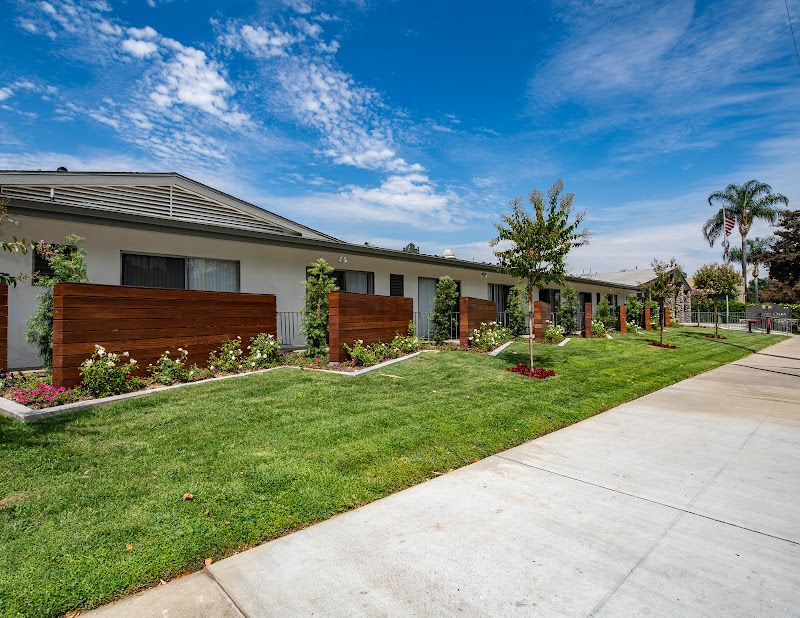
How is Country Oaks Staffed?

CMS rates COUNTRY OAKS CARE CENTER's staffing level at 4 out of 5 stars, which is above average compared to other nursing homes. Staff turnover is 33%, compared to the California average of 46%. This relatively stable workforce can support continuity of care.

What Have Inspectors Found at Country Oaks?

State health inspectors documented 95 deficiencies at COUNTRY OAKS CARE CENTER during 2022 to 2025. These included: 1 Immediate Jeopardy (the most serious level, indicating potential for serious harm or death), 91 with potential for harm, and 3 minor or isolated issues. Immediate Jeopardy findings are rare and represent the most serious regulatory concerns. They require immediate corrective action.
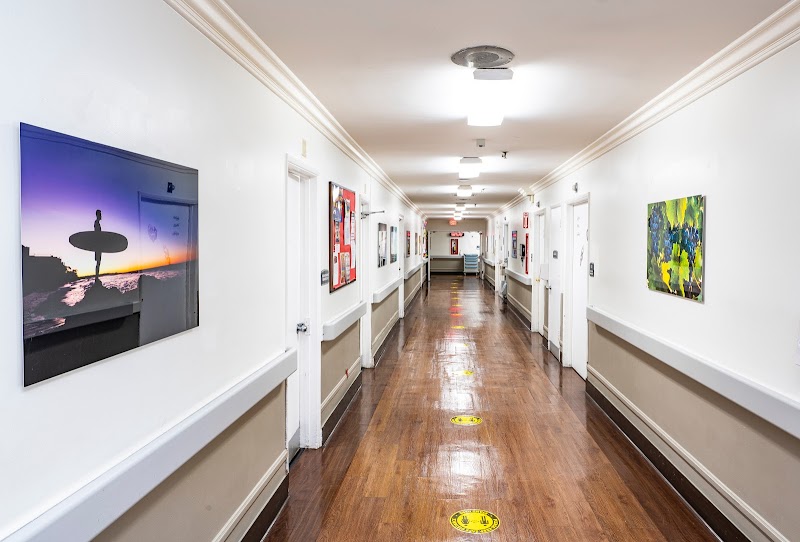
Who Owns and Operates Country Oaks?

COUNTRY OAKS CARE CENTER is owned by a for-profit company. For-profit facilities operate as businesses with obligations to shareholders or private owners. The facility is operated by DAVID & FRANK JOHNSON, a chain that manages multiple nursing homes. With 81 certified beds and approximately 50 residents (about 62% occupancy), it is a smaller facility located in POMONA, California.
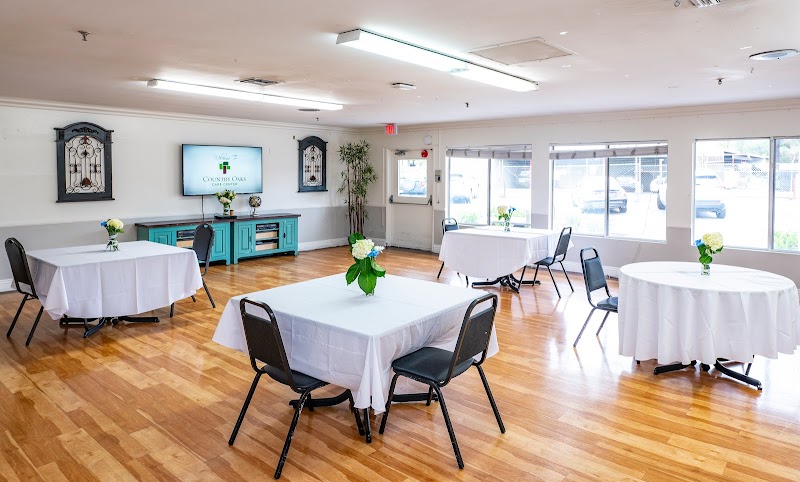
How Does Country Oaks Compare to Other California Nursing Homes?

Compared to the 100 nursing homes in California, COUNTRY OAKS CARE CENTER's overall rating (1 stars) is below the state average of 3.1, staff turnover (33%) is significantly lower than the state average of 46%, and health inspection rating (1 stars) is much below the national benchmark.

What Should Families Ask When Visiting Country Oaks?

Based on this facility's data, families visiting should ask: "What changes have been made since the serious inspection findings, and how are you preventing similar issues?" "Can I visit during a mealtime to observe dining assistance and food quality?" "How do you handle medical emergencies, and what is your hospital transfer rate?" "Can I speak with family members of current residents about their experience?" These questions are particularly relevant given the facility's Immediate Jeopardy citations.

Is Country Oaks Safe?

Based on CMS inspection data, COUNTRY OAKS CARE CENTER has documented safety concerns. Inspectors have issued 1 Immediate Jeopardy citation (the most serious violation level indicating risk of serious injury or death). The facility has a 1-star overall rating and ranks #100 of 100 nursing homes in California. Families considering this facility should ask detailed questions about what corrective actions have been taken since these incidents.

Do Nurses at Country Oaks Stick Around?

COUNTRY OAKS CARE CENTER has a staff turnover rate of 33%, which is about average for California nursing homes (state average: 46%). Moderate turnover is common in nursing homes, but families should still ask about staff tenure and how the facility maintains care continuity when employees leave.

Was Country Oaks Ever Fined?

COUNTRY OAKS CARE CENTER has been fined $24,223 across 2 penalty actions. This is below the California average of $33,321. While any fine indicates a compliance issue, fines under $50,000 are relatively common and typically reflect isolated problems that were subsequently corrected. Families should ask what specific issues led to these fines and confirm they've been resolved.

Is Country Oaks on Any Federal Watch List?

COUNTRY OAKS CARE CENTER is not on any federal watch list. The most significant is the Special Focus Facility (SFF) program, which identifies the bottom 1% of nursing homes nationally based on persistent, serious quality problems. Not being on this list means the facility has avoided the pattern of deficiencies that triggers enhanced federal oversight. This is a positive indicator, though families should still review the facility's inspection history directly.