LANDMARK MEDICAL CENTER
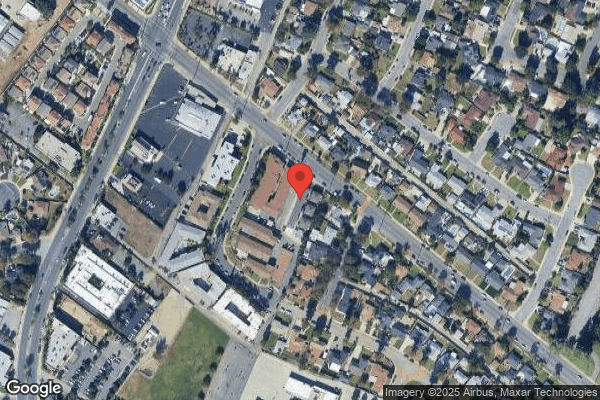
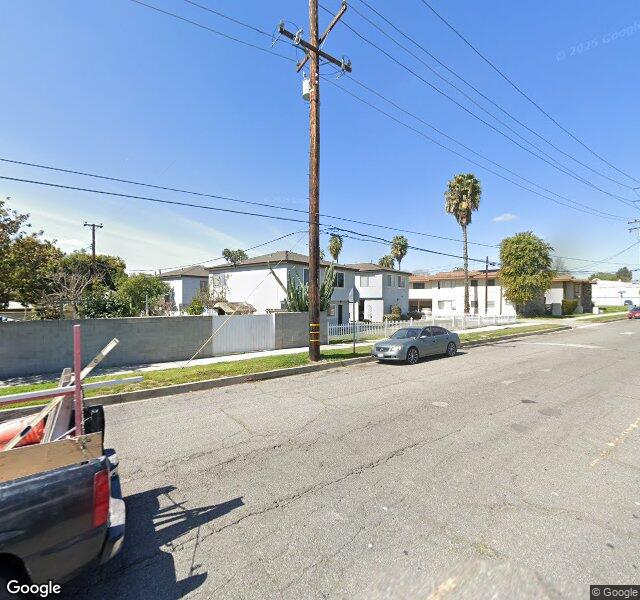
2030 N. GAREY AVE., POMONA, CA 91767 (909) 593-2585
For profit - Corporation 95 Beds Independent Data: November 2025 3 Immediate Jeopardy citations
Trust Grade
14/100
#615 of 1155 in CA
Last Inspection: August 2025

Inspected within the last 6 months. Data reflects current conditions.

Overview

Landmark Medical Center in Pomona, California has a Trust Grade of F, indicating significant concerns regarding the quality of care provided. With a state ranking of #615 out of 1155 facilities, they fall in the bottom half of California nursing homes, and they rank #118 out of 369 in Los Angeles County. The facility is improving, having reduced issues from 32 in 2024 to 8 in 2025, which is a positive trend. Staffing is rated average, with a turnover of 23%, well below the state average, but there is concerningly less RN coverage than 97% of California facilities, which could affect the quality of care. Specific incidents included failures to safeguard medications for multiple residents, a lack of immediate CPR for a resident who required it, and inadequate supervision that allowed a resident to leave the facility unsupervised, highlighting serious safety concerns alongside some strengths in staffing and improvement trends.

Trust Score
F
14/100
In California
#615/1155
Bottom 47%
Safety Record
High Risk
Review needed
Inspections
Getting Better
32 → 8 violations
Staff Stability
✓ Good
23% annual turnover. Excellent stability, 25 points below California's 48% average. Staff who stay learn residents' needs.
Penalties
✓ Good
No fines on record. Clean compliance history, better than most California facilities.
Skilled Nurses
⚠ Watch
Each resident gets only 10 minutes of Registered Nurse (RN) attention daily — below average for California. Fewer RN minutes means fewer trained eyes watching for problems.
Violations
⚠ Watch
54 deficiencies on record. Higher than average. Multiple issues found across inspections.
★★★☆☆
3.0
Overall Rating
★★★☆☆
3.0
Staff Levels
★★★★★
5.0
Care Quality
★★☆☆☆
2.0
Inspection Score
Stable
2024: 32 issues
2025: 8 issues

The Good

  • 5-Star Quality Measures · Strong clinical quality outcomes
  • Low Staff Turnover (23%) · Staff stability means consistent care
  • Full Sprinkler Coverage · Fire safety systems throughout facility
  • No fines on record
  • Staff turnover is low (23%)

    25 points below California average of 48%

Facility shows strength in quality measures, staff retention, fire safety.

The Bad

3-Star Overall Rating

Near California average (3.1)

Meets federal standards, typical of most facilities

The Ugly 54 deficiencies on record

3 life-threatening
Sept 2025 1 deficiency
CONCERN (E) 📢 Someone Reported This

A family member, employee, or ombudsman was alarmed enough to file a formal complaint

Potential for Harm - no one hurt, but risky conditions existed

Accident Prevention (Tag F0689)

Could have caused harm · This affected multiple residents

**NOTE- TERMS IN BRACKETS HAVE BEEN EDITED TO PROTECT CONFIDENTIALITY** Based on observation, interview, and record review, the facility failed to ensure one of four sampled residents (Residents 1), w...

Read full inspector narrative →
**NOTE- TERMS IN BRACKETS HAVE BEEN EDITED TO PROTECT CONFIDENTIALITY** Based on observation, interview, and record review, the facility failed to ensure one of four sampled residents (Residents 1), who had a history of major depressive disorder (a mental health condition characterized by persistent feelings of sadness, loss of interest, and other symptoms that significantly interfere with daily life) was properly and adequately monitored in accordance with the facility's policies and procedures (P&P).This failure potentially resulted in Resident 1 gaining the opportunity to hang himself to attempt suicide (the act of intentionally causing one's own death) while inside Resident 1's room (Area 2) and resulted in Resident 1 to be resuscitated (to revive from apparent death or from unconsciousness) and transferred to the General Acute Care Hospital (GACH) where Resident 1 was declared brain dead two days later.During a review of Resident 1's admission Record (AR), the AR indicated, Resident 1 was admitted to the facility on [DATE] with multiple diagnoses including schizoaffective disorder (a mental illness that can affect thoughts, mood and behavior), bipolar (extreme mood swings between periods of mania [elevated mood] and depression) type, other psychoactive substance abuse (the harmful or hazardous use of drugs that alter brain function, affecting mood, perception, cognition, and behavior), uncomplicated, and major depressive disorder, recurrent, unspecified.During a review of Resident 1's History and Physical (H&P), dated [DATE], the H&P indicated, Resident 1 had a flat affect (lack of emotional expression), was confused, and with tangential thought process (a pattern of thinking where a person's thoughts frequently stray from the main topic of conversation or question).During a review of Resident 1's Minimum Data Set (MDS - a resident assessment tool), dated [DATE], the MDS indicated, Resident 1's BIMS (Brief Interview for Mental Status - an assessment tool used by facilities to screen and identify memory, orientation, and judgement status of the resident) was intact. The MDS indicated, Resident 1 had potential indicators of psychosis (a severe mental condition in which thought, and emotions are so affected that contact is lost with reality) behavior such as hallucinations (perceptual experiences in the absence of real external sensory stimuli) and delusions (misconceptions or beliefs that are firmly held, contrary to reality). The MDS indicated, Resident 1 was independent in activities of daily living and was taking antipsychotic and antidepressant drugs and had one day of psychological therapy (any licensed mental health professional).During a review of Resident 1's Order Summary Report (OSR), active orders as of [DATE], the OSR indicated, an order on [DATE] for Q (every) 15 (fifteen) min (minute) monitoring UFO (until further order) d/t (due to) AWOL (away without leave- when a patient leaves the facility without permission) attempt. The OSR indicated, an order on [DATE] to transfer Resident 1 via 911 (emergency response system) ambulance with bed hold (a resident's right to keep a bed vacant and available for seven days after their transfer to the hospital in anticipation of their return to the facility) to the GACH ER (Emergency Department) r/t (related to) being found unresponsive m/b (manifested by) resident attempting suicide by hanging.During a review of the GACH's ED Note Physician (EDN), dated [DATE], timed at 7:56 AM, the EDN indicated, Resident 1 was found in cardiac arrest (the heart suddenly and unexpectedly stops beating) at the facility, LKW (last known well) between 6:30 AM and 6:40 AM, found at 6:59 AM hanging from a sprinkler head and had ligature marks (a type of pressure mark or abrasion on the neck caused by a ligature [the act of binding or tying up with a cord or other material in cases of hanging or strangulation around neck]). EMS (Emergency Medical Services) reported that Resident 1 was cyanotic (a bluish discoloration of the skin caused by a shortage of oxygen in the blood) and unresponsive in full cardiac arrest on EMS's arrival at the facility and Resident 1's initial heart rhythm was asystole (flatline - when the heart's electrical system fails entirely causing the heart to stop pumping). EMS was able to obtain ROSC (Return of Spontaneous Circulation - the moment when a patient in cardiac arrest regains their own heartbeat and blood flow) in the field but Resident 1 had another cardiac arrest. During a review of Resident 1's Progress Notes (PN), dated [DATE], timed at 8:38 AM, the PN indicated, at approximately 7 AM the Licensed Psychiatric Technician (LPT) was called on the radio (walkie-talkie device) by a staff (unnamed) to Area 2. The PN indicated, the LPT entered Area 2 and observed Resident 1 hanging from the water sprinkler by a sheet and a code blue (an emergency code for a patient needing resuscitation) was called.During a review of the GACH's Discharge Summary (DS), dated [DATE], timed at 18:48 PM, the DS indicated, Resident 1's multiple discharge diagnoses included strangulation via asphyxiation (when you don't get enough oxygen in your body) resulting in cardiac arrest. The DS indicated, Resident 1's prolonged downtime (an extended period during which a patient experiences cardiac arrest) and evidence of cerebral edema (swelling of the brain) on the head CT (computed tomography - a diagnostic imaging test) showed findings consistent with brain death and clinical examination consistent with brain death. Resident 1 was declared brain dead on [DATE] at 2:55 PM.During an observation on [DATE] at 9:08 AM with the Program Director (PD) while inside Area 2, Area 2 was a 2-bed occupancy room with both beds having designated drapes (privacy curtains). Area 2 had ceiling mounted sprinklers (pendent fire sprinklers - water sprinkler that sticks out from the ceiling) inside the room entrance, above both beds and in the restroom. The sprinkler's head was about 4-5 inches long below the ceiling. (or: The sprinkler's head stuck out 4-5 inches from the ceiling).During an interview on [DATE] at 9:36 AM with Certified Nursing Assistant (CNA) 2, CNA 2 stated, when CNA 2 entered Area 2 before 7 AM, CNA 2 found Resident 1 hanging with a bed sheet (CNA 2 gestured around neck) with Resident's 1 head down, eyes closed, both knees slightly bent and both feet slightly on the floor. CNA 2 stated, CNA 2 tried to wake Resident 1 up and called for help using CNA 2's radio. CNA 2 stated, CNA 3 and the Licensed Vocational Nurse (LVN) 2 came in right away and unhooked Resident 1 who was dangling with the sheet'' and staff started CPR (cardiopulmonary resuscitation - an emergency, life-saving technique used when a person's heart has stopped and is not breathing) until the paramedics (medical professionals who specializes in emergency treatment) arrived. CNA 2 stated, CNA 2 could not remember the date of the incident. CNA 2 stated Resident 1 was on q15 monitoring for AWOL. CNA 2 stated, the q15 monitoring process included the staff had to visibly see Resident 1 every 15 minutes to check and to ensure where Resident 1 was. CNA 2 stated, staff also checked the residents (in general) inside the resident's room to make sure where they are for the q15 room check (the facility's policy on checking the resident's room every 15 minutes).During an interview on [DATE] at 10:15 AM with CNA 3, CNA 3 stated, CNA 3 heard CNA 2 on the radio calling out the Licensed Psychiatric Technician (LPT) and a code blue. CNA 3 stated, CNA 3 immediately went to Area 2 and saw Resident 1 hanging from the sprinkler with Resident 1 positioned slightly slumped over, head down, both knees slightly bent and both feet slightly on the floor and Resident 1 was more pale white in color. CNA 3 stated, the distance between Resident 1's neck to the sprinkler was about a foot long. CNA 3 stated, CNA 3 pulled Resident 1 up while LVN 2 and CNA 2 released the sheet around Resident 1's neck and placed Resident 1 on the floor to start CPR immediately. CNA 3 stated, Resident 1 had always been on q15 minute monitoring for AWOL.During a record review on [DATE] at 11:28 AM with the Director of Staff Development (DSD), the facility's Surveillance Video Footage (SVF,) titled, Conference Room, dated [DATE], timed from 6:39 AM to 7:33 AM was reviewed. The SVF indicated, CNA 2 was sitting in a chair at Area 3 doorway while monitoring the Area 1 hallway. The SVF indicated, the following timeline:6:39:00 AM Area 2 had 2 white chairs outside of Area 2 and CNA 1 seated at Area 3 doorway.6:43:09 AM Resident 1 came out of Area 2 with both hands inside pants pocket and walked towards the south direction in Area 1 hallway passed CNA 1.6:43:54 AM Resident 1 turned around and entered Area 2. CNA 1 remained seated at Area 3 doorway.6:59:26 AM CNA 2 entered Area 2.7:00:32 AM CNA 2 came out to Area 2 doorway and flagged for help.7:00:51 AM LPT entered Area 2.7:00:56 AM CNA 4, LVN 2 and CNA 3 entered Area 2.7:07:28 AM Paramedics arrived heading towards Area 2.7:33:09 AM Resident 1 in gurney transported and taken by paramedics.During a concurrent interview and record review on [DATE] at 2:35 PM with the DSD, the facility's P&P titled, Q:15 Minute Monitoring, dated 6/2024 was reviewed. The P&P indicated, the facility provided an atmosphere that was safe and secure for all residents and staff. The facility would make every effort to ensure that residents and staff would be safe and secure in a structured environment. A tool to assist in providing a safe and secure environment was q15-minute checks and the CNA assigned to the resident placed on q15-minute checks would seek, find, and document location and condition of the resident every 15 minutes during their shift, and must be done in a timely manner. The P&P indicated, the staff implementing the q15-minute checks must maintain a clear and direct line of sight at time of documentation of q15-minute checks. The P&P indicated when documenting that the resident was located in the Point Click Care POC portal, staff were making an honest and accurate entry that staff visually saw and identified the resident. The DSD stated that the staff had to physically go inside the room to check on the resident for the safety and wellness of the resident. The DSD stated that the facility also had a q15-minute room check for all the residents where staff must go inside room to room to check and scan a device mounted inside the room.During a concurrent interview and record review on [DATE] at 3:24 PM with the DSD, CNA 1's Personnel Action Request (PAR), dated [DATE] was reviewed. The PAR indicated, CNA 1 was terminated from the facility for violating company policy on safety and infection (the invasion and growth of germs in the body) control. The PAR indicated, CNA 1 failed to follow responsibilities on q15 room check. The PAR indicated, on [DATE] from 6:00 AM to 7:00 AM q15 minute room check must be done at least four times within the hour and CNA 1 did not do all four times. The PAR indicated, the following timeline: 06:00 AM went into Area 2 to get a resident (unnamed) out for medication (did not perform q15 minute room check)6:11 AM positioned himself (CNA 1) in the doorway of Area 306:15 AM still sitting in the doorway of Area 3 (did not perform q15 minute room check6:23 AM went into Area 2 and came back to sit down in the doorway of Area 36:30 AM still sitting in the doorway of Area 3 (did not perform q15 minute room check)6:45 AM still sitting in the doorway of Area 3 (did not perform q15 minute room check)6:50 AM calling residents for breakfast in Area 1, but did not check Area 26:55 AM left his area unattended. The DSD stated, the facility's SVF showed that CNA 1 did not get up to check Area 2 and was the main reason why CNA 1 was terminated. During a phone interview on [DATE] at 8:14 AM with CNA 1, CNA 1 stated I got let go by the facility for not doing the routine q15 room check and q15 monitoring on Resident 1. CNA 1 stated that the last time CNA 1 entered Area 2 on [DATE] was before the time between 6:30 AM and 6:35 AM to answer the call light that came on from Area 2. CNA 1 stated, Resident 1 and Resident 2 did not say anything when CNA 1 answered the call light. During a concurrent interview and record review on [DATE] at 10:47 AM with the DSD, the facility's SVF titled, Conference Room, dated [DATE], timed at 6:00 AM to 6:43 AM was reviewed. The SVF indicated, the following timeline:6:00:00 AM CNA 1 walking in Area 1 hallway.6:05:33 AM CNA 1 passed by Area 2.6:13:13 AM CNA 1 seated at Area 3 doorway.6:23:34 AM CNA 1 entered Area 2.6:24:00 AM CNA 1 came out of Area 2, looked up at the call light above door.6:24:10 AM CNA went back to sit at Area 3 doorway.6:39:00 AM Area 2 had 2 white chairs outside of Area 2 and CNA 1 seated at Area 3 doorway.6:43:09 AM Resident 1 came out of Area 2 with both hands inside pants pocket and walked towards the south direction in Area 1 hallway passed CNA 1.6:43: 54 AM Resident 1 turned around and entered Area 2.The DSD stated, the last time CNA 1 entered Area 2 was at 6:23:34 AM. The DSD stated, CNA 1 only went inside Area 2 once when CNA 2 should have at least entered Area 2 four times in that hour window (6:00 AM to 7:00 AM) to check on Resident 1 and Area 2. The DSD stated that CNA 1 was terminated for falsification of documentation. The DSD stated, CNA 1 documented for checking Resident 1 and Area 2 (q15 monitoring and q15 room check) when CNA 1 did not. The DSD stated, staff (in general) should physically enter the resident's room to ensure residents were safe and sound, that they're (residents) breathing, and to check the surrounding. During an interview on [DATE] at 12:18 PM with CNA 2, CNA 2 stated, Resident 1's privacy curtains were drawn (closed) around Resident 1's bed up to the middle of the footboard when CNA 1 found Resident 1 hanging. CNA 1 stated, the staff had to visibly check see them with your eyes, the residents every 15 minutes for the q15 monitoring. CNA 1 stated that the staff must go inside the resident's room every 15 minutes to check whether the resident was inside the room or not to check for the resident's safety.During an interview on [DATE] at 12:36 PM with the Director of Nursing (DON), the DON stated, staff were supposed to check and locate the resident for the q15 monitoring and staff must get up and go inside the room to check on the resident even if the room was empty for the q15 room check to ensure resident's safety. The DON stated, CNA 1 was terminated from the facility for not following the facility's policy on the q15 room check and based on the facility's SVF CNA 1 did not get up and checked the room. The DON stated staff were supposed to get up and really check the resident's room.During an interview on [DATE] at 1:15 PM with the LPT, the LPT stated, the LPT heard CNA 2 called the LPT on the radio to come to Area 2. The LPT saw Resident 1 hanging with Resident 1's sheet tied to the sprinkler in the ceiling and the LPT called for a code blue. The LPT stated, CNA 1 was supposed to have eyes on Resident 1 for the q15 monitoring that was more than the checking, that Resident 1 was in the facility and assessing his behavior for Resident 1's safety. The LPT stated, staff had to physically go inside the resident's room for the q15 room check for resident's safety and glancing only at the resident's room was not a q15 room check.During a review of Resident 1's Care Plan (CP - provides direction on the type of nursing care an individual needs that include goals of treatment, specific nursing interventions [actions, treatments, procedures, or activities designed to meet an objective] and an evaluation plan]), titled, Poor Impulse Control - AWOL, dated [DATE], the CP indicated, one of the interventions was to place Resident 1 on additional q15 monitoring.During a review of Resident 1's Follow Up Question Report (Q15 Monitoring Log - ML) dated [DATE] - [DATE], the ML indicated, CNA 1 documented Resident 1was monitored q15 from [DATE] at 23:00 PM to [DATE] at 6:45 AM.During a review of the facility's P&P titled, Security Wand 15 Minute Room Checks, dated 2021, the P&P indicated, room checks would include the staff knock before entering the room, check bathroom (open the door after knocking), pull curtains back to visually see the resident. During a review of the facility's P&P titled, Resident Rights to Humane Care, revised date 2021, the P&P indicated, residents must be provided with the highest quality of care and dignity and the right to be free from abuse, neglect and harm. During a review of the facility's P&P titled, Zoning and Supervision, updated [DATE], the P&P indicated, the monitoring allowed the staff to account for each person and made sure that each resident was free from distress. The P&P indicated, to check the rooms as scheduled and check the residents who were asleep to assure they were free of distress and for the NOC (night) shift to supervise surroundings and to be alert and pay attention to resident activity for the entirety of shift while on duty. During a review of the facility's undated P&P titled, Timely and Accurate 1:1 Monitoring and Q:15 Monitoring Documentation in Point Click Care, the P&P indicated, in documenting that the resident was located in the Point Click Care POC portal, staff were making an honest and accurate entry that staff visually saw and identified the resident.
Aug 2025 7 deficiencies
CONCERN (D)

Potential for Harm - no one hurt, but risky conditions existed

Deficiency F0552 (Tag F0552)

Could have caused harm · This affected 1 resident

**NOTE- TERMS IN BRACKETS HAVE BEEN EDITED TO PROTECT CONFIDENTIALITY** Based on interview and record review, the facility failed to ensure one of one sampled resident (Resident 79) was informed and p...

Read full inspector narrative →
**NOTE- TERMS IN BRACKETS HAVE BEEN EDITED TO PROTECT CONFIDENTIALITY** Based on interview and record review, the facility failed to ensure one of one sampled resident (Resident 79) was informed and provided information regarding housing alternatives after discharge. This deficient practice violated Resident 79's rights to be informed of Resident 79's treatment.Findings:During a review of admission Record (AR), the AR indicated Resident 72 was admitted to the facility on [DATE] with diagnoses that included psychosis (a mental health condition characterized by a loss of contact with reality), substance abuse (psychoactive drugs, such as alcohol, pain medications, or illegal drugs), and cigarette nicotine dependance.During a review Minimum Data Set (MDS, a standardized assessment and care-screening tool), dated 5/20/2025, the MDS indicated Resident 79 was cognitively intact, had clear speech made self-understand and understood. The MDS indicated Resident 79 was independent with eating, oral and toilet hygiene, dressing, and transfers (moving a resident from one flat surface to another).During a review of Resident 79's Social Service Quarterly -V3 (SSQ), dated 5/27/2025, the SSQ indicated Resident 79 verbalized depression due to missing the resident's family and being in the community [facility]. The SSQ indicated Resident 79 wanted to talk to someone about the possibility of leaving the facility and returning to live and receiving services in the community. The SSQ indicated the resident was in discharge planning and referrals were made to a local contact agency (LCA, an agency that provides information on available home and community-based services (HCBS), assists with transition planning, and offers case management to support a resident's move out of a nursing home and into the community).During a review of a facility email titled Referral Status Update, dated 7/3/2025, from an LCA to the Social Services Director (SSD), the email indicated Resident 79 was accepted into an outside rehabilitation program and was placed on a waiting list.During a record review of email titled (Resident 79) - Discharge Planning, dated 8/21/2025, from the LCA to the SSD, the email indicated Resident 79 was pre-approved for admission to an outside of the facility program and the LCA was expecting for a bed to become available at the program [for Resident 79]. During a concurrent observation and interview with Resident 79, inside Resident 79's room, on 8/18/2025 at 12:35 PM, Resident 79 stated I am on discharge planning (DC) and want to go home. I miss my daughter and they (the facility) are holding me here. I need someone to tell me what is going on, but no one is given me a reason why I need to stay here.During an interview and concurrent record review of Resident 79's paper and electronic medical record (chart) with the SSD, on 8/21/2025 at 11:58 AM, the SSD stated Resident 79 was accepted into a rehabilitation program on 7/2/2025. The SSD stated the SSD did not have any documentation that indicated Resident 79 was informed of Resident 79's acceptance into an outside rehabilitation program or that a projected date was set for housing. The SSD stated it was important for Resident 79 to be aware of the discharge planning and know how long the resident had to wait and for Resident 79 to move forward with Resident 79's life.A review of the facility's undated policy and procedure (P&P) titled, Resident Rights, the P&P indicated the resident has the right to participate in the development and implementation of his or her persons-centered plan of care. The P&P indicated, including the right to participate in the planning process. The P&P indicated the resident has the right to be informed, in advance, of the care to be furnished and the type of care giver or professional that will furnish care.During a review of the facility's P&P titled Nursing Services Policy, revised on 7/16/2024, the P&P indicated residents will remain actively engaged in his or her care planning process through the resident rights to participate in the development of and be informed in advance of changes in the care plan . Discharge planning - the facility has a discharge planning processing in place which addresses each resident's discharge goas and needs, including caregiver support and referrals to local contact agencies, as appropriate, and involves the resident.
CONCERN (D)

Potential for Harm - no one hurt, but risky conditions existed

Deficiency F0558 (Tag F0558)

Could have caused harm · This affected 1 resident

**NOTE- TERMS IN BRACKETS HAVE BEEN EDITED TO PROTECT CONFIDENTIALITY** Based on observation, interview, and record review the facility failed to provide a radio to one of one sampled resident (Reside...

Read full inspector narrative →
**NOTE- TERMS IN BRACKETS HAVE BEEN EDITED TO PROTECT CONFIDENTIALITY** Based on observation, interview, and record review the facility failed to provide a radio to one of one sampled resident (Resident 44) in a timely manner.This failure had the potential to lead to psychosocial decline, increased depression, and anxiety for Resident 44.Findings:During a review of Resident 44's admission Record (AR), the AR indicated Resident 44 was admitted to the facility on [DATE] with multiple diagnoses including schizoaffective disorder (a mental illness that can affect thoughts, mood, and behavior), bipolar type (mental health condition with a mix of symptoms including hallucinations, delusions and mood swings especially periods of very high energy and possibly depressive episodes) and insomnia (sleep disorder characterized by difficulty falling or staying asleep despite having adequate time and opportunity to do so).During a review of Resident 44's Care Plan (CP) regarding activities, initiated 6/10/2025, the CP indicated Resident 44 would be assessed for activities of interest and encouraged to participate.During a review of Resident 44's Activities- initial assessment (AIA), dated 6/10/2025, the AIA indicated Resident 44's hobbies included drawing and music. The AIA indicated it was very important for Resident 44 to listen to music.During a review of Resident 44's Minimum Data Set (MDS, a resident assessment tool), dated 6/18/2025, the MDS indicated Resident 44 had intact cognition (ability to understand and process information) with inattentive or disorganized thinking (rambling, unclear or illogical flow of ideas). The MDS indicated Resident 44 could independently (resident completes activity by themselves with no assistance from a helper) bathe, eat, and walk at least 150 feet. The MDS indicated under section F - Preferences for Customary Routine and Activities that it was very important for Resident 44 to listen to music. During a review of Resident 44's Program Monthly (PM), dated 8/6/2025, the PM indicated under CP Name: Anxiety, that Resident 44 was concerned about shopping and repeatedly asked staff when Resident 44 would be able to go shopping.During an interview on 8/20/2025 at 2:21 PM with Resident 44, Resident 44 stated Resident 44 wanted a radio to listen to music in Resident 44's room. Resident 44 stated Resident 44 had requested a radio multiple times from the Social Services Director (SSD) and had enough funds to purchase the radio but had not been given a reason why a radio still had not been provided. Resident 44 stated not having a radio was causing boredom and depression.During an interview on 8/21/2025 at 11:48 AM with the Social Service Director (SSD), the SSD stated the SSD made purchases, for residents, outside of the facility for items such as clothing, specific hygiene items, and radios on a quarterly basis since 2020. The SSD stated residents signed up on a list for shopping requests each month from the first to the tenth of the month and the SSD purchased the items if resident funds were available. The SSD stated the SSD took multiple shopping trips between 7/12/2025 and 7/30/2025 but only purchased items for the residents on the list. The SSD stated Resident 44's funds were not available during the SSD's last shopping trip. The SSD stated the next shopping trip would be sometime next month on 9/2025.During a concurrent interview and record review on 8/21/2025 at 1:47 PM with the SSD, the facility's policy and procedure (P&P) titled, Client Shopping, dated 1/2025 was reviewed. The P&P indicated the Social Service Department conduct monthly shopping outing for residents who cannot go out of the facility. These residents are newly admitted .and have not displayed appropriate behaviors for shopping in the community. These outings do not require the $100.00 minimum amount for shopping. The SSD stated Resident 44 had requested a radio after 7/10/2025 and did not sign up in time for the shopping trips that occurred on 7/2025. The SSD stated that even though the policy indicates shopping is done monthly, it is actually done quarterly because no other staff was designated to do the task and each trip could take several hours. The SSD stated Resident 44 had to wait until the next scheduled shopping trip to get a radio.During an interview on 8/21/2025 at 1:47 PM with the Administrator (ADM), the ADM stated the facility would make arrangements to obtain a radio for Resident 44 because Resident 44 had indicated to the ADM that a radio was very important and would help with Resident 44's depression.
CONCERN (D)

Potential for Harm - no one hurt, but risky conditions existed

Deficiency F0685 (Tag F0685)

Could have caused harm · This affected 1 resident

**NOTE- TERMS IN BRACKETS HAVE BEEN EDITED TO PROTECT CONFIDENTIALITY** Based on observation, interview, and record review, the facility failed to ensure eyeglasses were made available for one of one ...

Read full inspector narrative →
**NOTE- TERMS IN BRACKETS HAVE BEEN EDITED TO PROTECT CONFIDENTIALITY** Based on observation, interview, and record review, the facility failed to ensure eyeglasses were made available for one of one sampled resident (Resident 1) as indicated in the optometry consultation, dated 10/18/2024, and the care plan (CP) for impaired visual function. This deficient practice had the potential to result in worsening of Resident 1's vision and a psychosocial decline to Resident 1. Findings:During a review of Resident 1's admission Record (AR), the AR indicated the facility admitted Resident 1 on 8/4/2022, with diagnoses that included right eye keratopathy (affects the cornea, the clear front window of the eye), bilateral (left and right) nuclear cataract (clouding/blurry vision), bilateral glaucoma (damages to the nerve of the eye) presbyopia (gradual loss of eye focusing) and schizoaffective disorder (hallucinations and mood swings).During a review of Resident 1's CP titled The resident has impaired visual function initiated on 8/4/2022, the CP's goal indicated for Resident 1 to remain in a safe environment with no injury and to use appropriate visual devises to promote participation in Activity of Daily Living (ADL, term used in healthcare that refers to self-care activities). The CP's interventions indicated to remind Resident 1 to wear Resident 1's glasses and ensure Resident 1 wore glasses that were clean and free from scratches and in good repair.During a review of a Resident 1's optometry consult, dated 10/18/2024, the consult's recommendations indicated bifocal glasses for Resident 1 and the Goal of Treatment was to improve vision and enhance Resident 1's quality of life.During a review of Resident 1's MDS, dated [DATE], the MDS indicated Resident 1's cognition was moderately impaired. The MDS indicated Resident 1 was independent with ADL and was independent with mobility. The MDS indicated Resident 1's vision was severely impaired (see's colors and/or shapes) and Resident 1 needed corrective lenses (glasses).During a review of Resident 1's History and Physical (H&P), dated 8/6/2025, the H&P indicated Resident 1 needed eyeglasses.During an observation and concurrent interview with Resident 1, in the hallway, on 8/18/2025 at 12:04 PM, Resident 1 was carrying an empty case for glasses and stated Someone took my glasses! I need my glasses!During an observation and interview with Resident 1, inside Resident 1's room on 8/19/2025 at 2:56 pm, Resident 1 gave permission to search the resident's room for any glasses. Resident 1 stated there is no glasses! If I had them, I would be wearing them - I aint got no glasses. I had them a few months ago, but I don't have them now.During an observation of Resident 1's room and concurrent interview with Certified Nursing Assistant 2 (CNA 2) and Resident 1 on 8/19/2025 at 2:56 PM, CNA 2 searched Resident 1's bedside table and closet for Resident 1's glasses. CNA 2 stated there were no glasses inside Resident 1's room.During an interview with Licensed Vocational Nurse 1 (LVN 1) on 8/19/2025 at 2:59 PM, LVN 1 stated Resident 1's personal belongings were kept inside the resident's room. LVN 1 stated no personal belongings were kept in the nurse's station. LVN 1 stated LVN 1 had not seen Resident 1 wear glasses. LVN 1 stated glasses were important to see, that is basic.During an interview with CNA 3 on 8/21/2025 at 11:30 AM, CNA 3 stated I don't know if Resident 1 wears glasses. I have never seen Resident 1 with glasses.During an interview and concurrent record review with the Director of Nursing (DON), Resident 1's paper and electronic medical record was reviewed, on 8/21/2025 at 12:26 PM, the DON stated Resident 1 needed glasses. The DON stated it was important for Resident 1 to have and wear glasses to see and read.During a review of the facility's undated policy and procedure (P&P), titled Resident Rights, the P&P indicated the resident has the right to reside and receive services in the facility with reasonable accommodation of resident needs and preferences. The P&P indicated the residents have the right to a safe, clean, comfortable and homelike environment, including but not limited to receiving treatment and support for daily living safely.
CONCERN (E)

Potential for Harm - no one hurt, but risky conditions existed

Free from Abuse/Neglect (Tag F0600)

Could have caused harm · This affected multiple residents

**NOTE- TERMS IN BRACKETS HAVE BEEN EDITED TO PROTECT CONFIDENTIALITY** Based on interviews and record review, the facility failed to ensure an environment free from physical abuse for two of six samp...

Read full inspector narrative →
**NOTE- TERMS IN BRACKETS HAVE BEEN EDITED TO PROTECT CONFIDENTIALITY** Based on interviews and record review, the facility failed to ensure an environment free from physical abuse for two of six sampled residents (Resident 38 and 52) when: A. Resident 38 was punched (hit with a closed fist) by Resident 7 while unsupervised in the dining room on 8/13/2025.B. Resident 52 was hit by Resident 44 on the left side of the face on 8/12/2025. This deficient practice resulted in physical abuse (willful infliction of injury, deliberate aggressive or violent behavior with the intention to cause harm) to Residents 38 and 52 and mild pain (may be annoying and noticeable, but it doesn't keep you from performing normal activity) on Resident 52's left cheek. Additionally, there was potential for psychosocial harm to both residents.Findings: A. During a review of Resident 7’s admission Record (AR), the AR indicated the facility admitted Resident 7 on 11/6/2024, with diagnoses that included paranoid schizophrenia (a mental illness that is characterized by disturbances in thought), major depressive disorder (a mood disorder that causes a persistent feeling of sadness and loss of interest), and low back pain. During a review of Resident 7’s Minimum Data Set (MDS – a resident assessment tool), dated 8/1/2025, the MDS indicated Resident 7’s cognition (the ability to think and process information) was intact. The MDS indicated Resident 7 was independent (resident completes the activity by themselves with no assistance from helper) with activities of daily living (ADL, term used in healthcare that refers to self-care activities) and was independent with mobility . During a review of Resident 38’s AR, the AR indicated the facility admitted Resident 38 on 5/8/2025, with diagnoses that included schizoaffective disorder (a mental illness that can affect thoughts, mood, and behavior), bipolar type (sometimes called manic-depressive disorder; mood swings that range from the lows of depression to elevated periods of emotional highs), obesity (excessive body fat), and psychoactive substance abuse (when drug-taking becomes a problem and the drug changes how your brain works, affecting your mood, thoughts, behavior, and perception). During a review of Resident 38’s MDS, dated [DATE], the MDS indicated Resident 52’s cognition was intact. The MDS indicated Resident 52 was independent with ADL and was independent with mobility. During a review of Resident 7’s Progress Notes, dated 8/13/2025, the progress notes indicated, at approximately 4:55 PM, Resident 38 was in the dining room with the rest of his peers waiting for dinner to be served. The notes indicated, a male peer [Resident 7] suddenly punched Resident 38 on his left cheek unprovoked who was sitting at a table away from him [Resident 7]. The notes indicated that staff intervened and separated both residents [placing them in] a safe environment. The notes indicated, upon assessment, Resident 7 stated, “he keeps bothering me, asking me for money”. Then he went into my face, so I punched him.” The notes indicated, “Resident 38 was talking to someone else at the time and remained seated on his chair. Resident 38 stated, “I don’t know him, and he does not know me. I’m new here. He just punched me out of nowhere.” During an interview on 8/18/2025 at 11:18 AM, Resident 7 stated Resident 7 had an altercation with Resident 38 in the dining room while waiting for dinner. Resident 7 stated he could not recall the exact date or time. Resident 7 stated he reported Resident 38 kept asking him for money “over and over again,” which made Resident 7 upset. Resident 7 stated Resident 7 became angry, lunged at Resident 38, and punched him in the face with a closed right fist. Resident 7 stated Resident 38 was asking Resident 7 for money on several occasions, and Resident 7 was tired of it. During an interview on 8/18/2025 at 11:27 AM, Resident 38 stated that a few days ago, while sitting in the dining area waiting for dinner, Resident 7 suddenly walked up and punched him on the left cheek. Resident 38 stated Resident 38 did not remember the exact date or time, only that it was during dinner. Resident 38 stated Resident 38 had no problems with Resident 7, and [the incident] happened suddenly without warning. Resident 38 stated Resident 38 did not know why it [Resident 7 punched Resident 38] happened, and that [the incident] left him feeling frustrated, upset, and angry because Resident 38 was punched without reason. Resident 38 stated when staff spoke with Resident 38, they told him Resident 7 said Resident 38 was asking for money, Resident 38 denied this, stating. “I don’t ask him for money.” Resident 38 stated being caught off guard. Resident 38 stated staff were not directly inside the dining room [during the time of the incident]. During an interview on 8/20/2025 at 4:07 PM, Certified Nursing Assistant (CNA) 2 reported that on 8/13/2025, at approximately 5 PM CNA 2 was at the doorway of the dining room, letting residents in one by one while sanitizing their hands. CNA 2 reported the residents were in a single-file line. CNA 2 stated CNA 2 did not notice any unusual behavior or conflicts between Resident 7 and Resident 38. CNA 2 stated unfortunately there were no staff directly inside the dining room at the time [during the time of the incident]. CNA 2 stated staff were in the hallways or on route to the dining area for dinner-time monitoring. CNA 2 stated the incident may have been prevented if staff had already been inside the dining room monitoring the residents. CNA 2 stated CNA 2 did not witness the incident, only the aftermath, both residents were standing, and staff intervened to separate them. CNA 2 stated it was challenging to monitor residents entering the dining room and maintaining full control of the dining area while also sanitizing the resident’s hands at the same time. CNA 2 stated, ideally, staff should be present inside the dining room as residents gathered for mealtimes. During an interview on 8/21/2025 at 10:27 PM with the Director of Nursing (DON), the DON stated, ideally, staff should be inside the dining room as residents lined up at the doorway to have their hands sanitized. The DON stated this allowed staff to observe residents as they gathered in the dining area and may have helped avoid conflicts. The DON stated with proper monitoring, staff could potentially have intervened in time to prevent issues from arising, such as the incident between Resident 7 and Resident 38. The DON stated this practice was essential to maintain a safe and secure environment. B. During a review of Resident 52’s AR, the AR indicated Resident 52 was admitted to the facility on [DATE] with multiple diagnoses including paranoid schizophrenia and insomnia (sleep disorder characterized by difficulty falling or staying asleep despite having adequate time and opportunity to do so). During a review of Resident 52’s Initial Medical History & Physical (H&P), dated 8/6/2025, the H&P indicated Resident 52 did not have the capacity to understand and make informed decisions. During a review of Resident 52’s MDS, dated [DATE], the MDS indicated Resident 52 had intact cognition with inattentive or disorganized thinking (rambling, unclear or illogical flow of ideas). The MDS indicated Resident 52 could independently bathe, eat, and walk at least 150 feet. During a review of Resident 52’s 1:1 (one resident supervised by one staff) Counseling Progress Note (CN), dated 8/12/2025, the CN indicated Resident 52 stated Resident 44 was walking near Resident 52 and Resident 52 attempted to move out of the way. The CN indicated Resident 44 hit Resident 52. During a review of Resident 52’s Pain Evaluation (PE), dated 8/12/2025, the PE indicated the condition that caused pain was being hit on the left cheek by a peer [Resident 44]. The PE indicated Resident 52’s pain was mild (pain that may be annoying and noticeable, but it doesn’t keep you from performing normal activity) and Tylenol (medication used to treat pain) was administered for mild pain. During a review of Resident 44’s AR, the AR indicated Resident 44 was admitted to the facility on [DATE] with multiple diagnoses including schizoaffective disorder, bipolar type and insomnia. During a review of Resident 44’s MDS, dated [DATE], the MDS indicated Resident 44 had intact cognition with inattentive or disorganized thinking. The MDS indicated Resident 44 could independently bathe, eat and walk at least 150 feet. During a review of Resident 44’s Psychiatric Assessment (PA), dated 8/7/2025, the PA indicated Resident 44 had a normal, appropriate thought process and was compliant with medications. During a review of Resident 44’s 1:1 CN, dated 8/13/2025, the CN indicated Resident 44 stated Resident 44 had been having “a bad day,” when Resident 52 got in the way of Resident 44 and Resident 44 aggressively told Resident 52 to move. Resident 44 stated in the CN that Resident 52 replied by cursing at Resident 44 and both residents hit each other at the same time. During an interview on 8/20/2025 at 2:21 PM with Resident 44, Resident 44 stated Resident 52 was blocking the doorway to Resident 44’s room and Resident 52 cursed at Resident 44. Resident 44 stated Resident 52 attempted to hit Resident 44 but missed and Resident 44 responded by hitting Resident 52 on the left side of the face with a closed fist. Resident 44 stated Resident 44 hit Resident 52 for blocking the way and cursing at Resident 44. During an interview on 8/20/2025 at 2:37 PM with Licensed Vocational Nurse (LVN) 1, LVN 1 stated Resident 44 was not experiencing any acute (sudden) behavioral episodes prior to the physical altercation with Resident 52. During an interview on 8/20/2025 at 2:54 PM with CNA 5, CNA 5 stated CNA 5 witnessed Resident 44 hit Resident 52 on 8/12/2025. CNA 5 stated CNA 5 witnessed Resident 44 walk towards Resident 44’s room when Resident 52 got in the way and both residents tried to get past each other but were moving in the same direction. CNA 5 stated Resident 44 then entered the room and suddenly hit Resident 52 on the left side of the head. During a review of the facility’s P&P titled, “Physical Assault,” revised 9/2015, the P&P indicated: the facility is to provide a safe and secure environment. The P&P indicated due to the population worked with there will be some physically assaultive behaviors. The P&P indicated all forms of abuse, including resident-to resident assaults, must be reported immediately to the charge nurse, the director of nursing, the administrator, the conservator, and the doctor. The P&P indicated some examples of physical assault are, but not limited to punches, kicks, spitting, throwing objects, pushing, grabbing of clothes or person to cause personal harm, etc. The P&P indicated physical Abuse is defined as willful infliction of injury; unreasonable confinement, intimidation; punishment with resulting physical harm, pain or mental anguish; or deprivation by an individual, including caretaker, of goods or services that are necessary to attain or maintain physical, mental, and psychosocial well-being. The P&P indicated physical Abuse is defined as hitting, slapping, pinching, kicking, etc. It also includes controlling behavior through corporal punishment.
CONCERN (E)

Potential for Harm - no one hurt, but risky conditions existed

Comprehensive Care Plan (Tag F0656)

Could have caused harm · This affected multiple residents

**NOTE- TERMS IN BRACKETS HAVE BEEN EDITED TO PROTECT CONFIDENTIALITY** Based on observation, interview, and record review, the facility failed to develop or implement individualized person-centered c...

Read full inspector narrative →
**NOTE- TERMS IN BRACKETS HAVE BEEN EDITED TO PROTECT CONFIDENTIALITY** Based on observation, interview, and record review, the facility failed to develop or implement individualized person-centered care plans (CP) for four of four sampled residents (Resident 1, Resident 7, Resident 13, and Resident 47) by failing to ensure:A. CPs titled, Compliance with Activities of Daily Living [ADL, term used in healthcare that refers to self-care activities] and Oral/Dental Care, were implemented for Resident 13. On 8/18/2025, Resident 13 was observed with a dry crust around the lips and build up and discoloration on Resident 13's upper and lower teeth.B. A CP was developed that addressed smoking for Resident 7.C. A CP was developed for Resident 1 and Resident 47 that addressed the resident's diagnoses of Post Traumatic Stress Disorder (PTSD- a mental health condition that can develop after experiencing or witnessing a traumatic event).These failures had the potential to result in unmet individual needs for Resident 1, 7, 13, and 47 and the potential to result in the residents not receiving the necessary care and services to achieve an optimal level of function.Cross Reference F699Findings: A. During a review of Resident 13’s admission Record (AR), the AR indicated Resident 13 was admitted to the facility on [DATE] with diagnosis that included schizoaffective (a mental disorder effecting how a person thinks and feels) bipolar (a mental disorder with periods of depression and periods of elevated mood) disorder and cigarettes nicotine dependence. During a review of Resident 13’s CP, titled Compliance with Activities of Daily Living [ADL, term used in healthcare that refers to self-care activities], initiated on 7/29/2024, the CP’s interventions indicated to prompt [Resident 13] to get up and shower, brush teeth, comb hair etc. During a review of Resident 13’s CP titled “Oral/Dental Care,” initiated on 7/29/2024, the CP’s goal indicated to remove soft plaque (a sticky, colorless film of bacteria [living organism that can cause an infection] that forms on the teeth and gums) deposits and calculus (hard mineralized deposit that forms on the teeth over time) from [Resident 13’s] teeth. The CP’s interventions indicated to prompt the resident to complete grooming task which included oral hygiene; provide supervision/assistance with oral hygiene as needed, report any unusual observations (dry lips, sores, bad breath, etc) to charge nurses, and for Certified Nurse Assistance (CAN’s) to document that oral hygiene was given and any unusual observations. During a review of Resident 13’s Minimum Data Set (MDS, a resident assessment and care-screening tool), dated 7/29/2025, the MDS indicated Resident 13 was cognitively (ability to understand and process information) intact, had clear speech, and was able to understand and be understood. The MDS indicated Resident 13 needed supervision/touch assistance (helper provides cues as resident completes the activity) with personal hygiene (practices and habits that maintain cleanliness and prevent the spread of germs [bathing, brushing teeth]). During an observation and concurrent interview on 8/18/2025 at 12:10 PM, Resident 13 had red/brown flakes on the edges of Resident 13’s mouth. Resident 13 had tan brownish colored build up on the upper and lower teeth. Resident 13 stated Resident 13’s teeth often bled. During an interview with CNA 3, on 8/21/2025 at 11:30 AM, CNA 3 stated CAN 3 gave Resident 13 toothbrushes, but CNA 3 did not ensure Resident 13 brushed Resident 13’s teeth. CAN 3 stated CNA 3 was not informed to monitor Resident 13’s oral hygiene or to remind Resident 13 to brush their teeth. During an observation and concurrent interview with the Director of Nursing (DON), on 8/21/2025 at 12:31 PM, the DON stated Resident 13 had a dry brown crust around the lips. The DON stated Resident 13’s upper and lower teeth had a light brown to brown colored accumulation of plaque. The DON stated the facility staff were responsible for encouraging Resident 13 of hygiene (brush teeth, shower). The DON stated it was important to follow the CP to ensure proper interventions were being done and to update/adjust the CP when needed. During a review of the facility’s policy and procedure (P&P) titled “Nursing Services Policy,” revised on 7/16/2024, the P&P indicated the facility’s nursing services will provide the care and services to attain or maintain the highest quality of care practicable physical, mental, and psychosocial well-being, consistent with the resident’s comprehensive assessment and plan of care. The P&P indicated the facility provided necessary care and services to will that a resident’s abilities in activities of daily living do not diminish…. B. During a review of Resident 7’s AR, the AR indicated the facility admitted Resident 7 on 11/6/2024, with diagnoses that included paranoid schizophrenia (a mental illness that is characterized by disturbances in thought), major depressive disorder (a mood disorder that causes a persistent feeling of sadness and loss of interest), and low back pain. During a review of Resident 7’s Smoking – Safety Screen, dated 11/6/2024, the smoking – safety screen indicated Resident 7, smoked three times a day and was safe to smoke per the facility’s supervision protocol. During a review of Resident 7’s MDS, dated [DATE], the MDS indicated Resident 7’s cognition was intact. The MDS indicated Resident 7 was independent (resident completes the activity by themselves with no assistance from helper) with ADLs and was independent with mobility. During an observation on 8/18/2025 at 12:17 PM, Resident 7 was observed smoking out in the patio with staff supervision. During an observation on 8/19/2025 at 12:22 PM, Resident 7 was observed smoking out in the patio with staff supervision. During an interview and a concurrent record review on 8/19/2025 at 1:37 PM, Resident 7’s CPs were reviewed with Registered Nurse (RN) 1. RN 1 stated Resident 7’s CPs did not include a smoking CP. RN 1 stated all residents who smoked should have a CP [that addressed smoking] to ensure safety, compliance, and smoking cessation education. RN 1 stated CPs guided staff in providing quality care and carrying out interventions. During an interview on 8/21/2025 at 10:27 AM, with the DON, the DON stated smoking CPs were necessary to ensure resident safety, reinforce compliance with the facility P&P, and provided education on smoking cessation. The DON stated CPs supported staff in delivering consistent, quality care. During a review of the facility’s P&P titled, Smoking Safety Screen Policy, updated on 7/2019, the P&P indicated: · CP review: Ensure a specific plan of care addressing nicotine dependence and use is in place and tailored to the resident’s needs. C. During a review of Resident 1’s AR, the AR indicated the facility admitted Resident 1 on 8/4/2022, with diagnoses that included PTSD, schizoaffective disorder (a mental illness that can affect thoughts, mood, and behavior) bipolar type (mood swings that range from the lows of depression to elevated periods of emotional highs), and major depressive disorder. During a review of Resident 1’s MDS, dated [DATE], the MDS indicated Resident 1’s cognition was moderately impaired. The MDS indicated Resident 1 was independent with ADL and was independent with mobility. During a review of Resident 47’s AR, the AR indicated the facility admitted Resident 47 on 7/16/2025, with diagnoses that included PTSD, schizophrenia (a mental illness that is characterized by disturbances in thought), and depression (a medical illness causing persistent feelings of sadness, hopelessness, and loss of interest in activities that once brought joy). During a review of Resident 47’s MDS, dated [DATE], the MDS indicated Resident 47’s cognition was intact. The MDS indicated Resident 47 was independent with ADL and was independent with mobility. During an interview and concurrent record review 8/20/2025 at 3:10 PM, with Licensed Vocational Nurse (LVN) 2, Resident 1 and Resident 47’s admission Records and CPs were reviewed with LVN 2. LVN 2 stated Resident 1 and Resident 47 had documented medical diagnoses of PTSD in the admission medical record. LVN 2 stated Resident 1 and Resident 47 did not have CPs for PTSD. LVN 2 stated CPs should have been created because the residents had documented diagnoses of PTSD. LVN 2 stated CPs were important because they addressed signs and symptoms, maintained resident well-being, provided coping strategies, and guided staff in delivering consistent care for the residents. During an interview on 8/21/2025 at 10:27 AM, the DON stated staff should have created and implemented a CP for residents with a PTSD diagnosis because the CP allowed staff to manage their symptoms, ensured safety, recognized triggers, and provided consistent care to minimize or prevent re-traumatization, even if the cause was unknown or not disclosed. During a review of the facility’s P&P titled, “Baseline/Comprehensive Care Plan – Interdisciplinary Team [IDT, a team of health care professions who work together to establish plans of care for residents] Conference – Behavioral,” created on 11/26/2017, the P&P indicated the facility will: · Develop and implement a baseline CP for each resident that includes the instructions needed to provide effective and person-centered care of the resident that meet professional standards of quality care. · Develop a comprehensive, person-centered care plan for each resident. During a review of the facility’s P&P titled, “Trauma Informed Care Policy and Procedures” created on 1/2020, the P&P indicated that trauma informed care plan will be opened if trauma is expressed or discovered any time during stay at the facility.
CONCERN (E)

Potential for Harm - no one hurt, but risky conditions existed

Deficiency F0699 (Tag F0699)

Could have caused harm · This affected multiple residents

**NOTE- TERMS IN BRACKETS HAVE BEEN EDITED TO PROTECT CONFIDENTIALITY** Based on interviews and record review, the facility failed to ensure two of two sampled residents (Residents 1 and Resident 47) ...

Read full inspector narrative →
**NOTE- TERMS IN BRACKETS HAVE BEEN EDITED TO PROTECT CONFIDENTIALITY** Based on interviews and record review, the facility failed to ensure two of two sampled residents (Residents 1 and Resident 47) received Post Traumatic Stress Disorder (PTSD- a mental health condition that can develop after experiencing or witnessing a traumatic event) care that addressed their individual experiences, necessary to minimize the risk of re-traumatization. This deficiency could have potentially resulted in emotional distress, exacerbation of PTSD symptoms, and an increased risk of behavioral or psychological harm to Residents 1 and Resident 47.Cross Reference F656Findings:During a review of Resident 1's admission Record (AR), the AR indicated the facility admitted Resident 1 on 8/4/2022, with diagnoses that included PTSD, schizoaffective disorder (a mental illness that can affect thoughts, mood, and behavior) bipolar type (mood swings that range from the lows of depression to elevated periods of emotional highs), and major depressive disorder (a mood disorder that causes a persistent feeling of sadness and loss of interest).During a review of Resident 1's Minimum Data Set (MDS, a resident assessment tool), dated 8/1/2025, the MDS indicated Resident 1's cognition (the ability to think and process information) was moderately intact. The MDS indicated Resident 1 was independent (resident completes the activity by themselves with no assistance from helper) with activities of daily living (ADL, term used in healthcare that refers to self-care activities) and was independent with mobility.During a review of Resident 47's AR, the AR indicated the facility admitted Resident 47 on 7/16/2025, with diagnoses that included PTSD, schizophrenia (a mental illness that is characterized by disturbances in thought), and depression (a medical illness causing persistent feelings of sadness, hopelessness, and loss of interest in activities that once brought joy).During a review of Resident 47's MDS, dated [DATE], the MDS indicated Resident 47's cognition was intact. The MDS indicated Resident 47 was independent with ADL and was independent with mobility.During an interview and concurrent record review 8/20/2025 at 3:10 PM, with Licensed Vocational Nurse (LVN) 2, Resident 1 and Resident 47's admission Records were reviewed with LVN 2. LVN 2 stated Resident 1 and Resident 47 had documented medical diagnoses of PTSD in the admission medical record. LVN 2 stated Resident 1 and Resident 47 did not have CPs for PTSD. LVN 2 stated CPs should have been created because the residents had documented diagnoses of PTSD. LVN 2 stated CPs were important because they addressed signs and symptoms, maintained resident well-being, provided coping strategies, and guided staff in delivering consistent care for the residents. LVN 2 stated when a resident had a diagnosis of PTSD, it was important for the facility to recognize and identify the trauma, because this helped staff understand the resident's individual experiences and reduce the risk of re-traumatization. LVN 2 stated even if the residents did not disclose the exact trauma, staff were still required to address the PTSD in the plan of care [to implement the interventions]. LVN 2 recognized the facility did not create or implement a PTSD-specific plan of care for Residents 1 and 47, which placed the residents at risk for mental or emotional suffering related to their past trauma. During an interview on 8/21/2025 at 10:27 AM, the Director of Nursing (DON) stated that when residents have a diagnosis of PTSD, the facility was responsible for ensuring and developing a care plan that addressed each resident's trauma and unique experiences [with appropriate interventions] to reduce the re-traumatization. The DON stated that without a PTSD-specific care plan, residents' trauma-informed needs were not fully addressed, placing them at risk for psychological or emotional harm.During a review of the facility's policy and procedure (P&P) titled, Trauma Informed Care Policy and Procedures created on 1/2020, the P&P indicated the facility will be focused on providing culturally competent, trauma informed care in accordance with professional standards of practice and accounting for residents' experiences and preferences to eliminate or mitigate triggers that may cause re-traumatization of the resident. Trauma is defined as resulting from an event, series of event, or set of circumstances that is experienced by an individual as physically or emotionally harmful or life threatening and that has lasting adverse effects on the individuals functioning and mental, physical, social, emotional, or spiritual well-being.
CONCERN (E)

Potential for Harm - no one hurt, but risky conditions existed

Food Safety (Tag F0812)

Could have caused harm · This affected multiple residents

Based on observation, interview and record review, the facility failed to store food items in a manner that prevented food borne illness (condition caused by consuming contaminated food or beverages),...

Read full inspector narrative →
Based on observation, interview and record review, the facility failed to store food items in a manner that prevented food borne illness (condition caused by consuming contaminated food or beverages), in one of one kitchen (Kitchen 1), by:A. Failing to remove five of 47 apples and one of 16 onions that had spoiled (food that has deteriorated in quality and becomes unfit and/or unsafe for consumption).B. Failing to ensure employees kept personal belongings out of Kitchen 1.Findings:A. During a concurrent observation and interview on 8/18/2025 at 10:15 AM with the Dietary Supervisor (DS) in Kitchen 1, one bin containing 47 apples was observed. Five apples had a wrinkled outward appearance and/or were bruised, had broken skin with a soft texture when touched. The DS stated the apples were not good to eat anymore and should not have been in the bin. The DS stated the cook on duty inspected the produce every Thursday and it was an error for spoiled apples to be in the bin. During a concurrent observation and interview on 8/18/2025 at 10:20 AM with the DS in Kitchen 1, one bin containing 16 onions was observed. One out of 16 onions appeared flattened in a surrounding brown liquid that had a foul odor. The DS stated the spoiled onion should not have been in the bin and the spoiled produce would not be served to the residents. The DS stated spoiled food could potentially cause residents to become sick if eaten.During a review of the facility's policy and procedure (P&P) titled, Non-Refrigerated Produce Storage Inspection, dated 9/2025, the P&P indicated on Mondays and Thursdays, before produce is returned to the bins, the cook on duty will inspect all items to ensure they are safe to eat. Produce showing spoilage, damage, or that is expired will be immediately discarded according to facility protocol. B. During a concurrent observation and interview on 8/20/2025 at 12:15 PM with the DS in Kitchen 1, an employee's cellphone and keys were left unattended on top of a table across the refrigerator. The DS stated the DS had instructed employees multiple times not to leave personal items in Kitchen 1 and all personal items should be stored in the nearby locker to prevent the potential of food contamination in Kitchen 1.During an interview on 8/21/2025 at 2:57 PM with [NAME] (CK) 2, CK 2 stated employee cellphones should not be kept in Kitchen 1 because it would not be sanitary to have phones near resident food and it was against the facility's policy.During a review of the facility's policy and procedure (P&P) titled, Job Routine/ work conduct, undated, the P&P indicated all personal belongings must be kept in your [employee's] locker.
Dec 2024 1 deficiency
CONCERN (D) 📢 Someone Reported This

A family member, employee, or ombudsman was alarmed enough to file a formal complaint

Potential for Harm - no one hurt, but risky conditions existed

Medical Records (Tag F0842)

Could have caused harm · This affected 1 resident

**NOTE- TERMS IN BRACKETS HAVE BEEN EDITED TO PROTECT CONFIDENTIALITY** Based on observation, interview, and record review the facility failed to accurately document a one to one (1:1- continuous obse...

Read full inspector narrative →
**NOTE- TERMS IN BRACKETS HAVE BEEN EDITED TO PROTECT CONFIDENTIALITY** Based on observation, interview, and record review the facility failed to accurately document a one to one (1:1- continuous observation) monitoring for two hours after an altercation (physical aggression) for one of eight sampled residents (Resident 1). This failure resulted in inadequate documentation of Resident 1's one to one monitoring as ordered by the physician. Findings: A review of Resident 1's admission Record (AR) indicated the resident was readmitted on [DATE] with diagnoses that included schizophrenia (disorder affecting person's ability to think, feel, and behave clearly) and major depressive disorder (persistently depressed mood or loss of interest in activities). A review of Resident 1's Minimum Data Set (MDS, a resident assessment tool), dated 9/10/24, indicated Resident 1 had moderate cognitive (ability to think, reason, and remember) impairment and mobility was independent. A review of Resident 2's AR indicated the resident was admitted on [DATE] with diagnoses that included paranoid schizophrenia (type of schizophrenia causing distrust of others) and major depressive disorder. A review of Resident 2's MDS, a resident assessment and care screening tool, dated 11/15/24, indicated Resident 2 was cognitively intact and mobility was independent. A review of Resident 1's Care Resident to Resident Abuser Care Plan, dated 11/30/24, indicated Resident 1 was assaultive to male per (Resident 2) during altercation. During a review of Resident 1's PO, dated 11/30/24, at 5:20 p.m., the PO indicated Resident 1 had a 1:1 order for two hours and then Q15 (every fifteen minutes) monitoring for two hours related to (r/t) altercation with peer one time only until 11/30/24 at 11:59 p.m. During a review of Resident 1's Progress Notes, dated 11/30/24, at 5:39 p.m., the Progress Notes indicated Resident 1 was to also be placed on 1:1 monitoring for two hours and then Q15 monitoring r/t Medical Doctor (MD 1) contacted and new order was given. During a concurrent interview, on 12/11/24, at 1:15 p.m., with the Administrator (ADM) and the Medical Records (MR), the ADM stated there was a Physician Order (PO) for a 1:1 monitoring for Resident 1, but the 1:1 monitoring was incorrectly entered in the Point Click Care (PCC- electronic documentation) documentation by staff and the facility was not able to provide documentation of the 1:1 monitoring for Resident 1. The MR stated there was no documentation that could be provided of the 1:1 monitoring for Resident 1. During an interview, on 12/11/24, at 5:54 p.m., the QA (Quality Assurance Nurse), the QA stated Licensed Vocational Nurse 2 (LVN 2) initiated the 1:1 monitoring in the task section of electronic documentation (the PCC) incorrectly. The QA stated the QA was not able to provide documentation of 1:1 monitoring for Resident 1. During a review of the facility's Policy & Procedure (P&P), titled Policy for Carrying Out Orders From Medical/Psychiatric Providers, dated August 2024, indicated the facility will carry out all orders prescribed by any Medical and/or Psychiatric Providers for all residents admitted to the facility. During a review of the facility's P&P, titled, Policy For Timely And Accurate 1:1 Monitoring And Q:15 MIN Monitoring Documentation In Point Click Care, dated, August 2022, indicated an order for 1:1 Monitoring and Q:15 Min. Monitoring will be obtained by ordering provider, noted, carried out for, but not limited to the following reasons: assaultive behavior, self-harm, suicidal ideations, severe agitation, safety, and new admission. The Licensed Nurse will then initiate the 1: 1 or Q: 15 Min. Monitoring in Point Click Care in the Tasks section of the EHR, and the CNA assigned to the Resident will do the required documentation every 15 mins and will have direct line of sight for the Resident receiving the monitoring. Once the order for the 1:1 or Q:15 Min. Monitoring is obtained the Licensed Nurse will go to the Resident's chart in PCC and click on the Tasks the Nurse will then click New Task' and choose 1:1 Monitoring or Q: 15 Min. Monitoring from the menu, 2. The Licensed Nurse will then specify the reason for the monitoring and then select the time the monitoring is to begin, 3. The documentation must be triggered immediately but no longer than 15 mins following the incident, 4. The CNA assigned to the Resident ordered the monitoring will then do the documentation every 15 minutes in the Point of Care Portal in PCC.
Sept 2024 3 deficiencies 1 IJ
CRITICAL (J) 📢 Someone Reported This

A family member, employee, or ombudsman was alarmed enough to file a formal complaint

Immediate Jeopardy (IJ) - the most serious Medicare violation

Deficiency F0678 (Tag F0678)

Someone could have died · This affected 1 resident

**NOTE- TERMS IN BRACKETS HAVE BEEN EDITED TO PROTECT CONFIDENTIALITY** Based on observation, interview, and record review, the facility failed to provide immediate cardiopulmonary resuscitation (CPR ...

Read full inspector narrative →
**NOTE- TERMS IN BRACKETS HAVE BEEN EDITED TO PROTECT CONFIDENTIALITY** Based on observation, interview, and record review, the facility failed to provide immediate cardiopulmonary resuscitation (CPR - emergency lifesaving procedure, consisting of a combination of chest compressions, mouth- to-mouth, or mechanical breathing [using a device to help someone breathe], performed when the heart stops beating or beats ineffectively to restore breathing) to one of two sampled residents (Resident 1), who was a full code (when the resident's heart stops beating and/or the resident stops breathing, the resident or their representative's wishes to perform all lifesaving procedures to keep the resident alive, a full code is the default status for all patients unless they have explicitly discussed other wishes with their medical provider). On [DATE], Certified Nursing Assistant 1 (CNA 1), Licensed Psychiatric Technician (LPT 1) and Licensed Vocational Nurse 1 (LVN 1) did not provide CPR immediately when Resident 1 was found unresponsive in Resident 1's room as indicated in the facility's Policy and Procedures (P&P) titled Advance Directives [AD, legal document that provides instructions regarding medical care according to the resident's wishes and only goes into effect if the resident can no longer communicate their wishes]./Individual Health Care Instructions and Emergency Response Policy and Procedure. As a result, on [DATE] at 6:49 am, Resident 1 was pronounced expired after the paramedics (emergency medical technicians [EMT] who provide emergency medical services) performed unsuccessful CPR to Resident 1. On [DATE], while onsite at the facility, the California Department of Public Health (the Department) identified an Immediate Jeopardy (IJ, a situation in which the facility's noncompliance with one or more requirements of participation has caused, or is likely to cause serious injury, harm, impairment, or death to a resident) regarding the facility's failure to provide immediate CPR to Resident 1 when Resident 1 was found unresponsive on [DATE], by failing to ensure CNA 1, LPT 1, and LVN 1 performed CPR immediately when Resident 1 was found unresponsive. The surveyor notified the Administrator (ADM), the Director of Nursing (DON), and the Quality Assurance Nurse (QAN) of the IJ situation on [DATE] at 3:22 pm. On [DATE], the facility submitted an acceptable IJ Removal Plan (IJRP, plan that includes interventions to immediately correct the deficient practices). While onsite at the facility, the surveyor determined the IJ situation was no longer present and confirmed/verified the facility's full implementation of the IJRP through observations, interviews, and record review. The IJ was removed on [DATE] at 5:02 pm in the presence of the QAN, and the Program Director (PD). The IJPR included the following immediate actions: On [DATE], 1.The Director of Nursing (DON) and ADM provided in-service education to all nursing staff on duty, this included 3 licensed staff and 10 CNAs. The in-service education lesson plan focused on the protocol for providing CPR to an unresponsive Resident. 2. In-service training included: o Nursing staff first on scene of the unresponsive resident will begin to administer CPR while calling for a Code Blue [an emergency code that used to indicate a patient/resident requiring immediate cardiopulmonary resuscitation] and the location of the resident. o Staff not administering CPR will call 911 immediately. o Nursing staff first on scene will not discontinue CPR until another nursing staff member that is CPR certified takes over doing CPR or paramedics arrive; whichever is first. o Staff is not to leave the unresponsive resident until expiration has been verified by paramedics. Identifying other residents at risk: on [DATE], the DON reviewed all 94 current residents' code status [a type of emergent treatment a person would or would not receive if their heart or breathing were to stop] and documentation of no advanced directive by responsible party was all residents' charts. All 94 current residents are full code status. Root Cause Analysis: on [DATE], the ADM, the DON, and the QAN conducted a root cause analysis, including: 1. Review of interviews with involved staff (CNA 1, LPT 1, LVN 1, HK [housekeeping] 1) 2. Review of facility policies and procedures related to emergency response and CPR. 3. Review of all 75 nursing staff working the floor (20 licensed staff, 51 CNA's, 4 nursing aids) to ensure all were CPR certified, 75 out of 75 nursing staff were CPR certified. The root cause analysis revealed: 1. Lack of clear understanding among all staff regarding their role in initiating CPR. 2. Insufficient emphasis on the immediacy required in emergency situations. Systemic Changes and Preventive Measures: 1. On [DATE], the facility updated its Emergency Response Policy to clearly state that any staff member who discovered an unresponsive resident must immediately alert the nearest nursing staff and remain with the resident. 2. On [DATE], the DON conducted in-service training to 3 licensed staff, 1 nursing aid, and 18 CNA's. There were 40 nursing staff that were not present for in-service training on [DATE] - [DATE], the staff not present will be in-serviced immediately upon return to the facility. 3. Code Blue Drills will be conducted randomly by the DON on a quarterly basis on various shifts to ensure proficient and competent knowledge of Emergency Response Procedures. Monitoring and Evaluation Plan: 1. The Staff Developer will conduct weekly audits of 10% of staff (across all departments when applicable) to assess knowledge of emergency response procedures and CPR protocol weekly for 3 months. 2. Emergency Response Procedures will be a part of orientation training for all new nursing staff. 3. The QAN will review all emergency response incidents within 24 hours of occurrence for proper adherence to protocol. The Staff Developer will report the monitoring plan results quarterly [during the] QAA (Quality Assessment and Assurance, a committee that meets quarterly to develop and implement appropriate plans of action to correct identified quality deficiencies) [meeting]. The QAA committee will review the effectiveness of the interventions and make any necessary adjustments to the plan. Monitoring will be on an ongoing basis until sustained compliance is achieved, as evidenced by three consecutive months of 100% compliance in all audits and drills. The administrator is responsible for full compliance. Findings: During a review of Resident 1's admission Record (AR), the AR indicated the facility admitted Resident 1 on [DATE] with diagnoses that included paranoid schizophrenia (mental disorder characterized by abnormal social behavior and failure to understand what is real), bipolar disorder (a serious mental illness that causes unusual shifts in mood, periods of depression and periods of elevated mood) unspecified, and obesity (a chronic health condition that involves excess body fat that may impair health). During a review of Resident 1's Minimum Data Set (MDS, a standardized assessment and care planning tool), dated [DATE], the MDS indicated Resident 1's cognition (ability to understand and process information) was intact, had clear speech, and had the ability to understand and be understood (ability to express ideas and wants) by others. The MDS indicated Resident 1 did not have any impairments (an injury, illness, or a condition where part of your body or brain does not work as it normally should) on the upper extremities (shoulder, elbow, wrist, hand) and lower extremities (hip, knee, ankle, foot). During a review of Resident 1's Emergency Medical Technician ( EMT, trained medical professional who provides emergency medical care to people outside of a hospital) Fire Department run report (a standard document used by emergency medical service care providers), dated [DATE], timed at 6:36 am, the report indicated EMTs arrived at the facility on [DATE] at 6:43 am and were at Resident 1's bedside to evaluate Resident 1 at 6:44 am. The report indicated the EMTs found Resident 1 on the floor, unresponsive, and pulseless (without a pulse). The report's narrative indicated CPR was given to Resident 1and Resident 1's first monitored heart rhythm (electrical activity of the heart seen on a screen) was asystole (no heartbeat). The report's narrative indicated Resident 1 was dead (expired) prior to the EMTs arrival and the EMTs called a time of death (TOD) at 6:49 am. The report indicated staff alleged had seen Resident 1 ten minutes prior to the EMT's arrival but Resident 1 had rigor (fourth stage of death, recognizable sign of death characterized by stiffening of the limbs caused by chemical changes in the muscles and can occur as soon as four hours after death) and lividity (bluish purple discoloration of the skin after death). During a review of Resident 1's Progress Note (PN) written by LPT 1, dated [DATE], timed at 8:29 am, the PN indicated at 6:25 am, [CNA 1] alerted LPT 1 to check on Resident 1. The PN indicated Resident 1 was found bent over in the corner, between the bed and the closet [in Resident 1's room]. The PN indicated LPT 1 tapped Resident 1 on the back, but there was no response from Resident 1. The PN indicated Resident 1 had no vital signs (measuring the basic functions of your body temperature, blood pressure, pulse, and respirations) and [the staff] called for help, called a code blue, and CPR was started (no time specified). The note indicated paramedics arrived at the facility around 6:30 am (per the EMT report, EMT arrival time was 6:43 am), Resident 1 was pronounced expired, and the coroner's (a person who examines the circumstances surrounding a death) office was called. During a telephone interview on [DATE] at 1:28 pm, with LPT 1, LPT 1 stated CNA 1 informed LPT 1 to check on Resident 1after CNA 1 found Resident 1 unresponsive. LPT 1 stated, LPT 1 was assigned to care for Resident 1 on [DATE] during the night shift. LPT 1 stated during the shift, nothing was triggered and LPT 1 just walked by Resident 1's room. LPT 1 stated at 2 am and 4 am, LPT 1 passed by Resident 1's room and LPT 1 did not see anything unusual. LPT 1 stated, during LPT 1's shift, LPT 1 did not see Resident 1 come outside of Resident 1's room. LPT 1 stated in the early morning (no recall of exact time) LPT 1 entered Resident 1's room and saw Resident 1 faced down on the floor between the bed and closet. LPT 1 stated LPT 1 tapped Resident 1 but Resident 1 was unresponsive. LPT 1 stated LPT 1 left Resident 1's room, walked to the door leading to the east unit and instructed CNA 4 to notify LVN 1 there was an emergency. LPT 1 stated he and LVN 1 went back to Resident 1's room and started performing CPR. During a review of the facility's CPR certifications, from the International CPR Institute (a company that offers first aid certification-training and CPR training), LPT 1's certificate indicated LPT 1 successfully completed a three-hour CPR course on [DATE] (LPT 1 was able to perform CPR). According to the American Red Cross Training Services, undated, for a person who was found unresponsive and not breathing CPR should be started and an AED (automated external defibrillator, portable electric device that automatically diagnose life threatening cardiac arrhythmias [irregular heartbeat]) should be used immediately. https://www.redcross.org/take-a-class/resources/learn-first-aid/unresponsive-and-breathing-person During an interview on [DATE] at 1:48 pm with Housekeeper 1 (HK 1), HK 1 stated, today at around 6:30 am when HK 1 entered Resident 1's room, HK 1 saw Resident 1 on the floor next to Resident 1's bed and HK 1 told Resident 1 to get up and go to Resident 1's bed. HK 1 stated Resident 1's hands were blue, and HK 1 did not see Resident 1's face because it was tucked in Resident 1's chest. HK 1 stated Resident 1's bottom was facing up. HK 1 stated HK 1 told CNA 1 to check on Resident 1 because Resident 1 did not move [unresponsive] when HK 1 said anything [to Resident 1] and, something was wrong [with Resident 1]. HK 1 stated HK 1 did not touch Resident 1. During an interview on [DATE] at 1:56 pm, the DSD stated, on [DATE] at 6:25 am, the DSD went to the nurse's station to put up the [staff] assignment when CNA 1 called the DSD and told the DSD CNA 1 needed help. The DSD stated the DSD went to Resident 1's room, LPT 1 and LVN 1 were inside Resident 1's room and Resident 1 was [on the floor] kneeling toward Resident 1's head of the bed and was slumped over. The DSD stated Resident 1 was blue, not a normal color and Resident 1 had no pulse. The DSD stated LPT 1 and LVN 1 were standing next to Resident 1's body checking Resident 1, and the DSD instructed LPT 1 and LVN 1 to start CPR (to time recall of the time CPR was started) while the DSD ran outside Resident 1's room to get an oxygen [O2, colorless, odorless gas] tank, and instructed someone else (unidentified) to call 911. The DSD stated housekeepers were not CPR certified (not mandatory). During an interview on [DATE] at 2:17 pm, HK 2 stated HK 2 went inside Resident 1's room with HK 1 to clean Resident 1's restroom. HK 2 stated HK 1 started mopping Resident 1's room and HK 2 heard HK 1 talking to Resident 1 but Resident 1 was not responding. HK 2 stated HK 2 came out of the restroom to check the situation, saw Resident 1 in a baby position, and HK 2 only saw Resident 1's back. HK 2 stated HK 2 was not CPR trained-certified (unable to perform CPR). During a concurrent observation and interview on [DATE] at 2:20 pm with the DSD in the Administrator's (ADM) office desk, the DSD and surveyor watched the facility's surveillance video, dated [DATE] from 5:42 am to 7:08 am. The video showed the following sequence of events, on [DATE]: - At 6:28:00 am - HK 1 entered Resident 1's room. - At 6:28:35 am - CNA 1 entered Resident 1's room. - At 6:28:37 am - HK 1 was at Resident 1's doorframe talking to Housekeeping Supervisor (HKS). - At 6:29:02 am - CNA 1 exited Resident 1's room and walked towards the nurse's station. - At 6:29:03 am - HK 1 and HKS entered Resident 1's room. - At 6:29:33 am - CNA 1 entered Resident 1's room. - At 6:29:44 am -LPT 1 entered Resident 1's room. - At 6:30:09 am - CNA 1 exited Resident 1's room and walked down the hall. - At 6:30:20 am - HK 1 exited Resident 1's room. - At 6:30:25 - LPT 1 exited Resident 1's room. - From 6:30:25 am to 6:30:59 am - LPT 1 was pacing the hallway, then opened the east unit's door and entered the unit (to notify LVN 1). - At 6:31:05 am - CNA 1 returned and entered Resident 1's room. - At 6:31:08 am - HKS exited Resident 1's room. - At 6:31:09 am - LPT 1 entered Resident 1's room. - At 6:31:21 am - LPT 1 exited Resident 1's room and walked toward the east unit. - At 6:31:31 am to 6:31:35 am - CNA 4 and LPT 1 walked out of the east unit, walked toward Resident 1's room, and entered Resident 1's room. - At 6:32:01 am - LVN 1 entered Resident 1's the room. CNA 4 exited Resident 1's room and walked toward to east unit. - At 6:33:00 am - CNA 5 entered Resident 1's room, exited at 6:33:22 am, entered at 6:33:30 am, exited at 6:33:40 am, and entered again at 6:33:28 am. - At 6:33:27 am - the DSD entered Resident 1's room. - At 6:33:40 am - the DSD exited Resident 1's room and ran toward the nurse's station. - At 6:34:03 am - CNA 1 exited Resident 1's room. - At 6:34:12 am - LVN 1 exited Resident 1's room and walked down the hallway. - At 6:34:25 am - LPT 1 entered Resident 1's room. - At 6:34:41 am - LPT 1 walked out of Resident 1's room and stood in the hallway. - At 6:35:01 am - LPT 1 and LVN 1 walked back into Resident 1's room. - At 6:35:19 am - the Infection Preventionist (IPN) entered Resident 1's room. - At 6:35:48 am - the IPN walked out of Resident 1's room. - At 6:36:25 am - the DSD entered Resident 1's room. - At 6:36:40 am - a staff member (unidentified) brought an 02 tank into Resident 1's room. - At 6:41:51 am - LVN 1 left Resident 1's room, walked toward CNA 1, and spoke with CNA 1 in the hallway. - At 6:42:15 am - LVN 1 returned and entered Resident 1's room. - At 6:42:28 am - the DSD and LVN 1 exited Resident 1's room. - At 6:43:54 am - the EMTs entered Resident 1's room. - At 6:44:04 am - Los Angeles Fire Department (LAFD) arrived and entered Resident 1's room. - At 7:08:46 am - the police department arrived. During this interview, the DSD stated when the DSD entered Resident 1's room at 6:33 am, the DSD instructed LPT 1 and LVN 1 to start CPR because neither one had started CPR (CNA 1 found Resident 1 unresponsive at 6:28 am). The DSD stated CPR should have been started by CNA 1 because CNA 1 was the first staff member at the scene. The DSD stated CPR was important because it was the first action that had to be done after checking for breathing and checking for a pulse. During an interview on [DATE] at 4:19 pm, CNA 1 stated on [DATE] around 6:30 am, HK 1 told CNA 1 to check Resident 1 and when CNA 1 entered Resident 1's room, CNA 1 saw Resident 1 on the floor. CNA 1 stated CNA 1 called Resident 1's name three times and Resident 1 did not respond, CNA 1 left Resident 1's room to inform LPT 1. CNA 1 stated CNA 1 did not perform CPR and did not touch Resident 1 because CNA 1 did not know if Resident 1 fell or had any injuries. CNA 1 stated this was the first time CNA 1 found an unresponsive resident. CNA 1 stated CNA's (in general) were trained to provide CPR and stated when finding an unresponsive resident: CNAs needed to provide CPR by checking a pulse, starting chest compressions, and needed to call a code 99 (activated when there is a medical emergency that requires a response from clinical staff). During a review of the facility's CPR certifications, the review indicated CNA 1 had Basic life Support (BLS, a level of medical care used for patients with life-threatening condition of cardiac arrest, performed until they can be given full medical care by advanced life support providers) certification from the American Heart Association, issue date [DATE], renew by 4/2025. During a follow-up interview on [DATE] at 4:38 pm with LPT 1, LPT 1 stated when LPT 1 entered Resident 1's room and saw Resident 1 on the floor, in a fetal position (curled up into a ball while laying on one side with legs and arms bent), the situation looked like an emergency and LPT 1 decided LPT 1 needed help from LVN 1 who was more experienced. LPT 1 stated LPT 1 left Resident 1's room to the east unit and told CNA 4, who was close to the door located between west and the east unit, to notify LVN 1 there was an emergency. LPT 1 stated if Resident 1 was not breathing and had no pulse, LPT 1 needed to check Resident 1's airway, breathing, circulation, check Resident 1's pulse, and start CPR immediately. LPT 1 stated CPR could save a life and it was the last defense for Resident 1 to get oxygen and pump [blood to] the heart. During an interview on [DATE] at 6:21 am, CNA 1 stated on [DATE], CNA 1 was assigned to care for Resident 1 (11 pm to 7 am). CNA 1 stated the last time CNA 1 saw Resident 1 was at the start of CNA 1's shift at 11 pm. During this time, Resident 1 was laying on Resident 1's bed, sleeping, and snoring. CNA 1 stated CNA 1 did not see Resident 1 after 11 pm. CNA 1 stated on [DATE] CNA 1 visually checked residents assigned to CNA 1 by sitting in the hallway located two rooms away from Resident 1's room but did not actually observe Resident 1 while the resident was inside the room. During a review of Resident 1's Follow Up Question Report (hourly location of Resident 1), dated [DATE], the log indicated CNA 1 documented Resident 1 was inside Resident 1's room from [DATE] at 9 pm to [DATE] at 6 am. During an interview on [DATE] at 8:25 am, with CNA 3, CNA 3 stated it was around 6:30 am when CNA 3 was returning from the laundry area and heard CNA 1 call for help. CNA 3 entered Resident 1's room and CNA 3 saw LPT 1, LVN 1, and Resident 1 lying on the floor. CNA 3 stated LVN 1 tapped Resident 1 and LVN 1 asked Resident 1, Are you okay? CNA 3 stated CNA 3 left the room when LPT 1 and LVN 1 started to turn Resident 1 on his back and CNA 3 saw the Director of Staff Development (DSD) on the DSD's way to Resident 1's room. During an interview with the Quality Assurance Nurse (QAN), on [DATE] at 11:30 am, the QAN was asked for Resident 1's POLST (a written medical order from a physician, nurse practitioner, or a physician assistant which specifies what a patient's lifesaving treatment wishes are). The QAN stated Resident 1 did not have a POLST and stated all residents residing at the facility were considered full codes unless there was an AD. The QAN stated Resident 1 did not have an AD. During a telephone interview on [DATE] at 1:30 pm, LVN 1 stated, on [DATE], LVN 1 went to Resident 1's room when LVN 1 was notified [by CNA 4] there was a medical emergency. LVN 1 stated LVN 1 saw Resident 1 on the floor with Resident 1's face down and told Resident 1 to get up but Resident 1 did not respond. LVN 1 stated Resident 1 had no pulse, was not breathing, and LVN 1 instructed the staff who were inside the room (unidentified) to call 911. LVN 1 stated Resident 1 was turned over and there was yellowish, clear liquid (approximately half a cup) with small spots of blood underneath Resident 1. LVN 1 stated the DSD came to Resident 1's room and instructed them (LVN 1 and LPT 1) to start CPR and Resident 1 was turned on Resident 1's back. LVN 1 stated LVN 1 initiated CPR but could not recall what time LVN 1 initiated CPR. LVN 1 stated it was around 6:30 am when CNA 4 informed him there was a medical emergency. During an interview on [DATE] at 2:49 pm, with the Director of Nursing (DON), the DON stated the facility staff needed to check responsiveness by calling the resident's name and if there was no response, staff needed to tap the resident, if there was still no response, staff needed to check for airway, breathing, and circulation. The DON stated if there was no pulse and no breathing, staff needed to call a code blue and start CPR to restart circulation and keep the heart beating. During a review of the facility's undated P&P titled, Advance Directive/Individual Health Care Instructions, the P&P indicated each resident will receive and the facility must provide the necessary care and services to attain or maintain the highest possible practicable physical, mental, and psychosocial well-being, consistent with the resident's comprehensive assessment and plan of care by providing basic life support, including CPR, to a resident requiring such emergency care prior to the arrival of emergency medical personnel and subject to related physician orders and the resident's advance directive. During a review of the facility's P&P titled, Emergency Response Policy and Procedure dated 9/2024, the P&P indicated the facility will provide basic life support, including (Cardiopulmonary Resuscitation) CPR, to all residents requiring such emergency care prior to the arrival of emergency medical personnel and subject to related physician orders and the resident's advanced directives. The P&P indicated all residents of [the facility] are full code status unless otherwise indicated in an advanced directive that is given to the facility by the resident's responsible party.
CONCERN (E) 📢 Someone Reported This

A family member, employee, or ombudsman was alarmed enough to file a formal complaint

Potential for Harm - no one hurt, but risky conditions existed

Accident Prevention (Tag F0689)

Could have caused harm · This affected multiple residents

Based on interview and record review, the facility failed to ensure Certified Nursing Assistant 1 (CNA 1) and Licensed Vocational Nurse 1 (LPT 1) made hourly visual checks for five of five sampled res...

Read full inspector narrative →
Based on interview and record review, the facility failed to ensure Certified Nursing Assistant 1 (CNA 1) and Licensed Vocational Nurse 1 (LPT 1) made hourly visual checks for five of five sampled residents (Resident 1, 2, 3, 4, and 6) during the night shift (11 pm to 7 am) as indicated in the facility's Policy and Procedures (P&P). This deficient practice had the potential to result in unmet needs, untimely assistance from staff, and distress to Residents 1, 2, 3, 4, and 6. Cross Reference F678 Findings: During a review of Resident 4's admission Record (AR), the AR indicated the facility admitted Resident 4 on 12/1/2021 with diagnoses that included major depressive disorder (persistent feeling of sadness and loss of interest.) During a review of Resident 1's AR, the AR indicated the facility admitted Resident 1 on 4/15/2022 with diagnoses that included paranoid schizophrenia (mental disorder characterized by abnormal social behavior and failure to understand what is real), bipolar disorder (a serious mental illness that causes unusual shifts in mood, periods of depression and periods of elevated mood) unspecified, and obesity (a chronic health condition that involves excess body fat that may impair health). During a review of Resident 3's AR, the AR indicated the facility admitted Resident 3 on 11/25/2022 with diagnoses including schizoaffective disorder, major depressive disorder, and insomnia. During a review of Resident 2's AR, the AR indicated the facility admitted Resident 2 on 6/8/2023 with diagnoses that included schizoaffective disorder (a combination of symptoms of schizophrenia and mood disorder, such as depression or bipolar disorder) bipolar type, and insomnia (sleep disorder than can make it hard to fall asleep or stay asleep.) During a review of Resident 6's AR, the AR indicated the facility admitted Resident 6 on 11/9/2023, with diagnoses that included schizoaffective disorder, insomnia and overweight. During an interview on 9/21/2024 at 6:21 am, CNA 1 stated, CNA 1 was assigned to care for Resident 1 during the night shift (11 pm to 7 am) on 9/19/2024. CNA 1 stated CNA 1 was assigned to monitor Resident 4 one to one (one staff to one resident) and was assigned to care for residents in rooms 30 to 37 (Residents 1, 2, 3, 4, and 6). CNA 1 stated on 9/20/2024 CNA 1 checked the residents assigned to CNA 1, by sitting in the hallway by Resident 4's room and observed when residents left their rooms (CNA 1 did not conduct visual checks in resident rooms). CNA 1 stated CNA 1 visually checked 1, 2, 3, 4, and 6, inside rooms, at the start of CNA 1's shift (11 pm) and did not conduct visual checks after that. CNA 1 stated Resident 1 was laying on Resident 1's bed, sleeping, and snoring. During a follow-up interview on 9/21/2024 at 6:52 am with CNA 1, CNA 1 stated at the start CNA 1's shift on 9/19/2024, CNA 1 visually checked the residents and opened the curtains to check if the residents were in their bed sleeping. CNA 1 stated the facility process was for CNAs (in general) to use a clicker (security wand, scanned inside resident room and documents visual resident monitoring) but that night (9/19/2024 to 9/20/2024) there was no clicker available due to the clicker being fixed. CNA 1 stated the clicker was used to show staff entered resident rooms to visually check the residents. CNA 1 stated because CNA 1 was monitoring Resident 4 one to one, CNA 1 had to document Resident 4's location every 15 minutes. CNA 1 stated CNA 1 stayed in the hallway close to Resident 4's room and from where CNA 1 was sitting, CNA 1 could not see inside Residents 1, 2, 3, 4, or 6's rooms. During an interview on 9/21/2024 at 7:02 am, with Licensed Psychiatric Technician 1 (LPT 1), LPT 1 stated LPT 1 started his shift at 11 pm. LPT 1 stated LTP 1 was finished with clerical work at 11:45 pm and visually checked on 3 residents (unidentified) who were considered critical because they had recent incidents such as suicide ideation. LPT 1 stated LPT 1 did not visually check Resident 1 because Resident 1 was not identified as critical and stated the CNA's (in general) checked the residents who were in the CNA's assigned zones. LPT 1 stated the assignment on the unit was already made by the Director of Staff Development and on 9/19/2024 during the 11pm to 7am shift, there were four certified nursing assistants and two were assigned to do one to one monitoring for two residents. LPT 1 stated LPT 1 did not know CNAs used a clicker and LPT 1 was a new staff and was still learning the facility's process. During an interview on 9/21/24 at 11:46 am, LVN 3 stated the CNA assignments were completed by the DSD and there were usually 3 CNAs assigned during the night shift. LVN 3 stated two CNAs monitored every shift, one did one to one monitoring and document the resident's location every 15 minutes. LVN 3 stated, there routine monitoring conducted hourly, done by the CNAs who were not doing one to one monitoring. During a review of the night shift Nursing Staffing Assignment and Sign-In Sheet dated 9/19/2024, the staffing assignment indicated there were four CNA's working: one CNA did one to one monitoring and 3 CNAs were assigned zones. The staffing assignment indicated CNA 1 was assigned to 13 rooms. The staffing assignment indicated Resident 4 was on one-to-one monitoring. During an interview on 9/21/2024 at 2:49 pm, the Director of Nursing (DON) stated the staff that saw (visual checks) the resident would document on that resident. The DON stated, hourly monitoring indicated the location of the resident and details including whether in bed, dining area, or in the hallway. The DON stated it was facility practice for the staff to conduct rounds (check on residents) and the DON suggested the use of a flashlight. The DON stated, the staff needed to visually check [look at] the resident's location. During a review of Resident 1's Hourly Location on 9/20/2024, the Hourly Location indicated CNA 1 documented Resident 1 was inside Resident 1's room from 9/19/2024 at 11 pm to 9/20/2024 at 06 am. During a review of the facility's P&P titled, Policy for Hourly Monitoring of Residents dated 5/2024, indicated it is the policy of the facility to provide an atmosphere that is safe and secure for all residents and staff. The P&P indicated the CNA will observe the location of each resident assigned in their section, this monitoring allows the staff to account for each resident and ensures that each resident is free from distress. During a review of the facility's P&P titled Zoning Policy dated 12/3/2020, the P&P indicated the facility will provide an atmosphere that is safe and secure for the clients and staff. CNAs are scheduled to a specific unit, the CNA will observe the location of each resident assigned in their section and mark the location in their hourly sheet. This monitoring allows the staff to account for each person and makes sure that each resident is free from distress. The P&P indicated every shift will conduct hourly in-room inspection in teams of two, one staff at doorway of room to supervise hall and witness co-workers' entrance to room and one staff to enter room to conduct a visual inspection of room. During a review of the facility's P&P titled Security Wand dated 2021, the P&P indicated the staff will check each resident room every 15 minutes by tapping the security wand on the black disk located on the wall, over the intercom speaker. This method of monitoring will allow for a safer environment for the residents. This new system will take the place of hourly room checks as the rooms are being checked every 15 minutes. Hourly Resident location remains in place with no changes. During a review of the facility's P&P titled, Policy for Hourly Monitoring of Residents, dated 5/2024, the P&P indicated the facility was to provide an atmosphere that was safe and secure for all residents and staff. The P&P indicated each CNA was assigned to a zone in the unit and the CNA would observe the location of each resident assigned in their section, each hour, and document the location of the resident.
CONCERN (E) 📢 Someone Reported This

A family member, employee, or ombudsman was alarmed enough to file a formal complaint

Potential for Harm - no one hurt, but risky conditions existed

Deficiency F0726 (Tag F0726)

Could have caused harm · This affected multiple residents

**NOTE- TERMS IN BRACKETS HAVE BEEN EDITED TO PROTECT CONFIDENTIALITY** Based on interview and record review, the facility failed to ensure Certified Nurse Assistant 1 (CNA 1) and Licensed Psychiatric...

Read full inspector narrative →
**NOTE- TERMS IN BRACKETS HAVE BEEN EDITED TO PROTECT CONFIDENTIALITY** Based on interview and record review, the facility failed to ensure Certified Nurse Assistant 1 (CNA 1) and Licensed Psychiatric Technician 1 (LPT 1) demonstrated competency during a medical emergency for one of one sampled resident (Resident 1) who was found on the floor unresponsive on [DATE]. Additionally, the facility failed to provide 37 of 74 CPR certificates for direct care staff. This deficient practice had the potential to result in a delay in treatment and delivery of cardiopulmonary resuscitation (CPR - emergency lifesaving procedure, consisting of a combination of chest compressions, mouth- to-mouth, or mechanical breathing [using a device to help someone breaths], performed when the heart stops beating or beats ineffectively and/or to restore breathing) to Resident 1 and had the potential to affect all other residents residing at the facility. Cross Reference F678 Findings: During a review of Resident 1's admission Record (AR), the AR indicated the facility admitted Resident 1 on [DATE] with diagnoses that included paranoid schizophrenia (mental disorder characterized by abnormal social behavior and failure to understand what is real), bipolar disorder (a serious mental illness that causes unusual shifts in mood, periods of depression and periods of elevated mood) unspecified, and obesity (a chronic health condition that involves excess body fat that may impair health). During a review of Resident 1's History and Physical (H&P, physician's clinical evaluation and examination of the resident), dated [DATE], the H&P indicated Resident 1 had the capacity to understand and make decisions. During a review of Resident 1's Minimum Data Set (MDS, a standardized assessment and care planning tool), dated [DATE], the MDS indicated Resident 1's cognition (ability to understand and process information) was intact, had clear speech, and had the ability to understand and be understood (ability to express ideas and wants) by others. The MDS indicated Resident 1 did not have any impairments (an injury, illness, or a condition where part of your body or brain does not work as it normally should) on the upper extremities (shoulder, elbow, wrist, hand) and lower extremities (hip, knee, ankle, foot). During a follow-up interview on [DATE] at 4:38 pm with LPT 1. LPT 1 stated when LPT 1 entered Resident 1's room and saw Resident 1 on the floor, in a fetal position, the situation looked like an emergency and LPT 1 decided LPT 1 needed help from LVN 1 who was more experienced (LVN 1). LPT 1 stated LPT 1 left Resident 1's room to the east unit and told CNA 4, who was close to the door located between west and the east unit, to notify LVN 1 there was an emergency. LPT 1 touched Resident 1's back, Resident 1 did not respond and LPT 1 realized something bad happened. LPT 1 stated LVN 1 came and looked at Resident 1 and both LPT 1 and LVN 1 turned Resident 1 over to position the resident to start CPR. LPT 1 stated if Resident 1 was not breathing and had no pulse, LPT 1 needed to check Resident 1's airway, breathing, circulation, check Resident 1's pulse, and start CPR immediately. LPT 1 stated CPR could save a life and it was the last defense for Resident 1 to get oxygen and pump [blood to] the heart. During an interview on [DATE] at 6:21 am, CNA 1 stated Housekeeper 1 (HK 1) told CNA 1 to check on Resident 1 because Resident 1 was on the floor. CNA 1 stated CNA 1 called Resident 1's name three times but Resident 1 did not move or respond. CNA 1 stated CNA 1 thought Resident 1 fell and CNA 1 left the room to notify LPT 1 because CNA's were not supposed to move the resident who fell until the licensed nurse had already checked the resident. During an interview on [DATE] at 7:02 am, LPT 1 stated CNA 1 called Code 99 (activated when there is a medical emergency that requires a response from clinical staff) which meant there was an emergency. LPT 1 stated LPT 1 went to Resident 1's room to check on the resident and Resident 1 on the floor and bent over with the right hand curled inward. LPT 1 stated LPT 1 observed Resident 1 for a few seconds and LPT 1 thought Resident 1 could have had an emergency or a behavior and usually with emergencies LPT 1 would consult the more experienced licensed nurse so he ran towards the other unit which was just across Resident 1's room and told CNA 4 to notify LVN 1 there was an emergency and needed LVN 1's help. LPT 1 stated LPT 1 went back to the room and Resident 1 was still bent over so LPT 1 talked to Resident 1 and could not get a response from the resident. LPT 1 touched Resident 1's back, Resident 1 did not respond and LPT 1 realized something bad happened. LVN 1 came and looked at Resident 1 then both of them turned Resident 1 over to position the resident so they could administer CPR. During a review of CPR certifications for all direct care staff on [DATE] at 10:30 am with the Administrator (ADM). The ADM stated there were 74 direct care staff members. There were only 37 CPR certificates available for review. The ADM stated the Director of Staff Development (DSD) was unavailable but had informed the ADM that the DSD needed to print the CPR certificates because the staff would just e-mail the certificates to the DSD. The ADM did not provide any other proof that CPR certifications for all direct care staff members were current. During a review of CNA 1's Skills Competency Review on [DATE] at 2:40 pm, the review was dated [DATE]. During a concurrent interview, the DON stated the Director of Staff Development (DSD) was responsible for the CNA Skills Competency Review and could not find evidence CNA 1 had a current evaluation. During an interview on [DATE] at 2:49 pm, with the Director of Nursing (DON), the DON stated the facility staff needed to check responsiveness by calling the resident's name and if there was no response, staff needed to tap the resident, if there was still no response, staff needed to check for airway, breathing, and circulation. The DON stated if there was no pulse and no breathing, staff needed to call a code blue and start CPR to restart circulation and keep the heart beating. During a review of the facility's Policy and Procedure titled Nursing Staff Competency Skills Check Evaluation, dated 9/2024, the P&P indicated all nursing staff will have competency skills evaluations completed upon orientation and then annually. The policy indicated competency skills evaluations may be done as needed to monitor for safety and best practices at the discretion of the Staff Developer and/or Director of Nursing. During a review of the facility's Facility assessment dated [DATE], the Facility Assessment indicated staff received ongoing in-service, competency-based training, and education to provide an optimum level of care and support for the resident population based on the types of diseases, conditions, physical and behavioral health needs, cognitive disability, overall acuity, and other pertinent facts that are present within the population.
Sept 2024 3 deficiencies
CONCERN (D) 📢 Someone Reported This

A family member, employee, or ombudsman was alarmed enough to file a formal complaint

Potential for Harm - no one hurt, but risky conditions existed

Report Alleged Abuse (Tag F0609)

Could have caused harm · This affected 1 resident

**NOTE- TERMS IN BRACKETS HAVE BEEN EDITED TO PROTECT CONFIDENTIALITY** Based on interview and record review, the facility failed to report an allegation of sexual abuse (non-consensual sexual contact...

Read full inspector narrative →
**NOTE- TERMS IN BRACKETS HAVE BEEN EDITED TO PROTECT CONFIDENTIALITY** Based on interview and record review, the facility failed to report an allegation of sexual abuse (non-consensual sexual contact of any type with a resident) for one of two sampled residents (Resident 1) to the California Department of Public Health (the Department), the Ombudsman (an official appointed to investigate individuals' complaints against maladministration), and to the local law enforcement, within two hours, in accordance with the facility's policy and procedure (P&P), titled Elder/Dependent Adult Abuse, revised 3/22/2024. This failure resulted in the delay of notification to the Department and had the potential for Resident 1 to be subjected to further sexual abuse while at the facility. (Cross Reference F610) Findings: 1. During a review of Resident 1's admission Record (AR), the AR indicated, Resident 1 was admitted to the facility on [DATE], with diagnoses including unspecified psychosis (a mental disorder characterized by a disconnection from reality) not due to a substance or known physiological condition, hyperlipidemia (a condition in which there are high levels of fat particles [lipids] in the blood), and insomnia (persistent problems falling and staying asleep). During a review of Resident 1's Minimum Data Set (MDS, a standardized assessment and care screening tool), dated 8/20/2024, the MDS indicated, Resident 1 had no impairments in cognitive skills (ability to make daily decisions). The MDS indicated Resident 1 was independent from staff for dressing, toileting, and eating. 2. During a review of Resident 3's AR, the AR indicated, Resident 3 was admitted to the facility on [DATE], with diagnoses including schizoaffective disorder (a mental health condition including schizophrenia and mood disorder symptoms), type 2 diabetes mellitus (a chronic condition that affects the way the body processes blood sugar), and major depressive disorder (a mental health disorder characterized by persistently depressed mood or loss of interest in activities, causing significant impairment in daily life). During a review of Resident 3' MDS, dated 8/2/2024, the MDS indicated, Resident 3 was moderately impaired in cognitive skills (ability to make daily decisions). The MDS indicated Resident 3 was independent from staff for dressing, toileting, and eating. During an interview on 8/30/2024 at 9:00 a.m. with the Administrator (ADM), the ADM stated Resident 1 had reported months previously that Resident 3 had kissed Resident 1. The ADM stated Resident 1's allegation against Resident 3 was not reported to the Department at the time Resident 1 first made the allegation of sexual abuse. During an interview on 8/30/2024 at 12:18 p.m. with Resident 1, Resident 1 stated Resident 3 kissed Resident 1 on Resident 1's neck and that Resident 3 also placed both hands on Resident 1's breasts when Residents 1 and 3 were standing in line for the conference room. Resident 1 stated the incident took place a long time ago and that Resident 1 did not remember exactly when the incident happened. During an interview on 8/30/2024 at 2:36 p.m. with Group Leader Counselor (GLC) 1, GLC 1 stated Resident 1 informed GLC 1 sometime around March 2024 that Resident 3 kissed Resident 1's neck. GLC 1 stated GLC 1 did not remember the exact date Resident 1 informed GLC 1 about the allegation against Resident 3. GLC 1 stated GLC 1 informed her supervisor, the Program Director (PD), about the allegation of sexual abuse from Resident 1. GLC 1 stated GLC 1 did not inform ADM about Resident 1's allegation of sexual abuse. During an interview on 9/3/2024 at 9:45 a.m. with the PD, the PD stated GLC 1 informed the PD that Resident 1 alleged Resident 3 kissed Resident 1's neck. The PD stated the PD did not document the incident and did not remember the exact date GLC 1 informed the PD about Resident 1's allegation of sexual abuse. The PD stated Resident 1's allegation against Resident 3 was considered an allegation of sexual abuse. The PD stated the PD did not inform the ADM about Resident 1's allegation of sexual abuse because the PD could not substantiate the incident happened. During an interview on 9/3/2024 at 1:52 p.m. with the ADM, the ADM stated all allegations of abuse needed to be reported to the Department, the ombudsman, and the police within two hours of the allegation being made. The ADM stated the Abuse coordinator (the ADM) also needed to be notified of all allegations of abuse. During a review of the facility's P&P titled, Elder/Dependent Adult Abuse, revised 3/22/2024, the P&P indicated, this facility will protect the rights, safety, and wellbeing of each resident regardless of physical or mental condition against any and all forms of abuse including freedom from neglect, exploitation. The P&P indicated, Abuse - includes . Physical, sexual, verbal abuse and exploitation . The P&P indicated, all alleged violations of abuse must be reported to, The facility administrator and to other officials in accordance with State law, including to State Survey Agency, LTC Ombudsman, Local law enforcement .immediately but not later than 2 hours .
CONCERN (D) 📢 Someone Reported This

A family member, employee, or ombudsman was alarmed enough to file a formal complaint

Potential for Harm - no one hurt, but risky conditions existed

Investigate Abuse (Tag F0610)

Could have caused harm · This affected 1 resident

**NOTE- TERMS IN BRACKETS HAVE BEEN EDITED TO PROTECT CONFIDENTIALITY** Based on interview and record review, the facility failed to thoroughly investigate and document the investigation of an allegat...

Read full inspector narrative →
**NOTE- TERMS IN BRACKETS HAVE BEEN EDITED TO PROTECT CONFIDENTIALITY** Based on interview and record review, the facility failed to thoroughly investigate and document the investigation of an allegation of sexual abuse (non-consensual sexual contact of any type with a resident) for one of three sampled residents (Resident 1) in accordance with the facility's policy and procedure (P&P), titled Elder/Dependent Adult Abuse, revised 3/22/2024. This failure had the potential to result in Resident 1 to experience sexual abuse while in the care of the facility. (Cross Reference F609) Findings: 1. During a review of Resident 1's admission Record (AR), the AR indicated, Resident 1 was admitted to the facility on [DATE], with diagnoses including unspecified psychosis (a mental disorder characterized by a disconnection from reality) not due to a substance or known physiological condition, hyperlipidemia (a condition in which there are high levels of fat particles [lipids] in the blood), and insomnia (persistent problems falling and staying asleep). During a review of Resident 1's Minimum Data Set (MDS, a standardized assessment and care screening tool), dated 8/20/2024, the MDS indicated, Resident 1 had no impairments in cognitive skills (ability to make daily decisions). The MDS indicated Resident 1 was independent from staff for dressing, toileting, and eating. 2. During a review of Resident 3's AR, the AR indicated, Resident 3 was admitted to the facility on [DATE] with diagnoses including schizoaffective disorder (a mental health condition including schizophrenia and mood disorder symptoms), type 2 diabetes mellitus (a chronic condition that affects the way the body processes blood sugar), and major depressive disorder (a mental health disorder characterized by persistently depressed mood or loss of interest in activities, causing significant impairment in daily life). During a review of Resident 3' MDS, dated 8/2/2024, the MDS indicated, Resident 3 was moderately impaired in cognitive skills (ability to make daily decisions). The MDS indicated Resident 3 was independent from staff for dressing, toileting, and eating. During an interview on 8/30/2024 at 12:18 p.m. with Resident 1, Resident 1 stated Resident 3 kissed Resident 1 on Resident 1's neck and that Resident 3 also placed both hands on Resident 1's breasts when Residents 1 and 3 were standing in line for the conference room. Resident 1 stated the incident took place a long time ago and that Resident 1 did not remember exactly when the incident happened. During an interview on 8/30/2024 at 2:36 p.m. with Group Leader Counselor (GLC) 1, GLC 1 stated Resident 1 informed GLC 1 sometime around March 2024 Resident 3 kissed Resident 1's neck. GLC 1 stated GLC 1 did not remember the exact date Resident 1 informed GLC 1 about the allegation against Resident 3. GLC 1 stated GLC 1 informed her supervisor, the Program Director (PD), about the allegation of sexual abuse from Resident 1. During an interview on 9/3/2024 at 9:45 a.m. with the PD, the PD stated GLC 1 informed the PD that Resident 1 alleged Resident 3 kissed Resident 1's neck. The PD stated the PD did not document the incident and did not remember the exact date GLC 1 informed the PD about Resident 1's allegation of sexual abuse. The PD stated Resident 1's allegation against Resident 3 was considered an allegation of sexual abuse. The PD stated the PD did not document the results of the PD's investigation into the allegation. During an interview on 9/3/2024 at 1:52 p.m. with the Administrator (ADM), the ADM stated Resident 1's allegation of sexual abuse was not thoroughly investigated. The ADM stated all investigations of abuse should include interviewing residents (in general) and staff (in general) who might know about the incident. The ADM stated the investigation must also be documented and the documentation must be kept for 10 years. During a review of the facility's P&P titled, Elder/Dependent Adult Abuse, revised 3/22/2024, the P&P indicated, The facility will: i. Identify staff responsible to conduct an immediate investigation of any allegation of any form of abuse. ii. Exercise caution in handling evidence that could be used in a criminal investigation. iii. Identify and interview all persons involved including alleged victim, perpetrator, witnesses, others who may have knowledge of alleged violations; iv. Focus on determining if abuse, neglect, exploitation or mistreatment has occurred and the extent/ cause v. Immediately reassign any involved employee to duties that do not involve resident contact or suspend employee vi. Document evidence that all alleged abuse violations are thoroughly investigated. vii. Take all necessary actions as a result of the investigation.
CONCERN (E) 📢 Someone Reported This

A family member, employee, or ombudsman was alarmed enough to file a formal complaint

Potential for Harm - no one hurt, but risky conditions existed

Free from Abuse/Neglect (Tag F0600)

Could have caused harm · This affected multiple residents

**NOTE- TERMS IN BRACKETS HAVE BEEN EDITED TO PROTECT CONFIDENTIALITY** Based on observation, interview, and record review, the facility failed to protect the residents' right to be free from abuse fo...

Read full inspector narrative →
**NOTE- TERMS IN BRACKETS HAVE BEEN EDITED TO PROTECT CONFIDENTIALITY** Based on observation, interview, and record review, the facility failed to protect the residents' right to be free from abuse for two of two sampled residents (Residents 1 and 4) as indicated in the facility's policy and procedure (P&P) titled, Elder/Dependent Adult Abuse, by failing to: a. Protect Resident 1 from being kissed on the neck by Resident 2. b. Protect Resident 4 from being spit on and intimidated by Resident 3. These failures resulted in Resident 1 to feel disgusted and for Resident 4 to feel afraid. These failures had the potential to negatively impact the health and well-being of Residents 1 and 4. Findings: a1. During a review of Resident 1's admission Record (AR), the AR indicated, Resident 1 was admitted to the facility on [DATE], with diagnoses including unspecified psychosis (a mental disorder characterized by a disconnection from reality) not due to a substance or known physiological condition, hyperlipidemia (a condition in which there are high levels of fat particles [lipids] in the blood), and insomnia (persistent problems falling and staying asleep). During a review of Resident 1's Minimum Data Set (MDS, a standardized assessment and care screening tool), dated 8/20/2024, the MDS indicated, Resident 1 had no impairments in cognitive skills (ability to make daily decisions). The MDS indicated Resident 1 was independent from staff for dressing, toileting, and eating. During a review of Resident 1's care plan (CP) titled, Resident to Resident Abuse Victim-Sexual Harassment ., initiated 8/29/2024, the CP indicated, Client (Resident 1) reported male peer (Resident 2) kissed her on the back of the neck. She (Resident 1) did not consent to kiss. During a review of Resident 1's Progress Notes (PN), dated 8/29/2024, timed at 8:59 a.m., the PN indicated on 8/29/2024, At approximately 0835 (8:35 a.m.), the resident (Resident 1) was observed by writer (Licensed Psychiatric Technician [LPT] 1) at the nursing station asking for toothpaste. The PN indicated as writer (LPT 1) exited the nursing station to attend the needs of the resident (Resident 1), peer (Resident 2) was observed walking up behind the resident (Resident 1) and giving her (Resident 1) a kiss on the back of her neck. The residents (Resident 1 and 2) were immediately separated . a2. During a review of Resident 2's AR, the AR indicated Resident 2 was admitted to the facility on [DATE], with diagnoses including schizophrenia (a disorder that affects a person's ability to think, feel, and behave clearly), chronic kidney disease (a condition in which the kidneys are damaged and cannot filter blood as well as they should), hyperlipidemia (a condition in which there are high levels of fat particles [lipids] in the blood). During a review of Resident 2's MDS, dated 8/6/2024, the MDS indicated Resident 2 had no impairments in cognitive skills (ability to make daily decisions). The MDS indicated Resident 2 was independent from staff for dressing, toileting, and eating. During a review of Resident 2's CP titled, Resident to Resident Abuser -Sexual Harassment ., initiated 8/29/2024, the CP indicated, Client (Resident 2) kissed female peer (Resident 1) without consent on the back of the neck. During a review of Resident 2's PN, dated 8/29/2024, timed at 8:40 a.m., the PN indicated on 8/29/2024, At approximately 0830 (8:30 a.m.) writer (LVN 1) observed resident (Resident 2) walk past peer (Resident 1) and kiss her (Resident 1) on the neck and continue to walk away. During a concurrent observation and interview on 8/30/2024 at 9:48 a.m. with the Director of Staff Development (DSD), video footage (VF) of Resident 2 kissing Resident 1 was observed. The VF showed Resident 1 standing on the outside, looking into the [NAME] Nurse's Station with a staff person (DSD stated the staff person was LVN 1) on the inside of the [NAME] Nurse's Station. The VF showed Resident 2 walking past Resident 1, behind Resident 1. The VF showed Resident 2 stopped behind Resident 1 and leaned his face to the left of Resident 1's neck. The VF showed Resident 1 flinching away from Resident 2's face to Resident 1's neck. During an interview on 8/30/2024 at 12:00 p.m. with Resident 2, Resident 2 stated Resident 2 kissed a girl (Resident 1). Resident 2 stated Resident 2 kissed her neck and pointed to the side of his neck. Resident 2 stated he kissed her because Resident 2 thought she (Resident 1) needed a friend. Resident 2 stated she looked sad. Resident 2 stated she told staff at the nurse's station, he kissed me. Resident 2 stated the nurse told Resident 2, don't do that anymore. During an interview on 8/30/2024 at 12:18 p.m. with Resident 1, Resident 1 stated Resident 2 kissed Resident 1 on Resident 1's neck. Resident 1 stated Resident 1 did not know Resident 2 was going to kiss Resident 1's neck. Resident 1 stated the kiss made Resident 1 feel disgusted. Resident 1 stated Resident 2 told LVN 1 that Resident 2 had kissed Resident 1 on the neck. b1. During a review of Resident 3's admission Record (AR), the AR indicated, Resident 3 was admitted to the facility on [DATE], with diagnoses including schizoaffective disorder (a mental health condition including schizophrenia and mood disorder symptoms), type 2 diabetes mellitus (a chronic condition that affects the way the body processes blood sugar), and major depressive disorder (a mental health disorder characterized by persistently depressed mood or loss of interest in activities, causing significant impairment in daily life). During a review of Resident 3's Minimum Data Set (MDS, a standardized assessment and care screening tool), dated 8/2/2024, the MDS indicated, Resident 3 was moderately impaired in cognitive skills (ability to make daily decisions). The MDS indicated Resident 3 was independent from staff for dressing, toileting, and eating. During a review of Resident 3's CP titled, Resident to Resident Abuse ., initiated 8/12/2024, the CP indicated on 8/26/24, Client (Resident 3) cursed and spat at peer (Resident 4), then picked up chair as if going to throw it. During a review of Resident 3's PN, dated 8/26/24, timed at 8:35 a.m., the PN indicated (on 8/26/24, untimed), Reported by peer (Resident 4), resident (Resident 3) had an altercation with peer (Resident 4) picking up a chair and spit at peer (resident 4). Upon investigation, resident (Resident 3) admitted to spitting at peer (Resident 4). b2. During a review of Resident 4's AR, the AR indicated Resident 4 was admitted to the facility on [DATE], with diagnoses including schizoaffective disorder (a mental health condition including schizophrenia and mood disorder symptoms), hyperlipidemia (a condition in which there are high levels of fat particles [lipids] in the blood), and insomnia (persistent problems falling and staying asleep). During a review of Resident 4's MDS, dated 6/11/2024, the MDS indicated Resident 4 had no impairments in cognitive skills (ability to make daily decisions). The MDS indicated Resident 4 was independent from staff for dressing, toileting, and eating. During a review of Resident 4's CP titled, Resident to Resident Abuse Victim ., initiated 8/26/2024, the CP indicated, Peer (Resident 3) cursed and spat at client (Resident 4), then picked up chair as if going to throw it. During a review of Resident 4's PN, dated 8/26/2024, timed at 8:33 a.m., the PN indicated on 8/26/2024, untimed, Resident (Resident 4) approached writer (Licensed Vocational Nurse [LVN] 1) reporting an altercation with peer (Resident 3) picking up a chair and spit at her (Resident 4). Writer (LVN 1) asked where the spit landed on her (Resident 4), resident (Resident 4) pointed to her left hand . The PN indicated Upon investigation, footage reviews peer (Resident 3) picking up a chair in the air feet away from the resident (Resident 4) and was never thrown . During a concurrent interview and record review on 9/3/2024 at 10:05 a.m. with LVN 1, Resident 3's Progress Notes, dated 8/26/2024, was reviewed. The PN indicated on 8/26/2024, Reported by peer (Resident 4), resident (Resident 3) had an altercation with peer (Resident 4) picking up a chair and spit at peer (resident 4). Upon investigation, resident (Resident 3) admitted to spitting at peer (Resident 4). LVN 1 stated Resident 4 told LVN 1 Resident 3 had spit on Resident 4 and that Resident 3 had thrown a chair at Resident 3. LVN 1 stated the video footage showed Resident 3 lifting up a chair but then putting it back down on the floor. LVN 1 stated when LVN 1 followed up with Resident 3, Resident 3 cursed at LVN 1 and told LVN 1 Resident 3 was going to spit on LVN 1 if LVN did not stop. During a concurrent observation and interview on 9/3/2024 at 12:02 p.m. with the DSD, video footage (VF) of Resident 3 spitting on Resident 4 was observed. The VF showed Resident 3 pitting at Resident 4 on 8/26/24 at 8:25 a.m. The VF also showed Resident 3 raising a plastic chair over head and face Resident 4 in a threatening stance. The DSD stated the VF showed Resident 3 spitting at Resident 4. During an interview on 9/3/2024 at 12:20 p.m. with Resident 4, Resident 4 stated Resident 3 spit on Resident 4's face. Resident 4 stated Resident 4 felt scared when Resident 3 held the chair over his head. During a review of the facility's P&P titled, Elder/Dependent Adult Abuse, revised 3/22/2024, the P&P indicated, this facility will protect the rights, safety, and well-being of each resident regardless of physical or mental condition against any and all forms of abuse including freedom from neglect, exploitation. The P&P indicated, Abuse - includes . Physical, sexual, verbal abuse and exploitation .
Aug 2024 1 deficiency
CONCERN (D) 📢 Someone Reported This

A family member, employee, or ombudsman was alarmed enough to file a formal complaint

Potential for Harm - no one hurt, but risky conditions existed

Free from Abuse/Neglect (Tag F0600)

Could have caused harm · This affected 1 resident

Based on observation, interview, and record review, the facility failed to ensure one of six sampled residents (Resident 1) was free from physical abuse (willful infliction of injury, unreasonable con...

Read full inspector narrative →
Based on observation, interview, and record review, the facility failed to ensure one of six sampled residents (Resident 1) was free from physical abuse (willful infliction of injury, unreasonable confinement, intimidation, or punishment with resulting physical harm, pain or mental anguish) in according to the facility's policies and procedure (P&P), by failing to ensure Resident 1 did not experience unwanted anal (opening of digestive tract where waste leaves the body) digital penetration (fingers to penetrate [force] someone body) from Resident 2. This deficient practice resulted in Resident 1 experiencing physical and emotional abuse. Findings: During a review of Resident 1's admission Record (AR), indicated Resident 1 was admitted to facility on 8/10/23 with multiple diagnoses including unspecified schizoaffective disorder (a disorder that affects a person's ability to think, feel, and behave clearly), and depression (causes feelings of sadness and/or a loss of interest in activities once enjoyed). During a review of Resident 1's Minimum Data Set (MDS, a resident assessment and care-screening tool) dated 5/10/24, the MDS indicated Resident 1 had clear speech, had the ability to understand others and be understood by others. The MDS indicated the resident was independent (no help or staff oversight at any time) of staff for transfers, dressing, and toilet use. During a review of Resident 1s Annual Medical History and Physical (H&P), dated 8/14/24, the H & P indicated Resident 1 was cooperative, confused and thought process were tangential (erratic and diverging from a previous course or line). During a review of Resident 1's physician's orders (PO), dated 8/22/2024, the PO indicated Resident 1 may go to a General Acute Care Hospital (GACH) for evaluation due to a rape (unwanted sexual assault) allegation (claim that someone had done) by male peer. During a review of Resident 2's AR indicated Resident 2 was admitted to facility on 12/1/21 with multiple diagnoses including unspecified schizoaffective disorder (a disorder that affects a person's ability to think, feel, and behave clearly), and depression (causes feelings of sadness and/or a loss of interest in activities once enjoyed). During a review of Resident 2's MDS, dated 6/7/2024, the MDS indicated the resident was cognitively intact (ability to make daily decisions) and was independent (no help or staff oversight at any time) of staff for transfers, dressing, and toilet use. During a review of Resident 2's Monthly Medical Evaluation (MME) dated 8/7/24, indicated the resident was cooperative, confused, thought process tangential and judgement and insight were impaired (weaken or damaged). During a review of Resident 2's PO, dated 8/22/2024, indicated Resident 2 was on for 1:1 monitoring until further notice related to being accused by peer of sexual assault. During a review of Resident 2's PN, dated 8/22/2024, indicated Resident 2 confessed of doing sexual acts and raped Resident 2. The PN indicated two or three days ago (unknown date) Resident 2 penetrated Resident 1 with (his) fingers in the anus. Male peer (Resident 1) did not consent to this contact. During a concurrent observation and interview with Resident 1, on 8/23/2024 at 11:20 am, Resident 1 was observed in bed, laying on the right side, with knees close to the chest. Resident 1 stated I was raped. Resident 1 stated Resident 1 and Resident 2 had consensual oral sex about a week ago. Resident 1 stated a few days after (unknown date), Resident 2 put three fingers inside Resident 1's anus (opening of digestive tract where waste leaves the bod). Resident 1 stated I suffered a lot of traumas. (Resident 2) started to put shit up my butt cheek. I didn't want that to happen. Resident 2 stuck three fingers inside my butt hole. I did not want that to happen. Resident 1 stated I was could not move; I was in shock. Resident 1 stated I felt really bad during and after it (sexual abuse) happened. I don't want a sexual boyfriend. During an interview with Primary Counselor 1 (PC 1), on 8/23/2024 at 12:02 pm, PC 1 stated on 8/22/2024 at around 11 am, in a private conversation with Resident 2, Resident 2 stated he had 'raped Resident 1 but did not disclose any details to PC 1. PC 1 stated Resident 1 was delusional and thought disorganized, but for the most part, Resident 1 tells the truth. During an observation and concurrent interview with Resident 2 in the resident's room, on 8/23/2024 at 1:49 pm, Resident 2 stated I raped him (Resident 1). I meant to rape him. I pulled his pants off and I put my fingers in his butt. During an interview with Assistant Program Director 1 (APD 1), on 8/23/2024 at 1:56 pm, APD 1 stated Resident 1 reported to APD 1 that Resident 2 penetrated Resident 1 anus with three fingers. APD 1 stated sexual activities was discouraged at the facility and believed that Resident 1 was sexually abused. ADP 1 stated residents should be protected from any type of abuse and kept safe within the facility. During an interview with Licensed Vocational Nurse 1 (LVN 1), on 8/23/2024 at 2:39 pm, LVN 1 stated sexual abuse was not okay. If sex was not consensual, then it was a form of invasion of privacy that can affect self-esteem. During an interview with the Administrator (ADM), on 8/23/2024 at 2:56 pm, the ADM stated sexual abuse was defined as an unwanted act pertaining to sex. Sexual or any type of abuse was not okay. ADM stated sexual abuse violated the right on an individual to have control over their own body. During a review of the facility's policy titled Policy for Prevention of Sexual Abuse, dated 9/2021, indicated the facility makes every effort to protect all resident from abuse including, but not limited to, sexual abuse which is defined as non-consensual sexual contact of any type and includes, but is not limited to the following: unwanted intimate touching of any kind, especially breast or perineal (area of the body between the anus and vagina/penis) area; all types of sexual assault or battery, such as rape, sodomy (sexual intercourse involving anal or oral) and coerced nudity. Nonconsensual if the resident either: appear to want the contact to occur but lack the ability to consent; or did not want the contact to occur.
Aug 2024 1 deficiency
CONCERN (D) 📢 Someone Reported This

A family member, employee, or ombudsman was alarmed enough to file a formal complaint

Potential for Harm - no one hurt, but risky conditions existed

Free from Abuse/Neglect (Tag F0600)

Could have caused harm · This affected 1 resident

**NOTE- TERMS IN BRACKETS HAVE BEEN EDITED TO PROTECT CONFIDENTIALITY** b. During a review of Resident 3's AR, the AR indicated Resident 3 was admitted to the facility on [DATE] with multiple diagnose...

Read full inspector narrative →
**NOTE- TERMS IN BRACKETS HAVE BEEN EDITED TO PROTECT CONFIDENTIALITY** b. During a review of Resident 3's AR, the AR indicated Resident 3 was admitted to the facility on [DATE] with multiple diagnoses including schizoaffective disorder (a mental illness that combines symptoms of schizophrenia, bipolar type (a mental health condition that affects your moods, which can swing from one extreme to another), major depressive disorder (a serious mental disorder that affects how a person feels, thinks, and acts characterized by a depressed mood, loss of interest in activities, causing significant impairment in daily life), recurrent, unspecified and mild intellectual disabilities. During a review of Resident 3's MDS, dated [DATE], the MDS indicated, Resident 3's cognition was moderately impaired. The MDS indicated Resident 3 had behavior of hallucinations (perceptual experiences in the absence of real external sensory stimuli) and delusions (misconceptions or beliefs that are firmly held, contrary to reality) and Resident 3 was independent with activities of daily living (ADL, term used in healthcare that refers to self-care activities). During a review of Resident 3's History and Physical (H&P), dated 8/14/2024, timed at 4:08 p.m. the H&P indicated Resident 3 was calm, cooperative, and in no distress. During a review of Resident 3's Progress Notes-Interdisciplinary (IDT, a team of health care professions who work together to establish plans of care for residents) Notes, dated 8/16/2024, timed at 12:05 pm., the IDT indicated, Resident 4 suddenly pushed Resident 3 on the right shoulder in the [NAME] Unit hallway at approximately 11:50 am. During a review of Resident 3's 'Pain Evaluation (PE), dated 8/16/2024, timed at 1:19 pm., the PE indicated Resident 3 was pushed by female peer [Resident 4] on the right shoulder. During a review of Resident 3's Progress Notes (PN), dated 8/16/2024, timed at 2:45 pm., the PN indicated, the Program Counselor (PC) met with Resident 3 to discuss feelings of safety due to an incident that occurred with Resident 4. The PN indicated, Resident 3 stated, Resident 4 pushed Resident 3 and Resident 3 did not feel safe around Resident 4. During a review of Resident 4's AR, the AR indicated Resident 4 was admitted to the facility on [DATE] with multiple diagnoses including schizoaffective disorder, other psychoactive substance (mind-altering drugs) abuse, and insomnia (a common sleep disorder that makes it difficult to fall asleep, stay asleep, or get quality sleep), unspecified. During a review of Resident 4's Care Plan (CP), titled, Physically Assaultive Behavior (Related to Diagnosis of Schizoaffective Disorder, Unspecified), date initiated 3/14/2024, one of the CP's interventions indicated to place Resident 4 on 1:1 (one staff for one resident for a period of time) monitoring for safety. During a review of Resident 4's MDS, dated 6/11/2024, the MDS indicated, Resident 4's cognitive status was intact. The MDS indicated, Resident 4 had a behavior of hallucinations and delusions and was independent with ADLs. During a review of Resident 4's H&P, dated 8/14/2024, timed at 4:41 pm. the H&P indicated, Resident 4 was calm, cooperative, and in no distress. During a review of Resident 4's IDT, dated 8/16/2024, timed at 1:41 pm., the IDT indicated, Resident 4 suddenly pushed Resident 3 on the right shoulder at approximately 11:50 am. During a review of Resident 4's PN, dated 8/16/2024, timed at 2:40 p.m., the PN indicated, the Primary Counselor (PC) met with Resident 4 to discuss Resident 4's behavior due to an incident that occurred with Resident 3. Resident 4 stated, Resident 4 did not even hit her hard, I tapped her. The PN indicated, the PC reminded Resident 4 was not allowed to tap others, as someone could find it as assault, (the act of causing fear of physical harm or unwanted physical contact to another person). During an interview on 8/19/2024 at 1:35 pm. with Resident 3, Resident 3 stated, Resident 4 pushed Resident 3 in the back a couple of days ago, in the Nurse's Station. Resident 3 stated, Resident 3 did not get hurt but almost fell, was scared, and did not feel safe around Resident 4. Resident 3 stated, Resident 3 did not want to be in the same room with Resident 4. During an interview on 8/19/2024 at 2:16 pm. with Certified Nursing Assistant (CNA), CNA 2 stated, CNA 2 was providing 1:1 monitoring to Resident 4 for suicidal (abstract thoughts about ending your life or feeling that people would be better off without you) reasons. CNA 2 stated, Resident 4 got up from a chair and walked toward the direction of Resident 3 and just out of the blue, just pushed her [Resident 3]. CNA 2 stated, the incident happened right before lunch time while the residents (in general) were hanging out in Area 1 next to the Nurse's Station across from the phone booth and were waiting to be called for lunch. CNA 2 stated, there were no words or gestures exchanged between Resident 3 and Resident 4 prior to the incident. During a concurrent observation and interview on 8/19/2024 at 3:01 pm. with Resident 4, Resident 4 was observed to have a flat affect (severely restricted or nonexistent expression of emotion) and appeared slightly anxious. Resident 4 stated, Resident 4 did not push Resident 3 and Resident 4 only tapped Resident 3's right shoulder. Resident 4 was not cooperative for the rest of the interview and walked out of the interview cussing at the surveyor. During a concurrent record review on 8/19/2024 at 3:53 pm. with the Program Director (PD), the facility's Surveillance Video (SV), of the incident was reviewed. The SV indicated Resident 4 was sitting by herself at the doorway of a room looking out toward the Nursing Station. The SV indicated Resident 3 was standing outside by the Nursing Station's corner. The Nursing Station had multiple staff inside including CNA 2. The SV indicated, Resident 3 and Resident 4 started to exchange words, gestures, and looked upset with a male staff (unidentified) standing close by the Nursing Station door. The SV indicated, Resident 3 started to walk away toward the south hallway in front of the Nursing Station and Resident 4 got up from Resident 4's chair, followed, and pushed Resident 3 on Resident 3's back. During a concurrent interview and record review on 8/19/2024 at 4:33 pm. with the Licensed Vocation Nurse (LVN), the facility's SV of the incident was reviewed. The LVN stated, Resident 4 was supposed to be on 1:1 monitoring, and CNA 2 should have been [positioned] next to Resident 4 at all times for Resident 4's and residents' safety. The LVN stated, Resident 3 and Resident 4 appeared to be exchanging words while CNA 2 was inside the Nursing Station. The LVN stated, the male staff (unnamed) at the Nursing Station's door should have recognized Resident 3 and Resident 4 were exchanging words and should have separated Resident 3 and Resident 4 immediately to prevent the situation from escalating and avoided the pushing. During a concurrent interview and record review on 8/19/2024 at 4:45 pm., with the Director of Nursing (DON), the facility's SV of the incident was reviewed. The DON stated, as a 1:1 sitter (monitoring), CNA 2 should have been [positioned] next to Resident 4 and at arm's length and not inside the Nursing Station. The DON stated, Resident 3 and Resident 4 had a verbal exchange and the staff didn't pay attention. The DON stated, the CNA (unnamed) should have stopped the verbal exchange to prevent the next incident, [Resident 4] pushed. During a review of the facility's P&P titled, Policy and Procedure - Physical Assault, revised date 2/23/2021, the P&P indicated, the facility is to provide a safe and secure environment. The P&P indicated, some examples of physical assault were, but not limited to: punches, kicks, spitting, throwing objects, pushing, grabbing of clothes or person to cause personal harm, etc. Based on observation, interview, and record review, the facility failed to ensure two of two sampled residents (Resident 1 and Resident 3), were free from abuse (deliberately aggressive or violent behavior with the intention to cause harm) in accordance with the facility's policy and procedure (P&P) titled Physical Assault and the facility's lesson plan titled, Elder and Dependent Adult Abuse, Prevention and Policy when, a. On 8/16/2024, Resident 2 inappropriately touched Resident 1's vaginal area (female private area). b. On 8/16/2024, Resident 4 pushed Resident 3 on the back. This deficient practice resulted in Resident 1 feeling uncomfortable and Resident 3 feeling scared and unsafe at the facility. Additionally, the deficient practice had the potential to result in psychosocial declines to Residents 1 and 3. Findings: a. During a review of Resident 1's admission Record (AR), the AR indicated the facility admitted Resident 1 on 11/8/2023 with diagnoses that included schizophrenia (a serious mental health condition that affects how people think, feel, and behave) and syphilis (a bacterial infection spread through sexual contact). During a review of Resident 1's Minimum Data Set (MDS - a standardized assessment and care planning tool) dated 8/6/2024, the MDS indicated Resident 1 was cognitively intact and was independent with all activities of daily living. During a review of Resident 2's Progress Notes dated 8/16/2024, timed at 3:59 pm, the progress notes indicated Resident 1 reported Resident 2 touched Resident 1's vaginal area when Resident 1 asked Resident 2 for money. The notes indicated this incident occurred in the hallway in front of Resident 2's room door. The notes indicated Resident 2 answered Yes when asked if Resident 2 touched Resident 1 inappropriately. During a review of Resident 1's Progress Notes, dated 8/16/2024, timed at 4:29 pm, the notes indicated Resident 1 was withdrawn, isolated form others, and lacked motivation to attend groups. During a review of Resident 1's Progress Notes dated 8/16/2024, timed at 4:56 pm, the progress notes indicated Resident 1 reported Resident 2 touched her private area in front of Resident 2's room. During an interview on 8/17/2024 at 12:13 pm, Resident 1 stated Resident 1 walked toward Resident 2's room who was sitting in front of Resident 2's room door. Resident 1 stated Resident 1 asked Resident 2 for a dollar and Resident 2 touched Resident 1's private area over Resident 1's clothes. Resident 1 stated Resident 1 immediately left and told Resident 2 Resident 1 would report the incident to the counselor. Resident 1 stated the touch made Resident 1 feel uncomfortable. During an interview on 8/17/2024 at 12:35 pm, the Registered Nurse (RN) stated when facility staff heard residents asking for money, staff needed to stop the activity. During an interview on 8/17/2024 at 1:30 pm, Resident 2 stated Resident 2 was sitting outside Resident 2's room when Resident 1 came and stood in front of Resident 2 and Resident 2 reached over and touched Resident 1's crotch. Resident 2 stated Resident 2 reached out and touched Resident 1's private area because the stimuli was there in front of him. During an interview on 8/17/2024 at 3:28 pm with Certified Nursing Assistant 3 (CNA 3). CNA 3 stated staff needed to constantly monitor the residents to ensure the residents maintained a distance of 6 feet from each other. During a review of the facility's Policy and Procedure (P&P) titled Facility Management Abuse Reporting dated 5/9/2018, the P&P indicated sexual abuse is defined as, but is not limited to, sexual harassment, sexual coercion, or sexual assault. During a review of the facility's in-service lesson plan, dated 6/27/2024, titled, Class Title: Elder and Dependent Adult Abuse, Prevention and Policy, the lesson plan indicated the resident has the right to privacy and dignity; right to his/her care. Abuse is an intentional act, or failure to act, by any care giver or another person in relationship involving an expectation of trust that creates a risk of harm to a person. The in-service indicated sexual abuse as a forced or unwanted sexual interaction (touching or non-touching) of any kind to the residents.
Aug 2024 1 deficiency
CONCERN (D) 📢 Someone Reported This

A family member, employee, or ombudsman was alarmed enough to file a formal complaint

Potential for Harm - no one hurt, but risky conditions existed

Free from Abuse/Neglect (Tag F0600)

Could have caused harm · This affected 1 resident

**NOTE- TERMS IN BRACKETS HAVE BEEN EDITED TO PROTECT CONFIDENTIALITY** Based on observation, interview, and record review, the facility failed to protect the residents' right to be free from physical...

Read full inspector narrative →
**NOTE- TERMS IN BRACKETS HAVE BEEN EDITED TO PROTECT CONFIDENTIALITY** Based on observation, interview, and record review, the facility failed to protect the residents' right to be free from physical abuse (willful infliction of injury, unreasonable confinement, intimidation, or punishment with resulting physical harm, pain, or mental anguish) for two of four sampled residents (Residents 1 and 2) by failing to: a. Protect Resident 1 from being pushed by Resident 2. b. Protect Resident 2 from being pushed by Resident 1. As a result, on August 11, 2024, Residents 1 and 2 were involved in an altercation. Resident 2 pushed Resident 1 and Resident 1 pushed Resident 2 back, resulting in both residents falling to the floor. This failure resulted in Resident 1 to experience pain and to sustain an abrasion (a superficial rub or wearing off the skin) to Resident 1's right forearm. This failure resulted in Residents 1 and 2 being subjected to physical abuse while under the care of the facility. Findings: a. During a review of Resident 1's admission Record (AR), the AR indicated, Resident 1 was admitted to the facility on [DATE], with diagnoses including schizoaffective disorder (a disorder that affects a person's ability to think, feel, and behave clearly), pneumonia (infection that inflames air sacs in one or both lungs), and major depressive disorder (a mental health disorder characterized by persistently depressed mood or loss of interest in activities, causing significant impairment in daily life). During a review of Resident 1's Minimum Data Set (MDS, a standardized assessment and care screening tool), dated 5/3/2024, the MDS indicated, Resident 1 was moderately impaired in cognitive skills (decisions poor; cues/supervision required). The MDS indicated, Resident 1 was independent from staff for dressing, toileting, and eating. During a review of Resident 1's Progress Notes (PN), dated 8/11/2024, timed at 3:45 p.m., the PN indicated on 8/11/2024, at approximately 3:45 p.m., there was commotion noted coming out of (Room A) occupied by (Resident 2) and (Resident 1). The PN indicated, upon entry into the room, both residents were standing on their respective sides of the bed arguing with each other. The PN indicated, Resident 1 stated he was standing next to the closet when Resident 2 became agitated and pushed him without provocation. The PN indicated, staff (unidentified) immediately responded to Room A and found Resident 1 and 2 laying on the floor. The PN indicated, upon inquiry, Resident 1 stated he was just standing there when Resident 2 pushed Resident 1 because he stood his ground and would not move away from the closet. The PN indicated, Resident 1 was noted with an abrasion on the lower side of his right forearm with minor bleeding. During a review of Resident 1's untitled Care Plan (CP), initiated on 8/11/2024, the CC indicated, Resident 1 had potential for injury status post (condition after) unwitnessed fall related to (r/t) an altercation with a male resident (unidentified). During a review of Resident 1's Pain Evaluation (PE), dated 8/11/2024, the PE indicated, Resident 1 experienced pain from altercation with peer and an unwitnessed fall. The PE indicated, Resident 5 experienced mild pain (hurts a little bit- hurts a little bit more) to Resident 1's right forearm abrasion. During a review of Resident 1's untitled CP, initiated on 8/12/2024, the CP indicated, Resident 1 was a victim of resident-to- resident abuse. The CP indicated, on 8/11/2024, Resident 1 was arguing with male peer (Resident 2) and peer (Resident 2) pushed him (Resident 1). During a review of Resident 1's untitled CP, initiated on 8/12/2024, the CP indicated, on 8/11/2024, Resident 1 was arguing with male peer (Resident 2) and pushed him (Resident 2). During a review of Resident 1's PN, dated 8/12/2024, timed at 12:35 p.m., the PN indicated, on 8/12/2024, Registered Nurse (RN) 1 assessed Resident 1's right arm and documented, Noted redness, superficial abrasion to right forearm; measurement of 10 cm (L) x 1 cm (W), no discharge/active bleeding & no swelling at this time. Noted redness with skin intact & no swelling to right elbow. b. During a review of Resident 2's AR, the AR indicated, Resident 2 was admitted to the facility on [DATE], with diagnoses including schizoaffective disorder (a disorder that affects a person's ability to think, feel, and behave clearly), type 2 diabetes mellitus (a chronic condition that affects the way the body processes blood sugar), and major depressive disorder (a mental health disorder characterized by persistently depressed mood or loss of interest in activities, causing significant impairment in daily life). During a review of Resident 2's MDS, dated 8/2/2024, the MDS indicated, Resident 2 was moderately impaired in cognitive skills (decisions poor; cues/supervision required). The MDS indicated, Resident 2 was independent from staff for dressing, toileting, and eating. During a review of Resident 2's untitled CP, initiated on 8/12/2024, the CP indicated, Resident 2 with physically assaultive behavior. The CP indicated, on 8/11/2024, Resident 2 argued with, and pushed Resident 1 out of way to get to Resident 2's closet. During a review of Resident 2's untitled CP, initiated on 8/12/2024, the CP indicated, Resident 2 was a victim of resident-to-resident abuse. The CP indicated, on 8/11/2024, Client (Resident 2) asked peer (Resident 1) to move, peer (Resident 1) refused, client (Resident 1) went to open closet door and peer (Resident 1) pushed client (Resident 2). During a review of Resident 2's untitled CP, initiated on 8/12/2024, the CP indicated on 8/11/2024, Resident 2 pushed male peer (Resident 1) and peer (Resident 1) fell to the ground. During a review of the facility's report, untitled, dated 8/13/2024, the report indicated, on August 11, 2024, Resident 2 and Resident 1 were involved in an altercation. Resident 2 was entering his room and walking in the direction of his closet. Resident 1 was standing in his way and refused to move (according to Resident 2). Resident 2 pushed Resident 1. The report indicated, Resident 1 pushed back and both residents fell to the floor. The report indicated, staff responded after hearing commotion coming from the room and found both residents on the floor. The report indicated, Resident 1 had an abrasion on his right forearm and received first aid for this as there was some bleeding. During an interview on 8/14/2024 at 3:31 p.m. with Certified Nursing Assistant (CNA) 1, CNA 1 stated on 8/11/2024 at 3:45 p.m., CNA 1 heard yelling and immediately went into Room A. CNA 1 stated Resident 1 was lying on the floor between the two beds in the room. CNA 1 stated Resident 1 was sitting on the floor next to the door. CNA 1 stated both Resident 1 and 2 claimed the other resident pushed them. CNA 1 stated Resident 1 had a scratch on Resident 1's right arm. CNA 1 stated Resident 1 had a small amount of blood on Resident 1's right arm. During a concurrent observation and interview on 8/15/2024 at 9:00 a.m. with Resident 1, Resident 1 had some redness on the bottom of Resident 1's right forearm. Resident 1 stated Resident 2 pushed Resident 1 and Resident 1 fell. Resident 1 stated Resident 1 hit his arm on the bed when he fell. During an interview on 8/15/2024 at 9:06 a.m. with Resident 2, Resident 2 stated Resident 2 fell. Resident 2 stated, he pushed me. Resident 2 did not indicate who pushed Resident 2. During a review of the facility's policy and procedure (P&P) titled, Physical Assault, undated, the P&P indicated, (The facility) is to provide a safe and secure environment. The P&P indicated, Some examples of physical assault are but not limited to: punches, kicks, spitting, throwing objects, pushing, grabbing of clothes or person to cause personal harm, etc.
Aug 2024 17 deficiencies 1 IJ (1 affecting multiple)
CRITICAL (K)

Immediate Jeopardy (IJ) - the most serious Medicare violation

Pharmacy Services (Tag F0755)

Someone could have died · This affected multiple residents

Based on observation, interview, and record review, the facility failed to have a system in place to ensure safeguarding of all prescribed medications including controlled medications (medications wit...

Read full inspector narrative →
Based on observation, interview, and record review, the facility failed to have a system in place to ensure safeguarding of all prescribed medications including controlled medications (medications with a high potential for abuse) for 17 of 17 Resident (Residents 18, 20, 25, 27, 28, 34, 37, 45, 51, 55, 57, 71, 84, 97, 148, 150, and 151) by failing to: 1. Maintain accountability records for all controlled substances/medications that were disposed of or destroyed with the unused supply between 1/1/2024 through 8/8/2024 and ensure each resident's individual controlled drug record (CDR, any Schedule 2 through Schedule 5 controlled drugs [potential for abuse and/or addiction] received or supplied by a pharmacy) for each controlled medication was used for accurate accountability of controlled medications for 6 of 6 sampled Residents (Residents 34, 71,97, 148, 150 and 151). Controlled medications included lorazepam and clonazepam (medications used to treat anxiety, a mental disorder characterized by persistent feelings of worry, nervousness, or unease strong enough to interfere with daily activities), zolpidem (medication used to treat insomnia, difficulty falling asleep), lacosamide and clobazam (medication used to treat seizures, a sudden rush of abnormal electrical activity in your brain). 2. Ensure medication carts and cabinets contained controlled medications and biologicals, were maintained locked, and not left unattended when not in use to prevent the potential for unauthorized access to medications that included noncontrolled medications stored in medication carts in two of two nursing stations (West Nursing Station Medication Cart and East Nursing Station Medication Cart) for 11 of 11 sampled Residents (Residents 18, 20, 25, 27, 28, 37, 45, 51, 55, 57 and 84). 3. Ensure the access keys were not the same keys to access other medications and controlled medications and were not stored inside the medication carts and failed to ensure licensed nurses (all licensed nurses) maintained possession of the keys to controlled medications and the keys were not left inside of an unlocked medication cart in the East Nursing Station. These deficient practices resulted in a facility wide system failure to secure and accurately account for and reconcile controlled medications for Residents 18, 20, 25, 27, 28, 34, 37, 45, 51, 55, 57, 71, 84, 97, 148, 150 and 151. The failure placed the facility at risk for medication errors, residents to receive more or less medication than prescribed, adverse reactions (harmful or unpleasant reaction, resulting from an intervention related to the use of a medication) such as: falls, hospitalizations, harm, and inability to readily identify the loss or drug diversion (illegal distribution of abuse of prescription drugs or their use for unintended purposes) of controlled medications. On 8/8/2024, while onsite at the facility, the California Department of Public Health (the Department) identified an Immediate Jeopardy (IJ, a situation in which the facility's noncompliance with one or more requirements of participation has caused, or is likely to cause serious injury, harm, impairment, or death to a resident) regarding the facility's failure to ensure safeguarding of controlled medications. The survey team notified the Administrator (ADM), the Director of Nursing (DON), the Registered Nurse Supervisor (RNS), the Quality Assurance Nurse (QAN), the Social Services Designee (SSD), the Director of Staff Development (DSD), and the Infection Preventionist (IP) of the IJ situations on 8/8/2024, at 3:07 PM due to the facility failure to maintain countability for controlled medications for Residents 34, 71, 97, 148, 150 and 151, and failure to keep controlled medications locked/secured for Residents 18, 20, 25, 27, 28, 37, 45, 51, 55, 57 and 84. On 8/9/2024, the facility submitted an acceptable IJ Removal Plan (IJRP, plan that includes interventions to immediately correct the deficient practices). While onsite at the facility, the survey team determined the IJ situation was no longer present and confirmed/verified the facility's full implementation of the IJRP through observations, interviews, and record review. The IJ was removed on 8/9/2024 at 7:13 PM in the presence of the ADM, the DON, the QAN, and the DSD. The IJPR included the following immediate actions: 1. All controlled medications for the 17 sampled residents were immediately secured in a locked box within the medication cart. 2. A routine count sheet was created for each resident that received controlled medications. 3. All routine narcotic medications were moved to a locked box within the medication cart with individual counting sheets for each medication. 4. On 8/8/2024, the DON and the new Pharmacy Consultant (Pharm 3) conducted a facility-wide audit to identify all residents that received controlled medications. All 95 residents were considered at risk due to the systemic nature of the deficiency. The same immediate actions taken for the 17 sampled residents were implemented for all residents that received controlled medications. 5. On 8/08/2024, a root cause analysis was conducted, including interviews with nursing staff, review of medication administration records, and analysis of current policies and procedures. The analysis revealed: a. Lack of a robust system for controlled medication accountability b. Inadequate staff training on controlled medication management c. Insufficient security measures for medication storage 6. Effective 8/8/2024, a new controlled medication accountability system was implemented: a. Individual counting sheets for each resident's-controlled medication. b. Dual nurse sign-off (process that required two licensed nurses to approve or initiate a change) for waste (leftover or unused medications that were discarded) or refusal of controlled medications. c. Shift change audits of controlled medications. 7. On 8/08/2024, all controlled medications were stored in a locked box within a locked drawer in the medication cart. 8. As of 8/8/2024, narcotic keys were kept with the charge nurse and stored on their person until endorsed to the next licensed nurse during shift change. The DON would have a key to the discontinued medication box, and in the DON's absence, the RN supervisor would be the designated person to hold the key. 9. As of 8/8/2024, Licensed nurses would submit discontinued medications to the DON as soon as possible after the medication were discontinued or when the resident was discharged . If the discontinuation occurred during the weekend, the licensed nurse would hold the discontinued medications in the locked box and continue counting until submitted to the DON. 10. On 8/8/2024, the DON completed an inventory of all controlled medications currently on hand in the facility. 11. On 8/09/2024, discontinued controlled medications were stored in a locked box bolted inside a locked drawer in the DON's office 12. As of 8/9/2024, the DON would count discontinued controlled medications with the licensed nurse and document the receipt on the narcotic sheet. 13. On 8/9/2024, a new pharmacy consultant from the facility's pharmacy provided inservice training to all licensed staff on controlled medication management, storage, counting, documentation, and wasted controlled medication procedures. The staff that were not able to attend the in-service training would be in-serviced on 8/13/2024 at 11 AM by the new pharmacy consultant. The staff that were unable to attend and [reason] why would be indicated on the in-service training sign-in sheets attached. 19 licensed staff were able to attend [the] in-service training and 5 were out due to school, other jobs, vacation, and medical [leave]. On 8/9/2024 available licensed staff did return in-service training [regarding] shift change narcotic count sheets, the sheets should not be signed ahead of time, and controlled substances must follow a pour (placing/pouring the correct medication dose into a medication cup) and sign [sign off] protocol. The DON would do return in-service training every shift for licensed staff unable to attend on 8/9/2024 until all licensed staff [were] in-serviced. 14. On 8/9/2024, the facility would review policies on Medication Storage in the Facility, Medication Ordering and Receiving from Pharmacy, Controlled Medications, and Controlled Substance Prescriptions to reflect new procedures. The Monitoring and Evaluation Plan indicated: 1. Beginning 8/8/2024, the DON conducted audits of controlled medication management: a. Every shift for the next 48 hours (until 8/9/2024) b. Twice weekly for three weeks (until 8/31/2024) c. Weekly thereafter beginning 8/31/2024. The DON would review all discrepancies identified during the audits, notify the Medical Director and pharmacy as needed, and document the findings for Quality Assurance and Assessment (QAA, provides framework for evaluating a facility's systems to prevent deviation and to correct inappropriate care processes, responds to quality deficiencies identified in the facility) review. 2. Beginning 8/9/2024, the DON would oversee the disposal (discarding unused drugs) of discontinued controlled medications in collaboration with the facility's pharmacist. 3. Beginning on 8/9/2024, the destruction of medical records would be kept in accordance with Title 22 (state regulations). The Director of Nursing would report the monitoring plan results to the QAA Committee monthly. The QAA Committee would monitor on an ongoing basis until sustained compliance is achieved and report results in quarterly QAA meetings. Findings: 1. During a concurrent observation of the controlled medication storage inside the DON's office, and interview with the DON, on 8/7/2024 at 3:03 PM. The DON stated the DON's office was shared with the DSD and the IP. The DON stated controlled medications awaiting disposal were stored in a cabinet inside of the DON's office and the DSD kept the key to the cabinet. The cabinet was observed unlocked. The DON stated the DON placed the controlled medications, awaiting disposal, on top of a box inside of a cabinet. The DON stated the DON did not have a designated or secure location to store controlled medications awaiting disposal. During a concurrent interview with the DON and record review on 8/7/2024 at 3:08 PM, the CDR forms for Residents 34, 71, 97, 148, 150 and 151 indicated the following: a. Resident 34's CDR form with a pharmacy fill date of 2/7/2024, labeled for zolpidem tartrate 10 milligram (mg, unit of measurement) tablet, indicated a total of 30 tablets. The CDR form did not indicate signatures from licensed nurses to show the date, time, and quantity for each dose of zolpidem removed for administration to Resident 34. b. Resident 71's CDR form with a pharmacy fill date of 6/20/2024, labeled for lorazepam 1 mg, 1 tablet taken every 6 hours PRN (as needed), indicated a total quantity of 39 tablets and a disposed quantity of 36 tablets. The form indicated the DON and Pharm 1 signed on the bottom left of the form, dated 7/30/2024 for the disposal of 36 tablets. The CDR form did not indicate signatures from licensed nurses to show the date, time, and quantity for each dose of lorazepam removed for administration to Resident 71. c. Resident 97's CDR form with a pharmacy fill date of 1/24/2024, labeled for clonazepam 1 mg, indicated a total quantity of 75 tablets of clonazepam and a disposed quantity of 30 out of 75 tablets. The form indicated the DON and Pharm 1 signed on the bottom left of the form, dated 2/17/2024 for the disposal of 30 tablets. The CDR form did not indicate signatures from licensed nurses to show the date, time, and quantity for each dose of clonazepam removed for administration to Resident 97. d. Resident 148's CDR form with a pharmacy fill date of 1/10/2024, labeled for lorazepam 1 mg, indicated a total quantity of 90 lorazepam tablets and a disposed quantity of 30 tablets. The form indicated the DON and Pharm 1 signed on the bottom left of the form, dated 2/22/2024 for the disposal of 30 tablets. The CDR form did not indicate signatures from licensed nurses to show the date, time, and quantity for each dose removed for administration to Resident 148. e. Resident 150's CDR form with a pharmacy fill date of 4/17/2024, labeled lorazepam 1 mg, tablet with instructions to administer one tablet by mouth twice daily indicated there were 58 lorazepam tablets and the disposal quantity was 29 out of 58 tablets. The form indicated the DON and Pharm 1 signed the form, dated 5/21/2024, on the bottom left to indicate the disposal of 29 tablets. The CDR form included a handwritten note that indicated, given routinely. The form did not indicate signatures from licensed nurses to show the date, time, and quantity for each dose removed for administration to Resident 150. f. Resident 151's CDR forms with pharmacy fill date of 2/7/2024, labeled for lacosamide 200 mg, give one tablet by mouth twice a day, indicated a total quantity of 60 tablets. The CDR form did not indicate signatures for the disposal of the medications nor signatures from licensed nurses to show the date, time, and quantity for each dose of lacosamide removed for administration to Resident 15. During a concurrent interview with the DON and record review on 8/7/2024 at 3:08 PM, the DON stated the signatures on the bottom of the CDR forms belonged to the DON and Pharm 1. The DON stated discontinued and expired controlled medications were last destroyed on 7/30/2024 with Pharm 1. The DON stated the section for dispensed medications on the CDR forms labeled for individual residents were left blank. The DON stated the facility did not accurately account for the discontinued and expired controlled medications. During an interview with the DON on 8/7/2024 at 3:15 PM, the DON stated both the DON and Pharm 1 would not go back to compare Residents' (Residents 34, 71, 97, 148 150 and 151's) MARs with each CDR form to ensure all doses of controlled medications were administered as ordered by the physician and to address the discrepancy between the original quantity and the disposal of medications. The DON stated, the DON and Pharm 1 did not verify or account for the disposal/destruction of controlled medications for each dose of controlled medication that were not recorded on the CDR forms. The DON stated the licensed nurses did not document on the CDR forms when controlled medications were removed and administered to the residents. The DON stated when Pharm 1 came to the facility to dispose controlled medications with the DON, the DON and Pharm 1 did not go back to compare with the residents' MAR or any residents' medical records. The DON stated the facility did not have a system to ensure all doses of the controlled medications were administered to the residents or to reconcile or account for the discrepancy between the original quantity delivered to the facility and the quantity destroyed. The DON stated the facility did not have a system to account for each dose of controlled medication being wasted, refused, or not administered to a resident as prescribed. The DON stated there was no shift change audit (a controlled medication reconciliation document signed by two nurses during shift change) done between the oncoming nurse (nurse starting the shift) and the outgoing nurse (nurse leaving) to verify that all controlled medications inside the medication carts were accurate and accounted for before endorsing the medication carts from one nurse to the next nurse. During a concurrent observation of the medication cart in the [NAME] Nursing Station and interviews with LVN 3 and LVN 4 on 8/7/2024 at 3:40 PM, there were controlled medications stored together with noncontrolled medications in the medication cart. LVN 3 showed a large binder located on the [NAME] Nursing Station that was filled with CDR forms and had prescription labels from the facility's dispensing pharmacy. LVN 4 stated licensed nurses never filled the CDR forms out to account for each dose of controlled medications removed for administration to the residents. LVN 4 stated the licensed nurses did not count the controlled medications during shift change before endorsing the medication carts to the nurses from the next shift. During an interview on 8/7/2024 at 3:50 PM with LVN 3 and LVN 4, LVN 4 stated LVN 4 would not have any idea if controlled medications were missing, diverted for personal use, or if all the controlled medications for each resident were accounted for because nurses did not count the controlled medications between shifts. LVN 3 stated the licensed nurses would not know if controlled medications became missing or were misused because the medications were kept among the noncontrolled medications, and the controlled medications were not counted each day. During a telephone interview on 8/8/2024 at 8:19 AM with the DON and Pharm 1, Pharm 1 stated the facility's licensed nurses were supposed to document on the controlled drug count down sheet (CDR) each time they remove a controlled medication for resident administration. Pharm 1 stated the nurses were also expected to verify the controlled medications with two nurses during the change of shift to make sure the controlled medication count was accurate before the outgoing nurse endorsed (hands over the medication cart key) to the oncoming nurse, and if there were any discrepancies with the controlled medications, two nurses could work to resolve any concerns. Pharm 1 stated, that was the standard of practice for handling-controlled medications. Pharm 1 stated the controlled medication count down sheets (CDR) needed to be filed away as a permanent record to ensure controlled medication accountability. Pharm 1 was asked why Pharm 1 signed the blank (not filled in) CDR forms for Residents 34, 71, 97, 148, and 150 during controlled medication disposal when the original quantity was different from the quantity being destroyed for each resident-controlled medication, Pharm 1 stated Pharm 1 just destroyed what was presented to Pharm 1. Pharm 1 stated, I would not know if any medications [were] diverted or lost. Pharm 1 stated I am only documenting the narcotic medication I am disposing of right there. Pharm 1 stated I do not look at any other document to see or reconcile with the unused controlled medication that I am disposing of. Pharm 1 stated Pharm 1 had not provided any training to the facility's staff on medication storage or handling controlled medications. During an interview on 8/8/2024 at 8:50 AM with the DON, the DON stated the facility's practice was not using the CDR sheets during the removal of routine controlled medications since before the DON started working at the facility more than a year and half ago. During a telephone interview on 8/8/2024 at 9 AM with the DON and the facility's dispensing pharmacist (Pharm 2) Pharm 2 stated, Pharm 2 sent a CDR form for each resident's controlled medication to the facility. Pharm 2 stated, CDR forms were used to keep track of what was dispensed and administered to the residents. Pharm 2 stated, it was up to the facility's policy what process for keeping track of controlled medications the facility should follow. Pharm 2 stated it was the responsibility of the facility's Consulting Pharmacist (in general) to help keep the facility compliant with regulations. Pharm 2 stated Consulting Pharmacist needed to follow the facility's policy for handling controlled medications and ensuring the monitoring and accounting of controlled medications. Pharm 2 stated the facility must order controlled medications each time before a resident runs out of their medication by either calling the dispensing pharmacy or sending a faxed refill request. During a concurrent telephone interview with Pharmacist Technician (PhTech) from the facility's dispensing pharmacy, and record review on 8/8/2024 at 11:13 AM, the Controlled Medication Report dated from 1/1/2024 through 8/8/2024 were reviewed, the Controlled Medication Report indicated the facility received the following controlled medications from the dispensing pharmacy for 35 individual residents and the total number of doses for each medication delivered to the facility from 1/1/2024 through 8/8/2024 were as follow: 1. Lorazepam 0.5 mg - 951 tablets 2. Lorazepam 1 mg - 1,861 tablets 3. Clonazepam 0.5 mg - 210 tablets 4. Clonazepam 1 mg - 3,101 tablets 5. Clonazepam 2 mg - 472 tablets 6. Zolpidem 10 mg - 60 tablets 7. Lacosamide 50 mg - 402 tablets 8. Lacosamide 200 mg - 180 tablets During an interview on 8/8/2024 at 3:14 PM with the ADM and the DON, the DON stated Pharm 1 had been to the facility many times and had not identified any concerns with the facility's handling of controlled medications. 2. During a concurrent observation of the controlled medication storage inside the DON's office, and interview with the DON, on 8/7/2024 at 3:03 PM. The cabinet was unlocked. The DON stated the DON placed the controlled medications, awaiting disposal, on top of a box inside of the cabinet. The DON stated the DON did not have a designated or secure location to store controlled medications awaiting disposal. During an interview on 8/7/2024 at 3:27 PM with DON and the DSD inside of the DON's office, the DSD stated, the DSD had the key to the cabinet inside of the DON's office that contained discontinued and expired controlled medications awaiting disposal. The DSD stated the key to the cabinet was hung and stored on a wallboard located inside of the DON's shared office space. The DON stated the cabinet was not kept locked. During an observation of the [NAME] Nursing Station Medication Cart and the East Nursing Station Medication Cart with the DON on 8/7/2024 from 3:44 PM to 4:26 PM, the following resident medications were observed and stored mixed together with noncontrolled medications: West Nursing Station Medication Cart included the following controlled medications for: a. Resident 27 - two medication cards of clonazepam 0.5 mg, half of a tablet in each bubble pack (a card that packages doses of medication within small, clear, or light-resistant, amber-colored plastic bubbles). There were 17 remaining half tablets in one medication card and 15 half tablets in the second medication card. b. Resident 28 - two medication cards of clonazepam 1 mg, one medication card contained 20 tablets and the second medication card contained 21 tablets of clonazepam. c. Resident 20 - two medication cards of lorazepam 1 mg, one medication card contained 6 tablets and the second medication card contained 7 tablets of lorazepam. d. Resident 55 - two medication cards of lorazepam 0.5 mg, one medication card contained 6 tablets and the second medication card was contained 7 tablets of lorazepam. e. Resident 51 - one medication card of lorazepam 0.5 mg, the medication card contained 10 half tablets of lorazepam. East Nursing Station Medication Cart included the following controlled medications for: a. Resident 45 - one medication card of clonazepam 2 mg, the medication card contained 28 tablets of clonazepam. b. Resident 57 - three medication cards of clonazepam 1 mg, one medication card contained 28 tablets, the second medication card had 29 tablets, and the third medication card contained 29 tablets of clonazepam. c. Resident 18 - three medication cards of lorazepam 1 mg, one medication card contained 12 tablets, the second medication card contained 13 tablets, and the third medication card contained 13 tablets of lorazepam. d. Resident 25 - two medication cards of clonazepam 1 mg, one medication card contained 15 tablets and the second medication card was contained 14 tablets of clonazepam. e. Resident 37 - one tablet of lorazepam 0.5 mg, prescribed for single use prior to appointments until 10/30/2024. f. Resident 84 - one tablet of lorazepam 0.5 mg, prescribed for single use prior to appointments until 10/7/2024. During an interview with the DON on 8/7/2024 at 4:18 PM, the DON stated controlled medications were not stored in a double locked drawer in the medication carts. The DON stated routine controlled medications were stored together with regular noncontrolled medications. The DON stated the facility was not following the facility's policy for storage of controlled medications. The DON stated the access key for controlled medications inside of the medications cart was the same key used for noncontrolled medications. The DON stated both nursing stations (West Nursing Station medication carts and the East Nursing Station medication carts) stored controlled routine medications along with noncontrolled medications. During a telephone interview on 8/8/2024 at 8:19 AM with the DON and Pharm 1, Pharm 1 stated Pharm 1 provided pharmacy consultant services to the facility in accordance with federal and state regulations. Pharm 1 stated controlled medications should be stored in a separate locked drawer inside of the medication cart. Pharm 1 stated Pharm 1 did not check the facility's medication storage every month. During an interview on 8/8/2024 at 8:50 AM with the DON, the DON stated the controlled medications that were routinely administered had never been locked or stored separately from the noncontrolled medications since the DON started working at the facility over a year and a half ago. The DON stated, I do not know if any controlled medication has been diverted, loss, or misused. During a concurrent interview with LVN 4 and observation of two medication carts in the [NAME] Nursing Station on 8/8/2024 at 9:50 AM, LVN 4 opened the [NAME] Nursing Station Medication Cart and stated there were currently six residents receiving controlled medications on the [NAME] Nursing Station. LVN 4 pulled the medication cards that were mixed with the noncontrolled medications and stated there were 13 medication cards. LVN 4 left the [NAME] Nursing Station Medication room without locking the two medication carts located inside of the [NAME] Nursing Station Medication Storage Room. During an interview with LVN 4 on 8/8/2024 at 10:23 AM. LVN 4 stated the two medication carts on the [NAME] Nursing Station were unlocked and the medication cart should have been locked before LVN 4 left the medication storage room. 3. During a concurrent observation of two medication carts on the East Nursing Station and interview with LVN 4 on 8/8/2024 at 10:25 AM, LVN 4 unlocked and entered the East Nursing Station, the two East Nursing Station Medication Carts were unlocked, and no licensed nurse or staff were present upon the surveyor's arrival with LVN 4 to the East Nursing Station. LVN 4 stated the two medication carts inside of the East Nursing Station were left unlocked and the East Nursing Station Medication Cart was assigned to LVN 1. LVN 4 stated LVN 4 did not know where LVN 1 was. LVN 4 opened the unlocked medication cart and opened a drawer that contained keys to both medication carts and to the locked narcotic drawer inside of the unlocked medication cart. LVN 4 was able to use the key to unlock the narcotic drawer. LVN 4 used the keys to lock the two medication carts in the East Nursing Station. LVN 4 stated unauthorized staff that worked in the facility had access to the nursing station, which included, certified nurse assistants (CNAs), floor staff, counselors, and housekeeping. LVN 4 stated the unauthorized staff had access to the medications inside of the medication carts including controlled medications because the medication carts were not locked, and the keys were left available to be used by others. During an interview on 8/8/2024 at 11:04 AM with LVN 1, LVN 1 stated LVN 1 left the medication cart on the East Nursing Station unlocked and LVN 1 should have locked the medication cart because there was a lot of medications inside that could be removed while LVN 1 was away from the cart. LVN 1 stated the medication cart was not secured to ensure access was limited to the medications by authorized staff (licensed nurses). During a review of the facility's Policy and Procedures (P&P) titled, Controlled Substance Prescriptions, dated 5/2022, the facility's P&P indicated, Medications included in the Drug Enforcement Administration (DEA) classification as controlled substances, and medications classified as controlled substances by state law, are subject to special ordering, receipt, and recordkeeping requirements in the facility, in accordance with federal and state laws and regulations. The Director of Nursing and the contracted pharmacist maintain the facility's compliance with federal and state law and regulations in the handling of controlled medications. Only authorized, licensed nursing and pharmacy personnel have access to controlled medication. Controlled substance medications are dispensed by the provider pharmacy in readily accountable quantities and containers designed for easy counting of contents. The pharmacy will provide an individual resident-controlled drug record (count sheet) for each controlled substance medication container dispensed to a resident. Controlled substance medications are stored at the facility under double lock on the medication cart separate from all other medications and counted at each change of custody. The access key to controlled medications is not the same key that allows access to other medications. The medication nurse on duty maintains possession of a key to controlled medications. During a review of the facility's P&P titled, Consultant Pharmacist Services Provider Requirements, dated 5/2022, the facility's P&P indicated, The consultant pharmacist provides consultation on all aspects of the provision of pharmacy services in the facility. In collaboration with facility staff, the consultant pharmacist helps to identify, communicate, address, and resolve concerns and issues related to the provision of pharmaceutical (relating to medical drugs, or the preparation use or sale of drugs) services. This includes, but is not limited to .Establishing a system of records for receipt and disposition of all controlled medications to enable an accurate reconciliation, and determining that drug records are in order and that an account of all controlled medications is maintained and periodically reconciled .Checking the medication storage areas at least monthly, and the medication carts at least quarterly, for proper storage and labeling of medications, cleanliness, and removal of expired medications. During a review of the facility's P&P titled, Controlled Substance Disposal, dated 5/2022, the facility's P&P indicated, Disposition is documented on the individual controlled substance accountability record/book .Accountability records for controlled substances that are disposed of or destroyed are maintained with the unused supply until it is destroyed or disposed of and then these records are stored for a period of time outlined per applicable law or regulation or facility policy. During a review of the facility's P&P titled, Storage of Medications, dated 5/2022, the facility's P&P indicated, Compartments (including, but not limited to, drawers, cabinets, rooms, refrigerators, carts, and boxes.) containing drugs and biologicals shall be locked when not in use, and trays or carts used to transport such items shall not be left unattended if open or otherwise potentially available to others.
CONCERN (D)

Potential for Harm - no one hurt, but risky conditions existed

Notification of Changes (Tag F0580)

Could have caused harm · This affected 1 resident

Based on observation, interview, and record review, the facility failed to notify the representative of one of one sampled resident (Resident 44) when Resident 44's physicians recommended cataract (cl...

Read full inspector narrative →
Based on observation, interview, and record review, the facility failed to notify the representative of one of one sampled resident (Resident 44) when Resident 44's physicians recommended cataract (clouding of the normally clear lens of the eye) surgery for Resident 44. This deficient practice resulted in a delay of informing Resident 44's representative of the needed eye treatment and/or services for Resident 44 and prevented Resident 44's representative from being included in decision making regarding Resident 44's plan of care. This deficient practice had the potential to negatively affect Resident 44's quality of life from Resident 44's untreated cataract. Findings: During a review of Resident 44's Administration Record (AR), the AR indicated, the facility admitted Resident 44 to the facility on 8/31/2023, with a diagnoses that included schizophrenia (a serious mental illness that affects how a person thinks, feels, and behaves), cataract, tributary (branch) retinal (part of the eye that receives light) vein occlusion (blurry vision or vision loss), and legal blindness (unable to see). The AR indicated, Resident 44 was under conservatorship (a court appoints another person to act or make decisions for the person who needs help). During a review of Resident 44's untitled Care Plan (CP), dated 8/31/2023, the CP indicated Resident 44 had impaired visual function related to legal blindness and combined forms of age-related cataract on the left eye and right eye tributary retinal vein occlusion., The CP goal indicated, Resident 44 would maintain optimal quality of life within limitations imposed by visual function. During a review of Resident 44's Progress Notes (PN) under Monthly Medical Evaluation, by Resident 44's physician, dated 9/6/2023, the PN indicated, Resident 44 was confused, had tangential (something that goes off in one direction) thought process, and impaired judgement and insight. During a review of Resident 44's Ophthalmology (branch of medicine concerned with diagnosis and treatment of eye disorders) History and Physical (OH&P), dated 2/7/24, the OH&P indicated, Resident 44 had dense (thick) cataract on the left eye affecting daily activities. The OH&P indicated, glasses were not helping Resident 44. The OH&P indicated, the ophthalmologist's (a medical physician who specializes in eye and vision care) plan was to schedule a cataract surgery. The OH&P indicated, Resident 44 did not want surgery but did not appear fully capable of making decisions. During a review of Resident 44's OH&P, dated 3/29/24 and 4/26/24, the OH&P indicated, Resident 44's ophthalmologist highly recommended cataract surgery both for better visual function and to better evaluate Resident 44's retina (layer at the back of the eye). Both OH&P indicated, Resident 44 had refused multiple times. During a review of Resident 44's Minimum Data Set (MDS, a resident assessment and care-screening tool), dated 5/31/2024, the MDS indicated, Resident 44 had a behavior of continuously disorganized thinking (rambling, irrelevant, unclear, or illogical). The MDS indicated, Resident 44 had severely impaired vision (no vision or sees only light, colors, or shapes). During a concurrent observation and interview on 8/5/24 at 11:29 a.m. with Resident 44, in Resident 44's room, Resident 44 was observed sitting up in bed. Resident 44 stated, I can't see you. Come close to me so I can see you better. During an interview on 8/6/24 at 10:09 am with Licensed Psychiatric Technician 1 (LPT 1), LPT 1 stated Resident 44's vision had declined. LPT 1 stated Resident 44 relied heavily on the side rails to ambulate from Resident 44's bedroom to the dining room. LPT 1 stated during medication passes, Resident 44 would look from side to side and would place his pills up-close to his eyes to see. During a concurrent interview and record review on 8/7/24 at 3:36 pm with the Director of Nursing (DON), Resident 44's paper and electronic record was reviewed. The DON stated Resident 44 was legally blind and had poor vision upon admission to the facility. The DON stated the DON was unaware if the facility informed Resident 44's representative/conservator of the treatment recommendations of Resident 44's ophthalmologist regarding cataract surgery. The DON stated Resident 44's representative/conservator needed to be informed of Resident 44's option for cataract surgery because Resident 44 was not able to make decisions regarding Resident 44's own health. During a review of the facility's policy and procedure (P&P) titled, Resident Rights, undated, the P&P indicated, the resident had a right to a dignified existence The P&P indicated, the facility protected and promoted the right of each resident, including each of the following rights: in the case of a resident adjudged incompetent under the laws of a State by a court of competent jurisdiction, the right of the resident were exercised by the person appointed under State law to act on the residents behalf. During a review of the facility's handbook titled, Rights for Individuals in Mental Health Facilities, undated, the handbook indicated, on conservatorship, the judge had granted the conservator power to make mental health treatment decisions, the individual no longer had the right to consent to or refuse treatment.
CONCERN (D)

Potential for Harm - no one hurt, but risky conditions existed

Safe Environment (Tag F0584)

Could have caused harm · This affected 1 resident

**NOTE- TERMS IN BRACKETS HAVE BEEN EDITED TO PROTECT CONFIDENTIALITY** Based on observation, interview, and record review, the facility failed to ensure a safe and homelike environment for one of two...

Read full inspector narrative →
**NOTE- TERMS IN BRACKETS HAVE BEEN EDITED TO PROTECT CONFIDENTIALITY** Based on observation, interview, and record review, the facility failed to ensure a safe and homelike environment for one of two sampled residents (Resident 48) when Resident 48's room bed light's pull-cord switch (pull chain) was not in working condition. This deficient practice had the potential to result in compromised safety to Resident 48 and made the resident feel depressed. Findings: During a review of Resident 48's admission Record (AR), the AR indicated, Resident 48 was admitted to the facility on [DATE] with multiple diagnoses including other psychoactive substance abuse, uncomplicated and insomnia (persistent problems falling and staying asleep), unspecified. During a review of Resident 48's Minimum Data Set (MDS, an assessment and screening tool), dated 11/21/2023, the MDS indicated, Resident 48's cognitive (ability to think and process information) skills for daily decision making was moderately impaired (decisions poor; cues/supervision required). During a review of Resident 48's History of Present Illness (H&P), dated 7/24/2024 timed at 4:22 PM the H&P indicated, Resident 48 was cooperative, confused, and judgement and insight were impaired. During an observation on 8/5/2024 at 11:38 AM with Licensed Psychiatric Technician (LPT) 1, Resident 48's bed light had a three-inch-long pull-cord switch (pull chain). During a concurrent observation and interview on 8/6/2024 at 8:20 AM with Resident 48 and Certified Nursing Assistant (CNA) 1, Resident 48's bed light's pull-cord was about three inches long. The bed light did not turn on when the cord was pulled. CNA 1 stated, looks like not working. CNA 1 stated, maintenance staff should be checking [the light's pull-cords] every day. Resident 48 stated, when Resident 48 was moved to the room, it [bed light] was already like that, it didn't work. Resident 48 stated, the bed light not working made Resident 48 feel depressed. I like [the] lights in my home. During a concurrent interview and record review on 8/7/2024 at 10:34 AM with the Maintenance Supervisor (MS) and the Maintenance Aide (MA), the facility's undated policy and procedure (P&P) titled, Maintenance Aide, was reviewed. The MA stated, the responsibilities of maintenance department included ensuring everything [was] in working condition, including the lighting. The MA stated, Resident 48's bed light was not working and [the concern] was reported by CNA 1 on 8/6/2024. The MA stated, it was important to have working bed lights for residents to see in case residents had to get up at night, to prevent safety hazards (a risk that can cause harm, damage, or adverse health effects) and for security [purposes]. The P&P indicated, one of the duties and responsibilities was assuring the facility's electrical system was in good working order. The MA stated, electrical systems included bed lights. During a review of the facility's undated P&P titled, Resident Rights, the P&P indicated, the residents had the right to a safe, clean, comfortable, and homelike environment.
CONCERN (D)

Potential for Harm - no one hurt, but risky conditions existed

Transfer Notice (Tag F0623)

Could have caused harm · This affected 1 resident

Based on interview and record review, the facility failed to notify the Ombudsman (an official, public advocate, helps to resolve issues between parties through various types of informal mediation) re...

Read full inspector narrative →
Based on interview and record review, the facility failed to notify the Ombudsman (an official, public advocate, helps to resolve issues between parties through various types of informal mediation) regarding one of two sampled resident's (Resident 96) transfer/discharge. This failure had the potential to result in violation of Resident 96's rights regarding appropriate discharge and/or transfer and the potential for the Ombudsman to not be able to advocate for Resident 96. Findings: During a review of Resident 96's admission Record (AR), the AR indicated the facility admitted Resident 96 on 10/18/2022 with diagnoses that included schizophrenia (a chronic [long standing] and severe mental disorder that affects how a person thinks, feels, and behaves characterized by loss of contact with the environment) and post-traumatic stress disorder (PTSD - a mental health condition triggered by a terrifying event - either experienced or witnessed). During a review of Resident 96's Minimum Data Set (MDS-a standardized assessment and care planning tool), dated 4/16/2024, the MDS indicated Resident 96 had clear speech, adequate hearing, and had moderate impaired cognition (ability to think and process information). During a review of Resident 96's Physicians Order's (PO) dated 5/10/2024, the PO indicated to transfer Resident 96 to higher level of care. During a review of Resident 96's Progress Notes (PN), dated 5/10/2024, timed at 2:11 PM, the PN indicated Resident 96 was discharged from the facility to a higher level of care. The PN indicated Resident 96 took all of Resident 96's personal belongings and Resident 96's conservator and case manager were notified of the discharge. During a concurrent interview and record review of Resident 96's chart (medical record) on 8/9/2024 at 11:48 AM, with the Medical Records (MR), the MR stated there was no Notice of Proposed Transfer/Discharge Form in Resident 96's chart. The MR stated, the Social Service Designee (SSD) should fill out the Notice of Proposed Transfer/Discharge Form and notify the Ombudsman. During a review of Resident 96's Progress Notes (PN) with the MR, the MR stated, the PN did not indicate the Ombudsman was notified of Resident 96's transfer/discharge. The MR stated, it was important to notify the Ombudsman of transfers/discharges, so the Ombudsman knew where the resident was and could advocate for the resident. During an interview with the Social Service Designee (SSD) on 8/9/2024 at 1:06 PM, the SSD stated Resident 96 was discharged from the facility prior to 5/15/2024 and stated the SSD did not notify the Ombudsman of Resident 96's discharge, because the SSD was not aware the SSD needed to notify the Ombudsman when a resident (in general) was discharged . During a review of the facility's Policy and Procedure (P&P) titled Transfer/Discharge Documentation revised on 4/24/2024, the P&P indicated, [the] Facility will: Notify Long-Term Care Ombudsman of facility-initiated discharges or transfers.
CONCERN (D)

Potential for Harm - no one hurt, but risky conditions existed

Deficiency F0657 (Tag F0657)

Could have caused harm · This affected 1 resident

**NOTE- TERMS IN BRACKETS HAVE BEEN EDITED TO PROTECT CONFIDENTIALITY** Based on interview and record review, the facility failed to revise the Comprehensive Care Plan (CP) for falls following recurre...

Read full inspector narrative →
**NOTE- TERMS IN BRACKETS HAVE BEEN EDITED TO PROTECT CONFIDENTIALITY** Based on interview and record review, the facility failed to revise the Comprehensive Care Plan (CP) for falls following recurrent/repeated fall incidents for one of one sampled resident (Resident 84). This failure had the potential to result in an avoidable fall and injury to Resident 84. Findings: During a review of Resident 84's admission Record (AR), the AR indicated Resident 84 was admitted to the facility on [DATE] with diagnoses including schizoaffective disorder (a mental condition that causes both a loss of contact with reality (psychosis) and mood problems), autonomic nervous system disorder (condition that causes dizziness and fainting when standing) and repeated falls. During a review of Resident 84's CP titled, High Risk for Falls (as identified on the Fall Risk Assessment) initiated on 1/21/2024, the CP indicated the following: -On 2/1/24- Resident 84 had a witnessed fall to bilateral knees. - On 2/6/24- Resident 84 had a high fall risk assessment. -On 2/19/24- Resident 84 had a witnessed fall with injury to left foot. -On 3/28/24- Resident 84 had witnessed fall on buttock. - On 4/11/24, Resident 84 had witnessed fall on buttock. -On 4/26/24- Resident 84 had witnessed fall onto the right buttocks. The CP goal was for Resident 84 to be free of complications related to falls. The CP interventions were not revised after Resident 84's recurrent falls. During a review of Resident 84's CP titled, Actual Fall, dated 1/21/2024, the CP indicated Resident 84 had previous actual falls on: 2/1/2024- Unwitnessed fall to bilateral knees. 2/2/2024- Unwitnessed fall at resident's bathroom. 2/19/2024- Unwitnessed fall with injury to left foot. 3/28/2024- Fall onto buttock. 4/11/2024- Fall onto buttock. 4/26/2024- Witness fall onto right buttock. The CP interventions were not revised after Resident 84's recurrent falls. During a review of Resident 84's Minimum Data Set (MDS, a standardized assessment and care planning tool), dated 5/7/2024, indicated Resident 84's cognition (ability to think and process information) was moderately impaired (significantly limited) and Resident 84's mobility was independent. During an interview on 8/7/2024 at 9:58 AM with the Quality Assurance Nurse (QAN), the QAN was not able to provide documentation that Resident 84's Care Plan CP titled, Actual Falls and High Risk for Falls, were revised after Resident 84 had repeated falls. The QAN stated the facility needed to implement and identify interventions to prevent recurring falls for Resident 84. During a concurrent record review and interview on 8/8/2024 at 9:15 AM with the QAN, Resident 84's CP titled, Actual Fall, and High Risk for Falls were reviewed. The QAN stated Resident 84's CP have been a recycled CP (CP that had been reused or reactivated) and Resident 84's CPs were not revised/updated to address Resident 84's repeated falls. During an interview on 8/8/2024 at 11:05 AM the QAN stated the importance of revising the CP interventions was for the staff to determine which interventions were effective and which ones were not. During an interview on 8/9/2024 at 3:51 PM with Registered Nurse (RN 1), RN 1 stated CP revision was important because it was the facility's implementation and plan of action to respond to the current situation of the resident. RN 1 stated CP revision was important because it would identify which interventions implemented were effective or not in preventing falls. RN 1 stated, staff would not be able to evaluate the effectiveness of the action plan if the interventions were not documented. During a review of the facility's Policy & Procedure (P&P) titled Nursing Care Plan, dated September 2021, the P&P indicated all Nursing Care Plans are reviewed and updated Quarterly when the Quarterly MDS is due. Care Plans will be updated as resident needs mandate. Care Plans are updated by the interdisciplinary team.
CONCERN (D)

Potential for Harm - no one hurt, but risky conditions existed

Deficiency F0692 (Tag F0692)

Could have caused harm · This affected 1 resident

**NOTE- TERMS IN BRACKETS HAVE BEEN EDITED TO PROTECT CONFIDENTIALITY** Based on observation, interview, and record review, the facility failed to ensure one of five sampled residents' (Resident 49) d...

Read full inspector narrative →
**NOTE- TERMS IN BRACKETS HAVE BEEN EDITED TO PROTECT CONFIDENTIALITY** Based on observation, interview, and record review, the facility failed to ensure one of five sampled residents' (Resident 49) did not continue to experience progressive weight loss by failing to reassess Resident 49, provide meal intake encouragement for Resident 49 to consure 80 to 100% of Resident 49's meal, provide Nutrition Education Group every Saturday, and provide a banana for lunch and dinner in Resident 49's meal tray in accordance with the physician's order (PO), Resident 49's care plans (CP), and the facility's policy and procedures (P&P). These failures resulted in continued weight loss to Resident 49. Resident 49 lost 13.2 pounds (lbs. unit of weight) in six consecutive months from 3/2024 to 8/2024. Findings: During a review of Resident 49's admission Record (AR), the AR indicated, Resident 49 was admitted to the facility on [DATE] with multiple diagnoses including schizoaffective disorder (a mental illness that combines symptoms of schizophrenia [a serious mental health condition that affects how people think, feel and behave], bipolar type (a mental health condition that affects your moods, which can swing from one extreme to another), hypokalemia (a blood level that is below normal in potassium, an important body chemical) and major depressive disorder (a mental health disorder characterized by persistently depressed mood or loss of interest in activities, causing significant impairment in daily life). During a review of Resident 49's History and Physical (H&P), dated 4/13/2022, the H&P indicated, Resident 49 was confused and Resident 49's judgement and insight were impaired. During a review of Resident 49's CP, titled Weight Maintenance date initiated 10/31/2022, the CP indicated, two of the interventions were diet per POs and Resident 49 would be encouraged to eat 80-100% of meals served. During a review of Resident 49's CP, titled Risk for Malnutrition, date initiated 4/6/2023, the CP indicated, one of the goals was for Resident 49 would eat at least 50% of every meal offered and two of the interventions included to educate Resident 49 on the importance of nutrition - Nutrition Education Group would be available each week on Saturday and Resident 49 would be encouraged to eat 80-100% of meals served. During a review of Resident 49's RD Nutrition Assessment Admission/Annual NAA, dated 4/13/2023 timed at 1:31 PM the NAA indicated, to continue to monitor Resident 49's weights and encourage Resident 49 to increase po (oral) intake at every meal. During a review of Resident 49's Minimum Data Set (MDS, an assessment and screening tool), dated 7/4/2024, the MDS indicated, Resident 49's cognitive (ability to think and process information) skills were moderately impaired. The MDS indicated, Resident 49 was independent of eating and had no signs and symptoms of possible swallowing disorders. The MDS indicated, Resident 49 had a weight loss of 5% or more in the last month or loss of 10% or more in last 6 months and was not on the physician-prescribed weight loss program. During a review of Resident 49's Order Summary Report (OSR), dated active as of 8/7/2024, the OSR indicated, a diet of Regular, Large portions to include banana for lunch and ice cream for lunch and dinner for weight maintenance, dated 1/24/2023. During a review of Resident 49's undated Weights and Vitals Summary (WVS), the WVS indicated the following monthly weights from 3/8/2024 to 8/2/2024: 3/8/2024 112 lbs. 4/5/2024 107 lbs. 5/3/2024 102 lbs. 6/1/2024 100 lbs. 7/5/2024 100 lbs. 8/2/2024 98.8 lbs. The WVS indicated, Resident 49 had a weight loss of 13.2 lbs. (-11.79 %) in 6 months. During a concurrent observation on 8/5/2024 at 12:46 PM with Surveyor 2, Resident 49 arrived to the dining room for lunch. Resident 49 was observed to be petite (thin body frame) and moved slowly. Resident 49's lunch tray included a plate of pork chop stew with vegetables over rice, a small (5-ounce, oz., unit of weight or volume) Styrofoam bowl of coleslaw, a cup of orange sherbet ice cream, a slice of apple cobbler, a cup of milk, and a cup of water. There was no banana in Resident 49's lunch tray. Resident 49 ate 100% of the coleslaw, ate 100% of the orange sherbet ice cream, and drank 50% of the milk. No staff provided encouragement to eat more to Resident 49. Resident 49 returned the lunch tray back to the cart. During an observation on 8/5/2024 at 12:55 PM in the Dining Room, a staff (unnamed) was reminding residents lunch time was almost over. During a concurrent observation and interview on 8/6/2024 at 12:40 PM with Certified Nursing Assistant (CNA) 4, in the dining room, Resident 49 was not in the dining room. CNA 4 stated, Resident 49 did not want to come out for lunch. During an interview on 8/6/2024 at 3:35 PM with Resident 49, Resident 49 stated Resident 49 was not eating good because Resident 49 did not like the food the facility provided, and Resident 49 had lost weight. Resident 49 stated, Resident 49 preferred pizza and lasagna. During a concurrent observation and interview on 8/8/2024 at 7:40 AM in the dining room with Licensed Vocational Nurse (LVN) 2, LVN 2 was collecting the residents' breakfast trays as residents came up to the cart after eating. Resident 49 was observed returning Resident 49's tray back to the cart. Resident 49's breakfast tray had 50% of food remaining (50% consumed). LVN 2 stated, LVN 2 had noticed Resident 49 lost weight. LVN 2 stated, Resident 49 normally ate 50% of Resident 49's meals on a good day and ate what Resident 49 liked to eat. LVN 2 stated, Resident 49 barely ate maybe 25% on a regular basis. LVN 2 stated, staff should have encouraged specific resident, like [Resident 49] if residents were not eating well and to remind Resident 49 to eat, important to have food in her stomach. During a concurrent interview and record review on 8/8/2024 at 8:12 AM with Dietary Aide (DA) 1 and DA 2, Resident 49's meal card was reviewed. The meal card indicated, regular large, salad, and ice cream, lunch and dinner. DA 1 stated, Resident 49 received what was indicated on Resident 49's meal card for lunch and dinner. During a concurrent interview and record review on 8/8/2024 at 9:54 AM with the Director of Nursing (DON), Resident 49's Medical Record (MR), including Resident 49's CP and the OSR were reviewed. The DON stated, Resident 49 was losing a lot of weight and the DON had talked to Resident 49 to ask what food Resident 49 liked. The DON stated, Resident 49 was not eating and only liked ice cream pudding. Resident 49's OSR, dated active as of 8/7/2024, indicated, a diet order, dated 1/24/2023, for Regular, Large portions to include banana for lunch. Additionally, Resident 49's CP, titled Weight Maintenance, date initiated 10/31/2022, indicated, interventions included diet per physician's order including banana at lunch and dinner and Resident 49 would be encouraged to eat 80-100% of meals served. The DON stated, Resident 49's meal tray should have included banana as ordered by the physician. The DON stated, the facility was aware of Resident 49's weight trending downward and an IDT (Interdisciplinary Team, a group of health care professionals with various areas of expertise who work together toward the goals of their clients) should have been done [to discuss the weight loss]. The most current IDT addressing Resident 49's weight loss was conducted on 5/9/2024 timed at 11:04 AM and on 7/3/2024 timed at 11:24 AM. The IDT dated 7/3/2024 indicated, recommendations included to continue to encourage [meal] intake and update Resident 49's food preferences. The CP, titled Risk for Malnutrition, date initiated 4/6/2023, indicated, one of the goals was for Resident 49 to eat at least 50% of every meal offered and two of the interventions were to educate Resident 49 on the importance of nutrition and Nutrition Education Group would be available each week on Saturday and Resident 49 would be encouraged to eat 80-100% of meals served. The DON stated, staff should be encouraging residents who are not eating well and should have encouraged Resident 49 to eat more, for Resident 49's wellbeing and for Resident 49 not lose more weight. The DON stated, staff might just be thinking their role [entailed resident] safety only and when monitoring residents during dining. The DON stated, the DON needed to provide in-services to the staff. The DON stated, the DON did not know what Nutrition Education Group was and was unsure if it (Nutrition Education Group) was provided to Resident 49. During a concurrent interview and record review on 8/8/2024 at 10:34 AM with DA 1, Resident 49's meal card was reviewed. The meal card indicated, regular large diet, salad, and ice cream, lunch, and dinner. DA 1 stated, DA 1 did not know Resident 49 was supposed to get a banana with lunch and dinner. DA 1 stated, the kitchen provided Resident 49 with snacks but Resident 49 sometimes she eats, sometimes she [does] not. During a concurrent interview and record review on 8/9/2024 at 10:11 AM with the Registered Dietician, Resident 49's MR including the NAA and CP were reviewed. The RD stated the last time a NAA was conducted for Resident 49 was on 4/13/2023. The RD stated, a NAA should have been done this year to reassess Resident 49 and to avoid weight loss. The RD stated, the RD did not know and had never heard of a Nutrition Education Group. The RD stated, following Resident 49's diet and recommendations was important to so that Resident 49 did not have further weight loss. During an interview on 8/9/2024 at 11:22 AM with the Quality Assurance Nurse (QAN), the QAN stated, the facility no longer offered the Nutrition Education Group since 7/2022. During a review of the facility's P&P titled, Weight Management Policy, updated 9/1/2020, the P&P indicated, it was the policy of the facility to assess and monitor residents monthly weight to ensure interventions were implemented to an acceptable weight as indicated. The P&P indicated, a planned intervention was implemented on all residents weight loss and weight gain. During a review of the facility's P&P titled, Policy for Carrying Out Orders from Medical/Psychiatric Providers, dated 5/2024, the P&P indicated, it was the facility policy to carry out all orders prescribed by any and all Medical and or Psychiatric Providers for all residents admitted to the facility.
CONCERN (D)

Potential for Harm - no one hurt, but risky conditions existed

Drug Regimen Review (Tag F0756)

Could have caused harm · This affected 1 resident

Based on interview and record review, the facility failed to ensure a medication regimen review (MRR- a thorough evaluation of a resident's medication regimen to promote positive outcomes and minimize...

Read full inspector narrative →
Based on interview and record review, the facility failed to ensure a medication regimen review (MRR- a thorough evaluation of a resident's medication regimen to promote positive outcomes and minimize adverse consequences and potential risks associated with medication) was completed by a licensed pharmacist monthly and failed to ensure the licensed pharmacist identified medication irregularities (refers to use of medication that is inconsistent with accepted standards of practice, not supported by medical evidence, and/or interferes with achieving the intended outcomes) for one of five sampled residents (Resident 23) on psychotropic medications (drugs that affect brain activities associated with mental processes and behavior). This failure had the potential to result in Resident 23 receiving unnecessary medication and could lead to increased side effects from duplicate medication therapy (practice of prescribing multiple medications for the same indication or purpose without a clear distinction of when one agent should be administered over another). Findings: During a review of Resident 23's admission Record (AR), the AR indicated, the facility admitted Resident 23 to the facility on 7/13/23, with diagnoses including schizoaffective disorder (a chronic mental illness that causes a person to experience dramatic changes in their thoughts, moods, and behaviors.), major depressive disorder (serious mental illness affecting mood), and psychoactive drug abuse (harmful use of alcohol and illicit drugs {illegal drugs}). During a review of Resident 23's Minimum Data Set (MDS, a standardized assessment and care planning tool), dated 7/12/24, the MDS indicated, Resident 23's cognition (ability to think and process information) was moderately impaired (significantly limited). The MDS indicated, Resident 23 was independent with transfers and mobility. During a review of the facility's Medication Regimen Review Report (MRR Report), dated 2/22/24, the MRR Report indicated, Resident 23's drug regimen was not reviewed by the facility's Pharmacy Consultant (PC) for drug/medication irregularities in the month of February. During a review of the facility's MRR Reports dated 3/27/24, 4/18/24, 5/21/24, 6/19/24, and 7/30/24, the MRR Reports indicated, there were no recommendation for Resident 23 by the PC for drug/medication irregularities. During a review of Resident 23's Order Summary Report (OSR), dated 8/9/24, the OSR indicated the following physician orders: 1. Haloperidol Oral tablet, give 20 milligrams (mg, unit of measurement) by mouth two times a day for delusional (false belief) ideations/responding to internal stimulation (RTIS [individual's reaction to internal cues] related to schizoaffective disorder, bipolar type (mood disorder ranging from depressive lows to manic highs), ordered on 12/27/23. 2. Haloperidol Oral tablet, give 5 mg by mouth one time a day for delusional ideations/responding to internal stimulation (RTIS) related to schizoaffective disorder, bipolar type, ordered on 2/27/24. 3. Haldol Deconoate (medication used to treat nervous, emotional, and mental disorder) Intramuscular (IM, injection into a muscle) Solution) inject 2 milliliter (ml, unit of measurement) intramuscularly every day shift every 4 weeks on Tuesday, for delusional ideations/responding to internal stimuli, ordered on 7/16/24. 4. Quetiapine Fumerate Oral Tablet (medication used to treat schizophrenia, bipolar disorder, and depression), give 100 mg by mouth one time a day for delusional ideations/RTIS related to schizoaffective disorder, bipolar type, ordered on 2/7/24. 5. Quetiapine Fumerate Oral Tablet, give 300 mg by mouth at bedtime for delusional ideations/RTIS related to schizoaffective disorder, bipolar type, ordered on 2/7/24. 6. Quetiapine Fumerate Oral Tablet, give 300mg by mouth in the morning for delusional ideations/RTIS related to schizoaffective disorder, bipolar type, ordered on 2/7/24. 7. Lithium Carbonate (medication to treat mood disorder) Oral Capsule, give 300 mg by mouth at bedtime for mood related to schizoaffective disorder, bipolar type, ordered 7/16/24. During a review of Resident 23's Medication Administration Record (MAR), dated 3/1/24 to 3/31/24, the MAR indicated, Resident 23 had one episode of RTIS, one episode of agitation, and two episodes of poor impulse control. During a review of Resident 23's MAR, dated 4/1/24 to 4/30/24, the MAR indicated, Resident 23 had no episodes of RTIS and one episode of poor impulse control. During a review of Resident 23's MAR, dated 5/1/24 to 5/31/24, the MAR indicated, Resident 23 had no episodes of RTIS. During a review of Resident 23's MAR, dated 6/1/24 to 6/30/24, the MAR indicated, Resident 23 had one observed episode of RTIS, one episode of socially inappropriate behavior, one episode of delusional ideations, one episode of agitation (nervous excitement), two episodes of poor impulse control (a problem with emotional or behavioral self-control), and no episodes of mood swings (sudden or intense change in emotional state). During a review of Resident 23's MAR, dated 7/1/24 to 7/31/24, the MAR indicated, Resident 23 had one episode of poor impulse control, one episode of RTIS, three episode of socially inappropriate behavior, and three episodes of mood swings. During a review of Resident 23's MAR, dated 8/1/24 to 8/9/24, the MAR indicated, Resident 23 had one episode of RTIS and one episode of delusional ideation. During an interview on 8/9/24 at 1:35 pm with the Director of Nursing (DON), the DON stated the pharmacy consultant needed to complete a medication regimen review monthly, identify medication irregularities, and make recommendations for the psychiatrist to make the final decision. During a review of the facility's policy and procedure (P&P) titled, Landmark Medical Center Medication Regimen Review Policy, updated January 2024, the P&P indicated, all residents had a Medication Regimen Review (MRR) monthly from the pharmacist consultant to monitor for any irregularities in the resident's medication regimen. The P&P indicated, the pharmacist documented any irregularities and recommendations on a MRR report. The P&P indicated, critical irregularities were brought to the attention of the ordering physician immediately.
CONCERN (D)

Potential for Harm - no one hurt, but risky conditions existed

Infection Control (Tag F0880)

Could have caused harm · This affected 1 resident

**NOTE- TERMS IN BRACKETS HAVE BEEN EDITED TO PROTECT CONFIDENTIALITY** Based on observation, interview, and record review, the facility failed to follow infection control practices and ensure one of ...

Read full inspector narrative →
**NOTE- TERMS IN BRACKETS HAVE BEEN EDITED TO PROTECT CONFIDENTIALITY** Based on observation, interview, and record review, the facility failed to follow infection control practices and ensure one of one sampled resident's (Resident 8) closet, was maintained orderly and failed to ensure Resident 8's pile of clean clothes did not spill out (overflow) of Resident 8's closet and did touch the floor. This deficient practice had the potential to result in infection to Resident 8 and for Resident 8's clothes to become a breeding ground for dust mites and other allergens (a substance that could trigger an allergic reaction [a damaging immune response by the body to a substance]) that could potentially impact the health of Resident 8. Findings: During a review of Resident 8's admission Record (AR), the AR indicated, Resident 8 was originally admitted to the facility on [DATE] and readmitted on [DATE] with multiple diagnoses including schizoaffective disorder (a mental illness that combines symptoms of schizophrenia [a serious mental health condition that affects how people think, feel and behave], bipolar type (a mental health condition that affects your moods, which can swing from one extreme to another), and personal history of COVID-19 (Coronavirus, a mild to severe respiratory illness that spread from person to person). During a review of Resident 8's History and Physical Examination (H&P), dated 3/11/2020 timed at 11:19 AM, the H&P indicated, Resident 8 was confused and Resident 8's thought process was tangential (a thought disturbance that involves a series of connected thoughts that go off-topic and don't return to the original topic) and Resident 8's judgement and insight were impaired. During a review of Resident 8's Minimum Data Set (MDS, an assessment and screening tool), dated 7/30/2024, the MDS indicated, Resident 8's cognition (ability to think and process information) status was intact. During a concurrent observation and interview on 8/5/2024 at 11:38 AM with Resident 8 and Licensed Psychiatric Technician (LPT) 1 in Resident 8's room, Resident 8 was observed sitting up in a chair at the foot of Resident 8's bed. Resident 8's closet located next to Resident 8's roommate's bed was observed with the door opened and a pile of clean clothes were disorderly stacked up inside, the closet was overflowing. There were clothing items touching the floor and resting on top of a pair of men's sandals and a pair of tennis shoes. Resident 8 stated, it's [closet] a mess! During an observation on 8/6/2024 at 8:34 AM in Resident 8's room, Resident 8's closet remained overflowing (same condition as 8/5/2024) with the door opened and a pile of clean clothing touching the floor and the top of the same pair of men's sandals and pair of tennis shoes. During a concurrent interview on 8/7/2024 at 10:11 AM with Resident 8 and Certified Nursing Assistant (CNA) 2, Resident 8 stated Resident 8's closet was messy, and I didn't want it like that. CNA 2 stated, staff told and prompted residents to tidy up, but some residents did not tidy up. CNA 2 stated, staff tried to promote independence to the residents, but staff should assist residents when residents did not tidy up. CNA 2 stated, it was important for the closet to be orderly because everybody [residents] want[ed] to be neat, their clothes and Resident 8's clothes that were on the floor were considered dirty or contaminated. During an interview on 8/8/2024 at 7:50 AM with the Infection Preventionist (IP), the IP stated, the clothes piled up inside Resident 8's closet were clean clothes and should not be left spilling out or [touching] the floor, and it's [clothes] dirty now, for infection control [purposes]. The IP stated, Resident 8's clothing were considered dirty and contaminated and staff should prompt the residents since the residents were independent and staff should help and assist if residents did not tidy up. During a review of the facility's undated policy and procedure (P&P) titled, Infection Control Plan, the P&P indicated, one of the objectives was to provide a safe environment within the facility for the protection of residents, employees, and visitors. During a review of the facility's undated P&P titled, Standard Precaution Policy and Procedure, the P&P indicated, the purpose was to reduce the risk of transmission of bloodborne and other pathogens from both recognized and unrecognized sources. The P&P indicated, they are the basic level of infection control precautions which are to be used, as a minimum, in the care of all residents. During a review of the facility's undated P&P titled, Resident Rights, the P&P indicated, the residents had the right to a dignified existence and to a safe, clean, comfortable, and homelike environment.
CONCERN (D)

Potential for Harm - no one hurt, but risky conditions existed

Deficiency F0887 (Tag F0887)

Could have caused harm · This affected 1 resident

Based on interview and record review, the facility failed to ensure one of five sampled resident's (Resident 44) responsible party (RP) was provided education regarding the benefits and potential risk...

Read full inspector narrative →
Based on interview and record review, the facility failed to ensure one of five sampled resident's (Resident 44) responsible party (RP) was provided education regarding the benefits and potential risks associated with the COVID-19 (a respiratory viral infection that affects primarily the lungs and result in cough and difficulty breathing) vaccine prior to administration of the vaccine to Resident 44. This deficient practice had the potential to result in Resident 44's RP not to make an informed decision due to the facility not providing education regarding the benefits, risks, and potential side effects associated with the vaccine, or the opportunity to accept or refuse the vaccine. Findings: During a review of Resident 44's admission Record (AR), the AR indicated Resident 44 was admitted to the facility 8/31/2023 with a diagnoses that included schizophrenia (a serious mental illness that affects how a person thinks, feels, and behaves), cataracts (clouding of the normally clear lens of the eye), tributary retinal vein occlusion (blurry vision or vision loss), and legal blindness (unable to see). The AR indicated Resident 66 was under conservatorship (a court appoints another person to act or make decisions for the person who needs help). During a review of Resident 44's Progress Notes (PN) - Monthly Medical Evaluation, dated 9/6/2023, the PNs indicated Resident 44 was confused, had a tangential (something that goes off in one direction) thought process, and judgement and insight was impaired. During a record review of Resident 44's Minimum Data Set (MDS, a resident assessment and care-screening tool), dated 5/31/2024, the MDS indicated Resident 44's behavior continuously disorganized thinking (rambling, irrelevant, unclear, or illogical) behavior. The MDS indicated Resident 44 had severely impaired vision (no vision or sees only light, colors, or shapes). During a review of Resident 66's Immunization History Report, the report indicated Resident 44 received the COVID-19 vaccine on 10/5/2023. During an interview and concurrent review of Resident 44's electronic and paper medical records (chart) with the Infection Preventionist (IP), on 8/9/2024 at 10:41 AM, the IP stated there was no documentation or consents to indicate Resident 44's conservator was informed nor gave consent for Resident 44 to receive the COVID-19 vaccine. The IP stated informed consents were important because Resident 44 was conserved and could not make his own decisions. The IP stated patient education was essential to be aware of the risks the vaccine may have and be given the option to refuse. During a review of the facility's undated policy and procedure titled Residents Vaccination Policy and Procedure, the P&P indicated the vaccination's purpose was to protect all residents from the known and substantial risk of respiratory virus. All residents are offered Covid-19 vaccine annually unless there are medical contraindications, or the resident/conservator refused. The P&P indicated, the consent would be obtained from the resident and/or conservator or responsible party and education would be provided on the risks and benefits of the vaccines.
CONCERN (E)

Potential for Harm - no one hurt, but risky conditions existed

Deficiency F0578 (Tag F0578)

Could have caused harm · This affected multiple residents

**NOTE- TERMS IN BRACKETS HAVE BEEN EDITED TO PROTECT CONFIDENTIALITY** b. During a review of Resident 48's admission Record (AR), the AR indicated, Resident 48 was admitted to the facility on [DATE] ...

Read full inspector narrative →
**NOTE- TERMS IN BRACKETS HAVE BEEN EDITED TO PROTECT CONFIDENTIALITY** b. During a review of Resident 48's admission Record (AR), the AR indicated, Resident 48 was admitted to the facility on [DATE] with multiple diagnoses including schizoaffective disorder (a mental illness that combines symptoms of schizophrenia [a serious mental health condition that affects how people think, feel and behave] and a mood disorder such as bipolar disorder [a mental health condition that affects your moods, which can swing from one extreme to another] or depression [a mood disorder that causes a persistent feeling of sadness and loss of interest]), unspecified, other psychoactive substance abuse, uncomplicated and insomnia (persistent problems falling and staying asleep), unspecified. During a review of Resident 48's Minimum Data Set (MDS, an assessment and screening tool), dated 11/21/2023, the MDS indicated, Resident 48's cognitive (ability to think and process information) skills for daily decision making was moderately impaired (decisions poor; cues/supervision required). During a review of Resident 48's History of Present Illness (H&P), dated 7/24/2024 timed at 4:22 PM the H&P indicated, Resident 48 was cooperative, confused, and judgement and insight were impaired. c. During a review of Resident 89's AR, the AR indicated, Resident 89 was admitted to the facility on [DATE] with multiple diagnoses including schizoaffective disorder, bipolar type, other psychoactive substance abuse, uncomplicated and major depressive disorder, recurrent, unspecified. During a review of Resident 89's H&P, dated 3/20/2024 timed at 4:20 PM the H&P indicated, Resident 89 was able to make his/her own medical decisions and was calm and cooperative in no distress. During a review of Resident 89's MDS, dated 6/18/2024, the MDS indicated, Resident 89's cognitive status was intact. During a concurrent interview with the Medical Records Director (MRD) and record review on 8/6/2024 at 11:22 AM, Resident 48 and Resident 89's medical records were reviewed. Resident 48's copy of the Acknowledgement of Advanced Directive AAD, form dated 11/9/2023 indicated, no signature from Resident 48 or Resident 48's Responsible Party (RP). The MRD stated, Resident 48 did not want to sign the AAD and the facility sent the AAD to Resident 48's RP. The MRD stated, the MRD could not find the admission packet that included Resident 89's AAD. The MRD stated, Resident 89 did not want to sign the AAD and the admission packet was sent to Resident 89's RP. The MRD stated, the facility preferred the AAD to be signed by both the resident and the RPs. The MRD stated, the timeframe for the facility to have the AAD signed from the RPs, I don't want to lie, should be short. The MRD stated, the MRD should have followed up with the RPs about Resident 48 and Resident 89's AAD. The MRD stated, it was important to have documented evidence of the AAD records where on file because it was the facility's policy and procedure (P&P) and resident's rights. d. During a review of Resident 59's admission Record (AR), the AR indicated the facility admitted Resident 59 on 2/6/2024 with diagnoses that included schizophrenia (mental disorder characterized by abnormal social behavior and failure to understand what is real), obesity (excessive body fat), and acquired absence of right hand (amputation [loss or removal of a body part] of right hand). The AR indicated Resident 59's Responsible Party (RP) was a conservator (court appointed guardian). During a review of Resident 59's MDS dated [DATE], the MDS indicated Resident 59 had intact cognition (ability to understand and process thoughts). The MDS indicated Resident 59's did not use mobility (ability to move) devices and was independent with Activities of Daily Living (ADLs). During a review of Resident 59's AAD dated 2/6/2024, the AAD was not signed by Resident 59's Public Guardian/Conservator and was incomplete. e. During a review of Resident 9's AR, the AR indicated the facility admitted Resident 9 on 12/1/2021 with diagnoses that included schizoaffective disorder (a mental condition that causes both a loss of contact with reality [psychosis] and mood problems) and cardiomegaly (enlarged heart). The AR indicated Resident 9's RP was a conservator. During a record review of Resident 9's AAD dated 12/1/2021, the AAD was not signed by the RP and was incomplete. During a review of Resident 9's MDS dated [DATE], the MDS indicated Resident 9 had intact cognition. The MDS indicated Resident 9 did not use mobility devices and was independent with ADLs. During a concurrent record review and interview on 8/6/2024, at 11:31 AM with the Medical Records Director (MRD), the MRD stated the resident's AAD needed to be signed. The MRD stated Resident 59's AAD was not signed by Resident 59's Conservator. The MRD stated it was preferred to have the signature of both the resident and the resident's RP on the AAD. During a review of the facility's undated AD brochure, titled Your Right to Make Decisions about Medical Treatment, the AD brochure indicated the resident's rights to make health care decisions and explained how the resident could plan what should be done when the resident could no longer speak for oneself. The brochure indicated, a resident may, after appropriate instruction and with physician involvement, execute an AD while in the facility. During a review of the facility's undated P&P titled, Resident Rights, the P&P indicated, the resident had the right to request, refuse, and/or discontinue treatment, to participate in or refuse to participate in experimental research, and to formulate an advance directive. Based on interviews and record review, the facility failed to provide documented evidence for five of 18 sampled residents (Residents 24, 48, 89, 9, & 59) and/or their legal representative (RP) were informed and/or provided written information regarding Advance Directives (AD, legal document, which specifies the health-related actions in accordance with the resident's wishes, that is executed when the resident is no longer able to make decisions for himself/herself due to illness or incapacity). These failures had the potential to result in violation of the residents' right to formulate ADs and the potential for the residents to receive inappropriate or medically unnecessary care and/or treatment. Findings: a. During a review of Resident 24's admission Record (AR), the AR indicated the facility initially admitted Resident 24 on 8/4/2022 with multiple diagnoses including schizoaffective disorder (mental illness marked by a mix of symptoms of hallucinations [perceptual experiences in the absence of real external sensory stimuli], delusions [misconceptions or beliefs firmly held, contrary to reality], depression [persistently depressed mood or loss of interest in activities that interfere with daily life], and mania [extremely elevated and excitable mood with excessive enthusiasm and overactivity]), type 2 diabetes mellitus (chronic [long standing] condition characterized by abnormal blood sugar elevation), nuclear cataracts (clouding of the center of the eye's lens, worsening vision) on both eyes, and open-angle glaucoma (chronic condition that could lead to vision loss due to increased eye pressure) on both eyes. The AR indicated RP 1 was Resident 24's conservator (person appointed by a judge to manage the financial and personal affairs of an individual deemed incompetent by the court). During a review of Resident 24's Minimum Data Set (MDS, a standardized resident assessment and care-planning tool), dated 5/3/2024, The MDS indicated Resident 24 had moderate impairment in cognition (ability to think, process, and recall information). The MDS indicated Resident 24 had difficulty focusing attention and had disorganized or incoherent thinking (rambling or irrelevant conversation, unclear or illogical flow of ideas, or unpredictable switching from subject to subject). The MDS indicated Resident 24 performed most self-care activities independently and was independent with mobility. During a concurrent interview with the Medical Records Director (MRD) and a concurrent review of Resident 24's medical records on 8/6/2024 at 11:26 AM, The MRD stated there was no documented evidence that Resident 24 and RP 1 acknowledged receipt of AD information. The MRD stated the facility did not have a specific policy and procedure on AD but had an AD brochure provided to the residents/RP (in general) during admission.
CONCERN (E) 📢 Someone Reported This

A family member, employee, or ombudsman was alarmed enough to file a formal complaint

Potential for Harm - no one hurt, but risky conditions existed

Free from Abuse/Neglect (Tag F0600)

Could have caused harm · This affected multiple residents

**NOTE- TERMS IN BRACKETS HAVE BEEN EDITED TO PROTECT CONFIDENTIALITY** C1. During a review of Resident 9's admission Record (AR), the AR indicated the facility admitted Resident 9 on 12/1/21 with dia...

Read full inspector narrative →
**NOTE- TERMS IN BRACKETS HAVE BEEN EDITED TO PROTECT CONFIDENTIALITY** C1. During a review of Resident 9's admission Record (AR), the AR indicated the facility admitted Resident 9 on 12/1/21 with diagnoses that included schizoaffective disorder, major depressive disorder, and psychoactive drug abuse (harmful use of alcohol and illicit drugs {illegal drugs}). During a review of Resident 9's MDS, dated [DATE], the MDS indicated Resident 9 had intact cognition. The MDS indicated Resident 9 was able to ambulate independently. C2. During a review of Resident 57's AR, the AR indicated the facility admitted Resident 57 on 10/13/21 with diagnoses that included schizoaffective disorder (mental health condition), and major depressive disorder (serious mental illness affecting mood). During a review of Resident 57's MDS dated [DATE], the MDS indicated Resident 9 had moderately impaired cognition. The MDS indicated Resident 57 was able to ambulate independently. During an interview, on 8/6/24, at 3:49 p.m., with Resident 57, Resident 57 stated Resident 9 hit Resident 57's on the cheek yesterday (Resident 57 demonstrated with closed fist on right cheek). Resident 57 stated Resident 9 did not state the reason Resident 9 hit Resident 57. During an interview, on 8/7/24, at 10:36 a.m., with Certified Nurse Assistant 2 (CNA 2), CNA 2 stated Resident 9 was not aggressive but would get worked up. CNA 2 stated Resident 9 wanted to get Resident 9's medication so Resident could go on a smoke break. CNA 2 stated sometimes during medication pass, Resident 9 would try to get ahead of other residents because smoke bread was after medication pass. CNA 2 stated Resident 9 exhibited behavior that Resident 9 was trying to get Resident 9's medication as soon as possible. CNA 2 stated residents must wait for all residents to get their medication before the residents were allowed to smoke outside. CNA 2 stated Resident 9 would become anxious (nervous excitement) while waiting to smoke. CNA 2 stated CNA 2 also had seen Resident 57 become physically aggressive to other residents. CNA 2 stated (on 8/6/2024), CNA 2 saw Resident 9 and Resident 57 talking normally, and the next thing CNA 2 saw Resident 9 and Resident 57 grabbed each other. CNA 2 stated CNA 2 did not see who grabbed who first as both residents were grabbing each other at the neck of their shirts. CNA 2 stated CNA 2 told Resident 9 and Resident 57 to separate and stop. CNA 2 stated when CNA 2 saw Resident 9 raised Resident 9's hand CNA 2 called out the code for physical altercation/residents assaulting each other. CNA 2 stated Resident 9 made contact with Resident 57's face. CNA 2 stated CNA 2 and other staff physically separated Resident 9 and Resident 57. CNA 2 stated Resident 9 was not able to land a second blow (hit) on Resident 57. During an interview on 8/7/24, at 4:10 p.m., Resident 9 stated (on 8/6/24), Resident 9 asked Resident 57 why Resident 57 was not moving up in line and Resident 57 hit Resident 9 on his left cheek. Resesident 9 stated Resident 9 hit Resident 57 back on Resident 57's cheek. Resident 9 stated Resident 9 was not injured and had no previous problem with Resident 57. During a concurrent observation and interview on 8/8/24, at 3:41 p.m., with the Director of Staff Development (DSD), a video with no audio (sound) was observed/reviewed. A physical altercation between Resident 9 and Resident 57 near the East Nurse Station was observed on the video. Resident 9 and Resident 57 were standing near the East Unit Nurse Station facing each other. Resident 9's hand was near Resident 57's face and Resident 9 was striking out towards Resident 57's face. Resident 57 was not striking at Resident 9. During an interview on 8/8/24, at 3:52 p.m., CNA 6 stated (on 8/6/24) CNA 6 saw CNA 2 ran toward Resident 9. CNA 6 stated CNA 6 saw Resident 9 holding onto the front of Resident 57's shirt. CNA 6 stated CNA 2 separated Resident 9 and Resident 57. CNA 6 stated CNA 6 went to Resident 57 to see if Resident 57 was okay and CNA 6 blocked Resident 57 so Resident 9 could not do anything else. CNA 6 stated Resident 57 said Resident 57 was okay. During an interview on 8/9/24, at 9:19 a.m. CNA 7 stated (on 8/6/24) CNA 7 was standing by the nurse station on East Unit and he heard a staff shouted hey. CNA 7 stated CNA 7 looked up and saw CNA 2 was already attempted to separate Resident 9 and Resident 57. CNA 7 stated CNA 7 ran to the residents (Residents 9 and 57) to calm Resident 9 and Resident 57. CNA 7 stated Resident 9's hand was in a fist but CNA 7 did not see if Resident 9 hit Resident 57. CNA 7 stated types of abuse include mental, physical. verbal, sexual, neglect, isolation, social media, abandonment, financial, and resident to resident altercation. During a review of the undated facility's Policy and Procedure (P&P), titled, Policy and Procedure- Physical Assault, indicated for the facility is to provide a safe and secure environment to staff and residents. The P&P indicated some examples of physical assault are, but not limited to: punches, kicks, spitting, throwing objects, pushing, grabbing of clothes or person to cause personal harm, etc. Based on observation, interviews, and record review, the facility failed to prevent physical abuse (willful infliction of injury that includes, but is not limited to, hitting, slapping, punching, biting, and kicking) for three of six sampled residents (Residents 73, 87, & 57), who were involved in resident-to-resident altercations, when, A. For Resident 73, Resident 87 hit Resident 73's face on 7/29/2024. B. Resident 87, who was on 1:1 monitoring (continuous observation), got hit on the face when Resident 73 hit Resident 87 back with a closed fist on 7/29/2024. C. For Resident 57, the facility failed to provide an abuse-free environment on 8/6/2024. These failures had the potential to result in a decline in the residents' physical and/or psychosocial well-being. Findings: A. During a review of Resident 73's admission Record (AR 1), AR 1 indicated the facility initially admitted Resident 73 on 6/18/2024 with multiple diagnoses including schizoaffective disorder (mental illness marked by a mix of symptoms of hallucinations [perceptual experiences in the absence of real external sensory stimuli], delusions [misconceptions or beliefs firmly held, contrary to reality], depression [persistently depressed mood or loss of interest in activities that interfere with daily life], and mania [extremely elevated and excitable mood with excessive enthusiasm and overactivity]) and hypothyroidism (abnormally low production of thyroid hormones). During a review of Resident 73's Initial Medical History and Physical (H&P), dated 6/19/2024, the H&P indicated Resident 73 had good eye contact, clear speech, and was calm and cooperative. During a review of Resident 73's Psychiatric Assessment (PA), date of service 6/25/2024, the PA indicated Resident 73 was oriented to person and place (awareness of one's name and location), had blunted affect (restricted emotional expression), loose thought process (lack of connection between ideas), delusional thought content (distorted personal beliefs that are not based on reality), auditory hallucinations (sensory perceptions of hearing in the absence of an external stimulus), and poor memory and concentration. During a review of Resident 73's Minimum Data Set (MDS, a standardized resident assessment and care-planning tool), dated 6/28/2024, the MDS indicated Resident 73 had moderate impairment in cognition (ability to think, process, and recall information). The MDS indicated Resident 73 was independent with most self-care activities and mobility. During a review of Resident 73's Care Plan (CP) for Response to Internal Stimuli, initiated on 7/29/2024, the CP indicated Resident 73 was observed by staff smiling, talking, and laughing to herself or unseen others. The CP indicated Resident 73 was in her bed responding to internal stimuli when roommate asked her to shut up. During a review of Resident 73's CP for Resident to Resident Abuser, initiated on 7/29/2024, the CP indicated Resident 73 was involved in an altercation with Resident 73's roommate. The CP indicated Resident 73's roommate lunged at Resident 73, and Resident 73 hit back. During a review of Resident 73's Nursing Interdisciplinary Team (IDT, a team of health care professions who work together to establish plans of care for residents) Notes (NIDTN), dated 7/29/2024, timed at 11:50 PM, the NIDTN indicated at 10 PM, Resident 73 was in Resident 73's bed responding to internal stimuli when Resident 87 asked her to shut up. The NIDTN indicated Resident 73 responded and stated, she [Resident 73] would not and what was she [Resident 87] going to do about it. The NIDTN indicated Resident 87 became agitated and lunged at Resident 73 and began punching and kicking her [Resident 73]. The NIDTN indicated Resident 73 retaliated and began fighting back. The NIDTN stated when staff first responded to the altercation incident in the residents' room, both residents were non-receptive to staff and continued fighting while on the floor between both beds. The NIDTN indicated staff immediately separated the residents, but Resident 87 continued to be non-receptive to staff direction. The NIDTN indicated Resident 73 had minor redness around the nose and on her [Resident 73's] right cheek but denied being in pain. During a concurrent observation and interview on 8/5/2024 at 12:03 PM, Resident 73 was in her room, sitting on Resident 73's bed. Resident 73 was calm and cooperative and did not have any bleeding or bruising on Resident 73's face. Resident 73 stated Resident 87 tried to tell Resident 73 about keeping the noise down. Resident 73 stated there was no noise but Resident 87 scratched Resident 73's face and punched Resident 73, so Resident 73 punched her (Resident 87) back. During an interview on 8/7/2024 at 3:02 PM, Counselor 1 (C1) stated Resident 73 was very social and would talk to peers and staff, but Resident 73 talked to herself a lot and made comments to herself. C1 stated before the incident occurred [between Resident 73 and Resident 87], Resident 73 stated, I just heard a joke. C1 stated Resident 73 then started laughing to herself. C1 stated Resident 87 then yelled at Resident 73 and told Resident 73 to shut up, because Resident 87 was trying to sleep. C1 stated Resident 73 stated Resident 73 was allowed to talk to herself and laugh and stated to Resident 87, You can't tell me what to do. C1 stated Resident 87 got up from Resident 87's bed and hit Resident 73's cheek with a closed fist. C1 stated Resident 73 tried to protect herself, so Resident 73 hit Resident 87 back with a closed fist and made contact before staff were able to separate them. B. During a review of Resident 87's admission Record (AR), the AR indicated the facility initially admitted Resident 87 on 11/21/2023 with multiple diagnoses including schizoaffective disorder (mental illness marked by a mix of symptoms of hallucinations [perceptual experiences in the absence of real external sensory stimuli], delusions [misconceptions or beliefs firmly held, contrary to reality], depression [persistently depressed mood or loss of interest in activities that interfere with daily life], mania [extremely elevated and excitable mood with excessive enthusiasm and overactivity]), morbid obesity (severe obesity characterized by excessive body fat with increased risk of health problems), and asthma (chronic lung condition characterized by narrowed or swollen airways, causing difficulty breathing). During a review of Resident 87's MDS, dated [DATE], the MDS indicated Resident 87 had no impairment in cognition. The MDS indicated Resident 87 had difficulty focusing attention and had disorganized or incoherent thinking (rambling or irrelevant conversations, unclear or illogical flow of ideas, or unpredictable switching from subject to subject). The MDS indicated Resident 87 was independent with most self-care activities and mobility. During a review of Resident 87's Monthly Medical Evaluation (MME), effective date 7/24/2024, the MME indicated Resident 87 was able to make own medical decisions. During a review of Resident 87's physician orders (POs) for 7/2024, the POs indicated the following orders: 1. On 7/29/2024 at 6:38 PM -pen restriction for 7 days related to suicidal ideation (thoughts of wanting to take one's own life) 2. On 7/29/2024 at 6:44 PM - 1:1 monitoring related to threatening to hit peer and expressing suicidal ideation. 3. On 7/29/2024 at 10 PM - 5-point restraints (mechanical restraint device to restrict movement of both arms and legs) up to 4 hours related to danger to others (DTO) as manifested by agitation, punching, kicking, and cursing at peer. After release, place resident on 1:1 monitoring related to suicidal ideation. 4. On 7/29/2024 at 10 PM - Chlorpromazine hydrochloride (antipsychotic medication [main class of drugs used to treat people that have mental disorders like schizophrenia (mental disorder characterized by loss of contact with the environment)] 50 milligrams (mg, unit of measurement of mass) intramuscularly (IM, into a muscle) for severe agitation and assaultive behavior toward peers related to schizoaffective disorder. During a review of Resident 87's CP for physically assaultive behavior, initiated on 7/12/2024, the CP indicated the following: 1. On 7/12/2024, Resident 87 was kicking at staff when struggling again CPI (Crisis Prevention Intervention) protocol. 2. On 7/29/2024, Resident 87 assaulted her roommate, kicking, and punching her. The CP's Interventions included anticipating and meeting the resident's needs and verbal counseling to be done as needed. During a review of Resident 87's Nursing IDT Notes (NIDTN), dated 7/30/2024 timed at 12:20 AM, the NIDTN indicated at 10 PM, while on 1:1 monitoring, Resident 73 was heard laughing and Resident 87 asked Resident 73 to be quiet. The NIDTN indicated Resident 87 did not like Resident 73's response and got out of bed and began punching Resident 73. The NIDTN indicated Resident 73 retaliated and began punching Resident 87. The NIDTN indicated staff immediately responded to the room with both residents on the floor and Resident 87 was on top of Resident 73. The NIDTN indicated staff directed both residents to stop, but Resident 87 was non-compliant and became aggressive toward staff. During a review of Resident 87's 1:1 Counseling Note (CN), dated 7/30/2024, timed at 3:23 PM, the CN indicated Resident 87 stated Resident 73 came to the room being loud, so Resident 87 asked Resident 73 to keep it down. The CN indicated Resident 73 responded by cursing at Resident 87. The CN indicated Resident 87 stated Resident 87 got triggered and started hitting her [Resident 73]. The CN indicated Resident 87 stated Resident 73 hit Resident 87 back. During a concurrent observation and interview on 8/5/2024 at 11:30 AM, Resident 87 walked in the hallway with staff providing 1:1 monitoring. When asked about the incident with Resident 73, Resident 87 stated, I hit the girl, because she was talking sh*t about me. During an interview on 8/7/2024 at 3:02 PM, C1 stated Resident 87 normally stayed in Resident 87's room and was very paranoid (extreme fear and distrust of others) over roommates. C1 stated Resident 87 was a danger to self because Resident 87 made threats to harm herself when Resident 87 wanted the staff to evict her roommate. During an interview on 8/9/2024 at 9:06 AM, Certified Nursing Assistant 3 (CNA 3) stated CNA 3 was assigned to provide 1:1 monitoring to Resident 87 and was sitting inside the room of Residents 73 and 87, who were roommates at the time of the incident (7/30/2024). CNA 3 stated Resident 87 had verbalized thoughts of hurting herself. CNA 3 stated Residents 87 and 73 were sleeping when CNA 3 stepped out of the room for about 30 seconds to speak with another coworker across the room. CNA 3 stated CNA 3 came back immediately and stood by Resident 87's and 73's doorway when CNA 3 heard Resident 87 mumbling. CNA 3 stated CNA 3 heard Resident 73 stating, Now you want to be quiet and cursed at Resident 87. CNA 3 stated, I did not think much of it. CNA 3 stated about a minute later, while standing by the doorway, CNA 3 heard Resident 87's feet on the ground. CNA 3 stated CNA 3 stepped closer to check on the residents, since both curtains were closed. CNA 3 saw Residents 87 and 73 grabbed each other from their hair, so CNA 3 tried to separate them by getting in between them. CNA 3 stated Licensed Psychiatric Technician 2 (LPT 2) entered the room immediately to help separate the residents. During an interview on 8/9/2024 at 12:13 PM, the Administrator (ADM) stated the facility must prevent any type of resident abuse, so 1:1 monitoring was used for residents who were on suicidal or homicidal (individual likely to take someone else's life) precautions. The ADM stated the staff assigned to provide 1:1 monitoring had to always have direct line of sight of the resident (unobstructed view of the resident). The ADM stated the staff must be within an arm's distance, so the staff could stop or redirect the residents before the resident hit another person. The ADM stated if the resident was suicidal, the staff assigned to provide 1:1 monitoring must stay inside the room and monitor the resident constantly. The ADM stated Resident 87 was on 1:1 monitoring for suicidal and homicidal precautions when the physical altercation occurred, 7/30/2024. The ADM stated the altercation began when Resident 87 told Resident 73 to shut up when Resident 73 came to the room talking. The ADM stated the staff did not intervene at the time. The ADM stated Resident 73 responded by cursing at Resident 87 and stating, Don't tell me to shut up. The ADM stated by the time the staff were able to get to the residents, Residents 73 and 87 were able to hit each other. During a review of the facility's undated policy and procedure (P&P), titled Facility Management Abuse Reporting, P&P indicated the following: 1. The facility must not condone resident abuse by anyone, including staff members, physicians, consultants, volunteers, staff of other agencies serving the resident, family members, legal guardians, sponsors, other residents, friends, or other individuals. 2. Abuse is defined as the willful infliction of injury, including unreasonable confinement, intimidation, punishment with resulting physical harm, pain, or mental anguish, or deprivation of goods or services necessary to attain or maintain physical, mental, and psychosocial well-being. 3. Physical abuse is defined as hitting, slapping, pinching, kicking, etc. It also includes controlling behavior through corporal punishment. During a review of the facility's P&P, titled Policy and Procedure for 1:1 Monitoring, dated 5/2024, P&P indicated the following: 1. The facility must provide an atmosphere that is safe and secure for all residents and staff and make every effort to assure that residents and staff are safe and secure in a structured environment. 2. The 1:1 monitoring is a tool utilized to assist in providing a safe and secure environment until the resident is deemed stable upon evaluation by the psychiatric provider, medical director, psychologist, program director, or appropriate staff member. 3. The CNA assigned to the resident placed on 1:1 monitoring must seek, find, and document location and condition of the resident every 15 minutes during their shift, and this must be done in a timely manner with a clear and direct line of sight of the resident at all times. 4. A resident may be placed on 1:1 monitoring for the following reasons, but not limited to, the medical conditions, absence without leave (AWOL) precautions, assaultive behavior, suicide precautions, self-harm, other high-risk behaviors, and for 24 hours, if newly admitted .
CONCERN (E)

Potential for Harm - no one hurt, but risky conditions existed

Comprehensive Care Plan (Tag F0656)

Could have caused harm · This affected multiple residents

**NOTE- TERMS IN BRACKETS HAVE BEEN EDITED TO PROTECT CONFIDENTIALITY** Based on observation, interview, and record review, the facility failed to develop and implement an individualized person-center...

Read full inspector narrative →
**NOTE- TERMS IN BRACKETS HAVE BEEN EDITED TO PROTECT CONFIDENTIALITY** Based on observation, interview, and record review, the facility failed to develop and implement an individualized person-centered care plan (CP) for two of two sampled residents (Resident 44 and Resident 10) as indicated in the facility's policy and procedures (P&P) when, a. Resident 10's High Risk for Falls CP was not updated or addressed falls that occurred on 12/21/2023, 1/4/2024, 1/15/2024, 4/17/2024, 4/24/2024 and 7/7/2024. b. Resident 44 did not have an individualized CP that addressed Resident 44 being a high risk for falls and Resident 44 being legally blind. These failures had the potential to result in unmet individual needs for Residents 10 and Resident 44 and the potential to affect the resident's physical well-being. Additionally, there was a potential for Resident 10 and 44 to receive inaccurate or inconsistent provision of treatments and services. Findings: a. During a review of Resident 10's admission Record (AR) indicated Resident 10 was admitted to the facility on [DATE] with diagnoses that included paranoid schizophrenia (feeling of distrust, suspicious, and fearful of someone without any good reason) and major depressive disorder (causes feelings of sadness and/or a loss of interest in activities once enjoyed), psychosis (a mental disorder characterized by a disconnection from reality), lack of coordination, difficulty walking, and muscle weakness. During a review of Resident 10s Minimum Data Set (MDS, a resident assessment and care-screening tool), dated 7/19/2024, the MDS indicated Resident 10 had severe impaired cognition. During a review of Resident 10's Nursing Risk for Falls Evaluation, (NRFE)dated 12/21/2023, and 1/15/2024, the NRFE indicated Resident 10 was at high risk for falls. During a review of Resident 10's Progress Notes (PN), the PN indicated Resident 10 had falls on 12/21/2023, 1/4/2024, 1/15/2024, 4/17/2024, 4/24/2024 and on 7/7/2024. During an interview and concurrent review of Resident 10's paper and electronic medical records with the Quality Assurance Nurse (QAN), on 8/7/2024 at 9:48 AM, the QAN stated CPs were important to tract and implement interventions to prevent falls from occurring again and to find causes and precipitating factors. During an interview and concurrent record review of Resident 10's paper and electronic medical records-High Risk for Falls CP, date initiated 12/21/2023, with Registered Nurse 1 (RN 1) on 8/9/2024 at 11:34 AM, RN 1 stated high risk for falls CPs were updated after every fall. RN 1 stated Resident 10's risk for falls CP was not updated after each fall that occurred on 12/21/2023, 1/4/2024, 1/15/2024, 4/17/2024, 4/24/2024 and 7/7/2024. RN 1 stated it was important to indicate the proper interventions after every fall. RN 1 stated we (the facility) needed to evaluate interventions that were in-place to see if they were working or not working. During a review of the facility's P&P titled, Falls and Fall Risk Evaluations, dated 2/2024, indicated a care plan will be opened for a potential for injury/actual injury if indicated, and a care plan for actual fall. b. During a review of Resident 44's admission Record (AR), the AR indicated Resident 44 was admitted to the facility 8/31/2023 with a diagnoses that included schizophrenia (a serious mental illness that affects how a person thinks, feels, and behaves), cataracts (clouding of the normally clear lens of the eye), tributary retinal vein occlusion (blurry vision or vision loss), and legal blindness (unable to see). The AR indicated Resident 66 was under conservatorship (a court appoints another person to act or make decisions for the person who needs help). During a review of Resident 44's Progress Notes (PN) - Monthly Medical Evaluation, dated 9/6/2023, the PNs indicated Resident 44 was confused, had a tangential (something that goes off in one direction) thought process, and judgement and insight was impaired. During a record review of Resident 44's Minimum Data Set (MDS, a resident assessment and care-screening tool), dated 5/31/2024, the MDS indicated Resident 44's behavior continuously disorganized thinking (rambling, irrelevant, unclear, or illogical) behavior. The MDS indicated Resident 44 had severely impaired vision (no vision or sees only light, colors, or shapes). During a review of Resident 44's NRFE, dated 5/27/2024, the NRFE indicated Resident 44 was a high risk for falls. During an observation on 8/5/2024 at 11:57 AM, Resident 44 was walking slowly to the dining room; holding on to the hallway hand rails to move from one location to the other. During an interview with the Quality Assurance Nurse (QAN), on 8/7/2024 at 10:15 AM, the QAN stated Resident 44 was legally blind and used the hallway side rails as a guide to move from one place to another. During an interview and concurrent review of Resident 44's CP titled High Risk for Falls due to Being Legally Blind ., date initiated 3/25/2024, with RN 1, on 8/7/2024 at 3:58 PM, RN 1 stated the CP indicated assistance PRN (as needed) from staff with ambulation (gait, a manner of walking or moving on foot). RN 1 stated due to Resident 44's blindness and being unaware of Resident 44's surroundings, Resident 44 was a high risk for falls. RN 1 stated Resident 44 needed assistance from staff during activities of daily living (ability to bath and groom oneself and maintain dental, hair and nail care). RN 1 stated the resident's CP needed to address the resident's safety pertaining to gait every shift and not just PRN. RN 1 stated Resident 44 needed to be monitored in the dining room, in the shower, and during activities because there were other residents Resident 44 could bump into. RN 1 stated Resident 44's CP was not individualized to address Resident 44's safety related to blindness and high risk for falls. During a review of the facility's undated P&P titled, Baseline Care Plans/Comprehensive Care Plans, the P&P indicated the ultimate goal was to assist the resident to attain or maintain their highest practicable physical, mental and psychosocial well-being. Care plans will be updated as resident need mandates. During a review of the facility's P&P titled, Nursing Care Plans, dated 9/2021, the P&P indicated all nursing care plans are reviewed weekly during the weekly nursing summary.
CONCERN (E)

Potential for Harm - no one hurt, but risky conditions existed

Accident Prevention (Tag F0689)

Could have caused harm · This affected multiple residents

**NOTE- TERMS IN BRACKETS HAVE BEEN EDITED TO PROTECT CONFIDENTIALITY** Based on observation, interview and record review, the facility failed to provide care and services to prevent a fall (move down...

Read full inspector narrative →
**NOTE- TERMS IN BRACKETS HAVE BEEN EDITED TO PROTECT CONFIDENTIALITY** Based on observation, interview and record review, the facility failed to provide care and services to prevent a fall (move downward, typically rapidly and freely without control, from a higher to a lower level) for one of one sampled resident (Resident 84) who was assessed as high risk for fall, by failing to: 1. Ensure facility staff provided supervision/monitoring to Resident 84 to prevent recurrent (repeated) falls. 2. Ensure Resident 84's care plan (CP) for falls, titled, High Risk for Falls, dated 1/21/2024 had specific interventions to address Resident 84's recurrent falls. 3. Ensure Resident 84's CP was revised with new interventions after the resident's recurrent falls. As a result, on 6/19/2024 at 8:45 AM Resident 84 sustained a non-displaced fracture (a broken bone that retains its alignment) neck of the second (2nd) and third (3rd) metatarsals (five long bones in the foot connecting the ankle to the toes) on the left foot, while under the care of the facility. Cross reference F657 Findings: During a review of Resident 84's admission Record (AR), the AR indicated Resident 84 was admitted to the facility on [DATE] with diagnoses including schizoaffective disorder (a mental condition that causes both a loss of contact with reality (psychosis) and mood problems), autonomic nervous system disorder (condition that causes dizziness and fainting when standing) and repeated falls. During a review of Resident 84's CP titled, High Risk for Falls (as identified on the Fall Risk Assessment) initiated on 1/21/2024, the CP indicated the following: -On 2/1/2024- Resident 84 had a witnessed fall to bilateral knees. - On 2/6/2024- Resident 84 had a high fall risk assessment. -On 2/19/2024- Resident 84 had a witnessed fall with injury to left foot. -On 3/28/2024- Resident 84 had witnessed fall on buttock. - On 4/11/2024, Resident 84 had witnessed fall on buttock. -On 4/26/2024- Resident 84 had witnessed fall onto the right buttocks. The CP's goal was for Resident 84 to be free of complications related to falls. The CP did not indicate specific interventions to address Resident 84's recurrent falls. The CP interventions were not revised after Resident 84's recurrent falls. During a review of Resident 84's CP titled, Actual Fall, dated 1/21/2024, the CP indicated Resident 84 had previous actual falls on: 2/1/2024- Unwitnessed fall to bilateral knees. 2/2/2024- Unwitnessed fall at resident's bathroom. 2/19/2024- Unwitnessed fall with injury to left foot. 3/28/2024- Fall onto buttock. 4/11/2024- Fall onto buttock. 4/26/2024- Witnessed fall onto right buttock. The CP did not indicate specific interventions to address Resident 84's recurrent falls. The CP interventions were not revised after Resident 84's recurrent falls. During a review of Resident 84's most recent quarterly Fall Risk Evaluation (FRE) dated 5/2/2024, the FRE indicated Resident 84 was assessed as high risk for fall due to Resident 84 had a history of three or more falls in the past three months, had gait (manner of walking) problem while standing and walking/decreased muscular coordination/unsteady gait, was taking three or four medications (unspecified) and had three or four pre-disposing conditions (unspecified). During a review of Resident 84's Minimum Data Set (MDS, a standardized assessment and care planning tool), dated 5/7/2024, the MDS indicated Resident 84's cognition (ability to think and process information) was moderately impaired. The MDS indicated Resident 84 was independent with mobility (ability to move freely). During a review of Resident 84's CP titled, Actual Injury to Left Foot-Swollen Related to Unwitnessed Fall, dated 6/19/2024, the CP indicated Resident 84 had a sprain (twist of a ligament of a joint) of the left ankle and closed non-displaced fracture of the second metatarsal bone of the left foot. The CP interventions included to place Resident 84 in wheelchair and use post-operative shoes (post -op shoes- is a medical show used to protect the foot and toes after an injury). The CP interventions also included orthopedic (referring to the bones) referral and non-weight bearing on the left foot. During a review of Resident 84's facility Radiology (X-ray a photographic or digital image of tissues and structures inside the body) Report of Resident 84's left foot dated 6/19/2024, the RR indicated Resident 84 had nondisplaced fracture neck of the 2nd and 3rdmetatarsals. During a review of Resident 84's Progress Notes: Status Post Fall Follow Up Investigation Note (PN) dated 6/20/2024 at 11:42 AM, the PN indicated Resident 84 stated Resident 84 thought she had a fall last night (6/19/2024). The PN indicated upon assessment by Registered Nurse 1 (RN1), RN 1 observed Resident 84's left foot/ankle was swollen, warm to touch and with discoloration. The PN indicated Resident 84 required minimal assistance to complete Activities of Daily Living (ADL) and ambulating. The PN indicated RN 1 noted limited Range of Motion (ROM-full movement of a joint) to Resident's 1's left foot/ankle. The PN indicated MD 1 was notified and MD 1 ordered Xray to the left foot/ankle of Resident 84. During a review of Resident 84's Routine Podiatry (referring to the feet) Consult (RPC) notes, dated 6/21/2024, the RPC indicated Resident 84 stated Resident 84 fell a few days ago and twisted Resident 84's left ankle and fractured Resident 84's 2nd and 3rd metatarsal head according to the X-ray results. During a concurrent observation in Resident 84's room and interview with Resident 84 on 8/6/2024, at 9:05 AM Resident 84 was alert, wearing a boot on the left foot and was in a wheelchair, wheeled by Certified Nursing Assistant 5 (CNA 5). Resident 84 stated Resident 84 was walking in the hallway and fell on 6/19/24. Resident 84 stated Resident 84 blacked out (temporary loss of consciousness) and fell. During an interview with CNA 2 on 8/7/2024, at 10:25 AM CNA 2 stated Resident 84 would sometimes hold the rail in the hallway to ambulate. CNA 2 stated, on 6/19/2024, Resident 84 walked towards the dining room with one hand on the rail and Resident 84's legs started getting wobbly (unsteady) and Resident 84 fell on her buttocks. During an interview with the Quality Assurance Nurse (QAN) on 8/8/2024, at 12:11 PM the QAN stated the facility failed to identify the root cause of Resident 84's repeated falls. The QAN stated the facility had to identify specific interventions for Resident 1's repeated falls. During an interview, 8/9/2024, at 3:51 PM with RN 1, RN 1 stated before the most recent fall on 6/19/2024, Resident 84 was already confused and Resident 84's gait was sometimes unstable, putting Resident 84 at a risk for falls. During a review of the facility's Policy & Procedure (P&P), titled, Policy for Reporting/Investigating/Assessing/Evaluating Accidents and Incidents, updated 12/2021, the P&P indicated all attempts will be made to prevent residents from falling. The P&P further indicated, all residents are ambulatory when admitted and without use of walking devices. o Keep resident room free of clutter o Remind residents to tie shoes o Assure proper lighting in rooms and around the facility o Attempt to have residents wear proper foot ware o Encourage resident to wear proper fitting clothing o Discourage running or fast walking in hall and common areas o Encourage residents to call for assistance using call lights if having issues with mobility
CONCERN (E)

Potential for Harm - no one hurt, but risky conditions existed

Deficiency F0727 (Tag F0727)

Could have caused harm · This affected multiple residents

Based on interviews and record review, the facility failed to ensure the facility had a Registered Nurse (RN) at least 8 consecutive hours a day for 7 days a week for one of 10 sampled dates in July 2...

Read full inspector narrative →
Based on interviews and record review, the facility failed to ensure the facility had a Registered Nurse (RN) at least 8 consecutive hours a day for 7 days a week for one of 10 sampled dates in July 2024 (7/28/2024). This failure had the potential to cause a decline in the residents' physical and/or psychosocial well-being related to insufficient supervision, monitoring, and coordination of care and services by an RN. Findings: During an interview on 8/7/2024 at 11:41 AM, the Director of Nursing (DON) stated another RN, other than the DON, was necessary to assist the charge nurses with supervision and monitoring of residents, since the facility has many resident incidents. The DON stated the RN was necessary to assist resident admissions and discharges to ensure all the care and services, including medications, were coordinated prior to transfers to board and care facilities. During an interview and concurrent review of staffing assignment on 8/7/2024 at 04:05 PM with the DON, the staffing assignment and RN timecards were reviewed. The DON stated on 7/28/2024, there was no RN, who worked in the facility. The DON stated the scheduled RN called in sick and no other RN was available to work at the time. During an interview and concurrent review on 8/9/2024 at 11:32 AM with the DON, the facility's policy and procedure (P&P 1), titled Staffing Policy (undated), was reviewed. The DON stated the facility must have an RN at least 8 consecutive hours 7 days per week to do RN duties. The DON stated P&P 1 did not indicate the daily 8 consecutive hours RN requirement. During a review of the Facility Assessment, dated 7/10/2024, the Facility Assessment indicated the plan to have 1 part-time RN Supervisor during the weekends and 1 full-time RN Supervisor during weekdays from Monday to Friday. In addition, during a review of the facility's RN Supervisor's Job Description (undated), the RN Job Description indicated some of the RN duties as follow: 1. Quarterly and admission assessments of residents; 2. Supervision of Charge Nurses and the floor staff; 3. Follow up on abnormal laboratory results; and 4. Assist with medical doctor visits and follow up on new orders.
CONCERN (E)

Potential for Harm - no one hurt, but risky conditions existed

Medication Errors (Tag F0758)

Could have caused harm · This affected multiple residents

**NOTE- TERMS IN BRACKETS HAVE BEEN EDITED TO PROTECT CONFIDENTIALITY** C. During a review of Resident 66's AR, the AR indicated Resident 66 was admitted to the facility 4/19/2024 with diagnoses that ...

Read full inspector narrative →
**NOTE- TERMS IN BRACKETS HAVE BEEN EDITED TO PROTECT CONFIDENTIALITY** C. During a review of Resident 66's AR, the AR indicated Resident 66 was admitted to the facility 4/19/2024 with diagnoses that included Schizoaffective disorder (a combination of symptoms of schizophrenia, and mood [temporary state of mind], such as depression or bipolar), bipolar type, and hypertension (elevated blood pressure). During a review of Resident 66's Progress Notes-Monthly Medical Evaluation (PN), dated 7/24/2024, the PNs indicated Resident 66 was cooperative and confused with clear speech. During a review of Resident 66's MDS, dated [DATE], the MDS indicated Resident 66 had moderate impairment in cognition (ability to think, process, and recall information). The MDS indicated Resident 66 had difficulty focusing attention (easily distractible) and had disorganized or incoherent thinking (rambling or irrelevant conversation). The MDS indicated Resident 66 was independent with most self-care activities and mobility. During a review of Resident 66's OSR, orders active as of 8/9/2024, the OSR indicated the following physician orders dated 4/19/2024: 1. Abilify 15 milligrams (mg, unit of measurement) by mouth once a day for delusional (belief in altered reality) ideations (ideas or concepts) related to schizoaffective disorder, bipolar type. 2. Seroquel XR (extended release) 800 mg by mouth in the evening for delusional ideations related to schizoaffective disorder, bipolar. 3. Zyprexa 20 mg by mouth at bedtime for delusional ideations related to schizoaffective disorder, bipolar type. 4. Zyprexa 5 mg by mouth two times a day for delusional ideations related to schizoaffective disorder, bipolar type. During a review of Resident 66's MAR- DR for 8/2024, the MAR indicated behaviors monitored for Resident 66 included: 1. Episodes of compliance with group (meetings) and participating in activities. 2. Episodes of agitation (unable to relax or be still) as manifested by pacing (walk at a steady consistent speed). 3. Episodes of poor impulse control (failure to resist a temptation or urge) as manifested by intrusive (unwelcome) demanding. 4. Episodes of responding to internal stimuli (RTIS, fulfill a perceived need) as manifested by smiles/laughs/talks to self/unseen others. 5. Episodes of socially inappropriate (not proper) behavior as manifested by kissing a male peer, holding hands with male peer. 6. Episodes of socially inappropriate behavior as manifested by consensual sexual acts with peers. 7. Episodes of anxiety (feeling of fear, dread and uneasiness) as manifested by restlessness (inability to rest or relax), repetitive questions. 8. Episodes of assaultive behavior (violent actions) as manifested by elbowed peer, throw things at staff. 9. Episodes of delusional (false beliefs or judgements) ideations as manifested by paranoid (['they don't like me']), was a singer for three years, a teacher working in a beauty shop, doing word searches was the resident's job. 10. Episodes of depression as manifested by withdraws/isolation from others, states feeling sad. 10. Episodes of mood swings as manifested by rapid change in mood form calm/content to sad/anxious/agitated. During an interview and concurrent record review of Resident 66's paper and electronic medical record with the DON, on 8/9/2024 at 5:09 PM, the DON was unable to state Resident 66's specific behaviors that were being monitored for Abilify, Seroquel, or Zyprexa. The DON stated the DON did not know how to distinguish which behaviors were monitored for which medication. The DON could not state which medication would be discontinued if Resident 66 no longer exhibited the type of behavior the medication was prescribed for. During a telephone interview with Resident 66's psychiatrist (MD, a medical doctor who specializes in mental health), on 8/9/2024 at 5:27 PM, the MD stated there should be specific monitoring for each prescribed psychotropic medication to obtain and evaluate the effectiveness of the medication. During a review of the facility's P&P, titled Daily Behavior Monitor Log Point Click Care (PCC), dated 1/2022, P&P indicated the following: 1. All shifts must monitor and document the observation of identified behaviors in the PCC Documentation record DOC Administration Record section of the HER with a linked progress notes describing the behavior observed. 2. Program and Nursing Staff are the primary staff responsible for this daily documentation. 3. Program Staff are designated to document observed behaviors during the day shift. 4. Nursing Staff are designated to document observed behaviors during the 3 p.m. - 11 p.m. shift and 11 p.m. - 7 a.m. shifts. 5. Behaviors being monitored must be directly related to the care plans and in correspondence with the prescribed medication. 6. Any new orders for behavior monitoring must be inputted into PCC. 7. The orders must be specific and comprehensive to the resident's behaviors. 8. The number of behaviors must be tallied under the Supplemental Documentation tab, then the Progress Note window would pop up for direct documentation into the DOC record. 9. Each month the Program Staff must summarize the number of behaviors in the Program Monthly - V 2.3.1 for the Psychiatrist to view. B. During a review of Resident 23's AR, the AR indicated, the facility admitted Resident 23 to the facility on 7/13/2023, with diagnoses including schizoaffective disorder (a chronic mental illness that causes a person to experience dramatic changes in their thoughts, moods, and behaviors.), major depressive disorder (serious mental illness affecting mood), and psychoactive drug abuse (harmful use of alcohol and illicit drugs {illegal drugs}. During a review of Resident 23's MDS, dated [DATE], the MDS indicated, Resident 23's cognition (was moderately impaired (significantly limited). The MDS indicated, Resident 23 was independent with transfers and mobility. During a review of Resident 23's OSR, dated 8/9/24, the OSR indicated the following physician orders: 1. Haloperidol Oral tablet, give 20 mg, by mouth two times a day for delusional ideations/responding to internal stimulation (RTIS) related to schizoaffective disorder, bipolar type, ordered on 12/27/2023. 2. Haloperidol Oral tablet, give 5 mg by mouth one time a day for delusional ideations/responding to internal stimulation (RTIS) related to schizoaffective disorder, bipolar type, ordered on 2/27/2024. 3. Haldol Deconoate (medication used to treat nervous, emotional, and mental disorder) Intramuscular (IM, injection into a muscle) Solution) inject 2 milliliter (ml, unit of measurement) intramuscularly every day shift every 4 weeks on Tuesday, for delusional ideations/responding to internal stimuli (RTIS) related to schizoaffective disorder, bipolar type), ordered on 7/16/2024. 4. Quetiapine Fumerate Oral Tablet (medication used to treat schizophrenia, bipolar disorder, and depression), give 100 mg by mouth one time a day for delusional ideations/RTIS related to schizoaffective disorder, bipolar type, ordered on 2/7/2024. 5. Quetiapine Fumerate Oral Tablet, give 300 mg by mouth at bedtime for delusional ideations/RTIS related to schizoaffective disorder, bipolar type, ordered on 2/7/2024. 6. Quetiapine Fumerate Oral Tablet, give 300mg by mouth in the morning for delusional ideations/RTIS related to schizoaffective disorder, bipolar type, ordered on 2/7/2024. 7. Lithium Carbonate (medication to treat mood disorder) Oral Capsule, give 300 mg by mouth at bedtime for mood related to schizoaffective disorder, bipolar type, ordered 7/16/2024. During a review of Resident 23's Medication Administration Record (MAR), dated 3/1/2024 to 3/31/2024, the MAR indicated, Resident 23 had one episode of RTIS, one episode of agitation, and two episodes of poor impulse control. During a review of Resident 23's MAR, dated 4/1/2024 to 4/30/2024, the MAR indicated, Resident 23 had no episodes of RTIS and one episode of poor impulse control. During a review of Resident 23's MAR, dated 5/1/2024 to 5/31/2024, the MAR indicated, Resident 23 had no episodes of RTIS. During a review of Resident 23's MAR, dated 6/1/2024 to 6/30/2024, the MAR indicated, Resident 23 had one observed episode of RTIS, one episode of socially inappropriate behavior, one episode of delusional ideations, one episode of agitation (nervous excitement), two episodes of poor impulse control (a problem with emotional or behavioral self-control), and no episodes of mood swings (sudden or intense change in emotional state). During a review of Resident 23's MAR, dated 7/1/2024 to 7/31/2024, the MAR indicated, Resident 23 had one episode of poor impulse control, one episode of RTIS, three episode of socially inappropriate behavior, and three episodes of mood swings. During a review of Resident 23's MAR, dated 8/1/2024 to 8/9/2024, the MAR indicated, Resident 23 had one episode of RTIS and one episode of delusional ideation. During an interview on 8/9/2024 at 1:35 PM with the Director of Nursing (DON), the DON stated the pharmacy consultant needed to complete a medication regimen review monthly, identify medication irregularities (duplicate therapy, practice of prescribing multiple medications for the same indication or purpose without a clear distinction of when one agent should be administered over another), and make recommendations for the psychiatrist to make the final decision for Resident 23. Based on interviews and record review, the facility failed to ensure three of five sampled residents (Residents 41, 23, and 66) did not receive unnecessary psychotropic medications (drugs that affect brain activities associated with mental processes and behavior) by failing to: A. Accurately monitor the specific target behaviors for Resident 41's Lithium (medication used to stabilize mood), Prazosin (medication used to manage and treat hypertension, usually prescribed to reduce nightmares and improve sleep in residents suffering from post-traumatic stress disorder [PTSD, persistent mental disorder due to an extremely stressful or terrifying event]), Vistaril (antihistamine used to treat anxiety [excessive and persistent feelings of worry, fear, dread, and uneasiness that interfere with daily life]), and Trileptal (anticonvulsant used relieve mania [extremely elevated and excitable mood with excessive enthusiasm and overactivity], such as restlessness, hyperactivity, and insomnia) medications. B. Ensure Resident 23 did not receive duplicate therapy with physician orders for Haldol, Seroquel, Lithium. C. Ensure Resident 66, who was on three psychotropic medications, received behavioral monitoring. These failures had the potential to cause adverse effects to Residents 41, 23 and 66 due to the possible administration of unnecessary psychotropic medications. Findings: A. During a review of Resident 41's admission Record (AR), the AR indicated the facility initially admitted Resident 41 on 7/25/2017 with multiple diagnoses including schizoaffective disorder (mental illness marked by a mix of symptoms of hallucinations [perceptual experiences in the absence of real external sensory stimuli], delusions [misconceptions or beliefs firmly held, contrary to reality], depression [persistently depressed mood or loss of interest in activities that interfere with daily life], and mania), chronic PTSD, psychoactive substance abuse (addiction to mild-altering drugs), recurrent major depressive disorder (mental disorder with persistently depressed mood or loss of interest in activities that interfere with daily life), and borderline personality disorder (mental health condition characterized by intense mood swings and feeling of uncertainty about how one sees oneself). During a review of Resident 41's Minimum Data Set (MDS, a standardized resident assessment and care-planning tool), dated 5/14/2024, the MDS indicated the Resident 41 had moderate impairment in cognition (ability to think, process, and recall information). The MDS indicated Resident 41 had difficulty focusing attention (easily distractible) and disorganized or incoherent thinking (rambling or irrelevant conversation). The MDS indicated Resident 41 was independent with most self-care activities and mobility. During a review of Resident 41's Monthly Medical Evaluation (MME 1), dated 7/17/2024, MME 1 indicated Resident 41 was confused, talking and delusional (with persistent beliefs contrary to reality), had impaired judgment (ability to form valuable opinions and make good decisions) and insight (awareness of the mental illness, deficits caused by and consequences of the illness, and the need for treatment), and had tangential thought process (series of connected thoughts that go off-topic and don't return to the original topic). During a review of Resident 41's Order Summary Report (OSR), the OSR indicated the following active orders as of 8/9/2024: 1. Order Date: 10/26/2023 - Vistaril 50 milligrams (mg, unit of measurement of mass) by mouth four times a day for anxiety related to schizoaffective disorder. 2. Order Date 12/22/2023 - Prazosin hydrochloride 4 mg by mouth at bedtime related to chronic PTSD. 3. Order Date 12/26/2023 - Trileptal 600 mg by mouth two times a day for mood related to schizoaffective disorder. 4. Order Date 4/22/2024 - Lithium Carbonate 900 mg by mouth at bedtime for mood related to schizoaffective disorder. During a review of Resident 41's Documentation Record (DR 1) for 8/2024, DR 1 indicated some of Resident 41's behaviors monitored were as follow: 1. Episodes of suicidal ideations as manifested by thoughts to cut self. 2. Episodes of responding to internal stimuli (RTIS) as manifested by statements that Resident 41 hears command hallucinations to cut self 3. Episodes of delusional ideations as manifested by guarded/paranoid of others 4. Episodes of accusatory statements as manifested by resident falsely accusing charge nurse of locking Resident 41 in the phone booth. 5. Episodes of anxiety as manifested by being restless/fidgety 6. Episodes of agitation as manifested by yelling/cursing at staff. 7. Episodes of poor impulse control as manifested by going into peers' room 8. Episodes of poor impulse control as manifested by picking up cigarette butts 9. Episodes of assaultive behavior as manifested by being assaultive to peer 10. Episodes of mood swings as manifested by rapid change in mood from calm to anxious/angry 11. Episodes of socially inappropriate behaviors as manifested by consensual sexual act with a female peer 12. Episodes of depression as manifested by isolates/withdraws from others During an interview and concurrent review of Resident 41's medical records on 8/8/2024 at 10:12 AM with Licensed Vocational Nurse 1 (LVN 1), Resident 41's AR 1, physician notes, physician orders, [DATE], and care plans were reviewed. LVN 1 was unable to state Resident 41's specific target behaviors being monitored for Vistaril and which manifested Resident 41's episodes of anxiety. LVN 1 was unable to state Resident 41's specific target behaviors being monitored for Trileptal and Lithium and which manifested Resident 41's mood problems. LVN 1 was unable to state Resident 41's specific target PTSD-related behavior/s being monitored for Prazosin. During an interview and concurrent review of Resident 41's medical records on 8/9/2024 at 10:28 AM with Registered Nurse 1 (RN 1), Resident 41's AR 1, physician notes, physician orders, [DATE], and care plans were reviewed. RN 1 stated Resident 41's behaviors were generally monitored, but Resident 41's physician orders for medications used as psychotropic medications did not specify the target behaviors for each medication. RN 1 stated it was important to specify each target behavior for each medication to accurately monitor the specific target behaviors and justify the continued use of each psychoactive medication with the least effective dosage and prevent the use of unnecessary psychotropic medications. RN 1 stated it was difficult to determine if Gradual Dose Reduction (GDR) was justified, because Resident 41's behaviors were not closely monitored per psychoactive medication. During a review of the facility's policy and procedure (P&P), titled Daily Behavior Monitor Log Point Click Care (PCC), dated 1/2022, the P&P indicated the following: 1. All shifts must monitor and document the observation of identified behaviors in the PCC Documentation record DOC Administration Record section of the HER with a linked progress notes describing the behavior observed. 2. Program and Nursing Staff are the primary staff responsible for this daily documentation. 3. Program Staff are designated to document observed behaviors during the day shift. 4. Nursing Staff are designated to document observed behaviors during the 3 p.m. - 11 p.m. shift and 11 p.m. - 7 a.m. shifts. 5. Behaviors being monitored must be directly related to the care plans and in correspondence with the prescribed medication. 6. Any new orders for behavior monitoring must be inputted into PCC. 7. The orders must be specific and comprehensive to the resident's behaviors. 8. The number of behaviors must be tallied under the Supplemental Documentation tab, then the Progress Note window would pop up for direct documentation into the DOC record. 9. Each month the Program Staff must summarize the number of behaviors in the Program Monthly - V 2.3.1 for the Psychiatrist to view.
CONCERN (E)

Potential for Harm - no one hurt, but risky conditions existed

Deficiency F0761 (Tag F0761)

Could have caused harm · This affected multiple residents

Based on observations and interviews the facility failed to ensure two of two medication storage rooms had thermometers or thermostats and failed to ensure temperatures and humidity was properly monit...

Read full inspector narrative →
Based on observations and interviews the facility failed to ensure two of two medication storage rooms had thermometers or thermostats and failed to ensure temperatures and humidity was properly monitored and maintained as indicated in the facility's policy and procedures (P&P), titled, Medication Storage in the Facility, and Storage of Medication. This deficient practice had the potential to result in the loss of strength and integrity of stored medications, and the potential for residents requiring medications from the two medication storage rooms to receive deteriorated or ineffective medications. Findings: During an observation, on 8/6/2024 at 1:04 PM, in the [NAME] Nursing Station Medication Storage Room there was no wall thermostat or thermometer observed in the room. During an interview on 8/6/2024 at 1:20 PM with Licensed Psychiatric Technician (LPT) 1, LPT 1 stated the room temperature inside the [NAME] Nursing Station Medication Storage Room was not known, as there was no room thermometer and the licensed staff did not document the room temperature. LPT 1 stated sometimes the medication storage room got really hot. During a concurrent observation and interview on 8/7/2024 at 10:11 AM with Licensed Vocational Nurse (LVN) 1, inside the East Nursing Station Medication Room no temperature monitoring device [thermometer] was observed in the room. LVN 1 stated there was no thermometer inside the medication storage room and LVN 1 did not know the temperature in the medication storage room. LVN 1 stated the East Nursing Station Medication Storage Room contained emergency medication kits that were used during an emergency for residents on the East Nursing Station. During an interview on 8/7/2024 at 11:28 AM with Registered Nurse (RN) 1, RN 1 stated the licensed nurses have not been tracking medication room temperatures or humidity. RN 1 stated the medication's efficacy and potency may be affected if the storage temperature become too hot or too cold and the residents (in general) may receive ineffective medications or the incorrect dose due to deterioration of the medications. During an interview on 8/7/2024 at 12:38 PM, with Director of Nursing (DON), the DON stated the facility has not been monitoring the medication room temperature or humidity conditions for over a year. During a review of the facility's pharmacy P&P, titled, Medication Storage in the Facility, dated 5/2022, the P&P indicated, Medication storage areas are kept clean, well-lit, and free of clutter and extreme temperatures and humidity. Medication storage conditions are monitored on a monthly basis by the consultant pharmacist or pharmacy designee and corrective action taken if problems are identified .All medications are maintained within the temperature ranges noted in the United States Pharmacopeia (USP) and by the Centers of Disease Control (CDC). 1. Room Temperature 59F to 77 F (15 C to 25 C) 2. Controlled Room Temperature (the temperature maintained thermostatically) 68 F to 77 F (20 C to 25 C) During a review of an undated facility's P&P titled, Storage of Medication, the P&P indicated, Medications will be safely and securely store (including proper temperature controls, appropriate humidity .) Medications will be stored at proper temperatures and other appropriate environmental controls to preserve their integrity.
CONCERN (E)

Potential for Harm - no one hurt, but risky conditions existed

Food Safety (Tag F0812)

Could have caused harm · This affected multiple residents

Based on observation, interview, and record review the facility failed to ensure the minimum food holding temperature on the kitchen steam table was maintained at required temperature. This failure ha...

Read full inspector narrative →
Based on observation, interview, and record review the facility failed to ensure the minimum food holding temperature on the kitchen steam table was maintained at required temperature. This failure had the potential to affect the palatability (taste) of food and placed the residents at risk for food borne illness (illness from ingesting contaminated food). Findings: During a concurrent observation of the facility's kitchen and interview with the Dietary Supervisor (DS) on 8/9/2024 at 11:38 AM red enchilada sauce was held on the steam table at 120 degrees Fahrenheit. The DS stated food on the steam table were held between 155-165 degrees Fahrenheit. The DS stated 135 degrees Fahrenheit is the required holding temperature of food on the steam table. During an interview on 8/9/2024 at 12:12 PM with the DS, the DS stated the steam table holding temperature was important to stop bacterial growth and prevent foodborne illness. The DS stated the DS was unsure when was the last steam table calibration/service (comparing a device's measurement values to a known standard) done. The DS was not able to show an invoice for the last steam table calibration/service. During a review of the facility's undated Policy & Procedure (P&P) titled, Temperature Control of Equipment, the P&P indicated .food steam table are to be checked for proper working temperature and the amounts recorded on the appropriate log. This is to ensure safe and effective operation of this equipment. A review of the California Department of Education bulletin for Temperature Controls of Potentially Hazardous Food, revised October 2018, the bulletin indicated foods that are not immediately served after cooking, which is commonly known as held for service are at risk for time and temperature abuse. When the source of heat is available, hold hot food at 135 degrees Fahrenheit or higher and check the temperature every four hours. (https://www.cde.ca.gov/ls/nu/sf/mbnsdsfsp012008.asp)
Jun 2024 2 deficiencies
CONCERN (E) 📢 Someone Reported This

A family member, employee, or ombudsman was alarmed enough to file a formal complaint

Potential for Harm - no one hurt, but risky conditions existed

Free from Abuse/Neglect (Tag F0600)

Could have caused harm · This affected multiple residents

**NOTE- TERMS IN BRACKETS HAVE BEEN EDITED TO PROTECT CONFIDENTIALITY** Based on observation, interview, and record review, the facility failed to protect a residents' right to remain free from physic...

Read full inspector narrative →
**NOTE- TERMS IN BRACKETS HAVE BEEN EDITED TO PROTECT CONFIDENTIALITY** Based on observation, interview, and record review, the facility failed to protect a residents' right to remain free from physical abuse (willful infliction of injury, deliberate aggressive or violent behavior with the intention to cause harm) for three of eight sampled residents (Residents 1, 3, and 5) by failing to: a. Protect Resident 1 from being pushed by Resident 2. On 5/31/2024, Resident 2 pushed Resident 1 on Resident 1's left arm. b. Protect Resident 3 from being punched by Resident 4. On 6/1/2024, Resident 4 punched Resident 3 on Resident 3's right cheek. c. Protect Resident 5 from being punched by Resident 6. On 6/4/2024, Resident 6 punched Resident 5 repeatedly on Resident 5's face and forehead. This failure had the potential to result in Residents 1, 3, and 5 feeling afraid and not safe while under the care of the facility. Additionally, the failure resulted in bruising, swelling, and pain on Resident 5's forehead. Findings: a. During a review of Resident 1's admission Record (AR), the AR indicated, Resident 1 was admitted to the facility on [DATE] with diagnoses including schizoaffective disorder (a disorder that affects a person's ability to think, feel, and behave clearly), alcohol abuse, and major depressive disorder (a mental health disorder characterized by persistently depressed mood or loss of interest in activities, causing significant impairment in daily life). During a review of Resident 1's Minimum Data Set (MDS, a standardized assessment and care screening tool), dated 5/7/2024, the MDS indicated, Resident 1 was moderately impaired in cognitive skills (ability to make daily decisions). The MDS indicated Resident 1 was independent from staff for dressing, toileting, and eating. During a review of Resident 1's care plan titled, Potential for Injury r/t [related to] Being Pushed ., initiated 5/31/2024, the care plan indicated on 5/31/2024, Resident 1 was pushed on Resident 1's left arm by a peer [Resident 2]. During a review of Resident 1's Progress Notes, dated 5/31/2024, the Progress Notes indicated on 5/11/2024, At approximately 0801 (8:01 AM), the resident [Resident 1] was pushed on the left lower arm by a peer [Resident 2] in the [NAME] Unit hallway outside of room [ROOM NUMBER]. The assault was unprovoked per resident [Resident 1] and staff member (Certified Nursing Assistant [CNA] 1) who observed the incident. During a review of Resident 2's AR, the AR indicated Resident 2 was admitted to the facility on [DATE] with diagnoses including schizoaffective disorder, hearing loss, and major depressive disorder. During a review of Resident 2's MDS, dated 5/3/2024, the MDS indicated, Resident 2 was moderately impaired in cognitive skills (ability to make daily decisions). The MDS indicated Resident 2 was independent from staff for dressing, toileting, and eating. During a review of Resident 2's Progress Notes, dated 5/31/2024, the Progress Notes indicated on 5/31/2024, .at approximately 0801 (8:01 AM), the resident [Resident 2] was observed in the [NAME] Unit hallway near room [ROOM NUMBER] where he [Resident 2] became agitated and pushed peer [Resident 1]. Staff immediately intervened . The Progress Notes indicate, Resident was asked by writer why he [Resident 2] pushed his peer [Resident 1] and he [Resident 2] stated, 'I know he was talking shit about me and he has to know he can't get near me'. During a review of Resident 2's care plan titled, Physically Assaultive Behavior ., initiated 3/28/2024, the care plan indicated on 5/31/2024, Client [Resident 2] physically assaulted male peer by pushing his left lower arm. During an interview on 6/6/2024 at 3:43 PM with Resident 2, Resident 2 stated Resident 2 pushed Resident 1 because Resident 2 got mad. Resident 2 stated Resident 2 thought Resident 1 was making fun of Resident 2. During a telephone interview on 6/6/2024 at 4:20 PM with Certified Nursing Assistant 1 (CNA 1), CNA 1 stated on 5/31/2024, Resident 2 pushed Resident 1 with one hand. CNA 1 stated CNA 1 thought Resident 2 was trying to push Resident 1 away from Resident 2. b. During a review of Resident 3's AR, the AR indicated Resident 3 was admitted to the facility on [DATE] with diagnoses including psychosis (a mental disorder characterized by a disconnection from reality), hyperlipidemia (a condition in which there are high levels of fat particles [lipids] in the blood), and insomnia (persistent problems falling and staying asleep). During a review of Resident 3's MDS, dated 5/21/2024, the MDS indicated Resident 3 had no impairment in cognitive skills. The MDS indicated Resident 3 was independent from staff for dressing, toileting, and eating. During a review of Resident 3's Progress Notes, dated 6/3/2024, the Progress Notes indicated on 6/1/2024, At 1910 (7:10) PM, [Resident 4] reported to staff that she [Resident 4] hit her roommate [Resident 3] . During a review of Resident 3's care plan titled, Resident to Resident Abuse Victim, initiated 6/1/2024, the care plan indicated on 6/1/2024, Resident 3 was hit by female peer [Resident 4] on Resident 3's left cheek. During a review of Resident 4's AR, the AR indicated Resident 4 was admitted to the facility on [DATE] with diagnoses including schizoaffective disorder, major depressive disorder, and insomnia. During a review of Resident 4's MDS, dated 3/6/2024, the MDS indicated, Resident 4 was moderately impaired in cognitive skills. The MDS indicated Resident 4 was independent from staff for dressing, toileting, and eating. During a review of Resident 4's care plan titled, Resident to Resident Abuser, initiated 6/1/2024, the care plan indicated on 6/1/2024, Resident 4 hit peer [Resident 3] on the cheek and staff (unidentified) on the chest. During an interview on 6/6/2024 at 3:10 PM with Resident 3, Resident 3 stated Resident 4 started going off out of nowhere. Resident 3 stated Resident 4 was blaming Resident 3 for all the bad things that were happening to Resident 4. Resident 3 stated Resident 4 came over to Resident 3's area of the room and pulled Resident 3's curtain open and around Resident 3's bed. Resident 3 stated Resident 4 hit Resident 3 on Resident 3's right cheek under the eye (Resident 3 did not know how or with what Resident 4 hit Resident 3). Resident 3 stated Resident 3 felt Resident 4 hit Resident 3 twice. During an interview on 6/6/2024 at 3:18 PM with Resident 4, Resident 4 stated Resident 4 was upset at Resident 3 because Resident 3 was asking Resident 4 to have Resident 4's shoes. Resident 4 stated Resident 4 wanted a room change. Resident 4 stated she started to yell at Resident 3 and told Resident 3, lets fight. Resident 4 stated Resident 3 did not want to fight. Resident 4 stated Resident 4 pulled Resident 3's curtain open and punched Resident 3 with a closed fist. Resident 4 stated Resident 4 hit Resident 3 with Resident 4's knuckle. c. During a review of Resident 5's AR, the AR indicated Resident 3 was admitted to the facility on [DATE] with diagnoses including schizophrenia (a disorder that affects a person's ability to think, feel, and behave clearly), insomnia, and nicotine dependence. During a review of Resident 5's MDS, dated 4/9/2024, the MDS indicated Resident 5 had no impairment in cognitive skills. The MDS indicated Resident 5 was independent from staff for dressing, toileting, and eating. During a review of Resident 5's Progress Notes, dated 6/4/2024, the Progress Notes indicated on 6/4/2024, Resident 6 alerted the charge nurse that Resident 6 wanted a room change because Resident 6 beat up his roommate [Resident 5]. The Progress Notes indicated, Resident 5 was then evaluated and was noted with redness and slight swelling on Resident 5's forehead. The Progress Notes indicated, resident 5 stated that his roommate [Resident 6] hit him while in their room at approximately 6:30 AM. During a review of Resident 5's Pain Evaluation, dated 6/4/2024, the Pain Evaluation indicated Resident 5 experienced pain from being punched in the forehead by Resident 6. The Pain Evaluation indicated Resident 5 experienced moderate pain. During a review of Resident 6's AR, the AR indicated Resident 6 was admitted to the facility on [DATE] with diagnoses including paranoid (where a person feels distrustful and suspicious of other people) schizophrenia, major depressive disorder, and hyperlipidemia. During a review of Resident 6's MDS, dated 4/9/2024, the MDS indicated, Resident 6 had no impairment in cognitive skills. The MDS indicated Resident 5 was independent from staff for dressing, toileting, and eating. During a review of Resident 6's care plan titled, Resident to Resident Abuser, initiated 6/4/2024, the care plan indicated on 6/4/2024, Client [Resident 6] stated he [Resident 6] beat up roommate [Resident 5] due to [Resident 5] masturbating. During a review of Resident 6's Progress Notes, dated 6/4/2024, the Progress Notes indicated on 6/4/2024, At approximately 0920 (9:20 AM), the [Resident 6] approached writer at the [NAME] Unit nursing station window and requested a room change. Writer inquired as to the reason the room change was wanted or needed. [Resident 6] replied stating, 'I beat my roommate up this morning in the room .' During an interview on 6/6/2024 at 2:53 PM with Resident 6, Resident 6 stated Resident 6 punched Resident 5 because Resident 6 was pissed that Resident 5 was jacking off. Resident 6 stated he punched Resident 5 twelve times while Resident 5 was lying in Resident 5's bed, Resident 6 stated Resident 6 hitting Resident 5 was not an accident and Resident 6 meant to do it. Resident 6 stated Resident 5 punched Resident 6 a couple times. During a concurrent observation and interview on 6/6/2024 at 3:48 AM with Resident 5, Resident 5 had a nickel sized bruise on Resident 5's forehead. Resident 5 stated Resident 6 punched Resident 5 in Resident 5's face at least seven times. Resident 5 stated the bruise on Resident 5's forehead was from Resident 6's punches. Resident 5 stated Resident 5 experienced 1 out of 10 pain (pain scale 0 to 10, 0 means no pain and 10 means the worst possible pain felt) level because of the punches. During an interview on 6/7/2024 at 11:01 AM with Licensed Vocational Nurse (LVN) 1, LVN 1 stated LVN 1 assessed Resident 5 after the altercation with Resident 6. LVN 1 stated Resident 5 had some redness and swelling on Resident 5's forehead. The redness and swelling were approximately the size of a quarter. During a review of the facility's policy and procedure (P&P) titled, Elder/Dependent Adult Abuse, revised 1/19/2018, the P&P indicated, This facility will protect the rights, safety and wellbeing of each resident (regardless of physical or mental condition), for whom we provide care and treatment against any and all forms of physical, verbal, sexual, mental abuse, neglect, financial abuse (including misappropriation of property) .
CONCERN (E) 📢 Someone Reported This

A family member, employee, or ombudsman was alarmed enough to file a formal complaint

Potential for Harm - no one hurt, but risky conditions existed

Report Alleged Abuse (Tag F0609)

Could have caused harm · This affected multiple residents

**NOTE- TERMS IN BRACKETS HAVE BEEN EDITED TO PROTECT CONFIDENTIALITY** Based on interview and record review, the facility failed to report allegations of abuse for one of four sampled residents (Resi...

Read full inspector narrative →
**NOTE- TERMS IN BRACKETS HAVE BEEN EDITED TO PROTECT CONFIDENTIALITY** Based on interview and record review, the facility failed to report allegations of abuse for one of four sampled residents (Resident 7) on 2/11/2023 and on 5/8/2023, to the California Department of Public Health (the Department), the Ombudsman (an official appointed to investigate individuals' complaints against maladministration), and to the local law enforcement, within two hours, in accordance with the facility's policy and procedure (P&P), titled Elder/Dependent Adult Abuse, revised 1/19/2018. This failure resulted in the delay of notification to the Department and had the potential for Resident 7 to be subjected to further abuse. Findings: During a review of Resident 7's admission Record (AR), the AR indicated, Resident 7 was admitted to the facility on [DATE] with diagnoses including paranoid (where a person feels distrustful and suspicious of other people) schizophrenia (a disorder that affects a person's ability to think, feel, and behave clearly), major depressive disorder (a mental health disorder characterized by persistently depressed mood or loss of interest in activities, causing significant impairment in daily life), and breast cancer. The AR indicated Resident 7 was discharged from the facility on 8/22/2023. During a review of Resident 7's Minimum Data Set (MDS, a standardized assessment and care screening tool), dated 8/22/2023, the MDS indicated, Resident 7 had no impairment in cognitive skills (ability to make daily decisions). The MDS indicated Resident 7 was independent from staff for dressing, toileting, and personal hygiene. During a review of Resident 7's Progress Notes, dated 6/6/2024, the Progress Notes indicated on 2/11/2023 and 5/8/2023, Resident 7 made allegations of Resident 7 experiencing sexual abuse while at the facility. During an interview on 6/7/2024 at 8:35 AM with the Administrator (ADM), the ADM stated Resident 7 was delusional. The ADM stated Resident 7's allegations of rape were a fixed delusion. The ADM stated Resident 7 alleged on 2/11/2023 that Resident 7 was sexually abused. The ADM stated on 5/8/2023, Resident 7 alleged she was raped. The ADM stated the ADM did not report the two allegations of sexual abuse reported by Resident 7 because the ADM was certain the allegations were delusions. The ADM stated the ADM should have reported the allegations to the department [to follow what was indicated in] the facility's P&P. The ADM stated the P&P indicated to report all allegations of abuse. During a review of the facility's P&P titled, Elder/Dependent Adult Abuse, revised 1/19/2018, the P&P indicated, This facility will protect the rights, safety and wellbeing of each resident (regardless of physical or mental condition), for whom we provide care and treatment against any and all forms of physical, verbal, sexual, mental abuse, neglect, financial abuse (including misappropriation of property) . The P&P indicated, All alleged violations of abuse, neglect, exploitation or mistreatment, including injuries of unknown source and misappropriation of resident property, the mandated reporter shall: F609 §483.12(c) 1) Make phone report or phone 911 immediately (no later than two hours) to the local law enforcement and licensing agencies of observing, obtaining knowledge of, or suspecting the physical abuse; 2) Fax within two hours written report (SOC 341) to the local ombudsman, licensing agency, and local law enforcement.
May 2024 2 deficiencies 1 IJ
CRITICAL (J) 📢 Someone Reported This

A family member, employee, or ombudsman was alarmed enough to file a formal complaint

Immediate Jeopardy (IJ) - the most serious Medicare violation

Accident Prevention (Tag F0689)

Someone could have died · This affected 1 resident

**NOTE- TERMS IN BRACKETS HAVE BEEN EDITED TO PROTECT CONFIDENTIALITY** Based on observation, interview, and record review, the facility failed to follow its policy and procedure (PP) titled, Q:15 (ev...

Read full inspector narrative →
**NOTE- TERMS IN BRACKETS HAVE BEEN EDITED TO PROTECT CONFIDENTIALITY** Based on observation, interview, and record review, the facility failed to follow its policy and procedure (PP) titled, Q:15 (every 15) Minute Monitoring, and provide supervision every 15 minutes per the physician's order to prevent elopement (leaving the facility without notice) from the locked (equipped with secured locks or other functioning security devices) facility for one of four sampled residents (Resident 1) who was assessed as at risk for elopement by failing to: 1. Ensure Certified Nurse Assistant (CNA) 1 and CNA 2 monitored and kept Resident 1 in a clear and direct line of sight (within someone's view) every 15 minutes. 2. Ensure CNA 1 and CNA 2 accurately monitored and documented Resident 1's whereabouts every 15 minutes. As a result of these failures, on 5/19/2024 at 10:15 am, Resident 1 entered the facility's unlocked Recreation Room without CNA 1 and CNA 2's supervision. On 5/19/2024 at 10:32 am, Resident 1 eloped from the facility through the patio from the Recreation Room. Resident 1 stacked chairs on top of a table in the patio, climbed onto the facility roof, walked to the southwest corner of the front of the facility building, climbed down using facility fencing, and walked southbound on the street and away from the facility. Resident 1 had not been found. These failures had the potential to put Resident 1 at risk for serious injury, harm, and/or death due to not receiving psychotropic medications (any drug that affected brain activities associated with mental processes and behavior), not having food and shelter, and being exposed to cold weather at night. On 5/21/2024 at 5:10 pm, while onsite at the facility, the surveyor identified an Immediate Jeopardy situation (IJ- a situation in which the facility's noncompliance with one or more requirements of participation has caused, or is likely to cause, serious injury, harm, impairment, or death to a resident). The surveyor called an IJ in the presence of the Administrator (ADM), Director of Nursing (DON), Quality Assurance Nurse (QAN), Director of Staff Development (DSD), Medical Records Director (MRD), and the facility's [NAME] President (VPL) due to the facility's failure to monitor and supervise Resident 1, under 42 Code of Federal Regulations Section 483.25(d) Accidents, including providing adequate (acceptable in quality or quantity) supervision to prevent accidents to Resident 1 who was at risk for elopement, and was on every 15-minute monitoring by CNA 1 and CNA 2. On 5/22/2024 at 4:54 pm, the facility submitted an acceptable Plan of Action (POA- a list of steps taken to correct the deficient practices). While onsite at the facility, the surveyor verified the facility installed a new lock on the Recreation Room's door, other residents do not have access to the Recreation Room and confirmed the facility's implementations of the POA through observation, interview, and record review. The surveyor determined an IJ situation was no longer present and removed the IJ while onsite at the facility on 5/22/2024 at 5:06 pm, in the presence of the ADM, DON, QAN, DSD, and MRD. The IJ removal plan, dated 5/22/2024 included the following: 1. The facility made every effort to locate Resident 1 in the community by doing the following: a. CNA 2, Mental Health Aide (MHA) 1, and CNA 6 completed a 1-mile parameter search around the facility. b. Licensed Psychiatric Technician (LPT) 1 conducted a search of the roof to determine if Resident 1 had injured himself or was unable to get off roof. c. LPT 1 and LPT 2 contacted Local Police Department and filed a missing person's report. d. The DON called local hospitals daily and asked if Resident 1 had been admitted . e. The QAN and Social Services Designee (SSD) updated County Public Guardian (an individual or entity appointed by the court to make decisions with respect to the personal affairs of an individual) daily and inquired if the County Public Guardian had any new information regarding Resident 1. 2. The facility would provide an environment, safe from hazards and bodily injury to Resident 1 once found. Staff (assigned staff) would supervise Resident 1 every 15 minutes for safety. Staff must visually see Resident 1 upon these checks. The facility ' s updated PP titled, Q:15Minute Monitoring, on 5/22/2024 to reflect the following changes: a. Facility staff (assigned staff) must have a clear line of sight of Resident 1. b. Facility staff must visually identify Resident 1. c. If facility staff exercised the use of a Walkie Talkie device (a small radio held in the hand, used for both sending and receiving messages) to locate Resident 1's whereabout, the staff who visually saw Resident 1 must document Resident 1's location in Resident 1's electronic clinical record under the Plan of Care (POC) portal. d. In documenting Resident 1's location in Resident 1's electronic clinical record, staff were to make an honest and accurate entry that staff visually saw and identified Resident 1. 3. All 95 Residents admitted to the facility would be safe in the environment and safe from hazards and bodily injury. Facility staff would supervise all residents on an hourly basis unless otherwise noted, every 15 minutes for safety. Staff must visually see the residents upon these checks. As per the facility ' s PP titled, Q:15 Minute Monitoring, updated on 05/22/2024, staff assigned to conduct the Q:15-minute checks would do the following: a. Facility staff must have a clear line of sight of the residents. b. Facility staff must visually identify the residents. c. If facility staff exercised the use of a Walkie Talkie device to locate the residents, the staff who visually saw the residents must document the residents' location in the residents' electronic clinical record under the POC portal. d. In documenting the resident's location in the resident's electronic clinical record under the POC portal, staff were to make an honest and accurate entry that staff visually saw and identified the residents. 4. To prevent future incidents of elopement of this likeness, the facility implemented the following: a. On 5/20/2024, the Maintenance Staff (MS) installed a self-locking door hardware on the Recreation Room door. b. On 5/20/2024, facility staff replaced white plastic chairs in the Recreation Room with plastic back and seat. c. ON 5/20/2024, the two staff (CNA 1 and CNA 2) responsible for failing to follow resident care documentation for the Q:15-minute check for Resident 1 were suspended. c1. CNA 1 was terminated on 05/22/2024. Report to the CNA Certification Board to follow. c2. CNA 2 will be terminated on 05/23/2024. Report to the CNA Certification Board to follow. d. On 5/21/2024, the MS had a consultation to have motion sensor cameras installed on the patio to detect any motion. e. On 5/21/2024 and 5/22/2024, all staff (85 staff) were in-serviced on safety and Q:15-minute supervision requirements. f. On 5/22/2024, the MS checked all doors in the facility for self-locking door hardware and replaced any non-self-locking door hardware with self-locking door hardware. This check included the following with the following interventions: f1. On 5/22/2024, the MS replaced the traditional locking doorknob on the roof access with a self-locking doorknob. f2. On 5/22/2024, the MS removed the traditional locking doorknob from the Recreation Room Sliding Door and installed a case lock (a device that kept the door locked and secured). f3. On 5/22/2024, the MS removed the traditional doorknob from the Dining Room and installed a self-locking doorknob. f4. On 5/22/2024, the MS removed the traditional doorknob from the Patio Access Door on [NAME] Unit and installed a self-locking doorknob. g. As of 05/22/2024, all staff would be required to unlock with key to exit onto the patio. h. As of 05/22/2024, all doors in the facility would be required to have a key to unlock for entry. 5. On 5/22/2024, the DSD carried out safety and Q:15-minute supervision in-service training to all staff. The DSD would conduct a safety and Q:15-minute supervision in-service training to all staff annually and upon hire. 6. On 5/22/2024, the Administrator carried out safety and Q:15-minute supervision in-service training to all social services staff (12 staff). Staff that were not able to attend the safety and Q:15-minute supervision in-service training due to being out on leave or being ill, would be in-serviced promptly upon return to work. 7. The QAN to review Q:15-minute documentation for accuracy. The Quality Assessment and Assurance (QAA- a continuous process based on identifying quality problems assessment of data collection and analysis) Committee to review compliance at Quarterly (every 3 months) QAA meeting. Cross Reference F842 Findings: During a review of Resident 1's admission Record (AR), the AR indicated the facility admitted Resident 1 to the facility on [DATE], with diagnoses that included schizoaffective disorder (a mental disorder characterized by abnormal thought processes and an unstable mood), anxiety disorder (persistent feeling of dread or panic that can interfere with daily life), and major depressive disorder (common and serious illness that negatively affects how one feels, thinks and acts). During a review of Resident 1's Elopement Risk Assessment (ERA), dated 10/26/2023, the ERA indicated Resident 1 had a history of elopement from previous placements. The ERA indicated Resident 1 believed he did not need treatment for mental illness and shelter as he had been living in the streets. The ERA indicated staff were aware of Resident 1's wander (to move around or go to different places without having a particular purpose or direction) risk. During a review of Resident 1's untitled care plan (CP), initiated on 10/26/2023, the CP indicated Resident 1 had poor impulse control due to absent without official leave (AWOL- also known as elopement) related to schizoaffective disorder. The CP indicated Resident 1 had a history of AWOL from prior facilities. The CP indicated Resident 1 had an attempted AWOL on 1/1/2024 and had one AWOL episode on 1/26/2024. The CP interventions included to assist Resident 1 to identify/discuss feeling associated with impulsive behavior. During a review of Resident 1's Physician Order (PO), dated 1/8/2024, the PO indicated an order for staff to monitor Resident 1 Q:15 minutes, every shift related to safety. During a review of Resident 1's Minimum Data Set (MDS- a standardized resident assessment and care screening tool), dated 4/23/2024, the MDS indicated Resident 1 had moderately impaired cognition (ability to think, remember, and reason). The MDS indicated Resident 1 was independent (no help or staff oversight at any time) with eating, oral hygiene, toileting hygiene, and walking 10 to 150 feet (ft- unit of measurement). The MDS indicated Resident 1 required supervision or touching assistance (helper provided verbal cues and/or touching/steadying and/or contact guard assistance as resident completed the activity and may be provided throughout the activity or intermittently) with personal hygiene. During a concurrent interview and record review on 5/21/2024 at 10:42 am with the ADM, Resident 1's Location Monitoring Follow Up Question Report (LM Report) dated 5/19/2024 was reviewed. The ADM stated CNA 2 was the primary CNA assigned to monitor Resident 1 every 15 minutes on 5/19/2024. The ADM stated CNA 1 documented on the LM Report that Resident 1 was in Resident 1's room on 5/19/2024 at 10 am. The ADM stated CNA 1 documented on the LM Report that Resident 1 was in the hallway from 10:15 am to 10:30 am. The ADM stated CNA 2 documented on the LM Report that Resident 1 was in the hallway from 11:15 am to 11:45 am. The ADM stated facility staff (CNA 1 and/or CNA 2) did not document Resident 1's whereabouts at 10:45 am and 11 am. The ADM stated per the facility's investigation, Resident 1 entered the facility's Recreation Room at 10:15 am because the Recreation Room door was left unlocked. The ADM stated the Recreation Room's door opened to the patio. The ADM stated residents (all residents) were not allowed to be on the patio without staff supervision. The ADM stated Resident 1 was left unsupervised in the Recreation Room and on the patio (on 5/19/2024) from 10:15 am to 10:32 am. The ADM stated Resident 1 climbed onto the facility's roof from the patio and eloped from the facility. The ADM stated facility staff (CNA 1 and CNA 2) did not realize Resident 1 was missing until after lunch (1 pm), even though CNA 1 and CNA 2 were documenting Resident 1's whereabouts between 10:15 am to 11:45 pm. During a concurrent review of the facility's video surveillance and interview on 5/21/2024 at 11:57 am with the Program Director of Special Treatment Program (PD), the surveyor reviewed the facility's video surveillance, dated 5/19/2024 with the PD. The PD stated, the facility's video surveillance dated 5/19/2024, at 10:10:00 am, Resident 1 was in the hallway, standing adjacent to the facility's Beauty Parlor. The PD stated there were no staff visible in the (video surveillance's) frame. The PD stated at 10:15:22 am, Resident 1 was standing in the hallway across from the Recreation Room. The PD stated no staff were visible in the frame. The PD stated at 10:15:56 am, Resident 1 entered the Recreation Room. The PD stated at 10:30:32 am, Resident 1 climbed onto the roof from the patio using 5 stacked plastic chairs and plastic folding table that Resident 1 obtained from the Recreation Room and placed on the patio. The PD stated at 10:32:36 am, the video surveillance showed Resident 1 was outside of the facility fencing, walking south bound on the street and away from the facility. The PD stated no staff were visible in the frame. The PD stated there were no staff present to monitor and supervise Resident 1 while Resident 1 was in the Recreation Room and the patio. The PD stated the Recreation Room was supposed to remain locked for residents' safety. During a telephone interview on 5/21/2024 at 1:28 pm with CNA 1, CNA 1 stated (in general) when a resident was on Q 15-minute monitoring, CNA 1 was supposed to supervise a resident by checking on him/her. CNA 1 stated (on 5/19/2024) CNA 1 went on break from 10:20 am to 10:30 am. CNA 1 stated CNA 1 documented Resident 1's whereabouts (at 10 am, 10:15 am and 10:30 am) without knowing Resident 1's accurate location because no other staff had documented in Resident 1's record. CNA 1 stated CNA 1 documented the whereabouts of Resident 1 because CNA 1 wanted to ensure the charting (medical record) was complete. CNA 1 stated CNA 1 changed the documentation to indicate Resident 1 was AWOL once facility staff realized Resident 1 was missing after lunch time. CNA 1 stated it was important to know Resident 1's whereabouts and accurate location for Resident 1's safety. CNA 1 stated when CNA 1 documented she knew Resident 1's location even though she did not, Resident 1 could get hurt. During a telephone interview on 5/21/2024 at 1:37 pm with CNA 2, CNA 2 stated CNA 2 was the primary CNA assigned to Resident 1 on 5/19/2024. CNA 2 stated Resident 1 was supposed to be monitored every 15 minutes to ensure Resident 1's safety. CNA 2 stated CNA 2 documented Resident 1's whereabouts as being in the hallway at 11:15 am, 11:30 am, and 11:45 am on 5/19/2024 even though CNA 2 did not know Resident 1's accurate location. CNA 2 stated because CNA 2 did not monitor Resident 1's accurate whereabouts as directed; Resident 1 was able to elope from the facility. CNA 2 stated Resident 1 could get really hurt and have an accident being out on the streets. During an interview on 5/21/2024 at 4 pm with the DSD, the DSD stated staff (CNA 1 and CNA 2) completing the Q 15-minute monitoring of Resident 1 must locate and visualize Resident 1's actual whereabouts every 15 minutes for Resident 1's safety. The DSD stated staff blindly documenting Resident 1's whereabouts when Resident 1's actual whereabouts were not visualized put Resident 1 at risk for elopement and serious injury, or even death. The DSD stated Resident 1 should not be out in the community unsupervised because Resident 1 had moderately impaired cognition and Resident 1 was a danger to himself and others. During a concurrent interview and record review on 5/21/2024 at 4:29 pm with the DON, Resident 1's Elopement Risk Assessment (ERA) dated 10/26/2023 was reviewed. The DON stated Resident 1 was at risk for elopement. The DON stated Resident 1 was on monitoring for poor impulse control and for AWOL/elopement risk because Resident 1 had attempted to leave the facility in the past (1/1/2024 and 1/26/2024). The DON stated the facility's protocol for Q 15-minute monitoring was to check a resident's (Resident 1's) location every 15 minutes. The DON stated that (Q 15-minute monitoring) meant staff needed to visualize Resident 1 every 15 minutes and document Resident 1's accurate location. The DON stated the staff (CNA 1 or CNA 2) who visualized Resident 1 was supposed to document Resident 1's location to ensure Resident 1's location was accurate, and that Resident 1 was being appropriately monitored and supervised. The DON stated (in general) when a resident was not appropriately monitored or supervised like Resident 1, then like Resident 1, that resident could also leave the facility without staff knowing. The DON stated because Resident 1 eloped from the facility, Resident 1 was a danger to himself and others. The DON stated CNA 1 and CNA 2 falsified Resident 1's Q 15-minute monitoring report by documenting they monitored/supervised and knew Resident 1's whereabouts even though they did not visually see Resident 1's whereabouts. The DON stated this (falsification of record) prevented staff from knowing Resident 1's accurate location and intervening the moment Resident 1 was missing. The DON stated the consequence of CNA 1 and CNA 2 not monitoring Resident 1's whereabouts accurately was that Resident 1 may not be found. The DON stated Resident 1 could become seriously injured or even die. During a review of the facility's PP titled, Q:15 Minute Monitoring, dated 4/2024, the PP indicated the facility provided an atmosphere that was safe and secure for all residents and staff. The PP indicated a tool to assist in providing a safe and secure environment was Q:15-minute checks. The PP indicated the CNA assigned to the resident placed on Q:15-minute checks sought, found, and documented location and condition of the resident every 15 minutes during their shift and must be done in a timely manner. The PP indicated staff who implemented the Q:15-minute checks must maintain a clear and direct line of sight at time of documentation of Q:15-minute checks and document their location.
CONCERN (E) 📢 Someone Reported This

A family member, employee, or ombudsman was alarmed enough to file a formal complaint

Potential for Harm - no one hurt, but risky conditions existed

Medical Records (Tag F0842)

Could have caused harm · This affected multiple residents

**NOTE- TERMS IN BRACKETS HAVE BEEN EDITED TO PROTECT CONFIDENTIALITY** Based on interview, and record review, the facility failed to ensure Certified Nurse Assistant (CNA) 1 and CNA 2 accurately docu...

Read full inspector narrative →
**NOTE- TERMS IN BRACKETS HAVE BEEN EDITED TO PROTECT CONFIDENTIALITY** Based on interview, and record review, the facility failed to ensure Certified Nurse Assistant (CNA) 1 and CNA 2 accurately documented the resident's location every 15 minutes for one of four sampled residents (Resident 1). This deficient practice resulted in inconsistencies and inaccurate in Resident 1's medical record. Cross Reference: F689 Findings: During a review of Resident 1's admission Record (AR), the AR indicated the facility admitted Resident 1 to the facility on [DATE], with diagnoses that included schizoaffective disorder (a mental disorder characterized by abnormal thought processes and an unstable mood), anxiety disorder (persistent feeling of dread or panic that can interfere with daily life), and major depressive disorder (common and serious illness that negatively affects how one feels, thinks and acts). During a review of Resident 1's Physician Order (PO), dated 1/8/2024, the PO indicated an order for staff to monitor Resident 1 Q:15 minutes (every 15 minutes), every shift related to safety. During a review of Resident 1's Minimum Data Set (MDS- a standardized resident assessment and care screening tool), dated 4/23/2024, the MDS indicated Resident 1 had moderately impaired cognition (ability to think, remember, and reason). During a concurrent review of the facility's video surveillance and interview on 5/21/2024 at 11:57 am with the Program Director of Special Treatment Program (PD), the surveyor reviewed the facility ' s video surveillance, dated 5/19/2024 with the PD. The PD stated, the facility's video surveillance dated 5/19/2024, at 10:10:00 am, Resident 1 was in the hallway, standing adjacent to the facility's Beauty Parlor. The PD stated there were no staff visible in the (video surveillance's) frame. The PD stated at 10:15:22 am, Resident 1 was standing in the hallway across from the Recreation Room. The PD stated no staff were visible in the frame. The PD stated at 10:15:56 am, Resident 1 entered the Recreation Room. The PD stated at 10:30:32 am, Resident 1 climbed onto the roof from the patio using 5 stacked plastic chairs and plastic folding table that Resident 1 obtained from the Recreation Room and placed on the patio. The PD stated at 10:32:36 am, the video surveillance showed Resident 1 was outside of the facility fencing, walking south bound on the street and away from the facility. During a telephone interview on 5/21/2024 at 1:28 pm with CNA 1, CNA 1 stated (in general) when a resident was on Q 15-minute monitoring, CNA 1 was supposed to supervise a resident by checking on him/her. CNA 1 stated (on 5/19/2024) CNA 1 went on break from 10:20 am to 10:30 am. CNA 1 stated CNA 1 documented Resident 1's whereabouts (at 10 am, 10:15 am and 10:30 am) without knowing Resident 1's accurate location because no other staff had documented in Resident 1's record. CNA 1 stated CNA 1 documented the whereabouts of Resident 1 because CNA 1 wanted to ensure the charting (medical record) was complete. CNA 1 stated CNA 1 changed the documentation to indicate Resident 1 was AWOL once facility staff realized Resident 1 was missing after lunch time. During a telephone interview on 5/21/2024 at 1:37 pm with CNA 2, CNA 2 stated CNA 2 was the primary CNA assigned to Resident 1 on 5/19/2024. CNA 2 stated Resident 1 was supposed to be monitored every 15 minutes to ensure Resident 1's safety. CNA 2 stated CNA 2 documented Resident 1's whereabouts as being in the hallway at 11:15 am, 11:30 am, and 11:45 am on 5/19/2024 even though CNA 2 did not know Resident 1's accurate location. During a review of the facility's PP titled, Q:15 Minute Monitoring, dated 4/2024, the PP indicated the CNA assigned to the resident placed on Q:15-minute checks sought, found, and documented location and condition of the resident every 15 minutes during their shift and must be done in a timely manner. The PP indicated staff who implemented the Q:15-minute checks must maintain a clear and direct line of sight at time of documentation of Q:15-minute checks and document their location.
May 2024 1 deficiency
CONCERN (D) 📢 Someone Reported This

A family member, employee, or ombudsman was alarmed enough to file a formal complaint

Potential for Harm - no one hurt, but risky conditions existed

Quality of Care (Tag F0684)

Could have caused harm · This affected 1 resident

**NOTE- TERMS IN BRACKETS HAVE BEEN EDITED TO PROTECT CONFIDENTIALITY** Based on observation, interview, and record review, the facility failed to follow a medical doctor's (MD) order for one of nine ...

Read full inspector narrative →
**NOTE- TERMS IN BRACKETS HAVE BEEN EDITED TO PROTECT CONFIDENTIALITY** Based on observation, interview, and record review, the facility failed to follow a medical doctor's (MD) order for one of nine sampled residents (Resident 7) when Resident 7 had an active MD order for a Buddy Splint (bandaging a damaged or fractured finger together with a healthy, uninjured finger for support) for the left fourth and fifth finger for a nondisplaced fracture (bone is cracked but not broken all the way) of the left fifth finger. This failure had the potential to result in delayed healing for Resident 7's left fifth finger. Findings: During a review of Resident 7's admission Record (AR), the AR indicated Resident 7 was originally admitted to the facility on [DATE], with diagnoses including but not limited to a nondisplaced fracture of the proximal (near center of the body) phalanx (bones in the fingers or toes) of the left little finger with delayed healing, deformity of unspecified fingers, and schizoaffective (mental disorder characterized by abnormal thought processes and an unstable mood) disorder. During a review of Resident 7's untitled care plan (CP), dated 1/24/2024, the CP indicated Resident 7 has a left fifth finger deformity and a nondisplaced fracture of the proximal phalanx of the left little finger. The CP indicated for staff to apply a Buddy Splint to the left fourth and fifth finger. During a review of Resident 7's Order Report (OR) dated 2/7/2024, the OR indicated Resident 7 had an MD order for a Buddy Splint to the left fourth and fifth finger every shift for a nondisplaced fracture of the proximal phalanx of theleft litter finger with delayed healing. During a review of Resident 7's Minimum Data Set (MDS, comprehensive assessment of each resident's functional capabilities and identifies health problems) dated 2/20/2024, the MDS indicated Resident 7's cognitive abilities (ability to think, learn, and understand) were intact. During a concurrent observation and interview on 5/2/2024 at 2:18 PM with Resident 7, in Resident 7's room, Resident 7's left pinky was observed to not have a Buddy Splint on the left fourth and fifth fingers. A finger splint with missing straps was observed on Resident 7's bedside table. Resident 7 stated she had an old splint for her left pinky, but the straps were broken. Resident 7 stated her left pinky needs to be taped, but it has not been taped for the last three to five days. Resident 7 stated she asked the nurse and stated the nurse had to order more tape. During a concurrent observation and interview on 5/2/2024 at 2:47 PM with the Registered Nurse Supervisor (RN Sup) 1 in the Activities Room, a Buddy Splint was observed to not be on Resident 7's left fourth and fifth fingers. RN Sup 1 stated the Buddy Splint is not on Resident 7's left pinky and stated it should be on per the MD order. RN Sup 1 stated the risk of not having a Buddy Splint on is that another fracture could occur, or there could be a delay in healing for the affected finger. During an interview on 5/2/2024 at 5 PM with the Director of Nursing (DON), the DON stated a Buddy Splint is used to stabilize and provide support to an affected finger. The DON stated an MD order is required for staff to place a Buddy Splint on a resident. DON stated if the tape is not on per MD order, it could make the current fracture worse. During a review of the facility's policy and procedure (P&P) titled Carrying out orders from Medical/Psychiatric Providers dated 5/2024, the P&P indicated the facility will carry out all orders prescribed by any and all medical or psychiatric providers for all residents admitted to the facility.
Jul 2023 1 deficiency
CONCERN (D) 📢 Someone Reported This

A family member, employee, or ombudsman was alarmed enough to file a formal complaint

Potential for Harm - no one hurt, but risky conditions existed

Report Alleged Abuse (Tag F0609)

Could have caused harm · This affected 1 resident

**NOTE- TERMS IN BRACKETS HAVE BEEN EDITED TO PROTECT CONFIDENTIALITY** Based on interview and record, the facility failed to report an allegation of abuse to the Department of Public Health (Departme...

Read full inspector narrative →
**NOTE- TERMS IN BRACKETS HAVE BEEN EDITED TO PROTECT CONFIDENTIALITY** Based on interview and record, the facility failed to report an allegation of abuse to the Department of Public Health (Department) within two hours after the incident between two of six sampled residents (Resident 1 and 2). This failure had the potential for Resident 1 to suffer psychosocial (mental, emotional, social, and spiritual effects) harm. Findings: During a review of Resident 1 ' s admission Record indicated Resident 1 was admitted to the facility on [DATE], with diagnoses that included schizoaffective disorder (mental health disorder that is marked by a combination of schizophrenia symptoms like hallucinations or delusions, and mood disorder symptoms, such as depression or mania) and major depressive disorder (common and serious illness that negatively affects how one feels, thinks and acts) During a review of Resident 1 ' s Minimum Data Set (MDS- a standardized resident assessment and care screening tool), dated 4/8/2023, indicated Resident 1 had intact cognition (ability to think, remember, and reason), was independent (no help or staff oversight at any time) with bed mobility, transfers, walking, locomotion, dressing, eating, and toilet use, and required supervision (oversight, encouragement, or cueing) with personal hygiene. During a review of Resident 2 ' s admission Record indicated Resident 2 was admitted to the facility on [DATE] with diagnoses that included schizophrenia (serious mental illness in which people interpret reality abnormally) and major depressive disorder. During a review of Resident 2 ' s MDS, dated [DATE], indicated Resident 2 had intact cognition., was independent with bed mobility, transfers, walking, locomotion, dressing, eating, and toilet use, and the resident required supervision with personal hygiene. During a review of the facility's fax form SOC 341 (report of suspected dependent adult/elder abuse) to the Department, dated 7/5/2023 at 10:20 am, indicated date and time of the abuse allegation occurred on 7/4/2023 at 8:15 pm. The fax indicated the Department received the SOC 341 on 7/5/2023 at 10:20 am. During an interview on 7/19/2023 at 3:33 pm, the Director of Nursing (DON) stated, an allegation of abuse was supposed to be reported immediately and within two hours of suspecting, witnessing, or getting a report of the abuse because it was a regulation to do so. The DON stated the Administrator was not able to fax the SOC 341 to the Department until 7/5/2023. The Administrator was aware it was a violation of the abuse reporting window. During a review of the facility ' s policy and procedure (P&P), titled, Abuse Reporting, revised 12/2020, indicated it was the responsibility of the facility ' s employees, consultants, attending physicians, family member, visitors, and etc, to promptly report and incident or suspected incident of neglect, resident abuse, sexual abuse, injuries of unknown source, and theft or misappropriation of resident property to supervisor, abuse coordinator or administrator. The P&P did not indicate an allegation of abuse needed to reported to appropriate agencies within two hours of an allegation of being witnessed, known, or suspected.
Apr 2023 1 deficiency
CONCERN (D) 📢 Someone Reported This

A family member, employee, or ombudsman was alarmed enough to file a formal complaint

Potential for Harm - no one hurt, but risky conditions existed

Report Alleged Abuse (Tag F0609)

Could have caused harm · This affected 1 resident

**NOTE- TERMS IN BRACKETS HAVE BEEN EDITED TO PROTECT CONFIDENTIALITY** Based on observation, interview, and record review, the facility failed to report an incident of abuse against one of five sampl...

Read full inspector narrative →
**NOTE- TERMS IN BRACKETS HAVE BEEN EDITED TO PROTECT CONFIDENTIALITY** Based on observation, interview, and record review, the facility failed to report an incident of abuse against one of five sampled residents (Resident 1) to the California Department of Public Health, Ombudsman (entity who advocates for the residents in skilled nursing facilities), and law enforcement within two-hours, as indicated in the facility ' s policy and procedure. This failure had the potential to result in compromised safety and actual physical abuse for residents residing at the facility. Findings: A review of Resident 1's admission Record indicated, Resident 1 was admitted to facility on 11/25/2019 with multiple diagnoses including schizoaffective disorder (a mental health condition including schizophrenia [a disorder that affects a person's ability to think, feel, and behave clearly] and mood disorder symptoms), hyperlipidemia (high levels of fat particles in the blood), and atherosclerotic heart disease (build-up of fats, cholesterol, and other substances in and on the hearts blood vessels). A review of Resident 1's Minimum Data Set (MDS, a standardized assessment and care screening tool), dated 2/21/2023, indicated the resident had no impairment in cognitive skills (ability to make daily decisions). Resident was independent (no help or staff oversight) for her own transfers, dressing, and toilet use. Resident 1 required supervision from staff for personal hygiene. A review of Resident 5's admission Record indicated, Resident 5 was admitted to facility on 10/13/2021 with multiple diagnoses including schizoaffective disorder (a mental health condition including schizophrenia [a disorder that affects a person's ability to think, feel, and behave clearly] and mood disorder symptoms), hyperlipidemia (high levels of fat particles in the blood), and major depressive disorder (a mental health disorder characterized by persistently depressed mood or loss of interest in activities, causing significant impairment in daily life). A review of Resident 5's Minimum Data Set (MDS, a standardized assessment and care screening tool), dated 1/13/2023, indicated the resident had no impairment in cognitive skills (ability to make daily decisions). Resident was independent (no help or staff oversight) for her own transfers, dressing, and toilet use. Resident 1 required supervision from staff for personal hygiene. During an interview on 4/24/23, at 10:15 AM, the Administrator (ADM) stated an altercation took place between Resident 1 and Resident 5 on 4/9/23 around 4:00 PM. ADM stated the incident of abuse was not reported to the department until 4/10/23. ADM stated Licensed Vocational Nurse (LVN) 1 was suspended because he did not follow the facility ' s reporting process. ADM stated there is a book on the unit that gives step by step instructions on how to report incidents of abuse. ADM stated LVN 1 called her phone and left a voicemail but that she did not receive the message. ADM stated LVN 1 was supposed to keep calling until he spoke to a live person. ADM stated LVN 1 should have tried to call the Director of Nursing (DON) if he could not get hold of ADM. During an interview on 4/24/23, at 11:50 AM, Resident 1 stated Resident 5 ran at her and hit her. During an interview on 4/24/23, at 12:03 PM, Resident 5 stated she didn ' t like the way Resident 1 was looking at her. Resident 5 stated Resident 1 yelled at her, so she tried to hit Resident 1. Resident 5 stated staff separated her and Resident 1 from fighting. During a telephone interview on 5/9/23, at 12:36 PM, LVN 1 stated that on 4/9/23, around 4:00 PM, he was in the medication room when he heard some shouting. LVN 1 stated he ran toward the shouting and discovered that staff had already separated Resident 1 and Resident 5. LVN 1 stated that a Certified Nursing Assistant (CNA) told him Resident 1 was bad mouthing, so Resident 5 got mad and started to punch Resident 1. LVN 1 stated that since it was a Sunday, ADM was not at the facility, so he called her cell phone and home phone to report the incident. LVN 1 stated he left a message since ADM did not answer the phone. LVN 1 stated he never spoke to the ADM in person since he then got busy. LVN 1 stated the next day DON called him and asked him about the incident. LVN 1 stated DON told him ADM didn ' t get his phone message. LVN 1 stated abuse should be reported immediately. LVN 1 stated abuse incidents must be reported to the police, Department of Health, and Ombudsman within 2 hours. LVN 1 stated that since he was not able reach ADM, he should have called DON. LVN 1 stated the potential negative outcome to residents if he does not report abuse was that they may experience more abuse. During telephone interview on 5/9/23, at 2:05 PM, CNA 1 stated that on 4/9/23 at 4:00 PM, She was monitoring residents in the shower room. Residents 5 was getting ready to take a shower. Resident 1 was sitting in the hallway outside the shower room waiting for her turn to take a shower. Resident 1 was mentioning to someone else how Resident 5 had hit her on a previous date. Resident 5 ran out into the hallway and told Resident 1 to stop talking and started to hit her. CNA 1 stated she called for staff to help, and they separated the residents. A review of Resident 1 ' s Progress Note, dated 4/10/23, indicated an entry was made on 4/10/23 at 11:25 AM by ADM. The entry indicated the incident that occurred on 04/09/2023 at 4:00 PM was not reported to the abuse coordinator (ADM). The charge nurse (LVN 1) did not call abuse coordinator on their cell phone as in-serviced or the DON. This incident was unbeknownst to the abuse coordinator and other staff because it was not put in the communication log as well. As soon as the incident was discovered in the documentation, the incident was reported to the Department of Health, Ombudsman, and Pomona police. A review of the facility ' s Abuse Reporting Phone Call Tree, undated, indicated: 1. Always call ADM first at home, then cell, then text at least 2 times. 2. If cannot reach ADM, call DON. Call at least 2 times. 3. If cannot reach DON, call the Program Director (PD). Call at least 2 times. 4. If cannot reach PD, call the Quality Assurance Nurse (QAN). Call at least 2 times. 5. Do not stop trying to call until you have confirmation that ADM was spoken to and was notified or get word the abuse will be reported by a designee. A review of the facility ' s Fax Transmittal, dated 4/10/23, indicated the facility faxed a Report of Suspected Dependent Adult/Elder Abuse (SOC 341) to the Pomona Police, Department, and Ombudsman on 4/10/23, at 11:15 AM. The SOC 341 reported the incident between Resident 1 and Resident 5 that took place on 4/10/23 at 4:00 PM. A review of the facility ' s policy and procedure titled, Facility Management Abuse Reporting, revised 12/2020, indicated it Is the responsibility of employees, facility consultants, attending physicians, family members, visitors, etc. to promptly report any Incident or suspected Incident of neglect or resident abuse, sexual abuse, Injuries of an unknown source, and theft or misappropriation of resident property to supervisor, abuse coordinator or administrator. The administrator and director of nursing and abuse coordinator must be promptly notified of suspected abuse or incidents of abuse. If such incidents occur or are discovered after hours, the administrator and director of nursing must be called at home or on their cell phone and informed of such incidents. A review of the facility ' s policy and procedure titled, Abuse Reporting, revised 5/9/2018, indicated reporting will be done with-in one hour for any abuse involving severe bodily injury and within 2 hours for any abuse. The following agencies will be reported to: 1. Department of Public Health: San [NAME] Valley 2. Ombudsman Program 3. Pomona Police 4. Legal Representative 5. Physician Notification will be done via fax on a SOC 341 form that will have all the information on victim and alleged abuser.
Apr 2023 1 deficiency
CONCERN (E) 📢 Someone Reported This

A family member, employee, or ombudsman was alarmed enough to file a formal complaint

Potential for Harm - no one hurt, but risky conditions existed

Accident Prevention (Tag F0689)

Could have caused harm · This affected multiple residents

**NOTE- TERMS IN BRACKETS HAVE BEEN EDITED TO PROTECT CONFIDENTIALITY** Based on observation, interview, record review, and video surveillance review, the facility failed to provide supervision to one...

Read full inspector narrative →
**NOTE- TERMS IN BRACKETS HAVE BEEN EDITED TO PROTECT CONFIDENTIALITY** Based on observation, interview, record review, and video surveillance review, the facility failed to provide supervision to one of two sampled residents (Resident 1) by failing to: 1. Ensure assigned staff remained on assigned zone on 4/4/2023 at 10AM to monitor Residents 1 and 2. This deficient practice resulted in Resident 2 kissing Resident 1 without her permission. 2. Ensure staff assigned to areas for supervision remained at their assigned zones on 4/5/2023 in the [NAME] and East Units of the facility. This deficient practice placed Residents 1 and 2 and other residents residing in the facility at risk for accidents, hazards, or resident to resident abuse. Findings: A review of Resident 1's admission Record indicated the facility admitted the resident on 11/25/2019 with diagnoses that included schizoaffective disorder (a mental condition that causes both a loss of contact with reality [psychosis] and mood problems) and major depressive disorder (persistent feelings of sadness and worthlessness and a lack of desire to engage in formerly pleasurable activities). A review of Resident 1's Minimum Data Set (MDS - a standardized assessment and care planning tool) dated 2/21/2023 indicated the resident's cognition (process of acquiring knowledge and understanding) was intact. A review of Resident 2's admission Record indicated the facility admitted the resident on 8/5/2021 with diagnoses that included schizoaffective disorder, bipolar type (periods of depression and periods of elevated mood). A review of Resident 2's MDS dated [DATE], indicated the resident's cognition was intact. A review of Resident 2's Progress Notes dated 4/4/2023 at 10:56 AM, indicated Licensed Vocational Nurse 2 (LVN 2) received a report that Resident 2 kissed Resident 1 on the cheek and Resident 1 did not like it and the kiss was unwanted. A review of Resident 1's Progress Notes dated 4/4/2023 at 11:04 AM, indicated LVN 2 received a report that Resident 1 was noted being kissed by Resident 2 on the cheek, and that Resident 1 did not like it and the kiss was unwanted by the resident. A review of Resident 1's care plan titled Resident to Resident Abuse Victim-Sexual Harassment created 4/5/2023 indicated client was kissed by a male peer and for the resident to attend one to one counseling session weekly. A review of Resident 2's care plan titled Resident to Resident Abuser-Sexual Harassment created 4/5/2023, indicated the resident will speak one to one with counselor to identify the causes for inappropriate behavior. During a facility tour with the Director of Nursing (DON) on 4/5/2023 at 8:45 AM, upon entering the [NAME] Unit, there were no staff observed supervising residents in the northwest corner of the [NAME] Unit. Approximately 10 residents were observed walking around the hallway within arm's distance of each other. Certified Nursing Assistant 1 (CNA1) was observed sitting on a chair in the northeast corner of the [NAME] Unit with a computer tablet (wireless portable computer with a touchscreen interface) on his lap, looking down at the tablet. Upon entering the East Unit approximately 5 residents were walking/standing in the southeast corner by the East Nurse's station. Approximately 10-12 residents walking/standing in the south hallway and no staff were observed supervising the residents. The DON stated a staff member should be in Zone 4 supervising residents. The DON stated there were no staff present in Zone 4 to supervise. The DON went to find the assigned staff member and returned stating the staff member was getting cigarettes for the upcoming smoke break. The DON stated staff still needed to supervise and another staff member should have been covering. At 9 AM the surveyor and DON walked back to the [NAME] Unit. CNA1 was still sitting on a chair with a tablet on his lap. The DON stated CNA1 was charting, and the DON stated there were no other staff supervising the residents. The DON stated CNA1 could not supervise the residents if he was charting and looking at the computer tablet. The DON stated it was important to supervise the residents to prevent altercations and abuse. The DON stated throughout the time of the facility tour with the surveyor, the residents were not being adequately supervised on both East and [NAME] Units. The DON obtained a facility floor map and pointed out four Zones in the East Unit and four Zones in the [NAME] Unit where staff need to station and supervise the residents. During an interview on 4/5/2023 at 9:05 AM, the facility Administrator stated CNAs (in general) were assigned zones in each unit and zones were to be monitored always. The administrator stated it was important to supervise residents because the residents had unpredictable behaviors which could be triggered by unseen stimuli. During a surveillance video observation with the DON on 4/5/2023 at 9:15 AM, the surveyor was provided a video recording of the incident between Resident 1 and Resident 2 that happened on 4/4/2023. Resident 1 was observed sitting on a chair inside the doorway of her room. Only resident 1's feet were visible from the camera angle. Resident 2 was observed walking towards the [NAME] Nurse's station. Two staff were observed in the [NAME] end of hallway, one staff in the nurse's station who appeared to be looking for something. Resident 2 walked past the [NAME] Nurse's station unnoticed and turned the corner towards Resident 1's room. The staff in the [NAME] Nurse's station walked towards the [NAME] end of the station and the two staff in the hallway remained in the [NAME] end. Resident 2 stopped in front of Resident 1, paused, and then approached Resident 1. Resident 2 then bent over towards Resident 1, Resident 2's head disappeared into the doorway. Group Counselor 1 (GC1) entered the door to the south of the hallway and looked at Resident 2. GC1 was observed talking and Resident 2 stood up straight and stepped back away from Resident 1. The assigned CNA to supervise the zone directly next to Resident 1's room was not present in the video. The DON stated, the assigned staff was not supervising Resident 1 and Resident 2 and stated if staff would have been supervising the Resident 1 and Resident 2, the behavior could have been prevented. A review of Resident 2's 1:1 Counseling Note dated 4/5/2023 at 9:18 AM indicated the counselor met with the resident to discuss an incident that occurred with a female resident (Resident 2). When asked for the reasoning behind the incident client stated, because I wanted to kiss her''. The counselor reminded Resident 2 he would need to have an appropriate relationship with female residents. The counselor informed Resident 2 he should not walk to female residents and kiss them. The counselor then informed Resident 2 the most important thing is to ask for consent and Resident 2 nodded in agreement. The counselor informed Resident 2 when out in the community, the resident could not randomly kiss women on the street, he could face legal trouble and Resident 2 stated, I know. The counselor reminded Resident 2 to have an appropriate relationship with female resident and to ask for consent and Resident 2 stated okay. A review of Resident 1's 1:1 counseling note dated 4/5/2023 at 9:29 AM, indicated the counselor asked Resident 1 what happened during the incident and Resident 1 stated, I was sitting down, and he came over and kissed me. During an interview on 4/5/2023 at 9:34 AM, Resident 2 stated he kissed Resident 1 because Resident 1 was his girlfriend. Resident 2 stated they (Resident 1 and Resident 2) were alone with no staff around. During an interview on 4/5/2023 at 9:40 AM, Resident 1 stated Resident 2 walked up to Resident 1 and kissed her on 4/4/2023. Resident 1 stated she was sitting on a chair inside the doorway of her room, when Resident 2 walked up to her and bent over and kissed her. Resident 1 stated the kiss was unwanted and Resident 1 immediately told Resident 2 to stop. Resident 1 stated at that point a staff member told Resident 2 to get away. During an interview on 4/5/2023 at 9:46 AM, GC1 stated on 4/4/2023 she happened to be walking back into the [NAME] Unit from the patio and when she opened the door, she saw Resident 2 leaning down on Resident 1. GC1 stated she did not see the residents make contact and immediately told them to stop. GC1 stated kissing other residents was a new behavior for Resident 2 and Resident 2 believed Resident 1 was his girlfriend. GC1 stated Resident 1 was upset and verbalized not wanting to be kissed by Resident 2 and told CG1 Resident 2 had kissed Resident 1. GC1 did not see any staff supervising the residents in the hallway or on the nurse's station at the time of the incident on 4/4/2023. GC1 stated it was important to always supervise residents to make sure they are aware of their behaviors, use coping skills and to prevent altercations or sexual abuse. During an interview on 4/5/2023 at 10 AM, CNA1 stated he was the staff observed sitting on a chair with a tablet in the [NAME] Unit on 4/5/2023. CNA1 stated CNAs were allowed to document every hour on a computer tablet. CNA1 stated CNAs were each assigned a zone to stand and supervise residents, and each unit had four zones. CNA1 stated if a CNA had to leave their assigned zone to supervise, they have to inform another CNA or licensed nurse to cover their assigned zone to supervise. CNA1 stated staff was responsible for room checks every 15 minutes, making sure residents maintained a 6-foot distance, didn't go into the wrong room, or touch other residents. When asked if staff was allowed to sit with their tablet in a chair CNA1 stated we can do what we want, we can use our computer tablets. CNA1 stated staff cannot supervise while looking at a computer tablet. CNA1 stated he was the only staff supervising the residents. CNA 1 stated he was documenting on a computer tablet while supervising residents and stated, I usually do this all the time. A review of the facility's Policy and Procedure titled Zoning and Supervision Policy, revised 5/1/2023 indicated the following: a. CNA's are scheduled to a specific unit, the facility has two units, East and West. b. Staff will observe the location of each resident assigned in their section and mark the location in the POC Module in Point Click Care. This monitoring allows staff to account for each person and makes sure that each resident is free from distress. c. Staff needs to notify the charge nurse and co worker when leaving the zone using a 2-way radio. d. Staff should position self to view the entire zone assigned. Staff should not sit or position self, halfway in the resident's rooms. e. Staff should not leave their zone until the relief arrives.
Dec 2022 2 deficiencies
CONCERN (D) 📢 Someone Reported This

A family member, employee, or ombudsman was alarmed enough to file a formal complaint

Potential for Harm - no one hurt, but risky conditions existed

Abuse Prevention Policies (Tag F0607)

Could have caused harm · This affected 1 resident

Based on observation, interview and record review, the facility failed to implement the facility's policies and procedures to prevent and investigate allegations of sexual abuse (non-consensual sexual...

Read full inspector narrative →
Based on observation, interview and record review, the facility failed to implement the facility's policies and procedures to prevent and investigate allegations of sexual abuse (non-consensual sexual contact of any type with a resident) for one of two sampled residents (Resident 1) by failing to: 1. Investigate Resident 1's allegation of sexual abuse on 10/17/2022. 2. Protect Resident 1 from Resident 2 as soon as Resident 1 made the allegation of sexual abuse. 3. Report Resident 1's allegation of sexual abuse within two hours to the California Department of Public Health (CDPH), Ombudsman (an official appointed to investigate individuals' complaints against maladministration), and the local police department. On 10/17/2022, before lunch, Resident 1 reported to Counselor 1 that Resident 2 touched her inappropriately on her buttocks and made her feel scared and uncomfortable. The facility reported the incident to CDPH, the Ombudsman, and local police department on 10/18/2022. The facility started the investigation on 10/19/2022 (two days later). These deficient practices had the potential for Resident 1 to experience abuse and result in psychosocial harm. Cross reference F609 Findings: a. A review of Resident 1's admission Record indicated the facility admitted Resident 1 on 10/13/2021 with diagnoses of schizoaffective disorder (combination of symptoms of schizophrenia [mental disorder] and mood disorder) and insomnia (sleeping disorder). A review of Resident 1's Minimum Data Set (MDS, a standardized assessment and care screening tool) dated 7/8/2022, indicated Resident 1 had intact cognitive (mental action or process of acquiring knowledge and understanding) skill for daily decision making. The MDS indicated Resident 1 was independent (required no help or staff oversight at any time) with activities of daily living (ADL, daily task like eating, bed mobility, transfer, walking, toilet use and personal hygiene). A review of Resident1's History and Physical (H&P) dated 10/12/2022, indicated Resident 1 had judgement and insight impairment (medical condition that results in a person not being able to make good decisions). A review of Resident 1's Progress Note-Nursing Interdisciplinary Team (IDT, a group of diverse health care professionals from different fields) Notes, dated 10/17/2022, timed at 2:16 pm, indicated that on 10/16/2022 before lunch time, Resident 1 reported to Counselor 1 that Resident 2 slapped her buttocks, made a kissing noise, and verbally said, I love you. The notes indicated Resident 1 felt uncomfortable and told Resident 2 not to do that and Resident 2 laughed. The notes indicated Counselor 1 reported the allegation to Licensed Vocational Nurse 1 (LVN 1) and Interdisciplinary Program Consultant 1 (IPC 1). A review of Resident 1's Progress Notes-1:1 Counseling Note, dated 10/18/2022 timed 4:38 pm, indicated during a 1:1 counselling, Resident 1 reported she was touched inappropriately on her buttocks and felt molested. The document stated Resident 1 felt dirty after the incident. A review of Resident 1's Progress Notes dated 10/18/2022 timed at 5:01 pm, indicated Resident 1 had a room changed due to feeling uncomfortable with a peer. The notes indicated Resident 1 was moved to a different unit in the facility away from Resident 2. b. A review of Resident 2's admission Record indicated the facility admitted Resident 2 on 3/10/2020, with diagnoses of schizoaffective disorder, diabetes mellitus (a chronic condition that affects the way the body processes blood sugar) and hypertension (high blood pressure). A review of Resident 2's H&P dated 3/23/2022, indicated Resident 2 had judgement and insight impairment. A review of Resident 2's MDS record dated 9/9/2022, indicated Resident 2 was moderately cognitively impaired (an individual that require supervision and have poor decision making). The record indicated Resident 2 was independent with his ADL ' s. A review of the facility investigation report dated 10/19/2022, indicated Resident 1 reported the sexual abuse allegation to Counselor 1 on 10/17/2022. The facility reported the incident to CDPH on 10/18/2022 and started the investigation on 10/19/2022 (two days later). During an observation and interview on 10/19/2022 at 3:51 pm, Resident 1 was awake and stated Resident 2 spanked her buttocks, made a kissing sound, and said, I love you, to her which made her scared, and could not remember when it happened. Resident 1 stated she felt like Resident 2 wanted to molest her in the room and sexually assault her. Resident 1 stated she told him to stop but he would not stop. Resident 1 stated she wanted to let it go but whenever she saw Resident 2, he was laughing about it and made kissing sounds and told her, I love you, many times. Resident 1 stated she reported the incident to Counselor 1 two days ago (10/17/2022). During an interview on 10/19/2022, at 4:35 pm, Counselor 1 stated on 10/17/2022 before lunch time, Resident 1 reported to her that on 10/16/2022, Resident 2 touched her inappropriately on her buttocks,made a kissing sound and said, I love you, and made Resident 1 felt uncomfortable. Counselor 1 reported the incident to Licensed Vocational Nurse 1 (LVN 1) and to the Interdisciplinary Program Consultant 1 (IPC 1). During an interview on 10/19/2022 at 5:05 pm, Counselor 2 stated on 10/18/2022 during her 1:1 counselling Resident 1 reported Resident 2 slapped her buttocks. Counselor 2 stated Resident 1 expressed to her she felt molested, dirty, and uncomfortable. During an interview on 10/19/2022 at 5:19 pm, the Administrator (ADM) stated she should have reported Resident 1 ' s allegationson 10/17/2022. During a telephone interview on 10/26/2022 at 3:50 pm, the ADM stated the facility ' s Director of Nursing (DON), Program Director (PD), and IPC 1 were designees to report the incident. The ADM stated after reviewing the counselor ' s notes on 10/17/2022, and discussion with the IPC, she stated she should have reported the incident on 10/17/2022. A review of the facility's policies and procedure (P&P) titled, Identifying Abuse and Abuse Prevention, revised 7/2019, indicated to aid in the abuse prevention, all personnel are to report any signs and symptoms of abuse to their supervisor or to the Director of Nursing (DON) immediately. A review of the facility's P&P titled, Facility Management Abuse Reporting, revised date 12/2020, indicated upon receiving reports of sexual abuse, resident must be sent to the general acute care hospital (GACH). All residents who have been sexually abused will have a psychiatrist (medical doctor specializing in the diagnosis and treatment of mental illness), psychologist (a professionally trained person who specializes and studies human mind and tries to explain why people behave in the way that they do) or licensed therapist session to discuss the issues related to the trauma of sexual assault. A review of the facility's P&P titled, Policy for Managing and Preventing Assaultive Behavior, dated 8/2022, indicated the goal to promote the safety and protection of all facility residents from resident-to-resident abuse and to manage and prevent all episodes of assaultive behavior exhibited from residents. A review of the facility's policies and procedure (P&P) titled, Abuse Reporting, dated 5/9/2018, indicated reporting will be done within one hour for any abuse involving severe bodily injury and within two hours for any abuse. A twenty-four (24) hour reporting for abuse will follow if one is not sent within the one or two-hour period following abuse. An investigation will follow. Reporting will be done in mandated timeframe even if the investigation has not reached a conclusion. A review of the facility's P&P titled, Facility Management Abuse Reporting, revised date 12/2022, indicated when an alleged or suspected case of abuse is reported, the facility administrator, or his/her designee, will notify the State Agency, local or state Ombudsman and law enforcement within two hours.
CONCERN (D) 📢 Someone Reported This

A family member, employee, or ombudsman was alarmed enough to file a formal complaint

Potential for Harm - no one hurt, but risky conditions existed

Report Alleged Abuse (Tag F0609)

Could have caused harm · This affected 1 resident

Based on interview and record review, the facility failed to report an allegation of sexual abuse (non-consensual sexual contact of any type with a resident) to the California Department of Public Hea...

Read full inspector narrative →
Based on interview and record review, the facility failed to report an allegation of sexual abuse (non-consensual sexual contact of any type with a resident) to the California Department of Public Health (CDPH), the Ombudsman (an official appointed to investigate individuals' complaints against maladministration), and the local police department, within two hours for one of the two sampled residents (Resident 1) in accordance with the facility's policy. This deficient practice resulted in late reporting and had the potential for Resident 1 to be at risk for further abuse. On 10/17/2022, before lunch, Resident 1 reported to Counselor 1 that Resident 2 touched her inappropriately on her buttocks. The facility reported the incident to CDPH, the Ombudsman, and local police department on 10/18/2022. Cross reference F607 Findings: a. A review of Resident 1's admission Record indicated the facility admitted Resident 1 on 10/13/2021 with diagnoses of schizoaffective disorder (combination of symptoms of schizophrenia [mental disorder] and mood disorder) and insomnia (sleeping disorder). A review of Resident 1's Minimum Data Set (MDS, a standardized assessment and care screening tool) dated 7/8/2022, indicated Resident 1 had intact cognitive (mental action or process of acquiring knowledge and understanding) skill for daily decision making. The MDS indicated Resident 1 was independent (required no help or staff oversight at any time) with activities of daily living (ADL, daily task like eating, bed mobility, transfer, walking, toilet use and personal hygiene). A review of Resident1's History and Physical (H&P) dated 10/12/2022, indicated Resident 1 had judgement and insight impairment (medical condition that results in a person not being able to make good decisions). A review of Resident 1's Progress Note-Nursing Interdisciplinary Team (IDT, a group of diverse health care professionals from different fields) Notes, dated 10/17/2022, timed at 2:16 pm, indicated that on 10/16/2022 before lunch time, Resident 1 reported to Counselor 1 that Resident 2 slapped her buttocks, made a kissing noise, and verbally said, I love you. The notes indicated Resident 1 felt uncomfortable and told Resident 2 not to do that and Resident 2 laughed. The notes indicatedCounselor 1 reported the allegation to Licensed Vocational Nurse 1 (LVN 1) and Interdisciplinary Program Consultant 1 (IPC 1). A review of Resident 1's Progress Notes-1:1 Counseling Note, dated 10/18/2022 timed 4:38 pm, indicated during a 1:1 counselling, Resident 1 reported she was touched inappropriately on her buttocks and felt molested. The document stated Resident 1 felt dirty after the incident. A review of Resident 1's Progress Notes dated 10/18/2022 timed at 5:01 pm, indicated Resident 1 had a room changed due to feeling uncomfortable with a peer. The notes indicated Resident 1 was moved to a different unit in the facility away from Resident 2. b. A review of Resident 2's admission Record indicated the facility admitted Resident 2 on 3/10/2020, with diagnoses of schizoaffective disorder, diabetes mellitus (a chronic condition that affects the way the body processes blood sugar) and hypertension (high blood pressure). A review of Resident 2's H&P dated 3/23/2022, indicated Resident 2 had judgement and insight impairment. A review of Resident 2's MDS record dated 9/9/2022, indicated Resident 2 was moderately cognitively impaired (an individual that require supervision and have poor decision making). The record indicated Resident 2 was independent with his ADL ' s. A review of the facility investigation report dated 10/19/2022, indicated Resident 1 reported the sexual abuse allegation to Counselor 1 on 10/17/2022. The facility reported the incident to CDPH on 10/18/2022 and started the investigation on 10/19/2022 (two days later). During an interview on 10/19/2022 at 3:51 pm, Resident 1 stated Resident 2 spanked her buttocks, made a kissing sound, and said, I love you, to her which made her scared, and could not remember when it happened. Resident 1 stated she felt like Resident 2 wanted to molest her in the room and sexually assault her. Resident 1 stated she told him to stop but he would not stop. Resident 1 stated she wanted to let it go but whenever she saw Resident 2, he was laughing about it and made kissing sounds and told her, I love you, many times. Resident 1 stated she reported the incident to Counselor 1 two days ago (10/17/2022). During an interview on 10/19/2022, at 4:35 pm, Counselor 1 stated on 10/17/2022 before lunch time, Resident 1 reported to her that on 10/16/2022, Resident 2 touched her inappropriately on her buttocks,made a kissing sound and said, I love you, and made Resident 1 felt uncomfortable. Counselor 1 reported the incident to Licensed Vocational Nurse 1 (LVN 1) and to the Interdisciplinary Program Consultant 1 (IPC 1). During an interview on 10/19/2022 at 5:05 pm, Counselor 2 stated on 10/18/2022 during her 1:1 counselling Resident 1 reported Resident 2 slapped her buttocks. Counselor 2 stated Resident 1 expressed to her she felt molested, dirty, and uncomfortable. During an interview on 10/19/2022 at 5:19 pm, the Administrator (ADM) stated she should have reported Resident 1 ' s allegationson 10/17/2022. During a telephone interview on 10/26/2022 at 3:50 pm, the ADM stated the facility ' s Director of Nursing (DON), Program Director (PD), and IPC 1 were designees to report the incident. The ADM stated after reviewing the counselor ' s notes on 10/17/2022, and discussion with the IPC, she stated she should have reported the incident on 10/17/2022. A review of facility policies and procedure (P&P) titled, Identifying Abuse and Abuse Prevention, revised 7/2019, indicated to aid in the abuse prevention, all personnel are to report any signs and symptoms of abuse to their supervisor or to the Director of Nursing (DON) immediately. A review of the facility's policies and procedure (P&P) titled, Abuse Reporting, dated 5/9/2018, indicated reporting will be done within one hour for any abuse involving severe bodily injury and within two hours for any abuse. A twenty-four (24) hour reporting for abuse will follow if one is not sent within the one or two-hour period following abuse. An investigation will follow. Reporting will be done in mandated timeframe even if the investigation has not reached a conclusion. A review of the facility's P&P titled, Facility Management Abuse Reporting, revised date 12/2022, indicated when an alleged or suspected case of abuse is reported, the facility administrator, or his/her designee, will notify the State Agency, local or state Ombudsman and law enforcement within two hours.
Mar 2022 9 deficiencies
CONCERN (D)

Potential for Harm - no one hurt, but risky conditions existed

Quality of Care (Tag F0684)

Could have caused harm · This affected 1 resident

**NOTE- TERMS IN BRACKETS HAVE BEEN EDITED TO PROTECT CONFIDENTIALITY** Based on interview and record review, the facility failed to provide nursing care and treatment in accordance with the physician...

Read full inspector narrative →
**NOTE- TERMS IN BRACKETS HAVE BEEN EDITED TO PROTECT CONFIDENTIALITY** Based on interview and record review, the facility failed to provide nursing care and treatment in accordance with the physician's order and the facility's policies and procedures for one of 19 sampled residents (Resident 67) by failing to: 1. Ensure Resident 67 received insulin (medication to lower the blood sugar) injection per the physician's order. 2. Rotate Resident 67's insulin injection sites in accordance with the facility's policy and procedure. These deficiency practices resulted in Resident 67 did not received one insulin injection as the physician order and had potential for Resident 67's insulin absorption decrease due to staff did not rotate the resident's insulin injection sites. Findings: a. A review Resident 67's admission Record indicated the resident was originally admitted to the facility on [DATE], and readmitted on [DATE], with diagnoses that included schizoaffective disorder (a combination of symptoms include delusions, hallucinations, depressed episodes, and manic periods of high energy) and type 2 diabetes mellitus (high blood sugar). A review Resident 67's Physician Order Summary Report, dated 3/4/2020, indicated for staff to administer Humulin R (Regular Insulin) solution 100 units/ml (milliliter), inject four (4) units subcutaneous (SQ), three times a day, 15 minutes before each meal related to type 2 diabetes mellitus without complications, and accucheck before (AC) breakfast. The order indicated for staff to notify Medical Doctor (MD) if the resident's blood sugar is less than 60 milligram per deciliter (mg/dl) or greater than 400 mg/dl. A review Resident 67's Minimum Data Set (MDS, a standardized assessment and care planning tool), dated 1/11/22, indicated Resident 67 had an intact cognition (ability to process information), and required supervision and assistance from staff for activities of daily living. On 3/8/22, at 3:42 PM, a review Resident 67's MAR for the month of March 2022, printed on 3/7/22 at 1551 pacific standard time (PST), indicated on 3/3/22 at 6:45 a.m. the column for the accucheck and insulin administration were left blank. A review Resident 67's MAR, printed on 3/8/22 at 1526 PST, indicated on 3/3/22 at 6:45 a.m. the column for the insulin administration and the accucheck had QAN 1's initial showing that she administered Humulin R solution, 100 units/ml, inject 4 units, SQ, three times a day, 15 minutes before each meal and check the resident blood sugar. On 3/9/22, at 2:41 PM, during an interview with QAN 1, an a concurrent review of Resident 67's MAR dated 3/3/2022, QAN 1 stated I initiated it for late documentation. QAN 1 further stated she initiated as she administered the insulin for Resident 67 on 3/3/22 at 6:45 PM but she was not scheduled to work on 3/3/22 at 6:45 AM. On 3/11/22, at 10:58 AM, during an interview with the Administrator and the Director or Nurse (DON), they stated QAN 1 should not sign Resident 67's MAR to indicate she was the one who administered the insulin and checked the resident's blood sugar on 3/3/22 at 6:35 AM, when she was not working at the facility on 3/3/22 at 6:35 AM. On 3/11/22, at 1:33 PM, during a telephone interview with Licensed Vocational Nurse 1 (LVN 1), he stated that he worked on 3/2/22 to 3/3/22 11:00 PM to 7:00 AM, he administered the insulin to Resident 67 but he did not sign the MAR to indicate it was given. LVN 1 then changed his answer and stated Resident 67 refused the insulin and he did not administer the Humulin R to Resident 67. A review of the facility's policy and procedures, titled Job Description Charge Nurse (LVN, LPT), undated, indicated for staff to provide nursing care according to Physician's Order in conformance with recognized nursing techniques and procedures. Maintains accurate and complete records of nursing on observations and care. Maintain acceptable standards of nursing practice. Maintaining all documents as required by Federal and State Regulations and company policies. b. A review of Resident 67's Location of Lantus Insulin (long acting) Administration Report with DON, dated 3/1/22 thru 3/31/22 indicated: On 3/1/22 at scheduled time 9:00 PM Administered time 9:13 PM, Location of Admin Abdomen RUQ (Right Upper Quadrant). On 3/2/22 at scheduled time 9:00 PM Administered time 11:11 PM, Location of Admin Abdomen RUQ (Right Upper Quadrant). On 3/3/22 at scheduled time 9:00 PM Administered time 9:22 PM, Location of Admin Arm upper arm (rear) (left). On 3/4/22 at scheduled time 9:00 PM Administered time 9:21 PM, Location of Admin Arm upper arm (rear) (left). A concurrent interview with the DON, she stated injection sites should be rotate. The DON stated I have to ask pharmacy to find out what is the reason to alternate the injection sites for insulin injections. The facility policy and procedures, titled Job Description Charge Nurse (LVN, LPT) no dated, indicated providing nursing care according to Physician's order in conformance with recognized nursing techniques and procedures. Maintains accurate and complete records of nursing on observations and care. Maintain acceptable standards of nursing practice. Maintaining all documents as required by Federal and State Regulations and company policies. The facility policy and procedure, titled Job Description Director of Nursing no dated, indicated for Director of Nursing to responsible for the administration and management of Nursing Services to residents in accordance with orders of the physicians and total needs of the residents. Provide close supervision and direction to the Charge Nurse to continually improve the nursing care of residents. The facility policy and procedure, titled Specific Medication Administration Procedure Subcutaneous Medication Administration, dated October 2019, indicated for staff to administer a parenteral medication into the subcutaneous tissue in a safe, accurate, and effective manner in order to promote slow medication absorption and prolong medication action. Select an appropriate site for injection. Document the injection on the MAR along with site used. If resident refuses medication, document refused on MAR.
CONCERN (D)

Potential for Harm - no one hurt, but risky conditions existed

Incontinence Care (Tag F0690)

Could have caused harm · This affected 1 resident

**NOTE- TERMS IN BRACKETS HAVE BEEN EDITED TO PROTECT CONFIDENTIALITY** Based on interview and record review, the facility failed to ensure one of two sampled residents (Resident 5), who was incontine...

Read full inspector narrative →
**NOTE- TERMS IN BRACKETS HAVE BEEN EDITED TO PROTECT CONFIDENTIALITY** Based on interview and record review, the facility failed to ensure one of two sampled residents (Resident 5), who was incontinent (any void that occurs involuntarily) of bladder received services and assistance to maintain continence and/or restore continence to the extent possible. This deficient practice had the potential for Resident 5 to decline in bladder continence. Findings: A review of Resident 5's admission record indicated the resident was admitted to the facility on [DATE] with diagnoses that included schizoaffective disorder (a mental disorder effecting how a person thinks and feels) and urinary incontinence (loss of bladder control). A review of Resident 5's Minimum Data Set (MDS, resident assessment and care-screening tool), dated 2/18/2022, indicated the resident was cognitively ( ability to understand) intact, was independent with bed mobility, transfers, dressing and toilet use. The MDS indicated the resident was occasionally with urinary incontinence. A review of Resident 5's care plan, titled Urinary Incontinence initiated on 5/19/2021, indicated a goal for Resident 5 to be continent at all times and identified intervention to set up schedule of definite times for the resident to try to empty bladder using toilet to promote a voiding pattern. During an interview on 3/9/2022 at 11:24 am, Resident 5 stated staff ( in general) did not ask or remind her if she needed to urinate and she sometimes urinates on herself. During an interview on 3/10/2022 at 2:09 pm, Certified Nurse Assistant 2 (CNA 2) stated Resident 5 was in the toilet training program. CNA 2 stated they were supposed to ask and remind the resident if she needed to use the restroom every two hours and document it in the binder. A record review of the facility's Toilet Training Program Folder (TTPF), indicated Resident 5 was not monitored every two hours on the following days : 3/2/2022, 3/4/2022, 3/5/2022, 3/6/2022, 3/7/2022, 3/8/2022, 3/9/2022 and 3/10/2022. On 3/3/2022, there was no documentation Resident 5 was monitored at 8:00 am, 10:00 am, 12:00 pm and 2:00 pm. During an interview and concurrent record review of the facility's Toilet Training Program Folder, on 3/10/2022 at 2:41 pm, Certified Nurse Assistant 3 (CNA 3) stated she was assigned to Resident 5 and was supposed to ask the resident every two hours if she needed to urinate and document in the TTPF. CNA 3 stated, she forgot to document and could not remember if Resident 5 used the restroom today. During an interview and concurrent record review, on 3/10/2022 at 2:27 pm, Quality Assurance Nurse (QAN) stated if a toilet training was necessary to be done every two hours to establish a baseline, a routine was started and determine if Resident 5 was making progress. QAN stated this was important to maintain Resident 5's bladder control. A review of the facility Policy and Procedure titled Bladder/Bowel Training Program, dated 9/2018, indicated resident were placed in a bladder/bowel training program when the resident had a noted diagnosis for either urinary or bowel incontinence. The CNA's will verbally prompt the resident every two hours to use the restroom to avoid episodes of incontinence. CNAs assigned the resident would document whether the resident was continent/incontinent.
CONCERN (D)

Potential for Harm - no one hurt, but risky conditions existed

Medication Errors (Tag F0758)

Could have caused harm · This affected 1 resident

**NOTE- TERMS IN BRACKETS HAVE BEEN EDITED TO PROTECT CONFIDENTIALITY** Based on observation, interview and record review, the facility failed to ensure one of three sampled residents (Resident 35) re...

Read full inspector narrative →
**NOTE- TERMS IN BRACKETS HAVE BEEN EDITED TO PROTECT CONFIDENTIALITY** Based on observation, interview and record review, the facility failed to ensure one of three sampled residents (Resident 35) received adequate monitoring for the use of a Geodon (antipsychotic medication used to treat mental disorder) as ordered by the physician and as indicated in the facility's policy. This failure had the potential for the resident to receive unnecessary medication and develop side effects resulting from the medication. Findings: A review of Resident 35's admission Record, indicated the resident was admitted to the facility on [DATE] with diagnoses that included schizophrenia (a mental disorder effecting how a person thinks and feels) and insomnia (inability to sleep). A review of Resident 35's Minimum Data Set (MDS, a resident assessment and care-screening tool), dated 12/7/2021, indicated the resident's cognitive (ability to understand) skills were intact and the resident was independent with bed mobility, transfers, dressing eating and toilet use. A review of Resident 35's Physician's Orders for the month of March 2022 indicated the following: - Geodon 80 milligrams (mg- unit of measurement) by mouth twice daily. The order was dated 3/9/2021 - Record every shift, observed or complaints of side effects to antipsychotic medications such as parkinsonism (progressive nervous disorder that affects movement). The order was dated 5/28/2021. During an observation on 3/11/2022 at 10:48 am, Resident 35's hands were shaking. In a concurrent interview with Resident 35, she stated she had hand shaking for about a month, and she needed to use two hands to hold a drinking cup steady. A review of Resident 35's Medication Administration Record (MAR) for the month of March 2022, indicated the resident received Geodon twice daily from 3/1/2022 to 3/6/2022. The MAR indicated monitoring for tremors was checked off but did not reflect the resident's current symptoms of tremors, as observed and stated by Resident 35. During an interview on 3/11/2022 at 10:57 am, Psychiatric Licensed Technician (PLT 1) stated she monitored residents for their behaviors, side effects of the antipsychotic medications such as EPS. During an interview on 3/11/2022 at 10:58 am, Certified Nurse Assistant (CNA 4) stated she monitored Resident 35 every 15 minutes of her whereabouts and did not see any tremors. A review of Resident 35's medical record (computer and paper) indicated the resident did not have any medication or interventions to address the tremors. There was no documented evidence in Resident 35's clinical record of monitoring her current symptoms of tremors. A review of the facility's Policy and Procedure titled Medications Regimen Review Unnecessary Medications updated on 8/2019 indicated the facility assures that residents who are undergoing antipsychotic drug therapy received adequate monitoring for significant side effects such therapy with emphasis on: Parkinsonism (progressive nervous system disorder that affects movement; often starts with tremor in the hands.
CONCERN (D)

Potential for Harm - no one hurt, but risky conditions existed

Medical Records (Tag F0842)

Could have caused harm · This affected 1 resident

**NOTE- TERMS IN BRACKETS HAVE BEEN EDITED TO PROTECT CONFIDENTIALITY** Based on interview and record review, facility's staff failed to ensure the content of the Medication Administration Record (MAR...

Read full inspector narrative →
**NOTE- TERMS IN BRACKETS HAVE BEEN EDITED TO PROTECT CONFIDENTIALITY** Based on interview and record review, facility's staff failed to ensure the content of the Medication Administration Record (MAR) was accurately completed for 1 of 19 sampled residents (Resident 67). Quality Assurance Nurse 1 (QAN 1) signed and dated Resident 67's MAR to indicate she administered the insulin (medication to lower blood sugar) and checked the resident's blood glucose/blood sugar (accucheck) on 3/3/22, at 6: 45 AM when she was not working at the facility on 3/3/22 at 6: 45 AM. This failure resulted in Resident 67's MAR was altered with inaccurate information. Findings: A review Resident 67's admission Record indicated the resident was originally admitted to the facility on [DATE], and readmitted on [DATE], with diagnoses that included schizoaffective disorder (a combination of symptoms include delusions, hallucinations, depressed episodes, and manic periods of high energy) and type 2 diabetes mellitus (high blood sugar). A review Resident 67's Physician Order Summary Report, dated 3/4/2020, indicated for staff to administer Humulin R (Regular Insulin) solution 100 units/ml (milliliter), inject four (4) units, subcutaneous (SQ), three times a day, 15 minutes before each meal related to type 2 diabetes mellitus without complications, and accucheck before (AC) breakfast. The order indicated for staff to notify Medical Doctor (MD) if the resident's blood sugar is less than 60 milligram per deciliter (mg/dl) or greater than 400 mg/dl. A review Resident 67's Physician Order, dated 10/4/21, indicated for staff to administer Lantus (long acting insulin) solution, 100 units/ml, inject 28 units, SQ, at bedtime related to type 2 diabetes mellitus without complications. A review Resident 67's Minimum Data Set (MDS, a standardized assessment and care planning tool), dated 1/11/22, indicated Resident 67 had an intact cognition (ability to process information), and required supervision and assistance from staff for activities of daily living. On 3/8/22, at 3:42 PM, a review Resident 67's MAR for the month of March 2022, printed on 3/7/22 at 1551 pacific standard time (PST), indicated on 3/3/22 at 6:45 a.m. the column for the accucheck and insulin administration were left blank. Resident 67's MAR, printed on 3/8/22 at 1526 PST, indicated on 3/3/22 at 6:45 a.m. the column for the insulin administration and the accucheck had QAN 1's initial showing that she administered Humulin R solution, 100 units/ml, inject 4 units, SQ, three times a day, 15 minutes before each meal and check the resident blood sugar. A concurrent interview was conducted with the Medical Record Director (MRD), she stated she does not know why the MAR printed on 3/7/22 was left blank and the MAR printed on 3/8/22 had QAN 1's initial indicating the insulin was given and the accucheck was completed. On 3/9/22, at 2:41 PM, during an interview with QAN 1, an a concurrent review of Resident 67's MAR dated 3/3/2022, QAN 1 stated I initiated it for late documentation. QAN 1 further stated she was not scheduled to work on 3/3/22 at 6:45 AM. On 3/9/22, at 3:25 PM, during an interview with the DON, she stated after medication administration the nurse who administered the medication need to sign in the MAR to indicate the medication was given. The DON stated Resident 67's MAR dated on 3/3/22, printed on 3/7/22 at 1551 PST, was not signed. On 3/10/22, at 7:56 AM, during an interview with the administrator, she stated Quality Assurance Nurse 1 (QAN 1) need to clock in and out when she starts and ends her working day. A review of QAN 1's Timecard Report with Supervisor Approval, printed on 3/11/22, at 10:47 AM, indicated QAN 1 clocked in on Thursday 3/3/22, at 9:12 AM and clocked out at 5:16 PM. QAN 1's Timecard Report indicated QAN 1 was not at work on Thursday 3/3/22 from 6:45 AM to 9:11 AM. On 3/11/22, at 10:58 AM, during an interview with the Administrator and the DON, they stated QAN 1 should not sign Resident 67's MAR to indicate she was the one who administered the insulin and checked the resident's blood sugar on 3/3/22 at 6:35 AM, when she was not working at the facility on 3/3/22 at 6:35 AM. On 3/11/22, at 1:33 PM, during a telephone interview with Licensed Vocational Nurse 1 (LVN 1), he stated that he worked on Thursday, 3/2/22 to 3/3/22, night shift from 11:00 PM to 7:00 AM, and he administered the insulin but forgot to sign the MAR. LVN 1 then changed his answer and stated Resident 67 refused the insulin and he did not administered the Humulin R to Resident 67. A review of the facility's policy and procedures, titled Job Description Charge Nurse (LVN, LPT), undated, indicated for staff to provide nursing care according to Physician's Order in conformance with recognized nursing techniques and procedures. Maintains accurate and complete records of nursing on observations and care. Maintain acceptable standards of nursing practice. Maintaining all documents as required by Federal and State Regulations and company policies. A review of the facility's policy and procedure, titled Job Description Quality Assurance Nurse, undated, indicated for Quality Assurance Nurse to audit charts after the reports have been filed. A review of the facility's policy and procedure, titled Specific Medication Administration Procedure Subcutaneous Medication Administration, dated October 2019, indicated for staff to document administration of an injection on the MAR along with the site used. If resident refuses medication, document refused on the MAR.
CONCERN (D)

Potential for Harm - no one hurt, but risky conditions existed

Infection Control (Tag F0880)

Could have caused harm · This affected 1 resident

Based on observation, interview, and record review the facility failed to implement precautions to promote health and safety of residents and prevent possible cross-contamination for one of two licens...

Read full inspector narrative →
Based on observation, interview, and record review the facility failed to implement precautions to promote health and safety of residents and prevent possible cross-contamination for one of two licensed nurses (Licensed Vocational Nurse 2 [LVN2] ). LVN 2 was observed with long and acrylic (nail enhancements made by combining a liquid acrylic product with a powdered acrylic product) nails while preparing medications for residents in the East Nursing Station. This deficient practice had the potential to result in the transmission of healthcare associated infection to residents receiving care from LVN 2. Findings: During a medication pass observation on 3/9/2022, at 7:53 am, LVN 2 prepared medications for the residents in the East Nursing Station. While preparing medications for the residents, LVN 2 had long acrylic nails, about one centimeter (cm) from the tip of her natural nails. LVN 2 washed her hands after she administered medications to four to five residents. LVN 2 only scrubbed the palm and the back of the hands. LVN 2 did not clean under her fingertips or the nail beds. During an interview with LVN 2 on 3/9/2022, at 11:04 am, she stated she was not aware that acrylic nails in the facility were not allowed. LVN 2 stated, having long acrylic covered nails can cause infection transmission. During an interview with the Infection Preventionist Nurse (IPN) on 3/9/2022, at 1 pm, she stated the facility discouraged staff from having artificial or acrylic nails but did not prohibit them from wearing. During an interview with the facility's administrator on 3/9/2022, at 1:30 pm, she stated the facility did not have any policy and procedure regarding long nails and artificial nails. A review of the Center for Disease Control's Guidelines for Hand Hygiene in HealthCare Setting recommendations for hand hygiene and wearing of artificial nails (undated), indicated artificial nails cannot be worn by employees doing direct patient care (including but not limited to direct physical contact with patients during exams, procedures, treatments, nursing care, surgery, or emergencies); preparing or dispensing medication or blood products for patient use; preparing equipment or supplies for patient use (e.g. Central Stores); food, beverages, and serving food. These employees must keep natural nails less than 1/4 inch long.
CONCERN (E)

Potential for Harm - no one hurt, but risky conditions existed

Deficiency F0727 (Tag F0727)

Could have caused harm · This affected multiple residents

Based on interview and record review, the facility failed to ensure there was a Registered Nurse (RN), who worked eight (8) hours a day from Monday to Friday and ensure the Director of Nursing (DON) w...

Read full inspector narrative →
Based on interview and record review, the facility failed to ensure there was a Registered Nurse (RN), who worked eight (8) hours a day from Monday to Friday and ensure the Director of Nursing (DON) was not used as a Supervisor or Charge Nurse in this 95 bed skilled nursing facility. This deficient practice had the potential for the residents not to have adequate supervision and appropriate intervention which can only be provided by a Registered Nurse. Findings: A review of the facility's Supervisor Staffing Schedule for the current month and one month prior to the recertification survey was reviewed with the Director of Staff Development (DSD) and the director of Nursing (DON) on 3/10/2022 at 10:51 am. The work schedule indicated the DON worked five days a week as the RN/DON of the facility. In a concurrent interview, the DON stated the facility did not have an RN waiver (a document to assure that sufficient qualified nursing staff are available daily to meet resident's needs for nursing care in a manner and in an environment which promotes each resident's physical, mental and psychosocial well-being, thus enhancing their quality of life). The DON stated she was hands on (actively and personally involved) when she was needed in the nursing units. The DON stated, The facility was not required to have another RN because as an Institute of Mental Disease (IMD), any facility with beds less than 100, only required a DON. I am not the RN supervisor, I am the DON, we don't have an RN supervisor. I am a DON and the RN, Monday through Friday. During the weekends we have a Registered Nurse. We were informed we must be over 100- bed capacity to have another RN in the facility. A review of the facility's resident census for February 2022 and March 2022 indicated the facility had a census above 60. During an interview on 3/10/2022 at 12:04 pm, the administrator confirmed the facility did not have nurse staffing waiver. The administrator stated the DON was also the RN in the facility, Monday through Friday. The administrator stated, as a Special Treatment Program (STP- programs to serve patients who have a chronic psychiatric impairment and whose adaptive functioning is moderately impaired) the facility was not required to have an additional RN for less than 100 bed capacity facility. A policy was requested for RN staffing on 3/10/2022 at 1 pm and the administrator stated the facility follows State and Federal regulations.
CONCERN (E)

Potential for Harm - no one hurt, but risky conditions existed

Staffing Information (Tag F0732)

Could have caused harm · This affected multiple residents

b. On 3/10/22, at 2:58 p.m, a concurrent interview with the DON and DSD and a review of the DHPPD from 1/17/22 to 3/9/2022 indicated the Estimated and Scheduled Total DHPPD Service Hours for CNA (Cert...

Read full inspector narrative →
b. On 3/10/22, at 2:58 p.m, a concurrent interview with the DON and DSD and a review of the DHPPD from 1/17/22 to 3/9/2022 indicated the Estimated and Scheduled Total DHPPD Service Hours for CNA (Certified Nurse Assistant) and Direct Care Service Hours were blank on 1/17/22, 1/19/22, 2/1/22 to 2/28/22, and 3/1/22 to 3/9/22. The DON stated we did not complete the DHPPD. The DON stated she usually complete the daily schedule at 12 midnight and the DSD post it up in the morning at 6:30 am on the next day. Based on observation, interview and record review, the facility failed to follow the facility's policy and procedure on Posting of Direct Care Service Hours Per Patient Day (DHPPD) by failing to: 1. Post accurate staffing information of actual hours worked by the staff directly responsible for resident care per shift, every day, and failed to post the nurse staffing information for two of two units (West and East units). 2. Complete information in the Census and DHPPD for 39 of 90 days (2 days in January, 2022, and 28 days in February, 2022, and 9 days in March 2022). These deficient practices could misled the residents and visitors and may result in inappropriate nursing care. Findings: a. During the initial tour of the facility with the Infection Preventionist Nurse (IPN) on 3/7/2022 at 10:23 a.m., the nurse staffing information dated 2/25/2022, was observed outside of the glass window in the nurses' station [NAME] unit. There was no nurse staffing information posted as of 3/7/2022, in the [NAME] and East units of the facility. In the inter lobby bulletin board, the nurse staffing information dated 3/7/2022, indicated one Registered Nurse (RN) was directly responsible for resident care. During an interview on 3/7/2022 at 11:45 p.m., the Director of Staff Development (DSD) stated he was responsible for updating and posting the nurse staffing information before the beginning of shift every day. DSD stated he was unable to update the nurse staffing information in the [NAME] and East units because he was busy doing other paper works. DSD stated nurse staffing information should be posted in prominent area accessible to residents and visitors. DSD stated the residents had no access to inter lobby bulletin board because the residents were in the locked units. On 3/11/2022 at 2:24 p.m., further review with DSD of the nurse staffing information dated 3/7/2022 through 3/11/2022, indicated one RN had provided an actual direct resident care for eight hours on each day. DSD stated the facility had no RN other than the Director of Nursing (DON) on weekdays. The DSD stated DON does not provide direct resident care in the facility. DSD stated he was instructed by the Administrator that work hours of the DON who is an RN should be included in the nurse staffing information. A review of the facility's undated Policy and Procedure, titled Posting of Landmark Medical Center PPD hours, indicated to post nurse staffing information daily in the beginning of shift in the place readily accessible to residents and visitors. The nurse staffing information should include the actual hours worked by the licensed and unlicensed staff directly responsible for resident care per shift.
CONCERN (E)

Potential for Harm - no one hurt, but risky conditions existed

Drug Regimen Review (Tag F0756)

Could have caused harm · This affected multiple residents

**NOTE- TERMS IN BRACKETS HAVE BEEN EDITED TO PROTECT CONFIDENTIALITY** b. A review of Resident 58's admission Record indicated the resident was admitted to the facility on [DATE], with diagnoses that...

Read full inspector narrative →
**NOTE- TERMS IN BRACKETS HAVE BEEN EDITED TO PROTECT CONFIDENTIALITY** b. A review of Resident 58's admission Record indicated the resident was admitted to the facility on [DATE], with diagnoses that included benign prostatic hyperplasia (BPH- prostate gland enlargement; an enlarged prostate gland can cause uncomfortable urinary symptoms such as blocking the flow of urine out of the bladder). A review of Resident 58's Physician's Order Summary Report, dated 10/7/2021, indicated the physician prescribed Tamsulosin HCL capsule ,0.8 milligrams (mg- a unit of measurement) by mouth one time a day. A review of Resident 58's consultant pharmacist's Medication Regimen Review Report dated 12/2/2021 indicated the consultant pharmacist made a recommendation to the attending physician to give the medication at bedtime to minimize the risk for falls. Further review of the consultant pharmacist's recommendation indicated under the Response section, a note was documented as, MD notified, continue with current order. The response did not indicate the rationale why the physician did not change the order or the date when the physician has made the recommendation. A review of Resident 58's Medication Administration Record (MAR) for February 2022 and March 2022, indicated the resident had been receiving Tamsulosin HCl during the day. During an interview on 3/10/2022 at 12 p.m., the Quality Assurance Nurse (QAN) stated she received the new order dated 3/10/2022 that the physician changed the administration of Tamsulosin HCL to bedtime. The QA nurse did not respond why a rationale was not provided by the physician for the consultant pharmacist's recommendation. A review of the facility's Policy and Procedure titled Medication Regimen Review, updated 8/2019 indicated, recommendations are acted upon and documented by the facility staff and or the prescriber. The physician accepts and acts upon suggestion or rejects and provides an explanation for disagreeing. Based on interview and record review the facility failed to notify the physician of the pharmacist's recommendation for two of five sampled residents (Resident 20 and Resident 58). 1. Resident 20's physician was not notified of the pharmacist's recommendation since 1/29/2022 for Xarelto (anticoagulant drug) to be given in the evening in a single dose per manufacturer's recommendation. 2. Resident 58's physician was not notified of the pharmacist's recommendation since 12/2/2021 to administer Tamsulosin HCL ( medication that works by relaxing the muscles in the prostate and bladder so urine can flow easily) at bedtime to minimize the risk for fall. These deficient practices placed Residents 20 and 58 at risk for delayed care and inappropriate treatment. Findings: a A review of Resident 20's admission Record indicated the resident was admitted to the facility on [DATE], with diagnoses that included diabetes mellitus (high blood sugar) with diabetic polyneuropathy (a type of nerve damage that can occur with diabetes) and schizoaffective disorder (a mental disorder characterized by abnormal thought processes and an unstable mood). A review of Resident 20's Minimum Data Set ([MDS] a standardized assessment and care planning tool) dated 2/22/2022, indicated the resident was assessed with good short and long term memory recall ability. Resident 20 was independent in most levels of activities of daily living and required supervision (oversight, encouragement) with personal hygiene and bathing without physical support. A review of Resident 20's Physician Order Sheet dated 12/29/2021, indicated an order to give Xarelto tablet 2.5 milligram (mg- unit of measurement) by mouth two times a day for diagnosis of atherosclerotic heart disease (thickening or hardening of the arteries). A review of Resident 20's consultant pharmacist's Medication Regimen Review dated 1/29/2022 indicated to give all the dose of Xarelto (2.5 mg twice a day) in the evening in a single dose per manufacturer's recommendation. During an interview and concurrent record review on 3/10/2022 at 11:31 a.m., the Quality Assurance Nurse (QAN) stated she was responsible for notifying the physician of the consultant pharmacist recommendations. QAN stated she showed to Resident 20's physician the pharmacy's recommendation for Xarelto when the physician came to visit the resident every week on Wednesday. There was no documented evidence in Resident 20's clinical record the physician was notified of the pharmacy's recommendation since 1/29/2022. QAN stated it was not her practice to document regarding notification of the physician for pharmacy recommendations. QAN stated there would not be any documented evidence that the physician was notified without any documentation in the resident's medical record. QAN stated it is important to immediately notify the physician within 72 hours of the pharmacist's recommendation to prevent drug related problems, avoid delay of care and to provide appropriate treatment. A review of the facility's undated Policy and Procedure titled, Medication Regimen Review indicated all pharmacist's recommendations will be communicated to the physician. The policy did not indicate the method of communication to the physician, documentation of physician's notification and how soon the physician was to be notified of the pharmacist's recommendations.
CONCERN (E)

Potential for Harm - no one hurt, but risky conditions existed

Food Safety (Tag F0812)

Could have caused harm · This affected multiple residents

Based on observation, interview and record review, the facility failed to store and/or prepare food under sanitary conditions by failing to: a. Ensure two opened plastic bottles containing red liquid ...

Read full inspector narrative →
Based on observation, interview and record review, the facility failed to store and/or prepare food under sanitary conditions by failing to: a. Ensure two opened plastic bottles containing red liquid in the walk- in refrigerator and one bin of dried green peas in the dry storage area were labeled and dated. This deficient food handling practices had the potential for the facility to serve expired food to the residents that could lead to illness. b. Ensure one of two red buckets containing a chemical sanitizing disinfectant solution (Bucket 2) meets acceptable parameters for Quaternary (QAC, sanitizer used for food service areas) disinfection. This deficient practice had the potential to not fully sanitize equipment and utensil that can lead to contamination and infection. Findings: a. During a follow up kitchen observation and concurrent interview on 3/9/2022 at 11:50 am with the Dietary Supervisor (DS), two opened plastic bottles containing red liquid were unlabeled and stored in the facility's walk-in refrigerator. On the same observation, one bin of dry round green peas in the facility's dry storage room was undated. The DS stated the containers storing food items should be labeled and dated to ensure freshness, avoid spoils and prevent sickness to the residents. A review of the facility's Policy and Procedure, titled Refrigerated Storage Guidelines, dated 1/2015, indicated all opened food items must have a date opened and all opened food items must have a use by or expiration date. b. During a follow up kitchen observation and concurrent interview on 3/9/2022 at 12:23 pm, the DS stated the facility uses Quaternary concentration solution to sanitize the counter tops in the kitchen. During an observation, one of two red buckets ( Bucket 2) containing the QAC sanitizing disinfectant solution tested outside the accepted range of 200 to 300 parts per million (PPM, a very low concentration of solution). Bucket 2 tested at 100 PPM. During an interview and concurrent observation on 3/9/2022 at 12:25 pm, the facility cook (FC) did not change nor test the sanitizing solution in Bucket 2 since before breakfast. During an interview on 3/9/2022 at 12:45 pm, the DS stated QAC solutions were changed and tested every shift and should be within 200 to 300 PPM range to avoid bacteria and illness. A review of the facility's document titled Sanitizer Test Log Record, for the month of March 2022, indicated the concentration of convenient sanitization should be within 150 to 400 PPM's. A review of the facility's undated Policy and Procedure titled Infection Control: Dishwashing, indicated all equipment and utensils shall be sanitized by one of the following methods: at least 200 ppm of a quaternary ammonium compound and a temperature of not less than 75 degrees Fahrenheit.
Understanding Severity Codes (click to expand)
Life-Threatening (Immediate Jeopardy)
J - Isolated K - Pattern L - Widespread
Actual Harm
G - Isolated H - Pattern I - Widespread
Potential for Harm
D - Isolated E - Pattern F - Widespread
No Harm (Minor)
A - Isolated B - Pattern C - Widespread

Questions to Ask on Your Visit

  • "What changes have you made since the serious inspection findings?"
  • "What safeguards are in place to prevent abuse and neglect?"
  • "Can I speak with families of current residents?"
  • "What's your RN coverage like on weekends and overnight?"

Our Honest Assessment

Strengths
  • • No fines on record. Clean compliance history, better than most California facilities.
  • • 23% annual turnover. Excellent stability, 25 points below California's 48% average. Staff who stay learn residents' needs.
Concerns
  • • Multiple safety concerns identified: Federal abuse finding, 3 life-threatening violation(s). Review inspection reports carefully.
  • • 54 deficiencies on record, including 3 critical (life-threatening) violations. These warrant careful review before choosing this facility.
  • • Grade F (14/100). Below average facility with significant concerns.
Bottom line: This facility has a substantiated abuse finding. Extreme caution advised. Explore alternatives.

About This Facility

What is Landmark Medical Center's CMS Rating?

CMS assigns LANDMARK MEDICAL CENTER an overall rating of 3 out of 5 stars, which is considered average nationally. Within California, this rating places the facility higher than 0% of the state's 100 nursing homes. This mid-range rating indicates the facility meets federal standards but may have areas for improvement.

How is Landmark Medical Center Staffed?

CMS rates LANDMARK MEDICAL CENTER's staffing level at 3 out of 5 stars, which is average compared to other nursing homes. Staff turnover is 23%, compared to the California average of 46%. This relatively stable workforce can support continuity of care.

What Have Inspectors Found at Landmark Medical Center?

State health inspectors documented 54 deficiencies at LANDMARK MEDICAL CENTER during 2022 to 2025. These included: 3 Immediate Jeopardy (the most serious level, indicating potential for serious harm or death) and 51 with potential for harm. Immediate Jeopardy findings are rare and represent the most serious regulatory concerns. They require immediate corrective action.

Who Owns and Operates Landmark Medical Center?

LANDMARK MEDICAL CENTER is owned by a for-profit company. For-profit facilities operate as businesses with obligations to shareholders or private owners. The facility operates independently rather than as part of a larger chain. With 95 certified beds and approximately 94 residents (about 99% occupancy), it is a smaller facility located in POMONA, California.

How Does Landmark Medical Center Compare to Other California Nursing Homes?

Compared to the 100 nursing homes in California, LANDMARK MEDICAL CENTER's overall rating (3 stars) is below the state average of 3.1, staff turnover (23%) is significantly lower than the state average of 46%, and health inspection rating (2 stars) is below the national benchmark.

What Should Families Ask When Visiting Landmark Medical Center?

Based on this facility's data, families visiting should ask: "What changes have been made since the serious inspection findings, and how are you preventing similar issues?" "What safeguards and monitoring systems are in place to protect residents from abuse or neglect?" "Can I visit during a mealtime to observe dining assistance and food quality?" "How do you handle medical emergencies, and what is your hospital transfer rate?" These questions are particularly relevant given the facility's Immediate Jeopardy citations and the substantiated abuse finding on record.

Is Landmark Medical Center Safe?

Based on CMS inspection data, LANDMARK MEDICAL CENTER has documented safety concerns. The facility has 1 substantiated abuse finding (meaning confirmed case of resident harm by staff or other residents). Inspectors have issued 3 Immediate Jeopardy citations (the most serious violation level indicating risk of serious injury or death). The facility has a 3-star overall rating and ranks #100 of 100 nursing homes in California. Families considering this facility should ask detailed questions about what corrective actions have been taken since these incidents.

Do Nurses at Landmark Medical Center Stick Around?

Staff at LANDMARK MEDICAL CENTER tend to stick around. With a turnover rate of 23%, the facility is 23 percentage points below the California average of 46%. Low turnover is a positive sign. It means caregivers have time to learn each resident's needs, medications, and personal preferences. Consistent staff also notice subtle changes in a resident's condition more quickly.

Was Landmark Medical Center Ever Fined?

LANDMARK MEDICAL CENTER has no federal fines on record. CMS issues fines when nursing homes fail to meet care standards or don't correct problems found during inspections. The absence of fines suggests the facility has either maintained compliance or corrected any issues before penalties were assessed. This is a positive indicator, though families should still review recent inspection reports for the full picture.

Is Landmark Medical Center on Any Federal Watch List?

LANDMARK MEDICAL CENTER is not on any federal watch list. The most significant is the Special Focus Facility (SFF) program, which identifies the bottom 1% of nursing homes nationally based on persistent, serious quality problems. Not being on this list means the facility has avoided the pattern of deficiencies that triggers enhanced federal oversight. This is a positive indicator, though families should still review the facility's inspection history directly.