LAUREL PARK BEHAVIORAL HEALTH CENTER
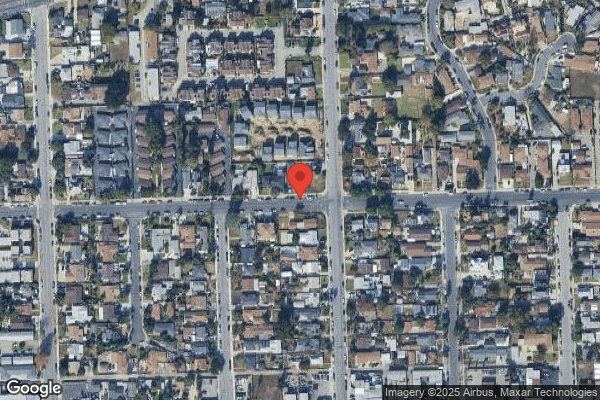
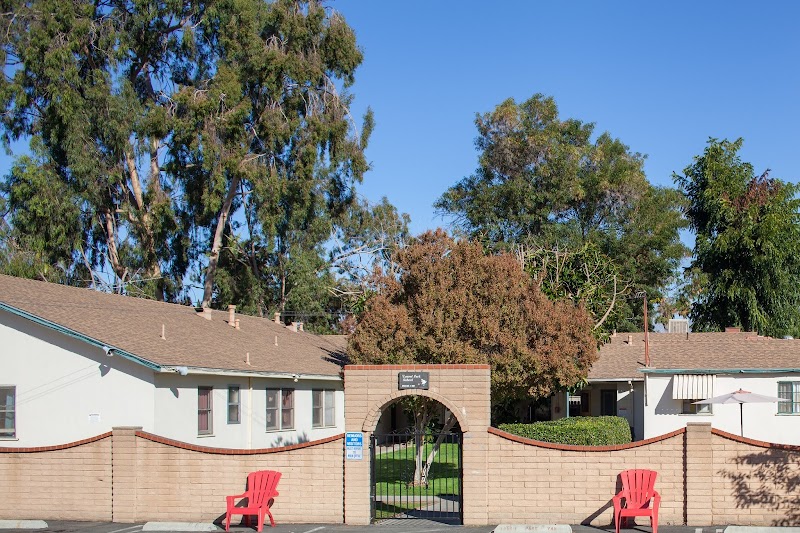
1425 LAUREL AVENUE, POMONA, CA 91768 (909) 622-1069
For profit - Limited Liability company 43 Beds Independent Data: November 2025 1 Immediate Jeopardy citation
Trust Grade
33/100
#617 of 1155 in CA
Last Inspection: December 2024

Within standard 12-15 month inspection cycle. Federal law requires annual inspections.

Overview

Laurel Park Behavioral Health Center has received a Trust Grade of F, indicating significant concerns about the quality of care provided. They rank #617 out of 1155 facilities in California, placing them in the bottom half, and #119 out of 369 in Los Angeles County, meaning only a few local options are better. While the facility is showing improvement, going from 21 issues in 2024 to just 3 in 2025, there are still serious shortcomings, including a critical incident where a resident eloped from the facility. Staffing is average, with a turnover rate of 44%, and they have no fines on record, which is a positive aspect. However, the facility has concerning RN coverage, being lower than 85% of similar facilities, which raises questions about the oversight of care for residents.

Trust Score
F
33/100
In California
#617/1155
Bottom 47%
Safety Record
High Risk
Review needed
Inspections
Getting Better
21 → 3 violations
Staff Stability
○ Average
44% turnover. Near California's 48% average. Typical for the industry.
Penalties
✓ Good
No fines on record. Clean compliance history, better than most California facilities.
Skilled Nurses
⚠ Watch
Each resident gets only 11 minutes of Registered Nurse (RN) attention daily — below average for California. Fewer RN minutes means fewer trained eyes watching for problems.
Violations
⚠ Watch
51 deficiencies on record. Higher than average. Multiple issues found across inspections.
★★★☆☆
3.0
Overall Rating
★★★☆☆
3.0
Staff Levels
★★★★★
5.0
Care Quality
★★☆☆☆
2.0
Inspection Score
Stable
2024: 21 issues
2025: 3 issues

The Good

  • 5-Star Quality Measures · Strong clinical quality outcomes
  • Full Sprinkler Coverage · Fire safety systems throughout facility
  • No fines on record
  • Staff turnover below average (44%)

    4 points below California average of 48%

Facility shows strength in quality measures, fire safety.

The Bad

3-Star Overall Rating

Near California average (3.1)

Meets federal standards, typical of most facilities

Staff Turnover: 44%

Near California avg (46%)

Typical for the industry

The Ugly 51 deficiencies on record

1 life-threatening
Aug 2025 1 deficiency 1 IJ
CRITICAL (J) 📢 Someone Reported This

A family member, employee, or ombudsman was alarmed enough to file a formal complaint

Immediate Jeopardy (IJ) - the most serious Medicare violation

Accident Prevention (Tag F0689)

Someone could have died · This affected 1 resident

**NOTE- TERMS IN BRACKETS HAVE BEEN EDITED TO PROTECT CONFIDENTIALITY** Based on observation, interview, and record review, the facility failed to ensure one of one sampled resident (Resident 1), who ...

Read full inspector narrative →
**NOTE- TERMS IN BRACKETS HAVE BEEN EDITED TO PROTECT CONFIDENTIALITY** Based on observation, interview, and record review, the facility failed to ensure one of one sampled resident (Resident 1), who was on a [NAME]-Petris-Short (LPS, a California law enacted in 1969 that regulates the involuntary commitment of individuals with mental health disorders) conservatorship (a legal process where a court appoints a person to make certain decisions for an individual who was deemed gravely disabled [unable to provide for basic needs] due to a mental health disorder), did not elope (the act of leaving a facility unsupervised and without prior authorization) from a secure facility (a building, institution, or location designed and operated with features that physically restrict unauthorized access or the movement of individuals to prevent people from leaving or others from entering) on 7/28/2025 at 9:27 PM by failing to ensure,1. Certified Nursing Assistant (CNA) 1 reported to Licensed Vocational Nurse (LVN) 1 (charge nurse), CNA 1 found Resident 1, unsupervised, past a locked gate and in the facility's parking lot on 7/28/2025 at 9 PM (the parking lot was an unauthorized area to residents at 9 PM) as indicated in the facility's protocol titled, Supervision Level Protocol and Guidelines.2. Adequate supervision was provided to Resident 1 and failing to ensure Resident was placed on one-to-one supervision (1-1 supervision, one staff supervises one resident) on 7/28/2025 at 9 PM, after Resident 1 was found in the parking lot as indicated in the facility's protocol titled, Supervision Level Protocol and Guidelines, the facility's Policy and Procedures (P&P) titled, Elopements, and Safety of Residents.These failures resulted in Resident 1's elopement on 7/28/2025 at 9:27 PM, Resident 1 was not found until 7/29/2025 at 11 PM. Resident 1 was transferred to the General Acute Care Hospital (GACH) on 7/30/2025 at 10:27 AM for an evaluation. Resident 1 tested positive for amphetamines (a class of powerful and addictive stimulant drugs that speed up the central nervous system [the body's processing center: brain and spinal cord], can significantly affect safety by impairing judgement and physical coordination) at the GACH. Resident 1 was at risk for serious harm and injury when Resident 1 tested positive for amphetamines and did not receive regularly scheduled psychotropic, (prescription drugs that affect brain activity and are used to treat mental health conditions) anticonvulsant (prescription drugs used to prevent or treat seizures [sudden, uncontrolled electrical disturbance in the brain which can cause changes in behavior, movements, feelings, and consciousness]and mood disorders), and anticholinergic (prescription drugs used to treat and regulate bodily functions) medications.On 8/12/2025 at 4:35 PM, while onsite at the facility, the California Department of Public Health (CDPH, the Department) identified an Immediate Jeopardy (IJ, a situation in which the facility's noncompliance with one or more requirements of participation has caused, or is likely to cause, serious injury, harm, impairment, or death to a resident) situation. The IJ was called in the presence of the Administrator (ADM), the Director of Nursing (DON), and the Program Director (PD) due to the facility's failure to ensure Resident 1 did not elope from the facility on 7/28/2025.On 8/13/2025 at 3:30 PM, the ADM provided an acceptable IJ Removal Plan (IJRP, a detailed plan that includes interventions to immediately correct the deficient practices in the IJ). While onsite at the facility, the surveyor verified and confirmed the facility's full implementation of the IJRP through observations, interviews, and record review, and determined the IJ situation regarding Resident 1's elopement was no longer present. The surveyor removed the IJ on 8/13/2025 at 6 PM in the presence of the ADM, the DON, the PD, the [NAME] President of Operations (VPO), the Behavioral Health Consultant (BHC), the Medical Director for Behavioral Health Services (MD), and the Clinical Resource Nurse.The acceptable IJRP included the following summarized actions:A. Immediate Corrective Action:1. On 7/28/2025 @ 10:15 PM, LVN 1 noticed resident 1 missing and immediately initiated the Elopement protocol (procedures implemented in the healthcare setting to prevent and manage resident elopement) by conducting a resident headcount and alerted all staff to search for Resident 1 inside and outside the facility. Resident 1 was not located inside the facility and staff started driving around the area.2. On 7/28/2025 @ 10:25 PM, LVN 1 called the police department (PD) to make a missing persons' report. The PD came to the facility, met with the ADM who provided a description of Resident 1, Resident 1's face sheet, medical history, current medication regimen, a picture, and camera footage of Resident 1 [to the PD]. 3. On 7/28/2025 at 11:30 PM, the ADM and LVN 2 contacted Resident 1's family member (FM) 1 regarding Resident 1's elopement. The ADM gave the next of kin the ADM's cellphone number and requested FM 1 to contact the ADM if Resident 1 got in touch with FM 1 or if Resident 1 showed up at FM 1's house.4. On 7/29/2025 the ADM suspended CNA 1 pending the investigation of the incident regarding CNA 1 failing to report to LVN 1 that Resident 1 was in the parking lot unsupervised [no adequate staff supervision, can lead to potential harm, injury, or exposure to danger].5. On 7/29/2025 at 10 PM, LVN 3 searched for the area, at a local gas station, LVN 3 spoke to the gas station attendant and the attendant stated he had seen Resident 1 at a homeless encampment [located] across the street from the gas station. LVN 3 recognized Resident 1 and when called Resident 1's name, Resident 1 ran away from LVN 3 but LVN 3 provided crisis communication [structured process for managing high-stress situations involving patients, their families, and staff by delivering clear, empathetic, and timely messages to de-escalate emotions and facilitate problem-solving]. Resident 1 complied with LVN 3's verbal redirection and voluntarily returned to the facility.6. On 7/29/2025 at 11 PM, LVN 3 placed Resident 1 in a safe and appropriate environment by putting Resident 1 on 1-1 supervision for personal safety. Resident 1 was assessed, and no injuries were found. Resident 1 was provided with food, shower, and clean clothing. LVN 3 initiated a Change of Condition (COC, a sudden clinically important deviation in the resident's health or functioning that requires further assessments and interventions). 7. On 7/30/2025 LVN 3 contacted the physician (Medical Doctor [MD] 2) who ordered Resident 1 to be transferred to the GACH to obtain medical clearance.8. On 7/30/2025, 3 staff accompanied Resident 1 to the emergency room for evaluation. Resident 1 returned to the facility on 7/29/2025 at [11] PM.9. On 07/30/2025 at 3:07 PM an Interdisciplinary Team (IDT, a team of health care professionals who work together to establish plans of care for residents) was conducted to discuss appropriate interventions and plan of care for Resident 1. The IDT determined Resident 1 required a more secure environment and contacted LA County DMH (Department of Mental Health) liaison to request a transfer to a more secure [place].10. On 8/12/2025, the Clinical Resource Nurse, [NAME] President of Operations, the DON, and the ADM developed the Protocol for Supervision of Residents at Risk for Elopement. The Protocol provides guidelines to staff for increased supervision and support of residents at risk for Elopement.B. Identification of other residents potentially affected:1.On 8/12/2025, the DON conducted a re-evaluation of all 43 residents in the facility to determine the Risk of Elopement. 43 residents had the potential to be affected by the alleged deficient practice. 1 of 43 residents (Resident 2) was identified as being at risk for elopement, the protocol for residents with high-risk for elopement was initiated for Resident 2. Resident 2's Care Plan (CP) for AWOL [absent without leave or permission]/ /Elopement was revised and resolved as appropriate.C. Measures put in place to sustain compliance: 1. On 8/12/2025 the Director of Staff Development (DSD) initiated in-service to facility staff (Registered Nurses [RNs], LVNs, CNAs, Program counselors, Behavioral specialists, and the SSD) on the P&Ps titled, Increased Level of Supervision, Elopement, Protocol for Supervision of Residents at Risk for Elopement, and Head Count of Residents. The following [staff] completed the in-services: LVN - 13, CNA - 15, RN - 3, Primary Counselor - 7, Behavior Specialist - 3.2. On 8/12/2025, the DSD began to validate the competency/posttest of facility staff with the facility's P&Ps Increased Level of Supervision, Elopement, and Head Count of Residents, through a post-test to 5 random facility staff weekly for 3 months or until substantial compliance is achieved. Starting 8/12/25, the DSD is expected to report the monthly findings at the Quality Assessment and Assurance Meeting (QAA, a committee that meets quarterly to develop and implement appropriate plans of action to correct identified quality deficiencies). The following staff have received the in-services and completed post- tests: 12 of 19 LVNs, 16 of 22 CNAs, 4 of 7 RNs, 6 of 8 Primary Counselors, and 3 of 4 Behavior Specialist.3. The facility staff who have not been in-serviced due to leave of absence or on vacation have been scheduled to be in-serviced prior to the start of their next scheduled shift.4. On 8/12/2025 at approximately 8 PM, the DSD was informed by the ADM that all new staff are required to take the competency skills posttest on Elopement, Head Count, and Increased level Supervision. The DSD/designee was informed by the ADM that all newly hired facility staff should receive the skills competency on P&P on Elopement, Head Count, and Increased Level of Supervision as part of the orientation process.5. On 8/12/2025 at 9 PM, the DSD/designee was informed by the ADM to audit the competency skills/posttests starting 08/13/25 will audit once weekly for 4 weeks, once monthly for two months until 11/10/25 and then quarterly.6. On 8/13/2025 at 11 AM, a camera was installed in the administration building that will provide surveillance over the parking lot area. A sensor flood light was also installed on the west side of the garage building that turns on when motion is detected along with a loud alarm to alert any movement in the area.7. On 8/13/2025 the assigned CNA floater will be responsible for watching/looking over the front patio area to ensure residents are not near the exit gates or near the wall barrier. CNA is instructed to alert additional staff if needed.D. Monitoring Performance:1. Starting 8/12/2025, the DON/designee is expected to report findings related to results from the elopement assessment to the QAA committee for further recommendations monthly for 3 months or until substantial compliance is achieved.2. Starting 8/12/2025, the DSD is expected to report findings based on the P&P on Elopement, Head Count, and Increased Level of Supervision, post-test from the facility staff to the QAA committee for further recommendations monthly for 3 months or until substantial compliance is achieved.3. Starting 8/12/2025, the DSD/designee is expected to report findings of new hire completion of the in-service on the P&Ps on Elopement, Head Count, and Increased Level of Supervision, and the skills competency/posttest to the QAA committee for further recommendations monthly for 3 months or until substantial compliance is achieved.Findings:During a review of Resident 1's admission Record (AR), the AR indicated the facility admitted Resident 1 on 11/7/2024 with diagnoses including paranoid schizophrenia (a mental illness characterized by hallucinations [false perception of objects or events involving the senses] and delusions, leading to a distorted perception of reality) and diseases of the musculoskeletal system and connective tissue (illnesses that affect the parts of the body that aid in movement and support). The AR indicated Resident 1's Responsible Party (RP) was a conservator (a public official appointed by the court to care for an individual who was deemed unable to care for his/herself).During a review of Resident 1's History and Physical (H&P), dated 11/8/2024, the H&P indicated Resident 1 did not have the capacity to make decisions.During a review of Resident 1's CP, initiated 11/7/2024, the CP indicated, Resident [1] is at risk for elopement related to being in an open placement setting. The CP's goal indicated, [Resident 1] will maintain 0 [zero] AWOL gestures (actions or behaviors that indicate someone is absent without permission) by [the] next review.During a review of Resident 1's Physician Progress Note (PN) dated 7/24/2025, the progress note indicated Resident 1 was an LPS conservatee (a person deemed incapable of managing his/her own affairs by a court and placed under the care of a conservator).During a review of Resident 1's PN, dated 7/24/2025, timed at 10:20 PM, the PN indicated, at approximately 7:10 p.m., on 7/24.2025, [Resident 1] was seen by staff jumping [the] exterior wall near [the] gate [ an unauthorized area]. The PN indicated [Resident 1] appeared to be moving towards [the] facility trailer and facility staff (unidentified) were able to redirect [Resident 1] and brought [Resident 1] back to [a] secure area of facility. The PN indicated [Resident 1] was placed on [every]15 [minute] monitoring.During a review of Resident 1's PN- Interdisciplinary Team Meeting (IDT, a team of health care professions who work together to establish plans of care for residents) notes, dated 7/29/2025, timed at 3:09 PM, the notes indicated, On 7/28/2025.at [9 pm] [Resident 1] took [Resident 1's] last medication for the day, then [CNA 1] was walking to the parking lot and noticed [Resident 1] was in an unauthorized area. At [10:15 PM LVN 1] was not able to account for [Resident 1] while [LVN 1] was doing rounds. At [10:26 PM] via video footage, [Resident 1] was seen leaving [the] facility.During a review of Resident 1's PN- Change of Condition (COC, a sudden clinically important deviation in the resident's health or functioning that requires further assessments and interventions), dated 7/30/2025, timed at 1:52 AM, the PN-COC indicated, [Resident 1] was returned to the facility by [LVN 2] post AWOL.[Resident 1] had redness on bilateral eyes and states to [LVN 2] that [Resident 1] smoked something earlier but [Resident 1] was fine now.During a review of Resident 1's Physician Order (PO), dated 7/30/2025, timed at 9:11 AM, the PO indicated, May send [Resident 1] to [GACH] for further evaluation and treatment [related to] safety one time only for 1 day [manifested by] AWOL.During a review of Resident 1's GACH records, titled Emergency Trauma Documentation, dated 7/30/2025, the GACH record indicated, .The patient does confess to methamphetamine (a highly addictive lab-made stimulant that affects the central nervous, users are at high risk for psychosis [a state of detachment from reality that is a major safety hazard]) and alcohol use. The caregivers (facility staff who accompanied Resident 1 to the GACH) stated that the patient [Resident 1] jumped a large wall to elope from the facility. highly suspicious of schizophrenia and methamphetamine abuse given history of taking and clinical exam findings. The record indicated Resident 1's toxicology (a test that analyzes urine or blood to determine the presence of drugs, alcohol, or other substances) notable for amphetamines.During a review of Resident 1's GACH Toxicology report, dated 7/30/2025, the report indicated amphetamines were detected in Resident 1's urine.During a review of Resident 1's Order Summary Report (OSR), dated active as of 8/13/2025, the OSR indicated Resident 1 had the following physician orders:1. Valproic acid (medication used to treat certain types of seizures or used as a mood stabilizer) 750 milligrams (mg, unit of measurement) administered by mouth at bedtime for irritable affect (a state of being easily annoyed, frustrated, or provoked to anger) related to paranoid schizophrenia, start date of 11/11/2024.2. Zyprexa (medication used to treat certain mental disorders including paranoid schizophrenia) 15 mg administered by mouth two times a day for withdrawn behavior related to paranoid schizophrenia, start date of 11/11/2024.3. Haloperidol (medication used to treat certain mental disorders including paranoid schizophrenia) 15 mg administered by mouth in the morning and at bedtime manifested by responding to internal stimuli (RTIS-reacting to changes or signals originating within the body) related to paranoid schizophrenia, start date of 12/12/2024.4. Lexapro (medication used to treat anxiety [excessive and persistent worry, fear, and nervousness] and depression [a mental health disorder characterized by sadness, loss of interest, and other symptoms that impact daily life]) 5 mg administered by mouth one time a day for feelings of sadness and withdrawn behavior (a behavior characterized by isolating oneself and avoiding social interactions) related to paranoid schizophrenia, start date of 4/12/2025.5. Benztropine Mesylate (medication used to manage extrapyramidal symptoms [involuntary movements, tremors, and muscle stiffness] caused by antipsychotic medications) one mg administered by mouth at bedtime for tremors and stiffness of muscles, start date of 7/25/2025.The active orders did not indicate an order for 1-1 supervision for Resident 1.During a review of Resident 1's Medication Administration Record (MAR), dated July 2025, the MAR indicated:1. Resident 1 did not receive the 9 PM dose of Benztropine Mesylate 1 mg on 7/29/2025.2. Resident 1 did not receive the 11 AM and 9 PM dose of Haloperidol 15 mg on 7/29/2025.3. Resident 1 did not receive the 7 AM dose of Lexapro 5 mg on 7/29/2025.4. Resident 1 did not receive the 9 PM dose of Valproic Acid 750 mg on 7/29/2025.5. Resident 1 did not receive the 12 PM and 9 PM dose of Zyprexa 15 mg on 7/29/2025.During a review of Resident 1's rounding report (a visual confirmation of Resident 1's location) titled General Resident Supervision Rounds and Area Safety/Security Inspection Rounds, dated 7/28/2025, the rounding report indicated Resident 1 was observed hourly on 7/28/2025 from 12 AM to 10 PM.During a concurrent observation of the facility's surveillance video and interview on 8/12/2025 at 11:10 AM, with the ADM, the facility's surveillance video indicated that on 7/28/2025 at 9:27 PM Resident 1 moved and wheeled a trash can to the facility's locked gate. The video indicated Resident 1 climbed onto the wheeled trash can, climbed over the locked gate, and eloped from the facility. The ADM stated Resident 1 climbed over the locked gate and eloped from the facility. The ADM stated Resident 1 was found at a homeless encampment on 7/29/2025 by LVN 2. The ADM stated Resident 1 was returned to the facility around 11 PM on 7/29/2025.During a telephone interview on 8/12/2025 at 12:30 PM with CNA 1, CNA 1 stated CNA 1 saw Resident 1 in the parking lot around 9 PM on 7/28/2025. CNA 1 stated residents (in general) were not allowed in the parking lot area without staff supervision. CNA 1 stated Resident 1 went through a locked gate to get into the parking lot. CNA 1 stated Resident 1 tried to hide from CNA 1 under a tree and CNA 1 stated CNA 1 asked Resident 1 how Resident 1 had made it to the parking lot past the locked gate. CNA 1 stated Resident 1 refused to answer. CNA 1 stated CNA 1 returned Resident 1 to Resident 1's room but did not report Resident 1 was found in an unauthorized area [parking lot] to other staff members including the assigned charge nurse (LVN 1).During an interview on 8/12/2025 at 4:44 PM with LVN 1, LVN 1 stated Resident 1 was on hourly supervision on 7/28/2025. LVN 1 stated LVN 1 was doing rounds (structured regular visits by staff to resident rooms to check on the resident's well-being, comfort, needs, and safety) on 7/28/2025 at 10:15 PM and LVN 1 couldn't find Resident 1. LVN 1 stated LVN 1 was unaware Resident 1 was found unsupervised in the parking lot earlier that evening [on 7/28/2015 at 9 PM].During an interview on 8/13/2025 at 5:45 PM with the ADM, the ADM stated the facility's parking lot area was an unauthorized area to all residents [due to the facility being a secure facility]. The ADM stated when Resident 1 was found in the parking lot on 7/28/2025 at 9 PM and Resident 1's behavior of being in an unauthorized area, CNA 1 needed to report the incident to the charge nurse because Resident 1's behavior indicated Resident 1 had a desire to elope from the facility. The ADM stated Resident 1 should have been placed on 1-1 supervision, on 7/28/2025, per the facility's increased level of supervision protocol.During a review of the facility's P&P titled, Safety of Residents, effective 6/27/2022, the P&P's purpose indicated, To provide a safe environment for residents.Upon admission, residents will be monitored for behavioral triggers including, but not limited to:.Increased pacing or wandering.Response to unsafe behavior: If a resident's behavior becomes.unmanageable in a way that compromises his or her safety. the Charge Nurse and the [Director of Nursing Services] DNS are notified immediately. The Charge Nurse will: .Maintain 1-1 supervision of the resident until the behavior has subsided.During a review of the facility's P&P titled, Elopements, revised 2/21/2025, the P&P indicated, The residents who exhibit wandering behavior and/or are at risk for elopement receive adequate supervision to prevent accidents and receive care in accordance with their person-centered plan of care addressing the unique factors contributing to wandering or elopement risk. Definitions: Wandering is random or repetitive locomotion that may be goal-directed (e.g., the person appears to be searching for something such as an exit), or non-goal directed or aimless. Elopement occurs when a resident leaves the premises or a safe area without authorization . and/or any necessary supervision to do so.The facility shall establish and utilize a systematic approach to monitoring and managing residents at risk for elopement or unsafe wandering, including identification and assessment of risk, evaluation and analysis of hazards and risks, implementing interventions to reduce hazards and risks, and monitoring for effectiveness and modifying interventions when necessary.The effectiveness of interventions will be evaluated, and changes will be made as needed.During a review of the facility's undated Protocol titled, Supervision Level Protocol and Guidelines, the protocol indicated, When residents are under general supervision, they are expected to stay in the building except when following standard policies for leaving (e.g. therapeutic pass (authorized outing), outings, appointments, and hospital stays). A staff member entering/exiting a secured resident area is responsible for detecting any resident who attempts to leave without permission. The staff member should verbally redirect the resident away from the area and alert other staff members for assistance so they can intervene to keep the residents safe. The protocol indicated, Increased supervision is provided to.residents whose .behavior .indicated an increased level of risk. The protocol indicated residents required 1-1 supervision when residents were actively seeking to elope or required constant observation. The protocol indicated 1-1 supervision is an emergency intervention that may be implemented by charge nurses or RNs with a doctor's order. The protocol indicated that a resident on 1-1 supervision will have dedicated staff assigned to have visual contact with the resident at all times, the assigned staff will have no other duties besides the 1 to 1 observation of the resident. The protocol's guidelines indicated a resident will be placed 1 to 1 supervision per doctor's orders for a maximum of 72 hours. The protocol indicated the IDT will reevaluate the necessity of continuing this level of supervision.
Jun 2025 1 deficiency
CONCERN (D) 📢 Someone Reported This

A family member, employee, or ombudsman was alarmed enough to file a formal complaint

Potential for Harm - no one hurt, but risky conditions existed

Free from Abuse/Neglect (Tag F0600)

Could have caused harm · This affected 1 resident

**NOTE- TERMS IN BRACKETS HAVE BEEN EDITED TO PROTECT CONFIDENTIALITY** Based on interview and record review, the facility failed to ensure one of one sampled resident (Resident 1) was free from physi...

Read full inspector narrative →
**NOTE- TERMS IN BRACKETS HAVE BEEN EDITED TO PROTECT CONFIDENTIALITY** Based on interview and record review, the facility failed to ensure one of one sampled resident (Resident 1) was free from physical abuse when on 6/14/2025 Resident 2 shoved Resident 1. This failure resulted in physical abuse to Resident 1 and had the potential to result in psychosocial harm and injury to Resident 1. Findings: During a review of Resident 1's admission Record (AR), the AR indicated the facility admitted Resident 1 on 11/7/2024 with a diagnosis that included paranoid schizophrenia (a mental illness characterized by hallucinations [false perception of objects or events involving the senses] and delusions, leading to a distorted perception of reality). During a review of Resident 1's Minimum Data Set (MDS- a resident assessment tool), dated 5/15/2025, the MDS indicated Resident1's cognitive (the ability to think and process information) skills for daily decision making were intact. The MDS indicated Resident 1 was independent (the resident completes the activity by themselves with no assistance from a helper) with self-care (activities including eating, hygiene, and dressing) and mobility (walking, lying, and standing). During a review of Resident 1's Interdisciplinary Care Conference Note, dated 6/17/2025, the note indicated Resident 1 reported to staff Resident 1 was shoved by a male peer [Resident 2] in the hallway on 6/14/2025. The note indicated there was a history of boundary issues between Resident 1 and Resident 2. During a review of Resident 2's AR, the AR indicated the facility admitted Resident 2 on 4/6/2023 with diagnosis including schizophrenia (a mental illness characterized by disturbances in thought) and generalized anxiety disorder (a mental illness characterized by excessive, persistent, and irrational worry or fear that can interfere with daily life). During a review of Resident 2's MDS, dated [DATE], the MDS indicated Resident 2's cognitive skills for daily decision making were intact. The MDS indicated Resident 2 was independent with self-care and mobility. During a review of Resident 2's Care Plan (CP), the CP indicated Resident 2 exhibited inappropriate physical boundaries with male peer [Resident 1] engaging in play fighting, dated 6/14/2025, the CP indicated, Staff will support resident with identifying and implementing appropriate physical boundaries with peers . During an interview on 6/17/2025 at 12:20 pm with Behavioral Health Counselor (BHC) 1, BHC 1 stated, on 6/14/2025 in the morning (no time recall), Resident 1 approached BHC 1 and made the BHC 1 aware Resident 2 pushed Resident 1 in the hallway. BHC 1 stated BHC 1 approached Resident 2 and asked Resident 2 about the incident. BHC 1 stated Resident 2 told BHC 1 Resident 1 made inappropriate comments and entered Resident 2's room without permission. BHC 1 stated Resident 1 and Resident 2 had a history of giving each other a hard time. BHC 1 stated it was the policy of the facility to report this type of [physical] abuse immediately. During an interview on 6/17/2025 at 12:56 pm with Resident 1, Resident 1 stated the morning of 6/14/2025 Resident 1 and Resident 2 were talking about arcade games in the hallway when Resident 2 shoved Resident 1. Resident 1 stated Resident 2 placed Resident 2's palms on Resident 1's chest and shoved Resident 1. Resident 1 stated, He almost knocked me to the ground, but I didn't fall. Resident 1 stated Resident 1 didn't know why Resident 2 pushed Resident 1 but Resident 1 was upset after being shoved by Resident 2. During an interview on 6/17/2025 at 1:15 pm with Resident 2, Resident 2 stated during the morning of 6/14/2025 Resident 2 and Resident 1 were horseplaying (play that is physically rough) in the hallway. Resident 2 stated Resident 2 shoved Resident 1 in the chest after Resident 2 became upset with Resident 1 because Resident 1 didn't know how to play well. During an interview on 6/17/2025 at 1:30 pm, with Licensed Vocational Nurse (LVN) 1, LVN 1 stated on 6/14/2025, BHC 1 told LVN 1 Resident 2 shoved Resident 1. LVN 1 stated Resident 2 admitted to shoving Resident 1 on the chest. LVN 1 stated physical abuse could result in bodily harm or may cause Resident 1 to become withdrawn (a condition where an individual tends to distance themselves from social interactions, both physically and emotionally). During an interview on 6/17/2025 at 2:45 pm with the Administration (ADM), the ADM stated the ADM is the abuse coordinator for the facility. The ADM stated it is the policy of the facility to prevent physical abuse [to residents]. The ADM stated that when a resident shoved another resident it was physical abuse. During a review of the facility's Policy and Procedure (P&P) titled, Abuse Prohibition, dated 2/23/2021, the P&P indicated, Healthcare Centers prohibit abuse, mistreatment, neglect, misappropriation of resident property, and exploitation for all residents .Abuse is defined as the willful infliction of injury, unreasonable confinement, intimidation, or punishment with resulting physical harm, injury, or mental anguish .Willful, as used in this definition of abuse, means the individual must have acted deliberately, not that the individual must have intended to inflict injury or harm . Physical abuse includes hitting, slapping, pinching, kicking, etc
Jan 2025 1 deficiency
CONCERN (D) 📢 Someone Reported This

A family member, employee, or ombudsman was alarmed enough to file a formal complaint

Potential for Harm - no one hurt, but risky conditions existed

Quality of Care (Tag F0684)

Could have caused harm · This affected 1 resident

**NOTE- TERMS IN BRACKETS HAVE BEEN EDITED TO PROTECT CONFIDENTIALITY** Based on interview and record review, the facility failed to ensure one of two sampled residents (Resident 1) received treatment...

Read full inspector narrative →
**NOTE- TERMS IN BRACKETS HAVE BEEN EDITED TO PROTECT CONFIDENTIALITY** Based on interview and record review, the facility failed to ensure one of two sampled residents (Resident 1) received treatment and care in accordance with the physician's order for orthostatic blood pressure monitoring (involves measuring blood pressure while sitting, standing, and lying down to assess changes) by failing to ensure Resident 1 was monitored for orthostatic hypotension (condition in which the blood pressure quickly drops upon standing up after sitting or lying down) with three blood pressure (BP) readings on 1/15/25 and observed for adverse side effects. This deficient practice had the potential to result in hypotension (very low blood pressure) with dizziness and fainting and can lead to falls and injuries for Resident 1. Findings: During a review of Resident 1's admission Record (AR), the AR indicated Resident 1 was admitted to the facility on [DATE] with diagnoses that included schizophrenia (a mental illness characterized by disturbances in thought), major depressive disorder (a mood disorder that causes a persistent feeling of sadness and loss of interest), and general anxiety (worrying constantly and inability to control it). During a review of Resident 1's History and Physical (H&P) dated 10/22/24, the H&P indicated Resident 1 does not have the capacity to make own decisions but can make needs known. During a review of Resident's 1's Minimum Data Set (MDS, a standardized assessment and care planning tool) dated 1/17/25, the MDS indicated Resident 1 had intact cognition (mental action or process of acquiring knowledge and understanding) for daily decision making. The MDS indicated Resident 1 was independent with eating, oral hygiene, toileting hygiene, shower/bathing self, upper/lower body dressing, putting on/taking off footwear, and personal hygiene. During a review of Resident 1's Medication Administration (MAR) for the month of January 2025, the MAR indicated Resident 1 was prescribed two antipsychotic medications (medications to treat psychosis [severe mental disorder in which thoughts and emotions are so impaired that contact is lost with external reality]) and for staff to monitor side effects related to hypotension. During a review of Resident 1's Medication Review Report for active physician orders, the report indicated the following: 1. Monitor orthostatic B/P while (lying/sitting/standing) one time a day starting on the 15th and ending on the 15th every month BP (Lying). 2. Monitor orthostatic B/P while (lying/sitting/standing) one time a day starting on the 15th and ending on the 15th every month BP (Sitting). 3. Monitor orthostatic B/P while (lying/sitting/standing) one time a day starting on the 15th and ending on the 15th every month BP (Standing). During a review of Resident 1's Weights and Vitals Summary for 12/27/24 to 1/30/25, the summary did not indicate a standing position orthostatic blood pressure (BP) reading was taken within minutes of the lying and sitting BP orthostatic readings. The lying and sitting orthostatic BP readings were taken out of sequence. The sitting position BP was taken at 10:30 a.m. followed by the lying position BP taken at 10:33 a.m. The BP readings on 1/15/25 were as follows: 1/15/25 at 9:00 a.m., 130/82 mmHg (Sitting, left arm) 1/15/25 at 10:30 a.m., 127/85 mmHg (Sitting, right arm) 1/15/25 at 10:33 a.m., 124/80 mmHg (Lying, right arm) 1/15/25 at 8:49 p.m., 123/84 mmHg (Standing, left arm) During a concurrent interview and record review on 1/30/25 at 3:18 p.m. with Licensed Vocational Nurse 3 (LVN 3), the Medication Administration Record (MAR) dated January 2025, Medication Review Report - Order Summary, and Weights and Vitals Summary for 12/27/24 to 1/30/25, for Resident 1 were reviewed. LVN 3 stated there were only two orthostatic BP readings taken on 1/15/25, and both readings (10:30 a.m. sitting and 10:33 a.m. lying) were taken in the wrong sequence. LVN 3 stated three BPs needed to be taken to check for hypotension and should be done three to five minutes apart. LVN 3 stated it was important to take all three readings as ordered by the physician because a drop in blood pressure could affect Resident 1 to faint or fall and sustain an injury. During a concurrent interview and record review on 1/30/25 at 4:30 p.m. with the facility's Director of Nursing (DON), the Medication Administration Record (MAR), dated January 2025, Medication Review Report - Order Summary, and Weights and Vitals Summary for 12/27/24 to 1/30/25, for Resident 1 were reviewed. The DON stated Resident 1 was not monitored for orthostatic hypotension in accordance with the physician's order. During a review of the facility's Policy and Procedure (P&P) titled, Physician Orders, dated 3/22/22, the P&P indicated, . To ensure that all physician orders are complete and accurate. The P&P further indicated, Treatment orders will include the following: 1) A description of the treatment, including the treatment site, if applicable; 2) The frequency of treatment and duration of order (when appropriate); and 3) The condition/diagnosis for which the treatment is ordered. Medication/treatment orders will be transcribed onto the appropriate resident administration record. Documentation pertaining to physician orders will be maintained in the resident's medical record. Current month's administration records will be maintained in the MAR/TAR binders. During a review of the facility's P&P titled, Psychotropic Medication Use, dated 6/2021, the P&P indicated, The Facility should comply with the State Operations Manual, and all other Applicable Law relating to the use of psychoactive medications, including gradual dose reductions. The P&P further indicated, All medications use to treat behaviors must have a clinical indication and be used in the lowest possible dose to achieve the desired therapeutic effect. All residents receiving medications used to treat behaviors should be monitored for harm or adverse consequences.
Dec 2024 13 deficiencies
CONCERN (D) 📢 Someone Reported This

A family member, employee, or ombudsman was alarmed enough to file a formal complaint

Potential for Harm - no one hurt, but risky conditions existed

Free from Abuse/Neglect (Tag F0600)

Could have caused harm · This affected 1 resident

**NOTE- TERMS IN BRACKETS HAVE BEEN EDITED TO PROTECT CONFIDENTIALITY** Based on interview and record review, the facility failed to ensure two of two sampled residents (Resident 2 and Resident 15) we...

Read full inspector narrative →
**NOTE- TERMS IN BRACKETS HAVE BEEN EDITED TO PROTECT CONFIDENTIALITY** Based on interview and record review, the facility failed to ensure two of two sampled residents (Resident 2 and Resident 15) were free from physical abuse (willful infliction of injury, deliberate aggressive or violent behavior with the intention to cause harm) as indicated in the facility's policy and procedure (P&P) titled, Abuse Prohibition Policy and Procedure, when on 12/11/2024 Resident 2 punched Resident 15 on the chest and Resident 15 pushed Resident 2 to the ground. This deficient practice resulted in physical abuse and had the potential to result in injury and harm to Resident 15 and Resident 2. Findings: During a review of Resident 2's admission Record (AR), the AR indicated the facility admitted Resident 2 on 4/8/2011, and re-admitted the resident on 5/28/2014, with diagnoses including schizophrenia (a mental illness that is characterized by disturbances in thought), moderate intellectual disabilities, and chronic (long standing) obstructive pulmonary disease (COPD-a common lung disease causing restricted airflow and breathing problems). During a review of Resident 2's Minimum Data Set (MDS, a federally mandated resident assessment tool), dated 11/7/2024, the MDS indicated Resident 2's ability to hear was adequate and Resident 2 had clear speech. The MDS indicated Resident 2's cognition (the ability to think and process information) was moderately intact, made self-understood, and was able to understand others. The MDS indicated Resident 2 was independent (resident completes the activity by themself with no assistance from a helper) with activities of daily living (ADL, term used in healthcare that refers to self-care activities) and was independent with mobility. During a review of Resident 15's AR, the AR indicated the facility admitted Resident 15 on 2/11/2020, with diagnoses including schizoaffective disorder (a mental illness that can affect your thoughts, mood, and behavior), hypertension (HTN-high blood pressure), and anemia (a condition where the body does not have enough healthy red blood cells). During a review of Resident 15's MDS, dated [DATE], the MDS indicated Resident 15's cognition was moderately intact. The MDS indicated Resident 15 was independent with ADLs and was independent with mobility. During a review of Resident 2's Progress Notes, dated 12/11/2024 timed at 11:50 AM, the progress notes indicated Resident 15 was in an altercation with another male peer [Resident 2] and Resident 15 called Resident 2 a boy, so Resident 2 punched Resident 15 in the chest and Resident 15 punched Resident 2 back in the chest and Resident 2 then fell to the ground. During a review of Resident 2's Confidential Adverse Incident Initial Reporting (CAR) Form, dated 12/15/2024, the CAR indicated the date of the incident was 12/11/2024. The CAR indicated Resident 2 reported Resident 2 hit Resident 15 because Resident 15 called Resident 2 a name. During a review of Resident 2's Interdisciplinary Care Conference form, dated 12/16/2024 timed at 9:23 AM, the IDT Care Conference notes indicated it was alleged that Resident 2 punched Resident 15 in the chest, then Resident 2 was pushed by Resident 15 and observed to fall to the ground. During an interview on 12/17/2024 at 09:07 AM, Resident 15 was unable to give a clear statement regarding the altercation with Resident 2. Resident 15 had disorganized and incoherent thoughts and stated, My shoes have wings, and they want me to fly to the moon, but [NAME] is trying to stop me. During an interview on 12/17/2024 at 10:27 AM, Resident 2 stated Resident 2 got upset and angry with Resident 15 for calling him a boy. Resident 2 stated Resident 2 punched Resident 15 on the chest and Resident 15 then pushed Resident 2 to the ground. Resident 2 pointed with his finger at the corridor next to the dining facility where the incident occurred. Resident 2 was unable to state when the incident occurred. During an interview on 12/17/2024 at 10:44 AM, with Certified Nursing Assistant (CNA) 1, CNA 1 stated that CNA 1 was working at the facility on 12/11/2024 the day of the altercation between Resident 2 and Resident 15. CNA 1 stated CNA 1 was inside the [NAME] unit looking for a resident at that time. CNA 1 stated the [NAME] unit was located near the corridor where the altercation occurred. CNA 1 stated Resident 15 and Resident 2 didn't show any signs of aggressiveness, anger, or impulsive behaviors the morning of 12/11/2024. CNA 1 stated Resident 2 was generally calm and tended to keep to himself. CNA 1 stated Resident 15 tended to get restless when too many people were around or got agitated when Resident 15 didn't get what Resident 15 wanted. CNA 1 stated CNA 1 didn't see what led to the altercation and only caught the tail end (the last part of something) of the incident. CNA 1 stated CNA 1 saw Resident 2 on the ground and Resident 15 fleeing the scene in a fast pace. CNA 1 stated Resident 2 reported Resident 15 called Resident 2 a boy and that made Resident 2 upset and angry causing Resident 2 to punch Resident 15 in the chest, which then led Resident 15 to push Resident 2 to the ground. CNA 1 stated Resident 8 witnessed the incident and told CNA 1 Resident 2 threw a punch at Resident 15 and Resident 15 pushed Resident 2 to the ground. CNA 1 stated residents (in general) in the facility should be monitored consistently for their safety, well-being, and progress in treatment. During an interview on 12/17/2024 at 1:48 PM, with the Administrator (ADM), the ADM stated the ADM conducted the 5-day follow-up report investigation. The ADM stated the ADM had two witnesses CNA 1 and Resident 8. The ADM stated CNA 1 witnessed Resident 2 on the ground and did not witness what started the altercation. The ADM stated Resident 8 stated, a black guy pushed a white guy and then he gave the middle finger and walked away. The ADM stated when CNA 1 asked Resident 2 what happened Resident 2 walked away, then Resident 2 reported Resident 2 hit Resident 15 because Resident 15 called him a name. The ADM stated Resident 15 never gave his statement, denied doing anything. During an interview on 12/19/2024 at 9:47 AM, with Licensed Psychiatric Technician (LPT) 1, LPT 1 stated LPT 1 was working on 12/11/2024 the day of the altercation between Resident 2 and Resident 15. LPT 1 stated the altercation was around noon during medication administration time. LPT 1 stated LPT 1 was in the nursing station administering residents' medication. LPT 1 stated Resident 2 came up to the nursing station for his medication and LPT 1 did not notice any signs of aggressiveness, agitation, irritable or delusional (a belief or altered reality that is persistently held despite evidence or agreement to the contrary) behavior. LPT 1 stated LPT 1 didn't notice any signs of aggressiveness, agitation, anxious or delusional behavior with Resident 15. LPT 1 stated LPT 1 did not witness the altercation until staff members notified LPT 1. LPT 1 stated staff were occupied around noon because of medication administration and prepping for lunch distribution. LPT 1 stated continuous monitoring was the cornerstone of effective care in behavioral facilities, ensured residents received the support they needed to recover and thrive in a safe and structured environment. During an interview on 12/20/2024 at 10:12 AM, with Registered Nurse (RN) 1, RN 1 stated that she wasn't working on 12/11/2024 the day of the altercation between Resident 2 and Resident 15. RN 1 stated that Resident 15 typically wasn't aggressive or angry and stated Resident 15 was respectful, responded to commands, and was easily redirectable. RN 1 stated Resident 2 typically wasn't aggressive or angry and was respectful too. RN 1 stated Resident 2 got angry at times when Resident 2 was anxious. RN 1 stated Resident 2 responded better to staff Resident 2 was familiar with but Resident 2 opened up once Resident 2 got to know the staff. RN 1 stated careful supervision of residents ensured safety, timely intervention, created a safe environment, and encouraged healthy behaviors which ultimately enhanced resident outcomes. During a review of the facility's P&P titled, Abuse Prohibition Policy and Procedure, review date 2/23/2021, the P&P indicated: Healthcare Centers prohibit abuse, mistreatment, neglect, misappropriation of resident property, and exploitation for all residents. This includes, but is not limited to, freedom from corporal punishment, involuntary seclusion, and any physical or chemical restraint not required to treat the patient's medical symptoms. Abuse is defined as the willful infliction of injury, unreasonable confinement, intimidation, or punishment with resulting physical harm, injury, or mental anguish. Willful, as used in this definition of abuse, means the individual must have acted deliberately, not that the individual must have intended to inflict injury or harm. Physical abuse includes hitting, slapping, pinching, kicking, etc., as well as controlling behavior through corporal punishment. To ensure that Center staff are doing all that is within their control to prevent occurrences of abuse, mistreatment, neglect, exploitation, involuntary seclusion, injuries of unknown source, and misappropriation of property for all patients. The Center will provide adequate supervision when the risk of resident-to-resident altercation is suspected.
CONCERN (D)

Potential for Harm - no one hurt, but risky conditions existed

Assessment Accuracy (Tag F0641)

Could have caused harm · This affected 1 resident

Based on interview and record review, the facility failed to ensure the assessment entry in the general (refers to the initial observation of the patient's overall appearance, including their level of...

Read full inspector narrative →
Based on interview and record review, the facility failed to ensure the assessment entry in the general (refers to the initial observation of the patient's overall appearance, including their level of comfort, posture, hygiene, skin color, and any noticeable physical characteristics) section on a physical and history (H&P) exam was accurately documented to reflect the Resident's ability to hear and verbalize with others for one of one sampled resident (Resident 2). This deficient practice had the potential to negatively affect Resident 2's plan of care and delivery of necessary care and services. Findings: During a review of Resident 2's admission Record (AR), the AR indicated the facility admitted Resident 2 on 4/28/2011 and re-admitted the resident on 5/28/2014 with diagnoses including schizophrenia (a mental illness that is characterized by disturbances in thought), moderate intellectual disabilities, and chronic (long standing) obstructive pulmonary disease (COPD-a common lung disease causing restricted airflow and breathing problems). During a review of Resident 2's History and Physical (H&P), dated 10/22/2024, the H&P indicated Resident 2 was nonverbal, deaf, and used sign language. The H&P indicated Resident 2 could not make own decisions but could make needs known. The H&P indicated Nurse Practitioner 1 (NP 1) spoke with Resident 2 and Resident 2 verbally agreed to receive chronic care management services. During a review of Resident 2's Minimum Data Set (MDS, a federally mandated resident assessment tool), dated 11/7/2024, the MDS indicated Resident 2's ability to hear was adequate and Resident 2 had clear speech. The MDS indicated Resident 2's cognition (the ability to think and process information) was moderately intact. The MDS indicated Resident 2 was independent (resident completes the activity by themself with no assistance from a helper) with activities of daily living (ADL, term used in healthcare that refers to self-care activities) and was independent with mobility. During an observation and concurrent interview on 12/18/2024 at 12:34 PM, with Resident 2, Resident 2 was observed verbally communicating with other residents in the patio during lunch time. Resident 2 stated Resident 2 was able verbally respond without any difficulty and denied having hearing problems. During a phone interview and concurrent record review on 12/20/2024 at 12:56 PM, with NP 1, Resident 2's H&P was reviewed. The NP 1 stated NP 1 the information regarding Resident 2 documented on the H&P [nonverbal, deaf, and used sign language] in error and NP 1 mixed up Resident 2 with another resident. The NP 1 stated NP 1 saw many residents on 10/22/2024 and documented Resident 2 was nonverbal, deaf, and used sign language in error. The NP 1 stated the H&P should be accurately completed because it provided the foundation for proper diagnosis and treatment, gave healthcare providers a comprehensive understanding of a patient's health condition, and allowed them to tailor care plans, identify potential risks, and make informed decisions to achieve the best possible patient outcomes. During an interview on 12/20/2024 at 1:07 PM, with Registered Nurse (RN) 2, RN 2 stated inaccurate assessments could lead to misdiagnoses, inappropriate treatments, and potentially harmful consequences for the patient. RN 2 stated clinicians should ensure H&P exams were accurate because they provided critical information about a person's general physical health, possible diseases, and progress toward recovery. During a review of the facility's P&P titled Guidelines for Charting and Documentation, revision dated 4/2012, the P&P indicated the general rule for charting and documentation was to be concise, accurate, and complete and use objective terms. the P&P indicated to avoid brief, monotonous, and meaningless entries. During a review of the facility's P&P titled, Resident Assessments, revision dated 10/2023, the P&P indicated assessments are completed by staff members who have these skills and qualifications to assess relevant care areas and who are knowledgeable about the resident's strengths and areas of decline.
CONCERN (D)

Potential for Harm - no one hurt, but risky conditions existed

Deficiency F0657 (Tag F0657)

Could have caused harm · This affected 1 resident

Based on interview, and record review, the facility failed to update a care plan (CP) and include new interventions, for one of two sampled residents (Resident 36), after Resident 36 sustained a fall ...

Read full inspector narrative →
Based on interview, and record review, the facility failed to update a care plan (CP) and include new interventions, for one of two sampled residents (Resident 36), after Resident 36 sustained a fall on10/30/2024 and as indicated in the facility's policy and procedure titled, Care Plan Comprehensive, and Fall Management. This deficient practice had the potential to result in unmet individualized needs for Resident 36 and the potential to affect the resident's physical and psychosocial well-being. Findings: During a review of Resident 36's admission Record (AR), the AR indicated the facility admitted Resident 36 on 3/26/2024, with diagnoses including schizophrenia (a mental illness that is characterized by disturbances in thought) and psychoactive (altering the mind or consciousness) substance abuse. During a review of Resident 36's Minimum Data Set (MDS, a federally mandated resident assessment tool), dated 10/1/2024, the MDS indicated Resident 36's cognition (the ability to think and process information) was moderately intact. The MDS indicated Resident 36 was independent (resident completes the activity by themself with no assistance from a helper) with activities of daily living (ADL, term used in healthcare that refers to self-care activities) and was independent with mobility. During a review of Resident 36's At Risk for Falls CP, initiated 5/3/2024, the interventions in the CP indicated the facility would obtain and evaluate orthostatic blood pressure (the measurement of blood pressure taken when a person stands up from a lying or sitting position) and provide verbal cues for safety and sequencing when needed. During a review of Resident 36's Interdisciplinary Care Conference report dated 10/31/2024, the report indicated Resident 36 had a fall on 10/15/2024 at 7:40 AM. During a review of Resident 36's Interdisciplinary Care Conference report dated 10/30/2024, the report indicated that Resident 36 had a fall on 10/30/2024 at 7:40 AM. During an interview on 12/17/2024 at 9:45 AM, with Resident 36, Resident 36 stated Resident 36 had two recent falls at the facility but Resident 36 could not recall exactly when the falls occurred. During an interview and concurrent record review on 12/19/2024 at 9:47 AM, with Licensed Psychiatric Technician (LPT) 1, the At Risk for Falls CP dated 5/3/2024, was reviewed with LPT 1. The interventions in the CP indicated the facility would monitor for headaches, vomiting, or worsening symptoms and monitor Resident 36 for any changes and continue with q15 (a safety check occurring every 15 minutes) monitoring. LPT 1 stated Resident 36's At Risk for Falls CP was initiated on 5/3/2024. LPT 1 stated the CP for At Risk for Falls was not updated to include new interventions after Resident 36 had a fall 10/30/2024. LPT 1 stated At Risk for Falls CPs should be updated to include new interventions after each fall to prevent further falls that could potentially lead to injury. LPT 1 stated interventions should be added to At Risk for Falls CPs whenever there was a change in the resident's condition, behavior, environment, or risk factors, to ensure the CPs remained effective in preventing falls and addressed the specific needs of the residents (in general). During an interview on 12/20/2024 at 9:57 AM, with Registered Nurse (RN) 1, RN 1 stated staff should always update At Risk for Falls CPs after a fall occurred [to include new interventions]. RN 1 stated a fall was a significant change in a resident's condition and updating the CP with new interventions allowed the facility to identify the causes of the fall, implement new interventions to address those specific risk factors, and minimized the chances of future falls by tailoring the plan to the individual's unique needs based on the incident. RN 1 stated updating the CP promptly and effectively helped reduce the risk of future falls and ensured resident safety and well-being. During a review of the facility's P&P titled, Care Plan Comprehensive, revision dated 8/25/2021, the P&P indicated: A. Assessments of residents are ongoing and care plans are reviewed and revised as information about the resident and the resident's condition changes. B. The Interdisciplinary Team (IDT) is responsible for evaluation and updating of care plans: 1.When there has been a significant change in resident's condition. 2.When the desired outcome is not met. 3.When the resident has been readmitted to the facility from a hospital stay; and 4.At least quarterly. During a review of the facility's P&P titled, Fall Management, dated 5/26/2021, the P&P indicated if patient falls update care plan to reflect new interventions.
CONCERN (D)

Potential for Harm - no one hurt, but risky conditions existed

Deficiency F0726 (Tag F0726)

Could have caused harm · This affected 1 resident

Based on interview and record review the facility failed to evaluate and ensure one of four Certified Nursing Assistants (CNA 3) had completed annual skills training. This failure had the potential t...

Read full inspector narrative →
Based on interview and record review the facility failed to evaluate and ensure one of four Certified Nursing Assistants (CNA 3) had completed annual skills training. This failure had the potential to result in unsafe resident care. Findings: During a concurrent interview and record review on 12/20/2024 at 12:25 PM with Director of Staff Development (DSD), CNA 3's employee file and Employee Orientation IMD Checklist, (EOIC) dated 5/2/2023 was reviewed. The EOIC indicated CNA 3 was hired on 5/2/2023 and CNA 3 completed trainings on 5/2/2023, 5/3/2023 and 5/5/2023. The DSD stated skills training needed to be updated annually to ensure staff was update for any changes and ensure safety and care were done correctly. The DSD stated the DSD did not see any documentation indicating skills training was completed by CNA 3 in 2024. The DSD stated CNA 3 should not have cared for residents until CNA 3's skills trainings were up to date. During a review CNA 3's Timecard, (TC) dated from 11/01/2024 to 12/16/2024, the TC indicated CNA 3's most recent days of work were 12/7/2024 11:12 PM through 12/8/2024 7:12 AM and on 12/8/2024 11:20 AM through 12/9/2024 7:07 AM. During a review of the facility's assignment sheet titled, L.P. Assignments - Nursing Direct Care NOC, (LPA) dated 12/7/2024 and 12/8/2024, the LPA indicated CNA 3 had direct patient care on these days. During a review of the facility's policy and procedure (P&P) titled, In-service Training, All Staff, dated 8/2022, the P&P indicated all staff must participate in initial orientation and annual in-service training.
CONCERN (D)

Potential for Harm - no one hurt, but risky conditions existed

Deficiency F0727 (Tag F0727)

Could have caused harm · This affected 1 resident

Based on interview and record review, one of one facility (the facility) failed to ensure a full-time Director of Nursing (DON) was employed by the facility. This failure had the potential to lead to...

Read full inspector narrative →
Based on interview and record review, one of one facility (the facility) failed to ensure a full-time Director of Nursing (DON) was employed by the facility. This failure had the potential to lead to a lack of oversight of the facility's nursing practices and effect the care provide to the residents residing at the facility. Findings: During an interview on 12/17/2024 at 8:41 AM with the Administrator (ADM), the ADM stated currently, the facility had no DON, and the DON role was being filled by multiple Registered Nurses (RNs). During an interview on 12/20/2024 at 10:45 AM with Registered Nurse (RN) 1, RN 1 stated it was important to have a DON onsite because the DON generally had more knowledge, training, and experience and could handle oversight of resident treatments and medications correctly. During a review of the facility's offer of employment letter, dated 12/11/2024, the letter indicated the full-time position for DON would start 12/23/2024. The letter indicated a signature on the returned copy and verified acceptance of the position. The letter indicated the potential DON's signature on the bottom portion. During a review of the facility's policy and procedure (P&P) titled, Director of Nursing Services (DNS), undated, the P&P indicated the director was employed full time (40-hours per week) and was responsible for but was not necessarily limited to: b. overseeing standards of nursing practice.
CONCERN (D)

Potential for Harm - no one hurt, but risky conditions existed

Medication Errors (Tag F0758)

Could have caused harm · This affected 1 resident

**NOTE- TERMS IN BRACKETS HAVE BEEN EDITED TO PROTECT CONFIDENTIALITY** Based on interview and record review, the facility failed to adequately monitor one of five sampled resident's (Resident 40) use...

Read full inspector narrative →
**NOTE- TERMS IN BRACKETS HAVE BEEN EDITED TO PROTECT CONFIDENTIALITY** Based on interview and record review, the facility failed to adequately monitor one of five sampled resident's (Resident 40) use of psychotropic (drug or substance that changes mood, awareness, thoughts feelings or behavior) medication haloperidol (medication used to treat nervous, emotional, and mental conditions) as evidenced by failure to limit PRN (as needed) haloperidol to 14 days per the facility's policy and procedure (P&P) and failure to monitor Resident 40's anxious behavior and side effects of haloperidol. This failure had the potential to result in Resident 40 to experience adverse (unwanted) effects of haloperidol. Findings: During a review of Resident 40's admission Record, (AR), the AR indicated Resident 40 was admitted to the facility on [DATE] with multiple diagnoses schizoaffective disorder, bipolar type (a mental illness that can affect thoughts, mood, and behavior) and anxiety disorder (condition in which a person has excessive worry and feelings of fear, dread, and uneasiness.) During a review of Resident 40's Minimum Data Set (Minimum Data Set (MDS - a federally mandated resident assessment tool) dated 10/4/2024, indicated Resident 40 had intact cognition (ability to reason, think, plan) and was independent for eating, toileting, and hygiene. During a concurrent interview and record review on 12/19/2024 at 2:58 PM with Registered Nurse (RN) 1, Resident 40's Medication Administration Record (MAR) dated 12/1/2024 to 12/31/2024 was reviewed. The MAR indicated to administer haloperidol 5 milligrams (mg - unit of weight) by mouth every six hours as needed for anxiety. RN 1 stated there was no end date on Resident 40's order for Haloperidol but the order should be limited to 14 days per the pharmacy. RN 1 stated without an end date in the order it would be possible to administer the medication past the intended 14-day limit. When asked how Resident 40's anxiety manifested, RN 1 stated Resident 40 paced and fidgeted and verbalized when Resident 40 felt anxious. RN 1 stated other staff may not know Resident 40's anxious behavior and RN 1 knew Resident 40's behavior from RN 1's own assessment of the resident. The MAR did not indicate side effects for the use of haloperidol or Resident 40's anxious behaviors were being monitored. During a concurrent interview and record review on 12/20/2024 at 10:17 AM with Licensed Vocational Nurse (LVN) 1, Resident 40's physician order for haloperidol with a start date of 12/17/2024 was reviewed. The order indicated, haloperidol 5 mg tablet, one tablet administered by mouth every 6 hours as needed for anxiety. LVN 1 stated Resident 40's order for haloperidol should have included the manifestation of Resident 40's anxiety and how many days the order was valid for. LVN 1 stated the behavior and duration of the order should be included so staff understood what the medication was for and help get Resident 40 back to their baseline and stabilize their mood. LVN 1 stated it was important to monitor for potential side effects of haloperidol. LVN 1 stated, side effects were currently not monitored for the administration of haloperidol to Resident 40. During a review of the facility's policy and procedure (P&P) titled, Psychotropic Medication Use, dated 6/2021, the P&P indicated PRN orders for psychotropic drugs are limited to 14 days. The P&P further indicated all medications used to treat behaviors must have a clinical indication and should be monitored for: efficacy, risks, benefits, harm or adverse (unwanted) consequences. During a review of the facility's P&P titled, Antipsychotic/ Psychotropic Medication Use, undated, the P&P indicated nursing staff shall monitor for and report any side effects and adverse consequences of antipsychotic medications to the Attending Physician.
CONCERN (D)

Potential for Harm - no one hurt, but risky conditions existed

Food Safety (Tag F0812)

Could have caused harm · This affected 1 resident

Based on observation, interview, and record review, the facility failed to ensure foods were labeled in one of one kitchen (Kitchen 1) when: 1. A bowl, wrapped in plastic, was observed in the reach-in...

Read full inspector narrative →
Based on observation, interview, and record review, the facility failed to ensure foods were labeled in one of one kitchen (Kitchen 1) when: 1. A bowl, wrapped in plastic, was observed in the reach-in refrigerator, and the bowl was not dated. This deficient practice had the potential to result in foodborne illness (illness caused by food contaminated with bacteria) with symptoms including upset stomach, stomach cramps, nausea, vomiting, diarrhea, and fever for the residents residing at the facility. Findings: On 12/17/2024 at 9:01 AM, during a Kitchen tour, one Styrofoam bowl wrapped in plastic was observed in the reach-in refrigerator. Inside the bowl there was a white substance, and the bowl or wrapping were not dated. The words Tayler no eggs toast were handwritten with black marker on the plastic wrapping. During a concurrent interview and observation with the [NAME] on 12/17/2024 at 9:06 AM, the [NAME] stated the bowl wrapped in plastic had cottage cheese in it, and the cottage cheese was for a resident's (unidentified) breakfast this morning. The [NAME] stated the resident did not want the bowl for breakfast. The [NAME] stated all food in the refrigerator should be labeled with the name of the item, the date of preparation, and the date of expiration. The [NAME] stated food with an unknown date of preparation or unknown date of expiration could cause a resident (in general) to become sick with a foodborne illness if the food was consumed. During a review of the facility's Policy and Procedure (P&P) titled, Healthcare Services Group (HCSG) Policy 019: Food Storage - Cold Foods dated February 2023, the P&P indicated, Policy Statement: All Time/Temperature Control for Safety (TCS) foods, frozen and refrigerated, will be appropriately stored in accordance with guidelines for the U.S. Food and Drug Administration (FDA) Food Code. Procedures: All foods will be stored wrapped or in covered containers, labeled and dated, and arranged in a manner to prevent cross contamination.
CONCERN (D)

Potential for Harm - no one hurt, but risky conditions existed

Deficiency F0868 (Tag F0868)

Could have caused harm · This affected 1 resident

Based on interview and record review, one of one facility (the facility) failed to have all required members of the Quality Assessment and Assurance committee present by not having an employed Directo...

Read full inspector narrative →
Based on interview and record review, one of one facility (the facility) failed to have all required members of the Quality Assessment and Assurance committee present by not having an employed Director of Nursing (DON). This failure had the potential to lead to areas of deficiency in nursing without correction or oversight at the facility. Cross Reference F727 Findings: During a concurrent interview and record review on 12/20/2024 at 4:30 PM with the Administrator (ADM), the Quality Assurance Performance Improvement (QAPI) Meeting attendance records dated 9/20/2024 and 10/24/2024 were reviewed. The attendance records did not indicate a DON attended the meeting. The ADM stated there was no DON on the attendance record because the facility did not have a DON employed. The ADM stated having a DON employed was important because the DON over-saw nursing services which is the direct care given to the patients. During a review of the facility's policy and procedure (P&P) titled, Quality Assurance and Performance Improvement [QAPI] Program - Governance and Leadership, revised 3/2020, indicated, 6. The following individuals serve on the committee: b. Director of Nursing Services.
CONCERN (E)

Potential for Harm - no one hurt, but risky conditions existed

Deficiency F0552 (Tag F0552)

Could have caused harm · This affected multiple residents

**NOTE- TERMS IN BRACKETS HAVE BEEN EDITED TO PROTECT CONFIDENTIALITY** Based on observation, interview, and record review, the facility failed to obtain informed consents from the resident or the res...

Read full inspector narrative →
**NOTE- TERMS IN BRACKETS HAVE BEEN EDITED TO PROTECT CONFIDENTIALITY** Based on observation, interview, and record review, the facility failed to obtain informed consents from the resident or the resident's responsible party for two of six sampled residents (Resident 7 and Resident 18) by failing to: A. Ensure the frequency (how many times per day and how often a medication is to be administered) of Clozapine (an antipsychotic medication [a drug used to treat serious mental health conditions]) was indicated in Resident 7's informed consent. B. Ensure an informed consent was obtained before increasing the dose of Olanzapine (an antipsychotic [main class of drugs used to treat people that have mental disorders like schizophrenia [mental disorder characterized by loss of contact with the environment]) medication, ordered for schizophrenia manifested by responding to internal stimuli (when someone exhibits behaviors that suggest they are perceiving or reacting to things that are not present in the external environment, often due to hallucinations [false perception of objects or events involving the senses] or delusions[a belief or altered reality that is persistently held despite evidence or agreement to the contrary]) for Resident 18. This deficient practice violated the resident's right to be fully informed and consent to receive psychoactive (mind altering drug that affects how the brain works, used to treat symptoms of psychosis [a collection of symptoms that affect the mind, where there has been some loss of contact with reality]) medications. Findings A. During a review of Resident 7's admission Record (AR), the AR indicated the facility admitted Resident 7 on 12/28/2022 and re-admitted the resident on 6/9/2024, with diagnosis including, schizophrenia, hypertension (HTN-high blood pressure), and type 2 diabetes mellitus (T2DM-a long term condition in which the body has trouble controlling blood sugar and using it for energy, can lead to poor wound healing). During a review of Resident 7's Minimum Data Set (MDS, a federally mandated resident assessment tool), dated 9/17/2024, the MDS indicated Resident 7's cognition (the ability to think and process information) was severely impaired. The MDS indicated Resident 7 was independent (resident completes the activity by self with no assistance from a helper) with activities of daily living (ADL, term used in healthcare that refers to self-care activities) and was independent with mobility. During a review of Resident 7's Medication Review Report, date range: 12/1/2024 to 12/31/2024, the report indicated a physician's order for Clozapine (medication used to treat schizophrenia) 150 mg (milligrams, unit of measurement) by mouth two times a day m/b [manifested by] responding to internal stimuli related to paranoid schizophrenia. During an interview and a concurrent record review on 12/19/2024 at 10:19 AM, with Licensed Psychiatric Technician (LPT) 1, Resident 7's Medication Administration Record (MAR) for the months of October 2024 through December 2024 were reviewed, the MARs indicated the following: - Resident 7 was administered Clozapine 150 mg PO [administered by mouth] twice daily starting on 10/24/2024 at 5 PM. LPT 1 stated the physician's order was active, and Resident 7 was taking Clozapine 150 mg as ordered. During an interview and a concurrent record review on 12/19/2024 at 10:19 AM, with LPT 1, Resident 7's Psychotropic Medication Administration Informed Consents were reviewed. The informed consent indicated the physician ordered Clozapine 150 mg PO for Schizophrenia manifested by responding to internal stimuli. LPT 1 stated informed consents must include medication, dosage, frequency, diagnosis, and manifestation as indicated on the form. LPT 1 stated the frequency of Clozapine was not included on the informed consent and Resident 7's informed consent was not accurately verified by LPT 1 and Registered Nurse (RN) 1. LPT 1 stated that informed consents ensured the person agreeing to a treatment was given all the information available including the risks, benefits, reasonable alternatives, and the consequences of not having the treatment. LPT 1 stated the form should be filled out accurately because it was a legal document and should include all the required information that's indicated on the form. During an interview and a concurrent record review on 12/19/2024 at 10:58 AM, with RN 1, Resident 7's Psychotropic Medication Administration Informed Consent was reviewed with RN 1. RN 1 stated that RN 1 recalled completing the informed consent form after the physician had obtained verbal consent from Resident 7's conservator (a person legally appointed by a court to manage the financial affairs and personal well-being of another person who is unable to do so themselves due to age, mental incapacity, or other reasons) for the use of the Clozapine. RN 1 stated RN 1 did not include the frequency for Clozapine and should have been included in the informed consent. RN 1 stated the informed consent was a legal document allowing the resident or conservator to make an informed decision about their treatment and protected the provider from potential legal issues by documenting the patient's awareness of the information provided. B. During a review of Resident 18's AR, the AR indicated the facility admitted Resident 18 on 4/6/2023, with diagnosis including, schizophrenia, hypertension, and major depressive disorder (a mood disorder that causes a persistent feeling of sadness and loss of interest). During a review of Resident 18's MDS, dated [DATE], the MDS indicated Resident 18's cognition was intact. The MDS indicated Resident 18 was independent with activities of daily living and was independent with mobility. During a review of Resident 18's Order Recap (summary) Report, date range: 10/1/2024 to 10/31/2024, the report included a physician order dated, 10/23/2024, for Olanzapine 30 mg PO at bedtime related to schizophrenia. During a review of Resident 18's Order Summary Report, dated active as of 10/3/2024, the report indicated a physician's order dated 10/3/2023 for Olanzapine 25 mg PO [administered] at bedtime related to schizophrenia. During a review of Resident 18's MAR, dated 10/2024, the MAR indicated Resident 28 was administered Olanzapine 30 mg PO at bedtime related to schizophrenia starting on 10/24/2024. During an interview on 12/19/2024 at 10:19 AM, with LPT 1, LPT 1 stated that inform consents ensure that a person agreeing to treatment is given all the information available about risks, benefits, reasonable alternatives, and the consequences of not having the treatment. LPT 1 stated all residents taking psychotropic medications should have informed consents obtained by the physician prior to the administration of the mediation. During an interview and a concurrent record review on 12/19/2024 at 10:58 AM, with RN 1, Resident 18's informed consents since admission were reviewed with RN 1. RN 1 stated RN 1 was unable to find the informed consent indicating a dose increase of Olanzapine to 30mg for Resident 18. RN 1 stated the Resident 18's physician should have obtained an inform consent from the conservator when Olanzapine was increased from 25 mg to 30 mg. RN 1 stated the licensed nurses should verify that inform consents have been obtained prior to the administration of psychotropic medications. RN 1 stated informed consents were legal documents and allowed the resident (in general) or conservator to make informed decisions about their treatments while also protecting the provider from potential legal issues by documenting the patient's awareness of the information provided. During an interview on 12/19/2024 at 4:09 PM, with the Health Information Manager (HIM), the HIM stated the HIM was unable to obtain and provide the informed consent for the latest Olanzapine order that indicated the increase to 30 mg. The HIM stated it was more likely that it was not done. During a review of the facility's P&P titled, Guidelines for Charting and Documentation, dated 4/2012, the P&P indicated: A. The general rules for charting and documentation are to be concise, accurate, and complete and use objective terms. Avoid brief, monotonous, and meaningless entries. B. Content of Orders: specify the type, route, dosage, frequency, and strength of the medication ordered (i.e., Dilantin 100 mg PO TID). During a review of the facility's P&P titled, Antipsychotic/Psychotropic Medication Use, dated 6/2021, the P&P indicated: a. Prior to the administration of antipsychotic/psychotropic medication the prescribing practitioner shall obtain informed consent and will be verified by a licensed nurse. b. facility shall verify informed consent prior to the administration of a psychotropic medication for a resident.
CONCERN (E)

Potential for Harm - no one hurt, but risky conditions existed

Comprehensive Care Plan (Tag F0656)

Could have caused harm · This affected multiple residents

Based on observation, interview, and record review, the facility failed to develop and implement an individualized person-centered plan of care (care plan, CP) that included measurable objectives, tim...

Read full inspector narrative →
Based on observation, interview, and record review, the facility failed to develop and implement an individualized person-centered plan of care (care plan, CP) that included measurable objectives, timeframes, and interventions that met resident needs for two of two sampled residents (Resident 17 and Resident 24) by failing to: A. Develop a CP for Resident 17 in a timely manner to address Resident 17's refusal of the front wheel walker (FWW, a mobility device with two wheels in the front and two glide caps in the back that's used to help people with limited mobility walk and transfer) after several falls. B. Implement goals and care interventions in a timely manner to address Resident 24's need for supervision during smoking breaks. These deficient practices had the potential to result in unmet individualized needs for Resident 24 and the potential to affect the resident's physical and psychosocial well-being and negatively affect Residents 17 and 24. Findings A. During a review of Resident 17's admission Record (AR), the AR indicated the facility admitted Resident 17 on 10/3/2019, with diagnosis including, schizophrenia (a mental illness that is characterized by disturbances in thought), anemia (a condition where the body does not have enough healthy red blood cells), and pain in the leg. During a review of Resident 17's Change in Condition Evaluation, dated 7/8/2024, timed at 9 AM, the evaluation indicated Resident 17 had a fall on 7/8/2024 and the fall was associated with no or minor injury. During a review of Resident 17's CP, revision date 7/10/2024, the CP indicated Resident 17 was as risk for falls. The CP indicated Resident 17's latest fall was on 7/8/2024 without injury. The latest intervention of the CP was initiated on 7/17/2024 and indicated Resident 17 may always use a walker for ambulation (walking). During a review of Resident 17's Physical Therapy Evaluation, dated 7/16/2024, indicated Resident 17's treatment plan was the need of a FWW as a fall prevention measure. During a review of Resident 17's Minimum Data Set (MDS, a federally mandated resident assessment tool), dated 12/19/2024, the MDS indicated Resident 17 cognition (the ability to think and process information) was intact. The MDS indicated Resident 17 was independent (resident completes the activity by themself with no assistance from a helper) with activities of daily living (ADL, term used in healthcare that refers to self-care activities) and was independent with mobility. During a review of Resident 17's Medication review Report, active orders with date range 12/1/2024 to 12/31/2024, the report indicated a physician's order dated 7/8/2024 for approval of physical therapy (PT) evaluation for Resident 17 to assess the potential benefit of a walker to help prevent further falls. During an observation and a concurrent interview on 12/18/2024 at 10:31 AM, Resident 17 was observed in the patio taking short steps, swaying side to side during occasional steps, and was not using a FWW. Resident 17 stated Resident 17 refused to use the walker because it made Resident 17 feel old. Resident 17 stated Resident 17 understood that Resident 17 should be using the walker to prevent from falling. During an interview and a concurrent record review on 12/19/2024 at 09:47 AM, with Licensed Psychiatric Technician (LPT) 1, Resident 17's CPs were reviewed. LPT 1 stated Resident 17 did not have a CP that addressed Resident 17's refusal of the FWW. LPT 1 stated Resident 17 had a history of falls without major injuries. LPT 1 stated Resident 17 also had the tendency of placing herself on the floor and hadn't had a fall since 7/8/2024. LPT 1 stated the physician ordered a PT evaluation after Resident 17's last fall to evaluate for the need and benefit of a walker. LPT 1 stated PT recommended the use of the walker and educated Resident 17 on how to use the walker. LPT 1 stated Resident 17 had a physician's order for the walker, however, Resident 17 often refused to use it. LPT 1 stated the facility didn't CP the refusal of the walker and should have care planned it. LPT 1 stated care planning the refusal helped the facility develop different strategies to address the concern of the falls for Resident 17 and could potentially improve Resident 17's outcome. During an interview on 12/20/2024 at 10:30 AM, with Registered Nurse (RN) 1, RN 1 stated the facility should have care planned Resident 17's refusal of the FWW because it was the treatment plan to prevent falls. RN 1 stated care planning the refusal of the FWW helped focus on understanding the reasons behind Resident 17's refusal and provided alternative goals and interventions to address the fall risk concern while respecting the resident's autonomy. B. During a review of Resident 24's admission Record (AR), the AR indicated the facility admitted Resident 24 on 3/1/2023, with diagnosis including, schizophrenia, hypertension (HTN-high blood pressure), and Gastroesophageal Reflux Disease (GERD- a condition where stomach contents leak back into the esophagus, or food pipe, irritating the lining of the esophagus). During a review of Resident 24's Smoking Evaluation, dated 3/9/2024, the evaluation indicated Resident 24 required smoking supervision per the facility's policy and did not have the ability to light a cigarette. During a review of Resident 24's Minimum Data Set (MDS, a federally mandated resident assessment tool), dated 12/11/2024, the MDS indicated Resident 24's cognition was moderately impaired. The MDS indicated Resident 24 was independent (resident completes the activity by themself with no assistance from a helper) with activities of daily living (ADL, term used in healthcare that refers to self-care activities) and was independent with mobility. During a review of Resident 24's medical record on 12/17/2024 at 3:49 PM, there was no smoking CP in the medical record. During an interview and a concurrent record review on 12/18/2024 at 1:02 PM, with Registered Nurse (RN) 2, Resident 24's CPs were reviewed with RN 2. RN 2 stated Resident 24's CPs did not include a smoking CP. RN 2 stated all residents who smoked at the facility should have a smoking CP. RN 2 stated smoking CPs ensured interventions for the resident's safety were in place, such as the proper handling of cigarettes, smoking expectations, compliance with the smoking policy, and smoking cessation education. RN 2 stated monitoring smoking interventions helped the staff determine if the smoking CP needed modification or an adjustment based on the resident's compliance and safety. During an interview on 12/20/2024 at 3:17 PM, with RN 3, RN 3 stated nursing CPs were patient-centered, and they promoted collaboration, compliance, and continuity of care. RN 3 stated all residents who smoked should have a CP, this ensured resident safety, smoking compliance to facility's policy, and education on smoking cessation. RN 3 stated that CPs ensured staff provided quality care and ensured interventions were being executed. During a review of the facility's P&P titled, Smoking, dated 8/9/2022, the P&P indicated that the Interdisciplinary Team (IDT) will develop and individualized plan for safe storage, use of smoking materials, assistance and required supervision, if necessary, for residents who smoke. This is documented on the Resident Smoking Evaluation, the residents Plan of Care, and discussed with the resident and Responsible Party at resident care conference meetings. During a review of the facility's P&P titled, Care Plan Comprehensive, effective date 8/25/2021, the P&P indicated that an individualized comprehensive care plan that includes measurable objectives and timetables to meet the resident's medical, physical, mental, and psychosocial needs shall be developed for each resident. The P&P indicated assessments of residents are ongoing and care plans are reviewed and revised as information about the resident and the resident's condition change. The P&P indicated each resident's comprehensive care plan is designed to: 1. Build on Resident's individualized needs, strengths, and preferences. 2. Reflect the resident's expressed wishes regarding care and treatment goals.
CONCERN (E)

Potential for Harm - no one hurt, but risky conditions existed

Quality of Care (Tag F0684)

Could have caused harm · This affected multiple residents

**NOTE- TERMS IN BRACKETS HAVE BEEN EDITED TO PROTECT CONFIDENTIALITY** Based on interview and record review, the facility failed treatments and services were provided for two of two sampled residents...

Read full inspector narrative →
**NOTE- TERMS IN BRACKETS HAVE BEEN EDITED TO PROTECT CONFIDENTIALITY** Based on interview and record review, the facility failed treatments and services were provided for two of two sampled residents (Resident 24 and Resident 39) as indicated in the facility policy and procedure (P&P) titled, Physician Order, and Medication Ordering and Receiving from Pharmacy, when, A. The facility failed to follow a physician's order from 2/2024 to 12/2024 for Resident 24, that indicated orthostatic blood pressure ([OBP], the measurement of BP taken when a person stands up from a lying or sitting position. The person lies down for at least five minutes, the BP and pulse are measured while lying or sitting, then the person stands up and the measurement is repeated after one and three minutes. The purpose is to compare the BPs taken in both positions and look for a significant drop in BP upon standing which would indicate orthostatic hypotension [low BP]) was to be taken . B. The facility failed to re-order Resident 39's Propranolol (medication used to treat severe restlessness, and agitation) and Resident 39 missed five doses of the medication. These deficient practices resulted in an incorrect treatment due to no measurements of OBPs for Resident 24 and had the potential to result in physical declines to Residents 24 and 39. Findings: A. During a review of Resident 24's admission Record (AR), the AR indicated the facility admitted Resident 24 on 3/1/2023, with diagnosis including, schizophrenia (a mental illness that is characterized by disturbances in thought), hypertension (HTN-high blood pressure), and Gastroesophageal Reflux Disease (GERD- a condition where stomach contents leak back into the esophagus, or food pipe, irritating the lining of the esophagus). During a review of Resident 24's Minimum Data Set (MDS, a federally mandated resident assessment tool), dated 12/11/2024, the MDS indicated Resident 24's cognition (the ability to think and process information) was moderately impaired. The MDS indicated Resident 24 was independent (resident completes the activity by themself with no assistance from a helper) with activities of daily living (ADL, term used in healthcare that refers to self-care activities) and was independent with mobility. During a review of Resident 24's Medication Review Report, dated active as of 12/18/2024, the report included a physician's order, dated 3/1/2023, the order indicated to monitor orthostatic BP while lying/sitting/standing, one time a day starting on the 15th and ending on the 15th of every month. During a review of Resident 24's Weights and Vitals Summary (VSS, the basic measurements of your body's functions, like your temperature, heart rate (pulse), breathing rate, and blood pressure), dated 2/2024 to 12/2024, the VSS did not indicate OBPs were taken for Resident 24 from 2/2024 to 12/2024. During an interview and a concurrent record review on 12/17/2024 at 2:31 PM, with Registered Nurse (RN) 1, Resident 24's VSS was reviewed with RN 1. RN 1 stated OBPs were not carried out as the physician order indicated. RN1 stated RN 1 could not identify any records indicating OBPs for Resident 24 were performed. RN 1 stated if OBPs were not documented, they were not performed. RN 1 stated physician orders must be followed, if not followed, it could impact the patient's safety. RN 1 stated carrying out physician orders ensured the correct treatment plan was followed and failure to do so could lead to potential complications for the resident. During an interview on 12/20/2024 at 3:17 PM, with RN 3, RN 3 stated maintaining patient safety relied significantly on clear and carefully reviewed physician orders by the nurses, which could prevent errors. RN 3 stated carrying out physician orders was the standard of care and was essential for delivering the correct treatment plan, which ultimately impacts the patient's well-being. RN 3 stated not following the physician orders led to potential harm and problems for the residents. During a review of the facility's P&P titled, Physician Order, dated 8/9/2022, the P&P indicated: 1.The purpose of the policy was to ensure that all physician orders are complete and accurate. 2.The Medical Records Department would verify that physician orders were complete, accurate and clarified as necessary. 3.Documentation pertaining to physician orders will be maintained in the resident's medical record. B. During a review of Resident 39's AR, the AR indicated Resident 39 was admitted to the facility on [DATE] with multiple diagnoses including schizophrenia and drug induced akathisia (a feeling of restlessness and distress that can be caused by various medications) During a review of Resident 39's MDS, dated [DATE], indicated Resident 39 had intact cognition and was independent for eating, toileting, and hygiene. During a review of Resident 39's Medication Administration Record (MAR) dated 12/1/2024 to 12/31/2024, the MAR indicated to give Propranolol 20 milligrams (mg, unit of weight) by mouth three times a day with start date 10/2/2024. The MAR indicated NN on the following days and times: 1. 12/13/2024 at 4:30 PM 2. 12/16/2024 at 6:30 AM and 4:30 PM 3. 12/17/2024 at 6:30 AM and 11:30 AM The MAR indicated NN = No/ See Nurse Notes. During a review of Resident 39's Progress Notes (PN) dated 12/13/2024 at 4:23 PM, 12/16/2024 at 6:22 AM, 12/16/2024 at 4:11 PM, 12/17/2024 at 7:35 AM, and 12/17/2024 at 12:54 PM, the PNs indicated Propranolol was not available. During an interview on 12/18/2024 at 2:35 PM with Licensed Psychiatric Tech (LPT) 1, LPT 1 stated some medications were automatically ordered on cycles while others had to be manually re-ordered from the pharmacy. LPT 1 stated staff usually re-ordered medications when the amount equaled a five-day supply. During an interview on 12/19/2024 at 2:40 PM with RN 1, RN 1 stated Resident 39's Propranolol should have been re-ordered on 12/13/2024 when it was first identified that the medication was unavailable. RN 1 stated Resident 39 was taking the medication for drug induced akathisia which could cause abnormal movements. RN 1 stated without the medication, Resident 39 might not be able to relax Resident 39's body and the resident could potentially become anxious, and it could be detrimental to Resident 39's mental health. During an interview on 12/20/2024 at 9:58 AM with Licensed Vocational Nurse (LVN) 1, LVN 1 stated LVN 1 could not find documentation indicating when Resident 39's Propranolol was re-ordered, or which nurse re-ordered the medication. LVN 1 stated if the medication was re-ordered, this would be found in the progress notes but there was no note indicating when the medication was ordered. LVN 1 stated it was important to document when a medication was re-ordered to have good communication with staff and to be able to follow up with the pharmacy if there was a delay. LVN 1 stated it was also important to re-order and document so that staff could monitor the resident for behaviors as needed if the medication was not able to be filled in time. During a telephone interview on 12/20/2024 at 11:14 AM with Pharmacy Technician (PT), the PT stated pharmacy records showed the facility requested a refill for Resident 39's Propranolol on 12/17/2024 and it was delivered the same day. During a review of the facility's P&P titled, Medication Ordering and Receiving from Pharmacy, dated 2/2022, the P&P indicated, to reorder medication five days in advance of need to assure an adequate supply was on hand.
CONCERN (E)

Potential for Harm - no one hurt, but risky conditions existed

Pharmacy Services (Tag F0755)

Could have caused harm · This affected multiple residents

Based on observation, interview, and record review, the facility failed to ensure proper disposal (discarding of medications) of drugs (medications), for three of three sampled residents (Residents 7,...

Read full inspector narrative →
Based on observation, interview, and record review, the facility failed to ensure proper disposal (discarding of medications) of drugs (medications), for three of three sampled residents (Residents 7, 8, and 13), as indicated in the facility's Policy and Procedure (P&P) titled, Disposal of Medications and Medication-Related Supplies, when, 1. On 12/18/2024, three blister packs (a tamper-evident packaging where individually sealed tablets are pushed through foil to dispense the medication) of expired antibiotic (medications that fight bacterial infections) medications were found in the medication cart. This deficient practice had the potential to result in the accidental use of ineffective antibiotic medications and the potential to result in bacterial growth and physical declines to Residents 7, 8, and 13. Findings: On 12/18/2024 at 8:37 AM, during a Medication Cart inspection in Nursing Station 1 with Registered Nurse 2 (RN 2) and Licensed Psychiatric Technician 1 (LPT 1), there were three blister packs of antibiotic medications. The packs indicated the following antibiotic medications and expiration dates, - For Resident 7, Sulfamethoxazole 800 mg (milligram, unit of measurement)-Trimethoprim 160 mg tablet (combination of two antibiotics, used to treat a wide variety of bacterial infections), expiration date: 12/2/2024. - For Resident 8, Amoxicillin 500 mg capsules (used to treat bacterial infections, such as chest infections [including pneumonia] and dental abscesses [pocket of pus]), expiration date: 12/16/2024. - For Resident 13, Amoxicillin 500 mg capsules with expiration date: 12/16/2024. During a review of the facility's record titled, Medication Disposition Record/Pass Log, on 12/18/2024, the log indicated and confirmed the following antibiotic medications were expired for Residents 7, 8, and 13: 1. Resident 7 - Sulfamethoxazole 800 mg-Trimethoprim 160 mg tablet; fill date: 6/5/24; quantity filled: 20; quantity disposed: 13; method of disposition, waste management; expiration date: 12/2/24; disposition (discarding of medications) date: 12/18/24. The log indicated two signatures from RN 2 and LPT 1. 1. Resident 8 - Amoxicillin 500 mg capsule, fill date: 6/19/24; quantity filled: 21; quantity disposed: 1; method of disposition: waste management; expiration date: 12/16/24; disposition date: 12/18/24; 2 signatures: 2 signatures: RN 2 and LPT 1. 2. Resident 13 - Amoxicillin 500 mg capsule; fill date: 6/19/24; quantity filled: 21; quantity disposed: 1; method of disposition: waste management; expiration date: 12/16/24; disposition date: 12/18/24; 2 signatures: RN 2 and LPT 1. During a concurrent interview and review of the facility's medication disposal log with RN 2 and LPT 1 on 12/18/2024 at 8:46 AM, RN 2 and LPT 1 stated they [the facility] used a log located in a white binder to record expired medications. RN 2 and LPT 1 stated their signatures were on the log and indicated expired medications for Residents 7, 8, and 13. The expired medications were disposed on 12/18/24. During a concurrent interview and review of the facility's medication disposal log with RN 2 on 12/19/2024 at 11:03 AM, RN 2 stated disposal of expired medications were placed in a locked bin. RN 2 stated no blister packs with expired medications were to be kept with current medications (not expired) in the medication cart. RN 2 stated all expired medications should be removed from the blister packs and individually disposed of and placed in the locked bin. During a review of the facility's P&P titled, Disposal of Medications and Medication-Related Supplies, dated October 2017, the P&P indicated, Discontinued medications and medications left in the facility after a resident's discharge, which do not quality for return to the pharmacy for credit, are destroyed. The P&P indicated the medication is destroyed within 90 days from the date the medication [is] discontinued.
MINOR (B)

Minor Issue - procedural, no safety impact

Deficiency F0912 (Tag F0912)

Minor procedural issue · This affected multiple residents

Based on observation, interview and record review, the facility failed to ensure 15 out of 19 resident rooms (Rooms 3, 4, 5, 6, 7, 8, 9, 10, 12, 14, 16, 20, 21, 22, 23) met the minimum requirement of ...

Read full inspector narrative →
Based on observation, interview and record review, the facility failed to ensure 15 out of 19 resident rooms (Rooms 3, 4, 5, 6, 7, 8, 9, 10, 12, 14, 16, 20, 21, 22, 23) met the minimum requirement of 80 square feet (sq. ft., unit of measure) per resident in rooms with more than one resident. Nine rooms had two residents per room and seven rooms had three beds per room. This deficient practice had the potential to result in not having enough space for nursing staff to provide resident hygiene care, or the ability of residents to reside in their room comfortably. Findings: During a review of the facility's Client Accommodation Analysis (CAA), dated 12/20/2024 the CAA indicated the following rooms were less than 80 sq. ft. per resident: Room: No. of Beds: Room Size: Floor Area: 3 2 11.5 ft. x 13.5 ft. 155.25 sq. ft. 4 2 11.5 ft. x 13.5 ft. 155.25 sq. ft. 5 2 11.5 ft. x 13.5 ft. 155.25 sq. ft. 6 2 11.5 ft. x 13.5 ft. 155.25 sq. ft. 7 3 13.5 ft. x 16 ft. 216 sq. ft. 8 3 13.5 ft. x 18 ft. 243 sq. ft. 9 2 11 ft. x 13.5 ft. 148.5 sq. ft. 10 3 13.5 ft. x 17 ft. 229.5 sq. ft. 12 3 12 ft. x 18.5 ft. 222 sq. ft. 14 3 12 ft. x 18.5 ft. 222 sq. ft. 16 3 12.5 ft. x 18.5 ft. 231.5 sq. ft. 20 2 10 ft. x 15 ft. 150 sq. ft. 21 2 10 ft. x 15 ft. 150 sq. ft. 22 2 10 ft. x 15 ft. 150 sq. ft. 23 2 10 ft. x 15 ft. 150 sq. ft. During a review of the facility's room waiver request letter, dated 12/17/2024, the letter indicated there was adequate space for nursing care and the health and safety of residents occupying these rooms were not in jeopardy. The letter indicated the requested rooms were in accordance with the special needs of the residents and did not have any adverse effects on the resident's health and safety or impeded the ability of any resident in the rooms to attain their highest practicable well-being. During an observation and walk through of the facility on 12/20/2024 at 12:48 PM with Maintenance Director (MD). Rooms 3, 4, 5, 6, 7, 8, 9, 10, 12, 14, 16, 20, 21, 22, and 23 were uncluttered and residents moved freely in their rooms. There were no residents who expressed any concerns about the room sizes. During an interview on 12/20/2024 at 12:56 PM with Certified Nursing Assistant (CNA) 2, CNA 2 stated there was enough space in each resident's room and CNA 2 was able to move around freely and complete resident care duties such as helping the residents and changing the bed sheets.
Dec 2024 1 deficiency
CONCERN (E) 📢 Someone Reported This

A family member, employee, or ombudsman was alarmed enough to file a formal complaint

Potential for Harm - no one hurt, but risky conditions existed

Free from Abuse/Neglect (Tag F0600)

Could have caused harm · This affected multiple residents

**NOTE- TERMS IN BRACKETS HAVE BEEN EDITED TO PROTECT CONFIDENTIALITY** Based on interview and record review, the facility failed to ensure two of two sampled residents (Resident 1 and Resident 2), we...

Read full inspector narrative →
**NOTE- TERMS IN BRACKETS HAVE BEEN EDITED TO PROTECT CONFIDENTIALITY** Based on interview and record review, the facility failed to ensure two of two sampled residents (Resident 1 and Resident 2), were free from physical abuse (willful infliction of injury, deliberately aggressive or violent behavior with the intention to cause harm) in accordance with the facility's policy and procedure (P&P) titled Abuse Prohibition Policy and Procedure when on 11/19/24 Resident 1 pushed Resident 2 and Resident 2 reacted by hitting Resident 1 back. This deficient practice resulted in physical abuse, pain, and a bloody nose to Resident 1. Findings: During a review of Resident 1's admission Record (AR), the AR indicated, Resident 1 was originally admitted to the facility on [DATE] and readmitted on [DATE] with multiple diagnoses including schizophrenia (a mental illness that is characterized by disturbances in thought), unspecified, autistic disorder (a developmental brain disorder that affects how people interact with others, communicate, learn, and behave) and essential (primary) hypertension (high blood pressure). During a review of Resident 1's History and Physical (H&P), dated 10/22/24, the H&P indicated, Resident 1 could not make own decisions but could make needs known. During a review of Resident 1's SBAR (situation, background, assessment, recommendation-a communication tool used by healthcare workers when there is a change of condition among the residents), dated 11/19/24, the SBAR indicated, Resident 1 had an altercation where Resident 1 elbowed Resident 2 and Resident 2 hit back. The SBAR indicated, Resident 1 had a new pain rated 5 out of 10 (pain scale 0 to 10, 0 means no pain and 10 means the worst possible pain felt) in Resident 1's nose and Resident 1 had a small amount of blood on Resident 1's right nostril/face. During a review of Resident 1's Minimum Data Set (MDS, an assessment and screening tool), dated 11/21/24, the MDS indicated, Resident 3's cognitive (ability to think and process information) status was moderately impaired. The MDS indicated, Resident 1 had behaviors of hallucinations (perceptual experiences in the absence of real external sensory stimuli) and delusions (misconceptions or beliefs that are firmly held, contrary to reality). During a review of Resident 1's Interdisciplinary Care Conference, (IDT [Interdisciplinary Team], a team of health care professions who work together to establish plans of care for residents), dated 11/21/24, timed at 11:20 a.m., the IDT indicated, Resident 1 elbowed Resident 2's back and Resident 1 was then struck twice by Resident 2 two times. During a review of Resident 2's AR, the AR indicated, Resident 2 was admitted to the facility on [DATE] with multiple diagnoses including paranoid (unreasonably or obsessively anxious, suspicious, or mistrustful) schizophrenia, hyperlipidemia (high cholesterol, a condition in which there are high levels of lipids or fats in your blood), unspecified and myopia (nearsighted), unspecified eye. During a review of Resident 2's H&P, dated 6/10/24, the H&P indicated, Resident 2 had fluctuating capacity to understand and make decisions. During a review of Resident 2's SBAR, dated 11/19/24, the SBAR indicated, at approximately 8:30 p.m., a staff (unidentified on the record) witnessed Resident 1 elbowed Resident 2 on the back once and Resident 2 turned around and hit Resident 1's body twice with Resident 2's closed fist. The SBAR indicated, Resident 2 was evaluated, and Resident 2 had no pain, issues or injuries noted. During a review of Resident 2's IDT, dated 11/21/24, timed at 11:26 a.m., the IDT indicated, Resident 2 was elbowed in Resident 2's back by Resident 1 and then Resident 2 struck Resident 1 twice on 11/19/24. During a review of Resident 2's MDS, dated 11/30/24, the MDS indicated, Resident 2's cognitive status was intact. During an interview on 12/5/24 at 12:57 p.m. with Resident 1, Resident 1 stated, Resident 1 elbowed Resident 2 in the hallway (corridor) because Resident 2 tapped Resident 1's top of head. Resident 1 could not remember the exact date of incident September 6? Resident 1 got up and walked away from the interview before the interview could be completed. During an interview on 12/5/24 at 1:16 p.m. with the Primary Counselor (PC), the PC stated, from what the PC heard and understood from Certified Nursing Assistant (CNA) 1, Resident 1 and Resident 2, Resident 1 admitted hitting Resident 2's back and Resident 2 reacted and hit Resident 1 in the face. The PC stated, the incident happened at around 8:00 to 8:10 p.m. the week before Thanksgiving. The PC stated, the PC was at the facility the night of the incident and did not witness the incident but saw Resident 1 go to the Nursing Station because Resident 1 had a bloody nose. The PC stated, Resident 1 tended to strike (sudden violent blow at someone) out at staff and other residents (in general) when Resident 1 was frustrated. The PC stated, Resident 1 would cycle where Resident 1 did well and went several months without problems and suddenly violated rules, was disrespected to staff, hit staff or residents, and rummaged through the trash. The PC stated, staff tried to give Resident 1 safe distance when Resident 1 had such cycles [of behavior]. The PC stated, Resident 2 just reacted and Resident 2 understood that Resident 2 had done something wrong. During an interview on 12/5/24 at 2:32 p.m. with Resident 2, Resident 2 stated, Resident 2 hit Resident 1 because Resident 1 hit Resident 2 in the back in the corridor last week, so I hit him back. Resident 2 stated, Resident 2 had never hit Resident 1's top of the head. During an interview on 12/5/24 at 3:12 p.m. with CNA 1, CNA 1 stated the day of the incident (11/19/24), CNA 1 and CNA 2 were sorting the clean laundry in the corridor outside of the dining room and Resident 2 was helping CNA 1 and CNA 2. CNA 1 stated, Resident 1 must have come from the Nursing Station and pushed Resident 2 to get out of Resident 1's way because Resident 2 was backing up and did not see Resident 1 approaching. CNA 1 stated, the incident happened in the corridor around 8:15 p.m. after snack distribution. CNA 1 stated, CNA 1 told hey [Resident 1], don't do that when CNA 1 saw Resident 1 pushed Resident 2. CNA 1 stated, Resident 2 reacted fast, turned around and punched Resident 1. CNA 1 stated, Resident 1 had been cycling that day and had been agitated. CNA 1 stated, CNA 1 did not separate Resident 1 and Resident 2 immediately after Resident 1 pushed Resident 2 because the incident happened so fast and as long as we prompt them, they're pretty good at following. CNA 1 stated, CNA 1 and CNA 2 should have told Resident 1 and Resident 2 to go their separate ways and separated Resident 1 and Resident 2 immediately to prevent Resident 2 from fighting back and prevent the incident from escalating and stop the [physical] abuse. CNA 1 stated, CNA 1 and CNA 2 pulled Resident 1 and Resident 2 apart after Resident 2 hit Resident 1. During a review of the facility's Witness Interview Record (WIR), dated, 11/19/24, timed at 8:10 p.m. with CNA 1, the WIR indicated, Resident 1 walked behind Resident 2 and Resident 1 elbowed Resident 2 on the back and Resident 2 right away reacted and went after Resident 1 and threw punches. During a review of the facility's WIR, dated, 11/19/24, timed at 8:10 p.m. with CNA 2, the WIR indicated, Resident 2 was hit on the lower back by Resident 1 while Resident 1 was walking by Resident 2. Resident 2 then retaliated by striking Resident 1 a few times on the side of Resident 1's head. During a concurrent interview and record review on 12/5/24 at 4:20 p.m. with the Administrator (ADM), the facility's P&P titled, Abuse Prohibition Policy and Procedure, effective date 2/23/21, the P&P indicated, the purpose of the P&P was to ensure that staff were doing all that was within their control to prevent occurrences of abuse .for all patients. The P&P indicated, physical abuse included hitting, slapping, pinching, kicking etc. The ADM stated, staff must physically separate residents immediately upon witnessing an abuse for the security and safety of the residents. The ADM stated, if staff knew Resident 1 had been agitated that day prior to the incident, staff could have redirected Resident 1 away from Resident 2 and sent Resident 1 and Resident 2 their separate ways.
Oct 2024 1 deficiency
CONCERN (D) 📢 Someone Reported This

A family member, employee, or ombudsman was alarmed enough to file a formal complaint

Potential for Harm - no one hurt, but risky conditions existed

Deficiency F0727 (Tag F0727)

Could have caused harm · This affected 1 resident

Based on interview and record review the facility failed to designate a registered nurse (RN, a nurse who has graduated from a college's nursing program or from a school of nursing and has passed a na...

Read full inspector narrative →
Based on interview and record review the facility failed to designate a registered nurse (RN, a nurse who has graduated from a college's nursing program or from a school of nursing and has passed a national licensing exam) to serve as a full-time Director of Nursing (DON, an RN who leads and supervises the care of all patients at a health care facility) to oversee nursing service personnel that included six of six Registered Nurses (RNs) for September and October 2024. This deficient practice left the facility without oversight for nursing care provided for all residents residing at facility. This failure placed the residents at risk for harm due to lack of clinical oversight. Findings: During a review an email titled Resignation, from the former Director of Nursing (FDON) to the Administrator (ADM), dated 5/23/2024, timed at 9:49 AM, the email indicted the FDON resigned (quit) from the position of Director of Nursing (DON). During review of the facility's RN Schedule - 8 Hour Shifts, from September 1, 2024 to September 30, 2024, the schedule did not indicate a DON was on duty. The schedule indicated three RNs were scheduled to work at the facility. During a review of the facility's RN Schedule - 8 Hour Shifts, from October 1, 2024 to October 31, 2024, the schedule did not indicate a DON was on duty. The schedule indicated five RNs were scheduled to work at the facility. During an interview with Licensed Psychiatric Technician 1 (LPT 1, a mental health professional normally working under the direction of physicians and the DON) on 10/30/2024 at 1 pm, the LPT stated the facility did not have a DON [employed]. LPT stated it was important to have a DON to help work function smoothly, to assess residents, and to help the nursing staff feel safer due to someone being there to assist when needed. During an interview with RN 1 on 10/30/2024 at 1:20 pm, RN 1 stated the facility has not had a DON for at least four weeks, this was the time RN 1 had been working at the facility. RN 1 stated it was helpful to have a DON to [help] oversee and the catch any mistakes staff made as a whole. During an interview and a concurrent record review of the RN Schedule - 8 Hour Shifts for September 2024 and October 2024, with the ADM on 10/30/2024 at 1:24 pm. The ADM stated the FDON resigned May 2024 and currently, the facility did not have a DON. The ADM stated facility had an Acting Director of Nursing (ADON) who was a Licensed Vocational Nurse (LVN, a health care provider who offers basic nursing care to patients under the guidance of a registered nurse) whose main role was that of an infection control nurse (IPN, responsible for preventing and managing healthcare-associated infections within healthcare settings). The ADM stated it was important for the facility to have a DON to observe the clinical aspect [of the facility], to work in conjunction with the physicians for resident care, and to oversee the clinical staff and pharmacy services. During an interview with Acting Director of Nursing/ Licensed Vocational Nurse 1 (ADON/LVN 1) on 10/30/2024 at 1:47 pm, the ADON/LVN 1 stated she (ADON/LVN 1) worked a total of 40 hours a week and ADON/LVN 1's main duties were of a IPN. ADON/LVN 1 stated it was important to have a full time DON to guide and monitor the nursing staff of their duties, assess residents, and ensure orders were reviewed and carried out for the safety of the residents. During a review of the facility 's undated policy and procedure (P&P) titled Director of Nursing Services (DNS), the P&P indicated the nursing services department is under the direct supervision of a registered nurse. The nursing services department is managed by the director of nursing services (DNS). The director is a registered nurse (RN), licensed by this state, and has experience in nursing services administration, rehabilitative, and geriatric nursing. The director is employed full-time (40 hours per week).
Sept 2024 1 deficiency
CONCERN (D) 📢 Someone Reported This

A family member, employee, or ombudsman was alarmed enough to file a formal complaint

Potential for Harm - no one hurt, but risky conditions existed

Free from Abuse/Neglect (Tag F0600)

Could have caused harm · This affected 1 resident

Based on interview and record review, the facility failed to protect the residents' right to be free from physical abuse (willful infliction of injury, unreasonable confinement, intimidation, or punis...

Read full inspector narrative →
Based on interview and record review, the facility failed to protect the residents' right to be free from physical abuse (willful infliction of injury, unreasonable confinement, intimidation, or punishment with resulting physical harm, pain, or mental anguish) for one of two sampled residents (Resident 1). On 9/12/24, Resident 1 was hit by Resident 2. This deficient practice resulted in a skin tear/abrasion to Resident 1's anterior left hand and a scratch to Resident 1's right lower leg. Findings: During a review of Resident 1's admission Record (AR), the AR indicated the facility admitted the Resident 1 on 10/12/11 and readmitted the resident on 5/12/17, with diagnoses that included myopia (a condition in which close objects appear clearly but far one objects do not appear clear), and history of COVID-19 (Coronavirus, a highly contagious respiratory disease caused by SARS-CoV-2 virus that spreads from person to person and can cause mild to severe respiratory illness). During a review of Resident 1's Minimum Data Set (MDS - a standardized assessment and care planning tool) dated 8/21/24, the MDS indicated Resident 1's cognition (ability to understand and process information) was moderate. The MDS indicated Resident 1 did not have any impairments (an injury, illness, or a condition where part of your body or brain does not work as it normally should) on the upper extremities (shoulder, elbow, wrist, hand) and lower extremities (hip, knee, ankle, foot), Resident 1 was independent with all activities of daily living. During a review of Resident 2's admission Record, the admission Record indicated the facility admitted the resident on 4/15/15 and readmitted with 5/4/17, with diagnoses that included schizophrenia (mental disorder characterized by abnormal social behavior and failure to understand what is real,) drug induced akathisia (a movement disorder that causes restlessness and the inability to sit or stand still, it can be a side effect of medications.) During a review of Resident 1's SBAR (Situation, Background, Assessment and Recommendation - a structured communication framework to share information about the condition of a patient) dated 9/12/24, the SBAR indicated an altercation with peer [Resident 2] resulted in a minor skin tear on top of Resident 1's left hand and scratches on Resident 1's front of the right lower leg. During a review of Resident 2's SBAR dated 9/12/24, the SBAR indicated Resident 2 was heard leaving the dining room, slammed the door on the way out. The SBAR indicated Resident 1 was inside the dining room when the altercation occurred. The SBAR indicated Resident 2 stated Resident 1 stole the apple that was in Resident 2's drawer so Resident 2 punched Resident 1 multiple times. During a review of Resident 1's document titled Body Check dated 9/12/24 timed at 10:51 pm, the Body Check document indicated Resident 1 had a skin tear/abrasion on the back of the left hand and a scratch on the right lower leg due to the altercation between Resident 1 and Resident 2. During an interview on 9/27/24 at 12:57 pm, Resident 1 stated the incident occurred inside the dining room at night after dinner (on 9/12/24). Resident 1 stated Resident 2 pinned Resident 1 in the corner of the room and punched Resident 1 on the face and the hands. Resident 1 stated Resident 2 was upset when Resident 1 took Resident 2's apple. Resident 1 showed the top of Resident 1's left hand to the surveyor and there was a scabbed area approximately two inches in length and 0.5.cm in width, dry and no redness noted. Resident 1 stated there were no previous incidents between Resident 1 and Resident 2. During an interview on 9/27/24 at 1:10 pm, Resident 2 stated Resident 2 hit Resident 1 multiple times. Resident 2 did not respond when asked about the details of the incident. During a review of the facility's Policy and Procedure (P&P) titled Abuse Prohibition' dated 2/23/21, the P&P indicated abuse is defined as the willful infliction of injury, unreasonable confinement, intimidation, or punishment with resulting physical harm, injury, or mental anguish. Willful, as used in this definition of abuse, means the individual must have acted deliberately, not that the individual must have intended to inflict injury or harm. The P&P indicated Physical Abuse includes hitting, slapping, pinching, kicking, etc., as well as controlling behavior through corporal punishment.
Sept 2024 1 deficiency
CONCERN (D) 📢 Someone Reported This

A family member, employee, or ombudsman was alarmed enough to file a formal complaint

Potential for Harm - no one hurt, but risky conditions existed

Free from Abuse/Neglect (Tag F0600)

Could have caused harm · This affected 1 resident

**NOTE- TERMS IN BRACKETS HAVE BEEN EDITED TO PROTECT CONFIDENTIALITY** Based on interview and record review, the facility failed to ensure one of one sampled resident (Resident 1), was free from sexu...

Read full inspector narrative →
**NOTE- TERMS IN BRACKETS HAVE BEEN EDITED TO PROTECT CONFIDENTIALITY** Based on interview and record review, the facility failed to ensure one of one sampled resident (Resident 1), was free from sexual (non-consensual sexual contact of any type with a resident) abuse in accordance with the facility's policies and procedures (P&P). Resident 2 placed Resident 1's hand on Resident 2's crotch (the part of the body that includes the groin and genitals [the sexual organs located on the outside of the body]) without Resident 1's consent (permission for something to happen or agreement to do something). This deficient practice violated Resident 1's right and resulted in Resident 1 feeling bad and unsafe in the facility around Resident 2. Findings: a. During a review of Resident 1's admission Record (AR), the AR indicated, Resident 1 was admitted to the facility on [DATE] with multiple diagnoses including schizophrenia (a serious mental health condition that affects how people think, feel and behave), hypothyroidism (the thyroid gland can't make enough thyroid hormone [controls metabolism, growth and other bodily functions] to keep the body running normally), unspecified and obesity (a disorder that involves having too much body fat, overweight), unspecified. During a review of Resident 1's History and Physical (H&P), dated 7/8/24, the H&P indicated, Resident 1 did not have the capacity to understand and make decisions. During a review of Resident 1's Minimum Data Set (MDS, an assessment and screening tool), dated 7/17/24, the MDS indicated, Resident 1's BIMS (Brief Interview for Mental Status) Summary Score for cognitive (ability to think and process information) status was intact. The MDS indicated, Resident 1 had behavior of hallucinations (perceptual experiences in the absence of real external sensory stimuli) and delusions (misconceptions or beliefs that are firmly held, contrary to reality). The MDS indicated Resident 1 was independent (resident completes the activity by themselves with no assistance from a helper) of activities of daily living (ADL). During a review of Resident 1's undated SBAR [Situation, Background, Appearance, Review and Notify] Communication Form (SBAR), the SBAR indicated, Resident 1 reported nonconsensual (not agreed to by one or more of the people involved) acts upon by peer on 9/10/24. The SBAR indicated, Resident 1 had reported that Resident 1 did not feel safe because one of her male peers had gone to her room last night and propositioned to her. The SBAR indicated, Resident 1 refused but male peer continued to do nonconsensual acts to which the male peer stated, I guided her hand to my pants. During a review of Resident 1's Progress Notes (PN), dated 9/10/24, timed at 12:54 p.m., the PN indicated, Resident 1 came into the program room and reported that a male peer kept asking Resident 1 to go into his room. Resident 1 stated I don ' t want to. Resident 1 stated, male peer took Resident 1's hand and put her hand to his penis. The PN indicated, Resident 1 stated, Resident 1 did not feel safe and really thought that male peer was going to hurt her because Resident 1 would not have sex with him. During a review of the facility's Witness Interview Record (WIR), dated 9/10/24 timed at 1:10 p.m., the WIR indicated, Resident 1 reported to staff (unnamed) on 9/10/24 at 12:56 p.m. that Resident 2 had grabbed Resident 1's hand and placed it (hand) on Resident 2's groin. The WIR indicated, Resident 2 proceeded to kiss Resident 1 and Resident 1 said no. The WIR indicated, Resident 1 stated, the incident happened on 9/9/24 after dinner in Resident 1's doorway. b. During a review of Resident 2's AR, the AR indicated, Resident 2 was admitted to the facility on [DATE] with multiple diagnoses including paranoid (unreasonably or obsessively anxious, suspecious, or mistrustful) schizophrenia, essential (primary) hypertension (high blood pressure) and hypothyroidism, uspecified. During a review of Resident 2's H&P, dated 5/31/24, timed at 10:09 a.m., the H&P indicated, Resident 2 was alert and oriented. During a review of Resident 2's MDS, dated 7/10/24, the MDS indicated, Resident 2's BIMS Summary Score for cognitive status was intact. The MDS indicated, Resident 2 had a behavior of hallucinations and delusions and was independent of ADL. During a review of Resident 2's undated SBAR, the SBAR indicated, nonconsensual acts upon peer on 9/10/24. The SBAR indicated, a female resident reported that Resident 2 propositioned to her to be his girlfriend last night but she refused. Resident 2 then followed female resident to the doorway and grabbed her hands and placed them onto her private parts and then started to kiss her. The SBAR indicated, Resident 2 stated, it (incident) happened on 9/9/24 after dinner time. During a review of Resident 2's PN dated 9/10/24, timed at 1:49 p.m., the PN indicated, (on 9/10/24) at approximately 12:53 p.m. a female peer reported that Resident 2 was standing in her doorway last night when he (Resident 2) kept asking her to go to his room. The PN indicated, the female peer stated Resident 2 took her hand and placed her hand on his penis. During a review of the facility's WIR dated 9/10/24 timed at 1:15 p.m., the WIR indicated, Resident 2 stated that before dinner on 9/9/24, Resident 1 came to his room two to three times and asked if she could give him a foot massage or engage in sexual acitivity. Resident 2 stated no. Resident 2 saw Resident 1 in the patio next to Resident 1's doorway after dinner and Resident 2 gently grabbed Resident 1's hand and placed it (hand) on his groin. During an interview on 9/11/24 at 11:21 a.m. with Resident 1, Resident 1 stated, the incident involved Resident 2 and happened in the doorway of Resident 1's room the other night. Resident 1 started to complaint of pain in her chest during the interview stating, I get this sometimes and had to be taken to the nursing station by Behavioral Specialist (BST). During an interview on 9/11/24 at 11:53 a.m. with Resident 2, Resident 2 stated, prior to the incident, Resident 1 was in Resident 2's room and had asked Resident 2 two to three times if Resident 1 could massage Resident 2's feet and give oral sex if Resident 2 would let Resident 1 use Resident 2's vapor pen (a type of smokeless cigarette). Resident 2 stated, Resident 2 kept saying no. Resident 2 stated, Resident 2 was outside of Resident 1's room doorway the day before yesterday, it was night time between 8:30 p.m. and 9:00 p.m. and asked Resident 1 if Resident 1 still wanted to go to Resident 2's room. Resident 2 stated, Resident 1 said maybe later on. Resident 2 stated, Resident 1 and Resident 2 were holding hands at first, and Resident 2 put Resident 1's hand on Resident 2's crotch, we were just being friendly. Resident 2 stated, Resident 1 did not resist or pull her hand away and kissed Resident 2 on the cheek. During an interview on 9/11/24 at 1:35 p.m. with Resident 1, Resident 1 stated, Resident 2 asked Resident 1 to be Resident 2's girlfriend and Resident 1 stated no, I can't, you have a girlfriend and Resident 2 answered who cares, I don't have a girlfriend, then grabbed Resident 1's hand and put my hand on his penis, outside of his clothes. Resident 1 stated, Resident 1 could not resist or pull her hand away since Resident 2 was holding her hand. Resident 1 stated, Resident 1 felt bad and did not feel safe at the facility and around Resident 2 and Resident 1 felt nervous Resident 2 might whale me, hurt me, hit. During an interview on 9/11/2024 at 3:59 p.m. with Resident 2, Resident 2 stated, Resident 2 felt fine and was in his right mind during the incident. Resident 2 stated, Resident 2 did not ask Resident 1's permission if Resident 2 could put Resident 1's hand on Resident 2's crotch cuz she was leading me on. During an interview on 9/11/24 at 4:18 p.m. with the Assistant Director of Nursing (ADON), the ADON stated, the incident between Resident 1 and Resident 2 was a type of sexual abuse. The ADON stated, residents should be free from abuse including sexual abuse because residents don't deserve, they're supposed to live comfortable and safe here. During an interview on 9/11/24 at 4:25 p.m. with the Administrator (ADM), the ADM stated, the incident between Resident 1 and Resident 2 was sexual abuse because it (incident) was not consensual. During a review of the facility's P&P titled, Abuse Prohibition Policy and Procedure, effective date 2/23/21, the P&P indicated, the facility was to provide a safe and secure environment. The P&P indicated, HealthCare Centers (facilities) prohibited abuse, mistreatment, neglect, misappropriation of resident property, and exploitation for all residents. The P&P indicated, instances of abuse of all patients, irrespective of any mental or physical condition, caused physical harm, pain or mental anguish. It included verbal abuse, sexual abuse, physical abuse, and mental abuse. During a review of the facility's P&P titled, Resident Rights, revised date December 2021, the P&P indicated, Federal and state laws guarantee certain basic rights to all residents of this facility. These rights included the resident ' s rights to be free from abuse, neglect, misappropriation of property, and exploitation.
May 2024 1 deficiency
CONCERN (D) 📢 Someone Reported This

A family member, employee, or ombudsman was alarmed enough to file a formal complaint

Potential for Harm - no one hurt, but risky conditions existed

Free from Abuse/Neglect (Tag F0600)

Could have caused harm · This affected 1 resident

Based on interview and record review, the facility failed to ensure one of two sampled residents (Resident 1) was free from physical abuse (willful infliction of injury, unreasonable confinement, inti...

Read full inspector narrative →
Based on interview and record review, the facility failed to ensure one of two sampled residents (Resident 1) was free from physical abuse (willful infliction of injury, unreasonable confinement, intimidation, or punishment with resulting physical harm, pain or mental anguish) according to the facility's policies and procedure (P&P), when Resident 2 hit Resident 1 on Resident 1's arm. This deficient practice resulted in Residents 1 to experience physical abuse while in the care of the facility. Findings: During a review of Resident 1's admission Record (AR), the AR indicated Resident 1 was admitted to facility on 4/6/2023 with multiple diagnoses including schizophrenia (a disorder that affects a person's ability to think, feel, and behave clearly), hypertension (high blood pressure), and anxiety disorder (mental health disorder characterized by feelings of worry, anxiety, or fear that are strong enough to interfere with one's daily activities). During a review of Resident 1's Minimum Data Set (MDS, standardized assessment and care-screening tool), dated 4/19/2024, the MDS indicated the resident had no impairment in cognitive skills (ability to make daily decisions). Resident 1 was independent (no help or staff oversight at any time) of staff for transfers, dressing, personal hygiene, and toilet use. During a review of Resident 2's AR, the AR indicated Resident 2 was admitted to facility on 5/12/2017 with multiple diagnoses including schizophrenia (a disorder that affects a person's ability to think, feel, and behave clearly), hypertension (high blood pressure), and autistic disorder (a developmental disorder that impairs the ability to communicate and interact). During a review of Resident 2's MDS, dated 5/20/2024, the MDS indicated Resident 2 was moderately impaired in cognitive skills (ability to make daily decisions). Resident 2 was independent (no help or staff oversight at any time) on staff for transfers, dressing, personal hygiene, and toilet use. The MDS indicated Resident 2 exhibited physical behavioral symptoms (e.g., hitting, kicking, pushing, scratching, grabbing, abusing others sexually) directed toward others. During an interview on 5/22/2024 at 8:52 AM with Resident 1, Resident 1 stated Resident 2 hit Resident 1 on Resident 1's arm and knocked over Resident 1's drink that Resident 1 was holding. Resident 1 stated Resident 2 intentionally hit Resident 1. Resident 1 stated that Resident 1 started cussing at Resident 2 and staff intervened and separated Resident 1 and Resident 2. Resident 1 stated Resident 1 and Resident 2 were walking past each other, and Resident 2 swung his arm out at Resident 1. Resident 1 stated Resident 2 does weird things and acts aggressive toward Resident 1. During a review of Resident 1's Change in Condition Evaluation (COC), dated 5/12/2024, the COC indicated, on 5/12/2024, Resident 1 experienced physical aggression from a peer. During a concurrent telephone interview and record review on 5/22/2024 at 11:02 AM with Licensed Vocational Nurse (LVN) 1, Resident 2's Witness Interview Record (Interview), dated 5/12/2024 was reviewed. The Interview indicated, I (Resident 2) hit him (Resident 1) because he (Resident 1) bumped into me (Resident 2). LVN 1 stated LVN 1 was working the day (5/12/2024) Resident 2 hit Resident 1. LVN 1 stated Resident 2 said Residents 1 and 2 were walking in opposite directions in the hallway and Resident 1 accidently bumped into Resident 2. LVN 1 stated Resident 2 said Resident 2 hit Resident 1 because Resident 1 accidentally bumped into Resident 2. LVN 1 stated Resident 2 said Resident 2 hit Resident 1 on purpose. LVN 1 stated Resident 2 said Resident 2 hit Resident 1 with Resident 2's open hand. During a review of Resident 2's Progress Notes, dated 5/22/2024, the Progress Notes indicated a resident reported to staff that Resident 2 struck another resident on the resident's arm which knocked the cup of water from the resident's grasp. The Progress Notes indicated PC 1 asked Resident 2 if Resident 2 hit the other resident and Resident 2 admitted to striking the resident. During a review of Resident 2's COC, dated 5/12/2024, the COC indicated, on 5/12/2024, Resident 2 exhibited a behavior of physical aggression toward another resident. During a review of Resident 2's care plan titled, Resident exhibits aggression ., initiated 1/16/2024, the care plan indicated on 5/12/2024, Resident 2 struck another resident on the resident's arm. During a review of the facility's P&P titled, Abuse Prohibition Policy and Procedure, dated 2/23/21, the P&P indicated, HealthCare Centers prohibit abuse, mistreatment, neglect, misappropriation of resident property, and exploitation for all residents . The P&P indicated, The Center will implement an abuse prohibition program through the following: . Prevention of occurrences . The P&P indicated, Abuse is defined as the willful infliction of injury, unreasonable confinement, intimidation, or punishment with resulting physical harm, injury, or mental anguish . The P&P indicated, Physical abuse includes hitting, slapping .
May 2024 1 deficiency
CONCERN (D) 📢 Someone Reported This

A family member, employee, or ombudsman was alarmed enough to file a formal complaint

Potential for Harm - no one hurt, but risky conditions existed

Deficiency F0727 (Tag F0727)

Could have caused harm · This affected 1 resident

Based on interview and record review, the facility failed to use the services of a registered nurse (RN) for at least eight consecutive hours a day, seven days a week on 4/29/2024 for one of 35 days. ...

Read full inspector narrative →
Based on interview and record review, the facility failed to use the services of a registered nurse (RN) for at least eight consecutive hours a day, seven days a week on 4/29/2024 for one of 35 days. This deficient practice had the potential to affect the quality of nursing care provided to residents. Findings: During a concurrent interview and record review on 5/9/2024 at 12 pm with the Administrator (ADM), the nurse staffing sign-in sheet for 4/29/2024 indicated there was no RN on duty for one day. The ADM stated the facility did not have a Registered Nurse (RN) on 4/29/2024. The ADM stated the importance of an RN being on duty in the facility was to oversee the safety and care of residents daily. During a concurrent interview and record review on 5/9/2024 at 2:27 pm with the Director of Staff Development (DSD), the nurse staffing sign-in sheet for 4/29/2024 was reviewed. The nurse staffing sign-in sheet dated 4/29/2024 indicated there was no RN on duty for eight hours for one day on 4/29/2024. The DSD stated a full time RN was important to oversee resident's assessment and care in the facility every day. The DSD stated it was indicated on the policy and procedure for the RN to be onsite for eight hours during a 24-hour period. During a review of the facility's policy and procedure (P&P) titled, Staffing, Sufficient and Competent Nursing, dated 2001 and revised August 2022, the P&P indicated Sufficient staff: 3. A registered nurse provides services at least eight (8) consecutive hours every 24 hours, seven (7) days a week. RNs may be scheduled more than eight (8) hours depending on the acuity needs of the resident.
Apr 2024 1 deficiency
CONCERN (D) 📢 Someone Reported This

A family member, employee, or ombudsman was alarmed enough to file a formal complaint

Potential for Harm - no one hurt, but risky conditions existed

Free from Abuse/Neglect (Tag F0600)

Could have caused harm · This affected 1 resident

**NOTE- TERMS IN BRACKETS HAVE BEEN EDITED TO PROTECT CONFIDENTIALITY** Based on observation, interview, and record review, the facility failed to ensure one of four sampled residents (Resident 1) was...

Read full inspector narrative →
**NOTE- TERMS IN BRACKETS HAVE BEEN EDITED TO PROTECT CONFIDENTIALITY** Based on observation, interview, and record review, the facility failed to ensure one of four sampled residents (Resident 1) was free from physical and verbal abuse (willful infliction of injury, unreasonable confinement, intimidation, or punishment with resulting physical harm, pain or mental anguish) according to the facility's policies and procedure (P&P), when Resident 1 hit the back of Resident 2's head. This deficient practice resulted in Resident 1 experiencing verbal and physical abuse. Findings: During a review of Resident 1's admission Record (AR), the admission record indicated Resident 1 was admitted to facility on 7/24/23 with multiple diagnoses including schizophrenia (a disorder that affects a person's ability to think, feel, and behave clearly), and psychoactive substance dependence (a strong desire or sense of compulsion to take the substance). During a review of Resident 1's Minimum Data Set (MDS, a resident assessment and care-screening tool) dated 2/2/24, the MDS indicated Resident 1 was cognitively intact (ability to make daily decisions) and was independent (no help or staff oversight at any time) of staff for transfers, dressing, and toilet use. During a review of Resident 2's admission Record, the admission Record indicated Resident 2 was re-admitted to the facility on [DATE] with multiple diagnoses that included unspecified schizophrenia (a disorder that affects a person's ability to think, feel, and behave clearly) and diabetes (elevated blood sugar). During a review of Resident 2's MDS, dated 2/6/24, the MDS indicated Resident 2 was cognitively intact (ability to make daily decisions) and was independent (no help or staff oversight at any time) of staff for transfers, dressing, and toilet use. During a concurrent observation and interview with Resident 2, on 4/15/24 at 10:51 am, Resident 2 stated I threw water at Resident 1 and hit (open hand slap) her at the back of her head. I meant to hit her. Resident 2 stated I wanted to hit her. I planned in my head to hit her. I thought she was stepping up (being aggressive) and I didn't want to look weak. Resident 2 denied hearing voices and stated the resident intended to hit Resident 1 because she was tired of Resident 1 calling her names. Resident 2 stated it was wrong to hit others and next time will respect and keep her hands to herself. During an interview with Primary Counselor 1 (PC 1), on 4/15/24 at 11:06 am, the PC stated Resident 1 and Resident 2 had verbal altercations in the past. The PC stated Resident 1 and Resident 2 were asked to stay at designated areas in the facility to prevent any possible altercations between them. During an observation and concurrent interview with Resident 1, on 4/15/24 at 11:16 am, the area of Resident 1's back of the head was intact. There was no discoloration or swelling noted. Resident 1 stated Resident 2 threw water and hit the back of Resident 1's head and called her a Bitch. Resident 1 stated PC 1 instructed Resident 1 to keep away from Resident 2 to avoid any fights. During an interview with Licensed Vocational Nurse 1 (LVN 1), on 4/15/24 at 12:28 pm, LVN 1 stated LVN 1 was informed (could not remember by who) to keep Resident 1 and Resident 2 away from each other and to ask them to stay at separate areas of the facility to avoid any altercation between the residents. During an interview with the Administrator/Abuse Coordinator (ADM/AC), on 4/15/24 at 12:50 pm, the ADM/AC stated the facility was aware of tension between Resident 1 and Resident 2 and were catty (deliberately hurtful in one's remarks; spiteful) with each other. The ADM/AC stated ADM/AC instructed her staff to keep an eye on Resident 1 and Resident 2 to avoid any altercations. During an interview with the Director of Nursing (DON), on 4/15/24 at 1:21 pm, the DON stated if there is known tension between residents, the DON would separate the residents for fear of any possible altercations between the two. The DON stated additional staff would be implemented to monitor the residents for safety and protection. During a telephone interview with Certified Nurse Assistant 2 (CNA 2), on 4/15/24 at 1:44 pm, CNA 2 stated CNA 2 was aware of the tension between Resident 1 and Resident 2, and both were catty towards each other. CNA 2 stated on 4/10/24 around 7:15 pm, Resident 2 informed CNA 2 that Resident 2 threw a cup of water and hit the back of Resident 1's head. CNA 2 stated Resident 2 reported that Resident 2 wanted to hit Resident 1 and did not know why. During a review of Resident 1's Progress Notes (PN), dated 2/24/24, the PN indicated Resident 1 called another resident a [NAME]' while pointing at her. Resident 1 stated she had a previous issue with the resident and that her face made her angry which is why Resident 1 called her a [NAME]. During a review of Resident 2's PN, dated 2/24/24, the PN indicated another resident called Resident 2 a [NAME] in front of her face while pointing at her. Resident 2 stated that she had pervious issues with the resident and did not want to cause trouble and fight back. During a review of Resident 1's Progress Note (PN), dated 4/10/24, the PN indicated on 4/10/24 at approximately 7:20 pm, Resident 1 reported to staff that a female peer tossed water on her and hit her on the back of the head. During a review of Resident 1's Change in Condition Evaluation (COC), dated 4/10/24, the COC indicated, on 4/10/24, Resident 1 had a potential injury related to an unwitnessed hit to the back of head by female peer. During a review of Resident 2's PN, dated 4/10/24, indicated at appropriately 7:20 pm, Resident 2 reported to staff that resident tossed water and hit another resident on the head. Resident 2 admitted to throwing water at her hitting a peer. During a review of Resident 2's COC, dated 4/10/24, the COC indicated Resident 2 reported that Resident 2 approached a peer unprovoked and threw water on her peer and hit the peer in the back of her head, unwitnessed. During an interview with the ADM on 4/10/24 at 12:50 pm, the ADM stated abuse should not happen at the facility because this is the resident's home, and it is our (facility's) responsibility to provide them (residents) an environment that was non-violent and abuse free. Residents had rights they were entitled to being in an environment that was abuse free. During a review of the facility's P&P titled, Abuse Prohibition, dated 2/23/21, the P&P indicated, HealthCare Centers prohibit abuse, mistreatment, neglect, misappropriation of resident property, and exploitation for all residents. The P&P indicated, The Center will implement an abuse prohibition program through the following: . Prevention of occurrences. The P&P indicated, Abuse is defined as the willful infliction of injury, unreasonable confinement, intimidation, or punishment with resulting physical harm, injury, or mental anguish. Verbal abuse is any use of oral, written, or gesture language that willfully includes disparaging and derogatory terms to patients . Physical Abuse included hitting and slapping . During a review of the facility P&P titled, Resident Rights, dated 12/2021, the P&P indicated Federal and state laws guarantee certain basic right to all residents of this facility. These rights include the resident's right to: be free from abuse, neglect, misappropriation of property and exploitation.
Feb 2024 1 deficiency
CONCERN (D) 📢 Someone Reported This

A family member, employee, or ombudsman was alarmed enough to file a formal complaint

Potential for Harm - no one hurt, but risky conditions existed

Free from Abuse/Neglect (Tag F0600)

Could have caused harm · This affected 1 resident

Based on interview and record review, the facility failed to prevent abuse for one of seven sampled residents (Resident 2). This deficient practice had the potential to cause a negative impact on Res...

Read full inspector narrative →
Based on interview and record review, the facility failed to prevent abuse for one of seven sampled residents (Resident 2). This deficient practice had the potential to cause a negative impact on Resident 2's psychosocial well-being related to possible recollection of past trauma or reluctance to reach out to staff when feeling distressed. Findings: During a review of Resident 2's Minimum Data Set (MDS, a standardized resident screening and care-planning tool), dated 12/15/2023, the MDS indicated Resident 2 had moderate impairment in cognition (ability to acquire knowledge and understand information). The MDS indicated Resident 2 was independent with self-care activities and independent in terms of mobility (ability to move). During a review of Resident 2's admission Record (AR), the AR indicated the facility initially admitted Resident 2 on 2/28/2023 with multiple diagnoses including schizophrenia (serious mental illness characterized by loss of touch with reality, disorganized speech or behavior, and decreased participation in daily activities). During a review of Resident 2's Physician Narrative History and Physical (H&P) dated 3/7/2023, the H&P indicated Resident 2 was alert and oriented (level of awareness of self, place, time, and/or situation). During a review of Resident 2's eINTERACT Change in Condition Evaluation (COC, a sudden clinically important deviation from a resident's baseline in physical, cognitive, behavioral, or functional domains), dated 2/15/2024, the COC indicated Licensed Psychiatric Technician 1 (LPT 1) notified Resident 2's primary physician and responsible party of Resident 2 being involved [in] a verbal altercation with staff. During a review of Resident 2's Progress Note (PN), dated 2/15/2024 timed at 11:55 a.m., the PN indicated, During smoke break, staff (unidentified) overhead male staff yelling and cussing at resident regarding morning coffee break. Female staff redirected male staff from engaging [in] offensive language towards male resident. Charge nurse removed male staff from the area. Resident observed walking towards room. PC [program counselor] checked in with resident, resident stated, That male staff was cussing and throwing his hand up at me. I was just trying to go back to my room. During a review of the Witness Interview Record (WIR) dated 2/15/2024, the WIR indicated Resident 2 was interviewed by the facility. The WIR indicated Resident 2 was walking back to Resident 2's room when Certified Nursing Assistant 1 (CNA 1) stopped Resident 2 and told Resident 2 he could not take the coffee to Resident 2's room. The WIR indicated CNA 1 started cussing at me [Resident 2] and I [Resident 2] cussed back. The WIR indicated CNA 1 was throwing his hands up at me [Resident 2]. During a review of the Corrective Action Memo (CAM) for CNA 1, dated 2/19/2024, the CAM indicated CNA 1 was terminated from the facility due to CNA 1 was, witnessed yelling at a resident in a threatening manner and has used profanity. During an interview on 2/21/2024 at 10:15 a.m., Resident 2 stated CNA 1 was screaming at me. Resident 2 stated, He hollered at me for no reason. During a telephone interview on 2/22/2024 at 10:06 a.m., CNA 1 stated during the coffee break in the courtyard on 2/15/2024, Resident 2 was saying disrespectful things and was trying to go back to Resident 2's room. CNA 1 stated Resident 2 stated, I don't care about what you say. I own you. You belong to me. CNA 1 stated he had an outburst and stated to Resident 2, Say that again. Say that to my face. CNA 1 stated CNA 1 knew how Resident 2 behaved, and CNA 1 should have ignored his words. During an interview on 2/22/2024 at 10:37 a.m., LPT 1 stated on 2/15/2024, during a coffee break in the courtyard, LPT 1 heard Resident 2 and CNA 1 yelling while LPT 1 was at the nurses' station. LPT 1 stated CNA 1 looked upset, so LPT 1 redirected CNA 1 away from the situation. During an interview on 2/22/2024 at 11:05 a.m., CNA 2 stated on 2/15/2024, CNA 2 was with LPT 1 in the nurses' station when CNA 2 heard raised voices. CNA 2 stated CNA 2 saw Resident 2 retreating towards the Center Door to the [NAME] Unit when CNA 2 saw CNA 1 charging [towards Resident 2] with his right fist in the air and saying, 'Don't try that shit again.' CNA 2 stated LPT 1 asked CNA 1 to go to the nurses' station to calm down. CNA 2 stated Resident 2 went back to Resident 2's room to watch the television. CNA 2 stated Resident 2 stated Resident 2 did not know why CNA 1 was behaving that way. During an interview on 2/22/2024 at 11:24 a.m., CNA 3 stated on 2/15/2024, CNA 3 and CNA 1 started serving coffee to the residents at 9 a.m. CNA 3 stated while serving coffee to the residents, CNA 3 witnessed CNA 1 going towards the grass area in the courtyard to argue with Resident 2. CNA 3 stated CNA 3 did not hear what they were arguing about. CNA 3 stated CNA 3 witnessed Resident 2 walking away from the argument as CNA 3 attempted to call CNA 1 to continue serving coffee to the other residents in line, but CNA 1 continued to follow Resident 2 until the argument, started getting louder. CNA 3 stated, They [Resident 2 and CNA 1] were both cussing. CNA 3 stated CNA 1 should not have let the situation escalate and should have instead informed the programming staff and/or Charge Nurse of Resident 2's behavior. During an interview on 2/22/2024 at 1:18 p.m., the Program Director (PD) stated if a resident (in general) was noncompliant with the facility rules, the staff must not further escalate the situation, because chasing after the resident or raising one's voice would not be effective. The PD stated unless the resident was in danger, the staff must give the resident some space and remind the resident about following the facility rules at a later time. The PD stated the potential outcomes of staff abuse on residents include triggering past trauma events or increased behavioral symptoms. The PD stated Resident 2 did not have any observed increased behavioral symptoms. During a review of the facility's policy and procedures (P&P), titled Abuse Prohibition, dated 2/23/2021, the P&P indicated the following: 1. The facility prohibit abuse, mistreatment, neglect, and exploitation of all residents. 2. Abuse is defined as the willful infliction of injury, unreasonable confinement, intimidation, or punishment with resulting physical harm, injury, or mental anguish. 3. Willful is defined as the individual acted deliberately, not that the individual must have intended to inflict injury or harm. 4. Verbal abuse is defined as the use of oral, written, or gestured language that willfully includes disparaging and derogatory terms to patients or their families, or within their hearing distance, regardless of their age, ability to comprehend, or disability. Examples include threats of harm, saying things to frighten a resident. 5. Mental abuse includes any verbal or nonverbal conduct which causes or has the potential to cause the resident to experience humiliation, intimidation, fear, shame, agitation, or degradation. 6. Mistreatment is defined as inappropriate treatment or exploitation of a resident.
Dec 2023 14 deficiencies
CONCERN (D)

Potential for Harm - no one hurt, but risky conditions existed

Deficiency F0552 (Tag F0552)

Could have caused harm · This affected 1 resident

**NOTE- TERMS IN BRACKETS HAVE BEEN EDITED TO PROTECT CONFIDENTIALITY** Based on observation, interview, and record review, the licensed nursing staff failed to ensure one of two sampled resident (Res...

Read full inspector narrative →
**NOTE- TERMS IN BRACKETS HAVE BEEN EDITED TO PROTECT CONFIDENTIALITY** Based on observation, interview, and record review, the licensed nursing staff failed to ensure one of two sampled resident (Resident 8) was informed in advance, of the risks and benefits of taking psychotherapeutic medication (a drug that changes brain function and results in alterations in perception, mood, consciousness, or behavior). This deficient practice violated the resident's right to make an informed decision regarding the use of psychotherapeutic medications. Findings: During a review of Resident 8's Admissions Record, dated 9/14/2016, Admissions Record, indicated Resident 8 was admitted to the facility on [DATE] with a diagnosis of schizoaffective disorder (combination of symptoms of schizophrenia and mood disorder, such as depression or bipolar disorder), and unspecified convulsions (rapid involuntary muscle contractions). A review of Resident 8's Minimum Data Set (MDS - a standardized assessment and care planning tool) dated 10/18/2023, indicated a BIMS (Brief Interview for Mental Status) score of 15 meaning Resident 8 was cognitively (mental action or process of acquiring knowledge and understanding) intact for daily decision making. During a review of Resident 8's Medication Review Report, (MRR) dated 12/14/2023, the MRR indicated Resident 8 was taking these psychotherapeutic medications: 1. Clozapine (sedative drug used to treat schizophrenia) 200 milligrams by mouth at bedtime. 2. Clozapine 50 mg by mouth three times a day. 3. Haldol Decanoate Solution (medication used to treat certain mental/ mood disorder) 100 milligram/milliliter. Inject 3 milliliter intramuscularly (administered into a muscle) one time a day every 14 days. 4. Hydroxyzine hydrochloric acid (medication used to treat anxiety disorders) 25 mg by mouth three times a day. 5. Lithium Carbonate Capsule (medication used to treat manic episodes of bipolar disorder) 600 mg by mouth at bedtime. During a concurrent interview and record review on 12/14/2023 at 4:49 p.m. with Registered Nurse (RN) 1, each of Resident 8's Psychotherapeutic Medication Administration Informed Consent - State of California, (PMAIC), were reviewed. The PMAIC did not indicate Resident 8's informed consent for Hydroxyzine, Lithium, and Clozapine. RN 1 stated Resident 8's psychotherapeutic medications require consent, and the consent should mirror the physician's order. However, RN 1 elaborated the facility's consent form was updated at some point and the old consent forms only required the name of the medication but were still valid. RN 1 further stated a new consent is needed for the same medication only when the dose of the medication increased. When asked how nursing would know whether a consent was for a current order or an old medication order, RN 1 stated the consent would be closely dated to the order date of the medication. After reviewing the order dates for Hydroxyzine, Lithium, and Clozapine, RN 1 could not locate the consent forms for these current medications. A review of the facility's policy and procedure titled, Psychotropic Medication Use, dated 10/2022, indicated the facility staff should inform the resident and/ or representative of the initiation, reason for use, and the risks associated with the use of psychotropic medications.
CONCERN (D)

Potential for Harm - no one hurt, but risky conditions existed

Comprehensive Care Plan (Tag F0656)

Could have caused harm · This affected 1 resident

**NOTE- TERMS IN BRACKETS HAVE BEEN EDITED TO PROTECT CONFIDENTIALITY** Based on observation, interview and record review, the facility failed to develop a comprehensive plan of care for one of one sa...

Read full inspector narrative →
**NOTE- TERMS IN BRACKETS HAVE BEEN EDITED TO PROTECT CONFIDENTIALITY** Based on observation, interview and record review, the facility failed to develop a comprehensive plan of care for one of one sampled resident (Resident 41) who was observed to have yellow-colored teeth (change in the color of the teeth, looking less bright and white) and yellow plaque (sticky film of bacteria that constantly forms on your teeth) buildup. This failure resulted in Resident 41 not receiving individualized care and/or treatment for activities of daily living (ADL, activities related to personal care) and did not maintain the residents' highest practical physical and mental well-being. Findings: During a review of Resident 41's AR, the AR indicated Resident 41 was admitted to the facility on [DATE] with diagnoses that included paranoid schizophrenia (affects ability to think, feel, and behave clearly and a person feels distrustful and suspicious of other people). During a review of Resident 41's Minimum Data Set (MDS, a resident assessment and care screening tool), dated 10/26/23, indicated Resident 41 was moderately cognitively impaired. The MDS indicated Resident 41 was independent (resident completes the activity by themselves with no assistance from a helper) with oral hygiene (the ability to use suitable items to clean teeth). During an observation on 12/11/23 at 12:12 p.m., Resident 41 was observed with yellow-colored teeth and yellow plaque buildup on Resident 41's teeth During an interview on 12/11/23 at 12:30 p.m., with Resident 41, Resident 41 stated Resident 41 brushed Resident 41's teeth when Resident 41 wanted. Resident 41 stated Resident 41 used a paper towel to wipe plaque from Resident 41's teeth. During a review of Resident 41's Dental (EMD) Consultation, dated 8/24/23, the consultation indicated Resident 41's cooperation was poor and was combative. During an interview on 12/14/23 at 2:10 p.m., with Certified Nursing Assistant (CNA) 2, CNA 2 stated Resident 41 was defiant (resistant) with brushing Resident 41's teeth. CNA 2 stated Resident 41 would brush Resident 41's teeth only when Resident 41 felt like it, but not often enough. During a concurrent interview and record review on 12/14/23 at 2:25 p.m., with the DON, Resident 41's care plans in the Electronic Health Record (EHR) were reviewed. The care plan indicated there was no ADL care plan. The DON stated Resident 41 did not have an ADL care plan. The DON stated it is important to develop a care plan because it is a plan of care for the resident's (in general) success while they're under the facility's care. The DON stated a care plans purpose was to provide direction and guidance to improve Resident 41's ADL's. During a review of the facility's policy and procedure (P&P) titled, Care Plan Comprehensive, dated 8/25/21 indicated the purpose of an individualized comprehensive care plan included measurable objectives and timetables to meet the resident's medical, physical, and psychosocial needs. The P&P indicated each resident's comprehensive care plan is designed to: incorporate identified problem areas, incorporate risk and contributing factors associated with identified problems, build on the resident individualized needs, strengths, and preferences, reflect the resident's expressed wishes regarding care and treatment goals, reflect treatment goals, timetables, and objectives in measurable outcomes [ .]. The P&P indicated the comprehensive care plan needed to include the services that were to be furnished to attain or maintain the resident's highest practicable physical, mental, and psychosocial well-being.
CONCERN (D)

Potential for Harm - no one hurt, but risky conditions existed

Accident Prevention (Tag F0689)

Could have caused harm · This affected 1 resident

Based on observation, interview, and record review, the facility failed to obtain proper footwear to prevent falls by failing to follow up with the Orthopedics (Ortho, medical specialty focusing on tr...

Read full inspector narrative →
Based on observation, interview, and record review, the facility failed to obtain proper footwear to prevent falls by failing to follow up with the Orthopedics (Ortho, medical specialty focusing on treating injuries and diseases of the musculoskeletal system) consultation, ordered by the primary care provider 1 (PCP 1) after a fall incident for one of 12 sampled residents (Resident 36). This failure had the potential to increase Resident 36's risks for injury and repeated falls. Findings: During a review of Resident 36's admission Record (AR), the facility initially admitted Resident 36 on 12/15/2021 with multiple diagnoses including type 2 diabetes mellitus (chronic condition wherein the body does not produce enough or resists insulin, causing high blood sugar), schizophrenia (mental disorder usually involving false beliefs, seeing/hearing things that don't exist, unusual physical behavior, and disorganized thinking and speech), and drug-induced subacute dyskinesia (involuntary, erratic, writhing movements of the face, arms, legs, or trunk). During a review of Resident 36's Physician Narrative History & Physical Examination (H&P), dated 12/29/2022, the H&P indicated Resident 36 had a history of falls and required monitoring. During a review of Resident 36's eINTERACT Change in Condition Evaluation (COC), dated 7/29/2023, the COC indicated, Resident 36 fell in the hallway as she was walking and tripped from her feet and slippers. The COC indicated, Resident 36 fell onto her knees, leaving minor abrasion but no bleeding. The COC indicated the recommendation of the primary clinician was Ortho consult for podiatry (specialized to treat conditions affecting the foot and ankle) footwear. During a review of Resident 36's physician order (MD order), dated 7/29/2023, the MD order indicated PCP 1 ordered May have Ortho consult for podiatry footwear and was received by Licensed Vocational Nurse 3 (LVN 3). During a review of Resident 36's Minimum Data Set (MDS, a standardized resident screening and care-planning tool), dated 9/13/2023, the MDS indicated Resident 36 had severe impairment in cognitive patterns (resident's attention, orientation, and ability to register and recall information). The MDS indicated Resident 36 did not require any help from staff or staff oversight with transfers, personal hygiene, walking in the room and in the corridors, and locomotion on and off the unit. During a concurrent interview and record review on 12/14/2023 at 4:57 p.m. with Social Services Director (SSD), Resident 36's physician's orders, physician progress notes, and social services progress notes were reviewed. The SSD's electronic mail, dated 10/11/2023, to Resident 36's PCP 2 (new PCP) indicated SSD followed up the authorization for Resident 36's Orthopedic Consultation for contractures of feet with increased episodes of fall since Resident 36's insurance was changed effective 10/1/2023. SSD stated she has not followed up the authorization regarding the Ortho consult since 10/11/2023. During a concurrent interview and record review on 12/14/2023 at 5:20 p.m. with Registered Nurse 1 (RN 1), Resident 36's physician's orders, COCs, and progress notes were reviewed. RN 1 stated the delay in the Ortho consultation to determine Resident 36's proper footwear could increase Resident 36's risk for falls. During a review of facility's policy and procedures (P&P), titled Physician Orders, dated 3/22/2022, the P&P indicated whenever possible, the licensed nurse receiving the order must be responsible for documenting and implementing the order. The P&P indicated orders pertaining to other health care disciplines must be transcribed onto the appropriate communication system for that discipline. The P&P indicated documentation pertaining to physician orders must be maintained in the resident's medical record. In addition, during a review of the facility's policy and procedures (P&P), titled Referrals, Social Services, dated 12/2008, the P&P indicated the following: 1. Social services personnel must coordinate most resident referrals, except any emergency or specialized services that must be arranged directly by a physician or the nursing staff. 2. Referrals for medical services must be based on the physical evaluation of resident need and a related physician's order. 3. Social services must collaborate with the nursing staff or other pertinent disciplines to arrange for services that have been ordered by the physician. 4. Social services must help arrange transportation to outside agencies, clinic appointments, etc. as appropriate.
CONCERN (D)

Potential for Harm - no one hurt, but risky conditions existed

Deficiency F0745 (Tag F0745)

Could have caused harm · This affected 1 resident

**NOTE- TERMS IN BRACKETS HAVE BEEN EDITED TO PROTECT CONFIDENTIALITY** Based on interview and record review, the facility failed to schedule a neurologist (a doctor who treats and diagnoses condition...

Read full inspector narrative →
**NOTE- TERMS IN BRACKETS HAVE BEEN EDITED TO PROTECT CONFIDENTIALITY** Based on interview and record review, the facility failed to schedule a neurologist (a doctor who treats and diagnoses conditions in the brain and nervous system) consultation for one of one resident (Resident 8). This failure resulted in Resident 8 not being examined by a neurologist. Findings: During a review of Resident 8's Admissions Record, dated 9/14/2016, Admissions Record, indicated, Resident 8 was admitted to the facility on [DATE] with a diagnosis of schizoaffective disorder (combination of symptoms of schizophrenia and mood disorder, such as depression or bipolar disorder), unspecified convulsions (rapid involuntary muscle contractions), and essential (primary) hypertension (a condition characterized by abnormally high levels of glucose in the blood, usually as a result of untreated or improperly controlled diabetes mellitus). A review of Resident 8's Minimum Data Set (MDS - a standardized assessment and care planning tool) dated 10/18/2023, indicated a BIMS (Brief Interview for Mental Status) score of 15 meaning Resident 8 was cognitively (mental action or process of acquiring knowledge and understanding) intact for daily decision making. During a record review of Resident 8's change of condition, (COC) form dated 9/17/2023, COC indicated Resident 8 was hit by another resident and sustained a serious injury on the head. During a review of Resident 8's Physician orders, dated 9/25/2023, the Physician Orders, indicated, Resident 8 needed to be examined by a neurologist after having a head injury. During a concurrent interview and record review on 12/14/2023 at 11:00 a.m. with Social Services Designee (SSD), Resident 8's social services Progress Notes, were reviewed. The Progress Notes, dated 9/26/2023 indicated Resident 8 was notified of the order to be examined by neurologist but was under isolation for COVID-19 (an infectious disease caused by the SARS-CoV-2 virus) at the time and Resident 8 would attend the appointment when no longer under isolation. SSD notes later indicated on 10/06/2023 Resident 8 was removed from isolation and SSD would follow up on the neurology appointment. SSD confirmed the order to be seen by neurologist was placed 9/25/2023 and as of 12/14/2023, Resident 8 had not yet seen a neurologist and there was no scheduled appointment. During an interview on 12/14/2023 at 12:31 p.m. with Director of Nursing (DON) stated physician orders should be initiated right away and generally, residents should be seen within a couple of weeks. DON further stated Resident 8 could potentially have a neurological deficit (abnormal function of a body area) they're unaware of if they have not been examined by a neurologist.
CONCERN (D)

Potential for Harm - no one hurt, but risky conditions existed

Deficiency F0757 (Tag F0757)

Could have caused harm · This affected 1 resident

**NOTE- TERMS IN BRACKETS HAVE BEEN EDITED TO PROTECT CONFIDENTIALITY** Based on interview and record review, the facility failed to ensure one of one sampled resident (Resident 16) was free from unne...

Read full inspector narrative →
**NOTE- TERMS IN BRACKETS HAVE BEEN EDITED TO PROTECT CONFIDENTIALITY** Based on interview and record review, the facility failed to ensure one of one sampled resident (Resident 16) was free from unnecessary medications. Resident 16 was prescribed and received Erythromycin (an antibiotic used to treat infections) ointment to both eyes since 4/8/21 without adequate monitoring. This deficient practice had the potential for Resident 16 to receive unnecessary medication for an excessive period of time and could result in antibiotic resistance. Findings: During a review of Resident 16's admission Record (AR), the AR indicated Resident 16 was admitted to the facility on [DATE] with diagnoses that included schizophrenia (a disorder that affects a person's ability to think, feel, and behave clearly) and ocular hypertension ( the pressure within the eye increases without affecting a person's vision) to the left eye. During a review of Resident 16's Minimum Data Set (MDS, a resident assessment and care-screening tool), dated 11/6/23, the MDS indicated Resident 16 had clear speech, had adequate (sees fine detail and regular print) vision and did not need corrective lenses (contacts, glasses or magnifying glass). During a review of Resident 16's physician's order, dated 4/8/21, the order indicated for licensed staff to instill one application of Erythromycin 5 milligram (mg)/gram ointment to both eyes at bedtime for lubrication. During a record review of Resident 16's Medication Administration Records (MAR) for November 2023 and December 2023, the MARs indicated Resident 16 received Erythromycin from 11/1/23 to 12/13/23. During an interview and concurrent record review of Resident 16's paper and electronic chart, with the Infection Preventionist Nurse (IPN), on 12/14/23 at 1:48 pm, the IPN stated Resident 16 did not have and was not diagnosed with any type of infection. The IPN stated there were no documentation in Resident 16's clinical record to indicate Resident 16 was monitored for the use of antibiotic Erythromycin. The IPN stated she did not monitor Resident 16's use of antibiotics because Resident 16 had been prescribed Erythromycin since 4/8/21. The IPN stated she did not think Resident 16 was still taking antibiotics since an antibiotic regimen typically lasted no more than 14 days. The IPN stated it was important to monitor antibiotic use to determine if Resident 16 still needed the medication and if used for an excessive period, it can be ineffective and cause antibiotic resistance. During an interview with Registered Nurse 1 (RN 1) on 12/14/23 at 6:04 pm, RN 1 stated antibiotics should not be used for a long period of time and be discontinued as soon as possible to prevent antibiotic resistance. RN 1 stated antibiotics were primarily used for infection and not used as a lubricant. On 12/14/23 at 5:40 pm, a telephone call was placed and requested a call back with the facility's pharmacist and no return call was received. During a review of the facility's Policy and Procedure (P&P) titled Antibiotic Stewardship, dated 9/18/23, the P&P indicated antibiotics will be prescribed and administered to the resident under the guidance of the facility's antibiotic stewardship program. The purpose of our antibiotic stewardship program is to monitor the use of antibiotics in the residents. If an antibiotic is indicated, prescribers will provide complete antibiotic orders including the following elements: duration of treatment, start and stop day or number of days of therapy and infection type. During a review of the facility's P&P titled Antibiotic Stewardship - Review and Surveillance of Antibiotic Use and Outcomes, dated 9/18/23, the P&P indicated antibiotic usage and outcome data will be collected and documented using a facility-approved antibiotic surveillance tracking form. The data will be used to guide decisions for improvement of individual resident antibiotic prescribing practices and facility-wide antibiotic stewardship. The infection preventionist or designee will review antibiotic utilization as part of the antibiotic stewardship program and identify specific situations that are not consistent with the appropriate use of antibiotics. During a review of the facility's undated P&P titled Pharmacy Services Overview, the P&P indicated the facility shall accurately and safely provide or obtain pharmaceutical services, including the provision of routine and emergency mediation and biologicals and the services of a licensed consultant pharmacist. Pharmaceutical services consist of: the processes of receiving and interpreting prescriber's orders: acquiring, receiving, storing, controlling, reconciling, compounding (e.g. intravenous antibiotics), dispensing, packaging, labeling, distributing, administering, monitoring responses to, using and/or disposing of all medications, biologicals, chemicals.
CONCERN (D)

Potential for Harm - no one hurt, but risky conditions existed

Antibiotic Stewardship (Tag F0881)

Could have caused harm · This affected 1 resident

**NOTE- TERMS IN BRACKETS HAVE BEEN EDITED TO PROTECT CONFIDENTIALITY** Based on interview and record review, the facility failed to monitor the antibiotic use for one (1) of one (1) sampled residents...

Read full inspector narrative →
**NOTE- TERMS IN BRACKETS HAVE BEEN EDITED TO PROTECT CONFIDENTIALITY** Based on interview and record review, the facility failed to monitor the antibiotic use for one (1) of one (1) sampled residents (Resident 16). This failure had the potential for the resident to develop an antibiotic resistance (when germs like bacteria and fungi develop the ability to defeat the drugs designated to kill them). Findings: During a review of Resident 16's admission Record Face Sheet dated 12/14/2023, the admission Record Face Sheet indicated the resident was admitted on [DATE], with a diagnosis of schizophrenia (seeing or hearing things that do not exist, unusual physical behavior, and disorganized thinking and speech) and unspecified subjective visual disturbances (short spell of flashing or shimmering of light in your sight). During a review of Resident 16's Minimum Data Set (MDS - a standardized assessment and care planning tool) dated 11/6/2023, the MDS indicated Resident 16 is cognitively intact (a participant who has sufficient judgment for daily decision making). The MDS also indicated Resident 16 is independent with mobility and self-care. During an interview on 12/14/2023 at 6:08 p.m. with Registered Nurse/Clinical Resource (RN 1), RN 1 stated antibiotic resistance can occur if you use antibiotics for too long. During a review of Resident 16's Order Summary, dated 4/8/2021, the Order Summary indicated Resident 16 was started on, Erythromycin Ointment (antibiotic to treat infections of the eye) 5 milligram/gram (mg/gm), instill 1 application in both eyes at bedtime for lubrication. During a concurrent interview and record review on 12/14/2023 at 1:48 p.m. with Infection Preventionist Nurse (IPN), Resident 16's Medication Administration Record (MAR), dated 12/14/2023 was reviewed. The MAR indicated; Resident 16 was receiving the Erythromycin Ointment, but it did not indicate a date to discontinue the medication. IPN stated Resident 16 was on antibiotics but there was no documentation from the Antibiotic Stewardship Program regarding the use. The IPN also stated the medication was overlooked for Resident 16 because it was started in 2021 and she did not think Resident 16 would still be on it. During a review of Infection Prevention and Control Surveillance Log, dated June 2023 to November 2023, it indicated all residents on antibiotics and Resident 16 was not on that list. During a review of the facility's policy and procedure (P&P) titled, Antibiotic Stewardship, dated 9/18/2023, indicated, If an antibiotic is indicated, prescribers will provide complete antibiotic orders including the following elements: Start and stop date; or number of days of therapy.
CONCERN (E)

Potential for Harm - no one hurt, but risky conditions existed

Deficiency F0578 (Tag F0578)

Could have caused harm · This affected multiple residents

**NOTE- TERMS IN BRACKETS HAVE BEEN EDITED TO PROTECT CONFIDENTIALITY** Based on interview and record review, the facility failed to ensure three of three sampled residents (Residents 16, 24, and 41) ...

Read full inspector narrative →
**NOTE- TERMS IN BRACKETS HAVE BEEN EDITED TO PROTECT CONFIDENTIALITY** Based on interview and record review, the facility failed to ensure three of three sampled residents (Residents 16, 24, and 41) and/or their representatives were provided information regarding the right to formulate an advance directive (AD, legal documents that provide instructions for medical care and only go into effect if you cannot communicate your own wishes) by failing to: 1. Ensure Resident 16's conservator (CON 1, court appointed person to act or make decisions for another person)/Family Member (FM) 1 was notified regarding Resident 16's AD. 2. Ensure Resident 24's conservator was notified regarding Resident 24's AD. 3. Ensure Resident 41's conservator was notified regarding Resident 41's AD. This failure had the potential to result in Residents 16, 24, and 41 to receive undertreatment (not enough medical treatment) or overtreatment (interventions that do not benefit the patient, or where the risk of harm from the intervention is likely to outweigh any benefit the patient will receive) in life-threatening situations. Findings: a. During a review of Resident 16's admission Record (AR), the AR indicated Resident 16 was admitted to the facility on [DATE] with diagnoses that included schizophrenia (a disorder that affects a person's ability to think, feel, and behave clearly) and ocular hypertension (pressure within the eye increases without affecting a person's vision) to the left eye. The AR also indicated Resident 16 had a conservator. During a review of Resident 16's Minimum Data Set (MDS, a resident assessment and care-screening tool), dated 11/6/23, the MDS indicated Resident 16 was cognitively intact (a term referring to an individual's ability to process thoughts and the ability of an individual to perform the various mental activities) in cognitive skills (the ability to make daily decisions). The MDS indicated Resident 16 had clear speech (distinct intelligible words), had adequate vision (sees fine detail and regular print), and did not need corrective lenses (contacts, glasses or magnifying glass). During a review of Resident 16's Progress Note (PN), dated 10/12/23, the PN indicated Resident 16's mental status evaluation as: thought process was impoverished (poor), had impulse control (inability to resist and perform an action), and insight and judgement were partially impaired. The PN indicated Resident 16's barrier to discharge (leave the facility) included Resident 16's impaired insight and judgement. During a record review of Resident 16's Advance Directive Acknowledgement Form (ADAF), dated 8/10/23, the ADAF indicated Resident 16 did not write or refused to sign the acknowledgement. During a record review of Resident 16's Social Services & Program Subsequent Assessment (SSPSA), dated 7/13/21, the SSPSA indicated under legal status, Resident 16 was under private conservatorship: FM 1 was the Resident 16's conservator. During a record review of Resident 16's SSPSA, dated 11/1/23, The SSPSA indicated under legal status, Resident 16 remained under private conservatorship, FM 1 was Resident 16's conservator. During an interview and concurrent record review of Resident 16's paper and electronic chart, with the Social Services Designee (SSD), on 12/13/23 at 4:26 pm, the SSD stated after reviewing Resident 16's chart, SSD was unable to locate documentation if Resident 16 had the capacity to make decisions. SSD stated CON 1 was Resident 16 's conservator. SSD stated information regarding Resident 16's AD was not provided to CON 1. SSD stated an AD was a form a resident (in general) fills out to express their wishes about life sustaining efforts and if the resident (in general) was incapacitated (a lack of physical or mental/cognitive ability that results in a person's inability to manage their own personal care, property, or finances), then the facility should have asked the next of kin (in general) or the conservator (in general). During an interview with the Director of Nursing (DON) on 12/14/23 at 10:40 am, the DON stated, when residents (in general) are impaired, the facility involved the conservator (in general). The DON stated conservators had full authority of the decision making for conservatees. The DON stated it was the conservatee and conservator's right to be involved in everything as related to the psychiatric diagnosis, care, and treatment. DON stated it was important to discuss the AD to Resident 16 and to CON 1 because they needed to be informed of their rights, their role, the privilege to be informed to make proper decisions. DON stated Resident 16 could not make decisions pertaining to Resident 16's health and that was why Resident 16 had a conservator. The DON stated CON 1 should have been provided Resident 16's AD. b. During a review of Resident 24's admission Record (AR), the AR indicated Resident 24 was admitted to the facility on [DATE] with diagnoses that included schizophrenia unspecified (affects ability to think, feel, and behave clearly), major depressive disorder (mood disorder causing persistent feeling of sadness and loss of interest), generalized anxiety disorder (severe, ongoing anxiety), and Resident 24 had a conservator (CON 2). During a review of Resident 24's Psychiatric Evaluation (PE), dated 4/17/23, the PE indicated Resident 24 had partial impaired impulse control, insight, and judgement. During a review of Resident 24's Minimum Data Set (MDS, a resident assessment and care screening tool), dated 10/18/23, the MDS indicated Resident 24 was cognitively intact in cognitive skills. The MDS indicated Resident 24 was able to eat, shower/bathe, dress, sit to stand, and walk 10-150 feet (ft) independently. During a concurrent interview and record review on 12/13/23 at 4:26 p.m., with the SSD, the ADAF, dated 10/12/23 was reviewed. The ADAF indicated, Resident 24 signed the form on 10/12/23. The SSD stated if the residents (in general) were privately conserved, the AD was to inform the next of kin, including a wife, husband, son, or daughter so they can be sure the residents (in general) wishes were honored when the residents (in general) were unable to make medical decisions. The SSD stated the importance of an AD was for residents to make medical decisions for themselves while they were still able to. c. During a review of Resident 41's AR, the AR indicated Resident 41 was admitted to the facility on [DATE] with diagnoses that included paranoid schizophrenia (affects ability to think, feel, and behave clearly and a person feels distrustful and suspicious of other people). During a review of Resident 41's Psychiatric Evaluation (PE), dated 4/17/23, the PE indicated Resident 41's had partially impaired impulse control (behavioral conditions that involve an inability to control impulses and behaviors), impaired insight (diminished ability to understand the reality of situation of self), and impaired judgement. During a review of Resident 41's Minimum Data Set (MDS, a resident assessment and care screening tool), dated 10/26/23, indicated Resident 41 was moderately cognitively impaired. The MDS indicated Resident 41 was able to eat, shower/bathe, dress, and sit to stand, and walk 10-150 ft. independently. During an interview, on 12/14/23 at 10:40 AM, with the Director of Nursing (DON), the DON stated partially impaired insight meant Resident 41 did not have a full understanding of Resident 41's diagnoses and will tell you that's not me. The DON stated partially impaired judgement meant Resident 41 had poor judgement. The DON stated Resident 41 was unable to make medical decisions for Resident 41's self. The DON stated Resident 41's CON 3 had full authority over Resident 41's medical decisions. The DON stated both CON 3 and Resident 41 should have been provided the ADAF. During an interview, on 12/14/23, at 12:32 p.m., with the DON, the DON stated discussing the AD with the resident (in general) and their conservator was within their right to be informed to make proper medical decisions. A review of the facility's policy titled Advance Directive, dated 3/23/22, the policy indicated to provide residents with the opportunity to make decisions regarding their health care. A review of a facility's submitted pamphlet titled Your Right to Made Decisions About Medical Treatment, from the California Department of Social Services, the pamphlet indicated the surrogate's control over your medical decisions is effectively only during treatment for your current illness or injury or, if you are in a medical facility, until you leave the facility. If you haven't named a surrogate, your doctor will ask you closest available relative or friend to help decide what is best for you.
CONCERN (E)

Potential for Harm - no one hurt, but risky conditions existed

Deficiency F0658 (Tag F0658)

Could have caused harm · This affected multiple residents

**NOTE- TERMS IN BRACKETS HAVE BEEN EDITED TO PROTECT CONFIDENTIALITY** b. During a review of Resident 34's Admissions Record, dated 3/01/2023, Admissions Record, indicated Resident 34 was admitted to...

Read full inspector narrative →
**NOTE- TERMS IN BRACKETS HAVE BEEN EDITED TO PROTECT CONFIDENTIALITY** b. During a review of Resident 34's Admissions Record, dated 3/01/2023, Admissions Record, indicated Resident 34 was admitted to the facility on [DATE] with a diagnosis of schizoaffective disorder, bipolar type (people with the condition experience psychotic symptoms, such as hallucinations or delusions, as well as symptoms of a mood disorder with episodes of mania and sometimes depression), and essential (primary) hypertension (abnormally high blood pressure, even when at rest). A review of Resident 34's Minimum Data Set (MDS - a standardized assessment and care planning tool) dated 9/13/2023, indicated a BIMS (Brief Interview for Mental Status) score of 12 meaning Resident 34 had moderate cognitive (mental action or process of acquiring knowledge and understanding) impairment for daily decision making. During an observation on 12/13/2023 at 11:58 a.m. at the nurse's station, LPT 1 gave Resident 34 atenolol (medication to control blood pressure) 25 milligram (mg) tablet without first measuring Resident 34's heart rate to make sure the heart rate was within an acceptable range as defined in the physician's orders. During a concurrent interview and record review on 12/13/2023 at 12:05 p.m. with LPT 1, Resident 34's physician orders were reviewed. The physician orders indicated to give atenolol 25 mg tablet by mouth one time a day and hold for heart rate less than 60 beats per minute. LPT 1 stated giving the medication without checking the heart rate can have a negative effect on the resident by lowering the resident's pulse too low. During an interview on 12/13/2023 at 12:37 PM with Director of Nursing (DON), DON stated the general expectations for the nurse prior to giving blood pressure medications is to verify the parameters of the medication. DON further stated not following the parameters could lower the resident's heart rate to drop to a level where they could become unresponsive. During a review of the facility's policy and procedure (P&P) titled, Administering Medications, dated 4/2019, the P&P indicated medications should be administered in accordance with prescriber orders and vital signs are checked/ verified for the resident prior to administering medications, if necessary. Based on observation, interview, and record review, the facility failed to ensure all services provided by the facility for two of two sampled residents met professional standards of quality. A. For Resident 36, the facility failed to ensure all licensed staff were aware of the facility's policy and procedures (P&P) and national standards regarding the treatment of hypoglycemia (blood sugar levels below 70 milligrams per deciliter [mg/dl, a unit of measure that shows the concentration of a substance in a specific amount of fluid] that could prevent bodily functions to continue). B. For Resident 34, Licensed Psychiatric Technician 1 (LPT 1) did not check Resident 34's heart rate (heartbeats per minute) as ordered by the physician prior to administering the blood pressure medication. These failures had the potential to cause a decline in the resident's physical well-being related to inappropriate treatment or services provided by lowering Resident 36's blood sugar and lowering Resident 34's heart rate to the point of becoming unresponsive. Findings: During a review of Resident 36's admission Record (AR), the facility initially admitted Resident 36 on 12/15/2021 with multiple diagnoses including type 2 diabetes mellitus (DM, chronic condition wherein the body does not produce enough or resists insulin, causing high blood sugar), schizophrenia (mental disorder usually involving false beliefs, seeing/hearing things that don't exist, unusual physical behavior, and disorganized thinking and speech), and drug-induced subacute dyskinesia (involuntary, erratic, writhing movements of the face, arms, legs, or trunk). During a review of Resident 36's Medication Review Report (MD order), dated 2/16/2023, the MD order indicated Resident 36 was on Metformin (anti-diabetic medication in a tablet form) HCI oral tablet 250 milligrams (mg, unit of measurement) to be administered orally (by mouth) in the morning and with food for DM. During a review of Resident 36's MD order, dated 2/16/2023, the MD order indicated Resident 36 was ordered fasting blood sugar (FBS, measure of blood sugar after not eating overnight, levels below 70 milligrams per deciliter considered as low blood sugar) in the morning. During a review of Resident 36's Minimum Data Set (MDS, a standardized resident screening and care-planning tool), dated 9/13/2023, the MDS indicated Resident 36 had severe impairment in cognitive patterns (resident's attention, orientation, and ability to register and recall information). The MDS indicated Resident 36 did not require any help from staff or staff oversight with transfers, personal hygiene, walking in the room and in the corridors, and locomotion on and off the unit. During a review of Resident 36's Medication Administration Record (MAR, a legal record of the medications administered/monitored to a patient at a facility by a health care professional), scheduled for December 2023, Resident 36 was being monitored for fasting blood sugar in the morning. The MAR indicated Resident 36's FBS levels in the morning from 12/1/2023 through 12/14/2023 levels ranged from 78 mg/dL to 109 mg/dL. During a concurrent observation and interview on 12/12/2023 at 10:18 a.m., Resident 36 was awake and alert, sitting in her bed with no evidence of pain, bleeding, or bruising. Resident 36 stated she felt lightheaded after smoking a cigarette this morning, so she went back to her bed. During an interview on 12/13/2023 at 3:13 p.m., Licensed Psychiatric Technician (LPT) 1 stated the common signs/symptoms of hypoglycemia include altered mental status, lethargy (state of excessive sleepiness or deep unresponsiveness, and inactivity), and low heart rate. LVN 1 stated when a resident's blood glucose level drops below 70 mg/dL, the licensed nurse must notify the MD and obtain the necessary orders. LVN 1 stated LVN 1 would administer sugar to the resident (in general) if a resident (in general) was hypoglycemic but responsive. LVN 1 stated if the hypoglycemic resident (in general) remained unresponsive, LVN 1 would keep trying to wake the resident to give the sugar. LVN 1 was unable to state the necessary interventions per facility's P&P when a resident was hypoglycemic but unresponsive. During an interview on 12/13/2023 at 3:55 p.m., with the Director of Nursing (DON), the DON stated severe hypoglycemic and unresponsive resident would require an administration of intramuscular (IM, into the muscle) injection of Glucagon (hormone to treat severe hypoglycemia), which was available in the emergency medication kit in the facility. The DON stated if hypoglycemia was not treated timely, the resident could bottom out, go into diabetic coma (life-threatening disorder causing unconsciousness), or die. During a review of the facility's policy and procedures (P&P), titled Diabetes - Clinical Protocol, dated 11/2020, the P&P indicated the following: 1. Overtreatment of hypoglycemia, which could result in rebound hyperglycemia (high blood sugar) and hamper subsequent glucose control, must be avoided. 2. An example of appropriate treatment of hypoglycemia for a responsive individual would be 15 grams to 20 grams of carbohydrate in the form of glucose (sugar), sucrose tablets (compressed sugar), or juice, combined with a sandwich, crackers, or other light snack containing protein. 3. For a resident who was lethargic but not comatose, treatment might include oral glucose paste rubbed onto the buccal mucosa (lining of the cheeks and the back of the lips, inside the mouth where they touch the teeth), IM glucagon, or intravenous 50% dextrose (sterile solution containing carbohydrate source and administered into the vein to treat severe hypoglycemia). During a review of the guidelines from the American Diabetes Association's (ADA), titled Hypoglycemia (Low Blood Glucose): Treatment & Care, dated 2023, the ADA guidelines indicated the following: 1. Common indicators of low blood glucose include feeling shaky, irritability, confusion, fast heartbeat, coordination problems/clumsiness, and seizures. 2. When treating hypoglycemia, apply the 15-15 rule (give 15 grams of carbohydrate to raise the blood glucose and check after 15 minutes, and if still below 70 mg/dL, give another serving of glucose tablets, four (4) ounces of juice or soda, one tablet of sugar/honey/corn syrup, or hard candies, jellybeans, or gumdrops. 3. Severe hypoglycemia could occur when low blood sugar was left untreated and needed another individual to recover the hypoglycemic resident. Glucagon-either injected or puffed into the nostril-must be used to treat a hypoglycemic resident when the blood glucose is too low to treat using the 15-15 rule. 4. If a resident is unconscious and glucagon is not available or no one knows how to use it, 911 must be called immediately. Food or fluids must not be given as the residents could choke from them. [Source: https://diabetes.org/living-with-diabetes/treatment-care/hypoglycemia] During a review of the World Health Organization (WHO), titled Mean Fasting Blood Glucose dated 2023, the WHO indicated the expected values for normal fasting blood glucose concentration are between 70 mg/dl and 100 mg/dl. [Source: https://www.who.int/data/gho/indicator-metadata-registry/imr-details/2380#:~:text=The%20expected%20values%20for%20normal,and%20monitoring%20glycemia%20are%20recommended.]
CONCERN (E)

Potential for Harm - no one hurt, but risky conditions existed

Deficiency F0727 (Tag F0727)

Could have caused harm · This affected multiple residents

Based on interviews and record review, the facility failed to ensure the facility had a Registered Nurse at least 8 consecutive hours a day for 7 days a week for five of 30 days in the month of June 2...

Read full inspector narrative →
Based on interviews and record review, the facility failed to ensure the facility had a Registered Nurse at least 8 consecutive hours a day for 7 days a week for five of 30 days in the month of June 2023 (6/10/2023, 6/13/2023, 6/15/2023, 6/18/2023, and 6/30/2023) from staffing assignments and payroll-based data reviewed. This failure had the potential to cause a decline in the residents' physical and/or psychosocial well-being related to insufficient supervision, monitoring, and coordination of care and services by the registered nurse. Findings: During an interview on 12/13/2023 at 3:55 p.m., the Director of Nursing (DON) stated a Registered Nurse (RN) must always be available in the facility daily for 8 consecutive hours to supervise staff, conduct resident assessments as necessary, and coordinate care and services for the residents. During a concurrent interview and record review on 12/14/2023 at 11:36 a.m. with the Director of Staff Development (DSD), the licensed nurse assignment sheets were reviewed. The DSD stated there was no documented evidence that a registered nurse was working on 6/10, 6/13, 6/15, 6/18, and 6/30/2023. The DSD stated the staffing requirement was to ensure a registered nurse would be working for 8 consecutive hours on a daily basis to ensure resident safety and coordinate care and services for the residents. During a review of the facility's policy and procedures (P&P), titled Staffing, Sufficient and Competent Nursing, dated 8/2022, the P&P indicated that a registered nurse provides services at least 8 consecutive hours every 24 hours, 7 days week.
CONCERN (E)

Potential for Harm - no one hurt, but risky conditions existed

Food Safety (Tag F0812)

Could have caused harm · This affected multiple residents

Based on observation, interview, and record review the facility failed to ensure resident's food was held at a safe temperature in two of two facility freezers, during a scheduled power outage. This d...

Read full inspector narrative →
Based on observation, interview, and record review the facility failed to ensure resident's food was held at a safe temperature in two of two facility freezers, during a scheduled power outage. This deficient practice had the potential to result in unsafe consumption of food served to the residents. Findings: During an observation of the facility's kitchen, on 12/11/23, at 11:17 a.m., Freezer A & Freezer B's internal thermometer reading was at 29 degrees Fahrenheit. Freezer A contained meats and Freezer B contained vegetables to be served to the residents. During a concurrent observation and interview, on 12/11/23, at 12:31 p.m., with the Maintenance Supervisor (MS), MS stated a portable generator was on the way, to be used for the two freezers observed in the dining room. MS stated Electric Company 1 (EC1) did not notify MS of the electrical outage. During an observation, on 12/11/23, at 12:45 p.m., Freezer A's temperature was 30 degrees Fahrenheit. During an observation, on 12/11/23, at 12:47 p.m., Freezer B's temperature was between 38 and 41 degrees Fahrenheit During a concurrent interview and record review, on 12/11/23, at 12:49 p.m., with the Director of Dietary Services (DDS), the facility's Policy and Procedure (P&P) titled, Refrigerator/Freezer Temperature Standards,, revised 6/15/18, was reviewed. The P&P indicated freezer temperature needed to be negative ten (-10) to zero (0) degrees Fahrenheit. The DDS stated, the freezer policy indicated the freezer temperature needed to be zero (0) degrees Fahrenheit. During an interview, on 12/11/23, at 12:51 p.m., the DDS stated it was important for freezer temperature to meet the required temperature for storage because the food could spoil and made everyone sick. During a record review of the Policy & Procedure (P&P), titled, Food Storage: Cold Foods, revised 4/2018, the P&P indicated freezer temperatures will be maintained at a temperature of 0 degrees Fahrenheit or below. During a review of the facility's P&P titled, Refrigerator/Freezer Temperature Standards, revised 6/15/18, the P&P indicated refrigerators and freezers operate within acceptable temperature range and if temperatures fall outside of the acceptable range, the Maintenance Department is notified immediately. If repair is delayed, consideration must be made regarding the relocation of perishable items. Acceptable ranges are: 3.1 Refrigerators: 32-40 degrees Fahrenheit 3.2 Freezers: -10 to 0 degrees Fahrenheit
CONCERN (E)

Potential for Harm - no one hurt, but risky conditions existed

Deficiency F0868 (Tag F0868)

Could have caused harm · This affected multiple residents

Based on interview and record review, the facility failed to ensure the minimum required member, the Medical Director (MD, physician who provides guidance and leadership in a healthcare organization),...

Read full inspector narrative →
Based on interview and record review, the facility failed to ensure the minimum required member, the Medical Director (MD, physician who provides guidance and leadership in a healthcare organization), was present for two of two quarterly Quality Assurance Performance Improvement (QAPI, data driven and proactive approach to quality improvement) meetings. This deficient practice had the potential to impact facility residents as the Medical Director was not involved in identifying and responding to quality deficiencies within the facility. Findings: During record review of a submitted document titled, Quality Assurance Committee, indicated a list of facility staff members that were part of the QAPI committee. However, the facility's MD was not included on the list. During the QAPI interview and record review of the facility's Quality Assurance Performance Improvement Meeting, dated 7/26/23 and 10/19/23, with the facility administrator (ADM), on 12/14/23 at 6:09 pm, The facility's Quality Assurance Performance Improvement Meeting indicated the MD was not present for the QAPI meetings. The ADM stated the MD did not attend the QAPI meeting on 7/26/23 and 10/19/23. The ADM stated the MD needed to attend QAPI meetings in order to be aware of what issues were going on at the facility to monitor improvement and help to prevent issues in the facility. During a review of the facility's undated policy, titled Quality Assurance and Performance Improvement (QAPI) Plan, indicated the facility shall develop, implement and maintain an ongoing, facility-wide QAPI plan designed to monitor and evaluate the quality and safety of resident care, pursue methods to improve care quality and resolve identified problems.
CONCERN (E)

Potential for Harm - no one hurt, but risky conditions existed

Infection Control (Tag F0880)

Could have caused harm · This affected multiple residents

Based on observation, interview, and record review, the facility failed to follow the infection prevention and control practices by failing to implement interventions to prevent and control the spread...

Read full inspector narrative →
Based on observation, interview, and record review, the facility failed to follow the infection prevention and control practices by failing to implement interventions to prevent and control the spread of infections in the facility in accordance with their own policies and procedures and national health guidelines. A. One (1) of two (2) staff members was not wearing a mask while serving food to the residents. B. One (1) of three (3) staff members did not perform hand hygiene upon entering the kitchen. C. Ensure personal belonging was not kept in food storage area. These failures had the potential to result in an increased spread of infection in the facility. Findings: a. During an observation on 12/11/2023 at 12:27 p.m. in the dining hall, the [NAME] was observed not wearing a mask while serving food to the residents. During an observation on 12/13/2023 at 12:30 p.m. in the dining hall, the [NAME] was observed not wearing a mask while in the kitchen during lunch pass. During an interview on 11/13/2023 at 12:50 p.m. with the Cook, the [NAME] stated she did not wear a mask today or on 12/11/2023 because she was not informed she needed to wear a mask and did not think to ask. b. During a concurrent observation and interview on 11/13/2023 at 12:50 p.m. with the [NAME] in the kitchen, the [NAME] left and re-entered the kitchen and started handling food without washing her hands first. The [NAME] stated, I didn't touch anything so it's okay I didn't wash my hands. During an observation on 12/14/2023 at 12:28 p.m. in the dining hall, the [NAME] was observed wearing a mask that only covered her mouth but not including her nose. During an interview on 12/14/2023 at 12:32 p.m. with Infection Preventionist Nurse (IPN), IPN stated everyone must wear a standard mask regardless of their vaccination status because it prevents the spread of disease, especially if staff is handling food. IPN also stated, To wear a mask properly, they have to cover their nose and pinch the top. During a review of the Job Description of a Cook, the Job Description indicated, The [NAME] assists in assuring proper receiving, storage, preparation, serving, sanitation, and cleaning procedures are followed. The [NAME] will also assure all food items are handled properly according to State and Federal regulations to ensure safety and sanitation standards, while practicing and supervising infection control policies. During a review of the facility's policy and procedure titled, Handwashing/Hand Hygiene, dated 9/18/2023, the P&P indicated hand hygiene is the primary means to prevent the spread of infections and All personnel shall follow the handwashing/hand hygiene procedures. During a review of the facility's P&P, Infection Prevention and Control Program, dated 9/18/2023, the P&P indicated for the prevention of infection, they must educate staff and ensure they adhere to proper techniques and procedures. c. During a concurrent interview and observation, on 12/11/23, at 11:08 a.m., with the Director of Dietary Services (DDS) in the dry food storage area in the kitchen, a large, black personal bag on a chair. The DDS stated it was her boss' (The District Manager, DM) bag. During an interview, on 12/14/23, at 2:38 p.m., the DDS stated staff should not have anything in the dry storage area in the kitchen. The DDS stated overall, personal items should not be in the pantry or kitchen. The DDS stated having personal items in the kitchen's dry storage area could accidentally drop personal item in the food. The DDS stated personal belongings should be kept in a locker in a break room or the manager's office. During a review of the facility's Policy and Procedure (P&P), titled, Infection Prevention and Control Program, dated September 2023, indicated an infection prevention and control (IPCP) is established and maintained to provide a safe, sanitary, and comfortable environment and to help prevent the development and transmission of communicable diseases and infection.
CONCERN (F)

Potential for Harm - no one hurt, but risky conditions existed

Menu Adequacy (Tag F0803)

Could have caused harm · This affected most or all residents

B. During a concurrent observation and interview on 12/13/23 at 12:15 p.m., with [NAME] 1 during a tray line observation in the kitchen, meat sandwich with gravy, green beans, sweet potatoes, lemon ca...

Read full inspector narrative →
B. During a concurrent observation and interview on 12/13/23 at 12:15 p.m., with [NAME] 1 during a tray line observation in the kitchen, meat sandwich with gravy, green beans, sweet potatoes, lemon cake with no frosting were observed. [NAME] 1 stated, open face pork sandwich with gravy, green beans, sweet potatoes, and lemon cake were being served to the residents for lunch on 12/13/23. During an observation on 12/13/23 at 12:30 p.m., the facility's posted Menu on the resident's dining room window and the menu provided by DM both indicated mashed potatoes and lemon cake with frosting would be served for lunch on 12/13/23. During an interview, on 12/14/23, 2:38 p.m., with Director of Dietary Services (DDS), the DDS stated mashed potatoes were not served as indicated on the menu yesterday (12/13/23) because there were not enough mashed potatoes. The DDS stated it was the responsibility of the DDS to order items for the residents' meals. The DDS stated mashed potatoes were substituted with sweet potatoes because the DDS did not order more mashed potatoes. The DDS stated she ordered menu items once a week. The DDS stated it was important to adhere to the menu. The DDS failed to provide documentation that the RD approved the substitution in the menu from mashed potatoes to sweet potatoes on 12/13/23. The DDS stated the lemon cake was not iced and it was [NAME] 1's responsibility to ice the cake. During a record review of the facility's Week-At-A-Glance Menu for 2023-2024, Week 3, the lunch menu for 12/13/23 indicated open-faced pork roast sandwich, herbed green beans, mashed potatoes, lemon cake with lemon icing. During a concurrent interview and record review on 12/14/23 at 6:00 p.m., the Menu Substitution Log dated 12/13/23, was reviewed. The Menu Substitution Log did not indicate the RD signed the log on 12/13/23 approving the menu substitution from mashed potatoes to sweet potatoes for lunch on 12/13/23. The DDS stated, the Registered Dietitian's signature on the meal substitution form was needed to substitute a meal item. During a review of the facility's P&P titled, Menus, revised 9/2017, the P&P indicated menus will be planned in advance to meet the nutritional needs of the residents/patients in accordance with established national guidelines. Menus will be developed to meet the criteria through the use of an approved menu planning guide. A Registered Dietitian/Nutritionist (RDN) or other clinically qualified nutrition professional will adjust the individual meal plan to meet the individual requests, including cultural, religious, or ethnic preferences, as applicable. Menus will be served as written, unless a substitution is provided in response to preference, unavailability of an item, or a special meal. Based on observation, interview, and record review, the facility failed to ensure necessary dietary services were provided to 43 of 43 residents in the facility in accordance with the facility's Policy and Procedure (P&P) titled Menus, by failing to: A. Ensure the facility's Registered Dietitian (RD) reviewed and approved the menus for nutritional adequacy prior to the implementation of the menu changes on 12/11/23. B. Ensure the facility menus were followed, prepared in advance, and met the nutritional needs of residents. Findings: A. During a review of the facility's December 2023 menu, the lunch menu consisted of chicken pot pie, tossed salad with dressing, and deluxe fruit salad. During an observation on 12/11/23 at 12:28 p.m., the facility's kitchen staff started distributing the meal trays to the residents in the dining room. The kitchen served chicken patty with salad, and fruits to the residents. During a telephone interview on 12/11/23 at 2:12 p.m., Registered Dietitian 1 (RD 1) stated she was not notified by the facility regarding the scheduled power outage and menu changes. RD 1 stated during a power outage, the RD and Director of Dietary Services (DDS) needed to collaborate to ensure residents get three regular meals and would accommodate all resident needs. RD 1 stated an emergency menu was needed in case of an emergency. During a telephone interview on 12/11/23 at 2:21 p.m., RD 2 stated the DDS did not notify RD 2 regarding any menu changes for 12/11/2023. RD 2 stated it was important for the RD to review and approve the menu changes before any changes in the menu were made to ensure the residents get enough amount of nutrients needed. During a concurrent interview and record review on 12/11/23 at 3:45 p.m. with the DDS, the dietary orders of all 43 in-house residents were reviewed. The diet order for seven of the 43 residents was Consistent Carbohydrate Diet (CCD), while the rest of the residents had regular diet orders. The DDS stated she was caught off guard when she was told about the facility's power outage today (12/11/23) at 9 a.m. The DDS stated the decision to change the lunch menu from chicken potpie to chicken patty with salad was not really due to the power outage as the gas/oven could still be used. DDS stated the lunch menu was changed because of the time crunch (extremely important moment in time when a decision must be made) since they needed to prepare something quick and easy. The DDS stated RD 1 or RD 2 were not notified of the menu changes prior to serving the meals to 43 residents. The DDS stated she was not aware of the emergency menu at this time but would check with the RD. The DDS stated it was important to have the RD review and approve any menu changes to ensure the residents' needs are met. During a review of the facility's P&P, titled Menus, dated 9/2017, the P&P indicated the following: 1. A Registered Dietitian/Nutritionist (RDN) must review and approve the menus. 2. Menus must be planned in advance to meet the nutritional needs of the residents in accordance with established national guidelines. Menus must be developed to meet the criteria through the use of an approved menu planning guide. 3. Menu cycles must include nutrient analysis to ensure that residents' nutritional needs are met in accordance with the most recent edition of the Food and Nutrition Board, Institute of Medicine, National Academies, and the Dietary Guidelines for Americans, 2015-2020 edition. 4. Menus must be served as written, unless a substitution was provided in response to preference, unavailability of an item, or a special meal.
MINOR (B)

Minor Issue - procedural, no safety impact

Deficiency F0912 (Tag F0912)

Minor procedural issue · This affected multiple residents

Based on observation, interview and record review, the facility failed to ensure 16 of 19 resident rooms (Rooms 3, 4, 5, 6, 7, 8, 9, 10, 12, 14, 16, 17, 20, 21, 22, and 23) meet the minimum requiremen...

Read full inspector narrative →
Based on observation, interview and record review, the facility failed to ensure 16 of 19 resident rooms (Rooms 3, 4, 5, 6, 7, 8, 9, 10, 12, 14, 16, 17, 20, 21, 22, and 23) meet the minimum requirement of 80 square feet (sq. ft.) per resident in multiple resident rooms. Nine resident rooms (Rooms 3, 4, 5, 6, 9, 20, 21, 22, and 23) had two beds inside each room and seven resident rooms (Rooms 7, 8, 10, 12, 14, 16, and 17) had three beds inside the room. These rooms had the potential to result in inadequate space needed to provide nursing care to the residents. Findings: During an observation on 12/11/23, between 11:30 am through 12:54 pm, during an initial tour of the facility, 16 of 19 resident rooms (rooms 3, 4, 5, 6, 7, 8, 9, 10, 12, 14, 16, 17, 20, 21, 22, and 23) did not meet the requirement of 80 sq./ft. per residents in multiple bed rooms. Residents resided in these 16 rooms were able to ambulate freely and the nursing staff had enough space to provide care to these residents. There was ample space for the resident beds, side tables and dressers. During a record review of the facility's submitted room waiver to the Department of Public Health, titled Program Flexibility Waiver regarding F458-483.70 (1)(ii) Resident Rooms (PFWRR), dated 12/12/23, indicated psychiatric residents population is otherwise healthy, ambulatory, and able to negotiate without the assistance of staff. There was adequate space for nursing care, and the health and safety of residents occupying these rooms are not in jeopardy. The PFWRR indicated within the facility, the absence of the relatively high number of residents using wheelchairs, geri-chairs, walkers, and in the event if a facility evacuation was required, there would be the absence of the need to move residents via beds, gurneys, etc. The PFWRR indicated the following total sq. ft. for each room: Rm Beds Sq. Ft. 3 2 156 4 2 156 5 2 156 6 2 156 7 3 221 8 3 234 9 2 143 10 3 221 12 3 228 14 3 228 16 3 228 17 3 185 20 2 150 21 2 150 22 2 150 23 2 150 The minimum square footage for a 2-bed rooms is 160 sq. ft. and for a 3-bed rooms is 240 sq. ft. These rooms were below the minimum requirement and can lead to possible inadequate space needed to provide nursing care to the residents in these rooms. During an observation and concurrent interviews on 12/14/23 from 11:01 pm to 11:44 pm, Rooms 3, 4, 5, 6, 7, 8, 9, 10, 12, 14, 16, 17, 20, 21, 22, and 23 were uncluttered and residents moved about their rooms freely. Multiple residents presented no complaints regarding the size of their rooms. There were no residents who expressed any concerns about the room sizes.
Oct 2023 1 deficiency
CONCERN (D) 📢 Someone Reported This

A family member, employee, or ombudsman was alarmed enough to file a formal complaint

Potential for Harm - no one hurt, but risky conditions existed

Quality of Care (Tag F0684)

Could have caused harm · This affected 1 resident

**NOTE- TERMS IN BRACKETS HAVE BEEN EDITED TO PROTECT CONFIDENTIALITY** Based on interview and record review, the facility failed to notify the physician for one of four sampled resident (Resident 1) ...

Read full inspector narrative →
**NOTE- TERMS IN BRACKETS HAVE BEEN EDITED TO PROTECT CONFIDENTIALITY** Based on interview and record review, the facility failed to notify the physician for one of four sampled resident (Resident 1) regarding the development of an eye contusion (black eye-deep bruise of the eye) after a physical altercation with another resident. This deficient practice may have resulted in Resident 1 delay treatment for an eye injury and having to be transferred to a general acute care hospital's emergency room. Findings: During a review of Resident 1's admission Record indicated Resident 1 was admitted to the facility on [DATE], with diagnoses that included schizoprenia (a mental disorder effecting how a person thinks and feels) and myopia (nearsightedness). During a review of Resident 1's Minimum Data Set (MDS, a resident assessment and care-screening tool) dated 10/18/23, indicated Resident 1 was cognitively intact (the ability to think and reason), had clear speech, made self-understood and had the ability to understand others. During a review of Resident 1's Body Check Form dated 10/12/23, indicated Resident 1 was assessed after an altercation and noted to have slight swelling on the side of the left eye. During a review of Resident 1 ' s Progress Notes dated 10/13/23 at 9:24 am, indicated Resident 1's follow-up status post the resident to resident altercation on 10/12/23, indicated Resident 1 sustained a black eye on the left side of the face. During a review of Resident 1 ' s Progress Notes, dated 10/17/23 at 11:58 am, indicated Resident 1 complained of left eye vision changes. During a review of Resident 1 ' s physician order, dated 10/17/23, indicated to transfer Resident 1 to a general acute care hospital's emergency room due to an eye injury and eye pain. During a concurrent interview and record review on 10/26/23 at 1:21 pm, of Resident 1 ' s paper and electronic chart, Licensed Vocational Nurse 1 (LVN 1) stated, there were no documentation to indicate Resident 1 ' s physician was informed of the newly developed black eye. LVN 1 stated, a newly formed contusion was considered a change in condition and that the resident ' s physician should have been informed as soon as it was discovered to determine if new treatments or interventions were needed. During an interview on 10/26/23 at 2:15 pm, the Director of Nursing (DON) stated, Resident 1 ' s physician should have been informed the residents newly discovered contusion to determine if it was emergent and needed a higher level of care. During a review of the facility ' s policy and procedure titled, Change in Condition: Notification of, dated 8/25/21, indicated to ensure residents, family, legal representatives, and physicians are informed of changes in the residents condition, a facility must immediately inform the resident, consult with the resident ' s physician and/or nurse practitioner (NP), and notify, consistent with his/her authority, resident representative where there is a significant change in the resident ' s physical, mental, or psychosocial status.
Sept 2023 1 deficiency
CONCERN (D) 📢 Someone Reported This

A family member, employee, or ombudsman was alarmed enough to file a formal complaint

Potential for Harm - no one hurt, but risky conditions existed

Free from Abuse/Neglect (Tag F0600)

Could have caused harm · This affected 1 resident

**NOTE- TERMS IN BRACKETS HAVE BEEN EDITED TO PROTECT CONFIDENTIALITY** Based on observation, interview, and record review, the facility failed to ensure one of six sampled residents (Resident 4) was ...

Read full inspector narrative →
**NOTE- TERMS IN BRACKETS HAVE BEEN EDITED TO PROTECT CONFIDENTIALITY** Based on observation, interview, and record review, the facility failed to ensure one of six sampled residents (Resident 4) was free from physical abuse (willful infliction of injury, unreasonable confinement, intimidation, or punishment with resulting physical harm, pain or mental anguish) according to the facility ' s policies and procedure (P&P), when Resident 5 punched Resident 4 in his eye. This deficient practice resulted in Residents 4 to experience physical abuse. Findings: During a review of Resident 4's admission Record dated 9/18/23, indicated Resident 4 was admitted to facility on 3/14/11, and readmitted to the facility on [DATE] with multiple diagnoses including schizoaffective disorder (a mental health condition including schizophrenia and mood disorder symptoms), chronic obstructive pulmonary disease (COPD, a group of diseases that cause airflow blockage and breathing-related problems), and unspecific convulsions (a sudden, violent, irregular movement of a limb or of the body). During a review of Resident 4's Minimum Data Set (MDS, a standardized assessment and care screening tool) dated 7/14/23, indicated the resident had no impairment in cognitive skills (ability to make daily decisions), was independent (no help or staff oversight at any time) of staff for transfers, dressing, and toilet use. During a review of Resident 5's admission Record dated 9/18/23, indicated Resident 5 was admitted to facility on 10/1/18 with multiple diagnoses including paranoid schizophrenia (a disorder that affects a person's ability to think, feel, and behave clearly), hypertension (high blood pressure), and unspecified asthma (a condition in which a person's airways become inflamed, narrow and swell, and produce extra mucus, which makes it difficult to breathe). During a review of Resident 5's MDS dated [DATE], indicated the resident had no impairment in cognitive skills, was independent of staff for transfers, dressing, and toilet use. During a review of Resident 6's admission Record dated 9/18/23, indicated Resident 6 was admitted to facility on 6/24/22 with multiple diagnoses including unspecified schizophrenia and hypermetropia (a vision condition in which nearby objects are blurry). During a review of Resident 6's MDS dated [DATE], indicated the resident had no impairment in cognitive skills, was independent staff for transfers, dressing, and toilet use. During a concurrent observation and interview, on 9/18/2023 at 12:04 p.m. Resident 4 ' s right eye was red and had a small abrasion on the top of his right eyebrow. Resident 4 stated, Resident 5 punched him in the eye. Resident 4 stated the incident took place in Resident 6 ' s room. Resident 4 stated, Resident 5 was mad that he was in Resident 6 ' s room. During an interview on 9/18/2023 at 1:35 p.m., Resident 6 stated, Resident 5 got mad and punched Resident 4 in his face and body. Resident 6 stated, the incident took place in her room. During a concurrent observation and interview, on 9/18/2023 at 2:27 p.m., Resident 5 ' s right hand was swollen around the knuckles (joints of the fingers). Resident 5 stated, his hand was swollen from hitting Resident 4. Resident 5 stated, the incident took place in Resident 6 ' s room. Resident 5 stated, he hit Resident 4 a couple times, because Resident 4 was being disrespectful toward Resident 6. During an interview, on 9/18/2023 at 3:05 p.m., Licensed Vocational Nurse 1 (LVN 1) stated, on 9/17/23, around lunch time, she saw Resident 4 had an abrasion over his eye. LVN 1 stated, she also assessed Resident 5 and noticed the middle knuckle of his right hand was swollen. LVN 1 stated, Resident 5 claimed he punched Resident 4. LVN 1 stated, Resident 5 had anger issues. LVN 1 stated, she had seen Resident 5 at 11:30 a.m., and that there were no, red flags, to indicate he would do something like that. During an interview on 9/18/2023 at 3:25 p.m., Resident 5 stated, he punched Resident 4 because he got angry. Resident 5 stated, he meant to hit Resident 4 and denied that he was hallucinating or anything like that when he hit Resident 4. During a review of Resident 4 ' s Progress Notes dated 9/18/23, indicated Resident 4 was punched with closed fist on the right eye. Resident 4 sustained an abrasion on the right side of the eye, measuring 0.5 centimeter (cm, unit of measurement) by 0.5 cm. During a review of Resident 4 ' s Change in Condition Evaluation (COC) dated 9/17/23, indicated, on 9/17/23, at approximately 12:45 p.m., Resident 4 was involved in an altercation with another resident and sustained an injury to his right eye. Resident 4 ' s right eye was, blood shot, and that there was a small amount of blood dripping on the right side of Resident 4 ' s face, bleeding from the eyebrow. During a review of Resident 5 ' s COC dated 9/17/23, indicated, on 9/17/23, Resident 5 was involved in an altercation with another resident and punched the resident on his right eye, causing the resident to sustain an abrasion to the other resident ' s eyebrow and a blood shot eye. Resident 5 ' s right hand and middle knuckle were slightly swollen. During a review of Resident 4 ' s Body Check dated 9/17/23, indicated Resident 4 ' s right eye was blood shot and there was an abrasion on the eyebrow. Resident 4 ' s injuries were related to an altercation with another resident that took place on 9/17/23 at approximately 12:45 p.m. During a review of the facility ' s P&P titled, Abuse Prohibition, dated 2/23/21, indicated, HealthCare Centers prohibit abuse, mistreatment, neglect, misappropriation of resident property, and exploitation for all residents. The P&P indicated, The Center will implement an abuse prohibition program through the following: . Prevention of occurrences. The P&P indicated, Abuse is defined as the willful infliction of injury, unreasonable confinement, intimidation, or punishment with resulting physical harm, injury, or mental anguish. Based on observation, interview, and record review, the facility failed to ensure one of six sampled residents (Resident 4) was free from physical abuse (willful infliction of injury, unreasonable confinement, intimidation, or punishment with resulting physical harm, pain or mental anguish) according to the facility's policies and procedure (P&P), when Resident 5 punched Resident 4 in his eye. This deficient practice resulted in Residents 4 to experience physical abuse. Findings: During a review of Resident 4's admission Record dated 9/18/23, indicated Resident 4 was admitted to facility on 3/14/11, and readmitted to the facility on [DATE] with multiple diagnoses including schizoaffective disorder (a mental health condition including schizophrenia and mood disorder symptoms), chronic obstructive pulmonary disease (COPD, a group of diseases that cause airflow blockage and breathing-related problems), and unspecific convulsions (a sudden, violent, irregular movement of a limb or of the body). During a review of Resident 4's Minimum Data Set (MDS, a standardized assessment and care screening tool) dated 7/14/23, indicated the resident had no impairment in cognitive skills (ability to make daily decisions), was independent (no help or staff oversight at any time) of staff for transfers, dressing, and toilet use. During a review of Resident 5's admission Record dated 9/18/23, indicated Resident 5 was admitted to facility on 10/1/18 with multiple diagnoses including paranoid schizophrenia (a disorder that affects a person's ability to think, feel, and behave clearly), hypertension (high blood pressure), and unspecified asthma (a condition in which a person's airways become inflamed, narrow and swell, and produce extra mucus, which makes it difficult to breathe). During a review of Resident 5's MDS dated [DATE], indicated the resident had no impairment in cognitive skills, was independent of staff for transfers, dressing, and toilet use. During a review of Resident 6's admission Record dated 9/18/23, indicated Resident 6 was admitted to facility on 6/24/22 with multiple diagnoses including unspecified schizophrenia and hypermetropia (a vision condition in which nearby objects are blurry). During a review of Resident 6's MDS dated [DATE], indicated the resident had no impairment in cognitive skills, was independent staff for transfers, dressing, and toilet use. During a concurrent observation and interview, on 9/18/2023 at 12:04 p.m. Resident 4's right eye was red and had a small abrasion on the top of his right eyebrow. Resident 4 stated, Resident 5 punched him in the eye. Resident 4 stated the incident took place in Resident 6's room. Resident 4 stated, Resident 5 was mad that he was in Resident 6's room. During an interview on 9/18/2023 at 1:35 p.m., Resident 6 stated, Resident 5 got mad and punched Resident 4 in his face and body. Resident 6 stated, the incident took place in her room. During a concurrent observation and interview, on 9/18/2023 at 2:27 p.m., Resident 5's right hand was swollen around the knuckles (joints of the fingers). Resident 5 stated, his hand was swollen from hitting Resident 4. Resident 5 stated, the incident took place in Resident 6's room. Resident 5 stated, he hit Resident 4 a couple times, because Resident 4 was being disrespectful toward Resident 6. During an interview, on 9/18/2023 at 3:05 p.m., Licensed Vocational Nurse 1 (LVN 1) stated, on 9/17/23, around lunch time, she saw Resident 4 had an abrasion over his eye. LVN 1 stated, she also assessed Resident 5 and noticed the middle knuckle of his right hand was swollen. LVN 1 stated, Resident 5 claimed he punched Resident 4. LVN 1 stated, Resident 5 had anger issues. LVN 1 stated, she had seen Resident 5 at 11:30 a.m., and that there were no, red flags, to indicate he would do something like that. During an interview on 9/18/2023 at 3:25 p.m., Resident 5 stated, he punched Resident 4 because he got angry. Resident 5 stated, he meant to hit Resident 4 and denied that he was hallucinating or anything like that when he hit Resident 4. During a review of Resident 4's Progress Notes dated 9/18/23, indicated Resident 4 was punched with closed fist on the right eye. Resident 4 sustained an abrasion on the right side of the eye, measuring 0.5 centimeter (cm, unit of measurement) by 0.5 cm. During a review of Resident 4's Change in Condition Evaluation (COC) dated 9/17/23, indicated, on 9/17/23, at approximately 12:45 p.m., Resident 4 was involved in an altercation with another resident and sustained an injury to his right eye. Resident 4's right eye was, blood shot, and that there was a small amount of blood dripping on the right side of Resident 4's face, bleeding from the eyebrow. During a review of Resident 5's COC dated 9/17/23, indicated, on 9/17/23, Resident 5 was involved in an altercation with another resident and punched the resident on his right eye, causing the resident to sustain an abrasion to the other resident's eyebrow and a blood shot eye. Resident 5's right hand and middle knuckle were slightly swollen. During a review of Resident 4's Body Check dated 9/17/23, indicated Resident 4's right eye was blood shot and there was an abrasion on the eyebrow. Resident 4's injuries were related to an altercation with another resident that took place on 9/17/23 at approximately 12:45 p.m. During a review of the facility's P&P titled, Abuse Prohibition, dated 2/23/21, indicated, HealthCare Centers prohibit abuse, mistreatment, neglect, misappropriation of resident property, and exploitation for all residents. The P&P indicated, The Center will implement an abuse prohibition program through the following: . Prevention of occurrences . The P&P indicated, Abuse is defined as the willful infliction of injury, unreasonable confinement, intimidation, or punishment with resulting physical harm, injury, or mental anguish.
Jul 2023 1 deficiency
CONCERN (E) 📢 Someone Reported This

A family member, employee, or ombudsman was alarmed enough to file a formal complaint

Potential for Harm - no one hurt, but risky conditions existed

Comprehensive Care Plan (Tag F0656)

Could have caused harm · This affected multiple residents

**NOTE- TERMS IN BRACKETS HAVE BEEN EDITED TO PROTECT CONFIDENTIALITY** Based on interview and record review, the facility failed to ensure four of four sampled residents' (Residents 1, 2, 3, and 4) c...

Read full inspector narrative →
**NOTE- TERMS IN BRACKETS HAVE BEEN EDITED TO PROTECT CONFIDENTIALITY** Based on interview and record review, the facility failed to ensure four of four sampled residents' (Residents 1, 2, 3, and 4) comprehensive care plans (CP [provides direction on the type of nursing care an individual needs that includes goals of treatment, specific nursing interventions [actions, treatments, procedures, or activities designed to meet an objective] and an evaluation plan]) were revised in accordance with the facility's policy and procedure (P&P), titled, Goals and Objectives, Care Plans. 1. On 7/9/23, the facility failed to revise the CP for Residents 1 and 2 after an allegation of abuse that involved both residents. Resident 2 was the aggressor. 2. On 7/11/23, the facility failed to revise the CP for Residents 2 and 3 after an allegation of abuse that involved both residents. Resident 2 was the aggressor. 3. On 7/7/23, the facility failed to revise the CP for Resident 4 after an allegation of abuse that involved a facility staff member (Housekeeping Staff [HK])). This failure had the potential to result in compromised safety for Residents 1 and 3 and the potential to result in mental anguish to Resident 4. Findings: 1. During a review of Resident 1's admission Record (AR) indicated, Resident 1 was originally admitted to the facility on [DATE] and last readmitted on [DATE] with diagnoses including schizoaffective disorder (a mental disorder characterized by abnormal thought processes and an unstable mood and behavior) and type 2 diabetes mellitus (high levels of sugar in the blood). During a review of Resident 1's History and Physical (H&P), dated 8/15/22, indicated, Resident 1 had the capacity to understand and make decisions. During a review of Resident 1's Minimum Data Set (MDS, a standardized assessment and care planning tool), dated 5/4/23, indicated, Resident 1's cognitive (ability to think and process information) status was intact, had the potential indicators of psychosis (a mental disorder characterized by a disconnection from reality) such as hallucinations (perceptual experiences in the absence of real external sensory stimuli) and delusions (misconceptions or beliefs that are firmly held, contrary to reality). During a review of Resident 2's AR indicated, Resident 2 was admitted on [DATE] with diagnoses including paranoid (a pattern of behavior where a person feels distrustful and suspicious of other people and acts accordingly) schizophrenia (a severe, lifelong brain disorder that causes people to interpret reality abnormally) and borderline intellectual functioning (previously called borderline mental retardation). During a review of Resident 2's H&P dated 4/20/23, indicated, Resident 2 was alert and oriented, stated he was doing well and did not want to answer any further questions. During a review of Resident 2's MDS dated [DATE], indicated, Resident 2's cognitive status was intact, and had the potential indicators of psychosis such as hallucinations and delusions. During a review of Resident 1's Change in Condition (COC), dated 7/9/23, timed at 4:16 p.m., indicated, on 7/9/23 at approximately 2:55 p.m., Resident 1 was walking by Resident 2 who was shadowboxing in the hallway and punched Resident 1 on her right arm. During a review of Resident 1's CP, initiated on 7/10/23, the CP indicated Resident 1 exhibited psychosocial distress with social relationships as evidenced by male peer punching Residents arm on 7/23. The CP indicated an initiation date after the incident occurred. During a review of Resident 2's COC dated 7/9/23, timed at 3:01 p.m., indicated, Resident 2 was shadowboxing in the hallway and punched one of the residents' (unnamed) who was walking by on the right arm. During a review of Resident 2's CP initiated on 1/25/21 and revised 7/9/23, the CP indicated Resident 2 exhibits, or has the potential to exhibit physical aggression behaviors related to: Poor impulse control as evidenced by Resident 2 hitting a peer x1 on 7/9/23. The CP did not indicate a revision after the incident that occurred on 7/9/23. During an interview on 7/14/23, at 11:41 a.m., Resident 1 stated, she was walking towards the direction of Resident 2 who had been circling in the yard shadowboxing and as Resident 2 was walking towards her direction, Resident 2 hit her with a closed fist on her right armpit/shoulder area. Resident 1 told Resident 2 not to hit her and Resident 2 continued to walk away. Resident 1 could not remember exact date of incident. 2. During a review of Resident 2's AR indicated, Resident 2 was admitted on [DATE] with diagnoses including paranoid schizophrenia and borderline intellectual functioning. During a review of Resident 2's COC dated 7/11/23, timed at 8:45 p.m., indicated, on 7/11/23 at approximately 5:25 p.m., a peer reported to staff (unnamed) that Resident 2 slapped her right arm while walking by Resident 2 after she told Resident 2 to stop shadowboxing. During a review of Resident 2's CP initiated on 1/25/21 and revised 7/12/23, the CP indicated Resident 2 exhibited, or had the potential to exhibit physical aggression behaviors related to: Poor impulse control as evidenced by Resident 2 hitting a peer one time on 7/9/23 and slapping on female peer's shoulder one time on 7/11/23. Resident 2's CP was not revised until the day after the incident with Resident 3 and three days after the incident with Resident 1. During a review of Resident 3's AR, the AR indicated, Resident 3 was originally admitted on [DATE] and readmitted on [DATE] with diagnoses including schizophrenia and deaf nonspeaking. During a review of Resident 3's H&P dated 10/17/22, did not indicate, Resident 3's decision making capabilities. During a review of Resident 3's MDS dated [DATE], indicated, Resident 3's cognitive status was intact and had the potential indicators of psychosis such as hallucinations and delusions. During a review of Resident 3's COC dated 7/11/23, timed at 9:11 p.m., indicated, on 7/11/23 at approximately 5:25 p.m., Resident 3 notified staff (unnamed) that she was walking by in the hallway while Resident 2 was shadowboxing. Resident 3 told Resident 2 to stop, then Resident 2 slapped Resident 3 on her right arm. Resident 2 was again shadow boxing and was involved with hitting another resident. During a review of Resident 3's CP initiated on 10/25/21 and revised on 7/12/23, the CP indicated Resident 3 exhibited psychosocial distress with own well-being and/or social relationships related to physical aggression from peer that occurred on 7/11/23. Resident 3's CP was initiated the day after the incident. During an interview on 7/14/23, at 1:21 p.m., with Resident 3 and the Health Information Manager translating via American Sign Language, Resident 3 stated, she saw Resident 2 shadowboxing and told him to stop then Resident 2 swiped her left shoulder shirt sleeves with his hand. Resident 3 stated, Resident 2 did not hit her but just swiped her sleeves with his hand. Resident 3 stated, when she told Resident 2 to stop. Resident 2 tried to kick her. 3. During a review of Resident 4's AR indicated, Resident 4 was admitted on [DATE] with diagnoses including paranoid schizophrenia and hypertension (high blood pressure). During a review of Resident 4's H&P dated 10/13/22, indicated, Resident 4 had the capacity to understand and make decisions. During a review of Resident 4's MDS dated [DATE], indicated, Resident 4's cognitive status was intact and did not have potential indicators of psychosis. During a review of Resident 4's Progress Notes (PR), dated 7/7/23, timed at 1:40 p.m., indicated, at approximately 12:45 p.m., Resident 4 notified staff (unnamed) that he had an incident with HK. Resident 4 asked HK if Resident 4 could help move anything out of the way. Resident 4 reported that HK stated, what the f**k do you want? and proceeded to push over Resident 4's side table where personal items were placed. Resident 4 reported that HK tore down Resident 4's snoopy picture that was hung above his bed. During a review of Resident 4's CP, the CP indicated Resident exhibited psychosocial distress with own well-being and/or social relationships related to poor impulse control, boundaries, and physical aggression from staff member as evidenced by staff member yelling at him and kicking over his table with personal belongings 07/07/23. The CP was initiated on 7/12/23, five days after the incident. During an interview on 7/14/23, at 3:30 p.m., with Licensed Vocational Nurse 3 (LVN 3) stated, when it was a behavior problem, the Primary Counselors initiated and followed thru with CPs which included interventions. During an interview on 7/18/23, at 3:19 p.m., the Behavior Specialist stated she did not create/revise care plans and stated it was [a duty for] Primary Counselors, Program Directors, Social Workers, Nurses, and Director of Nursing. During a concurrent interview and record review on 7/19/23 at 2:33 p.m., with Primary Counselor 1 (PC 1), Resident 2's CP that indicated Resident 2 hit a peer once time on 7/9/23, initiated 1/25/21 and revised 7/9/23 was reviewed. PC 1 stated, the care plan did not indicate new interventions were added. PC 1 stated, it was the Primary Counselors who initiated and revised care plans for behavior. PC 1 stated, if there was an incident, the care plans would be immediately updated/revised such as the goal, focus and interventions after an incident and on the same day, ideally. PC 1 stated, it was important to update care plans to be able to communicate with staff members and be aware of current circumstance and to have the means or tool to address a resident's behavior. During an interview on 7/19/23 at 2:58 p.m., the Health Information Manager stated, it was important to revise/update interventions in the care plans to correct or stop the behavior and to discontinue an intervention if it was not working and find another intervention to help assist with the problem. The Health Information Manager stated, the Primary Counselor and not the Behavior Specialist revised the care plans and, if it was not documented, it did not happen. During a review of the facility's staffing schedule of Primary Counselors, dated 5/28/23 to 7/22/23, the schedule indicated, at least one Primary Counselor was scheduled on 7/7/23, 7/9/23, and 7/11/23. During a review of the facility's P&P titled, Goals and Objectives, Care Plans, revised April 2009, indicated, care plans shall incorporate goals and objectives that lead to the resident's highest obtainable level of independence. The P&P indicated, care plans will be modified accordingly, and the goals and objectives are reviewed and/or revised when there has been a significant change in the resident's condition and when the desired outcome has not been achieved. During a review of the facility's P&P titled, Abuse Prohibition, dated 2/23/21, indicated, review allegations of abuse that were reported to the state to: analyze occurrences to determine what changes are needed, if any, to prevent further occurrences and determine what preventive measures will be implemented by staff.
May 2023 1 deficiency
CONCERN (E) 📢 Someone Reported This

A family member, employee, or ombudsman was alarmed enough to file a formal complaint

Potential for Harm - no one hurt, but risky conditions existed

Safe Environment (Tag F0921)

Could have caused harm · This affected multiple residents

Based on observation and interview, the facility failed provide a safe and functional environment for residents, staff and the public, regarding numerous unapproved alteration and repair projects thro...

Read full inspector narrative →
Based on observation and interview, the facility failed provide a safe and functional environment for residents, staff and the public, regarding numerous unapproved alteration and repair projects throughout the building, and were non-compliant with the State building codes. This deficient practice of an unsafe and improper functional environment has the potential to have negative effects to the safety, welfare and health of the residents, staff and the public. Findings: On 5/30/23, at 1:30 p.m., a complaint investigation was initiated regarding the facility's unapproved alteration and repair projects throughout the facility. The administrator-in-training (AIT) was informed of the visit. The AIT stated that the facility's corporate maintenance director had specific information regarding the alteration and repair projects. At 1:45 p.m., a telephone interview was conducted with the corporate maintenance director regarding the alteration and repair projects. The corporate maintenance director stated, about two weeks ago, an HCAI inspector came to the facility and saw the projects. The HCAI inspector informed the facility that the laundry dispensers, utility sink, eyewash station, and washers and dryers were installed without HCAI approval. With regards to the electrical panel, the project was incomplete. At the end of the interview, the corporate maintenance director stated that the facility is in the process of submitting plans for the projects to obtain the HCAI permits for these projects. (HCAI is the Department of Health Care Access and Information which is the State agency that reviews and approves plans for construction, repairs, renovations, and remodeling made to buildings to comply with State codes.) Between 2:05 p.m. and 4:10 p.m., a general observation of the facility was conducted with the maintenance supervisor. 1. In the laundry room, the following were observed: a) two washers and two dryers that appeared to be new and were not properly anchored, b) a wall mounted detergent dispenser, c) a wall mounted power disconnect, d) a utility sink, and e) a eyewash station. 2. At the exterior wall across from the dining room, the electrical panel did not have a lock on it (to prevent patients to get access to it) and the wall around the panel had an incomplete finish (to prevent pests and insects to enter the building). At 4:45 p.m., an interview was conducted with the AIT regarding the unapproved alteration and repair projects throughout the facility. The AIT stated she was unaware that whenever there are any repairs, remodeling or alterations to the facility, the facility is required to comply with the State administrative building codes and obtain proper approval from HCAI, before starting any repairs, remodeling or alteration projects.
Mar 2023 1 deficiency
CONCERN (D) 📢 Someone Reported This

A family member, employee, or ombudsman was alarmed enough to file a formal complaint

Potential for Harm - no one hurt, but risky conditions existed

Free from Abuse/Neglect (Tag F0600)

Could have caused harm · This affected 1 resident

**NOTE- TERMS IN BRACKETS HAVE BEEN EDITED TO PROTECT CONFIDENTIALITY** Based on observations, interview, and record review the facility failed to supervise and protect one of three sampled residents ...

Read full inspector narrative →
**NOTE- TERMS IN BRACKETS HAVE BEEN EDITED TO PROTECT CONFIDENTIALITY** Based on observations, interview, and record review the facility failed to supervise and protect one of three sampled residents (Resident 1) from physical abuse. On 1/13/23, Resident 2 punched Resident 1 on the face and Resident 3 intervened and aided to stop the altercation. There were no facility staff supervising the area where the incident occurred. This deficient practice resulted in Resident 1 feeling fear and unsafe at the facility. In addition, there was a potential for physical abuse to Resident 3. Findings: A review of Resident 1 ' s admission Record indicated the resident was admitted to the facility on [DATE] with diagnoses that included schizoaffective disorder (a mental health disorder that is marked by a combination of symptoms, such as hallucinations or delusions, and mood disorder symptoms, such as depression or mania). A review of Resident 1 ' s Minimum Data Set (MDS, a comprehensive assessment used as a care planning tool), dated 11/17/2022, indicate the resident had moderately impaired cognition (poor decisions, required cuing and supervision). A review of Resident 1 ' s Progress Notes – Situation Background Assessment and Recommendation (SBAR, communication record between members of the health care team) Summary for Providers, dated 01/13/2023, at 2:00 PM, indicated on 1 /13/23 at approximately 1:30 PM., during community break, staff witnessed a peer punch Resident 1 on the left side of the face using a right-hand closed fist. The notes indicated staff immediately intervened and separated both Residents. A review of Resident 1 ' s care plan, dated 1/13/2023, indicated the resident exhibited psychosocial (having to do with mental, emotional, social, and spiritual aspects) distress with own wellbeing and or social relationships related to being punched by a female peer on 1/13/2023. The goal indicated Resident 1 would verbalize improved relationships with other residents. The interventions included, encourage Resident 1 to maintain personal space during community activities. A review of a physician ' s order, dated 1/13/2023, indicated neurological (relating to disorder of the nervous system) evaluations for Resident 1 due to a peer ' s physical aggression. A review of Resident 2 ' s admission Record indicated the facility admitted the resident on 2/01/2021 with diagnoses that included schizoaffective disorder. A review of Resident 2 ' s MDS dated [DATE], indicated the resident had moderate impaired cognition (poor decisions, cuing and supervision required). A review of Resident 2 ' s Progress Notes –SBAR Summary for Providers, dated 01/13/2023, at 3:51 PM, indicated on 1/13/2023 at approximately 1:30 PM., during community break, staff witnessed Resident 2 punched a peer on the left side of the face using a right-hand closed fist. Staff immediately intervened and separated both Residents. A review of Resident 3 ' s admission Record indicated the facility admitted the resident on 10/01/2018 with diagnoses that included paranoid schizophrenia (mental disorder which leads to paranoia, hallucinations, irrational thoughts, and behaviors). A review of Resident 3 ' s MDS dated [DATE], indicated the resident ' s cognition (ability to understand and process information) was intact. During facility entrance interviews on 01/26/2023, at 10:30 AM, the Director of Staff Development (DSD) confirmed Resident 3 intervened between Resident 1 and Resident 2. The DSD stated when there were incidents [altercation] between residents, Resident 3 helped deescalate the situation. The Health Information Manager (HIM) stated there was no documented evidence in Resident 3 ' s record to indicate an assessment was done after Resident 3 intervened. During an observation with the DSD on 01/26/2023, at12:00 PM, seven residents were observed in the facility ' s back patio, located where the incident occurred, no staff were supervising the residents. Resident 1 was observed walking alone in front of Resident 4 ' s room and across from the back patio. During an interview on 01/26/2023, at 12:02 PM, Resident 1 was alert to person, place, time, and situation. Resident 1 stated on 01/13/2023 Resident 2 started punching her, for no reason, while Resident 1 was standing in line. Resident 1 stated she did not see any staff around during the incident and stated Resident 3 helped her. Resident 1 stated she did not feel safe at the facility, wanted to go home, and was afraid another incident could happen again. During a concurrent interview and observation 01/26/2023, at 12:15 PM, the DSD confirmed there was no staff supervising the residents in the back patio area. The DSD stated staff were in the dining room preparing lunch. The DSD stated there should be staff in the back courtyard area supervising the residents to prevent altercations and to ensure the residents were safe. During an interview on 01/26/2023, at 12:18 PM, Resident 3 was alert to person, place, time, and situation. Resident 3 was in his room located across from the back patio. Resident 3 stated on 01/13/2023 he heard a commotion, looked outside the door to his room, and saw Resident 2 punching Resident 1. Resident 3 stated he ran to the residents and separated them. Resident 3 stated Resident 2 landed a couple of punches and Resident 1 ' s back was against Resident 4 ' s door and was dodging punches. Resident 3 stated he did not see any staff monitoring the line of residents. Resident 3 stated the staff present at the time of the incident were in the back of the patio handing out cupcakes. Resident 3 stated staff normally only walked through the facility and the back patio and supervised during smoking breaks. During an observation of the facility ' s west wing with the DSD on 01/26/2023, at 12:22 PM, residents (including Resident 2) were observed walking in the hallways, no staff were present in the hallways supervising residents. The DSD confirmed there were no staff supervising the resident in the [NAME] Wing. During an interview on 01/26/23, at 12:26 PM, Resident 2 stated, on 1/13/2023, she heard voices that told her Resident 1 wanted to hurt her. Resident 2 stated the voices scared her and she reacted by hitting Resident 1. Resident 2 stated Resident 3 separated her from Resident 1 and Resident 2 walked away. During an interview on 01/26/2023, at 12:30 PM, Certified Nursing Assistant 1 (CNA 1) stated the facility normally had two CNAs assigned to care for all the residents at facility (43). CNA 1 stated another CNA floated around the facility. CNA 1 stated CNAs were responsible for making sure the residents were safe, checking vital signs, keeping resident areas clean, assisting with resident ' s Activity of Daily Living (ADL, term used in healthcare that refers to self-care activities), and assisted with serving meals. CNA 1 stated CNAs also documented and two CNAs for the entire facility could not watch the residents all the time. CNA 1 stated the floating CNA was responsible for checking the front of that facility and watch the front gate. CNA 1 stated program counselors were responsible for supervising group activities and smoking breaks in the back patio. During an interview on 01/26/2023, at 12:42 PM, CNA 2 stated on 01/13/2023, when the altercation happened, he was documenting in the corridor located on the other side of the crowd toward the line of the smoke break. CNA 2 stated the back patio was filed with a lot of residents, he was in the back of the crowd and could not get to the residents during the incident. CNA 2 stated Resident 2 punched Resident 1 and Resident 3 ran to intervene. CNA 2 stated the line of resident ' s was enough to crowd the corridors. CNA 2 stated the counselors were in the patio speaking with residents and he was busy documenting. CNA 2 stated it was difficult to always supervise the residents due to being behind on job duties and other residents distracting CNA 2. During an interview on 01/26/2023, at 12:58 PM, Behavioral Specialist 1 (BS 1) stated at 12:00 PM. BS 1 stated program counselors only supervised residents during smoke breaks and group activities. During an interview on 01/26/2023, at 1:10 PM, Primary Counselor 1 (PC 1) stated program counselors were not assigned to specific areas in the facility to supervise residents. PC 1 stated counselors supervised residents during activities. PC 1 stated on 01/13/2023 at the time of the incident PC 1 was helping a resident walk over to an activity located by the dining room. PC 1 stated there was one staff in the kitchen, and two staff giving out cupcakes to the residents. PC 1 stated approximately 80% of the residents were in the line and the back patio, about 30 residents give or take. PC 1 stated Resident 3 broke up the altercation between Resident 1 and 2 and deescalated the incident. PC 1 stated residents should not intervene or break up altercations because the resident intervening could get hurt or potentially retaliate physically. During an interview on 01/26/2023, at 1:40 PM, PC 2 stated on 01/13/2023 PC 2 and another staff member were in the back of the patio handing out cupcakes for a birthday celebration. PC 2 stated most of the residents were standing in a long line, one to two persons apart. PC 2 stated she and another counselor were standing behind a table located in the back corner of the back patio. PC 2 stated she was talking to the other counselor, and passing out cupcakes at the time of the altercation. PC 2 stated she looked up when she heard the yells and PC 1 yelled at Resident 2 to stop. PC 2 stated she believed someone was watching the line, but PC 2 was not sure. PC 1 stated Resident 2 did not listen, and Resident 3 had arrived to intervene. PC 2 stated residents should not separate residents during altercations because they could get injured. During an interview on 3/6/2023, at 11:42 am., the Administrator (ADM) stated counselors provided additional monitoring support during activities like birthday social events. The ADM stated that during activities, facility practice entialed bringing out a few (rooms) residents at a time and stated that on 1/13/2023, she was not sure if this practice was followed. A review of a facility policy titled Abuse Prohibition dated 04/09/2021, indicated the facility prohibited abuse and defined physical abuse as hitting, slapping, pinching, kicking, etc., as well as controlling behavior through corporal punishment. The purpose of the policy is to ensure the staff are doing all that is within their control to prevent occurrences of abuse. Actions to prevent abuse include, identifying, correcting, and intervening in situations in which abuse is most likely to occur.
Dec 2022 1 deficiency
CONCERN (E) 📢 Someone Reported This

A family member, employee, or ombudsman was alarmed enough to file a formal complaint

Potential for Harm - no one hurt, but risky conditions existed

Accident Prevention (Tag F0689)

Could have caused harm · This affected multiple residents

Based on observation, interview, and record review the facility failed to ensure adequate supervision for one of one sampled resident (Resident 1) by failing to: 1.On 12/17/2022, [NAME] 1 (CK 1) opene...

Read full inspector narrative →
Based on observation, interview, and record review the facility failed to ensure adequate supervision for one of one sampled resident (Resident 1) by failing to: 1.On 12/17/2022, [NAME] 1 (CK 1) opened the facility's front gate and Resident 1 eloped (leaving the facility without notice) in front of CK 1. CK 1 did not intervene or attempt to redirect Resident 1 back to the facility or prevent the elopement and as indicated in the facility's Elopement of Patient policy and procedure. 2. Develop a policy and procedure that included prevention of resident elopement when staff accessed the gate to enter and exit the facility. 3. Train newly hired employees on elopement prevention and interventions to be implemented during witnessed resident elopements. This deficient practice resulted in compromised safety and had the potential to result in serious injury to Resident 1. In addition, the deficient practice had the potential to result in elopement for all other residents residing at the facility. Findings: A review of Resident 1's admission record indicated the facility admitted the resident on 06/02/2022 with diagnoses that included disorganized schizophrenia (mental health condition characterized by loss of contact with the environment and can involve delusions, having strong beliefs that are not true, paranoia, thinking and feeling like they are being threatened in some way). A review of Resident 1's comprehensive care plan dated 06/18/2022, indicated the resident was at risk for elopement related to being placed in a facility with open placement setting. The care plan's interventions included encouragement for Resident 1 to engage in the establishment of an appropriate discharge plan and encouraging the resident to participate in community reintegration focus groups. A review of Resident 1's History and Physical dated 06/20/2022, indicated the resident did not have the capacity to understand and make decisions. A review of Resident 1's Minimum Data Set (MDS- standardized data collection tool used to assess cognitive and functional status), dated 09/21/2022, indicated the resident had intact cognition (appropriate thinking and understanding, ability to make decisions). Resident 1 was understood and able to understand others. A review of Resident 1's comprehensive care plan, dated 12/17/2022, indicated the resident was at risk for elopement due to making one or more attempts to leave the facility. The care plan indicated Resident 1 eloped on 12/17/22 and interventions to prevent elopement included: monitoring the resident's location hourly, observing triggers for exit seeking behaviors, and encouragement to participate in group activities. A review of Resident 1's Situation Background Assessment and Recommendation (SBAR, communication record between members of the health care team) form dated 12/17/2022, indicated, on 12/17/2022, at approximately 6:45 AM., staff notified the charge nurse that the new employee saw a resident leave through the gate. The staff immediately went searching inside and outside the facility and the resident was nowhere to be found. The SBAR indicated the local police department, the Director of Nursing (DON), the Administrator (ADM), and the resident's conservator (a person appointed by the court to manage and make decisions of another person's personal affairs: medical and financial) were notified. A review of Resident 1's progress notes dated 12/17/2022, at 8:00 AM., indicated the resident eloped at approximately 6:30 AM. to 7:00 AM. The notes indicated the resident had a history of elopement from previous facilities and was last seen by the charge nurse at 6:00 AM., during administration of morning mediations, the resident took her medications and returned to her room. The notes indicated Witness (Cook 1: CK 1) reports seeing a lady with 2-3 white bags as he was coming inside the gate at 0645 [6:45 AM.]. CK 1 used his key to close the gate; however, reported Resident 1 stated They said I can go, I can leave and the resident walked out the gate as CK 1 attempted to close it. The notes indicated CK 1 reported the incident to his supervisor and the charge nurse was notified. The notes indicated the charge nurse, and the staff began a head count to ensure all residents were accounted for and discovered Resident 1 was missing. A review of Resident 1's progress notes dated 12/19/2022, at 4:00 PM., indicated the resident was found by staff and brought back to the facility at 2:50 PM. The note indicated the resident was sent to the local hospital's emergency room (ER) for a full evaluation. A review of Resident 1's progress notes dated 12/19/2022, at 5:37 PM., indicated Resident 1 was located by a staff member on the street (same city as the facility) and appeared disheveled and malodorous. Resident 1's eyes were reddened with pinpoint pupils and reported sleeping outside of a smoker's club. Resident 1 admitted to drinking rum and coke on 12/18/2022 in the morning. The notes indicated the resident's last meal was on 12/18/2022 when she ate bacon and eggs. A review of Resident 1's emergency room (ER) report dated 12/19/2022, at 10:01 PM., indicated the resident had a urine toxicology (various tests that determine the type and approximate amount of legal and illegal drugs a person has taken) screening and tested positive for amphetamines (an addictive mood-altering drug used illegally as a stimulant and legally children and adults with certain medical condition). The ER note also indicated the Resident 1 had a urinary tract infection. During an interview on 12/20/2022, at 9:30 AM., the ADM stated on 12/17/2022, CK 1 entered the front gate and exited his vehicle to close the gate and Resident 1 darted out of the gate. During an interview on 12/20/2022, at 9:35 AM., the Director of Staff Development (DSD) stated the facility's protocol for entering through the front gate was to press the buzzer located by the front gate which alerted the nursing station. A staff member would be sent to open the gate, let the person in, and lock the gate. The DSD stated a key was only to be used when it was raining and no staff member was available to go open the gate. The DSD stated CK 1 did not follow protocol. During concurrent interviews and observation of the front gate on 12/20/2022, at 9:55 AM., the DSD opened the front gate from inside the facility ground using a key. The key had to remain in a turned potion for the gate to fully open. If the key was turned back, the gate would stop moving. The approximate speed to open the gate was 60 to 70 seconds. The DSD stated the gate would not close automatically and if stopped the gate would only close once fully opened. The ADM stated the speed of the gate and the fact that it had to be fully opened before closing was an issue. The ADM stated Resident 1's elopement could have been prevented if protocol was followed. During an interview on 12/20/2022, at 10:10 AM., Resident 1 stated she was allowed to pass and leave the facility by walking out through the front gate when it was opened. The resident stated no staff tried to stop her from leaving. Resident 1 stated she went to the apartments located two buildings away from the facility and slept on the floor. During a concurrent interview on 12/20/2022, at 10:15 AM., the DSD stated it was important to prevent elopements because residents that resided in the facility had a form of psychosis (a mental disorder, when a person interprets reality in a very different way than people around them, disconnection from reality) and people outside of the facility did not understand. The DSD stated resident behaviors could be interpreted as threatening by the police and other people and stated the residents could get hurt. The DSD stated, it gets cold out here and the weather was very dangerous for residents that eloped and did not have proper clothing. During an interview on 12/20/2022, at 10:20 AM., the Dietary Supervisor (DS) stated on 12/17/2022, CK 1 was scheduled to work at 5:30 AM., but was late to work and arrived at approximately 6:30 AM. The DS stated CK 1 signed in for his shift and then told the DS Oh by the way, when I was closing the gate, someone walked out the gate. The DS immediately notified facility staff. The DS stated protocol for entering the facility was to use the key to open and close the gate. The DS stated dietary staff did not push the buzzer to have a staff member open the gate because they each had a key. The DS stated CK 1 was a new employee and had not been trained on any facility policies or procedures and did not know what to do if a resident tried to elope. The DS stated CK 1 should have looked around to ensure no residents were by the gate before opening the gate. The DS stated since Resident 1's elopement, the facility assigned a staff member to monitor the gate. The DS stated, everything and anything could have happened to Resident 1. The DS stated Resident 1 was at risk for all sorts of hazards such as cars, the environment (weather), and other people hurting the resident. During a concurrent interview on 12/20/2022, at 10:36 AM., the ADM stated dietary staff were contracted and employed through an outside company. The ADM stated it was the facility's responsibility to ensure all staff were trained, were aware that it was a locked facility, and aware that elopements had to be prevented. The ADM confirmed CK 1 had not been trained on any of the facility's policies and procedures. The ADM stated elopement prevention training was important because resident elopements could lead to a resident getting hurt, exposure to dangerous substances, cold weather, and worst-case scenario unfortunately lose their life. During an interview on 12/20/2022, at 1:00 PM., CK 1 stated he was a new employee. CK 1 stated that other than kitchen training, the facility had not provided any training. CK 1 stated on 12/17/2022, he did not see anybody near the gate, opened the gate, entered, and exited the vehicle to close the gate. CK 1 stated at that time he saw a lady, Resident 1, carrying bags and walked out of the gate saying, They said I could go, they said I could go. CK 1 stated he closed the gate, went to the kitchen and reported the incident to the DS. CK 1 stated the speed of the gate was very slow and the area surrounding the gate had areas where residents could hide. CK 1 stated he used the buzzer to enter the facility the first two days of employment but was then told, Well you have a key to get in so use it. A review of a facility policy and procedure titled Elopement of Patient dated 10/24/2022, defined elopement as Any situation in which a patient leaves the premises or a safe area without the facility's knowledge and supervision, if necessary. The policy indicated staff witnessing a confused patient or an identified elopement risk patient attempting to leave the unit and/or center accompanied will intervene as appropriate to redirect the patient to a safe area and prevent elopement. The policy does not indicate elopement preventions measures during opening and closing of the facility's gate.
Dec 2022 7 deficiencies
CONCERN (D)

Potential for Harm - no one hurt, but risky conditions existed

Resident Rights (Tag F0550)

Could have caused harm · This affected 1 resident

**NOTE- TERMS IN BRACKETS HAVE BEEN EDITED TO PROTECT CONFIDENTIALITY** Based on observation, interview and record review, the facility failed to ensure a dignified environment for one of two sampled ...

Read full inspector narrative →
**NOTE- TERMS IN BRACKETS HAVE BEEN EDITED TO PROTECT CONFIDENTIALITY** Based on observation, interview and record review, the facility failed to ensure a dignified environment for one of two sampled residents (Resident 15). On 12/14/22 and 12/16/22, Resident 15 was observed wearing jeans and a sock was used to tie the front of his jeans. This deficient had the potential to result with Resident 15's genitalia to be exposed and mocking by the other residents. Findings: A review of Resident 15's admission Record indicated, the resident was originally admitted on [DATE] and readmitted on [DATE] with multiple diagnoses including schizophrenia (mental health condition characterized by loss of contact with the environment and can involve delusions, having strong beliefs that are not true, paranoia, thinking and feeling like they are being threatened in some way), drug induced akathisia (an inability to remain physically still linked to certain types of medications) and essential hypertension (a type of high blood pressure that has no clearly identifiable cause). A review of Resident 15's Minimum Data Set (MDS, a standardized assessment and care screening tool), dated 11/16/22, indicated the resident had moderately impaired cognition (poor decisions, required cuing and supervision). Resident 15 was independent with activities of daily living and was occasionally incontinent (insufficient or no control) of urine. A review of Resident 15's Progress Notes, dated 12/4/22, timed at 10:42 p.m., indicated the resident was independent and did not require physical or setup help from staff for dressing and personal hygiene, support was provided. During a concurrent observation and interview on 12/14/22, at 8:45 a.m., with Certified Nursing Assistant 1 (CNA 1), in the red zone (an area for residents who are infected with COVID-19, coronavirus disease, a mild to severe respiratory illness caused by a virus that spreads from person to person), Resident 15 was observed wearing loose-fitting denim jeans with a light grey colored sock inserted to the front belt loops and tied together to keep the pants from falling off. There was an opening between the knot of the sock and the top button of the pants (unbuttoned) and Resident 15's underwear was exposed. CNA 1 stated, staff try to tell him, they're independent, they shower in their room. CNA 1 instructed Resident 15 to pull his pants up. During an interview on 12/15/22, at 9:27 a.m., with Director of Nursing (DON) and Clinical Resource Nurse (CRN), DON stated, using a sock as a belt was not acceptable of course not. DON stated, it's the behavior that we continue to direct, they cannot have a belt, they shouldn't be using the sock. CRN stated, residents cannot use a belt for safety reasons. DON stated, the staff should have told Resident 15 to change his pants if the pants kept falling off. DON stated, the facility also had donation clothing and could get extra clothing for Resident 15. During a follow up observation on 12/16/22, at 8:45 a.m., in the red zone, Resident 15 was observed wearing the same loose fitting denim jeans with the grey colored sock tied at the front of the jeans. A review of the facility's policy and procedure (P&P), revised February 2020, titled, Quality of Life - Dignity, indicated residents are treated with dignity and respect at all times and demeaning practices and standards of care that compromise dignity is prohibited. The P&P further indicated staff are expected to promote dignity and assist residents and treat cognitively impaired residents with dignity and sensitivity. A review of the facility's P&P, revision date 6/1/21, titled, Activities of Daily Living, indicated, based on the comprehensive assessment of a resident consistent with the resident's needs and choices, the facility must provide the necessary care and services that a resident's activities of daily living (ADL) abilities are maintained or improved and do not diminish unless circumstances of the resident's clinical condition demonstrate that a change was unavoidable. The P&P further indicated, one the ADLs included, Hygiene - bathing, dressing, grooming, and oral care.
CONCERN (D)

Potential for Harm - no one hurt, but risky conditions existed

Comprehensive Assessments (Tag F0636)

Could have caused harm · This affected 1 resident

**NOTE- TERMS IN BRACKETS HAVE BEEN EDITED TO PROTECT CONFIDENTIALITY** b. A review of Resident 15's admission Record indicated the facility admitted Resident 15 on 4/15/2015 and readmitted the reside...

Read full inspector narrative →
**NOTE- TERMS IN BRACKETS HAVE BEEN EDITED TO PROTECT CONFIDENTIALITY** b. A review of Resident 15's admission Record indicated the facility admitted Resident 15 on 4/15/2015 and readmitted the resident on 5/4/2017 with diagnoses that included schizophrenia (a serious mental disorder in which people interpret reality abnormally), drug induced akathisia (an inability to remain physically still linked to certain type of medications) and essential (primary) hypertension (a type of high blood pressure that has no clearly identifiable cause). A review of Resident 15's MDS dated [DATE] indicated Resident 15's BIMS section was blank. A review of Resident 15's Progress Notes, dated 12/4/2022, timed at 10:40 am, indicated Resident 15's speech was clear and oriented to name, place, and time. A review of Resident 15's Progress Notes dated from 12/1/2022 to 12/14/2022, indicated Resident 15 responded well and verbalized understanding. During a concurrent interview and record review on 12/16/2022, at 10:21 am, DON stated Resident 15's MDS was inaccurate because the resident's BIMS was not assessed. A review of the facility's policy and procedure titled MDS Assessment Coordinator, with a revised date of November 2019, indicated a Registered Nurse (RN) should be responsible for conducting and coordinating the development and completion of the resident assessment (MDS). The policy indicated the individual who completed a portion of the assessment (MDS) must certify the accuracy of that portion. Based on interview and record review, the facility failed to accurately assess two (Residents 23 and 15) of 12 sampled residents' cognitive status (the mental action or process of acquiring knowledge and understanding through thought, experience, and the senses). This deficient practice had the potential for Residents 23 and 15 to receive inappropriate care. Findings: a. A review of Resident 23's admission Record indicated the facility admitted Resident 23 on 2/11/2020 with diagnoses that included schizoaffective disorder (a mental condition that can affect person's thoughts, mood and behavior), essential hypertension (abnormally high blood pressure that's not the result of a medical condition), and Presbyopia (gradual loss of the eyes' ability to focus on nearby objects). A review of Resident 23's Minimum Data Set (MDS, a standardized assessment and care screening tool), dated 11/16/2022, indicated the Brief Interview for Mental Status (BIMS, cognitive status) section was blank as if Resident 23 was rarely/never understood. The MDS, however, indicated Resident 23 had the ability to make himself-understood and was able to understand others. The MDS indicated Resident 23 had the ability to hear, had adequate vision, and had clear speech. During an interview on 12/15/2022 at 2:28 pm, the Director of Nursing (DON) stated she conducted the MDS assessments for the facility. DON stated Resident 23's MDS for 11/16/2022 was inaccurate because the resident's BIMS was not assessed. DON stated the resident's BIMS needed to be assessed because the resident had the ability to make himself understood and was able to understand others. The DON stated she did not get the full MDS training until 12/2/2022.
CONCERN (D)

Potential for Harm - no one hurt, but risky conditions existed

Accident Prevention (Tag F0689)

Could have caused harm · This affected 1 resident

**NOTE- TERMS IN BRACKETS HAVE BEEN EDITED TO PROTECT CONFIDENTIALITY** Based on observation, interview, and record review, the facility failed to ensure the environment for three of 12 sampled reside...

Read full inspector narrative →
**NOTE- TERMS IN BRACKETS HAVE BEEN EDITED TO PROTECT CONFIDENTIALITY** Based on observation, interview, and record review, the facility failed to ensure the environment for three of 12 sampled residents (Residents 244, 34, and 1) remained free of accident hazards according to the facility's policies and procedures: a. For Resident 244, an electrical outlet inside the resident's room was missing a cover plate, exposing electrical wires. b. For Resident 34, a large plastic bag of residents' belongings/clothing (unidentified) and two large storage bins were inside the resident's room on the floor aisle between the wall and the beds. c. For Resident 1, a puddle of water inside the resident's room on the floor outside by the resident's bathroom. These deficient practices had the potential for Residents 244, 34, and 1 to experience accidents and/or harm. Findings: a. A review of Resident 244's admission Record indicated the facility admitted the resident on 11/17/2022 with diagnoses that included paranoid schizophrenia (a disorder that affects a person's ability to think, feel, and behave clearly), hyperlipidemia (a condition in which there are high levels of fat particles [lipids] in the blood), and hypertension (high blood pressure). A review of Resident 244's Minimum Data Set (MDS, standardized assessment and care planning tool), dated 11/17/2022, indicated the resident had no impairment in cognitive skills (ability to make daily decisions) and was independent (no help or staff oversight at any time) for transferring, dressing, personal hygiene, and toileting. During an observation on 12/13/2022 at 10:45 am, inside Resident 244's room, an electrical outlet under the window was missing the cover plate over the outlet. Resident 244's television (TV) was plugged into the outlet. Masking tape was taped over the TV plug. During an observation and interview, on 12/14/22 at 9:59 am, the Maintenance Director (MD) stated the electrical outlet had exposed electrical wires because the outlet cover was missing. Resident 244 stated she taped the TV plug to keep it from falling out of the electrical outlet. MD stated there was a risk the resident could electrocute (injure or kill someone by electric shock) herself because the outlet cover was missing. A review of the undated facility's policy and procedure titled, Maintenance Service, indicated the maintenance Department was responsible to maintain the buildings in good repair and free from hazards. b. A review of Resident 34's admission record indicated the facility admitted the resident on 5/27/2021 with diagnoses including COVID-19 (Coronavirus disease which is a mild to severe respiratory illness caused by a virus that spreads from person to person), and paranoid schizophrenia. A review of Resident 34's MDS dated [DATE], indicated the resident was independent with walking, toileting, and personal hygiene. During a concurrent observation and interview on 12/13/2022, at 11:26 am, with Certified Nursing Assistant 1 (CNA 1), in the Red Zone (a cohort or group in an area for residents who are infected with COVID-19) inside Resident 34's room had a large plastic bag full of personal belongings/clothing (unidentified) and two large plastic storage bins on the floor aisle where residents access the door and bathroom against the wall across from Beds A and B, partially blocking aisle. CNA 1 stated the facility did not want anyone tripping and or falling. CNA 1 removed the items and placed them in the corner of the room. During an interview on 12/15/2022at 9:27 am, the Director of Nursing (DON) stated the large plastic bag full of personal belongings/clothing on the floor aisle were the residents' (unidnetified residents) dirty laundry. A review of the facility's undated policy & procedure (P&P) titled, ENV403 Personal Clothing Handling, indicated soiled clothing was placed in hampers or in central collection times. c. A review of Resident 1's admission record indicated the facility admitted the resident on 7/9/2019 with diagnoses including personal history of COVID-19 and schizophrenia. A review of Resident 1's MDS dated [DATE], indicated the resident had severely impaired cognition (ability to make decisions), and was independent with toileting, walking, and personal hygiene. During observation and concurrent interview with Certified Nursing Assistant 3 (CNA 3) on 12/13/2022 at 10:20 am, Resident 1's Room was observed with a puddle of water on the floor near the bathroom door. CNA 3 stated housekeeping did not clean the room. During an interview with Housekeeping Staff 2 (HK 2) on 12/14/2022 at 8:15 am, she stated she started cleaning at 6 am, and cleaned/disinfected the common areas (dining room area, hallways, and the trailer office) first. HK 2 stated she did not start cleaning the residents' rooms until they were done eating because they were not allowed to clean the residents' rooms while the residents were eating. During an interview on12/15/2022 at 10:13 am, the District Manager Healthcare Services (DMHCS) , stated they provided housekeeping and dietary services for the facility. DMHCS stated they had a housekeeping manager who supervised housekeeping and made sure the facility was cleaned. DMHCS stated the housekeeping manager was out sick since 12/12/2022. DMHCS stated because of the residents' behaviors it was hard to keep the facility clean, but it was not acceptable because it was important to keep the residents' environment clean for their comfort and safety. A review of the facility's policy and procedure titled Homelike Environment, dated revised in February 2021, indicated that residents are provided with a safe, clean, comfortable and homelike environment. The policy indicated the facility staff and management maximized, to the extent possible, the characteristics of the facility that reflected a personalized, homelike setting which include a clean, sanitary and orderly environment.
CONCERN (E)

Potential for Harm - no one hurt, but risky conditions existed

Safe Environment (Tag F0584)

Could have caused harm · This affected multiple residents

**NOTE- TERMS IN BRACKETS HAVE BEEN EDITED TO PROTECT CONFIDENTIALITY** Based on observation, interview, and record review, the facility failed to maintain a clean, sanitary, and home-like environment...

Read full inspector narrative →
**NOTE- TERMS IN BRACKETS HAVE BEEN EDITED TO PROTECT CONFIDENTIALITY** Based on observation, interview, and record review, the facility failed to maintain a clean, sanitary, and home-like environment for three of three resident rooms (Resident 15, Resident 18, and Resident 37). a.On 12/13/22, Resident 15 and Resident 18's rooms were observed with dark brown [NAME] like areas on the floors. b.On 12/13/22, Resident 37's room had water and food particles on the floor. This deficient practice had the potential to result in compromised health and comfort for the residents. Findings: a. During an observation on 12/13/22, at 10:40 a.m., in the red zone (an area for residents who are infected with COVID-19, coronavirus disease, a mild to severe respiratory illness caused by a virus that spreads from person to person), throughout the floor in Resident 15's room there were dark brown dirt like areas on the floor. During an observation on 12/13/22, at 10:53 a.m., in the red zone, Resident 18's room had dark brown dirt like areas on the floor between the room and bathroom door. In addition, the bottom of the bathroom door had dark brown areas which faded upward. During an interview on 12/13/22, at 11:05 a.m., Certified Nursing Assistant 1 (CNA 1) stated, housekeeping cleaned the red zone every four hours. During an interview on 12/15/22, at 10:12 a.m., District Manager Health Care Services (DMHCS) stated, housekeeping staff cleaned the red zone once a day around 1:00 p.m. DMHCS could not provide documented evidence, e.g., a log with signatures to indicate resident rooms were cleaned the day before. DMHCS stated because of the resident behaviors, the rooms were hard to clean but a dirty environment was not acceptable. DMHCS stated, the resident rooms should always be clean for the residents' safety, we want to make sure they're comfortable [with a] home-like environment. b. During observation and concurrent interview with Certified Nursing Assistant 3 (CNA 3) on 12/13/2022, at 10:20 a.m., resident 37's room was observed with a pool of water (wet spot) on the floor near the bathroom door, and scattered food particles on the floor by bed A. CNA 3 stated that housekeeping had not cleaned the room yet. During an interview with Housekeeping Staff 2 (HK 2) on 12/14/2022, at 8:15 a.m., HK 2 stated cleaning was usually started at 6:00 a.m., and common areas (dining area, hallways, and the trailer office) were cleaned and disinfected first. HK 2 stated housekeeping staff were not allowed to clean the rooms while residents were eating, and the rooms were cleaned when the residents were done with their meal. HK 2 stated yesterday she came in late. During an interview with the District Manager Healthcare Services (DMHCS) on 12/15/2022, at 10:13 a.m., DMHCS stated that she was responsible for providing housekeeping and dietary staff to the facility. DMHCS stated the housekeeping manager supervised housekeeping staff and made sure the facility was clean. DMHCS stated the housekeeping manager was out sick since Monday, 12/12/2022. DMHCS stated that due to the residents' behaviors it was hard to keep the facility clean, but the incident not acceptable because it was important to keep the environment clean for the resident's safety. During an observation on 12/16/2022, at 8:15 a.m., there were piles of black plastic trash bags observed on the hallway by the dining room entrance. During a concurrent observation and interview on 12/16/22, at 8:40 a.m., the Maintenance Supervisor (MS) stated, uncollected, accumulated, and cluttered trash on the red zone grounds were observed. MS stated, we have problems with housekeeping and proceeded to pick up the trash and clutter. During an interview on 12/16/2022, at 9:28 a.m., Housekeeping Staff 1 (HK 1) stated she started her shift at 8:40 a.m., and prior to her coming in, there was no housekeeping at the facility. HK 1 stated that she was working at another facility and was pulled out to come here and cover for HK 2 who was absent today. HK 1 stated that the housekeeping supervisor was also not here today. A review of the facility's policy and procedure titled Homelike Environment, revision date February 2021, indicated that residents are provided with a safe, clean, comfortable and homelike environment. The policy further indicated that the facility staff and management maximize, to the extent possible, the characteristics of the facility that reflect a personalized, homelike setting which include a clean, sanitary and orderly environment.
CONCERN (E)

Potential for Harm - no one hurt, but risky conditions existed

Food Safety (Tag F0812)

Could have caused harm · This affected multiple residents

Based on observation, interview, and record review, the facility failed to ensure food in one of one kitchen were stored and served in accordance with professional standards by failing to ensure: 1. ...

Read full inspector narrative →
Based on observation, interview, and record review, the facility failed to ensure food in one of one kitchen were stored and served in accordance with professional standards by failing to ensure: 1. An opened plastic container of chopped garlic, stored inside the kitchen refrigerator, had an open date of 11/12/2022 (more than one month) was discarded. 2. There were entries on the temperature log for the refrigerator and 3 freezers on 12/12/2022 for the morning shift. 3. Tray line for lunch was started at 12:20 PM, and the first five trays was wheeled out at 12:35 PM. These deficient practices had the potential for food to get spoiled, decrease in the nutritional value and cause food borne illness. Findings: 1. During a kitchen observation on 12/13/2022 at 10:00 AM, an opened plastic container of chopped garlic, stored inside the kitchen refrigerator with an open date of 11/12/2022 which was more than one month. During an interview with the Dietary Supervisor (DS) on 12/13/2022 at 10 AM, he stated that he does not know who dated the container, but the discard date should be no more than 30 days from when it was opened. He stated that he will discard the chopped garlic. 2. During kitchen observation on 12/13/2022 at 10 AM, there was no entry on the temperature log for the refrigerator, and 3 freezers on 12/12/2022 for the AM shift, to ensure temperature was adequate for the food stored inside the refrigerator and freezers. During an interview with the Dietary Supervisor (DS) on 12/13/2022 at 10 AM, he stated that his staff for that day was sick and did not come to work, therefore; the temperature log was not completed. 3. During a kitchen observation on 12/14/2022 at 12:34 PM, the tray line for lunch was started at 12:20 PM, and the first five trays was wheeled out of the kitchen at 12:35 PM. During an interview with the Dietary Supervisor (DS) on 12/14/2022 at 12:34 PM, the DS stated that he has to wait for the nurses to verify the special diet and food preference of the residents before wheeling them out. During an interview with Licensed Vocational Nurse 1 (LVN 1) on 12/14/2022 at 12:35 PM in the dining room by the steam table/cart, she stated when she came in the room at 12:20 PM, she was outside waiting for the DS to set up Steam Table/Cart. She stated they usually start the tray line at 12:15 PM. A review of the facility's policy and procedure, titled Meal Services, dated revised on 6/15/2018, indicated that it is the facility's policy that meals are served accurately, timely, and at the appropriate temperature. The mealtimes that the administrator submitted indicated breakfast is at 7:15 AM, lunch is at 12:00 PM, and dinner is at 5:00 PM. The dining hours that the DS submitted during the exit conference indicated that breakfast is 7:15 AM to 8:00 AM, lunch is 12:15 PM to 1:00 PM, and dinner is 5:15 PM to 6:00 PM. A review of the facility's policy and procedure, titled Refrigerated/Frozen Storage, dated revised on 6/15/2018, indicated that food stored under refrigeration/freezer storage is maintained in a safe and sanitary manner.
CONCERN (E)

Potential for Harm - no one hurt, but risky conditions existed

Infection Control (Tag F0880)

Could have caused harm · This affected multiple residents

Based on interview and record review, the facility failed to maintain infection control practices by not ensuring all persons were screened for COVID-19 (a respiratory illness that can spread from per...

Read full inspector narrative →
Based on interview and record review, the facility failed to maintain infection control practices by not ensuring all persons were screened for COVID-19 (a respiratory illness that can spread from person to person) upon entry into the facility according to the facility's Policy and Procedure (P&P) and the local Department of Public Health Department (DPH) Guidelines. Six out of fourteen employees who were in the facility on 12/14/2022 were not documented on the Employee COVID-19-Screening Log as being screened. This deficient practice had the potential for the spread of COVID-19 infection to residents and staff. Findings: During an interview and record review, on 12/14/2022 at 11:10 AM, the Administrator in Training (AIT) presented a list of staff who were at the facility at that time. AIT confirmed there were fourteen employees on the list. During an interview and record review, on 12/14/2022 at 4:18 PM, the Infection Preventionist (IP) stated the undated Employee List indicated which staff were at the facility or had been at the facility for the morning shift on 12/14/2022. IP confirmed the facility's Employee COVID-19-Screening Log, dated 12/14/2022, indicated six of the fourteen employees listed on the Employee's List were not documented on the log as being screened. IP stated there was a risk that COVID-19 will spread to the residents if the facility does not ensure all staff were screened. A review of the facility's Employee COVID-19-Screening Log, dated 12/14/2022, indicated the facility was required to take the person's temperature, verbally ask the screening questions to both visitors and employees immediately upon entry to the facility, and complete the form. A review of the facility's P&P titled, Infection Control, dated 3/23/2022, indicated all persons, including employee and staff, were to be screened for COVID-19 upon entry into the facility, following the county guidelines. A review of the facility's letter from DPH, titled, COVID-19 Outbreak Notification, dated 12/6/2022, indicated the facility was to conduct daily symptom and temperature checks for all staff and residents. A review of the DPH Guidelines for Preventing & Managing COVID-19 in Skilled Nursing Facilities, updated 12/12/2022 (retrieved on 12/20/2022 from http://publichealth.lacounty.gov/acd/ncorona2019/healthfacilities/snf/prevention/#preventionpractices) indicated the facility must ensure there was a process in place that prohibits those who screen positive for COVID-19 from entering the facility.
CONCERN (E)

Potential for Harm - no one hurt, but risky conditions existed

Deficiency F0912 (Tag F0912)

Could have caused harm · This affected multiple residents

**NOTE- TERMS IN BRACKETS HAVE BEEN EDITED TO PROTECT CONFIDENTIALITY** Based on observation, interview and record review, the facility failed to ensure 16 out of 19 resident bedrooms met the minimum ...

Read full inspector narrative →
**NOTE- TERMS IN BRACKETS HAVE BEEN EDITED TO PROTECT CONFIDENTIALITY** Based on observation, interview and record review, the facility failed to ensure 16 out of 19 resident bedrooms met the minimum requirement measurement of 80 square feet (sq. ft.) per resident in multi-bed occupancy resident bedrooms. Rooms 3, 4, 5, 6, 7, 8, 9, 10, 12, 14, 16, 17, 20, 21, 22 and 23 were measured less than 80 sq. ft. per resident in multi-bed occupancy bedrooms as indicated in the facility's Room Waiver Request Letter (RWRL), dated 11/24/22. This deficient practice had the potential to result in inadequate space needed to provide nursing care to the residents. Findings: A review of the facility's RWRL, dated 11/24/22, indicated, the following: Room No. No. of Beds Room Square Footage 3,4,5,6 2 156 inches () 7 3 221 8 3 234 9 2 143 10 3 221 12,14,16 3 228 20,21,22,23 2 150 During an observation on 12/15/22 at 2:30 p.m., with Maintenance Director (MD), MD was asked to measure and verify three out of the 16 bedrooms randomly. room [ROOM NUMBER] measured 139 x 162,; room [ROOM NUMBER] measured 189 x 162, and room [ROOM NUMBER] measured 131 x 162 During a concurrent interview and a review of the RWRL on 12/16/22, at 10:53 a.m., with Administrator in Training (AIT), the facility's RWRL, dated 11/24/22 indicated there were 15 bedrooms measured less than 80 sq. ft. per resident in multi-bed occupancy. The AIT stated, facility will update and revise letter to indicate a total number of 16, not 15, resident rooms (including room [ROOM NUMBER]) did not meet the minimum square footage requirement. During the observations of the 16 resident bedrooms for which a waiver was requested (Rooms 3, 4, 5, 6, 7, 8, 9, 10, 12, 14, 16, 17, 20, 21, 22 and 23) from 12/13/22 to 12/16/22, there were spaces available and sufficient for the residents' use and movement. There were no adverse effect as to the adequacy of spaces, nursing care, comfort and privacy to the residents. Residents in these rooms did not express any complaints about the room size. A review of the facility's RWRL, dated 11/24/22, indicated the facility's psychiatric residents population were healthy, ambulatory, and able to negotiate egress (exit) without the assistance of staff and there were adequate spaces for nursing care, and the health and safety of residents occupying these rooms were not in jeopardy.
Understanding Severity Codes (click to expand)
Life-Threatening (Immediate Jeopardy)
J - Isolated K - Pattern L - Widespread
Actual Harm
G - Isolated H - Pattern I - Widespread
Potential for Harm
D - Isolated E - Pattern F - Widespread
No Harm (Minor)
A - Isolated B - Pattern C - Widespread

Questions to Ask on Your Visit

  • "What changes have you made since the serious inspection findings?"
  • "What safeguards are in place to prevent abuse and neglect?"
  • "Can I speak with families of current residents?"
  • "What's your RN coverage like on weekends and overnight?"

Our Honest Assessment

Strengths
  • • No fines on record. Clean compliance history, better than most California facilities.
  • • 44% turnover. Below California's 48% average. Good staff retention means consistent care.
Concerns
  • • Multiple safety concerns identified: Federal abuse finding, 1 life-threatening violation(s). Review inspection reports carefully.
  • • 51 deficiencies on record, including 1 critical (life-threatening) violation. These warrant careful review before choosing this facility.
  • • Grade F (33/100). Below average facility with significant concerns.
Bottom line: This facility has a substantiated abuse finding. Extreme caution advised. Explore alternatives.

About This Facility

What is Laurel Park Behavioral's CMS Rating?

CMS assigns LAUREL PARK BEHAVIORAL HEALTH CENTER an overall rating of 3 out of 5 stars, which is considered average nationally. Within California, this rating places the facility higher than 0% of the state's 100 nursing homes. This mid-range rating indicates the facility meets federal standards but may have areas for improvement.
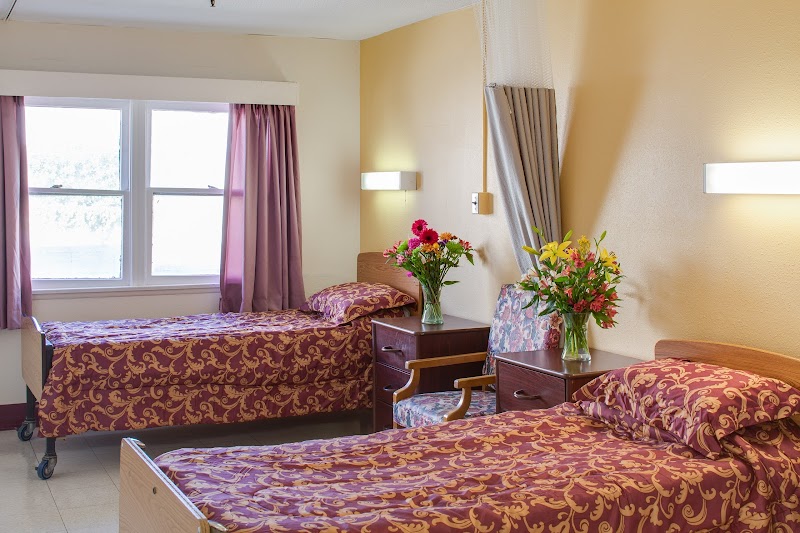
How is Laurel Park Behavioral Staffed?

CMS rates LAUREL PARK BEHAVIORAL HEALTH CENTER's staffing level at 3 out of 5 stars, which is average compared to other nursing homes. Staff turnover is 44%, compared to the California average of 46%. This relatively stable workforce can support continuity of care.

What Have Inspectors Found at Laurel Park Behavioral?

State health inspectors documented 51 deficiencies at LAUREL PARK BEHAVIORAL HEALTH CENTER during 2022 to 2025. These included: 1 Immediate Jeopardy (the most serious level, indicating potential for serious harm or death), 48 with potential for harm, and 2 minor or isolated issues. Immediate Jeopardy findings are rare and represent the most serious regulatory concerns. They require immediate corrective action.
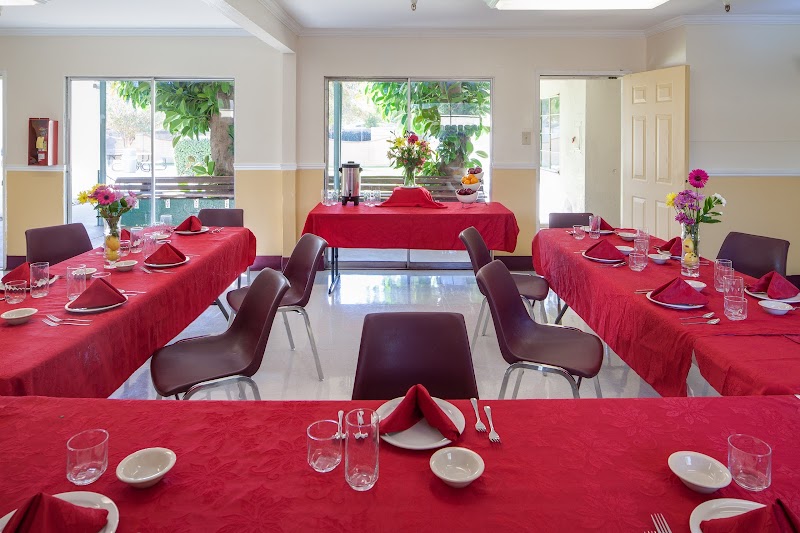
Who Owns and Operates Laurel Park Behavioral?

LAUREL PARK BEHAVIORAL HEALTH CENTER is owned by a for-profit company. For-profit facilities operate as businesses with obligations to shareholders or private owners. The facility operates independently rather than as part of a larger chain. With 43 certified beds and approximately 42 residents (about 98% occupancy), it is a smaller facility located in POMONA, California.
How Does Laurel Park Behavioral Compare to Other California Nursing Homes?

Compared to the 100 nursing homes in California, LAUREL PARK BEHAVIORAL HEALTH CENTER's overall rating (3 stars) is below the state average of 3.1, staff turnover (44%) is near the state average of 46%, and health inspection rating (2 stars) is below the national benchmark.

What Should Families Ask When Visiting Laurel Park Behavioral?

Based on this facility's data, families visiting should ask: "What changes have been made since the serious inspection findings, and how are you preventing similar issues?" "What safeguards and monitoring systems are in place to protect residents from abuse or neglect?" "Can I visit during a mealtime to observe dining assistance and food quality?" "How do you handle medical emergencies, and what is your hospital transfer rate?" These questions are particularly relevant given the facility's Immediate Jeopardy citations and the substantiated abuse finding on record.

Is Laurel Park Behavioral Safe?

Based on CMS inspection data, LAUREL PARK BEHAVIORAL HEALTH CENTER has documented safety concerns. The facility has 1 substantiated abuse finding (meaning confirmed case of resident harm by staff or other residents). Inspectors have issued 1 Immediate Jeopardy citation (the most serious violation level indicating risk of serious injury or death). The facility has a 3-star overall rating and ranks #100 of 100 nursing homes in California. Families considering this facility should ask detailed questions about what corrective actions have been taken since these incidents.

Do Nurses at Laurel Park Behavioral Stick Around?

LAUREL PARK BEHAVIORAL HEALTH CENTER has a staff turnover rate of 44%, which is about average for California nursing homes (state average: 46%). Moderate turnover is common in nursing homes, but families should still ask about staff tenure and how the facility maintains care continuity when employees leave.

Was Laurel Park Behavioral Ever Fined?

LAUREL PARK BEHAVIORAL HEALTH CENTER has no federal fines on record. CMS issues fines when nursing homes fail to meet care standards or don't correct problems found during inspections. The absence of fines suggests the facility has either maintained compliance or corrected any issues before penalties were assessed. This is a positive indicator, though families should still review recent inspection reports for the full picture.

Is Laurel Park Behavioral on Any Federal Watch List?

LAUREL PARK BEHAVIORAL HEALTH CENTER is not on any federal watch list. The most significant is the Special Focus Facility (SFF) program, which identifies the bottom 1% of nursing homes nationally based on persistent, serious quality problems. Not being on this list means the facility has avoided the pattern of deficiencies that triggers enhanced federal oversight. This is a positive indicator, though families should still review the facility's inspection history directly.