PARK AVENUE HEALTHCARE & WELLNESS CENTER
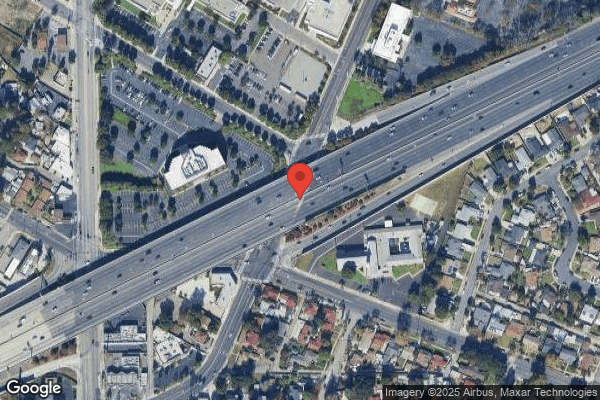
1550 NORTH PARK AVENUE, POMONA, CA 91768 (909) 623-0791
For profit - Limited Liability company 231 Beds Independent Data: November 2025 1 Immediate Jeopardy citation
Trust Grade
0/100
#1085 of 1155 in CA
Last Inspection: July 2025

Inspected within the last 6 months. Data reflects current conditions.

Overview

Park Avenue Healthcare & Wellness Center has received a Trust Grade of F, indicating significant concerns about the facility's quality and safety. Ranking #1085 out of 1155 in California places it in the bottom half of state nursing homes, and #333 out of 369 in Los Angeles County means only a few local options are better. The facility's trend is worsening, with reported issues increasing from 29 in 2024 to 36 in 2025. While staffing levels are rated average with a turnover rate of 34%, which is below the state average, the facility has accumulated concerning fines totaling $175,795, higher than 87% of California facilities. Specific incidents include a failure to control the spread of influenza among several residents and not ensuring a cancer patient received necessary treatments, highlighting serious lapses in care and safety protocols. Overall, while the facility has some staffing stability, the significant issues and poor rankings are troubling for families considering care for their loved ones.

Trust Score
F
0/100
In California
#1085/1155
Bottom 7%
Safety Record
High Risk
Review needed
Inspections
Getting Worse
29 → 36 violations
Staff Stability
○ Average
34% turnover. Near California's 48% average. Typical for the industry.
Penalties
⚠ Watch
$175,795 in fines. Higher than 94% of California facilities. Major compliance failures.
Skilled Nurses
⚠ Watch
Each resident gets only 26 minutes of Registered Nurse (RN) attention daily — below average for California. Fewer RN minutes means fewer trained eyes watching for problems.
Violations
⚠ Watch
155 deficiencies on record. Higher than average. Multiple issues found across inspections.
★☆☆☆☆
1.0
Overall Rating
★★★☆☆
3.0
Staff Levels
☆☆☆☆☆
0.0
Care Quality
★☆☆☆☆
1.0
Inspection Score
Stable
2024: 29 issues
2025: 36 issues

The Good

  • Full Sprinkler Coverage · Fire safety systems throughout facility
  • No fines on record
  • Staff turnover below average (34%)

    14 points below California average of 48%

Facility shows strength in fire safety.

The Bad

1-Star Overall Rating

Below California average (3.1)

Significant quality concerns identified by CMS

Staff Turnover: 34%

12pts below California avg (46%)

Typical for the industry

Federal Fines: $175,795

Well above median ($33,413)

Significant penalties indicating serious issues

The Ugly 155 deficiencies on record

1 life-threatening 3 actual harm
Jul 2025 16 deficiencies
CONCERN (D)

Potential for Harm - no one hurt, but risky conditions existed

Resident Rights (Tag F0550)

Could have caused harm · This affected 1 resident

Based on observation, interview and record review, the facility failed to offer milk for one of one resident (Resident 113).in accordance with the resident's preference This deficient practice had the...

Read full inspector narrative →
Based on observation, interview and record review, the facility failed to offer milk for one of one resident (Resident 113).in accordance with the resident's preference This deficient practice had the potential to result in Resident 113 to feel ignored and to possibly stop verbalizing necessary needs. During a review of Resident 113's admission Record (AR), the AR indicated the facility admitted Resident 113 on 9/27/2010, with diagnoses that included dementia (long term and often gradual decrease in the ability to think and remember, it is severe enough to affect a person's daily functioning), contracture (shortening and hardening of muscles, tendons, or other tissue, often leading to deformity and rigidity of joints to the right and left hand). During a review of Resident 113's Minimum Data Set (MDS - a federally mandated resident assessment tool) dated 5/1/2025, the MDS indicated Resident 113 had a severe cognitive deficit. The MDS indicated Resident 113 usually understands verbal content and was usually able to express ideas and wants. The MDS indicated Resident 113 required supervision or touching assistance (helper provides verbal cues and/or touching/steadying and/or contact guard assistance as resident completes activity) with eating and with rolling left and right for bed mobility. During an observation on 7/22/2025 at 10:40 AM, Resident 113 was repeatedly asking for milk and pointed to the right side where the bedside table is located, there was no milk and no water pitcher at the bedside.During an observation on 7/22/20925 at 10:46 AM, Certified Nursing Assistant 9 (CNA 9) came inside the room and Resident 113 repeatedly asking for milk and pointed to the right side towards the bedside table. CNA 9 stated during breakfast, you had your milk, juice and water. CNA 9 did not call other staff to get milk and CNA 9 did not go out of the room to get milk and continued chatting with Resident 113.During an interview on 7/22/2025 at 10:54 AM, CNA 9 stated Resident 113 would always ask for milk and the resident already had milk for breakfast. CNA 9 stated there was no water at the bedside because Resident 113 needed thickened liquid. CNA 9 stated Resident 113 was asking for milk because the resident wanted to drink milk or the resident was thirsty. During a review of the facility's Policy and Procedure (P&P) titled Resident Rights - Quality of Life dated March 2017, the P&P indicated residents are offered meals and snacks in accordance with their individual and/or cultural preferences.
CONCERN (D)

Potential for Harm - no one hurt, but risky conditions existed

Deficiency F0645 (Tag F0645)

Could have caused harm · This affected 1 resident

Based on interview and record review, the facility failed to complete a Preadmission Screening and Resident Review Level II [2] (PASARR-a federal assessment requirement to help ensure individuals, who...

Read full inspector narrative →
Based on interview and record review, the facility failed to complete a Preadmission Screening and Resident Review Level II [2] (PASARR-a federal assessment requirement to help ensure individuals, who have a mental disorders or intellectual disabilities, are placed in facilities that provide appropriate care) screening for one of two sampled residents (Resident 6) when the facility did not reply to recommendations by the California Department of Health Care Services (DHCS-a state agency that oversees the provision of services such as health care and mental health).This failure resulted in Resident 6 not receiving the PASARR level 2 screening for serious mental illness (SMI-a diagnosable mental, behavioral, or emotional disorder that significantly impairs a person's ability to function in major life activities) in a timely manner and had the potential for Resident 6 to not receive specialized services (the services specified by the State that exceed the services ordinarily provided by the nursing facility) for SMI. Findings:During a review of Resident 6's admission Record (AR), the AR indicated the facility admitted Resident 6 12/20/2024 with diagnoses including depression (a mental health disorder characterized by sadness, loss of interest, and other symptoms that impact daily life), schizoaffective disorder (a mental illness that causes a person to experience dramatic changes in their thoughts, moods, and behaviors), and schizophrenia (a mental illness characterized by disturbances in thought).During a review of Resident 6's PASARR Level 1 Screening (the PASARR prescreening process that determines if a resident has a mental disorder or intellectual disability or related condition), dated 6/13/2025, the PASRR Level 1Screeing indicated a result of positive for SMI.During a review of Resident 6's Minimum Data Set (MDS- a resident assessment tool), dated 6/19/2025, the MDS indicated Resident 6's cognitive (the ability to think and process information) skills for daily decision making were intact.During a concurrent interview and record review with the Minimum Data Set Nurse (MDSN), on 7/23/2025 at 8:30 AM, Resident 6's California Department of Health Care Services (DHCS) notification letter, dated 6/22/2025, was reviewed. The DHCS notification letter indicated a subject of Notice of attempted evaluation. The DHCS notification letter indicated, In the event of a positive SMI Level 1 Screening [PASSAR Level 1 Screening], a SMI Level 2 Mental health Evaluation [PASSAR Level 2 Screening] is required to determine if the individual can benefit from specialized services. However, a SMI Level 2 Mental Health Evaluation was not scheduled for the following reason: Facility staff were unresponsive to two or more separate attempts of communication within 48 hours of the Level 1 Screening. The MDSN stated the facility did not respond to Resident 6's DHCS notification letter. The MDSN stated the facility should have responded to Resident 6's DHCS notification letter to verify Resident 6 was receiving proper care and services.During an interview on 7/24/2025 at 4 PM with Director of Nursing (DON) 2, DON 2 stated it was important to follow up on PASSAR Level 2 screening, so the facility made sure residents were receiving proper care. DON 2 stated medical records received the notification letter from DHCS and should have reached out to DHCS to follow up on the PASSAR Level 2 screening. During a review of the facility's Policy and Procedure (P&P) titled, Pre-admission Screening Level II Resident Review-PASARR Level II, revised 4/25/2024, the P&P indicated the facility will log onto the PASARR portal daily to check for level 2 determinations and evaluators reports. The P&P indicated the facility will report the status of the PASARRs; including Level 2 recommendations with evaluation dates. The P&P indicated the IDT will review the Level 2 evaluation report to develop a care plan and arrange specialized services recommended for the resident as appropriate.
CONCERN (D)

Potential for Harm - no one hurt, but risky conditions existed

Comprehensive Care Plan (Tag F0656)

Could have caused harm · This affected 1 resident

**NOTE- TERMS IN BRACKETS HAVE BEEN EDITED TO PROTECT CONFIDENTIALITY** Based on observation, interview, and record review, the facility failed to implement care plan interventions and monitor and rec...

Read full inspector narrative →
**NOTE- TERMS IN BRACKETS HAVE BEEN EDITED TO PROTECT CONFIDENTIALITY** Based on observation, interview, and record review, the facility failed to implement care plan interventions and monitor and record pain characteristics every shift for one of one sampled resident (Resident 51) and failed to ensure a comprehensive person - centered care plan was developed and implemented for one of three sampled residents (Resident 2), who received an anticoagulant (blood thinner - e.g., warfarin, heparin, or low-molecular weight heparin) and was at risk for bleeding. This deficient practice had the potential to result in unmet individualized needs for Resident 2 and Resident 51 and had the potential to affect the resident's physical well-being. Findings: A. During a review of Resident 51's admission Record (AR), the AR indicated Resident 15 was admitted to the facility on [DATE], with diagnoses that included COPD (a common lung disease causing restricted airflow and breathing problems), acute respiratory failure with hypoxia (results from acute or chronic impairment of gas exchange between the lungs and the blood causing hypoxia with or without hypercapnia), dysphagia (swallowing difficulties), Parkinson's disease (a brain condition that causes problems with movement, mental health, sleep, pain and other health issues) and polyneuropathy (many nerves in different parts of the body are involved). During a review of Resident 51’s care plan titled “the resident has chronic pain related to disease process”, initiated on 3/5/2025, the care plan indicated interventions that included to monitor/record pain characteristics every shift and as needed, the quality of the pain, severity, the anatomical location, duration whether continuous or intermittent and if there’s aggravation or relieving factors. During a review of Resident 51’s Minimum Data Set (MDS – a federally mandated resident assessment tool) dated 4/25/2025, the MDS indicated Resident 51 had moderate cognitive impairment. Resident 51 was usually able to express ideas and wants and usually understands verbal content. The MDS indicated Resident 51 was dependent with toileting hygiene and personal hygiene. The MDS indicated Resident 51 required maximal assistance (helper does more than half the effort, helper lifts or holds trunk or limbs and provides more than half the effort) with bed mobility such as sit-to-lying and lying-to-sitting on the bed. During an interview on 7/22/2025 at 1:47 PM, Resident 51 stated the resident had knee pain that might need surgery. During a review of Resident 51’s Order Summary Report (OSR), active orders as pf 7/23/2025, the OSR indicated an order for hydrocodone-acetaminophen (an opioid [a class of medicine used to provide relief for moderate to severe pain] pain reliever) tablet 10-325 milligrams (mg), 1 tablet every 4 hours as needed for moderate to severe to excruciating pain (5-10). The OSR indicated an order for Tylenol tablet 325 mg, give 2 tablets by mouth every 6 hours as needed for mil pain. During a review of Resident 51’s Medication Administration Record (MAR) dated 7/1/2025 to 7/31/2026 with the Minimum Data Set Nurse (MDS Nurse), the MAR indicated Resident 51 received hydrocodone-acetaminophen on the following dates: 7/2/2025 – 7/6/2025, 7/9/2025 – 7/11/2025, 7/15/2025, 7/16/2025, 7/18/2025, 7/20/2025-7/21/2025. During a review of Resident 51’s Progress Notes (PN) from 7/1/2025 to 7/23/2025 with the MDSN, the PN indicated there was no documentation of the location of the pain when the narcotic pain medication was administered on the following dates: On 7/2/2025, 7/3/2025, 7/4/2025, 7/5/2025, 7/6/2025, 7/9/2025, 7/10/2025, 7/11/2025, 7/16/2025, 7/20/2025 and 7/21/2025. During an interview on 7/23/2025 at 3:09 PM, the MDSN stated it was important to monitor and record the location of the pain to be able to determine if the complaint of pain for the shift was chronic or if the pain was a new onset pain. The MDSN stated if the pain was identified as new onset or a different location, the attending physician needed to be notified. During a concurrent observation and interview on 7/23/2025 at 3:52 PM, Resident 51 complained of pain to the left hip, the left thigh and the left knee at 10/10 pain level. Resident 51 was able to move the right side upper and lower extremities but did not move the left lower extremities. During a review of the facility’s P&P titled “Person-Centered Care Planning” dated 5/22/2025, the P&P indicated the facility must develop and implement a comprehensive person-centered care plan for each resident. B. During a review of Resident 2’s admission Record (AR), the AR indicated Resident 2 was admitted to the facility on [DATE], with diagnoses including encounter for attention to tracheostomy (a surgically created hole [stoma] in your windpipe [trachea] that provides an alternative airway for breathing), unspecified atrial fibrillation (AFib - an irregular and often rapid heartbeat), and sepsis (a life-threatening blood infection), unspecified organism. During a review of Resident 2’s History and Physical Examination (H&P), dated 6/22/2025, the H&P indicated Resident 2 did not have the capacity to understand and make decisions. During a review of Resident 2's MDS, dated [DATE], the MDS indicated Resident 2’s cognitive skills (ability to think and process information) for daily decision making was severely impaired. The MDS indicated Resident 2 was taking an anticoagulant. During a review of the Physician’s OSR as of 7/1/2025, the OSR indicated on 6/20/2025 Resident 2 was to receive Amiodarone HCL (medication that prevents and treats an irregular heartbeat) oral tablet 100 mg (milligrams - metric unit of measurement used for medication dosage and/or amount), via gastrostomy tube (G-tube - a type of feeding tube) one time a day for AFib. The OSR indicated on 6/20/2025 Resident 2 to receive Eliquis (apixaban – a blood thinner medicine) one tablet via G-tube every 12 hours for deep vein thrombosis prophylaxis (DVT PPX, measures taken to prevent blood clots from forming in the deep veins, particularly in the legs). During a review of Resident 2’s Order Details (OD) dated 7/22/2025 in the Point Click Care (PCC – an electronic health record system), the OD indicated an alert drug interaction with the drug-to-drug interaction details that Amiodarone may increase the plasma (the yellowish portion of blood) concentrations and the pharmacologic effects of Eliquis. During a review of Resident 2’s Consultant Pharmacist’s Medication Regimen Review (MRR), dated 7/25/2025, the MRR indicated Resident 2 had an order for Amiodarone and Eliquis, which may lead to increase in Eliquis concentrations and may increase the risk of bleeding. During a concurrent interview and record review on 7/23/2025 at 8:22 AM with Registered Nurse (RN) Supervisor 2, Resident 2’s Situation, background, assessment, recommendation (SBAR – a communication tool used by healthcare workers when there is a change of condition among the residents), dated 4/25/2025 and the Change in Condition Evaluation (COC) dated 6/14/2025 were reviewed. The SBAR indicated Resident 2 had blood in the urine. The COC indicated Resident 2 had blood in the urine and two episodes of vomiting (light brown vomitus). RN 2 stated Resident 2 was sent to the hospital. RN 2 stated Resident 2 was on Eliquis and Amiodarone and should have been care planned for the risk of bleeding. RN 2 stated a care plan included interventions and should have been created on the “day of the COC about blood in urine.” During an interview on 7/23/2025 at 9:45 AM, RN 3 stated a baseline care plan should be created at the time of admission and the comprehensive care plan within the first week of admission. RN 3 stated it was important that a care plan was created so “We know how to care of the patient,” and the interventions for a specific problem. RN 3 stated Resident 2’s care plan for risk of bleeding should have been created “within the time frame Eliquis and Amiodarone were ordered.” During a review of the facility’s policy and procedure (P&P) titled, “Person-Centered Care Planning,” revision date 4/24/2025, the P&P indicated the baseline care plan would be developed and implemented, using the necessary combination of problem specific care plans to promote continuity of care and communication among facility task, increase resident safety and safeguard against adverse events, within 48 hours of the resident’s admission. The P&P indicated the facility must develop and implement a comprehensive person-centered care plan for each resident consistent with the resident rights, that includes measurable objectives, and timeframes to meet a resident's medical, nursing, mental and psychological needs that were identified in the comprehensive assessment. The P&P indicated within 7 days from the completion of the comprehensive MDS assessment, the comprehensive care plan would be developed.
CONCERN (D)

Potential for Harm - no one hurt, but risky conditions existed

Quality of Care (Tag F0684)

Could have caused harm · This affected 1 resident

**NOTE- TERMS IN BRACKETS HAVE BEEN EDITED TO PROTECT CONFIDENTIALITY** Based on interview and record review the facility failed to ensure appropriate care and services were provided for two of two sa...

Read full inspector narrative →
**NOTE- TERMS IN BRACKETS HAVE BEEN EDITED TO PROTECT CONFIDENTIALITY** Based on interview and record review the facility failed to ensure appropriate care and services were provided for two of two sampled residents (Resident 2 and 83) by failing to:A. Ensure Resident 2, who was on anticoagulant (medication that thins the blood) therapy, was monitored for bleeding in the month of June 2025.B. Follow up on an infectious disease consult (a consultation with a specialist [a doctor who has special knowledge and skill relating to a particular area of study] in infectious diseases to help diagnose, manage, or prevent infections) for Resident 83's recurrent urinary tract infections (an infection in any part of the urinary system: kidneys, bladder, or urethra [tube through which the urine leaves the body]) as per the physician's order, dated 7/10/2025.These deficient practices had the potential to result in serious health complications and rehospitalization for Resident 2 and Resident 83. Additionally, the failure resulted in Resident 83 experiencing bladder spasms (a sudden, involuntary contraction of the bladder [hollow muscular organ that acts as a reservoir for urine] muscle causing pain and urine leakage) and resulted in Resident 83 feeling worried Resident 83 might die from an infection.Findings: A. During a review of Resident 2’s “admission Record,” the “AR” indicated, Resident 2 was admitted to the facility on [DATE] with multiple diagnoses including encounter for attention to tracheostomy (a surgically created hole [stoma] in your windpipe [trachea] that provides an alternative airway for breathing), unspecified atrial fibrillation (AFib - an irregular and often rapid heartbeat), and sepsis (a life-threatening blood infection), unspecified organism. During a review of Resident 2’s “Care Plan” (CP), titled, “Resident with history of acute embolism (a sudden blockage of a blood vessel by a clot that travels through the bloodstream from another part of the body) and thrombosis (blood clots that reduce or block blood flow) of unspecified deep veins of bilateral [both] lower extremity [legs],” initiated 4/25/2025, the CP’s goals indicated Resident 2 would remain free of complications related to anticoagulant therapy. During a review of Resident 2’s “CP,” titled, “Resident noted with blood in the urine,” initiated 4/26/2025, the “CP” indicated, one of the interventions was to monitor urine for blood, sediments, foul odor. During a review of Resident 2’s “History and Physical Examination (H&P),” dated 6/22/2025, the “H&P” indicated, Resident 2 did not have the capacity to understand and make decisions. During a review of Resident 2's Minimum Data Set (MDS - a standardized assessment and care screening tool), dated 6/25/2025, the MDS indicated, Resident 2’s cognitive skills (ability to think and process information) for daily decision making were severely impaired. The “MDS” indicated, Resident 2 was taking an anticoagulant. During a review of Resident 2’s “Order Summary Report [OSR],” active orders as of 7/1/2025, the “OSR” indicated, a physician’s order, dated 6/20/2025 for Amiodarone HCL (medication that prevents and treats an irregular heartbeat) oral tablet 100 mg (milligrams - metric unit of measurement), give 1 tablet via G-tube (gastrostomy tube - a type of feeding tube) one time a day for AFib. The “OSR” indicated, an order, dated 6/20/2025 for Eliquis (Apixaban - blood thinner medicine) oral tablet 5 mg, give 1 tablet via G-tube every 12 hours for DVT PPX (deep vein thrombosis prophylaxis – measures taken to prevent blood clots from forming in the deep veins, particularly in the legs). During a review of Resident 2’s “Order Details (OD),” dated 7/22/2025, the “OD” indicated an order for Eliquis, medication class: anticoagulant. The “OD” indicated, an alert drug interaction. The drug-to-drug interaction details indicated Amiodarone may increase the plasma (the yellowish portion of blood) concentrations and pharmacologic effects of apixaban. During a review of Resident 2’s “Consultant Pharmacist’s Medication Regimen Review [MRR],” dated 7/25/2025, the “MRR” indicated, Resident 2 had an order for amiodarone and apixaban, which may lead to increase in apixaban concentration and may increase the risk of bleeding. During a concurrent interview and record review on 7/23/2025 at 8:22 AM with Registered Nurse Supervisor (RN) 2, Resident 2’s medical records were reviewed. The “Change of Condition (COC),” dated 4/25/2025 and 6/14/2025 were reviewed. The “COC” dated 4/25/2025 indicated, Resident 2 had blood in the urine. The “COC” dated 6/14/2025 indicated, Resident 2 had blood in the urine. RN 2 stated, Resident 2 was sent to the hospital. RN 2 stated, Resident 2 was on blood thinner [medications] and should be monitored for signs and symptoms of bleeding. RN 2 stated, Resident 2 should have been monitored closely and frequently for bleeding since Resident 2 was also on Amiodarone. RN 2 stated monitoring [for bleeding] was documented in the MAR (Medication Administration Record). A review of Resident 2’s “MAR” dated 6/2025, with RN 2, the MAR did not indicate monitoring for bleeding. RN 2 stated, there was no bleeding monitoring documented in Resident 2’s MAR. During an interview on 7/24/2025 at 9:52 AM with RN 4, RN 4 stated, Resident 2’s foley catheter (a type of urinary catheter) output should be monitored closely, so staff knew if Resident 2 had blood in the urine. During a review of the facility’s policy and procedure (P&P), titled “Resident Rights – Quality of Life,” revised 3/2017, the P&P indicated, the facility ensured that each resident receives the necessary care and services to attain or maintain the highest practicable physical, mental and psychosocial well-being, consistent with the resident’s comprehensive assessment and plan of care. B. During a review of Resident 83’s AR, the AR indicated the facility originally admitted Resident 83 4/21/2021, readmitted Resident 83 9/2/2023, and readmitted the resident 5/19/2025 with diagnoses including UTI, paraplegia (the loss of the ability to move the legs and lower body), and anxiety disorder (a mental illness characterized by excessive, persistent, and irrational worry or fear that can interfere with daily life). During a review of Resident 83’s MDS, dated [DATE], the MDS indicated Resident 83’s cognitive (the ability to think and process information) skills for daily decision making were moderately intact. During a review of Resident 83’s Progress Note dated 7/10/2025, timed at 2:19 PM, the progress note indicated, “Received new order from [Medical Doctor (MD)1] for [Resident 83] to obtain an infectious disease consult with follow up treatment as indicated secondary to [diagnosis] of MDRO in urine and recurrent UTI. [Resident 83] made aware and verbalized understanding… [MD 2], in-house [Infectious Disease Doctor], was notified…” During a review of Resident 83’s Progress Note, dated 7/21/2025, timed at 12:10 PM, the progress note indicated, “Sent [MD 2] a message requesting for an update regarding [Resident 83’s] infectious disease consult, pending response…” During a review of Resident 83’s OSR, dated active as of 7/24/2025, the OSR included a physician’s order, dated 7/10/2025, indicating “may have infectious disease consult with follow up treatment as indicated secondary to MDRO (Multi-Drug Resistant Organism-microorganisms, predominantly bacteria, that are resistant to antimicrobial agents [medications used to treat infections]) in urine and recurrent UTI.” The OSR indicated an order, dated 5/19/2025, for baclofen (a medication used to treat muscle spasms tablet 20 milligrams (mg-a unit of measurement) one tablet to be given by mouth every four hours as needed for muscle spasms. During a review of Resident 83’s Medication Administration Record (MAR), dated 7/1/2025 to 7/31/2025, the MAR indicated Resident 83 had received baclofen 20 mg one to three times daily from 7/1/2025 to 7/25/2025 for muscle spasms. During an interview on 7/21/2025 at 9:59 AM and 7/23/2025 at 12:50 PM with Resident 83, Resident 83 stated Resident 83 was concerned because Resident 83 had a history of recurrent UTIs. Resident 83 stated it had been a few weeks since the facility had reported Resident 83 was diagnosed with another UTI. Resident 83 stated Resident 83 was supposed to see an infectious disease doctor but had not seen them yet and Resident 83 was worried because no antibiotics had been prescribed. Resident 83 stated the facility had not updated Resident 83 on the status of the infectious disease doctor consultation for Resident 83. Resident 83 stated Resident 83 believed the UTI was causing Resident 83 to experience bladder spasms (a sudden, involuntary contraction of the bladder muscle causing pain and urine leakage) which resulted in pain for Resident 83. Resident 83 stated Resident 83 was worried the UTI would progress, and Resident 83 might die from the infection. During an interview on 7/23/2025 at 12:25 PM and 2:49 PM with Licensed Vocational Nurse (LVN) 2, LVN 2 stated Resident 83 was not receiving antibiotics for Resident 83’s current UTI. LVN 2 stated the infectious disease doctor was made aware of Resident 83’s UTI and the facility requested consultation with the infectious disease doctor on 7/10/2025 but the facility did not follow up with the infectious disease doctor until 7/21/2025. LVN 2 stated it was possible that the UTI infection could cause further health decline for Resident 83 during that time [7/10/2025-7/21/2025]. During an interview on 7/24/2025 at 4 pm with Director of Nursing (DON) 1, DON 1 stated Resident 83 had an order to see the infectious disease doctor for Resident 83’s UTI diagnosis. DON 1 stated the infectious disease doctor was made aware of the order on 7/10/2025 and the facility had not followed up on the appointment time until 7/21/2025. During a review of the facility’s P&P titled, “Resident Rights-Quality of Life,” revised March 2017, the P&P’s purpose indicated, to ensure each resident receives the necessary care and services to attain or maintain the highest practicable physical, mental, and psychosocial well-being, consistent with the resident’s comprehensive assessment and plan of care. The P&P indicated each resident shall be cared for in a manner that promotes and enhances the quality of life, dignity, respect, individuality and receives services in a person-centered manner, as well as those that support the resident in attaining or maintaining his/her highest practicable well-being.”
CONCERN (D)

Potential for Harm - no one hurt, but risky conditions existed

Deficiency F0685 (Tag F0685)

Could have caused harm · This affected 1 resident

**NOTE- TERMS IN BRACKETS HAVE BEEN EDITED TO PROTECT CONFIDENTIALITY** Based on observation, interview, and record review, the facility failed to follow up with optometry (a healthcare profession tha...

Read full inspector narrative →
**NOTE- TERMS IN BRACKETS HAVE BEEN EDITED TO PROTECT CONFIDENTIALITY** Based on observation, interview, and record review, the facility failed to follow up with optometry (a healthcare profession that focuses on the examination, diagnosis, and treatment of eye and vision disorders) to replace a missing pair of glasses for one of one resident (Resident 13) in a timely manner.This deficient practice had the potential to result in worsened eyesight to Resident 13 and resulted in Resident 13 feeling frustrated and ignored.Findings:During a review of Resident 13's admission Record (AR), the AR indicated Resident 13 was admitted to the facility on [DATE] with multiple diagnoses including hemiplegia (muscle weakness or paralysis on one side of the body) affecting the right dominant side and polyneuropathy (condition where multiple peripheral [situated on the edge] nerves are damaged, causing widespread symptoms throughout the body such as numbness and pain.)During a review of Resident 13's Minimum Data Set (MDS - a resident assessment tool) dated 4/18/2025, the MDS indicated Resident 13 had moderate cognitive (ability to understand and process information) impairment and required setup or clean-up assistance (helper sets up or cleans up; resident completes activity) for bathing and personal hygiene.During a review of Resident 13's Theft/ Loss Report (TLR), dated 7/3/2025, the TLR indicated Resident 13 reported missing glasses to the Social Services Assistant (SSA) on 7/3/2025. The TLR indicated the SSA called Resident 13's optometrist to replace the glasses.During an interview on 7/21/2025 at 3:40 PM, Resident 13 stated Resident 13 reported his glasses missing on 7/3/2025 and had not heard any updates since that day. Resident 13 stated Resident 13 felt frustrated that it was taking a long time to replace Resident 13's glasses. Resident 13 stated he felt as though the facility staff did not care and Resident 13 was being ignored. Resident 13 stated the glasses were used for reading which Resident 13 had not been able to do without glasses.During an interview on 7/23/2025 at 4:04 PM with the SAA, the SSA stated Resident 13 came into the social worker's office on 7/3/2025 and made a report that Resident 13's glasses were missing. The SSA stated the SSA made a call to the optometrist's office and was told that optometry would inform the facility when optometry would be coming back [to the facility]. The SSA stated no follow up phone calls had been made since 7/3/2025 and the SSA did not know when optometry would be coming back to the facility. The SSA stated Resident 13 had not been given any updates since the report was made. The SSA stated the SSA knew Resident 13 like to read periodicals and was unable to do so without glasses.During an interview on 7/24/2025 at 4 PM with the Director of Nursing (DON) 2, DON 2 stated facility staff could always do more to communicate progress of their issues with the residents. DON 2 stated a follow up phone call to optometry could have been made after the initial call on 7/3/2025 to help the residents feel happy and improve their stay and experience at the facility.During a review of the facility's policy and procedure (P&P) titled, Personal Property and Theft and Loss, revised 11/18/2021. The P&P indicated upon completion of the investigation of lost property, the administrator or designee will implement timely corrective action.
CONCERN (D)

Potential for Harm - no one hurt, but risky conditions existed

Accident Prevention (Tag F0689)

Could have caused harm · This affected 1 resident

**NOTE- TERMS IN BRACKETS HAVE BEEN EDITED TO PROTECT CONFIDENTIALITY** Based on observation, interview, and record review, the facility failed to ensure two of three sampled residents (Resident 38 an...

Read full inspector narrative →
**NOTE- TERMS IN BRACKETS HAVE BEEN EDITED TO PROTECT CONFIDENTIALITY** Based on observation, interview, and record review, the facility failed to ensure two of three sampled residents (Resident 38 and Resident 24), were provided an environment free of accident hazards by failing to ensure:A. Resident 38's bed was in a low position when Resident 38 was at high risk for falls (refers to unintentionally coming to rest on the ground, floor, or other lower level, but not as a result of and overwhelming external force) and had a history of falls.B. Resident 24 did not keep cigarettes and a lighter in Resident 24's possession.This deficient practice had the potential to result in recurrent falls for Resident 38. Additionally, the deficient practice had the potential for Resident 24 to cause a fire and placed the residents and healthcare staff in danger.Findings: A. During a review of Resident 38's admission Record (AR), the AR indicated, Resident 38 was originally admitted to the facility on [DATE] and readmitted on [DATE] with multiple diagnoses including unspecified psychosis (a severe mental condition in which thought, and emotions are so affected that contact is lost with reality) not due to a substance or known physiological condition, difficulty in walking, not elsewhere classified and other lack of coordination (conditions characterized by impaired muscle coordination and balance). During a review of Resident 38’s “Care Plan” (CP) titled,” titled, “The resident is at risk for falls r/t (related to) confusion, gait/balance problems, incontinence” date initiated 7/17/2024, the “CP” indicated, one of the interventions was to follow facility fall protocol. During a review of Resident 38’s “History and Physical (H&P),” dated 2/15/2025, the “H&P” indicated, Resident 38 had fluctuating capacity to understand and make decisions. During a review of Resident 38’s “Change in Condition Evaluation (COC),” dated 5/21/25 timed at 10:57 AM, the “COC” indicated, Resident 38’s son (unidentified) made staff aware Resident 38 was in pain due to a claimed unwitnessed fall that occurred on 5/20/2025. During a review of Resident 38’s “CP” titled, “Resident claimed unwitnessed fall” date initiated 5/21/2025, the “CP” indicated, one of the interventions was to maintain Resident 38’s bed in lowest position. During a review of Resident 38’s “Order Summary Report (OSR),” active orders as of 7/24/2025, the “OSR” included a physician order, dated 5/22/2025, indicating Resident 38 may have low bed. During a review of Resident 38's Minimum Data Set” (MDS - a federally mandated resident assessment tool), dated 7/3/2025, the MDS indicated, Resident 38’s cognition (ability to think and make decisions) was moderately impaired. The MDS indicated, Resident 38 used a cane. The “MDS” indicated, Resident 38 required setup or clean-up assistance (helper sets up or cleans up; resident completes activity) with sit to stand (the ability to come to a standing position from sitting in a chair, wheelchair, or on the side of the bed). The “MDS” indicated, Resident 38 had one fall with injury (except major) e.g. skin tears, abrasions, superficial bruises, hematomas and sprains; or any fall-related injury that causes the resident to complain of pain) since admission/entry or reentry to the facility. During a concurrent observation and interview on 7/21/2025 at 1:15 PM with Certified Nurse Assistant (CNA) 4 in Resident 38’s room, Resident 38 was lying in bed watching tv. Resident 38’s bed was in a high position (at waist level of a 5.5-foot-tall person) and Resident 38’s cane was at the bedside. CNA 4 stated, CNA 4 was unsure why Resident 38’s bed was high since CNA 4 was not Resident 38’s “regular CNA.” CNA 4 stated, it was important for Resident 38’s bed positioned low because of the risk for falls. During a concurrent observation and interview on 7/21/2025 at 1:21 PM with Licensed Vocational Nurse (LVN) 7 in Resident 38’s room, Resident 38 was lying in bed watching tv. Resident 38’s bed was in a high position and Resident 38’s cane was at the bedside. LVN 7 stated, Resident 38’s bed position should not be high “because we do not want the resident to fall.” During a concurrent interview and record review on 7/24/2025 at 11:51 AM with Registered Nurse (RN) 5, Resident 38’s “Fall Risk Evaluation[s] (FRE),” dated 5/21/25, timed at 11:02 PM and dated 7/3/2025 timed at 8:58 PM were reviewed. The “FRE” indicated, “if the total score is 10 or greater, the resident should be considered at HIGH RISK for potential falls.” RN 5 stated, the “FRE” dated 5/21/2025 timed at 11:02 PM indicated a score of 15 and the “FRE” dated 7/3/2025 timed at 8:58 PM indicated a score of 13. RN 5 stated, one of the fall preventions [interventions] was to ensure the bed was in a low position to ensure Resident 38 did not fall and/or sustained injuries. During a review of the facility’s policy and procedure (P&P) titled, “Fall Prevention and Management Program,” date revised 8/1/2014, the P&P indicated, the facility provided a safe environment that minimized complications associated with falls. The P&P indicated, the facility would implement a fall prevention and management program that supported providing an environment free from the hazards over which the facility had control. B. During a review of Resident 24’s AR, the AR indicated the facility admitted Resident 24 on 3/18/2025, with diagnoses that included major depressive disorder (a mood disorder that causes a persistent feeling of sadness and loss of interest) and history of falling. During a review of Resident 24’s CP titled “the resident has impaired thought processes related to the resident was alert, forgetful,” initiated on 3/28/2025, the CP’s interventions indicated to cue, reorient, and supervise the resident as needed. During a review of Resident 24’s CP titled “tobacco use”, initiated on 5/2/2025, the CP indicated a goal for Resident 24 was to adhere to the tobacco/smoking policies of the facility. During a review of Resident 24’s MDS, dated [DATE], the MDS indicated Resident 24’s cognition was intact. The MDS indicated Resident 24 required setup or clean-up assistance with eating, toileting hygiene, personal hygiene, walked 10-150 feet, and was independent with bed mobility. During a review of Resident 24’s Interdisciplinary Team (IDT, a team of health care professionals who work together to establish plans of care for residents) meeting dated 7/9/2025, the IDT meeting notes indicated Resident 24 did not want activities [department] to hold Resident 24’s cigarettes and Resident 24 wished to keep his cigarettes and lighter with Resident 24. The IDT meeting indicated Resident 24 agreed for the facility to provide the resident with a safety box and a key to keep the cigarettes and lighter locked. The IDT meeting notes indicated Resident 24 would like to smoke earlier than the first smoking schedule and the Administrator (ADM) would add another slot (6:00 AM) to the smoking schedule. During a review of Resident 24’s document titled “Smoking and Safety” (SS) evaluation, dated 7/9/2025, the SS evaluation indicated Resident 24 would adhere to the Tobacco/Smoking Policies of the facility. The SS evaluation indicated supervision, designated smoking location, and smoking times were determined by facility policy. During a concurrent interview and observation on 7/23/2025 at 10:35 AM, Resident 24 stated Resident 24 kept his own cigarettes and lighter. Resident 24 showed the surveyor a half pack of cigarettes and a black colored lighter. Resident 24 stated Resident 24 followed up with the ADM regarding the safety box but did not get a safety box so Resident 24 stated he kept the cigarettes and lighter. Resident 24 stated the resident bought the cigarettes and lighters and needed to have his own lighter because Resident 24 wanted to smoke earlier than the scheduled smoking time and Resident 24 went outside the facility to smoke around 5 AM or 6 AM. During an interview on 7/23/2025 at 4:46 PM, the ADM stated the facility would not collect the lighter from Resident 24. The ADM stated Resident 24 was assessed as independent with smoking and independent smokers had agreed to return lighters to the nurses to be kept at the medication cart. The ADM stated Resident 24 might have returned to his room without returning the lighter and cigarettes. During a review of Resident 24’s IDT meeting notes, dated 7/23/25, timed at 4:58 PM, the IDT meeting notes indicated the IDT met with Resident 24 on 7/11/25 to discuss the agreement to keep Resident 24’s cigarettes in a safe box. The IDT notes indicated the safety box was not an option due to safety reasons and the cigarettes needed to be kept by facility staff and provided to Resident 24 when needed. The IDT notes did not indicate a plan for Resident 24’s lighter. During an interview on 7/23/2025 at 5:14 PM, LVN 5 stated LVN 5 was the assigned nurse to care for Resident 24. LVN 5 opened the medication cart, there was a blue colored lighter inside the medication cart and no cigarettes inside the medication cart. LVN 5 stated the LVN would not have to follow-up with Resident 24 regarding the resident’s lighter and cigarettes. During an interview on 7/25/2025 at 4:10 PM with the Director of Nursing (DON), the DON stated it would not be safe to allow residents to have cigarettes and lighters at the bedside [in resident rooms] because of the risk of fire. The DON stated there were residents [who required the use of] oxygen within the building. The DON answered “Yes” when asked if the residents in the subacute unit were administered oxygen and answered “Yes” when asked if the subacute unit was in the same building? During a review of the facility’s Order Listing Report (OLR) dated 7/25/2025, the OLR indicated 21 residents with continuous oxygen and 7 residents had physician orders for oxygen administration as needed. During a review of the undated facility map, undated facility census, and the OLR dated 7/25/2025, the documents indicated the residents in room [ROOM NUMBER], 215C, 214C, and 108A were being administered oxygen and were located close to Resident 24’s room. During a review of the facility’s P&P titled “Smoking Residents” dated 8/18/2023, the P&P indicated the IDT would develop an individualized plan of care for safe storage, use of smoking materials, assistance and/or required supervision, for residents who smoke. The P&P indicated the resident and/or responsible party will be educated regarding the risks of smoking and the smoking safety measures recommended by the IDT. The P&P indicated this will be documented in the resident’s clinical record.
CONCERN (D)

Potential for Harm - no one hurt, but risky conditions existed

Tube Feeding (Tag F0693)

Could have caused harm · This affected 1 resident

**NOTE- TERMS IN BRACKETS HAVE BEEN EDITED TO PROTECT CONFIDENTIALITY** Based on observation, interview and record review, the facility failed to ensure one of one sampled resident (Resident 115), who...

Read full inspector narrative →
**NOTE- TERMS IN BRACKETS HAVE BEEN EDITED TO PROTECT CONFIDENTIALITY** Based on observation, interview and record review, the facility failed to ensure one of one sampled resident (Resident 115), who was receiving enteral feeding (nutrition taken through the mouth or through a tube that goes directly to the stomach or small intestine), received appropriate care and services by failing to respond timely to the continuous alarm (beeping) from Resident 115's gastrostomy tube (GT - a type of feeding tube) pump. This deficient practice could lead to GT complications and potentially harm Resident 115.Findings:During a review of Resident 115's admission Record (AR), the AR indicated Resident 115 was admitted to the facility on [DATE] with diagnoses including chronic respiratory failure (a condition that occurs when the lungs cannot get enough oxygen [02] into the blood or eliminate enough carbon dioxide [C02, a colorless, odorless gas that is a waste product made by the body], unspecified whether with hypoxia (low levels of 02 in the body), or hypercapnia (abnormally high level of CO2 in the blood), encounter for attention to tracheostomy (a surgically created hole [stoma] in your windpipe [trachea] that provides an alternative airway for breathing), and encounter for attention to gastrostomy (a surgical procedure used to insert a tube, often referred to as GT through the belly that brings nutrition and/or medications directly to the stomach). During a review of Resident 115's Physician's History & Physical (H&P) dated 10/21/2024, the H&P indicated Resident 115 was not capable of participating in the plan of care.During a review of Resident 115's Minimum Data Set (MDS - a resident assessment tool) dated 6/6/2025, the MDS indicated Resident 115 was cognitively intact (no problems with memory, orientation, and judgement). The MDS indicated Resident 115 was dependent (helper does all of the effort) to requiring partial/moderate assistance (helper does less than half the effort) for activities of daily living. The MDS indicated Resident 115's nutritional approaches included a feeding tube and mechanically altered diet (require change in texture of food or liquids).During a review of the Physician's Order Summary Report (OSR) as of 7/24/2025, the OSR indicated on 6/12/2025 for Resident 115 to receive a regular small portion diet, pureed texture, nectar thick consistency. The OSR indicated on 11/4/2024 for enteral feed two times a day continuous H20 (water) flushes at 35 ml/hr (milliliters [a measure of volume] per hour) x 20 hrs=700 ml/24hrs, start pump at 2 PM until 10 AM or until dose limits were met. The OSR indicated on 3/4/2025 Resident 115 to receive enteral feeding, two times a day Jevity 1.2 (a high-protein, fiber-fortified, complete and balanced nutritional formula designed for tube feeding) at 40ml/hr via GT x 20 hrs, start pump at 2 PM and stop 10 AM or until dose limit met.During a review of Resident 115's Care Plan (CP) titled, The resident requires tube feeding G tube r/t dysphagia (difficulty swallowing), dated 9/22/2023, the CP indicated one of the goals was for Resident 115 to remain free of side effects or complications related to tube feeding.During a review of Resident 115's CP titled, The resident is at risk for nausea and vomiting r/t.presence of gastrostomy tube, dated 9/22/2023, the CP intervention indicated to maintain a quiet restful environment.During an observation on 7/21/2025 at 9:50 AM, Resident 115 was asleep in bed and Resident 115's GT pump started alarming. During a concurrent observation and interview on 7/21/2025 at 10:12 AM with Resident 115, Resident 115's GT pump continued to alarm indicating, Caution: Patient Tube Block. The GT pump had a bottle of Jevity 1.2 and water flush bag loaded. The tube feed was dated 7/20, start time 10:15p, rate 40 ml/hr and had 750 ml left in the bottle. Resident 115 mouthed, the beeping had been almost half an hour and it gets annoying while gesturing covering her right ear. During a concurrent observation and interview on 7/21/2025 at 10:15 AM with Licensed Vocational Nurse (LVN) 6, Resident 115's GT pump continued to alarm indicating, Caution: Patient Tube Block. LVN 6 stated Resident 115's GT pump alarm should have been checked if there was another licensed nurse since LVN 6 was on the other side (of the unit). LVN 6 stated, LVN 6 was unsure what the cause of the beeping, it showed blocked. LVN 6 stated it was important to fix the cause of the beeping because the GT could get clogged and cause more complications.During an interview on 7/24/2025 at 8:38 AM, Registered Nurse Supervisor (RN) 3 stated part of the care and maintenance of a tube feeding included ensuring the tube was not kinked which could result in Resident 115 not getting the complete feeding nutrition ordered and the tube to get clogged.
CONCERN (D)

Potential for Harm - no one hurt, but risky conditions existed

Respiratory Care (Tag F0695)

Could have caused harm · This affected 1 resident

**NOTE- TERMS IN BRACKETS HAVE BEEN EDITED TO PROTECT CONFIDENTIALITY** Based on observation, interview and record review, the facility failed to ensure one of one sampled resident (Resident 115), rec...

Read full inspector narrative →
**NOTE- TERMS IN BRACKETS HAVE BEEN EDITED TO PROTECT CONFIDENTIALITY** Based on observation, interview and record review, the facility failed to ensure one of one sampled resident (Resident 115), received proper respiratory (relating to breathing) care by failing to ensure Resident 115's tracheostomy (trach - a surgically created hole [stoma] in your windpipe [trachea] that provides an alternative airway for breathing) mask (T-mask) was properly in place. This deficient practice resulted in Resident 115 not receiving the physician ordered oxygen (02 - a colorless, odorless, tasteless gas essential for living) therapy, could potentially cause Resident 115's respiratory status (the movement of air in and out of the lungs) to be compromised, and could lead to respiratory distress / failure.Findings:During a review of Resident 115's admission Record (AR), the AR indicated Resident 115 was admitted to the facility on [DATE] with diagnoses including chronic respiratory failure (a condition that occurs when the lungs cannot get enough oxygen [02] into the blood or eliminate enough carbon dioxide [C02, a colorless, odorless gas that is a waste product made by the body), unspecified whether with hypoxia (low levels of 02 in the body), or hypercapnia (abnormally high level of CO2 in the blood), encounter for attention to tracheostomy and other specified diseases of upper respiratory tract.During a review of Resident 115's Physician History & Physical (H&P), dated 10/21/2024, the H&P indicated Resident 115 was not capable of participating in the plan of care.During a review of Resident 115's Minimum Data Set (MDS - a resident assessment tool), dated 6/6/2025, the MDS indicated Resident 115 was cognitively intact (no problems with memory, orientation, and judgement). The MDS indicated Resident 115 was dependent (helper does all of the effort) to requiring partial/moderate assistance (helper does less than half the effort) for activities of daily living and the resident had respiratory treatments including oxygen therapy and tracheostomy care.During a review of the Physician's Order Summary Report (OSR) dated 7/24/2025, the OSR indicated that on 5/15/2025 Resident 115 was to receive a T-mask with humidification oxygen, titrate (adjust) 1-5 (one to five) 02 LPM (liters per minute) to maintain 02 saturation (a measurement of how much 02 the blood is carrying as a percentage) greater than or equal to 92% (ninety two percent) every shift, for respiratory failure.During a review of Resident 115's Care Plan (CP) titled, The resident has a tracheostomy r/t (related to) impaired breathing mechanics, dated 9/22/2023, the CP intervention indicated to ensure the trach ties were secured at all times.During a concurrent observation and interview on 7/21/2025 at 9:54 AM with Respiratory Therapist (RT) 1, Resident 115 was asleep in bed with Resident 115's T-mask on the left side of Resident 115's neck. Resident 115's trach tie was slightly loose, and the trach mask was on 2L/min 02. RT 1 stated Resident 115 moved and Resident 115's T-mask was not on Resident 115's trach and should be right on the stoma for Resident 115 to get the proper oxygenation.During an interview on 7/24/2025 at 8:38 AM, Registered Nurse Supervisor (RN) 3 stated part of the care and maintenance of a trach mask or for any medical device was to ensure proper placement. RN 3 stated Resident 115's trach mask not directly on the stoma could result in Resident 115 getting out of breath, short of breath and not getting the 02 as ordered. That's what a trach mask is for.During a review of the facility's policy and procedure (P&P) titled, Tracheostomy Care, dated 7/30/2020, the P&P indicated all residents using tracheostomy tubes would be provided routine tracheostomy care to prevent airway obstruction, impaired ventilation and infection.
CONCERN (D)

Potential for Harm - no one hurt, but risky conditions existed

Deficiency F0730 (Tag F0730)

Could have caused harm · This affected 1 resident

Based on interview and record review, the facility failed to ensure performance evaluations (PEs) were conducted every 12 months for one out of four certified nursing assistants.This deficient practic...

Read full inspector narrative →
Based on interview and record review, the facility failed to ensure performance evaluations (PEs) were conducted every 12 months for one out of four certified nursing assistants.This deficient practice had the potential to compromise resident safety and well-being. During a record review of CNA 7's personnel file, no PE was due as of 7/25/25 due to a recent date of hire for CNA 7.During a concurrent interview and record review on 7/25/25 at 7:45 a.m. with the Director of Development (DSD), the DSD provided the two most recent PEs for CNA 4, CNA 5 and CNA 6.CNA 4 and CNA 6 received timely PEs or were not yet due for their annual PE as of 7/25/25.CNA 5 was due for a PE on or before 5/26/24 and 5/26/25. The DSD provided 2 PEs for CNA 5, one dated 6/2/25 and the second PE dated 4/10/23. CNA 5's PE dated 6/2/25 indicated the evaluation was signed only by the evaluator and not by CNA 5. The PE date of 6/2/25 indicated it was late by 7 days. There was no record of a PE given to CNA 5 in 2024. During an interview with CNA 5 on 7/25/25 at 11:22 a.m., CNA 5 stated he had not seen or signed the PE dated 6/2/25. CNA 5 stated he did not receive a PE in 2024. CNA 5 stated he remembered the performance review from 4/10/23. CNA 5 stated he signed and dated the performance review from 4/10/23. CNA 5 stated the 2023 performance review dated 4/10/23 was the most recent PE CNA 5 received.During an interview with the Administrator on 7/25/25 at 3:31 p.m., the Administrator stated the facility did not have a policy for staff performance evaluation review. The Administrator provided a copy of HR01 Staff Competency Validation Policy, and stated the facility follows all state and federal regulations regarding performance evaluation review. During a review of the facility's policy and procedure (P&P) titled, HR01 Staff Competency Validation, effective date 6/4/24, the P&P indicated, Policy: Competency validation is completed to evaluate an individual's performance, evaluate group performance, meet standards set by regulatory agencies, address problematic issues, and enhance performance reviews. Competency validation is a determination based on an individual's satisfactory performance of each specific element of his/her job description, and of the specific requirements for the area in which he or she is employed. The P&P further indicated, Purpose: To protect the health, safety, and well-being of residents.
CONCERN (D)

Potential for Harm - no one hurt, but risky conditions existed

Drug Regimen Review (Tag F0756)

Could have caused harm · This affected 1 resident

**NOTE- TERMS IN BRACKETS HAVE BEEN EDITED TO PROTECT CONFIDENTIALITY** Based on observation, interview, and record review, the facility failed to ensure the pharmacist's recommendations, dated 5/31/2...

Read full inspector narrative →
**NOTE- TERMS IN BRACKETS HAVE BEEN EDITED TO PROTECT CONFIDENTIALITY** Based on observation, interview, and record review, the facility failed to ensure the pharmacist's recommendations, dated 5/31/2025 and 6/30/2025 on the Medication Regimen Review (MRR), related to Tylenol (a pain reliever and fever reducer) was acted upon for one of two sampled residents (Resident 5).This deficient practice placed the resident at risk of not receiving the correct dosage of Tylenol from May 31, 2025 to July 25, 2025. During a review of Resident 5's admission Record, the admission Record indicated Resident 5 was originally admitted to the facility on [DATE] with diagnoses that included non-pressure chronic ulcer of right ankle with unspecified severity, unspecified edema (swelling caused by an accumulation of fluid in the body's tissues) and cellulitis (a skin infection that causes swelling and redness) of right lower limb.During a review of Resident 5's History and Physical (H&P) dated 1/25/2025, the H&P indicated Resident 5 had the capacity to understand and make decisions.During a review of the Minimum Data Set Assessment (MDS, a standardized assessment and care screening tool), dated 5/1/2025, the MDS indicated Resident 5's cognition (ability to understand and process information) was moderately impaired.During a review of Resident 5's Medical Administration Record (MAR) for the month of May 2025, The MAR indicated the resident had Tylenol oral tablet 325 MG and instructed to give 2 tablets by mouth every six hours as needed for Mild Pain 1-4 NTE 3gm/24hr of APAP from all sources, start date 10/21/2024 1045.During a review of Resident 5's Medical Administration Record (MAR) for the month of June 2025, the MAR indicated the resident had Tylenol oral tablet 325 MG and instructed to give 2 tablets by mouth every six hours as needed for Mild Pain 1-4 NTE 3gm/24hr of APAP from all sources, start date 10/21/2024 1045.During a review of Resident 5's Medical Administration Record (MAR) for the month of July 2025, the MAR indicated the resident had Tylenol oral tablet 325 MG and instructed to give 2 tablets by mouth every six hours as needed for Mild Pain 1-4 NTE 3gm/24hr of APAP from all sources, start date 10/21/2024 1045.During a review of the Medication Regimen Review (MRR) for Resident 5, dated 5/31/2025, the MRR indicated the pharmacist recommended to change Tylenol (acetaminophen) 325mg 2-tabs Q6H prn (as needed) pain. Please NOTE: If there is a PRN pain medication for moderate or severe or mild pain, then there has to be one for all levels. All levels of pain need to be addressed. If not, then PRN Pain is adequate. Follow-through column further indicated, No change.During a review of the Medication Regimen Review (MRR) for Resident 5, dated 6/30/2025 the MRR indicated the pharmacist recommended to change Tylenol (acetaminophen) 325mg 2-tabs Q6H prn (as needed) pain. Please NOTE: If there is a PRN pain medication for moderate or severe or mild pain, then there has to be one for all levels. All levels of pain need to be addressed. If not, then PRN Pain is adequate. Follow-through column had no notes.During a review of the Progress Notes for Resident 5, dated 7/9/2025, the Progress Notes indicated an order note with the system having identified a possible drug interaction with the following orders: Tylenol Oral [NAME] 325 MG. Interaction: The analgesic and antipyretic effectiveness of acetaminophen might be delayed and/or reduced when given concurrently with Benztropine Mesylate Oral Tablet 1 MG, Olanzapine Oral Tablet 15 MG, and Zyprexa Oral Tablet 15 MG.During a concurrent interview and record review on 7/24/2025 at 3:54 PM with the Director of Nursing (DON) 1, Resident 5's Medication Regimen Review (MRR), dated 5/31/2025 & 6/30/2025 was reviewed. The MRR's indicated the pharmacist recommendations for Tylenol were not acted upon and documented by the facility staff and or the prescriber. DON 1 stated, pharmacist recommendations were not followed due to facility protocol. Pain medication needs to specify pain scale of mild pain (1-4 pain scale).During a concurrent interview and record review on 7/25/2025 at 2:52 PM with the Assistant Director of Nursing (ADON), Resident 5's Medication Regimen Review (MRR), dated 5/31/2025 & 6/30/2025 was reviewed. The MRR's indicated the pharmacist recommendations for Tylenol were not acted upon and documented by the facility staff and or the prescriber. The ADON stated, the pharmacist recommendations are documented on the PCC - progress notes and the ADON was Still looking for May & June progress notes on the doctor's decisions to accept or decline recommendations. Following proper medication protocols: the pharmacist gives recommendations for medications. We contact the doctor with those recommendations and document in the progress notes to show communication with the doctor. The main goal is to keep the patient safe.During a review of the facility's policy and procedure titled, Consultant Pharmacist Reports: Medication Regimen Review dated October 2012, the policy indicated, G. Recommendations are acted upon and documented by the facility staff and or the prescriber.
CONCERN (D)

Potential for Harm - no one hurt, but risky conditions existed

Medical Records (Tag F0842)

Could have caused harm · This affected 1 resident

**NOTE- TERMS IN BRACKETS HAVE BEEN EDITED TO PROTECT CONFIDENTIALITY** Based on interview and record review, the facility failed to document Restorative Nursing Aide (RNA, nursing aide program that h...

Read full inspector narrative →
**NOTE- TERMS IN BRACKETS HAVE BEEN EDITED TO PROTECT CONFIDENTIALITY** Based on interview and record review, the facility failed to document Restorative Nursing Aide (RNA, nursing aide program that helps residents to maintain their function and joint mobility) services provided for one of one resident (Resident 193) as per the facility's policy and procedure (P&P) titled, Documentation, dated 1/1/2012.This deficient practice led to inaccuracies in Resident 193's medical record and had the potential to lead to inconsistent RNA treatments provided to Resident 193.Findings:During a review of Resident 193's admission Record (AR), the AR indicated Resident 193 was admitted to the facility on [DATE] with multiple diagnoses including quadriplegia (paralysis of all four limbs) and cerebral palsy (a group of conditions that affect movement and muscle tone or posture).During a review of Resident 193's Minimum Data Set (MDS - a resident assessment tool) dated 5/6/2025, the MDS indicated Resident 193 had severely impaired cognition (ability to understand and process information) and was dependent on staff (helper does all of the effort) for personal hygiene and bathing.During a review of Resident 193's Documentation Survey Report v2 (DSR), dated July 2025, the DSR indicated orders for RNA to perform passive range of motion passive range of motion (PROM, movement of a joint through the ROM with no effort from person) to the right and left lower extremities five times a week or as tolerated and RNA to perform passive range of motion exercises to the right and left upper extremities (arms) five times a week or as tolerated. The DSR indicated RNA to apply hand rolls (soft, cylindrical devices used to keep the fingers from being held in a tight fist) to the right and left wrist. The DSR indicated RNA services were provided to Resident 193 four out of five times during the week of 7/7/2025 to 7/13/2025. The DSR did not indicate RNA services were provided to Resident 193 on 7/10/2025.During an interview on 7/24/2025 at 9:21 AM with RNA 1, RNA 1 stated RNA 1 could not recall anything that occurred on 7/10/2025. RNA 1 stated there should have been documentation to indicate if the staff were not able to perform the ordered services. RNA 1 stated the documentation appeared to indicate services were not provided on 7/10/2025 and missed without reason.During an interview on 7/24/2025 at 3:15 PM with RNA 1, RNA 1 stated according to RNA 1's hand written notes from the week of 7/7/2025 to 7/13/2025, RNA 1 had completed all RNA services for Resident 193 but failed to document on the facility's charting system.During an interview on 7/24/2025 at 4:06 PM with Director of Nursing (DON) 2, DON 2 stated RNA services performed should documented accurately to show services given to Resident 193.During a review of the facility's P&P, dated 1/1/2012, the P&P indicated treatment provided by RNAs will be documented on a daily basis and there will be at least weekly documentation of the progress, response to treatment and functional status of each resident in the Restorative Nursing Program.
CONCERN (D)

Potential for Harm - no one hurt, but risky conditions existed

Deficiency F0919 (Tag F0919)

Could have caused harm · This affected 1 resident

Based on observation, interview, and record review, the facility failed to ensure one of 43 sampled residents (Resident 6) had a call light (a device used to call for assistance) within reach.This fai...

Read full inspector narrative →
Based on observation, interview, and record review, the facility failed to ensure one of 43 sampled residents (Resident 6) had a call light (a device used to call for assistance) within reach.This failure had the potential to result in Resident 6 being unable to call for assistance and delayed care to Resident 6.Findings:During a review of Resident 6's admission Record (AR), the AR indicated the facility admitted Resident 6 on 12/20/2024 with diagnoses including difficulty in walking and lack of coordination (the ability of the body to work together to perform movements or actions).During a review of Resident 6's Minimum Data Set (MDS- a resident assessment tool), dated 6/19/2025, the MDS indicated Resident 6's cognitive (the ability to think and process information) skills for daily decision making were intact. The MDS indicated Resident 6 was dependent (helper does all the effort) with toileting, shower/bathing, lower body dressing, putting on/taking off footwear, and personal hygiene. The MDS indicated Resident 6 required substantial/maximal assistance (helper does more than half the effort) with oral hygiene and upper body dressing and required supervision or touching assistance (helper provides verbal cues and/or touching/steadying and/or contact guard assistance as resident completes activity) with eating.During an observation on 7/21/2025 at 11:30 AM in Resident 6's room, Resident 6's call light was located on the floor beside Resident 6's bed.During an interview on 7/21/2025 at 11:35 AM with Licensed Vocational Nurse (LVN) 1, LVN 1 stated Resident 6's call light was not within reach of Resident 6. LVN 1 stated the call light should be within reach so Resident 6 called for help if needed.During an interview on 7/24/2025 at 4 PM with the Director of Nursing (DON) 1, DON 1 stated call lights should be within reach of Resident 6 so that the resident can get assistance if needed.During a review of the facility's Policy and Procedure (P&P) titled, Communication-Call System, revised 8/24/2024, effective 10/9/2024, the P&P indicated, The call alert device will be placed within the resident's reach.
CONCERN (E)

Potential for Harm - no one hurt, but risky conditions existed

Incontinence Care (Tag F0690)

Could have caused harm · This affected multiple residents

**NOTE- TERMS IN BRACKETS HAVE BEEN EDITED TO PROTECT CONFIDENTIALITY** Based on observation, interview and record review, the facility failed to ensure appropriate treatment and catheter care service...

Read full inspector narrative →
**NOTE- TERMS IN BRACKETS HAVE BEEN EDITED TO PROTECT CONFIDENTIALITY** Based on observation, interview and record review, the facility failed to ensure appropriate treatment and catheter care services for two of three sampled residents (Resident 147 and Resident 2). For Resident 147 and Resident 2, who had indwelling catheters (a medical device that drains urine from your bladder into a bag outside your body), there was no assessment or monitoring of the catheters for any change in condition.This deficient practice could potentially result in Resident 147 to develop a urinary tract infection (UTI - an infection in the bladder/urinary tract) and Resident 2 to develop a recurrence of a UTI leading to more serious complications. Findings:During a review of Resident 147's admission Record (AR), the AR indicated Resident 147 was originally admitted to the facility on [DATE] and readmitted on [DATE] with diagnoses including encounter for attention to tracheostomy (a surgically created hole [stoma] in your windpipe [trachea] that provides an alternative airway for breathing), neuromuscular dysfunction of bladder (neurogenic bladder - lacks bladder control due to a brain, spinal cord, or nerve condition), and unspecified functional quadriplegia (complete inability to move due to severe disability).During a review of Resident 147's Physician's History & Physical (H&P) dated 3/19/2025, the H&P indicated Resident 147 was not capable of participating in the plan of care.During a review of Resident 147's Minimum Data Set (MDS, a resident assessment tool), dated 5/12/2025, the MDS indicated Resident 147's cognitive skills (ability to think and process information) for daily decision making were severely impaired. The MDS indicated Resident 147 had an indwelling catheter (including suprapubic catheter and nephrostomy tube).During a review of the Physician's Order Summary Report (OSR) as of 7/24/2025, the OSR indicated that on 6/24/2024 Resident 147 was to receive a change of foley catheter and foley drainage bag as needed for leaking, occlusion, dislodgement, and excessive sedimentation. The OSR indicated an order on 9/16/2024 for UTI-Stat oral liquid, give 30 ml (milliliters - a measure of volume) via gastrostomy tube (G-Tube - a type of feeding tube) two times a day for UTI prophylaxis (an attempt to prevent disease).During a review of Resident 147's Care Plan (CP) titled, Resident has foley catheter (#16) r/t (related to) neurogenic bladder, initiated 8/10/2022, the CP indicated the goal was for Resident 147 to show no signs and symptoms of UTI. The care plan interventions indicated foley catheter care to be provided every shift and prn (as needed), monitor output, and monitor for signs and symptoms of UTI.During a review of Resident 147's CP titled, Risk for impaired urinary elimination, dated 3/24/2025, the CP intervention indicated to evaluate the character of urine.During a review of Resident 147's CP titled, Risk for urinary tract infection, dated 5/21/2025, the CP intervention indicated to evaluate urine characteristics.During a review of Resident 2's AR, the AR indicated Resident 2 was admitted to the facility on [DATE] with diagnoses including encounter for attention to tracheostomy, sepsis (a life-threatening blood infection), unspecified organism, and urinary tract infection site not specified.During a review of Resident 2's H&P dated 6/22/2025, the H&P indicated Resident 2 did not have the capacity to understand and make decisions.During a review of Resident 2's MDS dated [DATE], the MDS indicated Resident 2's cognitive skills for daily decision making was severely impaired and Resident 2 had an indwelling catheter.During a review of the Physician's Order Summary Report (OSR) as of 7/1/2025, the OSR indicated on 6/20/2025 for Resident 2 to receive a Foley (a brand of indwelling catheter) / SP (suprapubic) catheter provided every shift, Foley Catheter maintenance, and an order for indwelling catheter size 16Fr with 5 ml (milliliters) balloon (inflated with 10 ml sterile water) via gravity drainage, for neurogenic bladder. The OSR indicated on 6/23/2025 for Resident 2 to receive a urology consult and follow up as needed.During a review of Resident 2's CP titled, The resident has indwelling catheter for neurogenic bladder, dated 4/24/2025, the CP indicated the goal was for Resident 2 to show no signs and symptoms of a urinary infection, to monitor the output, and monitor for signs and symptoms of UTI.During a concurrent observation and interview on 7/21/2025 at 10:40 AM with Registered Nurse Supervisor (RN) 3, Resident 147's F/C was draining to gravity, and cloudy urine with sediments were observed. RN 3 stated Resident 147 had a F/C for neurogenic bladder and started milking the F/C (a technique used to clear obstructions within the catheter tubing and encourage urine flow) as more urine with sediments drained out. RN 3 stated due to the sediments, it was important to monitor for infection, specifically for UTI. RN 3 stated the facility had standard orders for flushing the F/C, a urology (a medical and surgical specialty that focuses on the urinary tracts) consult, and for F/C change.During a concurrent observation and interview on 7/21/2025 at 11:16 AM with RN 3, Resident 2's F/C was draining to gravity, with cloudy urine sediments observed. RN 3 stated Resident 2 had an indwelling catheter for neurogenic bladder. RN 3 stated due to Resident 2's sediments, staff was to assess upon admission and at the beginning of shift, for the same reasons indicated regarding Resident 147.During an interview on 7/22/2025 at 3:52 PM, Licensed Vocational Nurse (LVN) 8 stated resident assessments were done at the start of the shift during the endorsement. LVN 8 stated the F/C was assessed for urine color, sediments, amount of output, patency, placement and odor. LVN 8 stated it was important to assess specially for sediments and color in urine since these were factors if there is an infection ongoing.During an interview on 7/24/2025 at 9:52 AM, RN 4 stated F/C output should be monitored closely so staff would know if the resident was retaining fluid. RN 4 stated it was important to monitor for blood in the urine, bladder distention, and for sediments to prevent UTI. During a review of the facility's policy and procedure (P&P) titled, Catheter - Care of, dated 6/10/2021, the P&P indicated the purpose was to prevent catheter-associated UTI while ensuring that residents were not given in-dwelling catheters unless medically necessary. The P&P indicated nursing staff must periodically reassess the resident's need for continued catheter use and/or any complications associated with catheter use. The P&P indicated nursing staff would assess urinary drainage for sign and symptoms of infection, noting cloudiness, color, sediment, blood, odor, and amount of urine.
CONCERN (E)

Potential for Harm - no one hurt, but risky conditions existed

Food Safety (Tag F0812)

Could have caused harm · This affected multiple residents

**NOTE- TERMS IN BRACKETS HAVE BEEN EDITED TO PROTECT CONFIDENTIALITY** Based on observation, interview and record review, the facility failed to ensure milk was not left at room temperature for more ...

Read full inspector narrative →
**NOTE- TERMS IN BRACKETS HAVE BEEN EDITED TO PROTECT CONFIDENTIALITY** Based on observation, interview and record review, the facility failed to ensure milk was not left at room temperature for more than 2 hours for three of three sampled residents (Resident 20, Resident 72 and Resident 98).This deficient practice had the potential to result in foodborne illness.a. During a review of Resident 20 admission Record (AR), the AR indicated the facility admitted Resident 20 on 11/21/2020, with diagnoses that included generalized muscle weakness, hypothyroidism (when the thyroids does not make and release enough hormone into the bloodstream which slows down metabolism which make you gain weight or feel tired all the time).During a review of Resident 20's Minimum Data Set (MDS - a federally mandated resident assessment tool) dated 3/2/2025, the MDS indicated Resident 20 had moderate cognitive deficit, the MDS indicated Resident 20 required setup or clean-up assistance with eating, and with bed mobility such as rolling left and right, sit-to-lying, lying-to-sitting.b. During a review of Resident 72's AR, the AR indicated the facility admitted Resident 72 on 3/16/2025, with diagnoses that included dysphagia (difficulty swallowing), generalized muscle weakness.During a review of Resident 72's MDS dated [DATE], the MDS indicated Resident 72 had moderate cognitive deficit, the MDS indicated Resident 72 required maximal assistance (helper does more than half the effort, helper lifts or holds trunk or limbs and provides more than half the effort) with eating and was dependent with all bed mobility.c. During a review of Resident 98's AR, the AR indicated the facility admitted Resident 98 on 1/31/2025, with diagnoses that included dementia (long term and often gradual decrease in the ability to think and remember severe enough to affect a person's daily functioning), type 2 diabetes mellitus (a disease in which the body's ability to produce or respond to the hormone insulin is impaired, resulting in elevated levels of glucose/sugar in the blood and urine).During a review of Resident 98's MDS dated [DATE], the MDS indicated Resident 98 had moderate cognitive deficit, the MDS indicated the resident required setup or clean-up assistance with eating and supervision or touching assistance (helper provides verbal cues and/or touching/steadying and/or contact guard assistance as resident completes activity) with rolling left and right for bed mobility.During an observation on 7/21/2025 at 3:46 PM with the Dietary Services Supervisor (DSS), there was a carton of milk, a cup of cranberry juice and apple juice on top of Resident 72's table placed in front of Resident 72.During a concurrent observation and interview on 7/21/2025 at 3:49 PM with the DSS, there was milk on top of Resident 98's table. Resident 98 stated the milk came with the lunch tray and stated the resident would still drink the milk.During a concurrent observation and interview on 7/21/25 3:51 PM with the DSS, there were 2 cartons of milk on top of Resident 20's table, within reach of the resident. Resident 20 stated would still drink the milk later.During an interview 7/21/2025 at 3:58 PM, the DSS stated residents need to finish the milk before 2 hours would be up by encouraging the resident to finish the milk and dispose of the milk before 2:30 PM. The DSS stated when milk leaves the kitchen, the temperature of the milk would be at 41.F or less, when the temperature is above 41.F, bacteria could grow and could put the residents at risk for nausea, vomiting and/or diarrhea.During a review of the facility's Policy and Procedure (P&P) titled Food Storage and Handling dated 6/4/2024, the P&P indicated eggs and dairy should be stored at a temperature below 41 degrees Fahrenheit, dairy items should be kept under refrigeration until use.
CONCERN (E)

Potential for Harm - no one hurt, but risky conditions existed

Infection Control (Tag F0880)

Could have caused harm · This affected multiple residents

**NOTE- TERMS IN BRACKETS HAVE BEEN EDITED TO PROTECT CONFIDENTIALITY** Based on observation, interview and record review, the facility failed to maintain and implement its infection control program b...

Read full inspector narrative →
**NOTE- TERMS IN BRACKETS HAVE BEEN EDITED TO PROTECT CONFIDENTIALITY** Based on observation, interview and record review, the facility failed to maintain and implement its infection control program by failing to ensure:a. personal toiletries were labeled and not stored inside the shared restroom for three of three sampled residents (Resident 38, Resident 107 and Resident 195), b. the lint trap for one of four sampled dryers (Dryer 4) was clean and did not have an excessive lint buildup.These deficient practices had the potential to spread the transmission of disease, infection, and the potential for a fire hazard, which placed residents including Resident 38, Resident 107 and Resident 195 and the healthcare staff at risk.Findings:a.During a review of Resident 38's admission Record (AR), the AR indicated Resident 38 was originally admitted to the facility on [DATE] and readmitted on [DATE] with diagnoses including cellulitis (a bacterial infection of the skin's deeper layers) of the right and left lower limbs, local infection of the skin and subcutaneous tissue, unspecified, and immunodeficiency (prevents your body from fighting infections and diseases) due to conditions classified elsewhere.During a review of Resident 38's History and Physical (H&P) dated 2/15/2025, the H&P indicated Resident 38 had fluctuating capacity to understand and make decisions. During a review of Resident 38's Minimum Data Set (MDS - a resident assessment tool), dated 7/3/2025, the MDS indicated Resident 38 had moderately impaired cognitive status (problems with thinking, memory, judgement). The MDS indicated Resident 38 required setup or clean-up assistance (helper sets up or cleans up; resident completes activity) with personal hygiene. During a review of Resident 107's AR, the AR indicated Resident 107 was originally admitted to the facility on [DATE] and readmitted on [DATE] with diagnoses including unspecified dementia (a progressive state of decline in mental abilities), anxiety (a mental health condition characterized by persistent, excessive fear or worry that significantly interferes with daily life), and personal history of Coronavirus 2019 (COVID-19, a mild to severe respiratory illness that spreads from person to person).During a review of Resident 107's MDS dated [DATE], the MDS indicated Resident 107 had severely impaired cognitive status and required setup or clean-up assistance with personal hygiene.During a review of Resident 107's H&P dated 6/14/2025, the H&P indicated Resident 107 was not capable of participating in the plan of care.During a review of Resident 195's AR, the AR indicated Resident 195 was admitted to the facility on [DATE] with diagnoses including unspecified dementia, chronic obstructive pulmonary disease (COPD - a chronic lung disease causing difficulty in breathing), and muscle weakness (generalized).During a review of Resident 195's H&P dated 4/24/2024, the H&P indicated Resident 195 was alert, oriented to person and place, but not to time, and had decisional capacity (ability to make their own medical decisions).During a review of Resident 195's MDS dated [DATE], the MDS indicated Resident 195 had severely impaired cognitive status and required supervision or touching assistance (helper provides verbal cues and/or touching/steadying and/or contact guard assistance as resident completes activity) with personal hygiene.During a concurrent observation and interview on 7/21/2025 at 1:32 PM with Licensed Vocational Nurse (LVN) 7, inside the restroom shared by Resident 38, Resident 107 and Resident 195, an opened, unlabeled can of Fresh Scent (brand name) shave cream was observed. There were two unlabeled, used hairbrushes (one wooden and one white plastic) with few strands of hair and two unlabeled plastic drinking cups stored on top of the paper towel dispenser. LVN 7 stated personal toiletries were supposed to be kept at the resident's (in general) bedside for infection control.During an interview on 7/24/2025 at 3:36 PM, the Infection Preventionist Nurse (IPN) stated residents had their own personal toiletries, which were labeled with resident's name and room number on them prior to the resident using the personal toiletries. The IPN stated these toiletries were kept at the resident's bedside table to prevent usage from other residents and prevent contamination for infection control.During a review of the facility's policy and procedure (P&P) titled, IPC213 Prevention of Cross-Contamination: Resident care items, dated 5/4/2023, the P&P indicated resident care items would be clearly labelled with the resident's name and/or room number upon placing them into service for that resident. The P&P indicated the purpose was to prevent cross-contamination from use of another resident's / unidentified personal care items / belongings and prevent healthcare associated infections.b. During an observation and interview on 7/24/2025 at 9:22 AM, inside the Clean Area of the Laundry Room, with Laundry (LD) Staff 1 and LD Staff 2, there were four commercial dryers. Dryer #1 and Dryer #3 were currently in use. Dryer #2 had signage posted on the door indicating No Sirve (not in service). Dryer #4 was not currently in use and had an excessive lint buildup in the lint trap. LD 2 stated staff used Dryer #4 a lot.During a concurrent interview and record review on 7/24/2025 at 9:25 AM with the Housekeeping Supervisor (HKS), the facility's Lint Trap Cleaning Log (LTCL) for 7/2025 was reviewed. The HKS stated the LTCL was for all the dryers and the log indicated a staff's initial on 7/24/2025 at 9 AM. The HKS stated staff used Dryer #4 more for big loads and the staff checked the dryers every two hours. HKS stated staff should maybe check the lint trap more often if using the dryer more, because lint could cause fire. A further review of the facility's LTCL for 5/2025 was reviewed. The LTCL for 5/2025 did not indicate staff initials from the hours of 11 AM to 11 PM. The HKS stated if there were no staff initials, maybe was not done. During an interview on 7/24/2025 at 10 AM with the Administrator (ADM), the ADM stated an excessive lint buildup was a hazard for fire.During review of the facility's policy and procedure (P&P) titled, Laundry Services, revised 1/1/2012, the P&P indicated the facility had equipment that was of a suitable capacity, kept in good repair and maintained in a sanitary condition.During a review of the facility's Daily Laundry Duties (DLD), dated 7/2025, the DLD indicated to empty lint screens every two hours.
CONCERN (E)

Potential for Harm - no one hurt, but risky conditions existed

Room Equipment (Tag F0908)

Could have caused harm · This affected multiple residents

Based on observation and interview, the facility failed to maintain electrical equipment in a safe operating condition when one of one 3-door reach in refrigerator (Refrigerator 1 - a type of commerci...

Read full inspector narrative →
Based on observation and interview, the facility failed to maintain electrical equipment in a safe operating condition when one of one 3-door reach in refrigerator (Refrigerator 1 - a type of commercial refrigerator used in food service that is designed for easy access and storage of items within arm's reach) had water dripping from the condenser fan (a component of the refrigeration system that helps maintain the cooling system) onto the containers below.This failure had the potential to result in food contamination and foodborne illnesses (illness caused by food contaminated with bacteria) for the residents consuming the food at the facility.Findings:During an observation on 7/21/2025 at 8:45 AM in the kitchen, water was observed dripping from the condenser fans located in the ceiling of Refrigerator 1 onto pitchers of juice and water.During an observation and interview on 7/22/2025 at 11:02 AM in the kitchen, with the Dietary Services Supervisor (DSS), water was observed dripping from the condenser fans of Refrigerator 1 onto salad bowls. The DSS stated the salads were prepared for the residents. The DSS stated water should not be dripping from the condenser fans onto the food located below the condenser fans. During an interview on 7/23/2025 at 9:24 AM with the DSS, the DSS stated the water dripping onto the food and containers below the condenser fans could possibly cause food contamination endangering resident's (in general) health.During an interview on 7/24/2025 at 12:29 PM with the Assistant Maintenance Director (AMD), the AMD stated Refrigerator 1 should not have water dripping from the condenser fans and was not working properly. The AMD stated the refrigerator needed to be fixed.During a review of the facility's Policy and Procedure (P&P) titled, Maintenance Service, revised 1/1/2012, the P&P indicated, to protect the health and safety of residents, visitors, and facility staff. The P&P indicated the maintenance department maintains all areas of the building, grounds, and equipment. The P&P indicated the maintenance department is responsible for maintaining the buildings, grounds, and equipment in a safe and operable manner at all times.
Jun 2025 5 deficiencies
CONCERN (D) 📢 Someone Reported This

A family member, employee, or ombudsman was alarmed enough to file a formal complaint

Potential for Harm - no one hurt, but risky conditions existed

Comprehensive Care Plan (Tag F0656)

Could have caused harm · This affected 1 resident

Based on interview and record review, the facility failed to implement the comprehensive person-centered care plan for one of three sampled residents (Residents 3) when the facility staff failed to no...

Read full inspector narrative →
Based on interview and record review, the facility failed to implement the comprehensive person-centered care plan for one of three sampled residents (Residents 3) when the facility staff failed to notify Resident 3's doctor of Resident 3's refusals of accu checks (sampling a drop of blood from the finger to determine the blood glucose [sugar] level) as indicated in Resident 3's untitled care plan, initiated on 1/3/2024. This failure had the potential to result in Resident 3 to not receive treatment to address Resident 3's risks for hypoglycemia (a condition where the level of glucose in the blood drops below a healthy range) or hyperglycemia (having too much glucose in the blood) which could negatively affect Resident 3's health and wellbeing. (Cross Reference F580) Findings: During a review of Resident 3's admission Record (AR), the AR indicated the facility admitted Resident 3 on 11/28/2023 , and readmitted Resident 3 on 3/28/2025 with diagnoses including metabolic encephalopathy (brain disease that alters brain function or structure), Alzheimer's disease (a progressive disease that destroys memory and other important mental functions), and dementia (a group of thinking and social symptoms that interferes with daily functioning). During a review of Resident 3's untitled care plan, initiated on 1/3/2024, the care plan indicated Resident 3 was resistive to care and had a history of refusing treatment, including accu checks and insulin. The care plan indicated facility staff should notify Resident 3's doctor if Resident 3 continues to refuse after 3 attempts. During a review of Resident 3's Minimum Data Set (MDS, a resident assessment tool), dated 2/24/2025, the MDS indicated Resident 3 was severely impaired in cognitive skills (ability to make daily decisions). The MDS indicated Resident 3 required partial/moderate (helper does less than half the effort) assistance from staff for bathing, lower body dressing, and toileting hygiene. During a review of Resident 3's Order Summary Report (OSR), dated 6/3/2025, the OSR indicated a physician order for Resident 3 to receive Humulin R injection Solution (Insulin as a medication, insulin is any pharmaceutical preparation of the protein hormone insulin that is used to treat high blood glucose) as per a sliding scale (the amount of insulin given is based on Resident 3's blood glucose [sugar] level). The OSR indicated the facility should check Resident 1's blood glucose level, and administer Humulin R, if needed, before meals and at bedtime. During a concurrent interview and record review on 6/3/2025 at 11:40 a.m. with Licensed Vocational Nurse (LVN) 2, Resident 3's Medication Administration Record (MAR), for May 2025, was reviewed. The MAR indicated LVN 2 documented that Resident 3 refused to let LVN 2 check Resident 3's blood sugar level with an accu check on 5/8 and 5/12/2025. LVN 2 stated LVN 2 did not notify Resident 3's doctor of Resident 3's refusals for the accu checks on 5/8 and 5/12/2025. LVN 2 stated if a resident (in general) was refusing treatments, the facility staff should attempt two more times and then notify the residents' (in general) doctor of the refusal of treatment. During a concurrent interview and record review on 6/3/2025 at 1:02 p.m. with the Quality Assurance Nurse (QAN), Resident 3's MAR, for May 2025, was reviewed. The MAR indicated Resident 3 refused accu checks on 5/5, 5/8, 5/11, and 5/12/2025. The QAN confirmed facility staff failed to notify Resident 3's doctor of the refusals on 5/5, 5/8, 5/11, and 5/12/2025. During a review of the facility's Policy and Procedure (P&P) titled, Comprehensive Person-Centered Care Planning revised November 2018, the P&P indicated, It is the policy of this Facility to provide person-centered, comprehensive and interdisciplinary care that reflects best practice standards for meeting health, safety, psychosocial, behavioral, and environmental needs of residents in order to obtain or maintain the highest physical, mental, and psychosocial wellbeing.
CONCERN (D) 📢 Someone Reported This

A family member, employee, or ombudsman was alarmed enough to file a formal complaint

Potential for Harm - no one hurt, but risky conditions existed

Quality of Care (Tag F0684)

Could have caused harm · This affected 1 resident

**NOTE- TERMS IN BRACKETS HAVE BEEN EDITED TO PROTECT CONFIDENTIALITY** Based on observation, interview, and record review, the facility failed to ensure one of 10 sampled residents (Resident 5) had a...

Read full inspector narrative →
**NOTE- TERMS IN BRACKETS HAVE BEEN EDITED TO PROTECT CONFIDENTIALITY** Based on observation, interview, and record review, the facility failed to ensure one of 10 sampled residents (Resident 5) had a written physician's order to go out on pass (temporary permission of a resident to leave the facility within a specified time) before Resident 5 left the facility to go on an overnight pass on 5/23/2025. This failure had the potential for Resident 5 and other residents to be allowed out of the facility without being properly assessed for safety awareness, decision-making capacity, physical disabilities, and the ability to call for medical assistance if required and when indicated. Resident 5 left the faciity on 5/23/2025 and came back on 5/24/2025 with abrasions and bruises on both arms and legs, and bleeding in the back of the head. (Cross reference F842) Findings: During a review of Resident 5's Face Sheet, the FS indicated Resident 5 was admitted to the facility on [DATE] with diagnoses which included spinal stenosis (when the space inside the spine [backbone] gets too small. This can put pressure on the spinal cord and the nerves that travel through the spine) and difficulty walking. The FS indicated Resident 5 was self-responsible. During a review of Resident 5's Minimum Data Set (MDS - a resident assessment tool), dated 4/24/2025, the MDS indicated Resident 5's cognition (mental action or process of acquiring knowledge and understanding through thought, experience, and the senses) was intact. The MDS indicated Resident 5 had decreased movement on both upper extremities (shoulders, elbows, wrists, hands) and had decreased movement on one lower extremity (hip, knee, ankle, foot). The MDS indicated Resident 5 required partial/moderate assistance (helper does less than half the effort) with toileting hygiene, showering/bathing, dressing, putting on/taking off footwear, personal hygiene, moving around in bed, transferring, and with walking 50 feet with two turns. During a review of Resident 5's active Physician's Orders (POs) as of 6/2/2025, the POs indicated there was no written PO for Resident 5 to go on an overnight out on pass on 5/23/2025. During a review of Resident 5's late entry Progress Notes (PN) written by Licensed Vocational Nurse (LVN) 4, dated 5/23/2025 and timed 1 for p.m., the PN indicated Resident 5 went on an overnight pass with Family Member (FM) 1. During a review of a Change in Condition (CIC) PN, dated 5/24/2025 and timed for 9:15 a.m., the CIC indicated Resident 5 returned to the facility on 5/24/2025 at 5:50 a.m. with bruises on both arms and legs, and bleeding in the back of the head. The CIC indicated Resident 5 appeared to be intoxicated. During a review of the PN, dated 5/24/2025 and timed for 1:06 p.m., the PN indicated Resident 5 returned from General Acute Care Hospital (GACH) 1 with the following diagnoses: alcohol intoxication and closed head injury without change in level of consciousness. The PN indicated Resident 5's CT of the head showed mild left frontal scalp swelling. During a review of the PN, dated 5/24/2025 and timed for 2:27 pm, the PN indicated Resident 5 had abrasions on both elbows and both knees. During a review of the PN, dated 5/24/2025 and timed for 3:57 p.m., the PN indicated the Director of Nursing (DON) spoke with Medical Doctor (MD) 1 to confirm MD 1 gave a nurse (unidentified) an overnight out on pass telephone order for 5/23/2025 to 5/24/2025. During a concurrent observation and interview on 6/2/2025 at 11:59 a.m. with Resident 5, Resident 5 stated Resident 5 fell off the sidewalk while walking back to the facility and scratched up Resident 5's arms and hit Resident 5's head. Resident 5 was observed with multiple scabbed abrasions on both forearms. Resident 5 denied any other injuries and refused a body check. During an interview on 6/3/2025 at 10:17 a.m. with the DON, the DON stated LVN 4 took care of Resident 5 when Resident 5 left for an overnight pass on 5/23/2025. During a subsequent interview on 6/3/2025 at 11:43 a.m. with the DON, the DON stated LVN 4 told the DON, on 5/23/2025, LVN 4 had obtained an order from MD 1 for Resident 5 to go out on an overnight pass from 5/23/2025 to 5/24/2025, but LVN 4 was in a hurry and forgot to write down and carry out MD 1's order. The DON stated the expectation was for licensed nurses to document a physician's order as soon as possible. During a phone interview on 6/3/2025 at 3:03 p.m. with MD 1, MD 1 stated he would not order an overnight out on pass. MD 1 stated MD 1 did not want to give Resident 5 another out on pass order because Resident 5 abused Resident 5's previous out on pass order. During a subsequent phone interview on 6/3/2025 at 4:14 p.m. with MD 1, MD 1 called to clarify that MD 1 could not remember if MD 1 gave the nurse (unidentified) an overnight pass order for Resident 5 on 5/23/2025. During a review of the facility's P&P titled, Out on Pass, with a revision date of 12/1/2014, the P&P indicated, If the Attending Physician and Psychiatrist (if applicable) determine that the resident may participate in activities outside the facility, the Attending Physician will write/give an order for a pass on the physician order sheet. The Attending Physician's order should indicate whether the resident needs to be accompanied by a responsible person while out on pass . During a review of the facility's P&P titled, Physician Orders, with a revision date of 8/21/2020, the P&P indicated, A licensed nurse will record telephone orders with the date, time, and signature of the person receiving the order .The telephone order is transcribed onto the Physician's Order form at time the order is taken .Whenever possible, the licensed nurse receiving the order will be responsible for documenting and carrying out the order .
CONCERN (D) 📢 Someone Reported This

A family member, employee, or ombudsman was alarmed enough to file a formal complaint

Potential for Harm - no one hurt, but risky conditions existed

Pressure Ulcer Prevention (Tag F0686)

Could have caused harm · This affected 1 resident

Based on observation, interview, and record review, the facility failed to ensure one of two sampled residents (Resident 1) was provided wound care treatment as ordered by Resident 1's physician. This...

Read full inspector narrative →
Based on observation, interview, and record review, the facility failed to ensure one of two sampled residents (Resident 1) was provided wound care treatment as ordered by Resident 1's physician. This failure had the potential for Resident 1's wound to become infected and/or for Resident 1's wound to not heal. Findings: During a review of Resident 1's admission Record (AR), the AR indicated the facility admitted Resident 1 on 2/7/2025 with diagnoses that included chronic kidney disease (a condition in which the kidneys are damaged and cannot filter blood as well as they should), urinary tract infection (UTI, an infection in any part of the urinary system, including the kidneys, bladder, or urethra), and pressure ulcer (also known as bed sore or pressure injury, localized injuries to the skin and underlying tissue caused by prolonged pressure) of the left buttock. During a review of Resident 1's Wound Assessment and Plan (WAP), dated 5/13/2025, the WAP indicated Resident 1 had a pressure injury related to a medical device located on Resident 1's penis. During a review of Resident 1's Minimum Data Set (MDS, a resident assessment tool), dated 5/16/2025, the MDS indicated Resident 1 was moderately impaired in cognitive skills (ability to make daily decisions). The MDS indicated Resident 1 was dependent (helper does all the effort) on staff for toileting hygiene and bathing. The MDS indicated Resident 1 required substantial/maximal assistance (helper does more than half the effort) from staff for dressing and personal hygiene. The MDS indicated Resident 1 had an indwelling catheter (Foley catheter, a type of urinary catheter that remains inside the bladder and is connected to a drainage bag to continuously collect urine). During a review of Resident 1's Order Summary Report (OSR), dated 6/2/2025, the OSR indicated Resident 1 had an open wound to the penis caused by a medical device (Foley catheter). The OSR indicated the physician ordered a treatment for Resident 1's open wound on the penis to be done daily. The treatment order indicated to cleanse the open wound with normal saline (used to cleanse wounds), apply hydro gel (a gel used to encourage wound healing), and to cover the open wound with a dry dressing. During a concurrent observation and interview on 6/2/2025 at 11:10 a.m. with Licensed Vocational Nurse (LVN) 1, Resident 1 was observed lying in the bed. LVN 1 stated Resident 1 had a sore on Resident 1's penis. LVN 1 stated the Treatment Nurse (TN) was responsible to change the dressing over the sore on Resident 1's penis. LVN 1 removed the diaper from Resident 1's groin area which revealed there was no bandage covering the sore on Resident 1's penis. An open wound was noted at the bottom section near the tip of Resident 1's penis where the catheter tube entered Resident 1's penis. LVN 1 stated a dressing needed to cover the sore on Resident 1's penis. LVN 1 stated if the dressing comes off, LVN 1, should be notified so the dressing could be replaced. LVN 1 stated a dressing needed to cover the wound in order for the wound to heal. During a concurrent observation and interview on 6/2/2025 at 11:15 a.m. with TN 1, TN 1 was observed applying the treatment order to the open wound on Resident 1's penis. LVN1 confirmed a dressing was not covering the open sore as indicated in Resident 1's physician orders. TN 1 stated the open wound was caused by the Foley catheter. TN 1 stated the wound should have a dressing always covering the wound. TN 1 stated if the wound was not kept covered, the healing of the wound would be delayed. TN 1 stated there was a risk the open wound would become infected if the wound was not kept covered with a dressing. During an interview on 6/2/2025 at 2:44 a.m. with Certified Nursing Assistant (CNA) 1, CNA 1 stated she was assigned to care for Resident 1 on 6/2/2025. CNA 1 stated CNA 1 had changed Resident 1's diaper around 10 a.m. on 6/2/2205. CNA 1 stated Resident 1 did not have a bandage over the open sore of the penis when CNA 1 had changed Resident 1's diaper earlier in the morning. During a review of the facility's Policy and Procedure (P&P) titled, Pressure Injury and Skin Integrity Treatment, revised 8/12/2016, the P&P indicated, Treatments to pressure injuries and other skin integrity problems will be provided as ordered by the physician.
CONCERN (D) 📢 Someone Reported This

A family member, employee, or ombudsman was alarmed enough to file a formal complaint

Potential for Harm - no one hurt, but risky conditions existed

Medical Records (Tag F0842)

Could have caused harm · This affected 1 resident

**NOTE- TERMS IN BRACKETS HAVE BEEN EDITED TO PROTECT CONFIDENTIALITY** Based on interview and record review, the facility failed to ensure the clinical record for one of 10 sampled residents (Residen...

Read full inspector narrative →
**NOTE- TERMS IN BRACKETS HAVE BEEN EDITED TO PROTECT CONFIDENTIALITY** Based on interview and record review, the facility failed to ensure the clinical record for one of 10 sampled residents (Resident 5) was complete and accurate when there was no written physician's order to go out on pass (temporary permission of a resident to leave the facility within a specified time) before Resident 5 left the facility to go on an overnight pass on 5/23/2025. This failure had the potential for Resident 5's whereabouts to not be known to facility staff and for Resident 5 to be allowed out of the facility without being properly assessed for safety awareness, decision-making capacity, physical disabilities, and the ability to call for medical assistance if required and when indicated. Resident 5 left the faciity on 5/23/2025 and came back on 5/24/2025 with abrasions and bruises on both arms and legs, and bleeding in the back of the head. Cross reference F684 Findings: During a review of Resident 5's Face Sheet, the FS indicated Resident 5 was admitted to the facility on [DATE] with diagnoses which included spinal stenosis (when the space inside the spine [backbone] gets too small. This can put pressure on the spinal cord and the nerves that travel through the spine) and difficulty walking. The FS indicated Resident 5 was self-responsible. During a review of Resident 5's Minimum Data Set (MDS - a resident assessment tool), dated 4/24/2025, the MDS indicated Resident 5's cognition (mental action or process of acquiring knowledge and understanding through thought, experience, and the senses) was intact. The MDS indicated Resident 5 had decreased movement on both upper extremities (shoulders, elbows, wrists, hands) and had decreased movement on one lower extremity (hip, knee, ankle, foot). The MDS indicated Resident 5 required partial/moderate assistance (helper does less than half the effort) with toileting hygiene, showering/bathing, dressing, putting on/taking off footwear, personal hygiene, moving around in bed, transferring, and with walking 50 feet with two turns. During a review of Resident 5's active Physician's Orders (POs) as of 6/2/2025, the POs indicated there was no written PO for Resident 5 to go on an overnight out on pass on 5/23/2025. During a review of Resident 5's late entry Progress Notes (PN) written by Licensed Vocational Nurse (LVN) 4, dated 5/23/2025 and timed for 1 pm, the PN indicated Resident 5 went on an overnight out on pass with Family Member (FM) 1. During a review of a Change in Condition (CIC) PN, dated 5/24/2025 and timed for 9:15 a.m., the CIC indicated Resident 5 returned to the facility on 5/24/2025 at 5:50 a.m. with bruises on both arms and legs, and bleeding in the back of the head. The CIC indicated Resident 5 appeared to be intoxicated. During a review of the PN, dated 5/24/2025 and timed for 1:06 pm, the PN indicated Resident 5 returned from General Acute Care Hospital (GACH) 1 with the following diagnoses: alcohol intoxication and closed head injury without change in level of consciousness. The PN indicated Resident 5's CT of the head showed mild left frontal scalp swelling. During a review of the PN, dated 5/24/2025 and timed for 2:27 p.m., the PN indicated Resident 5 had abrasions on both elbows and both knees. During a review of the PN, dated 5/24/2025 and timed for 3:57 p.m., the PN indicated the Director of Nursing (DON) spoke with Medical Doctor (MD) 1 to confirm MD 1 gave a nurse (unidentified) an overnight out on pass order for 5/23/2025 to 5/24/2025. During a concurrent observation and interview on 6/2/2025 at 11:59 a.m. with Resident 5, Resident 5 stated Resident 5 fell off the sidewalk while walking back to the facility and scratched up Resident 5's arms and hit Resident 5's head. Resident 5 was observed with multiple scabbed abrasions on both forearms. Resident 5 denied any other injuries and refused a body check. During an interview on 6/3/2025 at 10:17 a.m. with the DON, the DON stated LVN 4 took care of Resident 5 when Resident 5 left for an overnight pass on 5/23/2025. During a subsequent interview on 6/3/2025 at 11:43 a.m. with the DON, the DON stated LVN 4 told the DON, on 5/23/2025, LVN 4 obtained an order from MD 1 for Resident 5 to go out on an overnight pass from 5/23/2025 to 5/24/2025, but LVN 4 was in a hurry and forgot to write down and carry out MD 1's order. The DON stated the expectation was for licensed nurses to document a physician's order as soon as possible. During a phone interview on 6/3/2025 at 3:03 p.m. with MD 1, MD 1 stated he would not order an overnight out on pass. MD 1 stated MD 1 did not want to give Resident 5 another out on pass order because Resident 5 abused Resident 5's previous out on pass order. During a subsequent phone interview on 6/3/2025 at 4:14 p.m. with MD 1, MD 1 called to clarify that MD 1 could not remember if MD 1 gave the nurse (unidentified) an overnight pass order for Resident 5 on 5/23/2025. During a review of the facility's P&P titled, Out on Pass, with a revision date of 12/1/2014, the P&P indicated, If the Attending Physician and Psychiatrist (if applicable) determine that the resident may participate in activities outside the facility, the Attending Physician will write/give an order for a pass on the physician order sheet. The Attending Physician's order should indicate whether the resident needs to be accompanied by a responsible person while out on pass . During a review of the facility's P&P titled, Physician Orders, with a revision date of 8/21/2020, the P&P indicated, A licensed nurse will record telephone orders with the date, time, and signature of the person receiving the order .The telephone order is transcribed onto the Physician's Order form at time the order is taken .Whenever possible, the licensed nurse receiving the order will be responsible for documenting and carrying out the order .
CONCERN (E) 📢 Someone Reported This

A family member, employee, or ombudsman was alarmed enough to file a formal complaint

Potential for Harm - no one hurt, but risky conditions existed

Notification of Changes (Tag F0580)

Could have caused harm · This affected multiple residents

Based on interview and record review, the facility failed to notify Resident 3's doctor of Resident 3's refusals to allow the nurse to perform accu checks (sampling a drop of blood from the finger to ...

Read full inspector narrative →
Based on interview and record review, the facility failed to notify Resident 3's doctor of Resident 3's refusals to allow the nurse to perform accu checks (sampling a drop of blood from the finger to determine the blood glucose [sugar] level) on 5/5, 5/8, 5/11, and 5/12/2025. These failures had the potential to result in Resident 3 to not receive treatment to address Resident 3's risks for hypoglycemia (a condition where the level of glucose in the blood drops below a healthy range) or hyperglycemia (having too much glucose in the blood) which could negatively affect Resident 3's health and wellbeing. (Cross Reference F656) Findings: During a review of Resident 3's admission Record (AR), the AR indicated the facility admitted Resident 3 on 11/28/2023 and readmitted Resident 3 on 3/28/2025 with diagnoses including type 2 diabetes mellitus (a chronic condition that affects the way the body processes blood sugar), Alzheimer's disease (a progressive disease that destroys memory and other important mental functions), and dementia (a group of thinking and social symptoms that interferes with daily functioning). During a review of Resident 3's untitled care plan, initiated on 1/3/2024, the care plan indicated Resident 3 was resistive to care and had a history of refusing treatment, including accu checks and insulin. The care plan indicated facility staff should notify Resident 3's doctor if Resident 3 continues to refuse after 3 attempts. During a review of Resident 3's Minimum Data Set (MDS, a resident assessment tool), dated 2/24/2025, the MDS indicated Resident 3 was severely impaired in cognitive skills (ability to make daily decisions). The MDS indicated Resident 3 required partial/moderate (helper does less than half the effort) from staff for bathing, lower body dressing, and toileting hygiene. During a review of Resident 3's Order Summary Report (OSR), dated 6/3/2025, the OSR indicated a physician order for Resident 3 to receive Humulin R injection Solution (Insulin as a medication, insulin is any pharmaceutical preparation of the protein hormone insulin that is used to treat high blood glucose) as per a sliding scale (the amount of insulin given is based on Resident 3's blood glucose [sugar] level). The OSR indicated the facility should check Resident 1's blood glucose level, and administer Humulin R if needed, before meals and at bedtime. During a concurrent interview and record review on 6/3/2025 at 11:40 a.m. with Licensed Vocational Nurse (LVN) 2, Resident 3's Medication Administration Record (MAR), for May 2025, was reviewed. The MAR indicated LVN 2 documented that Resident 3 refused to let LVN 2 check Resident 3's blood sugar level with an accu check on 5/8 and 5/12/2025. LVN 2 stated LVN 2 did not notify Resident 3's doctor of Resident 3's refusals for the accu checks on 5/8 and 5/12/2025. LVN 2 stated if a resident (in general) was refusing treatments, the facility staff should attempt two more times and then notify the residents' (in general) doctor of the refusal of treatment. During a concurrent interview and record review on 6/3/2025 at 1:02 p.m. with the Quality Assurance Nurse (QAN), Resident 3's MAR, for May 2025, was reviewed. The MAR indicated Resident 3 refused accu checks on 5/5, 5/8, 5/11, and 5/12/2025. The QAN confirmed that the facility staff failed to notify Resident 3's doctor of the refusals on 5/5, 5/8, 5/11, and 5/12/2025. During a review of the facility's Policy and Procedure (P&P) titled, Refusal of Treatment revised 1/1/2012, the P&P indicated, .The Attending Physician will be notified of refusal of treatment in a time frame determined by the resident's condition and potential serious consequences of the refusal.
Apr 2025 4 deficiencies 1 Harm
SERIOUS (G) 📢 Someone Reported This

A family member, employee, or ombudsman was alarmed enough to file a formal complaint

Actual Harm - a resident was hurt due to facility failures

Free from Abuse/Neglect (Tag F0600)

A resident was harmed · This affected 1 resident

**NOTE- TERMS IN BRACKETS HAVE BEEN EDITED TO PROTECT CONFIDENTIALITY** Based on observation, interview, and record review, the facility failed to ensure Resident 9 did not physically assault (occurs ...

Read full inspector narrative →
**NOTE- TERMS IN BRACKETS HAVE BEEN EDITED TO PROTECT CONFIDENTIALITY** Based on observation, interview, and record review, the facility failed to ensure Resident 9 did not physically assault (occurs when a person uses physical violence and causes injury to another person's body) two of six sampled residents (Resident 7 and Resident 8). On 3/31/2025, Resident 9 hit Resident 7 multiple times on Resident 7's face with Resident 9's closed fist and pulled Resident 8's necklace and held Resident 8's neck. As a result, on 3/31/2025 Resident 7 sustained a facial (face) contusion (bruising or skin discoloration), a closed head injury (head injury that does not break through the skull and occurs when the head gets hit hard), swelling and discoloration to Resident 7's left cheek, discoloration to the left and right eyelids, and bleeding from inside Resident 7's mouth. Resident 7 experienced sudden facial pain rated six out of 10 pain (moderately strong pain that interferes with normal daily activities) on a pain scale from 0 to 10 (0 means no pain, and 10 means the worst possible pain felt). The facility transferred Resident 7 to General Acute Care Hospital (GACH) 1 for further evaluation due to facial and a head injury. Additionally, Resident 8 sustained redness on the left side of the Resident 8's neck. Cross Reference: F689 Findings: a. During a review of Resident 7's admission Record (AR), the AR indicated Resident 7 was admitted to the facility on [DATE] with diagnoses that included dementia (a group of symptoms affecting memory, thinking, and social abilities), Schizophrenia (a serious mental health condition that affects how people think, feel, and behave) and psychosis (abnormal condition of the mind that involves a loss of contact with reality). During a review of Resident 7's Minimum Data Set (MDS, a resident assessment tool), dated 3/11/2025, the MDS indicated Resident 7's cognition (ability to think and process information) was severely impaired. The MDS indicated Resident 7 used a wheelchair for mobility. During a review of Resident 7's Change in Condition Evaluation (COC, a sudden clinically important deviation from a resident's baseline in physical, cognitive, behavioral, or functional domains), dated 3/31/2025, timed at 8:40 AM, the COC indicated (on 3/31/2025) at 6:30 AM, Resident 7 was sitting in the hallway on Resident 7's wheelchair saying, P--a (offensive language in Spanish) repeatedly and was swinging Resident 7's doll. The COC indicated the doll touched another resident (Resident 9). The COC indicated Resident 9 reacted and made physical contact with Resident 7's face by using a closed fist. The COC indicated Resident 7 had swelling and discoloration on Resident 7's left cheek, left and right eyelids, and Resident 7 was bleeding inside Resident 7's mouth. The COC indicated Resident 7 complained of sudden pain rated six out of 10. During a review of Resident 7's Physician's Order (PO), dated 3/31/2025, the PO indicated to apply an ice pack to Resident 7's face prn (as needed). During a review of Resident 7's Transfer Form (TF) dated 3/31/2025, timed at 1:34 PM, the TF indicated the facility transferred Resident 7 to GACH 1 for further evaluation for facial injury and a CT (computed tomography scan, a medical imaging technique used to obtain detailed internal images of the body) scan of Resident 7's face. The TF indicated Resident 7 was administered Acetaminophen (pain medication) 325 milligrams (mg, unit of measurement) for facial pain on 3/31/2025 at 10:30 AM. During a review of Resident 7's GACH 1 record, titled, Emergency Department Note Physician (ENP), dated 3/31/2025, the ENP indicated Resident 7's chief complaint was bruising and mouth pain (unrated) to Resident 7's face and head after Resident 9 assaulted Resident 7 at the facility. The ENP indicated Resident 7 reported mouth pain (unrated) due to Resident 7 being punched in the face several times (by Resident 9). The ENP indicated Resident 7 had bilateral (left and right side) facial contusions, and a closed head injury. During an observation of Resident 7's face and concurrent interview with Resident 7, on 4/16/2025 at 8:15 AM, Resident 7 had light gray discoloration around both eyes. Resident 7 stated a guy (Resident 9) with two hands, hit me on the face, Boom, Boom, in my eyes. Resident 7 raised Resident 7's left and right fists and punched the air. Resident 7 stated, I was bleeding in the mouth. Resident 7 stated, It hurt. b. During a review of Resident 8's AR, the AR indicated the facility admitted Resident 8 on 11/5/2021, with diagnoses that included dementia and bipolar disorder (a mental disorder with periods of depression [serious illness that negatively affects how one feels, thinks and acts] and periods of elevated mood). During a review of Resident 8's MDS, dated [DATE], the MDS indicated Resident 8's cognition was severely impaired. During a review of Resident 8's COC, dated 3/31/2025, timed at 7:37 AM, the COC indicated, (on 3/31/2025) at 6:33 AM, Resident 8 was standing in the hallway close to the nurse's station. The COC indicated another resident [Resident 9] came from behind and pulled Resident 8's shirt and necklace, causing Resident 8's necklace to break, and held Resident 8 around Resident 8's neck. The COC indicated Resident 8 had redness on Resident 8's left side of the neck and first aid was applied (no specific treatment indicated). c. During a review of Resident 9's AR, the AR indicated the facility admitted Resident 9 on 2/4/2025, with diagnoses that included dementia and bipolar disorder. During a review of Resident 9's MDS dated [DATE], the MDS indicated Resident 9's cognition was severely impaired. The MDS indicated Resident 9 used a walker and had no impairment to both lower and upper extremities. During a review of Resident 9's COC, dated 3/31/2025, timed at 6:30 AM, the COC indicated Resident 9 had a resident-to-resident altercation (fight between two residents) and Resident 9 made physical contact, using closed fists, with another resident's [Resident 7] face. During a review of Resident 9's Progress Notes (PN), dated 4/1/2025, timed at 9:57 AM, the PNs indicated on 3/31/2025 at 6:30 AM, Resident 9 had an altercation with two residents (Resident 7 and Resident 8). During a review of Resident 9's PO, dated 3/31/2025, the PO indicated to transfer Resident 9 to GACH 1 for evaluation of aggressive behavior (act aimed at harming a person or animal or damaging physical property) manifested by hitting other residents. During a review of Resident 9's TF dated 3/31/2025, timed at 7:58 AM, the TF indicated Resident 9 was transferred to GACH 1 for behavioral symptoms that included agitation (unpleasant state of extreme arousal) and psychosis. During a review of Resident 9's GACH 1's ENP, dated 3/31/2025, the ENP indicated Resident 9 was at risk for danger to others. The ENP indicated Resident 9 reported, she [Resident 7] was asking for it and I [Resident 9] was trying to kill her [Resident 7]. During an interview on 4/15/2025 at 5:17 PM, the Director of Nursing (DON) stated abuse was defined as intentional harm to another person (physically, verbally, or mentally). The DON stated, It was not ok for Resident 9 to pull Resident 8's necklace or hold Resident 8 around the neck. The DON stated, Resident 9 used a closed fist and harmed Resident 7 more than once. The DON stated Resident 9's actions were willful, and This was abuse. During an interview on 4/16/2025 at 9:20 AM, Licensed Vocational Nurse (LVN) 6 stated on 3/31/2025, Resident 9 was walking by Resident 7 when Resident 7 was swinging Resident 7's doll. LVN 6 stated, Resident 7's doll hit Resident 9 and Resident 9 reacted by hitting Resident 7 with a closed fist three to four times on Resident 7's face. LVN 6 stated Resident 7's mouth was bleeding, and Resident 7 had swelling around the eyebrows, cheeks, and lips. LVN 6 stated within a minute after Resident 9 hit Resident 7, Resident 9 wheeled himself close to Resident 8, pulled Resident 8's shirt from behind and held Resident 8's neck. During a review of the facility's Policy and Procedure (P&P) titled, Safety of Residents, dated 1/1/2012, the P&P indicated the purpose of the policy was to provide a safe environment for residents and facility staff. During a review of the facility's P&P titled Abuse - Prevention, Screening & Training Program, dated July 2018, the P&P indicated, Abuse was defined as willful, deliberate infliction of injury .with resulting physical harm, pain or mental anguish.
CONCERN (D) 📢 Someone Reported This

A family member, employee, or ombudsman was alarmed enough to file a formal complaint

Potential for Harm - no one hurt, but risky conditions existed

Comprehensive Care Plan (Tag F0656)

Could have caused harm · This affected 1 resident

**NOTE- TERMS IN BRACKETS HAVE BEEN EDITED TO PROTECT CONFIDENTIALITY** Based on interview and record review, the facility failed to develop and implement an individualized person-centered care plan (...

Read full inspector narrative →
**NOTE- TERMS IN BRACKETS HAVE BEEN EDITED TO PROTECT CONFIDENTIALITY** Based on interview and record review, the facility failed to develop and implement an individualized person-centered care plan (CP), for one of six sampled residents (Resident 7), that addressed a possible head injury to Resident 7 due to being struck in the head multiple times by Resident 9 during a resident-to-resident altercation (fight between two residents). This failure had the potential to result in unmet individualized needs for Resident 7 and the potential to affect the resident's physical and psychosocial well-being. Findings: During a review of Resident 7's admission Record (AR), the AR indicated Resident 7 was admitted to the facility on [DATE] with diagnoses that included dementia (a group of symptoms affecting memory, thinking, and social abilities), Schizophrenia (a serious mental health condition that affects how people think, feel, and behave) and psychosis (abnormal condition of the mind that involves a loss of contact with reality). During a review of Resident 7's History and Physical (H&P), dated 3/20/2024, indicated Resident 7 could make needs known but cannot make medical decisions. During a review of Resident 7's Minimum Data Set (MDS, a resident assessment tool), dated 3/11/2025, the MDS indicated Resident 7's cognition (ability to think and process information) was severely impaired. The MDS indicated Resident 7 used a wheelchair for mobility. During a review of Resident 7's Change in Condition Evaluation (COC, a sudden clinically important deviation from a resident's baseline in physical, cognitive, behavioral, or functional domains), dated 3/31/2025, timed at 8:40 AM, the COC indicated (on 3/31/2025) at 6:30 AM, Resident 7 was sitting in the hallway on Resident 7's wheelchair saying, P--a (offensive language in Spanish) repeatedly and was swinging Resident 7's doll. The COC indicated the doll touched another resident (Resident 9). The COC indicated Resident 9 reacted and made physical contact with Resident 7's face by using a closed fist. During a review of Resident 7's Physician's Order (PO), dated 3/31/2025, the PO indicated to apply an ice pack to Resident 7's face prn (as needed). During a review of Resident 7's Transfer Form (TF) dated 3/31/2025, timed at 1:34 PM, the TF indicated the facility transferred Resident 7 to GACH 1 for further evaluation for facial injury and a CT (computed tomography scan, a medical imaging technique used to obtain detailed internal images of the body) scan of Resident 7's face. During a review of Resident 7's GACH 1 record, titled, Emergency Department Note Physician (ENP), dated 3/31/2025, the ENP indicated Resident 7 had bilateral (left and right side) facial contusions (bruising or skin discoloration) and a closed head injury. During an interview and concurrent record review of Resident 7's paper and electronic medical record (chart), with the Medical Records Supervisor (MRS), on 4/15/2025 at 4:39 PM, the MRS stated Resident 7's chart did not have a CP regarding Resident 7's being struck in the face multiple times. During an interview and concurrent record review of Resident 7's paper and electronic chart, with the Director of Nursing (DON), on 4/15/2025 at 4:45 PM, the DON stated Resident 7 did not have a CP that addressed a possible head injury due to being struck in the head multiple times by Resident 9. The DON stated CPs were important to provide proper care and effective interventions for the individualized and overall care of Resident 7. During a review of the facility's policy and procedure (P&P) titled, Comprehensive Person-Centered Care Planning, revised 11/2018, the P&P indicated it was the policy of the facility to provide person-centered, comprehensive, and interdisciplinary care that reflects the best practice standards for meeting health, safety, psychosocial, behavioral and environmental needs of residents in order to obtain or maintain the highest physical, mental, and psychosocial well-being. The P&P indicated additional changes or updates to the resident's comprehensive CP will be made based on the assessed needs of the resident .the comprehensive CP will also be reviewed and revised at the following times, onset of new problems, change of condition, and during other times as appropriate or necessary.
CONCERN (E) 📢 Someone Reported This

A family member, employee, or ombudsman was alarmed enough to file a formal complaint

Potential for Harm - no one hurt, but risky conditions existed

Deficiency F0558 (Tag F0558)

Could have caused harm · This affected multiple residents

Based on interview and record review, the facility failed to ensure four of four sampled residents (Resident 1, 4, 5, and 6) call lights (call bell- a device used by a resident to signal his or her ne...

Read full inspector narrative →
Based on interview and record review, the facility failed to ensure four of four sampled residents (Resident 1, 4, 5, and 6) call lights (call bell- a device used by a resident to signal his or her need for assistance from staff) were answered promptly. This failure had the potential for Resident 1, 4, 5, and 6 needs not being met. Cross Reference: F689 Findings: During a review of Resident 1's admission Record (AR), the AR indicated the facility admitted Resident 1 on 3/3/2025 with diagnoses including acute kidney failure (a condition in which the kidneys suddenly can't filter waste from the blood), type 2 diabetes mellitus (a chronic condition that affects the way the body processes blood sugar), and history of falling. During a review of Resident 1's Minimum Data Set (MDS, a resident assessment tool), dated 3/5/2025, the MDS indicated Resident 1 had no impairments in cognitive skills (ability to make daily decisions). The MDS indicated Resident 1 was dependent (helper does all the effort) on staff for bathing and toileting hygiene. The MDS indicated Resident 1 required substantial/maximal assistance (helper does more than half the effort) from staff for dressing. During a review of Resident 1 ' s untitled care plan, initiated on 3/11/2025, the care plan indicated Resident 1 was at risk for falls. The care plan indicated interventions included, Be sure the resident's call light is within reach and encourage the resident to use it for assistance as needed. The resident needs prompt response to all requests for assistance. During a review of Resident 1 ' s Progress Notes (PN), dated 4/1/2025, the PN indicated Resident 1 fell on 4/1/2025 while residing at the facility. During a review of Resident 4's AR, the AR indicated the facility admitted Resident 4 on 11/21/2020 and readmitted Resident 4 on 5/13/2024 with diagnoses including hypertension (high blood pressure), muscle weakness, and history of falling. During a review of Resident 4's MDS, dated 2/10/2025, the MDS indicated Resident 4 was moderately impaired in cognitive skills. The MDS indicated Resident 4 required substantial/maximal assistance from staff for lower body dressing and toileting hygiene. The MDS indicated Resident 4 required partial/moderate (helper does less than half the effort) assistance from staff for bathing and personal hygiene. During a review of Resident 5's AR, the AR indicated the facility admitted Resident 5 on 1/27/2025 with diagnoses including congestive heart failure (condition in which the heart cannot pump enough blood to all parts of the body), chronic obstructive pulmonary disease (COPD, a group of diseases that cause airflow blockage and breathing-related problems), and insomnia (persistent problems falling and staying asleep). During a review of Resident 5's MDS, dated 2/3/2025, the MDS indicated Resident 5 was moderately impaired in cognitive skills. The MDS indicated Resident 5 required partial/moderate assistance from staff for dressing and personal and toileting hygiene. During a review of Resident 6's AR, the AR indicated the facility admitted Resident 6 on 3/27/2025 with diagnoses including dementia (a group of thinking and social symptoms that interferes with daily functioning), hemiplegia (Muscle weakness or partial paralysis on one side of the body that can affect the arms, legs, and facial muscles) and hemiparesis (muscle weakness or partial paralysis on one side of the body), following cerebral infarction (also called ischemic stroke, occurs as a result of disrupted blood flow to the brain). During a review of Resident 6's MDS, dated 4/3/2025, the MDS indicated Resident 6 was severely impaired in cognitive. The MDS indicated Resident 6 was dependent on staff for bathing, dressing, and toileting and personal hygiene. During a review of the facility ' s Daily Census Report (Census), dated 4/14/2025, the Census indicated Resident 1 and Resident 6 resided in the same room at the facility. During an interview on 4/15/2025 at 11:10 a.m. with Resident 1, Resident 1 stated Resident 1 fell about a week ago while at the facility. Resident 1 stated Resident 1 had pressed Resident 1's call light button and had waited for an hour without staff coming to assist Resident 1. Resident 1 stated Resident 1 was calling to get help for Resident 1's roommate (Resident 6) who was crying. Resident 1 stated Resident 1's roommate (Resident 6) was confused and needed assistance. Resident 1 stated Resident 1 yelled down the hall to try to get someone's attention. Resident 1 stated when no one came to answer Resident 1 ' s call light, Resident 1 attempted to get into Resident 1's wheelchair so that Resident 1 could wheel Resident 1 down to the nurses ' station to get help for Resident 1's confused roommate (Resident 6). Resident 1 stated Resident 1 fell to the ground while transferring Resident 1's self to the wheelchair. During an interview on 4/15/2025 at 12:20 p.m. with Resident 4, Resident 4 stated the night shift was the worst time to get help from staff. Resident 4 stated after midnight, it would take 15-30 minutes for a staff person to respond to Resident 4's call light for assistance. During an interview on 4/15/2025 at 12:32 p.m. with Resident 5, Resident 5 stated sometimes Resident 5 had to wait an hour to get assistance from staff when Resident 5 pressed Resident 5's call light. Resident 5 stated sometimes Resident 5 experienced panic attacks (sudden episode of intense fear or anxiety and physical symptoms) and would need a nurse due to Resident 5 having a hard time breathing. Resident 5 stated staff took forever to respond to Resident 5's call light and that made Resident 5 ' s anxiety worse. During a review of the facility ' s Resident Council Minutes, dated 4/9/2025, the Resident Council Minutes indicated residents (in general) were complaining The call takes a long time to be answered (11 pm to 7 am shift) mainly. During a review of the facility ' s policy and procedure (P&P) titled, Communication- Call System revised on 1/1/2012, indicated to provide a mechanism for residents to promptly communicate with nursing staff. The P&P indicated nursing staff will answer call bells promptly, in a courteous manner. The P&P indicated the facility will provide a call system to enable residents to alert the nursing staff from their rooms and toileting/bathing facilities. The P&P indicated, in answering to request, nursing staff will return to resident with the item or reply promptly.
CONCERN (E) 📢 Someone Reported This

A family member, employee, or ombudsman was alarmed enough to file a formal complaint

Potential for Harm - no one hurt, but risky conditions existed

Accident Prevention (Tag F0689)

Could have caused harm · This affected multiple residents

**NOTE- TERMS IN BRACKETS HAVE BEEN EDITED TO PROTECT CONFIDENTIALITY** Based on interview and record review, the facility failed to ensure three of four sampled residents (Resident 1, Resident 7, and...

Read full inspector narrative →
**NOTE- TERMS IN BRACKETS HAVE BEEN EDITED TO PROTECT CONFIDENTIALITY** Based on interview and record review, the facility failed to ensure three of four sampled residents (Resident 1, Resident 7, and Resident 8) received adequate supervision by failing to, a. Ensure Resident 1 ' s call light (a device used by a resident to signal his or her need for assistance from staff) was answered promptly by facility staff. b. Ensure Resident 9 did not physically assault (occurs when a person uses physical violence and causes injury to another person's body) Resident 8 right after Resident 9 physically assaulted Resident 7. These failures resulted in Resident 1 falling to the floor on 4/1/2025, and had the potential for Resident 1 to sustain injuries. Additionally, the failures resulted in Resident 9 holding Resident 7 in chokehold [position] around Resident 8's neck and resulted in redness to Resident 8's neck. Findings: a.During a review of Resident 1's admission Record (AR), the AR indicated the facility admitted Resident 1 on 3/3/2025 with diagnoses including acute kidney failure (a condition in which the kidneys suddenly can't filter waste from the blood), type 2 diabetes mellitus (a chronic condition that affects the way the body processes blood sugar), and history of falling. During a review of Resident 1's Minimum Data Set (MDS, a resident assessment tool), dated 3/5/2025, the MDS indicated Resident 1 had no impairments in cognitive skills (ability to make daily decisions). The MDS indicated Resident 1 was dependent (helper does all the effort) on staff for bathing and toileting hygiene. The MDS indicated Resident 1 required substantial/maximal assistance (helper does more than half the effort) from staff for dressing. During a review of Resident 1's untitled care plan, initiated on 3/11/2025, the care plan indicated Resident 1 was at risk for falls. The care plan indicated interventions included, Be sure the resident's call light is within reach and encourage the resident to use it for assistance as needed. The resident needs prompt response to all requests for assistance. During a review of Resident 1's Progress Notes (PN), dated 4/1/2025, the PN indicated Resident 1 fell on 4/1/2025 while residing at the facility. During a review of the facility's Daily Census Report (Census), dated 4/14/2025, the Census indicated Resident 1 and Resident 6 resided in the same room at the facility. During an interview on 4/15/2025 at 11:10 a.m. with Resident 1, Resident 1 stated Resident 1 fell about a week ago while at the facility. Resident 1 stated Resident 1 had pressed Resident 1's call light button and had waited for an hour without staff coming to assist Resident 1. Resident 1 stated Resident 1 was calling to get help for Resident 1's roommate (Resident 6) who was crying. Resident 1 stated Resident 1's roommate (Resident 6) was confused and needed assistance. Resident 1 stated Resident 1 yelled down the hall to try to get someone's attention. Resident 1 stated when no one came to answer Resident 1 ' s call light, Resident 1 attempted to get into Resident 1's wheelchair so that Resident 1 could wheel Resident 1 down to the nurses ' station to get help for Resident 1's confused roommate (Resident 6). Resident 1 stated Resident 1 fell to the ground while transferring Resident 1's self to the wheelchair. During a review of the facility's Resident Council Minutes, dated 4/9/2025, the Resident Council Minutes indicated residents (in general) were complaining The call takes a long time to be answered (11 pm to 7 am shift) mainly. During a review of the facility ' s policy and procedure (P&P) titled, Fall Management Program, revised 3/13/2021, the P&P indicated the purpose of the facility ' s Fall Management Program was to provide residents a safe environment that minimizes complications associated with falls. The P&P indicated, as part of the admission Assessment, the licensed nurse will complete a fall risk evaluation. b1. During a review of Resident 7's AR, the AR indicated Resident 7 was admitted to the facility on [DATE] with diagnoses that included dementia (a group of symptoms affecting memory, thinking, and social abilities), Schizophrenia (a serious mental health condition that affects how people think, feel, and behave) and psychosis (abnormal condition of the mind that involves a loss of contact with reality). During a review of Resident 7's MDS, dated [DATE], the MDS indicated Resident 7's cognition was severely impaired. The MDS indicated Resident 7 used a wheelchair for mobility. During a review of Resident 7's Change in Condition Evaluation (COC, a sudden clinically important deviation from a resident's baseline in physical, cognitive, behavioral, or functional domains), dated 3/31/2025, timed at 8:40 AM, the COC indicated (on 3/31/2025) at 6:30 AM, Resident 7 was sitting in the hallway and Resident 7's The COC doll touched Resident 9. The COC indicated Resident 9 reacted and made physical contact with Resident 7's face by using a closed fist. b2. During a review of Resident 8's AR, the AR indicated the facility admitted Resident 8 on 11/5/2021, with diagnoses that included dementia and bipolar disorder (a mental disorder with periods of depression [serious illness that negatively affects how one feels, thinks and acts] and periods of elevated mood). During a review of Resident 8's MDS, dated [DATE], the MDS indicated Resident 8's cognition was severely impaired. During a review of Resident 8's COC, dated 3/31/2025, timed at 7:37 AM, the COC indicated, (on 3/31/2025) at 6:33 AM, Resident 8 was standing in the hallway close to the nurse's station. The COC indicated Resident 9 came from behind and pulled Resident 8's shirt and necklace, causing Resident 8's necklace to break, and held Resident 8 around Resident 8's neck. The COC indicated Resident 8 had redness on Resident 8's left side of the neck and first aid was applied. b3. During a review of Resident 9's AR, the AR indicated the facility admitted Resident 9 on 2/4/2025, with diagnoses that included dementia and bipolar disorder. During a review of Resident 9's MDS dated [DATE], the MDS indicated Resident 9's cognition was severely impaired. The MDS indicated Resident 9 used a walker and had no impairment to both lower and upper extremities. During a review of Resident 9's PN, dated 4/1/2025, timed at 9:57 AM, the PNs indicated on 3/31/2025 at 6:30 AM, Resident 9 had an altercation with two residents (Resident 7 and Resident 8). During an interview on 4/15/2025 at 5:17 PM, the Director of Nursing (DON) stated Resident 7 walked by Resident 9 and Resident 9 got behind Resident 7, pulled Resident 7's necklace, and held Resident 7 by the neck. The DON stated it was not ok for Resident 9 to pull Resident 7's necklace and Resident 9's action of holding Resident 7 around the neck During an interview on 4/16/2025 at 9:20 AM, with Licensed Vocational Nurse (LVN) 6, LVN 6 stated on 3/31/2025, Resident 9 was walking by when Resident 7 was swinging Resident 7's doll. LVN 6 stated, Resident 7's doll hit Resident 9 and Resident 9 reacted by hitting Resident 7. LVN 6 stated Resident 8 was standing in the hallway when Resident 9 wheeled himself close to Resident 8, pulled Resident 8's shirt from behind and held Resident 8's neck. LVN 6 stated the incident between Resident 8 and Resident 9 occurred a minute after the incident between Resident 7 and Resident 9. During an interview on 4/16/2025 at 9:35 AM, with Certified Nursing Assistant (CNA) 5 stated after the incident between Resident 7 and Resident 9, LVN 6 and LVN 7 stayed with Resident 7. Resident 9 stayed behind while the CNA's tried to control the situation. CNA 5 stated CNA 5 was leaning next to the utility room while watching Resident 9 who was in the hallway, when Resident 8 came up to CNA 5 and Resident 9 held Resident 8 in a chokehold [position] around Resident 8's neck. CNA 5 stated during altercations between residents, the residents needed to be separated to avoid further physical contact and staff needed to stay with the residents [by the resident's side] involved in the altercation. During a telephone interview on 4/16/2025 at 9:47 AM, CNA 7 stated per the facility's training on resident-to-resident altercations, staff members needed to stay with the residents involved in the altercation to avoid another altercation. During a telephone interview on 4/16/2025 at 10:18 AM, with LVN 7 stated it was important to supervise the residents involved in an altercation because the aggressive behavior could escalate and could result in another altercation During a review of the facility's Policy and Procedure (P&P) titled, Safety of Residents, dated 1/1/2012, the P&P indicated the purpose of the policy was to provide a safe environment for residents and facility staff. The P&P indicated Residents who displayed combative behaviors received prompt and appropriate interventions. The P&P indicated if a resident's behavior became abusive, hostile, or unmanageable in a way that compromised his or her safety or the safety of others, the charge nurse will maintain one on one supervision of the resident until the behavior subsided.
Mar 2025 3 deficiencies
CONCERN (D) 📢 Someone Reported This

A family member, employee, or ombudsman was alarmed enough to file a formal complaint

Potential for Harm - no one hurt, but risky conditions existed

Comprehensive Care Plan (Tag F0656)

Could have caused harm · This affected 1 resident

Based on interview and record review, the facility failed to ensure licensed nurses (LN) developed and implemented a care plan (CP) for one of three sampled residents (Resident 2) with interventions t...

Read full inspector narrative →
Based on interview and record review, the facility failed to ensure licensed nurses (LN) developed and implemented a care plan (CP) for one of three sampled residents (Resident 2) with interventions to help prevent a fall after Resident 2 was determined to be a high-fall risk based off Resident 2 ' s Fall Risk Assessment (FRA) dated 1/11/2025, based on the facility ' s policy and procedure (P&P) titled, Fall Management Program, and Comprehensive, Person-Centered Care Planning. As a result of this failure, on 3/8/2025 at 4:15 pm, Resident 2 fell out of bed and was found on the floor by Certified Nurse Assistant (CNA) 2. Resident 2 sustained a left elbow skin tear (a wound that happens when the layers of skin separate or peel back). Cross Reference: F689 Findings: During a review of Resident 2 ' s admission Record (AR), the AR indicated the facility admitted Resident 2 on 1/11/2025 with diagnoses that included lack of coordination (uncoordinated movement due to muscle control that causes an inability to coordinate movements) and osteoarthritis (a degenerative joint disease where the cartilage that cushions the ends of bones gradually wears away, leading to pain, stiffness, and reduced movement) of the right hip and right knee. During a review of Resident 2 ' s FRA dated 1/11/2025, timed at 5:10 pm, the FRA indicated Resident 2 was at high-risk for falls. During a review of Resident 2 ' s Minimum Data Set (MDS- a resident assessment tool) dated 1/18/2025, the MDS indicated Resident 2 had severely impaired cognition (ability to think, remember, and function). The MDS indicated Resident 2 was dependent (helper does ALL the effort. Resident does none of the effort to completely the activity, or the assistance of 2 or more helpers is required for the resident to complete the activity) with toileting hygiene, showering/bathing self, lower body dressing, putting on/taking off footwear, rolling left and right (in bed), sitting to lying, lying to sitting on side of the bed, and chair/bed-to-chair transfers. The MDS indicated Resident 2 required substantial/maximal assistance (helper does more than half the effort. Helper lifts or holds trunk or limbs and provides more than half effort) with eating, oral and personal hygiene, and upper body dressing. The MDS indicated walking 10 feet was not attempted due to medical condition or safety concerns. During a review of Resident 2 ' s eINTERACT/change in condition(CIC- a change in the resident ' s health or functioning that requires further assessment and intervention) Evaluation (CICE) dated 3/8/2025, timed at 4:15 pm, the CICE indicated the CNA (not identified) alerted Registered Nurse (RN) 2 that Resident 2 had fallen out of bed. The CICE indicated Resident 2 was found on Resident 2 ' s back, next to the bed. The CICE indicated Resident 2 had a skin tear to the left elbow. During a concurrent interview and record review on 3/25/2025 at 2:08 pm, with the MDS Nurse (MDSN), Resident 2 ' s FRA dated 1/11/2025 and care plans (CP) were reviewed on the facility's computer program, Point-Click Care (PPC- cloud-based Electronic Health Record (EHR) platform specifically designed for long-term care providers, including skilled nursing, assisted living, and senior living communities). The FRA indicated a score of 10 or higher indicated the resident is at high risk of fall. The MDSN stated Resident 2 ' s FRA on PCC indicated Resident 2 was at high-risk for falls based on Resident 2's score of 14. The MDSN stated (in general) when a FRA indicated a Resident was high risk for falls, the FRA will prompt the licensed nurse to complete a CP indicating, at high-risk for falls. The MDSN stated without a CP, the staff did not have a road map for what interventions needed to be done for the resident. The MDSN stated Resident 2 did not have a CP made on 1/11/2025 indicating Resident 2 was at high- risk for falls. The MDSN stated it was possible that if a CP had been made for Resident 2 on 1/11/2025, Resident 2 ' s fall and injury on 3/8/2025 could have been avoided. During a telephone interview on 3/25/2025 at 3:25 pm, with CNA 2, CNA 2 stated CNA 2 started the shift around 3 pm on 3/8/2025 and was doing rounds on the residents. States he heard a noise coming from Resident 2 ' s room, then heard Resident 2 shout for help. CNA 2 stated CNA 2 found Resident 2 on the floor lying on the side of the bed closest to the door, with Resident 2 ' s head near the foot of the bed, and Resident 2 ' s legs on the floor. CNA 2 stated CNA 2 immediately asked for help. CNA 2 stated CNA 2 could not tell if Resident 2 was bleeding, and was shouting, I want to go home! CNA 2 stated CNA 2 thinks Resident 2 cannot walk because CNA 2 had never seen Resident 2 walk. CNA 2 stated CNA 2 did not know Resident 2 was at high-risk for falls before the fall on 3/8/2025. CNA 2 stated CNA 2 did not know how often CNA 2 was supposed to check on Resident 2 before Resident 2 fell. CNA 2 stated if assigned residents at high-risk for falls, CNA 2 would check on them every 10 minutes. During a telephone interview on 3/25/2025 at 3:40 pm, with Registered Nurse (RN) 2, RN 2 stated Resident 2 was at high-risk for falls before falling on 3/8/2025. RN 2 stated there should have been a CP indicating Resident 2 was at high-risk for falls and that it was important because a CP guided the care to help Resident 2 prevent falls and keep Resident 2 safe. RN 2 stated without a CP, staff would not be aware of Resident 2 ' s high-risk for falls status and what interventions to take with Resident 2. RN 2 stated it was possible Resident 2 ' s fall and injury on 3/8/2025 could have been prevented if staff knew the appropriate interventions to take with a CP. During an interview on 3/26/2025 at 1:38 pm, with the Director of Nursing (DON), the DON stated (in general) all residents who were considered at high-risk for falls needed a CP. The DON stated a CP was important to address the safety concerns and the risk for falls. The DON stated without a CP, there are no interventions in place to be able to prevent an incident. The DON stated the facility had a fall management program for residents who were considered at high-risk for falls and/or have previously fallen. The DON stated those residents ' names ' go on a list and were monitored more frequently to prevent falls and the recurrence of falls. The DON stated Resident 2 was not added to the fall management program list until 3/8/2025 when Resident 2 fell out of bed. The DON stated Resident 2 should have been added to the list on 1/11/2025 when the FRA indicated Resident 2 was at high-risk for falls. the DON stated it was possible Resident 2 ' s fall and injury on 3/8/2025 could have been prevent had Resident 2 been added to the fall management program, a CP be developed and interventions in place. During a review of the facility ' s P&P titled, Fall Management Program, revised 3/13/2021, the P&P indicated the purpose was to provide residents a safe environment that minimized complications associated with falls. The P&P indicated the facility would implement a fall management program that supposed providing an environment free from all hazards. The P&P indicated as part of the admission assessment, LNs would complete a FRA. The P&P indicated if a fall risk factor was identified, document interventions on the resident ' s care plan. The P&P indicated the interdisciplinary team (IDT- group of health care professionals with various areas of expertise who work together toward goals of their residents) and/or the licensed nurse would develop a CP according to the identified risk factors and root cause(s) per Care Area Assessment (CAA) guidelines. The P&P indicated the IDT would initiate, review, and update the resident ' s fall risk status and care plan at the following intervals: on admission, quarterly, upon identification of significant CIC, post fall, and as needed. During a review of the facility ' s P&P titled, Comprehensive Person-Centered Care Planning, revised 8/24/2023, the P&P indicated within seven days from the completion of the comprehensive MDS assessment, the comprehensive CP would be developed. The P&P indicated all goals, objectives, interventions, etc, from the current baseline CP would be included in the resident ' s comprehensive CP. The P&P indicated additional changes or updates to the resident ' s comprehensive CP would be made based on the assessed needs of the resident.
CONCERN (D) 📢 Someone Reported This

A family member, employee, or ombudsman was alarmed enough to file a formal complaint

Potential for Harm - no one hurt, but risky conditions existed

Accident Prevention (Tag F0689)

Could have caused harm · This affected 1 resident

Based on interview and record review, the facility failed to provide care and services to prevent a fall (move downward, typically rapidly and freely without control, from a higher to a lower level) f...

Read full inspector narrative →
Based on interview and record review, the facility failed to provide care and services to prevent a fall (move downward, typically rapidly and freely without control, from a higher to a lower level) for one of three sampled residents (Resident 2) as indicated in the facility ' s policy and procedure (P&P) titled, Fall Management Program, by failing to: 1. Ensure licensed nurses (LN) developed and implemented a care plan (CP) for Resident 2 with interventions to help prevent a fall after Resident 2 was determined to be a high-fall risk based off Resident 2 ' s Fall Risk Assessment (FRA) dated 1/11/2025. 2. Ensure LNs made Resident 2 part of the fall management program on 1/11/2025 when Resident 2 was assessed to be at high-risk for falls. As a result of this failure, on 3/8/2025 at 4:15 pm, Resident 2 fell out of bed and was found on the floor by Certified Nurse Assistant (CNA) 2. Resident 2 sustained a left elbow skin tear (a wound that happens when the layers of skin separate or peel back). Cross Reference: F656 Findings: During a review of Resident 2 ' s admission Record (AR), the AR indicated the facility admitted Resident 2 on 1/11/2025 with diagnoses that included lack of coordination (uncoordinated movement due to muscle control that causes an inability to coordinate movements) and osteoarthritis (a degenerative joint disease where the cartilage that cushions the ends of bones gradually wears away, leading to pain, stiffness, and reduced movement) of the right hip and right knee. During a review of Resident 2 ' s FRA dated 1/11/2025, timed at 5:10 pm, the FRA indicated Resident 2 was at high-risk for falls. During a review of Resident 2 ' s Minimum Data Set (MDS- a resident assessment tool) dated 1/18/2025, the MDS indicated Resident 2 had severely impaired cognition (ability to think, remember, and function). The MDS indicated Resident 2 was dependent (helper does ALL the effort. Resident does none of the effort to completely the activity, or the assistance of 2 or more helpers is required for the resident to complete the activity) with toileting hygiene, showering/bathing self, lower body dressing, putting on/taking off footwear, rolling left and right (in bed), sitting to lying, lying to sitting on side of the bed, and chair/bed-to-chair transfers. The MDS indicated Resident 2 required substantial/maximal assistance (helper does more than half the effort. Helper lifts or holds trunk or limbs and provides more than half effort) with eating, oral and personal hygiene, and upper body dressing. The MDS indicated walking 10 feet was not attempted due to medical condition or safety concerns. During a review of Resident 2 ' s eINTERACT/change in condition (CIC- a change in the resident ' s health or functioning that requires further assessment and intervention) Evaluation (CICE) dated 3/8/2025, timed at 4:15 pm, the CICE indicated the CNA (not identified) alerted Registered Nurse (RN) 2 that Resident 2 had fallen out of bed. The CICE indicated Resident 2 was found on Resident 2 ' s back, next to the bed. The CICE indicated Resident 2 had a skin tear to the left elbow. During a concurrent interview and record review on 3/25/2025 at 2:08 pm, with the MDS Nurse (MDSN), Resident 2 ' s FRA dated 1/11/2025 and care plans (CP) were reviewed on the facility's computer program, Point-Click Care (PPC- cloud-based Electronic Health Record (EHR) platform specifically designed for long-term care providers, including skilled nursing, assisted living, and senior living communities). The FRA indicated a score of 10 or higher indicated the resident is at high risk of fall. The MDSN stated Resident 2 ' s FRA on PCC indicated Resident 2 was at high-risk for falls based on Resident 2's score of 14. The MDSN stated (in general) when a FRA indicated a Resident was high risk for falls, the FRA will prompt the licensed nurse to complete a CP indicating, at high-risk for falls. The MDSN stated without a CP, the staff did not have a road map for what interventions needed to be done for the resident. The MDSN stated Resident 2 did not have a CP made on 1/11/2025 indicating Resident 2 was at high- risk for falls. The MDSN stated it was possible that if a CP had been made for Resident 2 on 1/11/2025, Resident 2 ' s fall and injury on 3/8/2025 could have been avoided. During a telephone interview on 3/25/2025 at 3:25 pm, with CNA 2, CNA 2 stated CNA 2 started the shift around 3 pm on 3/8/2025 and was doing rounds on the residents. States he heard a noise coming from Resident 2 ' s room, then heard Resident 2 shout for help. CNA 2 stated CNA 2 found Resident 2 on the floor lying on the side of the bed closest to the door, with Resident 2 ' s head near the foot of the bed, and Resident 2 ' s legs on the floor. CNA 2 stated CNA 2 immediately asked for help. CNA 2 stated CNA 2 could not tell if Resident 2 was bleeding, and was shouting, I want to go home! CNA 2 stated CNA 2 thinks Resident 2 cannot walk because CNA 2 had never seen Resident 2 walk. CNA 2 stated CNA 2 did not know Resident 2 was at high-risk for falls before the fall on 3/8/2025. CNA 2 stated CNA 2 did not know how often CNA 2 was supposed to check on Resident 2 before Resident 2 fell. CNA 2 stated if assigned residents at high-risk for falls, CNA 2 would check on them every 10 minutes. During a telephone interview on 3/25/2025 at 3:40 pm, with Registered Nurse (RN) 2, RN 2 stated Resident 2 was at high-risk for falls before falling on 3/8/2025. RN 2 stated there should have been a CP indicating Resident 2 was at high-risk for falls and that it was important because a CP guided the care to help Resident 2 prevent falls and keep Resident 2 safe. RN 2 stated without a CP, staff would not be aware of Resident 2 ' s high-risk for falls status and what interventions to take with Resident 2. RN 2 stated it was possible Resident 2 ' s fall and injury on 3/8/2025 could have been prevented if staff knew the appropriate interventions to take with a CP. During an interview on 3/26/2025 at 1:38 pm, with the Director of Nursing (DON), the DON stated (in general) all residents who were considered at high-risk for falls needed a CP. The DON stated a CP was important to address the safety concerns and the risk for falls. The DON stated without a CP, there are no interventions in place to be able to prevent an incident. The DON stated the facility had a fall management program for residents who were considered at high-risk for falls and/or have previously fallen. The DON stated those residents ' names ' go on a list and were monitored more frequently to prevent falls and the recurrence of falls. The DON stated Resident 2 was not added to the fall management program list until 3/8/2025 when Resident 2 fell out of bed. The DON stated Resident 2 should have been added to the list on 1/11/2025 when the FRA indicated Resident 2 was at high-risk for falls. the DON stated it was possible Resident 2 ' s fall and injury on 3/8/2025 could have been prevent had Resident 2 been added to the fall management program, a CP be developed and interventions in place. During a review of the facility ' s P&P titled, Fall Management Program, revised 3/13/2021, the P&P indicated the purpose was to provide residents a safe environment that minimized complications associated with falls. The P&P indicated the facility would implement a fall management program that supposed providing an environment free from all hazards. The P&P indicated as part of the admission assessment, LNs would complete a FRA. The P&P indicated if a fall risk factor was identified, document interventions on the resident ' s care plan. The P&P indicated the interdisciplinary team (IDT- group of health care professionals with various areas of expertise who work together toward goals of their residents) and/or the licensed nurse would develop a CP according to the identified risk factors and root cause(s) per Care Area Assessment (CAA) guidelines. The P&P indicated the IDT would initiate, review, and update the resident ' s fall risk status and care plan at the following intervals: on admission, quarterly, upon identification of significant CIC, post fall, and as needed.
CONCERN (D) 📢 Someone Reported This

A family member, employee, or ombudsman was alarmed enough to file a formal complaint

Potential for Harm - no one hurt, but risky conditions existed

Medical Records (Tag F0842)

Could have caused harm · This affected 1 resident

Based on interview and record review, the facility failed to ensure accurate documentation on the Fall Risk Assessment (FRA) for one of three sampled residents (Resident 2), according to the facility ...

Read full inspector narrative →
Based on interview and record review, the facility failed to ensure accurate documentation on the Fall Risk Assessment (FRA) for one of three sampled residents (Resident 2), according to the facility ' s policy and procedure (P&P) titled, Completion and Correction, by failing to: Ensure Registered Nurse (RN) 2 accurately assessed and documented Resident 2 ' s FRA on 3/8/2025, after Resident 2 sustained a fall. As a result of this failure, after Resident 2 fell on 3/8/2025, Resident 2 ' s revised FRA was completed, and indicated Resident 2 was not at high-risk for falls. This failure had the potential for Resident 2 to not receive the care and services needed to prevent another fall from happening and could lead to Resident 2 not being monitored appropriately. Findings: During a review of Resident 2 ' s admission Record (AR), the AR indicated the facility admitted Resident 2 on 1/11/2025 with diagnoses that included lack of coordination (uncoordinated movement due to muscle control that causes an inability to coordinate movements) and osteoarthritis (a degenerative joint disease where the cartilage that cushions the ends of bones gradually wears away, leading to pain, stiffness, and reduced movement) of the right hip and right knee. During a review of Resident ' s FRA dated 1/11/2025, timed at 5:10 pm, the FRA indicated Resident 2 was at high-risk for falls. The FRA indicated Resident 2 did not have a history of falls in the past three months. During a review of Resident 2 ' s Minimum Data Set (MDS- a resident assessment tool) dated 1/18/2025, the MDS indicated Resident 2 had severely impaired cognition (ability to think, remember, and function). The MDS indicated Resident 2 was dependent (helper does ALL the effort. Resident does none of the effort to completely the activity, or the assistance of 2 or more helpers is required for the resident to complete the activity) with toileting hygiene, showering/bathing self, lower body dressing, putting on/taking off footwear, rolling left and right (in bed), sitting to lying, lying to sitting on side of the bed, and chair/bed-to-chair transfers. The MDS indicated Resident 2 required substantial/maximal assistance (helper does more than half the effort. Helper lifts or holds trunk or limbs and provides more than half effort) with eating, oral and personal hygiene, and upper body dressing. The MDS indicated walking 10 feet was not attempted due to medical condition or safety concerns. During a review of Resident 2 ' s eINTERACT/change in condition(CIC- a change in the resident ' s health or functioning that requires further assessment and intervention) Evaluation (CICE) dated 3/8/2025, timed at 4:15 pm, the CICE indicated the CNA (not identified) alerted Registered Nurse (RN) 2 that Resident 2 had fallen out of bed. The CICE indicated Resident 2 was found on Resident 2 ' s back, next to the bed. The CICE indicated Resident 2 had a skin tear to the left elbow. During a review of Resident 2 ' s FRA dated 3/8/2025, timed at 5:53 pm, the FRA indicated Resident 2 did not have a history of falls in the past three months. The FRA indicated Resident 2 was not at high-risk for falls. During a concurrent interview and record review on 3/25/2025 at 2:08 pm, with the MDS Nurse (MDSN), Resident 2's FRA was reviewed on the facility's computer program Point-Click Care (PPC- cloud-based Electronic Health Record (EHR) platform specifically designed for long-term care providers, including skilled nursing, assisted living, and senior living communities). The MDSN stated (in general) when a resident has fallen, it generally increases the FRA score. The MDSN stated an FRA score of 10 or higher indicated a resident was at high-risk for falls. The MDSN stated Resident 2 ' s initial FRA score was 14. The MDSN stated when Resident 2 ' s FRA was completed on 3/8/2025 after Resident 2 fell, the FRA score was nine. The MDSN stated Resident 2 ' s FRA from 3/8/2025 should have indicated Resident 2 had a fall within the past three months, which would have kept Resident 2 at high-risk for falls. The MDSN stated it was important to ensure all assessments were accurate to ensure Resident 2 was receiving appropriate care. The MDSN stated because Resident 2 ' s FRA dated 3/8/2025 was not accurate, there could be a discrepancy with Resident 2 ' s care. During a telephone interview on 3/25/2025 at 3:40 pm, with RN 2, RN 2 stated RN 2 completed Resident 2 ' s FRA 3/8/2025, but did not complete the FRA correctly. RN 2 stated Resident 2 ' s FRA should have indicated Resident 2 had a fall within the past three months. RN 2 stated if Resident 2 ' s FRA would have been documented correctly, the FRA would have prompted RN 2 to create a care plan indicating Resident 2 was at high-risk for falls. RN 2 stated it was important to ensure RN 2 ' s documentation was accurate for patient safety. RN 2 stated because Resident 2 ' s FRA 3/8/2025 was not accurate, it did not prompt RN 2 to make a CP and could affect how safely Resident 2 was cared for and may lead Resident 2 to not being monitored appropriately. During an interview on 3/26/2025 at 3:28 pm, with the Director of Nursing (DON), the DON stated (in general) it was important to accurately document an FRA to know the true score because it could affect a resident ' s level of risk. The DON stated if a resident ' s FRA score was lowered because of inaccurate documentation, it could cause a resident to not receive services or be monitored the same if the FRA score reflected a high-risk for falls. During a review of the facility ' s P&P titled, Completion and Correction, revised 1/1/2012, the P&P indicated the purpose was to ensure that medical records were complete and accurate, and that the facility would work to complete and correct medical records in a standardized manner to provide the highest quality and accuracy in documentation. The P&P indicated entries would be complete, legible, descriptive, and accurate.
Mar 2025 3 deficiencies
CONCERN (D) 📢 Someone Reported This

A family member, employee, or ombudsman was alarmed enough to file a formal complaint

Potential for Harm - no one hurt, but risky conditions existed

Menu Adequacy (Tag F0803)

Could have caused harm · This affected 1 resident

Based on interview and record review, the facility failed to serve the meal indicated on the facility ' s lunch menu, on 3/9/2025, to one of three sampled residents (Resident 9) according to the facil...

Read full inspector narrative →
Based on interview and record review, the facility failed to serve the meal indicated on the facility ' s lunch menu, on 3/9/2025, to one of three sampled residents (Resident 9) according to the facility ' s Policy and Procedure (P&P) titled, Menu, undated. This failure had the potential for Resident 9 to not receive adequate nutrition while in the care of the facility. Findings: During a review of Resident 9's admission Record, AR, the AR indicated the facility admitted Resident 9 on 1/2/2019 and readmitted Resident 9 on 6/27/2023 with diagnoses including atrial fibrillation (an irregular, often rapid heart rate that commonly causes poor blood flow), chronic obstructive pulmonary disease (COPD, a group of diseases that cause airflow blockage and breathing-related problems), and type 2 diabetes mellitus (a chronic condition that affects the way the body processes blood sugar). During a review of Resident 9's Minimum Data Set (MDS, a resident assessment tool), dated 9/16/2024, the MDS indicated Resident 9 had no impairments in cognitive skills (ability to make daily decisions). The MDS indicated Resident 9 required supervision or touch assistance from staff for bathing and dressing. The MDS indicated Resident 9 required setup or clean-up assistance from staff for eating and oral, personal, and toileting hygiene. During a concurrent interview and record review on 3/10/2025 at 12:04 p.m. with Resident 9, the facility ' s menu, titled Good for Your Health Menu, dated March 3-9,2025, was reviewed. Resident 9 stated on Sunday, 3/9/2025, Resident 9 was not served food according to the menu. Resident 9 stated Resident 9 received a corn dog, rice, and a flour tortilla for lunch. The menu indicated residents (in general) would be served ham with raisin sauce, au gratin potatoes, roasted asparagus, wheat roll, and carrot cake. Resident 9 stated he would not receive what was on the menu about twice a week. During a review of the facility's P&P titled, Menu, undated, the P&P indicated, To ensure that the Facility provides meals to residents that meet the requirements of the Food and Nutrition Board of the National Research Council of the National Academy of Sciences.
CONCERN (E) 📢 Someone Reported This

A family member, employee, or ombudsman was alarmed enough to file a formal complaint

Potential for Harm - no one hurt, but risky conditions existed

Resident Rights (Tag F0550)

Could have caused harm · This affected multiple residents

Based on interview and record review, the facility failed to promptly respond to call lights (a device used by a resident to signal his or her need for assistance from staff) for three of five sampled...

Read full inspector narrative →
Based on interview and record review, the facility failed to promptly respond to call lights (a device used by a resident to signal his or her need for assistance from staff) for three of five sampled residents (Residents 7, 11, and 12) according to the facility ' s Policy and Procedure (P&P) titled, Communication - Call System, revised January 1, 2012. This failure had the potential to result in residents care needs not being met. Findings: a. During a review of Resident 7's admission Record (AR), the AR indicated the facility admitted Resident 7 on 8/27/2024 and readmitted Resident 7 on 10/28/2024 with diagnoses including urinary tract infection (UTI, an infection in any part of the urinary system, including the kidneys, bladder, or urethra), type 2 diabetes mellitus (a chronic condition that affects the way the body processes blood sugar), and difficulty in walking. During a review of Resident 7's Minimum Data Set (MDS, a resident assessment tool), dated 12/12/2024, the MDS indicated Resident 7 had no impairments in cognitive skills (ability to make daily decisions). The MDS indicated Resident 7 required partial/moderate (helper does less than half the effort) from staff for bathing, dressing, and toileting and personal hygiene. During a review of Resident 7 ' s untitled care plan, initiated on 2/6/2025, the care plan indicated Resident 7 had limited physical mobility. The care plan indicated the intervention of, Encourage the resident to use bell to call for assistance. b. During a review of Resident 11's AR, the AR indicated the facility admitted Resident 11 on 9/14/2017 and readmitted Resident 11 on 11/29/2023 with diagnoses including quadriplegia (the condition in which both the arms and legs are paralyzed), anxiety disorder (mental health disorder characterized by feelings of worry, anxiety, or fear that are strong enough to interfere with one's daily activities), and hyperlipidemia (a condition in which there are high levels of fat particles [lipids] in the blood). During a review of Resident 11's MDS, dated 2/25/2025, the MDS indicated Resident 11 had no impairments in cognitive skills. The MDS indicated Resident 11 was dependent (helper does all the effort) on staff for all activities of daily living (ADL, a term used to describe the skills required to independently care for oneself). During a review of Resident 11 ' s untitled care plan, initiated on 9/11/2021, the care plan indicated Resident 11 was at risk for falls related to quadriplegia. The care plan indicated the intervention of, Be sure the resident's call light is within reach and encourage the resident to use it for assistance as needed. The resident needs prompt response to all requests for assistance. c. During a review of Resident 12's AR, the AR indicated the facility admitted Resident 12 on 10/3/2023 and readmitted Resident 12 on 1/8/2025 with diagnoses including functional quadriplegia, chronic respiratory failure (when the lungs can't get enough oxygen into the blood), and dysphagia (difficulty swallowing foods or liquids). During a review of Resident 12's MDS, dated 1/29/2025, the MDS indicated Resident 12 had no impairments in cognitive skills. The MDS indicated Resident 12 was dependent on staff for all ADLs. During a review of Resident 12 ' s untitled care plan, initiated on 10/10/2023, the care plan indicated Resident 12 had an ADL self-care performance deficit related to limited range of motion (ROM) and weakness. The care plan indicated the intervention of, Encourage the resident to use bell to call for assistance. During an interview on 3/10/2025 at 9:20 a.m. with Resident 11, Resident 11 stated sometimes Resident 11 needed to yell out for assistance because facility staff (in general) would not answer Resident 11's call light. Resident 11 stated sometimes Resident 11 had to call Resident 11 ' s mother via telephone so Resident 11 ' s mother could call the facility and inform the facility staff that Resident 11 needed assistance. Resident 11 stated the facility staff (in general) did not answer call lights efficiently. Resident 11 stated the 11 pm - 7am and the 7 am - 3 pm shifts where the most problematic for getting help from staff. During an interview on 3/10/2025 at 10:40 am with Resident 12, Resident 12 stated sometimes Resident 12 waited over ½ hour to get help for assistance during the night shift (11 pm - 7 am). During an interview on 3/10/2025 at 10:59 a.m. with Resident 7, Resident 7 stated sometimes Resident 7 wait one hour to get help with changing Resident 7 ' s soiled diaper. Resident 7 stated having to wait that long made Resident 7 feel unimportant and like facility staff (in general) did not care about Resident 7. During an interview on 3/10/2025 at 1:08 p.m. with the Director of Nursing (DON), the DON stated as soon as facility staff (in general) saw a call light, the staff (in general) should answer the call light. The DON stated answering call lights immediately helped to decrease the potential for incidents if residents (in general) were trying to do things on their own. The DON stated if residents (in general) had to wait a long time for assistance, residents (in general) would not feel dignified. During a review of the facility ' s Resident Council Minutes, dated 12/18/2024, the Resident Council Minutes indicated residents (in general) were complaining call lights are taking too long to be answered. During a review of the facility ' s P&P titled, Communication - Call System, revised January 1, 2012, the P&P indicated, The Facility will provide a call system to enable residents to alert the nursing staff from their rooms and toileting/bathing facilities .Nursing Staff will answer call bells promptly, in a courteous manner.
CONCERN (E) 📢 Someone Reported This

A family member, employee, or ombudsman was alarmed enough to file a formal complaint

Potential for Harm - no one hurt, but risky conditions existed

Deficiency F0804 (Tag F0804)

Could have caused harm · This affected multiple residents

Based on observation, interview, and record review, the facility failed to ensure two of three sampled residents (Resident 7 and 9) received food that were palatable and attractive according to the fa...

Read full inspector narrative →
Based on observation, interview, and record review, the facility failed to ensure two of three sampled residents (Resident 7 and 9) received food that were palatable and attractive according to the facility ' s Policy and Procedure (P&P) titled, Dietary Department – General, revised June 1, 2014. This failure had the potential for Residents 7 and 9 to be at risk of unplanned weight loss, a consequence of poor food intake. Findings: a. During a review of Resident 7's admission Record (AR), the AR indicated the facility admitted Resident 7 on 8/27/2024 and readmitted Resident 7 on 10/28/2024 with diagnoses including urinary tract infection (UTI, an infection in any part of the urinary system, including the kidneys, bladder, or urethra), type 2 diabetes mellitus (a chronic condition that affects the way the body processes blood sugar), and difficulty in walking. During a review of Resident 7's Minimum Data Set (MDS, a resident assessment tool), dated 12/12/2024, the MDS indicated Resident 7 had no impairments in cognitive skills (ability to make daily decisions). The MDS indicated Resident 7 required partial/moderate (helper does less than half the effort) from staff for bathing, dressing, and toileting and personal hygiene. During an interview on 3/6/2025 at 10:51 a.m. with Resident 7, Resident 7 stated sometimes the food was not good. Resident 7 stated the green beans were mushy and did not have any flavor. During a concurrent observation and interview on 3/6/2025 at 12:05 p.m. with the Dietary Manager (DM), a test lunch tray was observed. The lunch tray included a plate of food which consisted of turkey with cream sauce, green beans, and roasted red potatoes. All food items were sitting in a puddle of liquid. The DM confirmed the food did not look appetizing due to the amount of liquid on the plate. The DM stated the kitchen staff could have done a better job of straining the food items before putting them on the plate. During a concurrent observation and interview on 3/6/2025 at 12:10 p.m. with Resident 7, Resident 7 ' s lunch tray was observed. The lunch tray included a plate of food which contained turkey with cream sauce, green beans, and roasted red potatoes. All food items were sitting in a puddle of liquid. Resident 7 stated the food did not look appetizing. b. During a review of Resident 9's AR, the AR indicated the facility admitted Resident 9 on 1/2/2019 and readmitted Resident 9 on 6/27/2023 with diagnoses including atrial fibrillation (an irregular, often rapid heart rate that commonly causes poor blood flow), chronic obstructive pulmonary disease (COPD, a group of diseases that cause airflow blockage and breathing-related problems), and type 2 diabetes mellitus. During a review of Resident 9's MDS, dated 9/16/2024, the MDS indicated Resident 9 had no impairments in cognitive skills. The MDS indicated Resident 9 required supervision or touch assistance from staff for bathing and dressing. The MDS indicated Resident 9 required setup or clean-up assistance from staff for eating and oral, personal, and toileting hygiene. During a concurrent observation and interview on 3/6/2025 at 12:40 p.m. with Resident 9, Resident 9 ' s lunch tray was observed. The lunch tray included a plate of food which contained a piece of turkey and a ball of rice. Resident 9 confirmed the food did not look appetizing. Resident 9 stated the plate needed some color. Resident 9 stated the rice would look better if it was spread out instead of being in the shape of a ball. During a review of the facility ' s P&P titled, Dietary Department – General, revised June 1, 2014, the P&P indicated, .the primary objectives of the dietary department include .Preparation and provision of nutritionally adequate, attractive, well-balanced meals that are consistent with physician orders .
Jan 2025 2 deficiencies
CONCERN (D) 📢 Someone Reported This

A family member, employee, or ombudsman was alarmed enough to file a formal complaint

Potential for Harm - no one hurt, but risky conditions existed

Transfer Notice (Tag F0623)

Could have caused harm · This affected 1 resident

**NOTE- TERMS IN BRACKETS HAVE BEEN EDITED TO PROTECT CONFIDENTIALITY** Based on interview and record review, the facility failed to ensure a copy of the Notice of Proposed Transfer and Discharge (NPT...

Read full inspector narrative →
**NOTE- TERMS IN BRACKETS HAVE BEEN EDITED TO PROTECT CONFIDENTIALITY** Based on interview and record review, the facility failed to ensure a copy of the Notice of Proposed Transfer and Discharge (NPTD- informs the resident and the resident's representative of the transfer or discharge and the reasons for the move) for a facility-initiated discharge for one of 10 sampled residents (Resident 4) was sent to the Ombudsman (OMB- an advocate for residents of nursing homes, board and care centers, and assisted living facilities) before the resident was discharged from the facility on 12/23/24. This failure had the potential for Resident 4 to not be protected from being inappropriately discharged from the facility. Findings: During a review of Resident 4's admission Record (AR), the AR indicated Resident 4 was admitted to the facility on [DATE] with diagnoses which included aphasia (a disorder that makes it difficult to speak), hemiplegia (total paralysis of the arm, leg, and trunk on the same side of the body), and hemiparesis (weakness in the arm, leg, and face on one side of the body) following a cerebral infarction (damage to tissues in the brain which occurs because of disrupted blood flow to the brain). During a review of Resident 4's History and Physical (H&P, physician's clinical evaluation and examination of the resident) dated 5/15/24, the H&P indicated Resident 4 did not have the capacity to understand and make decisions. During a review of Resident 4's Minimum Data Set (MDS- a resident assessment and care planning tool) dated 12/23/24, the MDS indicated Resident 4 did not have memory problems and only had some difficulty making decisions in new situations. The MDS indicated Resident 4 required supervision or touching assistance (helper provided verbal cues and/or touching/steadying assistance as resident completed the activity) with walking, oral and toileting hygiene and required partial/moderate assistance (helper does less than half the effort) with showering/bathing, upper and lower body dressing, with putting on/taking off footwear, and with personal hygiene. During a review of Resident 4's Discharge Planning Review Form (DPRF), created by Registered Nurse Supervisor 3 (RNS 3) on 12/23/24, and reviewed and signed by the Quality Assurance Nurse (QAN) on 12/30/24, the DPRF indicated Resident 4's discharge was facility-initiated. During a review of Resident 4's NPTD dated 12/23/24, the NPTD indicated Resident 4's representative signed the NPTD on 12/23/24 and the discharge effective date was on 12/23/24. During a review of the facsimile (fax, transmission of a scanned printed material to a telephone number connected to a printer or other output device) Transmission Log, dated 12/31/24, the Transmission Log indicated the NPTD was sent to the OMB on 12/31/24. During a telephone interview on 1/27/25 at 10:02 am with the OMB, the OMB stated the OMB did not receive the NPTD for Resident 4's discharge until 12/31/24 but Resident 4 was discharged on 12/23/24. During an interview on 1/27/25 at 3:54 pm with the facility's Social Services Director (SSD), the SSD stated the SSD, the Case Manager (CM), and/or Nursing sends the NPTD to the OMB within 30 days after discharge. The SSD stated the SSD could not remember who and when the NPTD for Resident 4's discharge was sent to the OMB. During a review of the facility's Policy and Procedure (P&P) titled, Notice of Transfer/Discharge, dated 10/2017, the P&P indicated the NPTD applies to transfers or discharges that are initiated by the facility, not by the resident. The P&P indicated, when the resident is being discharged home or to another facility, the facility representative will complete the Notice of Proposed Transfer and Discharge form, and provide it to the resident, responsible party, and Ombudsman prior to the transfer or discharge. Social Service will document discharge plans and services in accordance with the discharge planning policies and procedures .
CONCERN (D) 📢 Someone Reported This

A family member, employee, or ombudsman was alarmed enough to file a formal complaint

Potential for Harm - no one hurt, but risky conditions existed

Medical Records (Tag F0842)

Could have caused harm · This affected 1 resident

**NOTE- TERMS IN BRACKETS HAVE BEEN EDITED TO PROTECT CONFIDENTIALITY** Based on interview and record review, the facility failed to ensure the clinical record for 2 of 10 sampled residents (Resident ...

Read full inspector narrative →
**NOTE- TERMS IN BRACKETS HAVE BEEN EDITED TO PROTECT CONFIDENTIALITY** Based on interview and record review, the facility failed to ensure the clinical record for 2 of 10 sampled residents (Resident 1 and Resident 3) was complete and accurate when: 1. Licensed Vocational Nurse (LVN) 1 did not accurately document Resident 1's condition in the Change in Condition Evaluation (CIC), dated [DATE] and timed at 7:30 am. 2. The names of staff who responded to the Rapid Response (facility emergency code that indicates someone is experiencing a medical emergency or critical change in health condition), what time the Rapid Response Team (RRT) got to Resident 1's room, and the names of staff who provided cardiopulmonary resuscitation (CPR, emergency lifesaving procedure, consisting of chest compressions and mouth-to-mouth or mechanical breaths, performed when the heart stops beating or beats ineffectively and/or to restore breathing) to Resident 1 on [DATE] were not documented in Resident 1's clinical record. 3. The names of staff who responded to the Rapid Response, what time the RRT got to Resident 3's room, the names of staff who provided CPR to Resident 3, and the name of staff who tried to start an intravenous catheter (IV - a soft, flexible tube placed inside a vein, usually in the hand or arm, and used by health care providers to give a person medicine or fluids) on Resident 3 on [DATE] were not documented in Resident 3's clinical record. These failures had the potential for Resident 1's and Resident 3's care to not be accurately evaluated for procedural and guidelines compliance, and the need for staff education and training to be evaluated. Findings: a. During a review of Resident 1's admission Record (AR), the AR indicated Resident 1 was admitted to the facility with diagnoses which included acute posthemorrhagic anemia (a condition that develops when an individual loses a large amount of blood quickly). During a review of Resident 1's Minimum Data Set (MDS, a resident assessment tool)), dated [DATE], the MDS indicated Resident 1's cognition (mental action or process of acquiring knowledge and understanding through thought, experience, and the senses) was moderately impaired. The MDS indicated Resident 1 was able to communicate Resident 1's needs. The MDS indicated Resident 1 was independent with toileting hygiene and required set-up or clean-up assistance (helper sets up or cleans up but resident completes activity) with eating, oral hygiene, showering/bathing, upper and lower body dressing, putting on/taking off footwear, and personal hygiene. During a review of Resident 1's CIC, dated [DATE] and timed at 7:30 am, the CIC indicated Resident 1 was unresponsive, did not have a pulse, and was not breathing. The CIC indicated Certified Nursing Assistant (CNA) 2 reported to LVN 1 Resident 1 was not responding and when LVN 1 went to check on Resident 1 in the room, Resident 1 did not respond to painful stimuli. The CIC indicated Resident 1 did not have a pulse and was not breathing, and rapid response was called. Upon arrival of the rapid response team (RRT), the RRT initiated CPR until paramedics arrived. The CIC did not indicate the names of the staff who responded to the rapid response and the names of the staff who provided CPR to Resident 1. The CIC did not indicate Resident 1 was bleeding from both nostrils. During an interview on [DATE] at 7:45 pm with LVN 1, LVN 1 stated CNA 2 reported on [DATE] at 7:20 am that Resident 1 was not responding. LVN 1 and CNA 2 went to Resident 1's room right away and found Resident 1 in bed with blood coming out from Resident 2's both nostrils. LVN 1 stated LVN 1 called Resident 1's name and touched Resident 1's hands and arms and Resident 1 did not respond. LVN 1 stated Resident 1's skin was not pale. LVN 1 stated Rapid Response was called and the RRT got to Resident 1's room and initiated CPR. LVN 1 did not state LVN 1 applied painful stimuli to Resident 1. During a follow-up interview on [DATE] at 8:40 pm with LVN 1, LVN 1 stated when CNA 2 and LVN 1 checked on Resident 1 on [DATE] at 7:20 am, Resident 1 had weak and shallow breathing. LVN 1 stated LVN 1 and CNA 2 did not initiate CPR because Resident 1 still had a pulse. During an interview on [DATE] at 9:21 pm with the Director of Nursing (DON), the DON stated the DON reviewed Resident 1's clinical record and was unable to find documentation of what time the RRT got to Resident 1's room, the names of staff who responded to the rapid response, and the names of staff who provided CPR to Resident 1 on [DATE]. The DON stated the only documentation the DON found in Resident 1's clinical record regarding Resident 1's change in condition on [DATE] was the CIC created by LVN 1 dated [DATE] and timed at 7:30 am. The DON stated it was important to document accurately in the Resident 1's clinical record to prove that we did everything we can for this patient. The DON stated licensed nurses (in general) must document details of care provided to the resident in the progress notes or in the CIC. The DON stated upon review of Resident 1's CIC, dated [DATE] and timed at 7:30 am, the CIC indicated Resident 1 had no pulse. The DON stated the DON spoke to LVN 1 and LVN 1 told the DON that LVN 1 created the CIC, dated [DATE] and timed at 7:30 am, after Resident 1 already lost Resident 1's pulse. The DON stated LVN 1 told the DON that LVN 1 did not create a CIC for when Resident 1 was unresponsive but still had a pulse. The DON stated LVN 1 must document on the CIC all the details from the start of Resident 1's change in condition. The DON stated, LVN 1 should have captured (Resident 1) being unresponsive with a pulse and breathing until Resident 1 became pulseless and stopped breathing. During a telephone interview on [DATE] at 10:05 pm with CNA 2, CNA 2 stated CNA 2 and CNA 3 went to Resident 1's room on [DATE] at 7:28 am and they found Resident 1 unresponsive and Resident 1's skin was yellow and not (Resident 1's) usual color. CNA 2 stated CNA 2 looked at Resident 1's chest to check Resident 1's respirations and Resident 1's chest did not go up and down. CNA 2 stated CNA 2 notified LVN 1 about Resident 1's change in condition and CNA 2 and LVN 1 went inside Resident 1's room to check on Resident 1. CNA 2 stated after LVN 1 checked on Resident 1, CNA 2 followed LVN 1 to the nurse's station and LVN 1 paged for rapid response. During a telephone interview on [DATE] at 1:33 pm with CNA 3, CNA 3 stated on [DATE] at 7:25 am, CNA 3 brought Resident 1's tray inside Resident 1's room and CNA 3 found Resident 1 in bed pale, with yellow skin. CNA 3 stated CNA 3 did not call Resident 1's name, CNA 3 went outside the room right away to ask CNA 2 to check on Resident 1. CNA 3 and CNA 2 went inside Resident 1's room and tried to wake up Resident 1 by calling Resident 1's name. CNA 3 stated Resident 1 did not respond to CNA 3 and to CNA 2. CNA 3 stated CNA 3 did not see Resident 1's stomach moving like breathing but Resident 1 had a blanket on. b. During a review of Resident 3's AR, the AR indicated Resident 3 was admitted to the facility on [DATE], with diagnoses which included chronic obstructive pulmonary disease (COPD-a chronic lung disease causing difficulty in breathing). During a review of Resident 3's MDS, dated [DATE], the MDS indicated Resident 3's cognition was moderately impaired, and Resident 3 was able to communicate but had difficulty communicating some words or finishing thoughts. The MDS indicated Resident 3 required substantial/maximal assistance (helper does more than half the effort) with eating and oral hygiene, and was dependent on others with toileting hygiene, showering/bathing, upper and lower body dressing, and with putting on/taking off footwear. During a review of Resident 3's CIC, dated [DATE] and timed at 5:51 pm, the CIC indicated Resident 3 was unresponsive and was not breathing. The CIC indicated staff (unidentified) was unable to obtain Resident 3's vital signs (measurements of the body's basic functions, such as heart rate, breathing rate, blood pressure, and temperature). The CIC did not indicate the names of staff who responded to the Rapid Response, what time the RRT got to Resident 3's room, the names of staff who provided CPR to Resident 3, and the name of staff who tried to start an intravenous catheter (IV - a soft, flexible tube placed inside a vein, usually in the hand or arm, and used by health care providers to give a person medicine or fluids) on Resident 3. During a review of Resident 3's Health Status Progress Notes (HSPN) created by Registered Nurse Supervisor (RNS) 3 on [DATE] and timed at 5:51 pm, the HSPN indicated RNS 3 was alerted by Resident 3's nurse that Resident 3 was found unresponsive, not breathing, rapid response and CPR was initiated, and 911 was called immediately. The HSPN did not indicate the names of staff who responded to the Rapid Response, what time the RRT got to Resident 3's room, the names of staff who provided CPR to Resident 3, and the name of staff who tried to start an IV on Resident 3. During an interview on [DATE] at 2:24 pm with RNS 3, RNS 3 stated when Resident 3's nurse alerted RNS 3 on [DATE] at 5:51 pm that Resident 3 was not breathing, RNS 3 told Resident 3's nurse to start CPR. RNS 3 paged code blue (facility emergency code that indicates a resident is requiring resuscitation) and called 911. RNS 3 stated after RNS 3 called 911, RNS 3 went inside Resident 3's room and multiple LVNs, 2 registered nurses (RNs), and 2 respiratory therapists (RTs) were providing CPR on Resident 3. RNS 3 stated an RN from the subacute unit tried to insert an IV into Resident 3 but was unsuccessful. RNS 3 stated RNS 3's practice was to document on a note pad and transcribe what was documented on the note pad in the resident's clinical record. RNS reviewed Resident 3's clinical record and was unable to find documentation of the names of staff who responded to the Rapid Response, what time the RRT got to Resident 3's room, the names of staff who provided CPR to Resident 3, and the name of staff who tried to start an IV on Resident 3. RNS 3 stated it was important to document accurately to prove everything that was done for the resident. During a review of the facility's P&P titled, Medical Emergencies - Code Blue, dated [DATE], the P&P indicated, using the Code Blue Cart Checklist from the emergency cart and/or the AED case, the nurse will assure that the following tasks have been completed .document the event in the resident record, charting of time and condition of the resident at the time of discovery, CPR initiated, when Code Blue called, when physician and family notified, and when nursing staff responded .All documentation will be maintained in the resident's medical record. During a review of the facility's policy and procedure (P&P) titled, Medical Record Content, dated [DATE], the P&P indicated the purpose of the P&P was to ensure adequate and accurate documentation of care provided to each resident while at the facility. The P&P indicated, the facility will maintain a medical record for each resident admitted to the facility that will contain sufficient information to identify the resident, support the diagnosis, justify the medical necessity for treatment, and facilitate continuity of care among health care providers .
Jan 2025 3 deficiencies 1 IJ (1 affecting multiple)
CRITICAL (K) 📢 Someone Reported This

A family member, employee, or ombudsman was alarmed enough to file a formal complaint

Immediate Jeopardy (IJ) - the most serious Medicare violation

Deficiency F0883 (Tag F0883)

Someone could have died · This affected multiple residents

**NOTE- TERMS IN BRACKETS HAVE BEEN EDITED TO PROTECT CONFIDENTIALITY** Based on interview and record review, the facility failed to prevent and control the spread of Influenza (flu, highly contagious...

Read full inspector narrative →
**NOTE- TERMS IN BRACKETS HAVE BEEN EDITED TO PROTECT CONFIDENTIALITY** Based on interview and record review, the facility failed to prevent and control the spread of Influenza (flu, highly contagious, sometimes deadly respiratory infection [the invasion and growth of germs in the lungs and the airway, caused by the influenza virus) for 7 of 15 sampled residents (Residents 1, 2, 3, 4, 5, 6 and 7) during the current flu season (from 10/1/2024 to 3/31/2025) in according to the facility's policy and procedure (P&P) titled, Influenza Prevention and Control, by failing to: 1. Ensure Infection Preventionists (IPs, a healthcare professional who specializes in preventing the spread of infections in healthcare settings) 1 and 2 provided information/education regarding the benefits, risks, and the potential side effects (injuries resulting from medication use including physical and mental harm, or loss of function) of the flu vaccine (an injection administered to lower the risk of contracting the flu) and providing an opportunity to decline (choosing not to accept the influenza vaccine) or accept the vaccine for Residents 1, 2, 3, 4, 5 and 6) and/or their responsible parties (RP) for the flu season that began on 10/1/2024. 2. Ensure IP 1, and IP 2 administered the flu vaccine to Resident 7 after Resident 7 consented to receive the flu vaccine on 12/18/2024. 3. Ensure the facility had a system in place to track Residents 1, 2, 3, 4, 5, 6 and 7's flu vaccination status for the current flu season. As a result of these failures, Residents 1, 2, 3, 4, 5, and 6 were not offered the flu vaccine, and Resident 7 was consented for the flu vaccine (on 12/18/2024) but did not receive the vaccine after consenting to receive the flu vaccine. Residents 1, 2, 3, 4, 5, 6, and 7 being diagnosed with the flu and the residents had respiratory symptoms (symptoms that affect the lungs and or the airways). Residents 1, 2, 3, 4, 6, and 7 were hospitalized due to sepsis (a serious condition in which the body responds improperly to an infection) and/or pneumonia (PNA, an infection that inflames the air sacs in one or both lungs and may cause a buildup of fluid or pus that can be life-threatening). These failures also had the potential to place Residents 1, 2, 3, 4, 5, 6, and 7 at risk for respiratory illness complications that could lead to serious injuries, harm, and or death. On 1/15/2025 at 7:09 pm, while at the facility, the surveyors called an Immediate Jeopardy [IJ, a situation in which the facility's noncompliance with one or more requirements of participation had caused, or is likely to cause serious injury, harm, impairment, or death to a resident) in the presence of the Administrator (ADM) and the Director of Nursing (DON) due to the facility's failure to offer/administer flu vaccines for Residents 1, 2, 3, 4, 5, 6 and 7. The facility also failed to have a system in place to track resident vaccination status for Residents 1, 2, 3, 4, 5, 6 and 7 as indicated in Title 42, the Federal Code of Regulation (CFR) §483.80(d)(1) Influenza. On 1/16/2025, the facility submitted an IJ Removal Plan (IJRP, plan that includes interventions to immediately correct the deficient practices). While onsite at the facility, the surveyors verified the IJ situation (failure to offer/administer flu vaccines) was no longer present and confirmed the facility's implementation of the IJRP through observations, interviews, and record review. The IJ was removed on 1/16/2025 at 6:53 pm, in the presence of the ADM, the DON, and the Assistant Director of Nursing (ADON). The acceptable IJRP included the following immediate actions: 1. On 1/15/2025, IP 1 and IP 2 were immediately placed on administrative suspension, pending investigation. 2. On 1/15/2025, The ADM promoted a Licensed Vocational Nurse (LVN) to be the interim (temporary) IP (IP 3). IP 3 had received the Infection Prevention Training for Skilled Nursing Facilities, as well as worked as an Infection Prevention & Control Nurse at another facility. Effective immediately, the DON will be responsible for the oversight of the Infection Prevention & Control Program for compliance by conducting weekly compliance audits and verification. 3. On 1/15/2025, the following actions were immediately completed for Residents 1, 2, 3, 4, 5, and 6 related to influenza vaccine offering and administration: a. Resident 1: On 1/15/2025, the influenza vaccine was offered to Resident 1's RP (RP 1) who consented to receive the flu vaccine. Resident 1 received the flu vaccine on 1/15/2025. b. Resident 2: On 1/15/2025, at 10:26 pm, the DON contacted Resident 2's PR (RP 2) to verify Resident 2's influenza vaccination status and left a voice message. On 01/16/2025 at 8:57 am, the ADON called RP 2 and received a declination for the seasonal Influenza vaccine. c. Resident 3: On 1/15/2025, the influenza vaccine was consented by Resident 3's representative the interdisciplinary team (IDT- a group of health care professionals with various areas of expertise who work together toward resident goals) Resident 3 received the flu vaccine on 1/15/2025. d. Resident 4: On 1/15/2025, the influenza vaccine was offered to Resident 4, who consented to receive the flu vaccine. Resident 4 received the flu vaccine on 1/15/2025. e. Resident 5: On 1/15/2025, the influenza vaccine was consented by the RP 5 (IDT) as the resident's representative. Resident 5 physically did not allow the nurses to administer the seasonal Influenza vaccine. On 1/15/2025, Resident 5's attending physician was notified. f. Resident 6: On 1/16/2025, the influenza vaccine was offered to Resident 6's RP (RP 6) who consented to receive the flu vaccine. Resident 6 received the flu vaccine on 1/16/2025. 4. Resident 7 remained hospitalized as of 1/15/2025. 5. On 01/15/2025, the ADM, the DON, and the Medical Director conducted a Quality Assurance Performance and Improvement (QAPI, a process that aims to improve the quality of healthcare and safety of patients/residents) meeting to discuss Infection Prevention and Control concerns related to influenza vaccination including screening, offering, tracking, and monitoring of influenza vaccine status. 6. On 1/15/2025, the DON, and ADON conducted an audit of current residents and revalidated the consents for influenza immunizations. The DON and ADON initiated verification of influenza vaccine declinations. 7. On 1/15/2025, the ADM and DON initiated an in-service education to the licensed nurses (all licensed nurses) regarding the P&Ps for Influenza Prevention and Control. 8. On 01/15/2025, the ADM contacted the Pharmacy Representative to reserve 50 doses of the seasonal Influenza vaccine, which was delivered on 1/15/2025. Cross Reference F842 Findings: a. During a review of Resident 1's admission Record (AR), the AR indicated the facility admitted Resident 1 on 5/25/2022 with diagnoses that included immunodeficiency (decreased ability of the body to fight infections and other diseases), and personal history of COVID -19 (Coronavirus -19, highly contagious virus that can affect lungs and airways and spreads form person to person). During a review of Resident 1's Minimum Data Set (MDS, a resident assessment tool), dated 11/9/2024, the MDS indicated Resident 1's cognition (ability to think and process information) was severely impaired. The MDS indicated Resident 1/RP 1 was offered and declined the flu vaccine (on 10/20/2023). The MDS indicated Resident 1 did not receive the flu vaccine while at the facility. During a review of Resident 1's eINTERACT/Change in Condition Evaluation (CIC, a change in the resident's health or functioning that requires further assessment and intervention) form, dated 12/27/2024, timed at 3:25 pm, the CIC indicated Resident 1 was noted with increased fatigue (extreme tiredness) and slept more than usual. During a review of Resident 1's Progress Notes (PN), dated 12/27/2024, timed at 10:50 pm, the PN indicated Resident 1 was being monitored for increased fatigue and fever. During a review of Resident 1's Order Summary Report (OSR), dated 12/28/2024, the OSR indicated for Resident 1 to be transferred to General Acute Care Hospital (GACH) 1 for evaluation and treatment. During a review of Resident 1's CIC, dated 12/28/2024, timed at 2:54 pm, the CIC indicated Resident 1 had episodes of vomiting and Resident 1's oxygen saturation [O2 sats, the percentage (%) of hemoglobin (a red protein responsible for transporting oxygen) in the blood] dropped (% was not indicated). The CIC indicated Resident 1 was put on 02 via nasal cannula (NC, a small plastic tube which fits into the person's nostrils for providing supplemental oxygen). The CIC indicated Resident 1 was sent to GACH 1. During a review of Resident 1's GACH 1 H&P, dated 12/28/2024, timed at 6:20 am, the H&P indicated Resident 1 was brought to GACH 1's Emergency Department (ED) for fever and hypoxia (a condition where the body's tissues do not receive enough oxygen). The H&P indicated Resident 1 was febrile (also known as fever), tachycardic [heart rate faster that 100 beats per minute (BPM)], and sepsis. Resident 1 received intravenous [IV, a soft, flexible tube placed inside a vein (a blood vessel that carries blood to the heart from the tissues and organs in the body) to administer fluids and medication directly to the bloodstream] fluids and antibiotic (medicine used to treat bacterial infections) per sepsis protocol (a set of guidelines followed by healthcare providers to treat sepsis). The H&P indicated, Resident 1's laboratory results (findings from a medical test) indicated, Influenza A (one of three types of viruses that cause the illness called influenza was detected). During a telephone interview on 1/15/2025 at 10:32 am with RP 1, RP 1 stated RP 1 would not decline the flu vaccine for Resident 1. b. During a review of Resident 2's AR, the AR indicated the facility admitted Resident 2 on 4/16/2024 with diagnoses that included unspecified immunodeficiency, and type 2 diabetes mellitus [DM2, a chronic (long standing) disease that occurs when the body does not produce enough insulin (a hormone that regulates the amount of glucose/sugar in the blood)]. During a review of Resident 2's H&P, dated 12/20/2024, the H&P indicated Resident 2 did not have the capacity to understand and make decisions. During a review of Resident 2's CIC, dated 12/26/2024, timed at 6:34 pm, the CIC indicated Resident 2 had a O2 Sat of 79 % (normal level of oxygen saturation level (measure of how much oxygen is traveling through your body in your red blood cells) is between 95% and 100%) and a fever of 102.1 degrees Fahrenheit [°F, unit of temperature (a normal body temperature is generally considered to be 98.6 °F)]. The CIC indicated Resident 2's primary care provider recommended for Resident 2 to be transferred to GACH 2 via emergency services by calling 911 (a phone number used to contact emergency services). During a review of Resident 2's GACH 2 H&P, dated 12/27/2024, timed at 3:06 pm, the H&P indicated Resident 2 tested positive for Influenza A (contagious viral infection that can have life-threatening complications if left untreated) and had a fever secondary to the flu and PNA. During a review of Resident 2's MDS, dated [DATE], the MDS indicated Resident 2 had moderate impaired cognition. The MDS indicated Resident 2/RP 2 was offered and declined the flu vaccine (on 10/20/2023). c. During a review of Resident 3's AR, the AR indicated Resident 3 was admitted to the facility on [DATE] with diagnoses that included DM2, immunodeficiency, personal history of COVID - 19, and PNA. During a review of Resident 3's MDS, dated [DATE], the MDS indicated Resident 3 had moderate impaired cognition. The MDS indicated, Resident 3 received the flu vaccine in the facility on 11/29/2023. During a review of Resident 3's CIC, dated 12/30/2024, timed at 9:03 am, the CIC indicated Resident 3 was noted with increased weakness and poor oral (PO, by mouth/orally) intake. The CIC indicated Resident 3's physician ordered to send Resident 3 to GACH 3 for further evaluation. During a review of Resident 3's OSR, dated 12/30/2024, the OSR indicated to transfer Resident 3 to GACH 3 for further evaluation. During a review of Resident 3's GACH 3 H&P, dated 12/31/2024, timed at 12 pm, the H&P indicated Resident 3 presented to GACH 3's ED with failure to thrive (FTF, a decline caused by chronic diseases and functional impairments which could cause weight loss, decreased appetite, poor nutrition, and inactivity). The H&P indicated Resident 1 was currently on Levofloxacin (medication used to treat infections) 250 milligrams, (mg, unit of measurement) IV, every 24 (Q 24) hours. During a review of Resident 3's GACH 3 Discharge Summary (DS) dated 1/5/2025, timed at 10:17 am, the DS indicated Resident 3 was admitted with multiple diagnoses including, Influenza A and PNA. The DS indicated the hospital problem list included hypoxia (absence of enough oxygen in the tissues to sustain body functions) likely due to PNA. The DS indicated to continue droplet (mucus and/or saliva spray from coughing, sneezing, or talking) isolation (separation of residents who have an infection from residents who do not have infections) and starting Tamiflu (medication used to treat the flu). During a review of Resident 3's PN, dated 1/5/2025, timed at 4:55 pm, the PN indicated Resident 3 was readmitted from GACH 3 with Influenza A and was currently on droplet precautions (Droplet precautions are necessary when a patient infected with a pathogen, such as influenza, is within three to six feet of the patient). d. During a review of Resident 4's AR, the AR indicated Resident 4 was admitted to the facility on [DATE] with diagnoses that included atherosclerotic heart disease (a type of heart disease that occurs when plaque builds up inside the arteries) of native coronary artery (major blood vessels in the body supply blood to the heart) without angina pectoris (chest pain), and immunodeficiency. During a review of Resident 4's MDS, dated [DATE], the MDS indicated Resident 4 had moderately impaired cognition. The MDS indicated Resident 4/RP 4 was offered the flu vaccine and declined (on 11/8/2023). During a review of Resident 4's CIC, dated 12/25/2024, at 9:21 pm, the CIC indicated Resident 4 had a fever of 102.3 °F, O2 sats of 83 % on room air (no supplemental oxygen), and was tachycardic (fast/increased heart rate) at 117 beats per minute, (BPM, a normal resting heartbeat/heartrate should be between 60 to 100 BPM). The CIC indicated Resident 4's attending physician recommended to transfer Resident 4 to GACH 1 via emergency services by calling 911 for further evaluation. During a review of Resident 4's GACH 1 Emergency Department Physician Note (EDPN), dated 12/26/2024, timed at 12:18 am, the EDPN indicated Resident 4 presented to the ED with shortness of breath (the feeling of not being able to breathe deeply enough or getting enough air into your lungs), productive cough [a type of cough that produces mucus (phlegm or sputum)], and fevers of 103 °F for two days. The EDPN indicated Resident 4 needed to be admitted to GACH 1 for treatment of Influenza A, PNA, and sepsis. e. During a review of Resident 5's AR, the AR indicated Resident 5 was admitted to the facility on [DATE] with diagnoses that included unspecified dementia (the loss of cognitive functioning such as thinking, remembering, and reasoning), and personal history of COVID-19. During a review of Resident 5's MDS, dated [DATE], the MDS indicated Resident 5 had moderate impaired cognition. The MDS indicated Resident 5 was offered and declined the flu vaccine and Resident 5 did not receive the flu vaccine in the facility. During a review of Resident 5's CIC, dated 1/6/2025, timed at 1:58 pm, the CIC indicated Resident 5 was positive for Influenza A and had a non-productive cough (dry cough). The CIC indicated Resident 5's physician was notified, and the physician ordered Tamiflu, 75 mg, twice a day (BID) for five days. f. During a review of Resident 6's AR, the AR indicated the facility admitted Resident 6 on 9/22/2023 with diagnoses that included unspecified respiratory failure (a serious condition that makes it difficult to breathe), unspecified dementia, and DM2. During a review of Resident 6's H&P, dated 9/27/2024, the H&P indicated Resident 6 did not have the capacity to understand and make decisions due to a diagnosis of dementia. During a review of Resident 6's MDS, dated [DATE], the MDS indicated Resident 6 had severe impaired cognition. The MDS indicated Resident 6 was offered and declined the flu vaccine. During a review of Resident 6's CIC dated 1/5/2025, timed at 11:09 am, the CIC indicated Resident 6 could not swallow, had a productive (wet- full of mucus or phlegm) cough, and Resident 6's O2 Sat was at 87 % when on room air. The CIC indicated Resident 6 was transferred to the ED for further evaluation. During a review of Resident 6's GACH 1 H&P, dated 1/5/2025, the H&P indicated Resident 6 was exposed to Influenza at the facility, and presented with upper respiratory symptoms, short of breath, acute (sudden) respiratory failure, and tested positive for Influenza A. The H&P indicated a chest X-ray (imaging study that takes pictures of bones and soft tissues) showed pulmonary infiltrate (PNA). During a review of Resident 6's CDII dated 1/9/2025, the CDII indicated Resident 6 verbally declined the flu vaccine due to not feeling well. The CDII indicated IP 1signed Resident 6's IP form. During a review of Resident 6's PN, dated 1/14/2025, timed at 10:51 pm, the PN indicated IP 1, spoke with resident regarding influenza vaccine. Resident is self-responsible and verbally declined . The PN indicated IP 1 was the author of the note. During a concurrent interview and record review on 1/15/2025 at 11:39 am, with IP 1, Resident 6's MDS, dated [DATE] was reviewed, the MDS indicated Resident 6 had severe impaired cognition. IP 1 stated Resident 6 declined the flu vaccine. IP 1 stated, It was not safe to offer Resident 6 the flu vaccine because Resident 6 could not understand the risks and benefits of the flu vaccine. g. During a review of Resident 7's AR, the AR indicated, Resident 7 was admitted to the facility on [DATE] with multiple diagnoses including DM2 without complications, immunodeficiency, and heart failure (a lifelong condition in which the heart muscle could not pump enough blood to meet the body's needs for blood and oxygen). During a review of Resident 7's H&P, dated 12/17/2024, the H&P indicated, Resident 7 could make needs known but could not make medical decisions. During a review of Resident 7's MDS, dated [DATE], the MDS indicated Resident 7's cognition was moderately impaired. The MDS indicated Resident 7 was offered and declined the flu vaccine and Resident 7 did not receive the flu vaccine at the facility. During a review of Resident 7's CIC, dated 1/11/2025, timed at 7:11 am, the CIC indicated a CNA (unidentified) reported Resident 7 complained Resident 7 could not breath. The CIC indicated Resident 7's O2 sats were at 78 % while Resident 7 was on 2 liters (L, unit of volume) of O2 via NC. The CIC indicated Resident 7's oxygen delivery rate was increased to 4 L. During a review of Resident 7's OSR, dated 1/11/2025, the OSR indicated to send Resident 7 to GACH 1 due to altered level of consciousness (ALOC, which is a state where someone is less awake, alert, or aware of their surroundings) and O2 desaturations (a drop in blood oxygen levels). During a review of Resident 7's GACH 1 H&P, dated 1/11/2025, timed at 6:57 pm, and signed on 1/12/2025 at 12:57 am, the H&P indicated Resident 7 presented to ED with reports of acute (sudden and severe) onset shortness of breath, hypoxia, and cough. The H&P indicated, Resident 7 was afebrile, hypoxic (low levels of oxygen in the body's tissues), and tachypneic (rapid, shallow breathing). The H&P indicated, Resident 7's workup (process of obtaining all necessary data for diagnosing and treating a patient) revealed pneumonia and Resident 7 was positive for influenza. The H&P's assessment/plan indicated, Resident 7 was in septic shock (severe drop in blood pressure caused by an infection) and the plan was to admit Resident 7 to the ICU (Intensive Care Unit - a department of a hospital in which patients who are?dangerously?ill are kept under constant observation) and continue administration of IV antibiotics and bronchodilators (medication used to widen the airways to make breathing easier). During a review of Resident 7's GACH 1 Critical Care/Pulmonologist (doctor who specializes in lung conditions) Consultation Notes (CN), dated 1/11/2025, signed at 12:58 pm, the CN indicated, Resident 7 was in severe sepsis and acute hypoxic with respiratory failure 2/2 (secondary to) pneumonia. The CN indicated Resident 7 was ill-appearing, frail, moderate distress, awake but not alert on HFNC (HiFlow Nasal Cannula - a type of non-invasive device for providing supplemental oxygen) and to monitor closely for intubation (a procedure involving a tube placed inside your trachea, also called the windpipe, through the mouth or nose and attached to a machine that helps you breathe). The CN indicated, to continue empiric (medical treatment initiated without definitive knowledge of the underlying cause or pathogen) antibiotics and start Tamiflu. During a review of Resident 7's GACH 1 Infectious Disease (doctor who specializes in the diagnosis and treatment of illnesses and infections) CN, dated 1/12/2025, timed at 1:41 pm, the CN indicated, Resident 7 was in septic shock, likely secondary to Influenza A and pneumonia likely secondary to Influenza A. During a concurrent interview and record review of Resident 7's CDII form on 1/14/2025 at 5:08 pm, with IP 1, IP 1 stated Resident 7's RP consented for Resident 7 to receive the flu vaccine on 12/18/2024. IP 1 stated the flu vaccine was not administered to Resident 7. IP 1 stated Resident 7 should have been offered the flu vaccine upon admission on [DATE]. During a concurrent interview and record review on 1/14/2025 at 5:08 pm, with IP 1, the facility's line list (a table that summarizes key information about each case during an outbreak (OB, two or more linked cases of the same illness) for the influenza was reviewed. The line listing was incomplete with missing information for Residents 1, 2, 3, 4, 5, 6, and 7. IP 1 stated the flu season started on 10/1/2024 until 3/31/2025. IP 1 stated staff (licensed nurses) began offering the flu vaccine as early as late September and began administering the flu vaccine to residents as early as 10/1/2024. IP 1 stated (in general) the flu vaccine should be administered within three days, after a resident or RP consented to receive the flu vaccine. IP 1 stated it was important to offer the flu vaccine at the beginning of each flu season to prevent residents from getting sick from the flu, or for the symptoms to be minimized. IP 1 stated the IPs (IPs 1 and 2) were not following the process and were not appropriately tracking residents' flu vaccine status because the facility was not organized. IP 1 stated IP 1 did not have an answer to why the facility was not following the facility's process for vaccinating residents. IP 1 and IP 2 stated the flu OB line list provided was not up to date (incomplete). IP 1 stated all residents were more susceptible to catching the flu because the IPs did not know what residents were vaccinated and what residents were not vaccinated. During an interview on 1/15/2025 at 4:21 pm, with the DON, the DON stated the process for obtaining flu vaccine consents was for admitting nurses to offer and obtain the consent or declination form from either the resident or their RPs. The DON stated all licensed nurses were responsible for conducting flu vaccine status screening upon a residents' admission. The DON stated, It was important to screen residents to protect them from the flu and prevent the development of an infection. The DON stated the IPs were supposed to follow up on any newly admitted residents and screen all residents in August to offer and obtain consents for the flu season that started on 10/1/2024. The DON stated a flu vaccine tracking system was important because it allowed for the facility to keep track of all residents' flu vaccination status. The DON stated when there was no tracking system or log in place, residents who were medically eligible to receive the flu vaccine would not be offered the vaccine because of the facility's disorganization [lack of tracking]. During a review of the facility's undated Centers for Disease Control and Prevention Vaccine Information Statements (CDC VIS), the CDC VIS indicated people 65 years and older, and people with certain health conditions such as heart disease, cancer, diabetes, or a weakened immune system were at greater risk of flu complications. The CDC VIS indicated flu could cause fever and chills, sore throat, muscle aches, fatigue, cough, headache, and runny or stuffy nose. The CDC VIS indicated flu vaccine prevented millions of illnesses and flu-related visits to the doctor each year. During a review of the facility's P&P titled, Influenza Prevention and Control revised 9/10/2020, the P&P indicated to prevent and control the spread of influenza in the facility, the facility would follow infection prevention and control policies and procedures to minimize the risk of residents acquiring, transmitting or experiencing complications from influenza. The P&P indicated the CDC considered the flu season to be between October 1st and March 31st. The P&P indicated residents were to be offered the influenza immunization every year during flu season, unless medically contraindicated, or the resident had already been immunized during the current flu season. The P&P indicated the resident's medical record would include documentation that indicated, at a minimum, the resident or the resident's representative was provided education regarding the risk and benefits and potential side effects of the influenza vaccination and whether the resident received the influenza vaccine, could not receive the vaccine due to a medical contraindication or refused the vaccine. P&P indicated the vaccine type, dose, route, and nurse administering the vaccine would be documented on the medication administration record. The P&P indicated the vaccine lot number would be recorded on the immunization log.
CONCERN (E) 📢 Someone Reported This

A family member, employee, or ombudsman was alarmed enough to file a formal complaint

Potential for Harm - no one hurt, but risky conditions existed

Medical Records (Tag F0842)

Could have caused harm · This affected multiple residents

**NOTE- TERMS IN BRACKETS HAVE BEEN EDITED TO PROTECT CONFIDENTIALITY** Based on interview and record review, the facility failed to ensure accurate documentation on the Consent/Declination Influenza ...

Read full inspector narrative →
**NOTE- TERMS IN BRACKETS HAVE BEEN EDITED TO PROTECT CONFIDENTIALITY** Based on interview and record review, the facility failed to ensure accurate documentation on the Consent/Declination Influenza Immunization (CDII) forms in seven of 15 sampled residents (Residents 1, 2, 4, 9, 10, 11, and 12), according to the facility's policy and procedure (P&P) titled, Completion and Correction, by failing to: 1. Ensure Infection Preventionist (IP, a healthcare profession who specializes in preventing the spread of infections in healthcare settings) 1 did not willfully falsify Residents 1, 2, 4, 9, 10, 11, and 12's flu vaccine declinations when IP 1 indicated the residents' responsible parties (RPs) did not want Residents 1, 2, 4, 9, 10, 11, and 12 to have the flu vaccine. IP 1 did not speak to Residents 1, 2, 4, 9, 10, 11, and 12's RPs. 2. Ensure the facility had a system in place to track Residents 1, 2, 4, 9, 10, 11, and 12's flu vaccination status for the current flu season from 10/1/2024 to 3/31/2025 by documenting the provision of pertinent information regarding immunizations through vaccination for all residents. As a result of these of these failures, Residents 1, 2, 4, 9, 10, 11, and 12 and/or their RPs were not offered the flu vaccine for the current flu season. On 1/2/2025, the Los Angeles County Public Health Nurse (LA PHN) declared a flu outbreak (two or more linked cases of the same illness) due to Residents 1, 2, and 4 being diagnosed with the flu and the residents had respiratory symptoms (symptoms that affect the lungs and or the airways). Residents 1, 2, and 4 were hospitalized due to sepsis (a serious condition in which the body responds improperly to an infection.) and/or pneumonia (PNA, an infection that inflames the air sacs in one or both lungs and may cause a buildup of fluid or pus that can be life-threatening). These failures had the potential to place Residents 1, 2, and 4 at risk for respiratory illness complications that could lead to serious injuries, harm, and or death and placed Residents 9, 10, 11, and 12 at risk for developing and experiencing complications from the flu. Cross Reference F883 Findings: 1a. During a review of Resident 4's AR, the AR indicated Resident 4 was admitted to the facility on [DATE] with diagnoses that included atherosclerotic heart disease (a type of heart disease that occurs when plaque builds up inside the arteries) of native coronary artery (major blood vessels in the body supply blood to the heart) without angina pectoris (chest pain), and immunodeficiency. During a review of Resident 4's Minimum Data Set (MDS- a resident assessment tool), dated 11/22/2024, the MDS indicated Resident 4 had moderately impaired cognition (ability to think, reason, and understand). The MDS indicated Resident 4/RP 4 was offered the flu vaccine and declined (on 11/8/2023). During a review of Resident 4's eINTERACT/Change in Condition notification (CIC- a change in the resident's health or functioning that requires further assessment and intervention) dated 12/25/2024 at 9:21 pm, the CIC indicated Resident 4 had a fever of 102.3 degrees Fahrenheit [°F, unit of temperature (a normal body temperature is generally considered to be 98.6 °F)], oxygen saturation [O2 sats, the percentage (%) of hemoglobin (a red protein responsible for transporting oxygen) in the blood]of 83% (normal level of oxygen saturation level is between 95% and 100%)on room air (no supplemental oxygen) and was tachycardic (fast/increased heart rate) at 117 beats per minute, (BPM, a normal resting heartbeat/heartrate should be between 60 to 100 BPM) The CIC indicated Resident 4's attending physician recommended to transfer Resident 4 to GACH 1 via 9-1-1 (phone number used to contact emergency services in the event of a medical emergency) for further evaluation. During a review of Resident 4's GACH 1 Emergency Department Physician Note (EDPN), dated 12/26/2024, timed at 12:18 am, the EDPN indicated Resident 4 presented to the ED with shortness of breath (the feeling of not being able to breathe deeply enough or getting enough air into your lungs), productive cough [a type of cough that produces mucus (phlegm or sputum)], and fevers of 103 °F for two days. The EDPN indicated Resident 4 needed to be admitted to GACH 1 for treatment of Influenza A, PNA, and sepsis. During a review of Resident 4's CDII dated 1/13/2025, the CDII indicated IP 1 spoke to Resident 4's RP via telephone, who verbally declined the flu vaccine due to fear of side effects. During a concurrent interview and record review on 1/14/2025 at 5:08 pm. Resident 4's MDS, dated [DATE] was reviewed, the MDS indicated Resident 4/RP 4 was offered the flu vaccine and declined. IP 1 stated the flu vaccine was last offered to Resident 4/RP 4 on 11/8/2023. During a concurrent interview and record review on 1/15/2025 at 11:39 am, with IP 1, Residents 4's CDII was reviewed. IP 1 stated the process for obtaining flu vaccine consent from a RP was to verify the name of the RP called, provide a verbal vaccine information statement (VIS- information sheet that explains the benefits and risks of a vaccine) including the risks and benefits, indicate on the CDII if the RP consents or declines, and cosign the CDII with a licensed nurse witness. IP 1 stated the cosigner should be present during the call to ensure accuracy. IP 1 stated on 1/13/2025, IP 1 documented IP 1 spoke to RP 4 regarding the flu vaccine for Resident 4. IP 1 stated IP 1 documented and signed RP 4 declined the flu vaccine for Resident 4. IP 1 stated IP 1 did not speak to RP 4 but left a voicemail. During a telephone interview on 1/15/2025 at 4:51 pm, with RP 4, RP 4 stated facility staff did not call RP 4 to offer the flu vaccine for Resident 4 (for the current flu season). RP 4 stated RP 4 would not decline the flu vaccine for Resident 4. 1b. During a review of Resident 9's AR, the AR indicated the facility originally admitted Resident 9 on 5/11/2022, and readmitted Resident 9 on 8/5/2022, with diagnoses that included DM2, unspecified heart failure, and hemiparesis (one-sided muscle weakness caused by a disruption of the brain, spinal cord, or nerves connected to the affected muscles) and hemiplegia (paralysis of one side of the body) following cerebral infarction (CVA- disruption of blood flow to the brain due to problematic vessels that cause lack of blood supply and oxygen to the brain) affecting the left non-dominant side. During a review of Resident 9's History and Physical (H&P) dated 4/22/2024, the H&P indicated Resident 9 did not have the capacity to understand and make decisions. During a review of Resident 9's MDS dated [DATE], the MDS indicated Resident 9 had moderately impaired cognition. The MDS indicated Resident 4 was offered and declined the flu vaccine. During a review of Resident 9's CDII dated 1/13/2025, the CDII indicated IP 1 spoke to Resident 9's RP via telephone, who verbally declined the flu vaccine indicating Resident 9's RP, Don't want at this time. During a concurrent interview and record review on 1/15/2025 at 11:39 am with IP 1, Residents 9's CDII was reviewed. IP 1 stated on 1/13/2025, IP 1 documented IP 1 spoke to Resident 9's RP regarding the flu vaccine for Resident 9. IP 1 stated IP 1 documented and signed Resident 9's RP declined the flu vaccine for Resident 9. IP 1 stated IP 1 did not speak to Resident 9's RP but left a voicemail. IP 1 stated IP 1 documented IP 1 spoke to Resident 9's RP because IP 1, Was stressed. 1c. During a review of Resident 1's AR, the AR indicated the facility admitted Resident 1 on 5/25/2022 with diagnoses that included immunodeficiency (decreased ability of the body to fight infections and other diseases), and personal history of COVID -19 (Coronavirus -19, highly contagious virus that can affect lungs and airways and spreads form person to person). During a review of Resident 1's MDS, dated [DATE], the MDS indicated Resident 1's cognition was severely impaired. The MDS indicated Resident 1/RP 1 was offered and declined the flu vaccine (on 10/20/2023). The MDS indicated Resident 1 did not receive the flu vaccine while at the facility. During a review of Resident 1's CIC form, dated 12/27/2024, timed at 3:25 pm, the CIC indicated Resident 1 was noted with increased fatigue (extreme tiredness) and slept more than usual. During a review of Resident 1's Progress Notes (PN), dated 12/27/2024, timed at 10:50 pm, the PN indicated Resident 1 was being monitored for increased fatigue and fever. During a review of Resident 1's Order Summary Report (OSR), dated 12/28/2024, the OSR indicated for Resident 1 to be transferred to General Acute Care Hospital (GACH) 1 for evaluation and treatment. During a review of Resident 1's CIC, dated 12/28/2024, timed at 2:54 pm, the CIC indicated Resident 1 had episodes of vomiting and Resident 1's oxygen saturation [O2 sats, the percentage (%) of hemoglobin (a red protein responsible for transporting oxygen) in the blood] dropped (% was not indicated). The CIC indicated Resident 1 was put on 02 via nasal cannula (NC, a small plastic tube which fits into the person's nostrils for providing supplemental oxygen). The CIC indicated Resident 1 was sent to GACH 1. During a review of Resident 1's GACH 1 H&P, dated 12/28/2024, timed at 6:20 am, the H&P indicated Resident 1 was brought to GACH 1's Emergency Department (ED) for fever and hypoxia (a condition where the body's tissues do not receive enough oxygen). The H&P indicated Resident 1 was febrile (also known as fever), tachycardic [heart rate faster that 100 beats per minute (BPM)], and sepsis. Resident 1 received intravenous [IV, a soft, flexible tube placed inside a vein (a blood vessel that carries blood to the heart from the tissues and organs in the body) to administer fluids and medication directly to the bloodstream] fluids and antibiotic (medicine used to treat bacterial infections) per sepsis protocol (a set of guidelines followed by healthcare providers to treat sepsis). The H&P indicated, Resident 1's laboratory results (findings from a medical test) indicated, Influenza A (one of three types of viruses that cause the illness called influenza was detected). During a review of Resident 1's CDII, dated 1/13/2025, the CDII indicated the facility spoke with RP 1 by telephone who declined the flu vaccine for personal reasons (fear of side effects). During a concurrent interview and record review on 1/14/2025 at 5:08 pm, Resident 1's MDS, dated [DATE] was reviewed with IP 1, the MDS indicated Resident 1/RP 1 was offered the flu vaccine and declined. IP 1 stated the flu vaccine was last offered to RP 1 on 10/20/2023. During a telephone interview on 1/15/2025 at 10:32 am with RP 1, RP 1 stated no one from the facility, called RP 1 to offer the flu vaccine for Resident 1 (during the current flu season). RP 1 stated RP 1 would not decline the flu vaccine for Resident 1. During a concurrent interview and record review on 1/15/2025 at 11:39 am with IP 1, Residents 1's CDII was reviewed. IP 1 stated IP 1 did not call RP 1 on 1/13/2025. IP 1 stated RP 1 did not verbally decline the flu vaccine for Resident 1. IP 1 stated IP 1 documented and signed RP 1 decline the flu vaccine for Resident 1 because IP 1 was Stressed out, and trying to get through the resident list As fast as possible to schedule residents for an upcoming vaccine clinic. 1d. During a review of Resident 10's AR, the AR indicated the facility admitted Resident 10 on 2/16/2023 with diagnoses that included chronic sinusitis (long-term sinus infection that involves inflammation of the sinuses or nasal passages), hemiplegia (paralysis of one side of the body) affecting the right dominant side, and personal history of COVID-19. During a review of Resident 10's H&P dated 2/20/2024, the H&P indicated Resident 10 had a history of chronic respiratory failure (serious condition that makes it breathe on one's own). The H&P indicated Resident 10 was non-verbal (unable to speak) and not following commands. During a review of Resident 10's MDS dated [DATE], the MDS indicated Resident 10 had severely impaired cognition. The MDS indicated Resident 10 was offered and declined the flu vaccine. During a review of Resident 10's CDII dated 1/13/2025, the CDII indicated IP 1 spoke to Resident 10's RP via telephone, who verbally declined the flu vaccine due to the fear of side effects. During a concurrent interview and record review on 1/15/2025 at 11:39 am with IP 1, Residents 10's CDII was reviewed. IP 1 stated on 1/13/2025, IP 1 most likely did not speak to Resident 10's RP to get a declination for flu vaccine for Resident 10. IP 1 stated IP 1 documented that IP 1 spoke to Resident 10's RP because IP 1, Was stressed out. 1e. During a review of Resident 12's AR, the AR indicated the facility originally admitted Resident 12 on 4/3/2023, and readmitted Resident 12 on 12/23/2023, with diagnoses that included acute kidney injury (AKI- when the kidneys suddenly stop working due to complication of another serious illness), chronic obstructive pulmonary disease (COPD- lung disease causing restricted airflow and breathing problems), and hypertensive heart disease without heart failure. During a review of Resident 12's H&P dated 10/24/2024, the H&P indicated Resident 12 did not have the capacity to understand and make decisions. During a review of Resident 12's MDS dated [DATE], the MDS indicated Resident 12 had moderately impaired cognition. The MDS indicated Resident 12 received the flu vaccine in the facility for this year's influenza season (2024-2025). The MDS indicated Resident 12 received the flu vaccine on 10/20/2023. During a review of Resident 12's CDII dated 1/14/2025, the CDII indicated IP 1 spoke to Resident 12's RP via telephone, who verbally declined the flu vaccine due to not wanting at this time. During a concurrent interview and record review on 1/15/2025 at 11:39 am with IP 1, Residents 12's CDII was reviewed. IP 1 stated on 1/14/2025, IP 1 documented and signed that Resident 12's RP declined the flu vaccine, and that IP 1 spoke to Resident 12's RP. IP 1 stated IP 1 only left a voicemail for Resident 12's RP. IP 1 stated IP 1 documented that IP 1 spoke to Resident 12's RP because IP 1, Was stressed. 1f. During a review of Resident 11's AR, the AR indicated the facility admitted Resident 11 on 6/18/2023 with diagnoses that included PNA due to COVID-19, chronic kidney disease (damage to the kidneys so they cannot filter blood the way they should), and metabolic encephalopathy (disease of the brain that alters brain function or structure due to chemical imbalance in the blood). During a review of Resident 11's H&P dated 6/27/2024, the H&P indicated Resident 11 did not have the capacity to make decisions. During a review of Resident 11's MDS dated [DATE], the MDS indicated Resident 11 had severely impaired cognition. The MDS indicated Resident 11 was offered and declined the flu vaccine. During a review of Resident 11's CDII, dated 1/14/2025, the CDII indicated IP 1 spoke to Resident 11's RP via telephone who verbally declined the flu vaccine due to fear of side effects. During a concurrent interview and record review on 1/15/2025 at 11:39 am with IP 1, Residents 11's CDII was reviewed. IP 1 stated on 1/14/2025, IP 1 documented and signed that Resident 11's RP declined the flu vaccine, and that IP 1 spoke to Resident 11's RP. IP 1 stated IP 1 only left a voicemail for Resident 11's RP. IP 1 stated IP 1 documented that IP 1 spoke to Resident 11's RP because IP 1, Was stressed. 1g. During a review of Resident 2's AR, the AR indicated the facility admitted Resident 2 on 4/16/2024 with diagnoses that included unspecified immunodeficiency, and type 2 diabetes mellitus [DM2, a chronic (long standing) disease that occurs when the body does not produce enough insulin (a hormone that regulates the amount of glucose/sugar in the blood)]. During a review of Resident 2's H&P, dated 12/20/2024, the H&P indicated Resident 2 did not have the capacity to understand and make decisions. During a review of Resident 2's CIC, dated 12/26/2024, timed at 6:34 pm, the CIC indicated Resident 2 had a O2 sats of 79 % and a fever of 102.1 °F. The CIC indicated Resident 2's primary care provider recommended for Resident 2 to be transferred to GACH 2 via emergency services by calling 911. During a review of Resident 2's GACH 2 H&P, dated 12/27/2024, timed at 3:06 pm, the H&P indicated Resident 2 tested positive for Influenza A and had a fever secondary to the flu and PNA. During a review of Resident 2's MDS, dated [DATE], the MDS indicated Resident 2 had moderate impaired cognition. The MDS indicated Resident 2/RP 2 was offered and declined the flu vaccine (on 10/20/2023). During a review of Resident 2's CDII dated 1/13/2025, the CDII indicated IP 1 spoke to Resident 2's RP (RP 2) via telephone who verbally declined the flu vaccine due to fear of side effects. During a concurrent interview and record review on 1/14/2025 at 5:08 pm, Resident 2's MDS, dated [DATE] was reviewed with IP 1, the MDS indicated Resident 2/RP 2 was offered the flu vaccine and declined. IP 1 stated the flu vaccine was last offered to RP 2 on 10/20/2023. During a concurrent interview and record review on 1/15/2025 at 11:39 am with IP 1, Residents 2's CDII was reviewed. IP 1 stated IP 1 did not speak to RP 2 on 1/13/2025 to offer the flu vaccine. IP 1 stated IP 1 left a voicemail for RP 2, but documented and signed on Resident 2's CDII RP 2 verbally declined the flu vaccine because IP 1 was, Just going through the motions, was, Stressed out, and because there were so many residents IP 1 had to go through to schedule them for a flu clinic. During a concurrent interview and record review on 1/15/2025 at 11:39 am with IP 1, IP 1 stated documenting flu declinations in a resident's CDII, which was part of the official medical record was willful falsification of medical records. IP 1 stated IP 1 was not supposed to document that IP 1 spoke to a resident or their RP when IP 1 did not because it was not correct documentation. IP 1 stated IP 1 knew IP 1 was documenting incorrect information. During a telephone interview on 1/15/2025 at 2:52 pm, with RP 2, RP 2 stated facility staff did not call RP 2 to offer the flu vaccine for Resident 2 (during the current flu season). During an interview on 1/15/2025 at 4:21 pm, with the Director of Nursing (DON), the DON stated the process for obtaining telephone flu vaccine consent was that two licensed nurses should be present during the conversation with a RP when obtaining flu consent or declination to validate the consent or declination given by the RP. The DON stated if staff did not speak to RPs, they were supposed to document, unable to reach, or left voicemail, will attempt again later, in the resident's PN. The DON stated flu consents or declinations should be filled out in its entirety with the resident's name, RP name, date, time, licensed nurses' signatures along with the RP's full name, phone number, and that the consent or declination was obtained by telephone. The DON stated if licensed nurses did not speak to the RP when calling to offer the flu vaccine, they were not supposed to document on the CDII the RP declined. The DON stated if licensed nurses documented they obtained consent or declination but did not speak to the resident or RP it was considered willful falsification of medical records. The DON stated willful falsification was wrong because it was a patient safety issue. 2. During a concurrent interview and record review on 1/14/2025 at 5:08 pm, with IP 1, the facility's line list (a table that summarizes key information about each case during an OB) for the influenza was reviewed. The line listing was incomplete with missing information for Residents 1, 2, and 4. IP 1 stated the flu season started on 10/1/2024 until 3/31/2025. IP 1 stated staff (licensed nurses) began offering the flu vaccine as early as late September and began administering the flu vaccine to residents as early as 10/1/2024. IP 1 stated it was important to offer the flu vaccine at the beginning of each flu season to prevent residents from getting sick from the flu, or for the symptoms to be minimized. IP 1 stated the IPs (IPs 1 and 2) were not following the process and were not appropriately tracking residents' flu vaccine status because the facility was not organized. IP 1 stated IP 1 did not have an answer to why the facility was not following the facility's process for vaccinating residents. IP 1 and IP 2 stated the flu OB line list provided was not up to date (incomplete). IP 1 stated all residents were more susceptible to catching the flu because the IPs did not know what residents were vaccinated and what residents were not vaccinated. During an interview on 1/15/2025 at 4:21 pm, with the DON, the DON stated a flu vaccine tracking system was important because it allowed for the facility to keep track of all residents' flu vaccination status. The DON stated when there was no tracking system or log in place, residents who were medically eligible to receive the flu vaccine would not be offered the vaccine because of the facility's disorganization [lack of tracking]. During a review of the facility's P&P titled, Completion and Correction, revised 1/1/2012, the P&P indicated the purpose was to ensure that medical records were complete and accurate, and that the facility would work to complete and correct medical records in a standardized manner to provide the highest quality and accuracy in documentation. The P&P indicated entries would be complete, legible, descriptive, and accurate. The P&P indicated an event was never supposed to be documented before it occurred. During a review of the facility's P&P titled, Influenza Prevention and Control revised 9/10/2020, the P&P indicated residents were to be offered the influenza immunization every year during flu season, unless medically contraindicated, or the resident had already been immunized during the current flu season. The P&P indicated the resident's medical record would include documentation that indicated, at a minimum, the resident or the resident's representative was provided education regarding the risk and benefits and potential side effects of the influenza vaccination and whether the resident received the influenza vaccine, could not receive the vaccine due to a medical contraindication or refused the vaccine. The P&P indicated the vaccine type, dose, route, and nurse administering the vaccine would be documented on the medication administration record. The P&P indicated the vaccine lot number would be recorded on the immunization log.
CONCERN (E) 📢 Someone Reported This

A family member, employee, or ombudsman was alarmed enough to file a formal complaint

Potential for Harm - no one hurt, but risky conditions existed

Infection Control (Tag F0880)

Could have caused harm · This affected multiple residents

**NOTE- TERMS IN BRACKETS HAVE BEEN EDITED TO PROTECT CONFIDENTIALITY** Based on observation, interview, and record review, the facility failed to follow its policies and procedures (P&P) titled, Hand...

Read full inspector narrative →
**NOTE- TERMS IN BRACKETS HAVE BEEN EDITED TO PROTECT CONFIDENTIALITY** Based on observation, interview, and record review, the facility failed to follow its policies and procedures (P&P) titled, Hand Hygiene (procedures that included the use of alcohol-based hand rubs (containing 60%-95% alcohol) and hand washing with soap and water), and Enhanced Barrier Precautions (EBP- set of infection control measures that use personal protective equipment [PPE- equipment worn to minimize exposure to hazards] to reduce the spread of multidrug-resistant organisms [MDRO- organism that is resistant to most antibiotics] by wearing a gown and gloves) by failing to: 1. Ensure two of four certified nurse assistants (CNAs 2 and 4) wore appropriate PPE when entering Residents 13 and 14's rooms, who required patient care and were on EBP. 2. Ensure CNA 2 and CNA 4 performed hand hygiene before and after providing care to Residents 13 and 14 and before and after entering Resident 13 and 14's rooms. These failures had the potential to transmit and spread infection from staff to residents that could result in widespread infection in the facility. Findings: a. During a review of Resident 14's admission Record (AR), the AR indicated Resident 14 was admitted to the facility on [DATE], with diagnoses that included chronic respiratory failure (serious condition that makes it breathe on one's own), encounter for tracheostomy (incision made in the windpipe to relieve an obstruction to breathing), and ventilator (a machine that helps a resident breathe or breathes for the resident) dependence. During a review of Resident 14's untitled care plan (CP), initiated 6/3/2024, the CP indicated Resident 14 was on EBP. The CP interventions included for staff to perform hand hygiene before and after patient contact, after contact with contaminated surfaces, and after removing gloves, wear gloves when in contact with blood, body fluids, mucous membranes, non-intact skin, and contaminated items, and use gowns to protect skin and clothing during procedures or activities where contact with body fluids or blood was anticipated. During a review of Resident 14's Minimum Data Set (MDS- resident assessment tool), dated 12/3/2024, the MDS indicated Resident 14 had moderately impaired cognition (ability to think, reason, and understand). The MDS indicated Resident 14 was dependent (helper does ALL of the effort or the assistance of 2 or more helpers is required for the resident to complete the activity) on staff for oral and personal hygiene, toileting hygiene, upper and lower body dressing, rolling left and right (in bed), sitting to lying, and lying to sitting on the side of bed. During a concurrent observation and interview on 1/14/2025 at 11:37 am with CNA 2, at Resident 14's doorway, CNA 2 was observed. A sign next to Resident 14's doorway indicated Resident 14 was on EBP. CNA 2 did not perform hand hygiene before entering the room. CNA 2 did not don (put on) gown or gloves before entering the room. CNA 2 was observed touching Resident 14's linens and adjusting Resident 14's bedding. CNA 2 then moved Resident 14's tracheostomy tubing and adjusted the tracheostomy suction catheter (mechanism and tubing used to remove mucous from the tracheostomy). CNA 2 then exited the room and did not perform hand hygiene. During the same concurrent observation and interview on 1/14/2025 at 11:37 am with CNA 2, CNA 2 stated CNA 2 was, In the room really quick. CNA 2 stated adjusting Resident 14 (in bed), and touching tracheostomy tubing were examples of patient care. CNA 2 stated because CNA 2 was in the room, Really quick, and CNA 2 did not have to don PPE. CNA 2 stated the sign on the door indicated to perform hand hygiene. CNA 2 stated hand hygiene was important but did not state why. b. During a review of Resident 13's AR, the AR indicated Resident 13 was admitted to the facility on [DATE], with diagnoses that included chronic respiratory failure, encounter for tracheostomy, and acute kidney injury (AKI- when the kidneys suddenly stop working due to complication of another serious illness). During a review of Resident 13's MDS, dated [DATE], the MDS indicated Resident 13 had moderately impaired cognition. The MDS indicated Resident 13 required substantial/maximal assistance (helper does more than half the effort; helper lifts or holds trunk or limbs and provides more than half the effort) with toileting hygiene, showering/bathing self, sitting to lying, and lying to sitting on side of bed. During a review of Resident 13's untitled care plan (CP), initiated 6/3/2024, the CP indicated Resident 13 was on EBP. The CP interventions included for staff to perform hand hygiene before and after patient contact, after contact with contaminated surfaces, and after removing gloves, wear gloves when in contact with blood, body fluids, mucous membranes, non-intact skin, and contaminated items, and use gowns to protect skin and clothing during procedures or activities where contact with body fluids or blood was anticipated. During a concurrent interview and record review on 1/14/2025 at 12:03 pm with CNA 4, at Resident 13's doorway, CNA 4 was observed. A sign next to Resident 13's doorway indicated Resident 13 was on EBP. CNA 4 did not perform hand hygiene before entering Resident 13's room. CNA 4 did not don gloves before entering the room. CNA 4 stated CNA 4 was going to perform patient care to Resident 13. CNA 4 stated CNA 4 was supposed to perform hand hygiene and don gloves before entering an EBP room to help prevent the spread of infection. CNA 4 stated the sign on the door indicated to perform hand hygiene and don gloves and gown before entering the room. During an interview on 1/14/2025 at 5:08 pm with Infection Preventionist (IP) 2, IP 2 stated any residents on EBP were at greater risk for developing infections due to their medical conditions. IP 2 stated staff were supposed to perform hand hygiene and don gloves and gown before entering the rooms of EBP residents and before providing patient care to residents on EBP. IP 2 stated if staff were not following EBP, residents were at risk for becoming infected with, getting from, and possibly being hospitalized or die from a MDRO. During an interview on 1/15/2025 at 4:21 pm with the Director of Nursing (DON), the DON stated staff were required to perform hand hygiene and wear all appropriate PPE before providing care to residents on EBP. The DON stated adjusting residents in bed, moving tracheostomy tubing and suction catheters, and moving residents' linens were examples of patient care. The DON stated EBP kept vulnerable residents who had many medical issues safe from the spread of infection by proactively protecting them from colonization of potential MDRO. The DON stated if staff did not follow EBP, residents were at risk for developing MDRO infections and developing complications that could lead to hospitalization or even death. During a review of the facility's P&P titled, Hand Hygiene, revised 9/1/2020, the P&P indicated, The facility considers hand hygiene as the primary means to prevent the spread of infections. Hand hygiene means cleaning your hands by handwashing (washing hands with soap and water), antiseptic hand wash or antiseptic hand rub (i.e. alcohol-based hand rub 9 (ABHR) including foam or gel. The P&P indicated, Facility staff follow the hand hygiene procedures to help prevent the spread of infections to other staff, Residents, volunteers and visitors . The P&P indicated, The following situations require appropriate hand hygiene: i. Before eating, ii. After using the bathroom, iii. After contact with blood, other body fluids, secretions, excretions, mucous membranes, non-intact skin, wound drainage, and soiled dressing, iv. Before and after food preparation, v. Before and after assisting a Resident with dining if direct contact with food is anticipated or occurs, vi. Before donning and after doffing Personal Protective Equipment (PPE), vii. Immediately upon entering and exiting a resident room . During a review of the facility's P&P titled, Enhanced Barrier Precautions (EBP), revised 7/5/24, the P&P indicated, When Transmission-based precautions (TBP- a set of infection control measures used in healthcare to prevent the spread of infection) are not appropriate and in addition to Standard Precautions, EBP will be used for novel (new) or targeted MDROs in the facility, based on the Centers for Disease Prevention and Control (CDC) guidance. The P&P indicated, Purpose . To reduce the risk of transmission of epidemiologically important microorganisms by direct or indirect contact. The P&P indicated, Many residents in nursing homes (skilled nursing facilities) are at increased risk of becoming colonized (infected) and developing infections with MDROs. The P&P indicated, .EBP is employed when performing the following high-contact resident care activities .: a. Dressing, b. Bathing/showering, c. Transferring within the resident room, d. Providing hygiene e. Changing linens, f. Changing briefs or assisting with toileting, g. Device care or use: ( .tracheostomy/ventilator). The P&P indicated, Required PPE . gloves and gown prior to the high contact care activity .
Nov 2024 1 deficiency
CONCERN (E) 📢 Someone Reported This

A family member, employee, or ombudsman was alarmed enough to file a formal complaint

Potential for Harm - no one hurt, but risky conditions existed

Infection Control (Tag F0880)

Could have caused harm · This affected multiple residents

**NOTE- TERMS IN BRACKETS HAVE BEEN EDITED TO PROTECT CONFIDENTIALITY** Based on observation, interview, and record review, the facility failed to ensure standard infection prevention control practice...

Read full inspector narrative →
**NOTE- TERMS IN BRACKETS HAVE BEEN EDITED TO PROTECT CONFIDENTIALITY** Based on observation, interview, and record review, the facility failed to ensure standard infection prevention control practices (a set of practices that prevent or stop the spread of infections and/or diseases in the healthcare setting) were followed in accordance with the facility's policies and procedures (P&P) titled, Hand Hygiene (procedures that included the use of alcohol-based hand rubs (containing 60%-95% alcohol) and hand washing with soap and water), and Management of COVID-19 (infections airborne disease caused by SARS-CoV-2 virus) by failing to: 1. Ensure six of 12 sampled staff (Certified Nurse Assistant [CNA] 2, CNA, 3, CNA 4, CNA 5, and CNA 6, and Treatment/Licensed Vocational Nurse [LVN] 6 wore appropriate PPE when entering residents' room and when providing care for residents on TBP (Transmission Based Precautions) for COVID-19. 2. Ensure four of nine sampled residents (Residents 5, 6, 7, and 8) who tested positive for COVID-19 wore a mask when outside Resident 5, 6, 7, and 8's room. 3. Ensure CNA 5, CNA 6, and LVN 6 performed hand hygiene before and after providing care to Residents 5, 6, 7, and 8, and before and after entering Resident 9's room. As a result of these failures, infectious agents were transmitted and spread from staff to residents that resulted in widespread infection in the facility. Findings: During a review of Resident 4's admission Record (AR), the AR indicated Resident 4 was admitted to the facility on [DATE] with diagnoses that included Huntington's disease (causes the nerve cells in the brain to decay over time that affects a person's movements, thinking ability, and mental health) and oral-pharyngeal dysphagia (difficulty or discomfort in swallowing) a). During a review of Resident 4's Minimum Data Set (MDS- a resident assessment tool) dated 11/3/2024, the MDS indicated Resident 4 had severely impaired cognition (ability to think, remember, and reason). The MDS indicated Resident 4 was dependent (helper does ALL the effort. Resident does none of the effort to completely the activity, or the assistance of 2 or more helpers is required for the resident to complete the activity) with toileting hygiene, showering/bathing self, lower body dressing, and putting on/taking off footwear. The MDS indicated Resident 4 required substantial/maximal assistance (helper does more than half the effort. Helper lifts or holds trunk or limbs and provides more than half effort) with eating, oral hygiene, upper body dressing, personal hygiene, rolling left to right (in bed), sitting to lying, lying to sitting on side of bed, sitting to standing and chair/bed-to-chair transfers. During an observation on 11/27/2024 at 12:30 pm, outside of Resident 4's room in the hallway, CNA 3 and CNA 4 were observed inside of Resident 4's room. CNA 3 and CNA 4 were observed at Resident 4's bedside, touching Resident 4 and Resident 4's bedding. CNA 3 and CNA 4 were observed in the room with Resident 4 not wearing a face shield. There is a novel respiratory precautions sign (indicated to clean hands-on room entry, wear a gown on room entry, wear a N-95 mask and face shield, wear gloves on room entry, and clean hands when exiting) on the wall next to the room door. Another sign on the wall next to the door indicated Resident 4 was on quarantine (state, period, or place of isolation in which residents that may have been exposed to infectious disease are placed). There was an isolation cart outside the room in the hallway by the door that contained gowns. There were gloves and ABHR on top of the cart. During an interview on 11/27/2024 at 12:38 pm, with CNA 3, CNA 3 stated CNA 3 was not wearing a face shield because there were no face shields in the isolation cart. CNA 3 stated CNA 3 was supposed to wear a face shield because the isolation sign on the wall next to Resident 4's door indicated to do so. CNA 3 stated Resident 4 had been exposed to COVID-19. CNA 3 stated CNA 3 was supposed to wear all PPE indicated on the novel respiratory precautions sign to keep CNA 3 safe. During an interview on 11/27/2024 at 12:45 pm, with CNA 4, CNA 4 stated CNA 4 was not wearing a face shield because there were no face shields in the isolation cart. CNA 4 stated the sign on the wall next to Resident 4's door indicated CNA 4 was supposed to wear a face shield when inside Resident 4's room. CNA 4 stated CNA 4 should wear a face shield to protect CNA 4 from infection and was supposed to wear whatever PPE the isolation precaution sign indicated to wear. b). During a review of Resident 2's AR, the AR indicated Resident 2 was initially admitted to the facility on [DATE] and again on 9/24/2024, with diagnoses that included immunodeficiency (condition in which the immune system is unable to fight infection or other disease) due to conditions classified elsewhere and Parkinson's disease (a progressive disease of the nervous system marked by tremor, muscular rigidity, and slow imprecise movement). During a review of Resident 2's MDS dated [DATE], the MDS indicated Resident 2 had moderately impaired cognition. The MDS indicated Resident 2 was dependent with toileting hygiene, showering and bathing self. The MDS indicated Resident 2 required partial to moderate assistance (helper does less than half the effort and lifts or holds trunk or limbs but provides less than half the effort) with oral and personal hygiene, and shower and tub transfers. The MDS indicated Resident 2 required supervision or touching assistance (helper provides verbal cues and/or touching/steadying and/or contact guard assistance as resident completes the activity and may be provided throughout the activity or intermittently) eating, upper and lower body dressing, putting on/taking off footwear, rolling left and right (in bed), sitting to lying, lying to sitting on side of bed, sitting to standing, chair/bed-to-chair transfers, and walking 50 feet (ft- unit of measurement). During an observation on 11/24/2024 at 1 pm, outside of Resident 2's room in the hallway, CNA 2 was observed sitting on a chair across from the foot of Resident 2's bed. CNA 2 was not wearing a face shield or gloves. CNA 2 had a phone in CNA 2's hands and was looking at the phone. There was an isolation cart in Resident 2's room door in the hallway. There were gowns and face shields in the cart. There were novel respiratory precautions sign on the wall next to the room door. During an interview on 11/27/2024 at 1:05 pm, with CNA 2, CNA 2 stated Resident 2 was positive for COVID-19. CNA 2 stated CNA 2 was not wearing a face shield or gloves while inside the room as the novel respiratory precautions sign indicated to do so. CNA 2 stated CNA 2 was supposed to protect CNA 2 and other residents from spreading COVID-19 by wearing the correct PPE. c). During a review of Resident 9's AR, the AR indicated Resident 9 was admitted to the facility on [DATE] with diagnoses that included oral pharyngeal dysphagia (swallowing problems occurring in the mouth and/or the throat) and immunodeficiency due to conditions classified elsewhere (s a medical classification as listed by WHO under the range - Diseases of the blood and blood-forming organs and certain disorders involving the immune mechanism). During a review of Resident 9's MDS dated [DATE], the MDS indicated Resident 9 had moderately impaired cognition. The MDS indicated Resident 9 was dependent with toileting and personal hygiene, showering/bathing self, upper and lower body dressing, putting on/taking off footwear, sitting to lying, lying to sitting on side of bed, sitting to standing, and chair/bed-to-chair transfers. During a concurrent observation and interview on 11/27/2024 at 1:08 pm, outside of Resident 9's room in the hallway, LVN 6 was observed with a vendor (would not provide surveyor with name) outside of Resident 9's room. There was a sign on the wall next to Resident 9's room indicating novel respiratory precautions sign. There was an isolation cart on the floor near the room door that was stocked with gowns and face shields. There were gloves and ABHR on top of the isolation cart. LVN 6 was wearing a N-95 mask. LVN 6 and the vendor walked into Resident 9's room without performing hand hygiene or donning (putting on) the appropriate PPE as indicated on the novel respiratory precautions sign. LVN 6 and the vendor were in Resident 9's room for approximately one minute. LVN 6 and the vendor exited Resident 9's room and did not perform hand hygiene. LVN 6 stated LVN 6 brought the vendor into Resident 9's room to show the vendor what mattress needed to be picked up. LVN 6 stated LVN 6 did not touch anything. LVN 6 stated Resident 9 was positive for COVID-19. LVN 6 stated the sign on the wall next to Resident 9's door indicated LVN 6 needed to perform hand hygiene and don a gown, face shield, and gloves. LVN 6 stated LVN 6 needed to remove the PPE, except for the mask, and perform hand hygiene when exiting Resident 9's room. LVN 6 stated not performing hand hygiene and wearing the appropriate PPE could cause LVN 6 to get infected with COVID-19 or spread COVID-19 to other residents. d). During a review of Resident 5's AR, the AR indicated Resident 5 was initially admitted to the facility on [DATE], and again on 4/5/2024, with diagnoses that included type II diabetes mellitus (DM2- A condition that happens because of a problem in the way the body regulates and uses sugar as fuel) and acute pulmonary edema (condition where too much fluid builds up in the lungs, making it difficult to breathe. During a review of Resident 5's MDS dated [DATE], the MDS indicated Resident 5 had severely impaired cognition. The MDS indicated Resident 5 was dependent with toileting hygiene, showering/bathing self, upper and lower body dressing, putting on/taking off footwear, and toilet transfers. The MDS indicated Resident 5 required substantial/maximal assistance with eating, oral and personal hygiene, rolling left and right (in bed), sitting to lying, lying to sitting on side of bed, sitting to standing, and chair/bed-to-chair transfers. e). During a review of Resident 6's AR, the AR indicated Resident 6 was admitted to the facility on [DATE], with diagnoses that included acute kidney failure (AKF- when the kidneys suddenly stop working due to complication of another serious illness) and malignant neoplasm of breast (breast cancer- disease that occurs when abnormal cells grow uncontrollably). During a review of Resident 6's MDS dated [DATE], the MDS indicated Resident 6 had severely impaired cognition. The MDS indicated Resident 6 required substantial/maximal assistance with toileting hygiene and showering and bathing self. The MDS indicated Resident 6 required partial/moderate assistance with upper and lower body dressing, putting on/taking off footwear, sitting to standing, chair/bed-to-chair transfers, toilet transfers and walking 150 ft. The MDS indicated Resident 6 required supervision or touching assistance with oral and personal hygiene, rolling from left to right (in bed), and walking 50 ft. f). During a review of Resident 7's AR, the AR indicated Resident 7 was admitted to the facility on [DATE] with diagnoses that included AKF and congestive heart failure (CHF- serious condition that occurs when the heart cannot pump enough blood to meet the body's needs). During a review of Resident 7's MDS dated [DATE], the MDS indicated Resident 7 had severely impaired cognition. The MDS indicated Resident 7 required partial/moderate assistance with showering/bathing self. The MDS indicated Resident 7 required supervision or touching assistance with toileting hygiene, lower body dressing, putting on/taking off footwear, sitting to standing, chair/bed-to-chair transfers, toilet transfers and walking up to 150 ft. The MDs indicated Resident 7 required setup or clean-up assistance (helper sets up or cleans up while the resident completes the activity and helper assists only prior to or following the activity) with eating, oral and personal hygiene. g). During a review of Resident 8's AR, the AR indicated Resident 8 was admitted to the facility on [DATE], with diagnoses that included Alzheimer's disease (progress disease that affects through, memory, and language, beginning with mild memory loss that leads to the loss of the ability to carry on conversation and respond to the environment) and hypertension (occurs when blood pressure is more than 130-80 milliliters of mercury [mm Hg]). During a review of Resident 8's MDS dated [DATE], the MDS indicated Resident 8 had severely impaired cognition. The MDS indicated Resident 8 was dependent with toileting hygiene and showering/bathing self. The MDS indicated Resident 8 required substantial/maximal assistance with upper and lower body dressing, putting on/taking off footwear and personal hygiene. The MDS indicated Resident 8 required partial/moderate assistance with oral hygiene, sitting to standing, chair/bed-to-chair transfers, toilet transfers and walking 10 ft. During an observation on 11/27/2024 at 1:24 pm, in the hallway of the station three red zone (area of facility with COVID-19 positive residents), Residents 5, 6, 7, and 8 were observed in the hallway, without masks on, nor were there masks near them. CNA 5 was assisting Resident 7 to walk across the hallway and sit down in a chair in the hallway. Resident 7 was coughing. CNA 5 was not wearing a gown, gloves, or face shield while assisting Resident 7. CNA 5 proceeding to touch Resident 8 on the shoulders without performing hand hygiene who was to the right of Resident 7. Resident 6 was observed sitting on a chair next to Resident 8 and was coughing. CNA 6 was observed pushing Resident 5 in a wheelchair across from Residents 6 and 8. CNA 6 was not wearing a face shield, gown, or gloves. CNA 6 was observed to not perform hand hygiene after pushing Resident 5 in a wheelchair and before talking to Resident 6. During an interview on 11/27/2024 at 1:40 pm, with CNA 5, CNA 5 stated the hallway where Residents 5, 6, 7, and 8 were standing was the red zone. CNA 5 stated Residents 5, 6, 7, and 8 were all positive with COVID-19. CNA 5 stated Residents 5, 6, 7, and 8 were outside their rooms unmasked because they would not wear one. CNA 5 stated CNA 5 was assisting Resident 7 to walk and sit down in the chair. CNA 5 stated CNA 5 thought PPE and hand hygiene for COVID-19 positive residents were only required when inside the residents' rooms providing patient care such as brief changes. CNA 5 stated CNA 5 did not know what novel respiratory precautions meant. During a concurrent observation and interview on 11/27/2024 at 1:44 pm, with LVN 4, the station three red zone hallway was observed. LVN 4 stated residents who were COVID-19 positive were expected to wear masks when outside their rooms to prevent and stop the spread of infection. LVN 4 stated staff must encourage residents to wear masks, remind and reeducate if residents were not wearing masks while outside their rooms. LVN 4 stated Residents 5, 6, 7, and 8 were not wearing masks and did not have masks anywhere near them indicating staff were attempting to get them to wear a mask outside their rooms. LVN 4 stated CNA 5 and CNA 6 should be wearing face shields, gowns, and gloves while performing any patient care to Residents 5, 6, 7, and 8 regardless of whether they were inside their rooms or in the hallways. During a concurrent observation and interview on 11/27/2024 at 1:50 pm, with the Infection Prevention Nurse (IPN) 2, the IPN stated staff should be wearing the appropriate and indicated PPE when performing patient care on COVID-19 positive residents when outside their rooms, otherwise they were potentially spreading COVID-19 to other staff and residents. IPN 2 stated this was an infection control issue. IPN 2 stated staff needed to redirect and continue to educate COVID-19 positive residents who were unmasked outside their room. IPN 2 stated there was no difference between wearing appropriate PPE and providing to patient inside or outside the room of a COVID-19 positive residents. IPN 2 stated staff were supposed to wear a N-95 mask (if not already wearing one), gown, gloves, and face shield, and perform hand hygiene before entering the room, upon exiting the room, and in between residents. During an interview on 11/27/2024 at 1:53 pm, with CNA 6, CNA 6 stated CNA 6 was providing care to Resident 5 without wearing gloves, gown, and face shield. CNA 6 stated CNA 6 did not perform hand hygiene before or after caring for Resident 5. CNA 6 stated CNA 6 knew Resident 5 had COVID-19. CNA 6 stated CNA 6 thought PPE and hand hygiene for COVID-19 positive residents were only required when providing patient care such as brief changes and feeding assistance. CNA 6 stated CNA 6 did not know what novel respiratory precautions meant. During an interview on 11/27/2024 at 3:23 pm, with IPN 1 and IPN 2, IPN 1 stated IPN 1 did monitoring of staff and was reeducating, and ensuring staff followed infection-control protocols. IPN 1 stated the IPNs replenished the isolation carts, but that it was central supply's responsibility to replenish them. IPN 1 stated if staff noticed PPE was missing from the isolation cart, then they are expected to pull the needed PPE from another cart and inform central supply, the IPNs, or Registered Nurse (RN) supervisors so the carts could be restocked. IPN 1 stated it was not acceptable for staff to not wear required PPE because it was missing from the isolation carts. IPN 1 stated hand hygiene needed to be performed with ABHR (Alcohol Based Hand Rub) for 20 seconds until dry, or soap and water 20 seconds before entering rooms, upon exiting, and in between caring for residents. IPN 1 stated staff were required to wear the appropriate PPE when indicated to minimize the spread of infection. IPN 1 stated if staff were not, they could spread infection to other residents and staff who were not infected. IPN 1 stated residents could get sick requiring hospitalization or even die if infected residents were immunocompromised. During an interview on 11/27/2024 with the Director of Nursing (DON), the DON stated staff were supposed to wear the appropriate PPE when indicated to prevent the spread of infection and for the safety of all residents and staff. The DON stated if staff were not following the appropriate isolation precautions and wearing the appropriate PPE, outbreaks like the facility's current COVID-19 outbreak could happen. The DON stated staff were supposed to follow novel respiratory precautions or droplet precautions for suspected or confirmed COVID-19 residents. The DON stated hand hygiene was important because it was the best practice in infection control. The DON stated staff should perform hand hygiene before and after patient care, in-between patients, after the restroom, after eating, and before donning and after doffing (removing) PPE. The DON stated if staff were not following the hand hygiene protocol it would increase the risk of spreading infection throughout the facility. The DON stated if more residents get infected with COVID-19, they could end up with respiratory distress or other effects from the virus, become sicker, require hospitalization, or even die, which was why infection prevention and control was so important. During a review of the facility's P&P titled, Hand Hygiene, revised 9/1/2020, the P&P indicated the facility considered hand hygiene as the primary means to prevent the spread of infections. The P&P indicated hand hygiene meant to clean the hands by washing with soap and water or ABHR including gel or foam. The P&P indicated staff were to follow the hand hygiene procedures to help prevent the spread of infections to other staff, residents, volunteers, and visitors. The P&P indicated hand hygiene was required before eating, after using the bathroom, after contact with blood, body fluids, secretions, excretions, mucous membranes, non-intact skin, wound drainage, and soiled dressing, before and after food preparation, before assisting a resident with dining if direct contact with food was anticipated or occurred, before donning and after doffing PPE, and immediately upon entering and exiting a resident room. During a review of the facility's P&P titled, Management of COVID-19, revised 10/11/2022, the P&P indicated standard and TBP (Transmission-based precautions) would be implemented for residents suspected or confirmed to have COVID-19 based on the Centers for Disease Control and Prevention (CDC) guidance. The P&P indicated TBP included wearing a N95 respirator (mask) upon entry into the resident's room, or while in a designated area for isolation or quarantine, in addition to the recommended PPE and keeping the door to the resident's room closed. The P&P indicated the facility would follow local/county public health and state regulations when applicable. The P&P indicated for residents with undiagnosed respiratory infection staff would follow standard/contact/droplet precautions (face mask, gloves, isolation gown) with eye protection when caring for a resident. The P&P indicated when a diagnosis (of COVID-19) was determined staff would follow the precautions required for that infection. The P&P indicated for residents with known or suspected COVID-19 that were likely to induce coughing, staff should wear a N95 or higher-level respirator, face shield, gloves, and an isolation gown. The P&P indicated for aerosol generating procedures (AGP- coughing, sputum induction, suctioning of airways, nebulizer, and/or BiPAP/CPAP) should ideally take place in airborne infection isolation room (AIIR), and if one was not available, the AGP could take place in a private room with the door closed.
Sept 2024 1 deficiency
CONCERN (D) 📢 Someone Reported This

A family member, employee, or ombudsman was alarmed enough to file a formal complaint

Potential for Harm - no one hurt, but risky conditions existed

Comprehensive Care Plan (Tag F0656)

Could have caused harm · This affected 1 resident

**NOTE- TERMS IN BRACKETS HAVE BEEN EDITED TO PROTECT CONFIDENTIALITY** Based on observation, interview, and record review, the facility failed to ensure a comprehensive person-centered care plan (CP)...

Read full inspector narrative →
**NOTE- TERMS IN BRACKETS HAVE BEEN EDITED TO PROTECT CONFIDENTIALITY** Based on observation, interview, and record review, the facility failed to ensure a comprehensive person-centered care plan (CP) was developed and implemented that included appropriate interventions to address individualized needs for one of three sampled residents (Resident 2) in accordance with the facility's policies and procedures (P&P) when the facility determined Resident 2 was at risk for elopement. This failure had the potential to result in unmet individualized needs for Resident 2 and the potential to affect the resident's physical and psychosocial well-being. Findings: During a review of Resident 2's admission Record (AR), the AR indicated, Resident 1 was originally admitted on [DATE] and readmitted on [DATE] with multiple diagnoses including cellulitis (bacterial skin infection) of right lower limb (an arm or leg) and left lower limb, difficulty in walking, not elsewhere classified and essential (primary) hypertension (high blood pressure). During a review of Resident 2's Elopement Evaluation (EE), dated 7/16/24, timed at 9 p.m., the EE indicated Resident 2 did not have a risk for wandering/elopement identified. During a review of Resident 2's Minimum Data Set (MDS, a standardized assessment and care screening tool), dated 7/23/24, the MDS indicated Resident 2's cognitive (ability to think and process information) skills were intact. The MDS indicated Resident 2 had symptoms of feeling down, depressed or felt hopeless and did not exhibit wandering behavior. The MDS indicated Resident 2 was independent (resident completed all the activities by himself, with or without an assistive device, with no assistance from a helper.) During a review of Resident 2's History and Physical (H&P), dated 8/6/24, the H&P indicated, Resident 2 was able to make decisions. During a review of Resident 2's Progress Notes (PN), dated 9/3/24 timed at 12:10 p.m., the PN indicated Resident 2's room would be changed, and Resident 2 would be moved to Area 1 after Resident 2 and the RP were notified and agreed. During a review of Resident 2's Change in Condition Evaluation (COC, a sudden clinically important deviation from a resident's baseline in physical, cognitive, behavioral, or functional domains), dated 9/3/24, timed at 3:42 p.m., the COC indicated Resident 2 verbalized Resident 2 wanted to go home. The COC indicated Resident 2 would be moved to Area 4 (locked unit) and Resident 2's responsible party (RP) was informed and agreed to a room change. During a review of Resident 2's Behavior Monitoring and Interventions Report (BMIR), dated 9/1/24 through 9/17/24, the BMIR indicated Resident 2 had no elopement or exit seeking behaviors observed. During a concurrent observation and interview on 9/18/24 at 12:20 p.m. with Certified Nursing Assistant 3 (CNA 3) in Area 3, Resident 2 was lying in the first bed (three-bed occupancy room). CNA 3 stated, CNA 3 was monitoring the three residents in the room, including Resident 2 for trying to leave the facility. During a concurrent observation and interview on 9/18/24 at 1:57 p.m. with Resident 2, Resident 2 had a cane and was standing in Area 3's doorway and there was a staff (unidentified) next to Resident 2. Resident 2 stated, Resident 2 wanted to go home I need a release. During an interview on 9/18/24 at 2:05 p.m. with CNA 6, CNA 6 stated, Resident 2's mental status was sometimes he's on, sometimes he's off. CNA 6 stated, Resident 2 liked to stay in bed and also wanted to go out, always saying wants to go home. CNA 6 stated, CNA 6 had not heard Resident 2 express feelings of wanting to elope to CNA 6 or seen Resident 2 eloping, but CNA 6 had heard from staff (in general) and Resident 2 was moved to Area 4. CNA 6 thought the facility was preventing Resident 2 from leaving the facility by placing Resident 2 in Area 4. CNA 6 stated, CNA 6 moved Resident 2 to Area 4 with the help of 2 other staff but could not remember the date of transfer. CNA 2 stated, Resident 2 was moved from Area 4 back to Area 2 after the RP complained. CNA 6 stated, residents (in general) who expressed of wanting to go home or at who were at risk of elopement were not necessarily moved to Area 4 but rather was put on 1:1 monitoring (a type of care that involves keeping a patient under constant observation to reduce the risk of harm, one staff to one patient). During an interview on 9/18/24 at 2:32 p.m. with the Registered Nurse (RN), the RN stated, Resident 2 was at risk of elopement when Resident 2 verbalized wanting to go home. The RN stated, Resident 2 was transferred to Area 4 to prevent Resident 2 from eloping because Resident 2 was ambulatory, he might escape. The RN stated, the residents in Area 4 were residents who had diagnoses of schizophrenia (a serious mental health condition that affects how people think, feel and behave), psychosis (a mental disorder characterized by a disconnection from reality), and bipolar (a mental health condition that affects your moods, which can swing from one extreme to another). The RN stated Resident 2 did not have schizophrenia, psychosis, or bipolar. The RN stated, Resident 2 would probably feel depressed and mad being around residents with these types of behaviors and would feel like Resident 2 was being punished in Area 4. The RN stated, Resident 2 only stayed in Area 4 for three days because the RP did not want Resident 2 to stay in Area 4. During a concurrent interview and record review on 9/18/24 at 3:01 p.m. with the Assistant Director of Nursing (ADON), Resident 2's medical record was reviewed. The ADON stated, Resident 2 was at risk for elopement because Resident 2 verbalized wanting to go home and was wandering around the facility. The ADON stated, the ADON had not personally observed Resident 2 wandering in the facility. The ADON stated, Resident 2 was moved to Area 4 after discussing the move with the RP. The ADON stated, Resident 2 was in Area 4 from 9/3/24 to 9/9/24. The ADON stated, Area 4 was a locked unit for residents who had dementia (loss of memory, language, problem-solving and other thinking abilities that are severe enough to interfere with daily life) and residents who were at risk for elopement. The ADON stated, Resident 2 did not have dementia. The ADON stated, not all residents with elopement risks were admitted to Area 4, it's [on] a case by case [basis]. During a concurrent interview and record review on 9/18/24 at 4:43 p.m. with the Director of Nursing (DON), Resident 2's medical record was reviewed. The DON stated, the DON could not find a CP that addressed Resident 2's risk for elopement. The DON stated [the purpose of] a CP was to identify a concern or issue and to have goals and interventions. The DON stated, Resident 2's risk for elopement should have been care planned to ensure Resident 2's needs were met. During a review of the facility's P&P titled, Comprehensive Person-Centered Care Planning, revised date November 2018, the P&P indicated, the facility ensured that a comprehensive person centered CP was developed for each resident and was the policy of the facility to provide person-centered, comprehensive and interdisciplinary care that reflected best practice standards for meeting health, safety, psychosocial, behavioral, and environmental needs of residents in order to obtain or maintain the highest physical, mental, and psychosocial well-being. The policy indicated, since the baseline CP was developed before the com0prehensive assessment, goals and interventions may change .which was not previously identified on the problem specific CPs used .those changes must be updated on each specific CP and incorporated into the initial or updated baseline CP. During a review of the facility's P&P titled, Wandering and Elopement, effective date 2/10/23, the P&P indicated, the IDT will develop a plan of care considering the individual risk factors of the resident.
Aug 2024 1 deficiency
CONCERN (D) 📢 Someone Reported This

A family member, employee, or ombudsman was alarmed enough to file a formal complaint

Potential for Harm - no one hurt, but risky conditions existed

Accident Prevention (Tag F0689)

Could have caused harm · This affected 1 resident

**NOTE- TERMS IN BRACKETS HAVE BEEN EDITED TO PROTECT CONFIDENTIALITY** Based on observation, interview, and record review the facility failed to provide care and services to prevent potential acciden...

Read full inspector narrative →
**NOTE- TERMS IN BRACKETS HAVE BEEN EDITED TO PROTECT CONFIDENTIALITY** Based on observation, interview, and record review the facility failed to provide care and services to prevent potential accidents for one of three sampled residents (Resident 6) by failing to ensure: Resident 6, who had a history of seizures (a sudden, uncontrolled burst of electrical activity in the brain), had bilateral padded side rails in bed. This deficient practice had the potential to affect Resident 6's safety and increase the risk for injury in an event of a seizure episode. Findings: During a review of Resident 6's admission Record (AR), the AR indicated, Resident 6 was admitted to the facility on [DATE], with diagnoses that included Alzheimer's Disease (a brain disorder that slowly destroys memory and thinking skills), unspecified, other seizures, and tremors (involuntary shaking or movement), unspecified. During a review of Resident 6's Order Summary Report (OSR), dated 9/19/2023, the OSR indicated, a physician order for Primidone (medication used to treat partial and generalized seizures) Oral Tablet 50 milligrams (mg, unit of measurement), give one (1) tablet by mouth two times a day for seizure disorder. During a review of Resident 6's OSR, dated 11/9/2023, OSR indicated, a physician order to monitor Resident 6's episodes of seizures and document the number of episodes every shift. During a review of Resident 6's History and Physical Examination (H&P), dated 12/9/2023, the H&P indicated, Resident 6 had the capacity to understand and make decisions. During a review of Resident 6's Quarterly Minimum Data Set (MDS, a standardized resident assessment and care screening tool), dated 6/25/2024, the MDS indicated, Resident 6 had severe impairment in cognitive (mental action or process of acquiring knowledge and understanding) skills for daily decision making. The MDS indicated, Resident 6 required substantial/maximal assistance (helper did more than half the effort) for eating, oral hygiene, toileting hygiene, and showering/bathing self. The MDS indicated, Resident 6 required partial/moderate assistance (helper did less than half the effort) for rolling left and right (the ability to roll from lying on back to left and right side and return to lying on back on the bed) in bed. During a review of Resident 6's Medication Administration Record (MAR), dated 7/1/2024 to 7/31/2024, the MAR indicated, Resident 6 received the medication Primidone twice a day, as ordered. During a review of Resident 6's MAR, dated 7/1/2024 to 7/31/2024, indicated, Resident 6 did not have any seizure episodes. During an observation on 8/5/2024 at 10:45 AM, Resident 6 was observed lying in bed with side rails that were not padded. Resident 6 was easily startled and was observed having tremors in bed. During a concurrent observation and interview on 8/5/2024 at 1:31 PM with Certified Nursing Assistant (CNA) 2, Resident 6 was observed in bed with padded side rails. CNA 2 stated the facility staff (unidentified) placed the padded side rails earlier that day (on 8/5/2024, unable to give specific time) because Resident 6 was shaking a lot. During an interview on 8/5/2024 at 1:42 PM with the Assistant Director of Nursing (ADON), the ADON stated Resident 6 never had padded side rails before since Resident 6 never had side rails in bed. The ADON stated the hospice agency (a special kind of care that focuses on a person's quality of life and dignity as they near the end of their life) provided Resident 6 a new bed with side rails and the ADON did not know when the new bed arrived. The ADON stated they needed to pad the side rails as a precaution. The ADON stated the facility padded side rails for residents with history of seizures. The ADON stated Resident 6's FM 1 would like Resident 6's side rails to be padded to be safe and in case Resident 6 had a seizure episode. The ADON stated FM 1 stated to pad the side rails to prevent any additional harm when Resident 6 had tremors. During an interview on 8/5/2024 at 2:28 PM with the Administrator (ADM), the ADM stated that the hospice agency sent a new bed for Resident 6 on 8/2/2024. The ADM stated he usually padded the side rails when a resident had history of seizures, but Resident 6's previous bed did not have any side rails. During an interview on 8/5/2024 at 4:12 PM with the Director of Nursing (DON), the DON stated the DON would expect a resident with history of seizures to have interventions that included: monitoring the resident for any episodes of seizures, assessment, bed in the lowest position, padded side rails if applicable to the resident, administering medications for seizures, and monitoring lab levels of medication. The DON stated when a resident needed padded side rails, the DON would initiate it for the resident's safety and for prevention of injury. During a review of the facility's policy and procedure (P&P) titled, Seizure, revised on 4/1/2015, the P&P indicated, to ensure the safety of residents during seizure activity, seizure precautions may include padding the side rails, as applicable.
Jul 2024 15 deficiencies
CONCERN (D)

Potential for Harm - no one hurt, but risky conditions existed

Resident Rights (Tag F0550)

Could have caused harm · This affected 1 resident

**NOTE- TERMS IN BRACKETS HAVE BEEN EDITED TO PROTECT CONFIDENTIALITY** Based on observation, interview, and record review, the facility failed to ensure privacy, for one of one sampled resident (Resi...

Read full inspector narrative →
**NOTE- TERMS IN BRACKETS HAVE BEEN EDITED TO PROTECT CONFIDENTIALITY** Based on observation, interview, and record review, the facility failed to ensure privacy, for one of one sampled resident (Resident 60), was maintained. During initial tour of the facility, on 7/8/2024, Resident 60's privacy curtain remained partially opened and Resident 60's genitals and lower part of the body was exposed while Resident 60 received care. This deficiency resulted in violating Resident 60's right to privacy and dignity and had the potential to result in a decline in psychosocial well-being. Findings: During a review of Resident 60's admission Record (AR), the AR indicated Resident 60 was admitted to the facility on [DATE] with diagnosis that included Dementia (a decline in mental ability severe enough to interfere with daily life), Alzheimer's Disease (a progressive disease that causes memory loss and other mental functions) and muscle weakness. During a review of Resident 60's History and Physical (H&P), dated 8/18/2023, indicated resident 60 did not have the capacity to understand and make decisions. During a review of Resident 60's Minimum Data Set (MDS, a resident assessment and care-screening tool), dated 5/29/2024, the MDS indicated Resident 60 sometimes made self-understood and usually understood others. The MDS indicated Resident 60 was totally dependent (helper does all the effort) with toileting and personal hygiene, upper and lower body dressing, and with sitting to lying position. During an observation on 7/8/2024 at 8:54 AM, Resident 60 was observed lying in bed and Certified Nurse Assistant 3 (CNA 3) was performing peri-care (washing the genitals [sexual organs located outside of the body] and anal [end of large intestine, allows feces to come out] area). Resident 60's privacy curtain was left partially open and Resident 60's stomach, genitals, and lower part of the body were exposed and were seen through the opening of the curtain. During an interview with CNA 3, on 7/8/2024 at 8:55 AM, CNA 3 stated Resident 60's privacy curtain was left open and I am supposed to close the curtain more (fully close) for the privacy of the resident, for the dignity. During an interview with the Quality Assurance Nurse (QAN), on 7/11/2024 at 2:52 PM, the QAN stated privacy curtains should be fully closed for resident privacy and dignity. The QAN stated privacy was important because it was the resident's right (in general) to receive privacy and was also a dignity violation. During a review of the facility's policy titled Resident Rights, revised 1/1/2012, the P&P indicated to promote and protect the right of all residents at the facility. Employees are to treat all residents with kindness, respect, and dignity and honor the exercise of resident rights. State and federal laws guarantee certain basic rights to all residents of the facility. These rights included .privacy and confidentiality.
CONCERN (D)

Potential for Harm - no one hurt, but risky conditions existed

Assessment Accuracy (Tag F0641)

Could have caused harm · This affected 1 resident

**NOTE- TERMS IN BRACKETS HAVE BEEN EDITED TO PROTECT CONFIDENTIALITY** Based on interview and record review, the facility failed to accurately code significant weight loss on the Minimum Data Set (MD...

Read full inspector narrative →
**NOTE- TERMS IN BRACKETS HAVE BEEN EDITED TO PROTECT CONFIDENTIALITY** Based on interview and record review, the facility failed to accurately code significant weight loss on the Minimum Data Set (MDS, an assessment and screening tool), for one of one resident (Resident 176). This failure resulted in an inaccurate assessment of Resident 176's status and had the potential to result in in unmet individualized needs and affect the resident's physical and psychosocial well-being. Findings: During a review of Resident 176's admission Record (AR), the AR indicated Resident 176 was admitted to the facility 11/1/2023 and readmitted on [DATE] with diagnoses that included unspecified dementia (lose the ability to think, remember, learn, make decisions, and solve problems), heart failure (heart doesn't pump blood as well as it should), and generalized muscle weakness (loss in muscle strength). During a review of Resident 176's undated History & Physical (H&P), the H&P indicated Resident 176 did not have the capacity to understand and make decisions. During a review of Resident 176's Weights and Vitals Summary, dated 7/11/2024, the Weights and Vitals Summary indicated Resident 176 weighed 193 pounds (lbs., unit of weight) on 11/13/2023 and Resident 109 weighed 161 lbs. on 7/4/2024, indicating a 16.58% significant weight loss (more than 10% weight loss in six months). During a review of Resident 176's quarterly MDS, dated [DATE], the MDS (submitted by the facility) indicated Resident 176 had severe cognitive (ability to understand and process information) impairment. The MDS indicated Resident 176 required supervision or touching assistance with sit to stand, toilet transfers, and when walking 10 feet. The MDS's type of assessment's included admission, quarterly, annual, significant change in status. The MDS, section K, did not indicate Resident 176 had experienced significant weight loss. The MDS, section Z, indicated the MDS was completed 6/25/2024. During a concurrent interview and record review of Resident 176's MDS, dated [DATE], on 07/09/2024, at 3:41 PM, with Registered Dietitian (RD), the MDS did not indicate Resident 176's significant weight loss over the last six months. The RD stated the MDS V Section was not triggered. The RD stated the V section of the MDS represented Care Area Assessments (CAA) for nutritional status and dehydration/fluid maintenance. The RD stated Resident 176's MDS was not accurate, and section K did not indicate Resident 176 had experienced significant weight loss over the last six months. During an interview on 7/10/2024 at 2:33 PM, with the MDSN, the MDSN stated the RD completed Section K of Resident 176's MDS. During a record review of the facility's Policy & Procedure (P&P), titled, RAI Process, dated 10/4/2016, the P&P indicated its purpose was to provide resident-assessments that accurately depict and identify resident-specific issues and objectives as required, while meeting state and federal guidelines and data submission requirements.
CONCERN (D)

Potential for Harm - no one hurt, but risky conditions existed

Quality of Care (Tag F0684)

Could have caused harm · This affected 1 resident

Based on interview and record review, the facility failed to ensure one of three sampled residents (Resident 36) received treatment and care in accordance with professional standards of practice, phys...

Read full inspector narrative →
Based on interview and record review, the facility failed to ensure one of three sampled residents (Resident 36) received treatment and care in accordance with professional standards of practice, physician order, and policy for Medication Administration. The facility failed to ensure Resident 36 who had known and documented allergy with iodine (a chemical element found in small amounts in sea water, used in medicine, photography, and a dye [substance for changing something's color]), was not administered iodine to treat Resident 36's laceration on forehead. This deficient practice had the potential to place Resident 36 at risk for an allergic reaction (are inappropriate responses of the immune system to a normally harmless substance) and could potentially triggered anaphylactic reaction (a severe, life-threatening allergic reaction that needed to be treated right away.). Findings: During a review of Resident 36's admission Record (AR), dated 7/10/2024, the AR indicated the facility admitted Resident 36 on 9/22/2023 with diagnoses including atrial fibrillation (an irregular heartbeat that occurs when the electrical signals in the atria [the two upper chambers of the heart] fire rapidly at the same time), congestive heart failure (a condition that develops when the heart does not pump enough blood for the body's needs), history of falling, and muscle weakness. During a review of Resident 36's Minimum Data Set ([MDS] a standardized assessment and care screening tool), dated 3/28/2024, indicated Resident 36's cognition was severely impaired and required supervision or touching assistance with activities of daily living. During a review of Resident 36's Care Plan, dated 10/2/2023, indicated Resident 36 was allergic to iodine. Resident 36's care plan included interventions to anticipate and meet resident needs, and to inform MD (medical doctor), pharmacy, dietary, and nursing of the allergies of the resident. If any signs or symptoms of allergic reaction occurred such as hives, redness, swelling, difficulty breathing report to MD immediately. During a review of Resident 36's Order Summary Report, dated 7/10/2024, indicated that Resident 36 had an iodine allergy. Resident 36's order summary report also indicated to treat mid forehead every day for laceration with four (4) sutures status post fall for 30 days and cleanse with normal saline, pat dry, apply iodine, and cover with dry dressing with a start date of 6/19/2024. During a concurrent interview and record review on 7/11/2024 at 8:50 AM, with Treatment Nurse (TN) 1, Resident 36's Treatment Administration Record for June 2024 and July 2024, were reviewed. TN 1 stated Resident 36's laceration in forehead was treated with iodine from 6/19/2024 through 7/9/2024. During a concurrent interview and record review on 7/11/2024 at 9:02 AM, with TN 1, Resident 36's Order Summary Report, dated 6/19/2024 were reviewed. TN 1 stated Resident 36 order indicated Resident 36 had allergy with iodine but Resident 36 laceration in forehead was being treated with iodine. TN 1 stated she did not question the order to administer iodine to treat Resident 36's laceration in forehead as she assumed Resident 36 allergy with iodine was for food and not for topical (a medication applied to a body surface, including the skin or the inside of the mouth) medication. TN 1 verified that Resident 36's medical record did not specify what type of exposure to iodine would cause allergic reaction and what reaction or symptoms Resident 36 would develop from the exposure to iodine. TN 1 stated that she should have clarified the order for iodine and Resident 36's allergy for iodine with the physician for resident's safety. TN 1 stated Resident 36 never developed any reaction from the iodine treatment and never noted or observed anything unusual with the application of the iodine. During an interview on 7/11/2024 at 10:04 AM, Quality Assurance Nurse (QAN) 1 stated nurses administering medication should check first if the resident has allergy with the medication. QAN 1 stated if a resident has known allergy with the ordered medication, the nurse should check with physician first and clarify any conflicting order that could potentially harm the resident even if it will cause a delay in treatment, because the resident's safety always comes first. During a review of the facility's policy and procedure (P&P) titled Medication Administration, revised 1/1/2012, indicated that administration of medication orders will be reviewed for allergies, food/drug interaction.
CONCERN (D)

Potential for Harm - no one hurt, but risky conditions existed

Respiratory Care (Tag F0695)

Could have caused harm · This affected 1 resident

**NOTE- TERMS IN BRACKETS HAVE BEEN EDITED TO PROTECT CONFIDENTIALITY** Based on observation, interview, and record review, the facility failed to ensure a nasal cannula (NC, a device-lightweight flex...

Read full inspector narrative →
**NOTE- TERMS IN BRACKETS HAVE BEEN EDITED TO PROTECT CONFIDENTIALITY** Based on observation, interview, and record review, the facility failed to ensure a nasal cannula (NC, a device-lightweight flexible plastic tubing used to deliver supplemental oxygen, tubing ending is placed in the nostrils and is fitted over the patient's ears) was labeled with a date and a cautionary sign was posted on the resident's door to indicate oxygen was in use and no smoking in the room, for one of three sampled residents (Resident 61) receiving oxygen therapy. This deficient practice placed Resident 61 at an increased risk of acquiring an infection and the potential for a decline in physical well-being. Findings: During a review of Resident 61's admission Record indicated Resident 61 was admitted to the facility on [DATE] with diagnoses that included chronic obstructive pulmonary disease (a group of lung diseases that block airflow and make it difficult to breathe) and asthma (narrowing of the lung that makes it hard to breathe). During a review of Resident 61's Minimum Data Set (MDS, an assessment and screening tool), dated 4/4/2024, the MDS indicated Resident 61 had severe impaired cognition (mental action or process of acquiring knowledge and understanding) for daily decision making. The MDS indicated, Resident 61 required set up or clean up assistance (helper set-up and cleans up) with toilet hygiene, showers, and lower body dressing. During a review of Resident 61's Order Summary Report (OSR), dated active orders 7/9/2024, the OSR included a physician's order dated 7/6/2024, the order indicated oxygen at two liters per minute (L/min) via nasal cannula ([NC] a device consisting of a lightweight tubing used to deliver supplemental oxygen) as needed to keep Resident 61's oxygen saturation (amount of oxygen carried in the blood) above 92%. During an observation on 7/8/2024 at 12:39 PM, Resident 61 was asleep and lying in bed. Resident 61 had a NC and the NC's tubbing was connected to an oxygen machine. The NC was unlabeled, and no sign was posted on Resident 61's door to indicate oxygen was in use in Resident 61's room or to indicate smoking was prohibited. During a concurrent observation and interview on 7/8/2024 at 12:40 PM, with Director of Staff Development 1 (DSD 1), Resident 61 was awake and lying in bed, DSD 1 stated, the oxygen tubbing was not labeled, there was no sign posted on Resident 61's door to indicate oxygen was in use or to indicate smoking was prohibited in Resident 61's room. DSD 1 stated there should be a smoking sign to remind visitors and residents not to smoke inside the room because oxygen could ignite and cause a fire. During an observation and concurrent interview with the Director of Staff Development (DSD) on 7/8/2024 at 12:40 PM, the DSD stated NC tubing should be labeled with the resident's name and date for infection control purposes and to ensure the NC tubing was functioning properly. The DSD stated, smoking signs should be posted at the entrance of room doors of residents receiving oxygen therapy for fire safety because oxygen was combustible, and smoking was not allowed [in areas where oxygen was in use]. During a review of the facility's policy and procedure (P&P) titled, Oxygen Therapy, revised 11/2017, the P&P indicated to ensure the safe storage and administration of oxygen in the facility. The P&P indicated, No smoking signs will be prominently displayed wherever oxygen is being stored or administered. Oxygen tubing, mask, and nasal cannulas (NC) will be changed no more that every seven days and as needed. The supplies will be dated each time they are changed.
CONCERN (D)

Potential for Harm - no one hurt, but risky conditions existed

Deficiency F0806 (Tag F0806)

Could have caused harm · This affected 1 resident

**NOTE- TERMS IN BRACKETS HAVE BEEN EDITED TO PROTECT CONFIDENTIALITY** Based on observation, interview and record review, the facility failed to provide one of three sampled residents (Resident 206) ...

Read full inspector narrative →
**NOTE- TERMS IN BRACKETS HAVE BEEN EDITED TO PROTECT CONFIDENTIALITY** Based on observation, interview and record review, the facility failed to provide one of three sampled residents (Resident 206) with meals that accommodated the resident's food preferences by failing to ensure Resident 206 received coffee with his meal. This deficient practice made Resident 206 feel angry and upset. Findings: During a review of Resident 206's admission Record, indicated Resident 206 was admitted to the facility on [DATE] with diagnoses that included metabolic encephalopathy (a broad term for any brain disease that alters brain function), below the left knee amputation, type 2 diabetes (a metabolism disorder that affects the body's ability to use blood sugar) unspecified severe protein-calorie malnutrition (occurs when not enough protein and calories are consumed or metabolized, resulting in muscle loss) sepsis (a life-threatening complication of an infection) and dysphagia (difficulty in swallowing), muscle weakness and visual loss for both eyes. During a review of Resident 206's Minimum Data Set ([MDS] a standardized assessment and care screening tool), dated 5/29/2024, indicated the cognitive (the ability to think and process information) skills for daily decisions making was mildly impaired, and required supervision or touching assistance with bed mobility transferring, ambulation, dressing, toileting, and personal hygiene. During a review of Resident 206's History and Physical (H&P), dated 5/25/2024, indicated, Resident 206 had the mental capacity to make medical decisions. During a review of Resident 206's Dietary Profile, dated 5/29/2024 at 2:55 PM, indicated Resident 206 liked coffee and juice with meal. The Dietary Profile indicated food preferences will be honored. During a review of Resident 206's diet order, dated 6/9/2024, indicated an order for CCHO (consistent, constant, or controlled carbohydrate diet-is a medical nutrition therapy often used for managing blood sugar levels) large portion diet, mechanical soft texture, regular/thin consistency, fortified (added vitamins and minerals that are not naturally present in those foods). During a concurrent observation and interview on 7/9/2024 at 10 AM, in Resident 206 room, Resident 206 was sitting in his wheelchair, teary eyed, and with a breaking voice stated he did not receive coffee with his breakfast as he preferred. Resident 206 stated not receiving coffee with breakfast made him very upset, frustrated, and angry. Resident 206 stated that he had a hard time swallowing his food without coffee and that the warm coffee helped him swallow his food. Resident 206 stated that he requested a cup of coffee, and it took very long time for them to bring the coffee. Resident 206 stated his food was cold by the time he received the cup of coffee. Resident 206 stated he did not eat much for breakfast, which was not good for his health. During a concurrent observation and interview on 7/10/2024 at 12:47 PM, with Resident 206 in Resident 206's room. Resident 206 appeared upset and stated the food was still a problem. Resident 206 stated that food preferences were not being considered because he did not receive coffee with his meals. Resident 206 stated, I am very hungry I did not eat much this morning. I want to enjoy a warm meal. Resident 206's meal tray-card did not indicate coffee as his preference. During an interview on 7/10/2024 at 1 PM, the Dietary Services Supervisor (DSS) stated he goes to each individual resident and asks them about their food preferences, dislikes, and allergies within 72 hours of admission. The DSS stated that it was very important to grant the residents preferences. The DSS stated that meal tray-card should indicate allergies, dislikes, and preferences and should be granted as much as possible. A review of the facility policy and procedure revised on 3/2021 titled Dietary Profile and Resident Preference Interview indicated, Residents preferences will be reflected in the medical record and tray-card and updated in a timely manner.
CONCERN (D)

Potential for Harm - no one hurt, but risky conditions existed

Deficiency F0887 (Tag F0887)

Could have caused harm · This affected 1 resident

**NOTE- TERMS IN BRACKETS HAVE BEEN EDITED TO PROTECT CONFIDENTIALITY** Based on interview and record review, the facility failed to offer and provide the COVID-19 (a mild to severe respiratory illnes...

Read full inspector narrative →
**NOTE- TERMS IN BRACKETS HAVE BEEN EDITED TO PROTECT CONFIDENTIALITY** Based on interview and record review, the facility failed to offer and provide the COVID-19 (a mild to severe respiratory illness that spread from person to person) immunization (a process by which a person becomes protected against a disease [a disorder of structure or function in a human, animal, or plant]) and ensure education was provided to two of five sampled residents (Resident 196 and 200) and or their representatives regarding the risk and benefits and the potential side effects of the vaccination and whether the residents received the COVID-19 vaccines, could not receive the vaccines due to medical contraindications, or refused the vaccines. This deficient practice had the potential for Resident 196 and 200 to not be provided the opportunity to decline or be currently immunized to lower risk of acquiring, transmitting, or experiencing complications from COVID-19. Findings: During a review of Resident 196's AR, the AR indicated, Resident 196 was originally admitted to the facility on [DATE] and readmitted on [DATE] with multiple diagnoses including sepsis (a life-threatening complication of an infection), unspecified organism, pneumonia (an infection that affects one or both lungs) and personal history of COVID-19. During a review of Resident 196's H&P, dated 5/13/2024, the H&P indicated, Resident 196 did not have the capacity to understand and make decisions. During a review of Resident 196's MDS, dated 5/23/2024, the MDS indicated Resident 14's cognitive (ability to think and process information) skills for daily decision making were severely impaired. During a review of Resident 200's AR, the AR indicated, Resident 200 was originally admitted to the facility on [DATE] and readmitted on [DATE] with multiple diagnoses including unspecified dementia, unspecified severity, with psychotic disturbance (a severe mental disorder characterized by a disconnection from reality), and pneumonia, unspecified organism and sepsis, unspecified organism. During a review of Resident 200's H&P, dated 6/12/2024, the H&P indicated, Resident 200 did not have the capacity to understand and make decisions. During a review of Resident 200's MDS, dated 6/16/2024, the MDS indicated, Resident 200's cognitive status was moderately impaired. During a concurrent interview and record review on 7/10/2024 at 9:48 AM with Infection Preventionist 1 (IP 1) and IP 2, Resident 196 and 200's medical records and the facility's Residents COVID Vaccine (RCV) black colored binder was reviewed. The medical records indicated Resident 196 last received the COVID-19 vaccine on 12/7/2022 and Resident 200 last received the vaccine on 1/25/2022. IP 1 could not find any documentation in the RCV binder that indicated Resident 196 and 200 or their representatives were provided information/education or that indicated administration of the updated COVID-19 vaccine. IP 1 stated, it was important to provide education and to offer the updated COVID-19 vaccine to residents (in general) to prevent the residents from getting sick from COVID-19 and stated the vaccine was an added layer of protection from the virus. IP 2 stated, it was important to provide and offer the vaccination to minimize the spread of infection inside the facility. During a review of the facility's policy and procedure (P&P) titled, COVID-19 Vaccination Program, revised 3/15/2022, the P&P indicated, The facility will offer SARS-CoV-2 vaccinations (including additional and booster doses) to all Residents. They will be encouraged but are not required to be vaccinated or boosted. The P&P indicated, under Documentation of Vaccination section, The vaccine provider is responsible for submitting all required documentation to the LHD and other local, state and federal agencies. The staff member who presents the EUA fact sheet or VIS to the Resident (or responsible party) and receives the declination or agreement for the vaccine is the person responsible for documenting either answer into the Resident's medical record.
CONCERN (E)

Potential for Harm - no one hurt, but risky conditions existed

Deficiency F0558 (Tag F0558)

Could have caused harm · This affected multiple residents

**NOTE- TERMS IN BRACKETS HAVE BEEN EDITED TO PROTECT CONFIDENTIALITY** Based on observation, interview, and record review, the facility failed to ensure two of two sampled residents (Resident 48 and ...

Read full inspector narrative →
**NOTE- TERMS IN BRACKETS HAVE BEEN EDITED TO PROTECT CONFIDENTIALITY** Based on observation, interview, and record review, the facility failed to ensure two of two sampled residents (Resident 48 and Resident 109) had their call lights within reach. This failure had the potential to result in Residents 48 and 109 not to receive care and services timely. Findings: a.During a review of Resident 48's admission Record (AR), the AR indicated Resident 48 was admitted to the facility on [DATE] with diagnoses including but not limited to transient cerebral ischemic attack (TIA- a temporary blockage of blood flow to the brain), hemiplegia (weakness to one side of the body), anxiety (a feeling of worry, dread, and uneasiness), bipolar disorder (serious mental illness that causes unusual shifts in mood). During a review of Resident 48's Minimum Data Set (MDS- a comprehensive standardized assessment and screening tool), dated 5/9/2024, the MDS indicated Resident 48's cognition (ability to understand and process information) was moderately impaired. During a review of Resident 48's History and Physical, dated 7/12/2024, the H&P indicated Resident 48 had fluctuating ability to make Resident 48's own decisions. During a concurrent interview and observation on 7/8/2024 at 9:26 AM in Resident 48's room with Registered Nurse 2 (RN 2). Resident 48 stated, I cannot reach the call light. The call light was observed with cord attached to the wall and located on the right side of Resident 48's bed. RN 2 stated, the call light should not be clipped to the wall and needed to be kept within Resident 48's reach. RN 2 stated in case Resident 48 needed assistance Resident 48 had access to the call light. During an interview on 7/11/2024 at 3 PM, with the Director of Nursing (DON), the DON stated, the call light should always be kept within reach of Resident 48 while Resident 48 was in bed, it's our policy. The DON stated, it was important to have the call light within reach to ensure residents (in general) were able to call for assistance when assistance [from staff] was needed. b. During a review of Resident 109's admission Record (AR), the AR indicated Resident 109 was readmitted to the facility on [DATE] with diagnoses that included cerebral infarction (disruption of blood flow and damage to tissues in the brain due to a loss of oxygen to the area), chronic obstructive pulmonary disease (COPD, long standing group of diseases that cause airflow blockage and breathing-related problems, make it difficult to breathe), and heart failure (condition in which the heart cannot pump enough blood to all parts of the body). During a review of Resident 109's History & Physical (H&P), dated 2/5/2024, the H&P indicated Resident 109 did not have the capacity to understand and make decisions. During a review of Resident 109's Minimum Data Set (MDS, a resident assessment and care screening tool) dated 4/25/2024, the MDS indicated Resident 109 had severe cognitive (ability to understand and process information) impairment and required substantial/maximal assistance with lower and upper body dressing, putting on/taking off footwear, and supervision or touching assistance with toileting and when walking 10 and150 feet. During a concurrent observation and interview, on 7/8/2024, at 10:02 AM, Resident 109 stated Resident 109 didn't know where Resident 109's call light was. Resident 109's call light was observed on the floor, on the right side of Resident 109's bed, and not within Resident 109's reach. During a concurrent observation and interview with Certified Nurse Assistant 7 (CNA 7), on 7/8/2024, at 10:11 AM, CNA 7 stated Resident 109 could not reach the call light and stated Resident 109's call light was on the floor. CNA 7 stated it was important for Resident 109's call light to be within reach so Resident 109 can call us [staff]. During a review of Resident 109's High Risk for Injury/Fracture Care Plan, dated 7/2/2024, the High Risk for Injury/Fracture Care plan indicated to keep call light within reach. During a review of the facility's policy and procedure (P&P) titled, Communication-Call System revised on 1/1/2012, the P&P indicated Call cords will be placed within the resident's reach in the resident's room.
CONCERN (E) 📢 Someone Reported This

A family member, employee, or ombudsman was alarmed enough to file a formal complaint

Potential for Harm - no one hurt, but risky conditions existed

Comprehensive Care Plan (Tag F0656)

Could have caused harm · This affected multiple residents

**NOTE- TERMS IN BRACKETS HAVE BEEN EDITED TO PROTECT CONFIDENTIALITY** Based on interview and record review, the facility failed to ensure two of two sampled residents (Resident 57 and Resident 161) ...

Read full inspector narrative →
**NOTE- TERMS IN BRACKETS HAVE BEEN EDITED TO PROTECT CONFIDENTIALITY** Based on interview and record review, the facility failed to ensure two of two sampled residents (Resident 57 and Resident 161) had a resident-centered care plan developed and implemented that addressed: a. Resident 57's risk for falls. b. Resident 161's actual fall that occurred on 7/8/2024. These failures had the potential to result in unmet individualized needs for Residents 57 and Resident 161 and the potential to affect the resident's physical well-being. Additionally, there was a potential for Residents 57 and 161to not receive the necessary care and services to achieve their optimal level of functioning. Findings: a. During a review of Resident 57's admission Record (AR), the AR indicated Resident 57 was admitted to the facility on [DATE] with diagnoses including Type 2 Diabetes Mellitus (disease that occurs when a person's blood sugar is too high), with diabetic neuropathy (nerve damage that can occur as a result of diabetes causing pain) and Parkinson's disease (progressive disease of the nervous system resulting in unintended or uncontrollable movements such as shaking, stiffness, and difficulty with balance and coordination). During a review of Resident 57's Minimum Data Set (MDS, a standardized assessment and care screening tool), dated 5/11/2024, the MDS indicated Resident 57 used a wheelchair. The MDS indicated Resident 57 required substantial/ maximal assistance (helper does more than half the effort) to transfer to and from a bed to a chair (or wheelchair). During a review of Resident 57's History and Physical (H&P) dated 5/15/2024, the H&P indicated Resident 57 had the capacity to understand and make decisions. During an interview on 7/9/2024 at 4:20 PM with Resident 57, Resident 57 stated before the fall [6/25/2024] Resident 57 was getting in and out of bed independently. During an interview on 7/9/2024 at 5:04 PM with Certified Nursing Assistant 4 (CNA 4), CNA 4 stated Resident 57 required reminders to lock the wheelchair and Resident 57 had an increased risk for falls when Resident 57 transferred independently. During an interview on 7/10/2024 at 11:55 AM with the Restorative Nursing Assistant (RNA), the RNA stated Resident 57 was educated on how to transfer from bed to chair and from chair to bed but sometimes Resident 57 went too fast which might cause Resident 57 to forget to lock the wheelchair. The RNA further stated Resident 57 transferred independently but should have supervision when ambulating. During a concurrent interview and record review on 7/11/2024 at 10:10 AM with Registered Nurse 2 (RN 2), Resident 57's Care Plan (CP) related to risk for falls dated 5/8/2024 was reviewed. The CP indicated interventions including, anticipate and meet the resident's needs, follow facility fall protocol and educate the resident/family/ caregivers about safety reminders and what to do if a fall occurs. RN 2 stated the interventions in Resident 57's CP were vague, and RN 2 did not know what they meant. RN 2 stated Resident 57 required reminders and education on locking Resident 57's wheelchair prior to transferring to and from the wheelchair. RN 2 stated this intervention was not found in the CP and the CP was not individualized to meet Resident 57's needs. RN 2 stated the purpose of the CP was to direct staff to the specific care needed for Resident 57. b. During a review of Resident 161's admission Record (AR) indicated Resident 161 was re-admitted to the facility on [DATE] with diagnosis that included psychosis (a mental disorder characterized by a disconnection from reality), lack of coordination, difficulty walking, and muscle weakness. During a review of Resident 161's MDS, dated [DATE], indicated Resident 161 had severe impaired cognition, sometimes understood others, and sometimes made self-understood. The MDS indicated Resident 161 was dependent with eating, toileting and personal hygiene, shower and bathing, and upper and lower body dressing. During an observation in Resident 161's room, on 7/8/2024 at 11:51 AM, Resident 161 was observed on the floor was on Resident 161's back and by the right side of the bed. During a review of Resident 161's eInteract Change in Condition Evaluation - V5.1 (eCOC), dated 7/8/2024, the eCOC indicated Resident 161 experienced an unwitnessed fall/laying on [the] floor mat. During an interview and concurrent record review of Resident 161's paper and electronic chart (medical record) with Licensed Vocational Nurse 6 (LVN 6), on 7/10/2024 at 11:04 AM, LVN 6 stated if a resident (in general) was found on the floor, and the incident was witnessed or not witnessed, it was considered a fall. LVN 6 stated Resident 161 did not have a care-plan regarding the actual fall [that occurred 7/8/2024]. LVN 6 stated care plans were important [because they included] interventions, that assisted (staff) to know what staff were doing (resident care related) and prevent further injuries or accidents [falls]. During an interview and concurrent record review of Resident 161's paper and electronic chart, with the Director of Staff Development (DSD), on 7/10/2024 at 2:32 PM, the DSD stated a fall was someone that you saw or found on the ground, regardless of floor mats being present or not. The act of going towards the floor was considered a fall. The DSD stated Resident 161 did not have a care plan for an actual fall. The DSD stated care plans were important to provide proper care to the residents and showed what interventions were to be put in place. During an interview with Registered Nurse 4 (RN 4), on 7/10/2024 at 3:09 PM, RN 4 stated care plans were important because care plans were a part of the nursing process. RN 4 stated, CPs were created when [the facility] identified a problem and the CP indicated interventions needed to attain the goal set for the residents. During a review of the facility's policy and procedure (P&P), care plan titled Comprehensive Person-Centered Care Planning, revised 8/24/2023, indicated the facility will provide person-centered, comprehensive, and interdisciplinary care that reflects best practice standards for meeting health, safety, psychosocial, behavior, and environmental needs of residents in order to obtain or maintain the highest physical, mental, and psychosocial well-being. The P&P indicated a care plan should address resident specific health and safety concerns to prevent decline or injury and would identify needs for supervision, behavioral interventions, and assistance with activities of daily living as necessary.
CONCERN (E)

Potential for Harm - no one hurt, but risky conditions existed

Deficiency F0657 (Tag F0657)

Could have caused harm · This affected multiple residents

**NOTE- TERMS IN BRACKETS HAVE BEEN EDITED TO PROTECT CONFIDENTIALITY** b. During a review of Resident 36's AR, dated 7/10/2024, the AR indicated the facility admitted Resident 36 on 9/22/2023, with d...

Read full inspector narrative →
**NOTE- TERMS IN BRACKETS HAVE BEEN EDITED TO PROTECT CONFIDENTIALITY** b. During a review of Resident 36's AR, dated 7/10/2024, the AR indicated the facility admitted Resident 36 on 9/22/2023, with diagnoses including atrial fibrillation (an irregular heartbeat that occurs when the electrical signals in the atria [the two upper chambers of the heart] fire rapidly at the same time), congestive heart failure (a condition that develops when the heart does not pump enough blood for the body's needs), history of falling, and muscle weakness. During a review of Resident 36's MDS, dated [DATE], the MDS indicated Resident 36's cognition was severely impaired and required supervision or touching assistance with activities of daily living. During a review of Resident 36's Fall Risk Evaluation, dated 3/28/2024, the Fall Risk Evaluation indicated Resident 36 had balance problems while standing, walking, and had intermittent confusion. During a review of Resident 36's CP, dated 4/8/2024, the CP indicated Resident 36 was at risk for falls related to muscle weakness, history of falling, and lack of coordination. The CP goal indicated Resident 36 falls would be minimized by utilizing interventions and approaches in place through the review date. During a review of Resident 36's Situation Background Assessment Recommendation (SBAR- a verbal or written communication tool that helps provide essential, concise information, usually during crucial situations) Communication form, dated 6/18/2024, the SBAR indicated Resident 36 fell on 6/18/2024 at approximately 12 PM. The SBAR indicated Resident 36 sustained a forehead laceration. During a concurrent interview and record review on 7/9/2024 at 3:10 PM with Registered Nurse (RN) 1, Resident 36's CP dated 4/8/2024, was reviewed. RN 1 stated that the care plan was not revised after Resident 36 had a fall on 6/18/2024. RN 1 stated that the CP for fall should have been revised, to implement additional interventions to avoid the incident from reoccurring. During a concurrent interview and record review on 7/10/2024 at 12:32 PM with the Quality Assurance Nurse (QAN) 1, Resident 36's Interdisciplinary Team (IDT-a group of health care professionals with various areas of expertise who work together toward the goals of the resident) progress notes and care plan, were reviewed. QAN 1 stated no new interventions or approaches to prevent further falls were noted on the IDT progress notes dated 6/19/2024, and QAN 1 stated that the care plan was not revised after Resident 36 sustained a fall on 6/18/2024. QAN 1 stated Resident 36's care plan for at risk for fall should have been revised to implement modified or additional interventions that could potentially avoid fall from happening again. QAN 1 stated not revising the care plan and interventions places Resident 36 at increased risk for recurrent fall. During a review of the facility's P&P titled, Comprehensive Person-Centered Care Planning, dated revised on 8/24/2023, the P&P indicated that the comprehensive care plan will be periodically reviewed and revised by IDT after each assessment which means after each MDS assessment as required, except discharge assessments. In addition, the comprehensive care plan will also be reviewed and revised at the following times: Onset of new problems. Change of condition. In preparation for discharge. To address changes in behavior and care. Other times as appropriate or necessary. During a review of the facility's policy & procedure (P&P) titled, Fall Management Program, dated revised on 3/13/2021, indicated that the IDT will initiate, review, and update the Resident's fall risk status and care plan at the following intervals: on admission, quarterly, annually, upon identification of a significant change of condition, post fall and as needed. Based on interview and record review, the facility failed to revise comprehensive Care Plans (CP) for two of two sampled residents (Resident 176 and Resident 36). a. Resident 176's CP was not updated following significant weight loss and to include snacks were increased to three times a day (TID) in Resident 176's nutritional regimen. b. Resident 36's CP was not revised following a fall incident that occurred in the restroom on 6/18/2024. These failures had the potential to result in in unmet individualized needs for Residents 176 and 36 and the potential to affect the resident's physical and psychosocial well-being. Findings: a. During review of Resident 176's admission Record (AR), the AR indicated Resident 176 was admitted to the facility 11/1/2023 and readmitted on [DATE] with diagnoses that included unspecified dementia (lose the ability to think, remember, learn, make decisions, and solve problems), heart failure (heart doesn't pump blood as well as it should), and generalized muscle weakness (loss in muscle strength). During a review of Resident 176's undated History & Physical (H&P), the H&P indicated Resident 176 did not have the capacity to understand and make decisions. During a review of Resident 176's MDS, dated [DATE], the Minimum Data Set (MDS, an assessment and screening tool), indicated Resident 176 had severe cognitive (ability to understand and process information) impairment. The MDS indicated Resident 176 required supervision or touching assistance with sit to stand, toilet transfers, and when walking 10 feet. During an interview with the Registered Dietitian (RD), on 7/9/2024 at 2:54 PM, the RD stated Resident 109 had dementia, heart disease (diseased vessels, structural problems, and blood clots), and heart failure. The RD stated dementia affected hunger and satiety receptors (a feeling of being satisfied/full) were activated by signals arising from gastrointestinal tract (GI) and other organs during meals). The RD stated Resident 109 lost 20 lbs. in one month and the resident's snacks were increased to three times a day (TID) from two times a day (BID) on 5/7/2024. During a concurrent interview and record review of the Order Summary Report, on 7/9/2024, at 4:50 PM, with Quality Assurance Nurse (QAN 2), the Order Summary Report, dated 5/7/2024, indicated snacks TID were approved. QAN 2 stated Resident 109's existing CP that addressed Resident 109s weight loss were not updated/revised to include snacks TID. QAN 2 stated licensed nurses were supposed to update Resident 109's CP upon [receiving] the physician's order. QAN 2 stated it was important to update/revise CP so we can make sure that interventions were followed, residents were getting proper supplements for the weight loss, and did not continue to lose weight. During a record review of Resident 109's Nutritional Risk Assessment, dated 5/6/2024, the Nutritional Risk Assessment indicated snacks BID between meals at 2 PM and at bedtime (HS) were Resident 109's current supplements. During a review of the facility's Policy and Procedure (P&P) titled Comprehensive Person-Centered Care Panning, revised 8/24/2023, the P&P indicated the baseline CP must reflect the resident's stated goals and objectives, and include interventions that address his/her needs. The P&P indicated, since the baseline CP is developed before the comprehensive assessment, goals and interventions may change. If the comprehensive assessment and the comprehensive CP identified a change in the resident's goals, or physical, mental, or psychosocial functioning, which was not previously identified on the problem specific CPs used for the baseline CP, those changes must be updated on each specific CP used and incorporated, as applicable, into the initial and/or updated baseline CP summaries.
CONCERN (E)

Potential for Harm - no one hurt, but risky conditions existed

Deficiency F0658 (Tag F0658)

Could have caused harm · This affected multiple residents

**NOTE- TERMS IN BRACKETS HAVE BEEN EDITED TO PROTECT CONFIDENTIALITY** Based on observation, interview, and record review, the facility failed to follow their own policy and procedure (P&P) to ensure...

Read full inspector narrative →
**NOTE- TERMS IN BRACKETS HAVE BEEN EDITED TO PROTECT CONFIDENTIALITY** Based on observation, interview, and record review, the facility failed to follow their own policy and procedure (P&P) to ensure safe medication administration for residents with a Gastrostomy tube (G-tube, a tube that placed directly into the stomach through an abdominal wall incision for administration of food, fluids, and medications) for one of two residents (Resident 510). On 7/9/2024, Licensed Vocational Nurse 3 (LVN 3) administered medications through Resident 510's G-tube, LVN 3 failed to stop and reassess Resident 510, notify the supervisor (in general), or contact the physician (MD) when Resident 510's g-tube became clogged for over 30 minutes. This failure increased the risk of pain or discomfort to Resident 510 and had the potential to cause the displacement of Resident 510's G-tube and/or aspiration (inhaling food, stomach acid, medication, or saliva into the lungs). Findings: During a review of Resident 510's admission Record (AR), the AR indicated Resident 510 was admitted to the facility on [DATE], with diagnoses that included, encounter for attention to gastrostomy, gastrostomy infection, and ascites (a condition in which fluid collects in spaces within your abdomen). During a review of Resident 510's Minimum Data Set (MDS, a standardized assessment and care screening tool) dated 6/30/2024, the MDS indicated Resident 510 had moderate cognitive (ability to understand and process information) impairment and was totally dependent upon facility staff for activities of daily living (ADL, a term used in healthcare that refers to self-care activities). During a medication administration observation on 7/9/2024 from 9:42 AM with LVN 3, LVN 3 was observed preparing the following morning medications scheduled at 9 AM for Resident 510: 1. Amiodarone (a medication to treat heart rhythm problems) 200 milligrams (mg. unit of measurement), one tablet. 2. Eliquis (a medication to help to prevent blood clots from forming) 5 mg, one tablet. 3. Levothyroxine (hormone replacement) 100 microgram (mcg, a unit of weight), one tablet. 4. Furosemide (water pill) 20 mg., one tablet. 5. Vitamin C (vitamin supplement) Liquid 500 mg/5 milliliters (ml, unit of volume), 5 ml. 6. Ferrous Sulfate (treat anemia, low number of red blood cells) 220 mg/ 5 ml, 7.5 ml. 7. Potassium Chloride (for low potassium levels) Oral Solution USP 10 % 20 MEQ/15 ml, 15 ml with instructions to, Dilute prior to Administration. During a concurrent observation and interview on 7/9/2024 at 10 AM, with LVN 3, LVN 3 crushed Resident 510's medication tablets separately and placed the crushed medication into individual medication cups. LVN 3 entered Resident 510's room to administer Resident 510's morning medications. Resident 510 was observed lying down on the bed with the head of the bed raised and Resident 510's family member was sitting in a chair at the resident's bedside. LVN 3 stated Resident 510's feeding was turned off. LVN 3 checked the placement of the G-tube and stated there was zero residual (volume of fluid remaining in the stomach) when LVN 3 pulled back on the plunger of the syringe. Resident 510's G-tube was observed filled with a milky substance that stretched the length of the G-tube and was not passing through the G-tube into the resident's stomach. LVN 3 placed the syringe tip into G-tube port opening and stated LVN 3 put 30 ml of water into the syringe. The milky substance inside the syringe was not passing through the G-tube and no water was observed entering the G-tube. LVN 3 tried a gentle push without success. LVN 3 squeezed the G-tube between her fingers along the length of the tube (milking the tube) for over 30 minutes. During an observation on 7/9/2024 at 10:37 AM, LVN 3 was observed applying a lubricating gel and continued milking the G-tube more forcefully, pushing the feeding along the G-tube toward Resident 510's stomach. LVN 3 was not observed stopping to assess the reason for Resident 510's persistent G-tube clog. During an interview on 7/9/2024 at 2:39 PM with LVN 3, LVN 3 stated LVN 3 usually milked the G-tube for as long as it took to clear the G-tube line. LVN 3 acknowledged, milking Resident 510's G-tube, took over 30 minutes today (7/9/2024) to clear Resident 510's G-tube. LVN 3 stated LVN 3 had a hard time yesterday (7/8/2024), with Resident 510's G-tube and it took about 15 minutes of milking Resident 510's G-tube before the clog cleared. LVN 3 stated LVN 3 had not notified her supervisor or Resident 510's physician, [to make them aware], Resident 510's G-tube was persistently clogged yesterday, 7/8/2024, and LVN 3 did not ask her supervisor for help today, 7/9/2024, when the G-tube was persistently clogged for over 30 minutes. During an interview on 7/9/2024 at 3:08 PM with Registered Nurse 3 (RN 3), RN 3 stated Resident 510's G-tube should have been flushed first to remove the last of the feeding when the feeding was first turned off and the only thing that should have been in the tubing was water and maybe a little residual. RN 3 stated it was not normal practice to milk the G-tube for 15 to 30 minutes, RN 3 stated that was too long. RN 3 stated LVN 3 should have asked for help from a colleague, an RN supervisor, or called Resident 510's physician for recommendation when the Resident's G-tube was observed clogged and milking of the G-tube had not worked within a short period of time. RN 3 stated the facility has an outside service that comes into the facility to provide resident wound care that can change residents' G-tube at the facility. RN 3 stated there could be damage at the distal end (the end of the G-tube that is inside of the stomach) of the G-tube that cannot be seen that could negative affect Resident 510. During a review of the facility's P&P titled, Enteral Tube Medication Administration, revised date, 2/2020, indicated, Managing Complications .Clogged tube - clogging can occur from kinking of the tube or from internal blockage . a. Check first to see that the tube is not kinked b. If the clog is still present, gently milk the tube from top to bottom to release any clog that may be in this part of the tube c. Do NOT force-flush the tube or use a rigid object in an attempt to clear the tube. If the clog is persistent, contact the MD if the above techniques fail.
CONCERN (E)

Potential for Harm - no one hurt, but risky conditions existed

Pharmacy Services (Tag F0755)

Could have caused harm · This affected multiple residents

**NOTE- TERMS IN BRACKETS HAVE BEEN EDITED TO PROTECT CONFIDENTIALITY** 5 - 6. During a review of Resident 112's admission Record (AR), the AR indicated Resident 112 was admitted to the facility on [D...

Read full inspector narrative →
**NOTE- TERMS IN BRACKETS HAVE BEEN EDITED TO PROTECT CONFIDENTIALITY** 5 - 6. During a review of Resident 112's admission Record (AR), the AR indicated Resident 112 was admitted to the facility on [DATE] with diagnoses that included epilepsy (a disorder in which nerve cell activity in the brain is disturbed and causes seizures), cerebral infarction (damage to tissues in the brain due to a loss of oxygen to the area), unspecified dementia (lose ability to think, remember, learn, make decisions, and solve problems), heart failure (heart doesn't pump blood as well as it should), and generalized muscle weakness (loss in muscle strength). During a review of Resident 112's History & Physical (H&P), dated 5/17/2024, the H&P indicated Resident 112 did not have the capacity to understand and make decisions. During a review of Resident 112's Minimum Date Set (MDS), a resident assessment and care-screening tool, dated 6/3/2024, the MDS indicated Resident 112 had severe cognitive (ability to understand and process information) impairment. The MDS indicated Resident 112 required substantial/maximal assistance with showers/bathing self, and supervision or touching assistance with toileting and when walked 50 feet with two turns. During a review of Resident 112's Order Summary Report (OSR), active orders dated 7/2/2024, the OSR included a physician's order dated 6/28/2024 that indicated Acetaminophen (medication to treat mild pain) tablet 325 mg., give two tablets by mouth every six hours as needed for mild pain levels 1 to 4 and a physician's order dated 6/28/2024 for Norco Oral tablet 5-325 mg, give one tablet, by mouth, every four hours as needed for moderate pain and severe-excruciating pain. During a review of Resident 112's General Acute Care Hospital 1's (GACH 1) Radiology Results Report, dated 7/3/2024, the report indicated Resident 112 had an oblique (neither parallel nor at a right angle) fracture (a break or crack in a bone) of the third metacarpal (five short, tubular bones in the hand). During a concurrent interview and record review of the Medication Administration Record (MAR), dated June and July 2024, on 7/11/2024, at 3:15 PM, with Licensed Vocational Nurse 5 (LVN 5), LVN 5 stated Resident 112 was always able to verbalize and express Resident 112's pain level. LVN 5 stated LVN 5 documented a pain level of 4 on the MAR and administered Norco 5-325 mg. on 7/4/2024 to Resident 112. LVN 5 stated Norco 5-325 mg., was not indicated for Resident 112's pain level of 4 (mild pain) because Norco was indicated for excruciating pain. During a concurrent interview and record review of Resident 112's Order Summary Report (OSR), active orders dated 7/2/2024 and Resident 112's MAR dated June and July 2024, on 7/11/2024 at 3:16 PM, with LVN 5, the OSR included a physician's order, dated 6/28/2024, that indicated Norco 5-325 mg. as needed for moderate pain level 5 to 7 and severe-excruciating pain level 8 to 10. LVN 5 stated if Resident 112 was not in moderate or excruciating pain Resident 112 did not need administration of Norco 5-325 mg. LVN 5 stated [administration] of Norco 5-325 mg. could make residents extra sleepy. Based on review of the MAR, LVN 5 stated LVN 5 administered Norco 5-325 mg. to Resident 112 on 7/4/2024 for a pain level of 4 and Norco was not the correct medication ordered for a pain level of 4. During a concurrent interview and record review of Resident 112's MAR dated June 2024, on 7/11/2024, at 3:42 PM, with LVN 9, LVN 9 stated the MAR indicated Resident 112 received Acetaminophen 325mg., two tablets for a pain level of 7 on 6/29/2024 administered by LVN 9. LVN 9 stated Resident 9 was screaming and screaming did not indicate mild pain. LVN 9 stated at that time LVN 9 provided a quick response by administering Acetaminophen 325 mg. to Resident 112 and LVN 9 was not aware Norco 5-325 mg. was ordered to treat Resident 112's moderate pain. LVN 9 stated medication rights included the right route, right frequency, right diagnosis, and the right time. LVN 9 stated Acetaminophen 325 mg., two tablets were not the right medication administered to treat Resident 112's pain level of 7. LVN 9 stated it was important to administer the right medication for the right indication, and administer medications as ordered by the physician. During a concurrent interview and record review of the MAR, dated June and July 2024, on 07/11/2024 at 4:50 PM, with the Director of Nursing (DON). The DON stated the MAR indicated Acetaminophen 325mg, two tablets was administered for a pain level of 7 on 6/29/2024 and Norco 5-325 mg. was administered for a pain level of 4 on 7/4/2024. The DON stated the five rights of medication administration included the right time, right medication, right name, right route, and the right dose. The DON stated the right medication was not administered for Resident 112's pain level. The DON stated it was important to administer the right medication for the right indication to help the residents (in general). The DON stated, residents could be overmedicated, or undermedicated and residents could remain in pain. During a record review of the facility's P&P, titled, Medication-Administration, dated January 2012, the P&P indicated its purpose was to ensure the accurate administration of medications for residents in the facility: Nursing staff kept in mind the seven rights of medication when administering medications. The seven rights of medication included: i. The right medication, ii. The right amount, iii. The right resident, iv. The right time, v. The right route, vi. Resident has the right to know what the medication does, and vii. Resident has the right to refuse the medication (unless court ordered). Based on observation, interview, and record review the facility failed to ensure safe medication administration and accurate accountability of all controlled medications (medications with a high potential for abuse) as indicated in the facility's policy and procedures (P&P) by failing to: 1. Ensure one of two sampled resident's (Resident 510) medications for potassium chloride (a medicine used to prevent or treat low potassium levels in the body, side effects include stomach bloating, severe vomiting, severe stomach pain, stomach irritation, or chest pain), administered through a Gastrostomy tube (G-tube, a tube that is placed directly into the stomach through an abdominal wall incision for administration of food, fluids, and medications), was administered with sufficient fluid in accordance with the manufacturer's specification. 2. Ensure the Controlled Drug Record form (CDR/Narcotic run sheet- accountability record of medications that are considered to have a strong potential for abuse) coincided with the Medication Administration Record (MAR, a log initialed and/or signed by the nurse with the date and time each time a medication is administered to a resident) for an administered dose of a controlled medication (Tramadol 50 milligrams [mg. unit of measurement], used to treat and manage pain) on 7/10/2024 at 6 AM for Resident 146. 3. Ensure the prescription label on the MAR and the current physician orders matched for Resident 78's controlled medication, oxycodone. 4. Ensure an accurate accountability of the inventory of all controlled drugs was maintained at all times throughout the facility: from delivery to the facility, to administration of the drug, to final disposal/destruction of the drug. 5. Ensure Licensed Vocational Nurse 9 (LVN 9) administered the correct medication to treat one of two sampled resident's (Resident 112) moderate pain (pain level 5 to 7, a pain scale is from 0 to 10, 0 means no pain and 10 means the worst possible pain felt). On 6/29/2024, LVN 9 administered Acetaminophen 325 milligrams (mg. unit of measurement) when Acetaminophen was ordered to treat mild pain (pain level 1 to 4). 6. Ensure LVN 5 administered the correct medication, to treat one of two sampled resident's (Resident 112) mild pain. On 7/4/2024, LVN 5 administered Norco (pain medication used to treat moderate [pain level 5 to 7] to severe [pain level 8 to 10] pain levels) 5-325 mg., to treat Resident 112's mild pain level of 4. These deficient practices created the potential for unsafe medication administration of necessary medications to residents, the potential for inability to readily identify loss and drug diversion (illegal distribution of abuse of prescription drugs or their use for unintended purposes) of controlled medications and resulted in an increased the risk for inaccurate reconciliation of controlled medications throughout the facility. Findings: 1. During a review of Resident 510's admission Record (AR), the AR indicated Resident 510 was admitted to the facility on [DATE], with diagnoses that included, encounter for attention to gastrostomy, gastrostomy infection, and ascites (a condition in which fluid collects in spaces within your abdomen). During a review of Resident 510's Care Plan (CP) for Congestive Heart Failure CHF), date initiated 6/4/2024, the CP listed medications that included, Furosemide (Lasix, a diuretic, used to treat fluid retention and swelling) 20 mg via G-tube daily and Potassium Chloride 20 mEq/ 15 ml via G-tube every day. The CP's interventions indicated, Give cardiac medications as ordered, monitor/document/report PRN (as needed) any s/sx (signs and symptoms) of hypokalemia (low levels of potassium in the blood) in residents receiving diuretic therapy: fatigue, muscle weakness, diminished appetite, nausea and vomiting and dysrhythmias (irregular heartbeat) . During a review of Resident 510's telephone physician order, for Potassium Chloride Liquid 10 percent (%) 20 milliequivalents (mEq, unit of measure) per 15 milliliters (ml, unit of volume), order dated 6/25/2024, the order's instructions indicated, give 15 ml (20 mEq) via G-tube one time a day for supplement. During a review of Resident 510's Minimum Data Set (MDS, a standardized assessment and care screening tool) dated 6/30/2024, the MDS indicated Resident 510 had moderate cognitive (ability to understand and process information) impairment and was totally dependent upon facility staff for activities of daily living (ADL, a term used in healthcare that refers to self-care activities). During a review of Resident 510's MARs for the months of 6/2024 and 7/2024, the MARs indicated Resident 510 was administered Potassium Chloride Liquid 20 MEQ/15ML (10%), 15 ml via G-Tube one time a day for Supplement daily from 6/26/2024 to 7/9/2024. During a concurrent medication pass observation and interview on 7/9/2024 from 9:42 AM to 10:56 AM, with a licensed vocational nurse (LVN) 3, LVN 3 was observed preparing the following morning medications scheduled at 9 AM for Resident 510: 1. Amiodarone (a medication to treat heart rhythm problems) 200 mg, one tablet 2. Eliquis (a medication to help to prevent blood clots from forming) 5 mg, one tablet 3. Levothyroxine (hormone replacement) 100 microgram (mcg, a unit of weight), one tablet 4. Furosemide (water pill) 20 mg., one tablet 5. Vitamin C (vitamin supplement) Liquid 500 mg/5 ml, 5 ml 6. Ferrous Sulfate (treat anemia, low number of red blood cells) 220 mg/ 5 ml, 7.5 ml 7. Potassium Chloride (for low potassium levels) Oral Solution USP 10 % 20 MEQ/15 ml, 15 ml with instructions to, Dilute prior to Administration During an observation on 7/9/2024 at 10 AM, with LVN 3, LVN 3 crushed Resident 510's tablets separately and placed the crushed medication into individual medication cups. LVN 3 entered Resident 510's room to administer Resident 510's morning medications. During an interview on 7/9/2024 at 10:01 AM, LVN 3 stated Resident 510's feeding was turned off. LVN 3 stated Resident 510's G-tube was observed filled with a milky substance that stretched the length of the G-tube and was not passing through the G-tube into the resident's stomach. LVN 3 squeezed the G-tube between her fingers and along the length of the tube (milking the tube) for over 30 minutes to open the clogged G-tube. During an interview on 7/9/2024 at 10:37 AM, once the G-tube clog was cleared, LVN 3 stated LVN 3 would administer Resident 510's medications directly through the end of the G-tube. LVN 3 performed an initial 30 ml water flush and stated LVN 3 added and mixed 10 ml of water with each of the crushed medications, administered the medications one at a time, followed by 10 ml of water flush between each medication. LVN 3 raised the undiluted 15 ml of Potassium Chloride preparing to pour the medication into the syringe to administer to Resident 510. LVN 3 was stopped and asked if LVN 3 needed to do anything with Resident 510's Potassium Chloride Oral Solution prior to administering through the G-tube. LVN 3 stated, I usually administer the potassium and follow it with a 5 ml to 10 ml of water flush. LVN 3 stated there was no instructions to administer the potassium any other way and there was no instruction on diluting potassium prior to administration. During a concurrent interview and record review on 7/09/2024 at 10:55 AM, with LVN 3, LVN 3 reviewed Resident 510's prescription order for potassium and stated Resident 510's order indicated to administer 15 ml of potassium once time a day as a supplement. During an interview on 7/09/2024 at 10:56 AM, with LVN 3, LVN 3 reviewed the manufacture's bottle of Potassium Chloride Oral Solution that was labeled for Resident 510, LVN 3 stated the manufacturer's label indicated Dilute prior to administration, but did not indicate how much water to use to dilute the potassium. LVN 3 stated if LVN 3 knew the medication (potassium ) needed to be diluted, then LVN 3 would have called the pharmacy and asked. During a telephone interview on 7/9/2024 at 11:13 AM, with LVN 3, LVN 3 called the facility's dispensing pharmacy and spoke with a pharmacist (Pharm 1), Pharm 1 stated Potassium Chloride Oral Solution was required to be diluted with at least four ounces ([oz] - a unit of measure for volume) of water to prevent stomach irritation. During an interview on 7/9/2024 at 2:41 PM, with the Assistant Director of Nursing (ADON), the ADON stated the ADON was not aware that Potassium Chloride Oral Solution required dilution prior to administration. During an interview on 7/10/2024 at 10:38 AM, with Registered Nurse 3 (RN 3), RN 3 called the facility's dispensing pharmacy and spoke with a different pharmacist (Pharm 2). Pharm 2 stated, Potassium Chloride for Oral Solution must be diluted with at least four oz of water regardless the route of administration, oral or via G-tube, to prevent stomach irritation, and Gastrointestinal (GI, symptoms such as heartburn, indigestion/dyspepsia, bloating and constipation) upset. During a review of the facility's P&P titled, General Guidelines for Administering Medication Via Enteral Tube, revised 2/2020, the P&P indicated, Medications that are GI irritants (such as potassium chloride solution) are diluted as recommended for oral administration, since there is a high potential for gastric irritation when medications are administered directly into the stomach through enteral tubes. The consultant pharmacist and/ or dispensing pharmacy is contacted with questions and the physician is contacted if new orders are necessary. During a review of the facility's resource provided, undated, titled, Potassium Chloride Oral - Drug Facts and Comparisons, received on 7/10/2024, the manufacturer labeling for potassium chloride for oral solution indicated, Dilute with at least 120 ml of cold water. If GI irritation occurs, increase dilution. 2. During a review of Resident 146's admission Record indicated the facility admitted the resident on 4/28/2022 with diagnoses that included fracture of left femur (thigh bone), dislocation of foot, Traumatic Brain Injury (TBI, occurs when a sudden trauma causes damage to the brain), and muscle weakness. During a review of Resident 146's MDS, dated [DATE], indicated Resident 146 had severe cognitive impairment. The MDS indicated Resident 146 was substantially or totally dependent upon facility staff for activities of daily living During a review of Resident 146's Order Summary Report, included a physician's order, dated 10/10/2023, for tramadol 50 mg. with instructions to give one tablet by mouth every six (6) hours for pain management and to hold the medication if Resident 146 was drowsy or sleepy or if the respiration rate was less than 12 breaths per minute. During a review of Resident 146's MAR for the month of 7/2024, the MAR indicated the Resident 146 was last administered a dose of tramadol 50 mg. on 7/10/2024, for Resident 146's 12 AM scheduled administration time. During a concurrent interview and record review on 7/10/2024 at 11:36 AM., with LVN 4 and the ADON, Resident 146's Controlled Drug Record form and MAR were reviewed. LVN 4 verified that one dose of tramadol 50 mg was documented on the CDR form on 7/10/2024 at 6:30 AM and there was no corresponding documentation or licensed nurse's initials on the MAR to indicate that Resident 146 was administered the scheduled 6 AM dose on 7/10/2024. The ADON stated Resident 146's MAR was not updated to indicate Resident 146 was administered the scheduled 6 AM dose on 7/10/2024. The ADON stated the expectation was for the licensed nurse that prepared the medication for the resident (in general) to document immediately after the administration on the resident's MAR. The ADON stated that failing to document on the resident's MAR immediately after the administration of a controlled medication was not in accordance with the facility's policy and created confusion for the next nurse to try and verify whether Resident 146 was administered the pain medication. The ADON stated the next nurse would need to assess Resident 146 for pain or discomfort. During a review of the facility's P&P titled, Preparation and General Guidelines-Controlled Substances, revised 2/2020, the P&P indicated, Accurate accountability of the inventory of all controlled drugs is maintained at all times. When a controlled substance is administered, the licensed nurse administering the medication immediately enters the following on the accountability record and the medication administration record (MAR) .Date and time of administration (MAR, Accountability Record) .Initials of the nurse administering the dose, completed after the medication is actually administered (MAR, Accountability Record) 3. During a review of Resident 78's admission Record indicated the facility initially admitted Resident 78 on 9/14/2017 and readmitted the resident on 11/19/2023, with diagnoses that included chronic (long standing) pain syndrome and muscle spasm. During a review of Resident 78's MDS, dated [DATE], indicated Resident 78 had moderate cognitive impairment. The MDS indicated Resident 146 was totally dependent upon facility staff for ADLs. During a review of Resident 78's Order Summary Report, active orders dated 7/10/2024, included a physician's order for oxycodone 10 mg, dated 10/10/2023, with instructions to give one tablet by mouth every six (6) hours as needed (PRN) for moderate pain, severe to excruciating pain. The order indicated, if the medication was not effective to notify MD (physician) and to hold the medication if Resident 78 was drowsy or sleepy or if the respiration rate was less than 12 breaths/ minute, order date. During a review of Resident 78's MAR for the months of 7/2024, 10/2023, and 11/2023, the MARs indicated Resident 78 was last administered a dose of oxycodone 10 mg, on 11/13/2023 at 10:18 AM for a pain level of seven. During a concurrent interview and record review on 7/10/2024 at 11:57 AM with the ADON in Nursing Station 2, Medication Cart 1, Resident 78's CDR for oxycodone, prescription labels, and actual medication inside of the two medication blister packs (blister pack, a card that packages doses of medication within small, clear, or light-resistant, amber-colored plastic bubbles, or blisters) were reviewed. The blister of oxycodone for Resident 78 was labeled with the following instructions: a. Blister pack 1 labeled for Resident 78 indicated, oxycodone 10 mg, with instructions to take one tablet by mouth every six hours as needed for severe pain (8 - 9), order date 10/10/2023. There was no parameter to instruct the licensed nurse to check Resident 78's respiration rate prior to administering the medication. b. Bister pack 2 labeled for Resident 78 indicated, oxycodone IR (immediate release) 10 mg, with instructions to take one tablet by mouth every six hours as needed for moderate to excruciating pain. There was no pain scale or parameter to instruct the licensed nurse to check Resident 78's respiration rate prior to administering the medication. The ADON stated the facility was not using the CDR forms provided by the dispensing pharmacy. The ADON stated the dispensing pharmacy delivered the controlled medications to the facility with individual CDR forms for each medication and the facility's licensed nurses would handwrite the information from the pharmacy provided CDR forms onto a form titled Individual Narcotic Record located inside of a bound book with numbered pages. The ADON stated each time the bound controlled book was changed a new CDR form for each resident prescribed controlled medications would have to be rewritten. The ADON stated Resident 78's CDR forms were changed and entered into a new controlled book and the new controlled book did not include the last date Resident 78's oxycodone was pulled from the blister packs or administration to Resident 78. The ADON stated we [the facility] have lost the traceability of the controlled medications when we change from the pharmacy provided CDR forms to the facility's controlled medication books and do not accurately record when the controlled medications were originally delivered to the facility or keep an accurate perpetual (occurring continually) record for the removal and administration of each dose of controlled medications. During an interview and record review on 7/10/2024 at 12:13 PM with the ADON, the ADON reviewed Resident 78's physician orders and stated Resident 78's order for oxycodone 10 mg with instructions to take one tablet by mouth every six hours as needed for severe pain (8 - 9), order date 9/5/2023 was discontinued on 9/22/2023 and should have been removed from Nursing Station 2, Medication Cart 1. The ADON stated there was a potential for controlled drug loss or diversion. During a review of the facility's P&P titled, Controlled Substances, revised 2/2020, indicated, Accurate accountability of the inventory of all controlled drugs is maintained at all times. 4. During an interview and controlled medication reconciliation review on 7/10/2023 at 12:24 PM with the Director of Nursing (DON) inside of the DON's office. The DON stated the process for the disposal of discontinued controlled medications was: 1. The facility's licensed nurses remove the discontinued or expired blister pack of controlled medications from the medication carts and give them to the DON. 2. The DON would then count and dispose/destroy the discontinued/ expired controlled medications monthly with the facility's Consultant Pharmacist and document the disposal on a form titled, Controlled Substance Disposition Log, and record the date of disposal and the quantity being disposed of. The DON stated when the controlled medications were ready for disposal the CDR forms may be in storage or inside of different controlled books that the facility created and not readily available to enable an accurate reconciliation of all controlled medications. The DON stated there was a potential to lose track of controlled medications when the original CDR was not used to compare and reconcile the controlled medication. The DON stated reconciliation of controlled medications could become difficult to track, trace, and ensure the accuracy and accountability of all controlled medications. During a review of the facility's P&P titled, Controlled Substance Storage, revised 6/2016, indicated, A controlled substance accountability record is prepared by the pharmacy/facility for all Schedule II, III, IV, and V medications (see Form 12: Individual Resident's Controlled Substance Record, although some states require a bound book with numbered pages), including those in the emergency supply. The following information is completed on the accountability form upon dispending receipt of a controlled substance or use of a controlled substance from the emergency supply: i. Name of resident ii. Prescription number iii. Name, strength, and dosage form of medication iv. Date received v. quantity received vi. Name of person receiving medication supply . Controlled substance inventory is regularly reconciled to the Medication Administration Record (MAR) and Form 12: Individual Resident's Controlled Substance Record. Current controlled substance accountability records are kept in the MAR, designated book. Complete accountability records are submitted to the director of nursing and kept on file for 3 years at the facility.
CONCERN (E)

Potential for Harm - no one hurt, but risky conditions existed

Medication Errors (Tag F0758)

Could have caused harm · This affected multiple residents

**NOTE- TERMS IN BRACKETS HAVE BEEN EDITED TO PROTECT CONFIDENTIALITY** Based on interview and record review, the facility failed to ensure one of five sampled residents (Resident 84) remained free of...

Read full inspector narrative →
**NOTE- TERMS IN BRACKETS HAVE BEEN EDITED TO PROTECT CONFIDENTIALITY** Based on interview and record review, the facility failed to ensure one of five sampled residents (Resident 84) remained free of unnecessary psychotropic medication (drug prescribed to affect the mind, emotions, or behavior) use when Resident 84 received quetiapine (Brand Name [Seroquel], antipsychotic, a type of psychotropic medication indicated for psychosis [a collection of symptoms that affect the mind, where there has been some loss of contact with reality]) and trazodone (an antidepressant) for inadequate indications. The facility failed to develop and implement person centered non-pharmacological behavioral interventions ([NPI] any intervention intended to improve the health or the well-being of individuals that do not involve the use of medication) in Resident 84's plan of care. This deficient practice had the potential to result in psychotropic medication adverse effects (unwanted, uncomfortable, or dangerous effects that a resident may have due to an administered medication) such as sedation, confusion, changes in mental state, and falls. Findings: During a review of Resident 84's admission Record (AR), the AR indicated the resident was initially admitted to the facility on [DATE] and readmitted on [DATE], with diagnoses that included dementia (a group of conditions, decline in mental ability, that interfere with daily activities), Alzheimer's disease (a brain disorder that gets worse over time), depression, muscle weakness, and difficulty in walking. During a review of Resident 84's Minimum Data Set (MDS, a standardized assessment and care-screening tool), dated 6/4/2024, indicated the resident was severely cognitively impaired and required setup for eating and oral hygiene, supervision with touch assistance for toileting, and moderate to maximum physical assistance for showering, dressing, and personal hygiene. During a review of Resident 84's physician orders, between 4/25/2024 through 7/11/2024, indicated Resident 84 orders included but not limited to the following medications: a. quetiapine 50 milligrams (mg, a unit of measurement) 1 tablet by mouth once a day in the evening for depression, order date 4/25/2024, discontinued on 5/4/2024, and increased to; b. quetiapine 75 mg once a day by mouth in the afternoon for psychosis m/b (manifested by) scratching and kicking others, order date 5/5/2024, discontinued on 5/15/2024, and increased to; c. quetiapine 75 mg twice a day (total daily dose of 150 mg) for psychosis m/b scratching and kicking others, order date of 5/15/2024 d. sertraline (antidepressant) 50 mg one time a day for depression manifested by verbalizing depression, order date 5/15/2024, e. trazodone 75 mg by mouth nightly at bedtime for depression m/b inability to sleep, order date 5/17/2024, order was discontinued on 6/5/2024. f. trazodone 50 mg by mouth nightly at bedtime for depression m/b inability to sleep, order date 5/30/2024 was added to the previous order for trazodone 75 mg (for a total daily dose of 125 mg of trazodone) between 5/30/2024 through 6/4/2024. During a review of Resident 84's Care Plans indicated the following: 1. The resident had a behavior problem of stealing roommates' belongings and hoarding linens, dishes, water pitchers, and utensils, date initiated 5/16/2024. Interventions indicated, Administer medications as ordered. Monitor/ document for side effects and effectiveness .Increase Seroquel (quetiapine) 75 mg BID (twice a day). Resident 84's behavior of stealing roommates belongings care plan did not include resident specific NPI to be used or attempted for the resident. 2. The resident uses psychotropic medications quetiapine r/t (related to) psychosis m/b scratching and kicking others, date initiated 6/17/2024. Interventions indicated, Administer psychotropic medications as ordered by physician. Monitor for side effects and effectiveness every shift .Review behaviors/interventions and alternative therapies attempted and their effectiveness as per facility policy. Resident 84's psychotropic care plan for quetiapine did not include resident specific NPIs to be used or attempted for the resident. During a concurrent interview and record review on 7/11/2024 at 2:39 PM with Licensed Vocational Nurses (LVN 5 and LVN 11), Resident 84's Medication Administration Records (MARs) for the months of 5/2024, 6/2024, and 7/2024 were reviewed, the MARs indicated to Monitor target behaviors for the use of (Seroquel) D/T (Psychosis) (scratching and kicking others) Indicate the number of behavior occurrences followed by the NPI # provided . LVN 5 stated the number zero (0) indicated no behaviors were exhibited by Resident 84 and the letters NA meant not applicable and that Resident 84 did not exhibit the behavior of scratching or kicking others. LVN 5 and LVN 11 reviewed Resident 84's MARs for the behavior of scratching and kicking others between 5/17/2024 through 7/10/2024. LVN 5 stated there was zero documented behaviors to indicate Resident 84 scratched or kicked others between 5/17/2024 through 7/10/2024. During an interview on 7/11/2024 at 2:41 PM with LVN 5, LVN 5 stated, Resident 84 had not exhibited any behavior of scratching or kicking that LVN 5 was aware of. LVN 5 stated that LVN 5 had worked with Resident 84 since Resident 84's admission to the facility on [DATE]. LVN 5 stated Resident 84 was usually quiet, reserved to herself, and happy when family visited. LVN 5 stated Resident 84 had dementia and [staff] needed to introduce themselves each time to Resident 84. LVN 5 stated LVN 5 had not documented on the MAR or in the nursing progress notes what NPIs were done for Resident 84 or if they were effective or not. During an interview on 7/11/2024 at 2:42 PM with LVN 11, in the presence of LVN 5, LVN 11 stated, must have patience with Resident 84, must introduce yourself to the resident and explain why you [staff] are there. LVN 11 stated Resident 84 was cooperative during medication administration or when the staff checked Resident 84's blood pressure. LVN 11 stated LVN 11 was not aware that LVN 11 should document NPIs for Resident 84 on the MAR to indicate what non-medication care was provided to Resident 84 and if the interventions were effective or not. During a concurrent interview and record review on 7/11/2024 at 3:34 PM with the Director of Nursing (DON), Resident 84's psychiatric note dated 5/16/2024, timed at 1:10 PM, was reviewed, the note indicated, This provider called in to see patient who returned from hospital with delusions, going into other patients rooms and taking their belongings, hoarding items, she is on Seroquel for psychosis, Sertraline for depression, trazodone for depression and poor sleep, will increase Seroquel to help manage her psychotic behavior and will add Ativan (lorazepam, a sedative, used to relieve anxiety, a feeling of fear, dread, and uneasiness) PRN (as needed) for anxiety and agitation. During a concurrent interview and review of Resident 84's clinical records on 7/11/2024 at 3:50 PM with the DON, Resident 84's ARs and MARs between 4/2024 through 7/2024 were reviewed. The DON stated Resident 84 did not have documented behaviors of scratching and kicking others between 5/16/2024 through today, 7/11/2024. The DON stated Resident 84 was not admitted with a diagnosis of psychosis, the diagnosis was added by the physician after admission on 5/2024. The DON stated there was no documentation during the month of 4/2024 that indicated Resident 84's targeted behavior for the use of quetiapine was being monitored and there was no documentation of NPI's being done prior to starting or increasing the dose of quetiapine. The DON stated the facility should have provided NPIs prior to initiating psychotropic medications and while the resident was on psychotropic medications. The DON stated that the DON was aware of the FDA Boxed Warning for quetiapine and that there was an increased risk of death in residents with dementia related psychosis. During a review of the facility's undated Food and Drug Administration (FDA) Black Boxed Warning (the highest safety-related warning that medications can have assigned by the Food and Drug Administration) Details, for Quetiapine, the warning indicated elderly patients with dementia - related psychosis treated with antipsychotic medications were at an increased risk of death. Quetiapine was not approved for the treatment of patients with dementia-related psychosis. During an interview on 7/11/2024 at 5:07 PM with Resident 84's Psychiatrist (Physician 1), in the presence of the DON, Physician 1 stated Resident 84 had a diagnosis of dementia. Physician 1 stated the facility should have tried NPIs to avoid other more restrictive measures for Resident 84. Physician 1 stated Resident 84 was started on quetiapine for psychosis and trazodone for depression. Physician 1 stated before deciding to increase Resident 84's psychotropic medications, Physician 1 reviewed the resident's (in general) monitoring sheets to evaluate the specific behaviors exhibited. Physician 1 was informed there was zero targeted behaviors of Resident 84 scratching or kicking others documented on Resident 84's MARs since being started on quetiapine in 4/2024 through 7/11/2024. Physician 1 was asked for the clinical rationale for increasing Resident 84's quetiapine twice within 20 days and increasing trazodone at or about the same time quetiapine was increased. Physician 1 stated Physician 1 typically waited 30 days before adjusting a resident's psychotropic medication and depending on the resident's response to the medication, Physician 1 usually introduced one medication at a time to see how the resident responded before adding another medication. Physician 1 stated Physician 1 would review Resident 84's medical records and provide any additional information Physician 1 may have related to the clinical rational for increasing Resident 84's quetiapine and trazodone. During a review of Resident 84's Medication Administration Records (MARs) for the months of 5/2024, 6/2024, and 7/2024 indicated the following: Resident 84 was administered both doses of trazodone 50 mg and 75 mg together (for a total nightly dose of 125 mg of Trazodone) nightly for depression m/b inability to sleep at 2100 (9:00 PM) on 5/30/2024, 5/31/2024, 6/1/2024, 6/3/2024, and 6/4/2024 before trazodone 75 mg nightly dose was discontinued on 6/5/2024 for Resident 84. Resident 84's monitoring hours of sleep during evening hours and night shift between: 5/19/2024 through 5/31/2024 indicated Resident 84 slept seven to 10 hours a day. 6/1/2024 through 6/13/2024 indicated Resident 84 slept eight to 12 hours a day. During a telephone interview on 7/11/2024 at 5:25 PM with Resident 84's Responsible Party 1 (RP 1), RP 1 stated, RP 1 visited Resident 84 on 7/7/2024 and Resident 84 was okay for about 15 minutes and then slept during the rest of the visit. RP 1 stated, RP 2 visited Resident 84 on 7/10/2024 and Resident 84 was sleeping during the visit. RP 1 stated during visits with Resident 84, the resident was less aware, and RP 1 believed the medications were too much. As of 7/19/2024 Physician 1 or the facility have not provided any additional information on Resident 84 psychotropic medications. During a review of the facility's P&P titled, Behavior/Psychoactive Drug Management - Nursing Manual General, revised 11/2018, indicated, The Licensed Nurse will document the interventions taken and recommendations in the resident's Care Plan .Provision for Psychoactive Medication Use .Preventable causes of behavior have been ruled out .The Care Plan reflects the non-drug interventions prior to drug treatment, use of psychoactive medication(s), adverse reactions to psychoactive medication(s), and any reduction program in place .Occurrences of behaviors for which psychoactive medications are in use will be entered with hash marks (#) on the medication administration record every shift .Any order for psychoactive medications must include .diagnosis for use; and specific behavior manifested. During a review of the facility's Policy and Procedure (P&P) titled, Behavior/Psychoactive Medication Management - Nursing and Interdisciplinary Team, revised 1/2024, indicated, If the resident exhibits mood or behavior problems upon admission, assessments will be conducted to address the resident's mood or behavior status .The Licensed Nurse will collaborate with the healthcare practitioner, family, resident, Responsible Party, and/or IDT (an interdisciplinary team, a group of health care professionals with various areas of expertise who work together toward the goals of the resident) members. To identify the contributing factors related to the resident's mood/behavior and the non-medication interventions to be implemented .The Behavior Management/Psychoactive Review Committee will review the following and make recommendations based on resident's need: - The effectiveness of non-medication interventions; - Continued use of Psychoactive medication; - Possible nonpharmacological alternatives .
CONCERN (E)

Potential for Harm - no one hurt, but risky conditions existed

Food Safety (Tag F0812)

Could have caused harm · This affected multiple residents

c. During a review of Resident 36's admission Record (AR), dated 7/10/2024, the AR indicated the facility admitted Resident 36 on 9/22/2023 with diagnoses including atrial fibrillation (an irregular h...

Read full inspector narrative →
c. During a review of Resident 36's admission Record (AR), dated 7/10/2024, the AR indicated the facility admitted Resident 36 on 9/22/2023 with diagnoses including atrial fibrillation (an irregular heartbeat that occurs when the electrical signals in the atria [the two upper chambers of the heart] fire rapidly at the same time), congestive heart failure (a condition that develops when the heart does not pump enough blood for the body's needs), history of falling, and muscle weakness. During a review of Resident 36's Minimum Data Set (MDS, an assessment and screening tool), dated 3/28/2024, the MDS indicated Resident 36's cognition was severely impaired and required supervision or touching assistance for activities of daily living. During an observation on 7/8/2024 at 9:35 AM, inside Resident 36 Room, one opened strawberry nutritional shake and one yogurt that was four (4) ounces (oz, a unit of weight measurement) were observed and both items had labels dated 7/6/2024 evening snack and were located on top of Resident 36's bedside table. During an observation on 7/8/2024 at 11:41 AM, an unidentified staff gave Resident 36 a strawberry shake and one yogurt four (4) oz labeled dated 7/8/2024 AM snack and placed on Resident 36's bedside table next to the older opened strawberry nutritional shake and one yogurt with label dated 7/6/2024. Resident 36 was observed trying to open and eat the yogurt that was dated 7/6/2024 and that had been sitting on the bedside table at room temperature for more than two (2) hours. During an interview on 7/8/2024 at 11:45 AM, Registered (RN) 2 stated that the labels on the snacks indicated the date the snack was provided. RN 2 stated she does not know how long the milkshake and yogurt with a label dated 7/6/2024 had been sitting on Resident 36's table. RN 2 stated that the snack dated 7/6/2024 should not be on the table and could potentially be spoiled. RN 2 removed the milk shake and yogurt with the label dated 7/6/2024 and resident kept the milk shake and yogurt with a label dated 7/8/2024 to consume. RN 2 stated that eating spoiled yogurt or milk that's been sitting out for several hours or days can potentially cause a foodborne illness. During an interview on 7/8/2024 at 1:13 PM, Certified Nursing Assistant (CNA) 2 stated that she was Resident 36's CNA the morning of 7/8/2024, however, she did not provide any snacks to Resident 36 that day. CNA 2 stated that the nourishment team distributed the snacks to Resident 36 but was not exactly sure who had passed the snacks out. CNA 2 stated that the milkshake and yogurt with the label date of 7/6/2024 should have been removed, especially after she was provided the same snacks that morning with a label date of 7/8/2024. CNA 2 stated that milk and yogurt sitting out for several hours or more can cause food poisoning and can cause stomach discomfort. During an interview on 7/10/2024 at 10:51 AM, The Dietary Service Supervisor (DSS) stated that the nourishment snacks were typically passed out by the aides. The DSS stated that the label on the nourishment snacks indicated the date the snack was provided to residents. The DSS stated that when residents refused to consume the snacks, the kitchen staff will refrigerate them for two to three days before they were tossed. The DSS stated that he expected staff to toss out milk or yogurt that had been sitting out at room temperature after one hour and no more than two (2) hours at room temperature, because it can cause a foodborne illness if consumed after that period. The DSS stated that foodborne illnesses can cause stomach aches, nausea and/or vomiting, cramping and diarrhea. During a review of the facility's P&P titled Food Storage and Handling, undated, the P&P indicated that dairy items should be kept under refrigeration until use. Based on observation, interview and record review, the facility failed to follow safe and proper storage practices in one of one kitchen (Kitchen 1) in accordance with professional standards for food service safety and the facility's policy and procedure (P&P) by failing to: a. Ensure food items in Kitchen 1 were labeled/dated. b. Ensure dishware/kitchenware were stored under sanitary conditions. c. Ensure food was stored in a sanitary manner to prevent growth of microorganisms that could cause food-borne illnesses (illness caused by food contaminated with infectious organisms) for one of three sample residents (Resident 36) when Resident 36's yogurt and opened nutritional shake were left out at room temperature for more than two hours inside Resident 36's room. These deficient practices had the potential to affect the quality and palatability of food given to the residents could result in serious complications caused by food borne illness. Findings: a-b. During a concurrent observation and interview on 7/8/2024 at 7:52 AM, with the Director of Nutritional Services (DNS) during the initial tour of Kitchen 1, the following were observed: 1. an opened, unlabeled/undated five (5) lb. (pound, a unit of weight) Sysco Ground Black Pepper, with a marking 5/14/24 on the lid, manufacturer's red date stamp was scratched off and not legible, on the spice shelf. 2. three (3) plastic tote box storage bins with clean tulip bowls stacked up, one (1) plastic tote box storage bin with clean 3-inch dessert plates stacked up and pots and strainers stored on the bottom rack in the Dry Line Area. The dishware, pots, and strainers were not stored inverted and were left uncovered. 3. an opened unlabeled/undated box that contained multiple packages of Kellogg's Eggo frozen waffles inside the walk-in refrigerator. 4. an unlabeled/undated plastic bag of frozen diced chicken with freezer burns (gray, brown in color) located inside the freezer. The DNS stated, the facility put receive date when the items were received, and once food items were opened. The DNS stated the facility was to put open date and use by date to ensure food items were kept within the shelf life (the length of time that a commodity may be stored without becoming unfit for use or consumption) and expectancy. The DNS stated, if the food items were expired, the food items were a hazard and could potentially cause someone to get sick, and potentially affect the flavor too. During a concurrent interview on 7/8/2024 at 8:12 AM, with the [NAME] (CK) and the Dietary Aide (DA) in Kitchen 1, CK stated, food items were supposed to be labeled with open date and use by date as a precaution for everybody and to know if the food item was good or not. The DA stated, it was important to label food items to keep track and know when the food item could be used and when to throw away the food item. The DA stated, if the food items were no longer good and were served, they (residents) might get sick, would not work as far as flavoring. The DA stated if the food item had no label, we (staff) throw it away. During an interview on 7/11/2024 at 12:10 PM, with the Registered Dietician (RD) during a follow up visit to Kitchen 1, the RD stated, dishware was air dried, stored down (inverted) for infection control [purposes], so it's not exposed to surrounding area. During a review of the facility's undated P&P titled, Dry Goods Storage Guidelines, the P&P indicated, the storage length for ground spices that were opened on the shelf was 2 years. During a review of the facility's P&P titled, Food Storage and Handling, effective date 6/4/2024, the P&P indicated, raw meat, poultry, and seafood should be labeled, dated, and stored in refrigerators/freezers. The P&P under the section Frozen Meat, Poultry and Food, indicated, foods should be labeled, dated, and in their original containers if designed for freezing. During a review of the facility's P&P titled, Pot and Pan Cleaning, effective date 7/13/2023, the P&P indicated, invert the pots and pans, and place them on a drying rack or counter.
CONCERN (E)

Potential for Harm - no one hurt, but risky conditions existed

Infection Control (Tag F0880)

Could have caused harm · This affected multiple residents

**NOTE- TERMS IN BRACKETS HAVE BEEN EDITED TO PROTECT CONFIDENTIALITY** d. During a review of Resident 198's AR, the AR indicated the facility admitted Resident 198 on 2/27/2024, with diagnoses includ...

Read full inspector narrative →
**NOTE- TERMS IN BRACKETS HAVE BEEN EDITED TO PROTECT CONFIDENTIALITY** d. During a review of Resident 198's AR, the AR indicated the facility admitted Resident 198 on 2/27/2024, with diagnoses including pneumonia (an infection of the lungs that may be caused by bacteria, viruses, or fungi), acute and chronic respiratory failure (a serious condition that makes it difficult to breathe on your own), generalized muscle weakness, and end stage renal disease (the final, permanent stage of chronic kidney disease, where kidney function has declined to the point that the kidneys can no longer function on their own). During a review of Resident 198's MDS, dated [DATE], the MDS indicated Resident 198's cognition was moderately impaired and required substantial/maximal assistance with activities of daily living. MDS indicated Resident 198 had an active diagnosis of acute and chronic respiratory failure with hypoxia (low levels of oxygen in body tissues). During a review of Resident 198's physician order, dated 4/1/2024, indicated to provide oxygen at two (2) liters per minute via nasal cannula to keep oxygen saturation (the amount of oxygen that was circulating in the blood, normal range 95 to 100 % [percent- a part per hundred]) above 95% as needed. During an observation on 7/8/2024 at 10 AM, Resident 198's oxygen nasal cannula tubing connected to the oxygen concentrator (a medical device that separates nitrogen from the air around you so you can breathe up to 95% pure oxygen) was found directly on the floor under the bedside table. During an interview on 7/8/2024 at 10:10 AM, CNA 1 stated that the oxygen nasal cannula tubing was on the floor. CNA 1 stated that the oxygen nasal cannula should be stored in the plastic bag located at Resident 198's bedside and not on the floor to prevent bacterial growth. CNA 1 stated that oxygen nasal cannula tubing on the floor can potentially compromise Resident 198's health and can potentially cause an infection. During an interview on 7/9/2024 at 10:45 AM, IP 1 stated that the oxygen nasal cannula tubing should never be directly touching the floor and should be properly stored in the plastic bag at the bedside. IP 1 stated the oxygen nasal cannula tubing in Resident 198 Room was susceptible to bacterial pathogens (harmful species that cause bacterial infections and contagious diseases that result in many serious complications) and could have put Resident 198 at risk for an infection. During a review of the facility's P&P titled Oxygen Therapy, dated revised 11/2017, the P&P indicated oxygen is administered under safe and sanitary conditions to meet resident needs. During a review of the facility's P&P titled Infection Control-Policies & Procedures , revised 1/1/2012, the P&P indicated staff are trained on the infection control policies and procedures upon hire and periodically thereafter, including where and how to find and use pertinent procedures and equipment related to infection control. Based on observation, interview, and record review, the facility failed to follow infection (the invasion and growth of germs in the body) prevention and control practices for seven of seven sampled residents (Residents 176, 68, 164, 140, 135, 140, 198) by failing to: a. Ensure hand hygiene (procedures that included the use of alcohol-based hand rubs [containing 60%-95% alcohol] or hand washing with soap and water) was offered and provided for two of seven sampled residents (Resident 176 and Resident 68). b. Ensure a bowl of pudding was removed from the table where residents were being fed, for one of seven sampled residents (Resident 140), on 7/8/2024, when Resident 164 dipped Resident 164's used spoon into Resident 140's bowl of pudding and Certified Nursing Assistant 2 (CNA 2) fed Resident 140 the pudding. c. Ensure CNA 2 assisted residents in the dining room on 7/8/2024 and performed hand hygiene prior to touching resident food containers-dishes, for three of seven sampled residents (Residents 135, 164, and 140), with CNA 2's bare hands. d. Ensure a nasal cannula (device used to deliver supplemental oxygen placed directly on a resident's nostrils) tubing was stored in a sanitary manner for continued resident use of the equipment and failed to ensure the tubbing did not touch the floor for one of seven sampled residents (Resident 198). These deficient practices placed Residents 176, 68, 164, 140, 135, 140 and 198 at greater risk of contracting infections and the potential for the spread of germs throughout the facility and physical declines to the residents. Additionally, the failure resulted in contamination Resident 198's care equipment and placed Resident 198 at risk for infection. Findings: a. During a review of Resident 176's admission Record (AR), the AR indicated, Resident 176 was originally admitted to the facility on [DATE] and readmitted on [DATE] with multiple diagnoses including unspecified dementia (a general term for loss of memory, language, problem-solving and other thinking abilities that are severe enough to interfere with daily life) with mood disturbance, unspecified atrial fibrillation (an irregular, often rapid heart rate that commonly causes poor blood flow) and heart failure, unspecified. During a review of Resident 176's undated History and Physical Examination (H&P), the H&P indicated, Resident 176 did not have the capacity to understand and make decisions. During a review of Resident 176's Minimum Data Set (MDS, an assessment and screening tool), dated 6/25/2024, the MDS indicated, Resident 176's cognition (ability to think and process information) was severely impaired. The MDS indicated, Resident 176 required supervision or touching assistance (helper provides verbal cues and/or touching/steadying and/or contact guard assistance as resident completes activity) with oral hygiene, toileting hygiene and personal hygiene. During a review of Resident 68's AR, the AR indicated, Resident 68 was admitted to the facility on [DATE] with multiple diagnoses including type 2 diabetes mellitus (adult onset too much sugar in the blood) with diabetic chronic kidney disease (a gradual loss of kidney function over time), immunodeficiency (a state in which the immune system's ability to fight infectious diseases and cancer is compromised) due to conditions classified elsewhere and sepsis (a life-threatening complication of an infection), unspecified organism. During a review of Resident 68's MDS, dated 5/17/2024, the MDS indicated, Resident 88's cognitive status was moderately impaired. The MDS indicated, Resident 68 required setup or clean-up assistance (helper sets up or cleans up; resident completes activity. helper assists only prior to or following the activity) with oral hygiene and personal hygiene. During a review of Resident 68's H&P, dated 5/18/2024, the H&P indicated, Resident 68 had the capacity to make decisions (a clinical determination that refers to whether a patient has the mental capability to understand relevant information.) During a concurrent observation and interview on 7/8/2024 at 12:11 PM, staff were observed delivering lunch trays to resident rooms, the staff did not provide hand hygiene or reminded residents to wash their hands. Resident 176 was sitting up at edge of bed as staff (unnamed) delivered Resident 176's lunch tray. Resident 176 started eating and stated, staff did not tell, us to wash our hands. During an interview on 7/8/2024 at 12:31 PM, with Licensed Vocational Nurse 10 (LVN) 10, LVN 10 stated, staff used sanitary wipes for residents before and after meals. LVN 10 stated, staff were to anticipate residents' needs because of their behavior, and staff were supposed to provide hand hygiene even if the residents did not ask. LVN 10 stated, staff were supposed to remind residents to do hand hygiene for infection control [purposes], for their health, so they don't get disease, infection[s]. During a concurrent observation and interview on 7/11/2024 at 9:03 AM. with Resident 68, Resident 68 was sitting up in bed and finishing breakfast. Resident 68 stated, staff did not tell or offer hand hygiene to Resident 68, not even a wash towel. Resident 68 stated, Resident 68 could not reach Resident 68's wipes kept in Resident 68's nightstand. Resident 68 stated, not doing hand hygiene made Resident 68 feel not good cuz I always like to clean my hands even before this COVID [COVID-19, a mild to severe respiratory illness that spread from person to person]. During an interview on 7/11/2024 at 12:32 PM, with Infection Preventionist (IP) 1, IP 1 stated, residents should be provided with hand hygiene before meals and after using the bathroom. IP 1 stated residents who were not able to go to the restroom should be provided with hand wipes or wash cloth with soap and water. IP 1 stated, hand hygiene was important to prevent residents from getting any type of infections or spreading infections, for infection control [purposes]. During a review of the facility's policy and procedure (P&P) titled, Infection Control - Policies and Procedures, revised 1/1/12, the P&P indicated, The Facility's infection control policies and procedures are intended to facilitate maintaining a safe, sanitary, and comfortable environment and to help prevent and manage transmission of diseases and infections. During a review of the facility's P&P, titled, Hand Hygiene revised 9/1/20, the P&P indicated, The Facility considers hand hygiene as the primary means to prevent the spread of infections. The P&P indicated, Facility staff, healthcare personnel (HCP), Residents, visitors, and volunteers must perform hand hygiene to prevent the transmission of HAIs (healthcare associated infections). The P&P indicated, before eating was one of the following situations requiring appropriate hand hygiene. b-c. During a review of Resident 164's MDS, dated [DATE], the MDS indicated Resident 164 had severe cognitive (processes of thinking and reasoning) impairment. The MDS indicated Resident 164 required set up and cleaning assistance with eating and substantial/maximal assistance with personal hygiene. During a review of Resident 164's AR, the AR indicated Resident 164 was readmitted to the facility on [DATE] with diagnoses that included acute (sudden) respiratory failure (inadequate lung gas exchange), acute pulmonary edema (buildup of fluid in the lungs), and unspecified dementia (lose ability to think, remember, learn, make decisions, and solve problems). During a review of Resident 164's H&P, dated 4/5/2024, the H&P indicated Resident 176 did not have the capacity to understand and make decisions. During a review of Resident 140's AR, the AR indicated Resident 140 was admitted to the facility on [DATE] with diagnoses that included Alzheimer's disease (progressive disease destroying memory and mental functions) and dementia (lose ability to think, remember, learn, make decisions, and solve problems). During a review of Resident 140's H&P, dated 10/10/2023, the H&P indicated Resident 140 did not have the capacity to understand and make decisions. During a review of Resident 140's MDS, dated [DATE], the MDS indicated Resident 140 had severe cognitive impairment. The MDS indicated Resident 140 was dependent for eating and personal hygiene. During a review of Resident 135's AR, the AR indicated Resident 135 was admitted to the facility on [DATE] with diagnoses that included unspecified dementia, essential hypertension (high blood pressure with no distinct cause), and bipolar disorder (mood swings ranging from depressive lows to manic highs). During a review of Resident 135's MDS, dated [DATE], the MDS indicated Resident 135 had severe cognitive impairment. The MDS indicated Resident 135 required set up and cleaning assistance with eating. During a review of Resident 135's H&P, dated 6/27/2024, the H&P indicated Resident 135 did not have the capacity to make decisions (ability to make one's own decisions). During a dining observation in Dining room [ROOM NUMBER] (DR 1), on 7/8/2024, at 11:58 AM, seven residents were observed seated around four-squared shaped tables, CNA 1 was observed assisting the residents with meal tray set up and eating. During an observation, on 7/8/2024, 12:18 PM, Resident 164 was observed placing Resident 164's spoon into Resident 140's bowl of rice pudding, Resident 164 pulled the spoon out and put the spoon in Resident 164's mouth and took a bite of the pudding in front of CNA 1. CNA 1 took the spoon away from Resident 164, put the spoon into the bowl that contained Resident 140's pudding, and moved the bowl of pudding from Resident 140's middle of the food tray to the side of Resident 140's food tray. CNA 1 did not remove the dish of rice pudding from Resident 140's food tray or from the table. During an observation on 7/8/2024, at 12:20 PM, CNA 2 was observed assisting Resident 140 with eating. CNA 2 touched Resident 135's milk container, touched Resident 164's dish that contained rice pudding, and touched Resident 140's 8 oz. (ounce, unit of weight) glass of red liquid [juice]. CNA 2 did not perform hand hygiene prior to assisting residents and prior to touching resident food containers-dishes. During an observation on 7/8/2024, at 12:38 PM, CNA 2 came to assist CNA 1 and sat down to feed Resident 140. CNA 2 took Resident 140's bowl of pudding and fed Res 140 the pudding, CNA 2 took the spoon and mixed a spoon full of pudding with other food items located on Resident 140's food tray. During an interview, on 7/8/2024, at 12:50 PM, CNA 2 stated CNA 2 took the bowl of pudding and began to feed the pudding to Resident 140. During an interview on 7/8/2024, at 12:56 PM, CNA 1 stated CNA 1 needed more staff to assist and to monitor the residents in dining room. During an interview on 7/8/2024, at 12:58 PM, CNA 1 stated the problem with feeding Resident 140 the rice pudding was due to Resident 164 putting Resident 164's spoon inside Resident 140's pudding, CNA 1 stated [this action] was related to infection control. During an interview, on 7/8/2024, at 1:03 PM, with Registered Nurse 1 (RN 1), RN 1 stated the importance of not cross contaminating (process by which bacteria can be transferred from one area to another) was to prevent the spread of infection and diseases. RN 1 stated hand hygiene was the most important [intervention to prevent cross contamination]. During a concurrent interview, on 7/8/2024, at 1:15 PM, with Licensed Vocational Nurse 7 and 8 (LVN 7 and LVN 8), at the nurse's station, LVN 7 stated there was cross contamination when Resident 164 put Resident 164's spoon in Resident 140's bowl of pudding and when Resident 140 was fed from the bowl. LVNs 7 and 8 stated, the importance of maintaining infection control [practices] was to keep everyone free from germs, if one resident got sick, we're [the facility] going to get the other one sick. During a review of the facility's P&P, titled, Infection Control- Policies & Procedures, revised January 2012, the P&P indicated the facility's infection control policies and procedures are intended to facilitate a safe, sanitary, and comfortable environment and to help prevent and manage transmission of diseases and infection.
CONCERN (E)

Potential for Harm - no one hurt, but risky conditions existed

Deficiency F0883 (Tag F0883)

Could have caused harm · This affected multiple residents

**NOTE- TERMS IN BRACKETS HAVE BEEN EDITED TO PROTECT CONFIDENTIALITY** Based on interview and record review, the facility failed to offer and provide influenza ([flu] a common, sometimes deadly infec...

Read full inspector narrative →
**NOTE- TERMS IN BRACKETS HAVE BEEN EDITED TO PROTECT CONFIDENTIALITY** Based on interview and record review, the facility failed to offer and provide influenza ([flu] a common, sometimes deadly infection of the nose, throat and lungs) and pneumococcal (a serious bacterial lung infection) vaccinations (a simple, safe and effective way of protecting you against harmful diseases, before you come into contact with them), and ensure education was provided to three of five sampled residents (Resident 14, Resident 196 and Resident 200) and or representatives regarding the risk and benefits and the potential side effects of the vaccinations and whether the resident received the influenza and pneumococcal vaccines, could not receive the vaccines due to medical contraindications, or refused the vaccines, as indicated in the facility's policy and procedures (P&P), titled Influenza Prevention and Control and Pneumococcal Vaccination - Pneumovac or Pneumococcal conjugate vaccines. This deficient practice placed Residents 14, 196, and 200 at greater risk of acquiring, transmitting, or experiencing complications from the influenza and/or pneumococcal disease. Findings: During a review of Resident 14's admission Record (AR), the AR indicated, Resident 14 was originally admitted to the facility on [DATE] and readmitted on [DATE] with multiple diagnoses including unspecified dementia (a general term for loss of memory, language, problem-solving and other thinking abilities that are severe enough to interfere with daily life) unspecified severity, with other behavioral disturbance, personal history of COVID-19 (a mild to severe respiratory illness that spread from person to person) and encounter for immunization (code or medical classification employed when a patient seeks out a healthcare provider to receive an immunization). During a review of Resident 14's History and Physical Examination (H&P), dated 1/3/2024, the H&P indicated, Resident 14 did not have the capacity to understand and make decisions. During a review of Resident 14's Minimum Data Set (MDS, an assessment and screening tool), dated 6/13/2024, the MDS indicated, Resident 14's cognitive (ability to think and process information) status was severely impaired. During a review of Resident 196's AR, the AR indicated, Resident 196 was originally admitted to the facility on [DATE] and readmitted on [DATE] with multiple diagnoses including sepsis (a life-threatening complication of an infection), unspecified organism, pneumonia (an infection that affects one or both lungs) and personal history of COVID-19. During a review of Resident 196's H&P, dated 5/13/2024, the H&P indicated, Resident 196 did not have the capacity to understand and make decisions. During a review of Resident 196's MDS, dated 5/23/2024, the MDS indicated Resident 14's cognitive (ability to think and process information) skills for daily decision making were severely impaired. During a review of Resident 196's undated Pneumococcal Vaccination, Consent or Refusal (PVCR), the PVCR indicated, the form was blank. The PVCR indicated, A signed and completed copy of this consent must be filed in the resident's medical record. During a review of Resident 200's AR, the AR indicated, Resident 200 was originally admitted to the facility on [DATE] and readmitted on [DATE] with multiple diagnoses including unspecified dementia, unspecified severity, with psychotic disturbance (a severe mental disorder characterized by a disconnection from reality), and pneumonia, unspecified organism and sepsis, unspecified organism. During a review of Resident 200's PVCR, dated 5/19/2024, the PVCR indicated, the form was incomplete. The PVCR indicated, A signed and completed copy of this consent must be filed in the resident's medical record. During a review of Resident 200's H&P, dated 6/12/2024, the H&P indicated, Resident 200 did not have the capacity to understand and make decisions. During a review of Resident 200's MDS, dated 6/16/2024, the MDS indicated, Resident 200's cognitive status was moderately impaired. During a concurrent interview and record review on 7/10/2024 at 9:48 AM with Infection Preventionist 1 (IP 1) and IP 2, Resident 14, 196 and 200's medical records and the facility's Residents Influenza Vaccine 2023-2024 (RIV) white colored binder were reviewed. IP 1 stated IP 1 could not find any documentation that contained information/education and/or administration that indicated the flu vaccine was provided to Resident 200 or [discussed with the] representative. IP 1 could not find any documentation or a PVCR for Resident 14. IP 1 stated, it was important to provide education and offer the vaccine to residents (in general) to prevent the residents from getting sick from the flu and from pneumonia because the vaccine was an added layer of protection from the virus (a very simple microorganism that infects cells and may cause disease) or bacteria (microscopic organism that can infect hosts like humans, plants or animals). IP 1 stated, residents or representatives were provided with education and offered vaccinations upon admission and within five (5) days. IP 2 stated, it was important to provide and offer vaccinations to minimize the spread of infections inside the facility. During a review of the facility's P&P titled, Influenza Prevention and Control date revised 9/10/2020, the P&P indicated, to prevent and control the spread of influenza in the facility, the facility will follow infection prevention and control policies and procedures to minimize the risk of residents acquiring, transmitting or experiencing complications from influenza. The P&P indicated, the resident's medical record will include documentation that indicates, at a minimum, the resident or the resident's representative was provided education regarding the risk and benefits and potential side effects of the influenza vaccination and whether the resident received the influenza vaccine, could not receive the vaccine due to a medical contraindication or refused the vaccine. During a review of the P&P titled, Pneumococcal Vaccination - Pneumovac or Pneumococcal conjugate vaccines effective date 5/4/2023, the P&P indicated, upon admission, the facility obtained the pneumococcal history of all residents and based on the resident's pneumococcal vaccination history, offer the appropriate vaccine, following the recommended schedule (unless the vaccination is medically contraindicated, or the resident has already been vaccinated.)
Jun 2024 1 deficiency
CONCERN (E) 📢 Someone Reported This

A family member, employee, or ombudsman was alarmed enough to file a formal complaint

Potential for Harm - no one hurt, but risky conditions existed

Infection Control (Tag F0880)

Could have caused harm · This affected multiple residents

**NOTE- TERMS IN BRACKETS HAVE BEEN EDITED TO PROTECT CONFIDENTIALITY** Based on observation, interview, and record review, the facility failed to maintain and implement its Infection Control Program ...

Read full inspector narrative →
**NOTE- TERMS IN BRACKETS HAVE BEEN EDITED TO PROTECT CONFIDENTIALITY** Based on observation, interview, and record review, the facility failed to maintain and implement its Infection Control Program to prevent the transmission of disease and infection when: a. Certified Nursing Assistant (CNA) 1 failed to report to facility that CNA 1 had a skin rash on CNA 1's arm that stated on 6/1/2024, in accordance with the facility's Policy and Procedure (P&P) titled, Employee Illness, revised January 2019. b. CNA 2's supervisors, (the Treatment Nurse [TN], and the Director of Nursing, DON) failed to prevent CNA 2 from caring for residents (in general) at the facility when CNA 2 informed facility on 6/7/2024 that CNA 2 had a rash. c. CNA 1 and CNA 2 provided care to 29 of 216 residents at the facility while CNA 1 and CNA 2 had scabies (infestation of the skin caused by the human itch mite). These failures had the potential to result in the spread of scabies to the residents residing at the facility. Findings: During a review of Resident 3's admission Record (AR), the AR indicated Resident 3 was admitted to the facility on [DATE] with diagnoses including epilepsy (a disorder in which nerve cell activity in the brain is disturbed, causing seizures), cachexia (a general state of ill health involving great weight loss and muscle loss), and down syndrome (a genetic disorder causing developmental and intellectual delays). During a review of Resident 3's Minimum Data Set (MDS, a standardized assessment and care screening tool), dated 3/15/2024, the MDS indicated Resident 1 was severely impaired (never/rarely made decisions) in cognitive skills (ability to make daily decisions). The MDS indicated Resident 1 was dependent (helper does all the effort) on staff for bathing, dressing, and eating. During an interview on 6/17/2024 at 10:29 AM with the DON, the DON stated on 6/13/2024, facility employees (CNA 1 and 2) reported having rashes. The DON stated the facility employees (CNA 1 and 2) were diagnosed with scabies. The DON stated the facility reported the incident of scabies to the Public Health Department. The DON stated the facility was instructed by the Public Health Nurse (PHN) to conduct a skin sweep (checking the entire body for any skin wounds) of all residents (in general) at the facility to determine who among the facility had rashes. The DON stated Resident 3 was one of the residents (in general) at the facility who had rashes. The DON stated Resident 3 was admitted to the facility on [DATE] and Resident 3 had just been treated for scabies just before being admitted to the facility. The DON stated while conducting skin sweeps, the facility also created a line list (a table that contains key information about each case in an outbreak [a sudden increase in occurrences of a disease when cases are in excess from the normal expectancy for the location or season]) that identified any residents (in general) CNA 1 and/or CNA 2 took care of. During a telephone interview on 6/18/2024 at 8:33 AM with Certified Nursing Assistant (CNA) 1, CNA 1 stated CNA 1 noticed a rash on CNA 1's arm starting around 6/1/2024. CNA 1 stated the rash was red and itchy. CNA 1 stated CNA 1 had a suspicion CNA 1 contracted the rash from Resident 3 because Resident 3 had a rash when CNA 1 took care of Resident 3. CNA 1 stated CNA 1 did not notify facility administration about CNA 1's rash. CNA 1 stated CNA 1 took care of residents (in general) at the facility for 5 days while CNA 1 had a rash before CNA 1 informed CNA 1's supervisor (the TN) about CNA 1's rash. CNA 1 stated CNA 1 notified CNA 1's supervisor about CNA 1's rash when CNA 1 learned that CNA 2 also had a rash. During an observation on 6/18/2024 at 9:08 AM of Resident 3, Resident 3 had rashes on her left hip and left shoulder with small, raised bumps that were red. During an interview on 6/18/2024 at 9:08 AM with the Director of Staff Development (DSD), the DSD stated if facility staff had any kind of rash, facility staff should report the rash to the DSD or the facility staff's direct supervisor. The DSD stated CNA 2 reported CNA 2's rash to facility supervision on 6/7/2024 and CNA 2 declined to go to the clinic to have the rash assessed. The DSD stated CNA 2 ended up going to the clinic on 6/13/2024 (the day CNA 2 was diagnoses with scabies). During an interview on 6/18/2024 at 9:59 AM with the Infection Preventionist (IP), the IP stated prior to the scabies outbreak, the IP did not keep track of residents (in general) who had rashes. The IP stated the IP should be aware of which residents (in general) have rashes because some rashes could be infectious, such as scabies. The IP stated CNA 1 and CNA 2 should have reported right away when CNA 1 and CNA 2 noted CNA 1 and CNA 2 had rashes. The IP stated all staff should report any new skin rash because the new skin rash could infect the residents (in general) at the facility. During an interview on 6/18/2024 at 10:47 AM with the DON, the DON stated CNA 1 notified the facility's Treatment Nurse on 6/1 or 6/2/2024 that CNA 1 had a rash. The DON stated the TN informed the DON that CNA 2 had tiny pimples on CNA 1's arm. The DON stated CNA 2 reported CNA 2's rash to the facility on 6/7/2024. The DON stated the DSD assessed CNA 2's rash and advised CNA 2 to go to the clinic for further assessment. The DON stated CNA 2 did not go to the clinic until 6/14/2024. The DON stated staff should not work if they have potentially infectious rashes. The DON stated some rashes are infectious. The DON stated scabies is an infectious rash. The DON stated a staff with a rash needed to have the rash determined to be non-infectious before they could work with the residents. The DON stated staff caring for residents while the staff had a rash could affect the residents. During a review of the facility's Scabies Outbreak Line List for Healthcare Facilities: Patients (Line List), dated 6/14/2024, the Line List indicated, CNA 1 and CNA 2 exposed 29 of 216 residents at the facility to scabies when CNA 1 and CNA 2 cared for residents while CNA 1 and CNA 2 had scabies. During a review of the facility's P&P titled, Employee Illness, revised January 2019, the P&P indicated, In the event an employee of this facility becomes ill and develops symptoms such as fever, diarrhea, or infected skin lesions, the employee will be excluded from work . Until lesions are clinically improved and dry. The P&P indicated, Employees who develop rashes will promptly notify their supervisor and facility Infection Preventionist. Employee may be encouraged to seek medical evaluation .In the event a rash is diagnosed as scabies, the employee must be offered the recommended scabicide treatment and may return to work 24 hours after application of the ordered treatment. During a review of the facility's P&P titled, Prevention and Management of Scabies, revised January 31, 2020, the P&P indicated, .When the weekly progress note is written, the resident's skin will be examined for problems including rash. If a new undiagnosed rash is identified the resident will be placed on contact isolation until a diagnosis is made .The Infection Preventionist and Director of Nursing (DON) will be notified of any suspicious skin rash or any confirmed diagnosis of scabies.
Jun 2024 1 deficiency
CONCERN (D) 📢 Someone Reported This

A family member, employee, or ombudsman was alarmed enough to file a formal complaint

Potential for Harm - no one hurt, but risky conditions existed

Free from Abuse/Neglect (Tag F0600)

Could have caused harm · This affected 1 resident

**NOTE- TERMS IN BRACKETS HAVE BEEN EDITED TO PROTECT CONFIDENTIALITY** Based on observation, interview, and record review, the facility failed to ensure one of eleven sampled resident (Resident 4) wa...

Read full inspector narrative →
**NOTE- TERMS IN BRACKETS HAVE BEEN EDITED TO PROTECT CONFIDENTIALITY** Based on observation, interview, and record review, the facility failed to ensure one of eleven sampled resident (Resident 4) was free from physical abuse (willful infliction of injury, deliberate aggressive or violent behavior with the intention to cause harm) by failing to protect Resident 4 from physical abuse and remove Resident 4 immediately when Resident 5 physically assaulted (the illegal act of causing physical harm or unwanted physical contact to another person, physical attack) Resident 4. This deficient practice resulted in pain, an abrasion (a cut or a scrape on the skin) that required treatment, and a transfer to the GACH (General Acute Care Hospital) 1's ED (Emergency Department) to further evaluate Resident 4. Additionally, the failure resulted in Resident 4 feeling unsafe and scared in the facility. Findings: a. During a review of Resident 5's admission Record, the AR indicated, Resident 5 was originally admitted to the facility on [DATE] and readmitted on [DATE] with multiple diagnoses including schizophrenia (a serious mental disorder that affects a person's ability to think, feel, and behave clearly), unspecified, Alzheimer's (a brain disorder that slowly destroys memory and thinking skills) and unspecified psychosis (a mental disorder characterized by a disconnection from reality) not due to a substance or known physiological condition. During a review of Resident 5's History and Physical Examination (H&P), dated 11/4/23, the H&P indicated, Resident 5 did not have the capacity to understand and make own decisions. During a review of Resident 5's Minimum Data Set (MDS, an assessment and screening tool), dated 3/1/24, the MDS indicated, Resident 5's cognitive status was severely impaired. The MDS indicated, Resident 5 was taking antipsychotic medications (main class of drugs used to treat people that have mental disorders like schizophrenia [mental disorder characterized by loss of contact with the environment]). During a review of Resident 5's Care Plan (CP), titled, Resident has allege[d] abuse with another resident, date initiated 4/18/24, the CP indicated, one of the interventions was one to one and move to other unit/room. During a review of Resident 5's GACH 2's Progress Note - Physician (PNP), dated 5/5/24, timed at 9:01p.m., the PNP indicated, Resident 5 had poor impulse control and [was a] danger with an intention to hurt others. During a review of Resident 5's COC, dated 6/2/24, timed at 1:37 p.m., the COC indicated, in the morning of 6/2/24, Resident 5 had behavioral symptoms (e.g., agitation, psychosis) and had physical interaction with [another] resident. During a review of Resident 5's PN, dated 6/2/2024, timed at 1:37 p.m., the PN indicated, during the activities in the dining room located in station 2 (Vicinity), Resident 5 had an altercation with another resident. The PN indicated, the facility obtained a physician's order for a 51:51 hold (an emergency involuntary psychiatric [refers to a broad range of problems that disturb a person's thoughts, feeling, behavior or mood] 72-hour hold of individuals who pose a danger to themselves or others). During a review of Resident 5's Physician Phone Order (PPO), dated 6/2/24 timed at 2:10 p.m., the PPO indicated, to transfer Resident 5 to GACH 2 on a 5150 hold. b.During a review of Resident 4's AR, the AR indicated, Resident 4 was admitted to the facility on [DATE] with multiple diagnoses including nontraumatic intracerebral hemorrhage (an emergency condition in which a ruptured blood vessel causes bleeding inside the brain), unspecified, hemiplegia (paralysis on one side of the body) and hemiparesis (partial weakness or partial paralysis on one side of the body) following unspecified cerebrovascular disease (refers to a group of conditions that affect blood flow and the blood vessels in the brain) affecting left non-dominant side and generalized anxiety disorder (a mental health disorder characterized by feelings of worry, fear and dread that are strong enough to interfere with one's daily activities). During a review of Resident 4's H&P, dated 12/8/23, the H&P indicated, Resident 4 did not have the capacity to understand and make own decisions. During a review of Resident 4's MDS, dated 3/4/24, the MDS indicated, Resident 4's cognition (ability to think and process information) status was moderately impaired. The MDS indicated, Resident 4 was taking antianxiety medications. During a review of Resident 4's eINTERACT Change in Condition Evaluation [COC, a sudden clinically important deviation from a patient's baseline in physical, cognitive, behavioral, or functional domains], dated 6/2/24, timed at 11:15 a.m., the COC indicated, in the morning of 6/2/24, there was a resident-to-resident altercation (a negative, often aggressive, interactions between residents in long-term care communities). The COC indicated, a scratch on Resident 4's left side of the forehead. During a review of Resident 4's Progress Notes (PN), dated 6/2/2024, timed at 11:15 a.m., the PN indicated, during the activities in the Vicinity, Resident 5 suddenly stood up from Resident 5's chair and walked towards Resident 4 and hit Resident 4 on Resident 4's left forehead. Activity staff (unnamed) immediately called for help and tried to intervene between Resident 5 and Resident 4. When staff (unnamed) separated Resident 5 and Resident 4, Resident 5 got a chair and threw it at Resident 4 but missed. Staff (unnamed) continued to try to redirect Resident 5 to escort out of the Vicinity but Resident 5 was able to pick up another chair, threw it at Resident 4, and hit Resident 4's neck. During a review of Resident 4's GACH 1 ED Note Physician (EDNP), dated 6/2/24, timed at 2:29 p.m., the EDNP indicated, Resident 5 presented to GACH 1's ED on 6/2/24 at 4:21 p.m. with chief complaint of facial pain (unrated) and assault by someone (unnamed), at the facility, threw a chair and hit Resident 4 in the throat area. The EDNP indicated, Resident 4 had abrasion to the left side of Resident 4's forehead that starts from Resident 4's cheek and went circularly around Resident 4's orbit (the eye-socket, cavity in the skull that holds the eye) to Resident 4's forehead. The EDNP indicated, Resident 4 had diagnoses that included head injury, abrasion, and chest wall pain. During a review of Resident 4's PN, dated 6/2/2024, timed at 7:15 p.m., the PN indicated, Resident 4 returned from GACH 1 to the facility via a gurney accompanied by two EMT (Emergency Medical Technicians). The PN indicated, Resident 4 had a skin scratch on the left side of the forehead as the result from the altercation. During a review of Resident 4's Order Summary Report (OSR), active orders as of 6/6/24, the OSR indicated, an order, dated 6/2/24 to send Resident 4 to ER by calling 911 (phone number used to contact emergency services in the event of a medical emergency) for further evaluation of the hit on [Resident 4's] head. The OSR indicated, an order on 6/2/24 to cleanse the left lateral (relating to the side) forehead with nss (normal saline solution, mixture of water and salt and used to cleanse wounds) pat to dry, apply triple ATB (antibiotic, medication used to treat or prevent some types of bacterial infection) ointment, and leave air to dry every shift for scratch for seven (7) days. During a concurrent observation and interview on 6/4/24 at 12:54 p.m., with Resident 4, Resident 4 was sitting up in a wheelchair and wheeled himself around by using Resident 4's right hand. Resident 4 had left sided weakness and was unable to move Resident 4's left arm. Resident 4 was observed to have a dry, long reddish colored scratch mark above Resident 4's left eyebrow extending to Resident 4's left temple (the side of the head behind the eyes) area. Resident 4 stated, Resident 4 went into the Vicinity on 6/2/24 at around 11:30 a.m. and Resident 5 who was sitting at a table away from Resident 4 jumped at and started hitting Resident 4 while saying mother fu**er mother fu**er (explicit word). Resident 4 stated, Resident 4 got mad and said, what the f*ck (explicit word) man, you hit like a bi*ch (explicit word) to Resident 5. Resident 4 stated, Resident 5 flipped out, grabbed a heavy chair, threw it at Resident 4, and the chair hit Resident 4's chest. Resident 4 stated, Resident 5 was, still going crazy, picked up another chair, and threw the chair at Resident 4. Resident 4 stated, the chair hit Certified Nursing Assistant (CNA) 2. Resident 4 stated, no staff tried to remove Resident 5 from the Vicinity, everyone was scared of the guy [Resident 5] and Resident 4 felt staff were not going to do something [about the incident]. Resident 4 stated, Resident 4 was sent to GACH 1 to get checked. Resident 4 stated Resident 4 had pain in his head. Resident 4 stated, Resident 4 did not want to see Resident 5 and feared that Resident 5 might attack Resident 4 again if Resident 5 saw Resident 4. Resident 4 stated, I can't stand up and defend myself and honestly, I'm scared. Resident 4 stated, Resident 5 had hit other residents in the past [at the facility]. During an interview on 6/6/24 at 9:20 a.m. with the Activities Aide (AA), the AA stated, on 6/2/24 after 11 a.m., in the Vicinity, Resident 5 suddenly hit punched Resident 4 who was sitting in a wheelchair on Resident 4's left temple of Resident 4's face. The AA stated, the AA tried to talk and approach Resident 5 but Resident 5 ran and grabbed a heavy wood chair and Resident 5 threw the wood chair at Resident 4. The AA stated, Resident 5 ran and grabbed another chair (metal chair) and threw it at Resident 4 again, the metal chair hit Resident 4 (the AA unsure of the exact location where Resident 4 was hit by the metal chair). The AA stated, staff did not remove Resident 5 out of the Vicinity because Resident 5 was big, very strong, and mad. The AA stated, this was not the first time Resident 5 attacked another resident. The AA stated, it was important to separate or remove either the aggressor or the victim out of the Vicinity to not make the situation worse. During an interview on 6/6/24 at 9:57 a.m. with CNA 3, CNA 3 stated, on 6/2/24 before 12 p.m., CNA 2 and CNA 3 were in the nursing station and heard a commotion from the Vicinity, a resident (unnamed) screamed stop it! stop it! CNA 2 and CNA 3 ran into the Vicinity and saw Resident 5 walking away from Resident 4 and went back to Resident 5's chair. CNA 3 asked Resident 4 if Resident 4 was okay and CNA 3 saw Resident 4 bleeding from Resident 4's left side of the forehead next to Resident 4's temple. CNA 3 stated, CNA 3 removed Resident 4's hat and saw Resident 4 was bleeding a lot and Resident 4 had a very scared expression on his face. CNA 3 stated while providing illustration to the surveyor, Resident 5 got up from his chair, grabbed a chair, threw the chair at Resident 4, and at CNA 2 but the chair landed on the floor. CNA 3 stated, Resident 5 went to grab another chair and threw it at Resident 4 and the chair's leg hit Resident 4's chest area. CNA 3 stated, Resident 5 walked across the Vicinity and attempted to grab another chair but by that time more staff (unnamed) had arrived. CNA 3 stated, Licensed Vocational Nurse (LVN) 2 calmed Resident 5 down and Resident 5 remained in his chair in the Vicinity while staff (unnamed) removed Resident 4 out of the Vicinity. CNA 3 stated, staff did not attempt to remove Resident 5 [out of the Vicinity] during the incident because Resident 5 was very aggressive, and the staff were afraid I think for fear. CNA 3 stated, CNA 3 did not know why Resident 4 was not removed out of the Vicinity right away. CNA 3 stated, it was important to remove either Resident 4 or Resident 5 out of the Vicinity to cut the tension, cut the contact, to prevent for another incident and Resident 4 from getting hit and getting injured. During an interview on 6/6/24 at 12:53 p.m., with the Assistant Director of Nursing (ADON), the ADON stated, staff would separate or take the residents to separate areas/location of the building if there was an altercation [between residents]. The ADON stated, the ADON was aware Resident 5 has had another altercation with another resident (unidentified) not too long ago. The ADON stated, Resident 5 was not removed from the Vicinity because there is a fine line between keeping the residents and our staff safe. The ADON stated, staff could have removed Resident 4 out of the Vicinity instead, that's another way of deescalating, that's another option that was available, but staff was more focused on Resident 5. The ADON stated, it was reasonable to state that facility could have removed Resident 4 from the Vicinity and [could have] prevented the situation from escalating. During a review of the facility's policy and procedure (P&P) titled, Reporting Abuse, date revised 1/8/2014, the P&P indicated, the facility will ensure that the residents have the right to be free from verbal, sexual, physical, and mental abuse. During a review of the facility's P&P titled, Abuse - Reporting & Investigations, date revised 3/2018, the P&P indicated, to protect the health, safety, and welfare of facility residents, an immediate action was for the administrator or designated representative to provide for a safe environment for the resident as indicated by the situation. During a review of the facility's P&P titled, Abuse - Prevention, Screening, & Training Program date revised 7/2018, the P&P indicated, the facility identifies, corrects, and intervenes in situations in which abuse . is more likely to occur. During a review of the facility's, Inservice Meeting Minutes (IMM), titled Abuse Prevention and Reporting, dated 5/16/24 and 6/3/24, titled, Abuse, dated 5/23/24, titled, Elder Abuse & Prevention, dated 5/25/24, titled, Abuse, resident to resident altercation, dated 5/29/24, the IMM indicated, the course content included understanding stress and abusive behaviors and it was the important for staff to be trained to effectively recognize and deal with residents who exhibit aggressive or noncompliant behavior. During a review of the facility's Resident to Resident (RR), list, dated from 1/2024 to 6/4/2024, the RR indicated, Resident 5 had three resident to resident altercations on the following dates: 1/23/24; 4/18/24 and 6/2/24.
May 2024 4 deficiencies
CONCERN (D) 📢 Someone Reported This

A family member, employee, or ombudsman was alarmed enough to file a formal complaint

Potential for Harm - no one hurt, but risky conditions existed

Resident Rights (Tag F0550)

Could have caused harm · This affected 1 resident

**NOTE- TERMS IN BRACKETS HAVE BEEN EDITED TO PROTECT CONFIDENTIALITY** Based on observation, interview, and record review, the facility failed to ensure one of three sampled residents (Resident 2) di...

Read full inspector narrative →
**NOTE- TERMS IN BRACKETS HAVE BEEN EDITED TO PROTECT CONFIDENTIALITY** Based on observation, interview, and record review, the facility failed to ensure one of three sampled residents (Resident 2) did not use a disposable plate for lunch on 5/13/2024. This failure had the potential to violate Resident 2's right to a dignified dining. Findings: 1. During a review of Resident 2's admission Record, the admission Record indicated the facility initially admitted Resident 2 to the facility on 9/15/2023, and readmitted Resident 2 on 2/13/2024, with diagnoses which included heart failure (a serious condition in which the heart did not pump blood as well as it should) and diabetes mellitus (disease that resulted in too much sugar in the blood due to the body's inability to process carbohydrates [one of the basic food groups]). During a review of Resident 2's Minimum Data Set (MDS, a standardized assessment and care planning tool), dated 2/2/2024, the MDS indicated Resident 2 verbalized Resident 2's needs, ate on his own, and needed only set-up or clean-up assistance with meals. During a review of Resident 2's History and Physical (H&P, physician's clinical evaluation and examination of the resident), dated 2/20/2024, the H&P indicated Resident 2 had the capacity to understand and make decisions. 2. During a review of Resident 1's admission Record, the admission Record indicated the facility admitted Resident 1 to the facility on 1/31/2017, with diagnoses which included cerebral palsy (group of conditions that affect movement and posture caused by damage to the brain before birth) and high blood pressure. During a review of Resident 1's H&P, dated 5/22/2023, the H&P indicated Resident 1 was able to make decisions. During a review of Resident 1's MDS, dated [DATE], the MDS indicated Resident 1 verbalized Resident 1's needs, ate on his own, and needed only set-up or clean-up assistance with meals. During an interview on 5/13/2024 at 12:39 pm with Resident 1, in Resident 1's and Resident 2's room, Resident 1 pointed to Resident 2's tray and stated Resident 2's food was on a disposable plate. During an observation on 5/13/2024 at 12:45 pm, Certified Nursing Assistant (CNA) 1 placed Resident 2's lunch tray on Resident 2's overbed table. Resident 2's food was on a disposable Styrofoam (a brand of expanded plastic) plate. During an interview on 5/13/2024 at 12:50 pm, Resident 1 stated residents would sometimes get plastic spoons and Styrofoam cups. During an interview on 5/13/2024 at 1:08 pm with Director of Nutritional Services (DNS), the DNS stated the facility was in the process of ordering new dishes. The DNS stated, because of the number of dishes the facility had available at that time, some residents received Styrofoam plates and/or cups. The DNS stated it was unacceptable for residents to receive their food in disposable dishes because I know it's a dignity issue. The DNS stated the DNS just ordered new dishes but had not put out all of them yet. The DNS stated he will put the rest of the new dishes out today. During an interview on 5/13/2024 at 1:35 pm with CNA 1, CNA 1 stated CNA 1 had seen Styrofoam cups or plates being used to serve foods to residents in the facility before. During an interview on 5/13/2024 at 2:35 pm with CNA 2, CNA 2 stated CNA 2 saw a Styrofoam coffee cup for one resident for breakfast that morning. CNA 2 stated she had seen Styrofoam cups used in the facility before. During an interview on 5/13/2024 at 3:34 pm with Licensed Vocational Nurse (LVN) 1, LVN 1 stated LVN 1 had seen bedtime snacks and nourishments served to residents in disposable cups and/or plates before. During a review of the facility's policy and procedure (P&P) titled Resident Rights - Quality of Life, dated 3/2017, the P&P indicated, each resident shall be cared for in a manner that promoted and enhanced the quality of life, dignity, respect, individuality and received services in a person-centered manner, as well as those that support the resident in attaining or maintaining his/her highest practicable well-being. The P&P indicated, residents were offered meals and snacks in accordance with their individual and/or cultural preferences.
CONCERN (D) 📢 Someone Reported This

A family member, employee, or ombudsman was alarmed enough to file a formal complaint

Potential for Harm - no one hurt, but risky conditions existed

Deficiency F0806 (Tag F0806)

Could have caused harm · This affected 1 resident

**NOTE- TERMS IN BRACKETS HAVE BEEN EDITED TO PROTECT CONFIDENTIALITY** Based on interview and record review, the facility failed to honor 2 of 3 sampled residents' food preferences (Resident 1 and Re...

Read full inspector narrative →
**NOTE- TERMS IN BRACKETS HAVE BEEN EDITED TO PROTECT CONFIDENTIALITY** Based on interview and record review, the facility failed to honor 2 of 3 sampled residents' food preferences (Resident 1 and Resident 2) when: 1. Resident 1 did not get three over easy eggs for breakfast on 4/26/2024 according to Resident 1's preferences. 2. Resident 2 did not get any meat for breakfast on 5/13/2024 according to Resident 2's preferences. These failures resulted in Resident 1's and Resident 2's food choices to not be honored and had the potential for Resident 1's and Resident 2's nutritional needs to not be met. Findings: 1. During a review of Resident 1's admission Record, the admission Record indicated the facility admitted Resident 1 to the facility on 1/31/2017, with diagnoses which included cerebral palsy (group of conditions that affected movement and posture caused by damage to the brain before birth) and high blood pressure. During a review of Resident 1's History and Physical (H&P, physician's clinical evaluation and examination of the resident), dated 5/22/2023, the H&P indicated Resident 1 was able to make decisions. During a review of Resident 1's Minimum Data Set (MDS, a standardized assessment and care planning tool), dated 3/28/2024, the MDS indicated Resident 1 verbalized Resident 1's needs, ate on his own, and needed only set-up or clean-up assistance with meals. During a review of Resident 1's Physician Order (PO), dated 1/8/2024, the PO indicated an order for no added salt (NAS) diet with regular texture and regular/thin consistency liquids. During a review of Resident 1's dietary slip (indicated diet type, food preferences, food consistency, size of food serving, liquid thickness, type of drink/liquid, and amount of liquid to put on a meal tray), the dietary slip indicated Resident 1 was supposed to get 3 pieces of over easy eggs on Mondays, Wednesdays, and Fridays. During an interview on 5/13/2024 at 12:39 pm with Resident 1, in Resident 1's room, Resident 1 stated on Friday, 4/26/2024, Resident 1 did not get over easy eggs. Resident 1 stated Resident 1 spoke to two different dietary staff (unidentified) in the kitchen on 4/26/2024, and the two dietary staff told Resident 1 the facility did not have any shell eggs in the kitchen. Resident 1 stated Resident 1 told the Director of Staff Development (DSD) Resident 1 did not get eggs for breakfast and the DSD brought it up during the 10 am department head meeting on 4/26/2024. Resident 1 stated after the 10 am meeting on 4/26/2024, the Director of Nutritional Services (DNS) came and explained to Resident 1 that the food delivery truck did not come in as scheduled and was delayed. Resident 1 stated Resident 2, Resident 1's roommate, was supposed to get breakfast meat every day but Resident 2 did not get sausage or bacon for breakfast that morning (5/13/2024). Resident 1 stated a kitchen staff (unidentified) stated the facility did not have any sausage or bacon until the afternoon. During an interview on 5/13/2024 at 1:45 pm with the Registered Dietitian (RD), the RD reviewed Resident 1's dietary slip and stated it was unacceptable to not have enough eggs in the kitchen. 2. During a review of Resident 2's admission Record, the admission Record indicated the facility initially admitted Resident 2 to the facility on 9/15/2023, and readmitted Resident 2 on 2/13/2024, with diagnoses which included heart failure (a serious condition in which the heart did not pump blood as well as it should) and diabetes mellitus (disease that resulted in too much sugar in the blood due to the body's inability to process carbohydrates [one of the basic food groups]). During a review of Resident 2's MDS, dated [DATE], the MDS indicated Resident 2 verbalized Resident 2's needs, ate on his own, and needed only set-up or clean-up assistance with meals. During a review of Resident 2's H&P, dated 2/20/2024, the H&P indicated Resident 2 had the capacity to understand and make decisions. During a review of Resident 2's PO, dated 4/22/2024, the PO indicated an order for NAS Controlled Carbohydrate (CCHO) diet with regular texture, regular/thin consistency liquids, and double entree breakfast. During a review of Resident 2's dietary slip, the dietary slip indicated Resident 2 was supposed to get bacon or sausage with breakfast. During an interview on 5/13/2024 at 12:45 pm with Resident 2, in Resident 2's room, Resident 2 stated Resident 2 went to the kitchen and asked for meat that morning (5/13/2024) and a female staff (unidentified) in the kitchen stated the facility did not have any breakfast meat. During an interview on 5/13/2024 at 1:08 pm with the DNS, the DNS stated the DNS informed Resident 1 on 4/26/2024 that there were no shell eggs in the kitchen because the food delivery truck was behind. The DNS stated the DNS was responsible for ordering food for the residents. The DNS stated the DNS would order shell eggs as soon as the DNS noticed only about half a case, about 72 eggs were left. The DNS stated food was usually delivered the next day after DNS ordered. The DNS stated DNS could also pick up food items from the vendor which the DNS had done before. The DNS stated it was not acceptable to run out of eggs because the residents had a right to get their food preferences. During an interview on 5/13/2024 at 1:35 pm with Certified Nursing Assistant (can) 1, CNA 1 stated Resident 2 did not get any breakfast meat that morning (5/13/2024). CNA 1 stated CNA 1 went to the facility's kitchen that morning and two female kitchen staff (unidentified) told CNA 1 there was no breakfast meat in the kitchen because the food shipment would not be in until later that day. During an interview on 5/13/2024 at 2:17 pm with the RD, the RD reviewed Resident 2's dietary slip and stated Resident 2 should have been given breakfast meat according to Resident 2's food preferences. The RD stated residents had to get food according to the physician's orders and resident's food preferences. The RD stated not having shell eggs and breakfast meat could have been an ordering delay and/or due to dietary staff not reading dietary slips for food preferences. During a review of the facility's policy and procedure (P&P) titled, Dietary Profile and Resident Preference Interview, dated 4/21/2022, the P&P indicated, The Dietary Department will provide residents with meals consistent with their preferences and physician order as indicated on the tray card (dietary slip) . During a review of the facility's P&P titled, Food Ordering, dated 6/1/2014, the P&P indicated, It is recommended that deliveries be received four (4) days prior to scheduled menu usage .
CONCERN (D) 📢 Someone Reported This

A family member, employee, or ombudsman was alarmed enough to file a formal complaint

Potential for Harm - no one hurt, but risky conditions existed

Deficiency F0808 (Tag F0808)

Could have caused harm · This affected 1 resident

Based on observation, interview, and record review, the facility failed to ensure one of three sampled residents (Resident 1) received foods according to the therapeutic diet (diet ordered by a physic...

Read full inspector narrative →
Based on observation, interview, and record review, the facility failed to ensure one of three sampled residents (Resident 1) received foods according to the therapeutic diet (diet ordered by a physician as part of treatment for a disease) prescribed by Resident 1's physician. This failure had the potential for Resident 1's health to be negatively impacted. Findings: During a review of Resident 1's admission Record, the admission Record indicated the facility admitted Resident 1 to the facility on 1/31/2017, with diagnoses which included cerebral palsy (group of conditions that affect movement and posture caused by damage to the brain before birth) and high blood pressure. During a review of Resident 1's History and Physical (H&P, physician's clinical evaluation and examination of the resident), dated 5/22/2023, the H&P indicated Resident 1 was able to make decisions. During a review of Resident 1's Minimum Data Set (MDS, a standardized assessment and care planning tool), dated 3/28/2024, the MDS indicated Resident 1 verbalized Resident 1's needs, ate on his own, and needed only set-up or clean-up assistance with meals. During a review of Resident 1's Physician Order (PO), dated 1/8/2024, the PO indicated an order for no added salt (NAS) diet with regular texture and regular/thin consistency liquids. During a review of Resident 1's dietary slip (indicates diet type, food preferences, food consistency, size of food serving, liquid thickness, type of drink/liquid, and amount of liquid to put on a meal tray), the dietary slip indicated Resident 1 was on regular diet. During an observation on 5/13/2024 at 12:51 pm, Certified Nursing Assistant (CNA) 2 placed Resident 1's lunch tray on Resident 1's overbed table. The dietary slip on Resident 1's lunch tray indicated Resident 1 was on a regular diet. There was a salt packet on Resident 1's lunch tray. During an interview on 5/13/2024 at 2:17 pm with the Registered Dietician (RD), the RD stated residents had to receive food according to the physician's orders and resident's food preferences. During a review of the facility's policy and procedure (P&P) titled, Dietary Profile and Resident Preference Interview, dated 4/21/2022, the P&P indicated, The Dietary Department will provide residents with meals consistent with their preferences and physician order as indicated on the tray card (dietary slip) .
CONCERN (E) 📢 Someone Reported This

A family member, employee, or ombudsman was alarmed enough to file a formal complaint

Potential for Harm - no one hurt, but risky conditions existed

Deficiency F0807 (Tag F0807)

Could have caused harm · This affected multiple residents

**NOTE- TERMS IN BRACKETS HAVE BEEN EDITED TO PROTECT CONFIDENTIALITY** Based on observation, interview, and record review, the facility failed to ensure 3 of 3 sampled residents (Resident 1, Resident...

Read full inspector narrative →
**NOTE- TERMS IN BRACKETS HAVE BEEN EDITED TO PROTECT CONFIDENTIALITY** Based on observation, interview, and record review, the facility failed to ensure 3 of 3 sampled residents (Resident 1, Resident 2, and Resident 3) were provided drinks according to their preferences when: 1. Resident 1 did not have any drinks on Resident 1's lunch tray on 5/13/2024. 2. Resident 2 did not have juice on Resident 2's lunch tray on 5/13/2024. 3. Resident 3 did not have juice and coffee on Resident 3's lunch tray on 5/13/2024. These failures had the potential for Resident 1, Resident 2, and Resident 3 to not receive proper hydration. Findings: 1. During a review of Resident 1's admission Record, the admission Record indicated the facility admitted Resident 1 to the facility on 1/31/2017, with diagnoses which included cerebral palsy (group of conditions that affect movement and posture caused by damage to the brain before birth) and high blood pressure. During a review of Resident 1's History and Physical (H&P, physician's clinical evaluation and examination of the resident), dated 5/22/2023, the H&P indicated Resident 1 was able to make decisions. During a review of Resident 1's Minimum Data Set (MDS, a standardized assessment and care planning tool), dated 3/28/2024, the MDS indicated Resident 1 verbalized Resident 1's needs, ate on his own, and needed only set-up or clean-up assistance with meals. During a review of Resident 1's Physician Order (PO), dated 1/8/2024, the PO indicated an order for no added salt (NAS) diet with regular texture and regular/thin consistency liquids. During a review of Resident 1's dietary slip (indicates diet type, food preferences, food consistency, size of food serving, liquid thickness, type of drink/liquid, and amount of liquid to put on a meal tray), the dietary slip indicated Resident 1 was supposed to get eight (8) ounces (oz, unit of measure) of juice and 8 oz of milk for lunch. 2. During a review of Resident 2's admission Record, the admission Record indicated the facility initially admitted Resident 2 to the facility on 9/15/2023, and readmitted Resident 2 on 2/13/2024, with diagnoses which included heart failure (a serious condition in which the heart did not pump blood as well as it should) and diabetes mellitus (disease that resulted in too much sugar in the blood due to the body's inability to process carbohydrates [one of the basic food groups]). During a review of Resident 2's MDS, dated [DATE], the MDS indicated Resident 2 verbalized Resident 2's needs, ate on his own, and needed only set-up or clean-up assistance with meals. During a review of Resident 2's H&P, dated 2/20/2024, the H&P indicated Resident 2 had the capacity to understand and make decisions. During a review of Resident 2's PO, dated 4/22/2024, the PO indicated an order for NAS Controlled Carbohydrate (CCHO) diet with regular texture, regular/thin consistency liquids and double entree breakfast. During a review of Resident 2's dietary slip, the dietary slip indicated Resident 2 was supposed to get four (4) oz apple/orange juice and 4 oz of milk for lunch. 3. During a review of Resident 3's admission Record, the admission Record indicated the facility admitted Resident 3 to the facility on 5/8/2021, with diagnoses which included malnutrition (when a person does not get the right amount of nutrients) and alcohol abuse. During a review of Resident 3's MDS, dated [DATE], the MDS indicated Resident 3 verbalized Resident 3's needs, ate on his own, and needed only set-up or clean-up assistance with meals. During a review of Resident 3's PO, dated 4/4/2024, the PO indicated an order for regular diet with regular texture and regular/thin consistency liquids. During a review of Resident 3's H&P, dated 5/17/2024, the H&P indicated Resident 3 could participate in Resident 3's plan of care. During a review of Resident 3's dietary slip, the dietary slip indicated Resident 3 was supposed to have 4 oz of cranberry juice, six (6) oz of coffee, and 4 oz of milk for lunch. During an observation on 5/13/2024 at 12:45 pm inside Resident 2's room, Certified Nursing Assistant (CNA) 1 placed Resident 2's lunch tray on top of Resident 2's overbed table. Resident 2's lunch tray only contained a 4 oz carton of milk. During an observation on 5/13/2024 at 12:51 pm inside Resident 1's room. CNA 2 placed Resident 1's lunch tray on top of Resident 1's overbed table. Resident 1's lunch tray did not contain any drinks. Resident 1 told CNA 2 there were no drinks on Resident 1's tray and CNA 2 went out and brought back 8 oz cranberry juice and 8 oz milk for Resident 1. During an observation on 5/13/2024 at 1:05 pm, Resident 3's lunch tray only contained 4 oz carton of milk. During an interview on 5/13/2024 at 1:08 pm with the Director of Nutritional Services (DNS), the DNS stated all residents were supposed to get a drink on their tray according to their preferences and the dietary slip on their tray. During a review of the facility's policy and procedure (P&P) titled, Dietary Profile and Resident Preference Interview, dated 4/21/2022, the P&P indicated, The Dietary Department will provide residents with meals consistent with their preferences and physician order as indicated on the tray card (dietary slip) .
Apr 2024 3 deficiencies
CONCERN (D) 📢 Someone Reported This

A family member, employee, or ombudsman was alarmed enough to file a formal complaint

Potential for Harm - no one hurt, but risky conditions existed

Resident Rights (Tag F0550)

Could have caused harm · This affected 1 resident

Based on observation, interview, and record review, the facility failed to provide an environment that promoted dignity and respect during a meal for one of three sampled residents (Resident 7) by fai...

Read full inspector narrative →
Based on observation, interview, and record review, the facility failed to provide an environment that promoted dignity and respect during a meal for one of three sampled residents (Resident 7) by failing to ensure the CNA made sure the resident was at eye-to-eye level to assist the resident. This deficient practice had the potential to negatively impact Resident 7's psychosocial well-being. Findings: During a review of Resident 7's admission Record (AR), the AR indicated the facility initially admitted Resident 7 on 9/13/2023 and readmitted Resident 7 on 4/11/2024 with diagnoses of atherosclerotic heart disease of native coronary artery (plaque buildup in the wall of the arteries that supply blood to the heart) with unstable angina pectoris (a condition in which the heart does not get enough blood flow and oxygen) and type 2 diabetes mellitus (characterized by high levels of blood sugar in the blood). During a review of Resident 7's Minimum Data Set (MDS, a standardized assessment and care screening tool), dated 1/12/2024, the MDS indicated Resident 7 was understood by others and had the ability to understand others. The MDS indicated Resident 7 required supervision or touching assistance (helper provides verbal cues and/or touching/steadying as resident completes activity. Assistance may be provided throughout the activity or intermittently) with eating. During an observation on 4/18/2024 at 8:52 am, Resident 7 was sitting up and leaning back on a Geri chair (a large, padded chair that is designed to help a person with limited mobility) while Certified Nursing Assistant 2 (CNA 2) was standing to the right of Resident 7 while feeding Resident 7 breakfast. CNA 2 was extending her arm over the bedside table to feed Resident 7. During an interview on 4/18/2024 at 1:33 pm, with CNA 2, CNA 2 stated the CNA is required to sit down when feeding a resident because it is a resident's right. During an interview on 4/18/2024 at 1:49 pm, with the Director of Staff Development (DSD), the DSD stated when a CNA feeds a resident, the CNA needs to make sure the resident is sitting up, be at eye-to-eye level to assist the resident and go at the resident's pace. The DSD stated feeding at eye level provides dignity for the resident. During a review of the facility's policy and procedure (P&P) titled, Resident Rights, revised in January 2012, the P&P indicated employees are to treat all residents with kindness, respect, and dignity and honor the exercise of residents' rights.
CONCERN (D) 📢 Someone Reported This

A family member, employee, or ombudsman was alarmed enough to file a formal complaint

Potential for Harm - no one hurt, but risky conditions existed

Free from Abuse/Neglect (Tag F0600)

Could have caused harm · This affected 1 resident

**NOTE- TERMS IN BRACKETS HAVE BEEN EDITED TO PROTECT CONFIDENTIALITY** Based on observation, interview, and record review, the facility failed to protect the residents' right to be free from physical...

Read full inspector narrative →
**NOTE- TERMS IN BRACKETS HAVE BEEN EDITED TO PROTECT CONFIDENTIALITY** Based on observation, interview, and record review, the facility failed to protect the residents' right to be free from physical abuse (willful infliction of injury, unreasonable confinement, intimidation, or punishment with resulting physical harm, pain or mental anguish) for one of four sampled residents (Residents 1) on 4/33/2024, when Resident 2 physically assaulted (assault, the illegal act of causing physical harm or unwanted physical contact to another person) Residents 1. This failure resulted in Residents 1 to sustain minor injury around Resident 1's right eye as the result of physical abuse by Resident 2 while under the care of the facility. Based on the reasonable person concept (hypothetical [suggested], average person's reaction to the actual circumstances of alleged illegal activities) due to Resident 1's and Resident 2's severely impaired cognition (ability to think and make decisions), an individual subjected to physical abuse has lifetime physical pain and psychological (mental or emotional) effects including feelings of embarrassment, humiliation, and emotional distress. Findings: During a review of Resident 1's admission Record (AR), the AR indicated, Resident 1 was admitted to the facility on [DATE] with multiple diagnoses including dementia (a group of thinking and social symptoms that interferes with daily functioning), type 2 diabetes mellitus (a chronic condition that affects the way the body processes blood sugar), and major depressive disorder (a mental health disorder characterized by persistently depressed mood or loss of interest in activities, causing significant impairment in daily life). During a review of Resident 1's Minimum Data Set (MDS, a standardized assessment and care screening tool), dated 12/14/2023, the MDS indicated, Resident 1 was severely impaired in cognitive skills (ability to make daily decisions). The MDS indicated, Resident 1 required supervision or touch assistance (helper provided verbal cues and/or touching/steadying and/or guard assistance) from staff for dressing and personal hygiene. During a review of Resident 1's eINTERACT Change in Condition Evaluation (COC), dated 4/13/2024, the COC indicated, Resident (Resident 1) was struck by another resident to his right eye. In the activity room the other resident was going around to pick up the bingo cards when he tried to pick up (Resident 1's) card he (Resident 1) didn't want to give up the card and the resident struck him (Resident 1). During a review of Resident 1's care plan titled, Resident was struck by another resident ., dated 4/13/2024, the care plan indicated, Resident (Resident 1) was struck by another resident in his (Resident 1) right eye and sustained minor scratches to periorbital region and discoloration underneath right eye. During a review of Resident 1's Weekly Skin/Wound Assessment (Skin Assessment), dated 4/13/2024, the Skin Assessment indicated, Resident 1 had multiple open areas to the periorbital (around the eye) area, due to Resident 1 being struck by Resident 1's roommate. During a review of Resident 2's AR, the AR indicated, Resident 2 was admitted to the facility on [DATE] with multiple diagnoses including schizophrenia (a disorder that affects a person's ability to think, feel, and behave clearly), dementia (a group of thinking and social symptoms that interferes with daily functioning), and type 2 diabetes mellitus (a chronic condition that affects the way the body processes blood sugar). During a review of Resident 2's MDS, dated 12/21/2024, the MDS indicated, Resident 2 was severely impaired in cognitive skills (ability to make daily decisions). The MDS indicated, Resident 2 required supervision or touch assistance (helper provides verbal cues and/or touching/steadying and/or guard assistance) from staff for toileting hygiene, dressing, and personal hygiene. During a review of Resident 2's COC, dated 4/13/2024, the COC indicated, on 4/33/2024, .resident (Resident 2) was observed striking another resident in the right eye when resident refused to provide him (Resident 2) his bingo card. Both residents were immediately separated, and first aid to resident's (Resident 2) right hand was rendered. Resident (Resident 2) was offered an ice pack and assessed for pain but declined any discomfort. Resident (Resident 2) was placed on one-on-one monitoring. During a review of Resident 2's care plan titled, Resident sustained discoloration to ., dated 4/13/2024, the care plan indicated, Resident (Resident 2) sustained discoloration to right 5th knuckle after striking another resident in the right eye. During a review of Resident 2's Progress Notes, dated 4/15/2024, the Progress Notes indicated, Resident 1 and Resident 2 were involved in an altercation on 4/13/2024. The Progress Notes indicated, staff witnessed Resident 2 hitting Resident 1 on the face with his hand when Resident 2 got upset at Resident 1. During a review of Resident 2's Interview Record, dated 4/13/24, the Interview Record indicated, Resident 2 stated, I was picking up bingo cards and the other resident (Resident 1) refused to give me the card and chips. I got upset and struck him (Resident 1). During a telephone interview on 4/18/2024 at 11:07 a.m. with Nurse Assistant (NA) 1, NA 1 stated on 4/13/2024, around 3:00 p.m., the bingo game had just finished for the residents. NA 1 stated Activity Assistant (AA) 1 asked Resident 2 to pick up the bingo cards from the other residents. NA 1 stated Resident 1 refused to give Resident 2 the bingo card. NA 1 stated Resident 2 was grabbing the bingo card away from Resident 1 with Resident 2's left hand and at the same time Resident 2 punched Resident 1 with Resident 2's left closed fist. NA 1 stated Resident 2 hit Resident 1's eye. NA 1 stated there was a little bit of blood under Resident 1's right eye. During a telephone interview on 4/18/2024 at 11:19 a.m. with AA 1, AA 1 stated on 4/13/2024, AA 1 heard a commotion while she was cleaning up after the bingo game. AA 1 stated she heard Resident 2 saying, Give it to me. During an interview on 4/18/2024,at 11:54 a.m. with Licensed Vocational Nurse (LVN) 1, LVN 1 stated she assessed Resident 1 after his altercation with Resident 2. LVN 1 stated Resident 1 had some redness to the skin around Resident 1's right eye. During a review of the facility's policy and Procedure (P&P) titled, Abuse - Prevention, Screening, & Training Program, revised July 2018, the P&P indicated, the Facility did not condone any form of resident abuse, neglect, misappropriation of resident property, exploitation, and/or mistreatment. The P&P indicated, the facility developed policies, procedures, training programs, and screening and prevention systems to promote an environment free from abuse, neglect, misappropriation of resident property, exploitation, and mistreatment. The P&P indicated, physical abuse was defined as, but not limited to, hitting, slapping, punching, and/or kicking.
CONCERN (D) 📢 Someone Reported This

A family member, employee, or ombudsman was alarmed enough to file a formal complaint

Potential for Harm - no one hurt, but risky conditions existed

Comprehensive Care Plan (Tag F0656)

Could have caused harm · This affected 1 resident

Based on observation, interview, and record review, the facility failed to develop and implement a person-centered care plan for one of three sampled residents (Resident 7) by not addressing Resident ...

Read full inspector narrative →
Based on observation, interview, and record review, the facility failed to develop and implement a person-centered care plan for one of three sampled residents (Resident 7) by not addressing Resident 7's preference (the right or chance to choose) during meals. This deficient practice had the potential to result in inconsistent implementation of care and denied Resident 7's right for having a preference. Findings: During a review of Resident 7's admission Record (AR), the AR indicated the facility initially admitted Resident 7 on 9/13/2023 and readmitted Resident 7 on 4/11/2024 with diagnoses of atherosclerotic heart disease of native coronary artery (plaque buildup in the wall of the arteries that supply blood to the heart) with unstable angina pectoris (a condition in which the heart does not get enough blood flow and oxygen) and type 2 diabetes mellitus (characterized by high levels of blood sugar in the blood). During a review of Resident 7's Minimum Data Set (MDS, a standardized assessment and care screening tool), dated 1/12/2024, the MDS indicated Resident 7 was understood by others and had the ability to understand others. The MDS indicated Resident 7 required supervision or touching assistance (helper provides verbal cues and/or touching/steadying as resident completes activity; Assistance may be provided throughout the activity or intermittently) with eating. During an observation on 4/18/2024 at 8:52 am, Resident 7 was sitting up and leaning back on a Geri chair (a large, padded chair that is designed to help a person with limited mobility) while Certified Nursing Assistant 2 (CNA 2) was standing to the right of the resident feeding Resident 7's breakfast. CNA 2 was extending her arm over the bedside table to feed Resident 7. During an interview on 4/18/2024 at 1:33 pm, with CNA 2, CNA 2 stated Resident 7 did not like it when CNA 2 would be too close to Resident 7 during feeding. CNA 2 stated if she sat down, she would be too close to Resident 7. CNA 2 stated the CNA is supposed to be sitting down when feeding a resident because it is a resident's right. During an interview on 4/18/2024 at 1:49 pm, with the Director of Staff Development (DSD), the DSD stated when a CNA feeds a resident, the CNA needs to be sure the resident is sitting up, be at eye-to-eye level to assist the resident and go at the resident's pace. The DSD stated feeding at eye level provided dignity for the resident. The DSD stated if a resident preferred the CNA to be standing up during feeding, that preference should be in the resident's plan of care. During a review of the facility's policy and procedure (P&P) titled, Comprehensive Person-Centered Care Planning, revised in November 2018, the P&P indicated it is the policy of the facility to provide person-centered, comprehensive, and interdisciplinary care that reflects best practice standards for meeting health, safety, psychosocial, behavioral, and environmental needs of residents in order to obtain or maintain the highest physical, mental, and psychosocial well-being.
Feb 2024 1 deficiency
CONCERN (D) 📢 Someone Reported This

A family member, employee, or ombudsman was alarmed enough to file a formal complaint

Potential for Harm - no one hurt, but risky conditions existed

Deficiency F0745 (Tag F0745)

Could have caused harm · This affected 1 resident

**NOTE- TERMS IN BRACKETS HAVE BEEN EDITED TO PROTECT CONFIDENTIALITY** Based on interview and record review, the facility failed to ensure medically related social services were provided for one of t...

Read full inspector narrative →
**NOTE- TERMS IN BRACKETS HAVE BEEN EDITED TO PROTECT CONFIDENTIALITY** Based on interview and record review, the facility failed to ensure medically related social services were provided for one of three sampled residents (Resident 2) by failing to: 1. Ensure the Social Services Assistant (SSA) timely (prompt/without delay) arranged transportation for Resident 2's scheduled appointment to see Resident 2's pain management physician, Medical Doctor 2 (MD 2, physician who specialized in decreasing pain), on 1/29/2024 at 10 am, as ordered by Resident 2's Primary Physician (PP). 2. Ensure SSA or facility staff notified Resident 2's Responsible Party (RP) 1 of the missed transportation arrangement and delay in transporting Resident 2 to his scheduled appointment with MD 2. These deficient practices resulted in Resident 2's appointment being rescheduled at a later time and RP 1 personally transporting Resident 2 to Resident 2's new appointment time. These failures had the potential for Resident 2 to miss the appointment ordered by her PP, which could lead to increased pain and decline of health. Findings: During a review of Resident 2's admission Record (AR), the AR indicated, Resident 2 was admitted to the facility on [DATE] with diagnoses of gangrene (dead tissue caused by an infection or lack of blood flow), chronic obstructive pulmonary disease (COPD- lung disease causing restricted airflow and breathing problems), and zoster (a viral infection that caused a painful rash). During a review of Resident 2's Minimum Data Set (MDS- a standardized resident assessment and care screening tool), dated 1/28/2024, the MDS indicated, Resident 2 had moderately impaired cognition (ability to think, remember, and function). The MDS indicated Resident 2 depended (helper did all the effort, did none of the effort to complete the activity, or required assistance of 2 more helpers) on staff for showering/bathing self, lower body dressing and putting on/taking off footwear. The MDS indicated, Resident 2 required substantial/maximal assistance (helper did more than half the effort, lifted or held trunk or limbs, and provided more than half effort) with toileting hygiene and upper body dressing. The MDS indicated, Resident 2 required partial/moderate assistance (helper did less than half the effort and lifted or held trunk or limbs but provided less than half the effort) with oral hygiene and personal hygiene. During a review of Resident 2's Order Listing Report (OLR), dated 2/15/2024, the OLR indicated a physician's order dated 2/6/2024, for a pain management appointment with MD 2 on 1/29/2024 at 10 am. During a concurrent interview and record review on 2/15/2024 at 11:45 am with Licensed Vocational Nurse (LVN) 1, Resident 2's Progress Notes (PN) dated 1/23/2024, timed at 12:47 pm and 1/29/2024, timed at 10:05 am, were reviewed. LVN 1 stated Resident 2 had a pain management appointment with MD 2 scheduled on 1/29/2024 at 10 am. LVN 1 stated a transportation request was made using a Transportation Request Form (TRF) on 1/23/2024. LVN 1 stated LVN 1 documented in Resident 2's PN regarding Resident 2's appointment date and time with MD 2 and that LVN 1 notified SSA of Resident 2's appointment. LVN 1 stated SSA documented in Resident 2's PN dated 1/29/2024 at 10:05 am, indicating Resident 2's pickup time was at 11 am, when the appointment was scheduled for 10 am. LVN 1 stated Resident 2 would have missed the appointment if the pickup time was 11 am. During a concurrent interview and record review on 2/15/2024 at 12:09 pm with SSA 1, Resident 2's TRF dated 1/23/2024 was reviewed. SSA 1 stated Resident 2 had a pain management appointment on 1/29/2024 at 10 am. SSA 1 stated SSA 1 may have forgotten to schedule transportation in a timely manner for Resident 2's appointment. SSA 1 stated the TRF indicated a pickup time of 11 am even though Resident 2's appointment was for 10 am because SSA and the licensed nurses were able to reschedule Resident 2's appointment for a later time on 1/29/2024. SSA 1 stated the TRF should have indicated the original pickup time and not the new pickup time. SSA 1 stated RP 1 called the facility on 1/29/2024 at around 10 am, asking where Resident 2 was. SSA 1 stated there was no documentation to indicate RP 1 was notified of the new appointment time made by the facility and no documentation to indicate SSA 1 arranged transportation for Resident 2 to make the appointment time of 1/29/2024 at 10 am. During a concurrent interview and record review on 2/15/2024 at 12:21 pm with the Social Services Director (SSD), Resident 2's TRF dated 1/23/2024 and PN dated 1/23/2024 to 1/29/2024 were reviewed. The SSD stated in general, once a licensed nurse filled out a TRF, social services were supposed to schedule transportation from one of the listed companies on the form. The SSD stated private transportation (transportation paid for by the facility) was only used when transportation that was already scheduled did not show up, or social services forgot to schedule transportation in time. The SSD stated the TRF needed to indicate the pickup time that reflected the resident's ability to get to a scheduled appointment on time. The SSD indicated a progress note needed to be made to indicate to all staff what time transportation was to show up for a scheduled appointment. The SSD stated staff were not supposed to document a new pickup time on the TRF if transportation did not come or staff forgot to arrange transportation. The SSD stated the facility did not notify RP 1 that transportation was not arranged. The SSD stated RP 1 called the facility on 1/29/2024 asking where Resident 2 was because Resident 2 was not at the scheduled pain management appointment at 10 am. The SSD stated the facility needed to inform RP 1 of the change in appointment time and the new transportation request made for 1/29/2024. During an interview on 2/15/2024 at 12:57 pm with the SSD, the SSD stated it was important to ensure transportation was arranged and documented accurately to ensure the residents get the appropriate care, otherwise they may get sicker. The SSD stated if Resident 2 missed her pain management appointment, Resident 2 could be in more pain. The SSD stated if social services had initially arranged transportation for Resident 2's pain management appointment on 1/29/2024 at 10 am, there would have been documentation to support it. During an interview on 2/15/2024 at 3:30 pm with the Director of Nursing (DON), the DON stated it was important for residents to receive transportation accurately arranged and scheduled by the facility because missing an appointment could lead to health decline. The DON stated transportation needed to be confirmed between social services, nurses, and the transportation company ahead of the appointment to ensure residents did not miss their appointments. The DON stated if Resident 2 had missed the pain management appointment it could have led to increased pain and health decline for Resident 2. The DON stated it was important to accurately document the scheduling of transportation and any issues with transportation, so staff knew how to proceed. During a review of the facility's policy and procedure (P&P) titled, Resident Rights, revised on 1/1/2012, the P&P indicated, residents of skilled nursing facilities have a number of rights, and the facility would promote and protect those rights. The P&P indicated the facility made every effort to assist each resident in planning their daily care routines by providing transportation to community activities that could be arranged through activity or social services departments. During a review of the facility's P&P titled, Referrals to Outside Services, revised on 12/1/2013, the P&P indicated, the facility will provide residents with outside services as required by physician's orders or the care plans. The P&P indicated, the SSD coordinated the referral of residents to outside agencies/programs to fulfill the resident needs for services not offered by the facility. The P&P indicated, for clinical services; a nursing designee would assist the SSD in locating a provider. The P&P indicated referrals for medical services were only made pursuant to an Attending Physician's order, and the SSD or his/her designee will coordinate with nursing staff to ensure that the order and referral to outside provider was documented in the resident's medical record.
Feb 2024 1 deficiency 1 Harm
SERIOUS (G) 📢 Someone Reported This

A family member, employee, or ombudsman was alarmed enough to file a formal complaint

Actual Harm - a resident was hurt due to facility failures

Free from Abuse/Neglect (Tag F0600)

A resident was harmed · This affected 1 resident

**NOTE- TERMS IN BRACKETS HAVE BEEN EDITED TO PROTECT CONFIDENTIALITY** Based on observation, interview, and record review, the facility failed to ensure two of five sampled residents (Resident 1 and ...

Read full inspector narrative →
**NOTE- TERMS IN BRACKETS HAVE BEEN EDITED TO PROTECT CONFIDENTIALITY** Based on observation, interview, and record review, the facility failed to ensure two of five sampled residents (Resident 1 and 6) were free from physical abuse (deliberately aggressive or violent behavior with the intention to cause harm) by failing to: 1. Protect Resident 1 and Resident 6 from physical abuse when Resident 2 physically assaulted (the illegal act of causing physical harm or unwanted physical contact to another person) Resident 1 and Resident 6 on 2/3/2024 at 6:45 a.m. 2. Ensure Licensed Vocational Nurse (LVN) 2 notified the Director of Nursing (DON) of Resident 2's aggressive behavior on 2/2/2024 in accordance with the facility's policy and procedure (P&P) titled, Resident-To-Resident Altercations. As a result, on 2/3/2024 at 6:45 a.m., Resident 2 hit Resident 1 and 6 while under the care of the facility. Resident 1 sustained swelling (enlargement of a body part) and contusion (bruising or skin discoloration) on Resident 1's right eye, face, left cheek with slight (small amount) bleeding from Resident 1's mouth, and hematoma (a collection of blood outside of blood vessels) on Resident 1's left scalp (the skin covering the head). Resident 1 was transferred and admitted to General Acute Care Hospital (GACH) 1 on 2/3/2024 at 7:34 a.m. for further evaluation and care. Resident 6 sustained an abrasion (a superficial rub or wearing off from the skin) on Resident 6's right eye and discoloration on the left side of Resident 6's face. Based on the reasonable person concept (hypothetical [suggested], average person's reaction to the actual circumstances of alleged illegal activities) due to Resident 1's and Resident 6's severely impaired cognition (ability to think and process information), an individual subjected to physical abuse would have suffered physical pain and psychological (mental or emotional) effects including feelings of fear, embarrassment, humiliation, and emotional distress. Findings: 1. During a review of Resident 1's admission Record (AR), the AR indicated, the facility admitted Resident 1 to the facility on 2/24/2023 with diagnoses that included dementia (a group of thinking and social symptoms that interferes with daily functioning), type 2 diabetes mellitus (a chronic condition that affects the way the body processes blood sugar), and major depressive disorder (a mental health disorder characterized by persistently depressed mood or loss of interest in activities, causing significant impairment in daily life). During a review of Resident 1's History and Physical Examination (H&P), dated 2/27/2023, the H&P indicated, Resident 1 did not have the capacity to understand and make decisions. During a review of Resident 1's Minimum Data Set (MDS, a standardized assessment and care screening tool), dated 12/1/2023, the MDS indicated, Resident 1 had severely impaired cognitive skills. The MDS indicated, Resident 1 required supervision or touch assistance (helper provided verbal cues and/or touching/steadying and/or guard assistance) from staff for eating, dressing, and personal hygiene. During a review of Resident 1's eINTERACT Change in Condition Evaluation (COC, a sudden clinically important deviation from a patient's baseline in physical, cognitive, behavioral, or functional domains), dated 2/3/2024, timed at 7:06 a.m., the COC indicated, (on 2/3/2024) at 6:45 a.m., LVN 1 found Resident 1 on the floor (in Resident 1's room) with slight blood on Resident 1's mouth and a swollen (enlarged) right eye. The COC indicated, Resident 1 had a physical altercation (a dispute between individuals in which one or more persons sustain bodily injury) with Resident 2, who was Resident 1's roommate. The COC indicated, Registered Nurse (RN) 1 assessed Resident 1 and immediately called 911 (emergency services) to send Resident 1 to the GACH 1 per Resident 1's Physician's (Physician 1's) order. During a review of Resident 1's Progress Notes, dated 2/3/2024, timed at 8:19 a.m., the Progress Notes indicated, on 2/3/2024 at 6:45 a.m., Resident 2 hit Resident 1 on Resident 1's face. The Progress Notes indicated, the facility called 911 and Resident 1 was transferred to GACH 1. During a review of Resident 1's GACH 1 Emergency Department Note Physician (ED Note), dated 2/3/2024, timed at 12:41 p.m., the ED Note indicated, Resident 1 presented to GACH 1's emergency room on 2/3/2024 at 7:34 a.m. with complaint of (c/o) face pain (unrated) and facial trauma status post (s/p, condition after) assault by roommate (Resident 2). The ED Note indicated, Resident 1 had bruising over Resident 1's right eyelid and face and bleeding from Resident 1's mouth. The ED Note indicated, Resident 1 would be admitted to GACH 1 for further evaluation. During a review of Resident 1's GACH 1 Computed Tomography (CT scan, a diagnostic imaging exam), of the head report, dated 2/3/2024, timed at 9:20 a.m., the CT scan report indicated, Resident 1 had swelling and contusion on Resident 1's left cheek and hematoma on Resident 1's left scalp. During a review of Resident 1's GACH 1 Infectious Disease Physician (a doctor who specialized in illnesses caused by harmful organisms that get into the body) Consultation Notes, dated 2/4/2024, timed at 8:02 p.m., the Consultation Notes indicated, Resident 1's face was still swollen and had periorbital edema (swelling around the eyes). The Consultation Notes indicated, Resident 1 was on intravenous (IV, within a vein) antimicrobials (agent that kills microorganisms or stops their growth) for streptococcus bacteremia (infection caused by bacteria in the blood). 2. During a review of Resident 6's AR, the AR indicated, the facility admitted Resident 6 to the facility on [DATE] with diagnoses that included dementia, anxiety disorder (a mental health condition characterized by persistent and excessive worry that interferes with one's daily activities), and lack of coordination (not able to move different parts of the body together well or easily). During a review of Resident 6's MDS, dated 12/12/2023, the MDS indicated, Resident 6 had severely impaired cognitive skills. The MDS indicated, Resident 6 required supervision or touch assistance from staff for toileting hygiene, dressing, and personal hygiene. During a review of Resident 6's COC, dated 2/3/2024, timed at 8:46 a.m., the COC indicated, (on 2/3/2024) at 6:45 a.m., LVN 1 heard Resident 6 yelling for help from Resident 6's room. The COC indicated, LVN 1 entered Resident 6's room and found Resident 6 yelling that Resident 2 (Resident 6 and Resident 1's roommate) hurt Resident 6. The COC indicated, Resident 6 was immediately assisted out of Resident 6's room and gently separated from Resident 2. The COC indicated, Resident 6 had an abrasion on Resident 6's right eye and discoloration on the left side of Resident 6's face. 3. During a review of Resident 2's AR, the AR indicated, the facility admitted Resident 2 to the facility on 1/23/2024 with diagnoses that included paranoid (where a person feels distrustful and suspicious of other people) schizophrenia (a disorder that affects a person's ability to think, feel, and behave clearly) and anxiety disorder. During a review of Resident 2's H&P, dated 1/24/2024, the H&P indicated, Resident 2 can make needs known but cannot make medical decisions. During a review of Resident 2's MDS, dated 1/30/2024, the MDS indicated, Resident 2 had severely impaired cognitive skills. The MDS indicated, Resident 2 required partial/moderate assistance (helper did less than half the effort) from staff for toileting hygiene, dressing, and personal hygiene. During a review of Resident 2's COC, dated 2/3/2024, timed at 8:08 a.m., the COC indicated, on 2/3/2024 at 6:30 a.m., Resident 2 came out of Resident 2's room and requested to smoke a cigarette. The COC indicated, LVN 1 informed Resident 2 that it was not time for a smoke-break. The COC indicated, Resident 2 started displaying behaviors towards LVN 1 by swinging Resident 2's arms towards LVN 1 and touching LVN 1. The COC indicated, LVN 1 redirected Resident 2 back to Resident 2's room and offered Resident 2 snacks and juice. The COC indicated, after Resident 2 ate the snacks, LVN 1 informed Resident 2 that he could smoke after breakfast. The COC indicated, Resident 2 stayed calm in Resident 2's room. The COC indicated, (on 2/3/2024) at 6:45 a.m., LVN 1 and other staff (unidentified) heard Resident 6 (Resident 1 and Resident 2's roommate) calling for help and LVN 1 and other staff (unidentified) immediately ran into Resident 6, Resident 1, and Resident 2's room. The COC indicated, LVN 1 found Resident 2 with blood on his hands and Resident 1 on the floor with slight blood on Resident 1's face. The COC indicated no documentation regarding Resident 6's condition. During a review of Resident 2's Progress Notes, dated 2/3/2024, timed at 2:47 p.m., the Progress Notes indicated, the facility transferred Resident 2 to GACH 2 at 12:40 p.m. (on 2/3/2024) due to an increase in aggressive behavior. The Progress Notes indicated, Resident 2's right hand was swollen. During a telephone interview on 2/6/2024 at 10:25 a.m. with LVN 1, LVN 1 stated on 2/3/2024, at around 6:30 a.m. (could not remember exact time), Resident 2 asked LVN 1 for a cigarette. LVN 1 stated LVN 1 told Resident 2 that smoking time was after breakfast then Resident 2 became upset. LVN 1 stated Resident 2 started swinging at LVN 1 and tapped LVN 1's shoulder. LVN 1 stated LVN 1 gave Resident 2 a snack (could not remember) then Resident 2 calmed down. LVN 1 stated after Resident 2 ate the snack, Resident 2 went back to Resident 2's room and laid down in Resident 2's bed. LVN 1 stated about 5 minutes later, LVN 1 heard Resident 6 screaming from Resident 6, Resident 2, and Resident 1's room (roommates). LVN 1 stated when LVN 1 entered Resident 6's room, LVN 1 saw Resident 6 trying to get out of Resident 6's bed. LVN 1 stated LVN 1 saw Resident 1 on the floor with swelling on Resident 1's (right) eye and blood near Resident 1's mouth. LVN 1 stated LVN 1 saw Resident 2 standing by Resident 1's bedside with blood on Resident 2's hands. LVN 1 stated the facility called 911 because of Resident 1's injuries. LVN 1 stated Resident 6 claimed Resident 2 tried to hurt Resident 1 and Resident 6. LVN 1 stated Resident 6 had abrasion on Resident 6's right eye and discoloration on the left side of Resident 6's face. During a concurrent observation and interview on 2/6/2024 at 11:21 a.m. with Resident 6, in Resident 6's room, Resident 6 had a purple line under Resident 6's left eye and a purple spot on the bridge of Resident 6's nose. Resident 6 pointed to Resident 2's bed and stated Resident 2 started to act up and started to touch Resident 6. Resident 6 stated Resident 2 was fighting everybody (unable to identify). Resident 6 stated Resident 2 pounded on this guy and pointed to Resident 1's bed. During a concurrent observation and interview on 2/6/2024 at 3:15 p.m. with GACH 1's RN 2, in Resident 1's room at GACH 1, Resident 1 was lying in Resident 1's bed with Resident 1's eyes shut. Resident 1's lips and bilateral (affecting both sides) eyelids were swollen. The left side of Resident 1's face was dark purple. GACH 1's RN 2 stated Resident 1's eyelids were swollen shut. GACH 1 RN 1 stated Resident 1 had an admission diagnosis of s/p assault. During a concurrent interview and record review on 2/7/2024 at 7:33 a.m. with LVN 2, Resident 2's Care Plan titled, The Resident Is Refusing Medications and Being Physically Aggressive with Staff, initiated on 2/2/2024, was reviewed. LVN 2 stated LVN 2 created the Care Plan because Resident 2 got aggressive with staff on 2/2/2024. LVN 2 stated Resident 2's demeanor (outward behavior) was aggressive, and that Resident 2 would get up in our (staff in general) face like he (Resident 2) was trying to intimidate us (staff in general). LVN 2 stated LVN 2 did not notify the Director of Nursing (DON) when Resident 2 was aggressive with staff (on 2/2/2024). LVN 2 stated LVN 2 should have notified the DON of Resident 2's aggression so the DON could have considered providing one-to-one (1:1, one staff supervised one resident) supervision (provide continuous observation for an individual patient for a period of time during acute physical or mental illness) for Resident 2. During an interview on 2/7/2024, at 8:20 a.m. with the DON, the DON stated LVN 2 did not notify the DON of Resident 2's aggressive behavior on 2/2/2024. The DON stated LVN 2 needed to notify the DON about Resident 2's aggression so the DON could transfer Resident 2 for an evaluation or placed Resident 2 on 1:1 supervision. The DON stated residents (in general) who have any kind of aggressive behaviors could escalate to becoming physically aggressive. During a concurrent interview and record review on 2/7/2024, at 8:27 a.m. with the Director of Staff Development (DSD) 1, the P&P titled, Resident-To-Resident Altercations, revised on 11/1/2015, was reviewed. The P&P indicated, the facility acted promptly and conscientiously (in a thorough and responsible way) to prevent and address altercations between residents. The P&P indicated, facility's staff observed residents for aggressive or inappropriate behavior toward other residents, family members, visitors, or facility staff. The P&P indicated, any occurrences of such behavior are promptly reported to the Charge Nurse, the Director of Nursing Services, and the Administrator. DSD 1 stated staff must report aggressive behaviors of residents (all residents) to the DON per the facility's P&P. DSD 1 stated the DON needed to be notified, even if there was no physical altercation with the aggressive behavior. During a review of the facility's P&P titled, Reporting Abuse, revised on 1/8/2014, the P&P indicated, the facility will ensure that the residents have the right to be free from verbal, sexual, physical, and mental abuse.
Dec 2023 1 deficiency
CONCERN (E)

Potential for Harm - no one hurt, but risky conditions existed

Infection Control (Tag F0880)

Could have caused harm · This affected multiple residents

**NOTE- TERMS IN BRACKETS HAVE BEEN EDITED TO PROTECT CONFIDENTIALITY** Based on observation, interview, and record review, the facility failed to provide a safe and sanitary environment to prevent th...

Read full inspector narrative →
**NOTE- TERMS IN BRACKETS HAVE BEEN EDITED TO PROTECT CONFIDENTIALITY** Based on observation, interview, and record review, the facility failed to provide a safe and sanitary environment to prevent the spread of infection during a Coronavirus-19 (COVID-19 an illness caused by a virus that can spread from person to person) outbreak (the occurrence of disease cases more than normal expectancy) in the facility, in accordance with the facility's Policy and Procedure (P&P) on Hand Hygiene, facility's Mitigation Plan, Department of Public Health (DPH) recommendation and the local guidelines for preventing and managing COVID-19 in Skilled Nursing Facilities by failing to: 1. Ensure one of one staff (Certified Nursing Assistant 3[CNA 3]) offered and or assisted Residents 1, 2, 3 and 4 to perform hand hygiene before eating lunch, perform hand hygiene before and after entering Residents 1, 2, 3 and 4's room and perform hand hygiene before putting on gloves to assist Resident 4 with lunch. 2. Ensure two of two transport staff (TS) wore the required Personal Protective Equipment (PPE - mask, eye protection, gowns, gloves) before entering Resident 5's room and moving Resident 5 from the gurney to bed. 3. Ensure three of three staff (CNA1, Activities Assistant 1[AA1] and Director of Staff Development [DSD]) offered and or assisted Resident 6 to wear a mask while the resident wheeled herself in the hallway. 4. Ensure one of one Kitchen Staff (KS 1) performed hand hygiene after washing dishes from the Red Zone (COVID unit) and removed gloves before touching clean dishes and utensils. Findings: During an observation of the facility on 12/20/23 at 10:27 am, upon entering the facility through the lobby, Nursing Station 1 was across the entrance/exit door and to the right was a portable, transparent barrier with signage indicating Red Zone Area. 1. During a review of Resident 1's admission Record, the admission record indicated the facility admitted the resident on 11/18/21, with diagnoses that included schizophrenia (mental disorder characterized by abnormal social behavior and failure to understand what is real) and diabetes (high blood sugar.) During a review of Resident 1's Minimum Data Set (MDS - a standardized assessment and care planning tool) dated 11/22/23, the MDS indicated the resident had moderate cognitive (ability to understand) impairment. The MDS indicated Resident 1 required supervision with personal hygiene, toileting, moderate assistance (helper does less than half the effort) with showers and set up with eating. During a review of Resident 2's admission Record, the admission record indicated the facility admitted the resident on 7/6/22, with diagnoses that included cerebral infarction (stroke) and difficulty walking. During a review of Resident 2's MDS dated [DATE], the MDS indicated the resident had severe cognitive impairment and required limited assistance (resident highly involved in activity) with eating and locomotion (how resident moves between locations) and extensive assistance (resident involved in activity, staff provide weight bearing support) with transfer, dressing and toilet use. During a review of Resident 3's admission Record, the admission record indicated the facility readmitted the resident on 9/17/20, with diagnoses that included contracture (loss of joint motion due to muscle or tissue had become shorter) of the right and left knee and bipolar disorder (a mental health condition that causes extreme mood swings.) During a review of Resident 3's MDS dated [DATE], the MDS indicated the resident had moderate cognitive impairment and required supervision with eating and extensive assistance (resident involved in activity, staff provide weight bearing support) with transfer, dressing and toilet use. During a review of Resident 4's MDS dated [DATE], the MDS indicated Resident 4 rarely/never able to understand verbal content and rarely/never able to express ideas and wants. The MDS indicated Resident 4 was dependent in all activities of daily living. During an observation in the non-COVID unit on 12/20/23 from 12:52 pm to 1:03 pm, Certified Nursing Assistant 3 delivered lunch trays to Resident 1, placed the tray on top of the table then left the room without performing hand hygiene. CNA 3 grabbed another lunch tray and delivered lunch tray to Resident 2, placed the tray on top of the table then left the room without performing hand hygiene. CNA 3 grabbed another lunch tray and delivered the lunch tray to Resident 4 then left the room without performing hand hygiene. CNA 3 grabbed another lunch tray and delivered the lunch tray to Resident 3 who refused lunch and only took the bread/cookie. Resident 3 ate the bread/cookie with her fingers. During an observation in the non-COVID area on 12/20/23 at 1:03 am, CNA 3 put on gloves without performing hand hygiene and entered Resident 4's room and assisted the resident with lunch. During an interview on 12/20/23 at 2:53 pm, CNA 3 stated she did not assist or offer hand hygiene to Residents 1, 2, 3 and 4 because she was focused on delivering the lunch tray. CNA 3 stated there was no system in place to offer or assist residents to wash or clean their hands during meals. CNA 3 stated she did not clean her hands while delivering the lunch tray because she was focused on delivering the lunch trays. CNA 3 stated it was important to sanitize the hands before and after leaving resident's rooms to prevent the spread of infection. During an interview on 12/21/23 at 4:20 pm, the Infection Prevention Nurse (IPN) stated residents needed to be encouraged, offered or assisted to perform hand hygiene before eating to prevent the spread of infection. 2. During a review of Resident 5's admission Record, the admission record indicated the facility admitted the resident on 10/10/22, with diagnoses that included end stage renal disease (ESRD- a medical condition in which a person's kidneys cease functioning on a permanent basis) and dependence on renal dialysis (procedure to remove metabolic waste products or toxic substances from the bloodstream). During a review of Resident 5's MDS dated [DATE], the MDS indicated the resident had moderate cognitive impairment and required supervision with eating and toileting and maximal assistance with shower and personal hygiene. During an observation in the COVID unit on 12/20/23 at 3:38 pm, two TS brought Resident 5 inside his room in a gurney. The two TS entered Resident 5's room wearing an N95 mask (respiratory protective device designed to achieve a very close facial fit and very efficient filtration of particles transported by air) and face shield. The two TS did not wear isolation gown before entering Resident 5's room. Resident 5 was on isolation for COVID-19 infection. During an interview on 12/20/23 at 3:39 pm, CNA 4 who was standing one room away from Resident 5's room stated, TS needed to wear isolation gown before entering Resident 5's room in the COVID unit. During an interview on 12/20/23 at 3:41 pm, the two TS stated they did not know Resident 5 was on isolation for COVID-19. During an interview on 12/21/23 at 5:20 pm, the IPN stated TS needed to wear isolation gown when they enter the COVID isolation room. A review of Resident 5's COVID-19 test result indicated the test was collected on 12/13/23 and the test indicated Resident 5 was positive for COVID-19. 3. During a review of Resident 6's admission Record, the admission record indicated the facility admitted the resident on 3/16/22 with diagnoses that included schizophrenia and dementia (long term and often gradual decrease in the ability to think and remember severe enough to affect a person's daily functioning). During a review of Resident 6's MDS dated [DATE], the MDS indicated the resident had moderate cognitive impairment and required limited assistance with eating and extensive assistance with bed mobility, transfers, toilet use and personal hygiene. During an observation in the non-COVID area on 12/21/23 from 2:47 pm to 2:49 pm., Resident 6 wheeled herself in the hallway towards Nursing Station 1. Resident 6 was not wearing a mask. CNA 5 saw Resident 6 wheeled herself in the hallway, passing by CNA 5 and CNA 5 did not offer or assist Resident 6 to wear a mask. Resident 6 continued to wheel herself in the hallway and passed by AA 1. AA 1 did not offer or assist Resident 6 to wear a mask. Resident 6 reached Nursing Station 1 and DSD was standing at Nursing Station 1. During this observation, none of the three staff offered or assisted Resident 6 to wear a mask. During an interview on 12/21/23 at 3:00 pm, the DSD stated she was not paying attention and did not see Resident 6 not wearing a mask. The DSD stated residents in the hallway needed to wear a mask and needed to be reminded, offered, or assisted to wear a mask when outside their room. 4. During a kitchen observation on 12/21/23 at 1:45 pm, three kitchen staff in the dishwashing area were wearing N95 mask and a plastic apron. The kitchen staff responsible for washing the dishes and throwing left-over food into the trash, was wearing gloves. During a concurrent interview and observation on 12/21/23 at 1:46 pm, the Dietary Services Supervisor (DSS) stated the three kitchen staff were still washing the dishes from the non-COVID area and the cart from the Red Zone will be washed last. The DSS showed a line-up of meal carts still waiting to be washed and the last one on the line-up had a sticky note indicating Red Zone (COVID unit.) During an observation on 12/21/23 at 2:28 pm, KS 1 took the meal cart labeled Red Zone and started removing left-over food into the trash, placed the dishes on the basin with water, and rinsed the dirty dishes with running water before putting the dishes on the dishwasher rack. During an observation on 12/21/23 at 2:30 pm, KS 1 moved to another area of the dishwashing line-up when another kitchen staff replaced him on the wash area. KS 1 moved to the area where the clean dishes come out from the dishwasher and started touching and moving the dishes to a table. KS 1 was wearing the same gloves and apron he used when he was cleaning the dishes from the Red Zone. During an interview on 12/21/23 at 2:31 pm, the DSS stated KS 1 needed to remove the dirty gloves and gown, wash his hands before touching the clean dishes. During a review of the facility's P&P titled Hand Hygiene, revised 9/1/2020 indicated the facility considers hand hygiene as the primary means to prevent the spread of infection. Hand hygiene means cleaning hands by handwashing (washing hands with soap and water), antiseptic hand wash or antiseptic hand rub (i.e. alcohol -based hand rub [ABHR] including foam or gel. The P&P indicated, facility staff, healthcare personnel (HCP), residents, visitors and volunteers must perform hand hygiene to prevent transmission of healthcare associated infections. The following situations require appropriate hand hygiene: - Before eating - Before and after food preparation - Before and after assisting a resident with dining if direct contact with food is anticipated or occurs - Before donning and after doffing PPE - Immediately upon entering and exiting a resident room During a review of the facility's document titled Covid 19 Mitigation Plan, revised on 8/21/2023, the mitigation plan indicated Gloves and gowns should be worn and changed between resident encounters with adherence to hand hygiene. Transportation companies and receiving agencies will be notified of the resident's Covid 19 status and the required PPE for safe transport and continuity of care. During a review of the Department of Public Health recommendation to the facility dated 12/12/23, the recommendation indicated to mitigate the risk of transmission of COVID 19 within the facility during an active COVID-19 outbreak. The recommendations included: - Ensure appropriate PPE is used by staff when in close contact with quarantines/isolated individuals and proper doffing and donning techniques are implemented. - Ensure dishwashers wear appropriate PPE when washing dirty multi-use utensils from the isolation room. During a review of the local guidelines for preventing and managing COVID-19 in skilled nursing facilities, updated 12/19/23, the guidelines indicated all residents should have access to clean, well-fitting masks with good filtration.
Nov 2023 1 deficiency
CONCERN (D) 📢 Someone Reported This

A family member, employee, or ombudsman was alarmed enough to file a formal complaint

Potential for Harm - no one hurt, but risky conditions existed

Report Alleged Abuse (Tag F0609)

Could have caused harm · This affected 1 resident

**NOTE- TERMS IN BRACKETS HAVE BEEN EDITED TO PROTECT CONFIDENTIALITY** Based on interview and record review, the facility failed to report one of 15 sampled resident ' s (Resident 2) allegation of ab...

Read full inspector narrative →
**NOTE- TERMS IN BRACKETS HAVE BEEN EDITED TO PROTECT CONFIDENTIALITY** Based on interview and record review, the facility failed to report one of 15 sampled resident ' s (Resident 2) allegation of abuse to the California Department of Public Health (CDPH), the Ombudsman (an official appointed to investigate individuals ' complaints against facility administration), and Law Enforcement within two (2) hours. This deficient practice placed Resident 2 and all facility residents at risk for abuse. Findings: During a review of Resident 2 ' s admission Record, the admission Record indicated the facility admitted Resident 2 on 9/13/2023 with diagnoses which included anxiety disorder (feelings of worry, anxiety, or fear that are strong enough to interfere with one ' s daily activities) and bipolar disorder (mental disorder characterized by periods of depression and periods of abnormally elevated mood that each last from days to weeks). During a review of Resident 2 ' s History and Physical (H&P, physician ' s clinical evaluation and examination of the resident), dated 9/13/2023, the H&P indicated Resident 2 did not have the capacity to understand and make decisions. During a review of Resident 2 ' s Minimum Data Set (MDS, a standardized assessment and care planning tool), dated 9/20/2023, the MDS indicated Resident 2 had moderately impaired cognitive (ability to think and reason) skills for decision making and required extensive assistance of two or more persons to move around in bed, to move to or from bed, chair, wheelchair, or standing position, to dress, to eat, to use the toilet, and to maintain personal hygiene (includes combing hair, brushing teeth, shaving, applying make-up, washing/drying face and hands). During a review of Resident 2 ' s Nursing Progress Note, dated 11/3/2023, timed at 10:15 pm, the Progress Note indicated Resident 2 called the police and told the police that someone hit Resident 2 while Resident 2 was sitting in his wheelchair. The Progress Note entry was made by Licensed Vocational Nurse 1 (LVN 1). During a phone interview on 11/7/2023, at 5:14 pm, with LVN 1, LVN 1 stated LVN 1 did not fill out an abuse report for Resident 2 ' s abuse allegation on 11/3/2023 (4 days later) because the police stated they (in general) did not believe someone hit Resident 2. LVN 1 stated LVN 1 would fill out a Situation, Background, Appearance, Review (SBAR, a standardized communication tool between healthcare providers) form and an Abuse Reporting Form for any kind of abuse, including alleged abuse. LVN 1 stated LVN 1 should have reported Resident 2 ' s allegation of abuse according to the facility ' s policy. LVN 1 stated, It is important to report allegation of abuse because we (facility) need to know if it (abuse) happened and for resident ' s safety. During an interview on 11/7/2023 at 5:30 pm with the Interim Director or Nursing (IDON) and the Administrator (ADM), the IDON and the ADM stated Resident 2 ' s verbalization of alleged abuse is a behavior. The ADM stated the police came to the facility on [DATE] and the police stated they did not think abuse occurred. The ADM stated after a resident ' s allegation of abuse, the nurse would do a skin check and assess the resident. The ADM stated if the nurse (in general) did not find any evidence of abuse after the nurse assessed the resident (in general) then the nurse would report the incident to the ADM but will not fill out an SBAR and an Abuse Reporting Form. The ADM stated if the nurse was unable to check and assess the resident after an allegation of abuse, then the facility will report the allegation of abuse to the State Survey Agency, the Ombudsman, and the Police. During a review of the facility ' s policy and procedure (P&P) titled, Abuse Reporting and Investigations,, dated March 2018, the P&P indicated, Allegations of abuse, neglect, mistreatment, exploitation or reasonable suspicion of a crime to be reported to the Administrator or designated representative immediately. The P&P indicated, The Administrator or designated representative will notify within two (2) hours notify, by telephone, CDPH, the Ombudsman, and Law Enforcement. The Administrator or designated representative will send a written SOC 341 (any mandated reporter, who in his or her professional capacity, or within the scope of his or her employment, has observed or has knowledge of an incident that reasonable appears to be abuse or neglect, or is told by an elder or dependent adult that he or she has experience behavior constituting abuse or neglect, or reasonable suspected abuse or neglect occurred), report to the Ombudsman and Law Enforcement, and CDPH Licensing and Certification within two (2) hours.
Oct 2023 2 deficiencies
CONCERN (D) 📢 Someone Reported This

A family member, employee, or ombudsman was alarmed enough to file a formal complaint

Potential for Harm - no one hurt, but risky conditions existed

Free from Abuse/Neglect (Tag F0600)

Could have caused harm · This affected 1 resident

**NOTE- TERMS IN BRACKETS HAVE BEEN EDITED TO PROTECT CONFIDENTIALITY** Based on interview and record review, the facility failed to protect the resident ' s right to be free from physical abuse (will...

Read full inspector narrative →
**NOTE- TERMS IN BRACKETS HAVE BEEN EDITED TO PROTECT CONFIDENTIALITY** Based on interview and record review, the facility failed to protect the resident ' s right to be free from physical abuse (willful infliction of injury, unreasonable confinement, intimidation, or punishment with resulting physical harm, pain or mental anguish) for one of five sampled residents (Resident 3) on 10/17/2023 when Resident 4 pushed Resident 3 to the floor, got on top of Resident 3, and punched Resident 3. This failure resulted in Resident 3 being subjected to physical abuse by Resident 4 while under the care of the facility. Based on the reasonable person concept (hypothetical [suggested], average person's reaction to the actual circumstances of alleged illegal activities) due to Resident 3 ' s severely impaired cognition (ability to think and make decisions), an individual subjected to physical abuse has lifetime physical pain and psychological (mental or emotional) effects including feelings of embarrassment, humiliation, and emotional distress. Findings: During a review of Resident 3's admission Record, the admission Record indicated, Resident 3 was admitted to facility on 3/9/2022 with multiple diagnoses including Alzheimer ' s disease (a progressive disease that destroys memory and other important mental functions), heart failure (condition in which the heart cannot pump enough blood to all parts of the body), and hyperlipidemia (a condition in which there are high levels of fat particles [lipids] in the blood). During a review of Resident 3's Minimum Data Set (MDS, a standardized assessment and care screening tool), dated 9/14/2023, the MDS indicated Resident 3 was severely impaired in cognitive skills (ability to make daily decisions), The MDS indicated Resident 3 required extensive assistance (resident involved in activity, staff provide weight-bearing support) from staff for dressing and personal hygiene. During a review of Resident 4's admission Record, the admission Record indicated, Resident 4 was admitted to facility on 10/3/2022 with multiple diagnoses including schizophrenia (a disorder that affects a person's ability to think, feel, and behave clearly), bipolar disorder (a mental illness that causes unusual shifts in a person's mood), and Type 2 diabetes mellitus (a chronic condition that affects the way the body processes blood sugar). During a review of Resident 4's MDS, dated [DATE], the MDS indicated the resident was severely impaired in cognitive skills. The MDS indicated Resident 4 required limited assistance (resident highly involved in activity; staff provide guided maneuvering of limbs or other non-weight-bearing assistance) from staff for dressing, transfers, and personal hygiene. During an interview on 10/30/2023 at 3:47p.m., with Activity Assistant (AA) 2, AA 2 stated on 10/17/2023, around 5:30 p.m., AA 2 was in dining room [ROOM NUMBER] of the locked unit. AA 2 stated Resident 4 was already in a mood, and yelling at other residents. AA 2 stated she asked a Certified Nursing Assistant (CNA) if CAN could take Resident 4. AA 2 stated the CNA refused to take Resident 4 out of the dining room. AA 2 stated Resident 3 then came into the room and sat across from Resident 4. AA 2 stated Resident 4 told Resident 3 to stop talking. AA 2 stated Resident 4 was punching the air which was a behavior Resident 4 would often do. AA 2 stated Resident 3 grabbed a bed side table to use as a barrier between Resident 4. AA 2 stated Resident 4 pushed the bedside table and caused Resident 3 to stumble. AA 2 stated Resident 4 pushed Resident 3 to the ground and sat on top of Resident 3 and began punching Resident 3 on Resident 3 ' s arms and upper chest while Resident 3 was blocking the blows with his arms. AA 2 stated Resident 4 was saying yo te [NAME] (Spanish - I ' ll kill you) while Resident 4 was punching Resident 3. AA 2 stated once Resident 4 and another nurse got the residents separated, Resident 4 stated, do you want to fight me too? During an interview on 10/31/2023 at 1:38 p.m., with AA 2, AA 2 stated before Resident 4 attacked Resident 3, Resident 4 was arguing with another resident. AA 2 stated Resident 4 was also angry at AA 2. AA 2 stated she wanted Resident 4 to be taken to Resident 4 ' s room, but CNA refused to take Resident 4. AA 2 stated Resident 4 remained upset the whole time leading up to when Resident 3 entered the room. AA 2 stated Resident 3 sat in Resident 3 ' s chair for two or three minutes and then grabbed the bedside table to leave the room. AA 2 stated if CNA had removed Resident 3 from the room when AA 2 had asked then the incident would have been avoidable. AA 2 stated Resident 4 ' s hands were closed while Resident 4 was punching Resident 3. During an interview on 10/31/2023 at 1:53 p.m., with Registered Nurse (RN) 1, RN 1 stated if resident was agitated during activity time Resident 4 needed to be removed from the room. RN 1 stated agitated residents may be a danger to themselves and to other residents. During an interview on 10/31/2023 at 3:30 p.m., with LVN 3, LVN 3 stated LVN 3 went to the dining room and saw Resident 4 on top of Resident 3. LVN 3 stated LVN 3 helped AA 2 get Resident 4 off Resident 3. LVN 3 stated if a resident is agitated the activity staff should notify the charge nurse. LVN 3 stated the agitated resident should be removed from the activity room until they (in general) calm down. During a review of Resident 3 ' s Change in Condition Evaluation (COC), dated 10/17/2023, the COC indicated, Reported by activity staff the resident was assaulted by another resident. During a review of Resident 4 ' s Change in Condition Evaluation (COC), dated 10/17/2023, the COC indicated, Reported by activity staff the resident assaulted another resident in the dining room. During a review of Resident 3 ' s Care Plan, titled Emotional distress related to: resident was assaulted by another resident, dated 10/17/2023, the Care Plan indicated Resident 3 was assaulted by another resident. During a review of Resident 4 ' s Care Plan, titled Resident assaulted another resident in the dining room, dated 10/17/2023, the Care Plan indicated Resident 4 assaulted another resident. During a review of the facility ' s handwritten statement by AA 2, dated 10/17/2023, the statement indicated AA 2 saw Resident 4 push Resident 3 to the floor. The statement indicated AA 2 saw Resident 4 get on Resident 3 and attack Resident 3. During a review of the facility ' s Report of Investigation (Report), dated 10/2023, the Report indicated on 10/17/2023, at around 5:35 p.m., Resident 4 pushed a bedside table that Resident 3 was using as support. The Report indicated Resident 3 fell to the floor when Resident 4 pushed the table. During a review of the facility ' s P&P titled, Reporting Abuse, revised 1/8/2014, the P&P indicated, The Facility will ensure that the resident has the right to be free from verbal, sexual, physical, and mental abuse, corporal punishment, and involuntary seclusion.
CONCERN (D) 📢 Someone Reported This

A family member, employee, or ombudsman was alarmed enough to file a formal complaint

Potential for Harm - no one hurt, but risky conditions existed

Report Alleged Abuse (Tag F0609)

Could have caused harm · This affected 1 resident

**NOTE- TERMS IN BRACKETS HAVE BEEN EDITED TO PROTECT CONFIDENTIALITY** Based on interview and record review, the facility failed to report an allegation of abuse to the California Department of Publi...

Read full inspector narrative →
**NOTE- TERMS IN BRACKETS HAVE BEEN EDITED TO PROTECT CONFIDENTIALITY** Based on interview and record review, the facility failed to report an allegation of abuse to the California Department of Public Health (Department), Ombudsman (an official appointed to investigate individuals' complaints against maladministration), and to the local law enforcement, within two hours, in accordance with the facility ' s policy and procedures (P&P) titled, Abuse -Reporting & Investigations for one of five sampled Residents (Resident 1). This failure had the potential for Resident 1 to be at risk of further abuse by Resident 2. Findings: During a review of Resident 1's admission Record, the admission Record indicated, Resident 1 was admitted to facility on 10/4/2018, and readmitted to the facility on [DATE] with multiple diagnoses including schizophrenia (a disorder that affects a person's ability to think, feel, and behave clearly), bipolar disorder (a mental illness that causes unusual shifts in a person's mood), and Type 2 diabetes mellitus (a chronic condition that affects the way the body processes blood sugar). During a review of Resident 1's Minimum Data Set (MDS, a standardized assessment and care screening tool), dated 8/11/2023, the MDS indicated the resident was severely impaired in cognitive skills (ability to make daily decisions), The MDS indicated Resident 1 required extensive assistance (resident involved in activity, staff provide weight-bearing support) from staff for dressing and personal hygiene. During a review of Resident 2's admission Record, the admission Record indicated, Resident 2 was admitted to facility on 1/20/2022, and readmitted to the facility on [DATE] with multiple diagnoses including schizophrenia (a disorder that affects a person's ability to think, feel, and behave clearly), chronic obstructive pulmonary disease (COPD, a group of diseases that cause airflow blockage and breathing-related problems), and heart failure (condition in which the heart cannot pump enough blood to all parts of the body). During a review of Resident 2's MDS, dated [DATE], the MDS indicated the resident was severely impaired in cognitive skills (ability to make daily decisions), The MDS indicated Resident 1 required limited assistance (resident highly involved in activity; staff provide guided maneuvering of limbs or other non-weight-bearing assistance) from staff for bed mobility, transfer, walk in room/corridor, locomotion on/off unit, toilet use, and personal hygiene. During an interview on 10/30/2023 at 12:58 p.m., with Activity Assistant (AA) 1, AA 1 stated AA 1 saw Resident 2 slapping Resident 1 ' s face. AA 1 stated she reported the incident to Licensed Vocational Nurse (LVN) 1 around 1:00 p.m. AA 1 stated AA 1 should have reported the incident to the Administrator (ADM) right away, but AA 1 did not. AA 1 stated the incident should be reported to the Department, police, and Ombudsman within 2 hours. During an interview on 10/31/2023 at 10:41 a.m., with LVN 1, LVN 1 stated AA 1 informed LVN 1 Resident 2 slapped Resident 1. LVN 1 stated LVN 1 reported the incident to the Registered Nurse Supervisor (RN) 1 and to the Director of Nursing (DON). LVN 1 stated LVN 1 did not report the incident to the ADM. LVN 1 stated LVN 1 did not report the incident to the Department, Ombudsman, or police. During an interview on 10/31/2023 at 1:53 p.m., with Registered Nurse (RN) 1, RN 1 stated LVN 1 called RN 1 about the altercation between Resident 1 and 2 during the change of shift. RN 1 stated RN 1 told RN 2 to follow up with the incident. RN 1 stated the incident should have been reported within 2 hours to the police, Ombudsman, and the Department. During an interview on 10/31/2023 at 4:00 p.m., with the ADM, the ADM stated the incident between Resident 1 and 2 should have been reported within 2 hours to the Department, police, and Ombudsman. The ADM stated the incident was reported 2 or 3 hours late. During a review of Resident 1 ' s Change in Condition Evaluation (COC), dated 10/16/2023, the COC indicated, At around 1300 (1:00 p.m.) activity staff approached nurses' station to inform nursing staff that AA 1 witnessed Resident 1 coming out of a room when Resident 2 slapped Resident 1 on the left side of Resident 1 ' s face. During a review of the facility ' s Report of Investigation (Report), dated 10/21/2023, the Report indicated on 10/16/2023, at around 5:15 p.m., a resident-to-resident altercation between Resident 1 and Resident 2 was reported to the local law enforcement, Department, and Ombudsman. The Report indicated AA 1 saw the altercation take place at around 1:00 p.m. During a review of the facility ' s P&P titled, Abuse -Reporting & Investigations, revised March 2018, the P&P indicated, .all reports of resident abuse, mistreatment, neglect, exploitation or injuries of an unknown source and suspicion of crimes are promptly reported and thoroughly investigated. The P&P indicated, The Administrator or designated representative will notify within two (2) hours notify, by telephone, CDPH, the Ombudsman and Law Enforcement.
Sept 2023 1 deficiency
CONCERN (E) 📢 Someone Reported This

A family member, employee, or ombudsman was alarmed enough to file a formal complaint

Potential for Harm - no one hurt, but risky conditions existed

Safe Environment (Tag F0921)

Could have caused harm · This affected multiple residents

**NOTE- TERMS IN BRACKETS HAVE BEEN EDITED TO PROTECT CONFIDENTIALITY** Based on observation, interview and record review, the facility failed provide a safe and functional environment for residents, ...

Read full inspector narrative →
**NOTE- TERMS IN BRACKETS HAVE BEEN EDITED TO PROTECT CONFIDENTIALITY** Based on observation, interview and record review, the facility failed provide a safe and functional environment for residents, staff, and the public, regarding unapproved remodeling projects and was non-compliant with the State building codes. This deficient practice of an unsafe and improper functional environment has the potential to have negative effects to the safety, welfare and health of the residents, staff, and the public. Findings: During an observation, on 9/20/23, at 1:05 pm, upon entering the facility, it was noticed that one of the two lobby restrooms had yellow caution tape across the doorway and was in the process of being remodeled. Further observation, of this restroom, revealed the wall paneling were missing and the other public restroom was finished. During an interview, on 9/20/23, at 1:30 pm, with the administrator, the administrator stated that the maintenance staff were in the process of upgrading in the secured unit and that the maintenance supervisor (MS) was at the secured unit. During a general observation, on 9/20/23, between 1:55 pm and 2:50 pm, with the administrator and the MS, the following were observed at the secured unit: 1. In room [ROOM NUMBER], two maintenance staff were painting the room and a third maintenance staff was installing a wall-mounted TV bracket. 2. Rooms 300, 301, 303, 304, 305, 306, and 307 all had between one to three wall-mounted TV brackets installed inside. The remaining 12 resident rooms did not have any wall-mounted TV brackets. 3. At the corridor between room [ROOM NUMBER] and room [ROOM NUMBER], it was noticed that a wooden unfinished board (measuring 8 feet high and 8 feet wide) was in place of two fire-rated corridor double doors. (Fire-rated doors are 1-3/4 inch thick and can resist fire for 20 minutes.) During an interview, on 9/20/23, at 3:05 pm, with the MS, he stated that the wooden board was temporarily installed at this corridor until the new secured double doors arrive and be installed. With regards to the wall-mounted TV brackets, the MS stated that the TV brackets were on back order and will be installed in the remaining 12 resident rooms when the TV brackets arrive. When asked for the HCAI building permits and paperwork, the MS stated the corporate office had them. (HCAI is the Department of Health Care Access and Information which is the State agency that reviews and approves plans for construction, repairs, renovations, and remodeling made to buildings to comply with State codes.) During an interview, on 9/20/23, at 3:30 pm, with the administrator, the administrator stated that the facility's corporate office should have the documentation, including the HCAI building permits. The administrator stated that he would have the corporate office email the documents to him and he would forward that email to this Department, by the next day. During a record review, on 9/21/23, at 11:49 am, the HCAI construction advisory report (dated 9/21/23), stated that the following projects were done without HCAI building permits: 1. Public restrooms (at the lobby) were remodeled. 2. Patient room TV brackets were installed. 3. A temporary wooden barricade was installed near rooms [ROOM NUMBERS]. During a telephone interview, on 9/21/23, at 4:55 pm, with the administrator, the administrator stated he was unaware that the facility is required to comply with the State administrative building codes and obtain HCAI building permits before starting any repairs, remodeling or alteration projects. At the end of the interview, the administrator stated that the facility did not have any building permits for these three alteration projects.
Sept 2023 13 deficiencies 1 Harm
SERIOUS (H) 📢 Someone Reported This

A family member, employee, or ombudsman was alarmed enough to file a formal complaint

Actual Harm - a resident was hurt due to facility failures

Quality of Care (Tag F0684)

A resident was harmed · This affected multiple residents

**NOTE- TERMS IN BRACKETS HAVE BEEN EDITED TO PROTECT CONFIDENTIALITY** Based on interview and record review, the facility failed to ensure one of two sampled residents (Resident 10) received cancer (...

Read full inspector narrative →
**NOTE- TERMS IN BRACKETS HAVE BEEN EDITED TO PROTECT CONFIDENTIALITY** Based on interview and record review, the facility failed to ensure one of two sampled residents (Resident 10) received cancer (a disease in which abnormal cells divide uncontrollably and destroy body tissue) treatments including radiation (treatment of using beams of intense energy to kill cancer cells) treatment planning and oncology (study, treatment, and prevention of tumors) follow-up appointments as ordered by Resident 10's Medical Doctor (MD) 3/Radiation Oncologist 1 [a medical practitioner qualified to diagnose and treat tumors (a solid mass of tissue that forms when abnormal cells group together)] and failed to follow the facility's policy and procedure (P&P) titled, Referrals to Outside Services, by failing to: 1. Ensure Registered Nurse 7 (RN 7) kept Resident 10's oncology (the study and treatment of tumors) follow-up appointment with MD 5/Radiation Oncologist 2, at General Acute Care Hospital (GACH) 2, on 3/16/2023. 2. Ensure RN 7 followed up with Resident 10's Case Manager (CM) and the Social Services Director (SSD) to arrange transportation for Resident 10's oncology appointment with MD 3, at GACH 3, on 3/21/2023 for radiation treatment plan. 3. Ensure RN 5 kept Resident 10's transportation for a scheduled radiation follow-up appointment of the neck on 3/23/2023 with MD 5 at GACH 2. 4. Ensure RN 5 or RN 7 requested the SSD to arrange transportation for Resident 10's oncology consultation appointment on 4/5/2023 with MD 3 at GACH 3. 5. Ensure RN 5 kept Resident 10's oncology consultation appointment on 4/26/2023 at GACH 4 with MD 4/Hematology (study of blood disorder) Oncologist. These failures resulted in Resident 10 missing oncology follow-up appointments on 3/16/2023, 4/5/2023, 4/26/2023, and the radiation treatment plan appointments on 3/21/2023 and 3/23/2023. Resident 10 did not receive treatments for oropharynx (mouth/throat) and tonsil (lymphoid tissue in the throat) cancer which led to worsening of Resident 10's cancer and the cancer metastasized (spread) to Resident 10's lungs. Cross Reference: F778 Findings: a. During a review of Resident 10's Initial Evaluation with MD 3 at GACH 3, dated 12/28/2022, the Initial Evaluation indicated, on 10/31/2022, the result of Resident 10's chest computer tomography (CT, type of imaging test) indicated, No acute findings in the chest. During a review of Resident 10's admission Record, the admission Record indicated Resident 10 was initially admitted to the facility on [DATE] and readmitted on [DATE] with diagnoses of oropharynx and tonsillar cancer, and lymph (small lumps of tissue that contain white blood cells and fight infection) node cancer of the head, neck, and face. Resident 10 required the use of a tracheostomy (incision made in the windpipe to provide an air passageway). During a review of Resident 10's phone order, dated 3/10/2023, at 5:03 pm, the phone order indicated Resident 10 had a follow-up oncology appointment with MD 5, on 3/16/2023, at 10:30 am, at GACH 2. During a review of Resident 10's Progress Note, dated 3/10/2023, at 5:34 pm, the Progress Note indicated RN 7 wrote MD 5's office called to inform that Resident 10 had a follow-up appointment with MD 5 on 3/16/2023, at 10:30 am. During a review of Resident 10's phone order, dated 3/10/2023 at 6:05 pm, the phone order indicated Resident 10's follow-up appointment with MD 5, on 3/16/2023, at GACH 2, was cancelled without an indicated reason. During a review of Resident 10's Minimum Data Set (MDS- a standardized resident assessment and care screening tool), dated 9/7/2023, the MDS indicated Resident 10 had moderately impaired cognition (ability to think, reason, and function). Resident 10 required extensive assistance (resident involved activity, staff provide weight-bearing support) with bed mobility, dressing, toilet use, and personal hygiene. Resident 10 was totally dependent (full staff performance every time) with eating, and activities that did not occur included transfers, walking, and locomotion. During an interview on 9/15/2023 at 12:10 pm, with the Social Services Director (SSD), the SSD stated RN 7 did not instruct the SSD to schedule Resident 10's transportation for the appointment on 3/16/2023. During a concurrent interview and record review, on 9/15/2023, at 3:50 pm, with RN 7, Resident 10's telephone order, dated 3/10/2023 was reviewed. The order indicated, Resident 10's oncology follow-up appointment was cancelled. RN 7 stated Resident 10's oncology appointment on 3/16/2023 was cancelled due to insurance issues related to transportation. b. During a review of Resident 10's phone order, dated 3/15/2023, at 11:42 am, the phone order indicated Resident 10 had a follow-up oncology appointment with MD 3, on 3/21/2023, at 2:30 pm, at GACH 3. During a review of Resident 10's phone order, dated 3/15/2023, at 11:53 am, the phone order indicated Resident 10's follow appointment with MD 3 on 3/21/2023, at GACH 3 was cancelled. During a review of Resident 10's GACH 3 Nursing Note, dated 3/17/2023, at 12:34 pm, the Nursing Note indicated Radiation Medicine Staff (RMS) 1 called and instructed RN 7 to keep the re-evaluation appointment scheduled dated 3/21/2023. The note indicated the RMS 1 had a treatment plan for Resident 10. The note indicated RN 7 told RMS 1 that Resident 10's insurance did not cover the transportation cost for Resident 10's appointments. The note indicated RN 7 advised RMS 1 to speak with the facility's CM on Monday, 3/20/2023 (the next business day). During a review of Resident 10's GACH 3 Nursing Note, dated 3/20/2023, at 1:05 pm, the Nursing Note indicated RMS 1 left a message for facility's CM requesting a callback. During a review of Resident 10's GACH 3 Nursing Note, dated 3/27/2023, at 1:23 pm, the Nursing Note indicated another RMS (RMS 2) called the facility's CM, and left a voicemail requesting for a callback. The note indicated RMS 2 requested Resident 10 to return to the oncology follow-up appointment before the radiation treatment began. During an interview on 9/15/2023, at 12:10 pm, with the facility's SSD, the SSD stated both GACH 2 and GACH 3 were not located in the same county as the facility. The SSD stated RN 7 did not instruct the SSD to schedule Resident 10's transportation for the appointment on 3/21/2023. c. During a review of Resident 10's Facility Transportation Request Form (TRF), dated 3/10/2023, the TRF indicated the Social Services Assistant (SSA) cancelled the transportation as requested by RN 5, on 3/23/2023, at 2:15 pm for radiation of the neck with MD 5 at GACH 2. During a review of Resident 10's phone order, dated 3/15/2023, at 11:35 am, the phone order indicated Resident 10 had a follow-up appointment on 3/23/2023 at 2:15 pm, with MD 5, at GACH 2. During a review of Resident 10's Progress Note, dated 3/15/2023, at 11:53 am, the Progress Note indicated LVN 6 wrote, Resident 10 had two radiation follow-up appointments (One at GACH 3 and one at GACH 2). The note indicated Resident 10 needed a radiation follow-up appointment at GACH 2 with MD 5 on 3/23/2023 at 2:15 pm. During a review of Resident 10's Progress Note, dated 3/21/2023, at 5:09 pm, the Progress Note indicated RN 5 wrote, RN 5 called GACH 2 Oncology Department, left a message to cancel Resident 10's appointment on 3/23/2023 due to transportation/insurance issue. During a concurrent interview and record review, on 9/15/2023, at 12:10 pm, with the SSD, Resident 10's Progress Notes, dated 3/21/2023 was reviewed. The note indicated, RN 5 cancelled Resident 10's radiation follow-up appointment on 3/23/2023. The SSD stated, RN 5 instructed the SSD to cancel Resident 10's appointment dated 3/23/2023, at 2:25 pm. The SSD stated, RN 5 did not tell the SSD the reason why RN 5 cancelled the appointment. The SSD stated Resident 10's insurance did not cover transportation costs for Resident 10's oncology follow-up appointments and radiation planning appointments. The SSD stated nursing staff did not inform the SSD there was a transportation issue or that Resident 10 missed the radiation oncology appointments due to transportation issues. On 9/15/2023, at 5:11 pm and 5:47 pm, two telephone interviews were attempted, RN 5 was not available to be interviewed. d. During a review of Resident 10's phone order, dated 3/7/2023, at 4:11 pm, the phone order indicated Resident 10 had an oncology consult appointment on 4/5/2023, at 11:30 am, at GACH 3. During a review of Resident 10's Progress Note, dated 3/7/2023, at 4:30 pm, the Progress Note indicated Resident 10 had an oncology appointment scheduled for 4/5/2023 at 11:30 am. During an interview with the SSD, on 9/15/2023 12:10 pm, the SSD stated RN 5 and RN 7 did not request the SSD to set up the transportation for Resident 10 oncology consultation appointment on 4/5/2023. During an interview with RN 7 on 9/15/2023, at 3:50 pm, RN 7 stated Resident 10's appointment on 4/5/2023 was not scheduled in the facility's unofficial calendar used for residents with outside appointments. During an interview with the Assistant Administrator (Asst. Admin), on 9/15/2023, at 6:24 pm, the Assist. Admin stated Resident 10's appointments needed to be followed through as ordered by the physicians. e. During a review of Resident 10's phone order, dated 4/20/2023, at 4:52 pm, the phone order indicated Resident 10 was scheduled for an oncology follow-up appointment with MD 4 on 4/26/2023, at 2 pm. During a review of Resident 10's Progress Note, dated 4/20/2023, at 12:04 pm, the Progress Note indicated the SSA scheduled transportation for oncology follow-up appointment on 4/26/2023 at 2 pm. During a review of Resident 10's phone order, dated 4/25/2023, at 5:49 pm, the phone order indicated Resident 10's oncology follow-up appointment with MD 4 scheduled on 4/26/2023 at 2 pm was cancelled due to Resident 10 was not a candidate for cancer treatment. During a review of Resident 10's Progress Note, dated 4/25/2023, at 5:53 pm, the Progress Note indicated RN 5 instructed the SSD to cancel Resident 10's transportation for an appointment with MD 4 on 4/26/2023. The note indicated Resident 10 was not a candidate for cancer treatment. During a review of Resident 10's Head and Neck Cancer Center Follow-Up Note at GACH 3, dated 6/27/2023, the follow-up note indicated Resident 10, May have not started radiation therapy, or started and stopped shortly after. During a review of Resident 10's Established Patient Exam (EPE), from GACH 3, dated 7/18/2023, the EPE indicated, MD 3 reviewed Resident 10's CT chest result and Resident 10's CT chest showed numerous bilateral pulmonary (lung) nodules (small swelling or aggregation of abnormal cells in the body) concerning for metastatic disease (cancer that spreads from where it started to a distant part of the body). The EPE indicated MD 3 was concerned of the newly diagnosed lung nodules due to metastatic disease. During a concurrent interview and a record review on 9/15/2023, at 3:50 pm, with RN 7, Resident 10's Progress Notes, dated 4/25/2023 was reviewed. The note indicated RN 5 cancelled Resident 10's oncology consultation appointment on 4/26/2023, RN 7 stated RN 5 cancelled the appointment for 4/26/2023 due to a misunderstanding of Resident 10's cancer treatment. RN7 stated Resident 10 was not a candidate for chemotherapy (a drug treatment that uses powerful chemicals to kill fast-growing cells int eh body) but Resident 10 was a candidate to receive radiation therapy/treatment (a treatment using ionizing radiation, or to kill or control the growth of cancer cells). RN 7 stated RN 7 did not know about Resident 10's radiation treatment schedules. RN 7 stated radiation treatment schedule needed to be followed strictly so Resident 10's health could improve. On 9/15/2023, at 5:11 pm and 5:47 pm, two telephone interviews were attempted, RN 5 was not available to be interviewed. During an interview on 9/15/2023 at 6:24 pm, with the Asst. Admin, the Assist. Admin stated it was not the facility's practice to cancel appointments or not send Resident 10 to the resident's appointments due to GACH 2 and GACH 3 were too far. The Assist. Admin stated RN 5 and RN 7 could not cancel Resident 10's appointments. The Assist. Admin stated it was out of a nurse's scope of practice to cancel an appointment without understanding the larger treatment picture. The Assist. Admin stated, Nurses are not doctors. The Assist. Admin stated Resident 10 missing oncology appointments could be very dangerous for Resident 10's health. During an interview on 9/19/2023, at 4:41 pm, with MD 3, MD 3 stated Resident 10 could not come to the appointment scheduled on 3/21/2023 due to the cost of transportation. MD 3 stated his staff (unidentified) spoke to RN 5 on 4/25/2023 and were again told that Resident 10's appointments were being cancelled due to transportation issues. MD 3 stated the facility cancelled Resident 10's appointments at GACH 2 on 3/16/2023 and 3/23/2023, GACH 3 on 3/21/2023, 4/5/2023, and GACH 4 on 4/26/2023. MD 3 stated Resident 10 had only been to one CT simulation (pictures/images of the body to prepare for radiation therapy/treatment) appointment since Resident 10 was admitted to the facility. MD 3 stated MD 3 and MD 4 (Hematology Oncologist at GACH 4) discussed that Resident 10 was not a candidate for chemotherapy but was a candidate for radiation therapy. MD 3 stated it was MD 3's professional opinion that Resident 10's cancer worsened by metastasizing (spreading) to Resident 10's lungs because the facility did not follow Resident 10's cancer treatment schedules. MD 3 stated Resident 10 required radiation treatments and follow-up oncology appointments to treat Resident 10's cancer. MD 3 stated when Resident 10 first started with Resident 10's cancer treatment, Resident 10 did not have lung metastases (cancerous tumors that start somewhere else in the body and spread to the lungs). During a review of the facility's P&P titled, Referrals to Outside Services, revised 12/1/2013, the P&P indicated the facility will provide residents with outside services as required by physician's orders or the care plans. The P&P indicated the SSD coordinated the referral of residents to outside agencies/programs to fulfill the resident needs for services not offered by the facility. The P&P indicated for clinical services; a nursing designee would assist the SSD in locating a provider. The P&P indicated referrals for medical services were only made pursuant to an Attending Physician's order, and the SSD or his/her designee will coordinate with nursing staff to ensure that the order and referral to outside provider was documented in the resident's medical record.
CONCERN (D) 📢 Someone Reported This

A family member, employee, or ombudsman was alarmed enough to file a formal complaint

Potential for Harm - no one hurt, but risky conditions existed

Deficiency F0605 (Tag F0605)

Could have caused harm · This affected 1 resident

**NOTE- TERMS IN BRACKETS HAVE BEEN EDITED TO PROTECT CONFIDENTIALITY** Based on interview and record review, the facility failed to ensure one of three sampled residents (Resident 2) was free from ch...

Read full inspector narrative →
**NOTE- TERMS IN BRACKETS HAVE BEEN EDITED TO PROTECT CONFIDENTIALITY** Based on interview and record review, the facility failed to ensure one of three sampled residents (Resident 2) was free from chemical restraints (any drug used for discipline or staff convenience and not required to treat medical symptoms) by failing to: 1. Document a clinical rationale for the continued use of chlorpromazine (a medication used to treat mental illness) for Resident 2 between 4/26/23 and 9/8/23. 2. Ensure chlorpromazine used to treat dementia (the loss of cognitive functioning - thinking, remembering, and reasoning - to such an extent that it interferes with a person's daily life and activities) was tied to a specific target behavior (e.g., striking out at staff, resisting care, etc.) for Resident 2 between 4/26/23 and 9/8/23. These deficient practices caused Resident 2 to have continuing daytime drowsiness and sedation (the administration of a drug to induce a state of calm or sleep) due to the use of chlorpromazine. As a result, Resident 2 was occasionally unable to complete meals or therapy sessions possibly leading to weight loss and a decrease in functional mobility (a person's ability to move independently and safely in a variety of environments.) Findings: A review of Resident 2 ' s admission Record (a document containing a resident ' s diagnostic and demographic information), indicated she was admitted to the facility on [DATE] with diagnoses including Alzheimer ' s disease (a type of dementia that slowly destroys memory and thinking skills, and eventually, the ability to carry out the simplest tasks) and dementia with behavioral disturbance (dementia with behavioral issues like agitation or aggression.) A review of Resident 2 ' s Medication Administration Record (MAR - the official record of all medications administered and monitoring done for a resident) between 4/26/23 and 9/8/23 indicated licensed staff did not monitor for any target behaviors related to the use of chlorpromazine. A review of Resident 2 ' s care plan (a document outlining the facility ' s plan of care to meet a resident ' s needs), dated 5/4/23 indicated Resident 2 was at risk for impaired nutrition/malnutrition (a medical condition caused by inadequate intake of nutrients) with a targeted intervention of resident will consume adequate calories. A review of Resident 2 ' s care plan, dated 5/4/23, indicated Resident 2 was taking the psychotropic (medications that can affect a person ' s mood, behavior, thoughts, or perceptions) medications Zyprexa (a medication used to treat mental illness) and chlorpromazine related to behavioral management with a targeted intervention to Document side effects (unwanted effects of medication therapy) and effectiveness QS (every shift). A review of Resident 2 ' s multidisciplinary care conference notes, dated 5/4/23, from the Interdisciplinary Team (IDT - a group of healthcare professionals from various specialties who meet at regular intervals and as needed to discuss and plan a resident ' s care) indicated Resident is currently on psychoactive medication (any medications that affect brain activity associated with mental processes and behavior) for behavioral management. Will refer resident to psychiatrist and psychologist. Further review of the notes indicated Section 8 Physician/Nursing was marked N/A (not applicable). A review of Resident 2 ' s care plan, dated 5/13/23, indicated Resident 2 had a behavioral problem of preferring to sleep/stay on floor in lying or sitting position with targeted interventions to administer medication as ordered and monitor for side effects and effectiveness. A review of Resident 2 ' s care plan, dated 5/21/23, indicated Resident 2 had a behavioral problem of wandering, entering other rooms, being aggressive, attempting to strike others. Further review of this care plan indicated no psychotropic medications were listed as targeted interventions for these behavioral issues. A review of Resident 2 ' s care plan dated, 7/12/23, indicated Resident 2 had a decline in functional mobility with no targeted intervention to review her medication profile. A review of Resident 2 ' s care plan dated, 7/14/23, indicated Resident 2 had a decline in ability to perform activities of daily living (ADL - everyday activities like dressing yourself or brushing teeth) with no targeted intervention to review her medication profile. A review of Resident 2 ' s multidisciplinary care conference notes, dated 8/3/23, from the IDT indicated Discussed resident currently on psychoactive medications for behavioral management. Will refer resident to psychiatrist and psychologist. Further review of the notes indicated Section 8 Physician/Nursing was blank. A review of Resident 2 ' s care plan, dated 8/8/23, indicated Resident 2 had a nutritional problem related to consuming less than 50% of her meals with targeted interventions of administer medications as ordered. Monitor and Document for side effects and effectiveness. A review of Resident 2 ' s care plan, dated 8/19/23, indicated Resident 2 was at risk for falls with no targeted intervention to review her medication profile. A review of Resident 2 ' s Order Summary Report (a list of a resident ' s physician orders), dated 9/11/23, indicated Resident 2 ' s primary care physician (MD 2) prescribed the following orders for chlorpromazine: 1. On 4/26/23 - chlorpromazine 50 milligrams (mg - a unit of measure for mass) to take one-half tablet three times daily for psychosis MB 2. On 5/12/23 - chlorpromazine 50 mg to take one-half tablet by mouth three times daily for dementia Further review of the Order Summary Report indicated there were no physician ' s orders to monitor for any target behaviors or any target behaviors identified related to the use of chlorpromazine. During an interview on 9/12/23 at 10 AM, the Certified Nursing Assistant (CNA) 2 stated she was assigned to provide care for Resident 2 several times since her admission on average around three to four times per week. CNA 2 stated Resident 2 ' s behaviors were mostly limited to sometimes moving around during care. CNA 2 stated an example would be sliding down in the shower chair before her shower. CNA 2 denied Resident 2 resisted care with her. CNA 2 denied Resident 2 ever hit her or other staff. CNA 2 stated resident is not verbally abusive and does not call her names. CNA 2 stated mostly the resident would cry and ask for her mom. CNA 2 stated Resident 2 is confused and could not make her needs known. CNA 2 stated resident would sleep until 12 to 1 PM most days. CNA 2 stated she needed to wake the resident to eat most days for breakfast at 8:45 AM and lunch around 1:30 PM. CNA 2 stated she does not know whether the resident missed any meals but denies ever not giving her meals when they were due. CNA 2 stated after lunch, she would change Resident 2 ' s diaper and then Resident 2 would go back to sleep. During an interview on 9/12/23 at 10:35 AM, CNA 3 stated she was assigned to provide care to Resident 2 occasionally after she was moved to Station 3. CNA 3 stated Resident 2 would sleep a lot throughout the day and would usually need to wake her up to provide her breakfast or lunch. During a telephone interview on 9/12/23 at 2:40 PM, the consultant pharmacist (CP) stated she failed to notice the facility did not link Resident 2 ' s chlorpromazine to a specific behavior and did not make any recommendation to add a behavior to that medication. The CP stated it is important that the use of psychotropic medications to manage behaviors of dementia is linked to specific behaviors to ensure the use of the medication is appropriate and to continually evaluate if the medication is effective at controlling the behaviors. The CP stated, if the facility staff do not monitor for behaviors linked to the use of psychotropic medications, it is impossible to determine whether the risks outweigh the benefits of their continued use.The CP stated chlorpromazine can cause significant drowsiness and sedation, either alone or in combination with Resident 2 ' s other medications. PC stated since this medication was being given three times daily during the daytime, it was likely the cause of her daytime drowsiness. PC stated if the nurses and other facility staff were noticing this resident was sleepy in the daytime, they should have made a request to the contracted pharmacy to review her medications to determine which one may need to be discontinued or reduced in dosage. PC stated she did not receive any request to review Resident 2 ' s medications for daytime sedation. During an interview on 9/12/23 at 4:01 PM, the physical therapist (PT) 1 stated Resident 2 was scheduled to receive physical therapy four times weekly. PT 1 stated many times when he or colleagues would attempt to perform physical therapy between 9 AM and 11 AM, they would often find Resident 2 asleep in her bed and would need to wake her to initiate care. PT 1 stated Resident 2 would open her eyes and then promptly doze off again. PT 1 stated many times they were unable to provide the full therapy session to her because she was too sleepy and could not safely stand. PT 1 stated on those days the team would perform bed mobility (moving from one position in bed to another) only. PT 1 stated that not completing the fully prescribed physical therapy sessions could lead to a decline in the resident ' s functional mobility. During a telephone interview on 9/13/23 at 9:30 AM, the Licensed Vocational Nurse (LVN) 2 stated she worked as a charge nurse in charge of medication administration on Station 3. LVN 2 stated she would administer Resident 2 ' s medications at least twice a week and sometimes more often. LVN 2 stated when Resident 2 was first admitted to the unit, she would wander around the unit, would walk up to other residents, and grab other residents in the dining room. LVN 2 stated the resident had unsteady gate and would sit/crawl on the floor once she was tired. LVN 2 stated Resident 2 had days when she was sleeping throughout the day and other days she would wander around the facility. LVN 2 stated during the last few weeks, Resident 2 was eating less because she was very sleepy when the CNAs would try to feed her and thus was completing a lower percentage of her meals (around 50-75%). LVN 2 stated she was aware this resident was experiencing weight loss. LVN 2 stated her responsibilities also included monitoring for the behaviors linked to psychotropic medications and potential side effects. LVN 2 stated she would document any target behaviors or side effects of psychotropic medication in the MAR. LVN 2 stated she failed to document any behaviors related to Resident ' s 2 psychotropic medications in the MAR. LVN 2 stated she was familiar with the chlorpromazine Resident 2 was receiving as it needed to be given three times daily but was unaware what target behaviors it was prescribed to treat. LVN 2 stated she failed to document any behaviors related to the use of chlorpromazine in the MAR or anywhere else in Resident 2 ' s clinical record. LVN 2 stated a common side effect of chlorpromazine is drowsiness. LVN 2 stated she did not document drowsiness or sedation in Resident 2 ' s MAR, even though she was experiencing it frequently, as a possible side effect of chlorpromazine or any of her other psychotropic medications. LVN 2 stated she attributed Resident 2 ' s daytime drowsiness to occasional reports from night nurses or CNAs that the resident was up at night wandering around and did not think of attributing it to chlorpromazine or any of her other medications. LVN 2 stated she failed to document sedation as a side effect of chlorpromazine or any of the other psychotropic medications in the MAR and did not report incidents of daytime drowsiness to any of the other nursing staff or the resident ' s physician as those occurred frequently for this resident and she considered them normal. LVN 2 stated it is important to document both incidents of target behaviors and side effects of psychotropic medications to ensure the medication use is still warranted. LVN 2 stated it is possible chlorpromazine could have caused Resident 2 to be too drowsy to complete her meals and might have contributed to her weight loss. LVN 2 stated a continued failure to report drowsiness possibly due to a side effect of chlorpromazine for Resident 2 could have resulted in continued daytime drowsiness, the resident continuing to have difficulty eating due to sleepiness, and continued weight loss. During a telephone interview on 9/13/23 at 11:10 AM, Resident 2 ' s primary care physician (MD) 2 stated when Resident 2 was admitted to the facility, he provided the orders to continue all medications per the hospital ' s discharge plan, including the psychotropic medications. MD 2 stated he did not manage, reevaluate, or change any of Resident 2 ' s psychotropic medications when the resident was admitted or at any time since then. MD 2 stated management of the psychotropic medications would be the responsibility of the psychiatrist overseeing Resident 2 ' s mental healthcare. MD 2 stated as the primary care physician for Resident 2, he would typically receive calls from the nursing staff regarding medical issues for this resident. MD 2 stated he did not remember receiving any calls specifically regarding this resident ' s weight loss, daytime drowsiness, or to review the use of medications in general. During an interview on 9/13/23 at 12:16 PM, Minimum Data Set Nurse 2 (MDSN 2 - responsible for performing residents ' periodic comprehensive assessments) stated Resident 2 had a history of yelling as a behavior. MDSN 2 stated her yelling was unintelligible, but she would not describe it as aggressive. MDSN 2 stated Resident 2 ' s weight on admission in April 2023 was 123 lbs. and had dropped to 94 lbs. upon her discharge in September 2023. MDSN 2 stated Resident 2 had no prior history of falls or weight loss. MDSN 2 stated Resident 2 ' s MAR did not have orders to monitor target behaviors related to the use of psychotropic medications. MDSN 2 stated without the orders in the MAR, it would be difficult to determine if the target behaviors were occurring in the lookback period (a seven- or fourteen-day interval used to quantify behaviors or other care areas during a comprehensive assessment.) MDSN 2 stated she would have to rely on first-hand accounts from other nurses or documentation in the progress notes to determine if this resident had the problematic behaviors during the lookback period. MDSN 2 stated she does review MARs as part of her standard process of completing the comprehensive MDSN 2 assessment. MDSN 2 stated she does not recall if she noticed that orders for target behavior monitoring were missing during her review on 8/2/23. MDSN 2 stated chlorpromazine did not have a target behavior tied to its use anywhere in the Resident 2 ' s clinical record. MDSN 2 stated without defining a target behavior, it is impossible for nursing staff to monitor target behaviors regarding its effectiveness. MDSN 2 stated without behavioral monitoring, the medication could be used indefinitely and may continue to increase the resident ' s risk of adverse effects, such as drowsiness or falls. MDSN 2 stated the care plan, dated 8/19/23, was initiated after her second fall and identified psychoactive medication as a risk factor but does not have any interventions such as a medication regimen review by the pharmacist or physician to determine if any of the medications were increasing this risk and needed a dosage reduction or to be discontinued. MDSN 2 stated she was unaware as to whether Resident 2 was ever seen by the psychiatrist at this facility. MDSN 2 stated all of Resident 2 ' s psychotropic orders were prescribed by her primary care physician (MD 2). During an interview on 9/13/23 at 3:21 PM, the Social Services Director (SSD) stated part of the Social Services Departments responsibilities is to arrange specialist medical care, such as a psychiatric evaluation, for the facility ' s residents. The SSD stated there is no record of a psychiatric evaluation having been completed for Resident 2 during her entire time at the facility. The SSD stated she requested a psychiatrist referral on 5/15/23, but the resident had not been seen prior to when she left the facility. During a telephone interview on 9/13/23 at 3:40 PM, the Nurse Practitioner (NP) 1 stated she works with MD 2 to help manage medications and other day-to-day medical needs. NP 1 stated she did not evaluate, prescribe, or manage any of Resident 2 ' s psychotropic medications. NP 1 stated only the psychiatrist would evaluate and manage the resident ' s psychiatric medications and make any necessary adjustments. NP 1 stated she did not recall being contacted by nursing staff regarding weight loss, daytime drowsiness, or falls at any time during Resident 2 ' s admission at the facility. During an interview on 9/14/23 at 1:15 PM, the Registered Nurse (RN) 2 stated he handles most new resident admissions at this facility. RN 2 stated when resident is newly admitted on psychotropic medication, once orders are approved from the physician, the orders are entered into the MAR and separate orders must be manually input to monitor target behaviors and adverse effects. RN 2 stated Resident 2 ' s MAR does not contain any orders for monitoring of target behaviors on any of the psychotropic medications she was using. RN 2 stated Resident 2 ' s order for chlorpromazine also does not contain a target behavior linked to its use. RN 2 stated he did not do the admission for Resident 2, but it is likely that the nurse who completed Resident 2 ' s admission failed to enter the orders to monitor target behaviors related to psychotropic use and failed to ensure a target behavior was linked to the use of chlorpromazine. RN 2 stated it is important to monitor target behaviors and adverse effects of psychotropic medications to continually reevaluate whether the medications are working as intended to control those behaviors and are safe for the residents. During a telephone interview on 9/14/23 at 3:17 PM, the psychiatrist (MD) 1 stated he is the facility ' s main psychiatrist and manages many of the residents ' psychotropic medications unless they are being managed by a primary care physician or another psychiatrist. MD 1 stated he did not see Resident 2 and was not asked to manage her psychotropic medications at any time during her admission here. MD 1 stated any antipsychotic medication used to treat symptoms of dementia should have a target behavior identified so an assessment can be made as to whether the medication is working or not. MD 1 stated he is surprised to learn that Resident 2 was receiving chlorpromazine to manage symptoms of dementia. MD 1 stated chlorpromazine is generally not the best choice of an antipsychotic medication to manage behavioral symptoms of dementia. MD 1 stated chlorpromazine is a first-generation antipsychotic which is rarely used anymore because of its adverse effect profile, especially in the elderly. MD 1 stated chlorpromazine increases the fall risk for older residents, could lead to movement disorders, and could cause significant sedation. MD 1 stated Resident 2 ' s daytime drowsiness could have been caused by her use of chlorpromazine three times daily. MD 1 stated, we need our residents to be functional and that nursing staff would need to monitor adverse effects of a medication like chlorpromazine very closely to ensure it was not causing the resident harm. MD 1 stated if the facility staff do not monitor side effects and target behaviors for the use of antipsychotics in dementia, it would be impossible to determine if the medication is effective at controlling the behaviors it was prescribed for and could lead to resident harm. Review of the facility's policy titled, Behavior/Psychoactive Drug Management, revised November 2018, indicated Upon admission, quarterly, annually, and upon change of condition, the Interdisciplinary Team (IDT) will collect and assess information about the resident including but not limited to . descriptions of behaviors . and medications.Psychoactive Drug Interventions - Provision for Psychoactive Medication Use . The drug maintains or improves the resident ' s functional capacity . Any other for psychoactive medications must include . Specific behavior manifested . Monitoring for Side Effects . Depending on the specific classification of psychoactive medication the resident should be observed and/or monitored for side effects and adverse consequences. General/anticholinergic . sedation . Following admission, completion of MDS, quarterly annually, and upon significant change of condition, the IDT will review the following and make recommendations based on the resident ' s need . Need for psychotropic medication . Documentation requirements . Occurrences of behaviors for which psychoactive medication are in use will be entered with hash marks (#) on the medication administration record every shift . Monthly occurrence of behaviors will be tallied and entered on the Monthly Psychoactive Drug Management Form in addition to any occurrence of adverse reaction. Review of the facility's policy titled, Dementia Care, revised October 2017, indicated Principles for Dementia Care . Critical Thinking Related to Antipsychotic Drug Use - Residents should only be given medication if clinically indicated and as necessary to treat a specific condition and target symptoms as diagnosed and documented in the record . Input from the Prescriber - The attending physician, primary care provider, psychiatrist, behavioral health specialist, pharmacist, and/or relevant facility care givers will provide input in the development and monitor of interventions in place for the resident.
CONCERN (D) 📢 Someone Reported This

A family member, employee, or ombudsman was alarmed enough to file a formal complaint

Potential for Harm - no one hurt, but risky conditions existed

Deficiency F0642 (Tag F0642)

Could have caused harm · This affected 1 resident

Based on interviews and record review, the facility failed to ensure each Minimum Data Set (MDS, a standardized resident assessment and care-planning tool) assessment was conducted accurately by the a...

Read full inspector narrative →
Based on interviews and record review, the facility failed to ensure each Minimum Data Set (MDS, a standardized resident assessment and care-planning tool) assessment was conducted accurately by the appropriate health professional during the entire observation period (2 weeks or 7 days) for one of 12 sampled residents (Resident 2). This failure had the potential to lead to incorrect treatments and services provided to Resident 2 due to inaccurate MDS assessments. Please cross reference with F756, F757, and F744. Findings: During a review of Resident 2's admission Record, it indicated the facility initially admitted Resident 2 on 4/26/2023 with multiple diagnoses including Alzheimer's disease (type of dementia that affects memory, thinking and behavior severe enough to interfere with daily tasks), schizoaffective disorder (mental illness that affects thoughts, mood, and behavior), psychosis (mental illness characterized by loss of contact with reality), depression (mental disorder characterized by persistently depressed mood or loss of interest in activities), and anxiety disorder (persistent and excessive worry that interferes with daily activities). During a review of Resident 2's Order Summary Report, it indicated the following physician's orders: 1. 4/26/2023 - Depakote Delayed Release 125 mg (seizure medication also used to treat manic episodes for individuals with bipolar disorder) 1 tablet orally, two times a day for bipolar disorder, severe mood swings from highs to lows and vice versa. 2. 4/26/2023 - Depakote Delayed Release 500 mg 1 tablet orally at bedtime for bipolar disorder, as manifested by severe mood swings from highs to lows and vice versa. 3. 4/26/2023 - Trazodone 50 mg (antidepressant also used to induce sedation in individuals with sleep problems) 1 tablet orally at bedtime for depression as manifested by inability to sleep. 4. 5/12/2023 - Chlorpromazine 50 mg (first-generation antipsychotic to treat psychosis but not Food and Drug Administration (FDA)-approved for the treatment of behavior problems in older adults with dementia) 0.5 tablet orally three times a day for dementia. 5. 5/12/2023 - Zyprexa 5 mg (second-generation antipsychotic to treat mental disorders) 1 tablet orally at bedtime for psychosis as manifested by episodes of yelling when no individuals are around. 6. 8/13/2023 (initial order date - 4/26/2023) - Xanax 0.5 mg (benzodiazepine medication to treat anxiety and panic disorders) 1 tablet by mouth, every 6 hours as needed for anxiety as manifested by physical restlessness. During a review of Resident 2's MDS, with Assessment Reference Date (ARD, observation end date) dated 8/2/2023, indicated Resident 2 had severe impairment in cognition (mental action or process of acquiring knowledge and understanding). The MDS indicated Resident 2 did not have any mood or behavioral problems documented during the look-back period (observation or assessment period ending on the ARD). During a concurrent interview and a review of Resident 2's MDS assessments, physician's orders, and Medication Administration Records (MARs) on 9/13/2023, at 12:18 p.m. with MDS nurse 2 (MDSN 2). MDSN 2 stated the resident's behaviors were monitored by reviewing the hashmarks documented on the resident's MAR/s for the observation period. However, MDSN 2 stated Resident 2's target behaviors were not ordered by the physician and were not monitored and documented on Resident 2's MARs for 7/2023 and 8/2023. In addition, MDSN 2 stated there were no documented mood problems on Resident 2's MDS, such as trouble falling or staying asleep, or sleeping too much; poor appetite or overeating; being so fidgety or restless and moving around a lot more than usual. MDSN 2 stated there were no documented hallucinations (perceptual experiences in the absence of real external sensory stimuli), delusions (misconceptions or beliefs that were firmly held, contrary to reality), physical and verbal behavioral symptoms, rejection of care, or wandering (moving with no rational purpose and oblivious to needs or safety) on Resident 2's MDS. MDSN 2 stated Section D of the MDS (assessment of the resident's mood) and Section E of the MDS (assessment of the resident's behavior) were completed by the social services staff. During an interview on 9/13/2023 at 3:21 p.m., the Social Services Director (SSD) stated Social Services Department was responsible for the psychosocial well-being of the residents and for completing Sections D and E of the MDS. The SSD stated when completing Sections D and E, there was no look-back period. The SSD stated she would only document what the resident was doing at that moment or what was observed on that particular day. The SSD stated she would conduct the MDS assessment by interviewing the resident on that day, observing any mood problems or behavioral symptoms at the time, and reviewing the change/s in condition and progress notes documented on the same day. The SSD stated she would not review the resident's MAR as part of her MDS assessment. During an interview on 9/14/2023 at 3:52 p.m., MDSN 3 stated based on the Resident Assessment Instrument (RAI) Manual, the look-back period of the MDS was 2 weeks for Section D and 7 days for Section E. MDSN 3 stated it was important to consider the look-back period to determine the trends in Resident 2's mood and behavior. MDSN 3 stated SSD must review the Resident 2's MAR/s as part of the MDS assessment for Sections D and E of the MDS. MDSN 3 stated the SSD must interview the licensed staff, who have more interaction with Resident 2 and who observe and document Resident 2's target behaviors on the MAR, as part of the MDS assessment. MDSN 3 stated it was important to conduct an accurate MDS assessment to determine the correct plan of care or interventions for the resident (in general). During a review of the Resident Assessment Instrument (RAI) Manual Version 1.17.1, dated 10/2019, it indicated the following: 1. The registered nurse must conduct or coordinate each assessment with the appropriate participation of health professionals. 2. An accurate assessment requires collecting information from multiple sources, some of which are mandated by regulations and must include the resident and direct care staff on all shifts, resident's medical record, resident's family or responsible party as appropriate or acceptable. 3. Information obtained should cover the same observation period as specified by the MDS items on the assessment and should be validated for accuracy (what the resident's actual status was during that observation period) by the IDT completing the assessment. 4. Nursing homes are responsible for ensuring all participants in the assessment process have the prerequisite knowledge to complete an accurate assessment.
CONCERN (D) 📢 Someone Reported This

A family member, employee, or ombudsman was alarmed enough to file a formal complaint

Potential for Harm - no one hurt, but risky conditions existed

Comprehensive Care Plan (Tag F0656)

Could have caused harm · This affected 1 resident

Based on record review and interview, the facility failed to document one of two sampled residents (Resident 2) skin condition in the care plan as indicated in the facility ' s policy and procedures. ...

Read full inspector narrative →
Based on record review and interview, the facility failed to document one of two sampled residents (Resident 2) skin condition in the care plan as indicated in the facility ' s policy and procedures. This failure had the potential to result in an oversight of Resident 2 ' s skin condition. Findings: During a review of Resident 2 ' s admission Record indicated the facility initially admitted Resident 2 on 4/26/2023 with multiple diagnoses including Alzheimer ' s disease (type of dementia that affects memory, thinking and behavior severe enough to interfere with daily tasks), schizoaffective disorder (mental illness that affects thoughts, mood, and behavior), psychosis (mental illness characterized by loss of contact with reality), depression (mental disorder characterized by persistently depressed mood or loss of interest in activities), anxiety disorder (persistent and excessive worry that interferes with daily activities), and difficulty walking. During a review of Resident 2 ' s Minimum Data Set (MDS, a standardized resident screening and care-planning tool), dated 8/2/2023, indicated Resident 2 had severe impairment in cognition (mental action or process of acquiring knowledge and understanding). The MDS indicated Resident 2 required limited assistance (resident highly involved in activity, staff to provide guided maneuvering of limbs or other non-weight-bearing assistance) with bed mobility, transfers, walking, eating, toilet use, and personal hygiene. The MDS indicate Resident 2 was totally dependent on staff with bathing and required extensive assistance with dressing. The MDS indicated Resident 2 ' s balance during transitions and walking was unsteady, but Resident 2 was able to stabilize without staff assistance. A review of Resident 2 ' s Change in Condition (COC) Evaluation, with effective date 7/22/2023 at 8:55 pm, indicated cellulitis (a common, potentially serious bacterial skin infection) to Resident 2 ' s outer left ankle. The COC Evaluation indicated Resident 2 ' s physician was notified with a new order for Bactrim DS (antibiotic medication) twice a day (BID) for seven days. A review of Resident 2 ' s Plan of Care dated 7/22/2023 indicated that Resident 2 had cellulitis of the left lateral heel. The Plan of Care indicated Resident 2 ' s goal would be to have no complications resulting from the cellulitis. The Plan of Care interventions indicated to monitor and document the healing of the cellulitis. During an interview on 8/14/2023 at 1:12 pm, Registered Nurse (RN) 2 stated there were no documented evidence in Resident 2 ' s medical record that the resident ' s left outer ankle cellulitis had been evaluated for healing. RN 2 stated at the end of each treatment, the nurses should do an evaluation of the healing process and document it on the progress notes. A review of the facility ' s policy and procedures titled, Skin and Wound Management revised 1/01/12, indicated that the Licensed Nurse would document the status of all skin conditions at least weekly or as otherwise indicated in the resident ' s care plan. A review of the facility ' s policy and procedures titled, Comprehensive Person-Centered Care Planning revised 11/2018, indicated since the baseline care plan is developed before the comprehensive assessment, goals and interventions may change. If the comprehensive assessment and the comprehensive care plan identified a change in the resident ' s goals, or physical, mental or psychosocial functioning, which was not previously identified on the problem specific care plans used for the baseline care plan, those changes must be updated on each specific care plan used and incorporated, as applicable, into the initial and/or updated baseline care plan summary(ies).
CONCERN (D) 📢 Someone Reported This

A family member, employee, or ombudsman was alarmed enough to file a formal complaint

Potential for Harm - no one hurt, but risky conditions existed

Deficiency F0657 (Tag F0657)

Could have caused harm · This affected 1 resident

Based on interviews and record review, the facility staff failed to update the falls care plan for one of 12 sampled residents (Resident 2) after the fall incidents on 8/9/2023 and 8/19/2023 to addres...

Read full inspector narrative →
Based on interviews and record review, the facility staff failed to update the falls care plan for one of 12 sampled residents (Resident 2) after the fall incidents on 8/9/2023 and 8/19/2023 to address Resident 2's use of psychoactive medications (drugs that affect brain activity associated with mental processes and behavior), which placed Resident 2 at a higher risk for falls. This failure had the potential to cause more injuries due to recurrent falls. Please cross reference with F756, F757, and F744 Findings: During a review of Resident 2's admission Record, it indicated the facility initially admitted Resident 2 on 4/26/2023 with multiple diagnoses including Alzheimer's disease (type of dementia that affects memory, thinking and behavior severe enough to interfere with daily tasks), schizoaffective disorder (mental illness that affects thoughts, mood, and behavior), psychosis (mental illness characterized by loss of contact with reality), depression (mental disorder characterized by persistently depressed mood or loss of interest in activities), anxiety disorder (persistent and excessive worry that interferes with daily activities), and difficulty walking. During a review of Resident 2's Order Summary Report, it indicated the following physician's orders: 1. 4/26/2023 - Depakote Delayed Release 125 mg (seizure medication also used to treat manic episodes for individuals with bipolar disorder) 1 tablet orally two times a day for bipolar disorder, severe mood swings from highs to lows and vice versa. 2. 4/26/2023 - Depakote Delayed Release 500 mg 1 tablet orally at bedtime for bipolar disorder, as manifested by severe mood swings from highs to lows and vice versa. 3. 4/26/2023 - Trazodone 50 mg (antidepressant also used to induce sedation in individuals with sleep problems) 1 tablet orally at bedtime for depression as manifested by inability to sleep 4. 4/26/2023 - Memantine 10 mg (medication to treat moderate to severe Alzheimer's disease) 1 tablet orally for dementia. 5. 5/12/2023 - Chlorpromazine 50 mg (first-generation antipsychotic to treat psychosis but not Food and Drug Administration (FDA)-approved for the treatment of behavior problems in older adults with dementia) 0.5 tablet orally three times a day for dementia. 6. 5/12/2023 - Zyprexa 5 mg (second-generation antipsychotic to treat mental disorders) 1 tablet orally at bedtime for psychosis as manifested by episodes of yelling when no individuals are around. 7. 8/13/2023 (initial order date - 4/26/2023) - Xanax 0.5 mg (benzodiazepine medication to treat anxiety and panic disorders) 1 tablet by mouth every 6 hours as needed for anxiety as manifested by physical restlessness. During a review of Resident 2's Minimum Data Set (MDS, a standardized resident screening and care-planning tool), dated 8/2/2023, indicated Resident 2 had severe impairment in cognition (mental action or process of acquiring knowledge and understanding). The MDS indicated Resident 2 required limited assistance (resident highly involved in activity, staff to provide guided maneuvering of limbs or other non-weight-bearing assistance) with bed mobility, transfers, walking, eating, toilet use, and personal hygiene. The MDS indicate Resident 2 was totally dependent on staff with bathing and required extensive assistance with dressing. The MDS indicated Resident 2's balance during transitions and walking was unsteady, but Resident 2 was able to stabilize without staff assistance. During a concurrent interview and record review on 9/13/2023 at 12:18 p.m. with MDS nurse 2 (MDSN 2), Resident 2's progress notes, care plans, Change in Condition Evaluation notes, and Multidisciplinary Care Conference notes were reviewed. MDSN 2 stated Resident 2 had two fall incidents on 8/9/2023 and 8/19/2023. MDSN 2 sated the risk factors for Resident 2's high risk for falls included confusion, gait/balance problems, incontinence, and psychoactive drug use. MDSN 2 stated there were no care plan interventions that addressed Resident 2's being a high risk for falls due to being on multiple psychoactive medications after the incident on 8/19/2023. MDSN 2 stated there were no updates on the care plan intervention/s after the 8/9/2023 fall incident. MDSN 2 stated there were no Multidisciplinary Care Conference notes from the Interdisciplinary Team (IDT, facility staff with varied clinical backgrounds, including the nursing staff and resident's physician) after the fall incidents on 8/9/2023 and 8/19/2023 to indicate new recommended interventions to prevent another fall. MDSN 2 stated the IDT and/or licensed nurse must develop an individualized falls care plan for Resident 2 to address the risk of falls due to Resident 2's psychoactive medications by determining the proper dosing and monitoring of side effects of these medications. During a concurrent interview and record review on 9/14/2023 at 1:12 p.m. with Registered Nurse 2 (RN 2), Resident 2's medical records were reviewed. RN 2 stated after a fall incident, the resident's care plan (in general) must be updated to include any interventions addressing the possible root cause/s of the fall. RN 2 stated the licensed nurse should have discussed Resident 2's psychoactive medications regimen with the physician to review the necessity of Resident 2's psychoactive medications and address possible side effects to ensure Resident 2's safety. During a telephone interview on 9/14/2023 at 3:18 p.m., Medical Doctor 1 (MD 1, a psychiatrist) stated he did not recall assessing Resident 2 at the facility. MD 1 stated there was no documented evidence that the facility consulted with him regarding Resident 2's psychoactive medications and psychiatric care. MD 1 stated there should have been a physician's order to monitor for the target behaviors and side effects related to the psychoactive medications due to the potential sedation or drowsiness. MD 1 stated closer monitoring of the side effects and target behaviors observed and documented as a hashmark per incident by the licensed nurse/s was necessary to determine the optimal doses and frequencies of the psychoactive medications and to maintain or improve Resident 2's function. MD 1 stated Chlorpromazine was also not the best drug of choice for elderly dementia residents due to significant adverse effects, including falls. During a review of the facility's policy and procedures, titled Fall Management Program, dated 3/13/2021, it indicated the following: 1. The facility must implement a Fall Management Program that supports providing an environment free of fall hazards. 2. The IDT must initiate, review, and updated the resident's fall risk status and care plan at the following intervals: on admission, quarterly, annually, upon identification of a significant change in condition, post-fall, and as needed. 3. The IDT and/or the licensed nurse must develop a care plan for falls according to the identified risk factors and root cause/s of the fall. 4. The licensed nurse must evaluate the resident's response to the interventions on the Weekly Summary and update the resident's care plan as necessary, such as post-fall.
CONCERN (D) 📢 Someone Reported This

A family member, employee, or ombudsman was alarmed enough to file a formal complaint

Potential for Harm - no one hurt, but risky conditions existed

Deficiency F0676 (Tag F0676)

Could have caused harm · This affected 1 resident

**NOTE- TERMS IN BRACKETS HAVE BEEN EDITED TO PROTECT CONFIDENTIALITY** Based on observation, interview and record review, the facility failed to ensure one of three sampled residents (Resident 13) wa...

Read full inspector narrative →
**NOTE- TERMS IN BRACKETS HAVE BEEN EDITED TO PROTECT CONFIDENTIALITY** Based on observation, interview and record review, the facility failed to ensure one of three sampled residents (Resident 13) was provided a communication tool or resources to effectively communicate the resident's needs. Resident 13 who spoke a Chinese dialect, was not provided a communication tool. This deficient practice had the potential to result in the resident ' s care needs not effectively conveyed to the staff which could lead to a decline in the resident ' s quality of life. Findings: During a review of Resident 13's admission Record indicated Resident 13 was admitted to the facility on [DATE] with diagnosis which included hypertension (elevated blood pressure) and dementia (a disorder that affect the brain). During a review of Resident 13 ' s care plan, titled Cognitive short/long term memory loss causing passive participation, dated 10/25/21, indicated Resident 13 had a language barrier (Chinese only). During a review of Resident 13 ' s care plan, titled Communication Problem, revised on 6/29/23, indicated to use alternate communication tools as needed as one of the facility ' s interventions. During a review of Residetn 13's Minimum Data Set (MDS, a resident assessment and care-screening tool), dated 7/14/23, indicated Resident 13 needed or wanted an interpreter to communicate with a doctor or health care staff due to Mandarin was the residents preferred language. The MDS indicated Resident 13 sometimes made himself understood (limited concrete request) and sometimes understood others (respond to simple direct communication). Resident 13 needed extensive assistance (staff to provide weight bearing support) with one-person assist with bed mobility (moved to and from laying position), transfers (to and from bed to wheelchair) and toilet use. During an observation on 9/15/23 at 12:40 pm, of Resident 13 ' s room, with Licensed Vocational Nurse 8 (LVN 8) stated Resident 13 did not have a communication tool of any kind. LVN 8 stated she did not use a communication tool while communicating with Resident 13. LVN 8 stated she communicated with Resident 13 by facial grimacing, pointing at items and Resident 13 nodding her head. During an interview on 9/15/23 at 1:05 pm, with Licensed Vocational Nurse 7 (LVN 7) stated Resident 13 only spoke Mandarin. LVN 7 stated communicating with residents was important for all kinds of reasons – for resident needs and assessment of pain. During a interview with the Director of Staff Development, (DSD, plans and teach employee training and develop programs), on 9/15/23 at 1:53 pm, the DSD stated she has not done an in-service (training) regarding communication. The DSD stated communication boards were important to know if the resident was hungry, in pain or needed to use the restroom. During an observation and concurrent interview with Certified Nurse Assistant 7 (CNA 7) on 9/15/23 at 2:50 pm, in Resident 13 ' s room, CNA 7 was observed attempting to communicate with Resident 13. Resident 13 stated thak yah, thak yah and CNA 7 was observed pointing at various items and gesturing. CNA 7 was not observed using a communication tool. CNA 7 stated he did not speak mandarin and communicated with Resident 13 via movements, gestures and guessing. CNA 7 stated if there were a communication tool available, he would use it. During a review of the facility ' s policy titled, Translation or Interpretation Services, revised on 12/1/13, indicated to ensure that resident with limited English proficiency . have the same access to facility services as other residents. The facility provides assistance to resident with limited English proficiency . through translation and interpretation services.
CONCERN (D) 📢 Someone Reported This

A family member, employee, or ombudsman was alarmed enough to file a formal complaint

Potential for Harm - no one hurt, but risky conditions existed

Respiratory Care (Tag F0695)

Could have caused harm · This affected 1 resident

**NOTE- TERMS IN BRACKETS HAVE BEEN EDITED TO PROTECT CONFIDENTIALITY** Based observation, interview, and record review, the facility failed to provide tracheostomy (incision made in the windpipe to r...

Read full inspector narrative →
**NOTE- TERMS IN BRACKETS HAVE BEEN EDITED TO PROTECT CONFIDENTIALITY** Based observation, interview, and record review, the facility failed to provide tracheostomy (incision made in the windpipe to relieve an obstruction to breathing) care by a licensed nurse or Respiratory Therapist (RT), when Certified Nursing Assistant staff reattached the tracheostomy tubing (tubing that connects the tracheostomy to oxygen) to the tracheostomy cannula (used for general ventilation) for one of 14 sampled residents (Resident 10). This failure had the potential for Resident 10 to experience worsening respiratory distress or respiratory failure due to unqualified staff caring for Resident 10 ' s tracheostomy. Findings: During a review of Resident 10 ' s admission Record, the admission Record indicated Resident 10 was initially admitted to the facility on [DATE] and readmitted on [DATE] with diagnoses of oropharynx and tonsillar cancer, and lymph (small lumps of tissue that contain white blood cells and fight infection) node cancer of head, neck, and face, and required the use of a tracheostomy (incision made in the windpipe to provide an air passageway). During a review of Resident 10 ' s Order Summary Report, dated 9/15/2023, with active orders dated 8/13/2023, indicated Resident 10 ' s physician ordered Resident 10 a TBAR/Mask (used to deliver oxygen therapy in intubated resident who does not require mechanical ventilation) with humidification (humified oxygen) at 5 Liters Per Minute (LPM- unit of oxygen delivery measurement). During a review of Resident 10 ' s Minimum Data Set (MDS- a standardized resident assessment and care screening tool), dated 9/7/2023, the MDS indicated Resident 10 had moderately impaired cognition (ability to think, reason, and function). Resident 10 required extensive assistance (resident involved activity, staff provide weight-bearing support) with bed mobility, dressing, toilet use, and personal hygiene. Resident 10 was totally dependent (full staff performance every time) with eating, and activities that did not occur included transfers, walking, and locomotion. During an observation on 9/15/2023 at 5:50 pm, in Resident 10 ' s room, Resident 10 was lying in bed. Resident 10 ' s TBAR was disconnected from Resident 10 ' s tracheostomy cannula. The TBAR was laying across Resident 10 ' s chest. Resident 10 ' s tracheostomy cannula had tan and red-color secretions coming out of the cannula that was touching Resident 10 ' s skin. During an observation and interview on 9/15/2023 at 5:55 pm, with Certified Nurse Assistant (CNA) 6, CNA 6 was observed reconnecting Resident 10 ' s TBAR to the tracheostomy cannula. CNA 6 stated Resident 10 ' s oxygen tubing (TBAR) was disconnected from the tracheostomy, so CNA 6 connected the tracheostomy to the oxygen tubing. CNA 6 stated CNA 6 was not trained on tracheostomy care or tubing. CNA 6 stated CNA 6 was not supposed to touch Resident 10 ' s tracheostomy because CNA 6 was not trained and was not sure if the tracheostomy cannula was connected correctly to the TBAR. CNA 6 stated the Respiratory Therapist (RT) or Registered Nurse (RN), or another qualified staff should have been called to connect the TBAR to Resident 10 ' s tracheostomy cannula. CNA 6 stated Resident 10 could have become short of breath from not receiving oxygen because CNA 6 was not sure if Resident 10 ' s TBAR was connected accurately. CNA 6 stated it was not within CNA 6 ' s scope of practice to touch a resident ' s tracheostomy. During an interview on 9/15/2023 at 6:10 pm, with Licensed Vocational Nurse (LVN) 5 and Registered Nurse (RN) 7, LVN 5 stated CNA's should call a licensed nurse or a RT to perform any type of tracheostomy care because tracheostomies were not within a CNA ' s scope of practice. LVN 5 stated Resident 10 could have suffered respiratory distress or stopped breathing if the TBAR was not reattached correctly. RN 7 stated it was possible for Resident 10 to stop breathing and develop respiratory failure from unqualified staff touching the tracheostomy. During an interview on 9/15/2023 at 6:24 pm, the Assistant Administrator (Assist. Admin), the Assist. Admin stated CNA ' s were not qualified nor was it within a CNA ' s scope of practice to touch a resident ' s tracheostomy or tracheostomy tubing. During a review of the facility ' s policy and procedure (P&P) titled, Tracheostomy Care, revised 7/30/2020, the P&P indicated all residents with tracheostomy tubes will be provided routine tracheostomy care to prevent airway obstruction, impaired ventilation, and infection. The P&P indicated tracheostomy care will be performed by a licensed nurse or respiratory therapist every shift and as needed.
CONCERN (D) 📢 Someone Reported This

A family member, employee, or ombudsman was alarmed enough to file a formal complaint

Potential for Harm - no one hurt, but risky conditions existed

Pharmacy Services (Tag F0755)

Could have caused harm · This affected 1 resident

**NOTE- TERMS IN BRACKETS HAVE BEEN EDITED TO PROTECT CONFIDENTIALITY** Based on observation, interview and record review, the facility failed to provide pharmaceutical services that assure accurate a...

Read full inspector narrative →
**NOTE- TERMS IN BRACKETS HAVE BEEN EDITED TO PROTECT CONFIDENTIALITY** Based on observation, interview and record review, the facility failed to provide pharmaceutical services that assure accurate acquiring of pain medication such as Morphine Sulfate (MS, a controlled pain killer), baclofen (a medication to treat muscle spasms [painful contractions and tightening of your muscles]) and tizanidine (medication treats muscle spasms) to meet the needs for one of three sampled residents (Resident 4). This deficient practice in Resident 4 had pain without pain relief medications and had the potential for exacerbate (worsen symptoms) medical conditions which could lead to physical decline, psychosocial harm. Findings: During a review of Resident 4's admission Record indicated Resident 4 was admitted to the facility on [DATE] with diagnosis that included paraplegia (paralysis of the legs or lower body), chronic pain (persistent pain that lasts weeks to years) and muscle spasms. A review of Resident 4's Minimum Data Set (MDS, a resident assessment and care-screening tool), dated 4/10/23, indicated Resident 4 had clear speech, had the ability to understand others and be understood. The MDS indicated Resident 4 needed extensive assistance with one-person assist with dressing and personal hygiene. A review of a Resident 4 ' s physicians orders, indicated: 1. Order dated 12/23/22 for Baclofen 20 milligrams (mg) to be given by mouth (PO) every fours hours as needed for muscle spasms. 2. Order dated 12/23/22 for Tizanidine 2 mg, 1 tablet by mouth every 6 hours as needed for muscle spasms. 3. Order dated 4/12/23 for MS 15 mg to be given every eight hours PO was ordered for pain management. A review of a Resident 4 ' s care plan for chronic pain related to a spinal cord injury, revised on 5/19/23, indicated to administer MS every eight hours for pain management, baclofen 20 mg for muscle spasms and tizanidine 4mg every 8 hours for muscle spasm as part of the facility ' s interventions. During an interview with Resident 4, on 9/8/23 at 12:28 pm, at Resident 4's bedside. Resident 4 was awake, alert and oriented. Resident 4 stated he was experiencing painful bladder spasms and was experiencing back pains. Resident 4 stated I have had these pains for two days. Resident 4 stated the resident has requested baclofen, thiazepine and MS for the last two days. Resident 4 stated they, (cannot remember the nurse names) stated he was unable to receive his baclofen, tinazapine and MS because the medications were not delivered from the pharmacy. Resident 4 stated they should have ordered my medications before the medications ran out. Resident 4 stated, Why do I need to wait for my medication - they should have ordered it sooner? During an observation of Station 4 ' s medication cart (Resident 4 ' s unit) and concurrent interview with Licensed Vocational Nurse 7 (LVN 7), on 9/8/23 at 12:05 pm, LVN 7 stated MS, baclofen and tizanidine were unavailable and needed to be ordered. LVN 7 stated Resident 4 complained of back pain and muscle spasms daily and needed medication daily. LVN 7 stated she did not administer Resident 1 ' s pain medication due the medications were not available. A review of Resident 4 ' s medication administration record (MAR), indicated Resident 4 ' s pain level ranged from 0 to 9 from 9/2/23 to 9/8/23. The MAR indicated on 9/8/23 at 8:00 am, Resident 4 had a pain level of 6 out of 10 (pain location was not listed). The MAR indicated pain medications (MS, baclofen and tizanidine) were not give to Resident 1 on 9/8/23. A review of Resident 4 ' s progress notes, dated 9/8/23 at 9:44 am, indicated MS was pending delivery. During an interview with the Director of Nursing (DON), on 9/8/23 at 4:13 pm, the DON stated it was important to take pain medications as ordered to manage the resident ' s pain level. If the pain medication were not given on time, the resident ' s pain level will be more difficult to control. A review of the facility ' s policy and procedure, titled Medication Ordering and Receiving from Pharmacy, revised 6/2016, indicated medications and related products are received from the dispensing pharmacy on a timely basis. Reordering of medications is done in accordance with the order and delivery schedule developed by the pharmacy. Reorder medications four days in advance of need, as directed by the pharmacy order and delivery schedule, to ensure an adequate supply is on hand. Controlled substance are reordered when a five day supply remains to allow for transmittal of the required written prescription to the pharmacist.
CONCERN (E) 📢 Someone Reported This

A family member, employee, or ombudsman was alarmed enough to file a formal complaint

Potential for Harm - no one hurt, but risky conditions existed

Deficiency F0692 (Tag F0692)

Could have caused harm · This affected multiple residents

**NOTE- TERMS IN BRACKETS HAVE BEEN EDITED TO PROTECT CONFIDENTIALITY** Based on interview and record review, the facility failed to provide adequate nutritional and hydration care and services to two...

Read full inspector narrative →
**NOTE- TERMS IN BRACKETS HAVE BEEN EDITED TO PROTECT CONFIDENTIALITY** Based on interview and record review, the facility failed to provide adequate nutritional and hydration care and services to two of two sampled residents (Resident 2 & 3) by failing to: 1. Assess, provide, and implement nutritional interventions for Resident 2 ' s weight loss. 2. Monitor Residents 2 & 3 ' s weight weekly. These failures resulted in unplanned weight loss for Residents 2 and 3. Findings: A review of Resident 2 ' s admission Record indicated the facility initially admitted the resident on 4/26/2023 with diagnoses that included Alzheimer ' s disease (a brain disorder that slowly destroys memory and thinking skills and, eventually, the ability to carry out simplest task), dementia (loss of cognitive function such as thinking, remembering, and reasoning), dysphagia (difficulty swallowing) and difficulty walking. Review of Resident 2 ' s weight records, indicated the following: 5/2/2023- 123 pounds (lbs, unit of weight) 5/5/2023- 121 lbs 6/6/2023- 117 lbs 6/12/2023- 115 lbs 6/19/2023- 116.4 lbs 6/27/2023- 117 lbs 7/3/2023- 118 lbs 8/3/2023- 110 lbs 9/5/2023- 94 lbs A review of Resident 2 ' s Minimum Data Sheet (MDS), dated [DATE], indicated the resident had severely impaired cognition. The MDS indicated Resident 2 ' s needed limited assistance and one person assist when eating. During an interview on 9/12/2023 at 9:59 a.m. with Certified Nursing Assistant 2 (CNA 2), CNA 2 stated residents got weighed weekly if there were weight issues involved, however, CNA 2 did not remember Resident 2 ' s frequency of weight measurements. During an interview on 9/12/2023 at 11:42 a.m. with Registered Dietitian 1 (RD1), RD1 stated, Resident 2 was admitted to the facility in April of 2023 and that the initial assessment was done by a Consultant Registered Dietitian (RD 2). RD1 stated RD 2 assessed Resident 2 remotely and has not come to the facility at all for Resident 2 ' s assessment. RD1 stated she completed the quarterly assessment for Resident 2 on 8/1/2023 and there were nutrition concerns such as inconsistent oral intake, abnormal laboratory values such as elevated blood urea nitrogen (BUN- a measure of amount of urea in the blood) and high sodium that could indicate resident could be dehydrated. RD 1 stated an intervention was done by down grading the diet to puree due to Resident 2 was having difficulty swallowing. RD 1 stated she did not see Resident 2 physically during the time of assessment and Resident 2 went home against medical advice (on AMA) in September 2023. RD 1 stated, she did not have the chance to observe Resident 2 during mealtimes and all the food intake was from Resident 2 ' s medical record. RD 1 stated Resident 2 was on oral supplementation of health shakes three times a day with meals. During a concurrent interview and record review of Resident 2 ' s medical record on 9/12/2023 at 1:55 p.m. with RD 1, RD 1 stated Resident 2 lost 29 lbs since admission. RD 1 stated she would have changed the oral supplement type and would double Resident 2 ' s portions if Resident 2 was not eating consistently. During an interview on 9/13/2023 at 10:37 a.m. with RD 2, RD 2 stated she had completed Resident 2 ' s Nutritional Risk Assessment but did not remember specifics of Resident 2 ' s assessment. During a concurrent interview and record review of Resident 2 ' s medical records on 9/13/2023 at 12:16 p.m. with Minimum Data Set Nurse 2 (MDSN 2), MDSN 2 stated Resident 2 ' s MDS Quarterly Assessment, dated 8/2/2023, indicated Resident 2 ' s weight loss was discussed in an Interdisciplinary team (IDT) meeting and a change of condition was completed for weight loss. MDSN 2 stated Resident 2 ' s MDS Quarterly Assessment also indicating from 7/3/2023 (118 lbs) to 8/8/2023 (110 lbs), Resident 2 lost 8 lbs in 36 days. MDSN 2 stated there were no interventions in the chart from RD 1 other than weekly weights for monitoring. MDSN 2 stated there were no weight measurements after 8/3/2023 in the chart therefore, weekly weights were not monitored on a weekly basis. MDSN 2 stated she did not know why there were no complete nutrition assessment done by the RD. MDSN 2 stated the potential outcome for weekly weights not being monitored were possible more weight loss without the staff knowing and would not be able to provide further intervention to residents. During an interview on 9/14/2023 at 9:46 a.m. with Dietary Supervisor (DS), DS stated Resident 2 was not eating much and only consumed 50%-75% of meals in August of 2023. DS stated weekly weights were monitored for Resident 2 in June of 2023 and there were no more weekly weights after that. DS stated weekly weight monitoring should have not stopped after June to know if Resident 2 was losing more weight and that this measure could have been an indicator if nutrition interventions were effective or not. A review of Resident 3 ' s admission Record indicated the facility admitted the resident on 10/22/2021 with diagnoses that included Alzheimer ' s disease, dementia, and Type 2 diabetes mellitus (a disease that occurs when blood sugar is too high). A review of Resident 3 ' s weight record, indicated the following: 4/5/2023 - 100 lbs 5/5/2023 – 99 lbs 6/6/2023 - 100.4 lbs 7/4/2023 - 96 lbs 8/3/2023 - 97.2 lbs 9/5/2023 - 91 lbs A review of Resident 3 ' s Nutritional Risk Assessment, dated 7/24/2023, indicated RD 1 ' s goal/interventions was to weight Resident 3 weekly. A review of Resident 3 ' s Minimum Data Sheet, dated 7/27/2023, indicated the resident had severely impaired cognition. The MDS indicated that Resident 3 ' s needed supervision and set up only when eating. During a concurrent interview and record review of Resident 3 ' s medical record on 9/14/2023 at 1:58 p.m. with RN 2, RN 2 stated weekly weights were not done, instead monthly weights were noted in the chart. During an interview on 9/14/2023 at 4:18 p.m. with Assistant Administrator (Assist. Admin) who was also an RN by profession, Assist. Admin stated, weight committee per policy discussed weight variance, weight loss, weight gain, causes, interventions and recommendations for the resident involved. Weight committee involved an IDT. Assist. Admin stated, if weekly weights were not monitored, there would be a possible weight loss or weight gain without the facility knowing and would not catch the outcome soon to provide more interventions for the residents to prevent weight loss. A review of the facility ' s policy and procedure titled, Evaluation of Weight and Nutritional Status, revised 1/2019, indicated The facility will work to maintain an acceptable nutritional status for residents by: (a) assessing the resident ' s nutritional status and the factors that put the resident at risk of not maintaining acceptable parameters of nutritional status, (b) analyzing the assessment information to identify the medical conditions, causes and/or problems related to the resident ' s condition and needs (c) defining and implementing interventions for maintaining, or improving nutritional status that are consistent with resident needs, goals, and recognized standards of practice (d) monitoring and evaluating the resident ' s response, or the lack of response of the interventions (e) revisiting or discontinuing the approaches as appropriate, or justifying the continuation of current approaches. This policy and procedure indicated Clinical Evaluation, (A) In connection with the assessments mentioned above, the RD and the IDT will further assess nutritional needs and goals of the resident within the context of his/her overall condition, including the following: (i) The frequency with which the resident will be weighed. (E) Any resident meeting the criteria for physician prescribed weight loss and any resident at risk for weight loss or gain will be weighed weekly, with the weight entered into the weekly weight progress notes. Weekly weights will be reviewed during the meeting of the Nutrition and Weight Variance Committee. (i) Residents at risk include (but not limited to) the following: a. Significant weight loss or gain identified in a 30-, 90- and 190-day period. b. Residents demonstrating insidious weight loss. c. Residents under 100 lbs.
CONCERN (E) 📢 Someone Reported This

A family member, employee, or ombudsman was alarmed enough to file a formal complaint

Potential for Harm - no one hurt, but risky conditions existed

Deficiency F0744 (Tag F0744)

Could have caused harm · This affected multiple residents

Based on interviews and record review, the facility failed to address and obtain the necessary services for the dementia care needs of one of 12 sampled residents (Resident 2) by failing to: a. Follow...

Read full inspector narrative →
Based on interviews and record review, the facility failed to address and obtain the necessary services for the dementia care needs of one of 12 sampled residents (Resident 2) by failing to: a. Follow up the planned consult with Medical Doctor 1 (MD 1, a psychiatrist). b. Ensure Resident 2's target behaviors and side effects related to the use of psychoactive medications (drugs that affect brain activity associated with mental processes and behavior) were closely monitored and documented accurately in Resident 2's medical records. c. Conduct a review of Resident 2's psychoactive medications, including antipsychotics (also referred to as major tranquilizers), to address Resident 2's problem with excessive sedation (administering of a sedative drug to produce a state of calm or sleep) that interfered with eating, prevented full provision of rehab therapy, and placed Resident 2 at a high risk for falls. These failures had the potential to negatively affect the resident's physical and psychosocial well-being. Please Cross Reference with F605, F657, F692, F756, and F757 Findings: During a review of Resident 2's admission Record, it indicated the facility initially admitted Resident 2 on 4/26/2023 with multiple diagnoses including Alzheimer's disease (type of dementia that affects memory, thinking and behavior severe enough to interfere with daily tasks), schizoaffective disorder (mental illness that affects thoughts, mood, and behavior), psychosis (mental illness characterized by loss of contact with reality), depression (mental disorder characterized by persistently depressed mood or loss of interest in activities), and anxiety disorder (persistent and excessive worry that interferes with daily activities). During a review of Resident 2's Order Summary Report, it indicated the following physician's orders: 1. 4/26/2023 - Depakote Delayed Release 125 mg (seizure medication also used to treat manic episodes for individuals with bipolar disorder) 1 tablet orally two times a day for bipolar disorder, severe mood swings from highs to lows and vice versa. 2. 4/26/2023 - Depakote Delayed Release 500 mg 1 tablet orally at bedtime for bipolar disorder, as manifested by severe mood swings from highs to lows and vice versa. 3. 4/26/2023 - Trazodone 50 mg (antidepressant also used to induce sedation in individuals with sleep problems) 1 tablet orally at bedtime for depression as manifested by inability to sleep. 4. 4/26/2023 - Memantine 10 mg (medication to treat moderate to severe Alzheimer's disease) 1 tablet orally for dementia. 5. 5/12/2023 - Chlorpromazine 50 mg (first-generation antipsychotic to treat psychosis but not Food and Drug Administration (FDA)-approved for the treatment of behavior problems in older adults with dementia) 0.5 tablet orally three times a day for dementia. 6. 5/12/2023 - Zyprexa 5 mg (second-generation antipsychotic to treat mental disorders) 1 tablet orally at bedtime for psychosis as manifested by episodes of yelling when no individuals are around. 7. 8/13/2023 (Initial order date 4/26/2023) - Xanax 0.5 mg (benzodiazepine medication to treat anxiety and panic disorders) 1 tablet by mouth every 6 hours as needed for anxiety as manifested by physical restlessness. During a review of Resident 2's Minimum Data Set (MDS, a standardized resident screening and care-planning tool), dated 8/2/2023, indicated Resident 2 had severe impairment in cognition (mental action or process of acquiring knowledge and understanding). The MDS indicated Resident 2 required limited assistance (resident highly involved in activity, staff to provide guided maneuvering of limbs or other non-weight-bearing assistance) with bed mobility, transfers, walking, eating, toilet use, and personal hygiene. The MDS indicate Resident 2 was totally dependent on staff with bathing and required extensive assistance with dressing. During an interview on 9/12/2023 at 10 a.m., Certified Nursing Assistant 2 (CNA 2) stated Resident 2 needed to be fed. CNA 2 stated Resident 2 was mostly asleep during the whole day shift (7 a.m. - 3 p.m. shift) due to Resident 2 being awake at night. CNA 2 stated she needed to be woken up during breakfast and lunch to eat. During an interview on 9/12/2023 at 10:35 a.m., CNA 3 stated Resident 2 needed to be woken up for breakfast and was usually still in bed until lunch time. CNA 3 stated she would sleep on and off during the day and would be in bed almost all the time. During an interview on 9/12/2023 at 12:01 p.m., Certified Occupational Therapy Assistant 1 (COTA 1) stated Resident 2 required substantial verbal and tactile cueing when she was receiving rehab therapy. COTA 1 stated he was uncertain if the reason was because Resident 2 was barely waking up. COTA 1 stated he was uncertain if Resident 2 could sit up. COTA 1 stated Resident 2 always stayed in bed and was usually sleeping when visited in the room for rehab therapy. During a telephone interview on 9/12/2023 at 3 p.m., Resident 2's Responsible Party 1 (RP 1) stated Resident 2 was walking and talking prior to admission to the facility. RP 1 stated upon admission to the facility, Resident 2 was put on sedatives and was always asleep when family members visited. RP 1 stated he signed Resident 2's Discharge Against Medical Advice (AMA, discharge without physician's order) documents, so Resident 2 could be transferred to General Acute Care Hospital 1 (GACH 1) and her persistent decreased level of consciousness could be further evaluated. During an interview on 9/12/2023 at 4:01 p.m., Physical Therapist 1 (PT 1) stated Resident 2 required a lot of cueing when provided physical therapy, because Resident 2 would open her eyes and doze off and would not be able to sit upright. PT 1 stated when attempting to assist Resident 2 with standing, PT 1 stated he had to stop due to safety reasons related to Resident 2 being sleepy. PT 1 stated he would then change the plan of care to bed mobility exercises. PT 1 stated not being able to consistently perform tasks towards set goals for Resident 2 would prevent Resident 2 from reaching her maximum potential. During a telephone interview on 9/13/2023 at 9:29 p.m., Licensed Vocational Nurse 2 (LVN 2) stated on the day Resident 2 was discharged AMA from the facility on 9/8/2023, Resident 2 was up all night and awake for breakfast, but Resident 2 fell asleep after breakfast. LVN 2 stated when FM 1 visited around 11:50 a.m., Resident 2 was very sleepy. LVN 2 stated when Resident 2 was sleepy during breakfast or lunch, it was hard feeding her because Resident 2 required assistance with feeding, would take a few bites, and then would want to go back to sleep. LVN 2 stated when Resident 2 was first admitted in the locked unit, Resident 2 wandered a lot and would be up all night. LVN 2 stated staff would take Resident 2 to bed and then, Resident 2 would crawl out of bed. LVN 2 stated she did not witness Resident 2 receiving rehab therapy. LVN 2 stated she did not recall observing or documenting any target behaviors for Resident 2. LVN 2 stated she did not report to the Registered Nurse Supervisor (in general) or primary care physician any concerns about excessive sedation during the day shift. LVN 2 stated the side effects and target behaviors of the psychoactive medications must be monitored and documented to ensure the necessity of the medications, review if the dosages could be decreased, and prevent further sedation of Resident 2. During an interview and a concurrent review on 9/13/2023 at 12:18 p.m. with MDS nurse 2 (MDSN 2), Resident 2's medical records were reviewed. MDSN 2 stated the quarterly MDS was completed on 8/2/2023 with no documented mood problems, potential indicators of psychosis, behavioral symptoms, or episodes of rejection of care and wandering. MDSN 2 stated an IDT care conference was conducted on 8/3/2023 and the Multidisciplinary Care Conference notes indicated Resident 2 was on psychoactive medications for behavioral management and the IDT would refer to the psychiatrist (medical doctor who specializes in the diagnosis of mental illness and prescribes the medications to treat the mental condition) and psychologist (person who specializes in the study of mind and behavior and focus on providing psychotherapy (talk therapy) to help the residents). MDSN 2 stated the target behaviors must be monitored using the hashmark entries in the MAR by the licensed nurses who observe these in their assigned residents during their shift. MDSN 2 stated there was no documented evidence in Resident 2's physician's orders and MARs that Resident 2's target behaviors were monitored. MDSN 2 stated the side effects of Resident 2's psychoactive medications were monitored, but none, including sedation, was observed by the licensed nurses. During a telephone interview on 9/13/2023 at 3:40 p.m., Nurse Practitioner 1 (NP 1) stated she deferred the management of Resident 2's psychoactive medications to the psychiatrist. NP 1 stated the licensed nurse reported Resident 2 being very sleepy only on 9/8/2023, when Resident 2 was being discharged Against Medical Advice (AMA, without physician's order) from the facility. During a concurrent interview and record review on 9/14/2023 at 1:12 p.m., Resident 2's medical records were reviewed. Registered Nurse 2 (RN 2) stated no target behaviors related to the psychoactive medications use were monitored for Resident 2. RN 2 stated monitoring the target behaviors was important to have an ongoing assessment of the need of the psychoactive medications and evaluate their effectiveness. RN 2 stated the primary care provider and/or the psychiatrist medication should have been consulted to conduct a medication regimen review, including Resident 2's psychoactive medications, to ensure safety due to the possible side effects of the medications. During a telephone interview on 9/14/2023 at 3:18 p.m., Medical Doctor 1 (MD 1, a psychiatrist) stated he did not recall assessing Resident 2 at the facility. MD 1 stated there was no documented evidence that the facility consulted with him regarding Resident 2's psychoactive medications and psychiatric care. MD 1 stated there should have been a physician's order to monitor for the target behaviors and side effects related to the psychoactive medications due to the potential sedation or drowsiness. MD 1 stated closer monitoring of the side effects and target behaviors observed and documented as a hashmark per incident by the licensed nurse/s was necessary to determine the optimal doses and frequencies of the psychoactive medications and to maintain or improve Resident 2's function and prevent any weight loss. MD 1 stated Chlorpromazine was also not the best drug of choice for elderly dementia residents due to significant adverse effects, including falls. During a review of the facility's policy and procedures, titled Dementia Care, dated 10/2017, it indicated the following: 1. The facility must optimize the quality of life for dementia residents in the facility. 2. The facility must provide person-centered, comprehensive, and interdisciplinary care that reflects the best practice standards for meeting health, psychosocial, and behavioral needs of dementia residents. 3. Dementia residents must not be prescribed antipsychotic medications, because they are the most powerful and dangerous of the psychoactive medications. 4. Residents must only be given medication if clinically indicated and as necessary to treat a specific condition and target symptoms as diagnosed and documented in the record. Residents who receive antipsychotic medications must receive gradual dose reductions and behavioral interventions, unless clinically contraindicated, in an effort to discontinue these drugs. 5. Resident who exhibits new or worsening behavioral and psychological symptoms of dementia (BPSD) must have a thorough evaluation by the interdisciplinary team, including the physician, to identify and address treatable medical, physical, emotional, psychiatric, psychological, functional, social, and environmental factors that may be contributing to behaviors. 6. Occurrences of behaviors for which psychoactive medications are in use must be entered with hashmarks on the medication administration record every shift. 7. Monthly, the occurrence of behaviors must be tallied and entered on the Monthly Psychoactive Drug Management Form in addition to any occurrence of adverse reactions. 8. Following admission, completion of MDS-quarterly, annually, and upon significant change in condition, the IDT must review the effective of non-drug interventions, need for psychoactive medications, possible alternatives to the use of psychoactive medications, and dose reduction program; and make recommendations based on resident's need. 9. The attending physician, primary care provider, psychiatrist, behavioral health specialist, pharmacist and/or facility care givers must provide input in the development and monitoring of interventions in place for the resident. 10. The resident, family members, and resident representatives must be involved in the discussion of potential approaches to address behavioral symptoms and discussions of which would be documented in the resident's medical record.
CONCERN (E) 📢 Someone Reported This

A family member, employee, or ombudsman was alarmed enough to file a formal complaint

Potential for Harm - no one hurt, but risky conditions existed

Drug Regimen Review (Tag F0756)

Could have caused harm · This affected multiple residents

**NOTE- TERMS IN BRACKETS HAVE BEEN EDITED TO PROTECT CONFIDENTIALITY** Based on interview and record review, the facility failed to: 1. Ensure the consultant pharmacist (CP) reported an irregularity ...

Read full inspector narrative →
**NOTE- TERMS IN BRACKETS HAVE BEEN EDITED TO PROTECT CONFIDENTIALITY** Based on interview and record review, the facility failed to: 1. Ensure the consultant pharmacist (CP) reported an irregularity of failing to define a specific target behavior (e.g., striking out at staff, resisting care, etc.) for the use of chlorpromazine (a medication used to treat mental illness) in one of three sampled residents (Resident 2) during the Medication Regimen Reviews (MRR - monthly reports completed by the consultant pharmacist highlighting potential issues with a resident's medication therapy) completed between 4/26/23 and 9/8/23. 2. Ensure the CP reported an irregularity of licensed staff failing to monitor for target behaviors tied to the use of chlorpromazine, Zyprexa, Depakote, and Xanax in one of three sampled residents (Resident 2) during the MRRs completed between 4/26/23 and 9/8/23. These deficient practices caused Resident 2 to have continuing daytime drowsiness and sedation due to the use of chlorpromazine. As a result, Resident 2 was occasionally unable to complete meals or therapy sessions possibly leading to weight loss and a decrease in functional mobility (a person's ability to move independently and safely in a variety of environments.) Findings: A review of Resident 2's admission Record (a document containing a resident's diagnostic and demographic information), indicated the resident was admitted to the facility on [DATE] with diagnoses including Alzheimer's disease (a type of dementia [the loss of cognitive functioning - thinking, remembering, and reasoning - to such an extent that it interferes with a person's daily life and activities] that slowly destroys memory and thinking skills, and eventually, the ability to carry out the simplest tasks) and dementia with behavioral disturbance (dementia with behavioral issues like agitation or aggression.) A review of Resident 2's Medication Administration Record (MAR - the official record of all medications administered, and monitoring done for a resident) between 4/26/23 and 9/8/23 indicated licensed staff did not monitor for any target behaviors related to the use of chlorpromazine, Xanax, Zyprexa, or Depakote. A review of Resident 2's care plan (a document outlining the facility's plan of care to meet a resident's needs), dated 5/4/23 indicated Resident 2 was at risk for impaired nutrition/malnutrition (a medical condition caused by inadequate intake of nutrients) with a targeted intervention of resident will consume adequate calories. A review of Resident 2's care plan, dated 5/4/23, indicated Resident 2 was taking the psychotropic (medications that can affect a person's mood, behavior, thoughts, or perceptions) medications Zyprexa, and chlorpromazine related to behavioral management with a targeted intervention to Document side effects and effectiveness QS (every shift). A review of Resident 2's multidisciplinary care conference notes, dated 5/4/23, from the Interdisciplinary Team (IDT - a group of healthcare professionals from various specialties who meet at regular intervals and as needed to discuss and plan a resident's care) indicated Resident is currently on psychoactive medication (any medications that affect brain activity associated with mental processes and behavior) for behavioral management. Will refer resident to psychiatrist and psychologist. Further review of the notes indicated Section 8 Physician/Nursing was marked N/A (not applicable). A review of Resident 2's care plan, dated 5/13/23, indicated Resident 2 had a behavioral problem of preferring to sleep/stay on floor in lying or sitting position with targeted interventions to administer medication as ordered and monitor for side effects and effectiveness. A review of Resident 2's care plan, dated 5/21/23, indicated Resident 2 had a behavioral problem of wandering, entering other rooms, being aggressive, attempting to strike others. Further review of this care plan indicated no psychotropic medications were listed as targeted interventions for these behavioral issues. A review of the MRRs dated 5/26/23, 6/27/23, 7/29/23, and 8/28/23, indicated PC made no recommendation to the facility staff concerning Resident 2's order for chlorpromazine lacking a defined target behavior related to its use. A review of the MRRs dated 5/26/23, 6/27/23, 7/29/23, and 8/28/23, indicated PC made no recommendation to the facility staff concerning the failure of staff to monitor any target behaviors related to the use of Resident 2's chlorpromazine, Zyprexa, Depakote, or Xanax. A review of Resident 2's care plan dated, 7/12/23, indicated Resident 2 had a decline in functional mobility with no targeted intervention to review her medication profile. A review of Resident 2's care plan dated, 7/14/23, indicated Resident 2 had a decline in ability to perform activities of daily living (ADL - everyday activities like dressing yourself or brushing teeth) with no targeted intervention to review her medication profile. A review of Resident 2's multidisciplinary care conference notes, dated 8/3/23, from the IDT indicated Discussed resident currently on psychoactive medications for behavioral management. Will refer resident to psychiatrist and psychologist. Further review of the notes indicated Section 8 Physician/Nursing was blank. A review of Resident 2's care plan, dated 8/8/23, indicated Resident 2 had a nutritional problem related to consuming less than 50% of her meals with targeted interventions of administer medications as ordered. Monitor and Document for side effects (unwanted effects of medication therapy) and effectiveness. A review of Resident 2's care plan, dated 8/19/23, indicated Resident 2 was at risk for falls with no targeted intervention to review her medication profile. A review of Resident 2's Order Summary Report (a list of a resident's physician orders), dated 9/11/23, indicated Resident 2's primary care physician (MD 2) prescribed the following orders for psychotropic (any medications that affect brain activity associated with mental processes and behavior) medications: 1. Chlorpromazine 25 milligrams (mg - a unit of measure for mass) by mouth three times daily for dementia 2. Xanax 0.5 mg by mouth at bedtime for anxiety (a feeling of worry, nervousness, or unease, typically about an imminent event or something with an uncertain outcome) manifested by self-report of feeling anxious. 3. Zyprexa 5 mg at bedtime for psychosis (a severe mental condition in which though and emotions are so affected that contact is lost with external reality) manifested by episodes of yelling at when no individuals are around. 4. Depakote 625 mg by mouth twice daily for bipolar disorder (a mental condition marked by alternating periods of elation and depression) manifested by severe mood swings from highs to lows and vice versa. Further review of the Order Summary Report indicated there were no physician's orders to monitor for any target behaviors related to the use of chlorpromazine, Xanax, Zyprexa, or Depakote and no target behavior identified for the use of chlorpromazine. During an interview on 9/12/23 at 10:00 AM, the Certified Nursing Assistant (CNA 2) stated she was assigned to provide care for Resident 2 several times since her admission on average around three to four times per week. CNA 2 stated Resident 2's behaviors were mostly limited to sometimes moving around during care. CNA 2 stated an example would be sliding down in the shower chair before her shower. CNA 2 denied Resident 2 resisted care with her. CNA 2 denied Resident 2 ever hit her or other staff. CNA 2 stated resident is not verbally abusive and does not call her names. CNA 2 stated mostly the resident would cry and ask for her mom. CNA 2 stated Resident 2 is confused and could not make her needs known. CNA 2 stated resident would sleep until 12 to 1 PM most days. CNA 2 stated she needed to wake the resident to eat most days for breakfast at 8:45 AM and lunch around 1:30 PM. CNA 2 stated she does not know whether the resident missed any meals but denies ever not giving her meals when they were due. CNA 2 stated after lunch, she would change Resident 2's diaper and then Resident 2 would go back to sleep. During an interview on 9/12/23 at 10:35 AM, CNA 3 stated she was assigned to provide care to Resident 2 occasionally after she was moved to Station 3. CNA 3 stated Resident 2 would sleep a lot throughout the day and would usually need to wake her up to provide her breakfast or lunch. During a telephone interview on 9/12/23 at 2:40 PM, the CP stated she failed to notice the facility did not link Resident 2's chlorpromazine to a specific behavior and did not make any recommendation to add a behavior to that medication. The CP stated she failed to make any recommendations concerning licensed staff's failure to monitor or document target behaviors of chlorpromazine, Zyprexa, Xanax, and Depakote in Resident 2's MAR. The CP stated it is important that the use of psychotropic medications to manage behaviors of dementia is linked to specific behaviors to ensure the use of the medication is appropriate and to continually evaluate if the medication is effective at controlling the behaviors. The CP stated, if the facility staff do not monitor for behaviors linked to the use of psychotropic medications, it is impossible to determine whether the risks outweigh the benefits of their continued use. The CP stated chlorpromazine can cause significant drowsiness and sedation, either alone or in combination with Resident 2's other medications. The CP stated since this medication was being given three times daily during the daytime, it was likely the cause of her daytime drowsiness. The CP stated if the nurses and other facility staff were noticing this resident was sleepy in the daytime, they should have made a request to the contracted pharmacy to review her medications to determine which one may need to be discontinued or reduced in dosage. The CP stated she did not receive any request to review Resident 2's medications for daytime sedation. During an interview on 9/12/23 at 4:01 PM, the physical therapist (PT) 1 stated Resident 2 was scheduled to receive physical therapy four times weekly. PT 1 stated many times when he or colleagues would attempt to perform physical therapy between 9 AM and 11 AM, they would often find Resident 2 asleep in her bed and would need to wake her to initiate care. PT 1 stated Resident 2 would open her eyes and then promptly doze off again. PT 1 stated many times they were unable to provide the full therapy session to her because she was too sleepy and could not safely stand. PT 1 stated on those days the team would perform bed mobility (moving from one position in bed to another) only. PT 1 stated that not completing the fully prescribed physical therapy sessions could lead to a decline in the resident's functional mobility. During a telephone interview on 9/13/23 at 9:30 AM, the Licensed Vocational Nurse (LVN) 2 stated she worked as a charge nurse in charge of medication administration in Station 3. LVN 2 stated she would administer Resident 2's medications at least twice a week and sometimes more often. LVN 2 stated when Resident 2 was first admitted to the unit, she would wander around the unit, would walk up to other residents, and grab other residents in the dining room. LVN 2 stated the resident had unsteady gate and would sit/crawl on the floor once she was tired. LVN 2 stated Resident 2 had days when she was sleeping throughout the day and other days she would wander around the facility. LVN 2 stated during the last few weeks, Resident 2 was eating less because she was very sleepy when the CNAs would try to feed her and thus was completing a lower percentage of her meals (around 50-75%). LVN 2 stated she was aware this resident was experiencing weight loss. LVN 2 stated her responsibilities also included monitoring for the behaviors linked to psychotropic medications and potential side effects. LVN 2 stated she would document any target behaviors or side effects of psychotropic medication in the MAR. LVN 2 stated she failed to document any behaviors related to Resident's 2 psychotropic medications in the MAR. LVN 2 stated she was familiar with the chlorpromazine Resident 2 was receiving as it needed to be given three times daily but was unaware what target behaviors it was prescribed to treat. LVN 2 stated she failed to document any behaviors related to the use of chlorpromazine in the MAR or anywhere else in Resident 2's clinical record. LVN 2 stated a common side effect of chlorpromazine is drowsiness. LVN 2 stated she did not document drowsiness or sedation in Resident 2's MAR, even though she was experiencing it frequently, as a possible side effect of chlorpromazine or any of her other psychotropic medications. LVN 2 stated she attributed Resident 2's daytime drowsiness to occasional reports from night nurses or CNAs that the resident was up at night wandering around and did not think of attributing it to chlorpromazine or any of her other medications. LVN 2 stated she failed to document sedation as a side effect of chlorpromazine or any of the other psychotropic medications in the MAR and did not report incidents of daytime drowsiness to any of the other nursing staff or the resident's physician as those occurred frequently for this resident and she considered them normal. LVN 2 stated it is important to document both incidents of target behaviors and side effects of psychotropic medications to ensure the medication use is still warranted. LVN 2 stated it is possible chlorpromazine could have caused Resident 2 to be too drowsy to complete her meals and might have contributed to her weight loss. LVN 2 stated a continued failure to report drowsiness possibly due to a side effect of chlorpromazine for Resident 2 could have resulted in continued daytime drowsiness, the resident continuing to have difficulty eating due to sleepiness, and continued weight loss. During a telephone interview on 9/13/23 at 11:10 AM, Resident 2's primary care physician (MD 2) stated when Resident 2 was admitted to the facility, he provided the orders to continue all medications per the hospital's discharge plan, including the psychotropic medications. MD 2 stated he did not manage, reevaluate, or change any of Resident 2's psychotropic medications when the resident was admitted or at any time since then. MD 2 stated management of the psychotropic medications would be the responsibility of the psychiatrist overseeing Resident 2's mental healthcare. MD 2 stated as the primary care physician for Resident 2, he would typically receive calls from the nursing staff regarding medical issues for this resident. MD 2 stated he did not remember receiving any calls specifically regarding this resident's weight loss, daytime drowsiness, or to review the use of medications in general. During an interview on 9/13/23 at 12:16 PM, the Minimum Data Set Nurse (MDSN 2 - responsible for performing residents' periodic comprehensive assessments) stated Resident 2 had a history of yelling as a behavior. MDSN 2 stated her yelling was unintelligible, but she would not describe it as aggressive. MDSN 2 stated Resident 2's weight on admission in April 2023 was 123 lbs. and had dropped to 94 lbs. upon her discharge in September 2023. MDSN 2 stated Resident 2 had no prior history of falls or weight loss. MDSN 2 stated Resident 2's MAR did not have orders to monitor target behaviors related to the use of psychotropic medications. MDSN 2 stated without the orders in the MAR, it would be difficult to determine if the target behaviors were occurring in the lookback period (a seven- or fourteen-day interval used to quantify behaviors or other care areas during a comprehensive assessment.) MDSN 2 stated she would have to rely on first-hand accounts from other nurses or documentation in the progress notes to determine if this resident had the problematic behaviors during the lookback period. MDSN 2 stated she does review MARs as part of her standard process of completing the comprehensive MDSN 2 assessment. MDSN 2 stated she does not recall if she noticed that orders for target behavior monitoring were missing during her review on 8/2/23. MDSN 2 stated chlorpromazine did not have a target behavior tied to its use anywhere in the Resident 2's clinical record. MDSN 2 stated without defining a target behavior, it is impossible for nursing staff to monitor target behaviors regarding its effectiveness. MDSN 2 stated without behavioral monitoring, the medication could be used indefinitely and may continue to increase the resident's risk of adverse effects, such as drowsiness or falls. MDSN 2 stated the care plan, dated 8/19/23, was initiated after her second fall and identified psychoactive medication as a risk factor but does not have any interventions such as a medication regimen review by the pharmacist or physician to determine if any of the medications were increasing this risk and needed a dosage reduction or to be discontinued. MDSN 2 stated she was unaware as to whether Resident 2 was ever seen by the psychiatrist at this facility. MDSN 2 stated all of Resident 2's psychotropic orders were prescribed by her primary care physician (MD 2). During an interview on 9/13/23 at 3:21 PM, the Social Services Director (SSD) stated part of the Social Services Departments responsibilities is to arrange specialist medical care, such as a psychiatric evaluation, for the facility's residents. The SSD stated there is no record of a psychiatric evaluation having been completed for Resident 2 during her entire time at the facility. The SSD stated she requested a psychiatrist referral on 5/15/23, but the resident had not been seen prior to when she left the facility. During a telephone interview on 9/13/23 at 3:40 PM, the Nurse Practitioner (NP 1) stated she works with MD 2 to help manage medications and other day-to-day medical needs. NP 1 stated she did not evaluate, prescribe, or manage any of Resident 2's psychotropic medications. NP 1 stated only the psychiatrist would evaluate and manage the resident's psychiatric medications and make any necessary adjustments. NP 1 stated she did not recall being contacted by nursing staff regarding weight loss, daytime drowsiness, or falls at any time during Resident 2's admission at the facility. During an interview on 9/14/23 at 1:15 PM, the Registered Nurse (RN 2) stated he handles most new resident admissions at this facility. RN 2 stated when resident is newly admitted on psychotropic medication, once orders are approved from the physician, the orders are entered into the MAR and separate orders must be manually input to monitor target behaviors and adverse effects. RN 2 stated Resident 2's MAR does not contain any orders for monitoring of target behaviors on any of the psychotropic medications she was using. RN 2 stated Resident 2's order for chlorpromazine also does not contain a target behavior linked to its use. RN 2 stated he did not do the admission for Resident 2, but it is likely that the nurse who completed Resident 2's admission failed to enter the orders to monitor target behaviors related to psychotropic use and failed to ensure a target behavior was linked to the use of chlorpromazine. RN 2 stated it is important to monitor target behaviors and adverse effects of psychotropic medications to continually reevaluate whether the medications are working as intended to control those behaviors and are safe for the residents. During a telephone interview on 9/14/23 at 3:17 PM, the psychiatrist (MD 1) stated he is the facility's main psychiatrist and manages many of the residents' psychotropic medications unless they are being managed by a primary care physician or another psychiatrist. MD 1 stated he did not see Resident 2 and was not asked to manage her psychotropic medications at any time during her admission here. MD 1 stated any antipsychotic medication used to treat symptoms of dementia should have a target behavior identified so an assessment can be made as to whether the medication is working or not. MD 1 stated he is surprised to learn that Resident 2 was receiving chlorpromazine to manage symptoms of dementia. MD 1 stated chlorpromazine is generally not the best choice of an antipsychotic medication to manage behavioral symptoms of dementia. MD 1 stated chlorpromazine is a first-generation antipsychotic which is rarely used anymore because of its adverse effect profile, especially in the elderly. MD 1 stated chlorpromazine increases the fall risk for older residents, could lead to movement disorders, and could cause significant sedation. MD 1 stated Resident 2's daytime drowsiness could have been caused by her use of chlorpromazine three times daily. MD 1 stated, we need our residents to be functional and that nursing staff would need to monitor adverse effects of a medication like chlorpromazine very closely to ensure it was not causing the resident harm. MD 1 stated if the facility staff do not monitor side effects and target behaviors for the use of antipsychotics in dementia, it would be impossible to determine if the medication is effective at controlling the behaviors it was prescribed for and could lead to resident harm. Review of the facility policy Behavior/Psychoactive Drug Management, revised November 2018, indicated Upon admission, quarterly, annually, and upon change of condition, the Interdisciplinary Team (IDT) will collect and assess information about the resident including but not limited to . descriptions of behaviors . and medications.Psychoactive Drug Interventions - Provision for Psychoactive Medication Use . The drug maintains or improves the resident's functional capacity . Any other for psychoactive medications must include . Specific behavior manifested . Monitoring for Side Effects . Depending on the specific classification of psychoactive medication the resident should be observed and/or monitored for side effects and adverse consequences. General/anticholinergic . sedation . Following admission, completion of MDS, quarterly annually, and upon significant change of condition, the IDT will review the following and make recommendations based on the resident's need . Need for psychotropic medication . Documentation requirements . Occurrences of behaviors for which psychoactive medication are in use will be entered with hash marks (#) on the medication administration record every shift . Monthly occurrence of behaviors will be tallied and entered on the Monthly Psychoactive Drug Management Form in addition to any occurrence of adverse reaction. Review of the facility policy Dementia Care, revised October 2017, indicated Principles for Dementia Care . Critical Thinking Related to Antipsychotic Drug Use - Residents should only be given medication if clinically indicated and as necessary to treat a specific condition and target symptoms as diagnosed and documented in the record . Input from the Prescriber - The attending physician, primary care provider, psychiatrist, behavioral health specialist, pharmacist, and/or relevant facility care givers will provide input in the development and monitor of interventions in place for the resident. Review of the facility policy Consultant Pharmacist Reports, dated October 2012, indicated The consultant pharmacist identifies irregularities through a variety of sources including: Medication Administration Records (MARs), prescribers' orders, progress notes of prescriber, nurses, and/or consultants . behavior monitoring information, the facility staff, the attending physician, and from interviewing, assessing, and/or observing the resident. The consultant pharmacist's evaluation includes, but it not limited to reviewing or evaluating the following . Indications for use and therapeutic goals are consistent with current medical literature and clinical practice guidelines . Documentation by physician, nurse, and/or consultants indicating progress toward or maintenance of goals of therapy .
CONCERN (E) 📢 Someone Reported This

A family member, employee, or ombudsman was alarmed enough to file a formal complaint

Potential for Harm - no one hurt, but risky conditions existed

Deficiency F0757 (Tag F0757)

Could have caused harm · This affected multiple residents

**NOTE- TERMS IN BRACKETS HAVE BEEN EDITED TO PROTECT CONFIDENTIALITY** Based on interview and record review, the facility failed to ensure residents were free of unnecessary medications by failing to...

Read full inspector narrative →
**NOTE- TERMS IN BRACKETS HAVE BEEN EDITED TO PROTECT CONFIDENTIALITY** Based on interview and record review, the facility failed to ensure residents were free of unnecessary medications by failing to: 1. Ensure licensed staff monitored psychotropic (any medications that affect brain activity associated with mental processes and behavior) medications (Zyprexa, Xanax, Depakote, and chlorpromazine [psychotropic medications used to treat mental illnesses]) for effectiveness by documenting episodes of target behaviors (e.g., striking out at staff, resisting care, etc.) in one of three sampled residents (Resident 2) between 4/26/23 and 9/8/23. 2. Ensure licensed staff documented potential adverse effects (unwanted or dangerous side effects of medications) of sedation (the administration of a drug to induce a state of calm or sleep) due to the use of chlorpromazine in one of three sampled residents (Resident 2) between 4/26/23 and 9/8/23. 3. Evaluate whether continued use of chlorpromazine in the presence of adverse effects (sedation) was warranted in one of three sampled residents (Resident 2) between 4/26/23 and 9/8/23. These deficient practices caused Resident 2 to have continuing daytime drowsiness and sedation due to the use of chlorpromazine. As a result, Resident 2 was occasionally unable to complete meals or therapy sessions possibly leading to weight loss and a decrease in functional mobility (a person's ability to move independently and safely in a variety of environments.) Findings: A review of Resident 2's admission Record (a document containing a resident's diagnostic and demographic information), indicated she was admitted to the facility on [DATE] with diagnoses including Alzheimer's disease (a type of dementia [the loss of cognitive functioning - thinking, remembering, and reasoning - to such an extent that it interferes with a person's daily life and activities] that slowly destroys memory and thinking skills, and eventually, the ability to carry out the simplest tasks) and dementia with behavioral disturbance (dementia with behavioral issues like agitation or aggression.) A review of Resident 2's Medication Administration Record (MAR - the official record of all medications administered and monitoring done for a resident) between 4/26/23 and 9/8/23 indicated licensed staff did not monitor for any target behaviors related to the use of chlorpromazine, Xanax, Zyprexa, or Depakote. Further review of Resident 2's MAR between 4/26/23 and 9/8/23 indicated licensed staff documented Resident 2 did not experience any adverse effects, including sedation, at any time during her admission to the facility due to the use of chlorpromazine, Xanax, Zyprexa, or Depakote. A review of Resident 2's care plan (a document outlining the facility's plan of care to meet a resident's needs), dated 5/4/23 indicated Resident 2 was at risk for impaired nutrition/malnutrition (a medical condition caused by inadequate intake of nutrients) with a targeted intervention of resident will consume adequate calories. A review of Resident 2's care plan, dated 5/4/23, indicated Resident 2 was taking the psychotropic medications Zyprexa and chlorpromazine related to behavioral management with a targeted intervention to Document side effects and effectiveness QS (every shift). A review of Resident 2's multidisciplinary care conference notes, dated 5/4/23, from the Interdisciplinary Team (IDT - a group of healthcare professionals from various specialties who meet at regular intervals and as needed to discuss and plan a resident's care) indicated Resident is currently on psychoactive medication (any medications that affect brain activity associated with mental processes and behavior) for behavioral management. Will refer resident to psychiatrist and psychologist. Further review of the notes indicated Section 8 Physician/Nursing was marked N/A (not applicable). A review of Resident 2's care plan, dated 5/13/23, indicated Resident 2 had a behavioral problem of preferring to sleep/stay on floor in lying or sitting position with targeted interventions to administer medication as ordered and monitor for side effects and effectiveness. A review of Resident 2's care plan, dated 5/21/23, indicated Resident 2 had a behavioral problem of wandering, entering other rooms, being aggressive, attempting to strike others. Further review of this care plan indicated no psychotropic medications were listed as targeted interventions for these behavioral issues. A review of Resident 2's care plan dated, 7/12/23, indicated Resident 2 had a decline in functional mobility with no targeted intervention to review her medication profile. A review of Resident 2's care plan dated, 7/14/23, indicated Resident 2 had a decline in ability to perform activities of daily living (ADL - everyday activities like dressing yourself or brushing teeth) with no targeted intervention to review her medication profile. A review of Resident 2's multidisciplinary care conference notes, dated 8/3/23, from the IDT indicated Discussed resident currently on psychoactive medications for behavioral management. Will refer resident to psychiatrist and psychologist. Further review of the notes indicated Section 8 Physician/Nursing was blank. A review of Resident 2's care plan, dated 8/8/23, indicated Resident 2 had a nutritional problem related to consuming less than 50% of her meals with targeted interventions of administer medications as ordered. Monitor and document for side effects (unwanted effects of medication therapy) and effectiveness. A review of Resident 2's care plan, dated 8/19/23, indicated Resident 2 was at risk for falls with no targeted intervention to review her medication profile. A review of Resident 2's Order Summary Report (a list of a resident's physician orders), dated 9/11/23, indicated Resident 2's primary care physician (MD 2) prescribed the following orders for psychotropic medications: 1. Chlorpromazine 25 milligrams (mg - a unit of measure for mass) by mouth three times daily for dementia 2. Xanax 0.5 mg by mouth at bedtime for anxiety (a feeling of worry, nervousness, or unease, typically about an imminent event or something with an uncertain outcome) manifested by self-report of feeling anxious. 3. Zyprexa 5 mg at bedtime for psychosis (a severe mental condition in which though and emotions are so affected that contact is lost with external reality) manifested by episodes of yelling at when no individuals are around. 4. Depakote 625 mg by mouth twice daily for bipolar disorder (a mental condition marked by alternating periods of elation and depression) manifested by severe mood swings from highs to lows and vice versa. Further review of the Order Summary Report indicated there were no physician's orders to monitor for any target behaviors related to the use of chlorpromazine, Xanax, Zyprexa, or Depakote and no target behavior identified for the use of chlorpromazine. During an interview on 9/12/23 at 10 AM, the Certified Nursing Assistant (CNA 2) stated she was assigned to provide care for Resident 2 several times since her admission on average around three to four times per week. CNA 2 stated Resident 2's behaviors were mostly limited to sometimes moving around during care. CNA 2 stated an example would be sliding down in the shower chair before her shower. CNA 2 denied Resident 2 resisted care with her. CNA 2 denied Resident 2 ever hit her or other staff. CNA 2 stated resident is not verbally abusive and does not call her names. CNA 2 stated mostly the resident would cry and ask for her mom. CNA 2 stated Resident 2 is confused and could not make her needs known. CNA 2 stated resident would sleep until 12 to 1 PM most days. CNA 2 stated she needed to wake the resident to eat most days for breakfast at 8:45 AM and lunch around 1:30 PM. CNA 2 stated she does not know whether the resident missed any meals but denies ever not giving her meals when they were due. CNA 2 stated after lunch, she would change Resident 2's diaper and then Resident 2 would go back to sleep. During an interview on 9/12/23 at 10:35 AM, CNA 3 stated she was assigned to provide care to Resident 2 occasionally after she was moved to Station 3. CNA 3 stated Resident 2 would sleep a lot throughout the day and would usually need to wake her up to provide her breakfast or lunch. During a telephone interview on 9/12/23 at 2:40 PM, the consultant pharmacist (CP) stated she failed to notice the facility did not link Resident 2's chlorpromazine to a specific behavior and did not make any recommendation to add a behavior to that medication. The CP stated it is important that the use of psychotropic medications to manage behaviors of dementia is linked to specific behaviors to ensure the use of the medication is appropriate and to continually evaluate if the medication is effective at controlling the behaviors. The CP stated, if the facility staff do not monitor for behaviors linked to the use of psychotropic medications, it is impossible to determine whether the risks outweigh the benefits of their continued use. The CP stated chlorpromazine can cause significant drowsiness and sedation, either alone or in combination with Resident 2's other medications. The CP stated since this medication was being given three times daily during the daytime, it was likely the cause of her daytime drowsiness. The CP stated if the nurses and other facility staff were noticing this resident was sleepy in the daytime, they should have made a request to the contracted pharmacy to review her medications to determine which one may need to be discontinued or reduced in dosage. The CP stated she did not receive any request to review Resident 2's medications for daytime sedation. During an interview on 9/12/23 at 4:01 PM, the physical therapist (PT) 1 stated Resident 2 was scheduled to receive physical therapy four times weekly. PT 1 stated many times when he or colleagues would attempt to perform physical therapy between 9 AM and 11 AM, they would often find Resident 2 asleep in her bed and would need to wake her to initiate care. PT 1 stated Resident 2 would open her eyes and then promptly doze off again. PT 1 stated many times they were unable to provide the full therapy session to her because she was too sleepy and could not safely stand. PT 1 stated on those days the team would perform bed mobility (moving from one position in bed to another) only. PT 1 stated that not completing the fully prescribed physical therapy sessions could lead to a decline in the resident's functional mobility. During a telephone interview on 9/13/23 at 9:30 AM, the Licensed Vocational Nurse (LVN) 2 stated she worked as a charge nurse in charge of medication administration in Station 3. LVN 2 stated she would administer Resident 2's medications at least twice a week and sometimes more often. LVN 2 stated when Resident 2 was first admitted to the unit, she would wander around the unit, would walk up to other residents, and grab other residents in the dining room. LVN 2 stated the resident had unsteady gate and would sit/crawl on the floor once she was tired. LVN 2 stated Resident 2 had days when she was sleeping throughout the day and other days she would wander around the facility. LVN 2 stated during the last few weeks, Resident 2 was eating less because she was very sleepy when the CNAs would try to feed her and thus was completing a lower percentage of her meals (around 50-75%). LVN 2 stated she was aware this resident was experiencing weight loss. LVN 2 stated her responsibilities also included monitoring for the behaviors linked to psychotropic medications and potential side effects. LVN 2 stated she would document any target behaviors or side effects of psychotropic medication in the MAR. LVN 2 stated she failed to document any behaviors related to Resident's 2 psychotropic medications in her MAR. LVN 2 stated she was familiar with the chlorpromazine Resident 2 was receiving as it needed to be given three times daily but was unaware what target behaviors it was prescribed to treat. LVN 2 stated she failed to document any behaviors related to the use of chlorpromazine in the MAR or anywhere else in Resident 2's clinical record. LVN 2 stated a common side effect of chlorpromazine is drowsiness. LVN 2 stated she did not document drowsiness or sedation in Resident 2's MAR, even though she was experiencing it frequently, as a possible side effect of chlorpromazine or any of her other psychotropic medications. LVN 2 stated she attributed Resident 2's daytime drowsiness to occasional reports from night nurses or CNAs that the resident was up at night wandering around and did not think of attributing it to chlorpromazine or any of her other medications. LVN 2 stated she failed to document sedation as a side effect of chlorpromazine or any of the other psychotropic medications in the MAR and did not report incidents of daytime drowsiness to any of the other nursing staff or the resident's physician as those occurred frequently for this resident and she considered them normal. LVN 2 stated it is important to document both incidents of target behaviors and side effects of psychotropic medications to ensure the medication use is still warranted. LVN 2 stated it is possible chlorpromazine could have caused Resident 2 to be too drowsy to complete her meals and might have contributed to her weight loss. LVN 2 stated a continued failure to report drowsiness possibly due to a side effect of chlorpromazine for Resident 2 could have resulted in continued daytime drowsiness, the resident continuing to have difficulty eating due to sleepiness, and continued weight loss. During a telephone interview on 9/13/23 at 11:10 AM, Resident 2's primary care physician (MD) 2 stated when Resident 2 was admitted to the facility, he provided the orders to continue all medications per the hospital's discharge plan, including the psychotropic medications. MD 2 stated he did not manage, reevaluate, or change any of Resident 2's psychotropic medications when the resident was admitted or at any time since then. MD 2 stated management of the psychotropic medications would be the responsibility of the psychiatrist overseeing Resident 2's mental healthcare. MD 2 stated as the primary care physician for Resident 2, he would typically receive calls from the nursing staff regarding medical issues for this resident. MD 2 stated he did not remember receiving any calls specifically regarding this resident's weight loss, daytime drowsiness, or to review the use of medications in general. During an interview on 9/13/23 at 12:16 PM, the Minimum Data Set Nurse (MDSN 2 - responsible for performing residents' periodic comprehensive assessments) stated Resident 2 had a history of yelling as a behavior. MDSN 2 stated her yelling was unintelligible, but she would not describe it as aggressive. MDSN 2 stated Resident 2's weight on admission in April 2023 was 123 lbs. and had dropped to 94 lbs. upon her discharge in September 2023. MDSN 2 stated Resident 2 had no prior history of falls or weight loss. MDSN 2 stated Resident 2's MAR did not have orders to monitor target behaviors related to the use of psychotropic medications. MDSN 2 stated without the orders in the MAR, it would be difficult to determine if the target behaviors were occurring in the lookback period (a seven- or fourteen-day interval used to quantify behaviors or other care areas during a comprehensive assessment.) MDSN 2 stated she would have to rely on first-hand accounts from other nurses or documentation in the progress notes to determine if this resident had the problematic behaviors during the lookback period. MDSN 2 stated she does review MARs as part of her standard process of completing the comprehensive MDSN 2 assessment. MDSN 2 stated she does not recall if she noticed that orders for target behavior monitoring were missing during her review on 8/2/23. MDSN 2 stated chlorpromazine did not have a target behavior tied to its use anywhere in the Resident 2's clinical record. MDSN 2 stated without defining a target behavior, it is impossible for nursing staff to monitor target behaviors regarding its effectiveness. MDSN 2 stated without behavioral monitoring, the medication could be used indefinitely and may continue to increase the resident's risk of adverse effects, such as drowsiness or falls. MDSN 2 stated the care plan, dated 8/19/23, was initiated after her second fall and identified psychoactive medication as a risk factor but does not have any interventions such as a medication regimen review by the pharmacist or physician to determine if any of the medications were increasing this risk and needed a dosage reduction or to be discontinued. MDSN 2 stated she was unaware as to whether Resident 2 was ever seen by the psychiatrist at this facility. MDSN 2 stated all of Resident 2's psychotropic orders were prescribed by her primary care physician (MD 2). During an interview on 9/13/23 at 3:21 PM, the Social Services Director (SSD) stated part of the Social Services Departments responsibilities is to arrange specialist medical care, such as a psychiatric evaluation, for the facility's residents. The SSD stated there is no record of a psychiatric evaluation having been completed for Resident 2 during her entire time at the facility. The SSD stated she requested a psychiatrist referral on 5/15/23, but the resident had not been seen prior to when she left the facility. During a telephone interview on 9/13/23 at 3:40 PM, the Nurse Practitioner (NP 1) stated she works with MD 2 to help manage medications and other day-to-day medical needs. NP 1 stated she did not evaluate, prescribe, or manage any of Resident 2's psychotropic medications. NP 1 stated only the psychiatrist would evaluate and manage the resident's psychiatric medications and make any necessary adjustments. NP 1 stated she did not recall being contacted by nursing staff regarding weight loss, daytime drowsiness, or falls at any time during Resident 2's admission at the facility. During an interview on 9/14/23 at 1:15 PM, the Registered Nurse (RN) 2 stated he handles most new resident admissions at this facility. RN 2 stated when resident is newly admitted on psychotropic medication, once orders are approved from the physician, the orders are entered into the MAR and separate orders must be manually input to monitor target behaviors and adverse effects. RN 2 stated Resident 2's MAR does not contain any orders for monitoring of target behaviors on any of the psychotropic medications she was using. RN 2 stated Resident 2's order for chlorpromazine also does not contain a target behavior linked to its use. RN 2 stated he did not do the admission for Resident 2, but it is likely that the nurse who completed Resident 2's admission failed to enter the orders to monitor target behaviors related to psychotropic use and failed to ensure a target behavior was linked to the use of chlorpromazine. RN 2 stated it is important to monitor target behaviors and adverse effects of psychotropic medications to continually reevaluate whether the medications are working as intended to control those behaviors and are safe for the residents. During a telephone interview on 9/14/23 at 3:17 PM, the psychiatrist (MD 1) stated he is the facility's main psychiatrist and manages many of the residents' psychotropic medications unless they are being managed by a primary care physician or another psychiatrist. MD 1 stated he did not see Resident 2 and was not asked to manage her psychotropic medications at any time during her admission here. MD 1 stated any antipsychotic medication used to treat symptoms of dementia should have a target behavior identified so an assessment can be made as to whether the medication is working or not. MD 1 stated he is surprised to learn that Resident 2 was receiving chlorpromazine to manage symptoms of dementia. MD 1 stated chlorpromazine is generally not the best choice of an antipsychotic medication to manage behavioral symptoms of dementia. MD 1 stated chlorpromazine is a first-generation antipsychotic which is rarely used anymore because of its adverse effect profile, especially in the elderly. MD 1 stated chlorpromazine increases the fall risk for older residents, could lead to movement disorders, and could cause significant sedation. MD 1 stated Resident 2's daytime drowsiness could have been caused by her use of chlorpromazine three times daily. MD 1 stated, we need our residents to be functional and that nursing staff would need to monitor adverse effects of a medication like chlorpromazine very closely to ensure it was not causing the resident harm. MD 1 stated if the facility staff do not monitor side effects and target behaviors for the use of antipsychotics in dementia, it would be impossible to determine if the medication is effective at controlling the behaviors it was prescribed for and could lead to resident harm. Review of the facility's policy titled, Behavior/Psychoactive Drug Management, revised November 2018, indicated Upon admission, quarterly, annually, and upon change of condition, the Interdisciplinary Team (IDT) will collect and assess information about the resident including but not limited to . descriptions of behaviors . and medications.Psychoactive Drug Interventions - Provision for Psychoactive Medication Use . The drug maintains or improves the resident's functional capacity . Any other for psychoactive medications must include . Specific behavior manifested . Monitoring for Side Effects . Depending on the specific classification of psychoactive medication the resident should be observed and/or monitored for side effects and adverse consequences. General/anticholinergic . sedation . Following admission, completion of MDS, quarterly annually, and upon significant change of condition, the IDT will review the following and make recommendations based on the resident's need . Need for psychotropic medication . Documentation requirements . Occurrences of behaviors for which psychoactive medication are in use will be entered with hash marks (#) on the medication administration record every shift . Monthly occurrence of behaviors will be tallied and entered on the Monthly Psychoactive Drug Management Form in addition to any occurrence of adverse reaction. Review of the facility's policy titled, Dementia Care, revised October 2017, indicated Principles for Dementia Care . Critical Thinking Related to Antipsychotic Drug Use - Residents should only be given medication if clinically indicated and as necessary to treat a specific condition and target symptoms as diagnosed and documented in the record . Input from the Prescriber - The attending physician, primary care provider, psychiatrist, behavioral health specialist, pharmacist, and/or relevant facility care givers will provide input in the development and monitor of interventions in place for the resident.
CONCERN (E) 📢 Someone Reported This

A family member, employee, or ombudsman was alarmed enough to file a formal complaint

Potential for Harm - no one hurt, but risky conditions existed

Deficiency F0778 (Tag F0778)

Could have caused harm · This affected multiple residents

**NOTE- TERMS IN BRACKETS HAVE BEEN EDITED TO PROTECT CONFIDENTIALITY** Based on interview and record review, the facility failed to ensure transportation services for radiation [treatment of using be...

Read full inspector narrative →
**NOTE- TERMS IN BRACKETS HAVE BEEN EDITED TO PROTECT CONFIDENTIALITY** Based on interview and record review, the facility failed to ensure transportation services for radiation [treatment of using beams of intense energy to kill cancer (a disease in which abnormal cells divide uncontrollably and destroy body tissue) cells] treatment planning and oncology (study, treatment, and prevention of tumors) follow-up appointments for one of two sampled residents (Resident 10), as ordered by Resident 10 ' s (MD) 3/Radiation Oncologist 1 [a medical practitioner qualified to diagnose and treat tumors (a solid mass of tissue that forms when abnormal cells group together)] and failed to follow the facility ' s policy and procedure (P&P) titled, Referrals to Outside Services, by failing to: 1. Ensure Registered Nurse 7 (RN 7) kept Resident 10 ' s oncology (the study and treatment of tumors) follow-up appointment with MD 5/Radiation Oncologist 2, at General Acute Care Hospital (GACH) 2, on 3/16/2023. 2. Ensure RN 7 followed up with Resident 10 ' s Case Manager (CM) and the Social Services Director (SSD) to arrange transportation for Resident 10 ' s oncology appointment with MD 3, at GACH 3, on 3/21/2023 for radiation treatment plan. 3. Ensure RN 5 kept Resident 10 ' s transportation for a scheduled radiation follow-up appointment of the neck on 3/23/2023 with MD 5 at GACH 2. 4. Ensure RN 5 or RN 7 requested the SSD to arrange transportation for Resident 10 ' s oncology consultation appointment on 4/5/2023 with MD 3 at GACH 3. 5. Ensure RN 5 kept Resident 10 ' s oncology consultation appointment on 4/26/2023 at GACH 4 with MD 4/Hematology (study of blood disorder) Oncologist. These failures resulted in Resident 10 not receiving necessary oncology follow-up appointments and radiation for treatment for Resident 10 ' s oropharynx (mouth/throat) and tonsil (lymphoid tissue in the throat) cancer. Cross Reference: F684 Findings: a. During a review of Resident 10 ' s admission Record, the admission Record indicated Resident 10 was initially admitted to the facility on [DATE], and readmitted on [DATE] with diagnoses of oropharynx and tonsillar cancer, and lymph (small lumps of tissue that contain white blood cells and fight infection) node cancer of head, neck, and face, and required the use of a tracheostomy (incision made in the windpipe to provide an air passageway). During a review of Resident 10 ' s phone order, dated 3/10/2023, at 5:03 pm, the phone order indicated Resident 10 had a follow-up oncology appointment with MD 5, on 3/16/2023, at 10:30 am, at GACH 2. During a review of Resident 10 ' s Progress Note, dated 3/10/2023, at 5:34 pm, the Progress Note indicated RN 7 wrote MD 5 ' s office called to inform that Resident 10 had a follow-up appointment with MD 5 on 3/16/2023, at 10:30 am. During a review of Resident 10 ' s phone order, dated 3/10/2023 at 6:05 pm, the phone order indicated Resident 10 ' s follow-up appointment with MD 5, on 3/16/2023, at GACH 2, was cancelled without an indicated reason. During a review of Resident 10 ' s Minimum Data Set (MDS- a standardized resident assessment and care screening tool), dated 9/7/2023, the MDS indicated Resident 10 had moderately impaired cognition (ability to think, reason, and function). Resident 10 required extensive assistance (resident involved activity, staff provide weight-bearing support) with bed mobility, dressing, toilet use, and personal hygiene. Resident 10 was totally dependent (full staff performance every time) with eating, and activities that did not occur included transfers, walking, and locomotion. During an interview on 9/15/2023 at 12:10 pm, with the Social Services Director (SSD), the SSD stated RN 7 did not instruct the SSD to schedule Resident 10 ' s transportation for the appointment on 3/16/2023. During a concurrent interview and a review of Resident 10 ' s Progress Notes, dated 3/16/2023, on 9/15/2023, at 3:50 pm, with RN 7, RN 7 stated all of Resident 10 ' s oncology appointments were cancelled in 3/2023, including the appointment on 3/16/2023 due to insurance issues related to transportation. b. During a review of Resident 10 ' s phone order, dated 3/15/2023, at 11:42 am, the phone order indicated Resident 10 had a follow-up oncology appointment with MD 3, on 3/21/2023, at 2:30 pm, at GACH 3. During a review of Resident 10 ' s phone order, dated 3/15/2023, at 11:53 am, the phone order indicated Resident 10 ' s follow appointment with MD 3 on 3/21/2023, at GACH 3 was cancelled. During a review of Resident 10 ' s GACH 3 Nursing Note, dated 3/17/2023, at 12:34 pm, the Nursing Note indicated Radiation Medicine Staff (RMS) 1 called and instructed RN 7 to keep the re-evaluation appointment scheduled dated 3/21/2023. The note indicated the RMS 1 had a treatment plan for Resident 10. The note indicated RN 7 told RMS 1 that Resident 10 ' s insurance did not cover the transportation cost for Resident 10 ' s appointments. The note indicated RN 7 advised RMS 1 to speak with the facility ' s CM on Monday, 3/20/2023 (the next business day). During a review of Resident 10 ' s GACH 3 Nursing Note, dated 3/20/2023, at 1:05 pm, the Nursing Note indicated RMS 1 left a message for facility ' s CM requesting a callback. During a review of Resident 10 ' s GACH 3 Nursing Note, dated 3/27/2023, at 1:23 pm, the Nursing Note indicated another RMS (RMS 2) called the facility ' s CM, and left a voicemail requesting for a callback. The note indicated RMS 2 requested Resident 10 to return to the oncology follow-up appointment before the radiation treatment began. During an interview on 9/15/2023, at 12:10 pm, with the facility ' s SSD, the SSD stated both GACH 2 and GACH 3 were not located in the same county as the facility. The SSD stated RN 7 did not instruct the SSD to schedule Resident 10 ' s transportation for the appointment on 3/21/2023. During an interview on 9/15/2023, at 4:42 pm, the SSD stated GACH 3 was too far for Resident 10 to travel. The SSD stated the facility ' s previous Administrator (ADM) suggested to look for a closer GACH. The SSD stated RN 5 instructed social services to cancel Resident 10 ' s transportation for all appointments in 3/2023. c. During a review of Resident 10 ' s Facility Transportation Request Form (TRF), dated 3/10/2023, the TRF indicated the Social Services Assistant (SSA) cancelled the transportation as requested by RN 5, on 3/23/2023, at 2:15 pm for radiation of the neck with MD 5 at GACH 2. During a review of Resident 10 ' s phone order, dated 3/15/2023, at 11:35 am, the phone order indicated Resident 10 had a follow-up appointment on 3/23/2023 at 2:15 pm, with MD 5, at GACH 2. During a review of Resident 10 ' s Progress Note, dated 3/15/2023, at 11:53 am, the Progress Note indicated LVN 6 wrote, Resident 10 had two radiation follow-up appointments (One at GACH 3 and one at GACH 2). The note indicated Resident 10 required a radiation follow-up appointment at GACH 2 with MD 5 on 3/23/2023 at 2:15 pm. During a review of Resident 10 ' s Progress Notes, dated 3/21/2023 at 5:09 pm, the Progress Note indicated RN 5 wrote, Called GACH 2 Oncology and left a message regarding the cancellation of appointment for 3/23/2023 due to transportation/insurance issue; instructed to call us back to reschedule or possibly refer [Resident 10] to a clinic that is closer to [facility]. During a review of Resident 10 ' s Progress Notes, dated 3/23/2023 at 11:32 am, the Progress Note indicated RN 7 called MD 5 ' s office to cancel Resident 10 ' s appointment on 3/23/2023. The note indicated RN 7 spoke to MD 5 ' s office to asked if there was a branch in the area of the facility but indicated MD ' s office told RN 7 there was not. The note indicated RN 7 informed the assigned doctor in the facility to recommend a medical oncology doctor, and paged MD 6. During a concurrent interview and record review, on 9/15/2023, at 12:10 pm, with the SSD, Resident 10 ' s Progress Notes, dated 3/21/2023 was reviewed. The note indicated, RN 5 cancelled Resident 10 ' s radiation follow-up appointment on 3/23/2023. The SSD stated, RN 5 instructed the SSD to cancel Resident 10 ' s appointment dated 3/23/2023, at 2:25 pm. The SSD stated, RN 5 did not tell the SSD the reason why RN 5 cancelled the appointment. The SSD stated Resident 10 ' s insurance did not cover transportation costs for Resident 10 ' s oncology follow-up appointments and radiation planning appointments. The SSD stated nursing staff did not inform the SSD there was a transportation issue or that Resident 10 missed the radiation oncology appointments due to transportation issues. During an interview and record review on 9/15/2023 at 3:50 pm, with RN 7, RN 7 reviewed Resident 10 ' s phone order and Progress Notes for the month of 3/2023. RN 7 stated RN 7 was instructed to cancel Resident 10 ' s appointments on 3/23/2023 due to transportation issues. RN 7 did not state who instructed RN 7 to cancel Resident 10 ' s transportation for Resident 10 ' s oncology appointments. RN 7 stated there was no other appointment scheduled for Resident 10 to replace the appointment on 3/23/2023 that RN 7 cancelled. RN 7 stated RN 7 knew there was a transportation issues before 3/23/2023 but did not inform MD 6 until 3/23/2023. RN 7 stated RN 7 did not document if RN 7 spoke to MD 6 regarding the transportation/insurance issues for Resident 10. RN 7 stated cancer could spread and change quickly. RN 7 stated any missed oncology appointments for Resident 10 could lead to the cancer getting worse and Resident 10 could get sicker. d. During a review of Resident 10 ' s phone order, dated 3/7/2023, at 4:11 pm, the phone order indicated Resident 10 had an oncology consult appointment on 4/5/2023, at 11:30 am, at GACH 3. During a review of Resident 10 ' s Progress Note, dated 3/7/2023, at 4:30 pm, the Progress Note indicated Resident 10 had an oncology appointment scheduled for 4/5/2023 at 11:30 am. During an interview with the SSD, on 9/15/2023 12:10 pm, the SSD stated RN 5 and RN 7 did not request the SSD to set up the transportation for Resident 10 oncology consultation appointment on 4/5/2023. During an interview with RN 7 on 9/15/2023, at 3:50 pm, RN 7 stated Resident 10 ' s appointment on 4/5/2023 was not scheduled in the facility ' s unofficial calendar used for residents with outside appointments. During an interview on 9/15/2023 at 6:24 pm, with the Assistant Administrator (Asst. Admin), the Assist. Admin stated if Resident 10 had appointments ordered, then the appointments needed to be followed through. e. During a review of Resident 10 ' s phone order, dated 4/20/2023, at 4:52 pm, the phone order indicated Resident 10 was scheduled for an oncology follow-up appointment with MD 4 on 4/26/2023, at 2 pm. During a review of Resident 10 ' s Progress Note, dated 4/20/2023, at 12:04 pm, the Progress Note indicated the SSA scheduled transportation for oncology follow-up appointment on 4/26/2023 at 2 pm. During a review of Resident 10 ' s phone order, dated 4/25/2023, at 5:49 pm, the phone order indicated Resident 10 ' s oncology follow-up appointment with MD 4 scheduled on 4/26/2023 at 2 pm was cancelled due to Resident 10 was not a candidate for cancer treatment. During a review of Resident 10 ' s Progress Note, dated 4/25/2023, at 5:53 pm, the Progress Note indicated RN 5 instructed the SSD to cancel Resident 10 ' s transportation for an appointment with MD 4 on 4/26/2023. The note indicated Resident 10 was not a candidate for cancer treatment. During a concurrent interview and a record review on 9/15/2023, at 3:50 pm, with RN 7, Resident 10 ' s Progress Notes, dated 4/25/2023 was reviewed. The note indicated RN 5 cancelled Resident 10 ' s oncology consultation appointment on 4/26/2023, RN 7 stated RN 5 cancelled the appointment for 4/26/2023 due to a misunderstanding of Resident 10 ' s cancer treatment. RN 7 stated Resident 10 was not a candidate for chemotherapy (a drug treatment that uses powerful chemicals to kill fast-growing cells int eh body) but Resident 10 was a candidate to receive radiation therapy/treatment (a treatment using ionizing radiation, or to kill or control the growth of cancer cells). RN 7 stated RN 7 did not know about Resident 10 ' s radiation treatment schedules. RN 7 stated radiation treatment schedule needed to be followed strictly so Resident 10 ' s health could improve. During an interview on 9/15/2023 at 6:24 pm, with the Asst. Admin, the Assist. Admin stated it was not the facility ' s practice to cancel appointments or not send Resident 10 to the resident's appointments due to GACH 2 and GACH 3 were too far. The Assist. Admin stated Resident 10 missing oncology appointments could be very dangerous for Resident 10 ' s health. During an interview on 9/19/2023, at 4:41 pm, with MD 3, MD 3 stated Resident 10 could not come to the appointment scheduled on 3/21/2023 due to the cost of transportation. MD 3 stated his staff (unidentified) spoke to RN 5 on 4/25/2023 and were again told that Resident 10 ' s appointments were being cancelled due to transportation issues. MD 3 stated the facility cancelled Resident 10 ' s appointments at GACH 2 on 3/16/2023 and 3/23/2023, GACH 3 on 3/21/2023, 4/5/2023, and GACH 4 on 4/26/2023. During a review of the facility ' s P&P titled, Referrals to Outside Services, revised 12/1/2013, the P&P indicate the facility will provide residents with outside services as required by physician orders or the care plan. The P&P indicated the SSD coordinated the referral of residents to outside agencies/programs to fulfill the resident needs for services not offered by the facility. The P&P indicated for clinical services; a nursing designee will assist the SSD in locating a provider. The P&P indicated referrals for medical services were only made pursuant to an Attending Physician ' s order, and the SSD or his/her designee will coordinate with nursing staff to ensure that the order and referral to outside provider was documented in the resident ' s medical record.
Sept 2023 1 deficiency
CONCERN (E) 📢 Someone Reported This

A family member, employee, or ombudsman was alarmed enough to file a formal complaint

Potential for Harm - no one hurt, but risky conditions existed

Infection Control (Tag F0880)

Could have caused harm · This affected multiple residents

Based on observation, interview and record review, the facility failed to follow infection control practices during a Coronavirus (COVID 19, a mild to severe respiratory illness that spread from perso...

Read full inspector narrative →
Based on observation, interview and record review, the facility failed to follow infection control practices during a Coronavirus (COVID 19, a mild to severe respiratory illness that spread from person to person) outbreak (a sudden increase in occurrences of a disease when cases are in excess of normal expectancy for the location or season) in accordance with the Department of Public Health's (DPH) guidelines and the facility's Policy and Procedure (P&P) by failing to: a. Annually conduct an N95 mask (a respiratory protective device designed to achieve a very close facial fit and very efficient filtration of airborne particles) fit testing (the use of a protocol to evaluate the fit of a respirator on an individual) for two of two Licensed Vocational Nurses (LVN 1 and LVN 2). b. Ensure to keep a monitoring log for cleaning and disinfecting of high touch areas (surfaces that are frequently touched) in the facility's Red Zone (an area dedicated for residents who are positive for COVID 19). These deficient practices had the potential to result in the transmission of COVID 19 to the residents, staff, and visitors. c. Ensure three of three kitchen staff (Directory of Dietary Services [DDS], Dietary Aide 1 [DA 1] and Dietary Aide 2 [DA 2] ) wear mask and hairnet inside the facility's kitchen. This deficient practice had the potential risk for food borne illnesses and infection. Findings: a. During a concurrent observation and interview on 8/31/2023 at 10:47 a.m., Registered Nurse 1 (RN 1)'s N95 mask was loose and kept on going down under RN1's nose. RN 1 stated, RN1 was not fit tested with the N95 mask this year (2023) and could not remember if RN1 was fit tested last year (2022). RN 1 stated, it was important that N95 should be well fitted to prevent the spread of infection to residents and staff. During an interview on 8/31/2023 at 12:02 p.m., LVN 1 stated she was fit tested with N95 in January 2022. LVN 1 stated LVN 1 should be fit tested with N95 yearly. LVN 1 stated, N95 should fit properly to avoid spread of infection to staff and residents. During an interview on 8/31/2023 at 12:10 p.m., Infection Preventionist Nurse (IPN, a nurse who helps prevent and identify the spread of infectious disease in the healthcare environment), stated staff should be fit tested with N95 mask upon hire, yearly or as needed to prevent the spread of infection especially if there's a COVID 19 outbreak. During a concurrent interview and record review on 8/31/2023 at 1:15 p.m. the facility Director of Nurses (DON) stated all staff should be fit tested upon hire, yearly or as needed to protect themselves and residents from the spread of infection. During a review of the local Department of Public Health's Guidelines for Preventing & Managing COVID-19 in Skilled Nursing Facilities, the guidelines indicated all staff must wear fit tested NIOSH-approved N95 respirators per transmission-based precautions for COVID-19 and initial and annual N95 respiratory fit testing is required for all staff per California Division of Occupational Safety and Health (Cal-OSHA) http://publichealth.lacounty.gov/acd/ncorona2019/healthfacilities/snf/prevention/#InfectionPrevention During a review of the facility's P&P titled, Respiratory Protection Program, revised on September 9, 2021, the P&P indicated, after the initial fit test, fit tests must be completed at least annually or more frequently if there is a change in status of the wearer or if the employer changes model or type of respiratory protection . If the employee's body weight changes by 10% or more or if the employee has changes in facial structure. b. During an interview and record review on 9/1/2023 at 10:18 a.m., Housekeeping Supervisor (HKPS) stated, there was no documentation or any form to indicate that staff cleaned and disinfected high touch areas in the Red Zone. During an interview with the IPN on 9/1/2023 at 10:20 a.m., IPN stated there should be a monitoring log that the housekeeping staff or licensed nurses were supposed to sign every time high touch areas were cleaned and disinfected. IPN stated it was important to have a monitoring log for disinfecting high touch areas for the staff to know when the area was disinfected and to prevent the spread of infection. During an interview with LVN 4 on 9/1/2023 at 10:22 a.m., LVN 4 stated LVN 4 disinfected the high touch areas every two hours but did not have any documentation or any form to verify that high touch areas in the Red Zone were cleaned and disinfected. LVN 4 stated it was important to have a monitoring log to know when the high touch areas were cleaned to prevent the spread of infection. During a review of the Center for Disease Control and Prevention, Interim Infection Prevention and Control Recommendations for Healthcare Personnel During the Coronavirus Disease 2019 (COVID-19) Pandemic, the recommendation indicated routine cleaning and disinfection procedures (e.g., using cleaners and water to pre-clean surfaces prior to applying an EPA-registered, hospital-grade disinfectant to frequently touched surfaces or objects for appropriate contact times as indicated on the product's label) are appropriate for SARS-CoV-2 in healthcare settings. https://www.cdc.gov/coronavirus/2019-ncov/hcp/infection-control-recommendations.html#anchor_1604360721943 During a review of the facility's Policy and Procedure titled, COVID-19 Mitigation Plan, revised on 8/2/2023, the P&P indicated under laundry, dietary and housekeeping services that all communal, high touch surfaces are disinfected frequently .frequency of cleaning and disinfection will be increases during outbreaks. c. During an observation on 9/1/2023 at 11:39 a.m. in the preparation area of the kitchen, while using the island counter with multiple plate covers stacked up, the Directory of Dietary Services (DDS) wore an N95 but without a hairnet on. The DDS was observed to be checking the meal tickets. The DDS was observed occasionally flipping her hair out of her face with her left bare hand. During a concurrent observation and interview on 9/1/2023 at 11:43 a.m. with the DDS, Dietary Aide (DA) 1 walked across the preparation area in the kitchen without a mask and hairnet, exited the kitchen using the north side door and returned to kitchen using the north side door without a mask and hairnet on. DA 1 put on an N95 mask while already in the preparation area then walked towards the south side kitchen door and got a hairnet. DA 1 then exited the kitchen through the south side door and checked himself adjusting his hairnet in the mirror hung on the wall in the hallway across from the kitchen south side door. DA 2 wore N95 mask without a hairnet exiting and entering the kitchen. The DDS stated she was helping out the staff in the kitchen and the DAs had just returned from their breaks. DDS stated, it was important for staff to wear a mask and hairnet when inside the kitchen for infection control. During an interview on 9/1/2023 at 2:04 p.m. with the IP, the IP stated it was important for staff to always wear a hairnet and mask in the kitchen to prevent the spread of infection and prevent the hair from getting in to the food. During a review of the local DPH's Guidelines for Preventing & Managing COVID-19 in Skilled Nursing Facilities, the guidelines indicated Public Health currently strongly recommends masking for staff in skilled nursing facilities and requires it during outbreaks. http://publichealth.lacounty.gov/acd/ncorona2019/healthfacilities/snf/prevention/, During a review of the facility's P&P titled, Dietary Department - Infection Control for Dietary Employees, date revised, 11/9/2016, the P&P indicated, to ensure that the dietary department is maintained in a sanitary condition in order to prevent food contamination and the growth of disease producing organisms and toxins. The P&P further indicated, personal cleanliness is required in sanitary food preparation such as clean hair covered with an effective hair restraint while in all kitchen and food storage areas. During a review of the facility's P&P titled, COVID-19 Mitigation Plan, revised on 8/2/2023, the P&P indicated universal masking will be re-instituted with N95 respirators as source control during all COVID-19 outbreaks in the facility.
Aug 2023 9 deficiencies
CONCERN (D) 📢 Someone Reported This

A family member, employee, or ombudsman was alarmed enough to file a formal complaint

Potential for Harm - no one hurt, but risky conditions existed

Accident Prevention (Tag F0689)

Could have caused harm · This affected 1 resident

**NOTE- TERMS IN BRACKETS HAVE BEEN EDITED TO PROTECT CONFIDENTIALITY** Based on observation, interview, and record review, the facility failed to ensure one of four sampled residents (Resident 4) rec...

Read full inspector narrative →
**NOTE- TERMS IN BRACKETS HAVE BEEN EDITED TO PROTECT CONFIDENTIALITY** Based on observation, interview, and record review, the facility failed to ensure one of four sampled residents (Resident 4) received assistance from two staff members while transferring from the bed to the wheelchair in accordance with Resident 4's Minimum Data Set (a standardized assessment and care planning tool) assessment and the facility policy on Fall Prevention and Management Program. This deficient practice resulted in Resident 4's assisted fall (unintentionally coming to rest on the ground, floor, or other lower level ) during a transfer from the bed to the wheelchair. Findings: During a review of Resident 4 ' s admission Record, the admission record indicated the facility admitted Resident 4 on 4/20/18 with diagnoses including unspecified dementia (decline in mental ability severe enough to interfere with daily life), muscle weakness, lack of coordination, and contracture (chronic loss of joint motion associated with deformity and joint stiffness) of both ankles. During a review of Resident 4 ' s Minimum Data Set, dated [DATE], the MDS indicated Resident 4 had clear speech, had the ability to express ideas and wants, understood verbal content, and had moderately impaired cognition (ability to think, understand, learn, and remember). The MDS indicated Resident 4 had functional limitation in range of motion [ROM, full movement potential of a joint (where two bones meet)] in both arms and both legs. The MDS also indicated Resident 4 required extensive assistance (resident involved in activity while staff provide weight-bearing support) with two or more person ' s physical assistance for transfers between surfaces, including to or from the bed, chair, or wheelchair. During a concurrent observation and interview on 8/25/23 at 11:03 AM from the hallway while passing Resident 4 ' s bedroom, Certified Nursing Assistant 1 (CNA 1) stood on the left side of Resident 4 ' s bed to physically assist Resident 4 with transfers from the edge of the bed to the wheelchair. Resident 4 yelled, Ouch! CNA 1 stood in front of Resident 4, who was sitting on the floor with both legs outstretched. Resident 4 ' s wheelchair was directly behind Resident 4. Resident 4 stated CNA 1 assisted Resident 4 to the wheelchair. CNA 1 stated the wheelchair shifted backward as CNA 1 was transferring Resident 4 from the bed to the wheelchair, causing CNA 1 to slowly lower Resident 4 to the floor. Resident 4 ' s wheelchair was observed to move slightly backward with both brakes applied to each wheel. During a concurrent interview and record review on 8/25/23 at 2:19 PM with the Director of Nursing (DON), the DON reviewed Resident 4 ' s MDS, dated [DATE], for transfers. The DON stated Resident 4 required two people for transfers from the bed to the wheelchair for safety. The DON stated only one person instead of two, assisted Resident 4 to the wheelchair today (8/25/23) , resulting in Resident 4's assisted fall during transfer. During a review of the facility's Policy and Procedure (P&P) titled Fall Prevention and Management Program revised 8/1/14, the P&P indicated the facility will provide a safe environment that minimizes complications associated with falls. The P&P indicated the facility will implement a Fall Prevention and Management Program that supports providing an environment free from the hazards over which the facility has control.
CONCERN (D) 📢 Someone Reported This

A family member, employee, or ombudsman was alarmed enough to file a formal complaint

Potential for Harm - no one hurt, but risky conditions existed

Deficiency F0700 (Tag F0700)

Could have caused harm · This affected 1 resident

**NOTE- TERMS IN BRACKETS HAVE BEEN EDITED TO PROTECT CONFIDENTIALITY** Based on observation, interview, and record review, the facility failed to assess one of 10 sampled residents (Resident 5) for t...

Read full inspector narrative →
**NOTE- TERMS IN BRACKETS HAVE BEEN EDITED TO PROTECT CONFIDENTIALITY** Based on observation, interview, and record review, the facility failed to assess one of 10 sampled residents (Resident 5) for the use of bed rails (also known as side rails, metal or plastic bars positioned along the side of the bed) by failing to: 1. Prevent the use of bed rails in accordance with Resident 5's Bed Rail Assessments on 2/10/23 and 5/11/23. 2. Perform an interdisciplinary (two or more branches of knowledge) approach to assess Resident 5 for bed rails, including the risk of entrapment (an event in which a resident is caught, trapped, or entangled in a space in or about the bed rail) prior to installation. 3. Develop a care plan for the placement and use of Resident 5's bed rails. 4. Ensure Resident 5's bed, which was replaced on 8/24/23, included bilateral (both sides) half (½) bed rails in accordance with the physician's order on 4/25/23. These failures resulted in Resident 5 repeatedly hitting the head against the middle bed rail (bed rail attached to the middle of the bed frame) and the left arm observed entrapped in the middle bed rail on 8/25/23. These failures also had the potential to result in injury. Cross reference F604. Findings: During a review of Resident 5's admission Record, the facility admitted Resident 5 on 8/5/22 and re-admitted on [DATE] with diagnoses including cerebral infarction (brain damage due to a loss of oxygen to the area) due to occlusion (blockage of an opening) or stenosis (narrowing) of right and left carotid arteries (blood vessels in the neck that deliver blood and oxygen to the brain), hemiplegia and hemiparesis (weakness and paralysis to one side of the body) following cerebral infarction affecting the left non-dominant side, anxiety disorder (mental health disorder characterized by feelings of worry or fear that are strong enough to interfere with one's daily activities), altered mental status, and contracture (chronic loss of joint motion associated with deformity and joint stiffness) to the left shoulder, elbow, wrist, and hand. During a review of Resident 5's Bed Rail Assessment, dated 2/10/23, interventions for Resident 5 included lower the bed to the floor, provide frequent staff monitoring at night, and provide visual and verbal reminders to use the call bell. The Bed Rail Assessment indicated bed rails were not indicated. During a review of Resident 5's physician's orders, dated 4/5/23, the physician's orders indicated Resident 5 may have bilateral upper ½ side rails in bed as an enabler for turning and repositioning. During a review of Resident 5's Multidisciplinary Care Conference (MCC), dated 5/8/23, the MCC did not indicate Resident 5 used bed rails. During a review of Resident 5's Bed Rail Assessment, dated 5/11/23, interventions for Resident 5 included lower the bed to the floor, provide frequent staff monitoring at night, and provide visual and verbal reminders to use the call bell. The Bed Rail Assessment indicated bed rails were not indicated. During a review of Resident 5's Minimum Data Set (MDS, a comprehensive assessment and care planning tool), dated 8/10/23, the MDS indicated Resident 5 had unclear speech, rarely expressed ideas, and wants, sometimes understood verbal content, and had severely impaired cognition (ability to think, understand, learn, and remember). The MDS indicated Resident 3 required extensive assistance (resident involved in activity while staff provide weight-bearing support) for bed mobility (how residents moved to and from lying position, turns side to side, and positions body while in bed), transfers, dressing, and personal hygiene. The MDS indicated Resident 5 had functional limitations in range of motion [ROM, full movement potential of a joint (where two bones meet)] in both arms and both legs. During a review of Resident 5's Bed Rail Assessment, dated 8/10/23, interventions for Resident 5 included lower the bed to the floor, provide frequent staff monitoring at night, provide visual and verbal reminders to use the call bell, may have bed against the wall to limit exit site, and may have bilateral floor mats. The Bed Rail Assessment indicated bilateral bed rails were indicated and served as an enabler to promote independence. The Bed Rail Assessment did not include an assessment of the type of bed rail placed on Resident 5's bed or any risk of entrapment. During a review of Resident 5's care plans for the month of 8/23, Resident 5 did not have any care plans addressing the placement and use of bed rails. During an observation on 8/25/23 at 10:17 AM in Resident 5's bedroom, Resident 5's bed was the farthest from the bedroom door. Resident 5 had a low bed (bed positioned low to the floor) located against the bedroom wall and perpendicularly positioned in relation to the other two beds in the bedroom. Resident 5's head laid on the right side of the bed, facing away from the window, while Resident 5's feet were on the left side of the bed. Resident 5 had bed rails attached to each side of the bed frame. One bed rail was located against the wall on the right side of Resident 5's feet. The other bed rail, which resembled three progressively bigger upside-down U's, was positioned in the middle of the bed frame. Resident 5's bed rail against the wall appeared more vertical and taller than the middle bed rail. There was a bed mattress on the ground, directly parallel to Resident 5's bed. Resident 5's left (more affected) arm was closer to the middle bed rail. Resident 5 had an elbow splint (material used to restrict, protect, or immobilize a part of the body to support function, assist and/or increase range of motion) and a hand roll (soft splint fastened to palm of the hand) applied to the left arm. Resident 5's left elbow was bent, the left wrist bent down, and the fingers were in a closed position with the splints applied. Resident 5 was awake and appeared restless and agitated. Resident 5's right arm reached across the body and repeatedly pulled against the middle bed rail, causing Resident 5's body to move over the left arm and the left side of Resident 5's head to repeatedly hit and slide against the top of the middle bed rail. Resident 5 looked at the ceiling and stated, Can you pull that out? It's staring right at me! Nothing was observed in the ceiling. Resident 5 had active range of motion (AROM, performance of ROM of a joint without any assistance or effort of another person) in the right arm to reach for bed rail against the wall and in both legs to slide Resident 5's body toward the foot-of-the-bed (FOB). During a concurrent observation and interview on 8/25/23 at 10:29 AM with the Housekeeping Supervisor (HS 1) in Resident 5's bedroom, HS 1 was observed replacing the window curtains. HS 1 stated Resident 5 frequently moved and pulled down the curtains yesterday (8/24/23). HS 1 also stated Resident 5's bed was replaced yesterday after Resident 5 broke the bed's headboard (upright panel placed behind the head of the bed). During a concurrent observation and interview on 8/25/23 at 10:37 AM in Resident 5's bedroom, Licensed Vocational Nurse 2 (LVN 2) stated Resident 5's bed was in the lowest position and was against the wall to prevent injury since Resident 5 gets out of the bed. Resident 5 continued to appear restless and agitated. Resident 5 continued to use the right arm to reach across the body to pull against the middle bed rail, causing Resident 5's body to move over the left arm and Resident 5's head to hit the middle bed rail. LVN 2 stated the staff usually placed a pillow between Resident 5 and the middle bed rail. LVN 2 attempted to place a pillow between Resident 5's head and the middle bed rail, but Resident 5 pushed the pillow away. Resident 5 continued to pull against the middle side rail as if attempting to reposition Resident 5's body. LVN 2 asked if Resident 5 was having left shoulder pain, and Resident 5 responded yes. LVN 2 stated LVN 2 will administer pain medication to Resident 5. During an interview on 8/25/23 at 10:55 AM with the Maintenance Supervisor (MS 1), MS 1 stated Resident 5's bed was replaced yesterday because Resident 5's pulled onto the headboard and pushed onto the footboard, which twisted and loosened the screws. During a concurrent observation and interview on 8/25/23 at 12:16 PM with LVN 2 in Resident 5's bedroom, Resident 5 was calm while sleeping in bed. Resident 5's head was on the left side of the bed, facing toward the window, while Resident 5's feet were on the right side of the bed. LVN 2 stated Resident 5 was lying in the proper position with the head-of-the-bed (HOB) on the left side and the foot-of the bed (FOB) on the right side. LVN 2 stated the middle bed rail was supposed to be on the right side of Resident 5's body. LVN 2 stated Resident 5 used the middle bed rail to flip Resident 5's body position this morning. LVN 2 stated Resident 5 required frequent monitoring due to restlessness. During a concurrent observation and interview on 8/25/23 at 12:33 PM with Certified Nursing Assistant 2 (CNA 2) in Resident 5's bedroom, CNA 2 stated Resident 5 turned and repositioned Resident 5's own body this morning to face away from the window. CNA 2 stated Resident 5 had a mattress on the floor to prevent injury. CNA 2 ensured the floor mattress was underneath Resident 5's middle bed rail when placing the bed in the lowest position to prevent the floor mattress from moving. During an interview on 8/25/23 at 1:38 PM with Certified Nursing Assistant 3 (CNA 3), CNA 3 stated Resident 5 was confused, usually stayed in bed, was restless, and moved onto the floor mattress at least three times during some shifts. CNA 3 stated Resident 5 required frequent visual checks during a shift since Resident 5 often went onto the floor mattress. During a concurrent interview and record review on 8/25/23 at 2:38 PM with the Director of Nursing (DON), the DON reviewed Resident 5's Bed Rail Assessments, dated 2/10/23 and 5/11/23, and stated the use of bed rails was not indicated for Resident 5. The DON reviewed Resident 5's physician's order, dated 4/25/23, which indicated for Resident 5 to have bilateral upper ½ bed rails as an enabler for turning and repositioning. The DON stated Resident 5 should have bed rails that were half the length of the bed on both sides. The DON stated Resident 5's middle bed rail was a safety issue especially if Resident 5's head was hitting against it. The DON stated the interdisciplinary team determined the type of bed rail to provide Resident 5. The DON reviewed the MCC notes, dated 5/8/23 and 8/9/23, and stated the interdisciplinary team did not include any assessment of Resident 5's bed rails. The DON reviewed all of Resident 5's care plans and stated Resident 5 did not have any care plans indicating the use of bed rails. During a concurrent observation and interview on 8/25/23 at 3:40 PM with the DON and MDS Nurse (MDS 1), there was moaning and a voice asking for help upon entrance to Resident 5's bedroom. Resident 5 was observed with the back against the floor mattress while the left (more affected) arm was caught overhead in the middle bed rail. Resident 5's left hand and forearm passed through in-between the metal bars while the left elbow was wedged within the metal bars of the middle bed rail. The DON stated Resident 5's left arm was caught inside the middle bed rail. Resident 5 was moaning and stated feeling pain. MDS 1 went out of the room to call for assistance. CNA 4 pushed and removed Resident 5's left elbow from the middle bed rail. CNA 4 lifted the middle bed rail and locked it into an upward position, which was the identical position of the bed rail against the wall. CNA 4 and Licensed Vocational Nurse 4 transferred Resident 5 back into the low bed. The DON stated the facility will assign a staff member (unknown) specifically for Resident 5. Resident 5 was unable to state what happened. Resident 5 continued to moan while lying in bed but denied any pain. During a follow-up interview on 8/25/23 at 4:13 PM with the DON, the DON stated the middle bed rail's placement blocked Resident 5's only exit from the bed. The DON stated Resident 5's bed rails were inconsistent with the physician's orders. The DON also stated the interdisciplinary team did not determine or develop a care plan for Resident 5's use of bed rails. During a review of the facility's Policy and Procedure (P&P) titled, Bed Rails, revised 12/4/20, the P&P's purpose included to provide guidance to adequately evaluate the use of bed rails and prevent potential entrapment or other safety hazards. The P&P indicated the facility will complete quarterly reevaluations of the resident to determine the continued need for bed rails and the Interdisciplinary Team (IDT) shall also meet quarterly (and as needed) to reevaluate the continued need for bed rails and discuss any adverse effects. The P&P also indicated the Licensed nursing staff will take immediate action to correct any identified safety risks involving the bed, mattress or bedrails.
CONCERN (D) 📢 Someone Reported This

A family member, employee, or ombudsman was alarmed enough to file a formal complaint

Potential for Harm - no one hurt, but risky conditions existed

Deficiency F0800 (Tag F0800)

Could have caused harm · This affected 1 resident

Based on interviews and record review, Certified Nursing Assistant 3 (CNA 3) failed to deliver the correct meal tray with the therapeutic diet (prescribed diet to treat a disease or clinical condition...

Read full inspector narrative →
Based on interviews and record review, Certified Nursing Assistant 3 (CNA 3) failed to deliver the correct meal tray with the therapeutic diet (prescribed diet to treat a disease or clinical condition) as ordered by the physician to one of 14 sampled residents (Resident 2). This failure had the potential to negatively affect Resident 2's health and safety due to inaccurate meal tray distribution. Findings: During a review of Resident 2's admission Record, it indicated the facility initially admitted Resident 2 on 7/12/2023 with multiple diagnoses including type 2 diabetes mellitus (chronic condition wherein the body does not produce enough insulin or resists insulin, causing increased blood sugar), hyperlipidemia (high level of fat particles in the blood), anemia (lack of healthy red blood cells in the blood), hypertensive heart disease (abnormal structural and functional changes in the heart due to chronic elevated blood pressure), obesity (disorder involving excessive body fat), and dysphagia (difficulty swallowing). During a review of Resident 2's Minimum Data Set (MDS, a standardized resident screening and care-planning tool), dated 7/19/2023, it indicated Resident 2 had the ability to express ideas and wants and to understand others. The MDS indicated Resident 2 required supervision (oversight, encouragement, or cueing) when eating. During a review of Resident 2's Order Summary Report, it indicated a physician's order, dated 7/24/2023, to provide Resident 2 with a No-Added Salt (NAS) Consistent Carbohydrate (CCHO) diet with regular texture, regular/thin consistency. During an interview on 8/22/2023 at 12:47 p.m. with Resident 2, Resident 2 stated on 8/20/2023, when she asked CNA 3 for her dinner tray, CNA 3 knowingly obtained a meal tray of another resident (unidentified) and removed the meal ticket on the dinner tray before giving it to Resident 2. Resident 2 stated she refused the meal tray because she noted the coffee had already been consumed. Resident 2 stated CNA 3 gave her a sandwich and a soup, which Resident 2 described as water that CNA 3 added seasoning to. Resident 2 stated she then asked Licensed Vocational Nurse 4 (LVN 4) for her correct meal tray. Resident 2 stated LVN 4 went to the kitchen and obtained the correct meal tray for Resident 2. During an interview on 8/24/2023 at 1:54 p.m., CNA 3 stated on 8/20/2023, the kitchen did not provide Resident 2's dinner tray. CNA 3 stated she did not go to the kitchen to request for Resident 2's meal tray, because it would take a long time and Resident 2 would get mad. CNA 3 stated she instead decided to give Resident 2 the meal tray of a hospitalized resident, who was on a regular diet. CNA 3 stated she removed the meal ticket before handing Resident 2 the meal tray with the untouched sandwich and peaches and without any coffee. CNA 3 stated she did not provide Resident 2 with soup. CNA 3 stated when Resident 2 got upset, LVN 4 went to the kitchen and obtained a meal tray with rice, vegetables, sandwich, and coffee. During an interview on 8/28/2023 at 11:58 a.m. with the Director of Nursing (DON), the DON stated as meal carts are delivered from the kitchen to the individual stations, the treatment nurse must check the diet cards (also known as meal tickets) against the residents' diet orders. The DON stated the CNAs must wait for the go signal from the treatment nurse before pulling a meal tray and delivering it to the resident on the diet card. The DON stated the inaccurate meal tray distribution could lead to choking if a resident (in general) was given the wrong food consistency or could affect the health of the resident if the therapeutic diet was not followed. During an interview on 8/28/2023 at 1:30 p.m., LVN 4 stated CNA 3 informed her that CNA 3 provided Resident 2 with the incorrect dinner tray. LVN 4 stated she did not know the reason why CNA 3 provided Resident 2 with the wrong meal tray with a pureed diet, but CNA 3 informed her that she provided Resident 2 with grilled cheese sandwich from the alternative food menu. LVN 4 stated Resident 2 refused the grilled cheese sandwich and stated it was not going to fill her up. LVN 4 stated she went to the kitchen and obtained a new meal tray for Resident 2. LVN 4 stated upon meal cart delivery to each station, a licensed nurse would check the residents' meal ticket against the physicians' diet order. LVN 4 stated once cleared, the CNAs must deliver the meal trays to the correct resident as indicated on the meal ticket. LVN 4 stated that providing another resident's tray to a resident could also pose harm to a resident due to possible allergic reactions related to unchecked allergies, possible elevated blood sugar related to inconsistent carbohydrate provided, and possible lack of dignity related to staff not honoring resident's food preferences. During a review of the facility's policy and procedures, titled Dining Program, 1/1/2012, it indicated the following: 1. Each resident must be assigned to a dining program (social, restorative, or dependent), or may be served meals in-room based on the resident's needs and/or preferences. 2. Restorative Nursing Assistants (RNAs) and/or Certified Nursing Assistants (CNAs) or other available staff must pick up tray carts for distribution at the designated location when trays are ready. 3. If trays are missing or delivered to the wrong location, Nursing staff must notify the Dietary Department. 4. Licensed nurses must check meals against attending physician orders. 5. RNAs/CNAs must check diet cards against the meal served and notify the Dietary Department of any discrepancies.
CONCERN (E) 📢 Someone Reported This

A family member, employee, or ombudsman was alarmed enough to file a formal complaint

Potential for Harm - no one hurt, but risky conditions existed

Deficiency F0604 (Tag F0604)

Could have caused harm · This affected multiple residents

**NOTE- TERMS IN BRACKETS HAVE BEEN EDITED TO PROTECT CONFIDENTIALITY** Based on observation, interview, and record review, the facility failed to ensure one of 10 sampled residents (Resident 5) was f...

Read full inspector narrative →
**NOTE- TERMS IN BRACKETS HAVE BEEN EDITED TO PROTECT CONFIDENTIALITY** Based on observation, interview, and record review, the facility failed to ensure one of 10 sampled residents (Resident 5) was free of physical restraints (any manual method or physical or mechanical device, material or equipment attached or adjacent to the resident ' s body that the individual cannot remove easily which restricts freedom of movement or normal access to one ' s body) by failing to: 1. Provide alternative interventions prior to positioning Resident 5 ' s bed against the wall. 2. Ensure Resident 5 ' s middle bed rail (metal or plastic bars positioned along the side of the bed) did not block Resident 5 ' s access to and from the bed. 3. Remove cushions from underneath Resident 5 ' s bed mattress which prevented Resident 5 from getting out of bed. These deficient practices had the potential to increase Resident 5 ' s anxiety (feelings of worry or fear) and restlessness, decrease the resident ' s quality of life and had the potential to result in injury to Resident 5. Cross reference F700. Findings: During a review of Resident 5 ' s admission Record, the admission record indicated the facility admitted Resident 5 on 8/5/22 and re-admitted on [DATE] with diagnoses including cerebral infarction (brain damage due to a loss of oxygen to the area) due to occlusion (blockage of an opening) or stenosis (narrowing) of right and left carotid arteries (blood vessels in the neck that deliver blood and oxygen to the brain), hemiplegia and hemiparesis (weakness and paralysis to one side of the body) following cerebral infarction affecting left non-dominant side, anxiety disorder (mental health disorder characterized by feelings of worry or fear that are strong enough to interfere with one ' s daily activities), altered mental status, and contracture (chronic loss of joint motion associated with deformity and joint stiffness) to the left shoulder, elbow, wrist, and hand. During a review of Resident 5's Multidisciplinary Care Conference (MCC), dated 11/8/22, the MCC indicated Resident 5 had a preference of sleeping on mats instead of a bed. During a review of Resident 5 ' s Progress Notes, dated 11/13/22 at 8:01 AM, the Progress Note indicated Resident 5 had a physician ' s order for low bed, may have bed against the wall on the right side (dominant, non-affected side), and may have mattress on the floor on the left side (non-dominant, affected side) of the bed for safety. During a review of Resident 5 ' s untitled care plan, initiated on 11/13/22, the care plan indicated Resident 5 had a low bed against the wall with a mattress on the left side of the bed due to climbing out of the bed onto the mattress. The care plan interventions included frequent visual checks, to redirect and reorient the resident, have the mattress next to the bed when resident is in bed, encourage the resident to use bell to call for assistance, have bed in the lowest position when in bed, assist resident with activities of daily living (ADLs, tasks related to personal care including bathing, dressing, hygiene, eating, and mobility) as needed, and keep resident clean and dry. During a review of Resident 5 ' s physician ' s order, dated 1/31/23, the physician ' s order indicated Resident 5 may have the bed against the wall to limit exit site. During a review of Resident 5's MCC, dated 2/8/23, the MCC indicated Resident 5 had a history of increased agitation and crawling on the floor. The interventions in place did not include placing the bed against the wall and use of physical restraints. During a review of Resident 5's MCC, dated 5/8/23 and 8/9/23, the MCC indicated Resident 5 had a history of constantly yelling and crawling on the floor. The interventions in place did not include placing the bed against the wall and use of physical restraints. During a review of Resident 5 ' s Minimum Data Set (MDS, a comprehensive assessment and care planning tool), dated 8/10/23, the MDS indicated Resident 5 had unclear speech, rarely expressed ideas and wants, sometimes understood verbal content, and had severely impaired cognition (ability to think, understand, learn, and remember). The MDS indicated Resident 3 required extensive assistance (resident involved in activity while staff provide weight-bearing support) for bed mobility (how residents moved to and from lying position, turns side to side, and positions body while in bed), transfers, dressing, and personal hygiene. The MDS indicated Resident 5 had functional limitations in range of motion [ROM, full movement potential of a joint (where two bones meet)] in both arms and both legs. The MDS also indicated Resident 5 did not have any physical restraints. During an observation on 8/25/23 at 10:17 AM in Resident 5 ' s bedroom, Resident 5 ' s bed was the farthest from the bedroom door. Resident 5 had a low bed (bed positioned low to the floor) located against the bedroom wall and perpendicularly positioned in relation to the other two beds in the bedroom. Resident 5 ' s head laid on the right side of the bed, facing away from the window, while Resident 5 ' s feet were on the left side of the bed. Resident 5 ' s head-of-the-bed (HOB) and the foot-of-the-bed (FOB) were raised, placing the mattress in a V-like position. There was a black cushion and pillow placed underneath Resident 5 ' s mattress. Resident 5 ' s bed had two sets of bed rails attached to the bed frame. One bed rail was located against the wall on the right side of Resident 5 ' s feet. The second bed rail, which had three metal bars was positioned in the middle of the bed frame. There was a mattress on the ground, directly parallel to Resident 5 ' s bed. Resident 5 ' s left arm, which was closer to the middle bed rail, had an elbow splint (material used to restrict, protect, or immobilize a part of the body to support function, assist and/or increase range of motion) applied and a hand roll (soft splint fastened to palm of the hand) applied to the left hand. Resident 5 was awake and appeared restless and agitated. Resident 5 ' s right arm reached across Resident 5 ' s body and repetitively pulled against the middle bed rail, moving the body over the left arm and causing the left side of Resident 5 ' s head to repetitively hit and slide against the top of the middle bed rail. Resident 5 looked at the ceiling and stated, Can you pull that out? It ' s staring right at me! Nothing was observed in the ceiling. Resident 5 had active range of motion (AROM, performance of ROM of a joint without any assistance or effort of another person) in the right arm and both legs since Resident 5 used both legs and the right arm to attempt to slide Resident 5 ' s body toward the FOB. During a concurrent observation and interview on 8/25/23 at 10:37 AM in Resident 5 ' s bedroom, Licensed Vocational Nurse 2 (LVN 2) stated Resident 5 ' s bed was in the lowest position and was against the wall to prevent injury since Resident 5 gets out of the bed. Resident 5 continued to appear restless and agitated. Resident 5 continued to use the right arm to reach across the body to pull against the middle bed rail, causing Resident 5 ' s body to move over the left arm. Resident 5 responded yes to having pain in the left shoulder. LVN 2 stated LVN 2 will administer pain medication to Resident 5. During a concurrent observation and interview on 8/25/23 at 12:16 PM with LVN 2 in Resident 5 ' s bedroom, Resident 5 was calm while sleeping in bed. Resident 5 ' s head was on the left side of the bed, facing toward the window, while Resident 5 ' s feet were on the right side of the bed. LVN 2 stated Resident 5 was lying in the proper position with the HOB on the left side and the FOB on the right side. LVN 2 stated the middle bed rail was supposed to be on the right side of Resident 5 ' s body. LVN 2 stated Resident 5 used the middle bed rail to flip Resident 5 ' s body position this morning. LVN 2 stated Resident 5 required frequent monitoring due to restlessness. During an interview on 8/25/23 at 1:38 PM with Certified Nursing Assistant 3 (CNA 3), CNA 3 stated Resident 5 was confused, usually stayed in bed, was restless, and moved onto the floor mattress at least three times during some shifts. CNA 3 stated Resident 5 ' s bed was usually positioned against the wall or against the wall near the window. CNA 3 stated Resident 5 required frequent visual checks during a shift since Resident 5 often went onto the floor mattress. During a concurrent interview and record review on 8/25/23 at 2:38 PM with the Director of Nursing (DON) and MDS Nurse 1 (MDS 1), DON and MDS 1 stated Resident 5 ' s low bed had been against the wall with a mattress next to the bed since 11/13/22. DON and MDS 1 were unable to find other interventions implemented prior to placing Resident 5 ' s bed against the wall on 11/13/22. DON and MDS 1 stated Resident 5 ' s behavior of climbing out of bed prompted the intervention to put the low bed against the wall. During a concurrent observation and interview on 8/25/23 at 3:40 PM with the DON and MDS 1 in Resident 5 ' s bedroom, there was moaning heard and a voice asking for help upon entrance to the bedroom. Resident 5 was observed with the back against the floor mattress while the left (more affected) arm was caught overhead in the middle bed rail. Resident 5 ' s left hand and forearm passed through in-between the metal bars while the left elbow was wedged within the metal bars of the middle bed rail. The DON stated Resident 5 ' s left arm was caught inside the middle bed rail. Resident 5 was moaning and stated feeling pain. MDS 1 went out of the room to call for assistance. CNA 4 pushed and removed Resident 5 ' s left elbow from the middle bed rail. CNA 4 lifted the middle bed rail and locked it into an upward position, which was the identical position of the other bed rail against the wall. CNA 4 and Licensed Vocational Nurse 4 transferred Resident 5 back into the low bed. CNA 4 proceeded to reposition wedge cushions underneath Resident 5 ' s bed, turning Resident 5 ' s body toward the wall. CNA 4 stated the cushions were placed under the bed mattress to prevent Resident 5 from falling from the bed. The DON stated the wedge cushions prevented Resident 5 from getting out from the bed and asked CNA 4 to remove the cushions immediately. The DON stated the facility will assign a staff member (unknown) specifically for Resident 5. Resident 5 was unable to state what happened. Resident 5 continued to moan while lying in bed but denied any pain. During a follow-up interview on 8/25/23 at 4:13 PM with the DON, the DON stated there were no interventions implemented prior to pushing Resident 5 ' s bed against the wall on 11/13/22. The DON also stated the middle bed rail was a physical restraint since its placement blocked Resident 5 ' s only exit from the bed. The DON stated there was no care plan for placing the cushions underneath Resident 5 ' s mattress. The DON stated the cushions were also physical restraint since they prevented Resident 5 from getting out from the bed. During a review of the facility ' s Policy and Procedure (P&P) titled, Restraints, revised 1/1/12, the P&P indicated the purpose of the P&P was to ensure that all restraints are used properly and only when necessary on residents at the Facility. The P&P indicated Restraints require a physician order and are used as a last resort measure to be used only when deemed necessary by the Interdisciplinary Team (IDT) and in accordance with the resident ' s assessment and Plan of Care. During a review of the facility ' s P&P titled, Bed Rails, revised 12/4/20, the P&P indicated the bed rail was classified as a physical restraint when bed rails are used to limit a Resident ' s freedom of movement, (i.e. prevent the Resident from leaving the bed).
CONCERN (E) 📢 Someone Reported This

A family member, employee, or ombudsman was alarmed enough to file a formal complaint

Potential for Harm - no one hurt, but risky conditions existed

Deficiency F0676 (Tag F0676)

Could have caused harm · This affected multiple residents

**NOTE- TERMS IN BRACKETS HAVE BEEN EDITED TO PROTECT CONFIDENTIALITY** Based on interviews and record review, the facility failed to ensure Restorative Nursing Services (RNS, nursing-based rehabilita...

Read full inspector narrative →
**NOTE- TERMS IN BRACKETS HAVE BEEN EDITED TO PROTECT CONFIDENTIALITY** Based on interviews and record review, the facility failed to ensure Restorative Nursing Services (RNS, nursing-based rehabilitative care aimed at maintaining and/or improving self-involvement in ADLs) were provided as ordered by the physician and indicated in the care plan for ten of 14 sampled residents (Residents 5, 6, 7, 8, 9, 10, 11, 12, 13, and 14). This failure had the potential to cause a decline in the residents ' physical and psychosocial well-being related to the inability to carry out activities of daily living (ADLs, tasks related to personal care including bed mobility, transfers, walking, locomotion on and off unit, dressing, eating, toilet use, personal hygiene, and bathing). Findings: A. During a review of Resident 5 ' s admission Record, indicated the facility initially admitted Resident 5 on 8/5/2022, with multiple diagnoses including altered mental status (change in mental function due to an illness, disorder, or injury affecting the brain) and a history of stroke (brain damage due to interruption of its blood supply) with hemiplegia (paralysis of one side of the body) and hemiparesis (muscle weakness of one side of the body) after stroke, and contractures (deformity and joint stiffness) of the left hand, wrist, elbow, and shoulder. During a review of Resident 5 ' s Minimum Data Set (MDS, a standardized resident screening and care-planning tool), dated 8/10/2023, indicated Resident 5 had severe impairment in cognition (mental action or process of acquiring knowledge and understanding), required extensive assistance with bed mobility, transfers, dressing, eating, and personal hygiene. The MDS indicated Resident 5 was totally dependent on staff with toilet use and bathing. During a review of Resident 5 ' s Order Summary Report, indicated the following active physician ' s orders since 1/19/2023: 1. Restorative Nursing Aide (RNA, staff responsible in performing RNS) to apply left elbow splint 4-6 hours a day seven times per week or as tolerated. 2. RNA to apply left hand roll 4-6 hours a day seven times per week or as tolerated. 3. RNA to perform passive range of motion (PROM, movement of a joint through the range of motion with no effort from the resident) exercises to left upper extremity (LUE) seven times per week or as tolerated. During a review of Resident 5 ' s care plan on ADL self-care performance (measure of what ADLs resident did) deficit related to history of stroke and hemiplegia, dated 8/14/2023, indicated the interventions that included RNA to apply left elbow splint and left hand roll and to perform PROM on LUE as ordered by the physician. During an interview on 8/24/2023 at 10:46 a.m., RNA 1 stated, to safely carry out the RNA duties for residents with RNA orders, there must be a minimum of 3 RNAs on the floor. RNA 1 stated, when the facility was short-staffed with Certified Nurse Assistants (CNAs), the RNAs would be reassigned to perform CNA duties. RNA 1 stated, on 7/8/2023, two RNAs were reassigned to perform CNA duties and were not able to carry out RNA orders to residents with daily RNA orders 7 times per week. During a concurrent observation and interview, on 8/28/2023 at 11:40 a.m. with RNA 1, Resident 5 was lying in bed, confused, but calm with no evidence of pain or any distress. Resident 5 has left elbow splint and left hand roll in place and observed with contractures. RNA 1 stated, Resident 5 would usually resist RNA services at times, but she would attempt multiple times in a calm manner. During a concurrent interview and record review, on 8/28/2023 at 11:58 a.m. with the Director of Nursing (DON) and the Medical Records Director (MRD), Resident 5 ' s, Documentation Survey Reports, for 7/2023 and 8/2023 were reviewed. The DON stated, she did not know the reason Resident 5 ' s RNA orders were not carried out on 7/8/2023 (boxes left blank) and 7/15/2023 (coded as, not applicable). The DON stated, she also did not know the reason Resident 5 ' s RNA order to perform PROM to LUE were not done and coded as, not applicable, on 7/9/2023, 7/13/2023, 7/16/2023, 7/19/2023, 7/27/2023, 87/2023, 8/8/2023, and 8/24/2023. The DON stated, inconsistent implementation of the RNA orders could result in the decline of the resident ' s (in general) ROM. B. During a review of Resident 6 ' s admission Record, indicated the facility initially admitted Resident 6 on 3/16/2022, with multiple diagnoses including paraplegia (inability to voluntarily move the lower parts of the body, typically due to spinal injury or disease). During a review of Resident 6 ' s MDS, dated [DATE], indicated Resident 6 had moderate impairment in cognition and was totally dependent on staff with bed mobility, transfers, dressing, eating, toilet use, personal hygiene, and bathing. During a review of Resident 6 ' s Order Summary Report as of 8/24/2023, it indicated the following active physician ' s orders since 5/24/2022: 1. RNA to apply left hand splint 4-6 hours a day seven times per week or as tolerated. 2. RNA to apply right hand splint 4-6 hours a day seven times per week or as tolerated 3. RNA to apply left elbow splint 4-6 hours a day seven times per week or as tolerated. 4. RNA to perform PROM exercises to RUE (right upper extremity) seven times per week or as tolerated. During a review of Resident 6 ' s care plan on ADL self-care performance deficit related to paraplegia, dated 11/14/2022, indicated the interventions that included RNA to apply splints to both hands and elbow and to perform PROM on RUE as ordered by the physician. During an observation on 8/28/2023 at 11:15 a.m., with RNA 1, Resident 6 had right elbow and right hand contractures with splints in place. Resident 6 had left hand contractures with splint in place, but RNA 1 stated, Resident 6 would request to have the left upper extremity splints removed as Resident 6 was able to use left upper extremity when drinking coffee independently. During a concurrent interview and record review on 8/28/2023 at 11:58 a.m., with the DON and the MRD, Resident 6 ' s, Documentation Survey Reports, for 7/2023 and 8/2023 were reviewed. The DON stated, she did not know the reason Resident 6 ' s RNA orders were not carried out on 7/8/2023 and 7/15/2023 (boxes left blank). C. During a review of Resident 7 ' s admission Record, indicated the facility readmitted Resident 7 on 8/28/2020, with multiple diagnoses including dementia (impaired ability to remember, think, or make decisions, interfering with daily activities) and contractures of both knees, left hand, and left shoulder. During a review of Resident 7 ' s MDS, dated [DATE], indicated Resident 7 had severely impaired cognitive skills for daily decision-making, required extensive assistance with bed mobility, dressing, and personal hygiene. The MDS indicated Resident 7 was totally dependent on staff with transfers, eating, toilet use, and bathing. During a review of Resident 7 ' s Order Summary Report, it indicated the following active physician ' s orders 1. Since 6/26/2023: a. RNA for PROM LLE (left lower extremity) daily seven times per week or as tolerated b. RNA for PROM RLE (right lower extremity) daily seven times per week or as tolerated c. RNA to PROM exercises on RUE daily seven times per week or as tolerated d. RNA for splinting to left knee for 4-6 hours daily seven times per week or as tolerated e. RNA for splinting to right knee for 4-6 hour daily seven times per week or as tolerated 2. Since 6/29/2023 - a. RNA to apply left elbow splint for 4-6 hours daily seven times per week or as tolerated b. RNA to apply left hand splint for 4-6 hours daily seven times per week or as tolerated c. RNA to apply right elbow splint for 4-6 hours daily seven times per week or as tolerated d. RNA to apply right hand splint for 4-6 hours daily seven times per week or as tolerated e. RNA to do PROM exercises on LUE daily seven times per week or as tolerated During a review of Resident 7 ' s care plan on impaired physical mobility, dated 5/16/2022, indicated the interventions that included RNA to apply splints to both hands, elbows, and knees and to provide PROM exercises to both upper and lower extremities as ordered by the physician. During a concurrent observation and interview on 8/28/2023 at 11:08 a.m., with RNA 1, Resident 7 was asleep, lying in bed with severe contractures and splints in place to both knees, elbows, and hands. RNA 1 stated, she would perform PROM exercises and splints as ordered with no resistance or evidence of pain from Resident 7. RNA 1 stated, the right hand splint has not been applied for a few days due to the antibiotic infusion intravenously (into the vein) to the right hand. During a concurrent interview and record review on 8/28/2023 at 11:58 a.m., with the DON and the MRD, Resident 7 ' s, Documentation Survey Reports, for 7/2023 and 8/2023 were reviewed. The DON stated, she did not know the reason Resident 7 ' s RNA orders were not carried out on 7/8/2023 (coded as, not applicable) and 7/15/2023 (boxes left blank). D. During a review of Resident 8 ' s admission Record, indicated the facility readmitted Resident 8 on 8/29/2019, with multiple diagnoses including cerebral palsy (abnormal brain development affecting a person ' s ability to control his/her muscles) and functional quadriplegia (complete immobility due to severe disability from another medical condition without brain or spinal cord injury). During a review of Resident 8 ' s MDS, dated [DATE], indicated Resident 8 had severely impaired cognitive skills for daily decision-making and was totally dependent on staff with bed mobility, transfers, dressing, eating, toilet use, personal hygiene, and bathing. During a review of Resident 8 ' s Order Summary Report, indicated the following active physician ' s orders since 4/22/2022: 1. RNA to apply right hand splint 4-6 hours daily seven times a week or as tolerated every day shift 2. RNA to apply right PRAFO (Pressure Relief Ankle Foot Orthosis- a boot that keeps the ankle and foot alignment and prevent contracture in which the ankle and foot could not bend downward) daily seven times a week for 4-6 hours or as tolerated every day shift 3. RNA to do PROM to LUE seven times a week or as tolerated every day shift 4. RNA to do PROM to RUE seven times a week or as tolerated every day shift 5. RNA to do PROM to LLE daily seven times a week or as tolerated every day shift 6. RNA to do PROM to RLE daily seven times a week or as tolerated every day shift During a review of Resident 8 ' s care plan on RNA program, dated 8/27/2021, indicated the interventions that included RNA to apply a right hand splint and right PRAFO and RNA to perform PROM both upper and lower extremities as ordered by the physician. During an concurrent observation and interview, on 8/28/2023 at 11:27 a.m., with RNA 1, Resident 8 was awake, confused, but had no evidence of pain or any distress. RNA 1 stated, Resident 8 had mild contractures to right hand fingers with right hand splint in place. RNA 1 stated, Resident ' s 8 did not have any ROM limitations to his right wrist, right elbow, and left upper extremity. RNA 1 stated, Resident 8 has a PRAFO to right foot related to foot drop (difficulty lifting front part of the foot). During a concurrent interview and record review, on 8/28/2023 at 11:58 a.m. with the DON and the MRD, Resident 8 ' s, Documentation Survey Reports, for 7/2023 and 8/2023 were reviewed. The DON stated, she did not know the reason Resident 8 ' s RNA orders were not carried out on 7/8/2023 and 7/15/2023 (boxes left blank). E. During a review of Resident 9 ' s admission Record, indicated the facility readmitted Resident 9 on 1/7/2018, with multiple diagnoses including a history of stroke with hemiplegia and hemiparesis after the stroke and affecting the right dominant side. During a review of Resident 9 ' s MDS, dated [DATE], indicated Resident 9 had severely impaired cognitive skills for daily decision-making and was totally dependent on staff with bed mobility, transfers, locomotion off and on unit, dressing, eating, toilet use, personal hygiene, and bathing. During a review of Resident 9 ' s Order Summary Report, indicated the following active physician ' s orders since 6/5/2023: 1. RNA to apply right (R) resting hand splint daily seven times per week or as tolerated. 2. RNA to apply R knee extension splint 4-6 hours daily seven times per week or as tolerated. 3. RNA to apply R PRAFO 4-6 hours daily seven times per week or as tolerated. 4. RNA to do PROM on left LLE daily seven times per week or as tolerated. 5. RNA to do PROM on RLE daily seven times per week or as tolerated. During a review of Resident 9 ' s care plan related to ADL self-care performance deficit, dated 10/10/2021, indicated the interventions that included RNA to apply right knee extension splint, right PRAFO, and right resting hand splint and for RNA to perform PROM on both lower extremities. During a concurrent observation and interview, on 8/28/2023 at 11:05 a.m., with RNA 1, Resident 8 was calm, nonverbal, and did not show any evidence of pain or distress. Resident 8 had a right hand splint, right knee splint, and right PRAFO boot in place. RNA 1 stated, Resident 8 had right-sided weakness, was confused and would attempt to remove her splints at times. During a concurrent interview and record review, on 8/28/2023 at 11:58 a.m., with the DON and the MRD, Resident 9 ' s, Documentation Survey Reports, for 7/2023 and 8/2023 were reviewed. The DON stated, she did not know the reason Resident 9 ' s RNA orders were not carried out on 7/8/2023 (boxes left blank), 7/15/2023, 7/17/2023, and 7/31/2023 (coded, not applicable). The DON stated, she did not know the reason Resident 9 ' s RNA order to apply splint to the right hand and right knee and right PRAFO boot were not done on 7/30/2023 and 7/31/2023 (coded, not applicable). F. During a review of Resident 10 ' s admission Record, indicated the facility readmitted Resident 10 on 11/27/2021, with multiple diagnoses including history of stroke with hemiplegia and hemiparesis after the stroke and affecting the right dominant side and cellulitis (bacterial skin infection causing redness, swelling, and pain in the infected area of the skin) of the right upper limb. During a review of Resident 10 ' s MDS, dated [DATE], indicated Resident 10 had severely impaired cognitive skills for daily decision-making and was totally dependent on staff with bed mobility, transfers, locomotion off and on unit, dressing, eating, toilet use, personal hygiene, and bathing. During a review of Resident 10 ' s Order Summary Report, indicated the following active physician ' s orders: 1. Since 3/31/2021 a. RNA to do PROM LUE seven times a week or as tolerated b. RNA to perform PROM LLE daily seven times a week or as tolerated one time a day 2. Since 4/24/2023 - a. RNA to apply L elbow extension splint up to 7 hours, seven times a week or as tolerated every shift b. RNA to apply L Tresting hand splint up to seven hours, seven times a week or as tolerated every shift c. RNA to do PROM RUE seven times a week or as tolerated every day shift d. RNA to perform PROM RLE daily seven times a week or as tolerated every day shift During a review of Resident 10 ' s care plan regarding the risk for ROM decline, revised on 5/16/2022, indicated the interventions that included RNA to apply left elbow extension splint and left resting hand splint and to perform PROM to both upper and lower extremities as ordered by the physician. During a concurrent observation and interview, on 8/28/2023 at 10:55 a.m., with RNA 1, Resident 10 was calm with no evidence of pain or any distress. Resident 10 had left elbow and hand splints in place. RNA 1 stated, Resident 10 had contractures to the right elbow and right hand, but due to the swelling on the right forearm, the right upper extremity splints were put on hold per physician ' s orders. During a concurrent interview and record review, on 8/28/2023 at 11:58 a.m., with the DON and the MRD, Resident 10 ' s, Documentation Survey Reports, for 7/2023 and 8/2023 were reviewed. The DON stated, she did not know the reason Resident 10 ' s RNA orders were not carried out on 7/8/2023 and 7/15/2023 (boxes left blank). G. During a review of Resident 11 ' s admission Record, indicated the facility initially admitted Resident 11 on 8/10/2022, with multiple diagnoses including spastic quadriplegic (all four limbs are affected with uncontrollable and often painful muscle contractions, causing abnormal muscle tightness) cerebral palsy, functional quadriplegia, and contracture of multiple muscle sites. During a review of Resident 11 ' s MDS, dated [DATE], indicated Resident 11 had severely impaired cognitive skills for daily decision-making and was totally dependent on staff with bed mobility, transfers, dressing, eating, toilet use, personal hygiene, and bathing. During a review of Resident 11 ' s Order Summary Report, indicated the following active physician ' s orders: 1. Since 3/3/2023 a. RNA program for PROM to LLE daily seven days a week or as tolerated b. RNA program for PROM to RLE daily seven days a week or as tolerated c. RNA to apply left knee splint daily seven days a week for 2-4 hours or as tolerated d. RNA to apply right knee splint daily seven days a week for 2-4 hours or as tolerated 2. Since 3/13/2023 a. RNA to apply L elbow extension splint 4-6 hours a day five times a week or as tolerated. b. RNA to apply L hand splint 4-6 hours a day five times a week or as tolerated. c. RNA to apply R elbow extension splint 4-6 hours a day five times a week or as tolerated. d. RNA to apply R hand splint 4-6 hours a day five times a week or as tolerated. e. RNA to perform PROM exercises to LUE five times a week or as tolerated. f. RNA to perform PROM exercises to RUE five times a week or as tolerated. During a review of Resident 11 ' s care plan regarding Resident 11 ' s risk for ROM decline to both lower extremities, dated 3/3/2023, indicated the interventions that included PROM to both lower extremities and splints to both knees as ordered by the physician. During a review of Resident 11 ' s care plan regarding Resident 11 ' s alteration in musculoskeletal status related multiple contractures, dated 8/22/2023, indicated the intervention for RNA to provide exercises/program as ordered. During a concurrent observation and interview on 8/28/2023 at 10:46 a.m., with RNA 1, Resident 11 had severe contractures to both lower extremities with splints to both knees. Resident 11 did not show any evidence of pain or distress and had splints to both elbows and both hands. RNA 1 stated, Resident 11 had slight movement with right upper extremity and mild contracture to the left wrist. During a concurrent interview and record review, on 8/28/2023 at 11:58 a.m., with the DON and the MRD, Resident 11 ' s, Documentation Survey Reports, for 7/2023 and 8/2023 were reviewed. The DON stated, she did not know the reason Resident 11 ' s RNA orders were not carried out on 7/8/2023 and 7/15/2023 (boxes left blank). H. During a review of Resident 12 ' s admission Record, indicated the facility initially admitted Resident 12 on 2/23/2023 with multiple diagnoses including anoxic brain damage (complete deprivation of oxygen to the brain, causing severe disability or coma) and functional quadriplegia. During a review of Resident 12 ' s MDS, dated [DATE], indicated Resident 12 had severely impaired cognitive skills for daily decision-making and was totally dependent on staff with bed mobility, dressing, eating, toilet use, personal hygiene, and bathing. During a review of Resident 12 ' s Order Summary Report, indicated the following active physician ' s orders since 6/2/2023: 1. RNA program for PROM LLE seven times a week or as tolerated. 2. RNA program for PROM RLE seven times a week or as tolerated. 3. RNA to apply knee extension splint for RLE seven times a week for 2-4 hours or as tolerated 4. RNA to apply Left elbow extension splint 4-6 hours a day seven days a week or as tolerated 5. RNA to apply Left hand splint 4-6 hours a day seven days a week or as tolerated 6. RNA to apply Right elbow extension splint 4-6 hours a day seven days a week or as tolerated 7. RNA to apply Right Hand splint 4-6 hours a day seven days a week or as tolerated 8. RNA to perform PROM exercises to LUE a day seven days a week or as tolerated 9. RNA to perform PROM exercises to RUE a day seven days a week or as tolerated During a review of Resident 12 ' s care plan regarding Resident 12 ' s potential decline in ROM of both upper and lower extremities, dated 4/19/2023, indicated the interventions that included RNA to perform PROM exercises to both upper and lower extremities and apply a splint to both hands and both elbows as ordered by the physician. During a concurrent observation and interview, on 8/28/2023 at 11:18 a.m., with RNA 1, Resident 12 had splints in place to right knee, both elbows, both hands. RNA 1 stated, Resident 12 had severe contractures to right knee, both elbows, and both wrists, foot drop to both feet, and flaccidity to both hands. During a concurrent interview and record review, on 8/28/2023 at 11:58 a.m., with the DON and the MRD, Resident 12 ' s, Documentation Survey Reports, for 7/2023 and 8/2023 were reviewed. The DON stated, she did not know the reason Resident 12 ' s RNA orders were not carried out on 7/8/2023 (boxes left blank). I. During a review of Resident 13 ' s admission Record, indicated the facility initially admitted Resident 13 on 10/19/2020 with multiple diagnoses including a history of stroke and generalized muscle weakness. During a review of Resident 13 ' s MDS, dated [DATE], indicated Resident 13 had severely impaired cognitive skills for daily decision-making and was totally dependent on staff with bed mobility, dressing, eating, toilet use, personal hygiene, and bathing. During a review of Resident 13 ' s Order Summary Report, it indicated the following active physician ' s orders: 1. Since 12/28/2022 a. RNA program for PROM to LLE a day seven days a week or as tolerated b. RNA program for PROM to RLE a day seven days a week or as tolerated 2. Since 1/24/2023 a. RNA to apply left hand splint 4 hours a day seven days a week or as tolerated every day shift b. RNA to apply right hand splint 4 hours a day seven days a week or as tolerated every day shift c. RNA to perform PROM ex to LUE seven times a week or as tolerated every day shift d. RNA to perform PROM ex to RUE seven days a week or as tolerated every day shift During a review of Resident 13 ' s care plan on self-care performance deficit and risk for developing contractures to both upper and lower extremities, revised on 1/29/2023, indicated the interventions that included RNA to apply splint to both hands and PROM to both upper and lower extremities as ordered by the physician. During a concurrent observation and interview, on 8/28/2023 at 11:23 a.m., with RNA 1, Resident 13 did not show any evidence of pain or distress and had splints to both hands. RNA 1 stated, Resident 13 ' s left wrist had a mild contracture and right hand fingers noted with swelling and mild contractures. During a concurrent interview and record review, on 8/28/2023 at 11:58 a.m. with the DON and the MRD, Resident 13 ' s, Documentation Survey Reports, for 7/2023 and 8/2023 were reviewed. The DON stated, she did not know the reason Resident 13 ' s RNA orders were not carried out on 7/8/2023 and 7/15/2023 (boxes left blank). J. During a review of Resident 14 ' s admission Record, indicated the facility readmitted Resident 14 on 6/27/2022, with multiple diagnoses that included history of stroke, right leg above knee amputation, and dementia. During a review of Resident 14 ' s MDS, dated [DATE], indicated Resident 14 had severely impaired cognitive skills for daily decision-making, was totally dependent on staff with eating, toilet use, personal hygiene, and bathing. The MDS indicated Resident 14 required extensive assistance with bed mobility, transfers, locomotion on and off unit, and dressing. During a review of Resident 14 ' s Order Summary Report, indicated the following active physician ' s orders: 1. Since 7/28/2022 a. RNA program for PROM LLE seven times a week or as tolerated one time a day b. RNA program for PROM RLE seven times a week or as tolerated one time a day c. RNA to apply left knee splint seven times a week for 4-6 hrs or as tolerated one time a day During a review of Resident 14 ' s care plan regarding RNA program, dated 10/13/2021, indicated the interventions that included RNA for PROM to both lower extremities and apply a splint to left knee as ordered by the physician. During a concurrent observation and interview, on 8/28/2023 at 11 a.m., with RNA 1, Resident 14 did not show any evidence of pain or any distress and had a splint to the left knee. RNA 1 stated, Resident 14 had a left knee contracture and left hand contracture. RNA 1 stated, she referred to the rehab department regarding Resident 14 ' s left hand contracture. During a concurrent interview and record review, on 8/28/2023 at 11:58 a.m., with the DON and the MRD, Resident 14 ' s, Documentation Survey Reports, for 7/2023 and 8/2023 were reviewed. The DON stated, she did not know the reason Resident 14 ' s RNA orders were not carried out on 7/8/2023 and 7/15/2023 (boxes left blank). The DON stated, she did not know the reason Resident 14 ' s left knee splint was not applied as ordered on 8/12/2023, 8/13/2023, 8/15/2023, and 8/16/2023. During a review of the facility ' s policy and procedures titled, Restorative Nursing Program (RNP) Guidelines, dated 9/19/2019, indicated the following: 1. The RNP must provide nursing interventions that promote the resident ' s ability to adapt and adjust to living as independently and safely as possible by promoting a resident ' s ability to attain and maintain his/her optimal functional potential. 2. Restorative nursing turns routine, daily activities into therapeutic modalities and includes daily skill practice in specific activities. 3. The DON, or their licensed nurse designee, must manage and direct the RNP. 4. The frequency of the RNP must be determined by the medical necessity and physician order. 5. The RNA must carry out the RNP according to the care plan by documenting the frequency of the program, amount of time spent in the activity, and the resident ' s tolerance to the program.
CONCERN (E) 📢 Someone Reported This

A family member, employee, or ombudsman was alarmed enough to file a formal complaint

Potential for Harm - no one hurt, but risky conditions existed

Deficiency F0725 (Tag F0725)

Could have caused harm · This affected multiple residents

Based on interviews and record review, the facility failed to ensure sufficient Certified Nursing Assistants (CNAs) were assigned to provide care to two of 14 sampled residents (Residents 2 & 4) in ac...

Read full inspector narrative →
Based on interviews and record review, the facility failed to ensure sufficient Certified Nursing Assistants (CNAs) were assigned to provide care to two of 14 sampled residents (Residents 2 & 4) in accordance with the facility's policy and procedures. For Residents 2 and 4, staff was not able to answer the call lights timely due to the workload constraints. This failure had the potential to result in a decline in the residents' physical and psychosocial well-being due to poor quality of care and staff burnout. Cross Reference with F676 Findings: During a review of Resident 2's admission Record, it indicated the facility initially admitted Resident 2 on 7/12/2023 with multiple diagnoses including type 2 diabetes mellitus (chronic condition wherein the body does not produce enough insulin or resists insulin, causing increased blood sugar), hyperlipidemia (high level of fat particles in the blood), anemia (lack of healthy red blood cells in the blood), hypertensive heart disease (abnormal structural and functional changes in the heart due to chronic elevated blood pressure), obesity (disorder involving excessive body fat), and dysphagia (difficulty swallowing). A. During a review of Resident 2's Minimum Data Set (MDS, a standardized resident screening and care-planning tool), dated 7/19/2023, it indicated Resident 2 had the ability to express ideas and wants and to understand others. The MDS indicated Resident 2 required extensive assistance with bed mobility, dressing, toilet use, and personal hygiene. B. During a review of Resident 4's admission Record, it indicated the facility initially admitted Resident 4 on 4/20/2018 with multiple diagnoses including dementia and generalized muscle weakness. During a review of Resident 4's MDS, dated 7/6/2023, it indicated Resident 4 had moderate impairment in cognition (mental action of acquiring knowledge and understanding). The MDS indicated Resident 4 required extensive assistance with bed mobility, transfers, walking, dressing, toilet use, and personal hygiene. During an interview on 8/22/2023 at 11:52 a.m. Resident 4 stated there has been a staff delay in answering call lights when she needed assistance to go to the bathroom. During an interview on 8/22/2023 at 12:47 p.m., Resident 2 stated average time for call light to be answered during the evening shift is 40 minutes. Resident 2 stated she had to change her own adult incontinence pad at one time because of the delay in the call light response. Resident 2 stated staff would explain that they have a lot of residents but not enough staff. During an interview on 8/23/2023 at 2:20 p.m., CNA 5 stated she was not able to take a break at times to complete the CNA tasks. CNA 5 stated it was more stressful to work when short-staffed in the unit. During an interview on 8/24/2023 at 10:46 a.m., RNA 1 stated when they were not enough CNAs on the floor, RNAs were reassigned to perform RNA duties. During an interview on 8/24/2023 at 11:55 a.m., CNA 1 stated they have been short-staffed since the start of the year and the facility has not utilized the Registry staff. CNA 1 stated he could only change residents' adult incontinence pads twice per shift, but changing of adult incontinence pads and repositioning must be done at least every 2 hours. CNA 1 stated due to the time allotted mostly in the resident rooms, CNA 1 was unable to view the call lights in the other hallways, possibly causing a delay in the call light response time. During an interview on 8/24/2023 at 1:27 p.m., CNA 6 stated that on 8/22/2023, two CNAs called in sick and each CNA was assigned 14-15 residents during the morning shift. CNA 6 stated, I started calling in sick, too, because I am exhausted! It is too much! I don't want to neglect these residents. Stated I could only change diapers once and as needed. I am unable to answer call lights timely. During an interview on 8/28/2023 at 11:58 a.m., the DON stated she was aware of the CNA staffing hours below the required direct care hours. The DON stated not enough CNAs applying for the position despite efforts they are making. The DON stated the DSD needs to communicate with the Corporate Office if she needed to utilize Registry for staffing needs. During an interview on 8/28/2023 at 1:37 p.m., the DSD stated not enough CNAs to put on the schedule. DSD stated the facility has been making efforts to employ more CNAs. The DSD stated the Corporate Office would not approve the use of Registry unless the facility utilizes other methods first to increase CNA staffing. During a review of the facility's policy and procedures, titled Nursing Department-Staffing, Scheduling & Postings, dated 7/2018, it indicated the facility must ensure that adequate number of nursing personnel are available to meet the resident needs.
CONCERN (E) 📢 Someone Reported This

A family member, employee, or ombudsman was alarmed enough to file a formal complaint

Potential for Harm - no one hurt, but risky conditions existed

Menu Adequacy (Tag F0803)

Could have caused harm · This affected multiple residents

Based on observation, interview, and record review, the facility failed to follow the facility's menu when preparing food for 188 of 215 residents (a total of 188 residents) who eat food from the kitc...

Read full inspector narrative →
Based on observation, interview, and record review, the facility failed to follow the facility's menu when preparing food for 188 of 215 residents (a total of 188 residents) who eat food from the kitchen This deficient practice had potential to result in meal dissatisfaction, decreased intake and placed 188 residents at risk for unplanned weight loss. Findings: A review of resident council meeting minutes, dated 7/12/23, indicated that residents complained about Menu has not been followed. During initial kitchen tour on 8/23/23, at 10:30 AM, there were 5 large trays of fillets of fish stored in the walk-in refrigerator. Some of the fish fillets were plain white fillets and some of the fish fillets had brown color seasoning. During a concurrent observation and interview in the walk-in refrigerator, the Director of Nutrition Services (DNS) stated the fish fillets were for today's lunch. During an observation and interview in the kitchen on 8/23/23 at 11:30 AM [NAME] 1 was preparing the vegetables in water. [NAME] 1 said she will add Italian seasoning and butter to the cooked vegetables. [NAME] 1 added Italian seasoning to the cooked vegetables, but not the butter. [NAME] 1 then placed the vegetables in a tray on the steam table ready for lunch services. [NAME] 1 stated, for lunch we are serving fish Italiano, the white fish fillets which were already seasoned and stored in the walk-in refrigerator. During an observation of the tray line service for lunch, at 12:00 PM, the regular fish fillet was weighted on the scale and resulted in 4 ouce (oz) per fillet of fish. The regular fish fillet was baked fish with no juice and the color was brown from the seasoning. During the same observation, the mechanical soft or flaked fish fillet was white in color, and the puree fish fillet looked well blended and creamy color resembling mashed potatoes. During the test tray on 8/23/23 at 1 PM, the regular baked fish fillets were flavorful with brown color seasoning. The flaked white fish fillets were for the mechanical soft diet, tasted bland with no seasoning and didn't taste the same as the baked fish fillets for the regular diet. The puree fish fillets were bland, tasteless and with pale yellow color. During the same taste test with Registered Dietitian 1 (RD 1) and the Director of Nutrition Services (DNS), the DNS stated the fish fillets for the mechanical soft diet tastes like plain baked fish fillets with no seasoning and then flaked. The DNS stated the puree fish needs flavor and said the flavors are not consistent,. The DNS stated this can result in residents not liking the food. RD 1 stated the baked regular fish fillets tasted good, but the puree fish fillets were not the same. RD 1 stated the flavors of the different diet textures were not consistent. During an interview with the DNS on 8/23/23 at 1:40 PM, the DNS stated [NAME] 1 did not follow the fish Italiano recipe and that was the reason for inconsistent flavors in the regular, mechanical soft and puree diet. The DNS stated not following recipe can result in meal dissatisfaction. The DNS agreed that they did not serve Fish Italiano per the facility's menu. A review of the recipe for Fish Italiano indicated to sauté onions in margarine, place fish on top of onions an sprinkle with salt, pepper and garlic powder. Place diced tomatoes on top of fish and sprinkle with dried basil, oregano, and parsley. Cover and bake. The recipe also indicated that flake each portion of fish and serve with soft tomatoes for the mechanical soft diet. The recipe also indicated to puree entire portion of fish and vegetables and serve for puree diet.
CONCERN (E) 📢 Someone Reported This

A family member, employee, or ombudsman was alarmed enough to file a formal complaint

Potential for Harm - no one hurt, but risky conditions existed

Deficiency F0804 (Tag F0804)

Could have caused harm · This affected multiple residents

**NOTE- TERMS IN BRACKETS HAVE BEEN EDITED TO PROTECT CONFIDENTIALITY** Based on observation, interview and record review, the facility failed to prepare food by methods that conserved flavor, texture...

Read full inspector narrative →
**NOTE- TERMS IN BRACKETS HAVE BEEN EDITED TO PROTECT CONFIDENTIALITY** Based on observation, interview and record review, the facility failed to prepare food by methods that conserved flavor, texture, and appearance for 2 of 3 sampled Residents (Residents 1 and 15). This deficient practice resulted in meal dissatisfaction for Residents 1 and 15. Findings: During initial kitchen tour on 8/23/23 at 10:30AM, there were 5 large trays of fillets of fish stored in the walk-in refrigerator. Some of the fish fillets were plain white fillets and some of the fish fillets had brown color seasoning. During a concurrent observation and interview in the walk-in refrigerator, the Director of Nutrition Services (DNS) said the fish fillets were for today's lunch. During an initial facility tour and a concurrent interviews, on 8/23/23 at 11:00AM, Residents 1 and 15 complained regarding facility's food texture, and flavor. Resident 1 stated facility's food did not taste good. Resident 15 stated facility's food used to taste good but not anymore. Resident 15 stated the bake potato was yellow and the enchilada was not good either. During an observation and interview in the kitchen on 8/23/23 at 11:30AM [NAME] 1 was preparing the vegetables in water. [NAME] 1 said she will add Italian seasoning and butter to the cooked vegetables. [NAME] 1 added Italian seasoning to the cooked vegetables, but not butter. [NAME] 1 then placed the vegetables in a tray on the steam table for lunch service. [NAME] 1 stated for lunch, we are serving fish Italiano (white fish fillets with [NAME] seasoning). During the test tray on 8/23/23 at 1 PM, the regular baked fish fillet was flavorful, with brown color seasoning. The flaked white fish for the mechanical soft diet, tasted bland with no seasoning and didn't taste the same as the baked fish for the regular diet. The Puree fish fillet was bland, tasteless with pale yellow color. During the same taste test with Registered Dietitian 1 (RD 1) and Director of Nutrition Services (DNS), The DNS stated the fish for the mechanical soft diet tastes like plain baked fish with no seasoning and then flaked. She stated the puree fish needs flavor and said the flavors are not consistent. The DNS stated this can result in residents not liking the food. RD 1 stated the baked regular fish tasted good, but the puree is not the same. RD 1 stated the flavors of the different diet textures are not consistent. During an interview with [NAME] 1 on 8/23/23 at 1:20PM, [NAME] 1 stated lunch service usually ends at 1 PM but today it was still ongoing because many residents were returning the fish fillets and asking for other food. [NAME] 1 stated we were busy making alternatives for the fish fillets per residents' requests. [NAME] 1 stated fish fillets were not very popular, we have many refusals when we serve fish fillets. [NAME] 1 said that she used Italian seasoning and oil to flavor the fish fillets. When asked why the fish fillet served on the regular diet was brown, [NAME] 1 stated she added soy sauce to give some flavor and it looks nice on the plate. [NAME] 1 stated when the fish fillet was white in color, residents did not like it. [NAME] 1 stated the flaked fish for the mechanical soft diet did not have soy sauce, it was baked with Italian seasoning and oil. [NAME] 1 stated she cooked plain white fish fillets with Italian seasoning for the mechanical soft diet and used blend them for the residents on puree diet. [NAME] 1 stated for the puree fish fillets, she just added some broth to the fish. During an interview with the DNS on 8/23/23 at 1:40PM, she said [NAME] 1 did not follow the fish recipe and that's the reason for inconsistent flavors in the regular, mechanical soft and puree diet. The DNS stated not following recipe can result in meal dissatisfaction. A review of the recipe for Fish Italiano indicated to sauté onions in margarine, place fish on top of onions and sprinkle with salt, pepper and garlic powder. Place diced tomatoes on top of fish and sprinkle with dried basil, oregano, and parsley. Cover and bake. The recipe also indicated that flake each portion of fish and serve with soft tomatoes for the mechanical soft diet. The recipe also indicated to puree entire portion of fish and vegetables and serve for puree diet.
CONCERN (E) 📢 Someone Reported This

A family member, employee, or ombudsman was alarmed enough to file a formal complaint

Potential for Harm - no one hurt, but risky conditions existed

Deficiency F0825 (Tag F0825)

Could have caused harm · This affected multiple residents

**NOTE- TERMS IN BRACKETS HAVE BEEN EDITED TO PROTECT CONFIDENTIALITY** Based on observation, interview, and record review, the facility failed to provide therapy services, including Occupational Ther...

Read full inspector narrative →
**NOTE- TERMS IN BRACKETS HAVE BEEN EDITED TO PROTECT CONFIDENTIALITY** Based on observation, interview, and record review, the facility failed to provide therapy services, including Occupational Therapy [OT, profession aimed to increase or maintain a person's capability of participating in everyday life activities (occupations)] and Physical Therapy (PT, profession aimed in the restoration, maintenance, and promotion of optimal physical function) services to one of three sampled residents (Resident 2) in accordance with the OT and PT treatment plans. These failures had the potential for Resident 2 to decline in Resident 2's mobility (ability to move), activities of daily living (ADLs, tasks related to personal care including bathing, dressing, hygiene, eating, and mobility), and overall psychosocial (combination of the mind, feelings, and social aspects of a person's health) well-being. Findings: During a review of Resident 2's admission Record, the facility admitted Resident 2 on 7/12/23 with diagnoses including displaced intertrochanteric (part of the hip) fracture (break) of the left femur (hip bone), muscle weakness, history of falling, and difficulty in walking. During a review of Resident 2's Minimum Data Set (MDS, a comprehensive assessment and care planning tool), dated 7/19/23, the MDS indicated Resident 2 had clear speech, expressed ideas, and wants, understood verbal content, and had moderately impaired cognition (ability to think, understand, learn, and remember). The MDS indicated Resident 2 required extensive assistance (resident involved in activity while staff provide weight-bearing support) for bed mobility (how resident moves to and from lying position, turns side to side, and positions body while in bed), dressing, personal hygiene, and bathing. The MDS also indicated Resident 2 had a functional limitation in range of motion [ROM, full movement potential of a joint (where two bones meet)] in one leg. During a review of Resident 2's OT Evaluation and Plan of Treatment, dated 7/12/23, the OT Evaluation indicated Resident 2 underwent left hip surgery for a left hip fracture. The OT Evaluation indicated Resident 2's prior level of function (ability to carry out mobility and ADLs before a health event) included independence with eating, oral hygiene, toileting, showering, toilet transfers, upper body dressing, lower body dressing, and putting on/taking off footwear. The OT Plan of Treatment included exercises and self-care management training five times per week for 27 days. During a review of Resident 2's PT Evaluation and Plan of Treatment, dated 7/13/23, the PT Evaluation indicated Resident 2 had toe-touch weight bearing (TTWB, ability to place a small amount of weight on the ground through the toes for steadying while walking) precautions to the left leg. The PT Evaluation indicated Resident 2's prior level of function included independence with rolling in bed to both sides, lying to sitting on the side of the bed, moving from sit to stand, transferring from the bed to a chair, toilet transfers, ambulation (the act of walking), and climbing stairs. The PT Plan of Treatment included exercises and gait (manner of walking) training five times per week for 27 days. During a review of Resident 2's OT Discharge summary, dated [DATE], the OT Discharge Summary indicated Resident 2 required moderate assistance (MOD-A, requires 25-50% physical assistance) for lower body dressing, maximum assistance (MAX-A, requires 50-75% physical assistance to perform the task) for putting on/taking off footwear, and toileting was not attempted due to medical conditions or safety concerns. The OT Discharge Summary indicated the reason for Resident 2's discharge was a change in payer source. During a review of Resident 2's PT Discharge summary, dated [DATE], the PT Discharge Summary indicated Resident 2 required MOD-A for sit to stand transfers and MOD-A to walk 10 feet (unit of measure) using a two-wheeled walker (also known as a front wheeled walker, FWW, an assistive device with two front wheels used for stability when walking). The PT Discharge Summary indicated the reason for Resident 2's discharge was a change in payor source. During a review of Resident 2's OT Evaluation and Plan of Treatment, dated 8/18/23, the OT Evaluation indicated Resident 2 required MOD-A for lower body dressing, MAX-A for putting on/taking off footwear, and toileting was not attempted due to medical conditions or safety concerns. The OT Plan of Treatment included exercises and self-care management training five times per week for 27 days. During a review of Resident 2's PT Evaluation and Plan of Treatment, dated 8/18/23, the PT Evaluation indicated Resident 2 required MOD-A for sit to stand transfers, MOD-A for bed to chair transfers, MAX-A for walking 10 feet using the FWW, and toilet transfer was not attempted to due medial conditions or safety concerns. The PT Plan of Treatment included exercises and gait training five times per week for 27 days. During a concurrent observation and interview on 8/22/23 at 11:31 AM with Resident 2, Resident 2 was awake, verbal, and lying in bed with the head of the bed (HOB) elevated. Resident 2 requested to delay the interview until Resident 2's family member (Family 1) arrived. During an interview on 8/22/23 at 12:47 PM with Resident 2 and Family 1, Resident 2 and Family 1 stated Resident 2 walked, cooked, and performed ADLs independently prior to the left hip fracture and surgery. Family 1 stated Resident 2 was supposed to receive therapy five times per week but did not receive any therapy. Resident 2 stated a therapist (unknown) walked with Resident 2 in the morning, but Family 1 stated a therapist (unknown) told Family 1 that Resident 2 could not receive therapy until Resident 2's health insurance (company that pays for medical expenses) approved therapy services. During a concurrent interview and record review on 8/22/23 at 3:30 PM with the Director of Rehabilitation (DOR), the DOR reviewed Resident 2's therapy notes. The DOR stated Resident 2 received an OT evaluation on 7/12/23, was discharged on 8/14/23, and re-evaluated on 8/18/23. The DOR stated Resident 2 received a PT evaluation on 7/13/23, was discharged on 8/14/23, and re-evaluated on 8/18/23. The DOR stated Resident 2 did not receive any OT and PT treatments since 8/18/23 since the therapists were waiting for approval from Resident 2's health insurance. During a review of Resident 2's physicians order, dated 8/22/23, the physicians order indicated Restorative Nursing Aide (RNA, certified nursing aide program that helps residents to maintain their function and joint mobility) for ambulation with TTWB to the left leg, two times per week or as tolerated. During an interview on 8/24/23 at 10:25 AM with Resident 2, Resident 2 stated a Certified Nursing Assistant (CNA, unknown name) walked with Resident 2 in the morning. During a concurrent observation and interview on 8/24/23 at 10:27 AM with RNA 1, RNA 1 stated Physical Therapist 1 (PT 1) trained RNA 1 on 8/22/23 regarding Resident 2's ambulation, including placing a gait belt (assistive device placed around a person's waist to assist with safe transferring between surfaces or while walking) around Resident 2 and ensuring Resident 2 walked with the FWW and TTWB on the left leg. During the 8/22/23 training, RNA 1 stated Resident 1 used the FWW to walk from the bed, down the hallway, and back to the bed. RNA 1 stated PT 1 was directly next to Resident 1 and RNA 1 followed behind with a wheelchair. RNA 1 measured the distance (using a measuring tape) Resident 2 walked with PT 1 in the hallway, which totaled 100 feet. RNA 1 stated both RNA 1 and RNA 2 assisted Resident 2 to walk this morning (8/24/23), which RNA 1 measured as 160 feet. During a concurrent interview and record review on 8/24/23 at 11:56 AM with Occupational Therapist 1 (OT 1), OT 1 stated OT services provided self-care training to assist residents (in general) to return home and to their prior level of function. OT 1 stated Resident 2 was independent with ADLs prior to admission and had a personal goal to return home. OT 1 stated Resident 2 received an OT evaluation on 8/18/23 which included a plan to provide treatment five time per week and goals for improving Resident 2's ability to perform lower body dressing, toilet transfers, and putting on/taking off footwear. OT 1 stated Resident 2 did not receive treatment since 8/18/23, a total of 6 days, because the OT staff was waiting for Resident 2's insurance approval to proceed with treatment. OT 1 stated Resident 2 was not receiving any services to improve Resident 2's independence with ADLs. During a telephone interview on 8/24/23 at 12:22 PM with PT 1, PT 1 stated Resident 2 was independent with mobility, including walking, prior to admission. PT 1 stated PT 1 started RNA training on 8/18/23 to walk with Resident 2. PT 1 stated Resident 2 walked at least 25 feet during the RNA training but did not specify to the RNAs the distance to walk with Resident 2. PT 1 stated the RNAs (in general) should not improve Resident 2's ability to walk since the RNA staff were not specifically trained in improving ambulation skills. PT 1 stated Resident 2 did not receive PT treatment since 8/18/23, a total of 6 days, because there was a problem with Resident 2's health insurance. During an interview on 8/24/23 at 1:17 PM with Case Manager 1 (CM 1), CM 1 stated the facility would have to explain to the facility's corporate office the reason a resident (in general) received therapy without any health insurance approval. CM 1 stated the corporate office would have to cover the cost of therapy without health insurance approval. CM 1 stated Resident 2 should not experience a delay in receiving services if the resident needed therapy. During an interview on 8/24/23 at 1:27 PM with Resident 2, Resident 2 stated Resident 2 felt sad about not receiving therapy since Resident 2 wanted to walk and return home. Resident 2 stated the therapy staff (in general) did not work on improving Resident 2's ability to perform lower body dressing, including putting on and taking off shoes. During an interview on 8/24/23 at 3:23 PM with the Assistant Administrator (AADM), AADM stated the provision (act of providing) of therapy services depended on the therapists' assessments of the resident's abilities to guide the resident's care. The AADM stated the facility was responsible for Resident 2's overall care. The AADM stated the facility did not have a policy regarding the provision of therapy services. During a review of the facility's Occupational Therapist Job Description, revised 5/23/19, the OT job description included providing patient treatments, which meet the patient needs. During a review of the facility's Physical Therapist Job Description, revised 5/23/19, the PT job description included providing patient treatments which meet patient needs.
Aug 2023 4 deficiencies
CONCERN (D) 📢 Someone Reported This

A family member, employee, or ombudsman was alarmed enough to file a formal complaint

Potential for Harm - no one hurt, but risky conditions existed

Safe Environment (Tag F0584)

Could have caused harm · This affected 1 resident

Based on observation, interview, and record review, the facility failed to protect the inventoried belongings for one of four sampled residents (Resident 2) from loss. This failure had the potential t...

Read full inspector narrative →
Based on observation, interview, and record review, the facility failed to protect the inventoried belongings for one of four sampled residents (Resident 2) from loss. This failure had the potential to result in a decline in Resident 2 ' s psychosocial well-being due to loss of personal property and homelike environment. Cross Reference: F558 Findings: 1. During a review of Resident 2 ' s admission Record, it indicated the facility initially admitted Resident 2 to the facility on 6/1/2023 with multiple diagnoses including hemiplegia (paralysis of one side of the body) and hemiparesis (one-sided muscle weakness) following a stroke (damage to the brain from interruption of its blood supply), affecting the left side, aphasia (loss of ability to understand or express speech due to brain damage), generalized muscle weakness, difficulty in walking, and end-stage renal disease (failure of the kidneys to perform their function) with dependence on renal dialysis (process of removing excess water, solutes, and toxins from the blood in people whose kidneys have failed). During a review of Resident 2 ' s Minimum Data Set (MDS, a standardized resident screening and care-planning tool), dated 6/8/2023, the MDS indicated Resident 2 had moderate impairment in cognition (ability to think and process information) and required extensive assistance with bed mobility, dressing, eating, and personal hygiene. The MDS indicated Resident 2 was totally dependent on staff with toilet use and bathing. During a concurrent observation and interview on 7/27/2023 at 1:21 p.m. with Certified Nursing Assistant 1 (CNA 1), Resident 2 was observed wearing a long-sleeved brown shirt and an incontinence brief (undergarment worn for accidental or involuntary urine leaks) with a blanket placed on top of the lower half of his body. Resident 2 stated he had been telling the staff he wanted to wear some pants, but a night shift male staff had told him, You have no pants! Resident 2 stated he was transported to and from the dialysis center this morning (7/27/23, Thursday) without pants. Resident 2 stated, I did not feel good about it. Resident 2 stated he was missing some of his identification cards. During an interview on 7/27/2023 at 1:37 p.m., Licensed Vocational Nurse 1 (LVN 1) stated Resident 2 did not have any pants. LVN 1 stated Resident 2 had not asked her about wanting to wear some pants. During a concurrent observation and interview on 7/27/2023 at 4:20 p.m. with Social Services Director (SSD), Resident 2 was not wearing any pants. SSD stated Resident 2 did not have any belongings when he came to the facility. SSD informed Resident 2 she would obtain some pants, and possible shorts due to the hot weather, for Resident 2, and Resident 2 agreed. During a follow-up observation and interview on 8/2/2023 at 12:30 p.m., Resident 2 was moved to a different room in another station. Resident 2 was observed wearing a hospital gown and a pair of socks. Resident 2 stated he wanted to wear some pants, but the staff member took away one pair of pants he was given without labeling it first as his. During an interview on 8/2/2023 at 12:33 p.m., CNA 2 stated Resident 2 did not have any personal clothing items. CNA 2 stated Resident 2 was given clothes from the donation clothes. During a concurrent observation on 8/2/2023 at 1:59 p.m. with Registered Nurse 1 (RN 1), Resident 2 was observed wearing a hospital gown, pair of socks, and incontinence brief. RN 1 stated Resident 2 did not have any clothes in his designated closet in the room. RN 1 stated a new resident was placed in his old room. During a concurrent interview on 8/2/2023 at 2:18 p.m. with LVN 1, LVN 1 stated Resident 2 did not have any personal belongings since he was transferred from Station 1 to Station 2 (her unit). LVN 1 stated Resident 2 ' s clothes were not labeled, because they were from donation clothes. RN 1 stated that donation clothes were shared by all residents and stored in the same donation clothes closet, and staff were able to get clothes there for the day for their assigned resident/s, if needed. RN 1 stated she would feel bad if she or a family member did not have any clothes in the facility. RN 1 stated, It would not feel like homelike if you did not have the clothes you wanted to wear, especially when going out of the room or facility. During a concurrent interview and record review on 8/2/2023 at 3:11 p.m. with the Administrator (Admin), Director of Nursing (DON), and Assistant Administrator (AAdmin), Resident 2 ' s Resident Inventory, dated 6/1/2023, was reviewed. Resident 2 ' s Resident Inventory indicated the resident had the following items upon his admission to the facility: (2) blue jeans/trousers, (1) gray sweater, (1) pair of white canvas shoes, (1) pair of socks, (1) belt, and (1) white T-shirt. Admin stated the facility would try to look for items, including clothing items, in Resident 2 ' s Inventory list and if not found, they would reimburse Resident 2 the estimated amount of the items listed. Admin stated Resident 2 was wearing clothes from the donation pool, which was shared with the other residents who did not have any clothes. Admin stated she would obtain more clothes to donate personally to Resident 2. During a review of the facility ' s policies and procedures, titled Personal Property, dated 7/14/2017, indicated the following: 1. The facility must take reasonable steps to protect the resident ' s personal property. 2. Residents are encouraged to retain and use personal possessions and appropriate clothing, as space permits. 3. The facility must make every effort to maintain the security of the residents ' property while helping to create a homelike environment. 4. If an item is missing upon resident ' s discharge, the staff must initiate a search and notify Social Services/designee in accordance with the Theft and Loss policy for resolution.
CONCERN (D) 📢 Someone Reported This

A family member, employee, or ombudsman was alarmed enough to file a formal complaint

Potential for Harm - no one hurt, but risky conditions existed

Assessment Accuracy (Tag F0641)

Could have caused harm · This affected 1 resident

Based on observation, interviews, and record review, the facility failed to ensure the admission assessment of one of four sampled residents (Resident 2) was accurate and reflective of the resident ' ...

Read full inspector narrative →
Based on observation, interviews, and record review, the facility failed to ensure the admission assessment of one of four sampled residents (Resident 2) was accurate and reflective of the resident ' s condition. This failure had the potential to result in incorrect treatments provided to Resident 2 due to inaccurate assessments. Findings: During a review of Resident 2 ' s admission Record, it indicated the facility initially admitted Resident 2 to the facility on 6/1/2023 with multiple diagnoses including hemiplegia (paralysis of one side of the body) and hemiparesis (one-sided muscle weakness) following a stroke (damage to the brain from interruption of its blood supply), affecting the left side, aphasia (loss of ability to understand or express speech due to brain damage), generalized muscle weakness, difficulty in walking, and end-stage renal disease (failure of the kidneys to perform their function) with dependence on renal dialysis (process of removing excess water, solutes, and toxins from the blood in people whose kidneys have failed). During a review of Resident 2 ' s Clinical Admission notes, dated 6/1/2023, it indicated Registered Nurse 2 (RN 2) documented the following: 1. Resident 2 had left hand weakness, left leg and left foot weakness, partially able to assist with repositioning in bed. 2. Resident 2 was alert and oriented, communicated verbally with clear speech, and was able to understand and be understood when speaking. 3. Resident 2 ' s upper extremity ROM had impairment on one side and lower extremity ROM had impairment on one side. During a review of Resident 2 ' s care plan regarding his decreased ability to perform self-care related to impaired activity tolerance, impaired balance/safety, impaired coordination, pain limiting function, weakness, initiated on 6/2/2023, it indicated the interventions included functional mobility training (therapy geared towards improving the resident ' s ability to move around in his/he environment, including the home environment) and upper extremity therapeutic exercises. During a review of Resident 2 ' s Minimum Data Set (MDS, a standardized resident screening and care-planning tool), dated 6/8/2023, the MDS indicated Resident 2 had moderate impairment in cognition and required extensive assistance with bed mobility, dressing, eating, and personal hygiene. The MDS indicated Resident 2 was totally dependent on staff with toilet use and bathing. The MDS indicated Resident 2 did not have any functional limitations in range of motion (ROM, extent that a joint can move within the normal range of values) on both upper extremities (shoulder, elbow, wrist, and hand) and lower extremities (hip, knee, ankle, and foot). During a concurrent observation and interview on 8/2/2023 at 2:09 p.m. with RN 1, Resident 2 was observed with limited ROM on both lower extremities, with the left side weaker. Resident 2 was observed with limited ROM on left upper extremity. Resident 2 stated he was unable to move it or feel his left upper extremity. Resident 2 could not open his left hand due to severe pain. During an interview on 8/3/2023 at 2:20 p.m., MDS nurse 1 (MDSN 1) stated in assessing a resident ' s (in general) functional limitation in ROM, she would assess the resident ' s ROM. MDSN 1 stated she would review all the nursing and rehab notes within the 7-day look-back period and compare with her assessments to ensure accuracy and plan the care accordingly. During a concurrent interview and record review on 8/3/2023 at 2:37 p.m. with MDSN 2, Resident 2 ' s rehab notes and MDS assessments and the MDS 3.0 RAI Manual (provides guidelines on how to use Resident Assessment Instrument (RAI) correctively and effectively) were reviewed. MDSN 2 stated she documented Resident 2 did not have any impairment in both upper and lower extremities in the MDS admission assessment, dated 6/8/2023. The OT Evaluation & Plan of Treatment, dated 6/2/2023, indicated Resident 2 had left-side weakness and left shoulder pain that interferes or limits functional ability. The PT Evaluation & Plan of Treatment, dated 6/2/2023, indicated Resident 2 had impaired strength of bilateral lower extremities. MDSN 2 stated she did not see the rehab notes at the time of her assessment. MDSN 2 stated if she was able to access the rehab notes at the time of her MDS assessment, she would have coded Resident 2 ' s functional limitation in ROM with impairment on one side for both upper and lower extremities due to the pain and weakness. MDSN 2 stated she would modify the incorrect MDS assessment. A review of the facility ' s policy and procedures, titled Corporate Compliance Program: Quality of Care Compliance Requirements Policy and Procedure, dated 6/2016, it indicated the MDS Coordinator was responsible for overseeing the development of an accurate and comprehensive care plan that reflects the resident ' s actual needs.
CONCERN (D) 📢 Someone Reported This

A family member, employee, or ombudsman was alarmed enough to file a formal complaint

Potential for Harm - no one hurt, but risky conditions existed

Deficiency F0688 (Tag F0688)

Could have caused harm · This affected 1 resident

Based on observation, interview, and record review, the facility failed to provide rehabilitative treatment and services to one of four sampled residents (Resident 2) with mobility and range of motion...

Read full inspector narrative →
Based on observation, interview, and record review, the facility failed to provide rehabilitative treatment and services to one of four sampled residents (Resident 2) with mobility and range of motion [ROM, full movement potential of a joint (where two bones meet)] concerns by discontinuing rehab therapy prior to Resident 2 ' s attainment of his highest potential related to his functional mobility. This failure had the potential to cause a decline in Resident 2 ' s ROM, including the development and worsening of contractures (deformity and joint stiffness) in the left upper extremity and both lower extremities. This failure also had the potential to cause increased pain with movement. Findings: During a review of Resident 2 ' s admission Record, it indicated the facility initially admitted Resident 2 to the facility on 6/1/2023 with multiple diagnoses including hemiplegia (paralysis of one side of the body) and hemiparesis (one-sided muscle weakness) following a stroke (damage to the brain from interruption of its blood supply), affecting the left side, aphasia (loss of ability to understand or express speech due to brain damage), generalized muscle weakness, difficulty in walking, and end-stage renal disease (failure of the kidneys to perform their function) with dependence on renal dialysis (process of removing excess water, solutes, and toxins from the blood in people whose kidneys have failed). During a review of Resident 2 ' s Clinical Admission notes, dated 6/1/2023, it indicated Registered Nurse 1 (RN 1) documented the following: 1. Resident 2 had left hand weakness, left leg and left foot weakness, partially able to assist with repositioning in bed. 2. Resident 2 was alert and oriented x3, communicated verbally, speech clear and able to understand and be understood when speaking. 3. Resident 2 ' s upper extremity ROM had impairment on one side and lower extremity ROM had impairment on one side. During a review of Resident 2 ' s care plan regarding the resident's decreased ability to perform self-care related to impaired activity tolerance, impaired balance/safety, impaired coordination, pain limiting function, weakness, initiated on 6/2/2023, it indicated the interventions included functional mobility training and upper extremity therapeutic exercises. During a review of Resident 2 ' s Minimum Data Set (MDS, a standardized resident screening and care-planning tool), dated 6/8/2023, the MDS indicated Resident 2 had moderate impairment in cognition and required extensive assistance with bed mobility, dressing, eating, and personal hygiene. The MDS indicated Resident 2 was totally dependent on staff with toilet use and bathing. The MDS indicated Resident 2 did not have any functional limitations in ROM on both upper extremities (shoulder, elbow, wrist, and hand) and lower extremities (hip, knee, ankle, and foot). During a review of Resident 2 ' s active physician orders as of 7/27/2023, it indicated an order on 6/21/2023 regarding the final date of Local Coverage Determination (LCD, decision made by a private healthcare insurer, authorized by Medicare to process Part A and Part B claims within its jurisdiction, on whether a particular service or item is reasonable and necessary) on 6/25/2023 for Resident 2 ' s rehabilitative services (health care services that aid in improving or maintaining the skills and functioning for daily living that were lost or impaired due to sickness or disability). During a concurrent observation and interview on 7/27/2023 at 1:21 p.m. with Resident 2, Resident 2 demonstrated raising his left upper arm with the assistance of his right hand. Resident 2 stated he used to be able to move his left arm when he was first admitted to the facility, but he was currently unable to move his left arm independently. Resident 2 also stated, I want to start walking again. Resident 2 stated he used to have therapy, but he no longer has rehab therapy at this time. During an interview and a concurrent review of Resident 2 ' s clinical records on 8/2/2023 at 11:22 a.m. with Physical Therapist 1 (PT 1), the PT Discharge Summary, dated 6/29/2023, was reviewed. The PT Discharge Summary indicated the PT 1 discharge recommendation that Patient will benefit for [a] rehab services at this time to improve functional mobility skills. PT 1 stated she discharged Resident 2 due to the LCD provided by Case Manager 1 (CM 1). PT 1 stated she recommended to continue providing rehabilitative services to Resident 2 due to his potential to improve his functional mobility. PT 1 stated not providing daily ROM exercises to the extremity might lead to contractures or muscle atrophy (decrease in muscle size), causing further decline in mobility. PT 1 stated she would have communicated with CM 1 any request for additional rehab services, but she was unable to recall her correspondence to CM 1. During an interview and a concurrent review on 8/2/2023 at 12:07 p.m. with CM 1, the Therapy Authorization Request Tracking Log as of 8/2/2023 was reviewed. CM 1 stated Resident 2 was not included in the log of residents whom the rehab department has requested to extend the rehab services insurance coverage. CM 1 stated Resident 2 has not been receiving rehab services since 6/26/2023. CM 1 stated she would receive the rehab services extension requests from the Director of Rehab (DOR). During an interview and a concurrent review of Resident 2 ' s clinical records on 8/2/2023 at 12:34 p.m. with Occupational Therapist 1 (OT 1), the OT Discharge Summary, dated 6/27/2023, was reviewed. OT 1 stated Resident 2 was discharged to nursing for supervision in ADLs in the long-term care side of the facility due to the final date of LCD. OT 1 stated he was notified of the discharge through the log of residents for discharge. OT 1 stated Resident 2 might have benefited more from continued rehab services. OT 1 stated for stroke residents, the longer the rehab therapy, the better. OT 1 stated if limb or joint movements were limited, it could result to contractures and muscle atrophy. OT 1 stated he would try to obtain an authorization for continued rehab services to prevent a decline in Resident 2 ' s functional mobility. During an interview on 8/2/2023 at 1:28 p.m. with the DOR, DOR stated he started as DOR about 3 weeks ago, but he has worked with Resident 2 as an Occupational Therapy Assistant (OTA). DOR stated Resident 2 has potential for improvement with sitting, balance, and left arm exercises. During a concurrent observation and interview on 8/2/2023 at 1:59 p.m. with Registered Nurse 1 (RN 1), Resident 2 had a full ROM on the right upper extremity and limited ROM on bilateral lower extremities, with the left side being weaker than the right side. Resident 2 was unable to move his left upper extremity without the help of his right hand. Resident 2 stated he has lost sensation on the left upper extremity. Resident 2 yelled in pain when RN 1 attempted to open Resident 2 ' s left hand to assess its ROM. During an interview and concurrent review on 8/3/2023 at 3:31 p.m. with the Director of Nursing (DON) and Assistant Administrator (AAdmin), Resident 2 ' s rehab notes were reviewed. The OT Therapy Progress Report, dated 6/27/2023, indicated Continued OT services are necessary to improve motor control/tone in upper extremity, maximize independence with ADLs and increase safety awareness in order to be able to return to prior level of living, facilitate ability to live in environment with least amount of supervision and assistance and increase patient ' s health literacy to optimize health, wellness, and function. DON stated the importance of rehab services was to maintain or improve the mobility and current level of functioning to achieve the resident ' s highest practicable well-being. DON stated the reasons for discharge from the rehab therapy include resident improving and meeting the rehab goals or plateauing or achieving the highest potential with no more chances to improve. AAdmin stated LCD should not affect the continuation or discontinuation of rehab services. AAdmin stated if a resident (in general) needed rehab services, the services must be provided to prevent a decline in ROM. During a review of the facility ' s policy and procedures, titled Corporate Compliance Program: Quality of Care Compliance Requirements Policy and Procedure, dated 6/2016, it indicated the following: 1. The MDS coordinator and/or nursing services and therapy manager oversees the appropriate use of therapy services to meet each resident ' s medically necessary therapeutic needs. 2. The provision of therapy is care planned by the clinical team under physician orders. 3. The level of utilization and appropriateness of therapy are monitored timely by therapists, case manager and resident ' s attending physician.
CONCERN (E) 📢 Someone Reported This

A family member, employee, or ombudsman was alarmed enough to file a formal complaint

Potential for Harm - no one hurt, but risky conditions existed

Deficiency F0558 (Tag F0558)

Could have caused harm · This affected multiple residents

Based on observation, interview, and record review, the facility failed to accommodate the needs and preferences of one of four sampled residents (Resident 2) by failing to: 1. Assist in dressing Resi...

Read full inspector narrative →
Based on observation, interview, and record review, the facility failed to accommodate the needs and preferences of one of four sampled residents (Resident 2) by failing to: 1. Assist in dressing Resident 2 with an outer garment covering the lower half of the body from the waist to the knees/ankles as the resident requested. 2. Ensure Resident 2 ' s call light (device used by a resident to signal his need for assistance from the facility staff) was within while resident was in bed. These failures had the potential to result in a decline in Resident 2 ' s psychosocial well-being due to loss of dignity and a homelike environment. Cross Reference: F584 Findings: 1. During a review of Resident 2 ' s admission Record, it indicated the facility initially admitted Resident 2 to the facility on 6/1/2023 with multiple diagnoses including hemiplegia (paralysis of one side of the body) and hemiparesis (one-sided muscle weakness) following a stroke (damage to the brain from interruption of its blood supply), affecting the left side, aphasia (loss of ability to understand or express speech due to brain damage), generalized muscle weakness, difficulty in walking., and end-stage renal disease (failure of the kidneys to perform their function) with dependence on renal dialysis (process of removing excess water, solutes, and toxins from the blood in people whose kidneys have failed). During a review of Resident 2 ' s Minimum Data Set (MDS, a standardized resident screening and care-planning tool), dated 6/8/2023, the MDS indicated Resident 2 had moderate impairment in cognition (ability to think and process information) and required extensive assistance with bed mobility, dressing, eating, and personal hygiene. The MDS indicated Resident 2 was totally dependent on staff with toilet use and bathing. During a review of Resident 2 ' s Order Summary Reported (OSR), dated 7/27/2023, the OSR indicated the Resident 2 was ordered renal dialysis every Tuesdays, Thursdays, and Saturdays at 8:30 a.m. by Resident 2 ' s physician on 6/1/2023. During a concurrent observation and interview on 7/27/2023 at 1:21 p.m. with Certified Nursing Assistant 1 (CNA 1), Resident 2 was observed wearing a long-sleeved brown shirt and an incontinence brief (undergarment worn for accidental or involuntary urine leaks) with a blanket placed on top of the lower half of his body. Resident 2 stated he had been telling the staff he wanted to wear some pants, but a night shift male staff had told him, You have no pants! Resident 2 stated he was transported to and from the dialysis center this morning (7/27/2023, Thursday) without pants. Resident 2 stated, I did not feel good about it. During an interview on 7/27/2023 at 1:37 p.m., Licensed Vocational Nurse 1 (LVN 1) stated Resident 2 did not have any pants. LVN 1 stated Resident 2 had not asked her about wanting to wear some pants. During a concurrent observation and interview on 7/27/2023 at 4:20 p.m. with Social Services Director (SSD), Resident 2 was not wearing any pants. SSD stated Resident 2 did not have any belongings when he came to the facility. SSD informed Resident 2 she would obtain some pants and possible shorts due to the hot weather, for Resident 2, and Resident 2 agreed. During a follow-up observation and interview on 8/2/2023 at 12:30 p.m., Resident 2 was moved to a different room from another station. Resident 2 was observed wearing a hospital gown and a pair of socks. Resident 2 stated he wanted to wear some pants, but the staff member took away one pair of pants he was given without labeling it first as his. During an interview on 8/2/2023 at 12:33 p.m., CNA 2 stated Resident 2 did not have any personal clothing items. CNA 2 stated Resident 2 was given clothes from the donation clothes. During a concurrent observation on 8/2/2023 at 1:59 p.m. with Registered Nurse 1 (RN 1), Resident 2 was observed wearing a hospital gown, pair of socks, and incontinence brief. RN 1 stated Resident 2 did not have any clothes in his designated closet in the room. RN 1 stated a new resident was placed in his old room. During a concurrent interview on 8/2/2023 at 2:18 p.m. with LVN 1, LVN 1 stated Resident 2 did not have any personal clothes since he was transferred from Station 1 to Station 2 (her unit). LVN 1 stated Resident 2 ' s clothes were not labeled, because they were from donation clothes. LVN 1 stated that donation clothes were shared by all residents and stored in the same donation clothes closet. LVN 1 stated staff were able to get clothes there for the day for their assigned resident/s, if needed. LVN 1 stated she would feel bad if she or a family member did not have any clothes in the facility. LVN 1 stated, it would not feel homelike if you did not have the clothes you wanted to wear, especially when going out of the room or facility. During a concurrent interview and record review on 8/2/2023 at 3:11 p.m. with the Administrator (Admin), Director of Nursing (DON), and Assistant Administrator (AAdmin), Resident 2 ' s Resident Inventory, dated 6/1/2023, was reviewed. Resident 2 ' s Resident Inventory indicated the resident had the following items upon his admission to the facility: (2) blue jeans/trousers, (1) gray sweater, (1) pair of white canvas shoes, (1) pair of socks, (1) belt, and (1) white T-shirt. Admin stated the facility would try to look for items, including clothing items, in Resident 2 ' s Inventory list and if not found, they would reimburse Resident 2 the estimated amount of the items listed. Admin stated Resident 2 was wearing clothes from the donation pool, which was shared with the other residents who did not have any clothes. Admin stated she would obtain more clothes to donate personally to Resident 2. During a review of the facility ' s policy and procedures, titled Resident Rights, dated 1/1/2012, it indicated the following: a. The facility must promote and protect the rights of all residents at the facility. b. Residents have a freedom of choice about how they wish to live their everyday lives and receive care, subject to the facility ' s rules and regulations and applicable State and Federal laws governing the protection of residents ' health and safety. c. Staff must treat all residents with kindness, respect, and dignity and honor the exercise of residents ' rights. d. A resident has the right to retain and use personal possessions to the maximum extent that space and safety permit. e. Each resident is allowed to choose activities, schedules, and healthcare consistent with his or her interests, assessments, and plans of care, including personal care needs, such as bathing methods and grooming styles and dress. 2. During a concurrent observation and interview on 7/27/2023 at 1:25 p.m. with CNA 1, Resident 2 stated he would not always have the call light. The call light was observed missing and not within Resident 2 ' s reach. With prompting, CNA 1 checked the wall connection (located behind the curtain separating Resident 2 and his roommate), found the call light, and immediately clipped the call light on the bedsheet within Resident 2 ' s reach. During an interview on 7/27/2023 at 3:47 p.m., Director of Nursing (DON) stated the call light was important to alert the staff of the resident ' s needs and preferences. During a review of the facility ' s policy and procedures, titled Communication-Call System, dated 1/1/2012, it indicated the following: 1. The purpose of the call light was to provide a mechanism for residents to promptly communicate with the nursing staff. 2. The facility must provide a call system to enable the resident to alert the nursing staff from their rooms and toileting/bathing facilities. 3. Call cords must be placed within the resident ' s reach in the resident ' s room.
Jul 2023 2 deficiencies
CONCERN (D) 📢 Someone Reported This

A family member, employee, or ombudsman was alarmed enough to file a formal complaint

Potential for Harm - no one hurt, but risky conditions existed

Free from Abuse/Neglect (Tag F0600)

Could have caused harm · This affected 1 resident

**NOTE- TERMS IN BRACKETS HAVE BEEN EDITED TO PROTECT CONFIDENTIALITY** Based on interview and record review, the facility failed to ensure one of three sampled residents (Resident 1) remained free fr...

Read full inspector narrative →
**NOTE- TERMS IN BRACKETS HAVE BEEN EDITED TO PROTECT CONFIDENTIALITY** Based on interview and record review, the facility failed to ensure one of three sampled residents (Resident 1) remained free from verbal abuse. On 7/11/23, Licensed Vocational Nurse 1 (LVN 1) inappropriately spoke and raised LVN 1's voice to Resident 1. This failure resulted in Resident 1 feeling verbally abused and fearful of the facility staff. Findings: During a review of the admission Record (AR), the AR indicated Resident 1 was admitted to the facility on [DATE] and re-admitted to the facility on [DATE] with diagnosis that included psychosis (abnormal condition of the mind that involves a loss of contact with reality) and anxiety disorder (a feeling of worry, nervousness, or unease). During a review of a Minimum Data Set (MDS, a resident assessment and care-screening tool), dated 6/1/23, indicated Resident 1 was cognitively (ability to understand and process information) intact, had clear speech, was understood (ability to express ideas and wants) and had the ability to understand others. A review of a facility lesson plan titled Elder Abuse Education, dated 6/21/23, indicated LVN 1 attended the class. The lesson plan indicated at the conclusion of the presentation, participants will be able to prohibit, prevent and identify abuse, neglect, exploitation, misappropriation of resident property or mistreatment. Abuse of an elder or dependent adult can include the following: physical abuse, sexual, emotional (mental or verbal), financial exploitation, neglect, abandonment, and isolation. During a record review of Resident 1's Change in Condition (COC), dated 7/11/23 at 4:15 pm, indicated an alleged abuse incident involving Resident 1. The COC indicated, at approximately 3:50 pm., Resident 1 shared a recording with the DON and the Assistant Administrator of Resident 1's conversation with a licensed nurse [LVN 1]. The COC indicated, Resident 1 thought [LVN 1] did not speak to her in an appropriate manner. During a review of a video recording submitted by Resident 1 to the Los Angeles Department of Public Health (DPH, a government agency that protect the public's health and helps with health outcomes for individuals, families, and communities) via email on 7/14/23, indicated two persons arguing. One person [Resident 1] stated [LVN 1], call the supervisor please .my heart rate is 110 The other person [LVN 1] responded, and mine is 210. The recording indicated [Resident 1] continued to ask for the supervisor and [LVN 1] responded with, everything is fine. The conversation continued and [Resident 1] continued to ask for a supervisor. [Resident 1] told [LVN 1], give me my medicine please. [LVN 1] said, because I know I did, I'm not going to listen to you, so go above that, go above me, [raised voice] call the cops, call the Director of Nursing (DON), call the Ombudsman (public advocate that investigates complaints and attempts to resolve them). Call whomever you want. [higher tone] Its documented! I gave it (medication) to you! Stop disrespecting and lying. You're lying! Stop it! Everything for you, no! . No mam, you call the supervisor! During an interview and concurrent record review, on 7/26/23 at 12:43 pm, with Resident 1, Resident 1 presented a video and per Resident 1, the recording entailed Resident 1 and LVN 1 arguing. Resident 1 stated on 7/11/23 at 4:18 am, LVN1 was yelling at Resident 1 and did not allow Resident 1 to speak. Resident 1 stated LVN 1 was aware LVN 1 was being recorded and continued to yell. Resident 1 stated after the incident Resident 1 felt scared and abused. During an interview on 7/26/23 at 2:24 pm, with the Administrator (ADM), the ADM stated the incident between Resident 1 and LVN 1 was inappropriate and LVN 1 should have not raised LVN 1's voice. The ADM stated during the ADM's investigation, LVN 1 confirmed LVN 1 and Resident 1 were arguing, LVN 1 did not deny LVN 1 raised LVN 1's voice at Resident 1. The ADM stated after viewing the video presented by Resident 1, the ADM confirmed the ADM heard LVN 1 and Resident 1's voice. The ADM stated the incident between LVN 1, and Resident 1 was abuse and LVN 1 would have been terminated but ended up resigning. The ADM stated the facility was Resident 1's home and residents (in general) were vulnerable, and it was their right not to sustain any type of abuse. During an interview on 7/26/2023 at 3:20 pm, with Registered Nurse 2 (RN 2), RN 2 stated on 7/11/23 at about 4:50 am, Resident 1 requested to speak to an RN supervisor. RN 2 stated RN 2 saw a video presented by Resident 1 and confirmed the voices belonged to Resident 1 and LVN 1. RN 2 stated RN 2 would not raise RN 2's voice at a resident (in general) and the incident was verbal abuse not acceptable. RN 2 stated it was important to protect the residents from further abuse. During an interview and record review, on 7/26/23 at 3:51 pm, with the DON, the DON stated the DON was informed of the incident between Resident 1 and LVN 1 by Resident 1 on 7/11/23. The DON stated Resident 1 showed her a video on her phone and confirmed the voices heard belonged to Resident 1 and LVN 1 and LVN 1's voice was escalated. The DON stated LVN 1's content and tone was inappropriate. The DON stated a nurse should never raise their voice at residents because this was verbal abuse and could affect resident's psychosocial wellbeing. A review of the facility's policy titled Abuse - Reporting & Investigations, revised on 3/2018, indicted the purpose of the facility was to protect the health, safety, and welfare of facility residents by ensuring that all reports of resident abuse, mistreatment, neglect, exploitation or injuries of unknown source and suspicion of crime are promptly reported and thoroughly investigated. A review of the facility's policy titled Abuse and Neglect, revised on 11/18/21, indicated the facility will protect the health and welfare of facility residents by ensuring that all reports of resident abuse, mistreatment, neglect, exploitation, injuries of unknow source and suspicion of crimes are promptly reported and thoroughly investigated.
CONCERN (D) 📢 Someone Reported This

A family member, employee, or ombudsman was alarmed enough to file a formal complaint

Potential for Harm - no one hurt, but risky conditions existed

Report Alleged Abuse (Tag F0609)

Could have caused harm · This affected 1 resident

**NOTE- TERMS IN BRACKETS HAVE BEEN EDITED TO PROTECT CONFIDENTIALITY** Based on observation, interview, and record review, the facility failed to report an allegation of verbal abuse within 2 hours t...

Read full inspector narrative →
**NOTE- TERMS IN BRACKETS HAVE BEEN EDITED TO PROTECT CONFIDENTIALITY** Based on observation, interview, and record review, the facility failed to report an allegation of verbal abuse within 2 hours to the California Department of Public Health (CDPH, Licensing and Certification Agency) as indicated in the facility's Policy & Procedure (P&P), titled, Abuse - Reporting & Investigations. On 7/11/23, Resident 1 reported to Registered Nurse 2 (RN 2) that Licensed Vocational Nurse 1 (LVN 1) inappropriately spoke and raised LVN 1's voice to Resident 1. This failure resulted in violation of Resident 1's right to be free from verbal abuse and had the potential to result in compromised safety to Resident 1. Findings: During a review of the admission Record (AR), the AR indicated Resident 1 was admitted to the facility on [DATE] with diagnosis that included psychosis (abnormal condition of the mind that involves a loss of contact with reality) and anxiety disorder (a feeling of worry, nervousness, or unease). During a review of a Minimum Data Set (MDS, a resident assessment and care-screening tool), dated 6/1/23, indicated Resident 1 was cognitively (ability to understand and process information) intact, had clear speech, was understood (ability to express ideas and wants) and had the ability to understand others. During a record review of Resident 1's Change in Condition (COC), dated 7/11/23 at 4:15 pm, indicated an alleged abuse incident involving Resident 1. The COC indicated, at approximately 3:50 pm., Resident 1 shared a recording with the DON and the Assistant Administrator of Resident 1's conversation with a licensed nurse [LVN 1]. The COC indicated, Resident 1 thought [LVN 1] did not speak to her in an appropriate manner. During an interview and concurrent record review on 7/26/23 at 12:43 pm, with Resident 1, Resident 1 presented a video recording and per Resident 1, the recording entailed Resident 1 and LVN 1 arguing. Resident 1 stated on 7/11/23 at 4:18 am, LVN1 was yelling at Resident 1 and did not allow Resident 1 to speak. Resident 1 stated Resident 1 notified and showed the video to RN 2 right after the incident occurred. During an interview on 7/26/23 at 2:24 pm, with the Administrator (ADM), the ADM stated the altercation between Resident 1 and LVN 1 was inappropriate and that LVN 1 should not have raised her voice. ADM stated during her investigation, LVN 1 confirmed that there was an altercation between her (LVN 1) and Resident 1. During an interview on 7/26/2023 at 3:20 pm, with Registered Nurse 2 (RN 2), RN 2 stated on 7/11/23 at about 4:50 am, Resident 1 requested to speak to an RN supervisor. RN 2 stated RN 2 saw a video presented by Resident 1 and confirmed the voices belonged to Resident 1 and LVN 1. RN 2 stated RN 2 would not raise RN 2's voice at a resident (in general) and the incident was verbal abuse not acceptable. RN 2 stated it was important to protect the residents from further abuse. RN 2 stated RN 2 should have documented the incident and reported the allegation immediately and within two hours. During an interview and record review, on 7/26/23 at 3:51 pm, with the Director of Nursing (DON), the DON stated the DON was informed of the incident between Resident 1 and LVN 1 by Resident 1 on 7/11/23. The DON stated Resident 1 showed her a video on her phone and confirmed the voices heard belonged to Resident 1 and LVN 1 and LVN 1's voice was escalated. The DON stated this was verbal abuse and staff was aware to report any [form of] abuse to the DON within two hours to protect the resident and remove the alleged abuser from the facility. A review of the facility's P&P titled Abuse - Reporting & Investigations, revised on 3/2018, indicted the purpose of the facility was to protect the health, safety, and welfare of Facility residents by ensuring that all reports of resident abuse, mistreatment, neglect, exploitation or injuries of unknown source and suspicion of crime are promptly reported and thoroughly investigated. The administrator or designated representative will provide for a safe environment for the resident as indicated by the situation. If the suspected perpetrator is an employee, remove the employee immediately for the care of the resident(s) and immediately suspend the employee pending the outcome of the investigation in accordance with facilities policies. The Administrator or designated representative will notify within two (2) hours notify by telephone, CDPH, the Ombudsman and Law Enforcement.
Jul 2023 1 deficiency
CONCERN (D) 📢 Someone Reported This

A family member, employee, or ombudsman was alarmed enough to file a formal complaint

Potential for Harm - no one hurt, but risky conditions existed

Medical Records (Tag F0842)

Could have caused harm · This affected 1 resident

Based on observation, interview, and record review, the facility failed to follow the facility's policy and procedure titled, Storage and Destruction of the Designated Record Set, to dispose of docume...

Read full inspector narrative →
Based on observation, interview, and record review, the facility failed to follow the facility's policy and procedure titled, Storage and Destruction of the Designated Record Set, to dispose of documents that contained protected health information (PHI - any information in a medical record that can be used to identify an individual) for one of nine sampled residents (Resident 9). This deficient practice had the potential for Resident 9's PHI to not be safeguarded by the public outside of the facility. Findings: During an observation on 7/25/23 at 2:26 pm in the admissions office, a Physician's Progress Note from a General Acute Care Hospital (GACH) that contained Resident 9's name, date of birth , and medical record number was in the trash can. During an interview on 7/25/23 at 2:30 pm with the Director of Medical Records (DMR), the DMR stated, there was a separate container with a shredder for documents that contained PHI. The DMR stated Resident 9's Physician Progress Note from a GACH should not be discarded in the regular trash can. During an interview on 7/25/23 at 2:33 pm with the Director of Nursing (DON), the DON stated, staff was not supposed to dispose of Resident 9's GACH documents in the regular trash. During an interview on 7/25/23 at 2:40 pm with the Admission's Coordinator (AC), the AC stated, the document was part of a GACH inquiry for Resident 9. The AC stated the document should not have been in the regular trash can and that there was a separate bin with a shredder for staff to discard documents that contained Residents' PHI. A review of the facility's policy and procedure titled, Storage and Destruction of the Designated Record Set, revised on December 1, 2012, indicated the facility records must be destroyed in a manner that ensure the confidentiality of the records, and renders the information unrecognizable. The facility may not dispose of resident PHI by throwing whole documents in the trash can because this is not a method of destruction which ensures the resident information will be unrecognizable.
Jul 2023 1 deficiency
CONCERN (E) 📢 Someone Reported This

A family member, employee, or ombudsman was alarmed enough to file a formal complaint

Potential for Harm - no one hurt, but risky conditions existed

Deficiency F0925 (Tag F0925)

Could have caused harm · This affected multiple residents

**NOTE- TERMS IN BRACKETS HAVE BEEN EDITED TO PROTECT CONFIDENTIALITY** Based on observation, interview, and record review, the facility failed to implement its Pest Control Policy and Procedure by fa...

Read full inspector narrative →
**NOTE- TERMS IN BRACKETS HAVE BEEN EDITED TO PROTECT CONFIDENTIALITY** Based on observation, interview, and record review, the facility failed to implement its Pest Control Policy and Procedure by failing to ensure: 1. The facility was free of flies. 2. The facility's staff were aware of the pest control company's recommendations and acted on them after their visits on 5/26/2023 and 6/19/2023. 3. The Administrator received a written report of the pest control company's recommendations after each visit. These failures resulted in flies entering the facility and had the potential for the flies to spread diseases to the residents in the facility. Findings: During an observation on 7/18/2023 at 2:10 pm, right outside the front door of the facility, there were two fruit flies and a large fly flying around. There was no air curtain (a machine that blows a controlled stream of air across an opening, to stop flying pests, dust, debris, and wind from entering a building) observed above the front door. During a concurrent observation and interview, on 7/18/2023 at 2:20 pm, with the Assistant Director of Nursing (ADON) and Registered Nurse 1 (RN 1) inside the Admissions Office, two fruit flies were noted flying around. The ADON stated, there were a lot of flies, because it is summer, and the flies go in, every time the front door was opened. During an observation on 7/18/2023 at 2:45 pm, in Station 1, there was a fly light (an insect trap that uses light to attract insects) on the wall next to the door which leads from the lobby to Station 1. Two large flies were noted flying in the hallway while walking from Station 1 towards the Subacute Unit (area of the facility where residents with tracheostomy tube, breathing tube inserted into the front of the neck, reside). During an interview on 7/18/2023 at 3:07 pm, Certified Nursing Assistant 1 (CNA 1) stated, he saw flies in the hallway of the Subacute Unit but not inside the residents' rooms. During an observation on 7/18/2023 from 2:50 pm to 4:08 pm, in the Subacute Unit, three large flies were observed flying in the hallway. During an observation on 7/18/2023 at 4:10 pm, in the Admissions Office, two fruit flies were noted flying around. During an observation on 7/18/2023 at 4:20 pm, while walking down the hallway from Station 1 to the Medical Records Office, a large fly was noted flying around the dirty linen hamper in the hallway, in front of room [ROOM NUMBER]. During an observation on 7/18/2023 at 4:37 pm in the Subacute Unit, a large fly was noted flying around the hallway outside room [ROOM NUMBER]. During an interview on 7/18/2023 at 4:40 pm, Resident 2 stated, he saw flies inside his room before but unable to state when, how often, and how many flies he had seen before. During an observation on 7/19/2023 at 12:45 pm, inside the Admissions Office, three fruit flies were noted flying around. During an observation on 7/19/2023 at 1:47 pm, in the Subacute Unit, two large flies were observed flying around the hallway. During a concurrent interview and record review, on 7/19/2023 at 3:25 pm, with the Maintenance Supervisor (MS) and the Housekeeping Supervisor (HS), the MS stated, a pest control company representative comes in every month. The MS stated, there was a folder in the receptionist's desk at the front lobby which contained monthly invoices (a list of services provided) from the pest control company visits. The MS reviewed the invoices from the monthly pest control visits. The invoice dated 5/26/2023, indicated, air curtains are recommended to install (on) any doors used on regular basis, to trim back the, trees/shrubs that are contacting the facility, creating a path for pests to enter, and to, clean the spilled food material found on the floor dumpster to reduce pest attraction and source for breeding. The invoice dated 6/19/2023, indicated, air curtains are recommended to install (on) any doors used on regular basis, to trim back the, trees/shrubs that are contacting the facility, creating a path for pests to enter, and to, clean the spilled food material found on the floor dumpster to reduce pest attraction and source for breeding. When asked if he reviewed the recommendations on the pest control invoices, the MS stated, I don't review those forms. The MS stated, he was not aware of the recommendations on the pest control invoices and stated, any recommendations are emailed to me. The only recommendation he knew about was the air curtain for the back kitchen door. The MS stated, he returned the air curtain he ordered for the kitchen because it was not automatic, and he still had to get permission from the Administrator to order another one. The MS stated, They (pest control company representative) did not recommend air curtain for front (door). When asked if he was aware of the pest control company's recommendations, on 5/26/2023 and again on 6/19/2023, to clean around the dumpster in the back of the facility, the MS, and the HS stated, they check and clean the dumpster area every morning. During an observation with the Administrator (ADM) on 7/19/2023 at 3:45 pm, while walking in the hallway in front of the Social Services office, a large fly was noted flying and was pointed out to the Administrator. During an interview with the ADM, the Assistant Administrator (AADM), and the ADON on 7/19/2023 at 3:50 pm, the ADM was asked who was responsible for following-up on the pest control company's recommendations. The ADM stated, the kitchen oversees the pest control invoice because the pest control company visits the kitchen last and leave the invoice in the kitchen. The ADM was informed the pest control invoices were kept in a folder in the receptionist's desk at the front lobby and the MS stated, he does not review the pest control invoices and did not know about the recommendations on the invoices. The ADM stated, They should give that (pest control invoice) to me so I can review it. The ADM and the AADM stated, there were two fly lights in the facility: one in Station 1 and one in the Subacute Unit. The ADM stated, From now on we're going to make sure to have a tighter pest control program. During a review of the facility's policy and procedure (P&P) titled, Pest Control, dated 1/1/2012, indicated, To ensure the Facility is free of insects, rodents, and other pests that could compromise the health, safety, and comfort of residents, facility staff and visitors. The Pest Control Company will, inspect the facility grounds for insects, termites, rodents, and any other pest that may cause damage to the facility and submit a written report to the Administrator detailing its findings. The P&P indicated the Pest Control Company will, submit a site-specific work plan for each area/department with recommendations on how to keep the facility pest-free and department and area staff are responsible for carrying out recommendations to prevent pests in their respective areas and keeping documentation in accordance with department and facility policies. The P&P indicated services performed by the Pest Control Company will be documented and the Administrator is provided with a written report following each visit. The P&P indicated, Facility staff will report to the Housekeeping Supervisor any sign of rodents or insects, including ants, in the facility and the Housekeeping Supervisor takes immediate action to remove the pests from the facility.
Apr 2023 4 deficiencies
CONCERN (D) 📢 Someone Reported This

A family member, employee, or ombudsman was alarmed enough to file a formal complaint

Potential for Harm - no one hurt, but risky conditions existed

Accident Prevention (Tag F0689)

Could have caused harm · This affected 1 resident

Based on observation, interviews, and record review, the facility failed to ensure Maintenance Supervisor 1 (MS 1) was aware of the facility ' s policy and procedures in inspecting beds, bed rails, sp...

Read full inspector narrative →
Based on observation, interviews, and record review, the facility failed to ensure Maintenance Supervisor 1 (MS 1) was aware of the facility ' s policy and procedures in inspecting beds, bed rails, special air-filled mattresses for one of nine sampled residents (Resident 1) to decrease or eliminate the risks for entrapment (an event in which a resident is caught, trapped, or entangled in a space) or injury. This deficient practice had the potential to increase Resident 1 ' s risk for injury or death. Findings: A review of Resident 1 ' s admission Record indicated the facility initially admitted the resident on 2/23/2023 with multiple diagnoses including anoxic brain damage (brain injury due to complete lack of oxygen to the brain), chronic respiratory failure, seizure disorder, and functional quadriplegia (complete inability to move due to severe disability without physical injury or damage to the spinal cord). A review of Resident 1 ' s physician ' s orders from 2/23/2023 – 4/10/2023 indicated an order on 2/24/2023 for Bilateral padded ½ side rails 9are adjustable metal or rigid plastic bars that attach to the bed) up while in bed as enabler and for seizure disorder. A review of Resident 1 ' s Physician Note, dated 3/1/2023, indicated the resident had severe cognitive (mental action or process of acquiring knowledge and understanding) impairment. A review of Resident 1 ' s Minimum Data Set (MDS, a standardized resident screening and care-planning tool), dated 3/2/2023, indicated the resident was totally dependent on staff requiring 2-person physical assist with bed mobility and bathing. The MDS indicated Resident 1 was totally dependent on staff requiring 1-person physical assist with dressing, eating, toilet use, and personal hygiene. A review of Resident 1 ' s care plan for potential pressure sore (injuries to the skin and underlying tissue resulting from prolonged pressure on the skin) development, initiated on 3/2/2023, indicated an intervention for a low air loss mattress (LAL, provides airflow to help keep skin dry and relieve pressure) for prevention of skin breakdown. During an observation on 4/10/2023 at 2:28 p.m., Resident 1 was lying in bed with a special air-filled mattress with LAL and Alternating Pressure (AP, mattress that prevents skin breakdown by providing two sets of air cells that expand and contract alternately to shift pressure) capabilities. Resident 1 ' s bilateral (two) cushioned side rails were up, but no big gaps were observed between the special mattress and the bed rails. During a telephone interview on 4/18/2023 at 9:19 a.m., MS 1 stated he did not regularly inspect the beds, bed rails, and mattresses in the Subacute Unit to ensure the right fit. MS 1 stated he was only responsible for regularly checking the facility-owned beds, but nursing was responsible for checking the beds in the Subacute Unit (provide in-depth medical care and rehabilitation therapy) because they were all rental beds. During a telephone interview on 4/18/2023 at 10:12 a.m., Registered Nurse 1 (RN 1) stated the Maintenance Department was responsible for assessing the proper sizing of the Subacute beds and mattresses. RN 1 stated once a special mattress is ordered, the weight of the resident would be provided, then the maintenance staff would provide the appropriate bed. RN 1 stated not ensuring the proper sizing and compatibility of the mattresses and beds would cause a potential for entrapment that could lead to the resident ' s higher risk for injury or death. During another telephone interview on 4/24/2023 at 10:05 a.m., MS 1 stated he did not recall conducting an Entrapment Zone Review (EZR) on Resident 1 ' s bed. MS 1 stated he did not recall obtaining any measurements of Resident 1 ' s bed, bed rails, or mattress. MS 1 stated an EZR was only conducted for facility-owned beds with a regular mattress (versus LAL or AP mattress) and while the bed was unoccupied (i.e., resident not in bed). MS 1 was unable to determine if Resident 1 ' s bed was facility-owned or rental bed. During a telephone interview on 4/24/2023 at 10:26 a.m., the Assistant Maintenance Supervisor (AMS) stated EZRs must be conducted for all beds, including rental beds with special air-filled mattresses (i.e., LAL or AP mattresses). The AMS stated EZRs must be done while resident is in bed. The AMS stated he could not recall Resident 1 or if he conducted EZR for Resident 1 ' s bed. On 4/24/2023 at 12:24 p.m., during a telephone interview and concurrent review of Resident 1 ' s EZR, titled Bed System Measurement Device Test Results Worksheet, dated 3/1/2023 (submitted to the Department on 4/20/2023 at 5:04 p.m.), the Assistant Director of Nursing (ADON) stated MS 1 was the one who conducted the EZR for Resident 1 ' s bed on 3/1/2023. The ADON stated the Maintenance Department was mainly responsible for conducting EZRs on all beds with all mattress types in the facility and routinely inspecting all beds and bed rails for preventive maintenance, safety standards, and need for repair. On 4/27/2023 at 2:01 p.m., during a follow-up telephone interview and a concurrent review of Resident 1's EZR, dated 3/1/2023, in the presence of the Medical Records Director (MRD) and the Administrator, MS 1 stated he did conduct Resident 1's EZR while the bed was unoccupied. MS 1 stated he only conducted EZRs on beds with a regular mattress and not with a special air-filled mattress. However, when asked if Resident 1's mattress' make and model listed on the EZR was a regular or a special air-filled mattress, MS 1 stated he could not recall. A review of the facility ' s policy and procedures, titled Bed Rails, dated 12/4/2020, indicated the following: a. The Maintenance Department must routinely inspect all beds and bed rails for preventive maintenance, safety standards, and assess for need for repair. The policy indicated monthly preventative maintenance must be conducted to make sure bed rails were installed correctly and connections have not become loose or shifted. b. The entrapment zone review must focus on any gaps that exist between the mattress, bed frame, or bed rail that is wide enough to entrap the resident ' s head, body, arms, or legs. Observation must occur when the resident is in bed to witness situations that could be caused by the resident ' s weight, movement, or position in the bed. c. The entrapment zone review must ensure that the mattress is appropriate for the dimensions of the bed, and bed rails are properly installed and fit correctly. The rails in use must be appropriate for the resident ' s height and weight and has proper distance from the headboard and the footboard. d. The policy indicated when mattresses and bed rails were purchased separately from the bed frame, the facility must select equipment (bed rails, mattresses, and bed frames) that is compatible. In addition, a review of the Resident 1 ' s Special Air-Filled Mattress Owner ' s Manual (undated) indicated the special mattress was not designed to replace good caregiving practices, including but not limited to: care plans and training for staff personnel for entrapment and fall prevention, inspection and testing before use, adequate and direct resident supervision.
CONCERN (D) 📢 Someone Reported This

A family member, employee, or ombudsman was alarmed enough to file a formal complaint

Potential for Harm - no one hurt, but risky conditions existed

Medical Records (Tag F0842)

Could have caused harm · This affected 1 resident

**NOTE- TERMS IN BRACKETS HAVE BEEN EDITED TO PROTECT CONFIDENTIALITY** Based on interview and record review, the facility failed to safeguard the medical records containing protected health informati...

Read full inspector narrative →
**NOTE- TERMS IN BRACKETS HAVE BEEN EDITED TO PROTECT CONFIDENTIALITY** Based on interview and record review, the facility failed to safeguard the medical records containing protected health information (PHI any data that relates to the past, present or future health of an individual; the provision of healthcare to an individual; or the payment for the provision of healthcare to an individual) for one of nine sampled residents (Resident 4). This deficient practice had the potential to negatively affect Resident 4 ' s psychosocial well-being. Findings: A review of Resident 4 ' s admission Record indicated the facility readmitted the resident on [DATE] with multiple diagnoses including quadriplegia (paralysis on all limbs), hypertensive heart disease (abnormal changes in the heart due to chronic high blood pressure) with heart failure, diabetes mellitus type 2 (chronic condition wherein the body does not produce enough insulin or resists insulin, causing high blood sugar), and shortness of breath with dependence on a ventilator (machine that moves air in and out of the lungs of a person unable to breathe independently). The admission Record indicated Resident 4 was discharged from the facility on [DATE]. A review of Resident 4 ' s Order Summary Report indicated the following physician ' s orders: 1) [DATE] – May have bilateral ½ side rails up when in bed per resident request for safety when turning and repositioning and heel boots (device worn to prevent pressure injury to the heels) to both feet at all times 2) [DATE] – Restorative Nursing Aide (RNA) to apply bilateral PRAFOs (device applied to lower extremities to maintain foot/ankle stability while in bed or walking) 7x a week for 4-6 hours or as tolerated, bilateral hand splint (device to immobilize a body part to decrease pain and prevent further injury) 7x a week 4-6 hours as tolerated 3) [DATE] – Ventilator settings with 1 liter per minute oxygen per resident request 4) [DATE] – Consistent Carbohydrate Diet (CCHO, same amount of carbohydrates daily) Standard Portion Diet, Regular texture 5) [DATE] – Change indwelling catheter (flexible tubing inserted into the urinary bladder to drain urine) monthly and as needed for leaking, occlusion, dislodgement, and excessive sedimentation 6) [DATE] - Send out General Acute Care Hospital 1 (GACH 1) emergency room (ER) due to altered level of consciousness (ALOC, state of reduced alertness or inability to arouse) and low blood pressure. A review of Resident 4 ' s Minimum Data Set (MDS, a standardized resident screening and care-planning tool), dated [DATE], indicated the resident had moderate impairment in cognition (mental action or process of acquiring knowledge and understanding). The MDS indicated Resident 4 was totally dependent on staff with bed mobility, transfers, dressing, eating, toilet use, personal hygiene, and bathing. A review of Resident 1 ' s admission Record indicated the facility initially admitted the resident on [DATE] with multiple diagnoses including anoxic brain damage (brain injury due to complete lack of oxygen to the brain), chronic respiratory failure, seizure disorder, and functional quadriplegia (complete inability to move due to severe disability without physical injury or damage to the spinal cord).A review of Resident 4 ' s History & Physical, dated [DATE], indicated Resident 4 had the capacity to understand and make decisions. During a telephone interview on [DATE] at 12:58 p.m., Resident 1 ' s Family Member 1 (FM 1) stated, the facility did not clean Resident 1 ' s room and closet upon after discharging a resident and/or admitting a new resident in the room. FM 1 stated, she found a document titled, Resident Care Guide, containing Resident 4 ' s PHI in the closet. A review of the FM 1 ' s submitted document titled, Resident Care Guide, dated [DATE], indicated Resident 4 was assigned to the same room as Resident 1. The document indicated Resident 4 ' s care included, side rail, splint/brace, heel protector, oxygen, regular diet, indwelling catheter (flexible tubing inserted into the urinary bladder to drain urine), and dependent, on staff with transfers. During a telephone interview on [DATE] at 1:18 p.m., Registered Nurse 1 (RN 1) stated, he was unaware how and when FM 1 obtained Resident 4 ' s medical records, since Resident 4 was transferred to the hospital on [DATE] and then discharged from the facility. RN 1 stated Resident 4 resided in the same room as Resident 1. RN 1 stated the facility must safeguard the residents ' protected health information to protect their privacy. During a telephone interview on [DATE] at 12:58 p.m., Resident 1 ' s Family Member 1 (FM 1) stated the facility did not clean Resident 1 ' s room and closet upon after discharging a resident and/or admitting a new resident in the room. FM 1 stated she found a document, titled Resident Care Guide, containing Resident 4 ' s PHI in the closet. During a telephone interview on [DATE] at 1:18 p.m., Registered Nurse 1 (RN 1) stated he was unaware how and when FM 1 obtained Resident 4 ' s medical records, since Resident 4 was transferred to the hospital on [DATE] and then expired and discharged from the facility. RN 1 stated Resident 4 resided in Room Y (identifier). RN 1 stated the facility must safeguard the residents ' protected health information to protect their privacy. A review of the facility ' s policy and procedures, titled Disclosure of PHI, dated [DATE], indicated facility staff must keep medical records secure and confidential. The policy indicated care should be taken to keep a medical record shielded and inaccessible to other residents or to the general public.
CONCERN (E) 📢 Someone Reported This

A family member, employee, or ombudsman was alarmed enough to file a formal complaint

Potential for Harm - no one hurt, but risky conditions existed

Safe Environment (Tag F0584)

Could have caused harm · This affected multiple residents

Based on observation, interview, and record review, the facility failed to ensure the belongings for two of nine sampled residents (Residents 6 and 9) were stored properly in the facility as indicated...

Read full inspector narrative →
Based on observation, interview, and record review, the facility failed to ensure the belongings for two of nine sampled residents (Residents 6 and 9) were stored properly in the facility as indicated in the facility's Personal Property policy and procedure. These deficient practices had the potential to cause a negative effect on Residents 6 and 9 ' s psychosocial well-being due to lost belongings. Findings: During a concurrent observation and interview, on 4/10/2023 at 3:02 p.m., in an unoccupied resident room. Resident 6 ' s clothing items were inside a white trash bag and placed on top of a wheelchair. Resident 6 was in another room. In the same unoccupied room, Resident 9 ' s personal items were observed on top of the closet and inside the top drawer of the bedside table. Registered Nurse 1 (RN 1) stated, Resident 6 ' s clothing items were placed in the unoccupied room due to the space limitations in Resident 6's current room. RN 1 stated, Resident 9 was discharged the previous week and Resident 9 ' s belongings were forgotten but should have been bagged for pickup by the admitting facility. During an observation of Resident 6 ' s room closet on 4/10/2023 at 3:10 p.m. no clothes were observed in Resident 6's closet. During an interview on 4/10/2023 at 3:38 p.m., the Assistant Director of Nursing (ADON) stated, the resident belongings must be stored in the residents ' room as space permits. The ADON stated, the belongings of discharged resident must be bagged and kept with the Social Services Department for safekeeping and picked up within 24 hours from discharge. A review of the facility ' s policy and procedures titled, Personal Property, dated 7/14/2017, indicated the facility must take reasonable steps to protect the residents ' personal property. The facility must make every effort to maintain the security of the residents ' property while helping to create a homelike environment. The policy indicated the facility must return inventoried personal items to residents or their representative upon discharge in a timely manner and take reasonable steps to safeguard the belongings in the interim.
CONCERN (E) 📢 Someone Reported This

A family member, employee, or ombudsman was alarmed enough to file a formal complaint

Potential for Harm - no one hurt, but risky conditions existed

Pressure Ulcer Prevention (Tag F0686)

Could have caused harm · This affected multiple residents

**NOTE- TERMS IN BRACKETS HAVE BEEN EDITED TO PROTECT CONFIDENTIALITY** Based on observation, interviews, and record review, the facility failed to ensure staff followed the facility ' s policy and pr...

Read full inspector narrative →
**NOTE- TERMS IN BRACKETS HAVE BEEN EDITED TO PROTECT CONFIDENTIALITY** Based on observation, interviews, and record review, the facility failed to ensure staff followed the facility ' s policy and procedures and the manufacturer ' s guidelines related to the use of a special air-filled mattress (operates using a blower based pump that was designed to circulate a constant flow of air) for two of nine sampled residents (Residents 1 and 2). A. On 4/10/2023, at 2:19 p.m., Resident 2 was observed to have three layers of bed sheets and a blanket underneath the resident on a special air-filled mattress. B. On 4/10/2023, at 2:28 p.m., Resident 1 was observed to have an under pad and a bedsheet underneath the resident on a special air-filled mattress. These deficient practices had the potential to increase Residents 1 and 2 ' s risk of skin breakdown. Findings: A. A review of Resident 2 ' s admission Record indicated the facility initially admitted the resident on 2/28/2023 with multiple diagnoses including chronic respiratory failure, heart failure, and cancer of the oropharynx (middle part of the throat behind the mouth), tonsil, and lymph nodes of the head, face, and neck. A review of Resident 2 ' s Minimum Data Set (MDS, a standardized resident screening and care-planning tool), dated 3/7/2023, indicated Resident 2 had moderate impairment in cognition (mental action or process of acquiring knowledge and understanding), required extensive assistance with bed mobility, dressing, toilet use, and personal hygiene. A review of Resident 2 ' s care plan for potential for pressure ulcer (injuries to the skin and underlying tissue resulting from prolonged pressure on the skin development), initiated on 3/7/2023, indicated an intervention for a low air loss mattress (LAL provides airflow to help keep skin dry and relieve pressure) for prevention of pressure ulcer. A review of Resident 2 ' s physician orders dated 3/27/2023 indicated an order for a LAL mattress for wound prevention. During a concurrent observation and interview, on 4/10/2023 at 2:19 p.m. with Registered Nurse 1 (RN 1), three layers of bedsheets and a blanket were noted underneath Resident 2 ' s buttocks area. Resident 2 was sitting on his bed mattress that had both LAL and an alternating pressure (AP, mattress that prevents skin breakdown by providing two sets of air cells that expand and contract alternately to shift pressure) capabilities. RN 1 stated, multiple layers of linens might prevent the special mattress from preventing skin breakdown. During an interview on 4/10/2023 at 3:38 pm, the Director of Nursing (DON) stated, the special air-filled mattress required only a thin draw sheet to be placed on top of the mattress underneath the resident. Placing multiple layers of linens on top of the mattress would, defeat the purpose of the special mattress, and would lead to a higher risk for skin breakdown, worsened wound, or delayed wound healing. B. A review of Resident 1 ' s admission Record indicated the facility initially admitted the resident on 2/23/2023 with multiple diagnoses including anoxic brain damage (brain injury due to complete lack of oxygen to the brain), chronic respiratory failure, seizure disorder, and functional quadriplegia (complete inability to move due to severe disability without physical injury or damage to the spinal cord). A review of Resident 1 ' s Physician Note, dated 3/1/2023, indicated the resident had severe cognitive (ability to think and process information) impairment. A review of Resident 1 ' s MDS, dated [DATE], indicated the resident was totally dependent on staff requiring two-person physical assist with bed mobility and bathing. The MDS indicated Resident 1 was totally dependent on staff requiring one-person physical assist with dressing, eating, toilet use, and personal hygiene. A review of Resident 1 ' s care plan for, potential pressure sore development, initiated on 3/2/2023, indicated an intervention for a LAL mattress for prevention of skin breakdown. During a concurrent observation an interview, on 4/10/2023 at 2:28 p.m. with RN 1 both an under pad and a bed sheet were noted underneath Resident 1 ' s buttocks area. Resident 1 was lying on his bed mattress that had both the LAL and AP capabilities. RN 1 stated, placing both an under pad and a bedsheet, might prevent the special mattress from doing what it was supposed to do to prevent any skin breakdown. During a telephone interview on 4/20/2023 4 p.m., the DON stated, for special air loss mattress, only a thin sheet must be placed on top of the mattress underneath the resident and only use an under pad for episodes of severe diarrhea. The DON stated, there was no documented evidence that an under pad was included in Resident 1's plan of care to prevent skin breakdown and that Resident 1 had episodes of diarrhea (loose, watery stools). A review of the facility ' s policy and procedures titled, Mattresses, dated 1/1/2012, indicated alternating air mattresses are used to relieve pressure to residents at risk for skin breakdown by evenly distributing body weight over a larger area of body surface. The policy indicated an incontinent pad might be used, if necessary, between the resident and the bottom sheet. A review of the Resident 1 ' s Special Mattress Owner ' s Manual (undated) indicated that multiple layering of linens or under pads beneath the resident can negatively affect the mattress ' pressure management capabilities and should be avoided.
Apr 2023 3 deficiencies
CONCERN (D) 📢 Someone Reported This

A family member, employee, or ombudsman was alarmed enough to file a formal complaint

Potential for Harm - no one hurt, but risky conditions existed

Respiratory Care (Tag F0695)

Could have caused harm · This affected 1 resident

**NOTE- TERMS IN BRACKETS HAVE BEEN EDITED TO PROTECT CONFIDENTIALITY** Based on observation, interview, and record review, the facility failed to follow its policy and procedures to ensure one of sev...

Read full inspector narrative →
**NOTE- TERMS IN BRACKETS HAVE BEEN EDITED TO PROTECT CONFIDENTIALITY** Based on observation, interview, and record review, the facility failed to follow its policy and procedures to ensure one of seven sampled residents (Resident 1) had a physician's order for the administration of oxygen. This deficient practice had the potential for Resident 1 to be at risk for safety and adverse effects from the administration of oxygen. Findings: A review of Resident 1's admission Record indicated Resident 1 was admitted to the facility on [DATE]. Resident 1's diagnoses included malignant neoplasm of prostate (prostate cancer), pathological fracture (a broken bone caused by disease, often by the spread of cancer to the bone), and failure to thrive (a general state of decline in elderly patients characterized by profound weight loss, diminished appetite, poor nutrition, and a lack of physical activity). A review of Resident 1's Minimum Data Set (MDS, a standardized assessment and care screening tool), dated 4/6/2023, indicated Resident 1 had the ability to understand sometimes and was sometimes understood by others. Resident 1's MDS under Section O (Special Treatments, Procedures, and Programs) indicated Resident 1 was in hospice care (special care for people who are nearing end of life). During an observation on 4/25/2023 at 3:15 pm, in the presence of Certified Nursing Assistant 1 (CNA 1), Resident 1 was lying in bed and was receiving oxygen from an oxygen concentrator (a type of medical device used for delivering oxygen to individuals with breathing-related disorders) at 4 liters per minute (lpm, the flow of oxygen received from an oxygen delivery device) via nasal cannula (a tubing device with two prongs that sits below the nose to deliver oxygen directly into the nostrils). During a concurrent interview and record review on 4/27/2023 at 2:45 pm, with the Director of Medical Records (DMR), Resident 1's Order Summary Report, dated 4/27/23 was reviewed. The Order Summary Report did not indicate a physician's order for oxygen administration. The DMR also confirmed there was no physician's order for oxygen. During an interview on 4/27/2023 at 2:50 pm, with the Director of Nursing (DON), the DON stated Resident 1 must have a physician's order documented in Resident 1's medical record for the use of oxygen. A review of the facility's policy and procedures titled, Oxygen Therapy, revised in November 2017, indicated oxygen is administered under safe and sanitary conditions to meet resident needs. Licensed Nursing staff will administer oxygen as prescribed. Administer oxygen per physician orders.
CONCERN (D) 📢 Someone Reported This

A family member, employee, or ombudsman was alarmed enough to file a formal complaint

Potential for Harm - no one hurt, but risky conditions existed

Infection Control (Tag F0880)

Could have caused harm · This affected 1 resident

Based on observation, interview, and record review, the facility failed to ensure proper transport of soiled diapers and dirty linens in accordance with the facility's policy and procedures titled Soi...

Read full inspector narrative →
Based on observation, interview, and record review, the facility failed to ensure proper transport of soiled diapers and dirty linens in accordance with the facility's policy and procedures titled Soiled Laundry & Bedding. Certified Home Health Aide 1 (CHHA 1) was observed pulling two plastic bags filled with soiled diapers and dirty linens across the floor of the hallway in the facility. This deficient practice had the potential to result in cross-contamination (the transfer of harmful bacteria from one person, object or place to another) and the spread of infection throughout the facility. Findings: During an observation on 4/26/2023 at 10:46 am, in the presence of the Assistant Director of Nursing (ADON), CHHA 1 was observed pulling two plastic bags filled with soiled diapers and dirty linens across the floor of the hallway in the facility. During an interview on 4/26/2023 at 10:58 am, CHHA 1 stated she should not have done what she did and instead she should have grabbed a dirty linen cart or barrel to dispose of the soiled diapers and dirty linens. CHHA 1 acknowledged the potential of spreading infection by allowing the plastic bags to touch the floor. During an interview on 4/26/2023 at 11:04 am, the ADON stated CHHA 1 should not have dragged the bags on the floor to prevent any spread of infection. During an interview on 4/26/2023 at 1:45 pm, the Infection Preventionist (IP, staff responsible for the facility's infection prevention and control program) stated CHHA 1 should not have dragged the bags on the floor. The IP stated she instructed CHHA 1 to use the dirty linen cart for disposal of soiled diapers and dirty linens to prevent contamination to other residents in the facility. A review of the facility's policy and procedures titled, Soiled Laundry and Bedding, revised in September 2016, indicated facility staff was to handle soiled laundry and bedding in a manner that prevents gross microbial contamination of the air and those handling the linen. Soiled laundry and bedding (e.g., personal clothing, uniforms, gowns, bedsheets, blankets, towels, etc.) contaminated with blood or other potentially infectious materials are handled as little as possible and with a minimum of agitation. A review of the facility's policy and procedures titled, Infection Control - Policies and Procedures, revised on January 1, 2012, indicated the facility's infection control policies and procedures are intended to facilitate maintaining a safe, sanitary, and comfortable environment and to help prevent and manage transmission of diseases and infections. The facility's infection control policies and procedures apply equally to all facility staff, consultants, contractors, residents, visitors, volunteer workers, and the general public alike, regardless of race, color, creed, national origin, religion, age, sex, handicap, marital or veteran status, or payor source.
CONCERN (D) 📢 Someone Reported This

A family member, employee, or ombudsman was alarmed enough to file a formal complaint

Potential for Harm - no one hurt, but risky conditions existed

Deficiency F0919 (Tag F0919)

Could have caused harm · This affected 1 resident

**NOTE- TERMS IN BRACKETS HAVE BEEN EDITED TO PROTECT CONFIDENTIALITY** Based on observation, interview, and record review, the facility failed to maintain properly functioning call lights for five ro...

Read full inspector narrative →
**NOTE- TERMS IN BRACKETS HAVE BEEN EDITED TO PROTECT CONFIDENTIALITY** Based on observation, interview, and record review, the facility failed to maintain properly functioning call lights for five rooms (Rooms 209, 211, 212, 220, 222). This deficient practice had the potential to result in the delay of care for the residents. Findings: A review of the facility's Resident Council Minutes, dated 4/12/2023, indicated the residents complained that call lights took too long to be answered. During an interview on 4/25/2023 at 3:31 pm, Resident 2 and Resident 6 both stated staff took a while to answer the call lights. During an observation of the call light panel in Station 2 on 4/25/2023 at 4:05 pm, in the presence of the Assistant Director of Nursing (ADON), the light for room [ROOM NUMBER] at the panel was on but no buzzing sound was audible. Staff (unidentified) went to recheck room [ROOM NUMBER], pressed the call light, and still there was no audible buzzing sound at the call light panel. Staff went into room [ROOM NUMBER] and room [ROOM NUMBER] to press the call lights. The lights were on for room [ROOM NUMBER] and room [ROOM NUMBER] at the call light panel, but no audible buzzing sound was heard. During an interview on 4/26/2023 at 11:25 am, Resident 5 stated the staff took a while to answer the call light. During an interview on 4/26/2023 at 2:48 pm, the Director of Maintenance (DM) stated he was not informed about the call lights being broken. The DM confirmed that the buzzer for the call lights in Rooms 209, 211, 212, 220, 222 were not functioning. The DM stated when a call light was broken, staff was supposed to inform the DM right away so the DM can take care of it. A review of the facility's policy and procedures titled, Communication - Call System, revised on 1/1/20212, indicated the facility will provide a call system to enable residents to alert the nursing staff from their rooms and toileting/bathing facilities. Nursing staff will answer call bells promptly, in a courteous manner. If call bell is defective, it will be reported immediately to maintenance and replaced immediately.
Apr 2023 1 deficiency
CONCERN (E) 📢 Someone Reported This

A family member, employee, or ombudsman was alarmed enough to file a formal complaint

Potential for Harm - no one hurt, but risky conditions existed

Food Safety (Tag F0812)

Could have caused harm · This affected multiple residents

Based on observation, interview, and record review, the facility failed to ensure food items in the kitchen area were stored in a safe and sanitary manner. This deficient practice had the potential fo...

Read full inspector narrative →
Based on observation, interview, and record review, the facility failed to ensure food items in the kitchen area were stored in a safe and sanitary manner. This deficient practice had the potential for contamination of the stored food in the kitchen area. Findings: During a kitchen observation on 4/4/23 at 1:55 pm, with the Director of Nutrition Services (DNS), the following were observed in the kitchen storage area: 1. An opened bag of flour in a container without a lid. 2. A container with brown sugar in it had no lid. 3. A container with sugar was stored directly on the floor. 4. Containers that contained packets of pepper, salt, sugar, and sugar substitutes did not have any lids. 5. A tray of cookies and slices of bread was partially exposed and partially covered with plastic wrap. The label on the tray of cookies and bread indicated to use by 4/2/23. 6. White, powdery food debris was noted on one of the storage carts. During a kitchen observation on 4/10/23 at 11:15 am, with the DNS, the following were observed in the kitchen storage area: 1. Uncooked rice scattered on top of canned goods that were on a storage rack. 2. An opened bag of oats was exposed and on top of some boxes. 3. Containers that contained packets of pepper, salt, sugar, and sugar substitutes did not have any lids. During an interview on 4/4/23 at 1:55 pm and on 4/10/23 at 11:15 am, the DNS acknowledged and stated, all containers containing food should have lids on and opened food products should have been in containers and containers should be off the floor and not directly touching the floor. The DNS also stated the tray of cookies and bread should have been thrown away. A review of the facility's policy and procedures titled, Food Storage, revised on 7/25/2019, indicated food items will be stored in accordance with good sanitary practice. The walls, ceiling, and floor should be maintained in good repair and regularly cleaned. Foods should be stored off the floor. Any opened products should be placed in storage containers with tight fitting lids.
Apr 2023 1 deficiency
CONCERN (D) 📢 Someone Reported This

A family member, employee, or ombudsman was alarmed enough to file a formal complaint

Potential for Harm - no one hurt, but risky conditions existed

Safe Transfer (Tag F0626)

Could have caused harm · This affected 1 resident

Based on interview and record review, the facility failed to readmit Resident 1 after hospitalization on 3/18/2023 at a General Acute Care Hospital (GACH), as indicated in the facility's policy titled...

Read full inspector narrative →
Based on interview and record review, the facility failed to readmit Resident 1 after hospitalization on 3/18/2023 at a General Acute Care Hospital (GACH), as indicated in the facility's policy titled Readmission. As a result, Resident 1 remained in the GACH since 3/22/2023. Findings: A review of Resident 1 ' s admission Record indicated the facility admitted the resident on 10/10/2022 with diagnoses that included local infection of the skin and end stage renal disease (kidney failure), dependent on dialysis (a procedure to remove waste products and excess fluid from the blood when the kidneys stop working properly). A review of Resident 1 ' s Minimum Data Set (MDS- standardized data collection tool used to assess cognitive and functional status) dated 1/17/2023, indicated the resident had a brief interview for mental status (BIMS: a screen used to assist with identifying a resident's current cognition [the mental action or process of acquiring knowledge and understanding through thought, experience, and the senses] and to help determine if any interventions need to occur) of 11 out of 15, indicating the resident had moderate cognitive impairment. A review of Resident 1 ' s eInteract Change in Condition Evaluation, notes dated 3/18/2023, at 3:40 AM, indicated Resident 1 had coffee ground emesis (vomit), low blood pressure, and blood in the stool. The notes indicated the facility called 911 (emergency telephone number) and the paramedics (emergency services) transferred Resident 1 to GACH. During a telephone interview on 4/7/2023 at 2 PM, the GACH social worker (SW) stated the GACH sent a readmission request packet to the facility on 3/20/2023 to inform the facility Resident 1 would be ready for discharge. The GACH SW stated on 3/22/2023 the Marketing Director (MD1) informed the GACH SW the facility would not readmit Resident 1 because the facility had no isolation (is the act of separating a sick individual with a contagious disease from healthy individuals without that contagious disease) beds available. The GACH SW stated on 3/27/2023 Resident 1 was cleared for discharge, the GACH SW called the facility and was told Resident 1 would not be accepted back due to c-aureus (a yeast [type of fungus] that causes severe infections and can spread in healthcare settings) isolation. During an interview on 4/7/2023 at 2:38 PM, the Administrator (ADM) stated residents (in general) sent out the GACHs would have their beds held at the facility and readmitted on ce cleared for discharge. The ADM stated the process of readmission included receiving a packet from the GACH which summarized all care given and post discharge orders. The ADM stated if a resident required isolation upon readmission the facility would accommodate, unless there is something we cannot accommodate. The ADM stated if isolation rooms were not available the facility would not accommodate returning residents. During a concurrent interview and record review on 4/7/2023 at 2:50 PM, the admissions coordinator (AC) stated when residents (in general) were ready to go back to the facility from the GACH, the GACH would send a packet for the facility to review. The AC stated the Director of Nursing (DON) would review the packet and decide if the facility could accommodate the resident. The AC stated the DON ultimately decided if residents were accepted back to the facility and normally don ' t take back CRE or C-Aureus. The AC provided a copy of the packet received by the GACH in which indicated Resident 1 required C-aureus isolation. The AC stated the DON was on vacation and Resident 1 ' s readmission was discussed during a morning huddle (meeting) on 3/22/2023 and the AC and MD1 decided not to readmit the resident. During a concurrent interview and record review on 4/7/2023 at 3:09 PM, the DON stated residents (in general) sent out to the GACH had their beds held for seven days. The DON stated Resident 1 could not be accepted back to the facility because the resident was positive for c-aureus; it ' s a dreaded thing, we cannot have a room because its perpetual (never ending) isolation. During the interview the AC returned with copies of the facility census from 3/29/2023 to 4/6/2023, the surveyor, DON, and AC reviewed the census for each date and noted on 4/3/2023 a resident was admitted to an empty room. The AC stated on 3/22/2023 the GACH requested an isolation bed for Resident 1 and on 4/4/2023 the facility replied to the GACH stating No bed available for C-Auris. Resident has two roommates from previous admission and cannot accommodate in that room due to infection control. The DON stated a new admission (unidentified) was given an empty room on 4/3/2023 and not to Resident 1. The DON stated he (the DON) informed the GACH on 4/7/2023 that Resident 1 would be perpetually positive, and the facility did not want to admit someone with perpetual isolation. The DON stated the facility staff had the training and skills to care for residents in isolation and statedthe facility staff were competent and able to care for residents requiring isolation. The DON stated accommodations were not made for Resident 1 because of the perpetual, need for isolation. During an interview on 4/7/2023 at 3:55 PM, the ADM stated if a room became available it should have been offered to Resident 1. The ADM stated she did not know why the room was not offered. A review of the facility ' s policy titled Readmission, dated 10/1/2023, indicated I. The Facility will provide for the readmission of residents who require services provided by the Facility. II. An individual is a readmit if he or she was readmitted to a facility from a hospital to which he or she was transferred for the purpose of receiving care. The policy also indicated I. The Facility will allow residents who were previously residents of the Facility to be readmitted to the Facility. II. The Administrator or his or her designee responsible for screening resident for admission to the facility will ensure that the Facility only admits residents whom it can provide adequate care.
Mar 2023 1 deficiency
CONCERN (D) 📢 Someone Reported This

A family member, employee, or ombudsman was alarmed enough to file a formal complaint

Potential for Harm - no one hurt, but risky conditions existed

Resident Rights (Tag F0550)

Could have caused harm · This affected 1 resident

**NOTE- TERMS IN BRACKETS HAVE BEEN EDITED TO PROTECT CONFIDENTIALITY** Based on interview and record review, the facility failed to protect three of three sampled residents' rights (Resident 1, Resid...

Read full inspector narrative →
**NOTE- TERMS IN BRACKETS HAVE BEEN EDITED TO PROTECT CONFIDENTIALITY** Based on interview and record review, the facility failed to protect three of three sampled residents' rights (Resident 1, Resident 2, and Resident 3) when: 1. Licensed Vocational Nurse 1 (LVN 1), Certified Nursing Assistant 1 (CNA 1), and CNA 2 had a loud argument in the hall which continued inside the Resident 1's, 2's and 3's room on 3/13/2023 at approximately 4 am. 2. LVN 1 used foul language inside the Resident 1's, 2's and 3's room on 3/13/2023 at approximately 4 am. These deficient practices violated Resident 1's, 2's and 3's rights and placed Residents 1, 2, and 3 at risk for psychosocial harm. Findings: A review of Resident 1's admission Record indicated the facility admitted Resident 1 on 1/31/2017 for rehabilitation (treatment designed to restore some or all the individual's physical, sensory, and mental capabilities that were lost due to injury, illness, or disease). A review of Resident 1's Minimum Data Set (MDS, a standardized assessment and care planning tool), dated 12/29/2022, indicated Resident 1's cognitive (ability to think and process information) status was intact. Resident 1 understood and was able to verbalize his needs. The MDS indicated Resident 1 required extensive assistance of staff to move around in bed, to transfer in and out of bed and wheelchair, to use the toilet, to shower, and to maintain personal hygiene (combing hair, brushing teeth, shaving, washing/drying face, and hands). A review of Resident 2's admission Record indicated the facility admitted Resident 2 on 5/8/2021 with diagnoses which included pneumonia (infection of one or both lungs). A review of Resident 2's MDS, dated [DATE], indicated Resident 2's cognitive status was severely impaired. Resident 2 understood and was able to verbalize his needs. The MDS indicated Resident 2 required extensive assistance of staff to move around in bed, to transfer in and out of bed and wheelchair, to use the toilet, to shower, and to maintain personal hygiene. A review of Resident 3's admission Record indicated the facility readmitted Resident 3 on 9/26/2018 with diagnoses which included cerebral infarction (stroke, damage to tissues in the brain which occurs because of disrupted blood flow to the brain). A review of Resident 3's MDS, dated [DATE], indicated Resident 3's cognitive status was severely impaired. Resident 3 did not verbalize his needs and had impaired movement of both upper and both lower extremities. The MDS indicated Resident 3 required extensive assistance of staff to move around in bed and was totally dependent on staff to transfer in and out of bed and wheelchair, to use the toilet, to shower, and to maintain personal hygiene. A review of the facility's Daily Census, dated 3/23/2023, indicated Resident 1, Resident 2, and Resident 3 resided in the same room. A review of a Resident Grievance/Complaint Investigation Report, dated 3/13/2023, indicated Resident 1 complained Staff were heard arguing in hallway, in the resident's room, and used foul language. (LVN 1) was cursing at 2 CNAs. During an interview with the Assistant Director of Nursing (ADON) on 3/24/2023 at 12:50 pm, the ADON stated LVN 1 stated she had an argument with CNA 1 and CNA 2 in room [ROOM NUMBER] on 3/13/2023 at approximately 4 am. During an interview with CNA 1 on 3/24/2023 at 1:11 pm, he stated on 3/13/2023 at approximately 4 am, he and CNA 2 had an argument with LVN 1. CNA 1 stated LVN 1 started questioning him and CNA 2 about a resident while they were out in the hallway. CNA 1 stated, when they (CNA 1 and CNA 2) went inside Resident 1's, 2's and 3's room to provide care to Resident 3, LVN 1 followed them inside the room and continued to talk loudly and make disrespectful remarks to him and CNA 2 inside the room. CNA 1 stated CNA 2 told LVN 1 she was talking too loudly inside the residents' room. CNA 1 stated Resident 1 woke up and told LVN 1 to lower her voice, but LVN 1 continued to repeatedly question CNA 1 and CNA 2 and talk loudly inside the residents' room. CNA 1 stated the Director of Staff Development (DSD) gave him an in-service about not arguing with other staff inside a resident's room because it was unprofessional. CNA 1 said, What happened was not right and it's 4 am, residents were sleeping. During an interview with Resident 1 on 3/24/2023 at 1:45 pm, Resident 1 stated on 3/13/2023 at around 4 am, he was in bed when he heard an argument between LVN 1, CNA 1, and CNA 2 which started in the hall and continued into his room. Resident 1 stated he removed his ear plugs and found LVN 1, CNA 1, and CNA 2 arguing, and LVN 1 repeatedly using foul language inside his room, in between Resident 3's and Resident 2's bed. Resident 1 stated he sat up in bed and told LVN 1, CNA 1, and CNA 2 to stop but LVN 1 ignored him and continued to talk loudly. Resident 1 said, That was the first time in six years that I've been here (in the facility), that I've felt violated by staff as a person, and by an LVN who should know better. Resident 1 stated he wanted something done about the incident not just for himself, but also for his roommates (Resident 2 and Resident 3), and because Resident 3 was unable to advocate (express and stand up for one's views and rights) for himself. During an interview with Resident 2 on 3/24/2023 at 1:50 pm, Resident 2 stated LVN 1 used foul language and yelled at CNA 1 and CNA 2 inside his room on 3/13/2023 at around 4 am. During an interview with the Director of Staff Development (DSD) on 3/24/2023 at 2:15 pm, the DSD stated he provided CNA 1 with a one-on-one in-service (employee training) after his argument with LVN 1. The DSD stated the in-service was about staff to not argue in front of the residents and inside the residents' rooms. The DSD stated LVN 1's and CNA 1's behavior was unprofessional and violated the residents' rights. During a phone interview with LVN 1 on 3/24/2023 at 2:25 pm, LVN 1 stated there was an argument between her and CNA 1 on 3/13/2023 at around 4 am which started in the hallway. LVN 1 stated the argument continued inside Resident 1's room when she followed CNA 1 and CNA 2 inside the room to provide care to Resident 3. LVN 1 stated it was wrong to argue in front of the residents and inside their rooms because it could make the residents feel unsafe. LVN 1 stated the DSD and the Administrator gave her an in-service about professionalism and safety and well-being of the residents. A review of the facility's policy and procedure titled Resident Rights, dated 1/1/2012, indicated, residents of skilled nursing facilities have several rights under state and federal law. The policy indicated the facility will promote and protect the residents' rights and employees are to treat all residents with kindness, respect, and dignity, and honor the exercise of residents' rights.
Mar 2023 1 deficiency
CONCERN (D) 📢 Someone Reported This

A family member, employee, or ombudsman was alarmed enough to file a formal complaint

Potential for Harm - no one hurt, but risky conditions existed

Pharmacy Services (Tag F0755)

Could have caused harm · This affected 1 resident

Based on observation, interview, and record review, the facility failed to ensure the medication atorvastatin calcium (medication which helps lower cholesterol, a waxy, fat-like substance that's found...

Read full inspector narrative →
Based on observation, interview, and record review, the facility failed to ensure the medication atorvastatin calcium (medication which helps lower cholesterol, a waxy, fat-like substance that's found in all the cells in your body) was available and was administered according to the physician's order to one of five sampled residents (Resident 1). This deficient practice resulted in Resident 1 to not receive atorvastatin medication to help lower their cholesterol. Findings: A review of Resident 1's admission Record indicated the facility admitted Resident 1 on 1/5/2023, with diagnoses which included heart disease and hyperlipidemia (having high levels of fat and cholesterol in the blood). A review of Resident 1's Minimum Data Set (MDS, a standardized assessment and care planning tool), dated 1/12/2023, indicated Resident 1's cognitive (ability to think and process information) status was moderately impaired. Resident 1 understood and verbalized their needs. Resident 1 required limited assistance from staff for activities of daily living. A review of Resident 1's Physician's Orders, dated 1/12/2023, indicated to give Resident 1 atorvastatin calcium 20 milligrams (mg, measure of weight) at bedtime for hyperlipidemia. A review of Resident 1's Medication Administration Record (MAR), dated 1/1/2023 – 1/31/2023, indicated licensed nurses administered 14 doses of atorvastatin calcium 20 mg to Resident 1 from 1/12/2023 to 1/30/2023 as indicated by a check mark along with the licensed nurses' initials on the MAR. During a concurrent observation and interview with Licensed Vocational Nurse 2 (LVN 2) on 1/31/2023 at 3:38 pm, LVN 2 reviewed Resident 1's MAR, dated 1/1/2023 – 1/31/2023. LVN 2 stated, according to the MAR, licensed nurses gave Resident 1 atorvastatin calcium 20 mg almost every night. When asked to provide evidence Resident 1's atorvastatin calcium 20 mg tablets were available for licensed nurses to administer to Resident 1, LVN 2 unlocked the medication cart and searched the medication cart for Resident 1's supply of atorvastatin calcium 20 mg tablets. LVN 2 stated, she was unable to find Resident 1's atorvastatin calcium 20 mg tablets in the medication cart. During a subsequent interview with LVN 2 on 1/31/2023 at 3:48 pm, LVN 2 called the pharmacy to ask about Resident 1's atorvastatin calcium 20 mg. LVN 2 stated, the pharmacist did not see atorvastatin calcium 20 mg in Resident 1's drug profile (pharmacy record of medications a resident was taking). LVN 2 stated, she will send a copy of the physician's order for Resident 1's atorvastatin calcium 20 mg to the pharmacy and will call to confirm the pharmacy received the physician's order. During a phone interview with the Pharmacy Receptionist (REC 1) on 1/31/2023 at 4:08 pm, REC 1 checked Resident 1's pharmacy drug profile and stated, she could not find atorvastatin calcium 20 mg on Resident 1's drug profile. REC 1 stated, she located a physician's order for atorvastatin calcium 20 mg that the facility sent to the pharmacy on 1/12/2023. REC 1 stated, I'm unable to check if the medication was sent to the facility because there's no RX number (prescription number, a reference number assigned by the pharmacy for each specific medication filled or delivered for an individual). During a phone interview with the Pharmacy Technician (PT 1) on 1/31/2023 at 4:15 pm, PT 1 reviewed Resident 1's pharmacy drug profile and stated, We don't have atorvastatin on (Resident 1's) profile. We don't have the prescription, so we didn't fill it. PT 1 stated, the pharmacy never delivered atorvastatin calcium 20 mg tablets for Resident 1 to the facility. During a concurrent interview and record review with LVN 1 on 1/31/2023 at 4:26 pm, LVN 1 reviewed Resident 1's MAR, dated 1/1/2023 – 1/31/2023. LVN 1 stated, she initialed the atorvastatin calcium 20 mg on Resident 1's MAR as administered on 1/26/2023, 1/27/2023, and on 1/28/2023 because she gave it to Resident 1 on those dates. LVN 1 stated, according to LVN 2 she could not find Resident 1's supply of atorvastatin calcium 20 mg in the medication cart. LVN 1 stated, licensed nurses were not supposed to put a check mark and initial the MAR if the medication was not administered to the resident. During a concurrent interview and record review with the Director of Nursing (DON) on 1/31/2023 at 4:38 pm, the DON reviewed Resident 1's MAR, dated 1/1/2023 – 1/31/2023. The DON stated, the MAR indicated licensed nurses initialed Resident 1's atorvastatin calcium 20 mg as administered to the resident 14 times. The DON stated, They (licensed nurses) shouldn't be signing off on the MAR if medication was not given. The RN supervisor and the medication nurse were supposed to check the resident's medications are delivered on admission. They (licensed nurses) shouldn't be signing off if not given. A review of the facility policy and procedure titled, Medication – Administration, dated 1/1/2012, indicated, Medications and treatments will be administered as prescribed to ensure compliance with dose guidelines. The policy and procedure indicated, The Licensed Nurse will chart the drug, time administered and initial his/her name with each medication administration and sign full name and title on each page of the Medication Administration Record (MAR). The policy and procedure indicated, Whenever a medication is held for any reason, the hour it was held must be initialed and circled in the MAR by the responsible Licensed Nurse. The Licensed Nurse will document on the back of the MAR, noting the time and reason the medication was held. The policy and procedure further indicated, The time and dose of the drug or treatment administered to the patient will be recorded in the patient's individual medication record by the person who administers the drug or treatment. Recording will include the date, the time and dosage of the medication or type of the treatment.
Mar 2023 4 deficiencies
CONCERN (D) 📢 Someone Reported This

A family member, employee, or ombudsman was alarmed enough to file a formal complaint

Potential for Harm - no one hurt, but risky conditions existed

Deficiency F0552 (Tag F0552)

Could have caused harm · This affected 1 resident

Based on interview and record review, the facility failed to protect the rights of one of six sampled residents (Resident 1) by failing to ensure: 1. Licensed Vocational Nurse 8 (LVN 8) contacted Resi...

Read full inspector narrative →
Based on interview and record review, the facility failed to protect the rights of one of six sampled residents (Resident 1) by failing to ensure: 1. Licensed Vocational Nurse 8 (LVN 8) contacted Resident 1's responsible party (RP, a person who is responsible for guiding, informing, assisting, and advocating for residents in the healthcare system) to verify informed consent (when a healthcare provider informs the resident or the resident's representative of the consequences, risk and benefits, and alternatives of a medication, treatment, or procedure before the resident or the resident's representative agrees to it) prior to giving lorazepam (an anti-anxiety [nervousness]) medication to Resident 1. On 1/16/2023 at 5 pm, LVN 8 gave Resident 1 the first dose of lorazepam 0.5 milligrams (mg, measure of weight) without Resident 1's RP consent. This deficient practice violated Resident 1 rights. Cross Reference F758 Findings: A review of Resident 1's admission Record indicated the facility admitted Resident 1 on 12/24/2022 with diagnoses which included anxiety disorder (a mental health disorder characterized by feelings of worry, anxiety, or fear that are strong enough to interfere with one's daily activities) and schizophrenia (a serious mental illness that interferes with a person's ability to think clearly, manage emotions, make decisions, and relate to others). A review of Resident 1's Minimum Data Set (MDS, a standardized assessment and care planning tool), dated 12/31/2022, indicated Resident 1 had severely impaired cognitive (ability to think and reason) skills for decision making and required extensive assistance of staff to move around in bed, to move to or from bed, chair, wheelchair, or standing position, to dress, to eat, to use the toilet, and to maintain personal hygiene (includes combing hair, brushing teeth, shaving, applying make-up, washing/drying face and hands). A review of Resident 1's care plan, initiated on 12/29/2022 and revised on 1/18/2023, indicated Resident 1 used anti-anxiety medication related to anxiety disorder. The care plan goal was for Resident 1 to be free from discomfort or adverse reactions (undesired harmful effects of a medication or treatment) related to anti-anxiety therapy. The care plan interventions indicated to administer anti-anxiety medications as prescribed by the physician, monitor for side effects and effectiveness of the anti-anxiety every shift, educate the resident, family, and caregivers about risks, benefits, and the side effects and/or toxic symptoms of anti-anxiety medication, monitor the resident every shift for safety, monitor, document, and report any adverse reactions to anti-anxiety medication, and to monitor and record occurrence of target behavior symptoms and document per facility protocol. A review of Resident 1's physician's orders, dated 1/16/2023, indicated for Resident 1 to take one tablet of lorazepam 0.5 milligrams (mg, measure of weight) two times a day for anxiety manifested by verbalization of anxiousness. A review of Resident 1's progress note, dated 1/16/2023 at 6:05 pm, indicated, Licensed Vocational Nurse 1 (LVN 1) received a verbal report from the previous charge nurse (unidentified) regarding a new order from the psychiatrist (a medical doctor who specializes in the mental health field) to start Resident 1 on lorazepam 0.5 mg twice a day for Resident 1's behavior of sitting on the floor. The progress notes indicated the previous charge nurse (unidentified) informed LVN 1 to inform Resident 1's RP of the psychiatrist's new order for lorazepam prior to the administration of the medication to Resident 1. A review of Resident 1's clinical record indicated there was no documented evidence the psychiatrist obtained informed consent from Resident 1's RP on 1/16/2023 prior to the administration of lorazepam 0.5 mg to Resident 1. A review of Resident 1's clinical record indicated there was no documented evidence a licensed nurse (in general) contacted Resident 1's RP to verify if the physician obtained informed consent prior to the administration of lorazepam 0.5 mg to Resident 1 on 1/16/2023. A review of Resident 1's Medication Administration Record (MAR), dated 1/1/2023 - 1/31/2023, indicated Resident 1 received 8 doses of lorazepam 0.5 mg. Resident 1 received a dose of lorazepam 0.5 mg on 1/16/2023 at 5 pm, on 1/17/2023 at 8 am and at 5 pm, on 1/18/2023 at 8 am and at 5 pm, on 1/19/2023 at 9 am and at 5 pm, and on 1/20/2023 at 9 am. A review of Resident 1's physician's note titled, Psychiatry Initial Encounter, dated 1/19/2023 at 5:30 pm, indicated the facility called the psychiatrist due to Resident 1's behavior of yelling, screaming, agitation, and rolling off the bed. The notes indicated the psychiatrist started Resident 1 on lorazepam for anxiety and agitation but Resident 1's RP declined to consent. The physician's note further indicated the plan was to discontinue lorazepam because Resident 1's RP did not give consent. A review of Resident 1's physician's note titled, Clarification Note, dated 1/26/2023 at 3:23 pm, indicated, (Resident 1) was started on (lorazepam) 0.5 mg (by mouth twice a day) on 1/16/2023 after severe agitation, rolling onto the floor, refusing care, refusing redirection, and not allowing staff to assist her back to bed. (Resident 1) demonstrated clear distress and anxiety. Consent was obtained by the MD (medical doctor) from responsible party at this time. The physician's note further indicated, Per IDT (interdisciplinary team, a group of diverse health care professionals from different fields) note dated on 1/20/2023 family withdrew consent and no longer wanted (Resident 1) on (lorazepam) despite benefit and clear improvement to the (Resident 1). During an interview with the Director of Nursing (DON) on 2/2/2023 at 12:50 pm, he stated he spoke with the psychiatrist and the psychiatrist said he spoke to Resident 1's family and obtained informed consent for lorazepam. During an interview with LVN 7 on 2/2/2023 at 3:40 pm, LVN 7 stated it was the facility's policy to not administer medications until after informed consent was obtained from the resident or the resident's responsible party. During an interview with LVN 8 on 2/2/2023 at 3:46 pm, LVN 8 stated he gave Resident 1 the first dose of lorazepam 0.5 mg on 1/16/2023 at 5 pm. LVN 8 stated the nurse (unidentified) who input the physician's order into the resident's (in general) clinical record usually checked the informed consent and made sure the resident's family, the pharmacy, and the doctor were aware of the new order and that all the paperwork were in order. LVN 8 stated he would usually verify new medication order and consent with the outgoing nurse or with the Registered Nurse (RN) Supervisor and verify informed consent before giving new medication. LVN 8 stated informed consent should be documented in the resident's clinical record. LVN 8 stated he did not verify informed consent was obtained prior to giving Resident 1 lorazepam because a licensed nurse (unidentified) was still working on the informed consent. LVN 8 stated he did not remember which licensed nurse was working on the informed consent for Resident 1's lorazepam on 1/16/2023. A review of the facility policy and procedure titled Informed Consent, dated 12/7/2020, indicated, except in an emergency, the resident's physician will provide the resident or the resident's surrogate decisionmaker with all information required to obtain informed consent, obtain informed consent from the resident or surrogate decisionmaker, and document the informed consent in the resident's medical record before administration or increasing the dose of a psychoactive medication. The policy and procedure indicated the facility will confirm that the resident's medical record contains documentation the physician has obtained informed consent prior to administration of a psychoactive medication.
CONCERN (D) 📢 Someone Reported This

A family member, employee, or ombudsman was alarmed enough to file a formal complaint

Potential for Harm - no one hurt, but risky conditions existed

Quality of Care (Tag F0684)

Could have caused harm · This affected 1 resident

Based on observation, interview, and record review, the facility failed to provide needed care and services to 1 of 6 sampled residents (Resident 1) according to the facility's Fall Prevention and Man...

Read full inspector narrative →
Based on observation, interview, and record review, the facility failed to provide needed care and services to 1 of 6 sampled residents (Resident 1) according to the facility's Fall Prevention and Management Program and according to the resident care plan by failing to ensure: 1. A licensed nurse performed a post-fall assessment whenever staff found Resident 1 on the floor mat (a padded cushion placed on the floor next to the bed to help reduce injuries from a fall). 2. Resident 1's care plan included interventions for staff to do when they find Resident 1 on the floor mat. These deficient practices had the potential for Resident 1 to not receive appropriate care and services. Findings: A review of Resident 1's admission record indicated the facility admitted Resident 1 on 12/24/2022 with diagnoses which included anxiety disorder (a mental health disorder characterized by feelings of worry, anxiety, or fear that are strong enough to interfere with one's daily activities) and schizophrenia (a serious mental illness that interferes with a person's ability to think clearly, manage emotions, make decisions, and relate to others). A review of Resident 1's Fall Risk Evaluation, dated 12/24/2022, indicated Resident 1 had intermittent (on and off) confusion, had balance problem while standing and walking, had decreased coordination (ability to use different parts of the body together smoothly and efficiently), and was at risk for falls. A review of Resident 1's Minimum Data Set (MDS, a standardized assessment and care planning tool), dated 12/31/2022, indicated Resident 1 had severely impaired cognitive (ability to think and reason) skills for decision making and required extensive assistance of staff to move around in bed, to move to or from bed, chair, wheelchair, or standing position, to dress, to eat, to use the toilet, and to maintain personal hygiene (includes combing hair, brushing teeth, shaving, applying make-up, washing/drying face and hands). A review of Resident 1's fall risk care plan, dated 1/6/2023, indicated Resident 1 was at risk for falls due to confusion, gait (a person's way of walking) and balance problems, incontinence (lack of voluntary control of urination or bowel movement), and psychoactive drug (affects how the brain works and causes changes in mood, awareness, thoughts, feelings, or behavior) use. The fall risk care plan goal was for Resident 1 to not sustain serious injury through 3/30/2023. The fall risk care plan interventions indicated to anticipate and meet the resident's needs, to be sure the resident's call light (a device used by a resident to signal their need for assistance from staff) is within reach and to encourage the resident to use it for assistance as needed, to provide prompt response to the resident's requests for assistance, to encourage the resident to participate in activities that promote exercise, physical activity for strengthening and improved mobility, to follow facility fall protocol, to have the physical therapist evaluate and treat Resident 1 according to the physician's order, and to provide the resident activities that minimize the potential for falls while providing diversion and distraction. A review of Resident 1's behavioral care plan, dated 1/9/2023, indicated, Resident 1 had a behavior of climbing out of bed onto the floor mats. The behavioral care plan goal was for Resident 1 to have fewer episodes of climbing out of bed onto the floor mats by 3/30/2023. The behavioral care plan interventions indicated to administer medications as ordered, to anticipate and meet the resident's needs, to place bilateral floor mats, to provide bilateral half bed rails to enable movement and positioning in bed, to provide opportunity for positive interaction and attention, to stop and talk to the resident when passing by, to explain all procedures to the resident before starting and to allow the resident to adjust to change, to explain to the resident why behavior is inappropriate and/or unacceptable, to intervene as necessary to protect the rights and safety of others, to approach and speak to resident in a calm manner, to divert the resident's attention, to remove the resident from the situation and take them to an alternate location as needed, to provide the resident with a low bed, to monitor and document behavior episodes and attempt to determine underlying cause, to praise any indication of the resident's improvement in behavior, and to provide a program of activities that is of interest and accommodated the resident's status. The behavioral care plan did not indicate what to do when Resident 1 climbs out of the bed onto the floor mat and when staff find Resident 1 on the floor mat. A review of a Change in Condition (CIC) notes, dated 1/18/2023 at 12:15 pm, indicated (Resident 1's) family reported they found (Resident 1) crawling on the floor over feces with feces on the rails of the bed. A review of a facility investigation letter, dated 1/23/2023, indicated Resident 1's daughter reported to staff that when they arrived at the facility on 1/18/2023 to visit Resident 1, they found Resident 1 on the floor mat with a wet incontinence brief while CNA 1 was providing care to Resident 1's roommate. Resident 1's daughter asked CNA 1 to attend to Resident 1, but CNA 1 continued to care for Resident 1's roommate. During an interview with CNA 1, he stated he was providing incontinence brief change to Resident 1's roommate and was unable to stop to help Resident 1. During an interview with the Administrator (ADM) on 1/19/2023 at 1:31 pm, she stated when she got to Resident 1's room on 1/18/2023, Resident 1's family were yelling and screaming. The family told the ADM they saw Resident 1 on the floor mat. The ADM stated Resident 1's family stated there was urine on the floor mat and Resident 1's incontinence brief was soiled with urine. The ADM stated Certified Nursing Assistant 1 (CNA 1), who was providing care to Resident 1's roommate, Resident 6, told Resident 1's family he had to finish providing care to Resident 6. The ADM stated she told CNA 1 to ask for assistance and to not leave resident on the floor. During a phone interview with CNA 1 on 1/19/2023 at 3:39 pm, he stated when he and CNA 9 got to Resident 1's room on 1/18/2023 at approximately 7:30 am, Resident 1 was on the floor mat. CNA 1 stated Resident 1 was just on the floor mat and nothing was wrong with her. CNA 1 stated he was told by other staff Resident 1 liked to be on the floor. CNA 1 stated CNA 9 and CNA 10 assisted him to pick Resident 1 off the floor and they cleaned Resident 1 up. CNA 1 stated after breakfast he went inside Resident 1's room to answer Resident 6's call light and found Resident 1 on the floor mat. CNA 1 stated Resident 1 was okay and nothing was harming her so he proceeded to provide care to Resident 6 and left Resident 1 on the floor. A review of Resident 1's clinical record indicated a licensed nurse did not evaluate Resident 1 for possible fall related injury on 1/18/2023 after CNA 1 found Resident 1 on the floor at approximately 7:30 am and when CNA 1 found Resident 1 on the floor again when he answered Resident 6's call light after breakfast. During an observation on 1/19/2023 at 4:36 pm, Resident 1 was observed lying down on the mattress on the floor next to Resident 1's bed. During an interview with CNA 2 on 1/19/2023 at 4:37 pm, CNA 2 stated she left Resident 1 on the mattress on the floor instead of putting Resident 1 back to bed because Resident 1 was calmer on the floor. During an interview with Licensed Vocational Nurse 3 (LVN 3) on 1/25/2023 at 2:17 pm, she stated if she were to find a resident on the floor mat, she would call for assistance and not leave the resident on the floor mat unattended. During an interview with CNA 3 on 1/25/2023 at 2:29 pm, she stated if she were to find a resident on the floor mat, she would tell her supervisor and get help. CNA 3 stated she would not leave the resident on the floor mat. During an interview with CNA 4 on 1/25/2023 at 3:44 pm, he stated on 1/15/2023, he left Resident 1 sitting on the floor mat then went on his 30-minute break. CNA 4 stated he sometimes left Resident 1 on the floor mat because if he constantly had to put Resident 1 back to bed after he found Resident 1 on the floor, he would not be able to take care of other residents. During an interview with CNA 5 on 1/25/2023 at 4:14 pm, she stated on 1/15/2023 at approximately 7:45 am, she and CNA 4 found Resident 1 on the floor mat. They cleaned Resident 1 and then put Resident 1 back to bed. CNA 5 stated at approximately 10:30 am on 1/15/2023, she saw Resident 1 sitting on the floor mat when she and CNA 4 went on their 30-minute break. A review of Resident 1's clinical record indicated a licensed nurse did not evaluate Resident 1 for possible fall related injury on 1/15/2023 after CNA 5 found Resident 1 on the floor mat at approximately 7:45 am and at approximately 10:30 am. During an interview with the Assistant Director of Nursing (ADON) on 1/26/2023 at 12:24 pm, she stated Resident 1 should be assisted back to bed once found on the floor mat. During an interview with CNA 6 on 1/26/2023 at 12:51 pm, she stated if she were to find a resident on the floor mat, she would tell the charge nurse and wait for the charge nurse to evaluate the resident before she would get them up off the floor mat. During an interview with the Director of Staff Development (DSD) on 1/26/2023 at 1:53 pm, he stated staff were supposed to assist residents back to bed and to not leave them on the floor mat. During a phone interview with Registered Nurse 1 (RN 1) on 1/26/2023 at 2:11 pm, she stated staff were supposed to assist residents who frequently put themselves onto the floor or onto the floor mat back to bed, provide frequent visual checks, and not leave them on the floor mat. During an interview with the Director of Nursing (DON) on 1/26/2023 at 2:51 pm, the DON stated the floor mat was a change in level and his expectation was for staff to assist the resident back to bed once they find the resident on the floor mat. A review of the facility's policy and procedure titled, Fall Prevention and Management Program, dated 8/1/2014, indicated, a resident's risk for fall is assessed by a licensed nurse by completing the admission Assessment form and by the Interdisciplinary Team (IDT, a team of professionals from various disciplines who work in collaboration to address the resident's care) utilizing the Resident Assessment Instrument (RAI, comprehensive nurse assessment and care planning process) process. The policy and procedure indicated the licensed nurse and/or the IDT will develop a plan of care according to the identified risk factors and assessment, and following each resident fall, the licensed nurse will perform a post-fall assessment, and update, initiate, or revise the plan of care. The policy and procedure further indicated the licensed nurse will complete a Neurological (having to do with nerves or the nervous system) Flow Sheet for an unwitnessed fall or witnessed fall with suspected or known head injury for 72 hours following the fall incident. A review of the facility's policy and procedure titled, Comprehensive Person-Centered Care Planning, dated November 2018, indicated, It is the policy of the facility to provide person-centered, comprehensive and interdisciplinary care that reflects best practice standards for meeting health, safety, psychosocial, behavioral, and environmental needs of residents in order to obtain or maintain the highest physical, mental, and psychosocial well-being. The policy indicated Within 7 days from the completion of the comprehensive MDS assessment, the comprehensive care plan will be developed. All goals, objectives, interventions, etc. from the current baseline care plan will be included in the resident's comprehensive care plan. Additional changes or updates to the resident's comprehensive care plan will be made based on the assessed needs of the resident.
CONCERN (D) 📢 Someone Reported This

A family member, employee, or ombudsman was alarmed enough to file a formal complaint

Potential for Harm - no one hurt, but risky conditions existed

Accident Prevention (Tag F0689)

Could have caused harm · This affected 1 resident

Based on observation, interview, and record review, the facility failed to implement its Fall Prevention and Management Program for one of six sampled residents (Resident 1) by failing to ensure: 1. R...

Read full inspector narrative →
Based on observation, interview, and record review, the facility failed to implement its Fall Prevention and Management Program for one of six sampled residents (Resident 1) by failing to ensure: 1. Resident 1 was assessed for injury whenever staff (in general) found Resident 1 on the floor mat (a padded cushion placed on the floor next to the bed to help reduce injuries from a fall) as indicated in Resident 1's fall risk care plan. This deficient practice had the potential for Resident 1 to not receive appropriate care and services for possible fall related injury. 2. Resident 1's call light (a device used by a resident to signal their need for assistance from staff) was within reach as indicated on Resident 1's fall risk care plan. This deficient practice placed Resident 1 at risk for a fall. Cross reference F684 Findings: A review of Resident 1's admission Record indicated the facility admitted Resident 1 on 12/24/2022 with diagnoses which included anxiety disorder (a mental health disorder characterized by feelings of worry, anxiety, or fear that are strong enough to interfere with one's daily activities) and schizophrenia (a serious mental illness that interferes with a person's ability to think clearly, manage emotions, make decisions, and relate to others). A review of Resident 1's Fall Risk Evaluation, dated 12/24/2022, indicated Resident 1 had intermittent (on and off) confusion, had balance problem while standing and walking, had decreased coordination (ability to use different parts of the body together smoothly and efficiently), and was at risk for falls. A review of Resident 1's Minimum Data Set (MDS, a standardized assessment and care planning tool), dated 12/31/2022, indicated Resident 1 had severely impaired cognitive (ability to think and reason) skills for decision making and required extensive assistance of staff to move around in bed, to move to or from bed, chair, wheelchair, or standing position, to dress, to eat, to use the toilet, and to maintain personal hygiene (includes combing hair, brushing teeth, shaving, applying make-up, washing/drying face and hands). A review of Resident 1's fall risk care plan, dated 1/6/2023, indicated Resident 1 was at risk for falls due to confusion, gait (a person's way of walking) and balance problems, incontinence (lack of voluntary control of urination or bowel movement), and psychoactive drug (affects how the brain works and causes changes in mood, awareness, thoughts, feelings, or behavior) use. The fall risk care plan goal was for Resident 1 to not sustain serious injury through 3/30/2023. The fall risk care plan interventions indicated to ensure the resident's call light was within reach, to encourage the resident to use the call light for assistance as needed, to provide prompt response to the resident's requests for assistance, and to follow facility fall protocol. A review of Resident 1's clinical record indicated a licensed nurse (unidentified) did not evaluate Resident 1 for possible fall related injury on 1/15/2023 after Certified Nursing Assistant 5 (CNA 5) found Resident 1 on the floor mat at approximately 7:45 am and at approximately 10:30 am. A review of Resident 1's clinical record indicated a licensed nurse did not evaluate Resident 1 for possible fall related injury on 1/18/2023 after CNA 1 found Resident 1 on the floor at approximately 7:30 am and when CNA 1 found Resident 1 on the floor again when he answered Resident 6's call light after breakfast. During a phone interview with CNA 1 on 1/19/2023 at 3:39 pm, he stated when he and CNA 9 got to Resident 1's room on 1/18/2023 at approximately 7:30 am, Resident 1 was on the floor mat. CNA 1 stated Resident 1 was just on the floor mat and nothing was wrong with her. CNA 1 stated he was told by other staff (unidentified) Resident 1 liked to be on the floor. CNA 1 stated CNA 9 and CNA 10 assisted him to pick Resident 1 off the floor and they cleaned Resident 1 up. CNA 1 stated after breakfast he went inside Resident 1's room to answer Resident 6's call light and found Resident 1 on the floor mat. CNA 1 stated Resident 1 was okay, and nothing was harming her. CNA 1 stated he proceeded to provide care to Resident 6 and left Resident 1 on the floor. During a concurrent observation and interview with the Administrator (ADM) on 1/25/2023 at 2:05 pm, Resident 1 was observed resting in bed with no call light in reach. Resident 1's call light was observed on the floor behind Resident 1's roommate's bed. The ADM stated Resident 1 should have the call light within their reach. The ADM picked up Resident 1's call light from the floor and placed it in Resident 1's hand. During an interview with Licensed Vocational Nurse 3 (LVN 3) on 1/25/2023 at 2:17 pm, LVN 3 stated the call light should always be within the Resident 1's reach. During an interview with CNA 3 on 1/25/2023 at 2:29 pm, CNA 3 stated she forgot to put the call light next to Resident 1 after she provided care to Resident 1 earlier. CNA 3 stated call lights should always be within the resident's reach. During an interview with CNA 5 on 1/25/2023 at 4:14 pm, she stated on 1/15/2023 at approximately 7:45 am, she and CNA 4 found Resident 1 on the floor mat. They cleaned Resident 1 and then put Resident 1 back to bed. CNA 5 stated at approximately 10:30 am on 1/15/2023, she saw Resident 1 sitting on the floor mat when she and CNA 4 went on their 30-minute break. During an interview with CNA 6 on 1/26/2023 at 12:51 pm, she stated if she were to find a resident on the floor mat, she would tell the charge nurse and wait for the charge nurse to evaluate the resident before she would get them up off the floor mat. During an interview with the Director of Staff Development (DSD) on 1/26/2023 at 1:53 pm, the DSD stated even residents (in general) who were unable to use the call light should always have their call light within their reach. During an interview with the Director of Nursing (DON) on 1/26/2023 at 2:51 pm, the DON stated the floor mat was a change in level and his expectation was for staff to assist the resident back to bed once they find the resident on the floor mat. A review of the facility's policy and procedure titled, Fall Prevention and Management Program, dated 8/1/2014, indicated, a resident's risk for fall is assessed by a licensed nurse by completing the admission Assessment form and by the Interdisciplinary Team (IDT, a team of professionals from various disciplines who work in collaboration to address the resident's care) utilizing the Resident Assessment Instrument (RAI, comprehensive nurse assessment and care planning process) process. The policy and procedure indicated the licensed nurse and/or the IDT will develop a plan of care according to the identified risk factors and assessment, and following each resident fall, the licensed nurse will perform a post-fall assessment, and update, initiate, or revise the plan of care. The policy and procedure further indicated the licensed nurse will complete a Neurological (having to do with nerves or the nervous system) Flow Sheet for an unwitnessed fall or witnessed fall with suspected or known head injury for 72 hours following the fall incident.
CONCERN (D) 📢 Someone Reported This

A family member, employee, or ombudsman was alarmed enough to file a formal complaint

Potential for Harm - no one hurt, but risky conditions existed

Medication Errors (Tag F0758)

Could have caused harm · This affected 1 resident

Based on interview and record review, the facility failed to ensure one of six sampled residents (Resident 1) was free from unnecessary psychotropic drugs (any drug that affects brain activities assoc...

Read full inspector narrative →
Based on interview and record review, the facility failed to ensure one of six sampled residents (Resident 1) was free from unnecessary psychotropic drugs (any drug that affects brain activities associated with mental processes and behavior) by failing to ensure: 1. Licensed Vocational Nurse 8 (LVN 8) contacted Resident 1's responsible party (RP, a person who is responsible for guiding, informing, assisting, and advocating for residents in the healthcare system) to verify informed consent (when a healthcare provider informs the resident or the resident's representative of the consequences, risk and benefits, and alternatives of a medication, treatment, or procedure before the resident or the resident's representative agrees to it) prior to giving lorazepam (an anti-anxiety [nervousness]) medication to Resident 1. 2. Resident 1 received nonpharmacological (is any type of health intervention which is not primarily based on medication) alternatives to assist with Resident 1's behavior of screaming and rolling out of bed prior to the administration of lorazepam. On 1/16/2023 at 5 pm, LVN 8 gave Resident 1 the first dose of lorazepam 0.5 milligrams (mg, measure of weight) without Resident 1's RP consent and the facility did not provide nonpharmacological alternatives to assist with Resident 1's behavior of screaming and rolling out of bed. These deficient practices resulted for Resident 1 to take unnecessary drugs. Cross Reference F552 Findings: A review of Resident 1's admission Record indicated the facility admitted Resident 1 on 12/24/2022 with diagnoses which included anxiety disorder (a mental health disorder characterized by feelings of worry, anxiety, or fear that are strong enough to interfere with one's daily activities) and schizophrenia (a serious mental illness that interferes with a person's ability to think clearly, manage emotions, make decisions, and relate to others). A review of Resident 1's Minimum Data Set (MDS, a standardized assessment and care planning tool), dated 12/31/2022, indicated Resident 1 had severely impaired cognitive (ability to think and reason) skills for decision making and required extensive assistance of staff to move around in bed, to move to or from bed, chair, wheelchair, or standing position, to dress, to eat, to use the toilet, and to maintain personal hygiene (includes combing hair, brushing teeth, shaving, applying make-up, washing/drying face and hands). A review of Resident 1's care plan, initiated on 12/29/2022 and revised on 1/18/2023, indicated Resident 1 used anti-anxiety medication related to anxiety disorder. The care plan goal was for Resident 1 to be free from discomfort or adverse reactions (undesired harmful effects of a medication or treatment) related to anti-anxiety therapy. The care plan interventions indicated to administer anti-anxiety medications as prescribed by the physician, monitor for side effects and effectiveness of the anti-anxiety every shift, educate the resident, family, and caregivers about risks, benefits, and the side effects and/or toxic symptoms of anti-anxiety medication, monitor the resident every shift for safety, monitor, document, and report any adverse reactions to anti-anxiety medication, and to monitor and record occurrence of target behavior symptoms and document per facility protocol. A review of Resident 1's physician's orders, dated 1/16/2023, indicated for Resident 1 to take one tablet of lorazepam 0.5 milligrams (mg, measure of weight) two times a day for anxiety manifested by verbalization of anxiousness. A review of Resident 1's progress note, dated 1/16/2023 at 6:05 pm, indicated, Licensed Vocational Nurse 1 (LVN 1) received a verbal report from the previous charge nurse (unidentified) regarding a new order from the psychiatrist (a medical doctor who specializes in the mental health field) to start Resident 1 on lorazepam 0.5 mg twice a day for Resident 1's behavior of sitting on the floor. The progress notes indicated the previous charge nurse (unidentified) informed LVN 1 to inform Resident 1's RP of the psychiatrist's new order for lorazepam prior to the administration of the medication to Resident 1. A review of Resident 1's clinical record indicated there was no documented evidence the psychiatrist obtained informed consent from Resident 1's RP on 1/16/2023 prior to the administration of lorazepam 0.5 mg to Resident 1. A review of Resident 1's clinical record indicated there was no documented evidence a licensed nurse (in general) contacted Resident 1's RP to verify if the physician obtained informed consent prior to the administration of lorazepam 0.5 mg to Resident 1 on 1/16/2023. A review of Resident 1's Medication Administration Record (MAR), dated 1/1/2023 - 1/31/2023, indicated Resident 1 received 8 doses of lorazepam 0.5 mg. Resident 1 received a dose of lorazepam 0.5 mg on 1/16/2023 at 5 pm, on 1/17/2023 at 8 am and at 5 pm, on 1/18/2023 at 8 am and at 5 pm, on 1/19/2023 at 9 am and at 5 pm, and on 1/20/2023 at 9 am. A review of Resident 1's physician's note titled, Psychiatry Initial Encounter, dated 1/19/2023 at 5:30 pm, indicated the facility called the psychiatrist due to Resident 1's behavior of yelling, screaming, agitation, and rolling off the bed. The notes indicated the psychiatrist started Resident 1 on lorazepam for anxiety and agitation but Resident 1's RP declined to consent. The physician's note further indicated the plan was to discontinue lorazepam because Resident 1's RP did not give consent. A review of Resident 1's physician's note titled, Clarification Note, dated 1/26/2023 at 3:23 pm, indicated, (Resident 1) was started on (lorazepam) 0.5 mg (by mouth twice a day) on 1/16/2023 after severe agitation, rolling onto the floor, refusing care, refusing redirection, and not allowing staff to assist her back to bed. (Resident 1) demonstrated clear distress and anxiety. Consent was obtained by the MD (medical doctor) from responsible party at this time. The physician's note further indicated, Per IDT (interdisciplinary team, a group of diverse health care professionals from different fields) note dated on 1/20/2023 family withdrew consent and no longer wanted (Resident 1) on (lorazepam) despite benefit and clear improvement to the (Resident 1). During an interview with the Director of Nursing (DON) on 2/2/2023 at 12:50 pm, he stated he spoke with the psychiatrist and the psychiatrist said he spoke to Resident 1's family and obtained informed consent for lorazepam. During an interview with LVN 7 on 2/2/2023 at 3:40 pm, LVN 7 stated it was the facility's policy to not administer medications until after informed consent was obtained from the resident or the resident's responsible party. During an interview with LVN 8 on 2/2/2023 at 3:46 pm, LVN 8 stated he gave Resident 1 the first dose of lorazepam 0.5 mg on 1/16/2023 at 5 pm. LVN 8 stated the nurse (unidentified) who input the physician's order into the resident's (in general) clinical record usually checked the informed consent and made sure the resident's family, the pharmacy, and the doctor were aware of the new order and that all the paperwork were in order. LVN 8 stated he would usually verify new medication order and consent with the outgoing nurse or with the Registered Nurse (RN) Supervisor and verify informed consent before giving new medication. LVN 8 stated informed consent should be documented in the resident's clinical record. LVN 8 stated he did not verify informed consent was obtained prior to giving Resident 1 lorazepam because a licensed nurse (unidentified) was still working on the informed consent. LVN 8 stated he did not remember which licensed nurse was working on the informed consent for Resident 1's lorazepam on 1/16/2023. A review of the facility's policy and procedure titled Informed Consent, dated 12/7/2020, indicated, except in an emergency, the resident's physician will provide the resident or the resident's surrogate decisionmaker with all information required to obtain informed consent, obtain informed consent from the resident or surrogate decisionmaker, and document the informed consent in the resident's medical record before administration or increasing the dose of a psychoactive medication. The policy and procedure indicated the facility will confirm that the resident's medical record contains documentation the physician has obtained informed consent prior to administration of a psychoactive medication. A review of the facility's Behavior/Psychoactive Drug Management policy and procedure with a revised date of November 2018, indicated to provide a therapeutic environment that supports residents to obtain or maintain the highest physical, mental, and psychosocial well-being. The policy indicated the licensed nurses will document the nonpharmacological interventions taken and recommendations in the resident's care plan.
Feb 2023 2 deficiencies
CONCERN (D) 📢 Someone Reported This

A family member, employee, or ombudsman was alarmed enough to file a formal complaint

Potential for Harm - no one hurt, but risky conditions existed

Notification of Changes (Tag F0580)

Could have caused harm · This affected 1 resident

**NOTE- TERMS IN BRACKETS HAVE BEEN EDITED TO PROTECT CONFIDENTIALITY** Based on observation, interview, and record review the facility failed to notify the physician for one of two sampled residents ...

Read full inspector narrative →
**NOTE- TERMS IN BRACKETS HAVE BEEN EDITED TO PROTECT CONFIDENTIALITY** Based on observation, interview, and record review the facility failed to notify the physician for one of two sampled residents (Resident 1) who sustained a scratched on the left forearm. This deficient practice had the potential risk for Resident 1 and other residents not to received immediate treatment during injury. Cross Reference F842 Findings: A review of Resident 1's admission Record indicated Resident 1 was admitted on [DATE] with the diagnoses that included diabetes mellitus (a chronic condition that affects the way the body processes blood sugar (glucose) and muscle weakness. A review of Resident 1's History and Physical dated 8/30/2022, indicated Resident 1 had the capacity to understand and make decisions. A review of Resident 1's Minimum Data Set (a resident assessment and care plan screening tool) dated 12/5/2022, indicated Resident 1 was moderately cognitively impaired (decision poor; cues and supervision required), required extensive assistance in bed mobility, dressing, personal hygiene and was totally dependent on staff for toilet use. A review of Resident 1's facility investigation report dated 12/27/2022 timed 9:15 a.m., indicated Resident 1 reported that during care on 12/26/2022 during the 11 p.m. to 7 a.m. shift (unknown time of injury), Certified Nurse Assistant 1 (CNA 1) intentionally scratched her left forearm. The report had no evidence the physician was notified at the time of the injury until 12/27/2023 at 12 p.m. (five hours later from the end of the 11 p.m. to 7 a.m. shift). A review of Resident 1's Change in Condition Evaluation (CICE) dated 12/27/2022 timed 1:24 p.m., indicated Resident 1 sustained a scratch to her left forearm. Resident 1 skin status evaluation indicated and marked, As not clinically applicable to the change in condition being reported. Further review of the evaluation notes indicated no evidence of wound (cut) description. The records indicated the physician was notified at 12 p.m. (five hours later) A review of the facility records titled, Staff Interview, dated 12/30/2022 timed 5 p.m., indicated Resident 1 informed CNA 1 that she accidentally scratched Resident 1's left forearm. The document indicated CNA 1 covered the wound with wet paper towel and notified the charge nurse (unknown name). The document also indicated Resident 1 received first aid treatment (unknown name). During a concurrent observation and interview on 1/6/2023 timed 11:02 a.m., Resident 1 was holding her left forearm. Resident 1 stated she did not want to talk about the incident and felt safe at the facility. During an interview on 1/6/2023 at 11:37 a.m., Licensed Vocational Nurse 1 (LVN 1) stated, she was familiar and had taken care of Resident 1 (unable to recall the date). LVN 1 stated, Resident 1's scratch was shallow and healed now. LVN 1 stated, if she was the charge nurse, she would immediately assess the resident, clean the wound, inform the doctor and family member. During a telephone interview on 1/13/2023 at 9:17 a.m., the Registered Nurse 1 (RN 1) stated, the night shift charge nurse (unknown name) cleaned and covered the wound with white bandage. RN 1 stated, she saw the wound on 12/27/2023 during 7 a.m. to 3 p.m. shift. RN 1 stated, the wound was superficial and with a scab of dry blood. During a telephone interview on 1/25/2023 at 8:08 a.m., CNA 1 stated, in the early morning of 1/27/2023 (unable to recall the time), Resident 1 wanted to be turned at that time. CNA 1 stated, when she was trying to push the pillow into the resident's back when she saw a scratch on resident's left forearm which she covered with paper towel. CNA 1 stated, she notified LVN 2 and LVN 2 treated the wound with A&D cream (used as a moisturizer to treat minor irritations). Attempted to call LVN 2 two times on 1/25/2023 at 10:28 a.m. and 1/26/2023 at 8:44 a.m. On 1/26/2023 at 9:13 a.m., LVN 2 called back and stated she was too tired to be interviewed and sat up an appointment for 11 p.m. or the following day 1/27/2023 at 8 a.m. LVN 2 failed to call at both times. During a concurrent review and telephone interview on Resident 1's CICE and licensed progress notes on 1/27/2023 at 12:45 p.m., the Director of Nurses (DON) stated, the incident on 12/27/2023 involving Resident 1 and CNA 1 required filling out a change on condition (COC) form. The DON stated, there was no evidence that the physician was notified and the COC was initiated at the time of the incident. A review of facility's policy and procedure titled, Change of Condition Notification, dated 4/1/2015, indicated a licensed nurse will notify the physician and legal representative when there is an incident and or accident involving the resident. An accident involving the resident which results injury and has the potential for requiring physician intervention.
CONCERN (D) 📢 Someone Reported This

A family member, employee, or ombudsman was alarmed enough to file a formal complaint

Potential for Harm - no one hurt, but risky conditions existed

Medical Records (Tag F0842)

Could have caused harm · This affected 1 resident

**NOTE- TERMS IN BRACKETS HAVE BEEN EDITED TO PROTECT CONFIDENTIALITY** Based on observation, interview, and record review, the facility failed to accurately assess and record the injury and treatment...

Read full inspector narrative →
**NOTE- TERMS IN BRACKETS HAVE BEEN EDITED TO PROTECT CONFIDENTIALITY** Based on observation, interview, and record review, the facility failed to accurately assess and record the injury and treatment provided for one of two sampled residents (Resident 1) who sustained a scratched on the left forearm. This deficient practice resulted on Resident 1's misrepresentation of the actual experience including the real-time extent of the injury and treatment given. Cross reference F580 Findings: A review of Resident 1's admission Record indicated Resident 1 was admitted on [DATE] with the diagnoses that included diabetes mellitus (a chronic condition that affects the way the body processes blood sugar (glucose) and muscle weakness. A review of Resident 1's History and Physical dated 8/30/2022, indicated Resident 1 had the capacity to understand and make decisions. A review of Resident 1's Minimum Data Set (a resident assessment and care plan screening tool) dated 12/5/2022, indicated Resident 1 was moderately impaired (decision poor; cues and supervision required). Resident 1 required extensive assistance in bed mobility, dressing, personal hygiene and totally dependent on staff in toilet use. A review of Resident 1's facility investigation report dated 12/27/2022 timed 9:15 a.m., indicated Resident 1 reported that during care on 12/26/2022 during the 11 p.m. to 7 a.m. shift, Certified Nurse Assistant 1 (CNA 1) intentionally scratched Resident 1 left forearm. A review of Resident 1's record titled, Skin Only Evaluation, dated 12/27/2022 timed 11:30 a.m., indicated a scratch to Resident 1 left forearm. Resident 1 skin baseline clinical evaluation notes indicated she did not have skin issues. The notes had no evidence of Resident 1 wound (cut) description. A review of Resident 1's record titled, Change in Condition Evaluation (CICE), dated 12/27/2022 timed 1:24 p.m., indicated Resident 1 sustained a scratch to her left forearm. Resident 1's skin status evaluation indicated and was marked, As not clinically applicable to the change in condition being reported. Further review of the evaluation notes indicated no evidence of the wound description. During a telephone interview on 1/27/2023 at 12:45 p.m., the Director of Nursing stated, the CICE notes should have included the wound description. During a telephone interview on 1/30/2023 at 3:02 p.m., the Director of Staff Development stated, the facility process in assessing wound injury included measuring the size of the injury. During a telephone interview on 2/1/2023 at 11:30 a.m., Licensed Vocational Nurse 3 (LVN 3) verified Resident 1's Change of Condition did not include Resident 1's wound description. A review of facility's policy and procedure titled, Change of Condition Notification, dated 4/01/2015, indicated before notifying the attending physician, the licensed nurse must observe and assess the overall condition utilizing a physical assessment and chart review. The summary of the condition changed and an assessment of the resident's including system review focused.
Jan 2023 1 deficiency
CONCERN (D) 📢 Someone Reported This

A family member, employee, or ombudsman was alarmed enough to file a formal complaint

Potential for Harm - no one hurt, but risky conditions existed

Deficiency F0558 (Tag F0558)

Could have caused harm · This affected 1 resident

Based on observation, interview, and record review, the facility failed to accommodate the needs for one of three sampled residents (Resident 2) by failing to ensure the call light (a device used by a...

Read full inspector narrative →
Based on observation, interview, and record review, the facility failed to accommodate the needs for one of three sampled residents (Resident 2) by failing to ensure the call light (a device used by a patient to signal his or her need for assistance) system switch was within reach in accordance with the facility ' s Policy and Procedure. This deficient practice had the potential for Resident 2 not to be able to call the facility ' s staff for assistance and or emergent needs. Findings: A review of Resident 2 ' s admission Record indicated the facility admitted the resident on 12/29/2021 with diagnoses that included muscle weakness (Generalized) and history of falling. A review of Resident 2 ' s History and Physical dated 12/31/2021, indicated the resident had the capacity to understand and make decisions. A review of Resident 2 ' s Minimum Data Set (MDS, a standardized assessment and care planning tool), dated 10/1/2022, indicated the resident was severely impaired with cognitive (thinking and memory) skills for daily decision making. required extensive assistance (resident involved in activity; staff provide guided maneuvering) for personal hygiene, and limited assistance (resident highly involved in activity; staff provide guided maneuvering of limbs or other non-weight-bearing assistance) eating. During an observation and interview on 1/5/2023 at 10:52 am, Resident 2 was in bed awake and stated she was thirsty. Resident 2 ' s call light switch was observed on a shelf behind her bed and not within her reach. Resident 2 stated she did not know how to call for help and only asked staff for help when they were available. During an interview on 1/5/2023 at 11:05 am, Certified Nursing Assistant 1 (CNA 1) stated she did not check if Resident 2 ' s call light was within the resident ' s reach and stated she did not know who put Resident 2 ' s call light on the shelf. During an interview on 1/5/2023 at 2:05 pm, the Director of Staff Development Assistant (DSD) stated the residents' call lights were supposed to be within the residents ' reach. A review of the facility ' s Communication-Call System with a revised date of 1/1/2012, indicated the facility would provide a call system to enable residents to alert the nursing staff from their rooms and toileting/bathing facilities. The policy indicated call cords would be placed within the resident ' s reach in the resident ' s room.
Jan 2023 2 deficiencies
CONCERN (E) 📢 Someone Reported This

A family member, employee, or ombudsman was alarmed enough to file a formal complaint

Potential for Harm - no one hurt, but risky conditions existed

QAPI Program (Tag F0867)

Could have caused harm · This affected multiple residents

Based on observation, interview, and record review, the facility failed to: 1. Implement its Quality Assurance and Performance Improvement Program (QAPI, a program that is focused on action plan to co...

Read full inspector narrative →
Based on observation, interview, and record review, the facility failed to: 1. Implement its Quality Assurance and Performance Improvement Program (QAPI, a program that is focused on action plan to correct identified quality deficiencies [a deviation in performance resulting in an actual or potential undesirable outcome, or an opportunity for improvement]) to address the facility's infection prevention and control practices. This deficient practice had the potential to spread Coronavirus-19 (COVID-19, an illness caused by a virus that can spread from person to person) to other residents and staff that could lead to hospitalization and or death. Cross reference F880 Findings: A review of the facility ' s action plan signed by the facility administrator on 12/15/2022, indicated the Infection Prevention Nurse (IPN) would monitor the Daily Screening Log of Employees (log where staff screening for COVID-19 signs and symptoms were recorded) daily to ensure employees were screened for signs and symptoms of COVID-19 prior to their scheduled shift. The action plan indicated the Administrator, or the Assistant Administrator (AADM) will ensure there were personnel and charge nurses responsible to screen employees for signs and symptoms of COVID-19 prior to their work shift. The action plan indicated the Director of Nursing (DON), or designee will conduct an audit of the Daily Screening Log of Employees two times a week for two weeks, then monthly thereafter to ensure employees were properly screened for signs and symptoms of COVID-19 prior to start of their work shift. The action plan further indicated the DON will present results of the audit during the monthly Quality Assessment & Assurance Committee (committee responsible for identifying and responding to quality deficiencies that are identified in the facility) meeting. A review of the Line List (a table that contains information about each case in an outbreak), dated 11/22, indicated Licensed Vocational Nurse 3 (LVN 3) tested positive for COVID-19 on 12/27/2022. During a concurrent interview and record review on 1/4/2023 at 3:15 pm, with Accounts Payable Staff 1 (AP 1) and the IPN, LVN 3 ' s Daily Screening Log of Employees (log where staff screening for COVID-19 signs and symptoms were recorded) was reviewed. The last entry on LVN 3 ' s Daily Screening Log, dated 2022, was on 12/24/2022. The log indicated LVN 3 was last screened for signs and symptoms of COVID-19 on 12/24/2022 for the rest of December 2022. AP 1 and the IPN were unable to find another Daily Screening Log for LVN 3 which documented screening after 12/24/2022 for the month of December 2022. A review of LVN 3 ' s Work Schedule for December 2022 indicated LVN 3 worked on 12/27/2022, 12/28/2022, 12/29/2022, and 12/30/2022. During a concurrent interview and record review with Accounts Payable Staff 1 (AP 1) and the IPN on 1/4/2023 at 3:15 pm, CNA 9 ' s Daily Screening Log of Employees was reviewed. CNA 9 ' s Daily Screening Log of Employees, dated 2023, only had CNA 9 ' s name on it. The log indicated CNA 9 was not screened for signs and symptoms of COVID-19 since the beginning of the year 2023. AP 1 and the IPN were unable to find another Daily Screening Log for CNA 9 which documented screening on 1/4/2023. A review of CNA 9 ' s Work Schedule for January 2023 indicated CNA 9 worked on 1/1/2023, 1/2/2023, and 1/3/2023. The schedule indicated CNA 9 was not scheduled to work on 1/4/2023, but CNA 9 was observed interacting with staff and residents in the Memory Care Unit on 1/4/2023 at 11:50 am. During a concurrent interview and record review with AP 1 and the IPN on 1/4/2023 at 3:15 pm, CNA 8 ' s Daily Screening Log of Employees was reviewed. The last entry on CNA 8 ' s Daily Screening Log of Employees, dated 2022, was on 12/30/2022. The log indicated CNA 8 was not screened for signs and symptoms of COVID-19 since 12/30/2022. AP 1 and the IPN were unable to find another Daily Screening Log for CNA 8 which documented screening after12/30/2022. A review of CNA 8 ' s Work Schedule for January 2023 indicated CNA 8 worked on 1/2/2023, 1/3/2023, and 1/4/2023. During a concurrent interview and record review with AP 1 and the IPN on 1/4/2023 at 3:15 pm, CNA 1 ' s and CNA 5 ' s Daily Screening Log of Employees were reviewed. The last entry on CNA 1 ' s Daily Screening Log of Employees, dated 2022, was on 12/27/2022. CNA 5 ' s Daily Screening Log, dated 2022, did not have an entry for 12/30/2022. The logs indicated CNA 1 and CNA 5 were not screened for signs and symptoms of COVID-19 on 12/30/2022. AP 1 and the IPN were unable to find another Daily Screening Log for CNA 1 and CNA 5 which documented screening on 12/30/2022. CNA 1 was observed interacting with staff and residents and was interviewed on 12/30/2022 at 12:20 pm. CNA 5 was observed and interviewed in the Isolation Area on 12/30/2022 at 2:07 pm. CNA 1 ' s and CNA 5 ' s Work Schedule for December 2022 were not reviewed. During a concurrent interview and record review with AP 1 and the IPN on 1/4/2023 at 3:15 pm, CNA 7 ' s Daily Screening Log of Employees was reviewed. CNA 7 ' s Daily Screening Log of Employees, dated 2022, did not have an entry for 1/4/2023. The log indicated CNA 7 was not screened for signs and symptoms of COVID-19 on 1/4/2023. AP 1 and the IPN were unable to find another Daily Screening Log for CNA 7 which documented screening on 1/4/2023. A review of CNA 7 ' s Work Schedule for January 2023 indicated CNA 7 worked on 1/4/2023. During an interview with the AADM and the IPN on 1/4/2023 at 4:05 pm, the AADM and the IPN stated they were unable to determine if staff were screened for COVID-19 symptoms if their screening was not documented. When asked to see the Quality Assurance and Performance Improvement (QAPI, a type of quality management program which takes a systematic, interdisciplinary, comprehensive, and data-driven approach to maintaining and improving safety and quality) monitoring and evaluation of the facility ' s infection prevention and control practices, the AADM asked the IPN to provide the minutes (notes taken during a meeting as a record of what was discussed and who attended the meeting) of the Monthly Infection Control Meeting, dated 12/21/2022. The AADM said, There ' s no formal QAPI format for infection control only the monthly infection report. I will now do a formal QAPI format for infection control. A review of the Monthly Infection Control Meeting minutes, dated 12/21/2022, indicated the minutes did not include implementation of the action plan, dated 12/15/2022, how to monitor the effectiveness of corrective actions after implementation, and how to ensure infection prevention and control practices improvements are achieved and sustained. A review of the facility policy titled Quality Assurance and Performance Improvement (QAPI) Program, dated 9/19/2019, indicated, This facility implements and maintains an ongoing, facility-wide QAPI program designed to monitor and evaluate the quality of resident care, pursue methods to improve quality of care and resolve identified problems. The policy indicated the goals of the QAPI program is to provide a structure and process to correct identified opportunities for improvement and establish benchmarks (a standard or point of reference people can use to measure something else) to measure outcomes and to establish a system and process to maintain documentation relative to the Quality Assurance and Improvement Program, as a basis for demonstrating that there is an effective ongoing program.
CONCERN (E) 📢 Someone Reported This

A family member, employee, or ombudsman was alarmed enough to file a formal complaint

Potential for Harm - no one hurt, but risky conditions existed

Infection Control (Tag F0880)

Could have caused harm · This affected multiple residents

**NOTE- TERMS IN BRACKETS HAVE BEEN EDITED TO PROTECT CONFIDENTIALITY** Based on observation, interview, and record review, the facility failed to provide a safe and sanitary environment for 215 resid...

Read full inspector narrative →
**NOTE- TERMS IN BRACKETS HAVE BEEN EDITED TO PROTECT CONFIDENTIALITY** Based on observation, interview, and record review, the facility failed to provide a safe and sanitary environment for 215 residents to prevent the spread of infections during the Coronavirus-19 (COVID-19, an illness caused by a virus that can spread from person to person) outbreak (the occurrence of disease cases where the observed number of cases exceeds the expected number) by failing to: 1. Screen all staff for signs and symptoms of COVID-19 prior to entering the facility. a. There was no documented evidence Licensed Vocational Nurse 3 (LVN 3) was screened for signs and symptoms of COVID-19 when she entered the facility and during her shift on 12/27/2022, 12/28/2022, 12/29/2022, and 12/30/2022. LVN 3 tested positive for COVID-19 on 12/27/2022. b. There was no documented evidence Certified Nursing Assistant 9 (CNA 9) was screened for signs and symptoms of COVID-19 when she entered the facility on 1/1/2023, 1/2/2023, 1/3/2023, and 1/4/2023. c. There was no documented evidence CNA 8 was screened for signs and symptoms of COVID-19 when she entered the facility on 1/2/2023, 1/3/2023, and 1/4/2023. d. There was no documented evidence CNA 1 and CNA 5 were screened for signs and symptoms of COVID-19 when they entered the facility on 12/30/2022. e. There was no documented evidence CNA 7 was screened for signs and symptoms of COVID-19 when she entered the facility on 1/4/2023. 2. Ensure all staff don (put on) and doff (take off) protective personal equipment (PPE, protective clothing, gloves, face shields, goggles, facemasks and/or respirators or other equipment designed to protect the wearer from the spread of infection or illness) appropriately. a. LVN 3 did not have her N95 mask or respirator (a respiratory protective device designed to have a very close facial fit over the nose and the mouth, and filters airborne particles) on correctly while working with Certified Nursing Assistant 5 (CNA 5), who tested negative for COVID-19 on 12/27/2022. b. The Director of Nursing (DON) and CNA 9 did not wear a face mask or an N95 mask in resident care areas. c. CNAs 1, 6, 7, 8, and 9 did not have their N95 mask on correctly. d. CNA 1, CNA 3, Maintenance Staff 1 (MNT 1), MNT 2, LVN 1, LVN 2, and Housekeeping Staff 1 (HSKP 1), did not wear eye protection (goggles with side shield or a face shield [a clear plastic cover worn over the face and covers the front and sides of the face]) while working with and around residents on quarantine (residents who were exposed to staff who tested positive for COVID-19). 3.Ensure staff perform hand hygiene before and after resident care. LVN 2 did not perform hand hygiene before touching Resident 9 on 12/30/2022 at 12:55 pm. 4. Ensure that asymptomatic (showing no symptoms) staff who were positive for COVID-19 did not share restroom and breakrooms with staff who tested negative for COVID-19. LVN 3 and CNA 5 worked together in the isolation area (area of the facility for residents who have confirmed COVID-19) on 12/30/2022, and shared restroom and breakroom. 5. Ensure two of 156 residents (Residents 7 and 8) on quarantine wore a face mask or a face covering when outside of their rooms. The deficient practices also had the potential to spread COVID-19 to other residents and staff that could lead to hospitalization and or death. Cross reference F867 Findings: During an interview with the Infection Prevention Nurse (IPN, nurse who helps prevent and identify the spread of infectious agents like bacteria and viruses in a healthcare environment), on 12/30/2022 at 11:41 am, she stated as of 12/29/2022 there were 53 residents and 42 staff who tested positive for COVID-19. The IPN stated there were 215 residents in the facility, eight of the 215 residents tested positive for COVID-19 and were on isolation, and 156 of the 215 residents were on quarantine due to exposure to staff who tested positive for COVID-19. 1a. During a concurrent interview and record review on 1/4/2023 at 3:15 pm, with Accounts Payable Staff 1 (AP 1) and the IPN, LVN 3 ' s Daily Screening Log of Employees (log where staff screening for COVID-19 signs and symptoms were recorded) was reviewed. The last entry on LVN 3 ' s Daily Screening Log, dated 2022, was on 12/24/2022. The log indicated LVN 3 was last screened for signs and symptoms of COVID-19 on 12/24/2022 for the rest of December 2022. AP 1 and the IPN were unable to find another Daily Screening Log for LVN 3 which documented screening after 12/24/2022 for the month of December 2022. A review of LVN 3 ' s Work Schedule for December 2022 indicated LVN 3 worked on 12/27/2022, 12/28/2022, 12/29/2022, and 12/30/2022. 1b. During a concurrent interview and record review with AP 1 and the IPN on 1/4/2023 at 3:15 pm, CNA 9 ' s Daily Screening Log of Employees was reviewed. CNA 9 ' s Daily Screening Log of Employees, dated 2023, only had CNA 9 ' s name on it. The log indicated CNA 9 was not screened for signs and symptoms of COVID-19 since the beginning of the year 2023. AP 1 and the IPN were unable to find another Daily Screening Log for CNA 9 which documented screening on 1/4/2023. A review of CNA 9 ' s Work Schedule for January 2023 indicated CNA 9 worked on 1/1/2023, 1/2/2023, and 1/3/2023. The schedule indicated CNA 9 was not scheduled to work on 1/4/2023, but CNA 9 was observed interacting with staff and residents in the Memory Care Unit on 1/4/2023 at 11:50 am. 1c. During a concurrent interview and record review with AP 1 and the IPN on 1/4/2023 at 3:15 pm, CNA 8 ' s Daily Screening Log of Employees was reviewed. The last entry on CNA 8 ' s Daily Screening Log of Employees, dated 2022, was on 12/30/2022. The log indicated CNA 8 was not screened for signs and symptoms of COVID-19 since 12/30/2022. AP 1 and the IPN were unable to find another Daily Screening Log for CNA 8 which documented screening after12/30/2022. A review of CNA 8 ' s Work Schedule for January 2023 indicated CNA 8 worked on 1/2/2023, 1/3/2023, and 1/4/2023. 1d. During a concurrent interview and record review with AP 1 and the IPN on 1/4/2023 at 3:15 pm, CNA 1 ' s and CNA 5 ' s Daily Screening Log of Employees were reviewed. The last entry on CNA 1 ' s Daily Screening Log of Employees, dated 2022, was on 12/27/2022. CNA 5 ' s Daily Screening Log, dated 2022, did not have an entry for 12/30/2022. The logs indicated CNA 1 and CNA 5 were not screened for signs and symptoms of COVID-19 on 12/30/2022. AP 1 and the IPN were unable to find another Daily Screening Log for CNA 1 and CNA 5 which documented screening on 12/30/2022. CNA 1 was observed interacting with staff and residents and was interviewed on 12/30/2022 at 12:20 pm. CNA 5 was observed and interviewed in the isolation area on 12/30/2022 at 2:07 pm. CNA 1 ' s and CNA 5 ' s Work Schedule for December 2022 were not reviewed. 1e. During a concurrent interview and record review with AP 1 and the IPN on 1/4/2023 at 3:15 pm, CNA 7 ' s Daily Screening Log of Employees was reviewed. CNA 7 ' s Daily Screening Log of Employees, dated 2022, did not have an entry for 1/4/2023. The log indicated CNA 7 was not screened for signs and symptoms of COVID-19 on 1/4/2023. AP 1 and the IPN were unable to find another Daily Screening Log for CNA 7 which documented screening on 1/4/2023. A review of CNA 7 ' s Work Schedule for January 2023 indicated CNA 7 worked on 1/4/2023. During an interview with the Assistant Administrator (AADM) and the IPN on 1/4/2023 at 4:05 pm, they stated they were unable to tell if staff was screened for COVID-19 symptoms if the screening was not documented. A review of the Centers for Disease Control and Prevention ' s (CDC, the national public health agency) Interim (temporary) Guidance for Managing Healthcare Personnel (HCP) with SARS-CoV-2 (virus that causes COVID-19) Infection or Exposure to SARS-CoV-2, updated 9/23/2022, indicated, HCP should follow all recommended infection prevention and control practices, including wearing well-fitting source control, monitoring themselves for fever or symptoms consistent with COVID-19, and not reporting to work when ill or if testing positive for SARS-CoV-2 infection. Any HCP who develops fever or symptoms consistent with COVID-19 should immediately contact their established point of contact (e.g., occupational health program) to arrange for medical evaluation and testing. https://www.cdc.gov/coronavirus/2019-ncov/hcp/guidance-risk-assesment-hcp.html A review of the local health department ' s (LHD) Coronavirus Disease 2019 Infection Prevention Guidance for Healthcare Personnel, updated 1/4/2023, indicated, Prior to the start of their shift, HCF (healthcare facilities) should screen all HCP for symptoms of COVID-19. The guidance indicated, HCP with symptoms of possible COVID-19 should be restricted from work pending SARS-CoV-2 diagnostic testing. If HCP develop symptoms of possible COVID-19 while at work, they should keep their mask/respirator on and notify their supervisor to arrange leaving the workplace and SARS-CoV-2 diagnostic testing. http://publichealth.lacounty.gov/acd/ncorona2019/healthfacilities/HCPMonitoring/#scontrol 2a. During a concurrent observation and interview with LVN 3 and CNA 5 in one of the two isolation areas on 12/30/2022 at 2:07 pm, LVN 3 and CNA 5 did not have their N95 masks on correctly. LVN 3 ' s and CNA 5 ' s N95 masks were not molded around their noses and there was a gap between the edges of their N95 mask and their faces. The top strap on LVN 3 ' s and CNA 5 ' s N95 mask was at their ear level and pressing on their ears. LVN 3 and CNA 5 stated they did not know they were supposed to wear the top strap of their N95 mask on the highest point of their head. 2b. During an observation with the Assistant Administrator (AADM) on 1/4/2023 at 11:33 am, the Director of Nursing (DON) was observed without a face mask or an N95 mask while talking to 2 female staff in the resident care area. The DON pulled his N95 mask over his nose and mouth as soon as he saw the surveyor and walked away. During an observation on 1/4/2023 at 11:50 am, CNA 9 was observed without a face mask or an N95 mask on while she assisted the IPN and other staff to secure the divider for the Isolation Area in the Memory Care Unit, which was a quarantine unit (area for residents who were exposed to staff who tested positive for COVID-19). CNA 9 pulled her N95 mask around her neck up to cover her nose and mouth as soon as she saw the surveyor. During a concurrent observation and interview with CNA 9 on 1/4/2023 at 11:51 am, CNA 9 ' s N95 mask was not molded around her nose, there was a gap between the edge of her N95 mask and her face, and the top strap of her N95 mask was pressing on her ear. The bottom and sides of CNA 9 ' s N95 were folded in. CNA 9 stated her mask slid down her face every time she talked. CNA 9 stated she was supposed to always have a N95 mask on while in the facility. During a concurrent observation and interview with the IPN on 1/4/2023 at 11:55 am, when asked if CNA 9 ' s N95 mask was on correctly the IPN approached CNA 9. The IPN unfolded the side and bottom of CNA 9 ' s N95, moved CNA 9 ' s N95 mask up to CNA 9 ' s nose bridge, and showed CNA 9 how to mold the N95 mask to her nose and how to form a seal between the N95 and her face. 2c. During a concurrent observation and interview with CNA 6 on 1/4/2023 at 11:35 am, CNA 6 was observed with his N95 mask not molded around his nose and with a gap between the edge of his N95 and his face. CNA 6 worked in the Isolation Area in Station 2 (name of a resident care area in the facility) on 1/4/2023. When asked if he knew how to properly put his N95 mask on and how to check his N95 mask for a proper seal, CNA 6 pressed down on the center of the nose piece of his N95 with his finger and adjusted the top strap of his N95, but the gap between the edge of his N95 and his face remained. During a concurrent observation and interview with CNA 7 on 1/4/2023 at 11:43 am, CNA 7 was observed with her N95 mask on the tip of her nose and with a gap between the edge of her N95 mask and her face. CNA 7 stated her N95 mask moved because she was moving around. When asked if she was trained on to properly put her N95 mask on and how to check her N95 mask for a proper seal, CNA 7 said, They just told me to have it on my nose. During an observation on 1/4/2023 at 11:47 am, CNA 8 was observed inside the Dining Room of the Memory Care Unit with her N95 mask on the tip of her nose and with a gap between her N95 mask and her face. The top strap of CNA 8 ' s N95 mask was pressing on CNA 8 ' s ears. CNA 8 repeatedly put her N95 up because it was sliding down her face. During an interview with CNA 8 on 1/4/2023 at 11:48 am, CNA 8 stated she was trained on how to put her N95 mask on correctly. CNA 8 said, I put it on, but it slides down. During an interview with the IPN on 1/4/2023 at 12:13 pm, she stated she was the only one who made random rounds to ensure staff wore their personal protective equipment (PPE, specialized clothing or equipment worn by an employee for protection against infectious materials) correctly. The IPN stated she told charge nurses and nurse supervisors to now act as PPE coaches (person accountable on each shift for supporting proper PPE use at each unit). 2d. During a concurrent observation and interview with CNA 1 on 12/30/2022 at 12:20 pm, CNA 1 was observed coming out of room [ROOM NUMBER] with dirty linen hampers. CNA 1 did not have an eye protection on and did not have her N95 mask on correctly. There was a gap between the edge of CNA 1 ' s N95 and her face. CNA 1 ' s N95 mask was loose and did not have a bottom strap. CNA 1 said, I cut off [the] bottom strap because I have pain in the head. CNA 1 stated, I ' m not supposed to cut the straps [on N95 mask] but I was not comfortable. CNA 1 stated she was supposed to wear a face shield in resident rooms and in the hallway. During an observation on 12/30/2022 at 12:16 pm, MNT 1 was observed working on a television inside room [ROOM NUMBER] without eye protection. Three (3) residents without a face mask were observed in bed and one (1) staff was assisting a resident inside room [ROOM NUMBER]. MNT 1 walked out into the hallway after working in room [ROOM NUMBER]. During an interview with MNT 1 on 12/30/2022 at 12:17 pm, he said, I ' m supposed to have a face shield on. MNT 1 stated he forgot his face shield in the maintenance workshop. During an observation on 12/30/2022 at 12:25 pm, HSKP 1 was observed standing in the hallway by room [ROOM NUMBER] with no eye protection on. Some residents were observed wheeling their own wheelchair or walking in the hallway in front of HSKP 1. During an interview with HSKP 1 on 12/30/2022 at 12:26pm, HSKP 1 stated he did not put on his face shield in the hallway, only in resident rooms and when near residents. HSKP 1 stated he knew he was supposed to put a face shield on when he got close to residents but only wore a face shield inside resident rooms. During a concurrent observation and interview with LVN 1 on 12/30/2022 at 12:37 pm, Resident 7 was observed wheeling himself down the hall without a face mask. Resident 7 went inside room [ROOM NUMBER]. LVN 1 went inside room [ROOM NUMBER] to talk to Resident 7, and asked Resident 7 to go back to his room. LVN 1 was less than six feet from Resident 7 and did not have an eye protection on. Resident 8 approached Resident 7 while Resident 7 was talking to LVN 1. Resident 8 did not have a face mask on. Resident 7 and Resident 8 left to go out to the smoking patio. During a subsequent interview with LVN 1 on 12/30/2022 at 12:41 pm, LVN 1 stated she was supposed to have a face shield on inside the facility, during contact with residents, and when inside a resident room. During a concurrent observation and interview with MNT 2 on 12/30/2022 at 12:48 pm, MNT 2 was observed talking to a male resident in a wheelchair, in the hallway, in front of room [ROOM NUMBER]. MNT 2 did not have an eye protection on and was less than six feet of the resident. MNT 2 stated he was supposed have a face shield on in the hallway, but he left his face shield in the maintenance office. MNT 2 ran to the maintenance office to grab a face shield. MNT 2 told CNA 3, who was walking towards the maintenance office without an eye protection, to put a face shield on. During an interview with CNA 3 on 12/30/2022 at 12:50 pm, CNA 3 said, I forgot to put on a face shield. CNA 3 stated he was supposed to always wear a face shield inside the facility. During an observation on 12/30/2022 at 12:55 pm, LVN 2 was observed talking to Resident 9 who was standing in the hallway in front of room [ROOM NUMBER]. Resident 9 had a face mask on, but his face mask did not cover his nose. LVN 2 was less than six feet of Resident 9 and LVN 2 did not have an eye protection on. LVN 2 grabbed her face shield from the nurse ' s station as soon as she saw the surveyor. During an interview with LVN 2 on 12/30/2022 at 12:58 pm, she stated she forgot to put her face shield on because she had to quickly get up from the nurse ' s station to assist Resident 9, who was unsteady on his feet. During an interview with the IPN on 12/30/2022 at 1:05 pm, she stated a face shield should be worn when less than six feet of a resident. A review of the CDC ' s Interim Infection Prevention and Control Recommendations for Healthcare Personnel During the Coronavirus Disease 2019 (COVID-19) Pandemic, updated 9/23/2022, indicated, As community transmission levels increase, the potential for encountering asymptomatic or pre-symptomatic patients with SARS-CoV-2 infection also likely increases. In these circumstances, healthcare facilities should consider implementing broader use of respirators and eye protection by HCP during (resident) care encounters. The recommendation indicated, facilities in counties with high transmission of COVID-19 may consider implementing universal use of N95 masks for HCP and eye protection worn during all patient care encounters. https://www.cdc.gov/coronavirus/2019-ncov/hcp/infection-control-recommendations.html A review of the CDC ' s COVID-19 by County, updated 12/29/2022, indicated, on 1/4/2023, SARS-CoV-2 Community Transmission levels were high in the county wherein the facility was located. https://www.cdc.gov/coronavirus/2019-ncov/your-health/covid-by-county.html A review of the CDC ' s COVID-19 - How to Use Your N95 Respirator, updated 3/16/2022, indicated, Hold the N95 in your hand with the nose piece bar (or foam) at your fingertips. If yours does not have a nose piece, use the text written on it to be sure the top end is at your fingertips. Place the N95 under your chin with the nose piece bar at the top. Pull the top strap over your head, placing it near the crown (the highest point of the head). Then, pull the bottom strap over and place it at the back of your neck, below your ears. Do not crisscross the straps. Make sure the straps lay flat and are not twisted. Place your fingertips from both hands at the top of the nose piece. Press down on both sides of the nose piece to mold it to the shape of your nose. Your N95 must form a seal to your face to work properly. Your breath must pass through the N95 and not around its edges. Jewelry, glasses, and facial hair can cause gaps between your face and the edge of the mask. The N95 works better if you are clean shaven. Gaps can also occur if your N95 is too big, too small, or it was not put on correctly. https://www.cdc.gov/coronavirus/2019-ncov/prevent-getting-sick/use-n95-respirator.html#:~:text=Place%20the%20N95%20under%20your,Do%20not%20crisscross%20the%20straps A review of the local health department ' s (LHD) Guidelines for Preventing and & Managing COVID-19 in Skilled Nursing Facilities, updated 12/12/2022, indicated, Effective [DATE], until further notice, all staff must wear N95 respirators in all areas of the facility where care is provided or where residents may have access to for any purpose. This includes all staff regardless of paid and unpaid, directly employed by the facility or by a registry, direct resident facing and non-resident facing, and include volunteers, students, contractors, and consultants. The guideline indicated, facilities must regularly audit their HCP ' s adherence (acting exactly according to policies and procedures) to appropriate PPE use. http://publichealth.lacounty.gov/acd/ncorona2019/healthfacilities/snf/prevention/ A review of the local health department ' s (LHD) Coronavirus Disease 2019 Infection Prevention Guidance for Healthcare Personnel, updated 1/4/2023, indicated, N95 respirators should be worn while caring for residents with possible or confirmed COVID-19. The guidance indicated, Prior to the start of their shift, HCF (healthcare facilities) should screen all HCP for symptoms of COVID-19. The guidance indicated, HCP with symptoms of possible COVID-19 should be restricted from work pending SARS-CoV-2 diagnostic testing. If HCP develop symptoms of possible COVID-19 while at work, they should keep their mask/respirator on and notify their supervisor to arrange leaving the workplace and SARS-CoV-2 diagnostic testing. The guidance further indicated, during critical staffing shortage, if the HCP ' s most recent COVID-19 test is positive, then the HCP may provide direct care only for residents with confirmed COVID-19, and the HCP must maintain separation from other HCP as much as possible (for example, use a separate breakroom and restroom) and always wear a N95 respirator for source control while in the facility until at least 10 days from symptoms onset or positive test. http://publichealth.lacounty.gov/acd/ncorona2019/healthfacilities/HCPMonitoring/#scontrol A review of the CDC ' s Interim Infection Prevention and Control Recommendations for Healthcare Personnel During the Coronavirus Disease 2019 (COVID-19) Pandemic (when a disease has spread over several countries or continents, usually affecting a large number of people), updated 9/23/2022, indicated, When SARS-CoV-2 Community Transmission levels are high, source control (use of respirators or well-fitting facemasks to cover a person ' s mouth and nose to prevent spread of respiratory secretions when they are breathing, talking, sneezing, or coughing) is recommended for everyone in a healthcare setting when they are in areas of the healthcare facility where they could encounter patients. https://www.cdc.gov/coronavirus/2019-ncov/hcp/infection-control-recommendations.html A review of the CDC ' s COVID-19 by County, updated 12/29/2022, indicated, on 1/4/2023, SARS-CoV-2 Community Transmission levels were high in the county wherein the facility was located. https://www.cdc.gov/coronavirus/2019-ncov/your-health/covid-by-county.html A review of the local health department ' s (LHD) Guidelines for Preventing and & Managing COVID-19 in Skilled Nursing Facilities, updated 12/12/2022, indicated,Effective [DATE], until further notice, all staff must wear N95 respirators in all areas of the facility where care is provided or where residents may have access to for any purpose. This includes all staff regardless of paid and unpaid, directly employed by the facility or by a registry, direct resident facing and non-resident facing, and include volunteers, students, contractors, and consultants. http://publichealth.lacounty.gov/acd/ncorona2019/healthfacilities/snf/prevention/ 3. During an observation on 12/30/2022 at 12:55 pm, LVN 2 was observed talking to Resident 9 who was standing in the hallway in front of room [ROOM NUMBER]. LVN 2 went inside room [ROOM NUMBER] to get Resident 9 ' s wheelchair and touched Resident 9 on his back to encourage Resident 9 to sit in the wheelchair. LVN 2 did not use an alcohol-based hand sanitizer or wash her hands before she touched Resident 9. During an interview with LVN 2 on 12/30/2022 at 12:58 pm, she stated she was supposed to use an alcohol-based hand sanitizer before she touched Resident 9. A review of the CDC ' s Hand Hygiene (cleaning hands by either handwashing [washing hands with soap and water] or alcohol-based [containing 60% - 95% alcohol] hand sanitizer) in Healthcare Settings,, reviewed on 1/8/2021, indicated alcohol-based hand sanitizer must be used immediately before touching a patient or resident. https://www.cdc.gov/handhygiene/providers/index.html A review of the local health department ' s (LHD) Guidelines for Preventing and & Managing COVID-19 in Skilled Nursing Facilities, updated 12/12/2022, indicated, Healthcare personnel (HCP) and all other staff members should perform HH (hand hygiene) before and after all resident encounters, regardless of a resident ' s COVID-19 status. The guideline further indicated, facilities should have a process for regularly auditing hand hygiene adherence and providing on the spot feedback for all staff types in all shifts. http://publichealth.lacounty.gov/acd/ncorona2019/healthfacilities/snf/prevention/ 4. During an interview on 12/30/2022, at 2:07 pm, LVN 3 stated staff who worked in the isolation area used the same breakroom and restroom. LVN 3 and CNA 5 worked in the isolation area inside the Memory Care Unit (a unit for residents with memory issues). A review of the Line List (a table that contains information about each case in an outbreak), dated 11/22, indicated CNA 5 tested negative for COVID-19 and LVN 3 tested positive for COVID-19 on 12/27/2022. During an interview with the IPN on 1/4/2023 at 12:08 pm, the IPN stated LVN 3 continued to work even after she tested positive for COVID-19 because there were not enough licensed nurses to work in the Isolation Area in the Memory Care Unit. The IPN stated staff who tested positive for COVID-19 and are asymptomatic may work with staff who test negative for COVID-19 if they keep their PPE on when around staff who tested negative for COVID-19. A review of the Centers for Disease Control and Prevention ' s (CDC, the national public health agency) Interim (temporary) Guidance for Managing Healthcare Personnel (HCP) with SARS-CoV-2 (virus that causes COVID-19) Infection or Exposure to SARS-CoV-2, updated 9/23/2022, indicated, HCP who were asymptomatic throughout their infection and are not moderately to severely immunocompromised (have a weakened immune system) could return to work after at least 7 days have passed since the date of their first positive viral test if a negative viral test is obtained within 48 hours prior to returning to work (or 10 days if testing is not performed or if a positive test at day 5-7). The guidance further indicated, HCP should follow all recommended infection prevention and control practices, including wearing well-fitting source control (use of respirators or well-fitting facemasks or cloth masks to cover a person ' s mouth and nose to prevent spread of respiratory secretions when they are breathing, talking, sneezing, or coughing), monitoring themselves for fever or symptoms consistent with COVID-19, and not reporting to work when ill or if testing positive for SARS-CoV-2 infection. Any HCP who develops fever or symptoms consistent with COVID-19 should immediately contact their established point of contact (e.g., occupational health program) to arrange for medical evaluation and testing. https://www.cdc.gov/coronavirus/2019-ncov/hcp/guidance-risk-assesment-hcp.html 5. During an observation on 12/30/2022 at 12:15 pm, some residents were wheeling themselves or walking throughout the halls of the facility. Some residents without a face mask or do not correctly have their face mask on were observed talking to staff. During an observation on 12/30/2022 at 12:15 pm, some residents were wheeling themselves or walking throughout the halls of the facility. Some residents without a face mask or do not correctly have their face mask on were observed talking to staff. Not all the staff reminded residents to wear a face mask and or put their face mask on over their nose and mouth. During a concurrent observation and interview with LVN 1 on 12/30/2022 at 12:37 pm, Resident 7 was observed wheeling himself down the hall without a face mask. Resident 7 went inside room [ROOM NUMBER]. LVN 1 went inside room [ROOM NUMBER] to talk to Resident 7, and asked Resident 7 to go back to his room. Resident 8 approached Resident 7 while Resident 7 was talking to LVN 1. Resident 8 did not have a face mask on. Resident 7 and Resident 8 left to go out to the smoking patio. LVN 1 did not provide the residents with a face mask and did not remind Resident 7 and Resident 8 to wear a face mask. LVN 1 stated residents were supposed to wear a face mask and staff were supposed to remind residents to wear a face mask. A review of the facility Daily Census Report, dated 12/29/2022, indicated Resident 7 resided in room [ROOM NUMBER] and Resident 8 resided in room [ROOM NUMBER]. A review of the facility floorplan, dated 12/30/2022, indicated room [ROOM NUMBER] and room [ROOM NUMBER] were quarantine rooms. A review of the local health department ' s (LHD) Guidelines for Preventing and & Managing COVID-19 in Skilled Nursing Facilities, updated 12/12/2022, indicated, Quarantine keeps asymptomatic persons who might have been exposed to SARS-CoV-2 away from others to see if they become infected. Quarantine in SNFs (Skilled Nursing Facility, a nursing facility with the staff and equipment to give skilled nursing care and/or skilled rehabilitation services and other related health services), when required, involves restricting the resident to their room as much as possible, exposed residents wearing well-fitting masks when not in their rooms, and staff donning full PPE prior to providing care or entering rooms where there are exposed persons (i.e., placing on transmission-based precautions [a set of practices specific for patients with known or suspected infectious agents that require additional control measures to prevent transmission]). Residents in quarantine should be managed in-place; avoid movement of residents to different rooms that could lead to new exposures. http://publichealth.lacounty.gov/acd/ncorona2019/healthfacilities/snf/prevention/ A review of the CDC ' s Interim Infection Prevention and Control Recommendation for Healthcare Personnel During the Coronavirus Disease 2019 (Covid 19) Pandemic, indicated, asymptomatic residents do not require Transmission-Based Precautions while being evaluated for SARS-CoV-2 following close contact with someone with SARS-CoV-2 infection, but these residents should still wear source control. https://www.cdc.gov/coronavirus/2019-ncov/hcp/infection-control-recommendations.html
Dec 2022 3 deficiencies
CONCERN (D) 📢 Someone Reported This

A family member, employee, or ombudsman was alarmed enough to file a formal complaint

Potential for Harm - no one hurt, but risky conditions existed

Deficiency F0810 (Tag F0810)

Could have caused harm · This affected 1 resident

**NOTE- TERMS IN BRACKETS HAVE BEEN EDITED TO PROTECT CONFIDENTIALITY** Based on observation, interview, and record review the facility failed to provide assistive utensils (utensils with built-up han...

Read full inspector narrative →
**NOTE- TERMS IN BRACKETS HAVE BEEN EDITED TO PROTECT CONFIDENTIALITY** Based on observation, interview, and record review the facility failed to provide assistive utensils (utensils with built-up handle with durable plastic for an improved and easy grip) during breakfast for one of five sampled residents (Resident 1) by failing to: 1. Ensure Resident 1 was served with assistive utensils with every meal. 2. Implement the facility's policy and procedure on Dining Program to ensure dietary staff checked tray cards against the meals served and licensed nurses checked meals orders for Resident 1. 3. Implement the facility's policy and procedure on Adaptive Equipment - Feeding Devices (supportive tools use to help improve physical movements and feeding skills) to ensure dietary department (provides meals to meet the nutritional and therapeutic needs of residents) included built up utensils with every meal service for Resident 1. These deficient practices caused Resident 1 to have difficulty grasping the utensils and using them to eat and had the potential to lead to weight loss and frustration related to decreased ability to eat independently without spilling food. Findings: A review of Resident 1's admission Record indicated the resident was admitted to the facility on [DATE], with diagnoses that included osteoarthritis (wearing down of the protective tissue at the ends of bones) of the right hand and major depressive disorder (a mental health disorder characterized by persistently depressed mood or loss of interest in activities causing significant impairment to daily life). A review of Resident 1's Care Plan dated 4/24/2022, indicated Resident 1 had an alteration in Nutrition. The goal indicated Resident 1 would not have significant weight changes and would tolerate diet without complications. The care plan indicated the interventions included to provide diet as ordered, regular, chopped meat with thin liquids and to provide built up utensils with meals. A review of Resident 1's Minimum Data Set (MDS - a standardized assessment and care planning tool), dated 10/20/2022, indicated Resident 1 had a moderately impaired cognition (ability to think and process information), required a set-up help with eating and one-person assistance with bed mobility, transfer, walking, dressing, toileting, and personal hygiene. The MDS indicated Resident 1 had functional limitation in range of motion impairment on one side of the upper extremity (shoulder, elbow, wrist, and hand). A review of Resident 1's Order Summary Report dated 12/1/2022, indicated a diet order of regular with thin liquids with chopped meat and with one fortified food with meals and built-up utensils for breakfast, lunch, and dinner. A review of the most recent Occupational Therapy (OT - profession aimed to increase or maintain a person's capability of participating in everyday life activities/occupations) Evaluation and Plan of Treatment Notes dated 12/1/2022, indicated Resident 1 had an impaired right upper extremity range of motion. The new goal of treatment indicated Resident 1 would improve ability to safely and efficiently perform eating task with setup or clean-up assistance with use of adaptive equipment as indicated (built up utensils, plate guard) to facilitate ability to live in environment with least amount of supervision and assistance and to ensure adequate nutrition and hydration. During an observation and concurrent interview on 12/1/2022 at 9:07 am, Resident 1 was eating breakfast using a regular plastic spoon and fork. Food spilling were observed on the tray. Resident 1 had a swollen right arm. Resident 1 was having difficulty using her right arm. Resident 1 stated the built-up utensil helped her have a good grasp of the utensil and she can eat well without spilling the food on the tray. During an interview on 12/1/2022 at 9:11 am, Registered Nurse Supervisor (RN sup) stated Resident 1's tray meal card indicated to have built-up utensils. RN sup 1 stated Resident 1 was provided with a regular plate, plastic spoon, and fork. RN sup 1 stated food spilling were on the tray. RN sup 1 stated dietary aides assigned in the tray line prepared the meal trays and ensure built-up utensils were on the tray. The charge nurses checked the meal trays to ensure the residents received the correct diet and food texture with proper feeding utensils before distributing to the residents. During an interview on 12/1/2022 at 9:17 am, Licensed Vocational Nurse 3 (LVN 3) stated she missed to check the meal trays before the CNAs distributed them to the residents. LVN 3 stated it was important to check the meal trays to ensure the residents received the appropriate diet, food texture and proper feeding utensils so the residents can eat well and don't have difficulty holding the utensils. During an interview on 12/1/2022 at 9:25 am, the cook helper (CH) stated she was assigned in the tray line, and she missed to put built-up utensils to Resident 1's tray. During an interview on 12/1/2022 at.9:36 am, the Director of Rehabilitation (DOR) stated Resident 1 had incomplete range of motion (ROM, activity aimed at improving movement of a specific joint, a point where two bones make contact) on her right arm. DOR stated Resident 1 needed built up utensils to have a good grip of the utensils so she can eat well with no food spillage on the tray. A review of facility's policy and procedure titled, Dining Program, with a revision date of 6/1/2014, indicated Licensed nurses checked meals against attending physician orders. The policy indicated the Dietary staff checked the tray cards against the meal served at the tray line and correct any discrepancies. A review of facility's policy and procedure titled, Adaptive Equipment - Feeding Devices, with a revision date of July 1, 2014, indicated to provide the dietary department with guidelines for adaptive equipment. The policy indicated adaptive feeding equipment was used by residents who needed to improve their ability to feed themselves and to enable residents with physically disabling conditions to improve their eating functions. The policy indicated adaptive equipment would be provided by the occupational therapist to the dietary department to be included with meal service for the resident daily.
CONCERN (E) 📢 Someone Reported This

A family member, employee, or ombudsman was alarmed enough to file a formal complaint

Potential for Harm - no one hurt, but risky conditions existed

Deficiency F0801 (Tag F0801)

Could have caused harm · This affected multiple residents

Based on observation, interview, and record review the facility failed to provide a Registered Dietitian (RD - a health professional who has a special training in diet and nutrition and plans nutritio...

Read full inspector narrative →
Based on observation, interview, and record review the facility failed to provide a Registered Dietitian (RD - a health professional who has a special training in diet and nutrition and plans nutritional menus) and a Dietary Manager/Supervisor (DM - supervises the day-to-day operation of the food department) went on medical leave of absence (a leave for employees who face medical conditions that reduce their physical and/or mental health to the point that they can no longer perform key job responsibilities) to lead and oversee the dietetic services (concerned with diet and nutrition) of the facility. This deficient practice caused lapses and delays in the meal preparation and delivery of food services and had the potential to compromise the safety and nutritional needs of the residents. (Cross Reference F802 and F810) Findings: A review of the facility's Mealtime Guidelines (schedule of when the kitchen delivers the food carts in the stations) with an updated date of 4/14/2022, indicated breakfast was served between 7:10 am to 7:20 am in station 2, between 7:20 am, to 7:30 am in station 1, between 7:30 am, to 7:40 am in station 4, and between 7:40 am, to 7:50 am in station 3. A review of the DM's Time Sheet record indicated the DM was on medical leave of absence since 8/2/2022. A review of the RD's Time Sheet record indicated the RD's last day in the facility was on 11/28/2022. A review of the facility's Daily census report dated 11/29/2022, indicated the facility had 218 total in-house residents. A review of the facility's kitchen staffing for November 2022, indicated the kitchen was short of staff for 13 days out of 30 days. The kitchen had 1 or 2 staff on November 4, 5, 6, 7, 8, 11, 12, 13, 18, 19, 25, 28, and 30, 2022. November Staffing did not include the DM and the RD. During an interview on 11/30/2022 at 11:30 am, the lead cook (LC) stated the RD resigned on 11/28/2022 and the DM had been on medical leave since August 2022. LC stated the RD was the leader in the kitchen and was responsible for the staffing and menu planning. LC stated the DM was responsible for meal preparation on time and residents ' preferences. LC stated whenever the RD or DM was absent the lead cook took the oversight responsibility of the kitchen. LC stated she was doing the cooking, overseeing the kitchen staff, and covering both the registered dietitian and dietary supervisor's jobs with no additional staffing in the kitchen. LC stated the job was overwhelming and the facility was big. LC stated the dietary department needed an RD and DM to keep it organized and well-staffed. During a telephone interview on 11/30/2022 at 2:52 pm, the Regional Dietitian Consultant (RDC) stated both the RD and DM needed to be physically onsite (situated at a particular place or site) in the facility. RDC stated in their absence, the main cook of the day assumed the oversight responsibility. RD stated it would be a challenge for the cook to do the cooking, the ordering, oversight the people and sanitation of the kitchen for a facility with 218 residents. RDC stated it could cause delay in meal preparation and delivery and affect the nutrition of the residents. RDC wasworking offsite (situated away from a particular place) and monitoring other 20-25 facilities. During an observation on 12/1/2022 the breakfast food cart was delivered in station 4 at 7:46 am, in station 2 at 8:04 am, in station 3 at 8:51 am, and in station 1 at 8:56 am. During an interview on 12/1/2022 at 8:15 am, Licensed Vocational Nurse (LVN 1) stated the residents in station 3 (dementia unit - special care unit for persons with progressive or persistent loss of intellectual functioning) were up early and wanted their medications with food. LVN 1 stated the residents could not take their medications on time because of the delays in the delivery of food. LVN 1 stated the delay in the delivery of food got worst. During an interview on 12/1/2022 at 8:54 am, LVN 2 stated she gave biscuits to the resident (unidentified) because she didnot have milk. LVN 2 stated the milks were delivered together with the food cart. During an observation on 12/1/2022, the lunch food cart was delivered in station 2 at 12:46 pm, in station 1 at 1:12 pm, in station 4 at 1:27 pm, and in station 3 at 1:44 pm. A review of Job Description for the Registered Dietitian, with an effective date of 11/27/2017, indicated RD provides medical nutrition therapy and work with the DM to ensure that quality of food, service and nutritional care are being provided to residents. A review of undated Job Description of Director of Nutritional Services, indicated ensures the timely preparation and delivery of nutritious and attractive meals and supplements to all residents according to physician's order and in compliance with Federal, State and Company requirements. A review of facility's policy and procedure titled, Dining Program, with a revision date of June 1, 2014, indicated to ensure the facility serves meals in a timely manner. A review of the facility's policy and procedure titled, Dietary Department – General, with a revision date of June 1, 2014, indicated to ensure the dietary department has the requisite organization to meet the nutritional needs of residents. The policy indicated the dietary manager was responsible for the oversight of the dietary department. The dietary manager is responsible for ensuring that a written work schedule is available for each job position within the dietary department. The work schedule will contain the time and/or day that a specific job function wasto be performed.
CONCERN (E) 📢 Someone Reported This

A family member, employee, or ombudsman was alarmed enough to file a formal complaint

Potential for Harm - no one hurt, but risky conditions existed

Deficiency F0802 (Tag F0802)

Could have caused harm · This affected multiple residents

Based on observation, interview, and record review the facility failed to have sufficient kitchen staff. This deficient practice caused lapses and delays in the meal preparation and delivery of food s...

Read full inspector narrative →
Based on observation, interview, and record review the facility failed to have sufficient kitchen staff. This deficient practice caused lapses and delays in the meal preparation and delivery of food services) and had the potential to compromise the safety and nutritional needs of the residents. (Cross Reference F801 and F810) Findings: A review of the facility's Mealtime Guidelines (schedule of when the kitchen delivers the food carts in the stations) with an updated date of 4/14/2022, indicated breakfast was served between 7:10 am to 7:20 am in station 2, between 7:20 am, to 7:30 am in station 1, between 7:30 am, to 7:40 am in station 4, and between 7:40 am, to 7:50 am in station 3. A review of the Dietary Manager/Supervisor (DM - supervises the day-to-day operation of the food department) Time Sheet record indicated the DM was on medical leave of absence since 8/2/2022. A review of the Registered Dietitian (RD - a health professional who has a special training in diet and nutrition and plans nutritional menus) Time Sheet record indicated the RD's last day in the facility was on 11/28/2022. A review of a note on the facility ' s kitchen door dated 11/4/2022, indicated No Grilled Cheese or Burritos or anything other than dinner tonight, because the kitchen had only 1 chef (a professional cook). A review of the facility's Daily census report dated 11/29/2022, indicated the facility had 218 total in-house residents. A review of the facility's kitchen staffing for November 2022, indicated the kitchen was short of staff for 13 days out of 30 days. The kitchen had 1 or 2 staff on November 4, 5, 6, 7, 8, 11, 12, 13, 18, 19, 25, 28, and 30, 2022. November Staffing did not include the DM and the RD. During an interview on 11/30/2022 at 11:30 am, the lead cook (LC) stated the RD resigned on 11/28/2022 and the DM had been on medical leave since August 2022. LC stated the RD was the leader in the kitchen and was responsible for the staffing and menu planning. LC stated the DM was responsible for meal preparation on time and residents ' preferences. LC stated whenever the RD or DM was absent the lead cook took the oversight responsibility of the kitchen. LC stated she was doing the cooking, overseeing the kitchen staff, and covering both the registered dietitian and dietary supervisor's jobs with no additional staffing in the kitchen. LC stated the job was overwhelming and the facility was big. LC stated the dietary department needed an RD and DM to keep it organized and well-staffed. LC stated the dietary department needed an RD and DM to keep it organized and well-staffed and the cook and dietary aides could do the meal preparation on time. LC stated the cook helper was by herself on 11/4/2022 because the cook was absent. LC stated the kitchen was unable to follow the schedules in the Mealtime Guidelines. LC stated she handled the kitchen staffing when people call in sick. LC stated in bad days, the cook, or the cook helper or dietary aide would take another assignment like the tray line. During an interview on 11/30/22 at 2:18 pm, Certified Nursing Assistant 1 (CNA 1) stated the food carts had been delivered late lately in all stations. During a telephone interview on 11/30/2022 at 2:52 pm, the Regional Dietitian Consultant (RDC) stated both the RD and DM need to be physically onsite in the facility and the main cook of the day assumed the oversight responsibility. RD stated it would be a challenge for the cook to do the cooking, the ordering, oversight the people and sanitation of the kitchen for a facility with 218 residents. RDC stated it might cause delay in meal preparation and delivery and affect the nutrition of the residents. RDC stated he was working offsite (situated away from a particular place) and monitoring other 20-25 facilities. During an observation on 12/1/2022, the breakfast food cart was delivered in station 4 at 7:46 am, in station 2 at 8:04 am, in station 3 at 8:51 am, and in station 1 at 8:56 am. During an observation on 21/1/2022, the lunch food cart was delivered in station 2 at 12:46 pm, in station 1 at 1:12 pm, in station 4 at 1:27 pm, and in station 3 at 1:44 pm. A review of facility's policy and procedure titled, Dining Program, with a revision date of June 1, 2014, indicated to ensure the facility served meals in a timely manner. A review of the facility's policy and procedure titled, Dietary Department – General, with a revision date of 6/1/2014, indicated to ensure that the dietary department had the requisite organization to meet the nutritional needs of the residents.
Nov 2022 1 deficiency
CONCERN (E) 📢 Someone Reported This

A family member, employee, or ombudsman was alarmed enough to file a formal complaint

Potential for Harm - no one hurt, but risky conditions existed

Infection Control (Tag F0880)

Could have caused harm · This affected multiple residents

Based on observation, interview, and record review, the facility failed to implement interventions to prevent and control the spread of COVID-19 (Coronavirus disease, a severe respiratory illness caus...

Read full inspector narrative →
Based on observation, interview, and record review, the facility failed to implement interventions to prevent and control the spread of COVID-19 (Coronavirus disease, a severe respiratory illness caused by virus and spread from person to person) in accordance with the facility ' s COVID-19 Mitigation Plan (facility ' s plan to minimize the effect of COVID-19 and to reduce loss of life) and in accordance with local health department (LHD-Los County Department of Public Health) guidelines by failing to ensure: 1. Certified Nurse Assistant 1 and 2 (CNA 1 and 2) and Licensed Vocational Nurse 1 (LVN 1) were screened for COVID-19 exposure and symptoms prior to the start of their work shift. 2. Activity Assistant 2 (AA 2) wore a fitted (fit test - a test to determine how effectively a mask or respirator will protect the wearer) N95 mask or respirator (a respiratory protective device designed to achieve a very close facial fit and efficient filtration of airborne particles) during the facility's COVID-19 outbreak. These deficient practices had the potential to result in the spread of COVID-19 to other residents and staff in the facility. Findings: During an interview with the Infection Prevention Nurse (IPN-nurse who helps prevent and identify the spread of infectious agents like bacteria and viruses in a healthcare environment) on 11/15/2022 at 10:25 am, the IPN stated,there was a COVID-19 outbreak in the facility which started on 11/14/2022. During a concurrent observation and interview with CNA 1 on 11/15/2022 at 10:59 am, she stated, she was screened for COVID-19 symptoms prior to the start of her shift. CNA 1 was wearing a DF300 model N95 mask. CNA 1 stated, she was fitted for the DF300 model N95 mask. During a concurrent observation and interview with CNA 2 on 11/15/2022 at 11:18 am, she stated she was asked questions regarding COVID-19 symptoms and her temperature was checked prior to the start of her shift. CNA 2 stated, she was fitted for the PC520 N95 mask and was wearing a PC520 N95 mask. During a concurrent observation and interview with LVN 1 on 11/15/2022 at 11:41 am, she was wearing a DF300 model N95 mask. LVN 1 stated, she was fitted for the DF300 N95 mask. LVN 1 stated, she was screened for COVID-19 symptoms and her temperature was checked prior to the start of her shift. During a concurrent observation and interview, on 11/15/2022 at 11:56 am, AA 2 stated, he was screened for COVID-19 symptoms and his temperature checked prior to the start of his shift. AA 2 was wearing a DF300 N95 mask. AA 2 stated. he was fitted for the PC520 model N95 mask, but he could not find a PC520 model N95 mask when he came in to work. During a concurrent interview and record review, on 11/15/2022 at 1:45 pm, the IPN reviewed CNA 1 and 2' ' s and LVN 1 ' s, November 2022 Work Schedule and Daily Screening Log of Employees. CNA 1 worked and was not screened for COVID-19 symptoms and exposure prior to the start of her shift on 11/6/2022, 11/7/2022, 11/10/2022, 11/11/2022, 11/12/2022, 11/13/2022, and on 11/15/2022. CNA 2 worked and was not screened for COVID-19 symptoms and exposure prior to the start of her shift on 11/6/2022, 11/13/2022, 11/14/2022, and on 11/15/2022. LVN 1 worked and was not screened for COVID-19 symptoms and exposure prior to the start of her shift on 11/9/2022, 11/14/2022, and on 11/15/2022. The IPN stated, staff should be screened for COVID-19 symptoms and exposure before the start of their shift. A review of the facility ' s line list (a table that summarizes information about persons who may be associated with a COVID-19 outbreak), dated 11/22/2022, indicated CNA 2 had a confirmed COVID-19 laboratory test on 11/17/2022. A review of the facility ' s COVID-19 Mitigation Plan, revised on 10/8/2022, indicated, Screening of staff takes place upon entering the facility and includes fever, signs and symptoms of infection, exposure to an individual with COVID-19 infection, and recent travel. A review of the LHD's guidelines titled, Guidelines for Preventing and Managing COVID-19, updated 9/27/22, indicated, All persons, regardless of vaccination status, should be screened for a recent diagnosis of COVID-19, symptoms of COVID-19 infection, and close contact exposure (visitors) or higher-risk exposure (staff). This includes facility staff, essential visitors, and general visitors. The guideline indicated, All HCP (Healthcare Personnel, persons serving in healthcare settings who have the potential for direct or indirect exposure to residents or infectious materials) should routinely self-monitor for symptoms of possible COVID-19 and the facility should screen all HCP for symptoms of COVID-19 prior to the start of shifts. During a concurrent interview and record review with the IPN on 11/15/2022 at 2:05 pm, the IPN was notified AA 2 was observed wearing a DF300 N95 mask. The IPN reviewed the Respiratory Fit Test Record for employees. The Respiratory Fit Test Record indicated AA 2 was fitted for the PC520 model N95 mask on 2/15/2021. The IPN said, Staff are supposed to wear whatever [N95 mask] they were fit-tested for. A review of the facility ' s COVID-19 Mitigation Plan, revised on 10/8/2022, indicated, HCP should wear N95 respirators as both PPE (personal protective equipment) and source control when caring for residents in the COVID-19 free or COVID-19 recovered area during an outbreak. The COVID-19 Mitigation Plan indicated, Fit testing will be provided for all staff who wear a N95 respirator, and they will be instructed on how to perform a seal check. A review of the LHD's guideline titled, Guidelines for Preventing and Managing COVID-19, updated 9/27/22, indicated N95 respirators should be worn in the COVID-19 free area, in quarantine areas, and in isolation areas if the facility has an active outbreak. The guideline indicated, Initial and annual N95 respiratory fit testing is required for all staff per California Division of Occupational Safety and Health (Cal-OSHA [provides free safety and health assistance to employers, with the goal of preventing occupational injuries and illnesses]). A review of Cal/OSHA ' s, Respiratory Protection in the Workplace – A Guide for Employers, revised April 2021, indicated, fit testing is required before the initial use of a respirator, whenever a different respirator is used, at least annually, and whenever the employee reports changes or whenever the employer observes changes in the employee ' s physical condition that could affect the respirator fit.
May 2021 30 deficiencies
CONCERN (D)

Potential for Harm - no one hurt, but risky conditions existed

Resident Rights (Tag F0550)

Could have caused harm · This affected 1 resident

**NOTE- TERMS IN BRACKETS HAVE BEEN EDITED TO PROTECT CONFIDENTIALITY** Based on observation, interview, and record review, the facility failed to ensure adequate bed linen for one of two sampled resi...

Read full inspector narrative →
**NOTE- TERMS IN BRACKETS HAVE BEEN EDITED TO PROTECT CONFIDENTIALITY** Based on observation, interview, and record review, the facility failed to ensure adequate bed linen for one of two sampled residents (Resident 359) as indicated on the facility policy. Resident 359's mattress did not have a fitted sheet and the Resident was laying on a bare mattress. This deficient practice resulted with Resident 359 feeling uncomfortable and had the potential to negatively impact the resident's psychosocial well-being. Findings: A review of the Face Sheet (admission Record) indicated Resident 359 was admitted to the facility on [DATE]. Resident 359's diagnoses included type 2 diabetes (persistently high levels of sugar in the blood), muscle weakness, shortness of breath, and sepsis (life threatening complication of an infection). During an observation and concurrent interview on 5/17/21 at 10:21 am, Resident 359 was lying in bed and a flat sheet was placed on the top portion of the mattress. The mattress was bare from Resident 359's shoulders down to his foot. One of Resident 359's two pillows located on top of the bed did not have a pillowcase. Resident 359 stated, he did not like his bed that way and the situation made him feel bad. During an interview on 5/19/21, at 9:05 am, Certified Nursing Assistant 6 (CNA 6) stated, the previous shift (night) should have placed a fitted sheet on Resident 359's mattress. CNA 6 stated, it was his fault because he should have checked the linen as well and made sure the pillows had pillowcases. A review of the facility policy and procedure titled, Resident Rights - Quality of Life, revised March 2017 indicated each resident shall be cared for in a manner that promotes and enhances the quality of life, dignity, respect, individuality and receives services in a person-centered manner.
CONCERN (D)

Potential for Harm - no one hurt, but risky conditions existed

Deficiency F0552 (Tag F0552)

Could have caused harm · This affected 1 resident

**NOTE- TERMS IN BRACKETS HAVE BEEN EDITED TO PROTECT CONFIDENTIALITY** Based on interview and record review, the facility failed to inform one of 37 sampled Residents (Resident 40) total health statu...

Read full inspector narrative →
**NOTE- TERMS IN BRACKETS HAVE BEEN EDITED TO PROTECT CONFIDENTIALITY** Based on interview and record review, the facility failed to inform one of 37 sampled Residents (Resident 40) total health status and medical condition in a language Resident can fully understand. This failure violated Resident 40's right to be informed and had the potential for the resident not to make choices regarding her medical condition. Findings: During a review of an admission Record, it indicated Resident 40 was admitted to the facility on [DATE]. Resident 40's diagnoses included paraplegia (paralysis of the legs or lower body) and osteoarthritis (degeneration of joint cartilage and the underlying bone). During a record review of a History and Physical (H&P), dated 10/9/20, H&P indicated Resident 40 had the capacity to understand and make decisions. During a review of a Minimum Data Set (MDS, a resident assessment and care-screening tool), dated 2/15/21, indicated Resident 40 had clear speech, was understood (ability to express ideas and wants) and had the ability to understand others. The MDS also indicated Resident 40 needed extensive assistance (staff provide weight-bearing support) with one-person assist with bed mobility (moves to and from laying position), transfers (moved between bed to chair), dressing, and toilet use (cleanses self after elimination). During an interview and concurrent record review, on 5/20/21 at 10:14 am, Resident 40 stated, she received a letter from her neurosurgeon (physician who treats disorders of the brain and nervous system), but was unable to understand the content due to the medical terms in the letter. Resident 40 stated, she informed and asked for assistance from the Social Services Director (SSD) to help her understand the medical terms written in the letter. Resident 40 stated the SSD simply read the letter, but did not explain or enlist any assistance to help the resident understand what the medical terms meant. During an interview on 5/21/21, at 11:15 am, the SSD stated on 5/18/21, Resident 40 asked for her assistance to read the letter she received from her visit with the neurosurgeon. During an interview on 5/21/21 at 11:37 am, at Resident 40's bedside, DSD confirmed and stated she read the letter to Resident 40, but did not understand the medical terms written within the letter. DSD stated she should have asked a medical person to read and explain what the terms meant to Resident 40. DSD further stated, it was important because the residents needed to know their medical conditions. A record review titled Social Services Coordinator - Job Description, indicated the principle responsibilities of a social services coordinator was to ensure the residents' psychosocial and concrete needs are identified and met in accordance with federal, state and company requirements. To communicate needs and plan of care to resident, families, responsible parties and appropriate staff.
CONCERN (D)

Potential for Harm - no one hurt, but risky conditions existed

Deficiency F0554 (Tag F0554)

Could have caused harm · This affected 1 resident

**NOTE- TERMS IN BRACKETS HAVE BEEN EDITED TO PROTECT CONFIDENTIALITY** Based on observation, interview and record review, the facility failed to ensure oxygen was not self- administered for one of tw...

Read full inspector narrative →
**NOTE- TERMS IN BRACKETS HAVE BEEN EDITED TO PROTECT CONFIDENTIALITY** Based on observation, interview and record review, the facility failed to ensure oxygen was not self- administered for one of two sampled residents (Resident 16). Resident 16 had an inhaler (also known as a puffer, pump or allergy spray, which is a medical device used for delivering medicines into the lungs through the work of a person's breathing) and oxygen concentrator at bedside. This deficient practice had the potential for Resident 16 to administer the oxygen inaccurately, unauthorized access to the oxygen and complications due to inadequate or excessive oxygen intake. Findings: A review of the admission Record indicated Resident 16 was admitted to the facility on [DATE]. Resident 16's diagnoses included diabetes mellitus (high sugar content in the blood), chronic obstructive pulmonary disease (COPD, an ongoing, progressive disease of the lower respiratory tract in the lungs creating difficulty with breathing that slowly gets worse over time) and hypertension (high blood pressure). A review of the Minimum Data Set (MDS, a standardized assessment tool), dated 2/7/21, indicated Resident 16 was able to understand others and make herself understood. Resident 16 had a BIMS (Brief Interview for Mental Status -a screening used to assist with identifying a resident's current cognition and to help determine if any interventions need to occur) score of 15. (A BIMS score of 13-15 indicated a person was cognitively [mental] intact). Resident 16 required supervision from staff in performing activities of daily living. During an observation and interview on 5/17/21, at 9:30 am, Resident 16 had an inhaler at her bedside and an oxygen concentrator next to the head of the bed. Resident 16 stated, the inhaler was her own supply and she had been administering it by herself when she had shortness of breath (SOB). The inhaler was not labeled with the drug name, resident's name, expiration date and direction on how to administer the inhaler. Resident 16 also stated, she was able to administer her own oxygen when she needed it. Resident 16 stated, she never informed the nursing staff about the inhaler and the oxygen use. A review of Resident 16's physician's telephone order, dated 4/23/21, indicated to discontinue albuterol inhaler (used to prevent and treat wheezing, difficulty breathing, chest tightness, and coughing caused by lung diseases). Another physician's order dated 2/10/20, indicated, may have oxygen two liters via nasal cannula as needed for SOB. During an interview with Licensed Vocational Nurse 2 (LVN 2) on 6/18/21, at 10 am, after reviewing the medication administration record (MAR) indicated that Resident 16 did not have any albuterol order. There was also no indication for usage of oxygen. During an interview on 5/19/21, at 10 am, LVN 3 confirmed Resident 16's albuterol was discontinued on 4/23/21. LVN 3 stated she was not aware Resident 16 was using her oxygen on her own. LVN 3 stated she will call the physician and clarify the order. LVN 3 also stated she will assess and speak with the resident regarding keeping the medication at her bedside. Cross reference: F 636, F655, F695, F689
CONCERN (D)

Potential for Harm - no one hurt, but risky conditions existed

Deficiency F0557 (Tag F0557)

Could have caused harm · This affected 1 resident

**NOTE- TERMS IN BRACKETS HAVE BEEN EDITED TO PROTECT CONFIDENTIALITY** Based on observation, interview and record review, the facility failed to promote care that maintains the resident's dignity for...

Read full inspector narrative →
**NOTE- TERMS IN BRACKETS HAVE BEEN EDITED TO PROTECT CONFIDENTIALITY** Based on observation, interview and record review, the facility failed to promote care that maintains the resident's dignity for one of 37 sampled residents (Resident 75). During a dining observation, Certified Nurse Assistant 4 (CNA 4) was observed standing while feeding Resident 75. This deficient practice had the potential to violate Resident 75's right to be treated with respect and dignity. Findings: During a dining observation on 5/18/2021 at 8:52 am, Resident 75 was in bed, fed by CNA 4. CNA 4 was standing next to the resident. During an interview on 5/18/2021 at 8:53 am, CNA 4 stated she was supposed to be sitting down while feeding Resident 75 but she did not know why she should be sitting down while feeding residents. During an interview on 5/18/2021 at 2:48 pm, the Director of Staff Development (DSD) stated staff who assist residents while eating should be seated to respect the resident's dignity and ensure the resident is comfortable A review of Resident 75's Facesheet indicated the resident was admitted to the facility on [DATE] with diagnoses that included dysphagia (difficulty swallowing) and dementia (long term and often gradual decrease in the ability to think and remember severe enough to affect a person's daily functioning). A review of Resident 75's Minimum Data Set (MDS, a resident assessment and care-screening tool,) dated 12/15/2020, indicated the resident was totally dependent (full staff performance every time) with one-person assist with bed mobility (how resident move to and from lying position), eating and toilet use. A review of Resident 75's History and Physical, dated 5/21/2020, indicated the resident had the capacity to understand and make decisions. A review of Resident 75's Physician's Orders indicated an order for the resident to receive mechanical soft diet with fortified (foods to which extra nutrients have been added) food with honey thick liquids. A review of a facility list titled Green Zone Feeders, dated 5/24/2021, indicated Resident 75 needed assistance with his meals. During an interview on 5/24/2021 at 11:28 am, the Administrator (ADM) stated the facility did not have a policy on dignity but the policy for resident's rights will cover dignity per facility consultant. During an interview on 5/24/2021 at 11:49 am, the DSD stated staff feeding the residents should be sitting down as discussed in the facility's in-service education. A review of the facility's Policy and Procedure, titled Resident Rights, revised 1/1/12, indicated employees are to treat all residents with kindness, respect and dignity and honor the exercise of resident rights.
CONCERN (D)

Potential for Harm - no one hurt, but risky conditions existed

Deficiency F0558 (Tag F0558)

Could have caused harm · This affected 1 resident

**NOTE- TERMS IN BRACKETS HAVE BEEN EDITED TO PROTECT CONFIDENTIALITY** Based on observation, interview and record review, the facility failed to ensure one of 1 sampled residents (Resident 11) needs ...

Read full inspector narrative →
**NOTE- TERMS IN BRACKETS HAVE BEEN EDITED TO PROTECT CONFIDENTIALITY** Based on observation, interview and record review, the facility failed to ensure one of 1 sampled residents (Resident 11) needs are met by making sure resident's call light is within reach. Resident 11's call light was observed on the floor behind the resident's bed and out of Resident 11's reach. This deficient practice had the potential for Resident 11 to not be able to call staff for help or assistance when needed. Findings: A review of Resident 11's face sheet (admission record) indicated Resident 11 was admitted to the facility on [DATE], with diagnoses that included acute and chronic Respiratory Failure (condition that develops when the lungs can not get enough oxygen into the blood), unspecified abnormalities of gait and mobility (when a person is unable to walk in the usual way), and anxiety disorder (intense, excessive and persistent worry and fear about everyday situations) among others. A review of Resident 11's minimum data set (MDS, a standardized assessment and care planning tool), dated 4/28/2021, indicated Resident 11 has the ability to make self understood and understand others. The MDS indicated Resident 11 required limited assistance with one person physical assistance from staff for bed mobility, transfer to and from bed, chair, or wheelchair, walk in the room, walk in the corridor, dressing, toilet use, and personal hygiene. The MDS also indicated resident is continent of bowel and bladder. During observations on 5/18/2021 at 9:05 AM, and 5/20/2021 at 10:28 AM, Resident 11 was in bed asleep. Call light was not seen anywhere near the resident and was on the floor behind the resident's head of the bed. During an observation and concurrent interview with Licensed Vocational Nurse 8 (LVN 8) on 5/20/2021 at 11:16 AM, Resident 11's call light was observed on the floor behind the resident's head of the bed. LVN 8 stated call light was not within reach of the resident. LVN 8 stated that the call light should have been within the resident's reach to be able to call for assistance.
CONCERN (D)

Potential for Harm - no one hurt, but risky conditions existed

Report Alleged Abuse (Tag F0609)

Could have caused harm · This affected 1 resident

**NOTE- TERMS IN BRACKETS HAVE BEEN EDITED TO PROTECT CONFIDENTIALITY** Based on interview and record review, the facility failed to report an allegation of abuse and mistreatment to the authorized ag...

Read full inspector narrative →
**NOTE- TERMS IN BRACKETS HAVE BEEN EDITED TO PROTECT CONFIDENTIALITY** Based on interview and record review, the facility failed to report an allegation of abuse and mistreatment to the authorized agencies by no less than 2 hours, in accordance to state law for one of one sampled resident (Resident 40) who alleged Certified Nurse Assistant 6 (CNA 6) did not change her and left a scratch on her. This deficient practices violated the Resident 6's right and had the potential to place the resident's safety at risk. Findings: A review of Resident 40's admission Record indicated the resident was admitted to the facility on [DATE] with diagnoses that included paraplegia (paralysis of the legs or lower body) and osteoarthritis (degeneration of joint cartilage and the underlying bone). A record review of the History and Physical, dated 10/9/20, indicated Resident 40 had the capacity to understand and make decisions. A review of a Minimum Data Set (MDS, a resident assessment and care-screening tool), dated 2/15/21, indicated Resident 40 had clear speech, was understood (ability to express ideas and wants) and had the ability to understand others. The MDS also indicated Resident 40 needed extensive assistance (staff provide weight-bearing support) with one-person assist with bed mobility (moves to and from laying position), transfers (moved between bed to chair), dressing, and toilet use (cleanses self after eliminations). During an interview on 5/20/21 at 10:14 am, Resident 40 stated on 5/15/21, early in the morning before shift change, CNA 6 had dug her fingers and scratched her on her perineal (region between the tights bounded by the anus and the opening of the vagina). Resident 40 stated she scratched me down there and it hurt. During an interview on 5/20/21 at 2:26 pm, Certified Nurse Assistant 7 (CNA 7) stated on 5/15/21, Resident 40 reported CNA 6 hurt her on her bottom area. CNA 7 stated he immediately reported the abuse allegation to Licensed Vocational Nurse 10 (LVN 10) and Licensed Vocational Nurse 7 (LVN 7). CNA 6 further stated he witnessed LVN 7 and LVN 10 speak to Resident 40 regarding the alleged abuse. A review of the Department Notes, dated 5/16/21 at 8:20 am, indicated on 5/16/21 at 6:30 am, Resident 40 reported a certified nurse assistant cleaned her peri area and dug deep in her butt and scratched her. The Department Notes indicated the Certified Nurse Assistant hurt her. A review of the Departmental Notes dated 5/16/21 at 3:15 pm, indicated Resident 40 informed Licensed Vocational Nurse 7 (LVN 7) that she was upset due to a certified nurse assistant from the previous shift not cleaning her right. During an interview on 5/20/21 at 2:58 pm, the Administrator (ADM) stated the first time she was informed of the allegation of abuse from Resident 40 was on 5/19/21 from a letter sent by Resident 40's insurance company. The ADM stated reporting abuse was important because it was illegal; it is hurting something or someone. Abuse needs to be reported right away. A review of the facility's policy and procedure titled Abuse - Reporting & Investigations, revised on 3/2018, indicated the facility will report all allegations of abuse and criminal activity as required by law and regulations to the appropriate agencies. Allegations of abuse, neglect, mistreatment, exploitation or reasonable suspicion of a crime to be reported to the Administrator or designated representative immediately. Notification or Outside Agencies or Allegations of Abuse with or with no serious bodily injury; the Administrator or designed representative will also notify the Ombudsman, California Department of Public Health and Law Enforcement within two hours by telephone or in writing.
CONCERN (D)

Potential for Harm - no one hurt, but risky conditions existed

Comprehensive Assessments (Tag F0636)

Could have caused harm · This affected 1 resident

**NOTE- TERMS IN BRACKETS HAVE BEEN EDITED TO PROTECT CONFIDENTIALITY** Based on observation, interview and record review, the facility failed to assess one of 2 sampled residents (Resident 16) to det...

Read full inspector narrative →
**NOTE- TERMS IN BRACKETS HAVE BEEN EDITED TO PROTECT CONFIDENTIALITY** Based on observation, interview and record review, the facility failed to assess one of 2 sampled residents (Resident 16) to determine the resident's capacity for safe use of oxygen. Staff did not aware that Resident 16 administered the oxygen on her own. This deficient practice resulted in Resident 16 not receiving enough oxygen and placed the resident at risk for respiratory distress. Findings: A review of Resident 16's admission face indicated the resident was admitted to the facility on [DATE], with diagnoses that included diabetes mellitus (high sugar content in the blood), chronic obstructed pulmonary disease (COPD-an ongoing, progressive disease of the lower respiratory tract in the lungs creating difficulty with breathing that slowly gets worse over time) and hypertension (high blood pressure). A review of the Minimum Data Set (MDS), a standardized assessment tool, dated 2/7/21, indicated the resident was able to understand others and make herself understood, and required supervision from staff in performing activities of daily living. Resident 16 had a BIMS (Brief Interview for Mental Status -a screening used to assist with identifying a resident's current cognition and to help determine if any interventions need to occur) score of 15. The MDS also indicated the resident was cognitively (mental) intact. The MDS under section O for special treatments procedures and programs indicated Resident 16 did not reciceive oxygen therapy within the last 14 days while the rsident was in the facility. The box for oxygen therapy was left blank. A review of Resident 16's clinical records indicated a physician's telephone order dated 4/23/21, to discontinue albuterol inhaler. Another physician's order dated 2/10/20, indicated, May have oxygen (O2) 2 L (liters) nasal canula (n/c) prn (as needed) for SOB (shortness of breath) During a concurrent observation and interview on 5/17/21, at 9:30 am, an oxygen concentrator with nasal canula tubing attached was stored next to the head of the bed. Resident 16 stated that she uses the O2 when she needed it without informing the nursing staff. When asked how she was able to operate the oxygen concentrator, Resident 16 stated that she usually just turn on the knob to 2. During an interview with LVN 2 on 5/17/21, at 10 am, she stated that she was not aware that resident 16 can apply her own O2. The MAR was reviewed and there was no documentation that O2 was used. Cross reference to F655 and F695
CONCERN (D)

Potential for Harm - no one hurt, but risky conditions existed

PASARR Coordination (Tag F0644)

Could have caused harm · This affected 1 resident

**NOTE- TERMS IN BRACKETS HAVE BEEN EDITED TO PROTECT CONFIDENTIALITY** Based on interview and record review, the facility staff failed to accurately document the Pre-admission Screening And Resident ...

Read full inspector narrative →
**NOTE- TERMS IN BRACKETS HAVE BEEN EDITED TO PROTECT CONFIDENTIALITY** Based on interview and record review, the facility staff failed to accurately document the Pre-admission Screening And Resident Review (PASARR- federal requirement to help ensure that individuals who have a mental disorder or intellectual disabilities are not inappropriately placed in nursing homes for long term care) for one of 37 sampled residents (Resident 19). This failure had the potential for Resident 19 not to be screened or receive services related to mental illness. Findings: A review of Resident 19's admission face sheet indicated the resident was admitted to the facility on [DATE] with diagnoses that included anxiety disorder (a mental health disorder characterized by feelings of worry, anxiety/fear strong enough to interfere with one's daily activities) and unspecified psychosis (severe mental disorder in which thought and emotions are so impaired that contact is lost with external reality) not due to a substance or known physiological condition and schizoaffective disorder (a mental condition that causes both a loss of contact with reality (psychosis) and mood problems) unspecified. A review of Resident 19's PASRR Level 1 Screening Document, dated 5/9/2021, indicated under Section V- Mental Illness: Does the resident have a diagnosed mental disorder such as Schizophrenia/Schizoaffective Disorder, Psychotic/Psychosis, Delusional, Depression, Mood Disorder, Bipolar, or Panic/Anxiety, the answer was marked No. During an interview on 5/21/2021 at 2:25 pm, the Minimum Data Set Coordinator 2 ( MDS 2 ) stated the question on the PASRR Level 1 Screening Document pertaining to Resident 19's diagnoses was answered incorrectly. According to MDS 2, the admitting nurse is responsible for completing the PASRR and should have the resident's history and physical, active diagnoses and list of medications available in order to complete the screening. MDS 2 stated if the question had been answered correctly, Resident 19 may have had further screening (Level 2) by Mental Health and possibly offered additional services if needed. A review of the facility's policy titled Pre-admission Screening Resident Review (PASRR) revised 7/2018, indicated the purpose of the policy is to ensure that all facility applicants are screened or mental illness and intellectual disability or a related condition prior to admission. The facility MDS Coordinator will be responsible to access and ensure updates to the PASRR is done per MDS guidelines.
CONCERN (D)

Potential for Harm - no one hurt, but risky conditions existed

Comprehensive Care Plan (Tag F0656)

Could have caused harm · This affected 1 resident

**NOTE- TERMS IN BRACKETS HAVE BEEN EDITED TO PROTECT CONFIDENTIALITY** 4. A review of Resident 103's Facesheet indicated the resident was admitted to the facility on [DATE], with diagnoses that inclu...

Read full inspector narrative →
**NOTE- TERMS IN BRACKETS HAVE BEEN EDITED TO PROTECT CONFIDENTIALITY** 4. A review of Resident 103's Facesheet indicated the resident was admitted to the facility on [DATE], with diagnoses that included schizophrenia (mental disorder characterized by abnormal social behavior and failure to understand what is real) and personal history of traumatic brain injury (a form of acquired brain injury when a sudden trauma causes damage to the brain). A review of Resident 103's Minimum Data Set (MDS- standardized assessment and care screening tool), dated 4/16/2021, indicated the resident had mild cognitive impairment (mental action or process of acquiring knowledge and understanding) for daily decision making, with short and long term memory problems. Resident 103 required supervision with one person physical assist for bed mobility, transfer and walking in the room. During an observation on 5/17/2021 at 10:30 am, Resident 103 stated he has an implant in his brain that was surgically placed to help relieve tremors . Resident 103 stated the implant required to be charged and he had not charged it since he was admitted at the facility. During a telephone interview with Resident 103's Nurse Practitioner (NP) on 5/20/2021 at 11:27 am, the NP stated she was not aware Resident 103 had a brain implant for tremors. The NP stated she examined Resident 103 on 4/11/2021 and she failed to assess Resident 103 for the implant. NP stated it is important to document the implant in the resident's medical record so that there will be a follow up. During an observation and concurrent interview of Resident 103 with the Minimum Data Set Nurse 1 (MDS 1) on 5/20/2021 at 11:30 am, Resident 103 stated he did not have the charger for the implant at the facility, he had it at home and his home was very far from the facility. Resident 103 stated he notified the staff about his charger but could not state the name of the nurse he had informed about it. Resident 103 stated he was waiting to schedule an appointment with a neurologist (medical doctor with specialized training in diagnosing, treating, and managing disorders of the brain) to have the implant assessed. During a concurrent observation with MDS 1, Resident 103 lifted up his shirt and a raised square shaped could be seen under the resident's skin on the chest and a scar was observed right above it. During an interview with Licensed Vocational Nurse 4 (LVN 4) on 5/20/2021 at 11:35 am, he stated Resident 103 mentioned to him about an implant so he texted the resident's doctor about it but did not receive any response from the physician. LVN 4 stated he did not document the incident in the nurses notes. During an interview on 5/20/2021 at 12 pm, MDS 1 stated if a resident has an implant in their body, a care plan should be developed to address it. MDS 1 stated the care plan should indicate the type of implant, when it should be charged and the date the resident will be seen by the specialist doctor. MDS 1 stated for a resident with tremors, there should be a care plan intervention to make sure the resident's needs are addressed. A review of Resident 103's clinical record did not indicate that a care plan was developed to address brain implant for tremors. A review of the Facility's Policy and Procedures titled Comprehensive Person-Centered Care Planning revised November 2018, indicated the baseline care plan must include minimum healthcare information necessary to properly care for each resident immediately upon their admission. It should address resident specific health and safety concerns to prevent decline or injury. Based on observation, interview and record review, the facility failed to establish care areas into the comprehensive care plan for 4 of 37 sampled residents (Residents 106, 148, 259, and 103) 1. For Resident 106, there was no care plan for the use of Ambien (medication for sleep). This deficient practice placed Resident 106 at risk for staff not to provide specific care to the resident while using Ambien. 2. For Resident 148, there was no care plan for Eliquis (medication to prevent blood clot formation). This deficient practice placed Resident 148 at risk for staff not to provide specific care to the resident while using Eliquis. 3. For Resident 259, a newly admitted resident, the facility failed to ensure a care plan was initiated in a timely manner, regarding the use of urinary catheter (a tube placed in the body to drain and collect urine from the bladder). This deficient practice placed Resident 259 at risk for not receiving the appropriate care and treatment and potentially result in bladder infection. 4. For Resident 103, there was no comprehensive care plan developed to address the resident's brain implant (a piece of tissue, prosthetic device, or other object implanted in the brain) for tremors (an involuntary quivering movement). This deficient practice placed Resident 103 at risk of adverse (harmful) consequences if the medical team was unaware of the implant and there were no interventions in place to ensure the resident's safety. These deficient practices had the potential for staff not to provide individualized care to Residents 106, 148, 259, and 103. Findings: 1. A review of Resident 106's Facesheet ( admission Record) indicated the resident was admitted to the facility on [DATE], with diagnoses that included paraplegia (paralysis of the legs and lower body), hypertension (high blood pressure), diabetes mellitus (high sugar content in the blood) and schizophrenia (serious mental illness that affects how a person thinks, feels, and behaves). A review of Resident 106's Minimum Data Set (MDS), a standardized assessment tool, dated 3/26/2021, indicated the resident was able to understand others and make himself understood and required supervision from staff in performing activities of daily living. The MDS also indicated Resident 106 had intact cognition (process of acquiring knowledge and understanding). A review of Resident 106's clinical record indicated a physician's order dated 5/7/2021, for staff to administer Ambien 5 milligrams (mg- unit of measurement) every hour of sleep (qhs) for inability to sleep for 30 days. During a concurrent record review and interview with Licensed Vocational Nurse 2 (LVN 2) on 5/18/2021, at 10 am, she stated there was no care plan developed to address Resident 106's use of Ambien, including monitoring of effectiveness and side effects of the medication. 2. A review of Resident 148's Facesheet indicated the resident was admitted to the facility on [DATE], with diagnosis that included chronic obstructed pulmonary disease (COPD- type of obstructive lung disease characterized by long-term poor airflow), diabetes mellitus, end stage renal disease (medical condition in which a person's kidneys cease functioning on a permanent basis and dependence on renal dialysis (treatment for kidney failure that removes unwanted toxins, waste products and excess fluids by filtering the blood). A review of Resident 148's Minimum Data Set (MDS), a standardized assessment tool, dated 4/19/2021, indicated the resident was able to understand others and make himself understood and required supervision from staff in performing activities of daily living. A review of Resident 148's clinical record indicated a physician's order dated 8/14/2020, for staff to administer Eliquis 2.5 milligrams (mg) one tablet by mouth twice (2 x) a day for deep vein thrombosis (DVT or blood clot). During a concurrent interview and record review with LVN 1 on 5/19/2021, at 2:30 pm, she stated there should have been a care plan for Resident 148 to address the possible side effects of the Eliquis. 3. A review of Resident 259's Facesheet indicated the resident was admitted to the facility on [DATE], with diagnosis that included benign prostatic hyperplasia (a condition in men in which the prostate gland is enlarged but not cancerous), pneumonia (infection of the lungs), alcohol abuse and unspecified protein-calorie malnutrition (not enough intake of food rich in important nutrients). There was no MDS (minimum data set) assessment completed at the time of the recertification survey. During an observation on 5/17/2021, at 10 am, Resident 259 was lying in bed with urinary catheter and the catheter drainage bag was hung on the side of the bed. During a concurrent interview, Resident 259 stated, the tube is needed because I am unable to pass urine on my own. A review of Resident 259's clinical record indicated there was no care plan developed to address the use of urinary catheter. During an interview with LVN 1 on 5/18/2021, at 2:20 pm, she stated there was no care plan developed for Resident 259's use of a urinary catheter. LVN 1 stated, a care plan is important for the staff to be aware of the care and services needed to provide for the resident's specific needs.
CONCERN (D)

Potential for Harm - no one hurt, but risky conditions existed

ADL Care (Tag F0677)

Could have caused harm · This affected 1 resident

**NOTE- TERMS IN BRACKETS HAVE BEEN EDITED TO PROTECT CONFIDENTIALITY** Based on interview and record review the facility failed to provide assistance with activities of daily living (ADL's) for one o...

Read full inspector narrative →
**NOTE- TERMS IN BRACKETS HAVE BEEN EDITED TO PROTECT CONFIDENTIALITY** Based on interview and record review the facility failed to provide assistance with activities of daily living (ADL's) for one of 37 sampled residents (Resident 139). This failure had the potential for Resident 139 not to receive necessary care and services needed. Findings: A review of Resident 139's Facesheet indicated the resident was admitted to the facility on [DATE] with diagnoses that included muscle weakness and lack of coordination. A review of Resident 139's Minimum Data Set (MDS, a comprehensive standardized assessment and care screening tool) dated 4/16/2021 indicated the resident was able to make herself understood, able to understand others and intact cognition (process of acquiring knowledge and understanding). The MDS indicated Resident 139 required extensive assistance from staff with one person physical assist for activities of daily living (ADL's) including dressing, eating, toileting and personal hygiene. A review of Resident 139's Care Plan dated 10/18/2020 indicated the resident requires assistance with ADL's and nursing interventions included to encourage exercises during daily care and maintain a consistent schedule with a daily routine. During an interview on 5/18/2021 at 8:08 am, Resident 139 stated she needed assistance from staff with ADL's especially with toileting. According to Resident 139 she often asks for assistance to get to the restroom and is often left waiting which ended up causing her discomfort and sometimes pain. Resident 139 stated she was left by staff sitting on the toilet and had to yell for help several times because she could not get up on her own. During an interview on 5/18/2021 at 3:32 pm, Certified Nursing Assistant 6 (CNA 6) stated Resident 139 was alert and can do things for herself but was unsteady when ambulating and required assistance from staff getting out of bed. CNA 6 stated, residents requiring assistance should be attended to as soon as possible. During an observation on 5/19/2021 at 10:27 am, Resident 139 asked Licensed Vocational Nurse 3 (LVN 3) for assistance to the restroom. LVN 3 asked a CNA to assist the resident. The CNA stated she was on her way to assist another resident and would return when she was done. LVN 3 stated to Resident 139 that she would assist her to the restroom herself after she completed administering medications to her. Resident 139 stated, OK, because I really need to go. LVN 3 administered medications to Resident 139 on 5/19/2021 at 10:27 am and proceeded to prepare medications for the next resident in Bed B and administered the medications on 5/19/2021 at 10:39 am without assisting Resident 139 to the restroom. LVN 3 completed giving medication to the resident in Bed B on 5/19/2021 at 11:06 am. During an interview on 5/19/2021 at 2:37 pm, LVN 3 stated all staff are responsible for assisting residents, when needed, in a timely manner.
CONCERN (D)

Potential for Harm - no one hurt, but risky conditions existed

Quality of Care (Tag F0684)

Could have caused harm · This affected 1 resident

**NOTE- TERMS IN BRACKETS HAVE BEEN EDITED TO PROTECT CONFIDENTIALITY** 3. A review of Resident 85's Facesheet indicated the resident was admitted to the facility on [DATE] with diagnoses that include...

Read full inspector narrative →
**NOTE- TERMS IN BRACKETS HAVE BEEN EDITED TO PROTECT CONFIDENTIALITY** 3. A review of Resident 85's Facesheet indicated the resident was admitted to the facility on [DATE] with diagnoses that included schizophrenia (mental disorder characterized by abnormal social behavior and failure to understand what is real) and seizures (episodes of disturbed brain activity that cause changes in attention or behavior). A review of Resident 85's History and Physical (H&P) dated 12/9/2020, indicated Resident 85 does not have the capacity to understand and make decisions. A review of Resident 85's Minimum Data Set (MDS- standardized assessment and care screening tool), dated 3/22/21, indicated the resident was severely impaired with cognitive (mental action or process of acquiring knowledge and understanding) skills for daily decision making, with short and long term memory problems. Resident 85 required extensive assistance with one person physical assist for bed mobility, transfers, walking in the room and in the corridor. Resident 85 was totally dependent with one person physical assist for eating. A review of Resident 85's Physician's Orders dated 12/9/2020, indicated padded side rails (bed rails) for seizure precautions. A review of Resident 85's Care Plan for risk for seizure disorder, dated 5/17/2021, indicated for Resident 85 not to experience serious injury if seizures occur. The care plan interventions included to maintain a safe environment for the resident. The care plan did not indicate for the resident to have padded side rails. During an observation of Resident 85 with Licensed Vocational Nurse 4 (LVN 4) on 5/17/2021 at 1:06 pm, the resident was in bed. Resident 85's left side rail was padded but the right side rail was not padded. During an interview with Certified Nurse Assistant 4 (CNA 4) on 5/21/2021 at 2:21 pm, CNA 4 stated Resident 85's side rails were not fully padded since the right side rail was not padded and the left side rail had a small pad that did not cover all the sides rail. CNA 4 stated the side rails had to be padded to prevent injuries during seizure episodes. A review of the facility's Policy and Procedure titled Physician's Orders- Medical Record Manual revised 8/21/2020, indicated the licensed nurse will confirm that physician orders are clear, complete and accurate. Based on observation, interview and record review, the facility staff failed to follow physician's orders for three of 37 sampled residents (Residents 10, 57, and 85). 1. For Resident 10, the facility staff failed to follow physician's order to check the residents's respiratory rate (number of breaths in a minute) and apical pulse (point of maximal impulse and is located at the apex [the base] of the heart) as ordered. 2. For Resident 57, the facility staff failed to follow physician's order to pad the resident's bed side rails. 3. For Resident 85, the facility staff failed to follow physician's orders to pad the resident's bed side rails. These failures had the potential to result in harm or injury to Residents 10, 57 and 85. Findings: 1. A review of Resident 10's Facesheet indicated Resident 10 was admitted to the facility on [DATE] with diagnoses that included congestive heart failure (a chronic condition in which the heart cannot pump blood as it should) and presence of implanted pacemaker (device that is placed under the skin in the chest to help control one's heartbeat). A review of Resident 10's Minimum Data Set (MDS, a comprehensive standardized assessment and care screening tool) dated 5/3/2021 indicated the resident was rarely understood, rarely ever able to understand others and impaired cognition ( process of acquiring knowledge and understanding). A review of Resident 10's Physician's Order dated 10/16/2019, indicated for staff to monitor apical pulse every shift and notify physician if apical pulse is less than 60 beats per minute (BPM) or greater than 100 BPM for pacemaker use. A review of another Physician's Order for Resident 10 dated 2/27/2021 indicated to monitor heart rate, temperature, respiratory rate (RR) and oxygen saturation (O2 sat) every shift. During an observation of medication administration for Resident 10 on 5/19/2021 at 10:39 am, Licensed Vocational Nurse 3 (LVN 3) failed to obtain an apical pulse for Resident 10. LVN 3 did not check Resident 10's respiratory rate. During an interview on 5/19/2021 at 2:37 pm, LVN 3 stated she did not obtain Resident 10's respiratory rate because there was no place to document it on the Medication Administration Record (MAR). LVN 3 stated she did not realize there was an order to obtain an apical pulse until after she was done with the medication administration and reviewed the MAR. A review of the facility's policy titled Physician Orders dated 8/21/2020 indicated the licensed nurse will confirm that physician's orders are clear, complete and accurate. Whenever possible the licensed nurse receiving the order will be responsible for documenting and carrying out the order. 2. A review of Resident 57's Facesheet indicated the resident was admitted to the facility on [DATE] with diagnoses that included hemiplegia (paralysis of one side of the body), epilepsy (a common condition that affects the brain and causes frequent seizures), encephalopathy (a brain disease, damage, or malfunction that affects the function or structure of the brain), and psoriasis (a skin disorder that causes skin cells to multiply up to 10 times faster than normal). A review of Resident 57's Minimum Data Set (MDS, a standardized assessment and care screening tool), dated 3/5/2021, indicated Resident 57 rarely had the ability to make self understood and understand others. The MDS indicated Resident 57 was totally dependent on staff for transfer to and from bed or wheelchair, dressing, toilet use, and personal hygiene, and has range of motion impairment on one side of resident's upper and lower extremity. The MDS indicated Resident 57 had a seizure disorder or epilepsy. A review of Resident 57's Physician's Order dated 8/31/2020 indicated an order for bilateral half (1/2) side rails to aid in turning, repositioning, bed mobility to promote highest level of function. A review of Resident 57's Physician's Order dated 8/31/2020, indicated 1/2 bilateral padded side rails to minimize injury due to seizure disorder. During an observation on 5/17/2021 at 11:51 am Resident 57 was in bed, awake, moving a lot trying to rub his back from the mattress and was scratching his side and leg. Resident 57's bed was in the lowest position and bilateral 1/2 side rails were up. The side rails were not padded. During another observation on 5/24/21 at 12:11 pm, Resident 57 was in bed asleep on a low bed with bilateral 1/2 side rails up. The side rails were not padded. During a concurrent observation and interview with Certified Assistant 9 (CNA 9) on 5/24/2021 at 12:23 pm, CNA 9 stated the bilateral 1/2 side rails of Resident 57's bed were not padded. CNA 9 stated she is from a staffing registry and is assigned to Resident 57 but did not know if the resident's side rails needed to be padded. CNA 9 stated she was not told that Resident 57's side rails needed to be padded. During an interview with Director for Staff Developer (DSD) on 5/24/2021 at 12:29 pm, DSD stated CNA 9 was from a staffing registry. DSD stated staff from registry were supposed to get resident care update from the charge nurse assigned to the resident. DSD stated it is important for Resident 57 to have padded side rails as ordered, to prevent injury because the resident had a seizure disorder. A review of the facilities Policy and Procedure titled Bed Rails, revised on 12/4/2020, under Section III. Safety, indicated the use of padded bed rails to prevent injury for resident with uncontrolled movement disorders.
CONCERN (D)

Potential for Harm - no one hurt, but risky conditions existed

Pressure Ulcer Prevention (Tag F0686)

Could have caused harm · This affected 1 resident

**NOTE- TERMS IN BRACKETS HAVE BEEN EDITED TO PROTECT CONFIDENTIALITY** Based on observation, interview and record review, the facility failed to provide treatment consistent with professional standar...

Read full inspector narrative →
**NOTE- TERMS IN BRACKETS HAVE BEEN EDITED TO PROTECT CONFIDENTIALITY** Based on observation, interview and record review, the facility failed to provide treatment consistent with professional standards of practice and in accordance with the facility's policy and procedure by failing to ensure the low air loss mattress (LAL, special type of mattress used for both the prevention and treatment of pressure ulcer) was set according to resident's weight for one of four sampled residents ( Resident 559). This deficient practice had the potential to result in delayed healing of Resident 559's existing pressure ulcer (injury to the skin and/or underlying tissue resulting from prolonged pressure) and risk of developing new pressure ulcers. Findings: A review of Resident 559's Facesheet indicated the resident was admitted to the facility on [DATE] with diagnoses that included respiratory failure (a condition when the lungs cannot get enough oxygen into the blood) and pressure ulcer of sacral (area above the tailbone) region, unspecified stage. A review of Resident 559's Minimum Data Sheet (MDS), a resident assessment and care-screening tool, dated 5/10/2021 indicated, the resident had no impairment with cognitive skills (process of acquiring knowledge and understanding), was at risk of developing pressure ulcers/injuries, and had unhealed pressure ulcer. During an observation on 5/17/2021 at 12:54 pm and on 5/18/21 at 8:48 am, the control dial of the LAL mattress for Resident 559 was set at the SOFT level. During a concurrent interview on 5/17/2021 at 1:05 pm with Licensed Vocational Nurse 6 (LVN 6) and Registered Nurse 1 (RN1), LVN 6 stated low air loss mattress should be set according to resident's weight or closest to the resident's weight due to their pressure ulcer. RN 1 stated, Resident 559's low air loss mattress should be set up at least on the second bar. Each bar corresponds to 50 pounds and Resident 559 weighed 118 pounds. RN 1 stated it is important to set the LAL mattress accurately to prevent worsening of wound. A review of Resident 559's Face Sheet indicated the resident had an admission weight of 118 pounds taken on 5/3/2021. During an interview on 5/19/2021, at 2:15 pm with Resident 559, she stated she wanted the mattress soft, but was not informed about the importance of setting the low air loss mattress based on her weight. During a concurrent interview and record review on 5/20/2021, at 2:39 pm., RN 6 stated, there was no documented evidence that teaching about LAL mattress was provided to Resident 559. RN 6 stated it is important to teach the resident so that the resident will be more compliant. RN 6 stated since there was no documentation about teaching Resident 559 regarding the LAL mattress, it can't be verified that it was done. The facility did not have the manufacture's guidelines for the use of the Low Airloss Mattress. A review of the facility's Policy and Procedure (P&P) titled, Mattresses, revised 1/1/12, indicated, alternating air mattresses are used to relieve pressure as indicated by the resident's physical condition. The P&P indicated to explain the purpose of the mattress to the resident.
CONCERN (D)

Potential for Harm - no one hurt, but risky conditions existed

Deficiency F0692 (Tag F0692)

Could have caused harm · This affected 1 resident

Based on observation, interview and record review, the facility failed to perform nutritional evaluation one of 5 sampled residents (Resident 259). For Resident 259, the facility failed to assess Resi...

Read full inspector narrative →
Based on observation, interview and record review, the facility failed to perform nutritional evaluation one of 5 sampled residents (Resident 259). For Resident 259, the facility failed to assess Resident 259's height and weight and possible nutritional problems related to the diseases and conditions. The facility also failed to perform an initial dietary evaluation that included food preferences upon the resident's admission to the facility These deficient practices had the potential of not meeting Resident 259's nutritional needs. Findings: A review of Resident 259's Face Sheet indicated the facility admitted the resident on5/8/2021, with diagnoses of benign prostatic hyperplasia (a condition in men in which the prostate gland is enlarged and not cancerous), pneumonia (infection of the lungs), alcohol abuse and unspecified protein-calorie malnutrition (not enough intake of food rich in important nutrients). A review of Resident 259's physicians order dated 5/8/2021, indicated to provide regular diet with thin liquids. A review of Resident 259's nursing admission assessment, height and weight were not included in the assessment. Further review of Resident 259's clinical records indicated there was no dietary assessment for the resident's food preferences. During a dining observation on 5/17/2021 at 12 pm, Resident 259's meal tray had a diet card (diet information that contained the type of diet as prescribed by a doctor to aid the patient in healing or with discomfort during digestion or swallowing) that indicated regular diet, thin liquids (examples are water, coffee, milk, soda, broth, and soup). During a concurrent interview, Resident 259, stated that the food was ok, and preferred not to answer any further questions. During an interview on 5/18/2021 at 10 am, the dietary supervisor (DS) stated Resident 259's height and weights should have been recorded by the nursing staff and stated the resident's food preferences should have been done 72 hours after admission. A review of the facility's Nutritional Assessment policy and procedure, with a revised date of 8/20, indicated a registered dietitian would complete a nutritional assessment, initiated by Dietary Manager upon admission for Residents. A review of the facility's Resident Preference Interview policy and procedure, dated 4/1/14, indicated the Dietary Manager or designee would meet with the resident within 72 hours of admission.
CONCERN (D)

Potential for Harm - no one hurt, but risky conditions existed

Respiratory Care (Tag F0695)

Could have caused harm · This affected 1 resident

**NOTE- TERMS IN BRACKETS HAVE BEEN EDITED TO PROTECT CONFIDENTIALITY** 2. A review of Resident 70's Face Sheet indicated the facility admitted Resident 70 to the facility on 3/8/2021 with diagnoses o...

Read full inspector narrative →
**NOTE- TERMS IN BRACKETS HAVE BEEN EDITED TO PROTECT CONFIDENTIALITY** 2. A review of Resident 70's Face Sheet indicated the facility admitted Resident 70 to the facility on 3/8/2021 with diagnoses of respiratory failure, epilepsy (neurological disorder marked by sudden recurrent episodes of sensory disturbance, loss of consciousness, or convulsions, associated with abnormal electrical activity in the brain), and dysphagia (difficulty swallowing). A review of Resident 70's physician order dated 3/8/21 indicates oxygen 4 liters via nasal cannula (oxygen tubbing) as needed for shortness of breath. A review of Resident 70's MDS dated [DATE] indicated Resident 70 was nonverbal and rarely/never understood and rarely/never was understood by others. During an observation on 5/17/2021 at 9:46 am, Resident 70 was lying in bed asleep and oxygen was on via nasal cannula (flexible plastic tubing used to deliver oxygen through nostrils and the tubing is fitted over the patient's ears), the oxygen tubbing was not labeled. During an observation and interview on 5/19/2021 at 8:03 am, the facility's Infection Preventionist (IP, nurse who helps prevent and identify the spread of infectious agents like bacteria and viruses in a healthcare environment), stated Resident 70's oxygen tubbing was not labeled and stated the oxygen tubbing should be labeled and dated. A review of the facility's Oxygen Therapy policy and procedure with a revised date of November 2017 indicated oxygen tubing, mask, and cannulas would be changed no more than every seven days and as needed and would be dated each time they were changed. Based on observation, interview, and record review, the facility failed to ensure two of two sampled residents (Resident 16 and 70) received appropriate respiratory care services. 1. For Resident 16, the facility failed to document the resident's respiratory status that included assessment and treatment prior to discontinuing albuterol (medication used to prevent and treat difficulty breathing, wheezing, shortness of breath, coughing, and chest tightness caused by lung diseases such as asthma and other lung and airway diseases). 2. For Resident 70, the facility failed to ensure the oxygen tubbing was labeled. These deficient practices had the potential to result in an ineffective respiratory treatment, respiratory distress and decline in resident's health condition. Findings: 1. A review of Resident 16's Face Sheet indicated the facility admitted the resident to the facility on 2/10/2018, with diagnoses of diabetes mellitus (high sugar content in the blood), chronic obstructed pulmonary disease (COPD-is an ongoing, progressive disease of the lower respiratory tract in the lungs creating difficulty with breathing that slowly gets worse over time) and hypertension (high blood pressure). A review of Resident 16's Minimum Data Set (MDS, a standardized assessment tool), dated 2/7/2021, indicated the resident was able to understand others and make herself understood, and required supervision from staff in performing activities of daily living. A review of Resident 16's physician's telephone order dated 4/23/2021, indicated to discontinue the albuterol inhaler. During an initial tour observation and interview on 5/17/2021 at 9:30 am, Resident 16 was lying in bed and stated she was using the albuterol when she had shortness of breath (SOB) and the inhaler was not labeled with the drug name, resident's name, expiration date and direction on how to administer the medication. Resident 16 stated that the inhaler was her own supply and could not state where she got it from. During an interview on 6/18/2021 at 10 am, Licensed Vocational Nurse 2 (LVN 2) stated Resident 16's Medication Administration Record (MAR) indicated Resident 16 did not have any albuterol order. During an interview on 5/19/2021 at 10 am, with LVN 3 stated Resident 16's albuterol was discontinued on 4/23/2021 and no respiratory assessment.
CONCERN (D)

Potential for Harm - no one hurt, but risky conditions existed

Deficiency F0700 (Tag F0700)

Could have caused harm · This affected 1 resident

Based on observation, interview, and record review, the facility failed to ensure one of 37 sampled residents (Resident 85) was assessed for bed rails (are adjustable metal or rigid plastic bars that ...

Read full inspector narrative →
Based on observation, interview, and record review, the facility failed to ensure one of 37 sampled residents (Resident 85) was assessed for bed rails (are adjustable metal or rigid plastic bars that attach to the bed) entrapment (is an event in which a resident is caught, trapped, or entangled in the space in or about the bed rail). This deficient practice resulted in Resident 85 getting her left leg caught in the bed rails and had the potential for injury and death. Findings: A review of Resident 85's Face sheet (admission Record) indicated the facility admitted the resident on 12/8/2020 with diagnoses of schizophrenia (Schizophrenia is a serious mental illness that affects how a person thinks, feels, and behave, is characterized by delusions, unusual thoughts or beliefs, hallucinations, hearing, seeing, smelling or feeling things that aren't there) and seizures (a burst of uncontrolled electrical activity between brain cells that causes temporary abnormalities in muscle tone or movements (stiffness, twitching or limpness). A review of Resident 85's History and Physical (H&P) dated 12/9/2020, indicated Resident 85 did not have the capacity to understand and make decisions. A review of Resident 85's Physicians Orders dated 12/9/2020, indicated for Resident 85 to have padded side rails (bed rails) for seizure precautions. A review of Resident 85's Minimum Data Set (MDS, a comprehensive standardized assessment and care screening tool), dated 3/22/2021, indicated Resident 85 was severely impaired with cognitive (mental action or process of acquiring knowledge and understanding) skills for daily decision making, with short and long term memory problems. The MDS indicated Resident 85 required extensive assistance with one person physical assist for bed mobility, transfers- how the resident moves between surfaces including to and from bed, chair, standing position), walking in the room and in the corridor and was total dependent with one person physical assist for eating. A review of Resident 85's Side Rail Evaluation, dated 3/22/2021, indicated that prior to side rails being placed on the bed, mattress and side rails must meet Federal Drug Administration (FDA) measurement standards to reduce the risk of entrapment which may cause serious injury death. The Side Rail Evaluation Form indicated the risks/benefits of side rails had not been explained to the resident/surrogate which included the risk of entrapment from the side rails which may result in the possibility of serious injury including death. During an observation and interview on 5/17/2021 at 1:06 pm, Licensed Vocational Nurse 4 (LVN 4) stated Resident 85 was lying in bed with her body across the bed her head close to the right side bed rails. During the concurrent observation, the resident attempted to get up and was nonverbal, the resident's left side rail was padded, the right side rail was not padded, was loose from the lower side. LVN 4 stated the resident's right side rail was broken and that it could be a risk for accidents for Resident 85 and entrapment. During an observation and concurrent interview on 5/19/21 at 9:51 am, Certified Nursing Assistant 4 (CNA 4), stated Resident 85 was restless in bed. CNA 4 observed supporting Resident 85's head with her hands to prevent the resident from injuring her head on the wall. CNA 4 stated that she had other residents to monitor but that if she left Resident 85 alone, the resident could have an accident. During an observation and interview on 5/24/2021 at 12:55 pm, Registered Nurse 2 (RN 2) stated Resident 85 was sitting up in bed with her left lower leg caught between the unpadded left bed rails, the resident had an open skin with red discoloration on the left shin. RN 2 started assisting the resident as surveyor called for help. Two non-licensed staff and one licensed staff came in the room to assist releasing Resident 85's leg from the bed rail. During an interview and a review of Resident 85's medical record on 5/24/2021 at 2:05 pm, the Medical Record Director (MRD) stated a care plan for the use of bed rails was not developed for Resident 85. During an interview and concurrent review of Resident 85's medical record on 5/24/2021 at 2:24 pm, MRD stated that there was no bed rail risk screen on file for Resident 85. During an interview and concurrent review of Resident 85's medical record on 5/24/2021 at 2:24 pm, RN 2 stated Resident 85's Side Rail Evaluation form did not indicate if Resident 85 was at risk of entrapment or not, and the form did not indicate if the alternatives to the use of bed rails were effective or not and that it should indicate if it was or not. During an interview on 5/24/2021 at 2:30 pm, , RN 2 stated that when Resident 85 got her leg trapped with the bed rail, the resident was restless in bed and was attempting to get out of bed and there was no nurse supervising the resident. RN 2 stated that it was important to assess the resident for bed rails entrapment to prevent injuries that could include death to Resident 85 if the resident's head was to get caught between the bed rails. A review of the Facility's Policy and Procedures titled Bed Rails, with a revised date of 12/4/2020, indicated that prior to installation of bed rails, assess the Resident's risk of entrapment with bed rails, confirmed that the bed's dimensions are appropriate for the Resident's size and weight. The policy indicated to evaluate the Resident's need for bed rails included that the licensed nurse would complete the Bed Rail Risk Screen Form upon admission, prior to the use and/or installation of any bed rail and when any mattress is replaced. The policy indicated the licensed nurse would initiate a care plan about the use of bed rails.
CONCERN (D)

Potential for Harm - no one hurt, but risky conditions existed

Deficiency F0710 (Tag F0710)

Could have caused harm · This affected 1 resident

Based on observation, interview, and record review, the facility failed to obtain physician orders for the use of indwelling urinary catheter (tube inserted into the bladder to drain urine), for 1 of ...

Read full inspector narrative →
Based on observation, interview, and record review, the facility failed to obtain physician orders for the use of indwelling urinary catheter (tube inserted into the bladder to drain urine), for 1 of 5 sampled residents (Resident 259) with indwelling urinary catheters. This deficient practice had the potential for injury for Resident 259 and had the potential for unnecessary use of the catheter. Findings: A review of Resident 259's Face Sheet indicated the facility admitted the resident on 5/8/2021 with diagnoses of benign prostatic hyperplasia (a condition in men in which the prostate gland is enlarged and not cancerous), pneumonia (infection of the lungs), alcohol abuse and unspecified protein-calorie malnutrition (not enough intake of food rich in important nutrients). During a tour observation on 5/17/2021 at 10 am, Resident 259 was lying in bed with an indwelling urinary catheter hung on the side of the bed. During an interview and record review on 5/19/2021 Licensed Vocational Nurse 1 (LVN 1) stated Resident 259's physician's order did not indicate an order for the urinary catheter until 5/19/21. A review of the facility's Care of Catheter policy and procedure, with a revised date of 1/1/2012, indicated the Attending Physician would conduct a comprehensive assessment that addressed the factors that predispose the resident to the development of urinary incontinence and the need for an indwelling (urinary) catheter.
CONCERN (D)

Potential for Harm - no one hurt, but risky conditions existed

Deficiency F0757 (Tag F0757)

Could have caused harm · This affected 1 resident

Based on interview, and record review the facility failed to adequately monitor signs and symptoms of bleeding for one of 37 sampled residents (Resident 148) who was taking Eliquis (medication that re...

Read full inspector narrative →
Based on interview, and record review the facility failed to adequately monitor signs and symptoms of bleeding for one of 37 sampled residents (Resident 148) who was taking Eliquis (medication that reduces or prevent blood from clotting) This deficient practice had the potential for Resident 1 to not receive adequate monitoring while taking Eliquis. Findings: A review of Resident 148's Face Sheet indicated the facility admitted the resident on 8/14/2020 with diagnosis of chronic obstructed pulmonary disease (COPD, an ongoing, progressive disease of the lower respiratory tract in the lungs creating difficulty with breathing that slowly gets worse over time), end stage renal disease, diabetes mellitus and dependence on renal dialysis (treatment for kidney failure that rids your body of unwanted toxins, waste products and excess fluids by filtering your blood). A review of Resident 148's physician's order dated 8/14/2020, indicated to administer Eliquis 2.5 milligrams (mg, a unit of measurement) one tablet by mouth twice a day for deep vein thrombosis (DVT, condition that occurs when a blood clot forms in a deep vein). A review of Resident 148's Minimum Data Set (MDS, a standardized assessment tool), dated 4/19/2021, indicated the resident was able to understand others and make himself understood, and required supervision from staff in performing activities of daily living. During an interview and record review on 5/19/2021 at 2:30 pm, Licensed Vocational Nurse 1 (LVN 1), stated Resident 148's clinical record indicated there was no documented evidence Resident 148 was monitored for adverse consequences for the use of anticoagulant Eliquis.
CONCERN (D)

Potential for Harm - no one hurt, but risky conditions existed

Medication Errors (Tag F0758)

Could have caused harm · This affected 1 resident

**NOTE- TERMS IN BRACKETS HAVE BEEN EDITED TO PROTECT CONFIDENTIALITY** A review of Resident 67's Face Sheet indicated the facility admitted Resident 67 on 3/9/2020 with diagnoses included unspecified...

Read full inspector narrative →
**NOTE- TERMS IN BRACKETS HAVE BEEN EDITED TO PROTECT CONFIDENTIALITY** A review of Resident 67's Face Sheet indicated the facility admitted Resident 67 on 3/9/2020 with diagnoses included unspecified psychosis (conditions that affect the mind, where there has been some loss of contact with reality, during a period of psychosis, a person's thoughts and perceptions are disturbed and the individual may have difficulty understanding what is real and what is not, symptoms of psychosis include delusions (false beliefs) and hallucinations (seeing or hearing things that others do not see or hear) and unspecified dementia without behavioral disturbance (a mental disorder in which a person loses the ability to think, remember, learn, make decisions, and solve problems). A review of Resident 67's History and Physical dated 3/9/2021, indicated Resident 67 did not have the capacity to understand and make decisions. A review of Resident 67's MDS, dated [DATE] indicated Resident 67 was severely impaired with cognitive (mental action or process of acquiring knowledge and understanding) skills for daily decision making, with short and long term memory problems and required supervision with set up help only for bed mobility, transfers, and walking. During a review of Resident 67's medical records and an interview on 5/24/2021 at 12:20 pm, Registered Nurse 2 (RN 2), stated Resident 67's physicians orders dated 12/17/2020, indicated for the resident to receive Seroquel 50 milligrams (mg) by mouth at bed time for psychosis manifested by delusion regarding her living situation, the resident believed that she lived in [NAME]. RN 2 stated Resident 67's Medical Administration Record (MAR) indicated Resident 67 received Seroquel 50 mg by mouth at 9 am and at 9 pm. RN 2 stated nurses must verify the physicians orders prior to administering medications but failed to do verify Resident 67's orders. RN 2 stated residents with diagnosis of dementia could have episodes of delusions, they could think they were at one place that they were not and the nurses had to reorient them. RN 2 stated that in his experience, residents with dementia without other psychiatric diagnosis were not automatically placed on antipsychotic medications. A review of the Facility's Policy and Procedures titled Physician's Orders- Medical Record Manual, with a revised date of 8/21/20 indicated the licensed nurses would confirm that the physician orders were clear, complete, and accurate. The facility did not provide a policy on following physician's orders. A review of the Facility's Policy and Procedures titled Behavior/psychoactive Drugs Management, with a revised November 2018, indicated psychoactive drug interventions included to ensure the dosage was appropriate for the resident and was not in excess of the suggested daily maximum dosage, unless specifically documented by the Attending Physician. Based on observation, interview and record review, the facility failed to administer psychotropic medications (any medication capable of affecting the mind, emotions, and behavior), without documented indication, attempt for Gradual Dose Reduction (GDR, is the stepwise tapering of a dose to determine if symptoms, conditions, or risks can be managed by a lower dose or if the dose or medication can be discontinued), and as ordered by the physician for three of 37 sampled residents (Residents 29, 106, and 67). 1. For Resident 29, there was no documented evidence that a GDR was attempted for the use Abilify (medication used to treat certain mental/mood disorders) 30 milligrams (mg, a unit of measurement), daily for schizophrenia (a long-term mental disorder involving a breakdown in the relation between thought, emotion, and behavior, leading to faulty perception, inappropriate actions and feelings, withdrawal from reality and personal relationships), since 8/31/2018. 2. For Resident 106, there was no adequate indication for the increase of Lexapro (antidepressant) from 10 mg to 20 mg daily for depression (a constant feeling of sadness and loss of interest), manifested by (m/b) verbalization of sadness, and there was no indication that a GDR for the use of Risperdal had been performed since 7/1/2020. 3. For Resident 67, the facility failed to follow the resident's physician orders prior to use of Seroquel (antipsychotic medication used to treat severe mental disorders). These deficient practices had the potential to result in significant adverse consequences from possible excessive doses and prolonged use of psychotropic medications. Findings: 1. A review of Resident 29's Face Sheet indicated the facility admitted the resident on 8/31/2018, with diagnoses of schizophrenia, respiratory failure (a serious condition that develops when the lungs can't get enough oxygen into the blood), gastrostomy (GT-a surgical operation for making an opening in the stomach for introduction of food and medication) and dependence on respirator ventilator (a breathing machine that blows air into lungs and removes carbon dioxide out of your lungs). A review of Resident 29's physician order dated 8/31/2018, indicated for the resident to receive Abilify 30 mg daily via GT for schizophrenia m/b visual hallucination as evidenced by (aeb) stating she saw ghost that want to hurt her. A review of Resident 29's Minimum Data Set (MDS, a standardized assessment and care planning tool), dated 2/16/2021, indicated the resident had short and long-term memory problems, was severely impaired in cognitive skills for daily decision-making, sometimes able to understand others and sometimes made herself understood, and required total assistance from the staff for most activities of daily living. A review of Resident 29's Monthly Psychoactive Drug Management dated from 3/1/2021 to 4/30/2021, indicated Resident 29 had various number of behavioral episodes, the comparisons between each month was unknown. During an initial tour observation on 5/17/2021, at 10 am, Resident 29 was asleep in bed and had a tracheostomy (a medical procedure that involves creating an opening in the neck to place a tube into a person's windpipe) attached to the ventilator and gastrostomy feeding. During an interview on 5/18/2021, at 10 am, Registered Nurse (RN) 1 stated Resident 29 did not exhibit any behaviors of seeing a ghost. RN 1 stated there had been no GDR attempted since Abilify was ordered. During an interview with the certified nurse assistant (CNA) 1 on 5/20/2021, at 3:10 p.m., she stated Resident 29 did not manifest any behavioral symptoms. 2. A review of Resident 106's Face Sheet indicated the facility admitted the resident on 7/1/2020, with diagnoses of paraplegia (paralysis of the legs and lower body), hypertension (high blood pressure), diabetes mellitus (high sugar content in the blood) and schizophrenia. A review of Resident 106's MDS dated [DATE], indicated the resident was able to understand others and make herself understood, and required supervision from staff in performing activities of daily living. The MDS also indicated Resident 106 was cognitively (mental) intact. A review of Resident 106's Telephone Physician Orders dated 4/23/2021, indicated for the resident to receive Lexapro 20 mg one tablet by mouth every day for depression manifested by verbalization of sadness. A review of Resident 106's Medication Administration Record for the Monthly Psychoactive Drug Management for Lexapro dated from 1/1/2021 to 3/31/2021, indicated a total of 23 episodes. A review of Resident 106's care plan dated 7/1/2020, indicated the resident was using Risperdal for schizoaffective disorder and one of the nursing interventions included for gradual dose reduction as indicated and referred by Behavioral Management Committee. A review of Resident 106's care plan dated 7/2/2020, did not include a nursing interventions for gradual dose reduction. A review of Resident 106's psychiatrist (specializes in mental health, including substance use disorders) notes dated 4/22/2021, indicated, per staff, stable, no increase in meds for a while. A review of Resident 106's Medication Administration Record (MAR) dated from 5/1/2021 to 5/19/2021, indicated the resident had zero (0) behaviors. During an interview on 5/18/2021 at 10 am, Licensed Vocational Nurse 2 (LVN 2) stated there had been no increase in Resident 106's behavioral episodes and the gradual dose reduction had not been attempted. A review of the facility's Behavior/Psychoactive Drug Management policy and procedure, with a revised date of 1/16/2020, indicated any psychoactive medication ordered on as needed (PRN) basis, must be ordered not to exceed 14 days. The policy indicated if the physician felt the medication needed to be continued, he/she must document the reason/s for the continued usage, and write the order for the medication not to exceed the 14 day time frame.
CONCERN (D)

Potential for Harm - no one hurt, but risky conditions existed

Deficiency F0761 (Tag F0761)

Could have caused harm · This affected 1 resident

**NOTE- TERMS IN BRACKETS HAVE BEEN EDITED TO PROTECT CONFIDENTIALITY** Based on observation, interview, and record review, the facility failed to follow its Medication Storage policy and procedure by...

Read full inspector narrative →
**NOTE- TERMS IN BRACKETS HAVE BEEN EDITED TO PROTECT CONFIDENTIALITY** Based on observation, interview, and record review, the facility failed to follow its Medication Storage policy and procedure by failing to: 1. Ensure Resident 111's reusable medication (eye drop) was properly labeled. 2. Ensure staff's belongings were not stored inside the medication cart. 3. Ensure to monitor the room temperatures were medications were stored. 4. Ensure Resident 67 did not have a medicine cup with six pills unlabeled and unattended on her bedside table. These deficient practices had the potential to alter the use, effectiveness, and potency of medications. Findings: 1. During an observation and interview on [DATE] at 9:12 am, Licensed Vocational Nurse (LVN 4) stated the medication cart 1 at station 1 had an unlabeled GeriCare Artificial Tears Lubricant Eye Drops that belonged to Resident 111. During an interview on [DATE] at 9:14 am, LVN 4 stated there was no open date labeled for the eye drops. LVN 4 stated that any reusable medication that was opened, such as Resident 111's eye drops should be labeled with the date it was opened because the open/reusable medications were considered expired after thirty days of the opened date. During an interview on [DATE] at 11:45 am, the facility's Director of Nursing (DON) stated medications such as eye drops that were for reuse, should be labeled with the proper date to ensure they were within the time frame of use and to ensure the medication was still effective. 2. During an observation and interview on [DATE] at 12:08 pm, Registered Nurse 1 (RN 1) stated medication cart 1 in station 4 had a staff's water bottle was stored in the medication cart. During an interview on [DATE] at 12:10 pm, RN 1 stated she knew which staff the water bottle belonged to LVN 5 and stated LVN 5 should not store personal items such as a water bottle in the medication cart. During an interview on [DATE] at 12:11 pm, LVN 5 stated he did not have a place to store his water bottle so he placed it in the medication cart but he was told not place personal items in the medication cart. During interview on [DATE] at 11:47 am, the DON stated staff was not supposed to store not personal items inside the medication cart and stated the medication carts were for the storage of residents' medications 3. During an observation and interview on [DATE] at 3:43 pm, LVN1 stated the refrigerator temperature log titled Medication Refrigerator Daily Temperature Record, did not have the temperature logs for the following dates [DATE], [DATE], [DATE], [DATE], [DATE], [DATE], [DATE], and for [DATE]. During an interview on [DATE] at 4:38 pm RN 5 stated the temperature for the refrigerator should be logged to ensure the medications were stored at the correct temperature. During an interview on [DATE] 11:46 am, the DON stated the temperature in the refrigerator should be checked twice per day and should be logged in the temperature log. DON stated it was important to check the temperature and log it to ensure the medications that were stored in the refrigerator was stored at the proper temperature to prevent the medication from losing its potency or effectiveness. A review of the facility's policy and procedure titled Policy and Procedures for Med Pass Section IV. Medication Storage in the Facility, indicated medications and biologicals were stored safely, securely, and properly, following manufacturer's recommendations or those of the supplier and medications requiring refrigeration, temperatures between 36 F and 46 F are kept in a refrigerator with a thermometer to allow temperature monitoring. The policy indicated outdated, contaminated, or deteriorated medications and those in containers that are cracked, soiled, or without secure closures are immediately removed from stock, disposed of according to procedures for medication disposal, and reordered from the pharmacy, if a current order exists. The policy indicated the medication storage areas were kept clean, well lit, and free of clutter and extreme temperatures. The facility's policy indicated medication storage conditions are monitored on a regular basis and corrective action taken if problems are identified. For refrigerators used to store biologicals and/or vaccines, the temperature should be monitored and recorded twice a day. 4. A review of Resident 67's Face Sheet indicated the facility admitted Resident 67 on [DATE] with diagnoses unspecified psychosis (conditions that affect the mind, where there has been some loss of contact with reality), hallucinations (seeing or hearing things that others do not see or hear) and unspecified dementia without behavioral disturbance (a mental disorder in which a person loses the ability to think, remember, learn, make decisions, and solve problems). A review of Resident 67's History and Physical dated [DATE], indicated Resident 67 did not have the capacity to understand and make decisions. A review of Resident 67's Minimum Data Set (MDS- standardized assessment and care screening tool), dated [DATE], indicated Resident 67 was severely impaired with cognitive (mental action or process of acquiring knowledge and understanding) skills for daily decision making, with short and long term memory problems. The MDS indicated Resident 67 required supervision with set up help only for bed mobility, transfers, and walking. During a concurrent observation and interview on [DATE] at 11:05 am, with Certified Nursing Assistant 5 (CNA 5) observed a medication cup with six pills, unlabeled and unattended on top of the Resident 67's bedside table. During an interview on [DATE] at 11:10 am, with the Minimum Data Set Nurse (MDS 2), MDS 2 stated Resident 67 did not have the capacity to administer her own medications and that leaving the medications unattended at the bed side had the risk that other residents could take her meds or the risk that the medications would not be taken on time and may interact with other medications that Resident 67 would take at a later time. A review of the Facility's Policy and Procedures titled Medication Administration- Nursing Manual General, with a revised date of [DATE], indicated the medications would be given to the resident by the licensed nurse preparing the medication.
CONCERN (D)

Potential for Harm - no one hurt, but risky conditions existed

Medical Records (Tag F0842)

Could have caused harm · This affected 1 resident

**NOTE- TERMS IN BRACKETS HAVE BEEN EDITED TO PROTECT CONFIDENTIALITY** Based on interview and record review the facility staff failed to accurately document medical records for two of 37 sampled resi...

Read full inspector narrative →
**NOTE- TERMS IN BRACKETS HAVE BEEN EDITED TO PROTECT CONFIDENTIALITY** Based on interview and record review the facility staff failed to accurately document medical records for two of 37 sampled residents (Resident 10 and 139). This deficient practice had the potential for an inaccurate record or lack of care being provided for the residents. Findings: a. A review of Resident 10's Face Sheet (admission record) indicated the facility admitted Resident 10 on 11/13/2017 with diagnoses of congestive heart failure (a chronic condition in which the heart cannot pump blood as it should which can potentially lead to heart failure) and presence of implanted pacemaker (a small device that is placed under the skin in the chest to help control one's heartbeat). A review of Resident 10's Minimum Data Set (MDS, a comprehensive standardized assessment and care screening tool) dated 5/3/2021 indicated Resident 10 was rarely understood, rarely ever able to understand others and cognitively impaired (when a person has trouble remembering, learning new things, concentrating or making decisions that affect their everyday life). A review of Resident 10's Monitoring Sheet: COVID 19 (Corona Virus-19, a respiratory illness that can spread from person to person), for the month of May 2021, indicated to monitor temperature, heart rate, and oxygen saturation (amount of oxygen in the blood) every shift and document. May 8, 9, and 16th during the 3-11pm shift were left blank. The monitoring sheet indicated to monitor for signs and symptoms including: chills, body aches, sore throat, change in smell or taste, cough, shortness of breath (SOB) and respirations every shift. May 8, 9, and 16th were left blank during the 3-11pm shift. A review of Resident 10's Medication Administration Sheet (MAR) for the month of May 2021, indicated to administer Megace (appetite stimulant) 400 milligrams (mg, a unit of measurement) by mouth every day for appetite stimulant. The MAR indicated May 11 and 18th were left blank. The MAR indicated to administer 4 ounces (oz) of a high protein supplement every day at breakfast, lunch and dinner as well as Namenda (medication to treat dementia [loss of memory and other mental abilities severe enough to interfere with daily life]), 5 mg by mouth twice a day for dementia. May 8th and 9th were left blank for both 5 pm doses. A review of Resident 10's Activities of Daily Living (ADL's) Flowsheet, for the month of May 2021, indicated to monitor meal percentages daily during breakfast lunch and dinner. Various dates and meals were left blank including May 1, 2, 3, 5, 6, 9, 10, 13, 14, 15, 17, and 18, 2021. b. A review of Resident 139's Face Sheet indicated Resident 139 the facility admitted the resident on 4/20/2018 with diagnosis of dementia. A review of Resident 139's MDS dated [DATE] indicated Resident 139 was able to make herself understood, able to understand others and cognitively intact. A review of Resident 139's Monitoring Sheet: COVID 19, for the month of May 2021, indicated to monitor temperature, heart rate, and oxygen saturation every shift and document. May 8, 9, and 16th during the 3-11pm shift were left blank. In addition the monitoring sheet indicated to monitor for signs and symptoms including: chills, body aches, sore throat, change in smell or taste, cough, shortness of breath (SOB) and respirations every shift. May 8, 9, and 16th were left blank during the 3-11pm shift. A review of Resident 139's Medication Administration Sheet (MAR) for the month of May 2021, indicated to administer Aricept 5 mg by mouth at hour of sleep for dementia. May 8 and 9th were left blank. A review of Resident 139's ADL's Flowsheet, for the month of May 2021, indicated to monitor meal percentages daily during breakfast lunch and dinner. The flowsheet indicated various dates and meals were left blank including May 1, 5, 8, 9, 11, 13, 15, 16, 17, and 18, 2021. During an interview on 5/21/2012 at 9:36 am, the Director of Nursing (DON) stated accurate documentation was important to ensure care was being provided and resident needs were being met. The DON stated if it was not documented, meant that it was not done. A review of the facility's Completion and Correction policy, dated 1/1/2012, indicated information concerning pertinent observations, psychosocial and physical manifestations, incidents, unusual occurrences and abnormal behavior would be documented as soon as possible. The policy indicated any person(s) making observations or rendering direct services to the resident would document in the record.
CONCERN (E)

Potential for Harm - no one hurt, but risky conditions existed

Incontinence Care (Tag F0690)

Could have caused harm · This affected multiple residents

**NOTE- TERMS IN BRACKETS HAVE BEEN EDITED TO PROTECT CONFIDENTIALITY** Based on observation, interview, and record review, the facility failed to ensure 3 of 5 sampled residents (Resident 8, 259, and...

Read full inspector narrative →
**NOTE- TERMS IN BRACKETS HAVE BEEN EDITED TO PROTECT CONFIDENTIALITY** Based on observation, interview, and record review, the facility failed to ensure 3 of 5 sampled residents (Resident 8, 259, and 106) with an indwelling urinary catheter (a flexible tube inserted into the bladder to provide continuous urinary drainage to a collection bag) received appropriate treatments and services by: 1. For Resident 8, the facility failed to assess and document evidence for the presence of sediment (cells, debris and other solid matter) in the urine. 2. For Resident 106, the facility failed to secure the urinary catheter device to prevent accidental pulling or dislodgement that can cause pain. 3. For Resident 259, the facility failed to obtain a physician's order for the urinary catheter; failure to measure the urinary output in volume. Accurate urine output measurement essential in evaluating both fluid status and renal perfusion (flow of the urine). These deficient practices had the potential to result in catheter related complications such as a urinary tract infections (UTI, an infection in any part of the kidneys, bladder or urethra) or worsening of an existing UTI. Findings: 1. A review of Resident 8's Face Sheet indicated the facility admitted the resident on 4/26/2020 with diagnoses of overactive bladder (a problem with bladder function that causes the sudden need to urinate). A review of Resident 8's Minimum Data Set (MDS, a standardize assessment and care screening tool), dated 5/1/2021, indicated Resident 8 had unclear speech (slurred/mumbled), sometimes understood (ability is limited to making requests) and had the ability to sometimes understood others and required extensive assistance with one person assist for bed mobility. A review of Resident 8's care plan Supra Pubic Catheter for the diagnosis of neuromuscular dysfunction (a problem in which a person lack bladder control) of the bladder, with a start date of 3/5/2021, indicated the goal for the resident would show no signs or symptoms of UTI. The care plan indicated the interventions included to observe for signs and symptoms of infection. During an observation on 5/17/2021 at 9:17 am, Resident 8's F/C was observed draining yellow colored urine with cloudy sediment. During an observation and interview on 5/17/2021 at 10:38 am, Licensed Vocational Nurse 7 (LVN 7) stated Resident 8's F/C had cloudy sediment. LVN 7 stated sediment present in Resident 8's urine was an indication of an infection. During an interview and record review of Resident 8's medical record, LVN 7 stated there was no indication in the medical record the resident's physician was notified of Resident 8's cloudy urine. During an interview on 5/21/2021 at 1:31 pm, Registered Nurse 4 (RN 4) stated physicians needed to be informed for interventions to stop and protect the resident from a possible infection. A review of the facility's policy and procedure titled Catheter- Care of, with a revised date on 1/1/2012, indicated to assess urinary drainage for signs and symptoms of infection, noting cloudiness, color, sediment, blood or odor and amount of urine and to inform he attending physician of any signs and symptoms of infection for clinical interventions. 2. A review of Resident 106's Face Sheet indicated the facility admitted the resident on 7/1/2020, with diagnoses of paraplegia (paralysis of the legs and lower body), hypertension (high blood pressure), diabetes mellitus (high sugar content in the blood) and schizophrenia (serious mental illness that affects how a person thinks, feels, and behaves). During an observation on 5/17/2021 at 10:30 am, Resident 106 was awake lying in bed with a urinary catheter connected to a urine collection bag with yellow colored urine and the urinary catheter tube was unsecured. A review of Resident 106's MDS dated [DATE], indicated the resident was able to understand others and make herself understood, and required supervision from staff in performing activities of daily living. The MDS also indicated Resident 106 was cognitively (mental) intact. During an interview on 5/19/2021 at 10 am, Licensed Vocational Nurse 3 (LVN 3), stated the resident's urinary catheter should have been anchored (clipped) securely to the resident's upper leg or abdomen to ensure proper positioning of the catheter inside the bladder for proper drainage of urine and to prevent accidental dislodgement. A review of Resident 259's Face Sheet indicated the facility admitted the resident on 5/8/2021 with diagnoses of benign prostatic hyperplasia (a condition in men in which the prostate gland is enlarged and not cancerous), pneumonia (infection of the lungs), alcohol abuse and unspecified protein-calorie malnutrition (not enough intake of food rich in important nutrients). A review of Resident 259's clinical record indicated there was no physician's order for the urinary catheter. During the initial tour observation and interview on 5/17/2021 at 10 am, Resident 259 was lying in bed with a urinary catheter hung on the side of the bed and the resident stated the tube is needed because I am unable to pass urine on my own. A review of the facility's Care of Catheter policy and procedure, with a revised date of 1/1/2012, indicated the Attending Physician would conduct a comprehensive assessment that addressed the factors that predispose the resident to the development of urinary incontinence and the need for an indwelling (urinary) catheter.
CONCERN (E)

Potential for Harm - no one hurt, but risky conditions existed

Tube Feeding (Tag F0693)

Could have caused harm · This affected multiple residents

**NOTE- TERMS IN BRACKETS HAVE BEEN EDITED TO PROTECT CONFIDENTIALITY** 2. A review of Resident 559's Face Sheet indicated, the facility admitted Resident 559 was admitted on [DATE] with diagnoses of ...

Read full inspector narrative →
**NOTE- TERMS IN BRACKETS HAVE BEEN EDITED TO PROTECT CONFIDENTIALITY** 2. A review of Resident 559's Face Sheet indicated, the facility admitted Resident 559 was admitted on [DATE] with diagnoses of Respiratory Failure (a serious condition that develops when the lungs can't get enough oxygen into the blood), and Gastrostomy (GT, an opening into the stomach from the abdominal wall, made surgically for the introduction of food) status. During a review of Resident 559's Physician Orders dated May 2021, indicated, to change the GT feeding administration set every 24 hours. During an observation on 5/18/2021, at 8:48 am, Resident 559's feeding bag that was infusing had a label dated 5/15/2021, with a time of 2 pm. During an interview on 5/18/2021 at 1:02 pm, with LVN 5 stated, Resident 559's tube feeding bag should be replaced after two days (48 hours) after opening. During an interview on 5/18/2021, at 1:10 pm, with Registered Nurse 1 (RN 1) stated Resident 559's tube feeding bag should be changed at least 24 hours. A review of the facility's policy and procedure (P&P) titled, Enteral Feeding-Closed, with a revised date of 1/1/2012, indicated the formula may hang for 24-48 hours, depending on manufacturer guidelines. The P&P further indicated to change the feeding formula and tubing every 24-48 hours or as required by manufacturer guidelines. Based on observation, interview, and record review, the facility failed to ensure two of 4 sampled residents (Resident 137 and 559) receiving enteral tube feeding (nutrition taken through the mouth or through a tube that goes directly to the stomach or small intestine) received appropriate care and services. 1. For Resident 137, the facility failed to ensure the resident received the total dose of feeding formula ordered by the physician. 2. For Resident 559, the facility failed to ensure the feeding formula and tubing were changed every 24-48 hours in accordance with the physician's order and facility's policy and procedures. These deficient practices had the potential to result in complications of the enteral feeding such as infection and inadequate nutrition. Findings: 1.A review of Resident 137's Face Sheet (admission record) indicated the facility admitted Resident 137 on 8/25/2020 with diagnoses of Emphysema (a condition in which the air sacs of the lungs are damaged and enlarged, causing breathlessness), generalized muscle weakness, and Gastro-Esophageal Reflux (when stomach acid frequently flows back into the esophagus [a tube connecting the mouth and stomach]). A review of Resident 137's Minimum Data Set (MDS, a standardized assessment and care planning tool), dated 4/13/2021, indicated Resident 137 sometimes had the ability to make self-understood and understand others. The MDS indicated Resident 137 required extensive assistance from staff for bed mobility, transfer to and from bed, chair, or wheelchair, and total dependence on staff for dressing, eating toilet use and personal hygiene. The MDS indicated Resident 137 had a feeding tube and did not have any weight loss. A review of Resident 137's physician orders dated 8/25/2020, for the resident to receive Jevity 1.2 (an enteral feeding formula) to run at 65 cubic centimeter per hour (cc/hr), for 18 hours (hr) via Gastric Tube (GT, a tube that goes directly to the stomach or small intestine used administer nutrition and/or medications) to provide 1170 milliliters (ml)/1404 kilocalorie (kcal) in 24 hours. The order indicated to start the feeding pump (a device used to deliver the feeding formula through the GT) at 2 pm and run until 8 am or until dose limit is met. A review of Resident 137's care plan for Nutritional Status, dated 4/1/2021, indicated a goal for the resident to have no significant weight changes in 90 days and the interventions listed on the plan of care were to provide enteral feeding to resident as ordered. During observation and concurrent interview on 5/20/2021 at 11:10 am, Licensed Vocational Nurse 8 (LVN 8), stated Resident 137 was in bed sleeping and the resident's feeding pump was turned off. LVN 8 stated the feeding would start at 2 pm and would be off at 8 am. LVN 8 stated the total formula amount infused was 1115 cc and it was turned off at 8 am. LVN stated she was not sure what the total dose ordered was. During an interview on 5/20/2021 at 4:19 pm, the facility's Director of Nursing (DON) stated Resident 137's feeding pump should be off when the total dose ordered was met even if it was after or before 8 am.
CONCERN (E)

Potential for Harm - no one hurt, but risky conditions existed

Deficiency F0725 (Tag F0725)

Could have caused harm · This affected multiple residents

**NOTE- TERMS IN BRACKETS HAVE BEEN EDITED TO PROTECT CONFIDENTIALITY** Based on observation and interview the facility failed to provide adequate staff to provide necessary care and services for 5 of...

Read full inspector narrative →
**NOTE- TERMS IN BRACKETS HAVE BEEN EDITED TO PROTECT CONFIDENTIALITY** Based on observation and interview the facility failed to provide adequate staff to provide necessary care and services for 5 of 37 sampled residents (Residents 64, 139, 46, 11, and 16). 1. Residents 64 and 139 stated the facility did not have enough staff to provide assistance when needed. 2. During a group meeting Residents 46, 111, and 16, stated the facility did not have sufficient staff to assist with activities of daily living (ADL's) when requested. Findings: 1. A review of Resident 64's Face Sheet indicated the facility admitted the resident on 10/23/2019 with diagnoses of quadriplegia (paralysis of all four limbs), and dependent on a ventilator (machine that blows air into the airways and lungs) for breathing. A review of Resident 64's Minimum Data Set (MDS, a comprehensive standardized assessment and care screening tool) dated 3/11/2021, indicated Resident 64 was able to make himself understood, able to understand others and cognitively intact, and was total dependent on staff with one person physical assist for activities of daily living (ADL's) including dressing, eating, toileting and personal hygiene. During an observation and interview on 5/17/2021 at 10:52 am, Resident 64 was inside his room awake and stated there was not enough staff to provide care. Resident 64 stated due to his condition he needed assistance with all ADL's but often there was only one certified nursing assistant (CNA) for all the residents in the subacute unit (unit for individuals with complex care). During a concurrent interview CNA 8 stated she needed assistance with providing care to her assigned residents (11 total residents) in the subacute unit. CNA 8 stated her residents were totally dependent and she could not provide the care they needed without help. A review of Resident 139's Face Sheet indicated the facility admitted the resident on 4/10/2021 with diagnoses of muscle weakness and lack of coordination. A review of Resident 139's MDS dated [DATE] indicated Resident 139 was able to make herself understood, able to understand others and cognitively intact. The MDS indicated Resident 139 required extensive assistance from staff with one person physical assist for ADL's including dressing, eating, toileting and personal hygiene. During an interview on 5/18/2021 at 8:08 am, Resident 139 stated she required assistance from staff with ADL's especially with toileting. Resident 139 stated she often asked for assistance to get to the restroom and was often left waiting which ended up causing discomfort and sometimes pain. Resident 139 stated she was left by staff sitting on the toilet and had to yell for help several times because she could not get up on her own. 2. During a resident council meeting on 5/18/2021 at 10:12 am, Residents 46, 111 and 16 stated the facility did not have sufficient staff to provide ADL's when needed. Resident 46 stated the staff stated they would move him but nothing was done. Resident 111 stated call lights were an issue due to shortage of staff. Resident 16 stated her roommate had dementia (group of conditions characterized by impairment in brain functions such as memory loss or judgement) and could ask for help. Resident 16 stated she often asked staff to provide adult brief changes to her roommate and often during the late shift her roommate's adult brief would only be changed once during the shift. During an interview on 5/18/2021 at 3 pm, the Director of Staff Development (DSD), stated staffing was depending on the facility's census and the licensed nurses made adjustments to the schedule based on the resident's acuity (number of hours needed for nursing staff to care for physical and mental health needs).
CONCERN (E)

Potential for Harm - no one hurt, but risky conditions existed

Pharmacy Services (Tag F0755)

Could have caused harm · This affected multiple residents

Based on observation, interview, and record review, the facility failed to ensure all controlled medications (generally a drug or chemical whose manufacture, possession, or use is regulated by a gover...

Read full inspector narrative →
Based on observation, interview, and record review, the facility failed to ensure all controlled medications (generally a drug or chemical whose manufacture, possession, or use is regulated by a government, such as illicitly used drugs or prescription medications that are designated by law) were properly accounted for when several dates had no signature to verify staff had counted the controlled drugs with another staff. This deficient practice had the potential to cause a discrepancy in medication management in the facility and account for residents' medications accurately. Findings: During an observation and interview on 05/18/2021 at 11:15 am, Registered Nurse 1 (RN 1) stated the Medication cart 1 in station 4, the Narcotic Count Signature Sheet had missing signatures to verify that two staff had verified the amount of Narcotics in the medication carts were accounted for on 2/3/2021, 2/22/2021, 2/23/2021, 2/29/2021, 3/16/2021, 3/24/2021, 3/25/2021, 3/31/2021 incoming 7AM shift, 3/31/2021, 5/7/2021, and 5/12/2021. During an interview on 5/18/2021 at 12:04 pm, RN 1 stated two licensed nurses must sign to indicate all narcotics were accounted for in the Narcotic Count Sheet. RN 1 state there should be a signature for all shifts. RN 1 stated if there were missing signatures, indicated that the nurses did not count the controlled medications together. During an interview and record review on 5/18/2021 at 2:22 pm, Licensed Vocational Nurse 4 (LVN 4) stated at station 3 med cart 1 of the Narcotics Count Signature Sheet; the following dates did not have signatures: 5/5/2021, 5/9/2021, and 5/16/2021. LVN 1 stated that two signatures were needed to verify that medications have been accounted for and if there was a signature missing, it is could mean the controlled medications had not been counted or verified. During an interview and record review on 5/18/2021 at 3:43 pm, LVN 1 stated the Shift Count Narcotics Verification Form, indicated the following dates had no signatures: 5/4/2021, 5/6/2021, 5/9/2021, 5/10/2021, 5/11/2021, 5/14/2021, and 5/16/21. During an interview on 5/18/2021 at 4:33 pm, RN5 stated there should always be two signatures to verify that all narcotics were accounted for and she did not know the reason why there had been so many missing signatures. RN 5 stated the missing signatures could the licensed nurses did not count the medication. During an interview on 5/19/2021 at 11:39 am, the facility's Director of Nursing (DON), stated two licensed nurses should count the narcotics and must sing the narcotics count sheet. DON stated if there were no signatures it could indicate the licensed staff did not count the medication narcotics. The DON stated it was important to properly count the narcotics and to have a signature to ensure they are accounted for. A review of the facility's undated policy and procedure titled Policy and Procedures for Pharmaceutical Services 'Controlled Drugs, it indicated that drugs with high abuse potential would be subject to special handling, storage, disposal, and record keeping through the following: PRN Controlled Drug Records were maintained at each change of shift for all Schedules (Drugs, substances, and certain chemicals used to make drugs were classified into five distinct categories or schedules depending upon the drug's acceptable medical use and the drug's abuse or dependency potential) II, III, IV, and V drugs. The policy indicated these controlled drug records were physically counted at the change of each shift (on-coming nurse to count, off-going nurse to review the records for accuracy), and the records are retained for a least one year.
CONCERN (E)

Potential for Harm - no one hurt, but risky conditions existed

Drug Regimen Review (Tag F0756)

Could have caused harm · This affected multiple residents

**NOTE- TERMS IN BRACKETS HAVE BEEN EDITED TO PROTECT CONFIDENTIALITY** Based on interview, and record review, the facility failed to provide documented evidence the monthly medication review (MMR) fo...

Read full inspector narrative →
**NOTE- TERMS IN BRACKETS HAVE BEEN EDITED TO PROTECT CONFIDENTIALITY** Based on interview, and record review, the facility failed to provide documented evidence the monthly medication review (MMR) for three of 37 residents (Resident 29, 106, and 148) was reviewed by a licensed pharmacist at least once a month This deficient practice had potential to cause adverse consequences related to the medications that could affect the resident's quality of life. Findings: a. A review of Resident 29's Face Sheet indicated the facility admitted the resident on 8/31/2018, with diagnoses of schizophrenia, respiratory failure (a serious condition that develops when the lungs can't get enough oxygen into the blood), gastrostomy (GT-a surgical operation for making an opening in the stomach for introduction of food and medication) and dependence on respirator ventilator (a breathing machine that blows air into lungs and removes carbon dioxide out of your lungs). A review of Resident 29's physician order dated 8/31/2018, indicated for the resident to receive Abilify 30 mg daily via GT for schizophrenia m/b visual hallucination as evidenced by (aeb) stating she saw ghost that want to hurt her. A review of Resident 29's Minimum Data Set (MDS, a standardized assessment and care planning tool), dated 2/16/2021, indicated the resident had short and long-term memory problems, was severely impaired in cognitive skills for daily decision-making, sometimes able to understand others and sometimes made herself understood, and required total assistance from the staff for most activities of daily living. A review of Resident 29's Monthly Psychoactive Drug Management dated from 3/1/2021 to 4/30/2021, indicated Resident 29 had various number of behavioral episodes, the comparisons between each month was unknown. During an initial tour observation on 5/17/2021, at 10 am, Resident 29 was asleep in bed and had a tracheostomy (a medical procedure that involves creating an opening in the neck to place a tube into a person's windpipe) attached to the ventilator and gastrostomy feeding. During an interview on 5/18/2021, at 10 am, Registered Nurse (RN) 1 stated Resident 29 did not exhibit any behaviors of seeing a ghost. RN 1 stated there had been no GDR attempted since Abilify was ordered. RN 1 stated the facility did not conduct an MMR for Resident 29. b. A review of Resident 106's Face Sheet indicated the facility admitted the resident on 7/1/2020, with diagnoses of paraplegia (paralysis of the legs and lower body), hypertension (high blood pressure), diabetes mellitus (high sugar content in the blood) and schizophrenia. A review of Resident 106's MDS dated [DATE], indicated the resident was able to understand others and make herself understood, and required supervision from staff in performing activities of daily living. The MDS also indicated Resident 106 was cognitively (mental) intact. A review of Resident 106's Telephone Physician Orders dated 4/23/2021, indicated for the resident to receive Lexapro 20 mg one tablet by mouth every day for depression manifested by verbalization of sadness. On 5/7/21, a telephone order indicated to administer Ambien (sleeping pill) 5 mg every hour of sleep as needed (prn) for inability to sleep for 30 days. A review of Resident 106's Medication Administration Record for the Monthly Psychoactive Drug Management for Lexapro dated from 1/1/2021 to 3/31/2021, indicated a total of 23 episodes. A review of Resident 106's care plan dated 7/1/2020, indicated the resident was using Risperdal for schizoaffective disorder and one of the nursing interventions included for gradual dose reduction as indicated and referred by Behavioral Management Committee. A review of Resident 106's care plan dated 7/2/2020, did not include a nursing interventions for gradual dose reduction. A review of Resident 106's psychiatrist (specializes in mental health, including substance use disorders) notes dated 4/22/2021, indicated, per staff, stable, no increase in meds for a while. A review of Resident 106's Medication Administration Record (MAR) dated from 5/1/2021 to 5/19/2021, indicated the resident had zero (0) behaviors. During an interview on 5/18/2021 at 10 am, Licensed Vocational Nurse 2 (LVN 2) stated there had been no increase in Resident 106's behavioral episodes and the gradual dose reduction had not been attempted. LVN 2 stated that there was no MMR in the clinical records and stated both Escitalopram and Risperdal did not have a pharmacy recommendation for a gradual dose reduction. LVN 2 stated the order of Ambien exceeded the beyond 14 days, and should have documentation of rationale for the extended its extended use. c. A review of Resident 148's Face Sheet indicated the facility admitted the resident on 8/14/2020 with diagnosis of chronic obstructed pulmonary disease (COPD, an ongoing, progressive disease of the lower respiratory tract in the lungs creating difficulty with breathing that slowly gets worse over time), end stage renal disease, diabetes mellitus and dependence on renal dialysis (treatment for kidney failure that rids your body of unwanted toxins, waste products and excess fluids by filtering your blood). A review of Resident 148's physician's order dated 8/14/2020, indicated to administer Eliquis 2.5 milligrams (mg, a unit of measurement) one tablet by mouth twice a day for deep vein thrombosis (DVT, condition that occurs when a blood clot forms in a deep vein). A review of Resident 148's Minimum Data Set (MDS, a standardized assessment tool), dated 4/19/2021, indicated the resident was able to understand others and make himself understood, and required supervision from staff in performing activities of daily living. During an interview and record review on 5/19/2021 at 2:30 pm, Licensed Vocational Nurse 1 (LVN 1), stated Resident 148's clinical record indicated there was no documented evidence Resident 148 was monitored for adverse consequences for the use of anticoagulant Eliquis. A Review of the facility's undated policy and procedure, titled Drug regimen Review, indicated, indicated thee consultant pharmacist was to provide an in-depth clinical drug regimen review on all of the center's resident at least once a month.
CONCERN (E)

Potential for Harm - no one hurt, but risky conditions existed

Unnecessary Medications (Tag F0759)

Could have caused harm · This affected multiple residents

**NOTE- TERMS IN BRACKETS HAVE BEEN EDITED TO PROTECT CONFIDENTIALITY** Based on observation, interview, and record review the facility failed to ensure to have a medication error rate of less than fi...

Read full inspector narrative →
**NOTE- TERMS IN BRACKETS HAVE BEEN EDITED TO PROTECT CONFIDENTIALITY** Based on observation, interview, and record review the facility failed to ensure to have a medication error rate of less than five percent during medication administration. Twelve medication errors were observed out of twenty-five opportunities which resulted in a medication error rate of 48%. 1. For 4 of 4 sampled residents (Residents 82, 153, 139 and 10), medications were administered late. 2. For 1 of 4 sampled residents (Resident 10) no apical pulse (is the vibration of blood as the heart pumps can be found in the left center of the chest, just below the nipple), or respiratory rate were taken. These deficient practices had the potential to result in harm to the residents. Findings: 1. A review of the Face Sheet (admission record) indicated the facility admitted Resident 82 to the facility on 9/2/2020 with diagnoses of epilepsy (neurological disorder marked by sudden recurrent episodes of sensory disturbance, loss of consciousness, or convulsions, associated with abnormal electrical activity in the brain), psychosis (disconnection from reality), schizoaffective disorder (a mental health condition including schizophrenia and mood disorder symptoms) dementia (a decline in mental ability), and glaucoma (a group of eye conditions that can cause blindness). A review of Resident 82's physician orders dated 9/2/2020 indicated the following medications to be administered to Resident 82: a. Namenda (medication for dementia) 10 milligrams (mg) one tablet by mouth twice a day for dementia. b. Depakene (valproic acid, medication for epilepsy) 250 mg one capsule by mouth three times day for seizure disorder. c. alphagan ophalmic (eye drops for glaucoma) 0.15% one drop on both eyes three times per day for glaucoma, wait five minutes between eye application. A review of Resident 82's physician orders dated 9/3/2020 indicated for the resident to receive risperidone (medication to treat certain types of mental illnesses) 1 mg, one tablet by mouth every morning for schizoaffective disorder manifested by rambling speech. A review of Resident 82's Medication Administration Record for the month of May 2021 indicated the following schedule for Resident 82's medication administration: a. Namenda 10 mg at 9 am and 5 pm. b. Depakene 250 mg at 9 am, 1 pm, and 5 pm. c. alphagan ophalmic 0.15% one drop to each eye at 7am, 12 pm, and 5 pm. d. risperidone 1mg one tablet at 9 am. During an observation and interview on 5/17/2021 at 7:59 am, Resident 82 was in his room sitting on the edge of his bed and stated he was waiting for his medications to be administered. During a medication pass observation on 5/18/2021 at 8:18 am, Licensed Vocational Nurse 4 (LVN 4) administered: 1 capsule of Depakene 250 mg, 1 tablet of Namenda 10 mg, and one drop of alphagan ophalmic solution to the left eye. Resident 82 refused 1 tablet of risperidone mg. All medications were given by mouth. At 8:27 am, LVN 4 administered 1 drop of alphagan ophalmic solution to the left eye and Resident 82 accepted the 1 tablet risperidone During an interview on 5/20/2021 at 9:27 am, LVN 4 stated the alphagan eye drops have a scheduled administration time of 7 am, I have to give them an hour before to an hour after the scheduled time. LVN 4 stated that he administered Resident 82's medications late. A review of Resident 153's Face Sheet indicated the facility admitted Resident 153 to the facility on [DATE] with diagnoses of cerebral infarction (also known as a stroke, refers to damage to tissues in the brain due to a loss of oxygen to the area), occlusion and stenosis of right carotid artery (narrowing of a large artery), hypertension, and acute embolism and thrombus (blood clots). A review of Resident 153's physician orders dated 10/19/2020 indicated the following medications for Resident 153: a. Aspirin (medication to prevent clotting) 81 mg tablet via G-tube (gastrostomy tube, feeding tube) daily for CVA (cardiovascular accident) prophylaxis (prevention). b. Clopidogrel (Plavix, medication to prevent clotting) 75 mg one tablet via G-tube daily for CVA prophylaxis. c. Propranolol (medication to lower blood pressure) 10 mg via G-tube daily for hypertension, to hold the medication if SBP (systolic blood pressure, top number measures the force your heart exerts on the walls of your arteries each time it beats) less than 110 or a heart rate less than 60 (normal parameters 60 to 100 beats per minute). d. Lovenox (medication to prevent clotting) 0.4 milliliters (mL) to be administered subcutaneous (SQ, under the skin) every 12 hours for CVA prophylaxis, sites to be rotated. A review of Resident 153's Medication Administration Record for the month of May 2021 indicated the following schedule for Resident 153's medication administration: aspirin 81mg tablet, clopidogrel 75 mg one tablet, propranolol 10 mg, and lovenox 0.4 mL all to be administered at 9 am. During a medication pass observation on 5/18/2021 at 10:24 am, LVN 5 administered the following medications to Resident 153: aspirin 81 mg one tablet via, clopidogrel one tablet 75 mg, and propranolol one tablet 10 mg. all medications were administered via G-tube. At 10:33 am, LVN 5 administered lovenox 0. 4 mL (40 mg) SQ to the left upper quadrant of the abdomen. During an interview on 5/20/2021 at 9:24 am, the facility's Director of Nursing (DON) stated that it was the facility practice to administer medications one hour before to one hour after of scheduled time. A review of Resident 139's face sheet indicated the facility admitted Resident 139 on 4/20/2018 with diagnoses of anemia (a decrease in the total amount of red blood cells). A review of Resident 139's physician's order dated 4/21/2018 indicated to administer Aspirin 81 mg one tablet by mouth for prophylaxis stroke. Another physician's order dated 9/1/2020 indicated to administer Ferrous Sulfate 325 mg one tab by mouth daily for supplement. A review of Resident 139's Medication Administration Record (MAR), for the month of May 2021, indicated Ferrous Sulfate and Aspirin should be administered at 9 am. During a medication pass observation on 5/19/2021 at 10:27 am, LVN 3 administered Resident 139's medications. During an interview on 5/19/2021 at 10:27 am, LVN3 stated she normally did treatments but was asked to pass medications that morning. LVN 3 stated, I got held up, I'm running late. A review of Resident 10's Face Sheet indicated the facility admitted the resident on 11/13/2017 with diagnoses of congestive heart failure (a chronic condition in which the heart cannot pump blood as it should which can potentially lead to heart failure) and presence of implanted pacemaker (a small device that is placed under the skin in the chest to help control one's heartbeat). A review of Resident 10's physician's order dated 11/13/2018, indicated to administer Namenda 5 mg one tablet by mouth twice a day for dementia (group of conditions characterized by impairment of at least two brain functions such as memory loss and judgement). Another physician's order dated 5/8/2021, indicated to administer Megace 400 mg by mouth every day for one month for appetite stimulant. A review of Resident 10's MAR for the month of May 2021, indicated Namenda and Megace should be administered at 9 am. During an interview on 5/19/2021 at 10:27 am, LVN3 stated she normally did treatments but was asked to pass medications that morning. LVN 3 stated, I got held up, I'm running late. During a medication pass observation on 5/19/2021 at 10:47 am, LVN 3 administered Resident 10's medications. A review of the facility's Medication-Administration policy, dated 1/1/2012 indicated medications maybe administered one hour before or after the scheduled medication administration time. 2. A review of Resident 10's Physician's Order dated 10/16/2019, indicated to monitor apical pulse every shift and notify physician if apical pulse was less than 60 beats per minute (BPM) or greater than 100 BPM. A review of another physician's order dated 2/27/2021, indicated to monitor heart rate, temperature, respiratory rate (RR) and oxygen saturation (amount of oxygen in the blood) every shift. During a medication pass observation on 5/19/2021 at 10:39 am, LVN 3 did not check Resident's apical pulse and respirations. During an interview on 5/19/2021 at 2:37 pm, LVN 3 stated she did not obtain Resident 10's respirations because there was nowhere to document it on the MAR. LVN 3 also stated she did not realize there was an order to obtain an apical pulse for Resident 10 until after she was done with the medication administration and reviewed the MAR. A review of the facility's policy, Medication-Administration, dated 1/1/2012, indicated when administration of the drug is dependent upon vital signs or testing, the vital signs/testing would be completed prior to administration of the medication and recorded in the medical record i.e. blood pressure (BP), finger stick blood glucose monitoring etc.
CONCERN (E)

Potential for Harm - no one hurt, but risky conditions existed

Food Safety (Tag F0812)

Could have caused harm · This affected multiple residents

Based on observation and interview, the facility failed to ensure sanitary conditions were maintained in the kitchen. This deficient practice had the potential for unsanitary food practices. Findings:...

Read full inspector narrative →
Based on observation and interview, the facility failed to ensure sanitary conditions were maintained in the kitchen. This deficient practice had the potential for unsanitary food practices. Findings: During the initial tour of the kitchen on 5/17/21, at 8:10 am, the following were observed: 1. The kitchen floor under the preparation (prep) table was littered with bits of food debris. The prep table had an undershelf where multiple chopping boards were stored. A staff (Staff 1) observed sweeping the floor with food particles and dust around and under the preparation table. 2. Four uncovered storage bins were utensils were stored with dust and food debris. 3. Food debris found inside a microwave. During an interview on 5/17/21 at 8:40 am, dietary supervisor stated the storage bins should always be cleaned and covered and the microwave should be cleaned after each use.
CONCERN (E)

Potential for Harm - no one hurt, but risky conditions existed

Infection Control (Tag F0880)

Could have caused harm · This affected multiple residents

**NOTE- TERMS IN BRACKETS HAVE BEEN EDITED TO PROTECT CONFIDENTIALITY** 4. During an initial tour observation on 5/18/2021 at 3:27 pm in station 2 within the yellow zone, an ice storage chest filled w...

Read full inspector narrative →
**NOTE- TERMS IN BRACKETS HAVE BEEN EDITED TO PROTECT CONFIDENTIALITY** 4. During an initial tour observation on 5/18/2021 at 3:27 pm in station 2 within the yellow zone, an ice storage chest filled with ice inside was observed in the hallway and residents seen walking around the area. During an interview on 5/18/2021 at 3:27 pm LVN 10 stated the ice storage chest was utilized to store ice for the residents and residents and staff could freely access and touch the storage chest and ice inside, which can contaminate the ice. LVN 10 sated the ice storage chest was not assigned to any staff and was just placed in the hallway and anyone could access the ice and stated there was potential for contamination. During an interview on 5/18/2021 at 4:28 pm, the IP nurse stated the ice storage chest should be placed in the staff's break room and not at a high traffic area where residents or staff were able to easily access it and possibly contaminate it. The IP nurse stated the staff might have forgotten to place it in the break room after passing out drinks with ice during lunch or snack time. The IP nurse stated when not in use the ice storage chest should be kept out of reach of residents and monitored by immediate staff who would be handling the ice. A review of the facility's policy titled Ice Machine & Ice Storage Chests, with a revised date of 10/1/2014, indicate the facility staff were aware that ice-making machines, ice storage chests/containers, and ice could become contaminated by unsanitary manipulation by employees, residents, and visitors, Improper storage or handling of ice. The policy indicated to limit access to ice machines or ice storage chests/containers to employees only. 3. During observations on 5/17/2021 at 10:25 am, and on 5/18/21, at 8:26 a.m., in room [ROOM NUMBER] the paper towel dispenser in the bathroom was empty. During a concurrent observation an interview on 5/17/2021 at 11:32 a.m., LVN 5 stated the ABHS dispenser in room [ROOM NUMBER] was empty. During an interview on 5/18/2021 at 1:02 pm, LVN 5 stated it was important for the ABHS dispenser not to be empty to continue hand hygiene, for infection prevention. During an interview on 5/18/2021 at 1:10 pm, Registered Nurse 1 (RN 1) stated, ABHS was needed for infection control. During an interview on 5/18/2021 at 2:35 pm, Housekeeping Supervisor (HKS) stated it was important that ABHS dispenser was not empty to sanitize the hands and prevent infection. During an interview on 5/19/2021 at 9:18 am Housekeeping (HK) stated it was important to have paper towels for the staff and the residents to dry their hands. During an interview on 5/19/2021 at 11:40 am, the IP nurse stated the importance of having the ABHS and paper towel dispenser of not being empty was for accessibility and for good practice for hand hygiene. A review of the facility's policy and procedure titled, Hand Hygiene, with a revised date of 9/1/2020, indicated the facility considered hand hygiene as the primary means to prevent the spread of infections. The policy indicated hand hygiene meant cleaning hands by handwashing, antiseptic hand wash or antiseptic hand rub i.e. alcohol-based hand rub (ABHR) including foam or gel. The policy indicated paper towels as one of the supplies necessary to perform hand hygiene. Based on observation, interview, and record review, the facility failed to follow infection control practices by failing to: 1. Ensure staff (Certified Nursing Assistant 6 [CNA 6]) donned (put on) personal protective equipment (PPE, protective clothing, gloves, face shields, goggles, facemasks and/or respirators or other equipment designed to protect the wearer from the spread of infection or illness), gown before entering Resident 359's room located in the yellow zone (area where residents under investigation are allocated). 2. Ensure two of five sampled residents (Resident 144 and 361) urinary catheter's (a flexible tube inserted into the body for removal of urine) bags did not touch the floor. 3. Ensure to have paper towels in the bathroom for room [ROOM NUMBER]C on 5/17/2021 and on 5/18/2021, and ensure the wall mounted alcohol-based hand sanitizer (ABHS) dispenser in room [ROOM NUMBER] was not empty. 4. Ensure the ice tray with ice was not left exposed and unattended in the hallway of the yellow zone. These deficient practices had the potential to spread infections. Findings: 1. A review of Resident 359's Face Sheet (admission record) indicated the facility admitted Resident 359 on 5/6/2021 with diagnoses of muscle weakness, shortness of breath, and sepsis (life threatening complication of an infection). A review of Resident 359's physician's order dated 5/6/2021 indicated Resident 359 was to be admitted to the yellow zone for a 14-day quarantine (separate someone exposed to infectious and contagious disease) and observation. During an observation on 5/17/2021 at 10:21 am, outside of Resident 359's room there was an isolation cart that contained yellow gowns. Resident 359 was awake and lying in bed, the resident pressed his call light (a device used by a patient to signal his or her need for assistance) and CNA 6 entered the resident's room and was not wearing a yellow gown. CNA 6 spoke to Resident 359 and left the room. During the concurrent observation at 10:35 am, CNA 6 entered Resident 359's room for a second time and was holding a yellow gown, CNA 6 was not wearing the gown. CNA 6 dropped the gown on the floor, picked it up and put on the gown while in Resident 359' room. During an interview on 5/19/2021 at 8:43 am, Licensed Vocational Nurse 9 (LVN 9) stated that in yellow zone, yellow gowns should be worn before entering resident rooms to prevent the spread of infections. During an interview on 5/19/2021 at 9:05 am, CNA 6 stated that he was supposed to wear an isolation gown before he entered Resident 359's room located in the yellow zone. CNA 6 stated he entered Resident 359's room with no yellow gown because he thought it was an emergency. CNA 6 stated that if a gown falls on the floor, he should throw it away because the floor was dirty. CNA 6 stated he was supposed to wear gown before he entered the rooms in the yellow zone to protect the residents and others including himself to prevent the spread of infections. A review of the facility's Coronavirus-19 (COVID-19, a respiratory illness that can spread from person to person), Mitigation Plan (MP, a plan to reduce loss of life and impact of COVID-19 in the facility)with a revised 4/27/2021 indicated that in the facility's yellow area gowns should be worn and changed between resident encounters. 2. A review of Resident 144's Face Sheet indicated the facility admitted the resident on 7/14/2018 with diagnoses of respiratory failure, chronic obstructive pulmonary disease (a group of lung disease that block airflow and make it difficult to breath), tracheostomy (an incision in the windpipe made to relieve an obstruction to breathing), dependence on ventilator, and chronic (long term) kidney disease. A review of Resident 144's physician order dated 12/1/2019 indicated Resident 144's Foley (urinary) catheter was always to be connected to a drainage bag and positioned lower than the bladder. During an initial tour observation on 5/17/2021 at 9:53 am, inside Resident 144's room, Resident 144 was lying in bed asleep and the urinary catheter bag was inside a dignity bag (additional bag used to preserve a resident's dignity) and touched the floor. During an observation and concurrent interview on 5/19/2021 at 8:14 am, Resident 144's urinary catheter bag was inside the dignity bag and touching the floor. LVN 10 stated Resident 144's dignity bag was touching the floor and the floor was dirty. LVN 10 stated that bacteria could travel up and can go into Resident 144, and could result in a urinary tract infection or infection in the blood. LVN 10 stated the bag should not be touching the floor even though it's in the dignity bag and all staff was responsible for insuring catheter bags did not touch the floors. A review of Resident 361's Face Sheet indicated the facility admitted the resident on 5/12/2021 with diagnosis of leukemia (cancer of blood forming tissues). A review of Resident 361's physician order's dated 5/22/2021 indicated a urinary catheter to gravity for drainage for Resident 361. During an observation on 5/17/2021 at 10:16 am, Resident 361 was lying in bed asleep and the urinary catheter bag was inside the dignity bag touching the floor. During an interview on 5/20/2021 at 9:24 am, the facility's Director of Nursing (DON) stated urinary catheter bags should not be touching the floor. A review of the Indwelling Catheter policy and procedure revised 9/1/2014 indicated that the purpose of the policy was to relieve bladder distention to obtain a urine specimen for diagnosis testing and or maintain constant drainage. The resident's privacy and dignity would be protected by placing a cover over the drainage bag. This policy did not indicate that the dignity bag/indwelling catheter bag should not be touching the floor. A review of the facility's Infection Control - Policies and Procedures with a revised date of 1/2/2012 indicated the policies were intended to facilitate maintaining a safe, sanitary, and comfortable environment and to help prevent and manage transmission of diseases and infections.
CONCERN (E)

Potential for Harm - no one hurt, but risky conditions existed

Antibiotic Stewardship (Tag F0881)

Could have caused harm · This affected multiple residents

Based on interview, and record review, the facility failed to monitor the use of antibiotic (a medication used to treat bacterial infections), for residents on the Antibiotic Stewardship Program (refe...

Read full inspector narrative →
Based on interview, and record review, the facility failed to monitor the use of antibiotic (a medication used to treat bacterial infections), for residents on the Antibiotic Stewardship Program (refers to a set of commitments and actions designed to optimize the treatment of infections while reducing the adverse events associated with antibiotic). This deficient practice had the potential to cause unnecessary or inappropriate antibiotic use for the residents. Findings: During an interview on 5/20/2021 at 10:40 am, the facility's Infection Preventionist (IP, nurse who helps prevent and identify the spread of infectious agents like bacteria and viruses in a healthcare environment), stated if any resident was prescribed an antibiotic, the Surveillance Data Collection Form should be filled out prior and an updated care plan would be needed to address the need for the antibiotic. The IP nurse stated the form was incomplete for seven residents and did not indicate whether or not the antibiotic prescribed had been reviewed to determine if it was needed or effective. During an interview on 5/20/2021 3:27 pm, the IP nurse stated there was a process for review of clinical signs and symptoms and laboratory reports to determine if the antibiotic was indicated, which included her personal review of the Surveillance Data Form, to determine if the antibiotic met the criteria. The IP nurse stated she did not review the Surveillance Data Form to determine if the residents met the criteria for the antibiotic use because she might had missed it. During an interview on 5/24/2021 at 11:32 am the IP nurse stated the Surveillance Data Collection Forms helped guide the nurses and the IP nurse to determine whether the residents required antibiotic and the purpose of the antibiotic. The IP nurse stated if the form was not completed, it indicated antibiotic was not reviewed. During an interview on 5/24/2021 11:41 am, the facility's Director of Nursing (DON) stated if a resident was having symptoms of an infection or if a physician ordered an antibiotic for a resident, the nurse could start the process by filling out the Surveillance Data Collection Form. The DON stated if the form was not filled out it meant the IP nurse did not follow up to see if the resident had a true infection or if the antibiotic was needed. A review of the facility's policy and procedure titled, Antibiotic Stewardship, with a revised date of 7/25/2019, indicated the Antibiotic Stewardship Program (ASP) was put into place to ensure antibiotics were used appropriately. The procedure included: identifying an Infection Preventionist (IP) to oversee the ASP ensuring that policies regarding stewardship and monitored and enforced and the IP will collect and analyze infection surveillance data, coordinate data collection and monitor adherence to the infection control and policies and procedures.
CONCERN (F)

Potential for Harm - no one hurt, but risky conditions existed

Accident Prevention (Tag F0689)

Could have caused harm · This affected most or all residents

A review of Resident 459's Face Sheet indicated the facility admitted Resident 459 on 5/6/2021 with diagnoses of dementia and anxiety disorder (a mental health disorder characterized by feelings of wo...

Read full inspector narrative →
A review of Resident 459's Face Sheet indicated the facility admitted Resident 459 on 5/6/2021 with diagnoses of dementia and anxiety disorder (a mental health disorder characterized by feelings of worry, anxiety, or fear that are strong enough to interfere with one's daily activities). A review of Resident 459's Department Notes dated 5/6/2021 indicated the resident was at risk for wandering and had exhibited elopement tendency during the resident's stay at the facility. During observation on 5/18/2021 at 3:12 pm in the facility's yellow zone (area where residents with symptomatic or suspected with Corona Virus 19 [COVID-19], a respiratory illness that can spread from person to person] are placed for quarantine) Resident 459 was observed walking down the hallway leaving the yellow zone through the entrance/exit door of the facility and walking toward the back parking lot of the facility. There were no staff seen with the resident as the resident exited the building. A surveyor observed the resident leaving the yellow zone walking towards the parking lot. The surveyor intervened and alerted the staff to the incident. Two staff (unidentified) responded after being told by the surveyor that the resident had walked out of the building who was heading towards the back-parking lot. During an interview on 5/18/2021 at 3:18 pm, LVN 1 stated Resident 459 had the tendency to elope requiring a one-to-one supervision (supervise at all times). LVN 1 stated Resident 459 attempted to elope the facility three or four times on 5/18/2021. LVN 1 stated she did not notice Resident 459 eloped through the exit door in the yellow zone because it did not alarm and stated staff (unidentified) forgot to enter the code on the way out so it didn't alarm when the resident walked out. During an interview on 5/18/21 at 3:20 pm LVN 7 stated she did not see the resident walk out of the yellow zone until the surveyor informed her the resident eloped the facility. During an observation on 5/18/2021 at 6:15 pm and an interview LVN 1 stated Resident 459 did not have an ID band. A review of the facility's policy and procedure titled Elopement Risk Reduction Approaches, with a revised date of November 2012, indicated to establish a resident identification file and to accompany wandering residents on their journeys when supervision was required to ensure safety or encourage a meaningful alternate activity. A review of the Facility's Policy and Procedures titled: Wandering and Elopement, with a revised date of July 2017, indicated that if facility staff observed a resident leaving the premises without having followed proper procedures, the staff could try to prevent the departure in a courteous manner, get help from other facility staff in the immediate vicinity, if necessary; if the resident exited the facility despite efforts to stop the resident, a staff member would accompany or follow the resident to ensure the resident's safety until assistance arrived. A review of the Facility's Policy and Procedures titled: Elopement Risk Reduction Approaches, with a revised date of November 2012, indicated to ensure the residents were monitored and remain safe, account for each resident on a regular basis, establish a resident identification file with recent photographs and former addresses, plan to provide searches with a description of clothing worn and other relevant information. The policy indicated the facility staff needed to know the consequences of unsafe wandering, the protocols to follow to minimize successful exiting and the procedures to follow when a resident is lost. Based on observation, interview, and record review, the facility failed to put measures in place to ensure safety and supervise residents who were diagnosed with dementia (a decline in mental ability severe enough to interfere with daily life) from wandering out, placing residents who reside in the locked unit (locked, secured, or alarmed units) at risk from elopement (occurs when a resident leaves the premises or a safe area without authorization) by failing to: 1. Ensure Resident 138 who was diagnosed with dementia and assessed as a high risk for elopement by the facility, did not walk out of the facility's locked unit unsupervised. 2. Implement Resident 138's plan of care who had a history of walking out of the facility, by placing a monitoring device (continuously keeps track) on the resident to monitor the resident's whereabouts. 3. Ensure CNA (Certified Nursing Assistant 2 [CNA 2]), was able to identify Resident 138, who walked out of the facility unsupervised, was a current resident residing in the facility. On 5/18/2021 at 1 pm, Resident 138 was observed walking alone outside on a main street approximately 0.2 miles (1056 feet) away from the facility. Resident 138 was unable to state name or place of residence. The resident was not wearing an identification band (ID bands, used to confirm the resident's identity or a monitoring device to track the resident's whereabouts). 4. Ensure Resident 459, who was diagnosed with dementia and was assessed by the facility as a high risk for elopement, did not walk out of the facility toward the parking lot unsupervised on 5/18/2021 at 3:12 pm. These deficient practices caused Resident 138 and Resident 459 to leave the facility unsupervised and placed the residents at risk for serious injuries or death, and had the potential for the 28 remaining residents in the locked unit to elope. Findings: A review of Resident 138's Face Sheet (admission record) indicated the facility admitted Resident 138 on 4/9/2021, with diagnoses of dementia and schizoaffective disorder (a mental illness that affects moods and thoughts, characterized by loss of contact with reality and the environment, abnormal social behavior and failure to understand what is real). A review of Resident 138's Elopement Risk Tool dated 4/9/2021, indicated Resident 138 was at risk for elopement. A review of Resident 138's Department Notes dated 4/10/2021 timed at 1:42 pm, indicated Resident 138 was confused and tried to exit the door (unspecified door). The resident stated she wanted to go home. A review of Resident 138's History and Physical dated 4/11/2021, indicated Resident 138 did not have the capacity to understand and make decisions. A review of Resident 138's Department Notes dated 4/11/2021, and timed at 9:53 am, indicated a late entry from 4/10/2021, at 10 am, indicated Resident 138 was restless. The resident ran out of the facility and stood in the middle of the street. The notes indicated the staff brought the resident back to the facility. There was no evidence the facility that interventions were provided for the resident to prevent walking out of the facility from 4/11/2021 to 4/15/2021. A review of Resident 138's Minimum Data Set (MDS, standardized assessment and care screening tool), dated 4/16/2021, indicated Resident 138 was severely impaired with cognitive (mental action or process of acquiring knowledge and understanding) skills for daily decision making, with short and long term memory problems. The MDS indicated Resident 138 was assessed requiring supervision with walking. A review of Resident 138's Care Plan titled Wandering: Unsafe situations, dated 4/16/2021, indicated to place a monitoring device on Resident 138 that sounded alarms when resident left the building. The care plan indicated to designate staff (unspecified) to account for the resident's whereabouts throughout the day, monitor, and document target behaviors. The care plan indicated to note which exits Resident 138 favored for elopement from the facility, and to alert staff. The care plan indicated if Resident 138 wandered away from the unit, staff were to stay with the resident, converse and gently persuade to walk back to designated area with the resident. A review of Resident 138's Physician's Telephone Orders dated 4/23/2021, at 1:30 pm, indicated an order to move the resident to the locked unit of the facility due to the resident being an elopement risk. A review of Resident 138's Department Notes dated 4/23/2021, and at 2:45 pm, indicated Resident 138 was not in her room and the resident was out of the facility's premises and was brought back by staff (unidentified). A review of Resident 138's medical record indicated no documented evidence of a care plan for the resident's monitoring device or a monitoring system of the resident's whereabouts as indicated on the resident's wandering care plan from 4/16/21-5/18/21. During an observation on 5/18/2021 at 1 pm, two surveyors observed Resident 138 walking alone outside on a main street approximately 0.2 miles from the facility. The surveyors intervened and attempted to speak to the resident. The resident was unable to identify name or place of location. On 5/18/21, at 1:14pm an observation and interview, in the street, the facility's Director of Social Services (SSD) arrived to walk with Resident 138 back to the facility. Resident 138 recognized SSD, and stated, She is my friend and I know she will make sure I am safe. While walking back to the facility's premises with Resident 138, the SSD confirmed Resident 138 was not wearing a monitoring device and did not have an ID band. During an interview on 5/18/2021 at 1:36 pm, Certified Nursing Assistant 2 (CNA 2) stated she observed Resident 138 in the facility's parking lot on 5/18/2021 before 1 pm. CNA 2 stated she asked Resident 138 if she was a resident of the facility but Resident 138 waved at her and left. CNA 2 stated did not know Resident 138 was a resident from the facility and did not know the resident was at risk for elopement. CNA 2 stated she should have called for help immediately but that she did not call for help. During an interview on 5/18/21 at1:48 pm, Licensed Vocational Nurse 4 (LVN 4) stated he worked in the locked unit and stated he was the only licensed nurse working in the unit. It was impossible to monitor all the residents including Resident 138 in the locked unit. LVN 4 stated that he did not check if all the residents, including Resident 138 wore an ID band on 5/18/2021 because he was busy administering medications to all 29 residents in the locked unit. LVN 4 stated he did not know who was responsible for checking if residents wore an ID band. LVN 4 stated on 5/18/2021 before 1 pm, he did not have time to monitor the exit doors. LVN 4 stated that staff in Station 3 did not know Resident 138 had eloped until the facility called a code green, which was a code that a resident had eloped from the facility. During an interview on 5/18/021 at 2:46 pm, CNA 3 stated that on 5/18/2021 during lunch time (before 1pm), medical records staff 1 (MR 1) asked her to open the emergency door located in the locked unit for her. CNA 3 stated the emergency door was not to be used as an entrance, and should be used for emergencies only but because MR 1 asked her to open the door for her, she opened it and let her in. CNA 3 stated that there was no alarm on that door, once a code was entered, this emergency door lead to the parking lot. During an interview on 5/20/2021 at 3:08 pm, DON stated the locked unit was a secured unit to prevent the 29 residents from getting out of the unit unsupervised and prevent them from getting injured outside the facility. DON stated residents in the locked unit such as Resident 138, required close supervision to ensure that they did not injured themselves and ensure their safety.
Understanding Severity Codes (click to expand)
Life-Threatening (Immediate Jeopardy)
J - Isolated K - Pattern L - Widespread
Actual Harm
G - Isolated H - Pattern I - Widespread
Potential for Harm
D - Isolated E - Pattern F - Widespread
No Harm (Minor)
A - Isolated B - Pattern C - Widespread

Questions to Ask on Your Visit

  • "What changes have you made since the serious inspection findings?"
  • "What safeguards are in place to prevent abuse and neglect?"
  • "Can I speak with families of current residents?"
  • "What's your RN coverage like on weekends and overnight?"

Our Honest Assessment

Strengths
  • • 34% turnover. Below California's 48% average. Good staff retention means consistent care.
Concerns
  • • Multiple safety concerns identified: Federal abuse finding, 1 life-threatening violation(s), Special Focus Facility, 3 harm violation(s), $175,795 in fines. Review inspection reports carefully.
  • • 155 deficiencies on record, including 1 critical (life-threatening) violation. These warrant careful review before choosing this facility.
  • • $175,795 in fines. Extremely high, among the most fined facilities in California. Major compliance failures.
  • • Grade F (0/100). Below average facility with significant concerns.
Bottom line: This facility has a substantiated abuse finding. Extreme caution advised. Explore alternatives.

About This Facility

What is Park Avenue Healthcare & Wellness Center's CMS Rating?

CMS assigns PARK AVENUE HEALTHCARE & WELLNESS CENTER an overall rating of 1 out of 5 stars, which is considered much below average nationally. Within California, this rating places the facility higher than 0% of the state's 100 nursing homes. A rating at this level reflects concerns identified through health inspections, staffing assessments, or quality measures that families should carefully consider.
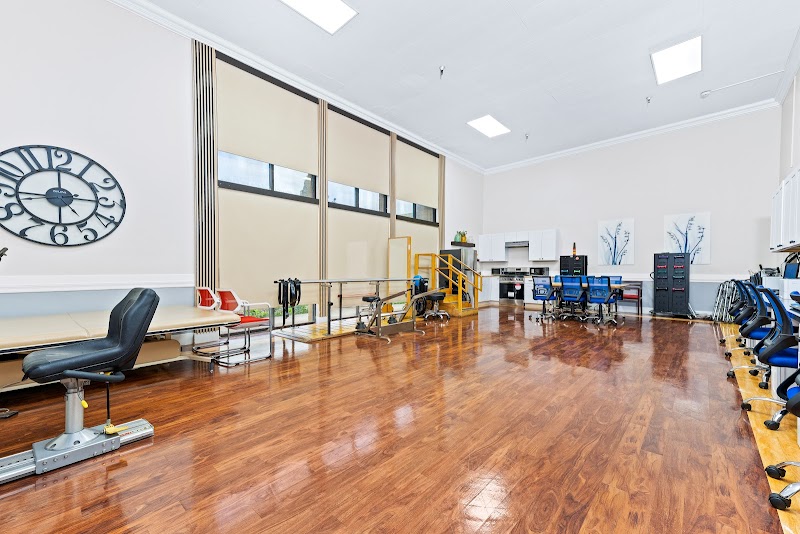
How is Park Avenue Healthcare & Wellness Center Staffed?

CMS rates PARK AVENUE HEALTHCARE & WELLNESS CENTER's staffing level at 3 out of 5 stars, which is average compared to other nursing homes. Staff turnover is 34%, compared to the California average of 46%. This relatively stable workforce can support continuity of care.

What Have Inspectors Found at Park Avenue Healthcare & Wellness Center?

State health inspectors documented 155 deficiencies at PARK AVENUE HEALTHCARE & WELLNESS CENTER during 2021 to 2025. These included: 1 Immediate Jeopardy (the most serious level, indicating potential for serious harm or death), 3 that caused actual resident harm, and 151 with potential for harm. Immediate Jeopardy findings are rare and represent the most serious regulatory concerns. They require immediate corrective action.

Who Owns and Operates Park Avenue Healthcare & Wellness Center?

PARK AVENUE HEALTHCARE & WELLNESS CENTER is owned by a for-profit company. For-profit facilities operate as businesses with obligations to shareholders or private owners. The facility operates independently rather than as part of a larger chain. With 231 certified beds and approximately 215 residents (about 93% occupancy), it is a large facility located in POMONA, California.
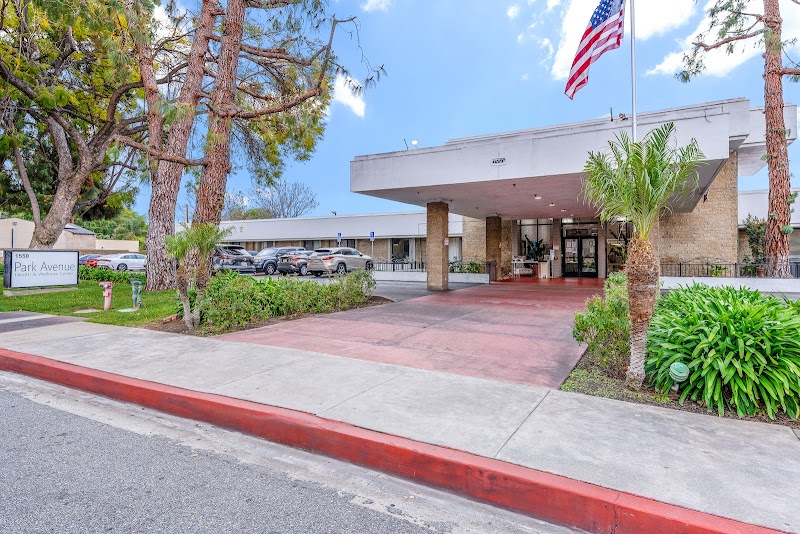
How Does Park Avenue Healthcare & Wellness Center Compare to Other California Nursing Homes?

Compared to the 100 nursing homes in California, PARK AVENUE HEALTHCARE & WELLNESS CENTER's overall rating (1 stars) is below the state average of 3.1, staff turnover (34%) is significantly lower than the state average of 46%, and health inspection rating (1 stars) is much below the national benchmark.

What Should Families Ask When Visiting Park Avenue Healthcare & Wellness Center?

Based on this facility's data, families visiting should ask: "What changes have been made since the serious inspection findings, and how are you preventing similar issues?" "What safeguards and monitoring systems are in place to protect residents from abuse or neglect?" "Can I visit during a mealtime to observe dining assistance and food quality?" "How do you handle medical emergencies, and what is your hospital transfer rate?" These questions are particularly relevant given the facility's Immediate Jeopardy citations and the substantiated abuse finding on record.

Is Park Avenue Healthcare & Wellness Center Safe?

Based on CMS inspection data, PARK AVENUE HEALTHCARE & WELLNESS CENTER has documented safety concerns. The facility has 1 substantiated abuse finding (meaning confirmed case of resident harm by staff or other residents). Inspectors have issued 1 Immediate Jeopardy citation (the most serious violation level indicating risk of serious injury or death). The facility is currently on the Special Focus Facility watch list (a federal program monitoring the lowest-performing 1% of nursing homes nationwide). The facility has a 1-star overall rating and ranks #100 of 100 nursing homes in California. Families considering this facility should ask detailed questions about what corrective actions have been taken since these incidents.

Do Nurses at Park Avenue Healthcare & Wellness Center Stick Around?

PARK AVENUE HEALTHCARE & WELLNESS CENTER has a staff turnover rate of 34%, which is about average for California nursing homes (state average: 46%). Moderate turnover is common in nursing homes, but families should still ask about staff tenure and how the facility maintains care continuity when employees leave.

Was Park Avenue Healthcare & Wellness Center Ever Fined?

PARK AVENUE HEALTHCARE & WELLNESS CENTER has been fined $175,795 across 6 penalty actions. This is 5.0x the California average of $34,837. Fines at this level are uncommon and typically indicate a pattern of serious deficiencies, repeated violations, or failure to correct problems promptly. CMS reserves penalties of this magnitude for facilities that pose significant, documented risk to resident health or safety. Families should request specific documentation of what issues led to these fines and what systemic changes have been implemented.

Is Park Avenue Healthcare & Wellness Center on Any Federal Watch List?

PARK AVENUE HEALTHCARE & WELLNESS CENTER is currently an SFF Candidate, meaning CMS has identified it as potentially qualifying for the Special Focus Facility watch list. SFF Candidates have a history of serious deficiencies but haven't yet reached the threshold for full SFF designation. The facility is being monitored more closely — if problems continue, it may be added to the official watch list. Families should ask what the facility is doing to address the issues that led to this status.