BROOKSIDE HEALTHCARE CENTER
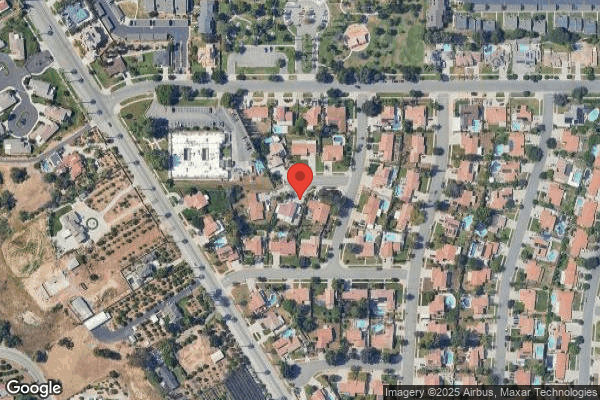

105 TERRACINA BLVD., REDLANDS, CA 92373 (909) 793-2271
For profit - Corporation 97 Beds THE ENSIGN GROUP Data: November 2025
Trust Grade
60/100
#539 of 1155 in CA
Last Inspection: October 2024

Within standard 12-15 month inspection cycle. Federal law requires annual inspections.

Overview

Brookside Healthcare Center has a Trust Grade of C+, indicating it is slightly above average but still has areas for improvement. It ranks #539 out of 1155 facilities in California, placing it in the top half overall, though it is #40 of 54 in San Bernardino County, suggesting only a few local options are better. Unfortunately, the facility is worsening, with issues increasing from 5 in 2023 to 15 in 2024. Staffing is a relative strength, rated 4 out of 5 stars, but with a turnover rate of 41%, which is average for California. While there have been no fines, the inspector found several concerning incidents, including food safety issues in the kitchen that could expose residents to illness, as well as staff failing to wash hands when entering and exiting resident rooms, which poses a risk of spreading infections. Overall, Brookside has both strengths and weaknesses that families should carefully consider.

Trust Score
C+
60/100
In California
#539/1155
Top 46%
Safety Record
Low Risk
No red flags
Inspections
Getting Worse
5 → 15 violations
Staff Stability
○ Average
41% turnover. Near California's 48% average. Typical for the industry.
Penalties
✓ Good
No fines on record. Clean compliance history, better than most California facilities.
Skilled Nurses
⚠ Watch
Each resident gets only 26 minutes of Registered Nurse (RN) attention daily — below average for California. Fewer RN minutes means fewer trained eyes watching for problems.
Violations
⚠ Watch
35 deficiencies on record. Higher than average. Multiple issues found across inspections.
★★★☆☆
3.0
Overall Rating
★★★★☆
4.0
Staff Levels
★★★★☆
4.0
Care Quality
★★★☆☆
3.0
Inspection Score
Stable
2023: 5 issues
2024: 15 issues

The Good

  • 4-Star Staffing Rating · Above-average nurse staffing levels
  • 4-Star Quality Measures · Strong clinical quality outcomes
  • Full Sprinkler Coverage · Fire safety systems throughout facility
  • No fines on record
  • Staff turnover below average (41%)

    7 points below California average of 48%

Facility shows strength in staffing levels, quality measures, fire safety.

The Bad

3-Star Overall Rating

Near California average (3.1)

Meets federal standards, typical of most facilities

Staff Turnover: 41%

Near California avg (46%)

Typical for the industry

Chain: THE ENSIGN GROUP

Part of a multi-facility chain

Ask about local staffing decisions and management

The Ugly 35 deficiencies on record

Oct 2024 12 deficiencies
CONCERN (D)

Potential for Harm - no one hurt, but risky conditions existed

Deficiency F0655 (Tag F0655)

Could have caused harm · This affected 1 resident

**NOTE- TERMS IN BRACKETS HAVE BEEN EDITED TO PROTECT CONFIDENTIALITY** Based on observation, interview and record review, the facility failed to develop a risk on nutritional deficit care plan upon r...

Read full inspector narrative →
**NOTE- TERMS IN BRACKETS HAVE BEEN EDITED TO PROTECT CONFIDENTIALITY** Based on observation, interview and record review, the facility failed to develop a risk on nutritional deficit care plan upon readmission to the facility for one of 21 sampled residents (Resident 46). This failure had the potential for not meeting nutritional goals, treatments, and services related to resident's medical, physical, mental, and psychosocial needs. Findings: During an observation and concurrent interview with Resident 46, in resident's room, on October 21, 2024, at 11:21 a.m., Resident 46 was noted to be pale and weak. It was also noted that the food on the lunch plate was untouched. Resident 46 stated that lately the food was not appetizing after staying in the hospital for a few days. During an interview with Resident 46's brother, on October 21, 2024, at 11:22 a.m., the brother stated that Resident 46 was on dialysis (process of removing excess water from the blood in people whose kidneys can no longer perform the function naturally) every Tuesday, Thursday, and Saturday. The brother also stated that Resident 46 just had a below the knee amputation (surgical removal of a body part) of his right leg due to gangrene (death of body cells) infection that developed at home. A review of Resident 46's Face Sheet (a document with resident's information), indicated that Resident 46 was readmitted to the facility on [DATE], with diagnoses which included Systemic Lupus Erythematosus (an illness that occurs when the immune system attacks healthy tissues and organs), Dysphagia (difficulty swallowing), End Stage Renal Disease (a condition where the kidneys have permanently failed to function properly), and Dependence on Renal (kidney) Dialysis. A review of Resident 46's current Care Plan (individualized outline of specific care, interventions, and goals for a patient), on October 22, 2024, at 2:58 P.M., noted no care plan was developed to reflect Resident 46's nutritional status. During an interview and concurrent record review with Registered Nurse Supervisor (RNS) 1, on October 23, 2024, at 7:31 a.m., RNS 1 stated that Resident 46 had high risk for nutritional deficit due to multiple medical diagnoses that could lead to weight loss. RNS 1 confirmed that Resident 46 had no care plan related to nutritional status. RNS 1 stated that the importance of developing a care plan was to determine an appropriate intervention to prevent resident from weight loss. RNS 1 also stated that a Registered Nurse is responsible in developing a care plan during admission based on resident's needs. During an interview with the Director of Nursing (DON), on October 24, 2024, at 9:55 a.m., the DON stated that a plan of care on risk for nutritional deficit to resident on dialysis was important to implement interventions and to continuously monitor resident's nutritional status. The DON confirmed that Resident 46's care plan on risk for nutritional deficit was not initiated at the time of readmission. A review of the facility's undated policy and procedure titled, Care Plan and Care Plan Revisions, indicated, .PROCEDURES: 1. Care plan will be initiated within 24 hours upon admission . 4. Care plan will be initiated based on identified problem and medical change of condition.
CONCERN (D)

Potential for Harm - no one hurt, but risky conditions existed

Comprehensive Care Plan (Tag F0656)

Could have caused harm · This affected 1 resident

**NOTE- TERMS IN BRACKETS HAVE BEEN EDITED TO PROTECT CONFIDENTIALITY** Based on interview and record review, the facility failed to ensure an individualized care plan (a plan showing specific interve...

Read full inspector narrative →
**NOTE- TERMS IN BRACKETS HAVE BEEN EDITED TO PROTECT CONFIDENTIALITY** Based on interview and record review, the facility failed to ensure an individualized care plan (a plan showing specific interventions to provide effective and person-centered care to meet the resident's needs) was developed for one of 21 sampled residents (Resident 69) to address the resident's ongoing issue of constipation. This failure had the potential to increase the risk of health complications which can lead to Resident 69's chronic discomfort and reduced quality of life. Findings: A review of Resident 69's face sheet (a document showing a summary of the resident's information) indicated Resident 69 was admitted to the facility on [DATE]. During a review of Resident 69's Minimum Data Set (MDS - a standardized assessment tool used to evaluate a resident's health status) - Version 3.0, dated September 16, 2024, the BIMS score (Brief Interview for Mental Status score - a number that indicates a person's cognitive function) indicated Resident 69 was cognitively intact. A review of Resident 69's Skilled Nursing Facility H&P (History and Physical - a reference document that provides concise information about a resident's history and examination findings at the time of admission), dated September 23, 2024, indicated the physician documented constipation as part of Resident 69's assessments. The plan showed to place Resident 69 on a bowel regimen which included administering routine and as needed medications. The medications included Senna, Colace, Miralax, Dulcolax, and Fleet Enema (medications used to treat constipation). A review of Resident 69's Skilled Nursing Facility - Progress Note, dated October 18, 2024, indicated on .10/17: patient was seen in his room in bed, denies any new concerns except for ongoing constipation . During an interview with Resident 69 on October 21, 2024 at 10:05 AM, Resident 69 stated he last had a bowel movement three days ago. He took medications, but always had problems with being constipated. During a concurrent interview and record review on October 24, 2024 at 03:26 PM with LVN 2, Resident 69's care plans were reviewed. Resident 69's clinical record indicated the baseline and comprehensive care plans were developed. However, there was no documented evidence showing a care plan problem related to Resident 69's constipation was developed. LVN 2 confirmed Resident 69's constipation issue was present on admission and verified there was no documented evidence a care plan to address Resident 69's constipation was developed. LVN 2 stated any nursing staff could initiate a care plan if they identified a concern. LVN 2 stated the purpose of developing a care plan was to ensure the staff knew the plan of care for the resident. A review of the facility's undated policy and procedure titled, Care plan and care plan revision, indicated .This facility will assure the completion of the resident assessment process enabling the development of an individualized comprehensive care plan for the resident . The procedures included .Care plan will be initiated within 24 hours upon admission and completed within 7 days and will monitor after comprehensive assessment .Care plan will be initiated based on identified problem and medical change of condition .Care plan will be reviewed by the team for needed update and/or resolved care plan will be discontinued upon review.
CONCERN (D)

Potential for Harm - no one hurt, but risky conditions existed

Deficiency F0679 (Tag F0679)

Could have caused harm · This affected 1 resident

**NOTE- TERMS IN BRACKETS HAVE BEEN EDITED TO PROTECT CONFIDENTIALITY** Based on observation, interview, and record review, the facility failed to provide an ongoing activity program to meet the needs...

Read full inspector narrative →
**NOTE- TERMS IN BRACKETS HAVE BEEN EDITED TO PROTECT CONFIDENTIALITY** Based on observation, interview, and record review, the facility failed to provide an ongoing activity program to meet the needs and interests of one of 21 sampled residents (Resident 83). The facility failed to provide Resident 83 with an individualized activity program which met his identified preferences of listening to music, keeping up with the news, and going outside for fresh air. This failure created the risk of not providing appropriate and individualized care to Resident 83 which can lead to cognitive and emotional decline as well as increased feelings of isolation. Findings: A review of Resident 83's face sheet (a document showing a summary of the resident's information) indicated Resident 83 was admitted to the facility on [DATE]. His primary language was English. During a review of Resident 83's Minimum Data Set (MDS - a standardized assessment tool used to evaluate a resident's health status) - Version 3.0, dated September 25, 2024, the BIMS score (Brief Interview for Mental Status score - a number that indicates a person's cognitive function) indicated Resident 83 had moderate cognitive impairment. Further review of the MDS Section F (a section of the MDS indicating the resident's daily and activity preferences) showed listening to music that he liked, keeping up with the news, and going outside to get fresh air when the weather was good were somewhat important to Resident 83. During a review of Resident 83's care plan (a plan showing specific interventions to provide effective and person-centered care to meet the resident's needs), a care plan problem was developed which indicated Resident benefits from 1:1 activity visit, dependent on others for all activity programming, expresses reluctance to attend group activities, needs transport to and from activity programming, prefers to initiate activities of choice independently, self isolates due to feeling depressed. The Interventions/Tasks showed to .Invite to and encourage activities with a low stimulation environment when available .It is somewhat important to the resident to go outside for fresh air when the weather is good. Resident cannot propel wheelchair independently. Assist outside for fresh air during nature walk .It is somewhat important to the resident to keep up with the news. Prefers to get news from news channel 7. Invite to coffee/news. Activity staff will deliver the daily chronicle every morning during stop by visits .It is somewhat important to the resident to listen to classical music. Invite to music programs. Offer a personal stereo .Provide 1:1 program to support in-room activities with supplies, conversation, and comfort . During an observation on October 21, 2024 at 09:37 AM, October 21, 2024 at 12:15 PM, October 21, 2024 at 12:51 PM, October 22, 2024 at 09:09 AM, October 22, 2024 at 10:08 AM, October 22, 2024 at 11:10 AM, and October 22, 2024 at 11:55 AM, Resident 83 was observed awake, lying in bed, and staring at the TV. However, the TV was off. There was no stereo, nor any in-room sensory stimulation observed. During a concurrent observation and interview with Resident 83 on October 23, 2024 at 08:07 AM, the TV was on; however, the program was set to a Spanish channel. When asked about activities, Resident 83 stated he liked to stay in his room but would like to go out sometimes. When asked if he liked listening to music, Resident 83 nodded. During an interview with Certified Nurse Assistant (CNA) 2 on October 23, 2024 at 08:40 AM, CNA 2 stated Resident 83 was in his room most of the time and ate in there. CNA 2 stated Resident 83 just looked at the ceiling and did not go to activities. Activity staff came in to talk to the resident sometimes, but he would stay in his room. CNA 2 also stated she had not seen the resident listening to music or going outside. During a review of Resident 83's daily activity log for October 2024, the log showed one-on-one activity was only offered three times during the month of October on October 3, 2024, October 14, 2024, and October 23, 2024. The log showed music was offered on October 14, 2024. However, there was no other documented evidence showing Resident 83's preferences of listening to music, keeping up with the news, and going outside were offered during the one-on-one room visits in October. During a concurrent interview and record review with the Activity Director (AD) on October 24, 2024 at 12:28 PM, the daily activity log for October was reviewed. The AD was asked about Resident 83's activities. The AD stated they offered activity materials and invited Resident 83 to group activities. Resident 83 liked to keep to himself, talked about his family, and expressed his worries. The activity staff mostly conversed with him. Resident 83 did not like to do much, so one-to-one room visits were provided. When asked about documentation regarding Resident 83's activities, the AD stated they documented the activities that were provided daily. They would visit Resident 83 throughout the day; however, they did not document every time they visited the resident. The AD verified the activities provided in the log did not reflect Resident 83's preferences. The AD stated they offered activities based on Resident 83's preferences, but the resident would sometimes refuse. The AD verified there was no documentation of the resident's refusal in the log. During a review of the facility's undated policy and procedure titled Activities Program, the document indicated, It is the policy of this facility to implement an ongoing resident centered activities program that incorporates the resident's interests, hobbies and cultural preferences which is integral to maintaining and/or improving a resident's physical, mental, and psychosocial well-being, and independence. The procedures included 1. Activities are planned according to the residents' preferences, needs, and abilities. Every resident will be interviewed for preferences .9. Some activities can be adapted to accommodate the resident's change in functioning due to physical or cognitive limitations .e. Cognitive impairment (i.e., task segmentation, settings that recreate past experiences, smaller groups without interruption, one-to-one, etc .
CONCERN (D)

Potential for Harm - no one hurt, but risky conditions existed

Quality of Care (Tag F0684)

Could have caused harm · This affected 1 resident

**NOTE- TERMS IN BRACKETS HAVE BEEN EDITED TO PROTECT CONFIDENTIALITY** Based on observation, interview, and record review, the facility failed to ensure coordination and collaboration were practiced ...

Read full inspector narrative →
**NOTE- TERMS IN BRACKETS HAVE BEEN EDITED TO PROTECT CONFIDENTIALITY** Based on observation, interview, and record review, the facility failed to ensure coordination and collaboration were practiced with contracted hospice agency when one of one resident admitted for hospice had no hospice plan of care available to facility staff. These failures had the potential to cause delay in treatment, miscommunication, and uncoordinated care for Resident 10. Findings: 1.During an initial tour observation on October 21, 2024, at 10:53 AM, inside resident's room, Resident 10 was lying on her low air loss mattress (LALM- a special bed to help prevent skin breakdown) with eyes closed. Resident 10 was receiving oxygen via nasal cannula (a thin, flexible tubing which delivers oxygen in small amounts through the nostrils)) connected to an oxygen concentrator (a medical device that provides a supply of oxygen to help people breathe easier). Resident 10's oxygen concentrator was set at 2.5 LPM (Liters Per Minute- unit of measure or dose). A review of Resident 10's face sheet (document which contains demographic and medical information) indicated she was admitted to the facility on [DATE], with diagnoses that included hemiplegia (paralysis on one side of the body) and hemiparesis (weakness on one side of the body) following cerebral infarction (stroke), aphasia (language disorder that affects a person's ability to communicate), and chronic embolism (circulating blood clot) and thrombosis (blood clot) of unspecified deep veins of right lower extremity (leg). A review of Resident 10's physician's order dated October 23, 2024, indicated, Admit to [name of hospice agency] effective 10/18/2024. During a concurrent interview and record review with the Licensed Vocational Nurse (LVN) 6, on October 24, 2024, at 2:05 PM, LVN 6 reviewed Resident 10's hospice binder and verified that the Plan of Care/IDT (Interdisciplinary Team) Note section was empty. During a concurrent interview and record review with Minimum Data Set Nurse (MDSN), on October 24, 2024, at 2:57 PM, MDSN reviewed Resident 10's hospice binder and confirmed that there was no hospice plan of care. MDSN stated that the hospice agency should have a plan of care available to facility staff. During a concurrent interview and record review with the Social Service Director (SSD), on October 24, 2024, at 3:27 PM, the SSD showed the Hospice Plan of Care to the surveyor and stated she just received this document via email today around 3:07 PM and will put in the hospice binder. SSD also stated that the expectations were the care plans should have been secured in the hospice binder and available to the facility staff. SSD further stated it was important to have the hospice plan of care readily available because it was a means of communication between the hospice agency and the facility. During an interview with the Hospice Director of Patient Care Services (HDPCS), on October 25, 2024, at 8:18 AM, the HDPCS stated that the Hospice Plan of Care should have been secured in the hospice binder within 48-72 hours from admission to hospice or around last Monday (October 21, 2024). The HDPCS also acknowledged that it was missed and that was not acceptable. The HDPCS stated it was important that the hospice plan of care was available to facility staff as it was a form of communication between the hospice and facility. During an interview with the Director of Nursing (DON), on October 25, 2024, at 10:23 AM, the DON stated that her expectations were for hospice agency to provide the plan of care within 72 hours and for the facility to follow-up as needed. The DON also stated the hospice plan of care was important for the facility staff to know what kind of care and services were needed to ensure continuity of care. A review of the facility's Registered Nurse's Job Description, indicated, Our expectation is that you will perform your job in a manner consistent with our Core Values .ACCOUNTABILITY .OWNERSHIP . ESSENTIAL DUTIES AND RESPONSIBILITIES .Administer services within the applicable scope of nursing practice, which may include: .care of the dead/dying, .as appropriate and in accordance with applicable standard . Ensure that assigned CNAs [Certified Nursing Assistants] are aware of the resident care plan. Ensure that the CNAs refer to the resident's care plan prior to administering daily care to the resident . A review of the facility's Social Worker's Job Description, indicated, Duties and Responsibilities. Administrative Functions. Assists in planning, developing, organizing, implementing, evaluating, and directing the social service programs of this facility. Assist in the development, administering, and coordinating of department policies and procedures . Care Plan and Assessment Functions .Ensure that all social services personnel are aware of the care plan and that care plans are used in providing daily social services to the resident . Develop and maintain a good rapport with all services involved with the care plan to ensure that a team effort is achieved . A review of the facility's undated policy and procedure (P&P) titled, Section: Quality of Care; Administration. Subject: End of Life; Hospice indicated, POLICY: .Through continuing interdisciplinary assessment, individualized plans will be developed and implemented .PROCEDURES: .4. Hospice services will be offered as appropriate and as ordered by the physician. These services will be integrated into the overall individualized, interdisciplinary care plan. 5 .the facility will continue: a. To provide necessary care and services to assist the resident to achieve his or her highest practicable well-being .c. To update and implement an individualized, interdisciplinary plan of care. A review of the hospice agency's policy and procedure (P&P) titled, ENTRIES INTO THE CLINICAL RECORD revised April 2023, indicated, POLICY .Documentation in the clinical record will be timely, detailed, accurate, and reflect the care or services provided .PROCEDURE .1. A clinical record will be initiated and maintained for each patient receiving care or services, according to organization policies found in this manual, and will include at a minimum: .D. Initial plan of care, updated plans of care .E. Dates, times, and types of interventions, assessments, and coordination of care .18. For patients receiving services in a facility, clinical records to include, but not limited to plan of care, medication profile, calendar, CTI (Certification of Terminal Illness), Hospice Aide Care Plan/Instructions .must be provided to the facility within 72 hours .19. For patients receiving services in a facility, plan of care is completed within 5 days of start of care in collaboration with the Facility representatives, patient/family representative and hospice representative . A review of Resident 10's Hospice Services Agreement, dated October 14, 2024, indicated, HOSPICE Plan of Care .must reflect the HOSPICE Patient and family goals and interventions based on the problems identified in the HOSPICE Patient assessments. The HOSPICE Plan of Care should reflect the participation of the HOSPICE, FACILITY, and the HOSPICE Patient and such patient's family .which includes: .(iii) measurable outcomes anticipated from implementing and coordinating the HOSPICE Plan of Care .2.2 HOSPICE Plan of Care. HOSPICE shall develop and maintain a written HOSPICE Plan of Care and retains responsibility for determining the appropriate HOSPICE plan of care. The HOSPICE Plan of Care will identify which provider is responsible for performing the respective functions that have been agreed upon and included in the HOSPICE Plan of Care .2.3 Communication. HOSPICE and FACILITY shall communicate with one another regularly and as needed for each HOSPICE patient .2.4 HOSPICE Standards. Services provided by HOSPICE shall be provided in a timely manner and shall meet applicable professional standards and principles .2.14 Providing Information. HOSPICE shall promote open and frequent communication with FACILITY. HOSPICE shall provide the following information to FACILITY for each HOSPICE Patient: (a) HOSPICE Plan of Care .
CONCERN (D)

Potential for Harm - no one hurt, but risky conditions existed

Respiratory Care (Tag F0695)

Could have caused harm · This affected 1 resident

**NOTE- TERMS IN BRACKETS HAVE BEEN EDITED TO PROTECT CONFIDENTIALITY** Based on observation, interview, and record review, the facility failed to provide the necessary respiratory care and services i...

Read full inspector narrative →
**NOTE- TERMS IN BRACKETS HAVE BEEN EDITED TO PROTECT CONFIDENTIALITY** Based on observation, interview, and record review, the facility failed to provide the necessary respiratory care and services in accordance with professional standards of practice and the resident's plan of care when two of 21 sampled residents (Resident 10 and 36) oxygen therapies were not followed as prescribed by his physician. These failures had the potential to cause changes in Resident 10 and 36's respiratory status and affect their overall health and well-being. Findings: 1.During an initial tour observation on October 21, 2024, at 10:53 AM, inside resident's room, Resident 10 was lying on her bed with eyes closed. Resident 10 was receiving oxygen via nasal cannula (a thin, flexible tubing which delivers oxygen in small amounts through the nostrils) connected to an oxygen concentrator (a medical device that provides a supply of oxygen to help people breathe easier). Resident 10's oxygen concentrator was set at 2.5 LPM (Liters Per Minute- unit of measure or dose). A review of Resident 10's face sheet (document which contains demographic and medical information) indicated she was admitted to the facility on [DATE], with diagnoses that included hemiplegia (paralysis on one side of the body) and hemiparesis (weakness on one side of the body) following cerebral infarction (stroke), aphasia (language disorder that affects a person's ability to communicate), and chronic embolism and thrombosis (blood clot) of unspecified deep veins of right lower extremity (leg). A review of Resident 10's History and Physical dated January 27, 2024, indicated, PHYSICAL EXAM . Neurological: Opens eyes to voice. Does not follow command at this time .CAPACITY: This resident does NOT have the capacity to understand and make decisions . During a subsequent observation on October 22, 2024, at 11:12 AM, inside resident's room, Resident 10 was lying on her bed asleep and turned towards her left side, with supporting pillows to her right. Resident 10 was receiving oxygen via nasal cannula attached to an oxygen concentrator at a rate of 2.5 LPM. During an observation on October 23, 2024, at 6:48 AM, inside resident's room, Resident 10 was lying on her bed asleep and turned towards her right side, with supporting pillows to her left. Resident 10 was receiving oxygen via nasal cannula attached to an oxygen concentrator at a rate of 2.5 LPM. A review of Resident 10's Physician's Order via PCC (Point Click Care - electronic health record) on October 22, 2024, at 7:10 AM, indicated, Resident 10 had the following order: Admit to [name of hospice agency] effective 10/18/2024 .Apply oxygen via NC [nasal cannula] at 3 LPM continuous to keep saturation at or above 90% every shift for low O2 (Oxygen) saturation . During a concurrent observation and interview with the Licensed Vocational Nurse (LVN) 1, on October 23, 2024, at 8:05 AM, LVN 1 checked Resident's 10's oxygen concentrator and stated it was set between 2.5-3.0 LPM. LVN 1 adjusted the oxygen concentrator regulator to deliver 3 LPM of oxygen. During a concurrent interview and record review with the LVN 1, on October 23, 2024, at 8:10 AM, LVN 1 reviewed Resident 10's physician's orders, and stated Resident 10's oxygen therapy order was 3 LPM via nasal cannula. LVN 1 stated that the oxygen therapy order was not followed. LVN 1 also stated that it was important to follow the doctor's order so as not to compromise resident's respiratory status. In a concurrent interview and record review with the Registered Nurse Supervisor (RNS) 1 on October 23, 2024, at 8:28 AM, the RNS 1 reviewed Resident 10's electronic health records and verified that oxygen therapy order was 3 LPM. RNS 1 stated that nurses were expected to follow the doctor's order for patient safety. During an interview with the Director of Nursing (DON) on October 23, 2024, at 12:56 PM, the DON stated that it was her expectations for nurses to follow the doctor's order. The DON also stated that it was important to follow the doctor's oxygen therapy order for resident to not have any respiratory distress. A review of Resident 10's Individual Care Plan, indicated, Has Oxygen Therapy r/t [related to] Ineffective gas exchange .Interventions .Apply oxygen via NC at 3 LPM continuous to keep saturation [amount of oxygen in the blood] at or above 90% . A review of the facility's Licensed Vocational Nurse's Job Description, indicated, Our expectation is that you will perform your job in a manner consistent with our Core Values .ACCOUNTABILITY .OWNERSHIP . POSITION SUMMARY: The primary purpose of your job position is to provide primary care to specific residents under the medical direction and supervision of the resident's attending physician's .ESSENTIAL DUTIES AND RESPONSIBILITIES .Implement and maintain established policies, procedures, .safety .Administer services within the applicable scope of nursing practice .as appropriate and in accordance with applicable standards, .Prepare and administer medications as ordered by the physician . A review of the facility's policy and procedure (P&P) titled, Resident Care . Subject: Oxygen, Use of, with a revised date of July 2022, indicated, POLICY: It is the policy of this facility to promote resident safety in administering oxygen . 2.During an initial tour observation on October 21, 2024, at 10:34 AM, in the resident's room, Resident 36 was awake, comfortably lying on her bed covered with a blanket. Resident 36 was receiving oxygen via nasal cannula (a thin, flexible tubing which delivers oxygen in small amounts through the nostrils) connected to an oxygen concentrator (a medical device that provides a supply of oxygen to help people breathe easier). Resident 36's oxygen concentrator was set at 2.5 LPM (Liters Per Minute- unit of measure or dose). A review of Resident 36's face sheet (document which contains demographic and medical information) indicated she was initially admitted to the facility on [DATE], with diagnoses that included essential hypertension (elevated blood pressure), atherosclerosis (build-up of fats and other substances in and on the artery walls) and non-[NAME] lymphoma (blood cancer). A review of Resident 36's History and Physical dated September 08, 2024, indicated, PHYSICAL EXAM . Respiratory: CTAB [lungs clear to auscultation bilaterally], bases diminished, On nasal cannula .OTHER: PLAN: Wean patient off oxygen as she was not any prior to hospitalization . A review of Resident 36's Physician's Order via PCC (Point Click Care- electronic health record) on October 22, 2024, at 10:03 AM, indicated, Resident 36 had the following order: may have 2L [liters] of oxygen via nasal cannula to maintain oxygen above 90% . During a subsequent observation on October 22, 2024, at 11:09 AM, inside resident's room, Resident 36 was lying on her bed asleep and receiving oxygen via nasal cannula at a rate of 2.5 LPM. During a concurrent observation and interview with the Licensed Vocational Nurse (LVN) 1, on October 23, 2024, at 7:57 AM, LVN 1 stated that the morning shift started at 7 :00 AM. LVN 1 also stated that during change of shift rounds, nurses were expected to check the rate of oxygen delivered to residents as ordered by the doctor. LVN 1 checked Resident's 36's oxygen concentrator and stated it was set 2.5 LPM. LVN 1 adjusted the oxygen concentrator regulator to deliver 2 LPM of oxygen and stated it should be at 2 LPM. During a concurrent interview and record review with the LVN 1, on October 23, 2024, at 8:12 AM, LVN 1 reviewed Resident 36's physician's orders, and stated Resident 36's oxygen therapy order was 2 LPM via nasal cannula. LVN 1 stated that the oxygen therapy order was not followed. LVN 1 also stated that it was important to follow the doctor's order so as not to compromise resident's respiratory status. In a concurrent interview and record review with the Registered Nurse Supervisor (RNS) 1 on October 23, 2024, at 8:29 AM, the RNS 1 reviewed Resident 36's electronic health records and verified that oxygen therapy order was 2 LPM. RNS1 stated that nurses were expected to follow the doctor's order for patient safety. During an interview with the Director of Nursing (DON) on October 23, 2024, at 12:56 PM, the DON stated that it was her expectations for nurses to follow the doctor's order. The DON also stated that it was important to follow the doctor's oxygen therapy order for resident to not have any respiratory distress. A review of Resident 36's Individual Care Plan, indicated, Resident has altered cardiovascular status r/t [related to] hypertension, hyperlipidemia [high cholesterol level], CAD [Coronary Artery Disease- disease of the heart's major blood vessels], . At risk for cardiac distress . Interventions .Give oxygen as ordered by the physician . A review of the facility's Licensed Vocational Nurse's Job Description, indicated, Our expectation is that you will perform your job in a manner consistent with our Core Values .ACCOUNTABILITY .OWNERSHIP . POSITION SUMMARY: The primary purpose of your job position is to provide primary care to specific residents under the medical direction and supervision of the resident's attending physician's .ESSENTIAL DUTIES AND RESPONSIBILITIES .Implement and maintain established policies, procedures, .safety .Administer services within the applicable scope of nursing practice .as appropriate and in accordance with applicable standards, .Prepare and administer medications as ordered by the physician . A review of the facility's policy and procedure (P&P) titled, Resident Care . Subject: Oxygen, Use of, with a revised date of July 2022, indicated, POLICY: It is the policy of this facility to promote resident safety in administering oxygen .
CONCERN (D)

Potential for Harm - no one hurt, but risky conditions existed

Deficiency F0726 (Tag F0726)

Could have caused harm · This affected 1 resident

**NOTE- TERMS IN BRACKETS HAVE BEEN EDITED TO PROTECT CONFIDENTIALITY** Based on observation, interview, and record review, one of five Licensed Vocational Nurses (LVN 7) failed to demonstrate compete...

Read full inspector narrative →
**NOTE- TERMS IN BRACKETS HAVE BEEN EDITED TO PROTECT CONFIDENTIALITY** Based on observation, interview, and record review, one of five Licensed Vocational Nurses (LVN 7) failed to demonstrate competency in medication administration for one of nineteen sampled residents (Resident 62). LVN 7 did not follow facility procedure when administering medication through the Gastrostomy tube (G-tube- a tube inserted into the stomach for the purpose of providing nutrition) for Resident 62. This failure had the potential to cause G-tube complications for Resident 62. Findings: During a review of Resident 62's admission Record (AR), dated October 25, 2024, the AR indicated Resident 62 was admitted to the facility on [DATE], with diagnoses that included dysphagia (difficulty in swallowing) and Gastrostomy status (presence of a G-tube), among others. During an observation on October 23, 2024, at 5:48 AM, during medication pass, LVN 7 was observed pouring water mixed with the contents of a medication packet labeled Pantoprazole (medication that reduces acid in the stomach) 40 milligrams (mg- unit of measure) into a syringe. LVN 7 administered the medication through Resident 62's G-tube by pushing the plunger of the syringe. During an interview on October 23, 2024, at 6:05 AM, with LVN 7, LVN 7 stated the Pantoprazole should have been administered to Resident 62 by gravity and should not have been pushed into the G-tube with the syringe. During a concurrent interview and record review on October 25, 2024, at 9:22 AM, with the Director of Nursing (DON), Resident 62's Order Summary Report (OSR), dated October 25, 2024, was reviewed. The OSR indicated, Pantoprazole Sodium Oral Packet .give 40 mg via [by] G-tube in the morning . The DON stated Pantoprazole was not supposed to be pushed and should have been administered via flow of gravity. During a concurrent interview and record review on October 25, 2024, at 9:22 AM, with the DON, the facility's undated policy and procedure (P&P) titled, Specific Medication Administration Procedures was reviewed. The P&P indicated, Policy: Medications are administered as prescribed in accordance with good nursing principles and practices .Enteral [food or drug administration via the human gastrointestinal tract] Tube Medication Administration Procedures . Oral medication(s) are administered through an enteral tube in a safe and accurate manner . Allow medication to flow down the tube via gravity . Do not push medications through the tube . The DON stated LVN 7 did not demonstrate competency in administering medication through the G-tube when she pushed the Pantoprazole and did not allow the medication to flow by gravity.
CONCERN (D)

Potential for Harm - no one hurt, but risky conditions existed

Deficiency F0745 (Tag F0745)

Could have caused harm · This affected 1 resident

Based on interview and medical record review, the facility failed to ensure the Social Services Department followed up on a physician's order for a hospice evaluation for one of 21 sampled residents (...

Read full inspector narrative →
Based on interview and medical record review, the facility failed to ensure the Social Services Department followed up on a physician's order for a hospice evaluation for one of 21 sampled residents (Resident 30). This failure had the potential to delay hospice services for Resident 30. Findings: A review of Resident 30's Facesheet indicated an admission date of October 12, 2022. A review of Resident 30's Progress Note dated September 23, 2024, indicated diagnoses including dementia (progressive state of decline in mental abilities), history of stroke (damage to the brain caused by interrupted blood flow), aphasia (disorder that makes it difficult to speak), and major depressive disorder. The Progress Note further indicated Resident 30 did not have the capacity to understand and make decisions. A review of Resident 30's Order Summary Report dated August 28, 2024, indicated a hospice evaluation was ordered on July 8, 2024. A review of Resident 30's Progress Notes dated July 8, 2024, to October 23, 2024, indicated on July 8, 2024, Resident 30's family were aware of the resident's declining condition and agreeable to the physician's recommendation for a hospice evaluation. The Progress Notes did not indicate Social Services followed up with a hospice company or Resident 30's family regarding the evaluation for hospice services. During a concurrent interview and record review on October 24, 2024, at 10:08 AM, with the Case Manager (CM) and Social Services Director (SSD), Resident 30's medical record was reviewed. The SSD and CM verified there were no Progress Notes indicating Social Services followed up with a hospice company or family regarding the plan for hospice services. During an interview on October 25, 2024, at 8:53 AM, with the Director of Nursing (DON), the DON stated Social Services should have communicated with the family and hospice company for follow up on Resident 30's hospice order. A review of the job description for the Social Worker, revised date November 28, 2016, indicated the Social Worker Duties and Responsibilities included to refer resident/families to appropriate social service agencies when the facility does not provide the services or needs of the resident.
CONCERN (D)

Potential for Harm - no one hurt, but risky conditions existed

Deficiency F0757 (Tag F0757)

Could have caused harm · This affected 1 resident

**NOTE- TERMS IN BRACKETS HAVE BEEN EDITED TO PROTECT CONFIDENTIALITY** Based on interview and record review, the facility failed to ensure residents were free from unnecessary drugs when: 1. The adve...

Read full inspector narrative →
**NOTE- TERMS IN BRACKETS HAVE BEEN EDITED TO PROTECT CONFIDENTIALITY** Based on interview and record review, the facility failed to ensure residents were free from unnecessary drugs when: 1. The adverse reactions for antibiotic medication were not monitored for one of 21 sampled residents (Resident 46). 2. Indication for an antibiotic medication was not clear and clarified with the doctor for one of 21 sampled residents (Resident 46). These failures had the potential to put the resident at risk of receiving unnecessary medications that could result in serious harm. Findings: 1. A review of Resident 46's Order Summary Report (a document with list of active physician's orders) for October 2024, indicated a medication order of Amoxicillin-Pot Clavulanate (a generic name of antibiotic medication) Tablet 500-125 MG (milligram - unit of measurement) Give 1 tablet by mouth every 12 hours for bacterial infection for 7 days, with a start date of October 20, 2024. During an interview with the Infection Preventionist (IP), on October 23, 2024, at 12:59 p.m., the IP stated that each resident on antibiotic therapy should be monitored for any adverse reactions for three days. The IP also stated that three-day monitoring should be documented every shift by a licensed nurse. During an interview and concurrent record review with the IP, on October 23, 2024, at 1:11 p.m., the IP was not able to locate the documentation of antibiotic monitoring in Resident 46's chart. The IP verified that antibiotic monitoring was not implemented by any of the licensed nurses. During an interview and concurrent record review with the Director of Nursing (DON), on October 23, 2024, at 1:19 p.m., the DON confirmed and verified that Resident 46 was not being monitored for antibiotic therapy. The DON stated that monitoring a resident on antibiotic was very important to determine any adverse reactions or allergies to medications. During an interview and concurrent record review with the IP, on October 24, 2024, at 3:48 p.m., the IP stated that at the beginning of antibiotic therapy, an infection surveillance (close monitoring) should also be initiated in addition to three-day monitoring to identify signs and symptoms of infections, and to determine the appropriate antibiotic treatment. The IP confirmed that based on Resident 46's medical records, infection surveillance was not initiated. A review of Resident 46's Face Sheet (document with resident's information), indicated Resident 46 was re-admitted to the facility on [DATE], with diagnoses which included Systemic Lupus Erythematosus (an illness that occurs when the immune system attacks healthy tissues and organs), Dysphagia (difficulty swallowing), End Stage Renal Disease (a condition where the kidneys have permanently failed to function properly), and Dependence on Renal (kidney) Dialysis. A review of the facility's policy and procedure titled, Antibiotic Stewardship, revised in January 2022, indicated, Procedure . 1. Leadership . b.Incorporate monitoring of antibiotic use, including the frequency of monitoring/review . 5. Tracking a. IP or designee will be responsible for infection surveillance and MDRO training. 2. During an interview with Resident 46's brother, on October 21, 2024, at 11:22 a.m., the brother stated that Resident 46 was on dialysis (process of removing excess water from the blood in people whose kidneys can no longer perform the function naturally) every Tuesday, Thursday, and Saturday. The brother also stated that Resident 46 just had a below the knee amputation (surgical removal of a body part) of his right leg due to gangrene (death of body cells) infection that developed at home. A review of Resident 46's Face Sheet (document with resident's information), indicated Resident 46 was re-admitted to the facility on [DATE], with diagnoses which included Systemic Lupus Erythematosus (an illness that occurs when the immune system attacks healthy tissues and organs), Dysphagia (difficulty swallowing), End Stage Renal Disease (a condition where the kidneys have permanently failed to function properly), and Dependence on Renal (kidney) Dialysis. A review of Resident 46's Order Summary Report (a document with list of active physician's orders) for October 2024, indicated a medication order of Amoxicillin-Pot Clavulanate (a generic name of antibiotic medication) Tablet 500-125 MG (milligram - unit of measurement) Give 1 tablet by mouth every 12 hours for bacterial infection for 7 days, with a start date of October 20, 2024. The order did not indicate the site of bacterial infection. A review of Resident 46's Infection Surveillance (a document utilizing an infection control program that identifies resident's needs, infection control measures to help in preventing an outbreak) dated October 24, 2024, indicated that Resident 46 was on infection surveillance for skin, soft tissue (may be fat, muscles, nerves, or blood vessels), and mucosal (moist inner lining of some body organs) infections with antibiotic therapy. The Infection Surveillance also indicated that a pus (yellowish - white fluid matter containing dead blood cells due to bacterial infection) was present at a wound, skin, or soft tissue site. A review of Resident 46's Physician Discharge Summary (a document that communicates resident's care plan to the post-hospital care team) dated October 20, 2024, indicated that Resident 46 underwent below the knee amputation of his right leg, and was postoperatively managed and treated with intravenous (administered into veins) antibiotic. The Physician Discharge Summary further indicated that Resident 46 had a chest x-ray (test that creates images of structures inside your chest) and computed tomography (CT) scan (test that shows three-dimensional detailed images of the inside of the body), on October 20, 2024, which indicates a bilateral loculated pleural effusion (a medical condition when there is an abnormal accumulation of fluids on both lungs that may be caused by bacterial infection), recommending a seven-day course of Augmentin (a brand name of antibiotic medication) and follow-up with chest x-ray in four weeks. During an interview and concurrent record review with the Director of Nursing (DON), on October 25, 2024, at 10:50 a.m., the DON verified that based on physician's discharge summary and physician's order, Resident 46's antibiotic medication order should have the right indication of use. The DON further stated, We need to clarify the order with the doctor and should indicate that her antibiotic is for respiratory bacterial infection. The DON verified that the infection surveillance had incorrect information, and that the indication for antibiotic therapy was not clear and complete. During an interview with the Infection Preventionist (IP), on October 25, 2024, at 10:59 a.m., the IP stated that antibiotic medication order should indicate the site of infection. A review of the facility's policy and procedure titled, Antibiotic Stewardship, revised in January 2022, indicated, Procedure . 1. Leadership . b.Incorporate monitoring of antibiotic use, including the frequency of monitoring/review . 5. Tracking a. IP or designee will be responsible for infection surveillance and MDRO training.
CONCERN (D)

Potential for Harm - no one hurt, but risky conditions existed

Deficiency F0836 (Tag F0836)

Could have caused harm · This affected 1 resident

**NOTE- TERMS IN BRACKETS HAVE BEEN EDITED TO PROTECT CONFIDENTIALITY** Based on interview and record review, the facility failed to provide services in compliance with state requirements when Physici...

Read full inspector narrative →
**NOTE- TERMS IN BRACKETS HAVE BEEN EDITED TO PROTECT CONFIDENTIALITY** Based on interview and record review, the facility failed to provide services in compliance with state requirements when Physician 1 did not complete a history and physical exam (H&P- a formal assessment of a resident done by a physician that includes a medical history, physical exam, and a summary of any tests) within the timeframe specified in the facility's policy for one of three sampled residents (Resident 341). This failure had the potential to prevent Resident 341 from receiving appropriate and timely care and services. Findings: A review of Resident 341's admission Record, dated October 25, 2024, indicated Resident 341 was admitted to the facility on [DATE] under the services of Physician 1, with diagnoses that included multiple fractures (a break or crack in a bone) of ribs on the left side, with interstitial pulmonary disease(a large group of diseases that cause scarring of the lungs), and depression (a mental health condition that causes a persistent low mood and loss of interest in activities), among others. A review of Resident 341's Skilled Nursing Facility H&P, dated October 8, 2024, indicated Physician 1 performed a history and physical examination for Resident 341 on October 8, 2024, six days after admission to the facility. During an interview on October 25, 2024, at 9:12 AM with the Director of Nursing (DON), the DON stated a resident's comprehensive medical condition, including their capacity to understand and make decisions, was determined through a physician's assessment documented in the resident's H&P. The DON stated physicians should complete an H&P for their residents within three days of admission. During a concurrent interview and record review on October 25, 2024, at 9:15 AM with the DON, the facility's undated policy and procedure (P&P) titled, Physician Services was reviewed. The P&P indicated, .Procedures .2. Physician services include, but are not limited to: A. A written report of a physical examination conducted within five (5) days prior to the admission or within seventy-two (72) hours following the admission . The DON stated Physician 1's H&P for Resident 341 should have been completed on October 5, 2024, and not October 8, 2024. The DON stated a delay in the physician's assessment could prevent Resident 341 from receiving appropriate care and services. A review of Barclays California Code of Regulations Title 22. Division 5. Chapter 3. Article 3. 72303, undated, indicated (b) Physician services shall mean those services provided by physicians responsible for the care of individual patients in the facility. Physician services shall include but are not limited to: (1) Patient evaluation including a written report of a physical examination within 5 days prior to admission or within 72 hours following admission.
CONCERN (E)

Potential for Harm - no one hurt, but risky conditions existed

Medical Records (Tag F0842)

Could have caused harm · This affected multiple residents

**NOTE- TERMS IN BRACKETS HAVE BEEN EDITED TO PROTECT CONFIDENTIALITY** Based on observation, interview, and record review, the facility failed to ensure complete, accurate and consistent documentatio...

Read full inspector narrative →
**NOTE- TERMS IN BRACKETS HAVE BEEN EDITED TO PROTECT CONFIDENTIALITY** Based on observation, interview, and record review, the facility failed to ensure complete, accurate and consistent documentations in residents clinical records when: 1. One of 21 sampled residents (Resident 36's) Treatment Administration Record (TAR-a document that tracks the time and type of treatments administered to a patient) had multiple gaps/ missed documentations. 2. The POLST (Physician Orders for Life-Sustaining Treatment) Form for three of 21 sampled residents (Resident 10, 36, and 82) had missing information. These failures had the potential for residents to receive inconsistent care coordination and unmet care needs. Findings: During an observation on October 22, 2024, at 8:28 AM, in the resident's room, Resident 36 was awake, comfortably lying on her bed covered with a blanket. Resident was observed with indwelling foley catheter (IFC- a thin, flexible tube inserted into the bladder to drain urine) attached to a urine bag with yellow urine output noted. A review of Resident 36's face sheet (document which contains demographic and medical information) indicated she was initially admitted to the facility on [DATE], with diagnoses that included essential hypertension (elevated blood pressure), polyneuropathy (damage to nerves) and non-[NAME] lymphoma (blood cancer). A review of Resident 36's Physician's Order via PCC (Point Click Care- electronic health record) on October 23, 2024, at 1:22 PM, indicated, Resident 36 had the following orders: 1. CATHETER CARE: CLEANSE WITH SOAP and WATER and PAT DRY every shift. 2. MONITOR PROPER PLACEMENT OF CATHETER - NO KINKING OR COMPRESSION THAT COULD OBSTRUCT URINE FLOW TO GRAVITY BAG [BELOW BLADDER LEVEL] DURING CATHETER CARE every shift. 3. MONITOR S/SX [Signs and Symptoms] OF INFECTION D/T [Due To] INDWELLING CATHETER USE: HEMATURIA, INCREASE IN URINE SEDIMENTS IN THE URINE, TEMP, FOUL ODOR, CLOUDY APPEARANCE IN THE URINE QSHIFT [every shift] AND NOTIFY MD [Medical Doctor] IF S/SX ARE PRESENT every shift. During a concurrent interview and record review with the Registered Nurse Supervisor (RNS) 2, on October 25, 2024, at 9:56 AM, The RNS 2 reviewed Resident 36's October 2024 Treatment Administration Record printed on October 23, 2024, at 1:56 PM and acknowledged there were gaps or missing documentations on the following treatments, dates and shifts: 1. CATHETER CARE: CLEANSE WITH SOAP and WATER and PAT DRY every shift. a. Day shift on October 15, 2024 b. PM shift on October 11, 12, 13, 14, 17, 19, and 22, 2024 c. Night shift on October 6, 13, 18, and 19, 2024 2. MONITOR PROPER PLACEMENT OF CATHETER- NO KINKING OR COMPRESSION THAT COULD OBSTRUCT URINE FLOW TO GRAVITY BAG DURING CATHETER CARE every shift. a. Day shift on October 15, 2024 b. PM shift on October 11, 12, 13, 14, 17, 19, and 22, 2024 c. Night shift on October 6, 13, 18, and 19, and 22, 2024 3. MONITOR S/SX OF INFECTION D/T INDWELLING CATHETER USE: HEMATURIA, INCREASE IN URINE SEDIMENTS IN THE URINE, TEMP, FOUL ODOR, CLOUDY APPEARANCE IN THE URINE QSHIFT AND NOTIFY MD IF S/SX ARE PRESENT every shift. a. Day shift on October 15, 2024 b. PM shift on October 11, 12, 13, 14, 17, 19, and 22, 2024 c. Night shift on October 6, 13, 18, and 19, and 22, 2024 During an interview with the RNS 2 on October 25, 2024, at 9:58 AM, the RNS 2 stated that it was her expectations that after the care was provided, nurses should document immediately that the treatment was provided. RNS 2 also stated that it was not acceptable to have missing documentations in the client records and documentation was important because it meant that staff have completed and carried out the doctor's order. During an interview with the Director of Nursing (DON) on October 25, 2024, at 10:29 AM, the DON stated that it was her expectations for staff to complete their documentation. The DON also stated that this was important because if it was not documented it meant it was done. A review of the facility's Licensed Vocational Nurse's Job Description, dated 12/17/2021, indicated, Our expectation is that you will perform your job in a manner consistent with our Core Values .ACCOUNTABILITY .OWNERSHIP . POSITION SUMMARY: The primary purpose of your job position is to provide primary care to specific residents under the medical direction and supervision of the resident's attending physician's .ESSENTIAL DUTIES AND RESPONSIBILITIES .Chart nurses' notes in professional and appropriate manner that timely, accurately and thoroughly reflects the care provided to the resident .Perform routine charting duties as required and in accordance with established charting and documentation policies and procedures and applicable state and federal regulations. A review of the facility's undated policy and procedure (P&P) titled, Catheter Care- Section: Resident Care: Subject: Catheter Care; Indwelling Urinary, indicated, POLICY: It is the policy of this facility that each resident with an indwelling urinary catheter will receive the necessary care and services related to minimizing the risk and promoting the highest practicable wellbeing . A review of the facility's undated policy and procedure (P&P) titled, Subject: Documentation and Charting, indicated, POLICY: It is the policy of this facility to provide: 1. An account of the resident's care, treatment, response to the care, signs and symptoms, etc., as well as the progress of the resident's care. 5. Assistant in the development of a Plan of Care for each resident. 6. A legal record that protects the resident, physician, nurse and the facility . 2. A review of Resident 10's face sheet (document which contains demographic and medical information) indicated she was admitted to the facility on [DATE], with diagnoses that included hemiplegia (paralysis on one side of the body) and hemiparesis (weakness on one side of the body) following cerebral infarction (stroke), aphasia (language disorder that affects a person's ability to communicate), and chronic embolism (circulating blood clot) and thrombosis (blood clot) of unspecified deep veins of right lower extremity (leg). A review of Resident 36's face sheet (document which contains demographic and medical information) indicated she was initially admitted to the facility on [DATE], with diagnoses that included essential hypertension (elevated blood pressure), polyneuropathy (damage to nerves) and non-[NAME] lymphoma (blood cancer). A review of Resident 82's face sheet (document which contains demographic and medical information) indicated she was initially admitted to the facility on [DATE], with diagnoses that included hypertensive heart disease (elevated blood pressure), malignant neoplasm of the ovaries (ovarian cancer) and type 2 diabetes mellitus (disease that occurs when the body can't produce or use insulin, resulting in high blood sugar levels). During a concurrent interview and record review with the Licensed Vocational Nurse (LVN) 5, on October 21, 2024, at 3:42 PM, LVN 5 reviewed Resident 10, 36, and 82's POLST and verified that the following information were missing or left blank: a. Resident 10 - Date Form Prepared:; Patient date of birth :; Section D INFORMATION AND SIGNATURES: Print Physician/NP [Nurse Practitioner]/ PA [Physician Assistant]:, Physician/NP/PA Phone #:; Physician/PA License #, NP Cert #:; Physician/NP/PA Signature: [required]:; and Date: . b. Resident 36- Section D INFORMATION AND SIGNATURES: Discussed with: .; Advance Directive Information .; Print Physician/NP/ PA:, Physician/NP/PA Phone #:; and Date: . c. Resident 82- Section D INFORMATION AND SIGNATURES: Print Physician/NP/PA:, Physician/NP/PA Phone #:; and Date:; Signature of Patient or Legally Recognized Decisionmaker .Print Name:; Relationship:; Date:; Mailing Address:; and Phone Number: During a subsequent interview with LVN 5, on October 21, 2024, at 3:47 PM, at the south nursing station, LVN 5 stated that the expectations were for the Registered Nurse Supervisor (RNS) or the admitting nurse to completely fill out the POLST form during admission because it was the resident's wish. During a concurrent interview and record review with the Registered Nurse Supervisor (RNS) 1, on October 23, 2024, at 11:41 AM, at the north nursing station, RNS 1 reviewed Resident 10, 36, and 82's POLST and stated he would not know who and when the doctor signed the POLST for Resident 36 as it was left blank. RNS 1 also stated he would not know if there was any advance directive for Resident 36 as this item was also left blank on the POLST form. RNS 1 also stated he would not know who and when the doctor signed the POLST form for Resident 82. RNS 1 stated that it was not acceptable to leave some of the items blank and that the expectations were for the form to be filled out completely. During an interview with the Social Service Director (SSD), on October 23, 2024, at 12:06 PM, the SSD stated that nursing initiates the completion of POLST form on admission and the social services department confirm the information with the resident or representative the following day. SSD also stated that the expectations were that the POLST form be filled out because it is a means of communication and if information were missing it may cause a delay in treatment or miscommunication. During a subsequent interview with the SSD, on October 23, 2024, at 12:16 PM, the SSD stated that she reviewed residents POLST forms last week but only focused on the doctor's signature and missed the other information. During an interview with the Director of Nursing (DON) on October 23, 2024, at 12:42 PM, the DON stated that it was her expectations for admission nurse to complete the POLST form. DON also stated that it is facility's responsibility to check the form for completeness of information. A review of the facility's Registered Nurse's Job Description, dated 12/17/2021, indicated, Our expectation is that you will perform your job in a manner consistent with our Core Values .ACCOUNTABILITY .OWNERSHIP . POSITION SUMMARY: The primary purpose of your job position is to provide primary care to specific residents under the medical direction and supervision of the resident's attending physician's .ESSENTIAL DUTIES AND RESPONSIBILITIES .Perform administrative duties .such as completing medical forms .Chart nurses' notes in professional and appropriate manner that timely, accurately and thoroughly reflects the care provided to the resident .Perform routine charting duties as required and in accordance with established charting and documentation policies and procedures and applicable state and federal regulations. A review of the facility's Social Worker's Job Description, indicated, Duties and Responsibilities. Administrative Functions. Assists in planning, developing, organizing, implementing, evaluating, and directing the social service programs of this facility .Perform administrative requirements, such as completing necessary forms, reports, etc .Miscellaneous .Make weekly inspections of all social service functions to assure that quality control measures are continually maintained . A review of the facility's undated policy and procedure (P&P) titled, Section: Nursing. Subject: Physician Orders for Life Sustaining Treatment (POLST) indicated, SKILLED NURSING FACILITY PROCEDURES .1. The admitting nurse will note the existence of the POLST form on the admission assessment and review the form for completeness .9. To be valid, a POLST form must be signed by (1) physician, or by a nurse practitioner or a physician assistant .
CONCERN (F)

Potential for Harm - no one hurt, but risky conditions existed

Food Safety (Tag F0812)

Could have caused harm · This affected most or all residents

Based on observation, interview, and record review, the facility failed to maintain professional standards for food service safety when: 1. Food crumbs, black grime, and trash were found on the floor ...

Read full inspector narrative →
Based on observation, interview, and record review, the facility failed to maintain professional standards for food service safety when: 1. Food crumbs, black grime, and trash were found on the floor under the steam table. 2. Food crumbs and thickener powder residue were present in the food preparation area. 3. Six wet scoops (dishers) were found stored inside the plastic container box. These failures had the potential to expose 78 of 84 highly susceptible residents who receives food from the kitchen to foodborne illnesses (illness caused by ingestion of contaminated food or beverages) due to cross-contamination (the transfer of harmful substances or disease- causing microorganisms to food). FINDINGS: 1. During an initial observation tour of the kitchen and interview with the Dietary Services Director (DSD), on October 21, 2024, at 7:50 AM, food crumbs, black grime and trash were found on the floor under the steam table. The DSD stated areas in the kitchen should be kept clean and free of crumbs, trash, and dirt. The DSD also stated the dietary staff did not do the regular cleaning. A concurrent interview and record review with the DSD on October 24, 2024, at 9:20 AM, the DSD reviewed and acknowledged the facility's undated policy and procedure (P&P), titled, General Cleaning of Food & Nutrition Services Department, indicated, Floors and Floor Mats .must be scheduled for routine cleaning and maintained in good condition .1. Floors must be mopped at least once per day . During a phone interview with the Registered Dietitian (RD), on October 24, 2024, at 9:45 AM, the RD stated that kitchen floors and under kitchen tables should always be kept clean. The RD further stated that the area under the steam table should be swept up regularly. A review of the FDA Federal Food Code 2022, 4-601.11 titled Equipment, Food- Contact Surfaces, Nonfood- Contact Surfaces and Utensils, indicated, .(C) Nonfood- contact surfaces of equipment shall be kept free of accumulation of dust, dirt, food residue and other debris. In addition, 4-602.13, indicated The presence of food debris or dirt on nonfood contact surfaces may provide a suitable environment for the growth of microorganisms which employees may inadvertently transfer to food. If these areas are not kept clean, they may also provide harborage for insects, rodents, and other pests. 2. During an initial observation tour of the kitchen, and interview with the Dietary Services Director, on October 21, 2024, at 8:00 AM, food crumbs and thickener powder residue were present in the cook preparation area. The DSD stated that preparation areas should be kept clean and free of crumbs and powder residues. The DSD also stated the dietary staff did not do the regular cleaning. A concurrent interview and record review with the DSD on October 24, 2024, at 9:20 AM, the DSD reviewed and acknowledged the facility's undated policy and procedure (P&P), titled, Sanitation, indicated, .11. All utensils, counters, shelves, and equipment shall be kept clean . During a phone interview with the Registered Dietitian (RD), on October 24, 2024, at 9:45 AM, the RD acknowledged the cook preparation area should be kept clean. A review of the FDA Federal Food Code 2022, 4-601.11 titled Equipment, Food- Contact Surfaces, Nonfood- Contact Surfaces and Utensils, indicated, .(C) Nonfood- contact surfaces of equipment shall be kept free of accumulation of dust, dirt, food residue and other debris. In addition, 4-602.13, indicated The presence of food debris or dirt on nonfood contact surfaces may provide a suitable environment for the growth of microorganisms which employees may inadvertently transfer to food. If these areas are not kept clean, they may also provide harborage for insects, rodents, and other pests. 3. During an initial observation tour of the kitchen and interview with the DSD, on October 21, 2024, at 8:15 AM, six wet scoops were found stored inside the plastic container box. The DSD stated kitchen utensils should be air dried before storing since moisture may produce bacteria. The DSD further stated the dietary staff did not air dry the large scoops before putting them back in the container. During a concurrent interview and record review with the DSD on October 24, 2024, at 9:20 AM, the DSD reviewed and acknowledged the facility's undated policy and procedure (P&P), titled, Sanitation, indicated, .11. All utensils, counters, shelves, and equipment shall be kept clean .All items are air-dried, which means no water droplets are present . During a phone interview with the Registered Dietitian (RD), on October 24, 2024, at 9:45 AM, the RD stated utensils should not be sitting wet inside the containers since moisture harbors bacteria. All utensils should be cleaned and air dried prior to securing it to its container. The RD further stated the expectation is that dietary staff should follow infection control precautions for food safety. A review of the FDA Federal Food Code 2022, 4-901.11 indicated, Equipment and Utensils, Air-Drying Required .After cleaning and SANITIZING, EQUIPMENT and UTENSILS: (A) Shall be air-dried or used after adequate draining as specified in the first paragraph of 40 CFR 180.940 Tolerance exemptions for active and inert ingredients for use in antimicrobial formulations (food-contact surface SANITIZING solutions), before contact with FOOD; and (B) May not be cloth dried except that UTENSILS that have been air-dried may be polished with cloths that are maintained clean and dry. In addition, a review of the FDA Federal Food Code 2022, 4-903.11 indicated, (A) Except as specified in (D) of this section, cleaned EQUIPMENT and UTENSILS, laundered LINENS, and SINGLE-SERVICE and SINGLE-USE ARTICLES shall be stored: (1) In a clean, dry location; (2) Where they are not exposed to splash, dust, or other contamination.
CONCERN (F)

Potential for Harm - no one hurt, but risky conditions existed

Infection Control (Tag F0880)

Could have caused harm · This affected most or all residents

**NOTE- TERMS IN BRACKETS HAVE BEEN EDITED TO PROTECT CONFIDENTIALITY** 5. During a concurrent observation and interview with the MR, on October 23, 2024 at 10:35 AM, the MR entered the resident's roo...

Read full inspector narrative →
**NOTE- TERMS IN BRACKETS HAVE BEEN EDITED TO PROTECT CONFIDENTIALITY** 5. During a concurrent observation and interview with the MR, on October 23, 2024 at 10:35 AM, the MR entered the resident's room, where an Enhanced Barrier Precaution (EBP) sign was visibly hanging outside of the room. The MR failed to wash or sanitize hands prior to entry and exit of the resident's room. The MR was asked if personal protective equipment (PPE - clothing and equipment that is worn or used to provide protection against hazardous substances and/or environments) was required prior to entry of the room. MR stated, No, I don't have to use a gown because I am just taking papers into the room. MR verified the room and resident required EBP prior to entry and staff must clean their hands prior to entry and exit. MR verified she did not perform hand hygiene (practice of cleaning your hands with soap and water or alcohol-based sanitizer to prevent the spread of disease) prior to entry and exit of the resident's room. During a concurrent interview and record review on October 25, 2024 at 9:06 AM. with the Infection Preventionist (IP), the facility's policy and procedure (P&P) titled, IPCP Standard and Transmission-Based Precautions, revised 3/2024 was reviewed. The P&P indicated that hand hygiene should be completed as part of standard precautions (work practices required to achieve a basic level of infection prevention and control) for all residents including those on EBP. The IP verified hand hygiene must be performed by all staff, prior to the entry and exit of rooms, regardless of if direct care was provided to the resident or not. 6. During an observation on October 21, 2024, at 7:58 AM, along the South Station hallway, Restorative Nurse Assistant 1 (RNA 1) was observed assisting residents inside a resident's room (Room A), moving from one bed to the next. RNA 1 stepped out of Room A, went directly inside another resident's room (Room B), and started assisting a resident with the meal tray. RNA 1 did not perform handwashing or hand hygiene in between moving from Room A to Room B. During an interview on October 21, 2024, at 8:05 AM, with RNA 1, RNA 1 stated she was cleaning up, making the beds, and attending to the needs of the residents inside Room A. RNA 1 stated she went inside Room B to assist with a resident's meal tray. RNA 1 stated she was supposed to sanitize her hands when moving from one room to another and between care activities for different residents, but she did not do so. During a concurrent interview and record review on October 25, 2024, at 10:20 AM, with the Infection Preventionist (IP), the facility's policy and procedure (P&P) titled, Hand Hygiene, review date October 2022 was reviewed. The P&P indicated, Policy . it is the policy of this facility to provide the necessary supplies, education, and oversight to ensure health care workers perform hand hygiene based on accepted standards . 2. Use an alcohol-based hand rub containing at least 62% alcohol; or alternatively, soap (antimicrobial or non-antimicrobial) and water for the following situations . l. after contact with object (e.g., medical equipment) in the immediate vicinity of the resident . p. Before and after assisting a resident with meals . The IP stated RNA 1 should have performed hand hygiene after providing care in Room A and before providing care in Room B. 7. During an observation on October 21, 2024, at 9:46 AM, along the South Station hallway, Certified Nurse Assistant 4 (CNA 4) was observed wearing a glove on her right hand only. CNA 4 went inside a resident's room (Room C) and picked up towels hanging on a shower chair by the doorway. CNA 4 opened the soiled linen bin cover with her ungloved left hand and threw the towels inside the bin with the gloved right hand. CNA 4 walked out of the room without performing hand hygiene. During an interview on October 21, 2024, at 9:50 AM, with CNA 4, CNA 4 stated she opened the soiled linen bin with her ungloved left hand. CNA 4 stated she should have worn gloves on both hands when she handled the used towels and should have washed her hands or performed hand hygiene after handling the soiled linens. During a concurrent interview and record review on October 25, 2024, at 10:20 AM, with the Infection Preventionist (IP), the facility's policy and procedure (P&P) titled, IPCP [Infection Prevention and Control Practices] Standard and Transmission-Based Precautions, review date October 2022 was reviewed. The P&P indicated, .Policy . It is the policy of this facility to implement infection control measures to prevent the spread of communicable diseases and conditions . 1 .Standard Precautions include . a. Proper selection and use of PPE, such as gowns, gloves, facemasks, respirators, and eye protection . i. Use and type of PPE is based on the predicted staff interaction with residents and the potential exposure to blood, body fluids, or pathogens (e.g., gloves are worn when contact with blood, body fluids, mucous membranes, non-intact skin, or potentially contaminated surfaces or equipment are anticipated . b. Hand hygiene . 8. Linens: Contaminated linens should be handled appropriately whether their source was an isolation room or a non-isolation room. All linens should be handled as if it were highly infectious . The IP stated CNA 4 should have worn gloves on both hands when she handled the used towels and should have performed hand hygiene afterward. 4. During an initial tour observation on October 21, 2024, at 12:03 PM, Resident 295's room had a sign posted next to the entry door that indicated, STOP BARRIER PRECAUTIONS EVERYONE MUST: Clean their hands, including before entering and when leaving the room . During a subsequent observation in the hallway outside Resident 295's room, on October 21, 2024, at 1:03 PM, CNA 1 entered the room without performing hand hygiene. CNA 1 donned (put on) a pair of gloves and set-up the lunch tray for Resident 295. She later removed her gloves, discarded into the trash can and left the room. CNA 1 did not perform hand hygiene before and after using gloves. CNA 1 also left the room without performing any hand hygiene. A review of Resident 295's face sheet (document which contains demographic and medical information) indicated she was admitted to the facility on [DATE], with diagnoses that included chronic obstructive pulmonary disease (group of lung diseases that block airflow and make it difficult to breath), muscle weakness and malignant neoplasm of the mandible (cancer of the jaw). During an interview with CNA 1, on October 21, 2024, at 1:04 PM, CNA 1 acknowledged these findings and stated she should have performed hand hygiene before and after using gloves and when entering and leaving the resident's room. CNA 1 also stated these were important to prevent spread of germs and cross contamination. During an interview with the IP, on October 24, 2024, at 3:47 PM, the IP stated staff were expected to follow the EBP and perform hand hygiene before and after using gloves. IP also stated that following these guidelines and practices were important to prevent the transmission of infection or illnesses. A review of the facility's policy and procedure (P&P) titled, Hand Hygiene with a revised date of October 2022, indicated, Policy: It is the policy of this facility to provide the necessary supplies, education, and oversight to ensure healthcare workers perform hand hygiene based on acceptable standards. Purpose .All personnel shall follow the handwashing/hand hygiene procedure to help prevent the spread of infections to other personnel, residents, and visitors .Procedure .Use an alcohol-based hand rub containing at least 62% alcohol; or, alternatively, soap (antimicrobial or non-antimicrobial) and water for the following situations .e. Before donning sterile gloves; .l. After contact with objects .in the immediate vicinity of the resident; m. After removing gloves; o. Before and after eating or handling food; p. Before and after assisting a resident with meals; .r. After removing and disposing of personal protective equipment . Based on observation, interview, and record review, the facility failed to implement infection control and prevention measures when: 1. Resident 58's oxygen tubing was not changed in accordance with facility policy. 2. A Licensed Vocational Nurse (LVN) 5 presenting with Covid-19 (an illness that spread from person to person when an infected person coughs, sneezes, or talks) symptoms (fever or chills, cough, shortness of breath, sore throat, runny nose) was not tested upon return to work and prior to providing care to residents. 3. LVN 4 did not perform hand hygiene after checking the vital signs and before administering medications to Resident 76. 4. A Certified Nursing Assistant (CNA) 1 did not perform hand hygiene before entering and after leaving a room on Enhanced Barrier Precaution (EBP - an infection control practice that involves wearing gloves and gowns during high-contact patient care activities) and before and after using gloves. 5. Medical Records (MR) did not perform hand hygiene when entering and exiting a resident room on enhanced barrier precautions. 6. Restorative Nurse Assistant (RNA) 1 did not perform hand hygiene when moving between care activities for different residents. 7. CNA 4 handled soiled linens wearing a glove on one hand only, touched the soiled linen bin with the ungloved hand, and did not perform hand hygiene after. 8. CNAs 2 and 3 did not wear the appropriate PPEs (personal protective equipment such as gowns and gloves) and perform hand hygiene while feeding Resident 83 who was on an Enhanced Barrier Precaution. These failures had the potential for cross contamination and spread of infection which can adversely affect the health and wellbeing of 84 medically compromised residents, staff, and visitors. Findings: 1. During an initial tour observation, on October 21, 2024, at 9:48 a.m., in Resident 58's room, Resident 58 was sitting in bed, receiving oxygen at two liters (unit of volume) per minute via nasal cannula (a thin, flexible tubing to which delivers oxygen in small amounts through the nostrils) attached to an oxygen concentrator (a medical device that provides a supply of oxygen to help people breathe easier). The oxygen tubing had a label which indicates Change Sunday and the date it was last changed, which was on October 13, 2024. During an observation and concurrent interview with LVN 4, on October 21, 2024, at 10:18 a.m., LVN 4 confirmed that oxygen tubing should have been changed on Sunday, October 20, 2024. LVN 4 stated that changing oxygen tubing once a week was important to prevent accumulating of odor and dirt. During an interview with the Infection Preventionist (IP), on October 22, 2024, at 9:43 a.m., the IP stated that oxygen tubing should be changed once a week per facility policy for infection control purposes. A review of Resident 58's Minimum Data Set (MDS - a standardized assessment tool used to evaluate the health of residents in nursing homes), indicated that Resident 58 was admitted to the facility on [DATE], with diagnoses which included Hypertension (a medical condition with elevated blood pressure) and Anemia (a medical condition with low healthy red blood cells). A review of the facility's undated policy and procedure titled, Oxygen Therapy, indicated, POLICY: It is the policy of this facility to administer oxygen in a safe manner. PROCEDURES: Equipment: . Oxygen tubing to be replaced every week. 2. During an observation, on October 24, 2024, at 8:41 a.m., in Resident 54's room, LVN 5 was noted administering medications to Resident 54. LVN 5 was having a hard time talking, had a low, hoarse voice, and was holding the throat while talking. Resident 54 asked LVN 5, You have colds?. LVN 5 responded, I have sore throat, don't worry I am wearing a mask. During an interview with the Infection Preventionist (IP), on October 24, 2024, at 9:07 a.m., the IP stated that staff with Covid-19 symptoms should inform the facility IP and should get tested for Covid-19 before coming to work. The IP was aware that LVN 5 had a sore throat. The IP stated that LVN 5 was tested last October 22, 2024, in the facility, and the result was negative. The IP was not able to provide the test result and stated, Oh I threw away the results because it's negative. The IP added, I didn't document it because it's negative anyway and I have everything in my mind. I will test her again today and if she gets positive, then I will start documenting it and keep track of close contacts. The IP verified that Covid-19 test results should be recorded and that the onset of symptoms should be documented to keep track of close contact to prevent spread of infection. During an interview with LVN 5, on October 24, 2024, at 9:15 a.m., LVN 5 stated that a symptom of sore throat started on October 21, 2024, after work, then got tested at home but the result was negative. The next day, LVN 5 was still feeling sick and did not come to work. LVN 5 further stated that facility never conducted a Covid-19 test upon returning to work. LVN 5 added that the IP did not ask for a copy of the test result. During an interview and concurrent record review with the Director of Nursing (DON), on October 24, 2024, at 10:01 a.m., the DON stated, The staff should know if they have symptoms to take a test before coming to work. The staff with symptoms should inform the IP and send a copy of their test results and the IP should keep a copy of the results regardless of positive or negative result for line listing (a table that summarizes information about persons who may be associated with an outbreak) to track the onset of symptoms. The DON further stated that LVN 5 provided the facility a copy of doctor's note from the urgent care, dated October 22, 2024, which indicates, Patient off work and may return on 10/24/2024. The doctor's note did not state anything about Covid-19 test results. During a subsequent interview with the DON, on October 24, 2024, at 10:05 a.m., the DON stated that the expectations from the IP was to test LVN 5 before coming back to work for monitoring and to prevent the spread of infection in the event of a future Covid-19 outbreak. A review of Resident 54's Face Sheet (a document with resident's information), indicated that Resident 54 was admitted to the facility on [DATE], with diagnoses which included Hypertension (a medical condition with elevated blood pressure), Benign Prostatic Hyperplasia (enlargement of the prostate), and Depression. A review of facility's COVID-19 MITIGATION PLAN, revised on June 1, 2024, indicated, COVID-19 MITIGATION PLAN REQUIREMENTS . 7. LABORATORY SERVICES AND TESTING SERVICES . Staff with symptoms or signs of COVID-19 must be tested and restricted from the facility pending results, . 3. During an observation in the hallway, on October 22, 2024, at 9:33 a.m., LVN 4 was noted inside resident's room checking Resident 76's blood pressure. LVN 4 was noted to administer Resident 76's medications immediately after. LVN 4 did not perform hand hygiene in between checking the blood pressure and administering medications. During an interview with LVN 4, on October 22, 2024, at 9:38 a.m., LVN 4 acknowledged that hand hygiene in between tasks was not performed. LVN 4 stated that hand hygiene was important to prevent staff from infecting the residents, and residents from infecting the staff. During an interview with the IP, on October 23, 2024, at 12:55 p.m., the IP stated that staff should perform hand washing in between tasks. The IP also stated that staff should perform hand hygiene before administering medications even if resident was on standard precautions (minimum infection prevention practices that apply to all patient care, regardless of suspected or confirmed infection status of the patient, in any setting where health care is delivered). A review of Resident 76's Minimum Data Set (MDS - a standardized assessment tool used to evaluate the health of residents in nursing homes), indicated that Resident 76 was admitted to the facility on [DATE], with diagnoses which included Hypertension (a medical condition with elevated blood pressure), Benign Prostatic Hyperplasia (enlargement of the prostate), and Respiratory Failure (a serious condition that happens when your lungs cannot get enough oxygen into your blood). A review of facility's policies and procedures titled, Hand Hygiene, revised in October 2022, indicated, Purpose . All personnel shall follow the handwashing/hand hygiene procedure to help prevent the spread of infection to other personnel, residents, and visitors . Procedure . 2. Use an alcohol-based hand rub containing at least 62% alcohol; or, alternatively, soap (antimicrobial or non-antimicrobial) and water for the following situations: . c. Before preparing or handling medications; . 8. A review of Resident 83's face sheet (a document showing a summary of the resident's information) indicated Resident 83 was admitted to the facility on [DATE]. During a review of Resident 83's Minimum Data Set (MDS - a standardized assessment tool used to evaluate a resident's health status) - Version 3.0, dated 9/25/24, the BIMS score (Brief Interview for Mental Status score - a number that indicates a person's cognitive function) indicated Resident 83 had moderate cognitive impairment. Further review of the MDS Section GG (a section of the MDS indicating the resident's admission and discharge self-care and mobility performance) showed Resident 83 required supervision or touching assistance when eating. The MDS coding definition for supervision or touching assistance indicated the Helper provides verbal cues and/or touching/steadying and/or contact guard assistance as resident completes activity. Assistance may be provided throughout the activity or intermittently. A review of Resident 83's Order Summary Report, dated as of October 1, 2024, indicated to place Resident 83 on a regular diet and Enhanced Barrier Precaution every shift due to an indwelling catheter (a catheter inserted through the urethra into the bladder to drain urine). During a review of Resident 83's care plan (a plan showing specific interventions to provide effective and person-centered care to meet the resident's needs), a care plan problem was developed for the resident's indwelling catheter. The Interventions/Tasks included to use Enhanced Barrier Precaution. During an observation on October 21, 2024, at 1:06 PM, CNA 2 performed hand hygiene prior to bringing Resident 83's meal tray inside the resident's room. There was an Enhanced Barrier Precaution sign posted outside of the room. After setting the meal tray on the bedside table, CNA 2 assisted Resident 83 by elevating the head of the bed using the hand controller. CNA 2 then picked up the bread from Resident 83's plate with her bare hands and fed the resident. There was no hand hygiene performed after touching the bed's hand controller and prior to picking up the bread to feed the resident. CNA 2 was also not wearing any PPEs while assisting Resident 83 during feeding. During another observation on October 23, 2024, at 08:07 AM, CNA 3 brought Resident 83's meal tray into the room. CNA 3 was not wearing any PPEs except for a face mask. CNA 3 then assisted the resident by elevating the head of the bed and tucked a napkin in the resident's shirt. CNA 3 was about to feed the resident when another staff came in to prompt her to wear PPEs. CNA 3 then donned a gown and continued to feed the resident. However, CNA 3 did not wear gloves. During an interview with CNA 3 on October 23, 2024, at 08:30 AM, CNA 3 was asked about the facility's policy regarding PPE use when residents were placed on Enhanced Barrier Precautions. CNA 3 stated if a resident was placed on Enhanced Barrier Precaution, the staff needed to wear gown, mask, and gloves while assisting the resident. CNA 3 was then informed of the observation of her not wearing gloves while feeding the resident. CNA 3 stated she did not wear gloves because she was taught not to wear one due to it being a dignity issue. During an interview with CNA 2 on October 23, 2024, at 08:40 AM, CNA 2 stated Resident 83 was on Enhanced Barrier Precaution because he had an indwelling catheter. When residents were on Enhanced Barrier Precaution, the staff needed to wear PPEs when touching and assisting the resident. They also needed to wear PPEs including gown and gloves when feeding the resident, and wash hands prior to and after feeding. CNA 2 was then informed of the observation when she was feeding the resident. CNA 2 verified the information and stated she forgot. During an interview with LVN 3 on October 24, 2024, at 08:55 AM, LVN 3 stated the staff needed to wear PPEs if they were doing direct care such as changing, feeding, turning, and assisting the resident. When staff needed to touch the resident, they needed to wear PPEs including gown and gloves. When feeding the residents, the staff needed to wear gloves as well. The purpose of wearing PPEs was to protect the resident from infection. A review of the facility's policy and procedures titled IPCP (Infection Prevention and Control Plan) Standard and Transmission-Based Precautions, revised October 2022, indicated .1. Standard Precautions are infection prevention practices that apply to the care of all residents, regardless of suspected or confirmed infection or colonization status. They are based on the principle that all blood, body fluids, secretions, and excretions (except sweat) may contain transmissible infectious agents .Standard Precautions include: .a. Proper selection and use of PPE, such as gowns, gloves, facemasks, respirators, and eye protection .i. Use and type of PPE is based on the predicted staff interaction with residents and the potential exposure to blood, body fluids, or pathogens (e.g. gloves are worn when contact with blood, body fluids, mucous membranes, non-intact skin, or potentially contaminated surfaces or equipment are anticipated .b. Hand hygiene . The policy also indicated .3. Enhanced Barrier Protection (EBP): expand the use of PPE and refer to the use of gown and gloves during high-contact resident care activities that provide opportunities for indirect transfer of MDROs (multi-drug resistant organisms) to staff hands and clothing then indirectly transferred to residents or from resident-to-resident (e.g. residents with wounds and indwelling medical devices are at especially high risk of both acquisition of and colonization with MDROs) .C. Example of high-contact resident care activities requiring gown and glove use for Enhanced Barrier Precautions include: i. Dressing, ii. Bathing/showering, iii. Transferring, iv. Providing hygiene, v. Changing linens, vi. Changing briefs or assisting with toileting, vii. Device care or use: central vascular line (including hemodialysis catheters), indwelling urinary catheter, feeding tube, tracheostomy/ventilator .viii. Wound care .ix. In general, gown and gloves would not be required for resident care activities other than those listed above, unless otherwise necessary for adherence to Standard Precautions .
Sept 2024 1 deficiency
CONCERN (D) 📢 Someone Reported This

A family member, employee, or ombudsman was alarmed enough to file a formal complaint

Potential for Harm - no one hurt, but risky conditions existed

Quality of Care (Tag F0684)

Could have caused harm · This affected 1 resident

**NOTE- TERMS IN BRACKETS HAVE BEEN EDITED TO PROTECT CONFIDENTIALITY** Based on interview and record review the facility failed to follow their policy for one of three sampled residents (Resident 1),...

Read full inspector narrative →
**NOTE- TERMS IN BRACKETS HAVE BEEN EDITED TO PROTECT CONFIDENTIALITY** Based on interview and record review the facility failed to follow their policy for one of three sampled residents (Resident 1), wound measurements on admission. This failure placed a clinically compromised Residents (Resident 1) health and safety at risk. When the left trochanter wound was not measured four days from admission. Findings: During review of Residents 1 ' s admission Record (general demographics), the document indicated Resident 1 was admitted to the facility on [DATE], with diagnoses to include: fracture of upper and lower end of right fibula (broken long bone in leg), difficulty walking, diabetes type II (body does not produce enough insulin), hypertension (high blood pressure). During a concurrent interview and record review of Resident 1 ' s Medical Record with the Director of Nursing (DON) reviewed and verified the following: 1. Initial Assessment Record March 09, 2024: Open area from popped blister on left hip, skin is intact otherwise over bony prominences. (no wound measurements) 2. Skin Evaluation done by Treatment Nurse TXT 1) on March 10, 2024: Left hip unstageable 100% slough . (No wound measurements). 3. Skin Pressure Ulcer Weekly dated March 13,2024: Left Trochanter (hip) SDTI Suspected Deep Tissue Injury length 0.6x2.7, depth 0.2 . (wound measurements done 4 days from admission). 4. Skin Assessment March 28, 2024: Right lateral thoracic open skin tear wound, right lateral inferior. During concurrent interview and record review on September 04, 2024, with the Treatment Nurse (TXT Nurse 1) of medical records, skin assessments, TXT nurse 1 states, The Registered Nurses (RN) usually don ' t measurement on the initial assessment, they are supposed to. The skin assessments are weekly. The doctor classified the wound as a DTI. The following day from her admission, I did do the skin assessment, I did not document the measurements of the hip open wound, I should have measured and documented the wound, I did not. During an interview on September 04, 2024, with the Registered Nurse (RN 1), RN 1 states, the initial skin assessment is done by the RN. We do wound measurements on admission. We take a picture and send to the doctor, and document in initial admission and in progress note our findings. We remove the dressings to see the actual wounds. If there is an open blister, we have to measure, if it ' s a closed blister we cover with a Tegaderm(transparent) dressing. During concurrent interview and record review on September 04, 2024, with the Director of Nursing (DON) of medical records, skin assessments, DON states, Resident 1 got the skin tear here, but not the pressure injury, she came in with open wound left hip. The skin tear, the resident herself let us know about them, we think it ' s because of the [medication] patch, it was placed on that side. Record reviewed Policy Care and Treatment Wound Management, DON acknowledgement wound assessment including wound measurements are to be done within 24 hours. DON states, I don ' t see any measurements from the treatment nurse March 10, 2024, the RN does the initial skin assessment, they should be measuring. The measurements weren ' t done until March 13,2024, resident was admitted [DATE]. During a review of the facility ' s policy and procedure titled, Care and Treatment, Wound Management revised [no date], the policy and procedure indicated, It is the policy of this facility to identify wounds as an Arterial Ulcer, Diabetic Neuropathic Ulcer, Pressure Injury, Venous Insufficiency Ulcer, Surgical Wound and Lacerations. 1. A skin assessment will be completed on all residents upon admission and documented on the resident ' s medical record. 2. Wounds maybe measured the following day after admission by license nurse and documented in the medical record.
Jul 2024 1 deficiency
CONCERN (E) 📢 Someone Reported This

A family member, employee, or ombudsman was alarmed enough to file a formal complaint

Potential for Harm - no one hurt, but risky conditions existed

Quality of Care (Tag F0684)

Could have caused harm · This affected multiple residents

**NOTE- TERMS IN BRACKETS HAVE BEEN EDITED TO PROTECT CONFIDENTIALITY** Based on interview and record review the facility failed to follow their policy and procedure to ensure call lights were answere...

Read full inspector narrative →
**NOTE- TERMS IN BRACKETS HAVE BEEN EDITED TO PROTECT CONFIDENTIALITY** Based on interview and record review the facility failed to follow their policy and procedure to ensure call lights were answered in timely manner to provide care and services for three of three sampled residents (Resident 1,2, 3). This failure had the potential to place a clinically compromised Residents (Resident 1,2, 3) health and safety at risk. When resident's needs were not met in a timely manner. Findings: During review of Residents 1's (R1) admission Record (general demographics), the document indicated R1 was admitted to the facility on [DATE], with diagnoses to include hemiplegia and hemiparesis (weakness/paralysis on one side of body), intracerebral hemorrhage ( a ruptured vessel causes bleeding inside the brain), generalized muscle weakness ( decrease in muscle strength ), and aphasia (is a language disorder that makes it hard for you to read, write and say what you mean to say ), hypertension ( high blood pressure ), and hyperlipidemia ( abnormally high levels of lipids, or fats , in the blood). During interview with R1 on July 10, 2024, at 12:20 PM. R1 stated that most of the time, night shift never answers call lights, we wait between 1 to 2 hours. During review of Residents 2's (R2) admission Record (general demographics), the document indicated R2 was admitted to the facility on [DATE], with diagnoses to include wedge compression fracture if 2nd lumber Vertebrae ( occurs when the bone actually collapses and the front part of the vertebral body forms a wedge shape ), Cervical disc disorder with myelopathy ( spinal cord injury caused severe compression), muscle weakness ( decrease in muscle strength ) spinal stenosis ( spaces inside the bones of the spine get too small, Type 2 diabetes mellitus ( body has trouble controlling blood sugar and using it for energy ), Opioid dependence ( unable to control the use of opioids ), Quadriplegia ( form of paralysis that affects all four limbs ). During interview with R2 on July 10, 2024, at 12:35 PM, R2 stated Call lights can be a while, sometimes, I wait between 1 to 3 hours, and it is unacceptable. We shouldn't have to wait that long for someone to come and respond to the call. During review of Residents 3's (R3) admission Record (general demographics), the document indicated R3 was admitted to the facility on [DATE], with diagnoses to include traumatic subdural hemorrhage (results of severe head injury), chronic kidney disease, stage 3 (mild to moderate damage to the kidneys), hypertensive heart disease ( heart conditions that can develop over many years in people with high blood pressure), type 2 diabetes mellitus ( body has trouble controlling blood sugar and using it for energy ), Cardiomyopathy (hard for the heart to pump blood). During interview with R3 on July 10, 2024, at 1:00 PM, R3 stated Call lights sometimes take a while, it can take up to 1 hour and mostly at night shift . During an interview on July 10, 2024, at 2:55 PM with the Director of Nursing (DON), DON stated that she has not had any complaints regarding call lights from the residents or family member. During a review of the facility's policy and procedure titled, Call light , the policy and procedure indicated, It is the policy of this facility to provide the resident a means of communication with nursing staff . 1. Answer the light/bell within a reasonable time.
Jan 2024 1 deficiency
CONCERN (D) 📢 Someone Reported This

A family member, employee, or ombudsman was alarmed enough to file a formal complaint

Potential for Harm - no one hurt, but risky conditions existed

Deficiency F0761 (Tag F0761)

Could have caused harm · This affected 1 resident

Based on observation, interview, and record review, the facility failed to ensure insulin (drug used to lower blood sugar) was used in accordance with facility ' s manufacturer ' s recommendations and...

Read full inspector narrative →
Based on observation, interview, and record review, the facility failed to ensure insulin (drug used to lower blood sugar) was used in accordance with facility ' s manufacturer ' s recommendations and direction for storage, use, and disposal for two of 14 residents receiving insulin (Residents 4, and 5). 1. Resident 4 insulin was actively in use and available past the manufacturer ' s beyond-use date (BUD- last date a product can be safely used after it has been altered for resident use). 2. Resident 5 insulin was actively in use and available without an open date. These failures had the potential for Residents 4, and 5 to receive insulin with reduced potency which could cause inadequate blood sugar control. These may result in the physician increasing insulin doses based on the blood sugar results placing the residents at risk for harm. Findings: 1. An inspection of a medication cart (the Middle Cart), and interview were conducted with a Licensed Vocational Nurse 2 (LVN 2) on December 19, 2023, at 1:55 PM. An opened 100 units/ milliliter (ml- unit of measurement) multiple-dose vial of insulin lispro (fast-acting insulin), labeled for Resident 4, was observed inside the cart. It was labeled with an open date of 11/19/23 (November 19, 2023) indicating the vial was available for use for 30 days. LVN 2 stated the open date is past 28 days and it should have been changed on December 17, 2023, two days ago. During an interview conducted on December 19, 2023, at 2:45 PM with the Director of Nursing (DON), the DON stated the open date on the insulin vial is passed 28 days and the staff did not follow the facility ' s policy and procedure (P&P). The DON further stated, and it was important to follow P&P to minimize the negative effects it would cause the residents. During a review of the manufacturer ' s recommendations provided by the facility referenced ID: 3273563, . HUMALOG (insulin lispro injections .). Unopened HUMALOG should be stored in a refrigerator (36 degree to 46 degrees Fahrenheit [2 degrees to 8 degrees Celsius]) . In-use HUMALOG vials, . should be stored at room temperature, below 86 degrees Fahrenheit (30 degree Celsius) and must be used within 28 days or be discarded, even if they still contain HUMALOG . A review of the facility ' s undated policy and procedure titled Policy and Procedures for Pharmaceutical Services, indicated, Drugs and biologicals will be stored in a safe, secure and orderly fashion, . 2. An inspection of a medication cart (the South Cart), and interview were conducted with LVN 3 on December 19, 2923, at 2:15 PM. An unopened 10 ml multiple-dose vial of insulin Lispro (fast acting insulin) labeled for Resident 5 was observed incident the cart. It was not labeled with an open date. LVN 3 stated it should have been in the refrigerator if not open. During an interview conducted on December 19, 2023, at 2:45 PM with the DON, the DON stated the open date on the insulin vial is passed 28 days and the staff did not follow the facility ' s policy and procedure (P&P). The DON further stated, and it was important to follow P&P to minimize the negative effects it would cause the residents. During a review of the manufacturer ' s recommendations provided by the facility referenced ID: 3273563, . HUMALOG (insulin lispro injections .). Unopened HUMALOG should be stored in a refrigerator (36 degree to 46 degrees Fahrenheit [2 degrees to 8 degrees Celsius]) . In-use HUMALOG vials, . should be stored at room temperature, below 86 degrees Fahrenheit (30 degree Celsius) and must be used within 28 days or be discarded, even if they still contain HUMALOG . A review of the facility ' s undated policy and procedure titled Policy and Procedures for Pharmaceutical Services, indicated, Drugs and biologicals will be stored in a safe, secure and orderly fashion, .
Nov 2023 1 deficiency
CONCERN (D) 📢 Someone Reported This

A family member, employee, or ombudsman was alarmed enough to file a formal complaint

Potential for Harm - no one hurt, but risky conditions existed

Accident Prevention (Tag F0689)

Could have caused harm · This affected 1 resident

**NOTE- TERMS IN BRACKETS HAVE BEEN EDITED TO PROTECT CONFIDENTIALITY** Based on observation, interview, and record review, the facility failed to ensure adequate supervision was provided to prevent a...

Read full inspector narrative →
**NOTE- TERMS IN BRACKETS HAVE BEEN EDITED TO PROTECT CONFIDENTIALITY** Based on observation, interview, and record review, the facility failed to ensure adequate supervision was provided to prevent avoidable accidents for one of three sampled residents (Resident1). When Resident 1 fell out of wheelchair while sitting in front lobby. This failure contributed to Resident 1 sustaining an open injury to forehead and being set out to hospital for further evaluation. Findings: During review of Residents 1's admission Record (general demographics), the document indicated Resident 1 was admitted to the facility on [DATE], with diagnoses to include: NON-ST elevation myocardial infarction (partial blockage of coronary arteries, reducing blood flow to heart), muscle weakness, difficulty in walking, diabetes type II (body does not produce enough insulin, hypertension (high blood pressure). During concurrent interview and record review of Resident 1's Medical Record with the Director of Nursing (DON) and Minimum Data Set (MDS) nurse, reviewed and verified the following: 1. Progress Note dated July 31, 2023, at 20:28: Fall Risk place near nurse station. 2. Careplan Fall risk for falls r/t .Goal: Will not sustain serious injury through the review date. initiated July 31, 2023, on admission, Revision August 21, 2023. 3. Change in Condition (COC) fall August 02, 2023, Resident found on left side of bed sitting on his bottom, pr resident he was attempting to use commode (No update on careplan for fall 08/01/23). 4. PROGRESS NOTE dated August 05, 2023, at 05:52 .S/P Fall .tab alarm placed on resident .resident still attempts to get out of bed. 5. COC Fall August 18, 2023, .Resident had a fall from wheelchair attempting to transfer with no assistance and was noted with hematoma and skin tear to forehead. No changes in mental status from baseline. 6. Progress Note dated August 18, 2023, at 11:30 .Notified by staff resident had a fall .responded to front lobby and noted resident in lying on his right side with head and the foot of chair in the lobby and bathroom door .bump and skin tear with flap to right side of forehead, scant bleeding, dietary staff witnessed resident fall .staff not close enough to resident to assist him .NP notified order to send to ER for evaluation due to bump on head and being on blood thinner. 7. Physical Therapy notes dated August 01, 2023 fall risk .exhibits weakness in Both Lower extremity muscles, decrease standing balance and decreased safety awareness with compromises residents safe discharge home . During an interview on October 24, 2023, at 11:14 AM, with the Occupational Therapist (OT), OT stated, Resident 1 was my patient in the morning, that morning he was confused more as usual, I reported it to the nurse. I took him to therapy room. The other therapist placed him upfront. Sometimes we do place residents in front lobby or outside, but an aid goes with them. I'm not sure who he was with in the front lobby. For my part due to his history of fall risk, I would have left him in the therapy room. I don't remember if he had tab alarm, we usually have then for fall risk, and low position beds. During an interview on November 09, 2023, at 1:03 PM, with the Physical Therapist Assistant (PTA), PT stated, Resident 1 wasn't as responsive that day, so I put him in the hallway meanwhile I was in with the other resident. I check up on him if he was ok, he told me he wanted to go outside and I told him he couldn't go outside, so I placed him in front lobby by the window and the bathroom .so he could see outside .the receptionist was up front. He was in wheelchair I locked it and he had an alarm on., He is a fall risk. Yes, did need to be monitored, he is unpredictable, he has dementia, they might try to get up and fall they not self-aware. Somedays he might be stronger other days might be weaker. I don't think receptionist has the credentials to monitor and assess but I feel it was safe and staff is always walking around. It's a very gray area on keeping him safe, because he did not go outside, he was in the front lobby. During an interview on November 09, 2023, at 1:08 PM, with the Receptionist, the Receptionist stated, Resident 1 was in wheelchair and wanted to sit by window to get sunlight. He requested to be there, (PT) put him there. We had an employee sitting upfront also .I walked to the office Human Resources, for 1-2 minutes that's when I heard the fall, that employee was with the resident on the floor. I didn't see the fall I heard the fall. I did not know anything about him being a fall risk or any of his medical history. The therapist did not tell me anything about the resident. I'm not able to assess or monitor any resident in facility. What I can do in my job, I'm looking at what is around me, but it's not in my duties to monitor any resident. During an interview with the Director of Nursing (DON), DON stated (PT) placed Resident 1in front lobby, he wanted to go outside, He is very mobile and can wheel himself while on wheelchair. We had receptionist and the dietary witnessed the fall, he resigned. The receptionist went into side office, she heard the bump noise of the fall, he was not left alone. He did have alarm. I was not here when it happened, I can't say yes or no on the prevention of it happening. He shouldn't have fallen but we can't prevent it, he is here for rehab, as the mobility increases. He was placed in front of nurse station on admission, but then we moved him due to isolation, we did identify fall risk. Could he have fallen at home, yes, we can reduce the injury front the fall. When asked, should the resident have been left upfront? Yes, we did not want to restrain him, and the receptionist was in front office .he was mobile and can wheel himself. It's not the receptionist responsibility but its everyone responsibility to help redirect and they can always call the nurse. I was not made aware this resident was a bit more confused, I was not here that day, nor do I not know if it was told to the nurse. During a review of the facility's policy and procedure titled, Fall Management System, Resident Assessment revised [no date], the policy and procedure indicated, STANDARD: This facility is committed to promoting resident autonomy by providing an environment that remains as free of accident hazards as possible. Each resident is assisted in attaining or maintaining their highest practicable level of function through providing the resident adequate supervision, assistive devices and functional programs as appropriate to prevent accidents. POLICY: It is the policy of this facility to provide each resident with appropriate assessment and interventions to prevent falls and to minimize complications if a fall occurs. During a review of the facility's policy and procedure titled, Fall Prevention revised [January 2012, the policy and procedure indicated: It is the policy of this facility to investigate the circumstances surrounding each resident fall and implement actions to reduce the incidence of additional falls and minimize potential for injury. The care plan or an update to an existing care plan will then be generated as needed.
Sept 2023 1 deficiency
CONCERN (D) 📢 Someone Reported This

A family member, employee, or ombudsman was alarmed enough to file a formal complaint

Potential for Harm - no one hurt, but risky conditions existed

Comprehensive Care Plan (Tag F0656)

Could have caused harm · This affected 1 resident

**NOTE- TERMS IN BRACKETS HAVE BEEN EDITED TO PROTECT CONFIDENTIALITY** Based on interview and closed record review, the facility failed to ensure a care plan was followed according to the facility's ...

Read full inspector narrative →
**NOTE- TERMS IN BRACKETS HAVE BEEN EDITED TO PROTECT CONFIDENTIALITY** Based on interview and closed record review, the facility failed to ensure a care plan was followed according to the facility's policies and procedures (P&P) for one of three sampled Residents (Resident 1) when: 1. There were no documentation of neuro checks and floor mats. 2. There were missing documentation for monitoring intake and recording of every meal. These failures had the potential to adversely affect the health and safety of one resident, Resident 1, by placing Resident 1 at risk of increased malnutrition (not enough nutrients in the body) and further potential injuries from another fall. Findings: 1.During a review of Resident 1's clinical record, the admission Record (contains demographic and medical information), indicated Resident 1 was admitted to the facility on [DATE], with diagnoses of Parkinson's disease (unintended or uncontrollable movements such as shaking, stiffness, and difficulty with balance and coordination), cognitive communication deficits (difficulty with thinking and how someone uses language), Coronavirus Disease 2019 (COVID-19- a mild to severe respiratory illness), type 2 diabetes (high sugar level), and depression (feeling of sadness). During a closed record review on September 20, 2023, at 2:12 PM, with the Minimal Data Set Coordinator (MDS Coordinator), Resident 1's care plan (summary of a resident's specific care needs and current treatments), date initiated on February 11, 2023, indicated, .Has had an actual fall with 4 inch (unit of measurement) laceration to forehead and laceration on nose, heavy bleeding d/t poor balance, unsteady gait (walking) .interventions: .Floor mats .Monitor/document/report to MD for s/sx [signs and symptoms]: Pain, bruises, Change in mental status .Neuro-checks [ checking mental status and level of consciousness] as ordered . During a concurrent interview and closed record review on September 20, 2023, at 2:25 PM, with the MDS Coordinator, Resident 1's clinical record was reviewed and the MDS Coordinator stated she was unable to find documented evidence of Resident 1's neuro checks and floor mats and stated there should have been documentation because it was in the care plan. During a concurrent interview and closed record review on September 20, 2023, at 4:22 PM, with the Director of Nursing (DON), Resident 1's medical record was reviewed and the DON stated she was unable to find documented evidence to indicate the interdisciplinary team (IDT-team from different areas of expertise coming together to set goals for the resident) had an investigation documented in Resident 1's medical records after the fall. The DON verified there should have been one. During a concurrent interview and record review on September 20, 2023, at 4:25 PM, with the DON, the facility's P&P titled, Fall Management System, undated, indicated, .5. The investigation will be reviewed by the Inter Disciplinary Team. Results of the investigation will be documented in the resident's medical record . The DON stated the policy was not followed. During a concurrent interview and record review on September 20, 2023, at 4:28 PM, with the DON, the facility's P&P titled, Care Planning, undated, indicated, It is the policy of this facility that the interdisciplinary team (IDT) shall develop and implement a comprehensive person-centered care plan for each resident, consistent with the residents right, that includes measurable objectives and times to meet a resident's medical, nursing, and mental and psychosocial needs that are identified in the comprehensive assessment . A summary of the IDT Care Plan review shall be documented in the medical records . The DON stated the P&P was not followed. 2.During a closed record review on September 20, 2023, at 3:47 PM, with the DON, Resident 1's care plan, date initiated on February 10, 2023, indicated, .Resident is at increased risk for malnutrition r/t [related to] chronic disease process of Parkinson's, Depression, Acute illness of COVID, Poor PO [mouth] intake of meals .Interventions .Monitor intake and record q [every] meal . During a concurrent interview and closed record review on September 20, 2023, at 3:49 PM, with the DON, Resident 1's Dietary- Amount Eaten, dated February 18, 2023, through March 3, 2023, had missing documentation for the following dates and times: A. February 18, 2023, for breakfast and lunch meal. B. February 19, 2023, for breakfast and lunch meal. C. February 20, 2023, for breakfast and lunch meal. D. February 21, 2023, for breakfast meal. E. February 22, 2023, for breakfast meal. F. February 24, 2023, for breakfast meal. G. February 25, 2023, for breakfast and lunch meal. H. February 26, 2023, for breakfast and lunch meal. I. February 27, 2023, for breakfast, lunch, and dinner meal. J. February 28, 2023, for breakfast meal. K. March 1, 2023, for breakfast meal. The DON verified the missing meals and stated there should not be any missing documentation of meals because the care plan indicated to monitor intake and record every meal. During a concurrent interview and record review on September 20, 2023, at 4:17 PM, with the DON, the facility's P&P titled, Care Planning, undated, indicated, It is the policy of this facility that the interdisciplinary team (IDT- team from different areas of expertise coming together to set goals for the resident) shall develop and implement a comprehensive person-centered care plan for each resident, consistent with the residents right, that includes measurable objectives and times to meet a resident's medical, nursing, and mental and psychosocial needs that are identified in the comprehensive assessment . The DON stated the policy was not followed.
Jun 2023 1 deficiency
CONCERN (D) 📢 Someone Reported This

A family member, employee, or ombudsman was alarmed enough to file a formal complaint

Potential for Harm - no one hurt, but risky conditions existed

Pressure Ulcer Prevention (Tag F0686)

Could have caused harm · This affected 1 resident

**NOTE- TERMS IN BRACKETS HAVE BEEN EDITED TO PROTECT CONFIDENTIALITY** Based on observation, interview, and record review the facility failed to assess, and notify physician of a change in condition ...

Read full inspector narrative →
**NOTE- TERMS IN BRACKETS HAVE BEEN EDITED TO PROTECT CONFIDENTIALITY** Based on observation, interview, and record review the facility failed to assess, and notify physician of a change in condition timely to ensure skin care was provided to prevent pressure injury for one of three residents (Resident 1). This failure placed a clinically compromised Residents (Resident 1) health and safety at risk. When a facility acquired pressure ulcer/injury developed and worsened resulting in Resident 1 being transferred to the Acute Hospital for further wound evaluation. Findings: During review of Residents 1's admission Record (general demographics), the document indicated Resident 1 was admitted to the facility on [DATE], with diagnoses to include: diabetes type II (body does not produce enough insulin, or resist insulin), end stage renal disease (kidneys cease functioning, need for dialysis), congestive heart failure (weakness of the heart). During a review concurrent interview and record review of Resident 1's Medical Record with the Assistant Director of Nursing (ADON), reviewed are as follows: 1. Initial skin assessment on admission, facility cannot provide skin assessment, but did provide Initial admission skin record dated January 22, 2023 @1905, document is blank, no wound assessment notes. 2. Wound Assessment from wound doctor dated February 22, 2023, indicates .Reevaluate for Right first digit wound from brace .pressure from medical device. 3. Wound Assessment from wound doctor dated March 01,2023 indicates . Reevaluate for Right first digit wound from brace. 4. Skin Integrity Report dated admission date September 22, 2022; initial wound date dated February 22. 2023 indicates . Right Index Finger callous/arterial . Necrotic March 31, 2023. 5. Nurse Progress Note dated April 18, 2023 @10:40 Doctor was notified of right index finger worsening, pictures sent. 6. Wound Assessment from wound doctor dated April 26, 2023, indicates . Reevaluate for Right fist digit wound from brace .Refer to surgical consult. 7. Nurse Note dated May 08, 2023 @8:06, Resident has persisted pain rt index finger overnight, pending vascular appointment, Nurse Practitioner notified, sent out for further eval to hospital, wife made aware. During an interview on June 06, 2023, at 11:22 AM, with the Treatment Nurse, Treatment nurse stated, I was told by Physical Therapy about his finger, I went to assess and notified the doctor on February 22, 2023, and the wound doctor did his wound assessment. It started as callus to necrotic; the wound care treatment order didn't change. I observed the resident wrapping the affected finger, and I told him not wrap the self-adhering bandage so tight, he was very independent and had personal supplies at bedside, that was not from the facility, I'm not sure where they came from. I did skin assess the resident even before the finger ulcer. When asked, did you assess Resident 1's fingers while you did skin assessments? States, I did not look at the finger, the Physical Therapist told me about the pressure injury. During a concurrent interview and record review on June 06, 2023, at 11:22 AM, with the Assistant Director of Nursing (ADON), of Resident 1's Medical Records, ADON stated, We followed the protocol for this resident, we need better communication on the wounds. No resident should acquire a Pressure Injury [NAME]. During review of records ADON can agree to the following, the notes, states . Right first digit wound from brace .pressure from medical device. Cannot provided initial skin assessment, the one provided is blank. Also, Documents show wound is necrotic March 31, 2023, and doctor notified April 18, 2023. During an interview on June 06, 2023, at 12:46 PM, with the Director of Nursing (DON), DON stated Any resident should not develop a Pressure Injury in the facility but is also depends on their comorbidities. Avoidable and unavailable and the interventions put in place. During a review of the facility's policy and procedure titled, Change of Condition Reporting (no date), the policy and procedure indicated, It is the policy of this facility that all changes in resident condition will be communicated to the physician. During a review of the facility's policy and procedure titled, Skin and Wound Monitoring and Management revised January 2022, the policy and procedure indicated, The purpose of this policy is that the facility provides care and services to 1. Promote interventions that prevent pressure injury development; 2. Promote healing of pressure injuries that are present (including prevention of infection to the extent possible; 3. Prevent the development of additional, avoidable pressure injury. A. Resident Assessment: The nurse responsible for assessing and evaluating the resident's condition on admission and readmission is expected to take the following actions . g. Ongoing skin and wound assessment .
Apr 2023 2 deficiencies
CONCERN (D) 📢 Someone Reported This

A family member, employee, or ombudsman was alarmed enough to file a formal complaint

Potential for Harm - no one hurt, but risky conditions existed

Investigate Abuse (Tag F0610)

Could have caused harm · This affected 1 resident

**NOTE- TERMS IN BRACKETS HAVE BEEN EDITED TO PROTECT CONFIDENTIALITY** Based on interview, and record review, the facility failed to ensure that an allegation of abuse and or mistreatment was promptl...

Read full inspector narrative →
**NOTE- TERMS IN BRACKETS HAVE BEEN EDITED TO PROTECT CONFIDENTIALITY** Based on interview, and record review, the facility failed to ensure that an allegation of abuse and or mistreatment was promptly reported to the Administrator, whom is the Abuse Coordinator, and the appropriate agencies in accordance with the facility's policy and procedure, for one of three residents (Resident 1). This failure had the potential for an allegation of abuse and or mistreatment to go uninvestigated and unreported thereby increasing the chances of harm to Resident 1. Finding: An unannounced visit was made to the facility on March 29, 2023, at 12:05 PM to investigate a complaint regarding an allegation of resident-to-resident abuse involving Resident 1 and Resident 2. A review of Resident 1's face sheet (contains demographic information and diagnoses) indicated that Resident 1 was admitted to the facility on [DATE], with diagnoses which included: anxiety, depression, and repeated falls. During a review of the clinical record for Resident 1, the Nurses Note, dated March 19, 2023, at 4:50 AM, indicated, At 4:15 AM, CNA (Certified nursing assistant) alerted nurse that Resident 2 was missing from room and bed. After searching, Resident 2 was found naked, asleep in Resident 1's room, which is a female room. Resident 2 was confused and was unable to explain why he went to that room. Resident, 1 was in bed A and was in distress and stated that she did not feel safe in this facility. Resident 1 also stated that when Resident 2 entered her room, Resident 2 was touching her leg. During an interview and consecutive record review of Resident 1's Nurses Note with Licensed Vocational Nurse (LVN 1), on March 29, 2023, at 2:11 PM, LVN 1 stated, The resident wandered, confused into the room and was unable to state why. Resident 1 was in distress and said she did not feel safe. It says she was scared. Resident 2 was touching her leg. No one should be touched without their permission. He was naked in the bed next to her. I would not feel safe. The nurse reported the incident to the Redlands police. LVN 1 stated further, This is abuse. During an interview and consecutive record review of Resident 1's Nurses Note with Director of Staff Development (DSD), on March 29, 2023, at 2:27 PM, DSD stated, Resident 2 touched resident 1. Resident 2 was in B bed naked. Resident 1 was in distress and did not feel safe. Resident 1 said Resident 2 was touching her leg. It could be sexual, physical, or mental abuse. When the DSD was asked why it was not reported to the reporting agencies, the DSD stated, I don't know what happened. They did not report it. The DSD stated further, The next day Resident 1 sent herself to the hospital. During an interview and consecutive record review of Resident 1's Nurses Note with the Assistant Director of Nursing (ADON), on March 29, 2023, at 3:01 PM, ADON stated, No one is to touch another resident without their permission. If that happens, you're not going to feel safe. We are to safeguard them. That is abuse. DON stated further, The Administrator was not called. They should have called the Administrator right away. They did not report it to Public Health. It is to be reported so they can check the welfare of the resident. They did not call the ombudsman. Resident 1 left after the incident that and has not returned. During an interview with the Administrator on March 26, 2022, at 3:13 PM, Administrator stated, I did not report it. I did not call the ombudsman. The nurse did not report it to me. We should have reported it. The facility did not provide documentation that stated the allegation of abuse and or mistreatment was reported to the appropriate state and federal agencies. The facility policy and procedure titled Abuse: Prevention of and Prohibition Against undated, indicated It is the policy of this facility that each resident has the right to be free from abuse . The facility will provide oversight and monitoring to ensure that its staff, who are agents of the Facility, deliver care and services in a way that promotes and respects the rights of the residents to be free from abuse .E. Identification 1. The facility will assist staff in identifying abuse .This includes identifying the different types of abuse: mental/verbal, sexual abuse, physical abuse .Episodes of resident-to-resident altercation, willful or accidental, with or without injury; F. Investigation 1. All identified events are reported to the Administrator immediately H. Reporting/ Response 1. All allegations of abuse, neglect should be reported immediately to the Administrator. 2. Allegations of abuse will be reported outside the facility and to the appropriate State or Federal agencies in the applicable timeframes, as per this policy and applicable regulations. I. Definitions: Abuse is willful infliction of injury, unreasonable confinement, intimidation, or punishment with resulting physical harm, pain, or mental anguish. Mistreatment means inappropriate treatment or exploitation of a resident. Mental Abuse includes, but is not limited to humiliation, harassment, and threats of punishment or deprivation. Sexual abuse is non-consensual sexual contact of any type with a resident
CONCERN (D) 📢 Someone Reported This

A family member, employee, or ombudsman was alarmed enough to file a formal complaint

Potential for Harm - no one hurt, but risky conditions existed

Comprehensive Care Plan (Tag F0656)

Could have caused harm · This affected 1 resident

**NOTE- TERMS IN BRACKETS HAVE BEEN EDITED TO PROTECT CONFIDENTIALITY** Based on interview and record review, the facility failed to initiate a care plan (specific interventions to provide effective a...

Read full inspector narrative →
**NOTE- TERMS IN BRACKETS HAVE BEEN EDITED TO PROTECT CONFIDENTIALITY** Based on interview and record review, the facility failed to initiate a care plan (specific interventions to provide effective and person-centered care to meet the resident's needs) for one of three residents (Resident 1) when Resident 1 was in distress after an allegation of abuse and or mistreatment. This failure had the potential to result in the psychosocial decline when interventions were not in place after a incident of alleged abuse and/or mistreatment. Findings: An unannounced visit was made to the facility on March 29, 2023, at 12:05 PM to investigate a complaint regarding an allegation of resident-to-resident abuse involving Resident 1 and Resident 2. During a review of Resident 1's face sheet (contains demographic information and diagnoses) indicated that Resident 1 was admitted to the facility on [DATE], with diagnoses which included: anxiety, depression, and repeated falls. During a review of the clinical record for Resident 1, the electronic records indicated: 1. Nurses Note, dated March 19, 2023, at 4:50 AM, indicated, At 4:15 AM, CNA (Certified nursing assistant) alerted nurse that Resident 2 was missing from room and bed. After searching, Resident 2 was found naked, asleep in Resident 1's room, bed B, which is a female room. Resident 2 was confused and was unable to explain why he went to that room. Resident, 1 was in bed A and was in distress and stated that she did not feel safe in this facility. Resident 1 also stated that when Resident 2 entered her room, Resident 2 was touching her leg. 2. Change in Condition assessment note dated March 19, 2023, at 5:25 AM, indicated, The change in condition: distress. This started on March 19, 2023. During an interview and consecutive record review of Resident 1's Nurses Note with Licensed Vocational Nurse (LVN 1), on March 29, 2023, at 2:11 PM, LVN 1 stated, When we do a change in condition note. We then monitor the resident and do a care plan. LVN 1 stated further, the nurse did a change in condition note on March 19, 2023, but I don't see a care plan. The facility did not provide documentation that a care plan was completed for Resident 1's allegation of abuse and/or mistreatment. During an interview and consecutive record review of Resident 1's Nurses Note with the Director of Staff Development (DSD), on March 29, 2023, at 2:27 PM, DSD stated, There are no care plans for Resident 1's change in condition. We do the care plans to ensure the resident is safe while in the facility. There was no monitoring (interventions) for the change of condition. The care plan is done to reassure the resident and for their safety. The facility did not provide documentation of a care plan for resident 1's change in condition. During an interview and consecutive record review of Resident 1's medical record with Assistant Director of Nursing (ADON), on March 29, 2023, at 3:01 PM, ADON stated, There was no careplan. There was no monitoring after the incident. The facility did not provide documentation that indicated a careplan was initiated for the allegation of abuse and/or mistreatment. The facility policy and procedure titled Comprehensive Person-Centered Planning dated January 2022, indicated Policy - It is the policy of this facility that the interdisciplinary team shall develop a comprehensive [NAME] centered care plan for each resident that includes measurable objectives and timeframes to meet a resident's medical, nursing, mental and psychosocial needs that are identified in the comprehensive assessment 6. The resident's comprehensive plan of care will be reviewed and/or revised by the IDT after each assessment . The facility policy and procedure titled Abuse: Prevention of and Prohibition Against undated, indicated It is the policy of this facility that each resident has the right to be free from abuse . The facility will provide oversight and monitoring to ensure that its staff, who are agents of the Facility, deliver care and services in a way that promotes and respects the rights of the residents to be free from abuse . G. Protection: 1. If an allegation of abuse is reported, discovered or suspected, the Facility will take the following steps to protect all residents from physical and psychosocial harm during and after the investigation. 2. If the allegation of abuse, involves another resident, the facility will: continue to assess, monitor, and intervene as necessary to maximize resident health and safety
Apr 2022 12 deficiencies
CONCERN (D)

Potential for Harm - no one hurt, but risky conditions existed

Deficiency F0578 (Tag F0578)

Could have caused harm · This affected 1 resident

**NOTE- TERMS IN BRACKETS HAVE BEEN EDITED TO PROTECT CONFIDENTIALITY** Based on interview, and record review, the facility failed to ensure one of five residents (Residents 230) reviewed for advance ...

Read full inspector narrative →
**NOTE- TERMS IN BRACKETS HAVE BEEN EDITED TO PROTECT CONFIDENTIALITY** Based on interview, and record review, the facility failed to ensure one of five residents (Residents 230) reviewed for advance directives (written instruction, such as a living will or durable power of attorney for health care, recognized under State law relating to the provision of health care when the individual is incapacitated) was assisted to formulate her advance directive. This failure had the potential to result in a delay of treatment for the Residents 230 as related to advance directives, or for life sustaining measures to be rendered against what she wanted. Findings: During a review of Resident 230's clinical record, the admission Record (contains demographic and medical information) indicated Resident 230 was admitted to the facility on [DATE], with diagnoses which included arterial embolism (clot that causes interruption of blood flow), left lower limb cellulitis (skin infection of left lower leg), and peripheral vascular disease (slow and progressive circulation disorder). A review of Resident 230's Advance Directives Checklist (ADC- facility form used upon admission to determine if a resident wishes or refuses to formulate an advance directive if the resident does not currently possess one), dated April 3, 2022, indicated Resident 230 did not currently possess an advance directive and wished to formulate one. During a concurrent interview and review of Resident 230's clinical record with the SSD, on April 21, 2022, at 8:50 AM, the SSD stated she had not reviewed Resident 230's clinical records since her admission (17 days ago) and was not aware of Resident 230's wishes to formulate an advance directive. A concurrent interview and record review was conducted with the Director of Nursing (DON) on April 21, 2022 at 12:10 PM. The DON reviewed the facility's policy and procedure (P&P) titled, Advanced Directives, revised March 2022, which indicated, .9. Inquires concerning advance directives should refer to social services, and/or to the Director of Nursing Services. The DON stated the facility did not follow their policy.
CONCERN (D)

Potential for Harm - no one hurt, but risky conditions existed

Quality of Care (Tag F0684)

Could have caused harm · This affected 1 resident

**NOTE- TERMS IN BRACKETS HAVE BEEN EDITED TO PROTECT CONFIDENTIALITY** Based on interview, and record review, the facility failed to follow-up with the physician after a resident's change in conditio...

Read full inspector narrative →
**NOTE- TERMS IN BRACKETS HAVE BEEN EDITED TO PROTECT CONFIDENTIALITY** Based on interview, and record review, the facility failed to follow-up with the physician after a resident's change in condition for one of two residents (Resident 51) reviewed for dialysis (a process of removing waste products and excess fluids from blood). This failure had the potential to result in a delay of management of Resident 51's medical care. Findings: During a concurrent observation and interview, on April 19, 2022, at 3:35 PM, in Resident 51's room, Resident 51 was sitting on a wheelchair, watching television. Resident 51 stated he reported having a mass on his left thigh but had not received updates from the physician. During a review of Resident 51's clinical record, the admission Record (contains demographic and medical information) indicated Resident 51 was admitted to the facility on [DATE], with diagnoses which included end stage renal disease (a condition in which kidneys cease functioning), kidney transplant failure, immunodeficiency due to drugs (impaired immune system function due to medications), and dependence on renal dialysis. During a review of Resident 51's eINTERACT Change in Condition Evaluation V4.2 (COC), dated April 12, 2022, it indicated . 1a. List the other change: Hard mass on Left lateral thigh, physician was notified on April 12, 2022, at 2:00 PM .4. Recommendation of Primary Clinician(s): awaiting for response. During a concurrent interview and review with the Director of Nursing (DON), on April 21, 2022, at 12:01 PM, the DON reviewed Resident 51's clinical record and was unable to find documentation regarding a follow-up from Resident 51's physician. The DON stated nursing staff were responsible for following up resident's change of condition with the physician. She further stated they were to document it in the clinical records. A concurrent interview and record review was conducted with the DON on April 21, 2022, at 12:18 PM. The DON reviewed the facility's policy and procedure (P&P) titled, Change of Condition Reporting, revised May 2021, which indicated, .2. If unable to contact attending physician or alternate physician timely, notify Medical Director for follow-up to change in resident condition .5. All attempts to reach the physician and responsible party will be documented in the nursing progress notes. Documentation will include time and response. The DON stated the facility did not follow the policy.
CONCERN (D)

Potential for Harm - no one hurt, but risky conditions existed

Pressure Ulcer Prevention (Tag F0686)

Could have caused harm · This affected 1 resident

**NOTE- TERMS IN BRACKETS HAVE BEEN EDITED TO PROTECT CONFIDENTIALITY** Based on interview and record review, the facility failed to ensure four of four residents (Residents 5, 35, 74, and 281) review...

Read full inspector narrative →
**NOTE- TERMS IN BRACKETS HAVE BEEN EDITED TO PROTECT CONFIDENTIALITY** Based on interview and record review, the facility failed to ensure four of four residents (Residents 5, 35, 74, and 281) reviewed for pressure ulcers (injuries to the skin and underlying tissue, primarily caused by prolonged pressure on the skin) were provided wound care treatment as prescribed by their physician on April 16, 2022. This failure had the potential to place Residents 5, 35, 74, and 281 at risk for delayed wound healing and increased risk for infection (establishment of an infective agent in or on a suitable host, producing clinical signs and symptoms). Findings: A review of the facility document titled, [name of facility] Nursing Department Staff Sign in Sheet [a form used by staff to sign in for their shift], dated April 16, 2022, indicated a blank next to the title TX [treatment - a nurse whose primary responsibility is to perform wound treatments on residents] for the AM shift (7:00 AM - 3:00 PM). There was no treatment nurse who signed in for the shift. During an interview with a Licensed Vocational Nurse (LVN 3), on April 22, 2022, at 2:47 PM, LVN 3 stated she worked on the AM shift (7:00 AM - 3:00 PM) on April 16, 2022. She further stated she was assigned as charge nurse of the North station (one of three nursing stations). LVN 3 stated she did not perform any treatments on the residents. She further stated she did not think there was a treatment nurse assigned for that shift. During an interview with the Director of Nursing (DON), on April 22, 2022, at 3:03 PM, the DON stated if the facility did not have a designated treatment nurse for any given shift, it was the responsibility of the charge nurses to do the treatments for their assigned residents. During an interview with LVN 6, on April 22, 2022, at 4:45 PM, LVN 6 stated she worked as charge nurse at the facility on April 16, 2022, on the South station (one of three nursing stations) during the AM shift. LVN 6 stated she did not perform wound treatment on the residents because she thought a treatment nurse would come in. 1. During a review of Resident 5's clinical record, the admission Record [contains demographic and medical information], indicated, the resident was re-admitted to the facility on [DATE], with diagnoses which included metabolic encephalopathy (a condition in which brain function is altered), muscle weakness, and end stage renal disease (kidney failure). A review of Resident 5's Treatment Administration Record [TAR - a document used to record treatments provided to the resident], for April 2022 included the following physician's orders: a. Dated March 17, 2022, Reopened sacrum (bottom of spine) pressure injury stage UTD [unable to determine]: clean with NS [normal saline] pat dry apply medi-honey [a honey based paste which aids in wound healing] and cover with a dry dressing daily and PRN [as needed] every day shift . b. Dated March 17, 2022, Right ankle , cleanse with NS, pat dry, apply betadine [an antiseptic], cover with dry dressing. Further review of Resident 5's TAR for April 2022 indicated blanks next to the physician ordered treatments listed above for the date April 16, 2022, which indicated the treatments were not performed. 2. During a review of Resident 35's clinical record, the admission Record, indicated Resident 35 was re-admitted to the facility on [DATE], with diagnoses which included orthopedic (branch of medicine dealing with the correction of deformities of bones or muscles) after care following surgical amputation (loss or removal of a body part such as a finger, toe, hand, foot, arm or leg), and type 2 diabetes mellitus (a condition characterized by elevated blood sugar levels and delayed wound healing). A review of Resident 35's TAR for April 2022 included the following physician's orders: a. Dated February 7, 2022, Bilateral Buttocks redness: clean with NS [normal saline] pat dry apply zinc oxide [barrier cream] and LOA [leave open to air] daily and prn [as needed] b. Dated April 10, 2022, Coccyx [tail bone] pressure injury: clean with NS pat dry apply Santyl [a medication which helps with wound healing] and cover with dry dressing daily and prn every day shift. c. Dated March 2, 2022, Left mid stump open wound, cleanse with NS, pat dry, apply Santyl ointment, cover with abdominal pad [a large dressing], wrap with kerlix [gauze dressing]. d. Dated April 11, 2022, Right foot 1st toe UTD, cleanse with NS, pat dry, apply skin prep, leave open to air every day shift for 14 days. e. Dated April 11, 2022, Right heel pressure injury UTD, cleanse with NS, pat dry, apply skin prep, leave open to air every day shift for 14 days. Further review of Resident 35's TAR for April 2022 indicated blanks next to the physician ordered treatments listed above for the date April 16, 2022, which indicated the treatments were not performed. 3. During a review of Resident 74's clinical record, the admission Record, indicated Resident 74 was admitted to the facility on [DATE], with diagnoses which included chronic atrial fibrillation (abnormal heart rhythm) and morbid obesity (severely overweight). A review of Resident 74's TAR for April 2022 included the following physician orders: a. Dated April 14, 2022, Left under 3rd toe pressure injury DTI [deep tissue injury], cleanse with NS, pat dry, apply betadine, cover with foam dressing every day shift for 14 days. b. Dated April 14, 2022, Left under 4th toe, pressure injury DTI, cleanse with NS, pat dry, apply betadine, cover with foam dressing every day shift for 14 days. c. Dated April 14, 2022, Left under 5th toe, pressure injury DTI, cleanse with NS, pat dry, apply betadine, cover with foam dressing every day shift for 14 days. d. Dated April 14, 2022, Right 3rd toe pressure injury DTI, cleanse with NS, pat dry, apply betadine, cover with foam dressing every day shift for 14 days. e. Dated April 14, 2022, Right 4th toe pressure injury DTI, cleanse with NS, pat dry, apply betadine, cover with foam dressing every day shift for 14 days. f. Dated April 14, 2022, Sacrum pressure injury DTI, cleanse with NS, pat dry, apply betadine, cover with foam dressing every day shift for 14 days. Further review of Resident 35's TAR for April 2022 indicated blanks next to the physician ordered treatments listed above for the date April 16, 2022, which indicated the treatments were not performed. 4. During a review of Resident 281's clinical record, the admission Record, indicated Resident 281 was re-admitted to the facility on [DATE], with diagnoses which included pulmonary mycobacterial infection (respiratory infection), heart failure, and pneumonia. A review of Resident 281's TAR for April 2022 included the following physician orders: a. Dated April 9, 2022, Cleanse excoriation [abrasion] to scrotum with Anasep solution [antimicrobial wound cleanser], pat dry, apply zinc oxide and leave it open to air every day and as needed x 14 days every day shift . b. Dated April 8, 2022, Cleanse pressure injury to left buttock, pat dry, apply medihoney and cover with dry dressings every day and as needed x 21 days every day shift . c. Dated April 8, 2022, Cleanse pressure injury to right buttock, pat dry, apply medihoney and cover with dry dressings every day and as needed x 21 days every day shift . d. Dated April 9, 2022, Vitamin A & D ointment (vitamins A & D) apply to both feet topically every day shift for dryness for 14 days until finished. Further review of Resident 281's TAR for April 2022 indicated blanks next to the physician ordered treatments listed above for the date April 16, 2022, which indicated the treatments were not performed. During a concurrent interview and record review, with the DON, on April 22, 2022, at 5:27 PM, Residents 5, 35, 74, and 281's TAR for April 2022 were reviewed. The DON stated the prescribed wound treatments for these residents were not completed on April 16, 2022. The DON further stated the treatments should have been done by a charge nurse. During a follow up interview with the DON, on April 22, 2022, at 6:51 PM, the DON stated her expectation was that all residents receive all treatments, medications, and services as ordered by the physician. During a review of the facility's policy and procedure titled, Nursing Services - Subject: Staffing, Adequate, revised October 2014, the policy indicated, Policy: It is the policy of this facility to provide adequate staffing to meet the needs of the resident population .Procedures: .2. The facility maintains adequate staff on each shift to assure that the resident's needs are met .
CONCERN (D)

Potential for Harm - no one hurt, but risky conditions existed

Accident Prevention (Tag F0689)

Could have caused harm · This affected 1 resident

**NOTE- TERMS IN BRACKETS HAVE BEEN EDITED TO PROTECT CONFIDENTIALITY** Based on observation, interview, and record review, the facility failed to report a fall with sustained major injuries to Califo...

Read full inspector narrative →
**NOTE- TERMS IN BRACKETS HAVE BEEN EDITED TO PROTECT CONFIDENTIALITY** Based on observation, interview, and record review, the facility failed to report a fall with sustained major injuries to California Department of Public Health (CDPH) for one of six residents (Resident 70) reviewed for falls. This failure had the potential to delay investigations of the incident, delay the identification of contributing factors, and delay the implementation of interventions to prevent further injury to Resident 70. Findings: During a review of Resident 70's clinical record, the admission Record (contains clinical and demographic data) indicated Resident 70 was initially admitted to the facility on [DATE], with diagnoses which included presence of implantable automatic cardiac defibrillator (a device implanted inside the body, able to perform defibrillation), major depressive disorder (a mood disorder that causes a persistent feeling of sadness and loss of interest), and age-related osteoporosis (condition in which bones become weak and brittle). During a concurrent observation and interview, on April 19, 2022, at 9:16 AM, in Resident 70's room, Resident 70 was lying in bed, with the head of the bed elevated, watching television. She had a cast on her right arm. She stated she fell, broke her right hip, and was transferred to the hospital where she had a surgery. She further stated a few days after she was readmitted to the facility, she was transferred again because she had a broken right arm. During review of an untitled facility provided document, dated March 8, 2022, at 11:54 PM, Incident #: 2562, it indicated, Nursing Description: Heard pt [patient- Resident 70] yelling for help and CN [charge nurse] went to the room right away to check up on the pt [patient] and found her laying flat on the floor facing up by foot of the bed .Description of Action Taken: .Pt [patient] sustained a laceration (a deep cut or tear in skin or flesh) to Rt [right] temporal of the head and complained of Rt [right] elbow and Rt [right] wrist pain .911 called and arrived within 5 minutes took over care and transported to [name of the hospital] for evaluation via gurney. A review of Resident 70's hospital Discharge Summary, dated March 22, 2022, indicated Resident 70's primary discharge diagnosis was aftercare following joint hip replacement. During an interview with the Director of Nursing (DON), on April 22, 2022, at 1:17 PM, the DON confirmed she did not report Resident 70's fall incident on March 8, 2022 to CDPH. She stated she didn't know she had too. During a follow up interview with the DON, on April 22, 2022, at 5:45 PM, the DON stated Resident 70's fall incident on March 8, 2022 was a major accident and was considered an unusual occurrence. She further stated it should have been reported to CDPH. A record review of the facility's policy and procedure titled, Unusual Occurrence - CA, revised October 2021, indicated Unusual occurrences shall be reported by the facility within twenty-four (24) hours either by telephone (and confirmed in writing) or telegraph to the local health officer and the Department. The definition in the policy read as follows: Unusual Occurrences: Occurrences such as epidemic outbreaks, poisonings, fires, major accidents, death from unnatural causes or other catastrophes or unusual occurrences which threaten the welfare, safety or health of patients, personnel or visitors.
CONCERN (D)

Potential for Harm - no one hurt, but risky conditions existed

Deficiency F0698 (Tag F0698)

Could have caused harm · This affected 1 resident

**NOTE- TERMS IN BRACKETS HAVE BEEN EDITED TO PROTECT CONFIDENTIALITY** Based on observation, interview, and record review, the facility failed to ensure a dialysis (a process of removing waste produc...

Read full inspector narrative →
**NOTE- TERMS IN BRACKETS HAVE BEEN EDITED TO PROTECT CONFIDENTIALITY** Based on observation, interview, and record review, the facility failed to ensure a dialysis (a process of removing waste products and excess fluids from blood) access site was assessed in accordance with the physician's orders and facility policy for one of two residents (Resident 51) reviewed for dialysis. This failure had the potential to increase the risk of infection, bleeding or blood clots at Resident 51's dialysis access site. Findings: During a concurrent observation and interview, with Resident 51, on April 19, 2022, at 3:40 PM, Resident 51's room, Resident 51 was sitting on a wheelchair, watching television. Resident 51 stated he goes to dialysis every Monday, Wednesday and Friday. During a review of Resident 51's clinical record, the admission Record (clinical record with demographic information), indicated Resident 51 was admitted to the facility on [DATE], with diagnoses which included end stage renal disease (a condition in which kidneys cease functioning), and dependence on dialysis. A review of Resident 51's Order Summary Report, indicated Resident 51 had the following physician's orders: 1. Dialysis schedule [name of the company] Monday, Wednesday, Friday. Chair Time 5:00am-8:30am Arrive by 4:45 Transportation set with [name of the company]. 2. Monitor for complications related to dialysis e.g. nausea, vomiting and changes of LOC [level of conscious], every shift. 3. Monitor for redness, every shift L [left] upper extremity AV [arteriovenous] Fistula [surgical connection made between an artery and a vein, created by a vascular specialist, used for dialysis procedure]. 4. Monitor for s/s [signs and symptoms] for bleeding, every shift HD [hemodialysis] L [left] upper extremity AV Fistula. During a concurrent interview and record review with the Director of Nursing (DON), on April 22, 2022, at 12:00 PM, Resident 51's Medication Administration Record (MAR) for April 2022 was reviewed. The MAR indicated the following: a. On April 18, 2022 - no documentation of monitoring for complications related to dialysis (e.g., nausea, vomiting and changes in level of consciousness), on day shift. b. On April 18, 2022 - no documentation of monitoring left upper extremity AV fistula for redness, on day shift. c. On April 18, 2022 - no documentation of monitoring for signs and symptoms of bleeding on left upper extremity AV fistula, on day shift. The DON stated there was no documentation regarding the assessment of Resident 51's dialysis access site on April 18, 2022. The DON further stated nursing staff were responsible to assess residents' dialysis access site before and after return from the dialysis center and document it in their clinical record. During an interview with a License Vocational Nurse (LVN 3), on April 22, 2022, at 12:16 PM, LVN 3 stated Nurses are responsible for assessing residents before and after return from dialysis and document it in the MAR. A concurrent interview and record review was conducted with the DON on April 22, 2022, at 12:40 PM. The DON reviewed the facility's policy and procedure (P&P) titled, Dialysis (Renal), Pre and Post Care, revised December 2019, which indicated, .1. Dialysis access should be assessed upon return to the facility for patency, and unusual redness or swelling. The DON stated the facility did not follow the policy.
CONCERN (D)

Potential for Harm - no one hurt, but risky conditions existed

Deficiency F0761 (Tag F0761)

Could have caused harm · This affected 1 resident

**NOTE- TERMS IN BRACKETS HAVE BEEN EDITED TO PROTECT CONFIDENTIALITY** Based on observation, interview, and record review, the facility failed to ensure medications were appropriately stored and labe...

Read full inspector narrative →
**NOTE- TERMS IN BRACKETS HAVE BEEN EDITED TO PROTECT CONFIDENTIALITY** Based on observation, interview, and record review, the facility failed to ensure medications were appropriately stored and labeled when: 1. Two unlabeled, opened insulin (a drug used to lower blood sugar) pens were found stored in the medication storage refrigerator after they were obtained by a Licensed Vocational Nurse (LVN 1) from the insulin emergency kit (insulin E-kit - a container where spare insulin is stored for emergent or urgent use). This failure had the potential to result in single resident use insulin pens to be used on multiple residents, 2. One of three nursing station medication carts had a loose single tablet of medication found at the bottom of a drawer. This failure had the potential for loose medication tablets to be unaccounted for and not stored in their original containers which may lead to medication diversion (unintended use of a medication by an unauthorized individual). Findings: 1. An inspection of the [NAME] Station medication storage refrigerator was conducted with a Registered Nurse (RN 2) on [DATE], at 12:26 PM. Inside the refrigerator, two unlabeled, opened insulin pens were observed on top of the insulin E-kit. The E-kit had its tamper proof seals broken, indicating it had been opened. The two unlabeled, opened insulin pens were insulin lispro (type of insulin), and insulin glargine (type of insulin). Both insulin pens indicated For single patient use only. RN 2 stated they should have been labeled to indicate which resident they were for. During a concurrent observation, interview, and record review, with the Director of Nursing (DON), on [DATE], at 12:37 PM, the insulin E-kit was inspected. Two insulin sign-out logs were inside the E-kit. One of the logs indicated LVN 1 signed out the insulin lispro pen for Resident 51 on [DATE] at 6:20 AM. The other log indicated LVN 1 signed out the insulin glargine pen for Resident 235 on [DATE] at 5:31 AM. The DON stated if the E-kit insulin pens were used on residents, they should not be placed back inside the refrigerator. She further stated they should be discarded after use. During an interview with LVN 1, on [DATE], at 12:47 PM, LVN 1 further stated she placed the insulin pens back into the refrigerator because she was not sure what she was supposed to do with it has been used. During an interview with LVN 4, on [DATE], at 1:49 PM, LVN 4 stated the E-kit insulin pens were supposed to be disposed by two licensed nurses after it has been used. A review of the facility's undated policy and procedure titled, Medication Storage in the Facility Storage of Medications, indicated, Policy: Medications and biologicals are stored safely, securely, and properly, following manufacturer's recommendations or those of the supplier . During a review of the facility's undated policy and procedure titled, Labeling Requirements, it indicated, Policy: Drugs will be labeled in accordance with state and federal laws . A review of the facility's undated policy and procedure titled, Medication Destruction, indicated, .The provider pharmacy is contacted if the facility is unsure of proper disposal methods for a medication. 2. During a concurrent observation and interview with LVN 4, on [DATE], at 1:46 PM, the Middle Station medication cart was inspected. A loose medication tablet was found at the bottom of a drawer within the medication cart. LVN 4 stated it was not acceptable to have loose medications in the carts and all medications should be stored in their original containers. During an interview with the Director of Nursing (DON), on [DATE], at 7:15 PM, the DON stated there should not be any loose medication pills in the medication carts and each medication should be kept in its original medication container. The DON stated the carts should be reviewed every day for expired or discontinued medications as well as cleanliness. A review of the facility's undated policy and procedure titled, Medication Storage in the Facility Storage of Medications, indicated, Policy: Medications and biologicals are stored safely, securely, and properly, following manufacturer's recommendations or those of the supplier .Procedure: The provider pharmacy dispenses medications in containers that meet legal requirements, including requirements of good manufacturing practices. Medications are kept in these containers .Outdated, contaminated, or deteriorated medications and those in containers that are cracked, soiled, or without secure closures are immediately removed from stock, disposed of according to procedures for medication disposal .
CONCERN (E)

Potential for Harm - no one hurt, but risky conditions existed

Deficiency F0725 (Tag F0725)

Could have caused harm · This affected multiple residents

**NOTE- TERMS IN BRACKETS HAVE BEEN EDITED TO PROTECT CONFIDENTIALITY** Based on interview and record review, the facility failed to provide sufficient licensed nursing staff to ensure residents recei...

Read full inspector narrative →
**NOTE- TERMS IN BRACKETS HAVE BEEN EDITED TO PROTECT CONFIDENTIALITY** Based on interview and record review, the facility failed to provide sufficient licensed nursing staff to ensure residents received nursing care and treatment as ordered by the physician and specified in their care plans (an individualized plan for the medical care of a resident) when: 1. A registered nurse (RN) was not available to administer antibiotics (medications that destroy or slow down the growth of bacteria) intravenously (IV- administered into the veins) to five residents (Residents 45, 65, 230, 231, 235) on April 15, 2022, during the 3:00 PM to 11:00 PM shift (PM shift). This resulted in Residents 45, 65, 230, 231, and 235 to not receive their physician prescribed antibiotics which had the potential for worsening or prolonged infection. 2. Licensed nursing staff were not available to perform wound treatment for four residents (Residents 5, 35, 74, and 281) on April 16, 2022. This also resulted in Residents 5, 35, 74, and 281 to not receive physician prescribed wound treatment which had the potential to place the residents at risk for delayed wound healing and increased risk for infection Findings: 1. During a review of the facility document titled, [name of facility] Nursing Department Staff Sign in Sheet [a form used by staff to sign in for their shift], dated April 15, 2022, the document indicated a blank next to the job title RN for the PM shift. No registered nurse signed in for the shift. During an interview with Registered Nurse (RN 2), on April 22, 2022, at 2:55 PM, RN 2 stated she worked on the AM shift (7:00 AM - 3:00 PM) on April 15, 2022. RN 2 further stated at the end of her shift, she gave report to the Licensed Vocational Nurses because she thought the PM shift RN was running late. RN 2 stated she was made aware by the Director of Nursing (DON) the next morning on April 16, 2022, that there were residents who did not receive their IV antibiotics on the PM shift of April 15, 2022. During an interview with the DON, on April 22, 2022, at 3:03 PM, the DON stated on April 15, 2022, there was no RN available at the facility to administer IV medications during the PM shift and all residents scheduled to receive IV medications during that shift, missed their doses. During a review of the facility documented titled, [name of facility] Medication Admin Audit Report, dated April 15, 2022, the report indicated Residents 45, 65, 227, 230, 231, and 235 were all scheduled to receive intravenous antibiotics on the PM shift on April 15, 2022. i. During a review of Resident 45's clinical record, the admission Record [contains demographic and medical information], indicated Resident 45 was admitted to the facility on [DATE], with diagnoses which included urinary tract infection and severe protein calorie malnutrition (lack of sufficient nutrients in the body). During a review of Resident 45's untitled care plan, dated March 7, 2022, the care plan indicated, Resident has Urinary Tract Infection .Goal - Will resolve after antibiotic intervention .Interventions/Tasks - Administer antibiotic as ordered. During a review of Resident 45's Medication Administration Record (MAR) for April 2022, it included a physician's order dated April 15, 2022 for Resident 45 to receive Meropenem Solution [an antibiotic] reconstituted [mixed] 1 gram [gm- unit of measure] intravenously every 8 hours (6 AM, 2 PM, and 10 PM) for sepsis [the body's overactive and extreme response to an infection] . Further review indicated it was not administered to Resident 45 on April 15, 2022 at 10 PM. ii. During a review of Resident 65's clinical record, the admission Record, indicated Resident 65 was admitted to the facility on [DATE], with diagnoses which included arthritis (joint inflammation) due to other bacteria, sepsis (an infection which has entered the bloodstream), and immunodeficiency (weakened immune system). During a review of Resident 65's untitled care plan, dated March 24, 2022, it indicated, Has septic arthritis to (L) [left] knee .Goal - Will be free from complications related to infection through the review date .interventions/tasks - Administer antibiotic as per MD [physician] orders . During a review of Resident 65's MAR for April 2022, it included a physician's order dated April 4, 2022 for Resident 65 to receive Cefepime HCL [an antibiotic] solution .Use 2 gram intravenously every 8 hours (6 AM, 2 PM, and 10 PM) for infection to LT [left] knee until 04/19/2022 [April 19, 2022]. Further review indicated it was not administered to Resident 65 on April 15, 2022 at 10 PM. iii. During a review of Resident 230's clinical record, the admission Record, indicated Resident 230 was admitted to the facility on [DATE], with diagnoses which included cellulitis (skin infection) of left lower limb, and peripheral vascular disease (a blood circulation disorder). During a review of Resident 230's untitled care plan, dated April 4, 2022, the care plan indicated, Has infection on the wound .Goal - Will be free from complications related to infection through the review date .Interventions/tasks - Administer antibiotic as per MD orders . During a review of Resident 230's MAR for April 2022, it included a physician's order dated April 4, 2022 for Resident 230 to receive Ampicillin-Sulbactam [an antibiotic] Sodium solution .Use 3 gram intravenously every 8 hours (6 AM, 2 PM, and 10 PM) for wound infection until 05/04/2022 [May 4, 2022]. Further review indicated it was not administered to Resident 230 on April 15, 2022 at 10 PM. iv. During a review of Resident 231's clinical record, the admission Record, indicated Resident 231 was admitted to the facility on [DATE], with diagnoses which included sepsis due to other specified staphylococcus (a type of bacteria), and toxic encephalopathy (brain dysfunction caused by toxic substances). During a review of Resident 231's untitled care plan, dated April 15, 2022, it indicated Is on antibiotic therapy cefazolin sodium [an antibiotic] solution r/t (related to) GPC [gram-positive cocci - a type of bacteria] .Goal - Will resolve without complications through completion of antibiotic therapy .Interventions/tasks - Administer medication as ordered . During a review of Resident 231's MAR for April 2022, it included a physician's order dated April 13, 2022, for Resident 231 to receive Cefazolin Sodium [an antibiotic] solution .Use 2 gram intravenously every 8 hours (6 AM, 2 PM, and 10 PM) for GPC until 5/18/22 [May 18, 2022]. Further review indicated it was not administered to Resident 231 on April 15, 2022 at 10 PM. v. During a review of Resident 235's clinical record, the admission Record, indicated Resident 235 was admitted to the facility on [DATE], with diagnoses which included acute osteomyelitis (bone infection) to left ankle and foot, and type 2 diabetes mellitus (a condition characterized by elevated blood sugar levels) with foot ulcer. During a review of Resident 235's untitled care plan, dated April 11, 2022, it indicated, Patient has an infection; Osteomyelitis to left foot ulcer .Goal - Will be free from complications related to infection through the review date .Interventions/tasks - Administer antibiotic as per MD orders . During a review of Resident 235's MAR for April 2022, it included a physician's order dated April 8, 2022 for Resident 235 to receive Ampicillin-Sulbactam [an antibiotic] sodium solution .3 (2-1) GM [gram] use 1 application intravenously every 6 hours (6 AM, 12 PM, 6 PM, 12 AM) for osteomyelitis until 04/30/2022 [April 30, 2022]. Further review indicated it was not administered to Resident 235 on April 15, 2022 at 6 PM. Further review of Resident 235's MAR for April 2022 included a physician's order dated April 15, 2022 for Resident 235 to receive Vancomycin HCL [an antibiotic] suspension use 1.25 gram intravenously every 12 hours (9 AM and 9 PM) for osteomyelitis until 04/19/2022 [April 19, 2022]. Further review indicated it was not administered to Resident 235 on April 15, 2022 at 9 PM. A concurrent interview and record review was conducted with the DON on April 22, 2022, at 6:51 PM. The DON reviewed the April 2022 MARs of Residents 45, 65, 230, 231, and 235. The DON confirmed the residents had missed their IV antibiotic doses on April 15, 2022, during the PM shift, due to there was no RN available at the facility. The DON further stated her expectation was that all residents receive all treatments, medications, and services as ordered by the physician. During a review of the facility's undated policy and procedure titled, Medication Administration - General Guidelines, it indicated, Medications are administered as prescribed in accordance with good nursing principles and practices . During a review of the facility's undated policy and procedure titled, Nursing Services - Subject: Staffing, Adequate, revised October 2014, it indicated, Policy: It is the policy of this facility to provide adequate staffing to meet the needs of the resident population .Procedures: .2. The facility maintains adequate staff on each shift to assure that the resident's needs are met . 2. A review of the facility document titled, [name of facility] Nursing Department Staff Sign in Sheet [a form used by staff to sign in for their shift], dated April 16, 2022, indicated a blank next to the title TX [treatment - a nurse whose primary responsibility is to perform wound treatments on residents] for the AM shift (7:00 AM - 3:00 PM). There was no treatment nurse who signed in for the shift. During an interview with a Licensed Vocational Nurse (LVN 3), on April 22, 2022, at 2:47 PM, LVN 3 stated she worked on the AM shift (7:00 AM - 3:00 PM) on April 16, 2022. She further stated she was assigned as charge nurse of the North station (one of three nursing stations). LVN 3 stated she did not perform any treatments on the residents. She further stated she did not think there was a treatment nurse assigned for that shift. During an interview with the Director of Nursing (DON), on April 22, 2022, at 3:03 PM, the DON stated if the facility did not have a designated treatment nurse for any given shift, it was the responsibility of the charge nurses to do the treatments for their assigned residents. During an interview with LVN 6, on April 22, 2022, at 4:45 PM, LVN 6 stated she worked as charge nurse at the facility on April 16, 2022, on the South station (one of three nursing stations) during the AM shift. LVN 6 stated she did not perform wound treatment on the residents because she thought a treatment nurse would come in. i. During a review of Resident 5's clinical record, the admission Record [contains demographic and medical information], indicated, the resident was re-admitted to the facility on [DATE], with diagnoses which included metabolic encephalopathy (a condition in which brain function is altered), muscle weakness, and end stage renal disease (kidney failure). A review of Resident 5's Treatment Administration Record [TAR - a document used to record treatments provided to the resident], for April 2022 included the following physician's orders: a. Dated March 17, 2022, Reopened sacrum (bottom of spine) pressure injury stage UTD [unable to determine]: clean with NS [normal saline] pat dry apply medi-honey [a honey based paste which aids in wound healing] and cover with a dry dressing daily and PRN [as needed] every day shift . b. Dated March 17, 2022, Right ankle , cleanse with NS, pat dry, apply betadine [an antiseptic], cover with dry dressing. Further review of Resident 5's TAR, for April 2022 indicated blanks next to the physician ordered treatments listed above for the date April 16, 2022, which indicated the treatments were not performed. ii. During a review of Resident 35's clinical record, the admission Record, indicated Resident 35 was re-admitted to the facility on [DATE], with diagnoses which included orthopedic (branch of medicine dealing with the correction of deformities of bones or muscles) after care following surgical amputation (loss or removal of a body part such as a finger, toe, hand, foot, arm or leg), and type 2 diabetes mellitus (a condition characterized by elevated blood sugar levels and delayed wound healing). A review of Resident 35's TAR for April 2022 included the following physician's orders: a. Dated February 7, 2022, Bilateral Buttocks redness: clean with NS [normal saline] pat dry apply zinc oxide [barrier cream] and LOA [leave open to air] daily and prn [as needed] b. Dated April 10, 2022, Coccyx [tail bone] pressure injury: clean with NS pat dry apply Santyl [a medication which helps with wound healing] and cover with dry dressing daily and prn every day shift. c. Dated March 2, 2022, Left mid stump open wound, cleanse with NS, pat dry, apply Santyl ointment, cover with abdominal pad [a large dressing], wrap with kerlix [gauze dressing]. d. Dated April 11, 2022, Right foot 1st toe UTD, cleanse with NS, pat dry, apply skin prep, leave open to air every day shift for 14 days. e. Dated April 11, 2022, Right heel pressure injury UTD, cleanse with NS, pat dry, apply skin prep, leave open to air every day shift for 14 days. Further review of Resident 35's TAR for April 2022 indicated blanks next to the physician ordered treatments listed above for the date April 16, 2022, which indicated the treatments were not performed. iii. During a review of Resident 74's clinical record, the admission Record, indicated Resident 74 was admitted to the facility on [DATE], with diagnoses which included chronic atrial fibrillation (abnormal heart rhythm) and morbid obesity (severely overweight). A review of Resident 74's TAR for April 2022 included the following physician orders: a. Dated April 14, 2022, Left under 3rd toe pressure injury DTI [deep tissue injury], cleanse with NS, pat dry, apply betadine, cover with foam dressing every day shift for 14 days. b. Dated April 14, 2022, Left under 4th toe, pressure injury DTI, cleanse with NS, pat dry, apply betadine, cover with foam dressing every day shift for 14 days. c. Dated April 14, 2022, Left under 5th toe, pressure injury DTI, cleanse with NS, pat dry, apply betadine, cover with foam dressing every day shift for 14 days. d. Dated April 14, 2022, Right 3rd toe pressure injury DTI, cleanse with NS, pat dry, apply betadine, cover with foam dressing every day shift for 14 days. e. Dated April 14, 2022, Right 4th toe pressure injury DTI, cleanse with NS, pat dry, apply betadine, cover with foam dressing every day shift for 14 days. f. Dated April 14, 2022, Sacrum pressure injury DTI, cleanse with NS, pat dry, apply betadine, cover with foam dressing every day shift for 14 days. Further review of Resident 35's TAR for April 2022 indicated blanks next to the physician ordered treatments listed above for the date April 16, 2022, which indicated the treatments were not performed. iv. During a review of Resident 281's clinical record, the admission Record, indicated Resident 281 was re-admitted to the facility on [DATE], with diagnoses which included pulmonary mycobacterial infection (respiratory infection), heart failure, and pneumonia. A review of Resident 281's TAR for April 2022 included the following physician orders: a. Dated April 9, 2022, Cleanse excoriation [abrasion] to scrotum with Anasep solution [antimicrobial wound cleanser], pat dry, apply zinc oxide and leave it open to air every day and as needed x 14 days every day shift . b. Dated April 8, 2022, Cleanse pressure injury to left buttock, pat dry, apply medihoney and cover with dry dressings every day and as needed x 21 days every day shift . c. Dated April 8, 2022, Cleanse pressure injury to right buttock, pat dry, apply medihoney and cover with dry dressings every day and as needed x 21 days every day shift . d. Dated April 9, 2022, Vitamin A & D ointment (vitamins A & D) apply to both feet topically every day shift for dryness for 14 days until finished. Further review of Resident 281's TAR for April 2022 indicated blanks next to the physician ordered treatments listed above for the date April 16, 2022, which indicated the treatments were not performed. During a concurrent interview and record review, with the DON, on April 22, 2022, at 5:27 PM, Residents 5, 35, 74, and 281's TAR for April 2022 were reviewed. The DON stated the prescribed wound treatments for these residents were not completed on April 16, 2022. The DON further stated the treatments should have been done by a charge nurse. During a follow up interview with the DON, on April 22, 2022, at 6:51 PM, the DON stated her expectation was that all residents receive all treatments, medications, and services as ordered by the physician. During a review of the facility's policy and procedure titled, Nursing Services - Subject: Staffing, Adequate, revised October 2014, the policy indicated, Policy: It is the policy of this facility to provide adequate staffing to meet the needs of the resident population .Procedures: .2. The facility maintains adequate staff on each shift to assure that the resident's needs are met .
CONCERN (E)

Potential for Harm - no one hurt, but risky conditions existed

Pharmacy Services (Tag F0755)

Could have caused harm · This affected multiple residents

**NOTE- TERMS IN BRACKETS HAVE BEEN EDITED TO PROTECT CONFIDENTIALITY** Based on observation, interview, and record review, the facility failed to implement pharmaceutical services procedures to meet ...

Read full inspector narrative →
**NOTE- TERMS IN BRACKETS HAVE BEEN EDITED TO PROTECT CONFIDENTIALITY** Based on observation, interview, and record review, the facility failed to implement pharmaceutical services procedures to meet the needs of residents when: 1. The on-coming licensed nurses and off going licensed nurses failed to verify and document the controlled medications (medications that are controlled by the government because it may be abused or cause addiction) were counted and verified as being accurate each shift. This failure had the potential for controlled drugs to be diverted to people they were not prescribed for, and to result in unnecessary pain or anxiety for the residents for which they were prescribed. 2. A pain medication was administered by a licensed nurse without following the physician's order for one of seven residents (Resident 237) reviewed for medication administration when Resident 237 received Acetaminophen (pain medication) 1,000 milligrams (mg- unit of measurement) on April 20, 2022. (Resident 237 had an order of Acetaminophen 650 mg. The dose recieved by Resident 237 was 350 mg higher than the physician prescribed. ) This failure resulted in Resident 237 to receive a dose which exceeded the dose prescribed by the physician, which had the potential for adverse side effects and may contribute to medication overdosing. Findings: 1. A record review of the North Station Controlled Drug Medication Record (a facility form used to verify counting of controlled drugs at the change of shift by on-coming and off going licensed nurse) for January 2022 indicated there were missing signatures for following: i. Day shift (7:00 AM- 3:30 PM) on-coming nurse missed signatures on January 17, 2022 through January 25, 2022. ii. Day shift off going nurse missed signatures on January 1, 2022, January 4, 2022, January 11, 2022, January 20, 2022 through January 27, 2022. iii. Evening shift (3:00 PM - 11:30 PM) on-coming nurse missed signatures on January 16, 2022, January 18, 2022, January 19, 2022 through January 26, 2022, and January 29, 2022. iv. Evening shift off going nurse missed signatures on January 17, 2022 through January 25, 2022. v. Night shift (11:00 PM - 7:30 AM) on-coming nurse missed signatures on January 3, 2022, January 10, 2022, January 19, 2022 through January 26, 2022, and January 29, 2022. v. Night shift off going nurse missed signatures on January 2, 2022, January 4, 2022, January 15, 2022, January 16, 2022, January 18, 2022 through January 26, 2022, and January 29, 2022. A record review of the Middle Station Controlled Drug Medication Record for January 2022 indicated there were missing signatures for following: i. Day shift on-coming nurse missed signatures on January 5, 2022, January 6, 2022, January 10, 2022, January 11, 2022, and January 21, 2022. ii. Day shift off going nurse missed signatures on January 10, 2022, January 11, 2022, January 23, 2022, and January 29, 2022. iii. Evening shift on-coming nurse missed signatures on January 10, 2022, and January 11, 2022. iv. Evening off going nurse missed signatures on January 5, 2022, January 6, 2022, January 10, 2022, January 11, 2022, January 21, 2022, and January 22, 2022. v. Night shift on-coming nurse missed signatures on January 9, 2022, January 10, 2022, January 15, 2022, January 21, 2022, January 28, 2022, and January 31, 2022. vi. Night shift off going nurse missed signatures on January 10, 2022, and January 11, 2022. A record review of the South Station Controlled Drug Medication Record for January 2022 indicated there were missing signatures for following: i. Day shift on-coming nurse missed signatures on January 1, 2022, January 10, 2022, January 17, 2022, and January 23, 2022. ii. Day Shift off going nurse missed signatures on January 17, 2022. iii. Evening shift on-coming nurse missed signatures on January 23, 2022. iv. Evening off going nurse missed signatures on January 23, 2022. v. Night shift on-coming nurse missed signatures on January 16, 2022. vi. Night shift off going nurse missed signatures on January 23, 2022. A record review of the North Station Controlled Drug Medication Record for February 2022 indicated there were missing signatures for following: i. Day shift oncoming nurse missed signatures on February 12, 2022, February 26, 2022 and February 27, 2022. ii. Day Shift off going nurse missed a signature on February 28, 2022. iii. Evening shift on coming nurse missed signatures on February 9, 2022, and February 22, 2022. iv. Evening off going nurse going nurse missed signatures on February 12, 2022, February 26, 2022, and February 27, 2022. v. Night shift oncoming nurse missed signatures on February 8, 2022, February 15, 2022, and February 27, 2022. vi. Night shift off going nurse missed signatures on February 9, 2022, and February 21, 2022. A record review of the Middle Station Controlled Drug Medication Record for February 2022 indicated there were missing signatures for following: i. Day shift on-coming nurse missed signatures on February 11, 2022, February 21, 2022, and February 28, 2022. ii. Day shift off going nurse missed signatures on February 3, 2022, February 4, 2022, February 9, 2022, February 10, 2022, February 16, 2022. iii. Evening shift on-coming nurse missed signatures on February 5, 2022, February 12, 2022, February 14, 2022, and February 15, 2022. iv. Evening off going nurse missed signatures on February 11, 2022, February 21, 2022, and February 28, 2022. v. Night shift on-coming nurse missed signatures on February 2, 2022, February 3, 2022, February 8, 2022, February 9, 2022, and February 15, 2022. vi. Night shift off going nurse missed signatures on February 5, 2022, February 12, 2022, February 14, 2022, and February 15, 2022. A record review of the South Station Controlled Drug Medication Record for February 2022 indicated there were missing signatures for following: i. Day shift on-coming nurse missed signature on February 24, 2022. ii. Day shift off going nurse missed a signature on February 1, 2022, February 5, 2022, February 8, 2022, and February 18, 2022. iii. Evening shift on coming nurse missed signatures on February 11, 2022, February 23, 2022, and February 24, 2022. iv. Evening off going nurse missed signatures on February 24, 2022, and February 25, 2022. v. Night shift oncoming nurse missed signatures on February 4, 2022, February 7, 2022, and February 17, 2022. vi. Night shift off going nurse missed signatures on February 11, 2022, February 23, 2022, and February 24, 2022. A record review of the South Station Controlled Drug Medication Record for March 2022 indicated there were missing signatures for following: i. Day shift off going nurse missed signatures on March 3, 2022, and March 4, 2022. ii. Night shift on-coming nurse missed signatures on March 3, 2022. During an interview with Licensed Vocational Nurse (LVN 3), on March 2, 2022, at 12:10 PM, LVN 3 stated supposedly narcotic count was done every end of the shift, but it doesn't happen all the time because it's busy due to new admits to patients constantly calling. LVN 3 also confirmed the narcotic count was not done at the start of her shift this morning (March 2, 2022). During a telephone interview with LVN 10, on March 4, 2022, at 11:40 AM, LVN 10 stated the narcotic count should be conducted every end of shift, but in this facility, it was inconsistently done especially if staff were busy. During an interview with the Director of Nursing (DON), on April 22, 2022, at 8:08 AM, the DON stated the licensed nurses were not following the facility's policy of counting controlled drugs at every change of shift. During a review of the facility's undated policy and procedure titled, Policy and Procedure for Pharmaceutical Services [Name of Pharmacy], indicated, These controlled drug records are physically counted at the change of each shift (on-coming nurse to count, off going nurse to review the records for accuracy), and the records are retained for at least one year. 2. During a review of Resident 237's clinical record, the Medication Administration Record (MAR- document used to record the administration of medications and contains medical information) for April 2022, indicated Resident 237 was admitted to the facility on [DATE], with diagnoses which included sepsis (the body's overactive and extreme response to an infection), muscle weakness, and abnormal posture. A review of Resident 237's physician's orders, dated April 17, 2022, indicated, Acetaminophen tablet 325 mg give 2 [two] tablet (650 mg total) by mouth every 4 [four] hours as needed for general discomfort. An observation of medication administration for Resident 237 was conducted with a Licensed Vocational Nurse (LVN 1) on April 21, 2022, at 5:14 AM. LVN 1 administered two Acetaminophen 500 milligram tablets (1,000 mg total) to Resident 237 for her report of pain. [Resident 237 had an order of two Acetaminophen 325 mg tablets (650 mg total). The dose administered to Resident 237 was 350 mg higher than the physician prescribed.] During an interview with LVN 1, on April 21, 2022, at 12:52 PM, LVN 1 stated she was unaware she administered an incorrect amount of Acetaminophen than what was prescribed for Resident 237. A concurrent interview and record review of Resident 237's MAR for April 2022 was conducted with the Director of Nursing (DON) on April 22, 2022, at 8:07 PM. The DON stated Resident 237 was supposed to receive two 325 mg tablets of Acetaminophen (650 mg total). The DON further stated Resident 237 should not have received 1,000 mg of Acetaminophen. During a review of the facility's policy and procedure titled, Six Rights of Medication Administration, revised May 2021, the policy indicated, Policy: It is the policy of this facility to ensure that the six rights of medication administration are followed in order to ensure safety and accuracy of administration .4. Right Dose - Medications are administered according to the dose prescribed .
CONCERN (E)

Potential for Harm - no one hurt, but risky conditions existed

Menu Adequacy (Tag F0803)

Could have caused harm · This affected multiple residents

Based on observation, interview, and record review, the facility failed to follow their daily menu for lunch on April 19, 2022, when: 1. [NAME] 1 did not use the proper scoop size for the puree (food...

Read full inspector narrative →
Based on observation, interview, and record review, the facility failed to follow their daily menu for lunch on April 19, 2022, when: 1. [NAME] 1 did not use the proper scoop size for the puree (food that is blended until it is a thick, smooth, lump-free consistency) chicken for seven of 83 residents. (Cook 1 used a number 10 scoop. The menu indicated to use a number 8 scoop.) 2. [NAME] 1 did not use the proper scoop size for the vegetarian (a diet that does not include any meat, poultry, or seafood) diet entrée for four of 83 residents. (Cook 1 used a number 6 scoop. The menu indicated to use a number 5 scoop.) These failures had the potential compromise the nutritional status of four residents receiving a vegetarian diet and six residents receiving puree diets of 83 residents. Findings: 1. During a tray line observation (food preparation method in which food trays travel around the production line) , on April 19, 2022, at 11:39 AM, while serving food on a plate , [NAME] 1 used a number 10 scoop (3.25 ounces [oz- unit of measurement]) for the pureed chicken for seven residents on a puree diet. During a review of the facility's menu for the Spring Cycle Menu: Week 3 (Tuesday), dated April 19, 2022, it indicated the use of scoop number 8 for portion size serving for the pureed chicken. 2. During a tray line observation, on April 19, 2022, at 11:45 AM, [NAME] 1 used a number 6 scoop (4.06 oz) to serve the vegetarian entrée (Beany Noodle Bake) for four residents on a vegetarian diet. During a concurrent interview and record review, with the Dietary Service Supervisor (DSS), on April 19, 2022, at 3:40 PM, the DSS reviewed the facility's undated vegetarian recipe for Beany Noodle Bake which indicated to use three-fourth cup or scoop number 5 equivalent (6 oz). The DSS stated they didn't have the number 5 scoop and would need to purchase one. During an interview with the RD, on April 21, 2022, at 2:35 PM, the RD stated her expectation was for staff to follow the menu and portion sizes. During a review of the facility's policy and procedure titled, Food Preparation, dated 2018, indicated, To be sure portion served equal portion sizes listed on the menu, portion control equipment must be used.
CONCERN (E)

Potential for Harm - no one hurt, but risky conditions existed

Infection Control (Tag F0880)

Could have caused harm · This affected multiple residents

**NOTE- TERMS IN BRACKETS HAVE BEEN EDITED TO PROTECT CONFIDENTIALITY** 3. During a review of Resident 31's clinical record, the admission Record (contains demographic and medical information) indicat...

Read full inspector narrative →
**NOTE- TERMS IN BRACKETS HAVE BEEN EDITED TO PROTECT CONFIDENTIALITY** 3. During a review of Resident 31's clinical record, the admission Record (contains demographic and medical information) indicated, Resident 31 was admitted to the facility on [DATE], with diagnoses which included chronic respiratory failure (low blood oxygen levels that makes it difficult to breath), and obstructive sleep apnea (abnormal breathing due to upper airway obstruction). A review of Resident 31's Order Summary Report, dated February 25, 2022, indicated, Resident 31 had an order for CPAP to be used at night at bedtime for sleep apnea. During a concurrent observation and interview with Resident 31, on April 20, 2022, at 10:57 AM, inside Resident 31's room, a CPAP mask was on top of Resident 31's nightstand next to the CPAP machine. The tube connected to the mask was touching the floor and the mask cushion (part of the mask that comes in contact with the face) was touching the nightstand. Resident 31 stated he did not like to have the mask uncovered because it can get dirty. During a concurrent observation and interview with LVN 3, on April 20, 2022, at 11:01 AM, in Resident 31's room, LVN 3 acknowledged Resident 31's CPAP mask was not covered. LVN 3 stated the mask must be placed inside a bag to prevent contamination. During an interview with the Director of Nursing (DON), on April 20, 2022, at 2:18 PM, the DON stated it was not acceptable to have the CPAP mask uncovered and it should be placed inside a bag. The DON further stated the facility does not have any policies and procedures regarding CPAP mask covering, but it is a nursing standard of practice. Based on observation, interview, and record review, the facility failed to implement their infection prevention and control program when: 1. Licensed Vocational Nurse (LVN 1) did not clean or disinfect a glucometer (a device used to check blood sugar) in-between use on two residents (Resident 235 and Resident 51). 2. Registered Nurse 2 (RN 2) did not disinfect the rubber stopper (a rubber top on medication vials) of two Vancomycin (an antibiotic) vials during medication administration preparation for Resident 235. 3. Resident 31's CPAP (Continuous Positive Airway Pressure - machine to treat sleep apnea disorders) mask was left exposed and touching Resident 51's nightstand. These failures had the potential the spread and transmission infections (establishment of an infective agent in or on a suitable host, producing clinical signs and symptoms) in a highly vulnerable population of 84 residents, placing their health and safety at risk. Findings: 1. During a review of Resident 235's clinical record, the admission Record (contains demographic and medical information), indicated Resident 235 was admitted on [DATE], with diagnoses which included Acute Osteomyelitis of left ankle and foot (bone infection of the left ankle and foot), type 2 diabetes mellitus (chronic condition characterized by elevated blood sugar levels), and hypertension (high blood pressure). Further review indicated Resident 235 had an order for blood sugar monitoring. During a review of Resident 51's clinical record, the admission Record, indicated Resident 51 was admitted on [DATE], with diagnoses which included sepsis (the body's overactive and extreme response to an infection), end stage renal disease (Kidney disease), and immunodeficiency (failure of the immune system to protect the body adequately from infection) due to drugs, and type 1 diabetes mellitus (chronic condition characterized by elevated blood sugar levels). Further review indicated Resident 51 had an order for blood sugar monitoring. During an observation on April 21, 2022, at 5:38 AM, with Licensed Vocational Nurse 1, LVN 1 used a glucometer [brand 1] to check Resident 235's blood sugar. LVN 1 did not clean or disinfect the glucometer [brand 1] after use on Resident 235. During a continued observation on April 21, 2022, at 6:04 AM, with Licensed Vocational Nurse 1, LVN 1 obtained the glucometer (previously used on Resident 235) and placed it on top of a medication tray together with Resident 51's medications. LVN 1 entered Resident 51's room and went to the bedside. She stated she was going to check the resident's blood sugar. Immediately prior to use, LVN 1 stated she forgot to disinfect the glucometer. LVN 1 stated she was supposed to disinfect it in-between use. During an interview with the Director of Nursing (DON), on April 21, 2022, at 7:00 AM, the DON stated glucometers were supposed to be cleaned and disinfected between use on residents. During an interview with the Infection Preventionist Nurse (IP), on April 21, 2022, at 7:32 AM, the IP stated the facility did not have a policy and procedure regarding the cleaning of the glucometer and that the facility followed the manufacturer's instruction manual for the cleaning and disinfection of the glucometer. During a review of the glucometer [brand 1] manufacturers instruction manual titled, [brand 1] Blood Glucose Monitoring System User Instruction Manual, undated, the manual indicated, .Cleaning & Disinfecting Guidelines .We suggest cleaning and disinfecting the meter between patient use . 2. During a review of Resident 235's clinical record, the admission Record indicated, Resident 235 was admitted on [DATE], with diagnoses which included Acute Osteomyelitis of left ankle and foot, type 2 diabetes mellitus, and hypertension. During an observation with Registered Nurse (RN 2), on April 21, 2022, at 10:08 AM, RN 2 was preparing to mix Resident 235's two Vancomycin (antibiotic) IV medication vials. RN 2 punctured the rubber stopper on each of the two medication vials. She did not disinfecting the rubber stopper prior to accessing the vials with a needle. During a subsequent interview with RN 2, on April 21, 2022, at 10:29 AM, RN 2 confirmed she did not disinfect the two vial rubber stoppers after she removed the plastic tops and prior to accessing with a needle. She further stated she should have used an alcohol wipe to disinfect the stoppers and that it was a mistake. During an interview on April 21, 2022, at 2:22 PM, with the Infection Preventionist (IP), the IP stated the standard practice was that an alcohol wipe should always be used to disinfect the rubber stopper on medication vials when accessing them with a needle despite whether the vials were new or not. During an interview on April 22, 2022, at 12:36 PM, with the Director of Nursing (DON), the DON stated staff should always use an alcohol wipe to disinfect the rubber stopper of medication vials prior to accessing the vial with a needle. The DON further stated the facility did not have a policy and procedure regarding disinfecting rubber stoppers on vials during mixing of intravenous medications. During a review of the Centers For Disease Control and Prevention (CDC) website, titled, Injection Safety - Medication Preparation Questions, dated June 20, 2019, retrieved on April 22, 2022, the website indicated, FAQs [Frequently Asked Questions] regarding Safe Practices for Medical Injections .2. How should I draw up medications? Parenteral medications should be accessed in an aseptic manner. This includes using a new sterile syringe and sterile needle to draw up medications while preventing contact between the injection materials and the non-sterile environment. Proper hand hygiene should be performed before handling medications and the rubber septum should be disinfected with alcohol prior to piercing it.
CONCERN (F)

Potential for Harm - no one hurt, but risky conditions existed

Food Safety (Tag F0812)

Could have caused harm · This affected most or all residents

Based on observation, interview, and record review, the facility failed to ensure safe and sanitary food preparation and storage practices in the kitchen when: 1. There were fifteen water pitchers and...

Read full inspector narrative →
Based on observation, interview, and record review, the facility failed to ensure safe and sanitary food preparation and storage practices in the kitchen when: 1. There were fifteen water pitchers and eight plastic containers stored wet. The blender was stored with water at the bottom of it. 2. There were crumbs and black grime on the floor under the freezer, sticky residues under the crate in the dry storage room, and crumbs and trash under the stove. These failures had the potential to attract pests, contaminate residents' food and/or cause foodborne illnesses, to a population of 83 residents who received food from the kitchen. Findings: 1. During a concurrent observation and interview with the Dietary Services Supervisor (DSS), on April 19, 2022, at 8:49 AM, in the main kitchen, there were fifteen water pitchers and eight plastic containers that were stored wet on a shelf and was available for use. The DSS stated they should be air dried. During a concurrent observation and interview with the DSS, on April 19, 2022, at 9:20 AM, in the main kitchen, the blender was stored with water at the bottom of it. The blender had its lid on. The DSS acknowledged it was wet and stated it should be air dried. During an interview with the Registered Dietitian (RD), on April 21, 2022, at 2:06 PM, the RD stated she expected the water pitchers, containers, and blender to be air dried before use. During a review of facility's policy and procedure (P&P) titled, Manual Ware Washing and Proper Drying Procedures, revised June 2021, The P&P indicated, .Proper Drying Procedures- .dishes must be air dried .moisture that develops between unproperly dried dishes is a perfect location for germs and contamination to develop. 2. During a concurrent observation and interview with the DSS, on April 19, 2022, at 9:05 AM, in the dry storage room, under the freezer, there were crumbs and black grime. Under the crate, with dry goods stacked on top, there was sticky residue. The DSS stated it should be kept clean. During a concurrent observation and interview with the DSS, on April 19, 2022, at 9:09 AM, in the main kitchen, there were crumbs and trash under the stove. The DSS stated it shouldn't be like that, it should be kept clean. During an interview with the RD, on April 19, 2022, at 2:06 PM, the RD stated the expectation was for the kitchen to be always clean and free of food crumbs. During a review of facility's policy and procedure (P&P), titled, STOREROOM, dated 2018, it indicated, .1. The floor .shelves and equipment must be kept clean by setting up, maintaining, and monitoring a regular cleaning schedule. Routine inspections must be made to ensure cleanliness and high standards of sanitation . A review of the FDA Federal Food code 2017, 6-501.12, indicated, .(A) Physical Facilities shall be cleaned as often as necessary to keep them clean .
CONCERN (F)

Potential for Harm - no one hurt, but risky conditions existed

Garbage Disposal (Tag F0814)

Could have caused harm · This affected most or all residents

Based on observation, interview, and record review, the facility failed to ensure their recyclable dumpster was covered and closed completely. This failure had the potential to attract pests and roden...

Read full inspector narrative →
Based on observation, interview, and record review, the facility failed to ensure their recyclable dumpster was covered and closed completely. This failure had the potential to attract pests and rodents in the facility with medically compromised population of 84 residents. Findings: A concurrent observation and interview were conducted with the Maintenance Supervisor (MS) on April 20, 2022, at 9:43 AM, in the garbage storage area. The recyclable dumpster was filled with used boxes. It was not closed or covered. The MS stated it should have been closed. During an interview with the Registered Dietitian (RD), on April 20, 2022, at 2:16 PM, the RD acknowledged the recyclable dumpster should not be left uncovered. During a review of the FDA Federal Food Code 2017, 5-501.113, it indicated, Receptacles and waste handling units for refuse, recyclables, and returnables shall be kept covered .(B) with tight-fitting lids or door if kept outside the food establishment. and proper storage and disposal of garbage and refuse are necessary the minimize the development of odors, prevent such waste from becoming an attractant and harborage or breeding place for insects and rodents .
Jul 2019 3 deficiencies
CONCERN (D)

Potential for Harm - no one hurt, but risky conditions existed

Comprehensive Care Plan (Tag F0656)

Could have caused harm · This affected 1 resident

Based on interview and record review, the facility failed to initiate a care plan for refusal of care for one of three sampled residents (Resident 1), when Resident 1 refused several showers and ADL's...

Read full inspector narrative →
Based on interview and record review, the facility failed to initiate a care plan for refusal of care for one of three sampled residents (Resident 1), when Resident 1 refused several showers and ADL's (Activities of daily living such as bathing, eating and toileting) . This failure had the potential to result in a lack of continuity of care and awareness of Resident 1's individual needs. Findings: During an interview with a Licensed Vocational Nurse (LVN1), on July 18, 2019, at 11:31 AM, she stated that Resident 1, would refuse his ADL's a lot. We would try to get him to the shower but he would refuse. During an interview with a Certified Nursing Assistant (CNA1), on July 18, 2019, at 1:37 PM, she stated, He [Resident 1] had a thing about washing. He would refuse ADL care like dressing, baths and showers. She stated they would beg him and ask him, but he would still refuse. During a concurrent interview and record review with the Assistant Director of Nursing (ADON), on July 18, 2019, at 1:42 PM, she stated that he would have episodes where he wouldn't want to take a shower. She stated that there should be a care plan for refusal of care. After reviewing the care plans, the ADON stated that there was no care plan for refusal of care. After reviewing the POC (Point-Of-Care) charting of ADL's, in electronic record for two weeks before discharge, it showed that resident refused showers. The facility policy and procedure titled Comprehensive Person-Centered Care Planning, dated August 2017, indicated under the section titled, Procedures . 5 .In the event that a resident refuses certain services posing a risk to resident's health and safety, the comprehensive care plan will identify care or services declined, the associated risks, IDT's effort to educate the resident and resident representative and any alternate means to address risk.
CONCERN (F)

Potential for Harm - no one hurt, but risky conditions existed

Grievances (Tag F0585)

Could have caused harm · This affected most or all residents

Based on observation, interview, and record review, the facility failed to have a process in place where residents and staff were made aware of the process of filing a grievance within the facility fo...

Read full inspector narrative →
Based on observation, interview, and record review, the facility failed to have a process in place where residents and staff were made aware of the process of filing a grievance within the facility for seven of eight sampled residents (Residents 78, 83, 96, 88, 342, 37and 45). This failure had the potential for residents' concerns not being addressed which could affect their well-being and sense of security in the facility. Findings: During an interview at the Resident Council Group meeting with Residents 78, 83, 96, 88, 342, 45 and 37, on July 15, 2019, at 3:07 PM, they all stated they were not aware of how to file a grievance and they stated they were not aware of their right to file a grievance. During an interview with Resident 96, on July 15, 2019, at 3:07 PM, she stated she had made a complaint to a staff member but was never given a grievance form and no one had followed up with her. During an observation on July 18, 2019, at 1:27 PM, in the front hallway near the entrance, there is a plaque giving information on filing a grievance, however, due to the small print and location above the level of those in a wheelchair, it was difficult to read. During an observation through all hallways and common resident areas and nursing stations on July 18, 2019, at 1:40 PM, there were no grievance forms found that residents or family members could fill out anonymously. During an interview with the Social Services Interim Director (SSID) who is the assigned Grievance Officer, on July 18, 2019, at 2:20 PM, she stated she does not explain the residents' rights and grievances because they get their packet of rights and the grievance process on admission. The SSID stated she will inform residents if they have any questions or concerns. The SSID was unaware where the grievance forms were located. The SSID stated, If a resident had a complaint, we fix it on the spot. If we can't fix it immediately and it's more serious, then we make a grievance. SSID stated, she was not aware of a process for filing grievances anonymously. During review with the SSID of the grievance log for 2018 and 2019, it indicated that there were grievances filed in 2018, and only one in May for the year of 2019, by the previous Social Service Director. The facility policy and procedure titled Grievances and Complaints dated November 23, 2016, indicates under the section titled Procedures . 2. Resident and/or Resident Representative has the right to file grievances orally or in writing, the right to file grievances anonymously. The Grievance Resolution Forms are available from social sevice designee or Grievance official and at the nursing stations. These forms are to be initiated when concerns are made . 6. The Grievance official or designee responds to the individual expressing the concern within three working days of initial concern to acknowledge receipt and describe steps taken toward resolution.
CONCERN (F)

Potential for Harm - no one hurt, but risky conditions existed

Food Safety (Tag F0812)

Could have caused harm · This affected most or all residents

F812 Based on observation, interview, and record review, the facility failed to ensure safe and sanitary food preparation and storage practices in the kitchen when: 1. Bowls were found stacked and st...

Read full inspector narrative →
F812 Based on observation, interview, and record review, the facility failed to ensure safe and sanitary food preparation and storage practices in the kitchen when: 1. Bowls were found stacked and stored wet. 2. Shelves under the steam table used to store clean utensils and bowls of prepared ready to eat cereal, were dusty to touch and had drip stains from the steam table above. Wires under the steam table, hanging over the clean dishware were covered in a dust like material. 3. Ice machine bin (where the clean ice was stored) had a build-up of yellowish substance, that was removable with a white paper towel. These failures had the potential to lead to harmful bacteria and cross contamination that could lead to foodborne illness for a medically compromised population of 86 residents who received food from the kitchen. FINDINGS: 1. During an observation on July 15, 2019, at 7:27 AM, ten small bowls and four small plates were stacked and stored wet without air circulation. According to the FDA Food Code 2017, Items must be allowed to drain and air-dry before being stacked and stored. Stacking wet items such as pans prevents them from drying and may allow an environment where microorganisms can begin to grow. During an interview on July 15, 2019, at 7:30 AM, the Dietary Supervisor Assistant (DSA) stated dishes should be stored dry. During an interview on July 17, 2019, at 3:04 PM, the Dietary Supervisor (DS) stated dishes should be air-dried before being stored. During an interview on July 17, 2019 at 3:00 PM, the Registered Dietitian (RD) stated she expects dishes to be stored completely dry. During a review of the facility's policy and procedure, titled Dish Washing dated 2018, the policy indicated 5. Dishes are to be air dried in racks before stacking and storing. 2. During an observation on July 17, 2019, at 7:35 AM, shelves under the steam table were visibly dirty and had stains from liquid dripping from the steam table above. Shelves under the steam table were used to store clean cooking utensils, trays and some ready to eat food. Also wires under the steam table and hanging over the clean trays and cooking utensils were covered in a dust like material. According to the Federal Food Code 2017, nonfood-contact surfaces of equipment shall be kept free of an accumulation of dust, dirt, food residue and other debris, and physical facilities shall be cleaned as often as necessary to keep them clean. The presence of food debris or dirt on nonfood-contact surfaces may provide a suitable environment for the growth of microorganisms, which employees may inadvertently transfer to food. During an interview on July 15, 2019, at 7:38 AM, the DSA verbalized agreement there was visible dust and stains on the shelves and dust on the wires above the shelf. The DSA stated the stain is from water dripping from the steam table. During an interview on July 15, 2019, at 8:15 AM, the DS stated the shelves should be cleaned after tray line. In regards to the cords under the steam table the DS stated they should be dust free because they are storing clean utensils under on the shelf. During a review of the facility's policy and procedure, titled Sanitation dated 2018, indicated 9. All utensils, counters, shelves and equipment shall be kept clean . 3. During an observation on July 17, 2019, at 8:59 AM, the ice machine had a yellowish substance in the bin where clean ice was stored which could be wiped off with a paper towel. According to the Federal Food Code 2017, nonfood-contact surfaces of equipment shall be kept free of an accumulation of dust, dirt, food residue and other debris. The objective of cleaning focuses on . to remove soil from nonfood contact surfaces so that pathogenic microorganisms will not be allowed to accumulate. During an interview on July 17, 2019, at 8:59 AM, the DS stated a contract company is responsible for cleaning the inside of the ice machine. He stated maintenance cleans the outside of the ice machine and his staff is responsible for cleaning the ice scoop. During a review of the manufacturers guidelines for cleaning the ice machine, it indicated [Hoshizaki] recommends cleaning and sanitizing this unit [ice machine] at least once a year. More frequent cleaning and sanitizing, however, may be required in some existing water conditions. During an interview on July 15, 2019, at 10:26 AM, the Maintenance Supervisor (MS) stated the manufacturer's instructions recommends the ice machine be cleaned once a year and they have increased the cleaning to every three months. The MS stated they will need to adjust the cleaning schedule further to ensure its cleanliness. During a review of the facility's policy and procedure, titled Ice Machine Cleaning Procedures dated 2018, it indicated the ice machine (bin and internal components), needs to be cleaned monthly .
Understanding Severity Codes (click to expand)
Life-Threatening (Immediate Jeopardy)
J - Isolated K - Pattern L - Widespread
Actual Harm
G - Isolated H - Pattern I - Widespread
Potential for Harm
D - Isolated E - Pattern F - Widespread
No Harm (Minor)
A - Isolated B - Pattern C - Widespread

Questions to Ask on Your Visit

  • "Can I speak with families of current residents?"
  • "What's your RN coverage like on weekends and overnight?"

Our Honest Assessment

Strengths
  • • No major safety red flags. No abuse findings, life-threatening violations, or SFF status.
  • • No fines on record. Clean compliance history, better than most California facilities.
  • • 41% turnover. Below California's 48% average. Good staff retention means consistent care.
Concerns
  • • 35 deficiencies on record. Higher than average. Multiple issues found across inspections.
Bottom line: Mixed indicators with Trust Score of 60/100. Visit in person and ask pointed questions.

About This Facility

What is Brookside Healthcare Center's CMS Rating?

CMS assigns BROOKSIDE HEALTHCARE CENTER an overall rating of 3 out of 5 stars, which is considered average nationally. Within California, this rating places the facility higher than 0% of the state's 100 nursing homes. This mid-range rating indicates the facility meets federal standards but may have areas for improvement.
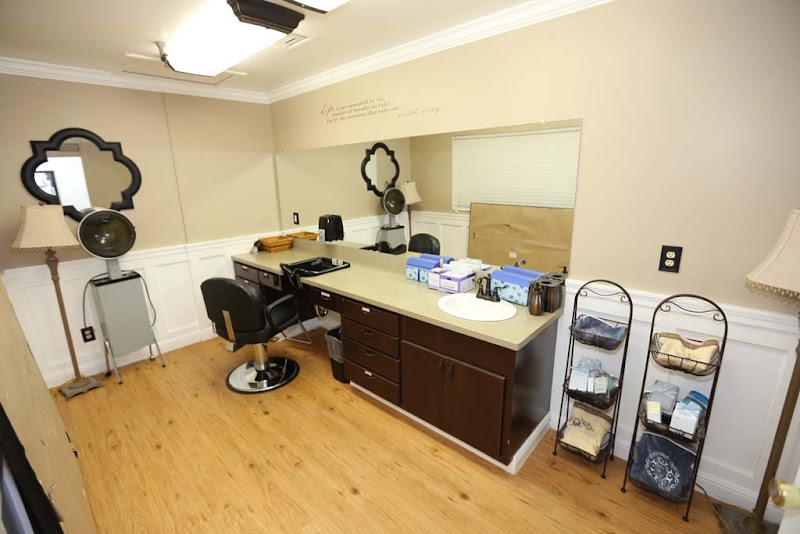
How is Brookside Healthcare Center Staffed?

CMS rates BROOKSIDE HEALTHCARE CENTER's staffing level at 4 out of 5 stars, which is above average compared to other nursing homes. Staff turnover is 41%, compared to the California average of 46%. This relatively stable workforce can support continuity of care.

What Have Inspectors Found at Brookside Healthcare Center?

State health inspectors documented 35 deficiencies at BROOKSIDE HEALTHCARE CENTER during 2019 to 2024. These included: 35 with potential for harm.
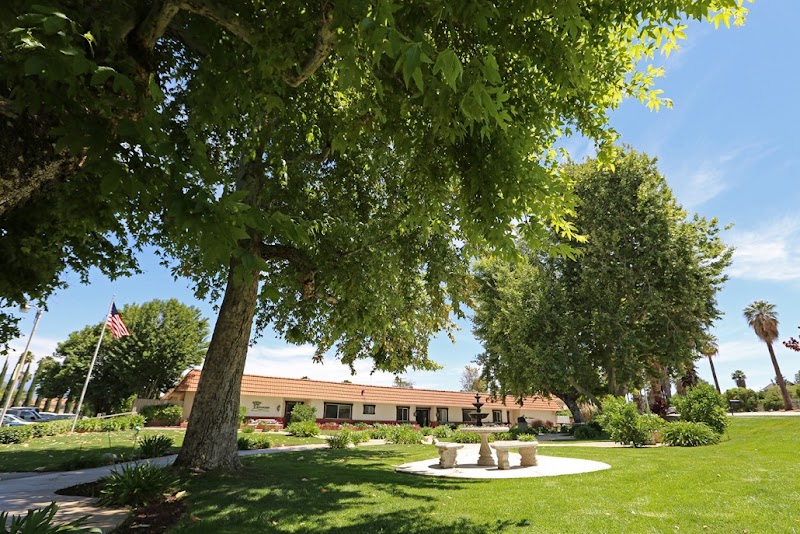
Who Owns and Operates Brookside Healthcare Center?

BROOKSIDE HEALTHCARE CENTER is owned by a for-profit company. For-profit facilities operate as businesses with obligations to shareholders or private owners. The facility is operated by THE ENSIGN GROUP, a chain that manages multiple nursing homes. With 97 certified beds and approximately 82 residents (about 85% occupancy), it is a smaller facility located in REDLANDS, California.
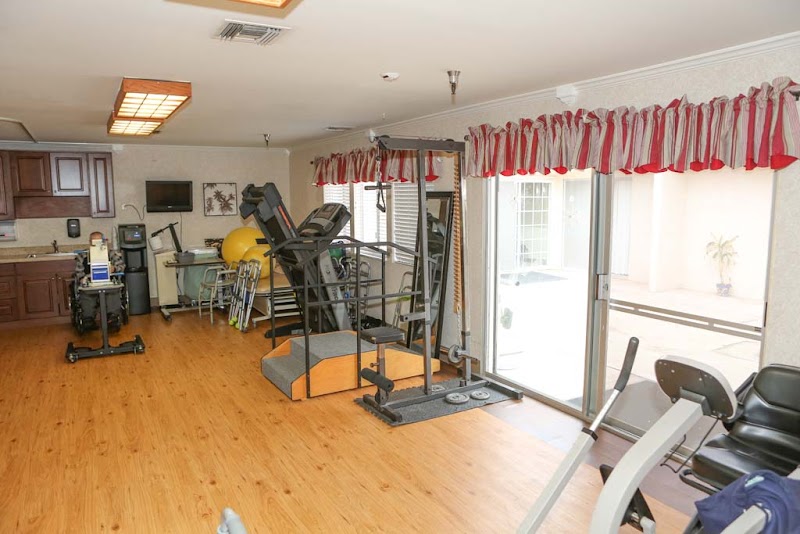
How Does Brookside Healthcare Center Compare to Other California Nursing Homes?

Compared to the 100 nursing homes in California, BROOKSIDE HEALTHCARE CENTER's overall rating (3 stars) is below the state average of 3.1, staff turnover (41%) is near the state average of 46%, and health inspection rating (3 stars) is at the national benchmark.

What Should Families Ask When Visiting Brookside Healthcare Center?

Based on this facility's data, families visiting should ask: "Can I visit during a mealtime to observe dining assistance and food quality?" "How do you handle medical emergencies, and what is your hospital transfer rate?" "Can I speak with family members of current residents about their experience?"

Is Brookside Healthcare Center Safe?

Based on CMS inspection data, BROOKSIDE HEALTHCARE CENTER has a clean safety record: no substantiated abuse findings (meaning no confirmed cases of resident harm), no Immediate Jeopardy citations (the most serious violation level indicating risk of serious injury or death), and is not on the Special Focus Facility watch list (a federal program monitoring the lowest-performing 1% of nursing homes). The facility has a 3-star overall rating and ranks #100 of 100 nursing homes in California. While no facility is perfect, families should still ask about staff-to-resident ratios and recent inspection results during their visit.

Do Nurses at Brookside Healthcare Center Stick Around?

BROOKSIDE HEALTHCARE CENTER has a staff turnover rate of 41%, which is about average for California nursing homes (state average: 46%). Moderate turnover is common in nursing homes, but families should still ask about staff tenure and how the facility maintains care continuity when employees leave.

Was Brookside Healthcare Center Ever Fined?

BROOKSIDE HEALTHCARE CENTER has no federal fines on record. CMS issues fines when nursing homes fail to meet care standards or don't correct problems found during inspections. The absence of fines suggests the facility has either maintained compliance or corrected any issues before penalties were assessed. This is a positive indicator, though families should still review recent inspection reports for the full picture.

Is Brookside Healthcare Center on Any Federal Watch List?

BROOKSIDE HEALTHCARE CENTER is not on any federal watch list. The most significant is the Special Focus Facility (SFF) program, which identifies the bottom 1% of nursing homes nationally based on persistent, serious quality problems. Not being on this list means the facility has avoided the pattern of deficiencies that triggers enhanced federal oversight. This is a positive indicator, though families should still review the facility's inspection history directly.