HIGHLAND CARE CENTER OF REDLANDS
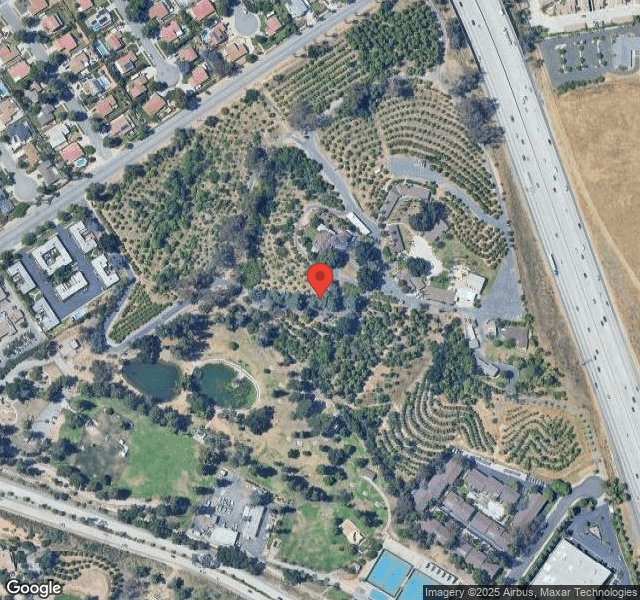
700 EAST HIGHLAND AVENUE, REDLANDS, CA 92374 (909) 793-2678
For profit - Limited Liability company 80 Beds CAMBRIDGE HEALTHCARE SERVICES Data: November 2025 1 Immediate Jeopardy citation
Trust Grade
46/100
#596 of 1155 in CA
Last Inspection: February 2025

Within standard 12-15 month inspection cycle. Federal law requires annual inspections.

Overview

Highland Care Center of Redlands has a Trust Grade of D, indicating below-average performance with some concerning issues. It ranks #596 out of 1,155 facilities in California, placing it in the bottom half, and #43 out of 54 in San Bernardino County, suggesting there are better local options available. The facility's trend is worsening, with the number of identified issues increasing significantly from 2 in 2024 to 12 in 2025. Staffing is average, with a turnover rate of 46%, which aligns with the state's average, and the facility has average RN coverage. However, there are serious concerns, including a critical incident where a resident was left unattended in the Memory Care Unit, contributing to their death, as well as multiple cleanliness issues in the kitchen that could jeopardize food safety for residents.

Trust Score
D
46/100
In California
#596/1155
Bottom 49%
Safety Record
High Risk
Review needed
Inspections
Getting Worse
2 → 12 violations
Staff Stability
⚠ Watch
46% turnover. Above average. Higher turnover means staff may not know residents' routines.
Penalties
✓ Good
$12,931 in fines. Lower than most California facilities. Relatively clean record.
Skilled Nurses
⚠ Watch
Each resident gets only 23 minutes of Registered Nurse (RN) attention daily — below average for California. Fewer RN minutes means fewer trained eyes watching for problems.
Violations
⚠ Watch
38 deficiencies on record. Higher than average. Multiple issues found across inspections.
★★★☆☆
3.0
Overall Rating
★★★☆☆
3.0
Staff Levels
★★☆☆☆
2.0
Care Quality
★★★☆☆
3.0
Inspection Score
Stable
2024: 2 issues
2025: 12 issues

The Good

  • Full Sprinkler Coverage · Fire safety systems throughout facility
  • No fines on record

Facility shows strength in fire safety.

The Bad

3-Star Overall Rating

Near California average (3.1)

Meets federal standards, typical of most facilities

Staff Turnover: 46%

Near California avg (46%)

Higher turnover may affect care consistency

Federal Fines: $12,931

Below median ($33,413)

Minor penalties assessed

Chain: CAMBRIDGE HEALTHCARE SERVICES

Part of a multi-facility chain

Ask about local staffing decisions and management

The Ugly 38 deficiencies on record

1 life-threatening
Mar 2025 1 deficiency
CONCERN (D) 📢 Someone Reported This

A family member, employee, or ombudsman was alarmed enough to file a formal complaint

Potential for Harm - no one hurt, but risky conditions existed

Accident Prevention (Tag F0689)

Could have caused harm · This affected 1 resident

**NOTE- TERMS IN BRACKETS HAVE BEEN EDITED TO PROTECT CONFIDENTIALITY** Based on observation, interview, and record review, the facility failed to provide adequate supervision to one of three sampled ...

Read full inspector narrative →
**NOTE- TERMS IN BRACKETS HAVE BEEN EDITED TO PROTECT CONFIDENTIALITY** Based on observation, interview, and record review, the facility failed to provide adequate supervision to one of three sampled residents (Resident 1) when Resident 1 eloped from the facility without the facility ' s knowledge on March 12, 2025. This failure had the potential to place Resident 1 at increased risk for falls and injuries, heat or cold exposure, dehydration, and/or death. Findings: During a review of Resident 1 ' s clinical record, the face sheet (contains demographic and medical information) indicated Resident 1 was admitted to the facility on [DATE], with diagnoses which included dementia (brain disorder that causes loss of memory, language, thinking abilities severe enough to interfere with daily life), hypertension (condition where the force of blood pushing against your artery walls is consistently too high), and mood affective disorder (mental health condition that affects your emotional state, causing long periods of extreme happiness or sadness). Further review indicated Resident 1 was in the Memory Care Unit (a unit specifically for residents who have diagnoses such as dementia or Alzheimer ' s [a brain disorder that slowly destroys memory, thinking skills, and the ability to perform everyday tasks]). During a review of Resident 1 ' s nursing notes, dated March 13, 2025, at 7:53 PM, it indicated, At 11:45 PM on 3/12/25, resident attempted to leave facility and was seen wandering outside. Resident was brought in back to the facility. Several minutes later, he was able to get out again. Resident not found in facility premises, so police were called in. Resident was brought back to facility by police. MD was notified. Resident's son was notified. During a concurrent observation and interview with Resident 1, on March 14, 2025, at 3:26 PM, in Resident 5 ' s room, Resident 1 was lying on his bed, resting. He had no visible injuries. Resident 5 stated he does not recall eloping from the facility March 13, 2025. During a concurrent observation and interview with the Maintenance Director (MD), on March 14, 2025, at 3:38 PM, in the Memory Care Unit, the MD demonstrated the alarm activation and how to access the door for the emergency exit door across the hall from Resident 1 ' s room. After the demonstration, the MD reset the alarm, and stated the alarm is checked daily to ensure proper efficiency, and it needs to be reactivated per use. During a telephone interview with Registered Nurse (RN 1), on March 14, 2025, at 4:00 PM, RN 1 stated Resident 1 had two elopement attempts last March 13, 2025, one of which was timely intervened, and the other one required police intervention to bring Resident 1 back to the facility. RN 1 further stated staff did not monitor Resident 1 after he was brought back to the facility after the first elopement attempt. RN 1 stated the alarm was not activated during Resident 1 ' s second attempt, allowing him to successfully elope. During a telephone interview with the Director of Nursing (DON), on March 14, 2025, at 4:15 PM, the DON stated the alarm was not reset in a timely manner after Resident 1 was brought back to the facility following the first elopement attempt. The DON further stated that he was unsure if Resident 1 was monitored by staff following his return to the facility. The DON stated the alarm should have been reset in a timely manner and there should have been staff to monitor Resident 5. During a concurrent telephone interview and record review on March 26, 2025, at 11:26 AM, with the Administrator (Admin), the facility ' s policy and procedure (P&P) titled, Safety and Supervision of Residents, revised July 2023, was reviewed. The P&P indicated, .Resident supervision is a core component of the systems approach to safety. The type of frequency of resident supervision is determined by the individual resident's assessed needs and identified hazards in the environment .Resident supervision may need to be increased when there are temporary hazards in the environment (such as construction) or if there is a change in the resident's condition. The Admin stated the facility staff should have followed the P&P.
Feb 2025 11 deficiencies
CONCERN (D)

Potential for Harm - no one hurt, but risky conditions existed

Deficiency F0688 (Tag F0688)

Could have caused harm · This affected 1 resident

**NOTE- TERMS IN BRACKETS HAVE BEEN EDITED TO PROTECT CONFIDENTIALITY** Based on observation, interview, and record review, the facility failed to ensure their policy for assistive device and equipmen...

Read full inspector narrative →
**NOTE- TERMS IN BRACKETS HAVE BEEN EDITED TO PROTECT CONFIDENTIALITY** Based on observation, interview, and record review, the facility failed to ensure their policy for assistive device and equipment (tool that helps a person with disability perform daily tasks) was being implemented for one of four residents (Resident 8) reviewed for range of motion (ROM - full movement potential of a joint) when Resident 8's hand splint (device applied to prevent or reduce contractures) was not applied as ordered. This failure had the potential to cause further contractures (when muscles, tendons or skin around a joint become permanently tight and shortened) discomfort and loss functional mobility negatively impacting Resident 8's quality of life and increasing the risk for preventable physical deterioration and pain. Findings: During a review of Resident 8's admission Record (contains demographic and medical information), it indicated Resident 8 was admitted to the facility on [DATE], with diagnoses of hemiplegia (paralysis or weakness on one side of the body), and hemiparesis (weakness or inability to move on one side of the body) following cerebral infarction (occurs when blood flow to the brain is block) affecting left non-dominant side. During a review of Resident 8's Physician Orders dated May 10, 2024, it indicated, RNA (restorative nurse assistant - person who helps patients regain mobility and independence in nursing home) order: Pt (patient) to have resting hand splint to LUE (left upper extremity) hand in order to decrease risk of contracture 7 (seven) x (times) week. During a review of Resident 8's Care Plan for Risk for decline in ROM, dated November 9, 2020, it indicated, The resident has limited physical mobility r/t (related to) quadriplegia (one affected side with partial or complete paralysis of both arms and hands), Risk for decline in ROM (range of motion - extent to which muscle or joint can be stretched or move without causing pain) or joint mobility of BLE (bilateral lower extremities- legs) .Interventions, RNA to have resting hand splint to LUE (left upper extremity - left hand) in order to decrease risk of contracture. During an observation on February 18, 2025, at 10:04 AM, in Resident 8's room, Resident 8 was lying in bed awake, alert and oriented. His left hand was contracted. A hand splint was found inside the first drawer of his nightstand. During an interview on February 18, 2025, at 10:12 AM, with Resident 8, Resident 8 stated the staff do not ask him if he wants to wear the hand splint. During a virtual interview on February 18, 2025, at 10:16 AM, with Resident 8's mother, in the presence of Resident 8, Resident 8's mother stated that she rarely sees Resident 8 wearing the hand splint. During a concurrent observation and interview on February 18, 2025, at 10:28 AM, with RNA 1, in Resident 8's room, RNA 1 stated Resident 8 was not wearing the hand splint. RNA 1 stated the hand splint should be applied. During a concurrent observation and interview on February 18, 2025, at 10:45 AM, with the Physical Therapist (PT), in Resident 8's room, the PT stated Resident 8's hand splint was not applied and emphasized its importance in preventing further contractures. The PT further stated nursing staff was responsible for ensuring it was applied as ordered. During another observation and concurrent interview, with a Certified Nursing Assistant (CNA 7), on February 19, 2025, at 8:36 AM, in Resident 8's room, Resident 8's hand splint was inside the drawer of the nightstand. CNA 7 acknowledged Resident 8 was not wearing the hand splint and stated when the resident's mother visits, she applies it for him. During a follow up observation on February 20, 2025, at 10:40 AM, inside Resident 8's room, Resident 8 was lying in bed. He was not wearing his hand splint. The hand splint was on top of the nightstand. During an interview on February 21, 2025, at 2:00 PM, with a Licensed Vocational Nurse (LVN 4), LVN 4 stated staff should follow the doctor's order for splint application. During a concurrent interview and record review on February 21, 2025, at 10:45 AM, with the Director of Nursing (DON), the facility's policy and procedure titled Assistive Device and Equipment dated January 2020, was reviewed. The P&P indicated, Policy Statement, our facility maintains and supervises the use of assistive devices and equipment for residents .3. Recommendations for the use of devices and equipment are based on the comprehensive assessment and documented in the resident care plan .6. c. Device condition - devices and equipment are maintained on scheduled and according to manufacturer's instructions. Defective or worn devices are discarded or repaired. d. Staff practices - staff are required to demonstrate competency on the use of devices and equipment and are available to assist and supervise residents as needed . The DON agreed the facility staff failed to follow the policy.
CONCERN (D)

Potential for Harm - no one hurt, but risky conditions existed

Respiratory Care (Tag F0695)

Could have caused harm · This affected 1 resident

**NOTE- TERMS IN BRACKETS HAVE BEEN EDITED TO PROTECT CONFIDENTIALITY** Based on observation, interview, and record review, the facility failed to ensure one of four residents (Resident 16) reviewed f...

Read full inspector narrative →
**NOTE- TERMS IN BRACKETS HAVE BEEN EDITED TO PROTECT CONFIDENTIALITY** Based on observation, interview, and record review, the facility failed to ensure one of four residents (Resident 16) reviewed for respiratory received proper respiratory care in accordance with physicians' orders and professional standards of practice. Resident 16's oxygen tubing was found disconnected from the oxygen concentrator (medical device that provides extra oxygen) for approximately 15 minutes on February 18, 2025. This failure had the potential to cause respiratory distress, oxygen deprivation and other health complications due to insufficient oxygen supply, placing Resident 16's health at risk. Findings: During a review of Resident 16's admission Record (contains demographic and medical information), it indicated Resident 16 was admitted to the facility on [DATE], with diagnoses of chronic obstructive pulmonary disease (a long-term condition that make it hard to breath), dysphagia (difficulty of swallowing) and hypertension (elevated blood pressure). During a review of Resident 16's Physician Orders dated February 19, 2025, it indicated Resident 16 has an order to receive oxygen at 2-5 liter / min (liters per minute) via nasal cannula (plastic clear tube use to delivered oxygen into the body) continuously every shift. During a review of Resident 16's Care Plan for Risk for Respiratory Distress COPD dated December 11, 2024, it indicated Interventions, Monitor and report increases s/s [signs and symptoms] of SOB [shortness of breath or respiratory distress] .Oxygen available .as ordered . During an observation on February 18, 2025, from 12:59 PM through 1:14 PM, Resident 16's oxygen tubing was disconnected from the oxygen concentrator for approximately 15 minutes during lunch time. During an interview on February 18, 2025, at 1:03 PM, with Resident 16, Resident 16 stated I did not feel my oxygen was running. Resident 16 further stated that she was feeling very tired. During a concurrent interview and record review on February 21, 2025, at 1:14 PM, in Resident 16's room, with the Director of Nursing (DON), the DON verified Resident 16's oxygen tubing was disconnected from the oxygen concentrator, and stated Resident 16's oxygen tubing should always be connected to ensure she is receiving the prescribed oxygen therapy. During a concurrent interview and record review on February 21, 2025, at 10:45 AM, with the DON, the facility's policy and procedure (P&P) titled, Oxygen Administration dated February 2024, was reviewed. The P&P indicated, Assessment, Before administering oxygen, and while the resident is receiving oxygen therapy, assess for the following: 2. Signs or symptoms of hypoxia (i.e., rapid breathing, rapid pulse rate, restless, confusion); 4. Vital signs; .6. Oxygen saturation, if applicable and ., Steps in the procedure .7. Check the tubing connected to the oxygen .to assure that is free of kinks, 8. Turn on the oxygen, unless otherwise ordered, start the flow of oxygen at the rate of 2 to 3 liters per minute. 9. Place appropriate oxygen device on the resident (i.e., mask, nasal cannula and / or nasal catheter) . The DON acknowledged the policy was not followed because Resident 16's oxygen tubing was found disconnected which could lead to serious health risk including desaturation (low oxygen levels).
CONCERN (D)

Potential for Harm - no one hurt, but risky conditions existed

Pharmacy Services (Tag F0755)

Could have caused harm · This affected 1 resident

Based on observation, interview, and record review, the facility failed to maintain accurate records of controlled medications (also called narcotics; medications that are controlled by the government...

Read full inspector narrative →
Based on observation, interview, and record review, the facility failed to maintain accurate records of controlled medications (also called narcotics; medications that are controlled by the government because it may be abused or cause addiction) for one of three narcotic medication carts (Unit Station A Cart Number 2). This failure had the potential for a diversion (illegal distribution of controlled drugs for any illicit use) of controlled medications by staff in a highly vulnerable population of 38 residents, who are in Unit Station A. Findings: During a concurrent interview and record review, on February 20, 2025, at 9:20 AM, with the Director of Nursing (DON), the Unit Station A Cart Number 2's Narcotic Count Record (NCR -form used by the facility to verify counting of controlled medications at the change of shift by oncoming and off going licensed nurses), dated February 1, 2025, to February 20, 2025, was reviewed. The NCR indicated the following: a. On February 5, 2025, missing signature from the night shift (11:00 AM - 7:00 PM) off going shift. b. On February 12, 2025, missing signature from the evening shift (3:00 PM - 11:00 PM) oncoming shift. c. On February 12, 2025, missing signature from the night shift (11:00 PM - 7:00 PM) off going shift. d. On February 13, 2025, missing signature from the evening shift (3:00 PM - 11:00 PM) off going shift. e. On February 15, 2025, missing signature from the evening shift (3:00 PM - 11:00 PM) oncoming shift. f. On February 15, 2025, missing signature from the night shift (11:00 PM - 7:00 PM) off going shift. g. On February 19, 2025, missing signature from the morning shift (7:00 AM - 3:00 PM) oncoming shift. h. On February 19, 2025, missing signature from the evening shift (3:00 PM - 11:00 PM) off going shift. The DON confirmed there were missing signatures for reconciling the narcotic inventory in the NCR. The DON stated oncoming and off going nurses must sign the form to verify they have checked the narcotic medications. During a concurrent interview and record review on February 20, 2025, at 3:55 PM, with the DON, the facility's policy and procedure (P&P) titled, Controlled Substances, dated November 2022, was reviewed. The P&P indicated, .1. Controlled substance inventory is monitored and reconciled to identify loss or potential diversion in a manner that minimizes the time between loss/diversion and detection/follow-up .3. Nursing staff count controlled medication inventory at the end of each shift, using these records to reconcile the inventory count. 4. The nurse coming on duty and the nurse going off duty make the count together and document and report any discrepancies to the director of nursing services . The DON stated the policy was not followed and should have been.
CONCERN (D)

Potential for Harm - no one hurt, but risky conditions existed

Deficiency F0761 (Tag F0761)

Could have caused harm · This affected 1 resident

Based on observation, interview, and record review, the facility failed to ensure their policy for self-administration of medications was being implemented for one of four residents (Resident 50) revi...

Read full inspector narrative →
Based on observation, interview, and record review, the facility failed to ensure their policy for self-administration of medications was being implemented for one of four residents (Resident 50) reviewed for environment when Resident 50's self-administered medications were not stored in a safe and secure place. (Three white elongated pills were found in different areas in Resident 50's room.) This failure had the potential to place 72 medically compromised residents at risk for accidental ingestion or exposure to a medication that was not prescribed by the residents' physician. Findings: During a review of Resident 50's admission Record (contains demographic and medical information), it indicated Resident 50 was admitted to the facility with the diagnoses of multiple sclerosis (chronic autoimmune [the body fights itself] disease that affects the brain and spine), anemia (not having enough healthy red blood cells), and osteomyelitis (bone infection). During a review of Resident 50's Self-Administration of Medications Assessment, dated February 19, 2025, it indicated .6. Resident is a candidate for safe self-administration of medications. During an observation on February 19, 2025, at 11:10 AM, outside Resident 50's room, Resident 50 wheeled himself out of his room. While a Certified Nursing Assistant (CNA 3) carried Resident 50's bedding to a dirty container, one white elongated pill, with no markings, dropped from the bedding and onto the floor. During a concurrent observation and interview on February 19, 2025, at 11:13 AM, inside Resident 50's room, with Registered Nurse (RN 1), RN 1 picked up the white elongated pill and validated that there were no identifying marks on the pill. During a continued observation and concurrent interview on February 19, 2025, at 11:15 AM, with RN 1, there were two additional white elongated pills found inside Resident 50's room. One pill was found under Resident 50's hospital bed, and the other pill was found on the floor next to Resident 50's bedside table. RN 1 stated the pills should not have been on the floor. During a concurrent interview and record review on February 21, 2025, at 2:04 PM, with the Director of Nursing (DON) and the Administrator (Admin), the facility's policy and procedure (P&P) titled, Self-Administration of Medications, revised February 2021, was reviewed. The P&P indicated . 2. The IDT [interdisciplinary team - team of various disciplines such as nurse, doctor, social services, etc.] considers the following factors when determining whether self-administering medications is safe and appropriate for the resident: . f. The resident is able to safely and securely store the medications . 8. Self-administered medications are stored in a safe and secure place, which is not accessible by other residents. If safe storage is not possible in the resident's room, the medications of residents permitted to self-administer are stored on a central medication cart . The DON and the Admin both stated the P&P was not followed.
CONCERN (D)

Potential for Harm - no one hurt, but risky conditions existed

Menu Adequacy (Tag F0803)

Could have caused harm · This affected 1 resident

**NOTE- TERMS IN BRACKETS HAVE BEEN EDITED TO PROTECT CONFIDENTIALITY** Based on observation, interview, and record review, the facility failed to ensure the diet ordered by the physician was followed...

Read full inspector narrative →
**NOTE- TERMS IN BRACKETS HAVE BEEN EDITED TO PROTECT CONFIDENTIALITY** Based on observation, interview, and record review, the facility failed to ensure the diet ordered by the physician was followed for one of eleven residents (Resident 40) reviewed for dining observation when Resident 40 did not receive her physician ordered finger food diet (small, bite-sized foods that can be easily picked up and eaten with the fingers) for lunch on February 18, 2025. (Alternatively, Resident 40 received the regular diet.) This failure had the potential to result in Resident 40 to experience weight loss manifested by Resident 40 not meeting nutritional needs for 1 of 64 medically compromised residents who receive therapeutic food from the kitchen. Findings: During a review of Resident 40's admission Record (contains demographic and medical information), it indicated Resident 40 was admitted to the facility on [DATE], with the diagnoses of dehydration (loss of fluid in the body), Alzheimer's disease (disease that destroys memory) and schizoaffective disorder (chronic mental health condition that impacts a person's thoughts, feelings, and behavior). During a review of the facility's diet order list, dated February 19, 2025 at 5:33 PM, it indicated Resident 40 had an order from his physician on September 19, 2022, to receive an active fortified/high protein diet, regular texture, thin consistency, finger foods with large portion all meals. The same order was revised on October 26, 2023. During an observation on February 18, 2025, at 12:54 PM, in the Memory Care Unit dining room, Resident 40 was being fed a regular diet. During an interview with the Registered Dietician (RD), on February 20, 2025, at 10:58 AM, the RD stated Resident 40 should be getting finger food diet. During a review of the facility's policy and procedure titled Menus revised October 2017, it indicated Menus are developed and prepared to meet resident choices including religious, cultural, and ethnic needs while following established national guidelines for nutritional adequacy . 1. Menus meet the nutritional needs of residents in accordance with the recommended dietary allowances of the Food and Nutrition Board (National Research Council and National Academy of Sciences).
CONCERN (D)

Potential for Harm - no one hurt, but risky conditions existed

Infection Control (Tag F0880)

Could have caused harm · This affected 1 resident

**NOTE- TERMS IN BRACKETS HAVE BEEN EDITED TO PROTECT CONFIDENTIALITY** 3. During a concurrent observation and interview on February 18, 2025, at 3:40 PM, with a Certified Nursing Assistant (CNA 1), a...

Read full inspector narrative →
**NOTE- TERMS IN BRACKETS HAVE BEEN EDITED TO PROTECT CONFIDENTIALITY** 3. During a concurrent observation and interview on February 18, 2025, at 3:40 PM, with a Certified Nursing Assistant (CNA 1), across from the Nurse's Station in Unit A, a warm coffee cup was on top of an intravenous (IV) medication cart. CNA 1 acknowledged the finding, and stated there should be no coffee cups on top of medication carts. During a concurrent interview and record review on February 19, 2025, at 1:23 PM, with the DON, the DON reviewed the facility's P&P titled, Medication Labeling and Storage, dated February 2023, which indicated, .The nursing staff is responsible for maintain medication storage and preparation areas in a clean, safe, and sanitary manner . The DON stated the policy was not followed and should have been for infection control reasons. Based on observation, interview, and record review, the facility failed to ensure proper and safe infection control practices were followed when: 1. Resident 10's oxygen nasal cannula tubing (device used to deliver oxygen into the nose via a tube) was found unlabeled and undated. 2. Resident 16's oxygen nasal cannula tubing was found unlabeled and undated. 3. A warm coffee cup was found on top of an intravenous (IV) medication cart (cart used for storage of intravenous medication solutions). These failures had the potential to result in cross-contamination (the transfer of harmful bacteria) causing a preventable infection to 72 highly vulnerable residents whose health conditions are already compromised. Findings: 1. During a review of Resident 10's admission Record (contains medical and demographic information), it indicated Resident 10 was admitted to the facility with the diagnoses which included acute respiratory failure with hypoxia (lungs are unable to exchange oxygen leading to low levels of oxygen in blood), malignant neoplasm of cerebellum (cancer in part of brain that controls balance and movement) and encounter for palliative care (specialized care focusing on comfort). During a review of Resident 10's Physician Order dated February 4, 2025, it indicated Resident 10 had order to Change oxygen nasal cannula q [every] wk [week] on Sunday and PRN [as needed] (w/ [with] name & date label) every shift. During an observation on February 18, 2025, at 9:45 AM, in Resident 10's room, Resident 10 was lying in bed, sleeping. There was an oxygen nasal cannula tubing wrapped around the bedrail attached to an oxygen concentrator (device that provides supplemental oxygen). During a concurrent observation and interview on February 18, 2025, at 9:53 AM, with a Registered Nurse (RN 1), in Resident 10's room, RN 1 inspected the oxygen nasal cannula tubing. RN 1 stated the oxygen nasal cannula tubing was not labeled and should have been labeled and dated. During a concurrent interview and record review on February 21, 2025, at 2:01 PM, with the Director of Nursing (DON), the facility's policy and procedure (P&P) titled, Departmental (Respiratory Therapy) - Prevention of Infection dated revised November 2011 was reviewed. The P&P indicated, . 7. Change the oxygen cannulae (cannula-name for tubing) and tubing every seven (7) days, or as needed. 8. Keep the oxygen cannulae and tubing used PRN (as needed) in a plastic bag when not in use. The DON stated the P&P was not followed. 2. During a review of Resident's 16's admission Record, it indicated Resident 16 was admitted to the facility on [DATE], with diagnoses of chronic obstructive pulmonary disease (a long-term condition that make it hard to breath), dysphagia (difficulty of swallowing) and hypertension (elevated blood pressure). During a review of Resident 16's Physician Orders dated February 18, 2025, at 1:32 PM, it indicated Resident 16 had an order to Change Oxygen Nasal Cannula Q, Wk on SUNDAYS and PRN (w/name & date label). During an observation on February 18, 2025, at 8:58 AM, in Resident 16's room, Resident 16 was lying down on bed. Resident 16 had an oxygen tubing connected to an oxygen concentrator at 4 liters (unit of measurement) via nasal cannula. During a concurrent observation and interview on February 18, 2025, at 9:04 AM, in Resident 16's room, with a License Vocational Nurse (LVN 3), LVN 3 inspected Resident 16's oxygen nasal tubing and confirmed it was unlabeled. LVN 3 stated for infection control purposes, the oxygen tubing should always be labeled to ensure proper tracking of when to replace it. During a concurrent interview and record review on February 21, 2025, at 10:22 AM, with the DON, the DON reviewed the facility's P&P titled Departmental (Respiratory therapy) -Prevention of Infection dated November 2011, which included, Infection Control Considerations Related to Oxygen Administration . 7. Change the oxygen cannulae and tubing every (7) days, or as needed. The DON acknowledged the policy and stated his expectation was that nurse date the tubing.
CONCERN (D)

Potential for Harm - no one hurt, but risky conditions existed

Room Equipment (Tag F0908)

Could have caused harm · This affected 1 resident

Based on observation, interview, and record review, the facility failed to maintain equipment in safe operating condition when: 1. One of three refrigerators in the kitchen had missing side screws on ...

Read full inspector narrative →
Based on observation, interview, and record review, the facility failed to maintain equipment in safe operating condition when: 1. One of three refrigerators in the kitchen had missing side screws on the front grill leading to a detachment (falling off). 2. Resident Refrigerator had condensation (excessive moisture or water) on the back wall. 3. The electrical panel in the memory care unit (units designed to prevent wandering and specialized care for people with memory loss) was found open and unlocked These failures had the potential to place the health and safety of 72 of 72 medically compromised residents at risk. It had the potential to cause food to not be cooled properly, compromising 64 residents who could receive food from these refrigerators. And it also had the potential to place 34 medically compromised memory care residents at risk for accidental electrical shock. Findings: 1. During a concurrent observation and interview on February 18, 2025, at 8:10 AM, with the Dietary Services Supervisor (DSS), Refrigerator # 1, which was near the main entrance to the kitchen, was inspected. It had missing side screws on the front grill and as a result it was hanging. The DSS stated it should not be hanging. During an interview on February 20, 2025, at 10:58 AM with the Registered Dietitian (RD), the RD stated her expectation was the equipment should be clean, intact, and working properly. During a review of the facility's policy and procedure (P&P) titled Maintenance Service revised December 2024, indicates 1. The maintenance department is responsible for maintaining the buildings, grounds, and equipment in a safe and operable manner at all times . 2. Functions of maintenance personnel include but are not limited to: f. establishing priorities in providing repair service. 2. During a concurrent observation and interview on February 18, 2025, at 10:15 AM, with the Maintenance Supervisor (MS), the Resident Refrigerator was inspected. It had some condensation on the back wall. During an interview on February 20, 2025, at 10:58 AM, with the RD, she stated her expectation was that the refrigerator should be working well and should have no condensation. During a review of the U.S. Food and Drug Administration Food Code 2022, 4-501,11, Annex 3 titled Maintenance and Operation: Equipment, Good Repair, and Proper Adjustment, it indicated Proper maintenance of equipment to manufacturer specifications helps ensure that will continue to operate as designed. Failure to properly maintain equipment could lead to violations of the associated requirements of the code that place the health of the consumer at risk. For example, refrigeration units in disrepair may no longer be capable of properly cooling or holding time/temperature control for safety foods at safe temperatures. 3. During an observation on February 18, 2025, at 11:05 AM, in front of the Nurse's Station B, there was a large television hanging on the wall with two benches for seating. On the same wall, there was an electrical panel. The door of the electrical panel was ajar. It was unlocked, and can easily be opened to access electrical wires on the inside at level with the bench on the right side. During a concurrent observation and interview on February 18, 2025, at 11:09 AM, with the Maintenance Supervisor (MS), in front of Nurse's Station B, the MS inspected the electrical panel. The MS validated the electrical panel was open and unlocked and stated it should be locked. During a concurrent interview and record review on February 20, 2025, at 8:07 AM, with the Administrator (Admin), the facility's policy and procedure (P&P) titled, Electrical Safety for Residents revised January 2011 was reviewed. The P&P indicated, The residents will be protected from injury associated with the use of electrical devices, including electrocution, burns and fire . 2. Inspect . electrical devices as part of routine fire safety and maintenance inspections. The Admin stated if the MS acknowledged that it was not followed then it was not followed.
CONCERN (D)

Potential for Harm - no one hurt, but risky conditions existed

Deficiency F0919 (Tag F0919)

Could have caused harm · This affected 1 resident

**NOTE- TERMS IN BRACKETS HAVE BEEN EDITED TO PROTECT CONFIDENTIALITY** Based on observation, interview, and record review, the facility failed to ensure one of five residents (Resident 28) reviewed f...

Read full inspector narrative →
**NOTE- TERMS IN BRACKETS HAVE BEEN EDITED TO PROTECT CONFIDENTIALITY** Based on observation, interview, and record review, the facility failed to ensure one of five residents (Resident 28) reviewed for environment was provided with adequate access to their call light system when Resident 28's call light was not accessible. This failure had the potential to place Resident 28's health and safety at risk because it could lead to delayed care and increased risk of harm in an emergency. Findings: During a review of Resident's 28's admission Record (contains demographic and medical information) indicated Resident 28 was admitted to the facility on [DATE], with diagnoses of hemiplegia (paralysis on one side of the body), and hemiparesis (weakness on one side of the body) following cerebral infarction affecting right dominant side, dysphagia (difficulty of swallowing) and hypertension (elevated blood pressure). During a review of Resident's 28's Care Plan for Risk for Fall/Injury, dated January 31, 2025, it indicated, Interventions .Call light within reach . During an observation on February 18, 2025, at 11:43 AM, in Resident 28's room, the call light was found inside the first drawer of the bedside nights stand. The call light was not within Resident 28's reach. During a concurrent observation and interview on February 18, 2025, at 11:49 AM, with a Certified Nursing Assistance (CNA 2), inside Resident 28's room, CNA 2 confirmed the call light was inside the drawer and acknowledged it was not within Resident 28's reach. During a concurrent interview and record review on February 21, 2025, at 10:47 AM, with the Director of Nursing (DON), the facility's policy and procedure (P&P) titled, Call light dated January 2024, was reviewed. The P&P indicated, 6. Upon admission and as needed, resident call light shall be within reach. The DON agreed the staff did not follow the policy.
CONCERN (E)

Potential for Harm - no one hurt, but risky conditions existed

Resident Rights (Tag F0550)

Could have caused harm · This affected multiple residents

Based on observation, interview, and record review, the facility failed to ensure dignity was maintained for two of eleven residents (Residents 40 and 475) reviewed for dining observation when: 1. Li...

Read full inspector narrative →
Based on observation, interview, and record review, the facility failed to ensure dignity was maintained for two of eleven residents (Residents 40 and 475) reviewed for dining observation when: 1. Licensed Vocational Nurse (LVN 2) was standing over Resident 40 while feeding her lunch on February 18, 2025. 2. Certified Nursing Assistant (CNA 4) pulled Resident 475 while he was on his wheelchair into the dining room, with his feet dragging on the floor, on February 18, 2025. These failures resulted in staff not maintaining and enhancing Residents 40 and 475's individuality and dignity, and had the potential to devalue and dishonor their self-esteem and self-worth. Findings: 1. During an observation on February 18, 2025, at 12:54 PM, in the Memory Care Unit's dining room, LVN 2 was standing over Resident 40 while feeding her lunch. During an interview on February 19, 2025, at 4:45 PM, CNA 5 stated the job expectation when feeding residents was to perform hand hygiene before, sit down beside residents hand hygiene after. During an interview with the Registered Dietician (RD), on February 20, 2025, at 10:58 AM, the RD stated LVN 2 should be at the same level as Resident 40. During a review of the facility's policy and procedure (P&P) titled Assistance with Meals, revised March 2022, it indicated . 3. Residents who cannot feed themselves will be fed with attention to safety, comfort and dignity, for example: A. not standing over residents while assisting them with meals . During a review of the facility's P&P titled Dignity, revised February 2021, it indicated Each resident shall be cared for in a manner that promotes and enhances his or her sense of well-being, level of satisfaction with life, and feelings of self-worth and self-esteem . 1. Residents are treated with dignity and respect at all times. 2. During an observation on February 18, 2025, at 1:11 PM, in the hallway, CNA 4 was pulling Resident 475 into the dining room while he was in his wheelchair. Both of his feet was dragging on the floor. During an interview on February 20, 2025, at 4:04 PM, with CNA 6, CNA 6 stated staff were expected to lock wheelchairs first when parked, elevate resident's feet and place on footrest (part of wheelchair where legs are off the floor), and make sure residents are secured before wheeling. During a review of the facility's P&P titled Dignity, revised February 2021, indicated Each resident shall be cared for in a manner that promotes and enhances his or her sense of well-being, level of satisfaction with life, and feelings of self-worth and self-esteem . 1. Residents are treated with dignity and respect at all times.
CONCERN (F)

Potential for Harm - no one hurt, but risky conditions existed

Food Safety (Tag F0812)

Could have caused harm · This affected most or all residents

Based on observation, interview, and record review, the facility failed to maintain sanitary conditions in the kitchen as required by the facility policy when: 1.The floors under equipment had accumul...

Read full inspector narrative →
Based on observation, interview, and record review, the facility failed to maintain sanitary conditions in the kitchen as required by the facility policy when: 1.The floors under equipment had accumulation of food crumbs, trash, and black grime (dirt). The food prep sink drain had residue build-up on the drainpipe and the wall. 2. The dry storage room had food crumbs and trash underneath shelves. The shelves had spill of a powder substance. 3. There were broken tiles, which provided a surface for an accumulation of food crumbs, in the dry storage room and in the main kitchen. 4. Food equipment (food processor, plate warmer, blender, and can opener) were stored with food crumbs and build up. 5. The clean utensil bins had food splash and crumbs. 6. The ice machine had black spots in the ice bin ceiling and yellow discoloration (change of natural color) in the ice chute (the part of the ice machine where ice drops into the ice bin). These failures have the potential to compromise food safety and increase the risk of foodborne illness (caused by the ingestion of contaminated food or bevergaes) for 64 high vulnerable residents who receives food from the the kitchen. Findings: 1. During a concurrent observation and interview with the Dietary Services Supervisor (DSS), on February 18, 2025, at 8:10 AM, in the kitchen, the floors under equipment had accumulation of food crumbs, trash, and black grime (dirt). The food prep sink drain had residue build-up on the drainpipe and the wall adjacent to it. The DSS stated the floors and food prep sink should be kept clean. During an interview with the Registered Dietician (RD), on February 20, 2025, at 10:58 AM, the RD stated her expectation was for the floors to be kept clean. The RD further stated the food prep sink drain should be kept clean and that it needed some kind of splash guard. During a review of the facility's policy and procedure (P&P) titled, Section F: Safety and Sanitation, revised 2017, it indicated Floors are kept clean, dry, and uncluttered . During a review of the U.S. Food and Drug Administration Food Code 2022, 4-602.13, it indicated, (C) Nonfood-Contact Surfaces of Equipment shall be kept free of an accumulation of dust, dirt, food residue, and debris. Annex 3 titled Equipment, Food-Contact Surfaces, Nonfood-Contact Surfaces, and Utensils indicates the presence of food debris or dirt on nonfood contact surfaces may provide a suitable environment for the growth of microorganisms which employees may inadvertently transfer to food. If these areas are not kept clean, they may also provide harborage for insects, rodents, and other pests. 2. During a concurrent observation and interview with the DSS, on February 18, 2025, at 8:45 AM, in the kitchen, the dry storage room had food crumbs and trash underneath the shelves. The shelves had spill of powder substance. During an interview on February 20, 2025, at 10:58 AM, the RD stated the storage room should be kept clean and free of spills. During a review of the facility's P&P titled, Sanitization, revised November 2022, it indicated All kitchens, kitchen areas, and dining areas are kept clean, free from garbage, debris, and protected from rodents and insects. During a review of the U.S. Food and Drug Administration Food Code 2022, 4-602.13, it indicated, (C) Nonfood-Contact Surfaces of Equipment shall be kept free of an accumulation of dust, dirt, food residue, and debris. Annex 3 titled Equipment, Food-Contact Surfaces, Nonfood-Contact Surfaces, and Utensils indicates the presence of food debris or dirt on nonfood contact surfaces may provide a suitable environment for the growth of microorganisms which employees may inadvertently transfer to food. If these areas are not kept clean, they may also provide harborage for insects, rodents, and other pests. 3. During a concurrent observation and interview with the DSS, on February 18, 2025, at 8:45 AM, an inspection of the kitchen was conducted. There were broken tiles in the dry storage room and in the main kitchen. During an interview on February 20, 2025, at 10:58 AM, the RD stated there should not be any broken tiles and it should be fixed. During a review of the facility's P&P titled, Section F: Safety and Sanitation, revised 2017, it indicated, Floors are to be kept clean, dry, uncluttered and free of broken tiles or defective boards. During a review of the FDA Federal Food Code, date 2022, 4-202.16, it indicated, Nonfood-Contact Surfaces. shall be free of unnecessary ledges, projections, and crevices, and designed and constructed to allow easy cleaning and to facilitate maintenance. In addition, annex 3 indicated, Hard-to-clean areas could result in the attraction and harborage of insects and rodents and allow the growth of foodborne pathogenic microorganisms. Well-designed equipment enhances the ability to keep nonfood-contact surfaces clean. 4. During a concurrent observation and interview with the DSS, on February 18, 2025, at 8:10 AM, in the kitchen, the food processor and blender had old, crusted food splash in the crevices of the equipment. The plate warmer had food crumbs and splash on the handle. The can opener was sticky and dirty. The DSS stated all equipment should be kept clean. During an interview on February 20, 2025, at 10:58 AM, the RD stated she started working for the facility a month ago and the DSS started a couple weeks ago. The RD further stated the kitchen was in a terrible condition and the kitchen staff had no supervisor when she started. The RD stated she made a lot of changes and improvements, however, she expects the equipment to be kept clean and staff need a strict cleaning schedule. During a review of the facility's P&P titled, Section F: Safety and Sanitation, revised 2017, it indicated, Food & Nutrition Services employees will practice safe handling practices for themselves and the equipment by . 11. Wash can opener daily. During a review of the facility's P&P titled, Sanitation, dated November 2022, it indicated, The food service area is maintained in a clean and sanitary manner - 2. All utensils, counters, shelves and equipment are kept clean . 3. All equipment, food contact surfaces and utensils are cleaned and sanitized using heat or chemical sanitizing solutions . 5. During a concurrent observation and interview with the DSS, on February 18, 2025, at 8:24 AM, in the kitchen, the clean utensil bins (3 metals and 1 plastic bins with lids) had food splash and crumbs inside. The DSS stated it should be kept clean. During an interview on February 20, 2025, at 10:58 AM, the RD stated utensils should be kept clean and run in the dish washer after every meal. During a review of the facility's P&P titled, Sanitation dated November 2022, it indicated, The food service area is maintained in a clean and sanitary manner - 2. All utensils, counters, shelves and equipment are kept clean . 3. All equipment, food contact surfaces and utensils are cleaned and sanitized using heat or chemical sanitizing solutions . 6. During a concurrent observation and interview with the Maintenance Supervisor (MS), on February 18, 2025, at 10:02 AM, the ice machine was inspected. The ice machine had a black build-up in the bin of the ice machine ceiling. The black spots were wipeable with a paper and there was yellow discoloration in the ice chute. The MS stated he oversees cleaning the ice machine monthly however the facility has a contracted company, who cleaned it for the month of February 2025. The MS stated he expects the ice machine to be clean. During an interview on February 20, 2025, at 10:58 AM, the RD stated the ice machine should always be kept clean. During a review of the facility's P&P titled, Sanitation, dated November 2022, it indicated, Ice machines and ice storage containers are drained, cleaned and sanitized per manufacturer's instructions.
MINOR (B)

Minor Issue - procedural, no safety impact

Deficiency F0912 (Tag F0912)

Minor procedural issue · This affected multiple residents

**NOTE- TERMS IN BRACKETS HAVE BEEN EDITED TO PROTECT CONFIDENTIALITY** Based on observation, interview, and record review, the facility failed to ensure four rooms (Rooms 119, 122, 124, and 125) meas...

Read full inspector narrative →
**NOTE- TERMS IN BRACKETS HAVE BEEN EDITED TO PROTECT CONFIDENTIALITY** Based on observation, interview, and record review, the facility failed to ensure four rooms (Rooms 119, 122, 124, and 125) measured at least 80 square feet per resident. This failure had the potential for the residents housed in Rooms 119, 122, 124, and 125 to not have the ability to move about freely if the square footage limited their personal space. Findings: During a concurrent interview and record review, with the Administrator (Admin) on February 18, 2025, at 8:40 AM, the Admin reviewed the Entrance Conference Checklist and stated the facility had room waivers for Rooms 119, 122, 124, and 125 for less than 80 square feet. During an environmental tour with the Maintenance Supervisor (MS) and the Admin, on February 20, 2025, at 3:48 PM, Rooms 119, 122, 124, and 125 were inspected and the residents' rooms and their measurements of livable space were noted as follows: 1. room [ROOM NUMBER] (two beds) measured: 143.64 sq. ft. [square feet] (71.8 sq. ft. per resident) 2. room [ROOM NUMBER] (two beds) measured: 149.16 sq. ft. [square feet] (74.58 sq. ft. per resident) 3. room [ROOM NUMBER] (two beds) measured: 147.63 sq. ft. [square feet] (73.81 sq. ft. per resident) 4. room [ROOM NUMBER] (two beds) measured: 150.48 sq. ft. [square feet] (75.24 sq. ft. per resident) During a follow up interview with the Admin, on February 21, 2025, at 1:50 PM, the Admin confirmed the measurements of the four resident rooms and room [ROOM NUMBER], 122, 124, and 125 did not meet the 80 square feet per resident. The rooms were not crowded and did not impose any safety hazards to the residents. There were no complaints of space or room issues from the residents occupying these rooms. The survey team recommends the approval of the room waiver request for the rooms listed in this deficiency.
Nov 2024 1 deficiency
CONCERN (D) 📢 Someone Reported This

A family member, employee, or ombudsman was alarmed enough to file a formal complaint

Potential for Harm - no one hurt, but risky conditions existed

Pharmacy Services (Tag F0755)

Could have caused harm · This affected 1 resident

**NOTE- TERMS IN BRACKETS HAVE BEEN EDITED TO PROTECT CONFIDENTIALITY** Based on observation, interview, and record review, the facility failed to ensure medication was administered according to the f...

Read full inspector narrative →
**NOTE- TERMS IN BRACKETS HAVE BEEN EDITED TO PROTECT CONFIDENTIALITY** Based on observation, interview, and record review, the facility failed to ensure medication was administered according to the facility ' s policies and procedures (P&P) for one of three sample resident (Resident 1) when Keppra (medication used to treat and prevent seizures—an abnormal electrical activity in the brain that temporarily affects consciousness, muscle control, and behavior) was not administration to Resident 1. This failure potentially has caused Resident 1, who is clinically compromised, being transferred to Hospital for Seizure evaluation on May 3, 2024. Findings: During the review of Resident 1 ' s admission record (a document that gives a summary of resident's information), the document indicated Resident 1 was admitted to the facility on [DATE], with a diagnosis that included Epilepsy (a brain condition where a person experience recurring seizures), and Hemiplegia (a condition that causes paralysis or weakness on one side of the body). During a review of Resident 1 record titled Change in Condition Evaluation, dated May 3, 2024, indicated Resident 1 had a tonic clonic seizure (a type of seizure with sudden stiffening followed by rapid shaking movements) activity lasting 3 minutes, Resident 1 was unresponsiveness, 911 called. Resident was transferred to Hospital. During a concurrent telephone interview and record review, on November 15, 2024, at 10:28 AM, with the Minimum Data Set Coordinator (MDS Coordinator 1), Resident 1 ' s physician orders and Medication Administration Record (MAR) May 2024 was reviewed. Levetiracetam (Keppra) Oral Tablet 750 mg to be given one tablet by mouth two times a day for seizures. The MDS Coordinator 1 acknowledged that the Medication Administration Record (MAR) showed Keppra was not given on May 2, 2024, at 9:00 AM. MDS Coordinator 1 stated on May 2, 2024, Keppra was not given and the nurse cited number 10, which stands for Other, as the reason for not administering it, but she was unable to locate the explanation of Other on the record. She stated that when a nurse uses 10 (other) as an excuse for not administering medicine, the nurse should explain what other implies in the chart. During telephone interview on November 15, 2024, at 11:04 AM, with License Vocational Nurse (LVN 1), LVN 1 stated she was Resident 1 medication nurse on May 2, 2024. She further explains that Keppra was not giving in the morning because the medication was not available pending shipment. LVN 1 Acknowledged that medication should be ordered before it ran out. She added per policy medication should be ordered within 7 days before the last dose. During a review of facility Policy and Procedure titled, Medication Administration, indicated, .3. Staffing schedules are arranged to ensure that medications are administered without unnecessary interruptions. 4. Medications are administered in accordance with prescriber orders, including any required time frame .
Aug 2024 1 deficiency
CONCERN (D) 📢 Someone Reported This

A family member, employee, or ombudsman was alarmed enough to file a formal complaint

Potential for Harm - no one hurt, but risky conditions existed

Accident Prevention (Tag F0689)

Could have caused harm · This affected 1 resident

**NOTE- TERMS IN BRACKETS HAVE BEEN EDITED TO PROTECT CONFIDENTIALITY** Based on observation, interviews, and record reviews the facility failed to ensure a resident Care Plan was fully implemented fo...

Read full inspector narrative →
**NOTE- TERMS IN BRACKETS HAVE BEEN EDITED TO PROTECT CONFIDENTIALITY** Based on observation, interviews, and record reviews the facility failed to ensure a resident Care Plan was fully implemented for one of four sampled residents (Resident 1) when Resident 1was not placed closer to the nursing station as indicated in the plan of care as a specified intervention following a fall. This failure had the potential to put a clinically compromised resident (Resident 1) at risk for serious injury due to falling. Resulting in Resident 1falling and being transferred to a general acute hospital for evaluation and treatment of injuries. Findings: During a review of Resident 1's clinical record, the face sheet (contains demographic and medical information), indicated Resident 1 was admitted on [DATE], with a diagnosis that included repeated falls, degenerative disease of the nervous system (progressive conditions that occur when nerve cells in the brain or peripheral nervous system [part of your nervous system that lies outside the brain and spinal cord. It plays a key role in both sending information from different areas of your body back to your brain as well as carrying out commands from your brain to various parts of your body] gradually lose function or die, they can affect many aspects of person ' s life including mobility and balance), other abnormalities of gait and mobility ( an unusual walking pattern), osteoporosis ( a condition in which bones becomes weak and brittle) Additionally, the resident was admitted from an acute general hospital following an incident of falling. During a telephone interview with Resident 1 ' s daughter on August 15, 2024, at 4:06 PM, she stated that her mother fell at home on July 3, 2024, and was sent to an acute general hospital on July 5, 2024, before being transferred to the facility on the same day. Resident 1 ' s daughter further communicated that her mother had another fall incident at the facility on July 10, 2024, which necessitated her transfer to a general acute hospital for further evaluation. Additionally, on July 18, 2024, Resident 1 experienced another fall incident at the facility, which required transport to an acute general hospital for further evaluation and treatment. The daughter emphasized that the facility was aware of her mother's high risk for falls during the initial admission. During review of records, specifically the nurses ' progress notes, it was noted that the resident had experienced a fall incident on July 10, 2024, leading to a transfer to the emergency room for further evaluation. X-ray (use to generate images of tissues and structures inside the body) results from the hospital conducted on July 10, 2024, revealed that Resident 1 has a clavicular (a long, slightly curved bone that connects arm to the body) fracture. Further review of records revealed a second fall incident on July 18, 2024, which also required transfer to an acute general hospital. During an observation on August 19,2024, at 3:40 PM, It was noted that room where the resident was staying during the last fall incident, This private room is designed to a single resident room and is notably one of the farthest rooms from the nursing station. A post fall care plan reviewed dated July 10, 2024, indicated that the interventions include frequent visual monitoring and moving resident closer to the nursing station. During a telephone interview with the facility administrator (ADM 1) on August 20, 2024, at 2:16 PM, ADM 1 has acknowledged that Resident 1 was staying in a room at that time of the fall incident, and this room was one of the farthest from the nursing station. This situation contradicts one of the interventions outlined in the post-fall care plan dated July 10, 2024, which was to move Resident 1 closer to the nursing station after a fall incident on July 10, 2024. Upon review of the interdisciplinary team meeting summary conducted by the facility on July 10, 2024, at 11:50 AM following a fall incident on the same day at 11:35 AM, it was indicated that there was a high risk for falls and risk for fractures. One of the interventions mentioned was to move Resident 1 ' s room closer to the nursing station. During an interview with the ADM 1 on August 21, 2024, at 3:48 PM, I informed ADM 1 that the interdisciplinary meeting conducted on July 10, 2024, following a fall incident, indicated that one of the mentioned interventions was to move Resident 1 closer to the nursing station. Additionally, the care plan following a fall incident on July 10, 2024, included two interventions: frequent visual monitoring and moving the resident closer to the nursing station. ADM 1 acknowledged that during the fall incident on July 18, 2024, Resident 1 was in room [ROOM NUMBER], which happened to be one of the farthest rooms from the nursing station. During an interview with the director of rehabilitation (Director 1) on August 21, 2024, at 3:38 PM, Director 1 stated that Resident 1 required standby assistance during ambulation during the initial assessment upon admission. Furthermore, it was noted that on July 18, 2024, prior to the second fall incident at the facility, Resident 1 continued to require assistance during ambulation based on rehabilitation department ' s recommendation. During an interview with the Certified Nursing Assistant (CNA 1) on August 21, 2024, at 3:38 PM, CNA 1 admitted to helping Resident 1 to go to the bathroom. However, CNA 1 mentioned that he went to see another resident who needed help while Resident 1 was in the bathroom. Additionally, he revealed that a resident in an adjacent room called the front desk for help because Resident 1 had fallen in the bathroom. During a interview with resident 2 on August 22, 2024, at 9:59 AM, Resident 2 stated that her room is near Resident 1 ' s room during the fall incident on July18, 2024. Resident 2 reported that a staff member initially helped Resident 1 to the bathroom and then assisted her in using the bedpan around 3:50 PM. However, after 10 to 15 minutes, the staff did not return despite her repeated calls for help using the call light and shouting for staff to come, during which time Resident 1 was still in the bathroom. Resident 2 mentioned that she had been sitting on the bedpan for over half an hour when she heard a loud noise, described as a big bang. When she asked Resident 1 if she was okay, she stated she was not, and was unable to use the emergency call light when she instructed her. Despite Resident 2 ' s attempt to call for help, by using her call light and shouting for assistance no staff responded to help, during that time Resident 2 was continuously in communication with Resident 1 while she was in the bathroom, Resident 1 eventually became quiet. At 4:41 PM, Resident 2 contacted the nursing station using her cell phone, explaining that Resident 1 had fallen in the bathroom and needed assistance. The staff promptly responded and immediately contacted 911, and the paramedics arrived at 5:05 PM. During an interview with the nurse supervisor in charge (Supervisor 1) on August 19, 2024, at 3:50 PM regarding the alleged fall incident on July 18, 2024, Supervisor 1 stated that the charge nurse reported to her that Resident 1 had fallen in the bathroom, and when she went and checked, Resident 1 was found lying on the floor in the bathroom on her left side. She was told that one of the CNAs had placed Resident 1 on the toilet and the resident had tried to get up. During a review of Resident 2 ' s records, the progress notes dated July 18, 2024, at 5:45 PM, of supervisor 1, it was noted that the charge nurse reported to Supervisor 1 that Resident 1 had fallen, upon entry to the room, Resident 1 was in the bathroom laying left lateral with feet positioned towards toilet/sink and head at doorway entry to the bathroom on roommates ' side, resident had pants and brief at knees with noted bleeding in the forehead. Also noted was a left laceration in the left forehead and left eye with significant swelling. Paramedics arrived at 5:00 PM and Resident 1 was transferred to the emergency room (ER) for further evaluation. During a review of the undated facility ' s policy and procedure (P&P) titled, Fall Risk Assessment, the P&P indicated The staff and attending physician will collaborate to identify and address modifiable fall risk factors and interventions to try to minimize the consequences of risk factors that are not modifiable. During a telephone interview with Director of Nursing (DON 1) on August 27, 2024, at 2:53 PM, DON 1 acknowledged that the facility ' s fall risk assessment policy was not followed when Resident 1 had a fall incident on July 18, 2024.
Dec 2023 1 deficiency
CONCERN (D) 📢 Someone Reported This

A family member, employee, or ombudsman was alarmed enough to file a formal complaint

Potential for Harm - no one hurt, but risky conditions existed

Safe Transfer (Tag F0626)

Could have caused harm · This affected 1 resident

**NOTE- TERMS IN BRACKETS HAVE BEEN EDITED TO PROTECT CONFIDENTIALITY** Based on interview and record review, the facility failed to allow one of three sampled residents (Resident 1) to return to the ...

Read full inspector narrative →
**NOTE- TERMS IN BRACKETS HAVE BEEN EDITED TO PROTECT CONFIDENTIALITY** Based on interview and record review, the facility failed to allow one of three sampled residents (Resident 1) to return to the facility after a transfer to the hospital for evaluation. This failure resulted in the resident being denied reentry and being transferred to another acute hospital where he remains until new placement is found. Findings: During review of Residents 1 ' s admission Record (general demographics), the document indicated Resident 1 was admitted to the facility on [DATE], with diagnoses to include complication of ventricular intracranial shunt (shunt drains excess cerebrospinal fluid), hydrocephalus (buildup of fluid in the brain), muscle weakness, altered mental status (change in mental function delirium, dementia and psychosis) hypertension (high blood pressure). During a concurrent interview and record review of Resident 1 ' s Medical Record with the Administrator, reviewed are as follows: 1. Phone Order dated December 05, 2023, at 18:28: Resident may send out to Acute Hospital for further eval through 5150 (adult who is experiencing a mental health crisis, involuntarily detained for a 72-hour psychiatric hospitalization) d/t Aggressive Behavior towards other resident and staff. HOLD December 05, 2023, at 16:26 to December 12, 2023, at 18:25. 2. Health Status Note dated December 06, 2023, at 07:14: Resident did not return to the facility. Non-narcotic medications were turned over to the Police . 3. Health Status Note dated December 06, 2023, at 01:01: Resident family claimed that the hospital said to them that the resident is not in 5150 and do not have a Psych problem. She insisted that the resident have the right to come back here because this is his home. 4. Health Status Note dated December 06, 2023, at 00:19: Resident was arrived in the facility around 2347 in the entrance area and didn ' t allow to enter as per order that the resident needs to be evaluated and sent to the behavioral facility. The Emergency Medical Technician ' s (EMT) insisted and that he needs to come back here. Notified the admission director. Resident Family came and said they are going to call the Police and sue the organization. 5. Health Status Note dated December 06, 2023, at 00:41: Family called the Police and came here around 2415 and notified admission administrator Officer and talked to them. Case number with police captain and other officer. Resident family asked medications needed and lend to the police officer. 6. Facility could NOT Provide Progress Note of transfer to acute hospital due to behaviors, No documentation from staff informing acute hospital upon transfer they will not be taking resident back, No documentation of family and ombudsman notification of transfer with no plan of readmission and No 7 day Bed hold on last date transfer December 05, 2023. During an interview with the Registered Nurse Supervisor (RN1) on December 18, 2023, at 10:01 AM, the (RN1) stated, On December 05, 2023 (Resident 1) was sent out 5150, that day there was incidents he was going to other residents ' rooms, and he started to get more aggressive. We called police and ambulance, they took him to acute hospital, for his behavior. We called them and they said take him to emergency room (ER) first instead of the behavior unit. His behaviors with residents and staff we couldn ' t handle this resident. The hospital released him. There is just physician order documentation of resident being sent out on the 5150. He was endangering the other patients, which is why we sent him out, that ' s the reason why he couldn ' t be let back in. He was on one on one for about a month, then he exhibits his behaviors again, we couldn ' t control his behaviors, he cannot sit, constantly walking around, he is very strong, and we count control his behaviors here. During an interview with the Social Worker (SW) on December 18, 2023, at 10:39 AM, the (SW) stated, That day I got a call transferred to me from the acute hospital, the nurse stated they were sending him back, I told her I was not made aware he was coming back, I told her we were not receiving him back. I placed her on hold and endorse to my charge nurse (RN1). When I came back to the call the hospital nurse had hung up. We did an Interdisciplinary meeting (IDT) with his family member due to his behaviors and reaching out to facilities to help accommodate and find an appropriate facility for his aggressive behaviors. I did not document the conversation with the acute hospital. During an interview with the (RN2) on December 18, 2023, at 11:08 AM, the (RN2) stated, (Resident 1) was already sent out when I arrived on shift. I was here when he came back, I was given instructions not to take the resident back .he arrived around 1147, the admission Director called me not take resident back, due to him needed to be evaluated by hospital for 72 hours, the patient is not appropriate for this facility. When asked, should he have been let back in? No, because I was told not to and following the instructions. I ' m the RN, we take into consideration the safety of the other residents. During an interview with the admission Coordinator (AC) on December 18, 2023, at 11:15 AM, the (AC) stated, Resident 1 was sent to another acute hospital after we didn ' t take him back. Usually his insurance has a 7-day bed hold. The nurses will follow up with the 7 days behold. I explained to the acute hospital case manager what happened that day and she was unaware of what had happened. And understood why we did not readmit him back. During an interview with the Marketing Director (M.D) on December 18, 2023, at 11:36 AM, the (MD) stated, I called the acute hospital ER department to see if Resident 1 was still there, spoke with the nurse briefly about what happened in facility, and we were not able admit him back. I spoke with her twice, we were not able to take him back, she told me he was a well-known resident, and they couldn ' t hold him for the 5150 due to his dementia. Even after 2 conversations with the nurse they still send him back. Our nurse called me that night, we called the Police around midnight or 1 am, I told him the incident. The hospital did not call us for report. I told the Police we are not going to readmit this resident, and we told them we are not accepting due aggressive behaviors, we didn ' t accept him and they took him to another acute hospital. During an interview with the Administrator (Admin) on December 18, 2023, the (Admin) stated, We had been talking with the family about his behaviors we had one on one for Resident 1, we sent him out with the Police and the ambulance. We had multiple calls with the family member, we could not accommodate this resident. Our Marketing Director called the hospital and notified them we were not able to take this resident back due to behaviors and our residents had concerns of safety. Our (SW) spoke with the nurse from the hospital he was sent to and tell them we are not taking this resident back. On December 06, 2023, at 12:29AM I got a text from staff, we had advised our nurses not to take the resident back because of the behaviors. The hospital did not even call us to give report, before they sent him back. When asked, should Resident 1 should have gotten a 7-day behold? Replied, I don ' t think he got a behold, there is no document of 7-day bed hold. There was no 7-day bed hold. When asked, should he have been readmitted because he was your resident? Reply, No, because he was a danger to other residents and our staff. During a review of the facility ' s policy and procedure titled, Transfer or Discharge, Facility Initiated revised (October 2022), the policy and procedure indicated, Policy Statement: Once admitted to the facility, residents have the right to remain in the facility. Facility-initiated transfers and discharges, when necessary, must meet specific criteria and require resident/representative notification and orientation, and documentation as specified in this policy. Notice of Transfer or Discharge (Planned) 1. Except as specified below, the resident and his or her representative are given a thirty (30)-day advance written notice of an impending transfer or discharge from this facility .Notice of Transfer or Discharge (Emergent or Therapeutic leave) 1. When resident who are sent emergently to an acute setting, these scenarios are considered facility-initialed transfers, NOT discharges, because the residents return is generally expected .4. Notice of Transfer is provided to the resident and representative as soon as practicable before the transfer and to the long-term care (LTC) ombudsman when practicable (e.g. in a monthly list of residents that include all notice content requirements). 5. Notice of Facility Bed Hold and Return policies are provided to the resident and representative within 24 hours of emergency transfer .
Sept 2023 1 deficiency
CONCERN (D) 📢 Someone Reported This

A family member, employee, or ombudsman was alarmed enough to file a formal complaint

Potential for Harm - no one hurt, but risky conditions existed

Accident Prevention (Tag F0689)

Could have caused harm · This affected 1 resident

**NOTE- TERMS IN BRACKETS HAVE BEEN EDITED TO PROTECT CONFIDENTIALITY** Based on observation, interview, and record review, the facility failed to follow the physician's order to monitor the whereabou...

Read full inspector narrative →
**NOTE- TERMS IN BRACKETS HAVE BEEN EDITED TO PROTECT CONFIDENTIALITY** Based on observation, interview, and record review, the facility failed to follow the physician's order to monitor the whereabouts for one of six sampled residents (Resident 5). This failure had the potential to result in accident hazards and safety concerns for Resident 5. Findings: During an observation on September 5, 2023, at 10:30 AM, Resident 5 was observed to be in the dining room, sitting on a chair, at the table with other residents. During a review of Resident 5's admission Record, (contains demographic and medical information), the admission Record indicated, Resident 5 was admitted to the facility on [DATE], with diagnoses which included Alzheimer's disease ( brain disorder that slowly destroys memory and thinking skills), schizoaffective disorder (a mental illness that can affect your thoughts, mood and behavior), and bipolar disorder (a mental illness that causes unusual shifts in a person's mood, energy, activity levels, and concentration). During a concurrent interview and record review on September 5, 2023, at 12:22 PM, with the Director of Nursing (DON), the DON reviewed Resident 5's Physician's Order, dated March 14, 2023, which indicated, Monitor for whereabouts Q (every) 2 H (hours) During further interview and record review on September 5, 2023, at 12:23 PM, with the DON, the DON reviewed Resident 5's, Medication Administration Record, (MAR- a report detailing the administered care provided to the resident by the healthcare professional), for the month of August 2023, and acknowledged there were no documentation to indicate Resident 5 was monitored for her whereabouts for the following dates and times: i. August 14, 2023, at 6:00 AM. ii. August 16, 2023, at 6:00 AM. During a concurrent interview and record review on September 5, 2023, at 12:24 PM, with the DON and the Administrator, the facility's policy and procedure (P&P) titled, Safety and Supervision of Resident, dated July 2017, was reviewed. The P&P indicated, Our facility strives to make the environment as free from accident hazards as possible. Resident safety and supervision and assistance to prevent accidents are facility-wide priorities .4. Implementing interventions to reduce accident risks and hazards shall include the following:3 Documenting interventions .System Approach to Safety .2. Resident supervision is a core component of the systems approach to safety. The type and frequency of resident supervision is determined by the individual resident's assessed needs and identified hazards in the environment. They stated there should have been documentation, so they would know the staff was monitoring where Resident 5 for safety reasons. During further interview and record review on September 5, 2023, at 12:25 PM, with the DON and the Administrator, the facility P&P titled, Documentation of Medication Administration, dated November 2022, was reviewed. The P&P indicated, A medication administration record is used to document all medications administered. 1. A nurse or certified medication aide (where applicable) documents all medications administered to each resident on the resident's medication administrator record (MAR). 2. Administration of medication is documented immediately after it is given . The DON stated policy was not followed.
Aug 2023 2 deficiencies
CONCERN (D) 📢 Someone Reported This

A family member, employee, or ombudsman was alarmed enough to file a formal complaint

Potential for Harm - no one hurt, but risky conditions existed

Free from Abuse/Neglect (Tag F0600)

Could have caused harm · This affected 1 resident

**NOTE- TERMS IN BRACKETS HAVE BEEN EDITED TO PROTECT CONFIDENTIALITY** Based on observation, interview, and record review, the facility failed to protect the resident ' s right to be free from abuse ...

Read full inspector narrative →
**NOTE- TERMS IN BRACKETS HAVE BEEN EDITED TO PROTECT CONFIDENTIALITY** Based on observation, interview, and record review, the facility failed to protect the resident ' s right to be free from abuse (the willful infliction of injury, unreasonable confinement, intimidation, or punishment with resulting physical harm, pain, or mental anguish), for two of three sampled residents (Residents 1 and 2), when: 1. A dietary staff member (Cook 1) yelled at Resident 1 on multiple occasions, when Resident 1 approached [NAME] 1 to request for meals alternatives. 2. A dietary staff member (Cook 1) yelled at Resident 2 on multiple occasions, when Resident 2 approached [NAME] 1 to request for meals alternatives. These failures had the potential for Resident 1 and 2 to experience psychosocial harm. Findings: 1. During a review of Resident 1 ' s admission Record (clinical record with demographic information), it indicated Resident 1 was admitted to the facility on [DATE], with diagnoses which included spastic quadriplegic cerebral palsy (brain damage causing stiff muscles in all extremities) and muscle wasting and atrophy (decrease in size and wasting of muscle tissue). During a concurrent observation and interview, on July 18, 2023, at 12:00 PM, inside of Resident 1 ' s room, Resident 1 was sitting on her wheelchair, in front of the nurses ' station. Resident 1 stated, on July 11, 2023, during the Resident Council Meeting (Independent, organized group of residents that meets on a regular basis to discuss and address concerns about their rights and quality of care received from staff), Resident 1 reported [NAME] 1 was rough when talked to. Resident 1 further stated she was afraid of her, when she needs to go to the kitchen for any request. Resident 1 stated it was an ongoing situation, and [NAME] 1 always raised her voice when Resident 1 asked for something. 2. During a review of Resident 2 ' s admission Record, it indicated Resident 2 was admitted to the facility on [DATE], with diagnoses which included chronic obstructive pulmonary disease (a lung disease that makes difficult to breath), muscle wasting and atrophy (decrease in size and wasting of muscle tissue) and atrial fibrillation (irregular, rapid heart rate that causes poor blood flow). During a concurrent observation and interview, on August 8, 2023, at 9:15 AM, inside of Resident 2 ' s room, Resident 2 was lying on her bed, with the head of the bed elevated, eating breakfast. Resident 2 stated, on July 11, 2023, during the Resident Council Meeting, Resident 2 reported [NAME] 1 ' s behavior. Resident 2 stated, on several occasions that she had requested for other meal alternatives in the kitchen, [NAME] 1 was rude and responded, I can ' t be bothered, I don ' t have time for this. Resident 2 further stated, on multiple occasions she (Resident 2) went to the kitchen and found the kitchen ' s door closed, and after repeatedly knocking, [NAME] 1 would finally open the door and responded, No, you need to ask someone else, in a very rude tone. Resident 2 stated [NAME] 1 ' s tone made her feel sad, like I don ' t belong here [facility]. During an interview with the Dietary Supervisor (DS), on August 8, 2023, at 9:38 AM, the DS stated, the expectation for the staff in the kitchen was to offer meal alternatives when residents requested, treat all residents with respect, and not to yell at them. During an interview with a Dietary Aide (DA 1), on August 8, 2023, at 9:45 AM, DA 1 stated, [NAME] 1 was very rude to residents, especially with Resident 1. DA 1 stated, when Resident 1 approached [NAME] 1 to request a meal alternative, [NAME] 1 responded, I don ' t have time to make you another alternative, in a very mean tone. DA 1 further stated, [NAME] 1 would lock the kitchen door on several times because she (Cook 1) did not wanted to be bothered by the residents. DA 1 further stated she could hear the residents knocking at the door, and when DA 1 asked [NAME] 1 about locking the door, [NAME] 1 responded, I am tired of [name of Resident 1] coming to the door and ask for stuff. During an interview with a [NAME] (Cook 2), on August 8, 2023, at 9:51 AM, [NAME] 2 stated, when residents go to the kitchen and asked questions to [NAME] 1 regarding food, [NAME] 1 was always irritated and answered in a bad mood. [NAME] 2 stated, on several occasions she heard [NAME] 1 responding to residents, I already told you it ' s too late, you are not going to get it, when residents requested for other meal alternatives. [NAME] 2 further stated, [NAME] 1 ' s tone appeared like she was being annoyed, was not happy, looked upset. [NAME] 2 stated, on many occasions, when Resident 1 went to the kitchen, [NAME] 1 locked both doors and stated, I am not going to answer the door to her [Resident 1], while Resident 1 keep knocking on the door. During an interview with the Administrator (Admin), on August 8, 2023, at 10:58 AM, the Admin stated, [NAME] 1 was terminated on July 21, 2023, because after facility investigation, it was concluded the allegation of verbal abuse (act of harassing, labeling, insulting, scolding, rebuking or excessive yelling towards an individual) was substantiated. During a concurrent interview and record review, with the Admin, on August 8, 2023, at 11:28 AM, the Admin reviewed a facility document titled, Abuse Prevention Program, revised August 2021, which indicated, . As part of the resident abuse prevention, the administration will: . 1. Protect our residents from abuse by anyone, including but not necessarily limited to facility staff, other residents, consultants, volunteers, staff from other agencies, family members, legal representatives, friends, visitors or any other individual. The Admin stated employed did not follow the policy for Abuse Prevention.
CONCERN (D) 📢 Someone Reported This

A family member, employee, or ombudsman was alarmed enough to file a formal complaint

Potential for Harm - no one hurt, but risky conditions existed

Abuse Prevention Policies (Tag F0607)

Could have caused harm · This affected 1 resident

Based on observation, interview, and record review, the facility failed to ensure their abuse investigation and reporting policy and procedure was being implemented for two of three residents (Residen...

Read full inspector narrative →
Based on observation, interview, and record review, the facility failed to ensure their abuse investigation and reporting policy and procedure was being implemented for two of three residents (Residents 1 and 2), when Residents 1 and 2 reported an allegation of verbal abuse (act of harassing, labeling, insulting, scolding, rebuking or excessive yelling towards an individual) from [NAME] 1, on July 11, 2023, and facility reported incident on July 14, 2023 (3 days after the allegation was made). This failure had the potential for Residents 1 and 2 not be protected from further potential abuse and experience psychosocial harm. Findings: During a concurrent observation and interview, on July 18, 2023, at 12:00 PM, inside of Resident 1 ' s room, Resident 1 was sitting on her wheelchair, in front of the nurses ' station. Resident 1 stated, on July 11, 2023, during the Resident Council Meeting, Resident 1 reported [NAME] 1 was rough when talked to. Resident 1 further stated she was afraid of her, when she needs to go to the kitchen for any request. Resident 1 stated it was an ongoing situation, and [NAME] 1 always raised her voice when Resident 1 asked for something. During a concurrent observation and interview, on August 8, 2023, at 9:15 AM, inside of Resident 2 ' s room, Resident 2 was lying on her bed, with the head of the bed elevated, eating breakfast. Resident 2 stated, on July 11, 2023, during the Resident Council Meeting, Resident 2 reported [NAME] 1 ' s behavior. Resident 2 stated, on several occasions that she had requested for other meal alternatives in the kitchen, [NAME] 1 was rude and responded, I can ' t be bothered, I don ' t have time for this. Resident 2 further stated, on multiple occasions she (Resident 2) went to the kitchen and found the kitchen ' s door closed, and after repeatedly knocking, [NAME] 1 would finally open the door and responded, No, you need to ask someone else, in a very rude tone. Resident 2 stated [NAME] 1 ' s tone made her feel sad, like I don ' t belong here [facility]. During a review of the Resident Council Minutes (record of what decisions were made, who was in attendance and what events occurred during residents ' meeting to discuss and address concerns about their rights and quality of care received from staff), dated July 11, 2023, it indicated, . Dietary: . Dietary Supervisor Came into resident council and met with all residents to discuss likes and dislikes and made notes of it . 124 A [name of Resident 1] - 128A [name of Resident 2] - Residents state that the girl in the kitchen with tattoos [name of [NAME] 1] has poor customer service and is not welcoming and speaks in a stern tone. During an interview with the Activities Director (AD), on August 8, 2023, at 9:28 AM, the DA stated, Residents 1 and 2 reported the girl in the kitchen with the tattoos, have poor customer service and talk in stern tone (inflexible, firm, strict or authoritarian tone of voice), referring to [NAME] 1, on July 11, 2023, during the Resident Council Meeting. The AD stated she reported the incident to the Administrator (Admin), immediately after the meeting. During an interview with the Dietary Supervisor (DS), on August 8, 2023, at 9:48 AM, the DS stated, she was present during the Resident Council Meeting conducted on July 11, 2023, and received the allegation of verbal abuse from Residents 1 and 2 against [NAME] 1. The DS stated she immediately reported it to the Admin. During a review of document title Report of suspected Dependent Adult/Elder Abuse, dated July 14, 2023 (three days after the Resident Council), sent by the Administrator (Admin) to the State Survey Agency, it indicated On 7/14/23 [July 14, 2023], [name of Resident 1] reported to Activities Director that the morning cook with the tattoo ' s screams at to her residents and raises her voice at her. It ' s her attitude towards us when we ask her for stuff and she makes me feels I ' m a bother to her. I don ' t think she fits the team. When she is on shift, I try my best to stay away and not to ask for anything because I don ' t want to stress myself out. During a review of document title Report of suspected Dependent Adult/Elder Abuse, dated July 14, 2023 (three days after the Resident Council), sent by the Admin to the State Survey Agency, it indicated On 7/14/23 [July 14, 2023], [name of Resident 2] reported to Activities Director that the morning cook with the tattoo ' s screams at to her residents and raises her voice at her. It ' s her attitude towards us when we ask her for stuff and she makes me feels I ' m a bother to her. I don ' t think she fits the team. When she is on shift, I try my best to stay away and not to ask for anything because I don ' t want to stress myself out. During an interview with the Admin, on August 8, 2023, at 10:58 AM, the Admin stated, [NAME] 1 was terminated on July 21, 2023, because after facility investigation, it was concluded the allegation of verbal abuse was substantiated. During a concurrent interview and record review, with the Admin, on August 8, 2023, at 11:20 AM, the Admin reviewed a facility provided document titled, Current Pay Period, for [NAME] 1, from July 9, 2023 to July 22, 2023, the Admin acknowledged [NAME] 1 last day of work was on July 12, 2023, from 5:18 AM to 1:46 PM. (The allegation of verbal abuse by [NAME] 1 were made by Residents 1 and 2 on July 11, 2023). During a concurrent interview and record review, with the Admin, on August 8, 2023, at 11:23 AM, the Admin reviewed the facility ' s policy and procedure titled, Abuse Investigation and Reporting, revised July 2017, and stated the policy was not followed. The Admin further stated the allegation was reported to the State Agency on July 14,2023, instead of July 11, 2023, because she did not think it was an allegation of verbal abuse. During a review of the facility ' s policy and procedure titled, Abuse Investigation and Reporting, revised July 2017, it indicated, All reports of resident abuse, neglect, exploitation, misappropriation of property, mistreatment and/or injuries of unknown source (abuse) shall promptly reported to local, state, and federal agencies (as defined by current regulations) . 4. The Administrator will suspend immediately any employee who has been accused of resident abuse, pending the outcome of the investigation . Reporting . 2. Any alleged violation of abuse, neglect exploitation or mistreatment (including injuries of unknown source and misappropriation of resident property) will be reported immediately, but not later than . a. Two (2) hours if the alleged violation involves abuse .
Jul 2023 1 deficiency
CONCERN (D) 📢 Someone Reported This

A family member, employee, or ombudsman was alarmed enough to file a formal complaint

Potential for Harm - no one hurt, but risky conditions existed

Report Alleged Abuse (Tag F0609)

Could have caused harm · This affected 1 resident

**NOTE- TERMS IN BRACKETS HAVE BEEN EDITED TO PROTECT CONFIDENTIALITY** Based on interview, and record review, the facility failed to ensure that an allegation of verbal abuse for one of three sampled...

Read full inspector narrative →
**NOTE- TERMS IN BRACKETS HAVE BEEN EDITED TO PROTECT CONFIDENTIALITY** Based on interview, and record review, the facility failed to ensure that an allegation of verbal abuse for one of three sampled residents (Resident 1) was reported to the Administrator immediately in accordance with the facility's policy. This failure had the potential for the alleged abuse to go uninvestigated and unreported thereby increasing the chances of psychosocial harm to Resident 1. Finding: An unannounced visit was made to the facility on July 10, 2023, at 4:11 PM to investigate a complaint regarding quality of care. A review of Resident 1's face sheet (contains demographic information and diagnoses) indicated that Resident 1 was admitted to the facility on [DATE], with diagnoses which included: spastic quadriplegic cerebral palsy (characterized by paralysis of both arms and both legs, with muscle stiffness). During a review of the clinical record for Resident 1, the Nurses Note written by Registered Nurse 1, dated July 4, 2023, at 11:31 PM, indicated, . At around 2230, Resident 1 made a false accusation against CNA (Certified Nursing Assistant 1) that she raised her voice and was being rude to her. The facility did not provide documentation that indicated this accusation/allegation of abuse was reported to the abuse coordinator/Administrator immediately as per facility policy. During an interview with Resident 1 on July 10, 2023, at 4:18 PM, Resident 1 stated, CNA1 exploded with me. My roommate has bad arthritis and can't do stuff. I told CNA1 to be nice to my roommate. Answer her. CNA flipped out on me. CNA told me in the room that no one is going to tell me what to do. CNA kept yelling at me. She said I'm a grown woman and then she's yelling at me. My head said somebody should come in here. Resident 1 stated further After that I was scared of CNA. During an interview with Certified Nursing Assistant (CNA 2) on July 26, 2023, at 6:33 AM, CNA 2 stated, I'm in the hallway, right here by the activity/dining room and I can hear them (CAN and Resident 1) yelling. I could hear their voice . I heard them and both were yelling. CNA 2 stated further, CNA should not have yelled. The facility did not provide documentation that indicated the incident of alleged verbal abuse was reported to the Administrator immediately as per policy. During an interview and concurrent record review with Licensed Vocational Nurse (LVN 1) on July 26, 2023, at 6:47 AM, LVNN 1 stated, The Registered Nurse Supervisor told me when CNA 1 was working a double. That's when they (CNA1 and Resident 1) had an argument and there was supposed to be some yelling. During an interview with [NAME] 2 on July 26, 2023, at 7:12 AM, LVN 2 stated, Staff are not supposed to yell at a resident. We don't yell out of respect and resident rights. Treat others the way that you want to be treated. During an interview and concurrent record review with the Administrator/Abuse Coordinator on July 26, 2023, at 9:33 AM, when the Administrator was asked what verbal abuse is, the Administrator stated, If a resident feels that they are feeling a certain way. Speaking very loudly. Any harsh tone. Yelling is considered verbal abuse. The Administrator stated further, yes it should have been reported when the alleged incident of verbal abuse happened on July 4, 2023. During an interview and concurrent record review with the Director of Nursing (DON) on July 26, 2023, at 10:03 AM, the DON stated, The allegation of abuse should have been reported to myself or the administrator. No staff member should yell at a resident. The facility policy and procedure titled Abuse .Reporting and Investigating, revised September 2022, indicated All reports of resident abuse, neglect, exploitation, misappropriation of resident property, mistreatment are reported to local, state and federal agencies (as defined by current regulations) .Reporting Allegations to the Administrator . 1. If resident abuse .is suspected, the suspicion must be reported immediately to the administrator and to other officials according to state law. 2. The administrator or the individual making the allegation immediately reports his or her suspicions .3. Immediately is defined as: a. within two hours of an allegation involving abuse .or B. within 24 hours of an allegation that does not involve abuse or result in serious bodily injury .
Jul 2023 1 deficiency 1 IJ
CRITICAL (J) 📢 Someone Reported This

A family member, employee, or ombudsman was alarmed enough to file a formal complaint

Immediate Jeopardy (IJ) - the most serious Medicare violation

Accident Prevention (Tag F0689)

Someone could have died · This affected 1 resident

**NOTE- TERMS IN BRACKETS HAVE BEEN EDITED TO PROTECT CONFIDENTIALITY** Based on observation, interview, and record review, the facility failed to provide supervision to one of three sampled resident ...

Read full inspector narrative →
**NOTE- TERMS IN BRACKETS HAVE BEEN EDITED TO PROTECT CONFIDENTIALITY** Based on observation, interview, and record review, the facility failed to provide supervision to one of three sampled resident (Resident 1), when Resident 1 was left unattended and unsupervised by staff while in the Memory Care Unit patio on a hot day. This failure potentially contributed to the death of Resident 1, a clinically compromised resident with dementia (memory loss), on [DATE]. Findings: An unannounced visit was conducted on [DATE], at 12:20 PM, to investigate a complaint regarding death of a resident (Resident 1). During the tour and observation of the facility's Memory Care Unit patio, with the Director of Nursing (DON), on [DATE], at 1:50 PM, the DON stated there was no door alarm to alert the staff that someone is going out to the patio. She stated, the facility recently installed a door alarm in Memory Care Unit double exit doors on [DATE]. During an interview with the DON, on [DATE], at 2:00 PM, the DON stated Resident 1 was found unresponsive, not breathing, with skin pale, and warm to touch by Certified Nursing Assistant (CNA 1) in Memory Care Unit patio on [DATE], at 4:30 PM. During a review of Resident 1's admission Record (contains demographic data), it indicated Resident 1 was admitted to the facility on [DATE], with the diagnoses of Alzheimer's disease (memory loss), heart failure (a heart does not pump enough blood), and hemiplegia (caused by a brain injury resulting in varying degree of weakness on one side of the body). During a review of Resident 1's clinical notes Progress Notes , documented by Licensed Vocational Nurse (LVN), on [DATE], at 5:15 PM, it indicated, .at 4:15 PM during rounds, resident was not seen in his room or dining room. Upon checking patio, where resident goes at times, resident was seen sitting in patio bench. Upon approaching, resident was unresponsive and had no pulse. A code blue was called and simultaneously checked POLST (Physician Orders for Life-Sustaining Treatment), resident is a DNR (Do Not Resuscitate, a medical order written by a doctor to instruct health care providers not to do CPR (Cardio- Pulmonary Resuscitation an emergency life-saving procedure that is done when someone's breathing, or heartbeat stops) with comfort measures, CPR was not initiated. Resident was transferred from patio bench and hydroplaned (sliding over) using sheets back to bed. Time of death called at 5:10 PM by the DON. During an interview, on [DATE], at 1:20 PM, with Certified Nurse Assistant, (CNA 1), stated she was assigned to Resident 1 on [DATE], during the morning shift. CNA 1 stated, she started her shift from 7:00 AM to 3:00 PM. CNA 1 stated she last saw Resident 1 on the wheelchair, around 3:00 PM. She further stated she was clocking out to leave the unit, when she saw Resident 1 in the hallway, scooting in his wheelchair. CNA 1 stated Resident 1 was able to wheel himself alone, however she did not see Resident 1 going to the patio. She stated, she did not bring him in patio because Resident 1 was confused, and it was hot on [DATE]. During an interview, with the DON, on [DATE], at 2:00 PM, the DON checked the weather in Redlands (city where the facility was located) using a mobile phone. The DON stated the weather on [DATE], was at 94 Fahrenheit (F unit of measure) to 97 F from 3:00 PM to 6:00 PM. During a telephone interview, on [DATE], at 2:45 PM, with Certified Nurse Assistant, (CNA 2), she stated, she starts her shift from 3:00 PM to 11:00 PM. She further stated she was assigned to Resident 1 during the afternoon shift. CNA 2 stated it was a change of shift, and she did not do her afternoon rounds with CNA 1 (outgoing staff). She further stated she did not see Resident 1 since the start of her PM shift. CNA stated she was ready to prepare him for dinner around 4:15 PM and was unable to find him, so she went to the Memory Care Unit patio at 4:30 PM, and found Resident 1 sitting on the bench by himself, unresponsive and immediately notified the Charge Nurse. During a review of Resident 1's Care Plan , on [DATE], at 3:00 PM, it indicated, Resident 1 had a communication problem related to poor condition .Resident 1 is dependent on staff for activities, cognitive (relating to the mental process involved in knowing, learning, and understanding things) stimulation, social interactions related to cognitive deficient . During a review of Resident 1's MDS (Minimum Data Set, a standardized assessment tool that measures health status in nursing home residents) 3.0 Section C-Cognitive Patterns , on [DATE], at 3:00 PM, it indicated, Resident 1 has BIMS (Brief Interview for Mental Status, an initial tool to identify a resident's cognitive function changes) score of 4 as severely impaired (significantly limits the resident's physical or mental abilities to do basic work activities . During an interview, on [DATE], at 2:15 PM, with the Minimum Data Set Coordinator, he stated Resident 1 was confused, wanders, wheelchair bound but able to scoot himself with his wheelchair around the facility and needs to be re-directed. He further stated Resident 1 needed minimal assist in transfers from wheelchair to bed, bed to wheelchair. During a follow up interview with the DON, on [DATE], at 9:10 AM, the DON stated she did not call 911 for Resident 1 because the POLST was Do Not Resuscitate. She further stated she cannot remember if she saw Resident 1 in the patio. She stated they did not call the police, but able to call and notify Resident 1's physician and family member. During an interview with Activity Director Assistant, on [DATE], at 9:50 AM, she stated, she had seen Resident 1 trying to open the patio door, but she has not seen Resident 1 able to make it outside. She stated Resident 1 should not be left alone, unassisted, and unsupervised. She further stated Resident 1 had memory problems and needed to have constant re-direction. She stated resident's safety was the facility's concern and the facility cannot leave confused residents by themselves. She further stated they should have checked him more often and kept their eyes on him. She stated Resident 1's passing could have been avoided if there was adequate supervision. A review of the facility's policy and procedure (P&P) titled, Safety and Supervision of Residents , dated [DATE], indicated, 2. Safety risks and environmental hazards are identified on an ongoing through a combination of employees training, employee monitoring, and reporting process .4. Employees shall be trained on potential accident hazards and demonstrate competency on how to identify and report accident hazards and try to prevent avoidable accidents .2. The interdisciplinary care team shall analyze information obtained from assessments and observations to identify any specific accident hazards or risks for individual residents .3. The care team shall target interventions to reduce individual risks related to hazards in the environment, including adequate supervision and assistive devices .2. Resident supervision is a core component of the systems approach to safety. The type and frequency of resident supervision is determined by the individual residents assessed needs and identified hazards in the environment . During an interview, on [DATE], at 10:30 AM, with the Director of Nursing (DON), the DON further stated all residents in the Memory Care Unit were vulnerable for accident or harm and it was possible the death of Resident 1 might have been prevented or avoided if Resident 1 was seen earlier. An immediate jeopardy (IJ- a situation that has threatened or is likely to threaten the health and safety of a resident) was called under F689 Free of Accident Hazards/Supervision/Devices §483.25(d) Accidents. The facility must ensure that - §483.25(d)(1) The resident environment remains as free of accident hazards as is possible; and §483.25(d)(2) Each resident receives adequate supervision and assistance devices to prevent accidents on [DATE], at 11:55 AM, in the presence of the Administrator and the Director of Nursing when Resident 1 was left unattended and unsupervised by staff while in the Memory Care Unit patio on a hot day and contributed to the death of Resident 1 on [DATE]. A corrective action plan was requested on [DATE], at 11:55 AM. A corrective action plan was provided by facility on [DATE], at 12:45 PM included: * Director of Nursing (DON) and Minimum Data Set (MDS) Coordinator identified 31 wheelchair bound residents as clinically compromised, wheelchair bound residents including 15 residents located in the Memory Care Unit. *All identified residents have been assessed on their ability to sit on either patio, safely with supervision. Only 7 residents can safely sit on the patio with the line-of-sight supervision based on cognitive status and functional ability. The 7 residents identified are located on Station A. All 15 residents in Station B-Memory Care Unit require direct supervision if on the patio. * All 31 resident's person-centered care plans have been revised and updated. *Administrator and DON and other staff members conducted random rounds checking the outside patio on [DATE], [DATE], [DATE], [DATE], [DATE], [DATE] and [DATE], and at this time, there have been no other residents affected. * Maintenance Supervisor installed security alarm on Memory Care Unit double doors heading toward the outside patio on [DATE] to alert the staff when the double doors open, and it indicates that someone is going outside to the patio in Station B. *Maintenance Supervisor and/or Designee will check the door alarm once a day Monday through Friday and the Manager of the Day will check the door alarm once a day on Saturday and Sunday. *License Nurse assigned to Station B will check the door alarm function every 2 hours and the outside patio. At the change of shift, the License Nurses will check the outside patio and the door alarm to ensure it's alarmed, functioning, and will be endorsed to the next shift. The License Nurse will use the form, Door Alarm & Patio Check (every 2 hours and change of shift) . *CNA (Certified Nursing Assistant) will conduct safety rounds every hour during their shift to ensure every resident assigned to them is accounted for. The CNA's will document on Resident Safety Log . *DON and DSD (Director of Staff Development) in-serviced and re-educated the staff on [DATE], [DATE], and [DATE] on the door alarm and on the policy and procedure titled, Safety and Supervision of Residents , emphasizing that if the door alarm goes off to immediately check who is outside, ensure the resident is safe, and redirect them back inside especially on hot days. The staff were informed that no resident should be left outside unsupervised. *Any staff that is scheduled off, on vacation time, or on a leave of absence will be in-serviced before assigned to the floor by the Director of Nursing and/or the Director of Staff Development. *All new admissions and readmissions will be assessed during the Clinical Meeting (Monday through Friday), to assess potential risk and hazards and ensure that their person center care plan is revised and updated as needed. Friday Admission/readmission will be reviewed on Saturday by the MDS Assistant. Saturday admission will be reviewed on Sunday by DON. *The Department Heads and the Manager of the Day will conduct hourly rounds Monday through Friday including weekends to ensure that no residents are outside in the patio unsupervised. Any residents found outside will be supervised and/or re-directed inside. Any findings will be documented in the Angel Rounds Report and reported to the Administrator and the Director of Nursing immediately. *The QAPI Committee will evaluate the intervention and determine if identified goals re met or if new interventions are needed. The report will be reviewed monthly by the QAPI Committee for three months and quarterly thereafter. The immediate jeopardy was removed after the Corrective Action Plan was verified to be implemented through observations, interviews, and record reviews on [DATE], at 2:58 PM in the presence of the Administrator and the Director of Nursing.
Jul 2022 12 deficiencies
CONCERN (D)

Potential for Harm - no one hurt, but risky conditions existed

Resident Rights (Tag F0550)

Could have caused harm · This affected 1 resident

**NOTE- TERMS IN BRACKETS HAVE BEEN EDITED TO PROTECT CONFIDENTIALITY** Based on observation, interview, and record review, the facility failed to ensure dignity was maintained for one resident (Resid...

Read full inspector narrative →
**NOTE- TERMS IN BRACKETS HAVE BEEN EDITED TO PROTECT CONFIDENTIALITY** Based on observation, interview, and record review, the facility failed to ensure dignity was maintained for one resident (Resident 64) reviewed for urinary catheter (a flexible tube used to empty the bladder and collect urine in a drainage bag) which was not covered by a dignity bag (bag that covers the urine collection bag). This failure had the potential to compromise Resident 64's dignity and violate his right to privacy, which could cause psychosocial harm and lead to low self-esteem, feeling irritated, sad, and anxious. Findings: During a review of Resident 64's clinical record, the admission Record (contains demographic and medical information) indicated, Resident 64 was admitted to the facility on [DATE], with diagnoses which included urinary tract infection (infection in any part of the urinary system), type 1 diabetes (a condition where the body does not produce enough insulin), depression (always feeling sad), and mild cognitive impairment (some loss of memory). During an observation in Resident 64's room, on July 26, 2022, at 10:00 AM, Resident 64 was lying in bed in a semi-upright position, watching television. Resident 64's urinary catheter bag was completely resting on the floor. The yellowish urine, which were the contents of the urinary bag, was visible to the public view. During a concurrent observation and interview, with Certified Nursing Assistant (CNA 1), on July 26, 2022, at 10:05 AM, in Resident 64's room, CNA 1 stated Resident 64's urine bag was not covered. CNA 1 further stated the urinary catheter bag should always be covered with a dignity bag over it. During a concurrent interview and record review, with the Director of Nursing (DON), on July 27, 2022, at 3:30 PM, the DON reviewed the facility's policy and procedure (P&P) titled, Catheter Care, Urinary, dated September 2014, which indicated, .12. Provide privacy . The DON stated the facility did not follow the policy. She further stated her expectation was for the staff to ensure residents' urinary catheters were always covered by dignity bag.
CONCERN (D)

Potential for Harm - no one hurt, but risky conditions existed

Deficiency F0557 (Tag F0557)

Could have caused harm · This affected 1 resident

**NOTE- TERMS IN BRACKETS HAVE BEEN EDITED TO PROTECT CONFIDENTIALITY** Based on observation, interview, and record review, the facility failed to ensure personal belongings were inventoried and docum...

Read full inspector narrative →
**NOTE- TERMS IN BRACKETS HAVE BEEN EDITED TO PROTECT CONFIDENTIALITY** Based on observation, interview, and record review, the facility failed to ensure personal belongings were inventoried and documented upon admission, in accordance with the facility's policy and procedure, for one resident (Resident 181) reviewed for personal property. This failure had the potential to hinder the facility's ability to investigate any allegations of theft or loss due to a result in a lack of documentation of Resident 181's personal belongings. Findings: During a review of Resident 181's medical record, the admission Record (contains demographic and medical information), indicated Resident 181 was admitted to the facility on [DATE], with diagnoses which included muscle wasting and atrophy (loss of muscle mass), depression (mental health disorder characterized by persistently depressed mood or loss of interest in activities, causing significant impairment in daily life), and obesity. During a concurrent interview and record review, with the Social Services Director (SSD), on July 29, 2022, at 11:55 AM, the SSD reviewed Resident 181's Resident's Clothing and Possessions (inventory checklist of resident's belongings brought into the facility), dated July 26, 2022 (10 days after Resident 181's admission), and stated she was not sure why the inventory checklist was not done upon Resident 181's admission. During an interview, with Resident 181, on July 29, 2022, at 11:57 AM, Resident 181 stated on July 26, 2022, when her mother came to bring her some clothes, her mother was asked to complete the inventory checklist. Resident 181 further stated she was never provided an inventory checklist or asked about her personal belongings since until July 26, 2022 (10 days after her admission). During a concurrent interview and record review, with the SSD, on July 29, 2022, at 1:28 PM, the SSD reviewed the facility's policy and procedure titled, Investigating Incidents of Theft and/or Misappropriation of Resident Property, revised April 2017, which indicated, .3. Our facility will exercise reasonable care to protect the resident from property loss or theft, including: .c. Inventorying resident belongings upon admission . During further interview and record review, the SSD reviewed the facility's policy and procedure titled, Personal Property, revised March 2021 which indicated, .5. The resident's personal belongings and clothing are inventoried and documented upon admission and updated as necessary . and stated the facility's policies were not followed.
CONCERN (D)

Potential for Harm - no one hurt, but risky conditions existed

Deficiency F0578 (Tag F0578)

Could have caused harm · This affected 1 resident

**NOTE- TERMS IN BRACKETS HAVE BEEN EDITED TO PROTECT CONFIDENTIALITY** Based on observation, interview, and record review, the facility failed to ensure prior or upon admission, the staff inquired ab...

Read full inspector narrative →
**NOTE- TERMS IN BRACKETS HAVE BEEN EDITED TO PROTECT CONFIDENTIALITY** Based on observation, interview, and record review, the facility failed to ensure prior or upon admission, the staff inquired about any existing advance directive (a legal document that explains how an individual wants medical decisions to be made if the individual is incapable of making their own decisions) for four of five residents (Residents 19, 59, 73, and 75) reviewed for advance directives. This failure had the potential for Residents 19, 59, 73, and 75 to receive an end of life care which was not in accordance with their wishes, and to recieve life sustaining measures to be rendered against what the residents wanted. Findings: 1. During a review of Resident 19's clinical record, the admission Record (contains demographic and medical information) indicated, Resident 19 was admitted to the facility on [DATE], with diagnoses which included hypotension (low blood pressure), type 2 diabetes mellitus (chronic condition in which the body does not produce enough insulin) and asthma (condition in which airways narrow and cause difficulty breathing). A concurrent interview and record review was conducted with the Social Services Director (SSD) on July 28, 2022, at 8:21 AM. The SSD reviewed Resident 19's Physician Orders for Life-Sustaining Treatment (POLST) (written medical orders that addresses a limited number of critical medical decisions), signed by the Physician on April 6, 2022, which indicated Section D - Information and Signatures regarding Advance Directives (information regarding facility discussion with resident or resident representative, regarding advance directives), was unanswered. The SSD stated she had not inquired about Advance Directives from Resident 19 or her Conservator. During further interview and record review, with the SSD, on July 28, 2022, at 8:27 AM, the SSD reviewed the facility's policy and procedure (P&P) titled, Advanced Directives, revised December 2016, which indicated, .6. Prior to or upon admission of a resident, the social services director or designee will inquire of the resident, his/her family members and/or his legal representative, about the existence of any written advance directives . 7. Information about whether or not the resident has executed an advance directive shall be displayed prominently in the medical record. The SSD stated stated the facility did not follow the policy. 2. During a review of Resident 59's medical record, the admission Record indicated Resident 59 was admitted to the facility on [DATE], with diagnoses which included chronic obstructive pulmonary disease (disease which makes it difficult to breathe), asthma, and malignant neoplasm of bronchus or lung (lung cancer). During an interview, with the SSD, on July 28, 2022, at 8:47 AM, the SSD stated she was responsible for ensuring advance directives were discussed with each resident, and it should be documented on the resident's clinical record. During a concurrent interview and record review, with the SSD, on July 28, 2022, at 8:53 AM, the SSD reviewed Resident 59's POLST, dated June 27, 2022, and stated Section D was incomplete. The SSD reviewed Resident 59's clinical record and stated there was no documentation regarding any inquiries regarding Resident 59's advance directives. During a concurrent observation and interview, in Resident 59's room, on July 29, 2022, at 9:15 AM, Resident 59 was lying in bed and stated she had an existing advance directive at home. Resident 59 further stated she cannot recall if the facility staff inquired about her advance directive. A review of the facility's policy and procedure titled, Advanced Directives, revised December 2016, the policy indicated, .6. Prior to or upon admission of a resident, the social services director or designee will inquire of the resident, his/her family members and/or his legal representative, about the existence of any written advance directives. 7. Information about whether or not the resident has executed an advance directive shall be displayed prominently in the medical record . 3. During a review of Resident 73's medical record, the admission Record, indicated Resident 73 was re-admitted to the facility on [DATE], with diagnoses which included acute respiratory failure with hypoxia (respiratory failure with low oxygen levels in the blood), and heart failure. During a concurrent interview and record review, with the SSD, on July 28, 2022, at 8:47 AM, the SSD reviewed Resident 73's POLST, dated July 21, 2022, which indicated Section D - Information and Signatures regarding Advance Directives, was unanswered. The SSD stated the POLST was supposed to be completed upon admission and there should be no instances where Section D is left unanswered. The SSD reviewed Resident 73's clinical record and stated she could not find any documented evidence regarding inquiries about Resident 73's advance directives. A review of the facility's policy and procedure titled, Advanced Directives, revised December 2016, the policy indicated, .6. Prior to or upon admission of a resident, the social services director or designee will inquire of the resident, his/her family members and/or his legal representative, about the existence of any written advance directives. 7. Information about whether or not the resident has executed an advance directive shall be displayed prominently in the medical record . 4. During a review of Resident 79's medical record, the admission Record, indicated Resident 75 was admitted to the facility on [DATE], with diagnoses which included cerebral infarction (damage to tissues of the brain due to a loss of oxygen), and muscle wasting and atrophy (loss of muscle mass). A concurrent interview and record review was conducted with the SSD on July 28, 2022, at 8:56 AM. The SSD reviewed Resident 75's POLST, dated July 7, 2022, and stated Section D was incomplete. She stated it should have been completed upon admission. The SSD reviewed Resident 79's clinical record, and stated there was no documented evidence regarding inquiries about Resident 73's advance directives. During a concurrent observation and interview, in Resident 75's room, on July 29, 2022, at 9:08 AM, Resident 72 was lying in bed and stated he was admitted to the facility directly from a hospital, where he established an advance directive. Resident 75 further stated he cannot recall if the facility staff inquired about his advance directive. A review of the facility's policy and procedure titled, Advanced Directives, revised December 2016, the policy indicated, .6. Prior to or upon admission of a resident, the social services director or designee will inquire of the resident, his/her family members and/or his legal representative, about the existence of any written advance directives. 7. Information about whether or not the resident has executed an advance directive shall be displayed prominently in the medical record .
CONCERN (D)

Potential for Harm - no one hurt, but risky conditions existed

Assessment Accuracy (Tag F0641)

Could have caused harm · This affected 1 resident

**NOTE- TERMS IN BRACKETS HAVE BEEN EDITED TO PROTECT CONFIDENTIALITY** Based on interview and record review, the facility failed to accurately code the Minimum Data Set Assessment (MDS- a computerize...

Read full inspector narrative →
**NOTE- TERMS IN BRACKETS HAVE BEEN EDITED TO PROTECT CONFIDENTIALITY** Based on interview and record review, the facility failed to accurately code the Minimum Data Set Assessment (MDS- a computerized assessment instrument) for one resident (Resident 41) reviewed for restraints. This failure had the potential to cause inaccuracy in identifying Resident 41's care and support needs. Findings: During a review of Resident 41's clinical record, the admission Record (contains demographic and clinical data), indicated, Resident 41 was admitted to the facility on [DATE], with diagnoses which included dementia (loss of memory, language, problem-solving and other thinking abilities that are severe enough to interfere with daily life) and bipolar disorder (mental health problem). A review of Resident 41's physician's order, dated November 22, 2021, indicated .Order Summary: .May apply lap buddy [a cushioned device that snugs into the frame of the wheelchair, placed across the lap] when up in w/c [wheelchair] for proper body alignment and positioning due to poor body trunk control; and for safety reason . A review of Resident 41's undated care plan, indicated .The resident needs to use lap buddy for proper body alignment and positioning due to poor body trunk control . A concurrent interview and record review was conducted with the MDS Coordinator on July 27, 2022, at 4:50 PM. The MDS Coordinator reviewed and confirmed Resident 41's, IDT [interdisciplinary team- responsible for coordinating and managing care] summary, dated July 26, 2022, which indicated .the IDT continuous [sic] to recommend the use of lap buddy whenever resident is in the wheelchair for safety and fall risk precaution, and for proper body alignment and positioning due to poor trunk control . During further interview and record review, with the MDS Coordinator, on July 27, 2022, at 5:10 PM, the MDS Coordinator reviewed and confirmed Resident 41's Quarterly MDS assessment, dated June 13, 2022, which indicated under Section P (used to code restraints), the lap buddy was coded as chair prevents raising. The MDS Coordinator stated the trunk restraint should have been coded and Per RAI [Resident Assessment Instrument] manual, I should mark trunk restraint not chair prevents raising. A review of the facility's policy and procedure titled, Certifying Accuracy of the Resident Assessment revised December 2009, indicated Policy statement .must sign and certify the accuracy of that portion assessment . A review of CMS's (Centers for Medicare and Medical Services) RAI Version 3.0 Manual, dated October 2019, page P-6, indicated Trunk restraints include any manual method or physical or mechanical device, material or equipment attached or adjacent to the resident's body that the resident cannot easily remove such as, but not limited to, vest or waist restraints or belts used in a wheelchair that either restricts freedom of movement or access to his or her body. Limb restraints include any manual method or physical or mechanical device, material or equipment that the resident cannot easily remove, that restricts movement of any part of an upper extremity (i.e., hand, arm, wrist) or lower extremity (i.e., foot, leg) that either restricts freedom of movement or access to his or her own body .
CONCERN (D)

Potential for Harm - no one hurt, but risky conditions existed

Accident Prevention (Tag F0689)

Could have caused harm · This affected 1 resident

**NOTE- TERMS IN BRACKETS HAVE BEEN EDITED TO PROTECT CONFIDENTIALITY** Based on observation, interview, and record review, the facility failed to ensure the safe oxygen administration for two of four...

Read full inspector narrative →
**NOTE- TERMS IN BRACKETS HAVE BEEN EDITED TO PROTECT CONFIDENTIALITY** Based on observation, interview, and record review, the facility failed to ensure the safe oxygen administration for two of four residents (Residents 59 and 79) reviewed for respiratory care, when Residents 59 and 79's rooms did not have oxygen in use/no smoking signs posted outside their entrance doors as indicated in the facility's policy and procedure. This failure had the potential to increase the risk of fire in the facility, due to the lack of signage indicating a gas (oxygen) was in use in the rooms of Residents 59 and 79. Findings: 1. During a review of Resident 59's medical record, the admission Record (contains demographic and medical information), indicated Resident 59 was admitted to the facility on [DATE], with diagnoses which included chronic obstructive pulmonary disease (COPD- disease which makes it difficult to breathe), asthma (narrowing of the airways in the lungs), and malignant neoplasm of bronchus or lung (lung cancer). A review of Resident 59's physician's orders, dated June 27, 2022, indicated, Oxygen @ [at] 2liter/min [liters per minute - unit of volumetric flow rate of a gas] via Nasal Cannula [a device which delivers oxygen to a patient utilizing a tube which on one end splits into two prongs which are placed in the nostrils) continuously . During an observation, on July 26, 2022, at 10:06 AM, Resident 59 was in her room and was receiving oxygen via nasal cannula at two liters per minute. The room entrance door did not have any sign or visible indication that oxygen was in use in the room. A concurrent observation and interview with a Licensed Vocational Nurse (LVN 2) was conducted on July 26, 2022, at 10:24 AM, in Resident 59's room. LVN 2 stated residents who were receiving oxygen were supposed to have a sign outside their doorway indicating oxygen was in use outside. LVN 2 confirmed Resident 59 was receiving oxygen and there was no sign posted near the room entrance. 2. During a review of Resident 79's medical record, the admission Record, indicated Resident 79 was admitted to the facility on [DATE], with diagnoses which included COPD, acute respiratory failure with hypoxia (respiratory failure with low oxygen levels in the blood), and tobacco use. A review of Resident 79's physician's orders, dated July 6, 2022, indicated, Oxygen @ 2-3 liter/min via Nasal Cannula continuously dx [diagnosis] COPD every shift. During an observation, on July 26, 2022, at 10:32 AM, Resident 79 was not in her room. There was a nasal cannula on Resident 79's bed which was administering oxygen at a rate of 3 liters per minute while the room was unattended. A concurrent observation and interview with the Director of Staff Development (DSD) was conducted on July 26, 2022, at 10:36 AM, in Resident 79's room. The DSD stated residents who have oxygen in use in their room should have an oxygen sign posted outside their doorway. The DSD confirmed there was oxygen in use and stated there was no oxygen in use sign posted. During a concurrent interview and record review, with the Director of Nursing (DON), on July 29, 2022, at 8:04 AM, the DON reviewed the facility's policy and procedure titled, Oxygen Administration, revised October 2010, which indicated, The purpose of this procedure is to provide guidelines for safe oxygen administration .2. Place an Oxygen in Use sign on the outside of the room entrance door. Close the door . The DON stated the facility policy was not followed. A review of the facility's policy and procedure titled, Safety and Supervision of Residents, revised December 2007, indicated, .Our facility strives to make the environment as free from accident hazards as possible. Resident safety and supervision and assistance to prevent accidents are facility-wide priorities .
CONCERN (D)

Potential for Harm - no one hurt, but risky conditions existed

Respiratory Care (Tag F0695)

Could have caused harm · This affected 1 resident

**NOTE- TERMS IN BRACKETS HAVE BEEN EDITED TO PROTECT CONFIDENTIALITY** Based on observation, interview, and record review, the facility failed to ensure safe oxygen administration were provided in ac...

Read full inspector narrative →
**NOTE- TERMS IN BRACKETS HAVE BEEN EDITED TO PROTECT CONFIDENTIALITY** Based on observation, interview, and record review, the facility failed to ensure safe oxygen administration were provided in accordance with the physician's orders and care plans (an individualized plan for the medical care of a resident) for two of four residents (Residents 59 and 53) reviewed for respiratory care when Residents 59 and 53's nasal cannulas (a device which delivers oxygen utilizing a tube) were not replaced after seven days of use. This failure had the potential for unmet care needs for Resident's 59 and 53 due to them not receiving care and services specified in their physician's and care plan. Findings: 1. During a review of Resident 59's medical record, the admission Record (contains demographic and medical information), indicated Resident 59 was admitted to the facility on [DATE], with diagnoses which included chronic obstructive pulmonary disease (COPD - disease which makes it difficult to breathe), asthma (narrowing of the airways in the lungs), and malignant neoplasm of bronchus or lung (lung cancer). A review of Resident 59's physician's orders, dated June 27, 2022, indicated, Oxygen @ [at] 2liter/min [liters per minute - unit of volumetric flow rate of a gas] via Nasal Cannula continuously . A review of Resident 59's physician's orders, dated June 27, 2022, indicated, Change Oxygen Nasal Cannula Q [every] Wk [week] on Sunday and PRN [as needed] (w/name & date label) every night shift every Sun [Sunday]. A review of Resident 59's untitled care plan, dated July 14, 2022, indicated, Risk for respiratory distress r/t [related to] dx [diagnosis] asthma, malignant neoplasm to lungs .if on Oxygen, change humidifier and tubing supplies Q [every] 7 days and PRN . During an observation, on July 26, 2022, at 10:06 AM, Resident 59 was in her room. She was receiving oxygen via nasal cannula at two liters per minute. The nasal cannula tubing and the storage bag for the cannula were both labeled with the date July 11, 2022 (15 days prior observation). A concurrent observation and interview with a Licensed Vocational Nurse (LVN 2) was conducted on July 26, 2022, at 10:24 AM, in Resident 59's room. LVN 2 confirmed Resident 59 was receiving oxygen. She stated the nasal cannula tubing and storage bag were both dated July 11, 2022. LVN 2 further stated the tubing was supposed to be changed weekly and as needed. 2. During a review of Resident 53's medical record, the admission Record, indicated Resident 53 was admitted to the facility on [DATE], with diagnoses which included acute respiratory failure with hypoxia (respiratory failure with low oxygen levels in the blood), pulmonary edema (fluid in the lungs), and encephalopathy (disease which alters brain function). A review of Resident 53's physician's orders, dated June 18, 2022, indicated, Oxygen @ 2 liter/min via Nasal Cannula continuously . A review of Resident 53's physician's orders, dated June 18, 2022, indicated, Change Oxygen Nasal Cannula Q Wk on Friday and PRN (w/name & date label) every night shift every Fri [Friday]. A review of Resident 53's untitled care plan, dated June 19, 2022, indicated, The resident has altered respiratory status r/t Pulmonary edema .respiratory failure .Provide oxygen as ordered . A concurrent observation and interview was conducted with the Director on Nursing (DON) on July 26, 2022, at 11:10 AM, in Resident 53's room. Resident 53 was in bed and was receiving oxygen via nasal cannula at 2 liters per minute. The nasal cannula tubing and storage bag for the cannula were both labeled with the date July 11, 2022 (15 days prior to observation). The DON stated the tubing should have been replaced. During a follow up interview and concurrent record review, with the DON, on July 29, 2022, at 8:21 AM, the DON reviewed Residents 53 and 59's physician's orders and care plans, and stated they were not followed. The DON reviewed the facility's policy and procedure titled, Oxygen Administration, revised October 2010, and stated it was not followed. A review of the facility's policy and procedure titled, Oxygen Administration, revised October 2010, indicated, The purpose of this procedure is to provide guidelines for safe oxygen administration . 1. Verify that there is a physician's order for this procedure. Review the physician's orders or facility protocol for oxygen administration. 2. Review the resident's care plan to assess for any special needs of the resident . A review of the facility's policy and procedure titled, Care Plans, Comprehensive Person-Centered, revised December 2016, indicated, A comprehensive, person-centered care plan that includes measurable objectives and timetables to meet the resident's physical, psychosocial and functional needs is developed and implemented for each resident .
CONCERN (D)

Potential for Harm - no one hurt, but risky conditions existed

Deficiency F0726 (Tag F0726)

Could have caused harm · This affected 1 resident

Based on interview and record review, the facility failed to ensure staff members were provided training on advance directives (a legal document that explains how an individual wants medical decisions...

Read full inspector narrative →
Based on interview and record review, the facility failed to ensure staff members were provided training on advance directives (a legal document that explains how an individual wants medical decisions to be made if the individual is incapable of making their own decisions) in accordance with the facility's policies and procedures. This failure had the potential for 76 residents to not be properly assessed for current existing advance directives, or educated on, and assisted with the process of establishing a new advance directive. Findings: During an interview, with the Social Services Director (SSD), on July 29, 2022, at 9:00 AM, the SSD stated her department was responsible for educating residents and assisting them in establishing an advance directive if they desired. The SSD further stated she had not conducted any staff training regarding advance directives. During an interview, with a Licensed Vocational Nurse (LVN 4), on July 29, 2022, at 9:54 AM, LVN 4 stated she had worked at the facility for 10 months but had not received any training regarding advance directives. During an interview, with LVN 3, on July 29, 2022, at 10:01 AM, LVN 3 stated she had worked at the facility for eight months and had not recieved any training regarding advance directives. She further stated she did not know who was supposed to discuss advance directives with the residents upon their admission. During a concurrent interview and record review, with the Director of Staff Development (DSD), on July 29, 2022, at 3:45 PM, the DSD stated the facility did not have any training regarding advance directives other than how to complete the Physicians Orders for Life Sustaining Treatment (POLST). The DSD reviewed the facility's policy and procedure titled, Advanced Directives, revised December 2016, and acknowledged it was not followed. A review of the facility's policy and procedure titled, Advanced Directives, revised December 2016, indicated, .22. The staff development coordinator will be responsible for scheduling advance directive training classes for newly hired staff members as well as scheduling annual advance directive in-service training programs to ensure that our staff remains informed about the residents' rights to formulate advance directives and facility policy governing such rights.
CONCERN (D)

Potential for Harm - no one hurt, but risky conditions existed

Pharmacy Services (Tag F0755)

Could have caused harm · This affected 1 resident

Based on observation, interview, and record review, the facility failed to maintain accurate records of controlled medications (medications that are controlled by the government because it may be abus...

Read full inspector narrative →
Based on observation, interview, and record review, the facility failed to maintain accurate records of controlled medications (medications that are controlled by the government because it may be abused or cause addiction) for two of three medication carts (Unit A Cart 2 and Unit B Cart 3). These failures had the potential for drug diversion (illegal distribution of controlled drugs for any illicit use) of controlled medications by staff in a highly vulnerable population of 76 residents. Findings: 1. During a concurrent observation and interview, with the Director of Nursing (DON) and Licensed Vocational Nurse (LVN 3), on July 27, 2022, at 8:07 AM, the Unit A Medication Cart 2's Narcotic Count Record (NCR- narcotic records, a form used by the facility to verify counting of controlled drugs at the change of shift by oncoming and off going licensed nurses), dated July 1, 2022, to July 27, 2022, was reviewed. The NCR indicated the following: a. On July 17, 2022, missing signature from the night shift (11:00 PM- 7:00 AM) oncoming nurse. b. On July 18, 2022, missing signatures from the night shift (7:00 AM- 11:00 AM) off going nurse and night shift (11:00 PM- 7:00 AM) oncoming nurse. c. On July 19, 2022, missing signature from the night shift (11:00 PM- 7:00 AM) off going nurse. The DON and LVN 3 confirmed the missing signatures in the NCR. LVN 3 stated oncoming and off going nurses must sign the form to confirm they did the discrepancy count. The DON stated there should be no blank signatures. 2. During a concurrent observation and interview, with the DON and Licensed Vocational Nurse (LVN 4), on July 27, 2022, at 8:15 AM, the Unit B Medication Cart 3's NCR, dated July 1, 2022, to July 27, 2022, was reviewed. The NCR indicated the following: a. On July 11, 2022, missing signature from the day shift (7:00 AM to 3:00 PM) oncoming nurse. The DON and LVN 4 confirmed the missing signature in the NCR. LVN 4 stated oncoming and off going nurses must sign the form and should not be left blank. The DON stated there should be no blank signatures. During a concurrent interview and record review, with the DON, on July 27, 2022, at 8:45 AM, the DON reviewed the facility's policy and procedure (P&P) titled, Controlled Substances, dated December 2012, which indicated, . 9. Nursing staff must count controlled medications at the end of each shift. The nurse coming on duty and the nurse going off duty must make the count together. They must document and report any discrepancies to the Director of Nursing Services. The DON stated the facility did not follow the policy. During a concurrent interview and record review, with the DON, on July 27, 2022, at 8:48 AM, the DON reviewed the facility's document titled, LICENSED VOCATIONAL NURSE: ESSENTIAL DUTIES AND RESPONSIBILITIES, which indicated, .Abiding with all facility policies and procedures ., and stated the policy was not followed.
CONCERN (D)

Potential for Harm - no one hurt, but risky conditions existed

Medical Records (Tag F0842)

Could have caused harm · This affected 1 resident

**NOTE- TERMS IN BRACKETS HAVE BEEN EDITED TO PROTECT CONFIDENTIALITY** 2. A review Resident 24's clinical record, the admission Record indicated, Resident 24 was admitted to the facility on [DATE], w...

Read full inspector narrative →
**NOTE- TERMS IN BRACKETS HAVE BEEN EDITED TO PROTECT CONFIDENTIALITY** 2. A review Resident 24's clinical record, the admission Record indicated, Resident 24 was admitted to the facility on [DATE], with diagnoses which included dementia disease (loss of memory, language, problem-solving and other thinking abilities that are severe enough to interfere with daily life), and bipolar disorder (mental health problem that mainly affects your mood). A review of Resident 24's physician's order, dated March 4, 2020, indicated fortified /high protein diet, Mechanical Soft texture . During a lunch dining observation, on July 26, 2022, at 12:40 PM, Resident 24's tray card indicated regular mechanical. During a breakfast dining observation, on July 28, 2022, at 7:45 AM, Resident 24's tray card indicated regular mechanical soft. During a concurrent record review and interview, with the Dietary Services Supervisor (DSS), on July 28, 2022, at 12:45 PM, the DSS reviewed and confirmed Resident 24's physician's diet order, dated March 4, 2020, and tray card. The DSS stated she did not know why the tray card did not match the physician's order. During further record review and interview, with the DSS, on July 29, 2022, at 10:15 AM, the DSS reviewed the facility's policy and procedure titled Tray cards revised 2017, and stated, I know, we should to cross check order and tray card, but we don't. A review of the facility's policy and procedure titled Tray cards revised 2017, indicated Policy .a tray card will be issued for each resident .2. Tray card should list the resident name, room number, diet order . 3. A review Resident 26's admission Record, the admission Record indicated, Resident 24 was admitted to the facility on [DATE], with diagnoses which included dementia disease, and major depression (medical illness that negatively affects how you feel, the way you think and how you act). A review of Resident 26's physician order, dated January 24, 2019, indicated NAS (No added Salt) diet regular texture . A review of Resident 26's physician order, dated January 24, 2019, indicated NAS (No added Salt) diet regular texture . During a lunch dining observation, on July 26, 2022, at 12:40 PM, Resident 26's tray card indicated small portion regular texture. During a concurrent record review and interview, with the DSS on July 28, 2022, at 12:50 PM, the DSS reviewed and confirmed Resident 26's physician diet order, dated January 24, 2019, and tray card. The DSS stated she did not know why the tray card did not match the physician order. During further record review and interview, with the DSS, on July 29, 2022, at 10:15 AM, the DSS reviewed the facility's policy and procedure titled Tray cards revised 2017, and stated, I know, we should to cross check order and tray card, but we don't. A review of the facility's policy and procedure titled Tray cards revised 2017, indicated Policy .a tray card will be issued for each resident .2. Tray card should list the resident name, room number, diet order . Based on observation, interview, and record review, the facility failed to ensure accurate documentations for three residents (Residents 73, 24, and 26) when: 1. For Resident 73, the code status (the type of emergent treatment a person would or would not receive if their heart or breathing were to stop) was documented as full code (attempt full resuscitation measures) in the physical chart, and indicated Do Not Resuscitate (DNR - do not attempt resuscitative measures) in the electronic health record (EHR). This failure had the potential for a delay in treatment due to conflicting documented code status for Resident 73. 2. For Resident 24, Resident 24 had a physician's order of fortified (nutrients added to food that don't naturally occur in the food to improve nutrition and add health benefits) high protein mechanical soft (texture-modified diet) and was observed on two separate occasions with a tray card (contains what diet the resident must recieve) which indicated regular mechanical soft. This failure had the potential for Resident 24 to experience an unintended alteration in nutritional status. 3. For Resident 26, Resident 26 had a physician order of No Added Salt (NAS) diet regular texture and was observed with a tray card which indicated small portion regular texture. This failure had the potential for Resident 26 to experience an unintended alteration in nutritional status. Findings: 1. During a review of Resident 73's medical record, the admission Record (contains demographic and medical information), indicated Resident 73 was re-admitted to the facility on [DATE], with diagnoses which included acute respiratory failure with hypoxia (respiratory failure with low oxygen levels in the blood), pneumonia due to pseudomonas (infection in the lungs caused by a bacteria), and heart failure. During a review of Resident 73's electronic health record (EHR), retrieved on July 27, 2022, at 9:51 AM, the EHR indicated, Code Status: DNR . During a review of Resident 73's physical chart (a medical chart with paper documents), the Physicians Orders for Life Sustaining Treatment (POLST- Written medical orders that addresses a limited number of critical medical decisions), dated July 21, 2022, indicated Resident 72's code status was Attempt Resuscitation/CPR [cardio-pulmonary resuscitation - chest compressions and rescue breathing], full treatment . During a concurrent interview and record review, with a Licensed Vocational Nurse (LVN 1), on July 27, 2022, at 12:18 PM, LVN 1 stated if a resident experienced cardiac or pulmonary arrest, she would review the resident's EHR and look under code status to determine what treatment to render. LVN 1 reviewed Resident 73's EHR and stated it indicated DNR. LVN 1 stated the POLST in the resident's physical chart should match the code status in the electronic health record. During a concurrent interview and record review, with the Director of Nursing (DON), on July 27, 2022, at 5:19 PM, the DON stated the code status in the EHR should match the POLST. The DON reviewed Resident 73's EHR and physical chart, and stated Resident 73's code status did not match and had to be changed because the code status on the EHR was not accurate.
CONCERN (D)

Potential for Harm - no one hurt, but risky conditions existed

Infection Control (Tag F0880)

Could have caused harm · This affected 1 resident

**NOTE- TERMS IN BRACKETS HAVE BEEN EDITED TO PROTECT CONFIDENTIALITY** Based on observation, interview, and record review, the facility failed to ensure their infection control program was implemente...

Read full inspector narrative →
**NOTE- TERMS IN BRACKETS HAVE BEEN EDITED TO PROTECT CONFIDENTIALITY** Based on observation, interview, and record review, the facility failed to ensure their infection control program was implemented for one resident (Resident 64) reviewed for urinary catheter (a bag that collects urine, which connects to a tube that drains the bladder) when Resident 64's urinary catheter bag was found completely resting on the floor. This failure had the potential to jeopardize Resident 64's health and safety due to cross contamination of infectious microorganisms via his urinary catheter bag. Findings: During a review of Resident 64's clinical record, the admission Record (contains demographic and medical information) indicated, Resident 64 was admitted to the facility on [DATE], with diagnoses which includes urinary tract infection (infection of the kidneys or bladder), type 1 diabetes (a condition where the body does not produce enough insulin), and mild cognitive impairment (some loss of memory). During a concurrent observation and interview, with Certified Nursing Assistant (CNA 2), in Resident 64's room, on July 26, 2022, at 10:05 AM, Resident 64 was lying in his bed. His urinary catheter bag was completely resting on the floor, next to the foot of his bed. CNA 2 stated Resident 64's urinary catheter bag was on the floor. She further stated it was supposed to be below the bladder, off the floor. During a concurrent interview and record review, with the Director of Nursing (DON), on July 27, 2022, at 3:30 PM, the DON reviewed the facility's policy and procedure (P&P) titled, Catheter Care, Urinary, dated September 2014, which indicated, .b. Be sure the catheter tubing and drainage bag are kept off the floor . and stated the facility did not follow the policy.
CONCERN (F)

Potential for Harm - no one hurt, but risky conditions existed

Food Safety (Tag F0812)

Could have caused harm · This affected most or all residents

Based on observation, interview, and record review, the facility failed to maintain professional standards for food service safety when: 1. The top of the mantle above the stove, the coffee maker, and...

Read full inspector narrative →
Based on observation, interview, and record review, the facility failed to maintain professional standards for food service safety when: 1. The top of the mantle above the stove, the coffee maker, and the beverage machine were dusty. 2. Inside the fridge, there was an opened package of slice ham in a closed plastic container, labeled with an expiration date of July 23, 2022 (three days expired), and one plastic four-quart container, which had unlabeled Styrofoam cups containing pink yogurt. 3. Two (2) sinks in the kitchen did not have an air gap (a separation of the drainpipe on a sink to prevent backflow of contaminated water during negative pressure). 4. The floors under the stove had broken pieces of a plate, food crumbs, and trash. These failures had the potential to expose 74 highly vulnerable residents who received food from the kitchen to food-borne illness (food poisoning). Findings: 1. During a concurrent observation and interview, with the Dietary Services Supervisor (DSS), on July 26, 2022, at 8:55 AM, in the kitchen, the top of the mantle above the stove, the coffee maker, and the beverage machine were dusty. The DSS stated her expectation was for them to be clean and be free of dust. During a concurrent interview and record review, with the DSS, on July 26, 2022, at 10:19 AM, the DSS reviewed the facility's policy and procedure (P&P) titled Sanitization, dated October 2008, which indicated, .The food service area shall be maintained in a clean and sanitary manner .Kitchen and dining room surfaces not in contact with food shall be cleaned on a regular schedule and frequently enough to prevent accumulation of grime . and stated the facility did not follow the policy. A review of the Food Drug Administration (FDA) Federal Food Code 2017, 4-601.11 titled, Equipment, food-Contact Surfaces, Nonfood-Contact Surfaces, and Utensils indicated, (C) Nonfood-CONTACT SURFACES of EQUIPMENT shall be kept free of an accumulation of dust, dirt, Food residue, and other debris. 2. During a concurrent observation and interview, with the DSS, on July 26, 2022, at 9:05 AM, in the kitchen, the fridge was inspected. Inside the fridge, there was an opened package of sliced ham in a closed plastic container, labeled with an expiration date of July 23, 2022 (three days expired). There was one plastic four-quart container, which had unlabeled Styrofoam cups with lids inside. The Styrofoam cups contained pink yogurt. The DSS stated the ham was expired and should have been discarded. She further stated the Styrofoam cups should have been labeled. The DSS stated her expectation was for all the food in the fridge to be labeled and not expired. During a concurrent interview and record review, with the DSS, on July 29, 2022, at 10:20 AM, the DSS reviewed the facility's policy and procedure (P&P) titled Labeling and Dating of Food, dated January 3, 2018, which indicated, .After 7 days you must throw the food out to prevent bacteria from growing to unsafe levels . All food will be dated, labeled, and prepared for storage to prevent contamination, deterioration, and dehydration . and stated the facility did not follow the policy. 3. During a concurrent observation and interview, with the DSS, in the kitchen, on July 26, 2022, at 9:10 AM, two sinks, one food preparation sink and one dishwashing sink, did not have an air gap. The DSS confirmed the sink drainpipes did not have air gaps. During a concurrent interview and record review, with the DSS, on July 29, 2022, at 10:15 AM, the DSS reviewed a document titled California Retail Food Code, dated January 1, 2019, which indicated . 114193 (a) All steam tables, ice machines and bins, food preparation sinks, warewashing sinks, display cases, walk-in refrigeration units, and other similar equipment that discharge liquid waste shall be drained by means of indirect waste pipes, and all wastes drained by them shall discharge through an airgap into a floor sink or other approved type of receptor . A review of the FDA Federal Food Code 2017 5-202.13, indicated, Backflow Prevention, Air Gap. An air gap between the water supply inlet and the flood level rim of the plumbing fixture, equipment, or nonfood equipment shall be at least twice the diameter of the water supply inlet and may not be less than 25 mm (1 inch). 4. During a concurrent observation and interview, with the DSS, on July 26, 2022, at 9:20 AM, in the kitchen, there were broken pieces of a plate, crumbs, paper and tissues, under the stove. The DSS stated the floors in the kitchen and under the stove should be clean. During a concurrent interview and record review, with the DSS, on July 29, 2022, at 10:18 AM, the DSS reviewed the facility's P&P titled Sanitization, dated October 2008, which indicated, .The food service area shall be maintained in a clean and sanitary manner .All kitchens, kitchen areas and dining areas shall be kept clean, free from litter and rubbish and protected from rodents, roaches, flies and other insects .and stated the facility did not follow the policy.
MINOR (B)

Minor Issue - procedural, no safety impact

Deficiency F0912 (Tag F0912)

Minor procedural issue · This affected multiple residents

**NOTE- TERMS IN BRACKETS HAVE BEEN EDITED TO PROTECT CONFIDENTIALITY** Based on observation, interview and record review, the facility failed to ensure four of 47 resident rooms (Rooms 119, 122, 124 ...

Read full inspector narrative →
**NOTE- TERMS IN BRACKETS HAVE BEEN EDITED TO PROTECT CONFIDENTIALITY** Based on observation, interview and record review, the facility failed to ensure four of 47 resident rooms (Rooms 119, 122, 124 and 125) had the required 80 square feet (sq ft- unit of measurement) of space for each resident when: 1. For room [ROOM NUMBER], the room measured 143.92 sq ft = 71.96 sq ft per resident. 2. For room [ROOM NUMBER], the room measured 150.26 sq ft =75.13 sq ft per resident. 3. For room [ROOM NUMBER], the room measured 148.70 sq ft = 74.35 sq ft per resident. 4. For room [ROOM NUMBER], the room measured 150.59 sq ft = 75.29 sq ft per resident. This failure has the potential to limit the freedom of movement for the residents that occupied the rooms, which could place them at risk for injury. Findings: 1. During an inspection of room [ROOM NUMBER], on July 27, 2022, at 11:09 AM, the following were observed: a. Bed 1, occupied by Resident 61, was located near the wall near the entrance of the room. Resident 61 was sitting on his wheelchair near his bed. He stated he does not need assistance to transfer from the bed to the wheelchair when he needs to go to the outside bathroom. b. Bed 2, occupied by Resident 67, was located near the window. Resident 67 was lying in bed. His wheelchair was near the bed. He stated he does not need assistance to get from bed to wheelchair. Resident 67 was observed walking to the bathroom, located outside the room, without assistance. 2. During an inspection of room [ROOM NUMBER], on July 27, 2022, at 11:29 AM, the following were observed: a. Bed 1, occupied by Resident 39, was located near the entrance door, Resident 39 was lying in bed and was non ambulatory. b. Bed 2, occupied by Resident 35, was located near the window. Resident 35 was sitting on his wheelchair, next to his bed. He stated he needed assistance to transfer from bed to wheelchair and uses the bathroom located in front of the room. 3. During an inspection of room [ROOM NUMBER], on July 27, 2022, at 11:40 AM, the following were observed: a. Bed 1, occupied by Resident 28, was located near the entrance door. Resident 28 was sitting at the edge of the bed and was occasionally observed walking in the room. b. Bed 2, occupied by Resident 62, was located near the window. Resident 62 was sitting on her wheelchair next to her bed. She stated she did not have any issues when she transferred from bed to wheelchair. 4. During an inspection of room [ROOM NUMBER], on July 27, 2022, at 11:52 AM, the following were observed: a. Bed 1, occupied by Resident 60, was located against the wall near the entrance door. Resident 60 was sitting in bed. Her wheelchair was located next to her bed. Resident 60 was also observed getting out of bed without any issues. b. Bed 2, occupied by Resident 40, was located against the wall near the window. Resident 40 was sitting on her wheelchair, by the foot of her bed. She stated she did not need assistance to transfer from bed to wheelchair. During an environmental tour, with the Maintenance Supervisor (MS), on July 28, 2022, at 11:16 AM, the following rooms and the measurements were noted as follows: a. room [ROOM NUMBER], (2 beds): 13'13 x 10.54' + 2.04' x 2.67' = 143.92 square feet (71.96 square feet per resident) b. room [ROOM NUMBER], (2 beds): 13.50' x 11.13' = 150.26 square feet (75.13 square feet per resident) c. room [ROOM NUMBER], (2 beds): 13.08' x 10.96' + 2.67' x 2' = 148.70 square feet (74.35 square feet per resident) d. room [ROOM NUMBER], (2 beds): 13.04' x 11.13' + 2.04' x 2.67' = 150.59 square feet (75.29 square feet per resident) During a concurrent interview and record review, with the Administrator, on July 27, 2022, at 2:30 PM, the Administrator stated Rooms 119, 122, 124 and 125 were smaller than the required square feet per resident. During the course of the survey, these rooms (Rooms 119, 122, 124 and 125) were not crowded and did not impose any safety hazards. There were no complaints of space or room issues from the residents occupying these rooms. The survey team recommends the approval of the room waiver request for the rooms listed in this deficiency.
Feb 2020 6 deficiencies
CONCERN (D)

Potential for Harm - no one hurt, but risky conditions existed

Deficiency F0578 (Tag F0578)

Could have caused harm · This affected 1 resident

**NOTE- TERMS IN BRACKETS HAVE BEEN EDITED TO PROTECT CONFIDENTIALITY** Based on interview and record review, the facility failed to provide a Physician Orders for Life-Sustaining Treatment (POLST-phy...

Read full inspector narrative →
**NOTE- TERMS IN BRACKETS HAVE BEEN EDITED TO PROTECT CONFIDENTIALITY** Based on interview and record review, the facility failed to provide a Physician Orders for Life-Sustaining Treatment (POLST-physician orders indicating the patient's wishes during a medical crisis, such as: cardiopulmonary resuscitation [CPR], and/or artificial nutrition/hydration [receiving food and water through a tube], form to two of 18 sampled residents (Residents 33 and 172). This failure had the potential to cause Resident 33 and 172 to suffer unwanted medical interventions during a medical crisis. Findings: 1. A review of Resident 33's face sheet (a document that gives a summary of resident's information), undated, indicated Resident 33 was admitted to the facility on [DATE] with a diagnosis of right sided paralysis (the loss of the ability to move on the right side) following a stroke. Resident 33's face sheet indicated he was self-responsible (Resident 33 made his own medical decisions). During a concurrent interview and record review with the Director of Nursing (DON) on February 4, 2020 at 8:40 AM, Resident 33's clinical record (paper chart) was reviewed. Resident 33's clinical record indicated a blank POLST form. The DON stated the POLST form should have been filled out with the resident, at admission, and it was not. Eight days had passed without the POLST form being filled out by Resident 33. 2. A review of Resident 172's face sheet (a document that gives a summary of resident's information), undated, indicated Resident 172 was admitted to the facility on [DATE] with a diagnosis of infection to an artificial knee replacement, after surgery. Resident 172's face sheet indicated she was self-responsible (Resident 172 made her own medical decisions). During a concurrent interview and record review with the Director of Nursing (DON) on February 4, 2020 at 8:48 AM, Resident 172's clinical record (paper chart) was reviewed. Resident 172's clinical record indicated a filled out POLST form that had not been signed by Resident 172. The DON stated the POLST form should have been signed by the resident, at admission, and it was not. Seventeen days had passed without the POLST form being signed by Resident 172. A review of the facility's policy and procedure titled, Advance Directives, dated revised December 2016, indicated, Upon admission, the resident will be provided with written information concerning the right to refuse or accept medical or surgical treatment .
CONCERN (D)

Potential for Harm - no one hurt, but risky conditions existed

Deficiency F0655 (Tag F0655)

Could have caused harm · This affected 1 resident

**NOTE- TERMS IN BRACKETS HAVE BEEN EDITED TO PROTECT CONFIDENTIALITY** Based on interview and record review, the facility failed to ensure a baseline care plan summary was provided for one of two sam...

Read full inspector narrative →
**NOTE- TERMS IN BRACKETS HAVE BEEN EDITED TO PROTECT CONFIDENTIALITY** Based on interview and record review, the facility failed to ensure a baseline care plan summary was provided for one of two sampled Residents (Resident 72) when there was no documented evidence to show a baseline care plan summary was provided to Resident 72 and 72's responsible party. This failure had the potential to result in unmet needs and a delay in continuity of care for Resident 72. Finding: During a review of Resident 72's face sheet (a document that contains basic information), indicated Resident 72 was admitted to the facility on [DATE] with diagnoses which included hyperlipidemia (high cholesterol levels in the blood). During a review of Resident 5's nurses' progress notes for the month of December 2019, there was no documented evidence to show a baseline care plan summary was provided to Resident 72 or 72's responsible party. During an interview on February 7, 2020 at 10:45 AM, with the Director of Nurses (DON), DON confirmed there was no documented evidence to show a baseline care plan summary was provided to the resident 72 and 72's responsible party. DON stated, A baseline care plan should have been provided to the resident, and responsible party. It should have been documented. During a review of the facility's policy and procedure (P&P) titled, Care Plans-Baseline, revised December 2016, the P&P indicated, 4. The resident and their representative will be provided a summary of the baseline care plan that includes but is not limited to: a. The initial goals of the resident; b. A summary of the resident's medications and dietary instructions. c. Any services and treatments to be administered by the facility and personnel acting on behalf of the facility; and d. Any updated information based on the details of the comprehensive care plan, as necessary.
CONCERN (D)

Potential for Harm - no one hurt, but risky conditions existed

Pharmacy Services (Tag F0755)

Could have caused harm · This affected 1 resident

**NOTE- TERMS IN BRACKETS HAVE BEEN EDITED TO PROTECT CONFIDENTIALITY** Based on interview and record review, the facility failed to ensure a physician's order for pain medication was administered per...

Read full inspector narrative →
**NOTE- TERMS IN BRACKETS HAVE BEEN EDITED TO PROTECT CONFIDENTIALITY** Based on interview and record review, the facility failed to ensure a physician's order for pain medication was administered per the physician's spcifications for pain relief for one of one sampled residents (Resident 171). This failure had the potential to not meet the pain control needs of Resident 171. Findings: During a review of the clinical record for Resident 171, the History and Physical indicated Resident 171 was admitted on [DATE]. She had wound debridement (removal of dead damaged tissue) and a wound vacuum (device to gently remove fluid from the wound for faster healing) placement over the right groin and thigh wounds. During a review of the Medication Administration Record (MAR) dated February 1, 2020, indicated Tylenol (a pain medication) 650 mg (milligram - unit of measure) was administered for pain level of five at 5:55 AM. A review of Resident 171's physician's orders dated January 31, 2020, indicated the following orders: 1. Tylenol Tablet (Acetaminophen-a pain medication) Give 650 mg by mouth every 6 hours as needed for mild pain 1-3. 2. Percocet Tablet (a pain medication) 10-325 MG, Give 1 tablet by mouth every 4 hours as needed for moderate to severe pain 4-10. During a phone interview with a Licensed Vocational Nurse (LVN 4) on February 6, 2020 at 11:10 AM, LVN 4 stated she remembered caring for Resident 171 from January 31, 2020 through February 1, 2020 during the 11 PM to 7 AM shift. LVN 4 stated she remembered Resident 171 complaining of pain around 3 AM, and I gave her Tylenol. During a concurrent interview and record review of the MAR with the Director of Nursing (DON), on February 6, 2020, at 11:45 AM, the DON stated that LVN 4 should have administered Percocet 10-325 MG to Resident 171 for a pain level of five. The facility policy and procedure titled Administering Pain Medications revised October 2010 indicated .3. Conduct a pain assessment as indicated. The initial assessment is comprehensive and should follow the facility pain assessment .6. Administer pain medication as ordered.
CONCERN (E)

Potential for Harm - no one hurt, but risky conditions existed

Drug Regimen Review (Tag F0756)

Could have caused harm · This affected multiple residents

**NOTE- TERMS IN BRACKETS HAVE BEEN EDITED TO PROTECT CONFIDENTIALITY** Based on observation, interview, and record review, the facility failed to ensure two of two sampled residents (Resident 5 and 3...

Read full inspector narrative →
**NOTE- TERMS IN BRACKETS HAVE BEEN EDITED TO PROTECT CONFIDENTIALITY** Based on observation, interview, and record review, the facility failed to ensure two of two sampled residents (Resident 5 and 30) medication regimen review recommendations ( a review done by the pharmacist to evaluate medication therapy) were followed when: 1. For Resident 5, a pharmacist recommendation for a lipid (a laboratory test to monitor the level of cholesterol in the blood) panel was not carried out. 2. For Resident 30, a pharmacist recommendation for a Complete blood count (CBC- a laboratory test to measures the cells in the blood) was not carried out. This failure had the potential to affect the health and well-being for Residents 5 and 30. Findings: 1. During a review of Resident 5's face sheet (a document that contains basic information), indicated Resident 5 was admitted to the facility on [DATE] with diagnoses which included hyperlipidemia (high cholesterol levels in the blood). During a review of Resident 5 physician order's dated, June 20, 2017, indicated, Atorvastatin (a medication used to treat high cholesterol levels in the blood) 20 mg (milligram- a unit of measurement) by mouth in the evening related to hyperlipidemia. During a review of Resident 5's Medication Regimen, under the section, Note to Attending Physician/Prescriber, dated September 19, 2018, completed by the pharmacist, indicated, Please draw a lipid panel now and every 6 months to monitor therapy. Further review of Resident 5's medication regimen, under the section, Note to attending Physician/Prescriber, dated September 19, 2018, indicated it was reviewed and signed by the doctor agreeing with the pharmacist's recommendation to do a lipid panel now and every 6 months. During a review of Resident 5's physician orders, there was no documented evidence to show a physician order's was obtained for a lipid panel. During a review of Resident 5's laboratory results, there was no documented evidence to show in the clinical record a lipid panel was done on September 19, 2018 and every six months. During an interview on February 6, 2020 at 10:45 AM, with the Director of Nurses (DON), DON confirmed the medication regimen review for a lipid panel now and every 6 months was not carried out. DON stated, The nurses did not carry out the recommendations. During a review of the facility's policy and procedure (P&P) titled, Medication Regimen Review (Monthly Report), dated December 2016, the P&P indicated, .E. Recommendations are acted upon and documented by the facility staff and or the prescriber. 2. During a review of Resident 30's face sheet (a document that contains basic information), indicated Resident 30 was admitted to the facility on [DATE] with diagnoses which included edema (a condition which causes swelling in the body). During a review of Resident 30 physician order's dated, October 09, 2018, indicated, Eliquis (a blood thinning medication) 2.5 mg (milligram-a unit of measurement) give one tablet by mouth two times a day related to acute embolism (a blood clot) and thrombosis (a blood clot) of unspecified deep veins of lower extremity. During a review of Resident 30's medication regimen, under the section, Note to Attending Physician/Prescriber, dated December 26, 2019, completed by the pharmacist, indicated, Resident on Eliquis. Please draw A CBC to monitor therapy every 6 months . Further review of Resident 30's medication regimen, under the section, Note to attending Physician/Prescribe, dated December 26, 2019, indicated it was reviewed and signed by the doctor agreeing with the pharmacist's recommendation to do a CBC to monitor therapy every 6 months. During a review of Resident 30's physician's orders, there was no documented evidence to show a physician's order was obtained for a CBC to monitor therapy 6 months. During a review of Resident 30's laboratory result, there was no documented evidence to show in the clinical record a CBC was done and every 6 months. During an interview on February 5, 2020 at 10:45 AM, with the Director of Nurses (DON), DON confirmed the medication regimen review, signed by the doctor, for a CBC every 6 months was not carried out. DON stated, The nurses did not carry out the recommendations. During a review of the facility's policy and procedure (P&P) titled, Medication Regimen Review (Monthly Report), dated December 2016, the P&P indicated, .E. Recommendations are acted upon and documented by the facility staff and or the prescriber.
CONCERN (F)

Potential for Harm - no one hurt, but risky conditions existed

Food Safety (Tag F0812)

Could have caused harm · This affected most or all residents

Based on observation, interview, and record review, the facility failed to ensure safe food was stored, served or distributed in accordance with sanitary food storage practices when: 1) Containers use...

Read full inspector narrative →
Based on observation, interview, and record review, the facility failed to ensure safe food was stored, served or distributed in accordance with sanitary food storage practices when: 1) Containers used for food service were not air dried and stored for use. 2) Shelves used to store clean metal pans were found with a rusty colored residue. 3) Individual portion containers of apple sauce were found in refrigerator 1 undated. These failures had the potential to cause contamination of resident food sources which could cause food-borne illness (illness caused by food contaminated with bacteria, viruses, parasites or toxins) in a vulnerable population of 67 residents receiving food from the kitchen, resulting in severe harm and even death. Findings: 1. During a concurrent observation and interview on February 3, 2020, at 9:05 A.M., with the Dietary Supervisor (DS), in the kitchen, four of nine metal pans were found stacked together wet and ready to use for resident food. The DS stated these metal pans were stored ready for use and should not be stored wet. The DS also stated these pans should have been air dried first to protect food from any contamination of bacteria which could cause illness to the residents. During a concurrent observation and interview on February 3, 2020, at 9:10 A.M., with the DS, in the kitchen, 11 out of 16 small plastic containers, and five out of six large plastic containers were found stacked wet and ready for use and confirmed with the DS at this time. The DS stated these plastic containers should have been air dried before being stacked for use in order to prevent any possibility of contamination of bacteria possibly causing illness to residents. 2. During a concurrent observation and interview on February 3, 2020, at 9:00 A.M., with the DS, in the kitchen, eight of eight metal hotel pans were found on a metal shelf which had a rusty colored residue. The DS stated the hotel pans are used for resident food and stated it looks like rust. The DS also stated this residue could cause contamination of resident food causing illness to the residents. 3. During a concurrent observation and interview on February 3, 2020, at 9:20 A.M., with the DS, in the kitchen, 17 out of 30 single portion containers of apple sauce for residents were found in refrigerator #1, undated. DS stated they should have been dated in order to know when to dispose of them according to the three-day expiration date to prevent any possible illness to the residents. During a telephone interview on February 7, 2020, at 2:25 P.M., with the Registered Dietician (RD), the RD stated all food should be dated to prevent expired food being ingested by residents which could potentially cause illness to the residents from bacterial growth. The RD stated clean dishes and pans used for resident food should be air dried to prevent the potential of bacterial growth which could cause a resident to become ill. The RD stated the shelf which had a rusty colored residue could potentially cause ingestion of harmful substance and possible risk to the health of the residents. Review of the facility's policy and procedure titled, Labeling and Dating Food, dated January 3, 2018, the policy and procedure indicated All food will be dated, labeled, and prepared for storage to prevent contamination, deterioration, and dehydration. Review of the facility's policy and procedure titled, Sanitization, dated October 2008, the policy and procedure, All kitchen, kitchen areas and dining areas shall be kept clean . and All utensils, counters, shelves and equipment shall be kept clean, maintained in good repair and shall be free from breaks, corrosions, open seams, cracks and chipped areas that may affect their use or proper cleaning . Review of facility's policy and procedure titled, Ware Washing, [undated], the policy and procedure indicated, Allow clean dishes to air dry completely before storing.
MINOR (B)

Minor Issue - procedural, no safety impact

Deficiency F0912 (Tag F0912)

Minor procedural issue · This affected multiple residents

**NOTE- TERMS IN BRACKETS HAVE BEEN EDITED TO PROTECT CONFIDENTIALITY** Based on observation, interview, and record review, the facility failed to meet the minimum required room square footage (sq. ft...

Read full inspector narrative →
**NOTE- TERMS IN BRACKETS HAVE BEEN EDITED TO PROTECT CONFIDENTIALITY** Based on observation, interview, and record review, the facility failed to meet the minimum required room square footage (sq. ft.) per resident, as required by Skilled Nursing Facility federal regulation for four of 47 rooms (Rooms 119, 122, 124, and 125). 1. For room [ROOM NUMBER], it measured 147.3 sq. ft. = 73.65 sq. ft. per resident; 2. For room [ROOM NUMBER], it measured 145.41 sq. ft. = 72.70 sq. ft. per resident; 3. For room [ROOM NUMBER], it measured 148.6 sq. ft. = 74.3 sq. ft. per resident; 4. For room [ROOM NUMBER], it measured 152.32 sq. ft. = 76.16 sq. ft. per resident. These failures had the potential to limit the movement of the residents (Residents 175, 33, 172, 69, 176, and 20) or staff providing care for the residents in their rooms, which could affect the health and safety of the residents. Findings: 1. During a concurrent observation and interview with Resident 175 and Resident 33 on February 6, 2020 at 1:59 PM in room [ROOM NUMBER], Resident 175 stated he felt comfortable in his room and could get around as needed. Resident 175 stated he could safely get out of the room if he needed to. Resident 33 stated the room was good enough for his needs and he felt he could safely leave the room quickly if needed. No wheelchairs or walkers were observed to be in the room. The room's walkway areas were clear. During an interview with a Physical Therapy Assistant (PTA 1) on February 6, 2020, at 2:31 PM, PTA 1 stated that both residents were not safe to self-transfer or use either a walker or wheelchair independently so their DME (durable medical equipment) was stored in the PT (Physical Therapy) room and brought to the resident when needed. During an interview with a Licensed Vocational Nurse (LVN 2) on February 6, 2020, at 2:56 PM, LVN 2 stated she provided care to the residents in room [ROOM NUMBER]. LVN 2 stated the room was large enough even when there were two residents in the room. LVN 2 stated she felt she could safely remove residents from the room if an emergency occurred. 2. During a concurrent observation and interview with Resident 172 on February 6, 2020, at 2:12 PM, in room [ROOM NUMBER], Resident 172 stated her room was a very good fit for her and she was very happy. Resident 172 stated the room accommodated the small amount of possessions she had. Resident 172 stated she felt staff could get her out quickly and safely if needed. The room was observed to have two beds, however, it was occupied by one resident. A wheelchair and commode were observed in the room and the walkways were clear. 3. During a concurrent observation and interview with Resident 69 on February 6, 2020 at 2:20 PM in room [ROOM NUMBER], (A Certified Nursing Assistant [CNA 1] provided translation) Resident 69 stated the room was very good and she slept very well. Resident 69 stated the room was enough for her. Resident 69 stated as long as CNA 1 was there to help her, she felt she could safely leave the room quickly if she needed to. The room was observed to have two beds, however, it was occupied by one resident. A wheel chair and commode were observed to be stored in the room and the walkway areas were clear. 4. During a concurrent observation and interview with Resident 20 and Resident 176 on February 6, 2020 at 2:25 PM in room [ROOM NUMBER], Resident 20 (communicated with a thumbs up and a thumbs down) Resident 20 was asked if his room accommodated his needs, Resident 20 gave a thumbs up. Resident 20 was asked if he could get out of his room safely and quickly, Resident 20 gave a thumbs up. Resident 176 stated his room was good and he felt safe. Two wheelchairs were observed stored in the room in cubby areas and the walkways were clear. During an interview with a Licensed Vocational Nurse (LVN 5) on February 6, 2020 at 2:37 PM, LVN 5 stated she provided care in rooms 122, 124 and 125. LVN 5 stated she felt comfortable with providing care in these rooms with two residents. LVN 5 stated the rooms accommodated two staff members providing care at one time. LVN 5 stated she felt she could safely remove residents from these rooms in an emergency. During an observation with the Administrator (Admin) and Maintenance Director (MD) on February 6, 2020 from 3:10 PM to 3:33 PM, four resident rooms were measured. The floor area sq. ft. for Residents 175 and 33 in room [ROOM NUMBER], Resident 172 in room [ROOM NUMBER], Resident 69 in room [ROOM NUMBER] and Residents 20 and 176 in room [ROOM NUMBER] were calculated: a. room [ROOM NUMBER] (two beds, room occupied by Residents 175 and 33) measured 147.3 sq. ft. = 73.65 sq. ft. per resident. b. room [ROOM NUMBER] (two beds, room occupied by Resident 172) measured 145.41 sq. ft. = 72.70 sq. ft. per resident. c. room [ROOM NUMBER] (two beds, room occupied by Resident 69) measured 148.6 sq. ft. = 74.3 sq. ft. per resident. d. room [ROOM NUMBER] (two beds, room occupied by Residents 20 and 176) measured 152.32 sq. ft. = 76.16 sq. ft. per resident. A facility policy and procedure was requested during the survey, but the facility was not able to provide a policy and procedure regarding resident room size.
Understanding Severity Codes (click to expand)
Life-Threatening (Immediate Jeopardy)
J - Isolated K - Pattern L - Widespread
Actual Harm
G - Isolated H - Pattern I - Widespread
Potential for Harm
D - Isolated E - Pattern F - Widespread
No Harm (Minor)
A - Isolated B - Pattern C - Widespread

Questions to Ask on Your Visit

  • "What changes have you made since the serious inspection findings?"
  • "Can I speak with families of current residents?"
  • "What's your RN coverage like on weekends and overnight?"

Our Honest Assessment

Strengths
  • • Licensed and certified facility. Meets minimum state requirements.
Concerns
  • • Multiple safety concerns identified: 1 life-threatening violation(s). Review inspection reports carefully.
  • • 38 deficiencies on record, including 1 critical (life-threatening) violation. These warrant careful review before choosing this facility.
  • • $12,931 in fines. Above average for California. Some compliance problems on record.
  • • Grade D (46/100). Below average facility with significant concerns.
Bottom line: Trust Score of 46/100 indicates significant concerns. Thoroughly evaluate alternatives.

About This Facility

What is Highland Of Redlands's CMS Rating?

CMS assigns HIGHLAND CARE CENTER OF REDLANDS an overall rating of 3 out of 5 stars, which is considered average nationally. Within California, this rating places the facility higher than 0% of the state's 100 nursing homes. This mid-range rating indicates the facility meets federal standards but may have areas for improvement.

How is Highland Of Redlands Staffed?

CMS rates HIGHLAND CARE CENTER OF REDLANDS's staffing level at 3 out of 5 stars, which is average compared to other nursing homes. Staff turnover is 46%, compared to the California average of 46%. This relatively stable workforce can support continuity of care. RN turnover specifically is 67%, which is notably high. RNs provide skilled clinical oversight, so turnover in this role can affect medical care quality.

What Have Inspectors Found at Highland Of Redlands?

State health inspectors documented 38 deficiencies at HIGHLAND CARE CENTER OF REDLANDS during 2020 to 2025. These included: 1 Immediate Jeopardy (the most serious level, indicating potential for serious harm or death), 34 with potential for harm, and 3 minor or isolated issues. Immediate Jeopardy findings are rare and represent the most serious regulatory concerns. They require immediate corrective action.

Who Owns and Operates Highland Of Redlands?

HIGHLAND CARE CENTER OF REDLANDS is owned by a for-profit company. For-profit facilities operate as businesses with obligations to shareholders or private owners. The facility is operated by CAMBRIDGE HEALTHCARE SERVICES, a chain that manages multiple nursing homes. With 80 certified beds and approximately 72 residents (about 90% occupancy), it is a smaller facility located in REDLANDS, California.

How Does Highland Of Redlands Compare to Other California Nursing Homes?

Compared to the 100 nursing homes in California, HIGHLAND CARE CENTER OF REDLANDS's overall rating (3 stars) is below the state average of 3.1, staff turnover (46%) is near the state average of 46%, and health inspection rating (3 stars) is at the national benchmark.

What Should Families Ask When Visiting Highland Of Redlands?

Based on this facility's data, families visiting should ask: "What changes have been made since the serious inspection findings, and how are you preventing similar issues?" "Can I visit during a mealtime to observe dining assistance and food quality?" "How do you handle medical emergencies, and what is your hospital transfer rate?" "Can I speak with family members of current residents about their experience?" These questions are particularly relevant given the facility's Immediate Jeopardy citations.

Is Highland Of Redlands Safe?

Based on CMS inspection data, HIGHLAND CARE CENTER OF REDLANDS has documented safety concerns. Inspectors have issued 1 Immediate Jeopardy citation (the most serious violation level indicating risk of serious injury or death). The facility has a 3-star overall rating and ranks #100 of 100 nursing homes in California. Families considering this facility should ask detailed questions about what corrective actions have been taken since these incidents.

Do Nurses at Highland Of Redlands Stick Around?

HIGHLAND CARE CENTER OF REDLANDS has a staff turnover rate of 46%, which is about average for California nursing homes (state average: 46%). Moderate turnover is common in nursing homes, but families should still ask about staff tenure and how the facility maintains care continuity when employees leave.

Was Highland Of Redlands Ever Fined?

HIGHLAND CARE CENTER OF REDLANDS has been fined $12,931 across 1 penalty action. This is below the California average of $33,208. While any fine indicates a compliance issue, fines under $50,000 are relatively common and typically reflect isolated problems that were subsequently corrected. Families should ask what specific issues led to these fines and confirm they've been resolved.

Is Highland Of Redlands on Any Federal Watch List?

HIGHLAND CARE CENTER OF REDLANDS is not on any federal watch list. The most significant is the Special Focus Facility (SFF) program, which identifies the bottom 1% of nursing homes nationally based on persistent, serious quality problems. Not being on this list means the facility has avoided the pattern of deficiencies that triggers enhanced federal oversight. This is a positive indicator, though families should still review the facility's inspection history directly.