MADISON GROVE POST ACUTE
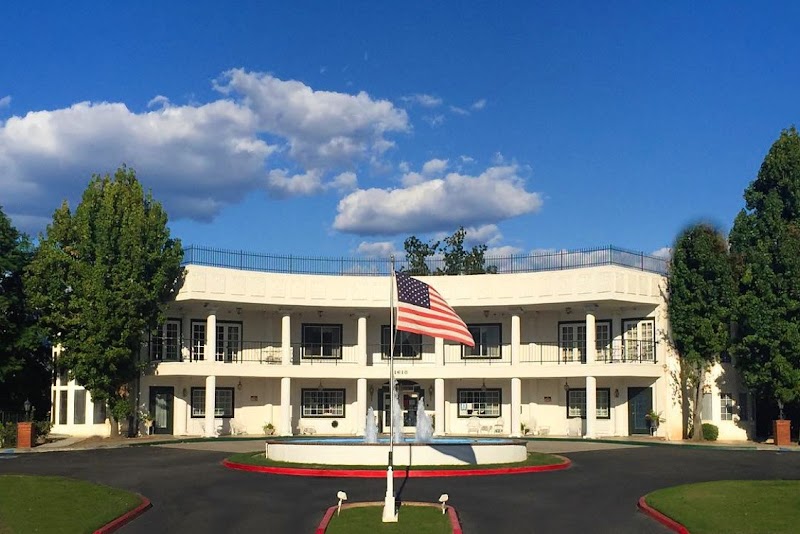
1618 LAUREL AVENUE, REDLANDS, CA 92373 (909) 792-6050
For profit - Limited Liability company 243 Beds MADISON CREEK PARTNERS Data: November 2025
Trust Grade
35/100
#1062 of 1155 in CA
Last Inspection: April 2022

Over 2 years since last inspection. Current conditions may differ from available data.

Overview

Madison Grove Post Acute has received a Trust Grade of F, indicating significant concerns about the care provided at this facility. Ranking #1062 out of 1155 facilities in California places it in the bottom half, and #53 out of 54 in San Bernardino County suggests there is only one local option that is better. While the overall trend shows improvement, with issues decreasing from 3 in 2024 to 2 in 2025, the facility still has a concerning number of 48 issues, including one serious incident where a resident fell and fractured their hip due to inadequate supervision. Staffing is rated poorly at 1 out of 5 stars, with a turnover rate of 38%, which is average for California. On a positive note, there have been no fines recorded, indicating compliance with regulations, but the facility has less RN coverage than 85% of other facilities, which raises concerns about oversight in resident care.

Trust Score
F
35/100
In California
#1062/1155
Bottom 9%
Safety Record
Moderate
Needs review
Inspections
Getting Better
3 → 2 violations
Staff Stability
○ Average
38% turnover. Near California's 48% average. Typical for the industry.
Penalties
✓ Good
No fines on record. Clean compliance history, better than most California facilities.
Skilled Nurses
⚠ Watch
Each resident gets only 18 minutes of Registered Nurse (RN) attention daily — below average for California. Fewer RN minutes means fewer trained eyes watching for problems.
Violations
⚠ Watch
48 deficiencies on record. Higher than average. Multiple issues found across inspections.
★☆☆☆☆
1.0
Overall Rating
★☆☆☆☆
1.0
Staff Levels
★☆☆☆☆
1.0
Care Quality
★★★☆☆
3.0
Inspection Score
Stable
2024: 3 issues
2025: 2 issues

The Good

  • Full Sprinkler Coverage · Fire safety systems throughout facility
  • No fines on record
  • Staff turnover below average (38%)

    10 points below California average of 48%

Facility shows strength in fire safety.

The Bad

1-Star Overall Rating

Below California average (3.1)

Significant quality concerns identified by CMS

Staff Turnover: 38%

Near California avg (46%)

Typical for the industry

Chain: MADISON CREEK PARTNERS

Part of a multi-facility chain

Ask about local staffing decisions and management

The Ugly 48 deficiencies on record

1 actual harm
Aug 2025 1 deficiency 1 Harm
SERIOUS (G) 📢 Someone Reported This

A family member, employee, or ombudsman was alarmed enough to file a formal complaint

Actual Harm - a resident was hurt due to facility failures

Accident Prevention (Tag F0689)

A resident was harmed · This affected 1 resident

**NOTE- TERMS IN BRACKETS HAVE BEEN EDITED TO PROTECT CONFIDENTIALITY** Based on interview and record review, the facility failed to ensure adequate supervision for one of three sampled residents (Res...

Read full inspector narrative →
**NOTE- TERMS IN BRACKETS HAVE BEEN EDITED TO PROTECT CONFIDENTIALITY** Based on interview and record review, the facility failed to ensure adequate supervision for one of three sampled residents (Resident1) when Resident 1, who requires a two-person assist, fell out of bed while one Certified Nursing Assistant (CNA) was repositioning the resident and providing a brief change.This failure resulted in Resident 1 sustaining intertrochanteric (thigh bone) fracture of left hip.Findings:During review of Residents 1's admission Record (general demographics information), the document indicated Resident 1 was admitted to the facility on [DATE], with diagnoses which included type 2 diabetes (body has trouble controlling blood sugar), hypertension (high blood pressure), dependance on respirator (difficult to breathe on own, machine dependent). During a review of Resident 1's History and Physical (H&P), dated January 27, 2025, the H&P indicated, Resident 1 did not have the capacity to understand and make decisions.During a review of Resident 1's Minimum Data Seta (MDS - clinical assessment tool used in nursing homes that serves as a comprehensive summary of a resident's functional capabilities, health conditions, and care needs.) Section GG Functional Abilities, dated June 7, 2025, the MDS Section GG Functional Abilities indicated, .Toileting hygiene, Shower/bath self, Roll Left and Right=Dependent= Helper does All of the effort. Resident does none of the effort to complete the activity. Or, the assistance of 2 or more helpers is required for the resident to complete the activity.During a review of Resident 1's Situation Background Assessment Recommendation (SBAR) notes dated July 29, 2025, at 5:22 AM, the SBAR indicated During rounds resident noted to slide from bed and struck head on oxygen concentrator and was lowered on to the ground by staff. Noted with open area to top of Left eye with scant bleeding. Noted with bruising to cheekbone and cheek. Transfer to acute to rule out fracture.During a review of Resident 1's X-ray (generate images of tissue and structure of body) report, dated July 29, 2025, the X-ray of the left hip shows displaced intertrochanteric fracture. The X-ray report also indicated PLAN: At this time, family is choosing to pursue nonsurgical management for left hip fracture, and they are listing his high propensity (natural tendency) to infections as a deterrent to surgery at this time.During a review of Resident 1's care plan dated June 25, 2024, the care plan indicated Resident 1 has an ADL (Activities of Daily Living) self-care performance deficit r/t (related to) Activity Intolerance, Confusion, Limited Mobility, Limited ROM. INTERVENTIONS: BATHING/SHOWERING: The resident is totally dependent on (2) staff to provide(bath/shower).and as necessary. BED MOBILITY: The resident is substantial assistance on (2) staff for repositioning and turning in bed (Q2hrs) and as necessary.During an interview on August 27, 2025, at 1:20 PM, with CNA 1, CNA 1 stated, It's always a two (2) person assist to change the residents here in subacute. The CNAs help each other. If it is busy I have to wait, I cannot take the risk of doing the care alone. The nurse also helps if needed.During an interview on August 27, 2025, at 1:38 PM, with CNA 2, CNA 2 stated, In subacute, we always have 2 persons assist with ADLs, we have a buddy with another CNA, but we can always ask the nurses or Respiratory Therapist.During an interview on September 2, 2025, at 10:08 AM, with CNA 3, CNA 3 stated, It was about 1:30 AM. I wanted to see if Resident 1 was wet. He was, so I placed him on his side, he rolled and I tried to catch him, I ran to the other side, he slid down to the floor.I called for the nurses and we got him back to bed. He was not able to help in the repositioning, he is contracted (a shortening or tightening of muscles, tendons, or other tissues). He is a two-person assist after the fall. Now everyone in subacute is two-person assist. I would always provide care for him on my own. I was made aware he had a fracture.During an interview on August 27, 2025, at 2:10 PM, with the Director of Nursing (DON), the DON stated Resident 1 had a fall on July 29, 2025, with femur (thigh bone) fracture. The DON stated that upon their investigation, CNA 3 did not wait for help. The LVN, stated she was in the middle of medication pass, and said to give a couple minutes. CNA 3 was doing patient care, there was no siderails and the residents fell. The DON further stated, Resident 1 requires a two-person assist, CNA 3 should have waited for help as they have a ‘buddy system.During a review of the facility's policy and procedure (P&P) titled, Fall and Fall Risk, Managing, undated, the P&P indicated, Based on previous evaluation and current data, the staff will identify interventions related to the residents specific risk and causes to try to prevent the resident from falling and to try to minimize complications from failing.
Mar 2025 1 deficiency
CONCERN (D) 📢 Someone Reported This

A family member, employee, or ombudsman was alarmed enough to file a formal complaint

Potential for Harm - no one hurt, but risky conditions existed

Accident Prevention (Tag F0689)

Could have caused harm · This affected 1 resident

**NOTE- TERMS IN BRACKETS HAVE BEEN EDITED TO PROTECT CONFIDENTIALITY** Based on observation, interview, and record review, the facility failed to ensure adequate supervision was provided to prevent a...

Read full inspector narrative →
**NOTE- TERMS IN BRACKETS HAVE BEEN EDITED TO PROTECT CONFIDENTIALITY** Based on observation, interview, and record review, the facility failed to ensure adequate supervision was provided to prevent avoidable accidents when one of four residents (Resident 2)'s left knee noted with pain and fracture of the proximal left tibia (break in the long bone of the left lower leg). This failure resulted in Resident 2 a clinically compromised resident being sent to the hospital for evaluation and treatment. Findings: During an observation on March 19, 2025, at 12:35 PM, Resident 2 was lying in bed awake and did not respond verbally. During an interview on March 19, 2025, at 12:50 PM, with Certified Nursing Assistant (CNA 2), the CNA 2 stated, He (Resident 2) does not talk. He is total dependent with ADLs (activity of daily living). I usually give him bath, clean and change him, and reposition him every two hours. During an interview on March 19, 2025, at 1:00 PM, with Licensed Vocational Nurse (LVN 2), LVN 2 stated, [Resident 2's name] does not talk. I don't know what happened, but I know he was transferred to the hospital due to pain of his legs and he came back with a diagnosis of fracture. During a review of Resident 2' admission Record (general demographics) on March 19, 2025, the document indicated Resident 2 was originally admitted to the facility on [DATE], with diagnoses that included quadriplegia (paralysis that affects all four limbs) and contracture other specified joint (a permanent tightening of muscle and tissues leading to a loss of movement). During an interview on March 19, 2025, at 1:50 PM, with the Director of Nursing, she stated, nursing staff used facial grimacing to assess [Resident's name]'s pain since the resident could not speak. A review of Resident 2's care plan dated June 24, 2024, indicated, Focus . has an ADL self-care performance deficit r/t (related to) activity intolerance, confusion, limited mobility. Goal: The resident will maintain current function . Intervention: The resident is totally dependent on (2) staff for repositioning and turning in bed (every 2 hours) and as necessary . A review of Resident 2's Restorative Nursing Assistant Treatment dated January 1, 2025 - January 31, 2025, indicated, RNA (restorative nursing assistant) program passive range of motion to bilateral lower extremities every day shift 3 time a week as tolerated. A review of Resident 2's SNF/NF to Hospital Transfer Form dated January 20, 2025, indicated reason for transfer, S/S of pain in bilateral lower extremity (signs of pain of both lower legs). A review of Resident 2's Clinical Record indicated, EXAMINATION: Left tibia and fibula, 2 views. Indication: Left lower leg pain. Impression: Moderate diffuse osteopenia. Finding suspicious for a fracture of the proximal tibia just below the tibial . Suggestion of a mildly impacted fibular neck fracture is present . A review of facility's undated Policy and Procedure (P&P), titled, Safety and Supervision of Residents, the P&P indicated, Policy Statement Our facility strives to make the environment as free from accident hazards as possible. Resident safety and supervision and assistance to prevent accidents are facility-wide priorities .
Aug 2024 1 deficiency
CONCERN (D) 📢 Someone Reported This

A family member, employee, or ombudsman was alarmed enough to file a formal complaint

Potential for Harm - no one hurt, but risky conditions existed

Pressure Ulcer Prevention (Tag F0686)

Could have caused harm · This affected 1 resident

**NOTE- TERMS IN BRACKETS HAVE BEEN EDITED TO PROTECT CONFIDENTIALITY** Based on interview and record review the facility failed to prevent a pressure ulcer (damage to area of the skin due to pressure...

Read full inspector narrative →
**NOTE- TERMS IN BRACKETS HAVE BEEN EDITED TO PROTECT CONFIDENTIALITY** Based on interview and record review the facility failed to prevent a pressure ulcer (damage to area of the skin due to pressure) from developing for one of three sampled residents (Resident 1). This failure placed a clinically compromised Residents (Resident 1) health and safety at risk for potential infection and pain. When the facility failed to prevent the development of a stage 3 pressure ulcer on right trochanter (hip). Findings: During review of Residents 1's admission Record (general demographics), the document indicated Resident 1 was admitted to the facility on [DATE], with diagnoses to include: esophageal cancer (cancer of the tube from throat to stomach), tracheostomy (tube inserted to help oxygen reach lungs), (diabetes type II (body does not produce enough insulin, or resist insulin), hypertension (high blood pressure). During a review concurrent interview and record review of Resident 1's Medical Record with the Assistant Director of Nurses (ADON and Treatment Nurse (TXT Nurse), reviewed as follows: 1. Skin Pressure Injury Evaluation- Dated June 06, 2024, at 1307: Right Knee Stage 4, measuring 0.5x0.8, depth 0.2. (on admission). 2. Skin non pressure injury evaluation dated June 15, 2024: Right trochanter hip blanchable redness, length 5x4, depth none .Doctor notified, encourage patient to reposition as tolerated, pain management . 3. Skin Pressure Injury Evaluation dated June 19, 2024, at 1430: Right trochanter stage 3, measuring 1.5x1.5, 0.1 depth .Reported by staff of resident with skin break down, noted the following. Right trochanter stage 3 pressure injury, tissue quality 100% granulation, scant serosanguinous drainage noted, wound edges well defined peri wound clean and intact. Resident noted to be noncompliant and is also noted to be favoring right side . 4. Carplan: The resident has pressure ulcer or potential for pressure ulcer development related to, unavoidable factors .Date initiated August 27, 2024. INTERVENTIONS: If the refuses treatment .Interdisciplinary Team (IDT) meeting and family to determine why and try alternative methods to gain compliance. Document alternative methods. (No Careplan regarding resident refusal for repositioning; facility acquired wound started June 19, 2024, no careplan documentation for June 2024, NO IDT meeting in June 2024 regaining wound and repositing refusals). During concurrent interview and record review on August 27, 2024, with the Treatment Nurse (TXT Nurse 1) of medical records, TXT nurse states, the pressure injury developed June 19, 2024, the right trochanter stage 3. The doctor wrote unavoidable factors. We reposition with pillows to keep him from going to right side. He was on air loss mattress. He had foley cath. When asked, should this resident have developed this Pressure injury in facility? States, No, he should have not, we were always repositing him, he was always favoring that side, we would let the CNAs and charge nurses know about repositioning this resident. During concurrent interview and record review on August 27, 2024, with the (ADON) of medical records, ADON nurse states, The family was at bedside, they knew about the wounds. Resident 1 was sent out to hospital a few times; he did come back with wounds. Based on the records he was first sent out June 23, 2024. The wound did develop in facility June 19, 2024, before he was sent out to hospital. (acknowledgement right trochanter developed in facility). During a review of the facility's policy and procedure titled, Wound Care dated January 01, 2024, the policy and procedure indicated, The purpose of this procedure is to assist the facility in the care, services and documentation related to the occurrence, treatment, and prevention of pressure as well as, non-pressure related wounds. During a review of the facility's policy and procedure titled, Prevention of Pressure Ulcers/Injuries dated January 01, 2024, the policy and procedure indicated, The purpose of this procedure is to provide information regarding identification of pressure ulcer/injury risk factors and interventions for specific risk factors. Review the resident's care plan and identify the risk factors as well as the interventions designed to reduce or eliminate those considered modifiable.
Aug 2024 1 deficiency
CONCERN (D) 📢 Someone Reported This

A family member, employee, or ombudsman was alarmed enough to file a formal complaint

Potential for Harm - no one hurt, but risky conditions existed

Free from Abuse/Neglect (Tag F0600)

Could have caused harm · This affected 1 resident

**NOTE- TERMS IN BRACKETS HAVE BEEN EDITED TO PROTECT CONFIDENTIALITY** Based on observation, interview and record review the facility failed to protect the resident ' s right to be free from verbal a...

Read full inspector narrative →
**NOTE- TERMS IN BRACKETS HAVE BEEN EDITED TO PROTECT CONFIDENTIALITY** Based on observation, interview and record review the facility failed to protect the resident ' s right to be free from verbal abuse (the willful infliction of injury, unreasonable confinement, intimidation, or punishment with resulting physical harm, pain, or mental anguish) for one of three residents (Resident 1) when staff witnessed a Respiratory Therapist 1 (RT 1, a professional person who is responsible in taking care of patients who has respiratory problems) clapping loudly in Resident 1 ' s face while using foul language. This failure resulted in resident 1 ' s rights being violated and had the potential for Resident 1 to experience psychosocial harm. Findings: During a review of Resident 1 ' s admission Record (contains demographic information), the admission Record indicated, Resident 1 was admitted to the facility on [DATE], with diagnoses which included hypertensive heart disease (number of complications of high blood pressure affecting the heart), chronic kidney disease(disease that cause kidney failure), and chronic respiratory failure (a long term condition that makes difficult to breathe). During a review of a facility provided document titled, Investigation Statements, dated August 3, 2024, by Licensed Vocational Nurse 1 (LVN 1), the Investigation Statements indicated, Resident 1 Vent alarm was going off. RT 2 went in to assess. RT 2 asked for more 02 (oxygen). Needed hyper oxygenated (administration of a higher than usual concentration of oxygen). Resident1 was de-sating (when blood oxygen level drop below a normal range below 90 percent). Grabbed ambu bag (device used to provide respiratory support). CNA (certified nursing assistant) was instructed to get RT. Many responded. All the RT's responded. Resident 1 was being bagged, RT 1 was standing by the head of the bed on the right at the head of the bed. Resident 1 was mouthing things, RT 1 I'll beat your ass, I'll fuck you up RT 1 started clapping loudly in patient face. I told him to STOP! RT1 walked out of the room. We stayed with thee resident to make sure if he would stay stable. Resident 1 was stable. LVN 1 went to find the RN (Registered Nurse). Asked RN if she heard the ruckus. LVN 1 was stopped by RT1 in ' the hallway. RT 1 tried to explain away his behavior. LVN explained that it doesn't matter and that his behavior is abuse. LVN 1 told him this has to be reported. RT1 acted like a small child, put his head down and said he was sorry. RT 1 walked off was very angry . During a subsequent review of a facility provided document titled, Investigation Statements, dated August 3, 2024, by RT 2, the Investigation Statements indicated, .RT 1 went so calmy out of the Resident 1 room and then I saw him in RT charting room and getting ready for last rounds. RT 1 said I'm done with this shit Fuck this shit (he said it calmly), walked towards the computer. Kicked the chair into the desktop, lifted his fist and punched the desktop computer. Picked up the computer and broke it over his knee and threw it at the wall. He said, I'm going to lose my job, threw his Tupperware bowl to the window. Walked out, kicked the wall and made a hole. He was punching walls as he walked out. Tore the kiosk off the wall and threw it on the floor. Headed out threw the station 3 door. They heard a car burning out and drove off . During an interview on August 6, 2024 at 12:20 PM, with the Assistant Director of Nursing (ADON), the ADON stated, On August 3, 2024, around 3:30 AM in room [ROOM NUMBER] B, the RT 1 was verbally abusive toward [name of Resident 1] when [Resident 1] was in distress. The ADON further stated, LVN 1 told RT 1 to step out of room [ROOM NUMBER] B. When RT 1 left the room, was very upset, broke the laptop and made a hole on the wall, by kicking it. During a concurrent interview and record review on August 6, 2024, at 2:20 PM, with the ADON, the facility ' s policy and procedure (P&P) titled, Abuse, Neglect, Exploitation and Misappropriation Prevention Program, dated January 1, 2024, was reviewed. The P&P indicated, Residents have the right to be free from abuse, neglect, misappropriation of resident property and exploitation. This include but is not limited to freedom from corporal punishment, involuntary seclusion, verbal, mental, sexual, or physical abuse, and physical or chemical restraint not required to treat the resident ' s symptoms. The resident abuse, neglect, exploitation prevention program consists of a facility wide commitment and resource allocation to support the following objectives: 1. Protect residents from abuse, neglect, exploitation, or misappropriation of property by anyone including, but not necessarily limited to: a. facility staff; . The ADON acknowledged and stated the policy was not followed. During a telephone interview on August 8, 2024, at 11:57 AM, with LVN 1, LVN 1 stated, I witnessed the incident when RT1 was verbally abusive towards Resident 1. Resident 1 was bagged; RT 1 was standing by the head of the bed on the right, at the head of the bed. Resident 1 was mouthing things, RT 1 said I'll beat your ass, I'll fuck you up RT 1 started clapping loudly in Resident 1 ' s face. I told him to STOP! RT 1 walked out of the room. We stayed with the resident to make sure if he would stay stable. Patient was stable. During a phone interview on August 8, 2024, at 12:34 PM, with RT2, RT 2 stated, I was shocked by seeing RT 1 verbally abusive and was loud towards Resident 1 when resident 1 was in distress. Even after LVN 1 told RT 1 to stop the aggressive behavior, RT 1 continued. RT 1 went so calmy out of the Resident 1 room and then I saw him in RT charting room and getting ready for last rounds. RT 1 said I'm done with this shit. Fuck this shit. RT 1 walked towards the computer, kicked the chair into the desktop, lifted his fist and punched the desktop computer. Picked up the computer and broke it over his knee and threw it at the wall. He said, I'm gonna lose my job, threw his Tupperware bowl to the window. Walked out, kicked the wall, and made a hole. He was punching walls as he walked out. Tore the kiosk off the wall and threw it on the floor. Headed out threw the station 3 door. We heard a car burning out and drove off.
Jun 2024 1 deficiency
CONCERN (D) 📢 Someone Reported This

A family member, employee, or ombudsman was alarmed enough to file a formal complaint

Potential for Harm - no one hurt, but risky conditions existed

Accident Prevention (Tag F0689)

Could have caused harm · This affected 1 resident

**NOTE- TERMS IN BRACKETS HAVE BEEN EDITED TO PROTECT CONFIDENTIALITY** Based on observation, interview, and record review, the facility failed to ensure adequate supervision was provided to prevent a...

Read full inspector narrative →
**NOTE- TERMS IN BRACKETS HAVE BEEN EDITED TO PROTECT CONFIDENTIALITY** Based on observation, interview, and record review, the facility failed to ensure adequate supervision was provided to prevent avoidable accidents when one of seven residents (Resident 1) noted to have swelling of the left thigh and knee. This failure contributed to Resident 1 sustaining an acute distal femur shaft fracture (sudden break in the long part of the thigh bone). Findings: During an observation on May 20, 2024, at 4:15 PM, Resident 1 was lying in bed awake and did not respond verbally. During a review of Resident 4 ' admission Record (general demographics) on May 20, 2024, the document indicated Resident 1 was originally admitted to the facility on [DATE], with diagnoses that include traumatic hemorrhage of cerebrum (a condition brain injury), respiratory failure (a condition that makes it difficult to breathe on your own, asthma, seizures (a condition that causes sudden shaking or stiffness), hypertensive (a condition of high blood pressure, and gastrostomy status (a tube inserted through the wall of the abdomen directly into the stomach). A review of Resident 1 ' s care plan dated September 9, 2023, indicated, . has an alteration in musculoskeletal status r/t (related to): bilateral knee contracture. Goal: The resident will remain free of injuries or complications related to contractures . A review of Progress Notes dated, May 15, 2024, at 05:25, indicated, .Outcomes of Physical Assessment . During positioning this morning CN (Charge Nurse) and CNA (Certified Nursing Assistant) noted left thigh/knee appeared to move abnormal and felt odd around kneecap/joint with popping felt. Possible slight swelling to thigh area, hard to determine as resident is contracted at knees to BLE (bilateral lower extremities) . A review of Resident 1 ' s Radiology Result Report, dated May 20, 2024, indicated, . Knee 1 or 2 Views Interpretation: Reason for Study: .Localized swelling, mass and lump, left lower limb . Findings: No comparison study is available. Acute distal femur shaft fracture with displacement seen . Conclusion: Acute distal femur shaft fracture . During an interview on June 5, 2024, at 2:10 PM, with the Registered Nurse Supervisor (RNS), the RNS stated, Staff are expected to check on residents to provide assistance and supervision every two hours and as needed. During an interview on June 5, 2024, at 4:00 PM, with the Administrator, the Administrator indicated staff was not sure of what happened to the Resident 1. He stated, There is no incidents or accidents reported by staff. During a review of the facility ' s P&P, titled, Safety and Supervision of Residents, dated, July 20, 2017, the P&P indicated, Policy Statement Our facility strives to make the environment as free from accident hazards as possible. Resident safety and supervision and assistance to prevent accidents are facility-wide priorities .
Jan 2023 4 deficiencies
CONCERN (D) 📢 Someone Reported This

A family member, employee, or ombudsman was alarmed enough to file a formal complaint

Potential for Harm - no one hurt, but risky conditions existed

Notification of Changes (Tag F0580)

Could have caused harm · This affected 1 resident

**NOTE- TERMS IN BRACKETS HAVE BEEN EDITED TO PROTECT CONFIDENTIALITY** Based on interview and record review, the facility failed to notify the Responsible Person (RP) for one of three sampled residen...

Read full inspector narrative →
**NOTE- TERMS IN BRACKETS HAVE BEEN EDITED TO PROTECT CONFIDENTIALITY** Based on interview and record review, the facility failed to notify the Responsible Person (RP) for one of three sampled residents (Resident 3) of a change in medical condition when Resident 3 was found lethargic and transferred to the General Acute Care Hospital. This failure resulted in Resident 3's RP being uninformed and unaware of Resident 3's change of condition and transfer to the hospital. Findings: An abbreviated survey was conducted on September 21, 2022, at 1:30 PM, to investigate a complaint related to Quality of Care. During a review of Resident 3's clinical record, the face sheet (contains demographic and medical information), indicated Resident 3 was admitted on [DATE], with diagnoses which included: fracture of the right tibia (broken bone of lower leg), diabetes (high blood sugar) and atrial fibrillation (irregular and often very rapid heart rhythm). During a review of the Nurses' Progress Notes for Resident 3, dated June 24, 2021, at 6:24 AM, the nurses progress note indicated Resident 3 was found around 5:37 AM by CNA to be very lethargic (very slow to respond) with agonal (struggle) breathing and notified the Registered Nurse (RN). Upon entering the room, RN found Resident 3 unresponsive to chest rub, pupils fixed, unable to obtain pulse and blood pressure .Patient taken to General Acute Care facility by Emergency response paramedics at 6:25 AM. The Nurses Note did not indicate the Responsible Person was informed of the change of condition or the transfer to the hospital. During a concurrent interview and record review of Resident 3 ' s Nurses note with Registered Nurse 1 (RN 1), on September 28, 2022, at 5:54 AM, RN 1 stated, the Responsible Person was not called for this change of condition. The facility could not provide documentation that the RP was called for this change of condition or transfer to the General Acute Care Hospital. During an interview with Director of Nursing (DON) on January 11, 2023, at 12:11 PM, DON stated, The RP was not notified. The facility could not provide documentation that the responsible person was notified of the change of condition or the transfer to the hospital. A review of the facility ' s policy and procedure (P&P) titled, Change of Condition undated, the (P&P) indicated, Change in a Resident ' s Condition or Status. Our facility promptly notifies the resident, his or her attending physician, and the resident representative of changes in the resident ' s medical/mental condition and/or status(e.g., changes in level of care .
CONCERN (D) 📢 Someone Reported This

A family member, employee, or ombudsman was alarmed enough to file a formal complaint

Potential for Harm - no one hurt, but risky conditions existed

Comprehensive Care Plan (Tag F0656)

Could have caused harm · This affected 1 resident

**NOTE- TERMS IN BRACKETS HAVE BEEN EDITED TO PROTECT CONFIDENTIALITY** Based on observation, interview and record review, the facility failed to initiate a care plan (specific interventions to provid...

Read full inspector narrative →
**NOTE- TERMS IN BRACKETS HAVE BEEN EDITED TO PROTECT CONFIDENTIALITY** Based on observation, interview and record review, the facility failed to initiate a care plan (specific interventions to provide effective and person-centered care to meet the resident's needs) for a resident at risk for elopement (resident with cognitive challenges who wanders or runs away) for one of three residents (Resident 3). This failure had the potential to result in deficient care and treatment which could have resulted in an elopement. Findings: An abbreviated survey was conducted on September 21, 2022, at 1:30 PM, to investigate a complaint related to Quality of Care. During a review of Resident 3's clinical record, the face sheet (contains demographic and medical information), indicated, Resident 3 was admitted on [DATE], with diagnoses which included: fracture of the right tibia (broken bone of lower leg), diabetes (high blood sugar) and atrial fibrillation (irregular and often very rapid heart rhythm). During a review of the clinical record for Resident 3, the nurses note dated June 4, 2021, at 9:05 AM, indicated, CNA (Certified nursing assistant) informed the charge nurse that resident 3 was in the parking lot. Unable to redirect resident. Psychiatric Physician and Primary Physician notified. Resident moved to secure unit for safety precautions. During a review of the clinical record for Resident 3, the Wandering Elopement Risk Assessment dated June 4, 2021, indicated, Resident 3 was a moderate (medium) risk for elopement. During a review of the clinical record for Resident 3, the care plan for Elopement dated June 22, 2021, indicated, The resident is an elopement risk/wanderer. The care plan did not list goals or interventions that would be in place to stop or deter Resident 3 from eloping/leaving the facility. During a concurrent interview and record review of Resident 3 ' s Care plan with Licensed Vocational Nurse 1 (LVN 1), on January 11, 2023, at 11:36 AM, LVN 1 stated, The care plan for elopement is missing a goal and the interventions which tell us what we can do to prevent the elopement from happening again. It is incomplete. During an interview and concurrent record review of Resident 3 ' s Care plan for elopement with the Director of Nursing (DON) on January 11, 2023, at 12:11 PM, DON stated All they have is the focus but no goal or intervention. They should have an intervention and goal to drive the plan of care. So, we know what ' s the goal and how we will obtain the goal. A review of the facility ' s policy and procedure (P&P) titled Care Plans, Comprehensive Person-Centered undated, the P&P indicated, A comprehensive person-centered care plan that includes measurable objectives and timetables to meet the resident ' s physical, psychosocial and functional needs is developed and implemented for each resident .7. The comprehensive, person-centered care plan: a. includes measurable objectives and timeframes; b. describes the services that are to be furnished to attain or maintain the resident ' s highest physical, mental, and psychosocial well-being .11. Assessments of residents are ongoing and care plans are revised as information about the residents and the resident ' s conditions change .
CONCERN (D) 📢 Someone Reported This

A family member, employee, or ombudsman was alarmed enough to file a formal complaint

Potential for Harm - no one hurt, but risky conditions existed

Deficiency F0678 (Tag F0678)

Could have caused harm · This affected 1 resident

**NOTE- TERMS IN BRACKETS HAVE BEEN EDITED TO PROTECT CONFIDENTIALITY** Based on interview, and record review, the facility failed to ensure the nursing staff provided basic life support in a timely m...

Read full inspector narrative →
**NOTE- TERMS IN BRACKETS HAVE BEEN EDITED TO PROTECT CONFIDENTIALITY** Based on interview, and record review, the facility failed to ensure the nursing staff provided basic life support in a timely manner for one of three residents (Resident 3) when the blood sugar was checked, insulin (medicine to decrease the sugar in the blood) was given, and emergency medical services (EMS) were called prior to receiving Cardiopulmonary resuscitation (CPR-an emergency lifesaving procedure to support and maintain when breathing or heartbeat has stopped by rescue breathing and chest compressions). This failure resulted in Resident 3 not receiving CPR in a timely manner and could have jeopardized the health and safety of Resident 3. Findings: An abbreviated survey was conducted on [DATE], at 1:30 PM, to investigate a complaint related to Quality of Care. During a review of Resident 3's clinical record, the face sheet (contains demographic and medical information), indicated, Resident 3 was admitted on [DATE], with diagnoses which included: fracture of the right tibia (broken bone of lower leg), diabetes (high blood sugar) and atrial fibrillation (irregular and often very rapid heart rhythm). A review of the Physician Orders for Life-Sustaining Treatment (POLST-indicates the resident's wishes and physician orders for life sustaining medical treatment), dated [DATE], the POLST indicated, Resident 3 was a full code (meaning to attempt Cardiopulmonary Resuscitation (CPR) by providing chest compression and rescue breathing if no pulse and not breathing). The POLST also indicated the resident desired full medical treatment including long term artificial nutrition (tube feeding). During a review of the Nurses' Progress Notes for Resident 3, dated [DATE], at 6:24 AM, the progress note indicated, Resident 3 was found around 5:37 AM by CNA (certified nursing assistant) to be very lethargic (very slow to respond) with agonal (struggle) breathing and notified the RN. Upon entering the room, RN found Resident 3 unresponsive to chest rub, pupils fixed, unable to obtain pulse and blood pressure. Resident 3 was cold to touch. At this time, blood sugar was 482 mg/dl (unit of measure) and 10 units (unit of measure) of insulin was given. Medical Doctor notified. Emergency medical response called at 0540. Respiratory Therapy (RT- specializes in care for the lungs) called to room at 5:45 AM. Code Blue (Cardiac or respiratory arrest or medical emergency) called at 5:45 AM and patient started being bagged (adding air into the lungs during the inspiration phase by using a resuscitation bag.) by Respiratory Therapist. Emergency medical response arrived at 5:50 AM. IO (Intraosseous vascular access placement of a specialized hollow bore needle through the bone for infusion of medical therapy) access and first pulse check done. Asystole (there is no heartbeat) found, done at 6:00 AM. Second and third epi (Epinephrine, to increase blood flow)delivered and Emergency response paramedic able to obtain pulse of 49 bpm (beats per minute) and blood pressure 199/93 mmHg (unit of measure). Patient taken to General Acute Care facility by Emergency response paramedics at 6:25 AM. This nurses note was documented by Registered Nurse 1. There was no documented evidence of a chest compression was initiated for Resident 3. During a concurrent interview and record review of Resident 3 ' s Nurses note with Registered Nurse 1 (RN 1), on [DATE], at 5:54 AM, RN 1 stated, the Cna told me Resident 3 was lethargic with agonal breathing. I came into the room. She was unresponsive to a chest rub. Her pupils were fixed. Unable to obtain a pulse and blood pressure. The Patient was cold to touch. The Licensed Vocational Nurse checked her blood sugar, and it was 485 mg/dl. She was given 10 units of insulin. Emergency response was called at 5:40 AM and Respiratory therapist (RT) was called at 5:45 AM. A Code blue was called around 5:45 AM. RT came to the room and started bagging at 5:50 AM. Emergency response paramedics arrived at 5:50 AM. Paramedics provided IO access. They drilled into the bone to get an IV (intravenous device for delivering medicines) and first pulse check was asystole and that was done at 6:00 AM. Second and third dose of epinephrinedelivered. Emergency response paramedics were able to obtain a pulse of 49 bpm and blood pressure of 199/93 mmHg. It does not say anything about chest compressions. The code blue should have been called immediately after she was found unresponsive. During a concurrent interview and record review of Resident 3 ' s Nurses notes with RN 2, on [DATE], at 9:32 AM, RN 2 stated, when a resident is unresponsive, we start CPR and call the medical doctor. RN 2 then stated, as soon as you see them unresponsive, you call a code blue, start CPR, get crash cart, put the board (hard board used for chest compressions) under them. You call 911 at the same time. The nurse should have started CPR when the patient was unresponsive. The MD should have been called simultaneously as everyone is doing CPR. The MD should have been called after he called the code blue. During an interview and concurrent record review of Resident 3 ' s nurses note written on [DATE], with the Director of Nursing (DON), on [DATE], at 12:11 PM, DON stated, Code blue should have been called within a minute or two of 5:37 AM. The DON confirmed there was a delay in treatment. A review of the facility ' s policy and procedure (P&P), titled Advanced Directives undated, the P&P indicated, The resident has the right to formulate an advance directive, including the right to accept or refuse medical or surgical treatment. Advance directives are honored in accordance with state law and facility policy h. Physician Orders for Life-Sustaining Treatment (or POLST) paradigm form – a form designed to improve care by creating a portable medical order form that records patients ' treatment wishes so that emergency personnel know what treatments the patient wants in the event of a medical emergency .
CONCERN (D) 📢 Someone Reported This

A family member, employee, or ombudsman was alarmed enough to file a formal complaint

Potential for Harm - no one hurt, but risky conditions existed

Medical Records (Tag F0842)

Could have caused harm · This affected 1 resident

**NOTE- TERMS IN BRACKETS HAVE BEEN EDITED TO PROTECT CONFIDENTIALITY** Based on interview, and record review, the facility failed to have the resident, or the responsible party sign the Clothing and ...

Read full inspector narrative →
**NOTE- TERMS IN BRACKETS HAVE BEEN EDITED TO PROTECT CONFIDENTIALITY** Based on interview, and record review, the facility failed to have the resident, or the responsible party sign the Clothing and Possession ' s sheet (record of personal items) upon admission and discharge for one of three residents (Resident 3). This failure had the potential for Resident 3 ' s personal items to go unaccounted, misplaced or taken while in the facility. Findings: An abbreviated survey was conducted on September 21, 2022, at 1:30 PM to investigate a complaint related to Quality of Care in which the complainant stated. I brought clothes for Resident 3 and they lost all of them. During a review of Resident 3's clinical record, the face sheet (contains demographic and medical information), indicated, Resident 3 was admitted on [DATE], with diagnoses which included: fracture of the right tibia (lower leg), diabetes (high blood sugar) and atrial fibrillation (irregular and often very rapid heart rhythm). This resident was discharged on June 24, 2021. During a review of the clinical record for Resident 3, the Resident ' s Clothing and Possession ' s sheet indicated: 1. The admission section indicated Resident 3 was admitted with glasses. This section was not signed by the Resident/Responsible party or by the facility representative and the document was not dated. 2. The Discharge section indicated Resident 3 was not discharge with their belongings. This section was not completed by the facility. During a concurrent interview and record review of Resident 3 ' s Clothing and Possession ' s Sheet with Licensed Vocational Nurse (LVN 1), on January 11, 2023, at 11:36 AM, LVN 1 stated, The inventory sheet should have been filled out. We sign and date it to keep a record of what he or she has in case it gets lost or stolen. During a review of Resident 3 ' s Clothing and Possession ' s Sheet with the Director of Nursing (DON) on January 11, 2023, at 12:11 PM, the DON stated We should have had him sign it. They should have signed it. A review of the facility ' s policy and procedure (P&P) titled Release of a Resident ' s Personal Belongings undated, the P&P indicated, Our facility protects the personal belongings of a resident who has been transferred or discharged from our facility. 1. The personal belongings of a resident transferred or discharged from our facility will be released to the resident or authorized resident representative. 2. Personal belongings of a resident who is temporarily transferred or discharged from the facility will be inventoried and stored by the facility until the resident has returned or such items have been picked up by the resident ' s representative. 3. Individuals receiving the resident ' s personal belongings will be required to sign a release for such items.
Apr 2022 9 deficiencies
CONCERN (D)

Potential for Harm - no one hurt, but risky conditions existed

Deficiency F0578 (Tag F0578)

Could have caused harm · This affected 1 resident

Based on observation, interview, and record review, the facility failed to discuss and provide information on advanced directives (a written statement of a person's wishes regarding medical treatment,...

Read full inspector narrative →
Based on observation, interview, and record review, the facility failed to discuss and provide information on advanced directives (a written statement of a person's wishes regarding medical treatment, should the person is unable to communicate with the doctor) for two of 49 sampled residents (Residents 139 and 141). This failure had the potential to cause Residents 139 and 141's values and desires related to end-of-life care not to be carried out. Findings: 1. A review of Resident 139's face sheet (a document that gives a summary of resident's information), undated, indicated an admission date of February 27, 2021, with a diagnosis of unspecified dementia (a disorder of the mental processes caused by brain disease or injury and marked by memory disorders, personality changes, and impaired reasoning) with behavioral disturbance (such as: sleep disturbances and agitation (physical or verbal aggression, general emotional distress, restlessness, pacing, shredding paper or tissues and/or yelling). A review of Resident 139's Physician Orders for Life-Sustaining Treatment (POLST) dated February 27, 2021, was conducted. Under section D: Information and Signatures, the POLST indicated it had been discussed with Resident 139, who had the capacity to understand. Under Additional Contact, the name and phone number of Resident 139's spouse was included. The POLST indicated Resident 139 had signed the document, however there was no Advance Directives. A review of Resident 139's MDS (The Minimum Data Set-a process for clinical assessment of all residents in Medicare and Medicaid certified nursing homes) for Cognitive Patterns, dated December 11, 2021, indicated a BIMS (Brief Interview for Mental Status) score of three (score of zero to seven indicated severe impairment). A review of Resident 139's physician's history and physical, dated March 1, 2021, indicated Resident 139 did not have the capacity to understand and make decisions. During an observation and interview with Resident 139 on April 20, 2022, at 10:12 AM, Resident 139 was lying quietly in bed watching television. The Surveyor introduced herself. Resident smiled and looked at the surveyor. The Surveyor attempted a conversation with Resident 139, but the resident's attention turned back to the TV. Resident 139 appeared to be talking to herself, but the Surveyor could not hear the words. During an observation and interview with Resident 139 on April 22, 2022, at 10:30 AM, Resident 139 was lying flat in the bed and looking at the ceiling. Resident 139 appeared to be quietly talking to herself. The Surveyor could not make out the words. The Surveyor introduced herself. Resident 139 turned her head and looked at the Surveyor and smiled. The Surveyor attempted a conversation with Resident 139. Resident 139 continued to stare at the ceiling and talk to herself. During an interview and record review with a Social Services Director (SSD 1) on April 20, 2022, at 2:55 PM, SSD 1 stated she was the social worker for Resident 139. SSD 1 stated the process for discussing and providing advanced directive information to residents was during the resident's care planning meeting. SSD 1 stated if the resident was unable to attend the meeting, she would reach out to the responsible party to attend the care planning meeting. SSD 1 stated Resident 139 did not have a responsible party or family. SSD 1 stated at the care planning meeting she would ask if the resident had an advanced directive. SSD 1 stated if the resident did not have an advanced directive, she would offer to help in creating an advanced directive. SSD 1 stated no advanced directive discussion was documented in Resident 139's care planning meeting. SSD 1 stated no discussion had occurred for an advanced directive with Resident 139 because Resident 139 did not have the capacity to understand and there was no family. SSD 1 stated the physician, and the interdisciplinary team (IDT) were to assist with consents (such as an advanced directive) for Resident 139 since there was no responsible party and Resident 139 was not self-responsible. SSD 1 stated there was no documentation to show the physician and/or the IDT addressed the advanced directive issue. During an interview with a Medical Records Director (MRD) on April 20, 2022, at 3:13 PM, the MRD stated Resident 139 did not have an advance directive on file in her clinical record. During an interview and record review with the Director of Nursing (DON) on April 21, 2022, at 6:53 AM, the DON stated the POLST should not have been discussed with Resident 139 because she did not have the capacity to understand. The DON stated the POLST should not have been signed by Resident 139 because she could not make her own medical decisions. The DON stated a discussion about advanced directives should have occurred with Resident 139's spouse but the facility had not been able to get in contact with her husband. 2. A review of Resident 141's face sheet (a document that gives a summary of resident's information), undated, indicated an admission date of November 30, 2021, with a diagnosis of chronic obstructive pulmonary disease (COPD-a group of lung diseases that block airflow and make it difficult to breathe). The face sheet indicated Resident 141's brother was the Responsible Party (RP) for Resident 141's healthcare. A review of Resident 141's physician's order dated December 2, 2021, indicated, Admit patient to [name and phone number of hospice agency] at [name of skilled nursing facility]. DX [diagnosis]: COPD, Cerebral palsy [a disorder of movement, muscle tone, and posture], Hypertensive heart disease [heart disease caused by high blood pressure]. Admitting MD [medical doctor]: [name of hospice physician] . A review of Resident 141's Physician Orders for Life-Sustaining Treatment (POLST) dated November 30, 2021, was conducted. Under section D: Information and Signatures, the area where the POLST and advanced directives were supposed to be discussed was blank. The Section Additional Contact, was blank. The POLST indicated Resident 141 had signed the document. During an observation and interview with Resident 141 on April 20, 2022, at 10:43 AM, Resident 141 was in his room in bed and watching TV. Resident 141 stated he did not know if he had an advanced directive. The Resident stated he did not remember talking to anyone about an advanced directive or a POLST. During an interview with a Medical Records Director (MRD) on April 20, 2022, at 3:13 PM, the MRD stated Resident 141 did not have an advance directive on file in his clinical record. During an interview and record review with a Social Services Director (SSD 1) on April 20, 2022, at 3:15 PM, SSD 1 stated she was the social worker for Resident 141. SSD 1 stated the process for discussing and providing advanced directive information to residents was during the resident's care planning meeting. SSD 1 stated if the resident was unable to attend the meeting, she would reach out to the responsible party to attend the care planning meeting. SSD 1 stated at the care planning meeting she would ask if the resident had an advanced directive. SSD 1 stated if the resident did not have an advanced directive, she would offer to help in creating an advanced directive. SSD 1 stated no advanced directive discussion was documented in Resident 141's care planning meeting. SSD 1 stated there was no documented evidence to show an advanced directive discussion had occurred with Resident 141 or Resident 141's brother. During an interview and record review with the Director of Nursing (DON) on April 21, 2022, at 7:12 AM, the DON stated the section on the POLST which indicated a discussion of the POLST, and an advanced directive should have been filled out by the nurse who did the admission, and it was not. The DON stated she had no documented evidence to show an advanced directive discussion occurred with Resident 141 or Resident 141's brother. A review of the facility's policy and procedure titled, Advanced Directives, dated December 2016, indicated the following: Policy Statement: Advanced directives will be respected in accordance with state law and facility policy. Policy Interpretation and Implementation: 1. Upon admission, the resident will be provided with written information concerning the right to refuse or accept medical or surgical treatment and to formulate an advanced directive if he or she chooses to do so. 2. Written information will include a description of the facility's policies to implement advanced directives and applicable state law. 3. If the resident is incapacitated and unable to receive information about his or her right to formulate an advanced directive, the information may be provided to the resident's legal representative. 6. Prior to or upon admission of a resident, the Social Services Director or designee will inquire of the resident, his/her family members and/or his or her legal representative, about the existence of any written advanced directives. 7. Information about whether or not the resident has executed an advanced directive shall be displayed prominently in the medical record. 8. If the resident indicates that he or she has not established advanced directives, the facility staff will offer assistance in establishing advanced directives. a. The resident will be given the option to accept or decline the assistance, and care will not be contingent on either decision. b. Nursing staff will document in the medical record the offer to assist and the resident's decision to accept or decline assistance.
CONCERN (D)

Potential for Harm - no one hurt, but risky conditions existed

Deficiency F0646 (Tag F0646)

Could have caused harm · This affected 1 resident

**NOTE- TERMS IN BRACKETS HAVE BEEN EDITED TO PROTECT CONFIDENTIALITY** Based on interview and record review, the facility failed to ensure the Pre-admission Screening and Resident Review (PASRR- a fe...

Read full inspector narrative →
**NOTE- TERMS IN BRACKETS HAVE BEEN EDITED TO PROTECT CONFIDENTIALITY** Based on interview and record review, the facility failed to ensure the Pre-admission Screening and Resident Review (PASRR- a federal requirement to help ensure individuals who have a mental disorder or intellectual disabilities are not inappropriately placed in nursing homes for long term care) was re-evaluated after a Significant Change in Status Assessment (SCSA- a comprehensive Minimum Data Set [MDS- a facility assessment tool] assessment done for resident that must be completed when a resident meets the significant change guidelines for either improvement or decline), for one of four residents reviewed for PASRR (Resident 61). This failure had the potential for Resident 61 not to receive the care and services most appropriate for his needs. Findings: During a review of Resident 61's clinical record, the face sheet (contains demographic and medical information), undated, indicated Resident 61 was admitted to the facility on [DATE], with diagnoses that included myasthenia gravis (a disease that causes weakness of muscles, and difficulties with speech and chewing), major depressive disorder (mental disorder characterized by depressed mood or loss of interest in activities), and schizoaffective disorder (a chronic mental health condition affecting a person's mood, thinking and behavior). A concurrent interview and record review of Resident 61's MDS, dated [DATE], was conducted with MDS Coordinator (MDS-C) on April 20, 2022, at 11:53 AM. She stated Resident 61's SCSA was done because the resident was decannulated (removal of breathing tube since resident no longer needs it). She stated the latest PASRR on file was completed on January 31, 2021 and his PASRR was not re-evaluated after the completion of the SCSA. She further stated that the facility did not follow the PASRR guidelines. A review of the Department of Health Care Services Guide to Completing the PASRR Level I Screening, dated May 2018, indicated Select Resident Review (RR) (Status Update) For an Initial Preadmission Screening (PAS) or Resident Review (RR) that needs to be updated for current residents, readmissions, or inter-facility transfers due to one of the following reasons: The individual experienced a significant change in their mental or physical condition. The Resident Review should be submitted as soon as the change is discovered . According to the MDS 3.0 manual a significant change is a decline or improvement in an individual's status that: 1. Will not normally resolve itself without intervention by staff or by implementing standard disease-related clinical interventions, is not self-limiting (for declines only) and 2. Impacts more than one area of the individual's health status and 3. Requires interdisciplinary review and/or revision of the care plan.
CONCERN (D)

Potential for Harm - no one hurt, but risky conditions existed

Quality of Care (Tag F0684)

Could have caused harm · This affected 1 resident

**NOTE- TERMS IN BRACKETS HAVE BEEN EDITED TO PROTECT CONFIDENTIALITY** 2. A review of Resident 138's face sheet, indicated, Resident 21 was admitted on [DATE]. A review of Resident 138's History and ...

Read full inspector narrative →
**NOTE- TERMS IN BRACKETS HAVE BEEN EDITED TO PROTECT CONFIDENTIALITY** 2. A review of Resident 138's face sheet, indicated, Resident 21 was admitted on [DATE]. A review of Resident 138's History and Physical (H&P), dated December 1, 2021, indicated Resident 21 was admitted with decompensated heart failure (inability of the heart to function normally and meet the body's needs causing symptoms such as difficulty breathing, fatigue, and increased swelling due to fluid build-up), Cerebrovascular accident (CVA -also known as stroke, when blood flow to part of the brain is stopped which may lead to loss of certain body functions), and Chronic Kidney Disease (CKD - is a kidney damage that happens slowly over a period of time) and admitted under hospice. A review of Resident 138's physician's order, dated December 10, 2021, indicated, Admit to [name and phone number of hospice agency]; DX [diagnosis]: Hypertensive heart disease [heart disease caused by high blood pressure], Systolic congestive heart failure [failure of the heart to pump blood to the body that can lead to shortness of breath, fatigue], neuropathy [nerve damage that can cause numbness, tingling, weakness, pain], MDD [Major depressive disorder or depression, a type of mental disorder), HLD [hyperlipidemia, high level of fats or cholesterol in the blood], DM [diabetes mellitus], HTN [hypertension, high blood pressure], Hx. stroke. Admitting Physician: [name of hospice physician] . During a concurrent interview and record review, on April 22, 2022, at 9:04 AM, in Unit 1, with the Licensed Vocational Nurse (LVN 4), Resident 138's hospice binder was reviewed. LVN 4 verified the monthly calendars contained in Resident 138's hospice binder were blank. LVN 4 stated she did not know about Resident 138's hospice visit schedule. LVN 4 stated it may be Monday/Wednesday/Friday or Tuesday/Thursday/Saturday. LVN 4 was unable to find additional information regarding Resident 138's hospice schedule and visits. During an interview, on April 22, 2022, at 12:14 PM, in the social service office, with the Social Services Director (SSD 1), the facility's policy and procedure titled, Hospice Program, dated July 2017, was reviewed. The SSD 1 acknowledged social service's role in coordinating care provided to hospice residents by the facility staff and hospice staff. The SSD 1 also agreed and stated it was her responsibility to collaborate with hospice representatives and coordinate facility staff participation in the hospice care planning process and to obtain the most recent hospice plan of care specific to the resident. The SSD 1 confirmed she did not coordinate hospice care for Resident 138. During a follow up interview, on April 22, 2022, at 12:51 PM, in the conference room, with the SSD 1, Resident 138's hospice binder was reviewed. Resident 138's Interdisciplinary Group (IDG-a group of qualified individuals involved in the care planning process) meeting notes included the hospice plan of care (POC). However, on further review of the hospice POC, the SSD 1 verified there was no schedule on when skilled nursing, hospice aide, social worker, or spiritual counselor visits would be conducted. A review of the facility's policy and procedure titled, Hospice Program, dated July 2017, indicated the following: Our facility has designated the Social Services Director to coordinate care provided to the resident by our facility staff and the hospice staff. (Note: this individual is a member of the IDT [interdisciplinary team] with clinical and assessment skills who is operating within the State scope of practice act). He or she is responsible for the following: a. Collaborating with hospice representatives and coordinating facility staff participation in the hospice care planning process for residents receiving these services. d. Obtaining the following information from the hospice: (1) The most recent hospice plan of care specific to each resident . Based on interview and record review, the facility failed to ensure collaboration and coordination with contracted hospice services for two of 49 sampled residents (Resident 141 and 138) when: 1. For Resident 141 there was no hospice plan of care available in the facility and there was no schedule on when skilled nursing, hospice aide, social worker or spiritual counselor visits would be conducted. 2. For Resident 138 there was no schedule on when skilled nursing, hospice aide, social worker or spiritual counselor visits would be conducted. This failure had the potential to cause Resident 141 and 138 not to receive hospice services based on a comprehensive person-centered care plan. Findings: 1. A review of Resident 141's face sheet (a document that gives a summary of resident's information), undated, indicated an admission date of November 30, 2021, with a diagnosis of chronic obstructive pulmonary disease (COPD-a group of lung diseases that block airflow and make it difficult to breathe). A review of Resident 141's physician's order dated December 2, 2021, indicated, Admit patient to [name and phone number of hospice agency] at [name of skilled nursing facility]. DX [diagnosis]: COPD, Cerebral palsy [a disorder of movement, muscle tone, and posture], Hypertensive heart disease [heart disease caused by high blood pressure]. Admitting MD [medical doctor]: [name of hospice physician] . During an interview with Resident 141 on April 20, 2022, at 10:43 AM, Resident 141 stated he thought he was on hospice services but was not sure. Resident 141 stated he did not remember the last time he saw someone from the hospice agency. During an interview and record review with the Unit One Nurse Manager (UONM) on April 22, 2022, at 10:40 AM, the UONM stated Resident 141 was currently receiving hospice services. The UONM verified Resident 141's hospice binder, paper clinical record and electronic clinical record did not indicate a hospice comprehensive person-centered care plan or schedule of visits. The UONM stated the hospice care plan was supposed to be in the hospice binder for reference by facility staff. The UONM stated a schedule of hospice visits was supposed to be in the hospice binder so the facility could coordinate care with the hospice staff. During an interview with a Social Services Director (SSD 1) on April 22, 2022, at 12 PM, SSD 1 reviewed the facility's policy and procedure titled, Hospice Program, dated July 2017. SSD 1 stated it was her responsibility to coordinate care provided to the resident by the facility staff and the hospice staff, collaborating with hospice representatives and coordinating facility staff participation in the hospice care planning process and obtaining the most recent hospice plan of care specific to the resident. SSD 1 stated the hospice plan of care and schedule of visits should be in the hospice binder and it was not. During an interview with the Director of Nursing (DON) on April 22, 2022, at 12:14 PM, the DON stated the facility should have a copy of Resident 141's hospice plan of care and a schedule of visits and we do not. A review of Resident 141's Hospice Services Agreement, dated November 30, 2021, indicated, Hospice and Facility want to implement a collaborative relationship in compliance with all relevant state and federal laws that will facilitate access to Hospice care services in coordination with Facility's provision of covered services, including Room and Board Services, to Hospice's patient, who wishes to elect Hospice to provide him or her with hospice services .
CONCERN (D)

Potential for Harm - no one hurt, but risky conditions existed

Pressure Ulcer Prevention (Tag F0686)

Could have caused harm · This affected 1 resident

**NOTE- TERMS IN BRACKETS HAVE BEEN EDITED TO PROTECT CONFIDENTIALITY** Based on observations, interviews, and record review, the facility failed to provide the necessary treatment and services to pre...

Read full inspector narrative →
**NOTE- TERMS IN BRACKETS HAVE BEEN EDITED TO PROTECT CONFIDENTIALITY** Based on observations, interviews, and record review, the facility failed to provide the necessary treatment and services to prevent new pressures ulcers (a skin breakdown caused by prolong pressure to the skin) from developing, affecting one of seven sampled residents (Resident 27) in accordance with the facility's policy and procedure. The facility: 1. Failed to provide nursing interventions to prevent the occurrence of a new Stage 2 pressure ulcer (a Partial-thickness loss of skin with exposed muscles, presenting as a shallow open ulcer) on Resident 27's Right Shin. 2. Failed to follow through with Physical Therapy's recommendation of the use of leg splints (a brace used to prevent or treat contractures {a permanent tightening of muscle, tendon, skin, that cause the joints to shorten and become stiff}) and leg boot (used for positioning, and pressure reduction) for the Resident 27. 3. Failed to do a daily, weekly skin checks to inspect skin and pressure points (areas where bones are close to the surface, which are at greater risk for developing pressure ulcers) between Resident 27's legs that caused friction and a pressure ulcer. These failures contributed to Resident 27 acquiring a Stage 2 pressure ulcer to lower right anterior leg of Resident 27 in the universe of seven residents. Findings: A review of Resident 27's clinical records indicated, Resident 27 was admitted on [DATE] with the diagnoses of peripheral vascular disease (reduced blood flow to the limbs), diabetes mellitus type II (increase sugar levels in the blood), abnormal posture (rigid body positions), tracheostomy (airway passage through surgical procedure), gastrostomy status (direct access to stomach via surgical procedure for tube feeding or medications), overweight, and a healing stage IV sacral pressure ulcer (deep wounds affecting muscles, tendons, ligaments of the tail bone). During an observation and interview on April 21, 2022, at 1:24 PM, with License Vocational Nurse/Treatment Nurse (LVN/TN 2), Resident 27 was in her room lying on a low air loss mattress (therapeutic bed to prevent skin breakdown). Resident 27 had a gastrostomy tube (tube inserted through the wall of the abdomen directly into the stomach) feeding and a tracheostomy connected to a ventilator (machine that helps resident breathe). Her lower legs were rigid and drawn towards each other. The left lower leg and heel were rubbing the right shin (right anterior lower leg). An open wound about a quarter size was noted on the right lower shin. The open wound on the right lower shin was red inside and outside the wound bed. There was no skin barrier to protect the skin on the lower extremities (legs) from rubbing against each other. LVN/TN 2 confirmed the observation and took wound measurements of the open wound and indicated, 2.5 cm length, 2.0 cm width, and 0.1 cm depth. During a concurrent interview with LVN/TN 2, she stated, she had not seen the open wound on the Resident 27's right lower shin before and stated, pressure from the left leg must have caused it. During an interview on April 21, 2022, at 1:46 PM, with Certified Nursing Assistant (CNA 2) and LVN TN 2, CNA 2 stated, she saw the open wound (on Resident 27's right lower shin) this morning and told LVN/TN 2. LVN /TN 2 acknowledged she was informed and did not have a chance to evaluate it. During a follow up interview on April 22, 2022, at 10:50 AM, with LVN/TN 2 and CNA 2, LVN/TN 2 stated, the CNAs do weekly, and daily skin checks during showers and when providing care to residents on each shift and verbally inform the nurses when they see open wounds in the resident's skin. CNA 2 was asked to show documentation of seeing the pressure ulcer,CNA 2 stated that they verbally inform the nurses if we see pressure sores. CNA 2 was not able to provide evidence of daily skin checks. During a concurrent observation and interview in Resident 27's room on April 21, 2022, at 1:50 PM, with the Director of Nursing (DON), and Physical Therapy Director (PTD), the DON observed and acknowledged Resident 27 had an open wound to the right lower shin. DON stated, we will get physical therapy evaluation, the contractures had been the contributing factor. The PTD stated they will evaluate Resident 27 for possible splint. During an interview on April 22, 2022, at 11:07 AM, with the Physical Therapy Director (PTD), he stated, the facility should have had a flat sheet and a soft sheet between Resident 27's legs. He stated, it will help create a skin barrier because she is really contracted. He stated the open wound on the right shin was from prolonged pressure between the right lower shin and the left leg. During an interview on April 22, 2022, at 11:58 AM, with RN supervisor (RN 1), she stated Residents with contractures should be checked daily for skin breakdown and redness specially areas prone to prolonged pressure. A follow-up interview with PTD and record review of PTD notes on April 22, 2022, at 2:28 PM, he stated, the use of leg splints and leg boots were recommended in January 2021, but they were not implemented. He stated, he cannot find documentation that his recommendation was carried out and followed through. During a review of Resident 27's Order Summary Report, dated from January 2021 to April 21, 2022, indicated, there was no physician's order to apply leg splints and leg boots for the lower extremities. During a review of Resident 27's Care Plan for skin, revised on October 19, 2021, indicated, Focus: Resident has potential for skin breakdown related to history of skin integrity impairment, fragile skin, incontinence of bowel and bladder, poor mobility. Interventions: CNA to report any skin abnormalities to the LVN/RN charge nurse when showering. During a review of Resident 27's Care plan for abnormal posture, dated March 8, 2022, indicated, Focus: Physical Therapy related to abnormal posture. Goal: Bilateral lower extremity hip, ankle, and knee passive range of motion to prevent further contracture, main skin integrity and prevent pressure ulcer. There were no interventions provided in the careplan to include skin care for bilateral lower extremities. The facility's policy titled, Prevention of Pressure Ulcer, revised October 2010, indicated, Purpose: The purpose of this procedure is to provide information regarding identification of pressure ulcer risk factors and interventions for specific risk factors. interventions and preventive measures: residents with high risk factors: . 5. Risk Factor-Immobility .b. use pillows or wedges to keep bony prominences such as knees or ankles from touching each other . c. when in bed, every attempt should be made to float heels (keep heels off of the bed) by placing a pillow from knee to ankle or with other devices as recommended by therapist and prescribed by the physician. The facility's policy titled, Prevention of Pressure Injuries, revised April 2018, indicated, Policy: the purpose of this procedure is to provide information regarding identification of pressure injury risk factors and interventions for specific risk factors. Skin Assessment: .3. Inspect the skin on a daily basis when performing or assisting with personal cares or activities of daily living.b. Inspect pressure points (sacrum (hips), heels, buttocks, coccyx (tail bone), elbows, ischium (lower back), trochanter (upper part of the thigh), etc.) . e. Reposition resident as indicated on the care plan. Prevention: . 4. use a barrier product to protect skin from moisture . 6. do not rub or otherwise cause friction on skin that is at risk of pressure injuries. 7. use facility approved protective dressings for at risk individuals.
CONCERN (D)

Potential for Harm - no one hurt, but risky conditions existed

Deficiency F0688 (Tag F0688)

Could have caused harm · This affected 1 resident

**NOTE- TERMS IN BRACKETS HAVE BEEN EDITED TO PROTECT CONFIDENTIALITY** Based on observation, interview, and record review, the facility failed to ensure needed treatment and services to maintain phys...

Read full inspector narrative →
**NOTE- TERMS IN BRACKETS HAVE BEEN EDITED TO PROTECT CONFIDENTIALITY** Based on observation, interview, and record review, the facility failed to ensure needed treatment and services to maintain physical function were provided for one of 49 sampled residents (Resident 21) when an order for range of motion was not renewed in a timely manner. This failure had the potential to result in negative outcomes, such as contractures and a further decline in mobility, which would negatively affect Resident 21's physical health and well-being. Findings: During a review of Resident 21's admission Record (contains demographic information), on [DATE], at 12:45 PM, the admission Record indicated, Resident 21 was readmitted to the facility on [DATE] with disencephalopathy (disease of the brain that alters brain function or structure) and hypoxemia (low blood oxygen levels). During a review of Resident 21's Progress Notes, dated [DATE], the Progress Notes indicated, Resident 21 was readmitted to the facility after being hospitalized for encephalopathy and hypoxemia . The Progress Notes further indicated Resident 21 had generalized muscle weakness, and the assessment and plan included passive RNA [Restorative Nurse Assistant] program RANGE OF MOTION to bilateral UE [upper extremity] and LE [lower extremity] extremity every day shift 3x/week [three times per week] as tolerated. During an observation, on [DATE], at 11:54 AM, in Unit 1, Resident 21 was noted lying supine (positioned on back) with both feet touching the foot of the bed. During an interview, on [DATE], at 12:06 PM, in Unit 1, with the Licensed Vocational Nurse (LVN 3), LVN 3 stated the current RNA order for Resident 21 is to apply a hand roll to the left hand as tolerated. During a review of Resident 21's Order Summary Report, dated February 24, 2022, the Order Summary Report indicated, RNA program RANGE OF MOTION to BUE [bilateral upper extremities] and BLE [bilateral lower extremities] every day shift for maintain physical function for 90 days with a start date [DATE] and end date [DATE]. During an interview, on [DATE], at 12:30 PM, in Unit 1, with the Restorative Nurse Assistant (RNA 1), RNA 1 stated Resident 21 had an order to apply a hand roll to prevent contracture of the hand and wrist. RNA 1 stated, the order for range of motion to bilateral upper and lower extremities was not reordered. During an interview, on [DATE], at 12:45 PM, in Unit 1, with the Physical Therapy Director (PTD), he stated when an order for an RNA program service expired, the RNA or nurse was supposed to notify him so he could reassess the resident and enter a new order for RNA program services. The PTD further stated, he was not made aware Resident 21's order for RNA program range of motion was expired. During a follow up interview, on [DATE], at 1:15 PM, with the PTD, in the conference room, Resident 21's RNA treatment documentation was reviewed. The PTD verified range of motion to the bilateral upper extremities and bilateral lower extremities was not done from [DATE] and on. During an interview, on [DATE], at 9:04 AM, in Unit 1, with RNA 2, RNA 2 stated if an order for RNA was expired, she notified the PTD who puts in a new order for the RNA program service. RNA 2 stated, the RNAs were supposed to communicate with the PTD directly if an RNA order needed to be renewed. During an interview, on [DATE], at 10:25 AM, in the Director of Nursing's (DON's) office, with the DON, the DON stated when a resident's order for RNA program range of motion was expired, the RNA was supposed to notify the PTD who would assess the resident and enter a new order for range of motion. During a review of Resident 21's care plan, revised date [DATE], the care plan interventions indicated, RNA program RANGE OF MOTION to BUE and BLE every day shift . A review of Resident 21's Restorative Nursing Assistant (RNA) Treatment documentation, dated [DATE] and [DATE], indicated, Resident 21 did not receive RNA program range of motion services to bilateral upper and lower extremities after [DATE].
CONCERN (D)

Potential for Harm - no one hurt, but risky conditions existed

Tube Feeding (Tag F0693)

Could have caused harm · This affected 1 resident

Based on observation, interview, and record review, the facility failed to ensure the gastrostomy tube (GT, a tube surgically inserted for the administration of medications and nourishment) was verifi...

Read full inspector narrative →
Based on observation, interview, and record review, the facility failed to ensure the gastrostomy tube (GT, a tube surgically inserted for the administration of medications and nourishment) was verified for placement and flushed prior to and after administration of medications for one of four sampled residents (Resident 31). These failures had the potential to place Resident 31 at risk for complications such as aspiration (a condition in which stomach content enter the lungs) and gastrostomy tube blockage. Findings: During a review of Resident 31's clinical record, the face sheet (contains demographic and medical information), undated, indicated, Resident 31 had diagnoses that included cerebrovascular disease (disease resulting to damage in the brain from interruption of its blood supply), chronic respiratory failure (disease where the body fails to maintain gas exchange) and hypertensive heart disease (high blood pressure). During a medication administration observation on April 21, 2022, at 6:19 AM, inside Resident 31's room, with Licensed Vocational Nurse (LVN 5), LVN 5 administered labetalol (medication to decrease blood pressure) and famotidine (medication to decrease excess stomach acid) via GT to Resident 31. LVN 5 did not verify the placement of GT prior to medication administration. Water flushes were not administered on Resident 31 before and after medication administration and in between medications. During a review of Resident 31's Physician's Order Summary Report, dated April 21, 2022, the document indicated, Flush enteral tube [a medical device used to provide liquid nourishment, fluids, and medications by bypassing oral intake] with 20-30 ml (milliliters- unit of measurement for volume) of water before and after medication and with 5-10 ml (milliliters) water between each medication. During an interview on April 21, 2022, at 6:22 AM, with LVN 5, LVN 5 acknowledged the findings and stated, I did not check GT placement, I am sorry but I should have to make sure it [GT] is in the right place. LVN 5 also stated GT should have been flushed with water before and after medication administration, and in between medications to prevent clogging. During a concurrent interview and record review of the facility's, Enteral Tube Medication Administration Procedures, on April 21, 2022 at 11:56 AM, with the Director of Nursing (DON), DON stated the facility's policy and procedure on administration of medications using GT was not followed. During a review of the facility's Policy and Procedure (P&P), titled Enteral Tube Medication Administration Procedures, undated, the P&P indicated, .Procedure . Verify tube placement. Unclamp tube and use either of the following procedures: Insert a small amount of air into the tube with the syringe and listen to stomach with stethoscope for gurgling sounds. Aspirate stomach contents with syringe. Reclamp tube to maintain a closed system .Flush the tube with 30 ml of water prior to medication administration. Administer the medication and flush the tube with water. Flush the tube with 30 ml of water or as directed .
CONCERN (D)

Potential for Harm - no one hurt, but risky conditions existed

Deficiency F0710 (Tag F0710)

Could have caused harm · This affected 1 resident

Based on observation, interview and record review, the facility failed to ensure care of each resident was supervised by a physician and medical care needs are provided throughout the resident stay fo...

Read full inspector narrative →
Based on observation, interview and record review, the facility failed to ensure care of each resident was supervised by a physician and medical care needs are provided throughout the resident stay for two of 49 sampled residents (Residents 24 and 139) when: 1. For Resident 24, a licensed staff took blood pressure on the resident's right arm when Resident 24's physician's order indicated no blood pressures on the right arm. Resident 24's right arm had a non-functioning Arteriovenous Fistula (AVF, blood connection made of veins and arteries, used during hemodialysis, process of removing toxins and waste from the kidneys). This failure had the potential to affect the health and safety of the resident. 2. For Resident 139, the physician did not sign the Physician Orders for Life-Sustaining Treatment (POLST) within 30 working days. These failures had the potential for Resident 139's right to decide regarding life-sustaining treatment and resuscitation during a medical emergency. Findings: 1. A review of Resident 24's face sheet (a document that gives a summary of resident's information), undated, indicated an admission date of January 4, 2021, with a diagnosis of dependence on renal dialysis (a treatment for people whose kidneys are failing). During an observation and interview of Resident 24 on April 21, 2022, at 1:58 PM, Resident 24 arrived back to the skilled nursing facility from her dialysis treatment (a Certified Nursing Assistant (CNA 1) provided Spanish translation). Resident 24 stated she felt dizzy and tired. Resident 24 stated nothing bad happened while she was receiving dialysis treatment today (April 21, 2022). During an observation and interview with a Charge Nurse (CN 1) on April 21, 2022, at 2:04 PM, (CNA 1 provided Spanish translation). CN 1 performed a dialysis return assessment. Resident 24 stated she did not have pain. CN 1 took Resident 24's vital signs (body temperature, blood pressure, heart rate and respiration). A review of Resident 24's physician's order dated January 5, 2021, indicated, No IV [Intravenous- a way of giving a drug or other substance through a needle or tube inserted into a vein], blood draw [a procedure in which a needle is used to take blood from a vein] or BP [blood pressure] on right arm. During an interview and record review with CN 1 and CNA 1 on April 21, 2022, at 2:26 PM, CN 1 stated she took the residents blood pressure on the right arm and verified the physician's order dated January 5, 2021, indicated no blood pressure on Resident 24's right arm. CNA 1 who had been providing Spanish translation confirmed CN 1 had taken Resident 24's blood pressure on the right arm. CN 1 stated she should not have taken the blood pressure on the right arm. During an interview with the Director of Nursing (DON) and the Unit One Nurse Manager (UONM) on April 21, 2022, at 3:39 PM, the DON stated CN 1 should have followed the physician's order and not taken the blood pressure on the resident's right arm. The UONM stated CN 1 should have followed the physician's order and not taken the blood pressure on the resident's right arm. A review of the facility's policy and procedure titled, Blood Pressure, Measuring, dated September 2010, indicated the following: Purpose: The purpose of this procedure is to measure the pressure exerted by the circulating volume of blood on the walls of the arteries, veins and chambers of the heart. Preparation: 1. Review the resident's care plan to assess for any special needs of the resident. A review of the facility's policy and procedure titled, Medication and Treatment Orders, dated July 2016, indicated, Medication and treatment orders will be carried out as written. 2. A review of Resident 139's face sheet (a document that gives a summary of resident's information), undated, indicated an admission date of February 27, 2021, with a diagnosis of unspecified dementia (a disorder of the mental processes caused by brain disease or injury and marked by memory disorders, personality changes, and impaired reasoning) with behavioral disturbance (such as: sleep disturbances and agitation (physical or verbal aggression, general emotional distress, restlessness, pacing, shredding paper or tissues and/or yelling). A review of Resident 139's Physician Orders for Life-Sustaining Treatment (POLST) dated February 27, 2021, was conducted. There was no documented evidence to show the physician had signed and dated the POLST. (297 working days had passed without a physician's signature) During an observation and interview with Resident 139 on April 20, 2022, at 10:12 AM, Resident 139 was laying quietly in bed watching television. The Surveyor introduced herself. Resident smiled and looked at the surveyor. The Surveyor attempted a conversation with Resident 139, but the resident's attention turned back to the TV. Resident 139 appeared to be talking to herself, but the surveyor could not hear the words. Resident 139 was calm and did not appear to be in distress. During an observation and interview with Resident 139 on April 22, 2022, at 10:30 AM, Resident 139 was lying flat in the bed and looking at the ceiling. Resident 139 appeared to be quietly talking to herself. The Surveyor could not make out the words. The Surveyor introduced herself. Resident 139 turned her head and looked at the Surveyor and smiled. The Surveyor attempted a conversation with Resident 139. Resident 139 continued to stare at the ceiling and talk to herself. Resident 139 did not appear to be in distress. During an interview and record review with a Social Services Director (SSD 1) on April 20, 2022, at 2:55 PM, SSD 1 stated she was the social worker for Resident 139. SSD 1 verified the POLST had not been signed by the physician and should have been. During an interview and record review with the Director of Nursing (DON) on April 21, 2022, at 6:53 AM, the DON verified Resident 139's POLST had not been signed by the physician. The DON stated the doctor was to sign orders within 30 days of the initiation of the order and this was not done. A review of the facility's policy and procedure titled Physician Orders for Life Sustaining Treatment (POLST), dated 2017, indicated the following: Policy Statement: . The POLST is a physician order form that complements an advanced directive by converting an individual's wishes regarding life-sustaining treatment and resuscitation into physician orders. Policy Interpretation and Implementation: . 5. Once the POLST form is completed, it must be signed by the resident, or if the resident lacks decision-making capacity the resident's legally recognized health care decision-maker. AND the attending physician.
CONCERN (D)

Potential for Harm - no one hurt, but risky conditions existed

Infection Control (Tag F0880)

Could have caused harm · This affected 1 resident

Based on observation, interview, and record review, the facility failed to implement infection control and prevention measures for two of 213 residents (Resident 369 and 114) when: 1. A Respiratory Th...

Read full inspector narrative →
Based on observation, interview, and record review, the facility failed to implement infection control and prevention measures for two of 213 residents (Resident 369 and 114) when: 1. A Respiratory Therapist (RT 1) did not perform hand hygiene after glove removal following a ventilator (breathing machine) check on Resident 369. 2. A Licensed Vocational Nurse (LVN 5) did not perform hand hygiene following a blood sugar check on Resident 114. These failures had the potential for cross contamination and spread of infection which can adversely affect the health and wellbeing of 213 medically compromised residents. Findings: 1. During an observation on April 20, 2022, at 9:26 AM, inside Resident 369's room, RT 1 touched the ventilator screen, circuit and suction cannister (a temporary storage container used to collect infectious medical waste) with gloved hands. RT 1 later removed his gloves, discarded it and exited the resident's room. RT 1 did not perform hand hygiene after he removed his gloves. During an interview on April 20, 2022, at 9:27 AM, with RT 1, RT 1 acknowledged that he did not wash his hands or perform hand hygiene after he removed the gloves. RT 1 stated it was important to wash hands after glove use and removal to prevent cross contamination. 2. During an observation on April 21, 2022, at 5:49 AM, by the door of Resident 114's room, LVN 5 used a glucometer (a small, portable machine used to measure how much sugar is in the blood) and checked Resident 114's blood sugar. After the procedure, LVN 5 removed his gloves, discarded the used gloves and exited the resident's room without performing hand hygiene. During a subsequent observation on April 21, 2022, at 5:53 AM, LVN 5 donned a pair of gloves on both hands, prepared insulin (medication to lower blood sugar levels) and administered it to the resident. LVN 5 then removed his gloves. LVN 5 did not perform hand hygiene after removal of used gloves. During an interview on April 21, 2022 at 5:56 AM, with LVN 5, LVN 5 acknowledged the findings, and stated that he should have washed his hands or performed hand hygiene every time he removed his gloves. LVN 5 also stated that not washing hands can lead to cross contamination. During a concurrent interview and record review of the facility's Handwashing/Hand Hygiene policy and procedure (P&P), on April 22, 2022 at 8:21 AM, with the Infection Preventionist (IP 1) , the surveyor discussed the findings for RT 1 and LVN 5 not performing hand washing/hand hygiene after removal of gloves. IP 1 stated that staff were expected to perform hand hygiene after removing gloves and after patient care including contact with patient care equipment or devices. IP 1 further stated the facility's policy procedure on hand hygiene was not followed. During a review of the facility's policy and procedure (P&P) titled, Handwashing/Hand Hygiene, revised March 2020, the P&P indicated, Policy Statement: This facility considers hand hygiene the primary means to prevent the spread of infections. Policy Interpretation and Implementation: .2. All personnel shall follow the handwashing/ hand hygiene procedures to help prevent the spread of infections to other personnel, residents, and visitors. 3. Hand hygiene products and supplies (sinks, soap, towels, alcohol- based hand rub, etc.) shall be readily accessible and convenient for staff use to encourage compliance with hand hygiene policies .6. Use an alcohol-based hand rub containing at least 65% [percent] alcohol. 7. Handwashing: soap (antimicrobial or non-antimicrobial) and water for the following situations: b. Before and after direct contact with residents; c. Before preparing or handling medications . i. After contact with a resident's intact skin; .l. After contact with objects (e.g., medical equipment) in the immediate vicinity of the resident; m. after removing gloves; . 8. Hand washing is the final step after removing and disposing of personal protective equipment; 9. The use of gloves does not replace hand washing/hand hygiene. Integration of glove use along with routine hand hygiene is recognized as the best practice for preventing healthcare-associated infections. Procedure: Applying and Removing Gloves: 1. Perform hand hygiene before applying non-sterile gloves .4. Hold the removed glove in the gloved hand and remove the other glove by rolling it down the hand and folding it into the first glove. 5. Perform hand washing.
CONCERN (F)

Potential for Harm - no one hurt, but risky conditions existed

Food Safety (Tag F0812)

Could have caused harm · This affected most or all residents

Based on observation, interview, and record review, the facility failed to ensure safe and sanitary food preparation were maintained, as well as safe and sanitary practices were maintained in the kitc...

Read full inspector narrative →
Based on observation, interview, and record review, the facility failed to ensure safe and sanitary food preparation were maintained, as well as safe and sanitary practices were maintained in the kitchen when: 1. There were food crumbs and grease residue in the oven that had the potential to promote bacteria growth within this area as well as attract microorganism (small organisms which have the potential to cause disease) carrying pests. 2. The floor under the oven and stove had food crumbs and grime that had the potential to attract microorganism carrying pests. 3. There were streaks of white residue on the sides of the oven and stove that had the potential to attract microorganism carrying pests. These failures had the potential to increase risk of resident harm related to disease causing microorganisms contaminating the residents' food which could cause food-borne illness to a population of immuno-compromised residents who received food from the kitchen. Findings: 1. During a concurrent observation and interview on April 19, 2022, at 8:30 AM, with the Dietary Services Director (DSD), an oven contained food crumbs, and grease residue. The DSD stated that the oven had not been functioning for 2 months, so they just keep it closed. During a record review of the facility's policy and procedure titled, Sanitation, dated 2018, indicated, Policy: All equipment shall be maintained as necessary and kept in working order .9. All utensils, counters, shelves, and equipment shall be kept clean, maintained in good repair and shall be free from breaks, corrosions, open seam, cracks, and chipped areas. In a review of the FDA Federal Food Code 2017, 4-601.11 titled, Equipment, Food-Contact Surfaces, Nonfood-Contact Surfaces, and Utensils indicated, .(C) Nonfood-CONTACT SURFACES of EQUIPMENT shall be kept free of an accumulation of dust, dirt, FOOD residue, and other debris. 2. During a concurrent observation and interview with the Dietary Services Director (DSD), on April 19, 2022, at 8:35 AM, the floor under the stove and oven had food crumbs and grime. The DSD stated that it should be clean, and further stated, that maintenance should deep clean the floor monthly. During a record review of the FDA Federal Food Code 2017, (A) Physical facilities shall be cleaned as often as necessary to keep them clean. Cleaning of the physical facilities is an important measure in ensuring the protection and sanitary preparation of food. During a record review of the FDA Federal Food Code 2017, it indicated, Cleanliness of the food establishment is important to minimize attractants for insects and rodents, aid in preventing the contamination of food and equipment, and prevent nuisance conditions. During a review of the facility policy's titled Sanitation, dated 2018, indicated .9. All utensils, counters, shelves, and equipment shall be kept clean, maintained in good repair and shall be free from breaks, corrosions, open seam, cracks, and chipped areas .14. The kitchen staff is responsible for all the cleaning with the exception of ceiling vents, light fixtures and the hood over the stove, which will be cleaned by the maintenance staff. 3. During a concurrent observation and interview with the DSD, on April 19, 2022, at 8:37 AM, streaks of white residue were noted on the sides of the oven and the stove. Dietary Services Director (DSD) verified white residue on the oven and stove. In a review of the FDA Federal Food Code 2017, 4-601.11 titled, Equipment, Food-Contact Surfaces, Nonfood-Contact Surfaces, and Utensils indicated, .(C) Nonfood-CONTACT SURFACES of EQUIPMENT shall be kept free of an accumulation of dust, dirt, FOOD residue, and other debris. During a record review of the FDA Federal Food Code 2017, it indicated, Cleanliness of the food establishment is important to minimize attractants for insects and rodents, aid in preventing the contamination of food and equipment, and prevent nuisance conditions.
Oct 2021 17 deficiencies
CONCERN (D)

Potential for Harm - no one hurt, but risky conditions existed

Resident Rights (Tag F0550)

Could have caused harm · This affected 1 resident

**NOTE- TERMS IN BRACKETS HAVE BEEN EDITED TO PROTECT CONFIDENTIALITY** Based on observation, interview, and record review, the facility failed to ensure dignity was maintained for one of three sample...

Read full inspector narrative →
**NOTE- TERMS IN BRACKETS HAVE BEEN EDITED TO PROTECT CONFIDENTIALITY** Based on observation, interview, and record review, the facility failed to ensure dignity was maintained for one of three sampled residents (Resident 99) when Resident 99's urinary catheter (flexible tube inserted into the bladder to drain urine) bag, was not covered with a dignity bag (a catheter bag covering). This failure had the potential to compromise Resident 99's dignity and violates her rights to privacy. Findings: During a review of Resident 99's clinical record, the face sheet (containing demographic and medical information), indicated Resident 99 was admitted on [DATE], with diagnoses that included infection of intervertebral disc in the lumbar region (infection that develops in one of the spines vertebral bones), sepsis due to methicillin resistant staphylococcus aureus (bacterial infection in bloodstream that resist many types of antibiotics), and pressure ulcer sacral region stage 4 (skin wound in the lower back that has reached all the way through the skin to muscle, bone or tendon). A review of Resident 99's Physicians Order Sheet, dated September 8, 2021, indicated Resident 99 had an order for a indwelling urinary catheter (a device that is left on the bladder to collect urine by attaching a drainage bag). During an observation on October 12, 2021 at 9:21 AM, Resident 99 was in bed in a semi-upright position. She had indwelling urinary catheter bag without a cover that was visible to public view. A concurrent observation and interview with License Vocational Nurse (LVN 4) on October 12, 2021, at 9:23 AM, she stated, the urinary catheter bag should be covered with a dignity bag (bag use to cover urinary catheter) to promote respect and dignity to the resident. During an interview with the Infection Preventionist Nurse (IPN), on October 13, 2021, at 4:37 PM, the IPN stated urinary catheter bag should be covered with a dignity bag as per nursing standards of practice. A review of the facility's policy and procedure titled, Quality of Life - Dignity, revised August 2009, indicated . 11. Demeaning practices and standards of care that compromise dignity are prohibited. Staff shall promote dignity and assist residents as needed by: .a. Helping the resident to keep urinary catheter bags covered .
CONCERN (D)

Potential for Harm - no one hurt, but risky conditions existed

Deficiency F0558 (Tag F0558)

Could have caused harm · This affected 1 resident

**NOTE- TERMS IN BRACKETS HAVE BEEN EDITED TO PROTECT CONFIDENTIALITY** 3. During a review of Resident 237's clinical record, the face sheet indicated Resident 237 was admitted to the facility on [DAT...

Read full inspector narrative →
**NOTE- TERMS IN BRACKETS HAVE BEEN EDITED TO PROTECT CONFIDENTIALITY** 3. During a review of Resident 237's clinical record, the face sheet indicated Resident 237 was admitted to the facility on [DATE], with diagnoses that included debility (physical weakness), especially as a result of illness) and dementia (loss of memory, language, problem-solving and other thinking abilities that are severe enough to interfere with daily life). A review of Resident 237's MDS, dated [DATE], under Section G, Functional Status, it indicated Resident 237 needed total dependence (full staff performance every time during entire 7-day period) in bed mobility, transfer, locomotion on and off unit, dressing, eating, toilet use, personal hygiene, and bathing. During a concurrent observation and interview with a Certified Nursing Assistant (CNA 1), on October 12, 2021, at 9:17 AM, in Resident 237's room, Resident 237 was observed lying in her bed, resting. Her call light was pinned onto the head of her bed and was not within her reach. CNA 1 stated the call light should have been next to Resident 237. A concurrent interview and record review was conducted with the Director of Nursing (DON), on October 13, 2021, at 2:46 PM. The DON reviewed the facility's policy and procedure titled Answering the Call Light revised October 2010, which indicated .5. When the resident is in bed or confined to a chair be sure the light is within each reach of the resident. The DON stated the policy was not followed for Residents 37, 118, and 237. She further stated the expectation was for the staff to make every effort to ensure every call light was within the residents' reach so they can utilize it especially when they needed help. Based on observation, interview, and record review, the facility failed to ensure resident's needs were accommodated for three of four residents (Residents 37, 118, and 237) when their call lights were not within reach. These failures had the potential to endanger their health and safety. Findings: 1. A review of Resident 37's clinical record, the face sheet (contains demographic and medical information) indicated Resident 37 was admitted to the facility on [DATE], with diagnoses that included polyneuropathy (damage to multiple nerves outside of brain and central nervous system) and epilepsy (disorder in which nerve cell activity in the brain is disturbed, causing seizures). A review of Resident 37's Minimum Data Set (MDS - resident care assessment tool), dated September 20, 2021, under Section B, Hearing, Speech, and Vision, indicated Resident 37's vision was highly impaired. During a concurrent observation and interview, on October 12, 2021, at 9:53 AM, Resident 37 was in bed. His call light was behind his bed's headboard and out of his reach. Resident 37 stated, he wants his medicine from the nurse but he can not find his call light. A concurrent observation and interview with a Licensed Vocation Nurse (LVN 1), on October 12, 2021 at 9:56 AM, LVN 1 stated it is important that Resident 37's call light is within his reach because he is visually impaired. 2. During a review of Resident 118's clinical record, the face sheet indicated Resident 118 was admitted to the facility on [DATE], with diagnoses that included polyneuropathy (malfunction of many nerves in the body) and left hemiplegia (muscle weakness or a complete or partial loss of muscle function on one side of the body). A review of Resident 118's MDS, dated [DATE], under Section C, Cognitive Pattern, indicated Resident 118' had a Brief Interview for Mental Status (BIMS) score of 12. (A BIMS score of 8 to 12 show moderate impairment on a person's cognition.) During an observation on October 12, 2021, at 9:37 AM, Resident 118 was in bed. Her call light was pinned onto the wall outlet. The wall outlet was located behind the left side of her bed. In a concurrent interview with Resident 118, she stated They [Staff] don't come fast enough to answer the call light. She further stated, I don't even have a call light. A concurrent observation and interview with LVN 2, on October 12, 2021 at 9:39 AM. LVN 2 stated Resident 118's call light should have been placed where she can reach it to ensure her needs are met.
CONCERN (D)

Potential for Harm - no one hurt, but risky conditions existed

Safe Environment (Tag F0584)

Could have caused harm · This affected 1 resident

**NOTE- TERMS IN BRACKETS HAVE BEEN EDITED TO PROTECT CONFIDENTIALITY** Based on observation, interview, and record review, the facility failed to provide a safe, clean, and homelike environment for t...

Read full inspector narrative →
**NOTE- TERMS IN BRACKETS HAVE BEEN EDITED TO PROTECT CONFIDENTIALITY** Based on observation, interview, and record review, the facility failed to provide a safe, clean, and homelike environment for three of 50 sampled residents (Residents 187, 75, and 237) when Residents 187, 75, and 237's shared bathroom had an overwhelming smell and was observed with a smeared dime-sized dried, brownish unknown substance on the floor. This failure had the potential to negatively affect Resident 187, 75, and 237's psychosocial well-being for not having a safe, clean, and homelike environment. Findings: During a review of Resident 187's clinical record, the face sheet (contains demographic and medical information) indicated Resident 187 was admitted to the facility on [DATE], with diagnoses that included polyneuropathy (damage to multiple nerves outside of brain and central nervous system) and chronic obstructive pulmonary disease (lung disease). A review of Resident 187's MDS, dated [DATE], under Section C, Cognitive Pattern, indicated Resident 187' had a Brief Interview for Mental Status (BIMS) score of 15. (A BIMS score of above 13 show little to no impairment on a person's cognition.) During an observation of Residents 187, 75, and 237's shared bathroom, on October 12, 2021 at 8:45 AM, a strong unpleasant smell was detected upon opening the bathroom door. There was a dime-size dried, brownish, unknown substance smeared on the floor next to the toilet bowl. Resident 187, who was sitting up on her wheelchair inside the room, stated That's poop (feces). It stinks. A concurrent observation and interview with Registered Nurse 1 (RN 1), on October 12, 2021 at 8:48 AM, in Residents 187, 75, and 237's shared bathroom, RN 1 stated It smells bad here. I will call the housekeeper. She stated there was a dried brown stain on the floor next to the toilet bowl. During a concurrent interview and record review with the Infection Preventionist Nurse (IPN), on October 14, 2021 at 4:45 PM, the IPN reviewed the facility's policy and procedure titled Cleaning and Disinfection of Environmental Surfaces revised August 2019 and acknowledged that their policy and procedure was not followed. A review of the facility's policy and procedure titled Cleaning and Disinfection of Environmental Surfaces revised August 2019, indicated Environmental surfaces will be cleaned and disinfected according to current CDC recommendations for disinfection of healthcare facilities and the OSHA Bloodborne Pathogens Standards .9. Housekeeping surfaces (e.g. floors, tabletops) will be cleaned on a regular basis, when spills occur and when these surfaces are visibly soiled.
CONCERN (D)

Potential for Harm - no one hurt, but risky conditions existed

Deficiency F0658 (Tag F0658)

Could have caused harm · This affected 1 resident

**NOTE- TERMS IN BRACKETS HAVE BEEN EDITED TO PROTECT CONFIDENTIALITY** Based on observation, interview, and record review, the facility failed to ensure adequate monitoring of anti-depressant (medica...

Read full inspector narrative →
**NOTE- TERMS IN BRACKETS HAVE BEEN EDITED TO PROTECT CONFIDENTIALITY** Based on observation, interview, and record review, the facility failed to ensure adequate monitoring of anti-depressant (medication to treat depression) side effects were done for one of seven residents (Resident 178). This failure had the potential to result in a delayed diagnosis and early treatment of symptoms that can adversely affect the health and safety of Resident 178. Findings: During an observation on October 13, 2021, at 9:08 AM, in Resident 178's room, Resident 178 was lying on his bed, and watching television. During a review of Resident 178's clinical records, the face sheet (containing demographic and medical information), indicated Resident 178 was admitted to the facility on [DATE], with diagnoses that included major depressive disorder (mental disorder characterized by persistently depressed mood). A review of Resident 178's Physician Order's Sheet dated September 9, 2021, indicated Resident 178 had an order to receive Lexapro (an anti-depressant) 10 mg (milligram) once a day for depression. Further review indicated an order to monitor Resident 178 for side effects of Lexapro every shift. A review of Resident 178's Behavior/side effect Monitoring Record (BMR) for October 2021, indicated no documentation of Resident 178 was being monitored for Lexapro side effects for the following dates: i. October 2, 2021- no documentation of side effects monitoring was completed by the nurse on the day shift. ii. October 3, 2021- no documentation of side effects monitoring was completed by the nurse on the day and evening shift. iii. October 7, 2021- no documentation of side effects monitoring was completed by the nurse on the day shift iv. October 12, 2021- no documentation of side effects monitoring was completed by the nurse on the day shift. v. October 13, 2021- no documentation of side effects monitoring was completed by the nurse on the day shift. A concurrent interview and record review with a Licensed Vocational Nurse 14 (LVN 14) was conducted on October 14, 2021, at 11:47 AM. LVN 14 reviewed Resident 178's BMR for October 2021 and confirmed the missing documentations for Resident 178's anti-depressant side effects monitoring. During an interview with the Registered Nurse 1 (RN 1), on October 15, 2021, at 4:16 PM, RN 1 stated the physician's orders must be followed by the licensed nurses. She further stated if it is not documented, it's not done. A concurrent interview and record review with the Director of Nursing (DON) was conducted on October 19 ,2021, at 4:27 PM. She reviewed the facility's policy and procedure titled, Charting and Documentation, revised July 2017, which indicated . 3. Documentation in the medical record will be objective (no opinionated or speculative), complete and accurate and stated the policy was not followed.
CONCERN (D)

Potential for Harm - no one hurt, but risky conditions existed

Quality of Care (Tag F0684)

Could have caused harm · This affected 1 resident

**NOTE- TERMS IN BRACKETS HAVE BEEN EDITED TO PROTECT CONFIDENTIALITY** Based on observation, interview, and record review, the facility failed to ensure one of four residents (Resident 49) was provid...

Read full inspector narrative →
**NOTE- TERMS IN BRACKETS HAVE BEEN EDITED TO PROTECT CONFIDENTIALITY** Based on observation, interview, and record review, the facility failed to ensure one of four residents (Resident 49) was provided with needed care and services when Resident 49's order for physical therapy (PT- healthcare specialty that includes the evaluation, assessment, and treatment of individuals with limitations in functional mobility), occupational therapy (OT- healthcare specialty that focuses on improving one's ability to perform activities of daily living), and speech therapy (ST- assessment and treatment of communication problems and speech disorders) evaluations and treatments were not carried out as prescribed by the physician. This failure had the potential to cause contractures, and decreased mobility to Resident 49, negatively affecting her physical health and well-being. Findings: During an observation on October 13, 2021 at 10:52 AM, in Resident 49's room, Resident 49 was lying on her back, with her head was titled to the right side. The head of her bed was slightly elevated. During a review of Resident 49's clinical record, the face sheet indicated Resident 49 was re-admitted to the facility on [DATE], with diagnoses that included cerebellar hemorrhage (brain bleed), and pressure ulcer (bed sores). A review of Resident 49's Order Summary Report, indicated PT, OT, and ST evaluation and treatment were ordered by the physician for Resident 49 on August 1, 2021. During a concurrent interview and record review with the Physical Therapy Director (PT Director), on October 19, 2021, at 2:30 PM, the PT Director stated the physician's orders for PT, OT, and ST evaluation and treatment for Resident 49 on August 1, 2021 were not carried out. He further stated he was not aware of Resident 49's PT order until today (79 days after the order was prescribed). A review of the facility's policy and procedure titled, Specialized Rehabilitation Services, dated December 2009, indicated, Policy Statement Our facility will provide Rehabilitative Services to residents as indicated by the MDS. Policy Interpretation and Implementation . 3. Therapeutic Services are provided only upon the written order of the resident's Attending Physician. 4. Only licensed or certified personnel who are registered to provide specialized therapy or rehabilitative services will be permitted to perform such services. 5. Once a resident has met his/her care plan goals, a licensed professional can either discontinue treatment or initiate a maintenance program which either Nursing or Restorative Aides will implement to assure that the resident maintains his/her functional and physical status.
CONCERN (D)

Potential for Harm - no one hurt, but risky conditions existed

Pressure Ulcer Prevention (Tag F0686)

Could have caused harm · This affected 1 resident

**NOTE- TERMS IN BRACKETS HAVE BEEN EDITED TO PROTECT CONFIDENTIALITY** Based on observation, interview, and record review, the facility failed to ensure wound treatment and services was provided in a...

Read full inspector narrative →
**NOTE- TERMS IN BRACKETS HAVE BEEN EDITED TO PROTECT CONFIDENTIALITY** Based on observation, interview, and record review, the facility failed to ensure wound treatment and services was provided in a timely manner for one of three residents reviewed for pressure ulcers (Resident 49). This failure had the potential to lead to worsening of the wound and delayed wound healing which would further compromise the health and welfare of Resident 49. Findings: During an observation on October 13, 2021 at 10:52 AM, in Resident 49's room, Resident 49 was lying on her back, with her head was titled to the right side. The head of her bed was slightly elevated. During a review of Resident 49's clinical record, the face sheet indicated Resident 49 was initially admitted to the facility on [DATE] with diagnoses that included cerebellar hemorrhage (brain bleed), and pressure ulcer (bed sores). Further review indicated she was readmitted to the facility on [DATE]. A review of Resident 49's admission Assessment, dated March 17, 2021, indicated Resident 49 was assessed with a pressure (ulcer) to the sacrococcyx (tailbone, lower back towards buttocks). The Length, Width, Depth, and Stage were not described and documented for the identified pressure on Resident 49's sacrococcyx. (Resident 49 was admitted to the facility with a pressure ulcer upon admission.) A review of Resident 49's Braden Scale for Predicting Pressure Sore Risk, dated March 17, 2021, Resident 49 was categorized as high risk for developing pressure ulcers. A review of Resident 49's Skin Assessment - Pressure Ulcer, dated April 7, 2021 (21 days after Resident 49 was admitted to the facility), indicated Resident 49 was assessed with a pressure ulcer on the left buttock extending to the right buttock and unstageable (slough / eschar). Further review indicated the physician and family were informed of the wound on April 7, 2021. (21 days after Resident 49 was admitted to the facility.) During a concurrent interview and record review, on October 19, 2021, at 12:00 PM, with a Licensed Vocation Nurse (LVN 22), she reviewed Resident 49's clinical record and confirmed Resident 49's initial pressure ulcer skin assessment was conducted and documented on April 7, 2021 (21 days after Resident 49 was admitted to the facility). She stated it should have been done upon admission. A review of Resident 49's Treatment Administration Record (TAR) was conducted. The TAR for March 2021 showed no documentation to indicate wound treatments were ordered and administered for Resident 49 for the month of March since her admission on [DATE]. Further review indicated daily wound care treatments for Resident's 49 were initially ordered and started on April 8, 2021 (22 days after Resident 49 was admitted to the facility). During a review of Resident 49's clinical record with the Medical Records Director (MRD), on October 19, 2021, at 5:00 PM, he was unable to provide the discharge summary for Resident 49's hospitalization in March 2021. A review of the facility's policy and procedure titled Pressure Injury Risk Assessment, dated March 2020, indicated .4. Conduct a comprehensive skin assessment with every risk assessment. a. When conducting a skin assessment, provide for the resident's privacy. b. Once inspection of skin is completed document the findings on a facility-approved skin assessment tool. c. If a new skin alteration is noted, initiate a (pressure or non-pressure) form related to the type of alteration in skin A review of the facility's policy and procedure titled Pressure Ulcers/Skin Breakdown - Clinical Protocol, dated April 2018, indicated, Assessment and Recognition: 1. The nursing staff and practitioner will assess and document an individual's significant risk factors for developing pressure ulcers; for example, immobility, recent weight loss, and a history of pressure ulcer(s); 2. In addition, the nurse shall describe and document/report the following: a. Full assessment of pressure sore including location, stage, length, width and depth, presence of exudates or necrotic tissue; b. Pain assessment; c. Resident's mobility status; d. Current treatments, including support surfaces; and e. All active diagnoses; 3. The staff and practitioner will examine the skin of newly admitted residents for evidence of existing pressure ulcers or other skin conditions .Treatment/Management: 1. The physician will order pertinent wound treatments, including pressure reduction surfaces, wound cleansing and debridement approaches, dressings (occlusive, absorptive, etc.) and application of topical agents .
CONCERN (D)

Potential for Harm - no one hurt, but risky conditions existed

Incontinence Care (Tag F0690)

Could have caused harm · This affected 1 resident

**NOTE- TERMS IN BRACKETS HAVE BEEN EDITED TO PROTECT CONFIDENTIALITY** Based on observation, interview, and record review, the facility failed to ensure one of three residents (Resident 56) received ...

Read full inspector narrative →
**NOTE- TERMS IN BRACKETS HAVE BEEN EDITED TO PROTECT CONFIDENTIALITY** Based on observation, interview, and record review, the facility failed to ensure one of three residents (Resident 56) received documented urinary catheter flushes as prescribed by the physician. This failure has the potential for Resident 56 to be at risk of urinary catheter blockage, bladder discomfort, bacteria in the urine, urinary tract infections, and even sepsis (life-threatening response to an infection which can lead to tissue damage, organ failure, and death). Findings: During a review of Resident 56's clinical record, the face sheet (contains demographic and medical information), indicated Resident 56 was admitted to the facility on [DATE], with diagnoses that included paraplegia (paralysis of legs and body), neurogenic bowel (loss of normal bowel function), and neuromuscular dysfunction of bladder (lack of bladder control). A concurrent observation and interview were conducted with Resident 56 in his room on October 12, 2021, at 12:16 PM. Resident 56 was sitting up on his motorized wheelchair. Resident 56 stated his urinary catheter does not get flushed sometimes in the evening. He further stated he has an order from his physician to flush it twice a day. A review of Resident 56's Treatment Administration Record (TAR) for September 2021 and October 2021, indicated that for the order may flush indwelling catheter 16 French (size of the catheter)/10 cubic centimeter (unit of measurement) with 60 milliliters (unit of measurement) of sterile saline two times a day for neurogenic bladder, the following dates did not have a documented treated performed: i. September 29, 2021- no documentation of administered treatment from a licensed staff. ii. September 30, 2021- no documentation of administered treatment from a licensed staff. iii. October 11, 2021- no documentation of administered treatment from a licensed staff. During a concurrent interview and record review with the Registered Nurse (RN 1), on October 15, 2021 at 3:40 PM, she reviewed Resident 56's clinical record and stated Resident 56 has an order to receive flushing of his urinary catheter twice day. RN 1 acknowledged the missing documentations and stated that licensed nurses need to document provided treatments. She further stated that if it was not documented, it was not done. A concurrent interview and record review with the Director of Nursing (DON), was conducted on October 19, 2021 at 3:05 PM. The DON reviewed the facility's policy and procedure titled Charting and Documentation dated July 2017, which indicated The following information is to be documented in the medical record . treatments or services administered . and acknowledged it was not followed. She further stated the policy was expected to be followed.
CONCERN (D)

Potential for Harm - no one hurt, but risky conditions existed

Respiratory Care (Tag F0695)

Could have caused harm · This affected 1 resident

**NOTE- TERMS IN BRACKETS HAVE BEEN EDITED TO PROTECT CONFIDENTIALITY** Based on observation, interview, and record review, the facility failed to ensure respiratory care was provided for one of two s...

Read full inspector narrative →
**NOTE- TERMS IN BRACKETS HAVE BEEN EDITED TO PROTECT CONFIDENTIALITY** Based on observation, interview, and record review, the facility failed to ensure respiratory care was provided for one of two sampled residents reviewed for oxygen (Resident 131) when: 1. Resident 131's oxygen tubing was not connected from oxygen concentrator (a medical device use for delivering oxygen). (Resident 131 had an order to receive oxygen continuously.) 2. Resident 131's oxygen therapy order was not carried out as prescribed by the physician. These failures had the potential to result in a decline in Resident 131's oxygen status, causing shortness of breath, and lung damage placing Resident 131's health and safety at risk. Findings: 1. During a review of Resident 131's clinical records, the face sheet (containing demographic and medical information), indicated Resident 131 was admitted on [DATE], with diagnoses that included chronic obstructive pulmonary disease (lung disease that causes obstructed airflow from the lungs), dependence on supplemental oxygen, and obstructive sleep apnea (condition in which breathing stops involuntarily for brief periods of time during sleep). A review of Resident 131's Physician's Order Sheet, dated February 11, 2018, indicated May have continuous O2 (oxygen) at 2 (two) LPM (liters per minute) via nasal cannula. During a concurrent observation and interview with a Licensed Vocational Nurse (LVN 4), on October 12, 2021 at 10:06 AM, in Resident 131's room, Resident 31 was observed lying on her bed in a semi-upright position. A nasal cannula tubing (tube that delivers oxygen to the nose) was applied to her nostrils. It was not connected to the oxygen concentrator (a machine which delivers oxygen). LVN 4 stated Resident 131's nasal cannula tubing should be connected to the concentrator because Resident 131 is on continuous oxygen. 2. During a concurrent observation and interview with LVN 14, on October 14, 2021, at 7:09 AM, in Resident 131's room, Resident 131 was observed lying on her bed in a semi-upright position. An oxygen concentrator was observed to be supplying three liters per minute. (Resident 131 had been prescribed to receive continuous oxygen with a rate of two liters per minute via nasal cannula.) LVN 14 stated Resident 131 was currently receiving oxygen with a flow rate of three liters per minute. A follow-up interview and concurrent review of Resident 131's clinical record was conducted with LVN 14 on October 14, 2021, at 7:12 AM. LVN 14 stated Resident 131's oxygen order was not being carried out as prescribed. He further stated she had an order of two liters per minute but was receiving three liters per minute. During a concurrent interview and record review, on October 19, 2021 at 4:27 PM, with the Director of Nursing (DON), the DON reviewed the facility's policy and procedure titled, Oxygen Administration, revised October 2010, and stated the policy was not followed. A review of the facility's policy and procedure titled, Oxygen Administration, revised October 2010, indicated, under Preparation, 1. Verify that there is a physician's order for this procedure. Review the physician's orders or facility protocol for oxygen administration. Under General Guidelines, indicated, 1 .c. The oxygen tubing, mask, nasal cannula will be changed every 7 days and/or as needed; and stored in a plastic bag when not in use., Under Steps in the Procedure, indicated. 6. Check the tubing connected to the oxygen cylinder to assure that is free of kinks.
CONCERN (D)

Potential for Harm - no one hurt, but risky conditions existed

Pharmacy Services (Tag F0755)

Could have caused harm · This affected 1 resident

**NOTE- TERMS IN BRACKETS HAVE BEEN EDITED TO PROTECT CONFIDENTIALITY** Based on observation, interview, and record review, the facility failed to obtain a physician's order and perform self-administr...

Read full inspector narrative →
**NOTE- TERMS IN BRACKETS HAVE BEEN EDITED TO PROTECT CONFIDENTIALITY** Based on observation, interview, and record review, the facility failed to obtain a physician's order and perform self-administration of medication assessment for one of one resident (Resident 90). This failure had the potential for unexpected drug reaction, misuse, and potentially cause negative effects to the overall health of the Resident 90. Findings: During a review of Resident 90's clinical record, the face sheet (contains demographic and medical information) indicated Resident 90 was initially admitted to the facility on [DATE], with diagnoses that included end stage renal disease (kidney disease), type 2 diabetes mellitus (high blood sugar), and chest pain. During a concurrent observation and interview with Resident 90, on October 13, 2021, at 11:27 AM, in Resident 90's room, an allergy medication was found on Resident 90's bedside table. Resident 90 stated the medication belongs to him and he needed it for his allergy. He further stated he takes the medicine sometimes and wanted it to be at the bedside so he can easily reach for it when he needed it. A concurrent observation and interview were conducted with a Licensed Vocational Nurse (LVN 17) on October 13, 2021, at 11:28 AM, in Resident 90's room. LVN 17 confirmed there was an allergy medication at Resident 90's bedside table. She stated she was not aware he has it and further stated he does not have an order for it. During a concurrent interview and review of Resident 90's clinical record with a Registered Nurse (RN 1) and LVN 18, on October 13, 2021, at 11:40 AM, they reviewed Resident 90's Order Summary Report (contains a summary of all active orders prescribed by the physician) for October 2021 and acknowledged there was no order for the allergy medication found at Resident 90's bedside table. RN 1 stated before a resident can self-administer their medication, an assessment needed to be completed, and it should be evaluated by the interdisciplinary team. She confirmed this was not done Resident 90. During a concurrent interview and record review with the Director of Nursing (DON), on October 13, 2021 at 3:58 PM, the DON reviewed the facility's policy and procedure titled, Self-Administration of Medications, revised December 2016, which indicated, . the staff and practitioner will assess each resident's mental and physical abilities to determine whether self-administering medications is clinically appropriate . She acknowledged the policy was not followed for Resident 90.
CONCERN (D)

Potential for Harm - no one hurt, but risky conditions existed

Garbage Disposal (Tag F0814)

Could have caused harm · This affected 1 resident

Based on observation, interview, and record review, the facility failed to ensure proper disposal of garbage and refuse when: a. Two soiled diapers were found on the floor by the garbage dumpsters. b....

Read full inspector narrative →
Based on observation, interview, and record review, the facility failed to ensure proper disposal of garbage and refuse when: a. Two soiled diapers were found on the floor by the garbage dumpsters. b. A dumpster, used for recycling, was overflowing with cardboard boxes and could not be closed completely. These failures had the potential for the harborage of insects and pests that could affect the health and safety of a highly vulnerable population of 222 residents. Findings: During an inspection of the garbage storage area with the Dietary Director Assistant (DDA), on October 12, 2021, at 3:01 PM, two soiled diapers were observed on the floor by the garbage dumpsters. A dumpster, used for recycling, was overflowing with cardboard boxes. Its lid did not close completely to cover its contents. An interview with the Housekeeping Supervisor (HKS) was conducted on October 12, 2021, at 3:10 PM. He stated the garbage storage area should have been cleaned, and the recycling bin should have been emptied. During an interview with the Registered Dietitian (RD), on October 14, 2021, at 11:50 AM, she stated she expected the garbage storage area to be clean, and without any visible soiled diapers. She further stated she expected the lids of the recycling bin to be covered and closed completely, without over-flowing cardboard boxes. A review of facility's policy and procedure titled Policy and Procedure: GARBAGE AND TRASH, dated 2018, indicated, The trash collection area is a potential feeding ground for vermin and rodents and must be kept clean. 1. The area must be swept and washed down by maintenance with detergent on a regular basis. If a commercial rubbish service is used, arrangements must be made for periodic exchange of trash bins. During a review of the Food and Drug Administration Food Code 2017, 5-501.15, it indicated Outside Receptacles. (A) Receptacles used with materials containing FOOD residue and used outside the FOOD ESTABLISHMENT shall be designed and constructed to have tight-fitting lids, doors, or covers.
CONCERN (D)

Potential for Harm - no one hurt, but risky conditions existed

Deficiency F0865 (Tag F0865)

Could have caused harm · This affected 1 resident

Based on interview, and record review, the facility's Quality Assurance and Performance Improvement (QAPI) Committee failed to implement and evaluate systemic measures to ensure oversight of the Nursi...

Read full inspector narrative →
Based on interview, and record review, the facility's Quality Assurance and Performance Improvement (QAPI) Committee failed to implement and evaluate systemic measures to ensure oversight of the Nursing Department (refer to F880 Infection Prevention & Control). This failure had the potential to negatively affect the improvement of the residents' quality of care, quality of life, and safety in a highly susceptible population of 222 residents. Findings: During a concurrent interview and record review with the Administrator, on October 19, 2021, at 3:31 PM, the ADMIN stated the QAPI committee included himself, the Medical Director (MD), Director of Nursing (DON), the facility's department heads, Pulmonologist, Dietitian, and Pharmacist. The ADMIN further stated they meet every third Thursday of the month and as needed. During further interview with the ADMIN, on October 19, 2021, at 3:46 PM, he stated the facility was not aware of the issues in the nursing department pertaining to the cleaning and disinfection of glucometers prior to the recertification survey. He stated, Prior to this survey . no . we [QAPI committee] were not aware. A review of the facility's policy and procedure titled Quality Assurance Performance Improvement Plan dated October 2021, indicated .The QAPI worksheet will be used to identify area for improvement, considering factors such as quality, prevalence, risk, cost, relevance, responsiveness, feasibility, and continuity. From this, a determination will be made for identifying Performance Improvement Projects (PIP). Our focus will be on the creation of best practices while ensuring that the resident's autonomy is maintained. Review of State, National and past facility measure reports will be used to determine a benchmark for improvement in identified areas. These benchmarks will be reviewed at least monthly on the facility clinical dashboard and reported to the QAPI Committee on a quarterly basis. Guidelines for Governance and Leadership The facility leadership team, including the administrator and director of nurses are responsible and accountable for developing, leading, and closely monitoring the QAPI program . QAPI is integrated into the responsibilities and accountabilities of all facility leadership. The following data is collected, tracked, and performances are monitored through QAPI: Input from direct caregivers, residents, families, IDT and others (Surveys, Resident Council Meetings, satisfaction surveys, input from physicians and other clinicians etc.) Adverse events; Performance indicators; Survey results; Complaints/Grievances; Process for collecting the above information: Gather input from direct caregivers. residents, families, IDT and others (Surveys. Resident Council Meetings. satisfaction surveys, input from physicians and other clinicians etc.) Adverse events (incident reports, medication error reports and consultant reports) Performance indicators (Monthly QM, 5 Star Rating, Clinical Dashboard) . survey Reports (CMS-2567) Complaints/Grievances (input by primary care providers, Council Meetings, written and verbal communications, and results from surveys) The information gathered is analyzed and compared to benchmarks and/or targets established by our QAPI committee for the purpose of establishing goals and thresholds for performance measurement to promoting quality improvement for identified facility focused areas. Current scores are analyzed against benchmarks. Significant trends and findings in clinical and environmental systems are reviewed, with information communicated to the QAPI committee. Daily interdisciplinary team (IDT) notes are reviewed to include adverse events and complaints. If significant findings are identified, the information will be communicated to the QAPI committee. Consultant reports are compared to goals on a monthly basis. QAPI team members analyze data regularly as part of their specific project assignments .
CONCERN (D)

Potential for Harm - no one hurt, but risky conditions existed

QAPI Program (Tag F0867)

Could have caused harm · This affected 1 resident

Based on interview, and record review, the facility's Quality Assurance and Performance Improvement (QAPI) Committee failed to identify a systemic issue regarding proper cleaning and disinfection of g...

Read full inspector narrative →
Based on interview, and record review, the facility's Quality Assurance and Performance Improvement (QAPI) Committee failed to identify a systemic issue regarding proper cleaning and disinfection of glucometers by the nursing department. This failure had the potential for the facility not to be able to track problem prone areas which could negatively affect the improvement of the residents' quality of care, quality of life, and safety in a highly susceptible population of 222 residents. Findings: During a concurrent interview and record review with the Administrator, on October 19, 2021, at 3:31 PM, the ADMIN stated the QAPI committee included himself, the Medical Director (MD), Director of Nursing (DON), the facility's department heads, Pulmonologist, Dietitian, and Pharmacist. The ADMIN further stated they meet every third Thursday of the month and as needed. During further interview with the ADMIN, on October 19, 2021, at 3:46 PM, he stated the facility was not aware of the issues in the nursing department pertaining to the cleaning and disinfection of glucometers prior to the recertification survey. He stated, Prior to this survey . no . we [QAPI committee] were not aware. A review of the facility's policy and procedure titled Quality Assurance Performance Improvement Plan dated October 2021, indicated .The QAPI worksheet will be used to identify area for improvement, considering factors such as quality, prevalence, risk, cost, relevance, responsiveness, feasibility, and continuity. From this, a determination will be made for identifying Performance Improvement Projects (PIP). Our focus will be on the creation of best practices while ensuring that the resident's autonomy is maintained. Review of State, National and past facility measure reports will be used to determine a benchmark for improvement in identified areas. These benchmarks will be reviewed at least monthly on the facility clinical dashboard and reported to the QAPI Committee on a quarterly basis. Guidelines for Governance and Leadership The facility leadership team, including the administrator and director of nurses are responsible and accountable for developing, leading, and closely monitoring the QAPI program . QAPI is integrated into the responsibilities and accountabilities of all facility leadership. The following data is collected, tracked, and performances are monitored through QAPI: Input from direct caregivers, residents, families, IDT and others (Surveys, Resident Council Meetings, satisfaction surveys, input from physicians and other clinicians etc.) Adverse events; Performance indicators; Survey results; Complaints/Grievances; Process for collecting the above information: Gather input from direct caregivers. residents, families, IDT and others (Surveys. Resident Council Meetings. satisfaction surveys, input from physicians and other clinicians etc.) Adverse events (incident reports, medication error reports and consultant reports) Performance indicators (Monthly QM, 5 Star Rating, Clinical Dashboard) . survey Reports (CMS-2567) Complaints/Grievances (input by primary care providers, Council Meetings, written and verbal communications, and results from surveys) The information gathered is analyzed and compared to benchmarks and/or targets established by our QAPI committee for the purpose of establishing goals and thresholds for performance measurement to promoting quality improvement for identified facility focused areas. Current scores are analyzed against benchmarks. Significant trends and findings in clinical and environmental systems are reviewed, with information communicated to the QAPI committee. Daily interdisciplinary team (IDT) notes are reviewed to include adverse events and complaints. If significant findings are identified, the information will be communicated to the QAPI committee. Consultant reports are compared to goals on a monthly basis. QAPI team members analyze data regularly as part of their specific project assignments .
CONCERN (E)

Potential for Harm - no one hurt, but risky conditions existed

MDS Data Transmission (Tag F0640)

Could have caused harm · This affected multiple residents

**NOTE- TERMS IN BRACKETS HAVE BEEN EDITED TO PROTECT CONFIDENTIALITY** Based on interview and record review, the facility failed to ensure a Minimum Data Set (MDS- a facility assessment tool) assessm...

Read full inspector narrative →
**NOTE- TERMS IN BRACKETS HAVE BEEN EDITED TO PROTECT CONFIDENTIALITY** Based on interview and record review, the facility failed to ensure a Minimum Data Set (MDS- a facility assessment tool) assessment was submitted and completed to the Centers of Medicare and Medicaid Services (CMS) in accordance with federal submission timeframes, for eight of eight residents reviewed for resident assessment (Residents 4, 1, 2, 82, 8, 6, 3 and 9). These failures resulted in inadequate monitoring of Residents 4, 1, 2, 82, 8, 6, 3 and 9's progress and decline, and the lack of resident specific information to CMS for payment and quality measure monitoring. Findings: 1. During an interview with the Minimum Data Set Nurse (MDS LVN), on October 14, 2021 at 8:12 AM, the MDS LVN stated discharge assessments were to be submitted and completed to CMS within 14 days. A review of Resident 4's closed record, the face sheet (contains demographic and medical information) indicated Resident 4 was admitted to the facility on [DATE], with diagnoses that included muscle weakness and hypertension (high blood pressure). Resident 4 was discharged on June 23, 2021. During a concurrent interview and record review with the MDS LVN on October 14, 2021 at 8:18 AM, she reviewed Resident 4's clinical record and stated Resident 4's MDS discharge assessment for June 23, 2021 was not submitted and completed within 14 days. (it was 99 days overdue.) 2. A review of Resident 1's closed record, the face sheet indicated Resident 1 was admitted to the facility on [DATE], with diagnoses that included cardiomegaly (enlarged heart) and hypertension. He was discharged on June 25, 2021. During a concurrent interview and record review with the MDS LVN, on October 14, 2021 at 8:19 AM, she reviewed Resident 1's clinical record and stated Resident 1's MDS discharge assessment for June 25, 2021 was not submitted and completed within 14 days. (It was 97 days overdue.) She further stated There is nothing else we [MDS nurses] can do. We just need to finish it [MDS discharge assessments], submit it, and complete it. 3. A review of Resident 2's closed record, the face sheet indicated Resident 2 was admitted to the facility on [DATE], with diagnoses that included traumatic brain injury (sudden injury that causes damage to the brain) and epilepsy (disorder in which nerve cell activity in the brain is disturbed, causing seizures). He was discharged on June 28, 2021. During a concurrent interview and record review with the MDS LVN, on October 14, 2021 at 8:20 AM, she reviewed Resident 2's clinical record and stated Resident 2's MDS discharge assessment for June 28, 2021 was not submitted and completed within 14 days. (It was 94 days overdue.) 4. A review of Resident 82's closed record, the face sheet indicated Resident 82 was admitted to the facility on [DATE], with diagnoses that included polyneuropathy (damage to multiple nerves outside of brain and central nervous system) and dementia (loss of memory, language, problem-solving and other thinking abilities that are severe enough to interfere with daily life). She was discharged on June 25, 2021. During a concurrent interview and record review with the MDS LVN, on October 14, 2021 at 8:21 AM, she reviewed Resident 82's clinical record and stated Resident 82's MDS discharge assessment for June 25, 2021 was not submitted and completed within 14 days. (It was 97 days overdue.) 5. A review of Resident 8's closed record, the face sheet indicated Resident 8 was admitted to the facility on [DATE], with diagnoses that included hypertension and history of falls. She was discharged on June 24, 2021. During a concurrent interview and record review with the MDS LVN, on October 14, 2021 at 8:22 AM, she reviewed Resident 8's clinical record and stated Resident 8's MDS discharge assessment for June 24, 2021 was not submitted and completed within 14 days. (It was 98 days overdue.) 6. A review of Resident 6's closed record, the face sheet indicated Resident 6 was admitted to the facility on [DATE], with diagnoses that included traumatic brain injury and deep vein thrombosis (blood clot in a deep vein, usually in the legs). He was discharged on June 28, 2021. During a concurrent interview and record review with the MDS LVN, on October 14, 2021 at 8:23 AM, she reviewed Resident 6's clinical record and was unable to find a MDS discharge assessment for June 28, 2021. She stated the MDS nurses need to open, submit, and complete a discharge assessment for Resident 6. (It was 94 days overdue.) 7. A review of Resident 3's closed record, the face sheet indicated Resident 3 was admitted to the facility on [DATE], with diagnoses that included encephalopathy (brain disease) and history of falling. She was discharged on June 24, 2021. During a concurrent interview and record review with the MDS LVN, on October 14, 2021 at 8:24 AM, she reviewed Resident 3's clinical record and stated Resident 3's MDS discharge assessment for June 24, 2021 was not submitted and completed within 14 days. (It was 98 days overdue.) 8. A review of Resident 9's closed record, the face sheet indicated Resident 9 was admitted to the facility on [DATE], with diagnoses that included hypertension and encephalopathy. He was discharged on July 15, 2021. During a concurrent interview and record review with the MDS LVN, on October 14, 2021 at 8:25 AM, she reviewed Resident 6's clinical record, and was unable to find MDS discharge assessment for July 15, 2021. (It was 77 days overdue.) A follow up interview was conducted with the MDS LVN on October 14, 2021, at 8:32 AM. She reviewed CMS's RAI Version 3.0 Manual, dated October 2019, page 5-2, and stated it was not followed. She stated it is important to submit and complete resident assessments timely to better monitor each resident's decline and progress over time. She stated the expectation is for the facility to complete and submit discharge assessments within 14 days. During a review of CMS's RAI Version 3.0 Manual, dated October 2019, page 5-2, it indicated .For all non-admission OBRA and PPS assessments, the MDS Completion Date (Z0500B) must be no later than 14 days after Assessment Reference Date (ARD) (A2300). Further review on page 5-3, it indicated Assessment Transmission: Comprehensive assessments must be transmitted electronically within 14 days of the Care Plan Completion Date (V0200C2 + 14 days). All other MDS assessments must be submitted within 14 days of the MDS Completion Date (Z0500B + 14 days).
CONCERN (E)

Potential for Harm - no one hurt, but risky conditions existed

Deficiency F0679 (Tag F0679)

Could have caused harm · This affected multiple residents

**NOTE- TERMS IN BRACKETS HAVE BEEN EDITED TO PROTECT CONFIDENTIALITY** Based on observation, interview, and record review, the facility failed to ensure: 1. Activity programs were offered daily in ac...

Read full inspector narrative →
**NOTE- TERMS IN BRACKETS HAVE BEEN EDITED TO PROTECT CONFIDENTIALITY** Based on observation, interview, and record review, the facility failed to ensure: 1. Activity programs were offered daily in accordance with the facility's policy and procedure. This failure had the potential to jeopardize the mental and psycho-social well-being of a highly vulnerable population of 222 residents, which could lead to feelings of social isolation and depression (persistent feeling of sadness and loss of interest). 2. Two of six residents reviewed for activities (Residents 52 and 66) received activities in accordance with the facility's policy and procedure when: a. For Resident 52, 27 out of 45 activity attendance participation from September 2021 to October 2021 were not offered and documented. b. For Resident 66, 22 out of 45 activity attendance participation from September 2021 to October 2021 were not offered and documented. These failures had the potential to result in inaccurate resident care assessment; to maintain and/or improve the physical, mental, and psychosocial well-being of residents 52 and 66. Findings: 1. During an interview with the Activity Director (AD), on October 15, 2021 at 12:40 PM, the AD stated, We [facility] did not have enough staff and so we did not have anyone doing activities on the weekend. An interview with the Administrator (ADMIN) was conducted on October 19, 2021, at 4:12 PM. He stated he was aware the facility has not been offering weekend activity programs for the past two months (since September 2021). He stated he expected activities to be offered daily including the weekends. During a review of facility's policy and procedure titled Activity Programs, dated 2018, indicated Activity programs are designed to meet the interest of and support the physical, mental, psychosocial well-being of each resident.6. Activities are scheduled 7 (seven) days a week and residents are given an opportunity to contribute to the planning, preparation, conducting, cleanup and critique of the programs . 9. All activities are documented in the resident's medical record. 2. a During an observation on October 12, 2021, at 9:20 AM, on the Station 2 hallway, Resident 52 was sitting up in a wheelchair, dozing off. A follow up observation and interview with Resident 52 were conducted on October 13, 2021, at 9:36 AM, in Resident 52's room. He was sitting up in his wheelchair and was alone in his room. His television was not turned on. When asked if he wanted to participate in some activities, he stated, I don't know. During a review of Resident 52's clinical record, the face sheet indicated Resident 52 was admitted to the facility on [DATE], with diagnoses that included anxiety (emotions that causes increased alertness), bipolar disorder (mental illness marked by extreme shift in mood) and dementia (loss of memory, language and problem solving). A review of Resident 52's Activity Attendance Record for September 2021 and October 2021 showed no documented evidence to indicate activity programs were offered for the following dates: i. September 16, 2021 ii. September 17, 2021 iii. September 18, 2021 iv. September 19, 2021 v. September 20, 2021 vi. September 21, 2021 vii. September 22, 2021 viii. September 23, 2021 ix. September 24, 2021 x. September 25, 2021 xi. September 26, 2021 xii. September 27, 2021 xiii. September 28, 2021 xiv. September 29, 2021 xv. September 30, 2021 xvi. October 1, 2021 xvii. October 2, 2021 xviii. October 3, 2021 xix. October 6, 2021 xx. October 8, 2021 xxi. October 9, 2021 xxvii. October 12, 2021. 2.b During an observation on October 12, 2021, at 10:19 AM, in Resident 66's room, Resident 66 was lying in bed. A follow up observation of Resident 66 was conducted on October 13, 2021 at 9:55 AM in his room. Resident 66 was seen in his bed, sleeping. During a review of Resident 66's clinical record, the face sheet indicated Resident 66 was admitted to the facility on [DATE], with diagnoses that included dementia, bipolar disorder, and anxiety (emotions that causes increased alertness). A review of Resident 66's Activity Attendance Record for September 2021 and October 2021 showed no documented evidence to indicate activity programs were offered for the following dates: i. September 4, 2021 ii. September 5, 2021 iii. September 11, 2021 vi. September 12, 2021 v. September 18, 2021 vii. September 20, 2021 viii. September 21, 2021 ix. September 22, 2021 x. September 23, 2021 xi. September 25, 2021 xii. September 26, 2021 xiii. September 28, 2021 xiv. September 29, 2021 xv. September 30, 2021 xvi. October 1, 2021 xvii. October 2, 2021 xviii. October 3, 2021 xx. October 6, 2021 xxi. October 8, 2021 xxii. October 9, 2021 xxiii. October 10, 2021. During a concurrent interview and record review with the Activities Director (AD), on October 14, 2021, at 2:54 PM, the AD reviewed Residents 52 and 66's Activity Attendance Record for September 2021 and October 2021 and acknowledged the missing activity documentations. The AD stated, We [facility] are supposed to do daily activities, but it was just four staff (from Activity Department), and one staff always called off sick. So, we didn't do activities on the weekends. I should have checked to make sure the charting was being done. A review of facility's policy and procedure titled Activity Programs, dated 2018, indicated Activity programs are designed to meet the interest of and support the physical, mental, psychosocial well-being of each resident.6. Activities are scheduled 7 (seven) days a week and residents are given an opportunity to contribute to the planning, preparation, conducting, cleanup and critique of the programs . 9. All activities are documented in the resident's medical record.
CONCERN (E)

Potential for Harm - no one hurt, but risky conditions existed

Food Safety (Tag F0812)

Could have caused harm · This affected multiple residents

Based on observation, interview, and record review, the facility failed to ensure safe, and sanitary food preparation, and storage practices in the kitchen when a tray of outdated tuna sandwiches were...

Read full inspector narrative →
Based on observation, interview, and record review, the facility failed to ensure safe, and sanitary food preparation, and storage practices in the kitchen when a tray of outdated tuna sandwiches were found on the shelves of the walk-in refrigerator and was available for use. This failure had the potential to cause foodborne illnesses to 181 medically compromised residents who receive food served by the kitchen. Findings: During a concurrent observation and interview with the Director of Dietary Services (DDS), on October 12, 2021 at 08:33 AM, in the kitchen, a tray of tuna sandwiches with a date October 8, 2021 to October 11, 2021 was found in one of the shelves of the walk-in refrigerator. DDS stated, Theses sandwiches should have been thrown out already. An interview with the Registered Dietician (RD) was conducted on October 14, 2021, at 11:27 PM. The RD stated the outdated tuna sandwiches should have been removed earlier and not be left on the refrigerator together with the other snacks. She further stated, My staff are to remove all any food items with outdated label out of the shelves every morning. During a review of the facility's policy and procedure titled, LABELING AND DATING OF FOODS dated 2020, indicated All prepared foods need to be covered, labeled and dated. Items can be dated individually or in bulk stored on a tray with masking tape if going to be used meal service (i.e. salads, drinks, and other miscellaneous items for tray line.) A review of the Food and Drug Administration Food Code 2017, 3-701.11, indicated, Discarding or Reconditioning Unsafe, Adulterated, or Contaminated Food. (A) A FOOD that is unsafe, ADULTERED, or not honestly presented as specified under $ 3-101.11 shall be discarded or reconditioned according to ab APPROVED procedure.
CONCERN (E)

Potential for Harm - no one hurt, but risky conditions existed

Infection Control (Tag F0880)

Could have caused harm · This affected multiple residents

Based on observation, interview, and record review, the facility failed to ensure infection control and preventions were implemented to prevent the transmission of communicable diseases and infections...

Read full inspector narrative →
Based on observation, interview, and record review, the facility failed to ensure infection control and preventions were implemented to prevent the transmission of communicable diseases and infections among vulnerable residents in the universe of 222, when the facility: 1. Failed to ensure multi-patient use glucometer ( a device us to check blood sugar) were properly cleansed and disinfected with an approved and validated EPA (Environmental Protection Agency) disinfectant prior to use for three of 16 residents ( Residents 239, 39, and 250) requiring blood glucose testing. This failure had the potential to expose three of 16 vulnerable residents to bloodborne (infections acquired through use of contaminated blood) infections such as Hepatitis B Virus (liver infection caused by the virus), Hepatitis C Virus (liver infection caused by the virus) Human Immunodeficiency Virus (virus attacks the immune system), Candida Auris ( type of yeast that causes severe infection), Sepsis (body's life threatening response to infection), and Death. 2. Failed to ensure open vials of insulin rubber stopper was properly disinfected with alcohol prior to injecting a sterile needle during a medication observation for insulin (medication used to control blood sugar). This failure had the potential to lead to the development and transmission of communicable diseases and infections for two sampled residents (Resident 239 and Resident 250) who were administered insulin from a vial that was not properly disinfected. 3. Failed to ensure a safe and sanitary environment for 222 residents when a visitor entered the facility without proper protective equipment (PPE). This failure had the potential for the transmission of highly contagious and fatal respiratory infection COVID 19 to vulnerable residents in the facility. Findings: 1. During an observation on October 14, 2021, at 5:39 AM, a Licensed Vocational Nurse (LVN 21) checked Resident 239's blood glucose (blood sugar) using a glucometer (blood sugar monitoring device). After using the glucometer, LVN 21 placed the device inside the Station 4 (Front Hall) medication cart drawer. During a subsequent observation, on October 14, 2021, at 6:08 AM, LVN 21 took the glucometer out of the medication cart drawer and prepared to check Resident 39's blood glucose without cleaning and disinfecting the device. When LVN 21 was asked if the glucometer should be cleaned before using on another resident, LVN 21 brought the glucometer back to the medication cart and wiped the surfaces of the device using one alcohol prep pad. The alcohol prep pad used was approximately 8 centimeters x 8 centimeters (unit of measurement). During further observation, on October 14, 2021, at 6:16 AM, LVN 21 wiped the surfaces of the glucometer with one alcohol prep pad prior to using the device to check Resident 250's blood glucose. During an interview on October 14, 2021, at 6:55 AM, with LVN 21, he stated the glucometer should be wiped using the 'purple wipes' [Micro Kill One disinfectant wipes EPA Reg. No. 88494-2-37549] in between resident uses. LVN 21 stated he used the alcohol prep pads to wipe the glucometer because it is faster. He further stated it was important to clean and disinfect the glucometer to break the chain of infection, pass infection from patient to patient. During a review of Resident 239's admission Record (contains demographic information), the admission Record indicated, Resident 239's initial admission date was January 5, 2021, with diagnoses that included type 2 diabetes mellitus (high blood sugar), bilateral lower extremity amputation secondary to osteomyelitis (bone infection), and hypertension (high blood pressure). During a review of Resident 39's admission Record, the admission Record indicated, Resident 39's initial admission date was November 27, 2020, with diagnoses that included type 2 diabetes mellitus, altered level of consciousness, and hypoxemia (low blood oxygen levels). During a review of Resident 250's admission Record, the admission Record indicated, Resident 250's initial admission date was July 22, 2021, with diagnoses that included type 2 diabetes mellitus, end stage renal disease (kidney failure), and chronic respiratory failure. A review of the facility policy and procedure titled, Blood Sampling - Capillary (Finger Sticks), dated September 2014, indicates: .Steps in the Procedure .8. Following the manufacturer's instructions, clean and disinfect reusable equipment, parts, and/or devices after each use . A review of the manufacturer operator's manual for the glucometers titled, EvenCare G3 Blood Glucose Monitoring System - Healthcare Professional Operator's Manual, n.d., indicates: .The EvenCare G3 Meter should be cleaned and disinfected between each patient. The meter is validated to withstand a cleaning and disinfection cycle of ten times per day for an average period of three years . Step 1. Wash hands with soap and water. Step 2. Put on single-use medical protective gloves. Step 3. Inspect for blood, debris, dust, or lint anywhere on the meter. Blood and bodily fluids must be thoroughly cleaned from the surface of the meter. Step 4. To clean the meter, use a moist (not wet) lint-free cloth dampened with a mild detergent. Wipe all external areas of the meter including both the front and back surfaces until visibly clean. Avoid wetting the meter test strip port. Step 5. To disinfect your meter, clean the meter surface with one of the approved disinfecting wipes. Other EPA registered wipes may be used for disinfecting the EvenCare G 3 system, however, these wipes have not been validated and could affect the performance of the meter. Wipe all external areas of the meter including both front and back surfaces until visibly wet. Avoid wetting the meter test strip port. Wipe meter dry, or allow to air dry . 2. During an observation on October 14, 2021, at 5:45 AM, a Licensed Vocational Nurse (LVN 21) was preparing insulin for Resident 239. LVN 21 took the insulin vial out from its storage container. Using a new insulin syringe, LVN 21 inserted the needle into the rubber top of the insulin vial without disinfecting the top of the vial. At 6:16 AM, LVN 21 was preparing insulin for Resident 250. LVN 21 did not disinfect the top of the insulin vial prior to inserting the insulin syringe. During an interview on October 14, 2021, at 6:55 AM, with LVN 21, he stated the top of the insulin vial should be wiped with an alcohol wipe when preparing insulin for injection. During a concurrent interview and record review on October 19, 2021, at 4:18 PM, with the Director of Nursing (DON), she stated the top of the vial should be cleaned with an alcohol wipe during preparation of insulin for injection. A review of the facility policy and procedure titled, Insulin Administration, dated September 2014, indicates: .Steps in the Procedure (Insulin Injections via Syringe) .9. Disinfect the top of the vial with an alcohol wipe . 3. During an observation and concurrent interview, on October 15, 2021 at 5:41 AM, a Vendor for the Food and Nutrition Services (Vendor 1) entered the facility using the Station 1 entrance. He walked through the hallway and passed by six resident rooms. He was not wearing a mask. He was stopped by LVN 20 after being prompted by the Health Facilities Evaluator Nurse. Vendor 1 stated he forgot to wear his mask before entering the facility. During a subsequent interview with LVN 20, on October 15, 2021, at 5:43 AM, she stated everyone is required to wear a mask upon entering and while inside the facility. She further stated He [Vendor 1] should have worn it [mask] because there is a Covid pandemic that is going on right now. People who are getting vaccinated are getting it too. A concurrent interview and record review was conducted with the Infection Preventionist Nurse (IPN) on October 15, 2021 at 2:42 PM. The IPN reviewed the facility's policy and procedure titled Visitation Covid-19 revised September 2021, and stated it was not followed. She stated he should have worn a mask. She further stated it was important to follow the visitation policy during the Covid-19 pandemic because it would stop the spread of COVID-19. A review of the facility's policy and procedure titled Visitation Covid-19 revised September 2021, indicated 7. All visitors, regardless of vaccination status or test result, must: a. Wear a well-fitting face mask (surgical mask or double masking is always recommended) upon entry and within the facility .
CONCERN (E)

Potential for Harm - no one hurt, but risky conditions existed

Safe Environment (Tag F0921)

Could have caused harm · This affected multiple residents

Based on observation, interview, and record review, the facility failed to ensure a safe and sanitary environment for 222 residents when a visitor entered the facility without proper protective equipm...

Read full inspector narrative →
Based on observation, interview, and record review, the facility failed to ensure a safe and sanitary environment for 222 residents when a visitor entered the facility without proper protective equipment (PPE). This failure had the potential for the transmission of highly contagious and fatal respiratory infection COVID 19 to vulnerable residents in the facility. Findings: During an observation and concurrent interview, on October 15, 2021 at 5:41 AM, a Vendor for the Food and Nutrition Services (Vendor 1) entered the facility using the Station 1 entrance. He walked through the hallway and passed by six resident rooms. He was not wearing a mask. He was stopped by LVN 20 after being prompted by the Health Facilities Evaluator Nurse. Vendor 1 stated he forgot to wear his mask before entering the facility. During a subsequent interview with LVN 20, on October 15, 2021, at 5:43 AM, she stated everyone is required to wear a mask upon entering and while inside the facility. She further stated He [Vendor 1] should have worn it [mask] because there is a Covid pandemic that is going on right now. People who are getting vaccinated are getting it too. A concurrent interview and record review was conducted with the Infection Preventionist Nurse (IPN) on October 15, 2021 at 2:42 PM. The IPN reviewed the facility's policy and procedure titled Visitation Covid-19 revised September 2021, and stated it was not followed. She stated he should have worn a mask. She further stated it was important to follow the visitation policy during the Covid-19 pandemic because it would stop the spread of COVID-19. A review of the facility's policy and procedure titled Visitation Covid-19 revised September 2021, indicated 7. All visitors, regardless of vaccination status or test result, must: a. Wear a well-fitting face mask (surgical mask or double masking is always recommended) upon entry and within the facility .
Apr 2021 13 deficiencies
CONCERN (D)

Potential for Harm - no one hurt, but risky conditions existed

Comprehensive Care Plan (Tag F0656)

Could have caused harm · This affected 1 resident

**NOTE- TERMS IN BRACKETS HAVE BEEN EDITED TO PROTECT CONFIDENTIALITY** Based on interview, and record review, the facility failed to ensure two residents (Residents 142 and 149) had comprehensive car...

Read full inspector narrative →
**NOTE- TERMS IN BRACKETS HAVE BEEN EDITED TO PROTECT CONFIDENTIALITY** Based on interview, and record review, the facility failed to ensure two residents (Residents 142 and 149) had comprehensive care plans developed for associated conditions when: 1) Resident 142 did not have a care plan for an indwelling foley catheter (a flexible tube inserted into the bladder to provide continuous drainage) during the time he had the catheter in place. This failure had the potential for Resident 142 to have unidentified care concerns related to the monitoring and care of his foley catheter. 2) Resident 149 did not have a care plan for the use and monitoring of antipsychotic medications when the resident was being administered Quetiapine Fumarate (an antipsychotic medication commonly prescribed to help treat mental disorders). This failure had the potential for resident 149 to have unidentified care concerns related to the administration of the antipsychotic medication and the monitoring of potential side effects. Findings: 1) During a review of Resident 142's clinical record, the facesheet (contains demographic and medical information) indicated Resident 142 was admitted to the facility on [DATE], with diagnoses which included quadriplegia (partial or complete paralysis of both the arms and legs), neuromuscular dysfunction of bladder (a condition characterized by a lack of bladder control due to brain, spinal cord, or nerve problem) and major depressive disorder. During an interview on April 20, 2021, at 8:47 AM, with Resident 142, Resident 142 stated staff only cleaned his urinary catheter 3 or 4 times a month and sometimes it would get clogged from sediment. During a review of Resident 142's physicians orders, an order dated January 12, 2021, indicated, 22FR/10ml [size of catheter] indwelling Foley Catheter dx [diagnosis]: Neurogenic bladder. During review of Resident 142's Minimum Data Set (MDS - a resident care assessment tool), dated January 21, 2021, the MDS indicated, yes for section H0100 Appliances A. Indwelling catheter. During a review of Resident 142's clinical record, there was no evidence of a care plan having been developed for the indwelling Foley catheter. During a concurrent interview and record review, on April 26, 2021, at 12:11 PM, with the Assistant Director of Nursing (ADON), Resident 142's clinical record was reviewed. The ADON confirmed there was no evidence of a care plan ever created for the resident's indwelling Foley catheter. The ADON stated the resident should have had a care plan for the catheter. During a review of the facility's policy and procedure titled, Care Plans, Comprehensive Person-Centered, dated (revised) December 2016, the policy indicated, A comprehensive, person-centered care plan that includes measurable objectives and timetables to meet the resident's physical, psychosocial and functional needs is developed and implemented for each resident .12. The comprehensive, person-centered care plan is developed within seven (7) days of the completion of the required comprehensive assessment (MDS). 2) During a review of Resident 149's clinical record, the facesheet (contains demographic and medical information) indicated Resident 149 was admitted to the facility on [DATE], with diagnoses which included metabolic encephalopathy (a chemical imbalance within the brain affects brain function). During a review of Resident 149's physician's orders, an order dated February 24, 2021, indicated, Quetiapine Fumarate tablet give 25 mg [milligrams] via G-tube [stomach tube] every 12 hours for acute delirium [a disturbance in mental abilities that results in confused thinking and reduced awareness of the environment]. This order was discontinued on April 19, 2021, when a new order dated April 19, 2021, indicated Quetiapine Fumarate tablet give 25 mg [milligrams] by mouth every 12 hours for acute delirium. During a review of Resident 149's Medication Administration Record (MAR - document indicating which medications the resident received) dated February, 2021; March, 2021; and April, 2021, the following was found: -MAR dated February, 2021, indicated Resident 149 received 10 doses of Quetiapine Fumarate 25 mg from February 24, 2021, through February 28, 2021. -MAR dated March, 2021, indicated Resident 149 received 61 doses of Quetiapine Fumarate 25 mg from March 1, 2021, through March 31, 2021. -MAR dated April, 2021, indicated Resident 149 received 45 doses of Quetiapine Fumarate 25 mg from April 1, 2021, through April 26, 2021 (date of survey). During a review of Resident 149's Minimum Data Set (MDS - a resident care assessment tool), dated March 2, 2021, the MDS section, N0410. Medications Received, indicated the resident received an antipsychotic medication 7 of 7 days prior to the MDS assessment date. During a review of Resident 149's clinical record, there was no evidence of a care plan ever created for the monitoring of efficacy of the antipsychotic medication, nor the medications side effects. During an interview on April 26, 2021, at 3:54 PM, with the Assistant Director of Nursing (ADON) and Licensed Vocational Nurse 9 (LVN 9), the ADON and LVN 9 reviewed Resident 149's clinical record and stated Resident 149 should have had a care plan for the use and monitoring of the antipsychotic medication (Quetiapine Fumarate), but they were unable to find evidence a care plan was ever created. During a review of the facility's policy and procedure titled Antipsychotic Medication Use, dated (Revised) March 2019, the policy indicated, Management - 1. The interdisciplinary team will evaluate behavioral symptoms in residents to determine the degree of severity, distress and potential safety risk to the resident, and develop a plan of care accordingly . During a review of the facility's policy and procedure titled, Care Plans, Comprehensive Person-Centered, dated (revised) December 2016, the policy indicated, A comprehensive, person-centered care plan that includes measurable objectives and timetables to meet the resident's physical, psychosocial and functional needs is developed and implemented for each resident .12. The comprehensive, person-centered care plan is developed within seven (7) days of the completion of the required comprehensive assessment (MDS).
CONCERN (D)

Potential for Harm - no one hurt, but risky conditions existed

Deficiency F0658 (Tag F0658)

Could have caused harm · This affected 1 resident

**NOTE- TERMS IN BRACKETS HAVE BEEN EDITED TO PROTECT CONFIDENTIALITY** Based on interview and record review, the facility failed to ensure professional standards of quality were met for one of 35 sam...

Read full inspector narrative →
**NOTE- TERMS IN BRACKETS HAVE BEEN EDITED TO PROTECT CONFIDENTIALITY** Based on interview and record review, the facility failed to ensure professional standards of quality were met for one of 35 sampled residents (Resident 179), when Resident 179 did not receive documented monthly weights, as ordered, for two consecutive months. This failure had the potential to result in resident harm, as not implementing this service for the resident, as ordered, jeopardized the resident's overall health and well-being. Findings: During a review of the electronic health record (EHR) for Resident 179, dated between February 1, 2021 and April 22, 2021, the section titled as Orders indicated Resident 179 had an order for Monthly Weights, dated February 1, 2020. A review of Resident 179's facesheet (demographic record of the resident) indicated, Resident 179 was admitted to the facility on [DATE] with diagnosis of end stage kidney disease. During a review of the EHR for Resident 179, dated between February 1, 2021 and April 22, 2021, Resident 179's last recorded monthly weight was documented on February 9, 2021. Resident 179 did not have documented monthly weights for the months of March 2021 & April 2021. The documentation of Resident 179's monthly weights for March 2021 & April 2021 were unable to be located anywhere else within the resident's EHR. During a concurrent interview and record review, on April 26, 2021, at 9:34 AM, with the Case Manager (Case Mgr), the EHR for Resident 179, dated between February 1, 2021 to April 26, 2021, was reviewed. The Case Mgr reviewed the EHR for Resident 179 and was unable to locate monthly weight documentation for the months of March 2021 and April 2021. The Case Mgr stated these monthly weights for the residents are completed by the RNA (Restorative Nurse Aide) staff, who then report the documentation to the Dietary Supervisor (DS). During an interview on April 26, 2021, at 10:01 AM, with the DS, the DS stated the RNAs complete the monthly weights for the residents, and he was responsible for entering the recorded weight measurements into the EHR. The DS further stated he, the Registered Dietician (RD), and the facility nurses were responsible for ensuring the monthly weights for the residents were completed, as ordered. During a concurrent interview and record review, on April 26, 2021, at 10:09 AM, with the DS, the EHR for Resident 179, dated between February 1, 2021 to April 26, 2021, was reviewed. The DS reviewed the EHR for Resident 179 and was unable to locate documentation of the resident's refusal of monthly weights for March 2021 and April 2021. During an interview on April 26, 2021, at 10:10 AM, with the DS, the DS stated it was expected that the monthly weights for Resident 179 were completed, and if refused by the resident, the refusal should have been documented in the resident's EHR. The DS further stated, per review of the resident's documentation, the monthly weights for March 2021 and April 2021, as ordered, were not completed for the resident. During a review of the facility's policy and procedure (P&P) titled, Weight Assessment and Intervention, dated September 2008, the P&P indicated, The multidisciplinary team will strive to prevent, monitor, and intervene for undesirable weight loss for our residents . 1. The nursing staff will measure resident weights on admission, and then weekly for three weeks thereafter. If no weight concerns are noted at this point, weights will be measured monthly thereafter .
CONCERN (D)

Potential for Harm - no one hurt, but risky conditions existed

ADL Care (Tag F0677)

Could have caused harm · This affected 1 resident

**NOTE- TERMS IN BRACKETS HAVE BEEN EDITED TO PROTECT CONFIDENTIALITY** Based on observation, interview, and record review, the facility failed to ensure the provision of the necessary services to mai...

Read full inspector narrative →
**NOTE- TERMS IN BRACKETS HAVE BEEN EDITED TO PROTECT CONFIDENTIALITY** Based on observation, interview, and record review, the facility failed to ensure the provision of the necessary services to maintain good grooming, and personal and oral hygiene for two out of 35 sampled residents (Resident 306 & Resident 120) when: 1) Resident 306 was observed to have build-up on and around his mouth, and was unable to care for himself; 2) Resident 120 had not received a documented shower for more than 3 consecutive weeks; These failures had the potential to result in resident psychosocial harm, as the lack of these necessary services to provide maintained grooming, and personal and oral hygiene would negatively affect a reasonable individual's dignity and self-worth. Findings: 1) During an observation on April 21, 2021, at 12:16 PM, Resident 306 was observed lying in his bed, with build-up on and around his mouth. Resident 306 was unable to engage in meaningful communication, nor self-care. During a concurrent observation and interview on April 21, 2021, at 12:19 PM, with Licensed Vocational Nurse 1 (LVN 1), at Resident 306's bedside area, LVN 1 observed Resident 306's mouth, and stated the CNAs should be providing oral care for the resident, especially because he was unable to drink beverages at the time. LVN 1 further observed Resident 306's mouth and indicated that Resident 306 was not receiving oral care. During a review of the electronic health record (EHR) for Resident 306, dated between April 9, 2021 and April 21, 2021, the EHR did not indicate any documented provision of oral care for Resident 306. During a review of the facility's policy and procedure (P&P) titled, Activities of Daily Living (ADLs), Supporting, dated March 2018, the P&P indicated, Residents will be provided with care, treatment and services as appropriate to maintain or improve their ability to carry out activities of daily living (ADLs). Residents who are unable to carry out activities of daily living independently will receive the services necessary to maintain good nutrition, grooming and personal oral hygiene . 2) During an interview on April 20, 2021, at 10:26 AM, with Resident 120, Resident 120 stated it had been three weeks since he had received a shower in the facility, and it had been a challenge to receive a shower in the facility. Resident 120 further stated he would have preferred to receive a shower at least once a week, and when he would ask the Certified Nurse Assistants (CNAs) if it was his shower day, he wouldn't receive a response. A review of Resident 120's face sheet, indicated Resident 120 was admitted to the facility on [DATE], with diagnosis of paraplegia (paralysis of half part of the body). During a concurrent interview and record review, on April 26, 2021, at 11:17 AM, with the Case Manager (Case Mgr), the EHR for Resident 120, dated between March 30, 2021 and April 26, 2021, was reviewed. The Case Mgr reviewed Resident 120's clinical record and stated the resident received his last documented shower on March 30, 2021. The Case Mgr further stated the resident should have been offered a shower twice per week, and more as needed in-between, per request from the resident. The Case Mgr stated Resident 120 did not receive his minimum twice per week showers, per the CNA documentation, and she was unable to locate documentation as to why these showers were not completed for the resident. The Case Mgr further stated it was expected that all residents were offered and receive their twice per week showers, as accepted by the residents. During a review of the facility's policy and procedure (P&P) titled, Activities of Daily Living (ADLs), Supporting, dated March 2018, the P&P indicated, Residents will be provided with care, treatment and services as appropriate to maintain or improve their ability to carry out activities of daily living (ADLs). Residents who are unable to carry out activities of daily living independently will receive the services necessary to maintain good nutrition, grooming and personal oral hygiene .
CONCERN (D)

Potential for Harm - no one hurt, but risky conditions existed

Incontinence Care (Tag F0690)

Could have caused harm · This affected 1 resident

**NOTE- TERMS IN BRACKETS HAVE BEEN EDITED TO PROTECT CONFIDENTIALITY** Based on observation, interview, and record review, the facility failed to ensure two residents (Residents 139 and 142), who had...

Read full inspector narrative →
**NOTE- TERMS IN BRACKETS HAVE BEEN EDITED TO PROTECT CONFIDENTIALITY** Based on observation, interview, and record review, the facility failed to ensure two residents (Residents 139 and 142), who had urinary catheters, (a flexible tube inserted into the bladder to provide continuous drainage of urine) received catheter care as ordered by the physician when: 1) Resident 139's Treatment Administration Record (TAR - document used to record treatment provided to residents) did not have documented evidence that catheter care was provided on 16 out of 75 documented shifts [Day, Evening, Night] from April 1, 2021, through April 25, 2021. 2) Resident 142's TAR did not have documented evidence that catheter care was provided on 23 out of 150 documented shifts [Day, Evening, Night] from March 1, 2021, through April 19, 2021. These failures had the potential to contribute to undesirable health consequences for Residents 139 and 142 related to complications of a foley catheter, such as clogged tubing and urinary tract infections. Findings: 1) During a review of Resident 139's clinical record, the facesheet (contains demographic and medical information) indicated Resident 139 was admitted on [DATE], with diagnoses which included quadriplegia (partial or complete paralysis of both the arms and legs), and neuromuscular dysfunction of bladder (a condition characterized by a lack of bladder control due to brain, spinal cord, or nerve problems). During a concurrent observation and interview on April 19, 2021, at 4:47 PM, Resident 139 was observed to have a urinary catheter. Resident 139 stated sometimes his catheter would get clogged, and when it did, he could not urinate. During a review of Resident 139's care plan, revised February 23, 2018, titled, [name of Resident 139] has 18FR/10ML [size of catheter] indwelling foley catheter, DX [diagnosis] Neuromuscular dysfunction of bladder, the care plan indicated, Provide foley catheter care QS [every shift], ensure catheter kept below level of the bladder. Another care plan, revised July 20, 2020, titled, [name of Resident 139] has impaired urinary flow r/t [related to] indwelling catheter secondary to neurogenic bladder and sediment with blockage of urinary flow, the care plan indicated, Goal to maintain f/c [foley catheter] patency and avoid complications of urinary back flow and UTI [urinary tract infection]. interventions for this care plan included, QS [every shift] f/C [foley catheter] care. During a review of Resident 139's physician's orders, an order dated November 10, 2020, indicated, TX: [treatment] Foley catheter care every shift. During a review of Resident 139's TAR, dated April, 2021, the TAR indicated no documented evidence that catheter care was provided on 16 out of 75 documented shifts from April 1, 2021, through April 25, 2021. The following shifts were left blank on the TAR: April 1, 2021 (day shift); April 2, 2021 (evening shift); April 5, 2021 (day and evening shifts); April 6, 2021 (day shift); April 7, 2021 (night shift); April 11, 2021 (night shift); April 15, 2021 (night shift); April 19, 2021 (day and evening shifts); April 23, 2021 (day and evening shifts); April 24, 2021 (day and evening shifts); April 25, 2021 (day and evening shifts). During an interview on April 26, 2021, at 11:59 AM, with the Infection Preventionist (IP), the IP stated the treatment nurses and the charge nurses provide catheter care for the residents. The IP further stated catheter care should be done once a shift (day, evening, night) if it is ordered every shift by the physician. The IP stated catheter care was important because the catheter was a common source of contamination. During an interview on April 26, 2021, at 12:11 PM, with the Director of Nursing (DON), the DON reviewed the clinical record for Resident 139 and confirmed there were blanks for foley catheter care in the TAR and stated for Resident 139, foley catheter care was not documented as being completed on each shift in April 2021. The DON further stated catheter care should have been performed and documented. During a review of the facility's policy and procedure titled, Catheter Care, Urinary, dated (revised) September 2014, the policy indicated, Purpose - The purpose of this procedure is to prevent catheter-associated urinary tract infections. The policy included written instructions for maintaining unobstructed urine flow .Managing obstructions . and step by step instructions for cleaning of the urinary meatus (urethral opening) and catheter. 2) During review of Resident 142's clinical record, the facesheet (contains demographic and medical information) indicated Resident 142 was admitted on [DATE], with diagnoses which included quadriplegia (partial or complete paralysis of both the arms and legs), neuromuscular dysfunction of bladder (a condition characterized by a lack of bladder control due to brain, spinal cord, or nerve problem) and major depressive disorder. During an interview on April 20, 2021, at 8:47 AM, with Resident 142, Resident 142 stated staff only cleaned his urinary catheter 3 or 4 times a month and sometimes it would get clogged from sediment. During a review of Resident 142's physicians orders, an order dated January 12, 2021, indicated, 22FR/10ml [size of catheter] indwelling Foley Catheter dx [diagnosis]: Neurogenic bladder,. Another physicians order for Resident 142, dated January 12, 2021, indicated, TX: [treatment] catheter care every shift. During review of Resident 142's Minimum Data Set (MDS - a resident care assessment tool), dated January 21, 2021, the MDS indicated yes for section H0100 Appliances A. Indwelling catheter. During review of Resident 142's clinical record, there was no evidence of a care plan ever being created for the care of, or the monitoring and assessment of the resident's foley catheter. During a review of Resident 142's TAR dated April, 2021, the TAR indicated no documented evidence that catheter care was provided on 23 out of 150 documented shifts from March 1, 2021, through April 19, 2021. The following shifts were left blank on the TAR: March 1, 2021 (evening shift); March 5, 2021 (evening shift); March 7, 2021 (evening shift); March 12, 2021 (day shift); March 16, 2021 (evening shift); March 17, 2021 (night shift); March 18, 2021 (day shift); March 24, 2021 (evening shift); March 26, 2021 (evening shift); March 28, 2021 (day shift); March 30, 2021 (day shift); April 1, 2021, (day shift); April 2, 2021 (evening shift); April 5, 2021 (day shift); April 6, 2021 (day shift); April 7, 2021 (night shift); April 11, 2021 (night shift); April 14, 2021 (evening shift); April 15, 2021 (night shift); April 16, 2021 (day shift); April 18, 2021 (day shift); April 19, 2021 (day and evening shifts). During an interview on April 26, 2021, at 11:59 AM, with the IP, the IP stated the treatment nurses and the charge nurses provide catheter care for the residents. The IP further stated catheter care should be done once a shift (day, evening, night) if it is ordered every shift by the physician. The IP stated catheter care was important because the catheter was a common source of contamination. During an interview on April 26, 2021, at 12:11 PM, with the DON, the DON reviewed the clinical record for Resident 142 and confirmed there were blanks for foley catheter care in the TAR and stated for Resident 142, foley catheter care was not documented as being completed on each shift in March and April 2021. The DON further stated catheter care should have been performed and documented. During a review of the facility's policy and procedure titled, Catheter Care, Urinary, dated (revised) September 2014, the policy indicated, Purpose - The purpose of this procedure is to prevent catheter-associated urinary tract infections. The policy included written instructions for maintaining unobstructed urine flow .Managing obstructions . and step-by-step instructions for cleaning of the urinary meatus (urethral opening) and catheter.
CONCERN (D)

Potential for Harm - no one hurt, but risky conditions existed

Tube Feeding (Tag F0693)

Could have caused harm · This affected 1 resident

**NOTE- TERMS IN BRACKETS HAVE BEEN EDITED TO PROTECT CONFIDENTIALITY** Based on observation, interview, and record review, the facility failed to ensure the Head of Bed (HOB) for one resident (Reside...

Read full inspector narrative →
**NOTE- TERMS IN BRACKETS HAVE BEEN EDITED TO PROTECT CONFIDENTIALITY** Based on observation, interview, and record review, the facility failed to ensure the Head of Bed (HOB) for one resident (Resident 125) was elevated to 30-45 degrees, per physician's order and facility policy and procedure, while the resident received enteral tube feedings (a tube passed into the stomach for introducing fluids and liquid food). This failure had the potential to result in undesirable health consequences for Resident 125 such as difficulty breathing and aspiration (accidental inhalation of an object or fluid into the windpipe or lungs). Finding: During a review of Resident 125's clinical record, the facesheet (contains demographic and medical information) indicated Resident 125 was originally admitted on [DATE], and was re-admitted on [DATE], with diagnoses which included spastic diplegic cerebral palsy (a neurological condition which is characterized by tight or stiff muscles in the legs and arms, pneumonia, profound intellectual disabilities) and dysphagia (difficulty swallowing). During an observation on April 20, 2021, at 10:15 AM, Resident 125 was seen lying in bed with the HOB elevated to approximately 15 degrees while an enteral tube feeding was infusing through a pump at 75 milliliters per hour (mls/hr - a unit of measurement). During a concurrent observation and interview on April 20, 2021, at 10:18 AM, with Licensed Vocational Nurse 1 (LVN 1), LVN 1 assessed Resident 125 while in bed and stated the HOB appeared to be between 15-25 degrees. LVN 1 confirmed enteral tube feedings were infusing at 75 mls/hr and stated the HOB was supposed to be 35 degrees or higher when tube feedings were being administered. LVN 1 further stated the importance of maintaining the HOB in an elevated position was to ensure the resident did not aspirate. LVN 1 stated she was unsure why the HOB was not elevated to 35-45 degrees. During an interview on April 26, 2021, at 8:50 AM, with the Assistant Director of Nursing (ADON), the ADON stated if a resident was receiving enteral feedings, the HOB for the resident must be elevated to 30-45 degrees. During a review of Resident 125's Minimum Data Set (MDS - a resident care assessment tool), dated March 16, 2021, section K0510 for Nutritional Approaches indicated Resident 125 had a feeding tube. Further review of the MDS revealed section G0110 for Activities of Daily Living (ADL) indicated, A. Bed mobility - how resident moves to and from lying position, turns side to side, and positions body while in bed or alternate sleep furniture .3. Extensive Assistance . During a review of the physician's orders for Resident 125, an order dated November 14, 2020, indicated, Enteral feed order .Enteral Formula [name of formula brand] 1.2 at 75 ml/hr x 20 [twenty] hrs [hours] to provide 1500 ml/1800 kcal [kilocalories] QD [every day] via pump [infusion pump] . During further review of the physician's orders for Resident 125, an order dated November 14, 2020, indicated, Elevate Head of Bed 30°[degrees] - 45° at all times. During a review of Resident 125's care plan, dated November 26, 2020, the care plan titled, Enteral feeding due to dx [diagnosis]: cerebral palsy, PNA [pneumonia] .dysphagia, intellectual disabilities . The care plan indicated, Keep head of the bed elevated 30-45 degrees during feeding . During a review of the facility policy and procedure titled, Enteral Nutrition, dated (revised) November 2018, the policy indicated, Policy Statement .Adequate nutritional support through enteral nutrition is provided to residents as ordered Policy Interpretation and Implementation .12. The provider will consider the need for supplemental orders, including: .e. Head of bed elevation .16. Risk of aspiration is assessed by the nurse and provider and addressed in the individual care plan. Risk of aspiration may be affected by: .c. Improper positioning of the resident during feeding .
CONCERN (D)

Potential for Harm - no one hurt, but risky conditions existed

Deficiency F0698 (Tag F0698)

Could have caused harm · This affected 1 resident

**NOTE- TERMS IN BRACKETS HAVE BEEN EDITED TO PROTECT CONFIDENTIALITY** Based on interview and record review, the facility failed to ensure one out of 35 sampled residents (Resident 179) received dial...

Read full inspector narrative →
**NOTE- TERMS IN BRACKETS HAVE BEEN EDITED TO PROTECT CONFIDENTIALITY** Based on interview and record review, the facility failed to ensure one out of 35 sampled residents (Resident 179) received dialysis (a life-saving treatment that cleans the blood in the body) services consistent with professional standards of practice, when Resident 179 did not receive a routine dialysis treatment, as ordered, and no intervention was provided from the facility regarding the missed dialysis treatment. This failure could have resulted in resident harm, as the failure to ensure the provision of this life-saving medical treatment could have jeopardized this vulnerable resident's overall health and well-being. Findings: During a review of the electronic health record (EHR) for Resident 179, dated between March 1, 2021 and April 22, 2021, the Progress Notes, dated March 26, 2021, at 4:30 PM, indicated, . readmitted 57 y/o male from [General Acute Care Hospital] . With Diagnosis of AMS (Altered Mental Status), low O2 (oxygen) sat (saturation), Fatigue, D/T (due to) was not dialised (sic) last Tuesday (March 23, 2021) for transportation issue . A review of Resident 179's face sheet (demographic record of the resident) indicated Resident 179 was admitted to the facility on [DATE] with diagnosis of end stage kidney disease. During a review of the EHR for Resident 179, dated between March 1, 2021 and April 22, 2021, the resident's Orders indicated the resident was due to receive dialysis treatment on Tuesdays, Thursdays, and Saturdays, between 4:00 AM and 7:30 AM, at an [Outpatient Dialysis Facility]. During an interview on April 22, 2021, at 5:21 PM, with the Director of Nursing (DON), the DON stated if a resident's dialysis treatment was missed, it would be expected that the physician was notified and orders followed, if given by the physician. During a concurrent interview and record review on April 22, 2021, at 5:38 PM, with the Case Manager (Case Mgr), the Case Mgr stated, when transportation issues arise regarding the resident's dialysis treatment, the facility's Social Services were supposed to be notified, as they were responsible for managing transportation for the dialysis residents. The Case Mgr further stated the communication towards the facility's Social Services regarding transportation issues was supposed to be documented in the resident's Progress Notes. The Case Mgr reviewed the resident's Progress Notes, and stated the communication of transportation issues to the facility's Social Services was not documented. During an interview on April 26, 2021, at 8:42 AM, with the Case Mgr, the Case Mgr stated, if a resident's dialysis treatment was missed, the physician was to be notified. During a concurrent interview and record review, on April 26, 2021, at 8:48 AM, with the Case Mgr, the EHR for Resident 179, dated between March 23, 2021 and March 27, 2021, was reviewed. The Case Mgr reviewed the resident's clinical record and stated there was no documentation indicating that the physician was notified regarding the resident's missed dialysis treatment on March 23, 2021. The Case Mgr stated the expectation was that the resident's physician was notified regarding the resident's missed dialysis treatment. The Case Mgr further reviewed the resident's clinical record and stated the documentation does not indicate the facility's Social Services were notified regarding the resident's transportation issue, regarding his missed dialysis treatment on March 23, 2021. During an interview on April 26, 2021, at 8:56 AM, with the Case Mgr, the Case Mgr stated it is expected and significant to communicate disruptions in a resident's care, in order to help prevent changes of condition for the resident, rather than wait for changes of condition to occur. During an interview on April 26, 2021, at 9:11 AM, with Social Services Assistant 1 (SSA 1), the SSA 1 stated, if a resident's dialysis treatment was missed, and it occurred early in the morning before Social Services were available in the facility, it was usually in the order for the nurse to contact transportation services to see what could be going on with the resident's transportation. The SSA 1 further stated if the transportation issue occurred during their working hours, Social Services would get involved directly to find other vendors for transportation. During a concurrent interview and record review, on April 26, 2021, at 9:15 AM, with SSA 1 and Social Services Assistant 2 (SSA 2), both SSA 1 and SSA 2 stated neither of them were notified of Resident 179's missed dialysis treatment on March 23, 2021, prior to his hospitalization on March 25, 2021. SSA 1 further stated Social Services and the resident's physician should have been notified, so they could have intervened and contacted the dialysis facility to possibly reschedule Resident 179's dialysis treatment on the same day, or the next day. SSA 1 reviewed the resident's clinical record and stated there was no documentation available indicating that a nurse contacted the transportation company regarding the resident's missed dialysis treatment on March 23, 2021. SSA 1 further stated it was expected that the nurse intervened and contacted the transportation company regarding the resident's missed dialysis treatment on March 23, 2021. During a review of the facility's policy and procedure (P&P) titled, End-Stage Renal Disease, Care of a Resident with, dated September 2010, the P&P indicated, Residents with end-stage renal disease (ESRD) will be cared for according to currently recognized standards of care .
CONCERN (D)

Potential for Harm - no one hurt, but risky conditions existed

Pharmacy Services (Tag F0755)

Could have caused harm · This affected 1 resident

**NOTE- TERMS IN BRACKETS HAVE BEEN EDITED TO PROTECT CONFIDENTIALITY** Based on observation, interview, and facility document review, the facility failed to: 1. Ensure one resident, Resident 311, rec...

Read full inspector narrative →
**NOTE- TERMS IN BRACKETS HAVE BEEN EDITED TO PROTECT CONFIDENTIALITY** Based on observation, interview, and facility document review, the facility failed to: 1. Ensure one resident, Resident 311, received the correct dosage of a medication when Licensed Vocational Nurse 2 (LVN 2) administered the incorrect dose of a medication and 2. Ensure one resident, Resident 95, had a physician's order in place for receiving oxygen when Resident 95 was receiving oxygen. 3. Ensure that 2 residents, Resident 498 and 499 received routine medication as ordered by the physician. These failures had the potential to negatively influence the health and well-being of Resident 311, 95, 498 and 499. Findings: 1. A review of Resident 311's face sheet (demographic record of the resident) indicated, Resident 311 was admitted to the facility on [DATE], with diagnoses which included hypothyroidism (a condition in which your thyroid gland doesn't produce enough of certain crucial hormones) and dementia (general term for loss of memory, language, problem-solving and other thinking abilities that are severe enough to interfere with daily life). During an observation on April 21, 2021, at 5:49 AM, with LVN 2, LVN 2 was observed removing a medication, levothyroxine 25 mcg [micrograms a unit of measure] from a bubble pack (a pack with single doses of the medication in order of day of the month), bubble 21 for day 21 of the month, and placing the medication in a 30 ml [milliliters a unit of measure] cup to administer to Resident 311. During a clinical record review of the Medication Administration Record (MAR), dated April 2021, the MAR indicated Resident 311 was to receive 50 mcg of levothyroxine and not the 25 mcg of levothyroxine LVN 2 administered. Further review of the clinical record indicated, levothyroxine 25 mcg, had been discontinued on April 16, 2021, and a new dose, levothyroxine 50 mcg was ordered April 16, 2021. During an interview on April 21, 2021, at 6:40 AM, with LVN 2, LVN 2 acknowledged that he gave 25 mcg of levothyroxine instead of the 50 mcg of levothyroxine ordered. LVN 2 further indicated he would go and administer another 25 mcg of the discontinued levothyroxine. When asked what the process was when a discontinued medication was administered, he stated he needed to talk to his charge nurse. LVN 2 further stated the 25 mcg of levothyroxine was discontinued on April 16, 2021, and the 25 mcg of levothyroxine should have been removed from the medication cart when it was discontinued. During an interview on April 21, 2021, at 6:50 AM, with Registered Nurse 1 (RN 1), RN 1 stated discontinued medications should not be in the medication cart. During a follow up observation and interview on April 21, 2021, at 7:04 AM, with RN 1, RN 1 acknowledged the following 25 mcg dosages of levothyroxine were removed from the 25 mcg bubble pack for administration on the following date: -April 12, 2021 -April 13, 2021 -April 14, 2021 -Resident 311 refused the medication on April 15, 2021 -April 16, 2021 On the following days the 25 mcg levothyroxine and the 50 mcg levothyroxine were removed for administration from the bubble packs totaling 75 mcg: -April 17, 2021 - April 18, 2021, and on the following days the 25 mcg levothyroxine were removed for administration from the bubble pack: April 19, 2021 April 20, 2021 April 21, 2021 During a review of the facility's policy and procedure titled, Discontinued Medications, revised April 2007, indicated, Policy Statement: Staff shall destroy discontinued medications or shall return them to the dispensing pharmacy in accordance with facility policy .3. Discontinued medications must be destroyed or returned to the issuing pharmacy in accordance with established policies. During a review of the facility's policy and procedure titled, Administering Medications, revised April 2019, indicated, Policy Statement: Medications are administered in a safe and timely manner, and as prescribed .6. Medication errors are documented, reported, and reviewed by the QAPI committee to inform process changes and or the need for additional staff training .10. The individual administering the medication checks the label THREE (3) times to verify the right resident, right medication, right dosage, right time and right method (route) of administration before giving the medication. 2. A review of Resident 95's facesheet indicated Resident 95 was readmitted to the facility on [DATE], with diagnoses, which included heart failure and peripheral vascular disease (a blood circulation disorder that causes the blood vessels outside of your heart and brain to narrow, block, or spasm). During a review of Resident 95's Electronic Health Record (EHR), under the Orders, tab, dated April 2021, indicated, Resident 95 was on oxygen until she was sent to the acute care hospital on April 3, 2021. Further record review indicated since Resident 95's readmission on [DATE], there was no oxygen order in place. During an observation on April 26, 2021, at 11:42 AM, Resident 95 was observed to be on oxygen via nasal cannula (an oxygen delivery method). During a concurrent observation and interview on April 26, 2021, at 11:45 AM, with LVN 1, when asked if there was an oxygen order for Resident 95, LVN 1 stated, I can't find an order for oxygen. LVN 1 went to check the hard chart (a paper chart), LVN 1 stated, I can't find it [oxygen order] in the hard chart, I see orders for breathing treatments, but not for oxygen. LVN 1 further stated Resident 95 was on oxygen. LVN 1 stated the oxygen order was something that should be checked and acknowledged it was a medication error. LVN 1 acknowledged Resident 95 was receiving oxygen by observing the resident. During an interview on April 26, 2021, at 11:50 AM, with the Director of Nursing (DON), the DON acknowledged that if a resident was on oxygen there should have been an order for it. During a review of the facility's policy and procedure titled, Administering Medications, revised April 2019, indicated, Policy Statement: Medications are administered in a safe and timely manner, and as prescribed. Policy Interpretation and Implementation .4. Medications are administered in accordance with prescriber orders, including any required time frame . 3. During a concurrent observation and interview on April 21, 2021, at 5:50 AM, with Licensed Vocational Nurse (LVN 4), LVN 4 passed medications to residents 498 and 499, the following medications were not available: -For Resident 498, Levothyroxine Sodium (Medication for hypothyroidism) 50 mcg (microgram) 1 tablet by mouth in the morning and Omeprazole (Medication for GERD- Gastroesophageal Reflux Disease) DR (Delayed-Release) 20 mg (milligrams) 1 capsule by mouth in the morning. -For Resident 499, Pantoprazole Sodium (Medication for GERD- Gastroesophageal Reflux Disease) DR (Delayed-Release) 40 mg (milligrams) 1 tablet in the morning. During an interview on April 21, 2021, at 6:20 AM, with LVN 4, LVN 4, stated that she should fax the pharmacy if 5 tablets are left for each resident, and the facility should call the pharmacy for follow-up. She further stated that they should endorse to next shift and document on the progress notes that medication is not given. During a concurrent observation and interview on April 21, 2021, at 7:41 AM, with LVN 3, LVN 3 stated, I usually call the pharmacy instead of faxing the pharmacy for refill. LVN 3 further stated that the facility can call or use pharmacy [Name of Pharmacy] online Refill. LVN 3 further stated, the pharmacy can be called for immediate refill if the medication is running low as 5 tablets for each resident. During a concurrent observation and interview on April 21, 2021, at 8:15 AM, with Registered Nurse (RN) Supervisor, stated, Charge Nurses should reorder medication from the Pharmacy through fax or call if medication is running low or least 5 tablets remaining for each resident. A review of the facility's pharmacy [Name of Pharmacy] policy and procedure (P&P) for medication order titled, Policy and procedures for Pharmaceutical Services, undated, indicated, .Refill Medication Orders Refill drug supplies are to be reordered by the following method when there is approximately a three (3) day supply remaining.
CONCERN (D)

Potential for Harm - no one hurt, but risky conditions existed

Medication Errors (Tag F0758)

Could have caused harm · This affected 1 resident

**NOTE- TERMS IN BRACKETS HAVE BEEN EDITED TO PROTECT CONFIDENTIALITY** Based on interview and record review, the facility failed to ensure one resident (Resident 149) was monitored for potential side...

Read full inspector narrative →
**NOTE- TERMS IN BRACKETS HAVE BEEN EDITED TO PROTECT CONFIDENTIALITY** Based on interview and record review, the facility failed to ensure one resident (Resident 149) was monitored for potential side effects of an antipsychotic medication he was being administered. This failure had the potential for Resident 149 to have unidentified adverse effects from the antipsychotic medication. Findings: During review of Resident 149's clinical record, the facesheet (contains demographic and medical information) indicated Resident 149 was admitted on [DATE], with diagnoses which included metabolic encephalopathy (a chemical imbalance within the brain affects brain function). During a review of Resident 149's physician's orders, an order, dated February 24, 2021, indicated, Quetiapine Fumarate tablet give 25 mg [milligrams] via G-tube [stomach tube] every 12 hours for acute delirium [a disturbance in mental abilities that results in confused thinking and reduced awareness of the environment]. This order was discontinued on April 19, 2021, when a new order, dated April 19, 2021, indicated, Quetiapine Fumarate tablet give 25 mg [milligrams] by mouth every 12 hours for acute delirium. During a review of Resident 149's Medication Administration Record (MAR - a document used to record medications administered to the resident) dated February, 2021; March, 2021, and April, 2021, the following was found: -MAR dated February, 2021, indicated Resident 149 received 10 doses of Quetiapine Fumarate 25 mg from February 24, 2021, through February 28, 2021. -MAR dated March, 2021, indicated Resident 149 received 61 doses of Quetiapine Fumarate 25 mg from March 1, 2021, through March 31, 2021. -MAR dated April, 2021, indicated Resident 149 received 45 doses of Quetiapine Fumarate 25 mg from April 1, 2021, through April 26, 2021 (date of survey). During a review of Resident 149's Minimum Data Set (MDS - a resident care assessment tool), dated March 2, 2021, the MDS section N0410. Medications Received indicated the resident received an antipsychotic medication 7 of 7 days prior to the MDS assessment date. During further review of Resident 149's clinical record, there were no physician's orders for the monitoring of adverse effects of antipsychotic medications, nor was there a task on the Treatment Administration Record (TAR - a document used to record treatment provided to residents) or Medication Administration Record for the monitoring of the efficacy or adverse effects of the medication. During a review of Resident 149's clinical record, there was no evidence of a care plan ever created for the monitoring of efficacy of the antipsychotic medication, nor the medications side effects. During an interview on April 26, 2021, at 3:54 PM, with the Assistant Director of Nursing (ADON) and Licensed Vocational Nurse 9 (LVN 9), the ADON and LVN 9 reviewed Resident 149's clinical record and stated Resident 149 should have had a care plan for the use and monitoring of the antipsychotic medication, (Quetiapine Fumarate) but they were unable to find evidence one was ever created. The ADON and LVN 9 further stated Resident 149 should have had a physician's order for the monitoring of adverse effects of the antipsychotic medication, but there was not one. The ADON and LVN 9 stated the Resident's MAR should have had an entry for staff to monitor for adverse effects of the antipsychotic medication, but stated there was no such task on the MAR. During a review of the facility's policy and procedure titled, Antipsychotic Medication Use, dated (Revised) March 2019, the policy indicated, Management - 1. The interdisciplinary team will evaluate behavioral symptoms in residents to determine the degree of severity, distress and potential safety risk to the resident, and develop a plan of care accordingly . During a review of the facility's policy and procedure titled, Antipsychotic Medication Use, dated (revised) December 2016, the policy indicated, .17. Nursing staff shall monitor for and report any of the following side effects and adverse consequences of antipsychotic medications to the attending physician: a. General/anticholinergic: constipation, blurred vision, dry mouth, urinary retention, sedation; b. Cardiovascular: orthostatic hypotension, arrhythmias; c. Metabolic: increase in total cholesterol/triglycerides, unstable or poorly controlled blood sugar, weight gain; or d. Neurologic: akathisia [a state of agitation, distress, and restlessness], dystonia [a state of abnormal muscle tone resulting in muscular spasm and abnormal posture], extrapyramidal effects [side effects caused by certain antipsychotic and other drugs. These side effects can include: involuntary or uncontrollable movements, tremors, muscle contractions] , akinesia [loss of the ability to move muscles voluntarily]; or tardive dyskinesia [neurological disorder characterized by involuntary movements of the face and jaw] , stroke or TIA [transient ischemic attack - or mini stroke is caused by a temporary disruption in the blood supply to part of the brain]. During a review of the facility's policy and procedure titled, Behavioral Assessment, Intervention and Monitoring dated (revised) March 2019, the policy indicated, .10. When medications are prescribed for behavioral symptoms, documentation will include: .h. Monitoring for efficacy and adverse consequences .
CONCERN (E)

Potential for Harm - no one hurt, but risky conditions existed

Accident Prevention (Tag F0689)

Could have caused harm · This affected multiple residents

Based on observation, interview, and record review, the facility failed to ensure the resident environment remained as free of accident hazards as possible, and failed to ensure all residents received...

Read full inspector narrative →
Based on observation, interview, and record review, the facility failed to ensure the resident environment remained as free of accident hazards as possible, and failed to ensure all residents received adequate supervision to prevent accidents, when one of one facility exit doors leaving the men's locked unit was unsecured, found to be propped open, and residents were found outside of the locked unit, and within the attached outdoor patio space, without staff supervision. This could have resulted in resident harm, as the lack of staff supervision and controlled access to the outside of the locked unit had the potential for resident accidents, without facility awareness and/or staff intervention. Findings: During an observation on April 20, 2021, at 4:23 PM, within the facility's locked unit for men, at the unit's exit doorway, the exit door was observed to be propped ajar with a box of gloves on the floor within the door frame, and a resident was subsequently observed to ambulate outside through the exit door, and proceed towards the attached outdoor patio space. No staff were observed to follow the resident outside, and no staff were observed to be outside on the patio. A second resident (Resident 32) in a wheelchair was also found outside in the patio, alone without staff supervision. During a concurrent observation and interview on April 20, 2021, at 4:25 PM, with Certified Nurse Assistant 5 (CNA 5), within the men's locked unit, CNA 5 stated residents in wheelchairs required supervision when outside of the unit, within the attached patio. CNA 5 was observed to push (Resident 32) from his wheelchair, back inside the unit, through the unit's exit door leading to the outdoor patio. CNA 5 further stated (Resident 32) wouldn't be able to be outside of the unit alone, as he was in a wheelchair. CNA 5 further stated and confirmed that (Resident 32) was outside of the unit, and within the outdoor patio, alone without staff supervision. CNA 5 stated that staff should have been outside with the resident, providing supervision. During an observation on April 20, 2021, at 4:39 PM, within the facility's locked unit for men, at the unit's exit doorway, another resident was observed to be outside of the unit's exit door, leading to the outdoor patio, attempting to re-enter the unit from the outdoor patio. The resident was observed to be unable to re-enter the unit, as the exit door was unable to be opened from the outside. During an interview on April 20, 2021, at 4:53 PM, with Licensed Vocational Nurse 6 (LVN 6), LVN 6 stated she was aware of the two residents that were observed to be outside of the unit, within the outdoor patio, alone without staff present. LVN 6 further stated the residents were not supposed to be going outside of the unit by themselves, and the unit's exit door leading to the outdoor patio was supposed to be locked and alarmed, in order to alert staff when residents open the unit's exit door. LVN 6 further stated it was expected that residents were supervised by staff when outside of the unit, for their safety, and staff were also responsible for assuring the unit's exit door was locked and alarmed. LVN 6 further stated it was her fault for not checking to see if the door was alarmed when opened, to alert staff. LVN 6 further stated the unit's exit door had been unsecured, as observed, since 3:00 PM that day when she started her shift, and it was her responsibility to assure the unit's exit door was locked and alarmed. During a review of the facility's policy and procedure (P&P) titled, Safety and Supervision of Residents, dated July 2017, the P&P indicated, Our facility strives to make the environment as free from accident hazards as possible. Resident safety and supervision and assistance to prevent accidents are facility-wide priorities . 4. Employees shall be trained on potential accident hazards, on how to identify and report accident hazards, and try to prevent avoidable accidents . 2. Resident supervision is a core component of the system's approach to safety .
CONCERN (E)

Potential for Harm - no one hurt, but risky conditions existed

Unnecessary Medications (Tag F0759)

Could have caused harm · This affected multiple residents

**NOTE- TERMS IN BRACKETS HAVE BEEN EDITED TO PROTECT CONFIDENTIALITY** Based on observation, interview, and facility policy and procedure review, the facility failed to ensure a medication error rate...

Read full inspector narrative →
**NOTE- TERMS IN BRACKETS HAVE BEEN EDITED TO PROTECT CONFIDENTIALITY** Based on observation, interview, and facility policy and procedure review, the facility failed to ensure a medication error rate of less than 5%. The error rate was 11.76%, when: 1. One resident, Resident 311, received the incorrect dosage of a medication when Licensed Vocational Nurse 2 (LVN 2) administered the incorrect dose of a medication and 2. One resident, Resident 95, did not have an order in place for receiving oxygen when Resident 95 was receiving oxygen without a physician's order in place. 3. Two residents, Resident 398 and Resident 399 medications had not been received by the facility in a timely manner. These failures had the potential to negatively impact the health and well-being of all 209 residents in the facility receiving medications. Findings: 1. A review of Resident 311's face sheet (demographic data of the resident) indicated, Resident 311 was admitted to the facility on [DATE], with diagnoses which included hypothyroidism (a condition in which your thyroid gland doesn't produce enough of certain crucial hormones) and dementia (general term for loss of memory, language, problem-solving and other thinking abilities that are severe enough to interfere with daily life). During an observation on April 21, 2021, at 5:49 AM, with LVN 2, LVN 2 was observed removing a medication, levothyroxine 25 mcg [micrograms a unit of measure] from a bubble pack (a pack with single doses of the medication in order of day of the month), bubble 21 for day 21 of the month, and placing the medication in a 30 ml [milliliters a unit of measure] cup to administer to Resident 311. During a clinical record review of the Medication Administration Record (MAR), dated April 2021, the MAR indicated Resident 311 was to receive 50 mcg of levothyroxine and not the 25 mcg of levothyroxine LVN 2 administered. Further review of the clinical record indicated, levothyroxine 25 mcg, had been discontinued on April 16, 2021, and a new dose, levothyroxine 50 mcg was ordered April 16, 2021. During an interview on April 21, 2021, at 6:40 AM, with LVN 2, LVN 2 acknowledged that he gave 25 mcg of levothyroxine instead of the 50 mcg of levothyroxine ordered. LVN 2 further indicated he would go and administer another 25 mcg of the discontinued levothyroxine. When asked what the process was when a discontinued medication was administered, he stated he needed to talk to his charge nurse. LVN 2 further stated the 25 mcg of levothyroxine was discontinued on April 16, 2021, and the 25 mcg of levothyroxine should have been removed from the medication cart when it was discontinued. During an interview on April 21, 2021, at 6:50 AM, with Registered Nurse 1 (RN 1), RN 1 stated discontinued medications should not be in the medication cart. During a follow up observation and interview on April 21, 2021, at 7:04 AM, with RN 1, RN 1 acknowledged the following 25 mcg dosages of levothyroxine were removed from the 25 mcg bubble pack for administration on the following date: -April 12, 2021 -April 13, 2021 -April 14, 2021 -Resident 311 refused the medication on April 15, 2021 -April 16, 2021 On the following days the 25 mcg levothyroxine and the 50 mcg levothyroxine were removed for administration from the bubble packs totaling 75 mcg: -April 17, 2021 - April 18, 2021, and on the following days the 25 mcg levothyroxine were removed for administration from the bubble pack: April 19, 2021 April 20, 2021 April 21, 2021 During a review of the facility's policy and procedure titled, Discontinued Medications, revised April 2007, indicated, Policy Statement: Staff shall destroy discontinued medications or shall return them to the dispensing pharmacy in accordance with facility policy .3. Discontinued medications must be destroyed or returned to the issuing pharmacy in accordance with established policies. During a review of the facility's policy and procedure titled, Administering Medications, revised April 2019, indicated, Policy Statement: Medications are administered in a safe and timely manner, and as prescribed .6. Medication errors are documented, reported, and reviewed by the QAPI committee to inform process changes and or the need for additional staff training .10. The individual administering the medication checks the label THREE (3) times to verify the right resident, right medication, right dosage, right time and right method (route) of administration before giving the medication. 2. A review of Resident 95's facesheet indicated, Resident 95 was readmitted to the facility on [DATE], with diagnoses, which included heart failure and peripheral vascular disease (a blood circulation disorder that causes the blood vessels outside of your heart and brain to narrow, block, or spasm). During a review of Resident 95's Electronic Health Record (EHR), under the Orders, tab, dated April 2021, indicated, Resident 95 was on oxygen until she was sent to the acute care hospital on April 3, 2021. Further record review indicated since Resident 95's readmission on [DATE], there was no oxygen order in place. During an observation on April 26, 2021, at 11:42 AM, Resident 95 was observed to be on oxygen via nasal cannula (an oxygen delivery method). During a concurrent observation and interview on April 26, 2021, at 11:45 AM, with LVN 1, when asked if there was an oxygen order for Resident 95, LVN 1 stated, I can't find an order for oxygen. LVN 1 went to check the hard chart (a paper chart), LVN 1 stated, I can't find it [oxygen order] in the hard chart, I see orders for breathing treatments, but not for oxygen. LVN 1 further stated Resident 95 was on oxygen. LVN 1 stated the oxygen order was something that should be checked and acknowledged it was a medication error. LVN 1 acknowledged Resident 95 was receiving oxygen by observing the resident. During an interview on April 26, 2021, at 11:50 AM, with the Director of Nursing (DON), the DON acknowledged that if a resident was on oxygen there should have been an order for it. During a review of the facility's policy and procedure titled, Administering Medications, revised April 2019, indicated, Policy Statement: Medications are administered in a safe and timely manner, and as prescribed. Policy Interpretation and Implementation .4. Medications are administered in accordance with prescriber orders, including any required time frame . 3. During a concurrent observation and interview on April 21, 2021, at 5:50 AM, with Licensed Vocational Nurse (LVN 4), LVN 4 passed medications to residents 498 and 499, the following medications were not available: -For Resident 498, Levothyroxine Sodium (Medication for hypothyroidism) 50 mcg (microgram) 1 tablet by mouth in the morning and Omeprazole (Medication for GERD- Gastroesophageal Reflux Disease) DR (Delayed-Release) 20 mg (milligrams) 1 capsule by mouth in the morning. -For Resident 499, Pantoprazole Sodium (Medication for GERD- Gastroesophageal Reflux Disease) DR (Delayed-Release) 40 mg (milligrams) 1 tablet in the morning. During an interview on April 21, 2021, at 6:20 AM, with LVN 4, LVN 4, stated that she should fax the pharmacy if 5 tablets are left for each resident, and the facility should call the pharmacy for follow-up. She further stated that they should endorse to next shift and document on the progress notes that medication is not given. During a concurrent observation and interview on April 21, 2021, at 7:41 AM, with LVN 3, LVN 3 stated, I usually call the pharmacy instead of faxing the pharmacy for refill. LVN 3 further stated that the facility can call or use pharmacy [Name of Pharmacy] online Refill. LVN 3 further stated, the pharmacy can be called for immediate refill if the medication is running low as 5 tablets for each resident. During a concurrent observation and interview on April 21, 2021, at 8:15 AM, with Registered Nurse (RN) Supervisor, stated, Charge Nurses should reorder medication from the Pharmacy through fax or call if medication is running low or least 5 tablets remaining for each resident. A review of the facility's pharmacy [Name of Pharmacy] policy and procedure (P&P) for medication order titled, Policy and procedures for Pharmaceutical Services, undated, indicated, .Refill Medication Orders Refill drug supplies are to be reordered by the following method when there is approximately a three (3) day supply remaining.
CONCERN (E)

Potential for Harm - no one hurt, but risky conditions existed

Food Safety (Tag F0812)

Could have caused harm · This affected multiple residents

Based on observation, interview, and review of policy and procedures, the facility failed to ensure food was stored, served or distributed safely in accordance with sanitary food storage practices whe...

Read full inspector narrative →
Based on observation, interview, and review of policy and procedures, the facility failed to ensure food was stored, served or distributed safely in accordance with sanitary food storage practices when: 1) Six individually wrapped beef stew meat roasts were found thawed in the refrigerator that was not dated with the use by date. 2) The electrical blender/grinder was found ready for use with particles of dry crusty food on it. These failures had the potential to lead to harmful bacteria with cross contamination which could lead to foodborne illness for a medically compromised population of 165 residents who receive food from the kitchen. Findings: 1) During an observation and concurrent interview on April 19, 2021 at 1:58 PM with the Dietary Supervisor (DS) six out of six individually wrapped beef stew meat packages were found in the refrigerator thawed and not dated with a use by date. The DS stated if these six beef stew meat roasts were prepared for use and served to residents past the use by date it would be a potential to cause foodborne illness to the residents. The DS stated the six beef stew roasts were received frozen on April 16, 2021 and put in the refrigerator to thaw that same day. During an interview with the RD on April 20, 2021 at 3:00 PM, the Registered Dietician (RD) stated when meat in the refrigerator is not dated indicating the use by date it has the potential to cause foodborne illness to the residents, which would be past the 2 days after thawed in the refrigerator. During a policy review and concurrent interview with the DS on April 22, 2021 at 04:10 PM of the facility's Policy and Procedure titled, General Receiving Of Food Delivery Of Food Supplies, it indicated under Procedure: . Label all items with the delivery date or a use-by date. Which was confirmed as correct content by the DS at this time and dated 2018. During review and concurrent interview with the DS on April 26, 2021 at 1:26 PM of the facility's document titled, Refrigerated Storage Guide it indicated Meat from freezer to Thaw under Maximum Refrigeration Time Once Meat Has Thawed - Roasts . 2 days. The DS confirmed this to be of correct content and dated 2018. 2) During an observation and concurrent interview with the DS and with the Head [NAME] (HC) on April 19, 2021 at 12:06 PM the Blender/Grinder was noted to have dry crusty food on the outside to include on the base. Both the DS and the HC stated this electrical equipment was already washed and put back in its place ready for use to prepare residents food. Both the DS and the HC stated leaving dry crusty food particles on clean food preparation equipment has the possible cause for cross contamination of bacteria to the residents. During review with the DS of the facility's document titled, Electrical Food Machines, dated 2018, it indicated under Food Grinders: #1. Wash after each use. And #3 Wash, rinse and dry the other parts of the grinder which do not come in contact with food, such as the base. The DS confirmed as correct content of this document.
CONCERN (E)

Potential for Harm - no one hurt, but risky conditions existed

Infection Control (Tag F0880)

Could have caused harm · This affected multiple residents

**NOTE- TERMS IN BRACKETS HAVE BEEN EDITED TO PROTECT CONFIDENTIALITY** 2b) During an observation on April 22, 2021, at 4:55 PM, in the women's memory care unit, seven residents were observed particip...

Read full inspector narrative →
**NOTE- TERMS IN BRACKETS HAVE BEEN EDITED TO PROTECT CONFIDENTIALITY** 2b) During an observation on April 22, 2021, at 4:55 PM, in the women's memory care unit, seven residents were observed participating in communal dining without social distancing, including Resident 137, Resident 220, Resident 204, Resident 36, Resident 219, Resident 229, and Resident 221. The residents appeared to be approximately two feet apart. During an interview on April 22, 2021, at 5:00 PM, with certified nursing assistant 4 (CNA 4), CNA 4 stated, the residents should be six feet apart. CNA 4 further stated, when asked how far apart the residents were, they [the residents] were not six feet apart, and CNA 4 further stated the residents were placed that way so they would not get up and walk away or spill their food. CNA 4 further stated the resident were usually placed that way during dining. During a concurrent observation and interview April 22, 2021, at 5:05 PM, with Licensed Vocational Nurse 8 (LVN 8), when asked the process for communal dining, LVN 8 stated residents should be six feet apart. When asked how far apart residents were in the dining room, LVN 8 stated, they were three feet apart. LVN 8 identified the residents as Resident 137, Resident 220, Resident 204, Resident 36, Resident 219, Resident 229, and Resident 221. During a follow-up observation and interview on April 22, 2021, at 5:30 PM with CNA 4, CNA 4 assisted with measuring the distance between residents using a tape measure. The distance between Resident 137, Resident 220, Resident 204, Resident 36, Resident 219, and Resident 229 was three feet, head to head and the distance between Resident 229 and Resident 221 was three feet ten inches, head to head. CNA 4 acknowledged these distances were correct. During a review of the Centers for Disease Control and Prevention's (CDC) document titled, Interim Infection Prevention and Control Recommendations to Prevent SARS-CoV-2 [COVID-19] Spread in Nursing Homes, dated March 29, 2021, the document indicated, Source Control and Distancing Measures: .Implement Physical Distancing Measures .Communal dining and group activities: As activities are occurring in communal spaces and could involve individuals who have not been fully vaccinated, residents should practice physical distancing, wear source control measures (if tolerated), and perform frequent hand hygiene. 3) During an observation on April 19, 2021, at 12:38 PM, CNA 3 was observed assisting three residents, Resident 128, Resident 132, and Resident 204 during lunch. CNA 3 was observed assisting Resident 132, then assisting Resident 128 with drinking her milk, without performing hand hygiene between residents. Without performing hand hygiene, CNA 3 went from Resident 128's bedside to Resident 204's bedside and assisted her with her meal. Without performing hand hygiene, CNA 3 went from Resident 204's bedside to Resident 132's bedside and assisted her with her meal. Without performing hand hygiene, CNA 3 went from Resident 132's bedside to Resident 128's bedside to assist her with drinking her milk. After leaving Resident 128 bedsides, CNA 3 was observed picking something up off the floor, removed her gloves and threw them in the trash, donned a new pair of gloves without performing hand hygiene and then went to assist Resident 204. During an interview on April 19, 2021, at 12:56 PM, with CNA 3, when asked, what the process was for assisting residents with their meals, CNA 3 stated she was supposed to remove her gloves and wash her hands with soap and water between residents. CNA 3 further stated she did not wash her hands. CNA 3 acknowledged she did not wash her hands at any time while assisting Resident 128, Resident 132, and Resident 204 during lunch. During an interview on April 19, 2021, at 1:26 PM, with Licensed Vocational Nurse 7 (LVN 7), LVN 7 stated, when assisting residents during meal times, you start with one resident and you are supposed to finish with that resident, wash your hands, and move on to the next resident. When asked what the process was for assisting multiple residents, LVN 7 stated, between residents you are supposed to wash your hands. During a review of the facility's policy and procedure (P & P) titled, Assisting the Resident with In-Room Meals, revised November 2010, the P & P indicated, Purpose: The purpose of this procedure is to provide appropriate assistance for residents who choose to receive meals in their rooms .Preparation: .11. Employees must wash their hands before serving food to residents .if there is contact with soiled dishes, clothing or the resident's personal effects, the employee must wash their hands before serving food to the next resident. During a review of the Centers for Disease Control and Prevention's (CDC) guideline supplied by the facility, titled, When and How to Wash Your Hands, dated November 24, 2020, the guideline indicated, How Germs Spread: Washing hands can keep you healthy and prevent the spread of respiratory and diarrheal infections from one person to the next. Germs can spread from other surfaces or people when you: .Prepare or eat food and drinks with unwashed hands; Touch contaminated surface or objects .Key Times to Wash Hands: You can help yourself and your loved ones stay healthy by washing your hands often, especially during these key times when you are likely to get and spread germs: .Before, during, and after preparing food; Before and after eating food. Based on observation, interview, and record review, the facility failed to implement their infection prevention and control program when: 1) All staff and visitors did not comply with indicated transmission-based precautions (procedures that include staff using Personal Protective Equipment, known as PPE (Personal Protective Equipment, includes face mask, eye protection, gown, and gloves)) within the facility's Yellow-Zone (Yellow Zones are for cohorting Residents who are PUI (Persons Under Investigation) for COVID-19), while entering resident rooms under isolation for COVID-19 (Disease caused by the SARS-CoV-2 virus, a highly contagious and potentially fatal respiratory infection) PUI quarantine; 2) All residents were not able to maintain physical distancing during communal dining meal times, including within the men's memory care unit, and the woman's memory care unit for seven residents (Residents 220, 36, 219, 221, 204, 229, & 137); 3) Certified Nursing Assistant 3 (CNA 3) was observed assisting three residents, Resident 128, Resident 132, and Resident 204 during lunch without performing hand hygiene between residents. These failures could have resulted in harm and/or death for all 209 residents within the facility, as the non-adherence to the COVID-19 infection control and prevention guidelines had the capability of allowing a breakthrough infection to occur throughout the facility. Findings: 1a) During an observation on April 20, 2021, at 11:21 AM, outside of resident room [ROOM NUMBER], Certified Nurse Assistant 1 (CNA 1) was observed to enter room [ROOM NUMBER], indicated as a Yellow-Zone isolation room under contact and droplet precautions (Transmission-based precautions, requiring the wearing of a face mask, eye protection, gown, and gloves), without following the due transmission-based precautions that were posted on the doorway of resident room [ROOM NUMBER]. CNA 1 did not apply any of the indicated PPE, and was not wearing an N95 respirator face mask (a specialized face mask used to filter-out airborne particles from the air a person breaths), prior to entering resident room [ROOM NUMBER] under contact and droplet precautions. During an interview on April 20, 2021, at 11:21 AM, with CNA 1, immediately after CNA 1 was observed to enter and exit resident room [ROOM NUMBER], CNA 1 stated he went into resident room [ROOM NUMBER] to drop-off some things for the resident. CNA 1 further stated he knew resident room [ROOM NUMBER] was under isolation precautions, as posted on the room doorway, and stated he did not apply any of the indicated PPE, nor followed any of the contact and droplet precautions indicated for the Yellow-Zone resident room. CNA 1 further stated he should have followed the transmission-based precautions prior to entering resident room [ROOM NUMBER]. During an interview on April 20, 2021, at 11:27 AM, with Nursing Assistant 1 (NA 1), NA 1 stated the expectations for staff entering a resident room under isolation precautions within the Yellow-Zone was to follow the indicated guidelines on the doorway signage, which included staff donning (putting on) a gown, eye protection, and an N95 respirator face mask. NA 1 further stated staff were expected to apply this PPE, even if they were entering the resident room to drop something off for a resident. NA 1 further stated applying gloves would also be expected if resident contact were to occur. During an interview on April 20, 2021, at 11:30 AM, with Licensed Vocational Nurse 1 (LVN 1), LVN 1 stated the expectations for staff entering a resident room under isolation precautions within the Yellow-Zone was to follow the indicated guidelines on the doorway signage, which included staff donning a gown, eye protection, and an N95 respirator. LVN 1 further stated these expectations applied to staff, even if they were entering the resident room to drop something off for a resident. During a review of the transmission-based precautions signage posted on the doorway of resident room [ROOM NUMBER] titled, Contact & Droplet Precaution, (undated) the document indicated, Handwashing . Isolation Gown . Gloves . Face Shield/Goggle . Everyone must observe the above (PPE) personal protective equipment. During a review of the CDC (Centers for Disease Control and Prevention) guideline transmission-based precautions signage posted on the doorway of resident room [ROOM NUMBER] titled, Use Personal Protective Equipment (PPE) when Caring for Patient with Confirmed or Suspected COVID-19, dated March 30, 2020, the document indicated, . Preferred PPE - Use N95 or Higher Respirator, Face shield or goggles . isolation gown . During a review of the facility's policy and procedure (P&P) titled, Personal Protective Equipment, dated February 2021, the P&P indicated, Personal protective equipment appropriate to specific task requirements is available at all times . 1b) During an observation on April 20, 2021, at 3:17 PM, outside of resident room [ROOM NUMBER], resident room [ROOM NUMBER] was observed to be under contact and droplet precautions within one of the facility's Yellow-Zones for COVID-19 PUI quarantine. A visiting State Officer at the facility was observed to enter resident room [ROOM NUMBER], without donning the indicated PPE, which included an N95 respirator, eye protection, and a gown, prior to entering the room. During an interview on April 20, 2021, at 3:20 PM, with the Respiratory Therapy Director (RTD), outside of resident room [ROOM NUMBER], the RTD stated that the resident in resident room [ROOM NUMBER] was from [Department of State Hospital Facility], under State Officer supervision and custody. The RTD further stated the State Officers were not the exception to the required donning of indicated PPE for droplet and contact precautions within the Yellow-Zone. The RTD further stated he was aware the two State Officers inside resident room [ROOM NUMBER] were not wearing the indicated PPE, and despite being educated regarding the PPE requirements, the State Officers chose not to follow the guidelines for the indicated droplet and contact precautions. During a review of the facility's P&P titled, Personal Protective Equipment, dated February 2021, the P&P indicated, . 7. Residents and visitors who are asked to comply with transmission-based precautions are provided and educated on the proper use of PPE. 2a) During a concurrent observation and interview on April 20, 2021, at 4:45 PM, with Certified Nurse Assistant 2 (CNA 2), within the facility's locked unit for male residents, the unit's dining room was occupied with approximately 14 residents sitting together, with no physical distancing being supported for the residents sitting in the dining room. CNA 2 observed the locked unit's dining room and stated the residents were being set-up for dinner. CNA 2 further stated the residents sitting in the unit's dining room were not being separated by physical distancing of at least six feet, and the residents had been sitting in the dining room during meals in this manner for at least the previous three months. CNA 2 further stated residents should have been physically distanced by at least six feet, if sitting in the dining room together. During a concurrent observation and interview on April 20, 2021, at 5:16 PM, with Licensed Vocational Nurse 6 (LVN 6), within the facility's locked unit for male residents, LVN 6 was observed to be checking resident meal trays in the unit hallway, outside of the unit dining room. LVN 6 observed the unit's dining room, with the residents sitting inside, and stated physical distancing between the residents was not being supported. LVN 6 further stated she had already contacted the Director of Nursing (DON) to address the physical distancing in the dining room for the unit's residents. LVN 6 further stated the expectation was that residents were physically distanced at six feet apart, and that was not being supported in the dining room for the residents sitting together for meals. During a review of the facility's P&P titled, Personal Protective Equipment, dated February 2021, the P&P indicated, . Staff and residents will also be expected to follow hand hygiene and social distancing along with the use of personal protective equipment .
CONCERN (E)

Potential for Harm - no one hurt, but risky conditions existed

Deficiency F0886 (Tag F0886)

Could have caused harm · This affected multiple residents

Based on interview, record review, and facility policy and procedure review, the facility failed to ensure 100% compliance with employee COVID-19 (A potentially fatal respiratory illness) testing for ...

Read full inspector narrative →
Based on interview, record review, and facility policy and procedure review, the facility failed to ensure 100% compliance with employee COVID-19 (A potentially fatal respiratory illness) testing for the weeks of March 28, 2021 through April 3, 2021; April 4, 2021 through April 10, 2021; April 11, 2021 through April 17, 2021; April 18, 2021 through April 24, 2021. This failure had the potential for facility employees to unknowingly spread COVID-19 to other staff members and facility residents. Findings: During an interview on April 22, 2021, at 8:25 AM, with the Infection Preventionist (IP), the IP stated employee COVID testing was once a week. The IP further stated employee compliance with COVID-19 testing was at 30%. During a follow-up interview on April 22, 2021, at 10:23 AM, with the IP, the IP stated testing for staff was mandatory, the facility informed staff testing was for their safety and for the safety of everyone in the building. The IP further stated he recommended that if employees did not complete COVID-19 test they should be taken off the schedule. The IP further stated there were no consequences for employees not testing and the employees were not required to sign a declination form. During an interview on April 22, 2021, at 12:45 PM, with the Director of Nursing (DON), the DON stated 100% of staff should be COVID-19 testing for that day [the day staff are working]. During a record review of an untitled facility staff roster, undated, the roster indicated 306 employees were currently employed at the facility. During a record review of the facility document titled, Employee's COVID-19 Rapid Test List, dated March 28, 2021 through May 1, 2021 and the facility document titled, Employee's Weekly [SIC] COVID-19 Rapid Test List, dated, March 28, 2021 through May 1, 2021, the documents indicated: -March 28, 2021 through April 3, 2021, 49 of 306 (16%) employees were COVID-19 tested. -April 4, 2021 through April 10, 2021, 81 of 306 (27%) employees were COVID-19 tested. -April 11, 2021 through April 17, 2021, 110 of 306 (36%) employees were COVID-19 tested. -April 18, 2021 through April 24, 2021, 36 of 306 (12%) employees were COVID-19 tested. An average of 22.75% of employees which were tested for COVID-19 for the four weeks. During a review of the facility policy and procedure (P & P) titled, COVID-19 Testing, Cohorting & Notification/Reporting, revised February 2021, the P & P indicated, Guideline Statement: Establishing a plan for baseline, surveillance, and response-driven testing of SNF (Skilled Nursing Facility) residents and staff to protect the vulnerable SNF populations .Screening Testing of SNF HCP (health care provider): In facilities without any positive COVID-19 cases: implement a minimum of weekly screening testing of all HCP's .Plan for Refusal of COVID- Testing: .2. Newly hired employees will be screened and tested for COVID-19 prior to employment. Employees will be required to be tested for COVID-19 according to the current surveillance or response testing guidelines. Any employee who refuses to test will be required to be placed on quarantine for 14 days and allowed to return to work when experiencing no signs or symptoms of COVID-19. Any employee who refuses to be quarantined will be grounds for termination.
Understanding Severity Codes (click to expand)
Life-Threatening (Immediate Jeopardy)
J - Isolated K - Pattern L - Widespread
Actual Harm
G - Isolated H - Pattern I - Widespread
Potential for Harm
D - Isolated E - Pattern F - Widespread
No Harm (Minor)
A - Isolated B - Pattern C - Widespread

Questions to Ask on Your Visit

  • "Can I speak with families of current residents?"
  • "What's your RN coverage like on weekends and overnight?"

Our Honest Assessment

Strengths
  • • No fines on record. Clean compliance history, better than most California facilities.
  • • 38% turnover. Below California's 48% average. Good staff retention means consistent care.
Concerns
  • • 48 deficiencies on record, including 1 serious (caused harm) violation. Ask about corrective actions taken.
  • • Grade F (35/100). Below average facility with significant concerns.
Bottom line: Trust Score of 35/100 indicates significant concerns. Thoroughly evaluate alternatives.

About This Facility

What is Madison Grove Post Acute's CMS Rating?

CMS assigns MADISON GROVE POST ACUTE an overall rating of 1 out of 5 stars, which is considered much below average nationally. Within California, this rating places the facility higher than 0% of the state's 100 nursing homes. A rating at this level reflects concerns identified through health inspections, staffing assessments, or quality measures that families should carefully consider.
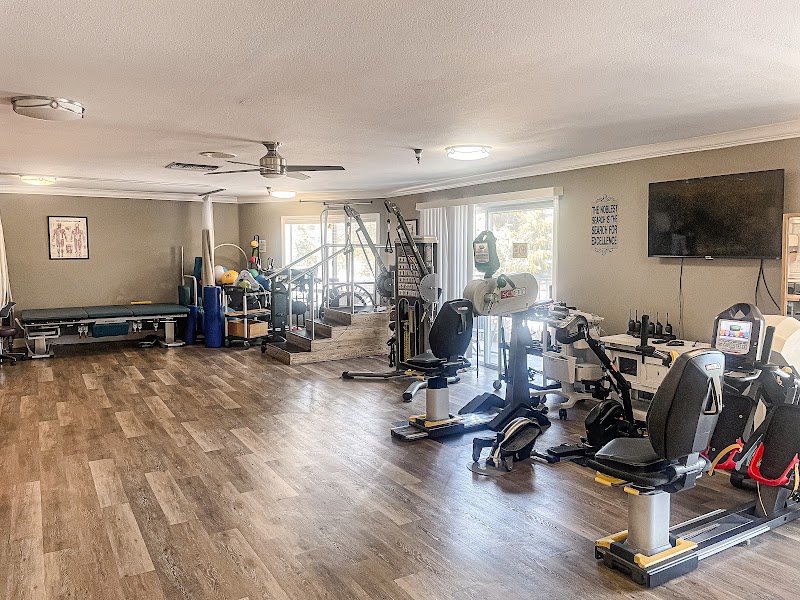
How is Madison Grove Post Acute Staffed?

CMS rates MADISON GROVE POST ACUTE's staffing level at 1 out of 5 stars, which is much below average compared to other nursing homes. Staff turnover is 38%, compared to the California average of 46%. This relatively stable workforce can support continuity of care. RN turnover specifically is 79%, which is notably high. RNs provide skilled clinical oversight, so turnover in this role can affect medical care quality.

What Have Inspectors Found at Madison Grove Post Acute?

State health inspectors documented 48 deficiencies at MADISON GROVE POST ACUTE during 2021 to 2025. These included: 1 that caused actual resident harm and 47 with potential for harm. Deficiencies causing actual harm indicate documented cases where residents experienced negative health consequences.
Who Owns and Operates Madison Grove Post Acute?

MADISON GROVE POST ACUTE is owned by a for-profit company. For-profit facilities operate as businesses with obligations to shareholders or private owners. The facility is operated by MADISON CREEK PARTNERS, a chain that manages multiple nursing homes. With 243 certified beds and approximately 232 residents (about 95% occupancy), it is a large facility located in REDLANDS, California.
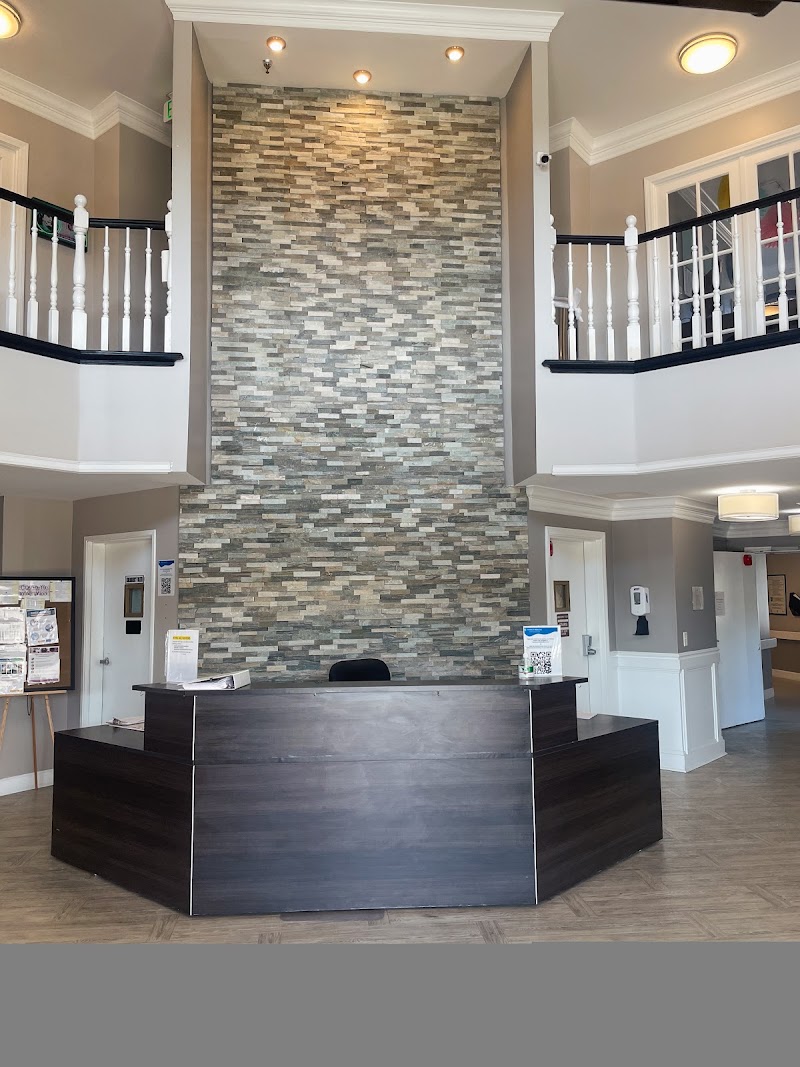
How Does Madison Grove Post Acute Compare to Other California Nursing Homes?

Compared to the 100 nursing homes in California, MADISON GROVE POST ACUTE's overall rating (1 stars) is below the state average of 3.1, staff turnover (38%) is near the state average of 46%, and health inspection rating (3 stars) is at the national benchmark.

What Should Families Ask When Visiting Madison Grove Post Acute?

Based on this facility's data, families visiting should ask: "Can you walk me through typical staffing levels on day, evening, and night shifts?" "Can I visit during a mealtime to observe dining assistance and food quality?" "How do you handle medical emergencies, and what is your hospital transfer rate?" "Can I speak with family members of current residents about their experience?" These questions are particularly relevant given the below-average staffing rating.

Is Madison Grove Post Acute Safe?

Based on CMS inspection data, MADISON GROVE POST ACUTE has a clean safety record: no substantiated abuse findings (meaning no confirmed cases of resident harm), no Immediate Jeopardy citations (the most serious violation level indicating risk of serious injury or death), and is not on the Special Focus Facility watch list (a federal program monitoring the lowest-performing 1% of nursing homes). The facility has a 1-star overall rating and ranks #100 of 100 nursing homes in California. While no facility is perfect, families should still ask about staff-to-resident ratios and recent inspection results during their visit.

Do Nurses at Madison Grove Post Acute Stick Around?

MADISON GROVE POST ACUTE has a staff turnover rate of 38%, which is about average for California nursing homes (state average: 46%). Moderate turnover is common in nursing homes, but families should still ask about staff tenure and how the facility maintains care continuity when employees leave.

Was Madison Grove Post Acute Ever Fined?

MADISON GROVE POST ACUTE has no federal fines on record. CMS issues fines when nursing homes fail to meet care standards or don't correct problems found during inspections. The absence of fines suggests the facility has either maintained compliance or corrected any issues before penalties were assessed. This is a positive indicator, though families should still review recent inspection reports for the full picture.

Is Madison Grove Post Acute on Any Federal Watch List?

MADISON GROVE POST ACUTE is not on any federal watch list. The most significant is the Special Focus Facility (SFF) program, which identifies the bottom 1% of nursing homes nationally based on persistent, serious quality problems. Not being on this list means the facility has avoided the pattern of deficiencies that triggers enhanced federal oversight. This is a positive indicator, though families should still review the facility's inspection history directly.