REDLANDS COMM HOSP D/P SNF


350 TERRACINA BLVD., REDLANDS, CA 92373 (909) 335-5644
Non profit - Corporation 16 Beds Independent Data: November 2025
Trust Grade
90/100
#174 of 1155 in CA
Last Inspection: November 2024

Within standard 12-15 month inspection cycle. Federal law requires annual inspections.

Overview

Redlands Comm Hosp D/P SNF has a Trust Grade of A, which means it is considered excellent and highly recommended for families seeking care for their loved ones. It ranks #174 out of 1,155 nursing facilities in California, placing it in the top half, and #11 out of 54 in San Bernardino County, indicating that only ten local options are better. However, the facility is facing a concerning trend as issues increased from 1 in 2023 to 3 in 2024. Staffing is a weakness, with a low rating of 1 out of 5 stars, though the turnover rate is impressively low at 0%, meaning staff stability is strong despite fewer caregivers. While there have been no fines reported, the facility has received 8 concerns related to food safety and resident dignity, such as inadequate hair restraints in the kitchen and serving meals without proper utensils or plates, which could negatively impact the residents' health and well-being.

Trust Score
A
90/100
In California
#174/1155
Top 15%
Safety Record
Low Risk
No red flags
Inspections
Getting Worse
1 → 3 violations
Staff Stability
○ Average
Turnover data not reported for this facility.
Penalties
✓ Good
No fines on record. Clean compliance history, better than most California facilities.
Skilled Nurses
○ Average
RN staffing data not reported for this facility.
Violations
○ Average
8 deficiencies on record. Average for a facility this size. Mostly minor or procedural issues.
★★★★★
5.0
Overall Rating
★☆☆☆☆
1.0
Staff Levels
★★★★★
5.0
Care Quality
★★★★★
5.0
Inspection Score
Stable
2023: 1 issues
2024: 3 issues

The Good

  • 5-Star Quality Measures · Strong clinical quality outcomes
  • Full Sprinkler Coverage · Fire safety systems throughout facility
  • No fines on record

Facility shows strength in quality measures, fire safety.

The Bad

No Significant Concerns Identified

This facility shows no red flags. Among California's 100 nursing homes, only 0% achieve this.

The Ugly 8 deficiencies on record

Nov 2024 3 deficiencies
CONCERN (D)

Potential for Harm - no one hurt, but risky conditions existed

Resident Rights (Tag F0550)

Could have caused harm · This affected 1 resident

**NOTE- TERMS IN BRACKETS HAVE BEEN EDITED TO PROTECT CONFIDENTIALITY** Based on observation, interview, and record review, the facility failed to ensure residents were treated with respect and dignit...

Read full inspector narrative →
**NOTE- TERMS IN BRACKETS HAVE BEEN EDITED TO PROTECT CONFIDENTIALITY** Based on observation, interview, and record review, the facility failed to ensure residents were treated with respect and dignity in an environment that enhances quality of life for two of five sampled residents (Residents 55 and 56) when lunch was served in a plastic bag with disposable plastic container and utensils and no placemat, tray or plate were provided. This failure resulted in Residents 55 and 56 not having a place to set their food when eating and having to place some items on the table when preparing their meal to eat which had the potential to negatively impact the residents' mental and psycho-social well-being. Findings: 1a. During a review of Resident 55's History and Physical (H&P-contains resident's medical history, physical examination and reason for admission to the facility), the H&P indicated, Resident 55 was admitted on [DATE], for physical therapy (PT-a treatment method where physical methods as massage, heat treatment and exercise are used rather than by drugs or surgery) and occupational therapy (OT-a treatment method where daily life activities are performed) after sustaining a right humerus (bone in the upper arm) fracture (broken bone). During a concurrent observation and interview on November 5, 2024, at 12:12 PM, in Resident 55's room, Certified Nurse Assistant (CNA) delivered Resident 55's lunch in a plastic bag, there was no placemat, tray or plate provided. The plastic lunch bag included the sandwich Resident 55 ordered, served in a plastic clam container (small container that can only accommodate a sandwich) cut in half and stacked. Packets of condiments (mustard and mayonnaise) provided along with a bag of plastic utensils. Resident 55 stated, she had not received any of her meals on a plate or tray since being admitted . Resident 55 further stated, meals were provided similar to how you would get takeout. During a concurrent observation and interview on November 6, 2024, at 8:53 AM, in Resident 55's room, Resident 55 was sitting in her chair finishing up breakfast which was served on a plate with a tray. Resident 55 stated, she was surprised when her breakfast was served on a plate with metal utensils as this was the first time, she had received her meal this way and wanted to know what the surveyor did to get this kind of service. Resident 55 further stated, it was nice to have a plate with metal utensils and room to eat because it was challenging with her previous meals since she can not use her right arm because of the fracture. Resident 55 stated, having a space to eat and a sturdy plate and utensils made her breakfast better. 1b. During a review of Resident 56's H&P, the H&P indicated, Resident 56 was admitted on [DATE], for PT and OT after sustaining a left hip fracture. During an interview on November 5, 2024, at 12:10 PM, with the Director of Dietary Services (DDS), the DDS stated, residents will receive a plastic bag with disposable food container or clam shell and disposable utensils if they are on any type of isolation precautions (barriers that help prevent the spread of germs). The DDS stated, if a patient has an order for precautions at 0600 AM they will receive all food on disposable items so that no contaminated items return to the cafeteria, it has been this way since pandemic. The DDS further stated, if there is an order to remove a resident from isolation precautions placed after 6:00 AM, food service will continue on disposable items for that day. During a concurrent observation and interview on November 5, 2024, at 12:20 PM, in the dining room, CNA delivered Resident 56's lunch in a plastic bag, there was no placemat, tray or plate provided. Resident 56's sandwich was served in a small clam shell container and packets of condiments were provided along with a paper bag of plastic utensils. Resident 56 prepared her sandwich with condiments which required stacking the lettuce and onion on the corner of the container, with the lettuce making contact with the surface of the table. Resident 56 stated, most meals come served this way, or in a foam container with disposable utensils and cups. During a concurrent interview and record review on November 7, 2024, at 9:57 AM, with the Director of Skilled Nursing (DSN) and Nurse M anager (NM), Resident 55's and 56's Order Summary dated November 5, 2024, was reviewed. The NM stated, there was no documented evidence Resident 55 and 56 had an order for isolation precautions since admission. The NM could not explain why these two resident's lunches were served in a plastic bag. During review of the facility policy and procedure (P&P) titled, Resident Rights dated May 2024, the P&P indicated, .A. Dignity: the facility must promote care for residents in a manner and in an environment that maintains or enhances each resident's dignity and respect .E. Accommodation of Needs: A resident has the right to 1. Reside and receive services in the facility with reasonable accommodation of individual needs and preferences .H. Environment: 1. A safe, clean, comfortable, and homelike environment .
CONCERN (D)

Potential for Harm - no one hurt, but risky conditions existed

Deficiency F0638 (Tag F0638)

Could have caused harm · This affected 1 resident

**NOTE- TERMS IN BRACKETS HAVE BEEN EDITED TO PROTECT CONFIDENTIALITY** Based on interview and record review, the facility failed to ensure the quarterly Resident Assessment Instrument/Minimum Data Se...

Read full inspector narrative →
**NOTE- TERMS IN BRACKETS HAVE BEEN EDITED TO PROTECT CONFIDENTIALITY** Based on interview and record review, the facility failed to ensure the quarterly Resident Assessment Instrument/Minimum Data Set (RAI/MDS- a facility assessment and care planning process used by nursing home staff as required by the Centers of Medicare and Medicaid Services [CMS]) was completed and submitted to CMS in accordance with federal submission timeframes, for one of six reviewed for resident assessment (Resident 1). This failure resulted in inadequate monitoring of progress or decline for Resident 1 and the lack of resident specific information to CMS for payment and quality measure monitoring. Findings: During a review of Resident 1's History and Physical (H&P -contains resident's medical history, physical examination and reason for admission to the facility), the H&P indicated, Resident 1 was admitted to the facility on [DATE], with diagnoses which included diabetes mellitus ( a disease that causes your blood sugar to be too high), end stage renal disease (ESRD - kidney failure) and osteomyelitis (an infection inside a bone) to the left foot. During a concurrent interview and record review on November 7, 2024, at 10:40 AM, with the MDS Nurse (MDSN), Resident 1's MDS assessment data was reviewed. The quarterly MDS assessment, that was due September 18, 2024, was not submitted (36 days past due). The MDSN stated, the MDS assessment was not completed and was not submitted because CMS was updating the system. The facility policy and procedure (P&P) was requested related to the MDS assessment. The MDSN stated, the facility does not have a policy regarding MDS assessments, and that the facility follows the MDS RAI manual. The MDSN agreed that the MDS assessment should have been submitted on October 2, 2024. During a review of CMS's Resident Assessment Instrument Version 2.0 Manual (RAI), the RAI indicated, Chapter 2 .Assuming the resident does not have any significant changes in status or is not discharged from the facility, the next assessment in the [MDS] assessment schedule is the Quarterly assessment. The Quarterly assessment is to be completed within 92 days of the R2b (signed completion) date of the admission assessment. The [MDS] schedule would continue with another Quarterly assessment to be completed within 92 days of the R2b of the previous Quarterly . During a review of facility Job Description (JD) titled, MDS Coordinator/DSD, RN, dated July 1, 2024, was reviewed. The JD indicated, .Position Specific Responsibilities .Resident Assessment .Conducts and coordinates the development and completion of the resident assessment (MDS) in a timely manner in accordance with current rules, regulations and guidelines .Assigns assessment reference date and starts the schedule of assessments for all residents with the interdisciplinary team .
CONCERN (D)

Potential for Harm - no one hurt, but risky conditions existed

Infection Control (Tag F0880)

Could have caused harm · This affected 1 resident

**NOTE- TERMS IN BRACKETS HAVE BEEN EDITED TO PROTECT CONFIDENTIALITY** Based on observation, interview and record review, the facility failed to follow policy and procedure (P&P) for four of five res...

Read full inspector narrative →
**NOTE- TERMS IN BRACKETS HAVE BEEN EDITED TO PROTECT CONFIDENTIALITY** Based on observation, interview and record review, the facility failed to follow policy and procedure (P&P) for four of five residents when: 1. Staff failed to perform hand hygiene during medication administration and having direct contact with three residents (Resident 55, 56, and 106). 2. Intravenous (IV-into the vein) tubing was not used according to standards of practice for one resident (Resident 57) when the facilities policy and procedure (P&P) for IV therapy was not updated. These failures had the potential to place patients at a greater risk for spreading of infection from cross-contamination (the transfer of harmful bacteria) causing a preventable bloodstream infection, and negatively impact residents' health and safety. Findings: 1a. During a review of Resident 106's Admitting Form (a demographic data about the resident), the Admitting Form indicated, Resident 106 was admitted to the facility on [DATE], for physical therapy (PT-a treatment method where physical methods as massage, heat treatment and exercise are used rather than by drugs or surgery) and occupational therapy (OT-a treatment method where daily life activities are performed). During an observation on November 6, 2024, at 8:48 AM, Licensed Vocational Nurse 1 (LVN 1) was observed leaving Resident 106's room without hand washing. LVN 1 went to the Omnicell (a medication dispensing system) and got Norco (a combination of hydrocodone and acetaminophen to treat pain) 7.5 milligrams (mg-unit dosing medication) and 325 mg. LVN 1 came back to Resident 106's room and administered Norco to Resident 106 without hand washing and sanitizing (kill germ) the medication cart. 1b. During a review of Resident 55's History and Physical (H&P -contains resident's medical history, physical examination and reason for admission to the facility), the H&P indicated, Resident 55 was admitted on [DATE], for PT and OT after sustaining a right humerus (bone in the upper arm) fracture (broken bone). During an observation on November 6, 2024, at 8:57 AM, in Patient 55's room, LVN 1 left Patient 55's room to get a pain medication from the Omnicell. LVN 1 did not perform hand washing or hand sanitizing upon returning to the room with the pain medication and did not perform hand hygiene before giving Patient 55 her medication. 1c. During a review of Resident 56's H&P, the H&P indicated, Resident 56 was admitted on [DATE], for PT and OT after sustaining a left hip fracture. During an observation on November 6, 2024, at 9:07 AM, after exiting Patient 55's room, LVN 1 entered Patient 56's room without performing hand washing or hand sanitizing. Hand hygiene was not performed by LVN 1 prior to administering Patient 56's medication. During an interview on November 6, 2024, at 9:11 AM, with LVN 1, LVN 1 stated, she washes her hands when entering a resident's room and there is no need for washing or sanitizing her hand after she gets her medicines from the Omnicell. LVN 1 further stated, hand hygiene needed to be performed in-between each patient when performing patient care. During an interview on November 8, 2024, at 9:20 AM, with the Infection Preventionist Nurse (IPN), The IPN stated, staff are expected to wash hands after administering medication and after each resident care. The IPN further stated, staff should also wash hands after touching any objects and before caring for residents to prevent the spread of infection. During a concurrent interview and record review on November 8, 2024, at 9:30 AM, with the Director Skilled Nursing (DSN), the facility's policy and procedure (P&P) titled, Medication Administration Using Electronic Medication Administration Record (e MAR)/BMV and Infection Control, dated April 23, 2024, was reviewed. The P&P indicated, PURPOSE 1. To prevent contamination and spread of microorganism. PROCEDURE A. Five key areas to be disinfected after each patient use :1. Keyboard 2. Mouse 3. Screen 4. Scanner 5. Countertop/Handle B. Standard Precautions for all patient.1. Wash your hands or sanitize with alcoholic gel .5. dispose of trash and wash or sanitize the hands. 6. Put on the gloves and wipe the five key areas of the cart with the hospital approved disinfectant.7. Wash your hands or sanitize with alcohol gel . The DSN stated, as you have the direct observation with the staff, staff is supposed to wash her hands as per policy, so policy was not followed. During a concurrent interview and record review on November 8, 2024, at 9:32 AM, with the DSN, the facility's policy and procedure P&P titled, Hand Hygiene, dated April 23, 2024, was reviewed. The P&P indicated, PURPOSE 1. Hand hygiene reduces the risk of infection from patient to patient and from patient to health care provider .3. Hand Hygiene minimizes counts of both transient and resident skin flora. 4. Hand Hygiene is generally considered the single most important procedure for preventing hospital acquired infections . The DSN stated, staff is expected to wash hands to prevent spread of infection. 2. During a review of Resident 57's H&P, the H&P indicated, Resident 57 was admitted on [DATE], for an infected left knee and continued intravenous antibiotic (medication used to treat an infection) with PT and OT. During an observation on November 5, 2024, at 9:59 AM, in Patient 57's room, Ceftriaxone (an antibiotic) 2 Grams (gm - unit of measurement) was hanging from the IV pole with the IV tubing dated November 2, 2024. The IV was not connected to Patient 57, the end of the IV tubing was circled around on self and connected to the IV tubing's medication port. There was no cap noted to the end of the IV. During a concurrent interview and record review on November 5, 2024, at 11:30 AM, with the DSN and Nurse Manager 2 (NM2), the facility's P&P titled, Intravenous Administration, dated October 2024, was reviewed. The P&P indicated, .3. Aseptic technique/standard precautions will be used in all IV insertion and maintenance .13. Tubing will be changed every 96 hours or PRN (as needed) . The NM2 stated, IV tubing needs to be replaced every 96 hours per the policy and does not differentiate between how the tubing is used, such as intermittent (tubing that is disconnected after infusion and reconnected for the next dose). The DSN stated, there was no mention of how to cap the IV tubing during intermittent IV medication administration in the facility policy. The DSN further stated, the staff will loop around the end of the tubing and secure to the medication port between doses, this practice is not included in the P&P. The DSN stated, the facility does not have sterile caps for intermittent IV tubing. During a concurrent interview and record review on November 8, 2024, at 10:00 AM, with the IPN, the facility's P&P titled Intravenous Administration, dated October 2024, was reviewed. The P&P referenced Infusion Nurses Society Standard as the resource for this P&P. The current Infusion Nurses Society Standard dated January/February 2024 indicated, .standards of practice . intermittent IV tubing should be changed every 24 hours . If the tubing is to be reused within 24 hours, it should be covered with a sterile covering device . The IPN stated, the facility Intravenous Administration P&P was not updated with the current stands of practice per the reference cited in the P&P. The IPN further stated, the purpose of updating P&P's to current standards of practice is to prevent infection.
Nov 2023 1 deficiency
CONCERN (F)

Potential for Harm - no one hurt, but risky conditions existed

Food Safety (Tag F0812)

Could have caused harm · This affected most or all residents

Based on observation, interview, and record review the facility failed to maintain a sanitary kitchen in accordance with professional standards for food safety when: 1. In the kitchen entrance, there ...

Read full inspector narrative →
Based on observation, interview, and record review the facility failed to maintain a sanitary kitchen in accordance with professional standards for food safety when: 1. In the kitchen entrance, there was no available hair restraints (such as hair nets and beard restraints) for kitchen staff and visitors to use. 2. Three kitchen staff, who had beards, were not wearing beard restraints while working inside the kitchen. These failures had the potential to cause foodborne illnesses to 8 medically compromised residents who receive food served by the kitchen. Findings: During a concurrent observation and interview, on November 13, 2023, at 8:29 AM, with the Kitchen Manager (Manager 1), the kitchen entrance was inspected. There was no available hair nets and beard restraints for staff and visitors to use upon entering the kitchen. The Manager 1 acknowledged the findings, and stated hair nets and beard restraints should be easily accessible near the kitchen entrance door. During a concurrent observation and interview, on November 13, 2023, at 9:20 AM, with the Associate Chef (Chef 1), in the kitchen, by the food preparation area, Chef 1 was observed to have a beard. He was not wearing a beard restraint. He stated that he doesn't need to wear a beard restraint since his beard was short. Chef 1 stated he was responsible for overseeing the food preparation for the café and tray line (a system of food preparation in which trays move along an assembly line). During a concurrent observation and interview, on November 13, 2023, at 9:56 AM, with the Kitchen Storekeeper (SK 1), in the kitchen, by the storage area, SK 1 was observed to have a beard and was not wearing a beard restraint. SK 1 stated the facility policy requires the kitchen staff to wear a beard restraint to conceal their facial hair. He stated that although he used to keep his beard trimmed, it has currently grown longer, resulting in a violation of the policy. During a concurrent observation and interview, on November 13, 2023, at 10:02 AM, with the Chef (Chef 2), in the kitchen, by the food preparation area, Chef 2 was observed to have a beard. He was not wearing a beard restraint. Chef 2 stated his beard was less than a quarter inch long, so he didn't need to wear a beard restraint. However, when asked how he determined the length of his beard, he admitted that he didn't know. Chef 2 stated his responsibilities included creating menus, managing the kitchen, and overseeing catering and cafeteria operations. During a concurrent observation and interview, on November 13, 2023, at 10:14 AM, with Manager 1, in the kitchen, by the food preparation area, Manager 1 acknowledged the kitchen staff who have beards were not wearing beard restraints. Manager 1 was asked to provide a policy regarding beard restraints, and she stated the facility has a policy for hair, but no policy specific to beards. She stated that she was aware of the Food and Drug Administration (FDA) regulation concerning the restraint policy for hair, beards, and body hair. A review of the facility Food and Nutrition Services, Policy Number: 1101, dated September 1994, indicated, .2. All vendors, staff, etc. are required to wear a hospital approved hat or hair net in the kitchen. Exception: hair net is not required when the head is devoid of hair. During a review of the 2023 Food Code, U.S. (United States) FDA dated 2023, the Food Code indicated, 2-402.11 (A) Except as provided in (B) of this section, FOOD EMPLOYEES shall wear hair restraints such as hats, hair coverings or nets, beard restraints, and clothing that covers body hair, that are designed and worn to effectively keep their hair from contacting exposed FOOD; clean EQUIPMENT, UTENSILS, and LINENS; and unwrapped SINGLE-SERVICE and SINGLE-USE ARTICLES. Consumers are particularly sensitive to food contaminated by hair. Hair can be both a direct and indirect vehicle of contamination. Food employees may contaminate their hands when they touch their hair. A hair restraint keeps dislodged hair from ending up in the food and may deter employees from touching their hair.
Oct 2022 4 deficiencies
CONCERN (D)

Potential for Harm - no one hurt, but risky conditions existed

Deficiency F0582 (Tag F0582)

Could have caused harm · This affected 1 resident

**NOTE- TERMS IN BRACKETS HAVE BEEN EDITED TO PROTECT CONFIDENTIALITY** Based on interview and record review, the facility failed to complete [FACILITY NAME] Notice of Medicare Non-Coverage (a form th...

Read full inspector narrative →
**NOTE- TERMS IN BRACKETS HAVE BEEN EDITED TO PROTECT CONFIDENTIALITY** Based on interview and record review, the facility failed to complete [FACILITY NAME] Notice of Medicare Non-Coverage (a form that contains information regarding the end date of Medicare covered services) for one of three (3) sampled residents (Resident 1). This failure had the potential for the resident to be uninformed regarding his/her specific rights and protections related to financial liability for potential incurred medical expenses as well as the right to appeal. Findings: During a review of Resident 1's clinical record titled, Admitting Form (contains the resident's demographics), the document indicated, Resident 1 was admitted to the facility on [DATE], due to needed medical treatments for a left foot infection (invasion and multiplication of bacteria, viruses, and/or parasites that are not normally present within the body). Resident 1 was discharged from the facility to home on June 23, 2022. During a review of Resident 1's clinical record titled, [HOSPITAL NAME] PDOC Progress Notes (Physician Documentation) , dated June 23, 2022, at 1:52 PM, by Physician 1, indicated, Resident 1 was scheduled to be discharged home and continue antibiotics at home for one week. During a review of the Facility's document titled, [FACILITY NAME] Notice of Medicare Non-Coverage, undated, indicated, The Effective Date Coverage of Your Current Transitional Care Unit Services Will End: ______. Your Medicare provider and/or health plan have determined that Medicare probably will not pay for your current {insert type} services after the effective date indicated above. You may have to pay for any services you receive after the above date. Your Right to Appeal This Decision-You have the right to an immediate, independent medical review (appeal) of the decision to end Medicare coverage of these services. Your services will continue during the appeal . During an interview with the DON on October 13, 2022, at 9:00 AM, the DON stated, the [FACILITY NAME] Notice of Medicare Non-Coverage form was not provided to Resident 1 due to the process being overlooked. During an interview on October 13, 2022, at 9:08 AM, with the Care Manager (CM), stated, the process of discharging a resident from Facility is, the CM communicates with the Physician and determines when the resident is ready for discharge. Once the decision has been made for the discharge, the CM calls the business office, and the Medicare discharge forms are provided to the resident 48 hours prior to discharge. During a joint concurrent interview and record review of the facility's Policy and Procedure (P&P) with the DON and the CM, on October 13, 2022, at 9:10 AM, [FACILITY NAME] Patient Care Policy Subject: Medicare Appeal Rights, dated October 14, 2019, was reviewed. [FACILITY NAME] Patient Care Policy Subject: Medicare Appeal Rights indicated, Policy: It is the policy of [FACILITY NAME] to issue the Important Message for Medicare (IMM), to explain the Message to patients and/or designees, and to have the patients and/or designees sign indicating their understanding of their discharge rights. This message must be delivered and explained upon admission and no more than forty eight (48) hours prior to discharge. The DON and CM concurrently acknowledged that the Facility P&P was not followed. During a concurrent interview and Job Description (JD) review with the DON on October 13, 2022, at 1:32 PM, Facility 's document titled, Assessment Template Preview: Assessment Name: Care Manager (2021-07): [FACILITY NAME], dated July 7, 2021, was reviewed. Assessment Template Preview: Assessment Name: Care Manager (2021-07): [FACILITY NAME], indicated, . The purpose of the Care Manager position is to support the physician . in facilitating patient care, the underlying objective of enhancing the quality of clinical outcomes and patient satisfaction . The role integrates and coordinates utilization management, care facilitation and discharge planning functions. The Care Manager is accountable to a designated patient caseload and plans effectively in order to meet patient needs, manage the length of stay, and promote efficient utilization or resources. The DON acknowledged the CM did not fulfill the job description when Resident 1 was not provided the [FACILITY NAME] Notice of Medicare Non-Coverage form.
CONCERN (D)

Potential for Harm - no one hurt, but risky conditions existed

Drug Regimen Review (Tag F0756)

Could have caused harm · This affected 1 resident

Based on interview and record review, the facility failed to ensure the Pharmacy Consultant (PC- provides expert clinical guidance to healthcare providers on the appropriate use of medication) complet...

Read full inspector narrative →
Based on interview and record review, the facility failed to ensure the Pharmacy Consultant (PC- provides expert clinical guidance to healthcare providers on the appropriate use of medication) completed a monthly Drug Regimen Review (DRR- a review of all medications a resident is currently using in order to identify any potential adverse effects and drug reactions, including ineffective drug therapy, significant side effects, significant drug interactions, duplicate drug therapy, and noncompliance with drug therapy) for two out of nine months reviewed. This failure had the potential to cause adverse consequences which may result from or be associated with medications that could jeopardize the health and safety of the vulnerable population from an universe of seven residents. Findings: During an interview with the Director of Nursing (DON) on October 12, 2022, at 8:45 AM, the DON stated, the facility conducts monthly drug regimen reviews for the residents. During a concurrent interview and record review with the PC, on October 12, 2022, at 10:40 AM, of the facility's Consultant Pharmacist's Monthly Drug Regimen Review, was reviewed. Facility's Consultant Pharmacist's Monthly Drug Regimen Review indicated, there were missing monthly DRR for the months of March 2022 and September 2022. The PC stated, March 2022 was missed due to scheduling conflicts, and September 2022 was missed because he was sick. The PC stated, the drug regimen review for both months should have been completed. During a review of the facility's policy and procedure (P&P), titled, Pharmacy Services, dated April 2022, indicated, Guideline: .B. The consultant pharmacist will: .1. Review the drug regime (sic) of each resident in the unit once a month and report any irregularities in writing to the Nurse Manager/DON and individual resident's physician when appropriate .
CONCERN (D)

Potential for Harm - no one hurt, but risky conditions existed

Infection Control (Tag F0880)

Could have caused harm · This affected 1 resident

**NOTE- TERMS IN BRACKETS HAVE BEEN EDITED TO PROTECT CONFIDENTIALITY** Based on observation, interview, and record review, the facility failed to observe infection prevention and control measures whe...

Read full inspector narrative →
**NOTE- TERMS IN BRACKETS HAVE BEEN EDITED TO PROTECT CONFIDENTIALITY** Based on observation, interview, and record review, the facility failed to observe infection prevention and control measures when: 1. A Registered Nurse 1 (RN 1) did not perform hand hygiene before wearing gloves and administering eye drop medication to Resident 60. This had the potential to cause contamination of medication and/or transmission of harmful germs related to health care-associated infections. 2. The Food Service Worker (FSW) failed to observe that personal food items shall not be stored at work stations. This had the potential to cause cross-contamination of food that can cause foodborne illness. Findings: 1. During a review of Resident 60's clinical document titled, Admitting Form (a document that contains the resident's demographic information), indicated Resident 60 was admitted on [DATE]. During a record review of Resident 60's Physician's Orders, dated September 28, 2022, indicated, an order for Timolol Maleate 0.5% twice a day (Timolol- a medication used as an eye drop to treat increased pressure in the eye). During a concurrent observation and interview with the RN 1, on October 11, 2022, at 8:51 AM, RN 1 was observed wearing gloves while administering a medication patch on the back of Resident 60. RN 1 removed the gloves after administering the patch, then wore a new set of gloves without observing hand hygiene, then administered the eye medication Timolol to Resident 60. RN 1 was asked about the facility's policy and procedure regarding donning (putting or wearing) off and on of gloves, RN 1 stated, they are expected to observe hand hygiene after removing gloves and before putting on new gloves. RN 1 further stated, he should have performed hand hygiene between every glove change and prior to administering the eye medication. During a record review of the facility's policy and procedure (P&P), titled, Patient Care, approved October 10, 2019, indicated, Subject: Hand Hygiene .Policy: A. Indications for Hand Hygiene .3. Before and after direct contact with patients, blood/body fluids or equipment and environmental items that is likely to be contaminated .6. After donning gloves and after removing gloves . 2. During a tour of the facility's kitchen with the Director of Food and Nutrition (DFN), on October 10, 2022, at 12:10 PM, observed three individually wrapped sweet bread on top of a shelf above the dishwashing sink. The DFN asked the FSW to remove it from the kitchen work station. During an interview with the FSW on October 11, 2022, at 12:03 PM, the FSW confirmed the three individually wrapped sweet breads were his personal food. The FSW stated, the facility has a locker room where they can place their personal belongings, and a refrigerator dedicated for staff use. The FSW further stated, personal food should not be kept in the work area inside the kitchen. During a concurrent interview and record review, with the [NAME] President for Professional and General Services (VP) on October 13, 2022, at 2:31 PM, facility's policy and procedure (P&P), titled, Food and Nutrition Services, effective October 2022, was reviewed. The P&P indicated, Subject: Personal Food at Work Stations. Purpose: To ensure that the risks associated with cross-contamination are minimized .Guidelines: 2. Personal food items shall not be stored at work station . The VP stated, the facility did not follow their P&P.
CONCERN (F)

Potential for Harm - no one hurt, but risky conditions existed

Food Safety (Tag F0812)

Could have caused harm · This affected most or all residents

Based on observation, interview, and record review, the facility failed to follow proper sanitation and food safety practices to prevent foodborne illnesses when wet trays were stacked and stored toge...

Read full inspector narrative →
Based on observation, interview, and record review, the facility failed to follow proper sanitation and food safety practices to prevent foodborne illnesses when wet trays were stacked and stored together in the kitchen. This failure had the potential to promote bacterial growth that could lead to foodborne illnesses for a medically compromised population of seven out of seven residents who received nutrition from the facility's kitchen. Findings: During a concurrent observation and interview, with the Director of Food and Nutrition (DFN) on October 10, 2022, at 12:15 PM, 12 half-size pans and eight (8) full-size pans (pans- cooking utensils that are built with a flat bottom and raised sides to hold or prepare food ingredients. Two half pans can fill the same space as one full-size pan) were stacked wet on top of each other on a shelf. The DFN stated, those pans were washed and cleansed and further stated the pans are usually air-dried after washing then stored. The DFN stated, the pans shouldn't be stacked together wet because this can promote bacterial growth. During an interview and record review, with the [NAME] President of Professional and General Services (VP), on October 13, 2022, at 2:31 PM, facility's policy and procedure (P&P), titled, Food and Nutrition Services, dated October 2022, indicated, Subject: Ware Washing Procedure .Guidelines: Dishware could be washed manually or by utilizing a dish washing machine .5. Air dry the dishware. The VP stated, the facility did not follow their P&P. In a review of the FDA Federal Food Code 2017, 4-901.11 titled, Equipment and Utensils, Air Drying Required, the Food Code indicated, Items must be allowed to drain and to air-dry before being stacked or stored. Stacking wet items such as pans prevents them from drying and may allow an environment where microorganisms can begin to grow.
Understanding Severity Codes (click to expand)
Life-Threatening (Immediate Jeopardy)
J - Isolated K - Pattern L - Widespread
Actual Harm
G - Isolated H - Pattern I - Widespread
Potential for Harm
D - Isolated E - Pattern F - Widespread
No Harm (Minor)
A - Isolated B - Pattern C - Widespread

Questions to Ask on Your Visit

  • "Can I speak with families of current residents?"
  • "What's your RN coverage like on weekends and overnight?"

Our Honest Assessment

Strengths
  • • Grade A (90/100). Above average facility, better than most options in California.
  • • No major safety red flags. No abuse findings, life-threatening violations, or SFF status.
  • • No fines on record. Clean compliance history, better than most California facilities.
Concerns
  • • No significant concerns identified. This facility shows no red flags across CMS ratings, staff turnover, or federal penalties.
Bottom line: Generally positive indicators. Standard due diligence and a personal visit recommended.

About This Facility

What is Redlands Comm Hosp D/P Snf's CMS Rating?

CMS assigns REDLANDS COMM HOSP D/P SNF an overall rating of 5 out of 5 stars, which is considered much above average nationally. Within California, this rating places the facility higher than 99% of the state's 100 nursing homes. This rating reflects solid performance across the metrics CMS uses to evaluate nursing home quality.

How is Redlands Comm Hosp D/P Snf Staffed?

CMS rates REDLANDS COMM HOSP D/P SNF's staffing level at 1 out of 5 stars, which is much below average compared to other nursing homes.

What Have Inspectors Found at Redlands Comm Hosp D/P Snf?

State health inspectors documented 8 deficiencies at REDLANDS COMM HOSP D/P SNF during 2022 to 2024. These included: 8 with potential for harm.

Who Owns and Operates Redlands Comm Hosp D/P Snf?

REDLANDS COMM HOSP D/P SNF is owned by a non-profit organization. Non-profit facilities reinvest revenue into operations rather than distributing to shareholders. The facility operates independently rather than as part of a larger chain. With 16 certified beds and approximately 5 residents (about 31% occupancy), it is a smaller facility located in REDLANDS, California.
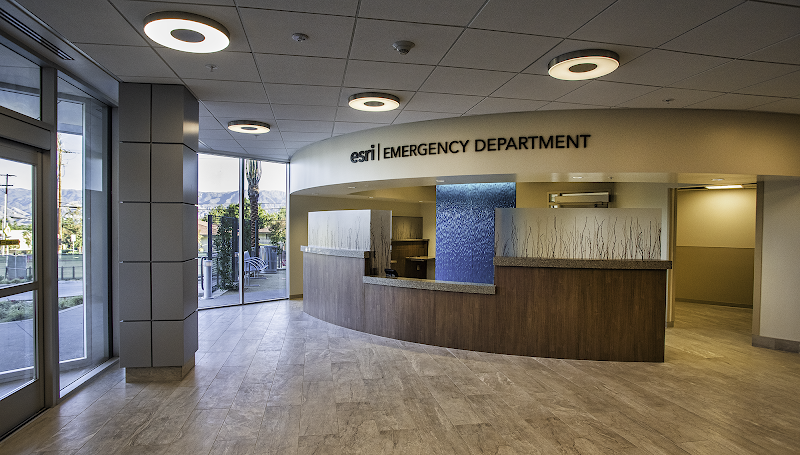
How Does Redlands Comm Hosp D/P Snf Compare to Other California Nursing Homes?

Compared to the 100 nursing homes in California, REDLANDS COMM HOSP D/P SNF's overall rating (5 stars) is above the state average of 3.2 and health inspection rating (5 stars) is much above the national benchmark.

What Should Families Ask When Visiting Redlands Comm Hosp D/P Snf?

Based on this facility's data, families visiting should ask: "Can you walk me through typical staffing levels on day, evening, and night shifts?" "Can I visit during a mealtime to observe dining assistance and food quality?" "How do you handle medical emergencies, and what is your hospital transfer rate?" "Can I speak with family members of current residents about their experience?" These questions are particularly relevant given the below-average staffing rating.

Is Redlands Comm Hosp D/P Snf Safe?

Based on CMS inspection data, REDLANDS COMM HOSP D/P SNF has a clean safety record: no substantiated abuse findings (meaning no confirmed cases of resident harm), no Immediate Jeopardy citations (the most serious violation level indicating risk of serious injury or death), and is not on the Special Focus Facility watch list (a federal program monitoring the lowest-performing 1% of nursing homes). The facility has a 5-star overall rating and ranks #1 of 100 nursing homes in California. While no facility is perfect, families should still ask about staff-to-resident ratios and recent inspection results during their visit.

Do Nurses at Redlands Comm Hosp D/P Snf Stick Around?

REDLANDS COMM HOSP D/P SNF has not reported staff turnover data to CMS. Staff turnover matters because consistent caregivers learn residents' individual needs, medications, and preferences. When staff frequently change, this institutional knowledge is lost. Families should ask the facility directly about their staff retention rates and average employee tenure.

Was Redlands Comm Hosp D/P Snf Ever Fined?

REDLANDS COMM HOSP D/P SNF has no federal fines on record. CMS issues fines when nursing homes fail to meet care standards or don't correct problems found during inspections. The absence of fines suggests the facility has either maintained compliance or corrected any issues before penalties were assessed. This is a positive indicator, though families should still review recent inspection reports for the full picture.

Is Redlands Comm Hosp D/P Snf on Any Federal Watch List?

REDLANDS COMM HOSP D/P SNF is not on any federal watch list. The most significant is the Special Focus Facility (SFF) program, which identifies the bottom 1% of nursing homes nationally based on persistent, serious quality problems. Not being on this list means the facility has avoided the pattern of deficiencies that triggers enhanced federal oversight. This is a positive indicator, though families should still review the facility's inspection history directly.