GRANCELL VILLAGE OF THE JEWISH HOMES FOR THE AGING
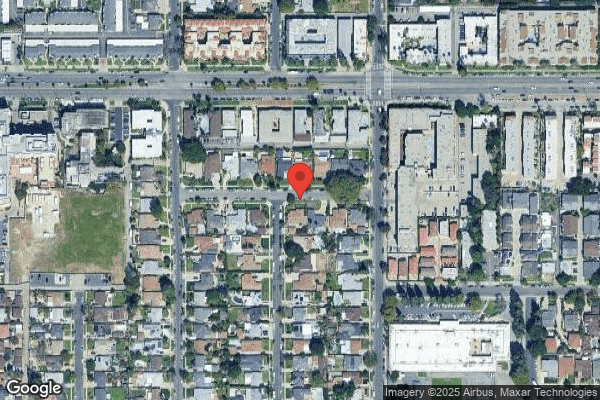
7150 TAMPA AVE, RESEDA, CA 91335 (818) 774-3000
Non profit - Corporation 105 Beds Independent Data: November 2025
Trust Grade
85/100
#84 of 1155 in CA
Last Inspection: January 2025

Within standard 12-15 month inspection cycle. Federal law requires annual inspections.

Overview

Grancell Village of the Jewish Homes for the Aging has received a Trust Grade of B+, indicating it is above average and generally recommended for families seeking care. It ranks #84 out of 1,155 facilities in California, placing it in the top half, and #19 out of 369 in Los Angeles County, suggesting that only a few local options are better. The facility is improving, having reduced its issues from 14 in 2024 to 13 in 2025, and it boasts excellent staffing with a 5/5 star rating and a low 20% turnover, indicating that staff are consistent and familiar with the residents. Notably, there have been no fines, which is a positive sign for compliance, but there are some concerning incidents, such as failing to develop proper care plans for residents, which could impact their safety and medication management. Overall, while there are strengths in staffing and compliance, the facility needs to address its care planning process to ensure all residents receive appropriate and safe care.

Trust Score
B+
85/100
In California
#84/1155
Top 7%
Safety Record
Low Risk
No red flags
Inspections
Getting Better
14 → 13 violations
Staff Stability
✓ Good
20% annual turnover. Excellent stability, 28 points below California's 48% average. Staff who stay learn residents' needs.
Penalties
✓ Good
No fines on record. Clean compliance history, better than most California facilities.
Skilled Nurses
✓ Good
Each resident gets 51 minutes of Registered Nurse (RN) attention daily — more than average for California. RNs are trained to catch health problems early.
Violations
⚠ Watch
43 deficiencies on record. Higher than average. Multiple issues found across inspections.
★★★★★
5.0
Overall Rating
★★★★★
5.0
Staff Levels
★★★★★
5.0
Care Quality
★★★★☆
4.0
Inspection Score
Stable
2024: 14 issues
2025: 13 issues

The Good

  • 5-Star Staffing Rating · Excellent nurse staffing levels
  • 5-Star Quality Measures · Strong clinical quality outcomes
  • Low Staff Turnover (20%) · Staff stability means consistent care
  • Full Sprinkler Coverage · Fire safety systems throughout facility
  • No fines on record
  • Staff turnover is low (20%)

    28 points below California average of 48%

Facility shows strength in staffing levels, quality measures, staff retention, fire safety.

The Bad

No Significant Concerns Identified

This facility shows no red flags. Among California's 100 nursing homes, only 1% achieve this.

The Ugly 43 deficiencies on record

Jan 2025 12 deficiencies
CONCERN (D)

Potential for Harm - no one hurt, but risky conditions existed

Deficiency F0558 (Tag F0558)

Could have caused harm · This affected 1 resident

Based on observation, interview and record review, the facility failed to ensure the call light (a device used by a resident to signal his/her need for assistance from staff) was within the resident`s...

Read full inspector narrative →
Based on observation, interview and record review, the facility failed to ensure the call light (a device used by a resident to signal his/her need for assistance from staff) was within the resident`s reach while in bed for one out of one sampled resident (Resident 171) during review of the environment task. This deficient practice had the potential to delay the provision of services and resident`s needs not being met. Findings: During review of Resident 171's Face Sheet, the Face Sheet indicated the facility admitted the resident on 12/30/2024 with diagnoses including dysphagia (difficulty swallowing) and chronic obstructive pulmonary disease (prevents airflow to the lungs, causing breathing problems). During a review of Resident 171's Minimum Data Set (MDS- a standardized assessment and screening tool) dated 01/05/2025, the MDS indicated Resident 171's cognition (a mental process of acquitting knowledge and understanding) is intact. The MDS indicated Resident 171 required substantial assistance with toileting hygiene, shower, dressing and moderate assistance with personal hygiene. During a review of Resident 171's care plan (a written document that summarizes a resident's needs, goals, and care/treatment) titled, At Risk for Self-Care Deficits and Impaired Mobility, created on 12/31/2024, the care plan indicated an intervention to provide appropriate level of care to meet resident`s needs such as: daily personal care and assist with transfers, bed mobility and locomotion until able to perform independently. During a concurrent observation and interview on 01/13/2025 at 11:20 a.m., observed Resident 171's call light cord hanging on the bed siderail with the call button at the bottom of the bed. Resident 171 stated she needs her nurse and does not know where the call light is. During a concurrent observation and interview on 01/13/2025 at 11:20, Registered Nurse 1 (RN 1) came to Resident 171's room to check on the resident after she (RN 1) was informed that Resident 171 needs assistance. RN 1 confirmed the observation that resident`s call light button was positioned below the bed. RN 1 stated that call light should be within the resident's reach so the resident can use it to call for assistance. During an interview on 01/14/2025 at 4:21 p.m., with the Director of Nursing (DON), the DON stated that residents are provided with a call light so they can call staff for assistance and the call light should be placed within reach of the residents. The DON stated that if the call light is not within reach, the residents needs may not be met and they may get frustrated and attempt to get out of the bed unassisted, resulting to falls and injuries. During a review of the facility`s policy and procedure, titled Answering Call Lights, last reviewed and approved on 10/2024, the policy and procedure indicated that it is the policy of this facility that all residents/patients utilizing call lights have their needs and requests responded to and met . when the resident/patient is in bed or confined to a chair be sure the call light is within easy reach of the resident/patient .
CONCERN (D)

Potential for Harm - no one hurt, but risky conditions existed

MDS Data Transmission (Tag F0640)

Could have caused harm · This affected 1 resident

**NOTE- TERMS IN BRACKETS HAVE BEEN EDITED TO PROTECT CONFIDENTIALITY** Based on interview and record review, the facility failed to ensure the Minimum Data Set (MDS - a standardized assessment and sc...

Read full inspector narrative →
**NOTE- TERMS IN BRACKETS HAVE BEEN EDITED TO PROTECT CONFIDENTIALITY** Based on interview and record review, the facility failed to ensure the Minimum Data Set (MDS - a standardized assessment and screening tool) was transmitted timely to the Centers for Medicare and Medicaid Services (CMS) system for one out of one sampled residents (Resident 22). This deficient practice had the potential to result in delayed services for Resident 22. Findings: During a review of the Face Sheet, the Face Sheet indicated Resident 22 was admitted to the facility on [DATE] with diagnosis including hydronephrosis (a condition that occurs when a kidney swells and urine cannot drain out from kidney), acute kidney failure (a condition in which the kidneys are damaged and cannot filter blood well), and depression (a mood disorder that causes a persistent feeling of sadness and loss of interest and can interfere with your daily activities of living)). During a review of Resident 22's History and Physical (H&P), dated 8/28/2024, the H&P indicated Resident 22 had the capacity to understand and make decisions. During a review of the Minimum Data Set Assessment (MDS, a standardized assessment and care screening tool), dated 8/25/2024, the MDS indicated Resident 22 had intact cognition (undamaged mental abilities, including remembering things, making decisions, concentrating, or learning). During a concurrent interview and record review on 1/16/2025 at 8:35 a.m., with the Minimum Data Set Nurse (MDSN), Resident 22`s MDS assessments were reviewed. The MDSN stated when a resident is discharged from the facility, the facility has 14 days to complete the discharge MDS. The MDSN stated Resident 22 was discharged from the facility on 9/7/2024, however, the MDS Discharge assessment was not completed and not submitted to the Center for Medicaid Services (CMS). During an interview on 1/16/2025 at 1:51 p.m., with the Director of Nursing (DON), the DON stated the discharge assessment has to be done by the Minimum Data Set Nurse and submitted to CMS in 14 days. The DON stated the potential outcome of not completing MDS discharge assessment on time is the delay in care and payment for Resident 22. During a review of the facility's Centers for Medicare and Medicaid Services (CMS) Long-Term Care Facility Resident Assessment Instrument (RAI) User's Manual, Version 3.0 dated October 2023, indicated all Medicare and/or Medicaid-certified nursing homes and swing beds, or agents of those facilities, must transmit required MDS data records to CMS' Internet Quality Improvement and Evaluation System (iQIES). Comprehensive assessments must be transmitted electronically within 14 days of the Care Plan Completion Date. All other MDS assessments must be submitted within 14 days of the MDS completion date.
CONCERN (D)

Potential for Harm - no one hurt, but risky conditions existed

Deficiency F0655 (Tag F0655)

Could have caused harm · This affected 1 resident

Based on interview and record review, the facility failed to develop a baseline care plan within 48 hours of admission addressing the resident's pain for one of two residents (Resident 170) investigat...

Read full inspector narrative →
Based on interview and record review, the facility failed to develop a baseline care plan within 48 hours of admission addressing the resident's pain for one of two residents (Resident 170) investigated under the pain management care area. This deficient practice had the potential for Resident 170 to not receive the appropriate care and treatment interventions for pain management. Findings: During a review of Resident 170's Face Sheet (admission Record), the Face Sheet indicated that the facility admitted the resident on 01/07/2025, with diagnoses including chronic obstructive pulmonary disease (a progressive lung disease that makes it difficult to breathe) and gastro-esophageal reflux disease (a common condition in which the stomach contents move up into the esophagus [food pipe]). During a review of Resident 170's Minimum Data Set (MDS- a standardized assessment and screening tool) dated 01/14/2025, the MDS indicated that Resident 170's cognition (a mental process of acquitting knowledge and understanding) was intact. The MDS indicated Resident 170 required substantial assistance with toileting hygiene, shower, dressing and moderate assistance with personal hygiene. During a review of Resident 170's Physician`s Orders, it indicated the following: 1. Meloxicam (commonly used to reduce pain and inflammation) 15 milligram (mg) tablet by mouth once a day for pain management dated 01/07/2025. 2. Acetaminophen (can treat minor aches and pains and reduces fever) 500 mg tablet by mouth at bedtime for pain management dated 01/07/2025. 3. Tramadol (can treat moderate to severe pain) 50 mg tablet by mouth, administer 100 mg at bedtime for moderate to severe pain dated 01/07/2025. During a concurrent interview and record review with the Clinical Manager (CM) on 01/15/2025 at 10:32 a.m., reviewed Resident 170`s admission baseline care plan dated 01/07/2025. The care plan goals and interventions were not indicated under the sections of Pharmacological Pain Regimen and Pain Goal and Interventions. The CM stated that upon admission, the facility will initiate a care plan based on the resident`s diagnosis and medications. The CM stated that the baseline care plan identifies the resident's treatment goals and interventions and must be completed within 48 hours of admission. The CM stated that without a care plan, they would be unable to identify the appropriate interventions for the resident`s diagnosis. The CM stated not having a base line care plan addressing Resident 170's complaints of pain had the potential to result in ineffective management of the resident's pain. During a review of the facility`s policy and procedure titled Baseline Care Plan, last reviewed on 10/2024, it indicated that It is the facility policy to develop and implement a baseline care plan for each resident that includes the instructions needed to provide effective and person-centered care of the resident that meet professional standards of quality care .within 48 hours of admission the baseline care plan will be developed and will include the minimum healthcare information necessary to properly care for each resident immediately upon their admission, which would address resident-specific health and safety concerns to prevent decline or injury.
CONCERN (D)

Potential for Harm - no one hurt, but risky conditions existed

Deficiency F0657 (Tag F0657)

Could have caused harm · This affected 1 resident

**NOTE- TERMS IN BRACKETS HAVE BEEN EDITED TO PROTECT CONFIDENTIALITY** 2. During a review of Resident 34's Face Sheet, the Face Sheet indicated that the facility originally admitted the resident on 9...

Read full inspector narrative →
**NOTE- TERMS IN BRACKETS HAVE BEEN EDITED TO PROTECT CONFIDENTIALITY** 2. During a review of Resident 34's Face Sheet, the Face Sheet indicated that the facility originally admitted the resident on 9/4/2024, and readmitted on [DATE], with diagnoses including atherosclerotic heart disease (thickening of the arteries caused by a buildup of plaque in the inner lining of an artery), type 2 diabetes (a long-term medical condition in which the body does not use insulin [a hormone that lowers the level of sugar in the blood] properly), and atrial fibrillation (a heart condition that causes an irregular and often abnormally fast heart rate). Each resident will have a person-centered comprehensive care plan developed and implemented to meet his or her preferences and goals, and address the resident's medical, physical, mental and psychosocial needs. During a review of Resident 34's MDS dated [DATE], the MDS indicated that the resident`s cognitive skills (brain's ability to think, read, learn, remember, reason, express thoughts, and make decisions) for daily decision making was severely impaired (severely damaged mental abilities, including remembering things, making decisions, concentrating, or learning). The MDS indicated that Resident 34 was dependent on the staff (helper does all of the effort) for showering/bathing, toileting hygiene, upper and lower body dressing, and personal hygiene and requiring maximal assistance for eating and bed mobility. During a review of Resident 34`s fall prevention care plan, updated 12/17/2024, the care plan intervention indicated Resident 34 will wear non-skid socks. The goal of the care plan was to reduce severity of fall- related injury for Resident 34. During a review of Resident 34's nursing progress notes, dated 12/17/2024, it indicated that FM 2 was notified of Resident 34's fall incident. The nursing progress notes did not indicate that FM 2 was told that Resident 34 was to use non-skid socks. During a concurrent observation and interview on 1/15/2025 at 2:10 p.m., in the dining room, Resident 34 was sitting in wheelchair wearing green colored socks. Certified Nursing Assistant 2 ( CNA 2) stated Resident was wearing regular socks brought in by a FM. CNA 2 also stated that the socks Resident 34 was currently wearing are not non-skid socks. During a concurrent observation and interview on 1/16/2025 at 8:18 a.m., Resident 34 in the dining room , Resident 34 was in a wheelchair wearing grey colored socks. Licensed Vocational Nurse 1 (LVN 1) stated Resident 34 was wearing regular socks brought in by a FM, which were not non-skid socks as indicated by Resident 34 fall prevention care plan. LVN 1 also stated there was no documentation indicating that FM 2 was aware that Resident 34 should be wearing non-skid socks. During an interview on 1/16/2025 at 12:30 PM with Director of Nursing (DON), the DON stated that the resident's FMs should be involved in the president's plan of care. The potential outcomes for not involving FM will lead to reoccurrence of the fall incident, that the licensed nurses should be informing the interdisciplinary team (IDT) if family member does not agree with the care plan, so the IDT can address the issue. During a review of the facility's policy and procedure (P&P) titled, Care Plans - Comprehensive, last reviewed on 10/2024, the P&P indicated the facility's care planning/interdisciplinary team, in coordination with the resident/patient, his/her family or representative (sponsor), develops and maintains a comprehensive care plan for each resident/patient that identifies the highest level of functioning the resident/patient may be expected to attain .Resident/patients, their families, and/or their legal representatives, are invited to attend and participate in the resident/patient's care planning conference. Based on interview, and record review the facility failed to follow facility policy and procedure (P&P) titled Care Plans-Comprehensive, for two of three sampled residents (Resident 2 and Resident 34 ) by failing to: 1.Update and revise Resident 2`s care plan for fluid volume deficit (a shortage) and electrolyte imbalance related to use of Lasix (water pill, a medication commonly used to reduce edema). This deficient practice had the potential to result in Resident 2 receiving inadequate care and supervision in the facility. 2.Engage Resident 34`s Family Member 2 (FM2) in the resident`s care planning process. This deficient practice had the potential for Resident 34 to fall and sustain an injury. Findings: 1. During a review of Resident 2's Face Sheet, the Face Sheet indicated that the facility originally admitted the resident on 8/13/2020, and readmitted on [DATE], with diagnoses including unspecified dementia (impaired ability to remember, think, or make decisions that interferes with doing everyday activities), edema (swelling caused by too much fluid trapped in the body's tissues), and cellulitis (a skin infection that causes swelling and redness) of left lower leg. During a review of Resident 2's Minimum Data Set (MDS - a resident assessment tool) dated 11/26/2024, the MDS indicated that the resident`s cognitive skills (brain's ability to think, read, learn, remember, reason, express thoughts, and make decisions) for daily decision making was severely impaired (never/rarely made decisions). The MDS indicated that Resident 2 was dependent to staff (helper does all of the effort) for toileting hygiene, showering and bathing, upper and lower body dressing, putting on/talking off footwear, and personal hygiene. The MDS further indicated that Resident 2 was taking diuretic (a medication that help reduce fluid buildup in the body). During a review of Resident 2's Physician Order Report dated 6/18/2023, the order indicated to apply ace wrap to the resident`s right and left leg every 12 hours from 6:00 a.m.- 6:00 p.m. During a review of Resident 2's Physician Order Report dated 11/24/2023, the order indicated to administer Lasix tablet 20 milligrams (mg-a unit of measure of mass) by mouth once a day for bilateral lower extremity (BLE-both legs) edema. During a review of Resident 2's Physician Order Report dated 8/17/2024, the order indicated to elevate the resident`s BLE for increased swelling. During a review of Resident 2's fluid volume deficit and electrolyte imbalance related to use of Lasix care plan (written guide that organizes information about the resident's care) initiated on 12/10/2021, the care plan indicated a goal that the resident will consume at least 75% of meals and fluids offered daily for three months. The care plan interventions were to assess for dehydration (when the body loses too much water and other fluids that it needs to work normally), monitor labs and notify the physician if abnormal, observe extremities for increased edema and encourage elevation of effected extremities. During an observation on 1/14/2024 at 10:15 a.m., inside Resident 2`s room, the resident was observed sitting on her wheelchair in front of TV. Resident 2`s lower legs were wrapped with ace wrap. However, her legs were not elevated. During an observation on 1/14/2024 at 12:10 p.m., inside Resident 2`s room, the resident was observed sitting on her wheelchair. Resident 2`s legs were not elevated. During a concurrent observation and interview on 1/14/2025 at 2:24 p.m., with Certified Nursing Assistant 1 (CNA1), inside Resident 2`s room, the resident`s legs were not elevated. CNA1 stated that Resident 2 does not like her legs to be elevated. CNA1 stated Resident 2 normally sits on her wheelchair with her legs down unless she is in bed sleeping. During a concurrent observation and interview on 1/14/2025 at 2:45 p.m., with Licensed Vocational Nurse 1 (LVN1), inside Resident 2`s room, Resident 2 was observed siting on her wheelchair with her legs not elevated. LVN 1 stated Resident 2 does not like her BLE elevated and if the nurses attempt to elevate her legs, she will start screaming. During a concurrent interview and record review on 1/14/2025 at 3:50 p.m., with the MDS Nurse (MDSN), Resident 2`s care plans and physician orders were reviewed. The MDSN stated that he (MDSN) is in charge of reviewing, updating, and revising residents` care plans. The MDSN stated that he revises and updates all care plans quarterly, if there a change in residents` condition, and as needed. The MDSN stated that Resident 2`s fluid volume deficit and electrolyte imbalance care plan was initiated on 12/10/2021, and last reviewed/revised on 11/26/2024. The MDSN stated Resident 2`s physician ordered to apply ace wrap to the resident`s BLE from 6:00 a.m.- 6:00 p.m. However, this intervention is not included in Resident 2's care plan. The MDSN stated that Resident 2 has been refusing to elevate her BLE. However, Resident 2`s care plan was not updated and revised accordingly and does not indicate anything regarding the resident refusing to elevate her BLE. The MDSN stated Resident 2`s care plan for fluid volume deficit and electrolyte imbalance was not revised according to the resident`s current condition and this failure could lead to insufficient care for the resident. During an interview on 1/16/2024 at 1:39 p.m., with the Director of Nursing (DON), the DON stated that residents` care plans are required to be reviewed/revised quarterly, and with every change of condition. The DON stated the purpose of reviewing and re-evaluating the care plans is to check the effectiveness of the care plan interventions and make sure all the pertinent information and intervention regarding residents` care are included in the care plan. The DON stated Resident 2`s fluid volume deficit and electrolyte imbalance care plan was last reviewed/revised on 11/26/2024. However, application of ace wrap to the resident`s BLE and refusal of the resident to elevate BLE were not included in the care plan. The DON stated the potential outcome of not updating Resident 2's care plan is inadequate care and supervision. During a review of the facility's policy and procedure (P&P) titled Care Plans, revised 10/2024, the P&P indicated that each resident`s comprehensive care plan has been designed to incorporate identified areas and risk factors associated with identified problems. The care plans are revised as change in the resident`s condition dictate. Care plans are reviewed at least quarterly. CNAs are responsible for reporting to the nurse supervisor any change in the resident`s condition and care plan goals and objectives that have not been met or expected outcomes that have not been achieved. Documentation must be consistent with the resident`s care plan.
CONCERN (D)

Potential for Harm - no one hurt, but risky conditions existed

Deficiency F0660 (Tag F0660)

Could have caused harm · This affected 1 resident

**NOTE- TERMS IN BRACKETS HAVE BEEN EDITED TO PROTECT CONFIDENTIALITY** Based on interview, and record review the facility failed to follow the facility's policy and procedure (P&P) titled Transfer an...

Read full inspector narrative →
**NOTE- TERMS IN BRACKETS HAVE BEEN EDITED TO PROTECT CONFIDENTIALITY** Based on interview, and record review the facility failed to follow the facility's policy and procedure (P&P) titled Transfer and Discharge, for one of two sampled residents (Resident 21) investigated under closed record review by failing to: 1. Develop a discharge plan and review the plan with Resident 21 and/or his family at least 24 hours before the resident`s discharge from the facility. 2. Complete documentation of Resident 21's discharge progress notes. This deficient practice placed the resident at risk for not receiving the necessary care and services related to the resident's discharge goals and needs. Findings: During a review of Resident 21's Face Sheet, the face sheet indicated that the facility admitted the resident on 11/30/2024, with diagnoses including displaced trimalleolar fracture (a fracture of the three large bones that make up the ankle joint) of left lower leg, history of falling, and muscle weakness. During a review of Resident 21's Minimum Data Set (MDS - a resident assessment tool) dated 11/20/2024, the MDS indicated that the resident`s cognitive skills (brain's ability to think, read, learn, remember, reason, express thoughts, and make decisions) for daily decision making was intact (decisions consistent/reasonable). The MDS indicated that Resident 21 required staff substantial/maximal assistance (helper does more than half the effort) for oral hygiene, toileting hygiene, upper and lower body dressing, putting on/talking off footwear, and personal hygiene. During a review of Resident 21`s Intradisciplinary Team (IDT- a group of healthcare workers from different health care disciplines to help people receive the care they need) meeting notes dated 11/20/2024, the notes indicated that the resident`s discharge plan is to possibly go home with his wife. During a review of Resident 21`s Social Service assessment dated [DATE], the assessment indicated that the resident would stay in the facility for a short period of time and the anticipated length of stay was identified as 21 days to one month. The assessment indicated that Resident 21 lived in Assisted Living Facility 1 (ALF 1- a facility that provides room and board and help with activities of daily living) prior to his admission to this facility. During a review of Resident 21`s Social Service Progress Notes dated 12/18/2024 at 1:30 p.m., the notes indicated that Social Worker 1 (SW1) contacted Resident 21`s Family Member 1 (FM1) to schedule a discharge plan meeting. The Note further indicated that the FM 1 confirmed attendance for 12/20/2024 at 1:30 p.m., for the discharge plan meeting. During a review of Resident 21's Physician Order Report dated 12/24/2024, the order indicated to discharge the resident back home on [DATE] with 24/7 caregiver and Home Health (HH- medical services provided at home to help you recover from illness, injury, or surgery) for Occupational Therapy (OT- treatment that focuses on improving the patient's ability to perform activities of daily living), and Physical Therapy (PT- treatment that helps you improve how your body performs physical movements). During a review of Resident 21`s Discharge Instructions completed on 12/27/2024 at 9:15 a.m., the discharge instruction indicated that the resident will be discharged home with FM 2 and caregiver with HH and OT/PT. During a concurrent interview and record review on 1/15/2025 at 11:00 a.m., with the facility`s Medical Record Director (MRD), Resident 21`s medical chart was reviewed. The MRD stated that Resident 21 was discharged to ALF 1 on 12/27/2024. During an interview on 1/15/2025 at 11:48 a.m., with SW 2, SW 2 stated that she is not involved with the discharge of short term stay residents. SW 2 stated that Resident 21 was in Unit 1 and the facility`s Social Service Designee (SSD) was in charge of discharging the residents from Unit 1. SW 2 stated when the SSD was on leave in December 2024, SW 1 and herself (SW 2) took over the SSD`s assignments. SW 2 stated that she did not participate in Resident 21`s discharge plan meeting on 12/20/2024. SW 2 stated that SW 1 was the one who participated in Resident 21`s discharge meeting. During an interview on 1/15/2025 at 12:06 p.m., with the facility`s MRD, the MRD stated that he (MRD) made documentation in Resident 21`s medical records by mistake indicating that the resident was discharged to ALF 1. The MRD stated that Resident 21 was discharged home with FM 1 and FM 2 on 12/27/2024. During a concurrent interview and record review on 1/15/2025 at 12:20 p.m., with SW 1, Resident 21`s social service notes were reviewed. SW 1 stated that during Resident 21`s stay in the facility, FM 1 informed him that she (FM 1) discharged Resident 21 from ALF1 he was previously residing, and she (FM 1) decided to take care of the resident at home. SW 1 stated he forgot to make a note in Resident 21`s medical chart regarding this change. SW1 stated that he reached out to FM 1 on 12/18/2024 to set up a discharge plan meeting on 12/20/2024. SW 1 stated he did not participate in Resident 21`s discharge plan meeting on 12/20/2024, but instead SW 2 did. SW1 further stated there are no notes in Resident 21`s chart regarding the discharge plan meeting held on 12/20/2024. SW 1 stated that the social worker who participates in the resident's discharge plan meeting is responsible to make a note including the name of the participants and the final discharge plan including the proposed discharge date , destination, and any other arrangements that maybe necessary which must be completed prior to the resident`s discharge. During a concurrent interview and record review on 1/16/2025 at 11:00 a.m. with the SSD, Resident 21`s social service notes, discharge instructions and care plans were reviewed. The SSD stated SW 1 scheduled a discharge plan meeting for Resident 21 on 12/20/2024. However, there is no documentation regarding the discharge plan meeting in Resident 21`s progress notes. SSD stated that the facility`s Director of Rehab and one of the SWs usually participate in the discharge plan meeting. SSD stated during the discharge meeting, the following should be documented in the resident's notes: the name of the members that participated in the meeting including resident, family members, the facility's staff members, the final discharge plan and destination, and the anticipated discharge date . The SSD stated there is no documentation regarding these information in Resident 21`s chart. The SSD stated Resident 21`s discharge instructions were completed by SW 1 on 12/27/2024 at 9:15 a.m., and Resident 21 was discharged on 12/27/2024. The SSD stated that the discharge instructions are normally completed 24 hours prior to the resident`s discharge. The SSD stated she (SSD) does not know why the discharge instructions were not completed earlier as per facility`s policy. The SSD stated that per facility`s discharge policy the facility is required to place the resident`s address and mode of resident`s transportation in the discharge instructions. However, Resident 21`s discharge instructions are missing the discharge address and mode of transportation. The SSD stated it is important to comply with the facility`s discharge policy and procedure and document all the discharge information thoroughly in the resident`s medical record for an effective discharge planning and to prevent any confusion. During an interview on 1/16/2025 at 1:50 p.m., with the Director of Nursing (DON), the DON stated staff are required to follow the facility`s discharge policy and procedure. The DON stated Resident 21`s discharge notes are incomplete. The DON stated there is no documentation regarding Resident 21`s discharge plan meeting and it is unclear who participated in the meeting on 12/20/2024. The DON stated the discharge instructions should include the date and time of discharge, the complete address of the discharge location and also the mode of transportation. The DON stated this information is missing from Resident 21`s discharge instructions. The DON stated the potential outcome of an incomplete documentation about a resident`s discharge is the inability to provide necessary discharge care and services to the resident. During a review of facility`s Policy and Procedure (P&P) titled Transfer and Discharge, reviewed 10/2024, the P&P indicated that when a resident is discharged to home, a post discharge plan, in Layman`s terms, is developed prior to his or her discharge. Review the plan with the resident and/or his or her family, at least 24 hours before the resident`s discharge from the facility. The Medical Records department records the discharge on the Admission/Discharge Register and follows the Discharge Records procedure. The progress note must include at least the following, as they may apply: the date and time of the transfer or discharge, the complete address and phone number of the new location of the resident and the mode of transportation. During a review of facility`s Policy and Procedure (P&P) titled Social Work Services Documentation, reviewed 10/2024, the P&P indicated that Social Services would document information gathered or observed upon interaction with the resident, family, legal representative, or outside agencies involved in the well-being and care of the resident. Ongoing documentation between assessment periods should occur upon interactions and/or interventions which take place by social services in regard to well-being and care of the resident. This is documented in medical records on the IDT progress notes. The resident care plan should also be reviewed and updated to ensure it reflects the current status of the resident.
CONCERN (D)

Potential for Harm - no one hurt, but risky conditions existed

Incontinence Care (Tag F0690)

Could have caused harm · This affected 1 resident

**NOTE- TERMS IN BRACKETS HAVE BEEN EDITED TO PROTECT CONFIDENTIALITY** Based on observation, interview and record review, the facility failed to ensure a Bladder and Bowel Retraining Program (a simpl...

Read full inspector narrative →
**NOTE- TERMS IN BRACKETS HAVE BEEN EDITED TO PROTECT CONFIDENTIALITY** Based on observation, interview and record review, the facility failed to ensure a Bladder and Bowel Retraining Program (a simple and effective method used to try and overcome bladder problems including, urgency, frequency and incontinence, which can involve assisting a resident to the restroom at specific timed intervals) was implemented to prevent the development of skin impairment for one of two residents (Resident 60) investigated under pressure ulcer/injury (PU-a localized area of skin damage that develops when pressure on the skin cuts off blood flow to the area). This deficient practice had the potential to result in worsening of Resident 60's stage 1 pressure ulcer (the mildest form of pressure injury, characterized by a localized area of non-blanchable redness on intact skin, usually over a bony prominence, indicating potential skin damage but without any open wounds or skin breakdown). Findings: During a review of Resident 60's Face Sheet, the Face Sheet indicated the facility admitted the resident on 12/12/2024 with diagnoses that included hypertension (high blood pressure [the force of the blood pushing on the blood vessel walls is too high]) and chronic obstructive pulmonary disease (a common lung disease causing restricted airflow and breathing problems). During a review of Resident 60's History and Physical (H&P-a medical evaluation that involves gathering information about a patient`s medical history and performing a physical examination) dated 12/13/2024, the H&P indicated that Resident 60 is unable to make her own decisions. The H&P indicated that Resident 60 had a gait and balance disorder with fall precautions. During a concurrent interview and review of Resident 60`s medical records with the Clinical Manager (CM) on 01/15/25 at 11:45 a.m., reviewed the following: a. Bowel & Bladder (B&B) admission assessment dated [DATE], the B&B indicated in the observation details the following responses: i. How Long? Incontinent since present admission ii. Type? Bowel and Urine iii. Mental State? Oriented/Aware iv. Due To? Surgery or Infection v. Attitude? Shows initiative/willingness. vi. Total Number of Points: Score 4- good candidate for bowel and/or bladder retraining. b. Braden Scale Assessment (a standardized, evidence-based assessment tool commonly used in health care to assess and document a client's risk for developing pressure injuries) dated 01/01/2025: Score 18 indicating mild risk. c. Safety Events- SBAR (stands for Situation, Background, Assessment, and Recommendation. It is a communication tool that helps healthcare professionals share information about a patient's condition) Communication Tool and Progress Note for Change of Condition (COC) and Transfer dated 01/04/2025, the SBAR/COC indicated that Resident 60 had developed Stage 1 PU left buttocks that was identified on 01/04/2025. d. Wound Management Detail Report dated 1/4/2024: Wound Location- Left Buttock 0.5 centimeter (cm) by 0.5 cm; Stage 1 PU. The CM stated that a B&B Assessment score of four (4) indicates that Resident 60 is a good candidate for B&B retraining. The CM stated that incontinence of B&B can result to PU and skin breakdown. The CM stated that B&B retraining can help prevent the development of PU. The CM stated that they should have placed Resident 60 on the B&B retraining program when the B&B admission Assessment determined that she is a good candidate. The CM stated Resident 60`s developing of Stage 1 PU could have been prevented. The CM stated that after the SBAR/COC on 01/04/2025, Resident 60 became at risk for worsening of her Stage 1 PU which has the potential to lead to skin tissue damage (can occur when the skin or underlying soft tissues are injured). During an interview on 01/15/25 at 03:43 p.m., with Registered Nurse Supervisor 1 (RN1), RN 1 stated after residents` are determined to be a good candidate for B&B retraining program, they are immediately placed on the program as part of then skin management per policy. During an interview on 01/15/2025 at 03:56 p.m., with Resident 60, the resident stated that she can feel the urge to urinate or move her bowel but if staff do not come to assist her to the bathroom, then she would just urinate in her pants. During a wound treatment observation on 01/16/25 at 08:21 a.m., with Licensed Vocational Nurse 2 (LVN 2), observed LVN 2 providing treatment to Resident 60. Observed Resident 60 to have a redness on the intergluteal cleft (the groove between the buttocks) with the skin intact. During a review of the facility`s policy and procedures titled Wound and Skin Management, last reviewed 10/2024, the policy indicated that it is the policy of this facility that any resident/patient who enters the facility without pressure injuries will have appropriate preventative measure taken to insure the resident/patient does not develop pressure injuries unless the resident`s/patient`s clinical condition makes the development unavoidable .develop a plan for urinary incontinence, bowel and bladder training, toileting or cueing During a review of the facility`s policy and procedures titled Bowel and Bladder Program, last reviewed 10/2024, the policy indicated that the B&B program is implemented to ensure that residents/patients entering the facility will remain continent unless his/her clinical condition demonstrates that it is unavoidable. To ensure that a resident/patient who is incontinent of bowel and bladder receives the necessary care and treatment. To protect skin integrity and prevent complications such as urinary tract infections and constipation .it is the policy of this facility to assess each resident`s/patient`s elimination status on admission and to develop an individualized plan of care for those resident/patients who require a bowel and/ or bladder management program within fourteen (14) days of admission .
CONCERN (D)

Potential for Harm - no one hurt, but risky conditions existed

Tube Feeding (Tag F0693)

Could have caused harm · This affected 1 resident

Based on observation, interview, and record review the facility failed to provide appropriate treatment and services to prevent complications of enteral feeding (any method of feeding that uses the ga...

Read full inspector narrative →
Based on observation, interview, and record review the facility failed to provide appropriate treatment and services to prevent complications of enteral feeding (any method of feeding that uses the gastrointestinal tract to deliver nutrition and calories) to one out of eight sampled residents (Resident 47) investigated during the medication administration task when Licensed Vocational Nurse 3 (LVN 3) failed to check Resident 47's gastrostomy tube (G-tube, a tube inserted through the abdomen] to deliver nutrition and medications directly to the stomach]) residual volume (the amount of fluid in the stomach after a feeding) before administering a medication. This deficient practice had the potential to interfere with the absorption and effectiveness of the medication, potentially reducing its therapeutic effect. Findings: During a review of Resident 47's Face Sheet, the Face Sheet indicated that the facility admitted Resident 47 on 1/10/2019 and readmitted the resident on 8/16/2023 with diagnoses including Parkinson's disease (a brain disorder that causes unintended or uncontrollable movements, such as shaking, stiffness, and difficulty with balance and coordination), gastrostomy status(G-Tube, a tube inserted through the abdomen that delivers nutrition directly to the stomach), depression (a mood disorder that causes a persistent feeling of sadness and loss of interest and can interfere with your daily activities of living). During a review of Resident 47's Minimum Data Set (MDS - a federally mandated resident assessment tool), dated 10/27/2024, the MDS indicated that the resident had severely impaired cognition (a severe damaged mental abilities, including remembering things, making decisions, concentrating, or learning). The MDS further indicated that Resident 47 was totally dependent on staff with all activities of daily living (ADLs - basic tasks that must be accomplished every day for an individual to thrive). During a review of Resident 47's History and Physical, dated 6/18/2024, the History and Physical indicated that Resident 47 did not have the capacity to make decisions. During A review of Resident 47's Order Summary Report, the Order Summary Report indicated an order dated 5/19/2021 to check tube placement/residual every shift before giving medications and starting feeding. During the review of Resident 47's care plan (a document that outlines the actions and interventions needed to address a resident's health and care needs) regarding gastrostomy status initiated on 6/19/2024, and revised on 9/12/2024, the care plan indicated the goal of care plan was to minimize risk of infection at G-Tube site. During a medication administration observation on 1/15/2025 at 12:11 p.m., in Resident 47's room, observed LVN 3 sanitized her hands, donned gloves, placed the resident in semi-Fowler_position, checked for G-tube placement with stethoscope and flushed the G-tube with 30 ml of water. Observed LVN 3 administered crushed Carbidopa-Levodopa 12.5-50 mg via G-tube and flushed the G-tube with 30 ml of water and clamped the G-tube. During an interview on 1/15/2025 at 12:15 p.m., LVN 3 stated that she (LVN 3) did not check the residual volume from Resident 47's stomach. LVN 3 stated that residual volume has to be checked after G-tube placement has been confirmed and before medication administration to achieve therapeutic effect of the medication. During an interview on 1/15/202 at 12:27 p.m. with the Director of Nursing (DON), the DON stated that the LVN 3 should follow nursing procedure during medication administration and check the residual from Resident 47's stomach before administering medications. The DON stated that this deficient practice placed the resident at risk for feeding intolerance. During a review of the facility policy named Enteral Feeding Tube Drug Administration, last reviewed on 10/2024, the policy stated: This hospital will provide a standardized method of administering medication via G-tube .The administering nurse shall follow nursing procedures for proper care and monitoring of the patient, enteral pump, and tubing during the administering of medications (e.g. aspirating stomach contents, checking for tube placement . monitor for potential complications).
CONCERN (D)

Potential for Harm - no one hurt, but risky conditions existed

Deficiency F0697 (Tag F0697)

Could have caused harm · This affected 1 resident

**NOTE- TERMS IN BRACKETS HAVE BEEN EDITED TO PROTECT CONFIDENTIALITY** Based on interview and record review, the facility failed to ensure an order for Hydrocodone-Acetaminophen 10- 325 milligram (No...

Read full inspector narrative →
**NOTE- TERMS IN BRACKETS HAVE BEEN EDITED TO PROTECT CONFIDENTIALITY** Based on interview and record review, the facility failed to ensure an order for Hydrocodone-Acetaminophen 10- 325 milligram (Norco 10/325 mg- used to relieve moderate to severe pain) was clarified with the physician to ensure accurate assessment of the resident's pain. The physician's order did not indicate the specific pain scale rating (The Numerical Rating Pain Scale is a simple pain scale that grades pain levels from 0=no pain, 1,2, and 3= mild pain, 4,5, and 6= moderate pain, 7,8, and 9= severe pain and 10= worst pain) to be used as a basis for administering the medication to one of two residents (Resident 50) investigated under pain management. This deficient practice had the potential to result in ineffective pain management and placed the resident at risk for experiencing adverse consequences (are unwanted undesirable effects that are possibly related to a drug) including constipation, nausea and vomiting, Findings: During a review of Resident 50's Face Sheet (admission Record), the Face Sheet indicated the facility originally admitted the resident on 12/09/2024 and readmitted on [DATE], with diagnoses that included chronic obstructive pulmonary disease (a group of lung disease that make it difficult to breathe) and chronic pain syndrome (a condition characterized by persistent pain that lasts for at least 3-6 months and significantly impacts daily life). During a review of Resident 50's Minimum Data Set (MDS-a standardized assessment and care screening tool) dated 12/12/2024, the MDS indicated that the resident had the ability to make self-understood and the ability to understand others. The MDS indicated that Resident 50 required substantial assistance with toileting hygiene, upper body dressing, lower body dressing, putting on/taking off footwear, and personal hygiene. During a review of Resident 50`s physician`s orders, an order dated 1/2/2025 indicated to administer Norco 10-325 mg oral tablet not to exceed 3 grams every day from all acetaminophen sources: offer nonpharmacological interventions prior to administration of Norco every 6 hours as needed dated 01/02/2025. During an interview and record review on 01/15/2025 at 09:11 a.m. with the Clinical Manager (CM), reviewed Resident 50`s physician`s order for Norco 10-325 on 01/02/2025 and Medication Administration Record (MAR- includes key information about the individual's medication including, the medication name, dose taken, special instructions and date and time) for the month of January 2025. The MAR indicated administration of Norco 10-325 mg and the documented reason/comments for the administration on the following dates and times: 1. 01/06/2025 at 01:08 p.m.- no pain assessment was documented. The documented reason for the administration was Early Administration: Resident will be out. 2. 01/11/2025 at 05:36 p.m.- pain of 6/10 3. 01/11/2025 at 11:01 a.m.- no pain assessment was documented, The documented reason for the administration was resident request 4. 01/14/2025 at 5:11 a.m.- pain of 6/10 During the interview, the CM stated that the physician`s order for Norco 10-325 dated 01/02/2025 should have been clarified with the physician to indicate the specific numeric pain equivalent to severe pain, preventing any confusion about when to administer Norco. The CM stated that Norco`s adverse effects include constipation and respiratory depression which could lead to desaturation and hospitalization for Resident 50. During a review of the facility`s Nursing Policy and Procedure (NPP) titled Pain Management, last reviewed on 10/2024, the NPP indicated that the purpose of the policy is to assure an accurate assessment of the resident`s pain and respond in a timely manner with administration of pain medication or non-drug intervention as appropriate for the resident/patient .assessment of pain shall be based on the pain scale . The NPP uses the pain scale or pain severity as follows: A. 0= no pain B. 1-3= mild pain C. 4-6= moderate pain D. 7-10= severe pain
CONCERN (D)

Potential for Harm - no one hurt, but risky conditions existed

Medication Errors (Tag F0758)

Could have caused harm · This affected 1 resident

Based on interview, and record review, the facility failed to ensure one of five sampled residents (Resident 46) was free from unnecessary use of psychotropic medications (any medication capable of af...

Read full inspector narrative →
Based on interview, and record review, the facility failed to ensure one of five sampled residents (Resident 46) was free from unnecessary use of psychotropic medications (any medication capable of affecting the mind, emotions, and behavior) in accordance with the facility policy and procedure by failing to monitor the specific, measurable target behaviors (the specific, undesirable behavior that a medication is intended to reduce or manage) related to the use of Seroquel (medication used to treat mental illness). This deficient practice had the potential to place Resident 46 at risk for significant adverse consequence (unwanted, uncomfortable, or dangerous effects that a drug may have) from the use of unnecessary psychotropic drug, which could result to impairment (being weakened) or decline (gradually become less) in the resident's mental, physical condition, functional, and psychosocial status. Cross reference F756 Findings: During a review of Resident 46's Face Sheet, the Face Sheet indicated that the facility admitted the resident on 9/24/2023, with diagnoses including Alzheimer's disease (a disease characterized by a progressive decline in mental abilities), depression (a mood disorder that causes a persistent feeling of sadness and loss of interest), and unspecified mood affective disorder (a type of mental health condition where there is a disconnect between actual life circumstances and the person's state of mind or feeling). During a review of Resident 46's Minimum Data Set (MDS- a resident assessment tool) dated 11/26/2024, the MDS indicated the resident`s cognitive skills (the brain's ability to think, read, learn, remember, reason, express thoughts, and make decisions) for daily decision making was severely impaired (never/rarely made decisions). The MDS indicated that Resident 46 was dependent to staff (helper does all of the effort) for eating, oral hygiene, toileting hygiene, showering/bathing, and personal hygiene. The MDS indicated that Resident 46 did not display any physical and verbal behavioral symptoms directed towards others (e.g., hitting, kicking, grabbing, screaming at others, and threatening others). The MDS further indicated that Resident 46 was taking antidepressant (medication used to treat depression) and antipsychotic medications (medication that are used to treat mental disorders). During a review of Resident 46`s Physician Order Report dated 9/11/2024, the order indicated to monitor the resident`s behavior of mood disorder manifested by agitation, constant loud blowing raspberry in the air (make a sound by putting your tongue out and blowing) during every shift. This order was discontinued on 12/10/2024 at 2:47 p.m. During a review of Resident 46`s Physician Order Report dated 11/16/2024, the order indicated to administer Seroquel 25 milligrams (mg-a unit of measure of mass) by mouth, twice a day for mood disorder manifested by agitation. During a review of Resident 46`s Consultant Pharmacist`s Medication Regimen Review (MRR- a review of a resident's drug therapy to assure appropriateness of medication usage completed each month by the consultant pharmacist) notes from 11/1/2024-11/17/2024, the MRR notes indicated the following: Please review Resident 46`s diagnosis and behavior manifestation to ensure appropriate use of Seroquel. Mood disorder may not be viewed as an appropriate diagnosis. Also, agitation is too subjective and does not demonstrate how this may cause the resident harm. Once the order is reviewed for appropriate diagnosis and behavior, review all active orders for behavior monitoring to ensure they are accurate and discontinue any behavior monitoring orders no longer needed. The MRR notes were marked with a handwritten note stating, Will Review. During a review of Resident 46`s Medication Administration Records (MAR- a daily documentation record used by a licensed nurse to document medications and treatments given to a resident), the MAR indicated that Resident 46 received Seroquel 25 mg from 1/1/2025 through 1/15/2025. During a review of Resident 46`s mood disorder manifested by agitation care plan (written guide that organizes information about the resident's care) initiated on 9/25/2023, the care plan indicated a goal that the resident will have reduced episodes of agitation for the next three months. The care plan interventions were to approach the resident in a quiet, calm, and positive manner, involve him in activities on a daily basis, to administer medication (Seroquel) as ordered by the physician, monitor and document behaviors/triggers, monitor for agitation, observed the effectiveness of the medication, and report any changes to the physician. During a concurrent interview and record review on 1/16/2025 at 9:45 a.m., with the Clinical Manager (CM), Resident 46`s physician orders and MAR were reviewed. The CM stated that Resident 46`s physician ordered to administer Seroquel 25 mg twice a day for mood disorder manifested by agitation. The CM stated the order for Resident 46`s Seroquel did not include a clear indication and the specific behavior to be monitored and requires clarification. The CM stated agitation is considered a subjective behavior and not an indication to administer Seroquel. The CM stated Resident 46 has a behavior of blowing in the air once in a while, but she (CM) has never seen him agitated. The CM stated Resident 46`s physician order to monitor behavior of mood disorder manifested by agitation has been discontinued since 12/10/2024. The CM stated licensed nurses forgot to reactivate this order and they were not monitoring and documenting Resident 46`s behavior in the MAR. The CM stated all psychotropic medications are required to have a specific and clear indication for use and measurable target behaviors so the licensed staff can monitor the frequency of the behavior. She (CM) stated the potential outcome of not having a clear indication and measurable target behavior to monitor is the inability to measure the effectiveness of the medication and exposure of the resident to unwanted side effects of this medication. During a concurrent interview and record review on 1/16/2025 at 10:00 a.m., with the CM, Resident 46`s CP`s MRR notes for 11/1/2024-11/17/2024 were reviewed. The CM stated that she (CM) is in charge of acting upon CP`s recommendation. The CM stated CP recommended in November 2024 to review Resident 46`s diagnosis and behavior manifestation to ensure the appropriate use of Seroquel because mood disorder may not be viewed as an appropriate diagnosis and agitation is subjective. The CM stated she received the recommendation and marked as Will Follow. However, she forgot to act upon this recommendation. The CM stated the potential outcome is the inaccurate monitoring and the inability to measure efficacy of the medication for the resident. During an interview on 1/16/2025 at 2:00 p.m., with the Director of Nursing (DON), the DON stated Resident 46`s physician order for Seroquel did not include a specific measurable behavior to be monitored by a licensed staff member. The DON stated the behavior of agitation does not describe Resident 46's specific behaviors related to the use of Seroquel. The DON stated, without defining specific behaviors, monitoring for those behaviors cannot be objective as different nurses may document the behaviors for different reasons. The DON further stated that Resident 46`s physician order to monitor the resident`s behavior related to use of Seroquel was discontinued on 12/10/2024, never reactivated, and as result, this monitoring was not performed by the licensed staff since 12/10/2024. The DON stated all psychotropic medications are required to have an appropriate diagnosis, a specific and clear indication for use, and measurable target behaviors so the licensed staff can monitor the frequency of the behavior. The DON stated based on Resident 46`s MRR by CP for 11/1/2024-11/17/2024, the CP recommended to clarify the behavior manifestation of Seroquel use. The DON stated that the facility`s CM acts upon CP`s recommendation. During a review of the facility's Policies & Procedures (P&P) titled, Psychotropic medication Assessment and Monitoring, last reviewed 10/2024, the P&P indicated that psychotropic drugs are used only when necessary and then at the lowest effective dose. A physician`s order and an appropriate diagnosis is required for all psychotropic medications. The Interdisciplinary Team (IDT) assesses and monitors the appropriateness, effectiveness, and side effects associated with psychotropic medications for each resident. The behavior of residents receiving antipsychotic medication will be monitored by the licensed nurses at appropriate intervals, as determined by IDT team, using the behavior monitoring record. The Consultant Pharmacist reviews the appropriateness of the psychotropic medications order as part of each drug regimen. If at any time during the assessment for monitoring process, the psychotropic medication order is found to be inappropriate, the Director of Nursing is to be notified and the attending physician will be called for clarification. The behavior of residents receiving antipsychotic medication will be monitored by the Registered Nurses or LVN at appropriate intervals, as determined by the IDT using the behavior monitoring record. Record behavior, interventions and effectiveness of interventions taken in the behavior monitored. During a review of the facility's Policies & Procedures (P&P) titled, Consultant Pharmacist Services Provider Requirements, last reviewed 10/2024, the P&P indicated that specific activities that the CP performs includes but not limited to reviewing medication regimen of each resident at least monthly, or more frequently under certain conditions, incorporation federally mandated standards of care in addition to other applicable professional standards as outlines in the procedure for MRR and documentation the review and findings in the resident`s medical record or in a readily retrievable format if utilizing electronic documentation. Communicating to the responsible prescriber and the facility leadership potential or actual problems detected and other findings related to medication therapy orders including recommendations for changes in medication therapy and monitoring of medication therapy as well as regulatory compliance issues. The facility has a process to ensure that the findings are acted upon.
CONCERN (D)

Potential for Harm - no one hurt, but risky conditions existed

Infection Control (Tag F0880)

Could have caused harm · This affected 1 resident

**NOTE- TERMS IN BRACKETS HAVE BEEN EDITED TO PROTECT CONFIDENTIALITY** Based on observation, interview and record review, the facility failed to: 1. Implement its policy titled, Enhanced Barrier Prec...

Read full inspector narrative →
**NOTE- TERMS IN BRACKETS HAVE BEEN EDITED TO PROTECT CONFIDENTIALITY** Based on observation, interview and record review, the facility failed to: 1. Implement its policy titled, Enhanced Barrier Precautions (EBP - an infection control method that uses targeted gown and gloves to reduce the spread of multidrug-resistant organisms [MDROs - microorganisms, mainly bacteria, that are resistant to one or more classes of antimicrobial [a substance that kills microorganisms such as bacteria or mold, or stops them from growing and causing disease agents]) by failing to ensure Licensed Vocational Licensed Nurse 3 (LVN 3) donned (to put on) a gown during medication administration via gastrostomy tube (G-tube -plastic tube to provide nutrition directly into stomach or small intestine) to one of eight sampled residents (Resident 47) investigated during the medication administration task. This deficient practice placed Resident 47 at increased risk of developing an infection. 2. Ensure a resident's nasal cannula (a medical device that delivers supplemental oxygen therapy to people with low oxygen levels) oxygen tubing was not touching the floor for one of one sampled resident (Resident 26) investigated under respiratory care. This deficient practice had the potential to result in contamination of the resident's care equipment and risk of transmission of bacteria that can lead to infection. Findings: 1. During a review of Resident 47's Face Sheet, the Face Sheet indicated that the facility admitted Resident 47 on 1/10/2019 and readmitted the resident on 8/16/2023 with diagnoses including paroxysmal atrial fibrillation(a condition in which your blood does not have enough oxygen causing shortness of breath and difficulty breathing, often caused by a disease or injury), Parkinson's disease (a brain disorder that causes unintended or uncontrollable movements, such as shaking, stiffness, and difficulty with balance and coordination), gastrostomy status (G-Tube, a tube inserted through the abdomen that delivers nutrition directly to the stomach), depression (a mood disorder that causes a persistent feeling of sadness and loss of interest and can interfere with your daily activities of living). During a review of Resident 47's Minimum Data Set (MDS - a federally mandated assessment tool), dated 10/27/2024, the MDS indicated that the resident had severely impaired cognition (a severe damaged mental abilities, including remembering things, making decisions, concentrating, or learning). The MDS further indicated that Resident 47 was totally dependent on staff with all activities of daily living (ADLs - basic tasks that must be accomplished every day for an individual to thrive). During a review of Resident 47's History and Physical , dated 6/18/2024, the History and Physical indicated that Resident 47 did not have a capacity to make decisions. During a review of Resident 47's Order Summary Report , the Order Summary Report indicated an order dated 5/19/2021 for Carbidopa-Levodopa (a medication that treats the symptoms of Parkinson disease) 12.5-50 milligrams (mg - unit of measurement) via G-tube four times a day. During a review of Resident 47's care plan (a document that outlines the actions and interventions needed to address a resident's health and care needs), dated 4/10/2024 regarding increasing risk for contracting and/or spreading MDRO acquisition related to resident has a G-tube. The approach of care plan was staff to wear gloves and gown during high-contact care activities. During a medication administration observation on 1/15/2025 at 12:11p.m. in Resident 47's room, observed Resident 47's wall had a signage which indicated that the resident was on EBP, and to don a gown and gloves when performing high contact activity. Observed LVN 3 sanitized her hands, donned gloves, placed the resident in semi-Fowler_position, checked for G-tube placement with stethoscope and flushed the G-tube with 30 ml of water. Observed LVN 3 administered crushed Carbidopa-Levodopa 12.5-50 mg via G-tube and flushed the G-tube with 30 ml of water and clamped the G-tube. During an interview on 1/15/2025 at 12:15 p.m., LVN 3 stated that she (LVN 3) did not wear a gown during medication administration. LVN 3 stated that he should have worn a gown before giving medication via G-Tube to Resident 47 to prevent possible spread of infection. During an interview on 1/16/2024 at 11:25 a.m. with Infection Prevention Nurse (IP), the IP stated that according to the facility's policy regarding EBP, LVN 1 should have donned a gown prior to administering medication via G-Tube to Resident 47. During an interview on 1/16/2024 at 3:50 p.m. with the Director of Nursing (DON), the DON stated that residents placed on EBP include residents at increased risk of developing an infection because they have a G-tube. The DON stated when a resident is placed on EBP, all staff are required to don gown and gloves when performing high contact resident care activities (activities that have been demonstrated to result in the transfer of MDROs to hands or clothing of healthcare personnel, even if blood and body fluid exposure is not anticipated) such as administering medication via G -tube. During a review of the facility's policy and procedure (P&P) titled, Enhanced Barrier Precautions, last reviewed 10/2024, the P&P indicated the facility was to implement enhanced barrier precaution for the prevention of transmission of MDRO. The P&P indicated to wear gowns and gloves while performing the following tasks associated with the greatest risk for MDRO contamination of Health Care Providers (HCP) hands, clothes, and the environment: . Dressing . Bathing , showering . Transferring . Providing hygiene. . Changing linens. . Device care or use: central line, urinary catheter, feeding tube, tracheostomy/ventilator. 2. During a review of Resident 26's Face Sheet, the Face Sheet indicated the facility originally admitted the resident on 08/30/2024 and readmitted on [DATE] with diagnoses including, pulmonary hypertension ( a serious condition that occurs when blood pressure in the lungs is abnormally high) and heart failure (a chronic condition that occurs when the heart can`t pump enough blood and oxygen to the body). During a review of Resident 26's MDS dated [DATE], the MDS indicated the resident`s cognitive skills for daily decision making was intact. The MDS further indicated that Resident 26 required assistance with activities of daily living (activities of daily living [ADL] are activities related to personal care. They include bathing or showering, dressing, getting in and out of bed or a chair, walking, using the toilet, and eating.). During a review of Resident 26`s physician`s orders dated 01/04/2024, the physician order's indicated an order to administer Oxygen at 2 liters per minute (LPM) via nasal cannula to keep oxygen saturation (the amount of oxygen that's circulating in the blood) above 92% every shift. During a concurrent room observation and interview on 01/13/2024 at 9:31 a.m., observed resident lying in bed awake. Observed Resident 26's nasal cannula prong attached to his nose and the other end of the oxygen delivery tubing (nasal cannula) was hooked up to oxygen wall outlet. Observed a part of the oxygen tubing was touching the floor During a follow-up observation on 01/13/2024 at 9:45 a.m., with Licensed Vocational Nurse 2 (LVN 2), LVN 2 confirmed that Resident 26's oxygen tubing was touching the floor. LVN 2 stated that tubing should not be touching the floor because the floor is not clean, and the tubing can get contaminated. LVN 2 stated that Resident 26 can catch infection and become sick due to the contaminated tubing. LVN 2 stated that she will replace the tubing immediately to prevent the resident from developing complications. During an interview with the Infection Preventionist (IP) on 1/14/2025, the IP stated that if the oxygen tubing is touching the floor, it can cause respiratory infection and resident can get sick which could result to hospitalization. During a review of the Centers for Disease Control (CDC) source material, Guidelines for Environmental Infection Control in Health-Care Facilities, 2003, indicated floors can become rapidly contaminated from airborne microorganisms and those transferred from shoes, equipment wheels, and body substances.
CONCERN (E)

Potential for Harm - no one hurt, but risky conditions existed

Comprehensive Care Plan (Tag F0656)

Could have caused harm · This affected multiple residents

**NOTE- TERMS IN BRACKETS HAVE BEEN EDITED TO PROTECT CONFIDENTIALITY** Based on interview and record review, the facility failed to develop and develop a comprehensive person-centered care plan (a pl...

Read full inspector narrative →
**NOTE- TERMS IN BRACKETS HAVE BEEN EDITED TO PROTECT CONFIDENTIALITY** Based on interview and record review, the facility failed to develop and develop a comprehensive person-centered care plan (a plan for an individual's specific health needs and desired health outcomes) for three of three sampled residents (Resident 26, 50, and 170) investigated under accidents care area and one of five sampled residents (Resident 44) investigated under psychotropic (a drug that affects how the brain works and causes changes in mood, awareness, thoughts, feelings, or behavior)/opioid (drugs that are used to treat pain and can be highly addictive) medication side effects care area when the facility failed to: 1. Develop Resident 26, 50, and 170's care plan for use of bed side rails (adjustable metal or rigid plastic bars that attach to the bed). This deficient practice had the potential for the residents to not receive the necessary care and services to prevent potential injury from the use of bed siderail. 2. Develop Resident 44's care plan for use of Hydrocodone- Acetaminophen (a combination medication that contains hydrocodone [an opioid painkiller] and acetaminophen [analgesics/pain relivers]). This deficient practice had the potential to place Resident 44 at risk for health complications related to the use of opioids and ineffective management of Resident 44's pain. Findings: 1.a During a review of Resident 26's Face Sheet, the Face Sheet indicated the facility originally admitted the resident on 08/30/2024 and readmitted on [DATE] with diagnoses including, pulmonary hypertension (a serious condition that occurs when blood pressure in the lungs is abnormally high) and heart failure (a chronic condition that occurs when the heart cannot pump enough blood and oxygen to the body). During a review of Resident 26's Minimum Data Set (MDS-standardized assessment and screening tool) dated 01/17/2025, the MDS indicated the resident`s cognitive skills for daily decision making was intact. The MDS further indicated that Resident 26 required assistance with activities of daily living (activities of daily living [ADL] are activities related to personal care. They include bathing or showering, dressing, getting in and out of bed or a chair, walking, using the toilet, and eating). During a concurrent interview and record review on 01/14/25 at 09:29 a.m., with the Clinical Manager (CM) reviewed Resident 26's care plans and Bed Rail assessment dated [DATE]. The CM stated Resident 26 did not have a care plan addressing the resident's potential risk of bed side rail entrapment. The CM stated that after completing the Bed Rail assessment, the Interdisciplinary team (IDT-a group of healthcare professionals who work together to provide care for residents) should have developed a care plan for the resident's use of bed side rails to ensure interventions are in place to promote resident safety and prevent injuries resulting from entrapment. 1.b. During a review of Resident 50's Face Sheet (admission Record), the Face Sheet indicated the facility originally admitted the resident on 12/09/2024 and readmitted on [DATE], with diagnoses including chronic obstructive pulmonary disease (a group of lung disease that make it difficult to breathe) and chronic pain syndrome (a condition characterized by persistent pain that lasts for at least 3-6 months and significantly impacts daily life). During a review of Resident 50's Minimum Data Set (MDS-a standardized assessment and care screening tool) dated 12/12/2024, the MDS indicated the resident had the ability to make self-understood and the ability to understand others. The MDS indicated that Resident 50 required substantial assistance with toileting hygiene, upper body dressing, lower body dressing, putting on/taking off footwear, and personal hygiene. During a concurrent interview and record review on 01/15/25 at 8:28 a.m., with the Clinical Manager, reviewed Resident 50's care plans and Bed Rail assessment dated [DATE]. The CM stated Resident 50 did not have a care plan addressing the resident's potential risk of bed side rail entrapment. The CM stated that after completing the Bed Rail assessment, the IDT team should have developed a care plan for the resident's use of bed side rails to ensure interventions are in place to promote resident safety and prevent injuries resulting from entrapment. 1.c. During review of Resident 171's Face Sheet, the Face Sheet indicated that the facility admitted the resident on 12/30/2024 with diagnoses that included dysphagia (difficulty swallowing) and chronic obstructive pulmonary disease (prevents airflow to the lungs, causing breathing problems). During a review of Resident 171's Minimum Data Set (MDS- a standardized assessment and screening tool) dated 01/05/2025, the MDS indicated Resident 171's cognition (a mental process of acquitting knowledge and understanding) is intact. The MDS indicated Resident 171 required substantial assistance with toileting hygiene, shower, dressing and moderate assistance with personal hygiene. During a concurrent interview and record review on 01/15/25 at 09:57 a.m., with the Clinical Manager, reviewed Resident 171's care plans and Bed Rail assessment dated [DATE]. The CM stated Resident 171 did not have a care plan addressing the resident's potential risk of bed side rail entrapment. The CM stated that after completing the Bed Rail assessment, the IDT team should have developed a care plan for the resident's use of bed side rails to ensure interventions are in place to promote resident safety and prevent injuries resulting from entrapment. During a review of the facility`s policy and procedures, titled Care Plans- Comprehensive, last reviewed 10/2024, the policy indicated that an individualized comprehensive care plan that includes measurable objective and timetables to meet the resident/patient`s medical, nursing, mental and psychological needs is developed for each resident/patient. During a review of the facility`s policy and procedure, titled Bed Rails, last reviewed on 10/2024, the policy indicated that the facility will continue to provide necessary treatment and care in accordance with professional standards of practice and the resident`s choice . if the IDT determines the need for resident to use a bed rail, a care plan will be initiated and include, but not limited to, the following components: A. The type of monitoring and supervision provided during the use of the bed rails. B. The identification of how needs will be met during use of bed rails. C. Ongoing assessment to assure that the bed rail is used to meet the resident`s needs. D. Ongoing evaluation of risks. E. The identification of who may determine the bed rail will be discontinued. F. The identification and interventions to address any residual effects of the bed rail. 2. During a review of Resident 44's Face Sheet, the Face Sheet indicated that the facility originally admitted the resident on 9/25/2020, and readmitted on [DATE], with diagnoses including displaced fracture of left femur (the thigh bone in left leg has broken in a way that broken pieces are not aligned rest of the bone) and type 2 diabetes (a long-term medical condition in which the body does not use insulin [a hormone that lowers the level of sugar in the blood] properly). During a review of Resident 44's Minimum Data Set (MDS - a resident assessment tool) dated 12/23/2024, the MDS indicated that the resident`s cognitive skills (brain's ability to think, read, learn, remember, reason, express thoughts, and make decisions) for daily decision making was mildly impaired (a slight decline in mental abilities, memory and completing complex tasks). The MDS indicated that Resident 44 was dependent on the staff (helper does all of the effort) for toileting hygiene and lower body dressing and requiring moderate to-maximal assistance for showering/bathing, upper body dressing, and personal hygiene. During a review of Resident 44's physician order dated 1/10/2025, the physician order indicated to give Resident 44 Hydrocodone- Acetaminophen 2.5-162.5 milligram (mg -unit of measurement) three times a day: 8 a.m., 12 p.m., 8 p.m. During a review of Resident 44`s care plans, there was no care plan developed and initiated to address Resident 44's risk and side effects of receiving pain medication containing opioids. During a concurrent interview and record review on 1/16/2025 at 8:35 a.m., with the MDS Nurse (MDSN), reviewed Resident 44`s care plans. The MDSN stated that she (MDSN) is in charge of developing and updating the residents' care plans in the facility. The MDSN stated that there is no short-term care plan developed for Resident 44`s risk and side effects for using Hydrocodone- Acetaminophen. The MDSN stated the potential outcome of not developing a person-centered care plan for a resident who is on opioid medication is the inability to address the appropriate care and treatment that the resident needs and an increased risk for overlooking the side effects of medication. During an interview on 1/16/202 at 1:46 p.m., with the Director of Nursing (DON), the DON stated licensed staff are required to develop care plan with appropriate goal and interventions based on the residents` problems and identified needs. The DON stated, licensed staff did not develop a care plan to address Resident 44's risk and side effects associated with using Hydrocodone- Acetaminophen. The DON stated the potential outcome of not a having a care plan addressing us of Hydrocodone- Acetaminophen is lack of care, monitoring, and the inability to deliver necessary interventions to prevent side effect of opioid medication. During a review of the facility's Policy and Procedure (P&P) titled, Care Plans -Comprehensive, reviewed 10/2024, the P&P indicated a comprehensive plan of care will be developed to meet each resident`s medical, developmental, and psychosocial needs. This care plan will incorporate identified problem area; incorporate risk factors associated with identified problems; reflect treatment goals and objectives in measurable outcomes; identify the professional services that are responsible for each element of care; aid in preventive or reducing declines in the resident/patient's functional status and /or functional level.
CONCERN (E)

Potential for Harm - no one hurt, but risky conditions existed

Drug Regimen Review (Tag F0756)

Could have caused harm · This affected multiple residents

Based on interview, and record review, the facility failed to ensure the consultant pharmacist's (CP -a healthcare specialist who provides expert advice on medications and pharmaceutical services, inc...

Read full inspector narrative →
Based on interview, and record review, the facility failed to ensure the consultant pharmacist's (CP -a healthcare specialist who provides expert advice on medications and pharmaceutical services, including patient safety) recommendation was carried out for two of five sampled residents (Resident 43 and Resident 46) investigated for unnecessary medications by failing to: 1. Act upon the facility consultant pharmacist's recommendation on 10/29/2024 to conduct a lipid panel blood draw for Resident 43. This deficient practice had the potential for Resident 43 to experience high levels of fats in the blood. 2. Act upon the facility consultant pharmacist's recommendation on 11/2024 to clarify the behavior manifestation for the use of Seroquel (a psychoactive medication-any medication capable of affecting the mind, emotions, and behavior) for Resident 46. This deficient practice increased the risk of receiving medication that was not optimal for Resident 46's medical condition and increased the risk of adverse consequences (unwanted, uncomfortable, or dangerous effects that a drug may have) from the medication therapy. Findings: 1. During a review of Resident 43's Face Sheet (front page of the chart that contains a summary of basic information about the resident), the document indicated that the facility admitted the resident on 10/15/2023, with diagnoses including hyperlipidemia (an abnormally high concentration of fats or lipids in the blood). During a review of Resident 43's Minimum Data Set (MDS, a federally mandated assessment tool) dated 10/21/2024, the MDS indicated Resident 43 was cognitively (the process of acquiring knowledge and understanding through thought, experience, and the senses) intact with skills required for daily decision making. The MDS indicated Resident 43 required setup or clean-up assistance (helper sets up or cleans up) with eating and oral hygiene. During a review of Resident 43's MRR, dated 10/29/2024, the document indicated the following: This resident has an order for: cholecalciferol (a supplement to treat vitamin D [essential for bones] deficiency), aspirin (medication to prevent stroke [loss of blood flow to a part of the brain]), cyanocobalamin (vitamin B12, essential for body functions), ferrous sulfate (medication to treat anemia [a condition where the body does not have enough healthy red blood cells]), Lipitor (medication to treat high cholesterol), Plavix (medication to prevent stroke), and magnesium oxide (essential for heart health). To comply with Centers for Medicare and Medicaid Services (a federal agency that manages health care programs in the United States, may we obtain the following labs: 25 (OH) D level (25-hydroxyvitamin D, a form of Vitamin D), Complete Blood Count (CBC, a blood test that measures the blood cells), Vitamin B12 level (important for bodily functions), ferritin level (a protein to store iron in the body), fasting lipid panel (a blood test that measure cholesterol taken after one has not eaten for a period of time), and magnesium level. There was an acknowledgement of the document by facility staff, dated 10/31/2024. During a review of Resident 43's Nursing Progress Notes, dated 10/30/2024, the Nursing Progress Note indicated following pharmacy consultant recommendation to obtain Vitamin D25 level, CBC, Vitamin B12, ferritin, fasting lipid panel, and magnesium level, due to Resident 43 has orders for aspirin, Vitamin B12, Lipitor, Plavix, and Vitamin D. The MRR indicated Resident 43's primary medical doctor was aware, agreed, noted, and carried out. During a review of Resident 43's Physician's Orders, dated 10/31/2024, the orders indicated an order to draw blood laboratory tests: fasting metabolic panel (a group of labs including kidney and liver function, glucose levels (blood sugar), and electrolyte levels (particles in the body essential for body functioning), ferritin, magnesium, Vitamin B12, Vitamin D - 25 (OH). The physician's order did not include a laboratory (lab) test for fasting lipid panel. During a review of Resident 43's Laboratory Values, dated 10/31/2024, the laboratory results indicated the above labs were drawn except for the fasting lipid panel. During a review of Resident 43's Physician's Orders, dated 1/01/2025, it indicated an order to conduct a blood draw of labs. The fasting lipid panel was included in this order. During a review of Resident 43's Laboratory Values, dated 1/03/2025, the labs indicated a fasting lipid panel was conducted. During a concurrent interview and record review with the Minimum Data Set Nurse (MDSN), reviewed Resident 43's Laboratory Values for 10/31/2024 until 1/03/2025. The MDSN was unable to find a fasting lipid panel until the lab that was drawn on 1/03/2025. During a concurrent interview and record review with the Director of Nursing (DON) on 1/16/2025, reviewed the facility policy and procedure titled, Consultant Pharmacist Services Provider Requirements, last reviewed 10/2024. The DON stated the Clinical Manager (CM) acts upon a resident's MRR. The DON stated there is no time frame for licensed staff to act upon a recommendation and that the quality control nurse should be contacted for the completion time frame. The DON stated it appeared to be an oversight by the licensed nurses and the lipid panel should have been drawn before the two-month time frame after receiving the MRR. The DON stated this process should be followed to monitor the lipid level to avoid polypharmacy (the simultaneous use of multiple drugs by a single patient, for one or more conditions) and adjust the medication dosage if need be. During an interview with the CM on 1/16/2025 at 10:26 a.m., the CM stated she is the licensed nurse to respond to the MRR report or sometimes assigns the task to another licensed nurse. The CM stated the process should be completed within one to two weeks of receiving the MRR from the pharmacist consultant. 2. During a review of Resident 46's Face Sheet, the Face Sheet indicated that the facility admitted the resident on 9/24/2023, with diagnoses including Alzheimer's disease (a disease characterized by a progressive decline in mental abilities), depression (a mood disorder that causes a persistent feeling of sadness and loss of interest), and unspecified mood affective disorder (a type of mental health condition where there is a disconnect between actual life circumstances and the person's state of mind or feeling). During a review of Resident 46's Minimum Data Set (MDS- a resident assessment tool) dated 11/26/2024, the MDS indicated the resident`s cognitive skills (the brain's ability to think, read, learn, remember, reason, express thoughts, and make decisions) for daily decision making was severely impaired (never/rarely made decisions). The MDS indicated that Resident 46 was dependent to staff (helper does all of the effort) for eating, oral hygiene, toileting hygiene, showering/bathing, and personal hygiene. The MDS indicated that Resident 46 did not display any physical and verbal behavioral symptoms directed towards others (e.g., hitting, kicking, grabbing, screaming at others, and threatening others). The MDS further indicated that Resident 46 was taking antidepressant (medication used to treat depression) and antipsychotic medications (medication that are used to treat mental disorders). During a review of Resident 46`s Physician Order Report dated 9/11/2024, the order indicated to monitor the resident`s behavior of mood disorder manifested by agitation, constant loud blowing raspberry in the air (make a sound by putting your tongue out and blowing) during every shift. This order was discontinued on 12/10/2024 at 2:47 p.m. During a review of Resident 46`s Physician Order Report dated 11/16/2024, the order indicated to administer Seroquel 25 milligrams (mg-a unit of measure of mass) by mouth, twice a day for mood disorder manifested by agitation. During a review of Resident 46`s Consultant Pharmacist`s Medication Regimen Review (MRR- a review of a resident's drug therapy to assure appropriateness of medication usage completed each month by the consultant pharmacist) notes from 11/1/2024-11/17/2024, the MRR notes indicated the following: Please review Resident 46`s diagnosis and behavior manifestation to ensure appropriate use of Seroquel. Mood disorder may not be viewed as an appropriate diagnosis. Also, agitation is too subjective and does not demonstrate how this may cause the resident harm. Once the order is reviewed for appropriate diagnosis and behavior, review all active orders for behavior monitoring to ensure they are accurate and discontinue any behavior monitoring orders no longer needed. The MRR notes were marked with a handwritten note indicating, Will Review. During a review of Resident 46`s Medication Administration Records (MAR- a daily documentation record used by a licensed nurse to document medications and treatments given to a resident), the MAR indicated that Resident 46 received Seroquel 25 mg from 1/1/2025 through 1/15/2025. During a review of Resident 46`s mood disorder manifested by agitation care plan (written guide that organizes information about the resident's care) initiated on 9/25/2023, the care plan indicated a goal that the resident will have reduced episodes of agitation for the next three months. The care plan interventions were to approach the resident in a quiet, calm, and positive manner, involve him in activities on a daily basis, to administer medication (Seroquel) as ordered by the physician, monitor and document behaviors/triggers, monitor for agitation, observed the effectiveness of the medication, and report any changes to the physician. During a concurrent interview and record review on 1/16/2025 at 9:45 a.m., with the Clinical Manager (CM), Resident 46`s physician orders and MAR were reviewed. The CM stated that Resident 46`s physician ordered to administer Seroquel 25 mg twice a day for mood disorder manifested by agitation. The CM stated the order for Resident 46`s Seroquel did not include a clear indication and the specific behavior to be monitor and requires clarification. The CM stated agitation is considered a subjective behavior and not an indication to administer Seroquel. The CM stated Resident 46 has a behavior of blowing in the air once in a while, but she (CM) has never seen him agitated. The CM stated Resident 46`s physician order to monitor behavior of mood disorder manifested by agitation has been discontinued since 12/10/2024. The CM stated licensed nurses forgot to reactivate this order and they were not monitoring and documenting Resident 46`s behavior in the MAR. The CM stated all psychotropic medications are required to have a specific and clear indication for use and measurable target behaviors so the licensed staff can monitor the frequency of the behavior. The CM stated the potential outcome of not having a clear indication and measurable target behavior to monitor is the inability to measure the effectiveness of the medication and exposure of the resident to unwanted side effects of this medication. During a concurrent interview and record review on 1/16/2025 at 10:00 a.m., with the CM, Resident 46`s CP`s MRR notes for 11/1/2024-11/17/2024 were reviewed. The CM stated that she (CM) is in charge of acting upon CP`s recommendation. The CM stated CP recommended in November 2024 to review Resident 46`s diagnosis and behavior manifestation to ensure the appropriate use of Seroquel because mood disorder may not be viewed as an appropriate diagnosis and agitation is subjective. The CM stated she received the recommendation and marked as Will Follow. However, she forgot to act upon this recommendation. The CM stated the potential outcome of not acting upon the pharmacy consultant's recommendation is the inaccurate monitoring and the inability to measure efficacy of the medication for the resident. During an interview on 1/16/2025 at 2:00 p.m., with the Director of Nursing (DON), the DON stated Resident 46`s physician order for Seroquel did not include a specific measurable behavior to be monitored by a licensed staff member. The DON stated the behavior of agitation does not describe Resident 46's specific behaviors related to the use of Seroquel. The DON stated, without defining specific behaviors, monitoring for those behaviors cannot be objective as different nurses may document the behaviors for different reasons. The DON further stated that Resident 46`s physician order to monitor the resident`s behavior related to use of Seroquel was discontinued on 12/10/2024, never reactivated, and as result, this monitoring was not performed by the licensed staff since 12/10/2024. The DON stated all psychotropic medications are required to have an appropriate diagnosis, a specific and clear indication for use, and measurable target behaviors so the licensed staff can monitor the frequency of the behavior. The DON stated based on Resident 46`s MRR by CP for 11/1/2024-11/17/2024, the CP recommended to clarify the behavior manifestation of Seroquel use. The DON stated that the facility`s CM acts upon CP`s recommendation but, the CP's recommendation for Resident 46`s Seroquel use appeared to be an oversight and was not acted upon. The DON stated that the potential outcome of not monitoring behaviors related to psychotropic medication use is the inability to reevaluate the need of this medication and measure efficacy of the administration periodically as required which could negatively impact the resident`s quality of life. During a review of the facility's Policies & Procedures (P&P) titled, Psychotropic medication Assessment and Monitoring, last reviewed 10/2024, the P&P indicated that psychotropic drugs are used only when necessary and then at the lowest effective dose. A physician`s order and an appropriate diagnosis is required for all psychotropic medications. The Interdisciplinary Team (IDT) assesses and monitors the appropriateness, effectiveness, and side effects associated with psychotropic medications for each resident. The behavior of residents receiving antipsychotic medication will be monitored by the licensed nurses at appropriate intervals, as determined by IDT team, using the behavior monitoring record. The Consultant Pharmacist reviews the appropriateness of the psychotropic medications order as part of each drug regimen. If at any time during the assessment for monitoring process, the psychotropic medication order is found to be inappropriate, the Director of Nursing is to be notified and the attending physician will be called for clarification. The behavior of residents receiving antipsychotic medication will be monitored by the Registered Nurses or LVN at appropriate intervals, as determined by the IDT using the behavior monitoring record. Record behavior, interventions and effectiveness of interventions taken in the behavior monitored. During a review of the facility's Policies & Procedures (P&P) titled, Consultant Pharmacist Services Provider Requirements, last reviewed 10/2024, the P&P indicated that specific activities that the CP performs includes but not limited to reviewing medication regimen of each resident at least monthly, or more frequently under certain conditions, incorporation federally mandated standards of care in addition to other applicable professional standards as outlines in the procedure for MRR and documentation the review and findings in the resident`s medical record or in a readily retrievable format if utilizing electronic documentation. Communicating to the responsible prescriber and the facility leadership potential or actual problems detected and other findings related to medication therapy orders including recommendations for changes in medication therapy and monitoring of medication therapy as well as regulatory compliance issues. The facility has a process to ensure that the findings are acted upon.
Jan 2025 1 deficiency
CONCERN (D) 📢 Someone Reported This

A family member, employee, or ombudsman was alarmed enough to file a formal complaint

Potential for Harm - no one hurt, but risky conditions existed

Safe Transfer (Tag F0626)

Could have caused harm · This affected 1 resident

**NOTE- TERMS IN BRACKETS HAVE BEEN EDITED TO PROTECT CONFIDENTIALITY** Based on interview and record review, the facility failed to permit one of two sampled residents (Resident 1) to return to the f...

Read full inspector narrative →
**NOTE- TERMS IN BRACKETS HAVE BEEN EDITED TO PROTECT CONFIDENTIALITY** Based on interview and record review, the facility failed to permit one of two sampled residents (Resident 1) to return to the facility after hospitalization. Resident 1 was discharged to a different nursing facility after their hospitalization. This deficient practice subjected Resident 1 to an unnecessary prolonged hospitalization, violated Resident 1's rights to return to their facility, and resulted in Resident 1's displacement in an unfamiliar facility requiring adjusting to new surroundings. Findings: During a review of Resident 1's admission Record, the admission Record indicated the facility admitted Resident 1 to the facility on 7/15/2024 and readmitted the resident on 10/29/2024 with diagnoses including depression (mood disorder that causes a persistent feeling of sadness and loss of interest) and chronic obstructive pulmonary disease (COPD - a chronic lung disease causing difficulty in breathing). During a review of Resident 1's Minimum Data Set (MDS - a resident assessment tool) dated 11/4/2024, the MDS indicated the resident's cognitive (the mental action or process of acquiring knowledge and understanding through thought, experience, and the senses) skills for daily decision making was moderately impaired. The MDS indicated Resident 1 needed moderate assistance from staff with oral hygiene, toileting hygiene, bed mobility (movement) and transfer, and needed maximum assistance from staff with upper/lower body dressing and walk. During a review of Resident 1's physician's order dated 12/20/2024, the physician order indicated an order to transfer Resident 1 to General Acute Care Hospital 1 (GACH 1) for disturbance behavior manifested by hallucination (when you see, hear, smell, taste, or feel something that seems real but isn't actually there), combativeness, throwing himself onto the floor, and wandering (means to move around without a specific destination or purpose, like aimlessly walking from place to place without a plan). During a review of Resident 1's Progress Notes dated 12/20/2024 timed 10:30 p.m., the progress note indicated the facility transferred Resident 1 to GACH 1 via gurney service (transport patients who are unable to walk easily or need to lie flat) picked up by regular ambulance. During a review of Resident 1's Bed Hold (holding or reserving a resident's bed while the resident is absent from the facility for therapeutic leave [absences for purposes other than required hospitalizations] or hospitalization) Form, dated 12/23/2024, the Bed Hold Form indicated Resident 1 had a bed hold from 12/20/2024 to 12/26/2024. Resident 1's Bed Hold Form also indicated Family Member 1 had authorized an extended bed hold from 12/27/2024 to 1/2/2025. During a review of the facility's census (daily list indicating resident names with corresponding room numbers) dated 12/27/2024 to 1/2/2025, the facility's census indicated Resident 1's bed was on bed hold. During a review of Resident 1's Progress Notes dated 12/27/2024 timed 12:57 p.m., the progress note indicated that the Director of Nursing (DON) spoke with the case manager at GACH 1 regarding Resident 1's discharge plan, which was to return to the facility once psychiatrically (relating to mental illness) stable. The progress note indicated the DON discussed that per documentation reviewed (GACH 1 Inquiry #1), Resident 1 continued to be suspicious, labile (having rapid, unpredictable, or uncontrolled shifts in mood or emotions), and had flight of ideas (symptom of a mental health condition that involves rapidly shifting thoughts that are expressed through speech), and those behaviors still indicated that Resident 1 needed acute (sudden) psychiatric management at that time. The progress note indicated at that time (12/27/2024) the facility declined GACH 1's referral as the facility was not able to meet the resident needs. The progress note indicated the facility would accept Resident 1 once psychiatrically stable. During a review of GACH 1's Progress Notes dated 12/28/2024 timed 11:54 a.m., the documents indicated, Plan: Patient (Resident 1) was scheduled for discharge yesterday (12/27/2024) but the facility refused to accept him (Resident 1) saying that he (Resident 1) is still not stable did not tell me (Physician 1) what they (Facility) mean by that or where did you (Facility) find that because I (Physician 1) feel patient (Resident 1) is very stable and I (Physician 1) cleared him (Resident 1) for discharge. I (Physician 1) informed the social worker to talk to the family and talk to the state (State Survey Agency) and find out if we (GACH 1) can either enforce the patient (Resident 1) to go to his facility that he (Resident 1) wants to go back to or to find a different facility for him (Resident 1) for discharge as soon as possible. During a concurrent interview and record review on 1/3/2025 at 10:17 a.m., with the Director of Nursing (DON), reviewed Resident 1's Progress Notes written by the DON on 12/27/2024 timed 12:57 p.m. The DON stated when the DON reviewed GACH 1 Inquiry #1 received from GACH 1 on 12/26/2024, GACH 1 Inquiry #1 indicated that Resident 1's mood was still labile and indicated that Resident 1 needed acute psychiatric management at that time, so that the facility declined GACH 1's referral and decided to accept Resident 1 once Resident 1 was stabilized. The DON stated the facility received GACH 1 Inquiry #1 on 12/26/2024, GACH 1 Inquiry #2 on 12/27/2024, and GACH 1 Inquiry #3 on 12/30/2024. During a concurrent interview and record review on 1/3/2025 at 11:08 a.m., with the Administrator (ADM), reviewed GACH 1's Progress Notes dated 12/28/2024 timed 11:54 a.m., GACH 1 Inquiry #1 received on 12/26/2024, GACH 1 Inquiry #2 received on 12/27/2024, and GACH 1 Inquiry #3 received on 12/30/2024. The ADM stated that GACH 1's Progress Notes dated 12/28/2024 timed 11:54 a.m., indicated that GACH 1's physician (Physician 1) cleared Resident 1 to be discharged to the facility on [DATE], but ADM stated when the facility reviewed GACH 1 Inquiry #1, #2, and #3, the facility still believed Resident 1 was not stable enough to be discharged from GACH 1. The ADM stated a meeting was planned with Resident 1's family and GACH 1's social worker on that day, 1/3/2025, but the ADM found out that Resident 1 was discharged on that morning and left GACH 1 to Skilled Nursing Facility 1 (SNF 1, located 19 miles away from the facility), which was a locked facility (facility secured with locked doors preventing a resident from leaving at will). The ADM further stated that the facility was waiting for Resident 1's behaviors to calm down and stabilize to come back to the facility. The ADM stated the facility did not try to refuse Resident 1's return to the facility, because the facility was Resident 1's home. The ADM stated a hospital therapeutic leave (absence from a nursing facility) was not part of the discharge plan so Resident 1 should return to the facility, but there was a miscommunication and Resident 1 ended up at SNF 1. The ADM stated the facility was going to contact SNF 1 and would bring back Resident 1 to the facility. During a review of the facility's policy and procedure (P&P) titled, readmission to the Facility, last reviewed on 10/2024, the P&P indicated, Resident/patients who have been discharged to the hospital or for therapeutic leave will be given priority in readmission to the facility regardless of payer source.
Oct 2024 1 deficiency
CONCERN (D) 📢 Someone Reported This

A family member, employee, or ombudsman was alarmed enough to file a formal complaint

Potential for Harm - no one hurt, but risky conditions existed

Report Alleged Abuse (Tag F0609)

Could have caused harm · This affected 1 resident

Based on interview and record review, the facility failed to implement its policy and procedures (P&P) for ensuring the reporting of a reasonable suspicion of a crime in accordance with Section 1150B ...

Read full inspector narrative →
Based on interview and record review, the facility failed to implement its policy and procedures (P&P) for ensuring the reporting of a reasonable suspicion of a crime in accordance with Section 1150B of the Act by failing to report to the State Survey Agency (SSA) an allegation of physical abuse (deliberately aggressive or violent behavior with the intention to cause harm) within two (2) hours of the incident for one of five sampled residents (Resident 1). This deficient practice resulted in a delay of an onsite inspection by the SSA to ensure the safety of the other residents and had the potential to result in unidentified abuse. Findings: During a review of Resident 1's admission Record indicated the facility admitted Resident 1 on 5/30/2023 with diagnoses that included paroxysmal atrial fibrillation (a type of irregular heartbeat), generalized muscle weakness, and presence of left artificial shoulder joint and right artificial shoulder joint. During a review of Resident 1's Minimum Data Set (MDS - a federally mandated resident assessment tool) dated 8/30/2024 indicated Resident 1's cognition (mental action or process of acquiring knowledge and understanding through thought, experience, and the senses) was intact. The MDS further indicated that Resident 1 needed supervision or touching assistance from staff with eating and oral hygiene, moderate assistance with toileting hygiene, and maximum assistance with shower/bathing and personal hygiene. During a record review of Resident 1's Situation-Background-Assessment-Recommendation (SBAR- a structured communication tool used to facilitate concise, clear, focused communication among health care staff regarding a resident's condition or issues) dated 9/29/2024 timed at 6:45 a.m. indicated that on 9/28/2024 after dinner (around 6:30 p.m.) Resident 1 claimed that a nurse (unspecified) hit her (Resident 1) when Resident 1 was trying to go to bed by herself. During a review of the Transmission Verification Report sent by the facility to the SSA dated 9/29/2024 indicated that the facility reported the alleged physical abuse to the SSA via the facsimile (known as fax - the telephonic transmission of scanned-in printed material) on 9/29/2024 at 11:38 a.m. (approximately 4 hours and 53 minutes after receipt of the reported incident). During an interview on 10/10/2024 at 2:05 p.m. with Licensed Vocational Nurse 1 (LVN 1), LVN 1 stated that Resident 1 claimed that Certified Nursing Assistant 1 (CNA 1) pushed Resident 1 from the back on 9/28/2024 around dinner time when Resident 1 was trying to go to bed after diner. LVN 1 then stated that on the following early morning of 9/29/2024, before 7:00 a.m., Resident 1 claimed CNA 1 hit Resident 1 on 9/28/2024 around dinner time. LVN 1 stated she (LVN 1) then reported Resident 1's allegation of being hit by CNA 1 to Registered Nurse 1 (RN 1). During a concurrent interview and record review on 10/10/2024 at 3:45 p.m. with the Administrator (ADM), the Transmission Verification Report dated 9/29/2024 timed at 11:38 a.m. and the SBAR dated 9/29/2024 at 6:45 a.m. were reviewed. The ADM stated that the facility was not able to report to SSA in a timely manner, within two (2) hours because the alleged physical abuse was reported to ADM late (two hours later LVN 1 and RN 1 were aware and had the knowledge of the allegation) at around 9:30 a.m. from the time of receipt of Resident 1's reported incident. A review of the facility's P&P titled, Abuse and Crime Prevention and Reporting last reviewed on 10/10/2023, indicated it is the policy of the facility to implement steps to potentially prevent, report, and investigate in accordance with local, state and/or federal laws and regulations, to the appropriate agency, any allegations of and/or suspected conditions of abuse To ensure that resident rights are protected from abuse, neglect (failure to provide adequate care or services), misappropriation (deliberate misplacement, exploitation [taking advantage of a resident], or wrongful, use of a resident's belongings or money without the resident's consent) of property, exploitation and crime, and proper reporting processes are followed Alleged or known incident involves abuse or serious bodily injury reported to the SSA within two (2) hours.
Mar 2024 1 deficiency
CONCERN (D) 📢 Someone Reported This

A family member, employee, or ombudsman was alarmed enough to file a formal complaint

Potential for Harm - no one hurt, but risky conditions existed

Comprehensive Care Plan (Tag F0656)

Could have caused harm · This affected 1 resident

**NOTE- TERMS IN BRACKETS HAVE BEEN EDITED TO PROTECT CONFIDENTIALITY** Based on interview and record review, the facility failed to develop and implement a comprehensive person-centered care plan (a ...

Read full inspector narrative →
**NOTE- TERMS IN BRACKETS HAVE BEEN EDITED TO PROTECT CONFIDENTIALITY** Based on interview and record review, the facility failed to develop and implement a comprehensive person-centered care plan (a form where licensed nurses can summarize a person's health conditions, specific care needs, and current treatments) for two of three sampled residents (Resident 1 and Resident 2), who were identified as having several episodes of diarrhea (loose, watery stools that occur more frequently than usual). This deficient practice had the potential to negatively affect the delivery of care and services to Resident 1 and Resident 2. Findings: a. A review of Resident 1's admission Record indicated the facility admitted Resident 1 on 3/9/2022 with diagnoses that included aftercare following joint replacement surgery, pain, difficulty in walking, and abnormal posture. A review of Resident 1's Minimum Data Set (MDS- a standardized assessment and care planning tool) dated 3/15/2024, indicated Resident 1 was able to be understood by others and was able to understand others. The MDS further indicated that Resident 1's cognition (mental action or process of acquiring knowledge and understanding through thought, experience, and the senses) skills for daily decision making was intact. The MDS indicated Resident 1 required supervision with from staff with oral hygiene, toileting, and personal hygiene. A review of Resident 1's Situation, Background, Assessment, Recommendation form (SBAR, a form filled out by licensed nursing staff for the purpose of communicating information about a resident's condition or other issue to other members of the health care team, including a resident's doctor) dated 3/20/2024 at 10:00 a.m., indicated Resident 1 complained of diarrhea. The SBAR indicated Resident 1 reported that she had diarrhea eight (8) times already. During a concurrent interview and record review on 3/26/2024 at 9:45 a.m., with the Infection Preventionist (IP), reviewed Resident 1's care plans from 3/9/2024 to 3/26/2024. The IP stated there was no documented evidence of a comprehensive person-centered care plan developed to address Resident 1's episodes of diarrhea. The IP stated that a care plan specific to diarrhea is important because a care plan will guide staff to what specific interventions to provide Resident 1. When asked how come a care plan specific to diarrhea was not developed, the IP was unable to respond. b. A review of Resident 2's admission Record indicated the facility admitted the resident on 2/8/2024 with diagnoses that included chronic obstructive pulmonary disease (COPD- a group of lung diseases that block airflow and make it difficult to breathe) with acute (severe and sudden in onset) exacerbation (worsening), abnormal posture, and hypertension (high blood pressure [the force of the blood pushing on the blood vessel walls is too high]). A review of Resident 2's MDS dated [DATE], indicated Resident 2 was able to be understood by others and was able to understand others. The MDS further indicated that Resident 2's cognition skills for daily decision making was intact. The MDS indicated Resident 2 required supervision with from staff with eating, oral hygiene, toileting, and upper body dressing. A review of Resident 2's progress note dated 3/21/2024 at 2:05 p.m., indicated Resident 2 reported diarrhea several times. During a concurrent interview and record review on 3/26/2024 at 10:00 a.m., with the IP, reviewed Resident 2's care plans from 2/8/2024 to 3/26/2024. The IP stated there was no documented evidence of a comprehensive person-centered care plan developed to address Resident 2's episodes of diarrhea. The IP stated that a care plan should have been initiated and developed specific to diarrhea by the Registered Nurse or Licensed Vocational Nurse who was in charge of Resident 2's care on 3/21/2024 when diarrhea was reported. A review of the facility's policy and procedure titled Care Plans- Comprehensive, review date 10/2023, indicated an individualized comprehensive care plan that includes measurable objectives and timetables to meet the resident's medical, nursing, mental and psychological needs is developed for each resident. Each resident's comprehensive care plan has been designed to: a. incorporate identified problem areas; b. incorporate risk factors associated with identified problems; d. reflect treatment goals and objectives in measurable outcomes; f. aid in preventing or reducing declines in the resident functional status and/or functional levels. Care plans are revised as changes in the resident's condition dictate.
Jan 2024 12 deficiencies
CONCERN (D)

Potential for Harm - no one hurt, but risky conditions existed

Resident Rights (Tag F0550)

Could have caused harm · This affected 1 resident

**NOTE- TERMS IN BRACKETS HAVE BEEN EDITED TO PROTECT CONFIDENTIALITY** Based on observation, interview, and record review, the facility failed to ensure a resident was treated with dignity and respec...

Read full inspector narrative →
**NOTE- TERMS IN BRACKETS HAVE BEEN EDITED TO PROTECT CONFIDENTIALITY** Based on observation, interview, and record review, the facility failed to ensure a resident was treated with dignity and respect by: 1.Failing to ensure staff did not refer to a spill proof cup (a plastic cup with a screw on lid used to prevent leaks and spillage when tipped or dropped) as a sippy cup for one of eight sampled residents (Resident 31) investigated under the Dining Task. 2. Failing to ensure Registered Nurse 1 (RN 1) knocked and asked permission from the resident before entering the room for one of one sampled resident (Resident 56) reviewed for dignity. These deficient practices had the potential to negatively affect the residents' sense of self-esteem and self-worth. Findings: a. A review of Resident 31's Face Sheet (admission record) indicated the facility admitted the resident on 10/18/2021 and readmitted the resident on 7/12/2022, with diagnoses including Parkinson's disease (a progressive disorder that affects the nervous system that causes unintended or uncontrollable movements), depression (a mood disorder that causes a persistent feeling of sadness and loss of interest), dementia (general term for loss of memory, language, problem-solving and other thinking abilities that interfere with daily life), and dehydration (a condition in which the body loses so much fluid that it does not function normally). A review of Resident 31's Minimum Data Set (MDS- an assessment and care screening tool) dated 10/20/2023 indicated Resident 31 had the ability to make himself understood and had the ability to understand others. A review of Resident 31's meal ticket, dated Monday Lunch 1/8/2024, indicated to provide a juice supplement apple cranberry, and a spill proof cup. During a concurrent observation and interview on 1/8/2024 at 1:07 p.m., with Licensed Vocational Nurse 2 (LVN2) and Housekeeper 1 (HSK 1), observed Resident 31 eating in the dining room assisted by LVN 2. LVN 2 walked away from Resident 31's table to speak with the surveyor and stated the resident uses a sippy cup. LVN 2 then stated she has been instructed to use the phrase spill proof cup and not sippy cup when referring to Resident 31's cup. Observed HSK 1 fill a spill proof cup with apple juice. HSK 1 placed the cup in front of Resident 31 and stated, here is the sippy cup with juice. During an observation on 1/8/2024 at 1:17 p.m., with Certified Nursing Assistant 1 (CNA 1), observed CNA 1 refer to Resident 31's spill proof cup as a sippy cup in the presence of Resident 31. During an interview on 1/8/2024 at 1:20 p.m., with HSK 1, HSK 1 stated she often helps in the dining room, and she provided a spill proof cup with apple juice to Resident 31. HSK 1 stated she did not know a different term for sippy cup. During an interview on 1/8/2024 at 1:24 p.m., with CNA 1, CNA 1 stated he referred to Resident 31's cup as a sippy cup because you sip from it. CNA 1 stated sippy cup is how staff always refers to Resident 31's cup. CNA 1 stated nobody has ever talked with him regarding using the phrase sippy cup with Resident 31. During an interview on 1/8/2024 at 1:26 p.m., with LVN 1 and CNA 1, LVN 1 stated to CNA 1 that they should not use the phrase sippy cup to refer to Resident 31's cup because it is phrase used for children and may make the resident feel like he is being treated like a child. During an interview on 1/8/2024 at 1:40 p.m., with the Director of Staff Development (DSD), the DSD stated staff is continually reminded to not refer to Resident 31's spill proof cup as a sippy cup because of possible dignity issues. During a concurrent interview and record review on 1/11/2024 at 7:45 a.m., with the Director of Nursing (DON), reviewed the facility's policy and procedure titled, Residents/Patient Dignity and Privacy, last reviewed 10/2023. The DON stated the phrase sippy cup is only used for young children and not for the elderly. The DON stated to respect the resident's right to dignity they should use the phrase non-spill cup because the elderly are not babies or children. The DON stated when the phrase sippy cup is used it could potentially cause sadness and feelings of not being respected. The DON stated the facility's policy and procedure was not followed when staff referred to Resident 31's cup as a sippy cup. A review of the facility's policy and procedure titled, Residents/Patient Dignity and Privacy, last reviewed 10/2023, indicated the facility provides care for residents in a manner that respects and enhances each resident's dignity, individuality, and right to personal space. Dignity means that when interacting with residents, staff carries out activities which assist the resident in maintaining and enhancing his or her self-esteem and self-worth. Care for residents in a manner that maintains dignity and individuality: .Use adult terms. b. A review of Resident 56's Face Sheet indicated the facility admitted the resident on 8/10/2023, with diagnoses including depression, type 2 diabetes mellitus (a chronic condition that affects the way the body processes blood sugar), and end stage renal disease (a medical condition in which a person's kidneys [organs that remove waste products from the blood and produce urine] stop functioning on a permanent basis). A review of Resident 56's MDS, dated [DATE], indicated Resident 56 was able to make self-understood and able to understand others. The MDS indicated Resident 56 required extensive assistance with dressing, toilet use, personal hygiene, and bathing. During a concurrent observation and interview on 1/8/2024 at 11:33 a.m., with RN 1, observed RN 1 enter Resident 56's room without knocking and asking permission to come in. Upon inquiring from RN 1 if she could just enter a resident's room without knocking, she acknowledged that she did not knock upon entering Resident 56's room. RN 1 stated that she should have knocked and introduced herself to the resident, especially with the resident population in the facility who mostly have a diagnosis of dementia, in which case they need to be reoriented to the staff's name. RN 1 stated knocking and asking permission to go into the resident's room is a way of being respectful of the resident's privacy and a way to uphold their dignity since this is their home. A review of the facility's policy and procedures titled, Residents/Patient Dignity and Privacy, last reviewed and approved on 10/1/2023, indicated, The facility provides care for residents/patients in a manner that respects and enhances each resident/patient's dignity, individuality, and with to personal privacy .knock on doors before entering; announce your presence .
CONCERN (D)

Potential for Harm - no one hurt, but risky conditions existed

Deficiency F0558 (Tag F0558)

Could have caused harm · This affected 1 resident

Based on observation, interview, and record review, the facility failed to ensure a resident's call light (a device that patients can use to request assistance from facility staff) was within reach wh...

Read full inspector narrative →
Based on observation, interview, and record review, the facility failed to ensure a resident's call light (a device that patients can use to request assistance from facility staff) was within reach while the resident lay in bed for one of one sampled resident (Resident 19) investigated for accommodation of needs. This deficient practice had the potential to cause a delay in resident care and for the residents' needs to remain unmet. Findings: A review of Resident 19's Face Sheet (admission record) indicated the facility admitted the resident on 11/23/2023 with diagnoses including chronic obstructive pulmonary disease (COPD - a chronic lung disease that makes it difficult to breathe), multiple fractures of the pelvis, abnormalities of gait and mobility, generalized muscle weakness, syncope (fainting or passing out) and collapse, history of falling, and macular degeneration (an eye disease that can blur your central vision). A review of Resident 19's Minimum Data Set (MDS - a standardized assessment and care screening tool), dated 11/29/2023, indicated the resident had severely impaired cognition (the mental process of gaining knowledge and understanding through thought, experience, and the senses) and was dependent on staff for eating, personal hygiene, bed mobility, and transfers. During a concurrent observation and interview on 1/8/2024 at 10:16 a.m., with Housekeeper 1 (HSK 1), observed Resident 19 in bed. Observed Resident 19's call light on the floor hanging over the nightstand next to the resident's bed. HSK 1 stated the resident's call light should not be on the floor but should be within reach of the resident. During an interview on 1/11/2024 at 10:29 a.m., with the Director of Staff Development (DSD), the DSD stated that call lights should be within residents' reach while they're in bed. The DSD stated it was important for the call light to be within residents' reach while in bed so that if they needed help, they would be able to communicate with the nurses, and their needs would be met timely. The DSD stated the resident's needs may not be met timely if his/her call light was not within reach. During an interview on 1/11/2024 at 11:18 a.m., with the Director of Nursing (DON), the DON stated that call lights should be within residents' reach while they are in bed. The DON stated it was important for call lights to be within residents' reach so they would be able to let staff know when they needed help. The DON stated if call lights were not within reach, then residents may try to get up by themselves and can fall. A review of the facility's policy and procedure titled, Answering Call Lights, last reviewed on 10/2023, indicated that the purpose of the policy was to ensure that all resident/patient call lights were answered timely and appropriately. The policy indicated that all residents/patients utilizing call lights have their needs and requests responded to and met. When the resident/patient is in bed or confined to a chair, be sure the call light is within easy reach of the resident/patient.
CONCERN (D)

Potential for Harm - no one hurt, but risky conditions existed

Comprehensive Care Plan (Tag F0656)

Could have caused harm · This affected 1 resident

**NOTE- TERMS IN BRACKETS HAVE BEEN EDITED TO PROTECT CONFIDENTIALITY** Based on interview and record review, the facility failed to develop and implement a person-centered care plan (a document desig...

Read full inspector narrative →
**NOTE- TERMS IN BRACKETS HAVE BEEN EDITED TO PROTECT CONFIDENTIALITY** Based on interview and record review, the facility failed to develop and implement a person-centered care plan (a document designed to facilitate communication among members of the care team that summarizes a resident's health conditions, specific care needs, and current treatments) for two of 10 sampled residents (Resident 37 and 53) by failing to: 1. Develop a care plan addressing Resident 37's diagnosis of and treatment for hypertension (HTN, high blood pressure [the force of the blood pushing on the blood vessel walls is too high]). 2. Develop a care plan addressing Resident 53's Restorative Nursing Assistant program (RNA - care designed to improve or maintain the functional ability of residents). These deficient practices had the potential to result in a delay in or lack of delivery of care and services and miscommunication among the care team regarding the residents' needs. Findings: a. A review of Resident 37's Face Sheet (admission record) indicated the facility admitted the resident on 12/3/2023 with diagnoses including end stage renal disease (a medical condition in which a person's kidneys [organs that remove waste products from the blood and produce urine] stop functioning on a permanent basis), type two diabetes mellites (a chronic condition that affects the way the body processes blood glucose [sugar]), and hypertension. A review of Resident 37's Minimum Data Set (MDS- an assessment and care screening tool) dated 12/9/2023 indicated Resident 37 had the ability to make himself understood and had the ability to understand others. The MDS further indicated the resident was on hemodialysis (HD, a treatment to filter wastes and water from the blood) while a resident in the facility. A review of Resident 37's physician's orders, indicated the following orders: - Diltiazem hydrochloride (medication used to treat hypertension), extended-release capsule, 120 milligrams (mg, a unit of measurement), for diagnosis of HTN, administer prior to HD Monday, Wednesday, Friday, hold for systolic blood pressure (SBP, measures the pressure in your arteries [pathway that carries blood away from the heart]) less than 110 millimeters of mercury (mmHg - measurement of pressure), once a day at 7:30 a.m., dated 12/4/2023. - Metoprolol succinate (medication used to treat hypertension), extended-release tablet, 100 mg, oral, hold for SBP less 110 mmHg or heart rate less than 60 beats per minute (BPM), for diagnosis of HTN, give with food once a day on Sunday, Tuesday, Thursday, and Saturday at 8:30 a.m., dated 12/19/2023. - Metoprolol succinate, extended-release tablet, 50 mg, oral, give before leaving for HD, hold for SBP less 100 mmHg or heart rate less than 60 BPM, for diagnosis of HTN, give with food once a day on Monday, Wednesday, and Friday at 7:30 a.m., dated 12/18/2023. - Metoprolol succinate, extended-release tablet, 50 mg, oral, give before leaving for HD, hold for SBP less 100 mmhg or heart rate less than 60 BPM, for diagnosis of HTN, give with food at bedtime 8 p.m., dated 12/17/2023. During a concurrent interview and record review on 1/11/2024 at 9:18 a.m., with the Director of Nursing (DON), reviewed Resident 37's physician orders, care plans dated 12/3/2023 to 1/11/2024, and policy and procedure titled, Care Plans, last reviewed 10/2023. The DON stated Resident 37 was prescribed and administered metoprolol 50 mg tablet, metoprolol 100 mg tablet, diltiazem 120 mg capsule to treat a diagnosis of HTN. The DON reviewed Resident 37's care plans and stated there was no documented evidence Resident 37 had a care plan addressing the diagnosis and treatment for HTN. The DON stated care plans are used as the basis of care for individual residents in the facility. The DON stated care plans include resident problems and how staff approach the problems with interventions. The DON stated care plans are used by all the interdisciplinary departments (a group of professionals from different disciplines who work together to achieve a common goal) to communicate the care for a specific resident. The DON further stated the importance of a care plan regarding Resident 37's HTN was to communicate the interventions used to manage the resident's blood pressure including the specific medication orders and the goal of the interventions. The DON stated without a HTN care plan, Resident 37 could potentially not be provided the right care or interventions possibly resulting in harm to the resident. The DON stated the facility's policy regarding care plans was not followed when a HTN care plan for Resident 37 was not initiated. A review of the facility's policy and procedure titled, Care Plans, last reviewed 10/2023, indicated an individualized comprehensive care plan that includes measurable objectives and timetables to meet the resident's medical, nursing, mental and psychological needs is developed for each resident. Each resident's comprehensive care plan has been designed to: incorporate identified problem areas .reflect treatment goals and objectives in measurable outcomes .identify the professional services that are responsible for each element of care .aid in preventing or reducing declines in the resident's functional status and level .The resident's comprehensive care plan is developed within seven days of the completion of the resident's comprehensive assessment (MDS). Care plan goals and objectives are derived from information contained in the resident's comprehensive assessment and clinical documentation. Goals and objectives are entered into care plans so that all disciplines have access to such information and are able to modify and or adjust as needed for desired outcomes. b. A review of Resident 53's Face Sheet indicated the facility admitted the resident on 3/24/2022 with diagnoses including dementia (a general term for a decline in cognitive abilities, such as thinking, remembering, or making decisions). A review of Resident 53's MDS, dated [DATE], indicated the resident had intact cognition (the mental process of gaining knowledge and understanding through thought, experience, and the senses) and was dependent on staff for personal hygiene, bed mobility, and transfers. A review of Resident 53's physician's order, dated 1/19/2023, indicated an order to provide RNA Active Range of Motion (AROM - exercises performed by the patient without any assistance) exercises five times a week to bilateral (both sides) lower extremities as tolerated. During a concurrent interview and record review on 1/10/2024 at 9:23 a.m., with the Infection Preventionist (IP), reviewed Resident 53's physician's orders and care plans from 3/24/2022 to 1/10/2024. The IP confirmed by stating that Resident 53 had a physician's order to receive RNA AROM five times a week for bilateral lower extremities as tolerated. Upon review of Resident 53's care plans, the IP stated she could not find an RNA care plan. The IP stated the purpose for providing RNA exercises was to ensure the resident did not develop contractures (a fixed tightening of muscle, tendons, ligaments, or skin), especially since Resident 53 does not get out of bed. The IP stated the purpose of having a care plan addressing RNA was so that Interdisciplinary Team (IDT) members could see why the resident needed RNA and what the overall goal was. The IP stated if there was no care plan to address the resident's RNA program, then IDT members could potentially be unaware of why the resident needed RNA or what the goals are for the resident. During an interview on 1/11/2024 at 11:07 a.m., with the DON, the DON stated that if a resident had an order for RNA exercises, then there should be a care plan for it. The DON stated it was important to have a care plan for RNA because it was the basis of care for each individual resident, and it includes specific goals for the resident. The DON stated that care plans also helped IDT members evaluate which interventions were working, and which were not. The DON stated if there was no care plan for RNA, then IDT members would not know what the approach was to meet the resident's goals. A review of the facility's policy and procedure titled, Care Plans - Comprehensive, last reviewed on 10/2023, indicated that an individualized comprehensive care plan that includes measurable objectives and timetables to meet the resident/patient's medical, nursing, mental, and psychological needs is developed for each resident/patient. Each resident/patient's comprehensive care plan has been designed to: Incorporate identified problem areas; Incorporate risk factors associated with identified problems; Build on the resident/patient's strengths; Reflect treatment goals and objectives in measurable outcomes; Identify the professional services that are responsible for each element of care; Aid in preventing or reducing declines in the resident/patient's functional status and/or functional levels; and Enhance the optimal functioning of the resident/patient by focusing on a rehabilitative program.
CONCERN (D)

Potential for Harm - no one hurt, but risky conditions existed

Deficiency F0657 (Tag F0657)

Could have caused harm · This affected 1 resident

**NOTE- TERMS IN BRACKETS HAVE BEEN EDITED TO PROTECT CONFIDENTIALITY** Based on interview and record review, the facility failed to review and revise a resident's comprehensive care plan (a form wher...

Read full inspector narrative →
**NOTE- TERMS IN BRACKETS HAVE BEEN EDITED TO PROTECT CONFIDENTIALITY** Based on interview and record review, the facility failed to review and revise a resident's comprehensive care plan (a form where you can summarize a person's health conditions, specific care needs, and current treatments) addressing monitoring related to diagnosis of diabetes (a chronic condition that affects the way the body processes blood glucose [sugar]) for one of one resident (Resident 13) investigated under Care Planning. This deficient practice had the potential for the resident to not receive the necessary care and services to prevent complications of diabetes such as hyperglycemia (high blood sugar) and hypoglycemia (low blood sugar). Findings: A review of Resident 13's Face Sheet (admission record) indicated the facility originally admitted the resident on 7/22/2021 and readmitted on [DATE] with diagnoses that included dementia (impaired ability to remember, think, or make decisions that interferes with doing everyday activities), type 2 diabetes mellitus, and hypertension (high blood pressure [the force of the blood pushing on the blood vessel walls is too high]). A review of Resident 13's Minimum Data Set (MDS - a standardized assessment and care screening tool), dated 7/20/2023, indicated that the resident's cognitive (thought processes) skills for daily decision making was impaired and required extensive assistance from staff for dressing, toilet use, bathing, and limited assistance from staff for eating and personal hygiene. A review of Resident 13's physician's orders indicated the following: - Lantus (long-acting insulin) 20 units (unit of measurement for insulin) twice a day 8 a.m./8p.m., rotate injection sites. - Humalog (fast-acting insulin) inject per sliding scale before meals and at bedtime, dated 11/14/2023. During a concurrent interview and record review on 1/10/2024 at 8:51 a.m., with the Director of Staff Development (DSD), reviewed Resident 13's comprehensive care plan titled, Endocrine System, need for monitoring, related to diabetes mellitus, initiated on 7/23/2021. The care plan indicated a long-term goal target date of 10/18/2023. The DSD stated if the resident's problem is still not resolved, then the care plan should be renewed and revised with a future re-evaluation date which is set for another three months or quarterly evaluation and as needed. The DSD stated that at this time there is no active care plan for diabetes since it was not renewed or revised. The DSD stated that evaluation of the care plan will indicate if there needs to be new interventions to prevent a decline or if the medication needs to be adjusted. The DSD stated that the care plan must be current, and the staff will be guided by the care plan on what to provide as far as interventions to resolve the problem. The DSD stated that if there is no revised care plan, it may result in a negative outcome to the resident and they may experience untreated hypoglycemia and hyperglycemia which could lead to a serious medical problem and can affect their quality of life. A review of the facility's policy and procedures titled, Care Plans-Comprehensive, last reviewed on 10/2023, indicated, Care Plans are revised as changes in the resident/patient's condition dictate. Care plans are reviewed at least quarterly.
CONCERN (D)

Potential for Harm - no one hurt, but risky conditions existed

Deficiency F0658 (Tag F0658)

Could have caused harm · This affected 1 resident

Based on observation, interview, and record review, the facility failed to ensure licensed nurse met professional standards of quality for one of eight sampled residents (Resident 37) by failing to en...

Read full inspector narrative →
Based on observation, interview, and record review, the facility failed to ensure licensed nurse met professional standards of quality for one of eight sampled residents (Resident 37) by failing to ensure Licensed Vocation Nurse 2 (LVN 2), while preparing the insulin (a medication used to lower blood glucose [sugar]) aspart (a rapid-acting insulin) pen (an injection device preloaded with insulin), primed (the act of removing all the air out of a cartridge [area of pen that holds medication] and bringing the medication to the tip of the needle prior to administration to avoid injecting air and to ensure proper dosing) the needle prior to administering the insulin to Resident 37. Findings: A review of Resident 37's Face Sheet (admission record) indicated the facility admitted the resident on 12/3/2023, with diagnoses including end stage renal disease (a medical condition in which a person's kidneys [organs that remove waste products from the blood and produce urine] stop functioning on a permanent basis) and type two diabetes mellites (a chronic condition that affects the way the body processes blood sugar). A review of Resident 37's Minimum Data Set (MDS- an assessment and care screening tool) dated 12/9/2023 indicated Resident 37 had the ability to make himself understood and had the ability to understand others. A review of Resident 37's physician's orders, indicated the following order: -Insulin aspart, insulin pen 100 units per milliliter (units/mL, a unit of measurement), administer per sliding scale (the amount of insulin to be administered changes up or down based on the blood sugar), subcutaneous (below the skin), diagnosis diabetes, give before meals and at bedtime, dated 12/6/2023. During a concurrent medication pass observation and interview on 1/11/2024 at 8:15 a.m., with LVN 2, LVN 2 prepared Resident 37's insulin aspart pen. LVN 2 stated based on Resident 37's blood sugar she would administer six units per the sliding scale. Observed LVN 2 place a new needle on the tip of the insulin aspart pen and turned the dose knob (sets the dose of insulin) to indicate six units in the dose indicator window of the pen. LVN 2 stated she would now administer the insulin. LVN 2 began to enter Resident 37's room and the surveyor stopped LVN 2 and asked LVN 2 if the insulin pen was primed. LVN 2 stated she did not prime the insulin pen. LVN 2 stated she did not need to prime the insulin pen, but she would ask the supervisor prior to administering the insulin. Observed LVN 2 approach the Director of Nursing (DON) and asked if she needed to prime an insulin pen prior to administering insulin. The DON reviewed the insulin aspart manufacture instructions and stated the insulin pen must be primed prior to administering the six unit dose. During an interview on 1/11/2024 at 8:45 a.m., with LVN 2, LVN 2 stated she forgot insulin pens needed to be primed. LVN 2 stated it was important to prime the insulin pen to ensure the correct amount was administered to the resident. During a concurrent interview and record review on 1/11/2024 at 8:50 a.m., with the DON, reviewed the facility's policy and procedure titled, Subcutaneous Medication Administration, dated 10/2019. The DON stated the importance of priming the insulin pen as to ensure the needle was functioning and to ensure the correct dose was administered. The DON stated it was important to ensure the correct dose of insulin was administered to properly regulate the blood sugar level of a diabetic resident. The DON stated blood sugar levels need to be controlled because if the resident's blood sugar is too high it can lead to ketoacidosis (a potentially life-threatening complication of diabetes) resulting in confusion and disorientation. The DON stated high blood sugar can also affect the heart or circulation issues that lead to amputations (removal of body parts). The DON stated the facility's policy was not followed because the manufacture's guidelines to prime the insulin pen was not followed. A review of the facility-provided document titled, Insulin Aspart Injection Instructions for Use, dated 2/2023, indicated to give an airshot (prime) before each injection. Before each injection small amounts of air may collect in the cartridge during normal use. To avoid injecting air and to ensure proper dosing: -Turn the dose selector to select two units -Hold the pen with the needle pointing up. Tap the cartridge gently a few times to make any air bubbles collect at the top of the cartridge. -Keep the needle pointing upwards, press the push-button all the way in. The dose selector returns to zero. A drop of insulin should appear at the needle tip. If not, change the needle and repeat the procedure no more than six times. If you do not see a drop of insulin after six times, do not use the insulin pen. A review of the facility's policy and procedure titled, Subcutaneous Medication Administration, dated 10/2019, indicated to administer parenteral medication into the subcutaneous tissue in a safe, accurate, and effective manner in order to promote slow medication absorption and prolong medication action.
CONCERN (D)

Potential for Harm - no one hurt, but risky conditions existed

Pressure Ulcer Prevention (Tag F0686)

Could have caused harm · This affected 1 resident

Based on observation, interview, and record review, the facility failed to ensure a resident's low air loss mattress (LAL - designed to distribute a patient's body weight over a broad surface area and...

Read full inspector narrative →
Based on observation, interview, and record review, the facility failed to ensure a resident's low air loss mattress (LAL - designed to distribute a patient's body weight over a broad surface area and help prevent skin breakdown) was set to the resident's weight per manufacturer's guidelines for one of four sampled residents (Resident 43) investigated for pressure ulcer/injury (a skin and soft tissue injury that occurs when skin is under pressure). This deficient practice placed the resident at risk of discomfort and development of new pressure ulcers. Findings: A review of Resident 43's Face Sheet (admission record) indicated the facility admitted the resident on 9/24/2023 with diagnoses including stage three (3) pressure ulcer (a wound that extends through the full thickness of the skin into the fat tissue) on the right buttock. A review of Resident 43's Minimum Data Set (MDS - a standardized assessment and care screening tool), dated 9/30/2023, indicated the resident had severely impaired cognition (the mental process of gaining knowledge and understanding through thought, experience, and the senses) and was totally dependent on staff for bed mobility, transfers, locomotion on the unit, dressing, eating, toilet use, and personal hygiene. A review of Resident 43's Braden Scale admission Assessment (a standardized tool used to assess a patient's risk of developing pressure ulcers), dated 10/15/2023, indicated the resident was at high risk of developing a pressure ulcer. A review of Resident 43's physician's order, dated 9/25/2023, indicated to provide a LAL for the resident's stage 3 pressure ulcer on the right buttock. During an observation on 1/8/2024 at 3:21 p.m., observed Resident 43 in bed with their LAL mattress on and set to 400 pounds (lbs. - unit of weight). During a concurrent observation, interview, and record review on 1/8/2024 at 3:37 p.m., with Licensed Vocational Nurse 4 (LVN 4), LVN 4 stated that Resident 43's LAL mattress was currently set to 400 lbs. LVN 4 stated the purpose of Resident 43's LAL mattress was to manage his wound. Upon review of Resident 43's Vitals Report, LVN 4 stated Resident 43 weighed 164 lbs. During an interview on 1/11/2024 at 11:12 a.m., with the Director of Nursing (DON), the DON stated that Resident 43's LAL mattress should have been set according to the resident's weight. The DON stated the purpose of the LAL mattress was to prevent further breakdown to the resident's skin. The DON stated, if not set according to the resident's weight, then it would defeat the purpose of the LAL mattress, and the resident's wound can potentially worsen. A review of the LAL mattress' Operational Manual, undated, indicated that the Med Aire series is a high quality and affordable air mattress system suitable for medium and high-risk pressure ulcer treatment. It has been specifically designed for prevention of bedsores and offers an affordable solution to 24-hour pressure area care. It is recommended that the pressure-selector knob is set to firm or press auto firm on the touch panel every time the mattress is first inflated. Users can then easily adjust the air mattress to a desired firmness according to the patient's weight. A review of the facility's policy and procedure titled, Wound and Skin Management, last reviewed on 10/2023, indicated that the purpose of the policy was to provide routine preventive measures and care specific to residents/patient's individual risk factors/needs. Any resident/patient who has pressure sores will receive the necessary treatment and services to promote healing, prevent infections, prevent new ulcers/sores from development.
CONCERN (D)

Potential for Harm - no one hurt, but risky conditions existed

Deficiency F0698 (Tag F0698)

Could have caused harm · This affected 1 resident

Based on interview and record review, the facility failed to complete a post-hemodialysis (HD, the removing of waste and excess fluid to prevent build up in the body for residents who have loss of kid...

Read full inspector narrative →
Based on interview and record review, the facility failed to complete a post-hemodialysis (HD, the removing of waste and excess fluid to prevent build up in the body for residents who have loss of kidney [organs that remove waste products from the blood and produce urine] function) assessment for one of two sampled residents (Resident 37) investigated under the Dialysis care area. This deficient practice placed the resident at risk for a delay in detecting complications resulting from HD. Findings: A review of Resident 37's Face Sheet (admission record) indicated the facility admitted the resident on 12/3/2023, with diagnoses including end stage renal disease (a medical condition in which a person's kidneys stop functioning on a permanent basis), type two diabetes mellites (a chronic condition that affects the way the body processes blood glucose [sugar]), and hypertension (high blood pressure [the force of the blood pushing on the blood vessel walls is too high]). A review of Resident 37's Minimum Data Set (MDS- an assessment and care screening tool) dated 12/9/2023, indicated Resident 37 had the ability to make himself understood and had the ability to understand others. The MDS further indicated the resident was on hemodialysis while a resident in the facility. A review of Resident 37's physician's orders, indicated the following orders: - HD once a day on Monday, Wednesday, Friday at 8:15 a.m., dated 12/3/2023. - Remove dressing on left upper arm (LUA) arteriovenous shunt (AV shunt, a connection between the artery and vein used for HD treatment) site four hours post HD, reinforce if bleeding is noted, once a day on Monday, Wednesday, and Friday at 6 p.m., dated 12/4/2023. A review of Resident 37's HD Record form dated 12/11/2023, indicated there was no documentation for post-hemodialysis monitoring which included vital signs (clinical measurements, specifically pulse rate, temperature, respiration rate, and blood pressure [pressure of circulating blood against the walls of blood vessels], that indicate the state of a patient's essential body functions), checking for bruit (sound of blood passing through the access site) and thrill (vibration of blood passing through the access site), time dressing removed, and any changes or declines in condition. A review of Resident 37's HD Record form dated 12/18/2023, indicated there was no documentation for post-hemodialysis monitoring which included vital signs, checking for bruit and thrill, time dressing removed, and any changes or declines in condition. During a concurrent interview and record review on 1/10/2024 at 9:03 a.m., with the Minimum Data Set Nurse (MDSN), reviewed Resident 37's physician's orders and HD Record forms dated 12/11/2023 and 12/18/2023. The MDSN stated Resident 37 went to an outside HD center three days a week. The MDSN stated residents on HD take a communication form with them to the HD center that is completed with an assessment before they leave the facility and after the resident returns to the facility. The MDSN reviewed the HD Record forms and noted the following: -On 12/11/2023, the post HD monitoring was missing and there was no documentation which included vital signs, checking for bruit and thrill, time dressing removed, and any changes or declines in condition. -On 12/18/2023, the post HD monitoring was missing and there was no documentation which included vital signs, checking for bruit and thrill, time dressing removed, and any changes or declines in condition. The MDSN stated the importance of monitoring post HD and completing the communication form was to ensure the resident did not have a change of condition (sudden clinically important deviation from a patient's baseline in physical, cognitive, behavioral, or functional domains) after HD. The MDSN stated post HD residents could potentially have fatigue, hypotension (low blood pressure) from too much fluid being removed, and their mentation (mental activity) could also be affected. During an interview on 1/10/2024 at 9:26 a.m., with Licensed Vocational Nurse 3 (LVN 3), LVN 3 stated she cares for Resident 37 and the HD Record form must be completed by facility licensed nurses before and after the resident returns from HD. LVN 3 stated HD removes excess fluid from the system and can cause adverse reactions (undesired harmful effect resulting from a medication or other intervention) like bleeding at the site, low oxygen, or a change in other vital signs. During a concurrent interview and record review on 1/11/2024 at 7:45 a.m., with the Director of Nursing (DON), reviewed Resident 37's HD Record forms dated 12/11/2023 and 12/18/2023 and the facility's policy and procedure titled Dialysis Care, last reviewed 10/2023. The DON stated the HD Record is a communication form and is referred to in the policy that indicated communication is ongoing with the HD center. The DON stated all parts of the form must be completed including the section for monitoring post HD. The DON stated residents are closely monitored post HD because HD cleans out the blood of excess toxins from the body and may cause hypotension and residents are more prone to infections, bleeding, and dying. The DON stated when the HD forms were not completed for post HD on 12/11/2023 and 12/18/2023, the facility's policy was not followed for documenting all HD care provided to the resident. During an interview on 1/11/2024 at 11 a.m., with the Director of Staff Development (DSD), the DSD stated it was important to document on the HD Record form that the resident was monitored for a change of condition. The DSD stated if the staff does not document it, then they do not know if it was done. The DSD stated staff can say they did it, but if it was not documented then it was not done. A review of the facility's policy and procedure titled, Dialysis Care, last reviewed 10/2023, indicated the facility shall facilitate arrangements for ongoing dialysis care as ordered by the physician. The selected dialysis service shall have a current contract with the facility to address communications between the facility and the provider. The facility and dialysis staff shall collaborate on a regular basis concerning the resident's care. Monitor site for bleeding. Take vital signs after return. All documentation concerning dialysis services and care of the dialysis resident shall be maintained in the resident's medical record.
CONCERN (D)

Potential for Harm - no one hurt, but risky conditions existed

Pharmacy Services (Tag F0755)

Could have caused harm · This affected 1 resident

Based on interview and record review, the facility failed to ensure licensed nursing staff completed documentation indicating reconciliation (a system of recordkeeping that ensures an accurate invento...

Read full inspector narrative →
Based on interview and record review, the facility failed to ensure licensed nursing staff completed documentation indicating reconciliation (a system of recordkeeping that ensures an accurate inventory of medications by accounting for controlled medications that have been received, dispensed, and administered) of controlled medications (substances that have an accepted medical use, have a potential for abuse, and may also lead to physical or psychological [related to the mental and emotional state of a person] dependence) for two of 52 shift opportunities investigated during the Medication Storage task. This deficient practice had the potential for inaccurate reconciliation of controlled medication and placed the facility at potential for inability to readily identify loss and drug diversion (illegal distribution of abuse of prescription drugs or their use for unintended purposes) of controlled medications. Findings: During a concurrent interview and record review on 1/8/2024 at 11:44 a.m., with Licensed Vocational Nurse 3 (LVN 3), reviewed Medication Cart 1 Narcotic Count Sheet. LVN 3 stated narcotics are controlled substances because they are strong medications that are prone to abuse and must be accounted for. LVN 3 stated narcotics are counted at the beginning and end of every shift by two licensed nurses to ensure the count is correct. LVN 3 stated Medication Cart 1 Narcotic Count Sheet for 1/2024 indicated the following missing entries: - On 1/4/2024 for the 7 a.m.-3p.m. shift, the incoming nurses' signature and the outgoing nurses' signature was missing and did not indicate if there were any discrepancies for the end of the shift. LVN 3 stated the Narcotic Count Sheet on 1/4/2024 was not signed by the 7 a.m. to 3 p.m. shift nurse when she arrived and when she left, but it should have been. During an interview on 1/11/2024 at 7:45 a.m., with the Director of Nursing (DON), the DON stated the narcotic count is completed every shift when the outgoing nurse reads the expected amount of each narcotic, and the incoming nurse counts the actual amount in the locked drawer, and they will document if there were or were not any discrepancies. The DON stated the Narcotic Count Sheet is completed to make sure the count was done properly and there were no discrepancies for the shift. The DON stated the only medication count completed is for narcotics because they are a controlled substance, are addicting, and more likely to be stolen than other medications. The DON stated if the Narcotic Count Sheet was not completed on 1/4/2024, then the facility's policy was not followed. A review of the facility's policy and procedure titled, Medication Storage in the Facility: Controlled Substance Storage, last updated 8/2019, indicated medications included in the Drug Enforcement Administration (DEA) classification as controlled substances are subject to special handling, storage, disposal, and recordkeeping in the facility in accordance with federal, state and other applicable laws and regulations. Schedule (II-V) medications (medications with a high potential for abuse) and other medications subject to abuse or diversion are stored in a permanently affixed, locked compartment separate from all other medications. If a key system is used, the medication nurse on duty maintains possession of the key to controlled substance storage areas. At shift change, or when keys are transferred, a physical inventory of all controlled substances is conducted by two licensed nurses and is documented.
CONCERN (D)

Potential for Harm - no one hurt, but risky conditions existed

Food Safety (Tag F0812)

Could have caused harm · This affected 1 resident

Based on observation, interview, and record review, the facility failed to ensure left over food brought from outside the facility was consumed when brought in or discarded as per the facility's polic...

Read full inspector narrative →
Based on observation, interview, and record review, the facility failed to ensure left over food brought from outside the facility was consumed when brought in or discarded as per the facility's policy for one of one sampled resident (Resident 22). This deficient practice had the potential to result in foodborne illness (also called food poisoning, illness caused by eating contaminated food) for Resident 22. Findings: A review of Resident 22's Face Sheet (admission record) indicated the facility admitted the resident on 2/23/2022, with diagnoses that included osteoporosis (a condition in which bones become weak and brittle) and depression (mood disorder that causes a persistent feeling of sadness and loss of interest). A review of Resident 22's Minimum Data Set (MDS - a standardized assessment and care screening tool), dated 2/20/2023, indicated the resident's cognitive (the mental action or process of acquiring knowledge and understanding through thought, experience, and the senses) skills for daily decision making was intact and required extensive assistance for bed mobility, dressing, toilet use, and bathing. During a room observation on 1/8/2024 at 10:51 a.m., observed three pieces of strawberries in a plastic container on top of Resident 22's bedside table. During an interview on 1/8/2024 at 3:39 p.m., Resident 22 stated that a friend brought the strawberries about four o'clock the day before. During a concurrent observation and interview on 1/8/2024 at 3:45 p.m., with Licensed Vocational Nurse 1 (LVN1), LVN 1 stated that the facility allows family members or resident's friends to bring food for the residents. LVN 1 stated that leftover foods are immediately discarded after a resident is finished eating. LVN 1 stated that leftover fruits are placed in the refrigerator within the same day it is brought into the facility and remains in the refrigerator for less than a day. LVN 1 stated that they don't allow leftover food or fruits to remain in the refrigerator because it might spoil and become contaminated which could result in an infection to the resident. LVN 1 then went to Resident 22's room and confirmed by stating that there were three pieces of strawberries in the resident's room. A review of the facility's policy and procedure titled, Food from Outside Sources for Resident/Patients, approved on 10/2023, indicated, Bringing in food for residents/patients from outside the facility is discouraged due to infection control, sanitation issues and to maintain Kosher guidelines. If family and friends insist on bringing in foods, they are encouraged to bring food so residents/patients will immediately consume what has been brought in and discard any leftovers . Families advised to inform nursing when bringing in foods from outside. Nursing will take action to assure that food is properly stored .
CONCERN (E)

Potential for Harm - no one hurt, but risky conditions existed

Deficiency F0688 (Tag F0688)

Could have caused harm · This affected multiple residents

**NOTE- TERMS IN BRACKETS HAVE BEEN EDITED TO PROTECT CONFIDENTIALITY** e. A review of Resident 53's Face Sheet indicated the facility admitted the resident on 3/24/2022 with diagnoses including demen...

Read full inspector narrative →
**NOTE- TERMS IN BRACKETS HAVE BEEN EDITED TO PROTECT CONFIDENTIALITY** e. A review of Resident 53's Face Sheet indicated the facility admitted the resident on 3/24/2022 with diagnoses including dementia (loss of memory, language, problem-solving and other thinking abilities that are severe enough to interfere with daily life). A review of Resident 53's MDS, dated [DATE], indicated the resident had intact cognition and was dependent on staff for personal hygiene, dressing, and transfers. A review of Resident 53's physician's order, dated 1/19/2023, indicated RNA Active Range of Motion (AROM - exercises that involve the resident moving a joint without assistance) five times a week for BLE as tolerated. During a concurrent interview and record review on 1/10/2024 at 9:23 a.m. with the Infection Preventionist (IP), Resident 53's RNA History from 12/1/2023 to 1/10/2024 was reviewed. The IP stated that for the week of 12/31/2023 to 1/6/2024, Resident 53 received RNA exercises only on 1/2/2024 and 1/3/2024. IP stated that during the week of 12/24/2023 - 12/30/2023, Resident 53received RNA exercises only on 12/27/2023, 12/28/2023, and 12/29/2023. IP stated the purpose of providing RNA exercises to residents is to ensure the resident does not develop contractures, especially if the resident does not get out of bed. IP stated the residents can potentially develop contractures or wounds if they do not receive RNA exercises as prescribed by the physician. A review of the facility's policy and procedure titled, Restorative Nursing Program, last reviewed on 10/11/2023, indicated that an RNA program helps to maintain the strength, endurance, and function of residents. The policy further indicates that RNA helps to maintain independence in functional mobility and ADLs. The RNA program allows residents to feel in control of their lives and to accept or adapt to the limitation of disability by following an individualized program established by the skilled rehabilitation staff. RNA will follow physician and skilled rehabilitation staff orders. Based on observation, interview and record review, the facility failed to ensure that five of six sampled residents (Resident 40, Resident 53, Resident 42, Resident 14, Resident 36) investigated for limited range of motion (ROM - how far you can move or stretch a part of your body, such as a joint [the part of the body where two or more bones meet to allow movement] or a muscle) received their prescribed Restorative Nursing Assistant (RNA, a program designed to ensure each resident maintains their physical and functional abilities) exercises as ordered. These deficient practices had the potential to result in a decline in mobility and range of motion for residents including potentially developing or worsening of contractures (condition of shortening and hardening of muscles, tendons, or other tissue, often leading to deformity and rigidity of joints). Findings: a. A review of Resident 40's Face Sheet (admission record) indicated the resident was admitted to the facility on [DATE] and re-admitted on [DATE], with diagnoses that included hemiplegia (paralysis [inability to move] on one side of the body) after stroke (damage to the brain from interruption of blood supply), abnormalities of gait (manner of walking), mobility and generalized muscle weakness. A review of Resident 40' s Minimum Data Set (MDS, a standardized assessment and care screening tool), dated 10/21/2023, indicated Resident 40 was cognitively (the process of acquiring knowledge and understanding through thought, experience, and the senses) intact with skills required for daily decision making. The MDS indicated Resident 40 required maximum assistance (helper does more than half the effort; helper lifts or holds trunk or limbs) with walking 10 feet. A review of Resident 40's Physician's Orders indicated the following: 1. RNA: five times a week to perform assisted range of motion (when the joint receives partial assistance from an outside force) exercises to bilateral lower extremities (BLE, both legs) as tolerated once a day, dated 12/27/2023. 2. RNA: ambulate resident with platform walker (a walker with platform arm supports that allow users with limited arm strength to use a walker) with left ankle-foot orthosis (AFO, a device that keeps the ankle in a neutral position) and left knee brace (a brace to support the knee) five times a week, once a day, dated 12/28/2023. A review of Resident 40's RNA Administration Record, indicated, for the week of 12/31/2023 to 1/6/2204, Resident 40 only received RNA services on 1/02/2024 and 1/03/2024. A review of Resident 40's Care Plan for Self-Care Deficits and Impaired Mobility, initiated 11/14/2022, indicated a short-term goal that Resident 40 will regain independence in activities of daily living and mobility and be back to baseline status within 90 days. The care plan indicated an intervention is to conduct the RNA program as recommended by therapists. During a concurrent observation and interview with Resident 40 on 1/08/2024 at 10:15 a.m., observed Resident 40 sitting in her wheelchair watching television inside her room. Resident 40 stated she should have assistance with walking but has not walked for the last five or six days. Resident 40 stated it was important for her to walk so that she can become stronger and be discharged from the facility. During a concurrent interview and record review with Registered Nurse 2 (RN 2) and the Director of Staff Development (DSD) on 1/09/2024 at 3:52 p.m., Resident 40's RNA Administration Records from 12/31/2023 to 1/6/204 were reviewed. RN 2 and the DSD both stated that for the week of 12/31/2023 to 1/06/2024, Resident 40 received RNA treatments on 01/02/2024 and 01/03/2024. The DSD and RN 2 stated it is important for residents to receive their RNA services, so they do not have a physical decline. During a concurrent interview with the Director of Nurses (DON) on 1/10/2024 at 9:26 a.m., the DON stated that Resident 40 only received therapy two times for the week of 12/31/203 to 1/6/2024. The DON stated it is important for residents to receive their RNA treatments as ordered so that there is not a decline in function such as with walking and or joint mobility. b. A review of Resident 42's Face Sheet indicated the resident was admitted to the facility on [DATE], with diagnoses that included stroke, unsteadiness on feet, abnormalities of gait and mobility. A review of Resident 42' s MDS, dated [DATE], indicated Resident 42 was cognitively intact with skills required for daily decision making. The MDS indicated Resident 42 required maximum assistance with walking 10 feet, changing from lying to sitting on the side of the bed, and moving from sitting to standing. A review of Resident 42's Physician's Orders indicated an order for RNA services: ambulate resident with rolling walker (walker with wheels on each of the four legs of the walker) five times a week or as tolerated, dated 9/26/2023. A review of Resident 42's RNA Administration Record for the week of 12/31/2023 to 1/6/2024, indicated that Resident 42 was offered RNA services only once on 1/02/2024. A review of Resident 42's Care Plan for Activities of Daily Living (ADLs, a term to describe fundamental skills required to independently care for oneself, brushing teeth), initiated 11/07/2023, indicated a goal is that Resident 42 will have all needs met every day until further evaluation. The care plan indicated an intervention for RNAs to conduct ambulation (walking) as ordered. During a concurrent interview and record review with the DON on 1/10/2024 at 9:26 a.m., Resident 42's Physician's Order for RNA dated 9/26/23 , and RNA Administration Record from 12/31/2023 to 1/6/2024 were reviewed. The DON stated that Resident 42 was offered RNA services only once on 1/2/2024 during the week of 12/31/2023 to 1/6/2024. The DON stated it is important for residents to receive their RNA treatments as ordered so that there is not a decline in function such as with walking and or joint mobility. c. A review of Resident 14's Face Sheet indicated the resident was admitted to the facility on [DATE], with diagnoses that included transient ischemic attack (a stroke that lasts only a few minutes), repeated falls and abnormalities of gait and mobility. A review of Resident 14' s MDS, dated [DATE], indicated Resident 14 was moderately impaired in cognition with skills required for daily decision making. The MDS indicated Resident 14 required supervision (helper provides verbal cues and/or touching/steadying) with walking. A review of Resident 14's Physician's Orders indicated an order for RNA services: ambulate resident with front wheeled walker (walker with wheels on the two front legs) five times a week or as tolerated, dated 9/26/2023. A review of Resident 14's RNA Administration Record, indicated, for the week of 12/31/2023 to 1/6/2024, Resident 14 received RNA services on 1/03/2024 and was offered RNA services but refused on 1/02/2024. During a concurrent interview and record review with the DON on 1/10/2024 at 9:26 a.m., Resident 14's Physician's Order for RNA dated 9/26/23, and RNA Administration Record from 12/31/2023 to 1/6/2024 were reviewed. The DON stated that Resident 14 was offered RNA services only twice during the week of 12/31/2023 to 1/6/2024. The DON stated it is important for residents to receive their RNA treatments so that there is not a decline in function such as walking and joint mobility. d. A review of Resident 36's Face Sheet indicated the resident was admitted to the facility on [DATE], with diagnoses that included osteoarthritis (a degenerative joint disease, in which the tissues in the joint break down over time). A review of Resident 36' s MDS dated [DATE], indicated Resident 36 was cognitively intact with skills required for daily decision making. The MDS indicated Resident 36 required one-person limited assistance (resident highly involved in activity; staff provide guided maneuvering of limbs or other non-weight-bearing assistance) with walking. A review of Resident 36's Physician's Orders indicated an order for RNA services: ambulate resident with rolling walker five times a week for ambulation as tolerated, dated 5/11/2023. A review of Resident 36's Care Plan for Self-Care Deficits, initiated 9/12/2019, indicated a goal that Resident 36 will maintain activities of daily living ability and mobility. The care plan indicated for Resident 36 to receive RNA services five times a week for ambulation with a front-wheeled walker as tolerated. A review of Resident 36's RNA Administration Record for the week of 12/31/2023 to 1/6/2024 indicated that Resident 36 received RNA services only on 1/02/2024 and 1/03/2024. During a concurrent interview and record review with the DON on 1/10/2024 at 9:26 a.m., Resident 36's Physician's Order for RNA dated 5/11/2023, and RNA Administration Record from 12/31/2023 to 1/6/2024 were reviewed. The DON stated that Resident 36 only received RNA services twice during the week of 12/31/2023 to 1/6/2023. The DON stated it is important for residents to receive their RNA treatments as ordered so that there is not a decline in function such as with walking and or joint mobility.
CONCERN (E)

Potential for Harm - no one hurt, but risky conditions existed

Medication Errors (Tag F0758)

Could have caused harm · This affected multiple residents

**NOTE- TERMS IN BRACKETS HAVE BEEN EDITED TO PROTECT CONFIDENTIALITY** Based on interview and record review, the facility failed to monitor a resident's behaviors who was prescribed an antidepressant...

Read full inspector narrative →
**NOTE- TERMS IN BRACKETS HAVE BEEN EDITED TO PROTECT CONFIDENTIALITY** Based on interview and record review, the facility failed to monitor a resident's behaviors who was prescribed an antidepressant (a medication to treat symptoms of depression [mood disorder that causes a persistent feeling of sadness and loss of interest]) for one of five sampled residents (Resident 40) investigated for unnecessary medications. This deficient practice had the potential to result in adverse reaction (undesired harmful effect resulting from a medication or other intervention) or impairment in the resident's mental or physical condition. Findings: A review of Resident 40's Face Sheet (admission record) indicated the resident was admitted to the facility on [DATE] and re-admitted on [DATE], with diagnoses that included hemiplegia (paralysis on one side of the body) after stroke (damage to the brain from interruption of blood supply) and depression. A review of Resident 40's Minimum Data Set (MDS, a standardized assessment and care screening tool), dated 12/15/2023, indicated Resident 40 was cognitively (the process of acquiring knowledge and understanding through thought, experience, and the senses) intact with skills required for daily decision making. The MDS indicated Resident 40 required maximum assistance (helper does more than half the effort; helper lifts or holds trunk or limbs) with walking 10 feet, lying down to sitting on the side of the bed, and sit to stand. A review of Resident 40's physician's orders indicated the following: - Celexa (medication used for depression) 20 milligrams (mg, a unit of measurement) by mouth at bedtime for depression manifested by overconcern of one's health, dated 10/15/2023. - Buproprion (medication used for depression) 100 mg tablet by mouth once a day for depression manifested by verbalization of sadness affecting activities of daily living, dated 10/15/2023. A review of Resident 40's Care Plan for Mood Disturbance Related to Depression (Celexa), initiated on 10/16/2023, indicated a goal that Resident 40 will have a reduction in episodes of manifested behavior for three months. The care plan indicated an intervention to monitor and document behaviors/triggers and observe for effectiveness. A review of Resident 40's Care Plan for Mood Disturbance Related to Depression (buproprion), initiated 11/16/2022, indicated a goal that Resident 40 will have a reduction in episodes of manifested behavior for three months. The care plan indicated an intervention to monitor and document behaviors/triggers and observe for effectiveness. A review of Resident 40's Medication Administration Records (MAR, a legal record of the drugs administered to a patient at a facility) indicated the following: - For the 10/2023 MAR, there was no documentation of behavior monitoring for the medications buproprion and Celexa. - For the 11/2023 MAR, there was no documentation of behavior monitoring for the medications buproprion and Celexa. - For the 12/2023 MAR, there was no documentation of behavior monitoring for the medications buproprion and Celexa. - For the 1/2024 MAR, there was no documentation of behavior monitoring for the medications buproprion and Celexa. During a concurrent interview and record review on 1/10/2024 at 5:07 p.m., with the Director of Staff Development (DSD) and the Medical Records Director (MRD), reviewed Resident 40's MARs for 10/2023 through 1/2024. The MRD and DSD verified by stating that there was no behavior monitoring for Wellbutrin or Celexa. The DSD stated there should be behavior monitoring for Resident 40. The DSD stated it is important for Wellbutrin and Celexa behavior monitoring in order for the licensed nurses to assess if the medication was effective, and if not, the resident's physician could be notified to make any changes in dosage. During a concurrent interview and record review on 1/11/2024 at 3:01 p.m., with the Director of Nursing (DON), reviewed Resident 40's 10/2023, 11/2023, 12/2023, and 1/2024 MARs. The DON verified by stating that there was no behavior monitoring for Wellbutrin or Celexa. The DON stated Resident 40's behaviors should be documented. The DON stated it was important to monitor Resident 40's behaviors to ensure Resident 40 did not receive an unnecessary medication and suffer adverse side effects. A review of the facility's policy and procedure titled, Medication (Psychotherapeutic Drug (any drug that affects brain activities associated with mental processes and behavior) Management), last reviewed 10/2023, indicated the medication will be written on the MAR with the medication name, dose, route, time of administration and manifestations for the drug. The policy and procedure indicated documentation will occur each shift with the number of times this behavior has occurred.
CONCERN (E)

Potential for Harm - no one hurt, but risky conditions existed

Infection Control (Tag F0880)

Could have caused harm · This affected multiple residents

**NOTE- TERMS IN BRACKETS HAVE BEEN EDITED TO PROTECT CONFIDENTIALITY** 5. A review of Resident 39's Face Sheet indicated the facility admitted the resident on 6/25/2023 with diagnoses including dysph...

Read full inspector narrative →
**NOTE- TERMS IN BRACKETS HAVE BEEN EDITED TO PROTECT CONFIDENTIALITY** 5. A review of Resident 39's Face Sheet indicated the facility admitted the resident on 6/25/2023 with diagnoses including dysphagia (difficulty swallowing) following cerebral infarction (a stoke, when blood flow to the brain is blocked or there is sudden bleeding in the brain) and muscle weakness. A review of Resident 39's MDS dated [DATE], indicated Resident 39 had the ability to make herself understood and had the ability to understand others. The MDS indicated the resident required partial/moderate assistance (staff provides less than half the effort) for eating and oral hygiene. A review of Resident 43's Face Sheet indicated the facility admitted the resident on 9/24/2023, with diagnoses including Alzheimer disease (a type of dementia [a general term for loss of memory, language, problem-solving and other thinking abilities that interfere with daily life]) and depression (persistent feelings of sadness and loss of interest that can interfere with daily living). A review of Resident 43's MDS dated [DATE], indicated Resident 43 rarely/never had the ability to make himself understood and sometimes had the ability to understand others. The MDS indicated the resident was totally dependent on staff for mobility, dressing, eating, toilet use, and personal hygiene. During a dining observation on 1/8/2024 at 12:53 p.m., observed Resident 43 and Resident 39 sitting at separate tables. Resident 43 was being assisted by RNA 2, who sat next to the resident and spooned fed from the resident's plate to the resident's mouth. Observed RNA 2 put Resident 43's spoon down on the table, stand up, and walk to Resident 39. RNA 2 proceeded with opening Resident 39's carton of milk, which was handed to RNA 2 by the resident. RNA 2 then returned to Resident 43 and picked up the spoon and continued to assist Resident 43 with eating. RNA 2 did not perform hand hygiene between assisting Resident 43 and 39. During an interview on 1/8/2024 at 1:12 p.m., with RNA 2, RNA 2 stated he assisted Resident 43 with feeding. RNA 2 stated he did not perform hand hygiene between assisting with feeding Resident 43 and opening the carton of milk for Resident 39. RNA 2 stated he thought about it after and realized he did not perform hand hygiene between the residents' care. RNA 2 stated he quickly assisted Resident 39 to open the milk carton and forgot to clean his hands. RNA 2 stated sometimes when something is done quickly, one does not think about it. RNA 2 stated it was important to always remember to perform hand hygiene between resident care to not spread disease or infection between residents. During a concurrent interview and record review on 1/11/2024 at 7:45 a.m., with the Director of Nursing (DON), reviewed the facility's policy and procedure titled, Hand Hygiene/Handwashing, last reviewed 10/2023. The DON stated the facility's policy indicates hand hygiene should be performed when staff moves from one resident to another while providing care to minimize the spread of germs between residents. The DON stated if one resident had a bacteria, like clostridioides difficile (c.diff, a highly contagious bacterial infection) it could cause illness to another vulnerable resident. A review of the facility's policy and procedure titled, Hand Hygiene/Handwashing, last reviewed 10/2023, indicated the policy and procedure's purpose was to reduce to as low as possible, the number of viable microorganisms on the hands in order to prevent transmission of healthcare associated pathogens from one patient to another, and to reduce the incidence of healthcare associated infections. Employees must wash their hands for at least 20 seconds using antimicrobial and non-antimicrobial soap and water under the following conditions: before and after direct resident/patient contact (for which hand hygiene is indicated by acceptable professional practice); before and after handling food, before and after assisting residents with meals; and in-between residents during feeding. 3. A review of Resident 59's Face Sheet indicated the facility originally admitted the resident on 9/28/2023 and readmitted on [DATE] with diagnoses including chronic obstructive pulmonary disease (COPD - a chronic lung disease that makes it difficult to breathe) and muscle weakness. A review of Resident 59's MDS dated [DATE], indicated that the resident's cognitive (thought processes) skills for daily decision making was intact and required extensive partial moderate assistance from staff for toileting hygiene, upper body dressing, and personal hygiene. A review of Resident 59's physician's orders dated 9/28/2023, indicated an order for continuous oxygen via nasal cannula at two liters per minute to keep oxygen saturation (amount of oxygen that's circulating in your blood) above 90% every shift. During a concurrent observation and interview on 1/8/2024 at 10:25 a.m., with Licensed Vocational Nurse 2 (LVN2), LVN 2 stated that oxygen masks and tubing are replaced every Sunday and the tubing are placed in a bag when not in use. LVN 2 went inside Resident 59's room and confirmed by stating that the nasal cannula tubing was touching the floor. LVN 2 stated that floors are contaminated and a potential source of infection and the tubing has to be replaced since it is already contaminated. LVN 2 stated that contaminated equipment can potentially introduce infection and can make the resident sick. A review of the Centers for Disease Control and Prevention (CDC) source material, Guidelines for Environmental Infection Control in Health-Care Facilities, updated 7/2019, indicated floors can become rapidly contaminated from airborne microorganisms and those transferred from shoes, equipment wheels, and body substances. 4. A review of Resident 165's Face Sheet indicated the facility admitted the resident on 1/3/2024 with diagnoses that included muscle weakness and chronic kidney disease (a condition in which the kidneys [organs that remove waste products from the blood and produce urine] are damaged and cannot filter blood as well as they should). A review of Resident 165's History and Physical (H&P- a term used to describe a physician's examination of a patient) dated 1/5/2024, indicated that the resident was alert and oriented (able to state person, place, and time) with no acute discomfort or distress. During a concurrent observation and interview on 1/9/2024 at 3:45 p.m., with Licensed Vocational Nurse 1 (LVN 1), observed Resident 165 lying in bed with a urinal bottle on top of his bedside table. LVN 1 confirmed by stating that the urinal bottle was not labeled. LVN 1 stated that a urinal bottle is for individual use only and to prevent it from being used by another resident, they would write the room and bed number. LVN 1 stated that if it is inadvertently used by another resident, it could potentially risk transmission of bacteria that can lead to infection. A review of the facility's policy and procedure titled, Urinal, approved on 10/2023, indicated, The purpose of this procedure is to provide the resident an opportunity to void using a urinal .urinals should be labeled with the residents' initials to identify the user . Based on observation, interview and record review, the facility failed to implement infection control policy and procedure by failing to: 1. Ensure the facility's kitchen's (Kitchen 1) ice machine was free from a black particle on the inside of the ice machine which had the potential to affect 57 residents receiving ice from the kitchen's ice machine. 2. Ensure Dietary Aide 1 (DA 1) followed infection control guidelines by not picking up a paper meal ticket (a paper listing a resident's diet and any food preferences or restrictions they may have) from the ground and placing it back on a resident's tray for one of 65 residents (Resident 40) observed during the tray line observation (observation from the point when the food is placed on the plate and then transported to the residents during meal times). These deficient practices had the potential for residents to get a food borne illness (illness caused by consuming contaminated foods or beverages). 3. Ensure oxygen nasal cannula tubing (device used to deliver supplemental oxygen placed directly in a resident's nostrils) was off the floor for one of one sampled resident (Resident 59) investigated for Respiratory Care. 4. Ensure a resident's urinal (a container used to collect urine) was labeled with a resident identifier for one of two sampled residents (Resident 165) investigated for Infection Control. These deficient practices had the potential to result in contamination of the resident's care equipment and risk of transmission of bacteria that can lead to infection. 5. Ensure Restorative Nursing Assistant 2 (RNA 2) followed the facility's policy to perform hand hygiene between direct resident contact for two of two sampled residents (Resident 39 and 43) when assisting Resident 39 with eating and then assisted Resident 43. These deficient practices had the potential to spread communicable diseases and infections among staff and residents. Findings: 1. During a concurrent kitchen observation and interview on 1/8/2024 at 9 a.m., with Dietary Supervisor 1 (DS 1), Registered Dietician 1 (RD 1), and the Director of Food Services (DFS), observed Kitchen 1 ice machine (which is the ice machine on the left when observing the two ice machines) with a black particle on the inside corner of the ice machine after opening the ice machine door. DS 1, RD 1 and the DFS stated the black particle should not be there since it could fall onto the ice and cause a food-borne illness to residents. The DFS stated the black particle could have been a piece of fabric from any of the dietary aides clothing. During an interview on 1/10/2024 at 11:07 a.m., with RD 1, RD 1 stated all residents could be affected with the exception of those who do not receive ice such as those residents on a thickened diet (diet requiring a substance to be added to thicken the food for those that have trouble swallowing food). A review of the facility's policy and procedure titled, General Sanitation, reviewed 10/11/2023, indicated ice that is used in connection with food or drink shall be from a sanitary source and shall be handled in a sanitary manner. 2. A review of Resident 40's Face Sheet (admission record) indicated the facility admitted the resident on 10/10/2023 and re-admitted on [DATE], with diagnoses that included hemiplegia (paralysis on one side of the body) after stroke (damage to the brain from interruption of blood supply), abnormalities of gait (manner of walking) and mobility, and generalized muscle weakness. A review of Resident 40's Minimum Data Set (MDS, a standardized assessment and care screening tool), dated 10/21/2023, indicated Resident 40 was cognitively (the process of acquiring knowledge and understanding through thought, experience, and the senses) intact with skills required for daily decision making. The MDS indicated Resident 40 required maximum assistance (helper does more than half the effort; helper lifts or holds trunk or limbs) with walking 10 feet, lying down to sitting on the side of the bed, and sit to stand. During a tray line observation on 1/11/2024 at 12:15 p.m., observed Dietary Aide 1 (DA 1) pick up Resident 40's paper meal ticket that had fallen from the resident's tray onto the ground. DA 1 picked up the paper ticket with his gloved hand and placed it back on Resident 40's tray that contained the resident's food and silverware. DA 1 finished placing the trays on the cart and rolled them out to the nurses to distribute to residents. During an observation on 1/11/2024 at 12:20 p.m., observed DA 1 return from delivering the trays, removed the old gloves, washed his hands, and put new gloves on and finished his work. During an interview on 1/11/2024 at 2:10 p.m., with RD 1, RD 1 stated DA 1 should have not put the paper ticket back on Resident 40's tray after it had fallen to the ground. RD 1 stated DA 1 should have washed his hands and put on new gloves after his hands came in contact with the ground and before he continued with his work. RD 1 stated this was important to prevent bacterial contamination of residents' food. During an interview on 1/11/2024 at 2:17 p.m., with DA 1, DA 1 stated he made a mistake by picking up Resident 40's paper tray ticket from the ground and placing it back on the resident's tray. DA 1 stated if he picks up something that falls to the ground, he should remove his gloves, wash his hands, and put on new gloves before continuing his work. DA 1 stated this was important to prevent food contamination to residents. A review of the facility's policy and procedure titled, General Food Handling, reviewed 10/11/2023, indicted dietary service employees comply with time and temperature requirements and use proper food handling techniques to prevent the occurrence of foodborne illness. The policy and procedure indicated for staff to change plastic gloves as frequently as handwashing would indicate and to wash hands before donning gloves and after removing gloves. A review of the facility's policy and procedure titled, Handwashing, reviewed 10/11/2023, indicated hands shall be washed in accordance with established procedures: before working, after eating, after smoking, after touching any part of the body, after using the toilet, and after working with any dirty equipment and between working with different foods.
Dec 2022 15 deficiencies
CONCERN (D)

Potential for Harm - no one hurt, but risky conditions existed

Deficiency F0554 (Tag F0554)

Could have caused harm · This affected 1 resident

Based on observation, interview, and record review, the facility failed to ensure that a resident would not be allowed to take medications left at bedside without a physician's order and without being...

Read full inspector narrative →
Based on observation, interview, and record review, the facility failed to ensure that a resident would not be allowed to take medications left at bedside without a physician's order and without being assessed to determine if the resident was capable to self-administer medications for one of one sampled resident (Resident 41). Findings: A review of Resident 41's Face Sheet indicated the facility admitted the resident on 10/2/2018 with diagnoses including gastroesophageal reflux disease (occurs when stomach acid repeatedly flows back into the tube connecting your mouth and stomach) and Parkinson's disease (a brain disorder that causes unintended or uncontrollable movements, such as shaking, stiffness, and difficulty with balance and coordination). A review of Resident 41's Minimum Data Set (MDS - a standardized assessment and care screening tool), dated 9/20/2022 indicated the resident had the ability to make self understood and understand others. The MDS indicated Resident 41 needed one-person extensive assistance with bed mobility, transfer, dressing, toilet use, and personal hygiene; and required setup and supervision with eating. A review Resident 41's Physician's Order dated 6/30/2020 to 12/20/2022 indicated calcium carbonate (a type of medication used to treat symptoms caused by too much stomach acid such as heartburn) 500 milligrams (mg - a unit of measurement of weight) by mouth once a day at 8:30 a.m. A review of Resident 41's Physician's Order dated 8/31/2021 to 12/20/2022 indicated docusate sodium (a type of medication used to treat constipation) 100 mg by mouth once a day at 8:30 a.m. During a concurrent observation and interview on 12/19/2022 at 10:58 a.m., in Resident 41's room, observed two medication cups at the bedside. Resident 41 stated one medication cup had Tums (brand name for calcium carbonate) and Colace (brand name for docusate sodium); the resident stated those medications were from 12/18/2022 around 8 a.m. when her nurse dropped them off. The resident stated the second medication cup had tums that was dropped off to her by her nurse on 12/19/2022 around 8 a.m. The resident stated it was up to her if she wanted to take those medications at a later time. During a concurrent interview and record review on 12/22/2022 at 11:30 a.m. Registered Nurse 1 (RN 1) stated Resident 41 did not have self-administration assessment for Colace, Tums, and other tablets before 12/19/2022. RN 1 stated the resident should not have had medications at the bedside without self-administration assessment. RN 1 stated the facility must know that the resident was aware the kind of medications she was supposed to take and when to take the medications. RN 1 stated the facility should have done the assessment and care planning with the resident first. RN 1 stated the resident was placed at risk for missed doses and untreated condition. RN 1 stated the resident did not have a physician's order to self-administer medications but should have had one. RN 1 stated without the physician's order, the facility cannot implement leaving medications at the bedside if the doctor did not order it. A review of the facility's policy and procedures, titled, Medication (Self Administration), dated 10/2022, indicated, The purpose of this policy is to establish uniform guidelines concerning the self-administration of medication . Medications allowed to be left at bedside may be done only on the specific order of the physician . Residents/patients who wish to administer their own medications must be assessed for competency before they will be granted approval to do so .
CONCERN (D)

Potential for Harm - no one hurt, but risky conditions existed

Deficiency F0558 (Tag F0558)

Could have caused harm · This affected 1 resident

Based on observation, interview, and record review, the facility failed to ensure that a call light (a device used by a patient to signal his or her need for assistance from a professional staff) was ...

Read full inspector narrative →
Based on observation, interview, and record review, the facility failed to ensure that a call light (a device used by a patient to signal his or her need for assistance from a professional staff) was within reach for one of one sampled resident (Resident 9). This deficient practice had placed Resident 9 at risk for injury for not having a way to reach staff when help is needed. Findings: A review of Resident 9's Face Sheet admission Record indicated the facility originally admitted the resident on 12/14/2021 and readmitted the resident on 2/9/2022 with diagnoses including cerebrovascular accident (CVA - also known as stroke or brain attack; is an interruption in the blood flow to cells in the brain) and type 2 diabetes mellitus (a condition that affects the way the body regulates and uses blood sugar). A review of Resident 9's Minimum Data Set (MDS - a standardized assessment and care screening tool), dated 12/6/2022, indicated the resident had a severe cognitive (relating to thinking, reasoning, or remembering) impairment (loss or damage). The MDS indicated Resident 9 required one-person extensive assistance with bed mobility, two-person total assistance with transfer, and one-person total assistance with dressing, eating, toilet use, and personal hygiene. A review of Resident 9's Care Plan with start date 1/6/2022 and edited on 12/21/2022, indicated the resident had a fall and the family removing the call light during visit. The Care Plan indicated the resident's family was educated about the importance of keeping the call light within the resident's reach. The Care Plan also indicated frequent monitoring and checking of the placement of the call light by staff when the resident is in the room or bed. During an observation on 12/19/2022 at 10:50 a.m., in Resident 9's room, observed the resident's call light in bed not within the resident's reach while the resident sat in his wheelchair in front of the television. During a second observation on 12/20/2022 at 10:39 a.m., in Resident 9's room, observed the resident's call light in bed not within the resident's reach while the resident sat in his wheelchair in front of the television. During a concurrent observation and interview on 12/20/2022 at 10:45 a.m., in Resident 9's room, observed with Licensed Vocational Nurse 1 (LVN 1) the resident's call light in bed not within the resident's reach while the resident sat in his wheelchair. LVN 1 stated the resident's call light was in bed but should have been within the resident's reach. LVN 1 stated the resident would not be able to reach the call light to call for help. LVN 1 stated the resident was able to use his arms and able to use the call light sometimes. During an interview on 12/20/2022 at 11:09 a.m., Certified Nursing Assistant 1 (CNA 1) stated Resident 9 was able to use the call light sometimes. CNA 1 stated the resident's family was in the facility around 8:40 a.m. and took the resident around the building. CNA 1 stated she was not sure what time the resident's family returned the resident back to the room. During an interview on 12/21/2022 at 10:35 a.m., the Director of Education (DOE) stated the call light should always be within a resident's reach. The DSD stated the purpose of the call light was for a resident to be able to call for help when help was needed. The DSD stated when the call light was not within Resident 9's reach, the resident's needs would not be met because he would not be able to call, and this placed the resident at risk of feeling isolated. The DOE stated when the resident's family took the resident outside, this did not relieve the facility of any responsibility of ensuring that the call light was placed within the resident's reach after the family left. During a third observation and concurrent interview on 12/21/2022 at 9:22 a.m., in Resident 9's room, observed with CNA 2 the resident's call light was in bed under a pillow while the resident sat in his wheelchair in front of the television. CNA 2 stated the resident did not have his call light within reach but should have been within the resident's reach. Observed CNA 2 gave the call light to the resident and the resident held the call light with his right hand. During an interview on 12/21/2022 at 3:54 p.m., the Director of Nursing (DON) stated if Resident 9 was in his room, he should have had the call light within his reach. The DON stated it was still the facility's responsibility to ensure the resident had the call light and frequently checked on the resident to make sure the family did not remove the call light. The DON stated not having the call light within the resident's reach placed the resident at risk for fall or injury. A review of the facility policy and procedure (P&P), titled, Answering Call Lights, dated 10/2022, indicated, When the resident/patient is in bed or confined to a chair be sure the call light is within easy reach of the resident/patient .
CONCERN (D)

Potential for Harm - no one hurt, but risky conditions existed

Deficiency F0583 (Tag F0583)

Could have caused harm · This affected 1 resident

Based on observation, interview, and record review, the facility failed to ensure the computer screen was not left open visible and accessible to others while unattended. This deficient practice viola...

Read full inspector narrative →
Based on observation, interview, and record review, the facility failed to ensure the computer screen was not left open visible and accessible to others while unattended. This deficient practice violated the residents' right to privacy and confidentiality of medical records. Findings: During an observation on 12/20/2022 at 8:57 a.m., observed Taper 2 Medication Cart A computer screen open while unattended. During a concurrent observation and interview on 12/20/2022 at 8:59 a.m., observed with Licensed Vocational Nurse 1 (LVN 1) Taper 2 Medication Cart A computer screen open; LVN 1 stated she walked away to get apple sauce and left the computer screen open. LVN 1 stated leaving the computer screen open while unattended was not an appropriate procedure. LVN 1 stated leaving the computer screen open while unattended was a Health Insurance Portability and Accountability Act (HIPAA - is a federal law that required the creation of national standards to protect sensitive patient health information from being disclosed without the patient's consent or knowledge) violation. LVN 1 stated the computer screen should have been covered because it had information of the residents with pictures. During an interview on 12/20/2022 at 9:01 a.m., Registered Nurse 1 (RN 1) stated the computer screen should not have been left open while unattended. RN 1 stated there was a button to click that indicated walk away to block the screen. RN 1 stated when the computer screen was left open while unattended, it violated HIPAA because the computer had residents' health information. During an interview on 12/21/2022 at 3:52 p.m., the Director of Nursing (DON) stated computer screen should be closed when unattended. The DON stated the nurse should have used the paper that was on the computer to cover the screen. The DON stated leaving the computer screen open while unattended made residents' health information accessible to others and was a violation of HIPAA. A review of the facility's policy and procedure (P&P), titled, Patient Protected Health Information, dated 10/2022, indicated it is the policy of the facility that all employees take every reasonable precaution in order to assure that patient protected health information (PHI) is secure and will not be open to unwarranted exposure . employees using electronic devices will not leave them open for viewing and unattended should they be temporarily distracted by another duty. They will close the document and sign out of the software program .
CONCERN (D)

Potential for Harm - no one hurt, but risky conditions existed

Comprehensive Care Plan (Tag F0656)

Could have caused harm · This affected 1 resident

Based on interview and record review, the facility failed to ensure a resident had a comprehensive care plan (contains relevant information about a patient's diagnosis, the goals of treatment, the spe...

Read full inspector narrative →
Based on interview and record review, the facility failed to ensure a resident had a comprehensive care plan (contains relevant information about a patient's diagnosis, the goals of treatment, the specific nursing orders, and an evaluation plan) addressing her use of insulin (a hormone that controls the amount of glucose [sugar] in the bloodstream) and antidepressant (medication used to treat depression [a mood disorder that causes a persistent feeling of sadness and loss of interest] for one (Resident 165) out of five sampled residents investigated for unnecessary medications. This deficient practice had the potential to result in failure to deliver the necessary care and services. Findings: A review of Resident 165's Face Sheet (a document that gives a patient's information at a quick glance) indicated the facility initially admitted the resident on 12/3/2022 and readmitted the resident on 12/3/2022 with diagnoses that included type 2 diabetes mellitus (DM - an impairment in the way the body regulates and uses sugar as a fuel) and depression. A review of Resident 165's Minimum Data Set (MDS - a standardized assessment and care screening tool), dated 12/12/2022, indicated the resident had intact cognition (thought processes) and required extensive assistance from staff for bed mobility, transfers, walking in the corridor, locomotion on the unit, dressing, eating, toilet use, and personal hygiene. A review of Resident 165's Physician Order Report (document summarizing the resident's physician's orders) indicated the following orders: 1. Humulin R Regular U-100 insulin (a short-acting insulin that starts to work in 30 minutes) 100 units/mL (units per milliliter - the unit of measure for insulin), sliding scale (varies the dose of insulin based on blood sugar level), ordered on 12/3/2022. 2. Novolin N (an intermediate-acting insulin that works more slowly but lasts longer than regular insulin) Flexpen (a syringe pre-filled with insulin) 100 units/mL, 38 units subcutaneous (under the skin) for diagnosis of DM, ordered on 12/3/2022. 3. Lexapro (escitalopram oxalate - medication used to treat depression and anxiety [a mental disorder characterized by feelings of excessive uneasiness and apprehension]) 10 milligrams (mg) oral (by mouth) for depression manifested by (m/b) verbalization of depressed feeling affecting activities of daily living (ADLs - basic tasks a person needs to be able to do on their own to live independently), once a day, ordered on 12/14/2022. On 12/21/2022 at 10:34 a.m., during a concurrent interview and record review, Minimum Data Set Coordinator 1 (MDSC 1) stated she could not find any care plans addressing the resident's use of insulin and Lexapro. On 12/22/2022 at 8:15 a.m., during an interview, the Director of Nursing (DON) stated it is important to have a specific care plan if a resident is taking Lexapro or insulin. The DON stated it was important to list the specific side effects of the medications that the nurses needed to look out for. The interdisciplinary team (an approach to healthcare that integrates multiple disciplines through collaboration) will review the attending physician's order (e.g. dietary needs, medications, and routine treatments, etc.) and implement a nursing care plan to meet the resident/patient's immediate care needs. A review of the facility's policy and procedure titled, Care Plans - Comprehensive, last reviewed on 10/2022, indicated that an individualized comprehensive care plan that includes measurable objectives and timetables to meet the resident/patient's medical, nursing, mental, and psychological needs is developed for each resident/patient.
CONCERN (D)

Potential for Harm - no one hurt, but risky conditions existed

Deficiency F0657 (Tag F0657)

Could have caused harm · This affected 1 resident

Based on interview and record review, the facility`s interdisciplinary team (a group of experts from various disciplines working together to treat ailment, injury, or chronic health condition) failed ...

Read full inspector narrative →
Based on interview and record review, the facility`s interdisciplinary team (a group of experts from various disciplines working together to treat ailment, injury, or chronic health condition) failed to involve the resident or her family member in the Resident Care Plan Review related to diet changes and food preferences for one of two (Resident 50) investigated under the care area nutrition. This deficient practice deprived the resident's right to make food choices or make her preferences known which could lead to resident not enjoying an appetizing meal. Findings: A review of Resident 50`s Face Sheet indicated that the facility admitted the resident on 03/24/2022 with diagnoses that included end-stage renal disease ( a medical condition in which a person's kidneys cease functioning on a permanent basis), hypertension (high blood pressure), and major depressive disorder (a mental health disorder characterized by persistently depressed mood or loss of interest in activities, causing significant impairment in daily life). A review of Resident 50's Minimum Data Set (MDS- a standardized assessment and screening tool), dated 9/23/2022, indicated Resident 50's cognitive skills (relating to thinking, reasoning, understanding, learning, and remembering) for daily decision-making is was moderately impaired. The MDS indicated that Resident 50 required extensive assistance with bed mobility, dressing, toilet use, and personal hygiene. A review of Resident 50`s Nutritional Status Care Plan (CP), dated 6/14/2022 indicated a problem of nutritional alteration and nutritional risk related to older age, poor oral intake, and underweight among others. Outlined in the CP are Approaches,' including obtain food preferences from resident/relatives. During a concurrent record review and interview, on 12/21/2022 at 10:10 a.m., reviewed with Registered Nurse 1 (RN 1) Resident 50`s CP on Nutritional Status, which included an intervention or approach to obtain food preferences from resident/relatives. RN 1 stated that during care plan review, the facility will invite the resident or family member to discuss resident`s food preferences because this might help if the resident is losing weight. According to RN 1, a care plan must be person-centered wherein the resident`s wishes are taken into consideration and honored if within the physician`s diet order. A review of Resident 50`s Resident Care Plan Review, dated 9/21/2022, under Notification of Care Plan/MDS Review/Care Plan Meeting, indicated that Resident 50 or any her contacts listed in the Face Sheet were not notified or invited in the Care Plan review. A review of the facility`s policy and procedure dated 10/2022, titled Care Plans- Comprehensive, indicated that an individualized comprehensive care plan that includes measurable objectives and timetables to meet the resident/patient`s medical, nursing, mental and psychological needs is developed for each resident. The facility`s care planning/interdisciplinary team, in coordination with the resident/patient, his/her family or representative, develops and maintains a comprehensive care plan for each resident/patient that identifies the highest level of functioning the resident/patient may be expected to attain.
CONCERN (D)

Potential for Harm - no one hurt, but risky conditions existed

ADL Care (Tag F0677)

Could have caused harm · This affected 1 resident

Based on observation, interview, and record review, the facility failed to ensure a resident who required assistance with nail trimming was provided care and services to maintain good personal hygiene...

Read full inspector narrative →
Based on observation, interview, and record review, the facility failed to ensure a resident who required assistance with nail trimming was provided care and services to maintain good personal hygiene for one of one sampled resident (Resident 35) investigated under the care area activities of daily living (ADL- activities related to personal care). This deficient practice had the potential to result in a negative impact on the resident`s self- esteem due to an unkempt appearance. Findings: A review of Resident 35`s Face Sheet indicated that the facility admitted the resident on 04/21/2022 with diagnoses that included muscle weakness, benign prostatic hyperplasia (age-associated prostate gland [gland in the male reproductive system] enlargement), dysphagia (difficulty swallowing) and chronic obstructive pulmonary disease (a group of lung diseases that block airflow and make it difficult to breathe). A review of Resident 35's Minimum Data Set (MDS- a standardized assessment and screening tool), dated 10/27/2022, indicated the resident's cognitive skills (thinking, reasoning, understanding, learning, and remembering) for daily decision making was is intact. The MDS indicated Resident 35 required extensive assistance for bed mobility, transfer, and dressing; and was totally dependent on staff for eating, toilet use, personal hygiene, and bathing. A review of Resident 35 `s Care Plan (CP-a formal process that correctly identifies existing needs and recognizes potential needs or risks) dated 11/8/2022, indicated a a problem of self-care deficit related to general functional decline due to disease process. The CP outlined several approaches including to provide appropriate level of care to meet resident`s needs such as assistance with bed mobility, transfers, eating, locomotion, dressing, personal hygiene, toileting, and bathing. During a concurrent observation and interview on 12/19/2022 at 10:40 a.m., observed Resident 35 in his room sitting on a wheelchair watching television. Resident 35 stated that he had asked the staff to cut his fingernails but stated they do not have the time to do it. According to the resident, it will look cleaner and nicer if his fingernails were clean and short. The Director for Education (DOE) came to the room, made the same observation that Resident 35`s fingernails were long, and stated that the certified nurse assistants (CNAs) are supposed to have trimmed the resident`s fingernails as part of their activities of daily living (ADL- activities related to personal care. They include bathing or showering, dressing, getting in and out of bed or a chair, walking, using the toilet, and eating) care. According to the DOE, residents should have their nails trimmed and cleaned to prevent infection and prevent residents` from accidentally injuring themselves when they are scratching. A review of the facility`s policy and procedure titled Hygiene and Grooming, last reviewed in October 2022, indicated that residents who are dependent in grooming shall have their nails cleaned at least weekly and clipped as necessary.
CONCERN (D)

Potential for Harm - no one hurt, but risky conditions existed

Deficiency F0692 (Tag F0692)

Could have caused harm · This affected 1 resident

Based on observation, interview, and record review, the facility failed to maintain acceptable parameters of nutritional status for one of two (Resident 212) sampled residents by failing to serve the ...

Read full inspector narrative →
Based on observation, interview, and record review, the facility failed to maintain acceptable parameters of nutritional status for one of two (Resident 212) sampled residents by failing to serve the proper diet as the physician had ordered. This deficient practice had the potential to result in Resident 212 not receiving the ordered nutrients. Findings: A review of Resident 212's Face Sheet indicated the facility admitted the resident on 11/30/2022 with diagnoses that included acute respiratory failure (a serious condition that makes it difficult to breathe on your own) with hypoxia (low levels of oxygen in your body tissues), cardiomegaly (enlarged heart), and metabolic encephalopathy (a problem in the brain caused by a chemical imbalance in the blood). A review of Resident 212's Minimum Data Set (MDS - a standardized assessment and care screening tool), dated 12/6/2022 indicated the resident had the ability to make self-understood and understand others sometimes. The MDS indicated Resident 212 required extensive assistance with bed mobility, transfer, and toilet use. A review of Resident 212's Physician Orders dated 12/9/2022 indicated fortified diet (foods to which extra nutrients have been added) and ensure (nutritional supplement) twice a day (BID) in between meals. A review of Resident 212's Resident Care Plan Review dated 12/6/2022 indicated the resident's current weight on 12/3/2022 was 113 pounds (unit of measuring weight); diet was fortified, mechanical soft; and meal intakes averaged at 34 percent (%). A review of the Resident Progress Notes dated 12/8/2022, indicated Resident 212 continued to have poor intake with diet fortified upon admission as higher kilocalories (kcal-a unit of energy) would benefit resident to prevent undesired weight loss. The progress notes indicated the recommendation for ensure two times between meals, prostat (supplement) daily for wound healing. During a concurrent dining observation and interview on 12/19/2022 at 12:33 p.m., observed Resident 212's lunch tray with lunch slip indicating fortified mashed potatoes. Certified Nursing Assistant (CNA 5) verified that the lunch slip indicated fortified mashed potatoes but there were none on Resident 212's tray. CNA 5 stated fortified potatoes are enriched with additional nutrients. CNA 5 stated Resident 212 should have gotten the fortified potatoes and if the resident does not, it can affect her nutrition and/or weight. During a concurrent observation and interview on 12/20/2022 at 8:30 a.m., with Certified Nursing Assistant (CNA 6), observed CNA 6 give Resident 212 her breakfast tray. Resident 212 opened the tray and stated that was not what she eats and refuses to eat it, and that was not what she likes. Resident 212 stated she usually gets hard boiled eggs. A review of the meal slip indicated it was under a different resident's name. CNA 6 verified that Resident 212 was given her roommate's tray. CNA 6 stated if Resident 212 does not get her preferred meal, the resident may not eat and can be at risk of losing weight and not getting the adequate nutrients. During an interview on 12/22/2022 at 8:47 a.m., with the Administrator in Training (AIT), the AIT addressed Resident 212 not having the fortified mashed potatoes. The AIT stated Resident 212 was getting fortified foods so the resident does not lose weight and to give the resident additional supplement and nutrients. The AIT stated the switching of trays was a concern. The AIT stated the resident would not eat the meal and if she was on weight management, it would be a concern. If those issues happen consecutively, Resident 212 could possibly lose weight per the AIT. During an interview on 12/22/2022 at 12:11 p.m., with Dietary Technician (DT), DT stated Resident 212 should be getting her fortified mashed potatoes. DT stated the resident was on fortified diet because the resident was a picky eater and there was a concern for weight loss. DT stated an additional 100 calories was ordered for Resident 212 with all meals. According to DT, Resident 212 receiving a switched tray can be a concern for the resident's weight as the resident may not get her needed calorie intake and this can be a concern with weight loss. DT stated they are currently serving fortified food and shakes and observing the resident's meal preferences. A review of facility policy and procedure titled Resident Food Preferences, last revised on in 10/2022, indicated nutritional assessments will include an evaluation of individual food preferences. The clinical dietician and nursing staff, assisted by the physician, will identify any nutritional issues or dietary restriction that might affect the facility's efforts to accommodate residents/patient preferences. A review of the facility policy and procedures titled Physician Orders, last reviewed in 10/2022, indicated the facility shall ensure that all physician orders are completely and accurately implemented .
CONCERN (D)

Potential for Harm - no one hurt, but risky conditions existed

Pharmacy Services (Tag F0755)

Could have caused harm · This affected 1 resident

Based on interview and record review, the facility failed to administer hydralazine a medication used to treat high blood pressure and heart failure) per physician's order when the systolic blood pres...

Read full inspector narrative →
Based on interview and record review, the facility failed to administer hydralazine a medication used to treat high blood pressure and heart failure) per physician's order when the systolic blood pressure (SBP- measures the pressure in the arteries when the heart beats) readings were above 160 millimeters of mercury (mmHg- to measure the pressure in the blood vessels) or the diastolic blood pressure (DBP- measures the pressure in the arteries when the heart rests between beats) readings were below 90 mmHg for one out of one sampled resident (Resident 57). This deficient practice resulted to inappropriate management of Resident 57`s hypertension (a condition in which the force of the blood against the artery walls was too high) which could result to cerebrovascular accident (CVA- also known as stroke, damage to the brain from interruption of its blood supply). Findings: A review of Resident 57`s Face Sheet indicated that the facility originally admitted the resident on 08/07/2020 and readmitted the resident on 10/07/2022 with diagnoses that included muscle weakness, benign prostatic hyperplasia (age-associated prostate gland [gland in the male reproductive system] enlargement, dysphagia (difficulty swallowing), and hypertensive chronic kidney disease (high blood pressure constricts and narrows the blood vessels and reduces blood flow to the kidneys). A review of Resident 57's Minimum Data Set (MDS- a standardized assessment and screening tool), dated 08/13/2022, indicated the resident's cognitive skills (include thinking, reasoning, understanding, learning, and remembering) for daily decision-making was intact. The MDS indicated Resident 57 required extensive assistance for bed mobility, transfer, dressing, toilet use, personal hygiene; and was totally dependent on staff for bathing. On 12/22/22 at 8:08 a.m., during a record review and concurrent interview with Registered Nurse 1 (RN 1), RN 1 indicated a physician`s order dated 5/17/2022 for hydralazine 100 milligrams (mg-unit of measure) by mouth twice a day if SBP is over 160 mmHg or DBP below 90 mmHg; may repeat dosage after one hour if blood pressure parameter are still high for diagnosis of hypertension. A review of the Medication Administration Record (MAR) for the months of September 2022 and October 2022 indicated that hydralazine was not administered despite that Resident 57`s blood pressure were high on the following dates: 1. 165/70 mmHg on 9/20/2022 at 8:30 a.m. 2. 165/80 mmHg on 9/24/2022 at 8:30 a.m. 3. 183/60 mmHg on 9/29/2022 at 8:30 a.m. 4. 164/73 mmHg on 10/01/2022 at 8:30 a.m. According to RN 1, hydralazine was not administered on the above dates. RN 1 stated that hydralazine helps lower blood pressure and if the blood pressure is high and Resident 57 is not medicated, the resident could suffer from stroke or CVA. A review of the facility`s policy and procedure (P/P) dated 10/2022, titled Physician Orders, indicated that this facility shall ensure that all physician`s orders are completely and accurately implemented and all telephone orders are signed in a timely manner. A review of the facility`s policy and procedure dated 10/2022, titled Medication Administration, indicated that medications will be administered in a timely manner and as prescribed by the resident`s/patient`s attending physician or the facility`s medical director.
CONCERN (D)

Potential for Harm - no one hurt, but risky conditions existed

Medication Errors (Tag F0758)

Could have caused harm · This affected 1 resident

Based on interview and record review, the facility: 1. Failed to monitor adverse side effects (any unexpected or dangerous reaction to a drug) of Remeron (a type of medication used to treat depression...

Read full inspector narrative →
Based on interview and record review, the facility: 1. Failed to monitor adverse side effects (any unexpected or dangerous reaction to a drug) of Remeron (a type of medication used to treat depression [a mood disorder that causes a persistent feeling of sadness and loss of interest]) from 12/29/2020 to 12/22/2022 for one of one sampled resident (Resident 7). This deficient practice placed Resident 7 at risk for unidentified or unreported side effects of Remeron. 2. Ensure a resident's order for as needed (PRN) Xanax (used to treat anxiety [a persistent feeling of anxiety or dread, which can interfere with daily life]) and panic disorders) was limited to 14 days for one (Resident 166) out of five sampled residents investigated for unnecessary medications. This deficient practice had the potential to result in use of unnecessary psychotropic (any drug that affects behavior, mood, thoughts, or perception). medication for Resident 166, which can lead to side effects and adverse consequence such as a decline in quality of life and functional capacity. Findings: a. A review of Resident 7's Face Sheet indicated the facility originally admitted the resident on 6/12/2019 and readmitted the resident on 12/29/2020 with diagnoses including depression and bipolar disorder (a mental health condition that causes extreme mood swings). A review of Resident 7's Minimum Data Set (MDS - a standardized assessment and care screening tool), dated 9/10/2022 indicated the resident had moderately impaired decision-making skills. The MDS indicated Resident 7 required one-person extensive assistance with bed mobility, dressing, and toilet use; required two-person extensive assistance with transfer; required one-person supervision with eating; and required one-person limited assistance with personal hygiene. A review of Resident 7's current Physician's Order with start date of 12/29/2020 indicated monitor for Remeron side effects every shift as needed. A review of Resident 7's Medication Administration Record (MAR) from 8/1/2022 to 12/22/2022 indicated no monitoring done for side effects of Remeron. During a concurrent interview and record review on 12/22/2022 at 11:18 a.m., Registered Nurse 1 (RN 1) stated Resident 7 did not have monitoring for adverse side effects of Remeron from 8/2022 to 12/2022 on the MAR. RN 1 stated there should have been a monitoring for adverse side effects. RN 1 stated without monitoring for adverse side effects, there was no way to know how the resident's body was reacting to the medication. RN stated some of the adverse side effects of Remeron were dizziness, fatigue, vertigo (a sensation of feeling off balance), tachycardia (fast heart rate), and hypotension (low blood pressure). RN 1 stated the resident was placed at risk for injury or falls. During a concurrent interview and record review on 12/22/2022 at 1 p.m., RN 1 stated Resident 7 had not been monitored for side effects of Remeron since it was ordered on 12/29/2020 because the order for monitoring for adverse side effects was placed incorrectly; RN 1 stated the monitoring was ordered as needed but should have been every shift. A review of the facility's policy and procedure (P&P), titled, Psychotropic Medication Assessment & Monitoring, dated 10/2022, indicated, Psychotropic drugs are used only when necessary and then at the lowest effective dose. Monitoring for drug side effects leads to early identification and reporting . b. A review of Resident 166's Face Sheet indicated the facility admitted the resident on 12/8/2022 with diagnoses that included anxiety disorder. A review of Resident 166's Minimum Data Set (MDS - a standardized assessment and care screening tool), dated 12/14/2022, indicated the resident had intact cognition (thought processes) and required extensive assistance from staff for bed mobility, transfers, walking in the corridor, locomotion on the unit, dressing, toilet use, and personal hygiene. A review of Resident 166's Physician's Orders, dated 12/8/2022, indicated an order for Xanax (alprazolam - used to treat anxiety and panic disorders) 0.5 milligrams (mg-unit of measure) by mouth (PO) every 6 hours (q6h) as needed (PRN) for anxiety manifested by (m/b) hyperventilation (rapid or deep breathing, usually caused by anxiety or panic). On 12/21/2022 at 11:52 a.m., during a concurrent interview and record review, Minimum Data Set Coordinator 1 (MDSC 1) stated that the resident's order for Xanax was as needed. MDSC 1 stated there was no stop date (date at which the physician's order will be discontinued) indicated on the order. MDSC 1 stated that it should have only been ordered for 14 days. On 12/22/2022 at 8:15 a.m., during an interview, the Director of Nursing (DON) stated there should be a stop date after 14 days for psychotropic medications. The DON stated this was important because the facility would want to review if the medication was effective or not. A review of the facility's policy and procedure titled, PRN Psychotropic Medications, last reviewed on 10/2022, indicated that it is the policy of the facility to provide PRN psychotropic medications with adherence to regulations and standards of practice. PRN orders for psychotropic drugs, that are not antipsychotics, are limited to 14 days. If order needs to be extended, the physician should document their rationale in the medical record and indicate the duration.
CONCERN (D)

Potential for Harm - no one hurt, but risky conditions existed

Deficiency F0761 (Tag F0761)

Could have caused harm · This affected 1 resident

Based on observation, interview, and record review, the facility failed to adhere to medication storage for one out of two medication storages (Taper 2 Medication Storage) observed during Medication S...

Read full inspector narrative →
Based on observation, interview, and record review, the facility failed to adhere to medication storage for one out of two medication storages (Taper 2 Medication Storage) observed during Medication Storage/Labeling facility task when: 1. Probiotic (supplement) medication was noted inside Taper 2 Medication Storage with no resident identifier. This deficient practice had the potential for residents to receive medications which may have become ineffective and are not intended for them which may lead to negative outcomes. 2. Wheelchair was observed stored inside Taper 2 Medication Storage. This deficient practice had the potential for cross contamination (unintentional transfer of bacteria/germs or other contaminants from one surface or substance to another) of medications inside the medication storage. Findings: During a concurrent observation and interview on 12/20/2022 at 11:39 a.m., of Taper 2 Medication Storage with Licensed Vocational Nurse (LVN 1), observed a locked cabinet with probiotic medication with no name or resident identifier noted. LVN 1 verified there was no name on the probiotic. LVN 1 stated it was a probiotic brought by a family member for a resident. LVN 1 stated there should be a name so that everyone knows who it belongs to; if not, it can be thrown away or could possibly be given to the wrong resident. Also observed a wheelchair noted with label indicating taper 2. LVN 1 stated there was no other storage room for the wheelchair used for residents when they go out with family. During an interview on 12/22/2022 at 8:53 a.m., with the Administrator in Training (AIT), the AIT stated the probiotic in the medication storage not being labeled would require to be thrown away. The AIT stated all medications should be labeled to avoid any confusion on who the medication belonged to as it can be given to the wrong resident. The AIT stated the wheelchair in the medication storage is cleaned after every use; the AIT cannot verify or provide documentation of the wheelchair being cleaned after each use. During an interview on 12/22/2022 at 9:43 a.m. with the Director of Nursing (DON), the DON stated they would be unable to verify who it belonged to as it had no name on it. The DON stated it can be given to the wrong person or would not be used by the resident. The DON also stated items including the wheelchair should not be in medication storage; the DON stated the medication storage is only for medications. During an interview on 12/22/2022 at11:43 a.m., with the Director of Education (DOE), the DOE stated that only medications should be in the medication storage. The DOE stated the concern that only licensed nurses can go into medication storage, not everyone should have access to the medication storage. The DOE stated having the wheelchair in the medication storage is also a concern for infection control. A review of the facility's policies and procedures (P&P), titled, Storage of Medications, last revised on 10/2022 indicated medication and biologicals are stored safely, securely, and properly, following manufacturer's recommendations or those of the supplier. Medications labeled for the individual residents are stored separately from floor stock medications when not in the medication cart. Medication storage areas are kept clean, well-lit, and free of clutter and extreme temperatures.
CONCERN (D)

Potential for Harm - no one hurt, but risky conditions existed

Deficiency F0806 (Tag F0806)

Could have caused harm · This affected 1 resident

Based on observation, interview, and record review, the facility failed to: 1. Provide one of two (Residents 212) sampled residents with the correct meal that accommodated her food preferences. This d...

Read full inspector narrative →
Based on observation, interview, and record review, the facility failed to: 1. Provide one of two (Residents 212) sampled residents with the correct meal that accommodated her food preferences. This deficient practice had the potential to result in decreased meal intake and can lead to weight loss and malnutrition (lack of proper nutrition). 2. Ensure nurses in the red zone (an area designated for residents who test positive for coronavirus disease 2019 [COVID-19 - a respiratory disease caused by a virus named SARS-CoV-2]) communicated a resident's food preferences to the dietary staff for one (Resident 161) out of two sampled residents investigated for food preferences. This deficient practice had the potential to affect the resident's nutritional intake. Findings: a. A review of Resident 212's Face Sheet indicated the facility admitted the resident on 11/30/2022 with diagnoses that included acute respiratory failure (a serious condition that makes it difficult to breathe on your own) with hypoxia (low levels of oxygen in your body tissues), cardiomegaly (an enlarged heart), and metabolic encephalopathy (a problem in the brain caused by a chemical imbalance in the blood). A review of Resident 212's Minimum Data Set (MDS - a standardized assessment and care screening tool), dated 12/6/2022 indicated the resident had the ability to make self-understood and understand others sometimes. The MDS indicated Resident 212 required extensive assistance with bed mobility, transfer, and toilet use. A review of Resident 212's Resident Care Plan Review dated 12/6/2022 indicated the resident's current weight on 12/3/2022 was 113 pounds (unit of measuring weight); diet was fortified, mechanical soft; and meal intakes averaged at 34 percent (%). A review of the Resident Progress Notes dated 12/8/2022, indicated Resident 212 continued to have poor intake with diet fortified upon admission as higher kilocalories (kcal-a unit of energy) would benefit resident to prevent undesired weight loss. The progress notes indicated the recommendation for Recommended ensure two times between meals, prostat (supplement) daily for wound healing. A review of diet slip (meal slip) for breakfast dated 12/23/2022 indicated Resident 212 has a preference of hard-boiled egg, banana, and yogurt plain for breakfast. During a concurrent observation and interview on 12/20/2022 at 8:30 a.m., with Certified Nursing Assistant (CNA 6), observed CNA 6 give Resident 212 her breakfast tray. Resident 212 opened the tray and stated that was not what she eats and refuses to eat it, and that was not what she likes. Resident 212 stated she usually gets hard boiled eggs. A review of the meal slip indicated it was under a different resident's name. CNA 6 verified that Resident 212 was given her roommate's tray. CNA 6 stated if Resident 212 does not get her preferred meal, the resident may not eat and can be at risk of losing weight and not getting the adequate nutrients. During an interview on 12/22/2022 at 8:47 a.m., with the Administrator in Training (AIT), the AIT stated the switching of trays was a concern. The AIT stated the resident would not eat the meal and if she was on weight management, it would be a concern. If those issues happen consecutively, Resident 212 could possibly lose weight per the AIT. During an interview on 12/22/2022 at 12:11 p.m., with Dietary Technician (DT), DT stated Resident 212 receiving a switched tray can be a concern for the resident's weight as the resident may not get her needed calorie intake. A review of facility policy and procedure titled Resident Food Preferences, last revised in 10/2022, indicated nutritional assessments will include an evaluation of individual food preferences. The clinical dietician and nursing staff, assisted by the physician, will identify any nutritional issues or dietary restriction that might affect the facility's efforts to accommodate residents/patient preferences. b. A review of Resident 161's Face Sheet (a document that gives a patient's information at a quick glance) indicated the facility admitted the resident on 12/7/2022 with diagnoses that included COVID-19 and type 2 diabetes mellitus (an impairment in the way the body regulates and uses sugar as a fuel). A review of Resident 161's Minimum Data Set (MDS - a standardized assessment and care screening tool), dated 12/11/2022, indicated the resident had intact cognition (thought processes) and required limited assistance from staff for bed mobility, transfers, walking in the room, locomotion on the unit, dressing, toilet use, and personal hygiene. On 12/19/2022 at 4:19 p.m., during an interview, Resident 161 stated he kept getting oatmeal, coffee, and milk for breakfast, even though has repeatedly told staff he does not like those. On 12/20/2022 at 11:06 a.m., during an interview, Licensed Vocational Nurse 4 (LVN 4) stated the resident had oatmeal on his breakfast tray this morning, which she had to remove because the resident did not want it. On 12/21/2022 at 9:36 a.m., during an interview, Certified Nursing Assistant 3 (CNA 3) stated the resident had oatmeal on his breakfast tray this morning, which she removed because the resident does not like oatmeal. On 12/22/2022 at 8:02 a.m., during an interview, the Dietary Supervisor (DS) stated they interviewed residents to ask them about their food preferences. When asked if they ever went into the red zone, the DS stated no, they do not go into the red zone. The DS stated if the resident is new and in the red zone, they would not know his/her food preferences. The DS stated they would rely on the nurses in the red zone to communicate to them the resident's likes/dislikes. The DS stated no one had communicated to her that Resident 161 did not like oatmeal, coffee, or milk. A review of the facility's policy and procedure titled, Resident Food Preferences, last reviewed on 10/2022, indicated that nutritional assessments will include an evaluation of individual food preferences. Upon the resident's admission, or within a reasonable time after his/her admission, the dietitian, dietary personnel or nursing staff will identify a resident's food preferences. When possible, this will be done by direct interview with the resident.
CONCERN (E)

Potential for Harm - no one hurt, but risky conditions existed

Deficiency F0578 (Tag F0578)

Could have caused harm · This affected multiple residents

**NOTE- TERMS IN BRACKETS HAVE BEEN EDITED TO PROTECT CONFIDENTIALITY** Based on observation, interview, and record review, the facility failed to inform residents and their responsible party about th...

Read full inspector narrative →
**NOTE- TERMS IN BRACKETS HAVE BEEN EDITED TO PROTECT CONFIDENTIALITY** Based on observation, interview, and record review, the facility failed to inform residents and their responsible party about their right to formulate an advance directive (a written statement of a person's wishes regarding medical treatment) upon admission for four out of ten (Resident 12, Resident 53, Resident 166, and Resident 212) sampled residents investigated for advance directives. This deficient practice violated the residents' and/or the representatives' right to be fully informed of the option to formulate their advance directives and had the potential to cause conflict with the residents' wishes regarding their health care. Findings: a. A review of Resident 12's Face sheet indicated the facility originally admitted the resident on 7/22/2021 and readmitted the resident on 6/15/2022 with diagnoses that included dysphagia (swallowing difficulties), chronic kidney disease (a condition in which the kidneys are damaged and cannot filter blood as well as they should), and essential (primary) hypertension (blood pressure that is higher than normal). A review of Resident 12's Minimum Data Set (MDS - a standardized assessment and care screening tool), dated 10/25/2022 indicated the resident had the ability to make self-understood and understand others sometimes. The MDS indicated Resident 12 required extensive assistance with eating, bed mobility, toilet use; and total assistance with transfers. The MDS indicated advance directive was not completed. A review of Resident 12's Physician Orders for Life Sustaining Treatment (POLST) (form is a written medical order from a physician, nurse practitioner or physician assistant that helps give people with serious illnesses more control over their own care by specifying the types of medical treatment they want to receive during serious illness) dated 4/8/2022, indicated the section about advance directive was blank. During a concurrent interview and record review on 12/20/2022 at 10:39 a.m. with the Administrator in Training (AIT), the AIT stated Resident 12 did not have an advance directive but had a POLST. During an interview on 12/21/2022 at 9:25 a.m. with Social Services Designee (SSD 2), SSD 2 stated information on advance directives are provided on admission and quarterly during care plan meeting to ensure the resident's wishes are respected. SSD 2 stated the purpose of advance directives was to have residents' written wishes known and readily available in case of an emergency. During an interview on 12/22/2022 at 8:40 a.m. with the AIT, the AIT stated advance directive is gone over upon admission. During admission, they (residents and their responsible parties) are provided with information and asked if they want an advance directive if they do not have one, and if they have one, the facility collects a copy. The AIT stated Resident 12 should have been given information on advance directive or had proof documenting it was offered. The AIT stated advance directives are for carrying out residents' wishes, and it will indicate who is the responsible person for communication; without an advance directive, they cannot respect residents' wishes. During an interview on 12/22/2022 at 9:58 a.m., with the Director of Nursing (DON), the DON stated all residents should be offered advance directive upon admission. If they do not want one, the facility needs to document it. If residents would like help with getting an advance directive, they are helped with getting one. The DON stated without an advance directive, they cannot follow residents' wishes for end of life. A review of the facility's policy and procedure titled Advance Directive, last revised on 10/2022 indicated prior to, or upon admission, the admission staff will ask residents/patients, and/or their family members, about the existence of any advance directives. The policy indicated staff and/or physician, upon or soon after admissions, shall discuss and document preferences regarding treatment. b. A review of Resident 212's Face Sheet indicated the facility admitted resident on 11/30/2022 with diagnoses of that included acute respiratory failure (a serious condition that makes it difficult to breathe on your own) with hypoxia (low levels of oxygen in your body tissues), cardiomegaly (an enlarged heart), and metabolic encephalopathy (a problem in the brain caused by a chemical imbalance in the blood). A review of Resident 212's Minimum Data Set (MDS - a standardized assessment and care screening tool), dated 12/6/2022 indicated the resident had the ability to make self-understood and understand others sometimes. The MDS indicated Resident 212 required extensive assistance with bed mobility, transfer, and toilet use. The MDS indicated advance directive was not completed. During a concurrent interview and record review on 12/20/2022 at 10:39 a.m., with the Administrator in Training (AIT), the AIT stated Resident 212 did not have an advance directive. During an interview on 12/22/2022 at 8:40 a.m. with the AIT, the AIT stated advance directive is gone over upon admission. During admission, they (residents and their responsible parties) are provided with information and asked if they want an advance directive if they do not have one, and if they have one, the facility collects a copy. The AIT stated Resident 212 should have been given information on advance directive or had proof documenting it was offered. The AIT stated advance directives are for carrying out residents' wishes, and it will indicate who is the responsible person for communication; without an advance directive, they cannot respect residents' wishes. During an interview on 12/22/2022 at 9:58 a.m., with the Director of Nursing (DON), the DON stated all residents should be offered advance directive upon admission. If they do not want one, the facility needs to document it. If residents would like help with getting an advance directive, they are helped with getting one. The DON stated without an advance directive, they cannot follow residents' wishes for end of life. A review of the facility's policy and procedure titled Advance Directive, last revised on 10/2022 indicated prior to, or upon admission, the admission staff will ask residents/patients, and/or their family members, about the existence of any advance directives. The policy indicated staff and/or physician, upon or soon after admissions, shall discuss and document preferences regarding treatment. c. A review of Resident 53's Face Sheet (a document that gives a patient's information at a quick glance) indicated the facility admitted the resident on 11/10/2022 with diagnoses that included bacterial infection (when bacteria enter the body causing a reaction in the body). A review of Resident 53's Minimum Data Set (MDS - a standardized assessment and care screening tool), dated 11/16/2022, indicated the resident had intact cognition (thought processes) and required extensive assistance from staff for bed mobility, transfers, dressing, toilet use, and personal hygiene. On 12/21/2022 at 10:16 a.m., during a concurrent interview and record review, Minimum Data Set Coordinator 1 (MDSC 1) verified that the resident's Physician Orders for Life Sustaining Treatment (POLST - a written medical order that helps give people with serious illnesses more control over their own care by specifying the types of medical treatment they want to receive during serious illness), dated 11/10/2022, indicated that the section addressing advance directives was left blank. MDSC 1 also verified that the Social Service Initial Assessment (a report written by Social Services evaluating a resident's educational, mental health, substance abuse, or occupational needs), dated 11/12/2022, did not address discussing advance directives with the resident. On 12/21/2022 at 10:38 a.m., during a concurrent interview and record review, Social Services Designee 1 (SSD 1) stated that the topic of advance directives are first discussed with residents during their initial Interdisciplinary Team (IDT - an approach to healthcare that integrates multiple disciplines through collaboration) meeting. Upon review of her notes, SSD 1 stated the resident does not have an advance directive. SSD 1 stated that, if a resident state they do not have one, the facility will offer to help them formulate one. SSD 1 stated she could not find any documentation indicating that this was done. On 12/22/2022 at 8:15 a.m., during an interview, the Director of Nursing (DON) stated that the admissions office is responsible for taking care of advance directives before the resident is even admitted . The DON stated that the Advance Directive Acknowledgement Form should be included with the resident's admission packet, but she did not see it included in the packet. The DON stated they do not discuss advance directives with short-term residents because they are only going to be in the facility for two or three weeks. The DON stated she was unsure of what their policy was regarding advance directives. The DON stated that advance directives are important because it helps the facility know what to do in terms of medical treatment if the resident were to become incompetent. The DON stated they would not want to go against the resident's wishes. A review of the facility's policy and procedure titled, Advance Directives, last reviewed on 10/2022, indicated that a resident's choice about advance directives will be respected. Prior to, or upon admission, the admissions staff will ask residents and/or their family members about the existence of any advance directives. d. A review of Resident 166's Face Sheet indicated the facility admitted the resident on 12/8/2022 with diagnoses that included displaced intertrochanteric fracture (when the bone breaks into pieces that move out of their normal alignment) of the left femur (thigh bone). A review of Resident 166's MDS, dated [DATE], indicated the resident had intact cognition and required extensive assistance from staff for bed mobility, transfers, walking in the corridor, locomotion on the unit, dressing, toilet use, and personal hygiene. On 12/21/2022 at 10:29 a.m., during a concurrent interview and record review, MDSC 1 verified that the resident's POLST, dated 12/9/2022, indicated that the section addressing advance directives was left blank. MDSC 1 also verified that the Social Services Initial Assessment, dated 12/11/2022, did not address discussing advance directives with the resident. On 12/21/2022 at 10:46 a.m., during an interview, SSD 1 stated she did not know if the resident had an advance directive or not. On 12/22/2022 at 8:15 a.m., during an interview, the Director of Nursing (DON) stated that the admissions office is responsible for taking care of advance directives before the resident is even admitted . The DON stated that the Advance Directive Acknowledgement Form should be included with the resident's admission packet, but she did not see it included in the packet. The DON stated they do not discuss advance directives with short-term residents because they are only going to be in the facility for two or three weeks. The DON stated she was unsure of what their policy was regarding advance directives. The DON stated that advance directives are important because it helps the facility know what to do in terms of medical treatment if the resident were to become incompetent. The DON stated they would not want to go against the resident's wishes. A review of the facility's policy and procedure titled, Advance Directives, last reviewed on 10/2022, indicated that a resident's choice about advance directives will be respected. Prior to, or upon admission, the admissions staff will ask residents and/or their family members about the existence of any advance directives.
CONCERN (E)

Potential for Harm - no one hurt, but risky conditions existed

Unnecessary Medications (Tag F0759)

Could have caused harm · This affected multiple residents

**NOTE- TERMS IN BRACKETS HAVE BEEN EDITED TO PROTECT CONFIDENTIALITY** Based on observation, interview, and record review, the facility: 1. Failed to Ensure Licensed Vocational Nurse 5 (LVN 5) admini...

Read full inspector narrative →
**NOTE- TERMS IN BRACKETS HAVE BEEN EDITED TO PROTECT CONFIDENTIALITY** Based on observation, interview, and record review, the facility: 1. Failed to Ensure Licensed Vocational Nurse 5 (LVN 5) administered medications appropriately as prescribed by the physician, for one of six (Residents 5) sampled residents observed during medication pass observation. During medication pass observation, there were ten medication errors for Resident 5 for a total of ten medication errors out of 33 opportunities. These medication administration errors resulted to a medication error rate of 33.33 percent (%). 2. Ensure Licensed Vocational Nurse 3 (LVN 3) administered carvedilol (used to treat high blood pressure and heart failure) to a resident with food, as prescribed by the physician, for one (Resident 167) out six sampled residents observed during medication administration. These deficient practices had the potential to result in inconsistent medication administration, risks of physical and chemical incompatibilities between the medications, and altered drug responses for the residents. Findings: a. A review of Resident 5's Face Sheet indicated the resident was originally admitted on [DATE] and readmitted on [DATE] with diagnoses that included essential (primary) hypertension (condition in which the force of the blood against the artery walls is too high), peripheral vascular disease (circulatory condition in which narrowed blood vessels reduce blood flow to the limbs), and chronic kidney disease (a condition in which the kidneys are damaged and cannot filter blood as well as they should). A review of Resident 5's Minimum Data Set (MDS - a standardized assessment and care screening tool), dated 11/25/2022 indicated the resident had the ability to make self-understood and understand others sometimes. A review of Resident 5's physician orders, indicated the following: 1. Allopurinol (medication that lowers high levels of uric acid [a byproduct of metabolism]) tablet 100 milligram (mg - unit of measure) once a day, with order date of 1/17/2021. 2. Atenolol tablet 25 mg twice a day. Special instructions: diagnosis hypertension, hold (do not administer) for systolic blood pressure (SBP - measures the pressure the blood is exerting against the artery walls when the heart beats) less than (<) 110 or heart rate < 60. Order date: 1/17/2021. 3. Famotidine (medication used to prevent and treat heartburn) tablet 20 mg once a day. Order date: 11/5/2021 4. Hydralazine tablet 25 mg twice a day. Special instructions: diagnosis hypertension, hold for systolic blood pressure (SBP) < 120. Order date: 1/19/2022 5. Spironolactone tablet 25 mg amount 12.5 mg, once a day; diagnosis hypertension, hold for SBP<110. Order date: 4/9/2021. 6. Sucralfate (medication used to treat stomach ulcers) tablet 1 gram (unit of measure) four times a day. Order date: 11/3/2022 7. Floranex (helps restore the normal balance of intestinal bacteria) tablet 1 million cell once a day. Order date: 1/18/2021 8. Vitamin D3 (cholecalciferol - supplement) capsule, 25 microgram (mcg - unit of measure) once a day. Order date: 7/19/2022 9. [NAME]-Vite (supplement) tablet 0.8 mg once a day. Order date: 8/30/2021. 10. Sodium chloride (supplement) tablet 1 gram twice a day. Order date: 11/4/2021. During a concurrent medication pass observation and interview on 12/21/2022 at 7:49 a.m., with Licensed Vocational Nurse (LVN 5), observed LVN 5 administering medications to Resident 5. Observed LVN 5 place ten (allopurinol, atenolol, famotidine, hydralazine, spironolactone, sucralfate, Floranex, vitamin D3, Rena Vite, and sodium chloride) medications into a bag and crushed them all together. LVN 5 then placed the crushed medications into apple sauce. LVN 5 stated Resident 5 requested for medications to be crushed. LVN 5 stated not being sure if there was an order to crush the resident's medications. LVN 5 then administered the medications, with no observation of vital signs (blood pressure and heart rate) taken before administering the medications. LVN 5 provided the vital signs and stated she used the vital signs taken at 7 a.m. by a certified nursing assistant. A review of Resident 5's physician orders indicated no orders for the resident to have medications crushed. During an interview on 12/22/2022 at 8:53 a.m., with the Administrator in Training (AIT), the AIT stated there needs to be a doctor's order to crush and staff should contact the resident's doctor. The AIT stated for all medications that were crushed together, she would assume they would need to be separated because of possible drug interaction. The AIT stated if crushed medications are mixed with apple sauce, they would have to give all the apple sauce to get all medications. The AIT stated the resident would not get full medication if they mixed all meds and refused to take all of apple sauce, staff would not be able to accurately document what medication the resident got. During an interview on 12/22/2022 at 9:29 a.m., with the Director of Nursing (DON), the DON stated crushing of medication needs a doctor's order. The DON also stated if there was no order, the doctor would not be aware and could not monitor for any interaction. The DON stated it is recommended to separately crush each medication. The DON stated if medications are not separated and they spill, or if the resident changes her mind, then staff would not be able to accurately document what medications were taken. The DON stated that LVN 5 should have taken Resident 5's vital signs especially if it has been more than 30 minutes, because vital signs can change. The DON stated there was a parameter (limit or boundary) to be followed to see if medications need to be held or given and so they need to have the most recent vital signs. The DON stated if the resident's blood pressure was low, the medication can lower it causing a negative effect on Resident 5. A review of facility's policy and procedures titled Physician Orders, last revised in 10/2022, indicated facility shall ensure that all physician orders are completely and accurately implemented, and all telephone orders are signed in a timely manner. Medication orders will include the name of the medication, dosage, frequency, and duration of order, if applicable, route, and the condition/diagnosis for which the medication is ordered. A review of facility's policy and procedures titled Medication Administration-General Guidelines, last revised 10/2022 indicated the need for crushing medications is indicated on the resident's orders and the medication administration record (MAR) so that all personnel administering medications are aware of this need and the consultant pharmacist can advise on safety issues and alternatives, if appropriate, during medication regiment reviews. b. A review of Resident 167's Face Sheet (a document that gives a patient's information at a quick glance) indicated the facility admitted the resident on 12/9/2022 with diagnoses that included hypertension (high blood pressure). A review of Resident 167's Minimum Data Set (MDS - a standardized assessment and care screening tool), dated 12/16/2022, indicated the resident had intact cognition (thought processes) and required extensive assistance from staff for bed mobility, transfers, walking in the corridor, locomotion on the unit, dressing, toilet use, and personal hygiene. A review of Resident 167's physician's orders, dated 12/14/2022, indicated an order for carvedilol 3.125 milligrams (mg-unit of measure) orally (by mouth) twice a day (BID) for a diagnosis of hypertension. Hold (do not administer) for systolic blood pressure (SBP - indicates how much pressure your blood is exerting against your artery walls when the heart beats) less than (<) 110 millimeters of mercury (mmHg - unit of measurement for blood pressure) or pulse rate (PR - the number of times each minute that your heart beats) < 60 beats per minute (bpm - unit of measurement for pulse). Give with food. On 12/20/2022 at 3:56 p.m., during a medication administration observation, observed LVN 3 administer medications to Resident 167. LVN 3 administered carvedilol 3.125 mg to the resident without any food or apple sauce. On 12/22/2022 at 8:15 a.m., during an interview, the Director of Nursing (DON) stated it was important to follow the physician's order to take certain medications with food in order to prevent giving the resident an upset stomach. The DON stated it was important to give the resident even something small to eat, like a snack. A review of the facility's policy and procedure titled, Medication Administration - General Guidelines, last reviewed on 10/2022, indicated that medications are administered as prescribed in accordance with good nursing principles and practices and only by persons legally authorized to do so. Medications are administered in accordance with written orders of the attending physician.
CONCERN (E)

Potential for Harm - no one hurt, but risky conditions existed

Food Safety (Tag F0812)

Could have caused harm · This affected multiple residents

b. During a dining observation on 12/19/2022 at 12:23 p.m., in Taper 1, observed CNA 5 remove a meal tray from the meal cart (transports meals from the kitchen to the resident areas), placed it inside...

Read full inspector narrative →
b. During a dining observation on 12/19/2022 at 12:23 p.m., in Taper 1, observed CNA 5 remove a meal tray from the meal cart (transports meals from the kitchen to the resident areas), placed it inside a resident's room, then removed it to return it back into the meal cart with trays that have not yet been passed out to residents. During an interview on 12/19/2022 at 12:44 p.m., with CNA 5, CNA 5 stated she should have not have placed the meal tray that was taken out back into the meal cart. CNA 5 stated doing so would contaminate other trays. CNA 5 stated the resident was not in the room and she did not want the food to get cold. CNA 5 stated she should have left the meal tray in the resident's room. During an interview on 12/22/2022 at 11:41 a.m., with the Director of Education (DOE), the DOE stated when a meal tray is taken out of the meal cart and placed back into the clean cart, it was a concern with infection control. The DOE stated that CNA 5 should have left the meal tray in the resident's room and if needed could have warmed up the tray. A review of the facility's policy and procedures titled In-Room Meal Service, last revised on 10/2022 indicated Nursing staff delivers the trays to the residents, nursing will pick up the tray after the resident has eaten and deliver to the appropriate location. A review of the facility's policy and procedures titled Transmission-Based Precautions, last revised on 10/2022 indicated the purpose to prevent the spread of infections and infectious organisms to residents/patients, staff, visitors, and others. Indirect contact transmission: Indirect transmission involves the transfer of an infectious agent through a contaminated intermediate object or person (e.g., hands, health care personnel, patient care devices). Based on observation, interview, and record review, the facility failed to follow safe food handling practices by failing to: 1. Ensure kitchen staff (Dietary Aide 1 [DA 1])wore a hairnet when in the food preparation area. 2. Ensure soiled plastic lids are discarded and not placed and stored alongside clean plastic cups and clean plastic lids. 3. Ensure a vacuum packed peeled hard-boiled eggs is labeled with a best by date (indicates when a product will be of best flavor or quality) or discard date. 4. Ensure the distribution of food was done under sanitary conditions for five of six resident trays when Certified Nursing Assistant (CNA 5) was observed taking a tray out of the meal cart (transports meals from the kitchen to the resident areas), placing it in a resident's room then taking the tray out to place back in the meal cart with trays that had not yet been passed out. These deficient practices placed the residents at risk for foodborne illness (an infection or irritation of the gastrointestinal tract [including the stomach and intestines] caused by food or beverages that contain harmful bacteria/germs, chemicals, or other organisms) with common symptoms such as nausea, vomiting, stomach cramps, and diarrhea; and at risk for cross contamination (bacteria or other microorganisms are unintentionally transferred from one substance or object to another with harmful effect). Findings: a. On 12/19/2022 at 8:37 a.m., during an observation and concurrent interview, in the presence of Dietary Supervisor 1 (DS 1), observed Dietary Aide 1 (DA 1) wearing a beanie while in the food dispensary room. DA 1 stated that breakfast had been served and the steamer was already turned off but there was still food on top of the steam table. According to DA 1 when food is brought up from the kitchen, it will be placed in the steamer before placing the food on styrofoam box and dispensed for serving. DA 1 stated he does not use a hair restraint or hairnet when preparing and dispensing the food but was currently using a beanie. According to DS 1, kitchen staff must wear hairnet to keep hair from falling onto the food. DS 1 checked the hairnet holder by the wall which was empty. On 12/19/2022 at 08:50 a.m., while proceeding with the kitchen observation accompanied by DS 1, observed in the hallway leading to the kitchen several boxes of plastic cups and plastic lids with one box open. Upon closer inspection, observed an open bag of plastic lids with wet brown stains on the surface of the bag. Also observed that two of the plastic lids inside the bag were wet with brown stains. According to DS 1, the plastic lids should be thrown out as they must be contaminated with bacteria from the unknown wet brown stains. Also observed in refrigerator #7 were two packs of a vacuum-sealed boiled eggs with a label preparation date 12/12/22. According to DS 1, the boiled eggs were for salads and that the shelf life (the length of time that food can be kept before it becomes too old use) was usually three days but was not sure. Per DS 1, if the hard-boiled eggs were dated 12/12/2022, they should be discarded as they were no longer safe for consumption and can potentially make the residents sick. On 12/21/2022 at 8:04 a.m., during an interview, Food Service Director (FSD) stated that the facility uses a 72-hr timeframe for determining food safety. However, it can be shorter than 72 hours for some items, as some foods do not hold for 72 hrs. FSD stated eggs are received pre-packaged and that the date observed on the container (12/12/2022) was the date that the sealed package of eggs was placed in the container and since the sealed plastic package does not have a date, therefore they were unable to verify or confirm the manufacturer's suggested use by date. According to FSD, per facility policy, the eggs would have to be used by 12/15/2022 or discarded and should not be served. FSD explained that it was an inappropriate practice for staff to wear personal items such as beanies, and they should not be wearing personal head coverings in food preparation areas. FSD stated that the employee should be wearing the facility provided hairnets as a proper hair restriction per facility policy to ensure that there is no food contamination risk. A review of the facility`s policy and procedure dated 10/2022, titled General Food Handling Practices, indicated that dietary service employees comply with time and temperature requirements and use proper food handling techniques to prevent the occurrence of foodborne illness. Under Policy Interpretation and Implementation, indicated the following, but not limited to: 1. Practice good personal hygiene; restrain hair appropriately. 2. Store leftovers in clean, approved containers in refrigerator units. Cover, date, and use or discard within 72 hours .
CONCERN (E)

Potential for Harm - no one hurt, but risky conditions existed

Infection Control (Tag F0880)

Could have caused harm · This affected multiple residents

Based on observation, interview, and record review, the facility failed to implement infection control practices for five out of six sampled residents (Residents 50, 7, 17, 32, and 163) by failing to:...

Read full inspector narrative →
Based on observation, interview, and record review, the facility failed to implement infection control practices for five out of six sampled residents (Residents 50, 7, 17, 32, and 163) by failing to: 1. Perform hand hygiene (a process of cleaning hands with soap and water or alcohol-based hand rub) after giving medications to Resident 50. 2. Ensure a nasal cannula (oxygen [a colorless, odorless, and tasteless gas] tubing - a medical device to provide supplemental oxygen therapy to people who have lower oxygen levels) was changed according to the facility's policy and procedure (P&P) for Resident 7. 3. Ensure a nasal cannula was dated according to the facility's P&P for Resident 17. 4. Ensure a nebulizer (a machine that turns liquid medicine into a fine mist then you breathe in the mist through a mask or mouthpiece) mask or handheld nebulizer was changed according to the facility's P&P for Residents 7, 17, and 32. 5. Ensure an oxygen humidifier (sometimes called humidifier bottle or water bottle with the purpose of increasing moisture in the air you breathe) was changed according to the facility's P&P for Residents 7 and 17. 6. Keep one of one medication storage (Taper 2 Medication Storage) free of personal items. 7. Ensure the distribution of food was done under sanitary conditions when Certified Nursing Assistant (CNA 5) was observed taking a tray out of the meal cart, placing it in a resident's room then taking the meal tray out to place back in the meal cart with trays that had not yet been passed out. 8. Ensure a resident's oxygen tubing (a medical device to provide supplemental oxygen therapy to people who have lower oxygen levels) was not on the floor for Resident 163. These deficient practices had the potential to result in cross contamination (bacteria or other microorganisms are unintentionally transferred from one substance or object to another with harmful effect) of residents' medications and/or residents' foods and/or can also place the residents at increased risk for contracting infection. Findings: a. A review of Resident 50's Face Sheet indicated the facility admitted the resident on 3/24/2022 with diagnosis including end stage renal disease (ESRD - is a medical condition in which a person's kidneys stop functioning on a permanent basis). A review of Resident 50's Minimum Data Set (MDS - a standardized assessment and care screening tool), dated 9/23/2022, indicated the resident had the ability to make self understood and understand others. The MDS indicated Resident 50 required one-person extensive assistance with bed mobility, dressing, toilet use, and personal hygiene; and required set-up and supervision with eating. A review of Resident 50's Care Plan last revised on 12/1/2022 with short term goal target date of 12/24/2022 indicated the resident was at risk for severe communicable infection related to pandemic coronavirus disease 2019 (COVID-19 - a highly infectious disease that is spread from person to person through droplets released when an infected person coughs, sneezes, or talks). The Care Plan indicated staff were to always practice hand hygiene. During a medication pass observation on 12/21/2022 at 7:50 a.m., observed Licensed Vocational Nurse 2 (LVN 2) gave medications to Resident 50, observed Resident 50 coughed and gagged after taking a pink liquid medication; observed LVN 2 walked out of the room and went to medication cart with no hand hygiene; observed LVN 2 unlocked the medication cart and opened drawers. During an interview on 12/21/2022 at 8:09 a.m., LVN 2 stated she forgot to do hand hygiene after giving medications before going to the medication cart to get Kleenex (tissue). LVN 2 stated there was a potential for spread of infection when she did not do hand hygiene after she gave medications and started to look for Kleenex in the medication cart. LVN 2 stated she could spread germs (tiny living things that can cause disease) to other residents because she touched the surfaces of the medication cart. During an interview on 12/21/2022 at 3:22 p.m., the Director of Nursing (DON) stated hand hygiene is done before donning (putting on) and after doffing (removing) gloves; the DON stated hand sanitizers in between is acceptable. The DON stated hand hygiene should be done after giving medications to a resident DON stated hand hygiene should be done after giving medications to a resident before exiting the room. The DON stated there was a potential for spread of infection when hand hygiene was not done after LVN 2 gave medications to Resident 50. A review of the facility's policy and procedure (P&P), titled, Hand Hygiene/Handwashing, dated 10/2022, indicated, To reduce to as low as possible, the number of viable microorganisms (living things that are too small to be seen with the naked eye) on the hands in order to prevent transmission of healthcare associated pathogens (an organism causing disease to its host) from one patient to another, and to reduce the incidence of healthcare associated infections . Employees must wash their hands for at least 20 seconds . before and after direct resident/patient contact for which hand hygiene is indicated by acceptable professional practice . b. A review of Resident 7's Face Sheet indicated the facility originally admitted the resident on 6/12/2019 and readmitted the resident on 12/29/2020 with diagnosis including osteomyelitis (an infection in a bone). A review of Resident 7's Minimum Data Set (MDS - a standardized assessment and care screening tool), dated 9/10/2022 indicated the resident had moderately impaired decision-making skills. The MDS indicated Resident 7 required one-person extensive assistance with bed mobility, dressing, and toilet use; required two-person extensive assistance with transfer; required one-person supervision with eating; and required one-person limited assistance with personal hygiene. A review of Resident 7's Physician's Order dated 7/29/2022 indicated: - oxygen via nasal cannula at 2 liters (one of the metric units of volume) per minute (LPM) as needed - change oxygen tube and bag every Sunday, label tube and bag During an observation on 12/19/2022 at 9:53 a.m., in Resident 7's room, observed a nasal cannula, a handheld nebulizer, and bags for oxygen and handheld nebulizers dated 7/31/2022; observed oxygen humidifier dated 7/29/2022. During an interview on 12/20/2022 at 8:51 a.m., Registered Nurse 1 (RN 1) stated oxygen tubing, handheld nebulizers, and the bags that hold the tubing and mask are changed every Sunday. RN 1 stated it was not right that Resident 7 had oxygen tubing and handheld nebulizer at bedside that were dated 7/31/2022; RN stated this would indicate five months past the time when the devices should have been changed. RN 1 stated the resident was placed at risk for potentially using old oxygen tubing or handheld nebulizer that could make the resident sicker. During an interview on 12/22/2022 at 3:30 p.m., the Director of Nursing (DON) stated the oxygen and handheld nebulizer are changed every week on a Sunday or as needed for routine use. The DON stated for as needed use of oxygen and nebulizer, the equipment should not be in the room and instead should be kept in the clean utility room. The DON stated the setup (oxygen tubing, mask, and bags) should have been removed from Resident 7's room if the resident was not using the setup since July. The DON stated the risk of leaving old and dirty setup at bedside was a potential for staff using it for the resident. A review of the facility's P&P, titled, Oxygen Management, dated 10/2022, indicated, The oxygen cannula, mask, and tubing shall be dated and changed every seven days and as needed. The cannula, mask, and tubing will be stored in a plastic bag when not in use. When the humidifiers are used, they shall be dated and changed every seven days . During an interview on 12/22/2022 at 1:03 p.m., the Administrator in Training (AIT) stated the facility did not have a specific P&P for nebulizer masks or handheld nebulizer management. The AIT stated the facility follows the same P&P under Oxygen Management for their nebulizers. c. A review of Resident 17's Face Sheet indicated the facility admitted the resident on 2/12/2021 with diagnosis including pulmonary hypertension (happens when the pressure in the blood vessels leading from the heart to the lungs is too high). A review of Resident 17's Minimum Data Set (MDS - a standardized assessment and care screening tool), dated 11/18/2022 indicated the resident had moderately impaired cognition (relating to thinking, reasoning, or remembering). The MDS indicated Resident 17 required two-person extensive assistance with bed mobility, dressing, and toilet use; required one-person limited assistance with eating; and required one-person extensive assistance with personal hygiene. A review of Resident 17's Physician's Order dated 6/13/2022 indicated: - oxygen via nasal cannula at 2 LPM continuously; may titrate (adjusted) to keep oxygen above 92 percent - change oxygen tube and bag every Sunday, label tube and bag During an observation on 12/19/2022 at 10:35 a.m., in Resident 17's room, observed the resident on oxygen via undated nasal cannula at 3 LPM. Observed nebulizer mask, bags that held the nebulizer mask, and bag labeled oxygen dated 11/20/2022. Observed oxygen humidifier dated 12/10/2022. During an interview on 12/20/2022 at 9:06 a.m., Registered Nurse 1 (RN 1) stated oxygen tubing, handheld nebulizers, and the bags that hold the tubing and mask are changed every Sunday. RN 1 stated it was not right that Resident 17's oxygen tubing had no date and the bags and nebulizer mask at bedside that were dated 11/30/2022; RN stated this would indicate one month past the time when the devices should have been changed. RN 1 stated the resident was placed at risk for potentially using old oxygen tubing or handheld nebulizer that could get the resident sick. During an interview on 12/21/2022 at 3:34 p.m., the Director of Nursing stated Resident 17's nasal cannula should have been dated and if it was due to be changed then it should have been changed. The DON stated the purpose of changing the setup was to lessen the germs. The DON stated the resident was placed at risk for potential harm such as respiratory (lung) problems. The DON stated it was not appropriate that the resident's setup was a month old and should have been changed on a weekly basis. A review of the facility's P&P, titled, Oxygen Management, dated 10/2022, indicated, The oxygen cannula, mask, and tubing shall be dated and changed every seven days and as needed. The cannula, mask, and tubing will be stored in a plastic bag when not in use. When the humidifiers are used, they shall be dated and changed every seven days . During an interview on 12/22/2022 at 1:03 p.m., the Administrator in Training (AIT) stated the facility did not have a specific P&P for nebulizer masks or handheld nebulizer management. The AIT stated the facility follows the same P&P under Oxygen Management for their nebulizers. d. A review of Resident 32's Face Sheet indicated the facility originally admitted the resident on 8/1/2018 and readmitted the resident on 10/23/2022 with diagnoses including pneumonia (an infection of one or both lungs caused by bacteria, viruses, fungi, or chemical irritants) and diabetes mellitus (a condition that affects how the body uses blood sugar [glucose]). A review of Resident 32's Minimum Data Set (MDS - a standardized assessment and care screening tool), dated10/31/2022 indicated the resident had the ability to make self understood and understand others. The MDS indicated Resident 32 required two-person total assistance with bed mobility, transfer, and toilet use; required one-person total assistance with dressing, eating, and personal hygiene. During an observation on 12/19/2022 at 10:45 a.m., in Resident 32's room, observed an undated nebulizer mask and bag at bedside. During an interview on 12/20/2022 at 9:13 a.m., RN 1 stated the nebulizer mask and the bag that were in Resident 32's room with no date was not a right procedure. RN 1 stated once a setup was taken to the resident's room, the setup had to be dated regardless of whether the resident was going to use it right away or in the future. RN 1 stated without the date, there was no way to know if the setup was old or when it was first used. During an interview on 12/21/2022 at 3:49 p.m., the DON stated if the treatment that uses a nebulizer mask was in an as needed basis, it was not necessary to have the setup at the resident's bedside. The DON stated when a setup did not have a date, there was a potential for using an unclean equipment. A review of the facility's policy & procedure (P&P), titled, Oxygen Management, dated 10/2022, indicated, The oxygen cannula, mask, and tubing shall be dated and changed every seven days and as needed. The cannula, mask, and tubing will be stored in a plastic bag when not in use. When the humidifiers are used, they shall be dated and changed every seven days . During an interview on 12/22/2022 at 1:03 p.m., the Administrator in Training (AIT) stated the facility did not have a specific P&P for nebulizer masks or handheld nebulizer management. The AIT stated the facility follows the same P&P under Oxygen Management for their nebulizers. e. During a concurrent observation and interview on 12/20/2022 at 11:39 a.m., of Taper 2 Medication Storage with Licensed Vocational Nurse (LVN 1), observed a wheelchair noted with label indicating taper 2. LVN 1 stated there was no other storage room for the wheelchair used for residents when they go out with family. During an interview on 12/22/2022 at 8:53 a.m., with the Administrator in Training (AIT), the AIT stated the wheelchair in the medication storage is cleaned after every use; the AIT cannot verify or provide documentation of the wheelchair being cleaned after each use. During an interview on 12/22/2022 at 9:43 a.m. with the Director of Nursing (DON), the DON stated items including the wheelchair should not be in medication storage; the DON stated the medication storage is only for medications. During an interview on 12/22/2022 at11:43 a.m., with the Director of Education (DOE), the DOE stated that only medications should be in the medication storage. The DOE stated having the wheelchair in the medication storage is a concern for infection control. A review of the facility's policies and procedures (P&P), titled, Storage of Medications, last revised on 10/2022 indicated medication storage areas are kept clean, well-lit, and free of clutter and extreme temperatures. f. During a dining observation on 12/19/2022 at 12:23 p.m., in Taper 1, observed CNA 5 remove a meal tray from the meal cart (transports meals from the kitchen to the resident areas), placed it inside a resident's room, then removed it to return it back into the meal cart with trays that have not yet been passed out to residents. During an interview on 12/19/2022 at 12:44 p.m., with CNA 5, CNA 5 stated she should have not have placed the meal tray that was taken out back into the meal cart. CNA 5 stated doing so would contaminate other trays. CNA 5 stated the resident was not in the room and she did not want the food to get cold. CNA 5 stated she should have left the meal tray in the resident's room. During an interview on 12/22/2022 at 11:41 a.m., with the Director of Education (DOE), the DOE stated when a meal tray is taken out of the meal cart and placed back into the clean cart, it was a concern with infection control. The DOE stated that CNA 5 should have left the meal tray in the resident's room and if needed could have warmed up the tray. A review of the facility's policy and procedures titled In-Room Meal Service, last revised on 10/2022 indicated Nursing staff delivers the trays to the residents, nursing will pick up the tray after the resident has eaten and deliver to the appropriate location. A review of the facility's policy and procedures titled Transmission-Based Precautions, last revised on 10/2022 indicated the purpose to prevent the spread of infections and infectious organisms to residents/patients, staff, visitors, and others. Indirect contact transmission: Indirect transmission involves the transfer of an infectious agent through a contaminated intermediate object or person (e.g., hands, health care personnel, patient care devices). g. A review of Resident 163's Face Sheet (a document that gives a patient's information at a quick glance) indicated the facility admitted the resident on 12/7/2022 with diagnoses that included sepsis (the body's extreme response to an infection). A review of Resident 163's Minimum Data Set (MDS - a standardized assessment and care screening tool), dated 12/12/2022, indicated the resident had intact cognition (thought processes) and required extensive assistance from staff for bed mobility, transfers, dressing, toilet use, and personal hygiene. A review of Resident 163's physician's orders, dated 12/9/2022, indicated an order for oxygen via nasal cannula (a medical device to provide supplemental oxygen therapy to people who have lower oxygen levels) at 2 liters/minute as needed (PRN) for oxygen (O2) saturation (the amount of oxygen you have circulating in your blood) less than 92 percent (%). On 12/21/2022 at 9:33 a.m., during a concurrent observation and interview, observed Resident 163 awake sitting in her wheelchair inside her room watching television. Observed resident's oxygen tubing on the floor. Certified Nursing Assistant 4 (CNA 4) stated the resident's oxygen tubing should not have been on the floor. On 12/22/2022 at 8:15 a.m., during an interview, the Director of Nursing (DON) stated they do not want any resident equipment to be on the floor because it can become contaminated. The DON stated that oxygen tubing should not be on the floor. A review of the facility's policy and procedure titled, Oxygen Management, last reviewed on 10/2022, indicated that the purpose of this procedure was to provide guidelines for safe oxygen administration. The cannula, mask, and tubing will be stored in a plastic bag when not in use.
Dec 2022 1 deficiency
CONCERN (E) 📢 Someone Reported This

A family member, employee, or ombudsman was alarmed enough to file a formal complaint

Potential for Harm - no one hurt, but risky conditions existed

Infection Control (Tag F0880)

Could have caused harm · This affected multiple residents

Based on interview and record review, the facility failed to properly prevent and/or contain Coronavirus Disease 2019 (COVID-19 - a highly contagious respiratory illness in humans capable of producing...

Read full inspector narrative →
Based on interview and record review, the facility failed to properly prevent and/or contain Coronavirus Disease 2019 (COVID-19 - a highly contagious respiratory illness in humans capable of producing severe symptoms) by six nursing staff out of 15 sampled nursing staff did not perform self-screening process to provide the information that staff have no symptoms COVID-19 and/or have not exposed to COVID-19 before starting their work. These deficient practices had the potential to result in the spread of infection placing residents, staff, and visitors at risk to be infected with COVID-19. Findings: During a concurrent interview and record review on 12/13/2022, at 1:33 p.m., admission Assistant 1 (AA 1) reviewed the facility Employee Screening Log (ESL) and verified that Registered Nurse 1 (RN 1) did not document on the ESL before starting her work today,12/13/2022, to provide information that the staff had not any COVID-19 symptoms, had not contacted with someone suspected or confirmed COVID-19, or had not tested for COVID-19 outside of the facility or had not anyone in their household been tested for COVID-19 with a positive or pending result. During an interview on 12/13/2022, at 1:48 p.m., RN 1 stated that staff should perform a self-screening and document on the log before starting their work each shift, but she forgot to document on the screening log that morning and did not answer to all the questions. RN 1 stated that the information on the screening form indicating that staff is ready to work without COVID-19 symptoms or no histories of exposure to COVID-19, so if she did not document on the log, she was unable to prove that she performed a self-screening before starting her work and ready to work without COVID-19 symptoms for on that day. During a concurrent interview and record review on 12/13/2022, at 1:57 p.m., the Infection Preventionist (IP) reviewed the facility ESL for 15 nursing staff who were scheduled currently on 12/13/2020. The IP verified that six nursing staff out of 15 nursing staff did not document on the form before starting their work to provide the information included, staff were free of COVID-19 symptoms or any history of contact with someone with suspected or confirmed COVID-19. The IP stated that all staff should perform self-screenings and document on the ESL before starting their work, the self-screening process was the facility protocol and that ' s the way to prove that staff were ready to work without COVID-19 symptoms, or not exposed to COVID-19, if any staff feel sick or exposed to someone with suspected or confirmed cases, the facility should test immediately for COVID-19 before they start their work. During an interview on 12/13/2022, at 2:15 p.m., the Director of Nursing (DON) stated that if staff did not document on the self-screening form before starting their work, they could not prove that they were ready to work without COVID-19 symptoms, or not exposed to COVID-19. A review of revised 9/27/2022 the facility ' s Mitigation Plan for COVID-19, indicated, The purpose of this plan is to describe our approach to handling the impact of COVID-19 to our building, and by so doing, support the following incident objectives: Maintain a safe and secure environment for residents, staff, and visitors Infection Prevention and Control: 3.2. Screening: The facility will screen and document individuals entering the facility (including staff & visitors) for COVID-19 symptoms. 3.2a Healthcare Personnel (HCP)/Facility Staff Screening: All HCP should routinely self-monitor for symptoms of possible COVID-19. Facility staff will conduct self-monitoring entry screening with the use of a questionnaire located at the entrance of the facility.
Understanding Severity Codes (click to expand)
Life-Threatening (Immediate Jeopardy)
J - Isolated K - Pattern L - Widespread
Actual Harm
G - Isolated H - Pattern I - Widespread
Potential for Harm
D - Isolated E - Pattern F - Widespread
No Harm (Minor)
A - Isolated B - Pattern C - Widespread

Questions to Ask on Your Visit

  • "Can I speak with families of current residents?"
  • "What's your RN coverage like on weekends and overnight?"

Our Honest Assessment

Strengths
  • • Grade B+ (85/100). Above average facility, better than most options in California.
  • • No major safety red flags. No abuse findings, life-threatening violations, or SFF status.
  • • No fines on record. Clean compliance history, better than most California facilities.
  • • 20% annual turnover. Excellent stability, 28 points below California's 48% average. Staff who stay learn residents' needs.
Concerns
  • • 43 deficiencies on record. Higher than average. Multiple issues found across inspections.
Bottom line: Generally positive indicators. Standard due diligence and a personal visit recommended.

About This Facility

What is Grancell Village Of The Jewish Homes For The Aging's CMS Rating?

CMS assigns GRANCELL VILLAGE OF THE JEWISH HOMES FOR THE AGING an overall rating of 5 out of 5 stars, which is considered much above average nationally. Within California, this rating places the facility higher than 99% of the state's 100 nursing homes. This rating reflects solid performance across the metrics CMS uses to evaluate nursing home quality.

How is Grancell Village Of The Jewish Homes For The Aging Staffed?

CMS rates GRANCELL VILLAGE OF THE JEWISH HOMES FOR THE AGING's staffing level at 5 out of 5 stars, which is much above average compared to other nursing homes. Staff turnover is 20%, compared to the California average of 46%. This relatively stable workforce can support continuity of care.

What Have Inspectors Found at Grancell Village Of The Jewish Homes For The Aging?

State health inspectors documented 43 deficiencies at GRANCELL VILLAGE OF THE JEWISH HOMES FOR THE AGING during 2022 to 2025. These included: 43 with potential for harm.

Who Owns and Operates Grancell Village Of The Jewish Homes For The Aging?

GRANCELL VILLAGE OF THE JEWISH HOMES FOR THE AGING is owned by a non-profit organization. Non-profit facilities reinvest revenue into operations rather than distributing to shareholders. The facility operates independently rather than as part of a larger chain. With 105 certified beds and approximately 63 residents (about 60% occupancy), it is a mid-sized facility located in RESEDA, California.

How Does Grancell Village Of The Jewish Homes For The Aging Compare to Other California Nursing Homes?

Compared to the 100 nursing homes in California, GRANCELL VILLAGE OF THE JEWISH HOMES FOR THE AGING's overall rating (5 stars) is above the state average of 3.2, staff turnover (20%) is significantly lower than the state average of 46%, and health inspection rating (4 stars) is above the national benchmark.

What Should Families Ask When Visiting Grancell Village Of The Jewish Homes For The Aging?

Based on this facility's data, families visiting should ask: "Can I visit during a mealtime to observe dining assistance and food quality?" "How do you handle medical emergencies, and what is your hospital transfer rate?" "Can I speak with family members of current residents about their experience?"

Is Grancell Village Of The Jewish Homes For The Aging Safe?

Based on CMS inspection data, GRANCELL VILLAGE OF THE JEWISH HOMES FOR THE AGING has a clean safety record: no substantiated abuse findings (meaning no confirmed cases of resident harm), no Immediate Jeopardy citations (the most serious violation level indicating risk of serious injury or death), and is not on the Special Focus Facility watch list (a federal program monitoring the lowest-performing 1% of nursing homes). The facility has a 5-star overall rating and ranks #1 of 100 nursing homes in California. While no facility is perfect, families should still ask about staff-to-resident ratios and recent inspection results during their visit.

Do Nurses at Grancell Village Of The Jewish Homes For The Aging Stick Around?

Staff at GRANCELL VILLAGE OF THE JEWISH HOMES FOR THE AGING tend to stick around. With a turnover rate of 20%, the facility is 26 percentage points below the California average of 46%. Low turnover is a positive sign. It means caregivers have time to learn each resident's needs, medications, and personal preferences. Consistent staff also notice subtle changes in a resident's condition more quickly. Registered Nurse turnover is also low at 25%, meaning experienced RNs are available to handle complex medical needs.

Was Grancell Village Of The Jewish Homes For The Aging Ever Fined?

GRANCELL VILLAGE OF THE JEWISH HOMES FOR THE AGING has no federal fines on record. CMS issues fines when nursing homes fail to meet care standards or don't correct problems found during inspections. The absence of fines suggests the facility has either maintained compliance or corrected any issues before penalties were assessed. This is a positive indicator, though families should still review recent inspection reports for the full picture.

Is Grancell Village Of The Jewish Homes For The Aging on Any Federal Watch List?

GRANCELL VILLAGE OF THE JEWISH HOMES FOR THE AGING is not on any federal watch list. The most significant is the Special Focus Facility (SFF) program, which identifies the bottom 1% of nursing homes nationally based on persistent, serious quality problems. Not being on this list means the facility has avoided the pattern of deficiencies that triggers enhanced federal oversight. This is a positive indicator, though families should still review the facility's inspection history directly.