PARK VIEW NURSING AND SUBACUTE
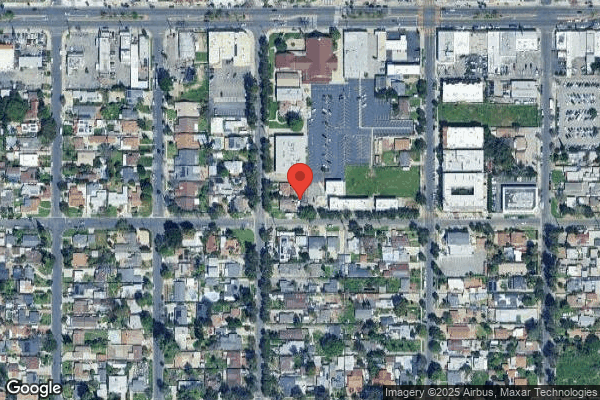
6740 WILBUR AVE OPCO, LLC, RESEDA, CA 91335 (818) 708-3533
For profit - Limited Liability company 99 Beds GENESIS HEALTHCARE Data: November 2025
Trust Grade
51/100
#874 of 1155 in CA
Last Inspection: May 2025

Inspected within the last 6 months. Data reflects current conditions.

Overview

Park View Nursing and Subacute has a Trust Grade of C, which means it is average and sits in the middle of the pack, not particularly great but not terrible either. In California, it ranks #874 out of 1155 facilities, placing it in the bottom half, and #223 out of 369 in Los Angeles County, meaning only a few local options are better. The facility is improving, with reported issues decreasing from 29 in 2024 to 17 in 2025. Staffing is a relative strength, with a 26% turnover rate that is significantly better than the state average of 38%, indicating more stability among caregivers. However, the nursing home has faced $9,999 in fines, which is average but suggests some compliance issues. While the nursing home has adequate RN coverage, there have been specific concerns raised during inspections. For instance, a nurse failed to check a resident’s heart rate before administering medication, which could lead to serious complications. Additionally, the facility did not replace an emergency medication kit within the required timeframe, risking the availability of critical medications in emergencies. These incidents highlight areas needing improvement, even as there are strengths in staffing stability.

Trust Score
C
51/100
In California
#874/1155
Bottom 25%
Safety Record
Low Risk
No red flags
Inspections
Getting Better
29 → 17 violations
Staff Stability
✓ Good
26% annual turnover. Excellent stability, 22 points below California's 48% average. Staff who stay learn residents' needs.
Penalties
⚠ Watch
$9,999 in fines. Higher than 86% of California facilities, suggesting repeated compliance issues.
Skilled Nurses
○ Average
Each resident gets 39 minutes of Registered Nurse (RN) attention daily — about average for California. RNs are the most trained staff who monitor for health changes.
Violations
⚠ Watch
67 deficiencies on record. Higher than average. Multiple issues found across inspections.
★★☆☆☆
2.0
Overall Rating
★★☆☆☆
2.0
Staff Levels
★★★★☆
4.0
Care Quality
★★☆☆☆
2.0
Inspection Score
Stable
2024: 29 issues
2025: 17 issues

The Good

  • 4-Star Quality Measures · Strong clinical quality outcomes
  • Low Staff Turnover (26%) · Staff stability means consistent care
  • Full Sprinkler Coverage · Fire safety systems throughout facility
  • No fines on record
  • Staff turnover is low (26%)

    22 points below California average of 48%

Facility shows strength in quality measures, staff retention, fire safety.

The Bad

2-Star Overall Rating

Below California average (3.1)

Below average - review inspection findings carefully

Federal Fines: $9,999

Below median ($33,413)

Minor penalties assessed

Chain: GENESIS HEALTHCARE

Part of a multi-facility chain

Ask about local staffing decisions and management

The Ugly 67 deficiencies on record

May 2025 13 deficiencies
CONCERN (D)

Potential for Harm - no one hurt, but risky conditions existed

Comprehensive Care Plan (Tag F0656)

Could have caused harm · This affected 1 resident

**NOTE- TERMS IN BRACKETS HAVE BEEN EDITED TO PROTECT CONFIDENTIALITY** Based on observation, interview and record review, the facility failed to: 1. Develop and implement a comprehensive person-cente...

Read full inspector narrative →
**NOTE- TERMS IN BRACKETS HAVE BEEN EDITED TO PROTECT CONFIDENTIALITY** Based on observation, interview and record review, the facility failed to: 1. Develop and implement a comprehensive person-centered care plan (CP, a plan for individual's specific health needs and desired health outcomes) with individualized oral care interventions for one of one sampled resident (Resident 67) with a tracheostomy (a surgical procedure to create an opening through the neck into the trachea [windpipe]) and dependent on ventilator (a medical device that helps a person breathe when they are unable to do so on their own) during a random observation. This deficient practice had the potential to cause health complications for Resident 67 due to inadequate oral hygiene. 2. Implement a care plan (CP- a plan for individual's specific health needs and desired health outcomes) intervention of providing a floor mat (padded mat placed on the floor to cushion falls and prevent injury) for one of one sampled resident (Resident 76) reviewed under the accidents care area. This deficient practice placed the resident at risk for injuries resulting from a fall. Findings: 1. During a review of Resident 67's admission Record, the admission Record indicated the facility admitted Resident 76 on 6/4/2024 and readmitted on [DATE] with diagnoses including dysphagia(swallowing difficulties), encephalopathy (a group of conditions that cause brain dysfunction), and dependence on respirator [ventilator] status. During a review of Resident 67's Minimum Data Set (MDS, a standardized assessment and care screening tool), dated 4/15/2025, the MDS indicated Resident 67 was rarely/never understood. The MDS indicated Resident 67 was dependent on staff for all activities such as hygiene, dressing, toileting, bathing and all movements such as rolling left to right. The MDS further indicated Resident 67 had continuous oxygen therapy through a mechanical ventilator and uses a feeding tube for nutrition. During an observation on 5/19/2025 at 1:23 pm in Resident 67's room, Resident 67 was lying in bed attached to a ventilator and feeding tube. Resident 67 was rubbing her lips with the back of her left hand. Resident 67 had very dry lips that were cracked with a thick layer of dry crust of saliva/skin on her lips. During a concurrent observation and interview on 5/19/2025 at 1:26 pm with RN 2 in Resident 67's room, RN 2 looked at Resident 67's lips and stated they looked very dry and needed oral care. RN 2 stated there is a potential for Resident 67's lips to bleed or have pain. During a concurrent interview and record review on 5/19/2025 at 2:32 pm with RN 2 of Resident 67's Care Plans, RN 2 stated she could not locate a care plan with an intervention to provide oral care for the resident. RN 2 stated without a care plan or intervention, staff will not know to provide oral care and Resident 67 had the potential for more build-up on her lips and even possibly an infection if the lips become cracked and bleed. During a review of the facility's policy and procedure (P&P) titled, Care Plan Comprehensive, last reviewed on 7/18/2024, the P&P indicated the purpose of the P&P was to provide individualized care plan that includes measurable objectives and timetables to meet the resident's medical, physical, mental and psychosocial needs for each resident. During a review of the facility's P&P titled, Activities of Daily Living (ADLs), Supporting last reviewed on 7/18/2024, the P&P indicated appropriate care, and services will be provided for residents who are unable to carry out ADLs independently such as oral care. During a review of the facility's P&P titled, Mouth Care last reviewed on 7/18/2024, indicated the purpose of the policy are to keep the resident's lips and oral tissues moist and to cleanse and freshen the resident's mouth and prevent oral infection. 2. During a review of Resident 76's admission Record, the admission Record indicated the facility admitted Resident 76 on 5/1/2025 with diagnoses including acute (sudden) and chronic (long-lasting) respiratory failure (a serious condition that makes it difficult to breathe on your own) with hypoxia (low levels of oxygen in your body tissues), malignant neoplasm (cancerous tumor) of the larynx (area of the throat known as the voice box), and dysphagia (swallowing difficulties During a review of Resident 76's History and Physical (H&P), dated 4/8/2025, the H&P indicated Resident 76 did not have the capacity to understand and make decisions. During a review of Resident 76's Minimum Data Set (MDS, a standardized assessment and care screening tool), dated 5/6/2025, the MDS indicated Resident 76 had the capacity to make himself understood and to understand others. The MDS indicated Resident 76 needed moderate assistance with activities such as oral hygiene and dressing and movements such as rolling left to right and sit to stand. During a review of Resident 76's Order Summary Report, the Order Summary Report indicated an order dated 5/19/2025 to provide Resident 76 with a floor mat on the left side of the bed for injury prevention. During an observation on 5/19/2025 at 1:40 pm in Resident 76's room, Resident 76 was found on the floor. Resident 76's left side of bed was pushed against the wall and Resident 76 was on the ground with his back against the right side of the bed and his feet out. This surveyor called out for assistance and Registered Nurse 2 (RN 2) and Licensed Vocational Nurse 1 (LVN 1) came into the room to assist and assess Resident 76. There was not a floor mat next to Resident 76's bed. Resident 76 was attached to a ventilator via tracheostomy (and opening created in the trachea (tube used for breathing connected to the lungs), enteral (form of nutrition that is delivered into the digestive system as a liquid usually by a gastrostomy tube [GT- a tube inserted into the stomach through a small opening in the abdomen to deliver nutrition, fluids and medications]) feeding via gastrostomy tube and urinary catheter (a hollow tube inserted into the bladder to drain or collect urine). During a concurrent observation and interview on 5/19/2025 at 1:45 pm with RN 2 in Resident 76's room, RN 2 stated Resident 76 does not have a floor mat but should have one. During a concurrent interview and record review on 5/19/2025 at 2:15 pm with RN 2 of Resident 76's risk for fall care plan, RN 2 stated the care plan indicated an intervention to have a floor mat, if indicated. During a review of the facility's policy and procedure (P&P) titled, Care Plan Comprehensive, last reviewed on 7/18/2024, indicated the purpose of the P&P was to provide individualized care plan that includes measurable objectives and timetables to meet the resident's medical, physical, mental and psychosocial needs for each resident. The P&P further indicates assessments of residents are ongoing and care plans are reviewed and revised as information about the resident and the residents' conditions change. During a review of the facility's P&P titled, Falls - Clinical Protocol last reviewed on 7/18/2024, indicated residents should be assessed and risk factors such as medical conditions and weakness should be identified.
CONCERN (D)

Potential for Harm - no one hurt, but risky conditions existed

Deficiency F0658 (Tag F0658)

Could have caused harm · This affected 1 resident

Based on observation, interview, and record review, the facility failed to ensure proper technique for administering medications through an enteral tube (a tube inserted into the gastrointestinal trac...

Read full inspector narrative →
Based on observation, interview, and record review, the facility failed to ensure proper technique for administering medications through an enteral tube (a tube inserted into the gastrointestinal tract to deliver nutrition and medications) for one of two residents (Resident 74) observed during the medication administration task observation when: 1. Excess crushed tablets were left in the medication cup after the medication was administered. 2. The enteral tube was not flushed with the amount of water indicated in the physician's order between medications. These deficient practices had the potential to cause complications for Resident 74 including clogging the enteral tube and not receiving the full amount of medication as ordered. Findings: During a review of Resident 74's admission Record, the admission Record indicated the facility originally admitted the resident on 12/28/2024 and readmitted the resident on 5/6/2025 with diagnoses including but not limited to encephalopathy (any disease that alters brain function or structure) and respiratory failure. During a review of Resident 74's History and Physical (H&P), dated 5/8/2025, the H&P indicated Resident 74 did not have the capacity to understand and make decisions. The H&P further indicated Resident 74 had an enteral tube in place. During a review of Resident 74's Minimum Data Set (MDS - a resident assessment tool), dated 4/4/2025, the MDS indicated Resident 74 had severely impaired cognitive skills (the ability to think, learn, and remember clearly) for daily decision making and was dependent on staff for all activities of daily living (ADLs- routine tasks/activities such as bathing, dressing and toileting a person performs daily to care for themselves). During a review of Resident 74's Physicians Orders, the Physician's Orders indicated the following orders dated 5/6/2025: 1. Magnesium Oxide 400 milligram (mg) oral tablet: give one tablet via enteral tube one time a day for supplement. 2. Zinc 50 mg oral tablet: give one tablet via enteral tube one time a day for supplement. 3. May crush medications as appropriate. 4. Flush enteral tube with 15 milliliters (ml) of water in between each medication. During a concurrent observation and interview on 5/20/2025 at 9:32 a.m. with Licensed Vocational Nurse 6 (LVN 6), LVN 6 crushed magnesium oxide and zinc tablets and put in separate medicine cups with a small amount of water. LVN 6 administered the magnesium oxide through Resident 74's enteral tube, then flushed with 10 ml of water, then administered the zinc. The medication cups containing the crushed magnesium oxide and zinc tablets both had crushed medication on the bottom and sides of the medication cups after administration. LVN 6 stated he should have flushed with 15 ml of water between medications because that is what is in the orders. LVN 6 stated the enteral tube could potentially become clogged if not flushed properly. LVN 6 stated the magnesium oxide and zinc are supplements and the resident should be administered the entire amount of the crushed tablets in the medication cups. During an interview on 5/23/2025 at 2:30 p.m. with the Director of Nursing (DON), the DON stated when administering medications through an enteral tube, each medication should be flushed with the amount indicated in the order to ensure each medication is administered separately and fully pushed down the enteral tube to the stomach. The DON stated the entire crushed tablet should be administered to ensure the resident gets the full dose, otherwise the medication may not be as effective. During a review of the facility's policy and procedure (P&P) titled, Enteral Tube Medication Administration, last reviewed 7/18/2024, the P&P indicated the facility assures safe and effective administration of enteral formulas and medications via enteral tubes. The P&P indicated a prescriber's order may be obtained specifying the amount of liquid to be used for the flushing and administration of medications. During a review of the facility's P&P titled, Medication Administration - General Guidelines, last reviewed 7/18/2024, the P&P indicated medications are administered in accordance with written orders of the attending physician.
CONCERN (D)

Potential for Harm - no one hurt, but risky conditions existed

ADL Care (Tag F0677)

Could have caused harm · This affected 1 resident

**NOTE- TERMS IN BRACKETS HAVE BEEN EDITED TO PROTECT CONFIDENTIALITY** Based on observation, interview, and record review, the facility failed to provide the necessary services to maintain oral hygie...

Read full inspector narrative →
**NOTE- TERMS IN BRACKETS HAVE BEEN EDITED TO PROTECT CONFIDENTIALITY** Based on observation, interview, and record review, the facility failed to provide the necessary services to maintain oral hygiene for one of one sampled resident (Resident 67), who is unable to carry out activities of daily living, when Resident 67's lips were dry, cracked and had a thick layer of dried saliva and skin on them. This deficient practice resulted in Resident 67 having poor oral hygiene and had the potential to negatively affect the residents' psychosocial wellbeing. Findings: During a review of Resident 67's admission Record, the admission Record indicated the facility admitted Resident 76 on 6/4/2024 and readmitted on [DATE] with diagnoses including hemiplegia (one-sided muscle paralysis or weakness), respiratory failure (a serious condition that makes it difficult to breathe on your own) with hypoxia (low levels of oxygen in your body tissues), dysphagia(swallowing difficulties) and dependence of respirator [ventilator] status (a machine that helps someone breathe when they are unable to breathe on their own, or when their breathing is inadequate). During a review of Resident 67's Minimum Data Set (MDS, a standardized assessment and care screening tool), dated 4/15/2025, the MDS indicated Resident 67 was rarely/never understood. The MDS indicated Resident 67 was dependent on staff for all activities such as hygiene, dressing, toileting, bathing and all movements such as rolling left to right. The MDS further indicated Resident 67 had continuous oxygen therapy through a mechanical ventilator (a medical device to help support or replace breathing) and uses a feeding tube for nutrition. During an observation on 5/19/2025 at 1:23 pm in Resident 67's room, Resident 67 was lying in bed attached to a ventilator and feeding tube. Resident 67 was rubbing her lips with the back of her left hand. Resident 67 had very dry lip that were cracked with a thick layer of dry crust of saliva/skin on her lips. During a concurrent observation and interview on 5/19/2025 at 1:26 pm with Registered Nurse 2 (RN 2) in Resident 67's room, RN 2 looked at Resident 67's lips and stated they looked very dry and needed oral care. RN 2 stated there is a potential for Resident 67's lips to bleed or have pain. RN 2 stated Resident 67 could feel embarrassed due to the thick layer of saliva and skin on her lips and could affect Resident 67's feelings. During a review of the facility's policy and procedure (P&P) titled, Dignity, last reviewed on 7/18/2024, indicated all residents shall be cared for in a manner that promotes and enhances his or her sense of well-being, level of satisfaction with life, and feelings of self-worth and self-esteem. During a review of the facility's P&P titled, Activities of Daily Living (ADLs), Supporting last reviewed on 7/18/2024, indicated appropriate care and services will be provided for residents who are unable to carry out ADLs independently such as oral care. During a review of the facility's P&P titled, Mouth Care last reviewed on 7/18/2024, indicated the purpose of the policy are to keep the resident's lips and oral tissues moist and to cleanse and freshen the resident's mouth and prevent oral infection.
CONCERN (D)

Potential for Harm - no one hurt, but risky conditions existed

Incontinence Care (Tag F0690)

Could have caused harm · This affected 1 resident

**NOTE- TERMS IN BRACKETS HAVE BEEN EDITED TO PROTECT CONFIDENTIALITY** Based on observation, interview, and record review the facility failed to ensure a resident who was incontinent (lacks voluntary...

Read full inspector narrative →
**NOTE- TERMS IN BRACKETS HAVE BEEN EDITED TO PROTECT CONFIDENTIALITY** Based on observation, interview, and record review the facility failed to ensure a resident who was incontinent (lacks voluntary control over urination) of bladder (organ in the pelvis that stores urine) received appropriate treatment and services to prevent urinary tract infections (UTIs, common infections that happen when bacteria infect the urinary tract) by failing to ensure the urinary catheter did not coil (unwanted twist or bend) or loop to one of one sampled residents (Resident 60) reviewed under the urinary catheter (a tube that is inserted into the bladder, allowing urine to drain) care area. This deficient practice had the increased potential for Resident 60 to obtain a UTI. Findings: During a review of Resident 60's admission Record, the admission Record indicated the facility admitted Resident 15 on 4/7/2025 with diagnoses including hemiplegia (a condition causing paralysis on one side of the body, often resulting from brain damage) and hemiparesis (weakness or the inability to move on one side of the body, making it hard to perform everyday activities like eating or dressing) following cerebral infarction (disrupted blood flow to the brain, leading to tissue death), neuromuscular dysfunction of bladder (when a person lacks bladder control due to brain, spinal cord or nerve problems), and retention (abnormal keeping of fluids) of urine. During a review of Resident 60's Minimum Data Set (MDS - an assessment and care screening tool) dated 4/10/2025, the MDS indicated Resident 60 was at times confused and sometimes able to understand or be understood by others. The MDS indicated Resident 60 was dependent on staff for hygiene, dressing, toileting, bathing and movement such as walking, transfers, sit to stand are not attempted due to medical conditions or safety concerns. The MDS further indicated Resident 60 had a urinary catheter. During a review of Resident 60's Order Summary Report, the Order Summary Report indicated Resident 60's physician ordered an indwelling (inside the body) catheter for retention/neurogenic bladder on 5/8/2025. During a review of Resident 60's Interdisciplinary Progress Note dated 5/12/2025, the Progress Note indicated Resident 60 was admitted on [DATE] with a foley (urinary) catheter and had a UTI on 4/26/2025 and then again on 5/12/2025. During an observation on 5/20/2025 at 10:25 am in Resident 60's room, Resident 60 was lying in bed with a urinary catheter bag hanging on the right side of the resident's bedframe. The urinary catheter tubing hung below the middle-right side of the bed and had a long dependent loop and 2 coils - one of which was kinked. The looped and coiled portion of the urinary catheter tubing contained yellow liquid with white sediments. During a concurrent observation and interview with the Minimum Data Set Coordinator (MDSC) on 5/20/2025 at 10:30 am in Resident 60's room, the MDSC looked at Resident 60's urinary catheter tubing and stated the tubing should not be looped and coiled like it was and hung towards the end of the bed and not the middle of the bed frame to prevent backflow or infection. The MDSC stated there was yellow liquid and white sediments in the tubing. During an interview on 5/20/2025 at 10:55 am with Registered Nurse 3 (RN 3), RN 3 stated staff should ensure the catheter tubing is straight to drain the urine into the urinary catheter bag. RN 3 further stated Resident 60 has a history of UTIs and his catheter tubing must not be coiled, looped or kinked to prevent back flow of urine into the body and to prevent another infection. During a review of the facility provided Policy and Procedure (P&P) titled, Urinary Tract Infections (Catheter Associated), Guidelines for Preventing last reviewed on 7/18/2024, the P&P indicated to maintain an unobstructed urine flow by keeping the catheter tubing free of kinks.
CONCERN (D)

Potential for Harm - no one hurt, but risky conditions existed

Deficiency F0698 (Tag F0698)

Could have caused harm · This affected 1 resident

**NOTE- TERMS IN BRACKETS HAVE BEEN EDITED TO PROTECT CONFIDENTIALITY** Based on interview and record review, the facility failed to ensure the hemodialysis (a treatment to cleanse the blood of wastes...

Read full inspector narrative →
**NOTE- TERMS IN BRACKETS HAVE BEEN EDITED TO PROTECT CONFIDENTIALITY** Based on interview and record review, the facility failed to ensure the hemodialysis (a treatment to cleanse the blood of wastes and extra fluids artificially through a machine when the kidney(s) have failed) center completed a post-dialysis assessment (evaluation done after hemodialysis by the hemodialysis licensed nurses) by not ensuring the dialysis center recorded a resident's post dialysis weight (the weight after fluid is removed during the dialysis treatment) on 5/15/2025. This deficient practice had the potential for Resident 43 to have unidentified complications after dialysis treatment such as abnormal vital signs (pulse rate, temperature, respiration rate, and blood pressure, that indicate the state of a patient's essential body functions). Findings: During a review of Resident 43's admission Record, the admission Record indicated the resident was admitted to the facility on [DATE] and re-admitted on [DATE] with diagnoses including end stage renal disease (ESRD, irreversible kidney failure). During a review of Resident 43's Minimum Data Set (MDS, a federally mandated resident assessment tool), dated 2/28/2025, the MDS indicated Resident 43 was severely impaired in cognition (the process of acquiring knowledge and understanding through thought, experience, and the senses) with skills required for daily decision making. The MDS indicated Resident 43 was dependent on staff for dressing, toileting, and personal hygiene. The MDS indicated Resident 43 receives dialysis treatments. During a review of Resident 43's Care Plan for Dialysis, initiated 2/09/2024, the care plan indicated a goal that the resident will avoid fluid overload by the next review date. The care plan indicated an intervention that the pre- and post-dialysis weights are to be taken at the dialysis center. During a review of Resident 43's Dialysis Communication Record, dated 5/15/2025, the Dialysis Communication Record indicated there was a blank space for the post-dialysis weight. During a concurrent interview and record review with Registered Nurse 3 (RN 3) on 5/23/2025 at 9 a.m., reviewed Resident 43's Dialysis Communication Record for 5/15/2025. RN 3 verified that there was a no post-dialysis weight recorded by the dialysis center on 5/15/2025. RN 3 stated the licensed nurses should call the dialysis center if there is no post-dialysis weight recorded. RN 3 stated this is important to ensure the weights are accurate and that there is no significant weight loss. During a concurrent interview and record review with the Director of Nursing (DON) on 5/23/2025 at 9 a.m., reviewed Resident 43's Dialysis Communication Record for 5/15/2025. The DON verified there was no post-dialysis weight documented for 5/15/2025. The DON stated the licensed nurses should have called the dialysis center to find out what the weight was. The DON stated it is important to follow-up with the dialysis center to ensure the resident is stable. During a review of the facility's Policy and Procedure titled, Dialysis (Renal), Pre- and Post-Care, last reviewed 7/18/2024, indicated the following: - The dialysis provider will communicate in writing to the facility any problems encountered while the resident was at the dialysis provider and any ongoing monitoring required. - The provider's dialysis nurse will be responsible for documentation of dialysis treatment. During a review of Licensed Nurses Competency Skills: Care for the Hemodialysis Patient, last reviewed on 7/18/2024, it indicated the following: Pre- and post-dialysis weight must be documented in the dialysis communication paper. If this is missed by dialysis center, the licensed nurse must call the dialysis center to immediately fax the completed paper to the facility.
CONCERN (D)

Potential for Harm - no one hurt, but risky conditions existed

Deficiency F0761 (Tag F0761)

Could have caused harm · This affected 1 resident

**NOTE- TERMS IN BRACKETS HAVE BEEN EDITED TO PROTECT CONFIDENTIALITY** Based on observation, interview, and record review, the facility failed to ensure medication was properly stored when one of thr...

Read full inspector narrative →
**NOTE- TERMS IN BRACKETS HAVE BEEN EDITED TO PROTECT CONFIDENTIALITY** Based on observation, interview, and record review, the facility failed to ensure medication was properly stored when one of three inspected medication carts (Subacute Medication Cart 2) had an unlabeled, unpackaged tablet in the bottom of a cart drawer. This deficient practice placed residents at risk of receiving an incorrect or expired medication. Findings: During a concurrent observation and interview on [DATE] at 2:11 p.m. with Licensed Vocational Nurse 3 (LVN 3) at Subacute Medication Cart 2, one white, round unlabeled and unpackaged tablet was observed on the bottom of a cart drawer. LVN 3 stated the medication should be packaged and labeled when stored in the cart so they can verify the correct medication is being given by comparing it to the resident's orders in the resident's electronic health record (EHR-an electronic version of a resident's medical record, including physician orders). LVN 3 further stated the tablet should have been kept in its original packaging so the expiration date can be verified. During an interview on [DATE] at 2:30 p.m. with the Director of Nursing (DON), the DON stated all medications should be packaged and labeled so medications are not accidentally given to the wrong residents and to reduce the risk of a medication error. During a review of the facility's policy and procedure (P&P) titled, Medication Storage in the Facility, last reviewed [DATE], the P&P indicated the provider pharmacy dispenses medications in containers that meet legal requirements, and medications should be kept in these containers. The P&P further indicated contaminated medications are immediately removed from stock and disposed of.
CONCERN (D)

Potential for Harm - no one hurt, but risky conditions existed

Medical Records (Tag F0842)

Could have caused harm · This affected 1 resident

Based on interview and record review, the facility failed to ensure the accuracy of a medical record when one of twelve residents investigated under the Advance Directive care area (Resident 34) had a...

Read full inspector narrative →
Based on interview and record review, the facility failed to ensure the accuracy of a medical record when one of twelve residents investigated under the Advance Directive care area (Resident 34) had an Advance Directive Acknowledgement form that indicated the resident had an Advance Directive when he did not. This deficient practice resulted in inaccurate documentation of the existence of an Advance Directive in Resident 34's medical record. Findings: During a review of Resident 34's admission Record, the admission Record indicated the facility admitted the resident on 12/13/2024 with diagnoses including pneumonia (an infection/inflammation in the lungs), bipolar disorder (sometimes called manic-depressive disorder; mood swings that range from the lows of depression to elevated periods of emotional highs), and schizophrenia (a mental illness that is characterized by disturbances in thought). The admission Record further indicated Resident 34 is deaf and non-speaking. During a review of Resident 34's Minimum Data Set (MDS - a resident assessment tool), dated 9/17/2025, the MDS indicated Resident 34 required moderate assistance with most activities of daily living (ADLs- activities such as bathing, dressing and toileting a person performs daily). The MDS further indicated an Advance Directive was not completed. During a review of a letter from a regional center (a non-profit agency that oversees the coordination of services for people with developmental disabilities), dated 12/16/2024, the letter indicated Resident 34 is a consumer of the Regional Center due to developmental disabilities. The letter indicated Resident 34 is not capable of providing informed consent and does not have a court appointed conservator or guardian, and a designee from the Regional Center will act on his behalf to provide consent for medically necessary treatments. During an interview on 5/21/2025 at 11:12 a.m. with Resident Representative 1 (RR 1), RR 1 stated he is Resident 34's responsible party from the Regional Center. RR 1 stated Resident 34 has an intellectual disability and is deaf. RR 1 stated he was not aware of any Advance Directive for Resident 34. RR 1 stated Resident 34's family is not involved, and that staff from the Regional Center signs consents (a person must give permission before they receive any type of medical treatment, test, or examination) on the resident's behalf. During a concurrent interview and record review on 5/22/2025 at 2:39 p.m. with the Social Services Director (SSD), Resident 34's Advance Directive Acknowledgement form indicated Resident 34 had executed an Advance Directive. The SSD stated Resident 34 did not have an Advance Directive and the Advance Directive Acknowledgment form was incorrect. The SSD stated the purpose of the Advance Directive Acknowledgment form is to document the presence of an Advance Directive, inform residents that they do not need an Advance Directive to receive care, and give residents the opportunity to create an Advance Directive if they do not have one. During a review of the facility's policy and procedure (P&P) titled, Advance Directive, last reviewed 7/18/2024, the P&P indicated staff will inquire about the existence of an Advance Directive on admission. The P&P indicated if the resident does have an Advance Directive, it will be placed in the resident's medical record. The P&P further indicated if no Advance Directive exists, the facility provides the resident the opportunity to create one.
CONCERN (E)

Potential for Harm - no one hurt, but risky conditions existed

Accident Prevention (Tag F0689)

Could have caused harm · This affected multiple residents

**NOTE- TERMS IN BRACKETS HAVE BEEN EDITED TO PROTECT CONFIDENTIALITY** 2. During a review of Resident 76's admission Record, the admission Record indicated the facility admitted Resident 76 on 5/1/20...

Read full inspector narrative →
**NOTE- TERMS IN BRACKETS HAVE BEEN EDITED TO PROTECT CONFIDENTIALITY** 2. During a review of Resident 76's admission Record, the admission Record indicated the facility admitted Resident 76 on 5/1/2025 with diagnoses that included, but not limited acute and chronic respiratory failure with hypoxia (low levels of oxygen in your body tissues), malignant neoplasm (cancerous tumor) of the larynx (area of the throat known as the voice box), dysphagia (swallowing difficulties), and difficulty walking During a review of Resident 76's H&P, dated 4/8/2025, the H&P indicated Resident 76 did not have the capacity to understand and make decisions. During a review of Resident 76's MDS, dated [DATE], the MDS indicated Resident 76 had the capacity to make himself understood and to understand others. The MDS indicated Resident 76 needed moderate assistance with activities such as oral hygiene and dressing and movements such as rolling left to right and sit to stand. During a review of Resident 76's Resident is at Risk for Falls/Injury Due to Impaired Mobility Care Plan (CP), the CP indicated an intervention of a fall mat(s) if indicated. During a review of Resident 76's Order Summary Report, the Order Summary Report indicated an order dated 5/19/2025 to provide Resident 76 with a floor mat on the left side of the bed for injury prevention. During an observation on 5/19/2025 at 1:40 pm in Resident 76's room, Resident 76 was found on the floor. Resident 76's left side of bed was pushed against the wall and Resident 76 was on the ground with his back against the right side of the bed and his feet out. The lighting level was very low and Resident 76's curtain was drawn so this surveyor could not see that Resident 76 was on the floor until this surveyor walked several feet into the room. Resident 76 nor his bed was visible from the hallway. This surveyor called out for assistance and Resighted Nurse 2 (RN 2) and Licensed Vocational Nurse 1 (LVN 1) came into the room to assist and assess Resident 76. There was not a floor mat next to Resident 76's bed. Resident 76 was attached to a ventilator via tracheostomy (and opening created in the trachea (tube used for breathing connected to the lungs), enteral feeding via gastrostomy tube and urinary catheter. During a concurrent observation and interview on 5/19/2025 at 1:45 pm with RN 2 in Resident 76's room, RN 2 was assessing Resident 76 and stated Resident 76 did not have a floor mat but should have one. RN 2 further stated the curtains should have been drawn back for visibility and stated the room should have been better lit so the resident could see better. During a concurrent interview and record review on 5/19/2025 at 2:15pm with RN 2 of Resident 76's risk for fall care plan, RN 2 stated the care plan states as an intervention to have a floor mat, if indicated. RN 2 stated Resident 76 has been restless for a several days and there should have been a floor mat to prevent injuries. During a review of the facility's policy and procedure (P&P) titled, Homelike Environment, last reviewed on 7/18/2024, indicated residents should be provided with a safe homelike environment and adequate lighting to promote safety. During a review of the facility's P&P titled, Falls - Clinical Protocol last reviewed on 7/18/2024, indicated residents should be assessed and risk factors such as medical conditions and weakness should be identified. Based on observation, interview, and record review, the facility failed to provide an environment that is free from accident hazards for three of five sampled residents (Residents 37, 56, and 76) by: 1. Failing to ensure Residents 37 and 56 had siderails that were fully covered with padding as indicated per the resident's physician orders. 2. not providing a floor mat, not having curtains drawn back for ease of visibility and not having sufficient lighting for Resident 76. This deficient practice placed Resident 37, 56 and 76 at increased risk for injuries. Findings: 1.a. During a review of Resident 37's admission Record, the admission Record indicated the facility originally admitted the resident on 11/29/2022 and readmitted the resident on 4/15/2025 with diagnoses including but not limited to acute (severe, sudden onset) and chronic (long-term) respiratory failure (a condition where the lungs cannot get enough oxygen into your blood), cerebral infarction (an obstruction of blood flow in the brain that leads to tissue damage), and epileptic seizures (a sudden, temporary disruption in brain electrical activity that can cause involuntary changes in body movement, behavior, sensation, or awareness). During a review of Resident 37's History and Physical (H&P- a formal assessment by a healthcare provider that involves a resident interview, physical exam, and documentation of findings), dated 4/14/2025, the H&P indicated Resident 37 did not have the capacity to understand and make decisions. During a review of Resident 37's Minimum Data Set (MDS - a resident assessment tool), dated 3/6/2025, the MDS indicated Resident 37 had severely impaired cognitive skills (the ability to think, learn, and remember clearly) for daily decision making and was dependent on staff for all activities of daily living (ADLs- routine tasks/activities such as bathing, dressing and toileting a person performs daily to care for themselves). The MDS further indicated Resident 37 had a seizure disorder. During a review of Resident 37's physician orders, the physician orders indicated the following order dated 4/17/2025: Bilateral siderails with padding to prevent injury during episodes of seizure. During a review of Resident 37's care plan (a document that summarizes a resident's needs, goals, and care/treatment) titled, Bilateral ¼ siderails with padding to prevent injury during episodes of seizure ., dated 12/1/2022, the care plan indicated the goal of the padded side rails is to ensure the resident is not injured during a seizure. During a review of Resident 37's care plan titled, Resident is at risk for injury related to diagnosis of seizure ., dated 4/29/2024, the care plan indicated a goal that the resident will be free of any seizure related injury with an intervention to maintain a safe environment. During an observation on 5/22/2025 at 9:21 a.m., at Resident 37's bedside, observed Resident 37 in bed with the bed rails partially exposed. The bed rail padding had slipped down from both the right and left upper bed rails leaving the hard railing exposed. During a concurrent observation and interview on 5/22/2025 at 12:05 p.m., with Registered Nurse 1 (RN 1), observed Resident 37 in bed with the bed rails partially exposed. RN 1 stated the padding should cover the bedrails. RN 1 stated Resident 37 needs the padding to protect him from hitting the bed rail in case he has a seizure. 1.b. During a review of Resident 56's admission Record, the admission Record indicated the facility admitted the resident on 4/26/2024 with diagnoses including but not limited to anoxic brain damage (an injury to the brain from a lack of oxygen) and intractable epilepsy (a seizure disorder that cannot be fully managed with medications). During a review of Resident 56's H&P, dated 4/26/2025, the H&P indicated Resident 56 did not have the capacity to understand and make decisions. During a review of Resident 56's MDS, dated [DATE], the MDS indicated Resident 56 had severely impaired cognitive skills for daily decision making and was dependent on staff for all activities of daily living. The MDS further indicated Resident 56 had a seizure disorder. During a review of Resident 56's physician orders, the physician orders indicated the following order dated 4/26/2024: Bilateral padded siderails up and locked when in bed for seizure management. During a review of Resident 56's care plan titled, Resident has diagnosis of seizure disorder at risk for fall and injury ., dated 4/29/2024, the care plan indicated a goal that resident will be free of any seizure related injury with an intervention to maintain a safe environment. During a review of Resident 56's care plan titled, Bilateral padded bed rail ., dated 11/22/2024, the care plan indicated the goal to minimize episodes of accidents or incidents related to the use of side rail with the intervention to apply bilateral ¼ rail as ordered and tolerated. During an observation on 5/22/2025 at 10:27 a.m., at Resident 56's bedside, observed Resident 56 in bed and the left upper side rail had no padding. During a concurrent observation and interview on 5/22/2025 at 11:54 a.m., with RN 1, observed Resident 56 in bed and the left upper side rail had no padding. RN 1 stated Resident 56 should have padded bed rails for seizure management. RN 1 stated Resident 56 needs the padding on the bed rails so she will be protected in case she has a seizure. During a review of the facility's policy and procedure (P&P) titled, Bed Safety, last reviewed 7/18/2024, the P&P indicated the facility will strive to prevent or reduce hazards associated with hospital beds when side rails are required.
CONCERN (E)

Potential for Harm - no one hurt, but risky conditions existed

Deficiency F0726 (Tag F0726)

Could have caused harm · This affected multiple residents

**NOTE- TERMS IN BRACKETS HAVE BEEN EDITED TO PROTECT CONFIDENTIALITY** Based on observation, interview, and record review the facility failed to ensure a licensed nursing staff possessed the competen...

Read full inspector narrative →
**NOTE- TERMS IN BRACKETS HAVE BEEN EDITED TO PROTECT CONFIDENTIALITY** Based on observation, interview, and record review the facility failed to ensure a licensed nursing staff possessed the competency (a measurable pattern of knowledge, skills, abilities, behaviors that an individual needs to perform work roles successfully) necessary to follow a physician's order by failing to take a Resident 62's apical pulse (a pulse point on the chest that gives the most accurate reading of the heart rate taken with a stethoscope [a device to listen to the heartbeat]) before giving a heart medication for one (LVN 2) of four licensed nurses observed during the medication pass observation. This deficient practice had the potential to cause complications such as bradycardia (slow heart rate with less than 60 beats per minute [bpm.]) dizziness, and syncope (fainting). Cross referenc to F760 Findings: During a review of Resident 62's admission Record, the admission Record indicated the resident was admitted to the facility on [DATE] with diagnoses including atrial fibrillation (an irregular, often rapid heart rate that causes poor blood flow). During a review of Resident 62's Minimum Data Set (MDS, a federally mandated resident assessment tool), dated 4/18/2025, the MDS indicated Resident 62 was cognitively (the process of acquiring knowledge and understanding through thought, experience, and the senses) intact with skills required for daily decision making. The MDS indicated Resident 62 was independent with eating and oral hygiene. The MDS indicated Resident 62 had atrial fibrillation. During a review of Resident 62's Physician's Orders the Physician's Orders indicated the following orders: 1. Flecainide Acetate oral tablet 50 milligrams (mg, metric unit of measurement, used for medication dosage and/or amount), give one tablet by mouth every 12 hours for irregular heartbeat; hold dose if apical pulse is less than (<) 60 bpm., dated 3/26/2025. 2. Metoprolol tablet 50 mg, give one tablet by mouth two times a day for hypertension, hold for systolic blood pressure (SBP, the top number in a blood pressure reading, representing the pressure in the arteries when the heart beats) < 110 millimeters of Mercury (mm Hg, a unit of measure for blood pressure) or heart rate is less than 60 bpm, dated 3/03/2025. During a review of Resident 62's Nursing Progress Note, dated 5/21/2025 at 8:42 a.m., the note indicated LVN 2 took the apical pulse with stethoscope and was 73 bmp. During a review of Resident 62's Medication Administration Record (MAR - a daily documentation record used by a licensed nurse to document medications and treatments given to a resident) for the month of 3/2025, covering the dates 3/26/2025 to 3/31/2025, the MAR indicated Resident 62's apical pulse was not taken before the Flecainide tablet was administered to Resident 62. During a review of Resident 62's MAR for the month of 4/2025, covering the dates 4/01/2025 to 4/31/2025, the MAR indicated Resident 62's apical pulse was not taken before the Flecainide tablet was administered to Resident 62. During a review of Resident 62's MAR for the month of 5/2025, covering the dates 5/01/2025 to 5/19/2025, the MAR indicated Resident 62's apical pulse was not taken before the Flecainide tablet was administered to Resident 62. During a review of Resident 62's Care Plan (CP) for Cardiac Arrhythmia (irregular heart rate), initiated 4/03/2025, the CP indicated a goal that the resident will be free from irregular heart rhythms until the next review date. The care plan indicated the interventions to administer medications as ordered, and to assess and monitor vital signs as ordered. During a medication pass observation on 5/21/2025 at 8:20 a.m., observed LVN 2 take Resident 62's blood pressure and radial pulse (pulse taken by feeling the pulse on the radial artery, located on the thumb side of the wrist). Asked LVN 2 if there was anything else that needed to be checked. LVN 2 stated there was not anything else to be checked. Resident 62 took the Flecainide before the survey team could intervene. Asked LVN 2 regarding the apical pulse, LVN 2 stated there was no order to check the apical pulse. Resident 62 stated the Flecainide did not have any parameter check before taking the medication. Reviewed the order with LVN 2 on the orders due page on the electronic medical record with the medication highlighted in a yellow box, with the parameter listed indicating to hold the medication if the apical pulse was below 60 bpm. LVN 2 stated he overlooked the order on the computer. LVN 2 stated the computer system did not prompt him (LVN 2) to take an apical pulse before marking as completed. LVN 2 stated the licensed nurse who entered the order should have added the parameter in the computer to ask what the apical pulse is. LVN 2 stated if the parameter was in place the computer system would not let a licensed nurse mark the medication as being given unless one entered a value in the apical pulse area. LVN 2 stated he (LVN 2) has never taken an apical pulse for Resident 62, before administering Flecainide in the past. During an interview with the Director of Nurses (DON) on 5/21/2025 at 11:13 a.m., the DON stated they were reviewing Resident 62's orders yesterday on 5/20/2025 and noticed there was no parameter set in the computer set which would require a licensed nurse to enter an apical pulse before marking the medication as being given. The DON stated she added the parameter in the computer then, which would not allow the Flecainide to be marked as given until the apical pulse was taken and recorded in the space provided. The DON stated LVN 2 should have read and followed Resident 62's Physician's Order for Flecainide with the parameter that was displayed on the orders due page. During an interview with the facility Pharmacist Consultant (PC) on 5/21/2025 at 2:30 p.m., the PC stated he (PC) made a recommendation in the monthly pharmacy reviews for licensed nurses to take an apical pulse for Resident 62 before giving the Flecainide. The PC stated the Flecainide should not be given if the apical pulse is below 60 bpm. The PC stated he (PC) made the recommendation because he (PC) wanted to be cautious before giving the medication because Flecainide can lower heart rate. During a concurrent interview and record review with the DON on 5/22/2025 at 10:51 a.m., reviewed Resident 62's MARS for 3/2025, 4/2025, and 5/2025, and Resident 62's Nursing Progress Note, dated 5/21/2025 at 8:42 a.m. The DON verified that LVN 2 gave the Flecainide but did not take an apical pulse twice in 3/2025, 17 times in 4/2025, and 11 times in 5/2025. The DON stated they had LVN 2 return after the Flecainide was given on 5/21/2025 to take Resident 62's apical pulse. The DON stated that was why there was a value indicated on 5/21/2025 for the 9 a.m. administration. The DON stated it was important to take an apical pulse since it is more accurate than a radial pulse. The DON stated it is important because a resident could suffer complications such as bradycardia, dizziness, and syncope. During a concurrent interview and record review with the Director of Staff Development (DSD) on 5/23/2025 at 2:30 p.m., reviewed LVN 2's competency skills on medication administration, dated 2/20/2025. The DSD stated that LVN 2 attended training on 2/20/2025 that covered various nursing procedures. A review of LVN 2's competency skills check list indicated LVN 2 passed competency on reading medication labels and instructions carefully. The DSD verified that LVN 2 passed the competency which indicated following parameters as seen in the description as notify the attending physician if antihypertensive medication is held below the blood pressure/pulse rate parameter and document in the computerized progress notes. The DSD stated this would also include the medication Flecainide. During a review of the facility's policy and procedure titled, Medication Administration - General Guidelines, last reviewed 7/18/2024, indicated medications are administered in accordance with written orders of the attending physician.
CONCERN (E)

Potential for Harm - no one hurt, but risky conditions existed

Pharmacy Services (Tag F0755)

Could have caused harm · This affected multiple residents

Based on observation, interview, and record review, the facility failed to have the pharmacy exchange the emergency kit (e-Kit, a collection of medications that need to be given immediately such as pa...

Read full inspector narrative →
Based on observation, interview, and record review, the facility failed to have the pharmacy exchange the emergency kit (e-Kit, a collection of medications that need to be given immediately such as pain or antibiotic medication) within 72 hours according to the facility's policy and procedure for two (Subacute Nursing Station, Skilled Nursing Facility Nursing Station) of two Medication Rooms. This had the potential for medications to not be available in emergency situations. Findings: During a review of Resident 145's admission Record (front page of the chart that contains a summary of basic information about the resident), the admission Record indicated the facility admitted the resident on 4/22/2025 with diagnoses that included sepsis (a life-threatening blood infection). During a review of Resident 145' s Minimum Data Set (MDS, a federally mandated resident assessment tool), dated 5/8/2025, the MDS indicated Resident 145 was severely impaired in cognition (the process of acquiring knowledge and understanding through thought, experience, and the senses) with skills required for daily decision making. The MDS indicated Resident 6 was dependent on staff for oral hygiene, toileting, dressing, and personal hygiene. During a review of Resident 145's Physician's Orders, the Physician Orders indicated an order for Cefepime 2 grams intravenously (IV, fluids given directly into the blood stream), one time a day for CRKP to the urine until 5/19/2025, dated 5/16/2025 During a review of the Subacute Medication Room E-kit Pharmacy Log which indicated two quantities of the two Ceftazidime medication in the E-kit was removed for Resident 145 on 5/14/2025 at 9 p.m. During a medication room inspection of the Subacute Station Medication Room on 5/19/2025 at 10:40 a.m. with Registered Nurse 2 (RN 2), inspected the intravenous medication (medications given through a vein) emergency kit (E-kit, a container of essential medications readily available to treat emergencies when residents need immediate care). The E-kit Documentation indicated two vials of Ceftazidime (a type of antibiotic medication) was removed from the E-kit on 5/14/2025 at 9 p.m. RN 2 stated they will call the pharmacy to have them change the e-Kit because they need to be changed within 24 hours. RN 2 stated this was important to ensure the antibiotic medications are available because the antibiotic medications may need to be started immediately upon being ordered. RN 2 stated if a medication is not there, then treatment could be delayed and possibly harm a resident. During a medication room inspection for the Skilled Nursing Facility Medication Room on 5/19/2025 at 10:50 a.m., with the Assistant Director of Nurses (ADON), inspected the intravenous medications E-kit. Verified with the ADON that the E-kit did not have a red or yellow zip tie. The ADON stated a red zip tie would indicate that the E-Kit had not been opened, and a yellow zip tie would indicate that the E-kit had been opened. The ADON stated there should be a yellow zip on the E-kit because the red zip tie was removed. The ADON verified that there was no documentation that any medication had been removed. During an interview with the ADON on 5/20/2025 at 8:33 a.m., he stated the Skilled Nursing Facility E-kit was opened but no medication had been removed. The ADON stated the process is that if an E-kit is opened, a yellow zip tie should be placed and licensed nursing staff should call the pharmacy right away to have the E-kit replaced. The ADON stated it is important to follow this process to make sure medications are available for residents who need them. During an interview with Licensed Vocational Nurse 4 (LVN 4) on 5/21/2025 at 7:15 a.m., he stated Resident 145 had an order for Cefepime, not for Ceftazidime. LVN 4 stated the Ceftazidime was not removed. LVN 4 stated, upon further review, Resident 145 had received the Cefepime earlier that day in the General Acute Care Hospital (GACH, or simply hospital). LVN 4 stated he timed the medication to begin in the facility the following day and would be delivered from the pharmacy and would not need to be removed from the E-kit. LVN 4 stated he should have corrected the document to indicate the Ceftazidime was not removed from the Subacute E-kit. During a review of the facility's policy and procedure(P&P) titled, Emergency Pharmacy Service and Emergency Kits, last reviewed 7/18/2024, the P&P indicated the following: - When an emergency or stated dose of a medication is needed, the nurse unlocks the container and removes the required medication. After removing the medication, completed the emergency E-kit slip and re-seal the emergency supply. An entry is made in the emergency log book containing all required information. - As soon as possible, the nurse records the medication use on the medication order form and notifies the pharmacy for replacement of the emergency drug supply by faxing a request utilizing the prescription refill sticker. - If exchanging kits, the used sealed kits are replaced with the new sealed kits within 72 hours of opening.
CONCERN (E)

Potential for Harm - no one hurt, but risky conditions existed

Deficiency F0760 (Tag F0760)

Could have caused harm · This affected multiple residents

**NOTE- TERMS IN BRACKETS HAVE BEEN EDITED TO PROTECT CONFIDENTIALITY** Based on observation, interview, and record review, the facility failed to ensure residents were free from any significant medic...

Read full inspector narrative →
**NOTE- TERMS IN BRACKETS HAVE BEEN EDITED TO PROTECT CONFIDENTIALITY** Based on observation, interview, and record review, the facility failed to ensure residents were free from any significant medication errors for one (Resident 62) of four residents observed during the medication pass observation. Licensed Vocational Nurse 2 (LVN 2) failed to check Resident 62's apical pulse (a pulse point on the chest that gives the most accurate reading of the heart rate taken with a stethoscope [a device to listen to the heartbeat]) before giving a heart medication. This deficient practice had the potential to cause complications such as bradycardia (slow heart rate with less than 60 beats per minute [bpm.]) dizziness, and syncope (fainting). Findings: During a review of Resident 62's admission Record, the admission Record indicated the resident was admitted to the facility on [DATE] with diagnoses including atrial fibrillation (an irregular, often rapid heart rate that causes poor blood flow). During a review of Resident 62's Minimum Data Set (MDS, a federally mandated resident assessment tool), dated 4/18/2025, the MDS indicated Resident 62 was cognitively (the process of acquiring knowledge and understanding through thought, experience, and the senses) intact with skills required for daily decision making. The MDS indicated Resident 62 was independent with eating and oral hygiene. The MDS indicated Resident 62 had atrial fibrillation. During a review of Resident 62's Physician's Orders, the Physician's Orders indicated the following orders: 1. Flecainide Acetate oral tablet 50 milligrams (mg, metric unit of measurement, used for medication dosage and/or amount), give one tablet by mouth every 12 hours for irregular heartbeat; hold dose if apical pulse is less than (<) 60 bpm., dated 3/26/2025. 2. Metoprolol tablet 50 mg, give one tablet by mouth two times a day for hypertension, hold for systolic blood pressure (SBP, the top number in a blood pressure reading, representing the pressure in the arteries when the heart beats) < 110 millimeters of Mercury (mm Hg, a unit of measure for blood pressure) or heart rate is less than 60 bpm, dated 3/03/2025. During a review of Resident 62's Medication Administration Record (MAR - a daily documentation record used by a licensed nurse to document medications and treatments given to a resident) for the month of 3/2025, covering the dates 3/26/2025 to 3/31/2025, the MAR indicated Resident 62's apical pulse was not taken before the Flecainide tablet was administered to Resident 62. During a review of Resident 62's MAR for the month of 4/2025, covering the dates 4/01/2025 to 4/31/2025, the MAR indicated Resident 62's apical pulse was not taken before the Flecainide tablet was administered to Resident 62. During a review of Resident 62's MAR for the month of 5/2025, covering the dates 5/01/2025 to 5/19/2025, the MAR indicated Resident 62's apical pulse was not taken before the Flecainide tablet was administered to Resident 62. During a review of Resident 62's Care Plan (CP) for Cardiac Arrhythmia (irregular heart rate), initiated 4/03/2025, the CP indicated a goal that the resident will be free from irregular heart rhythms until the next review date. The care plan indicated the interventions to administer medications as ordered, and to assess and monitor vital signs as ordered. During a review of Resident 62's Nursing Progress Note, dated 5/21/2025 at 8:42 a.m., the note indicated LVN 2 took the apical pulse with stethoscope and was 73 bmp. During a medication pass observation on 5/21/2025 at 8:20 a.m., observed LVN 2 take Resident 62's blood pressure and radial pulse (pulse taken by feeling the pulse on the radial artery, located on the thumb side of the wrist). Asked LVN 2 if there was anything else that needed to be checked. LVN 2 stated there was not anything else to be checked. Resident 62 took the Flecainide before the survey team could intervene. Asked LVN 2 regarding the apical pulse, LVN 2 stated there was no order to check the apical pulse. Resident 62 stated the Flecainide did not have any parameter check before taking the medication. Reviewed the order with LVN 2 on the orders due page on the electronic medical record with the medication highlighted in a yellow box, with the parameter listed indicating to hold the medication if the apical pulse was below 60 bpm. LVN 2 stated he overlooked the order on the computer. LVN 2 stated the computer system did not prompt him (LVN 2) to take an apical pulse before marking as completed. LVN 2 stated the licensed nurse who entered the order should have added the parameter in the computer to ask what the apical pulse is. LVN 2 stated if the parameter was in place the computer system would not let a licensed nurse mark the medication as being given unless one entered a value in the apical pulse area. LVN 2 stated he (LVN 2) has never taken an apical pulse for Resident 62, before administering Flecainide in the past. During an interview with the Director of Nursing (DON) on 5/21/2025 at 11:13 a.m., the DON stated she (DON) was reviewing Resident 62's orders yesterday on 5/20/2025 and noticed there was no parameter set in the computer set which would require a licensed nurse to enter an apical pulse before marking the medication as being given. The DON stated she added the parameter in the computer then, which would not allow the flecainide to be marked as given until the apical pulse was taken and recorded in the space provided. During an interview with the facility Pharmacist Consultant (PC) on 5/21/2025 at 2:30 p.m., the PC stated he (PC) made a recommendation in the monthly pharmacy reviews for licensed nurses to take an apical pulse for Resident 62 before giving the Flecainide. The PC stated the Flecainide should not be given if the apical pulse is below 60 bpm. The PC stated he (PC) made the recommendation because he (PC) wanted to be cautious before giving the medication because Flecainide can lower heart rate. During a concurrent interview and record review with the DON on 5/22/2025 at 10:51 a.m., reviewed Resident 62's MARS for 3/2025, 4/2025, and 5/2025, and Resident 62's Nursing Progress Note, dated 5/21/2025 at 8:42 a.m. The DON verified that LVN 2 gave the Flecainide but did not take an apical pulse twice in 3/2025, 17 times in 4/2025, and 11 times in 5/2025. The DON stated they had LVN 2 return after the Flecainide was given on 5/21/2025 to take Resident 62's apical pulse. The DON stated that was why there was a value indicated on 5/21/2025 for the 9 a.m. administration. The DON stated it was important to take an apical pulse since it is more accurate than a radial pulse. The DON stated it is important because a resident could suffer complications such as bradycardia, dizziness, and syncope. During a review of the facility's policy and procedure (P&P) titled, Medication Administration - General Guidelines, last reviewed 7/18/2024, the P&P indicated medications are administered in accordance with written orders of the attending physician.
CONCERN (E)

Potential for Harm - no one hurt, but risky conditions existed

Deficiency F0805 (Tag F0805)

Could have caused harm · This affected multiple residents

Based on observation, interview and record review, the facility failed to prepare foods in a form designed to meet individual needs when seven of eight residents on puree diet (food that is prepared i...

Read full inspector narrative →
Based on observation, interview and record review, the facility failed to prepare foods in a form designed to meet individual needs when seven of eight residents on puree diet (food that is prepared in a way that is smooth with no lumps and has a texture like pudding) were served puree lemon crisp that was too thick. This deficient practice had the potential to result in a resident having difficulty swallowing and choking. Findings: During a concurrent test tray (a process of tasting, temping, and evaluating the quality of food) observation and interview on 5/21/2025 at 1:58 p.m. with the Dietary Supervisor (DS) and the Regional Dietary Supervisor (RDS), observed the puree dessert lemon crisp. The DS stated the lemon crisp was too thick to serve to residents. The DS stated it had the potential for someone to have difficulty to swallow the food. The DS stated the dessert should be similar to mashed potatoes, smooth, and should drop off the spoon when conducting the spoon tilt test (a method used to assess the cohesiveness and stickiness of foods, particularly in the context of the International Dysphagia Diet Standardization Initiative (IDDSI, is a globally recognized framework for standardizing the terminology and definitions for texture-modified foods and thickened liquids used by individuals with dysphagia) framework. It involves scooping a food sample onto a spoon and tilting it to observe how the food falls off the spoon). The survey team conducted the spoon tilt test in the presence of the DS and RDS. The DS confirmed that the dessert did not pass the test. The DS stated the goal is to determine if the food hold slides off easily. The DS stated the dessert lemon crisp was too thick. The DS stated it has the potential for someone having difficulty to swallow the food. During a review of the facility's diet manual titled Dysphagia Diet, Puree IDDSI Level 4 dated 2/2025, the diet manual indicated, A diet used in the dietary management of dysphagia with the food texture prepared lump-free, not firm or sticky and holds it shape on a plate. The diet requires no biting or chewing. Any liquids must not separate from the food and the food can fall off a spoon intact. The food is more easily swallowed and prevent aspiration. All prepared recipes should be tested prior to service to ensure the texture meets the IDDSI guidelines. They should pass the fork drip test and spoon tilt test. We recommend using water in the preparation of puree recipes as utilizing water will not alter the nutritional composition. However, broth, milk, or juice may also be used. Refer to your facility registered dietitian for appropriate substitution.
CONCERN (E)

Potential for Harm - no one hurt, but risky conditions existed

Food Safety (Tag F0812)

Could have caused harm · This affected multiple residents

Based on observation, interview, and record review, the facility failed to ensure safe and sanitary food storage and food preparation practices in the kitchen by failing to: 1. Ensure peppers stored i...

Read full inspector narrative →
Based on observation, interview, and record review, the facility failed to ensure safe and sanitary food storage and food preparation practices in the kitchen by failing to: 1. Ensure peppers stored in refrigerator were labeled with a date when placed in the refrigerator. 2. Ensure the temperature of food items on the tray line (a system of food serving in which a tray is moved along an assembly line to ensure a resident gets their prescribed diet) were taken. 3. Ensure Dietary Aide1 (DA 1) did not touch his glasses with a gloved hand multiple times and did not wash hands or change gloves until asked by the Dietary Supervisor to do so. These failures had the potential to result in harmful bacteria growth and cross contamination (a transfer of harmful bacteria from one place to another or one object to another) that could lead to foodborne illness (illness caused by food contaminated with bacteria, viruses, and other toxins) in 57 medically compromised residents who received food from the kitchen. Findings: 1. During an initial observation of the kitchen with the Dietary Supervisor (DS) and the Regional Dietary Supervisor (RDS) on 5/19/2025 at 9 a.m., observed bell peppers in the walk-in refrigerator that were not labeled with a date when placed in the refrigerator. The DS stated all foods in the refrigerator should be dated with the date they were placed. During a review of the policy and procedure (P&P) titled, Food Storage: Cold Foods, last reviewed 7/18/2024, the P&P indicated all foods will be stored or wrapped or in covered containers, labeled and dated, and arranged in a manner to prevent cross contamination. 2. During a kitchen tray line (area in the kitchen where foods are assembled from the steamtable to resident's plate) observation on 5/22/2025 at 11:40 a.m., observed tray line. Observed [NAME] 1 checking the temperatures of the food on the tray line. The ADS did not check the temperatures of the following foods: 1. Mashed potatoes 2. Gravy 3. Minced and moist(foods that are prepared soft, moist, and minced or ground) potatoes 4. Soft and bite-sized (a modified diet where foods are soft, tender, and moist) potatoes 5. Soft and bite-sized chicken 6. Minced and moist chicken 7. Soft and bite-sized pasta 8. Minced and moist carrots When asked why these food temperatures were not taken, [NAME] 1 and the RDS took the temperatures. During an interview with the DS on 5/22/2025 at 1:36 p.m., the DS stated [NAME] 1 should have taken all the food temperatures on the trayline. The DS stated this is important to prevent bacterial growth. During an interview with [NAME] 1 on 5/22/2025 at 2:10 p.m., [NAME] 1 stated they should have taken all the food temperatures for all items on the trayline. [NAME] 1 stated this was missed because of human error. During a review of the facility's policy and procedure titled, Food Preparation, last reviewed 7/18/2024, the P&P indicated all foods will be held at appropriate temperatures, greater than 135 degrees Fahrenheit (? F, a unit of temperature for food) for hot holding, and less than 41? F for cold food holding. 3. During a kitchen tray line observation on 5/22/2025 at 12:51 a.m., with the DS, observed Dietary Aide 1 (DA 1) touch his face and eyeglasses with his gloved hand. The DS notified the DA 1 to wash their hands and apply new gloves. DA 1 washed their hands and applied new gloves. During an interview with the DS on 5/22/2025 at 1:36 p.m., the DS stated the practice is to wash hands and apply new gloves if a kitchen staff touches their face. The DS stated this is important for infection control. During an interview with DA 1 on 5/22/2025 at 2:05 p.m., DA 1 stated they should have washed their hands and apply new gloves after touching their face. During a review of the facility's policy and procedure titled, Food Preparation, last reviewed 7/18/2024, indicated all staff will practice proper hand washing techniques and glove use. During a review of the facility's policy and procedure titled, Gloves, Requirement to Wear, last reviewed 7/18/2024, indicated whenever gloves are worn, they shall be changed, or replaced as often as hand washing is required.
Feb 2025 4 deficiencies
CONCERN (D) 📢 Someone Reported This

A family member, employee, or ombudsman was alarmed enough to file a formal complaint

Potential for Harm - no one hurt, but risky conditions existed

Comprehensive Care Plan (Tag F0656)

Could have caused harm · This affected 1 resident

Based on interview and record review, the facility failed to develop a comprehensive care plan (a document that summarizes a resident's needs, goals, and care/treatment) with resident-centered interve...

Read full inspector narrative →
Based on interview and record review, the facility failed to develop a comprehensive care plan (a document that summarizes a resident's needs, goals, and care/treatment) with resident-centered interventions to address a resident's preference of wanting keep food at the resident's bedside for one of three sampled residents (Resident 2). This deficient practice had the potential outcome to have a negative affect Resident 2's quality of life, as well as the quality of care and services received. Findings: During a review of Resident 2's admission Record, the admission Record indicated the facility readmitted the resident on 5/14/2024 with diagnoses that included chronic obstructive pulmonary disease (COPD-a chronic lung disease causing difficulty in breathing), patient's noncompliance with other medical treatment and regimen due to unspecified reason, and functional quadriplegia (paralysis [complete or partial loss of muscle function] of all four limbs). During a review of Resident 2's Minimum Data Set (MDS - a resident assessment tool) dated 2/1/2025, the MDS indicated the resident cognition (the mental action or process of acquiring knowledge and understanding through thought, experience, and the sense) was moderately impaired. The MDS indicated Resident 2 was independent with eating, required partial/moderate assistance with oral hygiene, and required substantial/maximal assistance with toileting hygiene, and personal hygiene. During an observation on 2/6/2025 at 4:09 p.m., observed on Resident 2's bedside table, two eggs wrapped in clear plastic wrap, labeled Wednesday, 2/5/2025, 2:00 p.m. During an interview on 2/6/2025 at 4:10 p.m., with Resident 2, Resident 2 stated that he (Resident 2) likes to keep food at his bedside table. During a concurrent observation and interview on 2/6/2025 at 4:14 p.m., with the Dietary Supervisor (DS), observed the two hard boiled eggs, wrapped and dated 2/5/2025 on Resident 2's bedside table. The DS further stated that Resident 2 likes to keep food at his bedside. During a concurrent interview and record review on 2/10/2025 at 1:35 p.m., with the Director of Nursing (DON), reviewed Resident 2's care plan revised 2/6/2025 on non-compliance to safety (i.e. leaves food at bedside which may attract pests). The DON stated that Resident 2's care plan has no specific interventions related to Resident 2's food being kept at his bedside. The DON stated that specific interventions should have been developed to be able to care for Resident 2 better and so that staff are able to monitor Resident 2's food at bedside. During a review of the facility's policy and procedure titled, Care Planning-Interdisciplinary Team, reviewed 7/2024, the policy indicated our facility's Interdisciplinary Team (IDT- a group of health care professionals with various areas of expertise who work together toward the goals of the residents' care plan) is responsible for the development of an individualized comprehensive care plan for each resident.
CONCERN (D) 📢 Someone Reported This

A family member, employee, or ombudsman was alarmed enough to file a formal complaint

Potential for Harm - no one hurt, but risky conditions existed

Deficiency F0661 (Tag F0661)

Could have caused harm · This affected 1 resident

Based on interview and record review, the facility failed to ensure a resident's discharge summary was completed for one of three sampled residents (Resident 3). This deficient practice had the poten...

Read full inspector narrative →
Based on interview and record review, the facility failed to ensure a resident's discharge summary was completed for one of three sampled residents (Resident 3). This deficient practice had the potential for inconsistent care coordination due to incomplete records for Resident 3. Findings: During a review of Resident 3's admission Record, the admission Record indicated the facility readmitted the resident on 12/19/2024 with diagnoses that included cervical disc degeneration (a condition affecting the neck's spinal discs, causing pain and discomfort), laceration (cut) without foreign body of unspecified part of head, and history of falling. During a review of Resident 3's Minimum Data Set (MDS - a resident assessment tool) dated 12/23/2024, the MDS indicated the resident had intact cognition (the mental action or process of acquiring knowledge and understanding through thought, experience, and the senses). During a concurrent interview and record review on 2/6/2025 at 4:55 p.m., with the Medical Records Director (MRD), reviewed Resident 3's admission Record. The MRD stated Resident 3 was discharged from the facility on 12/31/2024. The MRD reviewed Resident 3's medical records in Resident 3's physical chart and electronic chart and stated that there was no documented evidence that a discharge summary was completed. The MRD stated that a discharge summary should be documented upon residents' discharge. During an interview on 2/10/2025 at 1:30 p.m., with the Director of Nursing (DON), the DON stated that the discharge summary should be completed within 30 days of the resident's discharge. The DON stated all residents should have a discharge summary. The DON continued to state that a discharge summary is a summary of the services the facility provided and the condition of the resident during the resident's stay in the facility. The DON stated the discharge summary is a document that determines if resident goals were met. During a review of the facility's policy and procedure titled, Transfer or Discharge Documentation, reviewed 7/2024, the policy indicated when a resident is transferred or discharged , details of the transfer or discharge will be documented in the medical record. Should the resident be transferred or discharged for any reasons, the basis for the transfer or discharge will be documented in the resident's clinical record by the resident's Attending Physician: a. The transfer or discharge is necessary for the resident's welfare, and the resident's needs cannot be met in the facility; or b. The transfer or discharge is appropriate because the resident's health has improved sufficiently so the resident no longer needs the services provided by the facility. Should the resident be transferred or discharged for any of the following reasons, the basis for the transfer or discharge will be documented in the resident's clinical record by a physician: a. The safety of individuals in the facility is endangered due to the clinical or behavioral status of the residents; or b. The health of individuals in the facility would otherwise be endangered. During a review of the facility's policy and procedure titled, Discharge Summary and Plan, reviewed 7/2024, the policy indicated when a resident's discharge is anticipated a discharge summary is developed to assist the resident with discharge.
CONCERN (D) 📢 Someone Reported This

A family member, employee, or ombudsman was alarmed enough to file a formal complaint

Potential for Harm - no one hurt, but risky conditions existed

Deficiency F0692 (Tag F0692)

Could have caused harm · This affected 1 resident

Based on interview and record review, the facility failed implement their hydration and prevention of dehydration policy by failing to ensure one of three sampled residents (Resident 1) intake (consum...

Read full inspector narrative →
Based on interview and record review, the facility failed implement their hydration and prevention of dehydration policy by failing to ensure one of three sampled residents (Resident 1) intake (consumption) was documented in the resident's medical record. This deficient practice had the potential to place Resident 1 at risk for dehydration and placed Resident 1 at risk for medical complications related to inadequate hydration. Findings: During a review of Resident 1's admission Record, the admission Record indicated the facility admitted Resident 1 on 12/28/2024 with diagnoses that included osteomyelitis (infection of the bone that causes inflammation and pain) of vertebra (one of the bones that make up the spinal column) and sacrococcygeal (tailbone) region, low back pain, and chronic kidney disease (progressive damage and loss of function in the kidneys). During a review of Resident 1's Minimum Data Set (MDS- a resident assessment tool) dated 12/31/2024, the MDS indicated that Resident 1 had severely impaired cognition (mental action or process of acquiring knowledge and understanding through thought, experience, and the senses) skills for daily decision making. The MDS indicated Resident 1 required partial/moderate assistance from staff with eating, oral hygiene, personal hygiene, and was dependent with toileting hygiene. During a concurrent interview and record review on 2/10/2025 at 11:23 a.m., with the Medical Records Director (MRD), reviewed Resident 1's medical record titled, Documentation Survey Report, for 12/2024 and 1/2025. The MRD stated that there is no specific area on the Documentation Survey Report on where to document Resident 1's fluid intake. During an interview on 2/10/2025 at 11:48 a.m., with Certified Nursing Assistant 1 (CNA 1), CNA 1 stated that CNA 1 does not document residents' fluid intake in milliliters (mL- unit of measurement). When asked how CNA 1 will know if the resident drank less than 1,200 mL/day, CNA 1 stated that she would not know if a resident drank less than 1,200 mL/day. During an interview on 2/10/2025 at 11:52 a.m., with CNA 2, CNA 2 stated that CNA 2 does not document residents' fluid intake individually in mL. CNA 2 stated that CNAs document meal percentages as a whole that includes juice and water on the tray. During an interview on 2/10/2024 at 1:18 p.m., with the Director of Nursing (DON), the DON stated that unless there is an intake and output order or fluid restrictions, facility staff do not document fluid intake. During a review of the facility's policy and procedure titled, Resident Hydration and Prevention of Dehydration, reviewed 7/2024, the policy indicated this facility will strive to provide adequate hydration and to prevent and treat dehydration. Nurses' Aides will provide and encourage intake of bedside, snack and meal fluids, on a daily and routine basis as part of daily care. A. Intake will be documented in the medical records. B. Aides will report intake of less than 1,200 mL/day to nursing staff.
CONCERN (D) 📢 Someone Reported This

A family member, employee, or ombudsman was alarmed enough to file a formal complaint

Potential for Harm - no one hurt, but risky conditions existed

Food Safety (Tag F0812)

Could have caused harm · This affected 1 resident

Based on observation, interview and record review, the facility failed to implement their policy on preventing foodborne illness (refers to illness caused by the ingestion of contaminated food or beve...

Read full inspector narrative →
Based on observation, interview and record review, the facility failed to implement their policy on preventing foodborne illness (refers to illness caused by the ingestion of contaminated food or beverages) for one of one sampled resident (Resident 2) by failing to ensure cooked eggs found on Resident 2's bedside table were discarded and not left on Resident 2's bedside table for over 24 hours. This deficient practice placed Resident 2 at risk for foodborne illnesses. Findings: During a review of Resident 2's admission Record, the admission Record indicated the facility readmitted the resident on 5/14/2024 with diagnoses that included chronic obstructive pulmonary disease (COPD-a chronic lung disease causing difficulty in breathing) and functional quadriplegia (complete inability to move due to severe disability or frailty caused by another medical condition). During a review of Resident 2's Minimum Data Set (MDS - a resident assessment tool) dated 2/1/2025, the MDS indicated the resident cognition (the mental action or process of acquiring knowledge and understanding through thought, experience, and the sense) was moderately impaired. The MDS indicated Resident 2 was independent with eating, required partial/moderate assistance with oral hygiene, and required substantial/maximal assistance with toileting hygiene, and personal hygiene. During an observation on 2/6/2025 at 4:09 p.m., observed on Resident 2's bedside table, two eggs wrapped in clear plastic wrap, labeled Wednesday, 2/5/2025, 2:00 p.m. During an interview on 2/6/2025 at 4:10 p.m., with Resident 2, Resident 2 stated that he likes to keep food at his bedside table. Resident 2 stated that the two eggs are hard boiled and have not been refrigerated. Resident 2 continued to state that the two eggs have been at his bedside since yesterday (2/5/2025). During a concurrent observation and interview on 2/6/2025 at 4:14 p.m., with the Dietary Supervisor (DS), observed the two hard boiled eggs, wrapped and dated 2/5/2025 on Resident 2's bedside table. The DS stated that Resident 2 receives two cooked eggs as a snack per Resident 2's request. The DS continued to state cooked eggs should be refrigerated if not eaten right away. The DS further stated that Resident 2 likes to keep food at his bedside. During a follow-up interview on 2/7/2025 at 3:41 p.m., with the DS, the DS stated that cooked eggs should not be left out and should be refrigerated because eggs are perishable (foods likely to spoil, decay, or become unsafe to consume if not kept refrigerated). The DS stated that cooked eggs should be refrigerated and should be thrown away after two (2) hours because it could lead to bacterial growth. During a review of the facility's policy and procedure titled, Preventing Foodborne Illness- Food Handling, reviewed 7/2024, the policy indicated food will be stored, prepared, handled, and served so that the risk of foodborne illness is minimized. Food that has been served to residents without temperature controls (e.g. trays, snacks, etc.) will be discarded if not eaten within two hours.
Oct 2024 1 deficiency
CONCERN (D) 📢 Someone Reported This

A family member, employee, or ombudsman was alarmed enough to file a formal complaint

Potential for Harm - no one hurt, but risky conditions existed

Infection Control (Tag F0880)

Could have caused harm · This affected 1 resident

**NOTE- TERMS IN BRACKETS HAVE BEEN EDITED TO PROTECT CONFIDENTIALITY** Based on observation, interview and record review, the facility failed to implement its policy titled, Enhanced Barrier Precauti...

Read full inspector narrative →
**NOTE- TERMS IN BRACKETS HAVE BEEN EDITED TO PROTECT CONFIDENTIALITY** Based on observation, interview and record review, the facility failed to implement its policy titled, Enhanced Barrier Precautions (EBP - an infection control method that uses targeted gown and gloves to reduce the spread of multidrug-resistant organisms [MDROs - microorganisms, mainly bacteria, that are resistant to one or more classes of antimicrobial [a substance that kills microorganisms such as bacteria or mold, or stops them from growing and causing disease agents]), and Hand washing/Hand hygiene (HH - cleaning hands by either washing with soap and water, or by using a hand sanitizing [removing germs] gel) by failing to ensure: 1. Certified Nurse Assistant 1 (CNA 1) donned (to put on) a gown while changing the bed linen for one of three sampled residents (Resident 1) on EBP. 2. CNA 1 perform HH after removing gloves for one of three sampled residents (Resident 1) on EBP. These deficient practices placed the residents at increased risk of developing an infection. Findings: During a review of Resident 1's admission Record indicated the facility admitted Resident 1 to the facility on [DATE] with diagnoses that included idiopathic peripheral autonomic neuropathy (a type of nerve damage that affects the nerves that control involuntary body functions), diabetes mellitus (a long-term medical condition in which the body does not use insulin [a hormone that lowers the level of sugar in the blood] properly) with skin ulcer (an open wound on the skin caused by poor blood flow), and cellulitis (a skin infection caused by bacteria) of the lower limb (an arm or a leg of a person). During a review of Resident 1's Minimum Data Set (MDS- a federally mandated resident assessment tool) dated 10/5/2024, indicated the resident's cognition (the mental action or process of acquiring knowledge and understanding through thought, experience, and the senses) was intact. The MDS indicated Resident 1 required maximum assistance with toileting hygiene, personal hygiene and moderate assistance with dressing and bed mobility (movement). During a review of Resident 1's Physician Orders, dated 10/2/2024, indicated enhanced barrier precaution for at risk of infection due to wounds. During an observation on 10/16/2024 at 8:49 a.m., in Resident 1's room , observed Resident 1's door had signage which indicated Resident 1 was on EBP, which required everyone to perform hand hygiene before entering Resident 1's room. The signage also indicated to don a gown and gloves when performing linen change. During an observation on 10/16/2024 at 8:52 a.m., in Resident 1's room, observed CNA 1 changing Resident 1's bed linen. CNA 1 was observed wearing gloves but not wearing a gown while changing Resident 1's bed linen. CNA 1 was then observed not performing hand hygiene after removing the gloves. During an interview on 10/16/2024 at 8:55 a.m., with CNA 1, CNA 1 stated that gowns were used to prevent spreading an infection between residents, but she (CNA 1) did not know she (CNA 1) had to wear a gown when changing bed linens. During an interview on 10/16/2024 at 11:10 a.m. with Licensed Vocational Nurse 2 (LVN 2), LVN 2 stated Resident 1 was on EBP due to the presence of a wound. LVN 2 stated facility staff must wear gown and gloves while providing direct care to Resident 1. During an interview on 10/16/2024 at 11:25 a.m. with Infection Prevention Nurse (IP), the IP confirmed the finding and stated she (IP) observed CNA 1 changed Resident 1's bed linen without wearing a gown and did not perform hand hygiene after removing the gloves. The IP stated that according to the facility's policies regarding EBP, CNA 1 should have donned a gown prior to bed linen change and should have performed hand hygiene after removing her (CNA 1) gloves. During an interview on 10/6/2024 at 3:50 p.m. with the Director of Nursing (DON), the DON stated that residents placed on EBP include residents at increased risk of developing an infection because they have wounds, indwelling catheter (a thin, hollow tube that is inserted into the bladder [organ that stores urine] to drain urine), or gastrostomy tube (G-tube - a flexible tube surgically inserted through the abdomen into the stomach for feeding, fluid, and medication administration). The DON stated when a resident is on EBP, all staff are required to don gowns and gloves when performing high contact resident care activities (activities that have been demonstrated to result in the transfer of MDROs to hands or clothing of healthcare personnel, even if blood and body fluid exposure is not anticipated) such as dressing, bathing, shower, providing personal hygiene, and changing linens. A review of the facility's policy and procedure (P&P) titled, Enhanced Barrier Precautions, last reviewed 7/2024, indicated the facility was to implement enhanced barrier precaution for the prevention of transmission of MDRO. The P&P indicated to wear gowns and gloves while performing the following tasks associated with the greatest risk for MDRO contamination of Health Care Providers (HCP) hands, clothes, and the environment: a. Morning and evening care b. Device care . c. Any care activity where close contact with resident is expected to occur . d. Transferring e. Changing bed linens. f. Any care activity involving contact with environmental surfaces. g. In multi-bedrooms when moving from contact with one resident to contact with another resident. A review of the facility's P&P titled Handwashing/ Hand Hygiene, last reviewed 7/2024 indicated Use an alcohol-based hand rub (a liquid, gel, or foam that contains alcohol and is designed to reduce the number of microorganisms on the hands) containing at least 62 percent (%) alcohol: a. Before and after contact with the resident . d. After removing personal protective equipment (PPE - protective items (such as gown, gloves) worn to protect the body or clothing from hazards that can cause injury and to protect residents from cross-transmission [the transfer of germs from one area to another]) .The use of gloves does not replace hand washing/hand hygiene.
Sept 2024 2 deficiencies
CONCERN (D) 📢 Someone Reported This

A family member, employee, or ombudsman was alarmed enough to file a formal complaint

Potential for Harm - no one hurt, but risky conditions existed

Safe Environment (Tag F0584)

Could have caused harm · This affected 1 resident

Based on observation, interview, and record review, the facility failed to maintain residents' room temperature level between 71-81 degrees Fahrenheit (F- unit of measure for temperature), as required...

Read full inspector narrative →
Based on observation, interview, and record review, the facility failed to maintain residents' room temperature level between 71-81 degrees Fahrenheit (F- unit of measure for temperature), as required by the federal regulation for one of three sampled residents (Resident 3) and two of seven rooms (Room A and Room B). This deficient practice resulted in the Resident 3's increased level of discomfort and had the potential to negatively impact the residents' quality of life. Findings: During a review of Resident 3's admission Record, the document indicated the facility admitted the resident on 9/12/2024 with diagnoses that included left pelvic (the area of the body below the abdomen that is located between the hip bones) fracture (a partial or complete break in the bone), left hip fracture, heart failure (when the heart muscle does not pump blood as well as it should), and insomnia (difficulty falling or staying a sleep). During a review of Resident 3's History and Physical (H&P- a formal assessment by a healthcare provider that involves a resident interview, physical exam, and documentation of findings) dated 9/13/2024, the document indicated Resident's 3 baseline cognition (the mental action or process of acquiring knowledge and understanding through thought, experience, and the senses) indicated recognizes daily routine, people without prompts or repetition. During a concurrent observation and interview on 9/18/2024 at 10:45 a.m., with the Maintenance Supervisor (MS), observed residents' room temperatures for Room A and Room B. The MS used the facility's laser thermometer (an instrument for measuring and indicating temperature) to check room temperatures in the facility. During the observation, Room A was found to have a temperature of 65 degrees F and Room B had a temperature of 69.5 degrees F. The MS stated that resident rooms are required to be between 71 degrees F and 81 degrees F. The MS stated that he will need to adjust the thermostat to reach the required temperature. During a concurrent interview and observation on 9/18/2024 at 11:20 a.m., with Resident 3 in Room A, Resident 3 was observed to have a blanket covering her body from her chest to her feet. Resident stated that she had been admitted to the facility for one week. Resident 3 stated that during her stay at the facility, her room has been cold and that she is using an extra blanket to keep warm. During an interview on 9/25/2024 at 1:00 p.m., with the Administrator (ADM), the ADM stated that resident rooms are required to be between 71 degrees F and 81 degrees F. The ADM stated that an in-service (training intended for those actively engaged in a profession) was provided to the MS following the notification of the resident room temperatures being below the required temperature of 71 degrees F. During a review of the facility's policy and procedure titled, Homelike Environment, with a revision date 7/18/2024, the policy indicated, Residents are provided with a safe, clean, comfortable and homelike environment and encouraged to use their personal belongings to the extent possible .The facility staff management maximizes, to the extent possible, the characteristics of the facility that reflect a personalized, home like setting .comfortable and safe temperature, 71-81 F.
CONCERN (D) 📢 Someone Reported This

A family member, employee, or ombudsman was alarmed enough to file a formal complaint

Potential for Harm - no one hurt, but risky conditions existed

Accident Prevention (Tag F0689)

Could have caused harm · This affected 1 resident

**NOTE- TERMS IN BRACKETS HAVE BEEN EDITED TO PROTECT CONFIDENTIALITY** Based on observation, interview, and record review, the facility failed to follow their policy and procedure (P&P) titled, Physi...

Read full inspector narrative →
**NOTE- TERMS IN BRACKETS HAVE BEEN EDITED TO PROTECT CONFIDENTIALITY** Based on observation, interview, and record review, the facility failed to follow their policy and procedure (P&P) titled, Physical Environment, Power Strip (a device that provides multiple electrical outlets connected to a single cable that plugs into an electrical outlet) Policy, by not placing power strips in a safe location while in use for two of three sampled residents (Resident 2 and Resident 4). This deficient practice had the potential for residents, visitors, and staff to have an increased risk of falls, trips, and occupational hazards (hazard experienced in the workplace) while in the facility. Findings: During a review of Resident 2's admission Record, the document indicated the facility admitted the resident on 11/24/2023 with diagnoses that included cervical disc disorder (a condition that occurs when the discs in the neck wear down and cause pain), contracture (a permanent tightening of the muscles, tendons, skin and nearby tissues that cause the joints to shortens and become very stiff) of the right and left ankle, anxiety (intense, excessive, and persistent worry and fear about everyday situations), and hypertension (high blood pressure [the force of the blood pushing on the blood vessel walls is too high]). During a review of Resident 2's History and Physical (H&P- a formal assessment by a healthcare provider that involves a resident interview, physical exam, and documentation of findings) dated 2/6/2024, the document indicated Resident 2 had the capacity to understand and make decisions. During a review of Resident 2's Minimum Data Set (MDS - a standardized assessment and care screening tool) dated 8/21/2024, the document indicated Resident 2's cognition (the mental action or process of acquiring knowledge and understanding through thought, experience, and the sense) was intact. The MDS indicated Resident 2 was independent with eating, oral hygiene, and personal hygiene and required set up assist with showering and lower body dressing. During a review of Resident 4's admission Record, the document indicated the facility admitted the resident on 2/16/2022 with diagnoses that included cerebrovascular disease (a condition that affects blood flow to your brain) affecting left non-dominant side, difficulty in walking, end stage renal disease (a permanent condition that occurs when the kidneys can no longer filter waste from the blood). During a review of Resident 4's H&P dated 4/17/2024, the document indicated Resident 4 had the capacity to understand and make decisions. During a review of Resident 4's MDS dated [DATE], the document indicated Resident 4's cognition was intact. The MDS indicated Resident 4 was dependent on staff for personal hygiene, showering and lower body dressing. During a facility tour and observation on 9/18/2024 at 10:45 a.m., with the Maintenance Supervisor (MS), in Resident 2's room, observed a power strip located on the floor next to Resident 2's bed. The MS stated that a power strip located next to Resident 2's bed can be a tripping hazard. The facility tour continued to Resident 4's room and observed a power strip secured to the bed rail of Resident 4's bed with plastic gloves. The MS stated that the power strip is not secured properly and needed to be secured in a safe manner. During an interview on 9/25/2024 at 1:00 p.m., with the Administrator (ADM), the ADM stated that when using power strips in the facility, the power strip should be stored in a safe manner and not lying on the floor next to the resident's bed and not tied to the resident's side handrail with plastic gloves. The ADM stated that she has spoken with the MS to make sure the power strips are secured in a safe location. During a review of the facility's P&P titled, Physical Environment Power Strip Policy, with a revision date on 7/18/2024, the policy indicated the purpose of the facility policy is to establish guidelines for the use of power strips and adapters to encourage a safe electrical environment for patients, staff, visitors and equipment .A power strip may be used with medical equipment under the following conditions .The power strip will not be mounted to any permanent structure. Power strips with surge suppression may be used with medical equipment. The power strip will be stored in a place that it does not create a tripping hazard.
Sept 2024 2 deficiencies
CONCERN (D) 📢 Someone Reported This

A family member, employee, or ombudsman was alarmed enough to file a formal complaint

Potential for Harm - no one hurt, but risky conditions existed

Accident Prevention (Tag F0689)

Could have caused harm · This affected 1 resident

**NOTE- TERMS IN BRACKETS HAVE BEEN EDITED TO PROTECT CONFIDENTIALITY** Based on interview and record review, the facility failed to follow its policy and procedure on Fall Management and Neurological...

Read full inspector narrative →
**NOTE- TERMS IN BRACKETS HAVE BEEN EDITED TO PROTECT CONFIDENTIALITY** Based on interview and record review, the facility failed to follow its policy and procedure on Fall Management and Neurological (deals with problems affecting the nervous system [includes the brain, spinal cord, and a complex network of nerves]) Evaluation by failing to ensure a neurological assessment was completed after an unwitnessed fall on 8/17/2024 for one of three sampled residents (Resident 1). This deficient practice had the potential to result in a delay of care and placed the resident at risk of not receiving appropriate care due to incomplete resident medical care information that may lead to additional falls or complications. Findings: During a review of Resident 1's admission Record indicated the facility admitted the resident on 8/10/2024 and readmitted on [DATE] with diagnoses that included sepsis (a serious condition in which the body responds improperly to an infection), autonomic neuropathy (occurs when there is damage to the nerves that control automatic body functions), muscle weakness, and repeated falls. During a review of Resident 1's Minimum Data Set (MDS - standardized assessment and care planning tool) dated 8/16/2024, indicated Resident 1's cognition (the mental action or process of acquiring knowledge and understanding through thought, experience, and the senses) was intact. The MDS indicated Resident 1 required substantial or maximal (helper does more than half the effort) assistance with oral hygiene, toileting hygiene, shower/bathing, and dressing. During a concurrent interview and record review on 9/9/2024 at 11:14 a.m., with the MDS Nurse (MDSN), the MDSN reviewed Resident 1's Change in Condition (COC- sudden deviation from a resident's baseline in physical, cognitive, behavioral, or functional domains) form dated 8/17/2024, timed at 6:33 p.m. The MDSN stated that on 8/17/2024, Resident 1 had an unwitnessed fall. The MDSN stated that after an unwitnessed fall, licensed nurses should complete a neurological assessment to monitor the resident's level of consciousness and monitor for any changes in condition. The MDSN further stated that if there are any changes noted, licensed nurses are to inform the resident's physician. The MDSN stated that a physician's order is not needed for a neurological assessment as it is part of nursing intervention and licensed nurse's documentation of monitoring a resident post fall. During a concurrent interview and record review on 9/9/2024 at 11:17 a.m., with the MDSN, Resident 1's Transfer Form dated 8/17/2024 at 10:17 p.m. was reviewed. The MDSN stated that Resident 1 was transferred to the hospital on 8/17/2024 at 9:20 p.m. for evaluation due to the fall. During a concurrent interview and record review on 9/9/2024 at 11:18 a.m., with the MDSN, the MDSN reviewed Resident 1's Progress Notes dated 8/18/2024 at 4:52 a.m. and stated that Resident 1 returned to the facility. During a concurrent interview and record review on 9/9/2024 at 12:30 p.m., with the Medical Records Director (MRD), Resident 1's Neurological Flow Sheet dated 8/17/2024 to 8/20/2024 was reviewed. The MRD stated that Resident 1's Neurological Flow Sheet was not completed. During a concurrent interview and record review on 9/9/2024 at 1:04 p.m., with the Director of Nursing (DON), the DON reviewed Resident 1's Neurological Flow Sheet dated 8/17/2024 to 8/20/2024. The DON stated that Resident 1's Neurological Flow Sheet dated 8/17/2024 to 8/20/2024 was not completed and was not resumed after Resident 1's return to the facility from the hospital on 8/18/2024 at 4:52 a.m. because there was no order to resume the neurological assessment. The DON stated that the hospital should have given the facility orders to resume the neurological assessment. The DON further stated that it is the protocol of the facility that after an unwitnessed fall a neurological assessment should be done 72 hours post fall but because there is no physician's order after Resident 1 came back from the hospital the facility did not have to continue Resident 1's neurological assessment. The DON stated that a neurological assessment is a nursing intervention. When asked if nursing interventions need a physician's order, the DON stated no, and continued to state that nursing interventions do not need a physician's order. When asked what the facility should have done, the DON stated that the facility staff did not do anything wrong. A review of Resident 1's Neurological Flow Sheet dated 8/17/2024 to 8/20/2024, indicated that the licensed nurse will complete the Neurological Flow Sheet for any unwitnessed fall, or witnessed fall with suspected or known head injury for sixty-six (66) hours following the fall. The attending physician will be informed if there is a deviation from the resident's normal status for further instruction. The document further indicated: Vital Signs (measurements of the body's most basic functions) and Neuro Check (also known as neuro evaluation - a series of questions and tests to check brain, spinal cord, and nerve function): every (q)15 minutes for one (1) hour; q 30 minutes for one hour; q one hour for four hours, then q four hours for 66 hours. A review of the facility's policy and procedure titled Fall Management, last reviewed 7/2024, indicated that the purpose is to address injury and provide care for a fall. Patients experiencing a fall will receive appropriate care. If patient falls, observe, or check for injury; perform Neurological Evaluation for all unwitnessed falls and witnessed falls with injury to the head or face. A review of the facility's policy and procedure titled Neurological Evaluation, last reviewed 7/2024, indicated neurological evaluation will be performed as indicated or as ordered. When a resident sustains an injury to the head or face and/or has an unwitnessed fall, neurological evaluation will be performed: every 15 minutes for two hours, then every 30 minutes for two hours, then every 60 minutes for four hours, then every eight (8) hours until at least 72 hours. A review of the facility's policy and procedure titled Nursing Documentation, last reviewed 7/2024, indicated to communicate patient's status and provide complete, comprehensive, and accessible accounting of care and monitoring provided. Documentation includes information about the patient's status, nursing assessment and interventions, expected outcomes, evaluation of the patient's outcomes, and responses to nursing care.
CONCERN (D) 📢 Someone Reported This

A family member, employee, or ombudsman was alarmed enough to file a formal complaint

Potential for Harm - no one hurt, but risky conditions existed

Deficiency F0697 (Tag F0697)

Could have caused harm · This affected 1 resident

**NOTE- TERMS IN BRACKETS HAVE BEEN EDITED TO PROTECT CONFIDENTIALITY** Based on interview and record review, the facility to implement their facility's pain management policy by failing to ensure Lic...

Read full inspector narrative →
**NOTE- TERMS IN BRACKETS HAVE BEEN EDITED TO PROTECT CONFIDENTIALITY** Based on interview and record review, the facility to implement their facility's pain management policy by failing to ensure Licensed Vocational Nurse 1 (LVN 1) notified the physician timely to obtain orders to treat residents' pain of for one of three sampled residents (Resident 1). This deficient practice had the potential to result in Resident 1 to experience continued unrelieved pain on 8/18/2024 and not reach the highest possible level of comfort. Findings: During a review of Resident 1's admission Record indicated the facility admitted the resident on 8/10/2024 and readmitted on [DATE] with diagnoses that included sepsis (a serious condition in which the body responds improperly to an infection), autonomic neuropathy (occurs when there is damage to the nerves that control automatic body functions), muscle weakness, and repeated falls. During a review of Resident 1's Minimum Data Set (MDS - standardized assessment and care planning tool) dated 8/16/2024, indicated Resident 1's cognition (the mental action or process of acquiring knowledge and understanding through thought, experience, and the senses) was intact. The MDS indicated Resident 1 required substantial or maximal (helper does more than half the effort) assistance with oral hygiene, toileting hygiene, shower/bathing, and dressing. During a review of Resident 1's Physician Orders, indicated an order for: - Acetaminophen (medication used to relieve mild to moderate pain) 325 milligrams (mg- unit of measure), give two tablets by mouth every six (6) hours as needed for mild pain (pain rated at one to four on a pain scale from zero [0] to 10, where 10 is the worst possible pain), with order date of 8/16/2024. - Gabapentin (medication used to treat neuropathic [a nerve problem that causes pain, numbness, tingling, swelling, or muscle weakness] pain) 100 mg, give one capsule by mouth three times a day (9:00 a.m.; 1:00 p.m.; and 5:00 p.m.), with order date of 8/10/2024. - Tramadol (medication used to treat moderate to severe pain), give 12.5 mg by mouth every eight hours as needed for moderate pain (pain rated at five to seven on a pain scale), with order date of 8/10/2024. During a review of Resident 1's Health Status Note dated 8/18/2024, timed at 1:32 p.m., indicated that on 8/18/2024 at 11:00 a.m., LVN 1 called the on-call physician after hours and holiday number to request for pain medication. The Health Status Note further indicated that LVN 1 was informed that an on-call physician would return his call however two hours had passed. LVN 1 made a follow-up call at 1:30 p.m. by contacting the on-call physician after hours and holiday number and was informed that the call cannot be answered due to technical difficulties. During a concurrent interview and record review on 9/9/2024 at 11:51 a.m., with LVN 1, LVN 1 reviewed Resident 1's Health Status Note dated 8/18/2024, timed at 1:32 p.m. LVN 1 stated that on 8/18/2024 at 11:00 a.m., Resident 1 complained of pain despite administering Resident 1's pain medications as ordered. LVN 1 stated that he called Resident 1's physician to request for additional pain medication. LVN 1 stated that he was not able to contact Resident 1's physician because the facility has to go through a phone service, and the phone service was having technical difficulties. LVN 1 stated that he was unable to contact the doctor personally to get an additional order of pain medicine. When asked what LVN 1 did after, LVN 1 stated that he had endorsed it to the next shift (3:00 p.m. to 11:00 p.m. shift). LVN 1 continued to state that he was visually monitoring Resident 1 during the time he (LVN 1) was waiting for the physician to call back, and Resident 1 was asleep. When asked what LVN 1 should have done, LVN 1 stated that he should have called the medical director to ask for an order for pain medication and should not have just endorsed to the following shift. During an interview on 9/9/2024 at 1:56 p.m. with the Director of Nursing (DON), the DON stated that LVN 1 should have informed the DON, and the DON would have called the facility's medical director to inform him of Resident 1's request for pain medication. A review of the facility's policy and procedure titled Pain Management, last reviewed 7/2024, indicated to maintain the highest possible level of comfort for the resident by providing a system to identify, assess, treat, and evaluate pain. It is the policy of the facility to provide pain management that is consistent with professional standards of practice. The nurse will notify the physician as appropriate and obtain treatment orders as indicated.
Jul 2024 1 deficiency
CONCERN (E) 📢 Someone Reported This

A family member, employee, or ombudsman was alarmed enough to file a formal complaint

Potential for Harm - no one hurt, but risky conditions existed

Deficiency F0806 (Tag F0806)

Could have caused harm · This affected multiple residents

**NOTE- TERMS IN BRACKETS HAVE BEEN EDITED TO PROTECT CONFIDENTIALITY** Based on observation, interview and record review, the facility failed to complete the food preference assessment within 48 hour...

Read full inspector narrative →
**NOTE- TERMS IN BRACKETS HAVE BEEN EDITED TO PROTECT CONFIDENTIALITY** Based on observation, interview and record review, the facility failed to complete the food preference assessment within 48 hours as per facility policy and protocol for four of five sampled residents (Resident 1,2,3 and 4). This deficient practice had the potential to result in decreased meal intake which can then lead to weight loss. Findings: 1. A review of Resident 1 ' s admission Record indicated Resident 1 was admitted to the facility on [DATE] with diagnoses that included Charcot ' s joint (a destructive joint disorder initiated by trauma), left ankle and foot (progressive musculoskeletal condition that affects the joints) and diabetes mellitus (elevated blood sugar). A review of Resident 1's Minimum Data Set (MDS- a standardized assessment and screening tool) dated 5/6/2024, indicated that Resident 1 has intact cognition (mental process of thinking and understanding). A review of Resident 1 Food Preference Interview indicated that the interview was conducted on 7/11/2024. 2. A review of Resident 2 ' s admission Record indicated Resident 2 was admitted to the facility on [DATE] with diagnoses that included cerebral infarction (disrupted blood flow to the brain) and right hemiplegia (loss of muscle function on one side of the body). A review of Resident 2 ' s MDS dated [DATE], indicated Resident 2 has mild cognitive impairment. A review of Resident 2 ' s Food Preference Interview indicated that the interview was conducted on 7/11/2024. 3. A review of Resident 3 ' s admission Record indicated Resident 3 was admitted to the facility on [DATE] with diagnoses that included displaced intertrochanteric fracture of the left femur (a break in the left thigh bone) and depression (a constant feeling of sadness). A review of Resident 3's MDS dated [DATE], indicated the resident has intact cognition. A review of Resident 3 ' s Food Preference Interview indicated that the interview was conducted on 7/11/2024. 4. A review of Resident 4 ' s admission record indicated Resident 4 was admitted to the facility on [DATE], with diagnoses that included right knee osteoarthritis (joint breakdown overtime) and diabetes mellitus (uncontrolled elevated levels of sugar in the blood). A review of Resident 4's MDS dated [DATE], indicated Resident 4 has intact cognition. A review of Resident 4 Food Preference Interview indicated that the interview was conducted on 7/11/2024. During concurrent interview and record review with the Dietary Supervisor (DS) on 7/11/2024 at 2:45 p.m., the DS reviewed Resident 1 ,2,3 and 4 ' s Food Preference interview dated 7/11/2024. DS stated that the Food Preference interview for Resident 1,2,3 and 4 were not done within 48 hours of admission for each resident. DS stated that Resident 1,2,3 and 4 ' s Food Preferences interview should have been done within 48 hours of admission since the residents might be served food that Resident 1,2,3 and 4 do not want to eat which has a potential for Resident 1,2,3 and 4 to lose weight. During an interview with the Dietician (DM) on 7/11/2024 at 2:55 p.m., the DM stated that all resident ' s food preferences interviews should be done within 48 hours of admission. The DM stated that by not completing a resident ' s food preference interview within 48 hours of admission, the resident is at increased risk for decreased meal intake which can then possibly lead to weight loss. A review of the facility's policy and procedure titled Dining and Food Preferences reviewed July 2024, indicated that individual dining, food, and beverage preferences are identified for all residents. The Dining Services Director, or designee, will interview the resident or resident representative to complete a Food Preferences Interview within 48 hours of admission.
Jun 2024 13 deficiencies
CONCERN (D)

Potential for Harm - no one hurt, but risky conditions existed

Resident Rights (Tag F0550)

Could have caused harm · This affected 1 resident

Based on observation, interview, and record review, the facility failed to ensure an indwelling urinary catheter (a flexible tube inserted into the bladder and left in place to continuously drain urin...

Read full inspector narrative →
Based on observation, interview, and record review, the facility failed to ensure an indwelling urinary catheter (a flexible tube inserted into the bladder and left in place to continuously drain urine) collection bag (attached to the catheter tube for the purpose of collecting urine) was covered with a privacy bag (dignity bag- a bag that conceals urine in the collection bag) for one of two sampled residents (Resident 58). This deficient practice had the potential to affect the residents' sense of self-worth and self-esteem. Findings: A review of Resident 58's admission Record indicated the facility admitted the resident on 5/20/2024, with diagnoses of multiple sclerosis (a condition that happens when the immune system attacks the brain and spinal cord) and benign prostatic hyperplasia (prostate gland [gland in the male reproductive system] enlargement that can cause urination difficulty). A review of Resident 58's History and Physical (H&P - a formal assessment of a patient and their problem), dated 5/23/2024, indicated the resident had the capacity to make decision. A review of Resident 58's Minimum Data Set (MDS - a standardized assessment and care screening tool), dated 5/24/2024, indicated that Resident 58's cognition (mental process) was intact. A review of Resident 58's physician's orders, dated 5/21/2024, indicated an order for an indwelling urinary catheter French (FR - unit used to measure the size of a urinary catheter) 18 with 10 cubic centimeters (cc - unit of volume) balloon to drainage bag. During a concurrent observation and interview on 6/10/2024 at 8:37 a.m., with the Infection Preventionist (IP), observed Resident 58 laying in bed with a urinary catheter bag hanging on the left side of the bed with urine visible. The IP verified by stating that Resident 58's drainage bag did not have a dignity bag (a bag used to the cover and hold the catheter drainage/collection bag so it is not visible) and must have one for resident's dignity and infection control. A review of the facility's policy and procedure titled, Quality of Life - Dignity, last reviewed on 7/2023, indicated that each resident shall be cared for in a manner that promotes and enhances his or her sense of well-being, level of satisfaction with life, and feelings of self-worth and self-esteem. Staff promote, maintain, and protect resident privacy, including bodily privacy during assistance with personal care and during treatment procedures.
CONCERN (D)

Potential for Harm - no one hurt, but risky conditions existed

Quality of Care (Tag F0684)

Could have caused harm · This affected 1 resident

Based on interview and record review, the facility failed to: 1. Ensure a STAT (immediately) specimen for Fecal Occult Blood Test (a lab test used to check stool samples for hidden blood) was collecte...

Read full inspector narrative →
Based on interview and record review, the facility failed to: 1. Ensure a STAT (immediately) specimen for Fecal Occult Blood Test (a lab test used to check stool samples for hidden blood) was collected timely when one of one sampled resident (Resident 25) had a bowel movement. 2. Ensure the result of the FOBT was followed up with the laboratory and the result relayed to the provider promptly for one of one sampled resident (Resident 25). This deficient practice had the potential to delay the necessary intervention for a positive occult blood test which could lead to complications such as anemia (low levels of health red blood cells [delivers oxygen to tissues in your body]). Findings: A review of Resident 25's admission Record indicated the facility originally admitted the resident on 5/22/2024 with diagnoses including Guillain-Barre syndrome (a condition in which the body's immune system attacks the nerves) and myasthenia gravis (a rare long-term condition that causes muscle weakness). A review of Resident 25's Minimum Data Set (MDS - a standardized assessment and care screening tool), dated 5/26/2024, indicated the resident had the ability to sometimes makes self-understood and the ability to sometimes understand others. The MDS also indicated the resident required maximal assistance with eating, oral hygiene, dressing and totally dependent on staff for toileting and shower. A review of Resident 25's physician's order on 6/5/2024 at 1:44 p.m., included Stat complete blood count (CBC, a test that counts the cells that make up your blood), basic metabolic panel (BMP, blood test that checks the body's fluid balance and levels of electrolytes [minerals in your blood and other body fluids that carry an electric charge]), and stool for fecal occult blood. A review of Resident 25's Change in Condition Evaluation (COC- a sudden clinically important deviation from a patient's baseline in physical, cognitive, behavioral, or functional domains) dated 6/5/2024 at 1:50 p.m., indicated, Family reported that patient has soft black stool on the previous shift, but no sample was taken . The COC was reported to the primary clinician. A review of Resident 25's Personal Hygiene: Toileting report dated 6/5/2024, indicated that Resident 25 had a bowel movement at 9:32 p.m. No specimen was collected at this time. A review of Resident 25's Order Summary dated 6/6/2024 indicated an order for Fecal Occult Blood with a notation of Incomplete. A review of Resident 25's Patient Order History on 6/6/2024, indicated that the FOBT status was incomplete and not dispatched, order was rescheduled to 6/7/2024. On 6/7/2024, the order history indicated that CBC .FOBT . was drawn at 9:05 a.m. and drop off time of 10:10 a.m. at the laboratory. A review of Resident 25's Hematology (the study of blood and blood disorders) Report for Hemoglobin (Hgb- a protein containing iron that facilitates the transport of oxygen in red blood cells. The normal Hgb level for males is 14 to 18 grams per deciliter [g/dl]; that for females is 12 to 16 g/dl) are as follows: - 6/3/2024 Hgb 11.8 g/dl - 6/6/2024 Hgb 9.5 g/dl - 6/7/2024 Hgb 9.2 g/dl - 6/10/2024 Hgb 3.7 g/dl A review of Resident 25's COC dated 6/7/2024 at 3:26 p.m., indicated Patient noted to have abnormal labs . awaiting FOBT result. A review of Resident 25's COC dated 6/10/2024 at 12:36 p.m., indicated that the resident had a positive FOBT. The COC indicated, Patient noted to have black stool, tarry (caused by internal bleeding), and clinician notified on 6/10/2024 at 9:00 a.m. A review of Resident 25's COC dated 6/10/2024 at 2:30 p.m., indicated that resident had abnormal lab result and that at 1:50 p.m. received a call about critically low Hgb of 3.7 g/dl, and physician was notified with order to transfer to hospital via 911 (911 is the nationwide emergency number). During a concurrent interview and record review on 6/12/2024 at 10:10 a.m., with Registered Nurse 2 (RN 2), reviewed Resident 25's records including the COC's dated 6/5/2024, 6/7/2024, and 6/10/2024, physician's orders, Hygiene and Toileting records, laboratory orders and results. RN 2 stated that she wrote the COC dated 6/5/2024 indicating the family observation that Resident 25 passed a soft black stool. RN 2 stated that she notified the primary clinician. RN 2 stated that the primary clinician ordered a CBC, BMP, and FOBT tests on 6/5/2024 at 1:44 p.m. RN 2 stated that it was a STAT order and explained that an FOBT test will determine if Resident 25 has internal bleeding. RN 2 stated that during her shift from 7 a.m. to 3p.m., Resident 25 did not have a bowel movement. RN 2 stated that she endorsed the order to the evening shift. RN 2 stated that based on the Personal Hygiene Toileting Report dated 6/5/2024, wherein it was noted that Resident 25 had a bowel movement on 6/5/2024 at 9:32 p.m., the evening shift should have collected the stool specimen to carry out the STAT order. RN 2 stated she do not know why the stool specimen was not collected. RN 2 stated that it is crucial to immediately collect a stool specimen because a resident may have an internal bleeding which could result to loss of blood and the resident could go into a hypovolemic shock (a dangerous condition that happens when you suddenly lose a lot of blood or fluids from your body). RN 2 stated that the Order Summary dated 6/6/2024, indicated a note stating Incomplete, other not Dispatched, order rescheduled to 6/7/2024. RN 2 stated that the stool specimen was picked up on 6/7/2024 at 9:05 a.m. RN 2 stated that between the time the stool specimen was picked up on 6/7/2024 until 6/10/2024, there was no documentation that facility staff followed up on the result of the FOBT. RN 2 stated that she only knew of the result of the FOBT when she came in on 6/10/2024 when she saw Resident 25's primary provider who then ordered to continue monitoring laboratory tests and symptoms that morning. RN 2 stated that the primary provider was then notified on 6/10/2024 at 1:50 p.m. of the laboratory result of the CBC and BMP obtained at 9:15 a.m. which indicated a low Hgb of 3.7 g/dl. RN 2 stated that the primary provider then ordered to transfer Resident 25 to hospital via 911. During an interview on 6/13/2024 at 8:18 a.m., with the Director of Nursing (DON), the DON stated that all laboratory STAT orders have to be done right away and the nurses must immediately call the laboratory provider. The DON stated that right away means under four hours, but they want the laboratory to pick up the specimen sooner than four hours. The DON explained that a fecal occult blood test is to see if there's abnormality in the gastrointestinal tract (GI system. The GI tract includes the mouth, throat, esophagus, stomach, small intestine, large intestine, rectum, and anus). The DON stated that GI tract bleeding could result to hypovolemic shock which in the worst-case scenario and can lead to death. The DON stated that the stool specimen should have been collected on the first opportunity when Resident 25 had a bowel movement on the night of 6/5/2024. The DON stated that it is also important for the nurses to follow up the result of the fecal occult blood test so that there won't be a delay in providing interventions to ensure a better outcome in terms of management of the disease condition. A review of the facility's policy and procedure titled, Policy on Laboratory Stat Orders, last reviewed on 7/2023, indicated, Laboratory will prioritize and expedite all qualified stat orders. It is our goal to complete STAT orders promptly within 4 to 6-hour timeframe. Results are automatically faxed to the facility fax number and uploaded in electronic medical record (EMR) as appropriate.
CONCERN (D)

Potential for Harm - no one hurt, but risky conditions existed

Deficiency F0806 (Tag F0806)

Could have caused harm · This affected 1 resident

Based on interview and record review, the facility failed to promote and facilitate resident's self-determination through support of choice, by denying two out of two residents (Resident 44 and 57) th...

Read full inspector narrative →
Based on interview and record review, the facility failed to promote and facilitate resident's self-determination through support of choice, by denying two out of two residents (Resident 44 and 57) their preferred meal at dinner time. This deficient practice violated the residents' rights in food preferences and had the potential to affect the residents' sense of self-worth and self-esteem. Findings: a. A review of Resident 44's admission Record indicated the facility admitted the resident on 2/15/2024 for orthopedic aftercare following left knee surgery. A review of Resident 44's History and Physical (H&P - a formal assessment of a patient and their problem) indicated Resident 44 had the capacity to make decisions. A review of Resident 44's physician's orders indicated an order for consistent carbohydrate diet regular texture, ordered on 2/15/2014. During an interview on 6/11/2024 at 11:09 a.m., during the Resident Council meeting (a meeting held at the facility with residents who reside in the facility to discuss concerns residents have), Resident 44 stated she wanted to have cereal for dinner on one particular occasion, but [NAME] 1 told her he didn't serve cereal for dinner because he only serves cereal in the morning. Resident 44 stated she just wanted a bowl of cereal because she did not have a big appetite, especially after she underwent gastric bypass surgery (a weight-loss procedure that changes how the stomach and small intestine process food). Resident 44 stated she was mad that [NAME] 1 told her that because she knows the facility has cereal and it was such a simple request. Resident 44 stated she did not eat that night because she did not like the dinner they were serving and when she requested an alternative, she was denied that request. During an interview on 6/11/2024 at 3 p.m., with [NAME] 1, [NAME] 1 stated he recalled Resident 44 wanting cereal for dinner but that at the time, he didn't look for the cereal boxes in the kitchen because he thought they had run out. [NAME] 1 stated he did not look in the back where there were more cereal boxes and he didn't see it, therefore, he told Resident 44 he did not have cereal. b. A review of Resident 57's admission Record indicated the facility admitted the resident on 8/1/2022 for diagnosis of acute kidney failure (when your kidneys suddenly become unable to filter waste products from your blood). A review of Resident 57's History and Physical indicated Resident 57 had the capacity to make decisions. A review of Resident 57's physician orders indicated an order for regular, no salt on tray, regular texture diet, ordered on 11/30/2022. During an interview on 6/11/2024 at 11:24 a.m., during the Resident Council meeting, Resident 57 stated on one occasion, she requested hard boiled eggs from the kitchen, and [NAME] 1 responded stating there were no eggs in the facility. Resident 57 stated she was upset and could not believe the facility did not have eggs. Resident 57 stated she likes to eat small dinners like eggs, so she doesn't feel extra full before going to bed because it's uncomfortable. During an interview on 6/11/2024 at 3:04 p.m., with [NAME] 1, [NAME] 1 stated on that particular occasion when Resident 57 had requested for hard boiled eggs, he remembers running out of the boxed premade hard boiled eggs the facility has in the kitchen. [NAME] 1 stated he could have grabbed regular eggs from the fridge, boiled them on the stove for about 20-30 minutes and offered those to Resident 57. [NAME] 1 stated instead he offered Resident 57 a different item from the alternate menu, like a hamburger, but Resident 57 denied the alternate menu. During an interview 6/11/2024 at 3:11 p.m., with the Dietary Supervisor (DS), the DS stated it is the responsibility of [NAME] 1 to ensure that resident's preferences are honored. The DS stated if the residents want a food choice item that is appropriate for their dietary needs, and residents have no restrictions, then [NAME] 1 should honor those requests. The DS stated the facility always has eggs and cereal and there was no reason why [NAME] 1 could not have provided those for Resident 44 and Resident 57. The DS stated the process for serving food to residents starts by Certified Nursing Assistants filling out a request form, turning it in to the charge nurse so it can be reviewed, and approved based on physician's orders, and then it goes to the kitchen for the cooks to fulfill the request. During an interview on 6/12/2024 at 10:05 a.m., with the Director of Nursing (DON), the DON stated the facility has to accommodate resident's preferences and maintain certain guidelines. The DON stated, if the cook is here, then he should accommodate resident's preferences, if the cook is not here at night, then as long as the resident gives notice of their preferences in the morning, we can arrange to have those food preferences prepared for them. A review of the facility's policy and procedures titled, Resident Rights, dated 6/2024, indicated employees shall treat all residents with kindness, respect, and dignity by honoring basic rights of residents such as self-determination, and exercising resident's rights without staff interference.
CONCERN (D)

Potential for Harm - no one hurt, but risky conditions existed

Medical Records (Tag F0842)

Could have caused harm · This affected 1 resident

**NOTE- TERMS IN BRACKETS HAVE BEEN EDITED TO PROTECT CONFIDENTIALITY** Based on interview and record review, the facility failed to maintain complete and accurate medical records in accordance with a...

Read full inspector narrative →
**NOTE- TERMS IN BRACKETS HAVE BEEN EDITED TO PROTECT CONFIDENTIALITY** Based on interview and record review, the facility failed to maintain complete and accurate medical records in accordance with accepted professional standards for one of five sampled residents (Resident 82) by failing to ensure the Physician's Order for Life-Sustaining Treatment (POLST - a written medical order that helps give residents with serious illnesses more control over their own care by specifying the types of medical treatment they want to receive during serious illness) form was complete for Resident 82. This deficient practice had the potential to result in Resident 82 receiving treatments that were undesired during the event of a medical crisis in which Resident 82 could no longer communicate Resident 82's wishes. Findings: A review of Resident 82's admission Record indicated the facility admitted the resident on [DATE] with diagnoses that included chronic obstructive pulmonary disease (COPD - lung disease causing restricted airflow and breathing problems). A review of Resident 82's Minimum Data Set (MDS, a standardized resident assessment and care screening tool) dated [DATE], indicated Resident 82 had intact cognition (the mental action or process of acquiring knowledge and understanding through thought, experience, and the senses). During a concurrent interview and record review on [DATE] at 9:28 a.m., with the Medical Records Director (MRD), reviewed Resident 82's POLST, dated [DATE]. Resident 82's POLST indicated, it was signed by Resident 82 with wishes for cardiopulmonary resuscitation (CPR -an emergency life-saving procedure performed when the heart stops beating, by delivering artificial breaths and manual chest compressions), full treatment of medical interventions, and no wishes for artificially administered nutrition. The MRD stated Resident 82's POLST was lacking a date of when the POLST was signed by Resident 82 or relationship of the signee (self) and the physician's documentation of discussion with the resident and the physician's signature. The MRD stated it was the admitting nurse that helps the resident fill it out and if Resident 82 signed it, the form should be completed with the missing information. During an interview on [DATE] at 11:19 a.m., with Registered Nurse 2 (RN 2), RN 2 stated if a POLST is filled out by the resident but is not dated and not signed by the physician, then it is incomplete. RN 2 stated the resident's rights and preferences on treatment would be violated because the POLST would be deemed invalid, and the resident would be treated as full code status (all medical measures will be taken to bring the resident back to life) during an emergency situation. During an interview on [DATE] at 2:43 p.m., with the Director of Nursing (DON), the DON stated Resident 82's POLST documentation was incomplete. The DON further stated if something is missing such as the date and the physician's signature, the healthcare staff would have to treat the resident as a full code until the POLST was properly filled out. A review of the facility's policy and procedure titled, Charting and Documentation, last reviewed 7/2023, indicated, Documentation in the medical record will be objective (not opinionated or speculative), complete, and accurate.
CONCERN (D)

Potential for Harm - no one hurt, but risky conditions existed

Deficiency F0925 (Tag F0925)

Could have caused harm · This affected 1 resident

Based on observation, interview, and record review, the facility failed to prevent the presence of insects and flies and seal off possible entryway for pests for one of one sampled resident (Resident ...

Read full inspector narrative →
Based on observation, interview, and record review, the facility failed to prevent the presence of insects and flies and seal off possible entryway for pests for one of one sampled resident (Resident 3). This deficient practice had the potential to cause an infection to 89 residents residing in the facility. Findings: A review of Resident 3's admission Record indicated the facility admitted the resident on 12/12/2022 with diagnosis including cerebral infarction (disruption of blood flow to the brain due to problematic vessels that cause lack of blood supply and oxygen to the brain), hemiplegia, (paralysis of one side of the body) and hemiparesis (one-sided muscle weakness) affecting her right dominant side. A review of Resident 3's History and Physical (H&P- a term used to describe a physician's examination of a resident) indicated Resident 3 did not have the capacity to understand and make decisions. A review of Resident 3's Minimum Data Set (MDS- a standardized resident assessment and care screening tool) dated 5/31/2024, indicated Resident 3 was dependent (helper does all of the effort, resident does none of the effort to complete the activity) on staff for eating, toileting, getting dressed, rolling left and right, sitting up, standing up, lying down, and transferring from the bed to a chair. During an interview on 6/12/2024 at 12:45 p.m., with Resident 3's Family Member 2 (FM 2), FM 2 stated during his visit on 6/3/2024 at around 7:30 p.m., he noted there were three insects crawling out from small cracks in the walls in Resident 3's room and noted one insect crawling up the bathroom door in Resident 3's room. FM 2 stated he reported this to the registered nurse (RN) in charge that night. During a concurrent observation and interview on 6/12/2024 at 1:03 p.m., with RN 3 in Resident 3's room, a fly was observed flying over Resident 3's head, and RN 3 tried to swat it away while the Respiratory Therapist (RT) tried to suction (used to clear the airway of blood, saliva, or other secretions so that a patient may breathe). Resident 3's tracheostomy (trach-a tube placed in the windpipe to help someone breathe). RN 3 stated that a fly in the room increases the risk of infection for Resident 3 especially if the fly lands on Resident 3's trach because Resident 3 cannot move independently and cannot try to swat the fly away. During an interview on 6/12/2024 at 3:16 p.m., with the Infection Preventionist (IP), the IP stated that a fly in Resident 3's room could cause infection because flies carry bacteria, and if it were to land on Resident 3's trach, it could transfer bacteria or lay eggs, which would cause an infection to Resident 3. During an interview on 6/12/2024 at 1:17 p.m., with the Maintenance Supervisor (MS), the MS stated windows should be screened, however there were rooms that had bent and broken screens from which insects and flies could easily enter residents' rooms. The MS stated window screens should be replaced or repaired to reduce the number of insects and flies that come inside the facility, because even if the facility is treated for pests, the treatment will not prevent insects from entering the facility through the gaps where the windows are not screened, or screens are broken. The MS stated the company who treats the facility noted a door that had a gap where flies and other insects could enter the facility, and recommended he cover the gap. A review of the facility's policy and procedure dated 6/2024, indicated the facility should maintain an on-going pest control program to ensure that the building is free of insects, and windows are always screened.
CONCERN (E)

Potential for Harm - no one hurt, but risky conditions existed

Deficiency F0558 (Tag F0558)

Could have caused harm · This affected multiple residents

**NOTE- TERMS IN BRACKETS HAVE BEEN EDITED TO PROTECT CONFIDENTIALITY** c. A review of Resident 70's admission Record indicated the facility admitted the resident on 5/27/2023 with diagnoses of attent...

Read full inspector narrative →
**NOTE- TERMS IN BRACKETS HAVE BEEN EDITED TO PROTECT CONFIDENTIALITY** c. A review of Resident 70's admission Record indicated the facility admitted the resident on 5/27/2023 with diagnoses of attention to tracheostomy (a surgical procedure that creates an opening in the neck and into the windpipe to allow air to reach the lungs) and acute (sudden onset) and chronic respiratory failure (a serious condition that makes it difficult to breathe on your own) with hypoxia (low levels of oxygen in your body tissues). A review of Resident 70's MDS dated [DATE], indicated that Resident 70 was totally dependent on bed mobility, transfer, locomotion on and off the unit, toilet use, and personal hygiene with one to two-persons assistance. During a concurrent observation and interview on 6/10/2024 at 10:28 a.m., with Registered Nurse (RN 1) and Certified Nursing Assistant (CNA 2), observed Resident 70 waving. RN 1 and CNA 2 entered Resident 70's room and stated Resident 70 needed to be changed. RN 1 and CNA 2 observed and stated Resident 70's call light was not within reach and was wrapped around the side rails. During an interview on 6/10/2024 at 10:29 a.m., with RN 1, RN 1 stated it is important that the call light is within reach at all times so Resident 70 can easily ask for assistance and if the resident needed to be changed because if not, this could lead to a skin problem if left soiled for a long time. RN 1 stated this can lead to the resident being frustrated. A review of facility's policy and procedure titled, Answering the Call Light, last reviewed 7/2023, indicated, ensure that the call light is accessible to the resident when in bed, from the toilet, from the shower or bathing facility and from the floor. b. A review of Resident 7's admission Record indicated the facility originally admitted the resident on 4/24/2024 and readmitted the resident on 6/1/2024 with diagnoses including spinal stenosis (a narrowing of the spinal canal, which can put pressure on the spinal cord and nerves) of the cervical region, difficulty in walking, and need for assistance with personal care. A review of Resident 7's MDS, dated [DATE], indicated the resident had modified independence with cognitive skills for daily decision making and required maximal assistance from staff for most activities of daily living (ADLs - the fundamental skills that allow a person to care for themselves independently). A review of Resident 7's care plan (a document that outlines a resident's health information, care services, treatments, and goals) for risk for falls, initiated on 4/24/2024, indicated the goal that the resident will have no falls with injury until the next review date. Among some of the interventions listed included to place the call light within reach while in bed or close proximity to the bed. During an observation on 6/10/2024 at 9:31 a.m., observed Resident 7 asleep in bed with Resident 7's call light hanging off the back of his bed. During a concurrent observation and interview on 6/10/2024 at 9:58 a.m., with Certified Nursing Assistant 1 (CNA 1), CNA 1 verified the observation by stating that Resident 7's call light was not within the resident's reach. During an interview on 6/12/2024 at 4:15 p.m., with the Director of Nursing (DON), the DON stated she frequently provided in-services (training intended for those actively engaged in a profession) to staff regarding call lights. The DON stated she teaches staff to ensure that call lights are within residents' reach before leaving the room. The DON stated it was important for the resident's call light to be within reach because, in the event of an emergency, staff would be able to respond timely. The DON stated if the resident was unable to call for help, then the resident could have an accident. A review of the facility's policy and procedure titled, Answering the Call Light, last reviewed 7/2023, indicated that the purpose of the procedure was to ensure timely response to the resident's requests and needs. Ensure that the call light is accessible to the resident when in bed, from the toilet, from the shower or bathing facility and from the floor. Based on observation, interview, and record review, the facility failed to ensure the call light (a device used by a resident to signal his/her need for assistance from staff) was within reach for three of 24 sampled residents (Resident 2, 7, and 70). This deficient practice had the potential to cause a delay in resident care and for the residents' needs to remain unmet. Findings: a. A review of Resident 2's admission Record indicated the facility originally admitted the resident on 5/27/2024 with diagnoses including dementia (a general term for loss of memory, language, problem-solving, and other thinking abilities that are severe enough to interfere with daily life) and heart failure (a condition that develops when your heart doesn't pump enough blood for your body's needs). A review of Resident 2's Minimum Data Set (MDS - a standardized assessment and care screening tool), dated 5/31/2024, indicated the resident had the ability to make self-understood and the ability to understand others. The MDS also indicated the resident required maximal assistance with toileting, shower, and dressing. During a concurrent observation and interview on 6/10/2024 at 9:44 a.m., with the Infection Preventionist (IP), observed Resident 2 in bed with Resident 2's call light on the floor and not within reach. The IP stated that if the resident is unable to reach for the call light, then they won't be able to call for assistance or help. The IP stated that the resident can possibly have an accident and sustain a fall if they attempt to go the bathroom unassisted if their call light is not within reach when they need help. A review of the facility's policy and procedure titled, Answering the Call Light, last reviewed 7/2023, indicated that the purpose of the procedure was to ensure timely responses to the resident's requests and needs. Ensure that the call light is accessible to the resident when in bed, from the toilet, from the shower, or bathing facility and from the floor.
CONCERN (E)

Potential for Harm - no one hurt, but risky conditions existed

Deficiency F0578 (Tag F0578)

Could have caused harm · This affected multiple residents

**NOTE- TERMS IN BRACKETS HAVE BEEN EDITED TO PROTECT CONFIDENTIALITY** c. A review of Resident 29's admission Record indicated the facility readmitted the resident on 2/14/2024 with diagnoses that in...

Read full inspector narrative →
**NOTE- TERMS IN BRACKETS HAVE BEEN EDITED TO PROTECT CONFIDENTIALITY** c. A review of Resident 29's admission Record indicated the facility readmitted the resident on 2/14/2024 with diagnoses that included rhabdomyolysis (a breakdown of muscle tissue in the body that can cause kidney injury), bipolar disorder (a mental illness that causes severe changes in mood, energy, and activity levels), and dementia (progressive impaired ability to think, remember or make decisions that interferes with doing everyday activities). A review of Resident 29's MDS, dated [DATE], indicated Resident 29 had severely impaired cognition (the mental action or process of acquiring knowledge and understanding through thought, experience, and the senses). A review of Resident 29's Advance Directive Acknowledgement form, dated 4/29/2024, indicated Resident 29's surrogate decision maker (a trusted individual who is involved in the resident's medical decision-making) had executed an Advance Directive for Resident 29, but the advance directive was not in Resident 29's medical chart. During a concurrent interview and record review on 6/11/2024 at 9:24 a.m., with the Medical Records Director (MRD), reviewed Advance Directive Acknowledgement form, dated 4/29/2024. The MRD stated Resident 29 had an advance directive, but it was not present in the medical record. During an interview on 6/11/2024 at 3:09 p.m., with the SSD, the SSD stated the facility did not have Resident 29's Advance Directive in Resident 29's medical record. The SSD further stated, without the records, it's a dignity issue and you want to make sure the resident's wishes are honored because that's important. A review of the facility's policy and procedure titled, Advance Directive, last reviewed 7/2023, indicated, the purpose was to provide residents with the opportunity to make decisions regarding their health care. A copy of the advance directive is maintained as part of the resident's medical record and a copy should be provided to emergency personnel if the resident is transferred from the facility via ambulance or in case of another emergency. d. A review of Resident 82's admission Record indicated the facility admitted the resident on 5/16/2024 with diagnoses that included chronic obstructive pulmonary disease (COPD - lung disease causing restricted airflow and breathing problems). A review of Resident 82's MDS, dated [DATE], indicated Resident 82 had intact cognition. A review of Resident 82's Advance Directive Acknowledgement form, dated 5/16/2024, indicated Resident 82 had decision making capacity and executed an advance directive, but the advance directive was not in Resident 82's medical chart. During an interview on 6/11/2024 at 3:09 p.m., with the SSD, the SSD stated the facility did not have Resident 82's Advance Directive in Resident 82's medical record. The SSD further stated, without the records, it's a dignity issue and you want to make sure the resident's wishes are honored because that's important. During a review of the facility's policy and procedure titled, Advance Directive, last reviewed 7/2023, indicated, the purpose was to provide residents with the opportunity to make decisions regarding their health care. A copy of the advance directive is maintained as part of the resident's medical record and a copy should be provided to emergency personnel if the resident is transferred from the facility via ambulance or in case of another emergency. Based on interview and record review, the facility failed to ensure the resident's clinical records were updated with an advance directive (written statement of a person's wishes regarding medical treatment made to ensure those wishes are carried out should the person be unable to communicate them to healthcare providers) for four of nine sampled residents (Resident 26, 58, 29 and 82) by failing to maintain current copies of the residents' advance directives in their medical records. This deficient practice had the potential to result in confusion in the care and services for Resident 26, 58, 29, and 82 and placed the residents at risk of receiving unwanted treatments and/or not receiving appropriate care based on their wishes. Findings: a. A review of Resident 26's admission Record indicated the facility admitted the resident on 5/29/2024 with diagnosis of sepsis (a life-threatening complication of an infection). A review of Resident 26's Minimum Data Set (MDS- standardized assessment and care planning tool), dated 6/2/2024, indicated that Resident 26 had moderate cognitive (mental process) impairment. A review of Resident 26's Advance Directive Acknowledgement form, dated 5/31/2024, indicated Resident 26 had executed an advance directive and a copy was requested, with resident signature and social service signature noted. During a concurrent interview and record review on 6/11/2024 at 3:09 p.m., with the Social Service Director (SSD), reviewed Resident 26's Advance Directive Acknowledgement form, dated 5/31/2024. The SSD stated the facility is still waiting for Resident 26's family to provide a copy of the advance directive, which was requested on 5/31/2024. The SSD stated they had not followed up with Resident 26's family. The SSD stated that advance directives are very important for honoring residents' wishes when they cannot speak for themselves and that without an advance directive, Resident 26 would automatically receive full life-saving measures. A review of facility's policy and procedure title, Advance Directive, last reviewed on 7/2023, indicated, a copy of the advance directive is maintained as part of the resident's medical record. A copy of the Advance Directive is provided to emergency personnel if the resident is transferred from the facility via ambulance or in case of another emergency. b. A review of Resident 58's admission Record indicated the facility admitted the resident on 5/20/2024 with diagnoses of multiple sclerosis (a condition that happens when the immune system attacks the brain and spinal cord) and benign prostatic hyperplasia (prostate gland [gland in the male reproductive system] enlargement that can cause urination difficulty). A review of Resident 58's History and Physical dated 5/23/2024, indicated the resident had the capacity to make decision. A review of Resident 58's MDS, dated [DATE], indicated that Resident 58's cognition (mental process) is intact. A review of Resident 58's Advance Directive Acknowledgement form, dated 5/22/2024, indicated Resident 58 had executed an advance directive and a copy was requested, with resident signature and social service signature noted. During a concurrent interview and record review on 6/11/2024 at 3:09 p.m., with the SSD, reviewed Resident 58's Advance Directive Acknowledgement form, dated 5/22/2024. The SSD stated the facility was still waiting for Resident 58's family to provide a copy of the advance directive, which was requested on 5/22/2024. The SSD stated they had not followed up with the family. The SSD stated that advance directives are very important for honoring residents' wishes when they cannot speak for themselves and that without an advance directive, Residents 58 would automatically receive full life-saving measures. A review of facility's policy and procedure titled, Advance Directive, last reviewed date on 7/2023, indicated, a copy of the advance directive is maintained as part of the resident's medical record. A copy of the Advance Directive is provided to emergency personnel if the resident is transferred from the facility via ambulance or in case of another emergency.
CONCERN (E)

Potential for Harm - no one hurt, but risky conditions existed

Comprehensive Care Plan (Tag F0656)

Could have caused harm · This affected multiple residents

**NOTE- TERMS IN BRACKETS HAVE BEEN EDITED TO PROTECT CONFIDENTIALITY** Based on interview and record review, the facility failed to develop and implement a comprehensive person-centered care plan (a ...

Read full inspector narrative →
**NOTE- TERMS IN BRACKETS HAVE BEEN EDITED TO PROTECT CONFIDENTIALITY** Based on interview and record review, the facility failed to develop and implement a comprehensive person-centered care plan (a written document that summarizes a patient's needs, goals, and care/treatment) for three of 24 sampled residents (Residents 82, 30, 32) as evidenced by: 1. Resident 82 did not have a care plan in place for antibiotic-use that the resident was receiving for a urinary tract infection (UTI- an infection in any part of the urinary system). 2. Resident 30 did not have a care plan in place for Restorative Nursing Assistant (RNA, a program designed to ensure each resident maintains their physical and functional abilities) exercises that accurately reflected the physician's orders. 3. Resident 32 did not have a care plan in place for obstructive and reflux uropathy (a disorder of the urinary tract that occurs due to obstructed urinary flow). These deficient practices had the potential to result in failure to deliver the necessary care and services. Findings: a. A review of Resident 82's admission Record indicated the facility admitted the resident on 5/16/2024 with diagnoses that included chronic obstructive pulmonary disease (COPD - lung disease causing restricted airflow and breathing problems). A review of Resident 82's Minimum Data Set (MDS, a standardized resident assessment and care screening tool) dated 5/20/2024, indicated Resident 82 had intact cognition (the mental action or process of acquiring knowledge and understanding through thought, experience, and the senses). During an interview on 6/10/2024 at 10:22 a.m., with Resident 82, Resident 82 stated they had a UTI and was experiencing urinary frequency, pain when urinating, and achiness in the lower abdomen. A review of Resident 82's Intravenous Administration Record, dated 6/1/2024 through 6/30/2024, indicated Resident 82 received ceftriaxone sodium solution (an antibiotic used to treat infections) one gram (gm, a unit of measurement) to treat a UTI from 6/7/2024 to 6/13/2024. During a concurrent interview and record review on 6/13/2024 at 11:10 a.m., with Registered Nurse 2 (RN 2), reviewed Resident 82's care plans dated 5/16/2024 to 6/13/2024. RN 2 stated there was no care plan for Resident 82's antibiotic use of ceftriaxone. RN 2 stated there should be a care plan in place for the antibiotic that Resident 82 was being administered to specify the goals for the problem, the interventions that are necessary for nursing staff to carry out, and to provide a way to monitor the interventions for a specific time period. RN 2 further stated without a care plan, the nursing staff would not have a guide to show them if interventions were effective and appropriate for the specific problem in a that time frame and if interventions needed re-evaluation. RN 2 stated this could delay healing for the resident because there would be no way to monitor whether the interventions are working. During an interview on 6/11/2024 at 3:09 p.m., with the Director of Nursing (DON), the DON stated a care plan identifies how the nursing staff can properly take care of a resident and prevent a delay in the recovery process. The DON stated a resident on an antibiotic should have a care plan documented for the use of the antibiotic and if they don't, there's a risk of the resident not being cared for properly, which could negatively impact the quality of care. A review of the facility's policy and procedure titled, Care Plan Comprehensive, last reviewed 7/2023, indicated, An individualized comprehensive care plan that includes measurable objectives and timetables to meet the resident's medical, physical, mental and psychosocial needs shall be developed for each resident .Each resident's comprehensive care plan is designed to: a. incorporate identified problem areas, h. aid in preventing or reducing declines in the resident's functional status and/or functional levels . Assessments of residents are ongoing and care plans are reviewed and revised as information about the resident's condition change. b. A review of Resident 30's admission Record indicated the facility originally admitted the resident on 12/3/2023 and readmitted the resident on 12/18/2023 with diagnoses including abnormalities of gait and mobility and difficulty in walking. A review of Resident 30's MDS, dated [DATE], indicated the resident had moderately impaired cognition (thought processes) and required maximum assistance from staff for most activities of daily living (ADLs - basic skills that allow people to care for themselves independently). During a concurrent interview and record review on 6/12/2024 at 9:33 a.m., with Minimum Data Set Nurse 1 (MDS Nurse 1), reviewed Resident 30's physician's orders and care plans dated 3/1/2024 to 6/12/2024. MDS Nurse 1 stated Resident 30 had the following physician's orders: - RNA to provide active range of motion (AROM - the extent to which a body part can move when muscles are used without assistance) exercises to the left lower extremity (LLE) every day (QD) seven times a week as tolerated, every day shift, ordered on 1/13/2024. - RNA to provide AROM exercises to the left upper extremity (LUE) QD seven times a week as tolerated, every day shift, ordered on 3/1/2024. - RNA to provide AROM exercises to the right lower extremity (RLE) QD seven times a week as tolerated, every day shift, ordered on 1/12/2024. - RNA to provide AROM exercises to the right upper extremity (RUE) QD seven times a week as tolerated, every day shift, ordered on 3/1/2024. When asked if Resident 30's physician's order for RNA exercises was reflected in the care plan, MDS Nurse 1 stated there was a care plan for Resident 30's AROM exercises for BLE. MDS Nurse 1 stated the care plan did not include Resident 30's AROM exercises for BUE. MDS Nurse 1 stated it was important for the resident's care plan to accurately reflect the physician's orders in order for the interdisciplinary team (IDT - a group of people with different functional expertise working toward a common goal) to provide the correct care to the resident. MDS Nurse 1 stated that if the care plan is different from the physician's orders, and the IDT is following the care plan, then some interventions may be missed. During an interview on 6/12/2024 at 4:24 p.m., with the Director of Nursing (DON), the DON stated it was important for a resident's care plan to match the physician's orders because it was how staff identified how to properly care for the resident. The DON stated if the care plan was inaccurate, then staff could potentially be performing the wrong interventions, and there was a risk of functional decline for the resident. A review of the facility's policy and procedure titled, Care Plan Comprehensive, last reviewed on 7/2023, indicated that an individualized comprehensive care plan that includes measurable objectives and timetables to meet the resident's medical, physical, mental, and psychosocial needs shall be developed for each resident. Each resident's comprehensive care plan is designed to aid in preventing or reducing declines in the resident's functional status and/or functional levels. The comprehensive care plan includes the following-the services that are to be furnished to attain or maintain the resident's highest practicable physical, mental, and psychosocial well-being. c. A review of Resident 32's admission Record indicated the facility admitted the resident on 5/17/2024 with diagnoses that included obstructive and reflux uropathy. A review of Resident 32's MDS, dated [DATE], indicated the resident was cognitively (the process of acquiring knowledge and understanding through thought, experience, and the senses) intact with skills required for daily decision making. The MDS indicated that Resident 32 required maximal assistance (helper does more than half the effort) with toileting, showering, and personal hygiene. A review of Resident 32's physician's orders indicated the following: - Tamsulosin oral capsule (medication used for urinary retention [difficulty urinating and completely emptying the bladder]) give one capsule by mouth one time a day for urinary retention, clarified diagnosis, dated 6/11/2024 During a concurrent interview and record review on 6/11/2024 at 8:07 a.m., with Registered Nurse 2 (RN 2), reviewed Resident 32's care plans from 5/17/2024 to 6/11/2024. RN 2 stated Resident 32 has urinary retention and has had that diagnosis since admission from the general acute care hospital (GACH, or simply hospital) on 5/17/2024. When asked if there was a care plan for urinary retention, RN 2 stated they were unable to locate one. During an interview on 6/11/2024 at 2:15 p.m., with Resident 32, Resident 32 stated she took the medication Tamsulosin. During a concurrent interview and record review on 6/11/2024 at 2:19 p.m., with MDS Nurse 1, reviewed Resident 32's care plans from 5/17/2024 to 6/11/2024. MDS Nurse 1 confirmed by stating that Resident 32 did not have a care plan for urinary retention but should have one. MDS Nurse 1 stated it was important to monitor for urinary retention as well as keeping skin intact since Tamsulosin can cause frequent urination. During an interview on 6/11/2024 at 4:31 p.m., with the DON, the DON stated Resident 32 should have a care plan for urinary retention to ensure Resident 32 does not have any urinary obstruction and has normal urination. A review of the facility's policy and procedure titled, Care Plan Comprehensive, last reviewed 7/2023, indicated each resident's comprehensive care plan is designed to: incorporate identified problem areas and reflect treatment goals, timetables, and objectives in measurable outcomes. The policy and procedure indicated a resident's comprehensive care plan is to be developed within seven (7) days of the completion of the resident's comprehensive assessment (MDS).
CONCERN (E)

Potential for Harm - no one hurt, but risky conditions existed

Pressure Ulcer Prevention (Tag F0686)

Could have caused harm · This affected multiple residents

**NOTE- TERMS IN BRACKETS HAVE BEEN EDITED TO PROTECT CONFIDENTIALITY** Based on observation, interview and record review, the facility failed to ensure the low air loss mattress (LAL - a specialty be...

Read full inspector narrative →
**NOTE- TERMS IN BRACKETS HAVE BEEN EDITED TO PROTECT CONFIDENTIALITY** Based on observation, interview and record review, the facility failed to ensure the low air loss mattress (LAL - a specialty bed that alternates pressure to help heal and prevent pressure ulcers [an injury that breaks down the skin and underlying tissue when an area of skin is placed under pressure]) was set correctly for three of five sample residents (Resident 29, 48, and 62). This deficient practice had the potential to increase the resident's risk of skin breakdown. Findings: a. A review of Resident 29's admission Record indicated the facility readmitted the resident on 2/14/2024 with diagnoses that included rhabdomyolysis (a breakdown of muscle tissue in the body that can cause kidney injury), bipolar disorder (a mental illness that causes severe changes in mood, energy, and activity levels), and dementia (progressive impaired ability to think, remember or make decisions that interferes with doing everyday activities). A review of Resident 29's Minimum Data Set (MDS, a standardized resident assessment and care screening tool) dated 4/9/2024, indicated Resident 29 had severely impaired cognition (the mental action or process of acquiring knowledge and understanding through thought, experience, and the senses), needed partial/moderate assistance (helper does less than half the effort. Helper lifts or holds trunk or limbs and provides more than half the effort) with moving in bed. The MDS indicated Resident 29 had three pressure ulcers. A review of Resident 29's Order Summary Report, dated 2/14/2024, indicated an order for a LAL mattress for wound management with settings based on comfort of the resident. A review of Resident 29's Care Plan (a written document that summarizes a patient's needs, goals, and care/treatment), last revised 6/10/2024, indicated Resident 29's sacral (triangular-shaped bone at the base of the back) pressure ulcer was clarified to a stage four (4) (a category indicating full thickness skin loss with exposed bone, tendon, or muscle) on 5/30/2024 and a listed an intervention for a LAL mattress for pressure reduction and for skin integrity. During an observation on 6/10/2024 at 9:10 a.m., in Resident 29's room, observed Resident 29 in bed with the LAL mattress on the static mode (a setting that creates a firm surface). During a concurrent observation and interview on 6/10/2024 at 9:23 a.m., with Certified Nursing Assistant 3 (CNA 3), in Resident 29's room, CNA 3 confirmed by stating the LAL mattress setting displayed normal pressure and was switched on the static mode. CNA 3 stated she was unaware of what the settings should be since Resident 29 was not her patient. During a concurrent observation and interview on 6/10/2024 at 9:31 a.m., with Treatment Nurse 1 (TN 1), in Resident 29's room, observed Resident 29's LAL mattress was set to the static mode and the pressure adjustment knob (weight setting knob that controlled the air pressure in the mattress) was at 240 pounds (lbs.- a unit of weight). TN 1 stated Resident 29's LAL mattress should be set according to her weight and comfort and should be on alternating mode (alternating air cells in the mattress are partially deflated and inflated, avoiding prolonged pressure on any single point) because it helps the wound and prevents other wounds from occurring. TN 1 adjusted the pressure adjustment knob down to approximately 150 lbs. and changed the setting from static to alternating mode. TN I further stated, if the setting is on static mode all the time, it creates pressure and prevents the wounds Resident 29 has from healing. During a concurrent observation and interview on 6/12/2024 at 10:24 a.m., with Treatment Nurse 2 (TN 2), in Resident 29's room, observed Resident 29's LAL mattress pressure adjustment knob was set to approximately 158 lbs. TN 2 stated the LAL mattress should be set to her weight because Resident 29 was very confused, alert and oriented to self and had poor judgment. TN 2 verified by stating that Resident 29's last weight was 118 lbs. on 6/9/2024. TN 2 further stated, LAL mattresses are needed for people with pressure ulcers, like Resident 29. During an interview on 6/12/2024 at 4:21 p.m., with the Director of Staff Development (DSD), the DSD stated proper settings for a LAL mattress are based on a resident's weight and if a resident can make decisions for themselves and are at least alert and oriented to person, place, and time, then the settings could be adjusted to comfort. The DSD stated if a resident is alert and oriented to self only, their weight should be used as the setting for the pressure adjustment knob. The DSD further stated, if the settings are incorrect and are too high, the mattress will be too hard and the firmness will cause more pressure on the wound, which is harmful to wound healing. A review of the facility-provided Medline LAL manual titled, A20: Alternating Pressure Therapy Pump Overlay/Replacement Mattress System, undated, indicated the product is intended to help and reduce the incidence of pressure ulcers while optimizing patient comfort, for long term home care of patients suffering from pressure ulcers .With alternate pressure mode, alternating air cells are partially deflated and inflated, avoiding prolonged pressure on any single point beneath the patient; this is to prevent pressure ulcers. Static Pressure mode, all of the air cells are equally inflated. A review of the facility's policy and procedure titled, Skin Integrity Management, last reviewed 7/2023, indicated the purpose was to provide safe and effective care to prevent the occurrence of pressure ulcers, manage treatment, and promote healing of all wounds . Implement pressure ulcer prevention for identified risk factors. b. A review of Resident 48's admission Record indicated the facility admitted the resident on 6/25/2021 with diagnoses that included tracheostomy (incision made in the windpipe to relieve an obstruction to breathing) and traumatic brain injury (a blow or jolt to the head or a penetrating head injury that disrupts brain function). A review of Resident 48's MDS, dated [DATE], indicated Resident 48 was rarely or never understood, was dependent (helper does all of the effort, resident does none of the effort to complete the activity or needs two or more helpers to complete the activity) on staff for self-care and mobility (moving in bed or transferring), and was at risk of developing a pressure ulcer. A review of Resident 48's Order Summary Report indicated an active order for a LAL mattress to set the LAL mattress mode to alternating and settings based on comfort and/or weight of resident. Check settings and functionality every shift, order date of 11/9/2021. During an observation on 6/11/2024 at 8:03 a.m., in Resident 48's room, observed Resident 48 was asleep in bed with the LAL mattress settings on normal pressure, alternating pressure mode, and at the pressure adjustment knob was at MAX (maximum - 400 lbs.) weight. During a concurrent observation and interview on 6/11/2024 at 8:37 a.m., with Treatment Nurse 3 (TN 3), TN 3 confirmed the observation by stating Resident 48's LAL mattress pressure adjustment knob was set at the MAX weight setting of 400 lbs. TN 3 stated the LAL mattress should be set to Resident 48's weight since the resident is unable to speak. TN 3 stated Resident 48's last weight was 181 lbs. and adjusted the knob down to approximately 170 lbs. to 180 lbs. TN 3 further stated the LAL mattress was set at the wrong weight which defeated the purpose of using it and increased the chances of Resident 48 acquiring pressure ulcers because the mattress was very firm. During an interview on 6/12/2024 at 4:21 p.m., with the DSD, the DSD stated proper settings for a LAL mattress are based on a resident's weight. The DSD stated if a resident is alert and oriented to self only, their weight should be used as the setting. The DSD further stated if the settings are incorrect and are too high, the mattress will be too hard. The DSD stated the firmness will cause more pressure on the wound, which is harmful to wound healing. A review of the facility-provided Medline LAL manual titled, A20: Alternating Pressure Therapy Pump Overlay/Replacement Mattress System, undated, indicated, This product is intended: to help and reduce the incidence of pressure ulcers while optimizing patient comfort .The pressure adjustment knob controls the air pressure in the mattress. Turning the knob clockwise will increase the pressure .Higher pressures will support heavier patients. The pressure should be adjusted according to individual comfort preferences. A review of the facility's policy and procedure titled, Skin Integrity Management, last reviewed 7/2023, indicated the purpose was to provide safe and effective care to prevent the occurrence of pressure ulcers, manage treatment, and promote healing of all wounds . Implement pressure ulcer prevention for identified risk factors. c. A review of Resident 62's admission Record indicated the facility originally admitted the resident on 11/30/2022 and readmitted the resident on 5/1/2024 with diagnoses that included surgical aftercare and gastrostomy (a surgical procedure that involves inserting a tube through the abdomen and into the stomach) status. A review of Resident 62's MDS, dated [DATE], indicated the resident had severely impaired cognition (thought processes) and was dependent on staff for all activities of daily living (ADLs - basic skills that allow a person to care for themselves independently). The MDS also indicated the resident was at risk of developing pressure ulcers. A review of Resident 62's Braden Scale for Predicting Pressure Sore Risk (a standardized tool used to assess a patient's risk of developing pressure ulcers), dated 5/28/2024, indicated the resident was at severe risk of developing a pressure ulcer. A review of Resident 62's care plan (a document that outlines a patient's care needs, the services he/she will receive, and who will provide those services) for risk for skin breakdown, initiated on 1/23/2024, indicated to use a pressure redistribution surface to bed as per guideline. During an observation on 6/10/2024 at 8:42 a.m., observed Resident 62 asleep in bed and their LAL mattress set to 265 lbs. A sticker indicated to set the LAL mattress to 137 lbs. During a concurrent observation and interview on 6/10/2024 at 8:48 a.m., with Registered Nurse 1 (RN 1), RN 1 confirmed the observation by stating that Resident 62's LAL mattress was currently set to 265 lbs. RN 1 stated it should have been set to 137 lbs., which was Resident 62's current weight. During an interview on 6/12/2024 at 4:27 p.m., with the Director of Nursing (DON), the DON stated that if the resident was unable to verbalize his/her comfort level, then the LAL mattress would be set according to the resident's weight. The DON stated if the resident's LAL mattress was set incorrectly, then it defeats the purpose of the LAL mattress, which was to prevent pressure injuries. A review of the Med-Aire Melody Alternating Pressure Low Air Loss Mattress Replacement System Operator's Manual, undated, indicated the mattress was indicated for the prevention and treatment of any and all stage pressure ulcers when used in conjunction with a comprehensive pressure ulcer management program. The manual indicated to determine the patient's weight and set the control knob to that weight setting on the control unit. A review of the facility's policy and procedure titled, Skin Integrity Management, last reviewed on 7/2023, indicated the purpose of the policy was to provide safe and effective care to prevent the occurrence of pressure ulcers, manage treatment, and promote healing of all wounds . Implement pressure ulcer prevention for identified risk factors.
CONCERN (E)

Potential for Harm - no one hurt, but risky conditions existed

Deficiency F0697 (Tag F0697)

Could have caused harm · This affected multiple residents

Based on interview and record review, the facility failed to ensure licensed nurses attempted non-pharmacological interventions (any type of healthcare intervention which is not primarily based on med...

Read full inspector narrative →
Based on interview and record review, the facility failed to ensure licensed nurses attempted non-pharmacological interventions (any type of healthcare intervention which is not primarily based on medication) prior to administering as needed (prn) opioid pain medication (medication used to treat moderate to severe pain) on multiple dates for one of 24 sampled residents (Resident 30). This deficient practice had the potential to place the resident at increased risk of experiencing adverse side effects (undesired harmful effect resulting from a medication or other intervention) from opioid pain medication. Findings: A review of Resident 30's admission Record indicated the facility originally admitted the resident on 12/3/2023 and readmitted the resident on 12/18/2023 with diagnoses that included acute respiratory failure (a condition that occurs when the lungs can't properly oxygenate the blood), tracheostomy (a surgical procedure that creates a temporary or permanent opening in the neck and into the windpipe to help a patient breathe) status, and gastrostomy (a surgical procedure that creates an opening in the abdomen and into the stomach) status. A review of Resident 30's Minimum Data Set (MDS - a standardized assessment and care screening tool), dated 3/8/2024, indicated the resident had moderately impaired cognition (thought processes) and required maximum assistance from staff for most activities of daily living (ADLs - basic skills that allow people to care for themselves independently). During a concurrent interview and record review on 6/12/2024 at 9:19 a.m., with Minimum Data Set Nurse 1 (MDS Nurse 1), reviewed Resident 30's physician's orders and Medication Administration Record (MAR - a report detailing the drugs administered to a patient by a healthcare professional) dated 4/2024 and 5/2024. MDS Nurse 1 stated the resident had a physician's order for hydrocodone-acetaminophen (medication used to treat moderate to severe pain) 10-325 milligrams (mg - unit of measurement) via gastrostomy tube (GT - a surgically inserted tube that provides direct access to the stomach to deliver nutrition, fluids, and medication) every six (6) hours as needed for severe pain 8-10/10 (numerical scale used to measure pain with 0 being no pain and 10 being the worst pain), ordered from 12/18/2023 to 5/30/2024. Reviewed Resident 30's MAR dated 4/2024 with MDS Nurse 1. MDS Nurse 1 verified by stating she could not find any documentation indicating that licensed nurses provided non-pharmacological interventions prior to administering hydrocodone-acetaminophen 10-325 mg on the following dates: 4/4/2024, 4/5/2024, 4/10/2024, and 4/13/2024. Reviewed Resident 30's MAR dated 5/2024 with MDS Nurse 1. MDS Nurse 1 verified she could not find any documentation indicating that licensed nurses provided non-pharmacological interventions prior to administering hydrocodone-acetaminophen 10-325 mg on the following dates: 5/3/2024, 5/6/2024, 5/15/2024, 5/23/2024, 5/25/2024, and 5/29/2024. MDS Nurse 1 stated that nurses should provide non-pharmacological interventions prior to administering prn pain medication in order to possibly avoid medication interventions. MDS Nurse 1 stated that, with medications, the resident can possibly experience adverse side effects. During an interview on 6/12/2024 at 4:21 p.m., with the Director of Nursing (DON), the DON stated it was important for the nurses to attempt non-pharmacological interventions prior to administering prn pain medication in order to avoid giving the resident unnecessary medication. The DON stated the resident can potentially experience adverse side effects from taking medications. A review of the facility's policy and procedure titled, Pain Management, last reviewed 7/2023, indicated the purpose of the policy was to design a plan of care to achieve an optimal balance between pain relief and preservation of function, in accordance with resident directed goals. An individualized, interdisciplinary care plan will be developed and include non-pharmacological and pharmacological approaches. Residents receiving interventions for pain will be monitored for the effectiveness and side effects (e.g. constipation, sedation) in providing pain relief. Document non-pharmacological interventions and effectiveness.
CONCERN (E)

Potential for Harm - no one hurt, but risky conditions existed

Pharmacy Services (Tag F0755)

Could have caused harm · This affected multiple residents

**NOTE- TERMS IN BRACKETS HAVE BEEN EDITED TO PROTECT CONFIDENTIALITY** Based on interview and record review, the facility failed to: 1. Ensure there was documented evidence that multiple doses of Zos...

Read full inspector narrative →
**NOTE- TERMS IN BRACKETS HAVE BEEN EDITED TO PROTECT CONFIDENTIALITY** Based on interview and record review, the facility failed to: 1. Ensure there was documented evidence that multiple doses of Zosyn (an antibiotic [medicine that fights bacterial infections]) intravenous solution (IV- a medical technique that administers fluids, medications, and nutrients directly into a person's vein) were administered per physician's order for one of two sampled residents (Resident 2). This deficient practice had the potential for the resident to develop antibiotic-resistant bacteria (when bacteria change to resist antibiotics that used to effectively treat them) due to misuse which could lead to infections taking longer to heal. 2. Ensure the Controlled Drug Record (CDR- accountability record of medications that are considered to have a strong potential for abuse) coincided with the Medication Administration Records (MAR, a report detailing the drugs administered to a patient by the licensed nurses) for four of six sampled residents (Resident 387, 15, 39, and 44). These deficient practices had the potential to result in medication error and/or drug diversion (illegal distribution or abuse of prescription drug). Findings: 1. A review of Resident 2's admission Record indicated the facility originally admitted the resident on 5/27/2024 with diagnoses including dementia (a general term for loss of memory, language, problem-solving, and other thinking abilities that are severe enough to interfere with daily life), heart failure (a condition that develops when your heart doesn't pump enough blood for your body's needs), and cellulitis (a deep infection of the skin caused by bacteria) of left lower limb. A review of Resident 2's Minimum Data Set (MDS - a standardized assessment and care screening tool), dated 5/31/2024, indicated the resident had the ability to make self-understood and the ability to understand others. The MDS also indicated the resident required maximal assistance with toileting, shower, and dressing. A review of Resident 2's physician's orders indicated an order to administer Zosyn intravenous solution 3-0.375 grams (gm, a unit of measurement) per 50 milliliters (ml, a unit of measurement), one gram intravenously every eight (8) hours (6:00 a.m., 4:00 p.m., and 10:00 p.m.) for cellulitis for seven (7) days with start date on 5/28/2024 and end date of 6/4/2024. A review of Resident 2's Care Plan (a written document that summarizes a resident's health, care needs, and current treatments) titled Resident 2 is admitted with bilateral lower extremities cellulitis, dated 5/28/2024, indicated that Resident 2 is on IV antibiotic for bilateral lower extremity cellulitis. Among some of the interventions listed was to ensure IV medication(s) is administered as ordered. A review of Resident 2's Medication Administration Record (MAR- includes key information about the individual's medication including, the medication name, dose taken, special instructions and date and time), indicated that there was no documentation on the MAR indicating that Zosyn was administered on the following dates and time: - 5/28/2024 at 6:00 a.m. - 5/29/2024 at 6:00 a.m. - 5/31/2024 at 6:00 a.m. - 6/1/2024 at 10:00 p.m. - 6/2/2024 at 10:00 p.m. - 6/3/2024 at 6:00 a.m. During a concurrent interview and record review on 6/12/2024 at 8:37 a.m., with Registered Nurse 2 (RN 2), reviewed Resident 2's physician's order and MAR dated 5/2024 and 6/2024. RN 2 verified and confirmed by stating that on multiple days and administration times, Zosyn was not signed off as given on the MAR. RN 2 stated the MAR will serve as the record of what medications are administered and if the dates are blank, either scenarios are possible, such as that the medication was not given, or the resident refused. RN 2 stated that for medications that are refused by the resident, there is a corresponding legend to document the refusal and, in this case, there was also no documentation that Resident 2 refused Zosyn. RN 2 stated that if the antibiotic is not correctly administered, the resident could develop tolerance to the medication and will result to untreated infection. RN 2 stated that untreated infection can result to the infection going to the blood or sepsis which could lead to death. RN 2 stated that a resident could also develop multi-drug resistance organism [MDRO- bacteria that have become resistant to certain antibiotics] due to misuse of antibiotic. During an interview on 6/13/2024 at 9:14 a.m., with the Director of Nursing (DON), the DON stated that if the MAR is blank, it means that the medication is not given. The DON stated antibiotics are prescribed to treat an infection and all doses have to be administered to ensure the infection is properly treated. The DON stated that a resident can develop antibiotic resistance if the entire course of the antibiotic order is not administered. A review of the facility's policy and procedure titled, Antibiotic Stewardship, last reviewed on 7/2023, indicated that antibiotics will be prescribed and administered to residents under the guidance of the facility's antibiotic stewardship program. 2.a. A review of Resident 387's admission Record indicated the facility admitted the resident on 11/29/2022 and re-admitted the resident on 6/6/2024 with diagnoses that included epileptic seizures (a brain condition that causes reoccurring seizures [temporary abnormalities in muscle tone or movements]). A review of Resident 387's MDS, dated [DATE], indicated Resident 387 was severely impaired in cognition (the process of acquiring knowledge and understanding through thought, experience, and the senses) with skills required for daily decision making. The MDS indicated Resident 387 was dependent on staff for oral hygiene, toileting, dressing, and personal hygiene. A review of Resident 387's physician's orders indicated an order for laconsamide oral solution 10 milligrams per milliliter (mg/ml, a unit of measurement), give 10 ml via percutaneous endoscopic gastrostomy tube (PEG-Tube, a plastic tube inserted into the stomach to deliver medications for those with swallowing problems) two times a day for seizure, dated 6/6/2024. During a concurrent interview and record review on 6/10/2024 at 11 a.m., with Registered Nurse 1 (RN 1), reviewed Resident 387's MAR dated 6/2024 and CDR for laconsamide 10mg/ml. Resident 387's MAR indicated laconsamide was given on 6/10/2024 at 9 a.m. Reviewed Resident 387's CDR for laconsamide that indicated there was no signature for 6/10/2024. RN 1 stated the process when giving a controlled medication is to remove the medication from the medication cart, sign the CDR, give the medication, and then sign the MAR. RN 1 stated Licensed Vocational Nurse 2 (LVN 2) who gave the medication earlier that day should have signed Resident 387's CDR in addition to signing the MAR. During an interview on 6/10/2024 at 11:21 a.m., with LVN 2, LVN 2 stated she forgot to sign Resident 387's CDR for laconsamide but should have signed it at 10 a.m. when she gave the medication. LVN 2 stated this was important to sign both at the time of occurrence to ensure the records were accurately accounted for. During a concurrent interview and record review on 6/11/2024 at 3:49 p.m., with the DON, reviewed Resident 387's MAR dated 6/2024 and CDR for laconsamide 10mg/ml. The DON verified by stating that there was a discrepancy between Resident 387's MAR dated 6/2024 and CDR for laconsamide 10mg/ml. The DON stated the process is that when a controlled drug is removed from the bubble pack, the licensed nurse is to sign the CDR, give the medication to the resident, and then sign the MAR which is the pour, pass, and sign procedure. The DON stated it is important to do this to decrease the chance of a medication error. The DON stated these residents could be at risk for receiving a medication twice since a second nurse may not see that it was given since it was not signed on the MAR. 2.b. A review of Resident 15's admission Record indicated the facility admitted the resident on 7/18/2016 and re-admitted the resident on 1/11/2023 with diagnoses that included systemic lupus erythematosus (an illness that occurs when the immune system attacks healthy tissues and organs). A review of Resident 15's MDS, dated [DATE], indicated Resident 15 was moderately impaired in cognition with skills required for daily decision making. The MDS indicated Resident 15 required partial assistance (helper does less than half the effort) with toileting and personal and oral hygiene. A review of Resident 15's physician's orders indicated an order for Norco 5-325 mg, give one tablet by gastrostomy tube (G-Tube, a plastic tube inserted into the stomach to deliver medications for those with swallowing problems) every six hours as needed for severe pain 7-10 (on the numeric scale with zero being no pain and 10 being the most excruciating pain imaginable), dated 10/25/2023. A review of Resident 15's CDR for Norco 5-325 mg indicated the medication was removed from the bubble pack (a package that contains multiple sealed compartments with medication/s) on 5/31/2024 at 2 a.m., but there is no corresponding entry in Resident 15's MAR dated 5/2024. During a concurrent interview and record review on 6/10/2024 at 11:45 a.m., with LVN 3, reviewed Resident 15's MAR dated 5/2024 and CDR for Norco 5-325 mg. LVN 3 stated Resident 15's MAR did not correspond to the entry made on 5/31/2024 at 2 a.m. in Resident 15's CDR for Norco 5-325 mg. LVN 3 stated the process when giving a controlled medication is to remove the medication from the medication cart, sign the CDR, give the medication, and then sign the MAR. LVN 3 stated the licensed nurse who gave the Norco 5-325 mg to Resident 15 should have signed both the MAR and the CDR. LVN 3 stated the medication should be given to Resident 15 right after removing from the bubble pack to avoid medication misplacement or loss. During a concurrent interview and record review on 6/11/2024 at 3:49 p.m., with the DON, reviewed Resident 15's MAR dated 5/2024 and CDR for Norco 5-325 mg. The DON verified by stating that there was a discrepancy between Resident 15's MAR dated 5/2024 and CDR for Norco 5-325 mg. The DON stated the process is that when a controlled drug is removed from the bubble pack, the licensed nurse is to sign the CDR, give the medication to the resident, and then sign the MAR which is the pour, pass, and sign procedure. The DON stated it is important to do this to decrease the chance of a medication error. The DON stated these residents could be at risk for receiving a medication twice since a second nurse may not see that it was given since it was not signed on the MAR. 2.c. A review of Resident 39's admission Record indicated the facility admitted the resident on 9/29/2020 and re-admitted the resident on 1/21/2024 with diagnoses that included osteoarthritis (degeneration of the joints causing stiffness and pain). A review of Resident 39's MDS, dated [DATE], indicated Resident 39 was severely impaired in cognition with skills required for daily decision making. The MDS indicated Resident 39 required maximal assistance (helper more than half the effort) with toileting and personal and oral hygiene. A review of Resident 39's physician's orders indicated an order for morphine sulfate (medication used to treat moderate to severe pain) tablet 30 mg, give one tablet by mouth every four hours as needed for moderate pain (5 - 7/10 numeric pain scale), dated 5/30/2024. A review of Resident 39's Controlled Drug Record for morphine sulfate 30 mg indicated the medication was removed from the bubble pack on 6/9/2024 at 12:29 a.m., but there was no corresponding entry in Resident 39's MAR. During a concurrent interview and record review on 6/10/2024 at 11:45 a.m., with LVN 3, reviewed Resident 39's MAR dated 6/2024 and CDR for morphine sulfate 30 mg. LVN 3 stated Resident 39's MAR did not correspond to the entry made on 6/9/2024 at 12:29 a.m. in Resident 39's CDR for morphine sulfate 30 mg. LVN 3 stated the process when giving a controlled medication is to remove the medication from the medication cart, sign the CDR, give the medication, and then sign the MAR. LVN 3 stated the licensed nurse who gave the morphine sulfate 30 mg to Resident 39 should have signed both the MAR and CDR. LVN 3 stated the medication should be given to Resident 39 right after removing from the bubble pack to avoid medication misplacement or loss. During a concurrent interview and record review on 6/11/2024 at 3:49 p.m., with the DON, reviewed Resident 39's MAR dated 6/2024 and CDR for morphine sulfate 30 mg. The DON verified by stating that there was a discrepancy between Resident 39's MAR dated 6/2024 and CDR for morphine sulfate 30 mg. The DON stated the process is that when a controlled drug is removed from the bubble pack, the licensed nurse is to sign the CDR, give the medication to the resident, and then sign the MAR which is the pour, pass, and sign procedure. The DON stated it is important to do this to decrease the chance of a medication error. The DON stated these residents could be at risk for receiving a medication twice since a second nurse may not see that it was given since it was not signed on the MAR. 2.d. A review of Resident 44's admission Record indicated the facility admitted the resident on 2/15/2024 with diagnoses that included left knee fracture (broken bone). A review of Resident 44's MDS, dated [DATE], indicated Resident 44 was cognitively intact with skills required for daily decision making. The MDS indicated Resident 44 required setup help (helper sets up) with eating, and oral and personal hygiene. A review of Resident 44's physician's orders indicated the following: - Tramadol tablet (medication used to treat moderate to severe pain) 100 mg, give 100 mg by mouth every six hours as needed for severe pain (7 - 10/10), dated 3/8/2024 and discontinued 5/30/2024. - Tramadol tablet 100 mg, give 100 mg by mouth ever six hours as needed for severe pain (8 - 10/10), dated 5/30/2024. A review of Resident 44's Care Plan for Pain, initiated 2/15/2024, indicated a goal that Resident 44 will achieve an acceptable level of pain control for 90 days. The care plan indicated an intervention to give pain medication as ordered for pain. A review of Resident 44's CDR for tramadol 100 mg indicated the following dates and times that the medication was removed from the bubble pack but with no corresponding MAR entry: - 5/20/2024 at 9 p.m. - 5/22/2024 at 8 p.m. - 5/24/2024 at 8 p.m. - 5/25/2024 at 9:45 p.m. - 6/1/2024 at 8 p.m. - 6/2/2024 at 8 p.m. - 6/8/2024 at 8 p.m. During a concurrent interview and record review on 6/10/2024 at 4 p.m., with LVN 4, reviewed Resident 44's MARs dated 5/2024 and 6/2024. LVN 4 stated Resident 44's MARs did not correspond to the entries made on 5/20/2024, 5/22/2024, 5/24/2024, 5/25/2024, 6/1/2024, 6/2/2024, and 6/8/2024 in Resident 44's CDR for tramadol 100 mg. LVN 3 stated the process when giving a controlled medication is to remove the medication from the medication cart, sign the CDR, give the medication, and then sign the MAR. LVN 4 stated he gave Resident 44 the tramadol 100 mg on 5/22/2024 and 5/24/2024, signed the CDR for tramadol 100 mg but did not sign the MAR but should have. LVN 4 stated the licensed nurse who gave the medication on the other dates and times should have signed both the MAR and CDR. During a concurrent interview and record review on 6/11/2024 at 3:49 p.m., with the DON, reviewed Resident 44's MARs dated 5/2024 and 6/2024 and CDR for tramadol 100 mg. The DON verified by stating that there was a discrepancy between Resident 44's MARs and CDR for tramadol 100 mg. The DON stated the process is that when a controlled drug is removed from the bubble pack, the licensed nurse is to sign the CDR, give the medication to the resident, and then sign the MAR which is the pour, pass, and sign procedure. The DON stated it is important to do this to decrease the chance of a medication error. The DON stated these residents could be at risk for receiving a medication twice since a second nurse may not see that it was given since it was not signed on the MAR. A review of the facility's policy and procedure titled, Controlled Drug Medications, last reviewed, 7/2023, indicated when a controlled medication is administered, the licensed nurse administering the medication immediately enters the following information on the accountability record and the medication administration record: Date and time of administration. Amount administered. Signature of the nurse administering the dose on the accountability record at the time the medication is removed from the supply. Initials of the nurse administering the dose on the MAR after the medication is administered.
CONCERN (E)

Potential for Harm - no one hurt, but risky conditions existed

Deficiency F0761 (Tag F0761)

Could have caused harm · This affected multiple residents

**NOTE- TERMS IN BRACKETS HAVE BEEN EDITED TO PROTECT CONFIDENTIALITY** 3. During an observation on 6/10/2024 at 7:42 a.m., observed the Dietary Supervisor (DS) type in the access code to the locked M...

Read full inspector narrative →
**NOTE- TERMS IN BRACKETS HAVE BEEN EDITED TO PROTECT CONFIDENTIALITY** 3. During an observation on 6/10/2024 at 7:42 a.m., observed the Dietary Supervisor (DS) type in the access code to the locked Medication room [ROOM NUMBER] in the in order to gain access to the designated resident refrigerator inside Medication room [ROOM NUMBER]. Observed signs on Medication room [ROOM NUMBER] door indicating that only licensed nurses or facility staff accompanied by licensed nurses may enter the med (medication) room. During a concurrent observation and interview on 6/12/2024 at 10:45 a.m., with Registered Nurse 2 (RN 2), RN 2 stated that only licensed nurses had access to the room. Observed the following medications inside Medication room [ROOM NUMBER]: - House supply medications (over-the counter medications) - Emergency kit (e-kit - a small supply of medications that can be used when pharmacy services are unavailable) containing oral medications, such as antibiotics (medicines that treat and prevent bacterial infections) - E-kit containing intramuscular (IM) medications (medications that are injected into a muscle), such as Haldol (an antipsychotic- a medication used to treat psychosis [a mental condition in which thought, and emotions are so affected that contact is lost with external reality]) and Thorazine (an antipsychotic medication) - E-kit containing intravascular (IV - into or by means of a vein or veins) medications During an interview on 6/12/2024 at 10:55 a.m., with the DS, the DS confirmed by stating she had the access code to Medication room [ROOM NUMBER] and went in there every day to check the status of the designated resident refrigerator. During an interview on 6/12/2024 at 4:30 p.m., with the Director of Nursing (DON), the DON stated that authorized personnel, or licensed nurses, are the only ones who have access to the medication room. The DON stated if any other staff needed to get into the room, they needed to be supervised by a licensed nurse. The DON stated it was important that only authorized personnel had access to the room because, if not, there was an increased risk that unauthorized personnel would have access to medications they should not have access to. A review of the facility's policy and procedure titled, Medication Labeling and Storage, last reviewed on 7/2023, indicated the facility stores all medications and biologicals in locked compartments under proper temperature, humidity, and light controls. Only authorized personnel have access to keys. A review of the facility's policy and procedure titled, Storage of Medications, last reviewed on 7/2023, indicated that only persons authorized to prepare and administer medications have access to locked medications. Based on observation, interview, and record review, the facility failed to: 1. Ensure resident's insulin (a hormone that lowers the level of glucose [sugar] in the blood) was dated when opened for two of two sampled residents (Resident 12 and 387). 2. Ensure an eye drop medication was not used past the expiration date for one of one sampled resident (Resident 33). These deficient practices had the potential to diminish the effectiveness of the medications. 3. Ensure only authorized personnel had access to one of two medication rooms (Medication room [ROOM NUMBER]). This deficient practice resulted in unauthorized personnel having access to resident medications and had the potential for drug diversion (illegal distribution or abuse of prescription drug). Findings: 1.a. A review of Resident 12's admission Record indicated the facility admitted the resident on 3/25/2014 with diagnoses that included diabetes mellitus (a chronic condition that affects the way the body processes blood glucose [sugar]). A review of Resident 12's Minimum Data Set (MDS, a standardized assessment and care screening tool), dated 6/7/2024, indicated Resident 12 was cognitively (the process of acquiring knowledge and understanding through thought, experience, and the senses) intact with skills required for daily decision making. The MDS indicated Resident 12 required supervision (helper provides verbal cues and/or touching assistance when completing the activity) for eating and dressing. A review of Resident 12's physician's orders indicated the following: - Lantus insulin solution (long-acting insulin), 100 units per milliliter (Unit/ml, a unit of measure for insulin), inject 50 units subcutaneously (into the fat beneath the skin) in the morning for diabetes mellitus; hold for blood sugar less than 100 milligrams per deciliter (mg/dL, a unit of measure for blood sugar monitoring), dated 11/19/2022. - Lantus insulin solution, inject 50 units subcutaneously in the morning for diabetes mellitus; hold for blood sugar less than 100 mg/dL, dated 3/2/2022. A review of Resident 12's Care Plan for Diabetes Mellitus, initiated 2/26/2023, indicated a goal that the resident will be free from any signs or symptoms of hyperglycemia (high blood sugar) through the review date. The care plan indicated an intervention to give diabetic medication as ordered by the doctor. During a concurrent observation and interview on 6/10/2024 at 11:00 a.m., with Registered Nurse 1 (RN 1), observed in Medication Cart 1, Resident 12's Lantus solution injector pen (a device to inject insulin into the subcutaneous fat through the skin), without an open date (a date that licensed nurses write on the medication indicating when it was first opened for use). RN 1 stated once a medication is first opened it should have an open date written on the medication container. RN 1 stated this was important to place an open date on the insulin pen so that the medication will not be kept after 28 days. RN 1 stated this was important to label to ensure the medications are still effective in treating a resident's condition. During an interview on 6/11/2024 at 4:31 p.m., with the Director of Nursing (DON), the DON stated insulin should be labeled with an open date to ensure they are discarded after the 28th day of being opened. The DON stated this was important to ensure the medications are effective in treating a resident's condition. A review of the facility's policy and procedure titled, Medication Labeling and Storage, last reviewed 7/2023, indicated multi-dose (medication used more than one time from a container) vials that have been opened or accessed (e.g., needle punctured) are dated and discarded within 28 days unless the manufacturer specifies a shorter or longer date for the open vial. A review of the facility's policy and procedure titled, Guide for Special Handling of Medications, last reviewed 1/2024, indicated insulin Lantus - after opening the medication is to be discarded after 28 days. 1.b. A review of Resident 387's admission Record indicated the facility admitted the resident on 11/29/2022 with diagnoses that included diabetes mellitus. A review of Resident 387's MDS, dated [DATE], indicated Resident 387 was severely impaired in cognition with skills required for daily decision making. The MDS indicated Resident 387 was dependent on staff for oral hygiene, toileting, dressing, and personal hygiene. A review of Resident 387's physician's orders indicated an order for insulin lispro injection solution 100 unit/ml, inject as per sliding scale (progressive increase in the insulin dosage, based on pre-defined blood glucose ranges): if 71 - 150 mg/dL give zero units; 151 - 200 mg/dL give one unit; 201 - 250 mg/dL give two units, 251 - 300 give three units; 301 - 350 mg/dL give four units; 351 - 400 give six units; 401 and greater give eight units, subcutaneously every four hours for diabetes mellitus, dated 6/7/2024. During a concurrent observation and interview on 6/10/2024 at 11:00 a.m., with RN 1, observed in Medication Cart 1, Resident 387's lispro insulin vial (glass container) without an open date. RN 1 stated once a medication is first opened it should have an open date written on the medication container. RN 1 stated this was important to place an open date on the insulin vial so that the medication will not be kept after 28 days. RN 1 stated this was important to label to ensure the medications are still effective in treating a resident's condition. During an interview on 6/11/2024 at 4:31 p.m., with the DON, the DON stated insulin should be labeled with an open date to ensure they are discarded after the 28th day of being opened. The DON stated this was important to ensure the medications are effective in treating a resident's condition. A review of the facility's policy and procedure titled, Medication Labeling and Storage, last reviewed 7/2023, indicated multi-dose (medication used more than one time from a container) vials that have been opened or accessed (e.g., needle punctured) are dated and discarded within 28 days unless the manufacturer specifies a shorter or longer date for the open vial. A review of the facility's policy and procedure titled, Guide for Special Handling of Medications, last reviewed 1/2024, indicated insulin lispro - after opening the medication is to be discarded after 28 days. 2. A review of Resident 33's admission Record indicated the facility admitted the resident on 4/25/2024 with diagnoses that included diabetes mellitus. A review of Resident 33's MDS, dated [DATE], indicated Resident 33 was severely impaired in cognition with skills required for daily decision making. The MDS indicated Resident 33 was dependent on staff for oral hygiene, toileting, dressing, and personal hygiene. A review of Resident 33's physician's orders indicated an order for latanoprost ophthalmic solution (an eye medication) 0.005%, instill one drop in both eyes at bedtime for glaucoma (group of eye conditions that can cause blindness), dated 4/25/2024. During a concurrent observation and interview on 6/10/2024 at 11:00 a.m., with RN 1, observed in Medication Cart 1, Resident 33's latanoprost eye drops with an open date of 4/28/2024. RN 1 stated she thought eye drops can be used up until 30 days after first opened. During an interview on 6/11/2024 at 4:31 p.m., with the DON, the DON stated any eye drop medications should be labeled with an open date to ensure they are discarded after the 28th day of being opened. The DON stated this was important to ensure the medications are effective in treating a resident's condition. A review of the facility's policy and procedure titled, Medication Labeling and Storage, last reviewed 7/2023, indicated multi-dose (medication used more than one time from a container) vials that have been opened or accessed (e.g., needle punctured) are dated and discarded within 28 days unless the manufacturer specifies a shorter or longer date for the open vial. A review of the facility's policy and procedure titled, Guide for Special Handling of Medications, last reviewed 1/2024, indicated latanoprost ophthalmic solution - date when opened and discard after 28 days.
CONCERN (E)

Potential for Harm - no one hurt, but risky conditions existed

Infection Control (Tag F0880)

Could have caused harm · This affected multiple residents

**NOTE- TERMS IN BRACKETS HAVE BEEN EDITED TO PROTECT CONFIDENTIALITY** 3. A review of Resident 337's admission Record dated 6/13/2024, indicated the facility admitted the resident on 6/4/2024 with di...

Read full inspector narrative →
**NOTE- TERMS IN BRACKETS HAVE BEEN EDITED TO PROTECT CONFIDENTIALITY** 3. A review of Resident 337's admission Record dated 6/13/2024, indicated the facility admitted the resident on 6/4/2024 with diagnoses that included lower leg osteomyelitis (a serious condition in which there's an infection of the bone caused by a bacteria or fungus) and diabetes mellitus (a chronic condition that affects the way the body processes blood glucose [sugar]). A review of Resident 337's MDS, dated [DATE], indicated Resident 337 had intact cognition. During an observation on 6/10/2024 at 10:08 a.m., in Resident 337's room, with Registered Nurse 2 (RN 2), observed RN 2 administer vancomycin (an antibiotic used to treat bacterial infections) 1500 milligrams (mg, a unit of measurement) intravenously to Resident 337 through the peripherally inserted central catheter line (PICC line - a long, thin tube inserted through a vein in the arm and passed through to the larger veins into the heart and is used to give medications, IV fluids [liquids or medications that are infused into the bloodstream] or draw blood) with an unlabeled intravenous administration tubing that was connected to the vancomycin bag. During a concurrent observation and interview on 6/10/2024 at 12:45 p.m., with RN 2, in Resident 337's room, observed Resident 337's vancomycin tubing administration set was unlabeled. RN 2 stated it should be labeled with a sticker of the date and time it was given and initials of the individual who administered the medication. RN 2 stated labeling is done for infection control, so the IV set (medication bag and tubing) can be changed as scheduled. RN 2 further stated they dropped the IV tubing label on the floor and didn't replace it. During an interview on 6/13/2024 at 10:05 a.m., with the IP, the IP stated the IV administration set should be labeled by the nurse that prepares the medication for administration. The IP stated the label should contain the nurse's name, date, time, dose, and rate. The IP further stated nursing staff won't know how long ago it was prepared if the set is unlabeled. The IP stated there's a potential for the resident to get an infection or bacteria from it. The IP stated the best practice is to label the IV tubing that connects to the medication bag. A review of the facility's policy and procedure titled, Medication Labeling and Storage, last reviewed 7/2023, indicated, For medications that are prepared or compounded for intravenous infusion, the label contains: .g. date and time of administration; h. initials of the person administering medication; and i. date after which the mixture cannot be used. Based on observation, interview, and record review, the facility failed to maintain infection control practices for three of 24 sampled residents (Residents 337, 187, 188) by failing to: 1. Ensure a resident's nasal cannula (a medical device that provides supplemental oxygen or increased airflow to people who need respiratory help) was not touching the floor for Resident 187. 2. Ensure the urinals (a container used to collect urine) of Residents 187 and 188 were labeled with a resident identifier. These deficient practices had the potential to place the residents at increased risk of contracting an infection. 3. Label the intravenous (IV - into or by means of a vein or veins) administration set (medical device used to deliver IV fluids or medications) used to administer an antibiotic (medication that inhibits the growth of or destroys bacteria in the body) for Resident 337. This deficient practice had the potential to result in contamination of Resident 337's IV tubing and risked transmitting bacteria that could lead to further infection. Findings: 1. A review of Resident 187's admission Record indicated the facility admitted the resident on 5/30/2024 with diagnoses including pneumonia (an infection that affects one or both lungs), acute (short-term) and chronic (long-term) respiratory failure (condition in which not enough oxygen passes from your lungs into your blood), and chronic obstructive pulmonary disease (COPD - a group of lung diseases that make it difficult to breathe and restrict airflow), and shortness of breath. A review of Resident 187's Minimum Data Set (MDS - a standardized assessment and care screening tool), dated 6/3/2024, indicated the resident had intact cognition (thought processes) and required maximum assistance from staff for some activities of daily living (ADLs - basic skills that allow someone to care for themselves independently). During a concurrent observation and interview on 6/10/2024 at 9:12 a.m., with Certified Nursing Assistant 4 (CNA 4), observed Resident 187 awake in bed with a nasal cannula on and the oxygen tubing touching the floor. CNA 4 confirmed by stating that Resident 187's oxygen tubing was touching the floor and immediately took it off the floor. CNA 4 stated it should not have been touching the floor. During an interview on 6/12/2024 at 4:10 p.m., with the Infection Preventionist (IP), the IP stated that residents' oxygen tubing should be kept off the floor because you wouldn't want anything that goes on the resident's body to be contaminated with bacteria. The IP stated there was a potential for the resident to get an infection. During an interview on 6/12/2024 at 4:19 p.m., with the Director of Nursing (DON), the DON stated that oxygen tubing should be kept off the floor for infection control reasons. The DON stated there was an increased risk for infection to the resident if the oxygen tubing was not kept off the floor. A review of the Centers for Disease Control and Prevention (CDC, national public health agency) source material, Guidelines for Environmental Infection Control in Health-Care Facilities, updated 7/2019, indicated that floors can become rapidly contaminated from airborne microorganisms and those transferred from shoes, equipment wheels, and body substances. A review of the facility's policy and procedure titled, Infection Prevention and Control Program, last reviewed on 7/2023, indicated that an infection prevention and control program (IPCP) is established and maintained to provide a safe, sanitary, and comfortable environment and to help prevent the development and transmission of communicable diseases and infections. The program is based on accepted national infection prevention and control standards. Important facets of infection prevention include-instituting measures to avoid complications or dissemination and following established general and disease-specific guidelines such as those of the CDC. 2.a. A review of Resident 187's admission Record indicated the facility admitted the resident on 5/30/2024 with diagnoses including pneumonia, acute and chronic respiratory failure, and chronic obstructive pulmonary disease. A review of Resident 187's MDS, dated [DATE], indicated the resident had intact cognition and required maximum assistance from staff for some activities of daily living. During a concurrent observation and interview on 6/10/2024 at 9:12 a.m., with CNA 4, observed Resident 187 awake in bed and was holding an unlabeled urinal. CNA 4 stated the urinal should have been labeled with the resident's name and the date of when it was given to him. During an interview on 6/12/2024 at 4:10 p.m., with the IP, the IP stated that resident equipment, such as urinals, should be labeled with the resident's room number, so staff knew to whom it belonged. The IP stated that, if not labeled, then there is a potential of cross-contamination, especially if the resident has a roommate. During an interview on 6/12/2024 at 4:19 p.m., with the DON, the DON stated that urinals should be labeled with the resident's name for infection control, so that staff could identify whom it belonged to, and it is not accidentally used for different residents. The DON stated there was an increased risk for residents to contract an infection if urinals are not labeled with a resident identifier. During an interview on 6/13/2024 at 10 a.m., with the Administrator (ADM), the ADM stated she could not find a specific policy addressing the labeling of urinals or resident equipment. A review of the facility's policy and procedure titled, Infection Prevention and Control Program, last reviewed on 7/2023, indicated that an infection prevention and control program (IPCP) is established and maintained to provide a safe, sanitary, and comfortable environment and to help prevent the development and transmission of communicable diseases and infections. The program is based on accepted national infection prevention and control standards. Important facets of infection prevention include-instituting measures to avoid complications or dissemination. 2.b. A review of Resident 188's admission Record indicated the facility admitted the resident on 6/3/2024 with diagnoses including urinary tract infection (a common infection that occurs when bacteria enter the urinary tract and multiply). During a concurrent observation and interview on 6/10/2024 at 9:22 a.m., with the IP, observed Resident 188 asleep in bed with an unlabeled urinal at his bedside. The IP confirmed the observation by stating that Resident 188's urinal was not labeled and stated it should have been labeled with the resident's initials, so staff knew to whom it belonged. The IP stated doing so would lessen the risk of cross-contamination between residents. During an interview on 6/12/2024 at 4:19 p.m., with the DON, the DON stated that urinals should be labeled with the resident's name for infection control, so that staff could identify whom it belonged to, and it is not accidentally used for different residents. The DON stated there was an increased risk for residents to contract an infection if urinals are not labeled with a resident identifier. During an interview on 6/13/2024 at 10 a.m., with the Administrator (ADM), the ADM stated she could not find a specific policy addressing the labeling of urinals or resident equipment. A review of the facility's policy and procedure titled, Infection Prevention and Control Program, last reviewed on 7/2023, indicated that an infection prevention and control program (IPCP) is established and maintained to provide a safe, sanitary, and comfortable environment and to help prevent the development and transmission of communicable diseases and infections. The program is based on accepted national infection prevention and control standards. Important facets of infection prevention include-instituting measures to avoid complications or dissemination.
Apr 2024 4 deficiencies
CONCERN (D) 📢 Someone Reported This

A family member, employee, or ombudsman was alarmed enough to file a formal complaint

Potential for Harm - no one hurt, but risky conditions existed

Comprehensive Care Plan (Tag F0656)

Could have caused harm · This affected 1 resident

**NOTE- TERMS IN BRACKETS HAVE BEEN EDITED TO PROTECT CONFIDENTIALITY** Based on interview and record review, the facility failed to develop a comprehensive person-centered care plan (a plan for an in...

Read full inspector narrative →
**NOTE- TERMS IN BRACKETS HAVE BEEN EDITED TO PROTECT CONFIDENTIALITY** Based on interview and record review, the facility failed to develop a comprehensive person-centered care plan (a plan for an individual's specific health needs and desired health outcomes) to address and accommodate the resident's food preferences for milk and more fruits each meal for one of three sampled residents (Resident 1). These deficient practices had the potential to result in a delay in or lack of delivery of care and services. Findings: A review of Resident 1's admission Record indicated the facility originally admitted Resident 1 on 4/25/2022 and readmitted on [DATE] with diagnoses including respiratory failure (a serious condition that makes it difficult to breathe on your own) with hypoxia (low levels of oxygen in your body tissues), tracheostomy (a surgically created hole in your windpipe that provides an alternative airway for breathing), dependence on respirator (also called ventilator, a machine used to help a resident breathe), diabetes mellitus (a condition that happens when your blood sugar is too high), and bipolar disorder (is a serious mental illness that causes unusual shifts in mood, ranging from extreme highs to lows). A review of Resident 1's Minimum Data Set (MDS - a standardized assessment and care planning tool) dated 3/6/2023 indicated Resident 1's cognition (ability to think and make decisions) was intact. The MDS further indicated that Resident 1 required limited assistance from staff with eating and extensive assistance from staff with bed mobility, transfer, dressing, personal hygiene, and toilet use. A review of Resident 1's Nutritional Care Assessment (NCA) dated 3/8/2023 indicated that Resident 1's recent body weight was 369 pounds (lb. - a unit of measure), had five (5) percent (%) weight loss in 90 days and could be due to inadequate oral intake. Resident 1's NCS further indicated that Resident 1 requested lighter food for him to eat easier and for more fruits and milk with every meal. During a concurrent interview and record review with Registered Dietician 1 (RD 1) on 4/24/2024 at 12:16 p.m., RD 1 reviewed Resident 1's NCA dated 3/8/2023 and stated that RD 1 recommended to add milk and fruits each meal per Resident 1's request and food preferences. During a concurrent interview and record review with Licensed Vocational Nurse 1 (LVN 1) on 4/24/2024 at 1:00 p.m., LVN 1 reviewed Resident 1's NCA dated 3/8/2023 and Resident 1's care plans. LVN 1 stated, for any changes of diet including resident's food preferences, the facility should inform the resident's physician and update the resident's care plan. LVN 1 stated she reviewed all the care plans for Resident 1 but was unable to locate a care plan regarding Resident 1's food preferences for milk and more fruits each meal. During an interview with Minimum Data Set Nurse (MDSN - collects and assesses information for the health and well-being of residents) 1 on 4/25/2024 at 11:05 a.m., MDSN 1 stated, reviewed Resident 1's care plans related to the nutritional needs, but the facility did not develop and implement a comprehensive care plan for Resident 1's food preferences for more milk and fruits each meal. A review of the facility's policy and procedure (P&P) titled, Resident Food Preferences, last reviewed in July/2023, indicated, Modifications to diet will only be ordered with the resident's or representative's consent Nursing staff will document the resident's food and eating preferences in the care plan. A review of the P&P titled, Care Plan Comprehensive, last reviewed in July/2023, indicated, The facility's Interdisciplinary Team, in coordination with the resident and/or his/her family or representative, must develop and implement a comprehensive person-centered care plan for each resident, that includes measurable objectives and timeframes to meet a resident's medical, physical, and mental and psychosocial needs that are identified in the comprehensive assessment Each resident ' s comprehensive care plan is designed to Build on the resident's individualized needs, strengths, preferences.
CONCERN (D) 📢 Someone Reported This

A family member, employee, or ombudsman was alarmed enough to file a formal complaint

Potential for Harm - no one hurt, but risky conditions existed

Safe Environment (Tag F0921)

Could have caused harm · This affected 1 resident

Based on interview and record review, the facility failed to provide a safe, and comfortable environment for residents, staff and the public when on 1/7/2023, a stranger was able to enter the facility...

Read full inspector narrative →
Based on interview and record review, the facility failed to provide a safe, and comfortable environment for residents, staff and the public when on 1/7/2023, a stranger was able to enter the facility and steal food from the employee breakroom. This deficient practice placed the residents, staff, and the public safety at risk from issues such as theft. Findings: A review of the facility ' s Police Department Investigative Report dated 1/7/2023, indicated the following: 1. Date & Time of Occurrence: 1/7/2023 at 1:40 a.m. 2. Date & Time Reported to Police Department: 1/7/2023 at 8:20 a.m. 3. Type Property Stolen/Lost/Damaged: Chicken 4. Narrative information indicated that a suspect walked to the break room and selected chicken from the refrigerator, ate the chicken, and then left the location. During an interview with Registered Nurse 1 (RN 1) on 4/25/2024 at 6:20 a.m., RN 1 stated that facility staff locks the entrance door between 11 p.m. and 11:30 p.m. daily when the receptionist leaves. RN 1 stated that approximately 3 a.m., facility staff will then unlock the entrance door so that incoming staff can enter the facility. During an interview with Licensed Vocational Nurse 2 (LVN 2) on 4/25/2024 at 7:20 a.m., LVN 2 stated on 1/2023, but unable to recall the exact day, LVN 2 found a stranger inside the employee breakroom looking for food inside the refrigerator. LVN 2 stated that LVN 2 was unsure how the stranger was able to enter the facility. LVN 2 further stated that a stranger being able to enter the facility should never be allowed to occur for safety reasons. During a concurrent interview and record with the Administrator (ADM) on 4/25/2024 at 9:57 a.m., the ADM reviewed the Police Department Investigative Report dated 1/7/2023 and stated that the incident wherein a stranger was able to gain entry into the facility in the middle of the night on 1/7/2023 and ate chicken from the break room refrigerator should not have happened. ADM stated that there is a potential risk for accident affecting the residents and staff ' s safety. A review of the facility ' s policy and procedure (P&P) titled, Safety and Supervision of Residents, last reviewed in July/2023, indicated, Our facility strives to make the environment as free from accident hazards as possible. Resident safety and supervision and assistance to prevent accidents are facility-wide priorities Safety risks and environmental hazards are identified on an ongoing basis through a combination of employee training, employee monitoring, and reporting process . and a facility-wide commitment to safety at all levels of the organization.
CONCERN (E) 📢 Someone Reported This

A family member, employee, or ombudsman was alarmed enough to file a formal complaint

Potential for Harm - no one hurt, but risky conditions existed

Deficiency F0806 (Tag F0806)

Could have caused harm · This affected multiple residents

**NOTE- TERMS IN BRACKETS HAVE BEEN EDITED TO PROTECT CONFIDENTIALITY** Based on interview and record review, the facility failed to accommodate food preferences for milk and more fruits each meal for...

Read full inspector narrative →
**NOTE- TERMS IN BRACKETS HAVE BEEN EDITED TO PROTECT CONFIDENTIALITY** Based on interview and record review, the facility failed to accommodate food preferences for milk and more fruits each meal for one of three sampled residents (Resident 1). This deficient practice had the potential to result in decreased meal intake and can lead to weight loss. Findings: A review of Resident 1 ' s admission Record indicated the facility originally admitted Resident 1 on 4/25/2022 and readmitted on [DATE] with diagnoses including respiratory failure (a serious condition that makes it difficult to breathe on your own) with hypoxia (low levels of oxygen in your body tissues), tracheostomy (a surgically created hole in your windpipe that provides an alternative airway for breathing), dependence on respirator (also called ventilator, a machine used to help a resident breathe), diabetes mellitus (a condition that happens when your blood sugar is too high), and bipolar disorder (is a serious mental illness that causes unusual shifts in mood, ranging from extreme highs to lows). A review of Resident 1 ' s Minimum Data Set (MDS - a standardized assessment and care planning tool) dated 3/6/2023 indicated Resident 1 ' s cognition (ability to think and make decisions) was intact. The MDS further indicated that Resident 1 required limited assistance from staff with eating and extensive assistance from staff with bed mobility, transfer, dressing, personal hygiene, and toilet use. A review of Resident 1 ' s Nutritional Care Assessment (NCA) dated 3/8/2023 indicated that Resident 1 ' s recent body weight was 369 pounds (lb. – a unit of measure), had five (5) percent (%) weight loss in 90 days and could be due to inadequate oral intake. Resident 1 ' s NCS further indicated that Resident 1 requested lighter food for him to eat easier and for more fruits and milk with every meal. During a concurrent interview and record review with Registered Dietician 1 (RD 1) on 4/24/2024 at 12:16 p.m., RD 1 reviewed Resident 1 ' s NCA dated 3/8/2023 and stated that RD 1 recommended to add milk and fruits each meal per Resident 1 ' s request and food preferences. When RD 1 was asked how the facility accommodated the resident ' s food preferences, RD 1 stated a diet communication slip must be completed and handed off to the dietary department. RD 1 stated a copy of the diet communication slip must be maintained in Resident 1 ' s records. During a concurrent interview and record review with Licensed Vocational Nurse 1 (LVN 1) on 4/24/2024 at 12:40 p.m., LVN 1 reviewed Resident 1 ' s NCA dated 3/8/2023 and Physician orders dated 3/1/2024, LVN 1 further reviewed Resident 1 ' s four closed records; admitted on [DATE] and discharged on 5/13/2022, readmitted on [DATE] and discharged on 6/16/2022, readmitted on [DATE] and discharged on 1/16/2023, and readmitted on [DATE] and discharged on 7/23/2023. LVN 1 stated that she reviewed Resident 1 ' s physician diet orders and communication slips between the dietary department and the nursing department but was unable to locate documented evidence that indicated Resident 1 ' s food preference for milk and more fruits each meal was accommodated. During an interview with the Dietary Supervisor (DS) on 4/24/2024 at 3:20 p.m., DS stated that she was unable to locate any diet communication slips related to Resident 1 ' s food preference for milk and more fruits each meal. The DS stated the facility was unable to follow and provide RD ' s recommendations on 3/8/2023. A review of the facility ' s policy and procedure (P&P) titled, Resident Food Preferences, last reviewed in July/2023, indicated, Individual food preferences will be assessed upon admission and communicated to the interdisciplinary team (IDT - team members from different disciplines working collaboratively, with a common purpose, to set goals, make decisions and share resources and responsibilities). Modifications to diet will only be ordered with the resident ' s or representative ' s consent Nursing staff will document the resident ' s food and eating preferences in the care plan.
CONCERN (E) 📢 Someone Reported This

A family member, employee, or ombudsman was alarmed enough to file a formal complaint

Potential for Harm - no one hurt, but risky conditions existed

Medical Records (Tag F0842)

Could have caused harm · This affected multiple residents

Based on interview and record review, the facility failed to ensure Nurse Practitioner 1 (NP 1) did not willfully falsify ( knowingly make a false entry into a resident ' s medical record) progress no...

Read full inspector narrative →
Based on interview and record review, the facility failed to ensure Nurse Practitioner 1 (NP 1) did not willfully falsify ( knowingly make a false entry into a resident ' s medical record) progress notes for one of three sampled residents (Resident 1) on 1/22/2023, 2/6/2023, and 2/21/2023. This willful material falsification (WMF – when a staff purposefully documents false information in a medical record) resulted in the clinical record of Resident 1 fraudulently reflecting the care provided. Findings: A record review of Resident 1 ' s admission Record indicated the facility originally admitted Resident 1 on 4/25/2022 and readmitted Resident 1 on 2/28/2023 with diagnoses including respiratory failure (a serious condition that makes it difficult to breathe) with hypoxia (low levels of oxygen in your body tissues), tracheostomy(a surgically created hole in a resident ' s windpipe that provides an alternative airway for breathing), dependence on respirator (a machine that provides the breath when a resident is unable to breathe on their own), diabetes mellitus (a group of disease that affect how the body uses blood sugar), and bipolar disorder (a serious mental illness that causes unusual shifts in mood, ranging from extreme highs to lows). A record review of Resident 1 ' s Minimum Data Set (MDS - a standardized assessment and care planning tool) dated 3/6/2023 indicated Resident 1 ' s cognition (ability to think and make decisions) was intact. The MDS further indicated that Resident 1 needed limited assistance from staff with eating and extensive assistance from staff with bed mobility (movement), transfer, and toilet use. A record review of the Facility Census List (a documentation that indicates the residents admitted and residing in the facility) for 1/2023 and 2/2023, indicated that Resident 1 was transferred to the General Acute Care Hospital (GACH) on 1/16/2023 and returned to the facility on 2/28/2023. A record review of Resident 1 ' s physician order, dated 2/28/2023 indicated, to admitted Resident 1 back to the facility under the care of Primary Care Provider 1 (PCP 1) . A review of Resident 1 ' s Progress Note documented by NP 1, dated 1/22/2023 indicated that Resident 1 was in bed comfortably without complaints. NP 1 documented Resident 1 ' s vital signs (essential body functions, including your heartbeat, breathing rate, temperature, and blood pressure) as follows: 1. Heart rate (number of heart beats per minute with normal range of 60-100 heart beats per minute) of 78. 2. Respiration Rate (number of breaths taken per minute with normal range from 14-20) of 18. 3. Blood Pressure ( measurement of pressure within the walls of the heart; normal reference range is 120/70 millimeters of Mercury [mmHg]) of 111/65 mmHg. 4. Temperature (the specific degree [°] of hotness or coldness of the body; normal range is 97 ° Fahrenheit [F-unit of measure] to 99 °F) of 98.6 °F. A review of Resident 1 ' s Progress Note documented by NP 1, dated 2/6/2023 indicated that Resident 1 was comfortably in bed. The note further indicated that Resident 1 was not in acute distress (a sudden onset of pain or discomfort that is related to a resident ' s health) with no fever (a temporary rise in body temperature) or shortness of breath. NP 1 documented Resident 1 ' s vital signs as follows: 1. Heart rate of 76. 2. Respiration Rate of 19. 3. Blood Pressure of 128/69 mmHg. 4. Temperature of 98.2 °F. A review of Resident 1 ' s Progress Note documented by NP 1, dated 2/21/2023 indicated that Resident 1 was comfortably in bed with no complaints. NP 1 documented Resident 1 ' s vital signs as follows: 1. Heart rate of 79. 2. Respiration Rate of 17. 3. Blood Pressure of 132/79 mmHg. 4. Temperature of 98.4 °F. During an interview and concurrent record review with the Director of Nursing (DON) on 4/24/2024 at 2:24 PM, reviewed the Facility Census List of 1/2023 and 2/2023; along with Resident 1 ' s Progress Notes written by NP 1 dated 1/22/2023, 2/6/2023 and 2/21/2023. DON stated that Resident 1 was transferred to the GACH on 1/16/2024 and did not return to the facility until 2/28/2023. The DON stated that NP 1 ' s Progress Notes dated 1/22/2023, 2/6/2023 and 2/21/2023 indicated that NP 1 had completed an assessment for Resident 1 on 1/22/2023, 2/6/2023 and 2/21/2023. The DON stated that Resident 1 was not in the facility on 1/22/2023, 2/6/2023 and 2/21/2023. DON stated that she could not answer how come NP 1 was able to document multiple progress notes indicated that Resident 1 had been assessed during 1/22/2023, 2/6/2023 and 2/21/2023, despite the fact that Resident 1 at the facility on those dates. During an interview on 4/24/2024 at 4:31 PM with NP 1, NP 1 stated that the progress notes for Resident 1 that were completed on 1/22/2023, 2/6/2023 and 2/21/2023, were completed by NP 1 despite the fact that Resident 1 was not at the facility . NP 1 stated that NP 1 could not believe how it happened and stated that it was a mistake. NP 1 stated that NP 1 conducts the assessments and evaluations of residents while in the facility. NP 1 stated that NP 1 does not complete the documentation of the assessments and evaluations until NP 1 arrives at home. When asked how NP 1 was able to obtain vital signs for Resident 1 on 1/22/2023, 2/6/2023 and 2/21/2023 despite the fact that Resident 1 was not at the facility on those days, NP 1 stated that NP 1 goes by memory and Resident 1 ' s documentation was done mistakenly. During an interview on 4/25/2024 at 1:01 PM with PCP 1, PCP 1 stated that NP 1 ' s progress notes dated 1/22/2023, 2/6/2023 and 2/21/2023, for Resident 1 were completed by NP 1 despite the fact that Resident 1 was not admitted at the facility during those dates. PCP 1 stated that NP 1 should have documented that Resident 1 was assessed on 1/22/2023, 2/6/2023 and 2/21/2023 as the resident was not at the facility on those dates. PCP 1 stated that it was a very busy time of year and NP 1 ' s workload was very high, and the progress notes were mistakenly done. A review of the facility policy and procedure (P&P) titled Charting and Documentation, undated, indicated that all services provided to the resident, progress toward the care plan goals, or any changes in the resident ' s medical, physical, functional, or psychosocial condition, shall be documented in the resident ' s medical record. The medical record should facilitate communication between the interdisciplinary team regarding the resident ' s condition and response to care .Documentation in the medical records will be objective, complete, and accurate. A review of the facility P&P titled Physician Progress Notes, with a revision date of February 2008, indicated physician progress notes must be maintained for each resident .physician progress notes reflect the resident ' s progress and response to his or her care plan. The resident ' s attending physician must write, sign and date the physician progress notes upon each visit.
Apr 2024 1 deficiency
CONCERN (D) 📢 Someone Reported This

A family member, employee, or ombudsman was alarmed enough to file a formal complaint

Potential for Harm - no one hurt, but risky conditions existed

Quality of Care (Tag F0684)

Could have caused harm · This affected 1 resident

**NOTE- TERMS IN BRACKETS HAVE BEEN EDITED TO PROTECT CONFIDENTIALITY** Based on observation, interview and record review, the facility failed to ensure a skin assessment was accurately completed duri...

Read full inspector narrative →
**NOTE- TERMS IN BRACKETS HAVE BEEN EDITED TO PROTECT CONFIDENTIALITY** Based on observation, interview and record review, the facility failed to ensure a skin assessment was accurately completed during a weekly summary assessment for one of three sampled residents (Resident 2). This deficient practice placed Resident 1 at risk for further skin break down due to not receiving care and treatment related to the newly identified skin redness and red bumps on Resident 2's back and left shoulder. Findings: A review of Resident 2's admission Record indicated Resident 2 was admitted to the facility on [DATE] from the General Acute Care Hospital (GACH), with diagnoses of type 2 diabetes (a condition that happens because of a problem in the way the body regulates and uses sugar as a fuel), chronic obstructive pulmonary disease (a chronic inflammatory lung disease that causes obstructed airflow from the lungs), major depressive disorder (mood disorder that causes a persistent feeling of sadness and loss of interest and can interfere with your daily activities), hypertension (high blood pressure) and difficulty in walking. A review of Resident 2's Minimum Data Set (MDS - a comprehensive assessment and screening tool), dated 1/26/2024, indicated that Resident 2's cognitive (relating to the mental process involved in knowing, learning, and understanding things) skills for daily decision making was moderately impaired. The MDS indicated Resident 2 required set up assistance from staff for eating and oral hygiene. Resident is dependent on staff for toileting hygiene and shower/bathing self. A review of Resident 2's weekly summary assessment dated [DATE], completed by Licensed Vocational Nurse (LVN) 1, indicated Resident 2 had no skin issues. During an observation and concurrent interview on 4/10/2024 at 10:25 a.m. with Resident 2, Resident 2 stated that she had itching on her back and is unsure how long it has been going on. Upon observation of Resident 2's back and left shoulder, redness, and small red bumps were observed. During an interview with Certified Nursing Assistant 1 (CNA 1) on 4/10/2024 at 11:17 a.m., CNA 1 stated that Resident 2 refused to go to the shower and prefers to have a bath while staying in bed. CNA 1 stated that if she observed a rash (an area of irritated or swollen skin) on a resident, she would notify the charge nurse. During an interview with the Director of Nursing (DON) on 4/10/2024 at 4:10 p.m., the DON stated that she was unaware that Resident 2 had itchiness and redness on her back. The DON stated that she would have the dermatologist (medical doctor specializing in skin conditions) see the resident as soon as possible. A review of Resident 2's Dermatologist Consult Note dated 4/10/2024, indicated Resident 2 was diagnosed with dermatitis (a condition of the skin in which it becomes red, swollen, and sore, sometimes with small blisters [a painful skin condition where fluid fills a space between layers of skin], resulting from direct irritation of the skin by an external agent or an allergic reaction to it). The plan of care included for Resident 2 to have daily showers for 5 days, start Triamcinolone (medication placed on to the skin to relieve redness, itching, swelling, or other discomfort caused by skin conditions, including dermatitis) 0.1 percent cream daily for one week. Dermatology will follow up with Resident 2 in one to two weeks. During an interview on 4/15/2024 at 11:45 a.m. with the DON, the DON stated that on 4/8/2024, LVN 1 should have accurately documented in Resident 2's weekly summary assessment any changes in Resident 2's skin conditions. During an interview on 4/18/2024 at 5:30 p.m. with LVN 1, LVN 1 stated that he did complete the weekly summary assessment for Resident 2 on 4/8/2024 and indicated that Resident 2 had no skin issues. LVN 1 stated that he did not assess Resident 2's skin condition. LVN 1 stated that he should have assessed Resident 2's skin to see if Resident 2 had any changes in her skin integrity (skin health). A review of the facility's policy and procedure (P&P) titled Skin Integrity Management dated 5/26/2021 indicated The implementation of an individual patient's skin integrity management occurs within the care delivery process. Staff continually observes and monitors patients for changes and implements revisions to the plan of care as needed .Notify medical director, DON, Administrator and or designee if deviation from protocol is requested by physician/advance practice provider .Identify patient's skin integrity status and need for prevention intervention or treatment modalities through review of all appropriate assessment information .perform skin inspection on admission/re-admission and weekly.
Mar 2024 1 deficiency
CONCERN (D) 📢 Someone Reported This

A family member, employee, or ombudsman was alarmed enough to file a formal complaint

Potential for Harm - no one hurt, but risky conditions existed

Abuse Prevention Policies (Tag F0607)

Could have caused harm · This affected 1 resident

Based on interview and record review, the facility failed to implement its abuse prohibition policy by not conduct pre-employment screening prior to hiring Certified Nurse Assistant 1 (CNA 1) who was ...

Read full inspector narrative →
Based on interview and record review, the facility failed to implement its abuse prohibition policy by not conduct pre-employment screening prior to hiring Certified Nurse Assistant 1 (CNA 1) who was accused of rough handling for one of four sampled residents (Resident 1). CNA 1 was hired on 1/2/2024 but the pre-employment screening was done after three months of employment. This deficient practice had the potential to place the residents at risk for elder abuse. Findings: A review of Resident 1 ' s admission Record indicated the facility admitted the resident on 2/3/2024 with diagnoses including parkinsonism (symptoms of Parkinson disease [a degenerative brain condition affecting body movements and moods]) and dementia (loss of memory, language, problem-solving and other thinking abilities that are severe enough to interfere with daily life). A review of Resident 1 ' s Minimum Data Set (MDS - a standardized assessment and care planning tool) dated 2/7/2024, indicated Resident 1 sometimes was able to understand and be understood and was moderately impaired to make decisions. Resident 1 required moderate assistance from staff with eating and personal hygiene, and was dependent on staff with toilet use, personal hygiene, and dressing. The MDS indicated Resident 1 required moderate assistance from staff with bed mobility, sitting to lying position, lying to sitting, and sitting to standing. On 3/13/2024 at 9:20 a.m., during an interview, Family Member 1 (FM 1) stated having concerns about CNA 1 ' s rough care to Resident 1 and aggressive attitude. FM 1 stated requesting the facility not to assign CNA 1 to provide care to Resident 1. During a concurrent interview and record review with the Director of Nursing (DON) on 3/15/2024 at 1:28 p.m., the DON reviewed CNA 1 ' s personal file and stated that the facility hired CNA 1 on 1/2/2024, but there was no evidence a background check (information about an individual such as employment history, criminal records, credit history and more) was done before CNA 1 began working in the facility. During a concurrent interview and record review with the Administrator (ADM) on 3/22/2024 at 4:39 p.m., the ADM reviewed CNA 1 ' s personal file including a background check done on 3/15/2024, which was the date the surveyor reviewed CNA 1 ' s personnel file with the DON and an undated Confidential Reference Check Form. The ADM stated the Director of Staff Development (DSD) logged in the computer to the site for CNA 1 ' s background check before hiring (Date of Hire - 1/2/2024) but somehow did not have the report in the employee file, so that the ADM performed CNA 1 ' s background check on 3/15/2024 then received the verification with no concerns identified. The ADM reviewed CNA 1 ' s undated Confidential Reference Check Form indicated that CNA 1 worked from the year of 2019 to present at another facility. The ADM stated did not include CNA 1 ' s former employer had been contacted before hiring. During an interview with the ADM on 3/22/2024 at 5:00 p.m., the ADM stated the facility should verify new employee ' s background and former employment history to ensure that a prospective employee was hirable or re-hirable for the residents ' safety. A review of the facility's policy and procedure titled, Abuse Prohibition Policy and Procedure last reviewed in 7/2023, indicated, The Center will implement an abuse prohibition program through the following: Screening of potential hires The Center will screen potential employees for a history of abuse, neglect, or mistreating patients/residents, including attempting to obtain information from previous employers, and checking with the appropriate licensing boards and registries.
Mar 2024 3 deficiencies
CONCERN (D) 📢 Someone Reported This

A family member, employee, or ombudsman was alarmed enough to file a formal complaint

Potential for Harm - no one hurt, but risky conditions existed

Accident Prevention (Tag F0689)

Could have caused harm · This affected 1 resident

Based on interview and record review, the facility failed to ensure Certified Nurse Assistant 1 (CNA 1) provided two-person physical assistance (help from two person) when using a mechanical lift (a d...

Read full inspector narrative →
Based on interview and record review, the facility failed to ensure Certified Nurse Assistant 1 (CNA 1) provided two-person physical assistance (help from two person) when using a mechanical lift (a device used to move those who are unable to stand on their own or whose weight makes it unsafe to move or lift them manually) machine to transfer the resident from the wheelchair to the bed for one of eight sampled residents (Resident 1). This deficient practice had a potential for resident to experience discomfort during transfer and may lead to accident such as fall, and injury. Findings: A review of Resident 1's admission Record indicated the facility admitted the resident on 2/12/2024 with diagnoses including congestive heart failure (CHF- a condition in which the heart doesn't pump blood as efficiently as it should), atrial fibrillation (irregular and rapid heart rhythm, can lead to blood clots in the heart), morbid obesity (a complex chronic disease in which a person has a body mass index [BMI- measure of body fat based on height and weight] of 40 or higher or a BMI of 35 or higher and is experiencing obesity-related health conditions) and long term use of anticoagulants (a medicine that is used to prevent and treat blood clots in blood vessels and the heart). A review of Resident 1's Minimum Data Set (MDS - a standardized assessment and care planning tool) dated 2/16/2024, indicated Resident 1 was able to understand and make decisions. The MDS further indicated Resident 1 required maximum assistance from staff with toileting hygiene, showering or bathing and dressing. The MDS indicated Resident 1 was dependent from staff with mobility (movement) such as rolling from left and right, sitting to lying position, lying to sitting on side of bed and required maximum assistance from staff with sitting to standing position, chair to bed transfers and toilet transfers. A review of Resident 1's Physical Therapy Treatment Encounter Notes dated 2/15/2024, indicated, Resident 1 required maximum assistance by two persons assist for transfer and sit to stand mobility. During a concurrent observation and interview with CNA 1 on 2/16/2024 at 12:30 p.m. in Resident 1's room, observed Resident 1 laying on the bed while CNA 1 was handling the mechanical lift machine in the room by himself. When CNA 1 was asked if he transferred Resident 1 from the wheelchair to the bed alone using the mechanical lift, CNA 1 stated that Certified Nurse Assistant 2 (CNA 2) assisted with the transfer and left the room once Resident 1 was transferred back to bed. CNA 1 further stated all he needed to do was to move the lift machine out from Resident 1's room. During a concurrent interview with CNA 1, CNA 2, and Resident 1 in Resident 1's room on 2/16/2024 at 12:32 p.m., when Resident 1 was asked how many staff assisted while Resident 1 was being transferred from the wheelchair to the bed, Resident 1 pointed at CNA 1 and stated that she was transferred only by CNA 1 using the mechanical lift machine. During a follow-up interview with CNA 2 on 2/16/2024 at 12:35 p.m., in the hallway outside of Resident 1's room, CNA 2 stated he was inside Resident 1's room, however, he was only standing and observing Resident 1 while CNA 1 was transferring Resident 1 from the wheelchair to the bed. When CNA 2 was asked about the facility's policy regarding the use of the mechanical lift machine, CNA 2 stated that mechanical lift machine must be used with at least two staff. CNA 2 stated one staff controlled the mechanical lift machine, and the other staff was to guide the mechanical lift machine and ensure the resident was safe. During an interview with the Director of Nursing (DON) on 2/16/2024 at 3:35 p.m., the DON stated that the mechanical lift machine must be used with at least two staff. The DON stated one staff should control the mechanical lift machine and the other staff was to support the resident next to the mechanical lift machine and ensure the resident was safe. A review of the facility's policy and procedures (P&P) titled, Lifting Machine, using a Mechanical last revised on 7/2017 and last reviewed by the facility on 7/2023, indicated, The purpose of this is to establish the general principles of safe lifting using a mechanical lifting device At least two (2) nursing assistants are needed to safely move a resident with a mechanical lift.
CONCERN (D) 📢 Someone Reported This

A family member, employee, or ombudsman was alarmed enough to file a formal complaint

Potential for Harm - no one hurt, but risky conditions existed

Deficiency F0761 (Tag F0761)

Could have caused harm · This affected 1 resident

Based on observation, interview and record review, the facility failed to: 1. Ensure one tube of Diclofenac Sodium External Gel 3% (used externally [outside of body] to relieve pain from arthritis [pa...

Read full inspector narrative →
Based on observation, interview and record review, the facility failed to: 1. Ensure one tube of Diclofenac Sodium External Gel 3% (used externally [outside of body] to relieve pain from arthritis [painful inflammation and stiffness of the joints] in certain joints such as those of the knees, ankle, feet, elbows, wrists and hands) for Resident 2 was placed with a cap in a separate compartment (separate division or section) from oral medications in one of two inspected medication carts (Medication Cart 2 [MC 2]). 2. Ensure one box of Diclofenac Sodium External Gel 1% for Resident 3 was placed in a separate compartment from oral medications in one of two inspected medication carts (MC 2). These deficient practices had the potential to result in poisoning accidents, compromise the therapeutic effectiveness of medication and placed Resident 2 and Resident 3 at risk for receiving medications that had become ineffective due to improper storage. Findings: 1. A review of Resident 2's admission Record indicated the facility admitted the resident on 11/18/2022 and readmitted the resident on 2/20/2023 with diagnoses including cerebral infarction (also known as stroke, refers to damage to tissues in the brain due to a loss of oxygen to the area) affecting the right side of the body and history of traumatic fracture (broken bone). A review of Resident 2's Minimum Data Set (MDS - an assessment and screening tool) dated 12/8/2023, indicated Resident 2 was able to understand and make decisions. The MDS further indicated Resident 2 required moderate assistance from staff with oral hygiene, showering, dressing, personal hygiene and mobility (movement). A review of Resident 2's Physician's Order dated 8/20/2023 indicated to apply Diclofenac Sodium External Gel 3% to Resident 2's left knee topically (used on the outside of the body applied to the skin) every four hours for left knee pain. 2. A review of Resident 3's admission Record indicated the facility admitted the resident on 3/3/2024 with diagnoses including diabetic neuropathy (a type of nerve damage that can occur if you have diabetes [a common condition that causes the level of sugar in the blood to become too high]) and parkinsonism (refers to brain conditions that cause slowed movements, rigidity [stiffness] and tremors). A review of Resident 3's History and Physical Examination dated 3/4/2024, indicated Resident 3 had capacity to make decisions. A review of Resident 3's Physician's Order dated 3/6/2024, indicated to apply Diclofenac Sodium External Gel 1% to Resident 3's feet topically three times a day for pain management. During a concurrent observation and interview with Licensed Vocational Nurse 1 (LVN 1) on 3/5/2024 at 2:16 p.m., observed Resident 2's Diclofenac Sodium Gel 3% tube not stored in the original box and without the original cap and Resident 3's Diclofenac Sodium Gel 1% in a box stored in the third drawer of MC 2 with the bubble pack oral medications. There was neither a divider nor a container to store separately. When LVN 1 was asked about the facility protocol of storing oral medications and external medications, LVN 1 stated that there were no spaces to store Resident 2 and Resident 3's Diclofenac Sodium External Gel separately. LVN 1 stated he could no longer locate the cap of Resident 2's Diclofenac Sodium External Gel. Upon further observation with LVN 1 found the bottom drawer of MC 2 with approximately two to three milliliters (ml - unit of measure) of spilled Diclofenac Sodium External Gel. During a concurrent observation and interview with Registered Nurse 2 (RN 2) on 3/5/2024 at 2:43 p.m., RN 2 observed Resident 2's Diclofenac Sodium External Gel 3% tube without a cap that was not stored in a box. RN 2 stated that staff should order a new tube of Diclofenac Sodium External Gel 3% as soon as staff noticed the medication cap was missing. RN 2 further stated staff should not use any types of temporary caps to replace the original medication cap. RN 2 stated that staff should not store the external medications with the oral medications. RN 2 stated external medications should be stored separately by using a divider or placed in a different compartment or container to prevent potential poisoning accident. During a concurrent interview with the Director of Nursing (DON) and LVN 1 on 3/5/2024 at 3:23 p.m. in the DON's office, the DON stated that staff should not store oral medications and external medications together in the same compartment, and if any medication was found without an original cap, staff should not use that medication and contact the pharmacy to reorder it. A review of the facility's policy and procedure titled, Medication Labeling and Storage, last reviewed in 7/2023, indicated, The nursing staff is a responsible for maintaining medication storage and preparation areas in a clean, safe, and sanitary manner Medications for external use, as well as hazardous drugs and biologicals, are clearly marked as such, and are stored separately from other medications. If medication containers have missing, incomplete, improper, or incorrect labels, contact the dispensing pharmacy for instructions regarding returning or destroy these items.
CONCERN (D) 📢 Someone Reported This

A family member, employee, or ombudsman was alarmed enough to file a formal complaint

Potential for Harm - no one hurt, but risky conditions existed

Infection Control (Tag F0880)

Could have caused harm · This affected 1 resident

Based on observation, interview, and record review, the facility failed to implement infection control practices by failing to ensure a used, unclean (with brown spots inside) bedside commode (a porta...

Read full inspector narrative →
Based on observation, interview, and record review, the facility failed to implement infection control practices by failing to ensure a used, unclean (with brown spots inside) bedside commode (a portable toilet) bucket was not left on top of the trash bin inside a resident's bathroom for one of eight sampled residents (Resident 1). This deficient practice had the potential to spread infection and cross contamination (the physical movement or transfer of harmful bacteria [germs] from one person, object, or place to another) among staff and other residents. Findings: A review of Resident 1's admission Record indicated the facility admitted the resident on 2/12/2024 with diagnoses including congestive heart failure (CHF- a condition in which the heart doesn't pump blood as efficiently as it should), atrial fibrillation (irregular and rapid heart rhythm, can lead to blood clots in the heart), morbid obesity (a complex chronic disease in which a person has a body mass index [BMI- measure of body fat based on height and weight] of 40 or higher or a BMI of 35 or higher and is experiencing obesity-related health conditions) and long term use of anticoagulants (a medicine that is used to prevent and treat blood clots in blood vessels and the heart). A review of Resident 1's Minimum Data Set (MDS - a standardized assessment and care planning tool) dated 2/16/2024, indicated Resident 1 was able to understand and make decisions. The MDS further indicated Resident 1 required maximum assistance from staff with toileting hygiene, showering or bathing and dressing. During a concurrent observation and interview with Certified Nursing Assistant 3 (CNA 3) on 2/16/2024 at 11:11 a.m. in Resident 1's bathroom, CNA 3 stated staff should not leave used, unclean bedside commode bucket on the top of the trash bin in Resident 1's bathroom. CNA 3 stated brown spots are visible inside the bedside commode bucket. CNA 3 further stated that staff should clean the bedside commode bucket each time after the resident uses it. CNA 3 stated once cleaned, the bedside commode bucket should then be returned to the bedside commode for next use. During a concurrent observation and interview with the Infection Preventionist (IP) on 2/16/2024 at 11:20 a.m. in Resident 1's bathroom, the IP stated this was not acceptable and against the infection prevention and control policy. The IP stated that staff should clean the bedside commode bucket each time the resident uses it and once cleaned staff should then return the bedside commode bucket to the bedside commode. A review of the facility's policy and procedures (P&P) titled, Infection Prevention and Control Program (IPCP) dated 9/18/2023, indicated, An IPCP is established and maintained to provide a safe, sanitary, and comfortable environment and to help prevent the development and transmission of communicable diseases and infections Prevention of Infection . identifying possible infections or potential complications of existing infections; . educating staff and ensuring that they adhere to proper techniques and procedures. A review of the facility's P&P titled, Bedside Commode, Offering/Removing undated and last reviewed in 7/2023, indicated, Place the equipment on the bedside stand. Arrange the supplies so they can be easily reached Insert a clean bedpan or commode pail (bucket) under the toilet seat When the resident finishes Take the bucket into the bathroom Empty and clean the bucket. Wipe down the portable commode. Store it in its designated storage area.
Feb 2024 1 deficiency
CONCERN (E) 📢 Someone Reported This

A family member, employee, or ombudsman was alarmed enough to file a formal complaint

Potential for Harm - no one hurt, but risky conditions existed

Respiratory Care (Tag F0695)

Could have caused harm · This affected multiple residents

**NOTE- TERMS IN BRACKETS HAVE BEEN EDITED TO PROTECT CONFIDENTIALITY** Based on interview and record review, the facility failed to ensure that one of four sampled residents (Resident 3) had a physic...

Read full inspector narrative →
**NOTE- TERMS IN BRACKETS HAVE BEEN EDITED TO PROTECT CONFIDENTIALITY** Based on interview and record review, the facility failed to ensure that one of four sampled residents (Resident 3) had a physician's order to administer supplemental oxygen (O2 - a treatment that provides you with extra oxygen to breathe in) prior to providing the resident with supplemental O2. This deficient practice had the potential to result in complications from excess or lack of sufficient oxygen level in the body and may lead to a negative impact in the resident's overall health. Findings: A review of Resident 3's admission Record indicated the facility admitted the resident on 1/11/2023 with diagnoses that included chronic obstructive pulmonary disease (COPD - a group of diseases that cause airflow blockage and breathing-related problems). A review of Resident 3's Minimum Data Set (MDS - a standardized assessment and care-screening tool), dated 1/11/2024, indicated the resident's cognitive (the mental action or process of acquiring knowledge and understanding through thought, experience, and the senses) skills for daily decision making was severely impaired. The MDS further indicated that Resident 3 needed moderate assistance from staff for self-care and mobility (movement). A review of Resident 3's physician's order dated 6/6/2023, indicated to administer O2 (oxygen flow rate [how many liters of oxygen, per minute, the device delivers] and delivery device not indicated) as needed (PRN) and to change the nasal cannula (NC - a medical device that delivers extra oxygen through a tube and into the nose) if soiled and malfunctioned PRN. During a concurrent interview and record review on 1/31/2024 at 2:16 p.m., with Licensed Vocational Nurse 1 (LVN 1) and Registered Nurse 1 (RN 1), LVN 1 and RN 1 reviewed Resident 3's physician's orders related to O2 administration. When LVN 1 was asked how much oxygen Resident 3 is receiving and the frequency of O2 saturation level (O2 sat level- the amount of oxygen in blood, normal oxygen saturation level is between 95 percent [%- unit of measure] and 100%) checks, LVN 1 stated that Resident 3 was on O2 continuously at two (2) liters per minute via NC and that licensed nurses monitors Resident 3's O2 sat level every shift. LVN 1 further stated the O2 sat level results are then documented in Resident 3's Medication Administration Record (MAR- a record detailing the medications administered to a resident including the medication name, dose taken, special instructions, date and time). LVN 1 was unable to locate a complete (including oxygen flow rate and delivery device) physician's order related to O2 administration. In addition, there were no physician orders to monitor the O2 sat levels of Resident 3. RN 1 stated that Resident 3's O2 order was missed and was not indicated in the physician orders. RN 1 further stated that licensed nurses should have obtained and verified with Resident 3's physician the oxygen flow rate and delivery device to be used. RN 1 stated a complete oxygen order must include the oxygen flow rate, duration, and delivery device to be used. During a concurrent interview and record review on 1/31/2024 at 3:10 p.m., with the Director of Nursing (DON), Resident 3's physician's orders from 1/11/2023 to 1/31/2024 and Resident 3's MAR for January 2024 were reviewed. The DON stated that there were no active routine physician orders for Resident 3 to receive O2 two liters per minute via NC continuously from 1/11/2023 to 1/31/2024. The DON stated that from 1/11/2023 to 1/31/2024, Resident 3 received O2 two liters per minute via NC continuously without a physician's order. The DON stated the licensed nurses should have obtained a complete oxygen order from Resident 3's physician upon admission [DATE]) including an order to monitor Resident 3's O2 sat levels every shift to ensure effectiveness of the O2 therapy. A review of the facility's policy and procedure titled, Oxygen Administration, revised October 2010 and last reviewed July 2023, indicated, The purpose of this procedure is to provide guidelines for safe oxygen administration. Verify that there is a physician's order for this procedure. Review the physician's order or facility protocol for oxygen administration . Observe the resident upon setup and periodically thereafter to be sure oxygen is being tolerated After completing the oxygen setup or adjustment, the following information should be recorded in the resident's medical record The rate of oxygen flow, route, and rationale.
Nov 2023 1 deficiency
CONCERN (D) 📢 Someone Reported This

A family member, employee, or ombudsman was alarmed enough to file a formal complaint

Potential for Harm - no one hurt, but risky conditions existed

Infection Control (Tag F0880)

Could have caused harm · This affected 1 resident

Based on observation, interview, and record review, the facility failed to maintain an infection prevention and control program and prevent cross contamination (the transfer of bacteria or other micro...

Read full inspector narrative →
Based on observation, interview, and record review, the facility failed to maintain an infection prevention and control program and prevent cross contamination (the transfer of bacteria or other microorganisms from one substance to another) for one of two sampled residents (Resident 1) by: 1. Not changing the nebulizer (a small machine that turns liquid medicine into a mist that can be easily inhaled) tubing and the mask weekly as ordered by the physician. 2. Not storing the nebulizer tubing and mask in a bag when not in use. These deficient practices placed residents at risk of respiratory infection. Findings: A review of Resident 1 ' s admission Record indicated the facility admitted Resident 1 on 11/16/2023 with diagnoses including chronic respiratory failure (a serious condition that makes it difficult to breathe on your own) and pneumonia (lung infection caused by bacteria or viruses). A review of Resident 1 ' s Minimum Data Set (MDS - a standardized assessment and care-planning tool) dated 11/23/2023, indicated Resident 1 was able to understand and make decisions and required maximum assistance from staff with bed mobility and transfer. A review of the Physician ' s Orders for Resident 1 included: - On 11/16/2023, change the nebulizer tubing and mask weekly on Wednesdays. - On 11/17/2023, to administer oxygen at two (2) liters (L- unit of measure) per minute (min - unit of time) (L/min) to keep oxygen saturation (the amount of oxygen you have circulating in your blood, normal ranges - 92% to 100%) above 92% and may titrate as needed via nasal cannula (NC - two prongs that go inside the nostrils that deliver the oxygen) every shift for acute hypoxemic (oxygen level is lower than normal ranges) respiratory failure. On 11/17/2023, change the oxygen tubing weekly on Wednesdays. - On 11/22/2023, to administer Ipratropium-Albuterol Inhalation Solution (medications for breathing treatment using the nebulizer) 2.5 milligram (mg- unit of measure) in 3 ml, one inhalation orally every four hours as needed for shortness of breath During a concurrent observation and interview on 11/30/2023 at 3:00 p.m., with Licensed Vocational Nurse 1 (LVN 1) at Resident 1 ' s bedside, it was noted that one set of oxygen tubing connected with the NC was on the top of the oxygen concentrator (a medical device that takes air in and purifies it for use by individuals who require medical oxygen) and not stored in a bag. LVN 1 stated he did not know if the tubing set was used, and nursing staff should keep the oxygen tubing and the NC stored in a bag. When LVN 1 checked Resident 1 ' s nebulizer tubing and mask, LVN 1 stated the label indicated it was changed two weeks ago and not weekly as ordered. During an interview on 11/30/2023 at 4:23 p.m., the Infection Preventionist (IP) stated oxygen tubing and mask should be stored in a bag when not in use, and any items such as oxygen tubing and masks related to oxygen therapies and breathing treatments should be changed every week and labeled the set with the date it was changed. A review of the facility ' s policy and procedures (P&P), reviewed for July 2023 - July 2024, titled, Infection Prevention and Control Program (IPCP) indicated, An IPCP is established and maintained to provide a safe, sanitary, and comfortable environment and to help prevent the development and transmission of communicable diseases and infections Prevention of Infection Educating staff and ensuring that they adhere to proper technique and procedures. A review of the facility ' s P&P, reviewed for July 2023 - July 2024, titled, Administrating Medications through a Small Volume (Handheld) Nebulizer indicated, When equipment is completely dry, store in a plastic bag with the resident ' s name and the date on it. Change equipment and tubing every seven days, or according to facility protocol.
Aug 2023 2 deficiencies
CONCERN (D) 📢 Someone Reported This

A family member, employee, or ombudsman was alarmed enough to file a formal complaint

Potential for Harm - no one hurt, but risky conditions existed

Comprehensive Care Plan (Tag F0656)

Could have caused harm · This affected 1 resident

**NOTE- TERMS IN BRACKETS HAVE BEEN EDITED TO PROTECT CONFIDENTIALITY** Based on interviews and record reviews, the facility failed to: a. Develop a Care Plan (CP-a formal process that correctly ident...

Read full inspector narrative →
**NOTE- TERMS IN BRACKETS HAVE BEEN EDITED TO PROTECT CONFIDENTIALITY** Based on interviews and record reviews, the facility failed to: a. Develop a Care Plan (CP-a formal process that correctly identifies existing needs and recognizes a resident ' s potential needs or risks) for one of five sampled residents (Resident 2) for excoriation (scraped skin between) around the anus (between the buttocks). b. Developed a Care Plan within 24 hours of identifying a wound for one of five sampled residents (Resident 2) for an unstageable (a bedsore whose severity cannot be determined with a visual exam) sacrococcyx (tailbone) pressure ulcer (a type of bed sore that occurs due to prolonged pressure on a specific area of the skin). These deficient practices had the potential to result in worsening of the wounds which could lead to serious infections such as septicemia ( a life-threatening complication of an infection). Findings: a. A review of Resident 2`s admission Record indicated that the facility originally admitted the resident on 02/06/2023 and readmitted on [DATE] with diagnoses that included dysphagia (difficulty swallowing) and Type 2 Diabetes Mellitus (a chronic condition that affects the way the body processes sugar in the blood). A review of Resident 2's Minimum Data Set (MDS- a standardized assessment and screening tool), dated 05/13/2023, indicated the resident's cognitive skills (cognition refers to conscious mental activities, and include thinking, reasoning, understanding, learning, and remembering) for daily decision making was impaired. The MDS indicated Resident 2 required extensive assistance from staff for bed mobility, dressing, personal hygiene, bathing, and total dependence on staff for eating and toilet use. A review of Resident 2`s Change in Condition (a sudden clinically important deviation from a resident ' s baseline in physical, cognitive, behavioral, or functional status) Evaluation, dated 6/11/23, indicated that Resident 2 acquired an excoriation around the anus. On 8/4/2023 at 10:59 a.m., during an interview, Licensed Vocational Nurse 1 (LVN1) stated that if a wound is identified on a resident, the facility would then develop a care plan and identify what interventions are to be provided. LVN1 stated that a care plan is also a communication tool to ensure continuity of care. LVN1 stated that without the care plan, facility staff would not know if the resident`s condition is progressing and if treatment goals are being met. LVN1 stated that care plans should be developed within the same day that treatment orders (physician orders that indicate how a wound is to be medically treated) are received. On 8/4/2023 at 11:24 a.m., during a concurrent interview and record review with Infection Preventionist Nurse (IPN), IPN reviewed Resident 2`s CP`s from 6/11/2023 to 8/4/2023. IPN stated that the facility staff did not develop a CP for Resident 1 ' s excoriation around the anus. b. A review of Resident 2`s Body Check (Body Assessment on admission) dated 7/13/23, indicated that the resident has an unstageable sacral-coccyx, 70 percent (%-unit of measure) slough (dying tissue that needs to be removed from the wound for healing to take place), measuring 1.5 centimeter (cm-unit of measure) in length, two (2) cm in width, and undetermined (unknown) depth pressure ulcer. A review of Resident 2`s Care Plan on Wound: Sacral coccyx Unstageable Pressure Injury, indicated that the CP was initiated on 7/24/23. On 8/4/2023 at 11:24 a.m., during a concurrent interview and record review with Infection Preventionist Nurse (IPN), IPN reviewed Resident 2`s CP for Wound: Sacral coccyx Unstageable Pressure Injury, dated 7/24/23. IPN stated that the facility should have immediately developed a care plan within 24 hours of identifying Resident 2 ' s unstageable sacrococcyx pressure ulcer. IPN stated that a CP will indicate the goals for Resident 2 ' s wounds, and in order to attain those goals, there must be interventions in place. A review of the facility`s policy and procedure, titled Care Plan Comprehensive, dated 8/25/2021, indicated that an individualized comprehensive care plan that includes measurable objectives and timetables to meet the resident`s medical, physical, mental and psychosocial needs shall be developed for each resident .assessments of residents are ongoing and care plans are reviewed and revised as information about the resident and the resident`s condition change.
CONCERN (D) 📢 Someone Reported This

A family member, employee, or ombudsman was alarmed enough to file a formal complaint

Potential for Harm - no one hurt, but risky conditions existed

Pressure Ulcer Prevention (Tag F0686)

Could have caused harm · This affected 1 resident

**NOTE- TERMS IN BRACKETS HAVE BEEN EDITED TO PROTECT CONFIDENTIALITY** Based on interview and record review, the facility failed to obtain wound treatment order (physician prescribed orders for how t...

Read full inspector narrative →
**NOTE- TERMS IN BRACKETS HAVE BEEN EDITED TO PROTECT CONFIDENTIALITY** Based on interview and record review, the facility failed to obtain wound treatment order (physician prescribed orders for how to treat and address an identified wound of a resident) upon readmission to the facility of one of five sampled residents (Resident 2) for the management of an unstageable (unable to determine depth of a wound) sacrococcyx (tailbone) pressure ulcer (wound). This deficient practice resulted in a delay of necessary care and services to manage the wound of Resident 2. Findings: A review of Resident 2`s admission Record indicated that the facility originally admitted the resident on 02/06/2023 and readmitted on [DATE] with diagnoses that included dysphagia (difficulty swallowing) and Type 2 Diabetes Mellitus (a chronic condition that affects the way the body processes sugar in the blood). A review of Resident 2's Minimum Data Set (MDS- a standardized assessment and screening tool), dated 05/13/2023, indicated the resident's cognitive skills (cognition refers to conscious mental activities, and include thinking, reasoning, understanding, learning, and remembering) for daily decision making was impaired. The MDS indicated Resident 2 required extensive assistance from staff for bed mobility, dressing, personal hygiene, bathing, and total dependence on staff for eating and toilet use. A review of Resident 2`s Body Check (Body Assessment on admission) dated 7/13/23, indicated that the resident has an unstageable sacral-coccyx, 70 percent (%-unit of measure) slough (dying tissue that needs to be removed from the wound for healing to take place), measuring 1.5 centimeter (cm-unit of measure) in length, two (2) cm in width, and undetermined (unknown) depth pressure ulcer. A review of Resident 2`s physician`s orders, dated 7/15/2023 at 4:35 p.m., as obtained by Treatment Nurse 1, indicated an order to cleanse the Sacral-coccyx area with normal saline (cleaning solution), pat dry, apply medi-honey (gel that aids in wound healing) and cover with dry dressing once a day for 30 days every day shift. A review of Resident 2`s Treatment Administration Record [TAR- document the administration of wound care treatment to a Resident], indicated that the treatment of Resident 2 ' s Sacro coccyx pressure ulcer was started on 7/16/2023. During a concurrent interview and record review on 8/4/2023 at 11:24 a.m. with Infection Preventionist Nurse (IPN), Resident 2 ' s physician ' s order dated 7/15/2023 at 4:35 p.m. for wound care, and Resident 2 ' s TAR for 7/16/2023 was reviewed. IPN stated that the facility should not have waited for two days after Resident 2 ' s readmission into the facility before calling the physician to obtain orders for wound treatment and management. IPN stated that a delay in wound care could compromise the health of Resident 2. IPN further stated that a delay in wound care could also worsen Resident 2 ' s wounds. A review of the facility`s undated policy and procedure, titled Pressure Ulcers/Skin Breakdown- Clinical Protocol, indicated that the physician will order pertinent wound treatments, including pressure reduction surfaces, wound cleansing, and debridement (medically removing dead tissue) approaches, dressings, and application of topical (applied to the top layer of the skin) agents.
Apr 2023 1 deficiency
CONCERN (D) 📢 Someone Reported This

A family member, employee, or ombudsman was alarmed enough to file a formal complaint

Potential for Harm - no one hurt, but risky conditions existed

Free from Abuse/Neglect (Tag F0600)

Could have caused harm · This affected 1 resident

**NOTE- TERMS IN BRACKETS HAVE BEEN EDITED TO PROTECT CONFIDENTIALITY** Based on interview and record review, the facility failed to protect one of five sampled resident ' s (Resident 1) right to be f...

Read full inspector narrative →
**NOTE- TERMS IN BRACKETS HAVE BEEN EDITED TO PROTECT CONFIDENTIALITY** Based on interview and record review, the facility failed to protect one of five sampled resident ' s (Resident 1) right to be free from physical abuse when Resident 1 was hit with an open palm and scratched on the right forearm by Resident 2. This deficient practice resulted to Resident 1 sustaining a skin tear (a wound caused by force) on the right forearm measuring three (3) centimeter (cm-unit of measure) in length by 0.1 cm in width and 0.1 cm in depth (3 cm x 0.1 cm x 0.1 cm ) with scant (mild) bleeding. Findings: A review of Resident 1`s admission Record indicated that the facility admitted the resident on 09/15/2022 with diagnoses that included dysphagia (difficulty swallowing) and Type 2 Diabetes Mellitus (a chronic condition that affects the way the body processes sugar in the blood). A review of Resident 1's Minimum Data Set (MDS- a standardized assessment and screening tool), dated 03/23/2023, indicated the resident's cognitive skills (cognition refers to conscious mental activities, and include thinking, reasoning, understanding, learning, and remembering) for daily decision making was impaired. The MDS indicated Resident 1 required extensive assistance from staff for bed mobility, transfer, dressing, and total dependence on staff for eating, toilet use, personal hygiene, and bathing. A review of Resident 2`s admission Record indicated that the facility admitted the resident on 12/13/2022 with diagnoses that included hypertension (high blood pressure) and Type 2 Diabetes Mellitus. A review of Resident 2's Minimum Data Set, dated [DATE], indicated the resident's cognitive skills for daily decision making was moderately impaired. The MDS indicated Resident 2 required extensive assistance from staff for bed mobility, transfer and limited assistance for eating and personal hygiene. A review of the Change in Condition (COC), dated 3/27/2023 at 2:04 p.m., indicated that Resident 1 sustained multiple linear breaks (a ragged or irregular tear in the skin) on the right forearm with scant bleeding which measured three (3) cm by 0.1 cm by 0.1 cm, after Resident 1 was struck by Resident 2. A review of Resident 1`s Physician`s Order dated 3/27/2023, indicated to cleanse right upper arm inflicted scratch with normal saline (a solution used to clean wounds), pat dry and apply triple antibiotic (a medication used to treat minor skin infections caused by cuts or scrapes), cover with dry dressing for 14 days and re-evaluate on 4/10/2023. On 04/05/2023 at 1:45 p.m., during an interview with Activities Assistant (AA), AA stated on 3/27/2023 at around 11:15 a.m., she observed Resident 1 and Resident 2 both sitting in their wheelchair side by side outside of their room. AA stated she heard Resident 1 screaming and crying and then saw Resident 2 with her right hand and palm open hitting and striking Resident 1 in the right forearm. AA stated she told Resident 2 not to hit anyone and immediately separated Resident 1 and Resident 2. AA stated Resident 1 was crying and showed AA she was hit on the right forearm. AA observed three skin tears with scant bleeding on the right forearm. AA stated she then informed Licensed Vocational Nurse 1 (LVN 1) of the incident wherein Resident 2 hit Resident 1. During a concurrent observation and interview on 4/5/2023 at 3:30 p.m., the surveyor observed Resident 2 in her room sitting in a wheelchair. When Resident 2 was asked about the physical altercation with Resident 1 on 3/27/2023, Resident 2 stated she does not recall what happened. On 4/5/2023 at 3:45 p.m., during a concurrent observation and interview, the surveyor observed Resident 1 sitting on her wheelchair inside Resident 1 ' s room. The surveyor observed Resident 1 with a four (4) inch (in-unit of measure) by four (4) inch dry dressing to the right forearm. Resident 1 stated that she was hit by somebody on her right forearm a few days ago (unable to recall exact date). Resident 1 stated that she does not know the person that hit her. Resident 1 stated she was unable to recall where and what time the incident occurred. On 04/05/2023 at 4:45 p.m., during an interview with the Director of Nursing (DON), DON stated that on 3/27/2023 she was informed by AA of the physical altercation between Resident 1 and Resident 2. DON stated that when she interviewed Resident 2 on 3/27/2023, Resident 2 informed her that she hit Resident 1. DON stated that Resident 2 was angered by the squealing noises made by Resident 1 causing Resident 2 to hit Resident 1. DON stated that Resident 2 hit Resident 1 because Resident 2 was provoked by the squealing noises made by Resident 1. A review of the facility`s policy and procedure dated 2/23/2021, and reviewed on 3/30/2023, titled Abuse Prevention Program, indicated that Our residents have the right to be free from abuse, neglect, misappropriation of resident property and exploitation .as part of the resident abuse prevention, the administration will protect our resident from abuse by anyone including, but not necessarily limited to: facility staff, other residents, consultants, volunteers, staff from other agencies, family members, legal representatives, friends, visitors, or any other individual . A review of the facility`s policy and procedure dated 2/23/2021, and reviewed on 3/30/2023, and titled Abuse Prohibition Policy and Procedure, indicated that if a suspected abuse is resident-to-resident, the resident who has in any way threatened or attacked another will be removed from the setting or situation and investigation will be conducted .the Center will provide adequate supervision when the risk of resident-to resident altercation is suspected.
Jan 2023 1 deficiency
CONCERN (E) 📢 Someone Reported This

A family member, employee, or ombudsman was alarmed enough to file a formal complaint

Potential for Harm - no one hurt, but risky conditions existed

Infection Control (Tag F0880)

Could have caused harm · This affected multiple residents

Based on interview and record review the facility failed to implement infection control practices by failing to ensure that ten of 15 sampled staff (Licensed Vocational Nurse 1 [LVN1], Payroll Staff 1...

Read full inspector narrative →
Based on interview and record review the facility failed to implement infection control practices by failing to ensure that ten of 15 sampled staff (Licensed Vocational Nurse 1 [LVN1], Payroll Staff 1 [PS 1], Director of Staff Development [DSD], Physical Therapy Assistant 1 [PTA 1], Certified Nursing Assistant 1 [CNA 1] , CNA 2, Student 1 [S 1], Occupational Therapist 1 [OT 1], Maintenance Staff 1 [MS 1] and Houskeeping 1 [HSK 1]) performed the facility's self- screening process for Coronavirus 2019 (COVID-19, a highly contagious respiratory illness in humans capable of producing severe symptoms) before starting to work. This deficient practice had the potential to result in the spread of infection placing the residents, staff, and visitors at risk to be infected with COVID-19. Findings: A review of facility's Employee Coronavirus 2019- (COVID-19, a highly contagious respiratory illness in humans capable of producing severe symptoms) Screening (screening log) dated 1/9/2023 indicated ten facility staff left the self-screening log blank. Ten staff did not answer the following screening questions: 1. In the last 14 days had contact with someone with confirmed diagnosis of COVID-19 or under investigation. 2. In the last 14 days international travel to countries with sustained community transmission. 3. In the last 14 days residing in a community where community-based spread of COVID-19 is occurring. 4. Are you experiencing any Respiratory symptoms? 5. Are you experiencing Gastrointestinal symptoms? 6. Shortness of breath 7. Change or loss in sense of taste or smell 8. Have you had a COVID-19 test that we are not aware of? 9. In the last 14 days have you worked at another healthcare facility? During a concurrent interview and record review on 1/9/2023, at 9:05 a.m., with the Director of Nursing (DON), facility's Employee COVID-19 Screening (screening log) dated 1/9/2023 was reviewed. The screening log indicated ten staff (Licensed Vocational Nurse 1 [LVN1], Payroll Staff 1 [PS 1], Director of Staff Development [DSD], Physical Therapy Assistant 1 [PTA 1], Certified Nursing Assistant 1 [CNA 1] , CNA 2, Student 1 [S1], Occupational Therapist 1 [OT 1], Maintenance Staff 1 [MS 1] and Housekeeping 1 [HSK 1]) left the screening log blank. DON stated they should complete and answer the screening log before going inside the facility. During an interview on 1/9/2023 at 9:25 a.m., with LVN 1, LVN 1 stated she was late and forgot to complete the screening log and admitted not taking her temperature. LVN 1 stated screening is done to check for signs and symptoms of COVID-19 and prevent the spread of infection to residents. During an interview on 1/9/2023 at 9:27 a.m., with PS 1, PS 1 stated he did not answer the screening log because nobody was at the front desk to do the screening. PS 1 stated he should have completed the screening log before coming in to work to make sure resident will not be infected with COVID-19. During an interview on 1/9/2023 at 9:29 a.m., with the DSD, DSD stated the Receptionist 1 (Rec 1) was at the front desk who ask him the screening questions while he was testing himself for COVID-19. DSD stated Rec 1 did not log him in and did not fill up the screening log. DSD stated they should answer all the questions and take their temperature before going inside the facility. During an interview on 1/9/2023 at 9:36 a.m., with Rec 1, Rec 1 stated she asked all the staff verbally of the COVID-19 screening questions but because they all came at the same time and she was doing the the COVID-19 testing, she missed completing the screening log. Rec 1 stated they must sign in first, fill out the screening log and get tested for COVID-19 before they can come in. Rec 1 stated it is important to complete the screening log to prevent the spread of infection. During an interview on 1/9/2023 at 9:46 a.m., with the PTA 1, PTA 1 stated he wasn't paying attention because he was filling out the form for COVID-19 test. PTA 1 stated screening is important to prevent the spread of infection. During an interview on 1/9/2023 at 9:51 a.m. with CNA 1, CNA 1 stated she forgot to answer the screening log because she was thinking on who she needs to give shower first among her residents. CNA 1 stated screening is important for the safety of the resident and prevent the spread of COVID-19. During an interview on 1/9/2023 at 9:53 a.m., with Student 1 (S1), S1 stated he forgot to complete the screening log and admitted just writing his name and the time he came in. S 1 stated the facility informed him to fill out the screening log first for signs and symptoms of COVID-19, take temperature and get tested for COVID-19 before going inside the facility. During an interview on 1/9/2023 at 9:55 a.m., with CNA 2, CNA 2 stated she taught Rec 1 was there as she is expected to be here at 6:30 a.m. CNA 2 stated if they are not at the front desk, they should self-screen but today she forgot to complete the screening log. CNA 2 stated screening for COVID-19 prevent the spread of infection. During an interview on 1/9/2023 at 9:58 a.m., with OT 1, OT 1 stated there were a lot of people at the same time in the front desk earlier and heard somebody said COVID-19 test is ready and meant to go back and complete the screening log but forgot to. OT 1 stated screening is for COVID-19 compliance and to prevent the spread of infection. During an interview on 1/9/2023 at 10:02 a.m., with MS 1, MS 1 stated Rec 1 asked him the screening question and took his temperature. MS 1 stated he should make sure the screening log is complete before going inside to work to prevent the spread of COVID-19. During an interview on 1/9/2023 at 10:25 a.m., with the DON, DON stated Rec 1 should have been here at 7 a.m. but prior to her coming in, staff should self-screen and complete the screening log. DON stated self- screening is important, so they don't risk bringing COVID-19 inside the building and prevent the spread to residents and staff. During an interview on 1/9/2023 at 10:31 a.m., with HSK 1 as translated by Environmental Service Manager (EVSM). HSK 1 stated nobody was in the front desk, so she forgot to do the screening. HSK 1 stated she should fill out the screening log to prevent the spread of COVID-19. A review of facility's Employee COVID-19 Screening dated 4/24/2020, indicated, The center is required to take the person's temperature, verbally ask the screening questions to both visitors and employees immediately upon entry to the Center and complete the form. A review of facility's policy and procedure titled, Coronavirus Disease (COVID-19)-Occupational Health , dated 09/2021, indicated, Staff are screened before each shift for signs and symptoms of COVID-19 infection, including temperature more than 100 Fahrenheit.
Nov 2022 1 deficiency
CONCERN (D) 📢 Someone Reported This

A family member, employee, or ombudsman was alarmed enough to file a formal complaint

Potential for Harm - no one hurt, but risky conditions existed

ADL Care (Tag F0677)

Could have caused harm · This affected 1 resident

Based on observation, interview, and record review, the facility failed ensure one of three sampled residents, (Resident 1), who was unable to carry out activities of daily living (ADLs, such as perso...

Read full inspector narrative →
Based on observation, interview, and record review, the facility failed ensure one of three sampled residents, (Resident 1), who was unable to carry out activities of daily living (ADLs, such as personal hygiene, bathing, bed mobility, dressing, and transfers) receives the necessary services to maintain good grooming, personal and oral hygiene. On 11/3/2022, Resident 1 had soiled mouth and fingernails. This deficient practice had the potential to negatively affect Resident 1 ' s self-esteem and wellbeing and placed her at risk of infection. Findings: A review of Resident 1 ' s admission Record (Face Sheet) indicated the facility admitted the resident on 3/24/2022 with diagnoses including second degree burn to the head, face, and neck (this type of burn affects both the epidermis and the second layer of skin [dermis]; it may cause blisters, swelling and red, white or splotchy skin); chronic respiratory failure (condition in which not enough oxygen passes the lungs into the blood) with hypoxia (low oxygen level in the blood), tracheostomy (a surgical procedure which consists of making an opening in the neck in order to place a tube into the windpipe to allow air to enter into the lungs), and gastrostomy tube (GT, a soft tubing surgically inserted into the stomach through the abdominal wall to provide liquid food and medication). A review of Resident 1 ' s Care Plan developed on 6/16/2022 for the resident ' s use of a GT feeding, included in the interventions to maintain good oral hygiene. A review of Resident 1 ' s History and Physical examination, dated 6/18/2022, indicated the resident did not have the capacity to understand and make decisions. A review of Resident 1's Minimum Data Set (MDS - a standardized assessment and care-screening tool) dated 9/26/2022 indicated the resident was totally dependent to staff for all activities of daily living. A review of resident 1 ' s Care Plan developed on 9/27/2022, for the resident ' s ADLs deficit, the intervention included to assist Resident 1 with all ADLs. On 11/3/2022 at 9:07 a.m., during an observation with Licensed Vocational Nurse 1 (LVN 1), Resident 1 was in her room, awake, and was noted with black matter underneath her fingernails. When Resident 1 opened her mouth, yellow stretchy cheese-like matter was inside her mouth. LVN 1 confirmed the observation of Resident 1 ' s poor oral and hand hygiene. On 11/3/2022 at 9:10 a.m., during an interview with Certified Nursing Assistant 1 (CNA 1), assigned to care for Resident 2, CNA 1 stated residents ' mouth and fingernails were dirty and explained she had not yet provided Resident 1 personal hygiene. On 11/3/2022 at 9:30 a.m., during an interview, LVN 1 stated she cut Resident 1 ' s nails last week even if it was the CNA ' s responsibility. LVN 1 stated RNA 1 (a restorative nursing assistant who assist residents with exercises) assisted Resident 1 with feeding between 7 a.m. and 7:30 a.m. but the resident was not given oral hygiene. LVN 1 stated hygiene is important to prevent infection. On 11/3/2022 at 9:48 a.m., during an interview, RNA 1 confirmed assisting the resident with breakfast but did not provide oral care and only wiped her lips. RNA 1 stated CNA 1 should have performed morning care to Resident 1 including oral and hand hygiene. During an interview on 11/3/2022 at 11:54 a.m., with the Director of Nursing (DON), the DON stated nursing should provide oral care and clean nails to reduce chance of infection and for the dignity of the resident. A review of facility ' s policy and procedure titled, Activities of Daily Living (ADL), Supporting, dated 03/2018, indicated, Appropriate care and services will be provided for residents who are unable to carry out ADL.s independently, with the consent of the resident and in accordance with the plan of care, including appropriate support and assistance with: a. hygiene (bathing, dressing, grooming and oral care). A review of facility ' s policy and procedure titled, Dignity, dated 2/2021, indicated, Each resident shall be cared for in a manner that promotes and enhances his or her sense of wellbeing, level of satisfaction with life, and feeling of self-worth and self-esteem.
Jan 2022 15 deficiencies
CONCERN (D)

Potential for Harm - no one hurt, but risky conditions existed

Deficiency F0552 (Tag F0552)

Could have caused harm · This affected 1 resident

Based on observation, interview, and record review, the facility failed to ensure an informed consent was obtained from the prescribing physician regarding an antipsychotic (type of mind-altering medi...

Read full inspector narrative →
Based on observation, interview, and record review, the facility failed to ensure an informed consent was obtained from the prescribing physician regarding an antipsychotic (type of mind-altering medication to treat mental health conditions) to the resident's responsible party, for one of five sampled residents (Resident 285) investigated under unnecessary medications. This deficient practice had the potential to affect the resident's right or the resident's responsible party's right to make decisions on a medication therapy. Findings: A review of the admission record indicated Resident 285 was admitted to the facility, on 10/26/2021, with diagnoses that included vascular dementia (chronic brain disorder marked by memory disorders, personality changes, and impaired reasoning, caused by an impaired supply of blood to the brain). A review of the Minimum Data Set (MDS, a standardized assessment and care screening tool), dated 12/13/2021, indicated Resident 285 was severely impaired in cognition (process of acquiring knowledge and understanding through thought, experience, and the senses) in skills required for daily decision making. The MDS indicated Resident 285 required extensive assistance (resident involved in activity, staff provide weight bearing support) for bed mobility, transfer, dressing, and personal hygiene. The MDS indicated Resident 285 had a diagnosis of schizophrenia (mental disorder of a type involving a breakdown in the relation between thought, emotion, and behavior, leading to faulty perception, inappropriate actions and feelings and withdrawal from reality). A review of the physician orders indicated the following: 1. Resident 285 was to receive Olanzapine (antipsychotic medication) 2.5 milligrams (mg - a unit of measure) by mouth at bedtime for agitation manifested by pulling out permacatheter (special line into the blood vessel in the neck or upper chest used to provide dialysis [a treatment to remove impurities from the blood in a person without a functioning kidney]), dated 11/20/2021 and discontinued 11/22/2021. 2. Resident 285 was to receive Olanzapine 2.5 mg by mouth at bedtime for depression manifested by verbalization of sadness, dated 11/22/2021 and discontinued 12/13/2021. 3. Resident 285 was to receive Olanzapine 2.5 mg by G-tube (tube inserted into the stomach to give nutrition for one with swallowing difficulties) for psychosis (severe mental disorder in which thought and emotions are so impaired that contact is lost with external reality), dated 1/06/2022. During an interview, on 1/12/2022 at 11:20 a.m., Registered Nurse 5 (RN 5) stated the Registered Nurse Supervisors were the ones who obtain informed consent for psychotropic medications from a resident or a resident's responsible party. During a concurrent interview and record review, on 1/13/2022 at 2:44 p.m., RN 3 stated when a doctor ordered an antipsychotic medication, the Registered Nurse obtained consent from the resident or resident's responsible party with medication information, risk/benefits, and diagnosis. RN 3 stated Resident 285's Informed Consent, dated 1/06/2022, was obtained by the Director of Nursing (DON). During a concurrent record review and interview, on 1/13/2022 4 p.m., the DON stated she obtained Resident 285's consent on 1/06/2022 and the Informed Consent indicated Resident 285 was self-responsible. DON stated the informed consent, dated 1/06/2022, did not indicate there was a doctor who obtained the consent. The DON stated Resident 285's History and Physical (H & P), dated 11/10/2021 and 11/21/2021, indicated Resident 285 could make needs known but could not make medical consent. The DON was unable to explain why the family member was not considered the responsible party but was being contacted for the interdisciplinary care plan (a group of medical professionals such as nursing, dietary, and physical therapy who meet to make goals regarding a resident's medical care). When asked to speak with Resident 285's physician, the DON stated she had not heard back from the physician after leaving a message. During an interview, on 01/14/22 at 9:40 a.m., RN 2 stated she spoke to Resident 285's family member and obtained informed consent on 11/22/2021 for the antipsychotic medication, olanzapine. A review of the facility's policy titled, Informed Consent, reviewed 12/15/2021, indicated when initiated a new order or an increase in psychotropic drugs, the Attending Physician will obtain informed consent from a resident or resident's responsible party. The policy indicated the interdisciplinary team may give informed consent on behalf of the resident, if and only if the resident is not capable of making decisions and there is no surrogate decision-maker available.
CONCERN (D)

Potential for Harm - no one hurt, but risky conditions existed

Deficiency F0655 (Tag F0655)

Could have caused harm · This affected 1 resident

Based on observation, interview, and record review, the facility failed to develop a baseline care plan for one of one sampled resident (Resident 20) for the use of hand mittens as a restraint. This d...

Read full inspector narrative →
Based on observation, interview, and record review, the facility failed to develop a baseline care plan for one of one sampled resident (Resident 20) for the use of hand mittens as a restraint. This deficient practice had the potential to result in inconsistency of care. Findings: A review of the admission record indicated Resident 20 was readmitted to the facility, on 01/07/2022, with diagnoses that included end stage renal disease (chronic kidney problems), dependence on renal dialysis (blood purifying treatment), and dependence on respirator status (machine that assist with breathing). A review of the physician's order indicated facility staff may apply hand mitten to right hand of Resident 20 to prevent from dislodging right groin catheter (long, flexible tubing for short-term treatment), ordered date 01/07/2022. During an observation, on 01/12/2022 at 9:56 a.m., Resident 20 was lying in bed with right hand mitten. During a concurrent interview and record review, on 01/13/2022 at 11:01 a.m., the Minimum Data Set Nurse (MDSN 2) confirmed Resident 20's physician order of hand mitten on right hand due to prevent dislodgement of right groin catheter, ordered 01/07/2022. MDSN 2 confirmed there was no base line care plan for the use of hand mittens. MDSN 2 stated the importance of developing a baseline care plan was for staff to be aware for plan of care of the resident in this case the use of hand mittens. During an interview, on 01/14/2022 at 12:24 p.m., the Director of Nursing (DON) stated that the baseline care plan was initiated at admission and completed within 72 hours. DON stated she did not know how the baseline care plan for use of hand mittens was missed. A review of the facility's policy titled Care Planning - Preliminary reviewed and approved on 12/15/2021, indicated that the a preliminary plan of care to meet the resident's immediate needs shall be developed for each resident within twenty-four (24) hours of admission. To assure that the resident's immediate care needs are met and maintained, a preliminary care plan will be developed within twenty-four hours of the resident's admission. The preliminary care will be used until the staff can conduct the comprehensive assessment and develop an interdisciplinary care plan.
CONCERN (D)

Potential for Harm - no one hurt, but risky conditions existed

Deficiency F0657 (Tag F0657)

Could have caused harm · This affected 1 resident

Based on observation, interview, and record review, the facility failed to ensure the facility implemented the care plans' interventions regarding Resident 61 wearing bilateral heel protectors (barrie...

Read full inspector narrative →
Based on observation, interview, and record review, the facility failed to ensure the facility implemented the care plans' interventions regarding Resident 61 wearing bilateral heel protectors (barrier to protect heels from injury) at all times for one out of two sampled residents investigated under care planning. This deficient practice had the potential to result in a delay in necessary care and treatment. Findings: A review of the admission record indicated Resident 61 was admitted to the facility, on 06/01/2021, with diagnoses including type 2 diabetes mellitus (abnormal sugar regulation), encephalopathy (brain disease), hypertensive heart disease with heart failure (heart condition), history of falls, dysphagia (difficulty swallowing), lack of coordination. A review of the History and Physical Examination, dated 6/3/21, indicated Resident 61 did not have the capacity to understand and make decisions due to vascular dementia (changes to memory, thinking, and behavior resulting from conditions that affect the blood vessels in the brain). A review of Resident 61's Minimum Data Set (MDS- an assessment and care screening tool), dated 12/8/21, indicated Resident 61 was rarely/never understood or able to understand. The MDS indicated Resident 61's functional status was total dependence in moving, eating, dressing, toilet use, bathing, and personal hygiene. A review of the physician orders indicated Resident 61 was to receive bilateral heel protectors when in bed, skin checks prn (as needed), dated 06/18/2021. A review of Resident 61's care plan, dated 06/18/2021, indicated Resident 61 required special needs devices such as bilateral heel protectors and to apply as ordered, ensure device was in working order and to make sure to keep device on at all times when in bed. During observation, on 01/11/2022 at 9:45 a.m., Resident 61 was in her bed with a pillow placed under legs without heel protectors. During concurrent observation and interview, on 01/13/2022 at 3:57 p.m., Licensed Vocational Nurse (LVN 2) stated Resident 61's heels were offloaded with pillow and there were no heel protectors on at the time. During interview, on 01/14/2022 at 9:30 a.m., Registered Nurse (RN 2) stated Resident 61 did not have heel protectors but heels were being offloaded by a pillow. During an interview, on 01/14/2022 at 10:59 a.m., the Director of Nursing (DON) stated Resident 61's care plan indicated that heel protectors should be on at all times to prevent wounds to the heels. A review of facility's policy titled Care Planning -Interdisciplinary Team, revised 09/2013, indicated the care plan is based on the resident's comprehensive assessment and is developed by a Care Planning/Interdisciplinary Team.
CONCERN (D)

Potential for Harm - no one hurt, but risky conditions existed

Deficiency F0658 (Tag F0658)

Could have caused harm · This affected 1 resident

Based on observation, interview, and record review the facility failed to ensure professional standards were met by not identifying the resident prior to administering medications, for one of six samp...

Read full inspector narrative →
Based on observation, interview, and record review the facility failed to ensure professional standards were met by not identifying the resident prior to administering medications, for one of six sampled residents (Resident 60) investigated under the Medication Administration facility task. These deficient practices had the potential to result in wrong patient medication administration. Findings: A review of the admission record indicated Resident 60 was readmitted to the facility, on 09/27/2021, with diagnoses that included congestive heart failure (inability of the heart muscles to pump effectively), chronic obstructive pulmonary disease (COPD, a disease that allows a patient to breathe in but makes it difficult to breathe out) and seizures (uncontrolled movements). A review of the Minimum Data Set (MDS, a standardized assessment and care screening tool), dated 12/06/2021, indicated Resident 60 had adequate hearing, absence of spoken words and rarely or never made self-understood and sometimes understood others. During medication administration observation, on 01/13/2022 at 8:25 a.m., the Licensed Vocational Nurse 1 (LVN 1) prepared medications for Resident 60. During a concurrent observation and interview, on 01/13/2022 at 8:29 a.m., LVN 1 confirmed 4 medications to administer 2 tablets and 2 liquids and administered the medications without identifying Resident 60. During an interview, on 01/13/2022 at 8:44 a.m., LVN 1 confirmed completed medication administration for Resident 60. LVN 1 stated she should have identified the right resident before administering medications for safe administration. During an interview, on 01/14/2022 at 3:48 p.m., the Director of Nursing (DON) stated during medication administration the licensed nurses were expected to identify, explain, privacy, indication of medication, parameters for medication, and their assessment. DON stated licensed nurses identified the residents by name bands to avoid possible medication error and safe administration. A review of the facility's policy titled Administering Medications reviewed and approved 12/15/2021, indicated that medications are administered in a safe and timely manner, and as prescribed. The individual administering medications verifies the residents identify before giving the resident his/her medications. Methods of identifying the resident include a. checking identification band; b. checking photograph attached to medical record; and c. If necessary, verifying resident identification with other facility personnel.
CONCERN (D)

Potential for Harm - no one hurt, but risky conditions existed

Deficiency F0676 (Tag F0676)

Could have caused harm · This affected 1 resident

Based on observation, interview, and record review, the facility failed to provide the necessary care and services based on the resident's needs and choices for activities of daily living (ADLs) by fa...

Read full inspector narrative →
Based on observation, interview, and record review, the facility failed to provide the necessary care and services based on the resident's needs and choices for activities of daily living (ADLs) by failing to ensure a shower was provided for one of one sampled resident (Resident 30). This deficient practice had the potential to diminish the resident's abilities in activities of daily living. Findings: A review of the admission record indicated Resident 30 was admitted to the facility, on 8/07/2020, with diagnoses that included chronic obstructive pulmonary disease (COPD, a chronic inflammatory lung disease that causes obstructed airflow from the lungs). A review of the Minimum Data Set (MDS- an assessment and care screening tool), dated 11/4/2021, indicated Resident 30 had the ability to make self-understood and the ability to understand others. The MDS indicated Resident 30 was cognitively intact and required total dependence on staff for transfer, locomotion, toilet use, and personal hygiene. A review of Resident 30's Care Plan titled, ADL, initiated 8/11/2020, indicated the resident had an ADL deficit and was to be provided total assistance with bathing. During an observation and interview, on 1/11/2022 at 12:35 p.m., Resident 30 was lying in bed in the facility Red Zone (cohort of the facility consisting of COVID-19 positive residents). Resident 30 stated he wanted to take a shower, had not showered in a week and was told he was not permitted to leave his room to take a shower while in the Red Zone. Resident 30 stated this made him feel upset. During an interview, on 1/11/2022 at 1:38 p.m., Licensed Vocational Nurse 3 (LVN 3) stated residents were only offered bed baths while in the Red Zone because there were no shower rooms located in the Red Zone. LVN 3 stated he offered a bed bath to Resident 30, but he refused and wanted to be taken to the shower room in the Yellow Zone (cohort of the facility consisting of the following residents under quarantine: newly admitted or readmitted , residents who leave the facility for more than 24 hours, symptomatic, close contact to known COVID-19 case, indeterminate test results, unvaccinated or partially vaccinated residents who frequently leave the facility for medical appointments). During an interview, on 1/13/2022 at 9:20 a.m., the Director of Nursing (DON) stated the facility policy was that showers must be accommodated for all residents regardless of the zone they were in. The DON stated the importance of providing a shower for all residents was to respect the resident's rights and dignity. During an interview, on 1/13/2022 at 3:30 p.m., Resident 30 stated he still had not received a shower while in the Red Zone. A review of the facility's policy titled, Activities of Daily Living (ADL), last reviewed 12/15/2021, indicated residents will be provided with care, treatment, and services as appropriate to maintain or improve their ability to carry out activities of daily living. Residents who are unable to carry out activities of daily living independently will receive the services necessary to maintain good nutrition, grooming, and personal and oral hygiene. Appropriate care and services will be provided for residents who are unable to carry out ADLs independently, with the consent of the resident and in accordance with the plan of care, including support and assistance with bathing.
CONCERN (D)

Potential for Harm - no one hurt, but risky conditions existed

Drug Regimen Review (Tag F0756)

Could have caused harm · This affected 1 resident

Based on interview and record review, the facility failed to ensure the Drug Regimen Review (DRR - review of a resident's drug therapy to assure appropriateness of medication usage) was acted upon by ...

Read full inspector narrative →
Based on interview and record review, the facility failed to ensure the Drug Regimen Review (DRR - review of a resident's drug therapy to assure appropriateness of medication usage) was acted upon by the facility for one of one sampled resident (Resident 47). This deficient practice had the potential to cause adverse side effects (any unexpected or dangerous reaction to a drug) from the continued use of these medications. Findings: A review of the Face Sheet indicated Resident 47 was admitted to the facility, on 11/30/2021 with diagnoses that included chronic obstructive pulmonary disease (COPD, is a chronic inflammatory lung disease that causes obstructed airflow from the lungs) and low back pain. A review of the Minimum Data Set (MDS- an assessment and care screening tool), dated 12/6/2021, indicated Resident 47 had the ability to make self-understood and the ability to understand others. The MDS indicated Resident 30 was cognitively intact and required extensive assistance with walking, transfer, locomotion, dressing, and toilet use. During a record review and interview on 1/12/2022 at 4:47 p.m., with the Minimum Data Set Nurse 2 (MDSN 2), Resident 47's Physician Orders, Drug Regimen Review (DRR - review of a resident's drug therapy to assure appropriateness of medication usage), and Medication Administration Record (MAR - the report that serves as a legal record of the drugs administered to a resident at a facility by a health care professional) were reviewed. MDSN 2 stated the DRR was performed by the pharmacist on 12/01/2022 and identified the following potential medication interactions: 1. Hydroxyzine (medication for anxiety [extreme fear or worry]) interacts with Ondansetron (medication for nausea or vomiting) 2. Hydroxyzine interacts with Tizanidine (a muscle relaxant) 3. Alprazolam (medication for severe anxiety) interacts with Oxycodone (a pain medication) 4. Alprazolam interacts with Gabapentin (a nerve pain medication) 5. Oxycodone interacts with Temazepam (a sleep medication) 6. Oxycodone interacts with Tizanidine 7. Oxycodone interacts with Bupropion (medication for depression [persistent feeling of sadness and loss of interest]) 8. Clonidine (a blood pressure medication) interacts with Tizanidine 9. Tizanidine interacts with Lisinopril (a blood pressure medication) 10. Oxycodone interacts with Gabapentin 11. Ondansetron interacts with Tizanidine 12. Temazepam interacts with Gabapentin MDSN 2 confirmed Resident 47 was taking the medications listed on the DRR and stated there was no documented evidence that the physician was notified of the potential medication interactions. During an interview on 1/13/2022 at 3:42 p.m., the Director of Nursing (DON) stated there was no documented evidence the physician was notified of the pharmacist recommendations on Resident 47's DRR. The DON stated per the facility policy and procedure, the charge nurse who received the DRR would have immediately notified the physician. The charge nurse would document the notification. The DON stated the importance of documenting the notification is to communicate that the physician is aware to make changes to the drug regimen. A review of the facility policy and procedure titled, Improving Medicare Post-Acute Care Transformation Act (IMPACT) and Drug Regiment Review (DRR), effective date of 04/2019, indicated quality measure for IMPACT and DRR to be conducted upon admission and through the resident's stay to address potentially significant medication issues in a timely manner. Effective October 1, 2018, Skilled Nursing Facilities will be provided medication reconciliation and review of drug regimen for its significant adverse effects and recommendations on how to address each effect. Clinically significant adverse effects must be communicated to the physician by midnight of the next calendar day.
CONCERN (D)

Potential for Harm - no one hurt, but risky conditions existed

Medical Records (Tag F0842)

Could have caused harm · This affected 1 resident

**NOTE- TERMS IN BRACKETS HAVE BEEN EDITED TO PROTECT CONFIDENTIALITY** Based on observation, interview, and record review, the facility failed to ensure Activity Staff documented in the Activity Atte...

Read full inspector narrative →
**NOTE- TERMS IN BRACKETS HAVE BEEN EDITED TO PROTECT CONFIDENTIALITY** Based on observation, interview, and record review, the facility failed to ensure Activity Staff documented in the Activity Attendance Record for month of January 2022 for one of five sampled residents (Resident 74) for the activities that were provided to the resident. This deficient practice had the potential to result in negatively impacting the resident's psychosocial well-being and the continuity of care. Findings: A review of Resident 74's Face Sheet indicated the resident was readmitted on [DATE] with diagnoses including malignant neoplasm (cancer - uncontrolled growth of abnormal cells) of hypopharynx (bottom part of the throat) and cardiomegaly (enlarged heart). A review of Resident 74's Minimum Data Set (MDS, a standardized assessment and care screening tool) dated 12/15/2021, indicated the resident sometimes made self understood and usually understood others. The MDS indicated that it is very important for resident to have books, newspapers, and magazines to read, and keep up with the news. A review of Resident 74's Activity/Psychosocial Well-Being Care Plan dated 10/13/2021, indicated the resident with goals to participate in rooms visits weekly for socialization with interventions including assessing resident for activity preference. The care plan did not indicate Resident 74's preference to have books, newspapers, and magazines to read, and keep up with the news. During an observation on 01/12/2022 at 12:12 p.m., Resident 74 was lying and asleep in bed; observed the television (tv) was off and there was no radio. On 01/13/2022 at 10:05 a.m., Resident 74 was lying and asleep in bed; observed the television was off and there was no radio. On 01/13/2022 at 11:39 a.m., Resident 74 was lying and asleep in bed; observed the television was off and there was no radio. During a concurrent observation and interview on 01/13/2022 at 3:06 p.m., Certified Nursing Assistant 1 (CNA 1) confirmed there was no radio in the room and the tv was off during her shift. CNA 1 stated she did not see a book for Resident 74. CNA 1 stated Resident 74 can understand simple questions and nod or shake his head. CNA 1 stated Resident 74 has mostly been sleeping in his room. During a concurrent interview and record review of Activity Attendance Record for month of January 2022 on 01/14/2022 at 11:09 a.m., Assistant Activity Director (AAD) confirmed for Resident 74 that either she or the Activities Director (AD) signs the record. AAD confirmed she does not know who provided the activities for Resident 74 because there was no initial in the Activity Attendance Record. AAD stated the three of them including Activities Assistant (AA) and AD provide the activities to the residents but AA does not sign the record. AAD stated that is how they have been signing it. AAD stated she signs for them and she gets verbal report from AA as to what she did that day. During an interview on 01/14/2022 at 12:27 p.m., the Director of Nursing (DON) stated the documentation should be signed/initialed as soon as able to do it. The DON stated she is not sure about the activities department, but the facility practice is who provided the treatment/procedure should document it. The DON stated if it is not documented it was not done. A review of the facility's policy and procedure titled Activity Evaluation, reviewed and approved 12/15/2021, indicated that in order to promote the physical, mental and psychosocial wellbeing of residents, an activity evaluation is conducted and maintained for each resident. Each resident's activities care plan shall related to his/her comprehensive assessment and should reflect his/her individual needs. The activity evaluation and activities care plan will identify if a resident is capable of pursuing activities without intervention from the facility. A review of the facility's policy and procedure titled Charting and Documentation, reviewed and approved 12/15/2021, indicated that all services provided to the resident or any changes in the resident's medical or mental condition, shall be documented in the resident's medical record. All services performed must be documented in the resident's clinical records. Documentation of procedures and treatments shall include care-specific details and shall include at a minimum: the date and time the procedure/treatment was provided; the name and title of the individual(s) who provided the care; whether the resident refused the procedure/treatment; the signature and title of the individual documenting.
CONCERN (E)

Potential for Harm - no one hurt, but risky conditions existed

Deficiency F0679 (Tag F0679)

Could have caused harm · This affected multiple residents

Based on observation, interview, and record review, the facility failed to implement the Resident 74's activities plan of care to include having books, newspapers, and magazines to read for one of fiv...

Read full inspector narrative →
Based on observation, interview, and record review, the facility failed to implement the Resident 74's activities plan of care to include having books, newspapers, and magazines to read for one of five sampled residents. This deficient practice had the potential to result in decreased quality of life for Resident 74. Findings: A review of the admission record indicated Resident 74 was readmitted to the facility, on 10/07/2021, with diagnoses including malignant neoplasm (cancer) of hypopharynx (bottom part of the throat) and cardiomegaly (enlarged heart). A review of the Minimum Data Set (MDS, a standardized assessment and care screening tool), dated 12/15/2021, indicated Resident 74 sometimes made self-understood and usually understood others. The MDS indicated that it was very important for resident to have books, newspapers, and magazines to read, and keep up with the news. A review of the Activity/Psychosocial Well-Being Care Plan, dated 10/13/2021, indicated Resident 74's goals were to participate in rooms visits weekly for socialization with interventions including assessing resident for activity preference. The care plan did not indicate Resident 74's preference to have books, newspapers, and magazines to read, and keep up with the news. During an observation, on 01/12/2022 at 12:12 p.m., Resident 74 was lying and asleep in bed, television was turned off with no radio. On 01/13/2022 at 10:05 a.m., Resident 74 was lying and asleep in bed, television was off with no radio. On 01/13/2022 at 11:39 a.m., Resident 74 was lying and asleep in bed, television was off with no radio. During a concurrent observation and interview, on 01/13/2022 at 3:06 p.m., the Certified Nursing Assistant 1 (CNA 1) confirmed there was no radio in the room and the television was turned off during her shift. CNA 1 stated she did not see a book with Resident 74. CNA 1 stated Resident 74 could understand simple questions and nod or shake his head. CNA 1 stated Resident 74 had mostly been sleeping in his room. During a concurrent interview and record review, on 01/14/2022 at 10:29 a.m., Resident 74's Activity Attendance Record for the month of 01/2022 was reviewed with the Activities Assistant (AA). AA stated she was never told to initial the Activities Daily Record. AA stated Resident 74 was dependent with activities and was not provided independent activities. AA stated the activity was shared among her, the Activities Director, and Assistant Activities Director. AA stated she did not know exactly what days she provided activities to Resident 74. AA stated she usually talked to the resident and gave hand massage. AA stated she did not know why 01/12/2022 was not coded. During a concurrent interview and record review, on 01/14/2022 at 11:09 a.m., Resident 74's Activity Attendance Record for month of 01/2022 was reviewed with the Activity Assistant Director (AAD). AAD confirmed she signed it and during this week she was off one day on 01/10/2022. AAD stated AA did not sign the Activity Attendance Record. AAD stated she signed for them and got verbal confirmation from AA of what she did that day. During an interview, on 01/14/2022 at 12:27 p.m., the Director of Nursing (DON) stated the documentation should be signed as soon she was able to do it. DON stated she was not sure about the activities department, but practice was who provided the treatment/procedure documented it. DON stated if it was not documented it was not done. A review of the facility's policy titled Activity Evaluation, reviewed and approved 12/15/2021, indicated that in order to promote the physical, mental and psychosocial well0being of residents, an activity evaluation is conducted and maintained for each resident. Each resident's activities care plan shall related to his/her comprehensive assessment and should reflect his/her individual needs. The activity evaluation and activities care plan will identify if a resident is capable of pursuing activities without intervention from the facility. A review of the facility's policy and procedure titled Charting and Documentation reviewed and approved 12/15/2021, indicated that all services provided to the resident or any changes in the resident's medical or mental condition, shall be documented in the resident's medical record. All services performed must be documented in the resident's clinical records. Documentation of procedures and treatments shall include care-specific details and shall include at a minimum: the date and time the procedure/treatment was provided; the name and title of the individual(s) who provided the care; whether the resident refused the procedure/treatment; the signature and title of the individual documenting.
CONCERN (E)

Potential for Harm - no one hurt, but risky conditions existed

Pressure Ulcer Prevention (Tag F0686)

Could have caused harm · This affected multiple residents

**NOTE- TERMS IN BRACKETS HAVE BEEN EDITED TO PROTECT CONFIDENTIALITY** Based on observation, interview, and record review, the facility failed to ensure completion of a pressure ulcer (PU, damage to ...

Read full inspector narrative →
**NOTE- TERMS IN BRACKETS HAVE BEEN EDITED TO PROTECT CONFIDENTIALITY** Based on observation, interview, and record review, the facility failed to ensure completion of a pressure ulcer (PU, damage to tissue caused by prolonged pressure over a bony prominence) re-evaluation and to provide wound care treatment, for one of two sampled residents (Resident 36). This deficient practice had the potential for causing infection and worsening of pressure ulcers. Findings: A review of the admission record indicated Resident 36 was admitted to the facility, on 7/24/2021 and readmitted [DATE], with diagnoses that included a pressure ulcer stage 4 (tissue damage down to the muscle, tendon, joint, or bone) of the sacral region (bottom of the spine). A review of the Minimum Data Set (MDS- an assessment and care screening tool), dated 12/22/2021, indicated Resident 30 had the ability to make self-understood and the ability to understand others. The MDS indicated Resident 30 was cognitively intact and required total dependence on staff for transfer, locomotion, and toilet use. A review of Resident 36's physician orders, dated 12/7/2021, indicated the following: 1. Sacro coccyx (tailbone) PU Stage 4; cleanse with normal saline (NS), pat dry, apply santyl ointment (medication that removes dead tissue from wounds), and calcium alginate (highly absorbent dressing), cover with a dry dressing (DD) daily for 30 days. Then re-evaluate. Stop date (the day the order ended) 1/6/2022. 2. Right medial (middle) thigh ulcer; cleanse with NS, pat dry, apply zinc oxide (a barrier medication used to prevent skin irritation) daily for 30 days for maintenance. Then re-evaluate. Stop date 1/6/2022. 3. Right lateral (side) hip extended to right lateral upper thigh ulcer; Cleanse with NS, pat dry, apply collagen and hydrogel, cover with DD daily for 30 days, then re-evaluate. Stop date 1/6/2022. 4. Left medial thigh ulcer; cleanse with NS, pat dry, apply Zinc Oxide cream, daily for 30 days, then re-evaluate. Stop date 1/6/2022. 5. Right lateral lower leg vascular ulcer; cleanse with NS, pat dry, apply collagen and hydrogel, cover with DD daily for 30 days, then re-evaluate. Stop date 1/6/2022. 6. Left lateral lower leg vascular ulcer; cleanse with NS, pat dry, apply Collagen and Hydrogel, cover with DD daily for 30 days. Then re-evaluate. Stop date 1/6/2022. During a record review and interview, on 1/13/2022 at 1:42 p.m. with the Minimum Data Set Nurse 2 (MDSN 2), Resident 36's physician orders, Treatment Administration Record (TAR), and nurse progress notes were reviewed. MDSN 2 stated a check mark and the initials of the nurse who completed wound care appeared on the TAR and indicated that wound care was performed. MDSN 2 stated an empty box indicated wound care was not completed and an asterisk indicated the order was not active or completed. MDSN 2 verified the following on the TAR for the six wound care physician orders: 1. 1/1/2022, empty boxes indicating wound care was not completed. 2. 1/6/2022, empty boxes indicating wound care was not completed. 3. 1/7/2022, asterisks indicating order was not active and wound care was not completed. 4. 1/8/2022, asterisks indicating order was not active and wound care was not completed. 5. 1/9/2022, asterisks indicating order was not active and wound care was not completed. 6. 1/10/2022, asterisks indicating order was not active and wound care was not completed. 7. 1/11/2022, asterisks indicating order was not active and wound care was not completed. 8. 1/12/2022, asterisks indicating order was not active and wound care was not completed. MDSN 2 stated the physician orders stopped on 1/6/2022 and there was no documented evidence that wound care or wound re-evaluations were completed. The MDSN 2 stated re-evaluations were to be completed by the treatment nurse, but she was off sick. During an interview, on 1/13/2022 at 3:30 p.m., the Director of Nursing (DON) stated the treatment nurse should have completed a wound re-evaluation and notified the physician to renew the wound care orders. The DON stated the importance of wound care was pressure ulcer prevention and healing. The DON stated the importance of the re-evaluation was to reassess to determine if the proper care was being provided and to keep the physician involved in the care. During an interview, on 1/13/2022 at 5 p.m., the Licensed Vocational Nurse 4 (LVN 4) stated she was the subacute treatment nurse that provided care for Resident 36 while the regular treatment nurse was out sick. LVN 4 stated she did not see the physician's order to re-evaluate Resident 36's wounds and did not complete a wound care re-valuation. LVN 4 stated she did not see orders for wound care treatment for Resident 36. LVN 4 stated the re-evaluation process was to assess the wounds and communicate with the wound care physician. LVN 4 stated the re-evaluation process did not take place for Resident 36. A review of the facility policy titled, Prevention of Pressure Injuries, last reviewed 12/15/2021, indicated to evaluate, report, and document potential changes in the skin. Review the interventions and strategies for effectiveness on an ongoing basis. A review of the facility policy titled, Pressure Ulcers/Skin Breakdown - Clinical Protocol, last reviewed 12/15/2021, indicated the physician will authorize pertinent orders related to wound treatments, including wound cleansing, dressings, and application of topical agents. The physician will help staff characterize the likelihood of wound healing, based on a review of pertinent factors. The physician will help the staff review and modify the care plan as appropriate, especially when wounds are not healing as anticipated. The nurse shall describe and document/report a full assessment of pressure sores.
CONCERN (E)

Potential for Harm - no one hurt, but risky conditions existed

Pharmacy Services (Tag F0755)

Could have caused harm · This affected multiple residents

**NOTE- TERMS IN BRACKETS HAVE BEEN EDITED TO PROTECT CONFIDENTIALITY** Based on observation, interview, and record review, the facility failed to ensure the Record of Controlled Substances (RCS- acco...

Read full inspector narrative →
**NOTE- TERMS IN BRACKETS HAVE BEEN EDITED TO PROTECT CONFIDENTIALITY** Based on observation, interview, and record review, the facility failed to ensure the Record of Controlled Substances (RCS- accountability record of medications that are considered to have a strong potential for abuse) reflected the actual number of controlled substances in the bubble pack (a package that contains multiple sealed compartments with medication) for four of four sampled residents (Residents 21, 36, 47, and 75). This deficient practice had the potential in inaccurate reconciliation of the controlled medication and placed the facility at potential for inability to readily identify loss and drug diversion (illegal distribution of abuse of prescription drugs or their use for unintended purposes) of controlled medications. Findings: a. A review of the Face Sheet indicated Resident 36 was admitted to the facility, on 7/24/2021 and readmitted [DATE] with diagnoses that included a pressure ulcer (PU - injury to skin and underlying tissue resulting from prolonged pressure on the skin) stage 4 (tissue damage down to the muscle, tendon, joint, or bone) of sacral region (bottom of the spine). A review of the Minimum Data Set (MDS- an assessment and care screening tool), dated 12/22/2021, indicated Resident 30 had the ability to make self-understood and the ability to understand others. The MDS indicated Resident 30 was cognitively intact and required total dependence on staff for transfer, locomotion, and toilet use. A review of the Resident 36's Physician Orders, dated 12/7/2021, indicated to give methadone hydrochloride (a narcotic - a controlled pain medication with strong potential for abuse) 2.5 milligrams (mg-unit of measurement) half a tablet every eight hours for chronic pain. During a medication pass observation of Medication Cart #1, North Station, and an interview on 1/12/2022 at 1:23 p.m., with Licensed Vocational Nurse 3 (LVN 3), Resident 36's Medication Administration Review (MAR - the report that serves as a legal record of the drugs administered to a resident at a facility by a health care professional), Record of Controlled Substances (RCS- accountability record of medications that are considered to have a strong potential for abuse) and methadone hydrochloride bubble pack (a package that contains multiple sealed compartments with medication) were reviewed. LVN 3 stated the number on the RCS should reflect the number of pills left in the bubble pack. LVN 3 stated there were 21 pills in the bubble pack and the RCS indicated there were 22 pills remaining. LVN 3 stated there was a discrepancy because he removed a pill and administered it to Resident 36, but he did not sign the RCS to indicate he removed the Methadone pill. LVN 3 stated he did not sign the RCS because he was busy. LVN 3 stated the importance of documenting at the time of removal of a controlled substance is for accuracy and to prevent confusion. During an interview on 1/13/2022 at 11:19 a.m. with the Director of Nursing (DON), the DON stated the facility policy is to sign the RCS right away when removing a narcotic to keep track of narcotics and to prevent diversion and medication errors. A review of the facility policy and procedure titled, Controlled Medications, last reviewed 12/15/2021, indicated medications included in the Drug Enforcement Administration (DEA) classification as controlled substances shall be subject to special handling, storage, disposal, and record keeping in the facility, in accordance with federal and state laws and regulations. When a controlled medication is administered, the licensed nurse administering the medication shall immediately enter the following information on the accountability record: Date and time of administration, amount administered, and signature of the nurse administering the dose. b. A review of the Face Sheet indicated Resident 47 was admitted to the facility, on 11/30/2021 with diagnoses that included chronic obstructive pulmonary disease (COPD, is a chronic inflammatory lung disease that causes obstructed airflow from the lungs) and low back pain. A review of the Minimum Data Set (MDS- an assessment and care screening tool), dated 12/6/2021, indicated Resident 47 had the ability to make self-understood and the ability to understand others. The MDS indicated Resident 47 was cognitively intact and required extensive assistance with walking, transfer, locomotion, dressing, and toilet use. A review of the Resident 47's Physician Orders indicated the following: 1. Give Endocet (brand name of oxycodone, a narcotic pain medication [a controlled medication with strong potential for abuse]) 10/325 milligrams (mg-unit of measurement) tablet every 4 hours as needed for moderate pain dated 12/7/2021. 2. Give Oxycontin (a narcotic pain medication) 30 mg tablet every 12 hours for pain management, dated 1/3/2022. During a medication pass observation of Medication Cart #1, North Station, and interview, on 1/12/2022 at 1:23 p.m., with Licensed Vocational Nurse 3 (LVN 3), Resident 47's Medication Administration Review (MAR- the report that serves as a legal record of the drugs administered to a resident at a facility by a health care professional), Record of Controlled Substances (RCS- accountability record of medications that are considered to have a strong potential for abuse) and Endocet and Oxycontin bubble packs (packages that contains multiple sealed compartments with medication) were reviewed. LVN 3 stated the number on the RCS should reflect the number of pills left in the bubble pack. LVN 3 stated there were 27 Oxycontin pills in the bubble pack and the RCS indicated 28 pills remained. LVN 3 stated there were a total of 55 Endocet pills in 2 bubble packs and the RCS indicated 56 pills remained. LVN 3 stated there was a discrepancy because he removed an Oxycontin pill and an Endocet pill and administered them to Resident 47, but he did not sign the RCS to indicate he removed them. LVN 3 stated he did not sign the RCS because he was busy. LVN 3 stated the importance of documenting at the time of removal of a controlled substance is for accuracy and to prevent confusion. During an interview on 1/13/2022 at 11:19 a.m., with the Director of Nursing (DON), the DON stated the facility policy is to sign the RCS right away when removing a narcotic to keep track of narcotics and to prevent diversion and medication errors. A review of the facility policy and procedure titled, Controlled Medications, last reviewed 12/15/2021, indicated medications included in the Drug Enforcement Administration (DEA) classification as controlled substances shall be subject to special handling, storage, disposal, and record keeping in the facility, in accordance with federal and state laws and regulations. When a controlled medication is administered, the licensed nurse administering the medication shall immediately enter the following information on the accountability record: Date and time of administration, amount administered, and signature of the nurse administering the dose. c. A review of Resident 21's Face Sheet indicated an admission date of 1/6/2021 and readmission date of 10/11/2021 and diagnoses including chronic pain syndrome, osteoporosis (causes bones to become weak and brittle), gastrostomy (an opening into the stomach from the abdominal wall, made surgically for the introduction of food), muscular dystrophy (a group of diseases that cause progressive weakness and loss of muscle mass). A review of Resident 21's Minimum Data Set (MDS- an assessment and care screening tool), dated 10/13/2021, indicated the resident had intact cognition (mental action or process of acquiring knowledge and understanding), had absence of spoken words, was able to make self understood, and was able to understand others. The MDS also indicated Resident 21 was totally dependent on staff with activities of daily living (ADLs - basic tasks that must be accomplished every day for an individual to thrive). A review of Resident 21's physician orders indicated an order for tramadol hydrochloride 50 milligrams (mg-unit of measurement) tablet, give 1 tablet by gastrostomy tube (G-tube -surgically placed directly to stomach for food and medications) every 6 hours for chronic pain. During review of Subacute Medication Cart One (but labeled number two) with Licensed Vocational Nurse 5 (LVN 5) on 1/12/2022 at 2 p.m., the Record of Controlled Substances (RCS - accountability record of medications that are considered to have a strong potential for abuse) were not signed by LVN 5 when given at 12pm tramadol for Resident 21. LVN 5 stated he had given the medication at 12 p.m. and signed the Medication Administration Record (MAR- the report that serves as a legal record of the drugs administered to a resident at a facility by a health care professional), but forgot to sign the RCS sheet for the resident and had no excuse. For Resident 21, LVN 5 signed the RCS for tramadol 50 mg for 12 p.m. at line number 16. At 2:16 p.m., LVN 5 stated he thought it was done already, did not know what happened, and should have signed the sheets when he gave the medications. During interview with the Director of Nursing (DON) on 01/14/2022, at 10:56 a.m., the DON stated the LVN should sign in MAR and on the RCS sheet right when giving those narcotic medications. A review of the facility policy and procedure titled, Controlled Medications, last reviewed 12/15/2021, indicated medications included in the Drug Enforcement Administration (DEA) classification as controlled substances shall be subject to special handling, storage, disposal, and record keeping in the facility, in accordance with federal and state laws and regulations. When a controlled medication is administered, the licensed nurse administering the medication shall immediately enter the following information on the accountability record: Date and time of administration, amount administered, and signature of the nurse administering the dose. d. A review of Resident 75's Face Sheet indicated an admission date of 3/25/2014 and diagnoses including dependence on respirator (an apparatus used to induce artificial respiration), , migraine (type of headache), idiopathic progressive neuropathy (illness where sensory and motor nerves of the peripheral nervous system are affected and no obvious underlying cause is found). A review of Resident 75's Minimum Data Set (MDS- an assessment and care screening tool), dated 12/17/2021, indicated the resident had intact cognition (mental action or process of acquiring knowledge and understanding), was able to make self understood, and was able to understand others. The MDS also indicated Resident 75 needed supervision with bed mobility, transfer, locomotion, and eating; and limited assistance with walking, dressing, toilet use, and personal hygiene. A review of Resident 75's physician orders indicated an order for tramadol hydrochloride 50 milligrams (mg-unit of measurement) tablet, give 1 tablet by mouth every 6 hours for pain management related to activities of daily living (ADL - basic tasks that must be accomplished every day for an individual to thrive) and range of motion (ROM) exercises. A review of resident 75's Care Plan indicated a risk for pain related to tracheostomy care (care of a surgical formation of an opening into the windpipe through the neck especially to allow the passage of air), migraine, idiopathic progressive neuropathy, ADL's and ROM, and right thumb with use of medications as ordered including tramadol. During review of Subacute Medication Cart One (but labeled number two) with Licensed Vocational Nurse 5 (LVN 5) on 1/12/2022 at 2 p.m., the Record of Controlled Substances (RCS - accountability record of medications that are considered to have a strong potential for abuse) were not signed by LVN 5 when given at 12pm tramadol for Resident 75. LVN 5 stated he had given the medication at 12 p.m. and signed the Medication Administration Record (MAR- the report that serves as a legal record of the drugs administered to a resident at a facility by a health care professional), ) but forgot to sign the RCS sheet for the resident and had no excuse. For Resident 75, LVN 5 signed the RCS for tramadol 50 mg at line number 28 on the sheet. At 2:16 p.m., LVN 5 stated he thought it was done already, did not know what happened, and should have signed the sheets when he gave the medications. During interview with the Director of Nursing (DON) on 01/14/2022, at 10:56 a.m., the DON stated the LVN should sign in MAR and on the RCS sheet right when giving those narcotic medications. A review of the facility policy and procedure titled, Controlled Medications, last reviewed 12/15/2021, indicated medications included in the Drug Enforcement Administration (DEA) classification as controlled substances shall be subject to special handling, storage, disposal, and record keeping in the facility, in accordance with federal and state laws and regulations. When a controlled medication is administered, the licensed nurse administering the medication shall immediately enter the following information on the accountability record: Date and time of administration, amount administered, and signature of the nurse administering the dose.
CONCERN (E)

Potential for Harm - no one hurt, but risky conditions existed

Medication Errors (Tag F0758)

Could have caused harm · This affected multiple residents

**NOTE- TERMS IN BRACKETS HAVE BEEN EDITED TO PROTECT CONFIDENTIALITY** Based on observation, interview, and record review, the facility failed to ensure one of five sampled residents (Resident 285) w...

Read full inspector narrative →
**NOTE- TERMS IN BRACKETS HAVE BEEN EDITED TO PROTECT CONFIDENTIALITY** Based on observation, interview, and record review, the facility failed to ensure one of five sampled residents (Resident 285) was free from unnecessary medication by failing to: 1. Ensure the medication ordered had the appropriate diagnosis for Resident 285. 2. Ensure Resident 285 was monitored for specific quantitative target behaviors in order to determine the medication effectiveness for a resident receiving an antipsychotic medication (used to manage abnormal condition of the mind described as involving a loss of contact with reality. These failures placed Resident 285 at risk for adverse reactions and side effects (any unexpected or dangerous reaction to a drug) related to antipsychotic use with symptoms that included sedation (drowsiness) and confusion. Findings: A review of Resident 285's Face Sheet, indicated Resident 285 was admitted to the facility on [DATE] with a diagnosis of vascular dementia (a chronic brain disorder marked by memory disorders, personality changes, and impaired reasoning, caused by an impaired supply of blood to the brain). A review of Resident 285's Detail Admission/Discharge Report indicated Resident 285 was admitted to the facility on [DATE], discharged to the general acute care hospital (GACH, medical hospital) on 11/09/2021, re-admitted to the facility on [DATE], discharged to the GACH on 12/13/2021, and re-admitted to the facility on [DATE]. A review of Resident 285's Minimum Data Set (MDS, a standardized assessment and care screening tool), dated 12/13/2021, indicated Resident 285 was severely impaired in cognition (the process of acquiring knowledge and understanding through thought, experience, and the senses) in skills required for daily decision making. The MDS indicated Resident 285 required extensive assistance (resident involved in activity, staff provide weight bearing support) for bed mobility, transfer, dressing, and personal hygiene. The MDS indicated Resident 285 had a diagnosis of schizophrenia (mental disorder of a type involving a breakdown in the relation between thought, emotion, and behavior, leading to faulty perception, inappropriate actions and feelings and withdrawal from reality). A review of Resident 285's Physician Orders indicated the following: 1. Olanzapine (an antipsychotic medication) 2.5 milligrams (mg., a unit of measure) by mouth at bedtime for agitation manifested by pulling out permacatheter (permacath - a special IV line into the blood vessel in the neck or upper chest just used to provide dialysis [a treatment to remove impurities from the blood in a person without a functioning kidney]), dated 11/20/2021 and discontinued 11/22/2021. 2. Olanzapine 2.5 mg by mouth at bedtime for depression (mood disorder that causes a persistent feeling of sadness and loss of interest) manifested by verbalization of sadness, dated 11/22/2021 and discontinued 12/13/2021. 3. Olanzapine 2.5 mg. by gastrostomy tube (G-tube - tube inserted into the stomach to give nutrition for one with swallowing difficulties) for psychosis (a severe mental disorder in which thought and emotions are so impaired that contact is lost with external reality), dated 1/06/2022. 4. Monitor every shift for episodes of pulling out life-sustaining treatment, ordered 1/12/2022. A review of Resident 285's Care Plan for Behavior, initiated 1/06/2022, indicated Resident 285 needs behavior management due to schizophrenia and takes the medication, olanzapine. The goal indicated was that behavior will be redirected daily. One of the interventions indicated was to monitor episodes of behavior. During an observation on 1/11/2022 with Licensed Vocational Nurse 7 (LVN 7), observed Resident 285 in bed sleeping. LVN 7 stated Resident 285 was alert to name and can make basic needs known. During a phone interview with Resident 285's family member, Family Member 1 (FM 1) on 01/12/2022 at 10:04 a.m., he stated a licensed nurse told him Resident 285 had behavioral issues and was put on an antipsychotic medication but did not tell him the name of the medication. FM 1 stated he had not spoken to Resident 285's physician. FM 1 stated he was concerned that the medication might be affecting the way she is communicating with him because her senses are blunted or less sharp. During an interview with the Director of Nursing (DON) on 1/12/22 at 10:59 a.m., asked to speak to Resident 285's physician, MD 1. The DON stated she would contact MD 1 and have him call for questions. During a concurrent record review and interview with the DON on 1/13/2022 4 p.m., DON stated Resident 285 was prescribed olanzapine for agitation. The DON stated agitation is not a diagnosis to prescribe the medication. The DON stated, in order to correct this error, another registered nurse, Registered Nurse 2 (RN 2), called and clarified the order with the Resident 285's physician. The DON stated she did not follow up on RN 2's call to make sure the physician's order indicated the correct indication. When Resident 285 was re-admitted on [DATE], and the olanzapine was written for an appropriate diagnosis, psychosis. The DON stated there should have been specific behaviors ordered which Resident 285 should be monitored for. When asked to speak with Resident 285's physician, the DON stated she had not heard back from the physician after leaving a message. During an interview with RN 2 on 01/14/2022 at 9:40 a.m., she stated she did not see a diagnosis listed on the GACH discharge order so she called the GACH and GACH licensed nurse who stated the antipsychotic medication was indicated for agitation due to Resident 285 pulling on the permacath. RN 2 stated she notified Resident 285's physician and obtained the olanzapine for agitation. During an interview with Registered Nurse 1 (RN 1) on 1/14/2022 at 12:03 p.m., she stated she clarified Resident 285's order because agitation is not appropriate diagnosis for an antipsychotic medication. RN 1 stated she did not remember the details why the medication order was changed to a diagnosis of depression when olanzapine is prescribed as an antipsychotic medication. During an interview with the DON on 1/14/22 at 1 p.m., she stated Resident 285's physician has not returned her call regarding Resident 285 and the medication olanzapine. A review of the facility's policy and procedure titled, Behavior/Psychotropic Drug Management, reviewed 12/15/2021, indicated any order for psychoactive medications must include the name of drug and dosage, route, frequency, and diagnosis for its use and specific behavior manifested.
CONCERN (E)

Potential for Harm - no one hurt, but risky conditions existed

Deficiency F0761 (Tag F0761)

Could have caused harm · This affected multiple residents

**NOTE- TERMS IN BRACKETS HAVE BEEN EDITED TO PROTECT CONFIDENTIALITY** Based on observation, interview and record review, the facility failed to ensure safe storage and handling of medications by fai...

Read full inspector narrative →
**NOTE- TERMS IN BRACKETS HAVE BEEN EDITED TO PROTECT CONFIDENTIALITY** Based on observation, interview and record review, the facility failed to ensure safe storage and handling of medications by failing to: 1. Ensure an expired vial of insulin (hormone that lowers the level of glucose [sugar] in the blood) stored in Medication Cart #1, North Station, was discarded for one of three sampled residents (Resident 6). This deficient practice had the potential to compromise the therapeutic effectiveness of the stored medications. 2. Ensure one influenza vaccine (substance containing harmless forms of germs that prevents a highly contagious viral illness that infect the nose, throat, and lungs) vial in the Subacute Medication Storage Room was dated when it was opened and used or punctured to readily identify the expiration date of influenza vaccine vials. This deficient practice had the potential to result in administration of an ineffective vaccine. Findings: a. A review of Resident 6's Face Sheet indicated the resident was admitted to the facility on [DATE] with diagnoses that included long term use of insulin (hormone that lowers the level of glucose [sugar] in the blood). A review of the Resident 6's History and Physical, dated [DATE], indicated the resident did not have the capacity to understand and make decisions. A review of Resident 6's Minimum Data Set (MDS-an assessment and care screening tool) dated [DATE] indicated the resident is usually understood and usually understands others. The MDS indicated Resident 6 was cognitively intact and required extensive assistance with bed mobility, transfer, walking, dressing, personal hygiene, and toilet use. A review of Resident 6's physician orders indicated an order for insulin Humulin NPH (an intermediate-acting insulin) inject 18 units (a unit of measurement) subcutaneously (SQ - administering medication where a short needle is used to inject a medication into the tissue layer between the skin and the muscle) before breakfast and dinner, dated [DATE]. During an inspection of Medication Cart #1, North Station, on [DATE] at 1:23 p.m., with Licensed Vocational Nurse 3 (LVN 3), an open vial of insulin for Resident 6 was labeled with an open date of [DATE]. LVN 3 stated the insulin expired 28 days after the open date and should not be in the medication cart ready for use. LVN 3 stated the importance of discarding expired medication is that it may lose potency and not treat as intended. During an interview on [DATE] at 11:19 a.m., with the Director of Nursing (DON), the DON stated insulin vials should be discarded before 28 days because the medication may not be effective in lowering blood sugar after it is expired. A review of the facility policy and procedure titled, Storage of Medications, reviewed [DATE], indicated medications and biologicals shall be stored safely, securely, and properly, following manufacturer's recommendations or those of the supplier. Once a refrigerated item such as multi-dose insulin vials are opened, the nurses will write down the open date and it must be discarded after 30 days from the date open. Outdated medications shall be immediately removed from stock. A review of Humulin N Highlights of Prescribing Information, revised in 11/2018, indicated if stored at room temperature, below 86 degrees Fahrenheit (°F - scale for measuring temperature), the vial must be discarded after 31 days, even if the vial still contains Humulin N. b. During a concurrent observation and interview in the Subacute Medication Storage Room on [DATE] at 2:22 p.m., the Registered Nurse 5 (RN 5) confirmed one influenza vaccine (substance containing harmless forms of germs that prevents a highly contagious viral illness that infect the nose, throat, and lungs) vial was undated and punctured. RN 5 stated she will immediately throw away this influenza vaccine. RN 5 stated opened medication container should be dated of when it was opened. During an interview on [DATE] at 12:33 p.m., the Director of Nursing (DON) stated when the licensed nurses opened a new medication container it needs to have the date of when it was opened. DON stated some medications are good for a number of days such as insulin 28 or 30 days and have to toss after those dates. DON stated the importance of writing the date of when it was opened on the vial or medications is to not administer an expired medication. A review of the Manufacturer's Information titled Afluria Quadrivalent, Influenza Vaccine Suspension for Intramuscular (deliver medication deep into the muscles) Injection 2021-2022 Formula, revised 07/2021, indicated storage and handling that once the stopper of the multi-dose vial has been pierced the vial must be discarded within 28 days. A review of the facility's policy and procedure titled Storage of Medications, reviewed and approved [DATE], indicated that medications and biologicals shall be stored safely, securely, and properly, following manufacturer's recommendations or those of the supplier. The medication supply shall be accessible only to licensed nursing personnel, pharmacy personnel, or staff members lawfully authorized to administer medications.
CONCERN (E)

Potential for Harm - no one hurt, but risky conditions existed

Food Safety (Tag F0812)

Could have caused harm · This affected multiple residents

Based on observation, interview, and record review, the failed to: 1. Follow the practice of proper personal hygiene when Dietary Aide 1 (DA 1) was observed not wearing a hair restraint while in the k...

Read full inspector narrative →
Based on observation, interview, and record review, the failed to: 1. Follow the practice of proper personal hygiene when Dietary Aide 1 (DA 1) was observed not wearing a hair restraint while in the kitchen. 2. Ensure food on the tray line was at the proper temperatures when two cooks (Cook 1, [NAME] 2) were reading thermometers incorrectly during the calibration process (adjusting measurements to make sure a temperature reading is accurate within a certain standard) before tray line started and needed guidance from the Dietary Supervisor (DS) when encountering food below the minimum tray holding temperature (critical temperature at which food is safe for consumption) which should be 135 Fahrenheit ( °F - scale for measuring temperature). These deficient practices had the potential to cross-contaminate (unintentionally transfer of bacteria/germs or other contaminants from one surface or substance like from the hair to another) food and clean equipment causing foodborne illness (an infection or irritation of the gastrointestinal tract [including the stomach and intestines] caused by food or beverages that contain harmful bacteria/germs, chemicals, or other organisms) in 53 residents who consume the food prepared in the kitchen. Findings: a. During a kitchen observation and interview on 1/11/2022 at 8:12 a.m., Dietary Aide 1 (DA 1) was not wearing a hair net. DA 1 placed a hair net on his head and stated he should wear a hair net while working in the kitchen. During an interview with the DS on 1/14/2022 at 9:48 a.m., she stated every person working in the kitchen needed to wear a hair net. A review of the facility's policy and procedure titled, Hair Nets and Personnel Permitted in Food & Nutrition Services Department, reviewed 12/15/2021, indicated, to ensure the utmost in sanitation and infection control, all Food & Nutrition Services staff are required to wear hairnets or caps. b. During kitchen tray line observation on 1/13/2022 at 11:45 a.m., [NAME] 1 and [NAME] 2 were not reading the thermometers correctly during the calibration process (adjusting measurements to make sure a temperature reading is accurate within a certain standard) before tray line. [NAME] 1 and [NAME] 2 needed verbal guidance from the Dietary Supervisor (DS) when the puree vegetable temperature on the holding table were below 135 degrees Fahrenheit ( °F - scale for measuring temperature) and they were unsure what intervention to take. The DS stated that the dish, which the tray line internal temperature was 120 °F, was to be placed back on the stove burner to increase the temperature. [NAME] 2 placed the container in a pot and placed back on the stove burner. In five minutes, the temperature was greater than 165 °F and [NAME] 2 placed the container back on the tray holding table and was ready to be served. During an interview with the DS on 1/13/2022 at 1 p.m., she stated [NAME] 1 and [NAME] 2 needed an in-service because they were not reading the thermometers correctly and unsure what to do when a holding table food item was below 135 °F. A review of the facility's policy and procedure titled, Calibrating Bi-Stem & Digital Thermometer, reviewed 12/15/2021, indicated if the dial reading indicates 32 degrees°F, the thermometer is accurately calibrated. A review of the facility's policy and procedure titled, Reheating for Hot Holding, reviewed 12/15/2021, indicated time/temperature control food (foods that require certain time and temperature controls to prevent unsafe bacteria growth) should be reheated for hot holding shall be reheated so that all parts of the food reach a temperature of at least 165 degrees F for fifteen seconds.
CONCERN (E)

Potential for Harm - no one hurt, but risky conditions existed

Infection Control (Tag F0880)

Could have caused harm · This affected multiple residents

Based on observation, interview, and record review, the facility failed to implement infection control policy and procedures by failing to: 1.Ensure the Maintenance Director (MD) wore eye protection i...

Read full inspector narrative →
Based on observation, interview, and record review, the facility failed to implement infection control policy and procedures by failing to: 1.Ensure the Maintenance Director (MD) wore eye protection in the Red Zone (cohort of the facility consisting of coronavirus disease 2019 [COVID-19 - a highly contagious respiratory illness in humans capable of producing severe symptoms] positive residents) resident room for three of three sampled residents (Residents 38, 50, and 80). 2.Ensure staff and visitors were screened for COVID-19. These deficient practices had the potential to transmit infectious microorganisms and placed the residents, visitors, and staff at increased risk for infection. Findings: a. During a concurrent observation and interview on 1/11/2022 at 2:35 p.m., the Maintenance Director (MD) performed maintenance work inside Resident 38, 50, and 80's shared room. The shared room was in the Red Zone (cohort of the facility consisting of COVID-19 coronavirus disease 2019 [COVID-19 - a highly contagious respiratory illness in humans capable of producing severe symptoms] positive residents) with contact precaution (measure aimed to prevent spread of infection by direct or indirect contact) and droplet precautions (measure aimed to prevent spread of germs that cause respiratory viruses). The MD wore no eye protection. The MD exited the room and stated he was aware he should wear eye protection, but he was not wearing any. The MD stated the purpose of wearing eye protection is to protect from contracting and then spreading COVID-19. During an interview on 1/13/2022 at 11:13 a.m., with the Director of Nursing (DON), the DON stated the facility policy was all staff, including the MD, must wear full personal protective equipment (PPE - specialized clothing, like glove, gown, mask, or eye protection, used to protect workers from exposure to potentially infectious materials to avoid injury or disease) while in a Red Zone room. The DON stated full PPE consists of an N95 mask (respirator), gown, gloves, and eye protection. The DON stated the purpose of the policy is to protect from the spread of COVID-19 to staff and residents. A review of the facility policy and procedure titled, COVID-19 - Infection Control Measures, last reviewed 12/15/2021, indicated when pandemic COVID-19 is detected in the geographic region of the facility, aggressive infection control measures will be implemented to prevent introduction of the virus to residents, staff, and visitors. Due to increased risk of mortality from COVID-19 in the frail elderly, infection control measures to prevent the introduction or spread of the COVID -19 virus is priority. Early prevention of a COVID-19 outbreak consists of the following measures: training non-clinical staff standard infection control precautions (e.g., wearing required PPE), isolation of infected residents in private rooms or cohort units. If an outbreak of pandemic COVID-19 occurs within the facility, strict adherence to standard and transmission-based precautions and other infection control measures will be implemented according to the most current CDC recommendations for pandemic COVID-19. A review of the facility provided guidelines for COVID-19, undated, indicated Yellow Zone (cohort of the facility consisting of following residents under quarantine: newly admitted or readmitted , resident who leave the facility for more than 24 hours, symptomatic, close contact to known COVID-19 case, indeterminate test results, unvaccinated or partially vaccinated residents who frequently leave the facility for medical appointments) or Red Zone staff must wear face shield or goggles. b. During a concurrent record review and interview on 1/11/2022 at 4:45 p.m., with Licensed Vocational Nurse 6 (LVN 6), the facility 19 coronavirus disease 2019 [COVID-19 - a highly contagious respiratory illness in humans capable of producing severe symptoms] entry screening log was reviewed. LVN 6 stated all staff and visitors are screened for signs and symptoms of COVID-19 upon entrance to the facility. LVN 6 stated the Red Zone (cohort of the facility consisting of COVID-19 positive residents) had a separate entrance and screening log for documentation of COVID-19 screening. LVN 6 stated the COVID-19 Red Zone screening log indicated the following: 1. 1/7/2022: 3 entries missing staff entrance temperature, exit time, and exit temperature. 2. 1/8/2022: 1 entry missing staff entrance temperature and exit temperature. 3. 1/8/2022: 3 entries missing staff exit time and exit temperature. 4. 1/8/2022: 1entry missing staff entrance temperature 5. 1/9/2022: 3 entries missing staff exit time and exit temperature. 6. 1/9/2022: 2 entries missing staff entrance temperature, exit time, and exit temperature. 7. 1/10/2022: 6 entries missing staff exit time, and exit temperature. 8. 1/11/2022: 8 entries missing staff exit time and exit temperature. LVN 4 stated the importance of COVID-19 screening at the beginning and end of the work shift is to monitor staff and prevent the spread of COVID-19. During a concurrent record review and interview on 1/12/2022 at 8:45 a.m., with the facility Receptionist (RCP), the facility's main lobby screening log was reviewed. The RCP stated the logs document the screening of all staff and visitors for COVID-19 upon entrance and exit of the facility. The RCP stated if staff or visitors were screened and had signs or symptoms of COVID-19, they would not be allowed to enter the facility. The RCP stated the COVID-19 main lobby, staff and visitor screening logs indicated the following: 1. 1/2/2022: 1 entry missing staff entrance temperature 2. 1/3/2022: 1 entry missing staff entrance temperature. 3. 1/4/2022: 1 entry missing staff exit time and exit temperature. 4. 1/4/2022: 7 entries missing visitor entrance temperature. 5. 1/6/2022: 3 entries missing staff entrance temperature. 6. 1/6/2022: 6 entries missing staff exit time and exit temperature. 7. 1/7/2022: 7 entries missing staff exit time and exit temperature. 8. 1/8/2022: 3 entries missing staff exit time and exit temperature. 9. 1/8/2022: 1 entry missing staff entrance temperature. 10. 1/9/2022: 3 entries missing staff exit time and exit temperature. 11. 1/10/2022: 7 entries missing staff exit time and exit temperature. 12. 1/11/2022: 2 entries missing staff exit time and exit temperature. 13. 1/11/2022: 3 entries missing visitor entrance temperature. During an interview on 1/13/2022 at 10:45 a.m., with the Director of Nursing (DON), the DON stated the facility policy was all staff and visitors were screened for COVID-19, including temperatures, upon entrance and exit from the facility to prevent the spread of COVID-19. A review of the facility policy and procedure titled, COVID-19 - Infection Control Measures, last reviewed 12/15/2021, indicated when pandemic COVID-19 is detected in the geographic region of the facility, aggressive infection control measures will be implemented to prevent introduction of the virus to residents, staff, and visitors. Due to increased risk of mortality from COVID-19 in the frail elderly, infection control measures to prevent the introduction or spread of the COVID -19 virus is priority. Early prevention of a COVID-19 outbreak consists of the following measures: restriction to all staff and clinical partners who have been exposed to or are symptomatic of COVID-19. If pandemic Covid-19 id detected in the geographic region of the facility, the following measures will be taken to prevent or delay the introduction of the virus to the facility: Train staff to visually and verbally screen visitors at facility entry points for respiratory symptoms, screen all employees for COVID-19 like illness before coming on duty and send any symptomatic employees' home. Screening tool for nursing facility staff consists of the following: -employees reporting to work duty -staff have been in contact with someone with or under investigation for COVID-19? - have staff travelled internationally in the past 14 days? -does staff have a sore throat, fever or cough, shortness of breath, chills or any respiratory symptoms, headache, confusion, muscle and joint aches, nausea and vomiting, weakness, fatigue, diarrhea? If the staff answer YES to any of the questions, they must STOP and not enter the building. If the staff answers NO to all the questions, remind them to follow good hygiene practices and all PPEs required. All employees will have their temperature checked and logged. Any employee with a temperature of 100 degrees, notify the licensed nurse immediately. Employee with a low-grade fever 100 degrees, must go home. Employee with symptoms related to COVID-19 will be sent home for observation, self-quarantine and till further from the Medical Director and primary MD. A review of the facility-provided guidelines for COVID-19, undated, indicated screening for all staff is prior to the start and after the work shift. Staff who have signs or symptoms of COVID-19 are prohibited from entering the facility until return-to-work criteria are met.
CONCERN (E)

Potential for Harm - no one hurt, but risky conditions existed

Safe Environment (Tag F0921)

Could have caused harm · This affected multiple residents

Based on observation, interview, and record review, the facility failed to ensure one of two facility shower rooms as maintained in a safe and sanitary environment being used by 22 yellow zone (cohort...

Read full inspector narrative →
Based on observation, interview, and record review, the facility failed to ensure one of two facility shower rooms as maintained in a safe and sanitary environment being used by 22 yellow zone (cohort of the facility consisting of following residents under quarantine: newly admitted or readmitted , resident who leave the facility for more than 24 hours, symptomatic, close contact to known COVID-19 case, indeterminate test results, unvaccinated or partially vaccinated residents who frequently leave the facility for medical appointments) residents. This deficient practice had the potential to result in health complications such as serious infections and complaints of respiratory effects especially with residents with respiratory allergies and asthma. Findings: During a concurrent observation and interview inside the facility shower room on 01/13/2022 at 9:06 a.m., Certified Nursing Assistant 2 (CNA 2) confirmed on the ceiling looks like a mold. CNA 2 stated she does not know how long it has been there because she doesn't check the ceiling. CNA 2 stated as far as he knows the specific shower room was being used by yellow zone (cohort of the facility consisting of following residents under quarantine: newly admitted or readmitted , resident who leave the facility for more than 24 hours, symptomatic, close contact to known COVID-19 case, indeterminate test results, unvaccinated or partially vaccinated residents who frequently leave the facility for medical appointments) residents only. CNA 2 stated she just finished showering Resident 1 in that shower room. During an interview on 01/14/2022 at 8:25 a.m., Minimum Data Set Nurse 2 (MDSN 2) confirmed that the particular shower room observed on 01/13/2022 at 9:06 a.m. was being used by residents from the yellow zone. During a concurrent observation and interview inside the same facility shower room on 01/14/2022 at 9:21 a.m., the Maintenance Director (MD) confirmed the shower room had possible leaking from the air conditioning unit or from the drain. MD stated it is possible there was mold on the ceiling. MD stated he used bleach to wipe off the black cluster and seemed to minimize it. MD stated this has not affected the sprinkler or it will be continuous leak. MD stated he has to go to the roof and lift the air conditioning to check but it is something he needs help with. During an interview on 01/14/2022 at 9:26 a.m., MD stated he has been working at the facility for about three months and has brought the concern to their corporate. MD stated he can fix the ceiling but he can't fix the main problem. MD stated one way he can fix it is to lift the air conditioning unit and find out what the main problem is. MD stated potentially over time the ceiling may give out. MD stated potentially mold may build-up and he plans to regress it and eliminate it. A review of the facility's policy and procedure titled Quality of Life - Homelike Environment, reviewed and approved 12/15/2021, indicated that residents are provided with a safe, clean, comfortable and home-like environment and encouraged to use their personal belongings to the extent possible. The facility staff and management shall maximize, to the extent possible, the characteristics of the facility that reflect a personalized, homelike setting. These characteristics include cleanliness and order.
Understanding Severity Codes (click to expand)
Life-Threatening (Immediate Jeopardy)
J - Isolated K - Pattern L - Widespread
Actual Harm
G - Isolated H - Pattern I - Widespread
Potential for Harm
D - Isolated E - Pattern F - Widespread
No Harm (Minor)
A - Isolated B - Pattern C - Widespread

Questions to Ask on Your Visit

  • "Can I speak with families of current residents?"
  • "What's your RN coverage like on weekends and overnight?"

Our Honest Assessment

Strengths
  • • No major safety red flags. No abuse findings, life-threatening violations, or SFF status.
  • • 26% annual turnover. Excellent stability, 22 points below California's 48% average. Staff who stay learn residents' needs.
Concerns
  • • 67 deficiencies on record. Higher than average. Multiple issues found across inspections.
  • • Grade C (51/100). Below average facility with significant concerns.
Bottom line: Mixed indicators with Trust Score of 51/100. Visit in person and ask pointed questions.

About This Facility

What is Park View Nursing And Subacute's CMS Rating?

CMS assigns PARK VIEW NURSING AND SUBACUTE an overall rating of 2 out of 5 stars, which is considered below average nationally. Within California, this rating places the facility higher than 0% of the state's 100 nursing homes. A rating at this level reflects concerns identified through health inspections, staffing assessments, or quality measures that families should carefully consider.
How is Park View Nursing And Subacute Staffed?

CMS rates PARK VIEW NURSING AND SUBACUTE's staffing level at 2 out of 5 stars, which is below average compared to other nursing homes. Staff turnover is 26%, compared to the California average of 46%. This relatively stable workforce can support continuity of care.

What Have Inspectors Found at Park View Nursing And Subacute?

State health inspectors documented 67 deficiencies at PARK VIEW NURSING AND SUBACUTE during 2022 to 2025. These included: 67 with potential for harm. While no single deficiency reached the most serious levels, the total volume warrants attention from prospective families.
Who Owns and Operates Park View Nursing And Subacute?

PARK VIEW NURSING AND SUBACUTE is owned by a for-profit company. For-profit facilities operate as businesses with obligations to shareholders or private owners. The facility is operated by GENESIS HEALTHCARE, a chain that manages multiple nursing homes. With 99 certified beds and approximately 90 residents (about 91% occupancy), it is a smaller facility located in RESEDA, California.
How Does Park View Nursing And Subacute Compare to Other California Nursing Homes?

Compared to the 100 nursing homes in California, PARK VIEW NURSING AND SUBACUTE's overall rating (2 stars) is below the state average of 3.1, staff turnover (26%) is significantly lower than the state average of 46%, and health inspection rating (2 stars) is below the national benchmark.

What Should Families Ask When Visiting Park View Nursing And Subacute?

Based on this facility's data, families visiting should ask: "Can you walk me through typical staffing levels on day, evening, and night shifts?" "Can I visit during a mealtime to observe dining assistance and food quality?" "How do you handle medical emergencies, and what is your hospital transfer rate?" "Can I speak with family members of current residents about their experience?" These questions are particularly relevant given the below-average staffing rating.

Is Park View Nursing And Subacute Safe?

Based on CMS inspection data, PARK VIEW NURSING AND SUBACUTE has a clean safety record: no substantiated abuse findings (meaning no confirmed cases of resident harm), no Immediate Jeopardy citations (the most serious violation level indicating risk of serious injury or death), and is not on the Special Focus Facility watch list (a federal program monitoring the lowest-performing 1% of nursing homes). The facility has a 2-star overall rating and ranks #100 of 100 nursing homes in California. While no facility is perfect, families should still ask about staff-to-resident ratios and recent inspection results during their visit.

Do Nurses at Park View Nursing And Subacute Stick Around?

Staff at PARK VIEW NURSING AND SUBACUTE tend to stick around. With a turnover rate of 26%, the facility is 20 percentage points below the California average of 46%. Low turnover is a positive sign. It means caregivers have time to learn each resident's needs, medications, and personal preferences. Consistent staff also notice subtle changes in a resident's condition more quickly.

Was Park View Nursing And Subacute Ever Fined?

PARK VIEW NURSING AND SUBACUTE has been fined $9,999 across 1 penalty action. This is below the California average of $33,179. While any fine indicates a compliance issue, fines under $50,000 are relatively common and typically reflect isolated problems that were subsequently corrected. Families should ask what specific issues led to these fines and confirm they've been resolved.

Is Park View Nursing And Subacute on Any Federal Watch List?

PARK VIEW NURSING AND SUBACUTE is not on any federal watch list. The most significant is the Special Focus Facility (SFF) program, which identifies the bottom 1% of nursing homes nationally based on persistent, serious quality problems. Not being on this list means the facility has avoided the pattern of deficiencies that triggers enhanced federal oversight. This is a positive indicator, though families should still review the facility's inspection history directly.