WOODLAND CARE CENTER
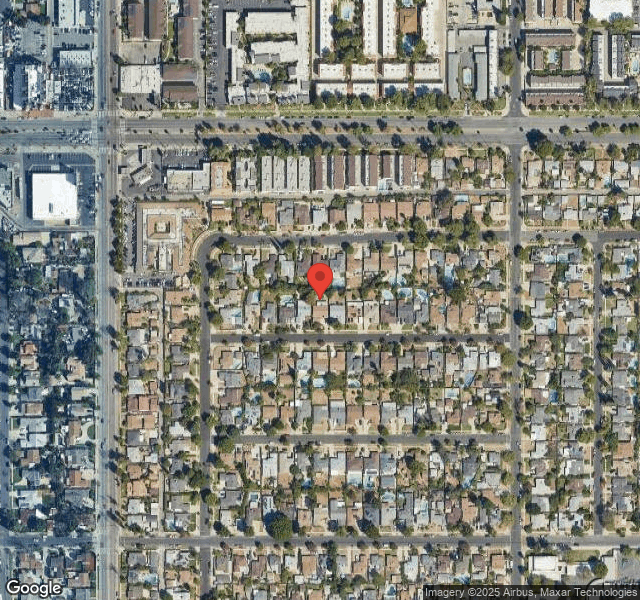

7120 CORBIN AVE., RESEDA, CA 91335 (818) 881-4540
For profit - Limited Liability company 157 Beds GENESIS HEALTHCARE Data: November 2025 2 Immediate Jeopardy citations
Trust Grade
4/100
#959 of 1155 in CA
Last Inspection: April 2025

Within standard 12-15 month inspection cycle. Federal law requires annual inspections.

Overview

Woodland Care Center has received a Trust Grade of F, indicating significant concerns and overall poor performance. Ranking #959 out of 1155 facilities in California places it in the bottom half, and #264 out of 369 in Los Angeles County means there are only a few local options that are better. The facility is worsening, with issues increasing from 27 in 2024 to 37 in 2025. While staffing turnover is relatively low at 28% compared to the state average, the overall staffing rating is only 2 out of 5 stars. The center has faced $30,972 in fines, which is average but suggests compliance issues. Although RN coverage is average, it is important to note that there have been serious incidents, such as a resident being served food they are allergic to, which indicates a failure in dietary management. Additionally, call lights were found out of reach for several residents, potentially delaying needed assistance. Overall, while there are some staffing strengths, the facility's critical issues and declining trend should be carefully considered.

Trust Score
F
4/100
In California
#959/1155
Bottom 17%
Safety Record
High Risk
Review needed
Inspections
Getting Worse
27 → 37 violations
Staff Stability
✓ Good
28% annual turnover. Excellent stability, 20 points below California's 48% average. Staff who stay learn residents' needs.
Penalties
✓ Good
$30,972 in fines. Lower than most California facilities. Relatively clean record.
Skilled Nurses
⚠ Watch
Each resident gets only 20 minutes of Registered Nurse (RN) attention daily — below average for California. Fewer RN minutes means fewer trained eyes watching for problems.
Violations
⚠ Watch
100 deficiencies on record. Higher than average. Multiple issues found across inspections.
★★☆☆☆
2.0
Overall Rating
★★☆☆☆
2.0
Staff Levels
★★★★★
5.0
Care Quality
★☆☆☆☆
1.0
Inspection Score
Stable
2024: 27 issues
2025: 37 issues

The Good

  • 5-Star Quality Measures · Strong clinical quality outcomes
  • Low Staff Turnover (28%) · Staff stability means consistent care
  • Full Sprinkler Coverage · Fire safety systems throughout facility
  • No fines on record
  • Staff turnover is low (28%)

    20 points below California average of 48%

Facility shows strength in quality measures, staff retention, fire safety.

The Bad

2-Star Overall Rating

Below California average (3.1)

Below average - review inspection findings carefully

Federal Fines: $30,972

Below median ($33,413)

Moderate penalties - review what triggered them

Chain: GENESIS HEALTHCARE

Part of a multi-facility chain

Ask about local staffing decisions and management

The Ugly 100 deficiencies on record

2 life-threatening
Sept 2025 3 deficiencies
CONCERN (D) 📢 Someone Reported This

A family member, employee, or ombudsman was alarmed enough to file a formal complaint

Potential for Harm - no one hurt, but risky conditions existed

Deficiency F0711 (Tag F0711)

Could have caused harm · This affected 1 resident

**NOTE- TERMS IN BRACKETS HAVE BEEN EDITED TO PROTECT CONFIDENTIALITY** Based on interview and record review, the facility failed to ensure a resident's attending physician documented a resident's His...

Read full inspector narrative →
**NOTE- TERMS IN BRACKETS HAVE BEEN EDITED TO PROTECT CONFIDENTIALITY** Based on interview and record review, the facility failed to ensure a resident's attending physician documented a resident's History and Physical (H&P- a formal assessment by a healthcare provider that involves a resident interview, physical exam, and documentation of findings) within 72 hours following admission for one of three sampled residents (Resident 1).This deficient practice had the potential for inconsistent care coordination due to incomplete medical records for Resident 1.Findings:During a review of Resident 1's admission Record, the admission Record indicated the facility readmitted Resident 1 on 8/26/2025 with diagnoses that included other toxic encephalopathy (a broad term for any brain disease that alters brain function or structure), sepsis (a life-threatening blood infection), and pneumonia (an infection/inflammation in the lungs).During a review of Resident 1's Minimum Data Set (MDS - a resident assessment tool) dated 8/27/2025, the MDS indicated Resident 1's cognition (the mental action or process of acquiring knowledge and understanding through thought, experience, and the sense) was severely impaired. The MDS indicated Resident 1 substantial/maximal assistance required from staff with eating, oral hygiene, toileting hygiene and personal hygiene.During a concurrent interview and record review on 9/5/2025 at 12:56 p.m., with the Director of Nursing (DON), reviewed Resident 1's medical records in regards to H&Ps. The DON stated that Resident 1 was readmitted on [DATE] and Resident 1's H&P was not completed until 9/1/2025, six days after readmission.During a follow-up interview on 9/8/2025 at 11:58 a.m., with the DON, the DON stated that residents' H&Ps should be completed and signed within 72 hours of initial admission and/or readmission. The DON stated that residents' H&Ps are important because it is the provider's baseline assessment by the facility's physician and it is a document where staff can reference the H&P for the residents' plan of care.During an interview on 9/8/2025 at 5:54 p.m., with the Nurse Practitioner (NP), the NP stated that the NP was not able to complete Resident 1's H&P timely because she has been behind on completing her notes because she has a lot of residents to see. The NP stated that she would not be able to finish her notes on the day of the visit and would complete and sign H&Ps at a later date. The NP further stated that she (the NP) is aware that she needs to complete and sign the H&P on the same day of her visit with the residents.During a review of the facility's policy and procedure (P&P) titled, Charting and Documentation, reviewed date 1/16/2025, the policy indicated services provided to the resident, progress toward the care plan goals, or any changes in the resident's medical, physical, functional or psychosocial condition, shall be documented in the resident's medical record. The medical record should facilitate communication between the interdisciplinary team (IDT- a group of health care professionals with various areas of expertise who work together toward the goals of the residents' care plan) regarding the resident's condition and response to care.During a review of the facility's P&P titled, Physicians Visits, reviewed date 1/16/2025, the policy indicated the attending physician must perform relevant tasks at the time of each visit, including a review of the resident's total program of care and appropriate documentation.
CONCERN (D) 📢 Someone Reported This

A family member, employee, or ombudsman was alarmed enough to file a formal complaint

Potential for Harm - no one hurt, but risky conditions existed

Deficiency F0800 (Tag F0800)

Could have caused harm · This affected 1 resident

**NOTE- TERMS IN BRACKETS HAVE BEEN EDITED TO PROTECT CONFIDENTIALITY** Based on observation, interview, and record review, the facility failed to provide a nutritional supplement drink per physician'...

Read full inspector narrative →
**NOTE- TERMS IN BRACKETS HAVE BEEN EDITED TO PROTECT CONFIDENTIALITY** Based on observation, interview, and record review, the facility failed to provide a nutritional supplement drink per physician's order for one of three sampled residents (Resident 1).This deficient practice had the potential for Resident 1 to receive insufficient food intake which could result in weight loss and malnutrition (lack of sufficient nutrients in the body).Findings:During a review of Resident 1's admission Record, the admission Record indicated the facility readmitted Resident 1 on 8/26/2025 with diagnoses that included other toxic encephalopathy (a broad term for any brain disease that alters brain function or structure), sepsis (a life-threatening blood infection), and pneumonia (an infection/inflammation in the lungs).During a review of Resident 1's Minimum Data Set (MDS - a resident assessment tool) dated 8/27/2025, the MDS indicated Resident 1's cognition (the mental action or process of acquiring knowledge and understanding through thought, experience, and the sense) was severely impaired. The MDS indicated Resident 1 substantial/maximal assistance required from staff with eating, oral hygiene, toileting hygiene and personal hygiene.During a review of Resident 1's Order Summary Report, the Order Summary Report indicated an order for regular diet, pureed texture (a texture modified diet that consists of smooth, moist foods that are easy to swallow, food with soft pudding like consistency), thin consistency, nutritional supplement drink one (1) bottle with meals, breakfast and lunch, ordered 8/26/2025.During a review of Resident 1's care plan (a document that summarizes a resident's needs, goals, and care/treatment) for resident is at nutritional risk, revised on 8/27/2025, the care plan indicated an intervention for nutritional supplement drink with meals breakfast and lunch for supplement.During a review of Resident 1's Nutritional assessment dated [DATE] timed 12:09 p.m., the Nutritional Assessment indicated nutritional supplement drink twice a day with meals with breakfast and lunch to provide additional calories and protein.During an observation on 9/5/2024 at 12:45 p.m., in Resident 1's room, observed Resident 1's lunch tray. Observed no nutritional supplement drink on Resident 1's lunch tray.During an interview on 9/5/2025 at 2:58 p.m., with the Assistant Dietary Supervisor (ADS), the ADS stated that nutritional supplement drinks are not provided by the kitchen and are given to residents by nursing staff.During an interview on 9/5/2025 at 3:10 p.m., with the Director of Nursing (DON), the DON stated that certified nursing assistants will ask the charge nurses for the nutritional supplement drink to provide to residents.During an interview on 9/5/2025 at 3:15 p.m., with Certified Nursing Assistant 1 (CNA 1), CNA 1 stated that he (CNA 1) did not provide a nutritional supplement drink to Resident 1 because CNA 1 did not assist Resident 1 with lunch. CNA 1 stated that he did not provide a nutritional supplement drink for breakfast.During an interview on 9/5/2025 at 3:18 p.m., with Restorative Nursing Assistant (RNA 1), RNA 1 stated that she (RNA 1) assisted Resident 1 with lunch. RNA 1 continued to state that RNA 1 did not provide Resident 1 with a nutritional supplement drink during lunch or breakfast.During an interview on 9/5/2025 at 4:30 p.m., with the DON, the DON stated that nutritional supplement drinks should have been provided to Resident 1 because it is a physician's order.During a review of the facility's policy and procedure (P&P), Therapeutic Diets, last reviewed 1/16/2025, the policy indicated the therapeutic diets are prescribed by the attending physician to support the resident's treatment and plan of care in accordance with his or her goals and preferences.
CONCERN (D) 📢 Someone Reported This

A family member, employee, or ombudsman was alarmed enough to file a formal complaint

Potential for Harm - no one hurt, but risky conditions existed

Deficiency F0806 (Tag F0806)

Could have caused harm · This affected 1 resident

**NOTE- TERMS IN BRACKETS HAVE BEEN EDITED TO PROTECT CONFIDENTIALITY** Based on observation, interview, and record review, the facility failed to provide two of three sampled residents (Resident 1 an...

Read full inspector narrative →
**NOTE- TERMS IN BRACKETS HAVE BEEN EDITED TO PROTECT CONFIDENTIALITY** Based on observation, interview, and record review, the facility failed to provide two of three sampled residents (Resident 1 and Resident 2) with meals that accommodated their food preferences.This deficient practice had the potential to result in decreased meal intake which could lead to weight loss and malnutrition (lack of sufficient nutrients in the body).Findings:a. During a review of Resident 1's admission Record, the admission Record indicated the facility readmitted Resident 1 on 8/26/2025 with diagnoses that included other toxic encephalopathy (a broad term for any brain disease that alters brain function or structure), sepsis (a life-threatening blood infection), and pneumonia (an infection/inflammation in the lungs).During a review of Resident 1's Minimum Data Set (MDS - a resident assessment tool) dated 8/27/2025, the MDS indicated Resident 1's cognition (the mental action or process of acquiring knowledge and understanding through thought, experience, and the sense) was severely impaired. The MDS indicated Resident 1 substantial/maximal assistance required from staff with eating, oral hygiene, toileting hygiene and personal hygiene.During a review of Resident 1's Order Summary Report, the Order Summary Report indicated an order for regular diet, pureed texture (a texture modified diet that consists of smooth, moist foods that are easy to swallow, food with soft pudding like consistency), thin consistency, nutritional supplement drink one (1) bottle with meals, breakfast and lunch, ordered 8/26/2025.During a review of Resident 1's care plan (a document that summarizes a resident's needs, goals, and care/treatment) for resident is at nutritional risk, revised on 8/27/2025, the care plan indicated an intervention to honor food preferences within meal plan.During a review of Resident 1's Dietary Profile dated 7/10/2025 timed 4:31 p.m., the Dietary Profile indicated Resident 1 likes mashed potato for lunch and dinner. Preferences noted on meal ticket.During a review of Resident 1's noon meal ticket dated Friday 9/5/2025, the meal ticket indicated: orange juice, Italian baked fish, herb baked potatoes, mashed potatoes, green beans, bread/margarine, white cake/chocolate icing, ice cream, pudding, and water.During a concurrent observation, interview, and record review on 9/5/2025 at 12:15 p.m., with the Assistant Dietary Supervisor (ADS), observed Resident 1's lunch tray which contained pureed Italian baked fish, pureed herbed baked potatoes, pureed green beans, pureed bread with margarine, pureed white cake with chocolate icing, ice cream, pudding, and water. The ADS reviewed Resident 1's noon meal ticket and stated that the mashed potatoes were not served. The ADS stated that Resident 1 should have been served mashed potatoes because mashed potatoes are Resident 1's preference and was printed on the meal ticket.b. During a review of Resident 2's admission Record, the admission Record indicated the facility admitted Resident 2 on 7/16/2025 with diagnosis that included encephalopathy (a medical condition characterized by a disturbance in brain function that causes changes in mental state, behavior, and cognitive abilities), dysphagia (difficulty swallowing), and Alzheimer's disease (a disease characterized by a progressive decline in mental abilities).During a review of Resident 2's MDS dated [DATE], the MDS indicated Resident 2 had severe cognitive impairment. The MDS indicated Resident 2 required setup and clean-up assistance with eating and oral hygiene and required supervision or touching assistance with staff with toileting and personal hygiene.During a review of Resident 2's Order Summary Report, the Order Summary Report indicated an order for regular diet, regular texture, thin consistency, ordered 11/4/2024.During a review of Resident 2's Dietary Profile dated 7/15/2025 timed 8:33 p.m., the Dietary Profile indicated coffee with all meals.During a review of Resident 2's noon meal ticket dated Friday 9/8/2025, the meal ticket indicated: baked ziti, tossed salad/dressing, garlic bread, strawberry poke cake, lemonade, and coffee.During an observation on 9/8/2025 at 12:50 p.m., in Resident 2's room, observed Resident 2's lunch meal tray. Observed no coffee on Resident 2's lunch meal tray.During an interview on 9/8/2025 at 12:55 p.m., with Resident 2, in Resident 2's room, Resident 2 stated that Resident 2 is missing his coffee.During a concurrent observation, interview, and record review on 9/8/2025 at 12:56 p.m., with the Director of Staff Development (DSD), reviewed Resident 2's noon meal ticket. Observed Resident 2's lunch meal tray and the DSD stated that Resident 2 is missing his coffee.During an interview on 9/8/2025 at 1:10 p.m., with the Director of Nursing (DON), the DON stated all meal tickets should be followed because the facility should be following residents' preferences. The DON stated it is the residents' right.During an interview on 9/8/2025 at 5:00 p.m., with the Registered Dietician (RD), the RD stated that it is important to honor residents' dietary preferences and follow residents' meal tickets because following preferences and meal ticket will help in increasing oral intake. The RD stated if the facility does not follow residents' preferences and/or meal ticket, there is a possibility for residents to have decrease oral intake, will not receive adequate nutritional needs, and may have weight loss. During a review of the facility's policy and procedure (P&P), Resident Food Preferences, last reviewed 1/16/2025, the policy indicated the Dietary Manager will complete a dietary profile for residents to reflect current food preferences and nutritional needs upon admission, readmission, quarterly, annually, or as needed. The dietary department will provide residents with meals consistent with their preferences as indicated on their tray card.During a review of the facility's policy P&P, Therapeutic Diets, last reviewed 1/16/2025, the policy indicated the therapeutic diets are prescribed by the attending physician to support the resident's treatment and plan of care in accordance with his or her goals and preferences.
Aug 2025 2 deficiencies
CONCERN (D) 📢 Someone Reported This

A family member, employee, or ombudsman was alarmed enough to file a formal complaint

Potential for Harm - no one hurt, but risky conditions existed

Pharmacy Services (Tag F0755)

Could have caused harm · This affected 1 resident

Based on interview and record review, the facility failed to notify a resident's physician regarding a resident's Systane (used to relieve burning, irritation, and discomfort caused by dry eyes) night...

Read full inspector narrative →
Based on interview and record review, the facility failed to notify a resident's physician regarding a resident's Systane (used to relieve burning, irritation, and discomfort caused by dry eyes) night ophthalmic (relating to the eyes) gel not being available and not being administered for one of four sampled residents (Resident 1). This deficient practice had the potential to result in worsening symptoms and negatively affect the delivery of care and services to Resident 1.During a review of Resident 1's admission Record, the admission Record indicated the facility admitted Resident 1 on 3/24/2025 and readmitted the resident on 6/12/2025 with diagnoses that included Parkinson's disease (a movement disorder of the nervous system that worsens over time), hypotension (low blood pressure), and bipolar disorder (mental disorder that causes unusual shifts in mood, energy, activity levels, concentration, and the ability to carry out day-to-day tasks).During a review of Resident 1's Minimum Data Set (MDS - a resident assessment tool) dated 5/5/2025, the MDS indicated Resident 1 was able to make self-understood and understand others, and Resident 1's cognition (ability to think and make decisions) was intact. The MDS further indicated that Resident 1 was independent for activities of daily livings (ADLs- activities such as bathing, dressing and toileting a person performs daily).During a review of Resident 1's Order Summary Report dated 8/19/2025, the Order Summary Report indicated the physician ordered to instill (to introduce a liquid substance slowly and drop by drop into a specific body cavity or surface) Systane night ophthalmic gel 0.3%, one drop in both eyes at bedtime for dry eyes.During a review of Resident 1's Medication Administration Record (MAR - a daily documentation record used by a licensed nurse to document medications and treatments given to a resident) dated 8/2025, the MAR indicated that Licensed Vocational Nurse 1 (LVN 1) did not administer Systane to Resident 1's eyes on 8/19/2025 and 8/20/2025 at 9 p.m.During a concurrent interview and record review on 8/21/2025 at 4:53 p.m., with LVN 1, reviewed Resident 1's MAR for 8/2025. LVN 1 stated Resident 1's Systane was not delivered on 8/19/2025 and 8/20/2025, and Resident 1's Systane was still not available on that day, 8/21/2025. LVN 1 stated LVN 1 was going to contact the pharmacy to find out how long it would take to be delivered. When LVN 1 was asked if LVN 1 notified Resident 1's physician that Resident 1's Systane was not available and was not administered to Resident 1's eyes on 8/19/2025 and 8/20/2025, LVN 1 stated that she (LVN 1) did not inform Resident 1's physician yet. During a concurrent interview and record review on 8/21/2025 at 4:59 p.m., with the Director of Nursing (DON), reviewed Resident 1's MAR for 8/2025 for Systane. The DON stated that if any medications were not delivered from the pharmacy and the facility was not able to administer the medications to the residents, the license nurses should notify the residents' physician for unavailability of medication because a physician might have a different plan of care if the physician knew the ordered medications were not available.During a review of the facility's policy and procedure (P&P) titled, Guidelines for Notifying Physicians of Clinical Problems, last reviewed on 1/16/2025, the policy indicated, The charge nurse or supervisor should contact the attending physician at any time if they feel a clinical situation requires immediate discussion and management.Non-immediate Notification Situations. However, do not wait if there is concern or reason to believe that the situation requires more urgent discussion.
CONCERN (D) 📢 Someone Reported This

A family member, employee, or ombudsman was alarmed enough to file a formal complaint

Potential for Harm - no one hurt, but risky conditions existed

Medical Records (Tag F0842)

Could have caused harm · This affected 1 resident

Based on interview and record review, the facility failed to maintain complete and accurate medical records in accordance with accepted professional standards for one of four sampled residents (Reside...

Read full inspector narrative →
Based on interview and record review, the facility failed to maintain complete and accurate medical records in accordance with accepted professional standards for one of four sampled residents (Resident 1) by failing to accurately document Resident 1's blood pressure (BP - a measure of how well blood circulates through your arteries [pathway that carries blood away from the heart]).This deficient practice placed the resident at risk of not receiving appropriate care due to inaccurate resident medical care information and the potential to result in confusion in the care and services for Resident 1.During a review of Resident 1's admission Record, the admission Record indicated the facility admitted Resident 1 on 3/24/2025 and readmitted the resident on 6/12/2025 with diagnoses that included Parkinson's disease (a movement disorder of the nervous system that worsens over time), hypotension (low blood pressure), and bipolar disorder (mental disorder that causes unusual shifts in mood, energy, activity levels, concentration, and the ability to carry out day-to-day tasks).During a review of Resident 1's Minimum Data Set (MDS - a resident assessment tool) dated 5/5/2025, the MDS indicated Resident 1 was able to make self-understood and understand others, and Resident 1's cognition (ability to think and make decisions) was intact. The MDS further indicated that Resident 1 was independent for activities of daily livings (ADLs- activities such as bathing, dressing and toileting a person performs daily).During a review of Resident 1's Order Summary Report dated 8/21/2025, the Order Summary Report indicated the following orders:- Record standing BP, again after three (3) minutes. Standing BP at 10 a.m., 12:30 p.m., and 5:30 p.m., three times a day. Order date: 3/26/2025.- Midodrine hydrochloride (used to treat the symptoms of low BP caused by a changing position or standing), give 10 milligram (mg- unit of measurement) by mouth three times a day related to hypotension (low blood pressure), hold for systolic BP (SBP - the first number in a blood pressure reading, which measures the pressure in the arteries when the heart beats) greater than 120, call the physician immediately if SBP is less than 90. Order date 8/7/2025. During a review of Resident 1's Medication Administration Record (MAR - a daily documentation record used by a licensed nurse to document medications and treatments given to a resident) dated 8/2025, the MAR indicated the following:- On 8/1/2025 at 5 p.m., Resident 1's standing BP was 66/58 millimeters of mercury (mmHg- unit of measurement for BP).- On 8/8/2025 at 5 p.m., Resident 1's standing BP was 53/39 mmHg.During a review of Resident 1's Weights and Vitals Summary, the Weights and Vitals Summary indicated the following:- On 8/8/2025, Resident 1's sitting BP was 80/56 mmHg at 8:44 p.m., Resident 1's standing BP was 53/39 mmHg at 8:45 p.m., and Resident 1's sitting BP was 80/56 mmHg at 8:46 p.m. During a concurrent phone interview and record review on 8/21/2025 at 3:50 p.m., with Licensed Vocational Nurse 2 (LVN 2), reviewed Resident 1's Weights and Vitals Summary. Informed LVN 2 that LVN 2 documented Resident 1's BPs on 8/8/2025 was 80/56 mmHg at 8:44 p.m., 53/39 mmHg at 8:45 p.m., and 80/56 mmHg at 8:46 p.m. LVN 2 stated that Resident 1's BPs were not that low and entered the wrong readings mistakenly, but LVN 2 did not know how to correct it by striking out the documentation and was so busy to correct Resident 1's BP readings on that day (8/8/2025). LVN 2 further stated that Resident 1 took midodrine to elevate low BPs, but still if Resident 1's BPs were that low then LVN 2 should call the physician to notify about Resident 1's low BPs but Resident 1 never had any episodes of SBP below 90.During a concurrent interview and record review on 8/21/2025 at 4:26 p.m., with the Director of Nursing (DON), reviewed Resident 1's Weights and Vitals Summary. The DON stated that LVN 2 should correct the wrong data entered, and if they do not know how to correct it, then LVN 2 should ask an RN supervisor or other licensed nurses. The DON stated if licensed nurses do not correct the data entered mistakenly in a timely manner, especially BP readings, it would make the staff confused regarding a resident's condition or the services delivered. During a concurrent phone interview and record review on 8/22/2025 at 3:56 p.m., with LVN 2, reviewed Resident 1's MAR dated 8/2025. Informed LVN 2 that LVN 2 documented that Resident 1's standing BP was 66/58 mmHg on 8/1/2025 at 5 p.m. LVN 2 stated that Resident 1's SBP was never lower than 90 and it was entered mistakenly. LVN 2 was unable to recall Resident 1's BP on 8/1/2025 but if it was that low, LVN 2 should initiate a Change of Condition (COC - any significant, sudden deviation from a resident's normal physical, mental, cognitive, or functional status) and notify the physician. LVN 2 stated Resident 1's low BP was entered mistakenly and LVN 2 did not learn how to correct in the MAR. During a review of the facility's policy and procedure (P&P) titled, Blood Pressure, Measuring, last reviewed on 1/16/2025, the policy indicated, Hypotension is defined as blood pressure less than 100/60 millimeters of mercury. Nurse should review if there are any medications ordered for hypotension and administer as ordered. Recheck blood pressure then notify if blood pressure remains low. The following information should be recorded in the resident's medical record: the blood pressure reading.Report other information in accordance with facility policy and professional standards of practice.
Jul 2025 1 deficiency
CONCERN (D) 📢 Someone Reported This

A family member, employee, or ombudsman was alarmed enough to file a formal complaint

Potential for Harm - no one hurt, but risky conditions existed

Medical Records (Tag F0842)

Could have caused harm · This affected 1 resident

Based on interview and record review, the facility failed to ensure clinical records for one of four sampled residents (Resident 1) were maintained in accordance with accepted professional standards b...

Read full inspector narrative →
Based on interview and record review, the facility failed to ensure clinical records for one of four sampled residents (Resident 1) were maintained in accordance with accepted professional standards by failing to accurately document Resident 1's Restorative Nurse Aide (RNA, a program designed to ensure each resident maintains their physical and functional abilities) treatment.This deficient practice had the potential to result in decline in Resident 1's activity of daily living (ADLs- activities related to personal care) and create confusion regarding the delivery of care and services provided to the resident.During a review of Resident 1's admission Record, the admission Record indicated that the facility originally admitted the resident on 3/24/2025 and readmitted the resident on 6/12/2025 with diagnoses that included Parkinson's disease (movement disorder of the nervous system that worsens over time), acute respiratory failure with hypoxia (a condition where your lungs suddenly cannot get enough oxygen into your blood), and dysphagia (difficulty swallowing).During a review of Resident 1's Minimum Data Set (MDS- a resident assessment tool) dated 5/5/2025, the MDS indicated that Resident 1 had intact cognition (the mental action or process of acquiring knowledge and understanding through thought, experience, and the senses) and was independent on staff with toileting hygiene, shower or bathing, dressing, personal hygiene, and mobility (movement).During a review of Resident 1's Physician Progress Notes dated 6/19/2025, the Physician Progress Notes indicated Resident 1 had the capacity to understand and make decisions.During a review of Resident 1's Restorative Nursing Record for 5/1/2025-5/30/2025 and 7/1/2025-7/28/2025, the Restorative Nursing Record indicated Resident 1 had scheduled RNA for both upper extremity (region of the body that includes the arm, forearm, wrist, and hand) active range of motion (AROM- when a person moves a joint themselves, using their own muscles) five (5) times per week that was due on 5/2/2025, 5/27/2025 and 7/22/2025. Resident 1's Restorative Nursing Record indicated that on 5/2/2025, 5/27/2025, and 7/22/2025, the record was not signed by the RNA and there was no indication if Resident 1 received the scheduled RNA treatment or if Resident 1 refused the RNA treatment.During a review of Resident 1's Restorative Nursing Record for 5/1/2025-5/30/2025 and 7/1/2025-7/28/2025, the Restorative Nursing Record indicated Resident 1 had scheduled RNA for ambulation (ability to walk) with assistive device Parkinsons walker (has four wheels and are designed to provide a stable base support) five (5) times per week that was due on 5/2/2025, 5/5/2025, 7/8/2025, and 7/22/2025. Resident 1's Restorative Nursing Record indicated that on 5/2/2025, 5/5/2025, 7/8/2025, and 7/22/2025, the record was not signed by the RNA and there was no indication if Resident 1 received the scheduled RNA treatment or if Resident 1 refused the RNA treatment.During an interview on 7/29/2025 at 3:15 p.m., with the Director of Staff Development (DSD), the DSD stated that the RNA's should have signed or documented on the Restorative Nursing Record if Resident 1 was out for an appointment or out on pass right away so there is no question whether the resident received the RNA treatment or not.During an interview on 7/29/2025 at 4:30 p.m., with the Director of Nursing (DON), the DON stated that all the RNA's should have signed or documented on the Restorative Nursing Record to avoid confusion if the resident received RNA treatment or not.During a review of the facility`s policy and procedure (P&P) titled, Physician Orders, last reviewed on 1/16/2025, the policy indicated documentation pertaining to physician orders will be maintained in the resident's medical record. Current month's administration records will be maintained in the Medication Administration Record (MAR - a record of mediations administered to residents) / Treatment Administration Record (TAR- a record of treatments conducted for a resident) binders.
Jun 2025 3 deficiencies
CONCERN (D) 📢 Someone Reported This

A family member, employee, or ombudsman was alarmed enough to file a formal complaint

Potential for Harm - no one hurt, but risky conditions existed

Deficiency F0697 (Tag F0697)

Could have caused harm · This affected 1 resident

Based on interview, and record reviews, the facility failed to manage a resident's pain by failing to administer his scheduled pain medication as ordered by the physician for one of three sample resid...

Read full inspector narrative →
Based on interview, and record reviews, the facility failed to manage a resident's pain by failing to administer his scheduled pain medication as ordered by the physician for one of three sample residents (Resident 1). This deficient practice had the potential to negatively affect Resident 1`s psychosocial wellbeing and quality of life. Findings: During a review of Resident 1 ' s admission Record (face sheet), the admission Record indicated that the facility admitted the resident on 6/13/2025, with diagnoses including type two diabetes mellitus (DM2-a disorder characterized by difficulty in blood sugar control and poor wound healing), displayed fracture (when the broken ends of the bone are no longer aligned) of second cervical vertebra (the neck area of your spine), and abrasion (a superficial wound caused by rubbing or scraping the skin) of scalp (the skin covering the head). During a review of Resident 1 ' s Nursing Documentation Evaluation form dated 6/13/2025, the Nursing Evaluation form indicated that the resident was alert and oriented to time, place, and person and was able to communicate his needs with clear speech. During a review of Resident 1 ' s physician Order Summary Report (physician order) dated 6/13/2025, the Order Summary Report indicated to administer oxycodone-acetaminophen (a medication to relieve moderate to severe pain) oral tablet 7.5-325 milligrams (mg-a unit of measure of mass), give one (1) tablet by mouth three times a day for pain management. During a review of Resident 1`s Medication Administration Records (MAR - a daily documentation record used by a licensed nurse to document medications and treatments given to a resident) dated 6/13/2025-6/14/2025, the MAR indicated that Licensed Vocational Nurse 3 (LVN 3) administered oxycodone-acetaminophen oral tablet 7.5-325 mg to Resident 1 on 6/14/2025 at 6:00 a.m. During a review of Resident 1`s Nursing Progress Notes dated 6/14/2025 at 9:39 a.m., the Nursing Progress notes indicated that at 9:11 a.m., a charge nurse reported that Resident 1 had packed his belongings and wanted to leave the facility. Resident 1 stated that he (Resident 1) was promised a lot of things including assistance with having his car towed to General Acute Care Hospital 1 (GACH 1). The Nursing Progress notes further indicated that Resident 1 left the facility Against Medical Advice (AMA- a situation where a patient leaves a healthcare facility or refuses treatment despite the recommendation of their healthcare provider). During a telephone interview on 6/17/2025 at 11:37 a.m. with Resident 1, Resident 1 stated that he was admitted to the facility on the afternoon of 6/13/2025, and he left the faciity on the morning 6/14/2025. Resident 1 stated that he left the facility because he did not receive any pain medications, the bed was uncomfortable, and his breakfast was cold. Resident 1 stated that the facility staff only offered Tylenol for his pain which does not work for him. Resident 1 stated that he did not receive oxycodone 7.5-325 mg while in the facility. During a concurrent interview and record review on 6/17/2025 at 11:43 a.m. with Registered Nurse 2 (RN 2), Resident 1`s MAR for June 2025 was reviewed. RN 2 stated that on 6/14/2025 at 6:00 a.m., LVN 3 documented that she administered oxycodone-acetaminophen oral tablet 7.5-325 mg to Resident 1. During a concurrent observation and interview on 6/17/2025 at 12: 51 p.m., with Licensed Vocational Nurse 2 (LVN 2), Resident 1`s oxycodone-acetaminophen bubble pack (a medication packaging system that contains individual doses of medication per bubble), and Antibiotic and Controlled Drug (medications which have a potential for abuse and may also lead to physical or psychological dependence) Record for June 2025 were reviewed. LVN 2 stated that Resident 1`s oxycodone-acetaminophen oral tablet 7.5-325 mg bubble pack is intact and contains 30 tablets. LVN 2 stated that Resident 1`s Antibiotic and Controlled Drug Record also indicated that the count for oxycodone-acetaminophen 7.5-325 mg tablets is 30. LVN 2 stated that based on this information, Resident 1 did not receive any oxycodone 7.5-325 mg from his bubble pack. LVN 2 further stated that there are no oxycodone-acetaminophen 7.5-325 mg tablets in the facility`s Emergency Medication Kit (E-Kit- contains a limited supply of medications for use during emergencies when regular pharmacy services are unavailable) either. During an interview on 6/17/2025 at 1:55 p.m., with LVN 3, LVN 3 stated that on 6/13/2025, she (LVN 3) worked at the facility from 11p.m. to 7a.m. and she was assigned to Resident 1. LVN 3 stated that Resident 1 did not report any pain during her shift. LVN 3 stated that Resident 1`s physician ordered to administer oxycodone 7.5-325 mg to the resident three times a day for pain management. LVN 3 stated that she did not administer Resident 1`s oxycodone-acetaminophen that was prescribed by his physician to be administered on 6/14/2025 at 6:00 a.m. LVN 3 stated that she accidentally documented that she administered oxycodone-acetaminophen 7.5-325 mg to Resident 1 on 6/14/2025 at 6:00 a.m. LVN 3 stated that while she was in Resident 1`s room in the early morning of 6/14/2025, she (LVN 3) had to leave Resident 1's room to tend to another resident. LVN 3 stated that she must have documented by mistake when she was in a rush leaving Resident 1`s room. LVN 3 stated that she should have administered pain medication to Resident 1 as ordered by his physician. LVN 3 stated that the potential outcome of not administering pain medication as ordered by the physician is increased pain and discomfort for the resident. During an interview on 6/17/2025 at 2:30 p.m., with the Director of Nursing (DON), the DON stated that licensed staff are required to administer medication to residents as ordered by their physicians. The DON stated that licensed staff are responsible to assess all residents for pain and administer pain medications as ordered by their physicians. The DON stated that Resident 1`s oxycodone-acetaminophen 7.5-325 mg bubble pack is intact and contains 30 tablets. The DON stated that LVN 3 did not administer Resident 1`s oxycodone scheduled for administration on 6/14/2025 at 6:00 a.m. The DON stated that LVN 3 made an incorrect and inaccurate documentation that she administered the medication in Resident 1`s MAR. The DON stated that the potential outcome of not administering a resident`s scheduled pain medication as ordered by the physician is increased pain and harm to the resident. During a review of the facility`s Policy and Procedures (P&P) titled Pain Management, last reviewed on 1/16/2025, the P&P indicated that at a minimum daily, residents will be evaluated for the presence of pain by making an inquiry of the resident or by observing for signs of pain. If pain medications are given, document on the back of the MAR or on the PRN (as needed) pain management flow sheet. Residents receiving interventions for pain will be monitored for the effectiveness and side effects in providing pain relief. Document non-pharmacological interventions and effectiveness, effectiveness of PRN pain medications, ineffectiveness of routine or PRN medications including interventions, follow ups and physician notifications.
CONCERN (D) 📢 Someone Reported This

A family member, employee, or ombudsman was alarmed enough to file a formal complaint

Potential for Harm - no one hurt, but risky conditions existed

Pharmacy Services (Tag F0755)

Could have caused harm · This affected 1 resident

Based on interview, and record review, the facility failed to accurately provide pharmaceutical services to one of three sampled residents (Resident 1) by failing to: 1. Administer oxycodone-acetamino...

Read full inspector narrative →
Based on interview, and record review, the facility failed to accurately provide pharmaceutical services to one of three sampled residents (Resident 1) by failing to: 1. Administer oxycodone-acetaminophen (a medication to relieve moderate to severe pain) oral tablet 7.5-325 milligrams (mg-a unit of measurement of mass) to Resident 1 on 6/14/2025 at 6:00 a.m., as prescribed by the physician. 2. Ensure LVN 3 did not document administration of oxycodone-acetaminophen oral tablet 7.5-325 mg on 6/14/2025 at 6:00 a.m in Resident 1's Medication Administration Record when it had not been given. These deficient practices had the potential for harm to the resident due to inaccurate records of narcotic use; and increased the risk of controlled drug diversion. Findings: During a review of Resident 1 ' s admission Record (face sheet), the admission record indicated that the facility admitted the resident on 6/13/2025, with diagnoses including type two diabetes mellitus (DM2-a disorder characterized by difficulty in blood sugar control and poor wound healing), displayed fracture (when the broken ends of the bone are no longer aligned) of second cervical vertebra (the neck area of your spine), and abrasion (a superficial wound caused by rubbing or scraping the skin) of scalp (the skin covering the head). During a review of Resident 1 ' s Nursing Documentation Evaluation form dated 6/13/2025, the Nursing Evaluation form indicated that the resident was alert and oriented to time, place, and person and was able to communicate his needs with clear speech. During a review of Resident 1 ' s physician Order Summary Report (physician order) dated 6/13/2025, the Order Summary report indicated to administer oxycodone-acetaminophen (a medication to relieve moderate to severe pain) oral tablet 7.5-325 mg, give one (1) tablet by mouth three times a day for pain management. During a review of Resident 1`s Medication Administration Records (MAR - a daily documentation record used by a licensed nurse to document medications and treatments given to a resident) dated 6/13/2025-6/14/2025, the MAR indicated that Licensed Vocational Nurse 3 (LVN 3) administered oxycodone-acetaminophen oral tablet 7.5-325 mg to Resident 1 on 6/14/2025 at 6:00 a.m. During a review of Resident 1`s Nursing Progress Notes dated 6/14/2025 at 9:39 a.m., the Nursing Progress notes indicated that at 9:11 a.m., Resident 1 left the facility Against Medical Advice (AMA- a situation where a patient leaves a healthcare facility or refuses treatment despite the recommendation of their healthcare provider). During a telephone interview on 6/17/2025 at 11:37 a.m. with Resident 1, Resident 1 stated that he was admitted to the facility in the afternoon of 6/13/2025, and he left the facility in the morning 6/14/2025. Resident 1 stated that he left the facility because he did not receive any pain medications, the bed was uncomfortable, and his breakfast was cold. Resident 1 stated that the facility staff only offered Tylenol for his pain which does not work for him. Resident 1 stated that he did not receive oxycodone 7.5-325 mg while in the facility. During a concurrent interview and record review on 6/17/2025 at 11:43 a.m. with Registered Nurse 2 (RN 2), Resident 1`s MAR for June 2025 was reviewed. RN 2 stated that on 6/14/2025 at 6:00 a.m., LVN 3 documented that she administered oxycodone-acetaminophen oral tablet 7.5-325 mg to Resident 1. During a concurrent observation and interview on 6/17/2025 at 12: 51 p.m., with Licensed Vocational Nurse 2 (LVN 2), Resident 1`s oxycodone-acetaminophen bubble pack (a medication packaging system that contains individual doses of medication per bubble), and Antibiotic and Controlled Drug (medications which have a potential for abuse and may also lead to physical or psychological dependence) Record for June 2025 were reviewed. LVN 2 stated that Resident 1`s oxycodone-acetaminophen oral tablet 7.5-325 mg bubble pack is intact and contains 30 tablets. LVN 2 stated that Resident 1`s Antibiotic and Controlled Drug Record also indicated that the count for oxycodone-acetaminophen 7.5-325 mg tablets is 30. LVN 2 stated that based on this information, Resident 1 did not receive any oxycodone 7.5-325 mg from his bubble pack. LVN 2 further stated that there are no oxycodone-acetaminophen 7.5-325 mg tablets in the facility`s Emergency Medication Kit (E-Kit- contains a limited supply of medications for use during emergencies when regular pharmacy services are unavailable) either. During an interview on 6/17/2025 at 1:55 p.m., with LVN 3, LVN 3 stated that on 6/13/2025, she (LVN 3) worked at the facility from 11p.m. to 7a.m. and she was assigned to Resident 1. LVN 3 stated that Resident 1 did not report any pain during her shift. LVN 3 stated that Resident 1`s physician ordered to administer oxycodone 7.5-325 mg to the resident three times a day for pain management. LVN 3 stated that she did not administer Resident 1`s oxycodone-acetaminophen that was prescribed by his physician to be administered on 6/14/2025 at 6:00 a.m. LVN 3 stated that she accidentally documented that she administered oxycodone-acetaminophen 7.5-325 mg to Resident 1 on 6/14/2025 at 6:00 a.m. LVN 3 stated that while she was in Resident 1`s room in the early morning of 6/14/2025, she (LVN 3) had to leave Resident 1's room to tend to another resident. LVN 3 stated that she must have documented by mistake when she was in a rush leaving Resident 1`s room. LVN 3 stated that she should have administered pain medication to Resident 1 as ordered by his physician. LVN 3 stated that the potential outcome of not administering pain medication as ordered by the physician is increased pain and discomfort for the resident. During an interview on 6/17/2025 at 2:30 p.m., with the Director of Nursing (DON), the DON stated that licensed staff are required to administer medication to residents as ordered by their physicians. The DON stated that licensed staff are responsible to document accurately and timely in the resident`s medical record when they administer medications. The DON stated that Resident 1`s oxycodone-acetaminophen 7.5-325 mg bubble pack is intact and contains 30 tablets. The DON stated that LVN 3 did not administer Resident 1`s oxycodone scheduled for administration on 6/14/2025 at 6:00 a.m. The DON stated that LVN 3 made an incorrect and inaccurate documentation that she administered the medication in Resident 1`s MAR. The DON stated that the potential outcome of not administering a resident`s scheduled pain medication as ordered by the physician is increased pain and harm to the resident. During a review of the facility`s Policy and Procedures (P&P) titled Administering medications, last reviewed on 1/16/2025, the P&P indicated that medications are administered in accordance with prescriber orders, including any required time frame. Medications are administered within one hour before and after of their prescribed time, unless otherwise specified. If a drug is withheld, refused, or given at a time other than the scheduled tie, the individual administering the medication shall document accordingly. The individual administering the medication initials the resident`s MAR on the appropriate line after giving each medication and before administering the next dose.
CONCERN (D) 📢 Someone Reported This

A family member, employee, or ombudsman was alarmed enough to file a formal complaint

Potential for Harm - no one hurt, but risky conditions existed

Medical Records (Tag F0842)

Could have caused harm · This affected 1 resident

Based on interview and record review, the facility failed to maintain accurate medical records in accordance with the accepted professional standards for one of three sampled residents (Resident 1) wh...

Read full inspector narrative →
Based on interview and record review, the facility failed to maintain accurate medical records in accordance with the accepted professional standards for one of three sampled residents (Resident 1) when on 6/14/2025, Licensed Vocational Nurse 3 (LVN 3) documented in the Medication Adminsitartion Record ( (MAR - a daily documentation record used by a licensed nurse to document medications and treatments given to a resident) that she administered Resident 1`s pain medication when it had not been given. This deficient practice placed the resident at risk of not receiving appropriate care due to inaccurate medical care information. Findings: During a review of Resident 1 ' s admission Record (face sheet), the admission Record indicated that the facility admitted the resident on 6/13/2025, with diagnoses including type two diabetes mellitus (DM2-a disorder characterized by difficulty in blood sugar control and poor wound healing), displayed fracture (when the broken ends of the bone are no longer aligned) of second cervical vertebra (the neck area of your spine), and abrasion (a superficial wound caused by rubbing or scraping the skin) of scalp (the skin covering the head). During a review of Resident 1 ' s Nursing Documentation Evaluation form dated 6/13/2025, the Nursing Evaluation form indicated that the resident was alert and oriented to time, place, and person and was able to communicate his needs with clear speech. During a review of Resident 1 ' s physician Order Summary Report (physician order) dated 6/13/2025, the Order Summary Report indicated to administer oxycodone-acetaminophen (a medication to relieve moderate to severe pain) oral tablet 7.5-325 milligrams (mg-a unit of measure of mass), give one (1) tablet by mouth three times a day for pain management. During a review of Resident 1`s Medication Administration Record for 6/13/2025-6/14/2025, the MAR indicated that Licensed Vocational Nurse 3 (LVN 3) administered oxycodone-acetaminophen oral tablet 7.5-325 mg to Resident 1 on 6/14/2025 at 6:00 a.m. During a telephone interview on 6/17/2025 at 11:37 a.m. with Resident 1, Resident 1 stated that he was admitted to the facility in the afternoon of 6/13/2025, and he left the facility in the morning of 6/14/2025. Resident 1 stated that he left the facility because he did not receive any pain medications, the bed was uncomfortable, and his breakfast was cold. Resident 1 stated that the facility staff only offered Tylenol for his pain which does not work for him. Resident 1 stated that he did not receive oxycodone 7.5-325 mg while in the facility. During a concurrent interview and record review on 6/17/2025 at 11:43 a.m. with Registered Nurse 2 (RN 2), Resident 1`s MAR for June 2025 was reviewed. RN 2 stated that on 6/14/2025 at 6:00 a.m., LVN 3 documented that she administered oxycodone-acetaminophen oral tablet 7.5-325 mg to Resident 1. During a concurrent observation and interview on 6/17/2025 at 12: 51 p.m., with Licensed Vocational Nurse 2 (LVN 2), Resident 1`s oxycodone-acetaminophen bubble pack (a medication packaging system that contains individual doses of medication per bubble), and Antibiotic and Controlled Drug (medications which have a potential for abuse and may also lead to physical or psychological dependence) Record for June 2025 were reviewed. LVN 2 stated that Resident 1`s oxycodone-acetaminophen oral tablet 7.5-325 mg bubble pack is intact and contains 30 tablets. LVN 2 stated that Resident 1`s Antibiotic and Controlled Drug Record also indicated that the count for oxycodone-acetaminophen 7.5-325 mg tablets is 30. LVN 2 stated that based on this information, Resident 1 did not receive any oxycodone 7.5-325 mg from his bubble pack. LVN 2 further stated that there are no oxycodone-acetaminophen 7.5-325 mg tablets in the facility`s Emergency Medication Kit (E-Kit- contains a limited supply of medications for use during emergencies when regular pharmacy services are unavailable) either. During an interview on 6/17/2025 at 1:55 p.m., with LVN 3, LVN 3 stated that on 6/13/2025, she (LVN 3) worked at the facility from 11 p.m. to 7 a.m., and she was assigned to Resident 1. LVN 3 stated that Resident 1 did not report any pain during her shift. LVN 3 stated that she accidentally documented that she administered oxycodone-acetaminophen 7.5-325 mg to Resident 1 on 6/14/2025 at 6:00 a.m. LVN 3 stated that while she was in Resident 1`s room in the early morning of 6/14/2025, she (LVN 3) had to leave Resident 1's room to tend to another resident. LVN 3 stated that she must have documented by mistake when she was in a rush leaving Resident 1`s room. LVN 3 stated that she should not have documented that she administered pain medication to Resident 1 when in fact she did not provide him with any medication. LVN 3 stated that the potential outcome of documenting that a medication was administered to a resident when it was not is incorrect and inaccurate medical records. During an interview on 6/17/2025 at 2:30 p.m., with the Director of Nursing (DON), the DON stated licensed staff are required to administer medication to residents as ordered by their physicians. The DON stated licensed staff are responsible to document accurately and timely in the resident`s medical record when they administer medications. The DON stated that LVN 3 did not administer Resident 1`s oxycodone scheduled for administration on 6/14/2025 at 6:00 a.m. The DON stated that LVN 3 made an incorrect and inaccurate documentation that she administered the medication in Resident 1`s MAR. The DON stated that the potential outcome of documenting that a medication was administered to a resident when it was not, is inaccurate medical records and creating confusion among staff in providing appropriate care to the resident. During a review of the facility`s Policy and Procedures (P&P) titled Nursing Documentation, last reviewed on 1/16/2025, the P&P indicated that the purpose of this policy is to communicate patient`s status and provide complete, comprehensive and accessible accounting of care and monitoring provided. Nursing documentation will follow the guidelines of good communication and be concise, clear, pertinent, and accurate based on the resident`s condition, situation, and complexity. Documentation for subsequent and/or routine care and procedures may be completed by exception or the use of checklist, flow charts, or other documentation tools. Timely entry of documentation must occur as soon as possible after the provision of care and in conformance with time frames for completion as outlines by other policies and procedures. During a review of the facility`s Policy and Procedures (P&P) titled Administering Medications, last reviewed on 1/16/2025, the P&P indicated that if a drug is withheld, refused, or given at a time other than the scheduled tie, the individual administering the medication shall document accordingly.
Apr 2025 27 deficiencies 1 IJ
CRITICAL (J)

Immediate Jeopardy (IJ) - the most serious Medicare violation

Deficiency F0806 (Tag F0806)

Someone could have died · This affected 1 resident

**NOTE- TERMS IN BRACKETS HAVE BEEN EDITED TO PROTECT CONFIDENTIALITY** Based on observation, interview, and record review, the facility failed to ensure one of three sampled residents (Resident 71) w...

Read full inspector narrative →
**NOTE- TERMS IN BRACKETS HAVE BEEN EDITED TO PROTECT CONFIDENTIALITY** Based on observation, interview, and record review, the facility failed to ensure one of three sampled residents (Resident 71) with known food allergies (a substance that causes an allergic reaction [a condition that causes illness when someone eats certain foods or touches or breathes in certain substances]), was not served food containing allergens, by: 1. Serving for breakfast, on 4/8/2025, cream of wheat (a type of hot cereal that contains gluten [a protein found in the wheat plant and some other grains]; wheat is commonly used in breads, baked goods, and pastas) to Resident 71, who was known to be allergic to gluten as indicated in Resident 71's Physician's Order, Care Plan (a form where you can summarize a person's health conditions, specific care needs, and current treatments), Allergy List, Dietary Profile (based on individual assessments that consider factors like medical conditions, allergies, preferences, and chewing/swallowing abilities), History and Physical (H&P, a physician's examination of a patient), Interdisciplinary (IDT) Care Conference (a meeting where people from different fields [like doctors, therapists, social workers, nurses, and dietitian] come together to discuss a patient's situation and work as a team to create a coordinated plan for their care) notes, Medication Administration Record (MAR, a report detailing the drugs administered to a resident by a healthcare professional), and Nutritional Assessment (a check-up to see how well a person's body is getting the nutrients it needs). 2. Resident 71's meal ticket (a slip of paper or digital record that specifies which meal a resident is supposed to have and when and used by the kitchen staff to ensure each resident receives the correct food at the correct time) not indicating cream of rice was the choice. 3. Dietary staff in the tray line (an assembly line used in healthcare settings to prepare and distribute meals to patients) and Licensed Vocational Nurse 3 (LVN 3) lacking knowledge that cream of wheat should not be served to Resident 71. 4. Not having cream of rice in stock to provide Resident 71 as substitute for cream of wheat. 5. The food service manager or supervisor not checking Resident 71's tray for correct diet before the tray was transported to it designated area, in accordance with the facility's policy and procedures (P&P) titled, Tray Identification. As a result, this deficient practice had the potential to cause a life-threatening condition such as anaphylactic shock (severe allergic reaction including closure of airways), severe tachycardia (increased heart rate), cardiac arrest (sudden loss of heart function, breathing, and consciousness [the state of being awake and aware of one's surroundings]), diarrhea, dehydration (occurs when your body loses too much water and other fluids), and/or death for Resident 71. On 4/9/2024 at 11:08 a.m., the State Survey Agency (SSA) called an Immediate Jeopardy (IJ- a situation in which the provider's noncompliance with one or more requirements of participation has caused or is likely to cause serious injury, harm, impairment, or death of a resident) under 42 CFR §483.60(d)(4) Resident Allergies, Preferences and Substitutes in the presence of the Administrator (ADM) and the Director of Nursing (DON) for the facility's failure to ensure that facility staff did not provide food containing a known allergen to Resident 71. On 4/10/2025 at 3:32 p.m., the ADM provided an IJ Removal Plan (a plan that identifies all actions the facility will take to immediately address the noncompliance that has resulted in the IJ situation) which included the following summarized actions: 1. On 4/8/2025, the DON immediately assessed Resident 71 for any adverse reaction and there were none noted. 2. On 4/8/2025 the facility notified Resident 71's attending physician and Resident 71's family of the incident of giving food containing allergies. The attending physician did not give any new orders. 3. On 4/8/2025, the Minimum Data Set Coordinator 1 (MDSC 1) updated Resident 71's allergy Care Plan to remove gluten allergy and Resident 71's nutrition risk Care Plan to reflect gluten intolerance prior to a diagnostic test for allergies. 4. On 4/8/2025, the Registered Dietitian (RD) evaluated Resident 71 and updated food preferences, reviewed allergies and food intolerances, and completed a nutritional assessment. 5. On 4/8/2025, the Director of Staff Development (DSD) provided one-on-one (1:1 - when one trainer works with one learner at a time) in-service training to Licensed Vocational Nurse 3 (LVN 3, who checked Resident 71's breakfast prior to serving) to ensure: a. Identification of food allergies using the daily Allergy Report provided by DON and/or designee. The daily Allergy Report can be found in a special needs binder located at each nursing station and dining room. b. Prior to tray passing to residents during mealtimes, a licensed nurse will check all trays for accuracy of meal ticket a printed sheet or card that details the meal items to be served to a patient or resident) and physician diet orders against what is on the residents' meal tray using the diet report. c. Prior to passing the meal trays to the residents during mealtimes, a licensed nurse will check the diet type report and the meal ticket on each tray against the food on the resident's meal tray. d. Prior to tray passing to residents during mealtime, a licensed nurse will check all the trays to ensure any resident with a gluten allergy is not served unless food item on food tray is labeled gluten free. 6. On 4/8/2025 and 4/9/2025, the DON, the DSD, the RD, the Dietary Supervisor (DS) initiated an in-service to staff (including Registered Nurses (RNs), LVNs, Certified Nursing Assistants (CNAs), Rehabilitation Therapists, the Dietary Manager, cooks, tray line (a system of food preparation, in which trays move along an assembly line) staff, dishwashers, Dietary Preparation staff, and Department Heads) about identification of food allergies using the daily Allergy Report, 2 licensed nurse will check all the trays to ensure meal ticket, physicians orders and Diet Type Report are accurate against resident's food trays. The in-service also included checking all the trays to ensure all trays are checked for gluten allergies and not served foods containing gluten. Snacks for residents on gluten free diet will be labeled gluten free. A licensed nurse will check the diet type report, snacks label and food to ensure accuracy before serving it to the residents. 7. On 4/8/2025 and 4/9/2025, the DS completed an in-service to the dietary staff (Dietary Manager, cooks, tray line staff, dishwashers, and dietary preparation staff) related to food allergy, labeling of gluten-free food items, and ensuring all trays are checked accurately to ensure residents are not served a food item they are allergic prior to trays being sent out of the kitchen. Tray line staff will refer to Diet Manual for Guidance on alternatives for residents on gluten restricted diet/gluten allergy/intolerance. Staff that have not yet been in-serviced (those on vacation and per diem employees) will be in-serviced on their first reported day back to work. 8. The DON and or designee will update the Allergy report daily starting 4/9/2025 at the clinical meeting (Monday to Friday), and ensure it is available at each nursing station and dining room and a copy will be provided to the kitchen. 9. On 4/9/2025 for breakfast, the DON, the Assistant DON (ADON), the MDS Nurse and the DSD observed the licensed nurses checking for tray accuracy prior to trays being served to residents. No issues were identified and the 10 residents who had food allergies and or food intolerances had accurate trays. The DON and ADON assessed the 10 residents for any signs and symptoms of allergic reaction, and none noted. 10. On 4/9/2025, the RD provided in-service to final tray line staff who checked Resident 71's breakfast tray on 4/8/2025. 11. On 4/9/2025, the DON reviewed all residents and identified 10 residents with food allergies. Resident 71 the only resident identified to be on a gluten restricted diet. One resident identified having gluten allergy had been hospitalized since 4/3/2025 for unrelated medical condition. Upon this resident re-admitted to the facility, the nurse will obtain an order from the MD for allergy test. 12. On 4/9/2025, the Regional RD observed breakfast tray line to ensure accuracy of the meal tickets to what was being placed on resident's meal trays. There were no issues identified and the 10 residents who had food allergies and or intolerances had accurate trays. 13. On 4/9/2025, the DON completed competency for the licensed nurse who checked Resident 71's tray and met expectations as evidenced by the licensed nurse being able to correctly check the diet orders, resident allergies against the food tray. 14. The DON and or designee will complete a random daily visual check of meal trays starting 4/9/2025 for residents with identified food allergies using the Daily Food Allergy Audit Form. This audit will remain on-going until the goal is achieved. 15. The DON and or designee will review the change in conditions daily starting 4/10/2024 related to food allergies. 16. The DON and or designee will complete a Monthly Food Allergy Interview Audit Tool to ensure that each residents allergies are current, and up to date starting 4/10/2025. This audit will remain ongoing until the goal is achieved. 17. On 4/10/2025, the DON obtained an order from Medical Doctor (MD) for Tissue Transglutaminase ([tTG-igA], blood test to diagnose celiac disease, a disease in which the small intestine is hypersensitive to gluten, leading to difficulty in digesting food) to be drawn on 4/14/2025. 18. On 4/10/2025, the DON discussed with MD to update Resident 71's gluten intolerance to gluten allergy. The DON updated allergy profile and care plan to reflect resident's gluten allergy. The DON provided dietary communication form to dietary staff on 4/10/2025 for gluten allergy update. 19. On 4/10/2025, Registered Nurse Supervisor obtained order from MD for Resident 71 for psychology consult for psychosocial support. 20. The RN Supervisor and or designee will update the Allergy report and special needs binder on the weekends (Saturday and Sunday) starting 4/12/2025 at each nursing station, and dining room. 21. The RD will check food inventory weekly based on the upcoming week's menu using the Inventory form. If any items are missing, the RD will notify the Dietary Manager/designee, and the RD will approve appropriate alternative with same nutritional value if necessary. On 4/11/2025 at 3:51 p.m., while onsite and after verifying the facility's full implementation of the IJ removal plan, the SSA accepted the IJ Removal Plan and removed the IJ in the presence of the ADM and DON. Findings: During a review of Resident 71's admission Record (or Face Sheet, placed at the front of the medical chart summarizing the patient's key details), the admission Record indicated the facility initially admitted Resident 71 on 8/18/2022 and readmitted Resident 71 on 7/15/2025 with diagnoses including cachexia (a condition marked by a loss of more than 10% of body weight, including loose of muscle mass and fat, in a person who is not trying to lose weight), intestinal malabsorption (a disorder that prevents your body from effectively absorbing nutrients from your food), and non-celiac gluten sensitivity (when the digestive system cannot tolerate any form of the protein gluten). During a review of Resident 71's Care Plan, initiated on 8/19/2022, revised 5/2/2024 and ongoing as of 4/8/2025, the Care Plan indicated Resident 71 had allergies to lactose (a sugar that is a normal part of milk products) and gluten. The Care Plan goal was for Resident 71 not to be exposed to allergen and not having adverse reactions daily for three months. Resident 71's Care Plan included the following interventions: -Inform staff or caregivers of resident's allergy. -Resident is allergic to lactose and gluten and these allergies are listed in special needs binder. -Label physician's order sheet, MAR, treatment sheet, Face Sheet and diet sheet of resident's allergy. -Notify pharmacy of resident's allergy. -Observe for any signs and symptoms of allergic reaction to drugs/food administered and notify MD immediately. During a review of Resident 71's Allergy List, dated 5/2/2024, the Allergy List indicated Resident 71 was allergic to lactose and gluten. During a review of Resident 71's Dietary Profile, dated 5/21/2024, the Dietary Profile indicated Resident 71 was allergic to gluten and milk. During a review of Resident 71's H&P, dated 8/21/2024, the H&P indicated Resident 71's past medical history included significant for presumed gluten enteropathy (an autoimmune inflammatory disease of the small intestine that is precipitated by the ingestion of gluten) with chronic cachexia. During a review of Resident 71's IDT Care Conference notes, dated 10/11/2024, the IDT Care Conference notes indicated Resident 71 to receive gluten and lactose free diet. During a review of Resident 71's Physician's Order, dated 11/4/2024, the Physician's Order indicated to provide gluten free, no lactose, regular texture consistency with thin liquids diet. During a review of Resident 71's Nutritional assessment dated [DATE], the Nutritional Assessment indicated Resident 71 was allergic to gluten and lactose. The assessment indicated Resident 71 should not have gluten due to the diagnosis of gluten enteropathy. During a review of Resident 71's Minimum Data Sheet (MDS -- a standardized assessment and care planning tool), dated 2/25/2025, the MDS indicated Resident 71's understood others and could make himself understood. The MDS indicated the resident required set-up or clean up assistance when eating. During a review of Resident 71's MAR for the month of 4/2025, the MAR indicated Resident 71 was allergic to lactose and gluten. During a review of Resident 71's Physician's Order Summary Report, dated 4/8/2025, the Physician's Order Summary Report indicated Resident 71 had allergy to lactose and gluten. During an interview on 4/8/2025 at 7:37 a.m. with Dietary District Manager 1 (DDM 1) during the tray line in the kitchen, DDM 1 stated the cook prepared for breakfast two hot cereals, oatmeal and cream of wheat. During a review of Resident 71's breakfast meal tray ticket, on 4/8/2025 at 8:10 a.m., Resident 71's meal ticket indicated Resident 71 was on gluten restricted diet, was allergic to gluten and lactose, liked no salt on the tray and small portion entrée. During a concurrent observation and interview, on 4/8/2025 at 8:17 a.m., in Resident 71's room, Resident 71 had the breakfast tray on the bedside table. The tray contained a bowl of hot creamy cereal with a smooth texture. Resident 71 stated the hot cereal on his tray looked like oatmeal or cream of wheat and he would not eat it. Resident 71 stated he was allergic to gluten and lactose and could not eat cream of wheat or oatmeal because it caused him to have loose bowel movements and lots of gas. Resident 71 stated he has been given oatmeal and regular bread, despite having informed the nursing staff about his allergies. Resident 71 stated he had requested that someone from the kitchen came to talk to him, but nobody came. During an interview with [NAME] 1, on 4/8/2025 at 8:26 a.m., [NAME] 1 stated she prepared oatmeal and cream of wheat for breakfast. [NAME] 1 stated the hot cereal bowl on Resident 71's tray was cream of wheat. During an interview with the RD, on 4/8/2025 at 8:28 a.m., the RD stated cream of wheat had gluten and the software (programs used to operate computers and execute specific tasks) the facility use for their menus should have adjusted Resident 71's meal ticket to indicate cream of rice was the choice instead of oatmeal or cream of wheat but it did not. The RD stated Resident 71 had a gluten allergy diagnosis and should not receive cream of wheat or oatmeal because of his possible allergic reaction such as having diarrhea, loose bowel movement, shortness of breath, and swallowing problems. The RD stated she needed to find out the reason Resident 71's meal ticket did not indicate No Wheat. During an interview with the DS, on 4/8/2025 at 8:35 a.m., the DS stated she told [NAME] 1 to serve cream of rice (instead of oatmeal or cream of wheat) and that she saw [NAME] 1 preparing it earlier that morning. During an interview with [NAME] 1, on 4/8/2025 at 8:40 a.m., [NAME] 1 stated she only cooked oatmeal and cream of wheat for breakfast and did not cook cream of rice because it was not available in stock in the facility. During an interview the RD, on 4/8/2025 at 8:44 a.m., the RD confirmed the cream of rice was out of stock. During a concurrent observation inside the dry storeroom (a designated area used for storing food that do not require temperature control or refrigeration) and interview with Dietary Aide 1 (DA 1), on 4/8/2025 at 10:22 a.m., there was no cream of rice observed available in the facility. DA 1 stated the last time he placed an order for cream of rice was in 3/2025. During a review of the facility's purchase order dated 1/28/2025, the purchase order indicated that the most recent order for cream of rice was placed on 1/28/2025. During an interview with DA 2, on 4/8/2025 at 10:31 a.m., DA 2 stated she was responsible for checking the accuracy of the tray for breakfast by making sure the food on the tray matched the food listed on the meal ticket. DA 2 stated she checked for allergies, likes, dislikes and other special request of each resident in the tray line. DA 2 stated she also checked for gluten-free diet to provide gluten-free bread and other foods that were safe to give to residents with gluten free diet. DA 2 stated Resident 71 had water, orange juice, lactose free milk, and cream of wheat in his tray that morning. DA 2 stated a previous DS told her cream of wheat was okay to give to residents with gluten-free diet. DA 2 stated they served cream of wheat to residents on gluten free diet every day. During an interview with the DS, on 4/8/2025 at 10:47 a.m., the DS stated there were three staff assigned on the tray line. The first was the starter, responsible for setting up the trays and tray tickets. The second staff placed the drinks, desserts, salads, and breakfast cereals. The third staff was the caller, whose role involved calling residents' diet texture, allergens, diets and any missing items on the tray, as well as ensuring the accuracy of each tray. The DS stated she expected DA 1 to remove cream of wheat from trays for residents with allergies to gluten. The DS stated no training on gluten free diets had been provided to the kitchen staff since she assumed the position in 3/ 2025. During an interview with LVN 3, on 4/8/2025 at 10:57 a.m., LVN 3 stated that earlier in the morning during the breakfast meal, she checked Nursing Station 3 tray for any allergies, intolerances, diet texture and verified that what had been served on the resident's tray matched the information in the diet report. LVN 3 stated it was important to have accurate trays especially for residents with allergies to prevent complications. LVN 3 stated she checked Residents 71's breakfast meal trays but could not remember what was on Resident 71's tray. LVN 3 stated she lifted the lid of Resident 71's hot cereal and it appeared to be cream of rice. LVN 3 stated since the ticket indicated hot or cold cereals, LVN 3 felt it was appropriate to serve the cream of wheat to Resident 71. LVN 3 stated if she knew the hot cereal was cream of wheat, she would not have allowed it to be served to Resident 71. During an interview with the ADM, on 4/8/2025 at 11:41 a.m., the ADM stated Resident 71's physician informed them that Resident 71 had gluten intolerance because if his symptoms of diarrhea and gas upon gluten consumption. During an interview with the DON, on 4/8/2025 at 11:45 a.m., the DON stated the licensed nurse checks the meal trays for allergies before giving it to the residents but would not know if the product was or not gluten-free. The DON stated it was the kitchen staff's responsibility to provide the correct food on the resident's tray as it could potentially cause diarrhea, dehydration and weight loss to Resident 71. During an interview with the RD, on 4/8/2025 at 2:17 p.m., the RD stated she spoke and conducted a nutritional assessment with Resident 71 on 10/14/2024 but did not talk to Resident 71 on 2/7/2025 as there were no reports from nursing and kitchen staff indicating any dietary issues. During a revie of the facility's P&P titled Nutritional Assessment, dated 1/16/2025, the P&P indicated, (6) The dietitian will determine whether food allergies or intolerances are interfering with the resident's overall nutrition status and make recommendations regarding appropriate food substitutions and/or dietary supplements. During a review of the facility's P&P titled, Food Allergies and Intolerances, dated 1/16/2025, the P&P indicated Residents with food allergies and/or intolerances are identified upon admission and offered food substitutions of similar appeal and nutritional value. Steps are taken to prevent resident exposure to the allergen(s). Policy and Interpretation: (1) Food allergies are immune system responses to allergens (foods). Immunoglobulin E ([[NAME]] antibodies produced by immune system) attach to mast cells (a type of white blood cells that is found in connective tissue all through the body) in the body tissue (e.g. skin, nose, throat, lungs and gastrointestinal tract) and basophils (white blood cells in the immune system) in blood. When allergens are eaten, the [NAME] antibodies attach to mast cells and basophils in certain sites and those cells produce histamine, an inflammatory compound. (2) Food intolerances are unpleasant reactions to specific foods that are not life threatening it can necessitate avoidance of the triggering foods. Assessment and interventions: o Resident are assessed for a history of food allergies and intolerances upon admission and as part of the comprehensive assessment. o All resident reported food allergies and intolerances are documented in the assessment notes and incorporated into the resident's care plan. o Meals for resident with severe food allergies are specially prepared so that cross-contamination with allergens does not occur. o Residents with food intolerances and allergies are offered appropriate substitutions or food that they cannot eat. During a review of the facility's P&P titled, Diet Manual dated 1/16/2025, the P&P indicated, the diet manual has been developed to provide explanation of the diets used in the development of the menu program. The diets have been developed using current scientific research, information from best practices, and recommendations from Position Papers of Professional Associations. The menu is developed to meet the Recommended Daily Allowances (RDAs) of the National Academies for persons 51 and over. Diet should be adjusted to meet the needs and preferences of the individual resident. The diet manual is intended as a guide for the physician or other qualified healthcare professional to use in prescribing modified diets and for the healthcare personnel in following the diet orders. During a review of the facility's diet manual titled, Gluten Restricted Diet dated 2/2025, the diet manual indicated Intended Use: This diet is used in the treatment of gluten-induced enteropathy (non-tropical sprue, celiac disease). The diet aims to eliminate symptoms, such as flatulence, diarrhea, steatorrhea, weight loss, indigestion and bloating, caused by sensitivity to gluten and gluten-containing products. The tropical sprue is not responsive to a gluten restricted diet. Adequacy: The Gluten restricted diet eliminates all foods containing wheat, rye, and barley. Grains not allowed on a gluten restricted diet: wheat, einkorn, [NAME], wheat starch, wheat bran, wheat germ, cracked wheat, barley, rye, graham flour, plain flour, white flour. Gluten free foods are made from the recommended grains listed above. There are many gluten-free substitutions to wheat-containing foods. You must read labels, as many products contain wheat ingredients where it is not obvious. During a review of the facility's P&P titled, Tray Identification dated 1/16/2025, the P&P indicated, The food service manager or supervisor will check trays for correct diets before the food carts are transported to their designated areas. Nursing staff shall check each food tray for the correct diet before serving the residents. If there is an error, the nurse supervisor will notify the dietary department immediately by phone so that the appropriate food tray can be served. During a review of the facility's P&P titled, Resident Food Preferences dated 1/16/2025, the P&P indicated, The dietary manager will complete a dietary profile for residents to reflect current food preferences and nutritional needs upon admission, readmission, quarterly, annually or as needed. The dietary manager will complete the dietary profile for residents to capture and update the information regarding nutritional needs and food preferences (b) allergies.
CONCERN (D)

Potential for Harm - no one hurt, but risky conditions existed

Resident Rights (Tag F0550)

Could have caused harm · This affected 1 resident

**NOTE- TERMS IN BRACKETS HAVE BEEN EDITED TO PROTECT CONFIDENTIALITY** Based on interview and record review the facility failed to ensure a resident`s personal belonging was returned to the resident'...

Read full inspector narrative →
**NOTE- TERMS IN BRACKETS HAVE BEEN EDITED TO PROTECT CONFIDENTIALITY** Based on interview and record review the facility failed to ensure a resident`s personal belonging was returned to the resident's representative following the resident`s death for one of one resident (Resident 141). This deficient practice violated the resident`s right to have his possessions protected and accounted for. Findings: During a review of Resident 141's admission Record, the admission Record indicated that the facility admitted the resident on [DATE] with diagnoses including encounter for palliative care (a specialized medical care that focuses on providing comfort and support to patients with serious, life-limiting illnesses) and end stage renal disease (ESRD-a condition in which the kidneys lose the ability to remove waste and balance fluids). During a review of Resident 141`s Physician`s Certification for Hospice Benefit dated [DATE], the certification indicated that the resident has a life expectancy of six months or less, if the terminal illness runs its normal course with primary diagnosis of ESRD. During a review of Resident 141`s Discharge summary dated [DATE], the Discharge Summary indicated that Resident 141 expired in the facility on [DATE]. During a review of Resident 141`s Inventory of Personal Effects (IPE) dated [DATE], signed by a facility representative, the IPE indicated that on admission, Resident 141 had a silver bracelet. During concurrent interview and record review on [DATE] at 12:46 p.m., with the Social Services Director (SSD), the SSD stated that all personal belongings of a resident will be inventoried and documented in the IPE form. The SSD stated that when a resident is discharged or expires in the facility, the personal belongings will be released to the family. The SSD verified that Resident 141`s IPE indicated the resident had a silver bracelet on admission. The SSD verified that there was no documentation that Resident 141`s silver bracelet was turned over to the facility and the facility has not been able to locate the bracelet. The SSD stated that it was important Resident 141's personal belonging was accounted for and returned to Resident 141's resident's representative following the resident's death. The SSD stated that personal belongings of a deceased resident may hold sentimental value for the resident's representative, and their (belongings) loss can cause emotional distress. The SSD stated that it is the right of a resident that their personal belongings are safeguarded and protected from loss or misappropriation. During a review of the facility`s policy and procedure titled Release of a Resident`s Personal Belongings, last reviewed by the facility on [DATE], the policy indicated that our facility protects the personal belongings of a resident who has been transferred or discharge from the facility .the personal belongings of a resident transferred or discharged from our facility will be released to the resident or authorized resident representative .
CONCERN (D)

Potential for Harm - no one hurt, but risky conditions existed

Deficiency F0552 (Tag F0552)

Could have caused harm · This affected 1 resident

Based on observation and interview, the facility failed to ensure to provide the name of the medication and its indication (reason for the use of the medication) prior to administration of the medicat...

Read full inspector narrative →
Based on observation and interview, the facility failed to ensure to provide the name of the medication and its indication (reason for the use of the medication) prior to administration of the medication, affecting one of four residents (Resident 8) observed for medication administration. This deficient practice violated Resident 8's rights to make decisions regarding their medication regimen, withhold treatment or seek alternatives, potentially resulting in psychosocial harm. Findings: During a review of Resident 8's admission Record, the admission Record indicated the facility originally admitted the resident on 7/26/2018 and re-admitted the resident on 4/21/2024 with diagnoses including chronic kidney disease (gradual loss of kidney function), anxiety (intense, excessive, and persistent worry and fear about everyday situations), depression (mood disorder that causes a persistent feeling of sadness and loss of interest), hypertension (high blood pressure [the force of the blood pushing on the blood vessel walls is too high]), and arthritis (a diseases that causes pain in the joints). During a review of Resident 8's Minimum Data Set (MDS - a resident assessment tool) dated 1/21/2025, the MDS indicated Resident 8 had moderate cognitive impairment (a condition that involves increased confusion and memory loss, as well as difficulty with language and completing tasks). During an observation on 4/7/2025 at 9:59 a.m., observed Licensed Vocational Nurse 4 (LVN 4) administering amlodipine (a medication used to treat high blood pressure) 10 milligrams (mg- unit of measurement), metoprolol (a medication used to treat high blood pressure) 100 mg, bupropion (a medication used to treat depression) 150 mg, Lexapro (a medication used to treat depression and/or anxiety) 10 mg, Lasix (a medication used to decrease fluid from the body) 20 mg, gabapentin (a medication that helps relieve nerve pain) 300 mg, Renavite (a supplement used to treat or prevent vitamin deficiency) one (1) mg, docusate (a medication used for bowel [intestine] management) 100 mg, aspirin 81 mg, and cholecalciferol (vitamin D) 25 microgram (mcg- unit of measurement) tablets orally to Resident 8, followed by applying lidocaine (a medication used to relieve pain) five (5) percent (%) patch (a medication delivery system) to Resident 8's left wrist. Resident 8 was observed swallowing the amlodipine, bupropion, metoprolol, Lexapro, Lasix, gabapentin, Renavite, docusate, aspirin, and cholecalciferol tablets with a glass of lemonade. LVN 4 was not observed informing Resident 8 of the name of each medication and its indication during administration of the medications. During an interview on 4/7/2025 at 11:15 a.m., with LVN 4, LVN 4 stated during the medication administration on 4/7/2025 at 9:59 a.m., LVN 4 administered amlodipine, bupropion, metoprolol, Lexapro, Lasix, gabapentin, Renavite, docusate, aspirin, and cholecalciferol tablets to Resident 8 and failed to inform Resident 8 of the names of the medications and their indications prior to Resident 8 swallowing each medication. LVN 4 stated that LVN 4 usually informs the residents of each medication and the indication prior to administration but forgot to do so this time. LVN 4 stated according to facility policy, LVN 4 should have informed Resident 8 of the name and indication of the medications administered that morning, to give Resident 8 the right to be involved in their care and treatment, and be able to make choices such as refusing a specific medication. During an interview on 4/7/2025 at 1:49 p.m., with the Director of Nursing (DON), the DON stated that LVN 4 failed to inform the name of the medications and their indications and side effects (unwanted, uncomfortable, or dangerous effects that a medication may have) prior to medication administration on 4/7/2025 to Resident 8. The DON stated that it was important to follow this process to ensure residents have the right to be informed about their care and make decisions about their treatments. The DON stated not providing this information during medication administrations restricts the residents from this right. During a review of the facility's policy and procedure (P&P) titled, Resident Rights, last reviewed 1/16/2025, the P&P indicated: Federal and state laws guarantee certain basic rights to all residents of this facility. These rights include the resident's right to: Exercise his or her rights as a resident of the facility Be informed of, and participate in, his or her care planning and treatment.
CONCERN (D)

Potential for Harm - no one hurt, but risky conditions existed

Deficiency F0561 (Tag F0561)

Could have caused harm · This affected 1 resident

**NOTE- TERMS IN BRACKETS HAVE BEEN EDITED TO PROTECT CONFIDENTIALITY** Based on interview and record review, the facility failed to involve the resident and or the resident`s representative in the qu...

Read full inspector narrative →
**NOTE- TERMS IN BRACKETS HAVE BEEN EDITED TO PROTECT CONFIDENTIALITY** Based on interview and record review, the facility failed to involve the resident and or the resident`s representative in the quarterly Interdisciplinary Team (IDT- involves nurses collaborating with other healthcare professionals from various disciplines to provide comprehensive patient care) Care Conference for the development of an individualized Comprehensive Care Plan (a document that outlines a person's healthcare or support needs, how those needs will be met, and by whom) for one of one sampled resident (Resident 99). This deficient practice resulted to Resident 99's frustration due to being unable to participate in the care plan meeting to discuss the resident's discharge plan and goals. Findings: During a review of Resident 99's admission Record, the admission Record indicated that the facility initially admitted the resident on 10/30/2024 and readmitted on [DATE] with diagnoses that included gastroesophageal reflux disease (a digestive disease in which stomach acid or bile irritates the food pipe lining) and hypertension (high blood pressure). During a review of Resident 99's Minimum Data Set (MDS - a standardized assessment and care screening tool), dated 02/06/2025, the MDS indicated that the resident's cognitive (the mental action or process of acquiring knowledge and understanding through thought, experience, and the senses) skills for daily decision making intact and the resident required assistance from staff for toileting hygiene, shower, upper and lower body dressing, and personal hygiene. During a concurrent observation and interview on 4/8/2025 at 10:14 a.m., in Resident 99`s room, Resident 99 stated he is unaware of his discharge plans because no one has spoken to him about his discharge. Resident 99 stated he wants to go home but he does not know how long he will be kept at the facility. During a concurrent interview and record review with the Minimum Data Set Coordinator (MDSC1) on 4/10/2025 at 9:30 a.m., reviewed Resident 99's IDT- Care Conference notes on 2/06/2025. MDSC 1 stated the IDT notes indicated attendees from different departments, but did not include the resident or the resident's representative. The care conference indicated that the resident is to remain at facility for long-term care as he requires staff assistance with activities of daily living (refer to the basic tasks needed for independent living, including personal care like bathing, dressing, eating, and toileting) and nursing care . The MDSC1 stated that the quarterly IDT should have included the resident and or the resident`s family or representative. MDSC1 stated that the care conference should be a collaboration between the facility and the resident or the resident's representative to ensure that the care plan developed is resident-centered and the resident`s preferences are discussed and respected. MDSC1 stated that without input from the resident, the resident may become frustrated and his physical and psychosocial needs might not be properly addressed and met. During a review of the facility`s policy and procedure (PP) titled Care Planning-Interdisciplinary Team, the PP indicated that Facility`s Interdisciplinary Team is responsible for the development of an individualized comprehensive care plan for each resident .to the extent possible, the participation of the resident and the resident`s representative . During a review of the facility`s policy and procedure (PP) titled Care Plan Comprehensive, the PP indicated that an individualized comprehensive care plan that includes measurable objectives and timetables to meet the resident`s medical, physical, mental and psychosocial needs shall be developed for each resident .the Interdisciplinary Team is responsible for evaluation and updating of care plans at least quarterly .
CONCERN (D) 📢 Someone Reported This

A family member, employee, or ombudsman was alarmed enough to file a formal complaint

Potential for Harm - no one hurt, but risky conditions existed

Report Alleged Abuse (Tag F0609)

Could have caused harm · This affected 1 resident

Based on interview and record review the facility failed to implement its policy and procedure, Theft/Loss Report, by failing to report an allegation of misappropriation of resident property no later ...

Read full inspector narrative →
Based on interview and record review the facility failed to implement its policy and procedure, Theft/Loss Report, by failing to report an allegation of misappropriation of resident property no later than 24 hours, to the State Survey Agency (California Department of Public Health [CDPH]), the ombudsman (advocate who ensures the rights and well-being of residents) and the local law enforcement agency for one of three sampled residents (Resident 38). This deficient practice had the potential to result in unidentified financial abuse in the facility and failure to protect residents from financial abuse. Findings: During a review of Resident 38's admission Record, the admission Record indicated that the facility initially admitted Resident 38 on 9/30/2015 and readmitted the resident on 2/19/2022 with diagnoses including acute kidney failure (a condition in which the kidneys are damaged and cannot filter blood well), diabetes type 2 (a long-term medical condition in which the body does not use insulin [a hormone that lowers the level of sugar in the blood] properly) , and atherosclerotic heart disease (a condonation where plaque [a buildup of fat or cholesterol] forms inside the arteries that supply blood to the heart, making it hard for blood to flow to the heart muscle). During a review of Resident 38's Minimum Data Set (MDS - a federally mandated resident assessment tool), dated 2/6/2025, the MDS indicated that the resident had intact cognition (undamaged mental abilities, including remembering things, making decisions, concentrating, or learning). The MDS further indicated that Resident 38 required setup assistance for eating, moderate-to -maximal assistance with bed mobility, upper body dressing and personal hygiene and was totally dependent on two or more helpers for toileting hygiene, shower and bed- to-chair transfer During a review of Resident 38 's Transfer Form, dated 10/7/2024, the Transfer Form indicated that Resident 38 was transferred to general acute care hospital 1 (GACH 1) for congestion (nasal blockage) and desaturation (blood is carrying less oxygen that it should). During a review of Resident 38's Nursing Documentation Evaluation, dated 10/10/2024, the Nursing Documentation Evaluation indicated that Resident 38 was readmitted to the facility from GACH 1 on 10/10/2024. During a review of Resident 38's Theft/loss report dated 10/11/2024, the Theft/loss Report indicated Resident 38 reported that he was missing some money but was not able to recall the exact amount ($20-$50). The report further indicated that after the investigation which involved staff interviews and searches of the room and laundry, no money was found, and the police were not notified. During a review of Resident 38's Inventory, dated 5/16/2023, the Inventory indicated the resident did not have any money. During a concurrent observation and interview on 4/7/2025 at 10:45 AM, with Resident 38, observed the resident in bed. Resident 38 stated that following his admission to the hospital in 10/2024, he noticed $400 was missing. Resident 38 stated that he keeps his money in the drawers of his bedside table and usually takes his wallet when hospitalized , but did not do so during this hospitalization. Resident 38 stated that he informed the administrator about the missing money and was assured it would be returned; however, he has not received it. During a concurrent interview and record review on 4/10/2025 at 4:29 PM, with Social Service Assistant 1 (SSA 1), SSA 1 reviewed the Theft/Loss Report and Resident 38's Inventory and stated that she initiated the Theft/Loss Report in 10/2024 regarding Resident 38's missing money. SSA 1 stated that the amount of money the resident was missing varied, there was no documentation in the inventory the resident had money, and no money was observed by staff among the resident's belongings. During a concurrent interview and record review on 4/11/2025 at 4:11 PM, with Administrator (ADM), the Administrator reviewed the Theft/Loss Report and stated that in 10/2024 the allegation of misappropriation of Resident 38's money was investigated and unsubstantiated, and no money was returned to Resident 38. The ADM stated he did not report the allegation of misappropriation of Resident 38's money to CDPH, the ombudsman, or the local law enforcement agency. During a review of the facility's recent policy and procedure titled Investigating Incidents of Theft and Loss last reviewed on 1/16/2025, the policy and procedure indicated: Should an alleged or suspected case of staff misappropriation of resident property be reported, the facility Administrator, or his/her designee, will notify the following persons or agencies within twenty-four (24) of such incidents, as appropriate: a. State Licensing and Certification Agency. b. Ombudsman. c. Represent Representative. d. Adult Protective Services. e. Law Enforcement Officials . The administrator or his or her designee will report the result of the investigation to the local police department, the ombudsman, and to the state survey and certification agency within five (5) working days of the incident.
CONCERN (D) 📢 Someone Reported This

A family member, employee, or ombudsman was alarmed enough to file a formal complaint

Potential for Harm - no one hurt, but risky conditions existed

Investigate Abuse (Tag F0610)

Could have caused harm · This affected 1 resident

Based on observation, interview and record review, the facility failed to ensure that an allegation of misappropriation of money was thoroughly investigated for one out of three sampled residents (Res...

Read full inspector narrative →
Based on observation, interview and record review, the facility failed to ensure that an allegation of misappropriation of money was thoroughly investigated for one out of three sampled residents (Resident 38). This deficient practice had the potential to result in unidentified financial abuse in the facility and failure to protect Resident 38's from misappropriation of property. Findings: During a review of Resident 38's admission Record, the admission Record indicated that the facility initially admitted Resident 38 on 9/30/2015 and readmitted the resident on 2/19/2022 with diagnoses including acute kidney failure (a condition in which the kidneys are damaged and cannot filter blood well), diabetes type 2 (a long-term medical condition in which the body does not use insulin [a hormone that lowers the level of sugar in the blood] properly) , and atherosclerotic heart disease (a condonation where plaque [a buildup of fat or cholesterol] forms inside the arteries that supply blood to the heart, making it hard for blood to flow to the heart muscle). During a review of Resident 38's Minimum Data Set (MDS - a federally mandated resident assessment tool), dated 2/6/2025, the MDS indicated that the resident had intact cognition (undamaged mental abilities, including remembering things, making decisions, concentrating, or learning). The MDS further indicated that Resident 38 required setup assistance for eating, moderate-to -maximal assistance with bed mobility, upper body dressing and personal hygiene and was totally dependent on two or more helpers for toileting hygiene, shower and bed- to-chair transfer. During a review of Resident 38's Transfer Form, dated 10/7/2024, the Transfer Form indicated that Resident 38 was transferred to GACH 1 (general acute care hospital) for congestion (nasal blockage) and desaturation (blood is carrying less oxygen that it should). During a review of Resident 38's Nursing Documentation Evaluation, dated 10/10/2024, the Nursing Documentation Evaluation indicated that Resident 38 was readmitted to the facility from GACH 1 on 10/10/2024. During a review of Resident 38's Theft/loss report dated 10/11/2024, the Theft/loss Report indicated Resident 38 reported that he was missing some money but was not able to recall the exact amount ($20-$50). The report further indicated that after the investigation which involved staff interviews and searches of the room and laundry, no money was found, and the police were not notified. During a review of Resident 38's Inventory, dated 5/16/2023, the Inventory indicated Resident 38 did not have any money. During a concurrent observation and interview on 4/7/2025 at 10:45 AM, with Resident 38, observed the resident in bed. Resident 38 stated that following his admission to the hospital in 10/2024, he noticed $400 was missing. Resident 38 stated that he keeps his money in the drawers of his bedside table and usually takes his wallet when hospitalized , but did not do so during this hospitalization. Resident 38 stated that he informed the administrator about the missing money and was assured it would be returned; however, he has not received it. During a concurrent interview and record review on 4/10/2025 at 4:16 PM, with the Director of Social Services (DSS), the DSS reviewed Resident 38's electronic record and stated that she did not see any notes a social services staff followed up with Resident 38 after he reported missing money. The SSD stated that Resident 38 was offered to keep his money in the safe at the social services office but refused. The DSS stated that new inventory completed on 4/9/2025 indicated Resident 38 has $357 in his wallet but refused to put the money in the safe and continued to keep the money in his wallet in the drawers at the bedside table. During a concurrent interview and record review on 4/10/2025 at 4:29 PM, with Social Services Assistant 1 (SSA 1), SSA 1 reviewed the Theft/Loss Report and Resident 38's Inventory and stated that she initiated the Theft/Loss Report in 10/2024 regarding Resident 38's missing money. SSA 1 stated that the amount of money the resident was missing varied, there was no documentation in the inventory the resident had money, and no money was observed by staff among the resident's belongings. During an interview on 4/11/2025 at 10:14 AM with Restorative Nursing Assistant 1 (RNA 1), RNA1 stated that she was changing Resident 38's bed after he left to GACH 1 in October 2024 and noticed a wallet inside the bed side table drawer. RNA 1 stated that there was about $30 in the wallet, and she left the wallet inside the bedside table drawer. RNA 1 stated she did not give the wallet to the social services office for safekeeping until Resident 38 returned from the hospital. During an interview on 4/11/2025 at 11:10 AM with the Director of Staff Development (DSD), the DSD stated that she interviewed staff in 10/2024 regarding Resident 38's report of missing money. The DSD stated that the staff she interviewed did not see any money in Resident 38's room or in the laundry. The DSD stated she did not interview RNA 1 in 10/2024. During an interview on 4/11/2025 at 1:15 PM with the Director of Nursing (DON), the DON stated that staff should hand over any valuables to the social services office if a resident is transferred to hospital. The DON stated a social services staff should have checked in with Resident 38 after he reported missing money in 10/2024 to monitor for any possible psychosocial effects on the resident. The DON stated that the facility should have interviewed all staff involved in Resident 38's care to ensure a thorough investigation. The DON stated this deficient practice had the potential to result in failure to protect Resident 38 from misappropriation of his property. During concurrent interview and record review on 4/11/2025 at 4:11 PM, with the Administrator (ADM), the Administrator reviewed the Theft/Loss Report and stated that in 10/2024 the allegation of misappropriation of Resident 38's money was investigated and unsubstantiated, and no money was returned to Resident 38. The ADM stated he did not report the allegation of misappropriation of Resident 38's money to CDPH, the ombudsman, or the local law enforcement agency. The Administrator stated that he was not made aware until today that RNA 1 observed a wallet with $30 in it inside Resident 38 bedside table drawer. During a review of the facility's recent policy and procedure titled Investigating Incidents of Theft and Loss last reviewed on 1/16/2025, indicated: All reports of theft or misappropriation of resident property shall be promptly investigated. Residents have the right to be free from theft and loss.
CONCERN (D)

Potential for Harm - no one hurt, but risky conditions existed

Deficiency F0657 (Tag F0657)

Could have caused harm · This affected 1 resident

**NOTE- TERMS IN BRACKETS HAVE BEEN EDITED TO PROTECT CONFIDENTIALITY** Based on interview, and record review the facility failed to: 1. Review and update a care plan (a document outlining a detailed...

Read full inspector narrative →
**NOTE- TERMS IN BRACKETS HAVE BEEN EDITED TO PROTECT CONFIDENTIALITY** Based on interview, and record review the facility failed to: 1. Review and update a care plan (a document outlining a detailed approach to care customized to an individual resident's need) after a resident`s fall for one of one sampled resident (Resident 125) reviewed under fall care area. This deficient practice had the potential to result in Resident 125 receiving inadequate care and supervision at the facility. 2. Review and update a care plan after discontinuation of oxygen therapy for Resident 6. This deficient practice had the potential to result in Resident 6 receiving inadequate care at the facility. Findings: a. During a review of Resident 125's admission Record (face sheet), the admission Record indicated that the facility admitted the resident on 12/27/2024, with diagnoses including muscle weakness, abnormal posture (the way in which we hold our bodies while standing), and fracture of first lumbar vertebra (bones in the lower back). During a review of Resident 125's Minimum Data Set (MDS- a resident assessment tool) dated 3/28/2025, the MDS indicated the resident`s cognitive skills (the brain's ability to think, read, learn, remember, reason, express thoughts, and make decisions) for daily decision making was intact (decisions consistent/reasonable). The MDS indicated that Resident 125 required staff substantial/maximal assistance (helper does more than half the effort) for toileting hygiene, showering/bathing, lower body dressing, and putting on/taking off footwear. The MDS further indicated that Resident 125 had one fall since his admission/entry to the facility. During a review of Resident 125`s Change of Condition Evaluation (COC-an improvement or worsening of a patient`s condition which was not anticipated) form dated 2/18/2025, the COC evaluation form indicated that the resident was found lying on the floor. The COC evaluation form indicated that Resident 125 reported that he slid off the bed while he was trying to reach for some document. The COC evaluation form further indicated that Resident 125 was transferred to hospital due to low oxygen saturation (a measurement of how much oxygen your blood is carrying compared to its maximum capacity-for healthy adults, normal oxygen saturation is between 95% and 100%). During a review of Resident 125`s Physician Order dated 2/19/2025, the order indicated to place the resident`s bed low with bilateral landing pads on each side of the bed. The physician orders further indicated to monitor the placement of the landing pads during every shift. During a review of Resident 125`s Interdisciplinary Team (IDT-a group of healthcare professionals with various specializations who collaborate to provide comprehensive and coordinated patient care) Conference notes dated 2/20/2025, the IDT notes indicated that the resident was readmitted back to facility on 2/19/2025. The IDT notes indicated that Resident 125 was moved closer to the nursing station for close supervision and bilateral (both sides) landing pads were applied to both sides of his bed. During a review of Resident 125`s Care Plan for risk for falls initiated on 12/28/2024, the care plan indicated a goal that the resident will be free from falls for 90 days. The care plan interventions were to place call light within resident`s reach while in bed, and to place all necessary personal items within his reach while in bed. During a concurrent interview and record review on 4/9/2025 at 2:31 p.m., with MDS Coordinator 1(MDSC 1), Resident 125`s care plans and physician orders were reviewed. MDSC 1 stated in the event of a resident`s fall, licensed nurses are required to review/revise and update all care plans related to fall. MDSC 1 stated that Resident 125 had a fall on 2/18/2025, however, Resident 125`s risk for fall care plan was not reviewed/revised after his fall on 2/18/2025. MDSC 1 stated that on 2/19/2025, Resident 125`s physician ordered to place landing pads on both sides of the resident`s bed and to keep his bed in a low position but these new interventions were not added to the resident`s risk for fall care plan. MDSC 1 stated the potential outcome of not revising or updating a resident`s care plan after fall is the insufficient care of the resident and recurrent falls. During a concurrent interview on 4/11/2025 at 3:16 p.m., with the Director of Nursing (DON), the DON stated when a resident has a fall, licensed staff are required to review/revised both short term and long-term care plans. The DON stated Resident 125`s risk for fall care plan was not reviewed and revised after his fall on 2/18/2025. The DON stated the purpose of reviewing and re-evaluating the care plans is to check the effectiveness of the care plan interventions and make sure all the pertinent information and intervention regarding residents` care are included in the care plan. The DON stated the potential outcome of not reviewing/revising a resident`s care plan after a fall is inadequate care and supervision and recurrent falls. During a review of the facility`s Policy and Procedure (P&P) titled Fall Management, last reviewed on 1/16/2025, the P&P indicated that patients experiencing a fall will receive appropriate care and investigation of the cause. Develop individualized plan of care and review and revise care plan as indicated. If a patient falls document accident/incident in the clinical record and update the care plan to reflect new interventions. During a review of the facility's Policy and Procedure (P&P) titled, Care Plan Comprehensive, last reviewed on 1/16/2025, the P&P indicated that a comprehensive care plan that includes measurable objectives and timetables to meet the resident`s medical, physical, mental and psychosocial needs shall be developed for each resident. Assessments of residents are ongoing, and care plans are reviewed or revised as information about the resident and the resident`s condition change. The IDT team is responsible for evaluation and updating of care plans when there has been a significant change in the resident`s condition, when the desired outcome is not met and when the resident has been readmitted to the facility from a hospital stay and at least quarterly. b. During a review of Resident 6's admission Record (face sheet), the admission Record indicated that the facility originally admitted the resident on 3/31/2022 and readmitted on [DATE], with diagnoses including chronic obstructive pulmonary disease (COPD-a chronic lung disease causing difficulty in breathing) with acute (appear rapidly) exacerbation (worsening of a pre-existing condition or disease), major depressive disorder (a mood disorder that causes a persistent feeling of sadness and loss of interest), and acute and chronic(something that continues over an extended period of time) respiratory failure (a serious condition that makes it difficult to breathe on your own). During a review of Resident 6's Minimum Data Set (MDS - a resident assessment tool) dated 1/30/2025, the MDS indicated that the resident`s cognitive skills (brain's ability to think, read, learn, remember, reason, express thoughts, and make decisions) for daily decision making was intact (decisions consistent/reasonable). The MDS indicated that Resident 6 was dependent to staff (helper does all of the effort) for toileting hygiene, showering and bathing, lower body dressing, and putting on/talking off footwear. The MDS further indicated that Resident 6 was receiving continuous oxygen therapy on admission and while a resident in the facility. During a review of Resident 6's Physician Order dated 1/27/2025, the order indicated to administer oxygen at two liters per minute via nasal cannula (NC-a small plastic tube, which fits into the person's nostrils for providing supplemental oxygen) continuously for shortness of breath (SOB) during every shift. During a review of Resident 6's Physician Order dated 4/1/2025, the order indicated that the administration of oxygen at two liters per minute via NC order was discontinued due to Resident 6`s hospitalization. During a review of Resident 6`s Care Plan (a document outlining a detailed approach to care customized to an individual resident's need) for risk for respiratory complications initiated on 12/6/2022 and last revised on 2/10/2025, the care plan indicated a goal that the resident will have no sign and symptoms of respiratory distress (the condition where someone has difficulty breathing) for 90 days. The care plan interventions were to administer oxygen at two liters per minute continuously as ordered by the physician, change the oxygen tubing weekly on Mondays during day shift, and to keep the resident`s head of bed at 30 degrees. During an observation on 4/7/2025 at 8:51 a.m., inside Resident 6`s room, Resident 6 was observed sitting on her bed, not using oxygen, and eating breakfast. Resident 6's oxygen tubing was connected to the left side of her bed rail and the oxygen machine was on, running at 3 liters per minute. Resident 6 stated she normally does not use her oxygen when she eats. During a concurrent interview and record review on 4/7/2025 at 9:00 AM with Licensed Vocational Nurse 3 (LVN 3), Resident 6`s physician orders were reviewed. LVN 3 stated that there was no physician order for administration of oxygen to Resident 6. LVN 3 stated that the physician order to administer continuous oxygen at 2 liters per minute to Resident 6 was discontinued on 4/1/2025. During a concurrent observation and interview on 4/7/2025 at 9:04 a.m., inside Resident 6`s room, Director of Nursing (DON) and LVN 3 were observed at Resident 6`s bedside checking the resident`s oxygen saturation (a measurement of how much oxygen your blood is carrying compared to its maximum capacity-for healthy adults, normal oxygen saturation is between 95% and 100%). Resident 6`s oxygen saturation was 97 %. The DON then turned off the oxygen machine and removed the oxygen tubing from resident`s bedside and stated there is no physician order to administer oxygen to Resident 6. Resident 6 stated that she used oxygen last night and licensed nurses did not inform her that she no longer needs oxygen. During a concurrent interview and record review on 4/7/2025 at 9:10 a.m., with the DON, Resident 6`s physician orders and care plans were reviewed. The DON confirmed that there is no physician order to administer oxygen to Resident 6. The DON stated that Resident 6`s physician order to administer oxygen at two liters per minutes via NC was discontinued on 4/1/2025. The DON stated a physician order is required for administering oxygen to residents. The DON further stated that the care plan interventions for Resident 6`s risk for respiratory complications were not revised and updated after oxygen administration order was discontinued. The DON stated residents` care plans are required to be reviewed and revised when there are changes in the physician orders. The DON further stated that residents` care plans need to reflect the correct and the current interventions that are being implemented. The DON stated the potential outcome of not updating/revising a resident`s care plan is the inability to provide appropriate care and services to the resident. During a review of the facility's Policy and Procedure (P&P) titled Oxygen Administration, last reviewed on 1/16/2025, the P&P indicated the purpose of this guideline is to provide guidelines for safe oxygen administration. Verify that there is a physician`s order for this procedure. Review the resident`s care plan to assess for any special needs of the resident. During a review of the facility's Policy and Procedure (P&P) titled, Care Plan Comprehensive, last reviewed on 1/16/2025, the P&P indicated that a comprehensive care plan that includes measurable objectives and timetables to meet the resident`s medical, physical, mental and psychosocial needs shall be developed for each resident. Assessments of residents are ongoing, and care plans are reviewed or revised as information about the resident and the resident`s condition change. The IDT team is responsible for evaluation and updating of care plans when there has been a significant change in the resident`s condition, when the desired outcome is not met and when the resident has been readmitted to the facility from a hospital stay and at least quarterly.
CONCERN (D)

Potential for Harm - no one hurt, but risky conditions existed

ADL Care (Tag F0677)

Could have caused harm · This affected 1 resident

Based on observation, interview and record review, the facility failed to ensure that a resident unable to carry out ADLs receive the necessary services to maintain grooming and personal and oral hygi...

Read full inspector narrative →
Based on observation, interview and record review, the facility failed to ensure that a resident unable to carry out ADLs receive the necessary services to maintain grooming and personal and oral hygiene to one of two sampled residents (Resident 113) by failing to change Resident 113's clothing for three days and ensure Resident 113's clothing was free of food stains. Findings: During a review of Resident 113's admission Record, the admission Record indicated the facility admitted Resident 113 on 5/2/2024 with diagnoses including, abnormal posture (abnormal positions of the body), weakness, dysphagia (swallowing difficulties), and unspecified dementia (a progressive state of decline in mental abilities). During a review of Resident 113's History and Physical (H&P), dated 11/2/2024, the H&P indicated the resident is a very poor historian (history of oneself) secondary to underlying dementia. During a review of Resident 113's Minimum Data Set (MDS, a standardized assessment and care screening tool), dated 2/4/2025, the MDS indicated Resident 113 did not have the capacity to make herself understood and understand others, and was dependent on staff for activities such as toileting, dressing, and personal hygiene. During a review of Resident 113's Activities of Daily Living (ADLs- activities such as bathing, dressing and toileting a person performs daily) Care Plan (CP), the CP indicated an intervention to dress and change as needed. During a concurrent observation and interview on 4/7/2025 at 9:47 am with Family Member 1 (FM 1) in Resident 113's room, FM 1 pointed to Resident 113's long-sleeved shirt and stated he visits every day and Resident 113's long-sleeved shirt has not been changed in three days. FM 1 then pointed to the left sleeve and stated it has not been changed because the red food stain was still there on the left sleeve. FM 1 further stated that the staff did not brush Resident 113's teeth after eating breakfast and Resident 113 had brownish dried residue on her teeth. During a concurrent observation and interview on 4/7/2025 at 9:53 am with Certified Nursing Assistant 5, (CNA 5) in Resident 113's room, CNA 5 looked at Resident 113's left sleeve and stated she did not work with Resident 113's for over a week, but the red food stain on Resident 113's sleeve was dried and appeared old. CNA 5 further stated the residents deserve to have their clothing changed and teeth brushed at least once a day. CNA 5 stated she will give Resident 113 a shower today (4/7/2025). During an interview 4/9/2025 at 11:52 am with Registered Nurse 1 (RN 1), RN 1 stated residents have the right to clean clothes. RN 1 stated staff must change the resident's clothing daily and as needed for good hygiene and dignity. During a review of the facility's policy and procedure (P&P) titled, Resident Rights last reviewed on 1/16/2025, the P&P indicated residents have a right to a dignified existence. During a review of the facility's P&P titled, Activities of Daily Living (ADLS), Supporting last reviewed on 1/16/2025, the P&P indicated residents who are unable to carry out ADLs independently will receive the services necessary to maintain good nutrition, grooming, dressing, and personal and oral hygiene.
CONCERN (D)

Potential for Harm - no one hurt, but risky conditions existed

Incontinence Care (Tag F0690)

Could have caused harm · This affected 1 resident

Based on interview and record review, the facility failed to ensure one of one sampled resident (Resident 49) with an indwelling catheter (a hollow tube inserted into the bladder to drain or collect u...

Read full inspector narrative →
Based on interview and record review, the facility failed to ensure one of one sampled resident (Resident 49) with an indwelling catheter (a hollow tube inserted into the bladder to drain or collect urine) received proper care and services by failing to provide indwelling catheter care to the resident every day and as needed (PRN), and monitor the resident for signs and symptoms of infection and skin irritation as indicated in Resident 49's care plan (a document outlining a detailed approach to care customized to an individual resident's need). These deficient practices had the potential to result in Resident 49 developing urinary tract infections (UTI-an infection in the bladder/urinary tract) and other health complications related to the use of an indwelling catheter. Findings: During a review of Resident 49's admission Record (face sheet), the admission Record indicated that the facility admitted the resident on 3/5/2025, with diagnoses including dysphagia, major depressive disorder (a mood disorder that causes a persistent feeling of sadness and loss of interest), and type two diabetes mellitus (DM-a disorder characterized by difficulty in blood sugar control and poor wound healing). During a review of Resident 49's Minimum Data Set (MDS - a resident assessment tool) dated 3/12/2025, the MDS indicated that the resident`s cognitive skills (brain's ability to think, read, learn, remember, reason, express thoughts, and make decisions) for daily decision making was moderately impaired (decisions poor, cues/supervision required). The MDS indicated that Resident 49 required staff substantial/maximal assistance (helper does more than half the effort) for upper body dressing, and personal hygiene. The MDS indicated that Resident 49 was dependent to staff for showering/bathing, lower body dressing and putting on/taking off footwear. The MDS further indicated that Resident 49 had an indwelling catheter. During a review of Resident 49's Physician Order Summary Report dated 3/6/2025, the order summary report indicated an order for an indwelling catheter due to neurogenic bladder (a problem in which a person lacks bladder control due to a brain, spinal cord, or nerve condition). The order summary report indicated to change the catheter drainage bag as needed and with every change of indwelling catheter. During a review of Resident 49's care plan for indwelling catheter initiated on 3/15/2025, the care plan indicated a goal that the resident will not have any sign and symptoms of urinary tract infection (UTI- an infection in the bladder/urinary tract) for 90 days. The care plan interventions were to provide catheter care every day and as needed (PRN), monitor the resident for signs and symptoms of infection and report to her physician if any present and to monitor for skin irritation during every shift and report as indicated. During a review of Resident 49's Treatment Administration Record (TAR- a daily documentation record used by a licensed nurse to document treatments given to a resident) for 3/6/2025 to 4/10/2025, the TAR did not indicate any evidence that licensed staff provided indwelling catheter care for Resident 49 every day or monitored his urine for signs and symptoms of infection and his skin for irritation during every shift. During a concurrent interview and record review on 4/10/2025 at 12:50 p.m., with MDS Coordinator 1 (MDSC 1), Resident 49`s care plans and TARs were reviewed. MDSC 1 stated that Resident 49`s indwelling catheter care plan interventions are to provide indwelling catheter care every day and as needed (PRN), monitor the resident for signs and symptoms of infection and report to her physician if any present, and to monitor him for skin irritation during every shift and report as indicated but there was no documentation regarding this monitoring anywhere in the resident`s chart. MDSC 1 stated that licensed nurses are required to provide catheter care for Resident 49 and monitor him for sign and symptoms of urinary tract infection (UTI- an infection in the bladder/urinary tract) and document their monitoring in his medical record as indicated in the resident`s care plan. MDSC 1 stated that the potential outcome of not implementing a resident`s care plan intervention is the inability to provide appropriate care and services to the resident. During an interview on 4/11/2025 at 3:20 p.m., with the Director of Nursing (DON), the DON stated licensed staff are required to monitor the residents for complications associated with urinary catheter. The DON stated licensed staff are required to provide catheter care to the residents who have indwelling catheter and document in the resident`s medical record. The DON stated licensed nurses did not document anywhere in the Resident 49`s chart that they implemented the interventions of indwelling catheter care plan for the resident. The DON stated the potential outcome of not providing care and monitoring for a resident`s indwelling catheter is the risk of infection and the inability to provide appropriate care and services to the resident. During review of the facility`s Policy and Procedure (P&P) titled Urinary Catheter, last reviewed on 1/16/2025, the P&P indicated that the purpose of this policy is to decrease/eliminate difficulties associated with urinary catheter use.
CONCERN (D)

Potential for Harm - no one hurt, but risky conditions existed

Respiratory Care (Tag F0695)

Could have caused harm · This affected 1 resident

**NOTE- TERMS IN BRACKETS HAVE BEEN EDITED TO PROTECT CONFIDENTIALITY** b. During a review of Resident 58's admission Record, the admission Record indicated that the facility admitted Resident 58 on 3...

Read full inspector narrative →
**NOTE- TERMS IN BRACKETS HAVE BEEN EDITED TO PROTECT CONFIDENTIALITY** b. During a review of Resident 58's admission Record, the admission Record indicated that the facility admitted Resident 58 on 3/8/2025, with diagnoses including aftercare following surgical amputation of right second and third toes (the surgical removal of a body part), acute osteomyelitis (an infection in the bone), and type two diabetes mellitus (a long-term medical condition in which the body does not use insulin [a hormone that lowers the level of sugar in the blood] properly). During a review of Resident 58's History and Physical (H&P) dated 3/11/2025, the H&P indicated that Resident 58 had the capacity to understand and make decisions. During a review of Resident 58's Minimum Data Set (MDS - a federally mandated resident assessment tool) dated 3/11/2025, the MDS indicated that the resident had intact cognition (undamaged mental abilities, including remembering things, making decisions, concentrating, or learning). The MDS further indicated that Resident 58 required moderate assistance for activities of daily living (ADL-activities related to personal care). During a review of Resident 58's Care plan (a form where licensed nurses can summarize a person's health conditions, specific care needs, and current treatments), dated 3/8/2025, the care plan indicated that Resident 58 was at risk for respiratory complications related to asthma (a lungs condition here the airway get inflamed and narrow, making it difficult to breathe), obstructive sleep apnea (a sleep disorder where the airway collapses during sleep, leading to pauses in breathing [apnea]), and shortness of breath when lying flat. The care plan interventions indicated to provide continues oxygen at 2 liters/min (l/min- a unit of measurement of oxygen flow) as ordered via nasal canula as needed. During a review of Resident 58's Change in Condition Evaluation (COC) dated 3/31/2025, the COC indicated that Resident 58 had a minor shortness of breath (SOB), and pulse oximeter (a dive that measures how much oxygen is in the blood) reading was at 94% on room air. Oxygen was given at two (2) l/ min via nasal canula (a small flexible tube with two prongs that fit inside the nostrils, used to deliver extra oxygen), and pulse oximeter reading was improved to 99%. During an observation on 4/7/2025 at 9:06 a.m., Resident 58 was observed in his room in his bed, an oxygen tank (metal cylinder that store oxygen under pressure [compressed oxygen]) was observed next to the resident's bed with oxygen tubing and nasal canula around the oxygen tank with no label when it was last changed. Resident 58 stated that he received oxygen one time about two (2) weeks ago and since that time the oxygen tank connected to the oxygen tubing has remained in his room. During a concurrent observation and interview on 4/7/2025 at 9:07 a.m., in Resident 58's room with LVN 1, LVN 1 stated that the oxygen tubing with nasal canula was not labeled with the date when it was last changed. During an interview on 4/9/2025 at 8:45 a.m., with the Infection Preventionist (IP), the IP stated that the oxygen tubing should be changed in the facility every week and as needed and labeled with the date it was last changed to prevent the resident from acquiring respiratory infections. During concurrent record review and an interview on 4/9/2025 at 2:21 p.m., with Director of Nursing (DON), reviewed Resident 58 physician orders, the DON stated that there was no physician order for oxygen administration found. The DON stated that if oxygen was administered to the resident for shortness of breath, the physician should be notified and an order for oxygen administration should be obtained by the licensed nurse. The DON stated oxygen tubing should be labeled with the date it was last changed to prevent the risk of respiratory infection in Resident 58. During a review the facility Policy and Procedure named Oxygen Administration, last reviewed on 1/16/2025, the document indicated: Verify that there is a physician's order for this procedure. Review the physician order or facility protocol for oxygen administration. Based on observation, interview, and record review, the facility failed to: 1. Implement the facility`s Oxygen Administration, policy and procedure by failing to obtain a physician's order prior to administration of oxygen for one of two sampled residents (Resident 6) reviewed under respiratory care area. This deficient practice had the potential to cause complications associated with oxygen therapy. Cross reference F657 2. Provide respiratory care (the health care discipline that specializes in the promotion of optimum cardiopulmonary function and health and wellness) consistent with standard precautions of practice to one out of three sampled residents (Residents 58) by failing to label Resident 58's oxygen tubing (a flexible, clear hose that delivers oxygen to a patient during oxygen therapy) with the date it was last changed and not obtaining a physician order for oxygen (a colorless, odorless, and tasteless gas, that supports life) administration. These deficient practices placed Resident 58 at risk for developing respiratory infections and complications associated with oxygen therapy. Findings: a. During a review of Resident 6's admission Record (face sheet), the admission Record indicated that the facility originally admitted the resident on 3/31/2022 and readmitted on [DATE] with diagnoses including chronic obstructive pulmonary disease (COPD-a chronic lung disease causing difficulty in breathing) with acute (appear rapidly) exacerbation (worsening of a pre-existing condition or disease), major depressive disorder (a mood disorder that causes a persistent feeling of sadness and loss of interest), and acute and chronic (something that continues over an extended period of time) respiratory failure (a serious condition that makes it difficult to breathe on your own). During a review of Resident 6's Minimum Data Set (MDS - a resident assessment tool) dated 1/30/2025, the MDS indicated that the resident`s cognitive skills (brain's ability to think, read, learn, remember, reason, express thoughts, and make decisions) for daily decision making was intact (decisions consistent/reasonable). The MDS indicated that Resident 6 was dependent on staff (helper does all of the effort) for toileting hygiene, showering and bathing, lower body dressing, and putting on/talking off footwear. The MDS further indicated that Resident 6 was receiving continuous oxygen therapy on admission and while a resident in the facility. During a review of Resident 6's Physician Order dated 1/27/2025, the order indicated to administer oxygen at two liters per minute via nasal cannula (NC-a small plastic tube, which fits into the person's nostrils for providing supplemental oxygen) continuously for shortness of breath (SOB) during every shift. During a review of Resident 6's Physician Order dated 4/1/2025, the order indicated that the administration of oxygen at two liters per minute via NC order was discontinued due to Resident 6`s hospitalization. During a review of Resident 6`s Care Plan (a document outlining a detailed approach to care customized to an individual resident's need) for risk for respiratory complications initiated on 12/6/2022 and last revised on 2/10/2025, the care plan indicated a goal that the resident will have no sign and symptoms of respiratory distress (the condition where someone has difficulty breathing) for 90 days. The care plan interventions were to administer oxygen at two liters per minute continuously as ordered by the physician, change the oxygen tubing weekly on Mondays during day shift, and to keep the resident`s head of bed at 30 degrees. During an observation on 4/7/2025 at 8:51 a.m., inside Resident 6`s room, Resident 6 was observed sitting on her bed, not using oxygen while eating breakfast. Resident 6's oxygen tubing was connected to the left side of her bed rail and the oxygen machine was on, running at 3 liters per minute. Resident 6 stated that she normally does not use oxygen when she eats. During a concurrent interview and record review on 4/7/2025 at 9:00 a.m., with Licensed Vocational Nurse 3 (LVN 3), Resident 6`s physician orders were reviewed. LVN 3 stated that there was no physician order for administration of oxygen to Resident 6. LVN 3 stated that the physician order to administer continuous oxygen at 2 liters per minute to Resident 6 was discontinued on 4/1/2025. During a concurrent observation and interview on 4/7/2025 at 9:04 a.m., inside Resident 6`s room, the Director of Nursing (DON) and LVN 3 were observed at Resident 6`s bedside checking the resident`s oxygen saturation (a measurement of how much oxygen your blood is carrying compared to its maximum capacity-for healthy adults, normal oxygen saturation is between 95% and 100%). Resident 6`s oxygen saturation was 97 %. The DON then turned off the oxygen machine and removed the oxygen tubing from the resident`s bedside and stated that there was no physician order to administer oxygen to her. Resident 6 stated that she has been using oxygen since her readmission to the facility on 4/1/2025, and licensed nurses did not inform her that she no longer needs oxygen. During a concurrent interview and record review on 4/7/2025 at 9:10 a.m., with the DON, Resident 6`s physician orders were reviewed. The DON confirmed that there was no physician order to administer oxygen to Resident 6. The DON stated that Resident 6`s physician order to administer oxygen at two liters per minutes via NC was discontinued on 4/1/2025. The DON stated a physician order is required for administering oxygen to residents. The DON stated the potential outcome of administering oxygen to a resident that has COPD without physician order is oxygen related complications and harm to the resident. During a review of the facility's Policy and Procedure (P&P) titled Oxygen Administration, last reviewed on 1/16/2025, the P&P indicated the purpose of this guideline is to provide guidelines for safe oxygen administration. Verify that there is a physician`s order for this procedure. Review the physician`s order or facility protocol for oxygen administration.
CONCERN (D)

Potential for Harm - no one hurt, but risky conditions existed

Deficiency F0761 (Tag F0761)

Could have caused harm · This affected 1 resident

**NOTE- TERMS IN BRACKETS HAVE BEEN EDITED TO PROTECT CONFIDENTIALITY** Based on observation, interview, and record review, the facility failed to label and store one (1) opened budesonide (a medicati...

Read full inspector narrative →
**NOTE- TERMS IN BRACKETS HAVE BEEN EDITED TO PROTECT CONFIDENTIALITY** Based on observation, interview, and record review, the facility failed to label and store one (1) opened budesonide (a medication used to treat and prevent shortness of breath) inhalation solution foil pouch (package made of foil protecting the inhalation solution from light and degradation) for one of one sampled resident (Resident 6) in accordance with the facility's policy and manufacturer's requirements in one of two inspected medication carts (Medication Cart Station 1 Cart 1). This deficient practice increased the risk that Residents 6 could have received medication that had become ineffective or toxic due to improper storage or labeling, possibly leading to health complications resulting in hospitalization or death. Findings: During a concurrent observation and interview on [DATE] at 12:06 p.m., with Licensed Vocational Nurse 5 (LVN 5), observed Medication Cart Station 1 Cart 1. Observed one (1) open budesonide inhalation solution foil pouch for Resident 6 not labeled with a date indicating when the inhalation solutions were removed from the foil (aluminum) pouch (envelope). Five (5) inhalation solutions were observed stored outside the foil pouch. LVN 5 stated Resident 6's budesonide inhalation solution foil pouch stored in the Medication Cart Station 1 Cart 1 was not labeled with a date indicating when the foil pouch was opened, and five (5) inhalations were stored outside the foil pouch. LVN 5 stated per the facility policy, multi-dose (containing more than one dose) products such as inhalation solutions should be labeled with the date when it was first opened to know when they expire. LVN 5 stated according to the manufacturer's guidelines, the inhalation solutions needed to remain in the foil pouch, or when stored outside the pouch discarded within two (2) weeks. LVN 5 stated it was unknown when the five (5) budesonide inhalation solutions would expire and if used beyond the two (2) weeks, were considered expired and lost potency (effectiveness), potentially leading to the administration of ineffective medication to Resident 6 potentially causing harm by not treating the shortness of breath and chronic obstructive pulmonary disease (COPD- progressive lung disease) leading to difficulty in breathing, requiring immediate treatment and potential hospitalization. LVN 5 stated the five (5) budesonide inhalation solutions for Resident 6 should be discarded from Medication Cart Station 1 Cart 1. During an interview on [DATE] at 1:49 p.m., with the Director of Nursing (DON), the DON stated that breathing inhalation solutions stored in foil pouches should be labeled with a date when removed from the pouch to know when the beyond use date is (a date identifying an expiration date after opening a multi-dose product), otherwise unable to determine the expiration date. The DON stated once stored out of the pouch, the inhalation solutions expire in two (2) weeks. The DON stated that expired inhalation treatments have lost effectiveness and when administered in error will not treat the shortness of breath or COPD further causing respiratory distress and stoppage of breathing for Resident 6 requiring immediate treatment and hospitalization. During a review of the facility's policy and procedure (P&P) titled, Administering Medications, last reviewed [DATE], the P&P indicated, The expiration/beyond use date on the medication label is labeled prior to administering. When opening a multi-dose container, the date opened is recorded on the container. During a review of the manufacturer's guide titled, Highlights of Prescribing Information, for budesonide inhalation dated 8/2024, the guide indicated, Budesonide inhalation suspension should be stored upright at controlled room temperature 68 to 77 degrees Fahrenheit and protected from light. When an envelope has been opened, the shelf life of the unused ampules is 2 weeks when protected. After opening the aluminum foil envelope, the unused ampules should be returned to the aluminum foil envelope to protect them from light. Any opened ampule must be used promptly.
CONCERN (E)

Potential for Harm - no one hurt, but risky conditions existed

Deficiency F0558 (Tag F0558)

Could have caused harm · This affected multiple residents

Based on observation, interview, and record review, the facility failed to ensure that the call light (an alerting device for nurses to assist a patient when in need) was within residents` reach while...

Read full inspector narrative →
Based on observation, interview, and record review, the facility failed to ensure that the call light (an alerting device for nurses to assist a patient when in need) was within residents` reach while in bed for three of three sampled residents (Resident 12, Resident 133, and Resident 292). This deficient practice had the potential to delay the provision of services and residents' needs not being met. Findings: a. During a review of Resident 12's admission Record, the admission Record indicated the facility admitted the resident on 12/18/2024, with diagnoses including nontraumatic subacute subdural hemorrhage (a bleed between the brain and dura[ the brain outer covering] that occurs without a head injury), paroxysmal atrial fibrillation (a heart condition that causes an irregular and often abnormally fast heart rate), and dementia (impaired ability to remember, think, or make decisions that interferes with doing everyday activities). During a review of Resident 12's Minimum Data Set (MDS - a resident assessment tool), dated 12/25/2024, the MDS indicated the resident had moderately impaired cognition (thought processes) and required moderate- to -maximal assistance from staff for most activities of daily living (ADLs - activities such as bathing, dressing, and toileting a person performs daily). During an observation and interview on 4/7/2025 at 8:40 a.m., with Resident 12 and Licensed Vocational Nurse 1 (LVN 1) inside Resident 12's room, observed Resident 12 in bed with bilateral (two sides) siderails up and the call light was on the right side of the bed hanging under the bed. Resident 12 stated that she could not reach the call light. LVN 1 stated that Resident 12's call light was not positioned within reach. LVN 1 stated if the resident was not able to call for assistance, the resident would be at risk for delayed care. During an interview on 4/10/2025 at 12:03 p.m., with the Director of Nursing (DON), the DON stated the call light should be placed within Resident 12's reach to be able to call for assistance in case of emergency and for staff to meet the resident's needs. During a review of the facility's policy and procedure titled, Answering Call Light last reviewed on 1/16/2025, the policy indicated: The purpose of this procedure is to ensure timely responses to the resident's requests and needs .Ensure that the call light is accessible to the resident when in bed, from the toilet, from the shower or bathing facility and from the floor. b. During a review of Resident 133's admission Record (face sheet), the admission Record indicated that the facility admitted the resident on 2/7/2025, with diagnoses including hemiplegia (loss of strength in the arm, leg, and sometimes face on one side of the body) and hemiparesis (weakness on one side of the body, making it hard to perform everyday activities like eating or dressing) following cerebral infarction (loss of blood flow to a part of the brain), ataxia (poor muscle control that causes clumsy movements), and dysphagia (difficulty swallowing). During a review of Resident 133's Minimum Data Set (MDS - a resident assessment tool) dated 2/14/2025, the MDS indicated that the resident`s cognitive skills (brain's ability to think, read, learn, remember, reason, express thoughts, and make decisions) for daily decision making was moderately impaired (decisions poor, cues/supervision required). The MDS indicated that Resident 133 was dependent to staff (helper does all of the effort) for toileting hygiene, showering and bathing, lower body dressing, and putting on/talking off footwear. The MDS further indicated that Resident 133 required staff substantial/maximal assistance (helper does more than half the effort) for eating, oral hygiene, upper body, and personal hygiene. During a concurrent observation and interview on 4/7/2025 at 8:40 a.m. inside Resident 133`s room, the resident was observed lying on her bed with her call light dangling from her bed. Resident 133 stated that there is a button she presses when she needs help, and she started searching for it. Resident 133 was not able to find the call light because it was out of the resident's reach. Resident 133 stated that sometimes, she yells out for help. During a concurrent observation and interview on 4/7/2025 at 8:45 a.m., with Certified Nursing Assistant 1 (CNA 1) inside Resident 133`s room, CNA 1 stated that Resident 133's call light was dangling from her bed, positioned out of the resident's reach. CNA 1 placed the call light within Resident 133's reach and stated that the call light should be always within the resident's reach so she can call for help. c. During a review of Resident 292's admission Record (face sheet), the admission Record indicated that the facility admitted the resident on 4/4/2025, with diagnoses including history of falling, bradycardia (a resting heart rate that is slower than normal, generally under 60 beats per minute), and major depressive disorder (a mood disorder that causes a persistent feeling of sadness and loss of interest). During a review of Resident 292`s Nursing Documentation Evaluation dated 4/4/2025, the evaluation indicated that the resident was alert, had clear speech, and the staff has oriented him with the facility`s nursing call system. During a review of Resident 292's physician History and Physical (H&P) dated 4/6/2025, the H&P indicated that the resident was able to make decisions. During a concurrent observation and interview on 4/7/2025 at 9:27 a.m., inside Resident 292`s room, the resident was observed sitting on the bed. Resident 292`s call light was observed on the floor next to his bed. Resident 292 was not able to find the call light and stated that the nursing staff just changed his beddings and forgot to place the call light back on his bed within his reach. During a concurrent observation and interview on 4/7/2025 at 9:35 a.m., with the Assistant Director of Nursing (ADON) inside Resident 292`s room, the ADON stated that Resident 292's call light was on the floor away from his reach. The ADON placed the call light within Resident 292's reach next to his right hand and stated that the call light should be always within the residents` reach so they can call for help. During an interview on 4/11/2025 at 3:10 p.m., with the facility`s Director of Nursing (DON), the DON stated residents` call lights are required to be accessible to the residents at all times. The DON stated that the potential outcome of staff not placing the call lights within residents` reach is the inability of residents to call for help when they need it. During review of the facility's Policy and Procedure (P&P) titled, Answering the Call Light, last revised on 10/24/2024, the P&P indicated to ensure that the call light is plugged in and functioning at all times. Ensure that the call light is accessible to the resident when in bed, from the toilet, from the shower or bathing facility, and from the floor.
CONCERN (E)

Potential for Harm - no one hurt, but risky conditions existed

Comprehensive Care Plan (Tag F0656)

Could have caused harm · This affected multiple residents

**NOTE- TERMS IN BRACKETS HAVE BEEN EDITED TO PROTECT CONFIDENTIALITY** Based on interview and record review, the facility failed to: 1. Develop a comprehensive person-centered care plan (a plan for a...

Read full inspector narrative →
**NOTE- TERMS IN BRACKETS HAVE BEEN EDITED TO PROTECT CONFIDENTIALITY** Based on interview and record review, the facility failed to: 1. Develop a comprehensive person-centered care plan (a plan for an individual's specific health needs and desired health outcomes) for the use of bed siderails for three of seven sampled residents reviewed for side rail use (Resident 42, 12, and 38) This deficient practice had the potential for the resident to not receive the necessary care and services to prevent potential injury from use of bed siderail. 2. Develop and implement a comprehensive person-centered care plan to meet the resident`s needs for one of one sampled resident (Resident 125) by failing to develop and implement a comprehensive person-centered care plan addressing Resident 125 being on contact isolation (used when a resident has an infectious disease that may be spread by touching either the resident or other objects the resident has handled) precautions due to Multidrug-Resistant Organism (MDRO-microorganisms, primarily bacteria, that have developed resistance to one or more classes of antimicrobial agents) infection to his wound. This deficient practice had the potential to result in Resident 125`s inadequate care. Findings: a. During a review of Resident 42's admission Record, the admission Record indicated the facility originally admitted the resident on 7/31/2021 and readmitted on [DATE] with diagnoses including, paraplegia (paralysis of the legs and lower body,) and history of falling. During a review of Resident 42's Minimum Data Set (MDS-standardized assessment and screening tool) dated 2/26/2025, the MDS indicated the resident`s cognitive skills for daily decision making was intact. The MDS further indicated that Resident 42 required assistance with activities of daily living (activities of daily living [ADL] are activities related to personal care. They include?bathing or showering, dressing, getting in and out of bed or a chair, walking, using the toilet, and eating). During a review of Resident 42`s physician`s order, it indicated an order dated 7/9/2024, that Resident 42 may use bed rails ½ as an enabler for turning and repositioning in bed dated 7/9/24. During a concurrent observation and interview on 04/08/25 at 9:18 a.m., observed Resident 42 in his bed with both side rails up. Resident 42 stated that his bed has side rails ever since he was admitted . During a concurrent interview and record review on 4/09/2025 at 08:31 a.m., with Minimum Data Set Coordinator 1(MDSC1), reviewed Resident 42's care plans. MDSC1 stated that use of bed siderails should have been care planned because there a potential risk of entrapment. The care plan must include interventions addressing the use of side rails, such as educating the resident on how to avoid being entrapped and what to do when they are entrapped between the gaps in the side rails. The care plan interventions will guide the staff on how they can prevent a resident from being entrapped and what to do in case of accidental entrapment. MDSC1 stated that Resident 42`s existing nursing care plan did not include the use of side rails can result to increase risk of resident getting injured from being entrapped in the side rails. During a review of the facility`s policy and procedure (PP) titled Side Rails, the PP indicated that the Licensed Nurse would complete the Bedrail Evaluation and develop a care plan reflecting that evaluation . the IDT will discuss the risks involved with side rails with the resident and/or resident`s surrogate decision maker and caregivers and describe alternatives that may be safer and feasible . d. During a review of Resident 125's admission Record (face sheet), the admission Record indicated that the facility originally admitted the resident on 12/27/2024 and readmitted on [DATE], with diagnoses including muscle weakness, abnormal posture (the way in which we hold our bodies while standing), and fracture of first lumbar vertebra (bones in the lower back). During a review of Resident 125's Minimum Data Set (MDS- a resident assessment tool) dated 3/28/2025, the MDS indicated the resident`s cognitive skills (the brain's ability to think, read, learn, remember, reason, express thoughts, and make decisions) for daily decision making was intact (decisions consistent/reasonable). The MDS indicated that Resident 125 required staff substantial/maximal assistance (helper does more than half the effort) for toileting hygiene, showering/bathing, lower body dressing, and putting on/taking off footwear. During a review of Resident 125's physician Order Summary Report (physician order) dated 3/3/2025, the order summary report indicated to place the resident on contact isolation secondary to MDRO wound. During an observation on 4/7/2025 at 10:19 a.m., Resident 125`s room had a contact isolation sign posted on the door. During a review of Resident 125's care plans, the care plans did not indicate a comprehensive care plan addressing Resident 125 being on contact isolation precaution due to MDRO infection to his wound. During a concurrent interview and record review on 4/9/2025 at 2:37 p.m., with MDS Coordinator 1 (MDSC 1), Resident 125`s care plans were reviewed. MDSC 1 stated that Resident 125 is on contact isolation precaution due to MDRO of his wound, however, licensed staff did not develop a comprehensive care plan with person-centered interventions for the resident`s isolation. MDSC 1 stated it is required to develop a person-centered care plan with goals and interventions to address how the facility is going to manage Resident 125`s needs while he is on contact isolation. MDSC 1 stated that the potential outcome of not developing a care plan for a resident who is on contact isolation is insufficient care and monitoring for the resident and inability to prevent from spread of infection. During an interview on 4/11/2025 at 3:30 p.m., with the Director of Nursing (DON), the DON stated licensed staff are required to develop a person-centered care plan for all residents who are on any type of isolation addressing their care and the infection control practices. The DON stated licensed staff did not develop a care plan with goals and interventions for Resident 125`s contact isolation status. The DON stated the potential outcome of not developing a person-centered care plan for a resident who is under contact isolation is inability to provide necessary care for the resident. During a review of the facility's Policy and Procedure (P&P) titled, Care Plan Comprehensive, last reviewed on 1/16/2025, the P&P indicated that a comprehensive care plan that includes measurable objectives and timetables to meet the resident`s medical, physical, mental and psychosocial needs shall be developed for each resident. Each resident`s comprehensive care plan is designed to incorporate identified problem areas, risk and contributing factors associated with identified problems, and to identify the professional services that are responsible for each element of care. The resident`s comprehensive care plan is developed within seven (7) days of the completion of the resident`s comprehensive assessment. During a review of the facility's Policy and Procedure (P&P) titled, Care Planning-Interdisciplinary Team, last reviewed on 1/16/2025, the P&P indicated that a comprehensive care plan for each resident is developed within seven (7) days of completion of the comprehensive assessment. b. During a review of Resident 12's admission Record, the admission Record indicated the facility admitted the resident on 12/18/2024 with diagnoses including nontraumatic subacute subdural hemorrhage ( a bleed between the brain and dura[ the brain outer covering]that occurs without a head injury), paroxysmal atrial fibrillation (a heart condition that causes an irregular and often abnormally fast heart rate), and dementia (impaired ability to remember, think, or make decisions that interferes with doing everyday activities). During a review of Resident 12's Minimum Data Set (MDS - a resident assessment tool), dated 12/25/2024, the MDS indicated the resident had moderately impaired cognition (thought processes) and required moderate- to -maximal assistance from staff for most activities of daily living (ADLs - activities such as bathing, dressing, and toileting a person performs daily). During a concurrent observation and interview on 4/7/2025 at 8:40 a.m., with Resident 12 and Licensed Vocational 1 (LVN 1), inside Resident 12's room, observed Resident 12 in bed with bilateral (two sides) side rails up. Licensed Vocational Nurse 1 (LVN 1) stated that Resident 12's bed has bilateral siderails for mobility and positioning. During a concurrent interview and record review on 4/9/2025 at 9:24 a.m., with Minimum Data Set Coordinator 2 (MDSC2), reviewed Resident 12 's care plans. MDSC 2 stated she could not find a care plan addressing the resident's use of side rails. During an interview on 4/10/2025 at 1:30 p.m., with the Assistant Director of Nursing (ADON), the ADON stated it was important for the interdisciplinary team (IDT - professionals from various disciplines who collaborate to address a patient's complex needs, aiming for a coordinated and comprehensive care plan) to determine the specific care plan Resident 12 would need to ensure safe use of side rails. c. During a review of Resident 38's admission Record, the admission Record indicated that the facility initially admitted Resident 38 on 9/30/2015 and readmitted the resident on 2/19/2022 with diagnoses including acute kidney failure (a condition in which the kidneys are damaged and cannot filter blood well), diabetes type 2 (a long-term medical condition in which the body does not use insulin [a hormone that lowers the level of sugar in the blood] properly) , and atherosclerotic heart disease (a condonation where plaque [a buildup of fat or cholesterol] forms inside the arteries that supply blood to the heart, making it hard for blood to flow to the heart muscle). During a review of Resident 38's Minimum Data Set (MDS - a federally mandated resident assessment tool), dated 2/6/2025, the MDS indicated that the resident had intact cognition (undamaged mental abilities, including remembering things, making decisions, concentrating, or learning). The MDS further indicated that Resident 38 required setup assistance for eating, moderate-to -maximal assistance with bed mobility, upper body dressing and personal hygiene and was totally dependent on two or more helpers for toileting hygiene, shower and bed- to-chair transfer. During an observation on 4/7/2025 at 10:45 a.m., observed Resident 38 in bed with bilateral upper side rails up. During a concurrent interview and record review on 4/9/2025 at 9:24 a.m., with Minimum Data Set Coordinator 2 (MDSC2), reviewed Resident 38 's care plans. MDSC 2 stated she could not find a care plan addressing Resident 38 use of side rails. During an interview on 4/10/2025 at 1:30 p.m., with the Assistant Director of Nursing (ADON), the ADON stated it was important for the IDT to determine the specific care plan Resident 12 would need to ensure safe use of side rails. During a review of the facility's policy and procedure titled, Care Plans, Comprehensive Person-Centered, last reviewed on 1/16/2025, the policy and procedure indicated that a comprehensive, person-centered care plan that includes measurable objectives and timetables to meet the resident's physical, psychosocial, and functional needs is developed and implemented for each resident. During a review of the facility's policy and procedure titled, Siderails last reviewed on 1/16/2025, the policy and procedure indicated: To ensure the safe use of side rails as an assistive device, to aid mobility, or to treat medical symptoms .The Licensed Nurse will complete the Bedrail Evaluation UDA and develop a care plan reflecting that evaluation.
CONCERN (E)

Potential for Harm - no one hurt, but risky conditions existed

Deficiency F0658 (Tag F0658)

Could have caused harm · This affected multiple residents

**NOTE- TERMS IN BRACKETS HAVE BEEN EDITED TO PROTECT CONFIDENTIALITY** Based on interview and record review, the facility failed to ensure licensed nurses provide care in accordance with professional...

Read full inspector narrative →
**NOTE- TERMS IN BRACKETS HAVE BEEN EDITED TO PROTECT CONFIDENTIALITY** Based on interview and record review, the facility failed to ensure licensed nurses provide care in accordance with professional standards by failing to rotate (a method to ensure repeated injections are not administered in the same area) the insulin (a medication that regulates sugar in the blood) injections sites to three of three sampled residents (Residents 27, Resident 116 and Resident 38) reviewed under the insulin care area. This failure had the potential to result in bruising, pain, and/or lipodystrophy (lump or accumulation of fatty tissue under skin) to Resident 27, Resident 116 and Resident 38). Findings: a. During a review of Resident 27's admission Record, the admission Record indicated the facility admitted Resident 27 on 12/12/2024 with diagnoses that included, but not limited to type 2 diabetes mellitus (DM - a disease that occurs when the glucose, also called blood sugar, is too high), major depressive disorder (a mood disorder that causes a persistent feeling of sadness and loss of interest), end stage renal disease (the final, permanent stage of chronic kidney [organ that filters blood] disease, where kidney function has declined to the point that the kidneys can no longer function on their own), dependence on renal dialysis (treatment that filters the blood when the kidneys cannot), and a history of falling. During a review of Resident 27's History and Physical (H&P), dated 12/13/2024, the H&P indicated the resident had the capacity to understand and make decisions. During a review of Resident 27's Minimum Data Set (MDS, a standardized assessment and care screening tool), dated 4/14/2025, indicated Resident 27 had the capacity to make herself understood and understand others, needed partial assistance from staff for activities such as toileting, dressing, and personal hygiene, and was on a high-risk drug class medication hypoglycemic (a group of drugs used to help reduce the amount of sugar present in the blood). During a review of Resident 27's Order Summary Report, printed on 4/4/2025, the Order Summary Report indicated an order for: -1/8/2025 - 3/27/2025 (increased) Insulin Glargine (Lantus) subcutaneous (SQ - in the fatty layer of the skin) Solution 100 units per milliliters (unit/ml, a unit of fluid volume) inject 16 units SQ at bedtime. Rotate injection site. -3/27/2025 Insulin Glargine (Lantus) subcutaneous Solution 100 units per ml inject 20 units SQ at bedtime. Rotate injection site. During a review of Resident 27's Medication Administration Record (MAR) dated 3/1/2025-3/31/2025, the MAR indicated Insulin Glargine was administered on the following dates and location: Insulin Glargine SQ 100 unit/ml subcutaneous solution: 3/1/2025 - arm - left 3/2/2025 - arm - left 3/8/2025 - abdomen - right lower quadrant (RLQ) 3/9/2025 - abdomen - right lower quadrant (RLQ) 3/10/2025 - arm - left 3/11/2025 - arm - left 3/15/2025 - arm - left 3/16/2025 - arm - left During a review of Resident 27's DM Care Plan (CP), the CP indicated an intervention to administer medication as ordered by the physician. During a concurrent interview and record review on 4/9/2025 at 11:27 am with Registered Nurse 1 (RN 1), reviewed Resident 27's MAR. RN 1 stated there were multiple instances where the injection sites of insulin were not rotated in 3/2025. RN 1 stated the sites of insulin administration should be rotated to prevent damage to the skin tissues of the resident. RN 1 further stated the licensed nurses did not follow Resident 27's physician's order that indicated to rotate the insulin injections sites. c. During a review of Resident 38's admission Record, the admission Record indicated that the facility initially admitted Resident 38 on 9/30/2015 and readmitted the resident on 2/19/2022 with diagnoses including acute kidney failure (a condition in which the kidneys are damaged and cannot filter blood well), diabetes type 2 (a long-term medical condition in which the body does not use insulin [a hormone that lowers the level of sugar in the blood] properly) , and atherosclerotic heart disease (a condonation where plaque [a buildup of fat or cholesterol] forms inside the arteries that supply blood to the heart, making it hard for blood to flow to the heart muscle). During a review of Resident 38's Minimum Data Set (MDS - a federally mandated resident assessment tool), dated 2/6/2025, the MDS indicated that the resident had intact cognition (undamaged mental abilities, including remembering things, making decisions, concentrating, or learning). The MDS further indicated that Resident 38 required setup assistance for eating, moderate-to -maximal assistance with bed mobility, upper body dressing and personal hygiene and was totally dependent on two or more helpers for toileting hygiene, shower and bed- to-chair transfer. During a review of Resident 38's Order Summary Report, printed on 4/8/2025, the Order Summary Report indicated the following orders: -10/29/2024 Insulin Glargine subcutaneous (SQ - in the fatty layer of the skin) Solution 100 units per milliliters (unit/ml, a unit of fluid volume) inject 35 units SQ at bedtime for diabetes mellites (medical condition in which the body does not use insulin properly), rotate sites. -10/29/2024 Humulin R injection Solution 100 units per milliliter (unit/ml, a unit of fluid volume) inject as per sliding scale: 70-150=none, notify MD for Fasting Blood Sugar (FBS) less than 70 151-200=2 units 201-250=4 units 251-300=6 units 301-350=8 units 351-400=10 units 401+= 12 units FSBS more than 400, subcutaneously before meals and at bedtime, rotate sites. During a review of Resident 38's Medication Administration Record (MAR) dated 3/1/2025-3/31/2025, the MAR indicated Insulin Glargine was administered on the following dates, times, and location: Insulin Glargine SQ 100 unit/ml subcutaneous solution and Humulin R injection Solution 100init/ml: 3/21/2025 at 5:36 pm-abdomen - left upper quadrant (LUQ) 3/22/2025 at 11:56 am-abdomen - left upper quadrant (LUQ) 3/23/2025 at 1:16- pm-abdomen - left upper quadrant (LUQ) 3/23/2025 at 9:39 pm-abdomen - left upper quadrant (LUQ) During a review of Resident 38's 4/2025 Medication Administration Record (MAR), the MAR indicated Insulin Glargine was administered on the following dates, times, and location: Insulin Glargine SQ 100 unit/ml subcutaneous solution and Humulin R injection Solution 100 unit/ml: 4/4/2025 at 9:00 pm- abdomen - left upper quadrant (LUQ) 4/5/2025 at 11:30 am- abdomen - left upper quadrant (LUQ) 4/5/2025 at 9:00 pm- abdomen - left upper quadrant (LUQ) 4/6/2025 at 11:30 am- abdomen - left upper quadrant (LUQ) 4/6/2025 at 9:00 pm - abdomen - left upper quadrant (LUQ) 4/7/2025 at 9:00 pm- abdomen - left upper quadrant (LUQ) During a concurrent interview and record review on 4/10/25 at 1:30 p.m. with the Assistant Director of Nursing (ADON), reviewed Resident 38's MAR. The ADON stated there were multiple instances when the insulin injection sites were not rotated in 3/2025 and 4/2025. The ADON stated the sites of insulin administration should be rotated to prevent damage to the skin tissues of the resident. During a review of the facility's Policy and Procedure (P&P) titled, Insulin Administration, last reviewed on 1/16/2025, the P&P indicated only appropriately licensed or certified personnel shall draw and administer insulin. Injection sites should be rotated, preferably within the same general area (abdomen, thigh, upper arm). During a review of the facility's recent policy and procedure titled, Administrating Medication, last reviewed on 1/16/2025, the P&P indicated, medications are administered in accordance with prescriber orders. During a review of Information for the physician Humulin Regular dated 2011, it indicated that injection site should be rotated within the same region. During a review of Highlights of prescribing medication Insulin Glargine injection, dated 11/2018, it indicated, Change (rotate) injection sites within the area you chose with each dose. Do not use the exact spot for each injection. During a review of the facility provided FDA Label for Lantus, undated, it indicated to rotate injection sites to reduce the risk of lipodystrophy. b. During a review of Resident 116's admission Record (face sheet), the admission Record indicated the facility originally admitted the resident on 4/3/2024, and readmitted on [DATE], with diagnoses including type two diabetes mellitus (DM-a disorder characterized by difficulty in blood sugar control and poor wound healing), major depressive disorder (a mood disorder that causes a persistent feeling of sadness and loss of interest), and dependence on renal dialysis (a treatment to cleanse the blood of wastes and extra fluids artificially through a machine when the kidney(s) have failed). During a review of Resident 116's Minimum Data Set (MDS - a resident assessment tool) dated 2/21/2025, the MDS indicated that the resident`s cognitive skills (brain's ability to think, read, learn, remember, reason, express thoughts, and make decisions) for daily decision making was intact (decisions consistent/reasonable). The MDS indicated that Resident 116 required staff partial/moderate assistance (helper does less than half the effort) for showering/bathing, lower body dressing, and putting on/taking off footwear. The MDS further indicated that Resident 116 was taking hypoglycemic (a group of drugs used to help reduce the amount of sugar present in the blood) medication which was considered a high-risk drug class medication (a group of medications that pose a significantly elevated risk of causing harm to patients if used incorrectly or if errors occur during administration). During a review of Resident 116`s care plan for DM initiated on 4/16/2024, the care plan indicated a goal that the resident will be free from sign and symptoms of hypoglycemia (when the blood sugar level is lower than normal), and hyperglycemia (when the blood sugar level is higher than normal) for the next three months. The care plan interventions were to check the blood sugar and administer medications as ordered by the physician, monitor effectiveness of the medications and inform the physician if ineffective. During a review of Resident 116's physician Order Summary Report (physician orders) dated 2/13/2025, the Order Summary Report indicated to administer insulin Glargine solution (a long-acting insulin injected once daily that provides a consistent, steady level of insulin throughout the day) via pen injector, 100 units per milliliters (unit/ml, a unit of fluid volume), inject 26 units subcutaneous (SQ- injecting in the fatty layer of the skin) at bedtime for DM. The Order Summary Report further indicated to rotate the insulin injection sites. During a review of Resident 116's MAR from 3/1/2025-3/31/2025, the MAR indicated that Resident 116 received insulin Glargine SQ as follows: 3/6/2025 at 9:00 p.m. - abdomen - left lower quadrant (LLQ-the lower left section of the abdomen, below the belly button) 3/7/2025 at 9:00 p.m. - abdomen - left lower quadrant (LLQ) 3/13/2025 at 9:00 p.m. - abdomen - left lower quadrant (LLQ) 3/14/2025 at 9:00 p.m. - abdomen - left lower quadrant (LLQ) 3/15/2025 at 9:00 p.m. - abdomen - left lower quadrant (LLQ) 3/16/2025 at 9:00 p.m. - abdomen - left lower quadrant (LLQ) During a concurrent interview and record review on 4/10/2025 at 11:27 a.m., with MDS Coordinator 1 (MDSC 1), Resident 116`s physician orders and MAR for March 2025 were reviewed. MDSC 1 stated that Resident 116`s physician ordered to rotate insulin Glargine SQ injection sites, but licensed nurses did not rotate the injection sites on 3/6/2025, 3/7/2025, and from 3/13/2025 through 3/16/2025. MDSC 1 stated the sites of insulin administration should be rotated to prevent damage to the resident`s skin tissues. During a concurrent interview and record review on 4/11/2025 at 10:30 a.m., with Licensed Vocational Nurse 1 (LVN 1), Resident 116`s physician orders and MAR for March 2025 were reviewed. LVN 1 stated based on the documentation in Resident 116`s MAR for March 2025, the resident received insulin Glargine in the LLQ of her abdomen on 3/6/2025, 3/7/2025, and from 3/13/2025 through 3/16/2025. LVN 1 stated licensed nurses should rotate resident`s insulin injection sites each time they administer insulin, to prevent skin tissue damage to the resident's skin. LVN 1 stated the potential outcome of not rotating insulin injection sites is the development of bruise and hardened areas under the resident`s skin. During an interview on 4/11/2025 at 3:25 p.m., with the Director of Nursing (DON), the DON stated that licensed nurses should rotate residents` insulin injection sites each time they (licensed nurses) administer insulin. The DON stated licensed nurses did not rotate Resident 116`s insulin Glargine injection sites on 3/6/2025, 3/7/2025, and from 3/13/2025 through 3/16/2025. The DON stated the potential outcome of nor rotating insulin injection sites is the development of bruise and hardened areas under the resident`s skin that can reduce insulin absorption.
CONCERN (E)

Potential for Harm - no one hurt, but risky conditions existed

Pressure Ulcer Prevention (Tag F0686)

Could have caused harm · This affected multiple residents

Based on interview and record review, the facility failed to provide the necessary treatment and services to prevent the formation and progression of a pressure ulcer (an injury to skin and underlying...

Read full inspector narrative →
Based on interview and record review, the facility failed to provide the necessary treatment and services to prevent the formation and progression of a pressure ulcer (an injury to skin and underlying tissue due to prolonged pressure over a bony structure) to one of three residents (Resident 37) reviewed for pressure ulcer by failing to: 1. Measure Resident 37's unstageable pressure ulcer (pressure injury [localized, pressure-related damage to the skin and/or underlying tissue usually over a bony prominence] where the base of the ulcer is obscured by slough or eschar [dead or black tissue similar to a scab], making it impossible to determine the depth of the tissue damage) for one week (week of 3/12/2025). 2. Provide a wound treatment to Resident 37's unstageable pressure ulcer on 3/15/2025. This had the potential to result in the worsening of the resident's pressure ulcer and licensed nurses and the physician not knowing the progress of the wound, delaying necessary intervention and treatment. Findings: During a review of Resident 37's admission Record, the admission Record indicated the facility admitted Resident 37 to the facility on 2/24/2025 with diagnoses that included left femur fracture (broken leg). During a review of Resident 37's Minimum Data Set (MDS, a federally mandated resident assessment tool), dated 2/27/2025, the MDS indicated Resident 37 was cognitively (the process of acquiring knowledge and understanding through thought, experience, and the senses) intact with skills required for daily decision making. The MDS indicated Resident 37 was dependent on staff for dressing, and personal hygiene. The MDS indicated Resident 37 had an unstageable pressure ulcer. During a review of Resident 37 's Physician's Orders, the Physician's Orders indicated the following: -Thera-Honey External Gel (gel used topically to treat a pressure ulcer), apply to sacrococcyx (fused sacrum and coccyx bones [small bones at the base of the spine]) topically every day shift for unstageable pressure injury for 30 days, cleanse with normal saline (a saltwater solution), pat dry, apply Thera-Honey and cover with silicone border dressing (a type of dressing cover) every day, dated 2/25/2025 and discontinued 3/19/2025. -Thera-Honey External Gel, apply to sacrococcyx topically every day shift for unstageable pressure injury for 30 days, cleans with normal saline, pat dry, apply Thera-Honey and cover with silicone border dressing every day, dated 3/19/2025. During a review of Resident 37's Care Plan for Sacrococcyx Wound: Unstageable, initiated 2/25/2025, the care plan indicated a goal that Resident 37 will not show signs of infection. The care plan indicated interventions initiated 2/25/2025: LAL mattress for wound management, Thera-Honey for 30 days, and treatment and monitoring as ordered. During a concurrent interview and record review with Treatment Nurse 1 (TN 1) on 4/11/2025 at 9:29 a.m., reviewed Resident 37's Interdisciplinary (IDT, a group of various healthcare disciplines that work together to achieve a medical goal for the resident) Care Conference Notes that contained Resident 37's weekly skin reports. TN 1 stated every seven days the licensed treatment nurse completes a weekly skin report with measurements and description of a resident's wound. TN 1 was unable to locate an IDT Care Conference Note for the week of 3/12/2025. TN 1 stated there should be a weekly skin report done each week to ensure the wound is assessed so the licensed nurses and physician will know whether the wound is getting better or getting worse. Reviewed Resident 37's Treatment Administration Record for 3/2025 which included the dates 3/01/2025 to 3/31/2025. TN 1 stated the blank entry for 3/15/2025 indicated Resident 37's wound treatment was not done that day. TN 1 stated it is important for the licensed nurses to follow the physician's orders to complete a wound treatment each day or the resident could be at risk for the wound not healing. During an interview with the Director of Nursing (DON) on 4/11/2025 at 2:12 p.m., the DON confirmed that the weekly skin report was not done the week of 3/12/2025 but should have been completed by the licensed nurses. The DON stated this was to ensure that the licensed nurses and physician can monitor the progress of Resident 37's wound. The DON confirmed there was no completion of the daily wound treatment for 3/15/2025. The DON stated this is important to ensure Resident 37's wound improves. During a review of the facility's policy and procedure titled, Skin Integrity Management, last reviewed 1/16/2025, indicated the following: -Perform skin inspection on admission/re-admission and weekly. Document on Treatment Administration Record (TAR) or in Point Click Care (PCC, a type of electronic medical record system). -Perform wound observations and measurements upon initial identification of altered skin integrity, weekly, and with anticipated decline of wound. -Perform daily monitoring of wounds or dressings for presence of complications or declines and document if indicated. -Notify physician to obtain orders.
CONCERN (E)

Potential for Harm - no one hurt, but risky conditions existed

Accident Prevention (Tag F0689)

Could have caused harm · This affected multiple residents

**NOTE- TERMS IN BRACKETS HAVE BEEN EDITED TO PROTECT CONFIDENTIALITY** b. During a review of Resident 125's admission Record (face sheet), the admission Record indicated that the facility originally ...

Read full inspector narrative →
**NOTE- TERMS IN BRACKETS HAVE BEEN EDITED TO PROTECT CONFIDENTIALITY** b. During a review of Resident 125's admission Record (face sheet), the admission Record indicated that the facility originally admitted the resident on 12/27/2024 and readmitted on [DATE] with diagnoses including muscle weakness, abnormal posture (the way in which we hold our bodies while standing), and fracture of first lumbar vertebra (bones in the lower back). During a review of Resident 125's Minimum Data Set (MDS- a resident assessment tool) dated 3/28/2025, the MDS indicated the resident`s cognitive skills (the brain's ability to think, read, learn, remember, reason, express thoughts, and make decisions) for daily decision making was intact (decisions consistent/reasonable). The MDS indicated that Resident 125 required staff substantial/maximal assistance (helper does more than half the effort) for toileting hygiene, showering/bathing, lower body dressing, and putting on/taking off footwear. The MDS further indicated that Resident 125 had one fall since his admission/entry to the facility. During a review of Resident 125`s Change of Condition Evaluation (COC-an improvement or worsening of a patient`s condition which was not anticipated) form dated 2/18/2025, the COC evaluation form indicated that the resident was found lying on the floor. The COC evaluation form indicated that Resident 125 reported that he slid off the bed while was trying to reach for some document. The COC evaluation form further indicated that Resident 125 was transferred to hospital due to low oxygen saturation (a measurement of how much oxygen your blood is carrying compared to its maximum capacity-for healthy adults, normal oxygen saturation is between 95% and 100%). During a review of Resident 125`s Physician Order dated 2/19/2025, the order indicated to place the resident`s bed low with bilateral landing pads on each side of the bed. The physician orders further indicated to monitor the placement of the landing pads every shift. During a review of Resident 125`s Interdisciplinary Team (IDT-a group of healthcare professionals with various specializations who collaborate to provide comprehensive and coordinated patient care) Conference notes dated 2/20/2025, the IDT notes indicated that the resident was readmitted back to facility on 2/19/2025. The IDT notes indicated that Resident 125 was moved closer to the nursing station for close supervision and bilateral (both sides) landing pads were applied to both sides of his bed. During a review of Resident 125`s Care Plan (a document outlining a detailed approach to care customized to an individual resident's need) for risk for falls initiated on 12/28/2024, the care plan indicated a goal that the resident will be free from falls for 90 days. The care plan interventions were to place call light within resident`s reach while in bed, and to place all necessary personal items within his reach while in bed. During an observation on 4/7/2025 at 10:19 a.m., inside Resident 125`s room, the resident was observed in his bed. There was an unoccupied bed next to Resident 125. A landing pad was observed placed against the wall to the right side of Resident 125`s bed away from him. There was another landing pad placed in front of the unoccupied bed also away from Resident 125. During a concurrent observation and interview on 4/7/2025 at 10:24 a.m., inside Resident 125`s room the with Assistant Director of Nursing (ADON), the ADON stated that Resident 125`s landing pads were not placed on both sides of his bed as ordered by his physician and the potential outcome is injuries in the event of a fall. During an interview on 4/11/2025 at 3:27 p.m., with the Director of Nursing (DON), the DON stated Resident 125 had a fall on 2/18/2025 and his physician ordered to place landing pads on both sides of his bed and check the placement of the pads during every shift. The DON stated staff failed to monitor the placement of Resident 125`s landing pads and the potential outcome is insufficient care and increased risk for injuries in the event of a fall. During a review of the facility`s Policy and Procedure (P&P) titled Safety of Residents, last reviewed on 1/16/2025, the P&P indicated that the purpose of this policy is to provide a safe environment for residents and facility staff. During a review of the facility`s Policy and Procedure (P&P) titled Fall Management, last reviewed on 1/16/2025, the P&P indicated that the purpose of this policy is to reduce risk for falls, minimize the actual occurrence of falls, address the injury and to provide care for a fall. If a patient falls document accident/incident in the clinical record, update care plan to reflect new interventions and notify the physician and responsible party. Based on observation, interview, and record review, the facility failed to provide an environment that is free from accident hazards to two of two sampled residents (Resident 443 and 125) by: a. Failing to ensure Resident 443's room is free of hazards by having a long, looped cable exposed above the head of the resident's bed and within his reach. b. Failing to place landing pads (a floor pad designed to help prevent injury should a person fall) on both sides of Resident 125's bed as ordered by the physician. These deficient practices placed Resident 443 and Resident 125 at increased risk for injuries. Findings: a. During a review of Resident 443's admission Record, the admission Record indicated the facility admitted Resident 443 on 3/26/2025 with diagnoses that included, but not limited to metabolic encephalopathy (a brain disorder caused by imbalances in the body's metabolic processes [the way your body converts food and drinks into energy], leading to altered brain function), dysphagia (swallowing difficulties), acute kidney failure (a sudden and often reversible decline in the kidneys' ability to filter waste and regulate fluid and electrolytes in the body, and unspecified dementia (a progressive state of decline in mental abilities). During a review of Resident 443's History and Physical (H&P), dated 12/13/2024, the H&P indicated the resident had fluctuating (to change or vary frequently) capacity to understand and make decisions. During a review of Resident 443's Minimum Data Set (MDS, a standardized assessment and care screening tool), dated 3/29/2025, the MDS indicated Resident 443 was rarely/never understood and had short-term and long-term memory problems and uses a walker or wheelchair for mobility. The MDS further indicated Resident 443 needed substantial assistance with activities such as eating, hygiene and dressing. During a review of Resident 443's Order Summary Report, printed on 4/4/2025, the Order Summary Report indicated an order for: -3/27/2025 Anti-psychotic: monitor episodes of psychosis manifested by (m/b - show or demonstrate) sudden outbursts of anger for olanzapine (an antipsychotic medication that can treat several mental health conditions) use Qshift (every shift). Document non-pharmaceutical interventions . 6. Escort pt (patient) to room for reduced stimuli (anything that can trigger a physical or behavioral change). During a review of Resident 443's Risk for Falls/Injury Care Plan (CP), the CP indicated an intervention of maintaining a clutter-free environment in the resident's room and consistent furniture arrangement. During a concurrent observation of Resident 443 on 4/7/2025 at 9:06 am in Resident 443's room, Resident 443 was lying in bed and reaching for a long black cord with several large loops above and to the right of the head of bed and screwed into the wall (similar to a TV cable cord). Next to the cord was a white cord protector attached to the wall and the cord was not in the cord protector. Resident 443 kept touching and reaching for the black cord but unable to articulate why or what the cord was. During a concurrent observation and interview on 4/7/2025 at 9:10 am with Social Services Director (SSD), the SSD stated it was dangerous for Resident 443 to have a long cord above Resident 443's head because he is confused, and the cord should not be exposed and within reach of Resident 443. SSD stated she thinks the cord was from an old TV but unsure how long the cord has been exposed. During a concurrent observation and interview on 4/7/2025 at 9:13 am with the Maintenance Supervisor (MS) in Resident 443's room, the MS stated the cord should not be sticking out like that above the resident's head because Resident 443 could harm himself with it. The MS then unscrewed the cable from the wall and stated he was removing it. During a concurrent interview and record review on 4/9/2025 at 11:41 am with Registered Nurse 1 (RN1), reviewed Resident 443's physician's order: anti-psychotic: monitor episodes of psychosis m/b sudden outbursts of anger for olanzapine use Qshift document non-pharmaceutical interventions . 6. Escort pt to room for reduced stimuli. RN 1 stated if Resident 443 was having a behavior episode, it would not be safe for Resident 443 in a room with a long cord sticking out of the wall, especially because he was confused. During a review of the facility's recent policy and procedure (P&P) titled, Safety of Residents, last reviewed on 1/16/2025, the P&P indicated the purpose of the P&P was to provide a safe environment for residents. During a review of the facility's P&P titled, Homelike Environment, last reviewed on 1/16/2025, indicated residents are provided with a safe, clean, comfortable and homelike environment.
CONCERN (E)

Potential for Harm - no one hurt, but risky conditions existed

Pharmacy Services (Tag F0755)

Could have caused harm · This affected multiple residents

Based on observation, interview, and record review, the facility failed to ensure the Antibiotic or Controlled Drug Record (accountability record of medications that are considered to have a strong po...

Read full inspector narrative →
Based on observation, interview, and record review, the facility failed to ensure the Antibiotic or Controlled Drug Record (accountability record of medications that are considered to have a strong potential for abuse) coincided with the bubble pack (a medication packaging system that contains individual doses of medication per bubble) for three of three sampled residents (Residents 26, 62, and 111). These deficient practices had the potential to result in medication error and/or drug diversion (illegal distribution or abuse of prescription drug). Findings: During a review of Resident 26's admission Record, the admission Record indicated the facility originally admitted the resident on 3/19/2023 and readmitted the resident on 2/27/2025 with diagnose of chronic (refers to a condition, illness, or disease that is long-lasting and persistent) pain. During a review of Resident 26' s Medication Administration Record (MAR - a record of mediations administered to residents) for 4/2025, the MAR indicated Resident 26 was prescribed hydrocodone-acetaminophen (a controlled medication [medications which have a potential for abuse and may also lead to physical or psychological dependence] used to treat moderate to severe pain) 7.5-325 milligrams (mg- unit of measurement) every six (6) hours as needed for severe pain. During a review of Resident 62's admission Record, the admission Record indicated the facility originally admitted the resident on 10/14/2024 and readmitted the resident on 1/23/2025 with a diagnosis including osteoarthritis (breakdown of cartilage and bones in the joints) of right hip and knee, and neuropathy (condition where the nerves are damaged.) During a review of Resident 62' s MAR for 4/2025, the MAR indicated Resident 62 was prescribed pregabalin (a controlled medication used for pain) 150 mg three times a day for neuropathy at 9 a.m., 1 p.m., and 9 p.m. and hydrocodone-acetaminophen 5-325 mg every six (6) hours as needed for severe pain. During a review of Resident 111's admission Record, the admission Record indicated the facility originally admitted the resident on 8/8/2024 and re-admitted the resident on 10/3/2024 with a diagnosis including anxiety (intense, excessive, and persistent worry and fear about everyday situations). During a review of Resident 111's MAR for 4/2025, the MAR indicated Resident 111 was prescribed lorazepam (a controlled medication used to treat anxiety) one (1) mg once a day for anxiety at 9 a.m. During a concurrent observation, interview, and record review on 4/7/2025 at 12:06 p.m., with Licensed Vocational Nurse 5 (LVN 5), observed Medication Cart Station 1 Cart 1. There was a discrepancy in the count between the Antibiotic or Controlled Drug Record and the amount of medication remaining in the medication bubble pack (a medication packaging system that contains individual doses of medication per bubble) for the following residents: - One dose of hydrocodone-acetaminophen 7.5-325 mg tablet was missing from the medication bubble pack compared to the count indicated on the Antibiotic or Controlled Drug Record accountability log for Resident 26. Resident 26's Antibiotic or Controlled Drug Record accountability log indicated the medication bubble pack should have contained a total of 29 hydrocodone-acetaminophen 7.5-325 mg tablets, after the last administration of hydrocodone-acetaminophen 7.5-325 mg documented/signed-off on 4/7/2025 at 3:10 a.m., however Resident 26's medication bubble pack contained 28 hydrocodone-acetaminophen 7.5-325 mg tablets and contained no other documentation of subsequent administrations. - One dose of pregabalin 150 mg capsule and one dose of hydrocodone-acetaminophen 5-325 mg tablet was missing from the medication bubble pack compared to the count indicated on the Antibiotic or Controlled Drug Record accountability logs for Resident 62. Resident 62's Antibiotic or Controlled Drug Record accountability log for pregabalin indicated the medication bubble pack should have contained a total of 30 pregabalin 150 mg capsules, after the last administration of pregabalin 150 mg documented/signed-off on 4/6/2025 at 9 p.m., however Resident 62's medication bubble pack contained 29 pregabalin 150 mg capsules and contained no other documentation of subsequent administrations. Resident 62's Antibiotic or Controlled Drug Record accountability logs for hydrocodone-acetaminophen indicated the medication bubble pack should have contained a total of seven (7) hydrocodone-acetaminophen 5-325 mg tablets, after the last administration of hydrocodone-acetaminophen 5-325 mg documented/signed-off on 4/6/2025 at 9:40 p.m., however Resident 62's medication bubble pack contained six (6) hydrocodone-acetaminophen 5-325 mg tablets and contained no other documentation of subsequent administrations. - One dose of lorazepam one (1) mg tablet was missing from the medication bubble pack compared to the count indicated on the Antibiotic or Controlled Drug Record accountability log for Resident 111. Resident 111's Antibiotic or Controlled Drug Record accountability log for lorazepam indicated the medication bubble pack should have contained a total of 12 lorazepam one (1) mg tablet, after the last administration of lorazepam 1 mg documented/signed-off on 4/6/2025 at 9 a.m., however the medication bubble pack contained 11 lorazepam 1 mg tablet and contained no other documentation of subsequent administrations. LVN 5 stated LVN 5 administered hydrocodone-acetaminophen 7.5-325 mg tablet to Resident 26, hydrocodone-acetaminophen 5-325 mg tablet and pregabalin 150 mg capsule to Resident 62, and lorazepam 1 mg tablet to Resident 111 earlier that day and forgot to sign off the Antibiotic or Controlled Drug Record accountability log for each for Resident 26, Resident 62, and Resident 111. LVN 5 stated LVN 5 failed to follow the facility's policy of signing each controlled medication dose on the Antibiotic or Controlled Drug Record accountability log after preparing the doses for Resident 26, Resident 62, and Resident 111. LVN 5 stated LVN 5 understands it was important to sign each dose once administered to ensure accountability, prevention of controlled medication diversion, and accidental exposures of harmful substances to residents. LVN 5 stated if documentation was not accurate then it can lead to overdose (receiving more than the prescribed dose) harming Resident 26, Resident 62, and Resident 111, leading to respiratory depression (stoppage of breathing) and potential hospitalization. During an interview on 4/7/2025 at 1:49 p.m., with the Director of Nursing (DON), the DON stated LVN 5 failed to follow the policy of documenting the preparation of controlled medications immediately on the accountability records for Resident 26, 62, and 111. The DON stated not documenting on the Antibiotic or Controlled Drug Record accountability log timely can lead to accountability failures, controlled medication diversion, inaccurate clinical records, and accidental use and overdose of harmful substances for residents. During a review of the facility's policy and procedure (P&P) titled, Controlled Medications, last reviewed 1/16/2025, the P&P indicated, Medications included in the Drug Enforcement Administration classification as controlled substances are subject to special handling, storage, disposal, and recordkeeping at the facility, in accordance with federal and state laws and regulations. The DON and the Consultant Pharmacist maintain the facility's compliance with federal and state laws and regulations in the handling of controlled medications. When a controlled medication is administered, the licensed nurse administering the medication immediately enters the following information on the accountability record and the MAR: Date and time of administration Amount administered Signature of the nurse administering the dose on the accountability record at the time the medication is removed from the supply.
CONCERN (E)

Potential for Harm - no one hurt, but risky conditions existed

Unnecessary Medications (Tag F0759)

Could have caused harm · This affected multiple residents

Based on observation, interview, and record review, the facility failed to ensure that its medication error rate was less than five (5) percent (%). Two (2) medication errors out of 27 total opportuni...

Read full inspector narrative →
Based on observation, interview, and record review, the facility failed to ensure that its medication error rate was less than five (5) percent (%). Two (2) medication errors out of 27 total opportunities contributed to an overall medication error rate of 7.41% affecting two (2) of four (4) residents (Resident 8 and 55) observed for medication administration. The medication errors were as follows: 1. Resident 8 received lidocaine (a medication used to relieve pain) patch (a medication delivery system) applied to one (1) wrist instead of both, as ordered by Resident 8's physician. 2. Resident 55 did not receive Omega 3 (a medication used to support overall health and well-being, such as heart and kidney health, brain function, and reducing blood lipid [fat] levels) as ordered by Resident 55's physician. These deficient practices had the potential to result in Resident 8's and 55's health and well-being to be negatively impacted. Findings: a. During a review of Resident 55's admission Record, the admission Record indicated the facility originally admitted the resident on 3/24/2025 with diagnoses including Parkinson's disease (brain disorder that causes unintended or uncontrollable movements), hypotension (low blood pressure [force of your blood against your arteries is abnormally low]) and chronic kidney disease (gradual loss of kidney function). During a review of Resident 55's Order Summary Report, dated 4/7/2025, the Order Summary Report indicated Resident 55 was prescribed: - Aspirin (a medication used to prevent blood from clotting) 81 milligrams (mg- unit of measurement) give one (1) tablet by mouth once a day for blood clot (gel-like clump of blood) prevention, starting 3/25/2025. - Eliquis (a medication used for deep vein thrombosis [DVT - formation of one or more blood clots] prophylaxis [PPX - measures designed to preserve health]) 2.5 mg give one (1) tablet by mouth twice a day for DVT PPX, starting 3/26/2025. - Fludrocortisone (a medication used for low blood pressure) 0.1 mg give two (2) tablets by mouth once a day for hypotension, starting 3/25/2025. - Rivastigmine (a medication used for Parkinson's disease) 1.5 mg to give one (1) capsule by mouth twice a day for Parkinson's disease, starting 3/27/2025. - Docusate (a medication used for softening the stool) 100 mg to give one (1) capsule by mouth twice a day for stool softener, starting 3/25/2025. - Cholecalciferol (vitamin D) 25 micrograms (mcg- unit of measurement) one (1) tablet by mouth once a day for supplement, starting 3/25/2025. - Multivitamin give one (1) tablet by mouth once a day for supplement, starting 3/25/2025. - Vitamin C 500 mg one (1) tablet by mouth twice a day for supplement, starting 3/25/2025. - Omega 3 1000 mg to give one (1) capsule by mouth once a day for supplement, starting 3/25/2025. During a review of Resident 55's Medication Administration Record (MAR - a record of mediations administered to residents) for 4/2025, the MAR indicated Resident 55 was prescribed Omega 3 1000 mg to give one (1) capsule by mouth once a day for supplement, to give at 9 a.m. During an observation on 4/7/2025 at 9:02 a.m., with Licensed Vocational Nurse 5 (LVN 5), observed LVN 5 administer aspirin, Eliquis, fludrocortisone, rivastigmine, docusate, cholecalciferol, multivitamin, and vitamin C tablets orally, and did not administer Omega 3 to Resident 55. Resident 55 was observed swallowing the aspirin, Eliquis, fludrocortisone, rivastigmine, docusate, cholecalciferol, multivitamin, and vitamin C tablets with a full glass of water. During an interview on 4/7/2025 at 11:20 p.m., with LVN 5, LVN 5 stated LVN 5 administered aspirin, Eliquis, fludrocortisone, rivastigmine, docusate, cholecalciferol, multivitamin and vitamin C to Resident 55, and failed to prepare and administer Omega 3 to Resident 55 as prescribed by the physician, during the morning medication administration at 9:02 a.m. LVN 5 stated not administering Omega 3 was not beneficial for Resident 55 and can harm Resident 55 by not maintaining a healthy heart, kidney, brain and blood lipid levels. LVN 5 stated that LVN 5 failed to follow the five (5) rights (right patient, right medication, right time, right dose, right route) of medication administration, and this was considered a medication error. LVN 5 stated that LVN 5 will notify the supervisor. During an interview on 4/7/2025 at 1:49 p.m., with the Director of Nursing (DON), the DON stated LVN 5 failed to follow the five (5) rights of medication administration and the facility medication administration guidelines to ensure physician orders were followed as prescribed and the right medications were administered to Resident 55. The DON stated that LVN 5 overlooked to administer Omega 3 to Resident 55. The DON stated this was considered a medication error. The DON stated not administering the correct medications can lead to harm by causing more adverse effects (unpleasant symptom or event) to Resident 55 and does not treat their conditions. b. During a review of Resident 8's admission Record, the admission Record indicated the facility originally admitted the resident on 7/26/2018 and re-admitted the resident on 4/21/2024 with diagnoses including chronic kidney disease, anxiety (intense, excessive, and persistent worry and fear about everyday situations), depression (mood disorder that causes a persistent feeling of sadness and loss of interest), hypertension (high blood pressure [the force of the blood pushing on the blood vessel walls is too high]), and arthritis (a diseases that causes pain in the joints). During a review of Resident 8's Order Summary dated 4/7/2025, the Order Summary indicated Resident 8 was prescribed lidocaine (a medication used to relieve pain) 5% one (1) patch to be applied transdermal (medication delivered through the skin) once a day to bilateral (both) hands/wrist for neuropathy (nerve pain), starting 4/30/2024. During an observation on 4/7/2025 at 9:59 a.m., observed LVN 4 applying lidocaine 5 % patch to Resident 8's left wrist. During an interview on 4/7/2025 at 11:15 a.m., with LVN 4, LVN 4 stated during the medication administration on 4/7/2025 at 9:59 a.m., LVN 4 applied the lidocaine 5% patch to Resident 8's left wrist. LVN 4 acknowledged the physician's order specified to administer lidocaine 5% patch bilaterally to both wrists. LVN 4 stated that LVN 4 failed to follow the five (5) rights of medication administration, and this was considered a medication error. During an interview on 4/7/2025 at 1:49 p.m., with the DON, the DON stated LVN 4 failed to follow the five (5) rights of medication administration and the facility medication administration guidelines to ensure physician orders were followed as prescribed and the right medications were administered to Resident 8. The DON stated that LVN 4 did not administer lidocaine patch to both wrists to Resident 8. The DON stated this was considered a medication error. The DON stated not administering the correct medications can lead to harm by causing more adverse effects to Resident 8 and does not treat their conditions. During a review of the facility's policy and procedure (P&P) titled, Administering Medications, last reviewed 1/16/2025, the P&P indicated, Medications are administered in a safe and timely manner, and as prescribed. Medications must be administered in accordance with prescriber orders. The individual administering the medication checks to verify the right resident, right medication, right dosage, right time and right method (route) of administration before giving the medication. During a review of the facility's P&P titled, Medication Errors, last reviewed 1/16/2025, the P&P indicated, The Facility will work to keep medication error rates five (5) % or lower. Medication Error means the administration of medication: at the wrong dose; which is not currently prescribed.
CONCERN (E)

Potential for Harm - no one hurt, but risky conditions existed

Deficiency F0760 (Tag F0760)

Could have caused harm · This affected multiple residents

**NOTE- TERMS IN BRACKETS HAVE BEEN EDITED TO PROTECT CONFIDENTIALITY** Based on interview and record review the facility failed to ensure residents were free of any significant medication errors by f...

Read full inspector narrative →
**NOTE- TERMS IN BRACKETS HAVE BEEN EDITED TO PROTECT CONFIDENTIALITY** Based on interview and record review the facility failed to ensure residents were free of any significant medication errors by failing to: 1. Rotate (a method to ensure repeated injections are not administered in the same area) the insulin (a medication that regulates sugar in the blood) injections sites to three out three sampled residents (Residents 38, Resident 116, and Resident 38) reviewed under the insulin care area. This failure had the potential to result in bruising, pain, and/or lipodystrophy (lump or accumulation of fatty tissue under skin) to Resident 38, Resident 116 and Resident 38. Cross reference to F658. 2. Follow the hold parameters for midodrine (a medication to elevate blood pressure for those with low blood pressure) as ordered by the physician for one of six residents (Resident 12) reviewed for unnecessary medications. This deficient practice had the potential to cause complications such as high blood pressure that could require hospitalization to Resident 12. Findings: 1.a. During a review of Resident 27's admission Record, the admission Record indicated the facility admitted Resident 27 on 12/12/2024 with diagnoses that included, but not limited to type 2 diabetes mellitus (DM - a disease that occurs when the glucose, also called blood sugar, is too high), major depressive disorder (a mood disorder that causes a persistent feeling of sadness and loss of interest), end stage renal disease (the final, permanent stage of chronic kidney [organ that filters blood] disease, where kidney function has declined to the point that the kidneys can no longer function on their own), dependence on renal dialysis (treatment that filters the blood when the kidneys cannot), and a history of falling. During a review of Resident 27's History and Physical (H&P), dated 12/13/2024, the H&P indicated the resident had the capacity to understand and make decisions. During a review of Resident 27's Minimum Data Set (MDS, a standardized assessment and care screening tool), dated 4/14/2025, indicated Resident 27 had the capacity to make herself understood and understand others, needed partial assistance from staff for activities such as toileting, dressing, and personal hygiene, and was on a high-risk drug class medication hypoglycemic (a group of drugs used to help reduce the amount of sugar present in the blood). During a review of Resident 27's Order Summary Report, printed on 4/4/2025, the Order Summary Report indicated an order for: -1/8/2025 - 3/27/2025 (increased) Insulin Glargine (Lantus) subcutaneous (SQ - in the fatty layer of the skin) Solution 100 units per milliliters (unit/ml, a unit of fluid volume) inject 16 units SQ at bedtime. Rotate injection site. During a review of Resident 27's Medication Administration Record (MAR) dated 3/1/2025-3/31/2025, the MAR indicated Insulin Glargine was administered on the following dates and location: Insulin Glargine SQ 100 unit/ml subcutaneous solution: 3/1/2025 - arm - left 3/2/2025 - arm - left 3/8/2025 - abdomen - right lower quadrant (RLQ) 3/9/2025 - abdomen - right lower quadrant (RLQ) 3/10/2025 - arm - left During a review of Resident 27's DM Care Plan (CP), the CP indicated an intervention of medication as ordered. During a concurrent interview and record review on 4/9/2025 at 11:27 am with Registered Nurse 1 (RN 1), reviewed medication administration record of Resident 27 with RN 1. RN 1 stated there were multiple instances where the injection sites of insulin were not rotated in 3/2025. RN 1 stated the sites of insulin administration should be rotated to prevent damage to the skin tissues of the resident. RN 1 also stated the failure to follow the physician's order to rotate the insulin administration site were medication errors. c. During a review of Resident 38's admission Record, the admission Record indicated that the facility initially admitted Resident 38 on 9/30/2015 and readmitted the resident on 2/19/2022 with diagnoses including acute kidney failure (a condition in which the kidneys are damaged and cannot filter blood well), diabetes type 2 (a long-term medical condition in which the body does not use insulin [a hormone that lowers the level of sugar in the blood] properly), and atherosclerotic heart disease (a condonation where plaque [a buildup of fat or cholesterol] forms inside the arteries that supply blood to the heart, making it hard for blood to flow to the heart muscle). During a review of Resident 38's Minimum Data Set (MDS - a federally mandated resident assessment tool), dated 2/6/2025, the MDS indicated that the resident had intact cognition (undamaged mental abilities, including remembering things, making decisions, concentrating, or learning). The MDS further indicated that Resident 38 required setup assistance for eating, moderate-to -maximal assistance with bed mobility, upper body dressing and personal hygiene and was totally dependent on two or more helpers for toileting hygiene, shower and bed- to-chair transfer. During a review of Resident 38's Order Summary Report, printed on 4/8/2025, the Order Summary report indicated the following orders: -10/29/2024 Insulin Glargine subcutaneous (SQ - in the fatty layer of the skin) Solution 100 units per milliliters (unit/ml, a unit of fluid volume) inject 35 units SQ at bedtime for diabetes mellites (medical condition in which the body does not use insulin properly), rotate sites. -10/29/2024 Humulin R injection Solution 100 units per milliliter (unit/ml, a unit of fluid volume) inject as per sliding scale: 70-150=none, notify MD for Fasting Blood Sugar (FBS) less than 70 151-200=2 units 201-250=4 units 251-300=6 units 301-350=8 units 351-400=10 units 401+= 12 units FSBS more than 400, subcutaneously before meals and at bedtime, rotate sites. During a review of Resident 38's Medication Administration Record (MAR) dated 3/1/2025-3/31/2025, the MAR indicated Insulin Glargine was administered on the following dates, times, and location: Insulin Glargine SQ 100 unit/ml subcutaneous solution and Humulin R injection Solution 100init/ml: 3/21/2025 at 5:36 pm-abdomen - left upper quadrant (LUQ) 3/22/2025 at 11:56 am-abdomen - left upper quadrant (LUQ) 3/23/2025 at 1:16- pm-abdomen - left upper quadrant (LUQ) 3/23/2025 at 9:39 pm-abdomen - left upper quadrant (LUQ) During a review of Resident 38's 4/2025 Medication Administration Record (MAR), the MAR indicated Insulin Glargine was administered on the following dates, times, and location: Insulin Glargine SQ 100 unit/ml subcutaneous solution and Humulin R injection Solution 100 unit/ml: 4/4/2025 at 9:00 pm- abdomen - left upper quadrant (LUQ) 4/5/2025 at 11:30 am- abdomen - left upper quadrant (LUQ) 4/5/2025 at 9:00 pm- abdomen - left upper quadrant (LUQ) 4/6/2025 at 11:30 am- abdomen - left upper quadrant (LUQ) 4/6/2025 at 9:00 pm - abdomen - left upper quadrant (LUQ) 4/7/2025 at 9:00 pm- abdomen - left upper quadrant (LUQ) During a concurrent interview and record review on 4/10/25 at 1:30 p.m. with the Assistant Director of Nursing (ADON), reviewed Resident 38's MAR. The ADON stated there were multiple instances when the insulin injection sites were not rotated in 3/2025 and 4/2025. The ADON stated the sites of insulin administration should be rotated to prevent damage to the skin tissues of the resident. The ADON also stated the failure to follow the physician's order to rotate the insulin administration site constitutes a medication error. 2. During a review of Resident 12's admission Record, the admission Record indicated the facility admitted Resident 12 on 12/18/2024 with diagnoses including nontraumatic subacute subdural hemorrhage (a bleed between the brain and dura[ the brain outer covering]that occurs without a head injury), paroxysmal atrial fibrillation (a heart condition that causes an irregular and often abnormally fast heart rate), and dementia (impaired ability to remember, think, or make decisions that interferes with doing everyday activities). During a review of Resident 12's Minimum Data Set (MDS - a resident assessment tool), dated 12/25/2024, the MDS indicated the resident had moderately impaired cognition (thought processes) and required moderate- to -maximal assistance from staff for most activities of daily living (ADLs - activities such as bathing, dressing, and toileting a person performs daily). During a review of Resident 12's Physician's Orders, the Physician's Orders indicated an order dated 01/21/2025 for midodrine oral tablet 5 milligrams (mg- metric unit of measurement, used for medication dosage and/or amount) give one tablet by mouth three times a day for hypotension, hold if systolic blood pressure (SBP - the pressure in the arteries when the heart contracts and pumps blood throughout the body, normal reference range is less than or equal to 120 millimeters of mercury [mm Hg]) is greater than120 mm Hg. During a review of Resident 83's 4/2025 MAR, covering the dates 4/1/2025 through 4/8/2025, the MAR indicated Resident 12 was given midodrine when the SBP was greater than 120 mm Hg (BP of 126/76 mm Hg) on 4/1/2025 at 2 pm. During a concurrent interview and record review with the Assistant Director of Nursing (ADON) on 4/11/2025 at 5:06 p.m., reviewed Resident 12's 4/2025 MAR. The ADON confirmed that the licensed nurse signed in the MAR that midodrine was given to Resident 12 on 4/1/2025 2 pm, when Resident 12's blood pressure was 126/76 mm Hg. During an interview with the Director of Nursing (DON) on 4/11/2025 at 1:15 p.m., the DON stated midodrine should not have been given on 4/1/2025 at 2 pm, when Resident 12's blood pressure was 126/76 mm Hg because Resident 12 could be at risk for elevated blood pressure resulting in health complications. The DON stated not following the doctor's order is considered a medication administration error. During a review of the facility's recent policy and procedure (P&P) titled, Insulin Administration, last reviewed on 1/16/2025, the P&P indicated the injection sites should be rotated, preferably within the same general area (abdomen, thigh, upper arm). During a review of the facility provided FDA Label for Lantus, undated, it indicated to rotate injection sites to reduce the risk of lipodystrophy. During a review of information for the physician Humulin Regular dated 2011, it indicated that the injection site should be rotated within the same region. During a review of Highlights of prescribing medication Insulin Glargine injection, dated11/2018, it indicated: Change (rotate) injection sites within the area you chose with each dose. Do not use the exact spot for each injection. During a review of the facility's recent policy and procedure titled, Administrating Medication, last reviewed on 1/16/2025, the policy indicated Medications are administering in accordance with prescriber orders. During a review of the facility's P&P titled, Medication Errors, last reviewed on 1/16/2025, the P&P indicated all errors related to the administration of medications or treatments will be reported to the Director of Nursing Services, the attending physician and the Administrator immediately. The P&P further states medication error includes the administration of medication via the wrong route. b. During a review of Resident 116's admission Record (face sheet), the admission Record indicated the facility originally admitted the resident on 4/3/2024, and readmitted on [DATE], with diagnoses including type two diabetes mellitus (DM-a disorder characterized by difficulty in blood sugar control and poor wound healing), major depressive disorder (a mood disorder that causes a persistent feeling of sadness and loss of interest), and dependence on renal dialysis (a treatment to cleanse the blood of wastes and extra fluids artificially through a machine when the kidney(s) have failed). During a review of Resident 116's Minimum Data Set (MDS - a resident assessment tool) dated 2/21/2025, the MDS indicated that the resident`s cognitive skills (brain's ability to think, read, learn, remember, reason, express thoughts, and make decisions) for daily decision making was intact (decisions consistent/reasonable). The MDS indicated that Resident 116 required staff partial/moderate assistance (helper does less than half the effort) for showering/bathing, lower body dressing, and putting on/taking off footwear. The MDS further indicated that Resident 116 was taking hypoglycemic (a group of drugs used to help reduce the amount of sugar present in the blood) medication which was considered a high-risk drug class medication (a group of medications that pose a significantly elevated risk of causing harm to patients if used incorrectly or if errors occur during administration). During a review of Resident 116`s care plan (a document outlining a detailed approach to care customized to an individual resident's need) for DM initiated on 4/16/2024, the care plan indicated a goal that the resident will be free from sign and symptoms of hypoglycemia (when the blood sugar level is lower than normal), and hyperglycemia (when the blood sugar level is higher than normal) for the next three months. The care plan interventions were to check the blood sugar and administer medications as ordered by the physician, monitor effectiveness of the medications and inform the physician if ineffective. During a review of Resident 116's physician Order Summary Report (physician orders) dated 2/13/2025, the Order Summary Report indicated to administer insulin Glargine solution (a long-acting insulin injected once daily that provides a consistent, steady level of insulin throughout the day) via pen injector, 100 units per milliliters (unit/ml, a unit of fluid volume), inject 26 units subcutaneous (SQ- injecting in the fatty layer of the skin) at bedtime for DM. The Order Summary Report further indicated to rotate the insulin injection sites. During a review of Resident 116's Medication Administration Record (MAR - a daily documentation record used by a licensed nurse to document medications and treatments given to a resident) from 3/1/2025-3/31/2025, the MAR indicated that Resident 116 received insulin Glargine SQ as follows: 3/6/2025 at 9:00 p.m. - abdomen - left lower quadrant (LLQ-the lower left section of the abdomen, below the belly button) 3/7/2025 at 9:00 p.m. - abdomen - left lower quadrant (LLQ) 3/13/2025 at 9:00 p.m. - abdomen - left lower quadrant (LLQ) 3/14/2025 at 9:00 p.m. - abdomen - left lower quadrant (LLQ) 3/15/2025 at 9:00 p.m. - abdomen - left lower quadrant (LLQ) 3/16/2025 at 9:00 p.m. - abdomen - left lower quadrant (LLQ) During a concurrent interview and record review on 4/10/2025 at 11:27 a.m., with MDS Coordinator 1 (MDSC 1), Resident 116`s physician orders and MAR for March 2025 were reviewed. MDSC 1 stated that Resident 116`s physician ordered to rotate insulin Glargine SQ injection sites. However licensed staff did not rotate the injection sites on 3/6/2025, 3/7/2025, and from 3/13/2025 through 3/16/2025. MDSC 1 stated the sites of insulin administration should be rotated to prevent damage to the resident`s skin tissues. During a concurrent interview and record review on 4/11/2025 at 10:30 a.m., with Licensed Vocational Nurse 1 (LVN 1), Resident 116`s physician orders and MAR for March 2025 were reviewed. LVN 1 stated based on the documentation in Resident 116`s MAR for March 2025, the resident received insulin Glargine in the LLQ of her abdomen on 3/6/2025, 3/7/2025, and from 3/13/2025 through 3/16/2025. LVN1 stated licensed staff are required to rotate resident`s insulin injection sites every time that they administer insulin, to prevent from skin tissue damage. LVN 1 stated the potential outcome of not rotating insulin injection sites is the development of bruise and hardened areas under the resident`s skin. During an interview on 4/11/2025 at 3:25 p.m., with the Director of Nursing (DON), the DON stated that licensed staff should rotate residents` insulin injection sites each time they (licensed nurses) administer insulin. The DON stated licensed nurses did not rotate Resident 116`s insulin Glargine injection sites on 3/6/2025, 3/7/2025, and from 3/13/2025 through 3/16/2025. The DON stated the potential outcome of not rotating insulin injection sites is the development of bruise and hardened areas under resident`s skin that can reduce insulin absorption. The DON stated not following the physician's order to rotate the insulin administration site is considered a medication administration error.
CONCERN (E)

Potential for Harm - no one hurt, but risky conditions existed

Deficiency F0802 (Tag F0802)

Could have caused harm · This affected multiple residents

**NOTE- TERMS IN BRACKETS HAVE BEEN EDITED TO PROTECT CONFIDENTIALITY** Based on observation, interview, and record review, the facility failed to ensure kitchen staff were routinely trained and evalu...

Read full inspector narrative →
**NOTE- TERMS IN BRACKETS HAVE BEEN EDITED TO PROTECT CONFIDENTIALITY** Based on observation, interview, and record review, the facility failed to ensure kitchen staff were routinely trained and evaluated for competency skills when: 1. Two (2) of 2 staff served cream of wheat to a resident (Resident 71), who was allergic to gluten. 2. There was no training provided to staff regarding gluten free diet. These failures resulted in Resident 71 being served cream of wheat which had the potential to result in a life-threatening condition such as anaphylactic shock (severe allergic reaction including closure of airways), severe tachycardia (increased heart rate), cardiac arrest (sudden loss of heart function, breathing, and consciousness [the state of being awake and aware of one's surroundings]), diarrhea, dehydration and/or death for Resident 71. Cross reference F806 Findings: During a review of Resident 71's admission Record, the admission Record indicated the facility initially admitted Resident 71 on 8/18/2022 and readmitted on [DATE], with diagnoses that included cachexia (a condition marked by a loss of more than 10% of body weight, including loss of muscle mass and fat, in a person who is not trying to lose weight), intestinal malabsorption (a disorder that prevents your body from effectively absorbing nutrients from your food), and non-celiac gluten sensitivity (when the digestive system cannot tolerate any form of the protein gluten). During a review of Resident 71's Minimum Data Sheet (MDS - a federally mandated resident assessment tool) dated 2/25/2025, the MDS indicated Resident 71's understood others and made self-understood. The MDS indicated the resident required set-up or clean up assistance when eating. During a review of Resident 71's Physician Orders dated 11/4/2024, the Physician Orders indicated to provide gluten free (a diet that excludes foods that contain gluten found in wheat, and other several grains), no lactose (a diet that excludes food that contain lactose [a sugar that is a normal part of milk products), regular texture and thin consistency diet. During a review of Resident 71's order summary report dated 4/8/2025, the order summary report indicated Resident 71's allergies included lactose and gluten. During a review of Resident 71's Allergy List dated 5/2/2024, the Allergy List indicated Resident 71 was allergic to lactose and gluten. During a review of the facility's daily spreadsheet (a list of food items and amount included in each diet) titled Cycle 2 2025 Spring, dated 4/8/2025, the daily spreadsheet indicated residents on gluten restricted diet would include the following foods in the tray for breakfast: o Juice four (4) ounces (oz, a unit of measurement) o Hot or cold cereal one (1) serving gluten free (GF) o Scrambled eggs with onions and peppers 1/3 cup ([c], household measurement) o Gluten free toast 1 piece (pc) o Jelly 1 pc o Low fat milk 8 fluid oz o Coffee 8 fluid oz o Margarine 1 each During an interview on 4/8/2025 at 7:37 a.m. with the Dietary District Manager 1 (DDM 1) in the trayline (an area where residents food was assembled), DM 1 stated there were two (2) hot cereals prepared by the cook today and it was oatmeal and cream of wheat. During a review of Resident 71's meal tray ticket on 4/8/2025 at 8:10 a.m., Resident 71's meal ticket indicated Resident 71 was on gluten restricted diet, was allergic to gluten and lactose, liked no salt on the tray and lactose intolerance and small portion entrée. During a concurrent observation and interview, on 4/8/2025 at 8:17 a.m., Resident 71 had the breakfast tray on the bedside table. The tray contained a bowl of hot creamy cereal with a smooth texture. Resident 71 stated the hot cereal on his tray looked like oatmeal or cream of wheat and he would not eat it. Resident 71 stated he was allergic to gluten and lactose and could not eat cream of wheat or oatmeal because it caused him to have loose bowel movements and lots of gas. Resident 71 stated he has been given oatmeal and regular bread, despite having informed the nursing staff about his allergies. Resident 71 stated he had requested that someone from the kitchen came to talk to him, but nobody came. During an interview on 4/8/2025 at 8:26 a.m. with [NAME] 1 and Registered Dietitian (RD), [NAME] 1 stated she only prepared oatmeal and cream of wheat for breakfast. [NAME] 1 stated the hot cereal bowl on Resident 71's tray was cream of wheat. The RD stated they could not serve cream of wheat to Resident 71. During an interview on 4/8/2025 at 8:35 a.m. with the Dietary Supervisor (DS), the DS stated the cereal in the bowl of Resident 71 was cream of rice as she told [NAME] 1 to prepare cream of rice for Resident 71. The DS stated she saw [NAME] 1 prepare cream of rice. During an interview with the RD, on 4/8/2025 at 8:28 a.m., the RD stated cream of wheat had gluten and the software (programs used to operate computers and execute specific tasks) the facility use for their menus should have adjusted Resident 71's meal ticket to indicate cream of rice was the choice instead of oatmeal or cream of wheat but it did not. The RD stated Resident 71 had a gluten allergy diagnosis and should not receive cream of wheat or oatmeal because of his possible allergic reaction such as having diarrhea, loose bowel movement, shortness of breath, and swallowing problems. The RD stated she needed to find out the reason Resident 71's meal ticket did not indicate No Wheat. During an interview on 4/8/2025 at 8:44 a.m. with the RD, the RD stated the cream of rice was out of stock. During an interview with [NAME] 1, on 4/8/2025 at 8:40 a.m., [NAME] 1 stated she only cooked oatmeal and cream of wheat for breakfast and did not cook cream of rice because it was not available in stock in the facility. During a concurrent observation inside the dry storeroom (a designated area used for storing food that do not require temperature control or refrigeration) and interview with Dietary Aide 1 (DA 1), on 4/8/2025 at 10:22 a.m., there was cream of rice available in the facility. DA 1 stated the last time he placed an order for cream of rice was in 3/2025. During an interview with DA 2, on 4/8/2025 at 10:31 a.m., DA 2 stated she was responsible for checking the accuracy of the tray for breakfast by making sure the food on the tray matched the food listed on the meal ticket. DA 2 stated she checked for allergies, likes, dislikes and other special request of each resident in the tray line. DA 2 stated she also checked for gluten-free diet to provide gluten-free bread and other foods that were safe to give to residents with gluten free diet. DA 2 stated Resident 71 had water, orange juice, lactose free milk, and cream of wheat in his tray that morning. DA 2 stated a previous DS told her cream of wheat was okay to give to residents with gluten-free diet. DA 2 stated they served cream of wheat to residents on gluten free diet every day. During an interview with the DS, on 4/8/2025 at 10:47 a.m., the DS stated there were three staff assigned on the tray line. The first was the starter, responsible for setting up the trays and tray tickets. The second staff placed the drinks, desserts, salads, and breakfast cereals. The third staff was the caller, whose role involved calling residents' diet texture, allergens, diets and any missing items on the tray, as well as ensuring the accuracy of each tray. The DS stated she expected DA 1 to remove cream of wheat from trays for residents with allergies to gluten. The DS stated no training on gluten free diets had been provided to the kitchen staff since she assumed the position in 3/ 2025. During a review of the facility's policies and procedures (P&P) titled Food Allergies and Intolerances, dated 1/16/2025, the P&P indicated Residents with food allergies and/or intolerances are identified upon admission and offered food substitutions of similar appeal and nutritional value. Steps are taken to prevent resident exposure to the allergen(s). Policy and Interpretation: (1) Food allergies are immune system responses to allergens (foods). [NAME] antibodies (a type of protein in the body called antibody) to foods attach to mast cells (immune cells) in the body tissue (e.g. skin, nose, throat, lungs and gastrointestinal tract) and basophils in blood. When allergens are eaten, the [NAME] antibodies attach to mast cells and basophils in certain sites and those cells produce histamine, an inflammatory compound. (2) Food intolerances are unpleasant reactions to specific foods that are not life threatening ut can necessitate avoidance of the triggering foods. Assessment and interventions: oResident are assessed for a history of food allergies and intolerances upon admission and as part of the comprehensive assessment. oAll resident reported food allergies and intolerances are documented in the assessment notes and incorporated into the resident's care plan. oMeals for resident with severe food allergies are specially prepared so that cross-contamination with allergens does not occur. oResidents with food intolerances and allergies are offered appropriate substitutions or food that they cannot eat. During a review of the facility's P&P titled Diet Manual dated 1/16/2025, the P&P indicated, the diet manual has been developed to provide explanation of the diets used in the development of the menu program. The diets have been developed using current scientific research, information from best practices, and recommendations from Position Papers of Professional Associations. The menu is developed to meet the Recommended Daily Allowances (RDAs) of the National Academies for persons 51 and over. Diet should be adjusted to meet the needs and preferences of the individual resident. The diet manual is intended as a guide for the physician or other qualified healthcare professional to use in prescribing modified diets and for the healthcare personnel in following the diet orders. During a review of the facility's diet manual titled Gluten Restricted Diet dated 2/2025, the diet manual indicated Intended Use: This diet is used in the treatment of gluten-induced enteropathy (non-tropical sprue, celiac disease). The diet aims to eliminate symptoms, such as flatulence, diarrhea, steatorrhea, weight loss, indigestion and bloating, caused by sensitivity to gluten and gluten-containing products. The tropical sprue is not responsive to a gluten restricted diet. Adequacy: The Gluten restricted diet eliminates all foods containing wheat, rye, and barley. Grains not allowed on a gluten restricted diet: wheat, einkorn, [NAME], wheat starch, wheat bran, wheat germ, cracked wheat, barley, rye, graham flour, plain flour, white flour. Gluten free foods are made from the recommended grains listed above. There are many gluten-free substitutions to wheat-containing foods. You must read labels, as many products contain wheat ingredients where it is not obvious. During a review of the facility's P&P titled Tray Identification dated 1/16/2025, the P&P indicated, The Food service manager or supervisor will check trays for correct diets before the food carts are transported to their designated areas. Nursing staff shall check each food tray for the correct diet before serving the residents. If there is an error, the nurse supervisor will notify the dietary department immediately by phone so that the appropriate food tray can be served. During a review of the facility's P&P titled Resident Food Preferences dated 1/16/2025, the P&P indicated, The dietary manager will complete a dietary profile for residents to reflect current food preferences and nutritional needs upon admission, readmission, quarterly, annually or as needed. The dietary manager will complete the dietary profile for residents to capture and update the information regarding nutritional needs and food preferences (b) allergies. During a review of the facility's job description (JD), titled Cook dated and signed on 10/25/2019 by [NAME] 1, the JD indicated The [NAME] prepares and serves food including texture modified and therapeutic diets according to the facility menu. Prepares food in accordance with current applicable federal, state, and local standards, guidelines and regulations, in line with our established policies and procedures, and, as may be directed by the Dining Services Director or Chef, to ensure that quality dining services are provided at all times. Job function: Prepares food for meals, including modified textures for restricted and therapeutic diets. Prepares food by methods that conserve nutritive value and flavor. Ensures food are palatable, nutritive and in the proper form to meet the individual needs of the resident. Review tray card to assure that current food information is consistent with food served. Maintain knowledge of current nutritional practice regarding therapeutic diets. During a review of the facility's competency checklist titled Dining Services Competency Evaluation dated 1/9/2024 signed by [NAME] 1 and an evaluator, the competency checklist indicated [NAME] 1 was competent on regular and therapeutic diet preparation but did not specify gluten free diet knowledge verification. During a review of the facility's competency checklist titled Competency Evaluation- Aide dated and signed on 1/14/2024 by DA 2 and DS, the competency checklist indicated, DA 2 was competent on accurately checking meal tray and assembly per tray card but did not specify DA 2 was competent in checking gluten free diet meal tray. During a review of the facility's in-service lesson plan and sign in sheets titled Resident Allergies, Intolerances, Preferences, Substitutes and In-service Completion Sign Sheet dated 5/1/2024 and 5/3/2024 respectively, the documents indicated staff were provided in-service on food allergies and food preferences topics. The lesson plan did not indicate gluten free diet in-service was provided to the staff.
CONCERN (E)

Potential for Harm - no one hurt, but risky conditions existed

Menu Adequacy (Tag F0803)

Could have caused harm · This affected multiple residents

**NOTE- TERMS IN BRACKETS HAVE BEEN EDITED TO PROTECT CONFIDENTIALITY** Based on observation, interview, and record review, the facility failed to ensure facility kitchen staff or licensed nurses chec...

Read full inspector narrative →
**NOTE- TERMS IN BRACKETS HAVE BEEN EDITED TO PROTECT CONFIDENTIALITY** Based on observation, interview, and record review, the facility failed to ensure facility kitchen staff or licensed nurses checked the contents of a meal tray against the meal tray ticket (form that indicates the specific meal being served to a resident based on their dietary restriction and preference) during breakfast on 4/7/2025 for one of 142 residents (Resident 18) served meals from the kitchen. This deficient practice had the potential to place residents at risk for anaphylactic reaction (a severe, life-threatening allergic reaction that can develop rapidly) which could then lead to hospitalization and death. Findings: During a review of Resident 18's admission Record, the admission Record indicated the facility admitted the resident on 3/19/2025 with diagnoses that included paraplegia (loss of movement and/or sensation, to some degree, of the legs). During a review of Resident 18's Minimum Data Set (MDS, a resident assessment tool) dated 3/22/2025, the MDS indicated Resident 18 was moderately impaired in cognition (the process of acquiring knowledge and understanding through thought, experience, and the senses) with skills required for daily decision making. The MDS indicated Resident 18 needed setup or clean-up assistance (helper sets up or cleans up; resident completes activity) with eating. During a review of Resident 18's physician orders, the physician orders indicated Resident 18 had an order for a regular diet, with regular texture, thin consistency, dated 3/19/2025. During a review of Resident 18's Care Plan for Nutritional Risk, initiated 3/22/2025, the care plan indicated a note, dated 4/1/2025, that Resident 18 stated they are not allergic to apple juice. During a review of Resident 18's Allergy Report (a report indicating medications and food a resident is allergic to), the Allergy Report indicated an allergy to apple juice that was struck out (a line through the entry indicating it was an allergy but had been removed as an allergy). During a review of Resident 18's Nutritional Assessment, dated 4/1/2025, the Nutritional Assessment indicated a note to discontinue apple juice in the allergies, per resident, they are not allergic to apple juice. During a concurrent observation, interview, and record review on 4/7/2025 at 9:15 a.m., with Resident 18, reviewed Resident 18's Meal Tray Ticket which indicated Resident 18 was allergic to apple juice, but also indicated apple juice was a beverage preference. Observed apple juice on Resident 18's tray which was ¾ cup full. Resident 18 confirmed by stating the juice was apple juice. Resident 18 stated they did not have an allergy to apple juice. During a concurrent interview and record review on 4/10/2025 at 8:29 a.m., with Dietary Aide 1 (DA 1), reviewed Resident 18's Meal Tray Ticket from 4/7/2025. DA 1 stated DA 1 checks the Meal Tray Ticket with what is on the tray to make sure there is nothing on the tray that should not be there. DA 1 stated he did not review the tray on 4/7/2025 for breakfast but if he did, DA 1 would ask their supervisor if Resident 18 had an allergy to apple juice and would remove from the tray if an allergy existed. DA 1 stated this was important because if a resident has an allergy, it could be bad for a resident if they had worse symptoms such as a rash or constricted throat. During a concurrent interview and record review on 4/10/2025 at 10:04 a.m., with the Registered Dietician (RD), reviewed Resident 18's Nutritional assessment dated [DATE] and Meal Tray Ticket. The RD stated the RD had visited with Resident 18 on 4/1/2025 and confirmed Resident 18 was not allergic to apple juice. The RD stated the allergy was removed from Resident 18's Allergy Report and care plan but had not been removed from the Meal Tray Ticket. The RD stated the facility had recently switched to a new dietary meal ticket system and there was a glitch switching from the old system to the new system. The RD stated, from 4/1/2025 to 4/7/2025, dietary staff and licensed nurses should have caught this discrepancy and removed it from the dietary meal ticket system. The RD stated it is important to have the correct Meal Tray Ticket to ensure a resident is served the correct diet and not at risk for having an allergic reaction. During an interview on 4/11/2025 at 2:12 p.m., with the Director of Nursing (DON), the DON stated the discrepancy on Resident 18's Meal Tray Ticket should have been caught by the kitchen staff and licensed nurses. The DON stated it is important to ensure a resident is not served food they are allergic to. The DON stated residents could experience major symptoms such as rash or constricted throat if they do not receive the correct diet. During a review of the facility's policy and procedure titled, Tray Identification, last reviewed 1/16/2025, the policy indicated to assist in setting up and serving the correct food trays/diets to residents, the Food Services Department will use appropriate identification (e.g., generated diet cards) to identify the various diets. The Food Services Manager or supervisor will check trays for correct diets before the food carts are transported to their designated areas. Nursing staff shall check each food tray for the correct diet before serving the residents. If there is an error, the Nurse Supervisor will notify the Dietary Department immediately by phone so that the appropriate food tray can be served.
CONCERN (E)

Potential for Harm - no one hurt, but risky conditions existed

Deficiency F0804 (Tag F0804)

Could have caused harm · This affected multiple residents

Based on observation, interview, and record review, the facility failed to prepare food by methods that conserved temperature, flavor and appearance when: a. Pineapple Bavarian was at 70 degrees Fahr...

Read full inspector narrative →
Based on observation, interview, and record review, the facility failed to prepare food by methods that conserved temperature, flavor and appearance when: a. Pineapple Bavarian was at 70 degrees Fahrenheit (°F, a scale of temperature) and puree pineapple Bavarian was at 73°F. b. Cheese enchilada was crunchy, hard, dry and lacking sauce. c. Liquid was coming out from the puree mixed vegetables This deficient practice placed 97 of 149 facility residents on regular, therapeutic diets (a meal plan that controls the intake of certain food and nutrients) except consistent carbohydrate diet ([CCHO], a diet with the same amount of carbohydrate each meal) and puree diets (food with soft pudding like consistency) at risk of unplanned weight loss, a consequence of poor food intake, getting food from the kitchen. Findings: a. During a review of the facilities' daily spreadsheet (a list of food, amount of food that each diet would receive) titled Cycle 2 2025 Spring, dated 4/7/2025, the spreadsheet indicated residents on therapeutic diets except CCHO diet would include pineapple Bavarian cream one (1) square. During a review of the facility's daily spreadsheet titled Cycle 2 2025 Spring, dated 4/7/2025, the spreadsheet indicated residents on puree diet would receive puree Bavarian cream ½ cup ([c] a household measurement). During a concurrent observation and interview on 4/7/2025 at 2:02 p.m. of the test tray (a process of tasting, temping, and evaluating the quality of food) of a regular diet with the Dietary Supervisor (DS), observed the DS using a facility food thermometer and tempted the pineapple Bavarian cream. The DS stated the temperature of the pineapple Bavarian cream was at 70°F. During a concurrent observation and interview on 4/7/2025 at 2:07 p.m. of the puree test tray with the DS, observed the DS using a facility food thermometer and tempted the puree pineapple Bavarian. The DS stated the temperature of the puree Bavarian cream was at 73°F. During an interview on 4/7/2025 at 2:12 p.m. with the DS, the DS stated the puree pineapple Bavarian should be below 40°F and would not be acceptable for residents' palatability wise, as a result residents might not eat it. During an interview on 4/7/2025 at 2:22 p.m. with the DS, the DS stated the temperature for pineapple Bavarian cream was not acceptable as it was at room temperature, and it needed to be cold and chill. The DS stated residents might not eat the food resulting to decrease in food intake. During a review of the facility's policies and procedures titled Food and Nutrition Services, dated 1/16/2025, the P&P indicated (7) Food and nutrition services staff will inspect food trays to ensure that the correct meal is provided to each resident, the food appears palatable and attractive, and it is served at a safe and appetizing temperature. During a review of the facility's P&P titled Standardized Recipes dated 1/16/2025, the P&P indicated, Standardized recipes shall be developed and used in the preparation of foods. During a review of the facility's standardized recipe titled Pineapple Bavarian Cream, dated 1/16/2025, the recipe indicated, Service: Maintain temperature of finished product at or below 41°F during the entire service period. b. During a review of the facilities' daily spreadsheet titled Cycle 2 2025 Spring, dated 4/7/2025, the spreadsheet indicated residents on regular diet would receive cheese enchilada two (2) each. During the start of trayline (an area where foods were assembled from the steamtable to resident's plate) observation on 4/7/2025 at 12:41 p.m., observed the cheese enchiladas were very dry on the steamtable. During a concurrent test tray observation and interview on 4/7/2025 at 2:22 p.m. with the DS and the Registered Dietitian (RD), observed the cheese enchilada was dry and hard with a small amount of sauce on top. The RD stated the cheese enchilada looked dry and crunchy. The RD stated cheese enchiladas should be soft. The DS stated she agreed with the RD that the cheese enchiladas were dry, crunchy and it tasted more of a tostada than enchiladas. The RD stated resident might not eat the food because it was dry and would not be satisfied and may result to weight loss. The DS stated resident could also choke on the dry enchiladas as a potential outcome. During a review of the facility's P&P titled Food and Nutrition Services, dated 1/16/2025, the P&P indicated Each resident is provided with a nourishing, palatable, well-balanced diet that meets his or her daily nutritional and special dietary needs, taking into consideration the preferences of each resident. During a review of the facility's P&P titled Menus dated 1/16/2025, the P&P indicated, Menus are developed and prepared to meet resident choices including religious, cultural and ethnic needs while following established national guidelines for nutritional adequacy. During a review of the facility's standardized recipe titled Cheese Enchiladas, dated 1/16/2025, the recipe indicated, (8) Serve 2 enchiladas (both topped with 2 oz sauce) per portion. c. During an observation on 4/7/2025 at 12:52 p.m. at trayline, observed puree vegetables looked runny, and liquid was coming out from it. During a concurrent test tray observation and interview on 4/7/2025 at 2:12 p.m. with the DS and the RD, the RD stated the puree vegetables were runny and there was liquid coming out of the puree vegetables. The RD said it should be more round holding its shape. The DS stated the puree vegetable was oozing with water and resident would not eat it and could result to weight loss. The RD said resident could have swallowing difficulties as they would not easily swallow the food as a potential outcome of a runny puree food item. During a review of the facility's standardized recipe titled Puree Cooked Vegetables undated, the recipe indicated (1) Place portions needed from regular prepared recipe into a food processor. Process to a fine texture. (2) Add thickener and process until smooth. If product is too thick, add 1 Tbsp of hot liquid at a time, and re-process. Finished product should pass both the (1) Spoon tilt test (a test used to determine the stickiness of the sample and the ability of the sample to hold together) (2) Fork drip test (the food should drip slowly or in dollops/stands through the slots of the fork).
CONCERN (E)

Potential for Harm - no one hurt, but risky conditions existed

Deficiency F0805 (Tag F0805)

Could have caused harm · This affected multiple residents

Based on observation, interview, and record review, the facility failed to prepare foods in a form designed to meet individual needs when puree (foods that are smooth with pudding like consistency) ch...

Read full inspector narrative →
Based on observation, interview, and record review, the facility failed to prepare foods in a form designed to meet individual needs when puree (foods that are smooth with pudding like consistency) cheese enchilada was grainy, puree rice had rice grains and puree vegetables did not hold it shape with liquid coming out from the product These failures had the potential to result in difficulty in swallowing, chewing, decreased in food intake and nutrient intake to 11 of 97 residents on puree diet, resulting to unintended (not planned) weight loss and chocking (when food gets stuck in your airway, blocking the flow of air to your lungs). Findings: During a review of the facility's menu spreadsheet (a sheet containing the kind and amount of food each diet would receive) titled Cycle 2, 2025 Spring, dated 4/7/2025, the spreadsheet indicated residents on puree diet would include the following foods on the tray: Puree cheese enchiladas two (2) number 8 scoop (1/2 cup [c] a household measurement) Spanish cream of rice four (4) ounce (oz, a unit of measurement) Puree cooked vegetables number 12 scoop (1/3 c) Puree pineapple Bavarian cream ½ c Two percent (2%) milk 4 fluid oz. During an observation on 4/7/2025 at 12:01 p.m. of the puree preparation done by [NAME] 1, observed [NAME] 1 get rice from the steam table, pureed it using a blender and added a little water. Observed rice particles on the finish product for puree Spanish rice. During an observation on 4/7/2025 at 12:52 p.m. at trayline (an area where foods were assembled from the steamtable to resident's plate), observed the puree vegetables with runny consistency, and liquid was coming out from it. Observed puree cheese enchilada went flat when scooped on the plate. During a concurrent test tray (a process of tasting, temping, and evaluating the quality of food) observation and interview on 4/7/2025 at 2:12 p.m. with the DS and the RD, observed cheese enchilada was grainy, puree rice had rice particles and puree vegetables with runny consistency with liquid coming out from the food. The RD stated the puree cheese enchiladas was not smooth enough compared to a pudding like consistency and puree rice still has chunks and not puree consistency. The RD stated the puree vegetables were runny and there was liquid coming out of the puree vegetables. The RD said it should be more round holding its shape. The RD stated puree should be smooth, no lumps, with baby food texture and must have a pudding like consistency. The RD stated swallowing difficulty could be the potential outcome of not having the correct consistency and texture of the puree foods. The DS stated the puree vegetable was oozing with water and resident would not eat it and could result to weight loss. The RD stated resident could have swallowing difficulties as they would not easily swallow the food as a potential outcome of a runny puree food item. During a review of the facility's P&P titled Diet Manual dated 1/16/2025, the P&P indicated, the diet manual has been developed to provide explanation of the diets used in the development of the menu program. The diets have been developed using current scientific research, information from best practices, and recommendations from Position Papers of Professional Associations. The menu is developed to meet the Recommended Daily Allowances (RDAs) of the National Academies for persons 51 and over. Diet should be adjusted to meet the needs and preferences of the individual resident. The diet manual is intended as a guide for the physician or other qualified healthcare professional to use in prescribing modified diets and for the healthcare personnel in following the diet orders. During a review of the facility's diet manual titled Dysphagia Diet, Puree IDDSI Level 4 dated 2/2025, the diet manual indicated, A diet used in the dietary management of dysphagia with the food texture prepared lump-free, not firm or sticky and holds it shape on a plate. The diet requires no biting or chewing. Any liquids must not separate from the food and the food can fall off a spoon intact. The food is more easily swallowed and prevent aspiration. All prepared recipes should be tested prior to service to ensure the texture meets the IDDSI guidelines. They should pass the fork drip test and spoon tilt test. We recommend using water in the preparation of puree recipes as utilizing water will not alter the nutritional composition. However, broth, milk, or juice may also be used. Refer to your facility registered dietitian for appropriate substitution. During a review of the facility's P&P titled Standardized Recipes dated 1/16/2025, the P&P indicated, Standardized recipes shall be developed and used in the preparation of foods. During a review of the facility's standardized recipe titled Puree Cooked Vegetables undated, the recipe indicated (1) Place portions needed from regular prepared recipe into a food processor. Process to a fine texture. (2) Add thickener and process until smooth. If product is too thick, add 1 Tbsp of hot liquid at a time, and re-process. Finished product should pass both the (1) Spoon tilt test (a test used to determine the stickiness of the sample and the ability of the sample to hold together) (2) Fork drip test (the food should drip slowly or in dollops/stands through the slots of the fork). During a review of the facility's standardized recipe titled Spanish Cream of Rice, undated, the recipe indicated, All IDDSI texture modifications need to pass their established testing methods at the start and every 15 minutes for the duration of the service. During a review of the IDDSI guideline website titled IDDSI, dated 7/2019, the IDSSI guideline indicated, Level 4 Pureed is usually eaten with spoon, falls off spoon in a single spoonful when tilted and continues to hold shape on the plate, no lumps, not sticky, and liquid must not separate from solid. Food testing method: Spoon tilt test and Fork drip test.
CONCERN (E)

Potential for Harm - no one hurt, but risky conditions existed

Food Safety (Tag F0812)

Could have caused harm · This affected multiple residents

**NOTE- TERMS IN BRACKETS HAVE BEEN EDITED TO PROTECT CONFIDENTIALITY** Based on observation, interview, and record review, the facility failed to: 1. Ensure safe and sanitary food storage and food pr...

Read full inspector narrative →
**NOTE- TERMS IN BRACKETS HAVE BEEN EDITED TO PROTECT CONFIDENTIALITY** Based on observation, interview, and record review, the facility failed to: 1. Ensure safe and sanitary food storage and food preparation practices in the kitchen when: a. Kitchen equipment and utensils were not maintained in its proper condition, smooth and easy to clean. 1. Three (3) of four (4) racks were corroded with amber discoloration in the walk-in refrigerator. 2. Four (4) of seven (7) racks were corroded with amber discoloration in the dry storage room. 3. Fifty (50) of 50 resident's cracked trays. b. Kitchen equipment and kitchen areas were not cleaned and sanitized. 1. Walk-in refrigerator floors had food such as orange, piece of bread, piece of cream cheese, sandwich spread and dirt debris. 2. Walk-in freezer had food debris on the floor. 3. Chest freezer ledge opening had dust buildup and door was sticky to touch. 4. Walk-in refrigerator gasket had dirt buildup. c. Three (3) of 3 dietary aides were wearing gold, leather and rubber bracelets during food preparation and pot washing. These failures had the potential to result in harmful bacterial growth and cross contamination (transfer of harmful bacteria from one place to another) that could lead to foodborne illness (a disease caused by consuming food or drinks that are contaminated by germs or chemicals) in 97 of 149 medically compromised residents who received food and ice from the kitchen. 2. Ensure leftover food brought from outside by a resident or family member was labeled with resident identifier and use by date for one of one (Resident 96) sampled resident. This deficient practice had the potential to result in foodborne illness (also called food poisoning, illness caused by eating contaminated food) to Resident 96. Findings: 1.a. During an observation on 4/7/2025 at 8:22 a.m., of the walk-in refrigerator, 3 of 4 racks had rust and corroded. b.During an observation on 4/7/2025 at 8:33 a.m., of the dry storage room, observed 4 of 7 racks were corroded with amber discoloration. During a concurrent observation and interview on 4/7/2025 at 11:23 a.m. with the Registered Dietitian (RD), the RD stated the racks in the walk-in refrigerator and dry storage were dusty, dirty and it needed replacement as it was rusted. The RD stated the food racks must be rust free to prevent food borne illnesses it could potentially cause the residents. During an interview on 4/7/2025 at 11:43 a.m. with the Dietary Supervisor (DS), the DS stated the racks in the walk-in refrigerator and dry storage area were rusty and needed to be replaced. The DS stated the racks needed to be smooth to prevent bacterial contamination as these racks were hard to clean if they are not smooth. During a review of the facility's policies and procedures (P&P) titled Refrigerators and Freezers dated 1/16/2025, the P&P indicated, (9) Supervisors will inspect refrigerators and freezers monthly for gasket condition, fan condition, presence of rust, excess condensation, and any other damage or maintenance needs. Necessary repairs will be initiated immediately. Maintenance schedules per manufacturer guidelines will be scheduled and followed. During a review of the facility's P&P titled Equipment dated 1/16/2025, the P&P indicated, All food service equipment will be clean, sanitary, and in proper working order. (3) All food contact equipment will be cleaned and sanitize after every use. (4) All non-foods contact equipment will be clean and free of debris. c. During an observation on 4/7/2025 at 12:12 p.m. of the resident's tray used for lunch service, observed 50 of 50 trays were cracked and chipped. During an interview on 4/9/2025 at 2:09 p.m. with the DS, the DS stated she was aware of the chipped and cracked resident's tray and it was not okay as it could collect germs and bacteria causing cross contamination to food of the residents. The DS stated it would also not look presentable to residents if food trays were cracked and chipped. During a review of Food Code 2022, dated 1/18/2023, the Food Code 2022 indicated, 4-202.11 Food-Contact Surfaces. (A) Multiuse Food-contact surfaces shall be (1) Smooth (2) Free of breaks, open seams, cracks, chips, inclusions, pits, and similar imperfections. (3) Free of sharp internal angles, corners, and crevices, (4) Finished to have smooth welds and joints. b.1. During an initial kitchen tour observation on 4/7/2025 at 8:25 a.m., of the walk-in refrigerator, observed orange, piece of bread, piece of cream cheese, sandwich spread and dirt debris on the floor. b.2. During an observation of 4/7/2025 at 8:28 a.m. of the walk- in freezer, observed food debris on the floor. During a concurrent observation and interview on 4/7/2025 at 11:18 a.m. with the RD, of the walk-in refrigerators, walk-in freezer, the RD stated there were food and dirt debris in both the walk-in refrigerator and freezer and it was not okay as the floor should have been cleaned. The RD stated she did not see the dirt during her rounds this morning. The RD stated walk-in refrigerator, and freezers were part of the cleaning schedule, and it should have been swept and mopped. The RD stated maintaining the walk-in refrigerators and freezers cleanliness were important for infection control to prevent residents from getting sick of food borne illness. b.3. During an initial kitchen tour observation on 4/7/2025 at 8:44 a.m. of the chest freezer, observed dust, dirt buildup around the ledge opening of the chest freezer and door was too sticky to touch. During an interview on 4/7/2025 at 11:42 a.m. with the DS, the DS stated the staff needed to clean the chest freezer every day for infection control and to prevent contamination. The DS stated the potential outcome of cross-contamination of food include stomach issues, diarrhea and vomiting. b.4. During an observation on 4/7/2025 at 8:51 a.m. of the walk-in refrigerator, observed the refrigerator gasket had dirt buildup. During a concurrent observation and interview on 4/7/2025 at 11:28 a.m. of the walk-in refrigerator gasket and the chest freezer with the RD, the RD stated, the walk-in refrigerator gasket had dust and dirt debris and the chest freezer ledge opening had dirt and dust debris. The RD stated the walk-in refrigerator and chest freezer were cleaned last Tuesday and once a week cleaning might not be enough. The RD stated it was important to maintain the cleanliness of the food storage to prevent cross-contamination to food and food borne illnesses to residents. During a review of the facility's P&P titled Refrigerators and Freezers, dated 1/16/2025, the P&P indicated, This facility will ensure safe refrigerator and freezer maintenance, temperatures, and sanitation, and will observe food expiration guidelines. (10) Refrigerators and freezers will be kept clean, free of debris, and mopped with sanitizing solution on a scheduled basis and more often as necessary. During a review of Food Code 2022, dated 1/18/2023, the Food Code 2022 indicated, 4-601.11 (A) Equipment Food Contact Surfaces and utensils shall be cleaned: (1) Except as specified in (B) of this section, before use with a different type of raw animal food such as beef, fish, lamb, pork or poultry; (2) Each time there is a change from working with raw foods to working with ready-to-eat food; (3) Between uses with raw fruits and vegetables and with time/temperature control for safety food. (4) Before using or storing a food temperature measuring device, and (5) At the time during the operation when contamination may have occurred. During a review of Food Code 2022, dated 1/18/2023, the Food Code 2022 indicated,4-602.13 Nonfood-Contact Surfaces. Nonfood-contact surfaces of equipment shall be cleaned at a frequency necessary to preclude accumulation of soil residues. 1.c. During an observation on 4/7/2025 at 11:07 a.m., of the food preparation, observed Dietary Aide 4 (DA 4) was wearing a black leather bracelet and gold bracelet while preparing food. During an observation 4/7/2025 at 11:14 a.m. of the food preparation, Dietary Aide 3 was wearing a gold bracelet while dishing out orange slices. During an observation on 4/7/2025 at 11:42 a.m. of the food preparation process, DA 4 was wearing gold and black bracelet while scooping apple sauce, Dietary Aide 5 was wearing rubber bracelet while dishwashing and DA 3 was wearing gold bracelet while scooping pineapple. During an interview on 4/7/2025 at 11:48 a.m. with the DS, the DS stated their policy in the kitchen was not allowing staff to wear jewelries as the jewelries could contaminate the food as a potential outcome to the residents. During a review of the facility's P&P titled Infection Control for Dietary Employees, dated 1/16/2025, the P&P indicated, (1) Personal cleanliness that the dietary department is maintained in a sanitary condition in order to prevent food contamination and the growth of disease producing organisms and toxins. (g) Watches and bracelets: Food handlers should not wear watches or bracelets on their wrists, including smart watches, fitness trackers, and medical bracelets. If you have a medical alert bracelet, you can work with your manager to find an alternative, like wearing it around your neck or ankle. During a review of Food Code 2022, dated 1/18/2023, the Food Code 2022 indicated 2-303.11 Prohibition. Except for a plain ring such as wedding band, while preparing food, food employees may not wear jewelry including medical information jewelry on their arms and hands. 2. During a review of Resident 96's admission Record, the admission Record indicated the resident was admitted to the facility on [DATE], with diagnoses including weakness and history of falling. During a review of Resident 96`s Minimum Data Set (MDS - a standardized assessment and care screening tool), dated 1/10/2025, the MDS indicated the resident`s cognitive (the mental action or process of acquiring knowledge and understanding through thought, experience, and the senses) skills for daily decision making was intact. The MDS also indicated that the resident required assistance on staff for toileting hygiene, shower, lower body dressing and putting on/taking off footwear. During a concurrent observation and interview with Resident 96 on 4/07/2025 at 9:09 a.m., observed Resident 96 in bed. Observed a plastic a plastic bag containing two Styrofoam containers placed on top of the over-bed table. Resident 96 stated the Styrofoam containers contained burritos and tortilla chips with salsa that she had ordered from a restaurant last night. Resident 96 stated that after she ate the burritos, she had requested the certified nurse assistant to place the leftover food in the refrigerator and had it brought back to her (Resident 96) this morning. The plastic bag was not dated and labeled with Resident 96's identifier. During an interview and follow up observation on 4/07/2025 at 9:23 a.m., with the Director of Staff Development (DSD), at Resident 96's bed side, the DSD stated the plastic bag containing two Styrofoam containers was not dated and labeled with Resident 96's identifier. The DSD stated that any left-over food brought from outside must be labeled with the resident's room number and use-by date. The DSD stated residents ingesting left-over food items beyond its use by date placed the residents at risk for contracting foodborne illnesses. During a review of the facility`s policy and procedures titled Food Brought by Family/Visitors, last reviewed on 1/16/2025, the policy and procedure indicated a purpose to provide residents with the option of having food prepared by the resident`s family brought into the Facility .when food items are intended for later consumption, the responsible staff member will label foods with resident`s name, and the current date and use by date .items will be thrown out after 72 hours .
CONCERN (E)

Potential for Harm - no one hurt, but risky conditions existed

Garbage Disposal (Tag F0814)

Could have caused harm · This affected multiple residents

Based on observation, interview, and record review, the facility failed to dispose garbage and refuse properly when there were 15 soiled gloves, an empty bottle spray, plastic, and other trash on the ...

Read full inspector narrative →
Based on observation, interview, and record review, the facility failed to dispose garbage and refuse properly when there were 15 soiled gloves, an empty bottle spray, plastic, and other trash on the floor and one (1) of three (3) dumpsters (a movable waste container designed to be brought and taken away by a special collection vehicle, or to a bin that a specially designed garbage truck lifts) had dirt and brown food spills. These failures had a potential to result in attracting birds, flies, insects, pest and possibly spread infection to 142 of 149 facility residents. Findings: During a concurrent observation and interview on 4/9/2025 at 2:13 p.m., with the Dietary Supervisor (DS), observed 15 soiled gloves, a spray bottle, plastic, and other trash on the ground. Observed one (1) of three dumpsters had brown dried up food spills and dirt. The DS stated there were soiled gloves on the floor and it was not okay. The DS stated it was important to maintain the cleanliness of the dumpster and its surroundings to prevent pest and insect spreading infection to the residents. During a concurrent observation and interview on 4/9/2025 at 2:17 p.m., with the Environmental Services Supervisor (EVS), observed the dumpster. The EVS stated the trash area had soiled gloves and other trashes were on the floor and the dumpster had dirt or food spills and was not acceptable because it could attract flies, mosquitos, and other animals that could spread infection to the residents. The EVS stated she expected the area to be clean every day and the dumpster should be washed every week. During a review of the facility's policy and procedure (P&P) titled, Food-Related Garbage and Refuse Disposal, dated 1/16/2025, the P&P indicated, Food-related garbage and refuse are disposed of in accordance with current state laws (7) Outside dumpsters provided by garbage pickup services will be kept closed and free of surrounding litter. During a review of Food Code 2022, dated 1/18/2023, the Food Code 2022 indicated, 5-501.116 Cleaning Receptacles. Proper storage and disposal of garbage and refused are necessary to minimize the development of odors, prevent such waste from becoming an attractant and harborage of breeding place for insects and rodents, and prevent the soiling of food preparation and food service areas. Improperly handled garbage creates nuisance conditions, makes housekeeping difficult, and may be possible source of contamination of food, equipment, and utensils. Outside receptacles must be constructed with tight-fitting lids or covers to prevent the scattering of the garbage or refuse by birds, the breeding of flies, or the entry of rodents. Proper equipment and supplies must be made available to accomplish thorough and proper cleaning of garbage storage areas and receptacles so that unsanitary conditions can be eliminated.
CONCERN (E)

Potential for Harm - no one hurt, but risky conditions existed

Infection Control (Tag F0880)

Could have caused harm · This affected multiple residents

**NOTE- TERMS IN BRACKETS HAVE BEEN EDITED TO PROTECT CONFIDENTIALITY** 2.a. During a review of Resident 94's admission Record, the admission Record indicated the facility admitted the resident on 1/2...

Read full inspector narrative →
**NOTE- TERMS IN BRACKETS HAVE BEEN EDITED TO PROTECT CONFIDENTIALITY** 2.a. During a review of Resident 94's admission Record, the admission Record indicated the facility admitted the resident on 1/27/2023 with diagnoses including hypertension (high blood pressure [the force of the blood pushing on the blood vessel walls is too high]) and spinal stenosis (the spaces inside the bones of the spine get too small). During a review of Resident 94's MDS dated [DATE], the MDS indicated the resident's cognitive skills for daily decision making was intact and required supervision or touching assistance with shower, dressing, and putting on/taking off footwear. During a concurrent observation and interview on 4/7/2025 at 10:52 a.m., with the IP, observed with the IP, Resident 94 lying in bed and a plastic urinal bottle at Resident 94's bedside. Observed the plastic urinal bottle had no written identifier indicating that it belonged to Resident 94. The IP stated that the urinal bottle should be labeled with name and room number to prevent the roommates from accidentally using the urinal bottle. During a review of the facility's policy and procedure titled, Standard Precautions, last reviewed on 1/16/2025, the policy and procedure indicated that standard precautions will be used in the care of all residents regardless of their diagnoses or suspected or confirmed infection status. Standard Precautions presume that all blood, body fluids, secretions, and excretions (except sweat), non-intact skin and mucous membranes may contain transmissible infectious agents. Handle used resident-care equipment soiled with blood, body fluids, secretions, and excretions in a manner that prevents skin and mucous membrane exposures, contamination of clothing, and transfer of other microorganisms to other residents and environments. 2.b. During a review of Resident 2's admission Record, the admission Record indicated the facility admitted the resident on 5/12/2017 with diagnoses including a history of urinary tract infections (UTI - an infection in the bladder/urinary tract), chronic pulmonary disease (a lung diseases that block airflow and make it difficult to breathe), and schizophrenia (a serious mental illness that affects how a person thinks, feels, and behaves) . During a review of Resident 2's MDS dated [DATE], the MDS indicated that the resident had moderately impaired cognition. The MDS further indicated that Resident 2 needed moderate assistance with all activities of daily living (ADLs - activities related to personal care). During a concurrent observation and interview on 4/7/2025 at 10:00 a.m., with Certified Nursing Assistant 2 (CNA 2), observed two unlabeled urinals at Resident 2's bedside. CNA 2 verified by stating that the urinal was not labeled with a resident identifier. During an interview on 4/9/2025 at 8:45 a.m., with the IP, the IP stated that resident urinals should be labeled with their last name and first initial to ensure infection control. The IP stated it was important to label urinals with a resident identifier in order to ensure that only one resident is using it and there is no cross contamination amongst residents. During an interview on 4/11/2025 at 1:15 a.m., with the Director of Nursing (DON), the DON stated the facility had no specific policy addressing the labeling of urinals for infection control. During a review of the facility's policy and procedure titled, Standard Precautions, last reviewed on 1/16/2025, the policy and procedure indicated that standard precautions will be used in the care of all residents regardless of their diagnoses or suspected or confirmed infection status. Standard Precautions presume that all blood, body fluids, secretions, and excretions (except sweat), non-intact skin and mucous membranes may contain transmissible infectious agents. Handle used resident-care equipment soiled with blood, body fluids, secretions, and excretions in a manner that prevents skin and mucous membrane exposures, contamination of clothing, and transfer of other microorganisms to other residents and environments. Based on observation, interview, and record review, the facility failed to: 1. Ensure a resident's nasal cannula (a medical device that delivers supplemental oxygen therapy to people with low oxygen levels) oxygen tubing was not touching the floor for one of 12 sampled residents (Resident 71). 2. Ensure a resident's urinal (a bottle for collecting urine) was labeled with a resident identifier for two of 12 sampled residents (Resident 94 and 2) investigated for infection control. These deficient practices had the potential to result in contamination of the resident's care equipment and risk of transmission of bacteria that can lead to infection. Findings: 1. During a review of Resident 71's admission Record, the admission Record indicated the facility originally admitted the resident on 8/18/2022 and readmitted the resident on 7/15/2024 with diagnoses including cachexia (a general state of ill health involving great weight loss and muscle loss) and atelectasis (complete or partial collapse of a lung or a section (lobe) of a lung). During a review of Resident 71's Minimum Data Set (MDS - a resident assessment tool) dated 2/25/2025, the MDS indicated the resident's cognitive (the mental action or process of acquiring knowledge and understanding through thought, experience, and the senses) skills for daily decision making was intact and required partial/moderate assistance with shower, dressing, and required supervision with toileting and personal hygiene. During a review of Resident 71's physician orders dated 11/9/2024, the physician order indicated an order to administer oxygen at two (2) liters per minute (LPM- unit of measurement for oxygen) via nasal cannula as needed for low oxygen. During a concurrent observation and interview on 4/7/2025 at 11:15 a.m., with the Infection Preventionist (IP), observed Resident 71's nasal cannula oxygen tubing on the floor. The IP stated that the nasal cannula tubing is already contaminated and can potentially introduce bacteria to Resident 71 which can lead to infection and had to be replaced immediately. During a review of the Centers for Disease Control and Prevention (CDC, national public health agency) source material, Guidelines for Environmental Infection Control in Health-Care Facilities, updated 7/2019, indicated floors can become rapidly contaminated from airborne microorganisms and those transferred from shoes, equipment wheels, and body substances.
MINOR (B)

Minor Issue - procedural, no safety impact

Assessment Accuracy (Tag F0641)

Minor procedural issue · This affected multiple residents

**NOTE- TERMS IN BRACKETS HAVE BEEN EDITED TO PROTECT CONFIDENTIALITY** Based on interview and record review, the facility failed to code a resident's correct discharge location on the Discharge Minim...

Read full inspector narrative →
**NOTE- TERMS IN BRACKETS HAVE BEEN EDITED TO PROTECT CONFIDENTIALITY** Based on interview and record review, the facility failed to code a resident's correct discharge location on the Discharge Minimum Data Set (MDS, a standardized assessment and care screening tool) for one (Resident 140) of four residents reviewed under closed records (a resident that has been discharged from the facility). This deficient practice had the potential to delay care and services for the resident after discharge. Findings: During a review of Resident 140's admission Record, the admission Record indicated the facility admitted Resident 140 to the facility on [DATE] with diagnoses including Alzheimer's Disease (a disease characterized by a progressive decline in mental abilities). The section for Discharge Status indicated Resident 140 was discharged to a short-term general hospital (also known as acute hospital, or simply hospital). During a review of Resident 140's Minimum Data Set (MDS, a federally mandated resident assessment tool), dated 1/07/2025, the MDS indicated Resident 140 was severely impaired in cognition (the process of acquiring knowledge and understanding through thought, experience, and the senses) with skills required for daily decision making. During a review of Resident 140's Physician's Orders, dated 1/07/2025, it indicated an order: may discharge to assisted living facility (housing for elderly people that provides nursing care, housekeeping, and prepared meals as needed) 1/06/2025 per resident request. During a review of Resident 140's Discharge Summary (a record giving information on a resident's facility discharge) dated, 1/07/2025, the Discharge Summary indicated to discharge to lower level of care, in stable condition. During a review of Resident 140's Discharge Plan Documentation, dated 1/07/2025, the Discharge Plan Documentation indicated Resident 140's discharge destination was to assisted living facility. During a concurrent interview and record review with the Minimum Data Set Coordinator 1 (MDSC 1) on 4/11/2025 at 9:27 a.m., reviewed Resident 140's MDS. MDSC 1 stated, for residents who will be discharged to community, they have an Interdisciplinary Team (a group of various health disciplines, such as nursing, dietary, and social services who work together for a resident's plan of care) meeting. MDSC 1 stated once there is a discharge date set, they start the MDS assessment. MDSC 1 stated they have 14 days to complete the discharge assessment after the discharge date and another 14 days to transfer the data to The Centers for Medicare & Medicaid Services (CMS, a federal agency within the Department of Health and Human Services [HHS] responsible for administering the Medicare [federal health insurance program for people over age [AGE] and Medicaid [a federal and state program that helps cover medical costs for people with limited income] programs). MDSC 1 stated Resident 140's MDS assessment was started on 1/7/2025, completed on 1/18/2025 and accepted on 1/18/2025. MDSC 1 stated on the Discharge section, they made a mistake on the MDS since Resident 140 was discharged to assisted living facility. MDSC stated the potential outcome of nor coding the correct discharge location of the resident is an inaccurate assessment. During a review of the facility's policy and procedure titled, Certifying Accuracy of the Resident Assessment, last reviewed 1/16/2025, indicated the following: 1. Any health care professional who participates in the assessment process is qualified to assess the medical, functional and/or psychosocial status of the resident that is relevant to the professional's qualifications and knowledge. 2. Any person who completed any portion of the MDS assessment, tracking form, or correction request form is required to sign the assessment certifying the accuracy of that portion of that assessment. 3. The information captured on the assessment reflects the status of the resident during the observation (look-back) period for that assessment. Different items on the MDS may have different observation periods.
Mar 2025 1 deficiency
CONCERN (E) 📢 Someone Reported This

A family member, employee, or ombudsman was alarmed enough to file a formal complaint

Potential for Harm - no one hurt, but risky conditions existed

Deficiency F0661 (Tag F0661)

Could have caused harm · This affected multiple residents

**NOTE- TERMS IN BRACKETS HAVE BEEN EDITED TO PROTECT CONFIDENTIALITY** Based on interview and record review, the facility failed to: 1. Ensure a discharge summary with a complete reconciliation of me...

Read full inspector narrative →
**NOTE- TERMS IN BRACKETS HAVE BEEN EDITED TO PROTECT CONFIDENTIALITY** Based on interview and record review, the facility failed to: 1. Ensure a discharge summary with a complete reconciliation of medications (a process of comparing pre-discharge medications to post-discharge medications by creating an accurate list of both prescription and over-the-counter medications that includes the drug name, dosage, frequency, route, and indication for use for the purpose of preventing unintended changes or omissions at transition points in care) was provided upon discharge to the residents or responsible party (RP) for three of three sampled residents (Resident 1, Resident 3, and Resident 4) by failing to document what post-discharge medications the residents were to take and were provided and the amount of medications provided. 2. Ensure a discharge summary included information to monitor for bleeding signs related to taking apixaban (anticoagulant- medication used to treat and prevent blood clots [gel-like clumps of blood]) and Plavix (medication used to prevent blood clots) upon being discharged home for one of three sampled residents (Resident 1). These deficient practices had the potential to result in an unsafe discharge and for the residents and their RP to be unaware of what medications are needed to be continued after being discharged from the facility and the residents' continuity of care. Findings: 1. a. During a review of Resident 1's admission Record, the admission Record indicated the facility admitted Resident 1 to the facility on 2/11/2025 with diagnoses including cerebral infarction (a serious medical condition that occurs when blood flow to the brain is blocked, leading to brain cell death). During a review of Resident 1's Minimum Data Set (MDS - a resident assessment tool) dated 2/14/2025, the MDS indicated the resident's cognitive (the mental action or process of acquiring knowledge and understanding through thought, experience, and the senses) skills for daily decision making was intact, and the resident needed maximum assistance from staff with toileting hygiene, upper/lower body dressing, bed mobility (movement) and transfer. During a review of Resident 1's Order Summary Report, the Order Summary Report indicated the following physician orders: - Last coverage day of insurance was 2/27/2025 and discharged to custodial care on 2/28/2025; Order Date: 2/25/2025. - Discharge home per resident request; Order Date: 2/28/2025. During a review of Resident 1's Discharge Plan Documentation (DPD) signed 2/28/2025, the DPD indicated Resident 1 was discharged home. The DPD further indicated the following: - Medication changes and/or discontinuations: Summarize medication changes and/or discontinuations during stay include medication names and reason for D/C (discontinue) or change - if no changes or D/C document no changes during stay: See medication list. During a concurrent interview and record review on 3/4/2025 at 1:35 p.m., with the Assistant Director of Nursing (ADON), reviewed Resident 1's DPD signed 2/28/2025 and Resident 1's Order Summary Report. The ADON stated that the facility was utilizing Resident 1's Order Summary Report as a medication list for when Resident 1 was being discharged home. The ADON further stated that Licensed Vocational Nurse 2 (LVN 2) completed Resident 1's DPD, and the medication list indicated that some medications were marked but could not tell what medications or how many pills were released to Resident 1 and/or family upon leaving the facility on 2/28/2025. During a phone interview on 3/4/2025 at 1:47 p.m., with LVN 2, LVN 2 stated that LVN 2 filled out Resident 1's DPD signed 2/28/2025 and documented on the DPD form to see the medication list, but LVN 2 did not complete the medication list. LVN 2 stated that a Registered Nurse (RN) supervisor or a charge nurse will count the released medications upon a resident being discharged home and then should document the released medications with amount of medication released. During a concurrent interview and record review on 3/4/2025 at 3:50 p.m., with Director of Nursing (DON), reviewed Resident 1's DPD signed 2/28/2025 and Resident 1's Order Summary Report. When the DON was asked if Resident 1's DPD with the medication list was completed as a reconciliation of medication prior to discharging home, the DON stated that the nursing staff did not document how many pills were released and just placed marks on the Order Summary Report without any further information for Resident 1 upon being discharged home. 1. b. During a review of Resident 3's admission Record, the admission Record indicated the facility originally admitted Resident 3 to the facility on 4/9/2024 and readmitted the resident on 10/14/2024 with diagnoses including diabetes mellitus (DM- a chronic condition that affects the way the body processes blood glucose [sugar]). During a review of Resident 3's MDS dated [DATE], the MDS indicated the resident's cognitive skills for daily decision making was intact, and the resident needed supervision or touching assistance from staff with toileting hygiene, lower body dressing, and transfer. During a review of Resident 3's Order Summary Report, the Order Summary Report indicated a physician order to discharge home on 2/14/2025 with home health services (HHS); Order Date: 2/13/2025. During a review of Resident 3's DPD signed 2/14/2025, the DPD indicated Resident 3 was discharged . The DPD further indicated the following: - Medication changes and/or discontinuations: Summarize medication changes and/or discontinuations during stay include medication names and reason for D/C or change - if no changes or D/C document no changes during stay: See attached medication list and provided left over medications. During a concurrent interview and record review on 3/4/2025 at 2:22 p.m., with LVN 3, reviewed Resident 3's DPD signed 2/14/2025. LVN 3 stated since RN 1 completed Resident 3's DPD signed 2/14/2025, RN 1 should count the released medications with the amount released and document the amount on the medication list. When LVN 3 was asked in general how many days of medication supply should be provided to a resident upon being discharged home, LVN 3 stated that the facility instructs the residents to follow up with their primary care physician and make an appointment in a week, so a minimum of five-to-seven-day supply of medications should be provided. LVN 3 further stated that if a resident is left with only two days of prescribed medications to take home and was not able to make an appointment to have their prescription refilled, the resident might end up in the hospital. During a concurrent interview and record review on 3/4/2025 at 3:06 p.m., with RN 1, reviewed Resident 3's DPD signed 2/14/2025 and Resident 3's Order Summary Report. RN 1 stated that Resident 3 was discharged home on 2/14/2025 and Resident 3's DPD was completed by RN 1. RN 1 stated the discharge medications were not marked or counted for the released medications on the form, so RN 1 could not tell that what medications or how many pills Resident 3 was discharged home with. During a concurrent interview and record review on 3/4/2025 at 3:20 p.m., with the DON, reviewed Resident 3's DPD signed 2/14/2025 and Resident 3's Order Summary Report. The DON stated that Resident 3's medications list did not indicate what medications and/or how many medications were released to the resident/family upon being discharged home. 1. c. During a review of Resident 4's admission Record, the admission Record indicated the facility originally admitted Resident 4 to the facility on 1/31/2024 and readmitted the resident on 12/14/2024 with diagnoses including multiple sclerosis (MS - a chronic, progressive disease involving damage to the nerve cells in the brain and spinal cord). During a review of Resident 4's MDS dated [DATE], the MDS indicated the resident's cognitive skills for daily decision making was intact, and the resident was independent for activities of daily living (ADLs- activities related to personal care). During a review of Resident 4's Order Summary Report, the Order Summary Report indicated the following physician order: - May discharge on [DATE] with HHS; Order Date: 2/11/2025. During a review of Resident 4's DPD signed 2/12/2025, the DPD indicated Resident 4 was discharged home. The DPD further indicated the following: - Medication changes and/or discontinuations: Summarize medication changes and/or discontinuations during stay include medication names and reason for D/C or change - if no changes or D/C document no changes during stay: See attached medication list and provided left over medications. During a concurrent interview and record review on 3/4/2025 at 3:02 p.m., with RN 1, reviewed Resident 4's DPD signed 2/12/2025. RN 1 stated there were no copies of the discharge medication list and was unable to locate the documents that indicated the facility provided a reconciliation medication list to Resident 4 upon being discharged home. During a concurrent interview and record review on 3/4/2025 at 3:20 p.m., with the DON, reviewed Resident 4's DPD signed 2/12/2025. The DON stated there was no medication list for Resident 4 left in the closed records. 2. During a review of Resident 1's admission Record, the admission Record indicated the facility admitted Resident 1 to the facility on 2/11/2025 with diagnoses including cerebral infarction. During a review of Resident 1's MDS dated [DATE], the MDS indicated the resident's cognitive skills for daily decision making was intact, and the resident needed maximum assistance from staff with toileting hygiene, upper/lower body dressing, bed mobility and transfer. During a review of Resident 1's Order Summary Report, the Order Summary Report indicated the following physician orders: - Last coverage day of insurance was 2/27/2025 and discharged to custodial care on 2/28/2025; Order Date: 2/25/2025. - Discharge home per resident request; Order Date: 2/28/2025. - Apixaban five (5) milligram (mg- metric unit of measurement), give one tablet by mouth two times a day for deep vein thrombosis (DVT - a blood clot in a deep vein) prophylaxis (an attempt to prevent disease). - Plavix 75 mg, give one tablet by mouth one time a day for prophylaxis until 3/9/2025. During a review of Resident 1's DPD signed 2/28/2025, the DPD indicated Resident 1 was discharged home. During a phone interview on 3/4/2025 at 1:47 p.m., with LVN 2, when LVN 2 was asked if LVN 2 explained to Resident 1 and/or family to monitor for bleeding as a side effect (an expected and known effect of a drug that is not the intended therapeutic outcome) due to taking apixaban and Plavix, LVN 2 stated LVN 2 did not explain to Resident 1 or their family about monitoring for bleeding. During a concurrent interview and record review on 3/4/2025 at 2:50 p.m., with RN 1, reviewed Resident 1's DPD signed 2/28/2025 and nursing progress notes on the day of discharge 2/28/2025. When RN 1 was asked if the nursing staff informed Resident 1 or family to monitor for any bleeding signs related to taking apixaban and Plavix, RN 1 stated that there was no documentation that indicated Resident 1, or their family was informed to monitor for bleeding signs at home. During a concurrent interview and record review on 3/4/2025 at 3:50 p.m., with the DON, reviewed Resident 1's DPD signed 2/28/2025. When the DON was asked if the nursing staff explained to Resident 1 or their family to monitor for any bleeding signs related to taking apixaban and Plavix upon being discharged home, the DON stated that there was no documentation on the DPD and was unable to provide documentation if the discharging nursing staff educated Resident 1 and/or their family to monitor for any bleeding signs. During a review of the facility's policy and procedure (P&P) titled, Transfer or Discharge, Preparing a Resident for, last reviewed on 1/16/2025, the P&P indicated, Resident will be prepared in advance for discharge Nursing Services is responsible for . Preparing the discharge summary and post-discharge plan; Preparing the medications to be discharged with the resident (as permitted by law); Providing the resident or representative (sponsor) with required documents (i.e., Discharge Summary and Plan) Completing discharge note in the medical record.
Nov 2024 1 deficiency
CONCERN (D) 📢 Someone Reported This

A family member, employee, or ombudsman was alarmed enough to file a formal complaint

Potential for Harm - no one hurt, but risky conditions existed

Infection Control (Tag F0880)

Could have caused harm · This affected 1 resident

Based on observation, interview, and record review, the facility failed to ensure Certified Nursing Attendant 1 (CNA 1) was wearing personal protective equipment (PPE- specialized clothing or equipmen...

Read full inspector narrative →
Based on observation, interview, and record review, the facility failed to ensure Certified Nursing Attendant 1 (CNA 1) was wearing personal protective equipment (PPE- specialized clothing or equipment worn for protection against infectious materials) while in a resident's room who was on contact isolation precautions (used when a resident has an infectious disease that may be spread by touching either the resident or other objects the resident has handled) for one of three sampled residents (Resident 1). This deficient practice had the potential to result in cross contamination (the physical movement or transfer of harmful bacteria [germs] from one person, object, or place to another) resulting in the potential spread of germs placing residents, staff, and visitors at risk to be infected. Findings: During a review of Resident 1's admission Record, the admission Record indicated the facility admitted the resident on 8/8/2024 and readmitted the resident on 10/3/2024 with diagnoses that include left knee replacement surgery, osteoarthritis (a degenerative joint disease that causes pain, stiffness and swelling in the joints), acute respiratory failure (a condition that occurs when the lungs are unable to get enough oxygen into the blood), and dementia (a progressive state of decline in mental abilities). During a review of Resident 1's History and Physical (H&P- a formal assessment by a healthcare provider that involves a resident interview, physical exam, and documentation of findings) dated 9/12/2024, the H&P indicated Resident 1 does not have the capacity to understand and make decisions. During a review of Resident 1's Minimum Data Set (MDS - a resident assessment tool) dated 8/12/2024, the MDS indicated Resident 1's cognition (the mental action or process of acquiring knowledge and understanding through thought, experience, and the sense) was severely impaired. The MDS indicated Resident 1 required maximum assistance with eating, oral hygiene, personal hygiene, and upper body dressing and required dependence on staff for toileting hygiene and showering and bathing. During a review of Resident 1's physician order dated 11/14/2024, the physician order indicated an order for infection precautions-contact secondary to clostridium difficile (C-diff-a germ that causes diarrhea) positive every shift. During an observation on 11/26/2024 at 8:40 a.m., observed Certified Nursing Attendant 1 (CNA 1) in Resident 1's room without wearing PPE. Observed signage outside of Resident 1's room that indicated contact isolation and to wear PPE when entering Resident 1's room. Observed an isolation cart (cart that includes PPE) that included gowns, gloves, and masks located inside the isolation cart. During an interview on 11/26/2024 at 8:42 a.m., with CNA 1 and the Assistant Director of Nursing (ADON), the ADON confirmed by stating that Resident 1 is currently under contact isolation and upon entering Resident 1's room, PPE should be worn while in Resident 1's room. CNA 1 confirmed by stating that she (CNA 1) should have worn PPE when in Resident 1's room. During an interview on 11/26/2024 at 11:50 a.m., with the Director of Nursing (DON), the DON stated that Resident 1 is currently under contact isolation for a diagnosis of C-diff. The DON stated that when a resident is under contact isolation, any staff or visitor, needs to be wearing PPE while in the resident's room. The DON stated the correct process would have been for CNA 1 to put PPE on prior to entering Resident 1's room and remove PPE prior to exiting the room and complete hand washing with soap and water. During a review of the facility's policy and procedure (P&P) titled, Clostridium Difficile, dated 9/18/2023, the policy indicated measures are taken to prevent the occurrence of clostridium difficile infections among residents. Precautions are taken while caring for residents with C-diff to prevent transmission to other residents .Residents with diarrhea and suspected C-diff are placed on contact precautions while awaiting laboratory results. During a review of the facility's policy and procedure (P&P) titled, Isolation-Categories of Transmission-Based Precautions, dated 9/2022, the policy indicated, transmission-based precautions (steps taken to prevent spread of infection to others) are initiated when a resident develops signs and symptoms of a transmissible infection .contact precautions are implemented for residents known or suspected to be infected with microorganisms that can be transmitted by direct contact with the resident or indirect contact with environmental surfaces or resident-care items in the resident's environment. Contact precautions are also used in situations when a resident is experiencing .diarrhea .Staff and visitors wear a disposable gown upon entering the room and remove before leaving the room and avoid touching potentially contaminated surfaces with clothing after gown is removed.
Sept 2024 1 deficiency
CONCERN (D) 📢 Someone Reported This

A family member, employee, or ombudsman was alarmed enough to file a formal complaint

Potential for Harm - no one hurt, but risky conditions existed

Deficiency F0558 (Tag F0558)

Could have caused harm · This affected 1 resident

**NOTE- TERMS IN BRACKETS HAVE BEEN EDITED TO PROTECT CONFIDENTIALITY** Based on observation, interview, and record review, the facility failed to ensure that a resident's tissue box was placed to be ...

Read full inspector narrative →
**NOTE- TERMS IN BRACKETS HAVE BEEN EDITED TO PROTECT CONFIDENTIALITY** Based on observation, interview, and record review, the facility failed to ensure that a resident's tissue box was placed to be used when needed for two of eight sampled residents (Resident 1 and Resident 3). This deficient practice had the potential to result in hindering the residents' independence to clean their face and maintain personal hygiene by using tissues. Findings: 1. During a review of Resident 3's admission Record indicated the facility admitted the resident on 8/16/2024 with diagnoses that included chronic kidney disease (CKD - a condition that occurs when the kidneys are damaged and can't filter waste products from blood properly). During a review of Resident 3's Minimum Data Set (MDS -a standardized assessment and care screening tool) dated 8/19/2024, indicated, the resident was able to understand others, and was able to make self-understood. The MDS further indicated that Resident 3 required supervision or touching assistance from staff with eating and oral hygiene. The MDS indicated Resident 1 required moderate assistance with toileting hygiene, shower/bathing, dressing and personal hygiene. During a review of Resident 3's Resident Care Plan for Activities of Daily Living dated 8/17/2024 indicated that Resident 3 will be encouraged independence with supervision and to place frequently use items within reach. During a concurrent observation and interview on 8/30/2024 at 4:30 p.m., with Resident 3 and Certified Nursing Assistant 1 (CNA 1), inside Resident 3's room, CNA 1 observed Resident 3's bedside table and drawers and stated that there was no tissue box available for Resident 3 to use. Resident 3 stated that it would be very nice if a tissue box was readily available within reach so she can clean her face and her hands without calling staff. 2. During a review of Resident 1's admission Record indicated the facility admitted the resident on 8/8/2024 with diagnoses that included cardiomegaly (a condition where the heart is larger than normal, and it is usually a sign of an underlying issue or damage to the heart). During a review of Resident 1's MDS dated [DATE], indicated that Resident 1 was able to understand others, and was able to make self-understood. The MDS further indicated that Resident 1 required moderate assistance from staff with eating, and maximum assistance with oral hygiene and personal hygiene. During a review of Resident 1's Resident Care Plan for Activities of Daily Living dated 8/9/2024 indicated that Resident 1 will be encouraged independence with supervision and to place frequently use items within reach. During a concurrent observation and interview on 9/4/2024 at 3:08 p.m. with Resident 1, inside Resident 1's room, observed that Resident 1 did not have a tissue box at the bedside. Resident 1 stated that the facility had only provided him a tissue box upon admission. Resident 1 stated that he asked to have a new tissue box however none was provided. Resident 1 stated he could not use tissues when needed to clean his (Resident 1's) face, mouth, or hands. During a concurrent observation and interview on 9/4/2024 at 3:20 p.m., with CNA 2, inside Resident 1's room, CNA 2 checked Resident 1's bedside table and inside drawers and stated that Resident 1 did not have a tissue box. CNA 2 stated that she needs to obtain a new tissue box from the supply room for Resident 1 to use. During a concurrent interview and record review on 9/4/2024 at 3:55 p.m. with the Director of Admissions (DOA), the DOA reviewed the California Standard admission Agreement for Skilled Nursing Facilities and Intermediate Care Facilities dated 05/2011. The DOA stated that residents who are newly admitted to the facility are provided with an admission packet and a Welcome Bag that includes a tissue box. The DOA stated that residents should be provided with a tissue box and should be refilled automatically to meet resident's basic needs without extra charges to the residents. During an interview with the Administrator (ADM) and the Director of Nursing (DON) on 9/5/2024 at 9:56 a.m., the ADM stated that facility staff should checked and ensure that a tissue box is readily available to be used by the resident and to replenish the supply of tissue box at resident's bedside timely (once empty) and when needed. During a review of the facility provided 'California Standard admission Agreement for Skilled Nursing Facilities and Intermediate Care Facilities' dated 05/2011, indicated, 'During the course of a covered Medicare or Medicaid stay, facilities may not charge a resident for the following categories of items and services Routine personal hygiene items and services as required to meet the needs of residents, including, but not limited to, Tissues,' During a review of the facility's policy and procedures titled, 'Resident Rights' last reviewed in 1/11/2024, indicated, 'federal and state laws guarantee certain basic rights to all residents of this facility. These rights include the resident's right to: be supported by the facility in exercising his or her rights,'
Jul 2024 2 deficiencies
CONCERN (D) 📢 Someone Reported This

A family member, employee, or ombudsman was alarmed enough to file a formal complaint

Potential for Harm - no one hurt, but risky conditions existed

Grievances (Tag F0585)

Could have caused harm · This affected 1 resident

**NOTE- TERMS IN BRACKETS HAVE BEEN EDITED TO PROTECT CONFIDENTIALITY** Based on interview and record review, the facility failed to ensure that a grievance filed by one of three sampled residents (Re...

Read full inspector narrative →
**NOTE- TERMS IN BRACKETS HAVE BEEN EDITED TO PROTECT CONFIDENTIALITY** Based on interview and record review, the facility failed to ensure that a grievance filed by one of three sampled residents (Resident 1) was documented and filed in the facility grievance log. This deficient practice had the potential to affect the residents' quality of life and the provision of care. Findings: During a review of Resident 1's admission Record indicated that Resident 1 was originally admitted to the facility on [DATE] with diagnoses that included type two (2) diabetes mellitus (a condition that happens because of a problem in the way the body regulates and uses sugar as a fuel) with diabetic neuropathy (a type of nerve damage that can occur with diabetes), and atrial fibrillation (an irregular, often rapid heart rhythm). During a review of Resident 1's History and Physical dated 3/8/2024 indicated Resident 1 has the capacity to understand and make decisions. During a review of Resident 1's Minimum Data Set (MDS- a standardized assessment and screening tool) dated 5/8/2024, indicated Resident 1's cognitive (relating to the mental process involved in knowing, learning, and understanding things) skills for daily living was intact. The MDS indicated that Resident 1 required setup or clean-up assistance from staff with oral hygiene, upper body dressing and personal hygiene. The MDS indicated Resident 1 required supervision or touch assistance with toileting hygiene, shower or bathing, and lower body dressing. During a review of Resident 2's admission Record indicated that Resident 2 was originally admitted to the facility on [DATE] with diagnoses that included type 2 diabetes mellitus, atrial fibrillation, and heart failure (a condition that develops when your heart doesn't pump enough blood for your body's needs). During a review of Resident 2's History and Physical dated 1/15/2024 indicated Resident 2 has the capacity to understand and make decisions. During an interview on 7/29/2024 at 8:45 a.m. with Resident 1, Resident 1 stated that Resident 1 has complained to several facility staff regarding her (Resident 1) roommate (Resident 2) and the roommate's son visiting inside the room until 10:30 p.m. to 11:00 p.m. at night. Resident 1 stated that she (Resident 1) is unable to rest because Resident 2 and her (Resident 2) son are loud. During a concurrent interview and record review on 7/29/2024 at 11:20 a.m., with Social Services Designee 1 (SSD 1), SSD 1 stated that on 7/19/2024, during the stand up meeting (a short, daily facility staff meeting to communicate and address resident concerns), she (SSD 1) was made aware of Resident 1's grievance regarding Resident 2 and Resident 2's son visiting late into the night. SSD 1 reviewed the facility's grievance log for 7/2024 and stated that there were no documented grievances from Resident 1 for 7/2024. SSD 1 stated that she (SSD 1) did not document Resident 1's grievance on a grievance form. SSD 1 further stated that she (SSD 1) did not document Resident 1's grievance on the facility's grievance log because she (SSD 1) did not have time. SSD 1 stated that she (SSD 1) should have documented Resident 1's grievance on the facility's grievance form and logged the grievance in the facility's grievance log so that the facility can keep track of all grievance. During an interview on 7/29/2024 at 1:33 p.m. with the Social Services Director (SSD), the SSD stated that once a grievance is received, the grievance should then be documented on the facility's grievance form. SSD stated that once the facility grievance form is completed, that form is then placed in the facility's grievance log. SSD stated that it is importance to log grievances on the facility's grievance log because it will inform the facility on when the grievance was received, help the facility can track all grievances, and ensure timely resolutions. The SSD continued to state that the facility has 72 hours to resolve a grievance. During a review of the facility's policy and procedure titled, Grievances/ Complaints, Recording and Investigation, last reviewed 1/11/2024, the policy indicated that grievances and complaints filed with the facility will be investigated and corrective actions will be taken to resolve the grievance (s). Under policy and interpretation and implementation: 3. The assigned facility staff will record and maintain all grievances and complaints on the Resident Grievance Complaint Log.
CONCERN (D) 📢 Someone Reported This

A family member, employee, or ombudsman was alarmed enough to file a formal complaint

Potential for Harm - no one hurt, but risky conditions existed

Comprehensive Care Plan (Tag F0656)

Could have caused harm · This affected 1 resident

Based on interview and record review, the facility failed to develop a comprehensive person-centered care plan (a written course of action that helps a resident achieve outcomes that improve their qua...

Read full inspector narrative →
Based on interview and record review, the facility failed to develop a comprehensive person-centered care plan (a written course of action that helps a resident achieve outcomes that improve their quality of life) for one of three sampled residents (Resident 3), who made an allegation of financial abuse. This deficient practice had the potential to negatively affect the delivery of care and services to Resident 3. Findings: During a review of Resident 3's admission Record, the admission Record indicated the facility admitted Resident 3 on 12/30/2024 with diagnoses that included metabolic encephalopathy (a problem in the brain that is caused by a chemical imbalance in the blood), dementia (a group of thinking and social symptoms that interferes with daily functioning), rhabdomyolysis (a breakdown of muscle tissue that releases a damaging protein into the blood), cachexia (a general state of ill health involving great weight loss and muscle loss), and a history of falling. During a review of Resident 3's Minimum Data Set (MDS- a standardized assessment and care screening tool) dated 7/5/2024, the MDS indicated that Resident 1's cognition (the mental action or process of acquiring knowledge and understanding through thought, experience, and the senses) was severely impaired. During a review of Resident 3's Change in Condition (COC) Evaluation document dated 7/21/2021 at 12:00 p.m., the COC indicated that two (2) police officers arrived at the facility due to an allegation of financial abuse. During an interview and concurrent record review with Registered Nurse Supervisor (RNS) on 7/30/2024 at 11:23 a.m., reviewed Resident 3's care plans from 6/2024 to 7/30/2024. RNS stated that there was no documentation found that a care plan specific to the allegation of financial abuse was developed for Resident 3. RNS stated that a care plan specific to financial abuse should have been developed because the specific care plans will have specific interventions for Resident 3 to assist the facility staff on how to protect Resident 3 from financial abuse. When asked who was responsible for initiating Resident 3's care plan specific for financial abuse, RNS stated the Minimum Data Set department is responsible. During an interview with Minimum Data Set Nurse 2 (MDSN 2) on 7/30/2024 at 2:28 p.m., MDSN 2 stated that following a change of condition (COC) in a resident, a care plan should be initiated specific to the change of condition. MDSN 2 stated that immediately after a COC is documented the care plan related to the specific COC should have been initiated. MDSN 2 stated that a care plan is important to initiate because a care plan is a personalized plan of care to target a residents' issue and is based on a specific concern. A review of the facility's policy and procedure titled Care Plan Comprehensive, review date 1/11/2024, indicated an individualized comprehensive care plan that includes measurable objectives and timetabled to meet the resident's medical, physical, mental, and psychosocial needs shall be developed for each resident.
Jun 2024 1 deficiency
CONCERN (D) 📢 Someone Reported This

A family member, employee, or ombudsman was alarmed enough to file a formal complaint

Potential for Harm - no one hurt, but risky conditions existed

Deficiency F0925 (Tag F0925)

Could have caused harm · This affected 1 resident

Based on observation, interview and records review, the facility failed to remain free of pest when on 6/25/2024, a fly (small, winged insect) was observed in the kitchen and landed on top of a tuna c...

Read full inspector narrative →
Based on observation, interview and records review, the facility failed to remain free of pest when on 6/25/2024, a fly (small, winged insect) was observed in the kitchen and landed on top of a tuna container. This deficient practice placed a total of 118 of 129 residents at risk of food borne illnesses (disease contracted from eating contaminated food). Findings: During an observation in the facility's kitchen on 6/25/2024 at 3:20 p.m., observed a fly by the kitchen exit door and landed on top of a tuna container. During an observation and concurrent interview with the Assistant Dietary Supervisor (ADS), on 6/25/2024 at 3:27 p.m., the ADS stated that there was a fly flying in the kitchen and landed on a covered container of tuna. The ADS confirmed the observation by stating a fly was observed in the kitchen. The ADS further stated that there should not be any flies in the kitchen. When asked why there should not be any flies in the kitchen, the ADS did not answer. During an interview with the Dietary Manager (DM) on 6/25/2024, at 4:35 p.m., the DM stated that flies should not be in the kitchen for infection control purposes. When asked what the facility uses to prevent flies from entering the facility's kitchen, the DM stated that the facility uses a fly curtain machine (machine that stops flying pests, dust, debris, and wind from entering a building) to help stop flies from entering the kitchen when the kitchen door is opened. The DS stated that the fly curtain machine makes it difficult for the flies to enter the kitchen but does not make it impossible. When asked why flies should not be in the facility's kitchen, the DM stated that flies should not be in the kitchen because it places a risk of food contamination when flies land on food. A review of the facility's policy titled Pest Control, last reviewed on 1/11/2024, indicated, the facility shall maintain an effective on-going pest control program to ensure that the building is kept free of insects and rodents.
May 2024 20 deficiencies 1 IJ
CRITICAL (J) 📢 Someone Reported This

A family member, employee, or ombudsman was alarmed enough to file a formal complaint

Immediate Jeopardy (IJ) - the most serious Medicare violation

Deficiency F0806 (Tag F0806)

Someone could have died · This affected 1 resident

**NOTE- TERMS IN BRACKETS HAVE BEEN EDITED TO PROTECT CONFIDENTIALITY** Based on interview and record review, the facility failed to ensure that one of three sampled residents (Resident 147) was not g...

Read full inspector narrative →
**NOTE- TERMS IN BRACKETS HAVE BEEN EDITED TO PROTECT CONFIDENTIALITY** Based on interview and record review, the facility failed to ensure that one of three sampled residents (Resident 147) was not given food containing allergens (a substance that causes an allergic [a condition that causes illness when someone eats certain foods or touches or breathes in certain substances] reaction) when: 1. Certified Nursing Assistant 2 (CNA 2) did not inform a licensed nurse (a Licensed Vocational Nurse [LVN] or Registered Nurse [RN]) of Resident 147's request for a snack on 4/14/2024 which would then require a licensed nurse to complete a Diet Order and Communication Form (DOCF- a form designed to ensure clear communication between residents, nurses and dietary staff that indicates dietary preferences and restrictions to promote safe food distribution) prior to providing food to Resident 147. 2. Dietary Staff 1 (DS 1) did not first obtain from CNA 2 a DOCF to ensure the provided peanut butter and jelly sandwich did not violate Resident 147's dietary restrictions, prior to providing CNA 2 with a peanut butter and jelly sandwich which was then given to Resident 147. This deficient practice resulted in Resident 147 being given a peanut butter and jelly sandwich causing Resident 147 to experience shortness of breath, requiring Resident 147 to be transferred to the General Acute Care Hospital (GACH); and had the potential to resulted in life-threatening conditions such as anaphylactic shock (severe allergic reaction including closure of airways), and or death for Resident 147. On 5/1/2024 at 2:12 p.m., the State Survey Agency (SSA) called an Immediate Jeopardy (IJ- a situation in which the facility's non-compliance with one or more requirements of participation has caused, or is likely to cause, serious injury, harm, impairment, or death of a resident) situation for the facility's failure to ensure that facility staff did not provide food containing a known allergen to Resident 147 in the presences of the Administrator (ADM) and the Director of Nursing (DON). On 5/2/2024 at 3:44 p.m., the ADM provided an IJ Removal Plan (a plan that identifies all actions the facility will take to immediately address the noncompliance that has resulted in the IJ situation) which included the following summarized actions: 1. On 4/14/2024, Resident 147 was placed on supplemental oxygen (a treatment that provides residents with extra oxygen to breathe in) at two (2) liters (L- unit of measure) via nasal cannula (a device used to deliver supplemental oxygen or increased airflow to a resident in need of respiratory help). Resident 147 was then transferred to the GACH for evaluation. 2. On 4/15/2024, the Direct of Staff Development (DSD) provided a one to one (1:1- when one trainer works with one learner) in-service (training) to CNA 2 regarding the use of the Diet Order Communication Form when requesting food from the kitchen. 3. On 4/15/2024, the Dietary Supervisor (DS) provided 1:1 in-service to DS 1, who provided the peanut butter and jelly sandwich to CNA 2, the importance of obtaining a DOCF to verify the resident's diet and allergies prior to providing the requested food. 4. On 5/1/2024, the DON reviewed all current resident's medical records residing in the facility with noted food allergies and there were no issues found. 5. On 5/2/2024, the Social Service Director and Social Service Assistant completed interviews with all residents and or responsible parties to ascertain and confirm current and or new food allergies. 6. All Change in Condition (COC - when there is a sudden change in a resident's health or condition) Forms from the dates of 4/14/2024 to 5/1/2024 were reviewed through a chart review by the DON. 7. On 5/1/2024, the DON and or designee initiated an in-service training to staff which included: a. Identification of food allergies using the daily Allergy Report provided by Director of Nursing and/or Designee. i. The daily Allergy Report can be found in a special needs binder located at each nursing station. b. Process of requesting food from the kitchen using the Diet Order & Communication Form (DOFC) is as follows: i. Any Staff who request food on behalf of a resident will provide all food requests to the licensed nurse. ii. The licensed nurse will then check the Allergy Report prior to completing the Diet Order & Communication Form. iii. The licensed nurse will complete the Diet Order & Communication Form. iv. The Staff requesting the food item will provide the completed Diet Order & Communication Form to the dietary staff. v. Dietary staff will then review the completed Diet Order & Communication Form prior to providing food to the requesting staff. vi. The requesting staff will visually check that the food is labeled and matches the Diet Order & Communication Form. 8. The DON and/ or designee will update the Allergy report daily at the clinical meeting and ensure it is available at each nursing station and dining room. 9.For new admissions, and during weekends (Saturday and Sunday) the Registered Nurse Supervisor and or Designee will update the Allergy Report and special needs binders at each nursing station, and dining room. 10. If any resident is identified to have a new food allergy, the Registered Nurse Supervisor will update the Allergy Report and special needs binders at each nursing station, and dining room. 11. The DON and or Designee will review the change of conditions daily related to food allergies. 12. The DON and or Designee will complete a random daily visual observation of meals trays for residents with identified food allergies using the Daily Food Allergy Audit Form. 13. The DON and or Designee will complete a Monthly Food Allergy Interview Audit Tool to ensure that each residents allergies are current, and up to date. On 5/3/2024 at 4:14 p.m., while onsite and after verifying the facility's full implementation of the IJ removal plan, the SSA accepted the IJ Removal Plan and removed the IJ in the presence of the ADM and DON. Findings: A review of Resident 147's admission Record indicated the facility originally admitted Resident 147 on 4/8/2024 with diagnoses that included hemiplegia (inability to move one side of the body) and hemiparesis (partial weakness on one side of the body) following a cerebral infarction (disruption of blood flow to the brain due to the lack of blood supply and oxygen to the brain) affecting the left dominant side, atrial fibrillation (an irregular and often very rapid heart rhythm), and difficulty in walking. The admission Record further indicated that Resident 147 had an allergy to nuts. A review of Resident 147's Minimum Data Set (MDS - a standardized assessment and care planning tool) dated 4/11/2024 indicated Resident 147's cognition (ability to think and make decisions) was intact. The MDS further indicated that Resident 147 needed supervision when eating. A review of Resident 147's Allergy Reported dated 4/8/2024 indicated that Resident 147 is allergic to nuts. A Review of Resident 147's Nutritional assessment dated [DATE] timed at 11:06 a.m. indicated Resident 147 is allergic to nuts. A review of Resident 147's Change in Condition Form dated 4/14/2024 timed at 10:55 a.m., indicated that Resident (Resident 147) has allergy to peanut, ate peanut butter sandwich and complaining of shortness of breath now. Further review of the COC form indicated Resident 147 requested for a tuna sandwich, but mistakenly received a peanut butter and jelly sandwich. The COC form indicated that Resident 147 then complained of difficulty with breathing after Resident 147 had taken a bite of the peanut butter and jelly sandwich. Resident 147 was placed on two (2) L of oxygen via nasal cannula and was given STAT (an immediate order) Benadryl (a medication used to treat allergies, itching and the common cold [an illness affecting a person's nose and throat]) 25 milligrams (mg- unit of measure), Claritin (a medication that treats allergies and hives [raised red bumps on the skin]) 10 mg and Pepcid (a medication that can be used to treat an allergic reaction) 40 mg by mouth. Resident 147 was monitored and transferred to the GACH at 12:40 p.m. A review of Resident 147's Physician Orders dated 4/14/2024 at 11:30 a.m. indicated the following orders: 1. STAT Benadryl 25mg one time for allergy to peanut; route not specified. 2. STAT Claritin 10 mg one time for allergy to peanut; route not specified. 3. STAT Pepcid 40 mg one time for allergy to peanut; route not specified. A review of Resident 147's GACH Emergency Department (ED- area in a hospital that provides 24-hour emergency care to patients in need of urgent medical attention) Provider Notes dated 4/14/2024 at 2:15 p.m. indicated that Resident 147 experienced a sudden onset of throat tightening after being given a peanut butter sandwich which Resident 147 was told was a tuna sandwich. The ED Provider note further indicated that Resident 147 is allergic to nuts [peanuts] and peanut butter and has had anaphylaxis (life threatening allergic reaction) in the past. A review of Resident 147's GACH After Visit Summary dated 4/14/2024 indicated Resident 147 is allergic to nut (peanuts) and peanut butter (all nuts) both of which have been identified since 5/23/2016. During an interview on 5/1/2024 at 10:13 a.m. with CNA 2, CNA 2 stated that it is the facility's process that when a resident requests for a snack, a DOCF must be filled out and signed by a licensed nurse before the kitchen staff can provide the requested food. CNA 2 stated that on the morning of 4/14/2024 (unable to recall specific time), Resident 147 asked CNA 2 for a sandwich. CNA 2 stated that CNA 2 then went to the kitchen and asked DS 1 for a tuna sandwich. When CNA 2 was asked if CNA 2 provided a DOCF to DS 1 on 4/14/2024, CNA 2 stated CNA 2 forgot. CNA 2 stated that CNA 2 was not aware that DS 1 provided a peanut butter and jelly sandwich instead of the requested tuna sandwich. CNA 2 stated that CNA 2 forgot to inform Registered Nurse 1 (RN 1) of Resident 147's request for a tuna sandwich so that RN 1 could complete a DOCF for Resident 147. CNA 2 stated that after giving Resident 147 the peanut butter and jelly sandwich, which CNA 2 believed to be a tuna sandwich at the time, Resident 147 took a bite of the peanut butter and jelly sandwich. CNA 2 stated that Resident 147 threw the sandwich in the trash after taking a bite and informed CNA 2 that the sandwich was a peanut butter sandwich which was bad for him (Resident 147). CNA 2 stated that DS 1 provided CNA 2 with the wrong sandwich. CNA 2 stated it is important that staff completed a DOCF when a resident requests food because the form acts as a safety check for a resident's allergies. During a concurrent interview and record review on 5/1/2024 at 10:30 a.m. with the DS, the DS reviewed the facility's Food & Nutrition Services: Diet Order & Communication Form (DOCF) last revised on 12/6/2019. The DOCF indicated an area for resident allergies to be filled out and documented by the licensed nurse. DS stated that it is the process of the facility that when a food request is made by a resident to a Certified Nursing Assistant (CNA), the CNA is then responsible for informing a licensed nurse (LVN or RN) of the resident's request. DS stated that the LVN or RN will then complete the DOCF after first confirming (though chart review) the resident's dietary restrictions. DS stated that upon completion of the DOCF by a licensed nurse, the licensed nurse can then provide the DOCF to a CNA who in turn can provide the DOCF to a kitchen staff. The DS stated that kitchen staff will then have to review the DOCF before providing the CNA with the requested food. The DS stated it is important to follow the facility protocol and complete a DOCF because it is a safety check for the resident and the DOCF is used to identify potential food concerns such as food allergies. The DS stated that on 4/14/2024 (unable to recall exact time) CNA 2 requested a sandwich from DS 1. DS stated that DS 1 believed the sandwich request was intended for CNA 2 which is why DS 1 provided CNA 2 with a sandwich without a DOCF. DS stated that the incident that took place on 4/14/2024 where Resident 147 was provided a peanut butter sandwich that Resident 147 was allergic to, could have been prevented if facility staff had followed protocol and completed a DOCF. The DS stated that providing a resident with foods they are allergic can possibly result in the death of a resident. During an interview on 5/1/2024 at 1:48 p.m. with Resident 147, Resident 147 stated, on 4/14/2024 (unable to recall specific time), Resident 147 requested a snack from CNA 2 and was given a sandwich that CNA 2 stated was a tuna fish sandwich. Resident 147 stated that after taking two bites of the sandwich, Resident 147 immediately had labored (difficult or impaired) breathing. Resident 147 stated that CNA 2 had given him a peanut butter and jelly sandwich which caused severe itching to the roof of Resident 147's mouth and made Resident 147's throat start to swell (increase in size) up. Resident 147 further stated I was having extreme difficulty breathing and I was actually panicking, wondering if that was going to be it (death) for me. During an interview on 5/1/2024 at 3:08 p.m. with RN 1, RN 1 stated that on 4/14/2024 (unable to recall specific time), CNA 2 did not inform RN 1 of Resident 147's request for a sandwich or snack. RN 1 stated that if a resident makes a food request from a CNA, the CNA is supposed to inform a licensed nurse so that the licensed nurse can fill out a DOCF. RN 1 stated that on 4/14/2024, CNA 2 went directly to the kitchen and asked DS 1 for a sandwich intended for Resident 147. RN 1 stated that CNA 2 then gave the obtained sandwich to Resident 147 believing the sandwich was a tuna sandwich. RN 1 stated that CNA 2 informed RN 1 that Resident 147 took one bite of the sandwich and stated that the sandwich was a peanut butter sandwich. RN 1 stated that RN 1 reviewed Resident 147's chart for the resident's allergy list and noted nuts listed. RN 1 stated that upon realizing Resident 147's allergy to nuts, RN 1 informed Resident 147's attending physician. During a follow-up interview on 5/2/2024 at 9:21 a.m. with Resident 147, Resident 147 stated that upon admission to the facility on 4/8/2024, Resident 147 was asked by facility staff (unable to recall exact staff member) about Resident 147's allergies. Resident 147 stated that Resident 147 had a nut allergy, specifically mentioning a peanut allergy. During an interview on 5/3/2024 at 2:10 p.m. with the DON, DON stated that it is the facility process that if and when a resident request for a snack or food, that request must be relayed to a licensed nurse. The DON stated the licensed nurse must then fill out a DOCF only after the licensed nurse has verified the resident's dietary restrictions. DON stated that on 4/14/2024, CNA 2 did not follow the facility protocol for requesting food on behalf of Resident 147. The DON stated that CNA 2 went directly to the kitchen without a completed DOCF to request a sandwich for Resident 147. The DON stated that DS 1 provide a peanut butter and jelly sandwich to CNA 2 without first obtaining a completed DOCF. The DON stated that as a result of CNA 2 and DS 1 failure to follow facility protocol related to a resident's request for food, Resident 147 experienced shortness of breath after taking a bite of the peanut butter and jelly sandwich provided to Resident 147 on 4/14/2024. The DON stated it is important for staff to be aware of a resident's allergies when providing food to a resident. The DON stated a resident can go into anaphylactic shock if given food a resident is allergic to. A review of the facility's policy and procedure (P&P) titled, Food Allergies and Intolerances, last reviewed 1/11/2024, indicated, Residents with food allergies and or intolerances are identified and offered food substitutions of similar appeal and nutritional value. Steps are taken to prevent resident exposure to the allergen(s). The policy further indicates that Residents with food intolerances and allergies are offered appropriate substitutions for foods that they cannot eat.
CONCERN (D)

Potential for Harm - no one hurt, but risky conditions existed

Deficiency F0552 (Tag F0552)

Could have caused harm · This affected 1 resident

**NOTE- TERMS IN BRACKETS HAVE BEEN EDITED TO PROTECT CONFIDENTIALITY** Based on interview and record review, the facility failed to ensure an informed consent (a process in which patients are given i...

Read full inspector narrative →
**NOTE- TERMS IN BRACKETS HAVE BEEN EDITED TO PROTECT CONFIDENTIALITY** Based on interview and record review, the facility failed to ensure an informed consent (a process in which patients are given important information, including possible risks and benefits, about a medical procedure or treatment) was obtained from a resident's responsible party (person, usually a family member who makes medical decisions for a resident) for one of five sampled residents (Resident 19) regarding the use of an antipsychotic (antipsychotic- a medication used to treat psychosis [a mental condition in which thought, and emotions are so affected that contact is lost with external reality]). This deficient practice had the potential for the responsible party to not be informed on medication therapy decisions that may or may not affect a resident's health conditions. Findings: A review of Resident 19's admission Record indicated the facility admitted the resident on 10/3/2023 and re-admitted on [DATE] with diagnoses that included schizophrenia (mental disorder in which people interpret reality abnormally) and psychosis. A review of Resident 19's Minimum Data Set (MDS, a standardized assessment and care screening tool), dated 4/4/2024, indicated Resident 19 was moderately impaired in cognition (the process of acquiring knowledge and understanding through thought, experience, and the senses) with skills required for daily decision making. The MDS indicated Resident 19 was dependent (helper does all the effort) with toileting and dressing. A review of Resident 19's physician's orders indicated Resident 19 had been prescribed Seroquel (an antipsychotic medication to treat schizophrenia) since admission to the facility. Resident 19's physician's order indicated the following: - Seroquel tablet 50 milligrams (mg, a unit of measure for weight for medications), give one tablet via gastrostomy tube (g-tube, a plastic tube inserted into the stomach to give nutrition and medications for those with swallowing problems) at bedtime for psychosis manifested by sudden outburst of anger, dated 10/4/2024. - Seroquel tablet 50 mg, give one tablet by mouth at bedtime for psychosis manifested by sudden outburst of anger, dated 3/21/2024. A review of Resident 19's admission Agreement, dated 10/3/2023, indicated Family Member 1 (FM 1) is the person who will sign on the resident's behalf to be admitted to the facility and is authorized to make decisions. The admission Agreement indicated FM 1 is the health care power of attorney (a legal document that allows an individual to empower another person to make decisions about their medical care). A review of Resident 19's re-admission Agreement, dated 3/22/2024, indicated FM 1 is the power of attorney. A review of Resident 19's Psychotropic Medication Administration Disclosure for Seroquel, dated 10/3/2023 indicated verbal consent was obtained from Resident 19. However, there is no medication indicated on the entry for Physician Order. A review of Resident 19's Psychotropic Medication Administration Disclosure for Seroquel, dated 12/11/2023, indicated there was no date indicated when verbal consent was obtained from FM 1. A review of Resident 19's Psychotropic Medication Administration Disclosure for Seroquel, dated 1/23/2024, indicated verbal consent was obtained from Resident 19. During an interview on 5/1/2024 at 1:14 p.m., with Resident 19, Resident 19 stated she does not know all the medications she takes. Resident 19 stated she was unfamiliar with the medication Seroquel. During a phone interview on 5/3/2024 at 9:46 a.m., with FM 1, FM 1 stated Resident 19 had a history of schizophrenia and has taken antipsychotic medications before residing in the facility. FM 1 stated she makes medical decisions for Resident 19. FM 1 stated Resident 19 has short-term memory loss. During a concurrent interview and record review on 5/3/2024 at 1:56 a.m., with the Director of Nursing (DON), reviewed Resident 19's Psychotropic Medication Administration Disclosure forms dated 10/3/2023, 12/11/2023, and 1/23/2024. The DON stated, currently, FM 1 and Resident 19 both make medical decisions. When asked why there are not two signatures on Resident 19's Psychotropic Medication Administration Disclosure forms, the DON stated she will conduct an interdisciplinary team (IDT, a group of healthcare professionals [such as nursing, dietary, physical therapy] who work together towards a resident's care plan goals) to determine if the responsible party will be Resident 19 or FM 1. The DON stated it is important that the responsible party, whether resident or a family member, need to be involved in a resident's plan of care so they can make decisions regarding treatments and medication. During a concurrent interview and record review on 5/3/2024 at 4:11 p.m., with the DON and Administrator (ADM), the ADM stated there was no policy for informed consent for antipsychotic medication administration, but displayed a policy titled, Antipsychotic Medication Use. The ADM stated that the facility is not currently using the policy, but the facility is considering using it in the future. When asked why there was no psychotropic informed consent, the ADM was unable to provide an answer. The DON stated it is important to have policies, so the licensed nurses are going to have a guide for resident's care. A review of the facility's policy and procedure titled, Psychotropic Medication (a medication that affects brain activity associated with mental processes and behavior) Use, last reviewed 1/11/2024, indicated residents, families and/or the representative are to be involved in the medication management process.
CONCERN (D)

Potential for Harm - no one hurt, but risky conditions existed

Deficiency F0583 (Tag F0583)

Could have caused harm · This affected 1 resident

Based on observation, interview, and record review, the facility failed to ensure a resident received full visual privacy during a medication administration observation by failing to provide the resid...

Read full inspector narrative →
Based on observation, interview, and record review, the facility failed to ensure a resident received full visual privacy during a medication administration observation by failing to provide the resident with a privacy curtain (used to create private spaces for patients in healthcare facilities) that was long enough to cover the foot of his bed for one of 32 sampled residents (Resident 129). This deficient practice violated the resident's right to privacy. Findings: A review of Resident 129's admission Record indicated the facility admitted the resident on 3/8/2024 with diagnoses including dysphagia (difficulty swallowing) and gastrostomy (a surgical procedure that creates an opening in the abdomen and into the stomach) status. A review of Resident 129's Minimum Data Set (MDS - a standardized assessment and care screening tool), dated 3/15/2024, indicated the resident had severely impaired cognition (thought processes) and required maximum assistance from staff for most activities of daily living (ADLs - activities related to personal care). During an observation on 4/30/2024 at 8:20 a.m., observed Licensed Vocational Nurse 2 (LVN 2) administering medications to Resident 129 via gastrostomy tube (g-tube, a plastic tube inserted into the stomach to give nutrition and medications for those with swallowing problems). Observed LVN 2 attempt to provide privacy to Resident 129 by closing the privacy curtain, however the curtain was not long enough and did not fully cover the foot of Resident 129's bed. During a concurrent observation and interview on 4/30/2024 at 9:02 a.m., with the Environmental Services Director (EVS Director), the EVS Director confirmed by stating that Resident 129's privacy curtain was not long enough to provide the resident with full visual privacy. During an interview on 5/2/2024 at 12:03 p.m., with the Director of Nursing (DON), the DON stated it was important to provide full visual privacy to residents in order to preserve their dignity during patient care. The DON stated that residents can possibly feel embarrassed or uncomfortable if they are not provided full visual privacy during care. A review of the facility's policy and procedure titled, Resident Rights, last reviewed on 1/11/2024, indicated that employees shall treat all residents with kindness, respect, and dignity. Federal and state laws guarantee certain basic rights to all residents of the facility. These rights include the resident's right to privacy, confidentiality, and a dignified existence.
CONCERN (D)

Potential for Harm - no one hurt, but risky conditions existed

Deficiency F0645 (Tag F0645)

Could have caused harm · This affected 1 resident

Based on interview and record review, the facility failed to have one of one sampled resident (Resident 51) evaluated for Preadmission Screening and Resident Review (PASARR- an assessment to help ensu...

Read full inspector narrative →
Based on interview and record review, the facility failed to have one of one sampled resident (Resident 51) evaluated for Preadmission Screening and Resident Review (PASARR- an assessment to help ensure that individuals who have a mental disorder or intellectual disabilities are not inappropriately placed in nursing homes for long term care) Level II. This deficient practice had the potential for Resident 51 to not receive specialized mental health services to manage the resident's behaviors. Findings: A review of Resident 51's admission Record indicated the facility admitted the resident on 7/30/2020 with diagnosis including anxiety (intense, excessive, and persistent worry and fear about everyday situations), depression (mood disorder that causes a persistent feeling of sadness and loss of interest), and bipolar disorder (mental illness that causes unusual shifts in a person's mood, energy, and activity levels). A review of Resident 51's Minimum Data Set (MDS - a standardized assessment and care screening tool) dated 3/21/2024, indicated the resident had the ability to understand others and make self-understood. A review of Resident 51's PASARR evaluation form dated 7/30/2020, indicated the resident was positive for PASSAR Level I and a PASSAR Level II evaluation must be completed. During a concurrent interview and record review on 5/2/2024 at 10:50 a.m., with the Director of Nursing (DON), reviewed Resident 51's PASARR evaluation form dated 7/30/2020. The DON stated the PASARR I is used to evaluate residents upon admission for evidence of possible serious mental illness. The DON stated Resident 51's PASARR I was positive and a PASARR II evaluation must be completed for Resident 51. The DON stated that without PASARR II evaluation, the resident has the potential to miss out on additional services they qualify for. The DON stated Resident 51's PASARR II was missed. A review of the facility's policy and procedure titled, PASARR Completion Policy, updated 2/2023, indicated, The center will make sure that all admissions have the appropriate PASARR completed.
CONCERN (D)

Potential for Harm - no one hurt, but risky conditions existed

Comprehensive Care Plan (Tag F0656)

Could have caused harm · This affected 1 resident

**NOTE- TERMS IN BRACKETS HAVE BEEN EDITED TO PROTECT CONFIDENTIALITY** Based on interview and record review, the facility failed to develop a person-centered comprehensive care plan (a written docume...

Read full inspector narrative →
**NOTE- TERMS IN BRACKETS HAVE BEEN EDITED TO PROTECT CONFIDENTIALITY** Based on interview and record review, the facility failed to develop a person-centered comprehensive care plan (a written document that summarizes a patient's needs, goals, and care) for a resident's use of lorazepam (medication used to treat anxiety [(intense, excessive, and persistent worry and fear about everyday situations]) for one of one sampled resident (Resident 96). This deficient practice had the potential to result in failure to deliver necessary care and services. Findings: A review of Resident 96's admission Record indicated Resident 96 was admitted to the facility on [DATE] with diagnosis of metabolic encephalopathy (a problem in the brain caused by a chemical imbalance in the blood) and anxiety (intense, excessive, and persistent worry and fear about everyday situations). A review of Resident 96's Minimum Data Set (MDS, a comprehensive standardized assessment and screening tool) dated 4/5/2024, indicated Resident 96 had severely impaired cognition (ability to think, remember and reason), and was dependent on staff for eating, oral hygiene, toileting, showering, upper and lower body dressing, rolling left and right, sitting, laying, standing, transferring to chair and bed, and lying to sitting on side of bed. A review of Resident 96's physician's orders dated 10/14/2023, indicated lorazepam two (2) milligram (mg- a unit of measurement) / milliliter (ml- a unit of volume), give 0.25 ml by mouth every six (6) hours as needed for anxiety manifested by hyperventilation (breathing rapidly) leading to shortness of breath for 14 days. A review of Resident 96's Medication Administration Record (MAR) dated 10/2023, indicated Resident 96 was administered lorazepam 0.25 ml on 10/17/2023 and 10/23/2023. During a concurrent interview and record review on 5/3/2024 at 2:31 p.m., with MDS Nurse 1, reviewed Resident 96's care plans dated 3/7/2023 to 5/3/2024. MDS Nurse 1 stated she looked for Resident 96's care plan for lorazepam, and realized she never initiated one and missed it. MDS Nurse 1 stated it is important for Resident 96 to have a care plan for that medication because it is a controlled substance, and nurses should be monitoring the resident closely for any signs of medication side effects (secondary, typically undesirable effect of a drug or medical treatment) that can harm the resident. A review of the facility's policy and procedure titled Care Plans, Comprehensive Person-Centered dated 1/11/2024, indicated the interdisciplinary team (IDT) develops and implements a comprehensive, person-centered care plan for each resident that describes the services that are to be furnished to attain or maintain the resident's highest practicable physical, mental, and psychological well-being.
CONCERN (D)

Potential for Harm - no one hurt, but risky conditions existed

Deficiency F0676 (Tag F0676)

Could have caused harm · This affected 1 resident

Based on observation, interview, and record review, the facility failed to provide a resident with a communication board (a device that can help patients communicate with care providers and family usi...

Read full inspector narrative →
Based on observation, interview, and record review, the facility failed to provide a resident with a communication board (a device that can help patients communicate with care providers and family using symbols, photos, or illustrations) for one of 32 sampled residents (Resident 131) whose primary and preferred language was not English. This deficient practice had the potential to prevent the resident from communicating with the staff and had the potential to delay receiving appropriate care/treatment the resident needed. Findings: A review of Resident 131's admission Record indicated the facility admitted the resident on 1/14/2024 with diagnoses including peripheral vascular disease (PVD - a disorder that reduces blood flow to a body part outside of the brain or heart). A review of Resident 131's Minimum Data Set (MDS - a standardized assessment and care screening tool), dated 1/19/2024, indicated the resident's preferred language was Bengali (foreign language) and needed/wanted an interpreter to communicate with a doctor or health care staff. The MDS also indicated that the resident had moderately impaired cognition (thought processes) and required moderate assistance from staff for most activities of daily living (ADLs - activities related to personal care). A review of Resident 131's care plan (a written document that summarizes a patient's needs, goals, and care/treatment) for impaired communication as evidenced by language barrier, resident's primary language is Bengali, initiated on 1/27/2024, indicated the goal that the resident will be able to express needs, wants, or simple ideas verbally or nonverbally every day for 90 days. Among some of the interventions included to provide a communication board at the bedside as needed. During a concurrent observation and interview on 4/29/2024 at 11:05 a.m., with Resident 131, observed Resident 131 awake, sitting on her wheelchair at the bedside. Resident 131 was unable to communicate in English. Resident 131 stated she spoke Bengali. Did not observe a communication board at Resident 131's bedside. During a concurrent observation and interview on 4/29/2024 at 11:14 a.m., with Registered Nurse 1 (RN 1), RN 1 confirmed by stating that Resident 131 did not have a communication board available to her at the bedside. RN 1 stated Resident 131 should have had one at the bedside. During an interview on 5/2/2024 at 12:01 p.m., with the Director of Nursing (DON), the DON stated it was important for Resident 131 to have a communication board because it was how she was able to communicate to her nurses what she wanted. The DON stated Resident 131 would not be able to communicate her needs if she did not have a communication board, and services would end up being delayed. A review of the facility's policy and procedure titled, Activities of Daily Living (ADLs), Supporting, last reviewed on 1/11/2024, indicated that residents will be provided with care, treatment, and services as appropriate to maintain or improve their ability to carry out activities of daily living (ADLs). Appropriate care and services will be provided for residents who are unable to carry out ADLs independently, with the consent of the resident and in accordance with the plan of care, including appropriate support and assistance with communication (speech, language, and any functional communication system).
CONCERN (D)

Potential for Harm - no one hurt, but risky conditions existed

Accident Prevention (Tag F0689)

Could have caused harm · This affected 1 resident

**NOTE- TERMS IN BRACKETS HAVE BEEN EDITED TO PROTECT CONFIDENTIALITY** Based on observation, interview, and record review, the facility failed to: 1. Ensure a resident who was at risk for elopement (...

Read full inspector narrative →
**NOTE- TERMS IN BRACKETS HAVE BEEN EDITED TO PROTECT CONFIDENTIALITY** Based on observation, interview, and record review, the facility failed to: 1. Ensure a resident who was at risk for elopement (when a patient leaves a healthcare facility without authorization or discharge, and doing so can endanger their health or safety) had on a Wander Guard (a wander management system that consists of bracelets worn by residents, sensors the monitor doors, and a platform that sends real-time safety alerts), as ordered by the physician, for one of 32 sampled residents (Resident 66). 2. Ensure a resident who was at risk for falls had their pressure pad alarm (a sensor that detects changes in pressure when someone is on it) turned on while the resident was in bed for one of 32 sampled residents (Resident 66). This deficient practice had the potential to place the resident at increased risk of injury. Findings: a. A review of Resident 66's admission Record indicated the facility admitted the resident on 8/18/2023 with diagnoses including dementia (a group of symptoms that affect a person's ability to think, remember, and perform daily activities). A review of Resident 66's Minimum Data Set (MDS - a standardized assessment and care screening tools), dated 2/21/2024, indicated the resident had severely impaired cognition (thought processes) and required moderate assistance for most activities of daily living (ADLs - activities related to personal care). A review of Resident 66's Change in Condition (COC) Evaluation (a written tool that helps teams share concise information about a patient's condition or other issues that need to be addressed), dated 10/5/2023, indicated the resident went out through the exit door and was found in the parking lot. A review of Resident 66's physician's order, dated 4/20/2024, indicated to provide the resident with a Wander Guard/wander elopement device due to poor safety awareness. A review of Resident 66's care plan (a written document that summarizes a patient's needs, goals, and care and treatment) for risk for elopement, initiated on 8/26/2023, indicated the goal that the resident will have no episodes of going out to the parking lot for 90 days. Among some of the interventions included was to check for Wander Guard functionality and placement every shift. During a concurrent observation and interview on 5/1/2024 at 10:38 a.m., with Licensed Vocational Nurse 2 (LVN 2), observed Resident 66 awake in bed. LVN 2 stated Resident 66 had a physician's order to have a Wander Guard on. LVN 2 checked Resident 66 and stated that the resident did not have a Wander Guard on. LVN 2 stated Resident 66 should have had one on in order to prevent the resident from eloping. LVN 2 stated if Resident 66 was wearing a Wander Guard, it would beep and alert the staff whenever he got near the exit doors. During an interview on 5/2/2024 at 11:45 a.m., with the Director of Nursing (DON), the DON stated Resident 66 had previous exit seeking episodes, and that was why the physician had ordered a Wander Guard for him. The DON stated it was important for the resident to wear his Wander Guard because it would signal an alarm to the staff whenever the resident got to close to an exit door. The DON stated it could potentially prevent the resident from becoming injured. A review of the facility's policy and procedure titled, Tab Alarms, Bed Alarms, and Wanderguard System, last reviewed on 1/11/2024, indicated that the Wanderguard would be used for residents at risk for elopement. The Wanderguard bracelet will be applied to the resident's wrist or ankle and not removed until replacement is needed. b. A review of Resident 66's admission Record indicated the facility admitted the resident on 8/18/2023 with diagnoses including dementia. A review of Resident 66's MDS, dated [DATE], indicated the resident had severely impaired cognition and required moderate assistance for most ADLs. The MDS also indicated the resident has had a fall since admission/entry. A review of Resident 66's COC Evaluation, dated 12/12/2023, indicated the resident had a fall in the facility. A review of Resident 66's physician's order, dated 4/20/2024, indicated to provide the resident with a pressure pad alarm while in bed, and to check placement and function every shift. During a concurrent observation and interview on 5/1/2024 at 10:38 a.m., with LVN 2, observed Resident 66 awake in bed. Observed for the functionality of Resident 66's pressure pad alarm in the presence of LVN 2. When Resident 66 stood up from his bed, the alarm did not sound. LVN 2 stated the alarm was not turned on. LVN 2 stated the alarm should have been turned on while the resident was in bed so that staff can be alerted if the resident tried to get out of bed unassisted. LVN 2 stated, if not alerted, the resident can end up injured on the floor. During an interview on 5/2/2024 at 11:45 a.m., with the DON, the DON stated Resident 66 had fallen in the facility recently. The DON stated it was important for the nurses to ensure that Resident 66's alarm was turned on while he was in bed because he could potentially fall if staff were not aware of him trying to get out of bed unassisted. A review of the facility's policy and procedure titled, Tab Alarms, Bed Alarms, and Wanderguard System, last reviewed on 1/11/2024, indicated that a bed alarm will be utilized on the resident while they are in bed. After applying the tab alarm of bed alarms, a safety check to make sure they are in proper working condition must be done before leaving the resident.
CONCERN (D)

Potential for Harm - no one hurt, but risky conditions existed

Deficiency F0694 (Tag F0694)

Could have caused harm · This affected 1 resident

**NOTE- TERMS IN BRACKETS HAVE BEEN EDITED TO PROTECT CONFIDENTIALITY** Based on observation, interview, and record review, the facility failed to ensure to ensure that facility staff assessed the per...

Read full inspector narrative →
**NOTE- TERMS IN BRACKETS HAVE BEEN EDITED TO PROTECT CONFIDENTIALITY** Based on observation, interview, and record review, the facility failed to ensure to ensure that facility staff assessed the peripherally inserted central catheter (PICC line- type of catheter [tube] that is placed in a large vein that allows for medications to be administered intravenously [directly into the vein]) for one of one sampled resident (Resident 396) upon admission to the facility on 4/26/2024. This deficient practice had the potential to place Resident 396 at risk for sepsis (the body's extreme response to an infection. Sepsis is a life-threatening medical emergency from a central line-associated bloodstream infection [CLABSI- a serious infection that occurs when germs (usually bacteria or viruses) enter the bloodstream through the central line]). Findings: A review of Resident 396's admission Record indicated the facility originally admitted Resident 396 on 4/26/2024 with diagnoses that included acute respiratory failure (when your lungs have a hard time loading your blood with oxygen) with hypoxia (condition when a person's blood doesn't have enough oxygen supplied to the body or tissues), difficulty in walking, and dysphagia (difficulty or discomfort in swallowing). A review of Resident 396's History and Physical, dated 4/27/2024, indicated Resident 396's had the capacity to understand and make decisions. A review of Resident 396's General Acute Care Hospital (GACH) Progress note dated 4/25/2024 at 1:16 p.m., indicated that Resident 396's PICC line was inserted on 4/20/2024. A review of Resident 396's Nursing Documentation Evaluation (NDE- documentation form that will include all lines presently inserted into a resident such as a PICC), dated 4/26/2024 at 7:47 p.m., did not have any documentation indicating that Resident 396 had a PICC line upon admission. During an observation on 4/29/2024 at 11:10 a.m., inside Resident 396's room, observed Resident 396 was lying in bed with a PICC line placed in the resident's right upper arm. During a concurrent interview and record review on 5/3/2024 at 9:15 a.m., with RN Supervisor 3 (RN 3), reviewed Resident 396's NDE dated 4/26/2024. RN 3 stated after reviewing Resident 396's NDE dated 4/26/2024, that there was no documented evidence that Resident 396's PICC was assessed upon the resident's admission on [DATE]. During a concurrent interview and record review on 5/3/2024 at 10:01 a.m., with RN Supervisor 4 (RN 4), reviewed Resident 396's NDE dated 4/26/202. RN 4 stated after reviewing Resident 396's NDE dated 4/26/2024 that there was no documented evidence that Resident 396's PICC was assessed upon the resident's admission on [DATE]. A review of the facility's policy and procedure titled, Guidelines for Preventing Intravenous Catheter-Related Infections, last reviewed 1/11/2024, indicated that Nursing Practice Guidelines to Prevent Catheter-Related Infections: Surveillance - 1. Observe the insertion sit . on admission .Documentation- The following information should be recorded in the resident's medical record: 1. Objective information regarding appearance of insertion site, catheter, and dressing.
CONCERN (D)

Potential for Harm - no one hurt, but risky conditions existed

Deficiency F0698 (Tag F0698)

Could have caused harm · This affected 1 resident

Based on interview and record review, the facility failed to complete a post-hemodialysis (HD, the removing of waste and excess fluid to prevent build up in the body for residents who have loss of kid...

Read full inspector narrative →
Based on interview and record review, the facility failed to complete a post-hemodialysis (HD, the removing of waste and excess fluid to prevent build up in the body for residents who have loss of kidney [organs that remove waste products from the blood and produce urine] function) assessment for one of one sampled resident (Resident 80) investigated addressing the dialysis care area. This deficient practice placed Resident 80 at risk for complications of dialysis such as redness at the dialysis access site (way to reach the blood for hemodialysis), edema (too much fluid trapped in the body's tissues), excessive bleeding, and a change in vital signs (clinical measurements that indicate the state of a patient's essential body functions). Findings: A review of Resident 80's admission Record indicated the facility admitted the resident on 8/3/2022 and readmitted the resident on 10/12/2023 with diagnoses of end stage renal disease (a condition in which the kidneys no longer function normally) and dependence in renal (kidney) dialysis. A review of Resident 80's Minimum Data Set (MDS- an assessment and care screening tool) dated 4/12/2024, indicated Resident 80 has severe cognitive (thought processes) impairment. A review of Resident 80's Order Summary Report, dated 10/21/2023, indicated the resident's hemodialysis schedule was on Monday, Wednesday, and Friday at 8:00 a.m. A review of Resident 80's Nurse's Dialysis Communication Record dated 4/27/2024, indicated the post-dialysis assessment was blank and there was no documentation for post-hemodialysis monitoring for an assessment of the access site and vital signs. During a concurrent interview and record review on 5/2/2024 at 2:37 p.m., with Licensed Vocational Nurse (LVN 3), reviewed Resident 80's Nurse's Dialysis Communication Record dated 4/27/2024. LVN 3 stated the post-dialysis assessment form was blank which meant it was not documented and it was not done. LVN 3 also stated it was important to assess the resident's condition, vital signs, and access site. During an interview on 5/2/2024 at 2:51 p.m., with Director of Nursing (DON), the DON stated it was important to document and complete the form to use as a tool to communicate with other nurses and to assess the resident's condition. A review of the facility's policy and procedure titled, Dialysis Care, last reviewed on 1/11/2024, indicated, All documentation concerning dialysis services and care of the dialysis resident will be maintained in the resident's medical record.
CONCERN (D)

Potential for Harm - no one hurt, but risky conditions existed

Staffing Information (Tag F0732)

Could have caused harm · This affected 1 resident

Based on observation, interview, and record review, the facility failed to ensure staffing information of the actual hours worked by licensed and unlicensed nursing staffing directly responsible for r...

Read full inspector narrative →
Based on observation, interview, and record review, the facility failed to ensure staffing information of the actual hours worked by licensed and unlicensed nursing staffing directly responsible for resident care per shift were posted daily 6/14/2024 as indicated in the facility's policy and procedure (P&P) on Direct Care Daily Staff Numbers. This deficient practice had the potential to keep residents and visitors unaware of the total number of staff and the actual hours worked by the staff in the facility. Findings: During an observation on 6/14/2024 at 9:40 a.m., observed posted next to the Director of Nursing's (DON) office, the following documents: Facility document titled, Census and Direct Care Service Per Patient Day (DHPPD) dated 6/12/2024 and facility document DHPPD, dated 6/14/2024. During a concurrent observation, interview, and record review on 6/14/2024 at 9:45 a.m., with the Director of Staff Development (DSD), reviewed the facility document DHPPD dated 6/12/2024 and facility document DHPPD dated 6/14/2024. The DSD stated that the facility posts both projected hours and actual hours. The DSD observed posted next to the DON's office, the facility document DHPPD, dated 6/12/2024. The DSD stated that the DHPPD dated 6/12/2024 posted are the actual hours of 6/12/2024. The DSD observed posted next to the DON's office, the facility document DHPPD, dated 6/14/2024. The DSD stated that the DHPPD dated 6/14/2024 are projected hours. When asked who was responsible for posting nursing hours, the DSD stated that the Assistant Director of Staff Development (ADSD) is responsible for posting nursing hours. During a concurrent observation and interview on 6/14/2024 at 9:47 a.m., with the ADSD, the ADSD stated that she is responsible for calculating the facility's actual hours worked by licensed and unlicensed nursing staffing daily. The ADSD stated that the actual staffing hours worked for the day are not calculated until the following day to ensure that the nursing hours are calculated accurately. The ADSD further stated that the daily nursing staffing hours posted next to the DON's office are projected nursing hours for the day and not the actual hours. The ADSD continued to state that she will change the current posting (6/12/2024) to reflect the date, 6/13/2024. During a concurrent interview and record review on 6/14/2024 at 10:01 a.m., with the DSD, the DSD stated that the DHPPD posted next to the DON's office are dated 6/13/2024 and 6/14/2024. The DSD stated that the DHPPD hours posted with a date of 6/13/2024 are actual hours and the DHPPD dated 6/14/2024 are projected hours. When asked of the importance of posting actual nursing hours, the DSD stated that actual nursing hours should be posted to show visitors and residents that the facility is in compliance with the nursing hours regulation. A review of the facility's policy and procedure titled, Posting Direct Care Daily Staffy Numbers, last reviewed 1/11/2024, indicated our facility will post on a daily basis for each shift nurse staffing data, including the number of nursing personnel responsible for providing direct care to residents. Within two (2) hours of the beginning of shift, the number of licensed nurses and unlicensed nurses directly responsible for resident care is posted.
CONCERN (D)

Potential for Harm - no one hurt, but risky conditions existed

Deficiency F0761 (Tag F0761)

Could have caused harm · This affected 1 resident

**NOTE- TERMS IN BRACKETS HAVE BEEN EDITED TO PROTECT CONFIDENTIALITY** Based on observation, interview, and record review, the facility failed to discard a discontinued vial of lorazepam (medication ...

Read full inspector narrative →
**NOTE- TERMS IN BRACKETS HAVE BEEN EDITED TO PROTECT CONFIDENTIALITY** Based on observation, interview, and record review, the facility failed to discard a discontinued vial of lorazepam (medication used to treat anxiety [intense, excessive, and persistent worry and fear about everyday situations]) for one of one sampled resident (Resident 96). This deficient practice had the potential to place the facility at potential for inability to readily identify loss and drug diversion (illegal distribution of abuse of prescription drugs or their use for unintended purposes) of controlled medications (medications with a high potential for abuse). Findings: A review of Resident 96's admission Record indicated Resident 96 was admitted to the facility on [DATE] with diagnosis of metabolic encephalopathy (a problem in the brain caused by a chemical imbalance in the blood) and anxiety (intense, excessive, and persistent worry and fear about everyday situations). A review of Resident 96's Minimum Data Set (MDS, a comprehensive standardized assessment and screening tool) dated [DATE], indicated Resident 96 had severely impaired cognition (ability to think, remember and reason). A review of Resident 96's physician's orders dated [DATE], indicated an order for lorazepam two (2) milligram (mg- a unit of measurement) / milliliter (ml- a unit of volume), give 0.25 ml by mouth every six (6) hours as needed for anxiety manifested by hyperventilation (breathing rapidly) leading to shortness of breath for 14 days. The order for lorazepam was discontinued on [DATE] by the ordering physician. During a concurrent observation and interview on [DATE] at 8:05 a.m., with Licensed Vocational Nurse 3 (LVN 3), observed Medication Room A. Observed in Medication Room A, Resident 96's lorazepam bottle indicating it was prescribed to Resident 96 on [DATE]. The label on the lorazepam bottle indicated to discard after 90 days of opening. LVN 3 stated [DATE] is the date they received the medication. A review of the Resident 96's Antibiotic or Controlled Drug Record for Liquids Only for the use of lorazepam, indicated lorazepam had been administered to Resident 96 on [DATE] and [DATE]. A review of Resident 96's Medication Administration Record dated 10/2023, indicated Resident 96 was administered lorazepam 0.25 ml on [DATE] and [DATE]. During an interview on [DATE] at 9:16 a.m., with the Assistant Director of Nursing (ADON), the ADON stated there was a physician order for Resident 96 to take lorazepam as needed for anxiety. The ADON stated the physician order started on [DATE] and was discontinued on [DATE]. The ADON stated Resident 96 was given lorazepam on [DATE] and [DATE]. The ADON stated that usually lorazepam is only prescribed for 14 days, and if the physician thinks the resident still needs the medication, the physician would have to reassess the resident and renew the order. The ADON stated there were no new orders for Resident 96 to continue getting lorazepam and that the medication should have been disposed of at the time it was discontinued. During an interview on [DATE] at 1:37 p.m., with the Director of Nursing (DON), the DON stated the facility's pharmacy consultant and the DON are responsible for destroying controlled substances (drugs or other substances that are tightly controlled by the government because they may be abused or cause addiction) that need to be destroyed. The DON stated the process to discard these medications are to verify the leftover amount of liquids and sign the narcotic count sheet and send the sheet to medical records. The DON stated expired medication should not be left in the medication room, and controlled medications should be destroyed once it has been discontinued. The DON stated medical records and the facility could not find the narcotic count sheet because most likely the Pharmacy Consultant and the DON were not aware of the expired Lorazepam in the medication room station two, which is why she never signed off on it, and it was not destroyed, and is why we can't find it under the October record of controlled substance log. The DON stated the Pharmacist Consultant comes in about once a month and is responsible for checking the medication rooms to ensure medications are properly disposed of. A review of the facility's policy and procedure titled, Medication Labeling and Storage, dated [DATE], indicated, controlled substances and other drugs subject to abuse are separately locked in permanently affixed compartments .Multi dose vials that have been opened are dated and discarded withing 28 days .Nursing staff must inform the pharmacy of any changes in physician orders for a medication.
CONCERN (D)

Potential for Harm - no one hurt, but risky conditions existed

Antibiotic Stewardship (Tag F0881)

Could have caused harm · This affected 1 resident

Based on interview and record review, the facility failed to ensure a resident, who was started on an antibiotic (medication that fights bacterial infections), met the McGeer criteria (a set of survei...

Read full inspector narrative →
Based on interview and record review, the facility failed to ensure a resident, who was started on an antibiotic (medication that fights bacterial infections), met the McGeer criteria (a set of surveillance criteria for identifying healthcare-associated infections [HAIs - infections that patients get while receiving health care at a facility]) prior to starting on the antibiotic, and that the physician was notified when the resident did not meet the McGeer criteria for one of 32 sampled residents (Resident 259). This deficient practice had the potential to result in the resident experiencing adverse side effects (undesired harmful effect resulting from a medication or other intervention) from the antibiotic. Findings: A review of Resident 259's admission Record indicated the facility admitted the resident on 4/12/2024 with diagnoses including sepsis (a life-threatening condition that occurs when the body's immune system overreacts to an infection, damaging its own tissues and organs) and urinary tract infection (UTI - bacterial infection that occurs in the urinary tract). A review of Resident 259's Minimum Data Set (MDS - a standardized assessment and care screening tool), dated 4/15/2024, indicated the resident had moderately impaired cognition (thought processes) and required moderate assistance from staff for most activities of daily living (ADLs - activities related to personal care. A review of Resident 259's physician's order, dated 4/23/2024, indicated to administer ceftazidime (antibiotic) one (1) gram (gm - unit of measurement) intravenously (IV - into or by means of a vein or veins) every eight (8) hours for UTI. A review of Resident 259's Antibiotic Surveillance Data Collection Tool, dated 4/24/2024, indicated that the resident did not meet the McGeer criteria for UTI. During a concurrent interview and record review on 5/1/2024 at 9:41 a.m., with the Infection Preventionist (IP), reviewed Resident 259's Antibiotic Surveillance Data Collection Tool dated 4/24/2024. The IP confirmed by stating that according to Resident 259's Antibiotic Surveillance Data Collection Tool, Resident 259 did not meet the McGeer criteria for UTI. The IP stated that the McGeer criteria indicated that criteria one (1) and two (2) must be present. The IP stated that Resident 259 did not meet the symptomatic (exhibiting or involving symptoms) criteria. The IP stated she could not find any documentation indicating that the physician was notified that Resident 259 did not meet the McGeer criteria. Reviewed the Change in Condition (COC - a structured communication tool that can be used to share information about a patient's condition) Evaluation Tool, dated 4/23/2024. The IP stated that, according to the COC, Resident 259 was asymptomatic (having no symptoms). The IP stated that Resident 259's antibiotic was started based solely on the urinalysis (UA - urine test to examine the physical, chemical, and microscopic examination of urine) result. Reviewed Resident 259's nursing progress notes dated 4/24/2024 with the IP. The IP stated that, according to the nursing progress notes, Resident 259 did not exhibit any symptoms. The IP stated that antibiotics should not be administered based solely on UA lab results because it could just reflect colonization (the presence of bacteria without causing an inflammatory reaction) instead of a true infection. The IP stated it was important that the resident also exhibited symptoms of infection and met the McGeer criteria. The IP stated it was important for the resident to meet the McGeer criteria before giving them antibiotics because they can develop resistance to antibiotics, which can lead to adverse effects such as developing Clostridium difficile colitis (C. diff - bacterium that causes diarrhea and colitis [inflammation of the colon]). During an interview on 5/2/2024 at 11:43 a.m., with the Director of Nursing (DON), the DON stated that the McGeer criteria was a marker they used to determine if a resident was an appropriate candidate for the administration of an antibiotic. The DON stated it was important that the resident meet the McGeer criteria prior to starting an antibiotic because they wanted to ensure that the resident actually needed it. The DON stated if there was too much usage of antibiotics, then the resident can develop resistance to the antibiotic, which can lead to the development of highly resistant infections that are difficult to treat. A review of the facility's policy and procedure titled, Antibiotic Stewardship (effort to measure and improve how antibiotics are prescribed by clinicians and used by patients) - Review and Surveillance of Antibiotic Use and Outcomes, last reviewed on 1/11/2024, indicated that antibiotic usage and outcome data will be collected and documented using a facility-approved antibiotic surveillance tracking form. The data will be used to guide decisions for improvement of individual resident antibiotic prescribing practices and facility-wide antibiotic stewardship. As part of the facility antibiotic stewardship program, all clinical infections treated with antibiotics will undergo review by the infection preventionist, or designee. The IP, or designee, will review antibiotic utilization as part of the antibiotic stewardship program and identify specific situations that are not consistent with the appropriate use of antibiotics. At the conclusion of the review, the provider will be notified of the review findings.
CONCERN (D)

Potential for Harm - no one hurt, but risky conditions existed

Deficiency F0925 (Tag F0925)

Could have caused harm · This affected 1 resident

Based on observation, interview, and record review, the facility failed to remain free of pest when on 5/2/2024, a cockroach (small insects that carry and spread infectious diseases) was observed in t...

Read full inspector narrative →
Based on observation, interview, and record review, the facility failed to remain free of pest when on 5/2/2024, a cockroach (small insects that carry and spread infectious diseases) was observed in the facility hallway. This deficient practice placed a total of 22 out of 146 residents at risk of vector-borne diseases (diseases that result from an infection transmitted to human by insects such as cockroaches). Findings: During an observation in the facility hallway on 5/2/2024 at 4:03 p.m., observed Registered Dietitian Consultant (RDC) step on a cockroach. During an interview on 5/3/2024 at 10:15 a.m., with RDC, RDC stated that on 5/2/2024 RDC saw one cockroach in the facility hallway. During an interview on 5/3/2024 at 11:30 a.m., with Infection Preventionist (IP), IP stated that the facility's pest control program was not effective as evidence by the presence of a cockroach on 5/2/2024. IP stated that the IP will talk with the facility's contracted pest control company about possibly changing the frequency and treatment of their visits. During a review of the facility's policy and procedure titled, Pest Control, last reviewed dated on 1/11/2024, indicated, that the facility maintains an on-going pest control program to ensure that the building is kept free of insects and rodents.
CONCERN (E)

Potential for Harm - no one hurt, but risky conditions existed

Resident Rights (Tag F0550)

Could have caused harm · This affected multiple residents

**NOTE- TERMS IN BRACKETS HAVE BEEN EDITED TO PROTECT CONFIDENTIALITY** 4.a. A review of Resident 51's admission Record indicated the facility admitted the resident on 7/30/2020 with diagnosis includi...

Read full inspector narrative →
**NOTE- TERMS IN BRACKETS HAVE BEEN EDITED TO PROTECT CONFIDENTIALITY** 4.a. A review of Resident 51's admission Record indicated the facility admitted the resident on 7/30/2020 with diagnosis including arthritis (swelling, stiffness, and pain in the joints), anxiety (intense, excessive, and persistent worry and fear about everyday situations), and depression (mood disorder that causes a persistent feeling of sadness and loss of interest). A review of Resident 51's MDS dated [DATE], indicated Resident 51 needs supervision and touch assistance with eating. A review of Resident 51's physician's order dated 4/25/2024, indicated an order for restorative nursing assistant (RNA- a program designed to ensure each resident maintains their physical and functional abilities) feeding program for breakfast and lunch for 30 days. During a concurrent observation and interview on 5/1/2024 at 8:00 a.m., with Restorative Nurse Assistant 1 (RNA 1), in Resident 51's room, observed RNA 1 feeding and standing over Resident 51. RNA 1 stated she is short and cannot reach Resident 51 if she sits. RNA 1 stated it is important to sit down during feeding, and to be eye level to maintain the resident's dignity. 4.b. A review Resident 80's admission Record indicated the facility admitted the resident on 7/25/2023 with a diagnosis including dysphagia (swallowing difficulties) and Alzheimer's disease (progressive disease that destroys memory and other important mental functions). A review of Resident 80's MDS dated [DATE], indicated Resident 80 needs supervision and touch assistance while eating. During a concurrent observation and interview on 4/29/2024 at 1:18 p.m., with Certified Nursing Assistant 1 (CNA 1), in Resident 80's room, observed CNA 1 feeding and standing over Resident 80. CNA 1 stated he usually sits down to be face to face with the resident. CNA 1 stated it could be disrespectful to stand over the resident while feeding him. During an interview on 5/1/2024 at 3:10 p.m., with the Director of Staff Development (DSD), the DSD stated that if staff does not sit down while feeding a resident, they are not eye-level which is important for providing dignity to the resident. . During an interview on 5/2/2024 at 10:30 a.m., with the DON, the DON stated the process to feed a resident includes, but not limited to, sitting down at eye level to ensure dignity. The DON stated dignity must be preserved as much as possible as this is their home, and residents need to feel comfortable. The DON stated that standing while feeding a resident has the potential to harm the resident by not preserving their dignity, and potential swallowing issues could be missed. A review of the facility's policy and procedure titled, Dignity, last reviewed on 1/11/2024, indicated, Residents are treated with dignity and respect at all times. When assisting with care, residents are provided with a dignified dining experience. 2.b. A review of Resident 61's admission Record indicated the facility readmitted the resident on 3/23/2024 with diagnosis of obstructive uropathy (a disorder of the urinary tract that occurs due to obstructed urinary flow and can be either structural or functional), peripheral vascular disease (PVD- slow and progressive disorder of the blood vessels), and atherosclerotic heart disease (damage or disease in the heart's major blood vessels). A review of Resident 61's MDS dated [DATE], indicated Resident 61 had severely impaired cognition (ability to think, remember and reason). The MDS indicated Resident 61 was dependent (helper does all of the effort, resident does none of the effort to complete the activity) on staff for toileting and showering. The MDS indicated Resident 61 required maximal assistance (helper does more than half the effort to lift or hold trunk or arms and legs and provides more than half the effort) to perform oral and personal hygiene. A review of Resident 61's physician's orders indicated an order for an indwelling catheter for obstructive uropathy. A review of Resident 61's care plan regarding Resident 61 required an indwelling catheter due to obstructive uropathy, initiated on 3/31/2024, indicated an intervention to provide privacy bag. During an observation on 4/29/2024 at 9:57 a.m., in Resident 61's room, observed Resident 61 laying down in bed with their catheter bag touching the floor without a privacy bag. The catheter bag's transparent plastic tubing showed yellow urine flowing through it. During an interview on 4/29/2024 at 10:18 a.m., with Licensed Vocational Nurse 2 (LVN 2), LVN 2 stated every catheter bag should be in the designated blue privacy bag. During a concurrent observation and interview on 4/29/2024 at 10:30 a.m., with Certified Nursing Assistant 1 (CNA 1), in Resident 61's room, observed the catheter bag covered with a privacy bag and hanging off the floor from the foot of the bed frame. CNA 1 stated he had come into Resident 61's room because he noted the catheter bag was on the floor and should have been placed in a blue privacy bag. During an interview on 5/2/2024 at 8:14 a.m., with the IP, the IP stated the catheter bag has to be inside a dignity bag. A review of the facility's policy and procedure titled, Quality of Life-Dignity, dated 2/2020, indicated staff are expected to promote dignity and assist residents by helping the resident to keep urinary catheter bags covered. 3. A review of Resident 127's admission Record indicated the facility admitted the resident on 12/1/2023 with diagnosis including metabolic encephalopathy (a problem in the brain caused by a chemical imbalance in the blood). A review of Resident 127's H&P dated 12/2/2023, indicated, Resident 127 did not have the capacity to understand and make decisions. A review of Resident 127's Minimum Data Set (MDS - a standardized assessment and care screening tool) dated 3/8/2024, indicated Resident 127 had severely impaired cognition (ability to think, remember and reason). The MDS indicated Resident 127 was fully dependent (helper does all of the effort, resident does none of the effort to complete the activity) with activities of daily living (ADLs - activities related to personal care). During an interview on 4/30/2024 at 3:11 p.m., with Family Representative (FR), the FR stated on her last visit to the facility, she noticed Resident 127's hair had been chopped off and was not sure why. The FR stated the facility never contacted her to ask permission to cut Resident 127's hair and wondered if something bad happened to Resident 127's hair. The FR stated Resident 127 is her mother, and Resident 127 would have never wanted her hair that short because Resident 127 liked her hair medium length, and the facility had cut her hair very short like a man's haircut, and she did not like the way it looked. During an interview on 5/1/2024 at 8:32 a.m., with the Beautician (hairstylist), the Beautician stated she comes once a week, or sometimes every other week and the social services department gives her a list of residents who need their hair cut. The Beautician stated she is not responsible for contacting the family when the residents are not able to speak for themselves. The Beautician stated the facility pays her for cutting residents hair and the facility keeps a record of that. During an interview on 5/1/2024 at 9:18 a.m., with Social Worker 1 (SW 1), SW 1 stated they don't keep track of the residents who get their haircut by the Beautician. SW 1 stated she did not recall asking for permission from the FR for Resident 127 to get her hair cut by the Beautician. SW 1 stated the Certified Nursing Assistants, and the licensed nurses, sometimes let the social services department know if any residents need a haircut and they write the residents' names on a piece of paper. SW 1 stated she does not keep these lists for their records, but moving forward, she will create a log to keep a record of the list of residents' names. During an interview on 5/1/2024 at 9:25 a.m., with SW 2, SW 2 stated the social services department is responsible for obtaining permission from family representatives for residents who do not have the ability to make decisions to cut their hair. SW 2 stated they don't have a system to keep track of residents who get a haircut, and usually, the nurses or the residents just tell the social services department personnel when they want a haircut, and the social services department will write the resident's name on a sheet to guide the Beautician in identifying residents who want a haircut. SW 2 stated they don't keep those sheets stored; they just discard them. During an interview on 5/1/2024 at 8:41 a.m., with the DON, the DON stated the social worker is supposed to call the family or responsible party regarding permission to cut residents' hair. The DON stated the Certified Nursing Assistants, and the social services personnel are not allowed to cut residents' hair. The DON stated they do not have a policy and procedure related to residents getting a haircut. During an interview on 5/2/2024 at 10:21 a.m., with Certified Nursing Assistant 3 (CNA 3), CNA 3 stated she noticed Resident 127's hair was longer on the right side than the left side, like someone had cut it wrong. CNA 3 stated she went and suggested to social services that when the Beautician comes next time, maybe she can cut Resident 127's hair to even it out. CNA 3 stated SW 2 opened her computer and did something and when the Beautician visited the facility per schedule, the Beautician cut Resident 127's hair very short. A review of the facility's policy and procedure titled, Social Services, dated 1/11/2024, indicated the Director of Social Services is a qualified social worker and is responsible for an adequate record system for obtaining, recording, and filing of social service data. Social Services indicated the social services department is responsible for maintaining contact with the resident's family members, involving them in the resident's total plan of care. A review of the facility's policy and procedure titled, Dignity, last reviewed on 1/11/2024, indicated, when assisting with care, residents are supported in exercising their rights. For example, residents are groomed as they wish to be groomed (hairstyles, nails, facial hair, etc.). Based on observation, interview, and record review, the facility failed to provide dignity to residents by failing to: 1. Ensure to provide dignity by not knocking on the door before entering one of five sampled residents (Resident 77) investigated under dignity. 2. Ensure a resident had a dignity bag (a cover that hides a urinary catheter's drainage bag so it's not visible) to cover her urinary indwelling catheter (a flexible tube inserted into the bladder [organ that stores urine] through the urethra [tube that carries urine out of the body from the bladder] and remains in place to drain urine) drainage bag (collects urine from a catheter) for two of 32 sampled residents (Resident 247 and 61). 3. Ensure one of one sampled resident (Resident 127) was involved in exercising her right to choose her haircut by maintaining contact with Resident 127's representative to decide whether, and how to cut Resident 127's hair. 4. Ensure that facility staff were seated and at eye level while assisting a resident with feeding for two of two sampled residents (Resident 51 and 80). These deficient practices had the potential to affect the residents' sense of self-worth and self-esteem. Findings: 1. A review of Resident 77's admission Record indicated the facility admitted the resident on 3/18/2024 with diagnosis of urinary tract infection (an infection in any part of the urinary system). A review of Resident 77's History and Physical (a thorough assessment that a healthcare provider performs during a resident's initial visit) dated 3/19/2024, indicated the resident had the capacity to understand and make decisions. During a concurrent observation and interview on 4/29/2024 at 2:56 p.m., with Certified Nursing Assistant (CNA 4), observed CNA 4 enter Resident 77's room without knocking the door. CNA 4 stated they must knock the door before entering residents' room to let them know someone is coming in and not surprise them. During an interview on 5/2/2024 at 3:33 p.m., with the Director of Nursing (DON), the DON stated it was important to knock on residents' room to let them know someone was entering their room and ask their permission before entering their room. A review of the facility's policy and procedure titled, Dignity, last reviewed on 1/11/2024, indicated, Staff are expected to knock and request permission before entering residents' rooms. 2.a. A review of Resident 247's admission Record indicated the facility admitted the resident on 4/28/2024 with diagnoses including encounter for orthopedic (relating to the branch of medicine dealing with the correction of deformities of bones or muscles) aftercare, fracture (broken bone) of the left femur (thigh bone), difficulty in walking, and urinary tract infection. A review of Resident 247's History and Physical indicated the resident was alert and oriented (person is awake, aware, and responsive to their surroundings). A review of Resident 247's physician's orders, dated 4/29/2024, indicated the resident had an indwelling urinary catheter French (FR - unit used to measure the size of a urinary catheter) 16 with 5 cubic centimeters (cc - unit of volume) balloon to drainage bag. During a concurrent observation and interview on 4/29/2024 at 10:33 a.m., with Registered Nurse 1 (RN 1), observed Resident 247 awake in bed with an indwelling urinary catheter drainage bag hanging on the right side of the bed. The drainage bag did not have a dignity bag over it. Resident 247's urine was observable. RN 1 verified by stating that Resident 247's drainage bag did not have a dignity bag over it and stated it was the facility's usual practice to put one over the drainage bag. During an interview on 5/2/2024 at 11:49 a.m., with the DON, the DON stated that all staff were responsible for ensuring that residents with an indwelling urinary catheter had a dignity bag over the drainage bag. The DON stated the purpose of the dignity bag was to ensure the resident's dignity was preserved. The DON stated, if the resident's urine was visibly exposed, it could possibly cause the resident to feel embarrassed of uncomfortable. A review of the facility's policy and procedure titled, Dignity, last reviewed on 1/11/2024, indicated that each resident shall be cared for in a manner that promotes and enhances his or her sense of well-being, level of satisfaction with life, and feelings of self-worth and self-esteem. Staff promote, maintain, and protect resident privacy, including bodily privacy during assistance with personal care and during treatment procedures.
CONCERN (E)

Potential for Harm - no one hurt, but risky conditions existed

Pressure Ulcer Prevention (Tag F0686)

Could have caused harm · This affected multiple residents

**NOTE- TERMS IN BRACKETS HAVE BEEN EDITED TO PROTECT CONFIDENTIALITY** Based on observation, interview, and record review the facility failed to: 1. Ensure that two of six sampled residents' (Reside...

Read full inspector narrative →
**NOTE- TERMS IN BRACKETS HAVE BEEN EDITED TO PROTECT CONFIDENTIALITY** Based on observation, interview, and record review the facility failed to: 1. Ensure that two of six sampled residents' (Resident 96 and 103) low air loss mattress (LAL- a special mattress designed to distribute the resident's body weight over a broad service area to help prevent skin breakdown) was set to the correct setting. 2. Provide a resident who was at risk for developing pressure ulcers (a skin injury caused by constant pressure over a long period of time) with bilateral (both sides) heel protectors while in bed, as ordered by the physician, for one of 32 sampled residents (Resident 7). These deficient practices had the potential to cause further skin breakdown for these residents. Findings: 1.a. A review of Resident 96's admission Record indicated the facility admitted the resident on 5/3/2022 and re-admitted the resident on 3/27/2023 with diagnoses that included metabolic encephalopathy (a problem in the brain caused by a chemical imbalance in the blood), dementia (a loss of memory and thinking abilities), and is on hospice (a program that focuses on the care and comfort for people who are near the end of their life). A review of Resident 96's Minimum Data Set (MDS, a standardized assessment and care screening tool) dated 3/30/2024, indicated Resident 96 was severely impaired in cognition (the process of acquiring knowledge and understanding through thought, experience, and the senses) with skills required for daily decision making. The MDS indicated Resident 96 was dependent on staff (helper does all the effort) with toileting, bathing, eating, and dressing. A review of Resident 96's physician's orders indicated the low air loss mattress should be set according to the resident's weight for 68 pounds (lbs., a unit of measurement), dated 4/29/2024. A review of Resident 96's Care Plan for Skin Breakdown, revised 1/19/2024, indicated a goal that the resident will not show signs of skin breakdown for 90 days. The care plan indicated an intervention to have the low air loss mattress for skin management, may keep settings at 66 lbs. or per resident's comfort level, initiated 4/29/2024. During a concurrent observation and interview on 4/29/2024 at 9:19 a.m., with Licensed Vocational Nurse 1 (LVN 1), observed Resident 96 resting in bed on a low air loss mattress with the resident weight setting at 370 lbs. LVN 1 stated the weight on the mattress should be set at 66 lbs. after looking up the physician order. LVN 1 stated no one changes the setting, but it should be set at the resident's weight to prevent pressure ulcers. During an interview on 5/1/2024 at 1:36 p.m., with Treatment Nurse 1 (TN 1), TN 1 stated if the setting is not set to the correct weight, the mattress would not prevent worsening of pressure injuries. During an interview on 5/2/2024 at 12:55 p.m., with the Director of Nursing (DON), the DON stated the licensed treatment nurses are in charge of verifying the low air loss mattress settings. The DON stated if the mattress is not at the correct setting, residents are at risk for further skin breakdown. A review of the facility's policy and procedure titled, Prevention of Pressure Ulcers/Injuries, last reviewed 1/11/2024, indicated for staff to select appropriate support surfaces based on the resident's mobility, continence, skin moisture and perfusion, body size, weight, and overall risk factors. 1.b. A review of Resident 103's admission Record indicated the facility admitted the resident on 2/18/2024 with diagnoses including type two (2) diabetes mellitus (a chronic condition that affects the way the body processes blood glucose [sugar]), dementia, and difficulty in walking. A review of Resident 103's MDS dated [DATE], indicated the resident had severely impaired cognition (thought processes) and required maximum assistance for most activities of daily living (ADLs - activities related to personal care). The MDS also indicated that the resident was at risk of developing pressure ulcers/injuries. A review of Resident 103's physician's order, dated 4/14/2024, indicated to provide the resident with a LAL set by weight; may keep setting at 159 lbs. for wound management. During an observation on 4/29/2024 at 11:33 a.m., observed Resident 103 awake in bed with their LAL mattress set to 400 lbs. During a concurrent observation and interview on 4/29/2024 at 11:46 a.m., with Treatment Nurse 2 (TN 2), TN 2 stated that Resident 103 currently had a stage two (2) pressure ulcer (partial-thickness skin loss into but no deeper than the dermis [middle layer of the skin]). TN 2 stated the resident weighed 159 lbs. TN 2 confirmed by stating that Resident 103's LAL mattress was currently set to 400 lbs. and stated that it should have been set according to the resident's weight. During an interview on 5/2/2024 at 11:38 a.m., with the DON, the DON stated that Resident 103 had been admitted to the facility with a stage one (1) pressure ulcer (the most superficial type of pressure ulcer, where the skin is intact but has a non-blanchable red area) on the sacrococcyx (pertaining to both the sacrum [triangular bone located in the lower back] and coccyx [tailbone]), but it had progressed to a stage two (2). The DON stated it was important to follow the physician's order and set the LAL mattress according to the resident's weight in order to help with wound management. The DON stated if the LAL mattress is set incorrectly, then the wound can worsen, or it will not heal. A review of the facility's policy and procedure titled, Support Surface Guidelines, last reviewed on 1/11/2024, indicated that the purpose of the procedure is to provide guidelines for the assessment of appropriate pressure reducing and relieving devices for residents at risk of skin breakdown. Review the resident's care plan to assess for any special needs of the resident. Redistributing support surfaces are to promote comfort for all bed- or chairbound residents, prevent skin breakdown, promote circulation, and provide pressure relief or reduction. Use a pressure ulcer risk scale such as the Braden Scale (tool used to assess a patient's risk of developing pressure ulcers) to help determine the need for and appropriate type of pressure-relieving devices. Refer to the bed selection algorithm for support surface selection. A review of the facility's policy and procedure titled, Prevention of Pressure Ulcers/Injuries, last reviewed on 1/11/2024, indicated that the purpose of the policy and procedure was to provide information regarding identification of pressure ulcer/injury risk factors and interventions for specific risk factors. Select appropriate support surfaces based on the resident's mobility, continence (ability to control movements of the bowels and bladder), skin moisture and perfusion (process of delivering blood or fluid to organs and tissues), body size, weight, and overall risk factors. 2. A review of Resident 7's admission Record indicated the facility originally admitted the resident on 11/6/2020 and readmitted the resident on 3/6/2023 with diagnoses including adult failure to thrive (when an older adult has a loss of appetite, eats and drinks less than usual, loses weight, and is less active than normal), weakness, stage 3 pressure ulcer (a full-thickness injury that extends into deeper tissue and fat, but doesn't reach muscle, tendon, or bone) on the right heel, and pressure-induced deep tissue damage (when soft tissue is compressed between a bony surface and an external surface for a long time) on the left heel. A review of Resident 7's MDS, dated [DATE], indicated the resident had severely impaired cognition and was dependent on staff for most ADLs. The MDS also indicated that the resident was at risk of developing pressure ulcers/injuries. A review of Resident 7's physician's order, dated 4/19/2023, indicated to provide the resident with bilateral heel protectors (helps to prevent pressure ulcers) on at all times when in bed with skin checks every shift. A review of Resident 7's care plan for unavoidable skin breakdown, delayed wound healing or wound decline, initiated on 11/6/2020, indicated the goal that the resident will not show signs of skin breakdown on the heels for the next 90 days. Among some of the interventions listed was to offload/float the heels while in bed. During a concurrent observation and interview on 5/1/2024 at 8:45 a.m., with Certified Nursing Assistant 2 (CNA 2) and Licensed Vocational Nurse 3 (LVN 3), observed Resident 7 awake in bed with no bilateral heel protectors on. Observed Resident 7's heels directly on the mattress. CNA 2 confirmed by stating that Resident 7 did not have bilateral heel protectors on. CNA 2 searched Resident 7's room and closets and stated that the resident did not have any bilateral heel protectors in the room. LVN 3 verified by stating that Resident 7 had a physician's order to have on bilateral heel protectors while in bed. During an interview on 5/2/2024 at 11:40 a.m., with the DON, the DON stated that Resident 7 was at risk of developing pressure ulcers. The DON stated it was important for the resident to have on bilateral heel protectors while in bed, as ordered by the physician, in order to prevent any skin breakdown on the heels. A review of the facility's policy and procedure titled, Prevention of Pressure Ulcers/Injuries, last reviewed on 1/11/2024, indicated that the purpose of the policy and procedure was to provide information regarding identification of pressure ulcer/injury risk factors and interventions for specific risk factors. Provide support devices and assistance as needed.
CONCERN (E)

Potential for Harm - no one hurt, but risky conditions existed

Food Safety (Tag F0812)

Could have caused harm · This affected multiple residents

Based on observation, interview, and record review, the facility failed to follow safe food handling practices by failing to: 1. Ensure thickened lemon-flavored water cartons (water that has a thicke...

Read full inspector narrative →
Based on observation, interview, and record review, the facility failed to follow safe food handling practices by failing to: 1. Ensure thickened lemon-flavored water cartons (water that has a thickened texture for those who have swallowing problems) found in the dry-food storage area were not stored past their use-by date. This deficient practice had the potential to place seven out of 146 residents who were prescribed thickened liquids at risk for foodborne illness (refers to illness caused by the ingestion of contaminated food or beverages). 2. Ensure a dented food can was not found stored with other food cans ready for consumption. 3. Ensure two canned foods of ravioli pasta found in the dry-food storage area were not stored past their use-by date. This deficient practice had the potential to place 134 out of 146 residents living in the facility at risk for foodborne illnesses. Findings: During the initial kitchen observation on 4/29/2024 at 8:31 a.m., with the Dietary Supervisor (DS), observed the foods in the dry storage room. Observed 16 thickened lemon-flavored water (water that has a thickened texture for those who have swallowing problems) with use-by dates of 4/18/2024. Observed one dented can of pinto beans. Observed two canned foods of ravioli pasta with a use-by date of 4/18/2024. The DS stated foods should not be used past the use-by date and dented cans should not be used. The DS stated this was important to avoid causing food-borne illnesses. A review of the facility's policy and procedure titled, Food Receiving and Storage, last reviewed 1/11/2024, indicated dry foods are labeled, dated, and monitored so they are used by their use-by date or discarded. The policy and procedure indicated to rotate food using a first in - first out system (food that has been in storage longest (first in) should be the next food used (first out). A review of the facility's policy and procedure titled, Receiving, last reviewed 1/11/2024, indicated all canned goods will be appropriately inspected for dents, rust, or bulges. The policy and procedure indicated damaged cans will be separated and clearly identified for return to vendor or disposal, as appropriate.
CONCERN (E)

Potential for Harm - no one hurt, but risky conditions existed

Medical Records (Tag F0842)

Could have caused harm · This affected multiple residents

Based on interview, and record review, the facility failed to maintain complete and accurate clinical records by failing to ensure one of one sampled resident (Resident 347) had compete documentation ...

Read full inspector narrative →
Based on interview, and record review, the facility failed to maintain complete and accurate clinical records by failing to ensure one of one sampled resident (Resident 347) had compete documentation for their Toilet/Bladder/Bowel Task flow sheet. This deficient practice placed the resident at risk of not receiving appropriate care due to inaccurate resident medical care information and the potential to result in confusion in the care and services for Resident 347. Findings: A review of Resident 347's admission Record indicated the facility admitted the resident on 2/5/2023 with diagnosis including cerebral infarction (disruption of blood flow to the brain due to problematic vessels that cause lack of blood supply and oxygen to the brain), orthopedic (relating to the branch of medicine dealing with the correction of deformities of bones or muscles) aftercare, and adult failure to thrive (when an older adult has a loss of appetite, eats and drinks less than usual, loses weight, and is less active than normal). A review of Resident 347's History & Physical (H&P- a term used to describe a physician's examination of a resident) dated 2/9/2023, indicated Resident 347 had the capacity to understand and make decisions. A review of Resident 347's Minimum Data Set (MDS-a standardized resident assessment and care screening tool) dated 2/8/2023, indicated Resident 347 had intact cognition (ability to think, remember and reason). The MDS indicated Resident 347 required maximal assistance (helper does more than half the effort to lift or hold trunk or limbs and provides more than half the effort) for toileting, showering, and lower body dressing. A review of Resident 347's care plan regarding Resident 347 is continent (able to control your bowel and bladder) with both bowel and bladder function, initiated on 2/13/2023, indicated an intervention for toileting every two (2) hours. A review of Resident 347's Toilet/Bladder/Bowel Task flow sheet dated 2/2023, indicated no documentation had been recorded for this task on the following dates: - On 2/25/2023 at 1 a.m., 3 a.m., 5 a.m., 7 a.m., 9 a.m., 11 a.m., 1 p.m., 3 p.m., and 5 p.m. - On 2/26/2023 at 1 a.m., 3 a.m., 5 a.m., 3 p.m., and 5 p.m. - On 2/27/2023 at 1 a.m., 3 a.m., 5 a.m., 7 a.m., 9 a.m., 11 a.m., and 1 p.m. - On 2/28/2023 at 1 a.m., 3 a.m., 5 a.m., 7 a.m., 9 a.m., 11 a.m., and 1 p.m. During an interview on 5/3/2024 at 2:41 p.m., with Certified Nursing Assistant 3 (CNA 3), CNA 3 stated that CNAs are required to document on their flow chart every shift, especially for residents who require assistance with toileting needs. CNA 3 stated they are to indicate whether residents need physical help from staff or no set up is needed, or if the residents require supervision only. CNA 3 stated the flow chart has different options and the CNAs are required to select one every time they assist the resident. CNA 3 stated if the flow chart is left blank it means no one assisted the resident, or maybe the CNA did not document the appropriate response. During a concurrent interview and record review on 5/3/2024 at 3:47 p.m., with the Director of Nursing (DON), reviewed Resident 347's Toilet/Bladder/Bowel Task flow sheet dated 2/2023. The DON stated that CNAs are supposed to document every shift, or whenever they assist residents with activities of daily living (ADLs - activities related to personal care), such as toileting. The DON stated Resident 347's toileting interventions and the dates with blanks may possibly indicate no one assisted Resident 347, or it was just not documented. The DON stated it is important to document residents' assessments so that staff can have accurate information regarding residents' progress or if the residents have a decline in function. A review of the facility's policy and procedure titled, Nursing Documentation, dated 6/27/2022, indicated, nursing documentation for routine care and procedures may be completed by exception or the use of a checklist, flow charts, or other documentation tools. The policy indicated nursing documentation includes information about the patient's status, nursing assessment and intervention, expected outcomes, must be timely, and specifies what nursing interventions were performed by whom, when, and where.
CONCERN (E)

Potential for Harm - no one hurt, but risky conditions existed

Infection Control (Tag F0880)

Could have caused harm · This affected multiple residents

**NOTE- TERMS IN BRACKETS HAVE BEEN EDITED TO PROTECT CONFIDENTIALITY** 2. A review of Resident 8's admission Record indicated the facility originally admitted the resident on 12/03/2021 with a diagno...

Read full inspector narrative →
**NOTE- TERMS IN BRACKETS HAVE BEEN EDITED TO PROTECT CONFIDENTIALITY** 2. A review of Resident 8's admission Record indicated the facility originally admitted the resident on 12/03/2021 with a diagnosis including pneumonia (an infection that inflames the air sacs in one or both lungs), sepsis (a life-threatening complication of an infection), dementia (decline in memory or other thinking skills severe enough to reduce a person's ability to perform everyday activities). A review of Resident 8's Minimum Data Set (MDS, a standardized assessment and care screening tool) dated 2/21/2024, indicated Resident 8 needs set up and clean up assistance during meals. A review of Resident 51's admission Record indicated the facility originally admitted the resident on 7/30/2020 with a diagnosis including arthritis (swelling, stiffness, and pain in the joints), anxiety (intense, excessive, and persistent worry and fear about everyday situations), and depression (constant feeling of sadness and loss of interest). A review of Resident 51's MDS dated [DATE], indicated Resident 51 needs supervision and touch assistance with eating. A review of Resident 51's physician order dated 4/25/2024, indicated the resident was placed in the restorative nursing assistant (RNA- a program designed to ensure each resident maintains their physical and functional abilities) feeding program for breakfast and lunch for 30 days. During a concurrent observation and interview on 5/1/2024 at 8:00 a.m., with Restorative Nurse Assistant 1 (RNA 1), in Resident 8 and 51's room, observed RNA 1 assisting Resident 51 with feeding. RNA 1 was then observed pouring Resident 8's water from the pitcher and then cleared Resident 51's bedside table without performing hand hygiene (act of cleaning your hands to prevent the spread of germs) RNA 1 stated they usually sanitize their hands, but she forgot this time. RNA 1 also stated she could have spread germs between the residents. During an interview on 5/1/2024 at 10:15 a.m., with the IP, the IP stated hand hygiene is the most important intervention when giving assistance to residents. The IP stated whatever the staff member touches, they can pick up the microbes from one resident and potentially spread them to the next resident. During an interview on 5/1/2024 at 3:15 p.m., with the Director of Staff Development (DSD), the DSD stated it is very important for staff to wash their hands between patient care to prevent the spread of germs and potentially cause an infection. A review of the facility's policy and procedures, Handwashing/Hand Hygiene, dated 9/18/2023 indicated, This facility considers hand hygiene the primary means to prevent the spread of infections. All personnel shall follow the handwashing/hand hygiene procedures to help prevent the spread of infections to other personnel, residents, and visitors. 3. A review of Resident 61's admission Record indicated the facility readmitted the resident on 3/23/2024 with diagnosis of obstructive uropathy (a disorder of the urinary tract that occurs due to obstructed urinary flow and can be either structural or functional), peripheral vascular disease (PVD- slow and progressive disorder of the blood vessels), and atherosclerotic heart disease (damage or disease in the heart's major blood vessels). A review of Resident 61's MDS dated [DATE], indicated Resident 61 had severely impaired cognition (ability to think, remember and reason). The MDS indicated Resident 61 was dependent (helper does all of the effort, resident does none of the effort to complete the activity) on staff for toileting and showering. The MDS indicated Resident 61 required maximal assistance (helper does more than half the effort to lift or hold trunk or arms and legs and provides more than half the effort) to perform oral and personal hygiene. A review of Resident 61's physician's orders indicated an order for an indwelling catheter for obstructive uropathy. A review of Resident 61's care plan regarding Resident 61 required an indwelling catheter due to obstructive uropathy, initiated on 3/31/2024, indicated an intervention to keep catheter off floor. During an observation on 4/29/2024 at 9:57 a.m., in Resident 61's room, observed Resident 61 laying down in bed with their catheter bag touching the floor without a privacy bag. During an interview on 4/29/2024 at 10:18 a.m., with Licensed Vocational Nurse 2 (LVN 2), LVN 2 stated the catheter bags should not be touching the floor since it can cause an infection to the resident. LVN 2 stated every catheter bag should be in the designated blue bag that's designed to keep the catheter bag away from the floor. During a concurrent observation and interview on 4/29/2024 at 10:30 a.m., with Certified Nursing Assistant 1 (CNA 1), in Resident 61's room, observed the catheter bag covered with a privacy bag and hanging off the floor from the foot of the bed frame. CNA 1 stated he had come into Resident 61's room because he noted the catheter bag was on the floor and should have been placed in a blue privacy bag and off the floor. During an interview on 5/1/2024 at 1:12 p.m., with the DON, the DON stated the catheter bag should not be on the floor because it's an infection control issue and out of alignment with professional nursing standards of practice. During an interview on 5/2/2024 at 8:14 a.m., with the IP, the IP stated the catheter bag has to be below the bladder, not touching the floor, and inside a dignity bag. The IP stated if the resident has an order to have the bed low for safety, the bag must be at least one (1) inch (a unit of measurement) from the floor, but never touching the floor. The IP stated if the CNAs see the bag on the floor, they must elevate the bag, and rehang the bag to the bed frame. The IP stated if the bag is on the floor, the resident is at risk for infection such as a UTI. The IP stated the facility focuses on UTI education and infection control, to provide the proper care, and if it's not contraindicated to encourage the residents to drink more fluid, and educate staff on handwashing, and emptying the catheter bag when it is full. A review of the facility's policy and procedure titled, Infection Prevention and Control Program, last reviewed on 1/11/2024, indicated an infection prevention and control program (IPCP) is established and maintained to provide a safe, sanitary, and comfortable environment and to help prevent the development and transmission of communicable diseases and infections. The program is based on accepted national infection prevention and control standards. Based on observation, interview, and record review, the facility failed to: 1. Ensure a resident with an indwelling urinary catheter (a flexible tube inserted into the bladder [organ that stores urine] through the urethra [tube that carries urine out of the body from the bladder] and remains in place to drain urine) was placed on enhanced standard precautions (a method used to prevent the spread of multidrug-resistant organisms [MDRO - bacteria that are resistant to multiple antibiotics (medicines that fight bacterial infections)] involving healthcare workers wearing gloves and gowns during certain high-contact care activities) for one of 32 sampled residents (Resident 247). 2. Ensure Certified Nursing Assistant 5 (CNA 5) wore a gown when emptying a resident's urinary catheter drainage bag (collects urine that drains from a catheter) for one of 32 sampled residents (Resident 247). These deficient practices had the potential to spread communicable diseases (illnesses caused by viruses or bacteria that people spread to one another through contact with contaminated surfaces, bodily fluids, blood products, insect bites, or through the air) among residents. 3. Ensure staff washed or sanitized their hands in between assisting residents with meals for two of two residents (Resident 8 and 51). This deficient practice had the potential in the spread of microbes (tiny living things that could cause a disease) between Resident 8 and 51. 4. Ensure one of one sampled resident's (Resident 61) catheter (flexible tube to drain urine) bag was off the floor per facility policy. This deficient practice resulted in Resident 61's catheter bag touching the floor and put the resident at risk for infection. Findings: 1. A review of Resident 247's admission Record indicated the facility admitted the resident on 4/28/2024 with diagnoses including encounter for fracture (broken bone) of the left femur (thigh bone), difficulty in walking, and urinary tract infection (UTI- an infection in any part of the urinary system). A review of Resident 247's History and Physical (a thorough assessment that a healthcare provider performs during a resident's initial visit) indicated the resident was alert and oriented (person is awake, aware, and responsive to their surroundings). A review of Resident 247's physician's orders, dated 4/29/2024, indicated the resident had an indwelling urinary catheter French (FR - unit used to measure the size of a urinary catheter) 16 with 5 cubic centimeters (cc - unit of volume) balloon to drainage bag. During an observation on 4/29/2024 at 10:20 a.m., observed Resident 247 awake in bed with a urinary catheter drainage bag hanging on the right side of the bed. There were no signs outside of Resident 247's room indicating that the resident was on enhanced standard precautions. During a concurrent observation and interview on 4/29/2024 at 10:41 a.m., observed Certified Nursing Assistant 5 (CNA 5) emptying Resident 247's urinary catheter drainage bag with no gown on. CNA 5 confirmed that she was not wearing a gown when she emptied the resident's drainage bag. CNA 5 stated she did not have to wear a gown to empty the resident's drainage bag. During an interview on 4/29/2024 at 10:44 a.m., with the Infection Preventionist (IP), the IP stated that Resident 247 should have been placed on enhanced standard precautions because she had an indwelling urinary catheter. The IP stated that CNA 5 should have been wearing a gown when she emptied Resident 247's drainage bag. During an interview on 5/2/2024 at 11:49 a.m., with the Director of Nursing (DON), the DON stated that all staff were responsible for ensuring that enhanced standard precaution signs were put up for residents with an indwelling urinary catheter. The DON stated it was important to observe enhanced standard precautions in order to protect the residents and staff from spreading any infections. The DON stated that, when providing care to residents on enhanced standard precautions, staff should be wearing appropriate personal protective equipment (PPE - protects healthcare workers from injury, infection, illness, and other work-related dangers), such as gowns and gloves. A review of the facility's policy and procedure titled, Enhanced Standard/Barrier Precautions, last reviewed on 1/11/2024, indicated it is the policy of the facility to implement enhanced standard/barrier precautions for the prevention of transmission of multidrug-resistant organisms. Enhanced standard/Barrier precautions refer to the use of gown and gloves for use during high-contact resident care activities for residents known to be colonized or infected with an MDRO acquisition (e.g. residents with wounds or indwelling medical devices). All staff receive training on enhanced barrier precautions upon hire and at least annually and are expected to comply with all designated precautions. Clear signage will be posted on the door or wall outside of the resident room indicating the type of precautions, required PPE, and the high-contact resident care activities that require the use of gown and gloves. Nursing staff may place residents with certain conditions or devices on enhanced barrier precautions empirically while awaiting physician orders.
CONCERN (E)

Potential for Harm - no one hurt, but risky conditions existed

Deficiency F0919 (Tag F0919)

Could have caused harm · This affected multiple residents

**NOTE- TERMS IN BRACKETS HAVE BEEN EDITED TO PROTECT CONFIDENTIALITY** Based on observation, interview, and record review, the facility failed to ensure a resident's call light (a device that allows ...

Read full inspector narrative →
**NOTE- TERMS IN BRACKETS HAVE BEEN EDITED TO PROTECT CONFIDENTIALITY** Based on observation, interview, and record review, the facility failed to ensure a resident's call light (a device that allows patients to request assistance from staff) was functioning for five of five sampled residents (Resident 33, Resident 98, Resident 346, Resident 117, and Resident 258). This deficient practice had the potential to cause a delay in the residents' care and for the residents' needs to remain unmet. Findings: a. A review of Resident 117's admission Record indicated the facility admitted the resident on 6/9/2023 with diagnosis of diverticulosis (an inflammation or infection in one or more small pouches in the digestive tract), difficult walking, and psychotic mood disorder (a mental disorder characterized by a disconnection from reality). A review of Resident 117's Minimum Data Set (MDS, a comprehensive standardized assessment and screening tool) dated 3/12/2024, indicated Resident 117 had moderately impaired cognition (ability to think, remember and reason), and required partial/moderate assistance (helper does less than half the effort to lift, hold, or support trunk or arms and legs, but provides less than half the effort) for showering, lower body dressing, and putting on/taking off footwear. During a concurrent observation and interview on 4/29/2024 at 10:05 a.m., in Resident 117's room with Certified Nursing Assistant 1 (CNA 1), observed CNA 1 pressing Resident 117's call light. CNA 1 stated the call light was not working because when he pressed it, it did not light up. CNA 1 stated he would notify the charge nurse and maintenance personnel about the non-working call light. During an interview on 4/29/2024 at 10:08 a.m., with Licensed Vocational Nurse 2 (LVN 2), LVN 2 stated she didn't know how long the call light had not been functioning. LVN 2 stated if the lights are not working then staff will not be able to attend to the resident's needs, especially those who have impaired cognition. LVN 2 stated Resident 117 is ambulatory, therefore they were not aware of the call light problem. b. A review of Resident 346's admission Record indicated the facility admitted the resident on 7/2/2018 with diagnosis including advancing chronic kidney disease (gradual loss of kidney function) and coronavirus disease -2019 (COVID-19, a highly contagious viral infection that can trigger respiratory tract infection). A review of Resident 346's MDS dated [DATE], indicated Resident 346 had moderate cognitive impairment. The MDS indicated Resident 346 required partial/moderate assistance (helper does less than half the effort to lift, hold, or support trunk or arms and legs, but provides less than half the effort) for toileting, showering, upper and lower body dressing, putting on/taking off footwear, and personal hygiene. During a concurrent observation and interview on 4/29/2024 at 10:30 a.m., in Resident 346's room with CNA 1, CNA 1 stated the call light was not working as evident by the light bulb observed outside the room not turning on. Resident 346 stated sometimes she has had to wait an hour before someone comes in to help her. c. A review of Resident 33's admission Record indicated the facility admitted the resident on 12/2/2020 with diagnosis of encephalopathy (disease of the brain that alters brain function or structure) and fracture (broken bone) of right ilium (hip). A review of Resident 33's History and Physical (H&P- a term used to describe a physician's examination of a resident) dated 9/2/2023, indicated Resident 33 had fluctuating capacity to understand and make decisions. A review of Resident 33's MDS dated [DATE], indicated Resident 33 was dependent (helper does all of the effort, resident does none of the effort to complete the activity) on staff for toileting, showering, lower body dressing, personal hygiene, sitting up, and standing up. During a concurrent observation and interview on 4/29/2024 at 12:08 p.m., in Resident 33's room with Certified Nursing Assistant 6 (CNA 6), observed Resident 33's call light. CNA 6 stated the call light cable was frayed (exposed to internal wires) and the light did not turn on when she pressed the button. CNA 6 stated she had not realized it was not working and was not sure how long it had been nonfunctional. CNA 6 stated she would notify maintenance personnel to resolve the problem. d. A review of Resident 98's admission Record indicated the facility admitted the resident on 4/13/2023 with diagnosis of cerebrovascular disease (a group of conditions that affect blood flow and the blood vessels in the brain), weakness, need for assistance with personal care, and history of falling. A review of Resident 98's H&P dated 10/2/2023, indicated Resident 98 did not have the capacity to understand and make decisions. A review of Resident 98's MDS dated [DATE], indicated Resident 98 required partial/moderate assistance (helper does less than half the effort to lift, hold, or support trunk or arms and legs, but provides less than half the effort) for toileting, showering, upper and lower body dressing, putting on/taking off footwear, and personal hygiene. During a concurrent observation and interview on 4/29/2024 at 12:09 p.m., in Resident 98's room with CNA 6, observed Resident 98's call light. CNA 6 stated the call light was not working because when she pressed it, it was not lighting up. Resident 98 was not in her room at the time CNA 6 pressed the call light. CNA 6 notified maintenance personnel about the non-working call light. During an interview on 4/29/2024 at 12:38 p.m., with the Director of Nursing (DON), the DON stated the call lights must be in working condition in order for the staff to be able to meet the residents' needs, and failure to have a functioning call system would put residents at risk for falls, and getting soiled if they don't have assistance to use the restroom. A review of the facility's policy and procedure titled, Call System, Resident, last reviewed on 1/11/2024, indicated the resident call light system remains functional at all times, and calls for assistance are answered as soon as possible, but no later than five minutes. e. A review of Resident 258's admission Record indicated the facility admitted the resident on 4/24/2024 with diagnoses including hemiplegia (a severe or complete loss of strength and function on one side of the body) and hemiparesis (a mild loss of strength on one side of the body, affecting the arms, legs, hands, and face) and a history of falling. A review of Resident 258's H&P indicated the resident had the capacity to understand and make decisions. A review of Resident 258's Change in Condition Evaluation Form (a structured communication tool that can be used to share information about a patient's condition) dated 4/25/2024, indicated the resident had a fall in the facility. A review of Resident 258's care plan (a written document that outlines a patient's health condition goals, interventions, and outcomes, as well as the care team's roles and responsibilities) for risk for falls, initiated on 4/25/2024, indicated the goal that the resident will have no falls with injury for the next 90 days. Among some of the interventions listed was to place the call light within reach while the resident is in bed and to remind the resident to use the call light when attempting to ambulate or transfer. During a concurrent observation and interview on 4/29/2024 at 11:49 a.m., with Registered Nurse Supervisor 4 (RN 4), observed Resident 258 awake in bed with their call light not working. RN 4 confirmed by stating that Resident 258's call light was not functioning and stated it was important to ensure that residents' call lights were functioning in order for residents to be able to call for help when needed. RN 4 stated if call lights were not working, then a resident can end up falling on the floor or yelling for help. During an interview on 5/2/2024 at 11:55 a.m., with the DON, the DON stated it was important to ensure that residents' call lights were functioning because if they needed something, staff can be made aware of their needs. The DON stated staff would not be able to attend to residents' needs in a timely manner or during an emergency if their call lights were not functioning. A review of the facility's policy and procedure titled, Call System, Resident, last reviewed on 1/11/2024, indicated that residents are provided with a means to call staff for assistance through a communication system that directly calls a staff member or a centralized work station. The resident call system remains functional at all times. If audible communication is used, the volume is maintained at an audible level that can be easily heard. If visual communication is used, the lights remain functional.
MINOR (B)

Minor Issue - procedural, no safety impact

MDS Data Transmission (Tag F0640)

Minor procedural issue · This affected multiple residents

**NOTE- TERMS IN BRACKETS HAVE BEEN EDITED TO PROTECT CONFIDENTIALITY** Based on interview and record review, the facility failed to ensure a resident's Discharge Minimum Data Set (MDS - a standardize...

Read full inspector narrative →
**NOTE- TERMS IN BRACKETS HAVE BEEN EDITED TO PROTECT CONFIDENTIALITY** Based on interview and record review, the facility failed to ensure a resident's Discharge Minimum Data Set (MDS - a standardized assessment and care screening tool) was transmitted within 14 days after the completion date for one of 32 sampled residents (Resident 126). This deficient practice had the potential to delay care and services for the resident. Findings: A review of Resident 126's admission Record indicated the facility admitted the resident on 11/21/2023 with diagnoses including fracture (broken bone) of the lower end of the left ulna (a long bone in the forearm that runs from the elbow to the wrist). A review of Resident 126's MDS, dated [DATE], indicated the resident had intact cognition (the mental action or process of acquiring knowledge and understanding through thought, experience, and the senses) and required maximum assistance for most activities of daily living (ADLs - activities related to personal care). During a concurrent interview and record review on 5/1/2024 at 4:19 p.m., with Minimum Data Set Nurse 1 (MDS Nurse 1), reviewed the Centers for Medicare and Medicaid Services (CMS - federal agency that provides health coverage through Medicare, Medicaid, the Children's Health Insurance Program, and the Health Insurance Marketplace) Submission Report dated 4/26/2024. MDS Nurse 1 stated that Resident 126 was discharged on 12/6/2023 and Resident 126's Discharge MDS was transmitted on 4/26/2024. MDS Nurse 1 stated it should have been transmitted within 14 days of the completion of assessments, which would have been 1/20/2024. MDS Nurse 1 stated that, per the Omnibus Budget Reconciliation Act (OBRA - legislation passed to improve the quality of care and residents' quality of life in long-term care facilities) regulation, the Discharge MDS needed to be transmitted timely, so it did not appear that the resident still resided in the facility. During an interview on 5/2/2024 at 11:57 a.m., with the Director of Nursing (DON), the DON stated it was important for the facility to be in compliance with the timely transmission of the MDS because it was how CMS tracked residents. The DON stated that timely submission of the MDS ensured that information about the resident was accurate and also allowed CMS to see if the resident declined or improved while in the facility. A review of the facility's policy and procedure titled, MDS Completion and Submission Timeframes, last reviewed on 1/11/2024, indicated that the facility will conduct and submit resident assessments in accordance with current federal and state submission time frames. MDS assessments must be submitted within 14 days of the MDS Completion Date (Z0500B + 14 days).
Mar 2024 1 deficiency
CONCERN (E) 📢 Someone Reported This

A family member, employee, or ombudsman was alarmed enough to file a formal complaint

Potential for Harm - no one hurt, but risky conditions existed

Resident Rights (Tag F0550)

Could have caused harm · This affected multiple residents

Based on interview and record review, the facility failed to ensure that 31 of 31 sampled residents (Resident 1,2,3,4,5,6,7,8,9,10,11,12,13,14,15,16,17,18,19,20,21,22,23,24,25,26,27,28,29,30,31) who u...

Read full inspector narrative →
Based on interview and record review, the facility failed to ensure that 31 of 31 sampled residents (Resident 1,2,3,4,5,6,7,8,9,10,11,12,13,14,15,16,17,18,19,20,21,22,23,24,25,26,27,28,29,30,31) who utilize the facility's dining room, were not prohibited (to not allow a resident to do something) from the group activity of communal dining (the practice of dining with others) when on 3/21/2024, the Director of Nursing (DON) closed the facility's dining room during the residents designated communal lunch time in order to celebrate the DON's birthday. This deficient practice resulted in residents of the facility being forced to eat lunch inside their rooms and increased the risk for the residents to experience depression (a mood disorder that causes a persistent feeling of sadness and loss of interest and can interfere with your daily living) and anxiety (a feeling of worry, nervousness or unease typically about an imminent event or something with an uncertain outcome) due to the lack of socialization. Findings: During a record review of the facility's Activity Calendar for 3/2024, the document indicated that on 3/21/2024 at 12:00 p.m. the designated activity for the residents was communal dining. During an interview on 3/28/2024, at 11:20 a.m., with the Activity Director (AD), AD stated that on 3/21/2024, the facility held a party for the DON's birthday in the resident's dining room. The AD stated that on 3/21/2024 from 12:00 p.m. to 1:00 p.m., the facility's dining room was closed off for the DON's birthday. AD stated that there were no residents who were able to have communal dining due to the closure of the dining room. AD stated that on 3/21/2024 at 1:30 p.m., the facility then opened the dining room back for the residents after the DON's scheduled party was done. During a follow-up interview on 3/28/2024, at 12:42 p.m. with AD, when asked if closing the dining room to the residents of the facility on 3/21/2024 for the DON's birthday party was a violation of resident's rights, AD stated that it was not a violation of resident's rights when the facility did not allow the residents to have communal dining on 3/21/2024. AD further stated that the facility already babies the residents too much. AD stated that residents always get whatever they want. During an interview on 3/28/2024, at 1:47 p.m., with License Vocational Nurse 1 (LVN 1), LVN 1 stated it is the resident's right to eat wherever they want. LVN 1 stated that by closing the dining room on 3/21/2024 for the DON to have a birthday party, the facility took the resident's rights away to have communal dining. LVN 1 stated that the dining room is for the residents and that the residents should have access to the dining room any time they want. During an interview on 3/28/2024, at 1:54 p.m., with Registered Nurse 1 (RN 1), RN 1 stated that residents have the right to eat wherever they want. RN 1 stated that by closing the dining room for the DON's birthday party, the facility took away the resident's rights to have communal dining. RN 1 stated that residents and their needs should always come first. During an interview on 3/28/2024, at 2:04 p.m., with the DON, the DON stated that closing the dining room for the DON's own birthday party is not a violation of resident's rights. The DON stated that the facility informed all the residents two days in advance on 3/19/2024 that resident communal dining would be closed for lunch on 3/21/2024. The DON stated that because the facility informed the residents in advance, it was not a violation of the resident's rights to deny residents the ability to have communal dining. A review of the facility's policy and procedure titled Resident Rights, last revised in December 2021, indicated that employes shall treat all residents with kindness, respect, and dignity.
Feb 2024 1 deficiency
CONCERN (E) 📢 Someone Reported This

A family member, employee, or ombudsman was alarmed enough to file a formal complaint

Potential for Harm - no one hurt, but risky conditions existed

Deficiency F0740 (Tag F0740)

Could have caused harm · This affected multiple residents

Based on interview and record review the facility failed to ensure that one of two sampled residents (Resident 1), who exhibited an episode of suicidal ideation (thinking about or planning suicide [ac...

Read full inspector narrative →
Based on interview and record review the facility failed to ensure that one of two sampled residents (Resident 1), who exhibited an episode of suicidal ideation (thinking about or planning suicide [act of intentionally causing one's own death]) on 12/28/2024, was provided with the necessary behavioral health care and services as evidenced by: 1. Failing to conduct an Interdisciplinary Team (IDT - a group of health care professionals with various areas of expertise who work together toward the goals of their residents) meeting for Resident 1 when Resident 1 had a Change in Condition (COC- a sudden clinically important deviation from a resident's baseline in physical, cognitive, behavioral, or functional domains) related to suicidal ideation on 12/28/2024. 2. Failing to implement Resident 1's care plan related to suicidal ideation. 3. Failing to ensure Certified Nursing Assistant 1 (CNA 1) who was assigned to provide direct care to Resident 1 on 1/9/2024 was made aware of Resident 1's suicidal ideation as per facility policy and procedure. These deficient practices had the potential to result in Resident 1 to feel increased thoughts of suicidal ideations that may have led to psychological harm and death. Findings: 1. A review of Resident 1's admission Record indicated the facility admitted the resident on 12/19/2023 with diagnoses that included parkinsonism (a disorder of the central nervous system [the brain and spinal cord] that affects movement), secondary malignant neoplasm (a new cancer that occurs in an individual as a result of previous treatment with radiation [type of cancer treatment that uses beams of intense energy to kill cancer cells]) of the brain, and major depressive disorder (a mental health condition that causes a persistent low mood, feeling of sadness and loss of interest in activities). A review of Resident 1's Minimum Data Set (MDS - standardized assessment and care planning tool) dated 12/22/2023, indicated Resident 1 has intact cognitive (refers to conscious mental activities including thinking, reasoning, understanding, learning, and remembering) skills for daily decision making. The MDS indicated Resident 1 has the ability to make himself understood and has the ability to understand others. Resident 1 required moderate assistance with oral hygiene, toileting hygiene, dressing and personal hygiene. A review of Resident 1's Change in Condition Evaluation Form dated 12/28/2023 timed at 5:29 p.m., indicated Resident 1 was observed with behavioral symptoms that started in the afternoon of 12/28/2023. Resident 1 exhibited an episode of suicidal ideation wanting to kill himself. During an interview and concurrent record review with the Social Services Director (SSD) on 1/9/2024 at 9:45 a.m., the SSD reviewed Resident 1's COC Form and progress notes related to care plan meetings from 12/28/2023 to 1/9/2024. The SSD stated that on 12/28/2023, Resident 1 had a COC related to suicidal ideations. The SSD stated that when a resident has a COC, the Interdisciplinary Team conducts an IDT meeting to discuss and develop specific goals an intervention to meet the resident's needs. The SSD further stated that an IDT meeting was not conducted in regard to Resident 1's episode of suicidal ideation on 12/28/2023. The SSD stated that an IDT meeting should have been conducted to discuss Resident 1's plan of care and specifically related to Resident 1's suicidal ideation. When asked why the IDT meeting was not conducted, the SSD was unable to answer. During an interview with the Director of Nursing (DON) on 1/9/2024 at 4:00 p.m., the DON stated that an IDT meeting should have been conducted to address and discuss the overall plan of care of Resident 1 with the resident and the resident's responsible party. The IDT meeting is important to address any questions or concerns that the resident and resident's responsible party may have regarding the plan of care given that Resident 1 exhibited an episode of suicidal ideation. The DON stated that an IDT meeting should have been conducted for Resident 1's safety. During an interview with the DON on 1/9/2024 at 4:45 p.m., the DON stated that the facility did not have a specific policy on IDT meetings. A review of the facility's policy and procedure titled Social Services, last revised on 10/2010, with a review date of 1/11/2024, indicated the social services department is responsible for participating in interdisciplinary staff conferences, providing social service information to ensure treatment of the social and emotional needs to the resident as a part of the total plan of care. 2. A review of Resident 1's untitled Care Plan dated 12/28/2023 indicated Resident 1 with verbalization of suicidal ideation without plans on hurting/killing himself. The goal was for Resident 1 to remain safe. The interventions included were to monitor Resident 1 every 15 minutes for episodes related to verbalization of suicidal ideation, provide increased supervision of resident until the danger of imminent harm has passed, and provide Social Service support visits. During a concurrent interview and record review with the SSD on 1/9/2024 at 11:55 a.m., Resident 1's progress notes from 12/28/2023 to 1/9/2024 was reviewed. The SSD stated that after a COC related to psychosocial events, the Social Service Department is to visit the affected resident to ensure the resident's psychosocial needs are met and to provide emotional support. The SSD stated after reviewing Resident 1's progress notes from 12/28/2023 to 1/9/2024, that there was no documented evidence found the social service staff visited Resident 1 after the resident's episode of suicidal ideation on 12/28/2023. The SSD stated that it is important to visit residents after an episode of suicidal ideation to ensure that the resident's psychosocial needs are being met. The SSD stated that the Social Services Department staff should have visited Resident 1 after the resident had an episode of suicidal ideation on 12/28/2023 to also ensure resident safety. During a concurrent interview and record review with the Case Manager (CM) on 1/9/2024 at 3:25 p.m., Resident 1's Monitoring Log from 12/28/2023 to 1/9/2024 was reviewed. CM stated that her role as Resident 1's Case Manager is to coordinate Resident 1's care. CM stated she was responsible in ensuring the monitoring of Resident 1 after the resident's episode of suicidal ideation on 12/28/2023. CM stated that staff are to monitor Resident 1 every 15 minutes for suicidal ideations. CM stated that every 15-minute monitoring was implemented for Resident 1 on 12/28/2023 as a nursing intervention for Resident 1's safety. The CM reviewed Resident 1's Monitoring Log from 12/28/2023 to 1/9/2024 and stated there was no documented evidence that staff conducted every 15-minute monitoring on 1/1/2024 to 1/2/2024. A review of the facility's policy and procedure titled Care Plan Comprehensive, with a review date of 1/11/2024, indicated the facility's Interdisciplinary Team, in coordination with the resident and/or his/her family or representative, must develop and implement a comprehensive person-centered care plan for each resident that includes measurable objectives and timeframes to meet the resident's medical, physical, mental, and psychosocial needs. 3. During an interview with CNA 1 on 1/9/2024 at 12:28 p.m., CNA 1 stated that she was presently (1/9/2024) assigned to provide direct care and to monitor Resident 1. CNA 1 stated that she was instructed by Resident 1's charge nurse to monitor and document what Resident 1 was doing on a monitoring log every 15 minutes. When CNA 1 was asked what she was monitoring Resident 1 for, CNA 1 stated that she was monitoring what Resident 1 was doing. When CNA 1 was asked if she was aware of Resident 1's episode of suicidal ideation on 12/28/2023, CNA 1 stated she was not aware of Resident 1's episode of suicidal ideation. During an interview and concurrent record review with the DON on 1/9/2023 at 4:06 p.m., the DON reviewed Resident 1's monitoring logs from 12/28/2023 to 1/9/2024. The DON stated that CNA 1 should have been informed at the start of the shift that Resident 1's behavior was being monitored and observed due to an episode of suicidal ideation on 12/28/2023. The DON stated it is important for CNA 1 to be made aware that Resident 1 is being monitored related to suicidal ideation so that CNA will have an idea of what behaviors such as verbalization if wanting to hurt himself, to monitor and report to the licensed nursing staff immediately. A review of the facility's policy and procedure titled Suicide Threats', last revised on 12/2007, with a review date of 1/11/2024, indicated resident suicide threats shall be taken seriously and addressed appropriately. All nursing personnel and other staff involved in caring for the resident shall be informed of the suicide threat and instructed to report changes in the resident's behavior immediately. If the resident remains in the facility, staff will monitor the resident's mood and behavior and update care plans accordingly, until a physician has determined that a risk of suicide does not appear to be present. Staff shall document details of the situation objectively in the resident's record.
Nov 2023 2 deficiencies
CONCERN (D) 📢 Someone Reported This

A family member, employee, or ombudsman was alarmed enough to file a formal complaint

Potential for Harm - no one hurt, but risky conditions existed

Quality of Care (Tag F0684)

Could have caused harm · This affected 1 resident

**NOTE- TERMS IN BRACKETS HAVE BEEN EDITED TO PROTECT CONFIDENTIALITY** Based on interview and record review the facility failed to provide the needed care and services that were resident-centered for...

Read full inspector narrative →
**NOTE- TERMS IN BRACKETS HAVE BEEN EDITED TO PROTECT CONFIDENTIALITY** Based on interview and record review the facility failed to provide the needed care and services that were resident-centered for one of three sampled residents (Resident 4), as evidenced by not: 1. Assessing Resident 4 ' s generalized condition upon admission on [DATE]. 2. Timely evaluating Resident 4 ' s neurological (deals with problems affecting the nervous system such as brain, spinal cord, and a complex network of nerves) condition after an unwitnessed fall on 10/11/2023. As a result, Resident 4 was placed at high risk of not identifying care needs on admission and prompt identification of complications from the fall. Findings: A review of Resident 4 ' s admission Record indicated the facility initially admitted Resident 4 on 10/9/2023 with diagnoses including sequelae (a condition which is the consequence of a previous disease or injury) of non-traumatic intracerebral hemorrhage (bleeding into the substance of the brain), other symptoms and signs involving cognitive functions (conscious mental activities including thinking, reasoning, understanding, learning, and remembering), lung and uterus (an inverted pear-shaped muscular organ of the female reproductive system, located between the bladder and the rectum [final section of the large intestine]) cancer. A review of Resident 4 ' s Minimum Data Set (MDS - a standardized assessment and care-planning tool), dated 10/13/2023, indicated Resident 4's cognitive functions were severely impaired. Resident 4 needed staff assistance with self-care and indoor mobility. On 10/30/2023 at 1:15 p.m., during an interview with the Director of Nursing (DON) and a concurrent review of Resident 4 ' s Nursing Documentation Evaluation, dated on admission on [DATE] at 3:30 p.m., the DON stated the form was incomplete. The Nursing Documentation Evaluation did not include an assessment of Resident 4 ' s vital signs (measurements of the body's most basic functions; the four main vital signs routinely monitored by health care providers include body temperature, pulse rate, respiration rate, and blood pressure), neurological, mental, and behavioral condition, the oral, dental condition, cardiovascular system (refers to heart and vessels), respiratory, and other organs and systems conditions. There was no fall risk factor, nutritional status, presence of pain, and physical functional assessments upon admission. There was no documentation of orientation of the resident or the resident ' s responsible party to the facility. The DON stated the admission baseline assessment is important to determine Resident 4 ' s care needs. Further review of Resident 4 ' s Nursing Notes indicated the resident sustained an unwitnessed fall incident on 10/11/2023 (two days after admission). A review of Resident 4 ' s Neurological Evaluation flowsheet initiated after the fall on 10/11/2023, indicated Resident 4 was assessed at 10:25 a.m. and the next neurological assessment was to be conducted 30 minutes later, at 10:40 a.m., however, the next assessment was timed at 10:55 a.m. On 10/30/2023 at 1:24 p.m., during an interview, the DON, after reviewing Resident 4 ' s Neurological Evaluation flowsheet, stated the licensed nurses did not evaluate Resident 4 timely to promptly identify any changes in the mental level to provide the necessary interventions if any changes were assessed. A review of the facility's policy and procedure (P&P) titled, Nursing Documentation, effective 06/27/2022, indicated to communicate patient's status and provide complete, comprehensive, and accessible accounting of care and monitoring provided. Nursing documentation will follow the guidelines of good communication and be concise, clear, pertinent, and accurate based on the resident's/patient's condition, situation, and complexity. Nursing documentation will follow federal and state regulations. Timely entry of documentation must occur as soon as possible after the provision of care and in conformance with time frames for completion. A review of the facility's P&P titled, Neurological Evaluation, undated, indicated neurological evaluation will be performed as indicated or as ordered. When a patient sustains an injury to the head or face and/or has an unwitnessed fall, neurological evaluation will be performed: every 15 minutes x two hours, then every 30 minutes x two hours, then every 60 minutes x hour hours, then every eight (8) until at least 72 hours has elapsed. To monitor patient for neurological compromise.
CONCERN (D) 📢 Someone Reported This

A family member, employee, or ombudsman was alarmed enough to file a formal complaint

Potential for Harm - no one hurt, but risky conditions existed

Accident Prevention (Tag F0689)

Could have caused harm · This affected 1 resident

Based on observation, interview, and record review, the facility failed to ensure the pressure pad alarm device (device that contain sensors that trigger an alarm or warning light when it detects a ch...

Read full inspector narrative →
Based on observation, interview, and record review, the facility failed to ensure the pressure pad alarm device (device that contain sensors that trigger an alarm or warning light when it detects a change in pressure when the resident is attempting to stand up) in bed was attached correctly and the landing mats (cushioned mats placed on the floor at bedside to decrease the impact on the floor in case of the fall) were placed on the floor in order to prevent fall and injury for one of three sampled residents (Resident 5). This deficient practice placed Resident 5 at risk of complications from a fall including fractures (break in the bones), bleeding, and death. Findings: A review of Resident 5's admission Record indicated the facility readmitted Resident 5 on 5/12/2021 with diagnoses including encephalopathy (broad term for any brain disease that alters brain function or structure), heart failure, and adult failure to thrive (syndrome of weight loss, decreased appetite, poor nutrition, and inactivity). A review of Resident 5 Physician Order, dated 3/28/2021, indicated to apply a pressure pad alarm while the resident was in bed to alert staff of unassisted transfers and check the alarm for placement and function. A review of Resident 5's Minimum Data Set (MDS - standardized assessment and care planning tool) dated 08/10/2023, indicated Resident 5's cognitive (refers to conscious mental activities including thinking, reasoning, understanding, learning, and remembering) skills for daily decision making was severely impaired. The MDS indicated Resident 5 requires extensive assistance from staff with bed mobility, transfer, dressing, toilet use, and personal hygiene. A review of Resident 5's Care Plan titled Resident is at Risk for Falls, last revised on 11/19/2022, for the resident's fall risk, indicated the goal was for Resident 5 not to have any falls or injury related to the fall. The interventions included to apply pressure pad alarm while in bed to alert staff of unassisted transfers and to monitor the placement and function of the pressure pad alarm device every shift with initiated date of 10/17/2019. Further review of the interventions indicated to apply bilateral landing pads to minimize injury related to fall with initiated date of 10/28/2021. During an observation and concurrent interview with the MDS Nurse (MDSN) on 10/30/2023 at 10:32 a.m., Resident 5 was lying in bed with the pad alarm device hanging on the right bedside rail. The MDSN stated the cord that attached the alarm pad to the alarm device was not plugged into the device. The MDSN stated the alarm device, and the alarm pad should always be connected and plugged to ensure the alarm works properly and alert staff of any unassisted transfers. The MDSN further stated there were no landing pads on either side of Resident 5. Landing pads were important and would help protect the resident and reduce injury in an event of a fall incident. On 10/30/2023 at 11:55 a.m., during an interview, the Director of Nursing (DON) stated pad alarms and mats are interventions to prevent or minimize injury from falls and nursing staff should follow the physician's order and care plan to monitor and ensure they are used and properly functioning. A review of the facility provided policy and procedure titled Fall Management, reviewed 02/03/2023, indicated under purpose: to reduce risk for fall and minimize the actual occurrence of falls. A review of the manufacturer's guidance for the pressure pad alarm device indicated to plug pad into the monitor jack.
Oct 2023 2 deficiencies
CONCERN (E) 📢 Someone Reported This

A family member, employee, or ombudsman was alarmed enough to file a formal complaint

Potential for Harm - no one hurt, but risky conditions existed

Deficiency F0761 (Tag F0761)

Could have caused harm · This affected multiple residents

**NOTE- TERMS IN BRACKETS HAVE BEEN EDITED TO PROTECT CONFIDENTIALITY** Based on observation, interview and record review, the facility failed to ensure multidose medications were labeled with an open...

Read full inspector narrative →
**NOTE- TERMS IN BRACKETS HAVE BEEN EDITED TO PROTECT CONFIDENTIALITY** Based on observation, interview and record review, the facility failed to ensure multidose medications were labeled with an open date (when nursing staff writes the date a medication is opened for the first time) as evidenced by: 1. Registered Nurse 1 (RN 1) failing to label a bottle of normal saline (NS - a sterile solution made of salt and water) after opening it for one of three sampled residents (Resident 1). 2. RN 1 failing to label a tube of Triad cream (cream used for wound healing) for one of three sampled residents (Resident 2). These deficient practices increased the risk that Residents 1 and 2 could have received medication that had become ineffective due to improper labeling possibly leading to health complications. Findings: a. A review of Resident 1's admission Record indicated Resident 1 was originally admitted on [DATE] and readmitted on [DATE], with diagnoses that included dementia (group of symptoms affecting memory, thinking and social abilities severely enough to interfere with daily life), hemiplegia (inability to move one side of the body) and hemiparesis (weakness or decreased strength on one side of the body), and acute kidney failure (occurs when the kidneys suddenly become unable to filter waste products from the blood). A review of Resident 1's Minimum Data Set (MDS, a standardized assessment and care planning tool) dated 9/4/2023 indicated Resident 1 had severely impaired cognition (mental process of thinking and understanding). Resident 1 had a gastrostomy tube (GT - a soft tube surgically inserted into the stomach through the abdominal wall to administer medication and food). A review of the Physician's Order for Resident 1 dated 4/25/2023 indicated to cleanse the GT site with NS, pat dry and cover with dry dressing daily. During an observation on 9/20/2023 at 10:20 a.m., Resident 1's wound care treatment was observed being performed by RN 1. RN 1 opened a new bottle of NS and pouring a small amount into a cup, then replacing the cap on the bottle of NS and putting aside on the top of the treatment cart. RN 1 did not label the bottle of NS after opening it. During an interview with RN 1 on 9/20/2023 at 10:41 a.m., RN 1 stated he should have labeled the bottle of NS after opening. b. A review of Resident 2's admission Record indicated Resident 2 was originally admitted on [DATE] and readmitted on [DATE] with diagnoses that included acute respiratory failure (when the lungs cannot release enough oxygen into the blood), difficulty in walking and age-related osteoporosis (a disease that thins and weakens the bones). A review of Resident 2's MDS dated [DATE] indicated Resident 2 did not have memory problems. A review of the Physician's Order for Resident 2 dated 9/13/2023 indicated to treat Resident 2's lower leg venous stasis ulcer (wound that takes longer than usual to heal due to blood flow issues) by cleansing it with NS, pat dry, apply Triad cream, cover with abdominal dressing (a soft dressing that is used to protect a wound and prevent infection) and wrap with Kerlix (a type of dressing made of gauze used to cover wounds) for 21 days. During an observation on 9/20/2023 at 11:24 a.m., Resident 2's wound care treatment was observed being performed by RN 1. RN 1 was observed removing Resident 2's tube of Triad cream from the treatment cart. Resident 2's Triad cream was observed to be near empty and without an open date documented on the label. During an interview with RN 1 on 9/20/2023 at 11:33 p.m., RN 1 confirmed the tube of Triad cream did not have an open date. RN 1 stated the Triad cream should have been labeled with an open date when it was first opened. During an interview with the Director of Nursing (DON) on 9/20/2023 at 1:35 p.m., the DON stated all multi-use medications should be labeled with an open date to ensure the medication is being used within the acceptable timeframe of effectiveness. A review of the policy and procedure titled, Labeling of Medication Containers, last reviewed 2/8/2023, indicated it is the policy of the facility to ensure all medications are properly labeled.
CONCERN (E) 📢 Someone Reported This

A family member, employee, or ombudsman was alarmed enough to file a formal complaint

Potential for Harm - no one hurt, but risky conditions existed

Infection Control (Tag F0880)

Could have caused harm · This affected multiple residents

**NOTE- TERMS IN BRACKETS HAVE BEEN EDITED TO PROTECT CONFIDENTIALITY** Based on observation, interview and record review, the facility failed to implement proper infection control practices during wo...

Read full inspector narrative →
**NOTE- TERMS IN BRACKETS HAVE BEEN EDITED TO PROTECT CONFIDENTIALITY** Based on observation, interview and record review, the facility failed to implement proper infection control practices during wound care treatments as evidenced by: 1. Registered Nurse 1 (RN 1) using alcohol-based hand rub (a type of hand sanitizer [cleaner] that is alcohol-containing preparation [liquid, gel or foam] designed for hand hygiene [washing of hands]) to disinfect the scissors used during wound care for one of four sampled residents (Resident 1). 2. RN 1 failing to disinfect (to clean) the bedside table used during wound care treatments for three of four sampled residents (Residents 1, 2, and 3). These deficient practices had the potential to spread bacteria from resident to resident and cause infections in the wounds being treated for Residents 1, 2 and 3. Findings: a. A review of Resident 1's admission Record indicated Resident 1 was originally admitted on [DATE] and readmitted on [DATE], with diagnoses that included dementia (group of symptoms affecting memory, thinking and social abilities severely enough to interfere with daily life), hemiplegia (inability to move one side of the body) and hemiparesis (weakness or decreased strength on one side of the body), and acute kidney failure (occurs when the kidneys suddenly become unable to filter waste products from the blood). A review of Resident 1's Minimum Data Set (MDS, a standardized assessment and care planning tool) dated 9/4/2023 indicated Resident 1 had severely impaired cognition (mental process of thinking and understanding). Resident 1 had a gastrostomy tube (GT - a soft tube surgically inserted into the stomach through the abdominal wall to administer medication and food). A review of the Physician's Order for Resident 1 dated 4/25/2023 indicated to cleanse the GT site with Normal Saline (NS - a sterile solution made of salt and water), pat dry and cover with dry dressing daily. During an observation on 9/20/2023 at 10:20 a.m., Resident 1's wound care treatment was observed being performed by RN 1. RN 1 was observed using the alcohol-based hand rub to clean the scissors used during the wound care treatment provided to Resident 1. In addition, RN 1 was observed using Resident 1s' bedside table to set up the supplies needed for Resident 1's wound care treatment. After completing Resident 1's wound care treatment, RN 1 disposed of the supplies, but did not disinfect the bedside table. During an interview with RN 1 on 9/20/2023 at 10:41 a.m., RN 1 stated he did not realize he could not use the hand sanitizer since it was alcohol based. RN 1 stated he does have disinfectant wipes (pre-moistened towelettes that contain a sanitizing or disinfecting formula that kill or reduce germs on surfaces and skin) in his cart and will utilize them to clean his scissors moving forward. During an interview with the Director of Nursing (DON) on 9/20/2023 at 1:35 p.m., the DON stated alcohol-based hand rub should not be used to disinfect medical supplies. The DON stated alcohol-based hand rub should only be used for hand hygiene purposes. The DON further stated the only acceptable way to clean medical supplies like scissors is with alcohol or disinfectant wipes. b. A review of Resident 2's admission Record indicated Resident 2 was originally admitted on [DATE] and readmitted on [DATE] with diagnoses that included acute respiratory failure (when the lungs cannot release enough oxygen into the blood), difficulty in walking and age-related osteoporosis (a disease that thins and weakens the bones). A review of Resident 2's MDS dated [DATE] indicated Resident 2 did not have memory problems. A review of the Physician's Order for Resident 2 dated 9/13/2023 indicated to treat Resident 2's lower leg venous stasis ulcer (wound that takes longer than usual to heal due to blood flow issues) by cleansing it with NS, pat dry, apply Triad cream (for wound healing), cover with abdominal dressing (a soft dressing that is used to protect a wound and prevent infection) and wrap with Kerlix (a type of dressing made of gauze used to cover wounds) for 21 days. During an observation of Resident 2's wound care treatment with RN 1 on 9/20/2023 at 11:24 a.m., RN 1 was observed using Resident 2s' bedside table to set up the supplies needed for Resident 2's wound care treatment. After completing Resident 2's wound care treatment, RN 1 disposed of the supplies, but did not disinfect the bedside table. During an interview with RN 1 on 9/20/2023 at 12:34 p.m., RN 1 stated he did not realize that he needed to disinfect the bedside tables after wound care treatment since he had covered the bedside table with chux pads (disposable sheets that have an absorbent top layer and waterproof backing) prior to the treatments and disposes them after the treatments. During an interview with the DON on 9/20/2023 at 1:35p.m., the DON stated if the bedside table is utilized for wound care treatments, it should be disinfected with disinfectant wipes before and after the wound care treatment. c. A review of Resident 3's admission Record indicated Resident 3 was originally admitted on [DATE] and readmitted on [DATE], with diagnoses that included acute respiratory failure, type 2 diabetes (long-term medical condition in which your body doesn't use insulin properly, resulting in unusual blood sugar levels), and sepsis (a life-threatening illness caused by the body's response to an infection). A review of Resident 3's MDS dated [DATE] indicated Resident 3 had moderately impaired cognition. A review of the Physician's Order for Resident 3 dated 9/3/2023 indicated a treatment for Resident 3's right great toe ingrown (wound as a result of the toenail growing into the skin) sore to cleanse Resident 3's right great toe ingrown sore with NS, pat dry, paint with povidone-iodine (antiseptic used for the treatment and prevention of infection in wounds.) and cover with dry dressing for 21 days. During an observation of Resident 3's wound care treatment with RN 1 on 9/20/2023 at 12:03 p.m., RN 1 was observed using Resident 3s' bedside table to set up the supplies needed for Resident 3's wound care treatment. After completing Resident 3's wound care treatment, RN 1 disposed of the supplies, but did not disinfect the bedside table. During an interview with RN 1 on 9/20/2023 at 12:34 p.m., RN 1 stated he did not realize that he needed to disinfect the bedside tables after wound care treatment since he had covered the bedside table with chux pads prior to the treatments and disposes them after the treatments. During an interview with the DON on 9/20/23 at 1:35p.m., the DON stated if the bedside table is utilized for wound care treatments, it should be disinfected with disinfectant wipes before and after the wound care treatment. A review of the policy and procedure titled, Infection Prevention and Control Program, last reviewed 2/8/2023, indicated it is the policy of the facility to help prevent the development and transmission of communicable (a disease transferred from one person to another) diseases and infections.
Oct 2023 1 deficiency
CONCERN (D) 📢 Someone Reported This

A family member, employee, or ombudsman was alarmed enough to file a formal complaint

Potential for Harm - no one hurt, but risky conditions existed

Grievances (Tag F0585)

Could have caused harm · This affected 1 resident

**NOTE- TERMS IN BRACKETS HAVE BEEN EDITED TO PROTECT CONFIDENTIALITY** Based on interview and record review, the facility failed to implement their policy by failing to ensure a grievance was documen...

Read full inspector narrative →
**NOTE- TERMS IN BRACKETS HAVE BEEN EDITED TO PROTECT CONFIDENTIALITY** Based on interview and record review, the facility failed to implement their policy by failing to ensure a grievance was documented per facility policy for one of three sampled residents (Resident 1). This deficient practice had the potential to violate residents' rights to have grievances addressed. Findings: A review of Resident 1's admission Record indicated the resident was originally admitted to the facility on [DATE] with diagnoses that included fracture of sacrum (a break in the triangular bone in the lower back), diabetes (a chronic condition that affects the way the body processes blood sugar [glucose]) and anxiety disorder (mental health disorder characterized by feelings of worry, nervousness or unease). A review of Resident 1's Minimum Data Set (MDS- a standardized assessment and screening tool) dated 8/16/2023, indicated the resident understood and was understood. The MDS also indicated that Resident 1's cognitive (relating to the process of acquiring knowledge and understanding) status and decision-making skills was moderately impaired. The MDS indicated Resident 1 required extensive assistance from staff with bed mobility, transfer, dressing, toilet use, and personal hygiene. During a concurrent interview and record review on 10/10/2023 at 11:30 a.m., with the Social Services Director (SSD), the grievance log for the month of 10/2023 was reviewed. The SSD stated there were no grievances documented on the grievance log for the month of 10/2023 at this time. The SSD stated that a grievance or concern were received by anyone in the facility either verbally or written. The SSD stated that once a grievance if received, it is then given to SSD or Director of Nurses (DON) and the grievance will be investigated. The SSD stated that once the grievance form is received the facility will document the grievance on the grievance log. The SSD further stated that all grievances and concerns are investigated and logged onto the grievance log. When asked what the purpose of the grievance log was, the SSD stated that the grievance log is important to ensure that grievances have been resolved and to see if there are any trends. During a concurrent interview and record review on 10/12/2023 at 10:20 a.m., with the SSD, the grievance log for 10/2023 was reviewed. The SSD stated there were seven grievances received and documented on the 10/2023 grievance log. The SSD stated that the Administrator (ADM) had Resident 1's grievance form dated 10/3/2023, and the SSD did not receive the actual form until 10/10/2023 after the State Agency's visit. The SSD stated that once SSD received Resident 1's grievance form, is when the SSD documented on the grievance log. The SSD stated that once the SSD receives a grievance form, the SSD should have documented the grievance on the grievance log, however, Resident 1's grievance was not given to SSD until 10/10/2023. During a concurrent interview and record review on 10/12/2023, at 12:20 p.m., with the ADM, the ADM stated on 10/3/2023, he should have informed and communicated Resident 1's grievance to the SSD and he should have documented in the grievance log to enable the facility to keep track of all grievances. The ADM stated the facility should have a grievance log to ensure that all grievances are resolved timely and to monitor the types of grievances so that the facility can resolve the issue and ensure that it does not happen again. A review of the facility's policy and procedure titled, Grievances/Concern, with an effective date of 8/25/2021, indicated it is the facility's policy to ensure that any resident or resident representative has the right to express a grievance/concern without fear of restraint, interference, coercion, discrimination, or reprisal in and form. To ensure prompt receipt and resolution of Resident/Representative grievance/concern. Under procedure, indicated upon receipt of the grievance/concern, the grievance/concern form will be initiated by the staff member receiving the concern and documented on the grievance/concern log.
Sept 2023 6 deficiencies
CONCERN (D) 📢 Someone Reported This

A family member, employee, or ombudsman was alarmed enough to file a formal complaint

Potential for Harm - no one hurt, but risky conditions existed

Free from Abuse/Neglect (Tag F0600)

Could have caused harm · This affected 1 resident

Based on interview and record review, the facility failed to protect a resident ' s rights to be free from physical abuse (any act of hurting or injuring a resident on purpose) by Resident 2 for one o...

Read full inspector narrative →
Based on interview and record review, the facility failed to protect a resident ' s rights to be free from physical abuse (any act of hurting or injuring a resident on purpose) by Resident 2 for one of seven sampled residents (Resident 1). This deficient practice resulted in Resident 1 being hit on the right upper arm and leg by Resident 2 while under the care of the facility and had the potential to cause emotion harm which could result in a feeling of low self-esteem and self-worth. Findings: A review of Resident 1 ' s admission Record indicated the facility admitted the resident on 8/21/2023 with diagnoses including right tibia (the shin bone) fracture (broken bone) and acquired absence of left leg above knee (removing the leg from the body by cutting). A review of Resident 1 ' s Health and Physical, dated 8/23/2023, indicated that the resident had the capacity to understand and make decisions. A review of Resident 1 ' s Change in Condition Evaluation dated 8/22/2023, indicated that Resident 1 had pain on his right leg and that there was an allegation of Resident 1's roommate (Resident 2) hitting Resident 1 on his right arm and right leg. A review of Resident 2 ' s admission Record indicated the facility admitted the resident on 5/12/2017 with diagnoses including chronic pulmonary disease (a group of diseases that cause airflow blockage and breathing-related problems) and schizophreniform disorder (a psychotic disorder that affects how you act, think, relate to others, express emotions, and perceive reality). A review of Resident 2 ' s Minimum Data Set (MDS - a standardized assessment and care screening tool) dated 8/14/2023, indicated that the resident was able to understand others, and able to make self understood. The MDS further indicated that Resident 2 required limited assistance from staff with bed mobility, transfer, dressing, toilet use, and personal hygiene. On 8/25/2023 at 8:52 a.m., during an interview, Resident 1 stated that on 8/22/2023, Resident 1 was woken up by Resident 2 hitting his right upper arm and right leg. Resident 1 stated that he called the Local Law Enforcement (LLE) immediately on 8/22/2023. On 8/25/2023 at 9:28 a.m., during an interview, Resident 2 stated that he was able to recall an incident that happened with Resident 1, but unable to recall the incident date. Resident 2 stated that Resident 1 was screaming and yelling for pain medications which did not allow Resident 2 to fall asleep. Resident 2 stated that he told Resident 1 to use the call light to ask for assistance, but Resident 1 continued to yell loudly. Resident 2 stated two facility staff arrived, but the situation had worsened. Resident 2 stated that he hit Resident 1 ' s arm once because Resident 1 was out of control, and that Resident 1 was transferred to the general acute care hospital (GACH) on that same night. On 8/28/2023 at 12:10 p.m., during an interview, the Director of Nursing (DON) stated that the facility conducted the full investigation by interviewing Resident 1 and Resident 2, along with the witnessed staff Certified Nursing Assistant 5 (CNA 5). The DON stated that, Resident 2 hit Resident 1. The DON stated that the facility should have provided a safe environment for the residents. On 9/12/2023 at 12:55 p.m., during an interview, CNA 5 stated that she was able to recall the incident on 8/22/2023 between Resident 1 and Resident 2. CNA 5 stated that on 8/22/2023, Resident 1 was upset and mentioned about his pain medications and wanted to go back to the GACH if the pain medication was not available at the facility. CNA 5 stated that Resident 2 was awake and told Resident 1 to be quiet. CNA 5 stated that Resident 1 then shouted back using bad words to Resident 2. CNA 5 stated that Resident 1 threw his pitcher and cup on the floor and then tried to get up from the bed. CNA 5 stated that all of sudden, Resident 2 approached Resident 1, and then hit Resident 1 ' s right upper arm three times. A review of the facility ' s policy and procedures revised 2/23/2021 and reviewed 2/8/2023, titled Abuse Prohibition Policy and Procedure indicated, Health Care Centers prohibit abuse, mistreatment, neglect, misappropriation of resident property, and exploitation for all residents.
CONCERN (D) 📢 Someone Reported This

A family member, employee, or ombudsman was alarmed enough to file a formal complaint

Potential for Harm - no one hurt, but risky conditions existed

Deficiency F0675 (Tag F0675)

Could have caused harm · This affected 1 resident

Based on observation, interview, and record review, the facility failed to ensure a resident ' s call light was answered timely for one of seven sampled residents (Resident 2). On 8/25/2023, Resident ...

Read full inspector narrative →
Based on observation, interview, and record review, the facility failed to ensure a resident ' s call light was answered timely for one of seven sampled residents (Resident 2). On 8/25/2023, Resident 2 ' s call light was left unanswered for 14 minutes from 9:39 a.m. through 9:53 a.m. This deficient practice placed the resident at risk of inability to summon health care workers as needed to receive the assistance that may include urgent care. Findings: A review of Resident 2 ' s admission Record indicated the facility admitted the resident on 5/12/2017 with diagnoses including chronic pulmonary disease (a group of diseases that cause airflow blockage and breathing-related problems) and schizophreniform disorder (a psychotic disorder that affects how you act, think, relate to others, express emotions, and perceive reality). A review of Resident 2 ' s Minimum Data Set (MDS - a standardized assessment and care screening tool) dated 8/14/2023, indicated that the resident was able to understand others, and was able to make self understood. The MDS further indicated that Resident 2 required limited assistance from staff with bed mobility, transfer, dressing, toilet use, and personal hygiene. On 8/25/2023 at 9:39 a.m., during a concurrent observation and interview inside Resident 2 ' s room, observed Resident 2 press his call light to request assistance to replace a disposable foam container filled with phlegm (thick secretions from the respiratory passages and discharged through the mouth). Resident 2 stated that there were instances where in the resident needed to wait longer than 30 minutes for facility staff to respond to his call light. On 8/25/2023 at 9:44 a.m., during an observation of Resident 2 ' s room and Nursing Station 3 (NS 3), no staff responded to Resident 2 ' s activated call light. Observed that Resident 2 ' s light was on the call light panel ( a panel near the nursing station informing staff of which room is requesting for assistance) with alarm sounds in NS 3. Observed Licensed Vocational Nurse 1 (LVN 1) documenting on the computer at NS 3 without responding to Resident 2 ' s call light signal. Observed LVN 1 then leaving NS 3 without paging other facility staff to answer Resident 2 ' s call light. On 8/25/2023 at 9:53 a.m., during a concurrent observation and interview with the Director of Nursing (DON) and LVN 1 at NS 3, observed the DON paged staff to answer the call light for Resident 2 ' s room., Observed one staff entering Resident 2 ' s room to respond to the call light. LVN 1 stated that she should have paid attention to the call light panel when staying at NS 3. LVN 1 further stated that she should have paged staff to respond to Resident 2 ' s call light when the resident activated the call light to call for assistance. LVN 1 stated that if no one responds to an overhead page for assistance, then LVN 1 should have gone and check on Resident 2. LVN 1 stated that she did not pay attention to the call light signal while she was at NS 3. The DON stated that staff should respond and check call lights immediately to determine the needs of a resident. DON stated that if it took 14 minutes for facility staff to respond to Resident 2 ' s call light alarm, that was not right. DON stated that facility staff should have least checked on Resident 2, then explain to the resident how long before staff would be available to provide services and care to the resident. A review of the facility ' s policy and procedures revised September 2022, titled Answering the Call Light indicated, The purpose of this procedure is to ensure timely response to the resident ' s requests and needs Answer the resident call system immediately If the resident needs assistance, indicate the approximate time it will take for you to respond.
CONCERN (D) 📢 Someone Reported This

A family member, employee, or ombudsman was alarmed enough to file a formal complaint

Potential for Harm - no one hurt, but risky conditions existed

Pressure Ulcer Prevention (Tag F0686)

Could have caused harm · This affected 1 resident

**NOTE- TERMS IN BRACKETS HAVE BEEN EDITED TO PROTECT CONFIDENTIALITY** Based on observation, interview, and record review, the facility failed to ensure that one of two sampled residents (Resident 3)...

Read full inspector narrative →
**NOTE- TERMS IN BRACKETS HAVE BEEN EDITED TO PROTECT CONFIDENTIALITY** Based on observation, interview, and record review, the facility failed to ensure that one of two sampled residents (Resident 3) was provided the necessary treatment and services to promote healing of pressure ulcer (PU - injury to skin and underlying tissue resulting from prolonged pressure on the skin) when staff placed multiple layers of linen over the residents ' low air loss mattress (LALM – a mattress composed of inflatable air cushions that is used to relieve pressure on body parts). This deficient practice placed the resident at increased risk for worsening and further development of PU and delayed wound healing. Findings: A review of Resident 3's admission Record indicated the facility admitted the resident on 6/1/2020 and readmitted on [DATE] with diagnoses including chronic kidney disease (a condition in which the kidneys are damaged) and dementia (loss of memory, language, problem-solving and other thinking abilities that are severe enough to interfere with daily life). A review of Resident 3's Minimum Data Set (MDS - a standardized assessment and screening tool) dated 5/23/2023 indicated, Resident 3 ' s cognitive (mental action or process of acquiring knowledge and understanding) status was severely impaired. The MDS further indicated Resident 3 required total assistance from staff for bed mobility, transfer, dressing, toilet use, and personal hygiene. A review of Resident 3 ' s Physician ' s Order Summary Report dated 9/30/2022, indicated the use of LALM for skin management every shift. A review of Resident 3 ' s Surgical Consult Physician Notes, dated 8/23/2023, indicated Resident 3 had a Stage 4 (full thickness tissue loss with exposed bone, tendon, or muscle) PU on the sacrococcyx (tail bone) area. The Surgical Consult Physician Notes further indicated to continue the use of LALM. On 8/25/2023, at 9:56 a.m., during a concurrent observation and interview with Treatment Nurse 1 (TN 1) in Resident 3 ' s room, Resident 3 was observed lying on top of a total of four layers of linen between the resident and the LALM; from the top of LALM towards the resident skin, a bed sheet, a reusable draw sheet made by two different linen colors (the top was in white and the bottom was in blue), and Resident 3 was wearing a breathable brief. TN 1 stated that the staff should not have placed the breathable brief for Resident 3 because the resident had a suprapubic (above the pubis [the most forward-facing bone of the hip bone]) catheter (a thin tube that drains urine from a bladder). TN 1 further stated the use of multiple layers of linen could lead to a delay in wound healing. On 8/25/2023, at 10:52 a.m., during an interview with Certified Nurse Assistant 2 (CNA 2) in Resident 3 ' s room, CNA 2 stated that Resident 3 was laying on four layers of linen. CNA 2 stated no more than two layers of linen should have been placed. CNA 2 stated she should have not placed a breathable brief on Resident 3. On 8/28/2023, at 12:30 p.m., during an interview with the Assistant Director of Nursing (ADON), ADON stated that the facility staff have been instructed to place one layer of linen for residents using LALM. The ADON stated placing extra layers of linen than recommended defeats the purpose of the LALM and could delay the wound healing process. On 8/28/2023 at 1:40 p.m., during a concurrent interview and record review with the Director of Nursing (DON), the LALM manufacturer guidelines was reviewed, DON stated no more than two layers of linen should have been placed. The DON further stated, the facility does not have a specific policy and procedure regarding the use of LALM. A review of the LALM manufacturer guidelines provided by the facility, undated, indicated, Recommended Linen: Special linens are not necessary for the product Based upon the patient specific needs, the following linens may be utilized: Draw or slide sheet to aid in positioning and to further minimize friction and shearing. Incontinent barrier pad for patients unable to control the excretion of urine or the stool, and patients with heavily draining wounds Keep the amount of padding between the patient and bed to a minimum for optimum performance.
CONCERN (D) 📢 Someone Reported This

A family member, employee, or ombudsman was alarmed enough to file a formal complaint

Potential for Harm - no one hurt, but risky conditions existed

Deficiency F0692 (Tag F0692)

Could have caused harm · This affected 1 resident

**NOTE- TERMS IN BRACKETS HAVE BEEN EDITED TO PROTECT CONFIDENTIALITY** Based on interview and record review, the facility failed to monitor and obtain one of eight sampled residents (Resident 3) weig...

Read full inspector narrative →
**NOTE- TERMS IN BRACKETS HAVE BEEN EDITED TO PROTECT CONFIDENTIALITY** Based on interview and record review, the facility failed to monitor and obtain one of eight sampled residents (Resident 3) weight for the month of 2/2023 and 7/2023. This deficient practice had the potential to result in Resident 3 ' s unplanned weight loss. Findings: A review of Resident 3's admission Record indicated the facility admitted the resident on 6/1/2020 and readmitted on [DATE] with diagnoses including chronic kidney disease (a condition in which the kidneys are damaged) and dementia (loss of memory, language, problem-solving and other thinking abilities that are severe enough to interfere with daily life). A review of Resident 3's Minimum Data Set (MDS - a standardized assessment and screening tool) dated 5/23/2023 indicated, Resident 3 ' s cognitive (mental action or process of acquiring knowledge and understanding) status was severely impaired. The MDS further indicated Resident 3 required total assistance from staff for bed mobility, transfer, dressing, toilet use, and personal hygiene. A review of Resident 3 ' s Physician ' s Order Summary Report dated 9/29/2022, indicated to obtain Resident 3 ' s weight weekly for four (4) weeks after admission then monthly. During a review of Resident 3 ' s Weights and Vitals Summary Report dated 8/25/2023, there was no documented evidence found that the facility obtained Resident 3 ' s weight for the month of 2/2023 and for the month of 7/2023. A review of Resident 3 ' s Nutritional assessment dated [DATE], indicated that the Registered Dietician (RD) documented there was no weight recorded for the month of 2/2023. A review of Resident 3 ' s Progress Notes dated 7/20/2023, indicated that the RD documented there was no weight recorded for the month of 7/2023. On 8/28/2023, at 12:40 p.m., during an interview with the Director of Nursing (DON), the DON stated that the facility protocol was to obtain the resident ' s weight upon admission, weekly for four (4) weeks after admission, then monthly. The DON stated the resident ' s weight should be documented in the resident ' s clinical record to monitor their nutritional status. On 9/12/2023, at 12:39 p.m., during a concurrent interview and record review with the DON, Resident 3 ' s Weights and Vitals Summary Report dated 8/25/2023 was reviewed. The DON stated there was no documented evidence found Resident 3's weight was obtained for the month of 2/2023 and for the month of 7/2023. The DON stated that the Restorative Nursing Assistants (RNAs – specially trained Certified Nursing Assistant who use specialized technique to maintain and improve each resident ' s abilities and functions) were responsible in obtaining the monthly weight of the residents by the 10th of each month. The RNAs then relays the monthly weights of the residents to the RD and the Assistant Director of Nursing (ADON). The DON further stated it is the responsibility of the nursing department to record and document the monthly weights of the residents in the clinical record. The DON stated it is important to obtain and monitor the weight of the resident as this can be a useful indicator of the resident's nutritional status and to monitor any unplanned weight changes so that necessary nutritional interventions could be provided and implemented. A review of the facility ' s policy and procedure titled Weight Management dated 8/25/2021, last reviewed on 2/8/2023, indicated it is the facility ' s policy to obtain baseline weight and identify significant weight change and to determine possible causes of significant weight change. Each individual ' s weight will be obtained and documented upon admission to the facility. Weights will be obtained weekly for four weeks after admission. Subsequent weight will be obtained monthly unless physician ' s orders or an individual ' s condition warrants more frequent weight measurements.
CONCERN (E) 📢 Someone Reported This

A family member, employee, or ombudsman was alarmed enough to file a formal complaint

Potential for Harm - no one hurt, but risky conditions existed

Deficiency F0688 (Tag F0688)

Could have caused harm · This affected multiple residents

**NOTE- TERMS IN BRACKETS HAVE BEEN EDITED TO PROTECT CONFIDENTIALITY** Based on interview and record review, the facility failed to ensure one of six sampled residents (Resident 3) was provided resto...

Read full inspector narrative →
**NOTE- TERMS IN BRACKETS HAVE BEEN EDITED TO PROTECT CONFIDENTIALITY** Based on interview and record review, the facility failed to ensure one of six sampled residents (Resident 3) was provided restorative (having the ability to restore health, strength, or a feeling of well-being) services to reduce further contractures (a permanent shortening of muscle or scar tissue producing deformity) of both elbows and left hand. This deficient practice placed Resident 3 at increased risk for worsening and further development of contractures. Findings: A review of Resident 3 ' s admission Record indicated the facility admitted the resident on 6/1/2020 and readmitted on [DATE] with diagnoses including chronic kidney disease (a condition in which the kidneys are damaged and cannot filter blood as well as they should) and dementia (loss of memory, language, problem-solving and other thinking abilities that are severe enough to interfere with daily life). A review of Resident 3 ' s Minimum Data Set (MDS - a standardized assessment and screening tool) dated 5/23/2023, indicated Resident 3 ' s cognitive (mental action or process of acquiring knowledge and understanding) status was severely impaired. The MDS further indicated Resident 3 required total assistance from staff for bed mobility, transfer, dressing, toilet use, and personal hygiene. A review of Resident 3 ' s Physician ' s Orders dated 8/10/2023, indicated as follows: 1. Restorative Nursing Assistant (RNA - specially trained Certified Nursing Assistant who use specialized techniques to maintain and improve each resident ' s abilities and functions) to apply bilateral (having or involving two sides) elbow extension splint (a rigid support made from metal, plaster, or plastic) on bilateral elbows up to four hours daily for seven days a week as tolerated. 2. RNA to apply carrot splint (positions the fingers away from the palm to protect the skin from excessive moisture, pressure, and the risk of nail puncture) on left hand up to four hours daily for seven days a week as tolerated. A review of Resident 3 ' s Restorative Nursing Record (RNR) dated 8/1/2023-8/28/2023, indicated there were missing restorative services as follows: 1. Apply the elbow extension splint on bilateral elbows up to four hours as tolerated daily for seven days a week: Not completed on 8/13/2023, 8/19/2023, 8/20/2023, 8/25/2023, 8/26/2023, and 8/27/2023. 2. Apply the carrot splint on left hand up to four hours as tolerated daily for seven days a week: Not completed on 8/19/2023, 8/20/2023, 8/26/2023, and 8/27/2023. During a concurrent interview and record review on 8/28/2023 at 10:30 a.m., with RNA 1, reviewed Resident 3 ' s RNR dated 8/1/2023-8/28/2023. RNA 1 stated that RNAs did not apply Resident 3 ' s bilateral extension elbow splints on 8/13/2023, 8/19/2023, 8/20/2023, 8/25/2023, 8/26/2023, and 8/27/2023. RNA 1 also stated that RNAs did not apply Resident 3 ' s carrot splint on the left hand on 8/19/2023, 8/20/2023, 8/26/2023, and 8/27/2023. RNA 1 stated that most of RNA orders are to provide services for five days per week. RNA 1 stated RNAs should have applied splints seven days a week, since Resident 3 ' s RNA orders were to apply bilateral extension elbow splints and carrot splint on the left hand for seven days per week. During an interview on 8/28/2023 at 11:00 a.m., with the Director of Rehabilitation (DOR), the DOR stated most RNA orders would be five days per week, depending on the residents ' conditions, but Resident 3 ' s bilateral elbow extension splints and the left-hand carrot splint were ordered to apply for seven days per week to prevent further contractures. During a concurrent interview and record review on 8/28/2023 at 12:35 p.m., with the Director of Nursing (DON), reviewed Resident 3 ' s Physician ' s Orders dated 8/10/2023 to apply bilateral elbow extension splint on bilateral elbows and carrot splint on left hand up to four hours daily for seven days a week. The DON also reviewed Resident 3 ' s RNR dated 8/1/2023-8/28/2023 and stated the bilateral elbow extension splints and the left-hand carrot splint should be applied up to four hours daily as tolerated for seven days per week to prevent further contractures. The DON stated the RNR indicated the RNAs did not apply Resident 3 ' s bilateral extension elbow splints on 8/13/2023, 8/19/2023, 8/20/2023, 8/25/2023, 8/26/2023, and 8/27/2023. The DON also stated that RNAs did not apply Resident 3 ' s carrot splint on the left hand on 8/19/2023, 8/20/2023, 8/26/2023, and 8/27/2023. A review of the facility ' s policy and procedure titled, Restorative Nursing Services, last reviewed on 2/8/2023, indicated, Residents will receive restorative nursing care as needed to help promote optimal safety and independence Developing, maintaining, or strengthening his/her physiological and psychological resources.
MINOR (B) 📢 Someone Reported This

A family member, employee, or ombudsman was alarmed enough to file a formal complaint

Minor Issue - procedural, no safety impact

Assessment Accuracy (Tag F0641)

Minor procedural issue · This affected multiple residents

**NOTE- TERMS IN BRACKETS HAVE BEEN EDITED TO PROTECT CONFIDENTIALITY** Based on interview and record review, the facility failed to ensure one of eight sampled resident ' s (Resident 3) Minimum Data ...

Read full inspector narrative →
**NOTE- TERMS IN BRACKETS HAVE BEEN EDITED TO PROTECT CONFIDENTIALITY** Based on interview and record review, the facility failed to ensure one of eight sampled resident ' s (Resident 3) Minimum Data Set (MDS- a standardized assessment and care-screening tool) accurately reflected the resident ' s functional limitation in range of motion (FLIROM - limited ability to move a joint that interferes with daily functioning) for upper extremities (shoulder, elbow, wrist, hand) and lower extremity (hip, knee, ankle, foot). This deficient practice had the potential to negatively affect the resident ' s plan of care and delivery of necessary care and services. Findings: A review of Resident 3 ' s admission Record indicated the facility admitted the resident on 6/1/2020 and readmitted on [DATE] with diagnoses including chronic kidney disease (a condition in which the kidneys are damaged and cannot filter blood as well as they should) and dementia (loss of memory, language, problem-solving and other thinking abilities that are severe enough to interfere with daily life). A review of Resident 3 ' s MDS dated [DATE], indicated Resident 3 ' s cognitive (mental action or process of acquiring knowledge and understanding) status was severely impaired. The MDS further indicated Resident 3 required total assistance from staff for bed mobility, transfer, dressing, toilet use, and personal hygiene, and was coded with no impairment for FLIROM of upper extremity and lower extremity. A review of Resident 3 ' s Occupational Therapy Evaluation dated 3/3/2023, indicated Resident 3 ' s left and right upper extremities range of motion (ROM) were impaired. A review of Resident 3 ' s Physical Therapy Evaluation dated 3/3/2023, indicated Resident 3 ' s left knee was contracted, and range of motion was impaired. During a concurrent interview and record review on 8/28/2023 at 9:23 a.m., with MDS Nurse 1 (MDSN 1), reviewed Resident 3 ' s MDS dated [DATE] regarding Functional Status. MDSN 1 stated Resident 3 had a diagnoses of left knee contracture and had limited functional ROM in both upper extremities. MDSN 1 stated that she overlooked and coded with no impairment for both upper and lower extremities, but it should have been coded in impairment on both sides for upper extremities and in impairment on one side for lower extremity. MDSN 1 stated it was important to code correctly, otherwise, the next step of care planning to provide necessary services or treatment for the residents would be affected. During an interview on 8/28/2023 at 12:55 p.m., with the Director of Nursing (DON), the DON stated the MDS was the picture of the resident ' s conditions, so if coded wrongly, even if the assessments were done correctly, there was a possibility that the next step of the care planning process to provide services and care for the residents, could be missed. A review of the facility-provided Long-Term Care Facility Resident Assessment Instrument 3.0 User ' s Manual, revised 10/2019, titled Functional Limitation in Range of Motion, indicated the coding instructions for upper extremity and lower extremity as follows: Code 0, no impairment: if resident has full functional range of motion on the right and left side of upper/lower extremities. Code 1, impairment on one side: if resident has an upper and/or lower extremity impairment on one side that interferes with daily functioning or places the resident at risk of injury. Code 2, impairment on both sides: if resident has an upper and/or lower extremity impairment on both sides that interferes with daily functioning or places the resident at risk of injury.
Aug 2023 1 deficiency
CONCERN (D) 📢 Someone Reported This

A family member, employee, or ombudsman was alarmed enough to file a formal complaint

Potential for Harm - no one hurt, but risky conditions existed

Accident Prevention (Tag F0689)

Could have caused harm · This affected 1 resident

Based on observation, interview, and record review, the facility failed to ensure the pressure pad (a physical or electronic device that monitors resident movement and alerts the staff when movement i...

Read full inspector narrative →
Based on observation, interview, and record review, the facility failed to ensure the pressure pad (a physical or electronic device that monitors resident movement and alerts the staff when movement is detected while the resident is in bed or chair) was functional and connected for one of four sampled residents (Resident 2) as ordered by the physician and indicated in the care plan. This deficient practice had the potential to result in a fall incident and increased the resident's risk of sustaining an injury from the fall. Findings: A review of Resident 2's admission Record indicated the facility admitted the resident on 5/24/2023 with diagnoses including metabolic encephalopathy (problem in the brain function), abnormal posture, muscle wasting and atrophy (thinning or loss of muscle tissue), hypotension (low blood pressure), spondylosis of the thoracic region (natural wearing down of the mid-back), and scoliosis (sideways curvature of the spine). A review of Resident 2's Minimum Data Set (MDS - a standardized assessment and care screening tool), dated 5/27/2023, indicated the resident had moderately impaired cognition (the mental action or process of acquiring knowledge and understanding through thought, experience, and the senses) and required extensive assistance from staff for bed mobility, transfers, locomotion on and off the unit, dressing, toilet use, and personal hygiene. A review of Resident 2's Nursing Documentation Evaluation form, under Fall Risk Assessment, dated 5/25/2023, indicated Resident 2 is at risk for fall based on the fall risk factors identified including resident's poor safety judgment, predisposing disease, or injury and on pain and cardiac (pertaining to the heart) medications. A review of Resident 2's Change in Condition form (COC), dated 8/5/2023, indicated the resident had an unwitnessed fall when she tried to walk to the restroom unassisted. A review of Resident 2's Post Fall Interdisciplinary Team (IDT - an approach to healthcare that integrates multiple disciplines through collaboration) note, dated 8/7/2023, indicated a recommendation to use a pressure pad alarm while resident is in bed. A review of Resident 2's Order Summary Report, dated 8/7/2023, indicated the use of pressure pad alarm while resident is in bed and to check the placement and function every shift. A review of Resident 2's care plan (contains relevant information about a patient's diagnosis, the goals of treatment, the specific nursing orders, and an evaluation plan), created on 5/25/2023, last revised on 8/7/2023, indicated Resident 2 is at risk for falls related to decreased mobility, generalized weakness, medical conditions, advancing age and lack of safety awareness. The goal was for Resident 2 not to have any falls with injury for 90 days. Among some of the interventions listed was for a pressure pad alarm to be placed in bed. A review of the manufacturer's guide for the Pressure Pad for Direct Supply Attendant Resident Monitor indicated to plug pad into the monitor pad jack. The In Use light will blink as a visual indication that the alarm is in use. On 8/9/2023 at 10:18 a.m., during a concurrent observation and interview, observed Resident 2 awake in bed. Resident 2 stated she recently fell when no one came to answer her call light. Resident 2 stated she got her wheelchair and tried to walk to the bathroom by herself. Resident 2 stated she fell when she got to the bathroom. Observed an alarm on the resident's side rail (a structural support attached to the frame of a bed and intended to prevent a patient from falling), which was not attached to the resident's pressure pad. Certified Nursing Assistant 2 (CNA 2) confirmed that the pressure pad was not connected to the alarm and stated that it should have been connected to alert staff of resident's movement and to prevent a fall from occurring. Observed CNA 2 plug the pressure pad cord into the alarm. The alarm beeped and lit up, indicating it was in use. On 8/9/2023 at 3:27 p.m., during an interview, the Director of Nursing (DON) stated that Resident 2 is at high risk for falls. The DON stated that the certified nursing assistants (CNAs) and licensed nurses were responsible for ensuring that the pressure pad alarm works. The DON stated the CNAs and licensed nurses should be monitoring the placement and functionality of the alarm and ensure that the pressure pad is connected to the alarm. The DON stated that if the pressure pad is not connected to the alarm, the alarm will not make a sound to alert the staff if the resident is trying to get out of bed unassisted, which can potentially result in another fall. A review of the facility's policy and procedure titled, Fall Management, dated 5/26/2021, indicated that the purpose of the policy was to reduce risk for falls and minimize the actual occurrence of falls. Patients will be assessed for falls risk as part of the nursing assessment process. Those determined to be at risk will receive appropriate interventions to reduce risk and minimize injury.
Jul 2023 3 deficiencies
CONCERN (D) 📢 Someone Reported This

A family member, employee, or ombudsman was alarmed enough to file a formal complaint

Potential for Harm - no one hurt, but risky conditions existed

Accident Prevention (Tag F0689)

Could have caused harm · This affected 1 resident

**NOTE- TERMS IN BRACKETS HAVE BEEN EDITED TO PROTECT CONFIDENTIALITY** Based on observation, interview, and record review, the facility failed to: a. Ensure one of four sampled residents (Resident 3)...

Read full inspector narrative →
**NOTE- TERMS IN BRACKETS HAVE BEEN EDITED TO PROTECT CONFIDENTIALITY** Based on observation, interview, and record review, the facility failed to: a. Ensure one of four sampled residents (Resident 3) who was identified as a high risk for falls, had bilateral (both sides) landing mats (high-impact foam mats that are placed on the floor along the side of the bed to help prevent injury from potential falls as ordered by the physician. b. Ensure one of four sampled residents (Resident 4) who was identified as a high risk for falls, had her call light (a device used by a resident to signal her need for assistance from staff) within reach. These deficient practices had the potential to place both Resident 3 and Resident 4 at increased risk of fall with injury. Findings: a. A review of Resident 3 ' s admission Record indicated the facility admitted the resident on 6/4/2023 with diagnoses including muscle wasting and atrophy (the wasting or thinning of muscle mass) and moderate protein-calorie malnutrition (state of inadequate intake of food). A review of Resident 3 ' s Minimum Data Set (a standardized assessment and care screening tool), dated 6/7/2023, indicated the resident had severely impaired cognition (the mental action or process of acquiring knowledge and understanding through thought, experience, and the senses) and was totally dependent from staff, requires one-person assistance for transfers, locomotion on and off the unit, dressing, toilet use, and personal hygiene. A review of Resident 3 ' s physician ' s order, dated 6/4/2023, indicated low height bed (when the bed is placed in the position closer to the floor for resident safety) with bilateral landing mat. On 6/22/2023 at 3:45 p.m., during a concurrent observation and interview with Registered Nurse 1 (RN 1), observed Resident 3 in bed with no landing mats on either side of the resident ' s bed. RN 1 stated that Resident 3 had a physician ' s order for bilateral landing mats and stated that there were no landing mats in the resident ' s room. On 6/23/2023 at 3:27 p.m., during an interview, the Director of Nursing (DON) stated it is important to follow the physician ' s order for bilateral landing mats in order to prevent any injuries resulting from a fall. A review of the facility ' s policy and procedure titled, Fall Management, dated 5/26/2021 indicated that residents determined to be at risk for falls will receive appropriate interventions to reduce risk and minimize injury. b. A review of Resident 4 ' s admission Record indicated the facility admitted the resident on 12/23/2021 with diagnoses including fracture (broken bone) of the right ulna styloid process (bony projection at the end of the ulna [forearm bone]) and fracture of the lower end of the right radius (bone in the forearm). A review of Resident 4 ' s MDS, dated [DATE], indicated the resident had severely impaired cognition and required supervision for all activities of daily living (activities related to personal care). A review of Resident 4 ' s risk for fall care plan, last revised on 6/5/2023, indicated the resident had a fall on 5/15/2023 and 6/2/2023. The goal indicated that the resident would have no falls with injury for 90 days. Among some of the interventions listed was to place call light within reach while in bed or close proximity to the bed. On 6/22/2023 at 3:51 p.m., during a concurrent observation and interview with Certified Nursing Assistant 1 (CNA 1), observed Resident 4 awake in bed. Observed Resident 4 ' s call light on the floor underneath the bed. CNA 1 stated that Resident 4 ' s call light was on the floor underneath the bed and stated it should have been on the bed within Resident 4 ' s reach because Resident 4 is a high risk for falls. On 6/23/2023 at 3:27 p.m., during an interview, DON stated that Resident 4 has had a couple of falls while in the facility. The DON stated Resident 4 ' s call light should have been within reach of the resident, and it was important for the call light not to be underneath Resident 4 ' s bed. A review of the facility ' s policy and procedure titled, Answering the Call Light, dated 9/2022 indicated to ensure that the call light is accessible to the resident when in bed.
CONCERN (E) 📢 Someone Reported This

A family member, employee, or ombudsman was alarmed enough to file a formal complaint

Potential for Harm - no one hurt, but risky conditions existed

Free from Abuse/Neglect (Tag F0600)

Could have caused harm · This affected multiple residents

**NOTE- TERMS IN BRACKETS HAVE BEEN EDITED TO PROTECT CONFIDENTIALITY** Based on interview and record review, the facility failed to protect residents ' right to be free from abuse (deliberately aggre...

Read full inspector narrative →
**NOTE- TERMS IN BRACKETS HAVE BEEN EDITED TO PROTECT CONFIDENTIALITY** Based on interview and record review, the facility failed to protect residents ' right to be free from abuse (deliberately aggressive or violent behavior with the intention to cause harm) by: 1. Resident 2 verbally abused three of five sampled residents (Resident 1, Resident 3, Resident 4) on 6/17/2023. 2. Resident 2 verbally abused three of five sampled residents (Resident 1, Resident 3, and Resident 5) on 6/18/2023. These deficient practices had the potential to result in feelings of fear and humiliation for Residents 1, 3, 4, and 5. Findings: 1. A review of Resident 1 ' s admission Record indicated the facility originally admitted the resident on 3/31/2022 and readmitted the resident on 3/5/2023 with diagnoses including major depressive disorder (a mental health disorder characterized by persistently depressed mood causing significant impairment in daily life) and anxiety disorder (a mental health disorder characterized by feelings of worry or fear that are strong enough to interfere with one ' s daily activities). A review of Resident 1 ' s Minimum Data Set (MDS – a standardized assessment and care screening tool), dated 4/6/2023, indicated the resident had intact cognition (the mental action or process of acquiring knowledge and understanding through thought, experience, and the senses) and required extensive one-person assistance with bed mobility, transfers, walking in the room and in the corridor, dressing, and personal hygiene. A review of Resident 2 ' s admission Record indicated the facility originally admitted the resident on 6/17/2022 and readmitted the resident on 4/16/2023 with diagnoses including alcohol abuse (a pattern of drinking too much alcohol too often), major depressive disorder, and anxiety disorder. A review of Resident 2 ' s MDS, dated [DATE], indicated the resident had intact cognition and required limited one-person assistance with bed mobility, transfers, dressing, toilet use, and personal hygiene. A review of Resident 3 ' s admission Record indicated the facility admitted the resident on 11/6/2020 with diagnoses including major depressive disorder and dementia (a condition characterized by progressive or persistent loss of intellectual functioning, especially with impairment of memory). A review of Resident 3 ' s MDS, dated [DATE], indicated the resident had severely impaired cognition and required extensive one-person assistance with bed mobility, transfers, walking in the room and in the corridor, dressing, toilet use, and personal hygiene. A review of Resident 4 ' s admission Record indicated the facility originally admitted the resident on 5/29/2019 and readmitted the resident on 10/12/2020 with diagnoses including cardiomyopathy (problems with the heart muscle that can make it hard for the heart to pump blood). A review of Resident 4 ' s MDS, dated [DATE], indicated the resident had intact cognition and required supervision from staff for bed mobility, transfers, walking in the room and in the corridor, and toilet use. A review of Resident 5 ' s admission Record indicated the facility originally admitted the resident on 11/18/2012 and readmitted the resident on 3/20/2015 with diagnoses including major depressive disorder. A review of Resident 5 ' s MDS, dated [DATE], indicated the resident had intact cognition and required extensive one-person assistance with transfers, walking in the room and in the corridor, and dressing. On 6/21/2023 at 10:58 a.m., during an interview, Resident 1 stated that on 6/17/2023, Resident 1, Resident 2, Resident 3, and Resident 4 were in the outside patio. Resident 1 stated that Resident 2 then began to verbally harass Resident 3 and Resident 4. Resident 1 stated that Resident 2 was threatening Resident 3 and Resident 4 with physical violence and spoke racial obscenities to Resident 3. Resident 1 stated as she (Resident 1) was leaving to report the incident to Registered Nurse 1 (RN 1), Resident 2 then began verbally harassing her (Resident 1) and used racial obscenities. On 6/21/2023 at 11:53 a.m., during an interview, Resident 4 stated that on 6/17/2023 he had witnessed Resident 3 outside in the patio passing by behind Resident 2. Resident 4 stated Resident 2 appeared angry and started cursing at Resident 3. Resident 4 stated he thought Resident 2 was going to hit Resident 3. Resident 4 stated that when Resident 1 said she was going to go inside to report the incident, Resident 2 started yelling and cursing at Resident 1. On 6/22/2023 at 3:17 p.m., during an interview, RN 1 stated she (RN 1) was working on 6/17/2023 when Resident 1 approached her to tell her that something happened with Resident 2 in the patio. RN 1 stated she could not understand what Resident 1 was trying to tell her and thought it was a smoking issue. RN 1 stated when she asked Resident 1 to write a statement about what happened, Resident 1 stated, Never mind. I don ' t want to report anything. On 7/18/2023 at 3:51 p.m., during an interview, Resident 1 stated that on 6/17/2023, she went to nurses ' station 1 to report a verbal altercation to RN 1 that was happening in the outside smoking patio. Resident 1 stated that when she mentioned the outside smoking patio, RN 1 made a comment about telling the Administrator to close down the smoking patio. Resident 1 stated that, at that point, she did not say anything further. On 7/18/2023 at 4:00 p.m., during an interview, RN 1 stated that Resident 1 approached her that day and said something was going on in the outside smoking patio but did not give any further details. RN 1 stated that Resident 1 then turned around to leave, so she assumed that was the end of their conversation. RN 1 stated she then went outside to the smoking patio to see what was going on, but there was no one there. RN 1 stated she left it at that and did not attempt to follow up with Resident 1 to try to figure out what happened. RN 1 stated if she had followed up with Resident 1 at that time, she would have known there was a resident-to-resident verbal altercation among the residents, and she would have reported it to the Director of Nursing (DON) and Administrator (ADM) within two hours. RN 1 stated that, because she did not follow up, nothing was reported to the DON or ADM on 6/17/2023. RN 1 stated she also does not have any documentation of the interaction with Resident 1 on 6/17/2023 because she did not follow up. 2. On 6/21/2023 at 12:15 p.m., during an interview, Resident 5 stated that on 6/18/2023 she, Resident 1, Resident 2, and Resident 3 were all outside in the patio. Resident 5 stated that Resident 2 pointed at Resident 3 and told him to get out of the way. Resident 5 stated that, as Resident 3 was trying to move his wheelchair out of the way, Resident 2 pushed Resident 3 ' s wheelchair. Resident 5 stated she told Resident 2 not to do that, and Resident 2 then started cursing at her. Resident 5 stated that Resident 1 also tried to tell Resident 2 to stop, and Resident 2 started to verbally assault Resident 1. Resident 5 stated that RN 3 came outside to intervene, but when she told him what happened, RN 3 told everyone except for Resident 2 to go back inside. Resident 5 stated that Resident 2 ended up going back inside of his own volition. Resident 5 stated that a lot of residents are afraid of Resident 2 because he makes threats. Resident 5 stated she is afraid of Resident 2 because she feels like he is capable of hurting others. Resident 5 stated she has complained to the Director of Nursing (DON) about Resident 2 before. On 6/21/2023 at 12:35 p.m., attempted to interview Resident 2, but Resident 2 stated, It ' s over, and declined to be interviewed. On 6/22/2023 at 12:53 p.m., during an interview, RN 3 stated he was working on 6/18/2023 when Resident 1 reported to him about the incident that had occurred between Resident 1, Resident 2 and Resident 5. RN 3 stated that he was told by Resident 1 that Resident 2 was being verbally abusive. RN 4 stated that he immediately reported the incident to the Director of Nursing (DON) who instructed him to ask all involved residents to file a grievance. On 6/23/2023 at 3:16 p.m., during an interview, the DON stated that Resident 2 is sometimes easily irritated. The DON stated she didn ' t think Resident 2 ' s behavior was purposeful but also stated, He knows what he ' s doing. He ' s very alert. The DON stated she did not think what happened was verbal abuse because, as far as she knew, Resident 2 was not speaking directly to any resident. On 6/23/2023 at 3:45 p.m., during an interview, the Administrator (ADM) stated he was investigating the incident that occurred on 6/18/2023. ADM stated he interviewed Resident 1, Resident 5, and Resident 4. ADM stated that Resident 3 could not recall the event and that Resident 2 refused to be interviewed. ADM stated that Resident 1 had told him that on 6/18/2023, Resident 2 moved Resident 3 ' s wheelchair out of the way as he was coming outside and was making disrespectful comments. ADM stated they decided to escalate the situation to SSA on 6/20/2023 because Resident 1 reported to him that she was feeling sick about what happened, and she felt that it was abuse. When asked if he thought Resident 2 ' s actions were purposeful and deliberate, ADM stated no because he did not think Resident 2 ' s words were directed at anyone in particular. ADM stated Resident 2 ' s words could be heard by anyone passing by. On 7/18/2023 at 4:20 p.m., during an interview, the DON stated that, after checking out the smoking patio, RN 1 should have gone back to Resident 1 to follow up with her about what happened to prevent something bad from potentially happening. The DON stated that the incidents that occurred on 6/17/2023 and 6/18/2023 were verbal abuse since Resident 2 was making racist comments and pointing at specific residents and cursing at them. The DON stated that, in this case, Resident 2 ' s actions were deliberate. On 7/18/2023 at 4:40 p.m., during an interview, the ADM stated he did consider Resident 2 ' s words to be verbal abuse. ADM stated that if Resident 1 had tried to report this to RN 1, then RN 1 should have looked into it further to find out if it was something that needed to be reported. ADM stated it was important to follow up with residents when they try to report something because, ultimately, the facility wants to make sure they provide a safe environment for the residents. ADM stated he wanted residents to feel like they have the freedom to roam around the facility freely because he would not want them to feel limited in their own home. ADM stated he would have investigated the 6/17/2023 incident specifically because he would want to make sure the residents felt safe and comfortable in the facility. A review of the facility ' s policy and procedure titled, Abuse Prohibition Policy and Procedure, indicates that the facility prohibit abuse, mistreatment, neglect, misappropriation of resident property, and exploitation for all residents. Examples of verbal abuse include but are not limited to threats of harm; saying things to frighten a resident.
CONCERN (E) 📢 Someone Reported This

A family member, employee, or ombudsman was alarmed enough to file a formal complaint

Potential for Harm - no one hurt, but risky conditions existed

Report Alleged Abuse (Tag F0609)

Could have caused harm · This affected multiple residents

**NOTE- TERMS IN BRACKETS HAVE BEEN EDITED TO PROTECT CONFIDENTIALITY** Based on interview and record review, the facility failed to implement policies and procedures for ensuring the reporting of a r...

Read full inspector narrative →
**NOTE- TERMS IN BRACKETS HAVE BEEN EDITED TO PROTECT CONFIDENTIALITY** Based on interview and record review, the facility failed to implement policies and procedures for ensuring the reporting of a reasonable suspicion of a crime in accordance with section 1150B of the Act by: 1. Failing to report two allegations of abuse that occurred on 6/17/2023 and 6/18/2023 made by one of five sampled residents (Resident 1) within two hours of being made aware of the allegation to the State Survey Agency (SSA). 2. Failing to ensure the results of the abuse investigation for the allegation of abuse that occurred on 6/17/2023 and 6/18/2023 were reported to the SSA within five (5) working days of the incident. These deficient practices had the potential to result in unidentified abuse in the facility and failure to protect other residents from further abuse. Findings: 1. A review of Resident 1 ' s admission Record indicated the facility originally admitted the resident on 3/31/2022 and readmitted the resident on 3/5/2023 with diagnoses including major depressive disorder (a mental health disorder characterized by persistently depressed mood causing significant impairment in daily life) and anxiety disorder (a mental health disorder characterized by feelings of worry or fear that are strong enough to interfere with one ' s daily activities). A review of Resident 1 ' s Minimum Data Set (MDS – a standardized assessment and care screening tool), dated 4/6/2023, indicated the resident had intact cognition (the mental action or process of acquiring knowledge and understanding through thought, experience, and the senses) and required extensive one-person assistance with bed mobility, transfers, walking in the room and in the corridor, dressing, and personal hygiene. A review of Resident 2 ' s admission Record indicated the facility originally admitted the resident on 6/17/2022 and readmitted the resident on 4/16/2023 with diagnoses including alcohol abuse (a pattern of drinking too much alcohol too often), major depressive disorder, and anxiety disorder. A review of Resident 2 ' s MDS, dated [DATE], indicated the resident had intact cognition and required limited one-person assistance with bed mobility, transfers, dressing, toilet use, and personal hygiene. A review of Resident 3 ' s admission Record indicated the facility admitted the resident on 11/6/2020 with diagnoses including major depressive disorder and dementia (a condition characterized by progressive or persistent loss of intellectual functioning, especially with impairment of memory). A review of Resident 3 ' s MDS, dated [DATE], indicated the resident had severely impaired cognition and required extensive one-person assistance with bed mobility, transfers, walking in the room and in the corridor, dressing, toilet use, and personal hygiene. A review of Resident 4 ' s admission Record indicated the facility originally admitted the resident on 5/29/2019 and readmitted the resident on 10/12/2020 with diagnoses including cardiomyopathy (problems with the heart muscle that can make it hard for the heart to pump blood). A review of Resident 4 ' s MDS, dated [DATE], indicated the resident had intact cognition and required supervision from staff for bed mobility, transfers, walking in the room and in the corridor, and toilet use. A review of Resident 5 ' s admission Record indicated the facility originally admitted the resident on 11/18/2012 and readmitted the resident on 3/20/2015 with diagnoses including major depressive disorder. A review of Resident 5 ' s MDS, dated [DATE], indicated the resident had intact cognition and required extensive one-person assistance with transfers, walking in the room and in the corridor, and dressing. On 6/21/2023 at 10:58 a.m., during an interview, Resident 1 stated that on 6/17/2023, Resident 1, Resident 2, Resident 3, and Resident 4 were in the outside patio. Resident 1 stated that Resident 2 then began to verbally harass Resident 3 and Resident 4. Resident 1 stated that Resident 2 was threatening Resident 3 and Resident 4 with physical violence and spoke racial obscenities to Resident 3. Resident 1 stated as she (Resident 1) was leaving to report the incident to Registered Nurse 1 (RN 1), Resident 2 then began verbally harassing her (Resident 1) and used racial obscenities. On 6/22/2023 at 3:17 p.m., during an interview, RN 1 stated she (RN 1) was working on 6/17/2023 when Resident 1 approached her to tell her that something happened with Resident 2 in the patio. RN 1 stated she could not understand what Resident 1 was trying to tell her and thought it was a smoking issue. RN 1 stated when she asked Resident 1 to write a statement about what happened, Resident 1 stated, Never mind. I don ' t want to report anything. On 7/18/2023 at 3:51 p.m., during an interview, Resident 1 stated that on 6/17/2023, she went to nurses ' station 1 to report a verbal altercation to RN 1 that was happening in the outside smoking patio. Resident 1 stated that when she mentioned the outside smoking patio, RN 1 made a comment about telling the Administrator to close down the smoking patio. Resident 1 stated that, at that point, she did not say anything further. On 7/18/2023 at 4:00 p.m., during an interview, RN 1 stated that Resident 1 approached her that day and said something was going on in the outside smoking patio but did not give any further details. RN 1 stated that Resident 1 then turned around to leave, so she assumed that was the end of their conversation. RN 1 stated she then went outside to the smoking patio to see what was going on, but there was no one there. RN 1 stated she left it at that and did not attempt to follow up with Resident 1 to try to figure out what happened. RN 1 stated if she had followed up with Resident 1 at that time, she would have known there was a resident-to-resident verbal altercation among the residents, and she would have reported it to the Director of Nursing (DON) and Administrator (ADM) within two hours. RN 1 stated that, because she did not follow up, nothing was reported to the DON or ADM on 6/17/2023. RN 1 stated she also does not have any documentation of the interaction with Resident 1 on 6/17/2023 because she did not follow up. 2. On 6/21/2023 at 10:58 a.m., during an interview, Resident 1 stated that on 6/18/2023, Resident 1, Resident 2, Resident 3, and Resident 5 were in the outside patio. Resident 1 stated that she had witnessed Resident 2 shove Resident 3 ' s wheelchair. Resident 1 stated that Resident 2then started to yell obscenities to Resident 5 after Resident 5 attempted to defended Resident 3. Resident 1 stated that she reported the incident to Registered Nurse 3 (RN 3) and Certified Nursing Assistant 1 (CNA 1). On 6/22/2023 at 12:53 p.m., during an interview, RN 3 stated he was working on 6/18/2023 when Resident 1 reported to him about the incident that had occurred between Resident 1, Resident 2, Resident 3 and Resident 5. RN 3 stated that he was told by Resident 1 that Resident 2 was being verbally abusive. RN 3 stated that he immediately reported the incident to the DON who instructed him to ask all involved residents to file a grievance. On 6/23/2023 at 3:16 p.m., during an interview, the DON stated that on 6/18/2023, RN 3 had informed her about an incident of alleged abuse reported by Resident 1. The DON stated they did not report the incident of alleged abuse because Resident 1 stated that she only wanted to file a grievance. The DON stated that Resident 1 did not want the alleged abuse incident on 6/18/2023 to be reported to the SSA. The DON stated that on 6/20/2023, Resident 1 expressed continued concern regarding the incident that occurred on 6/18/2023, and that prompted the facility to report the allegation of abuse to the SSA. On 6/23/2023 at 3:45 p.m., during an interview, the Administrator (ADM) stated he had investigated the alleged abuse incident that occurred on 6/18/2023 between Resident 1, Resident 2, Resident 3 and Resident 5. ADM stated that Resident 1 initially only wanted the facility to file a grievance, and that was why the facility did not report the incident to the SSA until 6/20/2023. ADM stated they decided to escalate the situation to SSA on 6/20/2023 when Resident 1 continued to express concern regarding the incident. On 7/18/2023 at 4:20 p.m., during an interview, the DON stated that, after checking out the smoking patio, RN 1 should have gone back to Resident 1 to follow up with her about what happened to prevent something bad from potentially happening. The DON stated that the incidents that occurred on 6/17/2023 and 6/18/2023 were verbal abuse since Resident 2 was making racist comments and pointing at specific residents and cursing at them. The DON stated that, in this case, Resident 2 ' s actions were deliberate. On 7/18/2023 at 4:40 p.m., during an interview, the ADM stated he did consider Resident 2 ' s words to be verbal abuse. ADM stated that if Resident 1 had tried to report this to RN 1, then RN 1 should have looked into it further to find out if it was something that needed to be reported. ADM stated it was important to follow up with residents when they try to report something because, ultimately, the facility wants to make sure they provide a safe environment for the residents. ADM stated he wanted residents to feel like they have the freedom to roam around the facility freely because he would not want them to feel limited in their own home. ADM stated he would have investigated the 6/17/2023 incident specifically because he would want to make sure the residents felt safe and comfortable in the facility. A review of the facility ' s policy and procedure titled, Abuse Prohibition Policy and Procedure, indicated that upon receiving information concerning a report of suspected or alleged abuse, mistreatment, or neglect, the CED or designee will perform the following: - Report allegations involving abuse (physical, verbal, sexual, mental) not later than two (2) hours after the allegation is made. - Notify local law enforcement, Ombudsman, Licensing District Office, Licensing Boards, Registries, and other agencies as required. 3. On 7/5/2023 at 11:15 a.m., during an interview, the DON stated that the ADM completed his investigation of the alleged abuse on 6/29/2023 and faxed the results to the SSA on 6/29/2023. The DON stated that was nine days, including the weekend, from the date of the incident. The DON stated the results of the investigation should have been reported to the SSA within five working days. The DON stated she did not know why the results of the investigation were reported late. A review of the facility ' s policy and procedure titled, Abuse, Neglect, Exploitation or Misappropriation – Reporting and Investigating, indicated that, within five (5) business days of the incident, the administrator will provide a follow-up investigation report.
Jun 2023 1 deficiency
CONCERN (D) 📢 Someone Reported This

A family member, employee, or ombudsman was alarmed enough to file a formal complaint

Potential for Harm - no one hurt, but risky conditions existed

Transfer Notice (Tag F0623)

Could have caused harm · This affected 1 resident

Based on interviews and record review, the facility failed to ensure that one of three sampled residents (Resident 1) received a written notice of proposed discharge at least 30 days prior to discharg...

Read full inspector narrative →
Based on interviews and record review, the facility failed to ensure that one of three sampled residents (Resident 1) received a written notice of proposed discharge at least 30 days prior to discharge or as soon as practicable. On 6/16/23 the facility gave Resident 1 a written notice of discharge, and then the facility discharged Resident 1 the same day. This deficient practice resulted in Resident 1 not having the opportunity to appeal the proposed discharge to the appropriate agency within 10 days of being notified of a proposed discharge. Findings: A review of Resident 1's admission Record dated 6/16/23, indicated the facility admitted Resident 1 on 3/9/23 with medical history of high blood pressure and muscle weakness. A review of Resident 1's Minimum Data Set (MDS - a standardized assessment and screening tool) ,dated 3/13/23, indicated Resident 1's ability to think clearly and remember words was moderately impaired. A review of Resident 1 ' s Notice of Proposed Transfer and Discharge, dated 6/16/23, indicated the facility gave a written notice of discharge to Resident 1 ' s family member on 6/16/23. During an interview on 6/16/23, 6:00 PM, Director of Nursing (DON) 1 stated that the facility did not give Resident 1 or Resident 1 ' s Responsible Party a written Notice of Proposed Transfer and Discharge at least 30 days before the facility discharged Resident 1 on 6/16/2023. During a concurrent interview and record review on 6/29/23, 3:15 PM with DON 1, the facility's policy titled Transfer or Discharge Documentation, revised 2016, indicated that the facility should give residents or their representative, an appropriate notice, of an impending discharge. DON 1 stated that Resident 1's written notice of discharge was inappropriate because the facility did not give Resident 1's representative the written notice of discharge at least 30 days before discharging Resident 1. A review of the facility's policy and procedure titled Transfer or Discharge Notice, revised 3/2021, last reviewed 2/8/2023, indicated residents and/or representatives are notified in writing, and in a language and format they understand, at least thirty (30) days prior to a transfer or discharge.
May 2023 1 deficiency
CONCERN (D) 📢 Someone Reported This

A family member, employee, or ombudsman was alarmed enough to file a formal complaint

Potential for Harm - no one hurt, but risky conditions existed

Medical Records (Tag F0842)

Could have caused harm · This affected 1 resident

Based on interview and record review, the facility failed to accurately document one of three sampled residents' (Resident 1) belongings, by failing to document Resident 1's cell phone on the facility...

Read full inspector narrative →
Based on interview and record review, the facility failed to accurately document one of three sampled residents' (Resident 1) belongings, by failing to document Resident 1's cell phone on the facility's inventory list. This deficient practiced resulted in inaccurate documentation of Resident 1's belongings and had the potential and risk for Resident 1's belongings to not be accounted for. Findings: A review of Resident 1's admission Record indicated the facility admitted Resident 1 on 4/8/2023 with diagnoses that included difficulty walking, cardiomegaly (enlarged heart), and major depressive disorder (mood disorder that causes a persistent feeling of sadness and loss of interest). A review of Resident 1's Minimum Data Set (MDS- a standardized assessment and screening tool) dated 4/11/2023, indicated Resident 1 had moderately impaired cognitive (refers to conscious mental activities including thinking, reasoning, understanding, learning, and remembering) skills for daily decision making. The MDS indicated Resident 1 required extensive assistance with bed mobility, transfer, dressing, toilet use, and personal hygiene. During a concurrent observation and interview on 5/10/2023 at 11:55 a.m., with Resident 1, observed in Resident 1's room, a black flip style cell phone on his rolling bedside table. Resident 1 was asked if the cell phone belonged to him, and Resident 1 confirmed the cell phone on the rolling bedside table belonged to him. During a concurrent observation, interview, and record review on 5/11/2023 at 11:07 a.m., with the Director of Staff Development (DSD), observed Resident 1 in the hallway on his wheelchair. The DSD asked Resident 1 if he had a cell phone. Observed Resident 1 reach into his pocket and showed the DSD his cell phone. Reviewed Resident 1's medical records with the DSD. Reviewed Resident 1's Inventory of Personal Effects form dated 4/9/2023, and the DSD confirmed that there was no documented evidence that Resident 1's cell phone was noted on the inventory list. During a concurrent interview and record review on 5/11/2023 at 11:13 a.m., with Registered Nurse 2 (RN 2), RN 2 stated that residents' inventory documentation is on the inventory list, which is kept in the residents' physical chart however, staff can document on the admission assessment. RN 2 reviewed Resident 1's admission assessment and stated that there was no documented evidence that Resident 1 had a cell phone. During an interview on 5/11/2023 at 11:29 a.m., with the DSD, the DSD stated that on admission certified nursing assistants (CNAs) conduct a belongings check of all belongings that a newly admitted resident has brought into the facility. The DSD stated the belongings are then documented on the Inventory of Personal Effects form. The DSD stated if there are any belongings that are brought into the facility after admission, those items should be documented. The DSD stated staff who saw the cell phone should have documented on the Inventory of Personal Effects form. The DSD stated moving forward they will be implementing more frequent inventory checks and documentation. During an interview on 5/11/2023 at 12:37 p.m., with the Director of Nursing (DON), the DON stated staff should have conducted a thorough belongings check of Resident 1's belongings. The DON stated it is important to have all residents' belongings documented so that both parties will be accountable for items brought into the facility. The DON stated they will be holding in-services on how to conduct a thorough belongings check to prevent it from reoccurring. A review of the facility's policy and procedure titled, Resident's Personal Property, dated 8/25/2021, indicated all items brought into the facility will be listed on the Inventory of Personal Effects form and kept in the resident clinical chart. Any additional items brought into the facility after admission must be added to this list.
Dec 2022 2 deficiencies
CONCERN (D) 📢 Someone Reported This

A family member, employee, or ombudsman was alarmed enough to file a formal complaint

Potential for Harm - no one hurt, but risky conditions existed

Deficiency F0583 (Tag F0583)

Could have caused harm · This affected 1 resident

Based on interview and record review, Certified Nursing Assistant 1 (CNA 1) failed to protect the resident's rights by videotaping one of three sampled residents (Resident 1) without obtaining the res...

Read full inspector narrative →
Based on interview and record review, Certified Nursing Assistant 1 (CNA 1) failed to protect the resident's rights by videotaping one of three sampled residents (Resident 1) without obtaining the resident ' s consent. This deficient practice violated the resident's right for privacy. Findings: A review of Resident 1 ' s admission Record (Face Sheet) indicated the facility admitted the resident on 3/17/2020 with diagnosis that included chronic obstructive pulmonary disease (COPD-a chronic inflammatory lung disease that causes obstructed airflow from the lungs), dysphagia (swallowing difficulty) and osteoporosis (a condition that causes the bones to become fragile, so that they break more easily). Resident 1 was discharged to a lower level of care on4/30/2021. A review of Resident 1 ' s Minimum Data Set (MDS - a standardized assessment and care- screening tool) dated 4/12/2021, indicated Resident 1 ' s cognitive (mental action or process of acquiring knowledge and understanding) skills for daily decisions were intact. The MDS indicated Resident 1 required limited assistance for moving in bed, toilet use and personal hygiene. A review of facility ' s investigation dated 11/9/2022 indicated, Certified Nursing Assistant 1 (CNA 1) posted a video in a social media about a year ago and that one of the videos includes one former resident from the facility. A review of the video posted by CNA 1 in social media dated 2/26/2021 is 33 minutes and 19 seconds long. The video at 25 minutes and 25 seconds to 26 minutes and 17 seconds showed a resident in bed watching TV. During an interview on 11/8/2022 at 9:26 am., with the Director of Staff Development (DSD), the DSD stated staff are not allowed to take a video while inside the facility to protect the resident ' s privacy and because it is a Health Insurance Portability and Accountability Act (HIPPA-provides data privacy and security provisions for safeguarding medical information) violation. During an interview on 11/8/2022 at 9:46 a.m., with the Administrator (ADM), ADM stated he saw the video posted in social media and confirmed Resident 1 was a former resident and CNA 1 worked at the facility. ADM stated CNA 1 should not take a video while at work for the privacy and residents rights. During an interview on 11/9/2022 at 2:36 p.m., with CNA 1, CNA 1 confirmed her video blog website and confirmed she took the video a year ago and she stated she did not edit the video as it was posted live in social media. CNA 1 stated she did not realize the phone is still on and still going live. CNA 1 admitted she made a mistake, and she knows she violated the resident ' s privacy. A review of facility ' s Employee Handbook regarding Personal Electronic Device dated 2021, indicated, The company recognizes that cellphones and other personal communication devices have become valuable tools in managing our professional and personal lives, However, workplace use of these devices can raise a number of issues involving safety, security, and privacy. Employees should conduct personal business during meal breaks and other rest periods. This includes the use of personal communication devices (including cellphones) for personal business (including phone conversations and text messages, personal e-mails, and internet use for personal reasons). Due to the availability of sensitive customer information, no cameras are to be allowed without prior approval from Senior Management. Phones and other devices with cameras or recording capabilities are strictly prohibited in all work areas that contain proprietary information or confidential documents. A review of facility ' s policy and procedure titled Personal Cellphones and Handheld Devices: Use of, dated 11/27/2019, indicated, The following are prohibited. 2.3 Keeping, sending, posting, or distributing patient and/ or employee photographs or recordings of any kind through multimedia messages or on social media networks. A review of facility ' s policy and procedure titled, Privacy Rights: Patient, dated 11/28/2016, indicated, Taking unauthorized photographs or recordings of patients in any state of dress or undress using any type of equipment (e.g. cameras, smart phones, and other electronic devices) and /or keeping or distributing them through multimedia messages or on social media networks is a violation of a patient ' s rights to privacy and confidentiality.
CONCERN (D) 📢 Someone Reported This

A family member, employee, or ombudsman was alarmed enough to file a formal complaint

Potential for Harm - no one hurt, but risky conditions existed

Free from Abuse/Neglect (Tag F0600)

Could have caused harm · This affected 1 resident

Based on interview and record review, the facility failed to protect one of three sampled residents (Resident 2) from potential physical and mental abuse by Certified Nursing Assistant 1 (CNA 1) when ...

Read full inspector narrative →
Based on interview and record review, the facility failed to protect one of three sampled residents (Resident 2) from potential physical and mental abuse by Certified Nursing Assistant 1 (CNA 1) when on 2/26/2021, posted a video in social media saying she will pinch Resident 2 ' s private area. This deficient practice placed the resident at risk for actual abuse. Findings: A review of Resident 2 ' s admission Record (Face Sheet) indicated the facility admitted the resident on 11/6/2020 with diagnosis that included left clavicle (collarbone) fracture (broken bone), low back pain and hypertension (uncontrolled elevated blood pressure. A review of Resident 2 ' s History and Physical Examination dated 4/12/2022 indicated, Resident 2 does not have capacity to understand and make decisions. A review of Resident 2 ' s Minimum Data Set (MDS - a standardized assessment and care- screening tool) dated 9/1/2022, indicated Resident s ' s cognitive (mental action or process of acquiring knowledge and understanding) skills for daily decisions were severely impaired. The MDS indicated Resident 2 required extensive assistance for moving in bed, toilet use and transfer. A review of facility ' s investigation dated 11/9/2022 indicated, CNA 1 posted a video in a social media about a year ago and that one of the videos includes one resident from the facility. A review of the video posted by CNA 1 in social media dated 2/26/2021 is 33 minutes and 19 seconds long. The video at one minute and 57 seconds and again at 14 minutes and 24 seconds indicated CNA 1 saying she will pinch Resident 2 ' s private area. During an interview on 11/8/2022 at 9:46 a.m., the Administrator (ADM) stated he saw the video posted in social media and confirmed Resident 2 is currently a resident and CNA 1 worked at the facility. ADM stated the video showed CNA 1 saying she will pinch the resident ' s private area which is a form of verbal abuse. During an interview on 11/9/2022 at 2:36 p.m., with CNA 1, CNA 1 confirmed her video blog website and confirmed she took the video a year ago and she stated she did not edit the video as it was posted live in social media. CNA 1 stated she did not remember saying she will pinch the resident ' s private area and if she did, she might have said it as a joke. CNA 1 admitted she made a mistake and did not mean what she said about the resident. A review of facility ' s policy and procedure titled, Abuse Prohibition Policy and Procedure, dated 2/23/2021, indicated, Mental abuse includes, but is not limited to humiliation, harassment, and threats of punishment or deprivation. Mental abuse may occur through wither verbal or nonverbal conduct which causes or has the potential to cause the patient to experience humiliation, intimidation, fear, shame, agitation, or degradation. Examples of verbal or nonverbal conduct that can cause mental abuse, include but are not limited to, staff taking photographs or recording of patients that are demeaning or humiliating using any type of equipment (e.g., cameras, smart phones, and other electronic devises) and keeping or distributing them through multimedia messages or on social media networks.
Dec 2021 17 deficiencies
CONCERN (D)

Potential for Harm - no one hurt, but risky conditions existed

Deficiency F0558 (Tag F0558)

Could have caused harm · This affected 1 resident

**NOTE- TERMS IN BRACKETS HAVE BEEN EDITED TO PROTECT CONFIDENTIALITY** Based on observation, interview, and record review, the facility failed to ensure the call light was within reach for one of 25 ...

Read full inspector narrative →
**NOTE- TERMS IN BRACKETS HAVE BEEN EDITED TO PROTECT CONFIDENTIALITY** Based on observation, interview, and record review, the facility failed to ensure the call light was within reach for one of 25 sampled residents (Resident 92). This deficient practice has the potential for residents not being able to summon health care workers for assistance when needed. Findings: A review of the admission Record indicated Resident 92 was admitted to the facility, on 03/06/2020 and readmitted on [DATE], with diagnoses that included dementia (group of symptoms affecting memory, language, problem-solving, and other thinking abilities), cervical spondylosis (age-related wear and tear affecting the joints and discs in the neck), and history of falling. A review of the Minimum Data Set (MDS, a standardized assessment and care screening tool), dated 11/10/2021, indicated Resident 92 had the ability to usually make self-understood and the ability to understand others. The MDS further indicated Resident 92 required one-person limited assistance from staff with bed mobility, transfer, dressing, toilet use, and personal hygiene. A review of Resident 92's Care Plan (written guide that organizes information about the resident's care) related to risk for decreased ability to perform activities of daily living (ADL - term used in healthcare to refer to daily self-care activities), revised 11/15/2021, indicated an intervention for staff to keep call light within easy reach of the resident. During an observation, on 11/30/2021 at 11:53 a.m., Resident 92 was lying in bed. Resident 92's call light was observed on the floor to the right side of the bed and was not within reach. During a concurrent observation and interview, on 11/30/2021 at 11:58 a.m., Certified Nursing Assistant 1 (CNA 1) observed and confirmed Resident 92's call light was on the floor and out of reach of the resident. CNA 1 stated Resident 92 could not reach and access the call light. CNA 1 stated the resident was unable to get up from bed independently and required assistance from staff. CNA 1 further stated the call light should be within the resident's reach. During an interview, on 12/02/2021 at 4:10 p.m., the Director of Nursing (DON) stated Resident 92 required one person assistance to get out of bed and dependent on staff. The DON further stated Resident 92 was a high fall risk and confirmed that the call light should not be on the floor. The DON stated the call light should be within reach for Resident 92 to be able to call the nurse immediately, if she needed something, and to ensure safety. A review of the facility's policy titled, Call Lights, last updated and approved on 11/11/2021, indicated all (facility's company name) patients will have a call light or alternative communication device within their reach at all times when unattended.
CONCERN (D)

Potential for Harm - no one hurt, but risky conditions existed

Deficiency F0578 (Tag F0578)

Could have caused harm · This affected 1 resident

**NOTE- TERMS IN BRACKETS HAVE BEEN EDITED TO PROTECT CONFIDENTIALITY** Based on interview and record review, the facility failed to clarify the discrepancy of Resident 95's recent change of medical t...

Read full inspector narrative →
**NOTE- TERMS IN BRACKETS HAVE BEEN EDITED TO PROTECT CONFIDENTIALITY** Based on interview and record review, the facility failed to clarify the discrepancy of Resident 95's recent change of medical treatment choice, for one of one resident. This deficient practice had the potential to result in the resident's wishes not being known and/or followed. Findings: A review of the admission Record indicated Resident 95 was admitted to the facility, on [DATE] and was readmitted on [DATE], with diagnoses including heart failure (condition in which the heart muscle does not pump blood as well as it should) and paraplegia (inability to move the lower parts of the body). A review of the History and Physical (H&P), dated [DATE], indicated Resident 95 had the capacity to understand and make decisions. The H&P indicated the resident had a poor prognosis (little chance of recovery). A review of the Minimum Data Set (MDS- an assessment and care screening tool), dated [DATE], indicated Resident 95 had the ability to make self-understood and to understand others. The MDS indicated Resident 95 was totally dependent on staff for transfer, locomotion on and off the unit, dressing, toilet use, and personal hygiene. The MDS further indicated Resident 95 had a physician orders for life-sustaining treatment (POLST, a written medical order from a physician that specifies the types of medical treatment a patient would like to receive during serious illness) that indicated to attempt full cardiopulmonary resuscitation (CPR, a lifesaving technique performed when the heart stops beating) and full treatment from staff. A review of the physician order, dated [DATE], indicated Resident 95's code status (type of life saving procedures and treatments desired) was Do not resuscitate (allow natural death), do not intubate (procedure of insertion of breathing tube), selective treatment, and no artificial means of nutrition including feeding tubes. A review of the Resident 95's POLST record indicated for facility staff to do the following: 1. Do Not Attempt Resuscitation/DNR and Selective Treatment - goal of treating medical conditions while avoiding burdensome measures, dated [DATE]. 2. Attempt Resuscitation/CPR and full treatment - primary goal of prolonging life by all medically effective means. In addition to treatment described in selective treatment and comfort-focused treatment, use intubation advanced airway interventions, mechanical ventilation, and cardioversion as indicated, dated [DATE]. During a concurrent interview and record review, on [DATE] at 11 a.m., the Minimum Data Set nurse (MDS nurse) verified Resident 95 updated the POLST on [DATE] to attempt CPR and full treatment with a primary goal of prolonging life by all medically effective means. The MDS nurse stated the physician's order for DNR should have been discontinued when the resident updated the POLST. The MDS nurse stated the staff should have clarified the discrepancy with the physician because it could cause confusion regarding the resident's wishes. During a concurrent interview and record review, on [DATE] at 11:09 a.m., the Director of Nursing (DON) confirmed the discrepancy in Resident 95's physician order for code status and POLST. The DON stated it was important to have the physician code status order reflect the POLST to have the resident's wishes followed. A review of the facility's policy titled, Health Care Decision Making, revised [DATE], indicated it is the right of all patients to participate in their own health care decision-making, including the right to decide whether they wish to request, accept, refuse, or discontinue treatment, and to formulate or not formulate an advance directive. Establish mechanisms for documenting and communicating the patient's choices to the interprofessional team and staff responsible for the patient's care. To assure the patients' wishes concerning health care decisions are communicated to all staff so that patients' rights will be honored and their wishes will be executed at the appropriate time. Throughout the stay, advance care planning conversations will be conducted as part of the care plan process and with significant change in condition to identify, clarify, and review existing advance directives and/or portable medical orders and determine whether the patient wishes to change or continue these instructions.
CONCERN (D)

Potential for Harm - no one hurt, but risky conditions existed

Deficiency F0657 (Tag F0657)

Could have caused harm · This affected 1 resident

**NOTE- TERMS IN BRACKETS HAVE BEEN EDITED TO PROTECT CONFIDENTIALITY** Based on interview and record review, the facility failed to ensure comprehensive care plans (CP, plans developed and based on a...

Read full inspector narrative →
**NOTE- TERMS IN BRACKETS HAVE BEEN EDITED TO PROTECT CONFIDENTIALITY** Based on interview and record review, the facility failed to ensure comprehensive care plans (CP, plans developed and based on a resident's individual needs that provide written guides for care) were reviewed and revised, for two of two sampled residents (Resident 37 and 50) by: 1. Failing to ensure the CP for Physician Orders for Life-Sustaining Treatment (POLST, a written medical order from a physician that specifies the types of medical treatment a patient would like to receive during serious illness) was updated when Resident 37 was admitted to hospice (medical care focused to help manage a terminal illness). 2. Failing to ensure the CP for pain was updated to reflect Resident 55's change in pain medication. These deficient practices had the potential to result in a delay in necessary care and treatment. Findings: a. A review of the admission Record indicated Resident 37 was admitted to the facility, on [DATE], with diagnoses including Alzheimer's dementia (a type of dementia that impairs the ability to think, remember, and reason) and acute respiratory failure (fluid built up in the lungs and compromises the exchange of oxygen and carbon dioxide in the body). A review of the History and Physical (H&P), dated [DATE], indicated Resident 37 did not have capacity to understand and make decisions. A review of the Minimum Data Set (MDS- an assessment and care screening tool), dated [DATE], indicated Resident 37 sometimes had the ability to make self-understood and the ability to understand others. The MDS indicated the resident had severely impaired cognition. The MDS indicated Resident 9 was totally dependent on staff for bed mobility, transfer, dressing, toilet use, and personal hygiene. The MDS indicated Resident 37 had a POLST to attempt full cardiopulmonary resuscitation and full treatment (primary goal of prolonging life by all medically effective means). A review of Resident 37's CP titled, Resident/Responsible party request physician orders for POLST as follows--attempt CPR, full treatment, no artificial means of nutrition including feeding tubes, initiated [DATE], indicated the resident's wishes would be honored and the facility protocol would be followed if the POLST was to be changed. A review of the physician order indicated Resident 37 was admitted to hospice (medical care focused to help manage a terminal illness) on [DATE]. A review of the POLST, dated [DATE], indicated Resident 37's wishes for treatment were updated to Do Not Attempt Resuscitation/DNR (allow natural death) and comfort focused treatment - primary goal of maximizing comfort. During a concurrent interview and record review, on [DATE] at 10:11 a.m., the Licensed Vocational Nurse 1 (LVN 1) verified Resident 37's wishes for treatment were DNR and comfort focused treatment. LVN 1 verified Resident 37's POLST CP was not updated and did not reflect the resident's current wishes for medical care. During a concurrent interview and record review, on [DATE] at 10:25 a.m., the Assistant Director of Nursing (ADON) verified the CP was not updated and still reflected the resident's POLST prior to admission to hospice. During an interview, on [DATE] at 10:31 a.m., LVN 1 stated it was important to have the CP updated to know the resident's current wishes for treatment. During an interview, on [DATE] at 12:15 p.m., the Director of Nursing (DON) stated CPs should be updated when a resident was admitted to hospice because staff should know the resident's change in code status. A review of the facility's policy titled, Person-Centered Care Plan, revised [DATE], indicated the care plan will be reviewed and revised by the interdisciplinary team after each assessment. b. A review of the admission Record indicated Resident 55 was admitted to the facility, on [DATE] and readmitted on [DATE] with diagnoses including acute respiratory failure (fluid built up in the lungs and compromises the exchange of oxygen and carbon dioxide in the body) and palliative care (medical care focused on providing relief from the symptoms of a serious illness). A review of the History and Physical (H&P), dated [DATE], indicated Resident 55 had the capacity to understand and make decisions. A review of the MDS, dated [DATE], indicated Resident 55 had the ability to make self-understood and to understand others. The MDS indicated the resident had moderately impaired cognition. The MDS indicated Resident 55 required extensive assistance with bed mobility, transfer, dressing, toilet use, and personal hygiene. The MDS further indicated the resident had a POLST that indicated to attempt full cardiopulmonary resuscitation and full treatment (primary goal of prolonging life by all medically effective means). A review of the physician order indicated Resident 55 was to receive: -Morphine Sulfate solution 20 gm/mL (grams/milliliter), give 5 gm by mouth every 4 hours as needed for pain/SOB (shortness of breath), dated [DATE]. -Tramadol HCL tablet, give 25 mg (milligrams) by mouth every 6 hours as needed for severe pain, pain scale 8-10 (0 = no pain, 10 = severe pain), dated [DATE]. A review of Resident 95's CP titled, Resident is at risk for alteration in comfort, last updated [DATE], indicated the resident received acetaminophen (Tylenol), Gabapentin (pain medication), and Oxycodone (opioid pain medication). The CP indicated the resident would have relief from pain after 30 - 60 minutes of intervention. The CP indicated the interventions were to medicate the resident as ordered for pain and monitor for effectiveness, monitor frequency of episodes of breakthrough pain to determine the need for pain medication adjustment, and advise the resident to request pain medication before pain becomes severe. During an interview, on [DATE] at 10:37 a.m., Resident 55 stated he had generalized pain in his arms, wrists, and ankles. The resident stated he was in pain for many days and he took morphine (pain medication). During a concurrent interview and record review, on [DATE] at 12:07 a.m., the Minimum Data Set nurse (MDS nurse) verified Resident 55 received morphine and tramadol as needed for pain. The MDS nurse then verified Resident 55's CP for pain did not reflect the resident's current pain medications. The MDS nurse stated the CP should be reviewed and revised quarterly and as needed but it was overlooked and not done. The MDS nurse stated the importance of updating the CP was to communicate the resident's needs to the staff caring for the resident. During an interview, on [DATE] at 11:36 a.m., the Director of Nursing (DON) stated the facility policy was the CP for pain should be updated when the pain medication is changed. A review of the facility's policy titled, Person-Centered Care Plan, revised [DATE], indicated the care plan will be reviewed and revised by the interdisciplinary team after each assessment .Purpose: to attain or maintain the patient's highest practicable physical, mental and psychosocial well- being. To eliminate or mitigate triggers that may cause re-traumatization of the patient. To promote positive communication between the patient, resident, resident representative, and team to obtain the patient's and resident representative's input into the plan of care, ensure effective communication, and optimize clinical outcomes.
CONCERN (D)

Potential for Harm - no one hurt, but risky conditions existed

Accident Prevention (Tag F0689)

Could have caused harm · This affected 1 resident

Based on observation, interview, and record review, the facility failed to ensure the resident's environment was free of accidents when Resident 308 was issued an unsteady and wobbly walker during use...

Read full inspector narrative →
Based on observation, interview, and record review, the facility failed to ensure the resident's environment was free of accidents when Resident 308 was issued an unsteady and wobbly walker during use, for one of one resident. This deficient practice had the potential to result in a fall and injury to the resident during ambulation to the bathroom. Findings: A review of the admission Record indicated Resident 308 was admitted to the facility, on 11/29/21, with diagnoses that included history of falling and fracture (break of the bone). A review of the admission Nursing Documentation Assessment, dated 11/29/2021, indicated Resident 308 was admitted after sustaining a pelvic fracture (a break in one of the bones that forms a ring at the base of the spine) and required extensive assistance with activities of daily living. The record indicated Resident 308 was alert and oriented to person, place, and time. The resident's decision-making skills for daily routine were independent - organized, consistent and reasonable. The record indicated Resident 308 was observed for balance during transitions and walking and was found to be unsteady but able to stabilize with staff assistance. The record indicated Resident 308 had right leg weakness. The record indicated Resident 308 required extensive assistance with bed mobility, transfers, walking, locomotion, dressing, and toileting. A review of the Hospital Discharge Documentation, dated 11/27/2021, indicated Resident 308 was discharged to the facility for physical therapy/occupational therapy (services to help improve mobility) and pain control. A review of the physician's order indicated Resident 308 was to receive physical therapy (PT) - evaluation and treatment as recommended and occupational therapy (OT), dated 11/29/2021. A review of Resident 308's Care Plan (CP) titled, Resident at risk for falls, initiated 11/30/2021, indicated the resident required PT treatment as ordered. A review Resident 308's CP titled, Resident has impaired physical mobility related to loss of integrity of bone structures related to s/p (status post) fall, right pubic ramus fracture, initiated 11/30/2021, indicated the resident would remain free from injury from falls. During a concurrent observation and interview, on 11/30/2021 at 9:06 a.m., Resident 308 sat at the edge of the bed with a walker placed in front of her. Resident 308 stated she asked for a walker in the middle of the night and was given an unsafe walker. The resident demonstrated the walker wobbled from side to side as it was gripped. Resident 308 stated she had no choice and used the unsafe walker to walk to the restroom and was not assisted by staff. During an observation and interview, on 11/30/2021 at 10:15 a.m., the Physical Therapist (PT) stated Resident 308 was admitted the previous evening and a PT evaluation had not been completed. The PT stated Resident 308 had a pelvic fracture and it was not safe to use a walker prior to a PT evaluation. The PT assessed the walker in Resident 308's room and stated the walker was wobbly, not steady, and unsafe for use. The PT stated the walker was a safety issue and presented a fall risk for the resident. During a concurrent record review and interview, on 12/03/2021 at 11:33 a.m., the Director of Nursing (DON) stated it was against the facility policy and procedure for staff to give a walker to a resident prior to an evaluation or if the walker was unsafe. The DON stated the resident could trip or fall causing injury.
CONCERN (D)

Potential for Harm - no one hurt, but risky conditions existed

Respiratory Care (Tag F0695)

Could have caused harm · This affected 1 resident

**NOTE- TERMS IN BRACKETS HAVE BEEN EDITED TO PROTECT CONFIDENTIALITY** Based on observation, interview, and record review, the facility failed to follow the physician's order regarding oxygen therapy...

Read full inspector narrative →
**NOTE- TERMS IN BRACKETS HAVE BEEN EDITED TO PROTECT CONFIDENTIALITY** Based on observation, interview, and record review, the facility failed to follow the physician's order regarding oxygen therapy (treatment providing supplemental, or extra, oxygen) by failing to ensure a resident received the correct flow rate (refers to the amount of oxygen gas being delivered to the body, measured in liters per minute) of oxygen as ordered for one of one sampled resident (Resident 85). This deficient practice placed Resident 85 at risk for receiving more oxygen than required and had the potential to lead to side effects such as headaches, lethargy (state of tiredness, weariness, fatigue, or lack of energy), and confusion. Findings: A review of Resident 85's admission Record indicated the resident was admitted into the facility on [DATE], and was most recently readmitted on [DATE], with diagnoses that included acute respiratory failure (serious condition that develops when the lungs cannot get enough oxygen into the blood) and hypertension (elevated blood pressure). A review of Resident 85's Minimum Data Set (MDS, a standardized assessment and care screening tool), dated 9/23/2021, indicated the resident had the ability to make self understood and had the ability to understand others. The MDS further indicated Resident 85 required one-person extensive assistance from staff with bed mobility, transfer, dressing, toilet use, and personal hygiene. A review of Resident 85's physician's orders indicated an order for oxygen 2 liters (L) as needed (PRN) per patient request, ordered on 11/30/2021. During an observation, on 12/1/2021 at 9:25 a.m., observed Resident 85 on 5 liters per minute (LPM) of oxygen via nasal cannula (thin, flexible tube containing two open prongs used to deliver oxygen) while laying in bed. Observed oxygen concentrator (medical device that provides oxygen according to the set oxygen flow rate) labeled with a sticker indicating 2 L. During a concurrent observation, interview, and record review, on 12/1/22021 at 10:24 a.m., Licensed Vocational Nurse 5 (LVN 5) observed and confirmed that Resident 85 was on 5 L of oxygen upon looking at the set flow rate on the oxygen concentrator. LVN 5 stated Resident 85 had a PRN order for oxygen per resident request upon reviewing the resident's physician orders. However, LVN 5 stated Resident 85 should be on 2 L per physician's order and verified there is no order to titrate the flow rate for the oxygen. LVN 5 further stated Resident 85 did not really need to be on oxygen as the resident's oxygen saturation has been good and should not have been on 5 L. During a concurrent interview and record review, on 12/2/2021 at 3:49 p.m., the Director of Nursing (DON) reviewed Resident 85's physician orders and verified Resident 85 should have been on 2 L of oxygen. The DON explained that Resident 85 was on oxygen therapy per request by resident for comfort as needed and the resident did not need to be on oxygen. The DON stated residents can potentially develop a headache from receiving too much oxygen. The DON confirmed the oxygen flow rate should not have been set to 5 L and stated the order by the physician was not followed. A review of the facility's policy and procedure titled, Oxygen: Nasal Cannula, last reviewed and approved on 11/11/2021, indicated to connect the cannula to the nipple adapter or humidifier and set the flow rate to the prescribed liter flow.
CONCERN (D)

Potential for Harm - no one hurt, but risky conditions existed

Deficiency F0757 (Tag F0757)

Could have caused harm · This affected 1 resident

**NOTE- TERMS IN BRACKETS HAVE BEEN EDITED TO PROTECT CONFIDENTIALITY** Based on observation, interview and record review, the facility failed to adequately monitor for complications related to antico...

Read full inspector narrative →
**NOTE- TERMS IN BRACKETS HAVE BEEN EDITED TO PROTECT CONFIDENTIALITY** Based on observation, interview and record review, the facility failed to adequately monitor for complications related to anticoagulant (medications that help prevent blood clots) use for one of one sampled resident (Resident 85) by failing to: 1. Assess and monitor Resident 85 for side effects and signs and symptoms of bleeding related to Lovenox (anticoagulant that helps prevention of blood clots) use. 2. Identify a bruise on Resident 85's left upper arm and notify the physician promptly. This deficient practice had the potential to result in a delay or lack of delivery of care and services for Resident 85. Findings: A review of Resident 85's admission Record indicated the resident was admitted into the facility on [DATE], and was most recently readmitted on [DATE], with diagnoses that included acute respiratory failure (serious condition that develops when the lungs cannot get enough oxygen into the blood), ataxic cerebral palsy (developmental disorder that affects balance and coordination), and hypertension (elevated blood pressure). A review of Resident 85's Minimum Data Set (MDS, a standardized assessment and care screening tool), dated 9/23/2021, indicated the resident had the ability to make self understood and had the ability to understand others. The MDS further indicated Resident 85 required one-person extensive assistance from staff with bed mobility, transfer, dressing, toilet use, and personal hygiene. During an observation, on 11/30/2021 at 12:28 p.m., observed a bruise on Resident 85's left upper arm. During an interview and record review, on 12/1/2021 at 10:55 a.m., Registered Nurse 4 (RN 4) stated residents on anticoagulants are monitored for complications such as bleeding and bruising. RN 4 explained that certified nursing assistants (CNAs) report any bleeding and bruises upon identification during activities of daily living (ADL) such as bathing and stated that charge nurses also assess when doing their rounds. RN 4 further stated that all residents who are on anticoagulants should have an order for monitoring side effects and that the admitting nurse is responsible for entering the order for anticoagulant monitoring upon admission on ce verifying the order for anticoagulants. RN 4 reviewed Resident 85's physician orders and stated that there is an order for Lovenox and Aspirin (medication for relieving mild to moderate pain, can be used to prevent blood clots). However, RN 4 verified there is no order for monitoring of side effects related to anticoagulant use. RN 4 reviewed the Resident 85's Medication Administration Record (MAR) for November and December 2021 and all progress notes from 11/1/2021 to 12/1/2021 and confirmed there was no assessment of monitoring for complications from anticoagulant use. RN 4 stated it is possible that the admitting nurse forgot to add the monitoring order. RN 4 stated nurses should be monitoring for complications and for any new skin issues if a resident is placed on anticoagulants and documenting the assessment on the MAR as yes or no for presence of signs and symptoms. During an observation, interview, and record review, on 12/1/2021 at 11:08 a.m., RN 4 observed and confirmed a bruise on Resident 85's left upper arm and stated she was unaware of the bruise. RN 4 reviewed the Resident 85's MAR, all skin assessments, and all progress notes from 11/1/2021 to 12/1/2021 and confirmed there was no documentation of a bruise identified on Resident 85's left upper arm. RN 4 stated it was missed and should have been documented in the nursing progress notes, MAR, or skin assessments. RN 4 stated the importance of monitoring residents for side effects related to anticoagulant use since they are high risk for bleeding and to identify complications such as bleeding promptly and report to the physician. RN 4 further stated there is potential for existing bruises to worsen and resident can continue to bleed if already bleeding and not monitored. During an interview and record review, on 12/2/2021 at 3:54 p.m., the Director of Nursing (DON) stated residents on anticoagulants should be monitored for complications that included signs and symptoms of bleeding, discoloration, bruises, changes in mental status, and bloody stools every shift by the licensed nurse and documented on the MAR. The DON confirmed there was no assessment for monitoring complications from Lovenox upon reviewing Resident 85's medical record and stated it was missed. The DON stated the admitting nurse probably forgot to put in the order for anticoagulant monitoring upon admission. The DON reviewed Resident 85's medical record and verified there was no documentation regarding the bruise on Resident 85's left upper arm or that the physician was notified of the bruise. The DON stated it should have been identified and documented on the MAR. The DON stated it is important to assess residents on anticoagulants since there is potential for bleeding and bruising easily. The DON further stated there is a possibility that residents on anticoagulants may continue to bleed if staff are not continuously monitoring and are unaware that the resident is bleeding. A review of the facility's policy and procedure titled, Anticoagulation - Clinical Protocol, last updated and approved on 11/11/2021, indicated the following under the Monitoring and Follow-up section: 4. The staff and physician will monitor for possible complications in individuals who are being anticoagulated and will manage related problems. a. If an individual on anticoagulation therapy shows signs of excessive bruising, hematuria (presence of blood in a person's urine), hemoptysis (coughing up blood), or other evidence of bleeding, the nurse will discuss the situation with the physician before giving the next scheduled dose of anticoagulant. .
CONCERN (D)

Potential for Harm - no one hurt, but risky conditions existed

Medication Errors (Tag F0758)

Could have caused harm · This affected 1 resident

**NOTE- TERMS IN BRACKETS HAVE BEEN EDITED TO PROTECT CONFIDENTIALITY** Based on interview and record review, the facility failed to ensure one of seven sampled residents (Resident 88) who were review...

Read full inspector narrative →
**NOTE- TERMS IN BRACKETS HAVE BEEN EDITED TO PROTECT CONFIDENTIALITY** Based on interview and record review, the facility failed to ensure one of seven sampled residents (Resident 88) who were reviewed for unnecessary medications were free from unnecessary psychotropic medications (medications capable of affecting the mind, emotions, and behavior) by failing to have behavior and side effect monitoring for the use of clonazepam (medication used to treat anxiety- an intense, excessive, and persistent worry and fear about everyday situations). This deficient practice had the potential to place Resident 88 residents at risk for unnecessary medications and adverse side effects (any unexpected or dangerous reaction to a drug) for psychotropic medications. Findings: A review of Resident 88's admission Record indicated the resident was admitted to the facility on [DATE] with a readmission date of 8/2820/21 with diagnoses that included bipolar disorder (disorder associated with episodes of mood swings), anxiety disorder (an intense, excessive, and persistent worry and fear about everyday situations), and major depressive disorder (mood disorder that causes a persistent feeling of sadness and loss of interest). A review of Resident 88's Minimum Data Set (MDS- an assessment and care screening tool) dated 11/10/2021, indicated the resident had the ability to make self-understood and had the ability to understand others. A review of Resident 88's physicians orders indicated an order for clonazepam (medication used to treat anxiety) 0.5 milligrams (mg - unit of measurement) give one tablet by mouth every 12 hours for anxiety manifested by verbalization of feeling anxious, ordered on 10/12/2021. During a concurrent interview and record review on 12/2/2021 at 1:52 p.m., with Licensed Vocational Nurse 3 (LVN 3), Resident 88's medical chart was reviewed. LVN 3 verified there was no behavior and side effect monitoring for the use of clonazepam. LVN 3 stated the purpose of behavior monitoring is to see the effectiveness of the medication and to see if the medication is working or not working. LVN 3 stated behavior monitoring is done to count the number of behavior episodes for the month and to assess if the medication needs to be increased or decreased. During a concurrent interview and record review on 12/2/2021 at 3: p.m., with the Director of Nursing (DON), the DON verified that there was no behavior or side effect monitoring for Resident 88's use of clonazepam. The DON stated the purpose for behavior and side effect monitoring is to monitor for any behavior episodes and to see if the medication is working or not and to monitor for any adverse side effects (any unexpected or dangerous reaction to a drug). The DON further stated behavior monitoring is done to see the effectiveness of the medication. A review of the facility's policy and procedure titled, Psychotropic Medication Use, last reviewed and updated on 11/11/2021, indicated, All medications used to treat behaviors should be monitored for efficacy, risk, benefits, and harm or adverse consequences .Facility staff should monitor behavioral triggers, episodes, and symptoms. Facility staff should document the number and/or intensity of symptoms and the resident's response to staff interventions.
CONCERN (D)

Potential for Harm - no one hurt, but risky conditions existed

Deficiency F0761 (Tag F0761)

Could have caused harm · This affected 1 resident

**NOTE- TERMS IN BRACKETS HAVE BEEN EDITED TO PROTECT CONFIDENTIALITY** b. During an observation of Station 3 medication storage room, on [DATE] at 8:28 a.m., observed there was no thermometer inside ...

Read full inspector narrative →
**NOTE- TERMS IN BRACKETS HAVE BEEN EDITED TO PROTECT CONFIDENTIALITY** b. During an observation of Station 3 medication storage room, on [DATE] at 8:28 a.m., observed there was no thermometer inside the medication storage room for monitoring the room temperature. During a concurrent observation and interview, on [DATE] at 8:28 a.m., Minimum Data Set Nurse (MDS Nurse) observed and verified the medication storage room in Station 3 did not have a thermometer. MDS Nurse stated maintenance checks the room temperature and stated she will clarify with maintenance and the Director of Nursing (DON). During a concurrent observation and interview, on [DATE] at 8:34 a.m., observed Maintenance Supervisor (MS) looking around and searching the medication storage room in Station 3 for a thermometer. The MS confirmed there was no thermometer in the medication storage room. The MS stated there should be a digital thermometer in every medication storage room and indicated that it was there before but he does not know what happened to it. Observed MS install a temporary thermometer on the wall inside Station 3 medication storage room for measuring room temperature. During an interview, on [DATE] at 12:02 p.m., the Director of Nursing (DON) confirmed there should be a thermometer for every medication storage room to monitor the room temperature where the medications are stored. The DON verified that there is no way of monitoring the temperature inside the medication storage room without a thermometer and stated a temporary thermometer has been placed in Station 3 medication storage room until the facility replaces it with a new digital thermometer. The DON stated there is potential for ruining medications and medications no longer being effective by not monitoring the room temperature. A review of the facility's policy and procedure titled, Storage and Expiration Dating of Medications, Biologicals, Syringes and Needles, last updated and approved on [DATE], indicated the following: 11. Facility should ensure that the medications biologicals are stored at their appropriate temperatures according to the United Stated Pharmacopeia guidelines for temperature ranges. Facility staff should monitor the temperature of vaccines twice a day. 11.1 Room temperature: 59-77 degrees Fahrenheit (F) or 15-25 degrees Celsius (C) 11.2 Refrigeration: 36-46 degrees F or 2-8 degrees C 11.3 Freezing: -4 to 14 degrees F or -20 to -10 degrees C Based on observation, interview and record review, the facility failed to: 1. Dispose of an insulin (hormone that lowers the level of glucose [sugar] in the blood) pen found in one of two medication carts (Station 2 medication cart) before its discard date. Resident 37's Basaglar (insulin glargine - lowers the level of glucose in the blood by helping glucose enter the body's cells) FlexPen was stored past its discard date. 2. Properly monitor the temperature for one of two sampled medication storage rooms (Station 3) investigated under facility task, medication storage, and labeling. These deficient practices had the potential for medication administration of possibly expired and ineffective insulin and to affect the integrity of any medication stored in the storage room. Findings: a. A review of Resident 37's admission Record indicated the resident was admitted to the facility on [DATE] with diagnoses that included acute respiratory failure (condition in which not enough oxygen passes from your lungs into your blood), chronic kidney disease (gradual loss of kidney function), and type 1 diabetes mellitus (chronic condition in which the pancreas [organ located in the abdomen] produces little or no insulin ([hormone that lowers the level of sugar in the blood]). A review of Resident 37's Minimum Data Set (MDS- an assessment and care screening tool) dated [DATE] indicated the resident sometimes had the ability to make self-understood and sometimes had the ability to understand others. A review of Resident 37's physician's orders indicated an order for Basaglar KwikPen (insulin glargine - lowers the level of glucose in the blood by helping glucose enter the body's cells) inject 10 unit subcutaneously (administering medication where a short needle is used to inject a medication into the tissue layer between the skin and the muscle) one time a day for diabetes mellitus. During a concurrent medication cart inspection and interview on [DATE] at 10:39 a.m., with Licensed Vocational Nurse 1 (LVN 1), Station 2's medication cart was inspected. Observed with LVN 1, Resident 37's Basaglar KwikPen with an opened date of [DATE] still stored in the medication cart. LVN 1 stated that once opened, insulin pen was good for 28 days. LVN 1 further stated it should have been discarded and reordered. During an interview on [DATE] at 4:09 p.m., with the Director of Nursing (DON), the DON stated insulin pens were good for 28 days after opening and stored in the medication cart. The DON stated a possible outcome for insulin stored past its discard date could be that the medication might not be as effective for the resident's blood sugar. A review of the Basaglar KwikPen manufacture's guidelines provided by the facility indicated, .after first use and dispose after 28 days. A review of the facility's policy and procedure titled, Insulin Pens, revised on [DATE], indicated, Store insulin pens at room temperature. Follow manufacture recommendations for product expiration. A review of the facility's policy and procedure titled, Storage and Expiration Dating of Medications, Biologicals, Syringes and Needles, last reviewed and updated on [DATE], indicated, Once any medication or biological package is opened, facility should follow manufacturer/supplier guidelines with respect to expiration dates for opened medications. Facility staff should record the date opened on the medication container when the medication has a shortened expiration date once opened.
CONCERN (D)

Potential for Harm - no one hurt, but risky conditions existed

Infection Control (Tag F0880)

Could have caused harm · This affected 1 resident

**NOTE- TERMS IN BRACKETS HAVE BEEN EDITED TO PROTECT CONFIDENTIALITY** b. A review of Resident 308's admission Record indicated the resident was admitted to the facility on [DATE]. A review of Resid...

Read full inspector narrative →
**NOTE- TERMS IN BRACKETS HAVE BEEN EDITED TO PROTECT CONFIDENTIALITY** b. A review of Resident 308's admission Record indicated the resident was admitted to the facility on [DATE]. A review of Resident 308's admission Nursing Documentation assessment form, dated 11/29/2021, indicated the resident was admitted to the facility after sustaining a pelvic fracture (a break in one of the bones that forms a ring at the base of the spine). Resident 308 was alert and oriented to person, place, and time. The resident's decision-making skills for daily routine were independent - organized, consistent and reasonable. Resident 308 required extensive assistance with bed mobility, transfers, walking, locomotion, dressing, and toileting During a concurrent observation and interview, on 11/30/2021 at 9:06 a.m., with Resident 308, the resident sat at the edge of the bed in a single occupancy room. The resident stated she was in the facility only one night and would leave when her daughter arrived. Resident 308 stated the restroom was very dirty. Inside the resident's restroom a commode (a raised toilet seat with support rails) was placed over the toilet, a large yellow urine stain was located on the grey metal of the commode. The caulk (a gap sealant used to secure the toilet to the floor) was not intact and there was fecal, urine, rust, and dirt stains in the crevices created by the disintegrating caulk. Resident 308 stated the bathroom toilet was in that state upon her admission to the room. During an interview on 11/30/2021 at 9:49 a.m., Housekeeping (HK 1) assessed Resident 308's restroom and stated facility restrooms should be cleaned prior to a resident's admission and it did not appear Resident 308's restroom was cleaned prior to admission. During an interview on 11/3020/21 at 9:51 a.m., the Maintenance Supervisor (MS) assessed Resident 308's restroom and stated it was not ok to have a resident in a room with the toilet in that state (disrepair and dirty). The MS stated the base of the toilet needed to be resealed. During an interview on 11/30/2021 at 10:03 a.m., the Infection Control Preventionist (IP) assessed Resident 308's restroom and stated the toilet was not clean and it could be an infection prevention and control issue with bacterial growth because the toilet could not be properly cleaned. During an interview on 12/3/2021 at 9:56 a.m., the IP stated Resident 308's restroom was not checked by staff prior to the resident's admission and staff needed to be more vigilant because the restroom was not sanitary, and the resident could have become ill. During an interview on 12/3/2021 at 11:31, the Director of Nursing (DON) stated the facility policy and procedure is resident restrooms should be cleaned and disinfected before admissions. During an interview on 12/3/2021 at 12:04 p.m., the Housekeeping Supervisor (HKS) stated she was made aware by staff that Resident 308's bathroom looked very bad, and the resident should not have been admitted to the room prior to cleaning and repair (of the toilet). A review of the facility policy and procedure titled, admission / Discharge Cleaning, reviewed 11/11/2021, indicated, Use 7 step method to clean bathroom .Sanitize commode, tank, bowl and base. A review of the facility policy and procedure titled, Bathroom Cleaning, reviewed 11/11/2021, indicated, Use 7 step method to clean bathroom .Sanitize commode, tank, bowl and base .When disinfecting, please be sure to use an EPA approved solution and to allow for the recommended solution dwell time. A review of the facility policy and procedure titled, Infection Prevention and Control Program (IPCP), reviewed 11/11/2021, indicated, The IPCP has been developed to provide staff with a coordinated organizational structure, technical procedures, comprehensive work practices and guidelines to reduce the risk of transmission of infection or communicable diseases The goals of the program are to: 1. Provide a safe, sanitary, and comfortable environment; 2. Decrease the risk of infection to patients and staff; .4. Identify and correct problems relating to infection prevention and control practices .In order to carry out the major activities of the Program, the Infection Preventionist has the following responsibilities: .Monitor procedures for proper infection prevention and control technique, as indicated and appropriate. Based on observation, interview, and record review, the facility: 1. Failed to change and label the tubing for the enteral nutrition (way of delivering nutrition directly to the stomach through tube feeding) bottle with the date and time according to the facility's policy and procedure for one out of four sampled residents (Resident 66). This deficient practice had the potential for contaminating the tube feeding and placed the resident at risk for infection. 2. Failed to provide a safe, sanitary, and comfortable environment by failing to ensure the cleanliness of Resident 308's restroom. This deficient practice had the potential to result in the development and transmission of communicable diseases and infections. Findings: a. A review of the admission Record indicated Resident 66 was admitted to the facility, on 10/27/2021 with diagnoses that included acute respiratory failure (serious condition that develops when the lungs cannot get enough oxygen into the blood), gastrostomy (surgical procedure used to insert a tube through the abdomen into the stomach), and dysphagia (difficulty swallowing). A review of the Minimum Data Set (MDS - a standardized assessment and screening tool), dated 11/01/2021, indicated Resident 66 had cognitive skills (mental action or process of acquiring knowledge and understanding) for independent decision making. The MDS further indicated the resident required extensive assistance or was totally dependent on staff with most areas of activities of daily living (ADLs- term used in healthcare to refer to daily self-care activities). During an observation, on 12/02/2021 at 10:45 a.m., the tubing connected to the enteral nutrition bottle was observed without a label indicating the date and time when the tubing was last changed. During a concurrent observation and interview, on 12/02/2021 at 10:47 a.m., Licensed Vocational Nurse 2 (LVN 2) verified there was no label for the tubing connected to the enteral nutrition bottle. LVN 2 stated there should be a label on the tubing with the resident's name, room number, as well as the date and time that the tubing was last changed. LVN 2 stated the tubing was changed daily when the enteral nutrition bottle was changed. LVN 2 explained the tubing should be labeled with the date and time when the tubing was last changed and when to change the tubing again to prevent the tubing from clogging and for infection control purposes. LVN 2 stated she should have verified there was a label on the tubing and that she would change out the tubing with a new one and label it with the date and time. During an interview, on 12/02/2021 at 4:03 p.m., the Director of Nursing (DON) confirmed the facility's policy was to change the tubing for tube feeding every 24 hours. The DON stated the tubing should be labeled with the date and time of when it was changed and the initials of the licensed. The DON further stated the nurse should change out the entire tubing and label with the date and time upon identifying tubing without labels. The DON stated it was important to change and label the tubing with the date and time to make sure the old tubing was not being used again for infection control. A review of the facility's policy titled, Enteral Feeding - Close, last updated and approved on 11/11/2021, indicated to label the formula container and tubing with date and time hung.
CONCERN (D)

Potential for Harm - no one hurt, but risky conditions existed

Deficiency F0886 (Tag F0886)

Could have caused harm · This affected 1 resident

Based on interview and record review, the facility failed to ensure twice weekly coronavirus disease 2019 (COVID-19 - a highly contagious respiratory illness in humans capable of producing severe symp...

Read full inspector narrative →
Based on interview and record review, the facility failed to ensure twice weekly coronavirus disease 2019 (COVID-19 - a highly contagious respiratory illness in humans capable of producing severe symptoms) testing for an unvaccinated employee. This deficient practice had the potential to spread COVID-19 within the facility to residents and staff who are at heightened risk for poor health outcomes. Findings: During a concurrent interview and record review on 12/1/2021 at 3:41 p.m., the Infection Control Preventionist (IP) verified the facility follows the most current All Facilities Letter (AFL, skilled nursing facility guidance from the California Department of Public Health) that indicated all full time, unvaccinated staff with religious exemptions (an exemption provided to an employee who believes vaccines would violate their religious beliefs) would be tested twice weekly for coronavirus disease 2019 (COVID-19 - a highly contagious respiratory illness in humans capable of producing severe symptoms). The IP verified a religious exemption for Registered Nurse 1 (RN 1), dated 8/30/2021, and stated RN 1 was not vaccinated against COVID-19. The IP stated RN 1 should have twice weekly laboratory test results which she documents and monitors. The IP stated there was no documented evidence that RN 1 had two laboratory test results for the week of 11/21/2021 to 11/27/2021. The IP stated it is the IP's responsibility to follow up on unvaccinated employee's twice weekly test results and she (IP) missed it. During an interview on 12/3/2021 at 11:47 p.m., the Director of Nursing (DON) stated the importance of twice weekly COVID-19 testing is to ensure the prevention of spreading COVID-19 in the facility. The DON stated it is the IP's responsibility to monitor and track the lab results. The DON stated the IP should have caught the missing lab result and followed up with a new specimen and test. A review of AFL 21-28 subject, Coronavirus Disease 2019 (COVID-19) Testing, Vaccination Verification and Personal Protective Equipment for Health Care Personnel (HCP) at Skilled Nursing Facilities (SNF), dated 8/3/2021, indicated, This AFL requires SARS-CoV-2 diagnostic screening testing for healthcare personnel in SNFs This AFL requires SNFs to develop and implement processes or verifying the vaccination status of all HCP and for obtaining and tracking documentation of results for SARS-Cov-2 diagnostic screening testing from HCP who are unvaccinated .HCP who are unvaccinated or incompletely vaccinated must undergo at least twice-weekly SARS-CoV-2 diagnostic screening testing. A review of the County of Los Angeles Department of Public Health Order of the Health Officer, last revised 11/1/2021, indicated, Testing must occur twice weekly for unvaccinated exempt workers in acute health care and long-term care settings.
CONCERN (E)

Potential for Harm - no one hurt, but risky conditions existed

Deficiency F0658 (Tag F0658)

Could have caused harm · This affected multiple residents

**NOTE- TERMS IN BRACKETS HAVE BEEN EDITED TO PROTECT CONFIDENTIALITY** b. A review of the admission Record indicated Resident 95 was admitted to the facility, on 04/04/2017 and was readmitted on [DAT...

Read full inspector narrative →
**NOTE- TERMS IN BRACKETS HAVE BEEN EDITED TO PROTECT CONFIDENTIALITY** b. A review of the admission Record indicated Resident 95 was admitted to the facility, on 04/04/2017 and was readmitted on [DATE], with diagnoses including heart failure (condition in which the heart muscle doesn't pump blood as well as it should) and paraplegia (inability to move the lower parts of the body). A review of History and Physical (H&P), dated 09/10/2021, indicated Resident 95 had the capacity to understand and make decisions. A review of the Minimum Data Set (MDS- an assessment and care screening tool), dated 11/11/2021, indicated Resident 95 had the ability to make self-understood and to understand others. The MDS indicated Resident 95 was totally dependent on staff for transfer, locomotion on and off the unit, dressing, toilet use, and personal hygiene. The MDS indicated Resident 95 was at risk for developing pressure injuries (bed sores), has moisture associated skin damage (MASD, inflammation or skin erosion caused by prolonged exposure to a source of moisture), and received skin treatments that included the application of nonsurgical dressings. A review of Resident 95's physician orders, dated 11/13/2021, indicated the following: Cleanse Sacro coccyx (the tailbone) ext. (extending) to left and right buttock multi excoriation (self-inflicted skin lesions produced by repetitive scratching) with normal saline pat dry apply Bacitracin ointment cover with DD (duoderm-dressing) daily x (times) 21 days. Re-evaluate skin management every day until 12/03/2021. A review of Resident 95's care plan titled Sacrococcyx ext to left and right buttock multiple excoriation initiated on 10/31/2021, indicated the goal for the resident was to have the excoriation resolved within 30 days and the wound treatment would be provided as ordered. A review of the Treatment Administration Record (TAR) indicated Resident 95 was to receive daily skin treatment on the sacrococcyx starting 11/13/2021, that was to include the placement of a DD. During a concurrent observation and interview, on 12/02/2021 at 10:40 a.m., TN 1 performed sacrococcyx wound care for Resident 95 and stated the current physician order was to leave the wound open to air and no DD was to be applied. TN 1 stated he did not review the order prior to treatment and was not aware the order had changed on 11/13/2021. TN 1 stated the order indicated a DD should be applied. TN 1 stated it was important to follow the physician's order and apply a DD to cover and protect Resident 95's skin from shear, friction, or scratching. During an interview and record review, on 12/03/2021 at 11:09 a.m., the Director of Nursing (DON) verified an order to place a DD on Resident 95's wound. The DON stated TN 1 should have followed the physician's order and it was the facility policy to follow the physician orders. The DON stated the importance of placing a DD on Resident 95 was to prevent infection and to keep the area clean and dry. A review of the facility's policy titled, Skin Integrity Management, effective 5/26/2021, indicated purpose to provide safe and effective care to prevent the occurrence of pressure ulcers, manage treatment, and promote healing of all wounds. The implementation of an individual patient's skin integrity management occurs within the delivery process. Staff continually observes and monitors patients for changes and implements revisions to the plan of care as needed. Implement special wound care treatments/techniques, as indicated and ordered. Based on observation, interview, and record review the facility failed to meet professional standards of quality, for two out of four sampled residents (Residents 95 and 211) as evidenced by: 1. Isosorbide mononitrate extended-release tablet (medication used to prevent chest pain) and aspirin enteric coated tablet (medication used for pain and prevent blood clots causing heart attack or stroke) medications that were not to be crushed were given to Resident 211); and 2. Treatment Nurse (TN 1) failed to follow the physician order to apply a dry dressing (DD) after wound care to (Resident 95). These deficient practices had the potential to result in medical complications to residents. Findings: a. A review of the admission Record indicated Resident 211 was admitted to the facility, on 02/28/2021 and readmitted on [DATE], with diagnoses including heart failure (condition where heart cannot pump blood efficiently), atrial fibrillation (irregular heart rate), gastroesophageal reflux disease (digestive disease in which stomach acid or bile irritates the food pipe lining), myocardial infarction (heart attack which happens when an artery supplying blood to the heart suddenly becomes partially or completely blocked by a blood clot), and essential hypertension (condition in which the force of the blood against the artery walls is too high). A review of the History and Physical, dated 11/29/2021, indicated Resident 211 had the capacity to understand and make decisions. A review of the Order Summary Report, dated 11/24/2021, indicated Resident 211 was to receive Aspirin enteric coated tablet delayed release 81 milligrams (mg-unit of measurement) one time a day by mouth for stroke prophylaxis (prevention). The record indicated Resident 211 was to receive isosorbide mononitrate extended release 24 hour tablet 30 mg two tablets by mouth one time a day for hypertension. The record indicated may crush crushable meds. During a medication administration observation and interview, on 12/02/2021 at 8:32 a.m., Licensed Vocational Nurse (LVN 4) administered medications to Resident 211. Resident 211 was observed to ask LVN 4 for all the medications to be crushed. LVN 4 crushed all nine medications together in one plastic sleeve then mixed the medications with applesauce in a pill cup. Aspirin 81 mg enteric coated delayed release tablet and isosorbide extended release 30 mg tablet were included in the nine medications. LVN 4 stated the aspirin was crushed and was enteric coated. LVN 4 stated she would clarify the order with the doctor. During concurrent observation and interview, on 12/02/2021 at 9:37 a.m., LVN 4 stated enteric coated meant a medication needed more time to dissolve and isosorbide's label indicated do not crush or chew. LVN 4 stated she would tell the charge nurse to clarify orders and ask for a different type on the medication. During interview, on 12/02/2021 at 12:14 p.m., LVN 2 stated Resident 211 wanted the medications to be crushed because she could not swallow them whole. LVN 2 stated Resident 211 would ask for the medications all at once. LVN 2 stated she would separate the pain medications and gave them with applesauce. LVN 2 stated she should not crush the enteric coated tablets and would put them whole in the applesauce pill. LVN 2 stated she had called the doctor before regarding the order but did not have any follow up at the time of interview. LVN 2 stated she should clarify an order before crushing a medication. During interview and record review, on 12/02/2021 3:17 p.m., the Director of Nursing (DON) stated an order from a doctor for crushing medications is needed if requested by the resident. The DON stated the medication should be given individually with applesauce per parameters. The DON also stated the aspirin should be changed to a chewable form because crushed enteric coated tablets would affect the stomach lining and the effectiveness of medication. During a telephone interview, on 12/07/2021 at 8:27 a.m., the Pharmacist Consultant (PC) stated enteric coated tablets and extended-release tablets should not be crushed because it would affect the lining of the stomach. The PC stated it could possibly overdose a medication if given a dose all at once crushed when it was meant to be a delayed release (DR) over a certain amount of time. The PC stated if a resident required crushed medications, the medication would be substituted to another form. A review of the facility's policy titled Medication Administration: General, revised 06/01/2021, indicated the purpose to provide safe, effective medication administration process. If medication(s) is not available, the nurse will discuss substitution options for ordered medication(s) with physician, if applicable. A review of the facility's policy titled Administration of Crushed Oral Medications, dated 11/28/2017, indicated medications are administered as prescribed in accordance with standard nursing principles and practices only by staff qualified and authorized to do so. Crushed medications should not be combined and given all at once orally in pudding or similar food. If the physician/prescriber and the interdisciplinary care team have evaluated the resident and determined that the administration of crushed medications as a single bolus outweighs the risk of administering the crushed medications individually, the physician/ prescriber should write an order for medications to be administered together at one time, include a rationale, assure the oral bolus administration of crushed medications is addressed in the resident's care plan, monitor the resident for any adverse effects or oral bolus administration of crushed medications, and facility staff should periodically re-evaluate the resident's need for medication to be administered together.
CONCERN (E)

Potential for Harm - no one hurt, but risky conditions existed

Deficiency F0692 (Tag F0692)

Could have caused harm · This affected multiple residents

Based on interview and record review, the facility failed to ensure Resident 99 was weighed weekly per physician orders. This deficient practice resulted in Resident 99's unplanned significant weight ...

Read full inspector narrative →
Based on interview and record review, the facility failed to ensure Resident 99 was weighed weekly per physician orders. This deficient practice resulted in Resident 99's unplanned significant weight loss of 22 pounds (22 %) in 6 months. Findings: A review of the admission Record indicated Resident 99 was admitted to the facility, on 05/16/2021 with diagnoses that included myocardial infarction (heart attack) and moderate protein-calorie malnutrition (poor nutrition that may cause muscle wasting). A review of the History and Physical (H&P), dated 05/24/2021, indicated Resident 99 had capacity to understand and make decisions. A review of the Minimum Data Set (MDS - a comprehensive assessment and care screening tool), dated 05/19/2021, indicated Resident 99 usually was able to make self-understood and able to understand others. The MDS indicated the resident was totally dependent on staff for transfer, dressing, toilet use, and personal hygiene. The MDS indicated the resident required extensive assistance with eating. A review of Resident 99's Care Plan (CP) titled, Resident is at nutritional risk, initiated on 05/17/2021 and revised on 11/15/2021 by the Registered Dietician (RD), indicated the resident was of advanced age, had inadequate oral intake, a poor appetite, and was underweight. The CP indicated Resident 99 had a weight loss of 22 pounds in 180 days. The CP indicated to weigh the resident per schedule and to observe for changes in nutritional status. A review of the physician orders indicated Resident 99 was to be have weekly weights x (times) 4, 1 time a day on Thursday for 4 weeks, start date of 8/19/2021 and to continue weekly weights x 4 until 10/13/2021, dated 09/14/2021. The orders indicated to continue weekly weights x 4 until 10/13/2021, dated 09/28/2021. A review of the Change of Condition Evaluation (COC, a sudden change from a resident's baseline physical, cognitive, or behavioral condition) for weight loss, dated 11/08/2021, indicated Resident 99 was noted with weight loss of 2 pounds in 30 days and 22 pounds in 180 days. The record indicated the physician was notified and recommended to continue weekly weights. A review of Resident 99's Weights Summary and Weekly Weight log indicated the following missed weekly weights of 8/29/2021, 10/03/2021, 11/14/2021, and 11/21/2021. During a concurrent interview and record review, on 12/03/2021 at 4:18 p.m., the Minimum Data Set nurse (MDS nurse) stated there was no documented evidence that Resident 99's weights were completed per the physician orders for the months of October and November, and one week missing in August. The MDS nurse stated when the physician recommended weekly weights in the COC, dated 11/08/2021, staff should have gotten an order and documented Resident 99's weekly weights. During an interview, on 12/03/2021 at 5:07 p.m., the DON stated nursing staff should have followed up on the recommendation, obtained a physician's order, and assured the weekly weights were done for Resident 99. A review of facility's policy titled, Weight Management, revised 11/11/2021, indicated purpose: to obtain baseline weight and identify weight change. To determine possible causes of significant weight change. Measurements for weight will also be documented on in the weight/vital tab in PCC or tracked in the electronic medical record and/computer database. Weights will be obtained monthly unless physician's orders or an individual's condition warrants more frequent weight measurements. The dietetics professional will assess the resident, document the assessment, and make recommendations in the resident's medical record. Orders may be obtained for nutritional supplements or other interventions; The Facility IDT collaborates for determining the need for initiation or discontinuation of weights other than weekly or ordered by physician.
CONCERN (E)

Potential for Harm - no one hurt, but risky conditions existed

Deficiency F0697 (Tag F0697)

Could have caused harm · This affected multiple residents

**NOTE- TERMS IN BRACKETS HAVE BEEN EDITED TO PROTECT CONFIDENTIALITY** d. A review of Resident 30's admission Record indicated the resident was admitted to the facility on [DATE], with diagnoses that...

Read full inspector narrative →
**NOTE- TERMS IN BRACKETS HAVE BEEN EDITED TO PROTECT CONFIDENTIALITY** d. A review of Resident 30's admission Record indicated the resident was admitted to the facility on [DATE], with diagnoses that included nondisplaced fracture (broken bone that has not shifted or moved out of alignment) of greater trochanter (ridge at the top of the femur [thighbone]) of right femur and fracture of right pubis (the ventral and anterior of the three principal bones composing either half of the pelvis). A review of Resident 30's Minimum Data Set (MDS - an assessment and care screening tool), dated 9/23/2021, indicated the resident had the ability to make self understood and had the ability to understand others. A review of Resident 30's physician's orders indicated an order for oxycodone hydrochloride (a controlled, strong pain medication) tablet 5 milligrams (mg - unit of measurement) give one tablet by mouth every four hours as needed (PRN) for severe pain (8-10/10), ordered on 7/27/2021. A review of Resident 30's Medication Administration Record (MAR) for November 2021 indicated oxycodone hydrochloride 5 mg was given on 11/27/2021 at 11:36 p.m. for pain level of 0 (no pain). During a concurrent interview and record review, on 12/2/2021 at 5:05 p.m., Registered Nurse 3 (RN 3) reviewed Resident 30's physician orders and verified that the resident had oxycodone 5 mg every four hours PRN for severe pain 8-10/10. RN 3 explained residents are assessed for pain when they complain of pain and prior to giving the pain medications. RN 3 further stated that Resident 30 had to verbalize severe pain level of 8-10 from a scale of 0-10 (numerical scale used to measure pain with 0 being no pain and 10 being the worst pain), per pain assessment for the resident to receive oxycodone. RN 3 reviewed the MAR for November 2021 and confirmed oxycodone was given on 11/27/2021 at 11:36 p.m. by the night shift nurse. RN 3 also verified the pain assessment conducted on 11/27/2021 prior to when the oxycodone was given was 0 out of 10. RN 3 stated the night shift nurse should not have given the pain medication if the pain level was 0 which indicated the resident had no pain and confirmed the ordered parameters for administering oxycodone were not followed. During a concurrent interview and record review, on 12/3/2021 at 11:52 a.m., the Director of Nursing (DON) reviewed Resident 30's MAR from November 2021 and confirmed that the resident was given oxycodone 5 mg on 11/27/2021 at 11:36 p.m. when the pain level documented was 0. The DON stated oxycodone should be given if the pain level assessed is 8-10 per physician's order and should not have been given if the pain level was 0. The DON stated the importance of following the ordered parameters for administering pain medication so that the resident receives the correct dose for the pain level assessed. The DON further stated there should not be a zero documented for pain level in the MAR but it should reflect the number of pain the resident reports and not the pain effectiveness. A review of the facility's policy and procedure titled, Pain Management, last updated and approved on 11/11/2021, indicated to document pain presence on the Medication Administration Record. A review of the facility's policy and procedure titled, Medication Administration: Oral, last updated and approved on 11/11/2021, indicated to verify medication order on Medication Administration Record with medication label for special instructions. Based on interview and record review, the facility failed to ensure effective pain management was done by failing to: 1. Document a pain level as indicated on the Medication Administration Record (MAR) rather than documenting 0 (no pain) as the pain level when administering as needed (PRN) pain medications for four of four sampled residents (Residents 93, 63, 59, and 30). 2. Document pain assessments on the MAR for two of two sampled residents (Resident 93 and 59). 3. Administer pain medication for the appropriate pain scale as indicated by the physician's orders for two of two sampled residents (Resident 63 and 59). These deficient practices had the potential to result in confusion on the delivery of care and services rendered and may lead to inaccurate assessment and inadequate management of residents' pain. Findings: a. A review of Resident 93's admission Record indicated the resident was admitted to the facility on [DATE] with a readmission date of 1/3/2018 with diagnoses that included hypertension (elevated blood pressure), polyneuropathy (disease of one or more peripheral nerves causing numbness or weakness), and gastro-esophageal reflux disease (stomach contents flow backward, up into the esophagus, the tube that carries food from your throat into stomach). A review of Resident 93's Minimum Data Set (MDS- an assessment and care screening tool) dated 11/10/2021 indicated the resident had the ability to make self-understood and had the ability to understand others. A review of Resident 93's physician's orders indicated an order for oxycodone-acetaminophen tablet (a controlled, strong pain medication) 5-325 milligrams (mg - unit of measurement) give one tablet by mouth every six hours as needed for breakthrough pain (sudden increase in pain that may occur in patients who already have chronic pain), ordered on 7/9/2021. During a concurrent medication cart observation (inspection) and interview on 12/2/2021 at 11 a.m., with Licensed Vocational Nurse 1 (LVN 1), LVN 1 did a medication count with the medication bubble pack (individually sealed compartments that hold medication), the Controlled or Antibiotic Drug Record (CADR- accountability record of medications that are considered to have a strong potential for abuse), and the Medication Administration Record (MAR). LVN 1 verified that the CADR and the MAR did not match. LVN 1 verified that according to the CADR, Resident 93 received a dose of oxycodone on 11/29/2021 at 12 p.m. and 12/2/2021 at 6 a.m. and those were not documented on the MAR. Resident 93's MAR was reviewed. LVN 1 verified the following as well: 1. On 11/9/2021 at 12 a.m.,Resident 93 was administered oxycodone-acetaminophen 5-325 mg for a pain level of 0 (no pain). 2. On 11/10/2021 at 12 a.m., Resident 93 was administered oxycodone-acetaminophen 5-325 mg for a pain level of 0. 3. On 11/20/2021 at 1:48 a.m., Resident 93 was administered oxycodone-acetaminophen 5-325 mg for a pain level of 0. 4. On 11/2020/21 at 6:51 a.m., Resident 93 was administered oxycodone-acetaminophen 5-325 mg for a pain level of 0. 5. On 11/21/2021 at 12:10 a.m., Resident 93 was administered oxycodone-acetaminophen 5-325 mg for a pain level of 0. 6. On 11/21/2021 at 5:35 p.m., Resident 93 was administered oxycodone-acetaminophen 5-325 mg for a pain level of 0. 7. On 11/22/2021 at 12:30 a.m., Resident 93 was administered oxycodone-acetaminophen 5-325 mg for a pain level of 0. 8. On 11/22/2021 at 6:31 a.m., Resident 93 was administered oxycodone-acetaminophen 5-325 mg for a pain level of 0. 9. On 11/22/2021 at 10:55 a.m., Resident 93 was administered oxycodone-acetaminophen 5-325 mg for a pain level of 0. 10. On 11/28/2021 at 12 p.m., Resident 93 was administered oxycodone-acetaminophen 5-325 mg for a pain level of 0. 11. On 11/29/2021 at 12 a.m., Resident 93 was administered oxycodone-acetaminophen 5-325 mg for a pain level of 0. LVN 1 stated the process when giving PRN controlled pain medications was to assess the resident and assess their pain level. LVN 1 stated based on the resident's pain level he would check to see what medication was appropriate based on the pain scale. LVN 1 stated then he would pop (remove) the medication out of the bubble pack and document it on the CADR. LVN 1 stated he will then give it to the resident and then document it on the MAR. LVN 1 stated there was no indicated pain level for the missing entries on the MAR. LVN 1 further stated the appropriate pain level should be documented and not 0. During a concurrent interview and record review on 12/2/2021 at 2:46 p.m., with the Director of Nursing (DON), the DON verified the missing entries on the MAR that were documented on the CADR for 11/29/2021 and 12/2/2021. The DON stated the medication should be documented in the MAR as soon as it is given along with the pain level. The DON stated after giving a PRN pain medication, the computer system will alert the licensed nurse 30 minutes after administration for a follow-up pain reassessment. The DON stated if the medication is not documented in the MAR, the pain reassessment would not show up. The DON stated there should not be a 0 documented for pain level in the MAR. The DON further stated it should be the number of pain the resident reported and not the effectiveness numerical value. A review of Resident 93's Care Plan titled, Resident exhibits or is at risk for alterations in comfort related to chronic pain, initiated on 1/22/2019, indicated an intervention to utilize pain scale and medicate resident as ordered for pain and monitor for effectiveness. A review of the facility's policy and procedure titled, Pain Management, revised on 6/1/2021, indicated the purpose is to design a plan of care to achieve an optimal balance between pain relief and preservation of function, in accordance with patient directed goals. The policy and procedure also indicated to document pain presence on the Medication Administration Record (MAR). A review of the facility's policy and procedure titled, Medication: Administration: General, revised on 6/1/2021, indicated, Document: administration of medication on Medication Administration Record (MAR); effectiveness of PRN medication. A review of the facility's policy and procedure titled, Medication Administration: Oral, revised on 6/1/2021, indicated, Verify medication order on Medication Administration Record (MAR) with medication label for .special instructions. Document: Administration of medication. b. A review of Resident 63's admission Record indicated the resident was admitted to the facility on [DATE] with a readmission date of 8/18/2021 with diagnoses that included displaced fracture (broken bone) of seventh cervical vertebra (seven bony rings that reside in the neck), compression fracture of third lumbar vertebra (bones that make up the spinal column or backbone, specifically within the lower back), and malignant neoplasm (cancer - uncontrolled growth of abnormal cells) of breast and bone. A review of Resident 63's Minimum Data Set (MDS- an assessment and care screening tool) dated 11/1/2021, indicated the resident had the ability to make self-understood and had the ability to understand others. A review of Resident 63's physician's orders indicated the following: 1. Norco tablet (a controlled, strong pain medication) 5-325 milligrams (mg - unit of measurement) give one tablet by mouth every 4 hours as needed (PRN) for moderate pain scale 5-7/10 (numerical scale used to measure pain with 0 being no pain and 10 being the worst pain), ordered on 8/30/2021. 2. Norco tablet 10-325 mg give one tablet by mouth every 4 hours as needed (PRN) for severe pain 8-9/10 or horrible pain scale 10/10, ordered on 8/30/2021. During a concurrent interview and record review on 12/2/2021 at 11:11 a.m., with Licensed Vocational Nurse 1 (LVN 1), Resident 63's Medication Administration Record (MAR) was reviewed. LVN 1 verified the following: 1. On 11/14/2021 at 6 a.m., Resident 63 was administered Norco 10-325mg for a pain level of 0 (no pain). 2. On 11/16/2021 at 6 a.m., Resident 63 was administered Norco 10-325mg for a pain level of 0. 3. On 11/17/2021 at 6:30 a.m., Resident 63 was administered Norco 10-325mg for a pain level of 0. 4. On 11/23/2021 at 6 a.m., Resident 63 was administered Norco 10-325mg for a pain level of 0. 5. On 11/27/2021 at 4 p.m., Resident 63 was administered Norco 10-325mg for a pain level of 7. 6. On 11/30/2021 at 2:13 p.m., Resident 63 was administered Norco 5-325mg for a pain level of 8. 7. On 11/30/2021 at 6:45 p.m., Resident 63 was administered Norco 5-325mg for a pain level of 8. 8. On 12/2/2021 at 6 a.m., Resident 63 was administered Norco 5-325mg for a pain level of 8. LVN 1 stated the process when giving PRN controlled pain medications was to assess the resident and assess their pain level. LVN 1 stated based on the resident's pain level he would check to see what medication was appropriate based on the pain scale. LVN 1 stated Resident 63 should not have been given Norco 10-325mg for a pain level of 7 since it is not appropriate for the pain scale. LVN 1 stated Resident 63 should have been given Norco 5-325mg since the pain scale for that medication is 5-7 and Norco 10-325 mg was too strong of pain medication for the resident's pain scale. LVN 1 further stated Resident 63 should not have been given Norco 5-325 mg for a pain level of 8 since the pain medication might not be effective for the resident's pain scale. LVN 1 stated Resident 63 should have been given Norco 10-325 mg since the pain scale for that medication is 8-9. LVN 1 also stated the appropriate pain level should be documented and not 0. During a concurrent record review and interview on 12/2/2021 at 2:46 p.m., with the Director of Nursing (DON), the DON verified Resident 63 should have gotten Norco 10-325 mg for the entries made on the MAR for 11/30/2021 and 12/2/2021 when Resident 63 had a pain of 8. The DON stated the purpose on getting the right pain medication was to make sure the resident's pain was relieved and addressed. The DON also verified Resident 63 should have gotten Norco 5-325 mg for the entry made on the MAR for 11/27/2021 when Resident 63 had a pain of 7. The DON stated the residents should be getting pain medication that is appropriate to their pain scale. The DON stated the resident can have side effects related to being over-medicated from the use of a narcotic such as dizziness. The DON stated there should not be a 0 documented for pain level in the MAR. The DON further stated it should be the number of pain the resident reports and not the effectiveness numerical value. A review of Resident 63's Care Plan titled, Resident exhibits or is at risk for alterations in comfort related to acute pain . initiated on 8/11/2020, indicated interventions to utilize pain scale and to medicate resident as ordered for pain and monitor for effectiveness. A review of the facility's policy and procedure titled, Pain Management, revised on 6/1/2021, indicated the purpose is to design a plan of care to achieve an optimal balance between pain relief and preservation of function, in accordance with patient directed goals. The policy and procedure also indicated to document pain presence on the Medication Administration Record (MAR). A review of the facility's policy and procedure titled, Medication Administration: Oral, revised on 6/1/2021, indicated, Verify medication order on Medication Administration Record (MAR) with medication label for .special instructions. c. A review of Resident 59's admission Record indicated the resident was admitted to the facility on [DATE] with diagnoses that included chronic kidney disease (gradual loss of kidney function), arthritis (inflammation of one or more joints, causing pain and stiffness), and low back pain. A review of Resident 59's Minimum Data Set (MDS- an assessment and care screening tool) dated 10/29/2021 indicated the resident had the ability to make self-understood and had the ability to understand others. A review of Resident 59's physician's orders indicated an order for Norco tablet 5-325 milligrams (mg - unit of measurement) give 1 tablet by mouth every 6 hours as needed for severe/horrible pain 8-10/10, ordered 10/15/2020. During a concurrent medication cart observation (inspection) and interview on 12/2/2021 at 11:24 a.m., with Licensed Vocational Nurse 1 (LVN 1), LVN 1 did a medication count with the medication bubble pack, the Controlled or Antibiotic Drug Record (CADR- accountability record of medications that are considered to have a strong potential for abuse), and the Medication Administration Record (MAR). LVN 1 verified that the CADR and the MAR did not match. LVN 1 verified that according to the CADR, Resident 59 received a dose of Norco 5-325 mg on 11/16/2021 at 5 p.m. and 11/30/2021 at 3 a.m. that were not documented on the MAR. Resident 59's MAR was reviewed. LVN 1 verified the following as well: 1. On 11/5/2021 at 10:54 p.m., Resident 59 was administered Norco 5-325mg for a pain level of 0 (no pain). 2. On 11/7/2021 at 6:13 a.m., Resident 59 was administered Norco 5-325mg for a pain level of 0. 3. On 11/9/2021 at 6:12 a.m., Resident 59 was administered Norco 5-325mg for a pain level of 0. 4. On 11/9/2021 at 11:56 p.m., Resident 59 was administered Norco 5-325mg for a pain level of 0. 5. On 11/10/2021 at 5:15 a.m., Resident 59 was administered Norco 5-325mg for a pain level of 0. 6. On 11/13/2021 at 6:47 a.m., Resident 59 was administered Norco 5-325mg for a pain level of 0. 7. On 11/15/2021 at 4:37 a.m., Resident 59 was administered Norco 5-325mg for a pain level of 0. 8. On 11/25/2021 at 4:00 a.m., Resident 59 was administered Norco 5-325mg for a pain level of 7. 9. On 11/29/2021 at 12 a.m., Resident 59 was administered Norco 5-325mg for a pain level of 7. LVN 1 stated the process when giving PRN controlled pain medications was to assess the resident and assess their pain level. LVN 1 stated based on the resident's pain level he would check to see what medication was appropriate based on the pain scale. LVN 1 stated then he would pop (remove) the medication out of the bubble pack and document it on the CADR. LVN 1 stated he will then give it to the resident and then document it on the MAR. LVN 1 stated there was no indicated pain level for the missing entries on the MAR. LVN 1 stated Resident 59 should have been given another pain medication and not Norco 5-325 mg for a pain level of 7 since it is not appropriate for the pain scale. LVN 1 also stated the appropriate pain level should be documented and not 0. During a concurrent interview and record review on 12/2/2021 at 2:46 p.m., with the DON, the DON verified the missing entries on the MAR that were documented on the CADR for 11/16/2021 and 11/30/2021. The DON stated the medication should be documented in the MAR as soon as it was given. The DON stated after giving a PRN pain medication, the computer system will alert the licensed nurse 30 minutes after administration for a follow-up pain reassessment. The DON stated if the was not documented in the MAR, the pain reassessment would not show up. The DON verified Resident 59 received Norco 5-325mg for a pain level of 7 when the order indicated medication was for a pain level of 8-10. The DON stated the resident should be getting pain medication that was appropriate to their pain scale. The DON stated the resident can have side effects related to being over-medicated from the use of a narcotic such as dizziness. The DON stated there should not be a 0 documented for pain level in the MAR. The DON further stated it should be the number of pain the resident reported and not the effectiveness numerical value. A review of Resident 59's Care Plan titled, Resident exhibits or is at risk for alterations in comfort related to chronic back pain, arthritis . initiated on 7/28/2018, indicated interventions to medicate resident as ordered for pain and monitor for effectiveness. A review of the facility's policy and procedure titled, Pain Management, revised on 6/1/2021, indicated the purpose is to design a plan of care to achieve an optimal balance between pain relief and preservation of function, in accordance with patient directed goals. The policy and procedure also indicated to document pain presence on the Medication Administration Record (MAR). A review of the facility's policy and procedure titled, Medication: Administration: General, revised on 6/1/2021, indicated, Document: administration of medication on Medication Administration Record (MAR); effectiveness of PRN medication. A review of the facility's policy and procedure titled, Medication Administration: Oral, revised on 6/1/2021, indicated, Verify medication order on Medication Administration Record (MAR) with medication label for .special instructions. Document: Administration of medication.
CONCERN (E)

Potential for Harm - no one hurt, but risky conditions existed

Pharmacy Services (Tag F0755)

Could have caused harm · This affected multiple residents

**NOTE- TERMS IN BRACKETS HAVE BEEN EDITED TO PROTECT CONFIDENTIALITY** e. A review of Resident 9's admission Record indicated the resident was admitted to the facility on [DATE] and readmitted on [DA...

Read full inspector narrative →
**NOTE- TERMS IN BRACKETS HAVE BEEN EDITED TO PROTECT CONFIDENTIALITY** e. A review of Resident 9's admission Record indicated the resident was admitted to the facility on [DATE] and readmitted on [DATE] with diagnoses including dementia (a general term for the impaired ability to think, remember, and reason), palliative care (medical care focused on providing relief from the symptoms of a serious illness) and essential primary hypertension (high blood pressure). A review of Resident 9's physician History and Physical (H&P) dated 5/27/2021, indicated the resident had fluctuating capacity to understand and make decisions. A review of Resident 9's Minimum Data Set (MDS- an assessment and care screening tool) dated 11/24/2021, indicated the resident sometimes had the ability to make self understood and sometimes had the ability to understand others. The MDS indicated the resident had severely impaired cognition. The MDS indicated Resident 9 was totally dependent on staff for transfer, locomotion on and off the unit, dressing, eating, toilet use, and personal hygiene. A review of Resident 9's Care Plan (CP) titled, Resident exhibits or is at risk for cardiovascular symptoms or complications related to diagnosis of hypertension and hyperlipidemia, initiated 7/24/2016, indicated the resident was on carvedilol (a medication that lowers blood pressure) and the medication should be administered as ordered. The CP indicated to assess for effectiveness and side effects and report abnormalities to the physician. The care plan indicated to assess and monitor resident's vital signs. A review of Resident 9's Care Plan titled, Resident is at risk for falls related to decreased mobility, multiple medical conditions, history of falling initiated 9/4/2021, indicated the resident had fallen in the past and was at risk for falling in the future. During a concurrent interview and record review on 12/2/2021 at 2:33 p.m. with the Minimum Data Set Nurse (MDS Nurse) Resident 9's Medication Administration Record (MAR) was reviewed. The MDS Nurse verified that on 11/17/2021, Resident 9's systolic blood pressure (SBP - the top number, measures the force your heart exerts on the walls of your arteries each time it beats) was 96 and the resident received carvedilol 6.25 milligrams (mg - unit of measurement) with a hold (do not administer) parameter (limit or range) for SBP less than (<) 110. The MDS Nurse stated the medication should not have been given per the hold parameter. The MDS Nurse stated the facility policy and procedure is to follow the medication order parameters. The MDS nurse stated there was a risk of hypotension (abnormally low blood pressure) and possible complications when the medication was given while Resident 9's blood pressure was already low. During a concurrent interview and record review on 12/03/2021 at 11:39 a.m., the Director of Nursing (DON) verified Resident 9's MAR indicated carvedilol was given on 11/17/2021, as indicated by the checkmark in the MAR, and outside of the hold parameters. The DON stated Resident 9 could have experienced hypotension and dizziness, possibly resulting in a fall causing injury to the resident. A review of the facility's policy and procedure titled, Preparation and General Guidelines, dated 10/2017, indicated, medications are administered in accordance with written orders of the attending physician. d. A review of Resident 51's admission Record indicated the resident was admitted to the facility on [DATE], and was most recently readmitted on [DATE], with diagnoses that included fracture (broken bone) of right and left calcaneus (bone forming the heel), schizophrenia (chronic and severe mental disorder that affects how a person thinks, feels, and behaves), and hypertension (elevated blood pressure). A review of Resident 51's Minimum Data Set (MDS - an assessment and care screening tool), dated 10/20/2021, indicated the resident had the ability to make self understood and had the ability to understand others. A review of Resident 51's physician's orders indicated the following: 1. Amlodipine besylate (hypertension medication) tablet 10 milligrams (mg - unit of measurement), give one tablet by mouth one time a day for hypertension, hold (do not administer) for systolic blood pressure (SBP - the top number, measures the force your heart exerts on the walls of your arteries each time it beats) less than (<) 110, ordered on 8/11/2021. 2. Metoprolol succinate (hypertension medication) extended release (ER - medication released slowly into the body over a period of time) tablet extended release 24 hours 50 mg, give one tablet by mouth one time a day for hypertension, hold for SBP <110 or heart rate (HR) <60, ordered on 8/11/2021. During a concurrent interview and record review, on 12/2/2021 at 2:30 p.m., Licensed Vocational Nurse 3 (LVN 3) reviewed Resident 51's Medication Administration Record (MAR) for November 2021 and stated Resident 51 was on amlodipine and metoprolol for high blood pressure. LVN 3 confirmed both amlodipine and metoprolol were given on 11/25/2021 at 9 a.m. as indicated by the check mark. LVN 3 stated Resident 51's blood pressure on 11/25/2021 at 9 a.m. was 106/69 and had a heart rate of 75. LVN 3 reviewed Resident 51's physician orders and verified there was an ordered parameter to hold amlodipine if SBP is less than 110 and to hold metoprolol if SBP is less than 110 or the heart rate is below 60. LVN 3 stated amlodipine and metoprolol should have been held due to Resident 51's systolic blood pressure which was below 110. LVN 3 stated administering blood pressure medications when it should have been held could further lower the resident's blood pressure and potentially lead to dizziness. During a concurrent interview and record review, on 12/2/2021 at 3:45 p.m., the Director of Nursing (DON) reviewed the MAR for November 2021 and confirmed that both amlodipine and metoprolol were given on 11/25/2021 at 9 a.m. when Resident 51's blood pressure was 106/69 as indicated by the check mark. The DON stated amlodipine and metoprolol should have been held since the SBP of 106 is below the set parameter of 110 ordered by the physician. The DON stated there is a risk for hypotension (abnormally low blood pressure) and can potentially cause side effects such as dizziness or drowsiness if the resident is given blood pressure medication when it should have been held. A review of the facility's policy and procedure titled, Medication Administration: Oral, last updated and approved on 11/11/2021, indicated to perform necessary pre-administration assessment (e.g. blood pressure, pulse) for specific medications. Based on observation, interview and record review, the facility failed to: 1. Ensure the Controlled or Antibiotic Drug Record (CADR- accountability record of medications that are considered to have a strong potential for abuse) coincided with the Medication Administration Records (MAR) for two of three sampled residents (Residents 93 and 59). This deficient practice resulted in inaccurate reconciliation of the controlled medication and placed the facility at potential for inability to readily identify loss and drug diversion (illegal distribution of abuse of prescription drugs or their use for unintended purposes) of controlled medications. 2. Administer blood pressure medication according to parameters (limit or range) set by the physician for three of three sampled residents (Residents 3, 51, and 9). This deficient practice had the potential to result in unintended complications related to the management of blood pressure such as hypotension (abnormally low blood pressure). 3. Document medications and blood sugar check for one of one sampled resident (Resident 3). This deficient practice had the potential to result in confusion on the delivery of care and services rendered and may lead to inaccurate assessment for Resident 3 and inadequate management of Resident 3's diabetes mellitus (DM- a condition that affects how the body processes blood sugar). Findings: a. A review of Resident 93's admission Record indicated the resident was admitted to the facility on [DATE] with a readmission date of 1/3/2018 with diagnoses that included hypertension (elevated blood pressure), polyneuropathy (disease of one or more peripheral nerves causing numbness or weakness), and gastro-esophageal reflux disease (GERD - stomach contents flow backward, up into the esophagus, the tube that carries food from your throat into stomach). A review of Resident 93's Minimum Data Set (MDS- an assessment and care screening tool) dated 11/10/2021 indicated the resident had the ability to make self-understood and had the ability to understand others. A review of Resident 93's physicians orders indicated an order for oxycodone-acetaminophen tablet (a controlled strong pain medication) 5-325 milligrams (mg - unit of measurement) give one tablet by mouth every six hours as needed (PRN) for breakthrough pain (sudden increase in pain that may occur in patients who already have chronic pain), ordered on 7/9/2021. During a concurrent medication cart observation (inspection) and interview on 12/2/2021 at 11 a.m., with Licensed Vocational Nurse 1 (LVN 1), LVN 1 did a medication count with the medication bubble pack (individually sealed compartments that hold medication), the Controlled or Antibiotic Drug Record (CADR- accountability record of medications that are considered to have a strong potential for abuse), and the Medication Administration Records (MAR). The oxycodone quantity in the bubble pack was 42, and the medication count on the CADR was 42. LVN 1 verified that the CADR and the MAR did not match. LVN 1 verified that according to the CADR, Resident 93 received a dose of oxycodone on 11/29/2021 at 12 p.m. and on 12/2/2021 at 6 a.m. that were not documented on the MAR. LVN 1 stated the process when giving PRN controlled pain medications was to assess the resident and assess their pain level. LVN 1 stated based on the resident's pain level he would check to see what medication was appropriate based on the pain scale. LVN 1 stated then he would pop (remove) the medication out of the bubble pack and document it on the CADR. LVN 1 stated he will then give it to the resident and then document it on the MAR. During a concurrent interview and record review on 12/2/2021 at 2:46 p.m., with the Director of Nursing (DON), the DON verified the missing entries on the MAR that were documented on the CADR for 11/29/2021 and 12/2/2021. The DON stated the medication should be documented in the MAR as soon as it is given along with the pain level. A review of the facility's policy and procedure titled, Medication: Administration: General, revised on 6/1/2021, indicated, Document: administration of medication on Medication Administration Record (MAR); effectiveness of PRN medication. A review of the facility's policy and procedure titled, Medication Administration: Oral, revised on 6/1/2021, indicated, Document: Administration of medication. b. A review of Resident 59's admission Record indicated the resident was admitted to the facility on [DATE] with diagnoses that included chronic kidney disease (gradual loss of kidney function), arthritis (inflammation of one or more joints, causing pain and stiffness), and low back pain. A review of Resident 59's Minimum Data Set (MDS- an assessment and care screening tool) dated 10/29/2021 indicated the resident had the ability to make self-understood and had the ability to understand others. A review of Resident 59's physician's orders indicated an order for Norco tablet (a controlled strong pain medication) 5-325 milligrams (mg - unit of measurement) give one tablet by mouth every six hours as needed for severe/horrible pain 8-10/10 (numerical scale used to measure pain with 0 being no pain and 10 being the worst pain), ordered 10/15/2020. During a concurrent medication cart observation (inspection) and interview on 12/2/2021 at 11 a.m., with Licensed Vocational Nurse 1 (LVN 1), LVN 1 did a medication count with the medication bubble pack (individually sealed compartments that hold medication), the Controlled or Antibiotic Drug Record (CADR- accountability record of medications that are considered to have a strong potential for abuse), and the Medication Administration Records (MAR). The Norco quantity in the bubble pack was one, and the medication count on the CADR was one. LVN 1 verified that the CADR and the MAR did not match. LVN 1 verified that according to the CADR, Resident 59 received a dose of Norco 5-325 mg on 11/16/2021 at 5 p.m. and 11/30/2021 at 3 a.m. that were not documented on the MAR. LVN 1 stated the process when giving PRN controlled pain medications was to assess the resident and assess their pain level. LVN 1 stated based on the resident's pain level he would check to see what medication was appropriate based on the pain scale. LVN 1 stated then he would pop the medication out of the bubble pack and document it on the CADR. LVN 1 stated he will then give it to the resident and then document it on the MAR. During a concurrent interview and record review on 12/2/2021 at 2:46 p.m., with the Director of Nursing (DON), the DON verified the missing entries on the MAR that were documented on the CADR for 11/16/2021 and 11/30/2021. The DON stated the medication should be documented in the MAR as soon as it is given. A review of the facility's policy and procedure titled, Medication: Administration: General, revised on 6/1/2021, indicated, Document: administration of medication on Medication Administration Record (MAR); effectiveness of PRN medication. A review of the facility's policy and procedure titled, Medication Administration: Oral, revised on 6/120/21, indicated, Document: Administration of medication. c. A review of Resident 3's admission Record indicated the resident was admitted to the facility on [DATE] with diagnoses that included acute myocardial infarction (heart attack), syncope (fainting, or a sudden temporary loss of consciousness), and hypertension (HTN - elevated blood pressure). A review of Resident 3's Minimum Data Set (MDS- an assessment and care screening tool) dated 11/19/2021 indicated the resident had the ability to make self-understood and had the ability to understand others. A review of Resident 3's physician's orders indicated the following: 1. Hydralazine (blood pressure medication) tablet 25 milligrams (mg - unit of measurement) mg give one tablet by mouth every eight hours for hypertension, hold (do not administer) if systolic blood pressure (SBP - the top number, measures the force your heart exerts on the walls of your arteries each time it beats) is less than (<) 110, ordered on 7/9/2020. 2. Pantoprazole sodium (used to treat certain conditions in which there is too much acid in the stomach) tablet delayed release (DR - designed to delay release of a drug in the body) 20 mg give one tablet by mouth in the morning for gastro-esophageal reflux disease (GERD - stomach contents flow backward, up into the esophagus, the tube that carries food from your throat into stomach) before breakfast, ordered on 4/18/2019. 3. Monitor blood sugar before breakfast call the physician (MD) if blood sugar is less than 70 (<70) or greater than 350 ( >350) in the morning for diabetes mellitus (DM - high blood sugar), ordered on 4/18/2019. During a concurrent interview and record review on 12/2/2021 at 2:10 p.m., with Licensed Vocational Nurse 3 (LVN 3), Resident 3's MAR was reviewed. LVN 3 stated when giving blood pressure medications, the resident's blood pressure is checked first. LVN 3 stated some blood pressure medications have parameters and will indicate to hold medication if SBP less than 110 or heart rate less than 60 beats per minute. LVN 3 verified that on 11/26/2021 at 6 AM, Resident 3 had a blood pressure of 109/67 and was administered hydralazine 25mg. LVN 3 stated the medication should have been held because of the parameters. LVN 3 stated the purpose of parameters is so the medication is held so the blood pressure won't decrease any further. LVN 3 also verified that there are missing entries and blanks in the MAR for 11/22/2021 at 6 AM. LVN 3 verified there is no entry for hydralazine 25mg, pantoprazole 20mg, and a blood sugar check. During a concurrent interview and record review on 12/2/2021 at 3:09 p.m., with the DON, Resident 3's Medication Administration Records (MAR) was reviewed. The DON stated prior to giving blood pressure medications, the resident's blood pressure should be taken especially if the medication has hold (do not administer) parameters (limit or range) so the medication is not given. The DON verified that on 11/26/2021 at 6 a.m., Resident 3's hydralazine should have been held because of their blood pressure. The DON stated it was below the parameters. The DON stated a possible outcome could be symptoms of low blood pressure such as dizziness. The DON stated the purpose of parameters are for staff to hold medication and to prevent residents from having low blood pressure. The DON also verified missing entries for 11/22/2021 on the MAR. The DON stated the purpose for monitoring a resident's blood sugar is for an alert on when to notify the physician if the blood sugar is low or high. The DON stated wouldn't know if the blood sugar at that time was low or high because of the missing entry. The DON verified there was no progress notes or documented evidence for the missing entries. The DON stated when passing medications or doing blood sugar checks, the licensed nurses should document right after. A review of Resident 3's Care Plan titled, Resident exhibits or is at risk for cardiovascular symptoms or complications related to diagnosis of HTN (hypertension) . revised on 11/13/2021, indicated an intervention to administer medications as ordered and assess for effectiveness and side effects and report abnormalities to physician. A review of the facility's policy and procedure titled, Medication Administration: Oral, revised on 6/1/2021, indicated, Verify medication order on Medication Administration Record (MAR) with medication label for .special instructions. Perform necessary pre-administration assessment (e.g., blood pressure, pulse) for specific medications. Document: Administration of medication; provider notification, if applicable.
CONCERN (E)

Potential for Harm - no one hurt, but risky conditions existed

Unnecessary Medications (Tag F0759)

Could have caused harm · This affected multiple residents

**NOTE- TERMS IN BRACKETS HAVE BEEN EDITED TO PROTECT CONFIDENTIALITY** Based on observation, record review, and interview, the facility failed to ensure that it was free of a medication error rate of...

Read full inspector narrative →
**NOTE- TERMS IN BRACKETS HAVE BEEN EDITED TO PROTECT CONFIDENTIALITY** Based on observation, record review, and interview, the facility failed to ensure that it was free of a medication error rate of five percent or greater, as evidenced by the identification of eight medication errors, out of 28 opportunities as observed on one out of three residents for Resident 211, to yield a facility medication error rate of 28.75%. For Resident 211, Licensed Vocational Nurse 4 (LVN 4) was crushing medications that should not be crushed and gave all morning medications crushed together. This deficient practice had the potential to result in gastrointestinal irritation and cause adverse effects (any unexpected or dangerous reaction to a drug) in giving a dose at once instead of by extended release for Resident 211. Findings: A review of Resident 211's admission Record (face sheet) indicated the resident was admitted on [DATE] and was readmitted on [DATE] with diagnoses including heart failure (a condition where heart cannot pump blood efficiently), atrial fibrillation (irregular heart rate), gastroesophageal reflux disease (GERD- a digestive disease in which stomach acid or bile irritates the food pipe lining), ST elevation myocardial infarction (a heart attack which happens when an artery supplying blood to the heart suddenly becomes partially or completely blocked by a blood clot), essential hypertension (HTN- a condition in which the force of the blood against the artery walls is too high). A review of Resident 211's History and Physical, dated 11/29/2021, indicated the resident had the capacity to understand and make decisions per the attending physician. A review of Resident 211's physician Order Summary Report indicated an order date of 11/24/2021 for aspirin (a medication used for pain and prevent blood clots causing heart attack or stroke) enteric coated (EC - material used to coat medications to delay release of the medication until the tablet has passed through the stomach to prevent the drug from being destroyed or inactivated by gastric juices or where it may irritate the stomach lining) tablet delayed release (DR - enteric-coated) to administer 81 milligrams (mg - a unit of measure) one time a day by mouth for stroke prophylaxis (prevention). The report also indicated an order date of 11/24/2021 for isosorbide mononitrate (a medication used to prevent chest pain) extended release (ER - the medication is formulated so that the drug is released slowly over time to let the medication last longer, allowing the medication to be taken less often) 24 hr tablet to administer 30 mg, two tablets by mouth one time a day for hypertension and hold (do not administer) for systolic blood pressure (SBP - measures the pressure the blood is exerting against the artery walls when the heart beats) less than (<) 110. There was also an order dated 11/24/2021 indicated that indicated may crush crushable meds. During a medication administration observation on 12/2/2021 at 8:32 a.m., observed Licensed Vocational Nurse 4 (LVN 4) administer medications to Resident 211. Resident 211 asked LVN 4 for all medications to be crushed when they were first brought in. Observed LVN 4 crushed all eight medications together in one plastic sleeve (pouch) then mixed with applesauce in a pill cup. The eight medications included were: 1. Carvedilol 6.25 mg 1 tablet by mouth two times a day for hypertension, hold for SBP < 110 and heart rate < 60, administer with breakfast and dinner 2. Cholecalciferol 125 micrograms (mcg - unit of measurement), give 1 tab by mouth one time a day for supplement 3. Amiodarone 200 mg, give 1 tab by mouth one time a day related to atrial fibrillation 4. Aspirin 81mg enteric coated delayed release, give 1 tab by mouth one time a day for stroke prophylaxis 5. Ticagrelor 90mg , give 1 tab by mouth 2 times a day related to personal history of other venous thrombosis (when a blood clot blocks a vein or artery) and embolism (is a blocked artery caused by a foreign body, such as a blood clot or an air bubble) 6. Docusate 100mg, give 1 tab by mouth 2 times a day for routine bowel management, hold for loose stools 7. Hydralazine 50 mg, give 1.5 tab by mouth three times a day for HTN give 75 mg, hold for SBP <110 8. Isosorbide extended release 24-hour 30 mg, give 2 tablets by mouth one time a day for HTN, hold for SBP <110 During interview on 12/2/2021 at 8:35 a.m., LVN 4 stated the aspirin was crushed and it was enteric coated, she would clarify the order with the doctor. During concurrent observation and interview on 12/2/2021 at 9:37 a.m., LVN 4 stated enteric coated meant a medication needed more time to dissolve, and saw the pill packet for isosorbide indicated do not crush or chew for the tablets. LVN 4 stated again she would tell the charge nurse to clarify orders and ask for a different type on the medication. During interview on 12/2/2021 at 12:14 p.m. with Licensed Vocational Nurse 2 (LVN 2), LVN 2 stated Resident 211 wanted medications to be crushed because she could not swallow them whole. LVN 2 stated she would crush each medication one by one but Resident 211 would ask for them all in one shot. LVN 2 also stated she would separate the pain medications and gave them with applesauce. LVN 2 stated she would not crush the enteric coated tablets but will put them whole in the applesauce pill. LVN 2 stated she had called the doctor before regarding the orders, but did not have any follow-up at the time of interview. LVN 2 stated she worked with Resident 211 since admission and would still look at an order before crushing a medication. During an interview and record review on 12/2/2021 3:17 p.m., with the Director of Nursing (DON), the DON stated the process for administering crushed medication included an order from a doctor for crushed medications by a resident request or is unable to swallow, then each medication should be given individually with applesauce per parameters. The DON also stated the aspirin should be changed to a chewable form and that crushed enteric coated tablets would affect the stomach lining, and also affect the effectiveness of medication. The DON also stated there was no care plan regarding resident preference for crushed medications to honor Resident 211's preference including any intervention to inform the doctor or to give the medications with applesauce. A record review of the policy and procedure titled Medication Administration: General, revised 6/1/2021, indicated the purpose to provide safe, effective medication administration process. If medication(s) is not available, the nurse will discuss substitution options for ordered medication(s) with physician, if applicable. A record review of the policy and procedure titled Administration of Crushed Oral Medications, dated 11/28/2017, indicated that: 1. Medications are administered as prescribed in accordance with standard nursing principles and practices only by staff qualified and authorized to do so. 2. Crushed medications should not be combined and given all at once orally in pudding or similar food. 3. If the physician/prescriber and the interdisciplinary care team have evaluated the resident and determined that the administration of crushed medications as a single bolus outweighs the risk of administering the crushed medications individually, the physician/ prescriber should write an order for medications to be administered together at one time, include a rationale (reason), assure the oral bolus administration of crushed medications is addressed in the resident's care plan, monitor the resident for any adverse effects or oral bolus administration of crushed medications, and facility staff should periodically re-evaluate the resident's need for medication to be administered together. A review of drug information in Lexicomp for isosorbide mononitrate, last updated 12/3/2021, indicated under administration do not administer around-the-clock. Immediate-release (IR) tablet should be scheduled twice daily with doses 7 hours apart (8 AM and 3 PM); administer ER tablet once daily in the morning upon rising with a half-glassful of fluid. Do not chew or crush ER tablets; may be divided in half. Due to insoluble matrix embedding, ER tablets that are scored may be split and under Nursing Physical Assessment/Monitoring that tolerance to nitrates will develop and proper timing of doses is needed to minimize tolerance. Monitor for hypotension (abnormally low blood pressure) and gastrointestinal (GI) disturbance when beginning therapy, when dose is adjusted, and at regular intervals during therapy.
CONCERN (E)

Potential for Harm - no one hurt, but risky conditions existed

Deficiency F0760 (Tag F0760)

Could have caused harm · This affected multiple residents

**NOTE- TERMS IN BRACKETS HAVE BEEN EDITED TO PROTECT CONFIDENTIALITY** Based on observation, record review, and interview, the facility failed to ensure that it was free of significant medication err...

Read full inspector narrative →
**NOTE- TERMS IN BRACKETS HAVE BEEN EDITED TO PROTECT CONFIDENTIALITY** Based on observation, record review, and interview, the facility failed to ensure that it was free of significant medication errors for one out of two residents sampled (Resident 211) during medication administration by crushing medications that were not to be crushed: isosorbide mononitrate (a medication used to prevent chest pain) extended release (ER - the medication is formulated so that the drug is released slowly over time to let the medication last longer, allowing the medication to be taken less often) tablet and aspirin (a medication used for pain and prevent blood clots causing heart attack or stroke) enteric coated (EC - material used to coat medications to delay release of the medication until the tablet has passed through the stomach to prevent the drug from being destroyed or inactivated by gastric juices or where it may irritate the stomach lining) tablet (a medication used for pain and prevent blood clots causing heart attack or stroke). This deficient practice had the potential to result in gastrointestinal irritation and cause adverse effects (any unexpected or dangerous reaction to a drug) in giving a dose at once instead of by extended release for Resident 211. Findings: A review of Resident 211's admission Record (face sheet) indicated the resident was admitted on [DATE] and was readmitted on [DATE] with diagnoses including heart failure (a condition where heart cannot pump blood efficiently), atrial fibrillation (irregular heart rate), gastroesophageal reflux disease (GERD- a digestive disease in which stomach acid or bile irritates the food pipe lining), ST elevation myocardial infarction (a heart attack which happens when an artery supplying blood to the heart suddenly becomes partially or completely blocked by a blood clot), essential hypertension (HTN- a condition in which the force of the blood against the artery walls is too high). A review of Resident 211's History and Physical, dated 11/29/2021, indicated the resident had the capacity to understand and make decisions per the attending physician. A review of Resident 211's physician Order Summary Report indicated an order date of 11/24/2021 for aspirin (a medication used for pain and prevent blood clots causing heart attack or stroke) enteric coated (EC - material used to coat medications to delay release of the medication until the tablet has passed through the stomach to prevent the drug from being destroyed or inactivated by gastric juices or where it may irritate the stomach lining) tablet delayed release (DR - enteric-coated) to administer 81 milligrams (mg - a unit of measure) one time a day by mouth for stroke prophylaxis (prevention). The report also indicated an order date of 11/24/2021 for isosorbide mononitrate (a medication used to prevent chest pain) extended release (ER - the medication is formulated so that the drug is released slowly over time to let the medication last longer, allowing the medication to be taken less often) 24 hr tablet to administer 30 mg, two tablets by mouth one time a day for hypertension and hold (do not administer) for systolic blood pressure (SBP - measures the pressure the blood is exerting against the artery walls when the heart beats) less than (<) 110. There was also an order dated 11/24/2021 that indicated may crush crushable meds. During a medication administration observation on 12/2/2021 at 8:32 a.m., observed Licensed Vocational Nurse 4 (LVN 4) administer medications to Resident 211. Resident 211 asked LVN 4 for all medications to be crushed when they were first brought in. Observed LVN 4 crushed all eight medications together in one plastic sleeve (pouch) then mixed with applesauce in a pill cup. The eight medications included were: 1. Carvedilol 6.25 mg 1 tablet by mouth two times a day for hypertension, hold for SBP < 110 and heart rate < 60, administer with breakfast and dinner 2. Cholecalciferol 125 micrograms (mcg - unit of measurement), give 1 tab by mouth one time a day for supplement 3. Amiodarone 200 mg, give 1 tab by mouth one time a day related to atrial fibrillation 4. Aspirin 81mg enteric coated delayed release, give 1 tab by mouth one time a day for stroke prophylaxis 5. Ticagrelor 90mg , give 1 tab by mouth 2 times a day related to personal history of other venous thrombosis (when a blood clot blocks a vein or artery) and embolism (is a blocked artery caused by a foreign body, such as a blood clot or an air bubble) 6. Docusate 100mg, give 1 tab by mouth 2 times a day for routine bowel management, hold for loose stools 7. Hydralazine 50 mg, give 1.5 tab by mouth three times a day for HTN give 75 mg, hold for SBP <110 8. Isosorbide extended release 24-hour 30 mg, give 2 tablets by mouth one time a day for HTN, hold for SBP <110 During interview on 12/2/2021 at 8:35 a.m., LVN 4 stated the aspirin was crushed and it was enteric coated, she would clarify the order with the doctor. During concurrent observation and interview on 12/2/2021 at 9:37 a.m., LVN 4 stated enteric coated meant a medication needed more time to dissolve, and saw the pill packet for isosorbide indicated do not crush or chew for the tablets. LVN 4 stated again she would tell the charge nurse to clarify orders and ask for a different type on the medication. During interview on 12/2/2021 at 12:14 pm with Licensed Vocational Nurse 2 (LVN 2), LVN 2 stated Resident 211 wanted medications to be crushed because she could not swallow them whole. LVN 2 stated she would crush each medication one by one but Resident 211 would ask for them all in one shot. LVN 2 also stated she would separate the pain medications and gave them with applesauce. LVN 2 stated she would not crush the enteric coated tablets but will put them whole in the applesauce pill. LVN 2 stated she had called the doctor before regarding the orders, but did not have any follow-up at the time of interview. LVN 2 stated she worked with Resident 211 since admission and would still look at an order before crushing a medication. During an interview and record review on 12/2/2021 3:17 p.m., with the Director of Nursing (DON), the DON stated the process for administering crushed medication included an order from a doctor for crushed medications by a resident request or is unable to swallow, then each medication should be given individually with applesauce per parameters. The DON also stated the aspirin should be changed to a chewable form and that crushed enteric coated tablets would affect the stomach lining, and also affect the effectiveness of medication. The DON also stated there was no care plan regarding resident preference for crushed medications to honor Resident 211's preference including any intervention to inform the doctor or to give the medications with applesauce. A record review of the policy and procedure titled Medication Administration: General, revised 6/1/2021, indicated the purpose to provide safe, effective medication administration process. If medication(s) is not available, the nurse will discuss substitution options for ordered medication(s) with physician, if applicable. A record review of the policy and procedure titled Administration of Crushed Oral Medications, dated 11/28/2017, indicated that: 1. Medications are administered as prescribed in accordance with standard nursing principles and practices only by staff qualified and authorized to do so. 2. Crushed medications should not be combined and given all at once orally in pudding or similar food. 3. If the physician/prescriber and the interdisciplinary care team have evaluated the resident and determined that the administration of crushed medications as a single bolus outweighs the risk of administering the crushed medications individually, the physician/ prescriber should write an order for medications to be administered together at one time, include a rationale (reason), assure the oral bolus administration of crushed medications is addressed in the resident's care plan, monitor the resident for any adverse effects or oral bolus administration of crushed medications, and facility staff should periodically re-evaluate the resident's need for medication to be administered together. A review of drug information in Lexicomp for isosorbide mononitrate, last updated 12/3/2021, indicated under administration do not administer around-the-clock. Immediate-release (IR) tablet should be scheduled twice daily with doses 7 hours apart (8 AM and 3 PM); administer ER tablet once daily in the morning upon rising with a half-glassful of fluid. Do not chew or crush ER tablets; may be divided in half. Due to insoluble matrix embedding, ER tablets that are scored may be split and under Nursing Physical Assessment/Monitoring that tolerance to nitrates will develop and proper timing of doses is needed to minimize tolerance. Monitor for hypotension (abnormally low blood pressure) and gastrointestinal (GI) disturbance when beginning therapy, when dose is adjusted, and at regular intervals during therapy.
MINOR (B)

Minor Issue - procedural, no safety impact

Assessment Accuracy (Tag F0641)

Minor procedural issue · This affected multiple residents

**NOTE- TERMS IN BRACKETS HAVE BEEN EDITED TO PROTECT CONFIDENTIALITY** Based on interview and record review, the facility failed to ensure an accurate assessment of the residents' Physician Orders fo...

Read full inspector narrative →
**NOTE- TERMS IN BRACKETS HAVE BEEN EDITED TO PROTECT CONFIDENTIALITY** Based on interview and record review, the facility failed to ensure an accurate assessment of the residents' Physician Orders for Life-Sustaining Treatment (POLST, a written medical order from a physician that specifies the types of medical treatment a patient would like to receive during serious illness) data was documented, for three of four sampled residents (Resident 9, 37, and 55). These deficient practices had the potential to result in a delay in necessary care and treatment for the residents. Findings: a. A review of the admission Record indicated Resident 9 was admitted to the facility, on [DATE] and readmitted on [DATE] with diagnoses including dementia (a general term for the impaired ability to think, remember, and reason) and palliative care (medical care focused on providing relief from the symptoms of a serious illness). A review of the History and Physical (H&P), dated [DATE], indicated Resident 9 had fluctuating capacity to understand and make decisions. A review of the Minimum Data Set (MDS- an assessment and care screening tool), dated [DATE], indicated Resident 9 sometimes had the ability to make self-understood and the ability to understand others. The MDS indicated Resident 9 had severely impaired cognition. The MDS indicated Resident 9 was totally dependent on staff for transfer, locomotion on and off the unit, dressing, eating, toilet use, and personal hygiene. The MDS further indicated the resident had a POLST that indicated to attempt full cardiopulmonary resuscitation (CPR, a lifesaving technique performed when the heart stops beating) and full treatment (primary goal of prolonging life by all medically effective means). A review of the physician order indicated Resident 9 was admitted to hospice (medical care focused to help manage a terminal illness), on [DATE]. A review of the POLST, dated [DATE], indicated Resident 9's wishes for treatment were Do Not Attempt Resuscitation/DNR (allow natural death), selective treatment - goal of treating medical conditions while avoiding burdensome measures. During a concurrent interview and record review, on [DATE] at 9:15 a.m., the Minimum Data Set nurse (MDS nurse) verified Resident 9's POLST was updated on [DATE]. The MDS nurse stated she completed a Significant Change of Condition (an update to the MDS when a resident has a change of condition) when Resident 9 was admitted to hospice, she failed to update Section S with the current data. The MDS nurse stated she made a mistake. During a concurrent interview and record review, on [DATE] at 11:40 a.m., the Director of Nursing (DON) verified the facility policy and procedure was to update Section S during all quarterly or significant change of status in the MDS. b. A review of the admission Record indicated Resident 37 was admitted to the facility, on [DATE], with diagnoses including Alzheimer's dementia (a type of dementia that impairs the ability to think, remember, and reason) and acute respiratory failure (fluid built up in the lungs and compromises the exchange of oxygen and carbon dioxide in the body). A review of the History and Physical (H&P), dated [DATE], indicated Resident 37 did not have capacity to understand and make decisions. A review of the Minimum Data Set (MDS- an assessment and care screening tool), dated [DATE], indicated Resident 37 sometimes had the ability to make self-understood and the ability to understand others. The MDS indicated the resident had severely impaired cognition. The MDS indicated Resident 9 was totally dependent on staff for bed mobility, transfer, dressing, toilet use, and personal hygiene. The MDS indicated the resident had a POLST that indicated to attempt full cardiopulmonary resuscitation and full treatment (primary goal of prolonging life by all medically effective means). A review of the physician order indicated Resident 37 was admitted to hospice (medical care focused to help manage a terminal illness) on [DATE]. A review of the POLST, dated [DATE], indicated Resident 37's wishes for treatment were Do Not Attempt Resuscitation/DNR (allow natural death) and comfort focused treatment - primary goal of maximizing comfort. During a concurrent interview and record review, on [DATE] at 9:25 a.m., the Minimum Data Set nurse (MDS nurse) verified Resident 37's POLST was updated on [DATE] to DNR and comfort care. The MDS nurse stated she last updated the MDS on [DATE] and Section S was not updated. The MDS nurse stated she was aware Section S should have been updated. During a concurrent interview and record review, on [DATE] at 11:40 a.m., the Director of Nursing (DON) verified the facility policy and procedure was to update Section S during all quarterly or significant change of status updates to the MDS. c. A review of the admission Record indicated Resident 55 was admitted to the facility, on [DATE] and readmitted on [DATE] with diagnoses including acute respiratory failure (fluid built up in the lungs and compromises the exchange of oxygen and carbon dioxide in the body) and palliative care (medical care focused on providing relief from the symptoms of a serious illness). A review of the History and Physical (H&P), dated [DATE], indicated Resident 55 had the capacity to understand and make decisions. A review of the MDS, dated [DATE], indicated Resident 55 had the ability to make self-understood and to understand others. The MDS indicated the resident had moderately impaired cognition. The MDS indicated Resident 55 required extensive assistance with bed mobility, transfer, dressing, toilet use, and personal hygiene. The MDS further indicated the resident had a POLST that indicated to attempt full cardiopulmonary resuscitation and full treatment (primary goal of prolonging life by all medically effective means). A review of the physician order indicated Resident 55 was admitted to hospice (medical care focused to help manage a terminal illness) on [DATE]. A review of the POLST, dated [DATE], indicated Resident 55's wishes for treatment were Do Not Attempt Resuscitation / DNR (allow natural death) and Selective Treatment - goal of treating medical conditions while avoiding burdensome measures. During a concurrent interview and record review, on [DATE] at 9:10 a.m., the Minimum Data Set nurse (MDS nurse) verified Resident 55's POLST was updated on [DATE] to DNR and Selective Treatment. The MDS nurse stated she last updated the MDS on [DATE] and Section S was not updated. The MDS nurse stated she was aware Section S needed to be updated. The MDS nurse stated the importance of keeping the MDS updated was to make sure the resident received the care they needed. During a concurrent interview and record review, on [DATE] at 11:40 a.m., the Director of Nursing (DON) verified the facility policy and procedure was to update Section S during all quarterly or significant change of status. A review of the facility policy titled Health Care Decision Making, revised [DATE], indicated to provide patient the opportunity and knowledge necessary to make his/her health care decisions known. To assure the patients' wishes concerning health care decisions are communicated to all staff so that patients' rights will be honored and their wishes will be executed at the appropriate time. Throughout the stay, advance care planning conversations will be conducted as part of the care plan process and with significant change in condition to identify, clarify, and review existing advance directives and/or portable medical orders and determine whether the patient wishes to change or continue these instructions.
Understanding Severity Codes (click to expand)
Life-Threatening (Immediate Jeopardy)
J - Isolated K - Pattern L - Widespread
Actual Harm
G - Isolated H - Pattern I - Widespread
Potential for Harm
D - Isolated E - Pattern F - Widespread
No Harm (Minor)
A - Isolated B - Pattern C - Widespread

Questions to Ask on Your Visit

  • "What changes have you made since the serious inspection findings?"
  • "Can I speak with families of current residents?"
  • "What's your RN coverage like on weekends and overnight?"

Our Honest Assessment

Strengths
  • • 28% annual turnover. Excellent stability, 20 points below California's 48% average. Staff who stay learn residents' needs.
Concerns
  • • Multiple safety concerns identified: 2 life-threatening violation(s), Special Focus Facility, $30,972 in fines, Payment denial on record. Review inspection reports carefully.
  • • 100 deficiencies on record, including 2 critical (life-threatening) violations. These warrant careful review before choosing this facility.
  • • $30,972 in fines. Higher than 94% of California facilities, suggesting repeated compliance issues.
  • • Grade F (4/100). Below average facility with significant concerns.
Bottom line: This facility is on CMS's Special Focus list for poor performance. Consider alternatives strongly.

About This Facility

What is Woodland's CMS Rating?

CMS assigns WOODLAND CARE CENTER an overall rating of 2 out of 5 stars, which is considered below average nationally. Within California, this rating places the facility higher than 0% of the state's 100 nursing homes. A rating at this level reflects concerns identified through health inspections, staffing assessments, or quality measures that families should carefully consider.
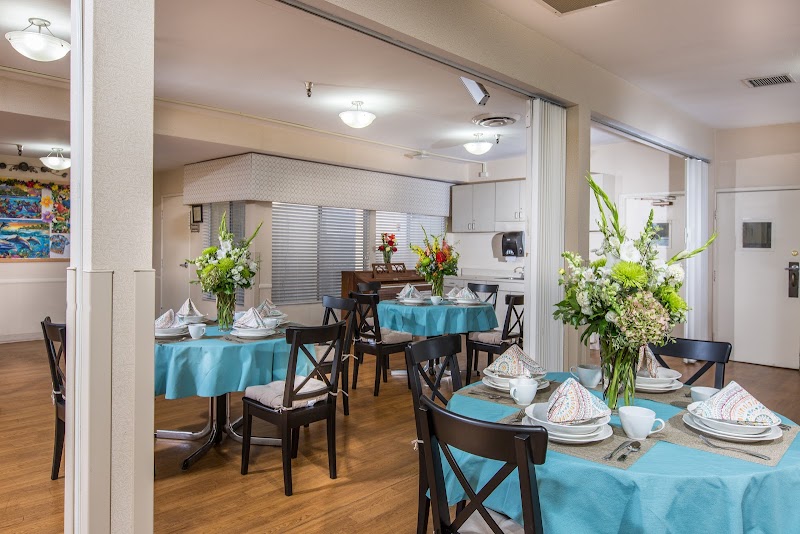
How is Woodland Staffed?

CMS rates WOODLAND CARE CENTER's staffing level at 2 out of 5 stars, which is below average compared to other nursing homes. Staff turnover is 28%, compared to the California average of 46%. This relatively stable workforce can support continuity of care.

What Have Inspectors Found at Woodland?

State health inspectors documented 100 deficiencies at WOODLAND CARE CENTER during 2021 to 2025. These included: 2 Immediate Jeopardy (the most serious level, indicating potential for serious harm or death), 94 with potential for harm, and 4 minor or isolated issues. Immediate Jeopardy findings are rare and represent the most serious regulatory concerns. They require immediate corrective action.
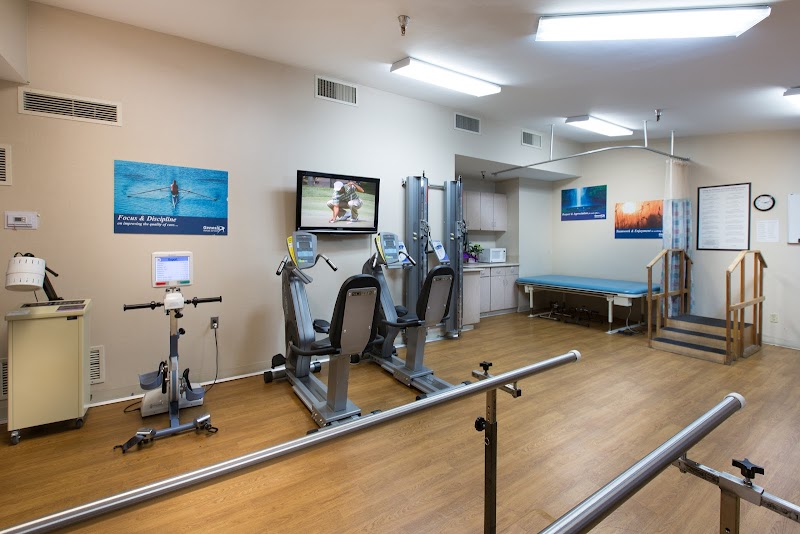
Who Owns and Operates Woodland?

WOODLAND CARE CENTER is owned by a for-profit company. For-profit facilities operate as businesses with obligations to shareholders or private owners. The facility is operated by GENESIS HEALTHCARE, a chain that manages multiple nursing homes. With 157 certified beds and approximately 139 residents (about 89% occupancy), it is a mid-sized facility located in RESEDA, California.

How Does Woodland Compare to Other California Nursing Homes?

Compared to the 100 nursing homes in California, WOODLAND CARE CENTER's overall rating (2 stars) is below the state average of 3.1, staff turnover (28%) is significantly lower than the state average of 46%, and health inspection rating (1 stars) is much below the national benchmark.

What Should Families Ask When Visiting Woodland?

Based on this facility's data, families visiting should ask: "What changes have been made since the serious inspection findings, and how are you preventing similar issues?" "Can you walk me through typical staffing levels on day, evening, and night shifts?" "Can I visit during a mealtime to observe dining assistance and food quality?" "How do you handle medical emergencies, and what is your hospital transfer rate?" These questions are particularly relevant given the facility's Immediate Jeopardy citations and the below-average staffing rating.

Is Woodland Safe?

Based on CMS inspection data, WOODLAND CARE CENTER has documented safety concerns. Inspectors have issued 2 Immediate Jeopardy citations (the most serious violation level indicating risk of serious injury or death). The facility is currently on the Special Focus Facility watch list (a federal program monitoring the lowest-performing 1% of nursing homes nationwide). The facility has a 2-star overall rating and ranks #100 of 100 nursing homes in California. Families considering this facility should ask detailed questions about what corrective actions have been taken since these incidents.

Do Nurses at Woodland Stick Around?

Staff at WOODLAND CARE CENTER tend to stick around. With a turnover rate of 28%, the facility is 18 percentage points below the California average of 46%. Low turnover is a positive sign. It means caregivers have time to learn each resident's needs, medications, and personal preferences. Consistent staff also notice subtle changes in a resident's condition more quickly.

Was Woodland Ever Fined?

WOODLAND CARE CENTER has been fined $30,972 across 2 penalty actions. This is below the California average of $33,389. While any fine indicates a compliance issue, fines under $50,000 are relatively common and typically reflect isolated problems that were subsequently corrected. Families should ask what specific issues led to these fines and confirm they've been resolved.

Is Woodland on Any Federal Watch List?

WOODLAND CARE CENTER is currently an SFF Candidate, meaning CMS has identified it as potentially qualifying for the Special Focus Facility watch list. SFF Candidates have a history of serious deficiencies but haven't yet reached the threshold for full SFF designation. The facility is being monitored more closely — if problems continue, it may be added to the official watch list. Families should ask what the facility is doing to address the issues that led to this status.