RIALTO POST ACUTE CENTER
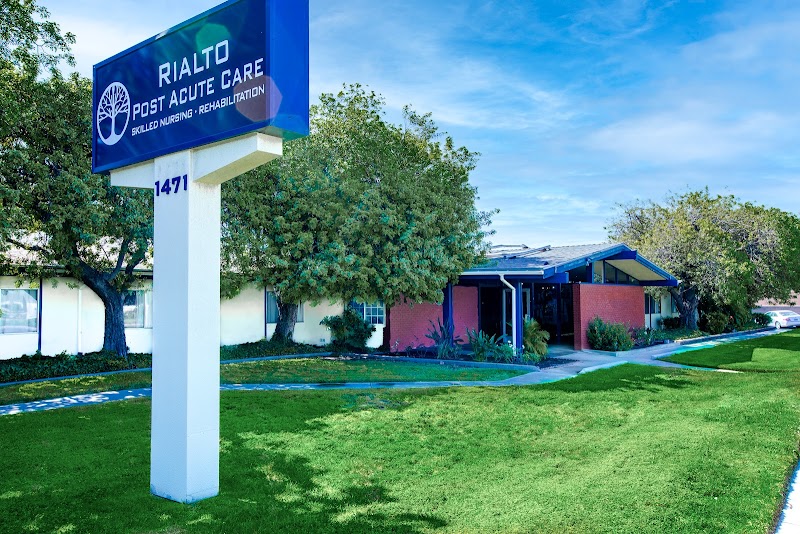
1471 S RIVERSIDE AVE, RIALTO, CA 92376 (909) 877-1361
For profit - Limited Liability company 177 Beds SERRANO GROUP Data: November 2025 1 Immediate Jeopardy citation
Trust Grade
56/100
#444 of 1155 in CA
Last Inspection: November 2024

Within standard 12-15 month inspection cycle. Federal law requires annual inspections.

Overview

Rialto Post Acute Center has a Trust Grade of C, which means it is average and falls in the middle of the pack among nursing homes. It ranks #444 out of 1155 facilities in California, placing it in the top half, and #34 out of 54 in San Bernardino County, indicating that there are only a few local options that perform better. The facility's performance is stable, with 5 issues reported in both 2024 and 2025, showing no significant improvement or decline. Staffing, rated at 3 out of 5 stars, is average with a turnover rate of 43%, which aligns closely with the state average. While the facility has some strengths, such as excellent quality measures rated 5 out of 5, there are concerning incidents as well. For example, there was a critical finding where a resident with dementia eloped from the facility due to a lack of one-on-one supervision, which potentially contributed to their death. Additionally, there was a concern about medication errors, with a resident receiving insulin that was past its safe usage date, which could lead to serious health risks. Overall, families should weigh these strengths and weaknesses carefully when considering this facility for their loved ones.

Trust Score
C
56/100
In California
#444/1155
Top 38%
Safety Record
High Risk
Review needed
Inspections
Holding Steady
5 → 5 violations
Staff Stability
○ Average
43% turnover. Near California's 48% average. Typical for the industry.
Penalties
✓ Good
$8,281 in fines. Lower than most California facilities. Relatively clean record.
Skilled Nurses
⚠ Watch
Each resident gets only 26 minutes of Registered Nurse (RN) attention daily — below average for California. Fewer RN minutes means fewer trained eyes watching for problems.
Violations
⚠ Watch
39 deficiencies on record. Higher than average. Multiple issues found across inspections.
★★★★☆
4.0
Overall Rating
★★★☆☆
3.0
Staff Levels
★★★★★
5.0
Care Quality
★★★☆☆
3.0
Inspection Score
Stable
2024: 5 issues
2025: 5 issues

The Good

  • 5-Star Quality Measures · Strong clinical quality outcomes
  • Full Sprinkler Coverage · Fire safety systems throughout facility
  • No fines on record
  • Staff turnover below average (43%)

    5 points below California average of 48%

Facility shows strength in quality measures, fire safety.

The Bad

Staff Turnover: 43%

Near California avg (46%)

Typical for the industry

Federal Fines: $8,281

Below median ($33,413)

Minor penalties assessed

Chain: SERRANO GROUP

Part of a multi-facility chain

Ask about local staffing decisions and management

The Ugly 39 deficiencies on record

1 life-threatening
May 2025 1 deficiency
CONCERN (D) 📢 Someone Reported This

A family member, employee, or ombudsman was alarmed enough to file a formal complaint

Potential for Harm - no one hurt, but risky conditions existed

Quality of Care (Tag F0684)

Could have caused harm · This affected 1 resident

**NOTE- TERMS IN BRACKETS HAVE BEEN EDITED TO PROTECT CONFIDENTIALITY** Based on observation, interview and record review, the facility failed to cross check discharge medications according to the fac...

Read full inspector narrative →
**NOTE- TERMS IN BRACKETS HAVE BEEN EDITED TO PROTECT CONFIDENTIALITY** Based on observation, interview and record review, the facility failed to cross check discharge medications according to the facility policy for one of four residents (Resident 4), when a Licensed Vocational Nurse (LVN 1) improperly transferred Resident 4's Atorvastatin (a medication intended to lower cholesterol and prevent strokes, heart attacks, and chest pain), as well as Eliquis (a blood thinner that reduces blood clotting) to the caregiver of Resident 1 during discharge, despite Resident 1 not being prescribed these medications. This failure led to the loss of medications and increased the risk of a stroke for Resident 4, while also exposing Resident 1 to potential adverse effects from the medications, which could result in injury and harm. Findings: During a review of Resident 4's clinical record, the face sheet (contains demographic and medical information), indicated Resident 4 was admitted on [DATE], with diagnoses that included hypertensive heart disease with heart failure (the heart is failing to pump blood effectively, and this is due to long-term high blood pressure). During a review of the clinical record for Resident 4 ' s the Brief Interview for Mental Status (BIMS- screening tool to identify and monitor cognitive decline), dated March 12,2025, indicated, Resident 4 ' s score was a 13, which indicated Resident 4 had no mental impairment. During a review of Resident 1's clinical record, the face sheet (contains demographic and medical information), indicated Resident 1 was admitted on [DATE], with diagnoses that included Encephalopathy (a change in how your brain functions), Cirrhosis of Liver (a lot of scars on your liver making it hard for the liver to do its job). During a review of the clinical record for Resident 1 ' s the Brief Interview for Mental Status (BIMS- screening tool to identify and monitor cognitive decline), dated March 12,2025, indicated, Resident 1 ' s score was a 12, which indicated Resident 1 had moderate cognitive impairment (there are significant changes in thinking and memory that begin to interfere with daily life and independence). During a concurrent telephone interview and record review on May 16, 2025, at 10:46 PM, with the LVN 1, the LVN 1 stated on the day of discharge, she inadvertently provided two medication carts belonging to Resident 4 to the caregiver of Resident 1, who had come to pick up Resident 1. She handed over two carts, one of which contained Atorvastatin, while she overlooked the other medication. She further stated that the Social Worker Director (SWD 1) later reported that the family indicated the second medication was Eliquis. She acknowledged her mistake and recognized that it was unacceptable. During a review of the medication records for Residents 1 and 4, she confirmed that Resident 1 is not prescribed Atorvastatin or Eliquis, whereas Resident 4 is. During a review of Resident 4 ' s Medical Administration Record (MAR) for May of 2025, it was noted that Atorvastatin Calcium oral tablet 40 mg (a unit of measurement of mass in the metric system) is prescribed to be taken as one tablet by mouth at bedtime to manage hyperlipidemia (a condition marked by elevated lipid levels in the bloodstream). Additionally, Eliquis oral tablet 2.5 mg (Apixaban) is to be administered as one tablet by mouth twice daily for the prophylaxis (intervention measure) of deep vein thrombosis (a condition characterized by the formation of a blood clot in a major vein, typically in the leg). During a review of Resident 1 ' s MAR for May 2025, it was noted that neither Atorvastatin nor Eliquis was included in the list of prescribed medications for Resident 1. During a telephone interview on May 16, 2025, at 11:14 PM with the SWD 1, the SWD 1 stated that the sister of Resident 1 reported that Resident 1 was sent home with medications that were prescribed to another resident, specifically Atorvastatin and Eliquis, which Resident 1 does not take. Upon receiving this information, she immediately notified the Director of Nursing (DON 1). During a telephone interview on May 16, 2025, at 11:21 PM with DON 1, DON 1 stated that resident 1 was discharged on Friday along with the medications of Resident 4, specifically Atorvastatin and Eliquis. She indicated that she had reached out to the family, who were under the impression that Resident 1 had been administered Eliquis during his stay at the facility, which led them to take Resident 1 to the hospital due to noticeable bruising on his skin. She assured the family that Resident 1 had never received the medications while in the facility, as it had not been prescribed. She emphasized that LVN 1 ' s failure to verify the medications is unacceptable. During a concurrent telephone interview and record review on May 16, 2025, at 1:48 PM, with DON 1, the facility Policy & Procedure (P&P) titled, Discharge Summary and Plan, dated December 2016 was reviewed. The P&P indicated, .3. As part of the discharge summary, the nurse will reconcile all pre-discharge medication with the resident's post-discharge medications. The medication reconciliation will be documented . DON 1 confirmed the accuracy of policy as outlined.
May 2025 1 deficiency
CONCERN (D) 📢 Someone Reported This

A family member, employee, or ombudsman was alarmed enough to file a formal complaint

Potential for Harm - no one hurt, but risky conditions existed

Deficiency F0557 (Tag F0557)

Could have caused harm · This affected 1 resident

**NOTE- TERMS IN BRACKETS HAVE BEEN EDITED TO PROTECT CONFIDENTIALITY** Based on interview and record review, the facility failed to uphold the dignity of one of three residents (Resident 1) when two ...

Read full inspector narrative →
**NOTE- TERMS IN BRACKETS HAVE BEEN EDITED TO PROTECT CONFIDENTIALITY** Based on interview and record review, the facility failed to uphold the dignity of one of three residents (Resident 1) when two Certified Nursing Assistants (CNAs) were observed by a surveyor exposing resident 1 ' s body while assisting with transferring Resident 1 in bed. This failure has the potential to expose clinically compromise Resident 1 to the public when they pass by the room. Findings: During a review of Resident 1's clinical record, the face sheet (contains demographic and medical information), indicated Resident 1 was admitted on [DATE], with diagnoses that included Alzheimer ' s dementia (a general term for a decline in memory and other cognitive abilities that interfere with daily life). During observation on April 30, 2025, at 12:23 PM in Resident 1 ' room, the surveyor noted that two CNAs (CNA 1 and CNA 2) were assisting Resident 1 whose abdomen and diaper were exposed, as the curtain for privacy was not drawn and the door was left wide open. During an interview on April 30, 2025, at 12:26 PM with CNA 1 and CNA 2, CNA 1 expressed that it is inappropriate to lift Resident 1 while Resident 1 brief and abdomen are visible. She indicated that the curtain should have been drawn. Additionally, she emphasized that exposing Resident 1 compromises his dignity. CNA 2 agreed with CNA 1's assessment. During interview on April 30, 2025, at 2:10 PM with the Director of Nursing (DON 1), the DON 1 emphasized that CNA 1 and CNA 2 are failing to uphold resident privacy, which is a violation of established guidelines and is deemed unacceptable. During a review of Facility Policy and Procedure (P&P) dated February 2020, titled, Quality of Life – dignity indicated, .1. Residents are treated with dignity and respect at all times .
Apr 2025 1 deficiency 1 IJ
CRITICAL (J) 📢 Someone Reported This

A family member, employee, or ombudsman was alarmed enough to file a formal complaint

Immediate Jeopardy (IJ) - the most serious Medicare violation

Accident Prevention (Tag F0689)

Someone could have died · This affected 1 resident

**NOTE- TERMS IN BRACKETS HAVE BEEN EDITED TO PROTECT CONFIDENTIALITY** Based on interview, and record review, the facility failed to provide one-on-one supervision, (continuous monitoring of resident...

Read full inspector narrative →
**NOTE- TERMS IN BRACKETS HAVE BEEN EDITED TO PROTECT CONFIDENTIALITY** Based on interview, and record review, the facility failed to provide one-on-one supervision, (continuous monitoring of residents by a staff for safety reason. This may involve staff member staying within arm's reach at all times) and the wander guard (wander management system designed to help protect residents, particularly those with memory impairment, from elopement) was not applied for one of four sampled residents (Resident 1) who was a recent admit and on parole. These failures resulted in Resident 1's elopement ( refers to a resident leaving the facility without permission or staff knowledge) and possibly contributed to his death. Findings: During a review of Resident 1's admission Record (contains demographic and medical information), it indicated Resident 1 was admitted to the facility on [DATE], with diagnoses which included dementia (gradual decline in memory, thinking and other cognitive functions) with agitation (a state of being restless, anxious, or stirred up, like feeling overly excited or tense). During a review Resident 1's Internal Medicine admission History and Physical Note from the General Acute Care Hospital (GACH), with a date of service of [DATE], it indicated Resident 1 .with dementia, recently released from jail, here for placement due to lack of caregivers, unable to care for self . During a review of Resident 1's History of Present Illness (HPI) from the GACH, with a date of service of [DATE], it indicated Resident 1 has a history of major cognitive disorder (mental health conditions that primarily affect cognitive abilities like memory, learning, and problem solving) and was sent to the emergency department due to concerns of dementia. Resident 1 upon evaluation did not understand why he had to come to the emergency department and repeatedly stated, I'm here because you know I was from there and then there's other people over there. Further evaluation suggested Resident 1 believed he was a [AGE] year-old from the 15th century. Social Worker (SW) contacted Resident 1 niece, and she shared that Resident 1 was previously residing in a skilled nursing facility (SNF is a place where people received medical care and rehabilitation after a hospital stay or injury) but had run away and ended up in jail for a parole violation. During a review of Resident 1's Notice of Admission from the GACH, dated [DATE], there was a remark at the very top of the document, which indicated, .needs a wander guard. During a review of Resident 1's Order Summary Report, which includes active orders as of [DATE], it indicated, Apply wanderguard [wander guard] to prevent resident from going out of the facility unassisted. Monitor presence of wanderguard [wander guard] every shift every shift. During a review of Resident 1's Nursing Progress Notes, dated [DATE], at 5:44 PM, documented by Licensed Vocational Nurse (LVN) 1, it indicated, Apply wanderguard [wander guard] to prevent resident from going out of the facility unassisted. Monitor presence of wanderguard [wander guard] every shift every shift wander guard not available. During a review of Resident 1's Nursing Progress Notes, dated [DATE], at 9:29 AM, documented by LVN 2, it indicated On rounds resident was found to be out of bed and absent from facility grounds. Resident was last seen at 0900 (9:00 AM). SB PD [San [NAME] Police Department] notified. Voicemail left with PO [Parole Officer] During a review of Resident 1's Nursing Progress Notes, dated [DATE], at 9:54 AM, documented by Registered Nurse (RN 1), it indicated, Called 911 at 9:30 AM informed of patient [resident] missing, last seen at 9 AM During a review of Resident 1's Nursing Progress Notes, dated [DATE], at 6:38 PM, documented by Registered Nurse Supervisor (RN Supervisor), it indicated, I spoke with [Name of the police investigator] police investigator on the case. To get more information from admission and diagnosis hx [history].The coroner case number is Coroner case [case number]. During a review of Resident 1 ' s Nursing Progress Notes, dated [DATE], at 9:34 AM, documented by Director of Social Services (SW), it indicated, Social services called [Name of responsible party] to follow up. She [responsible party]verbalized that the police found him deceased at a bus stop. Social services expressed condolences and will follow up as needed. During a review of Resident 1's Wander/Elopement Assessment Risk Evaluation (form to complete to determine if an individual requires necessary safety intervention), dated [DATE], it indicated Resident 1 was not at risk for elopement or wandering. The form was completed the same day Resident 1 eloped, and three days after he was admitted to the facility. During an interview on [DATE], at 3:45 PM, with the Director of Nursing (DON), the DON stated the nursing staff attempted to apply the wander guard on Resident 1 during his admission on [DATE]. The DON further stated the wander guard was not working properly so the facility initiated one on one (1:1) monitoring by assigning a Certified Nursing Assistant (CNA) to monitor Resident 1. Upon request, the DON was unable to provide documented evidence to show the one-on-one monitoring was provided to Resident 1. The DON confirmed the wander guard was never used on Resident 1. During an interview on [DATE], at 12:50 PM, with the DON, a request was made to interview the CNA who was assigned to supervise Resident 1 prior to his departure from the facility without staff noticing. The DON stated no one was assigned to Resident 1 at the time. The DON further stated the night supervisor was responsible for monitoring Resident 1 and left around 8:00 AM, after this point, no one else had been assigned to monitor Resident 1, and that is when Resident 1 left. During a concurrent interview and record review on [DATE], at 1:10 PM, with the DON, the facility's undated document titled, Order Listing Report was reviewed. The Order Listing Report indicated there were eight (8) residents who were at risk for elopement. The DON confirmed the list of these 8 residents assessed and identified by the facility to be at risk for elopement. During a telephone interview on [DATE], at 2:37 PM, with a SB PD Staff (SB PD Staff 1), Staff 1 stated he is only able to disclose limited information over the telephone regarding Resident 1 ' s case, the records indicate Resident 1 was reported missing on [DATE], at 9:27 AM, and was found deceased by a responding police officer at 12:48 PM, roughly 3 hours after reported missing at [address where Resident 1 found] which is about 2.5 miles away from the facility. The staff indicated that if more detailed information is needed, a request should be made by mail or online. However, obtaining the request information may take significant amount of time. During a review of the facility's policy and procedure (P&P) titled, Safety and Supervision of Residents dated [DATE], the P&P indicted, .Resident supervision is a core component of the systems approach to safety. The type and frequency of resident supervision is determined by the individual resident's assessed needs and identified hazards in the environment During a review of the facility's P&P for Elopement and Wandering, dated February 29, 2024, it indicated, . A Wander/Elopement assessment will be completed on all residents upon admission to the facility . An Immediate Jeopardy (IJ represents a situation in which entity noncompliance has placed the health and safety of recipients in its care at risk for serious injury, serious harm, serious impairment or death) was called under F 689 §483.25(d)(2) Each resident receives adequate supervision and assistance devices to prevent accidents) on [DATE], at 9:29 AM, after confirming Resident 1 did not receive supervision and monitoring required to keep Resident 1 safe on [DATE], when Resident 1 was found to have eloped from the facility and had been found by the police, deceased at a bus stop, which was 2.5 miles away from the facility, on [DATE], at 12:48 PM. (Roughly 3 hours after he was identified as eloped). An IJ was called in the presence of the Admin, DON, and Assistant Admin, and IJ removal plan (plan which documents the immediate action an entity will take to prevent serious harm from occurring or recurring) was requested. A revised IJ Removal Plan was received and accepted on [DATE], at 2:26 PM, and included the following: 1. Immediate Corrective Action a. On [DATE], [[DATE]] the DON provided a 1:1 in service to RN regarding 1:1 monitoring intervention to ensure it is followed. b. On [DATE], [[DATE]] the DON/ADON [Assistant Director of Nursing] provided in service to the nursing staff regarding 1:1 monitoring intervention to ensure it is followed. c. Ensure all new admissions from [DATE] [[DATE]] have a completed elopement risk assessment. d. On [DATE], [[DATE]] the NHA/CEO [Nursing Home Administrator/Chief Executive Officer] conducted an inspection of current residents with wander guard to check for placement and function i. On [DATE], [[DATE]] the NHA/CEO provided in service training to Maintenance Staff regarding wander guard alarm. On [DATE], return demonstration of Maintenance by Nursing Home Administrator/ Chief Executive Officer NHA/CEO was conducted and performed well. ii. On [DATE], [[DATE]] Licensed Nursing staff along with the Maintenance, checked all residents with wander guard with the alarm door, All functioning well. Wander guard will be checked by the licensed nurses for placement attached to the resident every shift and for wander guard to be functioning daily. iii. On [DATE], [[DATE]] the licensed nurses re-evaluated the Wander/Elopement Risk of the 8 [eight] residents at high risk for Wandering/Elopement iv. 8 [eight] residents [residents ' ] high risk for wandering/elopement with wander guard v. Licensed Nurses will conduct visual check of high-risk resident for wandering/elopement every 2 hours indicating location of the resident. e. On [DATE], [[DATE]] a designated RN conducted inspection of current residents on 1:1 monitoring to ensure proper implementation. Resident [Name of Resident ] started on 1:1 monitoring every hour by assigned CNA on [DATE] [[DATE]] to determine resident's activity and provide supervision. f. On [DATE],[[DATE]] RN Supervisor conducting actual physical head count of residents during shift to shift [shift-to-shift] endorsements. i. RN Supervisor prints the facility census indicating resident's name, room number and bed assignment. ii. Outgoing RN Supervisor together with the in-coming [incoming] RN Supervisor will conduct actual physical head count during room rounds. iii. Both RN Supervisors will confirm number of actual physical head count by writing the final count in the census print out. Both RNs will sign to confirm actual head count. iv. Completed census with actual head count will be filed in the RN Supervisor binder. The Immediate Jeopardy was removed after the IJ Removal Plan was verified to be implemented through observations, interviews, and record reviews on [DATE], at 3:26 PM, in the presence of DON and ADMIN.
Mar 2025 1 deficiency
CONCERN (D) 📢 Someone Reported This

A family member, employee, or ombudsman was alarmed enough to file a formal complaint

Potential for Harm - no one hurt, but risky conditions existed

Report Alleged Abuse (Tag F0609)

Could have caused harm · This affected 1 resident

**NOTE- TERMS IN BRACKETS HAVE BEEN EDITED TO PROTECT CONFIDENTIALITY** Based on interview and record review, the facility failed to report two of three sampled residents (Resident 1 and Resident 2) p...

Read full inspector narrative →
**NOTE- TERMS IN BRACKETS HAVE BEEN EDITED TO PROTECT CONFIDENTIALITY** Based on interview and record review, the facility failed to report two of three sampled residents (Resident 1 and Resident 2) per their policy and procedure to the California Department of Public Health (CDPH) of alleged abuse, when a staff member allegedly twisted Resident 1's wrist and when a Certified Nurse Assistant (CNA) allegedly pushed Resident 2's leg forcibly while on a mechanical lift resulting in pain . This failure has potential to affected (Resident 1 and Resident 2)'s health, safety, and well-being. Findings: During review of Residents 1's admission Record (general demographics), the document indicated Resident 1 was admitted to the facility on [DATE], with diagnoses that included hemiplegia and hemiparesis after cerebrovascular disease affecting left side ( paralysis and weakness on one side of the body after stroke),hypertensive heart disease with heart failure (heart conditions caused by high blood pressure that leads to the heart's inability to pump enough blood), chronic obstructive pulmonary disease ( lung disease that block airflow and make it difficult to breath), depression (a condition of feeling of sadness). During an interview on March 11, 2025, at 10:15 AM, with Resident 1 (Resident 1). Resident 1 stated that Licensed Vocational Nurse 1 (LVN 1) twisted her right wrist while trying to grab her phone to turn it off. Resident 1 stated that her phone was somehow got connected to the facility's overhead speaker. Resident 1 stated she made Charge Nurse (CN 1) aware of the incident and was complaining of a burning sensation on right wrist. During a phone interview on March 11, 2025, at 11:20 AM, with LVN 1, the LVN 1 stated that he was only trying to get Resident's 1 phone to turn it off. LVN 1 stated I did not twist her right wrist; I did not even touch her. I was only trying to help her turn off the phone and she started screaming and crying . LVN1 stated that Administrator (ADM) and Director of Nursing (DON) was notified. During a phone interview on March 11, 2025, at 12:20 PM with Charge Nurse1 (CN1), the CN1 stated she heard voices from the overhead speaker and went to the resident's room to check what was happening. She met with the Registered Nurse 1 (RN 1) in the room. Resident 1 stated that LVN 1 twisted her right wrist. CN1 stated they reported the incident to the Administrator (ADM). During review of Resident 2's admission Record, the documents indicated Resident 2 was admitted to the facility on [DATE], with diagnoses that included chronic obstructive pulmonary disease ( lung disease that block airflow and make it difficult to breath) , peptic ulcer (open sore in the lining of the stomach), esophagitis (inflammation that damages the tube running from the throat to the stomach), type 2 diabetes mellitus ( a long term condition in which the body has trouble controlling blood sugar). During an interview on March 11, 2025, at 10:35 AM with Resident 2 (Resident 2). Resident 2 stated on March 8,2025, her Certified Nurse Assistant (CNA1) pushed her left leg forcibly while using the Hoyer lift (a mechanical device used to safely transfer individuals with limited mobility). Resident 2 stated My left leg has been hurting and requiring pain medications around the clock and I have been in bed . During a phone interview on March 11,2025, at 12:45 PM, Certified Nursing Assistant (CNA) stated I lightly touched Resident 2's leg to repositioned it. I did not use any force. I took my hands off when she stated that it was hurting her . During a phone interview on March 14,2025, at 3:20 PM. LVN 2 stated I was passing medications and Resident 2 stated that she was in pain due to the incident that happened yesterday, March 8, 2025, when a CNA moved her leg with force while using the Hoyer lift with transferring . During an interview with Director of Nursing (DON) on March 11,2025, at 1:30 PM, when DON asked if DON reported the alleged abuse on Resident 1 and Resident 2, DON stated they did not report it. When asked if she should have reported the incident according to the facility's policy, she stated that she came from Los Angeles County and not familiar with the policy of San [NAME] County. During an interview on March 11, 2025, at 1:45, PM, with ADM, when asked if the facility reported the alleged abuse on Resident 1 and Resident 2, the ADM stated, We did not report it because when we interviewed LVN1 about the incident, he stated that he did not touch Resident 1, and Resident 1 has a behavior of false accusations in the past. Regarding, Resident 2's allegation, ADM stated she did not know about the alleged abuse made by Resident 2. When ADM asked if it should have been reported, she stated that she will report both allegations of abuse to Law enforcement agencies, ombudsman and California Department of Public Health (CDPH). ADM also stated she will suspend LVN1 and CNA1 pending investigation. During a concurrent interview and review with the Admin on March 11, 2025, at 1:45, PM, the facility's policy titled, Abuse Investigation and Reporting revised July 2017, was reviewed. The policy indicated 1. All alleged violations involving abuse, neglect, exploitation, or mistreatment, including injuries of an unknown source and misappropriation of property will be reported by the facility administrator, or his/her designee, to the following persons or agencies: a. The state licensing/certification agency responsible for surveying/licensing the facility; b. The local /State Ombudsman; c. The Resident's representative; d. Adult Protective Services; e. Law enforcement officials; f. The attending physicians and g. the facility Medical Director. 2. An alleged violation of abuse, neglect, exploitation or mistreatment (including injuries of unknown source and misappropriation of resident property) will be reported immediately, but not later than: a. Two (2) hours if the alleged violations involve abuse or has resulted in serious bodily injury or twenty -four (24) hours if the alleged violation does not involved abuse and not resulted in serious bodily injury. The ADM acknowledged that they did not report the alleged abuse with Resident 1 and Resident 2 to CDPH and other appropriate agencies and therefore did not follow the facility policy.
Jan 2025 1 deficiency
CONCERN (D) 📢 Someone Reported This

A family member, employee, or ombudsman was alarmed enough to file a formal complaint

Potential for Harm - no one hurt, but risky conditions existed

Deficiency F0573 (Tag F0573)

Could have caused harm · This affected 1 resident

**NOTE- TERMS IN BRACKETS HAVE BEEN EDITED TO PROTECT CONFIDENTIALITY** Based on interview and record review, the facility failed to ensure a resident was able to exercise the right to access personal...

Read full inspector narrative →
**NOTE- TERMS IN BRACKETS HAVE BEEN EDITED TO PROTECT CONFIDENTIALITY** Based on interview and record review, the facility failed to ensure a resident was able to exercise the right to access personal and medical records for one of three residents (Resident 1), when medical records for Resident 1 were requested by a law firm for a legal matter but were not delivered within two working days of the request as per the facility's policy. This failure resulted in a violation of Resident 1's right to have access to medical records as requested by a law firm. Findings: During a review of Resident 1 Face Sheet (contain resident demographic), the Face Sheet indicated, Resident 1 was admitted on [DATE], with diagnosis that included multiple sclerosis (a chronic disease that damages the central nervous system, including the brain, spinal cord, and optic nerves) and was discharged on August 10, 2023. During a review of Resident 1 ' s Minimum Data Set (facility assessment tool), dated May 17, 2023, under Section C, it indicated her Brief Interview for Mental Status (BIMS) score was 15. (A BIMS score of 13 to 15 suggests the patient is cognitively intact.) During an interview on January 28, 2025, at 12:52 PM with the Director of Health Information (DHI), the DHI stated that she had received a request for medical records via fax, which was time stamped January 16, 2025, at 1:56 PM. The fax was sent to the Business office fax number, but she did not receive it until January 24, 2025. She elaborated that the requested documents had not been dispatched as she was still awaiting approval from the facility's legal team to release them, and she had not yet reached out to the law office representing Resident 1. During a review of a facsimile request from Resident 1 Legal Representative dated January 16, 2025, indicated a request for records to be provided within two working days following the receipt of that correspondence. During a concurrent record review and interview with the DHI, the Director of Nursing (DON), and the administrator (Admin). The facility Policy and Procedure (P&P) titled, Release of information statement , November 2009, was reviewed. The P&P indicated, .9. A resident may have access to his or her records within 48 hours (excluding weekends or holidays) of the resident's written or oral request. 10. A resident may obtain photocopies of his or her records by providing the facility with at least a forty-eight (48) hour (excluding weekends and holidays) advance notice of such request. A fee may be charged for copying services. The DHI acknowledged a delay in the distribution of the documents, noting a shortcoming as the documents were not dispatched within the specified time frame, and both the DON and the Admin concurrently agreed.
Nov 2024 4 deficiencies
CONCERN (D)

Potential for Harm - no one hurt, but risky conditions existed

Free from Abuse/Neglect (Tag F0600)

Could have caused harm · This affected 1 resident

Based on observation, interview, record review, and facility policy review, the facility failed to protect a resident's right to be free from resident-to-resident physical abuse for 1 (Resident #216) ...

Read full inspector narrative →
Based on observation, interview, record review, and facility policy review, the facility failed to protect a resident's right to be free from resident-to-resident physical abuse for 1 (Resident #216) of 3 residents reviewed for abuse. Specifically, Resident #88 hit Resident #216 with a plastic water pitcher after a verbal disagreement on 11/09/2024. Findings included: A facility policy titled, Abuse Prevention Program, revised 12/2016, indicated, As part of the resident abuse prevention, the administration will: 1. Protect our residents from abuse by anyone including, but not necessarily limited to: facility staff, other residents, consultants, volunteers, staff from other agencies, family members, legal representatives, friends, visitors, or any other individual. An annual Minimum Data Set (MDS), with an Assessment Reference Date (ARD) of 09/01/2024, indicated Resident #88 scored 11 on a Brief Interview for Mental Status (BIMS), which indicated the resident had moderate cognitive impairment. The MDS indicated Resident #88 did not exhibit any physical or verbal behavioral symptoms directed toward others. According to the MDS, Resident #88 used a walker and wheelchair for mobility during the past seven days. An admission Record revealed the facility admitted Resident #216 on 11/07/2024. According to the admission Record, the resident had a medical history that included the presence of a left artificial hip joint, encounter for orthopedic aftercare, difficulty walking, and generalized muscle weakness. A Brief Interview for Mental Status (BIMS) form, dated 11/11/2024, revealed Resident #216 had a BIMS score of 15, which indicated the resident had intact cognition. Resident #216's admission Minimum Data Set (MDS) was not completed and was not yet due at the time of the survey. An Admission/readmission Data Collection tool, dated 11/07/2024, revealed Resident #216 arrived at the facility at 9:45 PM. The tool revealed the resident's ability to change position from sitting to lying, lying to sitting on the side of the bed, sitting to standing, transferring from the bed to a chair, and ambulation was not assessed. The tool indicated Resident #216's mood was calm and cooperative. The tool also indicated Resident #216 had a left trochanter (hip) surgical incision with a drain in place and covered with a clean bandage. Resident #216's care plan included a focus area initiated 11/09/2024 that indicated the resident was at high risk for trauma informed care due to a recent altercation with a confused roommate. A focus area initiated 11/09/2024 indicated Resident #216 was also at risk for alterations in psychosocial well-being related to a resident-to-resident altercation. The interventions directed the staff to discuss with Resident #216 any concerns or fears regarding the incident and to explain to the resident that aggressive behavior was not acceptable. Progress Notes dated 11/08/2024 at 10:36 PM indicated Resident #216 was adjusting to the new environment and had no complaints about their roommate. A Progress Note dated 11/09/2024 at 10:56 AM indicated the nurse received a report that Resident #216 had an issue with their roommate. The note indicated when the resident was assessed, the resident was found in bed with their legs off the left side of the bed and the resident's head half off the right side of the bed. The roommate (Resident #88) was on the far side of the room. The Progress Note indicated the nurse asked what happened, and Resident #216 reported that when they had coughed, the roommate complained of the cough being too loud. Later, when the roommate coughed, Resident #216 told the roommate their cough was too loud. Resident #216 reported the roommate then hit them with the plastic water pitcher. The note indicated the floor and bed linens were wet and that Resident #216 indicated Resident #88 had hit them on the left shoulder and up toward their face. No discoloration or swelling were noted. According to the note, Resident #216 stated as the two residents struggled and as Resident #216 began falling off the bed, Resident #88's thumb entered Resident #216's mouth, and Resident #216 bit down. Resident #216 agreed to a room change. A Progress Note dated 11/09/2024 at 8:32 PM revealed Resident #216 complained of increasing pain and the need to verify their hip was okay. The Progress Note indicated Resident #216 also complained of abdominal pain and of the wound vacuum not working properly since they had almost fallen out of bed during the altercation. The note indicated the nurse suggested the resident go to the hospital for evaluation, and Resident #216 agreed. A hospital After Visit Summary, dated 11/09/2024, revealed Resident #216 was seen for hip pain and listed diagnoses including left hip pain, history of hip surgery, and head injury. The summary included the impressions of computed tomography (CT) scans and x-rays of the resident's pelvis, left femur, and head. According to the imaging results, Resident #216 had findings that suggested an abscess (tender mass filled with pus and bacteria) versus postoperative seroma (pocket of clear fluid) in the left hip/buttock area and possible loosening around the proximal aspect of the femoral prosthesis, with a collection of gas in the same area that could be postsurgical or infectious in etiology. The results of a CT scan of Resident #216's head were negative. None of the imaging reports identified any acute fracture or injury. A Progress Note dated 11/10/2024 at 11:19 AM indicated Resident #216 returned from the hospital. A Progress Note dated 11/10/2024 at 12:08 PM indicated the physician was notified of the pelvis x-ray results and of an urgent orthopedic follow-up that was ordered. A State of California Health and Human Services Agency Report of Suspected Dependent Adult/Elder Abuse form dated 11/09/2024 indicated there had been a resident-to-resident altercation between Resident #216 and Resident #88, in which Resident #88 hit Resident #216 with a plastic water pitcher. The form indicated Resident #216 then grabbed Resident #88 who fell to the floor. As Resident #88 fell to the floor, the resident's thumb went into Resident #216's mouth and Resident #216 bit down. The residents were separated. The form indicated the date and time of the incident was 11/09/2024 at 10:45 AM. A Psychological Evaluation dated 11/12/2024 revealed through observation and reported symptoms, Resident #216 had moderate to severe depression which suggested a need for targeted mental health interventions. The evaluation indicated Resident #216 exhibited physical symptoms of anxiety but was expected to function without needing psychotherapy to manage symptoms of persistent low mood. The evaluation indicated the resident could cope effectively with any associated symptoms such as uncertainty or indecision without psychotherapy treatment. During an interview on 11/11/2024 at 1:10 PM, Resident #216 stated they arrived in the facility on 11/07/2024 at about 9:30 PM. Upon admission, they were placed in a room with Resident #88. Resident #216 stated the next morning (11/08/2024) around 10:00 AM, Resident #216 coughed, and Resident #88 stated the cough was too loud. Resident #216 stated even after using a cough drop, they coughed again, and Resident #88 again stated the coughing was too loud. At that point, Resident #216 stated Resident #88 also coughed, and Resident #216 told Resident #88 the cough was too loud. Resident #216 reported that Resident #88 then stated Resident #216 did not know who they were (expletive) with and threatened to kick Resident #216's buttocks. Resident #216 stated Resident #88 came over to Resident #216's bed and hit Resident #216 on the face with the water pitcher. Resident #216 stated Resident #88 then tried to pull Resident #216 off the bed. Resident #216 stated they grabbed Resident #88, then Resident #88 swung and hit them again. During the scuffle, Resident #88's thumb went into Resident #216's mouth, and Resident #216 bit Resident #88's thumb. Resident #216 stated Resident #88 screamed until staff arrived. Resident #216 stated staff tried to get them to let go of Resident #88, but Resident #216 told staff they were not letting Resident #88 go until they had subdued the resident, since Resident #88 had been the aggressor. Resident #216 stated they had not seen Resident #88 since the incident. Resident #216 stated a few staff had spoken to them about the incident. Resident #216 stated some staff members had reported Resident #88 had been a problem before and added they thought the facility had placed them in a dangerous situation where they had to fight. The Administrator was interviewed on 11/11/2024 at 1:30 PM and confirmed there had been an incident between Resident #216 and Resident #88. Licensed Vocational Nurse (LVN) #1 was interviewed on 11/13/2024 at 1:57 PM and stated she found out about the incident between Resident #216 and Resident #88 when she returned to work on 11/09/2024 at 11:50 AM. She stated one of the treatment nurses and the supervisor, Registered Nurse (RN) #2, told her about the incident. LVN #1 stated she was the assigned nurse for both residents on that day. LVN #1 stated when she arrived that morning for her shift, both Resident #216 and Resident #88 were fine, and nothing was said about the residents not getting along. LVN #1 stated Resident #88 had changed rooms previously when roommates had been too loud, but added Resident #88 had no history of physical abusiveness and she had no knowledge of the resident having verbal altercations before. LVN #1 stated Resident #216 reported that Resident #88 said their cough was too loud and when they coughed again, Resident #88 started mocking Resident #216. Resident #216 then told Resident #88 they were too loud. The nurse stated Resident #216 reported that Resident #88 then approached in a threatening manner and stated Resident #216 better be quiet then hit Resident #216 on the left side of the face. LVN #1 stated Resident #216's pillowcase was wet but was not wet enough to indicate a whole pitcher of water was spilled. LVN #1 stated Resident #216 had no bruises, swelling, or cuts on their face. LVN #1 stated she had been asked by the Assistant Director of Nursing (ADON) to write a witness statement and added it was facility protocol for anyone in or around an incident to write a statement. LVN #1 stated since the incident, in-services had been held to remind staff to report abuse immediately and to remind staff if a resident-to-resident event occurred to separate the involved residents immediately. The Director of Social Services (DSS) was interviewed on 11/13/2024 at 2:13 PM. The DSS stated she was not in the facility when the incident between the residents occurred and had received her information on 11/11/2024 during the morning management meeting. The DSS stated she was unsure what had started the argument between the residents but that she had visited both residents daily since the incident. The DSS stated other interventions placed included scheduling a psychology visit and the psychosocial visits she provided. During a telephone interview on 11/13/2024 at 2:49 PM, RN #2 stated she had been made aware by a Certified Nursing Assistant (name unknown), who had reported a resident was on the floor. RN #2 stated upon her arrival in the room Resident #88 was in a wheelchair and their thumb was bleeding. Resident #216 was lying crooked on their bed. She stated LVN #3, and a respiratory therapist were in the room. RN #1 stated another CNA (she was not sure which CNA) had helped her straighten Resident #216 in the bed. Resident #216 stated Resident #88 had complained about them coughing too loudly and then when they had commented on Resident #88 coughing, Resident #88 came to their side of the room and hit them with a water pitcher. RN #1 stated the floor, Resident #216's clothing, and the bed were wet to the point that it would lead one to believe Resident #216's story was true. RN #2 stated Resident #216 indicated with hand motions that Resident #88 had hit them from the arm up toward their face, but Resident #216 had no bruising, swelling, redness, or any other signs of an impact. The RN stated she asked Resident #216 what had happened to Resident #88's thumb, and Resident #216 told her when they grabbed Resident #88, Resident #88's thumb had entered Resident #216's mouth, and Resident #216 bit down. The RN stated Resident #216 denied any acute pain. Emergency medical services (EMS) were called for Resident #88, the residents were separated into different rooms, and the Administrator and DON were notified. The RN added that before Resident #88 ever left the facility, she had started the paperwork for reporting the incident to the state agency. RN #2 stated she knew she had to have all the Is dotted, and Ts crossed, because a serious injury had occurred, and knew she only had one hour to report abuse to the state agency. RN #2 stated another RN helped her get the paperwork together and helped start getting witness statements from staff. RN #1 described Resident #88 as a grumpy resident who had issues with other roommates but had no history of physical or verbal abuse. RN #4 was interviewed on 11/13/2024 at 3:23 PM. RN #4 stated as a supervisor, she would be expected to complete information about abuse that was submitted to the state agency and added abuse had to be reported within two hours. RN #4 stated Resident #88 had no history of physical or verbal abuse toward others. RN #4 stated she had received in report that Resident #88 and Resident #216 were immediately separated, witness statements were received from staff, and retraining of staff was started for resident-to-resident abuse. RN #5 was interviewed on 11/13/2024 at 3:38 PM. RN #5 stated she learned about the incident when she arrived for her evening shift. When she arrived at work, Resident #88 was at the hospital. RN #5 stated initially, Resident #216 refused to go to the hospital, but later when she checked on the resident, the resident had different pain than the surgical pain and was reporting groin pain. RN #5 stated Resident #216 agreed to go to the hospital for evaluation, left on the 3:00 PM to 11:00 PM shift, and returned to the facility after 11:00 PM. RN #5 stated she found out the surgical site had loosened, and an orthopedic appointment was ordered as soon as possible. RN #5 described Resident #88 as cranky but not physically abusive. An interview was held with Resident #88 on 11/14/2024 at 8:45 AM. Resident #88 remembered a fight but was unable to identify the resident. Resident #88 stated the other person had bit his finger off. Resident #88 stated the other person was mad because Resident #88 had told the other resident to go to hell. Resident #88 denied throwing water on the other resident or hitting the other resident. At the time of the survey, Resident #88 resided in a room on the other side of the facility from Resident #216 and did not have a roommate. LVN #3 was interviewed on 11/14/2024 at 9:02 AM. LVN #3 stated when she arrived in the room, Resident #88 was outside the room with the treatment nurse and Resident #216 was on their bed. LVN #3 stated she was aware the police spoke to the residents. The LVN stated after the incident, the two residents were immediately separated. LVN #3 stated since the incident, the facility had started retraining staff on resident-to-resident abuse, which included how to separate residents and how to calm residents. Interviews were held with Resident #216's roommates on 11/14/2024 at 10:45 AM. Resident #2, Resident #80, and Resident #217 stated they had had no issues with Resident #216. The Assistant Director of Nursing (ADON) was interviewed on 11/14/2024 at 11:12 AM. The ADON stated she found out about the incident via a call from staff on the day it happened but was unsure who called her. The ADON stated training was initiated about abuse on the day of the occurrence and the two residents were separated. The two residents had received social service visits and psychological visits to help with any psychosocial issues. The ADON stated the two involved residents were placed on opposite sides of the building and, to the best of her knowledge, had not seen each other since the incident. The DON was interviewed on 11/14/2024 at 2:07 PM. The DON stated RN #2, who was the supervisor, called to alert her of the incident right after the incident occurred. The DON stated she directed staff to make sure the residents were separated, assess the residents, notify the family members, notify the police, and submit the allegation of abuse to the state agency. The DON stated she spoke with Resident #216 on 11/11/2024, and the resident told her the incident was self-defense. The DON stated Resident #88 could be verbally aggressive but had no history of physical aggression. She stated Resident #88's verbal aggression consisted of the way they spoke to other residents and yelled at other residents for being too loud and stated some considered Resident #88 rude. The DON stated Resident #88 and the last roommate got along well, but the roommate discharged home. The DON stated after the incident, in-services were started on resident-to-resident altercations and the facility had decided to start a 72-hour monitoring process after resident-to-resident incidents like what they did for new admissions or for room changes. The DON stated RN #2 started gathering witness statements on the day of the incident and the residents were moved to opposite sides of the building. The DON stated to the best of her knowledge, the two residents had not seen each other since the incident, adding that Resident #88 did not travel throughout the building and Resident #216 stayed on their side of the building. The Administrator was interviewed on 11/14/2024 at 2:36 AM. The Administrator stated he found out about the incident from RN #1 on the day the incident occurred. The Administrator stated the DON was the one who gave guidance to the staff. He stated the residents were separated and were sent to the hospital, the staff were monitoring the involved residents, and in-services had started. The Administrator stated Resident #88 had behaviors but had no prior incidents of physical abuse. The surveyor attempted to conduct a telephone interview on 11/14/2024 at 2:45 PM with the Respiratory Therapist (RT) who responded first to the residents' room on the date of the incident. However, the RT's cell phone voice mailbox was full, and it was not possible to leave a message. During a follow-up interview with Resident #216 on 11/14/2024 at 3:31 PM, Resident #216 stated when Resident #88's thumb went into their mouth, the bite just happened. The surveyor was unable to determine if the bite was deliberate or reflexive.
CONCERN (D)

Potential for Harm - no one hurt, but risky conditions existed

Assessment Accuracy (Tag F0641)

Could have caused harm · This affected 1 resident

Based on interview, record review, facility document review, and facility policy review, the facility failed to ensure Minimum Data Set (MDS) assessments were accurate for 3 (Residents #22, #97, and #...

Read full inspector narrative →
Based on interview, record review, facility document review, and facility policy review, the facility failed to ensure Minimum Data Set (MDS) assessments were accurate for 3 (Residents #22, #97, and #119) of 33 residents reviewed for MDS accuracy. Findings included: A facility policy titled, Resident Assessments, revised 10/2023, specified, All persons who have completed any portion of the MDS resident assessment must sign the document attesting to the accuracy of such information. 1. An admission Record revealed the facility admitted Resident #22 on 12/10/2021. According to the admission Record, the resident had a medical history that included a diagnosis of schizophrenia. A significant change MDS, with an Assessment Reference Date (ARD) of 06/10/2024, indicated Resident #22 did not have a Level II Preadmission Screening and Resident Review (PASRR). A quarterly MDS, with an ARD of 09/06/2024, revealed Resident #22 had a Brief Interview for Mental Status (BIMS) score of 15, which indicated the resident had intact cognition. The MDS indicated Resident #22 had a diagnosis of schizophrenia. A letter dated 12/14/2023 from the State of California - Health and Human Services Agency Department of Health Care Services revealed a Level II PASRR evaluation was completed for Resident #22 on 12/12/2023. During an interview on 11/14/2024 at 11:45 AM, the MDS Assistant stated the Level II PASRR should have been coded on Resident #22's MDS. During an interview on 11/14/2024 at 1:51 PM, the DON stated the Level II PASRR should have been included on the MDS. During an interview on 11/14/2024 at 2:27 PM, the Administrator stated the Level II PASRR should have been included on the MDS. 2. An admission Record revealed the facility admitted Resident #119 on 12/01/2022. According to the admission Record, the resident had a medical history that included a diagnosis of hemiplegia. A quarterly MDS, with an Assessment Reference Date (ARD) of 08/19/2024, revealed Resident #119 had a Brief Interview for Mental Status (BIMS) score of 15, which indicated the resident had intact cognition. The MDS indicated Resident #119 received insulin injections. The MDS did not indicate Resident #119 had diabetes mellitus. Resident #119's care plan included a focus area initiated 03/13/2024 that indicated Resident #119 had diabetes mellitus. During an interview on 11/14/2024 at 11:45 AM, the MDS Assistant stated Resident #119's diabetes mellitus diagnosis should have been indicated on the MDS. During an interview on 11/14/2024 at 1:51 PM, the DON stated the diabetes mellitus diagnosis should have been indicated on the MDS. During an interview on 11/14/2024 at 2:27 PM, the Administrator stated the diabetes mellitus diagnosis should have been indicated on the MDS. 3. Resident #97's admission Record indicated the facility admitted the resident on 07/02/2024. According to the admission Record, the resident had a medical history that included diagnoses of bipolar disorder, Parkinson's disease, anxiety, and adjustment disorder with mixed anxiety and depressed mood. A Notice of PASRR [Preadmission Screening and Resident Review] Level I Screening Results letter dated 07/03/2024 indicated Resident #97's Level I PASRR screening was positive for a serious mental illness and that a level two mental health evaluation referral was required. A Notice of Individual Determination letter, dated 07/05/2024 and sent from the California Department of Health Care Services to the facility, revealed Resident #97's Level II PASRR evaluation was completed on 07/05/2024. The attached Categorical Determination Report, also dated 07/05/2024, revealed Resident #97 had a significant medical condition with mental stressors that required nursing care. A significant change Minimum Data Set (MDS), with an Assessment Reference Date (ARD) of 07/08/2024 (three days after the Level II PASRR evaluation was completed), revealed Resident #97 had a Brief Interview for Mental Status (BIMS) score of 3, which indicated the resident had severe cognitive impairment. The MDS indicated Resident #97 was not currently considered by the state Level II Preadmission Screening and Resident Review (PASRR) process to have a serious mental illness. The MDS indicated Resident #97 had psychiatric diagnoses that included anxiety disorder and bipolar disorder. In an interview on 11/14/2024 at 11:46 AM, the MDS Assistant stated she got information for completing the MDS from the resident's medical record, interviews, therapy, and the PASSR portal. She also stated Resident #97 had a Level II PASSR and this should have been indicated on the MDS. In an interview on 11/14/2024 at 1:51 PM, the Director of Nursing (DON) stated the MDS nurse should look in the hospital records, medical record, and the PASSR information when they completed the MDS. The DON stated if Resident #97 had a Level II PASSR that indicated mental illness, this should be indicated on the MDS. In an interview on 11/14/2024 at 2:27 PM, the Administrator (ADM) stated the MDS nurse should use interviews, the medical record, and hospital records when completing the MDS. The ADM stated the MDS should look up the PASRR information also and that every Level II PASRR should be captured on the MDS.
CONCERN (D)

Potential for Harm - no one hurt, but risky conditions existed

Accident Prevention (Tag F0689)

Could have caused harm · This affected 1 resident

Based on observation, interview, record review, and facility policy review, the facility failed to ensure potentially hazardous medications were secured to prevent potential accidents for 2 (Resident ...

Read full inspector narrative →
Based on observation, interview, record review, and facility policy review, the facility failed to ensure potentially hazardous medications were secured to prevent potential accidents for 2 (Resident #104 and Resident #75) of 3 residents reviewed for accidents. Findings included: The facility policy titled, Self-Administration of Medications, revised 02/2021, revealed, Residents have the right to self-administer medications if the interdisciplinary team has determined that it is clinically appropriate and safe for the resident to do so. The policy further indicated, Any medications found at bedside that are not authorized for self-administration are turned over to the nurse in charge for return to the family or responsible party. An admission Record revealed the facility admitted Resident #104 on 02/20/2023. According to the admission Record, Resident #104 had a medical history that included generalized muscle weakness, unspecified dementia, and unspecified hyperlipidemia (elevated cholesterol levels). A quarterly Minimum Data Set (MDS), with an Assessment Reference Date (ARD) of 08/09/2024, revealed Resident #104 had a Brief Interview for Mental Status (BIMS) score of 6, which indicated the resident had severe cognitive impairment. The MDS indicated Resident #104 was able to understand others, be understood when speaking, and had adequate vision with the use of corrective lenses. The MDS revealed Resident #104 had no functional limitation in range of motion of the upper extremities, required only set-up or clean-up assistance from staff for eating, and required supervision or touching assistance from staff with personal hygiene. Resident #104's care plan included a focus area, initiated on 02/21/2023, that revealed the resident had an alteration in cognitive function related to dementia, coronary artery disease, chest pain, and a stroke. Interventions directed staff to monitor the resident and report to the physician any changes in cognitive function, decision making ability, recall, memory, and general awareness. Self-administration of medication was not included as a focus area on the care plan. Resident #104's Order Summary Report for the period ending 11/01/2024 did not include an order for the resident to self-administer medications or to keep medications at the bedside. An observation on 11/11/2024 at 10:20 AM revealed a cup of pills on Resident 104's over-bed table, which was positioned to the left of the resident and within the resident's reach. Within the medication cup was one white pill and one tan colored pill. Resident #104 stated the nurse had left the medication to be taken when the resident ate, but Resident #104 stated they had forgotten to take the medication. Licensed Vocational Nurse (LVN) #1 entered Resident #104's room on 11/11/2024 at 10:23 AM. LVN #1 stated she was not assigned to care for Resident #104 and identified LVN #7 as the nurse assigned to Resident #104. LVN #1 removed the cup of medication from the resident's room and stated medications should not be left at a resident's bedside. LVN #7 was interviewed on 11/11/2024 at 10:25 AM and confirmed he was assigned to care for Resident #104. LVN #7 stated he had given Resident #104 their medications and had watched the resident take all the medications he had taken into the room. LVN #7 stated he did not know who had left the medication at Resident #104's bedside. LVN #7 denied seeing medication at the resident's bedside when he was in the room earlier and stated medications should not be left at a resident's bedside. Registered Nurse (RN) #4 was interviewed on 11/13/2024 at 3:29 PM. The RN identified herself as the evening shift supervisor. RN #4 stated there were no residents in the facility who self-administered medications and added that staff were not allowed to leave medications at the bedside. RN #4 stated if medications were left at the bedside, and the resident was cognitively impaired, the resident may not take the medication. RN #4 identified Resident #104 as cognitively impaired and stated medications should not be left at the resident's bedside. The RN added she would not trust Resident #104 to take medications. During an interview on 11/13/2024 at 3:46 PM, LVN #8 stated she had been the nurse assigned to Resident #104 on the evening shift on 11/10/2024. The nurse reviewed the resident's orders and stated that on the evening shift, Resident #104 received Brilinta (a medication that prevents blood clots and lowers the risk of heart attack and stroke) 90 milligrams (mg), atorvastatin (a medication for high cholesterol that comes in a white tablet form) 80 mg, and Colace (a medication to prevent constipation and comes in a tan colored round pill). The LVN stated she had taken these to Resident #104 and denied leaving the medications at the bedside. LVN #8 stated she made sure Resident #104 took the medications and she was unsure how the medications were left at the bedside. Certified Nursing Assistant (CNA) #9 was interviewed on 11/13/2024 at 3:51 PM. CNA #9 stated she had not seen medications at Resident #104's bedside, and if she found medication at a resident's bedside, she would report this to the nurse. CNA #10 was interviewed on 11/14/2024 at 9:07 AM. CNA #10 stated if medications were seen at the bedside, she would remove the medication and give it to the charge nurse. CNA #10 stated she had worked on 11/11/2024 but had not seen medication left at Resident #104's bedside. CNA #10 stated Resident #104 would not remember to take medication left at the bedside. LVN #7 was interviewed on 11/14/2024 at 10:10 AM. LPN #7 removed the medications from the cart that Resident #104 was scheduled to receive on the evening shift and verified the large white tablet (atorvastatin) and the tan (beige) tablet (Colace) were the ones he had seen in the cup that had been found in Resident #104's room on 11/11/2024. LVN #7 stated he would not have left medication in the resident's room because it was not policy. LVN #7 stated Resident #104 did not have the mental capacity to remember to take medications, even if they were left in the room, adding that the resident's short-term memory was impaired and the resident was not able to remember when someone had been in the room. LVN #7 stated that while there were no wanderers who lived on the hall where Resident #104 lived, there were other residents in the facility that wandered and there was a danger of wandering residents taking the wrong medication and having a reaction. The Assistant Director of Nursing (ADON) was interviewed on 11/14/2024 at 10:51 AM. The ADON stated medications should be administered to the resident and no pills left in the room. The ADON stated Resident #104 had not been assessed to self-administer medications. The ADON stated that prior to self-administration, a resident's competence to self-administer had to be determined, the physician made aware of the resident's desire to self-administer, an order received for self-administration, and the interdisciplinary team (IDT) had to determine if the resident was competent to self-administer. The ADON stated medications left in a resident's room had to be in a locked box, and physician's orders had to be followed for administration of medications. The Director of Nursing (DON) was interviewed on 11/14/2024 at 2:01 PM. The DON stated she did not expect nurses to ever leave medications at the bedside. The DON stated Resident #104 was not appropriate for self-administration because the resident had a low BIMS and fluctuating mental capacity. The DON stated wandering residents could take the medication and either double up on medication or have an allergic reaction. The Administrator was interviewed on 11/14/2024 at 2:31 PM. The Administrator stated he did not expect nurses to leave medications at bedside. The Administrator stated Resident #104 had a fluctuating cognitive status. 2. An admission Record revealed the facility admitted Resident #75 on 01/15/2024 and most recently readmitted the resident on 10/26/2024. According to the admission Record, Resident #75 had a medical history that included end stage renal disease with a dependence on renal dialysis, polyneuropathy, and primary generalized osteoarthritis. An annual Minimum Data Set (MDS), with an Assessment Reference Date (ARD) of 10/15/2024, revealed Resident #75 had a Brief Interview for Mental Status (BIMS) score of 15, which indicated the resident had intact cognition. The MDS indicated Resident #75 was able to understand others, be understood when speaking, and had adequate vision with the use of corrective lenses. The MDS revealed Resident #75 had no functional limitation in range of motion of the upper extremities, required only set-up or clean-up assistance from staff for eating, and required partial/moderate assistance from staff with personal hygiene. Resident #75's care plan, revised 07/18/2024, did not include a focus area to address self-administration of medication. Resident #75's Order Summary Report for the timeframe ending 11/01/2024 did not include an order for the resident to self-administer medications or to keep medications at the bedside. There was no order for Pain Wizard Natural Relief. An observation on 11/11/2024 at 11:03 AM revealed the resident had a roll-on applicator of Pain Wizard Natural Relief that was used for arthritis. Ingredients listed on the applicator bottle included camphor, menthol, capsaicin, and methylsulfonylmethane (MSM - a compound that has anti-inflammatory properties and plays a key role in making collagen and glucosamine). Resident #75 stated they also had a larger pump bottle of the medication on the nightstand and indicated the nurses knew the medication was at the bedside. During an observation on 11/13/2024 at 11:15 AM, the roll-on applicator bottle and pump bottle of Pain Wizard Natural Relief remained in Resident 75's room. Registered Nurse (RN) #4 was interviewed on 11/13/2024 at 3:29 PM. The RN identified herself as the evening shift supervisor. RN #4 stated there were no residents in the facility who self-administered medications and added that staff were not allowed to leave medications at the bedside. RN #4 stated if medications were left at the bedside, and the resident was cognitively impaired, the resident may not take the medication. Certified Nursing Assistant (CNA) #9 was interviewed on 11/13/2024 at 3:51 PM. CNA #9 stated she had not seen medication at Resident #75's bedside, and if she found medication at a resident's bedside, she reported it to the nurse. CNA #9 stated this included over-the-counter medications including arthritis rubs. CNA #9 went into Resident #75's room and looked at the roll-on dispenser. The CNA stated she thought the roll-on container was deodorant and added that she would report the medication to the nurse. CNA #10 was interviewed on 11/14/2024 at 9:17 AM. CNA #10 stated she had previously worked with Resident #75 and had seen a roll-on container at the bedside but identified the container as deodorant. She stated she had seen the resident applying lotion independently but was unaware of what the lotion may have been. Licensed Vocational Nurse (LVN) #7 was interviewed on 11/14/2024 at 10:38 AM. The LVN stated over the counter (OTC) medications should not be stored at a resident's bedside. He stated he was unaware Resident #75 had OTC medications in their room but knew now the medications had been removed from the resident's room. LVN #7 stated he had not seen any pain medication in Resident #75's room. LVN #7 stated the nurses on the hall were responsible for the completion of the medication self-administration assessments, and to be best of his knowledge, one had not been completed for Resident #75. The Assistant Director of Nursing (ADON) was interviewed on 11/14/2024 at 11:06 AM. The ADON stated she would need to review Resident #75's chart to see if the resident had been assessed for self-administration or had an order for the arthritis rub. The ADON stated she expected the policy for self-administration of medications to be followed and if Resident #75 had not been assessed for self-administration, then the medication was not to be in the resident's room. The Director of Nursing (DON) was interviewed on 11/14/2024 at 2:04 PM. The DON stated if an OTC medication was found in a resident's room, staff should see if there was an order, and if there was no order, the medication should be removed. She stated staff should see if the resident had been assessed for self-administration of medication and if they had not, then staff should complete the assessment. The DON stated medication should not be kept on the resident's over-bed table or on the nightstand. The DON stated she was unsure if Resident #75 had an order for the medication or had been assessed for self-administration prior to 11/13/2024. The Administrator was interviewed on 11/14/2024 at 2:31 PM and stated he did not expect OTC medications to be left at the bedside unless there was a care plan and order for the medication. The Administrator stated he did not expect Resident #75 to have medication at their bedside.
CONCERN (D)

Potential for Harm - no one hurt, but risky conditions existed

Incontinence Care (Tag F0690)

Could have caused harm · This affected 1 resident

Based on observation, interview, record review, and facility policy review, the facility failed to provide urinary catheter care in a manner to minimize the potential for urinary tract infection (UTI)...

Read full inspector narrative →
Based on observation, interview, record review, and facility policy review, the facility failed to provide urinary catheter care in a manner to minimize the potential for urinary tract infection (UTI) or other complications for 1 (Resident #52) of 2 residents reviewed for urinary catheter care and services. Facility staff failed to follow clean technique and rinse the soap from the resident's skin during urinary catheter care and failed to properly position the urinary catheter drainage bag to facilitate drainage. Findings included: A facility policy titled, Catheter Care, Urinary, revised 09/2014, specified, Change the position of the washcloth with each cleansing stroke. With a clean washcloth, rinse with warm water using the above technique. The policy also indicated, Wash the resident's genitalia and perineum thoroughly with soap and water. Rinse the area well and towel dry. Additionally, the policy revealed that staff should, Be sure the catheter tubing and drainage bag are kept off the floor. An admission Record revealed the facility admitted Resident #52 on 06/21/2023 and most recently readmitted the resident on 07/19/2024. According to the admission Record, the resident had a medical history that included a Stage IV sacral pressure ulcer and type 2 diabetes mellitus with hyperglycemia. A quarterly Minimum Data Set (MDS), with an Assessment Reference Date (ARD) of 09/11/2024, revealed Resident #52 had a Brief Interview for Mental Status (BIMS) score of 00, which indicated the resident had severe cognitive impairment. The MDS also indicated Resident #52 was dependent on staff for completion of all activities of daily living and had an indwelling urinary catheter. Resident #52's care plan included a focus area, initiated 07/21/2024, that indicated the resident had an indwelling catheter related to a neurogenic bladder. An intervention directed staff to provide catheter care. An Order Summary Report that listed active orders as of 11/01/2024 indicated Resident #52 needed the indwelling urinary catheter due to a neurogenic bladder. The report also included a physician's order initiated 07/19/2024 that directed staff to complete catheter care every shift. On 11/14/2024 at 12:47 PM, an observation was made of Certified Nursing Assistant (CNA) #6 completing catheter care for Resident #52. The CNA donned gloves and gown. CNA #6 then took a large bath towel into the bathroom to wet the towel. CNA #6 stated she applied soap from the soap dispenser onto the towel. The CNA then took the towel and wiped the resident's left groin and right groin without changing to a clean area of the towel. Still without changing areas of the towel, CNA #6 wiped the catheter from the insertion site outward then washed the resident's perineum. CNA #6 did not rinse the soap from Resident #52 and did not dry the resident's skin prior to applying a clean brief. When CNA #6 completed catheter care, she lowered the bed, allowing the catheter drainage bag to lie flat inside a basin that was on the floor. An interview was held with CNA #6 on 11/14/2024 at 12:55 PM. CNA #6 stated she had been taught to use different sections of the cloth when providing catheter care to avoid infection but forgot to use different sections when caring for Resident #52 due to nervousness. CNA #6 acknowledged she had not rinsed the soap from the resident's skin and stated she had been taught the soap needed to be removed. CNA #6 stated she was nervous and forgot to rinse the soap from the resident's skin. As the CNA left the room, she was reminded to check on the position of the urinary drainage bag. CNA #6 stated the bag should not be lying on the floor inside the basin and removed the bag from the basin and hung the drainage bag on the bedrail. The Director of Nursing (DON) was interviewed on 11/14/2024 at 2:16 PM. The DON stated that during incontinence care, the CNA was expected to change the cloth they used when cleaning or to change the area of the cloth used during the provision of care. The DON stated she expected the soap to be rinsed off the resident to prevent buildup of soap residue. The DON added the urinary drainage bag should be below the level of the bladder but not lying flat. The DON added that with the urinary drainage bag lying flat, the position of the drainage bag prevented gravity from emptying the bladder. The Administrator was interviewed on 11/14/2024 at 2:35 PM. The Administrator stated he expected the policy for catheter care to be followed to reduce the risk of infection.
Jan 2024 1 deficiency
CONCERN (D) 📢 Someone Reported This

A family member, employee, or ombudsman was alarmed enough to file a formal complaint

Potential for Harm - no one hurt, but risky conditions existed

Report Alleged Abuse (Tag F0609)

Could have caused harm · This affected 1 resident

**NOTE- TERMS IN BRACKETS HAVE BEEN EDITED TO PROTECT CONFIDENTIALITY** Based on interview and record review, the facility failed to report a discoloration on back of head for one of three sampled res...

Read full inspector narrative →
**NOTE- TERMS IN BRACKETS HAVE BEEN EDITED TO PROTECT CONFIDENTIALITY** Based on interview and record review, the facility failed to report a discoloration on back of head for one of three sampled residents (Resident 1) per there policy and procedure to the state agency for an unusual occurrence for (Resident 1). This failure has the potential to put (Resident 1) health, safety, and well-being at risk. Findings: During review of Residents 1's admission Record (general demographics), the document indicated Resident 1 was admitted to the facility on [DATE], with diagnoses to include: end stage renal disease (loss of kidney function), type 2 diabetes (condition affecting how body processes sugar), renal dialysis (treatment to filter blood), heart failure. During a review concurrent interview and record review of Resident 1's Medical Record with the Director of Nursing (DON), reviewed are as follows: 1. History and Physical date of service December 06, 2023, Capacity: This resident has the capacity to understand and make decisions. Brief Interview for Mental Status(BIMS) (tool to screen for cognitive condition, 8-12 moderate impairment): Score 12. 2. Fall risk assessment dated [DATE], score 11, high risk for potential falls. 3. Change of Condition (COC) for Falls, dated December 12, 2023. 4. Change of Condition for Discoloration of back of head with headache .resident was observed with discoloration to back of head at 11:00 AM, complaining of severe head pain PRN (as needed) pain medication administered at this time .send to emergency department for further evaluation . 5. Careplan dated December 06, 2023, Resident is on aspirin therapy .at risk for discolorations and bleeding; handle resident with gentle care during Activities of Daily Living (ADL) care, keep environment hazard-free and safe. During an interview with the License Vocational Nurse (LVN1) on January 03, 2024, at 11:47 AM, the (LVN1) stated,I was in the mist of my medication pass when I noticed when he first had a complaint and rubbing the back of head and discovered discoloration of back of head. I called the doctor and I noticed he was on Aspirin. And I let the doctor know and sent him a picture. The order was to send him out to hospital, I did a COC. His wife was at bedside. She notified us on the discoloration, and he was complaining of headache. He seems to be at baseline, I asked the Certified Nursing Assistants (CNAs), he was able to respond. He speaks Spanish, I asked the CAN to translate for me .he stated he does not remember anything happening. During an interview with the Director of Nursing (DON), the (DON) stated, Do you know where this discoloration on back of head came from? [NAME] stated, his head is bald, I would think it was from laying down, when I asked him and he didn't want to talk about it, but he is on anticoagulants. Resident 1 said I don't want to talk about it I want to go home. When asked, should this have been reported? [NAME] stated, if it was a head injury, I would have it reported it, we sent him out because of the medications he is taking. Did not report because it's the discoloration that we identified because he is on medications due to his dialysis. We identified the discoloration. If he would have fallen, we would have identified this as well. During a review of the facility's policy and procedure titled, Unusual Occurrence Reporting revised December 2007, the policy and procedure indicated, As required by federal or state regulations, our facility reports unusual occurrences or other reportable events which affect the health, safety, or welfare of our residents, employees or visitors . 1. Our facility will report the following events to appropriate agencies; g) Allegations of abuse, neglect and injuries of unknown origin; 2. Unusual occurrences shall be reported to appropriate agencies as required by current law and/or regulations within twenty-four (24) hours of such incident or as otherwise required by federal and state regulations.3. A written report detailing the unusual incident and actions taken by the facility after the event shall be sent or delivered to the state agency (and other appropriate agencies as required by law) within five days or as required by federal and state regulations. 4. The administration and/or designee will keep a copy of written reports on file.
Nov 2023 1 deficiency
CONCERN (D) 📢 Someone Reported This

A family member, employee, or ombudsman was alarmed enough to file a formal complaint

Potential for Harm - no one hurt, but risky conditions existed

Deficiency F0557 (Tag F0557)

Could have caused harm · This affected 1 resident

**NOTE- TERMS IN BRACKETS HAVE BEEN EDITED TO PROTECT CONFIDENTIALITY** Based on interview, and record review, the facility failed to ensure one of three sampled residents (Resident 1) had retained us...

Read full inspector narrative →
**NOTE- TERMS IN BRACKETS HAVE BEEN EDITED TO PROTECT CONFIDENTIALITY** Based on interview, and record review, the facility failed to ensure one of three sampled residents (Resident 1) had retained use of personal possessions when Resident 1 was moved from her previous room to her new room, but the facility left her belongings in the previous room while being occupied by a newly assigned resident (Resident 2). This failure had the potential for Resident 1's personal belongings to be inappropriately used by another resident and prevent Resident 1 to retain personal use of her possessions. Findings: During an interview on November 28, 2023, at 10:40 AM with Resident 1's daughter (Daughter 1), Daughter 1 stated Resident 1 used to be in her previous room but was moved into an isolation room on October 26, 2023, after testing positive for Covid (a respiratory illness). Daughter 1 stated the previous room was placed on hold so Resident 1 can come back to the same room after isolation. Daughter 1 stated towards the end of isolation period, her mother's previous room was then assigned and occupied by another resident with her mother's personal belongings still in the previous room. During a review of Resident 1's admission Record , dated November 28, 2023, the admission Record indicated Resident 1 was admitted on [DATE], with Daughter 1 listed as one of four responsible party emergency contact. During a review of the facility's census (a complete count of daily population in the facility), the census indicated the following: 1. October 25, 2023- Resident 1 was in her previous room before isolation. 2. October 26, 2023- Resident 1 was moved to isolation room. Previous room was vacant. 3. November 6, 2023- Resident 1 was still in isolation room. Previous room was still vacant. 4. November 7, 2023- Resident 1 was still in isolation room. Previous room was occupied by Resident 2. During an interview on November 28, 2023, at 12:20 PM with Social Service Assistant 1 (SSA 1), SSA 1 stated Daughter 1 came to see her on November 7, 2023, and Daughter 1 informed her there was another resident in Resident 1's previous room, with Resident 1's personal belonging still in the room. SSA 1 and Daughter 1 went to Resident 1's previous room and saw there were personal papers and items belonging to Resident 1 in the room while occupied by Resident 2. SSA 1 further stated Resident 1's belongings should have been moved out of the room during the room change, and before Resident 2 occupied the room. During a concurrent interview and record review on November 28, 2023, at 1: 00 PM with the Director of Nursing (DON), the facility's policy and procedure (P&P) titled, Personal Property , revised September 2012 was reviewed. The P&P indicated, Policy Statement .Residents are permitted to retain and use personal possession and appropriate clothing . The DON stated Resident 1's belongings should have been moved out of the previous room when the facility agreed to have Resident 1 stay in the isolation room, and before Resident 2 occupied Resident 1's previous room with her belonging in it.
Nov 2023 1 deficiency
CONCERN (D) 📢 Someone Reported This

A family member, employee, or ombudsman was alarmed enough to file a formal complaint

Potential for Harm - no one hurt, but risky conditions existed

Quality of Care (Tag F0684)

Could have caused harm · This affected 1 resident

**NOTE- TERMS IN BRACKETS HAVE BEEN EDITED TO PROTECT CONFIDENTIALITY** Based on interview and record review the facility failed to follow their Policy when the licensed nurse failed to follow physici...

Read full inspector narrative →
**NOTE- TERMS IN BRACKETS HAVE BEEN EDITED TO PROTECT CONFIDENTIALITY** Based on interview and record review the facility failed to follow their Policy when the licensed nurse failed to follow physician medication order for one of three sampled Residents (Resident 1) This failure had the potential to place a clinically compromised Residents (Resident 1) health and safety at risk. When not getting glucose checks as ordered and not receiving the necessary insulin as prescribed by the physician. Findings: During review of Residents 1's admission Record (general demographics), the document indicated Resident 1 was admitted to the facility on [DATE], with diagnoses to include: diabetes type II (body does not produce enough insulin), history of falls, ischemic heart disease (narrowing of heart arteries). During an interview on October 24, 2023, with the License Vocational Nurse (LVN), LVN stated, Resident 1 glucose was checked after he ate dinner, he was discharged between 5-6 PM, after dinner. I check it after he ate, I documented in the Medication Administration Record (MAR). I don't remember if I gave the insulin, I did that before I did the discharge education. Glucose checks are usually before meals, checked it after dinner because the family were talking about the discharge. The glucose check should had been checked before resident started eating. I check glucose then check the sliding scale depending on physician orders, but I can't recall if I gave the insulin, it should be documented. During a concurrent interview and record review of Resident 1's Medical Record with the Director of Nursing (DON), reviewed and verified the following: Medication Administration Record (MAR) dated October 2023: 1. Order Date October 05, 2023, at 0425-Discontinued (D/C) October 26, 2023, at 1050, Lantus subcutaneous solution 100 UNIT/ML (insulin Glargine) Inject 15 unit subcutaneous two times a day for DM hold for BS <100. 2. Order Date October 06, 2023, at 13:44-D/C October 26, 2023, at 10:50; HumaLog injection solution 100 UNIT/ML (Insulin Lispro) Inject 4 unit subcutaneous with meals for DM .@1700 documentation shows initials with (9, other/see progress Notes). **No progress note relating to glucose check or insulin administration given. 3. Order Date September 22, 2023, @21:22-D/C October 26, 2023, 10:50 Finger Stick Monitoring 4 times a day (QID) AC meal Before meals and at bedtime for DM .@1600 documentation of 382/initials. 4. Order Date September 22, 2023, @21:22-D/C 10/26/23 10:50 HumaLog Injection Solution 100 UNIT/ML (Insulin Lispro) Inject as per sliding scale: If 151-200=2 units,201-250=4 units, 251-300=6 units, 301-350=8 units,351-400=10 units >400 call MD, subcutaneous before meals and at bedtime for DM .@1630 documentation shows initials with (9, other/see progress Notes). **No documentation of 10 units of insulin given as ordered. The facility could not provide documentation regarding glucose checks and no documentation of insulin given to resident. During a concurrent interview and record review on November 16, 2023, with the Director of Nursing (DON), the DON states, Resident 1 came in with insulin pump, we sent him out because we couldn't manage it, he came back in a sliding scale for us to administer Lantus insulin. Based off the records we reviewed, (LVN) did not check the glucose prior of meals as the physician order. (LVN) did not administer the insulin as ordered; it's not documented. There is only a Nurse progress note about the discharge nothing regarding the glucose level or insulin administration, it should have been documented. She did not follow physicians order with the glucose monitoring and administration of insulin as prescribed. Its very important to follow orders, it falls on the nurse to notify the physician if anything is out of range. Our standard is to continue with the plan of care until the resident leaves the facility. During review of the facility's policy and procedure titled, Administering Medications , December 2012, the policy and procedure indicated: Policy statement: Medications shall be administered in a safe and timely manner and as prescribed. 3. Medications must be administered in accordance with the orders, including any required time frame. 4. Medications must be administered within one hour of their prescribed time, unless otherwise specified (for example, before and after meal orders). 19. The individual administering the medication must initial the residents MAR's on the appropriate line after giving each medication and before administering the next ones. 20. As required or indicated for a medication, the individual administering the medication will record in the resident's medical record.
Sept 2023 2 deficiencies
CONCERN (D) 📢 Someone Reported This

A family member, employee, or ombudsman was alarmed enough to file a formal complaint

Potential for Harm - no one hurt, but risky conditions existed

Resident Rights (Tag F0550)

Could have caused harm · This affected 1 resident

**NOTE- TERMS IN BRACKETS HAVE BEEN EDITED TO PROTECT CONFIDENTIALITY** Based on observation, interview, and record review, the facility failed to ensure one of three sampled residents (Resident 1) wa...

Read full inspector narrative →
**NOTE- TERMS IN BRACKETS HAVE BEEN EDITED TO PROTECT CONFIDENTIALITY** Based on observation, interview, and record review, the facility failed to ensure one of three sampled residents (Resident 1) was treated with respect and dignity when two staff members (Registered Nurse [RN 1] and Certified Nursing Assistant [CNA 1]) were yelling and arguing in front of her in her room. This failure compromised Resident 1's dignity and environment, which had the potential for Resident 1 to experience psychosocial harm (mental harm and suffering). Findings: During a review of Resident 1's clinical record, the admission Record, (contains demographic and medical information), indicated Resident 1 was admitted to the facility on [DATE], with diagnoses of type 2 diabetes (high sugar level, chronic obstructive pulmonary disease (COPD- a group of diseases that causes air flow blockage and breathing- related problems), and hypertensive heart disease (blood vessels have persistently raised pressure). During a concurrent observation and interview on September 28, 2023, at 1:57 PM, Resident 1 was lying in bed, wearing a nasal canula (tubing that delivers oxygen through the nose) with 2 liters (L- unit of measure) running. Resident 1 stated over a week ago two staff members, the RN1 and CNA 1, were arguing in front of her in her room and the RN 1 was yelling and upset with CNA 1, which then caused her to feel anxious. During an interview on September 28, 2023, at 3:07 PM, with the RN 1, RN 1 stated the expectation of staff is to not have any arguments in front of a resident and further stated she showed lack of judgement when she followed CNA 1 in Resident 1's room and stated the discussion got a little heated in front of Resident 1. During a concurrent phone interview and record review on October 3, 2023, at 9:38 AM, with the DON, the facility's employee handbook ( guide for employees policies, procedures, and expectations of them) titled, Section 3- Employee Relations, dated December 2015, indicated, The Company considers professional conduct and compliance with the Company's policy and procedures to be an essential responsibility of an employee's job .Unacceptable conduct will result in discipline, up to and including termination .Provoking a fight or fighting during working hours or on Company property .Causing, creating, or participating in a disruption of any kind while on Company property . The DON stated the RN1 did not follow the employee handbook because the RN1 confronted CNA 1 in front of Resident 1. During a concurrent phone interview and record review on October 3, 2023, at 9:40 AM, with the DON, the facility's policy and procedure (P&P) titled, Resident Rights, dated December 2016, indicated, Employees shall treat all residents with kindness, respect, and dignity. 1. Federal and state laws guarantee certain basic rights to all residents of this facility. These rights include the resident's right to: a. a dignified existence; b. be treated with respect, kindness, and dignity . The DON stated the policy was not followed.
CONCERN (D) 📢 Someone Reported This

A family member, employee, or ombudsman was alarmed enough to file a formal complaint

Potential for Harm - no one hurt, but risky conditions existed

ADL Care (Tag F0677)

Could have caused harm · This affected 1 resident

**NOTE- TERMS IN BRACKETS HAVE BEEN EDITED TO PROTECT CONFIDENTIALITY** Based on observation, interview, and record review, the facility failed to follow their policy and procedure (P&P) when there we...

Read full inspector narrative →
**NOTE- TERMS IN BRACKETS HAVE BEEN EDITED TO PROTECT CONFIDENTIALITY** Based on observation, interview, and record review, the facility failed to follow their policy and procedure (P&P) when there were missing documentation for bowel and bladder elimination for one of three sampled residents (Resident 1). These failures had the potential to cause unsafe conditions and poor quality of life for Resident 1. Findings: During a review of Resident 1's clinical record, the admission Record, (contains demographic and medical information), indicated Resident 1 was admitted to the facility on [DATE], with diagnoses of type 2 diabetes (high sugar level, chronic obstructive pulmonary disease (COPD- a group of diseases that causes air flow blockage and breathing- related problems), and hypertensive heart disease (blood vessels have persistently raised pressure). During a concurrent interview and record review on September 28, 2023, at 4:44 PM, with the Director of Nursing (DON), Resident 1's Bladder Continence, dated August 1, 2023, through August 31, 2023, had missing documentation for August 6, 2023, on the 11:00 PM to 7:00 AM (the next day) shift. The DON acknowledged the missing date and time and stated it is supposed to be completed because it is an expectation and the staff know they must chart it every shift because it is part of the activities of daily living (ADL- activities related to personal care such as showering, dressing, toileting, and eating) care. During a concurrent interview and record review on September 28, 2023, at 5:13 PM, with the DON, the facility's P&P titled, Activities of Daily Living, Supporting, dated March 2018, indicated Resident will be provided with care, treatment and service as appropriate to maintain or improve their ability to carry out activities of daily living (ADLs). Resident who are unable to carry out activities of daily living independently will receive the services necessary to maintain good nutrition, grooming, and personal and oral hygiene .2. Appropriate care and services will be provided for residents who are unable to carry out ADLs independently, with the consent of the resident and in accordance with the plan of care, including appropriate support and assistance with: . c. Elimination (toileting) . The DON stated the policy was not followed.
Apr 2023 1 deficiency
CONCERN (D) 📢 Someone Reported This

A family member, employee, or ombudsman was alarmed enough to file a formal complaint

Potential for Harm - no one hurt, but risky conditions existed

Pharmacy Services (Tag F0755)

Could have caused harm · This affected 1 resident

**NOTE- TERMS IN BRACKETS HAVE BEEN EDITED TO PROTECT CONFIDENTIALITY** Based on observation, interview and record review, the facility failed to ensure licensed nursing staff followed the facility ' ...

Read full inspector narrative →
**NOTE- TERMS IN BRACKETS HAVE BEEN EDITED TO PROTECT CONFIDENTIALITY** Based on observation, interview and record review, the facility failed to ensure licensed nursing staff followed the facility ' s policy and procedure for controlled substances count between shifts for one of four sampled Resident ' s (Resident 1). This failure resulted in a possible drug diversion that caused Resident 1 a clinically compromised resident to experience unnecessary pain by not receiving her prescribed pain medications. Findings: On March 22, 2023 at 10:00 A.M., an unannounced visit was conducted to investigate two possible drug diversions that occurred on March 19, 2023, during the afternoon shift from 3:00 PM to 11:00 PM. During initial observation and interview with Resident 1 on March 21, 2023, at 3:19 P.M., Resident 1 stated, I am having pain and getting Norco every four hours, facility did not give me pain medication a day before yesterday. During a review of Resident 1 ' s clinical record, the document titled admission Record, (contains a resident ' s demographic and medical information) dated March 21, 2023, indicated Resident 1 was admitted to the facility on [DATE], with diagnoses that included malignant neoplasm of brain (cancerous or noncancerous mass or growth of abnormal cells in the brain), and malignant neoplasm of vertebral column (cancerous or noncancerous mass or growth of abnormal cells in the spinal which affects spinal bone or spine). During an interview with the Assistant Director of Nursing, (ADON), on March 22, 2023, at 11:05 A.M., the ADON stated, Licensed Vocational Nurse (LVN 1) reported on March 19, 2023, during the afternoon shift that 37 Norco pills were missing from a card of 40 tablets, and 10 tablets of Norco 5/325 mg were missing from a card of 40 tablets. During a review of Resident 1 ' s physician ' s order titled, Order Summary Report, dated March 19, 2023, indicated, Hydrocodone-Acetaminophen oral tablet 5/325 mg give 2 tablets by mouth every 4 hours as needed for moderate pain, and March 18, 2023, indicated, Hydrocodone-Acetaminophen oral tablet 10/325 mg give 1 tablet by mouth every 4 hours as needed for severe pain. During an interview with LVN 1, on March 22, 2023, at 10:50 AM, he stated, he was working on March 19, 2023, from 3:00 PM to 11:00 PM, when 37 pills of Norco 10/325 tablets mg 10 tablets were missing at the beginning of his shift. LVN 1 also stated that at the beginning of his shift, while he was doing his rounds and before he counted with the out-going nurse, Resident 1 asked for medication for severe pain. He could not find Norco 10/325 mg in the cart and called the pharmacy. Pharmacy informed him for Norco 10/325 mg was discontinued on March 18, 2023. LVN 1 called Resident 1 ' s physician and confirmed the order. Resident 1 ' s physician stated he did not order to discontinue Norco 10/325 mg. LVN 1 called the pharmacy again and was informed 40 tablets of Norco 10/325 mg was sent on March 18, 2023. LVN 1 stated he can only dispense 1 dose through the emergency medication for Resident 1 pending the outcome on what was sent prior. During an interview with the Assistant Director of Nursing (ADON), on March 22, 2023, at 11:10 A.M., the ADON stated, when LVN 1 reported the missing Norco the afternoon shift on March 19, 2023, to the Charge Nurse and to the Director of Nursing, they immediately started their investigation and could not find the missing 37 tablets of Norco 10/325 and 10 tablets of Norco 5/325 mg. She stated on March 19, 2023, a staff was suspended for discontinuing Norco 10/325 mg without a physician ' s order. During a review of Resident 1 ' s Care Plan dated March 17, 2023, titled, Resident is at risk for pain R/T metastatic bone cancer, brain cancer, Metastatic spine of L3-L4, hx of fall, chronic pain syndrome, muscle spasms .Monitor/document for probable cause of pain episodes, administer pain medication as ordered, evaluate effectiveness of pain interventions and notify MD if additional measures are required . A review of the facility' s policy and procedure titled, Controlled Substances, revised dated December 2012, indicated, .controlled substances must be counted upon delivery. The nurse receiving the medication, along with the person delivering the medications, must count the controlled substance together. Both individuals must sign the designated controlled substance record .If the count is correct, an individual resident-controlled substance record must be made for each resident who will be receiving a controlled substance .Controlled substances must be stored in a locked container, separate from containers for any non-controlled medications. This container must remain locked at all times, except when it is accessed to obtain medications for residents .All keys to controlled substance containers shall be different from any other keys .Nursing staff must count controlled medications at the end of each shift. The nurse coming on duty and the nurse going off duty must make the count together. They must document and report any discrepancies to the Director of Nursing Services . During a phone interview with the Director of Nursing (DON), on April 7, 2023, at 10:34 A.M., the DON stated, the missing Norco was reported by LVN 1 on the P.M. shift. She stated, she received the report about the missing narcotics the afternoon of March 19, 2023, during LVN 1 shift and immediately investigated. The DON added that it is the responsibility of the nurses to count the controlled substance together and both individuals must sign the designated counting sheet.
Jan 2022 8 deficiencies
CONCERN (D)

Potential for Harm - no one hurt, but risky conditions existed

MDS Data Transmission (Tag F0640)

Could have caused harm · This affected 1 resident

**NOTE- TERMS IN BRACKETS HAVE BEEN EDITED TO PROTECT CONFIDENTIALITY** Based on interview and record review, the facility failed to ensure a Minimum Data Set (MDS- a facility assessment tool) assessm...

Read full inspector narrative →
**NOTE- TERMS IN BRACKETS HAVE BEEN EDITED TO PROTECT CONFIDENTIALITY** Based on interview and record review, the facility failed to ensure a Minimum Data Set (MDS- a facility assessment tool) assessment was completed and submitted to the Centers of Medicare and Medicaid Services (CMS) in accordance with federal submission timeframes, for one resident reviewed for resident assessment (Resident 1). This failure resulted in inadequate monitoring of Resident 1's progress and decline, and the lack of resident specific information to CMS for payment and quality measure monitoring. Findings: During an interview with the MDS Director (MDS LVN 1), on January 6, 2022 at 7:26 AM, he stated, discharge assessments were to be completed and submitted to CMS within 14 days. A review of Resident 1's closed record, the face sheet (contains demographic and medical information) indicated Resident 1 was admitted to the facility on [DATE] with diagnoses that included heart failure and chronic obstructive pulmonary disease (lung disorder). Further review indicated she was discharged on October 11, 2021. During a concurrent interview and record review with MDS LVN 1, on January 6, 2022 at 7:35 AM, he reviewed Resident 1's clinical record and was unable to find an MDS discharge assessment for Resident 1. He stated, There is no discharge assessment open. He further stated it was overdue for 80 days, and it should have been done months ago. A follow up interview was conducted with the MDS LVN 1 on January 6, 2022 at 11:43 AM. He reviewed CMS's RAI Version 3.0 Manual, dated October 2019, page 2-37, and stated it was not followed. He stated it was important to submit and complete resident assessments timely to update CMS if there were any changes about the resident's care. During a review of CMS's RAI Version 3.0 Manual, dated October 2019, page 2-37, it indicated 09. Discharge Assessment- Return Not Anticipated . Must be completed (item Z0500B) within 14 days after the discharge date (A2000 + 14 calendar days). Must be submitted within 14 days after the MDS completion date (Z0500B + 14 calendar days).
CONCERN (D)

Potential for Harm - no one hurt, but risky conditions existed

Deficiency F0646 (Tag F0646)

Could have caused harm · This affected 1 resident

**NOTE- TERMS IN BRACKETS HAVE BEEN EDITED TO PROTECT CONFIDENTIALITY** Based on interview and record review, the facility failed to ensure the Pre-admission Screening and Resident Review (PASRR- a fe...

Read full inspector narrative →
**NOTE- TERMS IN BRACKETS HAVE BEEN EDITED TO PROTECT CONFIDENTIALITY** Based on interview and record review, the facility failed to ensure the Pre-admission Screening and Resident Review (PASRR- a federal requirement to help ensure individuals who have a mental disorder or intellectual disabilities are not inappropriately placed in nursing homes for long term care) was re-evaluated after a Significant Change in Status Assessment (SCSA- a comprehensive Minimum Data Set [MDS- a facility assessment tool] assessment done for a resident that must be completed when a resident meets the significant change guidelines for either improvement or decline), for two of two residents reviewed for PASRR (Residents 109 and 118). These failures had the potential for Residents 109 and 118 not to receive the care and services most appropriate for their needs. Findings: 1. During a review of Resident 109's clinical record, the face sheet (contains demographic and medical information) indicated Resident 109 was readmitted to the facility on [DATE], with diagnoses that included major depressive disorder (mental disorder characterized by depressed mood or loss of interest in activities), bipolar disorder (disorder associated with episodes of mood swings), and multiple sclerosis (a disabling disease of the brain and spinal cord). A concurrent interview and record review of Resident 109's MDS dated [DATE] and December 8, 2021 was conducted with the MDS Director (MDS LVN 1) on January 6, 2022, at 8:18 AM. He stated Resident 109's first SCSA was done because of a healed bedsore on his right buttocks. He further stated the second SCSA was done when Resident 109 was discharged from hospice (special kind of care that focuses on the quality of life). During further interview and review of Resident 109's clinical record with MDS LVN 1, he stated Resident 109's most current PASRR was completed on September 22, 2021, and she was not re-evaluated for a new PASARR after the completion of these two most recent SCSA. 2. During a review of Resident 118's clinical record, the face sheet indicated Resident 118 was admitted to the facility on [DATE], with diagnoses that included congestive heart failure (weakness of the heart), osteoarthritis (wear and tear of the bones), and repeated falls. A concurrent interview and record review of Resident 118's MDS, dated [DATE], was conducted with MDS LVN 1 on January 6, 2022, at 7:42 AM. He stated Resident 118's SCSA was done because he was placed on hospice. He further stated the latest PASSR on file was completed on October 27, 2021, and his PASRR was also not re-evaluated after the completion of the SCSA. During a follow up interview with MDS LVN 1, on January 6, 2022 at 11:36 AM, he stated the facility did not follow the PASRR Guidelines for Residents 109 and 118. A review of the Department of Health Care Services Guide to Completing the PASRR Level I Screening, dated May 2018, indicated Select Resident Review (RR) (Status Change) if the individual has already been admitted to your facility and you are updating the existing PASRR on file for either of the following reasons .B. There is a significant change in an individual's physical or mental condition. According to the MDS 3.0 manual a significant change is a decline or improvement in an individual's status that: 1. Will not normally resolve itself without intervention by staff or by implementing standard disease-related clinical interventions, is not self-limiting (for declines only) and 2. Impacts more than one area of the individual's health status and 3. Requires interdisciplinary review and/or revision of the care plan.
CONCERN (D)

Potential for Harm - no one hurt, but risky conditions existed

Deficiency F0698 (Tag F0698)

Could have caused harm · This affected 1 resident

**NOTE- TERMS IN BRACKETS HAVE BEEN EDITED TO PROTECT CONFIDENTIALITY** Based on observation, interview, and record review, the facility failed to ensure appropriate intervention was provided after a ...

Read full inspector narrative →
**NOTE- TERMS IN BRACKETS HAVE BEEN EDITED TO PROTECT CONFIDENTIALITY** Based on observation, interview, and record review, the facility failed to ensure appropriate intervention was provided after a dialysis treatment (process of removing excess water and cleaning the blood in people whose kidneys no longer work) for one of three residents reviewed for dialysis (Resident 81) when Resident 81's dialysis access dressing was not removed in a timely manner for two consecutive days. This failure had the potential for infection and/or clotting to Resident 81's dialysis access site. Findings: During a review of Resident 81's clinical record, the face sheet (contains demographic and medical information) indicated Resident 81 was admitted to the facility on [DATE] with diagnoses that included end stage renal disease (condition in one's kidneys cease functioning on a permanent basis leading to the need for a regular course of long-term dialysis or a kidney transplant to maintain life), and diabetes mellitus (chronic condition that affects the way the body processes blood sugar). Further review indicated Resident 81 has an order to receive dialysis treatment three times a week on Mondays, Wednesdays, and Fridays at 1:00 PM. During a concurrent observation and interview with a Certified Nursing Assistant (CNA 4), in Resident 81's room, on January 4, 2022 at 8:47 AM, Resident 81 was lying in bed on a semi-upright position. His dialysis access site on his left forearm was covered with a gauze dressing. CNA 4 stated he had dialysis yesterday and verified the access dressing was still on and the Licensed Vocational Nurse 7 (LVN 7) is the one to remove it. During an interview with LVN 7, on January 4, 2022 at 8:49 AM, he stated the night staff should have removed the access dressing. He further stated the implications for leaving the access dressing too long is risk for infection. During a follow up observation, on January 6, 2022 at 6:55 AM, Resident 81 was lying in bed on a semi-upright position. His dialysis access site on his left forearm was covered with a gauze dressing. During an interview with LVN 8, on January 6 at 7:24 AM, he verified he has not had the chance to remove the dressing. He further stated Resident 81's dialysis access dressing should be removed within 4 hours after coming back from dialysis. A concurrent interview and record review was conducted with the Director of Nursing (DON) on January 6, 2022 at 12:01 PM. The DON reviewed the facility's policy and procedure titled Hemodialysis Access Care revised September 2010, which indicated to prevent infection and/or clotting: keep the access site clean at all times. The DON stated the expectations was to remove the dialysis access dressing within 4 hours post dialysis treatment if no concerns with bleeding.
CONCERN (D)

Potential for Harm - no one hurt, but risky conditions existed

Deficiency F0761 (Tag F0761)

Could have caused harm · This affected 1 resident

Based on observation, interview, and record review, the facility failed to ensure insulin (drug used to lower blood sugar) was used in accordance with manufacturer's recommendations or direction for s...

Read full inspector narrative →
Based on observation, interview, and record review, the facility failed to ensure insulin (drug used to lower blood sugar) was used in accordance with manufacturer's recommendations or direction for storage, use, and disposal for three of 37 residents receiving insulin (Residents 102, 32, and 124) when: 1. Resident 102's insulin was actively in use and available past the manufacturer's beyond-use date (BUD- last date a product can be safely used after it has been altered for patient use). 2. Resident 32's and 124's insulins were actively in use and available without an open date. These failures had the potential for Residents 102, 32, and 124 to receive insulin with reduced potency which could cause inadequate blood sugar control. These may result in the physician increasing insulin doses based on the blood sugar results placing the residents at risk for harm. Findings: 1. An inspection of a medication cart in Nursing Station B was conducted with a Licensed Vocational Nurse (LVN 1) on January 5, 2022, at 1:59 PM. An opened 10 milliliter (ml- unit of measurement) multiple-dose vial of Lantus (long-acting insulin), labeled for Resident 102, was observed inside the cart. It was labeled with an open date of 12/3/21 (December 3, 2021) indicating the vial was available for use for 33 days. LVN 1 stated it should have been discarded after 28 days and should have been changed last December 31, 2021 (5 days ago). A concurrent interview and record review was conducted with the Director of Nursing (DON) on January 6, 2022 at 12:48 PM. The DON reviewed the medication package insert for Lantus, revised December 2020, and stated it was not followed. She further stated it was important to follow the manufacturer's guidelines to minimize the negative effects it would bring to the patients. During a review of the medication package insert for Lantus, revised December 2020, it indicated Do not use LANTUS after the expiration date stamped on the label or 28 days after you first use . The LANTUS vials you are using should be thrown away after 28 days, even if it still has insulin left in it. A record review of the facility's undated policy and procedure titled Medications Requiring Notation of Date Opened, indicated To insure potency, maintain efficacy and avoid cross contaminations, sterile multi-dose medications must be dated when first opened and discarded when the designated expiration time period or the manufacturer's expiration date elapses. 2. An inspection of a medication cart in Nursing Station B was conducted with LVN 1 on January 5, 2022 at 1:53 PM. An opened 10 ml multiple-dose vial of Insulin Lispro (fast-acting insulin), labeled for Resident 32, was observed inside the cart. It was not labeled with an open date. LVN 1 stated it should have been labeled with a date when it was first opened because it was a facility protocol. During further inspection of medication cart in Nursing Station B with LVN 1, on January 5, 2022 at 1:59 PM, an opened 3 ml single patient use pre-filled Insulin Lispro pen, labeled for Resident 124, was observed inside the cart. It was not labeled with an open date. LVN 1 stated It also should have been labeled. A concurrent interview and record review was conducted with the DON on January 6, 2022 at 12:50 PM. She reviewed the facility's undated policy and procedure titled Medications Requiring Notation of Date Opened, and stated it was not followed. She further stated it was important to label insulins with their open date to prevent residents from receiving expired medications. A review of the facility's undated policy and procedure titled Medications Requiring Notation of Date Opened, indicated Sterile multi-dose medications requiring an open date will be dated immediately upon opening. Date will be applied using a Date Open label OR written directly on the packaging by the charge nurse.
CONCERN (D)

Potential for Harm - no one hurt, but risky conditions existed

Deficiency F0919 (Tag F0919)

Could have caused harm · This affected 1 resident

**NOTE- TERMS IN BRACKETS HAVE BEEN EDITED TO PROTECT CONFIDENTIALITY** Based on observation, interview, and record review, the facility failed to ensure one of two residents reviewed for environment ...

Read full inspector narrative →
**NOTE- TERMS IN BRACKETS HAVE BEEN EDITED TO PROTECT CONFIDENTIALITY** Based on observation, interview, and record review, the facility failed to ensure one of two residents reviewed for environment (Resident 34), was provided with a functioning call light (system used by resident to signal a need for assistance from staff). This failure had the potential for Resident 34 to have unidentified care concerns and/or needs, which had the potential to deprive him of care. Findings: During a review of Resident 34's clinical record, the face sheet (contains demographic and medical information) indicated Resident 34 was initially admitted on [DATE], with diagnoses that included hypertensive heart disease (heart disease caused by high blood pressure), and gastro-esophageal reflux disease (a condition in which stomach acid contents flows back into the food pipe and irritates the lining). A concurrent observation and interview with a Licensed Vocational Nurse (LVN 3) were conducted in Resident 34's room on January 4, 2022 at 3:17 PM. Resident 34 was lying in bed, with his call light attached to his bed rail. The call light was non-functioning and did not have a button to press for call. LVN 3 stated Resident 34's call light was broken. A review of the facility's Maintenance Log for December 27, 2021 to January 4, 2022 was conducted. There was no documentation to indicate Resident 34's call light was reported as non-functioning or defective During a concurrent interview and record review with the Director of Nursing (DON), on January 6, 2022, at 9:16 AM, she reviewed the facility's policy and procedure (P&P) titled, Answering the Call Light, revised October 2010, which indicated 5. When the resident is in bed or confined to a chair be sure the call light is within easy reach of the resident . 7. Report all defective call lights to the maintenance director and/ or designee promptly. The DON stated the staff should follow the policy. She further stated if Resident 34's call light was not functioning, he will not be able to call staff if he needed assistance, and therefore services would not be delivered to him.
CONCERN (E)

Potential for Harm - no one hurt, but risky conditions existed

Deficiency F0760 (Tag F0760)

Could have caused harm · This affected multiple residents

**NOTE- TERMS IN BRACKETS HAVE BEEN EDITED TO PROTECT CONFIDENTIALITY** Based on observation, interview, and record review, the facility failed to ensure one of 37 residents receiving insulin (Residen...

Read full inspector narrative →
**NOTE- TERMS IN BRACKETS HAVE BEEN EDITED TO PROTECT CONFIDENTIALITY** Based on observation, interview, and record review, the facility failed to ensure one of 37 residents receiving insulin (Residents 49) was free of significant medication errors when Resident 102 received insulin (a medication used to reduce high levels of sugar in the blood) that was past the manufacturer's specified beyond-use date (BUD- last date a product can be safely used after it has been altered for patient use) from January 1, 2022 to January 5, 2022. This failure had the potential to place Resident 102 at risk of infection due to potentially being administered a contaminated medication. In addition, medication that is past the BUD may not be as effective as intended by the manufacturer or prescriber which increases the risk for adverse events. Findings: During a review of Resident 102's clinical record, the face sheet (contains demographic and medical information) indicated Resident 102 was admitted to the facility on [DATE], with diagnoses that included type 2 diabetes mellitus (chronic condition that affects the way the body processes blood sugar), and hypertension (elevated blood pressure). A review of Resident 102's Order Summary Sheet indicated she was prescribed by her physician to receive Lantus (long-acting insulin) in the morning and at bedtime since June 1, 2020. During an inspection of a medication cart in Nursing Station B, with a Licensed Vocational Nurse (LVN 1), on January 5, 2022, at 1:59 PM, an opened 10 milliliter (ml- unit of measurement) multiple-dose vial of Lantus, labeled for Resident 102, was observed inside the cart. It was labeled with an open date of 12/3/21 (December 3, 2021) indicating the vial was available for use for 33 days. LVN 1 stated it should have been discarded after 28 days and should have been changed last December 31, 2021 (5 days ago). A review of the medication package insert for Lantus, revised December 2020, indicated Do not use LANTUS after the expiration date stamped on the label or 28 days after you first use . The LANTUS vials you are using should be thrown away after 28 days, even if it still has insulin left in it. During a review of Resident 102's Medication Administration Record for January 2022, it indicated Lantus has been administered after the medication's BUD for the following times: 1) January 1, 2022 at 9:00 AM - 30 units 2) January 1, 2022 at 9:00 PM - 15 units 3) January 2, 2022 at 9:00 AM - 30 units 4) January 2, 2022 at 9:00 PM - 15 units 5) January 3, 2022 at 9:00 AM - 30 units 6) January 3, 2022 at 9:00 PM - 15 units 7) January 4, 2022 at 9:00 AM - 30 units 8) January 5, 2022 at 9:00 AM - 30 units A concurrent interview and record review of Resident 102's Medication Administration Record was conducted with LVN 1 on January 6, 2022 at 7:16 AM. LVN 1 stated he had administered Resident 102's Lantus after its BUD for three instances, January 1, 2022 at 9 AM, January 4, 2022 at 9 AM, and January 5, 2022 at 9 AM. He further stated I'm bad. I am supposed to check for the open date, but I didn't. During a concurrent interview and review of Resident 102's clinical record with the Director of Nursing (DON), on January 6, 2022 at 7:50 AM, the DON stated Lantus was administered eight (8) times to Resident 102 by four (4) different licensed nurses after the medication's BUD. She further stated her expectation was for the licensed nurses to check for the medication's expiration prior to administration. A follow up interview was conducted with the DON on January 6, 2022 at 12:48 PM. The DON reviewed the medication package insert for Lantus, revised December 2020, and stated it was not followed. She further stated it was important to follow the manufacturer's guidelines to minimize the negative effects it would bring to the patients. A record review of the facility's undated policy and procedure titled Medications Requiring Notation of Date Opened, indicated To insure potency, maintain efficacy and avoid cross contaminations, sterile multi-dose medications must be dated when first opened and discarded when the designated expiration time period or the manufacturer's expiration date elapses. During a review of the facility's job description for Licensed Vocational Nurse, it indicated Administer medications in a proficient manner, including pain management.
CONCERN (E)

Potential for Harm - no one hurt, but risky conditions existed

Food Safety (Tag F0812)

Could have caused harm · This affected multiple residents

Based on observation, interview, and record review, the facility failed to ensure safe and sanitary food preparation and storage practices in the kitchen when: 1. There was a black grime and grease bu...

Read full inspector narrative →
Based on observation, interview, and record review, the facility failed to ensure safe and sanitary food preparation and storage practices in the kitchen when: 1. There was a black grime and grease build-up in between and behind the oven and stove, and trash on the floor behind the stove. 2. A microwave available to heat resident food was not kept in sanitary condition, which could be transferred to resident food during reheating. 3. There was water dripping from black rubber drainage pipe of the freezer fan and turned into ice on top of the sealed raw roast beef in the walk-in freezer. These failures had the potential to attract pests, contaminate residents' food, and cause foodborne illnesses to a population of 134 medically compromised residents who received food from the kitchen. Findings: 1. During an observation in the kitchen on January 4, 2022, at 8:03 AM, there was trash on the floor behind the stove. During a concurrent observation and interview with the Dietary Services Supervisor (DSS), on January 4, 2022, at 8:39 AM, there was a black grime and grease build-up in between and behind the oven and stove. She acknowledged the findings. During an interview with the Registered Dietitian (RD), on January 6, 2022, at 10:53 AM, she stated there should be no grime, grease build up, and trash on the floor. She further stated when it comes to kitchen deep cleaning, the facility can do much more. A review of the facility's policy and procedure (P&P), titled Dietary Services-Kitchen Operations: Sanitation revised October 2008, the P&P indicated, The food service area shall be maintained in a clean and sanitary manner . 1. All kitchens, kitchen areas, and dining areas shall be kept clean, free from litter and rubbish and protected from rodents, roaches, flies and other insects. During a review of the FDA Federal Food Code 2017, 6-501.12, (A) Physical Facilities shall be cleaned as often as necessary to keep them clean. 2. During a concurrent observation and interview with the DSS, on January 7, 2022 at 8:14 AM, she showed the microwave being used by staff to heat resident's food in the breakroom. She acknowledged the inside of the microwave had a black film on top of it. She further stated it was probably dried food splatter and staff were responsible in keeping it clean. A review of the facility's policy and procedure (P&P), titled Dietary Services-Kitchen Operations: Sanitation revised October 2008, the P&P indicated, 2. All utensils, counters, shelves, and equipment shall be kept clean, maintained in good repair and shall be free from breaks, corrosions, open seams, cracks, and chipped areas that may affect their use or proper cleaning. Seals, hinges and fasteners will be kept in good repair. 3. During concurrent observation and interview with the DSS, on January 4, 2022, at 8:26 AM, in the walk-in freezer, there was water dripping from the black rubber drainage pipe of the freezer fan which turned into ice that was on top of the sealed raw roast beef in the walk-in freezer. She acknowledged the finding and stated her expectation was there should be no water dripping from the black rubber drainage pipe and it had to be fixed. During a follow up interview with the DSS, on January 05, 2022 at 8:29 AM, she stated the water dripping observed had the potential to contaminate the sealed roast beef. A review of the facility's policy and procedure (P&P), titled Dietary Services-Kitchen Operations: Sanitation revised October 2008, the P&P indicated, 2. All utensils, counters, shelves, and equipment shall be kept clean, maintained in good repair and shall be free from breaks, corrosions, open seams, cracks, and chipped areas that may affect their use or proper cleaning. Seals, hinges and fasteners will be kept in good repair.
CONCERN (E)

Potential for Harm - no one hurt, but risky conditions existed

Garbage Disposal (Tag F0814)

Could have caused harm · This affected multiple residents

Based on observation, interview, and record review, the facility failed to ensure proper disposal of garbage and refuse when four of five of the dumpsters were overflowing with bags of trash. This fai...

Read full inspector narrative →
Based on observation, interview, and record review, the facility failed to ensure proper disposal of garbage and refuse when four of five of the dumpsters were overflowing with bags of trash. This failure had the potential to attract insects and pests that could affect the health and safety of a highly vulnerable population of 139 residents. Findings: During a concurrent observation and interview with the Dietary Services Supervisor (DSS), on January 5, 2022, at 8:48 AM, in the garbage storage area, four of five garbage dumpsters were overflowing with bags of trash. Its lids did not close completely to cover its contents. The DSS stated garbage dumpsters should not be overflowing and lids must be completely closed because of its potential to attract insects and rodents. A concurrent interview and review of the facility's policy and procedure (P&P), titled Food-Related Garbage and Refuse Disposal revised October 2017 was conducted with the Director of Nursing (DON) on January 06, 2022, at 3:27 PM. The DON stated the facility did not follow their P&P. A review of the facility's policy and procedure (P&P), titled Food-Related Garbage and Refuse Disposal revised October 2017, the P&P indicated, . 2. all garbage and refuse containers are provided with tight-fitting lids or covers and must be kept covered when stored or not in continuous use and .5. garbage and refuse containing food wastes will be stored in a manner that is inaccessible to pests. During a review of the FDA Federal Food Code 2017, 5-501.113, Receptacles and waste handling units for refuse, recyclables, and returnables shall be kept covered: . (B) With tight-fitting lids or doors if kept outside the food establishment and Proper storage and disposal of garbage and refuse are necessary to minimize the development of odors, prevent such waste from becoming an attractant and harborage or breeding place for insects and rodents.
Mar 2019 16 deficiencies
CONCERN (D)

Potential for Harm - no one hurt, but risky conditions existed

Resident Rights (Tag F0550)

Could have caused harm · This affected 1 resident

**NOTE- TERMS IN BRACKETS HAVE BEEN EDITED TO PROTECT CONFIDENTIALITY** During the resident council meeting on March 6, 2019, at 10 AM, six out of nine residents (Residents 6, 42, 122, 139, 145, and 1...

Read full inspector narrative →
**NOTE- TERMS IN BRACKETS HAVE BEEN EDITED TO PROTECT CONFIDENTIALITY** During the resident council meeting on March 6, 2019, at 10 AM, six out of nine residents (Residents 6, 42, 122, 139, 145, and 166) stated call lights are not being answered in a timely manner. The residents further stated, they were told staff were busy and they had to wait. An interview was conducted with Resident 31, on March 7, 2019, at 10:45 AM. Resident 31 stated, It takes more than thirty minutes for them to answer when I call for help. I know they're busy so I have to urinate in my diaper and wait for them to come and change me. I felt embarrassed but I have to wait. An interview was conducted with Resident 58, on March 7, 2019, at 11:45 AM. Resident 58 stated, I have a problem with my roommate, when he calls for help, it takes an hour or so for them to answer him and he starts screaming. A review of the facility's policy and procedures titled, Answering the Call Light, with a revised date of October 2010, indicated, Answer the resident's call as soon as possible. 2. A review of Resident 144's admission Record was conducted. Resident 144 was re-admitted to the facility on [DATE] with diagnoses that included, dementia (disorder affecting memory, personality, and reasoning), and type two diabetes mellitus (disease affecting blood sugar levels). During an observation and a concurrent interview with the Certified Nursing Assistant (CNA 2) on March 6, 2019, at 8:45 AM, Resident 144 was observed laying on a mattress on the floor with no bed frame. When asked why the Resident does not have a bed. CNA 2 stated To prevent falls. CNA 2 further stated, I have seen him in the mattress for about two to three weeks. During an observation and a concurrent interview with CNA 3 on March 6, 2019, at 9:01 AM, Resident 144 was observed to be laying on the mattress on the floor. Resident 144's bed sheet had food crumbs and stains. CNA 3 stated, There was no wheelchair available to seat him up for breakfast this morning. He was served breakfast at the side of his mattress on the floor. During an interview with the Director of Nursing (DON) on March 7, 2019, at 3:30 PM, the DON stated It is my expectation the residents are cared for with dignity. The DON further stated, Breakfast should not have been served on the floor. The Resident should have been sitting up in the wheelchair for meals. Review of the facility's policy and procedures titled, Serving Meal Trays, dated January 1, 2018, indicated, Each resident will be provided with dinning services to maintain or improve eating skills .In a friendly, helpful, and courteous manner. Based on observation, interview and record review, the facility failed to ensure: 1. Call lights were answered promptly for nine of 64 sampled residents (Residents 6, 31, 42, 58, 122, 139, 145, 166, and 167). This failed practice had the potential for the residents needs not being met. 2. A meal tray was not served on the floor for one of 64 sampled residents (Resident 144). This failed practice had the potential for the resident to not have meals served in a dignified manner. Findings: 1. During an interview on March 5, 2019, at 9 AM, Resident 167 stated the call light was usually not answered promptly. Resident 167 further stated, It takes 1-2 hours for the staff to answer the call light. The facility's policy and procedures titled, Answering the Call Light, with revised date of October 2010, indicated, Answer the resident's call as soon as possible.
CONCERN (D)

Potential for Harm - no one hurt, but risky conditions existed

Deficiency F0561 (Tag F0561)

Could have caused harm · This affected 1 resident

**NOTE- TERMS IN BRACKETS HAVE BEEN EDITED TO PROTECT CONFIDENTIALITY** Based on interview and record review, the facility failed to provide resident preferred activities for one of 64 sampled residen...

Read full inspector narrative →
**NOTE- TERMS IN BRACKETS HAVE BEEN EDITED TO PROTECT CONFIDENTIALITY** Based on interview and record review, the facility failed to provide resident preferred activities for one of 64 sampled residents (Resident 128). This failed practice had the potential for lack of interaction to support the adequate mental and psychosocial well-being of the resident. Findings: During a review of the clinical record for Resident 128, the admission Record indicated, Resident 128 was admitted to the facility on [DATE], with diagnosis which included End Stage Renal Disease (ESRD; a disease which causes irreversible kidney failure). An interview was conducted with Resident 128, on March 5, 2019, at 12:26 PM. Resident 128 stated, I don't go to services, I used to go on Tuesday's church activities at 9 AM, but because there is a problem with the sling to get me out of the bed I don't go. If I go to church activities, I miss my shower. My shower is at 10 AM, and I'm looking forward to my shower time as well. I guess the shower can be changed to night, church services is the only activity I want to participate. The resident further stated, she had requested on many occasions to change her shower time. During an interview with the Director of Nursing (DON), on March 7, 2019, at 3:30 PM, the DON stated, I'm not aware of this request. During a review of the activity calendar for the months of January, February, and March of 2019, no church activities were documented for Resident 128. The Activity Care Plan dated January 29, 2018, indicated, Resident 128 to attend activities at least 2 - 3 times per month, 3 x months. During an interview with the Activity Director (AD) on March 8, 2019, at 9:35 AM, the AD stated, Resident 128 has not been attending activities, she is not meeting the goals of her choice activities. A review of the Activities Assessment Record, dated February 2, 2019, at 8:37 AM, indicated She [Resident 128] is independent in her social choices, attends activities of interest, mostly religious acts. A review of the Minimum Data Set (MDS-resident assessment tool) section F, dated February 2, 2019 indicated, religious services practices are very important for resident to participate. Review of the facility's policy and procedures titled, Activity Evaluation, dated May 2013, indicated, .An activity evaluation will be conducted to help develop an activities plan that reflects the choices or interest of the residents .#4, The activity evaluation is used to develop an individual activities care plan (separate from or as part of the comprehensive care plan) that will allow the resident to participate in activities of his/her choice and interest.
CONCERN (D)

Potential for Harm - no one hurt, but risky conditions existed

Deficiency F0577 (Tag F0577)

Could have caused harm · This affected 1 resident

Based on observation, interview, and record review, the facility failed to ensure the most recent survey results were accessible for all residents and visitors to review. This failed practice had the ...

Read full inspector narrative →
Based on observation, interview, and record review, the facility failed to ensure the most recent survey results were accessible for all residents and visitors to review. This failed practice had the potential for hindering the residents and/or their responsible party to make informed health care decisions. Findings: During the resident council meeting on March 6, 2019, at 10:10 AM, nine out of nine residents in attendance stated not knowing where the last survey information was located. During an observation on March 6, 2019, at 11:30 AM, the survey results binder was located in an area which was not visible, nor clearly identified. No posting was noted at the lobby regarding the location of the survey results binder. During an interview with the Activity Director (AD) on March 6, 2019, at 11:30 AM, the AD stated, Right, there is no sign posted. The residents do not know what is inside the binder. Review of the facility's policy and procedures titled, Examination of Survey Results, dated December 2006, indicated, Survey reports and plans of correction are readily accessible to the residents and to the public.
CONCERN (D)

Potential for Harm - no one hurt, but risky conditions existed

Deficiency F0578 (Tag F0578)

Could have caused harm · This affected 1 resident

Based on interview and record review, the facility failed to ensure the Advance Directive (written instructions about an individuals' medical care and needs when the individual is not able to make dec...

Read full inspector narrative →
Based on interview and record review, the facility failed to ensure the Advance Directive (written instructions about an individuals' medical care and needs when the individual is not able to make decisions) was available in the clinical record for one of 64 sampled residents (Resident 115). This failed practice had the potential to result in failure to provide care in accordance with the resident's treatment wishes. Findings: A review of Resident 115's clinical record on March 6, 2019, indicated Resident 115's most current admission to the facility was February 15, 2019. The residents' Physician Orders for Life-Sustaining Treatment (POLST) dated February 15, 2019, indicated the resident had an advance directive. No advance directive for the current admission was found in Resident 115's clinical record. During an interview and a concurrent record review with the Social Services Coordinator (SSC) on March 6, 2019, at 5:53 PM, the SSC verified the finding and stated Resident 115 did not have an advance directive for the current admission in the chart. The SSC stated the resident's family member, confirmed Resident 115 had an advance directive. The SSC further stated the copy of the advance directive should have been requested and kept in Resident 115's chart. During an interview with the Director of Nursing (DON) on March 7, 2019, at 8:32 AM, the DON stated, A copy of the advance directive needs to be in the residents chart. The DON further stated, The advance directives needs to be requested from the resident or family within 48 to 72 hours of admission. Review of the facility's policy and procedures titled, Advance Directive, with revised date of December 2016, indicated, Prior to and/or within 72 hours of a resident's admission, the Social Services Director or designee will inquire of the resident, his/her family members and/or his or her legal representative, about the existence of any written advance directives .The plan of care for each resident will be consistent with his or her documented treatment preferences and/or advance directive.
CONCERN (D)

Potential for Harm - no one hurt, but risky conditions existed

Safe Environment (Tag F0584)

Could have caused harm · This affected 1 resident

**NOTE- TERMS IN BRACKETS HAVE BEEN EDITED TO PROTECT CONFIDENTIALITY** Based on observation, interview, and record review, the facility failed to ensure plastic trash bags were not used as a string r...

Read full inspector narrative →
**NOTE- TERMS IN BRACKETS HAVE BEEN EDITED TO PROTECT CONFIDENTIALITY** Based on observation, interview, and record review, the facility failed to ensure plastic trash bags were not used as a string replacement for a call light cord for one of 57 rooms (room [ROOM NUMBER]). This failed practice had the potential for residents needs not being met due to improper use of the plastic trash bags for the call light system. Findings: During an initial tour in room [ROOM NUMBER]'s restroom on March 5, 2019, at 9:58 AM, three plastic trash bags were observed tied together connected to the call light. An observation and a concurrent interview was conducted with Licensed Vocational Nurse (LVN 3), on March 5, 2019, at 10:10 AM. Three plastic trash bags were observed tied together connected to the call light. LVN 3 confirmed the finding and stated, They use it as a string for the call light. During an interview and a concurrent record review with the Maintenance Lead (ML), on March 5, 2019, at 10:30 AM, the ML stated, Plastic trash bags should not be used as a string for the call light. The ML further stated, It is the practice of the facility to provide and change proper string for call lights. The facility's policy and procedure for maintaining facility equipment was requested from the Director of Nursing (DON) on March 6, 2019. The facility was unable to provide the maintenance policy by the exit date on March 11, 2019.
CONCERN (D)

Potential for Harm - no one hurt, but risky conditions existed

Deficiency F0645 (Tag F0645)

Could have caused harm · This affected 1 resident

Based on interview and record review, the facility failed to accurately complete the Preadmission Screening and Resident Review (PASRR- a required evaluation to determine the appropriate health care s...

Read full inspector narrative →
Based on interview and record review, the facility failed to accurately complete the Preadmission Screening and Resident Review (PASRR- a required evaluation to determine the appropriate health care services are provided) for one of 64 sampled residents (Resident 160). This failed practice had the potential to result in Resident 160 not receiving mental health services. Findings: During a record review for Resident 160, the PASARR Section V- Mental Illness Question 26, dated June 13, 2017, indicated No to Resident 160 having a diagnosis such as Bipolar (a mental illness characterized by unusual shifts in mood). During a record review for Resident 160, the admission Record, dated August 2, 2018, indicated a diagnosis of Bipolar Disorder, Unspecified with an onset date of June 13, 2017. During an interview with the Minimum Data Set Coordinator (MDSC) on March 7, 2019 at 8:40 AM, the MDSC reviewed the PASARR and verified it was inaccurately coded. The MDSC stated question number 26 should have been answered Yes. The Department of Health Care Services Mental Health Services Division Preadmission Screening and Resident Review Guide to Completing the PASRR Level I 6170, dated May 2018, under Mental Illness, indicated If there is a diagnosed or suspected mental illness identified on the Level I Screening (at least one YES for questions 26 - 28 and at least one UNKNOWN or YES for questions 29 - 30), the case will be coded as 'Positive'.
CONCERN (D)

Potential for Harm - no one hurt, but risky conditions existed

Deficiency F0655 (Tag F0655)

Could have caused harm · This affected 1 resident

**NOTE- TERMS IN BRACKETS HAVE BEEN EDITED TO PROTECT CONFIDENTIALITY** Based on interview and record review, the facility failed to ensure a baseline care plan was developed within 48 hours of readmi...

Read full inspector narrative →
**NOTE- TERMS IN BRACKETS HAVE BEEN EDITED TO PROTECT CONFIDENTIALITY** Based on interview and record review, the facility failed to ensure a baseline care plan was developed within 48 hours of readmission for one of 64 sampled residents (Resident 117). This failed practice had the potential of not addressing resident-specific health and safety concerns to prevent decline or to identify resident care needs. Findings: A review of Resident 117's clinical record was conducted. Resident 117 was readmitted to the facility on [DATE] with diagnosis that included encounter for palliative care (specialized medical and nursing care for people with life-threatening illness). Resident 117's care plan for palliative care was developed on February 25, 2019, six days after Resident 117 was readmitted to the facility. During an interview and a concurrent record review with the Director of Nursing (DON), on March 8, 2019, at 9:45 AM, the DON reviewed Resident 117's care plan. The DON stated, The care plan should have been developed within 48 hours of his readmission. Review of the facility's policy and procedures titled, Care Plans- Baseline, with revised date of December 2016, indicated, To assure that the resident's immediate care needs are met and maintained, a baseline care plan will be developed within forty-eight (48) hours of the resident's admission.
CONCERN (D)

Potential for Harm - no one hurt, but risky conditions existed

Comprehensive Care Plan (Tag F0656)

Could have caused harm · This affected 1 resident

**NOTE- TERMS IN BRACKETS HAVE BEEN EDITED TO PROTECT CONFIDENTIALITY** Based on observation, interview, and record review, the facility failed to ensure a care plan was developed for: 1. Refusal of w...

Read full inspector narrative →
**NOTE- TERMS IN BRACKETS HAVE BEEN EDITED TO PROTECT CONFIDENTIALITY** Based on observation, interview, and record review, the facility failed to ensure a care plan was developed for: 1. Refusal of wearing wristband identification for two of 64 sampled residents (Residents 57 and 62). 2. The use of Ativan (medication for anxiety) for one of 64 sampled residents (Resident 155). These failed practices had the potential for not providing consistent and individualized care to residents. Findings: 1. During the initial tour, on March 5, 2019, at 9:32 AM, Resident 57's wristband identification was observed attached to the side rail of the bed. Resident 57 stated, I don't want to wear it, it feels like I'm wearing a tag. During the initial tour, on March 5, 2019, at 10:35 AM, Resident 62's wristband identification was observed attached to the side rail of the bed. Resident 62 stated, I don't want to wear it. Resident 62 further stated, It is better here on the side rail of bed so everybody can see it, besides I'm not going anywhere. An interview was conducted with the Director of Nursing (DON) and the Minimum Data Set Coordinator (MDSC - licensed nurse who conduct resident assessment), on March 6, 2019, at 6 PM. The DON and the MDSC stated the facility had adopted a policy for photo and/or wristband identification. The DON and the MDSC further stated, It is the facility's practice to write a care plan for residents who refuse to wear their wristband identification. The DON and the MDSC reviewed the clinical record for Resident 57 and 62. The DON and the MDSC were unable to find documentation of a care plan regarding Resident 57 and 62's refusal to wear their wristband identification. 2. A review of the clinical record for Resident 155 was conducted. Resident 155 was admitted to the facility on [DATE] with diagnosis that included anxiety disorder. An order summary dated January 30, 2019, indicated, Lorazepam tablet 1 mg give 1 mg by mouth every 4 hours as needed for anxiety M/B worry about stomach swell. An interview and a concurrent record review was conducted with the Assistant Director of Nursing (ADON), on March 8, 2019, at 12:33 PM. There was no documentation of the care plan completed when the resident was placed on Ativan on January 30, 2019. The ADON further reviewed Resident 155's clinical record. The ADON confirmed the finding and stated there was no care plan for Ativan 1 mg order on January 30, 2019. Review of the facility's policy and procedures titled, Care Plans, Comprehensive Person-Centered, with a revised date of December 2016, indicated, A comprehensive, person-centered care plan that includes measureable objectives and timetables to meet the resident's physical, psychosocial and functional needs is developed and implemented for each resident.
CONCERN (D)

Potential for Harm - no one hurt, but risky conditions existed

Deficiency F0658 (Tag F0658)

Could have caused harm · This affected 1 resident

**NOTE- TERMS IN BRACKETS HAVE BEEN EDITED TO PROTECT CONFIDENTIALITY** Based on interview, and record review, the facility failed to ensure: 1. The physician's order was carried out when a discontinu...

Read full inspector narrative →
**NOTE- TERMS IN BRACKETS HAVE BEEN EDITED TO PROTECT CONFIDENTIALITY** Based on interview, and record review, the facility failed to ensure: 1. The physician's order was carried out when a discontinued medication was administered to one of 64 sampled residents (Resident 373). 2. The consent form for Ativan (medication for anxiety disorder - intense, excessive, and persistent worry and fear) was signed by one of 64 sampled residents (Resident 375). These failed practice had the potential for adverse reaction and harm to residents. Findings: 1. During an interview with the Licensed Vocational Nurse (LVN 6) on March 11, 2019, at 9:13 AM, LVN 6 explained Resident 373 had two pain medications Norco and Tramadol. LVN 6 stated, The resident does not like Tramadol. LVN 6 further stated the last time Tramadol was administered to Resident 373 was on March 3, 2019. A review of Resident 373's clinical records indicated the resident had orders for both Norco and Tramadol. The clinical records further indicated an order to discontinue Tramadol on February 27, 2019. A review of Resident 373's Narcotic and Hypnotic Record, indicated, Tramadol was administered to Resident 373 on March 3, 2019, four days after it had been ordered by the physician to be discontinued. During an interview and concurrent record review with the Director of Nursing (DON), on March 11, 2019, at 11:21 AM, the DON confirmed the finding and stated discontinued medications should not have been administered to the resident. The DON further stated discontinued medications should not have been left in the cart and available for use. A copy of the facility's policy and procedures on following physician's order was requested. The facility was unable to provide the policy and procedures by exit on March 11, 2019. 2. A review of Resident 375's clinical records on March 11, 2019, the face sheet indicated, the resident was admitted on [DATE], with a diagnosis of Anxiety disorder. The physician orders reflect the resident had an order for Ativan dated February 26, 2019. The Medication Administration Record indicated, Ativan was administered to Resident 375 at least three times since it was ordered. Review of the informed consent containing the risks and benefits of Ativan was not signed by the resident prior to receiving the medication. During an interview and a concurrent record review with the DON on March 11, 2018, at 8:53 AM, the DON confirmed the finding and stated, The Resident is very alert and was capable to sign informed consent. The DON further stated, Sometimes residents are too tired to sign so we accept verbal consents. The DON agreed informed consent should have been signed by the resident. A copy of the facility's policy and procedures on informed consent was requested. The facility was unable to provide the policy and procedures by exit on March 11, 2019.
CONCERN (D)

Potential for Harm - no one hurt, but risky conditions existed

Tube Feeding (Tag F0693)

Could have caused harm · This affected 1 resident

Based on observation, interview, and record review, the facility failed to ensure the gastric tube feeding (g-tube - a feeding tube surgically placed through the abdomen into the stomach) bag was prop...

Read full inspector narrative →
Based on observation, interview, and record review, the facility failed to ensure the gastric tube feeding (g-tube - a feeding tube surgically placed through the abdomen into the stomach) bag was properly labeled and the formula was administered as ordered for one of 11 sampled residents (Resident 26). This failed practice had the potential to cause a decrease in the prescribed daily nutrients which may lead to weight loss. Findings: During an observation of the facility on March 5, 2019, at 9:40 AM, Resident 26 noted was lying in her bed. A 1500 milliliters (ml, unit of measurement) bag of g-tube feeding formula, Fibersource HN 1.2 calorie was hanging. The feeding pump was off, and the bag had 1500 ml of formula remaining. The label on the bag had a date and time which read, 3/15/19/0200. A review of the recapped Physician's Orders, dated February 22, 2019, for Resident 26, indicated, Fibersource HN 1.2 at 80 ml. per hour for 20 hours, start at 1200, off at 0800. During an observation and a concurrent interview with Licensed Vocational Nurse (LVN 4) on March 5, 2019, at 4:50 PM, LVN 4 confirmed the finding and stated, Today is March 5th not the 15th. LVN 4 further stated, There should be 700 ml left in the bag if it was hung at 2 AM this morning, but it still has 1100 ml. remaining. During an interview with the Director of Nursing (DON), on March 7, 2019, at 3:40 PM, the DON stated, if a g-tube feeding is running behind, the facility policy is to allow the formula to keep running until the full amount needed had been met. Review of the facility's policy and procedures titled, Enteral Tube Feeding via Continuous Pump, with a revised date of March 2015, indicated, On the formula label document initials, date and time the formula was hung/administered . The policy did not address steps to be taken when the prescribed feeding amount is not met.
CONCERN (D)

Potential for Harm - no one hurt, but risky conditions existed

Deficiency F0697 (Tag F0697)

Could have caused harm · This affected 1 resident

**NOTE- TERMS IN BRACKETS HAVE BEEN EDITED TO PROTECT CONFIDENTIALITY** Based on observation, interview, and record review, the facility failed to ensure pain management and assessment was provided be...

Read full inspector narrative →
**NOTE- TERMS IN BRACKETS HAVE BEEN EDITED TO PROTECT CONFIDENTIALITY** Based on observation, interview, and record review, the facility failed to ensure pain management and assessment was provided before, during, and after a wound treatment for one of 64 sampled residents (Resident 373). This failed practice resulted in Resident 373 enduring unnecessary pain during wound treatment. Findings: A wound treatment observation for Resident 373 was conducted on March 6, 2019, at 10:20 AM. Resident 373 had a stage 3 pressure ulcer (a deep open wound with a full layer of skin destroyed) on the right buttock. The wound treatment was conducted by Licensed Vocational Nurse (LVN 5) with the assistance of two facility staff, the Physical Therapy Assistant (PTA), and the Occupational Therapy Assistant (OTA). Resident 373 was observed moaning and groaning during treatment on March 6, 2019, at 10:20 AM. Resident 373's family member was standing at bedside holding and caressing the residents right arm. The PTA and OTA were asking the resident if she was okay. LVN 5 was repeatedly saying, It's almost done. LVN 5 did not ask what the residents' pain level was during or after the wound treatment. During an observation on March 6, 2019, at 10:45 AM, LVN 6 was observed administering Norco (medication for pain) to Resident 373. During a concurrent interview with Resident 373 and her daughter on March 6, 2019, at 12:06 PM, Resident 373 stated, I did not receive any pain medication before the wound treatment. Resident 373 further stated, I never receive any pain medications before my wound treatments. Resident 373's family member stated, The wound treatments are at different times and no one comes to give pain medications before wound treatments. A review of Resident 373's clinical record on March 6, 2019 was conducted. Resident 373 was admitted on [DATE] with a diagnosis of Stage 3 pressure ulcer. The physician order dated February 23, 2019, indicated, Monitor for pain before, during and after treatment: 0=No Pain, 1-3=Mild Pain, 4-6=Moderate Pain, 7-10=Severe Pain four times a day. During an interview with the Director of Nursing (DON) on March 7, 2019, at 8:33 AM, the DON stated, We need to always pre-medicate before wound treatment of a Stage 3 and Stage 4 pressure ulcer. The DON further stated, We assess pain before, during, and after wound treatment using a pain scale of zero to ten. A review of Resident 373's Medication Administration Record (MAR) on March 6, 2019, indicated Norco was given to the resident on March 6, 2019, at 10:45 AM. During an interview and a concurrent record review with the DON on March 7, 2019, at 8:44 AM, the DON confirmed the finding and stated Resident 373 is alert and able to answer pain level if asked. The DON further stated the Norco was given on March 6, 2019, at 10:45 AM. During an interview with the Assistant Director of Nursing (ADON) on March 8, 2019, at 4:51 PM, the ADON confirmed Resident 373 should have been pre-medicated before a stage 3 pressure ulcer wound treatment. During an interview with LVN 6 on March 11, 2019, at 9:13 AM, LVN 6 stated, Norco was given to the resident on March 6, 2019 at 10:45 AM. LVN 6 further stated, No other pain medication was given to the resident before 10:45 AM on March 6 2019. During an interview with LVN 5 on March 11, 2019, at 12:24 PM, LVN 5 confirmed Resident 373's pain level was not asked during nor after the wound treatment on March 6, 2019. LVN 5 further stated she was not aware Resident 373 was not given pain medication before wound treatment. Review of the facility's undated policy and procedure titled, Wound Treatment Protocols, indicated, Reminders: .Pre-medicate as needed for pain . Review of the facility's policy and procedure titled, Pain Assessment and Management, with a revised date of March 2015, indicated, Identifying the Causes of Pain: .Review the resident's treatment record or recent nurses' notes to identify any situations or interventions where an increase in the resident's pain may be anticipated, for example: .Treatments such as wound care or dressing changes . The policy and procedure further indicated, Assessing Pain: .Assess pain using a consistent approach and a standardized pain assessment instrument appropriate to the resident's cognitive level.
CONCERN (D)

Potential for Harm - no one hurt, but risky conditions existed

Deficiency F0806 (Tag F0806)

Could have caused harm · This affected 1 resident

Based on interview and record reviews, the facility failed to ensure a request for salt free seasoning was granted for one of 64 sampled residents (Resident 139). This failed practice resulted in Res...

Read full inspector narrative →
Based on interview and record reviews, the facility failed to ensure a request for salt free seasoning was granted for one of 64 sampled residents (Resident 139). This failed practice resulted in Resident 139's refusal of meals served, which had the potential for weight loss and nutrition deficiencies. Findings: During the initial tour and a concurrent interview with Resident 139, on March 4, 2019, at 10:53 AM, Resident 139 stated: a. The food was very bland b. He was only given pepper packets as food seasoning c. He was on a salt-free diet because he was on Dialysis (a process of removing excess water and toxins from the blood) d. He frequently returns his meals and requests grilled cheese from the alternate list about five times a week, occasionally two times a day because the food had no taste e. He purchased Tapatio (hot sauce) and Siracha (hot sauce) to give flavor to the food even though both sauces contained sodium (salt) f. When he requested for a salt free seasoning the dietary staff stated, We don't buy that and only have pepper packets for you. An interview was conducted with the Registered Dietitian (RD) and the Dietary Supervisor (DS) on March 5, 2019, at 4:48 PM. The RD stated we do not have any other food seasoning. The DS stated she was aware of Resident 139's requests of food seasoning. The DS further stated, I am not sure anything like that was available in packets. During an interview with the DS on March 6, 2019, at 10:20 AM, the DS stated, I researched and Mrs. Dash is available in individual packets. A review of Resident 139's care plan titled, Alteration in Nutrition, dated February 4, 2019, indicated, Self directed in food choices - loves to have other food condiments in his prescribed diet. The facility's policy and procedure for honoring food preferences was requested from the RD and DS on March 5, 2019. Review of the facility's undated policy and procedures, titled, Obtaining Food Preferences, did not indicate providing any alternative seasoning when salt was not allowed in the diet. An undated facility document titled, Daily Cook's Menu was reviewed. The document did not address the use of alternate forms of seasoning.
CONCERN (D)

Potential for Harm - no one hurt, but risky conditions existed

Medical Records (Tag F0842)

Could have caused harm · This affected 1 resident

Based on interview, and record review, the facility failed to ensure arm circumferences in inches were appropriately documented for six out of 64 residents (Residents' 50, 57, 62, 114, 154, and 165). ...

Read full inspector narrative →
Based on interview, and record review, the facility failed to ensure arm circumferences in inches were appropriately documented for six out of 64 residents (Residents' 50, 57, 62, 114, 154, and 165). This failed practice had the potential for residents' medical condition to go undetected and untreated. Findings: A clinical record review of Weights and Vital Summary (WVS) for: a. Resident 50 dated September 4, 2018, indicated a weight of 9.5 pounds (lbs.) b. Resident 57 dated February 7, 2019, indicated a weight of 22 lbs. c. Resident 62 dated February 7, 2019, indicated a weight of 14 lbs. d. Resident 114 dated February 7, 2019, indicated a weight of 8 lbs. e. Resident 154 dated February 7, 2019, indicated a weight of 9.5 lbs. f. Resident 165 dated on February 7, 2019, indicated a weight of 12 lbs. During an interview and a concurrent record review with the Dietician (DA) on March 7, 2019, at 8:35 AM, the DA stated When the residents refuse to be weighed we measure the arm circumference. The DA further stated, Inches should be documented, not pounds. During an interview with the Medical Record Coordinator (MRC) on March 7, 2019, at 8:58 AM, the MRC medical stated, It's a system problem, the electronic system does not recognize inches. Review of the facility's policy and procedures titled, Charting and Documentation, dated July 2017, indicated, The medical record should facilitate communication between the interdisciplinary team regarding the resident's condition and response to care .#3. Documentation in the medical record will be objective (not opinionated or speculative) complete and accurate.
CONCERN (D)

Potential for Harm - no one hurt, but risky conditions existed

Infection Control (Tag F0880)

Could have caused harm · This affected 1 resident

**NOTE- TERMS IN BRACKETS HAVE BEEN EDITED TO PROTECT CONFIDENTIALITY** 2. During an observation and a concurrent interview with LVN 1 on March 5, 2019, at 8:46 AM, Resident 12's nebulizer tubing had ...

Read full inspector narrative →
**NOTE- TERMS IN BRACKETS HAVE BEEN EDITED TO PROTECT CONFIDENTIALITY** 2. During an observation and a concurrent interview with LVN 1 on March 5, 2019, at 8:46 AM, Resident 12's nebulizer tubing had no date. LVN 1 confirmed the finding and stated all nebulizer tubing should be dated. 3. During an observation and a concurrent interview with LVN 1 on March 5, 2019, at 8:46 AM, the plastic bag for Resident 12's nebulizer tubing was dated February 17, 2019. LVN 1 confirmed the finding and stated the nebulizer bag was last changed 16 days ago. LVN 1 further stated the nebulizer bag should be replaced every week. During an interview with the Director of Nursing (DON), on March 6, 2019, at 5:10 PM, the DON stated, Nebulizer and oxygen tubing should be dated and replaced every week and as needed. Review of the facility's policy and procedures titled, Administering Medications through a Small Volume (Handheld) Nebulizer, revised on October 2010, indicated in part, . 30. Change equipment and tubing every seven days, or according to facility protocol. Review of the facility's policy and procedure titled, Oxygen Administration, indicated in part, .20. Change oxygen tubing every 7 days and/or as needed. Based on observation, interview, and record review, the facility failed to ensure: 1. Oxygen tubing was not on the floor for three of 64 sampled residents (Resident 13, 76, and 167), 2. Nebulizer (A machine that changes medication from a liquid to a mist) tubing was dated for one of 64 sampled residents (Resident 12), 3. Nebulizer tubing bag was replaced, and dated. The plastic bag for the nebulizer tubing was dated February 17, 2019 for one of 64 sampled residents (Resident 12). This failure had the potential to result in residents acquiring infection from using unsanitary tubing. Findings: 1. During an observation and concurrent interview with Licensed Vocational Nurse (LVN 1), on March 5, 2019, at 8:36 AM, Resident 13's oxygen tubing was observed on the floor. LVN 1 confirmed the finding and stated, Tubing should not be on the floor and should be dated and replaced every week. During an observation on March 5, 2019, at 11:13 AM, the nasal cannula for Resident 76 was on the floor. During an observation on March 5, 2019, at 12:47 PM, Resident 76 picked-up the nasal cannula from the floor and placed it on his bed. An interview was conducted with LVN 2 on March 7, 2019, at 9:11 AM. LVN 2 stated the nasal cannula would get changed if it was dirty or if the resident asked for a new one. LVN 2 further stated the nasal cannula should not be on the floor. During an interview with the Infection Control Nurse (ICN) on March 11, 2019, at 12:48 PM, the ICN stated the oxygen tubing should be changed if it was touching the floor, as it would be a potential for infection. During an initial tour of the facility on March 5, 2019, at 9:05 AM, the oxygen tubing for Resident 167 was observed on the floor. A review of Resident 167's clinical record was conducted. Resident 167 was readmitted to the facility on [DATE] with diagnoses that included chronic ischemic heart disease and unspecified atrial fibrillation (an irregular, often rapid heart rate that commonly causes poor blood flow). During an observation and a concurrent interview with Licensed Vocational Nurse (LVN 1) on March 5, 2019, at 9:16 AM, LVN 1 confirmed the oxygen tubing was on the floor. LVN 1 stated, The oxygen tubing should not be on the floor because of infection. Review of the facility's policy and procedures titled, Oxygen Administration, with revised date of October 2010, indicated, The nasal cannula is a tube that is placed approximately one-half inch into the resident's nose. It is held in place by an elastic band placed around the resident's head.
CONCERN (E)

Potential for Harm - no one hurt, but risky conditions existed

Accident Prevention (Tag F0689)

Could have caused harm · This affected multiple residents

**NOTE- TERMS IN BRACKETS HAVE BEEN EDITED TO PROTECT CONFIDENTIALITY** Based on observation, interview, and record review, the facility failed to ensure residents, visitors, and staff in the facility...

Read full inspector narrative →
**NOTE- TERMS IN BRACKETS HAVE BEEN EDITED TO PROTECT CONFIDENTIALITY** Based on observation, interview, and record review, the facility failed to ensure residents, visitors, and staff in the facility's B and C wing were not exposed to second hand smoke (smoke inhaled involuntarily from tobacco products used by others). This failed practice had the potential to cause numerous health problems for vulnerable individuals. Findings: A review of the facility's Smoking List on March 5, 2019, indicated the location of the designated smoking area as outside C wing. During an observation on March 5, 2019, at 9:08 AM, there was a strong smell of cigarette smoke in the hallway of wing B, outside room [ROOM NUMBER]. During an interview with the Director of Maintenance (DOM) on March 5, 2019, at 9:15 AM, the DOM stated the smoking area was right outside wing B and the air in the building was recirculating. During an observation on March 6, 2019, at 10:22 AM, a strong smell of cigarette smoke was noted in the wing C nursing station. During an interview with Resident 163 on March 6, 2019, at 11:45 AM, Resident 163 stated that when exiting wing C the smell of smoke was like hitting a wall, you can taste the tobacco. He also stated the patio area outside of wing C was covered with ash and cigarette butts and it is a mess. During Resident Council on March 6, 2019, at 10:10 AM, six out of nine residents with rooms in the B and C wings (Residents 6, 42, 122, 139, 145, and 151) stated it was common to smell smoke in the hallway by their rooms. During an observation and concurrent interview with the Administrator (ADM) on March 6, 2019, at 11:14 AM, there were six residents noted right outside the exit door to wing C's covered patio, and four of them were smoking. The air blower above wing C's exit door was off. The ADM stated the air blower was off, because the plug was dislodged. During an interview with the DOM on March 6, 2019, at 11:45 AM, the DOM stated, The fan should be on. During an observation of the designated smoking area and a concurrent interview with the Director of Nursing (DON), on March 11, 2019, at 10:50 AM, the area marked smoking area was away from wing C's exit door. The designated smoking area was along wing B's side of the building. The DON stated the covered patio directly outside of wing C was a smoke-free area. A resident was observed smoking on the covered patio, and the DON stated to the resident, You know you are not supposed to be smoking here. A review of the facility's policy and procedures titled, Smoking Policy- Residents, revised July 2017, indicated, Residents shall be informed of the facility smoking policy, including designated smoking areas, and the extent to which the facility can accommodate their smoking or non-smoking preferences.
CONCERN (F)

Potential for Harm - no one hurt, but risky conditions existed

Food Safety (Tag F0812)

Could have caused harm · This affected most or all residents

Based on observation, interview, and record review, the facility failed to ensure: 1. The oven in the kitchen was not rusty, greasy and without evidence of burned on stains, 2. The Quaker Oat scoop wa...

Read full inspector narrative →
Based on observation, interview, and record review, the facility failed to ensure: 1. The oven in the kitchen was not rusty, greasy and without evidence of burned on stains, 2. The Quaker Oat scoop was not placed on the counter, and 3. Staff did not have acrylic nails. These failed practices had the potential to cause food contamination and food borne illness. Findings: 1. During an initial tour of the kitchen on March 5, 2019, at 8:10 AM, the oven in the kitchen was observed to be rusty and greasy, there were two trays inside the oven with multiple black stains. The [NAME] confirmed the finding. The [NAME] stated, The oven should have been cleaned to remove any dirt. During an interview with the Dietary Supervisor (DS), on March 5, 2019, at 8:45 AM, the DS stated, The oven is cleaned weekly. The facility's policy and procedures for cleaning and maintaining kitchen equipment was requested from the DS. The DS was unable to provide the facility's policy and procedures for cleaning and maintaining kitchen equipment by the exit date on March 11, 2019. 2. During an initial tour of the kitchen on March 5, 2019, at 8:15 AM, the Quaker Oat scoop was observed on the kitchen counter. The [NAME] confirmed the finding and stated the scoop was already used. The [NAME] further stated, The scoop should have been kept in the dirty dishes area. During an interview with the DS, on March 5, 2019, at 8:45 AM, the DS stated, The scoop should not have been placed on the counter. The facility's policy for cleaning, handling and storage of kitchen equipment was requested from the DS. The DS was unable to provide the facility's policy and procedures for cleaning, handling and storage of kitchen equipment by the exit date on March 11, 2019. 3. During an initial tour of the kitchen on March 5, 2019, at 8:15 AM, the DS was observed with long acrylic nails. During an observation in the kitchen on March 6, 2019, at 10 AM for tray line and food preparation, the DS was observed with long acrylic nails. During an interview with the DS on March 6, 2019, at 12:15 PM, the DS stated, I always jump in all the time to help with the food. Review of the facility's policy and procedures titled, Policy and Procedure, with revised date of January 1, 2018, indicated, Food employees shall keep their fingernails trimmed, filed and maintained so the edges and surfaces are cleanable and not rough .employee may not wear fingernail polish or artificial fingernails when working with exposed food.
Understanding Severity Codes (click to expand)
Life-Threatening (Immediate Jeopardy)
J - Isolated K - Pattern L - Widespread
Actual Harm
G - Isolated H - Pattern I - Widespread
Potential for Harm
D - Isolated E - Pattern F - Widespread
No Harm (Minor)
A - Isolated B - Pattern C - Widespread

Questions to Ask on Your Visit

  • "What changes have you made since the serious inspection findings?"
  • "Can I speak with families of current residents?"
  • "What's your RN coverage like on weekends and overnight?"

Our Honest Assessment

Strengths
  • • 43% turnover. Below California's 48% average. Good staff retention means consistent care.
Concerns
  • • Multiple safety concerns identified: 1 life-threatening violation(s), Payment denial on record. Review inspection reports carefully.
  • • 39 deficiencies on record, including 1 critical (life-threatening) violation. These warrant careful review before choosing this facility.
  • • Grade C (56/100). Below average facility with significant concerns.
Bottom line: Mixed indicators with Trust Score of 56/100. Visit in person and ask pointed questions.

About This Facility

What is Rialto Post Acute Center's CMS Rating?

CMS assigns RIALTO POST ACUTE CENTER an overall rating of 4 out of 5 stars, which is considered above average nationally. Within California, this rating places the facility higher than 99% of the state's 100 nursing homes. This rating reflects solid performance across the metrics CMS uses to evaluate nursing home quality.
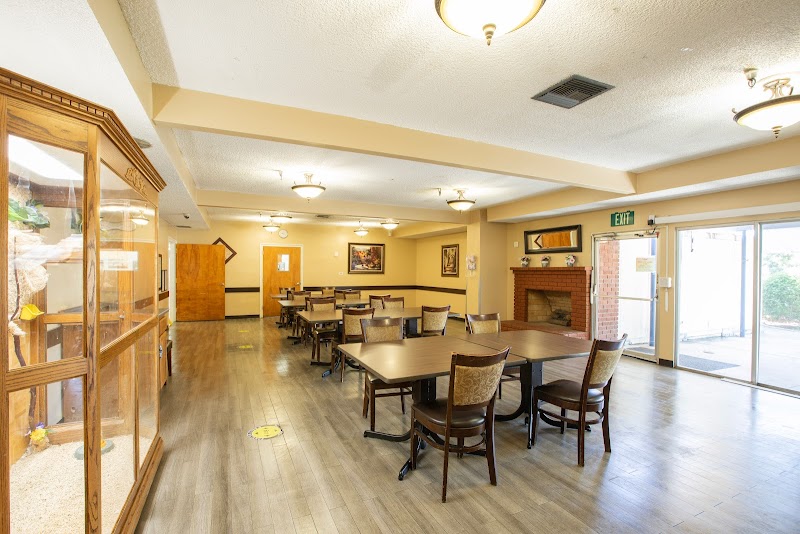
How is Rialto Post Acute Center Staffed?

CMS rates RIALTO POST ACUTE CENTER's staffing level at 3 out of 5 stars, which is average compared to other nursing homes. Staff turnover is 43%, compared to the California average of 46%. This relatively stable workforce can support continuity of care. RN turnover specifically is 78%, which is notably high. RNs provide skilled clinical oversight, so turnover in this role can affect medical care quality.

What Have Inspectors Found at Rialto Post Acute Center?

State health inspectors documented 39 deficiencies at RIALTO POST ACUTE CENTER during 2019 to 2025. These included: 1 Immediate Jeopardy (the most serious level, indicating potential for serious harm or death) and 38 with potential for harm. Immediate Jeopardy findings are rare and represent the most serious regulatory concerns. They require immediate corrective action.
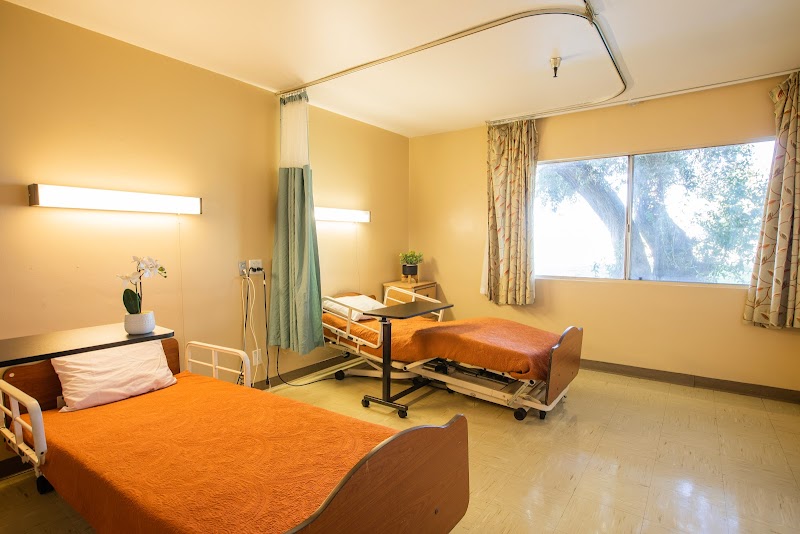
Who Owns and Operates Rialto Post Acute Center?

RIALTO POST ACUTE CENTER is owned by a for-profit company. For-profit facilities operate as businesses with obligations to shareholders or private owners. The facility is operated by SERRANO GROUP, a chain that manages multiple nursing homes. With 177 certified beds and approximately 166 residents (about 94% occupancy), it is a mid-sized facility located in RIALTO, California.
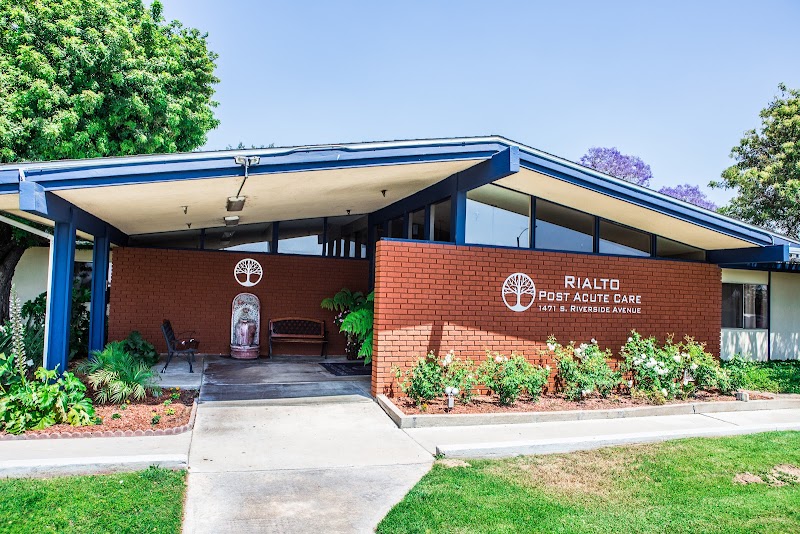
How Does Rialto Post Acute Center Compare to Other California Nursing Homes?

Compared to the 100 nursing homes in California, RIALTO POST ACUTE CENTER's overall rating (4 stars) is above the state average of 3.2, staff turnover (43%) is near the state average of 46%, and health inspection rating (3 stars) is at the national benchmark.

What Should Families Ask When Visiting Rialto Post Acute Center?

Based on this facility's data, families visiting should ask: "What changes have been made since the serious inspection findings, and how are you preventing similar issues?" "Can I visit during a mealtime to observe dining assistance and food quality?" "How do you handle medical emergencies, and what is your hospital transfer rate?" "Can I speak with family members of current residents about their experience?" These questions are particularly relevant given the facility's Immediate Jeopardy citations.

Is Rialto Post Acute Center Safe?

Based on CMS inspection data, RIALTO POST ACUTE CENTER has documented safety concerns. Inspectors have issued 1 Immediate Jeopardy citation (the most serious violation level indicating risk of serious injury or death). The facility has a 4-star overall rating and ranks #1 of 100 nursing homes in California. Families considering this facility should ask detailed questions about what corrective actions have been taken since these incidents.

Do Nurses at Rialto Post Acute Center Stick Around?

RIALTO POST ACUTE CENTER has a staff turnover rate of 43%, which is about average for California nursing homes (state average: 46%). Moderate turnover is common in nursing homes, but families should still ask about staff tenure and how the facility maintains care continuity when employees leave.

Was Rialto Post Acute Center Ever Fined?

RIALTO POST ACUTE CENTER has been fined $8,281 across 1 penalty action. This is below the California average of $33,162. While any fine indicates a compliance issue, fines under $50,000 are relatively common and typically reflect isolated problems that were subsequently corrected. Families should ask what specific issues led to these fines and confirm they've been resolved.

Is Rialto Post Acute Center on Any Federal Watch List?

RIALTO POST ACUTE CENTER is not on any federal watch list. The most significant is the Special Focus Facility (SFF) program, which identifies the bottom 1% of nursing homes nationally based on persistent, serious quality problems. Not being on this list means the facility has avoided the pattern of deficiencies that triggers enhanced federal oversight. This is a positive indicator, though families should still review the facility's inspection history directly.