Del Mar Convalescent Hospital
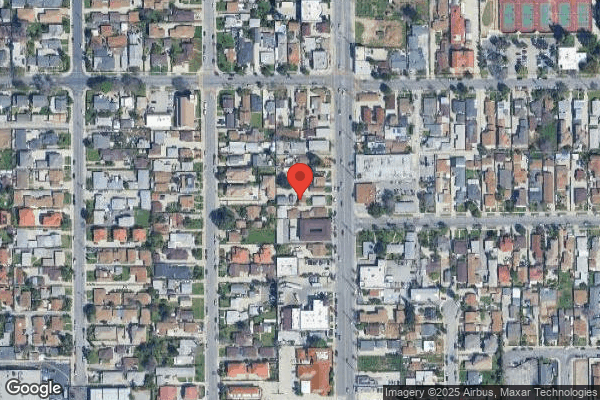
3136 NORTH DEL MAR AVENUE, ROSEMEAD, CA 91770 (626) 288-8353
For profit - Corporation 59 Beds DAVID & FRANK JOHNSON Data: November 2025
Trust Grade
80/100
#66 of 1155 in CA
Last Inspection: November 2024

Within standard 12-15 month inspection cycle. Federal law requires annual inspections.

Overview

Del Mar Convalescent Hospital in Rosemead, California has a Trust Grade of B+, indicating it is above average and generally recommended for families seeking care. It ranks #66 out of 1,155 facilities in the state, placing it in the top half, and #11 out of 369 in Los Angeles County, meaning only ten local options are rated better. The facility is improving, with the number of issues decreasing from 10 in 2023 to 7 in 2024. Staffing has a 3/5 rating, with a turnover rate of 33%, which is better than the state average, and they have more RN coverage than 81% of California facilities, helping to ensure quality care. However, there have been some concerning incidents; for example, the kitchen failed to properly label food items, risking foodborne illness, and there are issues with room occupancy limits that could affect resident comfort and care. Overall, while there are strengths in staffing and quality measures, the facility needs to address food safety and room accommodations to enhance resident safety and well-being.

Trust Score
B+
80/100
In California
#66/1155
Top 5%
Safety Record
Low Risk
No red flags
Inspections
Getting Better
10 → 7 violations
Staff Stability
○ Average
33% turnover. Near California's 48% average. Typical for the industry.
Penalties
✓ Good
No fines on record. Clean compliance history, better than most California facilities.
Skilled Nurses
○ Average
Each resident gets 41 minutes of Registered Nurse (RN) attention daily — about average for California. RNs are the most trained staff who monitor for health changes.
Violations
⚠ Watch
28 deficiencies on record. Higher than average. Multiple issues found across inspections.
★★★★★
5.0
Overall Rating
★★★☆☆
3.0
Staff Levels
★★★★★
5.0
Care Quality
★★★★☆
4.0
Inspection Score
Stable
2023: 10 issues
2024: 7 issues

The Good

  • 5-Star Quality Measures · Strong clinical quality outcomes
  • Full Sprinkler Coverage · Fire safety systems throughout facility
  • No fines on record
  • Staff turnover below average (33%)

    15 points below California average of 48%

Facility shows strength in quality measures, fire safety.

The Bad

Staff Turnover: 33%

13pts below California avg (46%)

Typical for the industry

Chain: DAVID & FRANK JOHNSON

Part of a multi-facility chain

Ask about local staffing decisions and management

The Ugly 28 deficiencies on record

Nov 2024 7 deficiencies
CONCERN (D)

Potential for Harm - no one hurt, but risky conditions existed

Deficiency F0558 (Tag F0558)

Could have caused harm · This affected 1 resident

**NOTE- TERMS IN BRACKETS HAVE BEEN EDITED TO PROTECT CONFIDENTIALITY** Based on observation, interview, and record review, the facility failed to accommodate the needs two of three sampled residents ...

Read full inspector narrative →
**NOTE- TERMS IN BRACKETS HAVE BEEN EDITED TO PROTECT CONFIDENTIALITY** Based on observation, interview, and record review, the facility failed to accommodate the needs two of three sampled residents (Resident 21 and Resident 23) by ensuring the residents ' call lights (a device used to alert staff to the resident ' s room) were placed within the resident ' s reach, in accordance with the facility ' s policy and procedure [P&P] titled Call Lights: Accessibility and Timely Response. This deficient practice had the potential for the residents not to receive care and services that could result in accidents and falls. Findings: 1. During a review of Resident 21 ' s admission Record, the admission Record indicated the resident was originally admitted on [DATE] and readmitted on [DATE] with diagnoses that included hemiplegia (total or partial paralysis of one side of the body), hemiparesis (weakness or an inability to move on one side of the body), and paralytic syndrome (a condition that causes weakness, muscle wasting, and loss of reflexes in the body) During a review of Resident 21 ' s History and Physical (H&P), dated 3/15/2024, the H&P indicated the resident does not have the capacity to understand and make decisions. During a review of Resident 21 ' s Minimum Data Set (MDS - a federally mandated resident assessment tool), dated 9/16/2024, the MDS indicated the resident has severely impaired cognition (ability to reason and thought process). The MDS indicated the resident was dependent (helper does all of the effort) for activities such as toileting and lower body dressing. The MDS also indicated the resident required substantial assistance (helper does more than half the effort; helper lifts or holds trunk or limbs and provides more than half the effort.) for bed mobility such as rolling left and right, sitting, and transferring from bed to chair. During a review of Resident 21 ' s care plan for falls, initiated on 3/14/2024, the care plan indicated Resident 21 was at risk for falls. The care plan included interventions for staff to ensure the resident ' s call light is within reach and encourage the resident to use if for assistance as needed. The resident needs prompt response to all requests for assistance. During a review of Resident 21 ' s care plan for Impaired communication Function, initiated on 3/14/2024, the care plan indicated Resident 21 has impaired communication due to having impaired cognition. The care plan interventions included to provide a safe environment such as ensuring the call light [is] in reach. During a concurrent observation and interview on 11/08/2024 at 5:58 PM with Certified Nursing Assistant (CNA) 1, Resident 21 ' s call light was observed hanging on the left side of the resident ' s bed and not within Resident 21 ' s reach. CNA 1 stated Resident 21 ' s call light is not within the resident ' s reach because it was hanging on the left side of the bed. CNA 1 stated the call light must be within reach of the resident. During an interview on 11/10/2024 at 12:07 PM with Licensed Vocational Nurse (LVN) 1, LVN 1 stated call lights are used by residents to call for help. LVN 1 stated residents would not be able to call for help if they cannot reach the call light. During an interview on 11/10/2024 at 2:07 PM with the Director of Nursing (DON), the DON stated staff must ensure call lights are within resident ' s reach. The DON stated the facility ' s fall prevention interventions include making sure residents are taught to use their call lights and that the residents ' call lights are within their reach. The DON stated residents could fall if they get up without asking for help using their call light. A review of the facility ' s policy and procedure (P&P) titled, Call Lights: Accessibility and Timely Response, revised 12/19/2022, indicated staff will ensure the call light is within reach of resident and secured, as needed. The P&P also indicated the call system will be accessible to residents while in their bed. 2. During a review of Resident 23 ' s admission Record indicated the resident was admitted on [DATE] with diagnoses that included traumatic subdural hemorrhage (a type of bleeding near the brain that can happen after head injury) without loss of consciousness, dysphagia (difficulty swallowing), and hemiplegia (total or partial paralysis of one side of the body), hemiparesis (weakness or an inability to move on one side of the body) During a review of Resident 23 ' s History and Physical (H&P), dated 8/13/2024, indicated the resident did not have the capacity to understand and make decisions. During a review of Resident 23 ' s Minimum Data Set (MDS - a federally mandated resident assessment tool), dated 11/5/2024, indicated the resident had moderately impaired cognitive skills for decision making. During a review of Resident 23 ' s care plan for falls, initiated on 7/31/2024, indicated Resident 23 was at risk for falls. The care plan included interventions for staff to place the resident ' s call light within reach and encourage the resident to use it for assistance as needed. The care plan indicated the resident needed prompt response to all requests for assistance. During an observation in Resident 23 ' s room on 11/9/2024 at 10:50 AM, Resident 23 was observed sitting in his wheelchair next to the window. Resident 23 ' s call light was observed on resident ' s bed, more than 3 feet away from Resident 23. Resident 23 was unable to reach the call light. During a concurrent observation and interview in Resident 23 ' s room on 11/9/2024 at 11 AM, Certified Nursing Assistant (CNA) 2 stated she placed Resident 23 by the window. CNA 2 stated Resident 23 ' s could not reach the call light. CNA 2 stated it was important for Resident 23 ' s call light to be within reach so residents could call for help if they needed anything. CNA 2 placing the call light within reach was for resident safety. During an interview with the Director of Nursing (DON) on 11/10/2024 at 4:25 PM, the DON stated the importance of placing call lights within resident ' s reach was for residents to call for assistance when residents required help. The DON stated in cases such as resident discomfort or change in condition, the call light should be easily accessible for residents to call for assistance.
CONCERN (D)

Potential for Harm - no one hurt, but risky conditions existed

Deficiency F0578 (Tag F0578)

Could have caused harm · This affected 1 resident

**NOTE- TERMS IN BRACKETS HAVE BEEN EDITED TO PROTECT CONFIDENTIALITY** Based on interview and record review, the facility failed to ensure: 1. Resident 37 ' s Physician Orders for Life Sustaining Tr...

Read full inspector narrative →
**NOTE- TERMS IN BRACKETS HAVE BEEN EDITED TO PROTECT CONFIDENTIALITY** Based on interview and record review, the facility failed to ensure: 1. Resident 37 ' s Physician Orders for Life Sustaining Treatment (POLST) and Advance Directive Acknowledgment Form reflected Resident 37 ' s Advance Directive. 2. Resident 30 ' s POLST reflected Resident 30 ' s Advance Directive wishes and failed to provide Resident 30 with an Advance Directive Acknowledgment form. This deficient practice had the potential to result in misinformation of medical care and treatment and not honoring resident ' s wishes in cases where the resident and/or responsible party was unable to participate in making healthcare decisions. Findings: 1. During a review of Resident 37 ' s Face Sheet (front page of the chart that contains a summary of basic information about the resident) indicated a readmission to the facility on 9/8/2024 with diagnoses that included of spinal stenosis (spaces inside the bones of the spine get too small), encounter of orthopedic (branch of surgery concerned with conditions involving the musculoskeletal system) and surgical aftercare, and Parkinson ' s Disease (a progressive disease of the nervous system marked by tremor, muscular rigidity, and a slow, imprecise movements). During a review of Resident 37 ' s History and Physical [H&P] dated 9/9/2024, the H&P indicated the resident was not able to make his own decisions. During a review of Resident 37 ' s POLST dated 5/28/2024, the POLST indicated the resident had an Advance Directive dated 12/29/2023. During a review of Resident 37 ' s Advance Directive Acknowledgement form dated 9/10/2024, the form indicated Resident 37 did not have an Advance Directive. During a review of Resident 37 ' s medical chart on 11/9/2024 at 12:31 PM, an Advance Directive dated 12/29/2023 was found. During a concurrent interview and record review of Resident 37 ' s medical chart with the Social Services Assistant (SSA) on 11/9/2024 at 12:44 PM, the SSA stated he assists with resident admissions with the admission Coordinator and licensed nurses. The SSA stated he translates and explains the forms in the presence of the admission Coordinator and licensed nurses. The SSA confirmed Resident 37 ' s POLST and Advance Directive Acknowledgment form did not match. The SSA stated it was important to make sure all the dates and documents reflected Resident 37 ' s wishes in the case of an emergency the staff would know what to do. The SSA stated because the acknowledgment form dated 9/10/2024 indicated there was no Advance Directive and Resident 37 had an Advance Directive on file, the facility should clarify with the family what they want and update the chart. During a concurrent interview and record review of Resident 37 ' s medical chart with the Director of Nursing (DON) on 11/10/2024 at 8:20 PM, the DON confirmed Resident 37 ' s POLST dated 5/28/2024 and Advance Directive Acknowledgment form dated 9/10/2024 did not reflect resident ' s Advance Directive. The DON stated medical information should match and a medical records audit will be done. The DON stated if there was any discrepancy, the facility would call the family to clarify the use of resident ' s Advance Directive. 2. During a review of Resident 30 ' s Face Sheet (front page of the chart that contains a summary of basic information about the resident), the Face Sheet indicated the resident was admitted to the facility on [DATE] with diagnoses that included traumatic subdural hemorrhage without loss of consciousness, hemiplegia and hemiparesis (a severe or complete loss of strength or paralysis on one side of the body) following a cerebral infraction (a condition that occurs when blood flow to the brain is blocked, causing brain tissue to die) affecting right dominant side, end stage renal disease (a chronic kidney disease that reached a point where the kidneys can no longer function on their own). During a review of Resident 30 ' s History and Physical Assessment [HPA] dated 10/31/2024, the HPA indicated Resident 30 has the capacity to understand and make medical decisions. During a review of Resident 30 ' s Minimum Data Set (a federally mandated resident assessment tool) dated 9/16/2024 indicated Resident 30 ' s cognition was moderately impaired During a review of Resident 30 ' s Physician Orders for life sustaining treatment (POLST), the POLST did not indicate if Resident 30 had an Advance directive. During an interview and concurrent record review on 11/09/2024 with the Social Services Assistant (SSA), the SSA stated there was no advance directives or evidence that indicated an Advance Directive acknowledgment form was offered to Resident 30 or the responsible party [RP]. The SSA stated advance directives is completed on admission as part of the resident ' s admission paperwork and it should be in the paper chart to indicate Resident 30 ' s wishes. The SSA stated it was important to get this information, so the facility know what the resident ' s or the RP ' s wishes are in case of an emergency. During a review of the facility ' s policy and procedure titled Resident Rights Regarding Treatment and Advanced Directives with a revision date of 12/19/2022, indicated It is the policy of this facility to support and facilitate a resident ' s right to request, refuse and/or discontinue medical or surgical treatment and to formulate an advance directive. 1. On admission the facility will determine if the resident has executed an advanced directive, and if not, determine whether the resident, if cognitively able to, would like to formulate an advanced directive.
CONCERN (D)

Potential for Harm - no one hurt, but risky conditions existed

Transfer Notice (Tag F0623)

Could have caused harm · This affected 1 resident

**NOTE- TERMS IN BRACKETS HAVE BEEN EDITED TO PROTECT CONFIDENTIALITY** Based on observation, interview and record review for two of three sampled residents (Resident 24 and 54) the facility failed to...

Read full inspector narrative →
**NOTE- TERMS IN BRACKETS HAVE BEEN EDITED TO PROTECT CONFIDENTIALITY** Based on observation, interview and record review for two of three sampled residents (Resident 24 and 54) the facility failed to ensure: 1. Ensure Resident 24 ' s family representative received a written notification of proposed transfer and/or discharge notification upon resident ' s transfer to the General Acute Care Hospital (GACH) in accordance with the facility ' s policy and procedure and have documented evidence Resident 30 ' s notice was sent to the Ombudsman 2. For Resident 54, the facility did not have documented evidence that notice of transfer was sent to the Ombudsman. This failure violated the resident ' s and resident representative ' s rights to make informed decisions and receive transfer/discharge information of their rights to appeal the transfer/discharge. Findings: 1.A review of Resident 24 ' s Face Sheet (front page of the chart that contains a summary of basic information about the resident) indicated the resident was originally admitted to the facility on [DATE] and then readmitted on [DATE], with diagnoses that included Chronic respiratory failure with hypoxia (a condition where you don ' t have enough oxygen in the tissue in your body), Alzheimer ' s disease unspecified (a brain disorder that slowly destroys the memory and thinking and other skills). During a review of Resident 24 ' s History and Physical [H&P] dated 8/28/2024, indicated Resident 24 does not have the capacity to understand and make medical decisions. During a review of Resident 24 ' s Notice of Proposed Transfer/discharge date d 8/12/2024, the Notice indicated Resident 24 ' s Responsible Party (RP1) was notified of Resident 24 ' s transfer to the acute hospital on 8/12/2024.The Notice of Proposed Transfer/Discharge indicated the transfer/discharge was necessary for the welfare and the needs cannot be met in the facility. The Notice indicated the resident ' s and the resident representative ' s rights to appeal the transfer/discharge if they believed transfer/discharge was inappropriate/involuntary. The Notice indicated the addresses and contact numbers of the Departments to file the appeal, including the timeframes and deadlines in filing the appeal. During the review of the Notice of Proposed Transfer/Discharge, the Notice had two signature lines: one line was for resident/representative that was observed blank, the other line was for the facility representative had a signature observed dated 8/12/2024. During a review of Resident 24 ' s telephone order dated 8/12/2024 timed at 6:20 P.M., the order indicated may transfer resident via paramedics to the acute hospital. For further evaluation related to respiratory distress, oxygen desaturation. During a review of Resident 24 ' s transfer form dated 8/12/2024 at 6:30 P.M., the form indicated At 6:05 PM, Resident 24 was heard wheezing with congestion, suction with received dark brown fluid, VS temperature 97.2, Blood pressure 126/58, Heart Rate 93, Respirations 26, Oxygen saturation 80% on 2 Liters per min via nasal canula (a device that provides supplemental oxygen to a patient through their nose), titrated oxygen to 15 Liters per minute via mask still wheezing and congested. Spoke to Resident Representative regarding condition and Physician said Resident request no resuscitation but wants emergency treatment if necessary to save life. Doctor aware with orders carried out. Paramedics arrived at 6:20 PM and transferred Resident 24 to acute hospital. Physician and Responsible party made aware. During a concurrent interview and record review of Resident 24 ' s Notice of Proposed Transfer/Discharge form with the Director of Nursing (DON) on 11/10/2024 at 7:15 PM, the DON stated she could not find any documented evidence that Resident 24 ' s Notice of Proposed Transfer/Discharge form was sent to the Ombudsman or to the Resident Representative. The DON stated the Notice should be signed by the Resident ' s Representative or indicate on the Notice that the resident representative was notified. The DON stated it is important for the facility staff to notify and provide in writing the 24 ' s Notice of Proposed Transfer/Discharge form to the residents and their representatives so that they may be informed of their rights when a resident gets transferred. 2. During a review of Resident 54 ' s Face Sheet (FS- front page of the chart that contains a summary of basic information about the resident), the FS indicated a readmission to the facility on [DATE] with diagnoses that included of intrahepatic bile duct (tiny canals that connect some of the organs in the digestive system) carcinoma (cancer that forms in the bile ducts), obstruction of bile duct, and other retroperitoneal (space behind the peritoneum [membrane that lines the inside of the abdomen and pelvis] abscess (pocket of pus). During a review of Resident 54 ' s History and Physical [H&P] dated 10/2/2024, the H&P indicated the resident had the capacity to understand and make her own decisions. During a review of Resident 54 ' s Minimum Data Set (MDS, a federally mandated resident assessment) dated 11/3/2024, the MDS indicated resident had moderately impaired cognition. During a concurrent interview and record review of Resident 54 ' s Notice of Proposed Transfer/Discharge form with the Director of Nursing (DON) on 11/10/2024 at 7 PM, the DON stated this was the form that was sent to the Ombudsman and should be signed by the Resident ' s representative. The DON stated Resident 54 ' s family member was notified of the resident ' s transfer and would sign the form when resident returns to the facility. During an interview with the DON on 11/10/2024 at 7:14 PM, the DON stated there was no fax confirmation for receipt of Resident 54 ' s Notice of Proposed Transfer/Discharge form. The DON stated she was not sure if the notice was sent to the Ombudsman. The DON stated Resident 54 was transferred out of the facility on 11/6/2024 and there was still time to send notice to the Ombudsman. During a review of the facility ' s policy and procedure (P&P) titled Transfer and Discharge, dated 12/19/2022, indicated generally, the notice must be provided at least 30 days prior to a facility-initiated transfer or discharge of the resident. The P&P indicated exceptions to the 30-day requirement apply when the transfer or discharge is effected because: (a) the health and/or safety of individuals in the facility would be endangered due to the clinical or behavioral status of the resident; (b) the resident ' s health improves sufficiently to allow a more immediate transfer or discharge; (c) an immediate transfer or discharge is required by the resident ' s urgent medical needs; or (d) a resident has not resided in the facility for 30 days. The P&P indicated in these exceptional cases, the notice must be provided to the resident, resident ' s representative if appropriate, and long term care (LTC) ombudsman as soon as practicable before the transfer or discharge. The P&P also indicated the facility will maintain evidence that the notice was sent to the Ombudsman.
CONCERN (D)

Potential for Harm - no one hurt, but risky conditions existed

Accident Prevention (Tag F0689)

Could have caused harm · This affected 1 resident

**NOTE- TERMS IN BRACKETS HAVE BEEN EDITED TO PROTECT CONFIDENTIALITY** Based on observation, interview and record review, the facility failed to ensure residents assessed at risk for falls received c...

Read full inspector narrative →
**NOTE- TERMS IN BRACKETS HAVE BEEN EDITED TO PROTECT CONFIDENTIALITY** Based on observation, interview and record review, the facility failed to ensure residents assessed at risk for falls received care and services, in accordance with their individualized level of risk to minimize the likelihood of falls, as indicated with the facility ' s policy and procedure [P&P] titled Fall prevention program for two of three sampled residents (Resident 6 and 30) by failing to: 1. Ensure the facility staff place the motion alarm on the bed when transferring Resident 6 from the wheelchair to the bed as indicated in Resident 6 ' s care plan for Falls. 2. Ensure to monitor the function and placement of Resident 30 ' s motion alarm when in bed and wheelchair. On 11/08/2024, Resident 30 ' s motion alarm was observed disconnected while in bed. These failures had the potential to result in multiple falls with injuries for both Resident 6 and 30 who were assessed as high risk for falls. Findings: 1. During a review of Resident 6 ' s Face Sheet (front page of the chart that contains a summary of basic information about the resident), the Face Sheet indicated the resident was admitted to the facility on [DATE], with diagnoses that included Type 2 Diabetes Mellitus (Type 2 diabetes is a condition that happens because of a problem in the way the body regulates and uses sugar as a fuel), Alzheimer ' s disease unspecified (a brain disorder that slowly destroys the memory and thinking and other skills). During a review of Resident 6 ' s History and Physical Assessment [HPA] dated 2/24/2024, the HPA indicated Resident 6 did not have the capacity to understand and make decisions. During a review of Resident 6 ' s Minimum Data Set (MDS, a federally mandated resident assessment tool) dated 9/20/2024, the MDS indicated Resident 6 ' s cognition was severely impaired. The MDS further indicated Resident 6 requires supervision (helper provides verbal cues) with eating, oral hygiene. The MDS indicated Resident 6 required partial (helper does less than half the effort) with toileting, shower and lower body dressing. During a review of Resident 6 ' s Order Summary Report indicated an order to monitor motion alarm function and placement every shift with a start date of 7/11/2024. During a review of Resident 6 ' s Order Summary Report, the Report indicated an order to have Motion alarm when in bed or wheelchair to alert resident not to get out of bed or wheelchair unassisted and to remind resident to wait for assistance with a start date of 7/11/2024. During a review of Resident 6 ' s care plan for falls, initiated on 2/24/2024, the care plan indicated Resident 6 risk for falls related to impaired physical/cognitive functions. The care plan goals indicated Resident 6 would be free from falls through the review date. The care plan interventions included: Monitor motion alarm function and placement every shift, motion alarm when in bed or wheelchair to alert resident not to get out of bed or wheel unassisted and to remind the resident to wait for assistance with initiation date of 7/11/2024. During an observation on 11/08/2024 at 5:31 PM in Resident 6 ' s bedroom, Resident 6 was observed being wheeled into his room by the facility receptionist with a portable motion alarm attached to the Resident 6 ' s wheelchair. The facility receptionist was observed assisting Resident 6 back to his bed, then placed the wheelchair across Resident 6 ' s bed before leaving the room. During the observation, the portable motion alarm was still attached to the wheelchair while Resident 6 was in bed. During a concurrent observation and interview on 11/08/2024 at 5:35 PM with LVN 2, LVN 2 stated Resident 6 was assessed at high fall risk due to the resident ' s lack of safety awareness. LVN 2 stated Resident 6 had a habit of getting up unassisted that was the reason he needed to have a motion alarm when in bed to remind the resident to call for help and alert facility staff. LVN 2 stated facility staff should always transfer Resident 6 ' s portable motion alarm from his wheelchair to his bed when Resident 6 returns to bed. LVN 2 stated the facility receptionist should not have left Resident 6 ' s motion alarm on the wheelchair, after assisting the resident back to bed. LVN 2 stated that the facility receptionist should have notified a nurse before leaving the Resident 6 ' s bedside. 2. During a review of Resident 30 ' s Face Sheet, the Face Sheet indicated the resident was admitted to the facility on [DATE], and recently readmitted on [DATE], with diagnoses that included traumatic subdural hemorrhage without loss of consciousness, hemiplegia and hemiparesis (a severe or complete loss of strength or paralysis on one side of the body) following a cerebral infraction (a condition that occurs when blood flow to the brain is blocked, causing brain tissue to die) affecting right dominant side, end stage renal disease (a chronic kidney disease that reached a point where the kidneys can no longer function on their own). During a review of Resident 30 ' s HPA dated 10/31/2024, the HPA indicated Resident 30 had the capacity to understand and make decisions. During a review of Resident 30 ' s MDS dated [DATE], the MDS indicated Resident 30 ' s cognition was moderately impaired. The MDS indicated Resident 30 required partial/moderate assistance (helper does less than half the effort) with eating, oral hygiene. The MDS indicated Resident 30 was dependent (helper does all of the effort) with toileting, shower and lower body dressing. During a review of Resident 30 ' s Order Summary Report, the Report indicated an order to monitor motion alarm function and placement every shift with a start date of 10/30/2024. During a review of Resident 30 ' s Order Summary Report, the Report indicated an order to have Motion alarm when in bed or wheelchair to alert resident not to get out of bed or wheelchair unassisted and to remind resident to wait for assistance with a start date of 10/30/2024. During a review of Resident 30 ' s initial Fall Risk assessment dated [DATE], the Fall Risk Assessment indicated Resident 30 ' s fall risk score was 10 which indicated Resident 30 was at Risk for falls. During a review of Resident 30 ' s initial Fall risk assessment dated [DATE], indicated Resident 30 ' s fall risk score was 18 which indicated Resident 30 was at high risk for falls. During a review of Resident 30 ' s care plan for falls, initiated on 7/11/2024, the care plan indicated Resident 30 risk for falls related to impaired physical/cognitive functions. The care plan interventions included: Monitor motion alarm function and placement every shift, motion alarm when in bed or wheelchair to alert resident not to get out of bed or wheel unassisted and to remind the resident to wait for assistance with initiation date of 8/06/2024. During an observation on 11/08/2024 at 5:25 PM, Resident 30 was observed laying in bed. Resident 30 ' s bedside alarm was observed hanging from Resident 30 ' s bedframe and a white cable was observed laying on the floor under the bed alarm. During a concurrent interview and observation on 11/08/2024 at 5:26 PM with Licensed Vocational Nurse (LVN 2), LVN 2 stated Resident 30 ' s motion alarm in bed was disconnected. LVN 2 was observed picking up the white cable and connected it to the bed alarm, once connected, a green flashing light was observed coming from Resident 30 ' s motion alarm. LVN 2 stated the flashing green light indicated Resident 30 ' s motion alarm in bed was on and working. LVN 2 stated she did not notice how long Resident 30 ' s motion alarm in bed had been disconnected but it should be connected and on at all times as Resident 30 is a high fall risk with a history of falling from his bed. During an interview on 11/10/2024 at 4:10 PM, with the Director of Nursing (DON), the DON stated it is important for Resident 6 and Resident 30 to have their bed alarms in place and on at all times to alert the resident and staff when the residents attempt to get up unassisted to prevent any falls or injuries to the residents. During a review of the facility ' s P &P titled, Fall prevention program with a revision date of 12/19/2023, the P&P indicated each resident would be assessed for fall risk and receive care and services in accordance with their individualized level of risk to minimize the likelihood of falls.
CONCERN (D)

Potential for Harm - no one hurt, but risky conditions existed

Deficiency F0760 (Tag F0760)

Could have caused harm · This affected 1 resident

**NOTE- TERMS IN BRACKETS HAVE BEEN EDITED TO PROTECT CONFIDENTIALITY** Based on observation, interview, and record review, the facility failed to ensure one of three residents (Resident 44) is free f...

Read full inspector narrative →
**NOTE- TERMS IN BRACKETS HAVE BEEN EDITED TO PROTECT CONFIDENTIALITY** Based on observation, interview, and record review, the facility failed to ensure one of three residents (Resident 44) is free from significant medication errors when Resident' 44 ' s medication Droxidopa Oral Capsule (medication used to treat symptoms dizziness, lightheadedness or fainting sensation) route of administration did not match Physicians order on Resident 44 ' s Medication Administration Record (MAR) with route of administration (this means by which medication is introduced in the body such as orally, injection or topical application). This deficient practice had the potential to result in Resident 44 to receive medications through the wrong route. Findings: A review of Resident 44 ' s Face Sheet (front page of the chart that contains a summary of basic information about the resident) indicated the resident was admitted to the facility on [DATE], with diagnoses that included Parkinson ' s ( a progressive brain disorder that causes nerve cells in the brain to deteriorate) disease without dyskinesia (a movement disorder tat causes involuntary, abnormal or repeated muscle movements), Dysphagia (difficulty swallowing) following unspecified cerebrovascular disease ( a group od conditions that affect blood flow to the vessels in the brain). During a review of Resident 44 ' s History and Physical [H&P] dated 12/12/2023, indicated Resident 44 does not have the capacity to understand and make medical decisions. During a review of Resident 44 ' s Minimum Data Set (MDS – a federally mandated resident assessment tool), dated 10/28/2024, the MDS indicated the resident was dependent (helper does all of the effort) for activities such as eating, oral hygiene, toileting, shower, upper and lower body dressing and personal hygiene. During a review of Resident 44 ' s Order summary report dated October indicated an order for the resident to receive Droxidopa Oral Capsule (Droxidopa) 200 milligrams (a unit of measure) via G-tube(a gastrostomy tube surgically inserted into the stomach used to deliver nutritional fluids, medications) three times a day for Neurogenic orthostatic hypotension (a condition that causes a drop in blood pressure when standing up ) with an order date of 5/06/2024. During a medication pass observation, on 11/10/2024, from 8:48 AM to 9:36 AM, Licensed Vocational Nurse (LVN) 3 was observed removing two capsule of Droxidopa Oral Capsule 100 mg opening the capsules and pouring powder medication from the capsule into a clear plastic medication cup and dissolving with water. LVN 3 was then observed proceeding to Resident 44 ' s bedside to administer medication. During a concurrent interview and record review on 11/10/2024 at 9:46 AM with LVN 3 of Resident 44 ' s Medication of Droxidopa Oral Capsule 200 mg verifying Resident 44 ' s medication bottle and Resident 44 ' s MAR. LVN 3 verified Resident 44 ' s instructions for Droxidopa Oral Capsule administration medication label on Resident 44 ' s medication bottle did not match the physician ' s order on the Resident 44 ' s MAR. During an interview with Director of Nursing (DON) on 11/10/2024 at 1:45 PM, DON stated the Resident 44 ' s Primary physician was notified of the indication and route of administration for Resident 44 ' s medication that was brought into facility by Resident 44 ' s family. DON stated Primary physician was unaware of the discrepancy and changed the order for the medication that was able to be administered via G-tube for Resident 44. DON stated pharmacy was notified of new order an order was placed and scheduled to be delivered that day. DON stated it was important to clarify orders and make sure the matches the physician orders route of administration so that the nurses won ' t have any mistakes when administering the medications. DON stated all nurses should always check medication bottles and Physicians orders to make sure they match before administering medications to prevent any complications when giving medications to residents. A review of the facility ' s policy revised on 12/29/2022 titled Medication administration, indicated, Medications are administered by licensed nurses, or other staff who are legally authorized to do so in this state, as ordered by the physician and in accordance with professional standards of practice.11. Compare medication source (bubble pack, vial etc.) with MAR to verify resident name, medication name. form, dose, route, and time.
CONCERN (E)

Potential for Harm - no one hurt, but risky conditions existed

Food Safety (Tag F0812)

Could have caused harm · This affected multiple residents

Based on observation, interview and record review, the facility failed to follow their policy and procedures to prevent food contamination and the spread of foodborne illness for one of one kitchen in...

Read full inspector narrative →
Based on observation, interview and record review, the facility failed to follow their policy and procedures to prevent food contamination and the spread of foodborne illness for one of one kitchen in the facility, when multiple food items in the kitchen ' s refrigerator were not labeled with the date and time the food was opened or prepared. This deficient practice had the potential to result in pathogen (germ) exposure to residents and placed residents at risk for developing foodborne illness (food poisoning) with symptoms including upset stomach, stomach cramps, nausea, vomiting, diarrhea, and fever and can lead hospitalization. Findings: 1. During an observation on 11/08/2024 at 4:13 PM in the facility ' s kitchen, the following food items inside the kitchen ' s refrigerator were observed unlabeled: 4 Cups of Fruit Mix 1 Bowl of Fruit Mix During a concurrent observation and interview on 11/08/2024 at 4:16 PM in the facility ' s kitchen with Assistant Kitchen Manager (AK), the AK stated that prepared and opened food items must be labeled with the date the item was opened and when the item is set to expire. The AK stated he is unsure of when the food items were opened or prepared. During a follow up interview on 10/14/2024 at 12:45 PM with the Dietary Supervisor (DS), the DS stated opened items must have a label that indicated the product name, opened date, and the expiration date. The DS stated not following the facility ' s policy could cause harm in residents because the unlabeled foods could be expired. A review of the facility ' s policy and procedure (P&P) titled, Date Marking for Food Safety, revised 12/19/2022, indicated the individual opening or preparing a food shall be responsible for date marking the food at the time the food was opened or prepared. The P&P also indicated the marking system shall include the date of opening, and the date the item must be consumed or discarded.
CONCERN (E)

Potential for Harm - no one hurt, but risky conditions existed

Deficiency F0911 (Tag F0911)

Could have caused harm · This affected multiple residents

**NOTE- TERMS IN BRACKETS HAVE BEEN EDITED TO PROTECT CONFIDENTIALITY** Based on observation, interview, and record review, the facility failed to ensure the resident bedrooms accommodate no more than...

Read full inspector narrative →
**NOTE- TERMS IN BRACKETS HAVE BEEN EDITED TO PROTECT CONFIDENTIALITY** Based on observation, interview, and record review, the facility failed to ensure the resident bedrooms accommodate no more than four residents for seven (7) of eighteen (18) rooms (Rooms 16, 19, 20, 21, 22, 25, and 26) and did not have more than four residents in one shared room. This deficient practice had the potential to limit care and services, and the ability to move easily in the room for residents and staff. Findings: During the facility ' s Recertification Survey Entrance Conference, on 11/8/2024 at 5 PM, in the presence of the Administrator (ADM), the ADM stated the facility had rooms with variances and will continue to apply for the Room Waiver. During a review of the room waiver letter submitted by the ADM on 11/8/2024, the letter indicated Rooms 16, 19, 20, 21, 22, 25, and 26, had adequate space for nursing care and multiple beds per room would not adversely affect the health and safety of the residents. During a review of the Client Accommodation Analysis form submitted by the facility on 11/9/2024, the Client Accommodation Analysis form indicated the following rooms had more than four beds: room [ROOM NUMBER] with 5 beds, room [ROOM NUMBER] with 5 beds, room [ROOM NUMBER] with 5 beds, room [ROOM NUMBER] with 5 beds, room [ROOM NUMBER] with 5 beds, room [ROOM NUMBER] with 5 beds, and room [ROOM NUMBER] with 5 beds. On 11/8/2024 to 11/10/2024, during the recertification survey, the following were observed: room [ROOM NUMBER] had 5 beds with 5 residents (0 unoccupied beds) room [ROOM NUMBER] had 5 beds with 5 residents (0 unoccupied beds) room [ROOM NUMBER] had 5 beds with 5 residents (0 unoccupied beds) room [ROOM NUMBER] had 5 beds with 5 residents (0 unoccupied beds) room [ROOM NUMBER] had 5 beds with 4 residents (1 unoccupied beds) room [ROOM NUMBER] had 5 beds with 5 residents (0 unoccupied beds) room [ROOM NUMBER] had 5 beds with 5 residents (0 unoccupied beds) During an interview on 11/8/2024 at 5:33 PM, Family Member (FM) 1 stated that room [ROOM NUMBER] had a total of 5 residents and there was enough space for staff to take care of Resident 42. During an observation on 11/9/2024 at 11:08 AM, Resident 1 was observed being pushed in a wheelchair from room [ROOM NUMBER] ' s resident bathroom to his bed with no issues. During a review of the facility ' s policy and procedure (P&P) titled Resident Rooms, dated 12/19/2022 indicated resident bedrooms must be designed and equipped for adequate nursing care, comfort and privacy of residents. The P&P indicated resident bedrooms will not accommodate more than four residents.
Nov 2023 9 deficiencies
CONCERN (D)

Potential for Harm - no one hurt, but risky conditions existed

Deficiency F0558 (Tag F0558)

Could have caused harm · This affected 1 resident

**NOTE- TERMS IN BRACKETS HAVE BEEN EDITED TO PROTECT CONFIDENTIALITY** Based on observation, interview and record review, the facility failed to reasonably accommodate the resident's needs as indicat...

Read full inspector narrative →
**NOTE- TERMS IN BRACKETS HAVE BEEN EDITED TO PROTECT CONFIDENTIALITY** Based on observation, interview and record review, the facility failed to reasonably accommodate the resident's needs as indicated in the facility's policy and procedure titled, Call Lights: Accessibility and Timely Response for 1 of two residents (Resident 104) who was observed with call lights (device used by a resident to signal his or her need for assistance from professional staff) not within the resident's reach. This deficient practice had the potential to in Resident 104 receive delayed care or not receive services and emergency care when needed. Findings: A review of Resident 104's admission Record indicated Resident 104 was initially admitted to the facility on [DATE], and readmitted on [DATE] with diagnosis that included dysphagia (difficulty swallowing foods or liquids) and type 2 diabetes mellitus (a disease in which your blood glucose, or high blood sugar levels). A review of Resident 104's History and Physical (H&P), dated 10/27/2023 indicated, Resident 104 had the capacity to understand and make decisions. A review of the Minimum Data Set (MDS, a standardized assessment and care screening tool), dated 11/03/2023, indicated Resident 104 was cognitively (relating to the mental process involved in knowing, learning, and understanding things) intact. The MDS indicated Resident 104 uses a wheelchair for ambulation. During an observation in Resident 104's room on 11/10/2023 at 10:20 AM, Resident 104 was observed sitting in the wheelchair next to his bed. Resident 104 asked the surveyor Can you get my call light, they brought me back from PT (Physical Therapy-a therapy to strengthen weakened muscle) and left me here, I don't know where my call light is. Resident 104's call light was observed on the floor behind Resident 104's bedside drawer that resident could not reach. During a concurrent interview and observation in Resident 104's room with Licensed Vocational Nurse (LVN1) on 11/10/2023 at 10:28 AM, LVN stated, Resident 104's call light was on the floor behind the bedside drawer that was not withing arm reach of the resident. LVN 1 stated the call light should always be within the resident's reach to prevent an accident or injury reaching for the call light, and to be used when the resident need assistance. During an interview on 11/11/2023 at 4:58 PM with Assistant Director of Nursing (ADON), the ADON stated it was the facility's practice to always leave the call lights within reach of the residents. The ADON stated everyone in the facility was responsible for making sure the residents call lights within the residents reach. The ADON stated it was important for all residents to have their call lights within reach to ensure they get assistance from the staff when in distress, or when the residents need assistance to prevent accident and to ensure we meet the residents' needs. A review of the facility's policy and procedure titled, Call Lights: Accessibility and Timely Response, revised on 12/19/2022, indicated the staff will ensure the call light is within reach of the residents and secured, as needed.
CONCERN (D)

Potential for Harm - no one hurt, but risky conditions existed

Safe Environment (Tag F0584)

Could have caused harm · This affected 1 resident

**NOTE- TERMS IN BRACKETS HAVE BEEN EDITED TO PROTECT CONFIDENTIALITY** Based on observation, interview and record review, the facility failed maintain a homelike environment by ensuring the facility'...

Read full inspector narrative →
**NOTE- TERMS IN BRACKETS HAVE BEEN EDITED TO PROTECT CONFIDENTIALITY** Based on observation, interview and record review, the facility failed maintain a homelike environment by ensuring the facility's wall clocks in the resident's bedroom were set in the current time for 2 of two sampled residents (Resident 1 and 105). This deficient practice had the potential for Resident 1 and105 to get disoriented with time, which could affect the resident's participation with daily activities and over all wellbeing. Findings: 1. A review of Resident 1's admission Record indicated Resident 1 was initially admitted to the facility on [DATE] and readmitted on [DATE] with a diagnosis that included paraplegia (paralysis or unable to move the lower part of the body), Type 2 diabetes mellitus (a disease in which your blood glucose, or high blood sugar levels). A review of Resident 1's History and Physical, dated 7/26/2022, indicated the resident had the capacity to understand or make decisions. 2. A review of Resident 105's admission Record indicated Resident 105 was initially admitted to the facility on [DATE] with a diagnosis that included Type 2 diabetes mellitus. Unspecified Dementia (loss of memory, language, problem-solving and other thinking abilities that are severe enough to interfere with daily life). A review of Resident 105's History and Physical, dated 11/04/2023, indicated the resident did not have capacity to understand or make decisions. During an observation and initial facility tour on 11/10/23 at 10:31 AM, the facility, the wall clock in Resident 1's room showed the time of 9:35 AM. In a concurrent interview Resident 1 stated he notified the nurses that his room clock had the wrong time, but no one fixed it. Resident 1 stated he sometimes gets confused with having two clocks with two different times as he uses his personal electronic tablet to see the time as well. Resident 1 stated he likes to know what the correct time because he relies on the time on the wall clock for his daily activities. During an observation and initial facility tour on 11/10/2023 at 11AM, the facility wall clock on the wall in Resident 105's bedroom showed the time of 10AM. In a concurrent interview Resident 105 stated she sometimes gets confused with the time. Resident 105 stated she liked to know what the correct time because she relies on the time for knowing when it's time to get up and for breakfast and lunch. During an observation and concurrent interview on 11/20/2023 at 11:20 AM, the Maintenance Supervisor (MS) was observed entering Resident 105's room taking down the wall clock in front of Resident 105's bed and putting the correct time. MS stated he had forgotten to fix the clocks to display the correct time on three residents' rooms. The MS stated any staff member could have fixed the clocks to display the correct time since the time changed (daylight saving time) about a week ago. During an interview on 1/11/2022 at 5 P.M, the Assistant Director of Nursing (ADON), stated it was important for the facility to maintain the clocks in residents' room in good working condition, so the residents were aware of the current time and day, especially for the residents who has dementia. The ADON stated ensuring that the wall clocks in the resident's room have the right time will help the residents with the orientation of time. A review of the facility's policy and procedure titled, Maintenance Inspection, revised on 12/19/ 2022, indicated It is the policy of this facility to utilize maintenance inspections to assure a safe, functional, sanitary and comfortable environment for residents, staff and the public.
CONCERN (D)

Potential for Harm - no one hurt, but risky conditions existed

Deficiency F0655 (Tag F0655)

Could have caused harm · This affected 1 resident

**NOTE- TERMS IN BRACKETS HAVE BEEN EDITED TO PROTECT CONFIDENTIALITY** Based on interview and record review, the facility failed to develop and implement a baseline care plan within 48 hours of resid...

Read full inspector narrative →
**NOTE- TERMS IN BRACKETS HAVE BEEN EDITED TO PROTECT CONFIDENTIALITY** Based on interview and record review, the facility failed to develop and implement a baseline care plan within 48 hours of resident's admission to the facility for one of 3 sampled residents (Resident 105) with a diagnosis of Type 2 Diabetes Mellitus (DM-an adult-onset disease in which the blood glucose or sugar levels are too high). This deficient practice had the potential for Resident 105 not to receive the appropriate interventions and treatments for DM and lead to complications such as hyperglycemia (high blood sugar) or hypoglycemia (low blood sugar). Findings: A review of Resident 105's admission Record indicated Resident 105 was initially admitted to the facility on [DATE] with a diagnosis that included Type 2 DM. Unspecified Dementia (loss of memory, language, problem-solving and other thinking abilities that are severe enough to interfere with daily life.). A review of Resident 105's History and Physical, dated 11/04/23, indicated the resident did not have capacity to understand or make decisions. A review of the Minimum Data Set (MDS, a standardized assessment and care screening tool), dated 11/9/2023, indicated Resident 105's has an active diagnosis of DM. During an interview and concurrent record review on 11/11/2023 at 10:39 AM with the MDS nurse, the MDS nurse stated Resident 105 was admitted to facility with a diagnosis of Type 2 DM that was not addressed or included in Resident 105's baseline care plan. The MDS nurse tated the care plan should had been initiated during Resident 104's admission to the facility. During an interview on 11/13/2023 at 4:58 PM, with Assistant Director of Nursing (ADON), the ADON stated, the resident's care plans should be initiated within 48 hours upon admission for of all residents with pertinent diagnosis such as Type 2 DM. The ADON stated Resident 105's care plan for DM should had been initiated by the nurses when the Resident 105 was admitted to the facility no later than 48 hours of admission. The ADON stated since Resident 105 had no baseline care plan for DM, this could result in the resident not receiving appropriate interventions and monitoring for complications of DM such as hyperglycemia or hypoglycemia. A review of the facility's policy revised on 12/29/2022 titled Baseline Care Plan, indicated, the facility will develop and implement a baseline care plan for each resident that included instructions needed to provide effective and person-centered care of the resident that meet professional standards of quality of care. The baseline care plan will be initiated within 48 hours of a Resident's admission.
CONCERN (D)

Potential for Harm - no one hurt, but risky conditions existed

Accident Prevention (Tag F0689)

Could have caused harm · This affected 1 resident

Based on observation, interview and record review, the facility failed to ensure one of one sampled resident (Resident 33) was assisted by two people during transfer from wheelchair to bed, and when u...

Read full inspector narrative →
Based on observation, interview and record review, the facility failed to ensure one of one sampled resident (Resident 33) was assisted by two people during transfer from wheelchair to bed, and when using a Hoyer Lift (mechanical lift device with sling used to transfer residents between the bed and the chair or other location using electrical or hydraulic power). This deficient practice placed Resident 33 at risk for falls or accidents during transfers when using the Hoyer lift that could lead to injuries including possible fractures and a decline in the resident's wellbeing. Findings: During a review of Resident 33's admission Record indicated the facility admitted Resident 33 on 11/19/2022 with diagnoses that included, osteoporosis (a condition in which bones become weak and brittle) and contracture (a condition of shortening of muscle, tendons or other tissue leading to deformity, rigidity of the joints and lead to pain with limited or no joint movement). During a review of Resident 33's History and Physical, dated 6/15/2023, indicated Resident 33 does not have the capacity to understand and make decisions. During a review of Resident 33' Minimum Data Set (MDS, a standardized assessment and care planning tool), dated 10/10/2023, indicated Resident 33 had severely impaired cognition (ability to think and reason) for daily decision making. The MDS indicated Resident 33 was totally dependent (helper does all of the effort to complete the activity with the assistance of 2 or more helpers) on lying to sitting on side of bed, chair/bed-to-chair transfer, and tub/shower transfer. During an observation on 11/10/2023 at 12:31 PM in Resident 33's room, Resident 33 was at the foot of her bed sitting in the wheelchair with a Hoyer sling (a sling creates a hammock to cradle a person when transferring with a mechanical lift). In a concurrent interview Certified Nursing Assistant (CNA) 1 stated, she was going to transfer Resident 33 from her wheelchair to the bed. CNA 1 positioned the Hoyer Lift in front of Resident 33 and did not request assistance from other staffs. CNA 1 attached four sling hooks onto the sling attachment points of the Hoyer Lift. Then CNA 1 moved behind Resident 33 and stood behind the Hoyer Lift facing Resident 33. CNA 1 informed Resident 33 that she will lift her up now, then, CNA grabbed the Hoyer Lift remote control and pressed button to lift up resident from the wheelchair to the bed. The Surveyor immediately stopped CNA 1. CNA 1 stated she was going to transfer Resident 33 with the Hoyer Lift by herself. CNA 1 stated the Hoyer Lift should be operated by two people, and she was in hurry to transfer the resident and forgot to get assistance from other staffs. CNA 1 stated it was important to use have two people to transfer Resident 33 from the wheelchair to the bed with the Hoyer Lift for the resident's safety. During an interview on 11/11/2023 at 5:16 PM with the Acting Director of Nursing (ADON), the ADON stated a Hoyer Lift required two people to operate. The ADON stated one person could not operate the Hoyer Lift remote control and watch over the resident to prevent fall or injury at the same time during transfer. The ADON stated when using the Hoyer Lift, one person should operate the remote control and another person stays next to the resident to prevent the resident from fall and injury during the transferring process. During a review of the facility's policy and procedure titled, Safe Resident Handling/Transfers, dated 12/19/2022, indicated it is the policy of this facility to ensure that residents are handled and transferred safely to prevent or minimize risks for injury and provide and promote a safe, secure and comfortable experience for the resident while keeping the employees safe in accordance with current standards and guidelines. When using Mechanical Lift two staff members must be utilized when transferring residents.
CONCERN (D)

Potential for Harm - no one hurt, but risky conditions existed

Deficiency F0760 (Tag F0760)

Could have caused harm · This affected 1 resident

**NOTE- TERMS IN BRACKETS HAVE BEEN EDITED TO PROTECT CONFIDENTIALITY** Based on observation, interview, and record review, the facility failed to ensure one of four residents (Resident 3) was free fr...

Read full inspector narrative →
**NOTE- TERMS IN BRACKETS HAVE BEEN EDITED TO PROTECT CONFIDENTIALITY** Based on observation, interview, and record review, the facility failed to ensure one of four residents (Resident 3) was free from significant medication errors. Resident's 3's heart rate was not assessed before administering Metoprolol Tartrate (a medication to treat high blood pressure and heart failure) based on physician's order to hold if Systolic Blood Pressure (SBP, measures the pressure of your blood in your arteries [tube like structure responsible for transporting blood]) less than (<) 110 milliliters per mercury (mmHg, unit of measurement) or heart rate (HR) < 60 beats per minute (bpm, unit of measurement). This deficient practice place Resident 3 at risk to experience adverse reaction (undesired effect) of Metoprolol that included dangerously low blood pressure and heart rate that could lead to death. Findings: A review of Resident 3's admission Record indicated Resident 3 was initially admitted to the facility on [DATE] with a diagnosis that included, hemiplegia (muscle weakness or partial paralysis [loss ability to move] on one side of the body that can affect the arms, legs, and facial muscles) and Type 2 diabetes mellitus (a disease in which results in high blood glucose or sugar levels). A review of Resident 3's History and Physical, dated 10/29/2023, indicated the resident does not have the capacity to understand or make decisions. A review of Resident 3's record, titled Order Summary Report (a physician's order), ordered on 11/8/2023, indicated to administer Metoprolol 25 mg (a unit of measure) via G-tube (a gastrostomy tube surgically inserted into the stomach used to deliver nutritional fluids, medications) every 12 hours for hypertension and hold for SBP <110 and HR<60. During a medication pass observation, on 11/12/2023, from 8:11 AM to 8:50 AM, Licensed Vocational Nurse (LVN) 2 crushed one tablet of Metoprolol 25 mg and did not assess Resident 3's heart rate before administering Metoprolol 25 mg via G-tube. During an interview with LVN 2 on 11/12/2023 at 8:51 AM, LVN 2 stated, she forgot to check Resident 3's heart rate prior to administering the Metoprolol. LVN 2 stated I forgot to check the heart rate of the resident (Resident 3), I only checked the resident's blood pressure, and I did not read the whole physician's order before giving the medication. LVN 2 stated the consequences of not checking the resident's heart rate before administration of Metoprolol is lowering the heart rate too low. LVN 2 stated it was important to check the resident's blood pressure and heart rate were within the parameters as ordered by the physician before administration of Metoprolol. During an interview with the Assistant Director of Nursing (ADON) on 11/12/23 at 2PM, the ADON stated all nurses should always check and follow the doctor's orders before administering medications to prevent any complications when giving medications to residents. A review of the facility's policy revised on 12/29/2022 titled Medication administration, indicated, Medications are administered by licensed nurses, or other staff who are legally authorized to do so in this state, as ordered by the physician and in accordance with professional standards of practice.
CONCERN (D)

Potential for Harm - no one hurt, but risky conditions existed

Food Safety (Tag F0812)

Could have caused harm · This affected 1 resident

Based on observation, interview, and record review, the facility failed to properly store foods in the refrigerator. 1. 15 Cups of poured milk were not labeled or dated. 2. 6 Prepared sliced peaches...

Read full inspector narrative →
Based on observation, interview, and record review, the facility failed to properly store foods in the refrigerator. 1. 15 Cups of poured milk were not labeled or dated. 2. 6 Prepared sliced peaches were not labeled or dated. 3. A cracked egg was observed saturating the egg crate. These deficient practices had the potential to result in residents being exposed to food borne illnesses. Findings: During an observation of the kitchen during the initial kitchen tour on 11/10/2023 at 9:36 AM with the Dietary Supervisor (DS), refrigerator 1 was observed to have prepared milk in cups, and prepared sliced peaches without labels or dates. DS stated the cups with milk and cups with sliced peaches should have been labeled with what the contents of what the food was, and the date the food was prepared. The DS stated dating and labeling food was important to ensure food were not expired, and to prevent residents from becoming sick. During an observation in the kitchen, during the initial kitchen tour on 11/10/2023 at 9:45 AM with the DS, refrigerator 2 was observed with one (1) cracked egg in a carton with the egg components spilled into the egg crate. and found one cracked egg in a large cartons that holds 36 eggs the substance inside the egg had saturated the surrounding wells. DS stated the cracked egg and carton should have been thrown away since the egg components spilled inside and outside the egg carton and could contaminate other food in the refrigerator, and could harm residents due to bacterial growth. A review of the facility's policy titled, Food Safety Requirements dated 12/19/2022, indicated food will also be stored, prepared, distributed and served in accordance with professional standards for food service safety. The policy indicated practices to maintain safe refrigerated storage include: labeling, dating, and monitoring refrigerated food, including, but not limited to leftovers, so it is used by its use-by date.
CONCERN (D)

Potential for Harm - no one hurt, but risky conditions existed

Deficiency F0847 (Tag F0847)

Could have caused harm · This affected 1 resident

Based on interview and record review, the facility failed to ensure one of four sampled Residents (Resident 51) and the resident's responsible party (RP) were informed and understood the concept of th...

Read full inspector narrative →
Based on interview and record review, the facility failed to ensure one of four sampled Residents (Resident 51) and the resident's responsible party (RP) were informed and understood the concept of the proposed arbitration (solving disputes with a neutral third party instead of the court) and the Binding Arbitration Agreement (BAA, a binding agreement by the parties to submit to arbitration all or certain disputes between them in respect of a defined legal relationship, whether contractual or not) before having the resident/RP enter into a binding arbitration agreement. The deficient practice had the potential resulted in Resident 51 unknowingly giving up their right to resolve any disputes with the facility through a court of law before a jury. Findings: During a review of Resident 51's admission Record indicated the facility admitted Resident 51 on 10/14/2023 with diagnoses that included hemiplegia (paralysis of one side of the body) and diabetes mellitus (a diseases that affect how the body uses blood sugar and results in high blood sugar). During a review of Resident 51 Minimum Data Set (MDS, a standardized assessment and care planning tool), dated 10/20/2023, indicated Resident 51 had severely impaired memory and cognitive impairment (able to make decision and think reasonably). During an interview on 11/11/2023 at 12:09 PM with the admission Director (AD), the AD stated She was responsible for explaining and obtaining the BAA to the residents and their RPs in the facility. The AD stated when the BAA was signed by the resident or the Responsible Party (RP), it was effective immediately and the resident or RP could not rescind (take back or cancel) the BAA unless the resident was discharged from the facility. During a concurrent interview and record review on 11/11/2023 at 5:05 PM with Resident 51's RP (RP1), the BAA, dated 10/16/2023 was reviewed. RP 1 stated she did not recognize the BAA, which she had signed electronically on 10/16/2023. RP 1 stated the staff did not explain what BAA was. The RP 1 stated she did not agree on the terms on the BAA and if there was any dispute with the facility related to Resident 51, she should have the right to resolve the dispute in court. During an interview on 11/12/2023 at 12:05 PM with the AD, the AD stated she it was important to explain the BAA to resident and the RP to make sure both parties understand what a BAA is and be informed that they have 30 days after the BAA was signed to rescind the BAA. The AD stated it was the residents and their RPs' right to be informed and understand the binding BAA, so that they could decide if they want to enter the BAA. During a review of the facility's policy and procedure titled, Binding Arbitration Agreements, dated 12/19/2022, indicated the facility shall explain to the resident and his or her representative in a form and manner that he or she understands, including in a language the resident and his or her representative understands, and ensure the resident or his or her representative acknowledges that he or she understands the agreement .This Agreement may be rescinded by written notice within thirty (30) days of signature.
CONCERN (D)

Potential for Harm - no one hurt, but risky conditions existed

Infection Control (Tag F0880)

Could have caused harm · This affected 1 resident

Based on observation, interview and record review, the facility failed to label the nasal cannula (NC-a device used to deliver supplemental oxygen to people) tubing with the date when it was first use...

Read full inspector narrative →
Based on observation, interview and record review, the facility failed to label the nasal cannula (NC-a device used to deliver supplemental oxygen to people) tubing with the date when it was first used for one of three sampled residents (Resident 204). This failure had the potential for Resident 204 to use contaminated or soiled NC tubing and result in the infection (a process when a microorganism, such as bacteria, fungi, or a virus, enters a person's body and causes harm) and a widespread infection in the facility. Findings: During a review of Resident 204's admission Record indicated the facility admitted Resident 204 on 11/6/2023 with diagnoses that include dementia (a term for a range of conditions that affect the brain's ability to think, remember, and function normally) and spinal stenosis (narrowing in the spine which puts pressure on the nerves and spinal cord, causing pain, numbness, and muscle weakness). During a review of Resident 204's History and Physical (H&P), dated 11/7/2023, indicated Resident 204 had the capacity to understand and make decisions. During A review of Resident 204's Minimum Data Set (MDS, a standardized assessment and care planning tool), dated 11/13/2023, indicated Resident 204 had intact cognition (ability to think and reason) for daily decision making. The MDS indicated Resident 204 was on oxygen therapy in the facility. During an observation on 11/10/2023 at 10:45 AM, in Resident 204's room, Resident 204 had the nasal cannula (NC) inserted into the nares (nose opening). The NC tubing was connected to the humidifier bottle (bottle with water use to provide moisture when the oxygen is delivered to the nares), which was attached to the operating oxygen machine at her bedside. The humidifier bottle was labeled and dated 11/6/2023. The NC tubing was not labeled with the date when it was first used. In a concurrent interview, Resident 204 stated she does not remember for how many days she had been using the NC tubing. During a concurrent observation and interview on 11/10/2023 at 10:52 AM with Licensed Vocational Nurse (LVN) 1, Resident 204's NC tubing was not labeled with the date and time of when it was first used. LVN 1 explained the staffs only need to date the humidifier and not the NC tubing. During an interview on 11/11/2023 at 5:15 PM with the Acting Director of Nursing (ADON), the ADON stated they changed NC tubing weekly and as needed when they were soiled. The ADON stated NC tubing and humidifier bottle were not one-piece equipment and should be labeled and dated individually. The ADON stated it was important to label and date the NC tubing because the staff could know when to change the NC tubing and to prevent infection for the residents. During a review of the facility's policy and procedure titled, Oxygen Administration, dated 12/19/2022, indicated infection control measures included to change oxygen tubing and mask/cannula weekly and as needed if it becomes soiled or contaminated.
MINOR (B)

Minor Issue - procedural, no safety impact

Deficiency F0911 (Tag F0911)

Minor procedural issue · This affected multiple residents

**NOTE- TERMS IN BRACKETS HAVE BEEN EDITED TO PROTECT CONFIDENTIALITY** Based on observation, interview, and record review, the facility failed to ensure resident bedrooms accommodate no more than fou...

Read full inspector narrative →
**NOTE- TERMS IN BRACKETS HAVE BEEN EDITED TO PROTECT CONFIDENTIALITY** Based on observation, interview, and record review, the facility failed to ensure resident bedrooms accommodate no more than four residents for five of 18 rooms (Rooms 16, 19, 22, 25 and 26) did not have more than four residents in one shared room. This deficient practice had the potential to limit care and services, and the ability to move easily in the room for residents and facility staff. Findings: On 11/10/23 at 9:00 AM, during the facility's Recertification Survey Entrance Conference, in the presence of the Social Service Supervisor (SSS) stated the facility had rooms with variances and will continue to apply for the Room Waiver. A review of the Client Accommodation Analysis form submitted by the facility on 11/10/23 indicated the following rooms had more than four beds: room [ROOM NUMBER] with 5 beds, room [ROOM NUMBER] with 5 beds, room [ROOM NUMBER] with 5 beds, room [ROOM NUMBER] with 5 beds, room [ROOM NUMBER] with 5 beds. On 11/10/23 to 11/12/23, during the recertification survey, the following were observed: 1. room [ROOM NUMBER] has 5 beds with 3 residents (2 unoccupied bed) 2. room [ROOM NUMBER] has 5 beds with 5 residents (0 unoccupied beds) 3. room [ROOM NUMBER] has 5 beds with 4 residents (1 unoccupied bed) 4. room [ROOM NUMBER] has 5 beds with 5 resident (5 unoccupied beds) 5. room [ROOM NUMBER] has 5 beds with 5 residents unoccupied beds) During an interview on 11/10/2023 at 10:47 AM, CNA 2 stated room [ROOM NUMBER] had 5 residents and there was enough room to provide care and to get the residents out of bed and into their wheelchair. During an interview on 11/10/2023 at 11:36 AM, Family Member (FM) stated that room [ROOM NUMBER] had 5 residents and her brother had enough space for her to take care of him and the nursing assistants are able to get him out of bed into the wheelchair with no problem. During an interview on 11/10/2023 at 3:10 PM, CNA 1 stated that room [ROOM NUMBER] had 5 residents and there was enough room to provide care to the residents. CNA 1 stated there are no issue for transferring the residents from bed to wheelchair or using the Hoyer lift (a patient lift used by caregivers to safely transfer patients) in the room. During an interview on 11/10/2023 at 3:12 PM, LVN 1 stated the 5 resident rooms have enough space to safely care for the residents, for intravenous and feeding equipment, oxygen machine and transferring the residents from bed to wheelchair. During an observation on 11/10/2023 at 12:40 PM in room [ROOM NUMBER], Resident 33 was transferred from the wheelchair to the bed with the use of a Hoyer lift by two CNA's with no issues. A review of the room waiver letter submitted by the Administrator (ADM) on 11/11/23, indicated rooms 6,19, 22, 25, and 26 , had adequate space for nursing care and multiple beds per room would not adversely affect the health and safety of the residents. The room waiver filed by the facility will be submitted to CMS.
Jun 2023 1 deficiency
CONCERN (D) 📢 Someone Reported This

A family member, employee, or ombudsman was alarmed enough to file a formal complaint

Potential for Harm - no one hurt, but risky conditions existed

Grievances (Tag F0585)

Could have caused harm · This affected 1 resident

Based on interview and record review, the facility failed to complete and ensure prompt efforts were made to resolve grievance verbalized by residents to the facility and keep resident appropriately a...

Read full inspector narrative →
Based on interview and record review, the facility failed to complete and ensure prompt efforts were made to resolve grievance verbalized by residents to the facility and keep resident appropriately apprised of progress towards resolution for one of three sampled residents (Resident 1). In addition, the facility failed to issue a written grievance decision to Resident 1, in accordance with the facility's policy on Grievance/Concern. This deficient practice increased the risk for negative psychosocial impact on Resident 1's quality of life. Findings: A review of Resident 1's admission Record indicated the facility readmitted the resident on 7/19/2022, with diagnoses of paraplegia (paralysis that occurs in the lower half of the body), Type 2 diabetes mellitus (a chronic condition that affects the way the body processes blood sugar). A review of Resident 1's History and Physical Examination dated 7/21/2022, indicated Resident 1 had the capacity to understand and make decisions. A review of Resident 1's Minimum Data Set (MDS, an assessment and screen tool) dated 11/01/2022, indicated Resident 1 required extensive assistance (resident involved in activity, staff provide weight bearing support) one person physical assist for bed mobility, dressing ,toilet use and personal hygiene. During an interview in Resident 1's room on 6/26/23 at 11:12 AM, Resident 1 stated he spoke with the Social Service Director (SSD) and the Director of Staffing Development (DSD) about his concerns (on 5/9/23) regarding Certified Nursing Assistant (CNA) 1 being assigned to him as his regular CNA. Resident 1 stated he told the SSD and DSD that he did not want CNA 1 being assigned as his primary CNA or come into his room, as he feels fearful for his safety and fears retaliation from CNA 1 because he reported the lack of competent care being provided to him by CNA 1. A review of Resident 1's Progress notes indicated the following information: 1. On 5/09/23, the notes indicated that SSD and DSD went to Resident 1's room and spoke with Resident 1 and Resident 1 verbalized he did not want CNA 1 being assigned to him. SSD and DSD informed Resident 1 that CNA 1 would be assigned to him with a second staff member present for the safety of the staff due to Resident 1's verbal threats to call the California Department of Public Health (CDPH). 2. On 6/08/23, the notes indicated Resident 1 refused to have CNA 1 assigned to him. 3. On 6/15/23, the notes indicated SSD and DSD went to speak to Resident 1 because Resident 1 insisted he did not want CNA1 assigned to him. The DSD told Resident 1 he needs to wait due to his request. During a concurrent interview and record review of the facility's Grievance Log with the SSD on 6/26/2023 at 1:15 PM, the SSD stated she could not find documented evidence that grievances were logged for Resident 1 for the months of April, May or June 2023 or that a written grievance resolution was provided to Resident 1. The SSD stated a grievance is when a resident and/or family member complains about something. The SSD stated sometimes residents would tell their concerns to nurses or CNAs. The SSD stated she also conducts room rounds and wouls start a grievance process for any residents who have concerns but had not completed one for Resident 1's verbal concern regarding CNA 1. The SSD stated once a grievance was made, they would notify whichever department it concerns, investigate, and notify the resident and/or family member of the resolved response. The SSD stated the Social Services Department is responsible for filling out the legal document for the resident's grievance. A review of the facility's policy and procedure titled Grievance/Complaint Procedures, with a revision date of November 2016 indicated the following information: 1. Any resident, his or her representative, family member, or appointed advocate may file a grievance or complaint alleging discrimination in treatment, medical care, and behavior of other residents or staff members, without fear of threat or reprisal in any form. The facility's policy indicated grievances and or complaints may be submitted orally (spoken) or in writing and anonymously. The facility's policy indicated the Administrator has designated the facility's Social Service Designee (SSD) as the Grievance Official, who is responsible for overseeing the grievance process, receiving and tracking grievances though to their conclusion that included issuing written grievance decisions to the resident.
Dec 2022 1 deficiency
CONCERN (E) 📢 Someone Reported This

A family member, employee, or ombudsman was alarmed enough to file a formal complaint

Potential for Harm - no one hurt, but risky conditions existed

Food Safety (Tag F0812)

Could have caused harm · This affected multiple residents

Based on observation, interview, and record review, the facility failed to ensure the proper storage and labeling of refrigerated and dry food when it was observed that cooked food was not properly la...

Read full inspector narrative →
Based on observation, interview, and record review, the facility failed to ensure the proper storage and labeling of refrigerated and dry food when it was observed that cooked food was not properly labeled and dated, expired foods were not disposed of, and other food items were not properly stored. This deficient practice had the potential to result in serving residents expired and/or contaminated food, which may lead to foodborne illness for residents who consume meals in the facility. Findings: On 12/15/2022 at 10:51 AM, during kitchen tour and observation of refrigerator 1, refrigerator door had a signage which indicated, All food items must be covered, labeled and dated. On 12/15/2022 at 10:52 AM, during observation of refrigerator 1, a. one plastic container with cooked rice, one metal container of pureed turkey covered with clear plastic wrap, and one metal container with ground chicken covered with clear plastic wrap were all observed to be dated 12/12/2022, with no expiration date, stored in refrigerator. b. one metal container with canned sliced pears covered with clear plastic wrap was observed without any label or date stored in the refrigerator. c. a plastic container with dark sauce, dated 12/12/2022, has a loose lid, that was not air-tight. d. Grape jelly stored in plastic container with label on lid that read opened on 10/19/2022 and best by date of 11/9/2022, observed in the refrigerator. On 12/15/2022 at 10:58 AM, during observation and interview, [NAME] 1 stated cooked rice is stored in the refrigerator for one day and thrown out if not used. [NAME] 1 added the other cooks might have forgotten to throw it out. [NAME] 1 stated the metal containers with pureed turkey and ground cooked chicken, dated 12/12/2022, should also have an expiration date labeled on the container. [NAME] 1 stated the canned sliced pears, covered with plastic wrap should be labeled with an open and expiration date. [NAME] 1 stated the plastic container for the dark sauce labeled 12/12/2022 was not air-tight and should be air-tight to keep it fresh. [NAME] 1 stated the grape jelly has an expiration date of 11/9/2022, which meant was no longer safe to eat and should have been thrown out. On 12/15/2022 at 11:03 AM, during observation and interview, Dietary Supervisor (DS) stated cooked foods like pureed turkey, ground chicken, and rice are usually not kept in the refrigerator for that long and should've been disposed of. DS stated the canned pears in the refrigerator should be labeled so all kitchen staff would know when the item was opened and when it would expire. DS stated all food items in the refrigerator should be labeled, especially if they have been opened so that all staff would know if food items were still safe to consume. DS stated plastic containers such as the container used for the dark sauce labeled 12/12/2022 was not air-tight and should be air-tight to keep food fresh. DS stated the grape jelly stored in plastic container with lid opened on 10/19/2022 and best by date of 11/9/2022 should have been thrown away because it was considered expired and this could cause the residents to get sick if consumed. On 12/15/2022 at 12:05 PM, during observation of the bottom rack of the kitchen's dry goods storage, a dry mashed potatoes container with a used by date of 1/02/2022 was not sealed with air-tight lid. A box of dry enriched wheat cereal and a box of dry rice hot cereal observed torn with open with large hole on upper corner and were exposed to air. On 12/15/2022 at 12:10 PM, during observation and interview, DS and [NAME] 1 stated those boxes should be placed in an airtight bag or container so that vermin or dust cannot get inside the boxes and spoil the food product inside. On 12/15/2022 at 1:30 PM, during interview, the Director of Nursing (DON) stated food storage in the refrigerator should be labeled with open/prepared date and expiration date. The DON stated it was important to label all food items for resident safety because when residents eat expired food, they can get sick. The DON stated dry food items in boxes that were opened should be placed in another air-tight container so that the food item can remain fresh and prevent residents from becoming sick. A review of the facility policy titled, Labeling and Dating of Foods, dated 2020, indicated all food items in the storeroom, refrigerator, and freezer need to be labeled and dated as described below: · Newly opened food items will need to be closed and labeled with an open date and used by the date that follows guidelines. · All prepared foods need to be covered, labeled, and dated. · Leftovers will be covered, labeled, and dated. A review of the facility policy titled, Storage of Food and Supplies, dated 2020, indicated food and supplies will be stored properly and in a safe manner as described below: · Dry food items which have been opened, such as pudding, gelatin, biscuit mix, pancake mix, dry cereal, spices, coffee, noodles, etc., will be tightly closed, labeled, and dated. · Open, non-food items are to be tightly closed to prevent exposure to pests. · Liquid foods such as syrup, oil, vinegar, honey, corn syrup, Worcestershire sauce, and molasses which have been opened will be tightly closed, labeled, and dated.
Nov 2022 1 deficiency
CONCERN (D) 📢 Someone Reported This

A family member, employee, or ombudsman was alarmed enough to file a formal complaint

Potential for Harm - no one hurt, but risky conditions existed

Notification of Changes (Tag F0580)

Could have caused harm · This affected 1 resident

**NOTE- TERMS IN BRACKETS HAVE BEEN EDITED TO PROTECT CONFIDENTIALITY** Based on observation, interview and record review the facility failed to properly notify the physician of one of two sampled res...

Read full inspector narrative →
**NOTE- TERMS IN BRACKETS HAVE BEEN EDITED TO PROTECT CONFIDENTIALITY** Based on observation, interview and record review the facility failed to properly notify the physician of one of two sampled residents (Resident 1) high blood sugar level (Glucose or type of sugar found in the blood) on two occasions. This deficient practice had the potential to cause Resident 1 to develop many serious life-threatening complications that include damage to the eye, kidneys due to high blood sugar levels. Findings: A review of Resident 1's face sheet (admission record) indicated the facility admitted Resident 1 to the facility on [DATE]. Resident 1's diagnoses included Hemiplegia (is a condition caused by brain damage or spinal cord injury that leads to paralysis on one side of the body)and hemiparesis( is weakness or the inability to move on one side of the body, making it hard to perform everyday activities like eating or dressing) following cerebral infarction(damage to tissues in the brain due to a loss of oxygen to the area) affecting left non -dominant side, Type 2 diabetes mellitus ( a disease that occurs when your blood glucose, also called blood sugar, is too high). A review of Resident 1's history and physical dated 07/31/22 indicated Resident 1 did not have the capacity to understand and make decisions. A review of Resident 1's Physician's Order for August 2022 indicated the following physician orders: Fasting blood sugar (test to determine how much glucose [sugar] is in a blood sample after an overnight fast) using test stripes and lancets call medical doctor if blood sugar is below 60 or higher than 250 two times a day dated 7/30/2022, discontinued 8/05/2022 A review of Resident 1's medication administration record for 8/01/22 through 08/08/22 indicated Resident 1's blood sugar on 08/02/22 was 280 and on 08/04/22 was 351. A review of Resident 1's progress notes dated 07/30/22 to 08/08/22 did not include documentation that primary physician was notified of Resident 1's Blood sugar levels result on 08/02/22 or 08/04/22. During an interview and concurrent record review with Director of Nurses (DON) on 11/02/22 at 1:55 P.M, the DON stated she could not find written documentation on Resident 1's record that Resident 1's primary physician was notified of Resident 1's blood sugar was above parameters on 08/02/22 and 08/04/22. The DON stated the nurse are supposed to notify physicians immediately and follow the order parameters, and document in the residents' progress notes every time there is a change of condition and physician communication. A review of the facility's policy and procedure titled, Change in a Residents Condition or Status revised on January 2012 indicated The nurse will notify the resident's Attending Physician on call when there has been a (an): accident or incident involving the resident; discovery of injuries of an unknown source; adverse reaction to medication; significant change in the resident's physical/emotional/mental condition; need to alter the resident's medical treatment significantly; refusal of treatment or medication two (2) or more consecutive times); need to transfer the resident to a hospital/treatment center; discharge without proper medical authority; and /or specific instruction to notify the Physician of changes in the resident's condition.
Nov 2021 9 deficiencies
CONCERN (D)

Potential for Harm - no one hurt, but risky conditions existed

Deficiency F0604 (Tag F0604)

Could have caused harm · This affected 1 resident

**NOTE- TERMS IN BRACKETS HAVE BEEN EDITED TO PROTECT CONFIDENTIALITY** Based on observation, interview and record review, the facility failed to implement their policy and procedure on the use of phy...

Read full inspector narrative →
**NOTE- TERMS IN BRACKETS HAVE BEEN EDITED TO PROTECT CONFIDENTIALITY** Based on observation, interview and record review, the facility failed to implement their policy and procedure on the use of physical restraints (any device or equipment or material that the resident cannot easily remove, that restricts the movement of any part of an upper extremity (i.e., hand, arm, wrist) or lower extremity (i.e., foot, leg) to one of one resident (Resident 43) in a sample of 15. Resident 43 was observed with a hand mitten to the right hand. There was no physician's order to indicate the use of the restraint to treat the resident's medical symptoms. This deficiency had the potential to result in the unnecessary use of the physical restraint that could lead to the decline of the resident's physical functioning and quality of life. Findings: A review of the admission record indicated Resident 43 was re-admitted to the facility on [DATE], with diagnoses that included hypertension (high blood pressure), and dysphagia (difficulty in swallowing) with gastrostomy tube (GT- tube inserted through a small incision in the abdomen into the stomach used for long-term enteral nutrition) and hemiplegia and hemiparesis (refers to muscle weakness or partial paralysis on one side of the body that can affect the arms, legs, and facial muscles.) A review of Resident 43's Minimum Data Set (MDS, a standardized assessment and care planning tool dated 10/21/21, indicated the resident had short and long-term memory problems, was severely impaired in cognitive skills for daily decision making, sometimes made self- understood/sometimes understand others and required total assistance with all activities of daily living. According to the MDS, Resident 43 did not use any physical restraints that included limb restraint (any device or equipment or material that the resident cannot easily remove, that restricts the movement of any part of an upper extremity (i.e., hand, arm, wrist) or lower extremity (i.e., foot, leg) less than daily. During the initial tour on 11/9/21, at 9:19 am, Resident 43 was observed lying in bed on her left side. Resident 43 was observed wearing a hand mitten on her right hand. Resident 43 did not respond when interviewed. During a follow up observation on 11/9/21, at 10:30 am, there was no hand mitten applied to the resident's right hand at this time. During a concurrent interview, the restorative nurse assistant (RNA), stated she was not aware Resident 43 had a hand mitten. RNA further added that there was no order for the resident to use hand mitten. On 11/9/21, at 10:59, a review of Resident 43's medical record indicated there was no physician's order or assessment for the use of the hand mittens. During a concurrent interview with the director of staff development (DSD), stated there were no restraints used in the facility. The DSD checked the drawer of the resident's bedside and confirmed that there was a hand mitten inside the drawer. The DSD further stated there should have been no restraints kept at the bedside and would start an investigation regarding the use of restraints. A review of the facility's policy and procedure, Use of Restraints, revised May 2021, indicated, Restraints shall only be used to treat the resident's medical symptoms and never for discipline or staff convenience, or for the prevention of falls. In addition, the policy and procedure also stated, Restraints shall only be used upon the written order of a physician and after obtaining consent from the resident or surrogate decision maker. There shall be no standing orders or PRN orders for physical restraints. The order shall include the following: a. The specific reason for the restraint (as it relates to the resident's medical symptoms), b. How the restraint will be used to benefit the resident's medical symptoms and c. The type of restraint, and period of time for the use of the restraint.
CONCERN (D)

Potential for Harm - no one hurt, but risky conditions existed

Abuse Prevention Policies (Tag F0607)

Could have caused harm · This affected 1 resident

**NOTE- TERMS IN BRACKETS HAVE BEEN EDITED TO PROTECT CONFIDENTIALITY** Based on interview and record review, the facility failed to develop written policies and procedures and implement these procedu...

Read full inspector narrative →
**NOTE- TERMS IN BRACKETS HAVE BEEN EDITED TO PROTECT CONFIDENTIALITY** Based on interview and record review, the facility failed to develop written policies and procedures and implement these procedures to prohibit and prevent abuse for one of one resident (Resident 43) in a sample of 15. The facility reported an incident regarding the use of hand mitten as a form of restraint for Resident 43 during provision of care. The licensed nurse did not report to the abuse coordinator that a hand mitten was used during the provision of care to Resident 43. This deficient practice had the potential to place the resident at risk for abuse and mistreatment. Findings: On 11/12/21, the department received a facility reported incident (FRI) that was described as physical abuse. According to the report, on 11/9/21, a surveyor reported to the director of nursing (DON) that one of the residents (Resident 43) was observed with a hand mitten on 11/9/21. The report also stated that an investigation had begun. A review of the admission record indicated Resident 43 was re-admitted to the facility on [DATE] with diagnoses that included hypertension (high blood pressure), and dysphagia (difficulty in swallowing) with gastrostomy tube (GT- tube inserted through a small incision in the abdomen into the stomach used for long-term enteral nutrition) and hemiplegia and hemiparesis (refers to muscle weakness or partial paralysis on one side of the body that can affect the arms, legs, and facial muscles.) A review of Resident 43's Minimum Data Set (MDS, a standardized assessment and care planning tool, 10/21/21, indicated the resident had short and long-term memory problems, was severely impaired in cognitive skills for daily decision making, sometimes made self- understood/sometimes understand others and required total assistance with all activities of daily living. According to the MDS Resident 43 did not use any physical restraints that included limb restraint (any device or equipment or material that the resident cannot easily remove, that restricts the movement of any part of an upper extremity (i.e. hand, arm, wrist) or lower extremity (i.e. foot, leg) less than daily. An interview was conducted with the administrator and the director of nursing on 11/12/21, at 2:27 pm. They both stated that they interviewed all the staff from all shifts (7 am to 3 pm, 3 pm to 11 pm, and 11 pm to 7 am) and all the staff denied using the hand mitten to Resident 43. However, according to the administrator one of the staff (LVN 1) informed her that she remembered that there was a CNA that gave the resident a mitten, to distract the resident's attention during care. The administrator stated that she was only made aware of the mittens during this investigation. During an interview with LVN 1 on 11/15/21, at 9:02 am, she stated that she does not remember when and who the CNA told her about the mittens. LVN 1 also stated that she informed the CNA that hand mittens are considered restraints and are not allowed in the facility. When asked if she informed the administrator or the DON regarding the hand mitten, LVN 1 stated, No. LVN 1 stated that she should have reported to the DON and the staff should have been in-serviced regarding the use of restraints in the facility. A review of the Summary of Investigation dated 11/12/21, indicated none of the staff used or witnessed anyone placed the hand mitten to Resident 43. It did not indicate how this incident would be prevented and how Resident 43 would be protected during the investigation. A review of the facility's policy and procedure, Abuse-Prevention program, revised February 2020, did not indicate how the facility will protect a resident during an investigation of abuse. The facility did not include clear written procedures on how to protect not only the resident(s) identified but all residents within the facility from any offenders and/or current or future incident(s). In addition, the policy and procedure did not indicate on how to preserve the integrity of the investigation, examination of the victim, increased supervision of the victim(s), room or staffing changes needed for protection, protection from retaliation, and the provision of emotional support and/or counseling to the resident(s) as needed.
CONCERN (D)

Potential for Harm - no one hurt, but risky conditions existed

Deficiency F0637 (Tag F0637)

Could have caused harm · This affected 1 resident

**NOTE- TERMS IN BRACKETS HAVE BEEN EDITED TO PROTECT CONFIDENTIALITY** Based on observation, interview and record review, the facility failed to develop a plan of care for one of one sampled resident...

Read full inspector narrative →
**NOTE- TERMS IN BRACKETS HAVE BEEN EDITED TO PROTECT CONFIDENTIALITY** Based on observation, interview and record review, the facility failed to develop a plan of care for one of one sampled resident (Resident 44) in a sample of 15 to reflect and address the skin condition. Resident 44 had bruising to both legs and no change of condition was addressed in the medical records. This deficiency had the potential to place the resident at risk for unrecognized change of condition and a delay in necessary interventions or treatments. Findings: A review of the admission Record indicated that Resident 44 was admitted to the facility on [DATE], with diagnoses that included muscle weakness, history fall with fracture of the hip and osteoporosis (a condition in which bones become weak and brittle). A review of Resident 44's Minimum Data Set (MDS, a standardized assessment and care planning tool, 10/25/21, indicated the resident had short and long-term memory problems, was moderately impaired in cognitive skills for daily decision making, had the ability to make self-understood and had the ability to understand others and required extensive assistance with activities of daily living. During an observation on 11/9/21, at 8:50 am, Resident 44 was observed lying in bed. Resident 44 had bruises to both legs. During a concurrent interview with the resident (with an interpreter) Resident 44 stated that she liked scratching her legs and that it made her feel good. Resident 44 stated that she did not have any falls or injuries. A review of the medical records on 11/9/21, at 2:30 pm, there was no documentation of Resident 44's skin condition. During an interview with the DON on 11/10/21 at 10 am, she confirmed that the skin bruising was not addressed or a care plan was developed. A review of the facility's policy and procedure, Change in a Resident's Condition or Status, revised January 2012, indicated, The nurse supervisor/charge nurse will record in the resident's medical record information relative to the to changes in the resident's medical/mental condition/status. Assessment related to the change in condition will be documented for 72 hours unless the condition requires continued documentation or the physician orders otherwise.
CONCERN (D)

Potential for Harm - no one hurt, but risky conditions existed

Room Equipment (Tag F0908)

Could have caused harm · This affected 1 resident

**NOTE- TERMS IN BRACKETS HAVE BEEN EDITED TO PROTECT CONFIDENTIALITY** Based on observation, interview and record review, the facility failed to ensure housekeeping and maintenance services are maint...

Read full inspector narrative →
**NOTE- TERMS IN BRACKETS HAVE BEEN EDITED TO PROTECT CONFIDENTIALITY** Based on observation, interview and record review, the facility failed to ensure housekeeping and maintenance services are maintained in a safe operating condition in one of 15 resident's bathroom (Resident 11). Resident 11's toilet seat in the bathroom was loose and moving a lot and the resident was scared that she would fall. This deficient practice placed the resident's safety at risk. Findings: On 11/9/21, at 1:27 pm, during an interview with Resident 11, she stated the toilet seat was moving a lot and she was scared that she would fall. Resident 11 stated she had told someone about the toilet seat, but no one fixed it. On 11/9/21, at 2:30 pm, during an observation, housekeeping staff (HS) 1, was cleaning room [ROOM NUMBER]. HS 1 then cleaned the bathroom and the toilet. During a concurrent interview with HS 1, she did not say anything about the toilet seat being loose. HS 1 stated that she did not know that the resident had complained about the loose toilet seat. During an interview with the Maintenance Supervisor on 11/10/21, at 7:32 am, he stated the housekeeping staff should also inspect to make sure the toilet seats were secured. The Maintenance Supervisor stated he would have the necessary repair done immediately. A review of the facility's policy and procedure, Interior Maintenance, revised 3/1/16, indicated, Resident Bathroom Inspection Procedures- Check toilets by flushing, checking for leakage and blockage and making sure that the toilet seat is securely fastened.
CONCERN (E)

Potential for Harm - no one hurt, but risky conditions existed

Food Safety (Tag F0812)

Could have caused harm · This affected multiple residents

Based on observation, interview, and record review, the facility failed to ensure meats to be thawed are not stored on the top shelf in one of two refrigerators (refrigerator 2) as indicated in their ...

Read full inspector narrative →
Based on observation, interview, and record review, the facility failed to ensure meats to be thawed are not stored on the top shelf in one of two refrigerators (refrigerator 2) as indicated in their policy and procedure. This deficient practice placed the residents at risk for foodborne illness (refers to illness caused by the ingestion of contaminated food or beverages). Findings: During the second tour of the facility's kitchen with Dietary Supervisor (DS) on 11/10/21, at 4:40 p.m., it was observed a large tray containing raw sausage was thawed on the top shelf of the refrigerator 2. Another tray containing frozen waffle was also thawed underneath the thawed sausage. On 11/10/21, at 4:45 p.m., during an interview with the DS, he stated the sausage was fully cooked. DS was asked to the bring tray down and opened it and revealed it was raw. DS stated it should not be there. DS agreed the raw meats to be thawed should not be stored on top shelf of the refrigerator. The DS stated the vegetables should be stored on the top shelf and the thawed meat should always be placed on the very bottom shelf in the refrigerator, so melted liquids do not drop into other foods. A review of the facility's policy Food Preparation: Thawing of Meats dated 2018, thawed meat should be placed on the bottom shelf below prepared ready to eat foods. This will prevent raw-product juices from dripping onto the prepared food and causing food borne illness.
CONCERN (E)

Potential for Harm - no one hurt, but risky conditions existed

Deficiency F0849 (Tag F0849)

Could have caused harm · This affected multiple residents

**NOTE- TERMS IN BRACKETS HAVE BEEN EDITED TO PROTECT CONFIDENTIALITY** A review of the admission record of Resident 8 indicated the facility admitted the resident on 4/8/21, with diagnoses that inclu...

Read full inspector narrative →
**NOTE- TERMS IN BRACKETS HAVE BEEN EDITED TO PROTECT CONFIDENTIALITY** A review of the admission record of Resident 8 indicated the facility admitted the resident on 4/8/21, with diagnoses that included chronic obstructive pulmonary disease (COPD- progressive disease that gets worse over time and makes it hard to breath), muscle weakness, chronic kidney disease, and diabetes mellitus (high sugar level in the blood) and breast cancer. The latest Minimum Data Set (MDS, a standardized assessment and care planning tool, 9/7/21, indicated the resident had short and long-term memory problems, was severely impaired in cognitive skills for daily decision making, usually had the ability to make self- understood and sometimes had the ability to understand others and required limited with bed mobility, walking in the room and corridor, and personal hygiene and extensive assistance with dressing, transfer, and toilet use. A review of the physician's order dated 6/3/21, indicated an order to admit Resident 8 under hospice care (providing supportive care to people in the final phase of a terminal illness and focus on comfort and quality of care, rather than cure) with a diagnosis of end stage breast cancer. A review of the hospice calendar on 11/10/21, at 11:18 am, indicated that for the month of November 2021, there was no licensed nurse visit. During a concurrent interview with the director of nursing, she confirmed the licensed staff visit was not in the calendar and the last licensed nurse notes was dated on 10/31/21. According to the facility's policy and procedure on Hospice Program, dated 11/2017, indicated, When a resident participates in the hospice program, the facility interdisciplinary team will collaborate and coordinate the plan of care with the hospice care. Based on observation, interview and record review, the facility failed to coordinate care with hospice provider for two of two sampled residents (Residents 8 and 42) provided hospice services and failed to ensure the hospice services were provided as scheduled. This deficient practice placed Residents 8 and 42 at risk of not receiving appropriate hospice care in a timely manner. Findings: A review of Resident 42's admission Record indicated the resident was admitted on [DATE], with diagnoses that included hypertension (high blood pressure) and Parkinson's disease (a disorder of the central nervous system that affects movement, often including tremors). A review of Resident 42's Physician Order dated 4/8/21, indicated an order to admit Resident 42 to Hospice Care under routine level of care for diagnosis of end stage Parkinson's disease. A review of Resident 42's Minimum Data Set ([MDS] a standardized assessment and care planning tool) dated 10/19/21, indicated the resident was assessed with short and long- term memory problems. Resident 42 required total dependence (full staff performance every time during entire 7-day period) in all levels of activities of daily living with one-person physical assist. During an observation on 11/9/21 at 9 a.m., Resident 42 was sitting in the wheelchair while in his room. The resident only speak Chinese language. During an interview and concurrent record review with the Director of Nursing (DON) on 11/10/21 at 12:30 p.m., the DON stated the last visit of the hospice Registered Nurse (HRN) to Resident 42 was on 10/31/21. The hospice monthly calendar for November 2021, indicated Resident 42 was to be visited by the HRN once a week. There was no documented evidence of HRN visits to Resident 42 from 11/1/21 through 11/10/21 (10 days). The DON stated it is important for the HRN to assess the care needs of Resident 42 and to communicate with facility staff regarding hospice services provided to the resident. The DON stated the medical record staff was responsible for monitoring the hospice staff visit documentation. During an interview with the Medical Record Director (MRD) on 11/10/21 at 12:37 p.m., the MRD stated he was aware of his responsibility to do weekly audit of hospice staff visit documentation but he failed to do so. A review of the facility contract agreement with Ivy Hospice care dated 5/19/21, indicated hospice services should be provided through scheduled visits by the Ivy team members.
CONCERN (E)

Potential for Harm - no one hurt, but risky conditions existed

Infection Control (Tag F0880)

Could have caused harm · This affected multiple residents

Based on observation, interview, and record review the facility failed to ensure infection control practices were followed by failing to: 1. Ensure Certified Nursing Assistant 2 (CNA 2) wear required ...

Read full inspector narrative →
Based on observation, interview, and record review the facility failed to ensure infection control practices were followed by failing to: 1. Ensure Certified Nursing Assistant 2 (CNA 2) wear required Personal Protective Equipment (PPE: N95 mask, face shield, gloves, and gown) when giving direct care for one of six sampled residents (Resident 251) in the Yellow Zone (isolation room for COVID-19 exposure). 2. Cohort six of six residents (Residents 247, 248, 249, 250, 251, and 252) based on local Public Health Guidelines for cohorting. These residents were placed in the Yellow Zone and were fully vaccinated. These deficient practices had the potential in the transmission COVID-19 infection to residents, staff, and visitors. Findings: 1. During an observation on 11/9/21 at 8:59 am, CNA 2 was observed exiting a Yellow Zone room, wearing a surgical mask after giving care to Resident 251. CNA 2 stated she needed to wear an N95 mask, face shield, gown, gloves when in the Yellow Zone room. CNA 2 stated her surgical mask was an N95 mask because of the letters BYD on left side of the surgical mask. During an interview on 11/12/21 at 8:13 am with Infection Prevention Control Nurse (IPN), IPN stated staff should wear N95 mask for a better seal when caring for residents in the Yellow Zone. The IPN stated when staff wear surgical masks in the Yellow Zone to care for residents, there is a risk for infection. The IPN stated, staff wearing surgical masks inside Yellow Zone can infect themselves and spread the infection throughout the facility. The IPN stated the facility had N95 masks from Honey Well, 3M, and BYD (teal) and facility does not have an N95 mask that looks like a surgical mask. A review of the COVID-19 Mitigation Plan, revised 5/26/20, indicated a facemask for source control does not replace the need to wear an N95 respirator when caring for patients with suspected or confirmed COVID-19. A review of the local Public Health Guidelines, titled Coronavirus Disease 2019: Guidelines for Preventing and Managing COVID-19 in Skilled Nursing Facilities, updated on 10/1/2021, indicated all staff regardless of vaccination status should wear N95 respirators when providing care (e.g., entering resident room and/or within 6 ft of resident) in the Yellow Cohort. 2. During an observation on 11/9/21 at 10:46 am, Residents 247, 248, 249, 250, 251, and 252 were in the Yellow Zone. During a concurrent interview and record review on 11/10/21 at 8:28 am with the Director of Nursing (DON), DON stated Residents 247, 248, 249, 250, 251, and 252 came from the hospital and were fully vaccinated. DON stated she was following the guidance from the local Public Health Guidelines when cohorting the newly admitted residents. DON acknowledged she did not use the latest cohorting guidance and was using the guidance from September 2021. DON reviewed the updated guidance dated 10/1/21 and stated fully vaccinated newly admitted residents and fully vaccinated residents who frequently leave the facility example dialysis resident should be placed in the [NAME] Cohort (non COVID-19 unit). During a record review of the COVID vaccination record for residents on 11/10/21 at 8:40 am, IPN verified Residents 247, 248, 249, 250, 251 and 252 were fully vaccinated and newly admitted to the facility. A review of the local Public Health Guidelines, titled Coronavirus Disease 2019: Guidelines for Preventing and Managing COVID-19 in Skilled Nursing Facilities, updated on 10/1/2021, indicated the [NAME] Cohort is reserved for residents who do not have COVID-19. To be in this cohort, residents must have either completed quarantine, cleared isolation, have tested negative and remained symptomatic after last negative testing, or they are fully vaccinated. The Yellow Cohort contains resident regardless of vaccination status who have symptoms; close contact to a known COVID-19 case; resident on the unit or wing where a case was identified in a resident or health care provider; residents with severely immuno compromising conditions/treatments who are newly admitted /readmitted , frequently leave the facility for medical appointments (e.g., chemotherapy), or leave the facility for 24 hours or longer for medical or non-medical reasons; and residents with indeterminate test results.
MINOR (B)

Minor Issue - procedural, no safety impact

Deficiency F0911 (Tag F0911)

Minor procedural issue · This affected multiple residents

Based on observation, interview, and record review the facility failed to ensure the resident bedrooms accommodated no more than four residents, in seven of 17 resident rooms (Rooms 16, 19, 20, 21, 22...

Read full inspector narrative →
Based on observation, interview, and record review the facility failed to ensure the resident bedrooms accommodated no more than four residents, in seven of 17 resident rooms (Rooms 16, 19, 20, 21, 22, 25 and 26). Rooms 16, 19, 20, 21, 22, 25, and 26 were set-up with five beds inside each room. This deficient practice has the potential for the residents mobility to be restricted, not enough space to provide nursing care and placement of the daily and or emergency equipment the residents may need. Findings: During an observation on 11/9/21 at 9:00 a.m., seven of the 17 resident's rooms ( Rooms 16, 19, 20, 21, 22, 25, and 26) had five resident beds inside the rooms. Closer observation showed there were empty beds in Rooms 16 D, 16 E, 20 C, 21 E, and 22 A. During an interview with the facility's Administrator (ADM) regarding the five-bed rooms on 11/9/21, at 2:00 p.m., the ADM stated Rooms 16, 19, 20, 21, 22, 25, and 26 have always had five beds and room waiver will be submitted. The ADM stated, these rooms have always had 5 beds and have never caused a problem providing resident care. The facility requested room waivers for Rooms 16, 19, 20, 21, 22, 25, and 26. On 11/10/21, at 2:30 p.m., a review of the room waiver was conducted with the ADM. The room waiver indicated the facility was requesting room waivers for Rooms 16, 19, 20, 21, 22, 25, and 26. The room waiver indicated each of these rooms are larger than 450 square feet with individual closets for residents, a bathroom, and all other necessary equipment for each bed. The room waiver indicated each room have adequate space for staff to provide appropriate care and services for each bed and the variance does not adversely affect the resident's care , safety or privacy. The department is not recommending the room waiver for Rooms 16, 20, 21, and 22 due to empty beds in Rooms 16 D, 16 E, 20 C, 21 E, and 22 A.
MINOR (C)

Minor Issue - procedural, no safety impact

Staffing Information (Tag F0732)

Minor procedural issue · This affected most or all residents

Based on observation, interview and record review, the facility failed to ensure accurate staffing information was posted daily. This deficient practice had the potential to result in an inaccurate ac...

Read full inspector narrative →
Based on observation, interview and record review, the facility failed to ensure accurate staffing information was posted daily. This deficient practice had the potential to result in an inaccurate actual hours worked by the staff being displayed to residents and visitors. Findings: On 11/9/21 at 8:34 a.m., during an observation, the staffing information posted in Nurses Station 1, indicated the date of 11/9/21, with resident census of 53 and included Minimum Data Set (MDS) staff hours. During an interview on 11/9/21 at 3:03 p.m., MDS staff stated, I do not perform direct patient care, during the day I interact with staff they will let me know if there is a change of condition and if so, I interact with resident to investigate further. During an interview on 11/9/21 at 3:30 p.m., Registered Nurse (RN) Supervisor stated, MDS staff was included because he does assessment of residents, but he does not do resident care. I prepare according to instructions from Director of Nursing (DON). During an interview on 11/9/21 at 4:00 p.m., DON stated I follow California Department of Public Health AFL 19-16, page 7, where it states the MDS could be included in direct care hours. DON stated the MDS does not do direct resident care but the AFL 19-16 states I can include MDS in the daily posted nursing staffing information. A review of the facility's policy and procedure titled Staffing, revised March 21, 2009, does not indicate MDS could be included in daily nurse staffing information count. A review of the State Operations Manual, revised on 11/22/17, indicated the total number and the actual hours worked by the following categories of licensed and unlicensed nursing staff directly responsible for resident care per shift: registered nurses, licensed practical nurses or licensed vocational nurses (as defined under State law) and certified nurse aides.
Understanding Severity Codes (click to expand)
Life-Threatening (Immediate Jeopardy)
J - Isolated K - Pattern L - Widespread
Actual Harm
G - Isolated H - Pattern I - Widespread
Potential for Harm
D - Isolated E - Pattern F - Widespread
No Harm (Minor)
A - Isolated B - Pattern C - Widespread

Questions to Ask on Your Visit

  • "Can I speak with families of current residents?"
  • "What's your RN coverage like on weekends and overnight?"

Our Honest Assessment

Strengths
  • • Grade B+ (80/100). Above average facility, better than most options in California.
  • • No major safety red flags. No abuse findings, life-threatening violations, or SFF status.
  • • No fines on record. Clean compliance history, better than most California facilities.
  • • 33% turnover. Below California's 48% average. Good staff retention means consistent care.
Concerns
  • • 28 deficiencies on record. Higher than average. Multiple issues found across inspections.
Bottom line: Generally positive indicators. Standard due diligence and a personal visit recommended.

About This Facility

What is Del Mar Convalescent Hospital's CMS Rating?

CMS assigns Del Mar Convalescent Hospital an overall rating of 5 out of 5 stars, which is considered much above average nationally. Within California, this rating places the facility higher than 99% of the state's 100 nursing homes. This rating reflects solid performance across the metrics CMS uses to evaluate nursing home quality.

How is Del Mar Convalescent Hospital Staffed?

CMS rates Del Mar Convalescent Hospital's staffing level at 3 out of 5 stars, which is average compared to other nursing homes. Staff turnover is 33%, compared to the California average of 46%. This relatively stable workforce can support continuity of care.

What Have Inspectors Found at Del Mar Convalescent Hospital?

State health inspectors documented 28 deficiencies at Del Mar Convalescent Hospital during 2021 to 2024. These included: 25 with potential for harm and 3 minor or isolated issues.

Who Owns and Operates Del Mar Convalescent Hospital?

Del Mar Convalescent Hospital is owned by a for-profit company. For-profit facilities operate as businesses with obligations to shareholders or private owners. The facility is operated by DAVID & FRANK JOHNSON, a chain that manages multiple nursing homes. With 59 certified beds and approximately 57 residents (about 97% occupancy), it is a smaller facility located in ROSEMEAD, California.

How Does Del Mar Convalescent Hospital Compare to Other California Nursing Homes?

Compared to the 100 nursing homes in California, Del Mar Convalescent Hospital's overall rating (5 stars) is above the state average of 3.2, staff turnover (33%) is significantly lower than the state average of 46%, and health inspection rating (4 stars) is above the national benchmark.

What Should Families Ask When Visiting Del Mar Convalescent Hospital?

Based on this facility's data, families visiting should ask: "Can I visit during a mealtime to observe dining assistance and food quality?" "How do you handle medical emergencies, and what is your hospital transfer rate?" "Can I speak with family members of current residents about their experience?"

Is Del Mar Convalescent Hospital Safe?

Based on CMS inspection data, Del Mar Convalescent Hospital has a clean safety record: no substantiated abuse findings (meaning no confirmed cases of resident harm), no Immediate Jeopardy citations (the most serious violation level indicating risk of serious injury or death), and is not on the Special Focus Facility watch list (a federal program monitoring the lowest-performing 1% of nursing homes). The facility has a 5-star overall rating and ranks #1 of 100 nursing homes in California. While no facility is perfect, families should still ask about staff-to-resident ratios and recent inspection results during their visit.

Do Nurses at Del Mar Convalescent Hospital Stick Around?

Del Mar Convalescent Hospital has a staff turnover rate of 33%, which is about average for California nursing homes (state average: 46%). Moderate turnover is common in nursing homes, but families should still ask about staff tenure and how the facility maintains care continuity when employees leave.

Was Del Mar Convalescent Hospital Ever Fined?

Del Mar Convalescent Hospital has no federal fines on record. CMS issues fines when nursing homes fail to meet care standards or don't correct problems found during inspections. The absence of fines suggests the facility has either maintained compliance or corrected any issues before penalties were assessed. This is a positive indicator, though families should still review recent inspection reports for the full picture.

Is Del Mar Convalescent Hospital on Any Federal Watch List?

Del Mar Convalescent Hospital is not on any federal watch list. The most significant is the Special Focus Facility (SFF) program, which identifies the bottom 1% of nursing homes nationally based on persistent, serious quality problems. Not being on this list means the facility has avoided the pattern of deficiencies that triggers enhanced federal oversight. This is a positive indicator, though families should still review the facility's inspection history directly.