
MISSION CARE CENTER

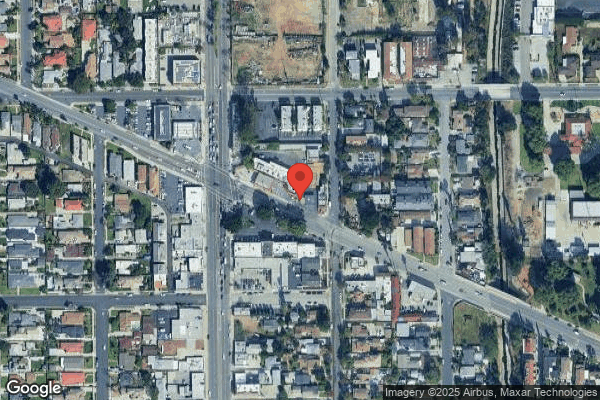
4800 DELTA AVENUE, ROSEMEAD, CA 91770 (626) 607-2400
For profit - Corporation 59 Beds THE ENSIGN GROUP Data: November 2025
Trust Grade
75/100
#130 of 1155 in CA
Last Inspection: February 2025

Within standard 12-15 month inspection cycle. Federal law requires annual inspections.

Overview

Mission Care Center in Rosemead, California, has a Trust Grade of B, indicating it is a good choice among nursing homes. It ranks #130 out of 1,155 facilities in California, placing it in the top half of all state options. The facility's trend is stable, with 10 issues reported in both 2024 and 2025, suggesting that the situation has not worsened recently. Staffing is a concern, with a 2 out of 5 rating and a high turnover rate of 56%, which is above the California average of 38%. While there have been no fines, which is positive, the RN coverage is lower than 79% of other facilities, meaning there may be less nursing oversight available. Specific incidents include expired food items in the refrigerator, which could risk residents' health, and failure to properly manage smoking areas, which raises safety concerns. Overall, while there are strengths in the facility's overall ratings and a lack of fines, the staffing and specific safety issues present notable weaknesses that families should consider.

Trust Score
B
75/100
In California
#130/1155
Top 11%
Safety Record
Low Risk
No red flags
Inspections
Holding Steady
10 → 10 violations
Staff Stability
⚠ Watch
56% turnover. Above average. Higher turnover means staff may not know residents' routines.
Penalties
✓ Good
No fines on record. Clean compliance history, better than most California facilities.
Skilled Nurses
⚠ Watch
Each resident gets only 20 minutes of Registered Nurse (RN) attention daily — below average for California. Fewer RN minutes means fewer trained eyes watching for problems.
Violations
⚠ Watch
36 deficiencies on record. Higher than average. Multiple issues found across inspections.
★★★★★
5.0
Overall Rating
★★☆☆☆
2.0
Staff Levels
★★★★★
5.0
Care Quality
★★★★☆
4.0
Inspection Score
Stable
2024: 10 issues
2025: 10 issues

The Good

  • 5-Star Quality Measures · Strong clinical quality outcomes
  • Full Sprinkler Coverage · Fire safety systems throughout facility
  • No fines on record

Facility shows strength in quality measures, fire safety.

The Bad

Staff Turnover: 56%

Near California avg (46%)

Frequent staff changes - ask about care continuity

Chain: THE ENSIGN GROUP

Part of a multi-facility chain

Ask about local staffing decisions and management

Staff turnover is elevated (56%)

8 points above California average of 48%

The Ugly 36 deficiencies on record

Feb 2025 9 deficiencies
CONCERN (D)

Potential for Harm - no one hurt, but risky conditions existed

Deficiency F0578 (Tag F0578)

Could have caused harm · This affected 1 resident

**NOTE- TERMS IN BRACKETS HAVE BEEN EDITED TO PROTECT CONFIDENTIALITY** Based on interview and record review the facility failed to ensure one of one sampled resident ' s (Resident 37) Advance Directi...

Read full inspector narrative →
**NOTE- TERMS IN BRACKETS HAVE BEEN EDITED TO PROTECT CONFIDENTIALITY** Based on interview and record review the facility failed to ensure one of one sampled resident ' s (Resident 37) Advance Directive (living will, legal document in which a person specifies what actions should be taken for their health if they are no longer able to make decisions for themselves because of illness or incapacity) was obtained and readily available in the resident ' s records (medical chart). This deficient practice had the potential to result in misinformation of medical care and treatment and not honoring resident ' s wishes in cases where the resident and/or responsible party was unable to participate in making healthcare decisions. Findings: During a review of Resident 37 ' s admission Record (AR), the AR indicated the resident was admitted on [DATE] with diagnoses that included urinary tract infection (UTI- an infection in the bladder/urinary tract), difficulty walking, and hypertension (high blood pressure). During a review of Resident 37 ' s History and Physical (H&P), dated 1/8/2025, the H&P indicated the resident had decision making capacities. During a review of Resident 37 ' s Minimum Data Set (MDS - a federally mandated resident assessment tool), dated 1/14/2025, the MDS indicated the resident had moderately impaired cognition (the mental action or process of acquiring knowledge and understanding through thought, experience, and the senses). During a review of Resident 37 ' s Physician Orders for Life Sustaining Treatment (POLST, a form that contains written medical orders for healthcare professionals regarding specific medical treatment that can or cannot be done at the end-of-life) dated 1/7/2025, the POLST indicated the resident had an Advance Directive. During a concurrent interview and record review of Resident 37 ' s medical chart and resident ' s electronic records on 2/16/2025 at 10:33 AM, the Quality Assurance Nurse (QAN) confirmed that resident ' s Advance Directive was not in the medical chart or resident ' s electronic records. The QAN stated the Social Services Director (SSD) and Medical Records Director (MRD) should follow up with the medical chart. The QAN stated the importance of having the Advance Directive in the chart was to know what the resident wishes are and how to to provide the care to them in case of an emergency. During an interview with the SSD on 2/16/2025 at 3:05 PM, the SSD stated she had been requesting for Resident 37 ' s Advance Directive but had not been able to obtain it from the resident ' s family member. The SSD stated the importance of having resident ' s Advance Directive in the chart to follow the resident ' s wishes in case they do not have the capacity to make their own decisions. During an interview with the Director of Nursing (DON) on 2/16/2025 at 5:45 PM, the DON stated the Advance Directive was important to make sure the facility honors the resident and family ' s wishes. The DON stated during the admission process, facility staff will ask the resident or family if they have an Advance Directive. The DON stated if the resident had an Advance Directive, the facility staff would encourage the family to provide it as soon as possible. During a review of the facility ' s policy and procedure (P&P) titled Advance Directives and Associated Documentation revision dated 12/2024 indicated if an Advance Directive was completed prior to admission and at the time of admission the resident is no longer capable of independent decision-making, the Advance Directive will be accepted. The P&P indicated to obtain copy of the Advance Directive and conservatorship/guardianship documents and place in the resident health record.
CONCERN (D)

Potential for Harm - no one hurt, but risky conditions existed

Abuse Prevention Policies (Tag F0607)

Could have caused harm · This affected 1 resident

**NOTE- TERMS IN BRACKETS HAVE BEEN EDITED TO PROTECT CONFIDENTIALITY** Based on observation, interview, and record review, the facility failed to ensure one of three Certified Nurse Assistants (CNA 1...

Read full inspector narrative →
**NOTE- TERMS IN BRACKETS HAVE BEEN EDITED TO PROTECT CONFIDENTIALITY** Based on observation, interview, and record review, the facility failed to ensure one of three Certified Nurse Assistants (CNA 1) was checked for background screening and criminal history prior to employment at the facility in accordance with the facility ' s policy and procedure (P&P) titled, Pre employment Investigation. This failure increased the risk of applicants and employees with possible criminal convictions to have direct access to all patients in the facility and the potential not to be protected from abuse and place the residents at risk of abuse and feelings of intimidation. Findings: A review of CNA 1 ' s Offer of Employment indicated CNA 1 ' s offer of employment dated as of 11/4/2024. The form indicated the offer described above is contingent upon the results of your reference checks, criminal background check and the completion of a drug screening with negative results. A review of Facility provided document titled Memo indicated the document was from Operations Manager with facility Administrator name observed printed, dated November 6, 2024, including a subject: Background check contingency. The document further indicated Due to the national public health emergency declared on March 13, 2020, due to COVID-19 (is a contagious disease caused by the coronavirus SARS-CoV-2) pandemic, we are temporarily experiencing delays in the return of these results of criminal background checks in certain jurisdictions across the country. A review of CNA 1 ' s Notice to Employee indicated CNA1 ' s name and start date 11/07/2024. The notice was observed to include CNA 1 ' s name handwritten and signature dated 11/7/2024 A review of CNA 1 ' s background check record with an order date of 11/06/2024, indicated the background check was ordered on 11/06/2024 timed at 10:34 PM by Facility Human Resources (HR) and completed on 11/20/2024 at 4:25 PM. During an interview and record review on 2/16/2025 at 11:23 AM with Director of Staff Development (DSD) CNA 1 ' s employee file, DSD stated CNA 1 began employment at the facility on 11/7/2024. DSD stated CNA 1 first day working in the facility was on 11/7/2024 completing the facility ' s comprehensive clinical competency which can take a couple of days before the staff is allowed to work on their own resident assignment. DSD stated he was told by HR CNA 1 was cleared and allowed to work. During an interview on 2/16/2025 at 12:24 PM with facility ' s HR staff stated the facility was using the Memo allowing staff to begin employment before completing their background check during Covid and had not had a chance to update. HR stated she did not have an updated Memo that exempts the facility from following their policy of completing background checks prior to commencing employment. HR stated she thought it was still ok to use in November 2024 since she put in the request for CNA 1 ' s background check and did not receive results right away. During an interview on 2/16/2025 at 12:32 PM with Director of Nursing (DON), DON stated it is the facility ' s policy when they hire any staff member to complete the interview and plication process first then offer employment based on the background check process. DON stated the background check should be completed before starting the orientation process. During a review of Center of Disease Control and Prevention guidelines titled End of the Federal COVID-19 Public Health Emergency (PHE) Declaration updated [DATE] indicated May 11, 2023, marks the end of the Federal Covid-19 Public Health emergency declaration obtained via https://archive.cdc.gov/www_cdc_gov/coronavirus/2019-ncov/your-health/end-of-phe.html During a review of the facility ' s policy and procedure (P&P) titled Pre employment Investigations California -Skilled Nursing Facilities with a revision date of January 2022 indicated Reasonable and prudent pre-employment investigations, including reference checks, applicable licensing and certification verification, criminal background checks and other necessary or desirable pre-employment checks are conducted on applicants for employment. The policy further indicated Post employment offer procedures 1. Employment many not commence unless the Accurate Background Check disposition is Pass.
CONCERN (D)

Potential for Harm - no one hurt, but risky conditions existed

Respiratory Care (Tag F0695)

Could have caused harm · This affected 1 resident

**NOTE- TERMS IN BRACKETS HAVE BEEN EDITED TO PROTECT CONFIDENTIALITY** Based on observation, interview, and record review, the facility failed to ensure one of 3 sampled residents (Resident 150) rece...

Read full inspector narrative →
**NOTE- TERMS IN BRACKETS HAVE BEEN EDITED TO PROTECT CONFIDENTIALITY** Based on observation, interview, and record review, the facility failed to ensure one of 3 sampled residents (Resident 150) received oxygen therapy (treatment that provides supplemental, or extra, oxygen) as ordered by the attending physician. This deficient practice has the potential for Resident 150 not to receive enough oxygen to meet the body ' s demand and place the resident at risk for shortness of breath and/or hypoxia (low levels of oxygen in the body tissues) which can lead into serious injury or death. Findings: A review of Resident 150 ' s Face Sheet (front page of the chart that contains a summary of basic information about the resident) indicated the resident was admitted to the facility on [DATE] with diagnoses that included Hemiplegia and hemiparesis (muscle weakness or partial paralysis on one side of the body following a cerebral infraction (a condition where blood flow to the brain is interrupted) , Chronic kidney disease(a gradual loss of kidney function) During a review of Resident 150 ' s Minimum Data Sets (MDS - a federally mandated resident assessment tool), dated 2/13/2025, indicated Resident 150 ' s cognition (ability to think, remember, and reason with no difficulty) was severely impaired. The MDS further indicated Resident 150 was receiving continuous oxygen therapy. A review of Resident 150 ' s Order Summary Report indicated an order on 2/11/2025, a physician ordered the resident to receive continuous oxygen at 2 Liters (L- unit of measurement) via nasal cannula (a small plastic tube, which fits into the person ' s nostrils for providing supplemental oxygen) to keep oxygen saturation (an oxygen blood level normal range 90%-100%) above 90% every shift for shortness of breath (SOB). During an observation in Resident 150 ' s room on 2/14/2025 at 5:51 PM, Resident 150 ' s was observed sitting in bed watching television without using a nasal cannula in nose. Resident 150 ' s nasal cannula was observed hanging from the oxygen concentrator (a medical device that gives oxygen). During a concurrent interview and observation with the Infection Preventionist Nurse (IPN) on 2/14/2025 6:02 PM, Resident 150 ' s nasal cannula hanging from the oxygen concentrator. The IPN stated Resident 150 ' s nasal cannula should never be hanging off the oxygen concentrator as Resident 150 should receive continuous oxygen therapy and the oxygen concentrator was considered dirty if removed it should be stored in a clean bag. A review of the facility ' s policy and procedure titled Use of Oxygen with a revision date of May 2007, indicated It is the policy of this facility to promote resident safety in administering oxygen.
CONCERN (D)

Potential for Harm - no one hurt, but risky conditions existed

Pharmacy Services (Tag F0755)

Could have caused harm · This affected 1 resident

**NOTE- TERMS IN BRACKETS HAVE BEEN EDITED TO PROTECT CONFIDENTIALITY** Based on observation, interview, and record review, the facility failed to prevent unnecessary medication by ensuring one (1) of...

Read full inspector narrative →
**NOTE- TERMS IN BRACKETS HAVE BEEN EDITED TO PROTECT CONFIDENTIALITY** Based on observation, interview, and record review, the facility failed to prevent unnecessary medication by ensuring one (1) of three (3) residents (Resident 42) was administered Timolol Maleate Ophthalmic Solution (a medication used to treat high pressure in the eyes) to the left eye only as ordered by the physician reviewed for pharmacy services. This deficient practice had the potential for Resident 42 to have high pressure in the eyes that could lead to blindness. Findings: A review of Resident 42 ' s Face Sheet (admission record) indicated the resident was admitted to the facility on [DATE], with diagnoses including metabolic encephalopathy (a problem in the brain caused by a chemical imbalance in the blood), primary open-angle glaucoma (an eye disease that causes slow symptomless vision loss) bilateral, stage unspecified. A review of Resident 42 ' s undated History & Physical (H&P) dated 1/26/2025, indicated the resident has limited decision-making capabilities. A review of Resident 42 ' s record, titled Order Summary Report (a physician ' s order), ordered on 1/25/2025, indicated to administer Timolol Maleate Ophthalmic Solution 0.5 %, instill 1 drop on left eye one time a day for glaucoma. During a medication pass observation, on 2/15/2025, from 10:06 AM to 10:25 AM, Licensed Vocational Nurse (LVN 1), LVN 1 was observed administering Timolol Maleate Ophthalmic Solution to both Resident 42 ' s left and right eyes. During a concurrent interview on 2/15/2025 at 10:26 AM with LVN 1, LVN 1 stated he did not read the medication bottle label or the order part where it said to administer medication to left eye only. During an interview with the Director of Nursing (DON) on 2/16/2025 at 5:47 PM, the DON stated all nurses should always check and follow the doctor ' s orders before administering medications to ensure they are giving the correct medication and for resident safety to prevent any complications. A review of the policy and procedure (P&P) titled Medication administration, six rights with a revision date of 12,2024, indicated, The six rights of medication administration are as follows in order to ensure safety and accuracy of administration, the right medication-medications are checked against the order before they are given.
CONCERN (D)

Potential for Harm - no one hurt, but risky conditions existed

Deficiency F0761 (Tag F0761)

Could have caused harm · This affected 1 resident

**NOTE- TERMS IN BRACKETS HAVE BEEN EDITED TO PROTECT CONFIDENTIALITY** Based on observation, interview, and record review, the facility failed to ensure that two (2) medications were in accordance wi...

Read full inspector narrative →
**NOTE- TERMS IN BRACKETS HAVE BEEN EDITED TO PROTECT CONFIDENTIALITY** Based on observation, interview, and record review, the facility failed to ensure that two (2) medications were in accordance with prescription label in two out of three Medication Carts at the facility. 1. In Medication Cart #1, no open date label found for an opened package of Albuterol (medication used to prevent and treat wheezing, difficulty breathing, chest tightness, and coughing caused by lung diseases) for Resident 203. 2. In Medication Cart #2, an open package of Albuterol with open date of 2/4/2025, was not discarded. This deficient practice had the potential for residents not to receive full strength of the medications and receive ineffective medication dosages. Findings: 1. During a review of the facility ' s admission Record (AR), the AR indicated Resident 15 was admitted on [DATE] with diagnoses that included urinary tract infection (UTI- an infection in the bladder/urinary tract), dysphagia (difficulty swallowing), and Chronic Obstructive Pulmonary Disease (COPD). During a review of Resident 15 ' s History and Physical Assessment (H&P) dated 1/19/2025, the H&P indicated Resident 15 had decision making capacities. During a review of Resident 15 ' s Order Summary Report dated 2/6/2025, the Report indicated Ipratropium-Albuterol Inhalation Solution 0.5-2.5 milligrams (mg- unit of measure) per 3 milliliters (ml- unit of measure) 1 unit inhale orally via nebulizer (a small machine that turns liquid medicine into a mist that can be easily inhaled) every 4 hours as needed for shortness of breath (SOB)/wheezing. During a concurrent observation of Medication Cart #2 and interview with Quality Assurance Nurse (QAN) on 2/16/2025 at 11:21 AM, an open package of Albuterol Inhalation Solution for Resident 15 was observed with an open date of 2/4/2025. The QAN stated an unopened package of Albuterol Inhalation Solution contained 5 plastic vials. The QAN stated the opened package of Albuterol Inhalation Solution contained 1 plastic vial left. The QAN stated on the prescription label indicated the Albuterol Inhalation Solution had an expiration date of seven days after opening the package. At 11:42 AM, the QAN stated she would discard the opened package of Albuterol Inhalation Solution so it would not be used. 2. During a review of facility ' s AR indicated Resident 203 was admitted on [DATE] with diagnoses that included acute respiratory failure (condition when the lungs cannot release enough oxygen into the blood) with hypoxia (low levels of oxygen in the body tissues), reduced mobility, and pleural effusion (a buildup of fluid between the layers of tissue that line the lungs and chest cavity). During a review of Resident 203 ' s H&P dated 2/10/2025, the H&P indicated Resident 203 did not have decision making capacities. During a review of Resident 203 ' s Order Summary Report dated 2/6/2025, the Report indicated Ipratropium-Albuterol Inhalation Solution 0.5-2.5 mg per 3 milliliters ml, 1 unit inhale orally via nebulizer every 4 hours as needed for SOB/wheezing. During a concurrent observation of Medication Cart #1 and interview with the QAN on 2/16/2025 at 12:28 PM, an opened package of Albuterol Inhalation Solution for Resident 203 was observed with no open date and 4 out of 5 plastic vials left. The QAN stated the prescription label indicated the Albuterol Inhalation Solution also had an expiration date of seven days after opening the package. At 12:35 PM, the QAN stated it was important for staff to review all medications to have an open and expiration date to make sure the staff does not give expired medications to the residents. During an interview with the Director of Nursing (DON) on 2/16/2025 at 5:47 PM, the DON stated all medications should have a label of when it was opened, if there was no label, the medication should be discarded. The DON stated medications would not be as effective if given after the expiration date. During a review of the facility ' s policy and procedure (P&P) titled Medication Administration, Six Rights of revision dated 12/2024 indicated it was the policy of the facility to ensures that the six rights of medication administration are followed in order to ensure safety and accuracy of administration. The P&P indicated the right time- medications are administered within prescribed time frames.
CONCERN (D)

Potential for Harm - no one hurt, but risky conditions existed

Medical Records (Tag F0842)

Could have caused harm · This affected 1 resident

**NOTE- TERMS IN BRACKETS HAVE BEEN EDITED TO PROTECT CONFIDENTIALITY** Based on interview and record review, the facility failed to accurately document a resident ' s discharge disposition on the re...

Read full inspector narrative →
**NOTE- TERMS IN BRACKETS HAVE BEEN EDITED TO PROTECT CONFIDENTIALITY** Based on interview and record review, the facility failed to accurately document a resident ' s discharge disposition on the resident ' s discharge summary for one of one sampled resident (Resident 47). This deficient practice resulted in inaccurate documentation of Resident 47 ' s discharge disposition/location for accurate and appropriate tracking purposes of all residents discharged or transferred out of the facility. Findings: During a review of Resident 47 ' s admission Record (AR), the AR indicated the resident was admitted on [DATE] with diagnoses that included fracture of nasal bones, abnormalities of gait and mobility, and type 2 diabetes mellitus (condition when the body cannot use insulin [hormone that turns food into energy] correctly and sugar builds up in the blood). During a review of Resident 47 ' s History and Physical (H&P), dated 10/18/2024, the H&P indicated the resident had decision making capacities. During a review of Resident 47 ' s Order Summary dated 11/13/2024, the Order Summary indicated a physician order for left knee skin graft surgery on 11/18/2024 (Monday) at 7:30 AM, resident will be NPO (nothing by mouth) after midnight 11/18/2024, resident needs to arrive at GACH at 5:45 AM. During a review of Resident 47 ' s Progress Notes on the following dates: On 11/14/2024 timed at 2:54 PM, the progress note type: discharge summary- nursing indicated Resident 47 was being discharged home. On 11/18/2024 timed at 5:06 AM, the progress note type: nursing indicated Resident 47 was being discharged to general acute hospital center (GACH) as scheduled. The progress note indicated Resident 47 was transferred onto a gurney (hospital bed with wheels that makes it easy to move patients around) and transportation arrived at 4:30 AM as scheduled. During a review of Resident 47 ' s Minimum Data Set (MDS - a federally mandated resident assessment tool), dated 11/18/2024, the MDS indicated the resident had intact cognition (the mental action or process of acquiring knowledge and understanding through thought, experience, and the senses). The MDS indicated Resident 47 was discharged to the GACH. During a review of Resident 47 ' s Physician ' s Discharge summary dated [DATE], the discharge summary indicated resident was discharged home. During a concurrent interview and record review of Resident 47 ' s Physician Discharge Summary, MDS, and progress notes on 2/16/2025 at 4:50 PM, the MDS Nurse (MDSN) confirmed Resident 47 was discharged to the hospital. MDSN stated that the MRD was in charge auditing resident ' s chart upon discharge. MDSN stated it was important for information to match so that all resident ' s documents are documented accurately like the MDS, so it would be coded correctly. During a concurrent interview and record review of Resident 47 ' s Physician Discharge Summary and MDS on 2/16/2025 at 4:58 PM, MRD stated she was responsible for auditing resident charts. MRD stated the Physician Discharge Summary is sent to the physician ' s office for signature and she would check if all the information was correct and put it in resident ' s medical record. MRD confirmed Resident 47 ' s Physician Discharge Summary discharge location did not match with the MDS. MRD stated she did not know the importance of why all documentation should match. During an interview with the Director of Nursing (DON) on 2/16/2025 at 5:49 PM, the DON stated accuracy of documentation was important, so all parties are aware of resident updates and disposition. During a review of the facility ' s policy and procedure (P&P) titled Admission, Transfer, and Discharge revision dated 12/2023 indicated when the facility transfers or discharges a resident, the facility shall ensure that the transfer or discharge is documented in the resident ' s medical record and appropriate information is communicated to the receiving health care institution or provider. During a review of the facility ' s P&P titled Documentation, Principles of revision dated 12/2024 indicated Resident ' s health record shall be current and kept in detail consistent with good medical and professional practice based on the service provided to each resident. The P&P indicated complete entries must be accurate.
CONCERN (D)

Potential for Harm - no one hurt, but risky conditions existed

Room Equipment (Tag F0908)

Could have caused harm · This affected 1 resident

Based on observation, interview, and record review, the facility failed to maintain the walk-in freezer in good operating condition as indicated in the facility's policy and procedures by failing to: ...

Read full inspector narrative →
Based on observation, interview, and record review, the facility failed to maintain the walk-in freezer in good operating condition as indicated in the facility's policy and procedures by failing to: Document temperature readings of the freezers both in the morning and evening as indicated on the facility ' s P&P Procedure for Freezer Storage indicating freezer temperatures should have been recorded twice daily. The walk-in freezer ' s plastic curtain had water dripping down the curtain and had condensation (the process where water vapor becomes liquid) with visible water droplets on the ceiling. These deficient practices had the potential to affect 54 residents in the facility to be at risk for food borne illness (illness caused by food contaminated with bacteria, viruses, parasites, or toxins) or contamination (process of making something dirty or poisonous, or the state of containing unwanted or dangerous substances). Findings: During a review of the Refrigerator and Freezer Temperatures Log dated January and February 2025, the Refrigerator and Freezer Temperatures Log provided space to document the temperature for each refrigerator and freezer. The Refrigerator and Freezer Temperature Logs indicated there were three refrigerator ' s and three freezers. The walk-in freezer was considered freezer number three. Under freezer number three, there was only one (1) slot to input a temperature reading. The Refrigerator and Freezer Temperatures Log indicated for the month of January and February; freezer number three ' s temperature ranged from negative six to zero degrees Fahrenheit. The Refrigerator and Freezer Temperatures Log did not indicate which thermometer was being used to document the temperature and did not include the two other thermometers used for freezer number three. During a review of the Direct Supply Work Order dated 2/13/2025 at 2:12 PM, the Work Order indicated there was freezer (unknown which freezer) and ice buildup in the kitchen freezer. During a review of the Heating & Air Conditioning Invoice dated 2/13/2025 at 3:15 PM, the Invoice indicated a request to inspect ice buildup and a request to repair a pipe leak. The invoice indicated the pipe leak repair would be scheduled. During a concurrent observation and interview on 2/14/2025 at 5:25 PM, the Dietary Supervisor (DS) observed the walk-in freezers with outside thermometer that read 19 degrees Fahrenheit, the inside thermometer closest to the walk-in freezer ' s door read 20 degrees Fahrenheit, and the thermometer at the back of the freezer read negative two (2) degrees Fahrenheit. Upon opening the walk-in freezer ' s door there were clear plastic curtain ' s that had water drops dripping down the curtain. On the ceiling of the walk-in freezer, a visible water droplets and condensation was observed. To the right side of the walk-in freezer contained frozen vegetables, to the left side of the walk-in freezer contained frozen meats, and the back side of the walk-in freezer contained frozen baked goods and ice cream. The DS stated the facility documents the temperature log every morning only. During an interview on 2/15/2025 at 5:59 PM, the DS stated at 4 PM the walk-in freezer resets and turns back on but the build up of water droplets and condensation should not have been in the freezer. During an interview on 2/15/2025 at 7:39 AM, the Kitchen Manager (KM) stated the facility only checks the temperature readings once a day only in the morning and reads the temperature from the outside thermometer or the thermometer closest to the door, only the thermometer in the back of the walk-in freezer. The KM stated the facility only logs the temperature in the back of the walk-in freezer because the other thermometer was broken and the thermometer in the back of the walk-in freezer was more accurate. During an interview on 2/15/2025 at 8:38 AM, the Air Conditioning Technician (AC Tech) stated when the walk-in freezer was running, the walk-in freezer builds up ice on the coils which was part of the cycle and the reason why the walk-in freezer had a defrost mode. The AC Tech stated thermometers by the door was not going to be a true reading because there were heaters along the door to prevent ice from building up on the door. The AC Tech stated the thermometer on the outside of the walk-in freezer was true because the walk-in freezer door was closed but that the freezer temperature should have been at zero. The AC Tech stated the issue right now was that the walk-in freezer had a cracked condensate line (a damaged section of the pipe that carried water condensation away from an air conditioning unit, where the crack had formed in the pipe, causing water to leak out instead of draining properly) and someone would come Monday to fix the problem. During a concurrent interview and record review of the facility ' s policy and procedure (P&P) titled Procedure for Freezer Storage dated 2023 with the Administrator (ADM) on 2/16/2025 at 9:35 AM, the P&P indicated, Freezer temperatures should be recorded twice daily. Temperatures were to be recorded upon opening and closing of kitchen by a designated employee and logged in the Cold Storage Temperature Log. The ADM stated the facility was not following the P&P. During a concurrent interview and record review of the facility ' s P&P titled Procedure for Freezer Storage dated 2023 with the DS on 2/16/2025 at 11:35 AM, the P&P indicated The freezer should be maintained at a temperature of zero degrees Fahrenheit or lower and Each freezer much have two thermometers that were easily visible. The P&P indicated, Freezer temperatures should be recorded twice daily. Temperatures were to be recorded upon opening and closing of kitchen by a designated employee and logged in the Cold Storage Temperature Log. The DS stated the facility was not following the P&P. The DS stated the residents could be at risk if the facility was not following the P&P because if the facility did not know the temperatures before leaving the kitchen the facility would not know if the freezer was working properly.
CONCERN (E)

Potential for Harm - no one hurt, but risky conditions existed

Food Safety (Tag F0812)

Could have caused harm · This affected multiple residents

Based on observation, interview, and record review, the facility failed to store food in accordance with professional standards for food service safety and facility ' s policy and procedure (P&P) by h...

Read full inspector narrative →
Based on observation, interview, and record review, the facility failed to store food in accordance with professional standards for food service safety and facility ' s policy and procedure (P&P) by having an expired Traditional Cinnamon Roll Dough (expired 12/25/2024, 51 days after expiration date) in refrigerator number one and by not labeling: Two (2) bags of bell peppers with a use by date. Three (3) bags of carrots with a use by date. One (1) bag of tomatoes with a use by date. Five (5) lettuce heads with a use by date. Six (6) celery stalk with a use by date. Two bags of cucumbers with a use by date. One box of onions with a use by date. One box of oranges with a use by date. Four (4) cantaloupes with a use by date. Five pineapples with a use by date. These deficient practices had the potential to put 54 residents in the facility at risk for food borne illness (illness caused by food contaminated with bacteria, viruses, parasites, or toxins). Findings: During a concurrent observation and interview on 2/14/2025 at 5:08 PM with Dietary Supervisor (DS) observed two bags of bell peppers, three bags of carrots, one bag of tomatoes, five lettuce heads, six celery stalk, two bags of cucumbers, one box of onions, one box of oranges, four cantaloupe, and five pineapples did not have a use by date. The DS stated contents in the refrigerator must have a Use by date, or else the food could go bad, and the residents could get sick. During a concurrent observation and interview on 2/14/2025 at 5:15 PM with DS observed a box of Traditional Cinnamon Roll Dough that had a best if used by date of 12/25/2024. The DS stated this Traditional Cinnamon Roll Dough should not have been in the refrigerator otherwise a facility staff could cook the dough and that would not be okay. The DS stated if the dough was cooked, that could put the residents at risk of food bone illness, the residents could get sick, poisoned, or have stomach issues. During a concurrent interview and record review of the facility ' s P&P titled Labeling and Dating of Foods dated 2023 with the DS on 2/16/2025 at 11:35 AM, the P&P indicated, For foods that were commercially processed, read to eat, AND intended to be stored cold greater than 24 hours would be marked with a Use by date. The Use by date signifies the date in which food must be consumed or discarded. The DS stated the facility was not following the policy and foods must have a Use by date otherwise the facility staff would not know when to use the food by or the food could be expired. The DS stated if the facility did not follow the policy, that could affect all the residents in the facility.
CONCERN (E)

Potential for Harm - no one hurt, but risky conditions existed

Smoking Policies (Tag F0926)

Could have caused harm · This affected multiple residents

Based on observation, interview, and record review, the facility failed to post a designated No Smoking sign in the patio used by the residents to smoke and have a fireproof blanket available for use ...

Read full inspector narrative →
Based on observation, interview, and record review, the facility failed to post a designated No Smoking sign in the patio used by the residents to smoke and have a fireproof blanket available for use in care of fire per the facility ' s policy and procedure (P&P). These deficient practices had the potential to place the residents at risk for burns and the facility at risk for fire hazards. Findings: During an observation of the designated Smoking Patio on 2/15/2025 at 3:28 PM, the Smoking Patio had one (1) ash receptacle (place to put cigarette ashes and butts), one metal container for cigarettes, one apron, and a sign for Fire Extinguisher Inside posted on a window. The Smoking Patio did not have a sign indicating the area was a designated Smoking Patio. The Smoking Patio did not have a sign indicating No Oxygen to be used or permitted in the designated Smoking Patio. The Smoking Patio did not have a fire blanket as indicated in the facility ' s policy and procedure (P&P). During an interview on 2/16/2025 at 10:30 AM, the Activities Assistant (AA) stated there should have been a sign indicating the designated Smoking Patio and a sign for No Oxygen. The AA stated if there was No Smoking sign for the designated Smoking Patio, residents may not know where the designated Smoking Patio was and residents on oxygen might be around and would not know they should not have been there. The AA stated residents with oxygen could get burned if a cigarette was not out, the smoke could be bad for residents ' lungs and affect their breathing. During the same observation and interview on 2/16/2025 at 10:30 AM, the AA stated there was no fireproof blanket in the patio smoking area, AA stated there should have been a fireproof blanket in the designated Smoking Patio because if something was wrong with the fire extinguisher, the fire blanket would be a backup. The AA state if a fire blanket was not available the residents could get burned. During a concurrent interview with the AA and record review of the facility ' s policy and procedure (P&P) titled Smoking and Safety Measures dated December 2023 with the AA on 2/16/2025 at 10:30 AM, the P&P indicated Safety Measures included a fire extinguisher was available to the designated smoking area, along with a fire blanket. The AA stated the facility was not following the P&P because the fire blanket was not at the designated smoking area which could put Resident 1 in danger because the facility would not be able to protect the resident if the fire blanket were not there.
Jan 2025 1 deficiency
CONCERN (E) 📢 Someone Reported This

A family member, employee, or ombudsman was alarmed enough to file a formal complaint

Potential for Harm - no one hurt, but risky conditions existed

Infection Control (Tag F0880)

Could have caused harm · This affected multiple residents

Based on observation, interview, and record review, the facility failed to implement its policy and procedure, and the local public health department's recommendation on infection prevention and contr...

Read full inspector narrative →
Based on observation, interview, and record review, the facility failed to implement its policy and procedure, and the local public health department's recommendation on infection prevention and control by failing to: 1. Screen visitors for symptoms of Covid19 (a highly contagious respiratory disease caused by the SARS-CoV-2 virus with symptoms of cough, fever, headache, chill, diarrhea etc.) before entering the facility. 2. Conduct biweekly (twice a week) mass PCR testing (a polymerase chain reaction (PCR) laboratory test used to detect if a person is infected with Covid-19) for all residents and staff. 3. Allow only 1-2 residents with face mask and distanced residents in the rehabilitation room (a room used by the staffs when providing exercises to the residents). 4. Ensure the breakrooms do not have extra chairs, has a maximum occupancy of two (2) people sitting across from each other, have a signage reminding staff to change their masks after eating, have an air purifier (a device that removes pollutants and contaminants from the air in a room), facemasks, hand sanitizers, and wipes in the breakroom, and windows cracked open. These deficient practices had the potential to result in further increase in COVID 19 infection in the facility that could result in a decline the resident's well being. Findings: 1. During an unannounced visit in the facility on 1/24/2025, to conduct an investigation related to confirmed 31 residents positive of Covid 19. During an observation and record review on 1/24/2025 at 1PM, facility did not have a procedure on how to screen visitors for symptoms of Covid-19 before entering the building. During an interview with the Administrator (ADM) on 1/24/2025 at 12:50 PM, the ADM stated that visitors do not need to be screened for symptoms of Covid-19 and only need to log in and wear a facemask before entering the building. During an interview with a licensed vocational nurse (LVN) 1 on 1/24/2025 at 1:05 PM, LVN 1 stated that they do not screen visitors who enter the facility. LVN 1 stated that they only provide a logbook where visitors sign-in and a disposable N95 facemask (an air purifying respirator) to use while in the building. LVN 1 stated that they do not ask visitors if they have symptoms of Covid-19 or test them with an antigen test (a diagnostic test that detects the presence of Covid-19) to check if they are infected or recently tested positive of Covid-19 virus. 2. During an interview with the facility ' s infection preventionist (IP) on 1/24/2025 at 1:17 PM, the IP stated that a public health nurse (PHN) and an LA County physician conducted a virtual tour of the facility on 1/14/2025 and provided the facility with instructions on how to mitigate (control) the spread of Covid-19 that included a PCR testing of the staff and residents twice weekly. During an interview with the ADM on 1/24/2025 at 2:15 PM, the ADM stated that for the facility to initiate the PCR testing, the laboratory required a signature from the facility ' s medical director (MD) to execute the procedure. However, the ADM stated that the MD was on vacation and could not reached. The ADM stated that she tried to reach out to the MD on 1/22/2025, but to no avail. During a facility tour with the IP on 1/24/2025 at 2:30 PM, the breakrooms used by the staff who provided care to non-infected and infected residents was observed without hand sanitizers, facemasks, wipes, or a signage reminding the staff to change their masks after eating. There were five (5) chairs in one of the breakrooms and six (6) chairs in the other, with two staff observed working on their laptops next to each other in the breakroom for the staff providing care to infected residents. The breakroom was also observed with all windows and doors closed without an air purifier in the room. During a concurrent interview with LVN 2, who was in the breakroom, LVN 2 stated that he and the MDS nurse (minimum data set nurse) were working in the breakroom because they had a meeting with another group of staffs earlier. LVN 2 stated that he was not aware that there should only be two (2) people inside the room at any given time and should be across each other at the table. 3. During an observation on 1/24/2025 at 2:30 PM, three (3) residents, one (1) visitor, and four (4) staff members were observed occupying the Rehabilitation Room. A signage was posted in the room indicating that the room capacity was limited to three (3) people. The three residents and the visitor who were inside the room were not wearing facemasks and were not at least six feet apart from each other. 4. During an observation on 1/24/2025 at 2:45 PM, the kitchen was observed without a PPE cart and supplies available for use by the staffs. During an interview on 1/24/2025 at 2:55 PM, the ADM stated that the facility was having difficulty acquiring air purifiers and air filters due to a supply shortage caused by the recent fires. During an interview on 1/24/2025 at 3:55 PM, the IP stated that she thought three (3) residents were allowed in the rehabilitation room. The IP stated that there were five (5) chairs in the break room because the staff brought in the chairs from the patio despite giving them instructions not to bring more than two (2) chairs in the room. The IP stated that she failed to ensure that a signage was in place in each breakroom to remind the staff to change their masks after eating. The IP stated that she thought washing hands with soap and water was a better alternative to using hand sanitizers. The IP stated that she thought placing the facemasks at the nurses ' station was more effective than having them available in the breakrooms. The IP stated that the facility had difficulty acquiring air purifiers since the wildfires started due to a shortage of supply. The IP stated that she does not know why the windows were not cracked open in the breakrooms and does not recall receiving instructions from the PHN to leave them slightly open. A review of an email sent to the IP by the PHN on 1/14/2025 at 10:27 AM, indicated that the PHN's post-site visit recommendations include: 1. Arrange for a lab to conduct PCR testing and begin PCR testing twice a week. 2. Create a testing station in the room adjacent to the front entrance where visitors and staff can sign in, conduct symptom checks, and test for Covid using an antigen test. 3. Allow only 1-2 masked residents and distanced residents in the rehabilitation room at a time. 4. Remove extra chairs and limit occupancy to two (2) people, seated across from each other. 5. Add signage reminding staff to change their masks after eating. 6. Provide masks, hand sanitizers, and wipes in the breakrooms. 7. Add an air purifier to the breakroom and keep windows cracked open. A review of a facility ' s Covid-19 Update Report, dated 1/23/25, indicated that the total number of confirmed Covid-19 cases in the facility was thirty-one (31), with five (5) staff and twenty-six (26) residents. The report indicated that the staff and residents were tested with an antigen test. A review of the facility ' s undated policy titled, Infection Prevention and Control Program, revised in 12/2023, indicated that the program would be carried out by the facility ' s infection preventionist with a goal to decrease the risk of infection to residents and personnel and to ensure compliance with the state and federal regulations related to infection control.
Nov 2024 1 deficiency
CONCERN (D) 📢 Someone Reported This

A family member, employee, or ombudsman was alarmed enough to file a formal complaint

Potential for Harm - no one hurt, but risky conditions existed

Accident Prevention (Tag F0689)

Could have caused harm · This affected 1 resident

Based on interview and record review, the facility failed to ensure that a wheelchair sensor pad alarm (a weight-sensitive sensor pad that is connected to a monitor unit and activates an alarm if a pa...

Read full inspector narrative →
Based on interview and record review, the facility failed to ensure that a wheelchair sensor pad alarm (a weight-sensitive sensor pad that is connected to a monitor unit and activates an alarm if a patient leaves the chair or the bed) was placed on the wheelchair (a mobility device that helps a person with mobility impairment to move around) of one of three sampled residents (Resident 1). This deficient practice had the potential to result in multiple falls with injuries for Resident 1 who was assessed as high riskfor falls. Findings: During areview of Resident 1 ' s admission Record, the admission Record indicated that the facility admitted the resident on 07/01/2019 and readmitted the resident on 09/19/2024 with diagnoses that included difficulty in walking, hemiplegia (total paralysis of the arm, leg, and trunk on the same side of the body), and hemiparesis (a condition that causes weakness or an inability to move on one side of the body). During areview of Resident 1 ' s Minimum Data Set (MDS – a resident assessment tool), dated 09/25/2024, indicated that the resident ' s cognition (mental action or process of acquiring knowledge and understanding through thought, experience, and senses) was severely impaired and that the resident was dependent (helper does all the effort) on a person to transfer from a chair to the bed and vice versa. During a review of Resident 1 ' s Fall Risk Evaluation dated 09/19/2024 indicated that the resident was assessed as a High Risk for fall. During a review of Resident 1 ' s Physician Order dated 09/19/2024 indicated that the physician ordered to use a sensor pad in bed and in a wheelchair to remind the resident not to get up unassisted. During areview of Resident 1 ' s care plan, dated 09/19/2024, indicated that the resident was at risk for falls and one of the interventions indicated on the care plan was to include the use of a sensor pad when the resident was in the wheelchair for safety precaution. During areview of Resident 1 ' s Progress Notes dated 11/01/2024 at 04:50 PM indicated that the resident was found lying on the floor in the dining room on his left side by a Certified Nurse Assistant (CNA) and was assisted back to his wheelchair. During a telephone interview with Family 1 (FAM 1) on 11/22/24 at 1:45 PM, FAM 1 stated that Resident 1 had an unwitnessed fall in the facility on 11/01/2024 while in his wheelchair. FAM1 stated that on four (4) separate occasions, she found Resident 1 ' s wheelchair sensor pad unplugged to the alarm. FAM 1 also stated that when she visited Resident 1 on 11/15/2024, the wheelchair sensor pad was missing from Resident 1 ' s wheelchair. During an interview with the Director of Staff Development (DSD) on 11/25/2024 at 12:12 PM, the DSD stated that FAM 1 asked DSD on 11/15/2024 why Resident 1 did not have the wheelchair sensor alarm applied to Resident 1 ' s wheelchair and confirmed that Resident 1 did not have the wheelchair sensor alarm applied to the wheelchair, while Resident 1 was seated in the wheelchair in the dining room. During an interview with the Director of Nursing (DON) on 11/25/24 at 3 PM, she stated that the facility conducted a fall risk evaluation on residents during admission, quarterly, annually, and during a change of condition. She stated that if a resident was assessed as a high risk for fall, the facility created a care plan with interventions that included a wheelchair sensor pad alarm to aid in the prevention of falls. The DON stated that if the facility did not carry out the interventions according to the plan of care, the resident could be exposed to accidents, such as a fall, that could result to serious injuries. During a review of the facility ' s undated policy titled; Fall Management System revised in 03/2024 indicated that the facility is committed to promoting resident autonomy by providing an environment that remains free of accident hazards as possible. Each resident is assisted in attaining or maintaining their highest practicable level of function through providing the resident adequate supervision and assistive devices to prevent accidents.
Feb 2024 8 deficiencies
CONCERN (D)

Potential for Harm - no one hurt, but risky conditions existed

Deficiency F0558 (Tag F0558)

Could have caused harm · This affected 1 resident

**NOTE- TERMS IN BRACKETS HAVE BEEN EDITED TO PROTECT CONFIDENTIALITY** Based on observation, interview, and record review, the facility failed to provide reasonable accommodation of need for one of o...

Read full inspector narrative →
**NOTE- TERMS IN BRACKETS HAVE BEEN EDITED TO PROTECT CONFIDENTIALITY** Based on observation, interview, and record review, the facility failed to provide reasonable accommodation of need for one of one sampled resident (Resident 157) who was at risk for fall, by failing to ensure the resident's call light was within reach as indicated in the facility's policy and procedure and resident's care plan. This deficient practice had the potential for Resident 157 not to receive or received delayed care to meet necessary care and services that could result in fall and accident. Findings: A review of Resident 157 ' s admission Record indicated an admission on [DATE] with diagnoses of multiple fractures (partial or complete break in the bone) of ribs (right side), disorientation (altered mental state), and Parkinson ' s Disease (age-related degenerative brain condition, causes parts of the brain to deteriorate) without dyskinesia (involuntary, erratic, writing movements of the face, arms, legs or trunk). A review of Resident 157 ' s History and Physical assessment dated [DATE], indicated Resident 157 did not have decision-making capacities. A review of Resident 157 ' s Care plan dated 2/4/2024 indicated Resident 157 was at risk for falls related to decrease bed mobility, status post fall with posterior right rib fracture. The care plan indicated to be sure the call light was within reach and encourage to use it to call for assistance as needed. A review of Resident 157 ' s Fall Risk Evaluation dated 2/3/2024 indicated Resident 157 was high risk for falls. During a concurrent observation and interview in Resident 157 ' s room on 2/16/2024 at 8:22 PM, Resident 157 ' s call light was observed by resident ' s feet near the end of his bed. Resident 157 stated he was unable to reach call light. During a concurrent observation and interview in Resident 157 ' s room on 2/16/2024 at 8:25 PM, the Minimum Data Set (MDS) Nurse confirmed the placement of the call light was on top of Resident 157 ' s feet. MDS Nurse stated Resident 157 is at risk for falls and the call light should be closer to the resident. During an interview with the Director of Nursing (DON) on 2/18/2024 at 6:48 PM, the DON stated it is important for resident ' s call light to be within reach so that the resident can call when help is needed and to prevent a fall. A review of the facility ' s policy and procedure titled Call Light, dated 12/2023 indicated to leave the resident comfortable and to place the call device within resident ' s reach before leaving room.
CONCERN (D)

Potential for Harm - no one hurt, but risky conditions existed

Transfer Notice (Tag F0623)

Could have caused harm · This affected 1 resident

Based on interview and record review, the facility failed to follow the facility's policy on Notice Requirements Before Transfer or Discharge for one (1) of three (3) sampled residents (Resident 53), ...

Read full inspector narrative →
Based on interview and record review, the facility failed to follow the facility's policy on Notice Requirements Before Transfer or Discharge for one (1) of three (3) sampled residents (Resident 53), by failing to: 1. Ensure the Notice of Proposed Transfer and Discharge was provided to the resident's responsible party. 2. Provide documentation to show that the State Long Term Care Ombudsman (public advocate) was notified of Resident 53 ' s transfer to the General Acute Hospital (GACH) on 11/26/2024. This deficient practice had the potential for Resident 53's rights to ensure for an appropriate discharge/transfer from the facility. Findings: A review of Resident 53 ' s admission Record indicated the facility admitted Resident 53 on 11/17/2023, with diagnoses that included disorders of the brain. During a review of Resident 53's Order Summary Report (Physicians Order) dated 11/26/2024, indicated to transfer Resident 53 to the GACH emergency room (ER) due to altered mental status, increased sleepiness. During a concurrent interview and record review of Resident 53 ' s Notice of Proposed Transfer/Discharge Form on 2/18/2024 at 12:08 PM, with the facility ' s Director of Nursing (DON), the DON stated Resident 53 ' s Notice of Proposed Transfer/Discharge Form was not completed. The DON stated the notice was not signed by Resident 53 ' s representative and a copy of the notice was not sent to the Ombudsman. The DON stated the purpose of the notice was to know where the resident will be transferred. During a concurrent interview and record review of Resident 53 ' s Notice of Proposed Transfer/Discharge Form on 2/18/2024 at 2:25 PM, with the facility ' s Assistant Director of Medical Records (ADMR), the ADMR stated the notice was not signed by Resident 53 ' s representative and a copy was not sent to the Ombudsman. During a concurrent interview and record review of Resident 53 ' s Notice of Proposed Transfer/Discharge Form on 2/18/2024 at 2:32 PM, with the facility ' s Director of Medical Records (DMR), the DMR stated the notice was not signed by Resident 53 ' s representative and a copy was not sent to the Ombudsman. The DMR stated, the resident ' s representative needed to sign the notice and should be faxed to the Ombudsman ' s office and attached the copy of the fax transmittal form in resident's chart. The DMR stated there was no other clinical documentation that indicated the Ombudsman was notified Resident 53 ' s planned transfer. A review of the facility's Policy and Procedure (P&P) titled Notice Requirements Before Transfer or Discharge, revised 3/2023, indicated for any types of facility - initiated discharges, the facility must provide notice of discharge to the resident and resident representative, along with a copy of the notice to the office of the State Long Term Care Ombudsman at least 30 days prior to the discharge or as soon as possible. The P&P indicated, the copy of the notice to the ombudsman must be sent the same time notice is provided to the resident and resident representative, when the discharge is initiated by the facility. The P&P indicated when a resident is temporarily transferred on an emergency basis to an acute care facility, this type of transfer is considered to be a facility - initiated transfer and a notice of transfer must be provided to the resident and resident representative as soon as practicable.
CONCERN (E)

Potential for Harm - no one hurt, but risky conditions existed

Resident Rights (Tag F0550)

Could have caused harm · This affected multiple residents

Based on observation, interview, and record review, the facility failed to promote and treat residents with respect, privacy and dignity for three of three sampled residents (Resident 40, 26 and 83) b...

Read full inspector narrative →
Based on observation, interview, and record review, the facility failed to promote and treat residents with respect, privacy and dignity for three of three sampled residents (Resident 40, 26 and 83) by failing: 1. To ensure Resident 40 ' s lower part of body was not and visible from outside of room. 2.To provide privacy to Resident 26 by leaving the resident ' s post-operative surgical suction drain uncovered. 3. To provide dignity to residents during dining. Licensed Vocational Nurse 1 (LVN 1) was observed drinking coffee during the resident's mealtime. These deficient practices had the potential to cause a psychosocial (mental and emotional well-being) decline, resident ' s individuality, self-esteem, and self-worth. Findings: 1. During a review of Resident 40 ' s admission Record, indicated the facility admitted Resident 40 on 11/24/2023 with diagnoses that included atherosclerotic heart disease (general term for the progressive narrowing and hardening of coronary arteries due to atheroma [degeneration of the walls of the arteries caused by accumulated fatty deposits and scar tissue, and leading to restriction of the circulation] deposition) of native coronary artery disease without angina pectoris (chest pain or discomfort). During a review of Resident 40 ' s Minimum Data Set (MDS, a standardized assessment and care planning tool), dated 1/24/2024, the MDS indicated, Resident 40 had moderately impaired cognition (mental action or process of acquiring knowledge and understanding) for daily decision making. The MDS indicated, Resident 40 required maximum assistance (helper does more than half the effort) with oral hygiene, toileting hygiene, upper/lower body dressing and personal hygiene. During a concurrent observation and interview on 2/16/2024, at 9:25 pm, with the facility ' s Director of Nursing (DON) Resident 40 was observed awake, lying in bed with waist to lower extremities exposed and uncovered. The DON stated, Resident 40 should be covered to preserve residents ' dignity. The DON stated Resident 40 ' s diaper was exposed, and the staff or residents could see Resident 40 from outside of residents' room. During an interview on 2/18/2024 at 8:53 am with the facility ' s MDS Coordinator (MDSC) stated, We do not want the residents to feel embarrassed and we want them to feel comfortable especially if they are in their room. During a review of the facility ' s policy and procedure (P&P) titled, Dignity and Respect, revised 12/2023, P&P indicated, residents will be appropriately dressed in clean clothes arranged comfortably on their persons and be well groomed. The P&P indicated a closed door or drawn curtain shields the Resident from passers-by. 2.During a review of Resident 26 ' s admission Record, indicated the facility admitted Resident 26 on 1/22/2024 with diagnoses that included sepsis (life-threatening condition that arises when the body's response to infection injures its own tissues and organs), unidentified organism and psoas muscle (helps to bring the leg toward the torso [hip flexion] or vice versa) abscess (painful collection of pus). During a review of Resident 26 ' s Minimum Data Set (MDS, a standardized assessment and care planning tool), dated 1/24/2024, the MDS indicated, Resident 26 had intact cognition (mental action or process of acquiring knowledge and understanding) for daily decision making. The MDS indicated, required total dependence with eating, oral hygiene, toileting hygiene, shower and personal hygiene. During an observation on 2/16/2024 at 7:42 pm with MDS Coordinator (MDSC) Resident 26 was observed awake lying in bed with bilateral post-operative surgical suction drain left uncovered without a dignity bag (privacy cover). During an interview on 2/18/2024 at 1:11 pm, with facility Director of Nursing (DON), the DON stated, JP drain bag should have a privacy bag to provide Resident 26 ' s with privacy, respect, and dignity. During a concurrent interview and record review of facility ' s policy titled Indwelling Urinary Catheter, revised 12/2023, with the DON, the P&P indicated to cover the drainage bag with a privacy bag to maintain dignity. The DON stated, the P&P applied to all body fluid collection device such as JP drain to be covered with dignity bag. 3.During a dining observation on 2/18/2024 at 12:31 pm, observed LVN 1 at the dining room sitting on a chair, drinking coffee while talking and supervising the residents during mealtime. During an interview on 2/18/2024 at 12:33 pm with LVN 1, LVN 1 stated he was not allowed to drink any beverage or eat while supervising the residents at the dining room. LVN 1 stated he should be watching the residents while eating. During an interview on 2/18/2024 at 12:38 pm, with the facility ' s DON, the DON stated, staff should not drink or eat while supervising the residents. The DON stated, staff could go to the breakroom for meal break. The DON stated, staff should focus watching residents during mealtime to respect residents' dignity. During a review of the facility ' s policy and procedure (P&P) titled, Dignity and Respect, revised 12/2023, P&P indicated, the staff shall display respect for Resident ' s when speaking with, caring for, or talking about them, as a constant affirmation for their individuality and dignity as human beings.
CONCERN (E)

Potential for Harm - no one hurt, but risky conditions existed

Comprehensive Care Plan (Tag F0656)

Could have caused harm · This affected multiple residents

**NOTE- TERMS IN BRACKETS HAVE BEEN EDITED TO PROTECT CONFIDENTIALITY** 4. A review of Resident 16 ' s admission Record indicated Resident 16 was admitted to the facility on [DATE], with diagnoses tha...

Read full inspector narrative →
**NOTE- TERMS IN BRACKETS HAVE BEEN EDITED TO PROTECT CONFIDENTIALITY** 4. A review of Resident 16 ' s admission Record indicated Resident 16 was admitted to the facility on [DATE], with diagnoses that included cardiomyopathy (disease of heart muscle, this condition makes it hard for the heart to deliver blood to the body), depression (a mood disorder that causes a persistent feeling of sadness and loss of interest) A review of Resident 16 ' s MDS dated [DATE], indicated Resident 16 ' s was cognitively intact. The MDS indicated Resident 16 required setup or clean up assistance (helper sets up or cleans up; resident completes activity. Helper assists only prior to or following the activity) eating, oral and personal hygiene. A review of Resident 16's Order Recap Report, dated 2/01/2024 to 2/29/2024 Included an order for Sodium Chloride solution 0.9% use 75 milliliters per hour intravenously every shift for intravenous hydration for two days. During an interview and observation on 2/16/2024 at 8:10 PM with Resident 16, Resident 16 stated she was receiving Intravenous fluid hydration at the facility. Resident 16 stated she had her intravenous catheter inserted by one of the nurses at the facility a day before. During an interview and concurrent record review of Resident 16 ' s medical record, on 2/18/2024 at 10:40 AM, with the Assistant Director of Nursing (ADON), the ADON stated there was no care plan for Resident 16 ' s intravenous catheter. The ADON stated a care plan should have been developed with interventions and monitoring for the intravenous catheter that was ordered to be placed for Resident 16. 5. A review of Resident 30 ' s admission Record indicated Resident 30 was initially admitted to the facility on [DATE] and then readmitted on [DATE] with diagnoses that included chronic obstructive pulmonary disease (a chronic inflammatory lung disease that causes obstructed airflow from the lungs(COPD)), acute respiratory failure with hypoxia (a condition where you don ' t have enough oxygen in your body tissues). A review of Resident 30 ' s History and Physical dated 1/30/2024, indicated Resident 30 had the capacity to understand and make decisions. A review of Resident 30 ' s MDS dated [DATE], the MDS indicated Resident 30 required substantial/maximal assistance (helper does more than half the effort) for eating, oral and personal hygiene. The MDS indicated Resident 30 was dependent (helper does all of the effort) for toileting, shower/bath and upper and lower body dressing. The MDS indicated Resident 30 was on continues oxygen therapy. A review of Resident 30's Order Summary Report dated 2/01/2024 to 2/29/2024 Included an order for continuous oxygen at 2 liters per min via nasal cannula/mask to keep oxygen saturation above 90% every shift for COPD. During an interview and concurrent record review on 2/18/2024 at 5:24 PM, with the Director of Nursing (DON) of Resident 30 ' s medical record, the DON stated there was no care plan for Resident 30 ' s use of continuous oxygen. The DON stated a care plan should have been initiated when the order for the continuous oxygen was made. The DON stated it was important to have a care plan for the use of continuous oxygen with interventions and goals to help make sure the resident is receiving the best care and prevent complications. 6. A review of Resident 1 ' s admission Record indicated Resident 1 was initially admitted to the facility on [DATE] and then readmitted on [DATE] with diagnoses that included osteomyelitis(Inflammation of bone caused by infection) of vertebra(small bones forming the backbone), sacral and sacrococcygeal region (the tailbone) and paraplegia(a type of paralysis that affects your ability to move the lower half of your body). A review of Resident 1 ' s MDS dated [DATE], the MDS indicated Resident 1 was cognitively intact. The MDS indicated Resident 1 required set up or clean up assistance (helper sets up or cleans up; resident completes activity. Helper assists only prior to or following the activity) for eating and oral hygiene. The MDS indicated Resident 1 required was dependent (helper does all of the effort) for toileting, lower body dressing and putting on/ taking off footwear. A review of Resident 1's Order Summary Report dated 2/18/2024 Included an order for Eliquis oral tablet 5mg (Apixaban) give 1 tablet by mouth two times a day for Chronic left femoral deep vein thrombosis, with a start date of 12/02/2023. During an interview and concurrent record review of Resident 1 ' s medical record, on 2/18/2024 at 11 AM, with the ADON, the ADON stated there was no care plan for Resident 1 ' s use of Eliquis. The ADON stated it was important to have a specific care plan for the use of Eliquis with specific goals and interventions for the nurses to be able and monitor and prevent complications associated with this specific medication. During a review of the facility's Policy and Procedure (P&P) titled, Comprehensive Person - Centered Care Planning, revised 12/2023, the policy indicated the facility Interdisciplinary Team (IDT) will develop and implement a comprehensive person-centered, culturally-competent and trauma-informed care plan for each resident within 7 days of completion of the resident MDS and will include residents needs identified in the comprehensive assessment. 3. A review of Resident 31's admission Record indicated a readmission on [DATE] with diagnoses of hemiplegia (paralysis of one side of the body) and hemiparesis (weakness or the inability to move on one side of the body) following cerebral infarction (stoke, damage to tissues in the brain due to loss of oxygen to the area) affecting left non-dominant side, malignant neoplasm (cancerous tumor, abnormal growth of tissue) of prostate, and vascular dementia (problems with reasoning, planning, judgment, memory and other thought processes caused by brain damage). A review of Resident 31's latest comprehensive Minimum Data Set (MDS, a standardized assessment and care planning tool), dated 1/27/2024, indicated the resident had severely impaired cognition (the mental action or process of acquiring knowledge and understanding through thought, experience, and the senses). A review of Resident 31's Physician Order Summary indicated on 9/4/2023, the physician prescribed Aspirin 81 milligrams (mg, unit of measure for mass) give 1 tablet by mouth one time a day for coronary artery disease (CAD, disease caused by plaque buildup in the wall of the arteries that supply blood to the heart) with food. The physician also ordered on 9/5/2023, to monitor for signs and symptoms of bleeding, bruises, nosebleed, ulceration and perforation of the stomach or intestines (ASPIRIN) every shift. During a concurrent interview and record review of Resident 31's care plans on 2/18/2024 at 10:49 AM, Registered Nurse Supervisor (RNS) 1 stated there was no documented evidence of a care plan for the use of Aspirin. RNS 1 stated there should be a care plan to monitor for signs and symptoms like bleeding, to know when to notify the physician and to provide pertinent care to patient's use of Aspirin. Based on interview and record review the facility failed to develop and implement individualized person-centered plans of care with measurable objectives, timeframes, and interventions to meet the residents ' needs for six (6) of 6 sampled residents (Residents 1, 16, 27, 26, 31, and 30). 1. For Resident 26, the facility failed to develop a care plan to indicate interventions to manage Resident 26 ' s peripheral intravenous catheter (IV, a thin plastic tube inserted into a vein using a needle allowing for the administration of medications, fluids and/or blood products). 2. For Resident 27, the facility failed to develop an individualized, person- centered care plan to indicate interventions to manage Resident 27's diagnosis of atrial fibrillation (when the atria or the upper chambers of the heart contract at an excessively high rate and in an irregular way) while receiving Xarelto (blood thinner - a medication that thins the blood and could cause bruising or bleeding) medication. 3. For Resident 31, develop a care plan that included to monitor for the use of Aspirin (acetylsalicylic acid (ASA), a medication used to treat pain, reduce fever of if inflammation, prevent heart attacks, strokes, and chest pain). 4. Resident 16, the facility failed to develop a care plan to monitor and assess Resident ' s 16 ' s IV site. 5. For Resident 30, the facility failed to develop a care plan for continuous oxygen via nasal cannula. 6. For Resident 1, the facility failed to develop a care plan for the use of Eliquis (anticoagulant medication used to treat and prevent blood clots) as ordered by the physician. These deficient practices had the potential for the residents to not receive appropriate care treatment and/or services. Findings: 1. A review of Resident 26's admission Record indicated the facility admitted Resident 26 on 1/22/2024, with diagnoses that included sepsis (life-threatening condition that arises when the body's response to infection injures its own tissues and organs), unidentified organism and psoas muscle (helps to bring the leg toward the torso [hip flexion] or vice versa) abscess (painful collection of pus). A review of Resident 26's Minimum Data Set (MDS, a standardized assessment and care planning tool), dated 1/24/2024, indicated, Resident 26 had intact cognition (mental action or process of acquiring knowledge and understanding) for daily decision making. The MDS indicated Resident 26 was totally dependent on staff with eating, oral hygiene, toileting hygiene, shower and personal hygiene. During a review of Resident 26's Physicians Order, dated 1/29/2024, the Physician's Order indicated to start (IV) intravenous and change the IV site every 72 hours and as needed for infiltration (when fluid leaks out of the vein into surrounding soft tissue) or soiling. During a concurrent interview and record review on 2/18/2024 at 9:06 AM, with the facility's Assistant Director of Nursing (ADON), Resident 26's, the ADON stated there was no other clinical documentations that a care plan was developed for Resident 26's IV site. The ADON stated care plan should have been developed to ensure Resident 26 received proper care from the nursing staff. 2. A review of Resident 27's admission Record indicated the facility admitted Resident 27 on 1/5/2024, with diagnoses that included unspecified atrial fibrillation. A review of Resident 27's MDS dated [DATE] indicated, Resident 27's cognition for daily decision making was severely impaired. The MDS indicated Resident 27 required moderate assistance with upper/lower body dressing, and personal hygiene. During review of Resident 27's Physician Orders, dated 1/5/2024 indicated to administer Xarelto (Rivaroxaban) one tablet 10 milligrams (mg, unit of measurement) by mouth daily in the evening with food for atrial fibrillation. During a concurrent interview and record review of Resident 27's active care plans, on 2/18/2024 at 8:50 AM, with the facility's MDS Coordinator (MDSC), the MDSC stated there was no other clinical documentations that a care plan was developed for Resident 27 who had a diagnosis of atrial fibrillation and on Xarelto use. The MDS Nurse stated care plan should have been initiated to ensure Resident 27 to received proper nursing interventions and care from the nursing staff. MDSC stated that a care plan should have been initiated within 72 hours upon resident's admission. During a concurrent interview and record review of Resident 27's 2 care plans, on 2/18/2024 at 11:59 AM, with the facility's Director of Nursing (DON), the DON stated care plan should have been initiated for Resident 27, to provide guidance to staff on how to treat the residents.
CONCERN (E)

Potential for Harm - no one hurt, but risky conditions existed

Deficiency F0694 (Tag F0694)

Could have caused harm · This affected multiple residents

**NOTE- TERMS IN BRACKETS HAVE BEEN EDITED TO PROTECT CONFIDENTIALITY** 2. A review of Resident 16 ' s admission Aecord indicated Resident 16 was admitted to the facility on [DATE], with diagnoses tha...

Read full inspector narrative →
**NOTE- TERMS IN BRACKETS HAVE BEEN EDITED TO PROTECT CONFIDENTIALITY** 2. A review of Resident 16 ' s admission Aecord indicated Resident 16 was admitted to the facility on [DATE], with diagnoses that included cardiomyopathy (disease of heart muscle, this condition makes it hard for the heart to deliver blood to the body), depression (a mood disorder that causes a persistent feeling of sadness and loss of interest). A review of Resident 16 ' s Minimum Data Set (MDS, a standardized assessment and care planning tool), dated 11/20/2023, the MDS indicated, Resident 16 ' s was cognately (thinking, reasoning, or remembering) intact. The MDS indicated Resident 16 required setup or clean up assistance (helper sets up or cleans up; resident completes activity. The MDS indicated the helper assist only prior to or following the activity) eating, oral and personal hygiene. A review of Resident 16's Order Recap Report, dated 2/01/2024 to 2/29/2024, did not indicate a physician order for intravenous catheter. A review of Resident 16's Order Recap Report, dated 2/01/2024 to 2/29/2024, included an order for Sodium Chloride solution 0.9% use 75 milliliters per hour intravenously every shift for intravenous hydration for 2 days. During an interview and observation on 2/16/2024 at 8:10 PM, with Resident 16, Resident 16 stated she was receiving intravenous fluid hydration at the facility. Resident 16 stated she had her intravenous catheter inserted by one of the nurses at the facility a day before. During an interview and concurrent record review on 2/18/2024 at 10:34 AM, with the Assistant Director of Nursing (ADON), the ADON stated there was no physician order found for Resident 16 ' s intravenous catheter insertions. The ADON stated there was no clinical documentation on Resident 16 ' s medical record when was the intravenous catheter was inserted. The ADON stated all nurses should obtain an order from the physician prior to inserting an intravenous catheter. The ADON stated licensed nurses should document in the resident ' s record assessment and the site of the intravenous catheter. During a review of the facility ' s undated policies and procedure (P&P) titled, Intravenous Therapy, indicated, all dressing changes will be labeled (time, date, and initials) and documented in medical record on IV medication record. A review of the facility ' s policy and procedure titled Guidelines for administering intravenous therapy (not dated), indicated The licensed nurse will check physicians order for the completeness . Complete orders include: 7. site rotation . Based on observation, interview, and record review, the facility failed to ensure two of three sampled residents (Resident 16 and 26) follow the facility ' s policy and procedure on Intravenous Therapy by failing to: 1. Label and date intravenous catheter (IV, a thin plastic tube inserted into a vein using a needle allowing for the administration of medications, fluids and/or blood products) for Resident 26. 2. Obtain a physician order for IV catheter insertion for Resident 16. These deficient practices had the potential to put the residents at risk for intravenous complications without appropriate intervention or preventive measures. Findings: 1. A review of Resident 26 ' s admission Record, indicated the facility admitted Resident 26 on 1/22/2024, with diagnoses that included sepsis (life-threatening condition that arises when the body's response to infection injures its own tissues and organs), unidentified organism and psoas muscle (helps to bring the leg toward the torso [hip flexion] or vice versa) abscess (painful collection of pus). During a review of Resident 26 ' s MDS dated [DATE], the MDS indicated, Resident 26 had intact cognition (mental action or process of acquiring knowledge and understanding) for daily decision making. The MDS indicated, Resident 26 required total dependence with eating, oral hygiene, toileting hygiene, shower and personal hygiene. During a review of Resident 26's Physician ' s Order, dated 1/29/2024, indicated to start intravenous and change site every 72 hours and as needed for infiltration (when fluid leaks out of the vein into surrounding soft tissue) or soiling. During a concurrent observation and interview on 2/16/2024 at 7:46 PM, with the MDS Coordinator (MDSC), Resident 26 was awake lying in bed with an IV site that was not dated to when it was inserted. The MDSC stated Resident 26 ' s peripheral IV line should be labeled with the date when it was inserted and the initial of the licensed nurse who inserted the IV line. During an interview with facility Director of Nursing (DON) on 2/18/2024 at 12:17 PM, the DON stated IV sites should be labeled with date and with licensed nurse ' s initial to identify when it was inserted for infection control.
CONCERN (E)

Potential for Harm - no one hurt, but risky conditions existed

Respiratory Care (Tag F0695)

Could have caused harm · This affected multiple residents

**NOTE- TERMS IN BRACKETS HAVE BEEN EDITED TO PROTECT CONFIDENTIALITY** 3. A review of Resident 30 ' s admission Record indicated Resident 30 was initially admitted to the facility on [DATE], and then...

Read full inspector narrative →
**NOTE- TERMS IN BRACKETS HAVE BEEN EDITED TO PROTECT CONFIDENTIALITY** 3. A review of Resident 30 ' s admission Record indicated Resident 30 was initially admitted to the facility on [DATE], and then readmitted on [DATE] with diagnoses that included chronic obstructive pulmonary disease (a chronic inflammatory lung disease that causes obstructed airflow from the lungs(COPD)), acute respiratory failure with hypoxia (a condition where you don ' t have enough oxygen in your body tissues). A review of Resident 30 ' s History and Physical dated 1/30/2024 indicated Resident 30 had the capacity to understand and make decisions. A review of Resident 30 ' s MDS dated [DATE], the MDS indicated Resident 30 required substantial/maximal assistance (helper does more than half the effort) for eating, oral and personal hygiene. The MDS indicated Resident 30 was dependent (helper does all of the effort) for toileting, shower/bath and upper and lower body dressing. The MDS indicated Resident 30 was on continues oxygen therapy. A review of Resident 30's Order Summary Report dated 2/01/2024 to 2/29/2024 included an order for continuous oxygen at 2 liters per min via nasal cannula/mask to keep oxygen saturation above 90% every shift for COPD. During an concurrent interview and observation of Resident 30 ' s room on 2/16/2024 at 8:22 PM, with Infection Prevention Nurse (IPN), Resident 30 was observed with nasal canula (NC-flexible plastic tubing used to deliver oxygen through nostrils and the tubing is fitted over the patient ' s ears) tubbing around ears and continuous oxygen on at 2 liters, no signage was observed inside or outside Resident 30 ' s room to indicate oxygen in use. The IPN stated Resident 30 ' s room should have signage per facility policy to indicate oxygen was in use and no smoking should occur to make everyone aware and be cautions before entering Resident 30 ' s room. 4. A review of Resident 205 ' s admission Record indicated Resident 205 was admitted to the facility on [DATE], with diagnoses that included Diverticulosis (a condition in which small, bulging pouches develop in the digestive tract) of large intestine without perforation without bleeding, muscle weakness. A review of Resident 205 ' s History and Physical dated 2/15/2024, indicated Resident 205 had the capacity to understand and make decisions. A review of Resident 205's Order Summary Report dated 2/18/2024, included an order for continuous oxygen at 3 liters per min via nasal cannula (NC-flexible plastic tubing used to deliver oxygen through nostrils and the tubing is fitted over the patient ' s ears) to keep oxygen saturation above 90% every shift. During a concurrent interview and observation of Resident 205 ' s room on 2/16/2024 at 8:40 PM with Licensed Vocational Nurse (LVN 1), LVN 1 stated Resident 205 ' s oxygen tubing was not labeled or date and there was no storage bag and there was no signage inside or outside Resident 205 ' s room to indicate oxygen in use, no smoking per facility policy. LVN 1 stated it was important to date and label oxygen equipment to know when it was placed and when to change to prevent infections. A review of the facility ' s policy and procedure titled Oxygen Administration (Mask, Cannula, Cathether (tube)) dated 12/2023 indicated oxygen therapy equipment included no smoking/oxygen signs. A review of the facility ' s policy and procedure titled Disposition of Respiratory equipment Disposables, dated 12/2023 indicated the disposable change out schedule for Yankaeur suction tip was weekly and as needed. The policy indicated as needed, as determined by clinical team due to malfunctioning or broken, or unusually soiled. The policy further indicated that disposables on oxygen tubing to change weekly and as needed. 2. A review of Resident 154 ' s admission Record indicated an admission to the facility on 2/9/2024 with diagnoses of chronic obstructive pulmonary disease (COPD, a group of diseases that cause airflow blockage and breathing-related problems), pneumonitis (lung inflammation that can cause difficulty breathing and is often accompanied by a cough) due to inhalation of food and vomit, unspecified systolic congestive heart failure (the left ventricle loses its ability to contract normally, when the heart does not pump blood effectively). A review of Resident 154 ' s History and Physical assessment dated [DATE], indicated Resident 154 had limited decision-making capacities. A review of Resident 154 ' s Order Summary Report indicated the following physician orders: On 2/9/2024, Continuous Oxygen at 3 liters (L, unit of measure) per minute via nasal cannula/mask (medical device to provide supplemental oxygen therapy) to keep oxygen saturation (the amount of oxygen that is circulating in the blood) above 90% every shift On 2/11/2024, may suction orally as needed for excessive secretion every 4 hours During a concurrent observation and interview in Resident 154 ' s room on 2/16/2024 at 8:16 PM, Resident 154 was observed sitting on his bed and receiving oxygen therapy via nasal cannula. Resident 154 ' s yankaeur suction was observed on the floor next to the resident ' s bed. Resident 154 stated he uses the yankaeur suction often and did not know when it fell to the floor. During a concurrent observation and interview in Resident 154 ' s room on 2/16/2024 at 8:19 PM, Licensed Vocational Nurse (LVN) 1 confirmed Resident 154 ' s yankaeur suction was on the floor next to the resident ' s bed. LVN 1 stated the suction should not be on the floor because of infection control, it was dirty. LVN 1 stated the yankaeur suction will not be reused and he will provide a new suction for Resident 154. During a concurrent observation and interview outside of Resident 154 ' s room on 2/16/2024 at 8:31 PM, there was no signage to indicate Oxygen/ No smoking found prior to entering Resident 154 ' s room. LVN 2 confirmed there was no signage to indicate oxygen use. LVN 2 stated there should be signage at resident ' s door entrance to inform whoever was coming in that Resident 154 is on oxygen therapy use and there should be no smoking. During an interview with the Director of Nursing (DON) on 2/18/2024 at 6:48 PM, the DON stated it is important for respiratory equipment like the Yankaeur suction to be kept off the floor for infection control, to avoid spreading infection. Based on observation, interview, and record review, the facility failed to promote resident safety in administering oxygen for four (4) of 4 sampled residents (Residents 40, 154, 205, and 30) who were receiving oxygen therapy, in accordance with the facility ' s policy and procedure: 1. For Resident 40, that facility failed to ensure the resident ' s nasal cannula tubing (flexible plastic tubing used to deliver oxygen through nostrils and the tubing is fitted over the patient's ears) was not touching the floor when in use. 2. For Resident 154, the facility failed to ensure the Yankaeur suction tip (an oral suctioning tool) was not on the floor and post Oxygen/no smoking signage for Resident 154. 3. For Resident 30, the facility failed to have the resident ' s room post a signage indicating Oxygen in use and No Smoking Sign, as per facility policy. 4. For Resident 205, the facility failed to ensure the resident ' s oxygen equipment was labeled or dated, a storage bag should be at bedside, and to post a signage indicating Oxygen in use, and No Smoking Sign, as per facility policy. These deficient practices had the potential for the residents to contract infection while receiving oxygen therapy which could increase the risk of the spread of infection to the residents, staff, and other visitors in the facility. Findings: 1. A review of Resident 40 ' s admission Record indicated the facility admitted Resident 40 on 11/24/2023, with diagnoses that included atherosclerotic heart disease (general term for the progressive narrowing and hardening of coronary arteries due to atheroma [degeneration of the walls of the arteries caused by accumulated fatty deposits and scar tissue, and leading to restriction of the circulation] deposition) of native coronary artery disease without angina pectoris (chest pain or discomfort). A review of Resident 40 ' s MDS dated [DATE], indicated Resident 40 had moderately impaired cognition for daily decision making. The MDS indicated, Resident 40 required maximum assistance with oral hygiene, toileting hygiene, upper/lower body dressing and personal hygiene. A review of Resident 40's Order Summary Report, dated 2/16/2024, indicated to administer continuous oxygen at two (2) liters per minute (L/min) via nasal cannula/mask, to keep oxygen saturation (is a measure of how much oxygen the blood is carrying as a percentage of the maximum it could carry) above 90% every shift. A review of Resident 40's Order Summary Report, dated 2/16/2024, indicated to change oxygen tubing and humidifier humidifiers (a device used to make supplemental oxygen moist), masks and cannulas used to deliver oxygen will be changed weekly) every Monday at night shift. During an observation on 2/16/2024, at 7:37 PM, in the presence of Registered Nurse (RN) 1, Resident 40 was awake, lying in bed with oxygen tubing touching the floor. RN 1 stated oxygen tubing should be off the floor because the floor is dirty and can cause cross contamination (the process by which bacteria or other microorganisms are unintentionally transferred from one substance or object to another, with harmful effect). During an interview on 2/18/2024 at 12:01 PM with the facility ' s Director of Nurses (DON), the DON stated oxygen tubing should not be touching the floor. The DON stated, oxygen tubing should be off the floor because the floor is dirty and to prevent infection.
CONCERN (E)

Potential for Harm - no one hurt, but risky conditions existed

Food Safety (Tag F0812)

Could have caused harm · This affected multiple residents

**NOTE- TERMS IN BRACKETS HAVE BEEN EDITED TO PROTECT CONFIDENTIALITY** Based on observation, interview, and record review the facility failed to follow proper sanitation and safe food handling based ...

Read full inspector narrative →
**NOTE- TERMS IN BRACKETS HAVE BEEN EDITED TO PROTECT CONFIDENTIALITY** Based on observation, interview, and record review the facility failed to follow proper sanitation and safe food handling based on the facilities policy and procedure by failing to ensure: 1.Kitchen staff wear hair covering while in the kitchen to prevent hair from falling on food surface areas that can lead to contamination 2.Label used or opened food items with an open or use by date in the kitchen refrigerator, kitchen freezer, food preparation area and dry goods storage area to indicate when foods are no longer safe to eat. These deficient practices had the potential to put residents at risk for foodborne illnesses (illness caused by food contaminated with bacteria, viruses, parasites, or toxins). Findings: During the initial observation of the kitchen on 2/18/2024 at 6:50 PM, Kitchen assistant 1(KA 1) was observed entering the kitchen, not wearing a hair net then proceed to go into kitchen refrigerator and dry storage area with no hair net. During an observation in the kitchen on 2/18/2024 at 7:11 PM with KA of the food preparation area the following were observed: 1.Red powder in Ziplock bag with had a label with open date 2. Opened container of thickener had date opened 3. Opened [NAME] instant tea mix had open date 4. opened strawberry gelatin mix no open date During an observation and concurrent interview in the kitchen on 2/18/2024 at 7:17 PM with KA of the dry food storage area there was an observation of opened bag of toasted oats cereal ½ full without an open date. KA stated opened bag of toasted oat cereal did not have an open date and should have one to indicate when foods are no longer safe to eat. During an observation on 2/18/2024 at 6:57 PM in the facility ' s freezer with KA, there was an observation of: 1. A large bag of ice was observed on the freezer floor 2. An opened box of popsicles with no open date, covering the vent in freezer. 3. An opened box of breaded half-moon mozzarella with no open date During an observation on 2/18/2024 at 7:22 PM of the kitchen refrigerator with KA, a clear plastic bin containing a clear bag of thawed chicken pieces with red liquid at the bottom was observed with no label or date. KA stated he will throw out thawed chicken immediately as it had no date of when it was thawed out. During a concurrent interview with KA at 7:30, KA stated hair nets should be worn in the kitchen all the time but forgot to put one on as he was returning from the bathroom. KA stated all opened and used food should have an open date or use by date. During a follow up interview with Dietary supervisor on 2/19/2024 at 8:52 AM, DS stated all opened food items should be labeled with a date opened to ensure the quality of the food. DS stated any food that was thawed out should be dated to prevent food contamination. DS stated all staff in the kitchen should always wear a hair net covering the hair to prevent cross contamination of Residents food items. A review of facility policy titled Freezer Storage dated 2003, indicated 6. All frozen food should be labeled and dated 8. Frozen food should be left in the refrigerator to thaw. Once thawed, uncooked meats are to be used within 2 days. 10. All food and non-food containers are to be stored 6 of the floor and 18 from sprinkler heads, if applicable. Food items should be stored on clean surfaces in a manner that protects it from contamination. A review of facility policy titled Labeling and dating of foods dated 2023, indicated: All food items in the storeroom, refrigerator, and freezer need to be labeled and dated based on established procedures for either food safety or product rotation. A review of facility policy titled Dress code dated 2023 indicated Appropriate dress in the food & Nutrition services department . 6. Hat for hair, if hair is short, which completely covers the hair.
CONCERN (E)

Potential for Harm - no one hurt, but risky conditions existed

Infection Control (Tag F0880)

Could have caused harm · This affected multiple residents

**NOTE- TERMS IN BRACKETS HAVE BEEN EDITED TO PROTECT CONFIDENTIALITY** Based on observation, interview, and record review, the facility failed to maintain a safe, sanitary environment to help prevent...

Read full inspector narrative →
**NOTE- TERMS IN BRACKETS HAVE BEEN EDITED TO PROTECT CONFIDENTIALITY** Based on observation, interview, and record review, the facility failed to maintain a safe, sanitary environment to help prevent the spread of transmission of infections to residents, staff members, visitors in accordance with the facility ' s policy and procedure on infection control by failing to: Ensure an open plastic container of sliced fruits for staff was not at the nursing station. Ensure Community Liaison (CL) wore personal protective equipment (PPE) that included an isolation gown (gown used to protect clothing from contaminants or contacting disease causing organism) and gloves while in the room of Resident 18, who was under contact isolation (containing one in an area prevent transmission of infectious agents which are spread by direct or indirect contact with the resident or resident ' s environment) precautions. These deficient practices had the potential to increase the risk of the spread of infection to the residents, staff, and other visitors in the facility. Findings: During an observation of nursing station 1 on 2/16/2024 at 6:42 PM, Certified Nursing Assistant (CNA) 1 was observed putting fruits in a cup from an open plastic container with sliced fruits at nursing station. During an interview with CNA 1 and Registered Nurse (RN) 1 on 2/16/2024 at 6:44 PM, CNA 1 stated staff are not supposed to bring food or eat at the nursing station to prevent the spread of infection. RN 1 stated staff should not eat the nursing station because of infection control. RN 1 stated food should be kept and eaten in the break room. A review of Resident 18 ' s admission Record indicated the resident was admitted to the facility on [DATE], with diagnoses that included nontraumatic subdural hemorrhage (medical condition where blood collects beneath the dura mater (the outermost membrane surrounding the brain)), dysphagia (swallowing difficulties), and unspecified dementia (a group of symptoms affecting memory, thinking, and social abilities). A review of Resident 18 ' s latest comprehensive Minimum Data Set (MDS, a standardized assessment and care planning tool) dated 1/26/2024 indicated Resident 18 had severely impaired cognition. A review of Resident ' s 18 ' s Order Summary Report indicated a physician order dated 2/14/2024 for Transmission-Based Precaution: Contact- Clostridium Difficile (C. DIFF) every shift until 2/24/2024. During an observation on 2/17/2024 at 3:40 PM, a contact isolation signage was observed prior to entering Resident 18 ' s room. The signage indicated proper use of PPE that included to put on gloves and a gown before room entry. Observed another signage indicating Stop, please see the nurse before entering the room. CL was observed in Resident 18 ' s room not wearing and isolation gown or gloves. During an interview with CL on 2/17/2024 at 3:43 PM, CL stated she did not realize the room was contact isolation until she saw the visitor inside Resident 18 ' s room was wearing a gown. CL stated she did not see the signage and was not aware that Resident 18 was on contact isolation. CL stated it is important to wear the correct PPE so that the contamination doesn ' t spread, to protect herself, the patient, and whoever goes into the room. During an interview with the infection prevention nurse (IPN) on 2/17/2024 at 4:08 PM, IPN stated C. DIFF is highly transmissible and staff should wear the proper PPE when in a contact isolation room to prevent infection. A review of the facility ' s policy and procedure titled Infection Prevention and Control Program Standard and Transmission-Based Precautions, dated 12/2023 indicated PPE for Contact Precautions require wearing a gown and gloves for all interactions that may involve contact with the patient or the patient ' s environment.
Feb 2024 1 deficiency
CONCERN (E) 📢 Someone Reported This

A family member, employee, or ombudsman was alarmed enough to file a formal complaint

Potential for Harm - no one hurt, but risky conditions existed

Infection Control (Tag F0880)

Could have caused harm · This affected multiple residents

**NOTE- TERMS IN BRACKETS HAVE BEEN EDITED TO PROTECT CONFIDENTIALITY** Based on observation, interview, and record review, the facility failed to establish a system of surveillance designed to preven...

Read full inspector narrative →
**NOTE- TERMS IN BRACKETS HAVE BEEN EDITED TO PROTECT CONFIDENTIALITY** Based on observation, interview, and record review, the facility failed to establish a system of surveillance designed to prevent the spread of communicable diseases that included Coronavirus -19 (COVID 19 – a highly contagious disease caused by a virus) for one of 24 sampled residents (Resident 1), who had a positive test result and symptomatic for the COVID 19 virus. In addition, the facility failed to report the COVID 19 positive resident as a potential disease outbreak, to the local health officer and the California Department of Public Health (CDPH). This deficient practice had the potential for the virus to spread among residents, staff, and visitors which can negatively affect the resident ' s health and quality of life. Findings: A review of Resident 1 ' s admission Record dated 2/2/2024, the indicated Resident 1 was admitted to the facility on [DATE], with diagnoses including Corneal transplant (to remove all or part of a damaged cornea and replace it with healthy cornea tissue from a donor), asthma (is a common long-term condition that can cause coughing, wheezing, chest tightness and breathlessness) and diabetes (is a lifelong condition that causes a person's blood glucose (sugar) level to become too high). During a review of Resident 1 ' s Minimum Data Set (MDS) -a standardized assessment and screening tool dated 12/26/23, the MDS indicated Resident 1 was cognitively intact. The MDS indicated Resident 1 required supervision or touching assistance (helper provides verbal cues and/or touching/steadying and or contact guar assistance as resident completes activity) during eating, personal hygiene, toileting, sit to lying, chair/bed to chair transfer, partial/moderate assistance (helper does less than half the effort) with shower/bathing self. A review of Resident 1 ' s Progress Notes dated 1/14/2024 timed at 9:15 AM, indicated Resident 1 had a change in condition. The Progress Note indicated Resident 1 had a fever. The Progress Note indicated the physician was notified. A review of Resident 1 ' s Progress Notes dated 1/14/2024 timed at 10:22 AM, indicated Resident 1 was immediately placed on transmission-based precautions (A method or technique of caring for patients who have communicable diseases.) for suspected case of COVID 19 . Assessed possible exposures and closed contact exposures . Explained to resident guidelines to COVID 19 and treatment to COVID 19, will be Paxlovid for 5 days [sic] . A review of Resident 1 ' s Rapid antigen test for COVID 19 dated 1/14/2024, indicated COVID 19 positive result. A review of Resident 1 ' s Order Summary Report dated 1/14/2024, indicated Resident 1 was started on Paxlovid (oral antiviral pill used to treat COVID-19 disease) (300/100) oral tablet therapy with Nirmatrelvir- Ritonavir (treat mild to moderate COVID-19 disease) twice a day for 5 days for COVID 19 disease. During an interview on 2/2/2024 at 3:30 PM with the Infection Preventionist Nurse (IP), the IP stated Resident 1 was symptomatic with headache and a fever on 1/14/2024 and tested positive for COVID 19 and was treated with Paxlovid. The IP stated, she did not report the facility ' s COVID 19 positive resident (Resident 1) to the CDPH because she was told by staff that Resident 1 probably got the virus from his visitors and medical appointments. The IP stated, she should have reported the COVID 19 positive result to CDPH. The IP stated she reported Resident 1 ' s COVID 19 positive result to Redcap (online survey for skilled nursing facilities [SNFs] to report COVID-19 information [local health officer]). The IP stated she could not provide documented evidence or have a confirmation that the possible COVID 19 outbreak was reported to Redcap. The IP stated she did not follow up and did not have any communication with the local health officer or the LA County Public Health Nurse (PHN). The IP stated, she did not have any proof of confirmation, that she reported it to Redcap [local health officer] or CDPH. During an interview and record review on 2/2/2024 at 4:30 PM with the IP, in the presence of the Administrator (ADM), the IP showed a printed picture of 24 Covid test kits with residents' names written on each kit and 17 Covid test kits with names of staff written on each kit that was tested on Day 1 (1/15/2024) of the facility's COVID 19 exposure. The IP stated, she used the picture of the test kits as her list of residents and staff that were tested on Day 1. The IP stated she should have tested the residents exposed on Day 3 and Day 5 of exposure as well, but did not. The IP stated, she did not have a surveillance tracking log or surveillance tool to track residents and staff who had close exposure with Resident 1. The IP stated it was important to have a surveillance tracking to heightened alertness to people who were exposed to COVID 19 to prevent further spread of the virus. During an interview on 2/2/2024 at 5 PM with the ADM, the ADM stated the facility should have notified the CDPH and local health officer or Redcap when Resident 1 turned up positive for COVID 19 on 1/14/2024. The ADM stated the IP should have developed a tracking and surveillance system for COVID-19 when Resident 1 turned out positive for COVID 19 that included those residents/staff that was exposed to prevent the spread of the virus. A review of a LAC DPH document titled Coronavirus 2019 Guidelines for Preventing and Managing Covid 19 in Skilled Nursing Facilities, under reporting requirements, (undated), indicated; a) Skilled nursing facility (SNF) are required to report within 24 hours any suspected COVID-19 outbreak to both Public Health (LAC DPH) and Licensing and Certification, b) note: the current COVID -19 outbreak definition for SNFs in Los Angeles County is at least one PCR/NAAT laboratory confirmed case of covid 19 (symptomatic or asymptomatic) OR at least one symptomatic (sign) case with positive SARS-Cov-2 antigen result who has been in the facility for at least 7 days. A review of the facility ' s policy and procedure (P&P) titled, Infection Surveillance (Outcome) and Reporting , revised 12/2023 , indicated; a) facility to maintain an ongoing system designed to identify possible communicable diseases or infections to ensure that measures are taken to prevent any potential outbreaks, b) Outbreaks and/or individual communicable diseases will be reported to local/state health departments or other agencies, according to CDC guidelines. The P&P indicated; 1) infection control surveillance log is maintained by IP, 2) IP/DNS/Designee will review the log during the morning routine to ensure all potential/actual infections outbreaks are being identified, 3) should any residents or staff be suspected or diagnosed as having a reportable communicable/infectious disease according to state- specific criteria, such information shall be promptly reported to appropriate local and/or state health department officials.
Oct 2023 1 deficiency
CONCERN (D) 📢 Someone Reported This

A family member, employee, or ombudsman was alarmed enough to file a formal complaint

Potential for Harm - no one hurt, but risky conditions existed

Deficiency F0583 (Tag F0583)

Could have caused harm · This affected 1 resident

**NOTE- TERMS IN BRACKETS HAVE BEEN EDITED TO PROTECT CONFIDENTIALITY** Based on interview and record review, the facility failed to implement its policy on HIPAA Privacy and Security Operational Poli...

Read full inspector narrative →
**NOTE- TERMS IN BRACKETS HAVE BEEN EDITED TO PROTECT CONFIDENTIALITY** Based on interview and record review, the facility failed to implement its policy on HIPAA Privacy and Security Operational Policy and Procedure to protect the residents private and confidential information when two of two sampled residents' (Residents 1 and 2) discharge records were sent out to different residents on 8/28/2023. LVN 1 gave Resident 1's medical records to Resident 2's family member (Family 1) during Resident 2's discharge to home on 8/28/2023. LVN 2 gave Resident 2's medical records to the 911 emergency services during transfer of Resident 1 to the acute hospital on 8/28/2023. A written notification from the facility was provided to the resident's families on 9/14/2023. The California Department of Public Health (CDPH) was notified by the facility in writing via certified mail on 10/13/23 (29 days). This deficient practice had the potential to negatively impact Resident 1 and 2's rights to privacy and unauthorized access of others to resident's confidential records. Findings: A review of Resident 1's admission Record indicated the resident was admitted to the facility on [DATE] and readmitted on [DATE] with diagnoses of dysphagia (difficulty swallowing), dementia (a group of thinking and social symptoms that interferes with daily functioning), diabetes (a group of diseases that result in too much sugar in the blood), and functional quadriplegia (complete inability to move due to severe disability or frailty). A review of Resident 1's Minimum Data Set (MDS - a standardized assessment and screening tool) dated 7/27/2023, indicated the resident had severely impaired cognitive (mental action or process of acquiring knowledge and understanding) skills for daily decision-making. The MDS indicated the resident required extensive assistance with staff for activities of daily living (ADLs - term used in healthcare to refer to daily self-care activities) such as bed mobility, transfers, eating, personal hygiene, and toilet use. The MDS indicated Resident 1 could not walk. A review of a facility document titled Nursing Home to Hospital Transfer Form dated 8/28/2023, indicated Resident 1 was transferred to the acute hospital for a change of condition that included lethargy. A review of Resident 2's Order Summary Report, dated 8/26/2023, indicated the Resident 1's full name, date of birth , diagnoses and list of medications the resident was prescribed. A review of Resident 2's admission Record indicated that the resident was admitted to the facility on [DATE] with diagnoses of, but not limited to, dysphagia (difficulty swallowing), history of falling, hearing loss, and rhabdomyolysis (a breakdown of muscle tissue that releases a damaging protein into the blood). A review of Resident 2's Minimum Data Set (MDS - a standardized assessment and screening tool) dated 8/17/2023, indicated the resident had intact cognitive (mental action or process of acquiring knowledge and understanding) skills for daily decision-making. The MDS indicated the resident required limited to extensive assistance on staff for activities of daily living (ADLs - term used in healthcare to refer to daily self-care activities). The MDS indicated Resident 1 required extensive assistance with one person for ADLs. A review of Resident 2's Discharge Summary and Post-Discharge Plan of Care dated 8/28/2023, indicated that Resident 2 was discharged to home. During an interview on 10/24/2023 at 12:50 pm, the Director of Nurses (DON) stated that on 8/28/2023, there were two residents that were leaving the facility at around the same time. The DON stated that Resident 1 had a change of condition and was being transferred to the acute hospital for further evaluation, while Resident 2 was being discharged to home with family. The DON stated that when Resident 2 was discharged to home, Resident 1's discharge paperwork was accidentally given by the licensed nurse to Resident 2's family. During an interview on 10/24/2023 at 2:40 pm, the Administrator (ADM) stated that two residents were leaving the facility at around the same time, on 8/28/2023. The ADM stated that Resident 1 was leaving the facility via 911 emergency services to the acute hospital and Resident 2 was going home with family. The ADM stated Resident 2 accidentally received Resident 1's medication list, which included Resident 1's full name, date of birth , diagnoses and medications prescribed. The ADM stated that the facility became aware of the breach when a third party that conducts satisfaction interviews for the facility reported to the facility that during the satisfaction interviews, Resident 2's family disclosed that they received records with information that was not for Resident 2. The ADM stated she retrieved the documents from Resident 2's family (Family 2) and notified the family of Resident 1 (Family 1). The ADM stated a written notification was provided to the resident's families on 9/14/23. During an interview on 10/24/2023 at 3:15 pm, of Family 1 (Resident 1's family), Family 1 stated that she was informed that Resident 1's private information had been accidentally given to Family 2 (Resident 2's family). During an interview on 10/24/2023 at 3:30 pm, Licensed Vocational Nurse (LVN 1) stated that another licensed vocational nurse (LVN2) was discharging Resident 2 and Resident 1 on 8/28/2023, at the same time. LVN 1 stated that he offered to assist LVN 2, so he helped discharge Resident 2. LVN 1 stated that he gave Family 2 a file of discharge documents, which he later found out contained personal information of Resident 1. LVN 1 stated that he should have double checked the paperwork before handing it out to Family 2. LVN 1 stated that it was important to protect the privacy and personal information of all residents. LVN 1 stated that residents could be at risk for identity theft. During an interview and concurrent record review on 10/25/2023 at 1 pm of Resident 1's Order Summary Report dated 8/26/2023, the DON stated that the file of documents accidentally given to Resident 2's family (Family 2) that contained Resident 1's personal information, including full name, date of birth , diagnoses and medication orders (Order Summary Report). The DON stated that breach of privacy might result in using the other person's private information for the wrong reasons as well as the potential for the resident and/or family to feel uncomfortable. The DON stated that the paperwork should have been double checked by the LVNs prior to handing it out to both residents (Residents 1 and 2) on 8/28/2023. The DON stated that it was the facility's responsibility to protect the resident's private information. A review of the facility's undated policy titled, HIPAA Privacy and Security Operational Policy and Procedure, indicated that, HIPAA Privacy rule creates national standards to protect a resident's medical record and other personal health information. As healthcare providers we use and disclose sensitive individually identifiable information daily and it is our duty to protect that information.
Jul 2023 2 deficiencies
CONCERN (D) 📢 Someone Reported This

A family member, employee, or ombudsman was alarmed enough to file a formal complaint

Potential for Harm - no one hurt, but risky conditions existed

Deficiency F0602 (Tag F0602)

Could have caused harm · This affected 1 resident

**NOTE- TERMS IN BRACKETS HAVE BEEN EDITED TO PROTECT CONFIDENTIALITY** Based on interview and record review, the facility failed to ensure the personal belongings for one of two sampled residents (Re...

Read full inspector narrative →
**NOTE- TERMS IN BRACKETS HAVE BEEN EDITED TO PROTECT CONFIDENTIALITY** Based on interview and record review, the facility failed to ensure the personal belongings for one of two sampled residents (Resident 1) were acted upon immediately when noted missing when Resident 1 was discharge from the facility. This deficient practice potentially violated Resident 1 ' s rights to be free from misappropriation of property (the deliberate misplacement, exploitation, or wrongful, temporary, or permanent use of a resident ' s belongings or money without the resident ' s consent) that can result to psychological harm. Findings: A review of Resident 1's admission Record indicated the resident was initially admitted to the facility on [DATE], and was readmitted on [DATE] with diagnoses that included dementia (group of thinking and social symptoms that interferes with daily functioning), abnormalities of gait (person ' s manner of walking) and mobility, and major depressive disorder (a mental health disorder characterized by persistently depressed mood or loss of interest in activities, causing significant impairment id daily life). A review of Resident 1's Minimum Data Set (MDS, a standardized resident assessment and care-screening tool), dated 4/23/23, indicated Resident 1 had a severe impairment in cognition (ability to understand and reason). The MDS indicated Resident 1 required extensive assistance (resident involved in activity, staff provide weight-bearing support) with bed mobility, transfer, dressing, eating, toilet use, and personal hygiene. A review of Resident Inventory of Personal Effects, dated 4/19/23, indicated the following belongings listed below that were received by the facility during admission of Resident 1 in the facility. The Resident Inventory of Personal Effects was signed by anonymous complainant (AC) on 4/19/23. Two pajamas, one gray and one blue Two t-shirts, one solid blue and one gray with blue stripes One blue green plaid flannel shirt Three grip socks, one yellow, one purple, and one gray One Blistex lip balm (a product used to moisturize the lip) One saline spray One Calazine barrier cream (used to treat and prevent of diaper rash and minor skin irritations) One Cavilon barrier cream (a cream used to protect intact or damaged skin from irritation) Two gray slips on shoes One pink basin One toothbrush and one toothpaste One comb One lotion and one body wash One tan grip sock A review of Resident 1 ' s Resident Theft and Loss Report dated 6/29/23, indicated Resident 1 ' s missing clothes: 1.Light gray grip socks 2. [NAME] undershirt 3.Tan grip socks 4. One pair blue pajama bottom knit/drawstring 5. One gray and blue striped t-shirt 6.One pair purple grip socks 7. One pair gray grip sock A review of Resident 1 ' s Resident Inventory of Personal Effects, dated 4/21/23, indicated the following personal items were added: one light gray grip socks, one gray beanie, one gray button pajama bottoms, one yellow spiral notebook, one fabric case of colored pencils, and one travel tic-tac-toe game (metal case) in the inventory list. A review of Resident 1 ' s Resident Inventory of Personal Effects dated 5/3/23, indicated additional personal items were added: one long brown sleeve shirt with collar, and was signed in the inventory list. During an interview on 7/3/23 at 9:47 AM, Licensed Vocational Nurse (LVN) 3 stated Resident 1 was discharged on 6/24/23, (Saturday) and the resident was picked up by the family. LVN 3 stated there were no issues regarding discharge except for the missing clothes. LVN 3 stated socks and other clothes were missing in Resident 1 ' s bags. The Resident Inventory Personal Effects was not signed and acknowledgement upon discharge. LVN 3 stated he was not sure if the issue for missing clothes was resolved since he was not working/off the following days. The SSD stated she does not have the description of the missing items. The SSD stated the issue of missing clothes were not addressed earlier since she just read the discharged summary and that the inventory list was not signed on 6/30/23 before the resident was discharged from the facility. The SSD stated that it was the facility ' s policy and procedure (P&P) that missing personal belongings including resident ' s clothes should be reported to the SSD, verify what was missing and if cannot find it, should be replaced. The SSD stated resident and/or family members should fill out and sign personal belongings inventory list upon resident ' s admission, and if there were additional belongings, an additional form should be filled out by resident and/or family member, to be completed by certified nurse assistants (CNA) and licensed nurses. During an interview on 7/3/23 at 1:52 PM, the Director of Nursing (DON) stated she interviewed LVN 3 and she was notified that Resident 1 ' s personal belongings inventory list was not signed prior to being discharged due to some clothes and item missing. The DON stated normally the staff informs the SSD immediately of missing personal items. The DON was unable to answer when asked when the SSD was informed about Resident 1 ' s missing item and why the issue was not acted upon immediately. The DON stated when resident ' s clothes were missing, the issue will be coordinated with the staff working in the laundry, will continue looking and if cannot be located, will reimburse the resident and or the family. During an interview on 7/3/23 at 2:22 PM, FM 1 stated that she brought up the issue of Resident 1 ' s missing personal items to LVN 3 during discharge. Resident 1 ' s personal belongings inventory list was not signed during discharge but gave a list of missing items to LVN 3 but no one called her regarding the issue until present day (7/3/23). During an interview on 7/3/23 at 2:40 PM, Maintenance Supervisor (MS) stated CNAs would put resident ' s names in a clear bag with clothes, then after washing, laundry staff will deliver the clean clothes to resident ' s rooms. The MS stated if there were no name in the bag, laundry staff will ask around, and if no one claims the missing clothes, will keep it for six months and wait for someone to claim the missing clothes. The MS stated if the resident or family reported that there were missing personal clothes, laundry staff including the MS will follow up, ask for the clothe description, look for it and if unable to locate, would report to the SSD. During an interview on 7/3/23 at 2:53 PM, the Assistant Director of Nursing (ADON) stated during resident ' s admission, staff will go over with the inventory list with the resident, call the family and would tell them what belongings came with the resident. The ADON stated, if the family came in with the resident, staff would go over with the inventory list with them, document, and resident and/or family will sign the inventory list. If there were missing clothes, nurse will let the ADON and DON know, then they will discuss in the standup meeting every day and the SSD will follow up on it. The ADON stated, upon discharge, resident and/or family will go through the inventory list, resident and family would sign acknowledging receipt of the belongings. The ADON stated if some items were missing, will notify the SSD and document. The ADON stated, normally staff will communicate with, SSD, ADON and DON the issue immediately, and if during weekend, should be communicated on Monday. The ADON stated the issue of Resident 1 ' s missing clothes and items should be addressed right away. The ADON stated residents should be free from misappropriation of property. A review of facility ' s P&P titled Inventory of Personal Belongings revised in 1/2023, indicated It is the policy of the facility to take reasonable steps to protect the personal property of the residents. The P&P indicated Upon discharge of a resident from the facility, the resident or responsible party shall date and sign the Certification of Receipt on Discharge section of the form in conjunction with a staff nurse in order to certify that the resident's personal belongings and personal effects were received. During a review of facility ' s P&P titled Reporting Alleged Violations of Abuse, Neglect, Exploitation or Mistreatment revised in 11/28/22, indicated It is the policy of this Facility that each resident has the right to be free from abuse, neglect, misappropriation of resident property, exploitation, and mistreatment. This includes but is not limited to freedom from corporal punishment, involuntary seclusion and any physical or chemical restraint not required to treat the resident's medical symptoms. Residents must not be subjected to abuse by anyone, including, but not limited to, Facility staff, other residents, consultants or volunteers, staff of other agencies serving the resident, resident representatives, families, friends, or other individuals.
CONCERN (E) 📢 Someone Reported This

A family member, employee, or ombudsman was alarmed enough to file a formal complaint

Potential for Harm - no one hurt, but risky conditions existed

Accident Prevention (Tag F0689)

Could have caused harm · This affected multiple residents

**NOTE- TERMS IN BRACKETS HAVE BEEN EDITED TO PROTECT CONFIDENTIALITY** Based on observation, interview, and record review the facility failed to implement fall prevention interventions for three (3) ...

Read full inspector narrative →
**NOTE- TERMS IN BRACKETS HAVE BEEN EDITED TO PROTECT CONFIDENTIALITY** Based on observation, interview, and record review the facility failed to implement fall prevention interventions for three (3) of nineteen (19) sampled residents (Resident 1, 2, and 3) who were at risk for fall by failing to ensure bed alarms (position change alarms; are alerting devices intended to monitor a resident's movement were functional and working. These deficient practices had the potential to cause fall accident that can result to injury or harm. Findings: A review of Resident 1's admission Record indicated the resident was initially admitted to the facility on [DATE], and was readmitted on [DATE] with diagnoses that included dementia (group of thinking and social symptoms that interferes with daily functioning), abnormalities of gait (person's manner of walking) and mobility, and major depressive disorder (a mental health disorder characterized by persistently depressed mood or loss of interest in activities, causing significant impairment id daily life). A review of Resident 1's Minimum Data Set (MDS, a standardized resident assessment and care-screening tool), dated 4/23/23, indicated Resident 1 had a severe impairment in cognition (ability to understand and reason). The MDS indicated Resident 1 required extensive assistance (resident involved in activity, staff provide weight-bearing support) with bed mobility, transfer, dressing, eating, toilet use, and personal hygiene. The MDS indicated Resident 1 had a bed and chair alarm (physical or electronic device that monitors resident movement and alerts the staff when movement is detected) used daily. A review of Resident 1's Physicians Order Sheet for the month of June 2023 indicated Resident 1 may have sensor pads in bed and wheelchair every shift to remind the resident not to get up unassisted. A review of Resident 1's care plan for fall, dated 5/23/23, indicated Resident 1 had an actual fall with an intervention to place sensor pad in bed and wheelchair for safety precaution (measure taken beforehand to prevent harm.) A review of Resident 1's Fall Risk Evaluation dated 5/25/23, indicated Resident 1 was high risk for fall. During an interview on 6/27/23 at 11 AM, Certified Nurse Assistant (CNA) 3 stated during admission, licensed nurses are supposed to inform the CNAs. If residents need a bed or chair alarm, CNAs need to check and make sure that bed and chair alarms were working and functioning. CNA 3 stated bed alarms should always work and functioning. CNA 3 stated Resident 1 does not know how to a use call light, CNA 3 stated Resident 1 fell one time when Resident 1 went to his bed from the wheelchair without asking for assistance. CNA 3 stated during the fall incident, Resident 3 had an alarm on his bed but not on his wheelchair. 2. During an observation on 6/27/23 at 10:13 PM, Resident 2 was observed in bed, two Physical Therapy Aide (PTA) were at the bedside assisting Resident 2 transfer from bed to wheelchair. A bed alarm was placed on the resident's bed, but no sound or alarm went off or heard when the resident stood up during the transfer. A review of Resident 2's admission Record indicated the resident was initially admitted to the facility on [DATE], with diagnoses that included Parkinson's disease (a brain disorder that causes unintended or uncontrollable movements), reduced mobility, and essential hypertension (high blood pressure). A review of Resident 2's MDS, dated [DATE], indicated Resident 1 had an intact cognition (ability to understand and reason). The MDS indicated Resident 2 required extensive assistance with bed mobility, transfer, dressing, eating, toilet use, and personal hygiene. The MDS indicated Resident 2 had a bed and chair alarm used daily. A review of Resident 2's Physicians Order Sheet for the month of June 2023 indicated Resident 2 may have sensor pads in bed and wheelchair every shift to remind the resident not to get up unassisted. A review of Resident 2's care plan for fall, dated 6/17/23, indicated Resident 2 was at risk for fall related to decrease in bed mobility, Parkinson's disease, cerebral vascular accident (CVA-stroke; an interruption in the flow of blood cells in the brain), rheumatoid arthritis (RA-chronic inflammatory disorder affecting many joints, including those in the hands and feet) with an intervention to place sensor pad in bed and wheelchair for safety precaution. A review of Resident 2's Fall Risk Evaluation dated 6/15/23, indicated Resident 2 was high risk for fall. During a concurrent observation of Resident 2's bed alarm on unoccupied bed and interview with Certified Nurse Assistant (CNA) 2 in 6/27/23 at 10:33 AM, CNA 2 stated that she turned on the bed alarm while talking to the surveyor but was turned off prior to the interview. CNA 2 stated sometimes when the staff moves the bed, the alarm disconnects. CNA 2 stated bed alarms should always be turn on for resident's safety, to prevent fall and injury. CNA 2 stated bed alarm was one of the fall precaution interventions. 3. During an observation of Resident 3's bed alarm and interview with CNA 1 on 6/27/23 at 10:22 AM, CNA 1 stated that the bed alarm's light was turned off. CNA 1 stated after troubleshooting several times, Resident 3's bed alarm was still not working so she needed to inform the facility's maintenance staff. CNA 1 stated when residents get agitated, change position, or tried to get out of bed, the bed alarm will sound, alerting the staff so they can come to the room and check the residents. CNA 1 stated bed alarms were used for fall risk residents for safety. During an interview on 6/27/23 at 10:28 AM, Licensed Vocational Nurse (LVN 1) stated that Resident 3's current bed alarm was not working and needed to be replaced. LVN 1 stated Resident 3 was confused and does not know how to use a call light button. LVN 1 stated Resident 3 and other fall risk residents need bed alarm for safety reasons, to prevent residents from falling, by alerting staff when residents try to get out of bed without assistance. A review of Resident 3's admission Record indicated the resident was initially admitted to the facility on [DATE], with diagnoses that included reduced mobility, essential hypertension, and type 2 diabetes mellitus (a chronic condition that affects the way the body processes blood sugar). A review of Resident 3's MDS, dated [DATE], indicated Resident 1 had a severe impairment in cognition. The MDS indicated Resident 3 required extensive assistance with bed mobility, transfer, dressing, eating, toilet use, and personal hygiene. The MDS indicated Resident 3 had a bed and chair alarm used daily. A review of Resident 3's Physicians Order Sheet for the month of June 2023 indicated Resident 3 may have sensor pads in bed and wheelchair every shift to remind the resident not to get up unassisted. A review of Resident 3's care plan for fall, dated 3/18/23, indicated Resident 3 was at risk for falls related to Resident 3's history of fall, loss of balance, generalized weakness, CVA, glaucoma (a group of eye diseases that can cause vision loss and blindness) with an intervention to place sensor pad in bed and wheelchair for safety precaution. A review of Resident 3's Fall Risk Evaluation dated 4/25/23, indicated Resident 3 was high risk for fall. During an interview on 6/27/23 at 11:44 AM, LVN 2 stated fall risk precaution interventions include placing bed alarm, chair alarm, floor mats, yellow wrist band, etc. LVN 2 stated licensed nurses should monitor the bed and chair alarm every shift (7 AM to 3 PM, 3 PM to 11 PM, and 11 PM to 7 AM) and make sure alarms were always working. LVN 2 stated if bed and chair alarms needed to be in good working order. LVN 2 stated majority of the facility's residents had history of fall, thus, uses alarms for safety. LVN 2 stated if residents need alarm on both bed and chair, must use different alarms, not shared. During a concurrent interview with Minimum Data Sheet Coordinator (MDS) 1 and MDS 2 and record review of Residents 1, 2, and 3's Medication Administration Record (MAR) on 6/27/23 at 12:27 PM, MDS 1 stated licensed nurses must monitor bed and chair alarms for placement and to check if working every shift and must be documented in MAR. MDS 2 stated that the bed and chair alarm monitoring in MAR on 6/16/23 and 6/18/23, night shift, were not signed by the licensed nurses. During an interview on 6/27/23 at 1:30 PM, Maintenance Supervisor (MS) stated staff should test and check if the alarms were working before placing them on resident's bed or wheelchair. MS stated bed and chair alarms should also be checked for batteries frequently. MS stated there were new alarms available in the nurse's station and accessible to staff if they needed to be replaced. During a concurrent interview with Registered Nurse (RN) 1 and record review of Resident 1, 2, and 3's Fall Risk Evaluation record, RN 1 stated Resident 1,2 and 3's fall risk evaluation score was 11 and above, meaning Residents 1,2 and 3 were all high risk for fall. RN 1 stated fall risk evaluation of 10 and above means high fall risk. During an interview on 6/27/23 at 2:24 PM, the Director of Nursing (DON) stated bed and chair alarms should be check by everyone including department heads, nurses, and licensed nurses will monitor the bed and chair alarm placement. The DON stated monitoring of bed and chair alarm placement, functioning was part of the physician's order, thus, should be monitored and documented/signed for acknowledgement. The DON stated alarms were devices to alert for resident's fall, one of the fall interventions for high risk for fall residents and has to be always working and functioning. A review of facility's policy and procedures (P&P) titled Fall Management System revised in January 2022, indicated It is the policy of this facility to provide an environment that remain as free of accident hazards as possible. A review of facility's P&P titled Resident Assessment revised in January 2023, indicated Residents with high risk factors identified on the fall risk evaluation will have an individualized care plan developed that includes measurable objectives and timeframes. The care plan interventions will be developed to prevent falls by addressing the risk factors and will consider the particular elements of the evaluation that put the residne4t at risk. Interventions may include low bed/bed in lowest position, sensor alarm, floor mats, toileting program, 1:1 supervision, etc.
Feb 2023 11 deficiencies
CONCERN (D)

Potential for Harm - no one hurt, but risky conditions existed

Resident Rights (Tag F0550)

Could have caused harm · This affected 1 resident

**NOTE- TERMS IN BRACKETS HAVE BEEN EDITED TO PROTECT CONFIDENTIALITY** 2. A review of Resident 25's admission record indicated the resident was admitted to the facility on [DATE]. A review of Reside...

Read full inspector narrative →
**NOTE- TERMS IN BRACKETS HAVE BEEN EDITED TO PROTECT CONFIDENTIALITY** 2. A review of Resident 25's admission record indicated the resident was admitted to the facility on [DATE]. A review of Resident 25's History and Physical assessed by the physician, dated 12/15/2022, indicated the resident had diagnoses including Alzheimer's Disease (disease that impairs memory, thinking and behavior), breast cancer (abnormal cell growth) and had a pacemaker implanted (implant on heart organ to stimulate heart rate and rhythm). A review of Resident 25's Minimum Data Set, dated [DATE], indicated the resident had severe cognitive skills for daily decision making. The MDS indicated Resident 25 required limited assistance (resident highly involved in activity; staff provide guided maneuvering of limbs or other non-weight-bearing assistance) with eating. During an observation on 2/13/2023 at 12:34 PM, Resident 25 was sitting up in bed in low position and the Certified Nursing Assistant 4 (CNA 4) was standing up next to Resident 25's bedside while assisting the resident to eat. CNA 4 was not at the eye level of Resident 25. During an interview on 2/13/2023 at 12:36 PM, with CNA 4 stated sometimes he sat or stood up while assisting residents to eat. CNA 4 stated it was important to be at a resident's eye level while assisting the residents to eat because it helps the residents feel more comfortable, and not intimidated by the CNA. CNA 4 stated he was supposed to be sitting down while assisting the residents to eat. During an interview on 2/14/2023 at 2:59 PM, the Director of Staffing Development (DSD) stated, the staff should be in a comfortable position such as in the eye-level of the residents when assisting the residents to eat. The DSD stated it was possible Resident 25 could feel intimidated while being assisted to eat if the staff were standing next or over them. During a concurrent interview and record review of the policy and procedure titled, Eat, Assisting the Resident to, dated 10/2022, on 2/16/2023 at 11:43 AM, the Director DON stated she did not see in the policy and procedure that staff were supposed to assist the residents while eating without standing or at eye-level. The DON stated it was a best practice doing so. The DON stated being at eye-level and making eye-contact when assisting with eating, makes the residents feel more comfortable. The DON stated staff should not be standing over residents while feeding them. A review of the policy and procedure titled, Dignity and Respect, dated 11/2022, indicated the facility will treat all residents with kindness, dignity, and respect. It stated staff shall display respect for residents when speaking with, caring for, or talking about them, as constant affirmation of their individuality and dignity as human beings. It stated of the resident's right to dignity and respect should be promptly reported to the DSD and/or the Administrator. Based on observation, interview, and record review, facility failed to promote dignity for two of two sampled residents (Residents 202 and 25) by failing to ensure: 1. Resident 202's urinary catheter (a thin tube that goes in through the urethra [part of resident's anatomy of the urinary tract that connects the bladder with the outside of the body]) drainage bag was covered with privacy bag. 2. Facility staff was at eye level when assisting Resident 25 during meals. These failures had the potential to affect Resident 202 and 25's psychosocial (mental, emotional, social, and spiritual effects) well-being. Findings: 1. A review of admission Record indicated Resident 202 was admitted [DATE] with a diagnosis of hydronephrosis (swelling of a kidney due to a build-up of urine, with renal and ureteral calculous obstruction (a blockage in one or both ureters [carry urine from the kidneys to the bladder]) and type 2 diabetes (an impairment in the way the body regulates and uses sugar as a fuel). A review of the Minimum Data Set (MDS, a standardized assessment and care planning tool), dated 2/13/2023, indicated Resident 202 was mentally and cognitively (thought process) aware of surroundings, extensive assistance with dressing, toileting, bed mobility, transfer, personal hygiene, and supervision while eating. During an observation and interview on 2/13/2023 at 11:11 AM, Resident 202's urine catheter drainage bag was observed uncovered with a privacy bag (opaque bag put over a drainage bag to prevent someone from seeing the drainage). Resident 202 stated, I arrived last week and there has not been a cover on my catheter. During a concurrent observation in Resident 202's room and interview on 2/13/2023 at 11:14 AM, LVN 2 stated, Resident 202 did not and should have a privacy bag to cover Resident 202's urinary catheter drainage bag. During an interview on 2/15/2023 at 2:40 PM, Assistant Director of Nursing (ADON) stated when a Resident is admitted with a catheter, the admitting nurse should cover the drainage bag per facility policy. During an interview on 2/16/2023 at 11:50 AM, Director of Nursing (DON) stated When a new Resident is admitted to our facility with a urinary catheter, the staff should cover the drainage bag with a privacy bag. A review of the facility policy titled, Indwelling Catheter Care, dated 11/2022, indicated each resident with an indwelling catheter will receive catheter care daily and as needed (PRN) for soiling-indicated to cover the drainage bag with privacy bag.
CONCERN (D)

Potential for Harm - no one hurt, but risky conditions existed

Deficiency F0558 (Tag F0558)

Could have caused harm · This affected 1 resident

**NOTE- TERMS IN BRACKETS HAVE BEEN EDITED TO PROTECT CONFIDENTIALITY** 2. A review of Resident 25's admission Record indicated the resident was admitted to the facility on [DATE] with diagnoses that ...

Read full inspector narrative →
**NOTE- TERMS IN BRACKETS HAVE BEEN EDITED TO PROTECT CONFIDENTIALITY** 2. A review of Resident 25's admission Record indicated the resident was admitted to the facility on [DATE] with diagnoses that included Alzheimer's Disease (disease that impairs memory, thinking and behavior), breast cancer (abnormal cell growth) and had a pacemaker (implant on heart organ to stimulate heart rate and rhythm) placement. A review of Resident 25's MDS, dated [DATE], indicated the resident had severe cognitive impairment. Resident 25 required extensive assistance (resident involved in activity, staff providing weight-bearing support) with bed mobility, transfers, dressing and personal hygiene. During an observation on 2/14/2023 at 9:28 AM, the call light of Resident 25 was observed hanging off the left bed rail, not within reach of the resident. During a concurrent observation and interview on 2/14/2023 at 9:33 AM, Resident 25's call light was observed to be not within reach of the resident. Certified Nursing Assistant 5 (CNA 5) stated if the call light was not within reach the resident cannot call for help when in pain, fall and get hurt, or lay in a wet brief. CNA 5 stated it was important to keep the call light within reach to keep the residents safe and make sure their needs are met. 2. A review of Resident 303's admission record indicated the resident was admitted to the facility on [DATE] with diagnoses that included transient ischemic attack (TIA- temporary period of symptoms similar to those of a stroke), seizure (uncontrolled burst of electrical activity in the brain causing abnormal body movements). A review of Resident 303's MDS, dated [DATE], indicated the resident had severe cognitive and memory impairment. Resident 303 required extensive assistance with bed mobility, transfers, dressing, and walking. The resident required limited assistance with eating and personal hygiene. During an observation on 2/13/2023 at 10:40 AM, the call light for Resident 303 was hanging off the left bed rail one inch from the floor which the resident could not out of reach. During an interview on 2/13/2023 at 10:42 AM, CNA 5 stated the call light should be within reach of Resident 303 so the resident can communicate their needs. If the call light is not within reach, CNA 5 stated the resident could fall when reaching for the call light near the floor. During a concurrent observation and interview with CNA 5 on 2/13/2023 at 10:54 AM, Resident 303's call light was once again observed hanging off the left side bed rail, that was one inch from the floor. CNA 5 stated the call light should have been within reached of the resident. According to the facility's policy and procedure titled, Call Light, dated 1/2023, indicated the facility was to provide the resident a means of communication with the nursing staff. The policy indicated staff place the call device within resident's reach before leaving the room. Based on observation, interview, and record review, the facility failed to accommodate the needs for three of 12 sampled Residents (Resident 25, 33, and 303) by failing to ensure the call light (a device used by a to signal his or her need for assistance) system switch was within reach in accordance with the facility's policy and procedure. This deficient practice had the potential for Residents 25, 33, and 303 not to be able to call the facility's staff for help or assistance specially during emergency. Findings: 1. A review of Resident 33's admission Record (a document that gives a patient's information at a quick glance) indicated Resident 33 was admitted on [DATE] with the diagnoses of dysphagia (difficulty in swallowing), cognitive communication deficit (difficulty with thinking and how someone uses language), and Parkinson's disease (a progressive disease of the nervous system marked by tremor, muscular rigidity, and slow, imprecise movement, chiefly affecting middle-aged and elderly people). A review of Resident 33's Minimum Data Set (MDS, a standardized assessment and care planning tool), dated 12/8/22, indicated Resident 33 was independent with cognitive (thought process) skills for daily decision making. Resident 33 required extensive assistance (resident involved in activity, staff provide guided maneuvering of limbs) with bed mobility, transfer, dressing, toileting use, bathing, walking, and personal hygiene. During an observation in Resident 33's room and interview on 2/13/23 at 9:00 AM, Resident 33 was observed awake in bed. Resident 33 stated, I can't reach my call light. Residents 33's call light was observed tangled with the other wires in the back of Residents 33's headboard. During a concurrent interview and observation in Residents 33's room on 2/13/23 at 9:04 AM, in Certified Nurse Assistant 1 (CNA1) stated, the call light should always be within Residents reach for safety. Residents 33's call light was observed tangled with the light from other wires in the back of Residents 33's headboard. During an interview on 2/15/23 at 3:00 PM, with the Assistant Director of Nursing (ADON) stated, per our policy and procedure the call light should be within Residents reach at all times. During an interview on 2/16/23 at 11:48 AM, with the Director of Nursing (DON) stated, call light should be in reach for Resident because if not, it delays the provision of care they need.
CONCERN (D)

Potential for Harm - no one hurt, but risky conditions existed

Deficiency F0578 (Tag F0578)

Could have caused harm · This affected 1 resident

**NOTE- TERMS IN BRACKETS HAVE BEEN EDITED TO PROTECT CONFIDENTIALITY** Based on interview and record review, the facility failed to inform and provide a written information regarding the right to for...

Read full inspector narrative →
**NOTE- TERMS IN BRACKETS HAVE BEEN EDITED TO PROTECT CONFIDENTIALITY** Based on interview and record review, the facility failed to inform and provide a written information regarding the right to formulate an Advanced Directive (AD, written statement of a person's wishes regarding medical treatment relating to the provision of health care when the individual is incapacitated [lack of physical and mental ability resulting to inability to manage own persinal care]) for one of four sampled residents (Residents 301)/ representatives as indicated in the facility policy and procedure. This deficient practice violated the resident's and/or representative's right to be fully informed of the option to formulate their health care advance directive and the potential to cause conflict with the resident's wishes regarding health care. Findings: A review of Resident 301's admission Record indicated the resident was admitted to the facility on [DATE]. Resident 301's diagnoses included were recurrent thyroid cancer (abnormal cell growth on thyroid gland), mass of right submandibular region (abnormal cell growth on right jaw and throat) and dysphasia- oropharyngeal phase (difficulty or inability to swallow). A review of Resident 301's Minimum Data Set (MDS, a comprehensive assessment and care screening tool), dated 3/9/2023, indicated the resident had moderate cognitive (ability to understand, remember and reason) impairment. Resident 301 required extensive assistance (resident involved in activity; staff provide weight-bearing support) with bed mobility, dressing, eating and personal hygiene. During a concurrent interview with the Social Services Director (SSD) and record review of Resident 301's AD Notice on 2/15/2023 at 10:41 AM, Resident 301's AD Notice, which indicated the resident has been provided with written information regarding their right to formulate an AD, was not signed by Resident 301 or her representative. SSD stated that the AD should have been discussed with Resident 301 and/or her representative. A review of the facility's policy and procedure titled, Advanced Directives, revised 11/2022, indicated the facility is to inform and provide written information to all adult residents concerning the right to accept or refuse medical or surgical treatment and, at the resident's option, formulate an Advance Directive. The policy indicated the facility recognizes and respects the resident's right to choose his/her treatment and make decisions about care to be received at the end of his/her life.
CONCERN (D)

Potential for Harm - no one hurt, but risky conditions existed

Comprehensive Care Plan (Tag F0656)

Could have caused harm · This affected 1 resident

**NOTE- TERMS IN BRACKETS HAVE BEEN EDITED TO PROTECT CONFIDENTIALITY** 2. A review of Resident 303's admission Record indicated the resident was admitted to the facility on [DATE] with diagnoses that...

Read full inspector narrative →
**NOTE- TERMS IN BRACKETS HAVE BEEN EDITED TO PROTECT CONFIDENTIALITY** 2. A review of Resident 303's admission Record indicated the resident was admitted to the facility on [DATE] with diagnoses that included dementia (loss of cognitive functioning, thinking, remembering, and reasoning), history of falls (movement downwards rapidly and freely without control), and anxiety (feeling of fear, dread, and uneasiness). A review of Resident 303's MDS, dated [DATE], indicated the resident had severe memory and cognitive (ability to remember, understand and reason) impairment. Resident 303 required extensive assistance with bed mobility and transfers, dressing, and walking. Resident 303 required limited assistance with eating and personal hygiene. A review of Resident 303's care plan initiated on 1/27/2023, and revised on 2/1/2023, indicated the resident was at risk for falls related to decreased mobility, possible stroke (blockage of blood supply to the brain) with left-sided weakness (weak of the left side of the body), and dementia. The care plan interventions to prevent falls included were for the facility to place a sensor pad alarm when in bed and sensor pad alarm when in wheelchair for safety precaution. A review of the Progress Notes, dated 1/31/2023 timed at 11:44 AM, indicated Resident 303 was found on the floor in a seated position on 1/31/2023 at 7:15 AM by the central supply staff member. A review of the Progress Notes, dated 2/2/2023 timed at 10:52 AM, indicated Resident 303 was found sitting on the floor next to the wheelchair on 1/31/2023 at 7:15 AM, with the chair sensor pad alarming, The Progress Notes indicated Resident 303 was sitting in his wheelchair when he tried to reach for something from his bedside table and slid to the floor. The Progress Note indicated, the facility will continue to monitor Resident 303's status-post fall and to have sensor pad in wheelchair available for safety precaution. During a concurrent interview and observation in Resident 303's room on 2/13/2023 at 10:42 AM, Resident 303's bed and chair sensor pads were unplugged from the alarm devices. Certified Nursing Assistant 5 (CNA 5) stated Resident 303 required a bed alarm and chair alarm because he often tries to get up. CNA 5 stated if the resident gets out of bed or chair the alarm will trigger. During an interview on 2/13/2023 at 10:52 AM, CNA 2 stated the bed alarm device for Resident 303 was broken. CNA 2 and CNA 5 confirmed that while the wheelchair contained the sensor pad, it did not contain the alarm device that sounds the alarm when there is a change in sensor pad pressure. During an interview on 2/14/2023 at 2:45 PM, the Director of Nursing (DON) stated Resident 303 was supposed to have functioning bed and chair alarms. The DON stated the resident has the potential to fall if the alarms are not in use or are not functioning correctly. During an interview and concurrent record review on 2/16/2023 at 12:14 PM, the DON stated it was important to make sure sensor pads were plugged in and functioning correctly to ensure resident safety as indicated in the care plan. The DON stated not following the care plan for fall risk poses a safety issue for Resident 303. Based on interview and record review, the facility failed to develop and implement a person- centered plan of care for two of 12 sampled residents (Residents 30 and 303): 1. The facility failed to personalize the plan of care for Resident 30 to include resident's wish for a Do Not Resuscitate (DNR- do not attempt cardiopulmonary resuscitation [a procedure that uses chest compressions] in the case of an emergency) and Comfort-Focused Treatment (when the goal of care is for comfort rather than cure) with a primary goal of maximizing comfort. 2. Failure to implement the care plan when Resident 303 did not have sensor pad alarms (warns caregivers when a resident is getting up from bed or chair) plugged into the alarm device and ensure alarm device was in functioning condition. These deficient practices had the potential to negatively affect the delivery of care and services related to the residents' health conditions and needs. Findings: 1. A review of Resident 30's admission record indicated the resident was originally admitted in the facility on 11/19/2021 with a readmission on [DATE] with diagnoses including, but not limited to, diabetes (a chronic condition in the body that affects the way the body processes sugar in the blood), chronic obstructive pulmonary disease (a chronic breathing disease), and heart failure. A review of Resident 30's History and Physical dated 6/24/2022 indicated the resident's code status was DNR, and that the resident has the capacity to understand and make decisions. The history and physical also indicated, the resident had fair prognosis. A review of Resident 30's medical record titled, Physician's Orders for Life-Sustaining Treatment (POLST), dated 2/12/2022, indicated the resident was Do Not Attempt Resuscitation (DNR), with selective treatment with the goal of treating medical conditions while avoiding burdensome measure in addition to comfort focused treatment, and with no artificial means of nutrition. A review of Resident 30's Minimum Data Set (MDS, a standardized tool used for assessing and facility care management in nursing homes), dated 11/15/2022, indicated the resident required extensive assistance (resident involved in activity, staff provide weight bearing support) for bed mobility, transfers, and toilet use. The MDS also indicated Resident 30 required limited assistance (resident highly involved in activity; staff provide guided maneuvering of limbs or other non-weight-bearing assistance) for personal hygiene and dressing. A review of Resident 30's care plan did not indicate the resident POLST care wishes were addressed since the readmission on [DATE] (approximately one year since the signing of the POLST). During an interview and record review on 2/16/2023 at 12:15 PM, the Director of Nursing (DON) stated the care plan did not address Resident 30's DNR status. The DON also stated, the DNR status of the resident affects the goals and interventions for the resident when care planning and that the DNR status should have been included in the care plan. A review of the facility's policy titled, Mission Care Center Policy/Procedure- Nursing Administration; Comprehensive Person-Centered Care Planning, dated 8/2017, indicated, within 48 hours of admission, the facility will develop and implement a care plan that includes instructions needed to provide effective and person-centered care.
CONCERN (D)

Potential for Harm - no one hurt, but risky conditions existed

Accident Prevention (Tag F0689)

Could have caused harm · This affected 1 resident

**NOTE- TERMS IN BRACKETS HAVE BEEN EDITED TO PROTECT CONFIDENTIALITY** Based on observation, interview, and record review, the facility failed to ensure the bed and chair alarms (device that contains...

Read full inspector narrative →
**NOTE- TERMS IN BRACKETS HAVE BEEN EDITED TO PROTECT CONFIDENTIALITY** Based on observation, interview, and record review, the facility failed to ensure the bed and chair alarms (device that contains sensors that trigger an alarm when a change in pressure is detected) to prevent a repeat fall for one of one sampled resident (Resident 303) were plugged in and in functioning condition as indicated on the facility policy and procedure. These failures had the potential for Resident 303 to have a repeat fall (unintentionally coming to rest on the ground) and sustain serious injury. Findings: A review of Resident 303's admission record indicated the resident was admitted to the facility on [DATE] with diagnoses that included dementia (loss of cognitive functioning, thinking, remembering, and reasoning), history of falls (movement downwards rapidly and freely without control), and anxiety (feeling of fear, dread and uneasiness). A review of Resident 303's Minimum Data Set (MDS, a resident assessment and care screening tool), dated 2/1/2023, indicated the resident had severe memory and cognitive (ability to think, understand and reason) impairment. Resident 303 required extensive assistance (resident involved in activity, staff provide weight-bearing support) with bed mobility and transfers, dressing, and walking. The MDS indicated Resident 303 required limited assistance (resident highly involved in activity; staff provide guided maneuvering of limbs or other non-weight-bearing assistance) with eating and personal hygiene. A review of Resident 303's Care Plan, initiated on 1/27/2023 and revised on 2/1/2023, indicated the resident was at risk for falls related to decreased mobility, stroke (blockage of blood supply to the brain) with left-sided weakness, and dementia. The care plan interventions to prevent falls included were to place a pad alarm sensor when in bed and sensor pad alarm when Resident 303 was in wheelchair for safety precaution. A review of the Progress Notes, dated 1/31/2023 timed at 11:44 AM, indicated Resident 303 was found on the floor in a seated position on 1/31/2023 at 7:15 AM by the Central Supply (area in the facility that stock supplies for the facility) staff member. A review of the Progress Notes, dated 2/2/2023 at 10:52 AM, indicated Resident 303 was found on 1/31/2023 at 7:15 AM, sitting on the floor next to his wheelchair with the chair sensor pad alarm triggered and alarming. The Progress Note indicated the resident was sitting in his wheelchair when he tried to reach for something from his bedside table and he slid to the floor. The Progress Note indicated the facility will continue to monitor the resident status-post fall and to have the sensor pad in wheelchair available for safety precaution. During an observation on 2/13/2023 at 10:37 AM, Resident 303 was standing up with his walker near his window. When Resident 303 transitioned to his bed, it was observed the resident had both a sensor pad on his bed and the wheelchair, but neither sensor pads were plugged into the alarm device and the alarm was not triggered. During a concurrent record review of the care plan and interview with the DON on 2/16/2023 at 12:14 PM, the DON stated it was important to make sure sensor pads were plugged in and functioning correctly to ensure resident safety as indicated in the care plan. The DON stated not following the care plan for fall risk poses a safety issue for Resident 303. During a concurrent interview with Certified Nursing Assistant 5 (CNA5) and observation in Resident 303's room on 2/13/2023 at 10:42 AM, Resident 303's bed and chair sensor pads were unplugged from the alarm devices. CNA 5 stated Resident 303 was at risk for fall and the alarm device should had been plugged in so that staff could hear the alarm if the resident stood out of the wheelchair or the bed, because the resident often tries to get up without calling for assistance. During a concurrent observation and interview on 2/13/2023 at 10:52 AM, CNA 2 stated the bed alarm device for Resident 303 was broken and that she was going to get a new one. Both CNA 2 and CNA 5 confirmed that while the wheelchair contained the sensor pad, it did not contain the alarm device. CNA 2 stated the bed and chair alarms keep residents safe. During a concurrent interview and record review on 2/14/2023 at 12:07 PM, Director of Nursing (DON) confirmed Resident 303 had a new fall on 1/31/2023. During an observation interview on 2/14/2023 at 2:54 PM, the DON showed that when the sensor pad was disconnected from the alarm device, the alarm sounded. The DON stated Resident 303 has the potential to fall if the alarms do not work or were not plugged in. During an observation on 2/14/2023 at 3:02 PM, the bed alarm was sounding in the room of Resident 303. When the DON stated walked into Resident 303's room, Resident 303 was already out of bed and was in the restroom. During an interview on 2/14/2023 at 3:14 PM, Charge Nurse (CN) 1 stated bed and chair alarms were supposed to be checked every hour to make sure they were plugged in and were functioning correctly. CN 1 stated Resident 303 was at risk for another fall if bed or chair alarms were not working or in place. During a concurrent interview and record review of Resident 303's care plan on 2/16/2023 at 12:14 PM, the DON stated a plan of care should had been implemented to prevent a repeat fall. The DON also stated it was important to make sure sensor pads were plugged in and functioning correctly to ensure resident safety as indicated in the care plan. The DON stated not following the care plan for fall risk poses a safety issue for Resident 303. A review of the policy and procedure titled, Fall Management System, revised 1/2023, indicated each resident was assisted in attaining or maintaining their highest practicable level of function through providing the resident adequate supervision, assistive devices and functional programs as appropriate to prevent accidents. The policy indicated the care plan interventions will be developed to prevent falls by addressing the risk factors and will consider the particular elements of the evaluation that put the resident at risk which may include sensor alarm.
CONCERN (D)

Potential for Harm - no one hurt, but risky conditions existed

Deficiency F0726 (Tag F0726)

Could have caused harm · This affected 1 resident

Based on interview and record review, the facility failed to ensure four Certified Nursing Assistants (CNAs 3, 6, 7, 8) out of five CNA employee files reviewed, completed the orientation competency as...

Read full inspector narrative →
Based on interview and record review, the facility failed to ensure four Certified Nursing Assistants (CNAs 3, 6, 7, 8) out of five CNA employee files reviewed, completed the orientation competency assessment for the appropriate job category for perineal care, hygiene, and room services within 30 days of hire and annually to care for residents, in accordance with the facility's policy on Nursing Competency. This deficient practice placed the residents at risk for not receiving appropriate services, treatments, and risk for infection from daily care. Findings: A review of CNA 3's employee file records indicated the facility hired CNA 3 on 8/8/2022. CNA 3's employee records included a Comprehensive Clinical Competency Review there was an x marked in the New Hire box. The Comprehensive Clinical Competency Review had a signature line for reviewer name/title that was observed blank, the other line indicated date which was observed blank. A review of CNA 6's employee file records indicated the facility hired CNA 6 on11/13/2022. CNA's 6 employee records included a Comprehensive Clinical Competency Review there was an x marked in the New Hire box. The Comprehensive Clinical Competency Review had a signature line for reviewer name/title that was observed blank, the other line indicated date which was observed blank. A review of CNA 7's employee file records indicated the facility hired CNA 7 on 11/11/2022. CNA 7's employee records included a Comprehensive Clinical Competency Review there was an x marked in the New Hire box. The Comprehensive Clinical Competency Review had a signature line for reviewer name/title that was observed blank, the other line indicated date which was observed blank. A review of CNA 8's employee file records indicated the facility hired CNA 8 on 7/11/2022. CNA 8's employee records included a Comprehensive Clinical Competency Review there was an x marked in the New Hire box. The Comprehensive Clinical Competency Review had a signature line for reviewer name/title that was observed blank, the other line indicated date which was observed blank. On 2/14/2022 at 1:44 PM, during an interview and record review with Director of Staff Development (DSD), the DSD stated all CNAs should complete competency skills upon hire and then annually. The DSD stated CNA's 3, 6, 7 and 8's upon hire competency skills check was blank and indicated it was not completed by the previous DSD. The DSD stated she was new to the facility and was unaware that new hire competencies were not completed for these CNA's upon hire and would implement system in place to audit all staff to ensure new hire and annual competencies are completed. The DSD stated it is important to have the new hires and annual skills competencies completed to know if nurses are competent to care for the residents. A review of facility's policy and procedure titled, Nursing Competency indicated It is the policy of this facility to have sufficient nursing staffing with the appropriate competencies and skills sets to provide nursing and related services to assure resident safety and attain or maintain the highest practicable physical, mental , and psychosocial well-being of each resident, as determined by resident assessments and individual plans of care considering the number, acuity and diagnoses of the facility resident population in accordance with the facility assessment required at 483.70(e). 1 Within 30 days of the date of hire, the nursing staff member shall complete the orientation competency assessment for the appropriate job category in order to meet the needs of the facility's resident population in accordance with the facility assessment.
CONCERN (D)

Potential for Harm - no one hurt, but risky conditions existed

Deficiency F0806 (Tag F0806)

Could have caused harm · This affected 1 resident

**NOTE- TERMS IN BRACKETS HAVE BEEN EDITED TO PROTECT CONFIDENTIALITY** Based on observation, interview and record review, the facility failed to provide food that accommodates the resident's allergy ...

Read full inspector narrative →
**NOTE- TERMS IN BRACKETS HAVE BEEN EDITED TO PROTECT CONFIDENTIALITY** Based on observation, interview and record review, the facility failed to provide food that accommodates the resident's allergy for one of 5 residents sampled (Resident 305). This failure placed Resident 305 at risk for an allergic reaction to the food being served. Findings: A review of Resident 305's admission record indicated the resident was admitted on [DATE] with diagnosis including but not limited to type 2 diabetes (a chronic condition that affects how the body processes sugar in the blood) and hypertension (high blood pressure). The admission record also indicated the resident has an allergy to eggs. A review of Resident 305's Minimum Data Set (MDS, a standardized tool used for assessing and facility care management in nursing home), dated 2/8/2023, indicated, the resident can make her needs known and able to understand staff communication with her. The MDS indicated Resident 305 required limited assistance to walk and with personal hygiene but needs extensive assistance with transferring from bed to chair, and with toileting. A review of Resident 305's untitled care plan dated, 2/2/2023 indicated the resident is on a vegetarian diet and has food allergies. It also indicated to honor resident rights to make personal dietary choices. During a concurrent observation and interview on 2/15/2023 at 12:00 PM, Kitchen Supervisor (KS) stated, the noodles had eggs in them, and that the resident was allergic to eggs so it should not be served to Resident 305. During a concurrent observation and interview on 2/15/2023 at 12:30 PM in the facility hallway outside Resident 305's room, the Dietary Supervisor (DS) was holding Resident 305's food tray. The food tray contained cake. When DS was asked if there were eggs in the cake that was on Resident 305's food tray, DS stated yes and that it should not be served to the resident. During an interview on 2/16/2023 at 8:37 AM, Registered Dietician (RD) stated serving a resident food that they are allergic too could make the resident sick, included the possibility of anaphylaxis (a severe, potentially life-threatening allergic reaction). During an interview on 2/16/2023 at 9:19 AM, the DS stated the food tray card indicated, Resident 305 has eggs allergies and that it was missed during food service when the cake was being sent to the resident. DS stated teaching of the kitchen staff needed to be done so that they understand that it does not just mean eggs as a dish, but also eggs as an ingredient cannot be served when an allergy with egg was marked. DS stated, the potential reaction for serving a food allergen to a resident could vary but could be a severe as anaphylaxis. A review of the facility's policy titled, Meal Service, dated 2018, indicated, nursing personnel will serve the trays immediately upon checking the tray to be sure that nothing is missing from the tray and that the diets are correct. A review of the facility's policy titled, Food Allergies, dated 2018, indicated, appropriate food substitutions will be offered for foods the resident cannot eat and that allergies will be noted on the tray care and the resident diet profile.
CONCERN (D)

Potential for Harm - no one hurt, but risky conditions existed

Infection Control (Tag F0880)

Could have caused harm · This affected 1 resident

**NOTE- TERMS IN BRACKETS HAVE BEEN EDITED TO PROTECT CONFIDENTIALITY** Based on observation, interview, and record review, the facility failed to implement recommended practices to prevent the spread...

Read full inspector narrative →
**NOTE- TERMS IN BRACKETS HAVE BEEN EDITED TO PROTECT CONFIDENTIALITY** Based on observation, interview, and record review, the facility failed to implement recommended practices to prevent the spread of infectious disease such as shingles (an outbreak of rash or blisters on the skin caused by the herpes zoster virus (he virus responsible for chicken pox and shingles) for one of two sampled residents (Resident 101) by failing to ensure signage for type of isolation precaution (measures designed to protect residents, staff and visitors from spread of infection) was posted by the resident's room entrance door. This failure placed all staff, visitors, and residents at risk for spread of infection and/ or illness. Findings: A review of Resident 101's admission Record indicated the resident was admitted to the facility on [DATE] with diagnoses of, but not limited to, Zoster without complications (also known as shingles), difficulty in walking, and diabetes (a chronic disease that affects the way the body processes sugar in the blood) A review of Resident 101's History and Physical, dated 2/12/2023 indicated the resident had capacity to make his own decisions. A review of Resident 101's Medical Orders, dated 2/10/2023, indicated that the resident was on, Transmission-Based Precaution: Contact Isolation (used when a patient has an infectious disease that may be spread by touching either the patient or other objects the patient has handled) for Shingles. A review of Resident 101's untitled care plan dated 2/11/2023 indicated that the resident is on Transmission-Based precaution (infection control safety measures to prevent the spread of illness from on person to another): contact isolation (the use of barriers such as gloves, mask, gloves and goggles to prevent the spread of illness). During an observation outside Resident 101's room on 2/13/2023 at 8:18 AM, the room entrance door did not have a signage posted for contact isolation precaution or donning (how to put on protective gear) of Personal protective equipment (PPE- gear such as masks, protective gowns, and gloves). During a concurrent observation and interview outside Resident 101's room on 2/14/2023 at 8:38 AM, Infection Preventionist Nurse (IP) stated that there was no contact isolation precaution signage and donning signage posted outside Resident 101's room. During an interview on 2/15/23 at 1:00 PM, IP stated, the sign for the type of contact isolation should be posted on the entrance to Resident 101's room. IP also stated there should be signage to show donning of PPE needed before entering the room. IP stated, it is important to post these signages so that the staff or visitors know that resident was on isolation and what type of PPE needs to be worn before entering the room. A review of the facility's policy and procedures titled, Mission Care Center, Infection Control Policy and Procedure; Isolation- Contact, dated October 2021, indicated, when isolation precautions are implemented the charge nurse in the section where isolation precautions are instituted shall post the appropriate color coded (color depends on type of isolation) isolation notice on the room entrance door so that all personnel will be aware of isolation precautions.
CONCERN (D)

Potential for Harm - no one hurt, but risky conditions existed

Antibiotic Stewardship (Tag F0881)

Could have caused harm · This affected 1 resident

**NOTE- TERMS IN BRACKETS HAVE BEEN EDITED TO PROTECT CONFIDENTIALITY** Based on interview, and record review, the facility failed to have an antibiotic stewardship program (a program designed to ensu...

Read full inspector narrative →
**NOTE- TERMS IN BRACKETS HAVE BEEN EDITED TO PROTECT CONFIDENTIALITY** Based on interview, and record review, the facility failed to have an antibiotic stewardship program (a program designed to ensure the correct use of antibiotic medications) that accurately tracked and reviewed antibiotics prescribed to one of four residents sampled (Resident 7) in the facility. This failure placed residents on antibiotics at risk for the inappropriate antibiotic use and for the infections not being treated with the correct medication. Findings: A review of Resident 7's admission record indicated the resident was originally admitted on [DATE] and then readmitted [DATE] with a diagnosis including but not limited to Dysphagia (difficulty swallowing), Dementia (a group of social and thinking symptoms that interferes with daily life), depressive disorder (a mood disorder that causes persistent feeling of sadness and loss of interest) and anxiety disorder (mood disorder that causes persistent feelings of fear or feeling uneasy). A review of Resident 7's History and Physical dated 5/9/2022 indicated, the resident lacks the capacity to understand and make decisions. A review of Resident 7's Minimum Data Set (MDS- a standardized tool used for assessing and facility care management in nursing homes) dated 12/26/2022 indicated, the resident uses a wheelchair and requires extensive assistance by the facility staff with bed mobility, dressing, eating, toileting, and personal hygiene. A record review of Resident 7's Physician's Orders dated 12/27/2022 indicated the resident was prescribed Azithromycin (a medication used to treat bacterial infections) for an upper respiratory infection (URI- an infection characterized by symptoms such as runny nose, sore throat). A review of the facility's document titled, Infection Prevention and Control Surveillance Log, dated December 2022, indicated Resident 7 had a URI dated 12/28/2022 but did not indicate what antibiotic the resident was prescribed. A review of Resident 7's Physician Order dated 1/16/2023 indicated the resident was prescribed macrobid (a medication used for treating infections of the urinary tract) for a urinary tract infection (UTI- infection of the bladder and/or Kidneys). A review of the facility's document titled, Infection Prevention and Control Surveillance Log, dated January 2023, Resident 7 was not included in the list of residents who has infection and was receiving macrobid medication. During an interview and record review on 2/15/2023 at 11:40 AM, Infection Prevention Nurse (IP) stated, Resident 7 was prescribed Azithromycin (on 12/27/2022) for an Upper Respiratory Infection (URI) and that it was not recorded or documented on the Infection Prevention and Control Surveillance Log used for tracking and monitoring antibiotic use. During an interview and record review on 2/15/23 at 10:40 AM, IP stated, the infection prevention control surveillance log dated January 2023, did not indicate Resident 7 had a UTI and macrobid was prescribed on 1/21/2023. During an interview on 2/15/2023 at 11:06 AM, IP stated, the facility did not have other documentation or tracking process to check if there were patterns of infection among the residents and or units to determine if there was an outbreak and/ or cause of spread of infection. IP stated, the purpose for tracking antibiotics usage and infections among the residents, is so the facility will be able to know what infection trends are occurring. IP also stated, in that way the facility can focus on that specific type of infection, including preventing spread of infection, medication treatment and isolation precautions needed. IP stated, it was also important to keep track of residents who has infection and the antibiotic they are using to be able to determine if the implementation and choice of antibiotic is effective or not, and to avoid residents to develop antibiotic resistance (happens when germs like bacteria and fungi develop the ability to defeat the drugs designed to kill them). A review of the facility's policy and procedure titled, Infection Prevention and Control Program; Infection Prevention and Control Program, dated 6/1/2021, indicates, it is the policy of the facility to implement an Antibiotic Stewardship Program (ASP) which will promote appropriate use of antibiotics while optimizing the treatment of infections, at the same time reducing the possible adverse events associated with antibiotic use. It also indicates that the nursing home ASP activities should include basic elements including accountability, tracking measures, reporting data and opportunities for improvement.
CONCERN (E)

Potential for Harm - no one hurt, but risky conditions existed

Pressure Ulcer Prevention (Tag F0686)

Could have caused harm · This affected multiple residents

**NOTE- TERMS IN BRACKETS HAVE BEEN EDITED TO PROTECT CONFIDENTIALITY** 2. A review of Resident 47's admission Record indicated the resident was admitted to the facility on [DATE] with diagnoses inclu...

Read full inspector narrative →
**NOTE- TERMS IN BRACKETS HAVE BEEN EDITED TO PROTECT CONFIDENTIALITY** 2. A review of Resident 47's admission Record indicated the resident was admitted to the facility on [DATE] with diagnoses including aftercare following joint replacement surgery (a surgical procedure in which parts of the damaged joint are removed and replaced with a metal, plastic), fracture (broken bone) of unspecified part of neck of left femur (the long bone extending from the hip to the knee). A review of the Minimum Data Set (MDS, resident assessment and care screening tool), dated 1/26/2023, indicated Resident 47 was moderately impaired with cognitive skills for daily decision making. A review of Resident 47's Weekly Pressure Ulcer, dated 1/21/2023, indicated Resident 47 has an unstageable pressure ulcer (full thickness tissue loss in which the actual depth of the ulcer is completely obscured by slough [yellow tan gray green or brown in color] and eschar [tan brown or black in the wound bed]) on the sacrococcyx (fused sacrum and coccyx [tailbone]) extending to the left and right buttocks. A review of Resident 47's Order Summary Report, dated 1/21/2023 through 2/13/2023, indicated an order dated 1/23/2023 for low air loss mattress for wound care management every shift for skin management for 21 days. During an observation in Resident 47's room on 2/13/2023 at 8:41 AM, Resident 47 was observed to be positioned lying flat on low air mattress. During a concurrent observation in Resident 47's room and interview with LVN 1 on 2/13/2023 at 2:31 PM, Resident 47's LAL mattress was observed set at approximately 150 lbs. LVN 1 stated, I don't know the settings for Resident 47's LAL bed, I have not checked the orders, I have to find the orders today. A review of Resident 47's weight log indicated Resident 47's weight was 77 lbs on 2/7/2023. During an observation and interview on 2/14/2023 at 9:48 AM, Resident 47 was lying on a low air loss mattress with two wedges observed one on each side. Resident 47 was complaining of pain and stated, I can't get comfortable in this bed. During an interview on 2/14/2023 at 9:53 AM, LVN 1 stated, I don't know where the orders for Resident 47's bed settings are, and if yesterday, it was a different setting on the bed, I didn't notice. During an interview on 2/14/2023 at 10:52 AM, Wound Care Nurse (WCN) stated, Resident 47's bed does not have specific settings, it's by weight and comfort. Nursing is to adjust to correct settings. During an interview on 2/16/2023 at 12:36 PM, the Director of Nursing (DON) stated, The licensed nurses are responsible and they collaborate with the treatment nurse. If LAL was not at the appropriate weight, it can alter the purpose of the mattress and that would be to promote skin healing. A review of the care plan, dated 1/21/2023, indicated Resident 47 has a pressure ulcer development related to decrease mobility, fragile skin. The care plan intervention indicated may have low air loss mattress for wound care management. A review of the LAL Manufacturer's recommendation indicated to adjust the air mattress to a desired firmness according to the patient's weight and comfort. A review of the facility policies and procedures titled, Quality of Care Skin Management System, revised 1/2023, indicated in order to prevent the development of skin breakdown or prevent existing pressure injuries from worsening, nursing staff shall implement the following approaches as appropriate and consistent with the resident's care plan: Use pressure relieving/reducing and redistributing devices (including but not limited to low air loss mattresses, wedges, pillows, etc.) Based on observation, interview and record review, facility failed to ensure low air loss (LAL) mattress (mattress designed for pressure reducing which is used to prevent and treat pressure injury (the breakdown of skin integrity due to pressure) was set up correctly for two of two sampled residents (Residents 34 and 47). This deficient practice had the potential to contribute to the worsening of Resident 47's pressure ulcer and development of pressure ulcer for Residents 34. Findings: A review of Residents 34's admission Record indicated Resident 34 was admitted on [DATE] with diagnoses including surgical aftercare following surgery on digestive system (a treatment for diseases of the parts of the body involved in digestion), and fusion of spine and lumbar region (surgery to connect two or more bones in any part of the spine. A review of Resident 34 Minimum Data Set (MDS, a standardized assessment and care planning tool), dated 1/5/2023, indicated Resident 34 was independent with cognitive (thought process) skills for daily decision making. Resident 34 was totally dependent with dressing, toilet use, bed mobility, transfer, and personal hygiene. Resident 34 was assessed as at risk for pressure ulcer. A review of Residents 34's Order Summary Report, dated 12/30/2022 through 2/14/2023, indicated an order dated 1/21/2023 for LAL mattress for skin management every shift. A review of Residents 34's undated care plan for pressure injury, indicated staff intervention included was for Resident 34 to have LAL mattress for skin management every shift. A review of Residents 34's Treatment Administration Record (TAR) dated, 1/21/2023 indicated may have LAL mattress for skin management every shift setting by weight. During an observation in Resident's 34 room on 2/13/2023 at 9:48 AM, Resident 34 was observed sleeping on LAL mattress. Resident 34's LAL mattress pump was noted to be set at 300 pounds (lbs). A review of Residents 34's weight log, indicated the following: 2/1/2023 - 164 lbs 2/7/2023 - 162 lbs 2/14/2023 - 160 lbs During an interview on 2/13/2023 at 9:50 AM, Licensed Vocational Nurse 2 (LVN2), stated the LAL mattress should be set at Resident 34's weight, which was 164 lbs., as last checked on 2/1/2023. LVN 2 stated, I will correct it to the appropriate setting. Our policy states it should have been on the correct weight setting. During an Interview on 2/15/2023 at 2:54 PM, Assistant Director of Nursing (ADON) stated, per our policy and procedure the wound nurse or the assigned nurse should change the weight on the LAL mattress setting in accordance with the Resident's weight. During an interview on 2/16/2023 at 12:36 PM, the Director of Nursing (DON) stated, The licensed nurses were responsible to collaborate with the treatment nurse. If the LAL was not set at the resident's appropriate weight, this can alter the purpose of the LAL mattress and that would be to promote skin healing.
CONCERN (E)

Potential for Harm - no one hurt, but risky conditions existed

Tube Feeding (Tag F0693)

Could have caused harm · This affected multiple residents

**NOTE- TERMS IN BRACKETS HAVE BEEN EDITED TO PROTECT CONFIDENTIALITY** Based on observation, interview, and record review, the facility failed provide appropriate treatment and services to prevent co...

Read full inspector narrative →
**NOTE- TERMS IN BRACKETS HAVE BEEN EDITED TO PROTECT CONFIDENTIALITY** Based on observation, interview, and record review, the facility failed provide appropriate treatment and services to prevent complications related to the gastrostomy tube (GT- a tube surgically placed directly into the stomach for the administration of food, fluids, and medication) for two of four sampled residents ( Resident 301 and Resident1) by failing to: 1. Resident 301's GT was not flushed (administration of water through a syringe directly into G-tube to clear the tube) after the completion of the enteral feeding (the delivery of liquid formula nutrients through the GT directly into the stomach) as ordered by the physician and as indicated in the facility's policy and procedure. This deficient practice had the potential for Resident 301's GT to clog and require the resident to be hospitalized for GT replacement. 2. Resident 1's GT feeding bottle was not labeled with the GT formula, amount, time, date, name of Resident, name and initial of staff, in accordance with the facility policy and procedure. This deficient practice had the potential to result in incorrect administration of the GT feeding, which could lead to malnutrition. Findings: 1. A review of Resident 301's admission record indicated the resident was admitted to the facility on [DATE]. Resident 301's diagnoses included were recurrent thyroid cancer (abnormal cell growth on thyroid gland), mass of right submandibular region (abnormal cell growth on right jaw and throat) and dysphasia- oropharyngeal phase (difficulty or inability to swallow). A review of Resident 301's History and Physical, dated 2/3/2023, assessed by a physician indicated the resident had diagnoses of recurrent thyroid cancer (abnormal cell growth on thyroid gland), mass of right submandibular region (abnormal cell growth on right jaw and throat) and dysphasia- oropharyngeal phase (difficulty or inability to swallow). A review of Resident 301's Minimum Data Set (MDS, a comprehensive assessment and care screening tool) dated 3/9/2023, indicated the resident had moderate memory and cognitive (ability to understand, think and reason) impairment. Resident 301 required extensive assistance (resident involved in activity; staff provide guided maneuvering of limbs or other non-weight-bearing assistance) with bed mobility, dressing, eating and personal hygiene. A review of Resident 301's physician orders, dated 2/3/2023, indicated the resident had an order to flush tube with 50 cubic centimeter (cc, a unit of fluid measurement) of water pre (before) and post (after) medication administration via GT. A review of Resident 301's care plan, initiated on 2/3/2023, indicated the resident required GT feeding related to dysphasia from right mandibular mass. It indicated resident was dependent on tube feeding and water flushes, and care plan interventions included were to monitor, document, and/or report to MD (medical doctor) infection at tube site, tube dysfunction or malfunction. During an observation and interview with Director of Nursing (DON) on 2/14/2023 at 8:37 AM, the DON was observed disconnecting the enteral formula tubing from Resident 301's GT. The DON clamped (to close) the GT without flushing the GT before clamping. The DON stated she does not normally flush the GT for Resident 301 after disconnecting enteral formula tubing and before clamping the GT. The DON stated the only reason she disconnects the enteral formula tubing from the GT is so the residents can be ready for activities. During an interview on 2/15/2023 at 10:28 AM, Registered Nurse (RN) 1 stated the GT was supposed to be flushed once enteral feedings were completed. RN 1 stated if the GT was not flushed after enteral feeding, the GT could get clogged and the resident will have issues. A review of the policy and procedure titled, Gastrostomy Tube, revised 1/2023, indicated the facility will provide proper care and maintenance of a gastrostomy tube by flushing the GT adapter every four hours per physician's order and before and after GT feeding, and medication administration. 2. A review of Resident 1's admission Record indicated Resident 1 was admitted to the facility on [DATE] with diagnoses including urinary tract infection (UTI are common infections that happen when bacteria, often from the skin or rectum, enter the urethra, and infect the urinary tract) and dysphagia (difficulty swallowing foods or liquids). A review of Resident 1's Minimum Data Set (MDS, comprehensive assessment and care screening tool), dated 2/1/2023, indicated Resident 1's cognitive (mental action or process of acquiring knowledge and understanding) skills for daily decision making was severely impaired. The MDS further indicated Resident 1 was totally dependent with bed mobility, dressing, eating, toilet use and personal hygiene. A review of Resident 1's Physician's order, dated 1/30/23, indicated continuous GT feeding of Jevity (calorically dense fiber fortified therapeutic nutrition) 1.5 formula at 55 cc/ hour (hr) for 20 hours to provide 1100 cc/1650 calories in 24 hours via GT feeding pump. Turn pump on at 1:00 PM and pump off at 9:00 AM or until desired volume is reached. During a concurrent observation in Resident 1's room and interview on 2/13/2023 at 8:00 AM, Licensed Vocational Nurse 1 (LVN1) stated, no date, time, name, or initials of staff who administered feeding was noted on Resident 1's GT feeding bottle. LVN1 stated the GT feeding bottle should have been labeled with the name of resident, date, and initials of the staff member who prepared and hung it. During an interview on 2/15/2023 at 2:42 PM, the Assistant Director of Nursing (ADON) stated, According to our policy, when we hang a new GT feeding bottle, we should be labeling it with the resident's name, date, time hung, feeding flow. During an interview on 2/16/2023 at 12:14 PM, the Director of Nursing (DON) stated, Once nurse verifies Physician order, the nurse collects the feeding formula and supplies and are brought to Residents room. The DON stated the nurse should follow the policy on labeling the Gtube bottle with date, time, Residents first and last name initials of staff preparing it. A review of the facility's policy and procedures (P&P) titled, Enteral Feeding Administration Pump Method, dated 10/2022, indicated to administer enteral feeding a constant controlled infusion rate per physician's orders. P&P also indicated to label bag with formula, resident's name, amount, date, time, and initials.
Feb 2023 2 deficiencies
CONCERN (D) 📢 Someone Reported This

A family member, employee, or ombudsman was alarmed enough to file a formal complaint

Potential for Harm - no one hurt, but risky conditions existed

Report Alleged Abuse (Tag F0609)

Could have caused harm · This affected 1 resident

Based on interview and record review, the facility failed to report an allegation of physical abuse (is the willful infliction of injury, unreasonable confinement, intimidation, or punishment with res...

Read full inspector narrative →
Based on interview and record review, the facility failed to report an allegation of physical abuse (is the willful infliction of injury, unreasonable confinement, intimidation, or punishment with resulting physical harm, pain or mental anguish) to the California Department of Public Health (CDPH) and other officials immediately, but no later than two hours in accordance with mandated Federal regulatory guidelines and the facility's policy and procedure for one of three sampled resident (Resident 1). This deficient practice had the potential to expose Resident 1 to further abuse. Findings: A review of Resident 1's admission Record indicated the facility admitted Resident 1 on 6/19/2021, with diagnoses including altered mental status (a change in mental function) and depression (a group of conditions associated with the elevation or lowering of a person's mood). The admission Record indicated the facility discharged the resident home on 7/6/2021. A review of Resident 1's Minimum Data Set (MDS, a standardized comprehensive assessment and care screening tool), dated 6/26/2021, indicated Resident 1 was usually understood, able to understand others, and was cognitively intact (able to make daily decisions and follow simple commands). The MDS indicated Resident 1 required extensive assistance with one person assist from staff for activities of daily living (ADLs) including dressing, toileting, and personal hygiene. A review of a late entry on Resident 1's Progress Notes, dated 7/5/2021 at 6:50 am, indicated on 7/5/2021, between 1:30 am-1:50 am, Resident 1's call light (a device used by a patient to signal his or her need for assistance) was on. The notes indicated Certified Nursing Assistant 1 (CNA 1) responded to the call light. The notes indicated staff (unidentified) heard Resident 1 talking loudly to CNA 1. The notes indicated Resident 1 stated CNA 1 hit him in his private area. The notes indicated Resident 1 declined to be examined by the charge nurse.The notes indicated following Resident 1's allegation of abuse CNA 1's assignment was changed to a different resident's room, and she was allowed to complete the rest of the shift (11 pm-7 am). On 7/6/2021, the Department received a report of an alleged abuse involving Resident 1. The fax confirmation was dated 7/6/2021 and timed at 1:18 pm, indicating the time the facility reported the allegation of abuse to CDPH. During an interview on 7/19/2021 at 3:24 pm, Licensed Vocational Nurse 1 (LVN 1) stated when there was an allegation of abuse (in general), involving a staff and a resident, the facility needed to remove the alleged staff from the facility to ensure the resident's safety. LVN 1 stated the facility's licensed nurses (in general) needed to assess residents (in general) after an alegation of abuse, and needed to report the allegation of abuse immediately. LVN 1 stated all staff were mandated reporters. LVN 1 stated following an allegation of abuse, the facility's licensed nurses (in general), needed to notify the Director of Nursing (DON), Administrator, attending physician, and the resident's family immediately, and start an investigation of the allegation. LVN 1 stated the licensed nurses (in general) neded to make a report within two hours, and send the report to the local police department, ombudsman (an official appointed to investigate individuals' complaints against maladministration), and CDPH. LVN 1 stated it was important to report Resident 1's allegation of physical abuse timely to ensure the safety of the resident. During an interview on 7/19/2021, at 3:46 pm, the DON stated, the charge nurse (unidentified) changed CNA 1's assignment following Resident 1's allegations, and let her finish her shift. The DON stated all staff were mandated reporters, and all allegations of abuse needed to be reported to the police department, ombudsman, and CDPH within two hours. The DON stated Resident 1's allegation of physical abuse was not reported immediately which delayed the start of the investigation and could then potentially result in another incident of abuse. During an interview on 7/19/2021, at 4:06 pm, the Administrator stated any type of abuse allegation should be reported to the police department, ombudsman, and CDPH within two hours. The Administrator stated not reporting the incident on time had the potential to cause harm to the residents in the facility. A review of the facility's policy and procedures titled, Resident Rights: Reporting Alleged Violations of Abuse, Neglect, Exploitation or Mistreatment, dated 11/28/2017, indicated in response to allegations of abuse, neglect, exploitation, or mistreatment, the facility would ensure all alleged violations involving abuse, neglect, exploitation or mistreatment including injuries of unknown source and misappropriation of resident property were reported immediately but no later than two hours after the allegation was made.
CONCERN (D) 📢 Someone Reported This

A family member, employee, or ombudsman was alarmed enough to file a formal complaint

Potential for Harm - no one hurt, but risky conditions existed

Investigate Abuse (Tag F0610)

Could have caused harm · This affected 1 resident

Based on interview and record review, the facility failed to protect one of three sampled residents (Resident 1), from Certified Nurse Assistant 1 (CNA 1), during an investigation of a physical abuse ...

Read full inspector narrative →
Based on interview and record review, the facility failed to protect one of three sampled residents (Resident 1), from Certified Nurse Assistant 1 (CNA 1), during an investigation of a physical abuse (the willful infliction of injury, unreasonable confinement, intimidation, or punishment with resulting physical harm, pain or mental anguish), allegation. On 7/5/2021, between 1:30 am to 1:50 am, Resident 1 alleged CNA 1 hit him in his private area. The facility changed CNA 1's assignment and allowed CNA 1 to stay in the facility to finish her shift. This deficient practice had the potential to expose Resident 1 and other residents in the facility to further potential abuse. Cross Reference F609 Findings: A review of Resident 1's admission Record indicated the facility admitted Resident 1 on 6/19/2021, with diagnoses including altered mental status (a change in mental function) and depression (a group of conditions associated with the elevation or lowering of a person's mood). The admission Record indicated the facility discharged the resident home on 7/6/2021. A review of Resident 1's Minimum Data Set (MDS, a standardized comprehensive assessment and care screening tool), dated 6/26/2021, indicated Resident 1 was usually understood, able to understand others, and was cognitively intact (able to make daily decisions and follow simple commands). The MDS indicated Resident 1 required extensive assistance with one person assist from staff for activities of daily living (ADLs) including dressing, toileting, and personal hygiene. A review of a late entry on Resident 1's Progress Notes, dated 7/5/2021 at 6:50 am, indicated on 7/5/2021, between 1:30 am-1:50 am, Resident 1's call light (a device used by a patient to signal his or her need for assistance), was on. The notes indicated Certified Nursing Assistant 1 (CNA 1) responded to the call light. The notes indicated staff (unidentified) heard Resident 1 talking loudly to CNA 1. The notes indicated Resident 1 stated CNA 1 hit him in his private area. The notes indicated Resident 1 declined to be examined by the charge nurse. The notes indicated following Resident 1's allegation of abuse CNA 1's assignment was changed to a different resident's room, and she was allowed to complete the rest of the shift (11 pm-7 am). During an interview on 7/19/2021 at 3:24 pm, Licensed Vocational Nurse 1 (LVN 1) stated when there was an allegation of abuse (in general), involving a staff and a resident, the facility needed to remove the alleged staff from the facility to ensure the resident's safety. LVN 1 stated the facility's licensed nurses (in general) needed to assess residents (in general) after an alegation of abuse, and needed to report the allegation of abuse immediately. LVN 1 stated all staff were mandated reporters. LVN 1 stated following an allegation of abuse, the facility's licensed nurses (in general), needed to notify the Director of Nursing (DON), Administrator, attending physician, and the resident's family immediately, and start an investigation of the allegation. LVN 1 stated the licensed nurses (in general) neded to make a report within two hours, and send the report to the local police department, ombudsman (an official appointed to investigate individuals' complaints against maladministration), and CDPH. LVN 1 stated it was important to report Resident 1's allegation of physical abuse timely to ensure the safety of the resident. During an interview on 7/19/2021, at 3:46 pm, the DON stated, the charge nurse (unidentified) changed CNA 1's assignment following Resident 1's allegations, and let her finish her shift. The DON stated all staff were mandated reporters, and all allegations of abuse needed to be reported to the police department, ombudsman, and CDPH within two hours. The DON stated Resident 1's allegation of physical abuse was not reported immediately which delayed the start of the investigation and could then potentially result in another incident of abuse. During an interview on 7/19/2021, at 4:06 pm, the Administrator stated any type of abuse allegation should be reported to the police department, ombudsman, and CDPH within two hours. The Administrator stated not reporting the incident on time had the potential to cause harm to the residents in the facility. A review of the facility's policy and procedures titled, Resident Rights: Reporting Alleged Violations of Abuse, Neglect, Exploitation or Mistreatment, dated 11/28/2017, indicated it was the policy of this facility that each resident had the right to be free abuse, neglect, misappropriation of resident property, exploitation and mistreatments. The policy indicated Residents must not be subjected to abuse by anyone, including but not limited to facility staff, other residents, consultants or volunteers, staff of other agencies serving the resident, resident representatives, families, friends, or other individuals. The policy indicated depending on the nature of the allegation, the facility would immediately put effective measures in place to ensure that further potential abuse, neglect, mistreatment, exploitation, or misappropriation of resident property did not occur while the investigation was in process.
Understanding Severity Codes (click to expand)
Life-Threatening (Immediate Jeopardy)
J - Isolated K - Pattern L - Widespread
Actual Harm
G - Isolated H - Pattern I - Widespread
Potential for Harm
D - Isolated E - Pattern F - Widespread
No Harm (Minor)
A - Isolated B - Pattern C - Widespread

Questions to Ask on Your Visit

  • "Why is there high staff turnover? How do you retain staff?"
  • "Can I speak with families of current residents?"
  • "What's your RN coverage like on weekends and overnight?"

Our Honest Assessment

Strengths
  • • No major safety red flags. No abuse findings, life-threatening violations, or SFF status.
  • • No fines on record. Clean compliance history, better than most California facilities.
Concerns
  • • 36 deficiencies on record. Higher than average. Multiple issues found across inspections.
  • • 56% turnover. Above average. Higher turnover means staff may not know residents' routines.
Bottom line: Generally positive indicators. Standard due diligence and a personal visit recommended.

About This Facility

What is Mission's CMS Rating?

CMS assigns MISSION CARE CENTER an overall rating of 5 out of 5 stars, which is considered much above average nationally. Within California, this rating places the facility higher than 99% of the state's 100 nursing homes. This rating reflects solid performance across the metrics CMS uses to evaluate nursing home quality.

How is Mission Staffed?

CMS rates MISSION CARE CENTER's staffing level at 2 out of 5 stars, which is below average compared to other nursing homes. Staff turnover is 56%, which is 10 percentage points above the California average of 46%. High turnover can affect care consistency as new staff learn residents' individual needs. RN turnover specifically is 57%, which is notably high. RNs provide skilled clinical oversight, so turnover in this role can affect medical care quality.

What Have Inspectors Found at Mission?

State health inspectors documented 36 deficiencies at MISSION CARE CENTER during 2023 to 2025. These included: 36 with potential for harm.

Who Owns and Operates Mission?

MISSION CARE CENTER is owned by a for-profit company. For-profit facilities operate as businesses with obligations to shareholders or private owners. The facility is operated by THE ENSIGN GROUP, a chain that manages multiple nursing homes. With 59 certified beds and approximately 50 residents (about 85% occupancy), it is a smaller facility located in ROSEMEAD, California.

How Does Mission Compare to Other California Nursing Homes?

Compared to the 100 nursing homes in California, MISSION CARE CENTER's overall rating (5 stars) is above the state average of 3.2, staff turnover (56%) is near the state average of 46%, and health inspection rating (4 stars) is above the national benchmark.

What Should Families Ask When Visiting Mission?

Based on this facility's data, families visiting should ask: "How do you ensure continuity of care given staff turnover, and what is your staff retention strategy?" "Can you walk me through typical staffing levels on day, evening, and night shifts?" "Can I visit during a mealtime to observe dining assistance and food quality?" "How do you handle medical emergencies, and what is your hospital transfer rate?" These questions are particularly relevant given the facility's high staff turnover rate and the below-average staffing rating.

Is Mission Safe?

Based on CMS inspection data, MISSION CARE CENTER has a clean safety record: no substantiated abuse findings (meaning no confirmed cases of resident harm), no Immediate Jeopardy citations (the most serious violation level indicating risk of serious injury or death), and is not on the Special Focus Facility watch list (a federal program monitoring the lowest-performing 1% of nursing homes). The facility has a 5-star overall rating and ranks #1 of 100 nursing homes in California. While no facility is perfect, families should still ask about staff-to-resident ratios and recent inspection results during their visit.

Do Nurses at Mission Stick Around?

Staff turnover at MISSION CARE CENTER is high. At 56%, the facility is 10 percentage points above the California average of 46%. Registered Nurse turnover is particularly concerning at 57%. RNs handle complex medical decisions and coordinate care — frequent RN changes can directly impact care quality. High turnover means new staff may not know residents' individual needs, medications, or preferences. It can also be disorienting for residents, especially those with dementia who rely on familiar faces. Families should ask: What is causing the turnover? What retention programs are in place? How do you ensure care continuity during staff transitions?

Was Mission Ever Fined?

MISSION CARE CENTER has no federal fines on record. CMS issues fines when nursing homes fail to meet care standards or don't correct problems found during inspections. The absence of fines suggests the facility has either maintained compliance or corrected any issues before penalties were assessed. This is a positive indicator, though families should still review recent inspection reports for the full picture.

Is Mission on Any Federal Watch List?

MISSION CARE CENTER is not on any federal watch list. The most significant is the Special Focus Facility (SFF) program, which identifies the bottom 1% of nursing homes nationally based on persistent, serious quality problems. Not being on this list means the facility has avoided the pattern of deficiencies that triggers enhanced federal oversight. This is a positive indicator, though families should still review the facility's inspection history directly.