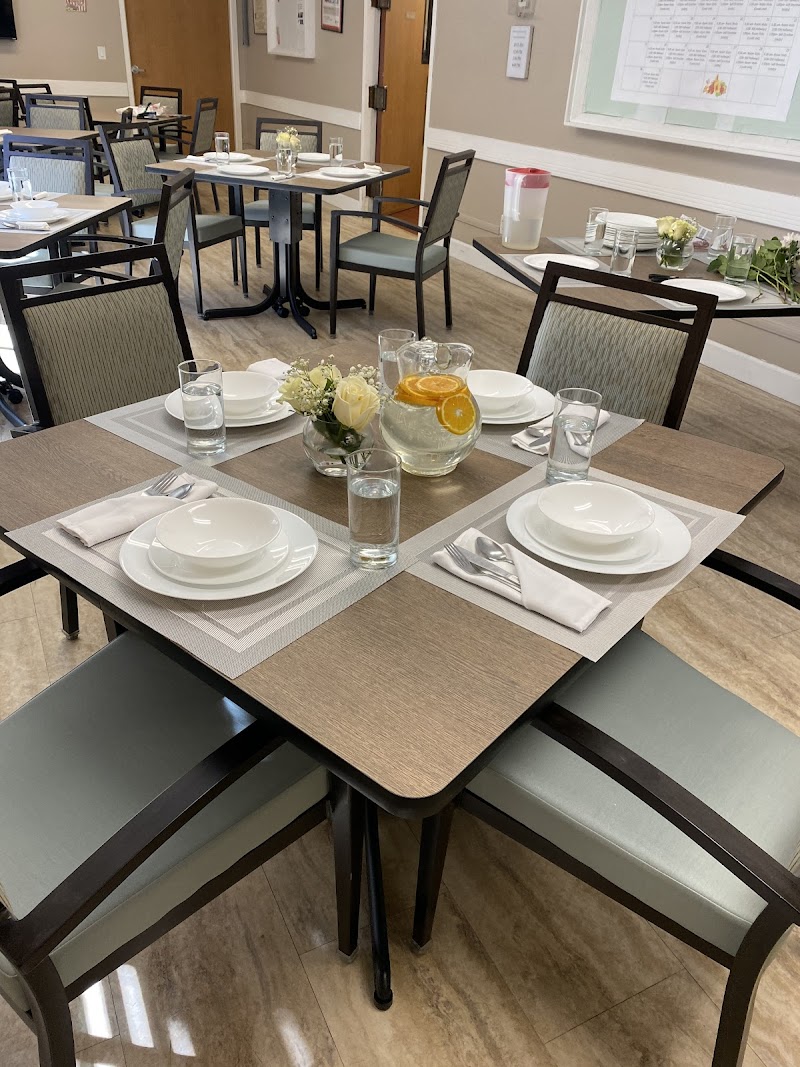
DEL ROSA VILLA

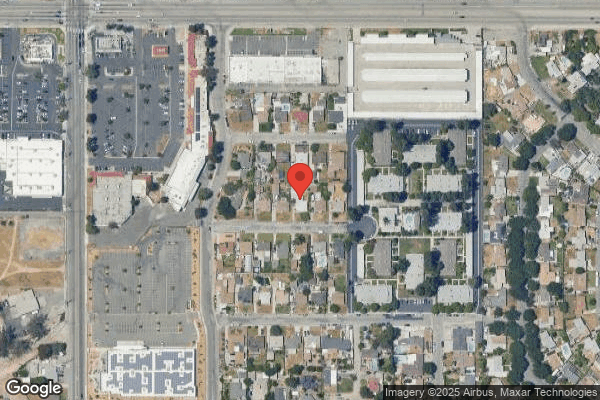
2018 N DEL ROSA AVE., SAN BERNARDINO, CA 92404 (909) 885-3261
For profit - Limited Liability company 104 Beds PACS GROUP Data: November 2025 1 Immediate Jeopardy citation
Trust Grade
18/100
#1009 of 1155 in CA
Last Inspection: January 2025

Within standard 12-15 month inspection cycle. Federal law requires annual inspections.

Overview

Del Rosa Villa has received a Trust Grade of F, indicating significant concerns about the facility's operations and care quality. Ranking #1009 out of 1155 in California places it in the bottom half, and #52 out of 54 in San Bernardino County suggests that only one local option is better. The situation appears to be worsening, with reported issues increasing from 2 in 2024 to 9 in 2025. Staffing is a major concern, with a rating of 1 out of 5 stars and a high turnover rate of 59%, significantly above the state average. Additionally, the facility incurred fines totaling $43,930, which is higher than 79% of California facilities, raising red flags about compliance issues. Notably, there have been critical incidents, including a failure to prevent a resident at risk for elopement from leaving the facility unsupervised, which could have resulted in serious harm. There were also concerns about dietary practices, where residents on pureed diets were not served the correct portion sizes, potentially affecting their nutritional intake. Medication errors were reported as well, with a rate exceeding acceptable limits, highlighting serious deficiencies in care management. While the facility does have decent quality measures at 4 out of 5 stars, the significant weaknesses in staffing and safety cannot be overlooked.

Trust Score
F
18/100
In California
#1009/1155
Bottom 13%
Safety Record
High Risk
Review needed
Inspections
Getting Worse
2 → 9 violations
Staff Stability
⚠ Watch
59% turnover. Above average. Higher turnover means staff may not know residents' routines.
Penalties
○ Average
$43,930 in fines. Higher than 64% of California facilities. Some compliance issues.
Skilled Nurses
⚠ Watch
Each resident gets only 11 minutes of Registered Nurse (RN) attention daily — below average for California. Fewer RN minutes means fewer trained eyes watching for problems.
Violations
⚠ Watch
31 deficiencies on record. Higher than average. Multiple issues found across inspections.
★☆☆☆☆
1.0
Overall Rating
★☆☆☆☆
1.0
Staff Levels
★★★★☆
4.0
Care Quality
★★☆☆☆
2.0
Inspection Score
Stable
2024: 2 issues
2025: 9 issues

The Good

  • 4-Star Quality Measures · Strong clinical quality outcomes
  • Full Sprinkler Coverage · Fire safety systems throughout facility
  • No fines on record

Facility shows strength in quality measures, fire safety.

The Bad

1-Star Overall Rating

Below California average (3.1)

Significant quality concerns identified by CMS

Staff Turnover: 59%

13pts above California avg (46%)

Frequent staff changes - ask about care continuity

Federal Fines: $43,930

Above median ($33,413)

Moderate penalties - review what triggered them

Chain: PACS GROUP

Part of a multi-facility chain

Ask about local staffing decisions and management

Staff turnover is elevated (59%)

11 points above California average of 48%

The Ugly 31 deficiencies on record

1 life-threatening
Sept 2025 1 deficiency
CONCERN (D) 📢 Someone Reported This

A family member, employee, or ombudsman was alarmed enough to file a formal complaint

Potential for Harm - no one hurt, but risky conditions existed

Deficiency F0627 (Tag F0627)

Could have caused harm · This affected 1 resident

**NOTE- TERMS IN BRACKETS HAVE BEEN EDITED TO PROTECT CONFIDENTIALITY** Based on observation, interview, and record review, the facility failed to conduct an assessment for one of four sampled residen...

Read full inspector narrative →
**NOTE- TERMS IN BRACKETS HAVE BEEN EDITED TO PROTECT CONFIDENTIALITY** Based on observation, interview, and record review, the facility failed to conduct an assessment for one of four sampled residents (Resident 1) to evaluate her status and needs at the time of the proposed return from the hospital.This failure had the potential for the facility to miss important changes in Resident 1's current behavior or condition that could have informed an appropriate and individualized discharge decision. A review of Resident's 1 admission Record (a document containing clinical and demographic information data) indicated Resident 1 was admitted to the facility on [DATE], with a diagnosis that included quadriplegia (severe medical condition characterized by the partial or total loss of function in all four limbs and the torso), Schizoaffective disorder (mood disorder symptoms such as depression and mania), and cannabis dependence (overpowering desire to use marijuana).During a review of Resident 1's history and physical (H&P- a resident assessment that includes medical past and current symptoms), dated August 21, 2024, indicated Resident 1 had the capacity to make decisions.During a concurrent observation and interview on August 12, 2025, at 7:29 AM, Resident 1 was not present at the facility. License Vocational Nurse (LVN 1) stated Resident 1 was no longer a resident in the facility. During a review of Resident 1's Order Summary (list of doctor's orders), dated August 8, 2025, the Order Summary indicated, Resident may sent [send] to acute for evaluation d/t [due to] to behavior (danger to other).During a review of the hospital document titled, ED [emergency department] Physician notes, dated August 8, 2025, indicated Resident 1 arrived at the emergency room by ambulance, and was examined by the provider on August 8, 2025, at 6:26 PM. During a telephone interview on August 11, 2025, at 4:04 PM, with the hospital Social Worker (SW), the SW stated, Attempts were made to return the resident [Resident 1] to her previous facility after evaluation by a psychiatrist and cleared for discharge. However, the facility declined to accept the resident [Resident 1] back due to her [Resident 1's] history of attempting to harm others. During a review of Resident 1's hospital Discharge Planning Progress Note, dated August 12, 2025, at 2:10 PM, the note indicated, .Pt [Resident 1] from [name of the facility] and they decline to accept her back due to behavior. Pt [Resident 1] has been there custodial [non-medical assistance provided to individuals who require help with daily living activities] for 10 years.During a review of Resident 1's hospital discharge order, titled Ordering Information, dated August 13, 2025, at 9:13 AM, the order indicated, When: Now; Disposition: Skilled Nursing Facility; Special Instruction: Custodial.During a telephone interview on August 12, 2025, at 9: 53 AM, with the facility's Director of Community Relations (Director), the Director was asked if there was any documentation to show Resident 1 was fully evaluated to determine is she is appropriate for transfer back to the facility? The director stated, There is no documentation since I did not evaluate the resident because the Director of Nursing (DON) and the Administrator informed me that she [Resident 1] was no longer considered appropriate for admission to the facility.During a concurrent interview and record review on August 12, 2025, at 11:25 AM, with the DON, the facility's policy and procedure (P&P) titled, Bed-Holds and Returns, dated October 2022 was reviewed. The P&P indicated, .Following a hospitalization, residents whom staff are concerned about permitting to return due to their clinical/behavioral condition at the time of transfer are evaluated based on their current condition, not their condition when originally transferred. During a subsequent interview and record review on August 12, 2025, at 11:27 AM, with the DON, the facility's P&P titled Transfer or Discharge Notices, dated March 2025, was reviewed. The P&P indicated, .If discharge is initiated by the facility after an emergency transfer to the hospital, the reason for discharge is based on the resident's status at the time the resident seeks return to the facility (not at the time the resident was transferred to acute care) . When the DON was asked if the facility's P&Ps were followed, the DON did not provide a direct answer.
Aug 2025 1 deficiency
CONCERN (D) 📢 Someone Reported This

A family member, employee, or ombudsman was alarmed enough to file a formal complaint

Potential for Harm - no one hurt, but risky conditions existed

Free from Abuse/Neglect (Tag F0600)

Could have caused harm · This affected 1 resident

**NOTE- TERMS IN BRACKETS HAVE BEEN EDITED TO PROTECT CONFIDENTIALITY** Based on interview, and record review, the facility failed to protect against verbal abuse for one of three sampled residents (R...

Read full inspector narrative →
**NOTE- TERMS IN BRACKETS HAVE BEEN EDITED TO PROTECT CONFIDENTIALITY** Based on interview, and record review, the facility failed to protect against verbal abuse for one of three sampled residents (Resident 1) when a Certified Nursing Assistant 1 (CNA 1) called Resident 1 a B**ch! when Resident 1 was voicing criticism of CNA 1's perineal care (the cleaning and maintenance of the perineum, the area between the anus and the genitals) indicating rough handling with pain.This failure caused Resident 1 to suffer pain, fear, and anxiety.Findings:An unannounced visit was made to the facility on August 13, 2025, at 11:18 AM, to investigate a facility reported incident regarding an allegation of verbal abuse.A review of Resident 1's face sheet (a document that gives a summary of resident's information), undated, indicated an admission date of July 6, 2025. Resident 1 had diagnoses that included stroke and left sided paralysis (complete or partial loss of muscle function). Resident 1 was discharged home on August 6, 2025.A review of Resident 1's victim statement dated August 2, 2025, indicated, . [Resident 1] expressed that [CNA 1] was changing her with another [CNA 2]. During the cares she expressed being hurt by the turning, [CNA 1] was not acknowledging the concerns. [CNA 2] addressed them, and [CNA 1] responded with so [?] Cares were completed, [CNA 1] stayed behind conversing with [Resident 1] back forth. [Resident 1] stated that she was telling [CNA 1] she does not want her to do her cares anymore and then [CNA 1] responded with you are [a B**ch!] and then [Resident 1] proceeded to say I'm going to report you. [CNA 1] left immediately after.Resident 1 was unavailable for interview due to discharge on [DATE].A review of CNA 2's witness statement dated August 2, 2025, indicated, [CNA 2] reports he was asked to assist in changing [Resident 1] with another CNA [CNA 1]. [CNA 2] entered the room, and [CNA 1] was already there arranging linens and a brief for changing. They were changing [Resident 1] and she was saying she was experiencing some pain while moving during cares. [CNA 2] asked the other [CNA 1]to be more careful, [CNA 1] responded nonchalantly saying so[?] [CNA 2] expressed that [CNA 1] needs to be mindful [about] changing [Resident 1] and positions. Cares were completed and [Resident 1] stated she needed no more assistance, [CNA 2] was exiting the room. [CNA 1] was still [at] bedside conversing back and forth with [Resident 1] then [CNA 2] heard [CNA 1] say [ B**ch!] towards [Resident 1] while [CNA 2] was leaving room.CNA 2 was unavailable for interview.A review of CNA 1's statement of events dated August 12, 2025, indicated, . [CNA 1] admitted to calling [Resident 1] a [ B**ch!]CNA 1 was unavailable for interview.During an interview with the Director of Nursing (DON) on August 13, 2025, at 11:30 AM, the DON stated she interviewed CNA 1, CNA 2 and Resident 1 and they all confirmed CNA 1 had called Resident 1 a B**ch! The DON stated her investigation concluded CNA 1 used profanity directed at Resident 1. The DON stated Resident 1 had the right to be free from verbal abuse and it was the responsibility of the facility to protect Resident 1 from abuse.A review of the facility's policy and procedure titled, Residents' Rights, dated December 2016, indicated, Policy Statement: Employees shall treat all residents with kindness, respect, and dignity. Policy Interpretation and Implementation: 1. Federal and state laws guarantee certain basic rights to all residents of this facility. These rights include the resident's right to: . b. be treated with respect, kindness, and dignity; c. be free from abuse, neglect, misappropriation of property, and exploitation; .
Mar 2025 1 deficiency
CONCERN (D) 📢 Someone Reported This

A family member, employee, or ombudsman was alarmed enough to file a formal complaint

Potential for Harm - no one hurt, but risky conditions existed

Resident Rights (Tag F0550)

Could have caused harm · This affected 1 resident

**NOTE- TERMS IN BRACKETS HAVE BEEN EDITED TO PROTECT CONFIDENTIALITY** Based on observation, interview, and record review, the facility failed to ensure two residents (Residents 1 and 2) were treated...

Read full inspector narrative →
**NOTE- TERMS IN BRACKETS HAVE BEEN EDITED TO PROTECT CONFIDENTIALITY** Based on observation, interview, and record review, the facility failed to ensure two residents (Residents 1 and 2) were treated with dignity and respect when a Certified Nursing Assistant (CNA 1) used profanity in the immediate presence of the residents, while in the resident's room. This failure resulted in both Residents 1 and 2 to feel disrespected as both residents believed the staff member was directing the profanity toward them in a demeaning manner. Findings: During a review of Resident 1's admission Record (contains medical and demographic information), the admission Record indicated Resident 1 was admitted to the facility on [DATE], with diagnoses which included major depressive disorder (condition characterized by persistent feelings of sadness, hopelessness, and loss of interest or pleasure in activities), bipolar disorder (mental health condition characterized by extreme shifts in mood, energy, and behavior), chronic pain, and alcoholic polyneuropathy (a neurological disorder that occurs when the nerves are damaged due to chronic alcohol use). During a review of Resident 1's Minimum Data Set Assessment (MDS - a standardized evaluation of a nursing home resident's health and functional abilities), dated January 27, 2025, the MDS indicated Resident 1 had a Brief Interview for Mental Status (BIMS) score of 15 (13-15 = cognition is intact). During a review of Resident 2 ' s admission Record, the admission Record, indicated Resident 2 was admitted to the facility on [DATE], with diagnoses which included morbid (severe) obesity, muscle weakness, major depressive disorder, bipolar disorder, and anxiety disorder (mental health disorder characterized by feelings of worry, anxiety, or fear that are strong enough to interfere with one's daily activities) and kidney failure. During a review of Resident 2 ' s MDS assessment, dated January 3, 2025, the MDS indicated Resident 2 had a BIMS score of 15. During an interview on January 29, 2025, at 11:40 AM, with Resident 1, Resident 1 stated she had her call light on because she needed to have her diaper changed when CNA 1 came into her room and told her Your about to wear me the f**k [a derogatory curse word, profanity] out. Resident 1 stated the reply she received from CNA 1 made her feel horrible and disrespected. During an interview on January 29, 2025, at 11:50 AM, with Resident 2, Resident 2 stated Resident 1 was sitting in feces and needed to be cleaned up when CNA 1 came into the room and said Your about to wear me the f**k out, Resident 2 further stated the incident occurred at approximately 9:30 PM on Monday the 27 of January 2025. During an interview on January 29, 2025, at 12:20 PM, with the Director of Nursing (DON), the DON stated she interviewed CNA 1 regarding the allegation made by Resident 1 and CNA 1 told her she went into Resident 1 ' s room and said I 'm f**king frustrated The DON further stated CNA 1 should never have cursed in front of the residents. During a review of Resident 1 ' s medical record, a progress note dated January 28, 2025, the progress note indicated, PT [patient] on monitor [sic] for emotional distress r/t [related to] staff using foul language in residents presence . During a review of the facility document titled, [name of facility] Room Assignment for PM Shift, dated January 27, 2025, the document indicated for the PM shift on January 27, 2025, CNA 1 was assigned to the room where Resident 1 and Resident 2 resided. During an interview on March 6, 2025, at 4:15 PM, with CNA 1, CNA 1 stated she was in Resident 1 and Resident 2 ' s room on January 27, 2025, when she said out loud I ' m f**king frustrated. CNA 1 further stated she was having a hectic day on that day and there was a million call lights going off, CNA 1 further stated she was standing in the middle of Resident 1 and Resident 2 ' s room when she said, I ' m f**king frustrated, as she was preparing to change one of the residents in the room. CNA 1 stated what she should have done instead was left the room and taken a time out to gather herself. During a review of the facility ' s policy and procedure titled, Resident Rights revised February 2021, the policy indicated, Policy Statement - Employees shall treat all residents with kindness, respect, and dignity .1. Federal and state laws guarantee certain basic rights to all residents of this facility. These rights include the resident ' s right to: a. A dignified existence; b. be treated with respect, kindness, and dignity .
Feb 2025 1 deficiency
CONCERN (D) 📢 Someone Reported This

A family member, employee, or ombudsman was alarmed enough to file a formal complaint

Potential for Harm - no one hurt, but risky conditions existed

Notification of Changes (Tag F0580)

Could have caused harm · This affected 1 resident

**NOTE- TERMS IN BRACKETS HAVE BEEN EDITED TO PROTECT CONFIDENTIALITY** Based on interview and record review the facility failed to follow its Change of Condition (COC) and Documentation Policies for ...

Read full inspector narrative →
**NOTE- TERMS IN BRACKETS HAVE BEEN EDITED TO PROTECT CONFIDENTIALITY** Based on interview and record review the facility failed to follow its Change of Condition (COC) and Documentation Policies for 1 of 3 sampled residents (Resident 1) when: 1. Resident 1 had a (COC), and responsible party was not notified, left as unreachable. 2. No documentation of when responsible party was notified of COC. This failure placed a clinically compromised Resident (Resident 1) health and safety at risk by causing a delay in notification and family involvement. Findings: During review of Residents 1 ' s admission Record (general demographics), the document indicated Resident 1 was admitted to the facility on [DATE], with diagnoses to include: rhabdomyolysis (breakdown of muscle tissue damaging protein released into the blood), Cirrhosis (liver disease causing liver failure) , hepatic encephalopathy (liver, buildup of toxins in blood), type 2 diabetes mellitus ( body does not make enough insulin or does not use insulin well), Hepatitis C (infection caused by virus affecting the liver). During a review concurrent interview and record review of Resident 1 ' s Medical Record with the Director of Nursing (DON) reviewed are as follows: 1. Change of Condition (COC)Note dated February 07, 2025, Altered Level of Consciousness (ALOC), Confusion: Resident noted to be having more confusion than normal. Resident noted to be talking gibberish. Vital Signs were taken, noted to be as follow, Blood pressure 145/85, Heart Rate 83, Respirations 18, Temperature 97.9, Oxygen 92% room air. MD made aware. Received orders .Orders noted and carried out. doctor notified February 07, 2025, at 7:00PM .Responsible Part [name] called February 07, 2025, at 10:00PM (unreachable). 2. No Progress Note provided by facility of follow up call or notification to Responsible Party of COC from February 07, 2025. During an interview on February 27, 2025, with the License Vocation Nurse (LVN), the LVN stated, The responsible party [name] did call Saturday February 08, 2025, I told her about Friday (COC) of resident being confusion, but this day Saturday he was back to his normal self, his normal self was him cussing at staff. CNA was checking on him in showers. She thanked me and to please encourage him to take him medications. When asked, did you document the notification of the COC? LVN states, no, I did not document the conversation, I got busy, I did tell her about the COC from Friday, I should have documented but I didn ' t. During an interview on February 27, 2025, with the Assistant Director of Nursing (ADON) and the Director of Nursing (DON), ADON states, there was a COC February 07, 2025, the responsible party was called, but we were not able to get ahold of her, the nurse talked to her but did not document the notification of COC, I agree it should have been documented. DON states, there was a COC, we called the doctor, and he ordered labs and to increase lactulose (medication to reduce amount of ammonia is in the blood). We did call responsible party, but they were not able to get ahold of her, it says unreachable. There is no documentation of notification of the COC, the nurse did talk to her the following day. Facility has no documentation of the conversation. DON does agree there it should have been documented. During a review of the facility ' s policy and procedure titled, Change in a Resident ' s Condition or Status (COC),revised [February 2021], the policy and procedure indicated, Our facility promptly notifies the resident, his or her attending physician, and the resident representative of changes in the resident ' s medical/mental condition and or status.4.Unless otherwise instructed by the resident, a nurse will notify the resident ' s representative when: b. there is a significant change in the residents physical, mental or psychosocial status. During a review of the facility ' s policy and procedure titled, Charting and Documentation, revised [July 2017], the policy and procedure indicated, All services provided to the resident, progress towards the care plan goals, or any changes in the resident ' s medical, physical, functional or psychological condition, shall be documented in the resident ' s medical record. The medical record should facilitate communication between the interdisciplinary team regarding the resident ' s condition and response to care. 7.e. Notification of family, physician, or other staff, if indicated .
Jan 2025 5 deficiencies
CONCERN (D)

Potential for Harm - no one hurt, but risky conditions existed

Transfer Notice (Tag F0623)

Could have caused harm · This affected 1 resident

**NOTE- TERMS IN BRACKETS HAVE BEEN EDITED TO PROTECT CONFIDENTIALITY** Based on interview, and record review, the facility failed to ensure a copy of the notice of transfer or discharge were sent to ...

Read full inspector narrative →
**NOTE- TERMS IN BRACKETS HAVE BEEN EDITED TO PROTECT CONFIDENTIALITY** Based on interview, and record review, the facility failed to ensure a copy of the notice of transfer or discharge were sent to the Ombudsman for one (1) of three (3) sampled residents (Resident 63) reviewed for hospitalizations when: 1. Resident 63 was sent to the hospital on February 16, 2024, and there was no copy of notice of transfer or discharge sent to the Ombudsman. 2. Resident 63 was sent to the hospital on July 6, 2024, and there was no copy of notice of transfer or discharge sent to the Ombudsman. This failure had the potential for Resident 63 to be inappropriately transferred or discharged . Findings: 1. A review of Resident 63's clinical record, the admission Record (a document that gives a summary of resident's information), indicated Resident 63 was admitted to the facility on [DATE], with diagnoses of Hemiplegia and Hemiparesis (weakness or unable to move one side of the body) following cerebral infarction affecting left non-dominant side (parts of the brain dies when the blood flow is reduced) and dysphagia (difficulty swallowing). During a review of Resident 63's physician order (a set of instructions written by a doctor for the care of a resident), dated February 19, 2024, it indicated, May be sent out to hospital for further evaluation. May have 7-day bed hold. During a subsequent review of Resident 63's hospitalization paperwork, dated February 16, 2024, there was no record of the notice of transfer or discharge sent to the Ombudsman found. During an interview on January 24,2025, at 4:20 PM, with the Social Worker (SW), the SW stated, I cannot find the notice of transfer or discharge sent to the Ombudsman. It was not sent. 2. During a review of Resident 63's physician order, dated July 6, 2024, at 2:18 PM indicated, May go to acute care with a 7-day bed hold. During a subsequent review of Resident 63's hospitalization paperwork, dated July 5, 2024, there was no record of the notice of transfer or discharge sent to the Ombudsman found. During an interview on January 24, 2025, at 4:45 PM here, with the SW, the SW stated, I cannot find the notice of transfer or discharge sent to the Ombudsman for this hospitalization date. It was not sent. During a concurrent interview and record review on January 24, 2025, at 5:25 PM, with the Director of Nursing (DON), the facility's policy and procedure (P&P) titled, Transfer or Discharge notice, dated March 2024, was reviewed. The P&P indicated .4. Under the following circumstances, the notice is given as soon as it is practicable but before the transfer or discharge: d. An immediate transfer or discharge is required by the resident's urgent medical needs; and/or e. The resident has not resided in the facility for thirty (30) days .6. For Facility-Initiated discharges, a copy of the notice is sent to the Office of the State Long-Term Care Ombudsman at the same time the notice of transfer or discharge is provided to the resident and representative . The DON stated the P&P was not followed and further stated the Ombudsman should have been notified and was not.
CONCERN (D)

Potential for Harm - no one hurt, but risky conditions existed

Pharmacy Services (Tag F0755)

Could have caused harm · This affected 1 resident

**NOTE- TERMS IN BRACKETS HAVE BEEN EDITED TO PROTECT CONFIDENTIALITY** Based on observation, interview, and record review, the facility failed to ensure medications were administered according to the...

Read full inspector narrative →
**NOTE- TERMS IN BRACKETS HAVE BEEN EDITED TO PROTECT CONFIDENTIALITY** Based on observation, interview, and record review, the facility failed to ensure medications were administered according to the facility's policy and procedure (P&P) for one (1) of 92 residents (Resident 75) when five tablets were found in a medication cup, on the bedside table, unattended by staff. This failure had the potential to cause ineffective drug therapy, significant side effects, and adversely affect the health and safety of Resident 75. Findings: During a review of Resident 75's clinical records, the admission Record (contains demographic and medical information) indicated, Resident 75 was admitted to the facility on [DATE], with diagnoses of traumatic subarachnoid hemorrhage without loss of consciousness (bleeding in the brain without passing out), and displaced fracture of body of right talus subsequent encounter for fracture (a break of the bone that connects the ankle to the foot, and the neck area). During a concurrent observation and interview on January 21, 2025, at 12:42 PM, with Resident 75, inside Resident 75's room, five medication tablets were found in a medication cup, on-top of the beside table next to the lunch meal tray. Resident 75 stated, These are the morning medications, and I haven't gotten around to taking it yet. Resident 75 proceeded to grab the medication cup and swallowed the tablets. During a concurrent interview and record review on January 21, 2025, at 1:01 PM with the Licensed Vocational Nurse 2 (LVN 2), LVN 2 went inside Resident 75's room and Resident 75 confirmed LVN 2 was the nurse who gave him the medication in the morning. LVN 2 reviewed the picture taken of the five tablets in the medication cup and she stated she was not sure if that was Resident 75's morning medications. LVN 2 stated she did not remember seeing if Resident 75 took his medication this morning at 9:00 AM but verified she was the nurse who gave his morning medications. LVN 2 further stated it was important to make sure medications are taken by the resident at the time of the prescribed time and to make sure the residents swallow the medications handed to them. During a concurrent interview and record review on January 21, 2025, at 2:34 PM, with the Director of Nursing (DON), the facility's P&P titled, Administering Medications, dated April 2019, was reviewed. The P&P indicated, .Medications are administered in a safe and timely manner, and as prescribed. Medications are administered within one (1) hour of their prescribed time, unless otherwise specified . The DON stated that the P&P was not followed and further stated it was important to make sure medication tablets are not laying around unattended and that residents are medicated as prescribed by the physician.
CONCERN (D)

Potential for Harm - no one hurt, but risky conditions existed

Food Safety (Tag F0812)

Could have caused harm · This affected 1 resident

Based on observation, interview, and record review, the facility failed to store residents' food according to professional standards for food service safety when a dark brownish-reddish frozen spill w...

Read full inspector narrative →
Based on observation, interview, and record review, the facility failed to store residents' food according to professional standards for food service safety when a dark brownish-reddish frozen spill was found on the bottom part of the freezer of the residents' refrigerator on January 21, 2025. This failure had the potential for bacteria to growth and to cause foodborne illness in residents who store food in the the residents' refrigerator. Findings: During an observation of the residents' refrigerator on January 21, 2025, at 10:55 AM, a dark brownish-reddish frozen spill was on the bottom part of the freezer. During an interview with the Registered Nurse 1 (RN 1) on January 21, 2025, at 10:57 AM, RN 1 stated that usually the Licensed Vocational Nurse on duty or the housekeeping is responsible for cleaning the residents' refrigerator and does not know why the freezer is dirty. During an interview with the Dietary Supervisor (DS), on January 23, 2025, at 10:49 AM, the DS stated his expectation is that the residents' refrigerator is clean with no frozen spills. The DS stated he wasn't aware the freezer was dirty and that he should have checked it for cleanliness. During a concurrent Interview and record review with the Director of Nursing (DON) on January 24, 2025, at 2:09 PM, the facility's P&P titled, Facility Resident Refrigerators was reviewed. The P&P states, this facility will ensure safe refrigerator maintenance, temperatures, and sanitation, and will observe food expiration guidelines .Weekly cleaning and maintenance on refrigerator Refrigerators will be kept clean and maintained with a disinfectant . When asked if this P&P was followed, the DON stated, If someone would have told housekeeping about the frozen spill, they would have cleaned it. During a review of the FDA Federal Food Code, dated 2022, 4-601.11 indicated (C) Non-food-contact surfaces of equipment shall be kept free of an accumulation of dust, dirt, food residue, and other debris . in addition, The objective of cleaning focuses on the need to remove organic matter from food-contact surfaces so that sanitization can occur and to remove soil from nonfood contact surfaces so that pathogenic microorganisms will not be allowed to accumulate and insects and rodents will not be attracted.
CONCERN (D)

Potential for Harm - no one hurt, but risky conditions existed

Infection Control (Tag F0880)

Could have caused harm · This affected 1 resident

**NOTE- TERMS IN BRACKETS HAVE BEEN EDITED TO PROTECT CONFIDENTIALITY** Based on observation, interview, and record review, the facility failed to ensure Enhanced Barrier Precautions (EBP-are a set of...

Read full inspector narrative →
**NOTE- TERMS IN BRACKETS HAVE BEEN EDITED TO PROTECT CONFIDENTIALITY** Based on observation, interview, and record review, the facility failed to ensure Enhanced Barrier Precautions (EBP-are a set of infection control practices that use gowns and gloves to reduce the spread of multidrug-resistant organisms [MDROs- germs that resist treatment with more than one antibiotic]) were maintained for one (1) of five (5) sampled residents (Resident 97) when one Certified Nurse Assistant (CNA 1) did not wear a gown when providing incontinence care. This failure had the potential to result in an increased risk of cross-contamination (the transfer of harmful bacteria) to 92 highly vulnerable residents whose health conditions are already compromised. Finding: During an observation on January 22, 2025, at 9:50 AM, in Residents 97's room, there was a sign outside the room indicating Resident 97 was on EBP precautions. Resident 97 was lying in bed while CNA 1 was changing the incontinence brief without wearing a gown. During an interview on January 22, 2025, at 9:55 AM, with CNA 1, CNA 1 stated she should have worn a gown for a resident on EBP. CNA 1 stated, I forgot to wear a gown. I should have worn one to prevent the risk of spreading disease, but I was in a rush because other residents also needed assistance. During a review of Active orders dated January 21, 2025, for Resident 97, the order indicated, enhanced barrier precautions [EBP] during high contact resident care activities secondary to wound to right leg. During a review of Resident 97's clinical record, the admission Record (contains demographic and medical information and the admission date), the admission Record indicated Resident 97 was admitted to the facility on [DATE], with diagnoses of Leukocytoclastic Vasculitis (LCV- a disease that causes inflammation of small blood vessels), Cellulitis (a skin infection that usually appears as a red, inflamed area of skin) of right and left lower limbs, and non-pressure chronic ulcer (sores that develop on the skin and take a long time to heal) of unspecified part of left lower leg. During a concurrent interview and record review on January 22, 2025, at 11:30 AM with the Director of Nursing (DON), the facility's Policy and Procedure (P&P) titled, Isolation - Transmission-Based Precautions & Enhanced Barrier Precautions, dated September 2022, was reviewed. The P&P indicated, Enhanced Standard Precautions .wear gowns and gloves while performing the following high-contact tasks .Any care where close contact with the resident is expected to occur such as bathing, peri-care, assisting with toileting, changing incontinence briefs, respiratory care . The DON stated CNA 1 did not show compliance with the P&P and should have due to risk of resident's safety throughout the facility.
CONCERN (E)

Potential for Harm - no one hurt, but risky conditions existed

Menu Adequacy (Tag F0803)

Could have caused harm · This affected multiple residents

Based on observation, interview, and record review, the facility failed to follow the menu when: 1. six (6) of six (6) Residents on pureed diet (a diet of smooth, blended foods that require no chewing...

Read full inspector narrative →
Based on observation, interview, and record review, the facility failed to follow the menu when: 1. six (6) of six (6) Residents on pureed diet (a diet of smooth, blended foods that require no chewing) was served 2/3 cup of pureed Jambalaya instead of one cup that the menu called for during lunch on January 21, 2025. 2. 33 of 33 Residents on regular carbohydrate controlled (CCHO-consistent, constant, or controlled carbohydrate [sugars, starches and fiber]) diet, were served one whole slice of garlic bread instead of half a slice the menu called for during lunch on January 21, 2025. This failure had the potential to compromise residents' nutritional status when menus were not followed for 39 of 39 Residents on a Pureed and CCHO diet. Findings: 1. During tray line (when cook serves food on plates for each resident according to the menu) observation on January 21, 2025, at 11:50 AM in the kitchen, the Dietary [NAME] served a pureed Chicken Jambalaya using a 2/3 cup scoop to Resident 4 receiving a pureed diet, instead of one cup as indicated on the facility approved menu. During an interviewed with the cook on January 21, 2025, at 3:05 PM, the cook acknowledged that during the tray line she was not aware of the portion size listed on the menu and served only 2/3 cup instead of one cup of puréed Jambalaya for lunch on January 21, 2025, to all residents on pureed diet. The cook further acknowledged that the cook's spreadsheet winter menu dated January 21, 2025, indicates pureed Chicken Jambalaya one cup. During a review of the facility's document titled, Cooks Spreadsheet Winter Menu, dated January 21, 2025, the Winter Menu indicated, Chicken Jambalaya one cup for pureed diet and half a slice garlic bread for regular CCHO diet. 2. During tray line observation on January 21, 2025, at 11:50 AM in the kitchen, the Dietary [NAME] served one whole slice of garlic bread to Resident 548 and Resident 2 receiving regular CCHO diet, instead of a half slice of garlic bread as indicated on the facility approved menu. During an interviewed with the cook on January 21, 2025, at 3:05 PM, the cook acknowledged that during the tray line she was not aware of the portion size listed on the menu and served one whole slice of garlic bread instead of half a slice for lunch to all residents on a regular CCHO diet. The cook further acknowledged that the cook's spreadsheet winter menu dated January 21, 2025, indicates Garlic Bread: ½ (half) slice (small), ½ slice (regular), and 1 (one) Slice (large). During an interview with the Registered Dietician Nutritionist (RDN) on January 21, 2025, at 3:20 PM, the RDN stated the recipe, and the cook spreadsheet winter menu should be followed. During a review of facility's policy and procedure (P&P) titled, Menu Planning, dated 2023, the P&P indicated, .the menus are planned to meet nutritional needs of residents in accordance with established national guidelines .
Nov 2024 1 deficiency 1 IJ
CRITICAL (J) 📢 Someone Reported This

A family member, employee, or ombudsman was alarmed enough to file a formal complaint

Immediate Jeopardy (IJ) - the most serious Medicare violation

Accident Prevention (Tag F0689)

Someone could have died · This affected 1 resident

**NOTE- TERMS IN BRACKETS HAVE BEEN EDITED TO PROTECT CONFIDENTIALITY** Based on interview and record review, the facility failed to prevent elopement (an act or instance of leaving a safe area or saf...

Read full inspector narrative →
**NOTE- TERMS IN BRACKETS HAVE BEEN EDITED TO PROTECT CONFIDENTIALITY** Based on interview and record review, the facility failed to prevent elopement (an act or instance of leaving a safe area or safe premises, done by a person with a mental disorder or cognitive impairment) by one of eight residents (Resident 1) with a wander guard system (a wander guard system relies on three components: bracelets that residents wear, sensors that monitor doors and a technology platform that sends safety alerts in real time. When a resident with a bracelet approaches a monitored door, the system alerts with an audible sound) when Resident 1, who was at risk for elopement, did not have close monitoring of his whereabouts and eloped from the facility through a parking lot gate which automatically opened to vehicles entering and exiting from the facility's parking lot. This failure had the potential to cause Resident 1 to suffer from harm, injury, or possible death while being unsupervised outside of the facility from November 4, 2024, through November 8, 2024. Findings: An unannounced visit was made to the facility on November 6, 2024, at 1:48 PM, to investigate a facility reported incident regarding a resident elopement. A review of Resident 1's face sheet (a document that gives a summary of resident information), undated, indicated an admission date of June 21, 2024, with diagnoses that included: encephalopathy (a group of conditions that cause brain dysfunction such as confusion, memory loss, and personality changes), major depressive disorder (a mental health disorder characterized by persistently depressed mood or loss of interest in activities, causing significant impairment in daily life) and schizophrenia (a disorder that affects a person's ability to think, feel, and behave clearly). A review of Resident 1's Elopement and Wandering Risk Observation/Assessment, dated September 28, 2024, indicated, Reason for the Evaluation, Instructions: Evaluate/Assess the resident status in the seven clinical areas listed below. If the total score is 10 or greater, the resident would be considered At Risk for Wandering or Elopement . Resident 1's score was 18. A review of Patient 1's care plan indicated, Elopement: Resident is at risk for elopement/exit seeking/wandering related to: difficult to redirect, exit seeking behaviors, mood or behavior disorders, psychotropic/mood-altering medications, cognitive deficit-poor safety awareness, impulsivity, wander guard placed on [left] ankle, as per order. Date Initiated: [June 24, 2024], Revision on: [November 6, 2024]. Interventions: Monitor environment for hazards which may increase supervision requirements. Date Initiated: [June 24, 2024], Monitor whereabouts frequently. Date Initiated: [June 24, 2024], Provide redirection as needed. Date Initiated: [June 24, 2024]. Wander alarm as ordered. Date Initiated: [June 24, 2024]. During an interview with the Assistant Director of Nursing (ADON) on November 6, 2024, at 1:52 PM, the ADON stated Resident 1 was last observed at the facility on November 4, 2024, at approximately 9 PM and around 10:40 PM, a Certified Nursing Assistant (CNA 1) noticed Resident 1 was not in his room. The ADON stated a search of the facility, the surrounding parking lot area and five-mile radius in the community was conducted but Resident 1 was not located. The ADON stated Resident 1 was admitted on [DATE], and had been assessed as an elopement risk and a wander guard bracelet was placed on his left ankle. The ADON stated the wander guard system was activated on all the facility's exit doors and the automatic parking lot gate; when a resident with a wander guard bracelet went through an exit door or the automatic parking lot gate, an alarm would sound. The ADON stated CNA 1 reported seeing Resident 1 in the outside smoking area around 9 PM and the smoking area was open to the parking lot area. The ADON stated Resident 1 could have walked freely to the automatic parking lot gate and walked through when a vehicle entered or exited because staff did not continuously monitor the automatic parking lot gate. The ADON stated Resident 1's wander guard should have alarmed inside the facility if Resident 1 had walked through the automatic parking lot gate, but staff did not report hearing the alarm on November 4, 2024, between 9 PM and 10:40 PM. The ADON stated Resident 1 could have cut off his wander guard, but the staff did not locate the remains of a wander guard during their search of the facility. During a test of the wander guard system on November 6, 2024, at 2:26 PM, with the ADON, a facility exit door, a few rooms down from Resident 1's room, did not alarm. The ADON confirmed the door did not alarm when tested. During an interview with CNA 1 on November 7, 2024, at 1:10 PM, CNA 1 stated she brought Resident 1's dinner tray to his room for dinner on November 4, 2024, around 6:30 PM and Resident 1 asked her where his coffee was, and she said it was on the dinner tray. CNA 1 stated she checked on Resident 1 at approximately 9 PM and Resident 1 was sitting in the outside smoking area, just sitting there, not smoking, and around 10:40 PM she checked on Resident 1 again and I don't see him. She searched for him in the facility and outside and then she informed the nurse Resident 1 was missing. CNA 1 stated she did not see Resident 1 go outside to the smoking area and did not notice any other residents with him. CNA 1 stated Resident 1 liked to be alone and outside most of the time, and she did not hear the alarm for the automatic parking lot gate sound on November 4, 2024, between 9 PM and 10:40 PM. CNA 1 stated she was surprised Resident 1 was sitting in the smoking area because his usual activity was to walk quickly around the parking lot area, which brought him close to the automatic parking lot gate. During an interview with Resident 1 on November 12, 2024, at 12:30 PM, Resident 1 stated he left the facility through the parking lot gate because he thought the facility was going to send him away to a mental health facility and he did not want to go, so I left. Resident 1 stated he decided to come back because the facility was not going to send him away anymore. A review of the facility's policy and procedure titled Wandering and Elopements, dated March 2019, indicated, Policy Statement: The facility will identify residents who are at risk of unsafe wandering and strive to prevent harm while maintaining the least restrictive environment for residents. Policy Interpretation and Implementation: 1. If identified as at risk for wandering, elopement, or other safety issues, the resident's care plan will include strategies and interventions to maintain the resident's safety. An Immediate Jeopardy (IJ-a situation with the potential to harm the health and safety of the patients) was called under 42 CFR §483.25(d)(2) F 689 Each resident receives adequate supervision and assistance devices to prevent accidents, on November 7, 2024, at 1:45 PM, in the presence of the Administrator (Admin) and the Assistant Director of Nursing (ADON). The Admin and ADON were verbally notified of the IJ situation identified based on the facility's failure to protect Resident 1 from elopement. The facility submitted a corrective action plan which was reviewed and accepted on November 8, 2024, at 1:42 PM, in the presence of the Administrator (Admin). The facility's corrective action plan indicated the following: This letter constitutes a credible allegation by [name of the facility] that the Immediate Jeopardy identified by the California Department of Public Health on [November] 7, 2024 due to the identified resident who eloped from the facility on [November 4, 2024] and currently resident is not located. Immediate Plan of Action for the removal of Immediate Jeopardy 1. The administrator assigned a staff member to monitor the entrance gate of the facility by the parking lot for 24 hours, [seven] days a week to ensure no other residents could exit from parking lot main gate. The area will be monitored [every]-shift. The assigned staff member will redirect residents to safety. The staff member will contact another staff member to assist as needed, so the area is not left unmonitored. 2. There are 7 [seven] residents identified as high risk for elopement risks and these residents are still using a wander guard alarm system 3. Assigned Staff checks for the presence of the wander guard as well as the functionality of the wander guard daily. 4. IPN [Infection Preventionist Nurse], Case Manager and MDS [Minimum Data Set] staff conducted reassessment on the 7 residents for elopement risks and clarified the orders to reflect Licensed Nurses monitoring of the presence of the wander guard device every shift and notified the responsible party and attending physicians accordingly. 5. Assigned Staff to monitor and log the expiration date of the wander guard device weekly. 6. The Administrator initially in-serviced staff on [November 6, 2024] regarding Monitoring of Residents on wander guard. In-servicing of staff will continue effective [November 7, 2024]. 7. The facility created elopement binders for each nursing station and 1 [one] by the receptionist with the resident's photo, face sheet and redirect residents who are wandering in the unit. 8. Maintenance Staff removed the air curtain on door 3 [three] so it doesn't interfere with the functionality of the wander guard system. The acceptable corrective action plan was verified with the facility to be implemented through observation, interview, and record review. The IJ was removed on November 12, 2024, at 12:54 PM, in the presence of the Admin and ADON.
Sept 2024 1 deficiency
CONCERN (D) 📢 Someone Reported This

A family member, employee, or ombudsman was alarmed enough to file a formal complaint

Potential for Harm - no one hurt, but risky conditions existed

Quality of Care (Tag F0684)

Could have caused harm · This affected 1 resident

**NOTE- TERMS IN BRACKETS HAVE BEEN EDITED TO PROTECT CONFIDENTIALITY** Based on interview, and record review, the facility failed to ensure that the facility ' s policy regarding falls was implemente...

Read full inspector narrative →
**NOTE- TERMS IN BRACKETS HAVE BEEN EDITED TO PROTECT CONFIDENTIALITY** Based on interview, and record review, the facility failed to ensure that the facility ' s policy regarding falls was implemented, when one of the four sampled residents (Resident 1) experienced a change of cognition or level of consciousness was not promptly reported to the physician following an unwitnessed fall. This failure potentially led to a deterioration in Resident ' s 1 condition necessitating his transfer to a general acute hospital for evaluation and treatment. Findings: During a review of Resident 1's clinical record, the face sheet (contains demographic and medical information), indicated Resident 1 was admitted on [DATE], with a diagnosis that included unsteadiness on feet, and unspecified dementia (a condition characterized by memory loss and judgement). During an interview on 9/4/2024, at 4:10 p.m., with Licensed Vocational Nurse (LVN 1), LVN 1 stated, Resident 1 fell in his room. Additionally, neurological checks (an assessment of resident ' s nervous system that assesses the residents mental status, level of consciousness, pupillary response [a process that regulates the size of the pupil in the eye, this reflex can be tested as part of a neurological exam and can indicate structural abnormalities, the pupil of the eye dilates in response to stressors], motor strength [strength of muscles], sensation [a physical feeling or perception resulting from something that happens to or comes into contact with the body], and gait [pattern of walking or running].) were promptly initiated, and the physician was promptly notified, leading to an X-ray (to generate images of tissues and structures inside the body to detect problems) being ordered. Neurological checks were conducted at 15-minute intervals, then to 30-minute intervals, and then hourly. During a concurrent record review and interview on 9/4/2024, at 4:42 p.m., with LVN 1, regarding the documentation of a neurological check, dated 8/21/2024 through 8/22/2024, specifically the level of consciousness section. The document revealed that Resident 1 ' s level of consciousness deteriorated from a score of three at 4:00 PM, indicating that Resident 1 was very drowsy but responsive to touch stimuli, to a level four at 8:45 PM, indicating that Resident 1 responded only to painful stimuli. When LVN 1 was asked if she had alerted the supervisor or notified the doctor to obtain an order to transfer Resident 1 to the hospital for further evaluation, LVN 1 stated she did not inform the primary physician regarding the deterioration. During a review of Resident ' s 1 Progress Notes dated August 22, 2024, the progress notes indicated, Resident 1 was discovered to be unresponsive during routine checks and was transferred to an acute general hospital at 2:40 AM, on August 22, 2024. During a telephone interview on 9/16/2024, at 1:02 p.m., with ADON 1. I inquired whether the nurse should have communicated changes in Resident ' s 1 level of consciousness to the doctor, as there was no documentation indicating such notification. ADON 1 indicated that the doctor should have been notified, and also confirmed that the doctor was not informed at that time. During a review of the facility ' s policy and procedure (P&P) titled, Falls – Clinical Protocol, dated March 2018, the P&P indicated The nurse shall assess and document/report the following: .D. Change in cognition or level of consciousness .
Dec 2023 13 deficiencies
CONCERN (D)

Potential for Harm - no one hurt, but risky conditions existed

Deficiency F0553 (Tag F0553)

Could have caused harm · This affected 1 resident

Based on record review, interviews, and facility policy review, the facility failed to have evidence to indicate 1 (Resident #79) of 20 sampled residents were invited to their care plan meeting. Find...

Read full inspector narrative →
Based on record review, interviews, and facility policy review, the facility failed to have evidence to indicate 1 (Resident #79) of 20 sampled residents were invited to their care plan meeting. Findings included: Review of a facility policy titled, Resident Participation - Assessment and Care Plans, revised in February 2021, indicated, The resident and his or her representative are encouraged to participate in the resident's assessment and in the development and implementation of the resident's care plan. A review of Resident #79's admission Record, revealed the facility admitted Resident #79 on 11/06/2023, with diagnoses that included heart failure, ulcerative colitis, and chronic kidney disease. Per the admission Record, the resident was their own responsible party. A review of Resident #79's admission Minimum Data Set (MDS), with an Assessment Reference Date (ARD) of 11/13/2023, revealed Resident #79 had a Brief Interview for Mental Status (BIMS) score of 15, which indicated the resident was cognitively intact. A review of Resident #79's care plan revealed no evidence to indicate the resident was invited to their care plan meeting. During an interview on 12/10/2023 at 9:54 AM, Resident #79 stated they had not been invited to attend a care plan meeting since their admission into the facility. During an interview on 12/11/2023 at 9:34 AM, the Social Services Designee (SSD) stated MDS Nurse #1 invited the resident/family to the care plan meeting. During an interview on 12/11/2023 at 9:46 AM, MDS Nurse #1 stated care plan meetings were held within 14 days of admission, then quarterly, and annually. MDS Nurse #1 stated she coordinated the care plan meetings and invited the resident in person and the family by way of the telephone. Per MDS Nurse #1, the resident's care plan meeting was documented on a form called the interdisciplinary (IDT) conference summary. MDS Nurse #1 acknowledged Resident #79 did not have an IDT conference summary form. During a follow-up interview on 12/13/2023 at 2:28 PM, MDS Nurse #1 stated she did not document that Resident #79 was invited to their care plan meeting. In an interview on 12/12/2023 at 8:15 AM, the Director of Nursing stated her expectation was that Resident #79 should have been invited to their care plan meeting. In an interview on 12/12/2023 at 9:13 AM, the Administrator stated she was not aware Resident #79 complained they were not invited to their care plan meeting.
CONCERN (D)

Potential for Harm - no one hurt, but risky conditions existed

Deficiency F0583 (Tag F0583)

Could have caused harm · This affected 1 resident

Based on observation, record review, interviews, and facility policy review, the facility failed to ensure privacy was provided during personal care for 1 (Resident #57) of 1 sampled resident reviewed...

Read full inspector narrative →
Based on observation, record review, interviews, and facility policy review, the facility failed to ensure privacy was provided during personal care for 1 (Resident #57) of 1 sampled resident reviewed for privacy. Findings included: A review of the facility policy titled, Dignity, last revised in February 2021, revealed, Each resident shall be cared for in a manner that promotes and enhances his or her sense of well-being, level of satisfaction with life, and feelings of self-worth and self-esteem, The policy revealed, 11. Staff promote, maintain and protect resident privacy, including bodily privacy during assistance with personal care and during treatment procedures. A review of an admission Record indicated the facility admitted Resident #57 on 05/24/2023, with diagnoses that included paraplegia and stage 4 pressure ulcer of the sacral region. A review of the quarterly Minimum Data Set (MDS), with an Assessment Reference Date (ARD) of 09/01/2023, revealed Resident #57 had a Brief Interview for Mental Status (BIMS) score of 15, which indicated the resident was cognitively intact. The MDS indicated the resident required extensive assistance with bed mobility, transfers, and dressing, and was totally dependent on staff for toilet use, personal hygiene, and bathing. The MDS indicated Resident #57 had two stage 4 pressure ulcers. A review of Resident #57's care plan, revised on 09/28/2023, revealed the resident had poor coping skills as evidenced by a tendency to become agitated during wound care. During wound care observation on 12/11/2023 at 2:15 PM, Restorative Nursing Assistant (RNA) #9 knocked on Resident #57's door. Nurse Aide (NA) #8 stated patient care; however, RNA #9 continued into the room with nourishments for the residents in the room. RNA #9 walked past Resident #57 while the resident's bottom was exposed for wound care. During an interview on 12/12/2023 at 9:03 AM, Resident #57 stated they were not happy when the staff walked in their room while wound care was being provided on 12/11/2023. The resident stated RNA #9 should have never come into their room. During an interview on 12/12/2023 at 9:25 AM, the Assistant Director of Nursing stated staff should have waited when they heard resident care was being provided and come back later to deliver the supplements. During an interview on 12/13/2023 at 10:25 AM, Certified Nurisng Assistant #10 stated if she was providing resident care and someone tried to walk in, she would make them wait until she was done or had the opportunity to pull the curtain and provide privacy. During an interview on 12/13/2023 at 11:27 AM, Licensed Vocational Nurse (LVN) #11 stated staff should knock on the resident's door and if care was being provided, the staff should wait. LVN #11 stated if she was the one providing the care and someone tried got come in a resident's room, she would find out the reason they needed to enter and make them wait if it was not an emergency. During an interview on 12/13/2023 at 12:49 PM, the Director of Nursing stated the staff should knock and announce themselves before walking into a room, and if they heard that patient care was being provided then the staff should not enter the room. She stated the staff providing the care should ensure that they provided privacy and pull the privacy curtain as needed. During an interview on 12/13/2023 at 1:12 PM, the Administrator stated that when staff provided care, they should stop anyone from trying to come in the resident's room beforehand to allow them to provide privacy or have the person who was attempted to enter the room, come back at a later time.
CONCERN (D)

Potential for Harm - no one hurt, but risky conditions existed

Abuse Prevention Policies (Tag F0607)

Could have caused harm · This affected 1 resident

Based on interviews, record review, and facility policy review, the facility failed to implement abuse policy when they failed to investigate a potential allegation of misappropriation of resident pro...

Read full inspector narrative →
Based on interviews, record review, and facility policy review, the facility failed to implement abuse policy when they failed to investigate a potential allegation of misappropriation of resident property reported by 1 (Resident #15) of 20 sampled residents. Findings included: A review of a facility policy titled Abuse, Neglect, Exploitation and Misappropriation Prevention Program revised in April 2021, revealed, Residents have the right to be free from abuse, neglect, misappropriation of resident property and exploitation. The policy reviewed, 8. Identify and investigate all possible incidents of abuse, neglect, mistreatment, or misappropriation of resident property. A review of Resident #15's admission Record indicated the facility admitted Resident #15 on 07/25/2023. A review of Resident #15's Inventory of Personal effects, dated 07/25/2023, revealed Resident #15 had seven cards, including an identification card, bank card, and hospital card. A review of Resident #15's admission Minimum Data Set (MDS), with an Assessment Reference Date (ARD) of 08/03/2023, revealed the resident had a Brief Interview for Mental Status (BIMS) score of 15, indicating the resident was cognitively intact. In an interview on 12/12/2023 at 12:15 PM, Resident #15 stated their debit card used to access their social security funds had been missing. Resident #15 stated they notified the Social Services Designee (SSD) and the Business Office Manager (BOM) of the missing debit card. Resident #15 stated they did not know if anyone had access to the debit card and whether the funds were being used or not. During an interview on 12/12/2023 at 9:54 AM, the SSD stated when items were reported missing, she usually completed a report, informed the staff, and checked the personal area of the resident. The SSD stated the report that was completed was logged on the theft and loss log. The SSD stated she was informed by Resident #15 of a missing debit card. The SSD stated a search of the resident's room was completed and the debit card was not located. A review of Resident #15's Progress Notes, dated 09/11/2023 at 11:47 AM, revealed the resident approached the SSD and stated, I lost my direct express card. A review of the facility's theft and loss log for the time period 01/25/2023 to 11/02/2023, revealed no evidence to indicate Resident #15 reported their debit card missing. During an interview on 12/12/2023 at 10:20 AM, the BOM stated Resident #15 expressed that their debit card had been lost. The BOM stated he was not aware if an investigation to determine the location of the card had been completed. During an interview on 12/13/2023 at 1:15 PM, the Administrator the expectations were that the facility conducted an immediate search of resident's area for the missing item when staff were informed. The Administrator stated, if the item was not located, the facility must complete a theft and loss report. The Administrator confirmed he was not aware Resident #15 had been missing their debit card since September 2023 until 12/12/2023. During an interview on 12/13/2023 at 1:44 PM, the Director of Nursing stated the SSD was expected to follow up timely regarding missing items.
CONCERN (D)

Potential for Harm - no one hurt, but risky conditions existed

Report Alleged Abuse (Tag F0609)

Could have caused harm · This affected 1 resident

Based on interviews, record reviews, and facility policy review, the facility failed to report an allegation to the state agency within the required time frame that involved 2 (Resident #38 and Reside...

Read full inspector narrative →
Based on interviews, record reviews, and facility policy review, the facility failed to report an allegation to the state agency within the required time frame that involved 2 (Resident #38 and Resident #42) of 20 sampled residents. Findings included: Review of a facility policy titled, Abuse Neglect, Exploitation or Misappropriation - Reporting and Investigating, with a revised date of April 2021, revealed, All reports of resident abuse (including injuries of unknown origin), neglect, exploitation, or theft/misappropriation of resident property are reported to local, state and federal agencies (as required by current regulations) and thoroughly investigated by facility management. Findings of all investigations are documented and reported. The policy specified, 2. The administrator or the individual making the allegation immediately reports his or her suspicion to the following persons or agencies: a. The state licensing/certification agency responsible for surveying/licensing the facility. Per the policy, 3. Immediately is defined as: a. within two hours of an allegation involving abuse or result in serious bodily injury; or b. within 24 hours of an allegation that does not involve abuse or result in serious bodily injury. A review of Resident #38's admission Record revealed the facility admitted the resident on 11/02/2023 with diagnoses that included anxiety disorder and heart failure. A review of Resident #38's admission Minimum Data Set (MDS), with an Assessment Reference Date (ARD) of 11/15/2023, revealed Resident #38 had a Brief Interview for Mental Status (BIMS) score of 9, which indicated the resident had moderate cognitive impairment. A review of Resident #42's admission Record revealed the facility admitted the resident on 09/27/2023 with diagnoses to include type 2 diabetes mellitus and difficulty walking. A review of Resident #42's admission MDS, with an ARD of 10/10/2023, revealed Resident #42 had a BIMS score of 15, which indicated the resident was cognitively intact. During an interview on 12/11/2023 at 11:24 AM, Resident #38 reported to the surveyor that two evenings ago, Resident #42 threatened to hit them, if the resident sat at their table in the dining room. On 12/11/2023 at 1:02 PM, the surveyor notified the Director of Nursing (DON) and the Administrator of the interview with Resident #38 in which the resident stated they were threatened by another resident, Resident #42. The DON and Administrator stated they would follow their protocols. A review of the facility's fax confirmation revealed the facility submitted an allegation of allegation of abuse to the state agency on 12/11/2023 at 6:56 PM. According to the report, Resident #38 stated Resident #42 threatened them with physical violence on 12/09/2023. During an interview on 12/13/2023 at 1:33 PM, the Administrator stated verbal altercations, which included threats to hit another resident, was abuse and should be timely reported to the state.
CONCERN (D)

Potential for Harm - no one hurt, but risky conditions existed

Comprehensive Assessments (Tag F0636)

Could have caused harm · This affected 1 resident

Based on record review, interviews, and facility policy review, the facility failed to ensure an admission Minimum Data Set (MDS) assessment was completed in a timely manner for 1 (Resident #187) of 2...

Read full inspector narrative →
Based on record review, interviews, and facility policy review, the facility failed to ensure an admission Minimum Data Set (MDS) assessment was completed in a timely manner for 1 (Resident #187) of 20 sampled residents. Findings included: A review of the facility policy titled, MDS Completion and Submission Timeframes, revised in July 2017, revealed, Our facility will conduct and submit resident assessments in accordance with current federal and state submission timeframes. A review of an admission Record indicated the facility admitted Resident #187 on 11/06/2023. A review of Resident #187's admission Minimum Data Set (MDS), with an Assessment Reference Date (ARD) of 11/17/2023, revealed the MDS was not signed as being completed by the MDS Coordinator. During an interview on 12/13/2023 at 10:08 AM, the MDS Coordinator stated an admission MDS should be completed within 14 days of admission. The MDS Coordinator acknowledged she was late with the completion of Resident #187's admission MDS. Per the MDS Coordinator, the resident's admission MDS should have signed as being complete by 11/30/2023. During an interview on 12/13/2023 at 12:49 PM, the Director of Nursing (DON) stated she knew very little about the MDS assessments. She stated she was made aware during the survey that there were late MDS assessments. During an interview on 12/13/2023 at 1:12 PM, the Administrator stated she expected the MDS assessment to be submitted timely, and if there was a reason, they were going to be late, then the staff should have involved her and the DON. She stated she had not been made aware of any MDS assessments not being submitted timely.
CONCERN (D)

Potential for Harm - no one hurt, but risky conditions existed

Deficiency F0638 (Tag F0638)

Could have caused harm · This affected 1 resident

Based on interviews, record review, document review, and facility policy review, the facility failed to ensure a quarterly Minimum Data Set (MDS) assessment was completed timely for 1 (Resident #2) of...

Read full inspector narrative →
Based on interviews, record review, document review, and facility policy review, the facility failed to ensure a quarterly Minimum Data Set (MDS) assessment was completed timely for 1 (Resident #2) of 1 sampled resident reviewed for resident assessment. Findings included: Review of the facility policy titled, MDS Completion and Submission Timeframes, revised in July 2017, revealed, Our facility will conduct and submit resident assessments in accordance with current federal and state submission timeframes. The policy specified, 2. Timeframes for completion and submission of assessments is based on the current requirements published in the Resident Assessment Instrument Manual. Review of the Centers for Medicare & Medicaid Services Long-Term Care Facility Resident Assessment Instrument 3.0 User's Manual, dated October 2023, revealed, For all non-admission OBRA [Omnibus Budget Reconciliation Act] and PPS [Prospective Payment System] assessments, the MDS Completion Date must be no later than 14 days after the Assessment Reference Date (ARD). A review of Resident #2's admission Record revealed the facility initially admitted Resident #2 on 04/30/2020, with diagnoses to include quadriplegia and muscle weakness. A review of Resident #2's quarterly MDS with an ARD of 11/05/2023, revealed the MDS assessment was signed as being completed on 12/10/2023. During an interview on 12/11/2023 at 3:52 PM, the MDS Coordinator stated Resident #2's quarterly MDS assessment with an ARD of 11/05/2023 should have been completed by 11/19/2023. During an interview on 12/13/2023 at 1:09 PM, the Administrator stated the expectations were for the MDS assessments to be completed according to guidelines specified in the RAI manual. During an interview on 12/13/2023 at 1:39 PM, the Director of Nursing (DON) stated MDS assessments should be completed timely. The DON stated the MDS Coordinator was responsible for ensuring MDS assessments were submitted timely.
CONCERN (D)

Potential for Harm - no one hurt, but risky conditions existed

Assessment Accuracy (Tag F0641)

Could have caused harm · This affected 1 resident

Based on interviews, record reviews, and facility policy review, the facility failed to ensure Minimum Data Set (MDS) assessments were accurate for 1 (Resident #83) of 20 sampled residents. Findings ...

Read full inspector narrative →
Based on interviews, record reviews, and facility policy review, the facility failed to ensure Minimum Data Set (MDS) assessments were accurate for 1 (Resident #83) of 20 sampled residents. Findings included: Review of the facility policy titled, MDS Completion and Submission Timeframes, revised in July 2017, revealed, Our facility will conduct and submit resident assessments in accordance with current federal and state submission timeframes. A review of Resident #83's admission Record revealed the facility admitted the resident on 09/19/2023. Per the admission Record, the resident discharged from the facility on 10/09/2023 against medical advice (AMA). A review of the discharge Minimum Data Set (MDS), with an Assessment Reference Date (ARD) of 10/09/2023, revealed the resident discharged to a short-term general hospital. A review of the Release from Responsibility for discharge form dated 10/09/2023, revealed Resident #83 discharged from the facility AMA of the attending doctor. In an interview on 12/13/2023 at 10:09 AM, the MDS Coordinator stated Resident #83 did not discharge to the hospital. The MDS Coordinator stated Resident #83 discharged from the facility AMA. The MDS Coordinator stated Resident #83's discharge MDS was coded incorrectly. In an interview on 12/13/2023 at 1:13 PM, the Administrator stated the expectations were that the MDS assessments were completed accurately. The Administrator stated the staff must review the medical chart to ensure the information was accurate. Per the Administrator, if a resident left the facility AMA, the MDS should not be coded as though the resident discharged to the hospital. In an interview on 12/13/2023 at 1:34 PM, the Director of Nursing (DON) stated MDS assessments were completed by the MDS staff. The DON stated The MDS Coordinator was responsible for ensuring the information was accurate.
CONCERN (D)

Potential for Harm - no one hurt, but risky conditions existed

Deficiency F0646 (Tag F0646)

Could have caused harm · This affected 1 resident

Based on interviews, record review, and facility policy review, the facility failed to have a level II preadmission screening and resident review (PASARR) completed after the addition of a new mental ...

Read full inspector narrative →
Based on interviews, record review, and facility policy review, the facility failed to have a level II preadmission screening and resident review (PASARR) completed after the addition of a new mental health diagnosis for 1 (Resident #42) of 20 sampled residents. Findings included: Review of a facility policy titled, admission Criteria PASARR, revised in March 2019, revealed, (1) The admitting nurse notifies the social services department when a resident is identified as having a possible (or evident) MD [mental disorder], ID [intellectual disorder] or RD [related disorder]. (2) The social worker is responsible for making referrals to the appropriate state-designated authority. A review of Resident #42's admission Record revealed the facility admitted the resident on 09/27/2023. Per the admission Record, on 10/10/2023, the resident received a diagnosis of dysthymic disorder (a persistent depressive disorder). A review of Resident #42's admission Minimum Data Set (MDS), with an Assessment Reference Date (ARD) of 10/10/2023, revealed Resident #42 had a Brief Interview for Mental Status (BIMS) score of 15, which indicated the resident was cognitively intact. A review of Resident #42's care plan initiated on 11/21/2023, revealed the resident had poor coping skills as evidenced by mood swings, verbalizations of feeling sad, and a diagnosis of dysthymic disorder. A review of Resident #42's medical record, did not reveal evidence a level II PASARR was completed after 10/10/2023, when the resident was diagnoses with dysthymic disorder. During an interview on 12/13/2023 at 3:39 PM, the Director of Nursing stated she reviewed the policy and did not think the staff had to do a new PASARR after Resident #42's new diagnosis on 10/10/2023. During an interview on 12/13/2023 at 3:49 PM, the Regional Nurse Consultant (RNC) stated the facility was not supposed to do a new PASARR unless there was a status or condition change. The RNC stated there was no timeline to do a new PASARR for a new diagnosis of depression for Resident #42.
CONCERN (D)

Potential for Harm - no one hurt, but risky conditions existed

Deficiency F0700 (Tag F0700)

Could have caused harm · This affected 1 resident

Based on observations, record review, interviews, and facility policy review, the facility failed to ensure the risk, benefits, and informed consent for the use of bed rails was completed for 1 (Resid...

Read full inspector narrative →
Based on observations, record review, interviews, and facility policy review, the facility failed to ensure the risk, benefits, and informed consent for the use of bed rails was completed for 1 (Resident #191) of 3 sampled residents reviewed for accident hazards. Findings included: A review of the facility policy titled, Bed Safety and Bed Rails, revised in August 2022, revealed, The use of bed rails is prohibited unless the criteria for use of bed rails have been met. The policy revealed, 3. The use of bed rails is prohibited unless the criteria for use of bed rails have been met, including attempts to use alternatives, interdisciplinary evaluation, resident assessment, and informed consent. Per the policy, 8. Before using bed rails for any reason, the staff shall inform the resident or representative about the benefits and potential hazards associated with bed rails and obtain informed consent. A review of Resident #191's admission Record revealed the facility admitted the resident on 11/14/2023 with diagnoses that included diabetes mellites with foot ulcer and a history of falling. A review of the admission Minimum Data Set (MDS), with an Assessment Reference Date (ARD) of 11/25/2023, revealed Resident #191 had a Brief Interview for Mental Status (BIMS) score of 14, which indicated the resident was cognitively intact. The MDS revealed the resident required partial/moderate assistance with rolling left and right, sit to lying and lying to sitting on the side of the bed, sit to standing, and chair/bed-to-chair transfers. On 12/10/2023 at 12:45 PM, 12/11/2023 at 9:13 AM, and 12/12/2023 at 8:10 AM the surveyor observed Resident #191 lying in bed with quarter inch side rails up on both sides of the resident's bed. On 12/13/2023 at 8:09 AM, the surveyor observed Resident #191 used the bed rail to sit up on the side of their bed. A review of Resident #191's Bed Rail Observation/Assessment, dated 11/14/2023, revealed the section labeled Risk, Benefits and Informed Consent was blank and did not indicate the resident or their representative had been informed of the risks and benefits related to the use of bed rails, to include the risk associated with entrapment. During an interview on 12/13/2023 at 8:34 AM, the Director of Nursing stated they were unable to find the signed consent for Resident #191's use of the bed rails. During an interview on 12/13/2023 at 1:12 PM, the Administrator stated residents that had bed rails should have an assessment completed.
CONCERN (D)

Potential for Harm - no one hurt, but risky conditions existed

Deficiency F0757 (Tag F0757)

Could have caused harm · This affected 1 resident

Based on interviews, record review, and facility policy review, the facility failed to ensure the ordered four times a day fingerstick blood sugar checks were necessary for 1 (Resident #48) of 6 sampl...

Read full inspector narrative →
Based on interviews, record review, and facility policy review, the facility failed to ensure the ordered four times a day fingerstick blood sugar checks were necessary for 1 (Resident #48) of 6 sampled residents reviewed for unnecessary medications, psychotropic medications, and medication regimen review. Findings included: Review of a facility policy titled, Diabetes - Clinical Protocol, revised in November 2020, revealed, (3) For the resident receiving insulin who is well controlled: monitor blood glucose levels twice a day if on insulin. A review of Resident #48's admission Record indicated the facility admitted the resident on 02/22/2023, with diagnoses that included type 2 diabetes mellitus without complications. A review of Resident #48's quarterly Minimum Data Set (MDS), with an Assessment Reference Date (ARD) of 09/24/2023, revealed Resident #48 had a Brief Interview for Mental Status (BIMS) score of 13, which indicated the resident was cognitively intact. The MDS indicated Resident #48 received insulin injections one out of seven days during the assessment period. A review of Resident #48's care plan initiated on 02/23/2023, revealed the resident was at risk for hyper/hypo glycemic episodes due to diabetes. Interventions directed the staff to administer the resident's medications as ordered, monitor their effectiveness, and report to the Medical Doctor (MD), if ineffective. A review of Resident #48's physician order dated 03/19/2023, revealed an order for insulin regular human injection solution, inject as per the sliding scale subcutaneously before meals and at bedtime and notify the physician if the resident's blood sugar is over 400 milligrams per deciliter. During an interview on 12/10/2023 at 10:12 AM, Resident #48 stated they did not know why the nurses checked their blood sugar three times a day. Resident #48 stated they never got insulin because their blood sugar was always low enough to not need any insulin. During a telephone interview on 12/13/2023 at 7:50 AM, the MD stated he reviewed Resident #48's medical record and found the resident's blood sugar was well controlled. The MD stated he did not think it was necessary for the resident to have finger sticks blood sugar checks four times a day. The MD stated the resident's order for insulin order was not necessary.
CONCERN (D)

Potential for Harm - no one hurt, but risky conditions existed

Infection Control (Tag F0880)

Could have caused harm · This affected 1 resident

Based on observation, interviews, document review, facility policy review, the facility failed to ensure staff properly cleaned and disinfected a glucometer used to obtain a blood glucose level for 1 ...

Read full inspector narrative →
Based on observation, interviews, document review, facility policy review, the facility failed to ensure staff properly cleaned and disinfected a glucometer used to obtain a blood glucose level for 1 (Resident #289) of 4 residents observed for fingerstick blood sugar checks. Findings included: A review of the facility policy titled, Obtaining a Fingerstick Glucose Level, revised in October 2011, revealed, 3. Always ensure that blood glucose meters intended for reuse are cleaned and disinfected between resident uses. The policy revealed, 18. Clean and disinfect reusable equipment between uses according to the manufacturer's instructions and current infection control standards of practice. A review of the undated manufacturer's guidelines for the glucometer used by the facility, revealed The EVENCARE G3 Meter should be cleaned and disinfected between each patient. The meter is validated to withstand a cleaning and disinfection cycle of ten times per day for an average period of three years. The following products have been approved for cleaning and disinfecting the EVENCARE G3 Meter: -Dispatch Hospital Cleaner Disinfectant Towels with Bleach -Medline Micro-Kill+ Disinfecting, Deodorizing, Cleaning Wipes with Alcohol -Clorox Healthcare Bleach Germicidal and Disinfectant Wipes -Medline Micro-Kill Bleach Germicidal Bleach Wipes. On 12/12/2023 at 11:25 AM, the surveyor observed Licensed Vocational Nurse (LVN) #11 obtain Resident #289' blood for a blood glucose level by way of a glucometer. After the blood sampled was obtained, LVN #11 cleaned the glucometer with an alcohol wipe. During an interview on 12/13/2023 at 11:27 AM, LVN #11 stated she did not know she was not supposed to clean the glucometer with an alcohol wipe. During an interview on 12/13/2023 at 12:49 PM, the Director of Nursing (DON) stated the glucometer should be cleaned after each use with a bleach wipes. The DON stated she was not sure but did not think an alcohol wipe should be used. During an interview on 12/13/2023 at 1:12 PM, the Administrator stated glucometers should be sanitized according to the guidelines in between each use with the appropriate substance.
CONCERN (D)

Potential for Harm - no one hurt, but risky conditions existed

Deficiency F0883 (Tag F0883)

Could have caused harm · This affected 1 resident

**NOTE- TERMS IN BRACKETS HAVE BEEN EDITED TO PROTECT CONFIDENTIALITY** Based on interviews, record review, and facility policy review, the facility failed to have evidence residents received influenz...

Read full inspector narrative →
**NOTE- TERMS IN BRACKETS HAVE BEEN EDITED TO PROTECT CONFIDENTIALITY** Based on interviews, record review, and facility policy review, the facility failed to have evidence residents received influenza and pneumococcal vaccines and education for 2 (Resident #3 and Resident 12) of 6 sampled residents reviewed for immunizations. Findings included: Review of a facility policy titled, Influenza Vaccine, revised in August 2016, revealed, All residents and employees who have no medical contraindications to the vaccine will be offered the influenza vaccine annually to encourage and promote the benefits associated with vaccinations against influenza. The policy revealed, 1. Between October 1st and April 30th each year, the influenza vaccine shall be offered to residents and employees, unless the vaccine is medically contraindicated or the resident or employee has already been immunized. A review of an admission Record indicated Resident #3 was originally admitted to the facility on [DATE] with diagnoses to include quadriplegia and muscle weakness. A review of Resident #3's significant change in status Minimum Data Set (MDS), with an Assessment Reference Date (ARD) of 11/16/2023, revealed the resident received the influenza vaccine on 09/29/2022. A review of Resident #3's medical record, revealed no evidence to indicate the facility offered the influenza vaccine to the resident from 10/01/2022 to 04/30/2023. During an interview on 12/12/2023 at 9:35 AM, the Assistant Director of Nursing (ADON)/Infection Preventionist (IP) stated the Social Services Designee (SSD) was assigned to contact Resident #3's responsible party (RP) regarding the influenza vaccine. During an interview on 12/12/2023 at 9:54 AM, the SSD stated she helped the ADON/IP with consents from residents and/or the resident RP for immunizations. The SSD confirmed she had not contacted Resident #3's RP for the influenza vaccine. During an interview on 12/13/2023 at 1:06 PM, the Administrator stated residents should receive the vaccines when they were allowed to get them.
CONCERN (E)

Potential for Harm - no one hurt, but risky conditions existed

Unnecessary Medications (Tag F0759)

Could have caused harm · This affected multiple residents

Based on observations, record reviews, interviews, and facility policy review, the facility failed to ensure the facility medication error rate was e less than 5%. There were two medication errors out...

Read full inspector narrative →
Based on observations, record reviews, interviews, and facility policy review, the facility failed to ensure the facility medication error rate was e less than 5%. There were two medication errors out of 34 opportunities, which yielded a medication error rate of 5.88%, for 2 (Resident #10 and Resident #60) of 5 residents observed for medication administration. Findings included: A review of the facility policy titled Administering Medications, revised in April 2019, revealed, 10. The individual administering the medication checks the label THREE (3) times to verify the right resident, right medication, right dosage, right time, and right method (route) of administration before giving the medication. A review of Resident #10's admission Record, revealed the facility admitted the resident on 04/09/2023. A review of Resident #10's physician order, dated 04/09/2023, revealed an order for multi-vitamin/minerals tablet, give one table by mouth one time a day for dietary supplement. A review of Resident #10's physician order, dated 04/09/2023, revealed an order for vitamin D3 oral capsule, give one capsule by mouth one time a day for vitamins. During medication administration observation on 12/11/2023 at 8:12 AM, Licensed Vocational Nurse (LVN) #15 prepared and administered medications for Resident #10. LVN #15 did not administer the multi-vitamin/minerals tablet as ordered by the physician. Also noted, the dosage of vitamin D3 was not present on the order to indicate the dosage amount the resident should be administered. LVN #14 administered the resident 1,000 international units (IU) of vitamin D3, without verifying the dosage was correct. A review of Resident #60's admission Record, revealed the facility admitted the resident on 06/17/2023. A review of Resident #60's physician orders, revealed an order dated 10/23/2023, for calcium oral tablet, give 500 milligrams (mg)by mouth two times a day for supplement. During medication administration observation on 12/12/2023 at 8:27 AM, LVN #3 prepared and administered medications for Resident #60. LVN #3 administered one tablet of calcium 500 mg that included vitamin D3 400 IU. During an interview on 12/12/2023 at 9:18 AM, LVN #3 verified that she administered calcium with vitamin D3 instead of plain calcium to Resident #60. She stated she did not realize it contained vitamin D3 and should have looked at the bottle closer. During an interview on 12/12/2023 at 9:25 AM, the Assistant Director of Nursing stated that when the nurses administered medications, they should check the order with the medication administration record (MAR) and do the five rights, right resident, right medication, right dose, right time, and right route, before administering the medications to ensure all medications were administered according to the physician orders. During an interview on 12/13/2023 at 12:49 PM, the Director of Nursing stated that when the nurse administered medications, the nurse must verify the order with the medication that was in supply and double check to verify that all medications were being administered. She stated if an order did not have the dosage, it was incomplete, and the nurse should contact the provider, get clarification, and fix the order. During an interview on 12/13/2023 at 1:12 PM, the Administrator stated medications should be given according to the physician orders and the nurse should contact the physician to get clarification, if needed.
Jun 2023 1 deficiency
CONCERN (E) 📢 Someone Reported This

A family member, employee, or ombudsman was alarmed enough to file a formal complaint

Potential for Harm - no one hurt, but risky conditions existed

Transfer Requirements (Tag F0622)

Could have caused harm · This affected multiple residents

**NOTE- TERMS IN BRACKETS HAVE BEEN EDITED TO PROTECT CONFIDENTIALITY** Based on interview and record review, the facility failed to ensure two of three residents (Resident 1 and Resident 2) had docum...

Read full inspector narrative →
**NOTE- TERMS IN BRACKETS HAVE BEEN EDITED TO PROTECT CONFIDENTIALITY** Based on interview and record review, the facility failed to ensure two of three residents (Resident 1 and Resident 2) had documentation that indicated the reason the residents were transferred from one skilled nursing facility (SNF) to another SNF, 250 miles away which was not in accordance with their Policy and Procedure or Federal Regulations. This failure had the potential to negatively impact Resident 1 and Resident 2's psychosocial well-being as the result of an unnecessary transfer. Findings: On June 6, 2023, at 10:15 a.m., an unannounced onsite visit was conducted at the facility to investigate a complaint regarding Discharge and Transfer Rights. 1. During a review of Resident 1's clinical record, the face sheet (contains demographic and medical information), indicated Resident 1 was admitted on [DATE], with diagnoses which included: Metabolic encephalopathy (damage to the brain), schizoaffective disorder (loses touch with reality, hallucinations, delusions), weakness and depression. A review of Resident 1's Interdisciplinary (IDT) Conference Summary dated October 12, 2022, indicated .Resident 1 is currently under Custodial level of care (non-medical care that helps individuals with their activities of daily living [ADLs] such as eating, and bathing also known as long term care) in our facility. Discharge Plan: Needs placement. SSD (Social Services Director) actively searching for placement The IDT Conference summary did not indicate the reason Resident 1 was transferred from one skilled nursing facility to another skilled nursing facility. A review of Resident 1's document titled, Notice of Proposed Transfer/Discharge dated June 6, 2022, indicated, Transfer/Discharge to: (Skilled Nursing Facility.) Note: Federal Regulations require that your transfer/discharge be made for the following reason(s) Check all applicable reasons): 1. The transfer/discharge is necessary for your welfare and your needs cannot be met in the facility. 2. The transfer or discharge is appropriate because your health has improved sufficiently so that you no longer require services provided by this facility . 3. The safety of individuals in the facility is endangered by your presence. The health of individuals in the facility is endangered by your presence . The facility did not check any of the reasons required (per Federal Regulations) for Resident 1 to be discharged or transferred from a skilled nursing facility. The facility added a note to the notice of transfer discharge that indicated, .Medically stable. Transferred to long term care facility . The facility did not indicate the transfer was needed or necessary as required under Federal regulations. A review of Resident 1's Discharge Summary dated June 6, 2022, at 2:13 PM, indicated, .discharge date and Time .June 7, 2022, .Discharge location .Skilled Nursing . A review of Resident 1's Physician Order Summary dated June 7, 2022, indicated, .Why was the resident discharged : Residents health has improved and no longer requires SNF level of care .Place discharged : Long term care facility. During an interview and record review with MDS Nurse (completes assessment data, Licensed Vocational Nurse 1) on June 6, 2023, at 11:47 AM, LVN 1 stated, Resident 1 was discharged on June 7, 2022, to (skilled nursing facility). Resident 1's brief interview mental status was a 2 on March 3, 2022. LVN 1 stated, A 2 signifies, they are not able to answer all of the questions. It is a low number .On June 3, 2022, it got a little better. It was a 4. I would say he does not have decision making capacity. BIMS score of zero through seven signifies severe cognitive impairment. During an interview with Social Services (SS1) on June 6, 2023, at 12:47 PM, SS1 stated, Discharge note: Resident 1 to discharge to long term skilled nursing facility. Nurses to be available during transport. That's the newest note. Resident 1 was here for a while. Resident 1 did not request to transfer to another facility. Not in the notes. It is a facility initiated transfer. SS1 stated further the medical records did not indicate a reason for Resident 1's transfer. During a review of the clinical record for Resident 1, the medical records did not state any valid reason for transferring the resident to another skilled facility. 2. During a review of Resident 2's clinical record, the face sheet (contains demographic and medical information), indicated Resident 2 was admitted on [DATE], with diagnoses which included: stroke affecting the right side, aphasia (trouble speaking), encephalopathy (damage to the brain), and depression. A review of Resident 2's Interdisciplinary (IDT) Conference Summary dated October 12, 2022, indicated .Resident 1 is currently under Custodial level of care (non-medical care that helps individuals with their activities of daily living [ADLs] such as eating, and bathing also known as long term care) in our facility. Discharge Plan: Needs placement. SSD (Social Services Director) actively searching for placement The IDT Conference summary did not indicate the reasons Resident 2 was transferred from one skilled nursing facility to another skilled nursing facility. A review of Resident 2's document titled, Notice of Proposed Transfer/Discharge dated June 6, 2022, indicated, Transfer/Discharge to: (Skilled Nursing Facility.) Note: Federal Regulations require that your transfer/discharge be made for the following reason(s) Check all applicable reasons): 1. The transfer/discharge is necessary for your welfare and your needs cannot be met in the facility. 2. The transfer or discharge is appropriate because your health has improved sufficiently so that you no longer require services provided by this facility . 3. The safety of individuals in the facility is endangered by your presence. The health of individuals in the facility is endangered by your presence . The facility did not check any of the reasons required (per Federal Regulations) for Resident 2 to be discharged or transferred from a skilled nursing facility. The facility added a note to the notice of transfer discharge that stated, .Medically stable. Transferred to long term care facility . The facility did not indicate the transfer was needed or necessary as stated under Federal regulations. A review of Resident 2's Discharge Summary dated June 6, 2022, at 2:09 PM, indicated, .discharge date and Time .June 7, 2022, .Discharge location .Skilled Nursing . A review of Resident 2's Physician Order Summary dated June 7, 2022, indicated, .Why was the resident discharged : Residents health has improved and no longer requires SNF level of care .Place discharged : Long term care facility. During an interview and record review with MDS Nurse (completes assessment data, Licensed Vocational Nurse 1) on June 6, 2023, at 11:47 AM, LVN 1 stated, Resident 2 was discharged on June 7, 2022, to (skilled nursing facility). Resident 2's brief interview mental status was a 2 on January 17, 2022 .LVN 1 stated, On June 7, 2022, it was a 4. Resident 2 had other cognitive issues from the stroke. He went to (skilled nursing facility) too. I always thought that was far away. That's another facility. They are a sister facility. BIMS score of zero to seven signifies severe cognitive impairment. During an interview with Social Services (SS1) on June 6, 2023, at 12:47 PM, SS1 stated, Same thing. Resident 2 did not request to be transferred. This is a facility initiated transfer. Resident 2's records don't say why he was transferred. During a review of the clinical record for Resident 2, the medical records did not state any valid reason for transferring the resident to another skilled facility. During an interview with the Director of Nursing (DON) on June 6, 2023, at 1:50 PM, the DON reviewed the medical records for Resident 1 and Resident 2 then stated the notes did not state that Resident 1 and Resident 2 requested the transfer to another skilled facility. It is a facility initiated discharge. The DON was asked why Resident 1 and Resident 2 were transferred to another skilled nursing facility. The DON stated, I don't have that information for you. The DON was unable to provide documentation that indicated the reasons Resident 1 and Resident 2 were transferred to another skilled nursing facility. During a concurrent review of the policy and procedure (P&P) titled Transfer or Discharge . with the DON. The P&P indicated, Residents will not be transferred unless: a. The transfer or discharge is necessary for the resident's welfare and the resident's needs cannot be met at the facility; b. The transfer or discharge is appropriate because the resident's health has improved sufficiently so the resident no longer needs the services provided by the facility . The DON stated they did not follow their policy and procedure for Transfer and Discharge. When the DON was asked why it is important to follow their Transfer or Discharge . Policy and Procedure the DON stated, It is for the welfare of the resident. To make sure we serve the resident and be their advocate. During an interview and concurrent review of the facility's Transfer or Discharge . Policy and Procedure with the Administrator on June 6, 2023, at 1:55 PM, the Administrator stated, We did not follow our policy and procedure when Resident 1 and Resident 2 were transferred to another skilled nursing facility (their sister facility) and received the same level of care 250 miles away. During a review of the facility's Policy and Procedure titled, Transfer or Discharge . dated August 2018, indicated .1. Residents will not be transferred unless: a. The transfer or discharge is necessary for the resident's welfare and the resident's needs cannot be met at the facility, b. The transfer or discharge is appropriate because the resident' health has improved sufficiently so the resident no longer needs the services provided by the facility . During a review of the facility's policy and Procedure titled, Discharge dated December 2015, indicated .Notice of Proposed Transfer/Discharge 1. A transfer or discharge will be in accordance with federal and state law or upon the request of resident/family. A. Federal Regulations specify the following: i. A thirty (30) day notification of discharge before the discharge occurs in the following cases: 1. The resident's welfare and needs cannot be met in the facility. 2. The resident has failed, after reasonable and appropriate notice, to pay a day at the facility. 3. The facility ceases to operate. ii Notification as soon as practicable in the following cases: 1. The safety of individuals in the facility would be endangered. 2. The health of individuals in the facility would be endangered. 3. The resident's health has improved sufficiently to allow a more immediate transfer or discharge. 4. An immediate transfer or discharge. 4. An immediate transfer or discharge is required by the resident's urgent medical needs, or discharge. 5. A resident has not resided in the facility for thirty days .5. Written notification will be in accordance with federal and state law.
Jan 2023 1 deficiency
CONCERN (E) 📢 Someone Reported This

A family member, employee, or ombudsman was alarmed enough to file a formal complaint

Potential for Harm - no one hurt, but risky conditions existed

Quality of Care (Tag F0684)

Could have caused harm · This affected multiple residents

**NOTE- TERMS IN BRACKETS HAVE BEEN EDITED TO PROTECT CONFIDENTIALITY** Based on observation, interview and record review the facility failed to ensure call lights were answered in timely manner to pr...

Read full inspector narrative →
**NOTE- TERMS IN BRACKETS HAVE BEEN EDITED TO PROTECT CONFIDENTIALITY** Based on observation, interview and record review the facility failed to ensure call lights were answered in timely manner to provide care and services for three sampled residents (Resident 1,2 and 3). This failure had the potential to place a clinically compromised Residents (Resident 1,2 and 3) health and safety at risk. When residents were left soiled for a prolonged time. Findings: During review of Residents 1's admission Record (general demographics), the document indicated Resident 1 was initially admitted to the facility on [DATE], with diagnoses to include peritoneal abscess (intra-abdominal infection/pus) surgical aftercare, colostomy (surgical colon opening), type 2 diabetes (body doesn't produce enough insulin, or resist insulin), difficulty walking, hypertension (high blood pressure), hepatomegaly (enlarged liver). During interview on November 29, 2022, at 12:47 PM, with Resident 1, resident 1 stated, I need assistance in repositioning, also with diaper changes. Nurses can take up to 2 hours to come assist me, this always happens. I had my call light on and for changing and repositioning and I'm still here waiting. I turned on my light at 9:00 AM and they came in at 10:30 AM. I told the Certified Nursing Assistant (CNA) I need my colostomy bag to be emptied out, and she told me I don't understand, doesn't speak Spanish. This morning I was changed at 6:00 AM and then at 10:30 AM, I told them as to why they took this long. During an interview on November 29, 2022, at 1:33 PM with CNA1, stated regarding Resident 1, I get my coworker, to communicate with the resident, or she also visually tells me what she needs. I checked on her when I first came in, then I changed her 9:00 AM and again 1030 AM, repositioned was 1.5 hours ago. During record review of Resident 1's Documentation Survey Report v2 November 2022 Turning and reposition : indicates for date for November 29,2022 documentation time 0558, to next documentation time 1351. Bladder Continence: Date November 28,2022 time 10:00, 20:28, 06:09. Date November 29, 2022, times are documented for 1353,1356,0035,0449,1416,1355,1356 and 0558. During review of Residents 2's admission Record (general demographics), the document indicated Resident 2 was initially admitted to the facility on [DATE], with diagnoses to include cellulitis left lower limb (bacterial skin infection), hypothyroidism (low activity of thyroid gland), hypertension (high blood pressure), cervical cancer (malignant tumor in uterus). During an interview on November 29, 2022, at 12:56 PM, with Resident 2, resident 2 stated, I can take care of myself but resident 1 needs assistance, at it takes the staff 2-4 hours for someone to get her changed or reposition, this happens a lot here. The CNAs don't understand the resident and she needs a Spanish Certified Nursing Assistant CNA. During review of Residents 3's admission Record (general demographics), the document indicated Resident 3 was initially admitted to the facility on [DATE], with diagnoses to include quadriplegia (paralysis from neck down), neuromuscular dysfunction of bladder (lack of bladder control), neurogenic bowel (inability to control defecation). During an interview on November 29, 2022, at 12:56 PM, with Resident 3, resident 3 stated, Call lights in morning take 1.5 hour wait and the evening shift is about a 3 hour wait. I need assistant with urinal getting in and out of bed. Some CNAs even get mad at me because I'm taking long to pee when using urinal during the 11 pm shift. I've waiting until when the 7 AM shift to finally get changed. This happens a lot. During an interview on November 29, 2022, at 1:53 PM with the Director of Staff Development (DSD), DSD stated, staff came to me concerned the resident is saying I haven't been in there all day. The treatment nurse addressed the colostomy bag. She was clean, it wasn't running down, the treatment nurse said it always leaks a bit because of the placement. For the NOC shift, it's a smaller crew but I am asking from my administrator to add more staff. During an interview on November 29, 2022, at 2:11 PM with the Director of Nursing (DON), the DON stated, Resident 1 is refusing certain CNAs, she prefers Spanish speaking CNAs. NOC shift is a smaller crew, rounding is every 2 hours. CNAs are required to round every 2 hours, if they need assistance with call lights someone takes over with answering call lights. She was also refusing certain CNAs; on PM we have more non-Spanish speaking staff. I just was made aware of this issue, will investigate it with the DSD. During a review of the facility's policy and procedure titled, Answering the Call light revised March 2021, the policy and procedure indicated, The purpose of this procedure is to ensure timely responses to the resident's request and needs . 6. Some residents may not be able to use their call light. Be sure you check these residents frequently. During a review of the facility's policy and procedure titled, Activities of Daily Living, ADLS revised March 2018, the policy and procedure indicated, Residents will be provided with care, treatment, and services as appropriate to maintain or improve their ability to carry out activities of daily living (ADLS) .to maintain good nutrition, grooming and personal and oral hygiene.
Oct 2021 5 deficiencies
CONCERN (D)

Potential for Harm - no one hurt, but risky conditions existed

Comprehensive Care Plan (Tag F0656)

Could have caused harm · This affected 1 resident

**NOTE- TERMS IN BRACKETS HAVE BEEN EDITED TO PROTECT CONFIDENTIALITY** Based on observation, interview, and facility record review, the facility failed to ensure that one resident, Resident 54, had a...

Read full inspector narrative →
**NOTE- TERMS IN BRACKETS HAVE BEEN EDITED TO PROTECT CONFIDENTIALITY** Based on observation, interview, and facility record review, the facility failed to ensure that one resident, Resident 54, had a smoking assessment and smoking care plan prior to initiating smoking. This failure had the potential for smokers who require observation being supplied smoking materials without being monitored. Findings: A review of the facility document titled, admission Record (a document that contains demographic and clinical data), the admission Record indicated, Resident 54 was admitted to the facility on [DATE], with diagnoses which included a history of COVID-19 infection (a potentially fatal respiratory illness) and diabetes (problems with blood sugar regulation). A record review of the facility document titled, Smoking List, dated October 18, 2021, the Smoking List indicated there were 15 independent smokers and 3 smokers who required supervision. Resident 54 was not anywhere on the list. During an interview on October 20, 2021, at 2:51 PM, with the Social Services Director (SSD), when asked if Resident 54 had a care plan in place for smoking acknowledged that he did not. When asked what the process was for a resident who smoked, the SSD stated non-smokers and smokers get smoking assessments on admission, quarterly, and annually. During a concurrent observation and interview on October 20, 2021, at 3:15 PM, with Resident 54, when asked when he began smoking at the facility stated he was too weak to smoke prior to his birthday in September when he decided to start smoking again. Resident 54 further stated he went to the activities office to purchase cigarettes and a lighter and started smoking about 2 weeks ago. When asked where he keeps his cigarettes and lighter, Resident 54 stated he keeps them with him. It is observed that resident 54 has a pack of cigarettes and lighter in his possession. During an interview on October 20, 2021, at 3:20 PM with the Activities Director (AD), when asked when she became aware of Resident 54 smoking, the AD stated, Two weeks ago. We supply the cigarettes for him. When the AD was asked if Resident 54 had a smoking assessment done, the AD stated, I didn't check to see if he had a smoking assessment done and I did not initiate one. The AD acknowledged she should have checked to see if Resident 54 had a smoking assessment. During an interview on October 20, 2021, at 3:25 PM, with the Activities Assistant (AA) 1, when asked when Resident 54 started purchasing cigarettes, the AA1 stated Resident 54 just started purchasing cigarettes about two weeks ago. When asked how she knew she could supply cigarettes to Resident 54, the AA1 stated, We check with the [SSD] and she provides a list. When asked if Resident 54 was on the list, AA1 stated, Actually he is not on the list. During an interview on October 20, 2021, at 3:32 PM, with the Administrator (Admin), when asked what the process was for smokers, the Admin stated, They need a smoking assessment, and it needs to be care planned. A review of the facility policy and procedure P & P titled, Smoking Policies and Procedures, undated, the P & P indicated, Policy: The Facility shall provide resident with an adequate opportunity to smoke while ensuring the safety of all residents and respecting the right of non-smoking residents .4. Only a resident deemed to be an Independent Smoker shall be permitted to retain lighters or cigarettes in his/her possession UNLESS the Facility, at its sole discretion, determines that such possession presents a safety hazard .8. All Employees must report to the Administrator or Director of Nurses immediately if any resident is found smoking in an unauthorized area's or if any resident not deemed to be an Independent Smoker is found in possession of smoking materials or if found smoking without permission.
CONCERN (D)

Potential for Harm - no one hurt, but risky conditions existed

Deficiency F0657 (Tag F0657)

Could have caused harm · This affected 1 resident

**NOTE- TERMS IN BRACKETS HAVE BEEN EDITED TO PROTECT CONFIDENTIALITY** Based on interview and record review, the facility failed to facilitate family participation in the care planning process for on...

Read full inspector narrative →
**NOTE- TERMS IN BRACKETS HAVE BEEN EDITED TO PROTECT CONFIDENTIALITY** Based on interview and record review, the facility failed to facilitate family participation in the care planning process for one of 27 sampled residents (Resident 31). This failure had the potential to cause a lack of input from family about Resident 31's care needs. Findings: A review of Resident 31's face sheet (a document that gives a summary of a resident's information), undated, indicated Resident 31 was admitted to the facility on [DATE] with diagnoses that included subdural hemorrhage (bleeding within the skull) and gastrostomy (an artificial external opening into the stomach for nutritional support). During an interview with Resident 31's daughter-in-law (DIL) on October 20, 2021 at 9:33 AM, the DIL stated Resident 31 had received Physical Therapy (PT) in April 2021 but then it had stopped. The DIL stated the family wanted Resident 31 to receive PT but Resident 31 had not received PT since May 2021. The DIL stated the facility had not told the family that PT had stopped or why. A review of Resident 31's Physical Therapy Plan of Care, dated April 19, 2021, indicated Resident 31's PT had started on April 19, 2021. A review of Resident 31's PT-Therapist Progress and Discharge Summary, dated May 14, 2021 indicated Resident 31's PT ended on May 14, 2021. A review of a physician's order dated May 17, 2021 indicated, RNA [Restorative Nurse Assistant] for transfer and Ambulation Program Task 3x [times] weekly every day shift every Mon [Monday], Wed [Wednesday], Fri [Friday]. A review of Resident 31's Physical Therapy (PT) notes from April 19, 2021 to October 20, 2021 was conducted. There was no documented evidence to show Resident 31's family had been contacted to discuss the discharge from PT services and the initiation of an Ambulation Program. A review of Resident 31's care coordination notes from April 19, 2021 to October 20, 2021 was conducted. There was no documented evidence to show Resident 31's family had been contacted to discuss the discharge from PT services and the initiation of an Ambulation Program. During an interview with the Director of Nursing (DON) on October 21, 2021 at 7:13 AM, The DON stated the family should have been informed and included in the care planning. A review of the facility's policy and procedure titled, Care Plans, Comprehensive Person-Centered, dated December 2016, indicated, .The care planning process will: Facilitate resident and/or representative involvement.
CONCERN (E)

Potential for Harm - no one hurt, but risky conditions existed

Deficiency F0692 (Tag F0692)

Could have caused harm · This affected multiple residents

**NOTE- TERMS IN BRACKETS HAVE BEEN EDITED TO PROTECT CONFIDENTIALITY** Based on interview and record review the facility did not ensure each resident's nutritional status was monitored properly relat...

Read full inspector narrative →
**NOTE- TERMS IN BRACKETS HAVE BEEN EDITED TO PROTECT CONFIDENTIALITY** Based on interview and record review the facility did not ensure each resident's nutritional status was monitored properly related to inaccurate weight documentation when: 1. Resident 80's weight was not taken in the month of September 2. Resident 28's weight was not taken in the month of September 3. Resident 53's weight was not taken in the month of September 4. Resident 44's weight was not taken in the month of September 5. Resident 45's weight was not taken in the month of September 6. Resident 46's weight was not taken in the month of September This lack of monthly weight monitoring had the potential to affect the residents nutritional status, overall condition and progress. Findings: 1. During a review of Resident 80's, Record of admission (demographic and medical information) indicated resident was readmitted to facility on August 16, 2020 with a diagnoses of type 2 diabetes mellitus (a disease in which the body's ability to produce or respond to the hormone insulin is impaired), schizophrenia (a long term mental disorder of a type involving a breakdown in the relation between thought, emotion and behavior leading to faulty perception, inappropriate actions and feelings), major depressive disorder ( a mental disorder characterized by a persistently depressed mood and long term loss of pleasure or interest in life, often with other symptoms such as disturbed sleep, feelings of guilt or inadequacy, and suicidal thoughts), anxiety disorder (feelings of worry, anxiety or fear that are strong enough to interfere with one's daily activities), dysphagia (difficulty swallowing foods and liquids), dementia (brain disease or injury and marked by memory disorders, personality changes, and impaired reasoning). Resident 80 had a weight of 137 pounds on August 17, 2021 (admission weight from August 20, 2020 was 133.4 pounds) The Medical Record revealed no weights were recorded for the month of September in the Monthly Weight Report. Resident 80 had a weight of 111 pounds on October 4, 2021. A record review of the facility document titled, Monthly Weight Report indicated weights between August and October show a 26-pound weight loss (19%). Resident 80 showed a weight loss of 26 pounds in 6 weeks for a percentage of 19%. Resident 80's IDT was conducted on October 7, 2021 with Registered Dietician present and aware of weight discrepancy. During an interview with Director of Nursing (DON) on October 21, 2021 at 10:05 AM she stated the facility had an RNA leave the facility abruptly, she was weighing the residents monthly, the facility has since hired 2 new RNAs to perform the weights, but they have been in training, during the month of September a lot of the weights were not performed, but since the beginning of October the RNAs are now able to provide the monthly weights. There have been weight discrepancies identified from August to now, we are not sure which were the right weights. During an interview with the Registered Dietician on October 21, 2021 at 10:50 AM she stated a QAPI was started due to the discrepancy in the weights since October 4, 2021. 2. During a review of Resident 28's, Record of admission (demographic and medical information) indicated Resident was admitted to the facility on [DATE] with a diagnoses of heart failure (a condition where the heart doesn't pump as well as it should), Convulsions (a sudden, violent irregular movement of a limb or of the body, caused by involuntary contraction of muscles), intellectual disabilities (involves problems with general mental abilities that affect functioning in two areas), and diverticulitis (an inflammation or infection in one or more small pouches in the digestive tract). Resident 28 had a weight of 154 pounds on August 31, 2021. Medical Record revealed no weights were recorded for the month of September in the Monthly Weight Report. Resident 28 had a weight of 133.8 pounds on October 4, 2021. A record review of the facility document titled, Monthly Weight Report. indicated weights between August and October show a 20.2-pound weight loss (10%). Resident 28 showed a weight loss of 20.2 pounds in 5 weeks for a percentage of 10%. Resident 28's Nutritional Risk Review was conducted on October 7, 2021 with Registered Dietician present and aware of weight discrepancy. During an interview with Director of Nursing (DON) on October 21, 2021 at 10:05 AM she stated the facility had an RNA leave the facility abruptly, she was weighing the residents monthly, the facility has since hired 2 new RNAs to perform the weights, but they have been in training, during the month of September a lot of the weights were not performed, but since the beginning of October the RNA's are now able to provide the monthly weights. There have been weight discrepancies identified from August to now, we are not sure which were the right weights. During an interview with the Registered Dietician on October 21, 2021 at 10:50 AM she stated a QAPI was started due to the discrepancy in the weights since October 4, 2021. 3. During a review of Resident 53's Record of admission (demographic and medical information) indicated resident was admitted on [DATE] with a diagnoses of dysphagia following cerebral infarction (difficulty swallowing foods and liquids), dysarthria following cerebral infarction (difficult or unclear articulation of speech that is otherwise linguistically clear), white matter disease (a progressive disorder caused by age-related decline in the part of the nerves), sequelae of cerebral infarction(a series of ordered consequences due to a single cause). schizophrenia (a long term mental disorder of a type involving a breakdown in the relation between thought, emotion and behavior leading to faulty perception, inappropriate actions and feelings), major depressive disorder ( a mental disorder characterized by a persistently depressed mood and long term loss of pleasure or interest in life, often with other symptoms such as disturbed sleep, feelings of guilt or inadequacy, and suicidal thoughts). Resident 53 had a weight of 218 pounds on August 30, 2021. Medical Record revealed no weights were taken for the month of September in the Monthly Weight Report. Resident 53 had a weight of 166.6 pounds on October 7, 2021 A record review of the facility document titled, Monthly Weight Report. indicated weights between August and October show a 51.4-pound weight loss (23%) Resident 53 showed a 51.4-pound weight loss in 6 weeks for a percentage of 23%. Resident 53's Nutritional Risk Review was conducted on October 11, 2021 with Registered Dietician present and aware of weight discrepancy. During an interview with Director of Nursing (DON) on October 21, 2021 at 10:05 AM she stated the facility had an RNA leave the facility abruptly, she was weighing the residents monthly, the facility has since hired 2 new RNA's to perform the weights, but they have been in training, during the month of September a lot of the weights were not performed, but since the beginning of October the RNA's are now able to provide the monthly weights. There have been weight discrepancies identified from August to now, we are not sure which were the right weights. During an interview with the Registered Dietician on October 21, 2021 at 10:50 AM she stated a QAPI was started due to the discrepancy in the weights since October 4, 2021. 4. During a review of Resident 44's, Record of Admission indicated Resident was admitted to the facility on [DATE], with diagnoses which included white matter disease (a progressive disorder caused by age-related decline in the part of the nerves (the white matter) that connect different areas of brain to each other and to the spinal cord), and degenerative disease of the nervous system (disease that affect many of your body's activities, such as balance, movement, talking, breathing, and heart function). Resident 44 had a weight of 145 pounds on August 17, 2021 (admission weight from March 9, 2021, was 163 pounds). Medical record revealed no weights were recorded for the month of September in the Monthly Weight Report. Resident 44 had a weight of 112.2 pounds on October 7, 2021 A record review of the facility document titled, Monthly Weight Report. indicated weights between August and October show a 32.8 pound weight loss (22.6%). Resident 44 showed a weight loss of 32.8 pounds in 6 weeks for a percentage of 22.6%. Resident 44's Nutritional Risk Review conducted on October 7, 2021, by the dietician indicated she was aware of the weight discrepancy. During an interview with Director of Nursing (DON) on October 21, 2021 at 10:05 AM she stated the facility had an RNA leave the facility abruptly, she was weighing the residents monthly, the facility has since hired 2 new RNAs to perform the weights, but they have been in training, during the month of September a lot of the weights were not performed, but since the beginning of October the RNAs are now able to provide the monthly weights. There have been weight discrepancies identified from August to now, we are not sure which were the right weights. During an interview with the Registered Dietician on October 21, 2021 at 10:50 AM she stated a QAPI was started due to the discrepancy in the weights since October 4, 2021. 5. During a review of Resident 45's, Record of Admission indicated Resident 45 was admitted to the facility on [DATE], with diagnoses which included severe sepsis with septic shock (there is critical reduction in tissue perfusion; acute failure of multiple organs, including lungs, kidneys, and liver can occur) and COVID-19 (a potentially fatal respiratory illness). Resident 45 had a weight of 191 pounds of August 17, 2021, (Weight from November 2, 2020, was 180 pounds). Medical record revealed no weights were recorded for the month of September in the Monthly Weight Report. Resident 45 had a weight of 164.2 pounds on October 7, 2021. A record review of the facility document titled, Monthly Weight Report. indicated weights between August and October show a 26.8-pound weight loss (14%). Resident 45 showed a weight loss of 26.8 pounds in 6 weeks for a percentage of 14%. Resident 45's Nutritional Risk Review conducted on October 15, 2021, indicated dietician was aware and the physician was notified on October 7, 2021, of the weight discrepancy. During an interview with Director of Nursing (DON) on October 21, 2021 at 10:05 AM she stated the facility had an RNA leave the facility abruptly, she was weighing the residents monthly, the facility has since hired 2 new RNAs to perform the weights, but they have been in training, during the month of September a lot of the weights were not performed, but since the beginning of October the RNA's are now able to provide the monthly weights. There have been weight discrepancies identified from August to now, we are not sure which were the right weights. During an interview with the Registered Dietician on October 21, 2021 at 10:50 AM she stated a QAPI was started due to the discrepancy in the weights since October 4, 2021. 6. During a review of Resident 46's, Record of Admission indicated Resident 46 was readmitted to the facility on [DATE], with diagnoses which included COVID-19, pneumonia due to corona virus disease 2019 (In pneumonia, the lungs become filled with fluid and inflamed, leading to breathing difficulties). Resident 46 had a weight of 170 pounds on August 17, 2021, (admission weight from January 13, 2021 was 170 pounds) Medical record revealed no weights were recorded for the month of September. Resident 46 had a weight of 124.2 on October 7, 2021. A record review of the facility document titled, Monthly Weight Report. indicated weights between August and October show a 45.8 pound weight loss (27%) in the Monthly Weight Report. Resident 46 showed a weight loss of 45.8 pounds in 6 weeks for a percentage of 27%. Resident 46's Care Plan was updated on October 7, 2021, indicated dietician was aware of the weight discrepancy. During an interview with Director of Nursing (DON) on October 21, 2021 at 10:05 AM she stated the facility had an RNA leave the facility abruptly, she was weighing the residents monthly, the facility has since hired 2 new RNA's to perform the weights, but they have been in training, during the month of September a lot of the weights were not performed, but since the beginning of October the RNA's are now able to provide the monthly weights. There have been weight discrepancies identified from August to now, we are not sure which were the right weights. During an interview with a Restorative Nursing Assistant (RNA 1) on October 21, 2021 at 10:35 AM she stated, she has worked at the facility since 2006 as a Certified Nursing Assistant (CNA), she recently became an RNA last month and has been in training. At this time, she performs monthly weights on the residents. During an interview with RNA 2 on October 21, 2021 at 10: 38 AM she stated she has worked at the facility since 2015 as a CNA, she has been in training to be an RNA. She is to weigh the residents every month, there is another RNA who performs weekly weights on certain residents. During an interview with the Administrator on October 21, 2021 at 10:46 AM, she stated, there was an RNA who left without notice, she was weighing our residents monthly, we have since hired 2 of our best CNAs to train as RNAs, it is a long process. We began to notice the weights were weird at the beginning of the month. We are unsure which weights are right. During an interview with the Registered Dietician on October 21, 2021 at 10:50 AM she stated a QAPI was started due to the discrepancy in the weights since October 4, 2021. A review of the facility Policy and Procedure titled, Weight Assessment and Interventions, revised September 2008, indicated . Policy Statement, the multidisciplinary team will strive to prevent, monitor, and intervene for undesirable weight loss for our residents. Policy Interpretation and Implementation, Weight Assessment: 1. the nursing staff will measure resident weights on admission or the next day, and weekly for two weeks thereafter. If no weight concerns are noted at this point, weights will be monthly thereafter. 3. The Dietitian will review the unit Weight Record monthly to follow individual weight trends over time. Negative trends will be evaluated by the treatment team whether or not the criteria for significant weight change has been met.
CONCERN (E)

Potential for Harm - no one hurt, but risky conditions existed

Food Safety (Tag F0812)

Could have caused harm · This affected multiple residents

Based on observation, interview and facility policy and procedure review the facility did not ensure sanitary food storage practices as evidenced by: 1. 10 zucchini stored in a plastic bag which had a...

Read full inspector narrative →
Based on observation, interview and facility policy and procedure review the facility did not ensure sanitary food storage practices as evidenced by: 1. 10 zucchini stored in a plastic bag which had a hole leaving the zucchini exposed to air. 2. 20 hamburger buns stored in kitchen 5 days after expiration date. This had the potential to cause growth of harmful bacteria in food served to a medically compensated population. Findings: 1. During an observation on October 18, 2021 at 8:04 AM, 10 Zucchini were found in a plastic bag which had been ripped open exposing the 10 zucchini to air, this could result in drying of the zucchini, risk of absorbing unpleasant odors, and risk of cross contamination or dripping condensation. During an interview with the Dietary Supervisor (DS) on October 18, 2021 at 8:09 AM, the DS confirmed the 10 zucchini were in the refrigerator exposed to air. The DS stated, the bags we have now are cheap and rip easily. 2. During an observation on October 19, 2021 at 6:20 AM, 20 hamburger buns were labeled with a date of 10/8/2021. The hamburger buns discard date was 10/14/2021. During an interview with the DS on October 19, 2021 at 9:11 AM, she stated, she thought the date written on the hamburger buns was 10/18/21, she read it wrong. The DS confirmed that all bread opened on shelf and unopened on shelf are good for 7 days. A review of the facility Policy and Procedure titled, Labeling and Dating Food Products, undated, indicated . Policy, It is the policy of this facility to label and date food products on delivery (unless they have the used by date ) placed in the storeroom, refrigerator or freezer to insure quality control. Procedure, Be sure items are completely sealed to keep air and/or other contaminants out of the food. A review of the facility, Dry Goods Storage Guidelines, RDs for Healthcare, Inc. 2/16. This storage length is to be followed unless you have manufacturers recommendations showing it can be kept longer. Listed under Food Items, Bread that is either unopened on shelf or opened on shelf is good for 7 days.
CONCERN (E)

Potential for Harm - no one hurt, but risky conditions existed

Infection Control (Tag F0880)

Could have caused harm · This affected multiple residents

**NOTE- TERMS IN BRACKETS HAVE BEEN EDITED TO PROTECT CONFIDENTIALITY** Based on observation, interview, and record review, the facility failed to maintain infection control practices when: 1. Clean l...

Read full inspector narrative →
**NOTE- TERMS IN BRACKETS HAVE BEEN EDITED TO PROTECT CONFIDENTIALITY** Based on observation, interview, and record review, the facility failed to maintain infection control practices when: 1. Clean linens were located on the dirty side of the laundry room 2. The facility did not clean dryer lint traps per manufacturers specifications 3. The facility failed to ensure IV (intravenous - with in vein) medication cart (a cart with multiple drawers and a locking mechanism where supplies and medications that are administered into a person's vein are stored) drawer was clean, and did not contain unexpired and yellow stained supplies. These failures had the potential to create an unsafe and/or unsanitary medication administration to residents. These failures had the potential to spread infectious disease to compromised residents residing in the facility. Findings: 1. During a concurrent observation and interview on [DATE], at 6 AM, in the presence of Laundry personnel (Laundry), the dirty side of the laundry room was noted to have a large, partially covered laundry bin with clean linens in it. When asked about the laundry bin, Laundry stated there was not enough room on the clean side for the bin. During an interview on [DATE], at 6:44 AM, with the Infection Preventionist (IP), she acknowledged the clean laundry bin on the dirty side of the linen room. When asked if there were any issues with clean laundry being stored on the dirty side of the laundry room, the IP stated, Cross contamination is the issue. A review of the facility policy and procedure (P & P) titled, Departmental (Environmental Services) - Laundry and Linen, revised [DATE], the P & P indicated, General Guidelines: Standard Precautions: 1. Separate soiled and clean linen at all times .6. Keep soiled and clean linen, and their respective hampers and laundry carts, separate at all times. 2. During a concurrent interview and observation on [DATE], at 6:05 AM with the Janitor, the Janitor stated the lint traps were checked at 6:30 AM, 9 AM, and 2 PM. An observation of the lint traps showed a quarter inch accumulation of lint on the left dryer and a small amount of lint accumulation on the right dryer. The facility does not maintain a log of when the lint traps are cleaned. A review of the manufacturer's specifications posted on the cloth dryers indicated, Clean Lint Screens Every Four Hours. 3. During an observation on [DATE], at 09:25 AM, in the presence of the Director of Nursing (DON), the IV medication cart located at the hallway, was observed to have: a. three (3) sealed IV adapter packs (a sterile device that connects to a medication bottle, used for delivering medication into a person's vein) observed with visible yellow stains in front of the package. b. four (4) sealed IV administration sets (plastic sterile tubing used to deliver medications and/or fluids into a person's vein) observed with yellow stains noted in front of packages. c. one (1) expired IV administration tubing dated [DATE]. d. one (1) drawer on the right side of the IV medication cart had black particles and yellow stains inside. During an interview on [DATE], at 09:30 AM, with the Director of Nursing, DON stated the Registered Nurse (RN) is responsible for checking the IV cart. DON further stated that it is her expectation that staff keep their carts clean and free of expired products. During an interview on [DATE], at 10:25 AM, with RN 1, RN 1 stated that before she prepares an IVPB (IV piggyback - a method of medication administration commonly used for medical treatments, especially antibiotics) and uses an IV adapter, she checks the package to make sure it's sealed, intact and not expired. During an interview on [DATE], at 12:30 PM, with the Infection Preventionist (IP), IP stated the DON trains the RNs with maintaining the IV cart. IP was asked about infection control training for general staff. She stated that she trains staff on infection control processes daily, including keeping the equipment clean. Equipment includes tops and drawers of medication and treatment carts. Staff are responsible to keep them tidy, clean, and no stickiness. During a review of the facility's policy and procedure (P&P) titled, Storage of Medications dated [DATE], the P&P indicated, #2: The nursing staff shall be responsible for maintaining medication storage and preparation areas in a clean, safe, and sanitary manner. During a review of the Job Description: Registered Nurse (RN), prepared by Human Resources, dated [DATE], the record indicated under the Safety and Sanitation section the nurse should ensure that all nursing service work areas are maintained in a clean and sanitary manner.
Understanding Severity Codes (click to expand)
Life-Threatening (Immediate Jeopardy)
J - Isolated K - Pattern L - Widespread
Actual Harm
G - Isolated H - Pattern I - Widespread
Potential for Harm
D - Isolated E - Pattern F - Widespread
No Harm (Minor)
A - Isolated B - Pattern C - Widespread

Questions to Ask on Your Visit

  • "What changes have you made since the serious inspection findings?"
  • "Why is there high staff turnover? How do you retain staff?"
  • "Can I speak with families of current residents?"
  • "What's your RN coverage like on weekends and overnight?"

Our Honest Assessment

Strengths
  • • Licensed and certified facility. Meets minimum state requirements.
Concerns
  • • Multiple safety concerns identified: 1 life-threatening violation(s), $43,930 in fines. Review inspection reports carefully.
  • • 31 deficiencies on record, including 1 critical (life-threatening) violation. These warrant careful review before choosing this facility.
  • • $43,930 in fines. Higher than 94% of California facilities, suggesting repeated compliance issues.
  • • Grade F (18/100). Below average facility with significant concerns.
Bottom line: Trust Score of 18/100 indicates significant concerns. Thoroughly evaluate alternatives.

About This Facility

What is Del Rosa Villa's CMS Rating?

CMS assigns DEL ROSA VILLA an overall rating of 1 out of 5 stars, which is considered much below average nationally. Within California, this rating places the facility higher than 0% of the state's 100 nursing homes. A rating at this level reflects concerns identified through health inspections, staffing assessments, or quality measures that families should carefully consider.

How is Del Rosa Villa Staffed?

CMS rates DEL ROSA VILLA's staffing level at 1 out of 5 stars, which is much below average compared to other nursing homes. Staff turnover is 59%, which is 13 percentage points above the California average of 46%. High turnover can affect care consistency as new staff learn residents' individual needs. RN turnover specifically is 60%, which is notably high. RNs provide skilled clinical oversight, so turnover in this role can affect medical care quality.

What Have Inspectors Found at Del Rosa Villa?

State health inspectors documented 31 deficiencies at DEL ROSA VILLA during 2021 to 2025. These included: 1 Immediate Jeopardy (the most serious level, indicating potential for serious harm or death) and 30 with potential for harm. Immediate Jeopardy findings are rare and represent the most serious regulatory concerns. They require immediate corrective action.

Who Owns and Operates Del Rosa Villa?

DEL ROSA VILLA is owned by a for-profit company. For-profit facilities operate as businesses with obligations to shareholders or private owners. The facility is operated by PACS GROUP, a chain that manages multiple nursing homes. With 104 certified beds and approximately 93 residents (about 89% occupancy), it is a mid-sized facility located in SAN BERNARDINO, California.

How Does Del Rosa Villa Compare to Other California Nursing Homes?

Compared to the 100 nursing homes in California, DEL ROSA VILLA's overall rating (1 stars) is below the state average of 3.1, staff turnover (59%) is significantly higher than the state average of 46%, and health inspection rating (2 stars) is below the national benchmark.

What Should Families Ask When Visiting Del Rosa Villa?

Based on this facility's data, families visiting should ask: "What changes have been made since the serious inspection findings, and how are you preventing similar issues?" "How do you ensure continuity of care given staff turnover, and what is your staff retention strategy?" "Can you walk me through typical staffing levels on day, evening, and night shifts?" "Can I visit during a mealtime to observe dining assistance and food quality?" These questions are particularly relevant given the facility's Immediate Jeopardy citations, the facility's high staff turnover rate, and the below-average staffing rating.

Is Del Rosa Villa Safe?

Based on CMS inspection data, DEL ROSA VILLA has documented safety concerns. Inspectors have issued 1 Immediate Jeopardy citation (the most serious violation level indicating risk of serious injury or death). The facility has a 1-star overall rating and ranks #100 of 100 nursing homes in California. Families considering this facility should ask detailed questions about what corrective actions have been taken since these incidents.

Do Nurses at Del Rosa Villa Stick Around?

Staff turnover at DEL ROSA VILLA is high. At 59%, the facility is 13 percentage points above the California average of 46%. Registered Nurse turnover is particularly concerning at 60%. RNs handle complex medical decisions and coordinate care — frequent RN changes can directly impact care quality. High turnover means new staff may not know residents' individual needs, medications, or preferences. It can also be disorienting for residents, especially those with dementia who rely on familiar faces. Families should ask: What is causing the turnover? What retention programs are in place? How do you ensure care continuity during staff transitions?

Was Del Rosa Villa Ever Fined?

DEL ROSA VILLA has been fined $43,930 across 1 penalty action. The California average is $33,518. While any fine indicates a compliance issue, fines under $50,000 are relatively common and typically reflect isolated problems that were subsequently corrected. Families should ask what specific issues led to these fines and confirm they've been resolved.

Is Del Rosa Villa on Any Federal Watch List?

DEL ROSA VILLA is not on any federal watch list. The most significant is the Special Focus Facility (SFF) program, which identifies the bottom 1% of nursing homes nationally based on persistent, serious quality problems. Not being on this list means the facility has avoided the pattern of deficiencies that triggers enhanced federal oversight. This is a positive indicator, though families should still review the facility's inspection history directly.