HILLCREST NURSING HOME
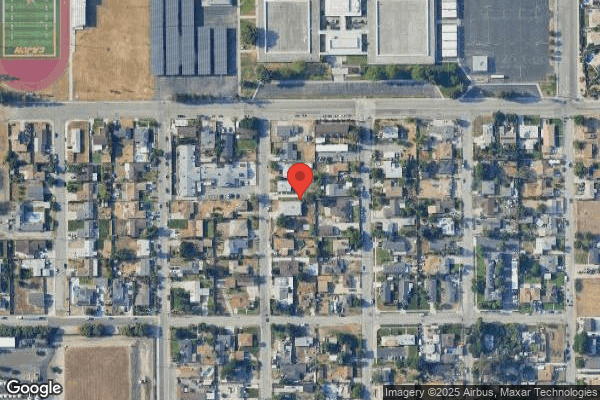
4280 CYPRESS DRIVE, SAN BERNARDINO, CA 92407 (909) 882-2965
For profit - Corporation 59 Beds Independent Data: November 2025
Trust Grade
75/100
#99 of 1155 in CA
Last Inspection: July 2024

Within standard 12-15 month inspection cycle. Federal law requires annual inspections.

Overview

Hillcrest Nursing Home has a Trust Grade of B, indicating it is a good choice for care, though not without its issues. It ranks #99 out of 1,155 facilities in California, placing it in the top half, and #7 out of 54 in San Bernardino County, meaning there are only six local options that are rated higher. Unfortunately, the facility's trend is worsening, as the number of issues found increased from one in 2023 to six in 2024. Staffing is a concern here, with a 3/5 rating and a high turnover rate of 66%, which is significantly above the California average of 38%. On a positive note, there have been no fines recorded, which is a good sign, but the facility has less RN coverage than 98% of state facilities, meaning fewer registered nurses are available to catch potential problems. Specific incidents include unsafe food storage practices, such as cut watermelon and butter stored at unsafe temperatures, and improper food handling that could risk residents' health. Additionally, the kitchen was found to be unsanitary, with issues like food crumbs and improperly stored raw chicken, raising concerns about foodborne illnesses for the residents. Overall, while there are strengths in some areas, significant issues in food safety and staffing warrant careful consideration.

Trust Score
B
75/100
In California
#99/1155
Top 8%
Safety Record
Low Risk
No red flags
Inspections
Getting Worse
1 → 6 violations
Staff Stability
⚠ Watch
66% turnover. Above average. Higher turnover means staff may not know residents' routines.
Penalties
✓ Good
No fines on record. Clean compliance history, better than most California facilities.
Skilled Nurses
⚠ Watch
Each resident gets only 10 minutes of Registered Nurse (RN) attention daily — below average for California. Fewer RN minutes means fewer trained eyes watching for problems.
Violations
⚠ Watch
30 deficiencies on record. Higher than average. Multiple issues found across inspections.
★★★★★
5.0
Overall Rating
★★★☆☆
3.0
Staff Levels
★★★★★
5.0
Care Quality
★★★★☆
4.0
Inspection Score
Stable
2023: 1 issues
2024: 6 issues

The Good

  • 5-Star Quality Measures · Strong clinical quality outcomes
  • Full Sprinkler Coverage · Fire safety systems throughout facility
  • No fines on record

Facility shows strength in quality measures, fire safety.

The Bad

Staff Turnover: 66%

20pts above California avg (46%)

Frequent staff changes - ask about care continuity

Staff turnover is elevated (66%)

18 points above California average of 48%

The Ugly 30 deficiencies on record

Jul 2024 6 deficiencies
CONCERN (D)

Potential for Harm - no one hurt, but risky conditions existed

Deficiency F0578 (Tag F0578)

Could have caused harm · This affected 1 resident

**NOTE- TERMS IN BRACKETS HAVE BEEN EDITED TO PROTECT CONFIDENTIALITY** Based on interview and record review, the facility failed to ensure the code status (emergent treatment options during a life-th...

Read full inspector narrative →
**NOTE- TERMS IN BRACKETS HAVE BEEN EDITED TO PROTECT CONFIDENTIALITY** Based on interview and record review, the facility failed to ensure the code status (emergent treatment options during a life-threatening event) and Advance Directives (written instruction, such as a living will or durable power of attorney for health care, recognized under State law, relating to the provision of health care when the individual is incapacitated), were consistent and accurately documented for two of 12 residents reviewed for Advanced Directives (Residents 15 and 47). These failures had the potential to result in a delay of treatment for Residents 15 and 47 as related to advance directives, or for life sustaining measures to be rendered against what the resident wanted. Findings: 1. During a review of Resident 15's admission Record (contains demographic information), it indicated Resident 15 was admitted to the facility on [DATE], with diagnoses which included hypertension (high blood pressure), asthma (a condition that affects the lung airways), and schizoaffective disorder (a mental health condition that is a mixture of a person seeing things or hearing things that others do not observe as well as having periods of high and low sadness and happiness). During record review of Resident 15's Advance Directives, signed by Resident 15 on October 6, 2023, it indicated Do Not Resuscitate (DNR - tells the health care team that the resident does not want any lifesaving efforts performed). During a review of Resident 15's Code Status in her EHR (Electronic Health Record), it indicated a Full Code (tells the health care team to do any and everything to save your life if the person has no heartbeat and is not breathing). During a concurrent interview and record review with the Director of Nursing (DON), on July 26, 2024, at 10:15 AM, the DON reviewed Resident 15's Advance Directives and compared it with the Code Status on her EHR. The DON stated the Code Status on Resident 15's EHR did not reflect the accurate information of her signed Advance Directives. 2. During a review of Resident 47's admission Record, it indicated Resident 47 was admitted to the facility on [DATE], with diagnoses which included schizoaffective disorder and hypertension. During record review of Resident 47's Advance Directives, signed by Resident 47 on October 6, 2023, it indicated Full Code. During a review of Resident 47's Code Status in her EHR, it indicated Do Not Resuscitate. During a concurrent interview and record review with the DON, on July 26, 2024, at 10:16 AM, the DON reviewed Resident 47's Advance Directives and compared it with the Code Status on her EHR. The DON stated the Code Status on Resident 47's EHR did not reflect the accurate information of her signed Advance Directives. During a follow up interview and record review with the DON, on July 26, 2024, at 10:40 AM, the DON reviewed the facility's policy and procedure (P&P) titled, Advance Directives, revised on September 2022, which indicated Policy Statement: Advance directives are honored in accordance with state law and facility policy .If the Resident Has an Advance Directive .2. The director of nursing services (DNS) or designee notifies the attending physician of advance directive (or changes in advance directives) so that appropriate orders can be documented in the residents medical record and plan of care .4. The plan of care for each resident is consistent with his or her documented treatment preferences and/or advance directive. a. Facility staff are not required to provide care that conflicts with an advance directive. The DON stated the policy was not followed
CONCERN (D)

Potential for Harm - no one hurt, but risky conditions existed

Assessment Accuracy (Tag F0641)

Could have caused harm · This affected 1 resident

**NOTE- TERMS IN BRACKETS HAVE BEEN EDITED TO PROTECT CONFIDENTIALITY** Based on observation, interview, and record review, the facility failed to ensure the Minimum Data Set (MDS- a computerized asse...

Read full inspector narrative →
**NOTE- TERMS IN BRACKETS HAVE BEEN EDITED TO PROTECT CONFIDENTIALITY** Based on observation, interview, and record review, the facility failed to ensure the Minimum Data Set (MDS- a computerized assessment instrument) Assessments were accurately completed to reflect the resident's status, care, and services in the physical restraint (any device or method used to limit a resident's movement) under Section P for one of six residents reviewed for MDS (Resident 43). This failure had the potential to cause inaccuracy in identifying Resident 43's care and support needs. Findings: During a review of Resident 43's admission Record (a document that contains demographic and clinical data), it indicated Resident 43 was admitted to the facility on [DATE], with diagnoses which included paranoid schizophrenia (a serious mental illness) and major depressive disorder (a mental health condition where a person feels very sad or hopeless for a long time). During a review of Resident 43's MDS Quarterly Assessment (an assessment for a resident that must be completed every 3 months), dated July 1, 2024, under Section P0100 titled Physical Restraints, it indicated Resident 43 had physical restraints of bed rails, that were used in bed daily. During a concurrent interview and observation on July 22, 2024, at 9:46 AM, in Resident 43's room, Resident 43 was sitting on the edge of the bed without the full-size bed side rails (barriers attached to the sides of a bed considered a type of restraint if they are used to prevent a resident from getting out of bed, limit the resident's freedom and mobility). Resident 43 stated that she has never had full side rails to prevent her from getting out of bed. During an interview with the Director of Nursing (DON), on July 26, 2024, at 10:15 AM, the DON stated Resident 43 never had any order for restraints. During a concurrent interview and record review with the Administrator/Minimum Data Set Nurse (Admin/MDS Nurse) and DON, on July 26, 2024, at 10:21 AM, the Admin/MDS Nurse and DON reviewed Resident 43's clinical record which indicated Resident 43 did not have restraint order. Furthermore, the Admin/MDS Nurse and DON stated the bed rails as physical restraint should have not been coded. The Admin/MDS Nurse and DON further stated, it was coded in error. During a concurrent interview and record review with the Admin/MDS Nurse and DON, on July 26, 2024, at 10:40 AM, the Admin/MDS Nurse and DON reviewed the facility policy and procedures titled Certifying Accuracy of the Resident Assessment revised November 2019, indicated The information captured on the assessment reflects the status of the resident during the observation (look-back) period for that assessment. The Admin/MDS Nurse and DON stated the facility did not follow the policy. During a review of CMS (The Centers for Medicare & Medicaid Services) RAI manual (Resident Assessment Instrument, this manual provides guidelines and definitions for completing MDS assessment) dated October 2019, it indicated .The RAI process .require that (1) the assessment accurately reflects the resident's status . When the use of physical restraints is considered, thorough assessment of problems to be addressed by restraint use is necessary to determine reversible causes and contributing factors and to identify alternative methods of treating non-reversible issues . Steps for Assessment 1. Review the resident's medical record (e.g., physician orders, nurses' notes, nursing assistant documentation) to determine if physical restraints were used during the 7-day look-back period. 2. Consult the nursing staff to determine the resident's cognitive and physical status/limitations. 3. Considering the physical restraint definition as well as the clarifications listed below, observe the resident to determine the effect the restraint has on the resident's normal function .
CONCERN (D)

Potential for Harm - no one hurt, but risky conditions existed

Infection Control (Tag F0880)

Could have caused harm · This affected 1 resident

Based on observation, interview, and record review, the facility failed to maintain infection control practices when a Certified Nursing Assistance (CNA 4) did not follow facility policy and procedure...

Read full inspector narrative →
Based on observation, interview, and record review, the facility failed to maintain infection control practices when a Certified Nursing Assistance (CNA 4) did not follow facility policy and procedure in handling soiled linen. This failure had the potential to cause and spread infectious disease (disease caused by bacteria, viruses, fungi, or parasites) to 51 residents and staff in the facility. Findings: During a concurrent observation and interview with CNA 4, on July 22, 2024, at 9:21 AM, in Resident 23's room, CNA 4 was holding soiled linen against her body. The soiled linen was in contact with her uniform. CNA 4 stated, I should not be holding it to my uniform; it can cause cross-contamination (transfer of harmful bacteria from one person, object or place to another). During an interview with the Infection Preventionist (IP), on July 23, 2024, at 8:16 AM, the IP stated when holding dirty linen, it must be held away from the body. During a review of the facility's policy and procedure (P&P) titled Laundry and Bedding, Soiled, dated September 2022, it indicated, .5. Staff handled soiled textiles/linens with minimum agitation to avoid the contamination of air, surfaces, and persons. Transport. 1 contaminated linen and laundry bags/containers are not held close to the body or squeezed during transport .
CONCERN (E)

Potential for Harm - no one hurt, but risky conditions existed

Menu Adequacy (Tag F0803)

Could have caused harm · This affected multiple residents

Based on observation, interview, and record review, the facility failed to ensure menus were followed for 21 residents on a regular and Controlled Carbohydrate diet (CCHO- eating the same amount of ca...

Read full inspector narrative →
Based on observation, interview, and record review, the facility failed to ensure menus were followed for 21 residents on a regular and Controlled Carbohydrate diet (CCHO- eating the same amount of carbohydrates every day, to help keep blood sugar, or glucose levels stable) during lunch on July 22, 2024. This failure had the potential for 21 residents on a regular and CCHO diet to have altered nutritional intake and weight loss. Findings: During a review of the Cooks spreadsheet, dated July 22, 2024, the lunch menu indicated the following serving sizes, Salisbury steak: 3 oz (small), 4 oz (regular), 4 oz (large). During an observation of the kitchen's meal preparation and tray line (system of food preparation where hot and/or cold foods are held and served) for lunch on July 22, 2024, at 11:40 AM, with the Dietary Services Supervisor (DSS) and cook, a prepared plate to represent residents on regular and CCHO diet was selected for weight validation. The Cook, along with assistance from the DSS, was asked to remove and weigh the Salisbury steak from the prepared plate using the kitchen food scale. The DSS placed the Salisbury steak on the scale and noted its weight at 3 oz, 1 oz below the menu's provision of 4 oz (for those on a Regular diet). During an interview on July 25, 2024, at 10:39 AM, with the Registered Dietician (RD) and DSS, the RD stated the facility never aims to serve less than what is specified on the menu, but to serve that amount as the minimum. During a review of the facility's policy and procedure (P&P) titled, Regular Diet, dated 2023, the P&P indicated, The regular diet is designed to meet the nutritional needs of residents who do not need dietary modifications or restrictions. Individual preferences or intolerances may necessitate the exclusion of certain food items.
CONCERN (F)

Potential for Harm - no one hurt, but risky conditions existed

Food Safety (Tag F0812)

Could have caused harm · This affected most or all residents

Based on observation, interview, and record review, the facility failed to store and prepare food in accordance with professional standards for food safety when: 1. Cut watermelon and butter were stor...

Read full inspector narrative →
Based on observation, interview, and record review, the facility failed to store and prepare food in accordance with professional standards for food safety when: 1. Cut watermelon and butter were stored in refrigerator at a temperature of 60 degrees Fahrenheit (unit of measurement). 2. Two cracked and chipped spatulas were observed in the kitchen's utensils drawer. 3. The microwave's anti-splatter shield had a layer of food residue. These failures had the potential to cause foodborne illnesses to 51 residents who receive food served by the kitchen. Findings: 1. During a concurrent observation and interview with the Dietary Services Supervisor (DSS) in the kitchen, on July 22, 2024, at 8:31 AM, a tray with individual servings of cut watermelon and a tray containing several quarter-pound sticks of butter was inside the walk-in refrigerator. The temperature of the walk-in refrigerator was 60 degrees Fahrenheit. The DSS stated their walk-in refrigerator stopped functioning around 7:00 AM (One and half hour ago). The walk-in temperature was found to be 19 degrees Fahrenheit above the proper holding temperature of 41 degrees Fahrenheit (or lower). During an interview with the DSS, on July 25, 2024, at 10:39 AM, the DSS stated the cut watermelon and butter needed to be refrigerated at the proper holding temperature (41 degrees Fahrenheit or lower). The DSS further stated both food items were ultimately disposed of and reordered. During a review of the facility's policy and procedure (P&P) titled, Procedure for Refrigerated Storage, dated 2023, the P&P indicated, 1. Refrigerator - 41°F or lower Freezer 0°F or lower to keep food at a specific temperature, the air temperature in the refrigerator usually must be about 2°F lower. For example, to hold chicken at 41°F, the air temperature must be 39°F . During a review of the 2022 Food Code by the U.S. FDA (United States Food and Drug Administration), dated 2022, the 2022 Food Code indicated, 3-202.11 Temperature (A) Except as specified in (B) of this section, refrigerated, TIME/TEMPERATURE CONTROL FOR SAFETY FOOD shall be at a temperature of 5°C (41°F) or below when received. 2. During a tour of kitchen, with the DSS, on July 22, 2024, at 8:54 AM, an observation of the kitchen's utensils drawer was conducted. Two spatulas, which were inside the drawer, were inspected. Pieces of the rubber parts of the spatulas were missing and cracked, while one was also discolored. During an interview with the DSS, on July 25, 2024, at 10:43 AM, the DSS stated broken utensils are to be replaced upon discovery of damage. During a review of the facility's P&P titled, Sanitation, dated 2023, the P&P indicated . 11. All utensils, counters, shelves, and equipment shall be kept clean, maintained in good repair and shall be free from breaks, corrosions, open seam, cracks, and chipped areas During a review of the 2022 Food Code by the United States (U.S.) Food and Drug Administration (FDA), dated 2022, the 2022 Food Code indicated 4-101.11 Characteristics. Materials that are used in the construction of UTENSILS and FOOD-CONTACT SURFACES of EQUIPMENT may not allow the migration of deleterious substances or impart colors, odors, or tastes to FOOD and under normal use conditions shall be: (A) Safe; (B) Durable, CORROSION-RESISTANT, and nonabsorbent; (C) Sufficient in weight and thickness to withstand repeated WAREWASHING; (D) Finished to have a SMOOTH, EASILY CLEANABLE surface; and (E) Resistant to pitting, chipping, crazing, scratching, scoring, distortion, and decomposition. Multiuse equipment is subject to deterioration because of its nature, i.e., intended use over an extended period of time. Certain materials allow harmful chemicals to be transferred to the food being prepared which could lead to foodborne illness. In addition, some materials can affect the taste of the food being prepared. Surfaces that are unable to be routinely cleaned and sanitized because of the materials used could harbor foodborne pathogens. Deterioration of the surfaces of equipment such as pitting may inhibit adequate cleaning of the surfaces of equipment, so that food prepared on or in the equipment becomes contaminated. 3. During an observation of the kitchen, with the DSS, on July 22, 2024, at 8:51 AM, the facility's microwave was inspected. The microwave's anti-splatter shield, which was inside the microwave, had a layer of old and hardened brown food residue spanning the inner upmost portion of the shield. During an interview with the DSS, on July 25, 2024, at 10:41 AM, the DSS stated the anti-splatter shield should be cleaned after service prior to its next use. During a review of the facility's P&P titled, Sanitation, dated 2023, the P&P indicated . 11. All utensils, counters, shelves, and equipment shall be kept clean, maintained in good repair and shall be free from breaks, corrosions, open seam, cracks, and chipped areas . During a review of the 2022 Food Code by the U.S. FDA, dated 2022, the 2022 Food Code indicated . 4-601.11 Equipment, Food-Contact Surfaces, Nonfood-Contact Surfaces, and Utensils (C) Non-FOOD-CONTACT SURFACES of EQUIPMENT shall be kept free of an accumulation of dust, dirt, FOOD residue, and other debris .
MINOR (B)

Minor Issue - procedural, no safety impact

Deficiency F0912 (Tag F0912)

Minor procedural issue · This affected multiple residents

**NOTE- TERMS IN BRACKETS HAVE BEEN EDITED TO PROTECT CONFIDENTIALITY** Based on observation, interview, and record review, the facility failed to ensure three out of thirty-one rooms (Rooms 29, 31 an...

Read full inspector narrative →
**NOTE- TERMS IN BRACKETS HAVE BEEN EDITED TO PROTECT CONFIDENTIALITY** Based on observation, interview, and record review, the facility failed to ensure three out of thirty-one rooms (Rooms 29, 31 and 32) had the required 80 square feet of space for each resident when: 1. For room [ROOM NUMBER], the room measured 152.83 sq ft (square feet) = 76.41 sq.ft. each. 2. For room [ROOM NUMBER], the room measured 140 sq ft. =70 sq. ft each. 3. For room [ROOM NUMBER], the room measured 141.67 sq ft= 70.83 sq ft each. This failure has the potential to limit the freedom of movement for the residents that occupied the rooms, which could place them at risk for injury. Findings: 1. During a concurrent observation on July 25, 2024, at 3:20 PM, in room [ROOM NUMBER], the following were noted: a. Bed A was located against the wall near the entrance of the room, occupied by Resident 39. Resident 39 was lying on his bed and had a walker (device to help residents walking independently) located next to his bed. b. Bed B was located against the wall near the window, occupied by Resident 48. Resident 48 was walking independently around the room. 2. During an observation on July 25, 2024, at 3:25 PM, in room [ROOM NUMBER], the following were noted: a. Bed A was located against the wall near the entrance door, occupied by Resident 43. Resident 43 was lying in her bed and had a walker located next to her bed. b. Bed B was located against the wall near the window, occupied by Resident 40. Resident 40 was lying in her bed and had a wheelchair (mobility device designed to assist people who have difficulty walking or are unable to walk), placed at the end of the bed. 3. During an observation on July 25, 2024, at 3:35 PM, in room [ROOM NUMBER], the following were noted: a. Bed A was located against the wall near the entrance door, occupied by Resident 37. Resident 37 was lying in his bed and had a wheelchair, placed at the end of the bed. b. Bed B was located against the wall near the window, occupied by Resident 4. Resident 4 was lying in his bed and had a wheelchair, placed at the end of the bed. During an observation on July 25, 2024, at 3:45 PM, with the Maintenance Supervisor (MS), the room measurements were completed as follows: a. room [ROOM NUMBER] (2 beds): 10'11 x 14' = 152.83 square feet (76.4 square feet per resident) b. room [ROOM NUMBER] (2 beds): 10' x 14' = 140 square feet (70 square feet per resident) c. room [ROOM NUMBER] (2 beds): 10' x 14'2 = 141.67 square feet (70.8 square feet per resident) During a concurrent interview and record review with the Administrator (Admin), on July 25, 2024, at 3:55 PM, the Admin reviewed the facility's letter addressed to the California Department of Public Health Applications Unit, dated January 21, 2024, which indicated the facility requested a room waiver for rooms [ROOM NUMBER]. The Admin stated the annual room waiver request was submitted in January 2024. During the survey, the residents occupying Rooms 29, 31 and 32 were interviewed and had no complaints with regards to the size and the space of their rooms. During the survey, observations of rooms Rooms 29, 31 and 32 were conducted. The rooms were not crowded and did not impose any safety hazards to the residents that occupied the rooms. The survey team recommends the approval of the room waiver request for the rooms listed in this deficiency.
May 2023 1 deficiency
CONCERN (D) 📢 Someone Reported This

A family member, employee, or ombudsman was alarmed enough to file a formal complaint

Potential for Harm - no one hurt, but risky conditions existed

Notification of Changes (Tag F0580)

Could have caused harm · This affected 1 resident

**NOTE- TERMS IN BRACKETS HAVE BEEN EDITED TO PROTECT CONFIDENTIALITY** Based on interview and record review, the facility failed to notify the Responsible Person (RP) for one of three residents (Resi...

Read full inspector narrative →
**NOTE- TERMS IN BRACKETS HAVE BEEN EDITED TO PROTECT CONFIDENTIALITY** Based on interview and record review, the facility failed to notify the Responsible Person (RP) for one of three residents (Resident 1) of a change in medical condition when Resident 1 lost weight while in the facility. This failure resulted in Resident 1's RP being uninformed and unaware of Resident 1's significant weight loss. Findings An abbreviated survey was conducted on April 18, 2023, at 12:09 PM, to investigate a complaint related to Quality of Care During a review of Resident 1's clinical record, the face sheet (contains demographic and medical information), indicated Resident 1 was admitted on [DATE], with diagnoses which included: Schizophrenia (interpret reality abnormally), Alzheimer ' s (gradual decline in memory), diabetes (high blood sugar). During a review of the Weight Summary (WS) for Resident 1, dated January 9, 2023, at 2:32 PM, the WS indicated: 1. On January 9, 2023, Resident 1 weighed 86.5 pounds (lb.). 2. On December 20, 2022, Resident 1 weighed 92 pounds which indicated a 5.5 lb. weight loss. (5.5%) 3. On July 4, 2022, Resident 1 weighed 98 pounds which indicated a 11.5 lb. weight loss (11.7%). Resident 1 ' s weight summary indicated Resident 1 had significant weight loss. During a concurrent interview and record review of Resident 1 ' s medical record with Licensed Vocational Nurse 1 (LVN 1), on April 18, 2023, at 2:02 PM, LVN 1 stated, There is nothing in Resident 1 ' s chart to say we notified the responsible person (RP) of the weight loss. We should have notified the RP as soon as the notification of weight loss was received. The facility could not provide documentation to indicate the RP was called regarding Resident 1 ' s continued weight loss. During an interview with the Administrator on April 18, 2023, at 2:35 PM, Administrator stated, When I spoke to the RP, I told her that she wasn ' t notified of the weight loss. The Administrator stated further, I reminded the Director of Nursing (DON) that the RP should have been told that Resident 1 was losing weight. I told the (DON) that we need to notify the family. The RP should have been notified of the weight changes. The facility could not provide documentation that the responsible person was notified of the weight loss. A review of the facility ' s policy and procedure (P&P) titled, Weight Assessment and Intervention dated September 2008 indicated the multidisciplinary team will strive to prevent, monitor, and intervene for undesirable weight loss for our residents. Weight Assessment .6. The threshold for significant unplanned and undesired weight loss will be based on the following criteria: a. 1 month – 5% weight loss is significant: greater than 5% is severe. B. 3 months – 7.5% weight loss is significant; greater than 7.5% is severe. C. 6 months – 10% weight loss is significant; greater than 10% is severe. A review of the facility ' s policy and procedure (P&P) titled, Change in a Residents condition or status dated February 2021 indicated Our facility promptly notifies the resident, his or her attending physician, and the resident representative of changes in the resident ' s medical/mental condition and/or status (e.g., changes in level of care, resident rights, etc.) .2. A significant change of condition is a major decline or improvement in the resident ' s status that: a. will not normally resolve itself without intervention by staff or by implementing standard disease related clinical intervention .
Mar 2022 11 deficiencies
CONCERN (D)

Potential for Harm - no one hurt, but risky conditions existed

Comprehensive Assessments (Tag F0636)

Could have caused harm · This affected 1 resident

Based on staff interviews and record reviews, the facility failed to ensure an annual (a comprehensive assessment for a resident that must be completed on an annual basis) Minimum Data Set (MDS- a com...

Read full inspector narrative →
Based on staff interviews and record reviews, the facility failed to ensure an annual (a comprehensive assessment for a resident that must be completed on an annual basis) Minimum Data Set (MDS- a computerized assessment tool) assessment for one of five residents (Resident 6) selected to be reviewed for resident assessments. This failure had the potential to cause a delay in identifying care and support needs for Resident 6. Findings: A review of the facility document titled, admission Record (a document that contains demographic and clinical data), indicated, Resident 6 original admission date to the facility was on June 14, 2017. A review of the MDS assessments for Resident 6 revealed the last annual assessment was completed on January 28, 2021, followed with: a. Quarterly assessment April 30, 2021 b. Quarterly assessment July 23, 2021 c. Quarterly assessment October 23, 2021 No other MDS assessments had been completed since October 23, 2021 During a concurrent interview and record review on March 3, 2022, at 3:00 PM, with the Administrator/MDS nurse (minimum data set nurses = nurses assess, monitor, and document patients' health), the Administrator/MDS nurse confirmed that no other MDS assessments had been completed since October 23, 2021. The Administrator/MDS nurse further stated, she missed completing the annual assessment for Resident 6 and it should have been completed in January 2022. During record review on March 3, 2022, at 3:30 PM, of the facility policy and procedures (P&P) titled Resident Assessment, reviewed and updated on January 28, 2022, indicated, The Resident Assessment Coordinator is responsible for ensuring that the Interdisciplinary Team conducts timely and appropriate resident assessments and reviews according to the following requirements: a. OBRA required assessments - conducted for all residents in the facility: . (4). Annual Assessment (Comprehensive) - Conducted not less than once every twelve (12) months; .
CONCERN (D)

Potential for Harm - no one hurt, but risky conditions existed

Deficiency F0638 (Tag F0638)

Could have caused harm · This affected 1 resident

**NOTE- TERMS IN BRACKETS HAVE BEEN EDITED TO PROTECT CONFIDENTIALITY** Based on record reviews and staff interviews, the facility failed to ensure a quarterly (a quarterly review for resident that mu...

Read full inspector narrative →
**NOTE- TERMS IN BRACKETS HAVE BEEN EDITED TO PROTECT CONFIDENTIALITY** Based on record reviews and staff interviews, the facility failed to ensure a quarterly (a quarterly review for resident that must be completed every 3 months) Minimum Data Set (MDS- a computerized assessment tool) assessment for two of five residents (Resident 3 and Resident 4) selected to be reviewed for resident assessments. This failure had the potential to cause a delay in identifying care and support needs for Resident 3 and Resident 4. Findings: A review of the facility document titled, admission Record (a document that contains demographic and clinical data), indicated, Resident 3 was admitted to the facility on [DATE]. A review of the Minimum Data Set (MDS) assessments for Resident 3 revealed the last assessment completed was a quarterly assessment completed on September 20, 2021. No other MDS assessments had been completed since September 20, 2021. During a concurrent record review and interview on March 3, 2022, at 2:30 PM, with the Administrator/MDS nurse (minimum data set nurses = nurses assess, monitor, and document patients' health), the Administrator/MDS nurse confirmed that no other MDS assessments had been completed since September 20, 2021, and during interview she stated she missed completing the quarterly assessment for Resident 3 and it should have been completed in December 2021. A review of the facility document titled, admission Record, the admission Record indicated, Resident 4's original admission date to the facility was on February 20, 2019. A review of the MDS assessments for Resident 4 revealed the last assessment completed was a quarterly assessment completed on October 04, 2021. No other MDS assessments had been completed since October 04, 2021. During a concurrent record review and interview on March 3, 2022, at 2:50 PM, with the Administrator/MDS nurse, the Administrator/MDS nurse confirmed that no other Quarterly MDS assessments had been completed since October 04, 2021, and during interview she stated she missed completing the quarterly assessment for Resident 4 and it should have been completed in January 2022. During record review on March 3, 2022, at 3:20 PM, of the facility policy and procedures title Resident Assessment, reviewed and updated on January 28,2022 indicated, The Resident Assessment Coordinator is responsible for ensuring that the Interdisciplinary Team conducts timely and appropriate resident assessments and reviews according to the following requirements: a. OBRA required assessments - conducted for all residents in the facility: . (2). Quarterly Assessment - Conducted not less frequently than three (3) months following the most recent OBRA assessment of any type.
CONCERN (D)

Potential for Harm - no one hurt, but risky conditions existed

Assessment Accuracy (Tag F0641)

Could have caused harm · This affected 1 resident

**NOTE- TERMS IN BRACKETS HAVE BEEN EDITED TO PROTECT CONFIDENTIALITY** Based on record review and interview, the facility failed to ensure Minimum Data Set (MDS- a computerized assessment instrument)...

Read full inspector narrative →
**NOTE- TERMS IN BRACKETS HAVE BEEN EDITED TO PROTECT CONFIDENTIALITY** Based on record review and interview, the facility failed to ensure Minimum Data Set (MDS- a computerized assessment instrument) Assessments were completed to accurately reflect the resident's status, care and services, in the area of active diagnosis for one of two sampled residents (Resident 505) reviewed. This failure had the potential to cause inaccuracy in identifying resident 505's care and support needs. Findings: A review of the facility document titled, admission Record (a document that contains demographic and clinical data), indicated, Resident 505 was admitted to the facility on [DATE], with diagnoses which included Alzheimer's disease with early onset (It causes problems with memory, thinking and behavior). During a concurrent interview and record review on March 2, 2022, at 9:35 AM, of Resident 505's electronic clinical records, titled Progress Note-Monthly Medical-new admit, dated January 18, 2022, and interview with the Administrator/MDS nurse (minimum data set nurses = nurses assess, monitor, and document patients' health) confirmed record indicated Assessments .1. Alzheimer's disease with early onset . as one of the Resident 505's diagnosis. During a concurrent interview and record review on March 2, 2022, at 9:45 AM, with the Administrator/MDS nurse, Resident 505's electronic clinical records, titled Progress Note-Monthly Medical-progress notes dated September 01, 2021, were reviewed. The Administrator/MDS nurse confirmed record indicated Assessments .1. Alzheimer's disease with early onset . as one of the Resident 505's diagnosis. During a concurrent interview and record review on March 2, 2022, at 9:55 AM, with the Administrator/MDS nurse, Resident 505's electronic clinical records were reviewed. The Administrator/MDS nurse confirmed the Annual MDS assessment (a comprehensive assessment for a resident that must be completed on an annual basis) dated February 1, 2022, on active diagnosis indicated Alzheimer's disease was not marked as one of the active diagnoses to reflect the status of Resident 505. The Administrator/MDS nurse stated, It should be marked as one of active diagnosis, I missed it and didn't mark it. During record review on March 2, 2022, at 2:20PM, of the facility policy and procedures titled Certifying Accuracy of the Resident Assessment reviewed and updated January 28, 2022, indicated, The information captured on the assessment reflects the status of the resident during the observation (look-back) period for that assessment.
CONCERN (D)

Potential for Harm - no one hurt, but risky conditions existed

Comprehensive Care Plan (Tag F0656)

Could have caused harm · This affected 1 resident

Based on interview and record review, the facility failed to ensure a Bowel and Bladder care plan was developed to meet and address the needs and goals for one out of five sampled residents (Resident ...

Read full inspector narrative →
Based on interview and record review, the facility failed to ensure a Bowel and Bladder care plan was developed to meet and address the needs and goals for one out of five sampled residents (Resident 5). This failure has the potential to prevent Resident 5 from reaching his maximum functional capability and/or prevent any complications that may arise from bowel and bladder incontinence (the lack of voluntary control to hold bowel [stool] and bladder [urine].) Findings: During an interview on March 2, 2022, at 8:24 AM, with Certified Nurse Assistant 1 (CNA 1) identified Resident 5 as one of the residents assigned to her who was incontinent of bowel and bladder. CNA 1 stated that Resident 5 used the call light if he needed to be changed, but the resident was sometimes unaware if he was wet. During a concurrent interview and record review on March 2, 2022, at 8:50 AM, with the Director of Nursing (DON), the DON stated Resident 5 was incontinent of both bowel and bladder according to the Minimum Data Set (MDS-comprehensive assessment of each resident's functional capabilities and helps nursing home staff identify health problems). The same MDS shows that Resident 5 has a Brief Interview for Mental Status score of 00 (BIMS-used to assess cognitive status in elderly patients, wherein a score of 0-7 is severe cognitive impairment, 8-12 is moderate impairment and 13-15 is intact cognitive response). The DON stated, Resident 5 was dependent on staff for toileting needs. The DON stated a care plan should have been developed for Resident 5. During a concurrent interview and record review on March 3, 2022, at 4:50 PM, with the Director of Nurses (DON), the facility's policy and procedure (P&P) titled, Care Plans, Comprehensive Person-Centered, revised December 2016, was reviewed. The P&P indicated, .1. The Interdisciplinary Team (IDT- a group of clinical staff), in conjunction with the resident and his/her family or legal representative, develops and implements a comprehensive, person-centered care plan for each resident. The DON stated that the facility did not follow their policy.
CONCERN (D)

Potential for Harm - no one hurt, but risky conditions existed

Deficiency F0726 (Tag F0726)

Could have caused harm · This affected 1 resident

Based on observation, interview, and record review, the facility failed to ensure staff demonstrate the ability to carry out an activity that is within the scope of practice a staff is certified to pe...

Read full inspector narrative →
Based on observation, interview, and record review, the facility failed to ensure staff demonstrate the ability to carry out an activity that is within the scope of practice a staff is certified to perform when Certified Nurse Assistant 3 (CNA 3) gave Resident 5 a lunch tray that belonged to another resident. This failure to demonstrate competency had the potential for a diminished quality of service and care for one of five sampled residents (Resident 5). Findings: During an observation on February 28, 2022, at 11:55 AM, CNA 3 was observed distributing lunch meal trays for residents at the dining area. Resident 5 started eating after CNA 3 placed his lunch tray in front of the resident. The diet card (a card that has information on the type of diet that is specific for a resident) on Resident 5's tray indicated the meal he was eating belonged to another resident. During an interview on February 28, 2022, at 12:05 PM, with CNA 3, stated Resident 5 has the same first name as Resident 24, which caused her to distribute the meal tray by mistake. CNA 3 further stated, I should have double-checked the full name that was on the diet card. During a record review on March 3, 2022, at 4:00 PM, the diet order for Resident 5 indicated mechanical soft texture (food that is prepared in a way that makes it easy to eat without having to bite or chew a lot) and Resident 24 was on a regular diet (There is no restriction on type or texture of food.) Resident 5, who had the same first name as Resident 24, was provided with a regular diet tray instead of his mechanical soft diet tray. During a concurrent interview and record review on March 3, 2022, at 4:50 PM, the facility's policy and procedure on the job description, titled, Hillcrest Nursing Home Certified Nurse Aide, revised April 11, 2007, indicated, Essential Duties: .19. Prepare residents for meals. Assist serving food trays or feeds as necessary . The DON stated the CNA 3 did not demonstrate competency when the wrong food tray was served to Resident 5.
CONCERN (D)

Potential for Harm - no one hurt, but risky conditions existed

Infection Control (Tag F0880)

Could have caused harm · This affected 1 resident

Based on observation, interview, and record review, the facility failed to ensure infection prevention and control measures when: 1. A Certified Nurse Assistant (CNA 1) did not remove gloves and obser...

Read full inspector narrative →
Based on observation, interview, and record review, the facility failed to ensure infection prevention and control measures when: 1. A Certified Nurse Assistant (CNA 1) did not remove gloves and observe hand hygiene after handling soiled linens, and before placing clean new ones on resident's bed. This failure had the potential to spread contaminants present from the soiled linens onto the clean new ones, that could potentially harm one unsampled resident (Resident 19). 2. A Housekeeping Aide 1 (HA 1) placed an undisinfected container of sanitizing wipes on top of one dining table that was disinfected in preparation for the lunch meal. This had the potential to spread pathogens to residents who use the dining table for eating meals. Findings: 1. During a concurrent observation and interview on February 28, 2022, at 8:53 AM, CNA 1 was observed wearing gloves while removing the dirty linens from the bed of Resident 19 and placed the dirty linens inside the soiled linen barrel. CNA 1 then placed a new pillowcase using the same gloves she used to handle the dirty linen and the soiled linen barrel. CNA 1 stated, I should have removed the gloves and washed my hands or used sanitizer before touching the clean linens. During a concurrent interview and record review on March 3, 2022, at 4:50 PM, with the Director of Nurses (DON), the facility's policy and procedure (P&P) titled, Bed, Making an Unoccupied, revised February 2018, was reviewed. The P&P indicated, .Steps in the Procedure: 1. Wash and dry your hands thoroughly. 2. Wear clean gloves . The same policy indicated, Removing Soiled Linen: .9. Remove gloves and discard into designated container. 10. Wash and dry your hands thoroughly. The DON further stated that hand hygiene should have been done before handling the clean linens to be used for resident's bed. 2. During an observation on February 28, 2022, at 11:20 AM, the HA 1 was observed to disinfect the dining tables located at the dining area. After wiping the tables with bleach germicidal wipes (ready to use cleaner disinfectant), the HA 1 was observed to place the container of the wipes on top of the table he just finished disinfecting. The bottom of the container was observed to be dirty and scratched, with more dirt settled in those scratch marks. The HA 1 stated that the container was not disinfected and should have not been placed on top of the dining table that was just disinfected. During a concurrent interview and record review on March 3, 2022, at 4:50 PM, with the DON, the facility's policy and procedure (P&P) titled, Cleaning and Disinfection of Environmental Surfaces, revised August 2019, was reviewed. The P&P indicated, Environmental surfaces will be cleaned and disinfected according to current CDC (Center for Disease Control) recommendations for disinfection of healthcare facilities . The DON stated while the dining tables were disinfected, the container of the wipes was considered dirty and should have not been placed on top of the table, which caused the dining table to be considered unsanitary again.
CONCERN (D)

Potential for Harm - no one hurt, but risky conditions existed

Smoking Policies (Tag F0926)

Could have caused harm · This affected 1 resident

Based on observation, interview, and record review, the facility failed to ensure safety practices related to residents smoking for two of two residents (Resident 33 and 38), when Residents 33 and 38 ...

Read full inspector narrative →
Based on observation, interview, and record review, the facility failed to ensure safety practices related to residents smoking for two of two residents (Resident 33 and 38), when Residents 33 and 38 were observed smoking without supervision. This failure has the potential to place Resident 33 and 38 at risk for burns. Findings: During a concurrent observation and interview on February 28, 2022, at 12:36 PM, in the smoking patio, Residents 33 and 38 were observed sitting on a chair, smoking, without staff supervision. Resident 33 stated she was aware she needs to smoke under supervision and the staff will come later to check on us. Resident 38 acknowledged he was smoking without supervision. During an interview on February 28, 2022, at 12:41 PM, with the Director of Nurses (DON), the DON verbalized that staff must supervise residents when they are smoking during the seven smoking breaks scheduled. During an interview on March 2, 2022, at 3:05 PM, with a Certified Nurse Assistant (CNA 2), the CNA 2 verbalized any resident who needs to smoke, shall always be supervised while smoking in the designated area. During an interview on March 3, 2022, at 8:07 AM, with a Certified Nurse Assistant (CNA 1), the CNA 1 verbalized that residents must be supervised during smoking to prevent injuries. During a review of Resident 33's admission Record (clinical record with demographic information), dated March 3, 2022, the admission Record indicated, Resident 33 was admitted into the facility on September 9, 2019, with diagnoses which include bipolar disorder (a mental condition that causes changes in person's mood), anxiety disorder, hypertension (high blood pressure), diabetes (a condition when the body cannot control blood sugar), transient cerebral ischemic attack (brief stroke-like attack), hyperlipidemia (elevated fat in the blood), insomnia. During a review of Resident's 33's Smoking-Safety Screen (screening), dated June 7, 2021, the screening indicated Resident 33 needed to smoke with supervision. During a review of Resident 38's admission Record, dated March 3, 2022, the admission Record indicated, Resident 38 was admitted into the facility on December 27, 2021, with diagnoses which include schizophrenia (mental disorder in which people interpret reality abnormally), psychosis (symptom characterized by delusions or hallucinations), hypothyroidism (low thyroid hormone), convulsions, hyperlipidemia (elevated fat in the blood), nicotine dependence. During a review of Resident's 38's Smoking-Safety Screen, dated December 27, 2021, the screening indicated Resident 38 needed to smoke with supervision. During a concurrent interview and record review on March 3, 2022, at 11:40 AM, with the Director of Nurses (DON), the facility's policy and procedure (P&P) titled, Smoking Policy-Residents, revised July 2017, was reviewed. The P&P indicated, .11. Any resident with restricted smoking privileges requiring monitoring shall have the direct supervision of a staff member, family member, visitor or volunteer worker at all times while smoking. The DON stated the facility did not follow the policy.
CONCERN (E)

Potential for Harm - no one hurt, but risky conditions existed

Transfer Requirements (Tag F0622)

Could have caused harm · This affected multiple residents

Based on interview and record review, the facility failed to ensure the Notice of Transfer/Discharge forms were complete for three of three sampled residents (Residents 41, 43 and 55). This failure le...

Read full inspector narrative →
Based on interview and record review, the facility failed to ensure the Notice of Transfer/Discharge forms were complete for three of three sampled residents (Residents 41, 43 and 55). This failure led to incomplete discharge records for Residents 41, 43, and 55, who were discharged to a psychiatric hospital to be evaluated for depression, however, the Notice of Transfer/Discharge was not completed per the facility's policy and procedure. Findings: During a record review on March 3, 2022, at 1:30 PM, of the discharge record for Resident 41, the document title Notice of Transfer/Discharge, dated January 10, 2022, indicated, Resident 41 was sent to a psychiatric hospital for evaluation of increased depression, was incomplete. The following areas were not completed: 1. There was no date of Notification on the Notice of Transfer/Discharge form. 2. There were no boxes checked for the reason why the transfer/discharge was necessary. 3. There was no contact information for the resident on obtaining an appeal form and who to contact for hearing request. 4. There was no resident/representative signature. The client was self-responsible and should have signed the form. 5. There was no indication of a copy being sent to the State LTC (Long term care) Ombudsman Office and date. During a record review on March 3, 2022, at 2:30 PM, of the nurses' notes in the discharge record of Resident 41, the resident was agreeable to the transfer/discharge to [name of the psychiatric hospital]. The resident was transferred for an evaluation by psychiatry for having an increase in depression. During a record review on March 3, 2022, at 3:10 PM, of the discharge record for Resident 43, the document titled Notice of Transfer/Discharge, dated January 10, 2022, was incomplete. The following areas were not completed: 1. There were no boxes checked for the reason why the transfer/discharge was necessary. 2. There was no contact information for the resident on obtaining assistance (if needed) for obtaining and completing and submitting an appeal form and hearing request. 3. There was no contact information written for resident to contact the State LTC Ombudsman Office, the State Agency for the Developmentally Disabled, or the State Agency for the Mentally Ill. 4. There was no resident/representative signature. The client was self-responsible and should have signed the form. 5. There was no indication of a copy being sent to the State LTC Ombudsman Office and date. During a record review of the nurses' notes in the discharge record of Resident 43, the resident was agreeable to the transfer/discharge to [name of hospital] for evaluation of depression. During a record review on March 3, 2022, at 3:45 PM, of the discharge record for Resident 55, the document titled Notice of Transfer/Discharge Notice, dated December 21, 2021, was incomplete. The following areas were not completed: 1. There were no boxes checked for the reason why the transfer/discharge was necessary. 2. There was no contact information for the resident on obtaining assistance (if needed) for obtaining and completing and submitting an appeal form and hearing request. 3. There was no resident/representative signature. The resident is self-responsible and should have signed the form. 4. There was no indication of a copy being sent to the State LTC Ombudsman Office and date. During a record review of the nurses' notes in the discharge record of Resident 55, the resident was agreeable to the transfer/discharge to [name of psychiatric hospital]. During a concurrent interview and record review with the Director of Nurses (DON), on March 3, 2022, at 4:15 PM, of the Facility's Policy and Procedure (P&P), titled Transfer or Discharge Documentation, revised December 2016, was reviewed. The P&P indicated, .4. When a resident is transferred or discharge from the facility, the following information will be documented in the medical record: a. The basis for the transfer or discharge: (1) If the resident is being transferred or discharged because his or her needs cannot be met at the facility, documentation will include: (a) the specific resident needs that cannot be met (b) this facility's attempt to meet these needs; and (c) the receiving facility's service(s) that are available to meet those needs. b. That an appropriate notice was provided to the resident and/or legal representative c. The date and time of the transfer or discharge; d. The new location of the resident; e. The mode of transportation; f. A summary of the resident's overall medical, physical, and mental condition. The DON stated that the Notice of Transfer/Discharge had not been completed for Residents 41, 43 and 55.
CONCERN (E)

Potential for Harm - no one hurt, but risky conditions existed

Menu Adequacy (Tag F0803)

Could have caused harm · This affected multiple residents

Based on observation, interview, and record review, the facility failed to ensure that the menus were followed when: 1. Thirty three out of fifty-four residents were on a regular, No Added Salt (NAS),...

Read full inspector narrative →
Based on observation, interview, and record review, the facility failed to ensure that the menus were followed when: 1. Thirty three out of fifty-four residents were on a regular, No Added Salt (NAS), and low-fat/ low cholesterol diet and received the incorrect dessert for lunch on February 28, 2022. 2. Nine out of fifty- four residents on a large portion diet received four ounces of milk instead of eight ounces of milk for lunch on February 28, 2022. These failures had the potential to decrease the nutritional intake and meal satisfaction for the 54 residents who are immuno-compromised. Findings: 1.During a concurrent observation and interview on February 28, 2022, at 11:32 AM, with a Dietary Aide (DA) in the kitchen during tray line, green Jell-o with whipped cream was served to all the residents. The DA stated that everyone gets the same dessert. During a follow-up interview with the Certified Dietary Manager (CDM), on February 28, 2022, at 3:39 PM, the CDM confirmed that all residents received the diet citrus chiffon delight/whipped gelatin with one tablespoon whipped topping. During a record review of the Winter Menus Week 1 Monday (WM), dated February 28, 2022, the WM indicated that the regular, NAS, and low fat/low cholesterol diets were to receive Citrus Chiffon Delight/ Whipped Gelatin with one tablespoon whipped topping. The residents on a CCHO (carbohydrate-controlled diet for residents with diabetes, a disease that affects how the body uses blood sugar) were to receive DIET Citrus Chiffon Delight/Whipped Gelatin with one tablespoon whipped topping. During a record review of the Recipe: Citrus Chiffon Delight, dated week 1 Monday, indicated May give to the following special diets: 2GM (gram) NA(sodium)/ Low salt, low fat/low cholesterol, mechanical soft (Prepared to require minimal chewing)/ pureed( Blended to pudding consistency)/ dysphagia(difficulty shallowing). During a record review of the facility document titled, Diet Type Report, dated March 1, 2022, thirty-three residents were on regular, NAS, low fat/ low cholesterol, and fortified diet. 2. During tray line observation on February 28, 2022, at 11:32 AM, four ounces of milk were given instead of eight ounces to residents on large portions. During a record review of the Cooks Spreadsheet: Winter Menus Week 1 Monday (WM), dated February 28, 2022, indicated that small and regular portions were to receive four ounces of milk, and large portions were to receive eight ounces of milk. During a record review of the facility document titled, Diet Type Report, dated March 1, 2022, indicated, nine residents were on large portions. During a record review of the facility's policy titled, Portion Sizes, dated 2018, indicated, Various portion sizes of the food will be available to better meet the needs of the residents .the small and large portion servings will be served as printed on the cook's spreadsheets for every meal.
CONCERN (F)

Potential for Harm - no one hurt, but risky conditions existed

Food Safety (Tag F0812)

Could have caused harm · This affected most or all residents

Based on observation, interview, and record review, the facility failed to ensure safe and sanitary food preparation and storage areas were maintained, as well as safe and sanitary practices were main...

Read full inspector narrative →
Based on observation, interview, and record review, the facility failed to ensure safe and sanitary food preparation and storage areas were maintained, as well as safe and sanitary practices were maintained in the kitchen when: 1. The ice machine was not kept in a clean and sanitary condition, which put 54 Residents, who used or ingested ice from this machine, at risk for foodborne illness (illness acquired from ingesting contaminated food). 2. There were food crumbs and miscellaneous items in an enclosed area on a countertop that had the potential to promote bacteria growth within this area as well as attract microorganism (small organisms which have the potential to cause disease) carrying pests. 3. The floor under the deep fryer had food crumbs and trash that had the potential to attract microorganism carrying pests. 4. There was raw chicken that was thawing stored over previously cooked chicken, which had the potential to contaminate the cooked chicken and cause foodborne illness. The facility's failures to ensure a safe and sanitary food preparation and storage area resulted in the increased risk of resident harm related to disease causing microorganisms contaminating the residents' food which could cause food-borne illness to a population of 54 immuno-compromised (having an impaired ability to fight disease) residents who received food from the kitchen. Findings: 1. During a concurrent observation and interview with the Maintenance Supervisor (MS) and the Certified Dietary Manager (CDM), on February 28, 2022, at 8:45 AM, the top/ceiling of the ice machine chute were observed to have black, hard deposits. The back wall of the ice chute and the area where ice is formed within the machine had a black material build-up on the wall that could be wiped off with a paper towel. The Storage Bin Drain Tube, which is a clear tube that drains water from the ice bin, was observed to have a black material build-up within the inside of the tube . When the tube was removed, the noted black material had a slimy in consistency within the inside surface of the tube and this slime that adhered to the tube also extended to where it entered the ice bin. Additionally, the ice bin storage area, which is the area under the ice bin, had noodles noted littered on the bottom. The tray that collected the water that drained from the ice storage bin through the storage bin drain tube, had food crumbs and debris observed. The CDM stated that a company comes out to the facility two (2) times per year to clean the ice machine. The MS stated that he cleans the inside of the ice machine as well as where water drains, twice a month with hot water and a clean cloth . He stated, they rely on the contract company to do the deep cleaning. The last time he cleaned the ice machine was on February 25, 2022, three days prior to the observation and interview. During a follow up interview with the Certified Dietary Manager (CDM) on February 28, 2022, at 9:00 AM, she stated she has been working at the facility since January 2022. She stated that the ice machine cleaning schedule will need to be adjusted for more frequent cleanings and that she thought that the MS was using a sanitizer when cleaning the ice machine. She stated that ice is used for resident beverages and to keep food cold during meal service. She stated that she was not monitoring the cleanliness of the ice machine and was relying on the Maintenance Supervisor to do it. During an interview on February 28, 2022, at 2:30 PM, with the ice machine Service Technician (ST) from [Name of company that services the ice machine], the ST stated that the storage bin drain tube drains onto a tray, water that is from the melting ice drips down this tube and onto the tray, the tray collects the water, and it (the collected water) goes down to the floor drain. It is a small bit of water that drips out, but it gets dirty easily. He recommended that the facility replace all the clear rubber tubing on the ice machine regularly because they are hard to clean, and build-up happens quickly. During a follow-up interview with the MS on March 1, 2022, at 10:56 AM, the MS stated that he was not previously removing the ice bin drain tube to clean it. During a review of the FDA Federal Food Code 2017, it indicated that (A) Equipment food-contact surfaces and utensils shall be clean to sight and touch and food-contact surfaces shall be smooth, free of breaks, open seams, cracks, chips, inclusions, pits, and similar imperfections, free from sharp internal angles, corners, and crevices, finished to have smooth welds and joints . The Food Code states that the purpose of the requirements for multiuse food-contact surfaces is to ensure that such surfaces are capable of being easily cleaned and accessible for cleaning. Food-contact surfaces that do not meet these requirements provide a potential harbor for foodborne pathogenic organisms. Surfaces which have imperfections such as cracks, chips, or pits allow microorganisms to attach and form biofilms. Once established, these biofilms can release pathogens to food. Biofilms are highly resistant to cleaning and sanitizing efforts. During a record review of the Federal FDA 2017 Food Code 4-204.17, indicated The potential for mold and algal growth in this area is very likely due to the high moisture environment. Molds and algae that form . are difficult to remove and present a risk of contamination to the ice stored in the bin. According to the CDC's (Center for Disease Control) Guidelines for Environmental Infection Control in Health Care Facilities, Recommendations of CDC and the Healthcare Infection Control Practices Advisory Committee (HICPAC) revised July 2019, https://www.cdc.gov/infectioncontrol/pdf/guidelines/environmental-guidelines-P.pdf), microorganisms may be present in ice, ice-storage chests, and ice-making machines. The two main sources of microorganisms in ice are the potable water from which it is made and a transferral of organisms from hands. Ice from contaminated ice machines has been associated with .blood stream infections, pulmonary (having to do with the lungs) and gastrointestinal (having to do with the stomach and intestinal tract) illnesses Recommendations for a regular program of maintenance and disinfection have been published Some waterborne bacteria found in ice could potentially be a risk to immunocompromised patients if they consume ice or drink beverages with ice. Record Review of the facility document titled, Diet Type Report, dated March 1, 2022, indicated there were 54 residents on PO (by mouth) diet. Record Review of the facility document titled, Ice Machine Cleaning Log, dated year 2022, indicated that the last time that the ice machine was cleaned was on February 25, 2022. Record Review of the facility document titled, [Name of manufacturer's] Instructional Manual, revised April 17, 2019, indicated Yearly: icemaker and dispenser unit/ice storage bin: clean and sanitize per the cleaning and sanitizing instructions provided in this manual. See III.B. Cleaning and Sanitizing Instructions. Yearly: Condenser: Inspect. Clean if necessary, by using a brush or vacuum cleaner. More frequent cleaning may be required depending on location. Yearly: water hoses: Inspect the water hoses and clean/replace if necessary. Cleaning and Sanitizing Instructions: The icemaker must be cleaned and sanitized at least once a year. More frequent cleaning and sanitizing may be required in some water conditions . 6. Remove the front insulation panel, then pour 10.4 fl. Oz. (fluid ounces) of [Name of Manufacturer's] Scale away (cleaning product to calcium scale deposits) into the water tank. Replace the front insulation panel . 12. Remove the front insulation panel, then pour 0.6 fl. Oz. (fluid ounces) of an 8.25% sodium hypochlorite solution (chlorine bleach) into the water tank. During a record review of the facility's policy and procedure titled, Ice Machine Cleaning Procedures, dated 2018, indicated, .3. Clean inside of ice machine with a sanitizing agent per the manufacturer's instructions. Add instructions to your policies or use manufacturer procedures to clean and sanitize the machine. During a record review of the facility's policy and procedure titled, Sanitation, dated 2018, indicated, Policy: All equipment shall be maintained as necessary and kept in working order .9. All utensils, counters, shelves, and equipment shall be kept in clean, maintained in good repair and shall be free from breaks, corrosions, open seam, cracks, and chipped areas .12. Ice which is used in connection with food or drink shall be from a sanitary source and shall be handled and dispensed in a sanitary manner. During a concurrent observation and interview with the ST, on February 28, 2022, at 3:49 PM, the ST showed the new storage bin drain tube that he replaced and stated that it's micro bacterial coated. During an interview on March 1, 2022, at 10:56 AM, with the MS and CDM, in front of the ice machine, the MS stated that he will spray the areas where ice is made and where ice touches with a de-scaler and use a scrub brush to clean. He will then use a sanitizer and leave on for 1 minute, then rinse with water. He will remove the tubing and some plastic parts to clean and sanitize. The CDM stated that she will be monitoring cleanliness of the ice machine going forward and will be using the 3-compartment sink to clean the tubing and other plastic parts. During a review of facility's receipt [Name of] Refrigeration Supplies Distributor, dated February 28, 2022, at 3:39 PM, provided by the Administrator (Admin), indicated purchasing of 1 Gallon Ice Machine Cleaner and Ice Machine Sanitizer Concentrate. During a review of facility document titled, In-service on Ice Machine Cleaning and Maintenance, dated February 28, 2022, at 4:15 PM, indicated the Maintenance Supervisor and Certified Dietary Manager completed the competency training on February 28, 2022. 2. During a concurrent observation and interview on February 28, 2022, at 8:19 AM, with the CDM, a sink on the stainless steel counter in the kitchen, that was not being used, which had a stainless-steel cover, contained food crumbs, and miscellaneous items such as: staff lotion, tape, labels, a box alcohol wipes. The CDM stated that it should be kept clean and started discarding the items. During a record review of the facility's policy and procedure titled, Sanitation, dated 2018, indicated, Policy: All equipment shall be maintained as necessary and kept in working order .9. All utensils, counters, shelves, and equipment shall be kept in clean. In a review of the FDA Federal Food Code 2017, 4-601.11 titled, Equipment, Food-Contact Surfaces, Nonfood-Contact Surfaces, and Utensils indicated, .(C) Nonfood-CONTACT SURFACES of EQUIPMENT shall be kept free of an accumulation of dust, dirt, FOOD residue, and other debris. 3. During a concurrent observation and interview with the CDM, on February 28, 2022, at 8:35 AM, the floor under the deep fryer, had food crumbs and trash. The CDM stated that it should be swept, but was not sure if the fryer could be moved, but stated the staff could sweep under it. During a record review of the FDA Federal Food Code 2017, (A) Physical facilities shall be cleaned as often as necessary to keep them clean. Cleaning of the physical facilities is an important measure in ensuring the protection and sanitary preparation of food. During a record review of the FDA Federal Food Code 2017, it indicated, Cleanliness of the food establishment is important to minimize attractants for insects and rodents, aid in preventing the contamination of food and equipment, and prevent nuisance conditions. During a review of the facility policy's titled Sanitation, dated 2018, indicated .9. All utensils, counters, shelves, and equipment shall be kept clean, maintained in good repair and shall be free from breaks, corrosions, open seam, cracks, and chipped areas .14. The kitchen staff is responsible for all the cleaning with the exception of ceiling vents, light fixtures and the hood over the stove, which will be cleaned by the maintenance staff. 4. During a concurrent observation and interview with the CDM, on February 28, 2022, at 8:25 AM, in the walk-in refrigerator raw chicken was thawing in a metal pan and was directly on top of cooked diced chicken that was thawing in a metal pan. The CDM stated that the raw chicken should be on a different shelf and not directly on top of the cooked chicken. During a record review of the FDA Federal Food Code 2017, it indicated, It is important to separate foods in a ready-to-eat form from raw animal foods during storage, preparation, holding and display to prevent them from becoming contaminated by pathogens that may be present in or on the raw animal foods.
MINOR (B)

Minor Issue - procedural, no safety impact

Deficiency F0912 (Tag F0912)

Minor procedural issue · This affected multiple residents

**NOTE- TERMS IN BRACKETS HAVE BEEN EDITED TO PROTECT CONFIDENTIALITY** Based on observation, interview and record review, the facility failed to ensure that for three out of 31 rooms (Rooms 29, 31 an...

Read full inspector narrative →
**NOTE- TERMS IN BRACKETS HAVE BEEN EDITED TO PROTECT CONFIDENTIALITY** Based on observation, interview and record review, the facility failed to ensure that for three out of 31 rooms (Rooms 29, 31 and 32) each resident had the required 80 square feet of space when: 1. For room [ROOM NUMBER], the room measured 152.83 sq ft (square feet) = 76.41 sq ft each. There were two residents (Resident 21 who used a wheelchair) and (Resident 48 who ambulated without assistive device). 2. For room [ROOM NUMBER], the room measured 140 sq ft =70 sq ft each. There were two residents (Resident 34 who used a walker to ambulate- [walk]) and ( Resident 32 who ambulated without assistive device). 3. For room [ROOM NUMBER], the room measured 141.67 sq ft= 70.83 sq ft each. There was one resident (Resident 32 who ambulated without assistive device) in a room with two beds. This failure has the potential to limit the freedom of movement for the residents that occupied the rooms, which could place them at risk for injury. Findings: 1.During a concurrent observation and interview on March 2, 2022, at 9:20 AM, in room [ROOM NUMBER], the following was observed: a. Bed A was located against the wall near the entrance of the room, occupied by Resident 21. Resident 21 was observed sitting on his wheelchair near his bed and stated, he does not need assistance to transfer from the bed to the wheelchair. b. Bed B was located against the wall near the window, occupied by Resident 48. Resident 48 was observed lying in his bed. 2.During an observation on March 2, 2022, at 9:25 AM, in room [ROOM NUMBER], the following was observed: a. Bed A was located against the wall near the entrance door, occupied by Resident 34. Resident 34 was observed lying in her bed and had a walker (Device to help residents walking independently) located next to her bed. b. Bed B was located against the wall near the window, occupied by Resident 32. Resident 32 was observed ambulating without assisted device. 3.During an observation on March 2, 2022, at 9:29 AM, in room [ROOM NUMBER], occupied by Resident 23. Resident 23 was observed ambulating in his room without assistive device. The bed was against the wall by the window. A second bed was against the wall by the door and currently unoccupied. During an observation on March 2, 2022, at 10:00 AM, with the Maintenance Supervisor (MS), the room measurements were completed as followed: a. room [ROOM NUMBER], (2 beds): 10'11 x 14' = 152.83 square feet (76.4 square feet per resident) b. room [ROOM NUMBER], (2 beds): 10' x 14' = 140 square feet (70 square feet per resident) c. room [ROOM NUMBER] ,(2 beds): 10' x 14'2 = 141.67 square feet (70.8 square feet per resident) During a concurrent interview and record review on March 2, 2022, at 3:30 PM, with the Administrator, the facility's letter addressed to California Department of Public Health Applications Unit, dated October 1, 2019, was reviewed. The letter indicated that facility requested room waiver for Rooms 29, 31 and 32. The Administrator stated rooms 29, 31 and 32 were smaller than the required square footage per resident and the facility has not submitted the request for room waiver since October 1, 2019.
Oct 2019 12 deficiencies
CONCERN (D)

Potential for Harm - no one hurt, but risky conditions existed

Respiratory Care (Tag F0695)

Could have caused harm · This affected 1 resident

**NOTE- TERMS IN BRACKETS HAVE BEEN EDITED TO PROTECT CONFIDENTIALITY** Based on observation, interview, and record review, the facility failed to ensure for one of sixteen residents (Resident 24) tha...

Read full inspector narrative →
**NOTE- TERMS IN BRACKETS HAVE BEEN EDITED TO PROTECT CONFIDENTIALITY** Based on observation, interview, and record review, the facility failed to ensure for one of sixteen residents (Resident 24) that the nasal cannula tubing (NC, a device used to deliver supplemental oxygen) was changed within seven (7) days. This failure had the potential to cause a build up of bacteria in the cannula and tubing which could cause a respiratory infection for Resident 24. Findings: A review of Resident 24's face sheet (demographic data), indicated Resident 24 was admitted to the facility on [DATE], with diagnoses of anxiety (intense, excessive, and persistent worry and fear about everyday situations), muscle weakness (generalized), and schizoaffective disorder (a chronic mental health condition). During an observation on September 30, 2019, at 9:30 AM, Resident 24 was observed lying in his bed with oxygen in place at a rate of 2 liters (a unit of measure), via nasal cannula which was dated September 22, 2019. During an interview on September 30, 2019, at 10:27 AM, with a Licensed Vocational Nurse (LVN 2), she stated that the oxygen tubing is to be changed on Sundays. During a concurrent observation and interview on September 30, 2019, at 10:36 AM, with LVN 2 in Resident 24's room, she verified that the oxygen tubing was dated September 22, 2019 and that it should have been changed on Sunday, September 29, 2019, the day before. During a clinical record review for Resident 24, medical progress note dated June 18, 2019, indicated that Resident 24 is on continuous oxygen (O2) by nasal cannula (NC). During an interview on October 1, 2019, at 9:31 AM, with the Director of Staff Development (DSD), he verified the oxygen tubing is to be changed every seven (7) days. During an interview on October 2, 2019, at 9:49 AM, with the Director of Nursing (DON), he stated that the oxygen tubing is to be changed every seven (7) days. A review of the facility's policy and procedure titled Policy and Procedure on Oxygen Therapy, undated, indicated. It is the facility's policy to provide oxygen to residents, in a safe and therapeutic manner .
CONCERN (D)

Potential for Harm - no one hurt, but risky conditions existed

Deficiency F0761 (Tag F0761)

Could have caused harm · This affected 1 resident

Based on observation, interview, and record review, the facility failed to properly remove all expired medications and assure that medications were kept inaccessible to unauthorized staff and resident...

Read full inspector narrative →
Based on observation, interview, and record review, the facility failed to properly remove all expired medications and assure that medications were kept inaccessible to unauthorized staff and residents when: 1. An expired bottle of Vitamin B12 medication was found in medication cart A which had the potential for the residents to receive a medication with decreased efficiency. 2. Medication cart B was not locked or under direct supervision at all times. This failure had the potential for residents, staff or visitors who should not have access to medications, to divert medications for their own use. Findings 1. During a concurrent observation and interview on September 30, 2019, at 11:53 AM, with a Licensed Vocational Nurse (LVN 2), an expired bottle of Vitamin B12 100mcg (micrograms- a unit of measurement) was found with the expiration date of August 2019. LVN 2, stated We are supposed to go through the cart, whoever is assigned to the cart should go through it and check. During an interview on October 4, 2019, at 11:17 AM, with the Director of Staff Development (DSD), he stated the process for checking the carts was that the nurses go through the carts routinely, the nurses on all shifts should check the carts. The DSD further stated the potential outcome of having a resident receive an expired medication is that the medication is less effective. During an interview on October 4, 2019, at 11:31 AM, with the Director of Nursing (DON), acknowledged there should not be expired medications in the cart. A review of the facility's policy and procedure titled Storage of Medications revised April 2007, indicated The facility shall store all drugs and biologicals in a safe, secure, and orderly manner . 4. The facility shall not use discontinued, outdated, or deteriorated drugs or biologicals. All such drugs shall be returned to the dispensing pharmacy or destroyed. 2. During an observation on September 30, 2019, at 11:05 AM, the medication Cart B was left unattended and unlocked in the hallway. During an interview with the Licensed Vocational Nurse (LVN 1) on September 30, 2019 at 11:45 AM, LVN 1 confirmed she left the medication cart B unattended and unlocked. She stated, I should have locked the medication cart. A review of the facility's policy and procedure titled, Security of Medication Cart, undated, indicated, .4. Medication carts must be securely locked at all times out of the nurses' view.
CONCERN (D)

Potential for Harm - no one hurt, but risky conditions existed

Deficiency F0810 (Tag F0810)

Could have caused harm · This affected 1 resident

**NOTE- TERMS IN BRACKETS HAVE BEEN EDITED TO PROTECT CONFIDENTIALITY** Based on observation, interview, and record review, the facility failed to provide an assistive feeding device for one out of on...

Read full inspector narrative →
**NOTE- TERMS IN BRACKETS HAVE BEEN EDITED TO PROTECT CONFIDENTIALITY** Based on observation, interview, and record review, the facility failed to provide an assistive feeding device for one out of one sampled Residents (Resident 25) when Resident 25 did not have a plate guard (a device used to assist resident to feed themselves and maintain their independence) during mealtime. This failure had the potential for Resident 25 not to maintain her independence. Finding: During a meal observation on September 30, 2019 at 12:40 PM, Resident 25 had weighted utensils, but did not have a plate guard. During a clinical record review for Resident 25, the physician's order, dated August 22, 2019, indicated, Plate guard with weighted utensils at meals. During an interview with the Certified Nursing Assistant (CNA 1) on September 30, 2019, at 12:50 PM, CNA 1 confirmed Resident 25 did not have a plate guard as ordered by the doctor. CNA 1 stated, She should have a plate guard. During an interview with the Dietary Services Supervisor (DSS) on September 30, 2019 at 1:10 PM, DSS confirmed Resident did not have plate guard. DSS stated, She should have a plate guard. During a review of Resident 25's clinical record, the face sheet (A document with basic information about the resident) indicated Resident 25 was admitted to the facility on [DATE], with diagnoses which included hemiplegia (right sided weakness).
CONCERN (D)

Potential for Harm - no one hurt, but risky conditions existed

Deficiency F0813 (Tag F0813)

Could have caused harm · This affected 1 resident

Based on interview and record review, the facility failed to have a policy regarding use and storage of foods brought to residents by family and other visitors to ensure safe and sanitary storage, han...

Read full inspector narrative →
Based on interview and record review, the facility failed to have a policy regarding use and storage of foods brought to residents by family and other visitors to ensure safe and sanitary storage, handling and consumption. This failure had the potential to lead to food borne illness in a medically compromised population of 52 residents. Findings: During an interview on October 1, 2019 at 12:05 PM, Licensed Vocational Nurse 1 stated that family can bring food for a resident and the process is for staff to check if the food is appropriate for the resident's diet order and texture. She stated that foods should be consumed immediately and they do not store food for residents. LVN 1 did not verbalize that families and staff should be educated on safe food handling practices to prevent food borne illness per the regulation. During a review of the facility policy titled Foods Brought by Family/Visitors, revised February 2014, the policy did not include provisions to ensure safe and sanitary storage, handling and consumption.
CONCERN (D)

Potential for Harm - no one hurt, but risky conditions existed

Medical Records (Tag F0842)

Could have caused harm · This affected 1 resident

**NOTE- TERMS IN BRACKETS HAVE BEEN EDITED TO PROTECT CONFIDENTIALITY** Based on observation, interview, and record review, the facility failed to follow doctor's orders for one out of one sampled res...

Read full inspector narrative →
**NOTE- TERMS IN BRACKETS HAVE BEEN EDITED TO PROTECT CONFIDENTIALITY** Based on observation, interview, and record review, the facility failed to follow doctor's orders for one out of one sampled resident (Resident 155) when Resident 155 had an order for eyes drops to both eyes for glaucoma (Pressure in the eyes that can lead to blindness) and the Licensed Vocational Nurses (LVNs) were administering eye drops to the right eye only and documenting this in the Medication Administration Record. This failure had the potential for Resident 155 not to receive the therapeutic effects of the medication to the left eye, and for the glaucoma in the left eye to continue to progress. Findings: During a review of Resident 155's clinical record, the face sheet (a document with basic information about the resident) indicated Resident 155 was admitted to the facility on [DATE], with diagnoses which included glaucoma. During an observation on October 3, 2019, at 1:27 PM, Resident 155's medication administration record for the month of October 2019, documented, Travatan Z (a medication to treat glaucoma) solution: instill 1 drop in right eye at bed time related to unspecified glaucoma. During a review of doctor's orders from the optometrist (eye doctor) dated March 5, 2019, untimed, indicated, Travatan Z 1 drop to both eyes every night. During an interview with LVN 3 on October 3, 2019 at 1:45 PM, LVN 3 confirmed the eye drops were being documented and administered to the right eye only. There was no documented evidence in the medication administration record Resident 155 was receiving eye drops to the left eye. LVN 3 stated, It should have been given to both eyes. During an interview with Director of Nursing (DON), on October 3, 2019 at 2:45 PM, DON confirmed the eye drops were being given to the right eye only. DON stated, The eye drops should be given to the both eyes. During an interview with Medical Records (M.R. 1) on October 3, 2019 at 2:35 PM, MR 1 stated, I transcribed the order wrong.
CONCERN (D)

Potential for Harm - no one hurt, but risky conditions existed

Infection Control (Tag F0880)

Could have caused harm · This affected 1 resident

Based on observation, interview, and record review, the facility failed to have a list of reportable communicable diseases in the Infection Prevention and Control Program. This failure had the potenti...

Read full inspector narrative →
Based on observation, interview, and record review, the facility failed to have a list of reportable communicable diseases in the Infection Prevention and Control Program. This failure had the potential for reportable communicable diseases to go unreported to the appropriate agencies. Finding: During a review of the facility's Infection Prevention and Control Program with the Director of Staff Development (DSD) on October 2, 2019 at 9:40 AM, there was no documented evidence the facility had a list of reportable communicable diseases in the Infection Prevention and Control Program. During an interview with the DSD on October 2, 2019 at 10 AM, the DSD confirmed there was no list of reportable communicable diseases in the Infection Prevention and Control Program and stated, There should be a list. During an interview with the Director of Nursing (DON) on October 2, 2019 at 10:15 AM, the DON confirmed there was no list of reportable communicable diseases available. The DON stated, There should be a list.
CONCERN (D)

Potential for Harm - no one hurt, but risky conditions existed

Deficiency F0883 (Tag F0883)

Could have caused harm · This affected 1 resident

**NOTE- TERMS IN BRACKETS HAVE BEEN EDITED TO PROTECT CONFIDENTIALITY** Based on observation, interview, and record review, the facility failed to ensure for one out of eight sampled residents (Reside...

Read full inspector narrative →
**NOTE- TERMS IN BRACKETS HAVE BEEN EDITED TO PROTECT CONFIDENTIALITY** Based on observation, interview, and record review, the facility failed to ensure for one out of eight sampled residents (Resident 155) the flu vaccine was offered to Resident 155. This failure had the potential to endanger the health and safety of Resident 155. Findings: During a review of the clinical record for resident 155, the clinical record face sheet (a document that contains basic information about the resident) indicated Resident 155 was admitted to the facility on [DATE], with diagnoses which included chronic obstructive pulmonary disease COPD), (a disease of the lungs). A review of the doctor's order dated January 10, 2019, indicated, Influenza vaccine 0.5 ml intramuscular (x 1 dose only) During a record review for Resident 155, there was no documented evidence to show influenza vaccine was offered, administered or verified. During an interview with the Licensed Vocational Nurse (LVN 3) on October 3, 2019 at 4:03 PM, LVN 3 confirmed there was no documented evidence flu vaccine was administered or verified. LVN 3 stated, The flu vaccine should have been given. During an interview with Medical Records (M.R. 1) on October 3, 2019 at 4:30 PM, M.R. 1 stated, I checked the medical records. I cannot find any record of the flu vaccine being offered, verified or given. A review of the facility's Policy and Procedure titled, Vaccination of Residents, undated, indicated, All residents will be offered vaccines that aid in preventing infectious diseases unless the vaccine is medically contraindicated or the resident has already been vaccinated.
CONCERN (E)

Potential for Harm - no one hurt, but risky conditions existed

Menu Adequacy (Tag F0803)

Could have caused harm · This affected multiple residents

**NOTE- TERMS IN BRACKETS HAVE BEEN EDITED TO PROTECT CONFIDENTIALITY** Based on observation, interview, and record review, the facility failed to ensure that the menu was being followed for the Thera...

Read full inspector narrative →
**NOTE- TERMS IN BRACKETS HAVE BEEN EDITED TO PROTECT CONFIDENTIALITY** Based on observation, interview, and record review, the facility failed to ensure that the menu was being followed for the Therapeutic diets for lunch on September 30, 2019 when: 1. 26 residents on the CCHO (consistent carbohydrate) diet received an incorrect portion of bread and got sliced pears instead of ice cream. 2. Seven small portion diets received ¼ cup of vegetables and the menu indicated it should have been ½ cup. 3. Four regular portion puree (blended to pudding thickness) diets got a #12 (2.67 ounces) scoop of pasta but the menu indicated it should have been a #6 (5.33 ounces) scoop and #12 (2.67 ounces) scoop of bread but it should have been a #16 (2 ounces) scoop of bread. 4. Resident 7 on a Puree, fortified (added nutrients), large portion, large protein, NAS (no added salt) diet did not receive any fortified food and did not get the correct portion of bread. These failures had the potential for residents to receive the wrong caloric intake when not following the menu, which could result in over nutrition or undernutrition and further compromise the medical status of the 32 residents who received these diets. Findings: 1. During an observation on September 30, 2019 at 11:59 AM, the CCHO (consistent carbohydrate) diets received two half slices of garlic bread but should have received one half slice of garlic bread. During an interview on September 30, 2019 at 12:37 PM, with the Dietary Services Supervisor, the (DSS) confirmed that the CCHO diets should have only gotten 1 half slice of bread and it should have been wheat bread instead of white. During a review of the facility document titled Cooks Spreadsheet, dated September 30, 2019, indicated that the CCHO should get ½ slice of garlic bread. During an observation on September 30, 2019 at 11:44 AM, trays containing CCHO diets all received sliced pears. During an interview on September 30, 2019 at 12:37 PM, the DSS confirmed that the CCHO diets should have received the ice cream instead of the sliced pears. During a review of the facility document titled Cooks Spreadsheet, dated September 30, 2019, indicated that the CCHO diets should receive Plain Ice Cream. During a review of the facility document titled Regular Diet List, undated, indicated 26 of 52 residents are on a CCHO diet. 2. During an observation on September 30, 2019 at 11:59 AM, Dietary Aide 1 was using a ½ cup ladle to serve the baked zucchini, for the small portion diet she filled the ladle only half way up with zucchini. During an interview on September 30, 2019 at 12:37 PM, [NAME] 1 stated that the small portion diet should receive a half portion of the entrée and sides. During an interview on September 30, 2019 at 12:37 PM, the Dietary Services Supervisor confirmed that the small portion diet should have received ½ cup of the baked zucchini. During a review of the facility document titled Cooks Spreadsheet, dated September 30, 2019, indicates that the Small portion diet should receive ½ cup of the baked zucchini. During a review of the facility document titled Regular Diet List, undated, indicated 7 of 52 residents are on a Small Portion diet. 3. During an observation on September 30, 2019 at 12:37 PM, [NAME] 1 served the puree diets a #12 (1/3 cup) scoop of puree spaghetti, a #8 (1/2 cup) scoop puree bread and a #12 scoop puree vegetables. During an interview on September 30, 2019 at 12:45 PM, the DSS confirmed that the [NAME] 1 served the incorrect portion of spaghetti and bread for the puree. During a review of the facility document titled Cooks Spreadsheet, dated September 30, 2019, indicated the puree diet should receive #6 (5.33 ounces) scoop of puree spaghetti and a #16 (2 ounces) scoop of puree bread. During a review of the facility document titled Regular Diet list, undated, indicated four residents were on a regular puree diet. 4. During a review of the facility document titled Regular Diet List, undated, Resident 7 was on a Fortified, NAS (no added salt), Large portion and extra protein diet. During a review of the facility document titled admission Record, Resident 7 was admitted on [DATE], and has a diagnosis of Alzheimer's Disease. A review of the Medication Review Report indicated she was ordered a Pureed, NAS, Large portion, Extra Protein diet on December 13, 2017. During an observation on September 30, 2019 at 12:23 PM, [NAME] 1 served Resident 7 two portions (1/2 cup ladle) of puree spaghetti, one #8 scoop of puree bread, and one #12 scoop puree zucchini. During an interview and concurrent record review on October 3, 2019 at 10:29 AM, the Registered Dietitian confirmed that the Cooks Spreadsheet does not provide guidance on what portion size to serve for a Large Puree spaghetti. She stated that staff should take a separate portion of puree and fortify it and should have given whole milk instead of 2%. The Cooks Spreadsheet indicated Resident 7 should have received two #16 (2 ounces) scoops of bread. During a review of the facility document titled Regular Modifications- High Calorie/High Protein, dated 2018, under the section titled Suggested High Calorie/High Protein Meal Additions: indicates for lunch: 1-2 ounces extra meat or substitute, 2 slices whole wheat bread, Margarine, 8 ounces Whole milk.
CONCERN (F)

Potential for Harm - no one hurt, but risky conditions existed

Deficiency F0801 (Tag F0801)

Could have caused harm · This affected most or all residents

Based on observation, interview, and record review, the facility failed to ensure the Dietary Services Supervisor (DSS) had appropriate competencies and skill sets to carry out the functions of the fo...

Read full inspector narrative →
Based on observation, interview, and record review, the facility failed to ensure the Dietary Services Supervisor (DSS) had appropriate competencies and skill sets to carry out the functions of the food and nutrition services when: 1. The Dietary Services Supervisor (DSS) did not know how to check the sanitation concentration on the dish washer per the manufacturer's guidelines on the test strip. 2. The DSS did not know the process for ambient (current air temperature) cool down of Time/Temperature Control for Safety (TCS) foods. 3. The DSS did not have a process for tracking the expiration of vanilla shakes. These failures had the potential to cause foodborne illness in a potentially compromised population of 52 residents who received food from the kitchen. Findings: 1. During an observation and concurrent interview on October 1, 2019 at 8:56 AM, with Dietary Aide 2, she tested the sanitation level of the dish washer by dipping a testing strip into the rinse water of the dish washer and waited 10 seconds. Then she compared the color of the test strip to the indicator colors of the test strip container. She stated that is how she was taught to do it. During an interview on October 1, 2019 at 9:00 AM, The Dietary Services Supervisor confirmed that their process was to dip the test strip into the dish washer rinse water and wait 10 seconds before comparing it to the indicator colors. During a review of the manufacturer's DSS confirmed the instructions on the test strips was not the process they were following. She stated that she was following the instructions for the test strips for the 3 compartment sink because the containers were similar. During an interview on October 3, 2019 at 10:29 AM, with the Registered Dietitian, she stated she expects staff to follow the instructions on the test strip container. She stated she does in-service with the DSS and her staff, she did not know they were testing the dishwasher sanitizer not according to manufactures guidelines. She checks that staff are recording the sanitizer ppm on the log and that it's up to date. 2. During an interview on October 3, 2019 at 9:21 AM, The DSS stated that they do not track the cool down of tuna salad on a log. She stated that the PM (evening) cook arrives at 10:00 AM, and will prepare tuna salad at that time to be served at dinner (4:45 PM). The DSS did not know that cool down of tuna salad (Time/Temperature Control for Safety Food) had to be cooled to 41 degrees F in 4 hours. During a review of the facility document titled Cooling and Reheating Potentially Hazardous Foods (PHF) also called Time/Temperature Control for Safety (TCS), dated 2018, indicates Ambient Temperature Foods: Potentially hazardous foods shall be cooled within 4 hours to 41 degrees F or less if prepared from ingredients at ambient temperature, such as reconstituted foods and canned tuna. Use cool down log in section 7, for ambient temperature foods. During an interview on October 3, 2019 at 10:29 AM, with the Registered Dietician (RD), she stated that staff is expected to cool down the tuna salad and use the ambient temperature log. She stated that she does in-services quarterly but was not sure if she has done one on cool down. 3. During an observation and concurrent interview with the DA 1 and Dietary Services Supervisor on October 1, 2019 at 12:09 PM, DA 1 did not know when the vanilla shakes expired. She stated that they write the received date on the box the shakes come in. The DSS also could not determine when the shakes expire. During a review of the individual vanilla shake container, the label indicated Thaw under refrigeration (40 degrees F or below). After thawing, keep refrigerated. Use within 14 days after thawing. The DSS confirmed that these were the instructions, but she did not have a process for tracking when the shakes expire. During an interview on October 3, 2019 at 10:29 AM, with the Registered Dietitian, she stated that products should be labeled and dated per the expiration Review of the facility document titled Food and Nutrition Services In-Service, dated April 26, 2019, The DSS was in attendance for the in-service titled, :Labeling and Dating. Under Demonstration indicated Health shakes- discuss how long they are good for in the freezer and how long they are good for in the refrigerator.
CONCERN (F)

Potential for Harm - no one hurt, but risky conditions existed

Deficiency F0802 (Tag F0802)

Could have caused harm · This affected most or all residents

Based on observation, interview, and record review, the facility failed to ensure the Dietary Services staff had appropriate competencies and skill sets to carry out the functions of the food and nutr...

Read full inspector narrative →
Based on observation, interview, and record review, the facility failed to ensure the Dietary Services staff had appropriate competencies and skill sets to carry out the functions of the food and nutrition services when: 1. Dietary Aide 2 did not know how to check the sanitation concentration on the dish washer per the manufacturers guidelines on the test strip. 2. [NAME] 1 did not know the process for ambient (current air temperature) cool down of Time/Temperature Control for Safety (TCS) foods. 3. Dietary Aide 2 did not have a process for tracking the expiration of vanilla shakes. These failures had the potential to cause foodborne illness in a potentially compromised population of 52 residents who received food from the kitchen. Findings: 1. During an observation and concurrent interview on October 1, 2019 at 8:56 AM, with Dietary Aide 2, she tested the sanitation level of the dish washer by dipping a testing strip in the rinse water of the dish washer and waited 10 seconds. Then she compared the color of the test strip to the indicator colors of the test strip container. She stated that is how she was taught to do it. During a review of the manufacturer's instructions on the container that holds the test strips, indicates dip and remove, blot with a paper towel and compare colors. The Dietary Services Supervisor (DSS) confirmed the instructions on the test strips was not the process they were following. She stated that she was following the instructions for the test strips for the 3 compartment sink because the containers were similar. The test strips for the 3 compartment sink instructions indicate to dip the test strip in the sink and wait 10 seconds, then compare to indicator colors on the test strip container. During a review of the facility document titled Dish Washing, dated 2018, indicated Low-temperature machine: . The chlorine should read 50-100 ppm (parts per million) on dish surface in final rinse. During an interview on October 3, 2019 at 10:29 AM, the Registered Dietitian (RD) stated she expects staff to follow the instructions on the test strip container. 2. During an interview on October 3, 2019 at 9:21 AM, with [NAME] 1, she stated that they cook most foods the day of serving them and try not to do cool down of foods. She stated they do not track tuna salad on the cool down log, but they do check the temperature of the tuna salad at tray line and make sure it's 41 degrees Fahrenheit (F) or lower. She stated to prepare tuna salad, she gets tuna from the dry storage, mayonnaise and seasonings and mixes everything together. She stated she does not track cool down of Tuna salad on a cool down log. During a review of the facility document titled Recipe: Dill Tuna Salad Sandwich, undated, under directions indicated .3. Temp. Sandwiches and if higher than 41 degrees F, start a cool down log. (Must come down from 70 degrees F to 41 degrees F within 4 hours). During a review of the facility document titled Cooling and Reheating Potentially Hazardous Foods (PHF) also called Time/Temperature Control for Safety (TCS), dated 2018, indicated Ambient Temperature Foods: Potentially hazardous foods shall be cooled within 4 hours to 41 degrees F or less if prepared from ingredients at ambient temperature, such as reconstituted foods and canned tuna. Use cool down log in section 7, for ambient temperature foods. During an interview on October 3, 2019 at 10:29 AM, the Registered Dietician (RD) stated that staff is expected to cool down the tuna salad and use the ambient temperature log. According to the FDA Federal Food Code, 2017, Safe cooling requires removing heat from food quickly enough to prevent microbial growth. Excessive time for cooling of time/temperature control for safety foods has been consistently identified as one of the leading contributing factors to foodborne illness. 3. During an interview an observation and concurrent interview on October 1, 2019, at 12:09 PM, with Dietary Aide 1, she did not know when the vanilla shakes expired. She stated that they write the received date on the box the shakes come in. During a review of the individual vanilla shake container, the label indicated Thaw under refrigeration (40 degrees F or below). After thawing, keep refrigerated. Use within 14 days after thawing. The Dietary Services Supervisor (DSS) confirmed that these were the instructions, but she did not have a process for tracking when the shakes expire. During an interview on October 3, 2019 at 10:29 AM, with the Registered Dietitian, she stated that products should be labeled and dated per the expiration date. During a review of the facility policy titled Procedure for Refrigerated Storage, dated 2018, indicated Supplemental shakes which are taken from the frozen state and thawed in the refrigerator must be dated as soon as they are placed in the refrigerator. Follow the manufacturer's recommendations (specifications) for shelf life.
CONCERN (F)

Potential for Harm - no one hurt, but risky conditions existed

Food Safety (Tag F0812)

Could have caused harm · This affected most or all residents

Based on observation, interview, and record review, the facility failed to ensure safe and sanitary food preparation and storage practices in the kitchen when: 1. The internal components of the ice ma...

Read full inspector narrative →
Based on observation, interview, and record review, the facility failed to ensure safe and sanitary food preparation and storage practices in the kitchen when: 1. The internal components of the ice machine where water collects to make ice, had a slimy yellowish substance. 2. The meat slicer had what looked like dried meat particles at the top and bottom of the blade. 3. The three-compartment sink (sink for washing pots and pans, that has 3 sinks, one to wash, rinse and sanitize) was not at the correct sanitation level. Findings: 1. During an observation on September 30, 2019, at 10:00 AM, in the presence of the Maintenance Staff 1 and the Dietary Services Supervisor (DSS), a slimy yellowish grime was seen along the edges of the internal components of the ice machine where water collects. The yellowish substance was removable using a white napkin. During an interview on September 30, 2019, at 10:00 AM, the DSS stated that the ice machine is cleaned professionally every three months by a contract company and was last cleaned on September 17, 2019. The DSS stated that she does not check the internal components of the ice machine, she relies solely on the contract company to ensure its cleanliness. A review of the manufacturer's cleaning instructions in the [Name of ice machine] Installation Guide and Owner's Manual, dated January 2019, indicated that proper cleaning of the ice machine requires descaling and sanitizing no more than once per month to properly remove mineral deposits, mold and slime. The manufacturer recommends descaling to remove mineral build-up, followed by sanitizing to properly disinfect the ice machine and remove microbial growth, such as mold and slime. During a review of the facility policy titled Ice Machine Cleaning Procedures, dated 2018, the policy indicated The ice machine (bin and internal components), needs to be cleaned monthly and the date recorded when cleaned. During an interview on October 3, 2019 at 10:29 AM, with the Registered Dietitian (RD), she stated when she inspects the ice machine she makes sure the bin is clean and the scoop is clean. She also checks the log to be sure it is up to date. She stated that she does not check the internal components of the ice machine. 2. During an observation on October 1, 2019 at 9:05 AM, in the presence of the Dietary Services Supervisor (DSS), the meat slicer was covered with a plastic bag, once removed particles of what looked like dried meat were seen on the blade shield at the top and bottom of the meat slicer. During an interview with the DSS on October 1, 2019, at 9:05 AM, she stated when the meat slicer is covered with a plastic bag it means its clean and ready for use. A review of the facility's policy and procedure, titled Electrical Food Machines, dated 2018, indicates 1. Clean the slicer after each use, and that the food slicer should be thoroughly cleaned using . 3. hot water, detergent, and sanitizer per manufacturer's instructions . A review of the manufacturer's cleaning and sanitizing instructions on the document titled [Name of meat slicer] (Manual), dated January 2017, indicated the machine must be cleaned, rinsed and sanitized at intervals to comply with national, state and/or local health codes. Manufacturer's instructions clearly indicated how to safely disassemble all removable parts, including the blade, in order to properly wash, rinse and sanitize the machine. According to the FDA Food Code 2017, Equipment food-contact surfaces and utensils shall be cleaned: .(5) at any time during the operation when contamination may have occurred. The objective of cleaning focuses on the need to remove organic matter from food-contact surfaces so that sanitation can occur and to remove soil from nonfood-contact surfaces so that pathogenic microorganisms will not be allowed to accumulate and insects and rodents will not be attracted. 3. During an observation on September 30, 2019 at 11:28 AM, Dietary Aide 1 (DA 1) was washing dishes in the three compartment sink (three sinks that include separate sinks for washing, rinsing and sanitizing). There were dishes in the wash sink and in the rinse sink. During an observation and concurrent interview on September 30, 2019 at 11:30 AM with DA 1, she used a paper testing strip to test the sanitizer concentration in the third sink. She dipped the test strip into the water and waited 10 seconds, per the manufacturer's guidelines. DA 1 compared the color of the test strip to the color indicator on the test strip container, the color indicated that the concentration was 150 ppm (parts per million). DA 1 stated the concentration should be 200 to 400 ppm. DA 1 stated she would need to empty the sink and add the mixture of sanitizer and water and retest to ensure that the concentration is between 200 and 400 ppm before sanitizing the dishes in the sink. During a review of the facility policy titled 3 compartment procedure for manual dish washing. dated 2018, the policy indicated Before wash-rinse-sanitize procedure begins, take the temperature of each solution and a test strip of the sanitizer. Temperatures and test strip need to be retaken every 30 minutes During an interview on October 3, 2019 at 10:29 AM, with the Registered Dietician (RD), the RD stated that the 3rd compartment sink should be at the appropriate sanitation level while washing dishes.
MINOR (B)

Minor Issue - procedural, no safety impact

Deficiency F0912 (Tag F0912)

Minor procedural issue · This affected multiple residents

**NOTE- TERMS IN BRACKETS HAVE BEEN EDITED TO PROTECT CONFIDENTIALITY** Based on observation, interview, and record review, the facility failed to meet the required square footage (sq. ft.) for three ...

Read full inspector narrative →
**NOTE- TERMS IN BRACKETS HAVE BEEN EDITED TO PROTECT CONFIDENTIALITY** Based on observation, interview, and record review, the facility failed to meet the required square footage (sq. ft.) for three rooms: (rooms [ROOM NUMBER]). This failure had the potential to limit the freedom of movement of the residents that occupied the rooms, which may place them at risk for injury. During an initial tour of the facility on September 30, 2019, at 9:30 AM, the following rooms (rooms [ROOM NUMBER]) were observed to be small for two residents' occupancy. During an observation on October 2, 2019, at 8:46 AM, in room [ROOM NUMBER], Resident 8 and Resident 9 were observed to both be in their beds with one Merry walker (a walker/chair combination), one folded up floor mat and a staff member sitting in the room. During an observation on October 2, 2019, at 8:56 AM, in room [ROOM NUMBER], observed Resident 17 in his Geri chair (a medical clinical recliner designed to allow someone to get out of the confines of their bed and be able to sit comfortably in a variety of positions while being fully supported) in the middle of the two beds in the room. The room size was observed to be inadequate for a Geri chair to be in the room including two residents' beds. During an observation on October 3, 2019, at 8:32 AM, the room measurements for rooms [ROOM NUMBER] were performed by the Maintenance Supervisor and Administrator. room [ROOM NUMBER] (2 beds) measured 154 sq./ft. = 77 sq. /ft. per person room [ROOM NUMBER] (2 beds) measured 140 sq./ft. = 70 sq. /ft. per person room [ROOM NUMBER] (2 beds) measured 140 sq./ft. = 70 sq. /ft. per person During the survey conducted from September 30, 2019 to October 4, 2019, one resident in room [ROOM NUMBER] was ambulatory and the other was non-ambulatory. room [ROOM NUMBER] was unoccupied. One resident in room [ROOM NUMBER] was ambulatory and the other was non-ambulatory. During an interview on October 4, 2019, at 11:33 AM, the Administrator acknowledged that the three rooms (rooms [ROOM NUMBER]) were smaller than what is required by the regulations and stated that a waiver was submitted. The facility's policy and procedure for Resident Room Capacity was requested from the Administrator on October 4, 2019. The Administrator was unable to provide the requested policy.
Understanding Severity Codes (click to expand)
Life-Threatening (Immediate Jeopardy)
J - Isolated K - Pattern L - Widespread
Actual Harm
G - Isolated H - Pattern I - Widespread
Potential for Harm
D - Isolated E - Pattern F - Widespread
No Harm (Minor)
A - Isolated B - Pattern C - Widespread

Questions to Ask on Your Visit

  • "Why is there high staff turnover? How do you retain staff?"
  • "Can I speak with families of current residents?"
  • "What's your RN coverage like on weekends and overnight?"

Our Honest Assessment

Strengths
  • • No major safety red flags. No abuse findings, life-threatening violations, or SFF status.
  • • No fines on record. Clean compliance history, better than most California facilities.
Concerns
  • • 30 deficiencies on record. Higher than average. Multiple issues found across inspections.
  • • 66% turnover. Above average. Higher turnover means staff may not know residents' routines.
Bottom line: Generally positive indicators. Standard due diligence and a personal visit recommended.

About This Facility

What is Hillcrest's CMS Rating?

CMS assigns HILLCREST NURSING HOME an overall rating of 5 out of 5 stars, which is considered much above average nationally. Within California, this rating places the facility higher than 99% of the state's 100 nursing homes. This rating reflects solid performance across the metrics CMS uses to evaluate nursing home quality.

How is Hillcrest Staffed?

CMS rates HILLCREST NURSING HOME's staffing level at 3 out of 5 stars, which is average compared to other nursing homes. Staff turnover is 66%, which is 20 percentage points above the California average of 46%. High turnover can affect care consistency as new staff learn residents' individual needs.

What Have Inspectors Found at Hillcrest?

State health inspectors documented 30 deficiencies at HILLCREST NURSING HOME during 2019 to 2024. These included: 27 with potential for harm and 3 minor or isolated issues.

Who Owns and Operates Hillcrest?

HILLCREST NURSING HOME is owned by a for-profit company. For-profit facilities operate as businesses with obligations to shareholders or private owners. The facility operates independently rather than as part of a larger chain. With 59 certified beds and approximately 46 residents (about 78% occupancy), it is a smaller facility located in SAN BERNARDINO, California.

How Does Hillcrest Compare to Other California Nursing Homes?

Compared to the 100 nursing homes in California, HILLCREST NURSING HOME's overall rating (5 stars) is above the state average of 3.2, staff turnover (66%) is significantly higher than the state average of 46%, and health inspection rating (4 stars) is above the national benchmark.

What Should Families Ask When Visiting Hillcrest?

Based on this facility's data, families visiting should ask: "How do you ensure continuity of care given staff turnover, and what is your staff retention strategy?" "Can I visit during a mealtime to observe dining assistance and food quality?" "How do you handle medical emergencies, and what is your hospital transfer rate?" "Can I speak with family members of current residents about their experience?" These questions are particularly relevant given the facility's high staff turnover rate.

Is Hillcrest Safe?

Based on CMS inspection data, HILLCREST NURSING HOME has a clean safety record: no substantiated abuse findings (meaning no confirmed cases of resident harm), no Immediate Jeopardy citations (the most serious violation level indicating risk of serious injury or death), and is not on the Special Focus Facility watch list (a federal program monitoring the lowest-performing 1% of nursing homes). The facility has a 5-star overall rating and ranks #1 of 100 nursing homes in California. While no facility is perfect, families should still ask about staff-to-resident ratios and recent inspection results during their visit.

Do Nurses at Hillcrest Stick Around?

Staff turnover at HILLCREST NURSING HOME is high. At 66%, the facility is 20 percentage points above the California average of 46%. High turnover means new staff may not know residents' individual needs, medications, or preferences. It can also be disorienting for residents, especially those with dementia who rely on familiar faces. Families should ask: What is causing the turnover? What retention programs are in place? How do you ensure care continuity during staff transitions?

Was Hillcrest Ever Fined?

HILLCREST NURSING HOME has no federal fines on record. CMS issues fines when nursing homes fail to meet care standards or don't correct problems found during inspections. The absence of fines suggests the facility has either maintained compliance or corrected any issues before penalties were assessed. This is a positive indicator, though families should still review recent inspection reports for the full picture.

Is Hillcrest on Any Federal Watch List?

HILLCREST NURSING HOME is not on any federal watch list. The most significant is the Special Focus Facility (SFF) program, which identifies the bottom 1% of nursing homes nationally based on persistent, serious quality problems. Not being on this list means the facility has avoided the pattern of deficiencies that triggers enhanced federal oversight. This is a positive indicator, though families should still review the facility's inspection history directly.