MEDICAL CENTER CONVALESCENT HOSPITAL
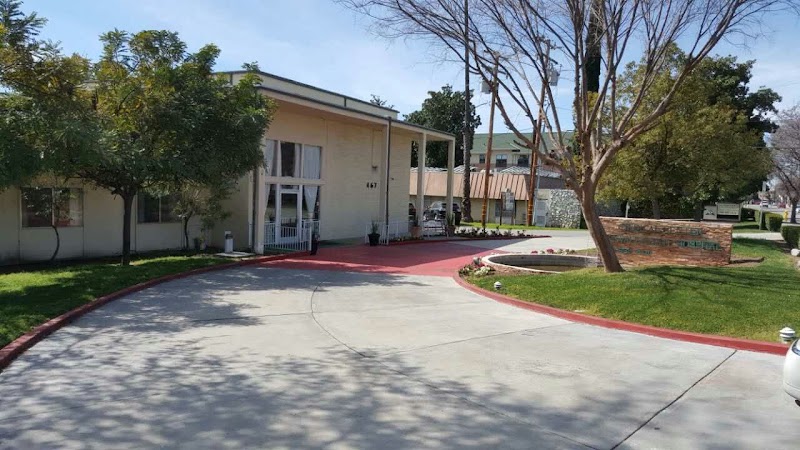
467 E GILBERT ST, SAN BERNARDINO, CA 92404 (909) 884-4781
For profit - Limited Liability company 99 Beds EVA CARE GROUP Data: November 2025 1 Immediate Jeopardy citation
Trust Grade
61/100
#401 of 1155 in CA
Last Inspection: February 2025

Within standard 12-15 month inspection cycle. Federal law requires annual inspections.

Overview

Medical Center Convalescent Hospital has a Trust Grade of C+, indicating it is slightly above average but not without its issues. Ranked #401 out of 1155 facilities in California, it sits in the top half of nursing homes in the state, and #29 out of 54 in San Bernardino County, meaning there are only a few local options that are better. However, the trend is worsening, with reported issues increasing from 1 in 2024 to 4 in 2025. Staffing remains a strong point, with a rating of 4 out of 5 stars and a low turnover rate of 26%, much better than the state average, suggesting that staff are familiar with the residents. On the downside, there have been critical incidents such as unsafe food handling practices in the kitchen that could lead to foodborne illnesses, and concerns regarding infection control in laundry practices that may risk cross-contamination among vulnerable residents. Overall, while there are strengths in staffing and ratings, families should be aware of the facility's significant safety issues.

Trust Score
C+
61/100
In California
#401/1155
Top 34%
Safety Record
High Risk
Review needed
Inspections
Getting Worse
1 → 4 violations
Staff Stability
✓ Good
26% annual turnover. Excellent stability, 22 points below California's 48% average. Staff who stay learn residents' needs.
Penalties
✓ Good
No fines on record. Clean compliance history, better than most California facilities.
Skilled Nurses
○ Average
Each resident gets 36 minutes of Registered Nurse (RN) attention daily — about average for California. RNs are the most trained staff who monitor for health changes.
Violations
⚠ Watch
33 deficiencies on record. Higher than average. Multiple issues found across inspections.
★★★★☆
4.0
Overall Rating
★★★★☆
4.0
Staff Levels
★★★★☆
4.0
Care Quality
★★★★☆
4.0
Inspection Score
Stable
2024: 1 issues
2025: 4 issues

The Good

  • 4-Star Staffing Rating · Above-average nurse staffing levels
  • 4-Star Quality Measures · Strong clinical quality outcomes
  • Low Staff Turnover (26%) · Staff stability means consistent care
  • Full Sprinkler Coverage · Fire safety systems throughout facility
  • No fines on record
  • Staff turnover is low (26%)

    22 points below California average of 48%

Facility shows strength in staffing levels, quality measures, staff retention, fire safety.

The Bad

Chain: EVA CARE GROUP

Part of a multi-facility chain

Ask about local staffing decisions and management

The Ugly 33 deficiencies on record

1 life-threatening
Feb 2025 4 deficiencies
CONCERN (D)

Potential for Harm - no one hurt, but risky conditions existed

Deficiency F0688 (Tag F0688)

Could have caused harm · This affected 1 resident

**NOTE- TERMS IN BRACKETS HAVE BEEN EDITED TO PROTECT CONFIDENTIALITY** Based on observation, interview, and record review, the facility failed to ensure their restorative nursing services (RNS; also ...

Read full inspector narrative →
**NOTE- TERMS IN BRACKETS HAVE BEEN EDITED TO PROTECT CONFIDENTIALITY** Based on observation, interview, and record review, the facility failed to ensure their restorative nursing services (RNS; also known as RNA program; nursing interventions that promote the resident's ability to adapt and adjust to living as independently and safely as possible; generally initiated when a resident is discharged from formalized rehabilitation therapy) policies and procedures were being implemented for one of three residents reviewed for position and mobility (Resident 61) when Resident 61 was not placed on the RNS program after his Physical Therapy (PT- medical treatment that uses physical techniques to help people regain movement and function after an injury or disease) treatment was completed. This failure had the potential for Resident 61 to be at risk for falls, further decline in ambulation, and a loss of independence. Findings: During a review of Resident 61's health record, the admission Record (which contains demographic and medical information) indicated that Resident 61 was admitted to the facility on [DATE], with diagnoses which included a history of amputation (when a limb or part of a limb that surgically removed) of the right great toe and type 2 diabetes mellitus (body does not use insulin effectively or does not produce enough insulin) with foot ulcer (open sore or wound on the foot that does not heal properly). During an observation on February 3, 2025, at 10:36 AM, Resident 61 was in his room, sitting on the edge of his bed. Resident 61 was wearing a Controlled Ankle Motion boot (CAM boot- orthopedic device designed to support and immobilize the foot and ankle) on his right foot. During a follow up observation and concurrent interview, with Resident 61, on February 6, 2025, at 12:30 PM, Resident 61 was able to stand from his wheelchair using a grab bar, which was built into the wall along the hallway. Resident 61 stated he has not been able to walk since the PT treatment was completed, and no one comes to walk with him anymore. He further stated he used to be able to walk using the grab bars on both sides in the therapy room with the assistance of the therapist. Resident 61 further stated I'm scared of falling if I try to walk alone because I have a sore on my right foot and I don't want to hurt my left leg. During a review of Resident 61's PT discharge summary, dated January 4, 2025, it indicated . Objective progress/functional comparison with goal . Patient will safely ambulate . for correct hand/foot placement . for maintaining WB [weigh bearing is Supporting your body weight on a limb, like standing or walking] .for correct use of AD [Assisted device is a tool or piece of equipment that helps people to walk] and for safety while turning . to reduce risk for loss of balance . Discharge (1/2/25 [January 2, 2025]). Distance level surface [ambulate] 40 feet . Tests/measures and outcome . Gait. 1. Mobility with assisted device but erratic [something that is unpredictable or inconsistent]/unsafe . D/C [discharged ] location: Patient discharged to reside in this LTC [long term care] facility . Prognosis to maintain CLOF [Current Level of Function] = Good with consistent staff follow through . discharged Recommendation: Assisted device for safe functional mobility . During a concurrent interview and record review, with the Director of Nursing (DON), on February 6, 2025, at 12:55 PM, the DON reviewed Resident 61's health records and was not able to find documented evidence to indicate RNS was recommended for Resident 61 after his PT treatment was completed. The DON stated, I was not aware that the resident [Resident 61] PT was completed without the RNS program. During a concurrent interview and record review, with the Director of Rehab (DOR), on February 6, 2025, at 1:20 PM, the DOR reviewed the facility's policy and procedure (P&P) titled Restorative Nursing Services, dated revised July 2017, which indicated, Policy Statement. Residents will receive restorative nursing care as needed to help promote optimal safety and independence. Policy Interpretation and Implementation 1. Restorative nursing care consists of nursing interventions . 2. Residents may be started on a restorative nursing program upon admission, during the course of stay or when discharged from rehabilitative care. 3. Restorative goals and objectives are individualized and resident-centered, and are outlined in the resident's plan of care . The DOR stated she should have placed Resident 61 on the RNS program to maintain his ability to ambulate and ensure his safety during ambulation, but she did not. The DOR further stated the facility policy was not followed.
CONCERN (E)

Potential for Harm - no one hurt, but risky conditions existed

Pharmacy Services (Tag F0755)

Could have caused harm · This affected multiple residents

Based on observation, interview, and record review, the facility failed to ensure proper management and disposal of expired medications was being implemented when: 1. One expired bisacodyl (used to tr...

Read full inspector narrative →
Based on observation, interview, and record review, the facility failed to ensure proper management and disposal of expired medications was being implemented when: 1. One expired bisacodyl (used to treat constipation- when a person cannot poop) suppository (solid form of medications that dissolve inside the body) was found in the medication storage room and was available for use. 2. One expired alginate dressing (absorbent wound care product) was found in the treatment cart and was available for use. These failures had the potential for the dressing and medication to not be effective or safe for resident use in 71 highly susceptible medically compromised residents. Findings: 1. During a concurrent observation and interview, with Licensed Vocational Nurse (LVN 5), on February 2, 2025, at 10:37 AM, the medication storage room was inspected. One bisacodyl suppository dated January 2025 was found inside the medication refrigerator. (One month expired) LVN 5 confirmed it was expired and stated it should not have been available for use. 2. During a concurrent observation and interview, with LVN 4, on February 2, 2025, at 11:51 AM, the treatment cart (contains supplies for wound care) was inspected. On the top drawer of the cart, one alginate dressing was found dated April 2023. (One year and 10 months expired.) LVN 4 confirmed it was expired and stated it should not have been in the cart available for use. During a concurrent interview and record review, with the Director of Nursing (DON), on February 6, 2025, at 11:16 AM, the facility's policy and procedure (P&P) titled, Disposal/Destruction of Expired or Discontinued Medications dated revised January 2015 was reviewed. The P&P indicated, . 4. Facility should place all discontinued or outdated medications in a designated, secure location which is solely for discontinued medications . 10. Facility should dispose of . outdated medications . The DON stated the policy was not followed.
CONCERN (E)

Potential for Harm - no one hurt, but risky conditions existed

Deficiency F0804 (Tag F0804)

Could have caused harm · This affected multiple residents

Based on observation, interview, and record review, the facility failed to follow their policy to store food in a way that conserves nutritive value, flavor, and appearance, when cups of pudding, whic...

Read full inspector narrative →
Based on observation, interview, and record review, the facility failed to follow their policy to store food in a way that conserves nutritive value, flavor, and appearance, when cups of pudding, which were designated to be used during medication pass (process of delivering and administering medications to residents at scheduled times) were not accurately dated to reflect when it was prepared. This failure had the potential for staff to serve outdated pudding to residents, which could lead to dissatisfaction. (Each day, two residents receive pudding as a snack, while 68 residents potentially receive pudding during the medication pass.) Findings: During a concurrent observation and interview, with the Dietary Supervisor (DS), on February 3, 2025, at 8:05 AM, in the kitchen, a tray containing 18 cups of 4-ounce (oz- unit of measurement) servings of pudding was inside the kitchen refrigerator. A piece of paper taped on the tray indicated, 2/2/25 [February 2, 2025]. The individual cups of pudding were not dated. The DS explained the date on the tray indicates when an item was prepared or opened. She stated the cups of pudding were designated for medication pass by the nurses and would be labeled with today's date [February 3, 2025], as nurses preferred not to use pudding cups labeled with a previous date [February 2, 2025]. The DS acknowledged that proper practice required putting a date on the cups of pudding with the actual preparation date. During an observation on February 3, 2025, at 9:18 AM, three cups of pudding, dated 2/3 (February 3), was on top of each medication cart (a wheeled, mobile storage unit used in healthcare settings to safely transport and store medications) during medication pass. During an interview on February 3, 2025, at 2:45 PM, with the Director of Nursing (DON), the DON stated that when the nurses request the pudding to be dated with today's date, they were not referring to the actual date, instead they wanted to ensure the pudding was prepared on the same day so that it remained fresh for the medication pass. The DON explained that since the pudding was prepared by mixing milk, it can get spoiled over time. During further interview with the DON, on February 3, 2025, at 2:55 PM, the DON stated the date serves as an indication that the pudding was still fresh, as this prevents the growth of bacteria that could cause illness. The DON further stated that is why nurses preferred to serve freshly prepared pudding to maintain good quality for the residents during the medication pass. During a follow-up observation and interview on February 3, 2025, at 4:05 PM, with Licensed Vocational Nurse (LVN 1), one cup of pudding was on top of Station A's medication cart. It was kept inside a clear iced container and was dated 2/3 (February 3). LVN 1 stated that her understanding was the date on the pudding reflected the day it was made. During a follow-up observation and interview on February 3, 2025, at 4:05 PM, with LVN 2, one cup of pudding was on top of Station B's medication cart. It was kept inside a clear iced container and was dated 2/3 (February 3). LVN 2 stated that her understanding was the date on the pudding reflected the day it was made. During a follow-up observation and interview on February 3, 2025, at 4:05 PM, with LVN 3, one pudding cup was on top of medication cart station C. It was kept inside a clear iced container and was dated 2/3 (February 3). LVN 3 stated that her understanding was the date on the pudding reflected the day it was made. During an interview on February 3, 2025, at 4:25 PM, with the DS, the DS stated she did not prepare any pudding today (February 3, 2025). She further stated she had prepared the pudding on February 2, 2025, but placed today's date (February 3, 2025) on the cups of pudding to satisfy the nurses' preference, without considering the reasoning behind the nurse's request and being aware that the pudding was prepared by mixing it with milk. The DS further stated that she should date the pudding the same day as it was prepared. During a phone interview, on February 3, 2025, at 5:05 PM, with the Registered Dietitian (RD), the RD admitted it was the DS's mistake for dating the pudding with today's date instead of the date it was made. The RD explained the facility's practice was to date both the tray and individual pudding cups on the day it was prepared to ensure food safety and maintain good quality. The RD further stated proper dating was crucial to ensure the pudding was fresh and safe to eat, reducing the risk of spoilage and foodborne illness. The RD added the correct date for the pudding should have been February 2, 2025, but this was not done. During concurrent interview and record review, on February 3, 2025, at 5:20 PM, with the DON, the DON reviewed the facility's undated policy and procedure (P&P) titled, Labeling and Dating of Food, which indicated, Policy: All food items in the storeroom, refrigerator, and freezer need to be labeled and dated. Procedure: . All prepared food need to be covered, labeled and dated. Items can be dated individually or in bulk . if going to be used for meal service . The DON stated all prepared food needed to be labeled and dated but the food items prepared for meals had the option to date it in bulk. The DON further stated the facility did not follow the policy.
CONCERN (F)

Potential for Harm - no one hurt, but risky conditions existed

Infection Control (Tag F0880)

Could have caused harm · This affected most or all residents

**NOTE- TERMS IN BRACKETS HAVE BEEN EDITED TO PROTECT CONFIDENTIALITY** Based on observation, interview, and record review, the facility failed to ensure proper and safe infection control practices we...

Read full inspector narrative →
**NOTE- TERMS IN BRACKETS HAVE BEEN EDITED TO PROTECT CONFIDENTIALITY** Based on observation, interview, and record review, the facility failed to ensure proper and safe infection control practices were followed when: 1. In the laundry room, two dryers were set below the facility policy requirement of 180 degrees Fahrenheit (°F- unit of measurement), to comply with infection control, on February 5, 2025. 2. Resident 192's Intravenous (IV- flexible tube used to give fluids, medicine, or nutrients through a vein) tubing was not dated as per facility policy. These failures had the potential to result in cross-contamination (the transfer of harmful bacteria) causing a preventable infection to 71 highly vulnerable residents whose health conditions are already compromised. Findings: 1. During an observation on February 5, 2025, at 2:45 PM, with the Maintenance Director (MD), in the laundry room, the facility's two dryers were inspected. Both dryers were set to a medium setting (range of 140°F to 170°F). The temperature of each dyer was measured using an infrared thermometer (also known as a thermometer gun- handheld device that displays temperature readout after scanning portions of an object or area with a built-in laser), and it read 155°F for each dryer. On the bulletin board across from the dryers, there was an undated form titled Drying Guidelines pinned in both English and Spanish, which indicated . 3. Drying times are based on recommended drying capacity . During an interview on February 5, 2025, at 2:50 PM, with the Laundry Staff (LS), the LS stated she only set the dryer to two settings: medium for sheets/pillowcases and polyester. During a review of an undated facility form titled Drying Guidelines, it indicated the following: .Items: Sheets/pillowcases. Heat Setting: Medium. Drying Time: 12-15 minutes. Cool Time: 2-4 minutes. Dry Time Temperature Range: 160°F - 170°F. Items: Table napery (100% polyester, 50/50 blend). Heat Setting: Medium. Drying Time: 8-12 minutes or 12-16 minutes. Cool Time: 2-4 minutes. Dry Time Temperature Range: 140°F - 160°F . During a concurrent interview and record review on February 5, 2025, at 3:30 PM, with the Administrator and the Infection Control Preventionist (ICP) Nurse, the facility's Policy and Procedure (P&P) titled Policy and Procedure on Water Temperature, dated revised December 2014, was reviewed. The P&P indicated, The facility ensures that the health and safety of the residents are taken care of . When it comes to the dryer, it should not be below 180 degrees Fahrenheit. In this way, infection control can be complied with . The Administrator stated the facility should have an updated system to ensure the laundry system follows the facility policy. The ICP Nurse confirmed that the policy was not followed to minimize the growth of harmful microorganisms. 2. During a review of Resident 192's admission Record (contains medical and demographic information), it indicated Resident 192 was admitted to the facility on [DATE], with the diagnoses which included endocarditis (infection of the lining of the heart), weakness, and chronic obstructive pulmonary disease (COPD- chronic lung disease that makes it difficult to breathe). During an observation on February 3, 2025, at 9:29 AM, in Resident 192's room, Resident 192 was lying in bed while recieving an antibiotic (medications that inhibit germs) IV medication. The IV tubing was inspected. It did not have a label. During a follow-up observation and concurrent interview on February 3, 2025, at 9:37 AM, in Resident 192's room, with Registered Nurse (RN 1), RN 1 confirmed there was no date on Resident 192's IV antibiotic tubing. RN 1 further stated she missed it. During a concurrent interview and record review on February 6, 2025, at 11:15 AM, with the Director of Nursing (DON), the facility's undated P&P titled, Policy and Procedures for I.V. was reviewed. The P&P indicated, .III. Basic Procedures .12. Appy the appropriate label to the set, including a). Date b). Time c). Nurse's initials . The DON stated the policy was not followed.
Sept 2024 1 deficiency
CONCERN (E) 📢 Someone Reported This

A family member, employee, or ombudsman was alarmed enough to file a formal complaint

Potential for Harm - no one hurt, but risky conditions existed

Accident Prevention (Tag F0689)

Could have caused harm · This affected multiple residents

**NOTE- TERMS IN BRACKETS HAVE BEEN EDITED TO PROTECT CONFIDENTIALITY** Based on the observation, interview, and record review, the facility failed to meet the regulatory requirement to ensure the res...

Read full inspector narrative →
**NOTE- TERMS IN BRACKETS HAVE BEEN EDITED TO PROTECT CONFIDENTIALITY** Based on the observation, interview, and record review, the facility failed to meet the regulatory requirement to ensure the resident environment remains as free of accident hazards as possible when a resident (Resident 1) accidentally released a bear spray ( a spray which is twice as concentrated as pepper spray, a chemical can cause burning pain, watery eyes, and coughing upon contact with skin or eyes) which affected five other residents (Residents 2 , 3, 4 ,5 and 6) on July 23, 2024. This failure resulted in Residents 2 , 3, 4, 5 and 6 to experience red, watery eyes and coughing. Residents 2, 3, 5, and 6 required hospitalizations. Findings: 1. During a review of Resident 1's admission Record (clinical record with demographic information), indicated Resident 1 was admitted to the facility on [DATE], with diagnoses which included anxiety disorder (mental health conditions that cause excessive fear or worry), restlessness and agitation (mean feeling uneasy or upset, making it hard to stay still or calm down). A review of Resident 1's physician order dated on July 9, 2024, indicated, Ativan (medication used for anxiety) .as needed for m/b [manifested behavior] verbalization of feeling anxious related to anxiety disorder . A review of Resident 1's physician progress note dated July 19, 2024, indicated, . other: Plan . Very aggressive foul language, though he followed me later to apologize. Will follow, will dismiss from care if not improved with psych following . A review of Resident 1's care plan indicated the following: a. Date-initiated January 30, 2024, indicated, Focus. Increased aggressive behavior and outburst. Goal. The resident will effectively cope with his/her feelings of unhappiness and anger . b. Date-initiated March 8, 2024, indicated, Focus. Resident make threatening remarks, that he will put a revolver to somebody's mouth if somebody disagree with him. Goal. Safety for the other resident and staff at all times . Target date: 10/09/2024 [October 9, 2024]. Intervention. 3/26/2024 [March 26, 2024] Discontinue hourly monitoring . 3/8/2024 [March 8,2024] Hourly monitoring for safety . c. Date-initiated July 15, 2024, indicated, Focus. Increased verbal aggression behavior and outburst. Goal. The resident will effectively cope with his/her feelings of unhappiness and anger . d. Date-initiated July 23, 2024, indicated, Focus. Resident is at risk for threat to self, other resident, and staff .Spray bear spray in the hallway .Goal. Resident will be monitored by a 1:1 staff monitoring for resident's safety, other residents and staff . During an interview on August 1, 2024, at 10:45 AM, with Resident 1, Resident 1 stated he usually kept his bear spray in his car at the facility's parking lot. Resident 1 stated that on July 23, 2024, he brought it with him to an appointment for safety reasons. He further added that normally, he would put it back in his car before entering the facility, however, he was upset that day because the transportation was two hours late. He stated he forgot to return the bear spray to his car, so he ended up keeping it in the basket of his walker. During further interview with Resident 1, Resident 1 stated when he was going into his room, he accidentally bumped into the door frame, removed the safety pin from the bear spray, and sprayed it toward the hallway. Furthermore, Resident 1 stated that the facility called the police, who later helped him return the bear spray to his car. 2. During a review of Resident 2's admission Record, indicated Resident 2 was admitted to the facility on [DATE], with diagnoses which includes chronic obstructive pulmonary disease (a long-term lung condition that can cause breathlessness) and weakness. A review of Resident 2's clinical record nurses note dated July 23, 2024, indicated a body assessment done, noted eye redness accompanied by nonproductive cough secondary to exposure to bear spray . MD (Medical Doctor) in the facility gave order may transfer to [Name of Hospital] for eval due to exposure of bear spray . During an interview on August 1, 2024, at 11:15 AM, with Resident 2, Resident 2 stated that his eyes burned during the incident but felt better after returning from the hospital. 3. During a review of Resident 3's admission Record, indicated Resident 3 was admitted to the facility on [DATE], with diagnoses which includes parkinsonism (condition in which parts of the brain become progressively damaged over many years) and epilepsy (common chronic brain disease). A review of Resident 3's clinical record nurses note dated July 23, 2024, indicated, Resident exposed to bear spray . resident noted with redness to both eyes and nonproductive cough . MD aware and gave order to send to ER [Emergency Room] for further evaluation r/t [related to] exposure to bear spray . During an interview on August 1, 2024, at 11:30 AM, with Resident 3, Resident 3 stated that his eyes burned during the incident but felt better after returning from the hospital. 4. During a review of Resident 4's admission Record, indicated Resident 4 was admitted to the facility on [DATE], with diagnoses which includes cataracts (a clouding of the lens of the eye, which is typically clear) and bradycardia (a slow heart rate). A review of Resident 4's clinical record nurses note dated July 23, 2024, indicated Resident exposed to bear spray . resident noted with redness to both eyes and nonproductive cough . MD aware and gave order to send to ER [Emergency Room] for further evaluation r/t [related to] exposure to bear spray . Resident declined to be transferred to the acute hospital. He claimed that he is alright, and when his eyes got washed out, he felt relief . During an interview on August 1, 2024, at 11:45 AM, with Resident 4, Resident 4 stated that his eyes burned during the incident but felt relief after the nursing staff washed his eyes. 5. During a review of Resident 5's admission Record, indicated Resident 5 was admitted to the facility on [DATE], with diagnoses which includes cerebrovascular disease (condition that affect blood flow to your brain) effecting right dominant side and dementia(a general term for loss of memory, language, problem-solving and other thinking abilities that are severe enough to interfere with daily life). A review of Resident 5's clinical record nurses note dated July 23, 2024, indicated, [Name of Private Ambulance Company] here to pick up the resident for medical evaluation, to [Name of Hospital] secondary to resident exposed to bear spray . resident noted with redness to both eyes and nonproductive cough . MD in facility gave order may transfer to [Name of Hospital] for further eval [read evaluation] due to inhalation/exposure of bear spray During an interview on August 1, 2024, at 12:05 PM, with Resident 5, Resident 5 stated that his eyes burned during the incident but felt better after returning from the hospital. 6. During a review of Resident 6's admission Record, indicated Resident 6 was admitted to the facility on [DATE], with diagnoses which includes pneumonia (an infection that affects one or both lungs) and heart failure (condition that occurs when your heart can't pump enough blood for your body's needs). A review of Resident 6's clinical record nurses note dated July 23, 2024, indicated, Resident exposed to bear spray . resident noted with redness to both eyes and nonproductive cough . Dr [name of the Medical Doctor] was notified and ordered to send to [Name of Hospital] or medical evaluation d/t [due to] toxic spray exposure. During an interview on August 1, 2024, at 12:20 PM, with Resident 6, Resident 6 stated that his eyes burned during the incident but felt better after returning from the hospital. Furthermore, Resident 6 stated more worried about his lung and breathing since he treated for pneumonia in the facility. During an interview on August 1, 2024, at 12:35 PM, with the Director of Nurses (DON), the DON stated to ensure the safety of Resident 1, other residents, and facility staff, the facility continues to keep Resident 1 under one-to-one observation for close monitoring. During a concurrent interview and record review with the DON, on August 1, 2024, at 12:45 PM, the DON reviewed the facility's policy and procedure (P&P) titled, Abuse and Neglect prevention management, revised December 2014, and stated that despite following all facility procedures and implementing interventions each time Resident 1 displayed behavior issues, the five residents affected by the bear spray should not have had to experience these situations. A review of the facility's P&P titled, Abuse and Neglect prevention management, revised December 2014, indicated, POLICY. It is the policy of the facility to ensure our residents safe . DEFINITIONS . Resident to resident altercations is an incident involving a resident who inflicts injury on another resident . Everyone's Responsibility. It takes a team to keep our residents safe. The multidisciplinary team identifies risk and develops interventions to manage resident safety, evaluates the effectiveness of interventions . INVESTIGATION C. Incidents and Accident reports and documentation will be reviewed by the multidisciplinary team, on the first business day after the occurrence, to identify events, patterns or trends . D. All unusual occurrences need to be reported to immediate supervisor for an investigation. Additional investigation components will be completed . PROTECTION. A. The protection of the residents is our main concern. B. Residents will be protected from harm during an investigation. C. Residents will be separated or moved to a place of safety, away from a harmful or abusive situation, to prevent a reoccurrence and for their protection INCIDENT MANAGEMENT. The facility system to follow up on altercations will place an emphasis on preventing future altercations. This system includes but is not limited to: Care Plan updates to incorporate individualized recommendations from the formal incident review process, in addition to the immediate updates that may have occu1 at the time, prior to the altercation .
May 2023 17 deficiencies
CONCERN (D)

Potential for Harm - no one hurt, but risky conditions existed

Deficiency F0645 (Tag F0645)

Could have caused harm · This affected 1 resident

**NOTE- TERMS IN BRACKETS HAVE BEEN EDITED TO PROTECT CONFIDENTIALITY** Based on observation, interview, and record review, the facility failed to ensure an accurate completion of a Preadmission Scree...

Read full inspector narrative →
**NOTE- TERMS IN BRACKETS HAVE BEEN EDITED TO PROTECT CONFIDENTIALITY** Based on observation, interview, and record review, the facility failed to ensure an accurate completion of a Preadmission Screening and Resident Review (PASARR - a federal requirement to help ensure that individuals who have a mental disorder or intellectual disabilities are not inappropriately placed in nursing homes for long term care) for one resident (Resident 3) reviewed for PASARR . This failure had the potential for Resident 3 not to receive the care and services she needs due to her not being evaluated further. Findings: During a review of Resident 3's clinical record, the admission Record (contains personal demographic and medical information) indicated Resident 3 was initially admitted to the facility on [DATE], with diagnoses that included bipolar disorder (a mental disorder), and schizoaffective disorder (a mental disorder). During a concurrent interview and record review, with the Registered Nurse (RN), on May 4, 2023, at 2:44 PM, the RN reviewed Resident 3's PASARR Status Change Level 1 screening, dated April 30, 2022, which indicated Resident 3 did not have any diagnosis of mental disorder. The RN reviewed Resident 3's clinical record and stated Resident 3 had diagnoses of mental disorders, schizoaffective and bipolar disorders, when she completed Resident 3's PASARR. During a concurrent interview and record review, on May 4, 2023, at 2:51 PM, with the Director of Nursing (DON), the DON reviewed Resident 3's PASARR Status Change Level 1 screening, dated April 30, 2022, and stated it was completed inaccurately. During a review of the facility's policy and procedure titled Pre-admission Screening and Resident Review (PASARR), dated December 2016, it indicated 1. Each resident admitted to this facility shall have a PASRR Level 1 Screening completed, using the CA DHCS [Department of Health Care Services] online PASRR 6170 in accordance with the specified timelines to: a Identify residents with mental illness (MI) and/or Intellectual Disability (ID), b. Ensure these residents receive the services they require for their MI or ID in the appropriate setting determined by the DHCS. 2. Level 2 full evaluation shall be conducted by a DHCS contractor for determination when the Level 1 screen identifies the resident having a MI or ID.
CONCERN (D)

Potential for Harm - no one hurt, but risky conditions existed

Quality of Care (Tag F0684)

Could have caused harm · This affected 1 resident

**NOTE- TERMS IN BRACKETS HAVE BEEN EDITED TO PROTECT CONFIDENTIALITY** Based on observation, interview, and record review, the facility failed to ensure the physician was notified of wound care treat...

Read full inspector narrative →
**NOTE- TERMS IN BRACKETS HAVE BEEN EDITED TO PROTECT CONFIDENTIALITY** Based on observation, interview, and record review, the facility failed to ensure the physician was notified of wound care treatment refusals for one of four residents (Resident 82) reviewed for skin conditions when Resident 82 refused his treatments for three consecutive days (May 1, 2023 through May 3, 2023). This failure had the potential for Resident 82 to be at risk of increased infection, poor wound healing, hyperglycemia (elevated sugar levels in blood), and/or re-hospitalizations. Findings: During a review of Resident 82's clinical record, the admission Record (contains demographic and medical information indicated Resident 82 was admitted to the facility on [DATE], with diagnoses of burn of second degree of left foot (involves the top skin and parts of the dermis layer of skin), second degree of right foot (involves the top skin and parts of the dermis layer of skin), diabetes mellitus (an abnormal level of blood sugar), and pain. During a concurrent observation and interview, on May 3, 2023, at 2:30 PM, Resident 82 was lying in bed, with the head of bed elevated, watching television. Resident 82 stated he refused his wound care treatments on May 1, 2023, May 2, 2023, and May 3, 2023 (Three consecutive days). During an interview, with a Licensed Vocational Nurse (LVN 1), on May 3, 2023, at 2:32 PM, LVN 1 stated This resident [Resident 82] always refuses his wound treatments. LVN 1 further stated the facility protocol for refusals was to document it on the Medication Administration Record (MAR), and nurses' progress notes, and to inform the physician. LVN 1 stated she doesn't always remember to inform the physician. During concurrent interview and record review, with the Director of Nursing (DON), on May 4, 2023, at 1:25 PM, the DON reviewed Resident 82's clinical records, and was not able to find documented evidence to indicate Resident 82's physician was notified of his wound care treatment refusals. During a record review of the facility's policy and procedure titled, Refusal of Medications and Treatments, revised January 2001, it indicated . 2. Documentation pertaining to a resident's refusal of treatment shall include, as a minimum: a. The date and time the treatment was attempted; b. The treatment attempted; c. The resident's response and reason(s) for refused; d. The name of the person attempting to administer the treatment; e. That the resident was informed of the purpose of the treatment and the consequences of not receiving the care treatment; f. The resident's condition and any adverse effects due to such refusal; g. The date and time the physician was notified as well as the physician's response; h. All pertinent observations; and i. The signature and title of the person recording the data.
CONCERN (D)

Potential for Harm - no one hurt, but risky conditions existed

Incontinence Care (Tag F0690)

Could have caused harm · This affected 1 resident

Based observation, interview, and record review, the facility failed to ensure their urinary catheter (a flexible tube used to empty the bladder) removal policy and procedure was implemented for one o...

Read full inspector narrative →
Based observation, interview, and record review, the facility failed to ensure their urinary catheter (a flexible tube used to empty the bladder) removal policy and procedure was implemented for one of three residents reviewed for urinary care when Resident 76's urinary catheter was removed without a physician's order. This failure had the potential for Resident 76 to be at risk of urinary retention (inability to completely empty the urinary bladder by urinating.) Findings: During a review of Resident 76's clinical record, the admission Record (contains demographic and medical information), indicated Resident 76 was admitted to facility on October 1, 2022, with diagnoses of obstructive and reflux uropathy (occurs when urine cannot drain through urinary tract, and presence of urogenital implants (a way to help treat stress incontinence due to a weak sphincter). During a review of Resident 76's physician's order, dated April 10, 2023, it indicated Resident 76 had an order for Indwelling catheter (a type of urinary catheter) . attached to gravity drainage bag for obstructive reflux uropathy. A concurrent observation and interview with Resident 76 were conducted in her room on May 4, 2023, 11:00 AM. Resident 76 was lying in bed, watching television, with the head of bed elevated. Resident 76 did not have any urinary catheter. Resident 76 stated, It [urinary catheter] was removed about two to three weeks ago. A concurrent interview and record review were conducted with Director of Nursing (DON) on May 4, 2023, at 1:00 PM. The DON reviewed Resident 76's clinical record and was not able to find documented evidence to indicate there was a physician order to remove for her urinary catheter. The DON stated the staff should not remove any urinary catheter without an order. During a record review of the facility's policy and procedure titled, Catheter Indwelling Removal, revised November 2004, it indicated, POLICY: It is the policy of this facility that indwelling foley catheters will be removed per a physician order. PROCEDURES: 1. Obtain appropriate physician's order.
CONCERN (D)

Potential for Harm - no one hurt, but risky conditions existed

Deficiency F0692 (Tag F0692)

Could have caused harm · This affected 1 resident

Based on observation, interview, and record review, the facility did not maintain acceptable parameters of nutritional status (factors that reflect that an individual ' s nutritional status is adequat...

Read full inspector narrative →
Based on observation, interview, and record review, the facility did not maintain acceptable parameters of nutritional status (factors that reflect that an individual ' s nutritional status is adequate, relative to his/her overall condition and prognosis, such as weight, food/fluid intake, and pertinent laboratory values) for one of six residents (Resident 51) reviewed for nutrition, when the nutrition interventions recommended by the Registered Dietitian were not implemented for Resident 51. This failure had the potential for Resident 51, a medically compromised individual, to be at risk of impaired wound healing and weight loss. Findings: During a review of Resident 51's clinical record, the admission Record indicated Resident 51 was admitted in April 25, 2023 with diagnoses of end stage renal disease (medical condition in which person's kidneys cease functioning on a permanent basis leading to the need for a regular course of long-term dialysis), pressure ulcer of sacral region stage four (deep wound reaching the muscles, ligaments, and/or bones), and pressure induced deep tissue damage of left heel (purple discolored skin due to damage from prolonged pressure). During an observation, on May 2, 2023, at 10:50 AM, in Resident 51's room, Resident 51 was lying in bed, on his right side. Resident 51 had sunken eyes and cheeks. During a review of Resident 51's Nutritional Assessment, dated April 27, 2023, coompleted by the Registered Dietitian (RD), it indicated .M. implementation (Plan): Snack TID (three times a day), [brand name] high calorie nutrition supplement 1 ctn (carton) q d (every day), record % (percentage) consumed, [brand name] protein supplement 30ml (milliliters) TID (three times a day), [brand name] vitamin q d (every day), vit (vitamin) C 500mg (milligrams) q d (every day) and zinc 220 mg x (for) 30 days. During a concurrent interview and record review, with the RD, on May 4, 2023, at 12:42 PM, the RD reviewed Resident 51's clinical record and stated the recommendations she made on April 27, 2023 for Resident 51's wound healing were not implemented. During a concurrent interview and record review, with the Director of Nursing (DON), on May 4, 2023, at 2:40 PM, the DON reviewed the facility's policy and procedure titled Nutritional Assessment Policy, dated March 2012, which indicated . 6. RD referral/ recommendations will submit to the Administrator and DON. 7. Licensed nurse will inform MD no later than 72-hours of the RD recommendation . The DON stated the policy was not followed.
CONCERN (D)

Potential for Harm - no one hurt, but risky conditions existed

Respiratory Care (Tag F0695)

Could have caused harm · This affected 1 resident

**NOTE- TERMS IN BRACKETS HAVE BEEN EDITED TO PROTECT CONFIDENTIALITY** Based on observation, interview, and record review, the facility failed to ensure safe oxygen administration were provided for o...

Read full inspector narrative →
**NOTE- TERMS IN BRACKETS HAVE BEEN EDITED TO PROTECT CONFIDENTIALITY** Based on observation, interview, and record review, the facility failed to ensure safe oxygen administration were provided for one of three residents (Resident 32) reviewed for respiratory care when: 1. Resident 32's oxygen therapy order was not carried out as prescribed by the physician. 2. Resident 32's oxygen tubing (a device which facilitates oxygen delivery) was not labeled to indicate the date when it was changed. These failures had the potential to result in a decline in Resident 32's oxygen status, causing shortness of breath, oxygen toxicity (too much oxygen), respiratory infection, and lung damage. Findings: 1. During a review of Resident 32's clinical records, the admission Record (containing demographic information), indicated Resident 32 was admitted on [DATE], with diagnoses which included chronic obstructive pulmonary disease (COPD- lung disease that causes obstructed airflow from the lungs), dependence on supplemental oxygen (additional oxygen), and pneumonia (inflammation in the lungs that makes it difficult to breath). During a review of Resident 32's physician's orders, dated April 12, 2023, indicated, O2 [oxygen] at 3 liter/minute [liter per minute - unit of measurement] via nasal cannula (also known as oxygen tubing) continuously due to COPD, oxygen goal 86%-92%. A concurrent observation and interview were conducted with a Licensed Vocational Nurse (LVN 2) on May 2, 2023, at 10:33 AM, in Resident 32's room. LVN 2 inspected the oxygen concentrator (a machine which delivers oxygen) located at the left side of the bed and stated Resident 32 was currently receiving oxygen with a flow rate of four liters per minute. A follow-up interview and concurrent review of Resident 32's clinical record was conducted with LVN 2 on May 2, 2023, at 10:36 AM. LVN 2 stated Resident 32's oxygen order was not being carried out as prescribed. LVN 2 further stated she had an order of three liters per minute but was receiving four liters per minute. During a concurrent interview and record review, with the Director of Nursing (DON), on May 4, 2023, at 7:22 AM, the DON reviewed the facility's policy and procedure titled, Oxygen Therapy, revised March 2005, which indicated, .It is the policy of this facility that oxygen therapy is administered, as ordered by the physician or as an emergency measure until the order can be obtained . Procedures: . 5. Adjust oxygen flow, as ordered by physician. The DON further stated policy was not followed. The DON further stated oxygen must be administered according to physician's orders. 2. During a review of Resident 32's clinical records, the admission Record, indicated Resident 32 was admitted on [DATE], with diagnoses which included chronic obstructive pulmonary disease, dependence on supplemental oxygen, and pneumonia. During a review of Resident 32's physician's orders, dated April12, 2023, it indicated, Change O2 [oxygen] tubing per Facility Protocol. A concurrent observation and interview were conducted with the LVN 2 on May 2, 2023, at 10:33 AM, in Resident 32's room. LVN 2 inspected Resident 32's oxygen tubing and stated it did not have a label or date on it. LVN 2 further stated the oxygen tubing was supposed to be changed weekly every Wednesday and the date must be written on it. During a concurrent interview and record review with the DON, on May 4, 2023, at 7:22 AM, the DON reviewed the facility's policy and proicedure titled, Oxygen Therapy, revised March 2005, which indicated, .9. Oxygen tubing is to be replaced every week. Oxygen masks or nasal prongs are to be replaced every as needed. and stated the facility did not follow the policy. The DON stated oxygen tubings must be labeled to indicate the date it was changed. She further stated if tubing was not dated, it means it was not changed.
CONCERN (D)

Potential for Harm - no one hurt, but risky conditions existed

Pharmacy Services (Tag F0755)

Could have caused harm · This affected 1 resident

**NOTE- TERMS IN BRACKETS HAVE BEEN EDITED TO PROTECT CONFIDENTIALITY** Based on observation, interview, and record review, the facility failed to ensure medications were administered according to the...

Read full inspector narrative →
**NOTE- TERMS IN BRACKETS HAVE BEEN EDITED TO PROTECT CONFIDENTIALITY** Based on observation, interview, and record review, the facility failed to ensure medications were administered according to the facility's policies and procedures for two of 13 residents (Resident 33 and 77) reviewed for medication administration observation when: 1. Resident 33 had an order to receive Sevelamer (medication to treat high levels of phosphorus). The medication was not available for administration. 2. Resident 77 refused to receive Pantoprazole (a medication to treat acid reflux). It was documented as administered. These failures had the potential for Residents 33 and 77 to not be administered prescribed medication and increased the resident's risk for adverse reactions and side effects. Findings: 1. During a review of Resident 33's clinical record, the admission Record (contains demographic and medical information), indicated Resident 33 was admitted to the facility on [DATE], with diagnoses which included, end stage renal disease (condition in which kidneys cannot longer function on their own) and type 2 diabetes mellitus (a chronic condition where body does resist or not produce enough insulin). During a review of Resident 33's physician order, dated April 12, 2023, indicated Resident 33 had an order for Dialysis [a treatment to filter wastes and water from blood] with [name of the dialysis center] every Tuesday, Thursday and Saturdays . Chair Time: 9:30 AM TO 1:15 PM, via wheelchair. Pick up time between 8:30 to 8:45 am for Tuesday, Thursday and Saturday . During a review of Resident 33's physician order, dated April 27, 2023, it indicated Resident 33 had an order for Sevelamer HCL [hydrochloride] Oral Tablet 800 MG [MG - milligrams, unit of measurement] give 800 mg by mouth with meals related to End Stage Renal Disease. A medication administration observation for Resident 33 by a Licensed Vocational Nurse (LVN 3) was conducted on May 4, 2023, at 5:44 AM, in Resident 33's room. Resident 33's Sevelamer was scheduled to be administered at 6:30 AM. LVN 3 was not able to find Sevelamer in the medication cart. LVN 3 further stated she ordered the medication the day before and will call the pharmacy to follow up. During a follow up interview, with the LVN 3, on May 4, 2023, at 8:21 AM, LVN 3 stated Resident 33 did not receive Sevelamer, which was scheduled at 6:30 AM, because she already left the facility for her scheduled dialysis treatment. During an interview, with the Consultant Pharmacist, on May 4, 2023, at 1:43 PM, the Consultant Pharmacist stated he has not been notified regarding Resident 33 missed dose of Sevelamer. During a concurrent interview and record review, on May 4, 2023, at 1:52 PM, with the Director of Nursing (DON), the DON reviewed the facility's policy and procedure titled, Medication Errors, revised June 2012, which indicated, . It is the policy of the facility that medication errors will be promptly reported to the Physician and DON or designee as well as resident and/or resident's representative . 1. A medication error is defined as administration of medication: f. Omission if prescribed medication (not due to Resident refusal) . 4. The Director of Nurses shall report the error to the Consultant Pharmacist . The DON stated an omitted medication is considered medication error. The DON further stated facility did not follow the policy. 2. During a review of Resident 77's clinical record, the admission Record indicated, Resident 77 was admitted to the facility on [DATE], with diagnoses which included, gastro-esophageal reflux disease (GERD - a disease in which stomach acid irritates the food pipe lining), abdominal pain and hypertension (elevated blood pressure). During a review of Resident 77's physician order, dated March 1, 2023, indicated Resident 77 had an order for Pantoprazole Sodium Oral Tablet Delayed release 40 MG by mouth one time a day related to Gastro-Esophageal Reflux Disease. A medication administration observation for Resident 77 by a Licensed Vocational Nurse (LVN 3) was conducted on May 4, 2023, at 6:31 AM, in Resident 77's room. Resident 77's Pantoprazole was scheduled to be administered at 6:00 AM. Resident 77 refused Pantoprazole and stated she did not like the medication because it gives me cramps and stomach bloating. LVN 3 took the tablet of Pantoprazole and entered the medication storage room, and proceeded to dispose the Pantoprazole tablet onto the pharmaceutical waste container. During a subsequent interview, with LVN 3, on May 4, 2023, at 6:45 AM, LVN 3 stated she will notify the physician regarding Resident 77 refusal of Pantoprazole. During a concurrent interview and record review, on May 5, 2023, at 10:42 AM, with the DON, the DON reviewed Resident 77's Medication Administration Record (MAR) for the month of May 2023. The DON stated it indicated Pantoprazole was documented as administered on May 4, 2023, at 6:00 AM. The DON was not able to find documentation to indicate Resident 77 refused Pantoprazole. The DON further stated LVN 3 should had not documented that Pantoprazole was administered if Resident 77 refused it. During a concurrent interview and record review, with the DON, on May 5, 2023, at 10:51 AM, the DON reviewed the facility's policy and procedure (P&P) titled, Refusal of Medications and Treatments, revised January 2001, which indicated, . 1. Residents have the right to refuse medical treatments. Should a resident refuse his/her medications/treatments, appropriate documentation must be made in the resident's clinical record . 2. Documentation pertaining to a resident's refusal of treatment shall include, as a minimum: a. the date and time the treatment was attempted . c. The resident's response and reason(s) for refusal . g. The date and time the physician was notified as well as the physician's response . 3. Inquiries concerning the resident's refusal of medications or treatments should be referred to the director of nursing services. The DON stated the facility did not follow the policy.
CONCERN (D)

Potential for Harm - no one hurt, but risky conditions existed

Drug Regimen Review (Tag F0756)

Could have caused harm · This affected 1 resident

**NOTE- TERMS IN BRACKETS HAVE BEEN EDITED TO PROTECT CONFIDENTIALITY** Based on interview and record review, the facility failed to ensure the pharmacy recommendation identified from the Drug Regimen...

Read full inspector narrative →
**NOTE- TERMS IN BRACKETS HAVE BEEN EDITED TO PROTECT CONFIDENTIALITY** Based on interview and record review, the facility failed to ensure the pharmacy recommendation identified from the Drug Regimen Review (DRR- thorough evaluation of a resident's medication regimen to prevent, identify, report, and resolve medication-related problems, medication errors, or other irregularities) was followed up in accordance with federal regulations, for one of five residents (Resident 66) reviewed for unnecessary medications. Resident 66 had an order to receive Xanax (medication to treat anxiety) as needed. The Consultant Pharmacist reviewed her medications and recommended for it to be limited for 14 days. This failure had the potential for Resident 66 to receive unnecessary medication and had unrecognized adverse reactions. Findings: During a review of Resident 66's clinical records, the admission Record (contains demographic and medical information), indicated Resident 66 was admitted on [DATE], with diagnoses which included alzheimer's disease (progressive disease that destroy memory and causes mental deterioration), schizophrenia (a mental disorder in which people interpret reality abnormally) and anxiety (feeling of excessive worry, fear, and uneasiness). During a review of Resident 66's physician's order, dated April 4, 2023, it indicated, Xanax Oral Tablet 0.5 MG [milligram- unit of measurement] give 1 tablet by mouth as needed for anxiety disorder m/b [manifested by] fidgeting and restlessness. Further review indicated it did not have stop date. A review of the Consultant Pharmacist's Drug Regimen Review for April 2023 included a document titled Note to Attending Physician/Prescriber, dated April 10, 2023, indicated, CMS (Centers of Medicare and Medicaid Services) guidelines release on 11/2017 [November 2017] indicate PRN [as needed] psychotropic medications are now limited to 14 days. If the PRN psychotropic needs to be extended beyond 14 days duration, it needs to be justified by MD [physician] Please evaluate the following for a stop date: Xanax 0.5 mg [milligram] qd [every day] prn anxiety. During a concurrent interview and record review, with the Director of Nursing (DON), on May 4, 2023, at 10:12 AM, the DON reviewed Resident 66's clinical records and was not able to find documented evidence to indicate Resident 66's physician has reviewed the pharmacy recommendation for Xanax. During a concurrent interview and record review, with the DON, on May 4, 2023, at 10:15 AM, the DON reviewed the facility's policy and procedure titled, The use of Psychotropic Medications, revised June 2013, which indicated, .Procedure: . 1. The facility will make every effort to comply with state and federal regulations related to the use of psychopharmacological medications in the long term care facility to include regular review for continued need, appropriate dosage, side effects, risks and/or benefits . Primary care physician . 8. Orders for PRN psychotropic medications will be time limited (i.e., times 2 weeks) and only for specific clearly documented circumstances. The DON stated facility did not follow the policy. The facility was not able to provide a policy and procedure addressing DRR.
CONCERN (D)

Potential for Harm - no one hurt, but risky conditions existed

Unnecessary Medications (Tag F0759)

Could have caused harm · This affected 1 resident

**NOTE- TERMS IN BRACKETS HAVE BEEN EDITED TO PROTECT CONFIDENTIALITY** Based on observation, interview, and record review, the facility failed to ensure medication error rate was less than five perce...

Read full inspector narrative →
**NOTE- TERMS IN BRACKETS HAVE BEEN EDITED TO PROTECT CONFIDENTIALITY** Based on observation, interview, and record review, the facility failed to ensure medication error rate was less than five percent. There were two medication errors identified out of 29 opportunities for errors, affecting two of 13 residents (Residents 33 and 77), resulting in an overall medication error rate of 6.9 percent when: 1. Resident 33 had an order to receive Sevelamer (medication to treat high levels of phosphorus). The medication was not available for administration. This failure had the potential for Resident 33 to have increased levels of phosphorus in the blood which could lead to low calcium which may cause muscle cramps. 2. Resident 77 refused to receive Pantoprazole (a medication to treat acid reflux). It was documented as administered. This failure had the potential for Resident 77's health care needs towards his acid reflux not being addressed. Findings: 1. During a review of Resident 33's clinical record, the admission Record (contains demographic and medical information), indicated Resident 33 was admitted to the facility on [DATE], with diagnoses which included, end stage renal disease (condition in which kidneys cannot longer function on their own) and type 2 diabetes mellitus (a chronic condition where body does resist or not produce enough insulin). During a review of Resident 33's physician order, dated April 12, 2023, indicated Resident 33 had an order for Dialysis [a treatment to filter wastes and water from blood] with [name of the dialysis center] every Tuesday, Thursday and Saturdays . Chair Time: 9:30 AM TO 1:15 PM, via wheelchair. Pick up time between 8:30 to 8:45 am for Tuesday, Thursday and Saturday . During a review of Resident 33's physician order, dated April 27, 2023, it indicated Resident 33 had an order for Sevelamer HCL [hydrochloride] Oral Tablet 800 MG [MG - milligrams, unit of measurement] give 800 mg by mouth with meals related to End Stage Renal Disease. A medication administration observation for Resident 33 by a Licensed Vocational Nurse (LVN 3) was conducted on May 4, 2023, at 5:44 AM, in Resident 33's room. Resident 33's Sevelamer was scheduled to be administered at 6:30 AM. LVN 3 was not able to find Sevelamer in the medication cart. LVN 3 further stated she ordered the medication the day before and will call the pharmacy to follow up. During a follow up interview, with the LVN 3, on May 4, 2023, at 8:21 AM, LVN 3 stated Resident 33 did not receive Sevelamer, which was scheduled at 6:30 AM, because she already left the facility for her scheduled dialysis treatment. During an interview, with the Consultant Pharmacist, on May 4, 2023, at 1:43 PM, the Consultant Pharmacist stated he has not been notified regarding Resident 33 missed dose of Sevelamer. During a concurrent interview and record review, on May 4, 2023, at 1:52 PM, with the Director of Nursing (DON), the DON reviewed the facility's policy and procedure titled, Medication Errors, revised June 2012, indicated, . It is the policy of the facility that medication errors will be promptly reported to the Physician and DON or designee as well as resident and/or resident's representative . 1. A medication error is defined as administration of medication: f. Omission if prescribed medication (not due to Resident refusal) . 4. The Director of Nurses shall report the error to the Consultant Pharmacist . The DON stated an omitted medication is considered medication error. The DON further stated facility did not follow the policy. 2. During a review of Resident 77's clinical record, the admission Record indicated, Resident 77 was admitted to the facility on [DATE], with diagnoses which included, gastro-esophageal reflux disease (GERD - a disease in which stomach acid irritates the food pipe lining), abdominal pain and hypertension (elevated blood pressure). During a review of Resident 77's physician order, dated March 1, 2023, indicated Resident 77 had an order for Pantoprazole Sodium Oral Tablet Delayed release 40 MG by mouth one time a day related to Gastro-Esophageal Reflux Disease. A medication administration observation for Resident 77 by a Licensed Vocational Nurse (LVN 3) was conducted on May 4, 2023, at 6:31 AM, in Resident 77's room. Resident 77's Pantoprazole was scheduled to be administered at 6:00 AM. Resident 77 refused Pantoprazole and stated she did not like the medication because it gives me cramps and stomach bloating. LVN 3 took the tablet of Pantoprazole and entered the medication storage room, and proceeded to dispose the Pantoprazole tablet onto the pharmaceutical waste container. During a subsequent interview, with LVN 3, on May 4, 2023, at 6:45 AM, LVN 3 stated she will notify the physician regarding Resident 77 refusal of Pantoprazole. During a concurrent interview and record review, on May 5, 2023, at 10:42 AM, with the DON, the DON reviewed Resident 77's Medication Administration Record (MAR) for the month of May 2023. The DON stated it indicated Pantoprazole was documented as administered on May 4, 2023, at 6:00 AM. The DON was not able to find documentation to indicate Resident 77 refused Pantoprazole. The DON further stated LVN 3 should had not documented that Pantoprazole was administered if Resident 77 refused it. During a concurrent interview and record review, with the DON, on May 5, 2023, at 10:51 AM, the DON reviewed the facility's policy and procedure titled, Refusal of Medications and Treatments, revised January 2001, which indicated, . 1. Residents have the right to refuse medical treatments. Should a resident refuse his/her medications/treatments, appropriate documentation must be made in the resident's clinical record . 2. Documentation pertaining to a resident's refusal of treatment shall include, as a minimum: a. the date and time the treatment was attempted . c. The resident's response and reason(s) for refusal . g. The date and time the physician was notified as well as the physician's response . 3. Inquiries concerning the resident's refusal of medications or treatments should be referred to the director of nursing services. The DON stated the facility did not follow the policy.
CONCERN (D)

Potential for Harm - no one hurt, but risky conditions existed

Deficiency F0802 (Tag F0802)

Could have caused harm · This affected 1 resident

Based on observation, interview, and record review, the facility failed to have dietary staff with appropriate competencies when: 1. Dietary Aide 1 (DA 1) did not know how to check the quaternary amm...

Read full inspector narrative →
Based on observation, interview, and record review, the facility failed to have dietary staff with appropriate competencies when: 1. Dietary Aide 1 (DA 1) did not know how to check the quaternary ammonia (chemical used to kill bacteria, viruses, and mold) level of the three-compartment sink (3 sinks, one for each step of the ware wash procedure, wash, rinse and sanitize) and the quaternary ammonia level was not the correct concentration. 2. Dietary Aide 2 (DA 2) did not know how to check the chlorine level of the dish machine. These failures had the potential to cause foodborne illness (illness caused by the ingestion of contaminated food or beverages) for a medical compromised population of 92 residents who received food from the kitchen. Findings: 1. During a concurrent observation and interview, with Dietary Aide 1 (DA 1) and [NAME] 1, in the kitchen, on May 2, 2023, at 8:55 AM, (DA 1) checked the quaternary ammonia level of the three -compartment sink. DA 1 dipped the quaternary test strip in the water and immediately compared it to the vile color code, it was 100 ppm (parts per million- unit of measurement). [NAME] 1 stated that the ppm should be 200 and that it was not the correct level to sanitize the dishes. The test strip vile had instructions that indicated the strip should be dipped into the water with the quaternary ammonia and wait 10 seconds before comparing with the color code. During an observation, with DA 1, on May 2, 2023, at 9:05 AM, he refilled the sink with quaternary ammonia and tested it with the test strip and it was 200 ppm. The sink was not full, and the dishes could not be submerged in the sanitizer and be sanitized. During an interview, with the Registered Dietitian (RD), on May 4, 2023, at 12:20 PM, the RD stated the staff should know how to fill and appropriately test the quaternary ammonia level of the three-compartment sink. She stated if the sink is not the correct concentration of quaternary ammonia than staff should stop using the three-compartment sink and switch to using the dish machine for cleaning pots and pans. During a review of the facility's policy and procedure titled Three Compartment Procedures for Manual Dish Washing, dated December 2014, it indicated . Step 5: the third compartment is for sanitizing. Fill the third compartment with clean, clear to the fill line (20 gallons.) .Test the concentration with appropriate test strip, which is a dipped in the sanitizer solution 10 seconds before reading .Must read 200 ppm . 2. During an observation, on May 2, 2023, at 9:20 AM, in the kitchen, Dietary Aide (DA 2) was washing dishes. DA 2 checked the chlorine level of the dish machine by touching the test strip on to the water dripping from the edge of the dish machine and then compared it to the color code on the test strip vial. The test strip color was blotchy and hard to determine the chlorine level. Afterwards, [NAME] 1 re-tested the chlorine level by dipping the strip in the water compartment outside of the dish machine, it read 100 ppm. During an interview, with the Registered Dietitian (RD), on May 4, 2023, at 12:25 PM, she stated dietary staff should be checking the chlorine level of the dish machine on the plate level, by placing the test strip on one of the sanitized dishes immediately after the cycle is completed (final rinse) and comparing the test strip to the color code on the vial. During a review of the facility's policy and procedure titled Dish Washing, dated 2018, it indicated .The chlorine should read 50-100 ppm on the dish surface in final rinse. The proper chlorine level is crucial in sanitizing the dishes.
CONCERN (D)

Potential for Harm - no one hurt, but risky conditions existed

Deficiency F0849 (Tag F0849)

Could have caused harm · This affected 1 resident

**NOTE- TERMS IN BRACKETS HAVE BEEN EDITED TO PROTECT CONFIDENTIALITY** Based on observation, interview, and record review, the facility failed to ensure hospice (specialized end-of-life care for all ...

Read full inspector narrative →
**NOTE- TERMS IN BRACKETS HAVE BEEN EDITED TO PROTECT CONFIDENTIALITY** Based on observation, interview, and record review, the facility failed to ensure hospice (specialized end-of-life care for all patients with a terminal illness with a prognosis of 6 months or less) care was coordinated in accordance with the facility's policy and procedure for one of two residents (Resident 23) reviewed for hospice, when there was no current hospice recertification (the certification and recertification regulations require a physician certify the patient is terminally ill with a prognosis of 6 months or less) and current plan of care available in Resident 23's health record. This failure had the potential for Resident 23 not to receive hospice care services based on a comprehensive person-centered care plan. Findings: During a review of Resident 23's admission Record (contains demographic and medical information), it indicated Resident 23 was admitted to the facility on [DATE], with diagnoses of heart failure (a condition in which the heart is no longer able to pump oxygen-rich blood to the rest of the body efficiently), hypertension (elevated blood pressure), and atrial fibrillation (an irregular heart rhythm). During a concurrent observation and interview, with Resident 23, on May 2, 2023, at 11:20 AM, in Resident 23's room, Resident 23 was lying in bed, on her left side. Resident 23 stated she was doing fine. She further stated the staff were treating her good, and she had no concerns. A review of Resident 23's hospice binder was conducted on May 3, 2023. The binder indicated: 1. Resident 23's Physician's Certification for Hospice Benefit, dated February 7, 2023, to April 7, 2023. 2. Resident 23's Interdisciplinary Plan of Care, dated February 14, 2023. There was no documented evidence to indicate a current recertification period after April 7, 2023, and a current plan of care had been established. (26 days had passed without current clinical direction to the clinicians providing direct patient care). During an interview and concurrent record review, with the Director of Nursing (DON), on May 3, 2023, at 4:00 PM, the DON reviewed Resident 23's hospice binder and stated Resident 23's hospice certification period and plan of care were outdated, and the facility did not have current information on how the hospice was caring for Resident 23. During a follow up interview and record review, with the DON, on May 5, 2023, at 12:05 PM, the DON reviewed the facility's policy and procedure titled, Hospice, revised July 2012, which indicated, Definition: Hospice is a specialized form of multidisciplinary health care designed to provide palliative care to an individual who is experiencing the last phase of life, due to the existence of a terminal disease. The interdisciplinary team provides support to alleviate the physical, emotional, social, and spiritual discomforts and to provide supportive care to the primary caregiver and the family of the hospice patient. It is the policy for this facility to: 1. The facility shall maintain documentation in the patient's health record demonstrate the patient terminal status . At a minimum, the hospice team shall be responsible for providing the following documentation in the patient's health record: . 2. Physician certification . 7. Resident's Care Plan/Plan of Care: The Hospice nurse coordinates the care of the patient with the interdisciplinary team. The plan of care is to be updated promptly The DON stated the facility did not follow the policy.
CONCERN (D)

Potential for Harm - no one hurt, but risky conditions existed

Deficiency F0909 (Tag F0909)

Could have caused harm · This affected 1 resident

**NOTE- TERMS IN BRACKETS HAVE BEEN EDITED TO PROTECT CONFIDENTIALITY** Based on observation, interview, and record review, the facility failed to ensure their bed inspection policy were implemented f...

Read full inspector narrative →
**NOTE- TERMS IN BRACKETS HAVE BEEN EDITED TO PROTECT CONFIDENTIALITY** Based on observation, interview, and record review, the facility failed to ensure their bed inspection policy were implemented for two of seven residents (Residents 12 and 69) reviewed for accidents when: 1. For Resident 12, her bed had a 10-centimeter (cm- unit of measurement) gap between the mattress bed and footboard. 2. For Resident 69, her bed had a 15-centimeter gap between the mattress and the footboard. These failures had the potential to place Residents 12 and 69 at risk for entrapment (being caught between the mattress and bed rail), falls, and injuries. Findings: 1. During a review of Resident 12's clinical record, the admission Record (contains demographic and medical information) indicated Resident 12 was admitted to the facility on [DATE], with the diagnoses of type 2 diabetes (a condition where the body does not produce enough insulin), delusional disorders (person cannot tell what is real from what is not), abnormalities of gait (walking) and mobility, and anxiety (feeling of fear or uneasiness). During an observation, on May 2, 2023, at 10:16 AM, inside Resident 12's room, Resident 12 was lying down on her bed with the left leg hanging over the mattress. Resident 12 was yelling for help. Resident 12's bed had a gap between the mattress and the footboard. The gap between the mattress and the foot board had a pillow in-between it, covering half the size of the gap. During a concurrent observation and interview, with the Director of Nursing (DON), on May 5, 2023, at 10:40 AM, in Resident 12's room, the DON stated there should not be a gap between the mattress and the foot board because the resident could get stuck and hurt. The DON measured the gap with a measuring tape. It resulted to 10 cms. 2. During a review of Resident 69's clinical record, the admission Record indicated Resident 69 was admitted on [DATE], with the diagnoses of anxiety disorder, insomnia (problem with falling asleep), hypertension (elevated blood pressure), and schizoaffective disorder (a mental health disorder with seeing things or believing things that are not real and a mood disorder with feelings of sadness). During an observation, on May 2, 2023, at 10:23 AM, inside Resident 69's room, Resident 69's bed was inspected. Resident 69's bed had a gap between the mattress and the footboard. The gap between the mattress and the foot board, had a rolled blanket in-between, covering half the size of the gap. During a concurrent observation and interview, with the DON, on May 5, 2023, at 10:44 AM, in Resident 69's room, the DON stated there should not be a gap between the mattress and the foot board because the resident could get stuck and hurt. The DON measured the gap with a measuring tape. It resulted to 15 cms. During a concurrent observation and interview, with Resident 69, on May 5, 2023, at 11:25 AM, in Resident 69's room, Resident 69 stated she has had issues with her mattress moving because of the gap between the mattress and the footboard. Resident 69 further stated she had to place a rolled blanket on the gap to prevent the mattress from moving. During a concurrent interview and record review, with the Maintenance Supervisor (MS), the DON, and the Administrator (Admin), on May 4, 2023, at 8:07 AM, they reviewed the facility's policy and procedure titled, BED INSPECTION POLICY, dated November 2017, and stated the policy was not followed. During a review of the facility's policy and procedure titled, BED INSPECTION POLICY, dated November 2017, it indicated, . It is the policy of this facility to prevent entrapment and other safety hazards associated with resident bed rails, frames, and mattresses .When be [bed] rails and mattresses are used and purchased separately from the bed frame, the facility will select equipment such as bed rails, mattresses and bedframes that are compatible . Bed entrapment occurs when a resident is caught between the mattress and bed rail or within the bed rail itself. Technical issues, such as the proper sizing of mattresses, fit and integrity of bed rails or other design elements (e.g. [example] wide spaces between bars in the bed rails) can also affect the risk of resident entrapment .
CONCERN (D)

Potential for Harm - no one hurt, but risky conditions existed

Deficiency F0919 (Tag F0919)

Could have caused harm · This affected 1 resident

Based on observation, interview, and record review, the facility failed to ensure the call systems for two of three shower rooms (Shower Rooms A and B) were accessible and functional. This failure ha...

Read full inspector narrative →
Based on observation, interview, and record review, the facility failed to ensure the call systems for two of three shower rooms (Shower Rooms A and B) were accessible and functional. This failure had the potential to place 92 residents at risk of harm, as residents experiencing an emergency or needing assistance would not be able to call for help. Findings: During a concurrent observation and interview, on May 5, 2023, at 10:58 AM, with the Infection Preventionist (IP), at Shower Room B (SRB- located in the southeast corner of the facility), SRB had one toilet and one shower. Both toilet and shower call lights were inoperable when pulled to activate, as no light indicator was visible over SRB doorway to alert staff. The call light cord in the shower was not accessible to a resident lying on the floor. The IP stated a resident on the floor would not be able to reach the call light for the shower. The IP further stated the expectation was that the call lights were accessible and working properly. During an observation, on May 5, 2023, at 11:07 AM, with the IP, at Shower Room A (SRA- located in the northeast corner of the facility, SRA had two showers and one toilet. One of the showers did not have a pull cord to activate the call system. The switch hub was located high above, and not accessible to a resident lying on the floor. During an interview, on May 5, 2023, at 2:21 PM, with the Director of Nursing (DON), the DON stated, the call lights were there so staff can respond to emergencies. The DON further stated, call lights must be within reach, functional, and accessible within each resident shower area. During a review of the facility's policy and procedure titled Call Light / Bell dated December 2014, it indicated Policy: It is the policy of this facility to provide the resident a means of communication with nursing staff . 6 . if the call light is defective, promptly report this information to the unit supervisor for immediate repair or replacement.
CONCERN (D)

Potential for Harm - no one hurt, but risky conditions existed

Deficiency F0925 (Tag F0925)

Could have caused harm · This affected 1 resident

**NOTE- TERMS IN BRACKETS HAVE BEEN EDITED TO PROTECT CONFIDENTIALITY** Based on observation, interview, and record review, the facility failed to maintain an effective pest control program (measures ...

Read full inspector narrative →
**NOTE- TERMS IN BRACKETS HAVE BEEN EDITED TO PROTECT CONFIDENTIALITY** Based on observation, interview, and record review, the facility failed to maintain an effective pest control program (measures to eradicate and contain common household pests e.g., bed bugs, lice, roaches, ants, mosquitoes, flies, mice, and rats) when the presence of pests in the facility within the last year were not reported to the Maintenance Supervisor as indicated in the facility's policy and procedure. This failure had the potential to negatively affect the health and safety of 92 highly vulnerable residents through the direct and indirect exposure to the contaminants the cockroach may carry. Findings: During a concurrent observation and interview on May 4, 2023, at 7:00 AM, in room [ROOM NUMBER], with a Licensed Vocational Nurse (LVN 4), a live cockroach jumped under Bed B. LVN 4 stated That [cockroach] was a big one I hate cockroaches. During an interview, on May 4, 2023, at 8:15 AM, with LVN 3, LVN 3 stated she has had seen a cockroach in the facility within the last year. During an interview, on May 4, 2023, at 8:22 AM, with a Certified Nursing Assistant (CNA 2), CNA 2 stated, I have seen a couple roaches here, in the hallway, but not too much. Maybe twice in 1 year. During an interview, on May 5, 2023, at 7:06 AM, in Resident 21's room, Resident 21 stated I did see a couple roaches here, maybe two in the last month, just little ones - in the room . they shouldn't be here in the hospital, you know? During an interview, on May 5, 2023, at 7:24 AM, with Resident 534, in his room, Resident 534 stated she had a small ant on her once. During an interview, on May 5, 2023, at 7:37 AM, with Resident 29, in her room, Resident 29 stated, he would see a cockroach every month or so, but they were usually dead, and small. Resident 29 further stated, he sees cockroaches often outside, and he last saw a cockroach in the facility hallway two months ago. Resident 29 further stated I hate it when I see roaches, I hate bugs. During an interview, on May 5, 2023, at 7:45 AM, with Resident 77, in his room, Resident 77 stated I did see a cockroach a month or so ago, it was in my room so I killed it and disposed of it. I think it came in through the patio door . it's not nice seeing bugs in here. During an interview, on May 5, 2023, at 8:30 AM with the Infection Preventionist (IP), the IP stated I have seen roaches maybe twice in the two years I've been here. In the hallway, little ones. During a review of the Maintenance Logs from September 11, 2022, through March 16, 2023, it indicated no reports that pests were observed in the facility. During an interview, on May 5, 2023, at 2:25 PM, with the Maintenance Supervisor (MS), the MS stated the facility had a pest maintenance contract with [Name of Major Pest Control Company], where they come every two weeks, or more often if needed. The MS further stated he has not received any reports from staff on any pests this past year. During a review of the facility's policy and procedure titled Policy and Procedure on Pest Control dated August 2011, it indicated It is the policy of this facility that it is safely guarded against any pest, rodents and any other forms of infections living insects/mammals . 7. Administrator, Maintenance Supervisor, License Nurses or any staffs have the responsibility to inform Maintenance supervisor verbally and/or in writing the concerns in maintenance log located at the nursing station. During a review of the facility's policy and procedure titled Housekeeping Policies and Procedures - Pest Control dated January 9, 2013, it indicated, 2. All housekeepers should report to the housekeeping supervisor any sign of rodents or insects, including ants, in the center. The housekeeping supervisor takes immediate action to remove the pests from the center. If necessary, he/she calls the extermination company for assistance.
CONCERN (F)

Potential for Harm - no one hurt, but risky conditions existed

Deficiency F0801 (Tag F0801)

Could have caused harm · This affected most or all residents

Based on observation, interview, and record review, the facility failed to have a full-time qualified Dietary Services Supervisor, who was responsible for overseeing daily food production for breakfas...

Read full inspector narrative →
Based on observation, interview, and record review, the facility failed to have a full-time qualified Dietary Services Supervisor, who was responsible for overseeing daily food production for breakfast, lunch, and dinner. This failure led to sanitation issues in the kitchen (cross-reference F-tag 812), staff who were not competent (cross-reference F-tag 802), deficiencies with food palatability when kitchen staff were using disposable dishware for resident meals (cross reference F-tag 804), and had the potential to affect 92 medically compromised residents at nutrition risk who received food from the kitchen. Findings: During an initial kitchen tour observation and interview, on May 2, 2023, at 8:50 AM, with [NAME] 1, [NAME] 1 stated the facility did not have a Dietary Services Supervisor. During an interview, with the Director of Nursing (DON), on May 2, 2023, at 11:35 AM, the DON stated the former Dietary Services Supervisor quit on April 24, 2023, via text message. During a review of an undated facility provided copy of a printed text message, it indicated, Good morning, (Administrator), I'm (Dietary Services Supervisor (DSS)), I want to let you know (I) give my resignation for position Dietary Supervisor since 4/24/2023 (April 24, 2023). During an interview, with the Registered Dietitian (RD), on May 4, 2023, at 12:25 PM, the RD stated the facility knew they needed to have a full-time Dietary Services Supervisor. During a review of an undated facility document titled Job Description and Performance standards, it indicated, the purpose of this position is to implement and maintain, effective system to operate the dietary department and provide food services to residents in a cost-effective, efficient manner to safely meet residents needs in compliance with federal, state, and local requirements. In addition: Delegation of authority is delegated to the individual in this position to: - Implement dietary and food service policies and procedures to meet resident's needs and in compliance with federal, state, and local requirements. - Determine the personnel requirements for the dietary department to make recommendations for sufficient staff to implement dietary and food service policies and procedures. - Implement and monitoring system for the dietary and food service department and make recommendations for implementation to assure compliance with federal, state, and local requirements. - Supervise preparation of menus to meet residents' dietary needs. - Assess residents' dietary needs and develop appropriate dietary plans in compliance with physician's orders - Supervise the entire operation of the dietary department.
CONCERN (F)

Potential for Harm - no one hurt, but risky conditions existed

Deficiency F0804 (Tag F0804)

Could have caused harm · This affected most or all residents

Based on observation, interview, and record review the facility failed to store and serve food that conserved flavor and appearance and was an appetizing temperature when: 1. A 20-pound box of carrot...

Read full inspector narrative →
Based on observation, interview, and record review the facility failed to store and serve food that conserved flavor and appearance and was an appetizing temperature when: 1. A 20-pound box of carrots was stored in the freezer, open and unsealed, and was available for use. 2. In the cooking area, there was a container with onions sprouting and growing mold, and potatoes that were sprouting, and was available for use. 3. Residents were served lunch on May 2, 2023, on Styrofoam take-out containers and with plastic utensils These failures had the potential to cause 92 medically compromised residents who received food from the kitchen not to enjoy their food which could affect their nutrition status. Findings: 1. During an initial kitchen tour observation, on May 2, 2023, at 8:33 AM, there was a 20-pound open box of frozen carrots in the freezer. It was open, unsealed, and was available for use. During an interview with the Registered Dietitian (RD), on May 4, 2023, at 12:25 PM, the RD stated all food should be sealed before being placed in the freezer. During a review of the facility's policy and procedure titled Procedure for Freezer Storage, dated 2018, it indicated, . Procedure . 5. Store frozen foods in an airtight moisture-resistant wrapper such a plastic bag or freezer paper to prevent freezer burn. 2. During an initial kitchen tour observation, on May 2, 2023, at 9:32 AM, in the cooking area, there was a container with onions sprouting and growing mold. Three onions were sprouting, and one had mold on the side. There were red potatoes, stored in a plastic container, growing roots. The onions and potatoes were available for use. During an interview, with the RD, on May 4, 2023, at 12:28 PM, the RD stated if the vegetables were sprouting, growing roots or have mold, they should be immediately thrown out. During a review of the facility's policy and procedure titled Produce Storage guidelines, dated 2018, it indicated, . may use longer if no signs of spoilage are visible. During a review of the facility's policy and procedure titled General Receiving of Delivery of food and supplies, dated 2018, it indicated . Produce is to be fresh of any wilting or spoilage. During a review of the facility's policy and procedure titled Storing Produce, dated 2018, it indicated: . 1. Check boxes of .and vegetables for rotten, spoiled items. One .or potato in a box can cause the rest of the produce to spoil faster. Throw away all spoiled items. 3. During a concurrent observation and interview, in the kitchen on May 2, 2023, at 12:19 PM, dietary staff were plating food for the residents for lunch. Dietary Aide 1 (DA 1) was adding utensils to the trays for each resident. DA 1 started using plastic forks. DA 1 stated they ran out of the metal forks. During an observation and concurrent interview, in the dining room, on May 2, 2023, at 1:04 PM, residents were eating lunch. Their meals were served on Styrofoam take-out containers. Some had plastic utensils or a mix of plastic and metal utensils. Certified Nursing Assistant (CNA 1) stated there were no specific reason the kitchen served their meals on the Styrofoam take-out containers. CNA 1 further stated they sometimes serve the meals in them but she was not sure why. During an interview, with Resident 26, on May 2, 2023, at 1:05 PM, Resident 26 was unable to verbalize if the temperature of her meal, which was served in a Styrofoam take-out container, was satisfactory. During an interview, with Resident 35, on May 2, 2023, at 1:07 PM, Resident 35 could not verbalize if her meal, which was served in a Styrofoam take-out container, was a good temperature. She was unable to respond. During an observation and concurrent interview, with Resident 23, on May 2, 2023, at 1:18 PM, Resident 23's meal tray contained plastic utensils. She stated she would had preferred metal utensils because staff have to feed her and it was more difficult with the plastic utensils. During an interview, with the RD, on May 4, 2023, at 12:25 PM, the RD stated they should not be serving meals on Styrofoam take-out containers or using plastic utensils. During a review of the facility's policy and procedure titled Meal Service, dated 2018, it indicated .7. Temperature of the food when the resident receives it is based on palatability. The goal is to serve cold food cold and hot food hot.
CONCERN (F)

Potential for Harm - no one hurt, but risky conditions existed

Food Safety (Tag F0812)

Could have caused harm · This affected most or all residents

Based on observation, interview, and record review, the facility failed to maintain a sanitary condition in the kitchen in accordance with professional standards for food safety when: 1. Three-compar...

Read full inspector narrative →
Based on observation, interview, and record review, the facility failed to maintain a sanitary condition in the kitchen in accordance with professional standards for food safety when: 1. Three-compartment sink was not sanitizing dishes. It required 200 ppm (part per million- unit of measurement) of quaternary ammonia (chemical used to kill bacteria, viruses, and mold). The test was conducted and resulted to 100 ppm of quaternary ammonia. 2. The stainless steel shelf, used to store clean metal pans, had a sticky residue and food crumbs. 3. The floor, under the stainless steel shelves, had dirt, food crumbs, and black grime. 4. Three cupcake pans, stored on a shelf, had black burn residue and were available for use. These failures had the potential for microorganism growth that could be inadvertently transferred to the food of 92 medically compromised residents who received food from the kitchen. Findings: 1. During an observation and concurrent interview, in the kitchen, on May 2, 2023, at 8:55 AM, the three-compartment sink was inspected. A Dietary Aide 1 (DA 1) tested its' sanitation with a quaternary ammonia. It indicated a result of 100 ppm. DA 1 stated it should be 200 ppm. During an interview with the Registered Dietitian (RD), on May 4, 2023, at 12:20 PM, the RD stated if the sink did not have the correct level of quaternary ammonia then the dietary staff should stop using the three-compartment sink immediately, and switch to using the dish machine for cleaning and sanitizing pots and pans. During a review of the facility's policy and procedure titled 3 Compartment Procedures for Manual Dish Washing, dated December 2014, it indicated . Step 5 the third compartment is for sanitizing. Fill the third compartment with clean, clear to the fill line (20 gallons.) . Test the concentration with appropriate test strip, which is a dipped in the sanitizer solution 10 seconds before reading . Must read 200 ppm . During a review of the Food and Drug Administration (FDA) Federal Food Code, dated 2022, under 4-603.16, it indicated Efficacious sanitization depends on ware washing being conducted within certain parameters. Other parameters, such as rinse pressure, temperature, and chemical concentration are used in combination with time to achieve sanitization. 2. During an observation in the kitchen, on May 2, 2023, at 8:50 AM, the stainless steel shelf, used to storing clean metal pans, had a sticky residue when touched, and had food crumbs. During an interview with the RD, on May 4, 2024, at 12:25 PM, the RD stated shelves should be kept clean and free of any crumbs or residue. During a review of the facility's policy and procedure titled Sanitation, dated 2018, it indicated . 9. All utensils, counters, shelves, and equipment shall be kept clean, maintained in good repair and shall be free from breaks, corrosion . During a review of the FDA Federal Food Code, dated 2022, under 4-601.11, it indicated (C) Nonfood- contact surfaces of equipment shall be kept free of accumulation of dust, dirt, food residue and other debris. Under 4-602.13, it indicated The presence of food debris or dirt on nonfood contact surfaces may provide a suitable environment for the growth of microorganisms which employees may inadvertently transfer to food. If these areas are not kept clean, they may also provide harborage for insects, rodents, and other pests. 3. During an observation in the kitchen, on May 2, 2023, at 8:52 AM, the floor, under the stainless steel shelves, had dirt, food crumbs and black grime. During an interview with the RD, on May 4, 2023, at 12:27 PM, the RD stated the floors should be kept clean and free of any crumbs or residue. During a review of the facility policy and procedure titled Sanitation, dated 2018, it indicated . 14. The kitchen staff is responsible for al the cleaning with the exception of ceiling vents, light fixtures and the hood over stove, which will be cleaned by the maintenance staff. During a review of the FDA Federal Food Code, dated 2022, under 4-601.11, it indicated (C) Nonfood- contact surfaces of equipment shall be kept free of accumulation of dust, dirt, food residue and other debris. In addition, 4-602.13, indicated The presence of food debris or dirt on nonfood contact surfaces may provide a suitable environment for the growth of microorganisms which employees may inadvertently transfer to food. If these areas are not kept clean, they may also provide harborage for insects, rodents, and other pests. 4. During an observation in the kitchen on May 2, 2023, at 8:45 AM, three cupcake pans, which were stored on a shelf, had black burn residue and was available for use. During an interview with the RD, on May 4, 2023, at 12:10 PM, she stated the dietary staff should clean the black burn residue off of the cupcake pans. She further stated if it cannot be cleaned off, it needed to be replaced. During a review of the facility policy and procedure titled Sanitation, dated 2018, it indicated . 9. All utensils, counters, shelves, and equipment shall be kept clean, maintained in good repair and shall be free from breaks, corrosion . During a review of the FDA Federal Food Code, dated 2022, under 4-602-12, it indicated Food-contact surfaces of cooking equipment must be cleaned to prevent encrustations that may impede heat transfer necessary to adequately cook food. Encrusted equipment may also serve as an insect attractant when not in use.
CONCERN (F)

Potential for Harm - no one hurt, but risky conditions existed

Infection Control (Tag F0880)

Could have caused harm · This affected most or all residents

**NOTE- TERMS IN BRACKETS HAVE BEEN EDITED TO PROTECT CONFIDENTIALITY** Based on observation, interview, and record review, the facility failed to ensure safe infection (establishment of an infective ...

Read full inspector narrative →
**NOTE- TERMS IN BRACKETS HAVE BEEN EDITED TO PROTECT CONFIDENTIALITY** Based on observation, interview, and record review, the facility failed to ensure safe infection (establishment of an infective agent in or on a suitable host, producing clinical signs and symptoms) control practices were being implemented when: 1. The facility did not follow their policy and procedure for Legionella (bacteria that can cause a lung infection) water management program when the last results found were from March 25, 2020 (approximately 25 months ago). 2. Licensed Vocational Nurse (LVN 4) did not perform hand hygiene after checking Resident 44's blood sugar level. 3. LVN 1 did not perform hand hygiene when she provided Residents 26's wound care treatment. 4. LVN 1 did not perform hand hygiene when she provided Resident 289's wound care treatment. 5. Resident 290's oxygen tubing was found on the floor of her room. These failures had the potential to result in the spread of infection to 92 highly vulnerable residents whose health conditions were already compromised. Findings: 1. During a concurrent interview and record review, with the Maintenance Supervisor (MS), on May 3, 2023, at 10:20 AM, in the MS's office, the MS stated the facility tests their water for Legionella every six months. The MS further stated it was last conducted on March 17, 2023. The MS provided a copy of test receipts, which indicated the samples were sent out to the water treatment company. He was not able to provide the results of the tests sent. During a follow up interview, with the MS, on March 3, 2023, at 12:51 PM, the MS stated the last test result that could be found by the water treatment company was from March 25, 2020 (More than three years ago). The MS stated he should have followed up on the results because residents could have potentially gotten sick from the water if the water was positive for Legionella. During a concurrent interview and record review, with the MS, on May 3, 2023, at 3:20 PM, the MS reviewed an undated facility provided document titled, [company name], which indicated, .Instructions .Water Systems: Testing and Monitoring of Water Management Plan for Legionella .Steps: You need to test and monitor your water system and supply for Legionella against the 'Water Management Plan' you put together. The 'Water Management Plan' should be stored in [company name] on the annual task in your 'Work History' . The MS stated the corporate office requires a sample of water to be sent out to check for Legionella every six months. During a concurrent interview and record review, with the MS, the Administrator (Admin), and the Director of Nursing (DON), on May 4, 2023, at 8:05 AM, they reviewed the facility's policy and procedure titled, Legionella Water Management Program, dated July 2017, which indicated, .Our facility is committed to the prevention, detection and control of water-borne contaminants, including Legionella .3. The purposes of the water management program are to identify areas in the water system where Legionella bacteria can grow and spread, and to reduce the risk of legionnaire's disease .e. Specific measures used to control the introduction and/or spread of legionella f. The control limits or parameters that are acceptable and that are monitored; .h. A system to monitor control limits and the effectiveness of control measures .6. The water management program will be reviewed at least once a year, or sooner . The Admin stated the facility is supposed to send a sample of water to be tested for Legionella every six months. The MS, the Admin, and the DON stated the policy was not followed. 2. During a review of Resident 44's clinical record, the admission Record (contains demographic and medical information) indicated Resident 44 was admitted to the facility on [DATE], with the diagnoses of type 2 diabetes (high blood sugar levels), hypertension (the blood vessels have persistently raised pressure), and hyperlipidemia (high levels of fat in the blood). During an observation, in Resident 44's room, on May 4, 2023, at 5:50 AM, Resident 44 was lying in bed. LVN 4 was wearing gloves and proceeded to check Resident 44's blood sugar level. LVN 4 did not remove her gloves or perform hand hygiene after the procedure. During a subsequent observation and interview, on May 4, 2023, at 5:53 AM, LVN 4 came out of Resident 44's room with the same gloves she used when she checked Resident 44's blood sugar level, and proceeded to type on the laptop, and open the medication cart drawers. LVN 4 stated she forgot to take the gloves off and clean her hands. LVN 4 further stated she should have, because it was an infection risk for cross contamination between staff and residents. During a concurrent interview and record review, with the DON, on May 4, 2023, at 8:12 AM, the DON reviewed the facility's policy and procedure titled, Handwashing/ Hand Hygiene, dated June 2012, which indicated, .3. If hands are not visibly soiled, use an alcohol-based hand rub containing 60-95% ethanol or isopropanol for all the following situations: .i. After contact with inanimate objects (e.g., medical equipment) in the immediate vicinity of the resident . and stated it was not followed. The DON stated her expectation was for the staff to perform hand hygiene after performing blood sugar level checks. 3. During a review of Resident 26's clinical record, the admission Record, indicated Resident 26 was admitted to the facility on [DATE], with the diagnoses of hemiplegia (loss of strength to one side of the body such as arm, legs or face) following a cerebral vascular accident (a loss of blood flow to part of the brain, which damages brain tissue), pressure ulcer (injuries to skin and underlying tissue due to prolonged pressure) of sacral region (bottom of the spine) stage 4 (a deep wound reaching the muscles, ligaments, or bones), and aphasia (difficulty speaking). During a review of Resident 26's physician's order, dated April 28, 2023, it indicated, COCCYX [bottom of the spine]: CALENSE [cleanse] WITH NS [normal saline- fluid that contains water and salt], PAT DRY, APPLY HYDROGEL/COLLAGEN [medication used to help heal the skin] COVER WITH DRY DRESSING QD [every day] X [times] 21 DAYS. During an observation, in Resident 26's room, on May 4, 2023, at 9:10 AM, Resident 26 was lying in bed, with her eyes open, and unable to speak. Resident 26 was turned to the left side. LVN 1 used gauze (thin fabric) with normal saline to clean Resident 26's coccyx wound then proceeded to apply the medication on the skin. She then applied the new dry dressing without changing her gloves. During a concurrent observation and interview, on May 4, 2023, at 9:19 AM, LVN 1 stated she did not change her gloves and perform hand hygiene after cleaning Resident 26's wound. LVN 1 further stated she should have because it has the potential to infect Resident 26's wound. During a concurrent interview and record review, with the Infection Preventionist (IP), on May 5, 2023, at 2:36 PM, the IP reviewed the facility's policy and procedure titled, Pressure Ulcer Care and Dressing Change, dated July 2012, which indicated, .4. Cleanse the wound with prescribed solution. 5. Remove the gloves and discard it in a plastic bag and put on a pair of new ones. 6. Apply prescribed medication if ordered. 7. Remove the gloves and discard it in a plastic bag and wash hands and sign the treatment sheet . The IP stated the policy was not followed. 4. During a record review of Resident 289's clinical record, the admission Record indicated Resident 289 was initially admitted to the facility on [DATE] with diagnoses of protein-calorie malnutrition (state of inadequate intake of food), peripheral vascular disease (circulatory condition in which there are narrowed blood vessel who reduce blood flow to extremities), and Stage 4 pressure ulcer of right ankle (deep wound reaching the muscles, ligaments, or bones). A concurrent observation and interview were conducted on May 3, 2023, at 2:30 PM while LVN 1 was performing Resident 289's wound treatment. LVN 1 did not perform hand hygiene in between changing gloves during the wound treatment. LVN 1 stated, I am to wash my hands, get the supplies, and enter resident's room, then I put on my gloves and removed the soiled dressings, change gloves after sanitizing my hands. After completing the treatment, I am to remove my gloves and wash/sanitize hands. LVN 1 then stated, I know I didn't do that between glove changes. During an interview, with the IP, May 3, 2023, at 3:15 PM, the IP stated, Hand hygiene is to be performed before and after using gloves, whether soiled or not. During a review of the facility's policy and procedure titled Handwashing/Hand Hygiene, revised June 2012, it indicated . It is the policy of this facility to consider Hand washing/Hand hygiene to be the single most important means of preventing the spread of infections . 2. Employees must perform appropriate ten (10) to fifteen (15) secondhand hygiene procedures using antimicrobial or non-antimicrobial soap and water under the following conditions .b. After contact with blood, body fluids, secretions, mucous membranes, or non-intact skin.c. After handling items potentially contaminated with blood, body fluids, or secretions. 3. If hands are not visibly soiled, use an alcohol-based hand rub containing 60-95% ethanol or isopropanol for all the following situations: .a. Before direct contact with residents, b. Before direct contact with residents . e. Before handling clean or soiled dressings, gauze pads, etc . g. After contact with resident's intact skin .h. After handling used dressings, contaminated equipment, etc.j. After removing gloves. 5. During a review of Resident 290's clinical record, the admission Record indicated Resident 290 was admitted to the facility on [DATE], with the diagnoses of basal cell carcinoma of skin (common form of skin cancer), and Alzheimer's disease (an illness that damages a person's brain). A concurrent observation and interview in Resident 290's room were conducted on May 3, 2023, at 1:25 PM. Resident 290 was lying in bed, with the head of bed elevated, watching television. Resident 290 stated she doesn't use any oxygen even though there was an oxygen concentrator (a device that produces oxygen) and oxygen tubing (a tubing that delivers oxygen) in her room. The oxygen tubing was lying on the floor, beside Resident 290's bed. A concurrent observation and interview were conducted on May 4, 2023, at 1:45 PM, with the IP, in Resident 290's room. Resident 290's oxygen tubing was lying on the floor, next to Resident 290's bed. The IP stated, I had meant to change it out, and pick it up off the floor. The resident is now on hospice and is only to have oxygen as needed for Oxygen saturation (a measurement of the red blood cells that are attached to a person's oxygen) below 90%. During a record review of facility's policy and procedure titled, Infection Prevention and Control Program revised October 2018, it indicated An infection prevention and control program (IPCP), is established and maintained to provide a safe, sanitary and comfortable environment and to help prevent the development and transmission of communicable diseases and infections.
Nov 2022 1 deficiency
CONCERN (D) 📢 Someone Reported This

A family member, employee, or ombudsman was alarmed enough to file a formal complaint

Potential for Harm - no one hurt, but risky conditions existed

Deficiency F0678 (Tag F0678)

Could have caused harm · This affected 1 resident

**NOTE- TERMS IN BRACKETS HAVE BEEN EDITED TO PROTECT CONFIDENTIALITY** Based on observation, interview, and record review, the facility failed to follow their policy and procedure when the Emergency ...

Read full inspector narrative →
**NOTE- TERMS IN BRACKETS HAVE BEEN EDITED TO PROTECT CONFIDENTIALITY** Based on observation, interview, and record review, the facility failed to follow their policy and procedure when the Emergency Crash Cart (wheeled container carrying emergency medical equipment and supplies) did not include a Cardiopulmonary Resuscitation board [used to provide support when performing CPR (lifesaving technique)] and the Crash Cart monitoring log was not completed daily. This failure had the potential to result in harm by delaying treatment and necessary care in a medical emergency. Findings: During a review of the facility document titled, Daily Crash Cart Monitoring log (DCCM), the DCCM log indicated: 1. From [DATE], to [DATE], the emergency crash cart was missing the CPR board, 2. From February 1, 2022, to February 8, 2022, the emergency crash cart was missing the CPR board. 3. On February 2, 3, 4, and 7, 2022, the DCCM log was not completed to ensure the emergency crash cart was ready for use. During a concurrent observation and interview of the Emergency Crash Cart on February 8, 2022, at 1:59 PM, with Licensed Vocational Nurse (LVN 1), LVN 1 stated, The CPR board was missing and has not been ordered. During a concurrent interview and record review of the facility document titled, Daily Crash Cart Monitoring (DCCM) log dated February 2022, on February 8, 2022, at 1:59 PM, with LVN 1, she stated, Staff are to check the crash cart daily and the crash cart was not checked daily. During an interview and concurrent record review with the Director of Staff Development (DSD), on February 8, 2022, at 2:08 PM, the DSD stated the CPR board was missing and the DCCM logs did not indicate that the CPR board was ordered. The DSD further stated, the DCCM log was not completed every day. They are to document every day to ensure the supplies are there in case of an emergency. During an interview with the Director of Nursing (DON), on February 8, 2022, at 2:45 PM, the DON stated, the emergency crash cart should have a CPR board. We have to use the cardiac board. The DON further stated the Daily Crash Cart Monitoring log has to be completed daily. They should have signed the log. They have to sign it. They ' re checking it is a must and priority for a code stat (immediately). It has to be brought to my attention. The facility's policy and procedure titled Emergency Crash Cart/Equipment dated [DATE], indicated, It is the policy of this facility to provide [AM3] [MJ4] equipment necessary like the crash cart in case of an emergency. 1. The crash cart should include but not limited to having suction machine, portable oxygen tank, ambu-bag, CPR board .and other minor medical items necessary in the performance of the emergency treatment of a resident .4. The Licensed Nurse is responsible for checking the crash cart daily to ensure readiness for use at all times. The Licensed Nurse will replace any items missing or expired as needed and fill out log list daily .
Jun 2021 10 deficiencies 1 IJ (1 facility-wide)
CRITICAL (L)

Immediate Jeopardy (IJ) - the most serious Medicare violation

Food Safety (Tag F0812)

Someone could have died · This affected most or all residents

⚠️ Facility-wide issue

**NOTE- TERMS IN BRACKETS HAVE BEEN EDITED TO PROTECT CONFIDENTIALITY** Based on observation, interview, and record review, the facility failed to ensure safe and sanitary food preparation and storage...

Read full inspector narrative →
**NOTE- TERMS IN BRACKETS HAVE BEEN EDITED TO PROTECT CONFIDENTIALITY** Based on observation, interview, and record review, the facility failed to ensure safe and sanitary food preparation and storage practices in the kitchen when: 1. Two of two ice machines were not kept in sanitary condition and put residents at risk for food borne illness. 2. One pan of meat was thawing in the refrigerator and desserts were stored under the meat which is a potential for contamination. 3. One microwave available to heat resident food was not kept in sanitary condition which could be transferred to resident food during reheating. 4. Two drawers and two trays were lined with parchment paper and dirt and debris was visible under the liner, that had the potential to transfer to food. 5. Two lower shelves in the kitchen were dusty and had a sticky residue, which had the potential to contaminate the food and the clean cutting boards stored on the shelves. The facility's failures to ensure a safe and sanitary condition resulted in the likelihood of microorganisms that harbor foodborne pathogens to come in contact with residents' food which would cause food-borne illnesses to a population of 64 of 66 residents who received food from the kitchen and are medically compromised. Findings: 1. During an observation and concurrent interview on June 1, 2021 at 9:53 AM, of the ice machine with the Maintenance Supervisor (MS), the ice machine in the utility room had spotted yellow and black residue in the ice chute where ice leaves the condenser then enters the ice bin. A clear plastic pipe that carries water to make ice was yellowish in color and had a substance that looked like black mold inside. The grates that make ice also had slimy yellowish residue and black spots. The MS stated he cleans the ice machine monthly, so he is not sure how it got like that. During an observation on June 1, 2021 at 10:00 AM, the MS removed the cover to the condenser that was contained inside the smaller ice machine in the kitchen. He removed the tray where water collects, and the surveyor used a white paper napkin to wipe the tray. A black residue was visible on the napkin. During an interview on June 1, 20201 at 10:10 AM, with the Dietary Services Supervisor (DSS), she stated that her staff is responsible for cleaning and sanitizing the outside of the ice machine in the kitchen and they are not responsible for cleaning the ice machine in the utility room. She stated her staff does not clean the inside of the ice machine in the kitchen, that is done by the MS. She stated since both ice machines are dirty, she would need to discontinue using the ice machines and purchase ice from an outside source. She stated she would dispose of the ice that they are currently using. During an interview with the MS on June 1, 2021 at 10:21 AM, the MS stated that he cleans the ice machines monthly but does not check for cleanliness in between cleanings. He stated that no one else checks the ice machine for cleanliness besides him. The MS stated that he noticed a there is a yellowish residue inside the ice machine in the utility room, that is hard to remove when he does his monthly cleanings. During an interview on June 1, 2021 at 10:35 AM, with the Infection Preventionist (IP) and the Administrator (Admin), the IP stated that she is not familiar with the interworkings of an ice machine and only checks inside the bin and if the ice scoop container is kept clean. She stated that the ice machine in the utility room is not included in her monthly check off list. The Admin stated that the Registered Dietitian (RD) checks the ice machine but does not record her findings. She stated that the RD does not look inside the condenser. During an interview on June 1, 2021 at 10:40 AM, with the Administrator, she stated that she needed to clarify that the RD only checks the ice machine in the kitchen, not the ice machine in the utility room. During an interview on June 1, 2021 at 3:13 PM, the MS stated that he recently changed the cleaners he was using to clean both ice machines from the brand recommended by the manufacturer to another once because it was not in stock. He thinks this may be why the machines were so dirty. During an observation and concurrent interview on June 2, 2021 at 9:23 AM, of the ice machine in the utility room, after it had been professionally cleaned and with the MS, the ice machine had a few areas that had black stains and was corroded. The MS stated that the ice machines were professionally cleaned. He stated the parts that look dirty are stained and the stain cannot be removed. During an interview with the Registered Dietitian on June 3, 2021 at 8:34 AM, she stated that she was not checking the ice machine in the utility room for cleanliness. She stated for the ice machine in the kitchen, she was not pulling off any parts, she was just using a paper towel to wipe the outside of the water tray and around the lip of the door. During a review of the FDA Federal Food Code 2017, it indicates that (A) Equipment food-contact surfaces and utensils shall be clean to sight and touch and food-contact surfaces shall be smooth, free of breaks, open seams, cracks, chips, inclusions, pits and similar imperfections, free from sharp internal angles, corners and crevices, finished to have smooth welds and joints . The Food Code states that the purpose of the requirements for multiuse food-contact surfaces is to ensure that such surfaces are capable of being easily cleaned and accessible for cleaning. Food-contact surfaces that do not meet these requirements provide a potential harbor for foodborne pathogenic organisms. Surfaces which have imperfections such as cracks, chips, or pits allow microorganisms to attach and form biofilms. Once established, these biofilms can release pathogens to food. Biofilms are highly resistant to cleaning and sanitizing efforts. During facility record review of the policy and procedure, titled Ice Machine Cleaning, dated 05/2009 (May 2009), read It is the policy of this facility to establish procedures to properly clean and disinfect the ice machines in order to maintain and assure a safe and sanitary supply of ice During a review of the manufacturer guidelines titled, [Company name], undated, indicated under cleaning . '6) Remove the insulation panel, then pour 14 fluid ounces of Hosizaki Scale Away into the tank. Replace the front insulation panel. Turn the cleaning valve to the left until completely vertical (open).' And for Sanitizing, the guidelines revealed '15) remove the front insulation panel, then pour .78 fl. oz. of an 8.25% sodium hypochlorite solution (chlorine bleach) into the water tank. Review of the facility policy titled, Sanitation, dated 2018, revealed, all utensils, counters, shelves and equipment shall be kept in clean, maintained in good repair, and shall be free from breaks, corrosions, open seam, cracks and chipped areas. Review of the Food and Nutrition Inspection Checklist/Report, dated March 16, 2021, April 29, 2021 and May 27, 2021, the RD put a check mark on the box 92 that read ice Machine is clean (no mold found on dispensing lip) inside ice holding area and within condenser compartment and the motor/condenser area is clean (may need maintenance to open), for the March 16, 2021 check list the RD included motor/condenser area is clean inside- not observed. Review of the facility document titled Order Listing Report. dated June 1, 2021, indicated there were 64 residents on a PO (by mouth) diet. Review of the facility document titled Order Listing Report, dated June 1, 2021,indicated there were two residents on a tube feeding (fed through a tube to the stomach or gut) diet and not receiving food by mouth. An immediate jeopardy (IJ) was called on 483.60(i)(2) - Store, prepare, distribute and serve food in accordance with professional standards for food service safety, on June 1, 2021 at 12:30 PM, the survey team verbally notified the Administrator of the IJ due to the ice machines not being kept in sanitary condition. Failure to maintain sanitary ice machines had the potential to cause food-borne illness to the highly susceptible residents who received ice from the machines. The Corrective Action Plan (CAP) included the following: 1. Water pitchers were immediately removed from the resident rooms. 2. Ice machines were emptied and placed in non-operational use. 3. Ice and ice chests were purchased, and water was redistributed. 4. Regional maintenance consultant contacted for immediate assistance. 5. Governing board notified of the survey finding. Action plan completed on June 2, 2021. 1. [NAME] was contacted and technician came to professionally clean the identified ice machines. 2. The Regional Maintenance Consultant came with manufacturer's recommended cleaning product and educated the Maintenance Supervisor of proper cleaning procedures. 3. The Maintenance Supervisor completed a return demonstration of cleaning procedures and successfully completed a skills test for the cleaning and the maintenance of the ice machines. 4. The infection control preventionist received training on properly inspecting the ice machines for sanitary compliance. 5. The Nutritional Service Supervisor received training on inspecting the ice machine for safety compliance. 6. The Registered Dietitian inspected the dietary ice machine and added the utility room ice machine on her inspection rounds. 7. The findings of the ice machine maintenance and sanitary compliance was added to the Monthly QAA meeting. The QAA members will review the findings and make recommendations as indicated. 8. The utility room ice machine was taken out of service permanently. Staff was educated that the existing machine was unplugged and out of use awaiting new unit delivery. 9. A new ice machine for the utility room was ordered. The new ice machine was verified to be received and installed on June 3, 2021. During a concurrent interview and observation on June 2, 2021 at 9:23 AM, with the Maintenance supervisor (MS) of the ice machine in the utility room, the ice machine was free of black mold and black and yellow residue. The MS stated that the ice machine was professionally cleaned by (company name) and stated that some parts are stained/discolored and have some corrosion. During an interview and concurrent observation on June 2, 2021 at 9:41 AM, the ice machine in the kitchen was clean. The MS stated that he was trained by the service company on how to clean the machine and the new process for cleaning both machines is more detailed. He stated that the DSS would now also be monitoring the inside of the ice machine in the kitchen for cleanliness. During an interview on June 2, at 9:56 AM, the IP stated she will be inspecting the ice machines for cleanliness bi-weekly and logging her inspections. During an interview on June 2, 2021, at 10:53 AM, the Admin stated that they are going to replace the utility room ice machine with a new one. During a review of facility invoice for (Company Name), dated June 1, 2021, Ice machine Preventative Maintenance was completed. During a review of facility document titled Ice Machine Skill Competency, dated June 1, 2021, read Maintenance Supervisor completed the competency training on June 1, 2021. During an observation on June 3, 2021 at 12:30 PM, the new ice machine was being installed by a technician in the utility room. The IJ was lifted on June 2, 2021 at 11:29 AM, in the presence of the Administrator, after an acceptable corrective action plan was provided and verified to be implemented by observation, interviews, and document review. 2. During an observation on June 1, 2021 at 7:30 AM, smoked ham lunch meat was thawing on the second shelf in the walk-in refrigerator. On the third shelf below the meat three pans of key lime pie were stored. During an interview on June 1, 2021 at 9:36 AM, the Dietary Services Supervisor (DSS) stated the dessert should have been on the shelf above the thawing meat. During an interview on June 3, 2021 at 8:34 AM, the Registered Dietitian stated the meat should be on the bottom shelf and ready to eat foods should be stored on the top or second shelf of the refrigerator. During a review of the facility's policy and procedure, titled FOOD PREPARATION THAWING OF MEATS dated 2018, the policy indicated .b. Thaw meat on the bottom shelf below prepared, ready-to-eat foods. 3. During an observation on June 1, 2021 at 9:53 AM, the microwave designated only to heat resident food had a black film on the top inside where food is placed to be warmed. During an interview on June 2, 2021 at 8:59 AM, Charge Nurse 1 stated that when family brings in food for residents, she will use the microwave in the utility room to heat the food. During an interview on June 2, 2021 at 9:56 AM, the Infection Preventionist (IP) stated that housekeeping and the nursing staff are responsible for keeping the microwave to heat resident food clean. She stated they currently do not have a system for monitoring the microwave. Review of the facility policy titled, Sanitation, dated 2018, stated All utensils, counters, shelves and equipment shall be kept in clean, maintained in good repair, and shall be free from breaks, corrosions, open seam, cracks and chipped areas. Review of the facility policy titled, Reheating Resident Food Policy and Procedure, dated May 28, 2001, read Processed food will be reheated in the programmed microwave located in the utility room per manufacturer labeled direction. And Microwave and thermometer will be washed and sanitized after each use and kept in proper container following the label of product used. 4. During an observation on June 1, 2021, at 7:30 AM, two drawers storing clean utensils were lined with parchment paper, two trays in the reach-in refrigerator storing juice and food were lined with parchment paper and dirt and food debris were visible under the paper liner. The DSS acknowledged the debris under the paper liners. During an interview on June 3, 2021, at 8:34 AM, the Registered Dietitian (RD) stated that paper liners should not be used to line drawers or on trays with food. During a review of the facility's policy and procedure titled, PROCEDURES FOR DRY STORAGE: dated 2017, the policy indicated .4. All shelves and storage racks or platforms should be in accordance with state and federal regulations to facilitate air circulation and promote easy and regular cleaning. Shelves and cupboards will not be lined with shelf paper or other liners. 5. During an observation on June 1, 2021, at 7:30 AM, a lower shelf storing clean cutting boards was dusty. The surveyor wiped a hand across the shelf and a layer of black dust was visible. A second shelf storing potatoes and bananas also was dusty to the touch and had a sticky residue. During an interview and concurrent record review on June 2, 2021, at 3:35 PM, with the Dietary Services Supervisor of the cleaning schedule, the DSS stated the shelves should be cleaned daily. She acknowledged that the shelves that were dusty were not on the cleaning schedule. During an interview on June 3, 2021, at 8:34 AM, the Registered Dietitian stated she expects shelves in the kitchen to be cleaned regularly and free of dust. During a review of the facility's policy and procedure, titled SECTION 8 SANITATION dated 2018, the policy indicated .9. All utensils, counters, shelves and equipment shall be kept clean .
CONCERN (D)

Potential for Harm - no one hurt, but risky conditions existed

Comprehensive Care Plan (Tag F0656)

Could have caused harm · This affected 1 resident

**NOTE- TERMS IN BRACKETS HAVE BEEN EDITED TO PROTECT CONFIDENTIALITY** Based on interview and record review, the facility failed to ensure two residents (Residents 63 and Resident 40) received care a...

Read full inspector narrative →
**NOTE- TERMS IN BRACKETS HAVE BEEN EDITED TO PROTECT CONFIDENTIALITY** Based on interview and record review, the facility failed to ensure two residents (Residents 63 and Resident 40) received care and services as specified in the residents' care plans when: 1. For Resident 63, abdominal girth measurements (the measurement of the distance around the abdomen) were not documented on May 14, 2021; May 15, 2021; May 17, 2021; and May 18, 2021, as was specified in the resident's care plan and physicians orders. This failure had the potential to result in a delay in the identification of significant changes in the resident's abdominal girth and a delay in the treatment of contributory conditions or diseases. This placed the resident's health and safety at risk. 2. For Resident 40, the percentage of consumption for a nutritional shake [brand of nutritional shake] was not documented two times daily from May 7, 2021, through June 6, 2021, as was specified in the resident's care plan and physician's orders. This failure had the potential to result in inaccurate assessment of the resident's nutritional intake; information which may have been used to alter the resident's individualized plan of care in order to help the resident achieve adequate nutritional status and prevent further weight loss. Findings: 1. During a review of Resident 63's clinical record, the admission Record (contains demographic and medical information) indicated Resident 63 was admitted on [DATE], with diagnoses which included hepatic failure (liver failure), neutropenia (an abnormally low level of neutrophils - a type of white blood cell), cirrhosis of liver (scarring of the liver), gastro-esophageal reflux disease (GERD- is a digestive disorder that occurs when acidic stomach juices, or food and fluids back up from the stomach into the esophagus), and localized edema (swelling). During a review of Resident 63's physician's orders, an order dated May 13, 2021, indicated, Measure abdominal girth daily. Report worsening to MD [medical doctor]. every day shift related to UNSPECIFIED CIRRHOSIS OF LIVER.(Increase in abdominal girth indicates fluid retention in the peritoneal cavity causing abdominal swelling). During a review of Resident 63's care plan, dated April 12, 2021, the care plan indicated, At risk for pain or discomfort related to HTN [hypertension] and edema to BLE [bilateral lower extremity] and GERD. Interventions listed for this careplan indicated, record amount abdominal girth. During a review of Resident 63's Treatment Administration Record [TAR- a document used by staff to record treatment provided to residents], dated May 1, 2021, through May 31, 2021, was reviewed. The TAR indicated, Measure abdominal girth daily. Report worsening to MD. Every day shift related to unspecified cirrhosis of liver. Further review of the TAR indicated the following: -On May 14, 2021, a plus sign (+) was documented where cm [centimeters-a unit of measurement] was indicated. There was no documented evidence of an abdominal girth measurement. -On May 15, 2021, there was a blank where cm was indicated. -On May 17, 2021, a plus sign (+) was documented where cm was indicated. There was no documented evidence of an abdominal girth measurement. -On May 18, 2021, a plus sign (+) was documented where cm was indicated. There was no documented evidence of an abdominal girth measurement. Further review of Resident 63's clinical record indicated there was no documented evidence of abdominal girth measurements on May 14, 2021; May 15, 2021; May 17, 2021; and May 18, 2021. During an interview on June 3, 2021, at 1:00 PM, with the Director of Nursing (DON), the DON stated she reviewed the clinical record for Resident 63 and acknowledged there was no abdominal girth measurements recorded for the Resident 63 on May 14, 2021; May 15, 2021; May 17, 2021; and May 18, 2021. The DON stated abdominal girth measurements should have been documented daily for Resident 63 and the importance of measuring the resident's abdomen was to inform the MD of any marked increase or change. During a review of the facility's policy and procedure titled, Abdominal Girth Measurement, revised May 2012, the policy indicated, Policy: It is the policy of this facility to provide a means of assessing changes in abdominal girth. Purpose: To detect significant changes in size of abdomen with accuracy. Procedures: .6. Chart in nurses notes; time, date, girth measurement and sign . 2. During a review of Resident 40's clinical record, the admission Record indicated Resident 40 was admitted on February, 6, 2021, with diagnoses which included displaced fracture of lateral malleolus of right fibula (fracture of the knobby bump on the outside of the ankle), stress fracture right ankle (tiny cracks in the bones of the right ankle), weakness, difficulty in walking, hypertension (high blood pressure), and constipation. During a review of Resident 40's physician's orders, an order dated May 6, 2021, indicated, [brand name of nutritional supplement] two times a day for weight loss 1 can of chocolate [brand name of nutritional supplement]. Record % [percentage] consumed. During a review of Resident 40's care plan, dated April 16, 2021, the careplan indicated, At risk for weight loss/ weight gain of 5 lbs [pounds] or 5% in one month, 7.5% in 3 months, 10 % in 6 months related to constipation and celiac disease [immune response to gluten that damages the small intestine]. Interventions listed for this care plan indicated, Chocolate [brand name of nutritional supplement] 1 can BID [two times a day] between meals; record % consumed . During a review of Resident 40's, Weight Management Review [a report which evaluates the residents weight status], dated May 6, 2021. The report indicated the resident had experienced 11 pounds of weight loss (which equaled 10.5%) over 3 months between February 2021, (105 lbs), and May 2021 (94 lbs). The report further indicated, at 90% IBW [ideal body weight], remains below acceptable IBW/BMI [body mass index] range .Cont [continue] at risk for wt [weight] flex r/t [related to] multi [multiple] GI [Gastrointestinal] issues . During a review of Resident 40's clinical record, there was no documented evidence of percentages of [brand name of nutritional supplement] being consumed by the resident two times a day as specified in Resident 40's physician's order and care plan. During a concurrent interview and record review, on June 7, 2021, at 10:31 AM, with the Medical Records Staff 1 (MR 1), the clinical record for Resident 40 was reviewed. MR 1 confirmed there was no documented evidence of percentages of [brand name of nutritional supplement] consumed by Resident 40 between May 7, 2021, and the date of survey (June 7, 2021). MR 1 stated it was the facility nurses' responsibility to record the percent of nutritional supplement consumed. During an interview on June 7, 2021, at 10:35 AM, with Licensed Vocational Nurse 1 (LVN 1), LVN 1 reviewed Resident 40's clinical record and acknowledged there was no documentation of percentages of [brand name of nutritional supplement] consumed by the resident. During an interview on June 7, 2021, at 10:54 AM with the DON, the DON reviewed the clinical record for Resident 40 and acknowledged there was no documentation of percentages of [brand name of nutritional supplement] consumed by the resident between the dates of May 7, 2021, and June 7, 2021. The DON stated it was her expectation that the staff should be documenting the percentage of [Brand name of nutritional supplement] consumed by the resident as was specified by the MD order and careplan.
CONCERN (D)

Potential for Harm - no one hurt, but risky conditions existed

Accident Prevention (Tag F0689)

Could have caused harm · This affected 1 resident

**NOTE- TERMS IN BRACKETS HAVE BEEN EDITED TO PROTECT CONFIDENTIALITY** Based on observation, interview, and record review, the facility failed to ensure seventy-two (72 hours) monitoring was implemen...

Read full inspector narrative →
**NOTE- TERMS IN BRACKETS HAVE BEEN EDITED TO PROTECT CONFIDENTIALITY** Based on observation, interview, and record review, the facility failed to ensure seventy-two (72 hours) monitoring was implemented, in accordance to the facility's policy and procedure, for one of two residents reviewed for falls (Resident 55), when Resident 55 had a fall with a sustained injury on June 1, 2021. This failure had the potential to result in an unidentified complication and/or worsening condition due to a delay in treatment for Resident 55's safety needs, placing Resident 55 at risk of further falls, serious injuries, and even death. Findings: During an observation, on June 2, 2021 at 8:49 AM, in Resident 55's room, Resident 55 was sitting upright in bed. Resident 55 had an abrasion (wound where the first layer of skin is scraped or rubbed off) at the bridge of his nose. Resident 55 stated he was sleeping when he slipped and fell off the bed on June 1, 2021 at around 3:00 AM. Resident 55 further stated he hurt his nose and left hand. During a review of Resident 55's clinical record, the face sheet (contains demographic and medical information) indicated Resident 55 was initially admitted to the facility on [DATE], with diagnoses that included pneumonia (lung infection), weakness, and abnormality of gait and mobility. During a review of Resident 55's History and Physical, dated May 1, 2021, it indicated Resident 55 has the capacity to understand and make decisions. During a review of Resident 55's Nurses Notes, dated June 1, 2021 at 2:05 AM, documented by a Licensed Vocational Nurse (LVN 4), indicated .Undersigned [LVN 4] notified by officer that resident [Resident 55] had slid off the bed . Resident stated he was dreaming and he fell. Resident hit the bridge of nose on the bed side table, slight bleeding noted . During an interview with LVN 2, on June 3, 2021, at 12:42 PM, LVN 2 stated the facility initiates a 72-hour monitoring for a resident after a fall incident. LVN 2 further stated licensed nurses are expected to monitor and document for the resident's condition every shift for 72 hours. During a follow-up interview and concurrent record review of Resident 55's clinical record with LVN 2, on June 3, 2021 at 12:55 PM, LVN 2 stated there was missing documentation for Resident 55's fall incident on June 1, 2021. LVN 2 further stated the night shift should have monitored and documented Resident 55's condition on June 2, 2021, and June 3, 2021, because it was the facility protocol. During concurrent interview and record review, with the Director of Nursing (DON), on June 3, 2021, at 2:52 PM, the DON reviewed the facility's policy and procedure titled Change of Condition revised July 2012, and stated it was not followed. The DON stated the licensed nurse should have monitored and documented for Resident 55, because Resident 55's condition may have worsened, and needed to be addressed promptly. During a review of the facility's policy and procedure titled Change of Condition revised July 2012, it indicated The licensed nurse responsible for the resident will continue assessment and documentation every shift for seventy-two (72 hours) or until condition has stable.
CONCERN (D)

Potential for Harm - no one hurt, but risky conditions existed

Deficiency F0726 (Tag F0726)

Could have caused harm · This affected 1 resident

**NOTE- TERMS IN BRACKETS HAVE BEEN EDITED TO PROTECT CONFIDENTIALITY** Based on observation, interview, and record review, the facility failed to ensure one Licensed Vocational Nurse 2 (LVN 2) provid...

Read full inspector narrative →
**NOTE- TERMS IN BRACKETS HAVE BEEN EDITED TO PROTECT CONFIDENTIALITY** Based on observation, interview, and record review, the facility failed to ensure one Licensed Vocational Nurse 2 (LVN 2) provided safe and competent nursing care when two of two residents (Resident 20 and 33) observed during medication pass were administered their medications outside of the two-hour window for medication administration. These failures had the potential to negatively affect the health and well-being of Residents 20 and 33. Findings: 1. During a review of Resident 20's admission Record, (a clinical record with demographic data), the admission Record indicated, Resident 20 was admitted to the facility on [DATE], with diagnoses which included stage 3 pressure ulcers (involve full-thickness skin loss potentially extending into the subcutaneous tissue layer) to her right and left buttocks and anxiety disorder. During a concurrent observation and interview on June 3, 2021, at 2:05 PM, with LVN 2 while observing medication administration, LVN 2 prepared Resident 20's medication for administration and administered the following medication to Resident 20 past the two-hour window for administration: Hydromorphone HCL (a narcotic pain medication) 2 mg (mg - milligrams a unit of measure) PO (by mouth) due at 12:00 PM and administered at 2:07 PM. Upon return to the medication cart, it was noted the Electronic Health Record (EHR) window for Hydromorphone was red. When asked why the window was red, LVN 2 stated, It's late. It was scheduled at 12:00 PM. When asked what the time frame was for administering medications, LVN 2 stated it was one hour before and one hour after the scheduled time, a two-hour window. When asked what the process was for administering late medications, LVN 2 stated when the medications are late we are supposed to call the doctor and get a one-time dose, call the doctor right away. When asked if she followed the process, LVN 2 stated, No. During an interview on June 3, 2021, at 2:27 PM with Resident 20, when asked where her pain was located, she stated it was mostly in her wounds and her pain was dependent on her positioning. Resident 20 further stated she could not recall if her medications had been administered late in the past and she was unsure if her current medications were late. During an interview on June 3, 2021, at 2:54 PM, with the Director of Nursing (DON), when asked what the process was for administering medications that were late, the DON stated, the nurse was to notify the doctor, do a change in condition, start 72 hour monitoring of the resident and notify the responsible party. During a review of Resident 20's physician orders on the Order Summary Report, dated June 1-30, 2021, the Order Summary Report, indicated an order for Hydromorphone HCL Tablet 2 MG Give 1 tablet by mouth every 6 hours related to Pain During a review of Resident 20's Medication Admin Audit Report, (MAAR) dated, June 7, 2021, the MAAR indicated the following medication was not given as ordered or within the one hour time frame: Hydromorphone HCL 2 mg (due at 12 PM, given at 2:07 PM). During a review of the facility's policy and procedure (P & P) titled, Policy and Procedure in Medication Administration, revised July 2013, the P & P indicated, Policy: Medications shall be administered in accordance with our established policies and procedures. Preocedures [sic]: .4. Medication .must be administered within one hour before or after administration time per M.D. order. 2. During a review of Resident 33's admission Record, the admission Record indicated, Resident 33 was admitted to the facility on [DATE], with diagnoses which included hypertension (high blood pressure) and major depressive disorder (depression). During a concurrent observation and interview, on June 3, 2021, at 2:05 PM, with LVN 2, Resident 33's name was highlighted in red on the electronic medication administration record (eMAR), indicating the medications were late. When asked why the resident's name was highlighted in red, LVN 2 stated, It's late, referring to Resident 33's 9 AM and 12 PM medications. When asked what the time frame was for administering medications, LVN 2 stated it was one hour before and one hour after the scheduled time, a two-hour window. When asked what the process was for administering late medications, LVN 2 stated when the medications are late we are supposed to call the doctor and get a one-time dose, call the doctor right away. During an interview on June 3, 2021, at 2:54 PM, with the Director of Nurses (DON) when asked what the process was for administering medications that were late, the DON stated, the nurse was to notify the doctor, do a change in condition, start 72 hour monitoring of the resident and notify the responsible party. During a follow-up interview on June 3, 2021, at 4:02 PM, with LVN 2, in the DON's office, when asked when she administered Resident 33's 9:00 AM and 12:00 PM medications, she stated she gave them at 2:00 PM. LVN 2 further stated she had not informed the M.D., and had not followed the facilities policy and procedure. During a review of Resident 33's Progress Notes, dated June 3, 2021, at 9:10 AM, the Progress Notes indicated, Resident left the facility for DMV appointment . During a review of Resident 33's Progress Notes, dated June 3, 2021, at 11:25 AM, the Progress Notes indicated, Resident return form DMV appointment. During a review of Resident 33's physician orders on the Order Summary Report, the Order Summary Report, indicated: a. Ecotrin Low Strength Tablet Delayed Release 81 MG (Aspirin) Give 1 tablet by mouth one time a day related to low back pain, b. Norco Tablet 5-325 MG (Hydrocodone-Acetaminophen) Give 1 tablet by mouth every 6 hours, related to low back pain, c. Paxil CR Tablet Extended Release 24 Hour 25 MG (Paroxetine HCL ER- an antidepressant) Give 1 tablet by mouth one time a day for Crying related to Major Depressive Disorder, and, d. Spiriva HandiHaler Capsule 18 MCG (mcg micrograms a unit of measure) Tiotropium Bromide Monohydrate) 1 puff inhale orally one time a day related to Chronic Obstructive Pulmonary Disease (a lung disorder). During a review of Resident 33's Medication Admin Audit Report, (MAAR) dated, June 7, 2021, the MAAR indicated the following medications were not given as ordered or within the one hour time frame: a. Ecotrin 81 mg (due at 9 AM, given at 2:42 PM) b. Norco 5-325 mg (due at 12 PM, given at 2:42 PM) c. Paxil CR 25 mg (due at 9 AM, given at 2:49 PM) d. Spiriva HandiHaler 18 mcg (due at 9 AM, given at 2:49 PM). During a review of the facility's policy and procedure (P & P) titled, Policy and Procedure in Medication Administration, revised July 2013, the P & P indicated, Policy: Medications shall be administered in accordance with our established policies and procedures. Preocedures [sic]: .4. Medication .must be administered within one hour before or after administration time per M.D. order.
CONCERN (D)

Potential for Harm - no one hurt, but risky conditions existed

Pharmacy Services (Tag F0755)

Could have caused harm · This affected 1 resident

**NOTE- TERMS IN BRACKETS HAVE BEEN EDITED TO PROTECT CONFIDENTIALITY** Based on observation, interview, and record review, the facility failed to follow their policy and procedure for medication admi...

Read full inspector narrative →
**NOTE- TERMS IN BRACKETS HAVE BEEN EDITED TO PROTECT CONFIDENTIALITY** Based on observation, interview, and record review, the facility failed to follow their policy and procedure for medication administration, for two of eleven residents reviewed for medication administration (Residents 20 and 414) when: 1. For Resident 20, a Licensed Vocational Nurse (LVN 2) failed to administer Resident 20's pain medication within the two-hour scheduled time-frame. This failure had the potential to cause Resident 20 increased pain and discomfort. 2. For Resident 414, a Licensed Vocational Nurse (LVN 3) did not destroy and dispose of Resident 414's controlled medication (medications that can cause physical and mental dependence, and have restrictions on how they can be filled and refilled), in accordance to the facility policy, after it fell inside the medication cart's drawer. This failure had the potential to cause unauthorized use of controlled medications, diversion, and misappropriation of controlled medication. Findings: 1. During a review of Resident 20's admission Record, (a clinical record with clinical and demographic data), the admission Record indicated Resident 20 was admitted to the facility on [DATE], with diagnoses which included stage 3 pressure ulcers (involve full-thickness skin loss potentially extending into the subcutaneous tissue layer) to her right and left buttocks and anxiety disorder. During a concurrent observation and interview on June 3, 2021, at 2:05 PM, with LVN 2 while observing medication administration, LVN 2 prepared Resident 20's medication for administration, administered the following medications to Resident 20: a. Hydromorphone HCL (hydrochloride) (a narcotic pain medication) 2 mg (mg - milligrams a unit of measure) PO (by mouth) b. Gabapentin (a medication used for seizures and to control nerve pain) 300 mg capsule PO c. Baclofen (a medication used to treat pain, muscle stiffness, and muscle tightness) 10 mg tab ½ tab PO Upon return to the medication cart, it was noted the Electronic Health Record (EHR) window for Hydromorphone was red. When asked why the window was red, LVN 2 stated, It's late. It was scheduled at 12:00 PM. When asked what the time frame was for administering medications, LVN 2 stated it was one hour before and one hour after the scheduled time, a two-hour window. When asked what the process was for administering late medications, LVN 2 stated when the medications are late we are supposed to call the doctor and get a one-time dose, call the doctor right away. When asked if she followed the process, LVN 2 stated, No. During an interview on June 3, 2021, at 2:27 PM, with Resident 20, when asked where her pain was located, she stated it was mostly in her wounds and her pain depended on her positioning. During an interview on June 3, 2021, at 2:54 PM, with the Director of Nursing (DON), when asked what the process was for administering medications that were late, the DON stated, the nurse was to notify the doctor, do a change in condition, start 72 hour monitoring of the resident and notify the responsible party. During a review of Resident 20's Electronic Medication Administration Record (eMAR), dated June 1, 2021-June 30, 2021, the eMAR indicated, Hydromorphone HCL tablet 2 mg Give 1 tablet by mouth every 6 hours related to pain, the eMAR further indicated times of administration as, 0000 (midnight), 0600 (6:00 AM), 1200 (noon), and 1800 (6:00 PM). During a review of Resident 20's Medication Admin Audit Report (MAAR), dated June 7, 2021, the MAAR indicated, Hydromorphone HCL Tablet 2MG Give 1 tablet by mouth every 6 hours related to PAIN .Scheduled Date June 3, 2021 12:00 [PM]Administration Time June 3, 2021 [2:07 PM], one hour and seven minutes past the two-hour window for administering medications. During a review of the facility's policy and procedure (P & P) titled, Policy and Procedure in Medication Administration, revised July 2013, the P & P indicated, Policy: Medications shall be administered in accordance with our established policies and procedures. Preocedures [sic]: .4. Medication .must be administered within one hour before or after administration time per M.D. order. 2. During a review of Resident 414's clinical record, the face sheet (contains demographic and medical information) indicated Resident 414 was initially admitted to the facility on [DATE], with diagnoses that included enterocolitis (inflammation of the digestive tract), rheumatoid arthritis (autoimmune disease that can cause joint pain and damage throughout the body), polyneurophathy (condition in which the peripheral nerves are damaged), and pain. During a review of Resident 414's Physician's Order Sheet, dated May 22, 2021, it indicated Resident 414 had an order to receive Norco (controlled narcotic pain medication) 10/325 milligram (mg- unit of measurement) one tablet by mouth every six hours as needed for pain. During a medication administration observation for Resident 414, on June 3, 2021 at 5:38 AM, a Licensed Vocational Nurse (LVN 3) was preparing to administer Resident 414's Norco. LVN 3 pulled a blister pack (a cardboard card with plastic bubbles holding single doses of medication) containing Resident 414's Norco from one the drawers of the medication cart. As LVN 3 removed one of the tablets from its blister pack, the tablet fell inside the drawer. LVN 3 searched for the tablet, and found it at the bottom of the drawer. LVN 3 then picked the tablet up using her bare hand, and placed it inside a medication cup. During a subsequent observation, LVN 3 entered Resident 414's room, holding a medication tray containing the cup that held Resident 414's Norco 10/325 mg, which had fallen onto the bottom drawer. Before LVN 3 reached Resident 414 to administer Resident 414's medication, she was stopped by the Surveyor. During an interview with LVN 3, on June 3, 2021 at 5:47 AM, LVN 3 stated she should not have tried to administer the Norco to Resident 414 because it had fallen onto the bottom of the drawer and was already contaminated. LVN 3 stated she should have disposed of the contaminated medication with another nurse, and should have pulled out a new tablet for administration. During a concurrent interview and record review with the Director of Nursing (DON), on June 3, 2021 at 7:33 AM, the DON reviewed the facility's policy and procedure titled Administration and Disposal of Controlled Medication revised July 2012, and stated it was not followed. The DON further stated It [Resident 414's Norco] should not be given, because it was dirty. During a review of the facility's policy and procedure titled Administration and Disposal of Controlled Medication revised July 2012, it indicated When a dose of controlled medications is removed from the blister pack for administration but refused by the resident or not given for any reason, it is not placed back in the med cup or blister pack. It is destroyed in the presence of two licensed nurses, and the disposal is documented on the accountability record on the line representing that dose .
CONCERN (D)

Potential for Harm - no one hurt, but risky conditions existed

Deficiency F0813 (Tag F0813)

Could have caused harm · This affected 1 resident

**NOTE- TERMS IN BRACKETS HAVE BEEN EDITED TO PROTECT CONFIDENTIALITY** Based on observation, interview, and record review, the facility failed to have a policy on use and storage of foods brought to ...

Read full inspector narrative →
**NOTE- TERMS IN BRACKETS HAVE BEEN EDITED TO PROTECT CONFIDENTIALITY** Based on observation, interview, and record review, the facility failed to have a policy on use and storage of foods brought to residents by family and other visitors to ensure safe and sanitary storage, handling, and consumption. This failure had the potential to lead to food borne illness in a medically compromised population of 52 residents. Findings: During an interview on June 2, 2021, at 8:56 AM, with a Certified Nursing Assistant (CNA 2), CNA 2 stated that families can bring food from home. Her resident in room [ROOM NUMBER] A has family that will bring him a hamburger or other fast food. She stated that she will ask the charge nurse to talk with the family about bringing in food from home. During an interview on June 2, 2021, at 8:59 AM, with a Licensed Vocational Nurse (LVN 2), LVN 2 stated that she will talk with family about bringing in food from home. She stated that they will keep the food in the resident refrigerator for 72 hours and then throw it away. During an interview on June 3, 2021, at 8:34 AM, with the Registered Dietitian (RD), the RD stated that prior to COVID-19 they had made changes to the Reheating Resident Food Policy and Procedure, however, during COVID-19 they prohibited food from outside. The new updated policy has not be re-shared with the staff and they have not be refreshed on the policy. During a review of the policy and procedure titled Reheating Resident Food Policy and Procedure, dated May 8, 2011, it does not include any information to help family and visitors understand safe food handling practices (such as safe cooling/reheating processes, hot/cold holding temperatures, preventing cross contamination, hand hygiene, etc.) or provision on how staff must use safe food handling practices, per federal F-Tag 813.
CONCERN (D)

Potential for Harm - no one hurt, but risky conditions existed

Garbage Disposal (Tag F0814)

Could have caused harm · This affected 1 resident

Based on observation, interview, and record review, the facility failed to dispose of garbage and refuse properly when trash was not covered outside in the trash area and there was trash on the ground...

Read full inspector narrative →
Based on observation, interview, and record review, the facility failed to dispose of garbage and refuse properly when trash was not covered outside in the trash area and there was trash on the ground. This failure had the potential to attract pests and rodents. Findings: During an observation and concurrent interview on June 1, 2021 at 9:45 AM, outside in the trash area with the Dietary Services Supervisor (DSS), there was a gray trash can overflowing with trash uncovered, the recycling dumpster was filled with cardboard boxes and was uncovered and there was trash on the floor. The DSS stated that the trash should be covered, and the trash pickup might be behind because of the holiday. During an interview on June 2, 2021 at 9:52 AM, the Maintenance Supervisor (MS) stated, the trash trucks come multiple times per week for pick up. He stated the recycling will be picked up soon. He stated that the trash should always have a lid when stored outside. During a review of facility policy and procedure titled Food-Related Garbage and Refuse Disposal, dated September 2020, reads 2. all garbage and refuse containers are provided with tight-fitting lids or covers and must be kept covered when store or not in continuous use . 7. outside dumpsters provided by garbage pickup services will be kept closed and free of surrounding litter.
CONCERN (D)

Potential for Harm - no one hurt, but risky conditions existed

Medical Records (Tag F0842)

Could have caused harm · This affected 1 resident

**NOTE- TERMS IN BRACKETS HAVE BEEN EDITED TO PROTECT CONFIDENTIALITY** Based on observation, interview, and record review, the facility failed to ensure accurate documentation for one resident review...

Read full inspector narrative →
**NOTE- TERMS IN BRACKETS HAVE BEEN EDITED TO PROTECT CONFIDENTIALITY** Based on observation, interview, and record review, the facility failed to ensure accurate documentation for one resident reviewed for hospice (Resident 47) when the name of the hospice agency the resident had signed on with was incorrect. This failure had the potential for inconsistent care coordination and unmet care needs for Resident 47, and a delay in treatment due to the nurse potentially calling the wrong hospice. Findings: During an observation on June 3, 2021 at 9:02 AM, in Resident 47's room, Resident 47 was lying flat in bed. During a review of Resident 47's clinical record, the face sheet (contains demographic information and medical information) indicated Resident 47 was admitted to the facility on [DATE], with diagnoses that included atherosclerotic heart disease (hardening and narrowing of arteries), protein-calorie malnutrition (state of inadequate intake of food occurring in the absence of significant inflammation, injury, or another condition), and palliative care (specialized medical care for people living with a serious illness). During a review of Resident 47's Physician's Order Sheet, dated May 19, 2021, it indicated Admit to under [Name of Hospice Agency] . on routine level of care . During a review of Resident 47's Social Service Note, dated May 5, 2021, at 10:05 AM, documented by Social Services Assistant (SSA), it indicated Undersigned [SSA] received a call from [hospice staff] of [Name of a Different Hospice Agency than physician ordered] regarding res [Resident 47] . During a review of Resident 47's Social Service Note, dated May 5, 2021 at 12:10 PM, documented by Social Services Assistant (SSA), it indicated Undersigned [SSA] called [Name of Different Hospice Agency] spoke with [Name of hospice staff] informed that IDT [Interdisciplinary Team] meeting will [be held via) Telephone . During a concurrent interview and record review with the SSA, on June 3, 2021, at 3:03 PM, SSA reviewed Resident 47's Social Service Note for May 5, 2021, and stated I made a mistake on charting. The SSA stated she wrote the wrong name of the hospice agency. The SSA further stated I should double check my documentation for accuracy. It is a learning lesson for me. During a concurrent interview and record review with the Social Service Director (SSD), on June 3, 2021 at 3:37 PM, the SSD reviewed the facility's policy and procedure for Charting and Documentation revised July 2017, and stated it was not followed. The SSD stated she expects her staff to complete and provide accurate documentation because a resident's record is a legal document and can be held up in court. During a review of the facility's policy and procedure titled Charting and Documentation revised July 2017, it indicated Documentation in the medical record will be objective (not opinionated or speculative), complete, and accurate.
CONCERN (D)

Potential for Harm - no one hurt, but risky conditions existed

Infection Control (Tag F0880)

Could have caused harm · This affected 1 resident

**NOTE- TERMS IN BRACKETS HAVE BEEN EDITED TO PROTECT CONFIDENTIALITY** Based on observation, interview, and record review, the facility failed to protect the residents from the potential spread of in...

Read full inspector narrative →
**NOTE- TERMS IN BRACKETS HAVE BEEN EDITED TO PROTECT CONFIDENTIALITY** Based on observation, interview, and record review, the facility failed to protect the residents from the potential spread of infection in a highly susceptible population of 66 residents when: 1. For Resident 215, Resident 215 was not routinely monitored for COVID-19 symptoms as specified in the facility's policy and procedure. This failure had the potential for a delay in the identification and treatment of COVID-19 illness (an illness caused by a virus) for Resident 215. 2. For Resident 414, a Licensed Vocational Nurse (LVN 3) did not destroy and dispose of Resident 414's controlled medication (medications that can cause physical and mental dependence, and have restrictions on how they can be filled and refilled), in accordance to the facility policy, after it fell inside the medication cart's drawer. This failure had the potential for the spread of infection (the process of bacteria or viruses invading the body or making someone ill), placing Resident 414's health and safety at risk. Findings: 1. During a review of Resident 215's clinical record, the admission Record (contains demographic and medical information) indicated Resident 215 was re-admitted to the facility on [DATE], with diagnoses which included: heart failure, chronic obstructive pulmonary disease (a group of lung diseases that block airflow and make it difficult to breathe), dependence on supplemental oxygen, and contact with and (suspected) exposure to COVID-19. During an interview on June 7, 2021, at 11:21 AM, with the Infection Preventionist (IP), the IP stated to help prevent the spread of COVID-19 illness within the facility, all residents were routinely assessed for signs and symptoms of COVID-19 illness every shift. The IP further stated, the assessment of symptoms included cough, sore throat, muscle or body aches and fever. During review of Resident 215's clinical record, there was no documented evidence Resident 215 was routinely assessed for COVID-19 signs and symptoms from May 24, 2021, through the date of survey on June 7, 2021 (14 days). During an interview on June 7, 2021, at 3:40 PM, with the Infection Preventionist Nurse (IP), the IP stated she reviewed Resident 215's clinical record and was unable to find documented evidence Resident 215 was routinely assessed for signs and symptoms of COVID-19 illness. The IP stated the nurse processing the resident upon admission was supposed to generate an order for the monitoring of COVID-19 symptoms, but it was not done. During an interview on June 7, 2021, at 4:34 PM, with the Director of Nursing (DON), the DON acknowledged Resident 215's clinical record did not indicate he was routinely assessed for COVID-19 signs and symptoms from the date of his admission, through the date of survey June 7, 2021. The DON stated there was supposed to be a Medication Administration Record (MAR) task prompting staff to assess the resident for symptoms but the task was never initiated by the nurse who processed the residents admission. During a review of Resident 215's care plan, dated May 25, 2021, the care plan indicated, At risks [sic] for signs and symptoms of COVID-19 such as SOB [shortness of breath], difficulty of breathing, cough, sore throat, fever, chills . The care plan included interventions which indicated, Assess for signs and symptoms of COVID-19: SOB, difficulty of breathing, cough, sore throat, fever, chills . During a review of the facility's policy and procedure titled, Corona Virus Disease 2019 (COVID-19) Mitigation Plan [name of facility] dated April 29, 2021, the policy indicated, Clinical Screening/Monitoring: All residents are screened for symptoms of COVID-19 and have their vital signs, including oxygen saturation and temperature checks daily every shift and documented in the clinical record. A review of the CDC (Centers for Disease Control and Prevention) website, titled Interim Infection Prevention and Control Recommendations to Prevent SARS-CoV-2 Spread in Nursing Homes, updated March 29, 2021, indicated, Evaluate Residents at least Daily .Actively monitor all residents upon admission and at least daily for fever (temperature ? 100.0F) and symptoms consistent with COVID-19. 2. During a review of Resident 414's clinical record, the face sheet (contains demographic and medical information) indicated Resident 414 was initially admitted to the facility on [DATE], with diagnoses that included enterocolitis (inflammation of the digestive tract), rheumatoid arthritis (autoimmune disease that can cause joint pain and damage throughout the body), polyneurophathy (condition in which the peripheral nerves are damaged), and pain. During a review of Resident 414's Physician's Order Sheet, dated May 22, 2021, it indicated Resident 414 had an order to receive Norco (controlled narcotic pain medication) 10/325 milligram (mg- unit of measurement) one tablet by mouth every six hours as needed for pain. During a medication administration observation for Resident 414, on June 3, 2021 at 5:38 AM, a Licensed Vocational Nurse (LVN 3) was preparing to administer Resident 414's Norco. LVN 3 pulled a blister pack (a cardboard card with plastic bubbles holding single doses of medication) containing Resident 414's Norco from one the drawers of the medication cart. As LVN 3 removed one of the tablets from its blister pack, the tablet fell inside the drawer. LVN 3 searched for the tablet, and found it at the bottom of the drawer. LVN 3 then picked the tablet up using her bare hand, and placed it inside a medication cup. During a subsequent observation, LVN 3 entered Resident 414's room, holding a medication tray containing the cup that held Resident 414's Norco 10/325 mg, which had fallen onto the bottom drawer. Before LVN 3 reached Resident 414 to administer Resident 414's medication, she was stopped by the Surveyor. During an interview with LVN 3, on June 3, 2021 at 5:47 AM, LVN 3 stated she should not have tried to administer the Norco to Resident 414 because it had fallen onto the bottom of the drawer and was already contaminated. LVN 3 stated she should have disposed of the contaminated medication with another nurse, and should have pulled out a new tablet for administration. During a concurrent interview and record review with the Director of Nursing (DON), on June 3, 2021 at 7:33 AM, the DON reviewed the facility's policy and procedure titled Administration and Disposal of Controlled Medication revised July 2012, and stated it was not followed. The DON further stated It [Resident 414's Norco] should not be given, because it was dirty. During a review of the facility's policy and procedure titled Administration and Disposal of Controlled Medication revised July 2012, it indicated When a dose of controlled medications is removed from the blister pack for administration but refused by the resident or not given for any reason, it is not placed back in the med cup or blister pack. It is destroyed in the presence of two licensed nurses, and the disposal is documented on the accountability record on the line representing that dose .
CONCERN (D)

Potential for Harm - no one hurt, but risky conditions existed

Deficiency F0919 (Tag F0919)

Could have caused harm · This affected 1 resident

**NOTE- TERMS IN BRACKETS HAVE BEEN EDITED TO PROTECT CONFIDENTIALITY** Based on observation, interview, and record review, the facility failed to ensure one resident (Resident 30) out of sixty-six re...

Read full inspector narrative →
**NOTE- TERMS IN BRACKETS HAVE BEEN EDITED TO PROTECT CONFIDENTIALITY** Based on observation, interview, and record review, the facility failed to ensure one resident (Resident 30) out of sixty-six residents had their call light within reach. This failure had the potential for Resident 30 to have unidentified care concerns and or needs met, which had the potential to deprive this resident of care. Findings: During a concurrent observation and interview, on June 1, 2021 at 10:03 AM, of Resident 30 while in her bed, the call light was found dangling over the side of the bedside rail towards the floor out of residents reach. Resident 30 stated she would like to be repositioned. During a concurrent observation and interview, on June 1, 2021, at 10:05 AM with Certified Nurse Assistant (CNA 1) and Licensed Vocational Nurse (LVN 1), CNA 1 stated Resident 30's call light was not in reach for Resident 30, which prevented the resident from being able to call for help when needed. LVN 1 stated Resident 30's call light was hanging over the bedside rail towards the floor and was not in reach for her to access in order to make her needs known. During a review of Resident 30's clinical record, the face sheet (contains demographic and medical information), indicated Resident 30 was initially admitted on [DATE], with the diagnosis which included: Unspecified pain, pressure ulcer (injury to the skin and underlying tissue caused by prolonged pressure) left hip and left ankle, encephalopathy (disease in which the function of the brain is affected), seizures (a sudden uncontrolled electrical disturbance of the brain), and weakness. During an interview on June 2, 2021 at 5:45 AM, with the Director of Nursing (DON), she stated if a resident's call light was not within reach, the resident would not be able to call staff if needed assistance, and therefore, services to the resident would not be promptly delivered. During a concurrent interview and record review with the DON, on June 2, 2021, at 5:50 AM, the facility's policy and procedure titled CALL LIGHT/BELL, revised on December, 2014, the policy indicated under, PROCEDURES: . 5. Call lights only be out of reach during resident care to prevent injury and during the time when residents are out of bed, but would be immediately be within reach when resident is back to bed. 6. Leave the resident comfortable. Place the call device within resident's reach before leaving room. If the call light is defective, promptly report this information to the unit supervisor for immediate repair or replacement. The DON stated the contents of the policy & procedure titled Call Light/Bell was accurate and the correct procedure for the staff to follow.
Understanding Severity Codes (click to expand)
Life-Threatening (Immediate Jeopardy)
J - Isolated K - Pattern L - Widespread
Actual Harm
G - Isolated H - Pattern I - Widespread
Potential for Harm
D - Isolated E - Pattern F - Widespread
No Harm (Minor)
A - Isolated B - Pattern C - Widespread

Questions to Ask on Your Visit

  • "What changes have you made since the serious inspection findings?"
  • "Can I speak with families of current residents?"
  • "What's your RN coverage like on weekends and overnight?"

Our Honest Assessment

Strengths
  • • No fines on record. Clean compliance history, better than most California facilities.
  • • 26% annual turnover. Excellent stability, 22 points below California's 48% average. Staff who stay learn residents' needs.
Concerns
  • • Multiple safety concerns identified: 1 life-threatening violation(s). Review inspection reports carefully.
  • • 33 deficiencies on record, including 1 critical (life-threatening) violation. These warrant careful review before choosing this facility.
Bottom line: Mixed indicators with Trust Score of 61/100. Visit in person and ask pointed questions.

About This Facility

What is Medical Center Convalescent Hospital's CMS Rating?

CMS assigns MEDICAL CENTER CONVALESCENT HOSPITAL an overall rating of 4 out of 5 stars, which is considered above average nationally. Within California, this rating places the facility higher than 99% of the state's 100 nursing homes. This rating reflects solid performance across the metrics CMS uses to evaluate nursing home quality.
How is Medical Center Convalescent Hospital Staffed?

CMS rates MEDICAL CENTER CONVALESCENT HOSPITAL's staffing level at 4 out of 5 stars, which is above average compared to other nursing homes. Staff turnover is 26%, compared to the California average of 46%. This relatively stable workforce can support continuity of care.

What Have Inspectors Found at Medical Center Convalescent Hospital?

State health inspectors documented 33 deficiencies at MEDICAL CENTER CONVALESCENT HOSPITAL during 2021 to 2025. These included: 1 Immediate Jeopardy (the most serious level, indicating potential for serious harm or death) and 32 with potential for harm. Immediate Jeopardy findings are rare and represent the most serious regulatory concerns. They require immediate corrective action.
Who Owns and Operates Medical Center Convalescent Hospital?

MEDICAL CENTER CONVALESCENT HOSPITAL is owned by a for-profit company. For-profit facilities operate as businesses with obligations to shareholders or private owners. The facility is operated by EVA CARE GROUP, a chain that manages multiple nursing homes. With 99 certified beds and approximately 81 residents (about 82% occupancy), it is a smaller facility located in SAN BERNARDINO, California.
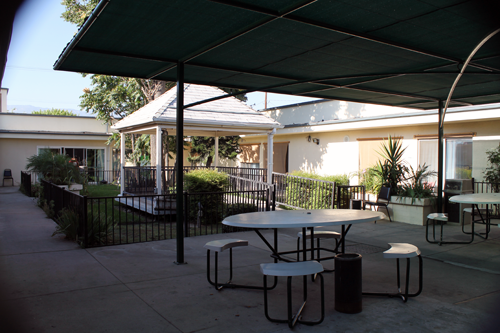
How Does Medical Center Convalescent Hospital Compare to Other California Nursing Homes?

Compared to the 100 nursing homes in California, MEDICAL CENTER CONVALESCENT HOSPITAL's overall rating (4 stars) is above the state average of 3.2, staff turnover (26%) is significantly lower than the state average of 46%, and health inspection rating (4 stars) is above the national benchmark.

What Should Families Ask When Visiting Medical Center Convalescent Hospital?

Based on this facility's data, families visiting should ask: "What changes have been made since the serious inspection findings, and how are you preventing similar issues?" "Can I visit during a mealtime to observe dining assistance and food quality?" "How do you handle medical emergencies, and what is your hospital transfer rate?" "Can I speak with family members of current residents about their experience?" These questions are particularly relevant given the facility's Immediate Jeopardy citations.

Is Medical Center Convalescent Hospital Safe?

Based on CMS inspection data, MEDICAL CENTER CONVALESCENT HOSPITAL has documented safety concerns. Inspectors have issued 1 Immediate Jeopardy citation (the most serious violation level indicating risk of serious injury or death). The facility has a 4-star overall rating and ranks #1 of 100 nursing homes in California. Families considering this facility should ask detailed questions about what corrective actions have been taken since these incidents.

Do Nurses at Medical Center Convalescent Hospital Stick Around?

Staff at MEDICAL CENTER CONVALESCENT HOSPITAL tend to stick around. With a turnover rate of 26%, the facility is 19 percentage points below the California average of 46%. Low turnover is a positive sign. It means caregivers have time to learn each resident's needs, medications, and personal preferences. Consistent staff also notice subtle changes in a resident's condition more quickly.

Was Medical Center Convalescent Hospital Ever Fined?

MEDICAL CENTER CONVALESCENT HOSPITAL has no federal fines on record. CMS issues fines when nursing homes fail to meet care standards or don't correct problems found during inspections. The absence of fines suggests the facility has either maintained compliance or corrected any issues before penalties were assessed. This is a positive indicator, though families should still review recent inspection reports for the full picture.

Is Medical Center Convalescent Hospital on Any Federal Watch List?

MEDICAL CENTER CONVALESCENT HOSPITAL is not on any federal watch list. The most significant is the Special Focus Facility (SFF) program, which identifies the bottom 1% of nursing homes nationally based on persistent, serious quality problems. Not being on this list means the facility has avoided the pattern of deficiencies that triggers enhanced federal oversight. This is a positive indicator, though families should still review the facility's inspection history directly.