SHANDIN HILLS BEHAVIOR THERAPY CENTER
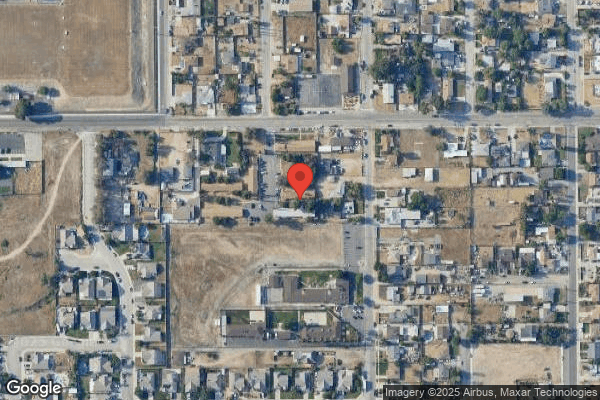
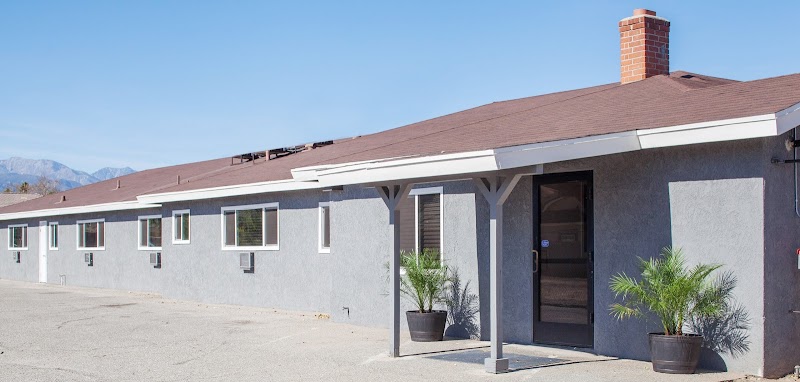
4164 NORTH 4TH AVENUE, SAN BERNARDINO, CA 92407 (909) 886-6786
For profit - Limited Liability company 78 Beds Independent Data: November 2025
Trust Grade
75/100
#194 of 1155 in CA
Last Inspection: November 2024

Within standard 12-15 month inspection cycle. Federal law requires annual inspections.

Overview

Shandin Hills Behavior Therapy Center has a Trust Grade of B, indicating it is a good choice among nursing homes. It ranks #194 out of 1,155 facilities in California, placing it comfortably in the top half, and #13 out of 54 in San Bernardino County, meaning there are only a dozen better local options. The facility is improving, as it reduced its issues from 6 in 2024 to just 2 in 2025. Staffing is average with a 3/5 star rating and a turnover rate of 39%, similar to the state average, which suggests some stability among staff. There were no fines reported, which is a positive sign. However, there have been some concerning incidents. A serious issue occurred when a resident with impaired judgment managed to elope from the facility, posing significant safety risks. Additionally, there were several concerns regarding food safety, such as serving outdated items and failing to follow the approved meal menu, which could compromise the residents' nutritional needs. Overall, while Shandin Hills has strengths in its ranking and lack of fines, families should be aware of the serious incidents that have been reported.

Trust Score
B
75/100
In California
#194/1155
Top 16%
Safety Record
Moderate
Needs review
Inspections
Getting Better
6 → 2 violations
Staff Stability
○ Average
39% turnover. Near California's 48% average. Typical for the industry.
Penalties
✓ Good
No fines on record. Clean compliance history, better than most California facilities.
Skilled Nurses
⚠ Watch
Each resident gets only 13 minutes of Registered Nurse (RN) attention daily — below average for California. Fewer RN minutes means fewer trained eyes watching for problems.
Violations
⚠ Watch
22 deficiencies on record. Higher than average. Multiple issues found across inspections.
★★★★★
5.0
Overall Rating
★★★☆☆
3.0
Staff Levels
★★★★★
5.0
Care Quality
★★★★☆
4.0
Inspection Score
Stable
2024: 6 issues
2025: 2 issues

The Good

  • 5-Star Quality Measures · Strong clinical quality outcomes
  • Full Sprinkler Coverage · Fire safety systems throughout facility
  • No fines on record
  • Staff turnover below average (39%)

    9 points below California average of 48%

Facility shows strength in quality measures, fire safety.

The Bad

Staff Turnover: 39%

Near California avg (46%)

Typical for the industry

The Ugly 22 deficiencies on record

1 actual harm
Feb 2025 1 deficiency
CONCERN (D) 📢 Someone Reported This

A family member, employee, or ombudsman was alarmed enough to file a formal complaint

Potential for Harm - no one hurt, but risky conditions existed

Free from Abuse/Neglect (Tag F0600)

Could have caused harm · This affected 1 resident

**NOTE- TERMS IN BRACKETS HAVE BEEN EDITED TO PROTECT CONFIDENTIALITY** Based on observation, interview and record review, the facility failed to prevent one of four sample residents (Resident 1) from...

Read full inspector narrative →
**NOTE- TERMS IN BRACKETS HAVE BEEN EDITED TO PROTECT CONFIDENTIALITY** Based on observation, interview and record review, the facility failed to prevent one of four sample residents (Resident 1) from being abuse by another Resident (Resident 2), when Resident 2 struck Resident 1 while he was in line with many other residents for medication. This failure resulted in Resident 1 suffered a scratch below the left eyebrow, a bruise on the left forehead, and a scratch on the left arm. Findings: On February 25, 2025, at 9:15 AM, the facility was entered to investigate a facility-reported incident related to an injury to Resident 1 caused by Resident 2 struck Resident 1 without provocation. During an interview on February 25, 2025, at 9:41 AM with Resident 1, Resident 1 stated that as he was standing in line to receive his medication, Resident 2 approached him and punched him. He stated there were a lot of them waiting in line when it occurred. He further stated that he had a bruise on his left forehead, a scratch below his left eyebrow, his jaw felt tense, and a scratch on the left arm resulting from the incident. During a review of Resident 1's admission record (a document that gives a summary of resident's information), the document indicated Resident 1 was admitted to the facility on [DATE], with a diagnosis that included Schizophrenia (a serious mental health condition that affects how people think, feel and behave). During a review of Resident 1 record titled Change in Condition Evaluation , dated February 22, 2025, indicated, at approximately 8:55 AM, Resident 1 was waiting in the hallway for his medication when Resident 2 approached without warning and began hitting Resident 1 causing Resident 1 to fall to the ground. Code was called and Resident 2 was immediately verbally redirected, Resident 2 behavior instantly ceased and began to walk away toward his room. Neuro checks performed on Resident 1. Resident 1 is alert oriented, able to communicate and follow commands, Resident 1 stated 5/10 headache, and refused pain medication. Doctor and conservator notified. During a review of Resident 1 ' s Minimum Data Set (facility assessment tool), dated October 19, 2024, under Section C, it indicated his Brief Interview for Mental Status (BIMS) score was 14. (A BIMS score of 13 to 15 suggests the patient is cognitively intact.) During an interview on February 25, 2025, at 9:58 AM with the License Vocational Nurse (LVN 1), LVN 1 stated she was the medication nurse when the incident happened and that there were approximately 10 to 15 residents in the hallway when there should have only been 4 to 5 people waiting in line for their medication. said she thinks the incident may have been avoided if the number of residents waiting in line had been kept at 4 to 5 people at a time. During an interview on February 25, 2025, at 10:23 AM with Resident 2, Resident 2 stated there were around 10 to 11 people there when he struck Resident 1 and there were couple of staff too. During a review of Resident 2's admission record, the document indicated Resident 2 was admitted to the facility on [DATE], with a diagnosis that included Schizophrenia (a serious mental health condition that affects how people think, feel and behave). During a review of Resident 2 record titled Change in Condition Evaluation , dated February 22, 2025, indicated, at approximately 8:55 AM, during the morning medication pass, staff reported Resident 2 approached Resident 1 without provocation and began striking Resident 1 multiple times with Right hand, closed fist, causing Resident 1 to fall and spill the water he was holding. Resident 2 continued to hit Resident 1 while hovering over Resident 1. Staff quickly intervened, called code, and verbally directed Resident 2 to stop the behavior. Resident 2 immediately ceased and walked to his room without further incident. A review of Resident 2's care plan for Aggressive Behavior with an initiation date of October 24, 2024, and last re-evaluated November 3, 2024, showed that Resident 2 is at risk for Aggressive Behavior . During a review of Resident 2 ' s Minimum Data Set (facility assessment tool), dated October 19, 2024, under Section C, it indicated his Brief Interview for Mental Status (BIMS) score was 14. (A BIMS score of 13 to 15 suggests the patient is cognitively intact.) During an interview on February 25, 2025, at 10:36 AM, with another resident (Resident 3), Resident 3 stated on Saturday, there were around 15 people in the hallway lining up to get their medication when Resident 2 struck Resident 1. During a review of Resident 3's admission record (a document that gives a summary of resident's information), the document indicated Resident 3 was admitted to the facility on [DATE], with a diagnosis that included Paranoid Schizophrenia (a serious mental health condition that affects how people think, feel and behave accompanied by paranoia). During a review of Resident 3 ' s Minimum Data Set (facility assessment tool), dated October 19, 2024, under Section C, it indicated his Brief Interview for Mental Status (BIMS) score was 14. (A BIMS score of 13 to 15 suggests the patient is cognitively intact.) During an interview on February 25, 2025, at 10:42 AM, with another resident (Resident 4), Resident 4 stated there was around 12 people lining up to get medication, when the incident happened. During a review of Resident 4's admission record (a document that gives a summary of resident's information), the document indicated Resident 4 was admitted to the facility on [DATE], with a diagnosis that included Schizophrenia (a serious mental health condition that affects how people think, feel and behave). During a review of Resident 4 ' s Minimum Data Set (facility assessment tool), dated October 19, 2024, under Section C, it indicated his Brief Interview for Mental Status (BIMS) score was 15. (A BIMS score of 13 to 15 suggests the patient is cognitively intact.) During interview on February 25, 2025, at 10:50 AM, with the Program Director (PD 1), PD 1 stated although staff seemed to be aware that a small number of people lining up at one time is ideal to prevent problems from developing, PD 1 indicated that the facility lacks policy and procedure (P&P) that specifies how many residents should be lining up at one time for medication administration. She acknowledged that the situation may have been exacerbated by the large number of individuals waiting in line for medication on the day of the incident. A review of the facility P&P titled Resident-to-Resident Altercations dated September 2022, indicated, .1. Facility staff monitor residents for aggressive/inappropriate behaviors towards other residents, family members, visitors, or to the staff .
Jan 2025 1 deficiency
CONCERN (D) 📢 Someone Reported This

A family member, employee, or ombudsman was alarmed enough to file a formal complaint

Potential for Harm - no one hurt, but risky conditions existed

Accident Prevention (Tag F0689)

Could have caused harm · This affected 1 resident

**NOTE- TERMS IN BRACKETS HAVE BEEN EDITED TO PROTECT CONFIDENTIALITY** Based on observation, interview, and record review, the facility failed to implement adequate monitoring and supervision for one...

Read full inspector narrative →
**NOTE- TERMS IN BRACKETS HAVE BEEN EDITED TO PROTECT CONFIDENTIALITY** Based on observation, interview, and record review, the facility failed to implement adequate monitoring and supervision for one of one resident (Resident 1) who had a history of elopement (leaving a designated area without permission), when the facility ' s back door was unlocked and Resident 1 left the facility without staff awareness on January 6, 2025, for 15 hours, before police brought Resident 1 back to the facility at midnight, on January 7, 2025. This failure placed Resident 1 at high risk for accidents and had the potential to place Resident 1's health and safety at risk and for him to experience some serious adverse outcome, due to exposure of the (outdoor) elements, as well as effects of his admitted use of marijuana ( a drug than can be smoke, vaporized or consume in milk) and alcohol while he was gone interacting with his prescribed medications. Findings: During a review of Resident 1's admission Record (a document that gives a summary of resident's information), the admission Record indicated, Resident 1 was admitted to the facility on [DATE], with diagnoses that included schizophrenia (mental disorder in which people interpret reality abnormally). During a review of Resident 1 ' s Elopement Evaluation (a form used by the facility to assess the risk of a resident leaving the facility) dated November 14, 2024, indicated, Resident 1 has a history of actual elopement or attempted elopement. During a review of the Facility record titled, Investigation Worksheet (document containing Resident 1 interview statement). Resident 1 interview statement was reviewed. In the statement Resident 1 described on January 6, 2025, he left at 9:30 AM. He was pacing when he noticed Mental Health Counselor Programmer (MHCP 1) and the other MHCP (MHCP 2) conducting a group session. A Certified Nurse Assistant (CNA 1) departed for a break, while CNA 2 remained at the nurse's station. So, he walked and tested the door, which opened, and then he hurried out. He hopped over the fence near the laundry room. He had to hang down so he wouldn't fall into the yellow trash cans. Then he dashed down the driveway to the large bus stop beside the 7/11. He got the bus about 10:00 AM and paid $2.40. He rides it till he reaches the city of [NAME], where several people give him marijuana and he purchased some beer and a cigar from the liquor shop. He used the phone to contact his brother to pick him up, but the cops got him first. During an interview on January 7, 2025, at 12:39 PM, with the Program Director (PD 1), the PD 1 stated they had a faulty back door that Resident 1 opened; the magnet did not engage, and Resident 1 scaled the fence to exit the premises. During an interview on January 7, 2025, at 1:13 PM, with Resident 1, Resident 1 stated he escaped the facility by going through the back door and jumping over the fence. Resident 1 further stated the door was broken and it could be gently pushed open. Resident 1 stated the hallway was empty, with only a single person at the nurses' station, enabling him to slip away unnoticed. Resident 1 also mentioned he rode a bus to [NAME] and was brought back to the facility by the police. During a review of Resident 1 ' s Minimum Data Set (facility assessment tool), dated October 19, 2024, under Section C, it indicated his Brief Interview for Mental Status (BIMS) score was 15. (A BIMS score of 13 to 15 suggests the patient is cognitively intact.) During an interview on January 7, 2025, at 1:20 PM with a Resident (Resident 2). Resident 2 stated the door was broken yesterday, at around 8:30 – 9:30 AM, stated he knows about it because he heard someone got out. During a review of Resident 2 ' s Minimum Data Set (facility assessment tool), dated November 25, 2024, under Section C, it indicated his Brief Interview for Mental Status (BIMS) score was 15. (A BIMS score of 13 to 15 suggests the patient is cognitively intact.) During an interview on January 7, 2025, at 1:24 PM, with a Resident (Resident 3). Resident 3 stated the door was broken yesterday and no staff was in the hallway. During a review of Resident 3 ' s Minimum Data Set (facility assessment tool), dated December 8, 2024, under Section C, it indicated his Brief Interview for Mental Status (BIMS) score was 15. (A BIMS score of 13 to 15 suggests the patient is cognitively intact.) During an interview on January 7, 2025, at 1:27 PM with the CNA 2, the CNA 2 stated she doesn ' t know exactly the time when the elopement happened. Stated she start her shifts at 6:30 AM and went to lunch from 10:00 AM – 10:30 AM. She added per policy someone should be always on the floor. She further explained that they were having problems with that door not working properly yesterday before the elopement incident happened. During an interview on January 7, 2025, at 1:44 PM, with The MHCP 1, the MHCP 1 stated yesterday, January 6, 2025, she started her shift at 7:00 AM. She believes the elopement happen between 9:30AM – 10:00 AM, because she observed the back door was not locking when they return from coffee break outside. MHCP 1 stated she discovered the door did not close securely and could be easily opened, prompting her to inform the Maintenance Supervisor. During an interview on January 7, 2025, at 2:23 PM, with the Maintenance Supervisor (MS 1), the MS 1 stated he was informed around 9:00 AM, on January 6, 2025, the door was not locking, and he fixed it. During an interview on January 7, 2025, at 3:00 PM, with the PD 1, the PD 1 stated they are conducting in-service training about heightened supervision and staying at their posts consistently to oversee the residents. She further added, according to policy, there must be always personnel in the hallway. During a review of the facility Policy and Procedure (P&P), titled, Maintenance Service, undated, indicated, .1. The Maintenance Department is responsible for maintaining the buildings, grounds, and equipment in a safe and operable manner . During a review of the facility Policy and Procedure (P&P) titled, Emergency Procedure – Missing Resident, undated, indicated, .1. Residents at risk for wandering and/or elopement will be monitored, and staff will take necessary precautions to ensure their safety .
Nov 2024 6 deficiencies
CONCERN (D)

Potential for Harm - no one hurt, but risky conditions existed

Deficiency F0576 (Tag F0576)

Could have caused harm · This affected 1 resident

**NOTE- TERMS IN BRACKETS HAVE BEEN EDITED TO PROTECT CONFIDENTIALITY** Based on interviews and record review, the facility failed to ensure the residents rights to forms of communication were respect...

Read full inspector narrative →
**NOTE- TERMS IN BRACKETS HAVE BEEN EDITED TO PROTECT CONFIDENTIALITY** Based on interviews and record review, the facility failed to ensure the residents rights to forms of communication were respected for three of six residents (Residents 24, 31 and 66) when Residents 24, 31 and 66 did not receive mail on Saturdays. This failure resulted in Residents 24, 31 and 66's not having means of communication with individuals inside or outside the facility, which could cause psychosocial harm and lead to low self-esteem, feeling irritated, sad, and anxious. Findings: During a review of Resident 24's admission Record, the admission Record indicated Resident 24 was admitted to the facility on [DATE], with the diagnoses of schizophrenia (a chronic mental disorder that affects a person's ability to think, perceive, and interact with others), nicotine dependence (a condition where a person has a compulsive need for nicotine, the addictive chemical found in tobacco products) and hyperlipidemia (high levels of fat in the blood). During a review of Resident 31's admission Record, the admission Record indicated Resident 31 was admitted to the facility on [DATE], with the diagnoses of nicotine dependence and schizophrenia. During a review of Resident 66's admission Record, the admission Record indicated Resident 66 was admitted to the facility on [DATE], with the diagnoses of nicotine dependence and schizophrenia. During an interview on November 13, 2024, at 11:00 AM, with Residents 24, 31, and 66, during Resident Council meeting (a gathering of residents who come together to discuss concerns, share information, and make decisions) conducted , Residents 24, 31, and 66 stated they do not receive mail on Saturdays amd only received it during Monday through Friday. During an interview on November13, 2024 at 11: 40 AM, with the Social Services Director (SSD), the SSD stated, the facility did not have any staff member to distribute mail to the residents on the weekends. The SSD further stated, there just isn't anyone here with access to the mailbox on weekends. During a follow up interview on November 13, 2024, 12:18 PM with the SSD, the SSD stated, social services department is responsible for delivering mail. The SSD further stated, the post office delivered the mail on Saturdays into the mailbox, however the residents receive their mail until the following Monday. During a concurrent interview and record review on November 13, 2024, at 12:19 PM with the SSD, the SSD reviewed the facility's policy and procedure (P&P) titled, Mail and Electronic Communication, revised date May 2017. The P&P indicated, . 4. Mail and packages will be delivered to the resident within twenty-four hours of delivery on premises or to the facility's post office box (including Saturday deliveries). The SSD, stated, the policy was not followed but, the facility is working on getting an additional key. The SSD further stated, It is the patients right to receive their unopened mail in a timely manner. During an interview on November 13, 2024, at 12:25PM, with the Administrator, (Admin), the Admin stated, the Social services Director is responsible for the residents mail delivery. The Admin further stated, if the Residents, do get regular mail on Saturdays, then the mail gets distributed on Monday. The Admin stated, it is important the residents receive their mail on Saturdays, it is the Residents rights.
CONCERN (D)

Potential for Harm - no one hurt, but risky conditions existed

Deficiency F0805 (Tag F0805)

Could have caused harm · This affected 1 resident

**NOTE- TERMS IN BRACKETS HAVE BEEN EDITED TO PROTECT CONFIDENTIALITY** Based on observation, interview, and record review, the facility failed to follow the menu for dysphagia mechanical soft diet (t...

Read full inspector narrative →
**NOTE- TERMS IN BRACKETS HAVE BEEN EDITED TO PROTECT CONFIDENTIALITY** Based on observation, interview, and record review, the facility failed to follow the menu for dysphagia mechanical soft diet (texture-modified diet that restricts foods that are difficult to chew or swallow) when one of twenty two sampled resident (Resident 16) did not receive her physician ordered therapeutic diet (a meal plan that's prescribed by a doctor and created by a dietician to treat a medical condition) on the following days: Received regular tortilla and regular green chili rice instead of pureed tortilla and pureed green chili rice for lunch on November 12, 2024. Received a whole piece of bread and chopped roast pork instead of pureed bread and ground roast pork for lunch on November 13, 2024. This failure had the potential for Resident 16 that received this diet to be at risk for choking and impact the resident's nutritional needs and health outcomes. FINDINGS: A review of Resident 16's admission Record, (contains demographic and medical information), indicated Resident 16 was admitted to the facility on [DATE], with diagnoses which included paranoid schizophrenia (is a pattern of behavior where a person feels distrustful and suspicious of other people and acts accordingly), Diabetes Mellitus (DM-a disorder characterized by difficulty in blood sugar control and poor wound healing), hyperlipidemia (a condition where there are abnormally high levels of lipids, or fats, in the blood) During an observation on November 12,2024, at 12:23 PM, Dietary Aide 1 (DA 1) was plating the food for residents and served Resident 16 a regular diet which consisted of 2 regular beef tacos and scoop of green chili rice. During a record review of the facility's menu diet guide on November 12, 2024, at 1:30 PM, titled, Diet Guide Sheet, indicated on November 12,2024 for Dysphagia Mechanical Soft .Lunch .Pureed tortilla .pureed green chili rice . During an observation on November 13, 2024, at 01:12 PM, observed Resident 16's meal tray for lunch which consisted of chopped pork and slice of bread. During a record review of the facility's menu diet guide on November 13,2024, at 1:45 PM titled, Diet Guide Sheet, indicated on November 13,2024 for Dysphagia Mechanical Soft .Lunch .ground roast pork .pureed bread . During a review on November 13,2024, at 01:13 PM, Resident 16's clinical record physician order indicated on September 5, 2024, Consistent Carbohydrate diet Dysphagia (difficulty swallowing) mechanical soft texture, . for recent choking episode. During a review on November 13,2024, at 04:18 PM, Resident 16's progress note, dated September 2,2024, indicated, At approximately 1315 staff reported resident appeared to be choking while eating lunch in her room. Nursing staff proceeded with performing abdominal thrust which resulted in resident vomiting her food. No visible large object noted in throw up. Resident is currently sitting up in her bed with no signs of distress, no pain or discomfort. Resident is educated on chewing her food before swallowing . During a review of Resident 16's record on November 14,2024, at 09:57 AM, Interdisciplinary Progress Note, dated September 12, 2024, indicated, IDT discussed the patient's incident at mealtime where there was an incident where she appeared to be choking. Resident's diet was immediately changed to Dysphagia Mechanical Soft texture. During an interview on November 14, 2024, at 10:21 AM, the Dietary [NAME] (DC) stated she forgot to pureed the tortilla, the rice, and the bread. She confirmed that she should follow according to the menu diet guide. During an interview on November 15,2024, at 10:20 AM, with Registered Dietician (RD), RD stated it was his expectation that meals should be according to the recipe and what the diet guide calls for. During a review of the facility's Diet and Nutrition Care Manual under, Diet and Nutrition Care Manual, under National Dysphagia Diet Levels, Level 2 Dysphagia Mechanically Altered, cohesive, moist, semi-solid, requires some chewing ability, ground or minced meats with fork-mashable fruits and vegetables, moist, ground, soft textured , minced or fork mashable, simple to chew foods that are included in a transition from puree texture to mechanical soft texture, The food forms easily into a cohesive bolus, excludes most bread products, crackers, and other dry foods.
CONCERN (D)

Potential for Harm - no one hurt, but risky conditions existed

Deficiency F0806 (Tag F0806)

Could have caused harm · This affected 1 resident

**NOTE- TERMS IN BRACKETS HAVE BEEN EDITED TO PROTECT CONFIDENTIALITY** Based on observations, interviews, and record review, the facility failed to ensure when one of one sampled residents (Resident ...

Read full inspector narrative →
**NOTE- TERMS IN BRACKETS HAVE BEEN EDITED TO PROTECT CONFIDENTIALITY** Based on observations, interviews, and record review, the facility failed to ensure when one of one sampled residents (Resident 278) food preferences were not honored when Resident 278 asked for ketchup for his lunch on November 12, 2024 and staff said no. This failure had the potential to result in unmet care of needs for Resident 278 which could potentially affect the residents nutrition status. FINDINGS: A review of Resident 278's admission Record,(contains demographic and medical information), indicated Resident 278 was admitted to the facility on [DATE], with diagnoses which included schizoaffective disorder (s a mental health condition marked by hallucinations or delusions, and symptoms of a mood disorder, such as mania and depression), enlarged lymph nodes (swollen lymph nodes are your body's natural reaction to illness or infection. These small lumps are soft, tender, and often painful), and nicotine dependence (a chronic disease that makes it difficult to stop using tobacco, even when a person wants to quit). During an observation on November 12,2024, at 12:11 PM, Resident 278 was getting his food for lunch and asked the Dietary [NAME] for ketchup. Dietary [NAME] stated, no, You don't need it. We are not serving fries. During a review of Resident 278's progress note on November 13, 2024, at 11:09 AM, a note dated November 8, 2024, indicated, Resident was waiting in line for his tray when he asked for ketchup. Resident educated that he doesn't have a hot dog. Resident stated, yes I do. Grabbed his pants over his crotch area and stated, I got one right here. Resident educated on appropriate boundaries and redirected to cease inappropriate comments by PD. Resident understood. PD met with the resident to discuss safety planning for the weekend. Resident given another packet to do during his free time for extra group credit. He was able to identify he would remain safe with the mantra calm body, calm mind and identified he would ask staff for a PRN or fresh air outside if he was feeling frustrated or anxious. The resident was praised for identifying safety plans. Resident encouraged that PD would meet with him on Monday to review how his weekend went. Resident to remain on increased supervision to monitor. Continue with focus and goal. During a review of Resident 278's care plan titled, [Resident 278] Resident is at nutritional risk: dated November 1, 2024, the care plan indicated, Interventions .Honor food preferences within meal plan . During a concurrent observation and interview on November 14, 2024, at 1:42 PM, Resident 278 was sitting in his room. He appeared calm, able to make his needs known, and answered questions appropriately. He stated that he likes to have ketchup, salt and pepper, and sugar with his meals to add more flavor. During an interview on November 14, 2024, at 2:08 PM, Program Director stated, we were having fish tacos that day and we were verifying if he wanted ketchup. He can have ketchup from what I know. During an interview on November 15, 2024, at 10:05 AM, with Registered Dietician (RD), stated that based on Resident 278's diagnosis and diet order, ketchup should be ok. During a review of the facility's policy and procedure titled, Dining and Food Preferences, dated September 2017, the policy indicated, Policy Statement: Individual dining, food, and beverage preferences are identified for all residents/patients .
CONCERN (D)

Potential for Harm - no one hurt, but risky conditions existed

Food Safety (Tag F0812)

Could have caused harm · This affected 1 resident

Based on observation, interview, and record review, the facility failed to ensure safe, sanitary food preparation, and storage practices in the kitchen when: 1. There was two plastic drawers with food...

Read full inspector narrative →
Based on observation, interview, and record review, the facility failed to ensure safe, sanitary food preparation, and storage practices in the kitchen when: 1. There was two plastic drawers with food crumbs and spill stains inside the drawers. The plastic drawer base and the shelf that the drawers were sitting also had a build-up of food crumbs. 2. There was a black build-up on floor under the three compartment sinks. Looks like black sludge with food. The had the potential for microorganism growth and to attract pests. 3. The meat slicer had old meat crusted on the blade. This had potential to contaminate meat sliced on the slicer. 4. The steam table in unit one dining room was dirty, had grease and grime on the front of the unit and the shelf under the steam table had a buildup and food crumbs.The steam table in unit two dining room had a build-up of a brown substance and food crumbs. And the stainless-steel shelf had a rust like substance on the shelves. This had a potential to contaminate food and attract pests. 5. A dresser was being used in unit two next to the steam table to store condiments and food. The drawers had a buildup of crumbs and stains. The front of the drawers had water damage and warping. this had the potential to contaminate food and for microorganism growth. 6. There was a plumbing repair done that required a wall to be patched. The wall patch was not smooth and easily cleanable. The mesh patch was still visible, and the spackle was bumpy and not smoothed out or painted. This had the potential for buildup to occur and microorganism growth. These facility failures had the potential to attract pests and cause foodborne illness to a population of 78 residents eating facility prepared meals. FINDINGS: 1. During an observation on November 12, 2024, at 08:14 AM, two plastic drawers on a shelf under the coffee maker had food crumbs and spill stains inside the drawers. The plastic drawer base and the shelf that the drawers were sitting also had a build-up of food crumbs. During an interview on November 12, 2024, at 08:14 AM, with the Dietary Manager Consultant (DMC), DMC acknowledged that the plastic drawers need to be cleaned. During an interview on November 15,2024, at 10:05 AM, with the Registered Dietitian (RD), the RD stated his expectation is that the surfaces of the drawers should be maintained clean. During a review of the facility's policy and procedure titled, Environment, dated September 2017, indicated, All food preparation areas, food services areas, and dining areas will be maintained in a clean and sanitary condition. During a review of the FDA Federal Food Code, dated 2022, 4-601.11 indicated, NonFOOD-CONTACT SURFACES of EQUIPMENT shall be kept free of an accumulation of dust, dirt, FOOD residue, and other debris. In addition, The objective of cleaning focuses on the need to remove organic matter from food-contact surfaces so that sanitization can occur and to remove soil from nonfood contact surfaces so that pathogenic microorganisms will not be allowed to accumulate and insects and rodents will not be attracted. 2. During an observation on November 12, 2024, at 08:19 AM, under the three-compartment sink had black build up that appeared to be black sludge with food. During an interview on November 15,2024, at 10:05 AM, with the RD, the RD stated, the floors should be cleaned on daily basis, everything should be cleaned on the floor. During a review of the facility's policy and procedure titled, Environment, dated September 2017, indicated, All food preparation areas, food services areas, and dining areas will be maintained in a clean and sanitary condition. During a review of the FDA Federal Food Code, dated 2022, 4-601.11 indicated, NonFOOD-CONTACT SURFACES of EQUIPMENT shall be kept free of an accumulation of dust, dirt, FOOD residue, and other debris. In addition, The objective of cleaning focuses on the need to remove organic matter from food-contact surfaces so that sanitization can occur and to remove soil from nonfood contact surfaces so that pathogenic microorganisms will not be allowed to accumulate and insects and rodents will not be attracted. 3. During an observation on November 12,2024, at 08:24 AM, the meat slicer had meat crusted on the blade. During an interview on November 12,2024, at 08:25 AM, with the Dietary Manager he acknowledged that there is meat crust on the blade of the meat slicer. During an interview on November 15,2024, at 10:06 AM, with the RD, the RD stated the meat slicer should be cleaned and sanitized after every use. During a review of the facility's policy and procedure titled, Environment, dated September 2017, indicated, All food preparation areas, food services areas, and dining areas will be maintained in a clean and sanitary condition. During a review of the FDA Federal Food Code, dated 2022, 4-601.11 indicated, (B) The FOOD-CONTACT SURFACES of cooking EQUIPMENT and pans shall be kept free of encrusted grease deposits and other soil accumulations. In addition, Microorganisms may be transmitted from a food to other foods by utensils, cutting boards, thermometers, or other food-contact surfaces. Food-contact surfaces and equipment used for time/temperature control for safety foods should be cleaned as needed throughout the day but must be cleaned no less than every 4 hours to prevent the growth of microorganisms on those surfaces. 4. During an observation on November 12,2024, at 08:39 AM, the steam table in unit one dining room had grease and grime on the front of the unit and the shelf under the steam table had brown build-up and food crumbs. During an observation on November 12, 2024, at 08:45 AM, the steam table in unit two dining room had brown buildup of brown substance and food crumbs. During an observation on November 12,2024, at 08:46 AM, the stainless-steel shelf had rust like substance on the shelves. During an interview on November 15,2024, at 10:07 AM, with the RD, the RD stated the steam tables in Unit 1 and Unit 2 should be cleaned daily. During a review of the facility's policy and procedure titled, Environment, dated September 2017, indicated, All food preparation areas, food services areas, and dining areas will be maintained in a clean and sanitary condition. During a review of the FDA Federal Food Code, dated 2022, 4-601.11 indicated, NonFOOD-CONTACT SURFACES of EQUIPMENT shall be kept free of an accumulation of dust, dirt, FOOD residue, and other debris. In addition, The objective of cleaning focuses on the need to remove organic matter from food-contact surfaces so that sanitization can occur and to remove soil from nonfood contact surfaces so that pathogenic microorganisms will not be allowed to accumulate, and insects and rodents will not be attracted. 5. During an observation on November 12,2024, at 08:47 AM, there was a dresser being used in unit two next to the steam table that had three drawers and was storing condiments and food. The drawers had a buildup of crumbs and stains. There was a banana stored in the top drawer with the condiments and a banana stored in the second drawer that was empty but had food crumbs and buildup in the drawer. There was a piece of glass covering the top of the dresser that had water damage. The front of the drawers had water damage and warping. During an interview on November 15,2024, at 10:08 AM, with the RD, the RD stated there should not be water damage. 6. During an observation on November 12,2024, at 08:24 AM, there was a drain under the dishwasher that was repaired and wall patch that was completed was rough, raw spackled, not smooth or painted. Able to see the mesh to repair the hole and not completely covered with spackle. During an interview on November 15,2024, at 10:05 AM, with Registered Dietician (RD), RD stated there should be nothing falling off or peeling from the patch. During a review of the facility's policy and procedure titled, Equipment, dated September 2017, was reviewed. The policy indicated, Policy Statement: All foodservice equipment will be clean, sanitary, and in proper working order . During further review of the FDA Federal Food Code, dated 2022, under Section: Equipment, Utensils, and Linens, Section 4-101.19 titled, Nonfood-Contact Surfaces, indicated, Nonfood-contact surfaces of equipment that are exposed to splash, spillage, or other food soiling or that require frequent cleaning shall be constructed of a corrosion-resistant, nonabsorbent, and smooth material. In addition, Nonfood-contact surfaces of equipment routinely exposed to splash or food debris are required to be constructed of nonabsorbent materials to facilitate cleaning. Equipment that is easily cleaned minimizes the presence of pathogenic organisms, moisture, and debris and deters the attraction of rodents and insects. During a review of the FDA Federal Food Code, dated 2022,4-101.19 indicated, NonFOOD-CONTACT SURFACES of EQUIPMENT that are exposed to splash, spillage, or other FOOD soiling or that require frequent cleaning shall be constructed of a CORROSION-RESISTANT, nonabsorbent, and SMOOTH material. In addition, Nonfood-contact surfaces of equipment routinely exposed to splash or food debris are required to be constructed of nonabsorbent materials to facilitate cleaning. Equipment that is easily cleaned minimizes the presence of pathogenic organisms, moisture, and debris and deters the attraction of rodents and insects.h
CONCERN (F)

Potential for Harm - no one hurt, but risky conditions existed

Menu Adequacy (Tag F0803)

Could have caused harm · This affected most or all residents

Based on observation, interview, and record review, the facility failed to follow their daily approved menu for lunch when, on November 12, 2024, Dietary [NAME] served a mixture of lettuce, tomato, an...

Read full inspector narrative →
Based on observation, interview, and record review, the facility failed to follow their daily approved menu for lunch when, on November 12, 2024, Dietary [NAME] served a mixture of lettuce, tomato, and cheese together to serve with tacos and used a #24 scoop (1.33 ounces or 2-2/3 tablespoons), instead of ¼ cup (4 tablespoons) shredded lettuce and diced tomato topping and 1 tablespoon of shredded cheddar cheese. This failure had the potential for residents to compromise their nutritional status when menus are not followed for 78 of 78 medically compromised residents who received food from the kitchen. FINDINGS: During tray line (when cook serves food on plates for each resident according to the menu) observation on November 12, 2024, at 12:11 PM, In Unit 1 Dietary [NAME] served lettuce, tomato, and cheese mixture using a #24 handle scoop (1.33 ounces or 2-2/3 Tablespoon). During a tray line observation on November 12, 2024, at 12:37 PM. In Unit 2 Dietary Aide served lettuce, tomato, and cheese mixture using a #24 handle scoop (1.33 ounces or 2-2/3 tablespoon). During a review of the facility document titled, Diet Guide Sheet, dated November 12, 2024, indicated, Beef Soft Taco with Flour Tortilla .Shredded Lettuce & Diced Tomato Topping ¼ Cup (4 tablespoons) .Shredded Cheddar Cheese 1 Tbl (tablespoon) . During an interview on November 15,2024, at 10:05 AM, with the Registered Dietician (RD), the RD stated the recipe, and the menu diet guide should be followed. During a review of facility's policy and procedure (P&P) titled, Menus, dated September 2017, the P&P indicated, .6. Menus will be served as written, unless a substitution is provided in response to preference, unavailability of an item, or a special meal .
MINOR (B)

Minor Issue - procedural, no safety impact

Deficiency F0912 (Tag F0912)

Minor procedural issue · This affected multiple residents

**NOTE- TERMS IN BRACKETS HAVE BEEN EDITED TO PROTECT CONFIDENTIALITY** Based on observation and interview, the facility failed to provide a minimum of 80 square feet (sq. ft.- unit of measurement) of...

Read full inspector narrative →
**NOTE- TERMS IN BRACKETS HAVE BEEN EDITED TO PROTECT CONFIDENTIALITY** Based on observation and interview, the facility failed to provide a minimum of 80 square feet (sq. ft.- unit of measurement) of livable space per resident for 13 rooms (Rooms 30, 31, 32, 33, 34, 35, 36, 37, 38, 39, 40, 41, and 42). This failure had the potential to limit freedom of movement and affect the health and safety of 29 residents who reside in these rooms. Findings: During an observation and interview with the Facility Maintenance Director (FMD) on November 14, 2024, at 1:53 PM, 13 rooms were measured and found to be less than the required 80 sq. ft. per resident. The residents' rooms and their measurements of livable space were noted as follows: i. room [ROOM NUMBER] (two beds) measured 142 sq./ft. (71 sq. ft. per resident) ii. room [ROOM NUMBER] (two beds) measured 144 sq./ft. (72 sq. ft. per resident) iii. room [ROOM NUMBER] (four beds) measured 234 sq./ft. (58.5 sq. ft. per resident) iv room [ROOM NUMBER](three beds) Measured 178 sq./ft. (59.3 sq. ft. per resident) v. room [ROOM NUMBER] (two beds) measured 144 sq./ft. (72 sq. ft. per resident) vi. room [ROOM NUMBER] (two beds) measured 144 sq./ft. (72 sq. ft. per resident) vii. room [ROOM NUMBER] (two beds) measured 144 sq./ft. (72 sq. ft. per resident) viii. room [ROOM NUMBER] (two beds) measured 143 sq./ft. (71.5 sq. ft. per resident) ix. room [ROOM NUMBER] (two beds) measured 143 sq./ft. (71.5 sq. ft. per resident) x. room [ROOM NUMBER] (two beds) measured 141 sq./ft. (70.5 sq. ft. per resident) xi. room [ROOM NUMBER] (two beds) measured 120 sq./ft. (60 sq. ft. per resident) xii. room [ROOM NUMBER] (two beds) measured 142 sq./ft. (71 sq. ft. per resident) xiii. room [ROOM NUMBER] (two beds) measured 141 sq./ft. (70.5 sq. ft. per resident) During an interview with the Administrator (Admin), on November 14, 2024, at 3:04 PM, the Admin stated, he is aware of the measurement. There were no complaints of space or room issues from the residents that occupying these rooms. The Residents can walk around the room safely. These rooms appear to be spacious not crowded and did not impose any safety hazards on the Residents at this time. The survey team recommends the approval of the room waiver request for the rooms listed in this deficiency.
Nov 2023 4 deficiencies
CONCERN (D)

Potential for Harm - no one hurt, but risky conditions existed

Medical Records (Tag F0842)

Could have caused harm · This affected 1 resident

**NOTE- TERMS IN BRACKETS HAVE BEEN EDITED TO PROTECT CONFIDENTIALITY** Based on observation, interview, and record review, the facility failed to ensure informed consents (process in which a health c...

Read full inspector narrative →
**NOTE- TERMS IN BRACKETS HAVE BEEN EDITED TO PROTECT CONFIDENTIALITY** Based on observation, interview, and record review, the facility failed to ensure informed consents (process in which a health care provider educates a patient about the risk and benefits and alternatives) were obtained for a resident (Resident 54) reviewed for use of psychotropic medication (a drug which affects behavior, mood thoughts, or perception). This failure had the potential for Resident 54 and his representative to not be informed of Resident 54's current health condition and treatment options, which could negatively impact Resident 54's health and safety. Finding: During a review of Resident 54's admission Record (contains demographic and medical information), it indicated Resident 54 was admitted to the facility on [DATE], with diagnoses that included paranoid schizophrenia [a pattern of behavior where a person feels distrustful and suspicious of other people and acts accordingly], insomnia [inability to sleep] and hypothyroidism [low activity of the thyroid gland]. During a record review of Resident 54's Physician Order Sheet, dated January 30, 2023, it indicated Resident 54 was ordered by the Physician to receive Topamax (anti-psychotic drug) 100 mg [milligrams-unit of mass] by mouth two times a day. During a record review of Resident 54's Physician Order Sheet, dated September 19, 2023, it indicated, Resident 54 was ordered by the Physician to receive Haloperidol (anti-psychotic drug) 5 mg by mouth two times a day. During a record review of Resident 54's Physician Order Sheet, dated September 19, 2023, it indicated Resident 54 was ordered by the Physician to receive Lithium Carbonate [mood disorder drug] 450 mg by mouth at bedtime. During a review of Resident 54's Physician Order Sheet, dated September 19, 2023, it indicated Resident 54 was ordered by the Physician to receive Buspirone HCL (anti-depressant drug) 15 mg by mouth three times a day. During a concurrent interview and record review with the Director of Nursing (DON), on November 3, 2023, at 3:25 PM, the DON reviewed Resident 54's clinical record and was unable to find documented evidence to indicate the facility obtained informed consenta for Resident 54's use of Topamax, Haloperidol, Lithium Carbonate, Gabapentin and Buspirone. During a review of the facility's policy titled Behavior Management, dated, August 25, 2023, it indicated, I. The Facility monitor identified resident will be used for Resident who: 3. Obtain the Psychotropic Medication Administration Disclosure (Forms on Demand or Psychotropic Medication Administration Informed Consent for California Sate specific).
CONCERN (F)

Potential for Harm - no one hurt, but risky conditions existed

Food Safety (Tag F0812)

Could have caused harm · This affected most or all residents

Based on observation, interview, and record review, the facility failed to ensure safe, sanitary food preparation, and storage practices in the kitchen when: 1. There were eight outdated cups of prune...

Read full inspector narrative →
Based on observation, interview, and record review, the facility failed to ensure safe, sanitary food preparation, and storage practices in the kitchen when: 1. There were eight outdated cups of prune juice found in the kitchen refrigerator, and one box of outdated saltine crackers was found in the dry food storage and were available for use. 2. There were food crumbs and trash under the stove. These failures had the potential to expose 77 highly susceptible residents who received food from the kitchen to foodborne illness (illness caused by ingestion of contaminated food or beverages) due to cross- contamination (the transfer of harmful substances or disease- causing microorganisms to food). Findings: 1. During an observation and interview with [NAME] 1, on October 30, 2023, at 8:20 AM, in the kitchen, one of the refrigerators were inspected. Inside the refrigerator, there was a food storage container holding eight cups of outdated prune juice. It had a label, Prune juice .UB 10-18-23 [October 18, 2023]. During further observation and interview with [NAME] 1, on October 30, 2023, at 8:30 AM, in the kitchen, the dry food storage was inspected. One box of outdated saltine crackers with a label, Saltine cracker .UB 10-13-23 was found in the dry food storage. [NAME] 1 stated the outdated prune juice and crackers should be removed. During an interview with the Dietary Services Director (DSD), on October 31, 2023, at 2:15 PM, the DSD stated, The prune juice cups were outdated and should have been removed from the refrigerator and the outdated box of saltine cracker should also be removed in the dry food storage. An interview with the Registered Dietician (RD) was conducted on October 31, 2023, at 2:30 PM. The RD stated the outdated cups of prune juice should have been removed and not left inside the refrigerator. The RD further stated the saltine crackers in the dry food storage should be discarded. The RD stated, The cooks are to remove any food items with outdated labels out of the containers and carts every morning. During a concurrent interview and record review on October 31, 2023, at 2:40 PM, with the RD, the RD reviewed and acknowledged the facility's policy and procedure (P&P), titled, Food Receiving and Storage, dated September 2017, indicated, Policy: Dry foods and goods are handled and stored in a manner that maintains the integrity of the packaging until they are ready to use .All foods stored in the refrigerator or freezer are covered, labeled and dated (use by date). A review of the Food and Drug Administration Food Code 2022, 3-701.11, indicated, Discarding or Reconditioning Unsafe, Adulterated, or Contaminated Food. (A) A FOOD that is unsafe, ADULTERED, or not honestly presented as specified under $ 3-101.11 shall be discarded or reconditioned according to ab APPROVED procedure. 2. During a concurrent observation and interview, with the DSD, on October 30, 2023, at 8:45 AM, in the kitchen, there were food crumbs and trash under the stove, in the cook prep area. The DSD stated the area should be kept clean and free of crumbs, trash, and dirt. He stated the dietary staff were not able to do the regular cleaning. During an interview with the RD, on October 31, 2023, at 2:20 PM, the RD stated the cook preparation area should be kept clean. The RD further stated the area under the stove should be swept up regularly. During a concurrent interview and record review, on October 31, 2023, at 2:30 PM, with the RD and DSD, the RD and DSD reviewed and acknowledged the facility's policy and procedure (P&P), titled, Environment, dated September 2017, indicated, All food preparations areas, food service areas, and dining areas will be maintained in a clean and sanitary condition. A review of the FDA Federal Food Code 2022, 4-601.11 titled Equipment, Food- Contact Surfaces, Nonfood- Contact Surfaces and Utensils, indicated, .(C) Nonfood- contact surfaces of equipment shall be kept free of accumulation of dust, dirt, food residue and other debris. In addition, 4-602.13, indicated The presence of food debris or dirt on nonfood contact surfaces may provide a suitable environment for the growth of microorganisms which employees may inadvertently transfer to food. If these areas are not kept clean, they may also provide harborage for insects, rodents, and other pests.
CONCERN (F)

Potential for Harm - no one hurt, but risky conditions existed

Infection Control (Tag F0880)

Could have caused harm · This affected most or all residents

Based on observation, interview, and record review, the facility failed to implement the water management plan in accordance with their own policy and procedure. This failure had the potential to resu...

Read full inspector narrative →
Based on observation, interview, and record review, the facility failed to implement the water management plan in accordance with their own policy and procedure. This failure had the potential to result in causing water borne illness(illness caused by ingestion of contaminated water) to 77 residents in the facility. Findings: During an interview, on November 2, 2023, at 1:00 PM, with the Maintenance Supervisor 1 (MS 1), the MS 1 stated he was not following the water management plan as per facility policy and procedure except for checking the water temperature. During a concurrent interview and record review, on November 2, 2023, at 3:00 PM, with the Administrator in Trainee (AIT), the AIT reviewed the facility's undated policy and procedure (P&P) titled, Legionella Water Management Plan, and stated,We [the facility] are not following the steps that was documented in the policy and procedure for the Legionella water management plan except the temperature checking daily. During a review of the facility's undated policy and procedure titled, Legionella Water Management Plan, it indicated, .instructions 3 identify areas where Legionella could grow and spread .
MINOR (B)

Minor Issue - procedural, no safety impact

Deficiency F0912 (Tag F0912)

Minor procedural issue · This affected multiple residents

**NOTE- TERMS IN BRACKETS HAVE BEEN EDITED TO PROTECT CONFIDENTIALITY** Based on observation and interview, the facility failed to provide a minimum of 80 square feet (sq. ft.- unit of measurement) of...

Read full inspector narrative →
**NOTE- TERMS IN BRACKETS HAVE BEEN EDITED TO PROTECT CONFIDENTIALITY** Based on observation and interview, the facility failed to provide a minimum of 80 square feet (sq. ft.- unit of measurement) of livable space per resident for 13 rooms (Rooms 30, 31, 32, 33, 34, 35, 36, 37, 38, 39, 40, 41, and 42). This failure had the potential to limit freedom of movement and affect the health and safety of 29 residents who reside in these rooms. Findings: During an observation and interview, with the Maintenance Supervisor 1 (MS 1), on November 3,2023, at 9:00 AM, 13 rooms were measured and found to be less than the required 80 sq. ft. per resident. The resident's rooms and their measurements of livable space were noted as follows: i. room [ROOM NUMBER] (two beds) measured 141.6 sq./ft. (70.8 sq. ft. per resident) ii. room [ROOM NUMBER] (two beds) measured 144 sq./ft. (72 sq. ft. per resident) iii. room [ROOM NUMBER] (four beds) measured 234 sq./ft. (58.5 sq. ft. per resident) iv. room [ROOM NUMBER] (three beds) measured 178.43sq/ft (14.66x12.16sq/ft per patient) v. room [ROOM NUMBER] (two beds) measured 144 sq./ft. (72 sq. ft. per resident) vi. room [ROOM NUMBER] (two beds) measured 144 sq./ft. (72 sq. ft. per resident) vii. room [ROOM NUMBER] (two beds) measured 144 sq./ft. (72 sq. ft. per resident) viii. room [ROOM NUMBER] (two beds) measured 141.96 sq./ft. (70.98 sq. ft. per resident) ix. room [ROOM NUMBER] (two beds) measured 139.9 sq./ft. (69.95 sq. ft. per resident) x. room [ROOM NUMBER] (two beds) measured 140.4 sq./ft. (70.2 sq. ft. per resident) xi. room [ROOM NUMBER] (two beds) measured 120 sq./ft. (60sq. ft. per resident) xii. room [ROOM NUMBER] (two beds) measured 142 sq./ft. (71 sq. ft. per resident) xiii. room [ROOM NUMBER] (two beds) measured 142 sq./ft. (71 sq. ft. per resident) These rooms were not crowded and did not impose any safety hazards. There were no complaints of space or room issues from the residents occupying these rooms. The survey team recommends the approval of the room waiver request for the rooms listed in this deficiency.
Aug 2023 1 deficiency
CONCERN (E) 📢 Someone Reported This

A family member, employee, or ombudsman was alarmed enough to file a formal complaint

Potential for Harm - no one hurt, but risky conditions existed

Deficiency F0940 (Tag F0940)

Could have caused harm · This affected multiple residents

Based on interview and record review, the facility failed to ensure the dietary staff were properly trained on emergency procedures when the cook did not call a Code Red or use the fire extinguisher t...

Read full inspector narrative →
Based on interview and record review, the facility failed to ensure the dietary staff were properly trained on emergency procedures when the cook did not call a Code Red or use the fire extinguisher to put out a fire in the kitchen. This failure had the potential to flare up and consume the kitchen which could have negatively impacted the physical and emotional well-being of the residents in the facility. Findings: On August 1, 2023, an unannounced visit was made to the facility to investigate a complaint regarding Physical Environment. During an interview with the Dietary Aide (DA 1) on August 1, 2023, at 3:19 PM, DA 1 stated, The cook was cooking fried steak. The Assistant Manager (AM) noticed a flame. The oil in the pan under the top of the stove caught on fire. The flame was getting bigger. The cook said, I know the flame is getting bigger, but I'll turn it off after I finish cooking. The AM noticed the flame was getting higherr. I went outside because of the smoke in the kitchen. The AM called the maintenance assistant (MA 1) first. MA 1 got the extinguisher and put the fire out. It got too smoky, so the MA 1 evacuated everyone for an hour and a half. DA 1 stated further, the cook, should have reacted right away when she noticed the fire the first time. The cook was ignoring the fire. The cook should have got the fire extinguisher and put the fire out. The cook did not use the fire extinguisher and we did not know to call a code when there is a fire. During review of a Inservice for grease fires undated indicated Steps to take in case of a grease fire. 1. Turn off the source of heat. 2. Never pour water on a grease fire. 3. Cover grease fire with lid/pot/baking pan to limit oxygen. 4. If covering does not work; pour baking soda or salt on the fire to smother it (Never pour flour/baking powder as these have chemicals that will cause a fire to burn more). 5. If salt/baking soda does not work, use the silver metal series-K fire extinguisher. 6. If extinguisher does not work, pull fire alarm to activate Ansul system. 7. Get out/Call 911/Call code RED. The Dietary Service Manager stated he completed this in-service on July 31, 2023. The in-service did not indicate the first step was to call a CODE RED and evacuate if a fire is suspected as per their policy. During an interview with the Dietary Services Manager (DSM) on August 1, 2023, at 4:48 PM, the DSM stated, It was Sunday, from what I understand it was a grease fire. The flat to the grill had flames coming from underneath it. The cook did not know the correct procedure. So, they had a maintenance guy come and grab the series K extinguisher and put it out. Staff should have grabbed the series k extinguisher and put it out themselves. They should have called a code red so they could evacuate the residents. After reviewing the policy and procedure with the DSM, the DSM stated the staff should have: Removed everyone away from the fire, set the alarm and call a code red. After that confine the fire then use the extinguisher. The policy and procedure for fire emergencies indicated the dietary staff were not trained and or in-serviced on the proper procedures regarding fire emergencies. During an interview with the Administrator on August 1, 2023, at 5:16 PM, the Administrator stated, the dietary staff should have called a code red and used the fire extinguisher themselves. During a review of the facility's Policy and Procedure (P&P) titled, Emergency Procedure, Fire dated August 2018, indicated the facility has a designed procedure for fires that shall be followed if such an emergency arises. Staff receives training at least annually on fire procedures (R.A.C.E.) and the use of fire extinguishers. Emergency Procedure – Fire. Utilize the Fire Procedure in the event of an actual fire, smoke condition, or smell of smoke in the facility. 1. Activate the R-A-C-E response as soon as there is discovery of a fire or potential fire situation within the building .Rescue: Everyone in immediate danger and move them to a safe location away from the fire. Alarm: Activate the building's fire alarm system by pulling the nearest manual pull station. Announce Code Red and the fire location over the loudspeaker. Confine: Extinguish .
Aug 2023 1 deficiency
CONCERN (E) 📢 Someone Reported This

A family member, employee, or ombudsman was alarmed enough to file a formal complaint

Potential for Harm - no one hurt, but risky conditions existed

Safe Environment (Tag F0584)

Could have caused harm · This affected multiple residents

**NOTE- TERMS IN BRACKETS HAVE BEEN EDITED TO PROTECT CONFIDENTIALITY** Based on observation, interview and record review the facility failed to maintain comfortable temperature levels for three of th...

Read full inspector narrative →
**NOTE- TERMS IN BRACKETS HAVE BEEN EDITED TO PROTECT CONFIDENTIALITY** Based on observation, interview and record review the facility failed to maintain comfortable temperature levels for three of three sampled residents (Resident1, Resident 2 and Resident 3.) The failure resulted in three Residents not being provided a comfortable environment that led to a feeling of frustration and discomfort. Findings: An abbreviated survey was conducted on July 27, 2023, at 12:50 PM to investigate a complaint related to physical environment. During a review of Resident 1 's clinical record, the face sheet indicated an admission date of June 8, 2023, with diagnoses which included schizoaffective disorder (mental illness that can affect your thoughts, mood, and behavior.) During an observation on July 27, 2023, at 1:15 PM, in the hallway on Unit 1, Resident 1 was perspiring. Resident 1 then stated, The last three days it's been hot. I'm sweating in here. During a review of Resident 2's clinical record, the face sheet indicated an admission date of September 7, 2022, with diagnoses which included schizoaffective disorder. During an observation on July 27, 2023, at 1:17 PM, Resident 2 was on Unit 1, walking in the hallway. Resident 2 stated, Its hot in here. I sweat when I'm inside. During a review of Resident 3's clinical record, the face sheet indicated an admission date of August 24, 2021, with diagnoses which included paranoid schizophrenia (mental illness with delusions and hallucinations), tachycardia (increased heart rate) and high blood pressure. During an observational tour of Unit 1 with the Maintenance Director (MS) on July 27, 2023, at 1:19 PM, the MS checked the temperatures with a air thermometer and the temperatures below were recorded: 1. The Hallway near room [ROOM NUMBER] indicated a temperature of 84.5 Fahrenheit (unit of measure), 2. room [ROOM NUMBER] indicated a temperature of 84.9 degrees Fahrenheit, 3. room [ROOM NUMBER] indicated a temperature of 83.9 degrees Fahrenheit, 4. room [ROOM NUMBER] indicated a temperature of 84.7 degrees Fahrenheit, 5. the Hallway near room [ROOM NUMBER] indicated a temperature of 82 degrees Fahrenheit. The maintenance director confirmed the temperatures in the resident areas was above the maximum temperature range of 81 degrees Fahrenheit. During an observation on July 27, 2023, at 1:22 PM, in Resident 3's room, Resident 3 was lying in bed, perspiring with a dampened towel placed on her forehead. Resident 3 stated, I am hot. During an interview with the MS on July 27, 2023, at 1:42 PM, MS stated, The temperatures should be between 71 and 81 degrees Fahrenheit. They should not be over 81 degrees. The MS confirmed the room temperature should have been between 71 and 81 degrees Fahrenheit. During an interview with the Administrator in training (AIT), on July 27, 2020, at 2:08 PM, AIT stated, Temperatures are to be within range, from 71 degrees Fahrenheit to 81 Fahrenheit. The temperatures are not okay. The temperatures are to be within range for the safety of the resident. The facility policy and procedure titled Air Temperatures undated indicated, All buildings are required to maintain an ambient temperature throughout resident and patient areas in a temperature range of 71 to 81 degrees Fahrenheit or at a more restrictive range required by state or local requirements .
Mar 2023 1 deficiency 1 Harm
SERIOUS (G) 📢 Someone Reported This

A family member, employee, or ombudsman was alarmed enough to file a formal complaint

Actual Harm - a resident was hurt due to facility failures

Accident Prevention (Tag F0689)

A resident was harmed · This affected 1 resident

**NOTE- TERMS IN BRACKETS HAVE BEEN EDITED TO PROTECT CONFIDENTIALITY** Based on observation, interview, and record review, the facility failed to provide a safe environment with adequate monitoring a...

Read full inspector narrative →
**NOTE- TERMS IN BRACKETS HAVE BEEN EDITED TO PROTECT CONFIDENTIALITY** Based on observation, interview, and record review, the facility failed to provide a safe environment with adequate monitoring and supervision for one out of the three residents (Resident 1) with impaired impulse control, insight, and judgment. Resident 1 had a psychiatric diagnosis of severe mental and emotional disorder and managed to elope (run away secretly) from the facility without staff's knowledge. This failure resulted in Resident 1 eloping from the facility on February 6, 2023, and Resident 1 was not found. Resident 1 had a history of elopement resolved on April 26, 2019. This current elopement has the potential for Resident 1 to sustain injury, fall, exposure to heat, cold, dehydration, drowning, getting hit by car and even death. Findings: A phone interview was conducted on February 8, 2023, at 12:11 PM, with the Administrator in training, regarding a facility reported incident of an elopement. He stated, Resident 1 was outside in the yard with the staff for social event. When residents were outside, staff did not count the residents who went outside for the social event. Resident 1 was left outside, and he hid behind the old vending machines. He broke the latch of the back gate and took off. The Administrator in training stated, they immediately searched premises, nearby stores, and parks and did not find resident 1. The Administrator in training further stated, Resident 1 was last seen by the staff at 3:00 PM on February 6, 2023. On February 8, 2023, at 2:27 PM, during the tour of the facility with the Program Director (PD) there were three working door alarms noted on the unit, three locked chain linked fence gates, and approximately 14 feet high chain linked fence was noted around the building. During a concurrent interview with the PD stated, they believe Resident 1 was hiding behind the shed, he broke the laundry room gate latch and escaped to the street. The PD further stated, facility staff went to nearby stores and parks looking for Resident 1 on February 6, 2023 at 4:06 PM. They did not find Resident 1. During an interview on, February 8, 2022, at 3:10 PM, with a Mental Health Counselor (MHC), she stated, a Certified Nursing Assistant (CNA 2) made rounds and noted Resident 1 was missing on February 6, 2023 at 4:06 PM. They searched on the unit, in the yard and did not find Resident 1. During an interview on, February 8, 2022, at 3:30 PM, CNA1 stated, when they searched, Resident 1 was not on the unit. During a telephone interview on, February 23, 2022, at 9:55 AM, with CNA 2, she stated, she last saw Resident 1 during her rounds on February 6, 2023, at 3:00 PM, Resident 1 was in the dining room and at 4:06 PM, she did not see the Resident 1 on the unit. CNA 2 informed the charge nurse, and the charge nurse informed the Program director and the Administrator in training. CNA 2 went out in the car with another programmer, searched side streets and a nearby store as soon as they found out Resident 1 was missing. Nobody was able to locate Resident 1. A review of Resident 1's clinical records indicated, Resident 1 was admitted to the facility on [DATE], with the diagnoses of schizoaffective disorder unspecified (mental illness that affects moods and thoughts) and insomnia unspecified (difficulty in falling asleep). A review of Resident 1's Nursing Progress Notes, dated, February 6, 2023 at 5 PM, indicated, Approximately 4:00 PM, nursing staff noted Resident 1 was not in the unit while conducting the hourly rounds as scheduled. Staff immediately notified CN, and an immediate head count was initiated, safety check on all rooms, toilets, bathrooms, and closets was done. Staff searched the yard adjacent to back door, no one was seen in the yard or observed on the roof deck .staff drove around the neighboring streets in vehicles with no resident in sight. A review of Resident 1's History and Physical Examination , dated September 5, 2020, indicated Resident 1 has fluctuating capacity to understand and make decisions. A review of Resident 1's Brief Interview for Mental Status (BIMS, an interviewing tool used to determine resident's ability to think) completed on December 7, 2022, indicated, Resident 1's, BIMS score of 15 which means cognition is intact (a BIMS score scale 0 to 7 points is severely impaired cognition, 8 to 12 is moderately impaired, and 13 to 15 is intact cognition). A review of Resident 1's Doctor's Progress Notes, dated February 6, 2023, indicated Resident 1 with poor impulse control, insight, and judgment was partially impaired A review of Facility's document, Quality Assurance Performance Improvement (QAPI) on February 7, 2023, indicated, A resident was able to leave the facility after the fresh air break in unit 2. The staff supervising the yard during break did not notice the resident was still out in the yard when they entered the facility. The staff supervising the yard did not have and account for the residents in the yard during break . A review of facility's policy and procedure (P&P) titled, Elopement of Resident, effective date March 22, 2022, the P&P indicated, Purpose: To provide a process for managing residents at risk for elopement. Policy: A resident whose does not have capacity who leaves the facility unaccompanied .3. Unwitnessed Elopement: 3.1. Notify the supervisor that the patient is missing. 3.2 Supervisor will alert all staff of missing patient with an announcement to activate missing patient protocol . A review of facility's Policy titled, Safety and Supervision of Residents, revised date July 2017, the policy indicated, Policy Statement: Our facility strives to make the environment as free form accident hazards as possible. Resident safety and supervision and assistance to prevent accidents are facility-wide priorities. Policy interpretation and Implementation . Systems Approach to Safety 1. The facility- oriented and resident-oriented approaches to safety are used together to implement a systems approach to safety, which considers the hazards identified in the environment and individual resident risk factors, and then adjusts interventions accordingly. 2. Resident supervision is a core component of the systems approach to safety. The type and frequency of resident supervision is determined by the individual resident's assessed needs and identified hazards in the environment . A review of facility's document name Supervision Level Protocol And Guidelines. Undated, it indicated, Protocol, The interdisciplinary team will continually evaluate the need for increased supervision of residents who present with cognitive, behavioral, medical, or other conditions that put them or others at risk. The team will provide increased levels of supervision as appropriate to ensure optimal resident safety and outcome. General Supervision: For all residents who do not have another supervision level recommended by IDT, general supervision will be maintained at all times. Residents on general supervision can move around the facility at will, except in areas that are designated as nonresident areas for safety reasons. Guidelines: .4. When residents are under general supervision, they are expected to stay in the building except when following standard polices for leaving (e.g., therapeutic pass, outing, appointments, and hospital stays). A staff member entering/exiting a secured a secured resident area is responsible for detecting any resident away from attempts to leave without permission. The staff member should verbally redirect the resident away from the area and alert other staff members for assistance so they can intervene to keep the resident safe .
Feb 2023 1 deficiency
CONCERN (D) 📢 Someone Reported This

A family member, employee, or ombudsman was alarmed enough to file a formal complaint

Potential for Harm - no one hurt, but risky conditions existed

Free from Abuse/Neglect (Tag F0600)

Could have caused harm · This affected 1 resident

**NOTE- TERMS IN BRACKETS HAVE BEEN EDITED TO PROTECT CONFIDENTIALITY** Based on observation, interview, and record review, the facility failed to provide a safe environment with adequate monitoring a...

Read full inspector narrative →
**NOTE- TERMS IN BRACKETS HAVE BEEN EDITED TO PROTECT CONFIDENTIALITY** Based on observation, interview, and record review, the facility failed to provide a safe environment with adequate monitoring and supervision for a resident (Resident 1) with impaired impulse control, insight, and judgment. Resident 1 has severe mental and emotional disorder and managed to elope from the facility without staff's knowledge. This failure resulted in Resident 1 eloping from the facility and was found about one fourth of a mile away from the facility in the convenient store on December 19, 2022. Findings: A phone interview was conducted on December 20, 2022, at 8:56 AM, with the Administrator in training, regarding a facility reported incident of an elopement. He stated, Resident 1 got out from his room window. Resident 1 pushed his window, jumped on the chair, got on the filling cabinet, which was outside of his window, climbed the wired fence jumped on the generator and climbed another locked gate. He also stated, Resident 1 was found at 5:30 AM, on December 19, 2022, near convenient store by morning shift staff on his way to work. He stated the night shift staff was not aware Resident 1 was missing. Administrator in training stated staff is expected to check on resident ' s whereabouts two to three times per hour. The Administrator in training further stated, Resident 1 was with the convenient store clerk, since 1:00 AM. On December 20,2022 at 2:40 PM, an unannounced visit was conducted to investigate a facility reported incident regarding an elopement of a resident (Resident 1). During the tour of the facility with Director of Nursing on December 20, 2022, at 2:50 PM, there were three functioning door alarms noted on the three exit doors. During a concurrent observation and interview on December 20, 2022, at 3:00 PM, Resident 1 was resting comfortably in the bed. He was alert, oriented and able to make his needs known. His room was near the nursing station. Resident 1 stated he pushed the window and hopped on the fence and went out walking outside. He stated, he heard voices telling him to leave so he left. During an interview with Director of Nursing (DON) on December 20, 2022, at 4:04 PM, DON stated Resident 1 had been missing since 1:00 AM, he was found by incoming programmer staff on the way to work. Programmer called the facility to find out if Resident 1 was in the facility. DON also stated, Resident 1 was not monitored during the night. The CNA and Licensed Vocational Nurse (LVN 1) did not make their rounds. A review of Resident 1's clinical records indicated, Resident 1 was admitted to the facility on [DATE], with the diagnoses of schizoaffective disorder unspecified (mental illness that affects moods and thoughts) and insomnia unspecified (difficulty in falling asleep). A review of Resident 1's Progress Notes, dated, December 20, 2022, at 9:13 AM, indicated, Resident eloped this morning allegedly for few hours and was found by a staff member near gas station down the street from the facility. Resident 1 stated, he was hearing an increase in voices last night. Resident had a small cut on right shin with no active bleeding. A review of Resident 1's Doctor's Progress Notes, dated September 12, 2022, indicated Resident 1 with impulse control, insight, and judgment partially impaired. A review of Resident 1's Brief Interview for Mental Status (BIMS, an interviewing tool used to determine resident's ability to think) completed on December 7, 2022, indicated, Resident 1's, BIMS score of 15 which means cognition is intact (a BIMS score scale 0 to 7 points is severely impaired cognition, 8 to 12 is moderately impaired, and 13 to 15 is intact cognition). A review of facility's policy and procedure (P&P) titled, Elopement of Resident, effective date March 22, 2022, the P&P indicated, Purpose: To provide a process for managing residents at risk for elopement. Policy: A resident whose does not have capacity who leaves the facility unaccompanied .3. Unwitnessed Elopement: 3.1. Notify the supervisor that the patient is missing. 3.2 Supervisor will alert all staff of missing patient with an announcement to activate missing patient protocol . A review of facility ' s Policy titled, Safety and Supervision of Residents, revised date July 2017, the policy indicated, Policy Statement: Our facility strives to make the environment as free form accident hazards as possible. Resident Safety and supervision and assistance to prevent accidents are facility-wide priorities. Policy interpretation and Implementation . Systems Approach to Safety 1. The facility- oriented and resident-oriented approaches to safety are used together to implement a systems approach to safety, which considers the hazards identified in the environment and individual resident risk factors, and then adjusts interventions accordingly. 2. Resident supervision is a core component of the systems approach to safety. The type and frequency of resident supervision is determined by the individual resident ' s assessed needs and identified hazards in the environment .
Nov 2022 5 deficiencies
CONCERN (D)

Potential for Harm - no one hurt, but risky conditions existed

Deficiency F0761 (Tag F0761)

Could have caused harm · This affected 1 resident

**NOTE- TERMS IN BRACKETS HAVE BEEN EDITED TO PROTECT CONFIDENTIALITY** Based on observation, interview, and record review, the facility failed to ensure medications were properly labeled and stored, ...

Read full inspector narrative →
**NOTE- TERMS IN BRACKETS HAVE BEEN EDITED TO PROTECT CONFIDENTIALITY** Based on observation, interview, and record review, the facility failed to ensure medications were properly labeled and stored, when: 1. One Over the Counter (OTC- are medication sold directly to a consumer without a requirement for prescription) medication was found expired and available for use in one (Mediaction Cart 1) of two medication carts. 2. One OTC ointment was found exceeded 90 days after the opened date, available for use in one (Medication Cart 1) of two medication carts. These failures had the potential to cause unsafe and less effective medication administration, as they were available for use for highly vulnerable population of 77 residents. Findings: 1. During an observation on [DATE], at 11:04 AM, in the medication room, on unit one with the Licensed Vocational Nurse (LVN 1), one expired OTC medication, First Aid Zinc Oxide 20% (skin ointment used to treat minor skin irritations) had expiration date of [DATE]. The LVN 1 acknowledged the skin ointment had been expired five months ago. During an interview with the Director of Nursing (DON) on [DATE], at 11:59 AM, DON confirmed medication was expired. The DON further stated nurses should have checked the expiration date and replaced them timely. A review of the facility's policy and procedure (P&P) titled, Storage and Expiration Dating of Medications, Biological, Syringes and Needles, revision date [DATE], the P&P indicated, . 4. Facility should ensure that medications and biologicals that: (1) have an expired date on the label: (2) have been retained longer than recommended by manufacturer or supplier guidelines: or (3) have been contaminated or deteriorated, are stored separate from other medications until destroyed or returned to the supplier. 5. Once any medication or biological package is opened, Facility should follow manufacture/ supplier guidelines with respect to expiration dates for opened medications. Facility staff should record the date opened on the medication container when the medication has a shortened expiration date once opened . 2. During an observation on [DATE], at 11:08 AM, in the medication room, on unit one with LVN 1, one expired OTC medication, Maximum Strength Cortisone 10, 1% hydrocortisone (skin ointment used to relief redness and itching) had open date of [DATE]. The LVN 1 acknowledged the medication had exceeded 90 days after opened date, and should have been replaced according to facility's policy and procedure. During an interview with the DON on [DATE], at 12:05 PM, the DON confirmed the medication had exceeded 90 days after opened date. The DON stated nurses should have replaced the medication according to facility's policy and procedure. During a review of facility documentation titled, NOC shift responsibility, undated, indicated, .Ensure all OTC are dated, and label dates do not exceed 90 days from open date replace if needed.
CONCERN (D)

Potential for Harm - no one hurt, but risky conditions existed

Infection Control (Tag F0880)

Could have caused harm · This affected 1 resident

Based on observation, interview, and record review, the facility failed to maintain infection control practices when: 1. A Licensed Vocational Nurse (LVN 2) did not perform hand hygiene in between med...

Read full inspector narrative →
Based on observation, interview, and record review, the facility failed to maintain infection control practices when: 1. A Licensed Vocational Nurse (LVN 2) did not perform hand hygiene in between medication administration. 2. A Certified Nursing Assistant (CNA 1) did not remove gloves and wash her hands prior to walking into the hallway. These failures had the potential to spread infectious disease (disease caused by bacteria, viruses, fungi or parasites) to other residents and staff in the facility. Findings: 1. During an observation on November 17, 2022, at 6:35 AM, on Unit 1's medication room, with LVN 2, the LVN 2 did not perform hand hygiene after administering an insulin (a drug used to lower blood sugar) injection and proceeded to prepare the next medication. During a subsequent interview on November 17, 2022, at 6:40 AM, with LVN 2, the LVN 2 acknowledged she did not perform hand hygiene after removing her gloves. The LVN 2 stated she should have washed her hands after administering the insulin. She further stated performing hand hygiene prevent spread of infection. 2. During an observation on November 17, 2022, at 7:05 AM, with CNA 1, the CNA 1 did not remove gloves prior to walking into the hallway from a resident's room after taking resident's body temperature, blood pressure, pulse, and respirations. The CNA stated she forgot to remove her gloves and wash her hands. She further stated she should have washed her hands after removing her gloves to prevent the spread of infection. During a concurrent interview and record review on November 18, 2022, at 12:25 PM, with the Director of Nursing (DON), the facility's policy and procedure (P&P) titled, Infection Control Policies and Procedures, dated, September 29, 2020, was reviewed. The P&P indicated, .To improve hand hygiene practices and reduce the transmission of pathogenic microorganism for the protection of residents, staff, and visitors . Perform hand hygiene: Before and after resident care. Before all aseptic procedures. After contact with blood or other body fluids, even when gloves are worn. Before donning and after doffing gloves. After toileting or assisting residents with toileting. Before and after feeding residents or taking breaks. After contact with the resident's environment . The DON stated the staff did not follow the policy. The DON further stated she expected staff to discard gloves and perform hand hygiene prior to leaving residents' rooms to reduce the spread of infection.
CONCERN (E)

Potential for Harm - no one hurt, but risky conditions existed

Food Safety (Tag F0812)

Could have caused harm · This affected multiple residents

Based on observation, interview and record review, the facility failed to maintain a sanitary kitchen in accordance with professional standards for food service safety when: 1. Five plastic food stora...

Read full inspector narrative →
Based on observation, interview and record review, the facility failed to maintain a sanitary kitchen in accordance with professional standards for food service safety when: 1. Five plastic food storage containers were stacked and stored wet. 2. Ladles, peeler, serving spoons, serving scoops were stored wet in the two plastic containers, which prevented them from drying. 3. Floor behind the juice dispenser machine had trash build-up. 4. There were food crumbs, black grime, and trash build-up found underneath the stove. These failures had the potential to cause foodborne illness (stomach infections caused by ingesting contaminated food) in a highly susceptible population of 77 residents who received food from the kitchen. Findings: 1. During an observation and concurrent interview with the Dietary Manager (DM) on November 15, 2022, at 8:37 AM, in the kitchen, found five plastic food storage containers were stacked and stored wet. The DM stated, these containers should have been air dried before storing. During a telephone interview with Registered Dietitian (RD) on November 18, 2022, at 11:41 AM, the RD stated, her expectations are that food storage containers should be dry before staking and storing. During a review of the facility's policy and procedure (P&P) titled Warewashing, revised September 2017, the P&P indicated: .All dishware will be air dried and properly stored . During a review of the FDA Federal Food Code, dated 2017, the Food Code indicated 4-901.11 Equipment and Utensils, Air-Drying Required. After cleaning and sanitizing, equipment, and utensils: (A) Shall be air-dried . 2. During an observation and concurrent interview with the DM on November 15, 2022, at 8:37 AM, in the kitchen, found ladles, peeler, serving spoons and serving scoops were stored wet in the plastic containers. The DM confirmed ladles, peeler, serving spoons and serving scoops were stored wet in the plastic containers. The DM further stated, his expectations are that ladles, peeler, serving spoons and serving scoops should be dry before storing in the plastic containers. During a telephone interview with RD on November 18, 2022, at 11:41 AM, the RD stated, her expectations, are ladles, peeler, serving spoons and serving scoops should be dry before storing in the plastic containers. During a review of the facility's P&P titled Warewashing, revised September 2017, the P&P indicated: .All dishware will be air dried and properly stored . During a review of the FDA Federal Food Code, dated 2017, the Food Code indicated 4-901.11 Equipment and Utensils, Air-Drying Required. After cleaning and sanitizing, equipment, and utensils: (A) Shall be air-dried . 3. During an observation and concurrent interview with the DM on November 15, 2022, at 8:52 AM in the kitchen, there were food crumbs and loose trash behind the juice machine dispenser. The DM stated that the food crumbs and trash should have been cleaned up and his expectation are floor should be clean daily. During a telephone interview with RD on November 18, 2022, at 11:43 AM, the RD stated, her expectations are that floor should be clean under all the equipment daily. During a review of the facility's P&P titled Environment, revised September 2017, the P&P indicated, .1. The Dining Services Director will ensure that the kitchen is maintained in a clean and sanitary manner, including floors, walls, ceilings, lighting, and ventilation. 2. The Dining Services Director will ensure that all employees are knowledgeable in the proper procedures for cleaning and sanitizing of all food service equipment and surfaces . During a review of the FDA Federal Food Code, dated 2017, the Food Code indicated 4-602.13 Nonfood-Contact Surfaces. The presence of food debris or dirt on nonfood contact surfaces may provide a suitable environment for the growth of microorganisms which employees may inadvertently transfer to food. If these areas are not kept clean, they may also provide harborage for insects, rodents, and other pests . 4. During an observation and concurrent interview with the DM on November 15, 2022, at 9:20 AM in the kitchen, there were food crumbs, black grime under the stove. The DM stated there should not be any food crumbs and black grime, under the stove. The DM further stated under the stove should have been cleaned up. During a telephone interview with Registered Dietitian (RD) on November 18, 2022, at 11:43 AM, the RD stated, her expectations are that floor should be clean under all the equipments daily. During a review of the facility's P&P titled Environment, revised September 2017, the P&P indicated, .1. The Dining Services Director will ensure that the kitchen is maintained in a clean and sanitary manner, including floors, walls, ceilings, lighting, and ventilation. 2. The Dining Services Director will ensure that all employees are knowledgeable in the proper procedures for cleaning and sanitizing of all food service equipment and surfaces . During a review of the FDA Federal Food Code, dated 2017, the Food Code indicated 4-602.13 Nonfood-Contact Surfaces. The presence of food debris or dirt on nonfood contact surfaces may provide a suitable environment for the growth of microorganisms which employees may inadvertently transfer to food.
CONCERN (E)

Potential for Harm - no one hurt, but risky conditions existed

Safe Environment (Tag F0921)

Could have caused harm · This affected multiple residents

**NOTE- TERMS IN BRACKETS HAVE BEEN EDITED TO PROTECT CONFIDENTIALITY** Based on observation, interview, and record review, the facility failed to provide a safe, and sanitary environment for the resi...

Read full inspector narrative →
**NOTE- TERMS IN BRACKETS HAVE BEEN EDITED TO PROTECT CONFIDENTIALITY** Based on observation, interview, and record review, the facility failed to provide a safe, and sanitary environment for the residents when: 1. Two of 21 shared bathrooms (Bathroom [ROOM NUMBER] [room [ROOM NUMBER] and 5 shared] and Bathroom [ROOM NUMBER] [room [ROOM NUMBER] and 6 shared]) the toilet bowls dirty, rusty and had dark brownish stains. 2. One of 21 shared bathrooms (Bathroom [ROOM NUMBER] [room [ROOM NUMBER] and 17 shared]) toilet water tank was missing a tank cover. These failures had the potential to negatively affect the psychosocial well-being of residents who reside in these rooms, due to not having a safe and sanitary environment. Findings: 1. During a concurrent observation and interview on November 15, 2022, at 10:16 AM, with the Social Services Director (SSD), the toilet bowls inside Bathrooms [ROOM NUMBERS] were dirty, rusty and had dark, brownish stains. The SSD acknowledged and stated the toilet bowls should have been cleaned. During a concurrent observation and interview on November 15, 2022, at 12:05 PM, with House Keeping Supervisor (HKS), the HKS acknowledged the toilets bowls for Bathrooms [ROOM NUMBERS] were dirty, rusty and had dark brownish stains. The HKS stated he tried to clean the toilet bowls and he reported to the maintenance department. During an interview on November 15, 2022, at 12:15 PM, with the Maintenance Supervisor (MS), the MS stated he received report about stains in the toilet bowls for Bathrooms [ROOM NUMBERS], and had not been repaired yet. The MS further stated the stain in the toilet bowl should have been fixed when he was informed. During a concurrent interview and record review with the Administrator (Admin), on November 18, 2022, at 12:10 PM, the Admin reviewed the facility's policy and procedure (P&P) titled, Preventive Maintenance, revised June 1, 2007, which indicated, Each site will have a program in place that schedules preventive maintenance on equipment and the physical plant. PURPOSE 1 .4. Perform preventive maintenance on equipment and physical plant on a schedule which factors in operational activity and complies with applicable code requirements . The Admin stated staff did not follow facility policy. The Admin further stated she expected staff to use TELS (the facility's communication system) for reporting any maintenance issues, and the toilet bowls should have been cleaned. 2. During a concurrent observation and interview on November 15, 2022, at 11:21 AM, with the SSD, the toilet water tank was missing a tank cover inside Bathroom [ROOM NUMBER]. The SSD acknowledged the toilet tank cover was missing. The SSD further stated the toilet tank should have been covered. During an interview on November 15, 2022, at 12:15 PM, with MS, the MS stated he received report about missing toilet tank cover inside Bathroom [ROOM NUMBER], and had not been repaired yet. The MS further stated toilet tank cover should have been fixed when he was informed. During a concurrent interview and record review with the Admin, on November 18, 2022, at 12:10 PM, the Admin reviewed the facility's policy and procedure titled, Preventive Maintenance, revised June 1, 2007, which indicated, Each site will have a program in place that schedules preventive maintenance on equipment and the physical plant. PURPOSE 1 .4. Perform preventive maintenance on equipment and physical plant on a schedule which factors in operational activity and complies with applicable code requirements . The Admin stated staff did not follow facility policy. The Admin further stated she expected staff to use TELS (the facility's communication system) for reporting any maintenance issues and, the toilet tanks should have been covered.
MINOR (B)

Minor Issue - procedural, no safety impact

Deficiency F0912 (Tag F0912)

Minor procedural issue · This affected multiple residents

**NOTE- TERMS IN BRACKETS HAVE BEEN EDITED TO PROTECT CONFIDENTIALITY** Based on observation and interview, the facility failed to provide a minimum of 80 square feet (sq. ft.- unit of measurement) of...

Read full inspector narrative →
**NOTE- TERMS IN BRACKETS HAVE BEEN EDITED TO PROTECT CONFIDENTIALITY** Based on observation and interview, the facility failed to provide a minimum of 80 square feet (sq. ft.- unit of measurement) of livable space per resident for 12 rooms (Rooms 30, 31, 32, 34, 35, 36, 37, 38, 39, 40, 41, and 42). This failure had the potential to limit freedom of movement and affect the health and safety of 26 residents who reside in these rooms. Findings: During an observation and interview with the Maintenance Supervisor (MS) on November 17, 2022, at 2:57 PM, 12 rooms were measured and found to be less than the required 80 sq. ft. per resident. The residents' rooms and their measurements of livable space were noted as follows: i. room [ROOM NUMBER] (two beds) measured 141.6 sq./ft. (70.8 sq. ft. per resident) ii. room [ROOM NUMBER] (two beds) measured 144 sq./ft. (72 sq. ft. per resident) iii. room [ROOM NUMBER] (four beds) measured 234 sq./ft. (58.5 sq. ft. per resident) iv. room [ROOM NUMBER] (two beds) measured 144 sq./ft. (72 sq. ft. per resident) v. room [ROOM NUMBER] (two beds) measured 144 sq./ft. (72 sq. ft. per resident) vi. room [ROOM NUMBER] (two beds) measured 144 sq./ft. (72 sq. ft. per resident) vii. room [ROOM NUMBER] (two beds) measured 141.96 sq./ft. (70.98 sq. ft. per resident) viii. room [ROOM NUMBER] (two beds) measured 139.9 sq./ft. (69.95 sq. ft. per resident) ix. room [ROOM NUMBER] (two beds) measured 140.4 sq./ft. (70.2 sq. ft. per resident) x. room [ROOM NUMBER] (two beds) measured 120 sq./ft. (60 sq. ft. per resident) xi. room [ROOM NUMBER] (two beds) measured 142 sq./ft. (71 sq. ft. per resident) xii. room [ROOM NUMBER] (two beds) measured 142 sq./ft. (71 sq. ft. per resident) These rooms were not crowded and did not impose any safety hazards. There were no complaints of space or room issues from the residents occupying these rooms. During an interview with the Administrator (Admin), on November 17, 2022, at 3:15 PM, the Admin stated the facility was in process of applying for room waiver.
Nov 2022 1 deficiency
CONCERN (E) 📢 Someone Reported This

A family member, employee, or ombudsman was alarmed enough to file a formal complaint

Potential for Harm - no one hurt, but risky conditions existed

Deficiency F0680 (Tag F0680)

Could have caused harm · This affected multiple residents

Based on interview and record review, the facility failed to have a qualified Activity Director on staff. This failure could potentially affect the physical, mental, and psychosocial well-being of the...

Read full inspector narrative →
Based on interview and record review, the facility failed to have a qualified Activity Director on staff. This failure could potentially affect the physical, mental, and psychosocial well-being of the residents in the facility. Findings: An abbreviated survey was conducted on September 20, 2022, at 11:29 AM to investigate a complaint related to Personnel. During an interview with the Activity Director (AD) on September 20, 2022, at 12:16 PM, AD stated that he was the Activity Director. I have been in this position for two to three months. I was in the business office as a assistant and then I became the Activity Director. I am pretty sure there is some type of training to become a Activity Director but I don't have that. AD stated further that he is scheduled to attend training for his current position, Activity Director, on October 19, 2022. During a interview with the Assistant Program Director (APD) on September 20, 2022, at 1:33 PM, APD stated the Program Director oversees the Activity Director. APD stated further, The requirements for the position of a Activity Director state the staff member must have a bachelor's degree, experience in mental health and experience as a activity leader. After meeting the requirements, the staff member that occupies the Activity Director position must be certified. If the Activity Director is not certified, then that staff member has to be certified as a Activity Director within 90 days of employment. APD stated further, I didn't hire the AD. I didn't train the AD. APD then stated, AD has not completed his activity leader certification course. He has not had that training. When asked if the Activity Director met the requirements, the APD stated to ask the Administrator in Training. During a review of the Activity Director's (AD) employee file, the AD's resume indicated: 1. Work History: Delivery Driver: January 2017 to October 2017 and House Manager: March 2017 to May 2016. 2. Education: Business Office Administration Diploma and General Educational Development (Test). The employee file did not indicate the AD had the education or work experience required of the Activities Director within the last 5 years. During a concurrent interview record review and with the Administrator in Training (AIT) on September 20, 2022, at 1:45 PM, AIT stated, AD should have had training prior to going to the floor. From the looks of it he has none. He should have been provided training before going to the floor. During a interview with the Administrator on September 20, 2022, at 3:00 PM, Administrator stated, Activity Director should have been qualified prior to going into the position. Administrator then stated, We failed to document the Activity Director had training. During a review of the facility's Job Description titled, Director of Recreation Services, date August 9, 2012, the job description indicated, Position Summary: The Director of Recreation Services is responsible for the development, implementation, and supervision of the full scope of recreation services in the nursing center .Educational/Vocational Requirements: 1. Certification in accordance with regulatory agencies governing the center, by the National Certification Council of Activity Professionals (ADC) or the National Council of Therapeutic Recreation Certification (CTRS), or 2. Bachelor degree in therapeutic recreation preferred or completion of the NAAP/NCCAP Basic and Advanced Management Course for Activity Professionals, or 3. Has 2 years of experience in a social or recreational program within the last 5 years, one of which was full-time in a patient activities program in a health care setting, or 4. Is a qualified Occupational Therapy Assistant . The facility policy and procedure titled Staff Training dated November 1, 2017, indicated The Program Director will ensure all staff .receive education specific to the care of residents who have a chronic psychiatric impairment and whose adaptive functioning is moderately impaired .
Understanding Severity Codes (click to expand)
Life-Threatening (Immediate Jeopardy)
J - Isolated K - Pattern L - Widespread
Actual Harm
G - Isolated H - Pattern I - Widespread
Potential for Harm
D - Isolated E - Pattern F - Widespread
No Harm (Minor)
A - Isolated B - Pattern C - Widespread

Questions to Ask on Your Visit

  • "Can I speak with families of current residents?"
  • "What's your RN coverage like on weekends and overnight?"

Our Honest Assessment

Strengths
  • • No fines on record. Clean compliance history, better than most California facilities.
  • • 39% turnover. Below California's 48% average. Good staff retention means consistent care.
Concerns
  • • 22 deficiencies on record, including 1 serious (caused harm) violation. Ask about corrective actions taken.
Bottom line: Generally positive indicators. Standard due diligence and a personal visit recommended.

About This Facility

What is Shandin Hills Behavior Therapy Center's CMS Rating?

CMS assigns SHANDIN HILLS BEHAVIOR THERAPY CENTER an overall rating of 5 out of 5 stars, which is considered much above average nationally. Within California, this rating places the facility higher than 99% of the state's 100 nursing homes. This rating reflects solid performance across the metrics CMS uses to evaluate nursing home quality.
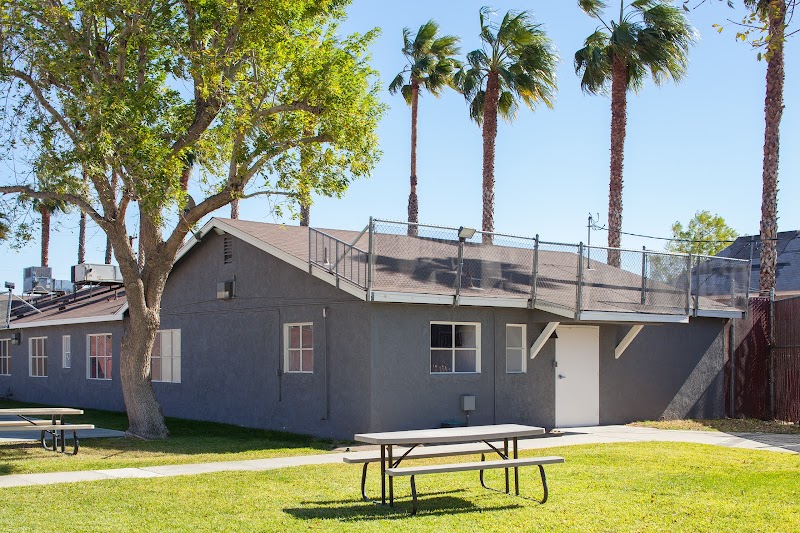
How is Shandin Hills Behavior Therapy Center Staffed?

CMS rates SHANDIN HILLS BEHAVIOR THERAPY CENTER's staffing level at 3 out of 5 stars, which is average compared to other nursing homes. Staff turnover is 39%, compared to the California average of 46%. This relatively stable workforce can support continuity of care.

What Have Inspectors Found at Shandin Hills Behavior Therapy Center?

State health inspectors documented 22 deficiencies at SHANDIN HILLS BEHAVIOR THERAPY CENTER during 2022 to 2025. These included: 1 that caused actual resident harm, 18 with potential for harm, and 3 minor or isolated issues. Deficiencies causing actual harm indicate documented cases where residents experienced negative health consequences.
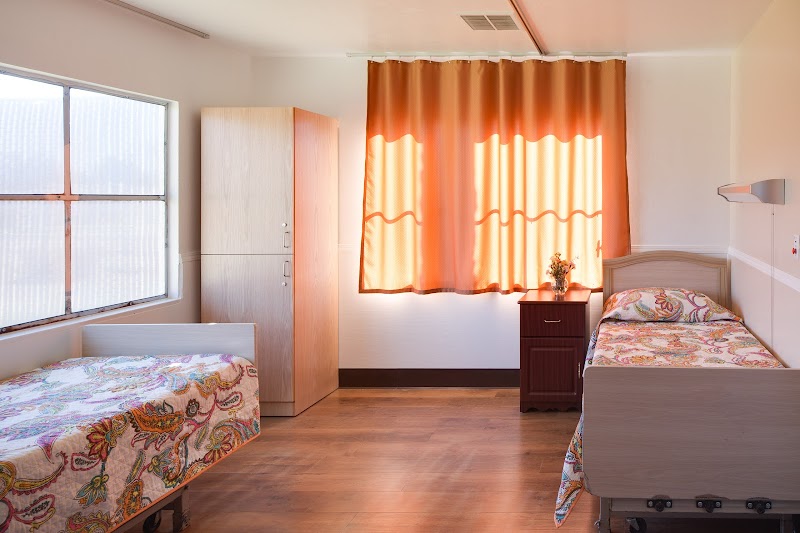
Who Owns and Operates Shandin Hills Behavior Therapy Center?

SHANDIN HILLS BEHAVIOR THERAPY CENTER is owned by a for-profit company. For-profit facilities operate as businesses with obligations to shareholders or private owners. The facility operates independently rather than as part of a larger chain. With 78 certified beds and approximately 77 residents (about 99% occupancy), it is a smaller facility located in SAN BERNARDINO, California.
How Does Shandin Hills Behavior Therapy Center Compare to Other California Nursing Homes?

Compared to the 100 nursing homes in California, SHANDIN HILLS BEHAVIOR THERAPY CENTER's overall rating (5 stars) is above the state average of 3.2, staff turnover (39%) is near the state average of 46%, and health inspection rating (4 stars) is above the national benchmark.

What Should Families Ask When Visiting Shandin Hills Behavior Therapy Center?

Based on this facility's data, families visiting should ask: "Can I visit during a mealtime to observe dining assistance and food quality?" "How do you handle medical emergencies, and what is your hospital transfer rate?" "Can I speak with family members of current residents about their experience?"

Is Shandin Hills Behavior Therapy Center Safe?

Based on CMS inspection data, SHANDIN HILLS BEHAVIOR THERAPY CENTER has a clean safety record: no substantiated abuse findings (meaning no confirmed cases of resident harm), no Immediate Jeopardy citations (the most serious violation level indicating risk of serious injury or death), and is not on the Special Focus Facility watch list (a federal program monitoring the lowest-performing 1% of nursing homes). The facility has a 5-star overall rating and ranks #1 of 100 nursing homes in California. While no facility is perfect, families should still ask about staff-to-resident ratios and recent inspection results during their visit.

Do Nurses at Shandin Hills Behavior Therapy Center Stick Around?

SHANDIN HILLS BEHAVIOR THERAPY CENTER has a staff turnover rate of 39%, which is about average for California nursing homes (state average: 46%). Moderate turnover is common in nursing homes, but families should still ask about staff tenure and how the facility maintains care continuity when employees leave.

Was Shandin Hills Behavior Therapy Center Ever Fined?

SHANDIN HILLS BEHAVIOR THERAPY CENTER has no federal fines on record. CMS issues fines when nursing homes fail to meet care standards or don't correct problems found during inspections. The absence of fines suggests the facility has either maintained compliance or corrected any issues before penalties were assessed. This is a positive indicator, though families should still review recent inspection reports for the full picture.

Is Shandin Hills Behavior Therapy Center on Any Federal Watch List?

SHANDIN HILLS BEHAVIOR THERAPY CENTER is not on any federal watch list. The most significant is the Special Focus Facility (SFF) program, which identifies the bottom 1% of nursing homes nationally based on persistent, serious quality problems. Not being on this list means the facility has avoided the pattern of deficiencies that triggers enhanced federal oversight. This is a positive indicator, though families should still review the facility's inspection history directly.