VALLEY HEALTHCARE CENTER
1680 NORTH WATERMAN AVENUE, SAN BERNARDINO, CA 92404 (909) 886-5291
For profit - Corporation 109 Beds PROGRESSIVE HEALTH CARE CENTERS Data: November 2025 1 Immediate Jeopardy citation
Trust Grade
43/100
#707 of 1155 in CA
Last Inspection: March 2025

Within standard 12-15 month inspection cycle. Federal law requires annual inspections.

Overview

Valley Healthcare Center has a Trust Grade of D, which means it is below average, indicating some significant concerns. It ranks #707 out of 1155 facilities in California, placing it in the bottom half of all nursing homes in the state, and #49 out of 54 in San Bernardino County, meaning there are very few local options that rank higher. The facility is worsening, with the number of issues found increasing from 4 in 2024 to 13 in 2025. Staffing is average with a turnover rate of 36%, which is slightly below the state average, suggesting that staff generally stay longer and know the residents. However, the facility has concerning fines totaling $37,151, higher than 75% of California facilities, indicating possible repeated compliance issues. Specific incidents include a critical failure to ensure safety for residents who smoke, as eight residents were observed smoking unsupervised in a non-oxygen free environment and lighters were improperly stored. Additionally, food safety standards were not met, with expired food items found, and garbage disposal practices were negligent, leading to overflowing dumpsters that could attract pests. While there are strengths in staff retention, the overall picture highlights serious weaknesses that families should consider carefully.

Trust Score
D
43/100
In California
#707/1155
Bottom 39%
Safety Record
High Risk
Review needed
Inspections
Getting Worse
4 → 13 violations
Staff Stability
○ Average
36% turnover. Near California's 48% average. Typical for the industry.
Penalties
✓ Good
$37,151 in fines. Lower than most California facilities. Relatively clean record.
Skilled Nurses
⚠ Watch
Each resident gets only 20 minutes of Registered Nurse (RN) attention daily — below average for California. Fewer RN minutes means fewer trained eyes watching for problems.
Violations
⚠ Watch
45 deficiencies on record. Higher than average. Multiple issues found across inspections.
★★★☆☆
3.0
Overall Rating
★★★☆☆
3.0
Staff Levels
★★★★☆
4.0
Care Quality
★★★☆☆
3.0
Inspection Score
Stable
2024: 4 issues
2025: 13 issues

The Good

  • 4-Star Quality Measures · Strong clinical quality outcomes
  • Full Sprinkler Coverage · Fire safety systems throughout facility
  • No fines on record
  • Staff turnover below average (36%)

    12 points below California average of 48%

Facility shows strength in quality measures, fire safety.

The Bad

3-Star Overall Rating

Near California average (3.1)

Meets federal standards, typical of most facilities

Staff Turnover: 36%

Near California avg (46%)

Typical for the industry

Federal Fines: $37,151

Above median ($33,413)

Moderate penalties - review what triggered them

Chain: PROGRESSIVE HEALTH CARE CENTERS

Part of a multi-facility chain

Ask about local staffing decisions and management

The Ugly 45 deficiencies on record

1 life-threatening
Apr 2025 1 deficiency
CONCERN (D) 📢 Someone Reported This

A family member, employee, or ombudsman was alarmed enough to file a formal complaint

Potential for Harm - no one hurt, but risky conditions existed

Quality of Care (Tag F0684)

Could have caused harm · This affected 1 resident

**NOTE- TERMS IN BRACKETS HAVE BEEN EDITED TO PROTECT CONFIDENTIALITY** Based on interview, and record review the facility failed to ensure and follow facility policy and procedure for providing a log...

Read full inspector narrative →
**NOTE- TERMS IN BRACKETS HAVE BEEN EDITED TO PROTECT CONFIDENTIALITY** Based on interview, and record review the facility failed to ensure and follow facility policy and procedure for providing a log for signing out for one of four residents (Resident 4), for overnight pass. This failure had the potential to place a clinically compromised resident (Resident 4 ' s overall health and safety at risk. Findings: During a review of Resident 4 ' Face Sheet (general demographics) on April 2, 2025, the document indicated Resident 4 was last admitted to the facility on [DATE], with diagnoses that included Gout (a condition with form of pain and swelling in the joints), hypertension (a condition with a high blood pressure), contracture of muscle unspecified site (a condition where the muscle tissue becomes stiff and shortened and able to move) and history of falling (a fall in the past), major depressive disorder (a condition that causes sadness and loss of interest) and anxiety (a condition of feeling of worry and fear), and responsible party as Resident 4 ' s son, [Name of responsible party]. During concurrent observation and interview on April 2, 2025, at 11:10 AM, with Resident 4, Resident 4 was sitting in a wheelchair. Resident 4 stated, Ok, wait throughout the interview. A review of History and physical dated June 10, 2022, with diagnoses included cardiovascular accident (stroke), aphasia (a condition that makes it hard to use words). A review of Physician Orders dated September 2022, included: 1. September 9, 2022 May go out on therapeutic pass tomorrow between 1:00 PM to 5:00 PM with [Name of a person] and his son. 2. September 10, 2022 May have out on pass from September 9 to September 12. A review of Departmental Notes, dated September 10, 2022, at 3:14 PM, indicated, Resident stable and left with family via wheelchair at 2:00PM. During an interview on April 2, 2025, at 11:20 AM, with Licensed Vocational Nurse 1 (LVN 1), LVN 1 stated, We usually check to make sure the person the resident is going out with is a responsible party and the resident is signed out before leaving the facility. During an interview on April 2, 2025, at 11:25 AM, with Registered Nurse 1 (RN 1), RN 1 stated, The facility protocol is a resident must be signed for out on pass by a responsible party before leaving the facility and when they return back to the facility. During an interview on April 2, 2025, at 11:30 AM, with Director of Nurse (DON), DON stated, Our protocol is to notify the doctor when a resident wants to go out on pass, have contact information of whom they are going out with before signing resident out. It ' s been a couple of years now, and I don ' t remember if [Resident 4 ' s name] was signed out During an interview on April 2, 2025, at 12:15 AM, with Administrator (Admin), Admin stated, We know [Resident 4 ' s name] was signed out. We don ' t seem to see the sheet for sign out and return is, but we continue to look for it. A review of facility ' s Policy and Procedure (P&P) titled, Signing Residents Out, revised and dated, August 2006, the P&P indicated, Policy Statement All residents leaving the premises must be signed out. 1. Each resident leaving the premises (excluding transfers/discharges) must be signed out. 9. Residents must be signed in upon return to the facility.
Mar 2025 12 deficiencies 1 IJ (1 affecting multiple)
CRITICAL (K)

Immediate Jeopardy (IJ) - the most serious Medicare violation

Accident Prevention (Tag F0689)

Someone could have died · This affected multiple residents

**NOTE- TERMS IN BRACKETS HAVE BEEN EDITED TO PROTECT CONFIDENTIALITY** Based on observation, interview, and record review, the facility failed to ensure the environment was free from potential seriou...

Read full inspector narrative →
**NOTE- TERMS IN BRACKETS HAVE BEEN EDITED TO PROTECT CONFIDENTIALITY** Based on observation, interview, and record review, the facility failed to ensure the environment was free from potential serious accident hazards for residents and staff in the facility when: 1. The facility failed to assess and identify one of 10 residents (Resident 104) for smoking upon admission and failed to complete quarterly smoking assessments (an evaluation used to determine a resident's ability to smoke safely) for four of 10 residents (Residents 4, 13, 31, and 71). 2. The facility failed to ensure safety when eight of 10 residents (Residents 4, 13, 26, 32, 71, 79, 82, and 104) were observed smoking unsupervised in a non-oxygen free facility. 3. The facility failed to provide safe storage of a lighter for five of 10 residents (Residents 13, 31, 71, 82, 96), who had a physician's order for supplemental oxygen (a medical treatment delivering additional oxygen to a patient that significantly increases both the risk and intensity of fires). 4. The facility failed to ensure safety measures were followed by allowing four of 10 residents (Residents 4, 13, 96, and 104) possess lighters and were in proximity of other residents who used supplemental oxygen. 5. The facility failed to ensure the safety of all residents due to fire risk when 10 of 10 residents (Residents 4, 13, 26, 31, 32, 71, 79, 82, 96, and 104) were in possession of lighters. 6. The facility failed to update the smoking care plans (the plans showing specific interventions to provide effective and person-centered care to meet the resident's needs) for 5 of 10 sampled residents (Residents 4, 13, 26, 79, and 96) and failed to develop an individualized care plan related to smoking for one of 10 sampled residents (Resident 104), addressing safe storage, supervision, and the use of smoking materials. These failures placed residents at risk of serious harm, including fire hazards, burns, and other preventable injuries. Without proper supervision and safe storage of smoking materials, there was an increased likelihood of accidental fires, which could result in property damage, smoke inhalation, or even fatalities. Additionally, inadequate oversight could lead to residents with cognitive impairments or physical limitations mishandling smoking materials, further heightening the risk of injury to themselves and others. Findings: A. During the Entrance Conference on 3/3/25 at 8:58 a.m. with Administrator and Director of Nursing (DON), a list of residents who smoke was requested. Review of the Smoker Worksheet indicated there were eight residents who were smokers in the facility (Residents 4, 13, 26, 31, 32, 71, 79, and 82). The Administrator stated the list needed to be updated to reflect the current number of residents who smoked. The Administrator then provided the Smoker Worksheet showing nine residents who smoked (Residents 4, 13, 26, 31, 32, 71, 79, and 96). During an observation and concurrent record review on 3/4/25 at 9:58 a.m., two residents were observed smoking on the patio unsupervised (Residents 79 and 104). Resident 104 stated he had cigarettes and a lighter in possession. During an interview with Resident 104 on 3/4/25 at 10:15 a.m., Resident 104 stated he was able to smoke whenever I feel like it. During a concurrent observation on 3/4/25 at 10:25 a.m., in Resident 104's room, a sign outside of the room indicated, No smoking oxygen in use. The sign was also noted to have two circles with a slash over a cigarette. Inside the room where Resident 104 resided was also Resident 36 who shared the room. Resident 104's roommate, Resident 36, was observed with 2 liter (L- a unit of measurement) per minute (min) of oxygen in use via nasal cannula (NC - a small, flexible tube with two prongs, used to deliver supplemental oxygen or increased airflow to a patient through their nostrils). During a review of Resident 104's admission Record (a document showing a summary of the resident's information) dated 3/5/25, indicated Resident 104 was admitted to the facility on [DATE]. A review of Resident 104's History and Physical (Amended) dated 3/3/25 indicated Resident 104's diagnoses included but not limited to Chronic Obstructive Pulmonary Disorder (COPD - a group of lung diseases that makes it hard to breathe leading to damaged and inflamed airways), polysubstance abuse, schizoaffective disorder (a mental health condition where a person experiences both schizophrenia [a condition that affects how people think, feel, and behave] and a mood disorder [a condition that impacts a person's emotional state]). A review of Resident 104's Care Plan Report undated, indicated a comprehensive care plan was developed for the resident. However, further review of the Care Plan Report indicated there was no documented evidence a care plan problem was developed to address Resident 104's smoking. During a concurrent interview and record review with the DON on 3/4/25 at 11:28 a.m., the DON reviewed the clinical record for Resident 104 and verified Resident 104 did not have a care plan for smoking. During a concurrent interview and record review on 3/4/25 at 12:07 p.m. with the Activities Director (AD), Resident 104's Activities - Initial Review dated 2/24/25, indicated one of Resident 104's hobbies included smoking. The AD stated she completed an assessment on 3/2/25 when she saw Resident 104 smoking. During an interview and concurrent record review on 3/4/25 at 2:45 p.m. with the Minimum Data Set Nurse Assistant (MDSNA), the MDSNA verified Resident 104 was not on the current Smoker Worksheet provided by the facility. The MDSNA stated, she was unsure if Resident 104 was a smoker when he was admitted to the facility. A review of Resident 104's Clinical Admission (an evaluation conducted upon a patient's arrival or admission to a facility, focusing on gathering data to determine their health status, identify potential problems, and develop a plan of care) dated 2/24/25, indicated under Safety section number 72 for smoking, Resident 104 was marked as being not assessed. An initial screening for smoking was not completed for Resident 104. In addition, Resident 104 was not on the list of smokers on the Smoker Worksheet provided by the facility. During an interview and concurrent record review with the Administrator and DON, on 3/6/25 at 11:43 a.m., the DON reviewed Resident 104's Clinical Admission dated 2/24/25, and verified Resident 104's smoking use was not assessed upon admission. The DON further stated that she was responsible for failing to ensure the baseline screening was completed for the smokers. B. A review of Resident 4's admission Record, dated 3/5/25 indicated Resident 4 was readmitted to the facility on [DATE]. Resident 4's diagnoses included but not limited to CHF (Congestive Heart Failure - a condition that develops when the heart does not pump enough blood for the body's needs), COPD, history of CVA (Cerebral Vascular Accident - an interruption in the flow of blood to the cells in the brain) with right upper weakness, and PVD (Peripheral Vascular Disease - a condition where blood vessels outside of the heart and brain become narrowed or blocked). During a concurrent observation and interview with Resident 4 on 3/3/25 at 10:15 a.m., in his room., Resident 4 stated he smoked about 10 packs of cigarettes daily. Resident 4 displayed that he currently had two packs of cigarettes and two disposable lighters in his possession. Resident 4 further stated that he was able to smoke on the patio whenever he wanted. During an observation on 3/4/25 at 9:14 a.m., Resident 4's room was observed to be located next to a room with a sign outside that indicated, No smoking oxygen in use. The sign was also noted to have two circles with a slash over a cigarette. During a concurrent observation and interview with Resident 4 on 3/4/25 at 9:38 a.m., Resident 4 was smoking unsupervised by staff. Resident 4 was observed in possession of and displayed two packs of cigarettes and two lighters in a bag. Resident 4 stated he kept the lighters and cigarettes with him. Review of the Smoker Worksheet provided by the Administrator showed Resident 4 was a smoker. Review of the Smoking and Safety, assessment dated [DATE], showed Resident 4 follows the facility's policy on location and time of smoking. During a concurrent interview and record review on 3/4/25 at 2:25 p.m. with the MDSNA, the MDSNA stated Resident 4's smoking assessment was completed on 11/11/24. The MDSNA further stated the assessment was not current according to the facility's policy which indicated assessments need to be done quarterly. The MDSNA stated the assessments should be up to date because there could be a change in condition where residents were no longer a safe smoker (a resident who was assessed to have appropriate cognitive, vision, communication, and physical functions and was able to verbalize understanding of the facility's smoking policies as per the facility's Safe Smoking Assessment form). A review of Resident 4's Care Plan Report undated, indicated a care plan problem was developed for the use of tobacco. The goals indicated the resident will adhere to the facility's smoking policies and will not suffer injury from unsafe smoking practices. The interventions indicated to Conduct Smoking Safety Evaluation on admission and PRN [as needed] . If a smoking facility, orient Resident to smoking times and procedures .The resident does not require supervision while smoking. However, there was no documented evidence showing the care plan was updated to reflect the most current smoking assessment and addressed safe storage, supervision, and the use of smoking materials. C. A review of Resident 13's admission Record, dated 3/5/25, indicated Resident 13 was readmitted to the facility on [DATE]. Resident 13's diagnoses included but not limited to COPD, schizoaffective disorder, bipolar type (a chronic mental health condition characterized by extreme mood swings, alternating between periods of mania [elevated mood] and depression [a persistent state of sadness and loss of interest that can significantly impact daily life]), and cerebral infarction (a condition where blood flow to the brain is interrupted, causing brain cells to die). Review of the Smoker Worksheet provided by the Administrator showed Resident 13 was a smoker. During an interview with Resident 13 on 3/4/25 at 9:08 a.m., Resident 13 stated that she used a motorized wheelchair to go outside of the facility to buy cigarettes and lighters. Resident 13 further stated she stored and secured her own cigarettes and lighters. Resident 13 stated she smoked in the patio without supervision. During an observation on 3/4/25 at 9:13 a.m. Resident 13's room was observed to be located next to a room with a sign outside of the room that indicated, No smoking oxygen in use. The sign was also noted to have two circles with a slash over a cigarette. During a concurrent observation and interview on 3/4/25 at 9:43 a.m., Resident 13 was smoking in the patio unsupervised. Resident 13 stated she was enjoying her cigarettes and kept her own cigarettes and lighters. During a review of the Oxygen Order Listing Report, dated 3/4/25, an active physician's order for Resident 13 with a revised date of 7/1/24 indicated the use for oxygen 3 liters per min via NC PRN for shortness of breath (SOB) to maintain oxygen at greater than 90% every shift. During a concurrent interview and record review on 3/4/25 at 2:25 p.m. with the MDSNA, The MDSNA stated Resident 13's smoking assessment was completed on 11/8/24. The MDSNA further stated the assessment was not current according to the facility's policy which indicated assessments need to be done quarterly. The MDSNA stated the assessments should be up to date because there could be a change in condition where residents are no longer a safe smoker. A review of Resident 13's Care Plan Report undated, indicated a care plan problem was developed for the use of tobacco. The goals indicated the resident will adhere to the facility's smoking policies and will not suffer injury from unsafe smoking practices. The interventions indicated to Conduct Smoking Safety Evaluation on admission and PRN .If a smoking facility, orient Resident to smoking times and procedures .The resident does not require supervision while smoking. However, there was no documented evidence showing the care plan was updated to reflect the most current smoking assessment and addressed safe storage, supervision, and the use of smoking materials. D. A review of Resident 26's admission Record dated 3/5/25, indicated Resident 26 was readmitted to the facility on [DATE]. Resident 26's diagnoses included but not limited to metabolic encephalopathy (a condition where the brain does not function properly due to an underlying metabolic imbalance) and COPD. During a concurrent observation and interview with Resident 26 on 3/3/25 at 10:30 a.m., Resident 26 was smoking in the patio area unsupervised. Resident 26 stated residents were allowed to smoke in the patio at any time without staff permission or notice. Resident 26 further stated his friends would provide cigarettes and lighters for use while he was in the facility. A review of Resident 26's Care Plan Report undated, indicated a care plan problem was developed for the use of tobacco. The goals indicated the resident will adhere to the facility's smoking policies and will not suffer injury from unsafe smoking practices. The interventions indicated to Conduct Smoking Safety Evaluation on admission and PRN .Educate Resident/Responsible Party on the facility's tobacco/smoking policy(s) .If a smoking facility, orient Resident to smoking times and procedures .The resident does not require supervision while smoking. However, there was no documented evidence showing the care plan was updated to reflect the most current smoking assessment and addressed safe storage, supervision, and the use of smoking materials. E. A review of Resident 31's admission Record, dated 3/5/25, indicated Resident 31 was readmitted to the facility on [DATE]. Resident 31's diagnoses included but not limited to muscle weakness (generalized), acute respiratory failure with hypoxia, and COPD with (acute) exacerbation (a worsening or intensification of a pre-existing disease or condition). During a concurrent observation and interview on 3/4/25 at 9:32 a.m., Resident 31 was observed sitting in his motorized wheelchair. Resident 31 stated the cigarettes and lighters in his possession were provided by his caregiver and were kept in a drawer in his room. Resident 31 further stated smoking in the patio unsupervised was permitted at any time. A review of the Oxygen Order Listing Report, dated 3/4/25, indicated an active physician's order for Resident 31 was revised on 11/6/24 for O2 2L per min via NC PRN for SOB and wheezing related to COPD with acute exacerbation (a sudden and serious worsening of a condition or its symptoms). F. A review of Resident 32's admission Record, dated 3/5/25, indicated Resident 32 was readmitted to the facility on [DATE]. Resident 32's diagnoses included but not limited to encephalopathy, multiple sclerosis (a chronic autoimmune disease that affects the central nervous system (brain and spinal cord) that can lead to numbness and tingling, weakness, vision problems, balance and coordination difficulties, fatigue and cognitive (relating to thought processes) problems. During a concurrent observation and interview with Resident 32 on 3/3/25 at 10:30 a.m., Resident 32 was observed smoking unsupervised. Resident 32 stated she smoked daily and can smoke any time during the day. Resident 32 further stated she kept her lighter in her pocket. During an interview on 3/3/25 at 10:30 a.m., Certified Nursing Assistant (CNA) 2 stated Resident 32 was not supervised during Resident 32's smoking activities. Review of the Smoker Worksheet provided by the Administrator showed Resident 31 was a smoker. During a concurrent interview and record review on 3/4/25 at 2:25 p.m. with the MDSNA, The MDSNA stated Resident 32's smoking assessment was completed on 11/29/24. The MDSNA further stated the assessment was not current according to the facility's policy which indicated assessments need to be done quarterly. When asked if the assessment should be up to date, the MDSNA replied yes, because there could be a change in condition where they are no longer a safe smoker. G. A review of Resident 71's admission Record dated 3/5/25, indicated Resident 71 was admitted to the facility on [DATE]. A review of Resident 71's History and Physical dated 11/1/24 indicated Resident 71's diagnoses included but not limited to depression, anxiety (feelings of worry, nervousness, or dread), and insomnia (difficulty sleeping). During a concurrent observation and interview with Resident 71 on 3/4/25 at 9:14 a.m., Resident 71 was observed smoking in the patio unsupervised. Resident 71 was observed to be in possession of a lighter. Resident 71 stated there were instances when no staff were available to supervise the residents while the residents smoked. Resident 71 further stated residents who smoked were all allowed to carry their own lighters. During a follow-up observation on 3/4/25 at 9:25 a.m. Resident 71 was still smoking in the patio unsupervised. A review of the Oxygen Order Listing Report, dated 3/4/25, indicated an active physician's order for Resident 71 was revised on 10/31/24 for O2 2L per min via NC PRN for SOB every 24 hours. Review of the Smoker Worksheet provided by the Administrator showed Resident 71 was a smoker. During a concurrent interview and record review on 3/4/25 at 2:25 p.m. with MDSNA, the MDSNA stated Resident 71's smoking assessment was completed on 10/31/24. The MDSNA further stated the assessment was not current according to the facility's policy which indicated assessments need to be done quarterly and should have been done 2/25. When asked if the assessment should be up to date, the MDSNA replied yes, because there could be a change in condition where they are no longer a safe smoker. H. A review of Resident 79's admission Record dated 3/5/25, indicated Resident 79 was admitted to the facility on [DATE]. A review of Resident 79's History and Physical dated 7/26/24 indicated Resident 79's diagnoses included but not limited to asthma (a chronic lung condition that causes the airways to become inflamed and narrow) and hypertension (high blood pressure). During an observation on 3/4/25 at 09:58 a.m., Resident 79 was smoking in the patio unsupervised and accompanied by Resident 104. During an interview on 3/5/25 at 10:00 a.m. with Resident 79, Resident 79 stated he bought and kept his own cigarettes and lighter. A review of Resident 79's Care Plan Report undated, indicated a care plan problem was developed for the use of tobacco. The goals indicated the resident will adhere to the facility's smoking policies and will not suffer injury from unsafe smoking practices. The interventions indicated to Conduct Smoking Safety Evaluation on admission and PRN .Educate Resident/Responsible Party on the facility's tobacco/smoking policy(s) .If a smoking facility, orient Resident to smoking times and procedures .The resident does not require supervision while smoking. However, there was no documented evidence showing the care plan was updated to reflect the most current smoking assessment and addressed safe storage, supervision, and the use of smoking materials. I. During a review of Resident 82's admission Record dated 3/5/25, indicated Resident 82 was admitted to the facility on [DATE]. Resident 82's diagnosis included but not limited to COPD, acute respiratory failure with hypoxia (a condition where there is not enough supply of oxygen to the body's tissues), schizoaffective disorder, major depressive disorder, and anxiety. During a concurrent observation and interview with Resident 82 on 3/4/25 at 9:20 a.m., Resident 82 was observed in his room while using supplemental oxygen. Resident 82 stated he had his own lighter then proceeded to show a disposable lighter in his hand. Resident 82 also stated he would borrow other residents' lighters if necessary, and residents borrowed lighters from one another. Resident 82 further stated the facility staff did not supervise the residents while smoking. During a follow-up observation and interview with Resident 82 on 3/4/25 at 3:00 p.m., Resident 82 was smoking in the patio. Resident 82 stated he could smoke at any time and did not need to notify staff. A review of the Oxygen Order Listing Report, dated 3/4/25, indicated an active physician's order for Resident 82 was revised on 7/3/24 for O2 2L per minute via NC PRN for SOB or pain which may be increased up to 5L per min every 24 hours. J. A review of Resident 96's admission Record dated 3/5/25, indicated Resident 96 was admitted to the facility on [DATE]. A review of Resident 96's History and Physical dated 1/12/25 indicated Resident 96's diagnoses included but not limited to lung adenocarcinoma (A type of cancer that starts in the cells that line the insides of organs and produces substances like mucus), PTSD (Post-Traumatic Stress Disorder - a mental health condition that can develop after experiencing or witnessing a traumatic event causing persistent distress and difficulty functioning), and depression. During a concurrent observation and interview on 3/4/25 at 9:09 a.m., Resident 96 stated he received his cigarettes from other residents who smoke. Resident 96 stated residents who smoked would light their own cigarettes with a lighter that residents had in their possession. Resident 96 further stated that if he did not have his lighter, he would borrow other residents' lighter to smoke a cigarette. A review of the Oxygen Order Listing Report, dated 3/4/25, indicated an active physician's order for Resident 96 was revised on 1/10/25 for O2 3L per minute via NC PRN. A review of the facility's Daily Census, dated 3/2/25, indicated Resident 96's room was located next to non sampled resident (Resident 81). During a concurrent observation and interview on 3/5/25 at 10:07 a.m. with Resident 2, who was not a smoker, was observed with a nasal cannula and oxygen concentrator (medical device that delivers oxygen and increases the amount of oxygen in the air you breathe) machine at the bedside. Resident 2 stated he felt uneasy and unsafe knowing residents can carry lighters and did not know residents were in possession of lighters. Resident 2 stated lighters posed a concern for safety because he used oxygen. A review of Resident 96's Care Plan Report undated, indicated a care plan problem was developed for the use of tobacco. The goals indicated the resident will adhere to the facility's smoking policies and will not suffer injury from unsafe smoking practices. The interventions indicated to Conduct Smoking Safety Evaluation on admission and PRN .Educate Resident/Responsible Party on the facility's tobacco/smoking policy(s) .If a smoking facility, orient Resident to smoking times and procedures .The resident does not require supervision while smoking. However, there was no documented evidence showing the care plan was updated to reflect the most current smoking assessment and addressed safe storage, supervision, and the use of smoking materials. During a concurrent interview and record review with the DON on 3/3/25 at 03:44 p.m., the DON was asked to review the care plans for Residents 4, 13, 26, 79, and 96. The DON verified the care plans were not updated. The DON stated the facility was behind on updating the care plans The DON stated the purpose of developing a care plan was to ensure the staff knew how to care for the residents. The DON stated Resident 4's smoking care plan was last revised on 6/2024. During an interview on 3/5/25 at 8:52 a.m., CNA 3 stated residents who smoked did not need supervision from facility staff to perform smoking activities. During an interview on 3/5/25 at 8:52 a.m., Licensed Vocational Nurse (LVN) 4 stated residents who smoked were not supervised or monitored for smoking. During an interview on 3/5/25 at 9:02 a.m. the Social Services Designee (SSD) stated residents are able to smoke in the patio without supervision. The SSD stated residents who smoke can receive their cigarettes and lighters from family and friends or purchase their own cigarettes and lighters. The SSD stated residents were able to keep their own cigarettes and lighters. During an interview on 3/5/25 at 10:12 a.m. RNA stated residents who smoked were not allowed to carry personal lighters because it could be dangerous and stated accidents such as a fire could occur. During an interview on 3/5/25 at 10:24 a.m. CNA 5 stated residents should not be allowed to carry lighters because it can be unsafe, especially around other residents who are using oxygen. CNA 5 stated lighters around residents using oxygen could cause a fire. During a concurrent interview and record review on 3/7/25 at 2:31 p.m. with Quality Assurance Nurse (QA), Residents 4, 13, 26, 31, 32, 71, 79, 82, 96, and 104's Resident's Clothing and Possessions, was reviewed. The list did not include a lighter for Residents 4, 13, 26, 31, 32, 71, 79, 82, 96, and 104. The QA verified that there was no lighter present upon admission for Residents 4, 13, 26, 31, 32, 71, 79, 82, 96, and 104. The QA stated the Resident's Clothing and Possessions, should be completed upon admission for each resident. During a review of the facility's policy and procedure titled, Smoking Policy - Residents dated 7/2017, showed the . Resident will be evaluated on admission to determine if he or she is a smoker or non-smoker. If a smoker, the evaluation will include: a. Current level of tobacco consumption; b. Method of tobacco consumption (traditional cigarettes; electronic cigarettes; pipe, etc.); c. Desire to quit smoking, if a current smoker; and d. Ability to smoke safely with or without supervision (per a completed Safe Smoking Evaluation . A review of the facility's policy and procedure Personal Property, dated 9/2012 showed . A representative of the admitting office will advise the resident, prior to or upon admission, as to the types and amount personal clothing and possessions that the resident may keep in his or her room .The resident's personal belongings and clothing shall be inventoried and documented upon admission and as such items are replenished . During a review of the facility's policy and procedure titled Oxygen Administration dated 10/2010, indicated under .Steps in the Procedure .step four, remove all potentially flammable items (e.g., lotions, oils, alcohol, smoking articles, etc.) from the immediate area where the oxygen is to be administered . A review of the facility's policy and procedures titled Goals and Objectives, Care Plans, revised 4/2009, indicated Care plans shall incorporate goals and objectives that lead to the resident's highest obtainable level of independence .4. Goals and objectives are entered on the resident's care plan so that all disciplines have access to such information and are able to report whether or not the desired outcomes are being achieved . An Immediate Jeopardy (IJ-a situation that has threatened or is likely to threaten the health and safety of a resident) was called under F689 §483.25(d)(1) (The resident environment remains as free of accident hazards as is possible;) and was identified on 3/4/25 at 6:53 p.m., regarding the following deficient practices: *The facility failed to ensure safe smoking practices were followed when smoking residents were in possession of smoking materials (cigarettes and lighters) and smoking unsupervised. *The facility failed to conduct smoking assessments on admission and on a quarterly basis to ensure smokers were identified in the facility and monitored for smoking activities. *The facility failed to develop individualized care plans addressing smoking activities. The IJ was called in the presence of the Administrator and DON Corrective Action Plan (CAP- a plan which includes interventions to remove the potential or actual harm of an immediate jeopardy situation) was requested and a preliminary CAP was received on 3/6/25, at 12:35 p.m. and included the following: *Conducted a thorough and complete smoking assessments for all residents who smoke in the facility. *Implementation of a new smoking screening assessment which screens the resident for safety and capability to participate in smoking activities. *Secured all lighters from smoking residents and ensured lighters were kept in a locked box located in the medication room. *Monitored and supervised the residents during smoking activities, with staff responsible for securing and distributing lighters. *Updated the admission process to include admitting nurse to interview and assess the resident for smoking and complete the smoking assessment. *Updated the Medication Administration Record for resident who are an identified smoker so Licensed nurses can monitor and observe residents who smoke. *Updated the care plans for all smoking residents. *In-serviced all staff on the facility's smoking policy and procedures and safety measures related to smoking. * The QA nurse and DSD met with all 10 residents who were identified as a smoker to inform the residents regarding the new protocol with disposable lighters. The disposable lighters will now be in possession of the facility instead of residents who smoke. *Continuous monitoring of the designated smoking area will take place every half hour by staff to ensure that any residents who are smoking, are smoking in a safe manner and no changes of condition are taking place. A monitoring log will be filled out by the staff member and kept on file for further evaluation and review. The acceptable corrective action was verified with the facility to be implemented through observation, interview, and record review. The IJ was lifted on 3/6/25, at 4:15 p.m., in the presence of the Administrator and DON.
CONCERN (D)

Potential for Harm - no one hurt, but risky conditions existed

Deficiency F0625 (Tag F0625)

Could have caused harm · This affected 1 resident

**NOTE- TERMS IN BRACKETS HAVE BEEN EDITED TO PROTECT CONFIDENTIALITY** Based on interview and record review, the facility failed to provide a written Bed-Hold (the process of holding or reserving a r...

Read full inspector narrative →
**NOTE- TERMS IN BRACKETS HAVE BEEN EDITED TO PROTECT CONFIDENTIALITY** Based on interview and record review, the facility failed to provide a written Bed-Hold (the process of holding or reserving a resident's bed while the resident is in the acute care hospital) Notification to one of three closed sampled residents (Resident 45) at the time of Resident 45's transfer to the hospital. This failure had the potential for Resident 45 and/or the resident's responsible party to be unaware of their rights to return to the facility. Findings: A review of Resident 45's admission Record, (a document showing a summary of the resident's information) dated 3/6/25, indicated Resident 45 was readmitted to the facility on [DATE]. A review of Resident 45's Progress Notes, dated 2/5/25, indicated the staff was unable to obtain the resident's oxygen saturation (the amount of oxygen circulating in the blood) level. The staff then administered 10 liters of oxygen via a non-rebreather mask (an oxygen mask that delivers high concentrations of oxygen) to Resident 45. The document indicated Resident 45's responsible party was notified via phone call and agreed for the resident to be transferred to the hospital. A review of Resident 45's Order Summary Report, dated 2/1/25 to 2/28/25, indicated to transfer the resident to the emergency room (ER) secondary to desaturation (a condition where the blood oxygen levels fall below the normal range) on 2/5/25. Further review of Resident 45's closed clinical record showed no documented evidence a written Bed-Hold Notification was provided to the resident and/or his Responsible Party. During a concurrent interview and record review on 3/6/25 at 5:05 p.m. with Registered Nurse (RN) 3, Resident 45's closed clinical record was reviewed. RN 3 stated if there was an order to transfer the resident to the hospital, the staff would call and inform the Responsible Party. The staff would then write a progress note, enter the physician's order in the Electronic Medical Record (EMR), fill out the transfer sheet, and print other pertinent documents to send with the resident to the hospital. RN 3 stated the facility did not discharge the resident in the system right away and did not place the resident on a bed-hold. When asked if a written Bed-Hold Notification was provided to Resident 45 and/or his Responsible Party at the time of transfer, RN 3 stated there was no written notification provided. RN 3 stated the staff only informed the Responsible Party when they called and placed a note in the EMR indicating Resident 45 was placed on a bed-hold. A review of the facility's policy and procedures titled Bed-Holds and Returns, revised 3/2017, indicated Prior to transfers and therapeutic leaves, residents or resident representatives will be informed in writing of the bed-hold and return policy .
CONCERN (D)

Potential for Harm - no one hurt, but risky conditions existed

Comprehensive Assessments (Tag F0636)

Could have caused harm · This affected 1 resident

**NOTE- TERMS IN BRACKETS HAVE BEEN EDITED TO PROTECT CONFIDENTIALITY** Based on interview and record review, the facility failed to ensure timely completion of the comprehensive admission Minimum Dat...

Read full inspector narrative →
**NOTE- TERMS IN BRACKETS HAVE BEEN EDITED TO PROTECT CONFIDENTIALITY** Based on interview and record review, the facility failed to ensure timely completion of the comprehensive admission Minimum Data Set (MDS - a federally mandated resident assessment tool) assessments for two of 20 sampled residents (Residents 104 and 204). This deficient practice had the potential to delay the care planning process to meet Resident 104 and Resident 204's comprehensive and individualized care needs. Findings: During a review of Resident 104's admission Record, (a document showing a summary of the resident's information) dated 3/5/25, indicated Resident 104 was admitted to the facility on [DATE]. During a concurrent interview and record review on 3/7/25 at 10:30 a.m. with MDSNA, (Minimum Data Set Nurse Assistant) Resident 104's MDS record was reviewed. The MDSNA reviewed the MDS Section A - Identification Information, dated 2/21/25, and verified Resident 104's most recent admission or entry to the facility was on 2/21/25. Review of the MDS Section Z - Assessment Administration, dated 2/21/25 showed the assessment was incomplete and the signature of RN Assessment Coordinator Verifying Assessment Completion was left blank. The MDSNA stated the assessment was due on 3/4/25 and the MDS was not submitted for completion on or before 3/4/25. During a review of Resident 204's admission Record, dated 3/5/25, indicated Resident 204 was admitted to the facility on [DATE]. During a concurrent interview and record review on 3/7/25 at 10:30 a.m. with the Minimum Data Set Nurse Assistant (MDSNA) Resident 204's MDS record was reviewed. The MDSNA reviewed the MDS Section A - Identification Information, dated 2/26/25, and verified Resident 204's most recent admission or entry to the facility was on 2/19/25. Review of the MDS Section Z - Assessment Administration, dated 2/26/25 showed the assessment was incomplete and the signature of RN Assessment Coordinator Verifying Assessment Completion was left blank. The MDSNA stated the assessment was due on 3/6/25 and the MDS was not submitted for completion on or before 3/6/25. The Centers for Medicare & Medicaid Services (CMS)'s Long-Term Care Facility Resident Assessment Instrument 3.0 User's Manual, dated October 2024, indicated Comprehensive assessments are completed upon admission, annually, and when a significant change in a resident's status has occurred .01. admission Assessment is a comprehensive assessment for a new resident and, under some circumstances, a returning resident that must be completed on the end of day 14, counting the date of admission to the nursing home as day 1 .The MDS completion date (item Z0500B) must be no later than day 14 .
CONCERN (D)

Potential for Harm - no one hurt, but risky conditions existed

Comprehensive Care Plan (Tag F0656)

Could have caused harm · This affected 1 resident

**NOTE- TERMS IN BRACKETS HAVE BEEN EDITED TO PROTECT CONFIDENTIALITY** Based on interview and record review, the facility failed to ensure the individualized care plans (the plans showing specific in...

Read full inspector narrative →
**NOTE- TERMS IN BRACKETS HAVE BEEN EDITED TO PROTECT CONFIDENTIALITY** Based on interview and record review, the facility failed to ensure the individualized care plans (the plans showing specific interventions to provide effective and person-centered care to meet the resident's needs) were developed for two of 20 sampled residents when: 1. Resident 70 did not have the care plans developed for the use of divalproex (a medication that affects mood, behavior, or thought processes) and quetiapine (an antipsychotic medication used to treat conditions where someone experiences hallucinations, delusions, or disorganized thinking). 2. Resident 104 did not have the care plan developed for the active medical diagnosis of schizoaffective disorder (a mental health condition where a person experiences both schizophrenia [a condition that affects how people think, feel, and behave] and a mood disorder [a condition that impacts a person's emotional state]) These failures created the risk of inadequately monitoring the residents which can lead to serious adverse consequences and reduced resident safety. Findings: 1. A review of Resident 70's admission Record, (a document showing a summary of the resident's information) dated 3/7/25 indicated Resident 70 was admitted to the facility on [DATE]. A review of Resident 70's Order Summary Report, dated as of 3/7/25, indicated the following physician's active orders: -Administer divalproex sodium 125 mg (milligrams - a unit of measurement), give two capsules by mouth two times a day for poor impulse control manifested by yelling, starting on 2/20/25. -Administer quetiapine fumarate 25 mg, give one tablet by mouth at bedtime for schizoaffective disorder manifested by visual hallucinations, starting on 2/20/25. A review of Resident 70's Medication Administration Record, dated 2/1/25 to 2/28/25 and 3/1/25 to 3/31/25, indicated divalproex and quetiapine were administered to Resident 70 as per the physician's orders. A review of Resident 70's Care Plan Report undated, indicated there was no documented evidence showing the care plan problems related to Resident 70's use of divalproex and quetiapine were developed. During a concurrent interview and record review on 3/7/25 at 09:41 a.m. with the Minimum Data Set Nurse Assistant (MDSNA), Resident 70's Care Plan Report, undated, was reviewed. The MDSNA verified there were no care plan problems developed for Resident 70's use of divalproex and quetiapine. The MDSNA stated she was one of the staff responsible for developing and updating the residents' care plans. If new medications were ordered for the resident, she developed the care plans as well. Care plans were developed as soon as possible. The care plan problems should have included the side effects and behaviors that staff needed to monitor. The MDSNA stated the purpose of developing care plans was to ensure the staff knew the resident's plan of care and how to monitor the resident properly. 2. A review of Resident 104's admission Record, dated 3/5/25, indicated Resident 104 was admitted to the facility on [DATE]. During a concurrent interview and medical record review on 3/7/25 at 11:11 a.m. with the MDSNA, Resident 104's medical record was reviewed. Review of Resident 104's History and Physical (Amended), dated 3/4/25, indicated Resident 104 had an active diagnosis of schizoaffective disorder. A review of Resident 104's Care Plan Report undated, failed to show a care plan problem related to the diagnosis of schizoaffective disorder was developed. The MDSNA stated Resident 104 should have a care plan problem for each diagnosis and verified there was no care plan problem addressing Resident 104's active diagnosis of schizoaffective disorder. The MDSNA further stated the purpose of a care plan was to ensure staff knew how to care for the resident and staff was able to address and monitor their individualized needs. A review of the facility's policy and procedures titled Goals and Objectives, Care Plans, revised 4/2009, indicated Care plans shall incorporate goals and objectives that lead to the resident's highest obtainable level of independence .4. Goals and objectives are entered on the resident's care plan so that all disciplines have access to such information and are able to report whether or not the desired outcomes are being achieved .
CONCERN (D)

Potential for Harm - no one hurt, but risky conditions existed

Respiratory Care (Tag F0695)

Could have caused harm · This affected 1 resident

Based on observation, interview, and record review, the facility failed to ensure that the appropriate respiratory care was provided to two of two final sampled residents (Residents 51 and 67) when: 1...

Read full inspector narrative →
Based on observation, interview, and record review, the facility failed to ensure that the appropriate respiratory care was provided to two of two final sampled residents (Residents 51 and 67) when: 1. The facility failed to follow the physician's order for oxygen administration for Resident 51. 2. The facility failed to obtain a physician's order for oxygen administration for Resident 67. This failure had the potential for respiratory complications related to inadequate oxygen administration for Residents 51 and 67. Findings: 1. During a facility tour on 3/3/25 at 8:50 a.m., Resident 51 was observed in room with nasal cannula cannula (NC - a small, flexible tube with two prongs, used to deliver supplemental oxygen or increased airflow to a patient through their nostrils) using oxygen concentrator at the rate of 1 LPM (Liters Per Minute - a unit that express flow rate). In addition, a sign oxygen in use was also observed outside Resident 51's door. During an interview on 3/3/25 10:10 a.m., with Licensed Vocational Nurse (LVN 3), LVN 3 confirmed Resident 51 was using an oxygen concentrator with nasal cannula at the rate of 1 LPM instead of 2 LPM. During a concurrent interview and electronic record review with Medical Records (MR) on 3/3/25 at 11 a.m., MR confirmed Resident 51's current physician's orders indicated, O2 (oxygen) at 2 LPM via NC (nasal cannula) for SOB (shortness of breath) every shift. During an interview on 3/7/25 at 3 p.m. with Licensed Vocational Nurse (LVN4), LVN4 stated the charge nurse is responsible for checking resident's oxygen concentrator for the correct rate of flow. A review of Resident 51's admission record dated 3/7/25 indicated Resident 51 was admitted to facility on 12/19/24 with diagnoses (process of identifying disease process) which included chronic obstructive pulmonary disease ([COPD]a lung and airway disease causing breathing problem). A review of Resident 51's History and Physical (H&P), dated 12/20/24, the H & P indicated, Resident 51 had the mental capacity to make own decision. A review of Resident 51's Minimum Data Sheet ([MDS] - (a federally mandated resident assessment tool) dated 12/26/24, section C, indicated Resident 51 has no cognitive impairment. In addition, Resident 51's MDS section O indicated Resident 51 is on oxygen therapy. A review of Resident 51's Order Summary Report dated 3/3/25, indicated an active physician's order dated 1/15/25 for O2 at 2 LPM via nasal cannula for SOB. A review of Resident 51's Care Plan Report dated 12/26/24, indicated, .Provide oxygen as indicated by resident condition and/or provider order. A review of the facility's policy and procedure (P&P) titled, Oxygen Administration, revised 10/2010, the P&P indicated, .Steps in the Procedure . 8. Turn on the oxygen. Unless otherwise ordered, start the flow of oxygen at the rate of 2 to 3 liters per minute. 2. During a facility tour on 03/3/25 at 8:50 a.m., Resident 67 was observed in his room with nasal cannula using his oxygen concentrator at the rate of 5 LPM. In addition, a sign oxygen in use was also observed outside Resident 67's door. During an interview on 3/3/25 10:10 a.m., with Licensed Vocational Nurse (LVN 3), LVN 3 confirmed Resident 67 was using an oxygen concentrator with nasal cannula at the rate of 5 LPM. During an interview with the Medical Records (MR) on 3/3/25 at 11 a.m., MR confirmed there is no physician's order for Resident 67 for oxygen administration. During a concurrent interview and electronic record review with MR on 3/4/25 at 2:45 p.m., MR confirmed Resident 67 had a new physician's order for oxygen administration dated 3/4/25. A review of Resident 67's physician's order indicated, Oxygen at 2-5 L (liters) per N/C (nasal cannula) for SOB (Shortness of Breath), low O2 (oxygen) sats (saturation), comfort. PRN (as needed) every shift for history of respiratory failure. Start Date: 3/4/2025 15:00 (3 p.m.). During an interview with Registered Nurse (RN 1) on 3/7/25 at 2:50 p.m., RN 1 stated the charge nurse is responsible for carrying out the all the physician's order including oxygen administration at start of resident admission. During a review of Resident 67's admission record dated 3/7/25 indicated Resident 67 was admitted to facility on 12/18/24 with diagnoses (process of identifying disease process) which included acute respiratory failure with hypoxia (lack of oxygen in the tissues of the body). A review of Resident 67's History and Physical (H&P), dated 12/20/24, the H & P indicated, Resident 67 had the mental capacity to make own decision. A review of Resident 67's Minimum Data Sheet ([MDS] - a resident assessment tool) dated 12/24/24, section C, indicated Resident 67 has no cognitive impairment. A review of Resident 67's Weekly Assessment dated 2/27/25 indicated Resident 67 was assessed as independent. A review of Resident 67's Care Plan initiated on 3/3/25 indicated, Oxygen settings: O2 via nasal prongs at 2-5 liters as needed. For low oxygen saturation for SOB (shortness of breath) and comfort. A review of the facility's policy and procedure (P&P) titled, Oxygen Administration, revised 10/2010, the P&P indicated, . Preparation 1. Verify there is a physician's order for this procedure.
CONCERN (D)

Potential for Harm - no one hurt, but risky conditions existed

Deficiency F0698 (Tag F0698)

Could have caused harm · This affected 1 resident

**NOTE- TERMS IN BRACKETS HAVE BEEN EDITED TO PROTECT CONFIDENTIALITY** Based on interview, and record review, the facility failed to provide the necessary care for one of one sampled residents (Resid...

Read full inspector narrative →
**NOTE- TERMS IN BRACKETS HAVE BEEN EDITED TO PROTECT CONFIDENTIALITY** Based on interview, and record review, the facility failed to provide the necessary care for one of one sampled residents (Resident 204). The facility failed to ensure Resident 204's Sevelamer (a medication used to control high blood levels of phosphorus in people with chronic kidney disease who are on dialysis) was administered as ordered by the physician on the days the resident left the facility for dialysis (also known as hemodialysis; a procedure to remove waste products and excess fluid from the blood when the kidneys stop working properly). This had the potential for Resident 204 not getting the appropriate doses of medications as ordered, resulting in health complications. Findings: A review of Resident 204's admission Record, dated 3/5/25, indicated Resident 204 was admitted to the facility on [DATE]. A review of Resident 204's History and Physical Examination, dated 2/21/25, indicated Resident 204 had a diagnosis of ESRD (End-Stage Renal Disease, a severe and irreversible condition where the kidneys have lost most of their function and can no longer adequately filter waste products from the blood) on HD (hemodialysis) Tuesdays, Thursdays, and Saturdays. During a concurrent interview and record review on 3/7/25 at 9:03 a.m. with Registered Nurse (RN) 1, Resident 204's medical record was reviewed. RN 1 verified Resident 204's Order Summary Report, dated 3/6/25 had the following physician's active orders: - A physician's order dated 2/20/25, for Sevelamer HCl (hydrochloride) oral tablet 800 mg (milligrams - a unit of measurement), give two tablets by mouth with meals for on HD. - A physician's order dated 3/3/25, for dialysis every Tuesday, Thursday, and Saturday with a pickup time of 11:00 a.m., and drop off time at 4:45 p.m. A review of Resident 204's Medication Administration Record (MAR), dated for 2/1/25 to 2/28/25, showed Sevelamer with a chart code of 1 documented on 2/27/25 for the 12:00 p.m. dose. RN 1 stated a documentation of 1 of the MAR meant absent from home without meds and verified Resident 204's Sevelamer was not administered. Further review of Resident 204's MAR, dated for 3/1/25 to 3/31/25, indicated Sevelamer with a chart code of 1 was documented on 3/1/25, 3/4/25, and 3/6/25 for the 12;00 p.m. dose. RN 1 stated Sevelamer was not given to Resident 204 on 3/1/25, 3/4/25, and 3/6/25 because Resident 204 was absent from home without meds. RN 1 stated the facility was supposed to send the medication with Resident 204 on dialysis days or communicate with dialysis to ensure the resident received the medication. During an interview on 3/7/25 at 9:11 a.m. with Licensed Vocational Nurse (LVN) 1, LVN 1 stated Resident 204 did not receive the Sevelamer medication as ordered by the physician and verified the medication was not administered consistently before Resident 204 left for dialysis. During a review of the facility's policy and procedure titled End-Stage Renal Disease, Care of a Resident with, dated 10/01, indicated . education and training of staff includes, specifically . timing and administration of medications, particularly those before and after dialysis and . agreements between this facility and the contracted ESRD facility include all aspects of how the resident's care will be managed including how information will be exchanged between the facilities.
CONCERN (D)

Potential for Harm - no one hurt, but risky conditions existed

Deficiency F0800 (Tag F0800)

Could have caused harm · This affected 1 resident

**NOTE- TERMS IN BRACKETS HAVE BEEN EDITED TO PROTECT CONFIDENTIALITY** Based on observations, interviews, and record reviews, the facility failed to ensure a resident's nutritional and dietary needs ...

Read full inspector narrative →
**NOTE- TERMS IN BRACKETS HAVE BEEN EDITED TO PROTECT CONFIDENTIALITY** Based on observations, interviews, and record reviews, the facility failed to ensure a resident's nutritional and dietary needs were met when the Registered Dietitian (RD) failed to review the quarterly assessment. This had the potential for nutritional and dietary needs to remain unmet for one of six sampled residents (Resident 18). Findings: During an interview on 3/3/25 at 11:28 a.m. with Resident 18, Resident 18 stated she had episodes of weight fluctuations due to her advanced age. Resident 18 further stated she received Lasix (a medication that helps reduce fluid buildup in the body) for fluid retention. During a record review on 3/5/25 at 8:31 a.m. of Resident 18's profile on the Electronic Medical Record (EMR), the profile indicated Resident 18 was initially admitted to the facility on [DATE], with diagnoses including acute (sudden) kidney failure, morbid obesity among others. During a concurrent interview and record review on 3/7/25 at 9:05 a.m., with the Dietary Services Supervisor (DSS), Resident 18's Nutritional Screening Assessment (NSA) was reviewed. The DSS stated the last assessment done for Resident 18 was on 11/27/24. During a phone interview on 3/7/25 at 9:07 a.m. with the RD, the RD stated the duties and responsibilities of an RD included completing assessments of residents' nutritional status. RD further stated that residents, at the least, will be seen quarterly and annually, and as needed . During a concurrent interview and record review on 3/7/25 at 9:48 a.m. with the Quality Assurance Nurse (QA), Resident 18's NSA (Nutritional Screening Assessment) was reviewed. The QA stated the facility's expectation was for the RD to visit and see residents on admission, quarterly, annually, and as necessary. The QA stated the last RD visit for Resident 18 was on November 27, 2024, further stating the next visit for the quarterly assessment should have been completed before the end of February 2025. The QA stated Resident 18 should have been seen by the RD, even though the expected quarterly assessment was missed. The QA stated the RD was in the facility on March 5, 2025, but Resident 18's record did not indicate the RD visited and assessed Resident 18. During a concurrent interview and record review on 3/7/25 at 11:10 a.m. with the QA, the facility's policy and procedure (P&P) titled, Dietitian, revised October 2017, was reviewed. The P&P indicated, .A qualified, competent, and skilled Dietitian will help oversee the food and nutrition services in the facility .9. Our facility's Dietitian is responsible for, but not necessarily limited to: a. Assessing nutritional needs of residents .f. Participating in quality assurance and performance improvement (QAPI) when food and nutrition services are involved . The QA stated the RD should assess all residents for nutritional needs on admission, quarterly and annually as the minimum expectation. During the same concurrent interview and record review with the QA, the facility's P&P titled, QAPI- Role of the Dietitian/Food Services Manager, revised April 2014, was reviewed. The P&P indicated, .Duties and Responsibilities .10. Visiting residents periodically to evaluate the excellence of meals served, likes and dislikes, etc .16 . Reviewing and revising care plans and assessments as necessary, but at least quarterly . The QA stated periodically meant visits done for quarterly and annually at the minimum, further stating they did not follow their policy.
CONCERN (D)

Potential for Harm - no one hurt, but risky conditions existed

Deficiency F0825 (Tag F0825)

Could have caused harm · This affected 1 resident

**NOTE- TERMS IN BRACKETS HAVE BEEN EDITED TO PROTECT CONFIDENTIALITY** Based on observation, interview, and records review, the facility failed to obtain initial screening for rehabilitative services...

Read full inspector narrative →
**NOTE- TERMS IN BRACKETS HAVE BEEN EDITED TO PROTECT CONFIDENTIALITY** Based on observation, interview, and records review, the facility failed to obtain initial screening for rehabilitative services for one of 20 sampled residents, (Resident 455) upon admission. This failure had the potential to result in a decrease in resident's range of motion (the extent and degree of movement a joint or series of joints can achieve) mobility and muscle strength. Findings: During a review of Resident 455's admission Record, (a document showing a summary of the resident's information), dated 3/5/25, indicated, Resident 455 was admitted to the facility on [DATE]. During a review of Resident 455's History and Physical Examination, (H&P) dated 1/29/25, indicated, Resident 455 had a past medical history of Cerebrovascular accidents (CVA), (commonly known as stroke, occur when blood flow to the brain is interrupted, leading to brain damage), Hemiplegia ( a condition characterized by paralysis or severe weakness on one side of the body). H&P indicated Resident 455 has the capacity to make needs known but cannot make medical decisions. H&P further indicated that Resident 455 is on hospice ( a program that gives special care to people who are near the end of life and have stopped treatment to cure or control their disease). During a review of Resident 455's MDS (MDS, a federally mandated assessment tool), section GG (Functional Abilities and Goals), dated 1/29/25, Resident 455 needed substantial maximal assistance for mobility. During an interview on 3/3/25 at 11:37 a.m., with Resident 455, Resident 455 stated that he wanted to regain strength and function of his left arm and left leg and wanted to be able to stand up again. Resident 455 stated that he does exercises only three to five times a week. During a concurrent interview and record review, on 3/06/25 at 1:45 p.m., with Restorative Nurse Assistant (RNA), RNA stated that Resident 455 has no orders for rehabilitative therapy. Furthermore, Resident 455 has orders for omni cycle (a motorized rehabilitation system used in nursing homes to help patients with limited strength and muscle control participate in therapeutic exercise, focusing on improving balance, coordination, and muscle function) three to five times per week for sixty days. RNA confirmed that Resident 455 has orders for omni cylce. During an interview on 3/07/25 at 9:40 a.m., with Director of Rehab (DOR), DOR stated that residents on hospice upon admission, are not being assessed or screened for the need for rehab services. DOR stated that rehab services for hospice residents are provided by the hospice facility. During a concurrent interview and record review on 3/07/25 at 2:07 p.m., with the Director of Rehab (DOR), the facility's undated policy and procedure (P&P) titled PT/OT/ST Therapy services Resident Screening, indicated that, A therapy screen will be completed upon admission, readmission, quarterly or when any resident shows a significant change in functional ability or safety. A screen indicates if an evaluation is warranted or not . DOR confirmed that as per policy, a therapy screening will be completed upon admission on all residents. Furthermore, DOR confirmed that Resident 455 should have been screened upon admission.
CONCERN (D)

Potential for Harm - no one hurt, but risky conditions existed

Infection Control (Tag F0880)

Could have caused harm · This affected 1 resident

**NOTE- TERMS IN BRACKETS HAVE BEEN EDITED TO PROTECT CONFIDENTIALITY** Based on observation, interview, and record review, the facility failed to implement infection control and prevention measures w...

Read full inspector narrative →
**NOTE- TERMS IN BRACKETS HAVE BEEN EDITED TO PROTECT CONFIDENTIALITY** Based on observation, interview, and record review, the facility failed to implement infection control and prevention measures when: 1. Licensed Vocational Nurse (LVN) 2 did not perform proper hand hygiene (the process of cleaning one's hands to remove dirt, germs, and microorganisms with soap and water or an alcohol based foam or gel) during medication administration for Residents 48, 58, and 59. 2. Certified Nurse Assistant (CNA) 1 failed to perform hand hygiene and don (put on) gloves and an isolation gown before entering Resident 355 room, who was on Contact Isolation Precautions (a set of precautions used to stop the spread of germs from a patient to others). 3. Two sharps containers (used for safe disposal of used needles and syringes) were observed filled past the full line indicator (a line marker indicating the container needs to be replaced) for two of three sampled medication carts (Carts 2 & 3). This had the potential risk for infections related to needlestick injuries (injuries caused by punctures from needles used in medical procedures). These failures had the potential for cross contamination and spread of infection which can adversely affect the health and wellbeing of the residents, staff, and visitors. Findings: 1. During a Medication Administration observation on 3/5/25 at 9:09 a.m., LVN 2 prepared the medications for Resident 59. LVN 2 donned (put on) a new pair of gloves and sanitized the wrist BP (Blood Pressure - the force of blood pushing against the walls of the arteries) monitor. LVN 2 then placed the BP monitor on top of the medication cart, doffed (removed) the used pair of gloves, and waited two minutes for the wrist BP monitor to dry. Afterwards, LVN 2 entered Resident 59's room and placed the BP monitor on the resident's wrist. LVN 2 did not perform hand hygiene after sanitizing the wrist BP monitor, and before and after touching Resident 59. After obtaining Resident 59's BP, LVN 2 proceeded to prepare Resident 59's medications. Once all the medication tablets were placed inside a plastic cup, LVN 2 proceeded to administer the medications to Resident 59. LVN 2 did not perform hand hygiene before and after medication administration. After administering medications to Resident 59, LVN 2 stated he will proceed to administer medications to Resident 58. During another Medication Administration observation on 3/5/25 at 9:26 a.m., LVN 2 used hand sanitizer prior to donning a new pair of gloves. LVN 2 proceeded to sanitize the wrist BP monitor, doffed the used gloves, and then waited for the BP monitor to dry for two minutes. Once the BP monitor was dry, LVN 2 entered Resident 58's room and placed the BP monitor on the resident's wrist. After obtaining the BP, LVN 2 prepared the medications. LVN 2 did not perform hand hygiene after sanitizing the BP monitor and before and after touching the resident. Once all the medication tablets were placed inside a plastic cup, LVN 2 administered the medications to Resident 58. LVN 2 did not perform hand hygiene before and after medication administration. During a follow-up Medication Administration observation on 3/5/25 at 10:45 a.m., LVN 2 stated he will be administering insulin (a medication that helps regulate blood sugar levels) to Resident 48. Prior to administering the medication, LVN 2 sanitized his hands and donned a new pair of gloves. LVN 2 then placed the glucose meter (a device that measures the amount of sugar in the blood) and lancet (a sharp tool used to make incisions or pricks in the skin) on a clean tray and entered Resident 48's room. LVN 2 used an alcohol pad to clean Resident 48's finger and waited for it to dry. Upon pricking the finger with the lancet, no blood came out. LVN 2 removed his gloves, did not perform hand hygiene, and proceeded to retrieve a new lancet from the medication cart. LVN 2 donned new gloves, cleaned the resident's finger with an alcohol pad, waited for it to dry, and pricked the finger using the lancet. Upon pricking the finger, LVN 2 wiped away the first drop of blood with gauze. However, LVN 2 realized he did not have a glucose test strip (a small strip of material used with a glucose meter to measure blood sugar levels) available in the tray. While still wearing both gloves on, LVN 2 went back to the medication cart located in the doorway. LVN 2 kept the right glove on and only removed the left glove to retrieve a glucose test strip from the medication cart. LVN 2 did not perform hygiene. Once LVN 2 obtained the glucose test strip and placed it on the tray, LVN 2 donned a new glove on his left hand and proceeded to check the resident's glucose level. There was no hand hygiene performed after wiping the first drop of blood from the resident's finger, before opening the medication cart, and before checking the resident's glucose level. LVN 2 proceeded to administer the correct dose of insulin to Resident 48. However, LVN 2 did not perform hand hygiene before and after administering the medication. During an interview on 3/5/25 at 11:00 a.m. with LVN 2, LVN 2 was asked about the facility's infection control practices during medication administration. LVN 2 stated hand hygiene should be performed before and after administering medications. LVN 2 stated hand hygiene should also be performed before and after touching the resident. LVN 2 was informed of the observation findings. LVN 2 acknowledged the findings. LVN 2 stated he should have performed hand hygiene and removed both gloves after checking the resident's glucose level. During an interview on 3/6/25 at 3:50 p.m. with the Director of Staff Development (DSD), the DSD was asked about the facility's infection control policies during Medication Administration. The DSD stated the policy was for the staff to perform hand hygiene before and after administering medication, anytime a staff entered and left the resident's room, and before and after touching the resident. The DSD stated the importance of performing hand hygiene was to ensure infection was not transmitted to other people. A review of the facility's policy and procedure titled Administering Medications, revised 4/2019, indicated .Staff follows facility infection control procedures (e.g., handwashing, antiseptic technique, gloves, isolation precautions, etc.) for the administration of medications, as applicable . A review of the facility's policy and procedure titled Handwashing/Hand Hygiene, revised 8/2019, indicated .6. Wash hands with soap (antimicrobial or non-antimicrobial) and water for the following situations: a. When hands are visibly soiled .7. Use an alcohol-based hand rub containing at least 62% alcohol; or, alternatively, soap (antimicrobial or non-antimicrobial) and water for the following situations: .b. Before and after direct contact with the residents .c. Before preparing or handling medications .g. Before handling clean or soiled dressings, gauze pads, etc .i. After contact with a resident's intact skin .j. After contact with blood or bodily fluids .k. After handling used dressings, contaminated equipment, etc l. After contact with objects (e.g., medical equipment) in the immediate vicinity of the resident .m. After removing gloves . 3. During a concurrent observation and interview on 3/3/25 at 10:40 a.m. with LVN 3, LVN 3 was observed attending to Medication Cart 3. There was a sharps container attached to the side of the medication cart that was filled past the full line indicator. LVN 3 stated whoever was assigned to the cart is responsible for changing and disposing sharps container when it is full, further stating the container on Medication Cart 3 should have been replaced because the contents were past the full line indicator. During a concurrent observation and interview on 3/5/25 at 9:02 a.m. with LVN 2, LVN 2 was observed attending to Medication Cart 2. The sharps container attached to the side of the medication cart was observed filled past the full line indicator. LVN 2 stated whoever was assigned to the cart is responsible for changing and disposing sharps container when it is full, further stating the container on Medication Cart 2 should have been replaced because the contents were past the full line indicator. During a concurrent interview and record review with the Quality Assurance (QA) Nurse , on 3/7/25, at 11:10 a.m., of the facility's P&P, titled, Sharps Disposal, revised January 2012, indicated, .The facility shall discard contaminated sharps into designated containers .Policy Interpretation and Implementation .3 .c. Designated individuals will be responsible for sealing and replacing containers when they are 75% to 80% full to protect employees from punctures and/or needlesticks when attempting to push sharps into the container . The QA Nurse stated they did not follow their policy. 2. During a review of Resident 355's admission Record, (a document showing a summary of the resident's information) dated 3/5/25, indicated Resident 355 was admitted to the facility on [DATE]. A review of Resident 355's Order Summary Report, dated 3/7/25, showed an active physician's order dated 2/18/25, indicating Contact Isolation Precautions R/T (related to) Bacteremia. During an observation on 3/3/25 at 12:45 p.m., in front of Resident 355's room, CNA 1 entered Resident 355's room without wearing gloves and a gown. Resident 355's room had a sign in front of the room indicating, See nurse before entering the room and a plastic bin with drawers containing Personal Protective Equipment ([PPE] - items like gloves, gowns, masks, respirators, goggles or face shields, used to protect from infectious agents) outside the door. CNA 1 assisted Resident 355 with his cellphone, then returned the cellphone to Resident 355 and proceeded to exit the room without performing hand hygiene. During an interview on 3/3/25 at 12:50 p.m. with CNA 1, CNA 1 stated the facility's policy was to use PPE when providing direct care for a resident on Contact Isolation Precautions. CNA 1 verified she did not wash her hands after assisting Resident 355 and the next time CNA 1 would perform hand hygiene is when she entered another resident's room. During an interview on 3/4/25 at 9:35 a.m. with Treatment Nurse (TN) 2, TN 2 acknowledged Resident 355 was on Contact Precautions due to an active infection in urine. TN 2 stated prior to entering Resident 355's room, staff must perform hand hygiene and don PPEs including a gown and gloves. TN 2 further stated that if staff entered Resident 355's room and touched any of Resident 355's belongings, including a cellphone, donning PPEs were required, and hand hygiene must be performed prior to the exit of Resident 355's room. During an interview on 3/5/25 at 8:55 a.m. with Registered Nurse (RN) 1, RN 1 verified Resident 355 was on Contact Isolation and stated the expectation prior to entering the room was to perform hand hygiene and don PPEs and prior to exiting of the room was to remove PPEs and perform hand hygiene. RN 1 stated the importance of hand hygiene and following the infection control protocol for a resident in isolation, was to prevent spread of infection, organism, and bacteria. During a concurrent interview and record review with the DSD on 3/7/25 at 8:52 a.m., the facility's policy and procedure titled, Handwashing/Hand Hygiene, revised August 2019, indicated .7. Use an alcohol-based hand rub containing at least 62% alcohol; or alternatively, soap (antimicrobial or non-antimicrobial) and water for the following situations: . b. before and after direct contact with residents; .l. After contact with objects (e.g. medical equipment) in the immediate vicinity of the resident; .n. Before and after entering isolation precaution settings . The DSD verified the facility's hand hygiene policy and stated staff must adhere and follow the policy as mentioned above.
CONCERN (E)

Potential for Harm - no one hurt, but risky conditions existed

Deficiency F0578 (Tag F0578)

Could have caused harm · This affected multiple residents

**NOTE- TERMS IN BRACKETS HAVE BEEN EDITED TO PROTECT CONFIDENTIALITY** Based on interview and record review, the facility failed to provide written information concerning the right to formulate an Ad...

Read full inspector narrative →
**NOTE- TERMS IN BRACKETS HAVE BEEN EDITED TO PROTECT CONFIDENTIALITY** Based on interview and record review, the facility failed to provide written information concerning the right to formulate an Advance Directive (a written document specifying an individual's medical care wishes) for nine of 10 sampled residents (Residents 4, 13, 15, 16, 18, 34, 35, 49, and 55). This failure had the potential for the residents' decisions regarding their healthcare and treatment options not being honored. Findings: a. During a review of Resident 4's admission Record, (a document showing a summary of the resident's information) dated 3/5/25, indicated Resident 4 was readmitted to the facility on [DATE]. A review of Resident 4's POLST, (Physician Orders for Life-Sustaining Treatment - a form that documents an individual's preferences for end-of-life care), dated 10/24/24, indicated Resident 4 did not have an Advance Directive. A review of Resident 4's Advance Directive Acknowledgement form, dated 1/24/25, indicated Resident 4 understood that he was not required to have an Advance Directive to receive medical treatment at the facility. However, the form was incomplete and did not indicate documented evidence that Resident 4 was provided additional written information concerning his right to formulate an Advance Directive. b. A review of Resident 13's admission Record, dated 3/5/25, indicated Resident 13 was readmitted to the facility on [DATE]. A review of Resident 13's POLST, dated 1/25/24, indicated Resident 13 did not have an Advance Directive. A review of Resident 13's Advance Directive Acknowledgement form, dated 1/24/25, indicated Resident 13 understood that she was not required to have an Advance Directive to receive medical treatment at the facility. However, the form was incomplete and did not indicate documented evidence that Resident 13 was provided additional written information concerning her right to formulate an Advance Directive. c. A review of Resident 15's admission Record, dated 3/5/25, indicated Resident 15 was readmitted to the facility on [DATE]. A review of Resident 15's POLST, dated 10/26/22, indicated Resident 15 did not have an Advance Directive. A review of Resident 15's Advance Directive Acknowledgement form, dated 2/3/25, indicated Resident 15 understood that he was not required to have an Advance Directive to receive medical treatment at the facility. However, the form was incomplete and did not indicate documented evidence that Resident 15 was provided additional written information concerning his right to formulate an Advance Directive. d. A review of Resident 16's admission Record, dated 3/5/25, indicated Resident 16 was readmitted to the facility on [DATE]. A review of Resident 16's POLST, dated 8/9/16, indicated Resident 16 did not have an Advance Directive. A review of Resident 16's Advance Directive Acknowledgement form, dated 1/24/25, indicated the resident understood that she was not required to have an Advance Directive to receive medical treatment at the facility. However, the form was incomplete and did not indicate documented evidence that Resident 16 was provided additional written information concerning her right to formulate an Advance Directive. e. A review of Resident 18's admission Record, dated 3/5/25, indicated Resident 18 was readmitted to the facility on [DATE]. A review of Resident 18's POLST, dated 11/24/24, indicated Resident 18 did not have an Advance Directive. A review of Resident 18's Advance Directive Acknowledgement form, dated 1/24/25, indicated Resident 18 understood that she was not required to have an Advance Directive to receive medical treatment at the facility. However, the form was incomplete and did not indicate documented evidence that Resident 18 was provided additional written information concerning her right to formulate an Advance Directive. f. A review of Resident 34's admission Record, dated 3/5/25, indicated Resident 34 was admitted to the facility on [DATE]. A review of Resident 34's POLST, dated 9/25/20, indicated Resident 34 did not have an Advance Directive. A review of Resident 34's Advance Directive Acknowledgement form, dated 1/28/25, indicated Resident 34 understood that he was not required to have an Advance Directive to receive medical treatment at the facility. However, the form was incomplete and did not indicate documented evidence that Resident 34 was provided additional written information concerning his right to formulate an Advance Directive. g. A review of Resident 35's admission Record, dated 3/5/25, indicated Resident 35 was admitted to the facility on [DATE]. A review of Resident 35's POLST, dated 5/19/22, indicated Resident 35 did not have an Advance Directive. A review of Resident 35's Advance Directive Acknowledgement form, dated 2/7/25, indicated Resident 35 understood that she was not required to have an Advance Directive to receive medical treatment at the facility. However, the form was incomplete and did not indicate documented evidence that Resident 35 was provided additional written information concerning her right to formulate an Advance Directive. h. A review of Resident 49's admission Record, dated 3/5/25, indicated Resident 49 was readmitted to the facility on [DATE]. A review of Resident 49's POLST, dated 7/8/22, indicated Resident 49 did not have an Advance Directive. A review of Resident 49's Advance Directive Acknowledgement form, dated 1/31/25, indicated Resident 49 understood that she was not required to have an Advance Directive to receive medical treatment at the facility. However, the form was incomplete and did not indicate documented evidence that Resident 49 was provided additional written information concerning her right to formulate an Advance Directive. i. A review of Resident 55's admission Record, dated 3/5/25, indicated Resident 55 was readmitted to the facility on [DATE]. A review of Resident 55's POLST, dated 5/22/24, indicated the form was incomplete. The boxes were not marked to indicate whether the resident had or did not have an Advance Directive. A review of Resident 55's Advance Directive Acknowledgement form, dated 1/24/25, indicated Resident 55 understood that he was not required to have an Advance Directive to receive medical treatment at the facility. However, the form was incomplete and did not indicate documented evidence that Resident 55 was provided additional written information concerning his right to formulate an Advance Directive. During a concurrent interview and record review on 3/5/25 at 2:38 p.m. with the Social Services Designee (SSD), the SSD was asked to explain the facility's process and policies concerning Advance Directives. The SSD stated when a resident was admitted , she explained the purposes of having an Advance Directive and POLST. The SSD offered written materials explaining what an Advance Directive was and how to formulate one. The materials were offered to the residents or their responsible parties. When asked where the SSD documented that written materials concerning the right to formulate an Advance Directive were offered, the SSD verified she documented in the resident's Advance Directive Acknowledgement form. The SSD verified she did not document anywhere else. The SSD was then asked to review Residents 4, 13, 15, 16, 18, 34, 35, 49, and 55's Advance Directive Acknowledgement forms. The SSD verified the form was incomplete and did not show documented evidence indicating written information concerning Advance Directives were provided to the residents. The SSD stated that she provided the written materials but did not document. The SSD stated the importance of having an Advance Directive was to ensure someone was designated to make medical decisions when residents were no longer able to make decisions for themselves. A review of the facility's policy and procedures titled Advance Directives, revised 12/2016, indicated .1. Upon admission, the resident will be provided with written information concerning the right to refuse or accept medical or surgical treatment and to formulate an advance directive if he or she chooses to do so .8. If the resident indicates that he or she has not established advance directives, the facility staff will offer assistance in establishing advance directives a. The resident will be given the option to accept or decline the assistance, and care will not be contingent on either decision .b. Nursing staff will document in the medical record the offer to assist and resident's decision to accept or decline assistance .
CONCERN (F)

Potential for Harm - no one hurt, but risky conditions existed

Food Safety (Tag F0812)

Could have caused harm · This affected most or all residents

Based on observation, interview, and record review, the facility failed to adhere to established food safety and sanitation standards when: 1. A container of parsley flakes was past the best buy date....

Read full inspector narrative →
Based on observation, interview, and record review, the facility failed to adhere to established food safety and sanitation standards when: 1. A container of parsley flakes was past the best buy date. 2. Two unopened bags of bread were past the best buy date. 3. Food debris was found on the floor under the stove and under the large food mixer. 4. A scoop was on top of grains and cereals container. 5. Wet trays that were stacked together and not air dried. These had the potential to place susceptible residents who receives food from Dietary Services at risk for food-borne illnesses. Findings: 1. During a concurrent observation of the kitchen and interview, on 3/3/25, at 8:39 a.m., with the Dietary Services Supervisor (DSS), a container of parsley flakes was found on the spice rack with past best buy date of 02/23/2025. DSS confirmed that the container of parsley flakes was past the best buy date and should be discarded. During a concurrent interview and record review on 3/7/25 at 11:10 a.m., with the DSS, Quality Assurance (QA) Nurse, and Administrator, the undated facility's policy and procedure (P&P) titled, Non-Leftover Food Products (Including Labeling & Dating of Products), was reviewed. The P&P indicated, .It is the policy of this facility to use food products by the manufacturers expiration date or, when no expiration date is provided, within time periods generally accepted as safe .DSS stated that she threw away all food that was past the best buy date as that was the facility's best practice. 2. During a concurrent observation of the kitchen and interview on 3/3/25, at 09:02 a.m., with the DSS, two bags of bread were found on the bread rack with a past best buy date of 2/26/25. DSS verified that the two bags of bread were past the best buy date. During a concurrent interview and record review on 3/7/25 at 11:10 a.m., with the DSS, QA Nurse, and Administrator, the undated facility's policy and procedure (P&P) titled, Non-Leftover Food Products (Including Labeling & Dating of Products), was reviewed. The P&P indicated, It is the policy of this facility to use food products by the manufacturers expiration date or, when no expiration date is provided, within time periods generally accepted as safe. DSS stated that she threw away all food that was past best the buy date as that was the facility's best practice. 3. During an observation of the kitchen on 3/3/25, at 8:35 a.m., with the DSS, food debris were found on the floor under the kitchen stove. During an observation of the kitchen and interview on 3/3/25, at 8:42 a.m., with the DSS, food debris were found on the floor under the large food mixer. DSS stated, the kitchen area was expected to always be clean. During a concurrent interview and record review on 3/7/25 at 11:10 a.m., with the DSS, QA Nurse, and Administrator, the facility's P&P titled, Sanitation dated October 2008 was reviewed. The P&P indicated, .1. All kitchens, kitchen areas and dining areas shall be kept clean, free from litter and rubbish and protected from rodents, roaches, flies and other insects . 4. During an initial observation tour of the kitchen and interview on 3/3/25 at 08:53 a.m., with the DSS, a scoop was found on top of the grains/cereal container. The DSS stated that it should not be placed on top of the grains/cereal container and pointed to another shelf where the scoop should be kept inside a clear container. During a concurrent interview and record review on 3/7/25 at 11:10 a.m., with the DSS, QA Nurse, and Administrator, the facility's P&P titled, Food Receiving and Storage, revised October 2008 was reviewed. The P&P indicated, .Foods shall be received and stored in a manner that complies with safe food handling practices .1. Food Services. or other designated staff, will maintain clean food storage areas at all times . The DSS stated the facility did not follow their policy. 5. During an observation of the kitchen and interview on 3/3/25, at 09:20 a.m., with the Dietary Services Supervisor (DSS), wet trays were found stacked together and not air dried. DSS stated that all trays should be air dried before storing. During a concurrent interview and record review on 3/7/25 at 11:10 a.m., with the DSS, QA Nurse, and Administrator, the facility's P&P titled, Sanitation dated October 2008 was reviewed. The P&P indicated, .10. Food preparation equipment and utensils that are manually washed will be allowed to air dry whenever practical. The DSS stated they did not follow the facility policy. During a review of the 2022 FDA (Food and Drug Administration) Food Code, 4-901.11 indicated, Equipment and Utensils, Air-Drying Required .After cleaning and SANITIZING, EQUIPMENT and UTENSILS: ((A) Shall be air-dried or used after adequate draining as specified in the first paragraph of 40 CFR 180.940 Tolerance exemptions for active and inert ingredients for use in antimicrobial formulations (food-contact surface SANITIZING solutions), before contact with FOOD; and (B) May not be cloth dried except that UTENSILS that have been air-dried may be polished with cloths that are maintained clean and dry .
CONCERN (F)

Potential for Harm - no one hurt, but risky conditions existed

Garbage Disposal (Tag F0814)

Could have caused harm · This affected most or all residents

Based on observation, interview, and record review, the facility failed to ensure garbage and refuse was not overflowing and dumpster's lids were completely closed. This failure had the potential to ...

Read full inspector narrative →
Based on observation, interview, and record review, the facility failed to ensure garbage and refuse was not overflowing and dumpster's lids were completely closed. This failure had the potential to attract pests (like flies and rodents) and spread diseases and infection to the residents. Findings: During a concurrent observation and interview on 3/5/25, 3:25 p.m., with the Maintenance Supervisor (MS), two dumpsters located at the side of the facility across the parking lot were observed with the lid not completely closed and not covering the dumpsters. Multiple bags of trash created an overflow on the dumpster's lid. Maintenance Supervisor stated the trash should not be overflowing, and lids should be closed completely. During a concurrent interview and record review on 3/7/25, at 11:10 a.m. with the Dietary Services Supervisor (DSS), Quality Assurance (QA) Nurse, and Administrator, the facility's undated policy and procedure (P&P) titled, Food-Related Garbage and Refuse Disposal, the policy indicated, .6. Outside dumpsters provided by garbage pickup service will be kept closed and free of surrounding litter . The Administrator confirmed the facility was not in compliance and the lid should always be closed all the way. During a review of the 2022 FDA (Food and Drug Administration) Food Code, 5-501.115 titled Maintaining Refuse Areas and Enclosures the Food Code indicated, .Outside receptacles must be constructed with tight-fitting lids or covers to prevent the scattering of the garbage or refuse by birds, the breeding of flies, or the entry of rodents .
Nov 2024 2 deficiencies
CONCERN (D) 📢 Someone Reported This

A family member, employee, or ombudsman was alarmed enough to file a formal complaint

Potential for Harm - no one hurt, but risky conditions existed

Quality of Care (Tag F0684)

Could have caused harm · This affected 1 resident

**NOTE- TERMS IN BRACKETS HAVE BEEN EDITED TO PROTECT CONFIDENTIALITY** Based on observation, interviews, and record review, the facility failed to follow its policy and procedure to provide care and ...

Read full inspector narrative →
**NOTE- TERMS IN BRACKETS HAVE BEEN EDITED TO PROTECT CONFIDENTIALITY** Based on observation, interviews, and record review, the facility failed to follow its policy and procedure to provide care and services for residents and ensure call lights are answered in a timely manner for all four sampled residents (Residents 1, 2, 3, and 4). This failure has the potential to jeopardize the health and safety of clinically compromised Residents (Residents 1, 2, 3, and 4) when their requests for assistance with activities of daily living were not responded to promptly. Findings: During the review of Resident 1's admission record (It contains important information about the patient such as their personal details, the reason for their admission, and their medical history), the document indicated Resident 1 was admitted to the facility on [DATE], with a diagnosis that included metabolic encephalopathy (brain is not working properly because of imbalance in the body's chemicals). During a review of the clinical record for Resident 1's, the Brief Interview for Mental Status (BIMS- screening tool to identify and monitor cognitive decline), dated October 7, 2024, indicated, Resident 1's score was a 15, which indicated Resident 1 had no mental impairment. During interview and observation with Resident 1 on November 23, 2024, at 10:00 a.m., Resident 1 stated that the responds to all lights with delays that can be immediate or not at all. Sometimes, staff enter his room, and mistakenly think he is asleep. As a result, the staff turn off the call light without checking if he needs help. During the review of Resident 2's admission record, the document indicated Resident 2 was admitted to the facility on [DATE], with a diagnosis that included anemia ( a condition where the body does not have enough healthy red blood cells, which can lead to a lack of oxygen). During a review of the clinical record for Resident 2's, the Brief Interview for Mental Status (BIMS- screening tool to identify and monitor cognitive decline), dated November 6, 2024, indicated, Resident 1's score was a 15, which indicated Resident 1 had no mental impairment. During an interview and observation with Resident 2 on November 23, 2024, at 11:07 a. m., Resident 2 stated that he has to wait for assistance. Resident 2 mentioned that it usually takes at least 30 minutes and that this happens too often, at least once a day. During the review of Resident 3's admission record, the document indicated Resident 3 was admitted to the facility on [DATE], with a diagnosis that included multiple sclerosis (A chronic disease that affects the brain and spinal cord; symptoms can include double vision, difficulty walking, loss of balance, numbness and tingling, muscle weakness or spasms, and fatigue.). During a review of the clinical record for Resident 3's, the Brief Interview for Mental Status (BIMS- screening tool to identify and monitor cognitive decline), dated October 1, 2024, indicated, Resident 1's score was a 15, which indicated Resident 1 had no mental impairment. During an interview and observation with Resident 3 on November 23, 2024, at 11:24 a.m., Resident 3 reported the staff takes a long time to answer his call, with a wait time of about 45 minutes to an hour. During the review of Resident 4's admission record, the document indicated Resident 4 was admitted on [DATE], with a diagnosis that included Parkinson's disease without dyskinesia ( a brain disorder that causes unintended or uncontrollable movements, such as shaking, stiffness, and difficulty with balance and coordination). During a review of the clinical record for Resident 4's, the Brief Interview for Mental Status (BIMS- screening tool to identify and monitor cognitive decline), dated November 15, 2024, indicated, Resident 1's score was a 15, which indicated Resident 1 had no mental impairment. During an interview and observation with Resident 4 on November 23, 2024, at 11:34 a.m., Resident 4 stated the staff sometimes delays responding to her call lights, stated that she has to wait for up to an hour. During an interview with the administrator (ADM) 1, on November 25, 2024,at 3:54 p.m., ADM 1 acknowledged that the staff needed to respond to call lights more promptly. During a review of the facility's policy and procedure (P&P) titled, Answering the Call Light. dated March 2021, The P&P indicated, The purpose of this procedure is to ensure timely responses to the resident's requests and needs.
CONCERN (D) 📢 Someone Reported This

A family member, employee, or ombudsman was alarmed enough to file a formal complaint

Potential for Harm - no one hurt, but risky conditions existed

Garbage Disposal (Tag F0814)

Could have caused harm · This affected 1 resident

Based on observation, interview, and record review, the facility failed to adhere to its food-related garbage disposal policy when two outdoor dumpsters were left open. This failure had the potential ...

Read full inspector narrative →
Based on observation, interview, and record review, the facility failed to adhere to its food-related garbage disposal policy when two outdoor dumpsters were left open. This failure had the potential to attract vermin (pest or animals that spread diseases) which could pose a significant health risk to the 100 clinically compromised residents currently residing in the facility. Findings: During a concurrent observation and interview, on November 23, 2024, at 1:20 p.m., with Director of Staff Developer (DSD) 1, I brought her to the garbage disposal area outside the facility and showed her that two of the dumpsters were open. During an interview on November 25, 2024, at 3:54 p.m., with Administrator (ADM) 1, I informed ADM 1 that during my inspection of the dumpsters on November 23, 2024, I discovered that two of the dumpsters was left uncovered. I mentioned to ADM 1 that it should be closed at all times with tight fitting lids if it is not in continuous use, in accordance with facility policy. During a review of the facility's policy and procedure (P&P) titled, Food-Related Garbage and Rubbish Disposal, dated October 2017, the P&P indicated, .6. Outside dumpsters provided by garbage pickup services will be kept close and free of surrounding litter. During a review of the FDA Federal Food Code, 2022, it indicated, .Proper storage and disposal of garbage and refuse are necessary to minimize the development of odors, prevent such waste from becoming an attractant and harborage or breeding place for insects and rodents .
Aug 2024 1 deficiency
CONCERN (D) 📢 Someone Reported This

A family member, employee, or ombudsman was alarmed enough to file a formal complaint

Potential for Harm - no one hurt, but risky conditions existed

Notification of Changes (Tag F0580)

Could have caused harm · This affected 1 resident

**NOTE- TERMS IN BRACKETS HAVE BEEN EDITED TO PROTECT CONFIDENTIALITY** Based on interview and record review the facility failed to follow their policy when a staff did not notify the responsible part...

Read full inspector narrative →
**NOTE- TERMS IN BRACKETS HAVE BEEN EDITED TO PROTECT CONFIDENTIALITY** Based on interview and record review the facility failed to follow their policy when a staff did not notify the responsible party of blisters observed on the right hand of one of three sampled residents (Resident 1) and document in the medical record. This had the potential to exclude the family and responsible party of (Resident 1) to actively participate in the plan of care related to the resident's change of condition. Findings: During a review of Resident 1 ' s Face Sheet (general demographics) on August 28, 2024, the document indicated Resident 1 was admitted to the facility on [DATE], with diagnosis that included Alzheimer ' s (a brain condition that slowly destroys memory), dementia (a condition of loss of memory and thinking caused by brain damage of blood flow to the brain). During a review of Resident 1 ' s Face Sheet indicated, Responsible Party, Wife [Name of wife] with phone number provided. During a review of Resident 1 ' s History and Physical Examination (H&P), the H&P dated July 16, 2024, indicated, .This resident (Resident 1): .B. does NOT have the capacity to understand and make decisions. Reason: Dementia . A review of Resident 1 ' s Order Summary dated August 26, 2024, indicated, Right Hand Multiple Intact Blisters . During an interview on August 28, 2024, at 11:05 AM, with Licensed Vocational Nurse (LVN 1), the LVN 1 stated, I forgot to notify the responsible party of the blisters on the resident ' s right hand when I noticed them. During an interview on August 28, 2024, at 11:10 AM, with the Director of Nurse (DON), the DON acknowledged the LVN 1 did not inform the Resident 1 ' s responsible party of the blisters on the Resident 1 ' s right hand. The DON further stated, I expected the nurse to have notified the responsible party of the blisters. During a review of the facility ' s policy and procedure (P&P), titled, Change in a Resident ' s Condition or Status, dated, February 2021, the P&P indicated, Policy Statement: Our facility shall promptly notify the resident, his or her attending physician, and representative of changes in the resident ' s medical/mental condition and/or status (e.g., changes in level of care, billing/payments, resident rights, etc . Policy Interpretation and Implementation . 4. Unless otherwise instructed by the resident, a nurse will notify the resident ' s representative when . b. there is a significant change in the resident ' s physical, mental, or psychosocial status; .
Jan 2024 1 deficiency
CONCERN (D) 📢 Someone Reported This

A family member, employee, or ombudsman was alarmed enough to file a formal complaint

Potential for Harm - no one hurt, but risky conditions existed

Quality of Care (Tag F0684)

Could have caused harm · This affected 1 resident

**NOTE- TERMS IN BRACKETS HAVE BEEN EDITED TO PROTECT CONFIDENTIALITY** Based on observation, interview, and record review, the facility failed to ensure: 1. The call lights are answered in a timely m...

Read full inspector narrative →
**NOTE- TERMS IN BRACKETS HAVE BEEN EDITED TO PROTECT CONFIDENTIALITY** Based on observation, interview, and record review, the facility failed to ensure: 1. The call lights are answered in a timely manner for two of three residents (Resident 2 and Resident 3). This failure placed two clinically compromised Residents (Resident 2 and Resident 3) health and psychosocial (emotional) status at risk when their need for nursing care was not met timely. 2. Nursing staff monitor one of three residents (Resident 1) every shift for hydration after a change of condition. This failed practice had the potential for a delay in treatment and placed Resident 1 at risk for dehydration. Findings: 1. During a review of Resident 2's clinical record, the face sheet (contains demographic and medical information), indicated Resident 2 was admitted on [DATE], with diagnoses which included: Multiple sclerosis (disease of the nervous system, which gradually makes a person weaker), paraplegia (inability to voluntarily move the lower parts of the body) and pressure ulcer (injuries to skin and underlying tissue resulting from prolonged pressure.) During a review of Resident 3's clinical record, the face sheet (contains demographic and medical information), indicated Resident 3 was admitted on [DATE], with diagnoses which included: muscle weakness, osteoarthritis (degenerative joint disease, in which the tissues in the joint break down over time causing pain and stiffness). and abnormalities of gait and mobility. During a review of the clinical record for Resident 2, the Brief Interview for Mental Status dated January 2, 2024, indicated a score of 15 which indicated Resident 2 was cognitively intact. During a review of the clinical record for Resident 3, the Brief Interview for Mental Status dated November 16, 2023, indicated a score of 15 which indicated Resident 3 was cognitively intact. During a interview on January 16, 2024, at 11:56 AM in Resident 2 ' s room, Resident 2 stated, Call lights? The time it takes to answer the call lights is Poor. On average it takes an hour or more for the call light to be answered. I ' m asking mostly to be moved in bed. I can ' t move. I ' m a paraplegic. I ' m lying on my wounds. Resident 2 stated further, The weekends are awful. I won ' t say the help is bad. It is almost non-existent. If I hit the button, if someone comes in a couple of hours then I am lucky. I call the main desk if they don ' t answer the call light and, on the weekend, it does not help to call the main desk. It can take up to a couple of hours to get help. I ' ve had many times that it has taken so long, I have forgotten why I called. I call the nurses because I want water, or my pillow fell off my bed, or to be repositioned. During an interview with a Certified Nursing Assistant (CNA 1) on January 16, 2024, at 12:46 PM, CNA 1 stated, It should take two to three minutes to answer the call lights. Someone else should answer the call light if I ' m with a resident. All staff should answer the call lights. During an observation and concurrent interview with Resident 3 on January 16, 2024, at 1:16 PM, Resident 3 stated, It ' s not coming in a timely manner. The call lights. It takes them hours to answer it. On average, it takes them maybe thirty minutes. I call them to be changed. Resident 3 was asked how does it make you feel? Resident 3 growled and stated it made her upset. They don ' t tell me why it ' s taken an hour. That ' s probably how I got this UTI (urinary tract infection). During a review of the clinical record for Resident 2, the care plan dated December 13, 2023, indicated Ulcer will heal. Interventions: Repositioning: Develop plan with resident input. During a review of the clinical record for Resident 3, the care plan dated May 18, 2023, indicated Urinary Continence. Interventions: Assist with perineal cleaning as needed. Monitor for signs of emotional distress with incontinence. During an interview with the Director of Staff Development on January 16, 2024, at 3:35 PM, DSD stated, Call lights. The expectation, they should be answered in a timely manner. 30 minutes or an hour is too long to answer a call light. Timely manner considered; I would say 5 minutes. It should be right away. Why? To attend to their needs. To meet their needs. It ' s simple. They can ' t get up and do themselves. They need us to provide hydration, transfer, changing. DSD stated further, How does that make them feel? Not important or that we don ' t care. During an interview with the Director of Nursing on January 16, 2024, at 4:58 PM, DON stated, Call lights are to be answered timely. It should be answered timely. DON stated further, We should be more timely. The facility policy and procedure titled, Answering the Call Light dated March 2021, indicated The purpose of this procedure is to ensure timely responses to the resident ' s requests and needs 2. Identify and politely respond to the resident . a. If the resident needs assistance, indicate the approximate time it will take for you to respond . 2. During a review of Resident 1's clinical record, the face sheet (contains demographic and medical information), indicated Resident 1 was re-admitted on [DATE], with diagnoses which included: diarrhea, diabetes (high blood sugar) and pressure ulcer (injuries to skin and underlying tissue resulting from prolonged pressure.) During a review of the clinical records for Resident 1, the nurses notes indicated: 1. The note dated November 10, 2023, at 7:43 PM indicated Resident 1 was admitted at around 4:45 PM coming from home accompanied by his wife with a diagnosis of diarrhea and pressure injury of skin. 2. The note dated November 12, 2023 at 1159 AM, Messaged (Name od Physician) regarding wife of pt concerned about pt that he looks dehydrated and weak .Dr ordered to hold diuretics and blood pressure medicine today and stat order of CBC (complete blood count, blood test used to look at overall health), chem seven (test that looks at seven different substances in the blood) and to push fluid as tolerated. 3. The note dated November 12, 2023, at 10:40 PM (Name of Physician) with new order obtained normal saline 0.9% (commonly used for management and treatment of dehydration with the presence of fluid loss, and mild sodium depletion) 125ml (milliliters, unit of measure) an hour via IV (intravenously, into the vein) for 3 days for Hydration . During a review of the clinical record for Resident 1, the Physician's Orders dated November 12, 2023, indicated Normal Saline 0.9% 125 ml (milliliters, unit of measure) an hour via IV (intravenously, into the vein) for 3 days for Hydration. During an interview and concurrent record review of Resident 1 ' s nurses notes with the Director of Staff Development (DSD) on January 16, 2024, at 3:35 PM, DSD stated, we should have monitored for hydration. Its focused monitoring. Let me see the start date. According to physicians order it was to start on November 12, 2023. The new order (for IV fluids) was to start on November 13, 2023. We are to monitor every shift every day on all three shifts (days, evenings, and night shift). DSD stated further, On November 13, 2023: there was nothing documented on night shift. On November 14, 2023, there was no documentation for hydration on night shift or day shift. We don ' t say document every 8 hours, but they should be documenting on all three shifts. DSD then read the policy and procedure for change of condition/status and stated, he should have been monitored for hydration on every shift. DSD did not provide documentation that indicated Resident 1 was monitored every shift or every 8 hours for signs and symptoms related to hydration. During an interview and concurrent record review with the Supervising Registered Nurse (SRN) on January 16, 2024, at 4:45 PM, Change of conditions are done for medication or change in resident status. We monitor them every shift and document. We document related to the change of condition. We document every shift. Charting is for 72 hours. After reviewing Resident 1 ' s nurses notes, SRN stated on November 12, 2023, and November 13, 2023, Nursing (staff) didn ' t document every 8 hours. They should have. During a review of Resident 1 ' s clinical records, the nurse ' s notes dated November 10, 2023, to November 15, 2023, indicated: 1. On November 13, 2023, the night shift nurse did not document that Resident 1 was monitored for signs and symptoms related to hydration. 2. On November 14, 2023, the day and night shift nurses did not document that Resident 1 was monitored for signs and symptoms related to hydration. The facility did not provide documentation that Resident 1 was monitored for hydration every shift or every 8 hours and for a period of 72 hours from November 12, 2023 to November 15, 2023 During an interview with the Director of Nursing on January 16, 2024, at 4:58 PM, DON stated Monitoring is done for medication or change of condition and change of status. It ' s done every shift for 72 hours. DON was asked should the nursing staff have monitored Resident 1 every shift for 72 hours after the order for IV hydration was received? DON stated, IV hydration. Yes, they should have, documentation wise. DON confirmed the nursing staff did not complete monitoring every shift once the order for hydration was received. The facility did not provide documentation that Resident 1 was monitored for hydration every shift or every 8 hours and for a period of 72 hours. The facility policy and procedure titled, Change in Residents Condition or Status dated February 2021 indicated Our facility promptly notifies the resident, his or her attending physician, and the resident representative of changes in the residents medical/mental condition and/or status (e.g., changes in level of care, billing payments, resident rights) 1. The nurse will notify the resident attending physician or physician on call when there has been a significant change in the resident ' s physical/emotional/mental condition; need to alter the resident ' s medical treatment significantly .2.A significant change of condition is a major decline in the resident ' s status that will not normally resolve itself without intervention by staff or by implementing standard disease related clinical interventions (is not self-limiting.) . The nurse will record in the resident ' s medical record information relative to changes in the resident ' s medical/mental condition or status.
Nov 2023 1 deficiency
CONCERN (D) 📢 Someone Reported This

A family member, employee, or ombudsman was alarmed enough to file a formal complaint

Potential for Harm - no one hurt, but risky conditions existed

Pressure Ulcer Prevention (Tag F0686)

Could have caused harm · This affected 1 resident

**NOTE- TERMS IN BRACKETS HAVE BEEN EDITED TO PROTECT CONFIDENTIALITY** Based on interview and record review the facility failed to assess and develop a plan of care with interventions to preventing a...

Read full inspector narrative →
**NOTE- TERMS IN BRACKETS HAVE BEEN EDITED TO PROTECT CONFIDENTIALITY** Based on interview and record review the facility failed to assess and develop a plan of care with interventions to preventing and developing pressure ulcer for one of three residents (Resident 1). This failure placed a clinically compromised Residents (Resident 1) health and safety at risk. When Resident 1 developed a facility acquired pressure ulcer. Findings: During review of Residents 1's admission Record (general demographics), the document indicated Resident 1 was admitted to the facility on [DATE], with diagnoses to include: acute respiratory failure with hypoxia (shortness of breath), chronic obstructive pulmonary disease (block airflow, difficult to breathe, congestive heart failure (heart doesn't pump blood as well), end stage renal disease (kidney lose ability to function). During concurrent interview and record review of Resident 1's Medical Record with the Director of Nursing (DON), reviewed and verified the following: 1. Wound Assessment Report October 03, 2023 . (Vascular access site, peripherally inserted central catheter, right upper chest present on admission. (No other wounds Noted). 2. Careplan- Impaired skin integrity: At Risk for pressure injuries related to fragile skin, preferred to sit up in wheelchair Dated October 04, 2023, Goal: remain free from skin breakdown, Intervention: Assess skin daily with routine care, reposition assist to avoid friction/shearing, provide pressure reducing surfaces on chair, assessments on admission, then weekly times 4, then quarterly and PRN(as needed), cleanse immediately when soiled and provided barrier cream as needed, keep skin clean and dry . 3. Careplan dated October 27, 2023 .Excoriation to coccyx .Active On discharge. 4. Wound Assessment Report dated October 27, 2023 .wound type skin tear coccyx, New Wound. Skin edges not well approximated, missing torn skin flaps, Measurements 1.30cm, width 1.80 cm depth 0.00 cm. Notes: Coccyx skin tear treatment was ordered, and treatment was done . 5. No Treatment Administration Record (TAR) for October 2023. (No physician order for preventative dressings provided by facility). 6. No weekly skin assessments/documentation provided by facility. During an interview on October 31, 2023, at 11:01 AM, with the Treatment Nurse (TX), the TX nurse stated, The certified nursing assistant told me Resident 1 said she was hurting in the sacral area, so I went to assess her and that's when I noticed the skin tear. She was leaving that day. We were adding dressings to the sacral area for preventative measures. There was no order for the preventative dressing, not in Treatment Administrator Record (TAR) and no, there was no weekly assessments or documentation done for it. During an interview on October 31, 2023, at 11:06 AM, with the Director of Nursing (DON), the DON stated, For Resident 1, they were treating the area with a foam dressing on admission. Based on the records reviewed, I don't see any skin assessments, just the first one on admission with no skin tear injury and the skin tear on October 27, 2023. When asked, can you show me treatment for the foam dressing on the TAR? DON states no don't have a TAR. We should have been documenting on the dressing changes and skin assessments. The doctor was not made aware of the preventative measures we were doing for her. During a review of the facility's policy and procedure titled, Prevention of Pressure Injuries revised April 2020, the policy and procedure indicated, The purpose of this procedure is to provide information regarding identification of pressure injury risk factors and interventions for specific risk factors .Skin assessment: conduct a comprehensive skin assessment upon (or soon after) admission, with each risk assessment, as indicated according to the resident's risk factors, and prior to discharge .Monitoring: 1. Evaluate, report and document potential changes in the skin the interventions and strategies for effectiveness on an ongoing.
Aug 2023 1 deficiency
CONCERN (D) 📢 Someone Reported This

A family member, employee, or ombudsman was alarmed enough to file a formal complaint

Potential for Harm - no one hurt, but risky conditions existed

Pressure Ulcer Prevention (Tag F0686)

Could have caused harm · This affected 1 resident

**NOTE- TERMS IN BRACKETS HAVE BEEN EDITED TO PROTECT CONFIDENTIALITY** Based on observation, interview, and record review, the facility failed to ensure treatments for pressure ulcers (bed sore) were...

Read full inspector narrative →
**NOTE- TERMS IN BRACKETS HAVE BEEN EDITED TO PROTECT CONFIDENTIALITY** Based on observation, interview, and record review, the facility failed to ensure treatments for pressure ulcers (bed sore) were completed for one of 3 sampled residents (Resident 1) when staff did not follow the facility policy and document that the physician ordered treatments were completed daily for the month of July 2023. These failures contributed to the decline of Resident 1's pressure ulcers thereby affecting his physical and psychosocial well-being. Findings: During a review of Resident 1's clinical record, the face sheet (contains demographic and medical information), indicated Resident 1 was admitted on [DATE], with diagnoses which included: Pressure ulcer (sustained pressure on an area of the body) of sacral region, Pressure ulcer of back, buttock, hip, stage 4 (deep wound that may impact tissue, ligament and bone), and paraplegia (paralysis of the legs and lower body.) During an observation and interview with Resident 1on August 18, 2023, at 1:37 PM, Resident 1 stated, They let me get a bunch of bed sores near my coccyx, my buttocks, and my inner thigh. There have been days when I did not get wound care. It was always on a Sunday. During a record review of Resident 1's Treatment Administration Record (TAR, physicians ordered treatment record) for the month of July 2023, indicated that treatments were to be completed daily: 1. The treatments to the pressure injury located on the perineum/scrotum (sac that contains the testicles) was not completed on July 2, 8, 16, and 30, 2.The treatments to the pressure injury located on the sacrum was not completed on the July 2, 8, 16 and 30. No refusal of treatments was documented in the nurses notes or the TAR. During a concurrent interview and record review of Resident 1's TAR with the Treatment Nurse (Licensed Vocational Nurse 1) on August 18, 2023, at 3:56 PM, LVN 1 stated, They did not do his treatment every day for the month of July. During a concurrent interview and record review of Resident 1's clinical record with the Director of Nursing, on August 18, 2023, at 5:11 PM, DON stated, The treatments should have been done. The facility did not provide documentation to indicate the treatments were completed on July 2, 8, 16, and 30. The facility policy and procedure titles, Charting and Documentation datedJuly 2017, indicated, All services provided to the resident, progress toward the care plan goals, or any changes in the resident's medical, physical, functional, or psychosocial condition, shall be documented in the resident's medical record. The medical records should facilitate communication between the interdisciplinary team regarding the resident's condition and response to care 2. The following information is to be documented in the resident medical record: c. Treatments or services provided .7. Documentation of procedures and treatments will include care-specific details, including a. The date and time the procedure/treatment was provided; b. the name and title of the individual (s) who provided the care.
Aug 2022 15 deficiencies
CONCERN (D)

Potential for Harm - no one hurt, but risky conditions existed

Resident Rights (Tag F0550)

Could have caused harm · This affected 1 resident

**NOTE- TERMS IN BRACKETS HAVE BEEN EDITED TO PROTECT CONFIDENTIALITY** Based on observation, interview and record review, the facility failed to ensure one of one sampled resident (Resident 12) was t...

Read full inspector narrative →
**NOTE- TERMS IN BRACKETS HAVE BEEN EDITED TO PROTECT CONFIDENTIALITY** Based on observation, interview and record review, the facility failed to ensure one of one sampled resident (Resident 12) was treated with respect and dignity when the resident, who was unable to feed himself, was stood over by a Certified Nursing Assistant (CNA 1) while assisting Resident 12 to eat. This failure had the potential to cause the resident to feel humiliated having to look up at CNA 1 while having food spooned into his mouth and placed him at risk for aspiration. Findings: A review of Resident 12's face sheet (a document that gives a summary of resident's information), undated, indicated Resident 12 was admitted to the facility on [DATE], with a diagnosis of Alzheimer's disease (a progressive brain disease that destroys memories and thinking skills). During an observation and interview with Resident 12 and CNA 1 on August 1, 2022, at 12:16 PM, Resident 12 was seated in a wheelchair in the dining room and positioned at a dining table. No other residents were seated at the table. A food tray was positioned in front of Resident 12. Standing next to the dining table and in front of Resident 12 was CNA 1. CNA 1 was spooning food into Resident 12's mouth. Resident 12 was looking up at CNA 1 and opening his mouth each time CNA 1 queued him with the spoon. CNA 1 and Resident 12 were not talking with one another. Surveyor approached the table and introduced herself to Resident 12 and CNA 1. Resident 12 was asked how he was enjoying his lunch. Resident 12 looked at the Surveyor but did not respond. CNA 1 was asked about standing while helping a resident to eat. CNA 1 stated it was her preference on whether she stood or sat while assisting a resident to eat. During an interview with the Director of Staff Development/Infection Preventionist (DSD/IP) on August 1, 2022, at 12:33 PM, the DSD/IP stated it was required for a CNA to sit on the same level with the resident while assisting to eat. The DSD/IP stated a CNA was not to stand over the resident while assisting to eat and the facility instructed the CNAs to sit while helping a resident eat. The DSD/IP stated CNA 1 had not followed the facility's policy and procedure for Assistance with Meals. A review of the facility's policy and procedure titled, Assistance with Meals, dated July 2017, indicated the following: Policy Statement: Residents shall receive assistance with meals in a manner that meets the individual needs of each resident. Policy Interpretation and Implementation Dining Room Residents: 1. All residents will be encouraged to eat in the dining room. 2. Facility Staff will serve resident trays and will help residents who require assistance with eating. 3. Residents who cannot feed themselves will be fed with attention to safety, comfort, and dignity, for example: a. Not standing over residents while assisting them with meals; .
CONCERN (D)

Potential for Harm - no one hurt, but risky conditions existed

Deficiency F0558 (Tag F0558)

Could have caused harm · This affected 1 resident

Deficiency Text Not Available

Read full inspector narrative →
Deficiency Text Not Available
CONCERN (D)

Potential for Harm - no one hurt, but risky conditions existed

Deficiency F0578 (Tag F0578)

Could have caused harm · This affected 1 resident

Based on interview and record review, the facility failed to discuss and provide information on advanced directives for two of two sampled residents (Residents 85 and 88). This failure had the potenti...

Read full inspector narrative →
Based on interview and record review, the facility failed to discuss and provide information on advanced directives for two of two sampled residents (Residents 85 and 88). This failure had the potential to cause Residents 85 and 88's values and desires related to end-of-life care not to be carried out. Findings: 1. A review of Resident 85's face sheet (a document that gives a summary of resident's information), undated, indicated a re-admission date of July 2, 2022, with a diagnosis of non-traumatic subarachnoid hemorrhage from unspecified intracranial artery (bleeding in the space that surrounds the brain, not caused by trauma). A review of Resident 85's Physician Orders for Life-Sustaining Treatment (POLST) dated April 12, 2022, was conducted. Under section D: Information and Signatures, the area where the POLST and advanced directives were supposed to be discussed was blank. The Section Additional Contact, was blank. The POLST indicated Resident 85's nephew had signed the document. During an interview with Resident 85 on August 1, 2022, at 2:30 PM, Resident 85 stated he did not remember talking about an Advanced Directive with the facility. Resident 85 stated he did not know if he had an Advanced Directive. Resident 85 stated his sister might know. During an interview and record review with the Social Services Director (SSD) on August 1, 2022, at 3:06 PM, SSD stated it was the admitting Registered Nurse's responsibility to discuss the Advanced Directive with the resident and or family and document the discussion in Section D of the POLST. SSD stated during the initial care conference the POLST would be reviewed and if there was no indication of an Advanced Directive, she would discuss it with the resident. SSD confirmed Resident 85's POLST did not indicate a discussion had occurred with Resident 85 or his family about an Advanced Directive. SSD stated there was no Advanced Directive in Resident 85's clinical record. SSD stated the missing Advanced Directive discussion information was not picked up in the care conference and she had not discussed the Advanced Directive with Resident 85 or his family. SSD stated the admitting RN was Registered Nurse Supervisor (RN 2) and it was RN 2's responsibility to discuss and document the Advanced Directive conversation. At 3:20 PM, SSD stated RN 2 was not working today and was unavailable for interview. SSD stated the facility did not follow their policy and procedure on Advanced Directives. 2. A review of Resident 88's face sheet (a document that gives a summary of resident's information), undated, indicated an admission date of July 13, 2022, with a diagnosis of end stage renal disease (a medical condition in which a person's kidneys cease functioning on a permanent basis leading to the need for a regular course of long-term dialysis). A review of Resident 88's Physician Orders for Life-Sustaining Treatment (POLST) dated July 13, 2022, was conducted. Under section D: Information and Signatures, the area where the POLST and advanced directives were supposed to be discussed was blank. The Section Additional Contact, was blank. The POLST indicated Resident 88 nor Resident 88's family had signed the document. During an interview with Resident 88 on August 1, 2022, at 2:45 PM, Resident 88 stated he did not remember talking about an Advanced Directive with the facility. Resident 88 stated he did not know if he had an Advanced Directive. During an interview and record review with the Social Services Director (SSD) on August 1, 2022, at 3:06 PM, SSD stated it was the admitting Registered Nurse's responsibility to discuss the Advanced Directive with the resident and or family and document the discussion in Section D of the POLST. SSD stated during the initial care conference the POLST would be reviewed and if there was no indication of an Advanced Directive, she would discuss it with the resident. SSD confirmed Resident 88's POLST did not indicate a discussion had occurred with Resident 88 or his family about an Advanced Directive. SSD stated there was no Advanced Directive in Resident 88's clinical record. SSD stated the missing Advanced Directive discussion information was not picked up in the care conference and she had not discussed the Advanced Directive with Resident 88 or his family. SSD stated the admitting Registered Nurse was a Registered Nurse Supervisor (RN 1) and it was RN 1's responsibility to discuss and document the Advanced Directive conversation. During an interview and record review with RN 1 on August 1, 2022, at 3:14 PM, RN 1 stated he did the admission for Resident 88 and was supposed to discuss and document the Advanced Directive discussion. RN 1 stated, I didn't do it. During an interview with the SSD on August 1, 2022, at 3:20 PM, the SSD stated the facility did not follow their policy and procedure on Advanced Directives, for Residents 85 and 88. A review of the facility's policy and procedure titled, Advanced Directives, dated December 2016, indicated the following: Policy Statement: Advanced directives will be respected in accordance with state law and facility policy. Policy Interpretation and Implementation: 1. Upon admission, the resident will be provided with written information concerning the right to refuse or accept medical or surgical treatment and to formulate an advanced directive if he or she chooses to do so. 2. Written information will include a description of the facility's policies to implement advanced directives and applicable state law. 3. If the resident is incapacitated and unable to receive information about his or her right to formulate an advanced directive, the information may be provided to the legal representative. 6. Prior to or upon admission of a resident, the Social Services Director or designee will inquire of the resident, his/her family members and/or his or her legal representative, about the existence of any written advanced directives. 7. Information about whether or not the resident has executed an advanced directive shall be displayed prominently in the medical record. 8. If the resident indicates that he or she has not established advanced directives, the facility staff will offer assistance in establishing advanced directives. a. The resident will be given the option to accept or decline the assistance, and care will not be contingent on either decision. b. Nursing staff will document in the medical record the offer to assist and the resident's decision to accept or decline assistance.
CONCERN (D)

Potential for Harm - no one hurt, but risky conditions existed

Comprehensive Care Plan (Tag F0656)

Could have caused harm · This affected 1 resident

**NOTE- TERMS IN BRACKETS HAVE BEEN EDITED TO PROTECT CONFIDENTIALITY** Based on observation, interview, and record review, the facility failed to develop a care plan for one of one resident (Resident...

Read full inspector narrative →
**NOTE- TERMS IN BRACKETS HAVE BEEN EDITED TO PROTECT CONFIDENTIALITY** Based on observation, interview, and record review, the facility failed to develop a care plan for one of one resident (Resident 83) when Resident 83 refused nail grooming. This failure had the potential to miss opportunities to identify alternatives and consequences of refusing care that can negatively impact Resident 83. Findings: During an observation on August 1, 2022, at 11:21 AM, Resident 83 was observed in bed, noted with long and dirty nails on the left index, middle and ring finger, and a long, dirty nail on the right thumb. During a concurrent interview and record review, with the Minimum Data Set (MDS- a computerized assessment tool) Coordinator (staff responsible for clinical assessment of all residents in Medicare or Medicaid certified nursing home), on August 3, 2022, at 10:45 AM, Resident 83's face sheet (a document that contains resident demographics and diagnoses) indicated he was admitted on [DATE]. The MDS Coordinator stated that nail grooming was part of personal hygiene they assess to see if a resident can perform. A review of Resident 83's MDS Section G (a section of MDS clinical assessment that indicates functional status), indicated Resident 83 required extensive assistance in performing personal hygiene. During an interview on August 4, 2022, at 11:03 AM, with the Activity Director (AD- staff responsible for directing, implementing and evaluating all resident activities), the AD stated their department was responsible for providing nail care to residents, and that Resident 83 had episodes of refusing nail care. During a concurrent interview and record review, on August 4, 2022, at 11:39 AM, with the Director for Staff Development and Infection Preventionist (DSD/IP- responsible for overseeing the training and professional development of employees/responsible for infection control and prevention), the DSD/IP stated a care plan should be developed for any resident that refused care. The DSD/IP was unable to provide a care plan for Resident 83 that indicated refusing nail care as the specific problem, any applicable interventions that Resident 83 could have benefited from, and other potential problems that may arise from the refusal of care. During a concurrent interview and record review with the Administrator, on August 4, 2022, at 4:15 PM, of the facility policy and procedure (P&P), titled Care Plans, Comprehensive Person-Centered, revised December 2016, indicated, A comprehensive, person-centered care plan that includes measurable objectives and timetables to meet the resident's physical, psychosocial and functional needs is developed and implemented for each resident. The Administrator stated a care plan should have been developed to address refusal of care with appropriate interventions for Resident 83.
CONCERN (D)

Potential for Harm - no one hurt, but risky conditions existed

Pressure Ulcer Prevention (Tag F0686)

Could have caused harm · This affected 1 resident

**NOTE- TERMS IN BRACKETS HAVE BEEN EDITED TO PROTECT CONFIDENTIALITY** Based on observation, interview, and record review, the facility failed to ensure necessary treatment and service to promote hea...

Read full inspector narrative →
**NOTE- TERMS IN BRACKETS HAVE BEEN EDITED TO PROTECT CONFIDENTIALITY** Based on observation, interview, and record review, the facility failed to ensure necessary treatment and service to promote healing of pressure ulcers was provided for one of three residents observed (Resident 293) when Resident 293's left and right heels were not floated (legs elevated on pillow to keep heels from touching the bed), to relieve pressure as indicated in the care plan. This failure had the potential to lead to worsening of the wounds and delay wound healing which would further compromise the health and welfare of Resident 293. FINDINGS: During a wound treatment observation on August 2, 2022, at 11:42 AM, in Resident 293's room with Treatment Nurse 1 (TN 1), Resident 293 was lying in bed on his back. Resident 293's left and right heel pressure ulcers with dressings, were resting directly on his mattress, and not floated to relieve pressure. During the dressing change, the old dressing to the right heel had blood and was stuck to the wound as TN 1 tried to remove the dressing. During an interview on August 2, 2022, at 11:44 AM, in Resident 293's room, with TN 1, TN 1 stated Resident 293's left and right heels should have been floated on pillows to prevent further pressure on the heels. She further stated, The heels should not be touching the surface of the mattress so they can be free from pressure and heal better. During a review of Resident 293's face sheet (contains demographic and medical information) indicated, Resident 293 was admitted [DATE], with diagnoses that include cellulitis (a condition that causes pain, swelling and discoloration of the skin), abnormalities of gait and mobility (a condition that cause unusual walking or movements and muscle weakness), methicillin resistant staphylococcus infection (a condition of bacteria that causes infection in different parts of the body), hypokalemia (low potassium in the blood), type 2 diabetes mellitus without complications (a condition in which the body is not able to control the amount of sugar in the blood), dementia (a condition with the loss of thinking, remembering, and reasoning), essential hypertension (a condition of a high blood pressure), personal history of other venous thrombosis and emboli (a condition of blood clot that stays in the vein). A review of Resident 293's Braden Risk Assessment Report (scale for predicting pressure sore risk), dated, July 27, 2022, indicated Resident 293 was categorized as high risk. A review of Resident 293's Physician Orders August 2022, dated, July 27, 2022, indicated, Left heel pressure injury stage UTD (unstageable/unable to determine). Cleanse with NSS (normal saline solution), pat dry and paint with betadine (anti-septic) then dry dressing. QD (every day) x 21 days. A review of Resident 293's Physician Orders August 2022, dated July 27, 2022, indicated, Right heel pressure injury stage UTD. Cleanse with NSS (normal saline solution), pat dry and paint with betadine then dry dressing. QD x 21 days. A review of Resident 293's care plan, Skin - Short Term Pressure Ulcer, dated August 2, 2022, indicated, Offload Left heel with pillows or other device . A review of Resident 293's care plan, Skin - Short Term Pressure Ulcer, dated August 2, 2022, indicated, Offload Right heel with pillows or other device . During a concurrent interview and record review on August 4, 2022, at 09:55 AM, with the Director of Nursing (DON), facility policy and procedure (P&P), titled, Prevention of Pressure Injuries dated, April 2020, indicated, .Support Surfaces and Pressure Redistribution 1. Select appropriate support surfaces based the resident's risk factors, in accordance with current clinical practice . The DON stated the policy was not followed for Residents 293. She further stated the expectation was for staff to off load heels with pressure ulcers, with pillows to promote and prevent new ulcers from developing.
CONCERN (D)

Potential for Harm - no one hurt, but risky conditions existed

Accident Prevention (Tag F0689)

Could have caused harm · This affected 1 resident

**NOTE- TERMS IN BRACKETS HAVE BEEN EDITED TO PROTECT CONFIDENTIALITY** Based on observation, interview, and record review, the facility failed to ensure the resident environment remained as free of a...

Read full inspector narrative →
**NOTE- TERMS IN BRACKETS HAVE BEEN EDITED TO PROTECT CONFIDENTIALITY** Based on observation, interview, and record review, the facility failed to ensure the resident environment remained as free of accident hazards as possible and failed to ensure all residents received adequate supervision to prevent accidents when, one of two residents (Resident 23) was reviewed for falls. The facility failed to implement the interventions of placing the Resident 23's bed in its lowest position and did not provide a fall mat. These failures had the potential for further falls, serious injuries, and even death. Findings: During a concurrent observation and interview on August 2, 2022, at 3:00 PM, in Resident 23's room, Resident 23 was sitting upright in bed and leaning towards his left side. Resident 23's bed was not placed in the low position and there was no fall mat noted on the floor. Resident 23 stated he had a fall recently but could not remember the exact date. Resident 23 further stated his bed was not always in the lowest position. During a record review of facility's Interdisciplinary Team Incident Review, dated June 26, 2022, it indicated the resident had an unobserved fall on June 25, 2022. During a review of Resident 23's face sheet (contains medical and demographic information) indicated Resident 23 was admitted to the facility on [DATE], and readmitted on [DATE], with diagnoses of acute respiratory failure with hypoxia (low levels of oxygen in body tissues), urinary tract infection, elevated white blood cell count, diabetes mellitus (elevated blood sugar), hemiplegia (paralysis of one side of the body), and absence of both right and left legs above the knee. During a review of Resident 23's Nurses Notes, dated June 28, 2022 (late entry for June 25, 2022) at 8:15 AM, documented by a Licensed Vocational Nurse (LVN 3), indicated, .Approximately 0000 am (midnight) while doing rounds. Resident was laying on the floor, asked resident what happened he stated, he was trying to get in his wheelchair . During an interview with LVN 3, on August 2, 2022, at 3:49 PM, LVN 3 stated the Resident was a high risk for fall. LVN 3 further stated nurses were expected to provide preventative measures for falls such as placing bed in its lowest position and placing a fall mat on the floor next to the bed for safety. During a follow-up observation and interview with LVN 3, on August 2, 2022, at 3:55 PM, in Resident 23's room, Resident 23 was sleeping on the bed. The bed was not placed in low position, and there was no fall mat observed. LVN 3 further stated fall mat should have been provided and bed must be in its lowest position. During concurrent interview and record review, with the Director of Nursing (DON), on August 3, 2022, at 9:35 AM, the DON reviewed the facility's policy and procedure titled Falls and Fall Risk, Managing revised March 2018, indicated, .the staff will identify interventions related to the resident's specific risks and causes to try to prevent the resident from falling and to try to minimize complications from falling . The DON acknowledged the policy and stated it should had been followed.
CONCERN (D)

Potential for Harm - no one hurt, but risky conditions existed

Deficiency F0697 (Tag F0697)

Could have caused harm · This affected 1 resident

**NOTE- TERMS IN BRACKETS HAVE BEEN EDITED TO PROTECT CONFIDENTIALITY** Based on observation, interview, and record review, the facility failed to ensure pain was assessed and managed before, during a...

Read full inspector narrative →
**NOTE- TERMS IN BRACKETS HAVE BEEN EDITED TO PROTECT CONFIDENTIALITY** Based on observation, interview, and record review, the facility failed to ensure pain was assessed and managed before, during and after wound care, for one of one sampled resident (Resident 141). This failure caused Resident 141 to suffer pain at a level that was unacceptable to the resident. Findings: A review of Resident 141's face sheet (a document that gives a summary of resident's information), undated, indicated Resident 141 was admitted to the facility on [DATE], with a diagnosis of encounter for surgical aftercare following surgery on the digestive system. A review of Resident 141's Care Plan titled, Surgical Incision/Wound mid [middle] lower abdomen, dated July 30, 2022, indicated, Intervention: Administer pain medication prior to initiating treatment. A review of Resident 141's Care Plan titled, Pressure Ulcer [a wound caused by pressure]: Sacrum [a triangular bone in the lower back formed from fused vertebrae and situated between the two hipbones of the pelvis] (DTI) [Deep Tissue Injury], dated, August 1, 2022, indicated, Intervention: Administer pain medication prior to initiating treatment. A review of Resident 141's Care Plan titled, Experiencing the presence of occasional pain, dated, July 30, 2022, indicated, Intervention: Assess pain daily using 1 [one] - 10 scale [a numerical scale from zero to 10. Zero means no pain; one to three means mild pain; four to seven means moderate pain; eight and above means severe pain].Intervention: Administer pain medication as needed. During Resident 141's wound care observation and interview with two Licensed Vocation Nurse /treatment nurses (TN 1 and 3) and a Wound Treatment Doctor (TX/DR) on August 3, 2022, at 10:03 AM, all individuals gowned and gloved before entering Resident 141's room due to contact precautions for Clostridium difficile (C. diff-a bacterium that causes diarrhea and colitis-an inflammation of the colon). Resident 141 verbalized to TN 1, Are you going to do my bottom? My bottom hurts. TN 1 stated, Yes, I will do your bottom. Resident 141 had a sad and anxious expression on her face and appeared tired. TN 1 removed Resident 141's soiled dressing from her abdominal surgical wound. The TX/DR. assessed the abdominal surgical wound and stated it was 13 cm [centimeters-a unit of measurement] long x 2.7 cm wide. The surgical incision was open showing, subcutaneous tissue, muscle and an outline of intestines. The TX/DR. stated, Just do Medi-honey [a wound gel]. The TX/DR. went to Resident 141's bathroom washed her hands with soap and water and donned fresh gloves. TN 1 cleaned the surgical wound with normal saline. Resident 141 winced. TN 1 stated, I'm almost done. TN 1 patted the wound dry and applied Medi Honey to wound. TN 1 Applied three large gauze pads, an abdominal pad and secured with tape. At 10:18 AM, TN 1 with the assistance of TN 3 turned Resident 141 to her right side to perform the wound treatment to Resident 141's sacrum. Resident 141 yelled out in pain and made a whimpering sound. TN 1 asked Resident 141 if she wanted to continue with her wound treatment. Resident 141 nodded her head yes and then weakly stated, Yes. TN 1 removed the soiled dressing from the sacral wound. TX/DR stated, She [Resident 141] has a massive fungal infection. TX/DR. assessed Resident 141's sacral wound. TX/DR. stated, It is a stage III pressure sore [the wound extends into the tissue beneath the skin, forming a small crater, subcutaneous fat may be visible] measuring 6 cm x 4 cm x .2 cm in depth. TN 1 cleaned the pressure sore with Normal Saline and patted dry. During the cleaning process Resident 141 grimaced and winced in pain. TN 1 applied Medi-honey to the wound and applied an Optifoam dressing. TN 1, TN 3 nor TX/DR. assessed Resident 141 for pain. Following the treatment, the wound care team left, and a Certified Nursing Assistant (CNA) came into finish cares and reposition the resident. Resident 141 was observed to grimace and whimper during repositioning. During an interview with Resident 141 on August 3, 2022, at 10:30 AM, Resident 141 was asked if she was in pain. Resident 141 stated in a shaky voice, Yes. Resident 141 had tears in her eyes. Resident 141 was asked if she wanted to tell the nurse about her pain. Resident 141 stated, Yes, please. Resident 141 looked at surveyor with a pleading expression. During an interview with a Licensed Vocational Nurse, Charge Nurse (LVN 1) on August 3, 2022, at 10:36 AM, LVN 1 stated she was the charge nurse for Resident 141. LVN 1 stated no one had requested pain medication for Resident 141 that morning or before wound treatment. LVN 1 stated Resident 141 had two orders, as needed, for pain medication, Tylenol (a pain medication for mild pain] and NORCO (hydrocodone-an opioid used to treat moderate to severe pain). LVN 1 stated Resident 141 had not received Tylenol and the last dose Resident 141 received of NORCO was on August 1, 2022, at 7:30 AM (two days ago). LVN 1 stated she would go see Resident 141 and assess her for pain. During an interview with TN 1 on August 3, 2022, at 10:44 AM, TN 1 stated she thought Resident 141 had been medicated with pain medication before she had started the treatment. TN 1 stated, I guess I should have checked. TN 1 stated she was aware Resident 141 was in pain and had asked if she wanted her to continue with the treatment and Resident 141 had stated, Yes. TN 1 stated she had not assessed Resident 141's pain level or if she could provide some pain medication. TN 1 stated she should have assessed Resident 141's pain level before leaving the room and she had not. During an interview with LVN 1 on August 3, 2022, at 1:35 PM, LVN 1 stated she had assessed Resident 141's pain on August 3, 2022, at around 11 AM and Resident 141 had been in a lot of pain. LVN 1 stated Resident 141's pain level was 8 (eight) out of 10 which indicated severe pain. LVN 1 stated she gave Resident 141 a NORCO. During an interview with the Director of Nursing (DON) on August 4, 2022, at 9:35 AM, the DON stated TN 1 should have had Resident 141 pre-medicated for pain before the wound treatment had begun. The DON stated TN 1 should have assessed Resident 141's pain level using the zero out of 10-pain scale during and after the wound care. The DON stated TN 1 should have offered pain medication to relieve Resident 141's pain. The DON stated the facility's policy and procedure on Pain Management was not followed. A review of the facility's policy and procedure titled, Pain Assessment and Management, dated, March 2015, indicated the following: Purpose: The purposes of this procedure are to help the staff identify pain in the resident, and to develop interventions that are consistent with the resident's goals and needs and that address the underlying causes of pain. General Guidelines: 1. The pain management program is based on a facility-wide commitment to resident comfort. 2. 'Pain management' is defined as the process of alleviating the resident's pain to a level that is acceptable to the resident and is based on his or her clinical condition and established treatment goals. 3. Pain management is a multidisciplinary care process that includes the following: a. Assessing the potential for pain; b. Effectively recognizing the presence of pain; c. Identifying the characteristics of pain; d. Addressing the underlying causes of the pain; e. Developing and implementing approaches to pain management; f. Identifying and using specific strategies for different levels and sources of pain; . Steps in the Procedure: Recognizing Pain . 2. Possible Behavioral Signs of Pain: a. Verbal expressions such as groaning, crying, screaming; b. Facial expressions such as grimacing, frowning, clenching of the jaw, etc. [etcetera]; . i. Evidence of depression, anxiety, fear or hopelessness. 4. Ask the resident if he/she is experiencing pain . Assessing Pain: . 1b. Characteristics of pain: (1) Intensity of pain (as measured on a standardized pain scale [zero to 10 scale]); (2) Descriptors of pain; (3) Pattern of pain (e.g., constant or intermittent); (4) Location and radiation of pain; . Identifying the Causes of Pain: . 2. Review the resident's clinical record to identify conditions or situations that may predispose the resident to pain, including: . b. Skin/Wound Conditions: (1) Pressure, venous or arterial ulcers; and (2) Surgical incision. 3. Review the resident's treatment record or recent nurses' notes to identify any situations or interventions where an increase in the resident's pain may be anticipated, for example: . b. Treatments such as wound care or dressing changes; . d. Turning or repositioning.
CONCERN (D)

Potential for Harm - no one hurt, but risky conditions existed

Deficiency F0761 (Tag F0761)

Could have caused harm · This affected 1 resident

Based on the observation, interview, and record review, the facility failed to ensure medications were appropriately labeled in accordance with standards of practice and/or policy when: For Resident ...

Read full inspector narrative →
Based on the observation, interview, and record review, the facility failed to ensure medications were appropriately labeled in accordance with standards of practice and/or policy when: For Resident 43,70, and 295, four insulin (drug used to lower blood sugar) pens were observed stored opened and undated in the Medication Carts 2 & 3 as follows : a. For Resident 70, on Medication Cart 3, there was a lispro insulin pen was opened and undated. b. For Resident 295, on Medication Cart 2, there was an aspart insulin pen was opened and undated. c. For Resident 43, on Medication Cart 2, there were two glargine insulin pens opened and undated. These failures placed Residents 43, 70, and 295 at risk for receiving ineffective or outdated medications. Finding: a. During a concurrent observation and interview on August 1, 2022, at 12:02 PM, an inspection of Med Cart 3 was conducted with Licensed Vocational Nurse 6 (LVN 6). An insulin lispro pen for Resident 70 was stored opened and undated in the medication cart. LVN 6 acknowledged the opened and undated insulin lispro pen stored in the cart for Resident 70. LVN 6 stated the insulin pen is discarded When it is empty or after 28 days after opening. I am going to open a new one. During a concurrent interview and record review on August 4, 2022, at 1:58 PM, the facility policy and procedure titled, Insulin Administration dated September 2014, was reviewed with the Director of Nursing (DON), Administrator, Quality Assurance Nurse (QA Nurse), and Director of Staff Development (DSD)/Infection Preventionist (IP). The policy indicated, . Check expiration date, if drawing from an opened multi-dose vial. If opening a new vial, record expiration date and time on the vial (follow manufacturer recommendations for expiration after opening) . The DON, Administrator, QA Nurse, and DSD/IP acknowledged the policy. During a review of insulin lispro drug information document dated April 2022, obtained from the facility on August 4, 2022, the document indicated, STORAGE .Throw away all insulin lispro in use after 28 days, even if there is insulin left. During a concurrent interview and record review on August 4, 2022, at 1:58 PM, the facility policy and procedure titled, Labeling of Medication Containers dated April 2019, was reviewed with the DON, the Administrator, the QA Nurse, and the DSD/IP. The policy indicated, All medications maintained in the facility are properly labeled in accordance with current state and federal guidelines and regulations .3. Labels for individual resident medications include all necessary information, such as . h. The expiration date when applicable. The DON, Administrator, QA Nurse, and DSD/IP acknowledged the policy. b. During a concurrent observation and interview on August 1, 2022, at 12:26 PM, an inspection of Med Cart 2 was conducted with LVN 7. An insulin aspart pen for Resident 295 was stored opened and undated in the medication cart. LVN 7 acknowledged the opened and undated insulin aspart pen stored in the cart for Resident 295. LVN 7 stated, We put the date we start using it. LVN 7 stated she was not going to put the insulin pens back in the medication cart. During a concurrent interview and record review on August 4, 2022, at 1:58 PM, the facility policy and procedure titled, Insulin Administration dated September 2014, was reviewed with the DON, Administrator, QA Nurse, and DSD/IP. The policy indicated, . Check expiration date, if drawing from an opened multi-dose vial. If opening a new vial, record expiration date and time on the vial (follow manufacturer recommendations for expiration after opening) . The DON, Administrator, QA Nurse, and DSD/IP acknowledged the policy. During a review of insulin aspart drug information document dated April 2022, obtained from the facility on August 4, 2022, the document indicated, STORAGE .Throw away all insulin aspart in use after 28 days, even if there is insulin left. During a concurrent interview and record review on August 4, 2022, at 1:58 PM, the facility policy and procedure titled, Labeling of Medication Containers dated April 2019, was reviewed with the DON, Administrator, QA Nurse, and DSD/IP. The policy indicated, All medications maintained in the facility are properly labeled in accordance with current state and federal guidelines and regulations .3. Labels for individual resident medications include all necessary information, such as . h. The expiration date when applicable. The DON, Administrator, QA Nurse, and DSD/IP acknowledged the policy. c. During a concurrent observation and interview on August 1, 2022, at 12:26 PM, an inspection of Med Cart 2 was conducted with LVN 7. Two insulin glargine pens for Resident 43 were stored opened and undated in the medication cart. The product labeling on the two insulin glargine pens indicated use within 28 days after initial use. LVN 7 acknowledged the two opened and undated insulin glargine pens stored in the cart for Resident 43 and the product labeling on both pens. LVN 7 stated, We put the date we start using it. LVN 7 stated she was not going to put the insulin pens back in the medication cart. During a concurrent interview and record review on August 4, 2022, at 1:58 PM, the facility policy and procedure titled, Insulin Administration dated September 2014, was reviewed with the DON, Administrator, QA Nurse, and DSD/IP. The policy indicated, . Check expiration date, if drawing from an opened multi-dose vial. If opening a new vial, record expiration date and time on the vial (follow manufacturer recommendations for expiration after opening) . The DON, Administrator, QA Nurse, and DSD/IP acknowledged the policy. During a review of insulin glargine drug information document dated June 2022, obtained from the facility on August 4, 2022, the document indicated, STORAGE .Discard all containers in use after 28 days, even if there is insulin left. During a concurrent interview and record review on August 4, 2022, at 1:58 PM, the facility policy and procedure titled, Labeling of Medication Containers dated April 2019, was reviewed with the DON, Administrator, QA Nurse, and DSD/IP. The policy indicated, All medications maintained in the facility are properly labeled in accordance with current state and federal guidelines and regulations .3. Labels for individual resident medications include all necessary information, such as . h. The expiration date when applicable. The DON, Administrator, QA Nurse, and DSD/IP acknowledged the policy.
CONCERN (D)

Potential for Harm - no one hurt, but risky conditions existed

Dental Services (Tag F0791)

Could have caused harm · This affected 1 resident

**NOTE- TERMS IN BRACKETS HAVE BEEN EDITED TO PROTECT CONFIDENTIALITY** Based on observation, interview, and record review, the facility failed to provide assistance for dental services needed for one...

Read full inspector narrative →
**NOTE- TERMS IN BRACKETS HAVE BEEN EDITED TO PROTECT CONFIDENTIALITY** Based on observation, interview, and record review, the facility failed to provide assistance for dental services needed for one of one sampled resident (Resident 58) when they did not follow up on the status of eligibility for dentures for Resident 58 who was missing upper and lower teeth. This failure prevented Resident 58 from obtaining an identified need for dental services in a timely manner. Findings: During an observation on August 1, 2022, at 9:43 AM, Resident 58 was seen inside his room, observed with missing upper and lower teeth. Resident 58 stated he was interested in how he could get dentures. During a review of Resident 58's medical record on August 3, 2022, at 10:14 AM, Resident 58's face sheet (a document that contains resident demographics and diagnoses) indicated he was admitted [DATE]. Further record review indicated Resident 58 had his last dental consult on December 16, 2021. During an interview on August 3, 2022, at 11:15 AM, the dentist stated during his last visit on December 16, 2021, Resident 58 agreed with extraction of his few remaining teeth and the dental office was to check for eligibility (the decision as to whether an individual qualifies, under financial and nonfinancial requirements, to receive benefits) for dentures. The dentist stated he overlooked the checking of eligibility for Resident 58 to qualify to receive full dentures. During an interview on August 3, 2022, at 1:36 PM, the Social Service Director (SSD-person in charge of the policies of the social services department for nursing homes) stated the dental office checks for eligibility of residents for dental coverage, then the dental office usually notifies them within a week. The SSD further stated their department follows up with the dental office if the eligibility is taking longer to come in. The SSD was unable to provide documentation indicating the facility followed up with the dental office since Resident 58's last dental consult on December 16, 2021. During a concurrent interview and record review with the Administrator on August 4, 2022, at 4:15 PM, of the policy and procedure (P&P) titled, Social Services, revised October 2010, indicated, Our facility provides medically-related social services to assure that each resident can attain or maintain his/her highest practicable physical, mental, or psychosocial well-being. The Administrator stated they did not follow their P&P when they did not follow up for dental services for Resident 58.
CONCERN (D)

Potential for Harm - no one hurt, but risky conditions existed

Deficiency F0849 (Tag F0849)

Could have caused harm · This affected 1 resident

Based on observation, interview, and record review, the facility failed to ensure collaboration and coordination with contracted hospice services for one of one sampled resident (Resident 14) when the...

Read full inspector narrative →
Based on observation, interview, and record review, the facility failed to ensure collaboration and coordination with contracted hospice services for one of one sampled resident (Resident 14) when there was no current hospice plan of care available in the facility and there was no schedule on when skilled nursing, hospice aide, social worker or spiritual counselor visits would be conducted. This failure had the potential to cause Resident 14 not to receive hospice services based on a comprehensive person-centered care plan. Findings: A review of Resident 14's face sheet (a document that gives a summary of resident's information), undated, indicated an admission date of July 28, 2020, with a diagnosis of Parkinson's disease (a progressive disease of the nervous system marked by tremor, muscular rigidity, and slow, imprecise movement). A review of Resident 14's facility care plan titled, Receiving Hospice Care from [name of hospice] for routine level of care with primary dx [diagnosis] of Parkinson's disease, dementia [a group of thinking and social symptoms that interferes with daily functioning] related co-morbidities [the simultaneous presence of two or more diseases or medical conditions in a resident], acute kidney failure [the kidneys suddenly become unable to filter waste products from the blood], dysphasia [language disorder marked by deficiency in the generation of speech, and sometimes also in its comprehension, due to brain disease or damage], malnutrition [lack of proper nutrition], depression [a mood disorder that causes a persistent feeling of sadness and loss of interest], rhabdomyolysis [a breakdown of muscle tissue that releases a damaging protein into the blood], anemia [a condition in which the blood does not have enough healthy red blood cells], dated, start date: July 28, 2020, Type: on-going, Status: active, indicated the following: Care Plan Goal: Experiences a peaceful, dignified death. Intervention: Provide with grief and spiritual counseling if desired. Intervention: Coordinate with the Hospice Team to assure resident experiences as little pain as possible. Intervention: Coordinate care with [name of hospice] team [hospice phone number]. Intervention: Assist with setting up Hospice Services. During an observation and interview with Resident 14 on August 4, 2022, at 10:27 AM, Resident 14 was in his room in bed. Resident 14 was laying on his right side with the covers pulled up to his chest. Resident 14 appeared to be counting on his fingers. Resident 14's bed was in the low position and there were floor mats on either side of the bed. There were no side rails. Surveyor introduced herself to Resident 14. Resident 14 did not acknowledge Surveyor. Surveyor asked Resident 14 how he was feeling. Resident 14 did not acknowledge Surveyor and continued to count (to himself) on his fingers. Resident 14 did not appear to be in any distress or pain. The TV was on, but Resident 14 did not seem to be watching it. No injuries or bruises were visualized. A review of Resident 14's hospice binder, undated, was conducted on August 4, 2022. The binder contained calendars which indicated when the Hospice Skilled Nurse (SN) and Hospice Aide (HA) would visit Resident 14 at the facility. The most recent calendar contained within the binder was dated March 2022 (four months had passed without a hospice schedule for visits). The binder contained Resident 14's hospice plan of care dated February 11, 2021. The hospice plan of care did not indicate when or how frequent the SN, Medical Social Worker (MSW), Spiritual Counselor (Chaplain), or HA would visit Resident 14. There was no indication in the hospice plan of care if a volunteer had been requested or scheduled to visit Resident 14. (One year and five months had passed without a current hospice plan of care available in Resident 14's clinical record for collaboration and coordination between the facility and the hospice). During a concurrent interview and record review with a Registered Nurse (RN 2) on August 4, 2022, at 2:22 PM, RN 2 stated she was the Registered Nurse Supervisor for Resident 14. RN 2 verified the most recent hospice calendar contained within the binder was dated March 2022. RN 2 stated there were no additional hospice calendars past the March 2022 calendar. RN 2 verified the binder contained Resident 14's hospice plan of care dated February 11, 2021. RN 2 stated there were no additional hospice plans of care after the plan of care dated February 11, 2021. RN 2 verified the hospice plan of care did not indicate when or how frequent the SN, Medical Social Worker (MSW), Spiritual Counselor (Chaplain), or HA would visit Resident 14 and there was no indication in the hospice plan of care if a volunteer had been requested or scheduled to visit Resident 14. RN 2 stated, They [hospice] are supposed to have monthly calendar so we know who is coming and when. RN 2 stated, I don't know when the aide [hospice aide] is coming and I want them before 11 AM, so I can redirect my aides to help other residents. RN 2 stated the hospice care plan was old and she did not know what services the hospice was providing Resident 14. During an interview and record review with the Administrator and Director of Nursing (DON) on August 4, 2022, at 2:45 PM, the Administrator and DON verified the most recent hospice calendar contained within the hospice binder was dated March 2022. The Administrator and DON stated there were no additional hospice calendars past the March 2022 calendar. The Administrator and DON verified the binder contained Resident 14's hospice plan of care dated February 11, 2021. The Administrator and DON stated there were no additional hospice plans of care after February 11, 2021. The Admin and DON verified the hospice plan of care did not indicate when or how frequent the SN, Medical Social Worker (MSW), Spiritual Counselor (Chaplain), or HA would visit Resident 14. The Administrator and DON verified Resident 14's facility care plan titled, Receiving Hospice Care from [name of hospice] for routine level of care with primary dx of Parkinson's disease, dementia co-morbidities: acute kidney failure dysphasia, malnutrition, depression, rhabdomyolysis, anemia, dated, start date: July 28, 2020, Type: on-going, Status: active, did not indicate what services hospice would provide or when and how often the hospice disciplines would visit Resident 14. The Administrator stated there was no physician order for hospice services. The Administrator stated, We don't need an order for hospice services. In a continued interview and record review with the Administrator and DON on August 4, 2022, at 3 PM, the Administrator and DON verified the Hospice-Skilled Nursing Facility Letter of Agreement: [name of Resident 14], dated July 28, 2020, indicated the following: Article II Responsibilities of Hospice: . 2.4 Hospice Plan of Care. The Hospice Interdisciplinary Group (in collaboration with the Attending Physician, the Hospice Patient and his/her family or primary caregiver, and the Nursing Home representatives to the extent possible) shall prepare an individualized written Hospice Plan of Care for each Hospice Patient in the Nursing Home. The Hospice Plan of Care shall specify the Hospice Care and Hospice Services necessary to meet the needs of the Hospice Patient . (a) All Hospice Care shall be provided in accordance with the Hospice Plan of Care. The Hospice Plan of Care shall reflect the participation of Hospice, Nursing Home, and Hospice Patient and his/her family to the extent possible. In addition, the Hospice Plan of Care shall specifically identify which provider is responsible for performing the care and services included in Hospice Plan of Care. 2.5 (b) Hospice shall provide Nursing Home with the following information: (a) the most recent individualized Hospice Plan of Care for each Hospice Patient; . Article III Responsibilities of Nursing Home . 3.4(a) Coordination of Services: Nursing Home shall designate a staff member who shall (a) coordinate care with the Hospice, (b) have a clinical background, (c) be able to assess the resident or have access to someone who does, (d) collaborate with Hospice representatives and other external providers, and (e) insure that the Nursing Home staff communicates with the Hospice Medical Director, the patient's attending physician, and other practitioners involved in care. In a continued interview and record review with the Admin and DON on August 4, 2022, at 3:15 PM, the Admin and DON verified the facility's policy and procedure titled, Hospice Program, dated July 2017, indicated, 12. Our facility has designated [blank] (Name), [blank] (Title), to coordinate care provided to the resident by our facility staff and the hospice staff. (Note: this individual is a member of the IDT [Interdisciplinary Team] with clinical and assessment skills who is operating within the State scope of practice act). The DON stated she was the individual responsible to coordinate care provided to the resident by the facility staff and the hospice staff. In a continued interview and record review of the facility's policy and procedure titled, Hospice Program, dated July 2017, the Administrator and DON verified the policy and procedure indicated, He or she [the DON] is responsible for the following: a. Collaborating with hospice representatives and coordinating facility staff participation in the hospice care planning process for residents receiving these services; d. Obtaining the following information from the hospice: (1) The most recent hospice plan of care specific to each resident; 13. Coordinated care plans for residents receiving hospice services will include the most recent hospice plan of care as well as the care and services provided by our facility (including the responsible provider and discipline assigned to specific tasks) in order to maintain the resident's highest practicable physical, mental, and psychosocial well-being. The Administrator and DON stated the Hospice-Skilled Nursing Facility Letter of Agreement: [name of Resident 14], dated July 28, 2020, and the facility's policy and procedure titled, Hospice Program, dated July 2017, had not been followed.
CONCERN (E)

Potential for Harm - no one hurt, but risky conditions existed

Pharmacy Services (Tag F0755)

Could have caused harm · This affected multiple residents

Based on observation, interview and record review, the facility failed to ensure safe and effective pharmaceutical services for a universe of 95 residents when: 1. For Resident 54, the facility could...

Read full inspector narrative →
Based on observation, interview and record review, the facility failed to ensure safe and effective pharmaceutical services for a universe of 95 residents when: 1. For Resident 54, the facility could not demonstrate controlled substance accountability for liquid Ativan (anti-anxiety medication) controlled substances (highly regulated drugs due to potential for abuse or misuse). This occurred when the quantity dispensed by the Pharmacy did not match the starting amount indicated on the resident's controlled substance record (narcotic count sheet). This failure had the potential to result in drug diversion (illegal use of narcotics) and/or inadequate controlled substances accountability. 2. For one of six medication pass observation residents (Resident 491), insulin (drug to lower blood sugar levels) Apidra (mealtime insulin) was not administered in accordance with manufacturer's instructions. This failure had the potential to result in ineffective drug treatment and/or suboptimal clinical outcomes. 3. The intravenous (IV - into the resident's vein) Emergency Kit (E-Kit) was observed open with no seal and IV fluids listed on the contents list missing from the emergency drug supply. This failure had the potential to result in preventable medication delays if the facility did not have emergency drugs available for urgent use. 4. Expired medications were observed stored with non-expired medications and available for resident use in the medication room. This failure had the potential to result in residents receiving expired and/or ineffective medications. 5. An opened carton of saline (saltwater) enema (injection of fluids into bowel to treat constipation) was observed stored in the medication cabinet in the medication room with no protective cap to preserve the integrity of the medication and available for resident use. This failure had the potential for residents to receive potentially deteriorated (reduced quality) and/or potentially contaminated medications. Findings: 1. During a concurrent observation and interview on August 1, 2022, at 9:40 AM, with the Director of Staff Development/Infection Preventionist (DSD/IP), an inspection of the Medication Room B/C was conducted. A multi-dose container of liquid Ativan (brand name for lorazepam (an anti-anxiety medication)) for Resident 54 with prescription number RX C0228922 was observed stored in the medication room refrigerator. The DSD/IP acknowledged the observation of Resident 54's liquid Ativan with prescription number RX C0228922 stored in the refrigerator. During a concurrent observation, interview, and record review on August 1, 2022, at 12:26 PM, with the Director of Nursing (DON), Resident 54's liquid Ativan controlled substances and Resident 54's LIQUID CONTROLLED DRUG RECORD for prescription number RX C0228922 were reviewed in Medication Room B/C. Resident 54's liquid Ativan indicated a quantity of 15 on the pharmacy prescription label. Resident 54's LIQUID CONTROLLED DRUG RECORD for prescription number RX C0228922 indicated a Starting Amount of 10 ML. The DON acknowledged the pharmacy prescription label indicated a quantity of 15. The DON acknowledged Resident 54's LIQUID CONTROLLED DRUG RECORD for prescription number RX C0228922 indicated a Starting Amount of 10 ML. During a concurrent observation, interview, and record review on August 1, 2022, at 3:46 PM, with Licensed Vocational Nurse 8 (LVN 8), Resident 54's liquid Ativan controlled substance and Resident 54's LIQUID CONTROLLED DRUG RECORD for prescription number RX C0228922 were reviewed in the facility's conference room. Resident 54's liquid Ativan indicated a quantity of 15 on the pharmacy prescription label. Resident 54's LIQUID CONTROLLED DRUG RECORD for prescription number RX C0228922 indicated a Starting Amount of 10 ML. LVN 8 acknowledged the pharmacy prescription label indicated a quantity of 15. LVN 8 acknowledged Resident 54's LIQUID CONTROLLED DRUG RECORD for prescription number RX C0228922 indicated a Starting Amount of 10 ML. LVN 8 stated she received Resident 54's prescription number RX C0228922 of liquid Ativan. During a concurrent interview and record review on August 1, 2022, at 3:47 PM, LVN 8 acknowledged the policy titled, Controlled Substances, dated April 2019 indicated, Policy Statement .The facility complies with all laws, regulations, and other requirements related to handling, storage, disposal, and documentation of controlled medications . Upon Receipt: a. The nurse receiving the medication and the individual delivering the medication verify the name, dose, and quantity of each controlled substance being delivered. b. Both individuals sign the controlled substance record of receipt. c. An individual resident controlled substance record is made for each resident who is receiving a controlled substance. The record contains . (3) Quantity received. During an interview on August 1, 2022, at 3:48 PM, LVN 8 acknowledged the Controlled Substances policy dated April 2019. LVN 8 stated in the future that she will return the controlled substance to the individual delivering the medication and call the pharmacy if the quantity received does not match the amount dispensed. During a concurrent interview and record review, on August 3, 2022, on 11:16 AM, the pharmacy dispensing record was reviewed with the Administrator. Resident 54's liquid Ativan for prescription record for Rx-228922 indicated the pharmacy dispensed a quantity 15 milliliters. The Administrator acknowledged the quantity indicated on the pharmacy dispensing record. During a concurrent interview and record review on August 4, 2022, at 1:34 PM, the DON, Administrator, DSD/IP, and Quality Assurance Nurse (QA Nurse) acknowledged the policy titled, Controlled Substances dated April 2019 indicated, Policy Statement .The facility complies with all laws, regulations, and other requirements related to handling, storage, disposal, and documentation of controlled medications . Upon Receipt: a. The nurse receiving the medication and the individual delivering the medication verify the name, dose, and quantity of each controlled substance being delivered. b. Both individuals sign the controlled substance record of receipt. c. An individual resident controlled substance record is made for each resident who is receiving a controlled substance. The record contains . (3) Quantity received. 2. During a review of Resident 491's medical record, prescriber's orders dated July 25, 2022, indicated for insulin Apidra to be administered three times a day with meals. During an interview on August 3, 2022, at 8:38 AM, LVN 1 asked Resident 491 if he ate breakfast earlier. Resident 491 responded Yes. During an interview on August 3, 2022, at 9:10 AM, Resident 491 repeated he ate breakfast. During a medication pass observation on August 3, 2022, at 9:14 AM, LVN 1 administered insulin Apidra 10 units to Resident 491. During an interview on August 3, 2022, at 9:18 AM, LVN 1 acknowledged she administered insulin Apidra to Resident 191 during med pass observation. She stated the insulin Apidra is due at 7:00 AM but she clocks in [work shift] during that time. During a concurrent interview and record review on August 4, 2022, at 11:45 AM, Resident 191's medical record was reviewed with Quality Assurance (QA) Nurse. The QA Nurse stated the medical record indicated Resident 491's insulin Apidra was documented as administered on August 3, 2022, at 9:22 AM. During a concurrent interview and record review on August 4, 2022, at 11:47 AM, Resident 191's medical record was reviewed with QA Nurse. The QA Nurse stated the medical record indicated Resident 491 ate 100% of his breakfast on August 3, 2022, at 7:00 AM. During a review of insulin APIDRA drug information document dated January 2022, obtained from the facility on August 4, 2022, the document indicated, HOW TO USE .Inject this medication under the skin as directed by your doctor, usually within 15 minutes before eating a meal or within 20 minutes after starting the meal. During a concurrent interview and record review on August 4, 2022, at 1:38 PM, the facility policy and procedure was reviewed with the DON, the Administrator, QA Nurse, and DSD/IP. The DON, Administrator, QA Nurse, and DSD/IP acknowledged the policy titled, Administering Medications dated Revised April 2019, indicated, Policy Statement Medications are administered in a safe and timely manner, and as prescriber . 4. Medications are administered in accordance with prescriber orders, including any required time frame . 7. Medications are administered within one (1) hour of their prescribed time, unless otherwise specified (for example, before and after meal others . 10. The individual administering the medication checks the label THREE (3) times .verify .right time. 3. During a concurrent observation and interview on August 1, 2022, at 8:50 AM, with the DSD, an inspection of the Medication Room A was conducted. An opened IV E-Kit #6 was observed stored open with no plastic seal to secure the emergency drug supply. The DSD/IP acknowledged the yellow seal inside the opened IV E-Kit was supposed to seal the open E-Kit after obtaining medications. During a concurrent observation and interview on August 1, 2022, at 9:03 AM, with the DSD/IP, an inspection of IV E-Kit #6 stored in Medication Room A was conducted. One 100 milliliter (mLs - unit of measurement for volume) bag of normal saline (saltwater) was observed missing from IV E-Kit after comparing the contents of the IV E-Kit container to the contents list. The DSD/IP acknowledged the contents list and acknowledged a 100 mLs normal saline bag was missing from the opened IV E-Kit #6. During a concurrent interview and record review on August 4, 2022, at 1:47 PM, the PHARMACY EMERGENCY KIT LOG was reviewed with the DON. Review of the emergency medication administration logs indicated normal saline bags were documented as removed from the E-Kit on April 29, 2022, and May 17, 2022. The DON stated the E-KIT was opened on July 31, 2022. The DON acknowledged the emergency medication administration logs did not indicate any documentation on July 31, 2022, for the missing medication. During a concurrent interview and record review on August 4, 2022, at 1:48 PM, the facility policy and procedure was reviewed with the DON, Administrator, QA Nurse, and DSD. The DON, Administrator, QA Nurse, and DSD/IP acknowledged the policy titled, Emergency Medications dated April 2017, indicated, Policy Statement The facility shall maintain a supply of medications typically used in emergencies. .8. Any medication that is removed from the emergency kit must be documented on the emergency medication administration log . 4. During a concurrent observation and interview on August 1, 2022, at 9:29 AM, with the DSD/IP, an inspection of the Medication Room B/C was conducted. Six (6) acetaminophen (mild pain reliever and fever reducer) suppositories (inserted into body cavity to deliver medication) 650 milligrams (mg - a unit of measurement for dose) expired in May 2022 were observed stored in the medication room in the same location along with multiple non-expired suppositories. The DSD/IP acknowledged the expired acetaminophen suppositories stored in the medication room. During a concurrent interview and record review on August 4, 2022, at 1:50 PM, the facility policy and procedure was reviewed with the DON, Administrator, QA nurse, and DSD/IP. The policy titled, Storage of Medication dated April 2019, indicated, . 5. Discontinued, outdated, or deteriorated drugs or biologicals are returned to the dispensing pharmacy or destroyed . The DON, Administrator, QA Nurse, and DSD/IP acknowledged the policy. The DON stated they [the medications] should be destroyed. 5. During a concurrent observation and interview on August 1, 2022, at 9:24 AM, with the DSD/IP, an inspection of the Medication Room B/C was conducted. When the medication cabinet in the medication room was opened, one opened carton of saline enema with no green cap was observed stored. The DSD/IP acknowledged the observation of the opened carton of saline enema stored in the medication cabinet. During a concurrent observation and interview on August 1, 2022, at 9:50 AM, with the DSD/IP at Nursing Station B&C outside Medication Room B&C, a new carton saline enema was opened to show it was covered with a green protective cap. The DSD/IP acknowledged the opened saline enema stored in the medication cabinet in the medication room was supposed to be covered with a green protective cap. During a concurrent interview and record review on August 4, 2022, at 1:50 PM, the facility policy and procedure was reviewed with the DON, Administrator, QA nurse, and DSD/IP. The policy titled, Storage of Medication dated April 2019, indicated, . 5. Discontinued, outdated, or deteriorated drugs or biologicals are returned to the dispensing pharmacy or destroyed . The DON, Administrator, QA Nurse, and DSD/IP acknowledged the policy. The DON stated they [the medications] should be destroyed.
CONCERN (E)

Potential for Harm - no one hurt, but risky conditions existed

Menu Adequacy (Tag F0803)

Could have caused harm · This affected multiple residents

Based on observations, interviews, and record review, the facility did not follow their daily menu for lunch when, on August 1, 2022, at 12:04 PM, three residents on renal diets (a diet low in sodium,...

Read full inspector narrative →
Based on observations, interviews, and record review, the facility did not follow their daily menu for lunch when, on August 1, 2022, at 12:04 PM, three residents on renal diets (a diet low in sodium, phosphorus, and protein for people with kidney disease) received two ounces of protein instead of three ounces. This failure had the potential to affect the nutritional status of the three residents on a renal diet. Findings: During concurrent observation and interview on August 1, 2022, at 12:25 PM, in the kitchen during tray-line (when the cook serves the food onto each resident's plate) [NAME] 1 placed five meatballs on the plate for the residents on renal diets. [NAME] 1 weighed the five meatballs and stated that the scale read two ounces. During an interview with the DSS, on August 1, 2022, at 12:40 PM, when asked how many meatballs it takes to weigh three ounces, she stated, the meatballs come in different sizes, so they would need to be weighed to ensure that the correct portion is served. During a review of the Cooks Spreadsheet, dated 8/1/2022, indicated that the renal diet should receive three ounces of meatballs for lunch on August 1, 2022. During record review of the facility's policy and procedure titled, Following the Menu, undated, indicated .3. - All daily menus to be followed Menus are to be followed as set up, daily, by [Name of menu service] .
CONCERN (E)

Potential for Harm - no one hurt, but risky conditions existed

Infection Control (Tag F0880)

Could have caused harm · This affected multiple residents

**NOTE- TERMS IN BRACKETS HAVE BEEN EDITED TO PROTECT CONFIDENTIALITY** Based on observation, interview, and record review, the facility failed to ensure a safe infection prevention and control progra...

Read full inspector narrative →
**NOTE- TERMS IN BRACKETS HAVE BEEN EDITED TO PROTECT CONFIDENTIALITY** Based on observation, interview, and record review, the facility failed to ensure a safe infection prevention and control program when: 1. Treatment Nurse 1 (TN 1) did not wash her hands with soap and water after performing wound care for Resident 141 who was on contact isolation precautions (to prevent transmission of infectious agents that are spread by direct or indirect contact with the resident or the resident's environment. Contact Precautions require the use of a gown and gloves on every entry into a resident's room) for an infection with Clostridium difficile (C. diff-a bacterium that causes diarrhea and colitis-an inflammation of the colon). 2. A laundry staff (LS 1) did not follow the manufacturer's guidelines for the disinfectant used to disinfect the dirty linen carts and barrels. 3. A Certified Nurse Assistant (CNA 4) did not observe hand hygiene after touching and disposing soiled linens. 4. For Resident 491, during medication pass observation, the licensed vocational nurse (LVN 1) did not perform aseptic technique when the access diaphragm (dust cover - not intended to maintain sterility or prevent contamination with germs) of the injectable medication vial was not disinfected before medication preparation and administration. 5. For a universe of 47 residents, the manufacturer's product labeling for the storage of stomahesive protective powder (product to help form a protective barrier for weeping skin) was not followed when observed stored in the treatment cart. These failures had the potential to spread microorganisms between and among a universe of 95 sampled residents that can negatively impact residents' clinical condition. Findings: 1. A review of Resident 141's face sheet (a document that gives a summary of resident's information), undated, indicated Resident 141 was admitted to the facility on [DATE], with a diagnosis of enterocolitis (inflammation of both the small intestine and the colon) due to Clostridium difficile (C. diff-a bacterium that causes diarrhea and colitis-an inflammation of the colon). A review of Resident 141's physician order dated July 29, 2022, indicated, Contact isolation (used as a precaution for residents who have germs that can be spread by touching the person or objects in the room) for C. diff. During Resident 141's wound care observation and interview with two Licensed Vocation Nurse /treatment nurses TN 1, TN 3, and a Wound Treatment Doctor (TX/Dr) on August 3, 2022, at 10:03 AM, all individuals gowned and gloved before entering Resident 141's room due to contact precautions for Clostridium difficile. TN 1 removed Resident 141's soiled dressing from her abdominal surgical wound. The TX/DR assessed the abdominal surgical wound and stated it was 13 cm (centimeters-a unit of measurement) long x 2.7 cm wide. The surgical incision was open showing, subcutaneous tissue, muscle and an outline of intestines. The TX/DR stated, Just do Medi-honey [a wound gel]. The TX/DR went to Resident 141's bathroom washed her hands with soap and water and donned fresh gloves. TN 1 cleaned the surgical wound with normal saline. TN 1 patted the wound dry and applied Medi Honey to wound. TN 1 applied three large gauze pads, an abdominal pad and secured with tape. At 10:15 AM, TN 1 walked to her treatment cart, positioned in Resident 141's doorway, removed her gloves and performed hand hygiene with an Alcohol-based Hand Rub (ABHR) and donned new gloves. She did not wash her hands using soap and water as indicated by Resident 141 being in contact isolation for C. diff. When asked the reason Resident 141 was in the contact isolation, TN 1 stated, I don't know. During an interview with the Director of Nursing (DON) on August 4, 2022, at 9:35 AM, the DON stated TN 1 should have known why Resident 141 was on contact precautions before starting wound treatments. The DON stated TN 1 should have washed her hands with soap and water, not used ABHR due to the C. diff infection and that the facility's policy and procedure for Handwashing/Hand Hygiene was not followed. A review of the policy and procedure titled, Handwashing/Hand Hygiene, dated August 2019, indicated the following: Policy Statement: This facility considers hand hygiene the primary means to prevent the spread of infections. Policy Interpretation and Implementation: All personnel shall be trained and regularly in-serviced on the importance of hand hygiene in preventing the transmission of healthcare-associated infections. All personnel shall follow the handwashing/hand hygiene procedures to help prevent the spread of infections to other personnel, residents, and visitors. Wash hands with soap (antimicrobial or non-antimicrobial) and water for the following situations: a. When hands are visibly soiled; and b. After contact with a resident with infectious diarrhea including, but not limited to infections caused by norovirus [a virus that causes vomiting and diarrhea], salmonella [a bacterial disease that affects the intestinal tract], shigella [a bacteria that causes severe diarrhea] and C. difficile. A review of the facility's policy and procedure titled, Clostridium Difficile, dated October 2018, indicated, When caring for residents with CDI [C. difficile Infection], staff is to maintain vigilant hand hygiene. Handwashing with soap and water is superior to ABHR for the mechanical removal of C. difficile spores from hands. 2. During an observation with a Laundry Staff 1 (LS 1) and the Maintenance Manager (MM) on August 3, 2022, at 5:30 AM, LS 1 indicated the dirty laundry contained within linen carts and barrels positioned in the hallway. There were two doors leading to the laundry room from the hallway, one door to the left and one door to the right. LS 1 gestured to the left door and stated the dirty laundry came in through here into the dirty laundry area and was sorted. LS 1 pointed to a gown hanging on the wall and stated she wore a gown and mask when sorting the dirty laundry. LS 1 pointed to the washing machines and stated after the laundry was sorted it was loaded into the washers. LS 1 pointed to a spray bottle sitting on a sink. The spray bottle contained a yellow liquid. LS 1 stated she used the spray to disinfect the trash barrels and wire linen carts that transported dirty laundry to the laundry room. During continued interview with LS 1 and the MM on August 3, 2022, at 5:30 AM, the MM stated the yellow liquid within the spray bottle was a 764 lemon quat solution. MM stated this was the solution the facility used to disinfect all its environmental surfaces. LS 1 stated she kept the item wet with the solution for 5 (five) minutes to kill all the germs. MM stated, No, that isn't correct it needs to stay 'wet' for 10 minutes. LS 1 stated, I didn't know that. I thought it was 5 [five] minutes. MM showed surveyor the label of the 764 lemon quat solution that indicated a dwell time (the amount of time disinfectants needs to remain wet on surfaces to properly disinfect) of 10 minutes. During an interview with Director of Staff Development/Infection Preventionist (DSD/IP) on August 3, 2022, at 7:48 AM, the DSD/IP stated staff were to follow the manufacturer instructions for disinfecting environmental surfaces. The DSD/IP stated LS 1 should have kept the surfaces wet for 10 minutes not 5 (five) minutes. A review of the 764 Lemon Quat Disinfectant Cleaner Product Spec [Specification] Sheet, undated, indicated the following: EPA [Environmental Protection Agency] Registration No. [number] 1839-169-14994 . Disinfection and Sanitization Claims: Micro-Organisms [a microscopic organism, especially a bacterium, virus, or fungus]: At a 1 [one]: [to] 64 dilution [a liquid that has been diluted] (2 [two] oz [ounces] of product per gallon of water), in the presence of 400 ppm [parts per million] hard water, 5 [five] % [percent] blood serum [the fluid and solute component of blood] load [a measurement] and 10 minute contact time [dwell time] for Fungicidal [a chemical that destroys fungus] and Mildewstat [a chemical agent which inhibits the growth of mildew] Activity), unless otherwise noted, this product kills the following on hard, nonporous [smooth and sealed surfaces so liquid and air cannot move through] inanimate [not alive] objects: . A review of the facility's policy and procedure titled, Cleaning and Disinfection of Environmental Surfaces, dated August 2019, indicated the following: Policy Statement: Environmental surfaces will be cleaned and disinfected according to current CDC [Centers for Disease Control] recommendations for disinfection of healthcare facilities and the OSHA [Occupational Safety and Health Administration] Bloodborne Pathogens Standard. Non-critical surfaces will be disinfected with an EPA [Environmental Protection Agency]-registered intermediate or low-level hospital disinfectant according to the label's safety precautions and use directions. a. Most EPA-registered hospital disinfectants have a label contact time [dwell time] of 10 minutes. b. By law, all applicable label instructions on EPA-registered products must be followed. 3. During a concurrent observation and interview on August 1, 2022, at 10:35 AM, a Certified Nurse Assistant 4 (CNA 4) was observed placing soiled linens inside a barrel along the hallway. CNA 4 removed her gloves then turned around towards room [ROOM NUMBER] bed 1 and stacked 2 pillows then placed a clean linen on top. CNA 4 did not observe hand hygiene after touching soiled linens and after removing gloves. CNA 4 stated she should have practiced hand hygiene after touching soiled linens and removing gloves thereafter. 4. During an observation near Resident 491's room, on August 3, 2022, at 8:43 AM, Licensed Vocational Nurse 1 (LVN 1) was observed to draw up 1 milliliter (mL - a unit of measurement for volume) of heparin (blood thinner) 5,000 units (dose) into a syringe without disinfecting the access diaphragm of the injectable medication vial. During an observation in Resident 491's room, on August 3, 2022, at 9:14 AM, LVN 1 was observed to administer the injectable heparin to the resident. During an interview on August 3, 2022, at 9:17 AM, LVN 1 stated she did not wipe the top [access diaphragm] of the injectable heparin medication vial prior to medication preparation and administration. LVN 1 stated the purpose of wiping the top of the injectable vial was for infection control. During an interview, on August 4, 2022, at 8:30 AM, the Quality Assurance Nurse (QA Nurse) stated that the facility follows the CDC guidelines for aseptic technique for medication preparation and administration. During an interview, on August 4, 2022, at 2:06 PM, the QA Nurse stated the protocol was to use an alcohol wipe when opening a sealed injectable vial and let it dry before drawing up medication into a syringe. During a concurrent interview and record review, on August 4, 2022, at 2:05 PM, the policy titled, Infection Prevention and Control Committee dated July 2016, was reviewed with the Director of Nursing (DON), QA Nurse, Administrator, and Director of Staff Development/Infection Preventionist (DSD/IP). The DON, QA Nurse, Administrator, and DSD/IP acknowledged the policy indicated Objectives Our facility has an Infection Prevention and Control Program. The objectives may be attained as a component of the Quality Assurance and Performance Improvement (QAPI) committee or by having a separate Infection Prevention and Control Committee (IPCC). 1. The objectives of the IPCC are to: a. Assist in development and implementation of written policies and procedures for the prevention and control of infections among residents and personnel . Duties of the Committee . 21. Maintain access to current CDC [the nation's health protection agency], OSHA [Occupational Safety and Health Administration - regulatory agency] and State/Federal regulations, guidelines and recommendations relative to infection control issues in healthcare facilities. During a review of the Centers for Disease Control and Prevention (CDC) Healthcare Infection Control Practices Advisory Committee (HIPAC - federal advisory committee) document titled Core Infection Prevention and Control Practices for Safe Healthcare Delivery in All Settings - Recommendations of the Healthcare Infection Control Practices Advisory Committee dated March 15, 2017, indicated Core Practice Category .5c. Injection and Medication Safety. Continued review of this section indicated, Core Practices . 1. Use aseptic technique when preparing and administering medications 2. Disinfect the access diaphragms of medication vials before inserting a device into the vial. During an interview, on August 4, 2022, at 2:06 PM, the DON stated LVN 1 should have wiped the top of the injectable vial with an alcohol wipe. The DON stated LVN 1 forgot to do this. 5. During a concurrent observation and interview, on August 1, 2022, at 10:24 AM, an inspection of the Treatment Cart was conducted with Treatment Nurse 1 (TN 1). An opened bottle of stomahesive protective powder was observed stored with no cap in the Treatment Cart in close proximity with other opened products. The manufacturer's product labeling indicated keep tightly closed. TN 1 acknowledged the observation of the opened stomahesive bottle with no cap and the manufacturer's product labeling. TN 1 stated that the reason to keep it tightly closed was to prevent cross-contamination. During a concurrent interview and record review, on August 4, 2022, at 2:05 PM, the policy titled, Infection Prevention and Control Committee dated July 2016, was reviewed with the DON, QA Nurse, Administrator, and DSD/IP. The DON, QA Nurse, Administrator, and DSD/IP acknowledged the policy indicated: Objectives Our facility has an Infection Prevention and Control Program. The objectives may be attained as a component of the Quality Assurance and Performance Improvement (QAPI) committee or by having a separate Infection Prevention and Control Committee (IPCC). 1. The objectives of the IPCC are to: a. Assist in development and implementation of written policies and procedures for the prevention and control of infections among residents and personnel . Duties of the Committee . 21. Maintain access to current CDC, OSHA [Occupational Safety and Health Administration - regulatory agency] and State/Federal regulations, guidelines and recommendations relative to infection control issues in healthcare facilities. During an interview, on August 4, 2022, at 2:06 PM, the DSD stated the facility has colostomy (a procedure where the bowel is redirected surgically to an artificial opening in the abdomen) patients (population with potential to use stomahesive protective powder).
CONCERN (F)

Potential for Harm - no one hurt, but risky conditions existed

Food Safety (Tag F0812)

Could have caused harm · This affected most or all residents

Based on observations, interviews, and record review, the facility did not maintain professional standards for food service safety when: 1. There was five shelves that had a rust colored substance on...

Read full inspector narrative →
Based on observations, interviews, and record review, the facility did not maintain professional standards for food service safety when: 1. There was five shelves that had a rust colored substance on the reach-in refrigerator, and four shelves with rust colored substance in the walk-in refrigerator, this had the potential for the rust colored substance to be transferred to the foods stored on the shelves. 2. There was a personal item stored in the food prep area, this had the potential to contaminate food during food prep. 3. The large ice machine had black smudges on the top ceiling of the ice bin. This had the potential to contaminate the ice. These failures to ensure a safe and sanitary kitchen resulted in the increased risk of resident harm from food borne illness to a population of 90 immuno-compromised residents who received food from the kitchen. Findings: 1. During a concurrent observation and interview with the Dietary Service Supervisor (DSS), on August 1, 2022, at 8:24 AM, the reach-in refrigerator was observed to have five shelves with a rust colored substance and the walk-in refrigerator had four shelves with a rust colored substance. The DSS stated that they were aware of the rusty shelves, and it has been reported to maintenance and they were going to have a meeting with Administrator to see about getting new shelves. During an interview, on August 3, 2022, at 12:59 PM, with the DSS and the Registered Dietician (RD), the RD stated her expectations was for all shelves to be free from rust. During record review of facility's policy and procedure (P&P) titled, Sanitation, undated indicated, .9 - All utensils, counters, shelves and equipment shall be kept clean, maintained in good repair and shall be free from breaks, corrosions, open seam, cracks and chipped areas. 2. During a concurrent observation and interview on August 1, 2022, at 8:35 AM, with the DSS, a cell phone was found under the steam table in the cabinet. The DSS stated there is no personal items that should be stored in the food prep area. During an interview on August 3, 2022, at 12:59 PM, with the DSS and the RD, both stated no staff are allowed to have personal items in the kitchen cabinets. RD stated, I think it's time for in-services for the staff. During review of the FDA Federal Food Code 2017, 6-305-11, under Section: Dressing Area and Lockers, 6-305.11, titled, Designation, indicated, Street clothing and personal belongings can contaminate food, food equipment, and food-contact surfaces. Proper storage facilities are required for articles such as purses, coats, shoes, and personal medications. During further review of the FDA Federal Food Code 2017, under Section: Employee Accommodations, 6-403.11, titled, Designated Areas, indicated, .because employees could introduce pathogens to food by hand-to-mouth-to-food contact and because street clothing and personal belongings carry contaminants, areas designated to accommodate employees' personal needs must be carefully located. Food, food equipment and utensils, clean linens, and single-service and single-use articles must not be in jeopardy of contamination from these areas. 3. During a concurrent observation and interview, on August 1, 2022, at 8:44 AM, with the DSS and Maintenance Manager (MM), the large ice machine in the dish washing area had some black spots on the top ceiling of the ice bin. The DSS stated that there should be no black spots as the ice machine was cleaned weekly by dietary staff and maintenance did the heavy cleaning once a month. During an interview, on August 1, 2022, at 8:46 AM, the MM stated that it looked like fingerprints spots and that it should not have been there. During an interview, on August 3, 2022, at 12:59 PM, the RD stated the expectations is that the ice machine should be clean and not have any black spots. During record review of the facility's policy and procedure (P&P) titled, Sanitation, dated 2015, indicated, .12. - Ice which is used in connection with food and drink shall be from a sanitary source and shall be handled and dispensed in a sanitary manner.
CONCERN (F)

Potential for Harm - no one hurt, but risky conditions existed

Room Equipment (Tag F0908)

Could have caused harm · This affected most or all residents

Based on observations, interviews, and record reviews, the facility did not maintain equipment in safe operating conditions when: 1. The reach-in refrigerator was leaking, and this had the potential t...

Read full inspector narrative →
Based on observations, interviews, and record reviews, the facility did not maintain equipment in safe operating conditions when: 1. The reach-in refrigerator was leaking, and this had the potential to contaminate food and effect the proper functioning of the refrigerator. 2. The walk-in refrigerator was leaking and had ice buildup on a pipe, this had the potential to affect the proper functioning of the refrigerator 3. The freezer had ice chunks on the pipe, which had the potential to affect the proper functioning of the freezer. These failures to maintain equipment had the potential to place the health of the # residents who received food from the kitchen at risk since refrigeration units in disrepair may no longer be capable of properly cooling or holding time/temperature control for safety foods at safe temperatures. Findings: 1. During a concurrent observation and interview on August 1, 2022, at 9:25 AM, with the Dietary Service Supervisor (DSS), the reach-in refrigerator near the handwashing sink, was very wet inside and was leaking water from the pipe connected to the fan. The DSS, when shown the leak, stated that they were aware of the leak, and she had reported it to the maintenance director. The DSS further stated that they are going to have a meeting to discuss the leaks, but currently don't have a plan to get it fixed. During an interview with Registered Dietician (RD) and DSS, on August 3, 2022, at 12:59 PM, the RD stated her expectations was to have equipment working properly and not leaking. During review of facility's policy and procedure (P&P), undated, titled, Sanitation, undated, indicated, .9 - All utensils, counters, shelves, and equipment shall be kept clean, maintained in good repair and shall be free from breaks, corrosions, open seam, cracks and chipped areas. During review of the FDA Federal Food Code 2017, under Section: Equipment 4-501.11 Good Repair and Proper Adjustment. Proper maintenance of equipment to manufacturer specifications helps ensure that it will continue to operate as designed. Failure to properly maintain equipment could lead to violations of the associated requirements of the Code that place the health of the consumer at risk. For example, refrigeration units in disrepair may no longer be capable of properly cooling or holding time/temperature control for safety foods at safe temperatures. 2. During concurrent observation and interview, on August 1, 2022, at 9:30 AM, with the Dietary Service Supervisor (DSS), the walk-in refrigerator was leaking water from the pipe connected to the fan and the pipe had ice build-up. There was a container under the leak to catch the water. The DSS, when shown the leak, stated that they were aware of the leak, and she had reported it to the maintenance director. The DSS further stated that they are going to have a meeting to discuss the leaks and ice build-up, but currently there was not a plan to get it fixed. During an interview with RD and DSS, on August 3, 2022, at 12:59 PM, the RD stated her expectations was to have equipment working. During review of facility's policy and procedure (P&P), titled, Sanitation, undated, indicated, .9 - All utensils, counters, shelves, and equipment shall be kept clean, maintained in good repair and shall be free from breaks, corrosions, open seam, cracks and chipped areas. During review of the FDA Federal Food Code 2017, under Section: Equipment 4-501.11 Good Repair and Proper Adjustment. Proper maintenance of equipment to manufacturer specifications helps ensure that it will continue to operate as designed. Failure to properly maintain equipment could lead to violations of the associated requirements of the Code that place the health of the consumer at risk. For example, refrigeration units in disrepair may no longer be capable of properly cooling or holding time/temperature control for safety foods at safe temperatures. 3. During a concurrent observation and interview, on August 1, 2022, at 9:45 AM, with the Dietary Service Supervisor (DSS), the Walk-In Freezer was found with ice chunks on the pipes. The DSS, when shown the ice chunks on the pipes, stated that they were aware of the ice buildup, but don't currently have a plan to get it fixed. During an interview with RD and DSS, on August 3, 2022, at 12:59 PM, the RD stated her expectations is to have equipment working with no leaking or ice build-up. During review of facility's policy and procedure (P&P), titled, Sanitation, undated, indicated, .9 - All utensils, counters, shelves, and equipment shall be kept clean, maintained in good repair and shall be free from breaks, corrosions, open seam, cracks and chipped areas. During review of the FDA Federal Food Code 2017, under Section: Equipment 4-501.11 Good Repair and Proper Adjustment. Proper maintenance of equipment to manufacturer specifications helps ensure that it will continue to operate as designed. Failure to properly maintain equipment could lead to violations of the associated requirements of the Code that place the health of the consumer at risk. For example, refrigeration units in disrepair may no longer be capable of properly cooling or holding time/temperature control for safety foods at safe temperatures.
Mar 2020 11 deficiencies
CONCERN (D)

Potential for Harm - no one hurt, but risky conditions existed

Resident Rights (Tag F0550)

Could have caused harm · This affected 1 resident

**NOTE- TERMS IN BRACKETS HAVE BEEN EDITED TO PROTECT CONFIDENTIALITY** Based on interview, and record review, the facility failed to notify the resident and document in the clinical record for one of...

Read full inspector narrative →
**NOTE- TERMS IN BRACKETS HAVE BEEN EDITED TO PROTECT CONFIDENTIALITY** Based on interview, and record review, the facility failed to notify the resident and document in the clinical record for one of six sampled residents (Resident 39) when the pain medication order was changed. This failure resulted in Resident 39 not being aware of change of pain medication order which could result in inappropriate pain management. Finding: During a record review of Resident 39's face sheet (a document containing basic information about the resident) indicated Resident 39 was admitted to the facility on [DATE] with diagnoses which included muscle weakness. During a review of Resident 39's physicians order dated February 25, 2020, indicated, Cut down hydro-codone (a type of pain medication) to 10/325 mg (milligram-a unit of measurement) every 8 hours as needed. During a review of Resident 39's progress notes for the month of February 2020, there is no documented evidence Resident 39 was notified about the change of pain medication order. During an interview with Resident 39 on March 12, 2020 at 4 PM, Resident 39 stated, I was not aware that my pain medication has been changed. I would have liked to know. During an interview with Licensed Vocational Nurse (LVN 4) on March 13, 2020 at 1:38 PM, LVN 4 reviewed Resident 39's progress notes for the month of February 2020, and confirmed there is no documented evidence Resident 39 was notified and documented in Resident 39's clinical record. LVN 4 stated, The nurse should have notified the resident and documented in the chart. During an interview with the Director of Nurses (DON) on March 13, 2020 at 2:25 PM, the DON reviewed Resident 39's progress notes for February 2020 and confirmed there is no documented evidence Resident 39 was notified and documented in Resident 39's clinical record. The DON stated, The nurse should have notified the resident and documented. During a review of the facility's policy and procedure (P&P) titled,Charting and Documentation, undated, the P&P indicated, 1. All observations, medication administered, services performed, etc., must be documented in the resident's clinical record. During a review of the facility's policy and procedure (P&P) titled, Health and Medical Condition, Informing Residents of, undated, the P&P indicated, Resident shall be informed of their total medical condition.
CONCERN (D)

Potential for Harm - no one hurt, but risky conditions existed

Deficiency F0583 (Tag F0583)

Could have caused harm · This affected 1 resident

Based on observation, interview, and record review, the facility failed to ensure for one of 39 sampled residents (Resident 253) resident 253 medical records were secured to ensure confidentiality. Th...

Read full inspector narrative →
Based on observation, interview, and record review, the facility failed to ensure for one of 39 sampled residents (Resident 253) resident 253 medical records were secured to ensure confidentiality. This failure had the potential to allow unauthorized staff or visitors to access resident's confidential medical and personal information. Findings: During an observation on March 9, 2020, at 3:26 PM, at the nurse's station a computer was left opened and logged in to with Resident 253's general progress notes (a medical record where health care professionals record details to document a resident's clinical status) with Resident 253's name, date of birth and medical diagnoses. During a concurrent observation and interview with a Licensed Vocational Nurse (LVN 1), on March 9, 2020, at 3:31 PM, LVN 1 confirmed Resident 253's medical record with general progress notes name, date of birth , and medical diagnoses of Resident 253 was left opened and unattended. During an interview with the Director of Nursing (DON) on March 12, 2020, at 4:01 PM, the DON stated staff are expected to minimize or drop down the window when they are away from the computer in order to protect the privacy. During a review of the facility's policy and procedure (P&P) titled Confidentiality /Security of Information revised on March 11, 2011, the P&P indicated, All information, both automated and manual regarding specific residents, applicants for admission or related health information pertaining to a resident is protected by law and must be secured against loss, destruction and unauthorized access or use.
CONCERN (D)

Potential for Harm - no one hurt, but risky conditions existed

Comprehensive Assessments (Tag F0636)

Could have caused harm · This affected 1 resident

**NOTE- TERMS IN BRACKETS HAVE BEEN EDITED TO PROTECT CONFIDENTIALITY** Based on interview, and record review, the facility failed to ensure an admission Minimum Data Set (MDS- facility assessment too...

Read full inspector narrative →
**NOTE- TERMS IN BRACKETS HAVE BEEN EDITED TO PROTECT CONFIDENTIALITY** Based on interview, and record review, the facility failed to ensure an admission Minimum Data Set (MDS- facility assessment tool) assessment was completed according to the Centers of Medicare and Medicaid Services (CMS) timeframes, for one of three sampled residents (Resident 1). This failure had the potential for inadequate monitoring of Resident 1's progress and lack of resident specific information to CMS for payment and quality measure monitoring. Findings: During a review of Resident 1's Face Sheet (contains demographic information) indicated, Resident 1 was admitted to the facility on [DATE], with diagnoses which included urinary tract infection (UTI- infection that affects the urinary system with painful and burning urination), generalized muscle weakness and hypothyroidism (low level of thyroid hormone level in the body). During a concurrent interview and record review with the MDS Nurse on March 13, 2020, at 10:15 AM, reviewed Resident 1's admission MDS assessment dated [DATE]. The MDS Nurse confirmed Resident 1's admission MDS assessment was completed on September 24, 2019. The MDS Nurse further stated the admission MDS assessment should have been completed on September 22, 2019, and submitted in a timely manner. During a review of facility's undated and untitled record indicated, Resident 1's MDS Assessment indicated, Record submitted late. The date is more than 14 days after on this comprehensive assessment. Care plan completed late: For this admission assessment (CAA process signature more than 13 days after the entry date). A further review of the record indicated, Assessment completed late: For this admission assessment completion date is more than 13 days after entry date. A review of CMS's RAI Version 3.0 Manual dated October 2019, page 5-2, indicated, 5.2 Timeliness Criteria: For the admission assessment, the MDS completion date (Z0500B) must be no later than 13 days after the entry date (A1600). During a follow up interview and record review with the MDS Nurse on March 13, 2020, at 11:45 AM, the MDS Nurse reviewed CMS's RAI Version 3.0 Manual dated October 2019, page 5-2, and acknowledged she did not follow the manual and complete the assessment in a timely manner.
CONCERN (D)

Potential for Harm - no one hurt, but risky conditions existed

Deficiency F0638 (Tag F0638)

Could have caused harm · This affected 1 resident

**NOTE- TERMS IN BRACKETS HAVE BEEN EDITED TO PROTECT CONFIDENTIALITY** Based on interview, and record review, the facility failed to ensure a quarterly comprehensive assessment was completed and subm...

Read full inspector narrative →
**NOTE- TERMS IN BRACKETS HAVE BEEN EDITED TO PROTECT CONFIDENTIALITY** Based on interview, and record review, the facility failed to ensure a quarterly comprehensive assessment was completed and submitted to the Centers of Medicare and Medicaid Services (CMS) timeframes, for one of three residents (Resident 1). This failure had the potential for inadequate monitoring of Resident 1's progress and lack of resident specific information to CMS for payment and quality measure monitoring. Findings: During a review of Resident 1's Face Sheet (contains demographic information) indicated, Resident 1 was admitted to the facility on [DATE], with diagnoses which included urinary tract infection (UTI- infection that affects the urinary system with painful and burning urination), generalized muscle weakness and hypothyroidism (low level of thyroid hormone level in the body). During a review of facility's undated untitled document indicated, Resident 1's quarterly Minimum Data Set (MDS- a facility assessment tool) assessment with a current target date of December 18, 2019, was completed late. A further review of the record indicated, MDS assessment was submitted late, the date is more than 14 days after assessment. During a concurrent interview and record review, with the MDS Nurse on March 13, 2020, at 11:45 AM, the MDS Nurse reviewed Resident 1's undated untitled document regarding the transmission and submission of MDS data. The MDS Nurse confirmed Resident 1's quarterly assessment was also transmitted late. The MDS Nurse further reviewed CMS's RAI Version 3.0 Manual dated October 2019, page 5-2, and acknowledged she did not follow the manual and complete and transmit the assessment in a timely manner. A review of CMS's RAI Version 3.0 Manual dated October 2019, page 5-2, indicated, 5.2 Timeliness Criteria: -For the other comprehensive MDS assessments, the CAA completion date (V0200B2) must be no later than 14 days from the ARD (A2300).
CONCERN (D)

Potential for Harm - no one hurt, but risky conditions existed

MDS Data Transmission (Tag F0640)

Could have caused harm · This affected 1 resident

**NOTE- TERMS IN BRACKETS HAVE BEEN EDITED TO PROTECT CONFIDENTIALITY** Based on interview and record review, the facility failed to ensure a Minimum Data Set [MDS- a facility assessment tool that con...

Read full inspector narrative →
**NOTE- TERMS IN BRACKETS HAVE BEEN EDITED TO PROTECT CONFIDENTIALITY** Based on interview and record review, the facility failed to ensure a Minimum Data Set [MDS- a facility assessment tool that consists of the resident assessment instrument (RAI) and the care area assessment (CAA)] assessment was conducted and submitted to the Centers of Medicare and Medicaid Services (CMS) within set timeframes, for one of three residents (Resident 1). This failure had the potential for inadequate monitoring of Resident 1's progress and lack of resident specific information to CMS for payment and quality measure monitoring. Findings: During a review of Resident 1's Face Sheet (contains demographic information) indicated, Resident 1 was admitted to the facility on [DATE], with diagnoses which included urinary tract infection (UTI- infection that affects the urinary system with painful and burning urination), generalized muscle weakness and hypothyroidism (low level of thyroid hormone level in the body). During a concurrent interview and record review with the MDS Nurse on March 13, 2020, at 10:15 AM, reviewed Resident 1's admission MDS assessment dated [DATE]. The MDS Nurse confirmed Resident 1's admission MDS assessment was completed on September 24, 2019. The MDS Nurse further stated the admission MDS assessment should have been completed on September 22, 2019, and submitted in a timely manner. During a review of facility's undated and untitled record indicated, Resident 1's MDS Assessment indicated, Record submitted late. The date is more than 14 days after on this comprehensive assessment. Care plan completed late: For this admission assessment (CAA process signature more than 13 days after the entry date). A further review of the record indicated, Assessment completed late: For this admission assessment completion date is more than 13 days after entry date. A review of CMS's RAI Version 3.0 Manual dated October 2019, page 5-2, indicated, 5.2 Timeliness Criteria: -For the admission assessment, the MDS completion date (Z0500B) must be no later than 13 days after the entry date (A1600). For the admission assessment, the Care area assessment (CAA) completion date (V0200B2) must be no later than 13 days after the entry date (A1600). During a follow up interview and record review with the MDS Nurse on March 13, 2020, at 11:45 AM, the MDS Nurse reviewed Resident 1's undated untitled document regarding the transmission and submission of MDS data. The MDS Nurse confirmed Resident 1's admission MDS assessment dated [DATE], was submitted late than the required timeframe. The MDS Nurse further reviewed CMS's RAI Version 3.0 Manual dated October 2019, page 5-2, and acknowledged she did not follow the manual and complete and transmit the assessment in a timely manner.
CONCERN (D)

Potential for Harm - no one hurt, but risky conditions existed

Assessment Accuracy (Tag F0641)

Could have caused harm · This affected 1 resident

**NOTE- TERMS IN BRACKETS HAVE BEEN EDITED TO PROTECT CONFIDENTIALITY** Based on observation, interview, and record review, the facility failed to accurately code the Minimum Data Set (MDS- facility a...

Read full inspector narrative →
**NOTE- TERMS IN BRACKETS HAVE BEEN EDITED TO PROTECT CONFIDENTIALITY** Based on observation, interview, and record review, the facility failed to accurately code the Minimum Data Set (MDS- facility assessment tool) assessments for one of three residents (Resident 52) when Resident 52's MDS assessment indicated resident had anticoagulants (blood thinners) for seven days. This failed practice had the potential to result in unmet care needs for Resident 52, which can potentially jeopardize health and safety of Resident 52. Findings: During an observation and interview, on March 9, 2020, at 8:30 AM, in Resident 52's room Resident 52 was sitting in her bed watching TV. Resident 52 was alert, oriented and was able to communicate her needs. Resident 52 stated she was not on any blood thinners. During a review of Resident 52's clinical record, Face Sheet (contains demographic information) indicated, Resident 52 was admitted on [DATE], with a diagnoses which included hemiplegia (total or partial paralysis of one side of the body from any disease or injury) and cerebral infarction (area of necrotic tissue in the brain caused by narrowed /blocked blood supply in the brain). A review of Resident 52's MDS, under Section N- Medications dated January 9, 2020, indicated, Resident 52 received an anticoagulant for seven days from February 2, 2020, to February 9, 2020. During a further review of Resident 52's Physician orders ranged from December 2019- March 2020, indicated, Resident was on PLAVIX (antiplatelet). During a concurrent interview and record review with the MDS Nurse on March 10, 2020, at 1:47 PM, Resident 52's Physician Orders from December 2019, to March 2020, was reviewed. The MDS Nurse was unable to find a physician order for anticoagulants for Resident 52. A further review of Resident 52's MDS dated [DATE], indicated, Resident 52 was coded for anticoagulants. The MDS Nurse confirmed Resident 52 was not receiving any anticoagulants and was inaccurately coded for anticoagulants. A review of the CMS's (Centers for Medicare and Medical Services) RAI (Resident Assessment Instrument) Version 3.0 Manual, dated October 2019, Page N-7, indicated, N0410E, Anticoagulant: Record the number of days an anticoagulant medication was received by the resident at any time during the 7-day look back period (or since admission/entry or reentry if less than 7 days). Do not code antiplatelet medications such as aspirin/extended release, or clopidogrel (antiplatelet) here. During a follow up interview and record review with the MDS Nurse On March 10, 2020, at 2:15 PM, the MDS Nurse reviewed CMS's RAI Version 3.0 Manual, dated October 2019, Page N-7, and stated she did not follow the manual. The MDS Nurse further stated she was supposed to ensure the accuracy of their assessments.
CONCERN (D)

Potential for Harm - no one hurt, but risky conditions existed

Deficiency F0711 (Tag F0711)

Could have caused harm · This affected 1 resident

**NOTE- TERMS IN BRACKETS HAVE BEEN EDITED TO PROTECT CONFIDENTIALITY** Based on interview, and record review, the facility failed to ensure one of six sampled residents (Resident 8) physician's order...

Read full inspector narrative →
**NOTE- TERMS IN BRACKETS HAVE BEEN EDITED TO PROTECT CONFIDENTIALITY** Based on interview, and record review, the facility failed to ensure one of six sampled residents (Resident 8) physician's order were followed when: 1. Resident 8's physician order for Range of Motion (ROM-a type of exercise to keep the muscles active) was not carried out by nursing services and communicated to Restorative Nursing Assistant (RNA 1- a member of the nursing department trained to provide ROM services to residents) 2. Resident 8's physician's order to monitor oxygen saturation (the amount of oxygen in the blood) every shift was not being done. This failure had the potential to result in the delay of therapy treatment, and to adversely affect the health and safety of Resident 8. Findings: 1. During a record review of Resident 8's face sheet (a document which contains basic information about the resident), indicated Resident 8 was admitted to the facility on [DATE] with diagnoses which included muscle weakness. During a review of Resident 8's physician order dated March 6, 2020, indicated, Please do ROM exercises to extremities daily times 5 days per week. There is no documented evidence the physician order was carried out and communicated to the RNA. During an interview with the Licensed Vocational Nurse (LVN 4) on March 10, 2020 at 10:38 AM, LVN 4 reviewed the physician's order and confirmed the physician's order was not carried out. LVN 4 stated, It should have been carried out and communicated to the RNA. During an interview with the RNA 1 on March 10, 2020 at 9:45 AM, RNA 1 stated, I have not been doing the ROM because I did not know. I have no record of it. During an interview with the Director of Nurses (DON) on March 10, 2020 at 4:15 PM, the DON reviewed the physician's order and confirmed the nursing staff did not carry out the physician's order for ROM. The DON stated, The order should have been carried out and documented. During a review of the facility's policy and procedure (P&P), titled, Scheduling Therapy Services, undated, the P&P indicated, 2. Therapy is scheduled in coordination with nursing services and is documented in the resident's medical records. 2. During a record review of Resident 8's clinical record, indicated Resident 8 was admitted to the facility on [DATE] with diagnoses which included muscle weakness. During a review of Resident 8's physician order dated November 21, 2019, indicated, Monitor o2 (oxygen) Sat (Saturation-the amount of oxygen level in the blood) Q (every) shift. There is no documented evidence in the clinical record to indicate o2 saturation was being monitor every shift for Resident 8. During an interview with the Licensed Vocational Nurse (LVN 2) on March 11, 2020 at 1:38 PM, LVN 2 reviewed the physician's order and confirmed there is no documented evidence in Resident 8's clinical record to indicate 02 saturation was being monitored every shift. LVN 2 stated, It was not done. During an interview with the Director of Nurses (DON) on March 11, 2020 at 2:15 PM, the DON reviewed the physician's order and confirmed there is no documented evidence in Resident 8's clinical record to indicate o2 saturation was being monitored every shift. The DON stated, The nurses should have done it. During a review of the facility's policy and procedure (P&P) titled, SNF (skilled Nursing Facility) Oxygen Services, undated, the P&P indicated, 1. Check physician orders, and the prescribed liter flow in the resident chart. Further review of the facility's P&P, the P&P indicated, The following should be documented in the resident's chart: monitoring and results observed.
CONCERN (D)

Potential for Harm - no one hurt, but risky conditions existed

Deficiency F0726 (Tag F0726)

Could have caused harm · This affected 1 resident

**NOTE- TERMS IN BRACKETS HAVE BEEN EDITED TO PROTECT CONFIDENTIALITY** Based on observation, interview, record review, the facility failed to ensure a licensed staff perform a calibration (to check a...

Read full inspector narrative →
**NOTE- TERMS IN BRACKETS HAVE BEEN EDITED TO PROTECT CONFIDENTIALITY** Based on observation, interview, record review, the facility failed to ensure a licensed staff perform a calibration (to check accuracy) test of the glucometer (device used to check blood sugar) when it malfunctioned during use for one of three sampled residents (Resident 100). This failure had the potential for licensed staff to obtain inaccurate blood sugar readings for Resident 100. Findings: During an observation on March 11, 2020, at 5:20 AM, the Licensed Vocational Nurse (LVN 5) performed a blood sugar check for resident 100, the glucometer did not give a reading. LVN 5 did not calibrate the glucometer after it malfunctioned. LVN 5 continued to check the blood sugar again without recalibration of the glucometer and it did not give a blood sugar reading. During an interview on March 11, 2020, at 6:05 AM, LVN 5 confirmed she did not recalibrate the glucometer after it malfunctioned. LVN 5 stated she never had training for use of the glucometer. During an interview on March 11, 2020, at 6:25 AM, with the LVN 6, LVN 6 stated, I would recalibrate the glucometer if it malfunctions. During an interview on March 11, 2020, at 7:05 AM, with the Director of Nursing (DON), the DON stated, when the machine malfunctions, staff are supposed to get a new machine and then calibrate before use. During a review of the Face sheet (resident general information), Resident 100 was admitted on [DATE], with diagnoses which included pneumonia (infection in lungs) and diabetes mellitus (elevated sugar level of blood). During a review of the facility document, Technical Skills Self-Assessment and Orientation Checklist, for LVN 5, dated February 06, 2020, the Technical Skills Self-Assessment and Orientation Checklist, indicated no documentation for glucometer or blood sugar testing. The checklist also indicated that LVN 5 had no opportunity for self-evaluation or re-evaluation of use of a glucometer. During a concurrent interview and review on March 11, 2020, at 9:10 AM, with the DON, the DON reviewed, Record of In-Service Training-Evencare Glucometer, dated June14,2019 and Insulin pens/vials and Accuchecks dated October 2, 2019, LVN 5 was not in attendance. The DON confirmed no other training for staff on glucometer use. During review of manufacturer's guide for Evencare Blood Glucose Monitoring System, the guide indicated, You should perform a control solution test when .You suspect the meter and test strips are not working properly together. During a review of facility's policy and procedure (P&P) titled, Obtaining Fingerstick Glucose Level, revised December 2011, the P&P indicated, Ensure that the equipment and devices are working properly by performing any calibrations or checks as instructed by the manufacturer or facility.
CONCERN (D)

Potential for Harm - no one hurt, but risky conditions existed

Pharmacy Services (Tag F0755)

Could have caused harm · This affected 1 resident

**NOTE- TERMS IN BRACKETS HAVE BEEN EDITED TO PROTECT CONFIDENTIALITY** Based on interview, and record review, the facility failed to ensure the medication Remeron (a medication used to treat depressi...

Read full inspector narrative →
**NOTE- TERMS IN BRACKETS HAVE BEEN EDITED TO PROTECT CONFIDENTIALITY** Based on interview, and record review, the facility failed to ensure the medication Remeron (a medication used to treat depression) was available for one out of six sampled residents (Resident 69) when the medication was not available for use. This failure had the potential for Resident 69 not to receive the medication as ordered by the physician. Finding: During a record review of Resident 69's Face sheet (a document with basic information about the resident), indicated Resident 8 was admitted to the facility on [DATE] with diagnoses which included major depressive disorder (depression). During a review of Resident 69's physician order dated November 21, 2019, indicated, Remeron (a medication used to treat depression) 30 mg (milligram-a unit of measurement) tablet take one tablet by mouth every night for depression manifested by poor intake. During a review of Resident 69's medications in the back hall medication cart on March 12, 2020 at 2:47 PM with Licensed Vocational Nurse (LVN 2), the medication Remeron was not available to be given. During an interview with the Licensed Vocational Nurse (LVN 2) on March 12, 2020 at 3:38 PM, LVN 2 confirmed the medication Remeron was not available to be given. LVN 2 stated, The medication should be re ordered. The medication should be in the medication cart and it is not. During an interview with the Director of Nurses (DON) on March 12, 2020 at 4:25 PM, the DON reviewed Resident 69's medications and confirmed the medication Remeron was not available to be given. The DON stated, The medication should be available. During a review of the facility's policy and procedure (P&P) titled,Physician Medication Orders revised on April 2010, the P&P indicated, 9. rugs and biological that are required to be refilled must be reordered from the issuing pharmacy not less than three (3) days prior to the last dosage being administered to ensure that refills are readily available. During a review of the facility's Policy and Procedures (P&P) titled,Administering Medication, revised April 2010, the P&P indicated, Medication shall be administered in a safe and timely manner, and as prescribed.
CONCERN (D)

Potential for Harm - no one hurt, but risky conditions existed

Medical Records (Tag F0842)

Could have caused harm · This affected 1 resident

**NOTE- TERMS IN BRACKETS HAVE BEEN EDITED TO PROTECT CONFIDENTIALITY** 2. During a review of Resident 4's face sheet (contains demographic information) it indicated Resident 2 was admitted to the fac...

Read full inspector narrative →
**NOTE- TERMS IN BRACKETS HAVE BEEN EDITED TO PROTECT CONFIDENTIALITY** 2. During a review of Resident 4's face sheet (contains demographic information) it indicated Resident 2 was admitted to the facility on [DATE], with the diagnosis of diabetes mellitus (DM-high blood sugar) and Parkinson's disease (a disease of the nervous system which affects a person's movement). During record review on March 13, 2020, of the physician's order, dated May 18, 2018, indicated Resident 4 has an order for Novolog Insulin (a medication used to treat high blood sugar) 100 Unit/ml (a unit of measure), Sub-[NAME] (subcutaneous- fat layer of skin) QID AC (four times daily before meals) per sliding scale for DM with blood sugar coverage ranging from 151 to 350. During a concurrent interview and record review, on March 13, 2020, at 10:37 AM, with the Licensed Vocational Nurse (LVN 2) a review of the MAR for Resident 4, indicated there was no documentation of the amount of insulin units given when following the insulin sliding scale order for Resident 4, for insulin being given on the following dates: March 6, March 8, March 10, March 11 and March 12, 2020. During an interview on March 13, 2020, at 10:37 AM, with LVN 2, LVN 2 stated for Resident 4 she follows the sliding scale and gives the appropriate units of insulin per the sliding scale order according to the blood sugar testing result. During an interview on March 13, 2020, at 11:24 AM, with LVN1, LVN 1 stated the number of units of insulin given per sliding scale order should be documented on the residents MAR. During a concurrent interview and record review done on March 13, 2020, at 2:10 PM, with the Director of Nursing (DON), the DON reviewed and stated the number of units of insulin given per the sliding scale coverage should be documented on the MAR. The DON confirmed the MAR indicated the number of units of insulin given per the sliding scale for Resident 4 was not documented. During a concurrent record review and interview on March 13, 2020, at 2:10 PM with the DON of the facility's policy and procedure titled, Documentation of Medication Administration (undated) indicated Documentation must include: b. Dosage and for Insulin Administration (undated), indicated Documentation - 2. The dose and concentration of the insulin injection. 3. During a review of Resident 33's face sheet it indicated Resident 33 was admitted to the facility on [DATE], with the diagnosis of diabetes mellitus and congestive heart failure (a weakened heart which is unable to pump enough blood throughout your body). During a record review of the physician's order dated December 20, 2019 for Resident 33, it indicated Resident 33 has an order, for Humalog Insulin (a medication used to treat high blood sugar) 100 Unit/ml (a unit of measure), Subcu TID w/meals and HS (three times daily with meals and at bedtime) per sliding scale for DM with blood sugar coverage ranging from 151 to 400. During a concurrent interview and record review with LVN 2 for Resident 33 indicated there was no documentation of the amount of insulin units given per sliding scale for the following dates: March 1, March 2, March 3, March 5, March 6, March 8, March 9, March 10, March 11, March 12 and March 13, 2020. During an interview on March 13, 2020, at 10:37 AM, with LVN 2, LVN 2 stated for Resident 33 she follows the sliding scale and gives the appropriate units of insulin per the sliding scale order according to the blood sugar testing result. During an interview on March 13, 2020, at 11:24 AM, with LVN1, LVN 1 stated the number of units of insulin given per sliding scale order should be documented on the residents MAR. During a concurrent interview and record review done on March 13, 2020, at 2:10 PM, with the Director of Nursing (DON), the DON reviewed and stated the number of units of insulin given per the sliding scale coverage should be documented on the MAR. The DON confirmed the MAR indicated the number of units of insulin given per the sliding scale for Resident 33 was not documented. During a concurrent record review and interview on March 13, 2020, at 11:46 AM with the DON of the facility's policy and procedure titled, Documentation of Medication Administration (undated) indicated Documentation must include: b. Dosage and for Insulin Administration (undated), indicated Documentation - 2. The dose and concentration of the insulin injection. Based on interview, and record review, the facility failed to follow their policy and procedure for medication administration when: 1. For Resident 8, nursing staff did not document on the Medication Administration Record (MAR-a record used to document the administration of medications) pain medication was given. 2. For Resident 4 and 33, nursing staff did not document on the MAR the amount of units of insulin (a medication used to treat high blood sugar) was given per thesliding scale (the amount of insulin given based on the blood sugar results) order from the physician. This failure resulted in inaccurate documentation of medication administration which put Residents 8, 4, and 33's health and safety at risk. Findings: 1. During a record review of Resident 8's face sheet (a document which contains basic information), indicated Resident 8 was admitted to the facility on [DATE] with diagnoses which included muscle weakness. During a review of Resident 8's physician order dated August 8, 2016, indicated, Norco (pain medication) 5-325 mg (milligram- a unit of measurement) tablet, give 1 tablet PO (by mouth) q (every) 4 hours PRN (as needed). During a review of Resident 8's narcotic count sheet, indicated pain medication was administered on March 8, 2020 at 5:40 AM, March 8, 2020 at 12 PM, and March 9, 2020 at 5:40 PM. During a review of Resident 8's MAR for the month of March 2020, there is no documented evidence pain medication administration was recorded in the MAR on March 8, 2020 at 5:40 AM, and March 8, 2020 at 12 PM, and March 9, 2020 at 5:40 PM. During an interview with the Licensed Vocational Nurse (LVN 2) on March 12, 2020 at 2:38 PM, LVN 2 reviewed Resident 8's MAR for the month of March 2020, and confirmed there is no documented evidence pain medication administration was recorded in the MAR. LVN 2 stated, The nurses should have documented. During an interview with the Director of Nurses (DON) on March 12, 2020 at 3:25 PM, the DON reviewed Resident 8's March 2020 MAR, Resident 8's narcotic count sheet and confirmed the nurse did not record pain administration on the MAR. DON stated, The nurses should have documented. During a review of the facility's policy and procedure (P&P) titled Charting and Documentation undated, the P&P indicated, 1. All observations, medication administered, services performed, etc., must be documented in the resident's clinical record.
CONCERN (F)

Potential for Harm - no one hurt, but risky conditions existed

Food Safety (Tag F0812)

Could have caused harm · This affected most or all residents

Based on observation, interview and record review, the facility failed to ensure safe and sanitary food preparation and storage practices for dietary services when: 1) Plastic pitchers used for food s...

Read full inspector narrative →
Based on observation, interview and record review, the facility failed to ensure safe and sanitary food preparation and storage practices for dietary services when: 1) Plastic pitchers used for food service were not air dried and stored for use. 2) Bowls used for food service were found dirty and stacked for use. 3) The food preparation sink had no air gap and were plumed directly to the waste water system. This had the potential for waste water to enter and contaminate the food preparation sink. These failures had the potential to contaminate resident food sources that can cause foodborne illness (a disease caused by consuming contaminated food or drink), in a vulnerable population of 90 out of 94 residents receiving dietary services, resulting in severe resident harm, and even death. Findings: 1. During an observation and concurrent interview on March 9, 2020, at 8:45 AM, Fifteen out of 20 plastic pitchers were found to be clean and stacked wet for resident used for juice or water, observed with the Dietary Supervisor (DS), The DS stated all dishes and containers should be air dried before being stacked for use. The DS stated if dishes are stacked wet then causes the potential for bacterial growth and a chance of illness to the residents. During a phone interview on March 12, 2020, at 9:10 AM, with the Registered Dietician (RD), the RD stated dishes to include pitchers are clean but stacked wet for resident use it has the potential for bacterial growth due to the moisture and if it were ingested by a resident it could cause the resident to become ill. During a review of the policy and procedure (P&P) titled, Dish Washing, (undated), the P&P indicated, Dishes are to be air dried in racks before stacking and storing. This policy and procedure was reviewed with the DS and confirmed for having the correct content. 2. During an observation and concurrent interview on March 9, 2020, at 8:50 AM, with the DS, two out of 102 bowls were found dirty and stacked for use for resident food. The DS stated the dirty residue on these two bowls could be scraped off with her fingernail and therefore were not clean when stacked for use. The DS stated which created the potential for breeding bacteria which could cause illness to the residents. The DS stated these bowls are used for either cereal or soup for resident consumption. During a telephone interview on March 12, 2020, at 9:10 AM, with the RD, the RD stated if dishes to include bowls that are stacked ready for use and dirty it could cause bacterial growth with the potential to cause illness to the residents, During a review of the policy and procedure for Dish Washing, (undated), the policy and procedure indicated, . food particles shall be removed by careful scraping and pre-rinsing in running water. This policy and procedure was reviewed with the DS and confirmed for having the correct content. 3. During an observation and concurrent interview on March 10, 2020, at 1:20 PM, in the kitchen with [NAME] 1 and the DS, [NAME] 1was chopping fruit in preparation for resident consumption at the food prep sink. The DS stated this is the only food preparation sink and the fruit will be served at the dinner meal this evening. During an observation and concurrent interview on March 10, 2020, at 1:20 PM, in the kitchen with both the DS and the Maintenance Director, (MD), the DS and the MD stated there is no air gap under the food prep sink. The MD confirmed the sink is plumed directly to the waste water system. The D.S. stated if there is no air gap under the sink this could cause contamination of bacteria to the residents with the potential to cause illness to the resident from bacteria backing up through the drainage pipe and causing contamination in the kitchen where food is prepared. During an interview on March 10, 2020, at 1:25 PM, with both the DS and MD, they stated they do not have a policy and or procedure regarding the need for air gaps. During a telephone interview on March 12, 2020, at 9:10 AM, with the RD, the RD stated since there is no air gap under the sink used for food preparation it has the potential to cause the backup of the drainage pipe to back up into the sink and contaminate the area including the food and this has the possibility to spread bacteria to the resident and cause them to become sick due to food borne illness. According to the FDA Federal Food Code 2017, During periods of extraordinary demand, drinking water systems may develop negative pressure in portions of the system. If a connection exists between the system and a source of contaminated water during times of negative pressure, contaminated water may be drawn into and foul the entire system. Providing an air gap between the water supply and the flood level rim of a plumbing fixture or equipment prevents contamination that may be caused by backflow.
Understanding Severity Codes (click to expand)
Life-Threatening (Immediate Jeopardy)
J - Isolated K - Pattern L - Widespread
Actual Harm
G - Isolated H - Pattern I - Widespread
Potential for Harm
D - Isolated E - Pattern F - Widespread
No Harm (Minor)
A - Isolated B - Pattern C - Widespread

Questions to Ask on Your Visit

  • "What changes have you made since the serious inspection findings?"
  • "Can I speak with families of current residents?"
  • "What's your RN coverage like on weekends and overnight?"

Our Honest Assessment

Strengths
  • • 36% turnover. Below California's 48% average. Good staff retention means consistent care.
Concerns
  • • Multiple safety concerns identified: 1 life-threatening violation(s), $37,151 in fines, Payment denial on record. Review inspection reports carefully.
  • • 45 deficiencies on record, including 1 critical (life-threatening) violation. These warrant careful review before choosing this facility.
  • • $37,151 in fines. Higher than 94% of California facilities, suggesting repeated compliance issues.
  • • Grade D (43/100). Below average facility with significant concerns.
Bottom line: Trust Score of 43/100 indicates significant concerns. Thoroughly evaluate alternatives.

About This Facility

What is Valley Healthcare Center's CMS Rating?

CMS assigns VALLEY HEALTHCARE CENTER an overall rating of 3 out of 5 stars, which is considered average nationally. Within California, this rating places the facility higher than 0% of the state's 100 nursing homes. This mid-range rating indicates the facility meets federal standards but may have areas for improvement.
How is Valley Healthcare Center Staffed?

CMS rates VALLEY HEALTHCARE CENTER's staffing level at 3 out of 5 stars, which is average compared to other nursing homes. Staff turnover is 36%, compared to the California average of 46%. This relatively stable workforce can support continuity of care.

What Have Inspectors Found at Valley Healthcare Center?

State health inspectors documented 45 deficiencies at VALLEY HEALTHCARE CENTER during 2020 to 2025. These included: 1 Immediate Jeopardy (the most serious level, indicating potential for serious harm or death) and 44 with potential for harm. Immediate Jeopardy findings are rare and represent the most serious regulatory concerns. They require immediate corrective action.
Who Owns and Operates Valley Healthcare Center?

VALLEY HEALTHCARE CENTER is owned by a for-profit company. For-profit facilities operate as businesses with obligations to shareholders or private owners. The facility is operated by PROGRESSIVE HEALTH CARE CENTERS, a chain that manages multiple nursing homes. With 109 certified beds and approximately 98 residents (about 90% occupancy), it is a mid-sized facility located in SAN BERNARDINO, California.
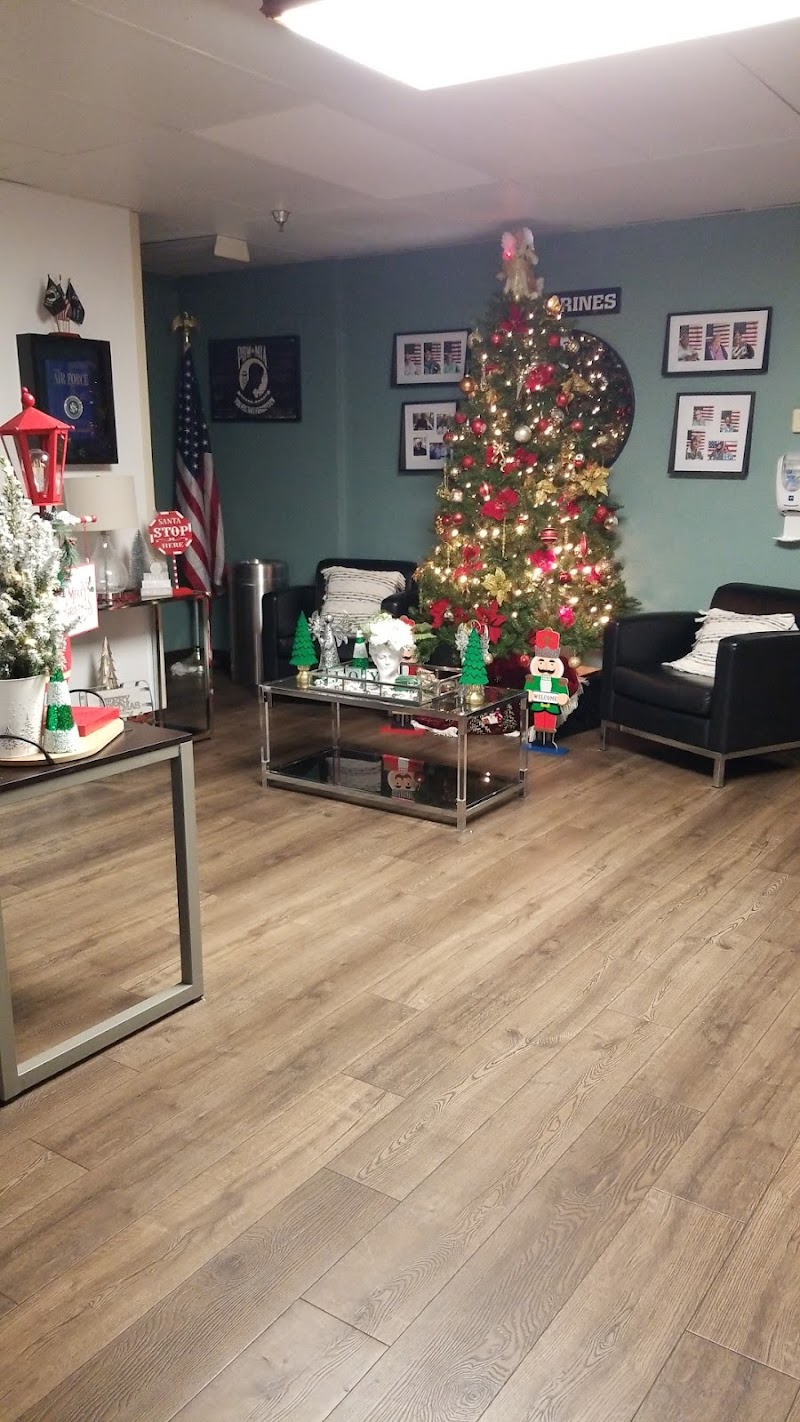
How Does Valley Healthcare Center Compare to Other California Nursing Homes?

Compared to the 100 nursing homes in California, VALLEY HEALTHCARE CENTER's overall rating (3 stars) is below the state average of 3.1, staff turnover (36%) is near the state average of 46%, and health inspection rating (3 stars) is at the national benchmark.

What Should Families Ask When Visiting Valley Healthcare Center?

Based on this facility's data, families visiting should ask: "What changes have been made since the serious inspection findings, and how are you preventing similar issues?" "Can I visit during a mealtime to observe dining assistance and food quality?" "How do you handle medical emergencies, and what is your hospital transfer rate?" "Can I speak with family members of current residents about their experience?" These questions are particularly relevant given the facility's Immediate Jeopardy citations.

Is Valley Healthcare Center Safe?

Based on CMS inspection data, VALLEY HEALTHCARE CENTER has documented safety concerns. Inspectors have issued 1 Immediate Jeopardy citation (the most serious violation level indicating risk of serious injury or death). The facility has a 3-star overall rating and ranks #100 of 100 nursing homes in California. Families considering this facility should ask detailed questions about what corrective actions have been taken since these incidents.

Do Nurses at Valley Healthcare Center Stick Around?

VALLEY HEALTHCARE CENTER has a staff turnover rate of 36%, which is about average for California nursing homes (state average: 46%). Moderate turnover is common in nursing homes, but families should still ask about staff tenure and how the facility maintains care continuity when employees leave.

Was Valley Healthcare Center Ever Fined?

VALLEY HEALTHCARE CENTER has been fined $37,151 across 1 penalty action. The California average is $33,450. While any fine indicates a compliance issue, fines under $50,000 are relatively common and typically reflect isolated problems that were subsequently corrected. Families should ask what specific issues led to these fines and confirm they've been resolved.

Is Valley Healthcare Center on Any Federal Watch List?

VALLEY HEALTHCARE CENTER is not on any federal watch list. The most significant is the Special Focus Facility (SFF) program, which identifies the bottom 1% of nursing homes nationally based on persistent, serious quality problems. Not being on this list means the facility has avoided the pattern of deficiencies that triggers enhanced federal oversight. This is a positive indicator, though families should still review the facility's inspection history directly.