WATERMAN CANYON POST ACUTE
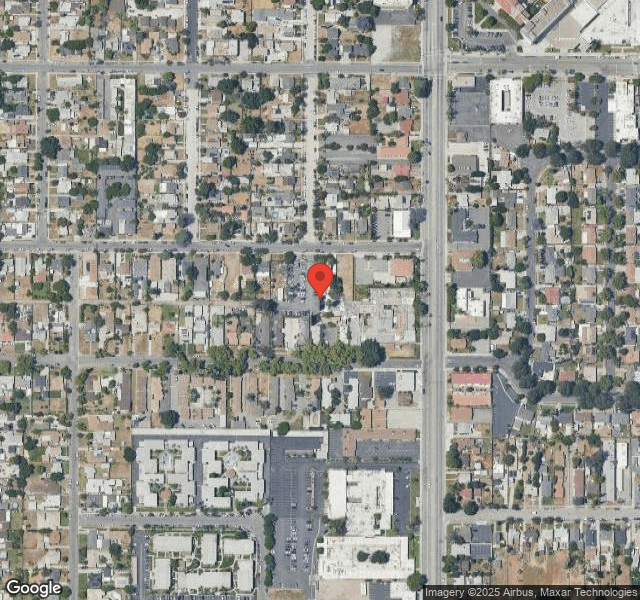
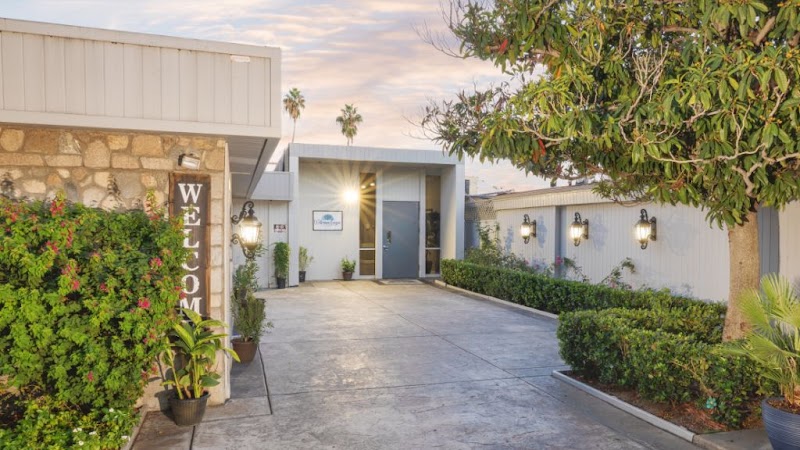
1850 N. WATERMAN AVE., SAN BERNARDINO, CA 92404 (909) 882-1215
For profit - Limited Liability company 166 Beds PACS GROUP Data: November 2025
Trust Grade
70/100
#504 of 1155 in CA
Last Inspection: March 2025

Within standard 12-15 month inspection cycle. Federal law requires annual inspections.

Overview

Waterman Canyon Post Acute has a Trust Grade of B, indicating it is a solid choice for care, scoring better than average. It ranks #504 out of 1155 facilities in California, placing it in the top half, but #38 out of 54 in San Bernardino County suggests there are better local options available. The facility's trend is worsening, with issues increasing from 4 in 2024 to 5 in 2025. Staffing is rated average at 3 out of 5 stars, with a turnover rate of 44%, which is close to the state average, while RN coverage is concerning, being lower than 88% of other facilities. Though there are no fines on record, which is a positive sign, the inspector found significant sanitation issues in the kitchen, including dirty drawers and equipment, along with concerns about maintaining sanitary conditions for medication storage, indicating a need for improvement in cleanliness and safety.

Trust Score
B
70/100
In California
#504/1155
Top 43%
Safety Record
Low Risk
No red flags
Inspections
Getting Worse
4 → 5 violations
Staff Stability
○ Average
44% turnover. Near California's 48% average. Typical for the industry.
Penalties
✓ Good
No fines on record. Clean compliance history, better than most California facilities.
Skilled Nurses
⚠ Watch
Each resident gets only 15 minutes of Registered Nurse (RN) attention daily — below average for California. Fewer RN minutes means fewer trained eyes watching for problems.
Violations
⚠ Watch
45 deficiencies on record. Higher than average. Multiple issues found across inspections.
★★★★☆
4.0
Overall Rating
★★★☆☆
3.0
Staff Levels
★★★★☆
4.0
Care Quality
★★★★☆
4.0
Inspection Score
Stable
2024: 4 issues
2025: 5 issues

The Good

  • 4-Star Quality Measures · Strong clinical quality outcomes
  • Full Sprinkler Coverage · Fire safety systems throughout facility
  • No fines on record
  • Staff turnover below average (44%)

    4 points below California average of 48%

Facility shows strength in quality measures, fire safety.

The Bad

Staff Turnover: 44%

Near California avg (46%)

Typical for the industry

Chain: PACS GROUP

Part of a multi-facility chain

Ask about local staffing decisions and management

The Ugly 45 deficiencies on record

May 2025 1 deficiency
CONCERN (D) 📢 Someone Reported This

A family member, employee, or ombudsman was alarmed enough to file a formal complaint

Potential for Harm - no one hurt, but risky conditions existed

Deficiency F0628 (Tag F0628)

Could have caused harm · This affected 1 resident

**NOTE- TERMS IN BRACKETS HAVE BEEN EDITED TO PROTECT CONFIDENTIALITY** Based on interview and record review, the facility failed to complete a safe transfer and discharge for 1 of 3 sampled residents...

Read full inspector narrative →
**NOTE- TERMS IN BRACKETS HAVE BEEN EDITED TO PROTECT CONFIDENTIALITY** Based on interview and record review, the facility failed to complete a safe transfer and discharge for 1 of 3 sampled residents (Resident 1 and 2) when: 1. Resident 1 history of dementia was transferred to a lower level of care Room and Board, and Ombudsman not included in discharge planning. 2. Resident 2 was transferred to another facility dementia unit without Conservator and Ombudsman included in discharge planning. This failure resulted in Residents 1 and 2 being transferred without capacity to understand and make decisions, not being informed of rights regarding transfer/discharge and the added protection of the Ombudsman (patient rights advocate who ensures residents are not inappropriately discharged ). Findings: 1. During a review of Resident 1 ' s admission Record (general demographics), the document indicated Resident 1 was admitted to the facility on [DATE], with diagnoses to include: dementia (memory loss, forgetfulness) hypertension (high blood pressure), diabetes type II (body does not produce enough insulin, or resist insulin). During a review on April 29, 2025, Resident 1 ' s Medical Record reviewed are as follows: 1. History and Physical (H&P) dated September 21, 2021, Has the capacity to understand and make decisions. 2. [Name] Health Progress Note/History & Physical dated November 21, 2024: Behavioral Disturbances Associated with Dementia: The patient .exhibits verbal outburst and physical aggression, aligning with behavioral and psychological symptoms of dementia. Plan: Asses potential triggers for the aggressive behavior .(Facility cannot provide recent H&P if the resident has the capacity to understand and make decisions) 3. Notice of Proposed Transfer/Discharge Notification Date February 27, 2025: Social Worker notified (Niece) .Transfer to Room and Board (lower level care) .The transfer or discharge is appropriate because your health has improved .Resident unable to sign. 4. Discharge Summary February 27, 2025, at 1400 (no resident signature or family notification documented). 5. Social Services Note February 07, 2025, 16:05: Met with the family of resident to discuss possible discharge. Residents family thinking about taking patient back to [country name] .Resident is Alert and oriented with episodes of confusion and forgetfulness .The team will continue to monitor the resident for any behavioral changes and concerns. Resident has episodes of refusals of care and medication regimen. 6. Social Services Note February 27, 2025, 11:43: Resident will discharge today to lower level of care. Resident is Alert and Oriented, self-responsible and able to make all needs known .Residents family are not involved and would not like to have any responsibility with his care. Resident will discharge to a Room and Board with meds and Home Health. 7. re-admitted from Hospital March 05, 2025. 8. Notice of Proposed Transfer/Discharge Notification Date March 06, 2025: Person notified: (niece). Transfer to [skilled nursing facility], The transfer/discharge is necessary for your welfare and your needs cannot be met in the facility .Resident unable to sign. 9. Discharge Summary March 06, 2025, at 0800 (no resident signature or family notification documented). 10. Social Service Note: March 06, 2025, 1714: Resident discharged to another SNF today at 9:00AM. Resident is Alert/Oriented self-responsible and able to make all his needs known .Resident is noted to be a little aggressive to staff member but calmed down after a few minutes. SW reached out to the resident niece and notified of discharge . 11. No Integrated Discharge Team (multi-disciplinary team) IDT meeting regarding transfer planning documentation provided. During an interview on April 29, 2025, with the Social Worker (SW), SW stated, Resident 1 had a lot of aggression and refusals. On February 07, 2025, the niece was involved in discharge planning, she wanted to help me, but no one wanted to be responsible for him .the resident was telling family he wanted to go back home. No one wanted to take over care of him. The administrator at the Room & Board came to assess resident. He seen the 1:1 due to residents ' aggression, the resident is very ambulatory, he does everything. He can be aggressive we don ' t want other residents to get hurt. At the time it was safe for Resident 1 to make his decision to transfer to room and board. We were worrying about the other patients. His roommates were not safe, we had a lot of room changes and nothing changed. This resident was alert with periods of confusion, and he is refusing care, it was beneficial to send out, we were thinking about other residents. He had aggression and Room & Board they called 911, sent to [acute hospital], then he came back here, we readmitted him. We felt our residents were in danger, he was throwing things, we looked at other Skilled Nursing Facilities, we told the SNF about his aggression. It felt in conversation he understands everything with the interpreter in Spanish. We did involve the family in discharge planning, when the family washed their hands of him to make his decisions. For him at that time he did need the ombudsman to be involved. During an interview on April 29, 2025, with the Director of Nursing (DON), DON stated, Resident 1 Family did not disagree to the transfers. We did not force him; he was interviewed by the Room & Board. He is self-responsible, he makes his own decisions. When there is a problem with the residents and us the facility we call the Ombudsman. We tried calling the Ombudsman many times, in general they tell you they are the advocate of residents, so whatever the resident decides. I fell it was safe for him, there was not so many people at the Room and Board and the SNF, is a smaller facility. He gets triggered right away, this is not a quiet place and we have to protect the other residents. They came here, the admin from the admitting SNF to assess him as well they said we will take him and accepted the challenge. The second time it was a safe transfer, I have not gotten a call from them regarding any problems with him. He does have the capacity and makes his own decisions. The niece was informed. We felt he didn ' t like the residents here and no compatibility. We had him on 1:1, even with the 1:1 he hit another resident. There was an accepting Room & Board, the day after that they took him they sent him out due to altered mental status. He was very aggressive. He was sent to acute hospital, we accepted him back from the hospital and we kept looking for placements. He was transferred to SNF, he ' s probably doing good because we have not had a call from them since he was transferred there. 2. During a review of Resident 2 ' s admission Record (general demographics), the document indicated Resident 1 was admitted to the facility on [DATE], with contact Responsible Party Public Guardian: Conservator [contact information]. Diagnoses to include: schizoaffective disorder (combination of symptoms, mood disorder, depressive, delusions, hallucinations), cognitive communication deficit (difficulties that arise from impaired cognitive functions), chronic obstructive pulmonary disease (block airflow, hard to breathe). During a review on April 29, 2025, Resident 2 ' s Medical Record reviewed are as follows: 1. Facesheet: Resident 2 has assigned Conservator since admission June 09, 2023. 2. History and Physical dated September 01, 2024: Has the Capacity to understand and make decisions. Brief Interview for Mental Status= 07 out of 15. 3. Social Service Note dated February 24, 2025, at 0844: This writer reached out to conservator and left a voice message to let her know that the patients wandering is now a risk for elopement at the facility and that IDT would like to transfer her to another Skilled Nursing Facility SNF to better monitor her of her wandering and her own safety. Social Worker (SW) is awaiting response at this time. 4. Discharge Summary: discharge date and time February 27, 2025, at 1900 to SNF, self-responsible, Reason: Resident 2 is at risk for elopement due to her wandering. (SW) reached out to the conservator and left a voice message to let them know that it will be safer for her to transition to another facility who can monitor her wandering episodes. 5. Physician Order February 27, 2025, May discharge to another SNF [name post acute]. (No reason for transfer documented) During an interview on May 13, 2025, with the Social Worker (SW), SW stated, Resident 2 had a conservator since admission, having a conservator is because resident cannot make own medical decisions. We include in care conferences, not all will attend the meetings, but we let them know about them. When we would call the conservator, we would always talk to the front desk person. They will only call us for court hearings, that ' s the only time we will hear back from them. The transfer was for safety reasons. The conservator was called but we left a voice message, then we had the (IDT) to makes the decisions for the resident. We did not involve the Ombudsman in the discharge planning, we sent the notification after the day Resident 2 was discharged . The resident knew the transfer was for the dementia unit, I know it was for a lock dementia unit and she knew she would benefit there. I have not heard back from the conservator .the other facility will be reaching out to her, I ' m assuming they already have it. The SNF was a smaller one and will monitor her behavior. I never heard back from conservator. During an interview on May 13, 2025, with the Director of Nursing (DON), DON stated, For Resident 2, the conservator usually they will not respond. The conservator makes the decisions for the residents. I cannot wait because of safety of patient very dangerous is she goes outside she will assault the other residents. We called the conservator for D/C planning, no response. We made the decision in the IDT meeting, because she is conserved this is why we did not call the ombudsman. We in IDT meeting made the decision for the resident. The resident was made aware of where she was going by those who interviewed her from other facility, the Administrator and (DON) they came to assess her. The priority is safety of resident, we notified the ombudsman after, it was safety issue I was afraid of. During a review of the facility ' s policy and procedure titled, Transfer or Discharge revised March 2025, the policy and procedure indicated, Once admitted to the facility, residents have the right to remain in the facility. Transfers and discharges must meet specific criteria and require resident/representative notification, orientation, and documentation in the medical record. During a review of the facility ' s policy and procedure titled, Attending Physician Responsibilities revised August 2014, the policy and procedure indicated, Providing Appropriate, Timely medical Orders and Documentation .4. The physician will provide documentation required to explain medical decisions and to help the facility comply with its legal and regulatory requirement. During a review of the facility ' s policy and procedure titled, Care Planning-Interdisciplinary Team revised March 2022, the policy and procedure indicated, The interdisciplinary team is responsible for the development of resident care plans. 4. The resident, the resident ' s family and or the resident ' s legal representative/guardian or surrogate are encouraged to participate in the development of and revisions to the resident ' s care plan. 6. If it is determined that participation of the resident or representative is not practicable for development of the care plan, an explanation is documented in the medical record. When a resident is transferred or discharged , his or her medical records shall be documented as to the reasons why such action was taken. 4. Documentation from the Care planning Team concerning all transfers or discharges must include, as a minimum, and as they may apply: c. That the resident and/or representative (sponsor) participate in a predischarge orientation program.
Mar 2025 2 deficiencies
CONCERN (D)

Potential for Harm - no one hurt, but risky conditions existed

Report Alleged Abuse (Tag F0609)

Could have caused harm · This affected 1 resident

Based on interview, record review, and facility document and policy review, the facility failed to report an allegation of resident-to-resident abuse involving 2 (Resident #29 and Resident #83) of 2 s...

Read full inspector narrative →
Based on interview, record review, and facility document and policy review, the facility failed to report an allegation of resident-to-resident abuse involving 2 (Resident #29 and Resident #83) of 2 sampled residents reviewed for abuse to the state survey agency within two hours. Findings included: A facility policy titled, Abuse, Neglect, Exploitation or Misappropriation - Reporting and Investigating, revised 04/2021, revealed, All reports of resident abuse (including injuries of unknown origin), neglect, exploitation, or theft/misappropriation of resident property are reported to local, state and federal agencies (as required by current regulations). The policy specified, 1. If resident abuse, neglect, exploitation, misappropriation of resident property or injury of unknow source is suspected, the suspicion must be reported immediately to the administrator and to other officials according to state law. The policy further specified, 3. 'Immediately' is defined as: a. within two hours of an allegation involving abuse or result in serious bodily injury; or b. within 24 hours of an allegation that does not involve abuse or result in serious bodily injury. Resident #29's admission Record revealed the facility admitted the resident on 12/19/2024. According to the admission Record, the resident had a medical history that included diagnoses of muscle wasting and atrophy, abnormality of gait and mobility, adult failure to thrive, dehydration, weakness, atherosclerotic heart disease, alcohol abuse, acute on chronic diastolic congestive heart failure, cand essential hypertension. Resident #29's admission Minimum Data Set (MDS), with an Assessment Reference Date (ARD) of 12/30/2024, revealed the resident had a Brief Interview for Mental Status (BIMS) score of 8, which indicated the resident had moderate cognitive impairment. The MDS indicated the resident did not exhibit any physical or verbal behavioral symptoms directed towards others during the seven-day assessment look-back period. Resident #29's Care Plan Report included a focus area, initiated 12/24/2024 and revised 01/01/2025, that indicated the resident had cognitive loss, impaired decision-making skills ,and forgetfulness and needed verbal reminders. Resident #83's admission Record revealed the facility admitted the resident on 04/09/2024. According to the admission Record, the resident had a medical history that included diagnoses of schizoaffective disorder, bipolar type; Parkinsonism; delusional disorders; hallucinations; major depressive disorder; insomnia; and muscle wasting and atrophy. Resident #83's quarterly MDS, with an ARD of 01/08/2025, revealed the resident had a BIMS score of 11, which indicated the resident had moderate cognitive impairment. The MDS indicated the resident did not exhibit any physical or verbal behavioral symptoms directed towards others during the seven-day assessment look-back period. Resident #83's Care Plan Report included a focus area, initiated 04/18/2024, that indicated the resident was at risk for decreased psychosocial well-being and adjustment issues; emotional distress and ineffective coping skills; poor impulse control; adverse effects on function, mental, physical, social, or spiritual well-being related to feeling down, depressed, or hopeless and little interest or pleasure in doing things. Resident #83's Progress Notes revealed a Nurse's Note, dated 03/16/2025 at 10:22 PM and electronically signed by Registered Nurse (RN) #5, that indicated Resident #83 was seen in their room holding scissors by a licensed vocational nurse (LVN). The note indicated that when the RN interviewed Resident #83, the resident reported they were sleeping in their bed when they got awoken by Resident #29 shaking their bed. The note further indicated Resident #83 reported Resident #29 punched them on the right thigh. Per the note, Resident #83 stated they then hit Resident #29 on the right side of the head. Per the note, staff moved Resident #83 to another room, the Director of Nursing (DON) was notified, and 911 was called. A Report of Suspected Dependent Adult/Elder Abuse, dated 03/17/2025, revealed the Assistant Director of Nursing (ADON) reported the incident involving Resident #29 and Resident #83 to the state survey agency as an allegation of physical abuse. The report indicated staff heard a commotion coming from Resident #29 and Resident #83's room and upon staff's arrival to the room, the residents were engaged in a verbal confrontation. Per the report, Resident #83 reported that Resident #29 woke them up by shaking their bed, and then, Resident #29 hit Resident #83. Resident #83 stated they then responded by hitting Resident #29. The report indicated Resident #29 reported that Resident #83 hit them first. A Transmission Verification Report, dated 03/17/2025, revealed the facility submitted the initial Report of Suspected Dependent Adult/Elder Abuse to the state survey agency on 03/17/2025 at 10:58, which was not within the required two-hour timeframe. During an interview on 03/21/2025 at 1:52 PM, the ADON stated the incident involving Resident #29 and Resident #83 was reported to him the evening of 03/16/2025. In contrast to the facility's policy, the ADON then stated that for incidents without a major injury, the facility reported them to the state agency within 24 hours. The ADON stated if an incident did result in major injury, they would report it within two hours.
CONCERN (D)

Potential for Harm - no one hurt, but risky conditions existed

Deficiency F0912 (Tag F0912)

Could have caused harm · This affected 1 resident

**NOTE- TERMS IN BRACKETS HAVE BEEN EDITED TO PROTECT CONFIDENTIALITY** Based on interview, observation, and facility policy review, the facility failed to ensure residents' rooms measured at least 80...

Read full inspector narrative →
**NOTE- TERMS IN BRACKETS HAVE BEEN EDITED TO PROTECT CONFIDENTIALITY** Based on interview, observation, and facility policy review, the facility failed to ensure residents' rooms measured at least 80 square (sq) feet (ft) per resident in Rooms 101, 102, 103, 104, 105, 106, 107, 108, 109, 112, 114, 116, 202, 404, and 406. Findings included: A policy titled, Bedrooms, revised May 2018, revealed, All residents are provided with clean, comfortable and safe bedrooms that meet federal and state requirements. The policy revealed, 2. Bedrooms measure at least 80 square feet of space per resident in double rooms, and at least 100 square feet of space in single rooms. (Note: Individual variations on this may be permitted by federal authorities if it is demonstrated that the variation is in accordance with special needs of the resident and will not adversely affect the resident's health and safety.) On 03/17/2025 at 9:25 AM, the Director of Nursing (DON) stated the facility had some resident rooms that measured less than the required square footage. On 03/19/2025 at 3:15 PM, the Maintenance Director was observed while measuring Rooms 101, 102, 103, 104, 105, 106, 107, 108, 109, 112, 114, 116, 202, 404, and 406. Each room had closets, nightstands, wheelchairs, bathrooms, and resident beds, which were not observed to block the bathroom or closet doors. Residents could freely move around the rooms, and privacy curtains were in use. Room measurements were as follows: - Rooms 101, 102, 103, 104, 105, 106, and 107 had three residents each and measured 75.19 sq ft per resident. - room [ROOM NUMBER] had three residents and measured 74.54 sq ft per resident. - room [ROOM NUMBER] had three residents and measured 74.863 sq ft per resident. - rooms [ROOM NUMBER] had three residents each and measured 71.29 sq ft per resident. - room [ROOM NUMBER] had three residents and measured 73.04 sq ft per resident. - room [ROOM NUMBER] had two residents and measured 73.48 sq ft per resident. - room [ROOM NUMBER] had two residents and measured 78 sq ft per resident. On 03/19/2025 at 3:45 PM, the Maintenance Director stated the room measurements did not provide each resident 80 square feet as per regulation. On 03/20/2025 at 8:37 AM, Certified Nursing Assistant (CNA) #1 stated room [ROOM NUMBER] and room [ROOM NUMBER] seemed a little small at times, but noted the rooms were workable. On 03/20/2025 at 8:44 AM, CNA #2 stated the rooms were comfortable to take care of the residents. On 03/20/2025 at 8:50 AM, CNA #3 stated the space in the rooms was acceptable. She stated the staff were able to move the side tables, and moving the tables helped staff get around easier. On 03/20/2025 at 9:04 AM, the DON stated there were no issues related to the room sizes being brought to the attention of her or staff. She stated the facility conducted what the facility called angel rounds, and the angel rounds had room size concerns addressed on a sheet from which staff conducted the angel rounds. She stated if residents needed more storage they were able to use a storage area to store extra items.
Mar 2025 1 deficiency
CONCERN (D) 📢 Someone Reported This

A family member, employee, or ombudsman was alarmed enough to file a formal complaint

Potential for Harm - no one hurt, but risky conditions existed

Deficiency F0676 (Tag F0676)

Could have caused harm · This affected 1 resident

**NOTE- TERMS IN BRACKETS HAVE BEEN EDITED TO PROTECT CONFIDENTIALITY** Based on observation, interview and record review the facility staff failed to assist with activity of daily living (ADL) for 2 ...

Read full inspector narrative →
**NOTE- TERMS IN BRACKETS HAVE BEEN EDITED TO PROTECT CONFIDENTIALITY** Based on observation, interview and record review the facility staff failed to assist with activity of daily living (ADL) for 2 of 3 sampled Residents (Resident 1 and 3). This failure led to Resident 1 experiencing Moisture-Associated Skin Damage (MASD), characterized by skin inflammation and erosion due to extended exposure to moisture sources such as urine or stool. These failures posed a significant risk to the psychosocial well-being, health, and safety of both clinically compromised Residents 1 and 3. Findings: A review of Resident 1 Face Sheet (contain resident demographic), the Face Sheet indicated Resident 1 was admitted to the facility on [DATE], with a diagnosis that included Tear of Lateral Meniscus (an injury to one of the bands of rubbery cartilage that act as shock absorbers for the knee) A review of the SBAR (change of condition report) dated February 25, 2025, revealed a change in skin color or condition, specifically noting moisture-associated skin damage (MASD) on the left buttock, which extends to the right buttock. During an interview on March 6, 2025, at 12:03 PM, with Resident 1, Resident 1 reported that the staff did not change her diaper last night until this morning. She mentioned that when she activated her call light, the staff entered the room only to turn it off without inquiring about her needs, indicating that this occurs frequently during the night. She also noted that she did not have any bed sores upon her admission to the facility, but she now has developed a bed sore on her buttock. During an interview on March 6, 2025, at 1:04 PM, with the Certified Nursing Assistant (CNA 1), CNA 1 indicated that staff are required to change the resident's diaper every two hours or as necessary. He also mentioned that he would respond to the call light promptly upon noticing it. Additionally, the call light should be positioned within easy reach. During an interview on March 6, 2025, at 1:25 PM, with the Wound Care Nurse (WCN 1), the WCN 1 stated during the admission assessment of Resident 1, MASD was observed beneath the left breast, but there is no record indicating that MASD was present on the resident's buttocks. During a telephone interview and record review on March 11, 2025, at 10:05 AM, with the Assistant Director of Nursing (ADON 1). The Plan of Care (POC) record for Resident 1 was reviewed. ADON 1 confirmed that on March 3, 4, and 5 of 2025, Resident 1 was given a diaper change only three times over a 24-hour period. ADON 1 indicated that it is possible Resident 1 may be experiencing Moisture-Associated Skin Damage (MASD) due to the lack of care provided. A review of the facility policy and procedure (P&P) titled, Pressure Ulcer/Injury Risk Assessment dated July 2017, indicated, .5. Develop the resident-centered care plan and interventions based on the risk factors identified in the assessments, the condition of the skin, the resident's overall clinical condition, and the resident's stated wishes and goals. a. The interventions must be based on current, recognized standards of care. b. The effects of the interventions must be evaluated. c. The care plan must be modified as the resident's condition changes, or if current interventions are deemed inadequate . A review of Resident 3 Face Sheet (contain resident demographic), the Face Sheet indicated Resident 3 was admitted to the facility on [DATE], with a diagnosis that included muscle wasting and atrophy (the thinning or loss of muscle tissue and mass). During an interview on March 6, 2025, at 12:35 PM, with Resident 2. Resident 2 expressed a desire to turn on her television. It was observed that the call light was secured beneath her bed padding. When inquired whether she could activate her call light, the resident indicated that she was unaware of its location. Upon being informed that the call light was situated under her padding and asked if she could reach it, the resident attempted to do so but was unable to succeed. During an interview on March 6, 2025, at 12:38 PM, with the CNA (CNA 2), CNA 2 indicated that the call light should not be positioned beneath the padding; rather, it ought to be secured to the resident's blanket or placed within the resident's reach. She explained that while attempting to tidy the bed in a hurry, she inadvertently placed the call light under the padding. She acknowledged her mistake, stating, my bad, it should not be placed there. A review of the facility P&P titled, Answering Call Light dated October 2010, indicated, .5. When the resident is in bed or confined to a chair be sure the call light is within easy reach of the resident .
Jan 2025 1 deficiency
CONCERN (D) 📢 Someone Reported This

A family member, employee, or ombudsman was alarmed enough to file a formal complaint

Potential for Harm - no one hurt, but risky conditions existed

Resident Rights (Tag F0550)

Could have caused harm · This affected 1 resident

**NOTE- TERMS IN BRACKETS HAVE BEEN EDITED TO PROTECT CONFIDENTIALITY** Based on observation, interview, and record review, the facility failed to ensure one of three sampled residents (Resident 3) wa...

Read full inspector narrative →
**NOTE- TERMS IN BRACKETS HAVE BEEN EDITED TO PROTECT CONFIDENTIALITY** Based on observation, interview, and record review, the facility failed to ensure one of three sampled residents (Resident 3) was treated with respect and dignity when a Certified Nursing Assistant (CNA 1) used profanity (language that is rude, offensive, or vulgar, often involving swear words, or disrespectful terms) with Resident 3 during an activity program on November 12, 2024. This failure compromised Resident 3 ' s dignity and violated his right to respect, which had the potential for Resident 3 to experience psychosocial harm (mental harm and suffering). Findings: A review of Resident 3's admission Record (a document containing clinical and demographic data), indicated Resident 1 was admitted to the facility on [DATE], with diagnoses of chronic obstructive pulmonary disease (group of lung conditions that causes breathing difficulties) and hypertension (blood pressure that is higher than normal) A review of Resident 3 ' s for titled History and Physical dated August 12, 2024, indicated . This resident [Resident 3] has the capacity to understand and make decisions . During concurrent observation and interview on November 22, 2024, at 3:00 PM, with Resident 3, Resident 3 was sitting in his wheelchair and participating in the activity program. Resident 3 stated that he recalled attending an activity program in the Gallery Room on November 12, 2024, around 9:30 AM. Resident 3 stated that during the program, residents, and activity staff, including CNA 1, engaged in a conversation. Resident 3 further stated that he heard CNA 1 tell him, F**k [f word is swearing words to curse someone] off, Resident 3. When he tried to clarify what CNA 1 had said, she repeated the same phrase. Furthermore, Resident 3 stated When she said my name, I knew the F word was directed at me, and she should not have said it. I haven ' t seen her since then. During a concurrent record review and interview on November 22, 2024, at 3:35 PM, with the Human Resources (HR), a facility document titled California Notice of Change in Relationship of CNA 1 indicated Name: CNA 1 . Your employment status has changed for the reason checked below: . discharged effective 11/14/2024 [November 14, 2024] . Involuntary - Violation of company policy . The HR stated the facility has terminated CNA 1 ' s employment. During a subsequent record review and interview on November 22, 2024, at 3:45 PM with the HR, a facility document titled Walk Away Policy and Procedure, signed by CNA 1 on May 1, 2024, indicated . that any staff member who becomes frustrated when assisting a resident must walk away from the situation, absent of an emergency and request assistance so as to prevent a resident from being subject to inappropriate conduct which includes, but is not limited to, verbal, mental, sexual, or physical abuse, . The HR stated that CNA 1 should have walked away but did not do so. During a follow up observation and interview with Resident 3, on December 31, 2024, at 10:35 AM, Resident 3 was sitting up on his bed. Resident 3 stated he felt upset when CNA 1 used the F word at him. He further stated, I feel relieved I did not see her [CNA 1] around anymore. During a phone interview on January 3, 2025, at 10:35 PM, with Activity Assistant (AA ), she stated that on November 12, 2024, around 9:30 AM, during an activity program, a resident was transferred to the hospital, leaving the wheelchair in the Gallery Room. She then asked CNA 1 to return the wheelchair to the resident's room. As she went out to retrieve the wheelchair, she overheard CNA 1 say, F**k off, [Resident 3's first name]. When Resident 3 attempted to clarify what CNA 1 had said, CNA 1 repeated the same phrase. The AA further stated that she told CNA 1 the behavior was unacceptable and reported the incident to the Assistance Director of Nursing (ADON), who sent CNA 1 home that day. Furthermore, the AA stated that CNA 1 should have simply walked away if she was frustrated or upset, but she did not. During an interview and concurrent record review, December 31, 2024, at 10:45 AM, with the ADON, the ADON reviewed the facility's policy and procedure titled, Resident Rights revised December 2016, indicated .Policy Statement. Employees shall treat all residents with kindness, respect, and dignity. Policy interpretation and implementation: 1. Federal and state laws guarantee certain basic rights to all residents of this facility. These rights include the resident ' s right to : . b. be treated with respect, kindness, and dignity; . The ADON stated the policy and procedure was not followed. Based on observation, interview, and record review, the facility failed to ensure one of three sampled residents (Resident 3) was treated with respect and dignity when a Certified Nursing Assistant (CNA 1) used profanity (language that is rude, offensive, or vulgar, often involving swear words, or disrespectful terms) with Resident 3 during an activity program on November 12, 2024. This failure compromised Resident 3's dignity and violated his right to respect, which had the potential for Resident 3 to experience psychosocial harm (mental harm and suffering). Findings: A review of Resident 3's admission Record (a document containing clinical and demographic data), indicated Resident 1 was admitted to the facility on [DATE], with diagnoses of chronic obstructive pulmonary disease (group of lung conditions that causes breathing difficulties) and hypertension (blood pressure that is higher than normal) A review of Resident 3's for titled History and Physical dated August 12, 2024, indicated . This resident [Resident 3] has the capacity to understand and make decisions . During concurrent observation and interview on November 22, 2024, at 3:00 PM, with Resident 3, Resident 3 was sitting in his wheelchair and participating in the activity program. Resident 3 stated that he recalled attending an activity program in the Gallery Room on November 12, 2024, around 9:30 AM. Resident 3 stated that during the program, residents, and activity staff, including CNA 1, engaged in a conversation. Resident 3 further stated that he heard CNA 1 tell him, F**k [f word is swearing words to curse someone] off, Resident 3. When he tried to clarify what CNA 1 had said, she repeated the same phrase. Furthermore, Resident 3 stated When she said my name, I knew the F word was directed at me, and she should not have said it. I haven't seen her since then. During a concurrent record review and interview on November 22, 2024, at 3:35 PM, with the Human Resources (HR), a facility document titled California Notice of Change in Relationship of CNA 1 indicated Name: CNA 1 . Your employment status has changed for the reason checked below: . discharged effective 11/14/2024 [November 14, 2024] . Involuntary – Violation of company policy . The HR stated the facility has terminated CNA 1's employment. During a subsequent record review and interview on November 22, 2024, at 3:45 PM with the HR, a facility document titled Walk Away Policy and Procedure, signed by CNA 1 on May 1, 2024, indicated . that any staff member who becomes frustrated when assisting a resident must walk away from the situation, absent of an emergency and request assistance so as to prevent a resident from being subject to inappropriate conduct which includes, but is not limited to, verbal, mental, sexual, or physical abuse, . The HR stated that CNA 1 should have walked away but did not do so. During a follow up observation and interview with Resident 3, on December 31, 2024, at 10:35 AM, Resident 3 was sitting up on his bed. Resident 3 stated he felt upset when CNA 1 used the F word at him. He further stated, I feel relieved I did not see her [CNA 1] around anymore. During a phone interview on January 3, 2025, at 10:35 PM, with Activity Assistant (AA ), she stated that on November 12, 2024, around 9:30 AM, during an activity program, a resident was transferred to the hospital, leaving the wheelchair in the Gallery Room. She then asked CNA 1 to return the wheelchair to the resident's room. As she went out to retrieve the wheelchair, she overheard CNA 1 say, F**k off, [Resident 3's first name]. When Resident 3 attempted to clarify what CNA 1 had said, CNA 1 repeated the same phrase. The AA further stated that she told CNA 1 the behavior was unacceptable and reported the incident to the Assistance Director of Nursing (ADON), who sent CNA 1 home that day. Furthermore, the AA stated that CNA 1 should have simply walked away if she was frustrated or upset, but she did not. During an interview and concurrent record review, December 31, 2024, at 10:45 AM, with the ADON, the ADON reviewed the facility's policy and procedure titled, Resident Rights revised December 2016, indicated .Policy Statement. Employees shall treat all residents with kindness, respect, and dignity. Policy interpretation and implementation: 1. Federal and state laws guarantee certain basic rights to all residents of this facility. These rights include the resident's right to : . b. be treated with respect, kindness, and dignity; . The ADON stated the policy and procedure was not followed.
Apr 2024 1 deficiency
CONCERN (D) 📢 Someone Reported This

A family member, employee, or ombudsman was alarmed enough to file a formal complaint

Potential for Harm - no one hurt, but risky conditions existed

Accident Prevention (Tag F0689)

Could have caused harm · This affected 1 resident

**NOTE- TERMS IN BRACKETS HAVE BEEN EDITED TO PROTECT CONFIDENTIALITY** Based on observation, interview, and record review, the facility failed to ensure the environment remained as free of accident h...

Read full inspector narrative →
**NOTE- TERMS IN BRACKETS HAVE BEEN EDITED TO PROTECT CONFIDENTIALITY** Based on observation, interview, and record review, the facility failed to ensure the environment remained as free of accident hazards as is possible and that each resident received adequate supervision to prevent accident during shower for one of three sampled residents (Resident 3), when Resident 3 was left in the shower unsupervised. This failure resulted in Resident 3 to receive multiple blisters to his lower body area. Findings : A review of Resident 3's clinical record titled, admission Record (contains medical and demographic information) indicated Resident 3 was admitted to the facility on [DATE], with diagnoses which included paraplegia (impairment in motor or sensory function of the lower extremities) and muscle weakness (lack of strength in the muscles). During a review of Resident 3's History and Physical (H&P) dated September 23, 2023, the H&P indicated . This resident [Resident 3 ] has the capacity to understand and make decisions . During a review of Resident 3's Minimum Data Set (MDS- a computerized assessment instrument), Section GG Functional Abilities and Goals (Coding: Safety and Quality of Performance - If helper assistance is required because patient's/resident's performance is unsafe or of poor quality, score according to amount of assistance provided), dated March 7, 2024, the MDS indicated Resident 3 required, [coded] 03 for showering/bathing self, meaning partial or moderate assistance (Helper does LESS THAN HALF the effort. Helper lifts, holds, or supports trunk or limbs, but provides less than half). During a review of Resident 3's care plan, revised on March 8, 2024, it indicated, at risk for ADL [Activity of Daily Living]/mobility decline and requires assistance related to . non ambulatory, paralysis, paraplegia . During a review of Resident 3's clinical record titled eINTERACT SBAR [Situation-Background-Assessment-Recommendation - communication tool of summary for change of condition] dated March 10, 2024, it indicated . During wound care , WCN [Wound Care Nurse] notice patient has new wounds . to the left leg, scrotum, and penis with close/open blisters. Pt [Resident 3] is at risk for developing new wounds r/t [related to] poor circulation . During a review of Resident 3's physician order sheet, dated March 10, 2024, it indicated, a treatment order of . close blister to left leg .close blister to scrotum .apply to penis topically [specific area] for open blister . During a review of Resident 3's clinical record titled IDT note [Interdisciplinary Team - a group of healthcare professionals from different disciplines working towards a common goal for a resident) dated March 12, 2024, it indicated Resident asked the CNA [Certified Nurse Assistant 1] to wheel him to the shower room. Resident prefers to take a shower privately and he wants only set up help. CNA turned on the shower to middle area. Then Resident asked for the shower head so he can take shower by himself. CNA left resident during shower. CNA came back to check if he is done and wheeled resident back to his own room. During treatment . noted Also a blister on mid upper thigh Resident had multiple scar tissues on sacrum and perineal areas upon admission. Per Treatment Nurse, the areas where tissues were peeled off were pink and no bleeding noted. But due to peeled off areas were open; they were at high risk for complications . During concurrent observation and interview with Resident 3, on March 26, 2024, at 1:00 PM, Resident 3 sitting down in the wheelchair at the facility outside patio. Resident 3 stated I think I let the running shower head rest on my lap too long while washing my upper body not realizing the water might have been too hot for my skin, I can't feel anything from waist down. During further interview with Resident 3, on March 26, 2024, at 1:10 PM, Resident 3 stated CNA 1 was not with him throughout the shower. CNA 1 told him that he would come back to check on him and that he needed to attend to other patients. Resident 3 further stated CNA 1 was in and out the shower room approximately three times, each time being gone for 8-10 minutes. Resident 3 expressed he would feel safer and more comfortable if CNA 1 stayed with him throughout the shower. During an interview with the Treatment Nurse (TN), on April 19, 2024, at 11:25 AM, the TN stated that on March 10, 2024, during treatment, she discovered new blisters to left leg, scrotum, and penis area. She further stated that when she asked Resident 3 about it, he informed her that he had left the shower head running for too long yesterday (March 9, 2024). The TN then contacted the doctor to report the issue and obtain a treatment order. During an interview with Assistance Director of Nursing (ADON), on April 19, 2024, at 2:50 PM, the ADON stated CNA 1 should have stayed with Resident 3 throughout his shower to supervise for safety. During a follow up telephone interview, with CNA 1 on April 19, 2024, at 3:45 PM, CNA 1 stated that on March 9, 2024, Resident 3 was assigned to him for the first time. CNA 1 stated he wheeled Resident 3 to the shower room and adjusted the water temperature to be approximately between cold and hot, before leaving Resident 3 inside the shower room. CNA 1 further stated that he was unsure about the facility's practice, but he informed Resident 3 before leaving the shower room that he would be outside that he needed to attend to other patients and would check on him if he needed assistance or had finish his shower. During a review of the facility' s policy and procedure (P&P) titled, Activity of Daily Living (ADL's), Supporting revised March 2018, the P&P indicated Policy Statement. Residents who are unable to carry out activities of daily living independently will receive the services necessary to maintain good nutrition, grooming and personal and oral hygiene. Policy Interpretation and Implementation . 2. Appropriate care and services will be provided for residents who are unable to carry out ADLs independently . including appropriate support and assistance with: a. Hygiene (bathing, dressing, grooming, and oral care) . During a concurrent interview and record review with on April 19, 2024, at 4:00 PM, with ADON, the facility's P&P titled, Bath, Shower/Tub revised March 2024, was reviewed, the P&P indicated, Purpose. The purposes of this procedure are to promote cleanliness, provide comfort to the resident and to observe the condition of the resident's skin. General Guidelines. 1. Be sure that the bath area is at a comfortable temperature for the resident. 2. Residents who require assistance with ADL's: a. Stay with the resident throughout the bath. Never leave the resident unattended in the tub or shower 3. Use the emergency call signal for assistance, if needed . The ADON stated the facility did not follow the policy.
Apr 2024 1 deficiency
CONCERN (D) 📢 Someone Reported This

A family member, employee, or ombudsman was alarmed enough to file a formal complaint

Potential for Harm - no one hurt, but risky conditions existed

Laboratory Services (Tag F0770)

Could have caused harm · This affected 1 resident

**NOTE- TERMS IN BRACKETS HAVE BEEN EDITED TO PROTECT CONFIDENTIALITY** Based on observation, interview, and record review, the facility failed to properly collect and document for one of 3 sampled re...

Read full inspector narrative →
**NOTE- TERMS IN BRACKETS HAVE BEEN EDITED TO PROTECT CONFIDENTIALITY** Based on observation, interview, and record review, the facility failed to properly collect and document for one of 3 sampled residents (Resident 1) a 24-hour urinalysis specimen. This failure contributed to a clinically compromised Resident 1 not completing a physician ordered laboratory test. Findings: During review of Residents 1 ' s admission Record (general demographics), the document indicated Resident 1 was admitted to the facility on [DATE], with diagnoses to include: malignant poorly differentiated neuroendocrine tumors (highly aggressive cancer of pancreas), secondary malignant neoplasm of bone (bone cancer), spinal stenosis (narrowing inside the bones of the spine), palliative care (medical care focuses on providing relief from pain and other symptoms of serious illness). During a concurrent interview and record review of Resident 1 ' s Medical Record with the Assistant Director of Nurses (ADON), reviewed and verified the following: 1. Nurse Note dated February 11, 2024, at 08:50, Note Text states, Resident 1 sister called to collect 24-hour urine to resident start 5am Sunday until 5am Monday and she will pick up the urine collection 24 hours and will bring it to [acute hospital]. Placed a call [doctor] for order of Foley catheter (used to drain urine from the bladder by way of urethra) for insertion to collect 24-hour urine collections since the resident is confused not able to express needs and cannot follow command. Obtained new order to insert foley catheter for urine 24-hour urine collection carried out and noted. Foley catheter, insert used F14(size of catheter) catheter aseptically no urine obtained yet since the resident just had urinated diaper fully soaked with urine. Foley Catheter in a basin with ice. Will continue to monitor. 2. No Documentation in electronic medical record of a date, time start, end time, and no assessment of urine collection (color, quantity, etc.) for a 24-hour urine collection ordered February 11, 2024. 3. No laboratory results for the 24- hour urine collection ordered from February 11, 2024. During an interview on March 19, 2024, with the Case Manager (CM), CM stated, Resident 1 did go out to Oncology, he came back with order for Endocrinology. I don ' t see an order from his consults an order for UA 24-hour collection. If the family would have told us about any 24-hour urine collection we would call to get an order, the family doesn ' t usually know the details, so we call and document in the system. I was not made aware of the Nurse progress note from February 11, 2024. This nurse (RN1) should have notified us on this 24-hour urine collection order. During an interview on March 19, 2024, with the Social Service (SS), SS stated, R1 sister called on February 13, 2024, about the urine sample, she said she brought the Urine Container and gave it to the nurse and the facility lost it. I told her over the phone I forward it to Assistant Director of Nursing (ADON) and he will look into it. During an interview on March 19, 2024, with the Assistant Director of Nursing (ADON), ADON stated, There were no orders from his February 08, 2024, from Oncology, he came back with No orders to collect urine. The sister came in and told the nurse about the collection. There a note from the Registered Nurse (RN1) about called our doctor and got order for foley catheter and urine collection. In the note there is nothing about a collection container, just the 24-hour urine collection order, but the order time don ' t coincide with the collection times. We would not have sent out the foley bag as the collection container, it would be placed in our container. If we had the order for a 24-hour urine collection, we contact the other doctor or facility if they have a container, or question how they want this collected. We do not take containers from family stating that urine needs to be collected, we need to follow up with who is ordering the test. During a review of the facility ' s policy and procedure titled, 24-hour Urine Specimen revised October 2010, the policy and procedure indicated: The purpose of this procedure is to collect a 24-hour urine specimen for laboratory analysis .Preparation 1. Verify that there is a physician's order for this procedure .Equipment and Supplies 9. 24-Hour Urine Specimen container and tag .Steps in the Procedure 11.Observe the urine for color, sediments, blood, odor, etc. 15.Save all the urine during the 24-hour period . Documentation: The following information should be recorded in the resident's medical record: 1.The date and time that the specimen was collected.2.The name and title of the individual(s) who performed the procedure.3.The character, clarity and color of urine.4.All assessment data obtained during the procedure.5.The date and time the 24-hour period began and ended.6.The time each specimen was collected.7.The date and time the specimen was sent to the lab.8.How the resident tolerated the procedure.9.If the resident refused the procedure, the reason(s) why and the intervention taken.10.The signature and title of the person recording the data.
Mar 2024 1 deficiency
CONCERN (D) 📢 Someone Reported This

A family member, employee, or ombudsman was alarmed enough to file a formal complaint

Potential for Harm - no one hurt, but risky conditions existed

Report Alleged Abuse (Tag F0609)

Could have caused harm · This affected 1 resident

**NOTE- TERMS IN BRACKETS HAVE BEEN EDITED TO PROTECT CONFIDENTIALITY** Based on interview and record review, the facility failed to report an unusual occurrence for one of 3 sampled residents (Reside...

Read full inspector narrative →
**NOTE- TERMS IN BRACKETS HAVE BEEN EDITED TO PROTECT CONFIDENTIALITY** Based on interview and record review, the facility failed to report an unusual occurrence for one of 3 sampled residents (Resident 1) per there policy and procedure to the California Department of Public Health (CDPH) for a fall that resulted in right femur fracture. This failure has the potential to put (Resident 1) a clinically compromised resident health, safety, and well-being at risk. Findings: During review of Residents 1 ' s admission Record (general demographics), the document indicated Resident 1 was admitted to the facility on [DATE], with diagnoses to include hemiplegia and hemiparesis right dominant side following cerebral infarction (muscle weakness and paralysis due to disrupted blood flow to brain), Diabetes Type II (condition affecting how body processes sugar), muscle wasting and atrophy (decrease in size and muscle). During a concurrent interview and record review with the Assistant Director of Nursing (ADON) of Resident 1 ' s (R1) medical record are as follows: 1. Change of Condition (medical care record) dated January 12, 2024, at 11:38 states, Fall: During post-shower care, resident turned to adjust self and rolled off the bed and onto floor. Resident complained of pain to right thigh and noted with skin tear to left Forearm. Registered Nurse (RN) assessed, and resident assisted back into bed. Resident did not hit head, no Altered level of consciousness (ALOC). Order, send to hospital .STAT (urgent/rush) Xray Right femur/hip. 2. Progress Note (medical care record) dated January 13, 2024, at 00:44 states, All labs came back within normal limit and no fracture is seen on the femur and hip . 3. Progress Note dated January 15, 2024, at 1722 and 2040, states, Resident on charting r/t witnessed fall and readmission from {hospital} . X-rays taken during shift. Pending results please follow up .Resident sent out to {hospital} related to Fracture of right femur. 4. Progress Note dated January 16, 2024, at 4:03, states, Resident came with diagnosis of fracture: femur distal, surgical procedure reduction and a splint on the Right leg. During an interview on February 22, 2024, with the (ADON), the ADON stated, The staff took Resident 1 to the shower on a shower bed, Resident ' s extremities are contracted. A CNA was on one side and the other CNA was reaching for shower blanket from the other side of shower bed, and because Resident 1 is contacted, Resident 1 tried adjusting himself on the shower bed, he was wet, and he fell off the shower bed. The two CNAs observed the fall, Resident 1 was sent to the hospital and came back. The return documents from hospital stated there was no fracture, but as we kept assessing him, we did another X ray and there was a fracture. We sent him out again, this time to a different hospital and he did come back with a fracture and a soft splint to right leg. It was not reported to state agency because we did not determine any abuse, it was not unusual occurrence, it was witnessed. We determined no neglect was at play. He did have a fracture, but we determined how he got it, so it was not an unusual occurrence for us to report. During an interview on February 29, 2024, with the Administrator (ADMIN), ADMIN stated, This was not reported, this resident had a fracture, but we were aware of how it happened. It was a known cause. It was not an unusual occurrence, so it did not fit the criteria to report. During a concurrent interview and record review with the ADON of the facility ' s policy and procedure titled, Unusual Occurrence Reporting revised December 2007, the policy and procedure indicated, As required by federal or state regulations, our facility reports unusual occurrences or other reportable events which affect the health, safety, or welfare of our residents, employees, or visitors . 2. Unusual occurrences shall be reported via telephone to appropriate agencies as required by current law and/or regulations within twenty-four (24) hours of such incident or as otherwise required by federal and state regulations.3. A written report detailing the incident and actions taken by the facility after the event shall be sent or delivered to the state agency (and other appropriate agencies as required by law) within forty-eight (48) hours of reporting the event or as required by federal and state regulations.
Jan 2024 1 deficiency
CONCERN (D) 📢 Someone Reported This

A family member, employee, or ombudsman was alarmed enough to file a formal complaint

Potential for Harm - no one hurt, but risky conditions existed

Quality of Care (Tag F0684)

Could have caused harm · This affected 1 resident

**NOTE- TERMS IN BRACKETS HAVE BEEN EDITED TO PROTECT CONFIDENTIALITY** Based on interview and record review the facility failed to follow their change of condition policy when one of three sampled re...

Read full inspector narrative →
**NOTE- TERMS IN BRACKETS HAVE BEEN EDITED TO PROTECT CONFIDENTIALITY** Based on interview and record review the facility failed to follow their change of condition policy when one of three sampled residents, Resident 1 ' s daughter notified a license nurse of her Mothers (Resident 1 ' s) shortness of breath and stomach pains. This failure had placed a clinically compromised Residents (Resident 1) health and safety at risk by causing delay in treatment when no assessment, no documentation, and no physician notification, was done on a change in condition. Findings: During review of Residents 1 ' s admission Record (general demographics), the document indicated Resident 1 was admitted to the facility on [DATE], with diagnoses to include: hypertension (high blood pressure), hemiplegia and hemiparesis following cerebrovascular disease affecting right dominant side (paralysis to one side, partial weakness , conditions affection blood flow to the brain), gastrointestinal hemorrhage (bleeding in digestive tract), alcoholic cirrhosis with ascites (liver disease, cause fluid to accumulate in legs, abdomen). During a review concurrent interview and record review of Resident 1 ' s Medical Record with the Assistant Director of Nursing (ADON), reviewed are as follows: 1. Careplan-1. Hernia to Mid abdomen (organ misplaced protruding), monitor for changes and report to MD. 2. Pain: at risk for pain or discomfort .Chronic Obstructive Pulmonary Disease (lung disease that block airflow), Colitis (inflammatory bowel), monitor .notify physician 3. Swelling to pubic area .4. Skin: Resident at risk for skin breakdown .observe/document/notify physician as needed .5.Refusal of care .Re-approach when refusing care to the extent possible. 2. No Change of Condition (COC) or Nurse Note on January 16, 2024, (when resident family member informed LVN1 of Shortness of Breath (SOB) and stomach pains). Nurse progress notes reviewed from admission date to January 20, 2024. 3. Nurse Progress Note dated January 20, 2024, at 12:30 .Doctor {name} informed of respiratory distress .oxygen Saturation 60% .called 911. During an interview with the License Vocational Nurse (LVN1) on January 23, 2024, at 10:48 AM, the (LVN1) stated, Resident 1 ' s family member did tell me about her breathing and her stomach pain, I believe it was one time she was here at bedside and again over the phone when I talked to her regarding a family member giving her food when she was on a puree diet. She told me that day I gave her a breathing treatment, I think it was January 16, 2024. When asked, did you do a (COC) for this resident regarding the stomach pains and you trying to assess her? LVN1 stated, no I did not, I should have documented the conversation with the family about the stomach pains and SOB. I did not document anything on this, only that I gave the breathing treatment. During an interview with the Assistant Director of Nursing (ADON) on January 23, 2024, the (ADON) stated, Based on the interview with LVN1, family did notify of resident change of condition, there should have been an assessment and COC documentation due to the stomach pains and call the doctor. During an interview with the Director of Nursing (DON) on January 23, 2024, at 12:06 PM, the (LVN1) stated, when asked, why was there no COC or documentation on January 16, 2024, when the family voiced concerns regarding SOB and stomach pains? States, Initiating the COC that is the independent function of a nurse responsibility, and she needs to report it. There was no report documented on the incident. I was not made aware. The nurse should have initiated a Change of Condition for this resident. During a review of the facility ' s policy and procedure titled, Change in a Resident ' s Condition of Status revised February 2021, the policy and procedure indicated, Our facility promptly notifies the resident, his or her attending physician, and the resident representative of changes in the resident's medical/mental condition and/or status 1. The nurse will notify the resident's attending physician or physician on call when there has been a(an): d. significant change in the resident's physical/emotional/mental condition; 2. A significant change of condition is a major decline or improvement in the resident's status that: c. Ultimately is based on the judgment of the clinical staff. 3.Prior to notifying the physician or healthcare provider, the nurse will make detailed observations and gather relevant and pertinent information for the provider, including (for example) information prompted by the Interact SBAR Communication Form. 6.The nurse will record in the resident's medical record information relative to changes in the resident's medical/mental condition or status.
Dec 2023 1 deficiency
CONCERN (D) 📢 Someone Reported This

A family member, employee, or ombudsman was alarmed enough to file a formal complaint

Potential for Harm - no one hurt, but risky conditions existed

Free from Abuse/Neglect (Tag F0600)

Could have caused harm · This affected 1 resident

**NOTE- TERMS IN BRACKETS HAVE BEEN EDITED TO PROTECT CONFIDENTIALITY** Based on interview and record review, the facility failed to provide a safe and abuse free environment for one of three sampled ...

Read full inspector narrative →
**NOTE- TERMS IN BRACKETS HAVE BEEN EDITED TO PROTECT CONFIDENTIALITY** Based on interview and record review, the facility failed to provide a safe and abuse free environment for one of three sampled resident (Resident 3) when Resident 3 was hit in the face by CNA 1 on November 26, 2023. This failure had the potential to cause emotional distress that could affect Resident 3's highest practicable level of psychosocial health and well- being. Findings: A review of Resident 3's admission Record, (document containing clinical and demographic data), indicated Resident 3 was admitted to the facility on [DATE], with a diagnoses of acute pulmonary edema (a condition in which the fluid accumulates in the lungs, making it hard to breathe, hypertension(blood pressure that is higher than normal), and depression (a mood disorder that causes a persistent feeling of sadness and loss of interest) A review of Resident 3's History and Physical, dated September 2, 2023, indicated Resident 3 .has fluctuating [continually change or shift back and forth] capacity to understand and make decisions . A review of State of California Form 341 (SOC 341-Report of Suspected Dependent Adult/Elder Abuse), completed on November 26, 2023, indicated .[Resident 3] claims staff member [CNA 1] slapped her in the face after providing assistance with her TV. Staff member immediately removed from the area and escorted off the premises. [Resident 3] was assessed and complained of headache and was provided PRN pain medication. Resident with slight swelling to left side of face. No redness or discoloration. Resident noted with calm demeanor, no visible distress observed . A review of a facility staff statement, dated November 26, 2023, written by CNA 2, indicated I [CNA 2] was outside on my break and I was talking to [name of receptionist] and CNA [name of CNA1] come outside and stated he has slapped the f**k [f word is swearing words to curse someone] out of the pt [Resident 3] . A review of facility staff statement dated November 26, 2023, written by CNA 3, indicated I [CNA 3] heard - loud noise. Seen [CNA 1] in my room [ROOM NUMBER] [assigned room to CNA 3, which was Resident 3 room] . He [CNA 3] stated he was helping me, and he slapped the sh**t [An exclamation or a very mild curse]out [Resident 3] for calling me a nigger [used as an insulting and contemptuous term for a black person]. During a record review of Resident 3's Interdisciplinary Progress Note, dated November 27, 2023, it indicated On 11/26/23 resident alleged that an employee slapped her in the face. Resident currently resting in bed without distress. Resident refused x-rays to face. No swelling noted at this time. Denied having any pain at this time. Observed in calm demeanor, without verbalization of fear or anxiety. Intervention(s) : >Employee was immediately escorted off the premises and placed on Administrative Suspension pending further investigation Resident assessed for injuries >MD (Medical Doctor) made aware, order received for facial x-rays >72-hour charting initiated >CP (Care Plan) updated. >SBPD (San [NAME] Police Department) notified . During a record review of a facility document titled California Notice of Changes in Relationship, dated November 27, 2023, indicated .Name [CNA1] . [check marked] discharge effective 11/27/2023 .Misconduct . A review of the facility's five-day summary, dated November 28, 2023, indicated .Outcome: An investigation was initiated, and staff members provided written documentation of an admission by employee [CNA 3] which confirmed the allegation. Employee was terminated on 11/27/28 and the employee was reported to the CDPH (California Department of Public Health). Investigative branch.72-hour monitoring continues, and the resident has not displayed any distress. No verbalization of fear or anxiety. No visible injuries observed, resident denies difficulty with movement of jaw. An all-staff in-service has been scheduled regarding Resident Abuse. Resident declines Psychologist follow up, but services remain available per resident request . During an interview with the Assistance Director of Nurses (ADON), on December 7, 2023, at 2:45 PM, the ADON stated they have substantiated the alleged physical abuse by CNA 1 against Resident 3. The ADON further stated the facility has terminated CNA 1. During an interview on December 7, 2023, at 4:05 PM, with Resident 3, Resident 3 stated her feelings was hurt when the incident happens, but she feels better since she does not see CNA 1 anymore after the incident. A review of facility's policy and procedure titled Neglect, Exploitation and Misappropriation Prevention Program revised April 2021, indicated Policy Statement. Residents have the right to be free from abuse, neglect, misappropriation of resident property and exploitation. This includes but is not limited to freedom from corporal punishment, involuntary seclusion, verbal, mental, sexual or physical abuse, and physical or chemical restraint not required to treat the resident's symptoms. Policy Interpretation and Implementation. The resident abuse, neglect and exploitation prevention program consists of a facility-wide commitment and resource allocation to support the following objectives: 1. Protect residents from abuse, neglect, exploitation or misappropriation of property by anyone including, but not necessarily limited to: a. facility staff .
Oct 2023 1 deficiency
CONCERN (D) 📢 Someone Reported This

A family member, employee, or ombudsman was alarmed enough to file a formal complaint

Potential for Harm - no one hurt, but risky conditions existed

Quality of Care (Tag F0684)

Could have caused harm · This affected 1 resident

**NOTE- TERMS IN BRACKETS HAVE BEEN EDITED TO PROTECT CONFIDENTIALITY** Based on interview and record review the facility failed to follow their policy when one of three residents (Resident 1) was all...

Read full inspector narrative →
**NOTE- TERMS IN BRACKETS HAVE BEEN EDITED TO PROTECT CONFIDENTIALITY** Based on interview and record review the facility failed to follow their policy when one of three residents (Resident 1) was allowed to leave the facility and the appropriate agencies (police, ombudsman, and adult protective services) were not notified of this discharge. Resident 1 did not have the capacity to make her own decisions. This failure resulted in a unsafe discharge for a confused resident (Resident 1). Findings: A review of Residents 1's admission Record (general demographics and medical information), indicated Resident 1 was admitted to the facility on [DATE], with diagnoses which included: Multiple sclerosis (disabling disease that affects the nervous system), traumatic brain injury (damage to the brain) and epilepsy (disorder in which nerve cell activity in the brain is disturbed, causing seizures - loss of consciousness). The admission record indicated Resident 1 did not have a responsible person to notify in case of an emergency. Date of discharge: [DATE]. During a review of Resident 1's medical records, the Primary Care Physician's History and Physical (H&P), dated October 4, 2023, indicated This resident does NOT have the capacity to understand and make decisions. During a review of Resident 1's medical records, the Nurses Note written by Licensed Vocational Nurse 1, dated October 4, 2023, at 2:52 PM, indicated Resident 1 was discharged from the facility against medical advice (AMA). Medical Doctor is aware of discharge. Resident is alert and uses assistive device for walking. This document did not indicate the police, ombudsman or adult protective services were informed of this discharge. During an interview and concurrent record review of Resident 1's Medical Record with the Discharge Coordinator (DC 1) on October 10, 2023, at 2:22 PM, DC 1 stated Resident 1 was discharged AMA. LVN 1 wrote this note. LVN 1 did not call Adult Protective Services (APS), the ombudsman and the police department. Resident 1 left on October 4, 2023. The discharge should have been reported right away. DC 1 stated further, Resident 1 did not have the capacity to make decisions. LVN 1 should have called the police. During an interview and concurrent record review of Resident 1's Medical Record with the Supervising Registered Nurse (SRN) on October 10, 2023, at 2:50 PM, SRN 1 stated, Resident 1 did not have a responsible person (RP). The H&P says Resident 1 does not have the capacity to make decisions. LVN 1's note should have reflected the notification of the ombudsman, the police and APS. SRN 1 stated further, there aren't any notes from case management or the discharge planner about Resident 1's discharge against medical advice. During an interview and concurrent record review of Resident 1's Medical Record with Case management (CM) on October 10, 2023, at 3:03 PM CM stated, We would not let her go if she does not have the capacity. CM reviewed Resident 1's H&P then stated, Resident 1 should not have went AMA. During an interview and concurrent record review of Resident 1's Medical Record with the Assistant Director of Nursing (ADON) on October 10, 2023, at 3:19 PM, ADON stated, We should be notifying APS, ombudsman, and the rresponsible person if the resident has one and some family to let them know that the resident did leave against medical advice. For those that do not have the capacity to make decisions. We call the police, 911, and the ombudsman. ADON stated further, According to LVN 1's note, LVN 1 should have called the police dept, APS and the ombudsman should have been notified. The facility did not provide documentation that indicated the police, ombudsman or adult protective services were informed of Resident 1's discharge. During a review of Resident 1's medical records the document titled Discharge Against Medical Advice was dated October 4, 2023, at 2:23 PM, indicated This is to certify that Resident 1, a resident at (Facility) has been informed of the risk involved and has been advised against leaving the Center against the advice of the attending physician. In addition, the resident and all parties on her behalf do hereby release the attending physician and Center employees from all responsibility, and any ill effects, which may result from this action If resident is unable to consent the reason . state reason(s). This document was signed by a representative of the facility and the resident. This document did not indicate the reason why Resident 1 was allowed to sign out against medical advice or that a responsible person was informed of this discharge. During a review of the facility's policy and procedure titled Leaving Against Medical Advice/Without a Discharge Order undated, indicated Policy: 1. It is the policy of this facility to protect the rights of residents under the care and treatment of the facility. Although the resident has the ultimate right to leave the facility, the facility has a responsibility to provide oversight and protect the rights, health, and safety of each resident .5. In the event a resident does not have the capacity to make decisions, the facility will attempt to locate/contact the resident's family/responsible party/significant other to notify them of the resident's request to leave AMA. The facility will discuss the consequences of leaving against medical advice with the resident's family/responsible party/significant other and attempt to facilitate a safe exit from the facility by: Requesting address of person receiving the resident. Requesting contact information for the person facilitating the exit. Determining the relationship of the person arranging the exit and information will be documented in the resident's medical record. 6. For residents without capacity who do not have a responsible party and still wish to leave against medical advice, the facility will immediately: Notify the Local Authorities. Notify Adult Protective Services. Notify the Local Ombudsman's office with the route of notifications documented in the resident's medical record.
Jun 2023 1 deficiency
CONCERN (D) 📢 Someone Reported This

A family member, employee, or ombudsman was alarmed enough to file a formal complaint

Potential for Harm - no one hurt, but risky conditions existed

Accident Prevention (Tag F0689)

Could have caused harm · This affected 1 resident

**NOTE- TERMS IN BRACKETS HAVE BEEN EDITED TO PROTECT CONFIDENTIALITY** Based on interview, and record review, the facility failed to provide a safe environment with adequate monitoring and supervisio...

Read full inspector narrative →
**NOTE- TERMS IN BRACKETS HAVE BEEN EDITED TO PROTECT CONFIDENTIALITY** Based on interview, and record review, the facility failed to provide a safe environment with adequate monitoring and supervision for one of three sampled residents (Resident 1), that lead to resident 1 leaving the facility, and law enforcement being called. This failure resulted in elopement from facility with no documentation of who picked up resident and where resident went. Findings: During review of Residents 1's admission Record (general demographics), the document indicated Resident 1 was admitted to the facility on [DATE], with diagnoses to include: diabetes mellitus type 2 (insulin resistant), Post Traumatic Stress Disorder (experiencing traumatic events), hypertension (high blood pressure) and dementia (impairment of memory, personality changes). During a review concurrent interview and record review of Resident 1's Medical Record with the Assistant Director of Nursing (ADON), reviewed are as follows: 1. History and Physical (from admitting hospital) dated May 22,2023 . patient becoming progressively more aggressive and violent over the past 2 weeks . 2. Nurse Notes dated May 26, 2023, at 11:11 indicates, Resident refusing treatment nurse skin assessment . 3. Nurse Note dated May 26,2026 at 13:48 indicates, Resident screaming and yelling, verbally and physically violent .3rd attempt of getting out of the facility was uncontrolled. Staff called 911, informed Responsible Party (RP) that Resident 1 left again, and no staff can control the Elopement. 4. Facility cannot provide documentation for a Transfer form or Nurse note of who (law enforcement or ambulance) and where Resident 1 was taken. During an interview on June 13, 2023, at 11:46 AM, with the License Vocational Nurse (LVN), LVN stated, Resident 1 came in May 25, 2023, on Noc shift. they told me he was trying to leave the facility, opening doors around the facility. He expressed he wanted to leave and around 1PM May 26, 2023, we were all watching him, he was very aggressive to staff, he was striking out. The DON called the (RP), I tried to calm him down because he was very violent. The DON called 911, I can't remember if it was the ambulance or the Police who picked him up, I didn't see. He was outside, he eloped. There was no transfer form completed, I don't know who picked him up or where he went. During an interview on June 13, 2023, at 11:59 AM, with the Assistant Director of Nursing (ADON), ADON stated, From what I was told, we called 911, the resident was walking out the gate, because of the aggressive behavior the staff could not control him, and he got out. If he ended up at the hospital, the police found him and reported it, I could assume they took him to the hospital. Usually with an elopement, we look for the resident, and if we see them trying to leave the facility, we try to get them back in. We call the Police and notify family. With this incident we should have called the local hospitals, looking for him. I can see what you are saying, there is no documentation of who picked up this resident or where he went. During an interview on June 13, 2023, at 1:16 PM, with the Administrator (Admin), (Admin) stated, I was made aware from the DON, they attempted with him, he said he was going home, he became aggressive with them, they were talking him back into the facility. The nurse called the Police, I don't think it was the ambulance they called, I think the Police picked him up. I was not made aware of an elopement. I know the Police was called; I don't know where he was taken, I can see there is no documentation of who picked up the resident nor where he went. Elopement protocol is, we conduct a search of the resident do an environment search call the police, local hospitals, family members and notify everyone we need to, and it should have been documented. During a review of the facility's policy and procedure titled, Elopements revised December 2007, the policy and procedure indicated, Staff shall investigate and report all cases of missing residents .2. If an employee observes a resident leaving the premises, he/she should: a. Attempt to prevent the departure in a courteous manner, b. Get help from other staff members in the immediate vicinity, if necessary .5. f. Document relevant information in the resident's medical record.
Jun 2023 18 deficiencies
CONCERN (D)

Potential for Harm - no one hurt, but risky conditions existed

Safe Environment (Tag F0584)

Could have caused harm · This affected 1 resident

**NOTE- TERMS IN BRACKETS HAVE BEEN EDITED TO PROTECT CONFIDENTIALITY** 2. During a review of Resident 14's clinical records, the admission Record indicated Resident 14 was admitted to the facility on...

Read full inspector narrative →
**NOTE- TERMS IN BRACKETS HAVE BEEN EDITED TO PROTECT CONFIDENTIALITY** 2. During a review of Resident 14's clinical records, the admission Record indicated Resident 14 was admitted to the facility on [DATE], with diagnoses that included paraplegia (paralysis of legs and lower body), discitis (infection in the backbone) and left below the knee amputation (removal of left foot and ankle, below the knee). During a review of Resident 14's Personal Property Inventory Update, dated May 3, 2021, it indicated one black wheelchair, and one black back pad support was listed in Resident 14's personal belongings. During a concurrent observation and interview, on June 6, 2023, at 8:56 AM, with Resident 14, in her room, Resident 14 was lying in bed, waiting for her breakfast. Resident 14 stated, I have been eating in my bed for the past few months because the facility wheelchair hurts my back. Resident 14 further stated My personal wheelchair was gone after I returned from a hospitalization about three to four months ago. Resident 14 further stated I spoke with the CNAs (Certified Nurse Assistants), the nurses, and the therapists and they said they all looked for it, but they couldn't find it. During an interview, on June 8, 2023, at 9:13 AM, with Certified Nurse Assistant 5 (CNA 5), CNA 5 stated she does remember Resident 14 having her own wheelchair from home. CNA 5 further stated, Resident 14 always had it folded up next to her bed and it hasn't been seen in a few months. During an interview, on June 8, 2023, at 9:49 AM, with the Social Worker (SW 1), the SW 1 stated when a resident is placed on bed-hold (an empty bed the facility holds for an admitted resident when they leave the facility for a short period), it was the responsibility of the Social Services Department to go to the resident's room and collect all their belongings. The SW 1 further stated the belongings are stored and labeled. The SW 1 further stated, the resident's belongings are taken to a locked storage room, and once the resident returns, their belongings are given back. The SW 1 further stated, Resident 14's wheelchair and back pad were unfortunately misplaced. During a follow up interview and record review, with SW 1, on June 9, 2023, at 11:07 AM, the facility's P&P titled, Waterman Canyon Post-Acute Theft & Loss policy Program, dated December 2013 was reviewed. The P&P indicated, the facility's process for the reporting of theft or loss of Residents' personal belongings. SW 1 stated the facility's P&P was not followed. She further stated the staff did not communicate to management or social workers that Resident 14's wheelchair and back pad were missing and lost. During a review of the facility's policy and procedure titled, Theft & Loss policy Program, dated December 2013, it indicated When a resident or anyone on behalf of a resident reports to a staff member that they are unable to locate personal belonging of a resident, staff, will conduct a prompt search . The staff member who discovers or is told by a Resident or anyone acting on behalf of a Resident that the Resident's property is missing shall report it to this Center's Administrator or his/her designee . Based on observation, interview, and record review, the facility failed to ensure a safe, comfortable, and homelike environment when: 1. There was water damage found in the ceiling in one of 57 resident rooms (Resident 26's room). 2. A report for a missing personal belonging was not addressed in accordance with the facility's policy for one of two residents (Resident 14) reviewed for personal belongings. These failures had the potential to negatively affect the mental and emotional well-being of Residents 26 and 14. Findings: 1. During a review of Resident 26's clinical records, the admission Record (contains demographic and medical information), indicated Resident 26 was admitted on [DATE], with diagnoses which included pleural effusion (fluid between the layers of tissue that line the lungs and chest wall), chronic pulmonary edema (buildup of fluid in the lungs), and major depressive disorder (always feeling sad). During a concurrent observation and interview with Resident 26, on June 6, 2023, at 10:58 AM, in Resident 26's room, Resident 26 was lying in bed, watching television. The ceiling, above Resident 26's foot of the bed, had brown discoloration spots. Resident 26 stated the ceiling had been having some leaking issues for some time and the facility fixed it, but it happened again, and had been like that for a few weeks. Resident 26 stated, When it rains, the staff put down buckets and that is when it bothers me. During a concurrent observation and interview with the Environmental Service Supervisor (ESS), on June 6, 2023, at 11:04 AM, in Resident 26's room, the ESS acknowledged the ceiling had water damage. The ESS stated there have been some issues with leaking when it rains. The ESS further stated the ceiling was not supposed to be that way. During a concurrent interview and record review with the Assistant Director of Nursing 1 (ADON 1), on June 7, 2023, at 3:21 PM, the ADON 1 reviewed the facility's policy and procedure (P&P) titled, Homelike Environment, revised February 2021, which indicated, Residents are provided with a safe, clean, comfortable and homelike environment and encouraged to use their personal belongings to the extent possible .4. Comfortable and adequate lighting is provided in all areas of the facility to promote a safe, comfortable, and homelike environment . The ADON 1 stated the policy was not followed because the ceiling's water damage was not safe due to the risk of more leaking and mold growth that could affect the resident's health.
CONCERN (D)

Potential for Harm - no one hurt, but risky conditions existed

Assessment Accuracy (Tag F0641)

Could have caused harm · This affected 1 resident

**NOTE- TERMS IN BRACKETS HAVE BEEN EDITED TO PROTECT CONFIDENTIALITY** Based on observation, interview, and record review, the facility failed to accurately code the Minimum Data Set Assessment (MDS-...

Read full inspector narrative →
**NOTE- TERMS IN BRACKETS HAVE BEEN EDITED TO PROTECT CONFIDENTIALITY** Based on observation, interview, and record review, the facility failed to accurately code the Minimum Data Set Assessment (MDS- a computerized assessment instrument) for one resident (Resident 89) reviewed for restraints (device used to prevent someone from doing something). This failure had the potential to cause inaccuracy in identifying Resident 89's care and support needs. Findings: During a review of Resident 89's clinical record, the admission Record (contains demographic and clinical data) indicated Resident 89 was admitted to the facility on [DATE], with diagnoses which included hemiplegia (loss of strength in the arm, leg, and sometimes face on one side of the body) and hypertension (blood pressure that is higher than normal). During a review of Resident 89's MDS Quarterly Assessment (an assessment for a resident that must be completed every 92 days following the previous assessment), dated April 19, 2023, under Section P titled Restrains and Alarm, it indicated Resident 89 had a trunk restraint (vest or waist restraints or belts used in a wheelchair cannot easily remove that either restricts freedom of movement or access to his or her body), which was being used when Resident 89 was in the chair or out of bed. During an observation, on June 6, 2023 at 10:41 AM, in Resident 89's room, Resident 89 was lying in bed. An inspection of his room was conducted, and there was no indication of any kind of restraint in his room. During a concurrent interview and record review, with the Minimum Data Set Nurse (MDS Nurse), on June 7, 2023, at 9:21 AM, the MDS Nurse reviewed Resident 89's clinical record and was not able to find any documentation that Resident 89 used any type of restraint. During further interview and record review on June 7, 2023, at 9:45 AM, with the MDS Nurse, the MDS Nurse reviewed Resident 89's Quarterly MDS assessment, dated April 19, 2023, and stated, It [Section P] was coded in error because Resident 89 did not have a restraint. During a concurrent interview and record review, on June 9, 2023, at 2:00 PM with MDS Nurse, the MDS Nurse reviewed the facility's policy and procedure titled, Certifying Accuracy of the Resident Assessment, revised November 2019, which indicated Policy statement .must sign and certify the accuracy of that portion assessment . The MDS Nurse stated the facility did not follow the policy. A review of the CMS (The Centers for Medicare & Medicaid Services) RAI manual (Resident Assessment Instrument, this manual provides guidelines and definitions for completing MDS assessment), revised October 2019, indicated . P0100: Physical Restraints (cont.) Steps for Assessment 1. Review the resident's medical record (e.g., physician orders, nurses' notes, nursing assistant documentation) to determine if physical restraints were used during the 7-day look-back period.
CONCERN (D)

Potential for Harm - no one hurt, but risky conditions existed

Deficiency F0657 (Tag F0657)

Could have caused harm · This affected 1 resident

**NOTE- TERMS IN BRACKETS HAVE BEEN EDITED TO PROTECT CONFIDENTIALITY** 3. During an observation and interview with Resident 28, on June 6, 2023, at 9:40 AM, in Resident 28's room, Resident 28 was lyi...

Read full inspector narrative →
**NOTE- TERMS IN BRACKETS HAVE BEEN EDITED TO PROTECT CONFIDENTIALITY** 3. During an observation and interview with Resident 28, on June 6, 2023, at 9:40 AM, in Resident 28's room, Resident 28 was lying in bed, with the head of the bed elevated. Resident 28 stated she was doing okay, and she had no concerns. During a review of Resident 28's clinical record, the admission Record indicated Resident 28 was admitted to the facility on [DATE], with diagnoses of Alzheimer's disease (impaired ability to think, remember or make decisions that interfere with daily activities), cerebrovascular disease (affects blood flow to the brain) and encounter for palliative care (specialized medical care for people living with a serious illness). During a review of Resident 28's physician's order, dated May 11, 2023, it indicated, Admit to HOSPICE CARE provided by [name of the hospice agency] under the medical direction of Dr [name of the physician]. DX [diagnosis], Senile Degeneration of brain. Code status: DNR [do not resuscitate] and continue with same diet . During an interview and concurrent record review with the ADON 1, on June 9, 2023, at 10:45 AM, the ADON 1 reviewed Resident 28's clinical records, and was not able to a care plan addressing Resident 28's admission to hospice services. The ADON 1 further stated there was no care plan developed since May 11, 2023 (29 days after hospice admission). During further concurrent interview and record review, on June 9, 2023, at 11:25 AM, with the ADON 1, the P&P titled, Hospice Program, revised July 2017, was reviewed. The P&P indicated, . 12. Our facility [NAME] Canyon Post-Acute has designated [name of the Director of Nursing - DON] to coordinate care provided to the resident by our facility staff and the hospice staff. (Note this individual is a member of the IDT [interdisciplinary team] with clinical and assessment skills who is operating within State scope of practice act). He or she is responsible for the following: a. Collaborating with hospice representatives and coordinating facility staff participation in the hospice care planning process for residents receiving these services . 13. Coordinated care plans for residents receiving hospice services will include the most recent hospice plan of care as well the care and services provided by our facility (including the responsible provider and discipline assigned to specific tasks) in order to maintain resident's highest practicable physical, mental and psychosocial well-being . 15. The coordinated care plan shall be revised and updated as necessary to reflect the resident's current status including, but not limited to: . a. diagnosis; b. Problem list; c. Symptom management .h. Spiritual activity and psychosocial needs . The ADON 1 stated facility did not follow the policy. Based on interview and record review, the facility failed to ensure care plans (a summary of a resident's health conditions, specific care needs, and current treatments) were updated and revised for 3 of 5 residents (Residents 96, 17, and 28) reviewed for care planning when: 1. For Resident 96, a care plan was not developed when Resident 96 had a change in condition on June 4, 2023. 2. For Resident 17, a care plan was not developed when Resident 17 was admitted to hospice (specialized end-of-life care for all patients with a terminal illness with a prognosis of 6 months or less) on May 22, 2023. 3. For Resident 28, a care plan was not developed when Resident 28 was admitted to hospice on May 11, 2023. These failures had the potential for Residents 96, 17, and 28 to not receive care and services that were appropriate to the residents' current needs and goals. Findings: 1. A review of Resident 96's clinical record, the admission Record (a document that gives a summary of resident's information) indicated Resident 96 was admitted to the facility on [DATE], with diagnoses of hypertension (elevated blood pressure), asthma (a chronic condition in which the airways narrow and makes difficult to breath) and type 2 diabetes mellitus (when pancreas does not produce enough insulin). During an observation and interview with Resident 96, on June 7, 2023, at 8:32 AM, in Resident 96's room, Resident 96 was lying in bed, watching television. Resident 96 stated her left arm was swollen. During an interview and concurrent record review, with a Licensed Vocational Nurse (LVN 4), on June 7, 2023, at 9:47 AM, LVN 4 reviewed Resident 96's SBAR (SBAR - Situation, Background, Assessment, Recommendation - a written communication tool between healthcare team members about a resident's change in condition) Communication Form and Progress Note for RNs/LPN/LVNs dated June 4, 2023. The SBAR indicated Burning during urination, foul fish smelling urine, Edema to L [left] arm . Review and Notify . Recommendations of Primary Clinicians: UA [urinalysis - urine test] and Urine CX [culture], Macrobid BID [twice a day] x [times] 10 days, Ultrasound (a test that uses sound waves to make pictures of organs and tissues in the body) to rule out DVT [deep vein thrombosis]. LVN 4 acknowledged Resident 96 had a change in condition on June 4, 2023, and her physician recommended laboratory tests and an ultrasound of the left arm. During an interview and concurrent record review, with the ADON 1, on June 9, 2023, at 8:29 AM, the ADON 1 reviewed Resident 96's clinical records and was not able to find documented evidence to indicate a care plan was developed to address Resident 96's change in condition on June 4, 2023. (5 days after Resident 96's change of condition). The ADON 1 stated there was no care plan developed. During further concurrent interview and record review, with the ADON 1, on June 9, 2023, at 2:40 PM, the ADON 1 reviewed the facility's undated P&P titled, Goals and Objectives, Care Plans, was indicated, Care plans shall incorporate goals and objectives that leads to the resident's highest obtainable level of independence . 1. Care plan goals and objectives are defined as the desired outcome for a specific resident problem . assessment . 5. Goals and objectives are reviewed and/or revised: . a. When there has been a significant change in the resident's condition . c. When the resident has been readmitted to the facility from a hospital/rehabilitation stay. The ADON 1 stated the policy was not followed. 2. During an observation and interview with Resident 17, on June 6, 2023, at 9:08 AM, in Resident 17's room, Resident 17 was lying in bed, with the head of the bed elevated. Resident 17 stated she was doing fine, and she had no concerns. During a review of Resident 17's clinical record, the admission Record indicated Resident 17 was admitted to the facility on [DATE], with diagnoses of dementia (impaired ability to think, remember or make decisions that interfere with daily activities), hypertension (elevated blood pressure) and schizophrenia (mental disorder in which people interpret reality abnormally). During a review of Resident 17's physician's order, dated May 22, 2023, it indicated, May Admit to [name of the hospice agency] under the medical direction of Dr [name of the physician]. DX [diagnosis] cerebrovascular DS [dementia caused by compromised blood flow to the brain]. Code status: DNR [do not resuscitate] and continue with same diet . During an interview and concurrent record review, with the ADON 1, on June 9, 2023, at 8:22 AM, the ADON 1 reviewed Resident 17's clinical records, and was not able to find a care plan addressing Resident 17's hospice admission. The ADON 1 further stated there was no care plan developed since Resident 17 was admitted to hospice on May 22, 2023 (18 days after Resident's 17's hospice admission.) During further concurrent interview and record review, on June 9, 2023, at 11:11 AM, with the ADON 1, the facility's policy and procedure (P&P) titled, Hospice Program, revised July 2017, was reviewed. The P&P indicated, . 12. Our facility [NAME] Canyon Post Acute has designated [name of the Director of Nursing - DON] to coordinate care provided to the resident by our facility staff and the hospice staff. (Note this individual is a member of the IDT [interdisciplinary team] with clinical and assessment skills who is operating within State scope of practice act). He or she is responsible for the following: . a. Collaborating with hospice representatives and coordinating facility staff participation in the hospice care planning process for residents receiving this services . 15. The coordinated care plan shall be revised and updated as necessary to reflect the resident's current status including, but not limited to: . a. diagnosis; b. Problem list; c. Symptom management .h. Spiritual activity and psychosocial needs: . The ADON 1 stated facility did not follow the policy.
CONCERN (D)

Potential for Harm - no one hurt, but risky conditions existed

Quality of Care (Tag F0684)

Could have caused harm · This affected 1 resident

**NOTE- TERMS IN BRACKETS HAVE BEEN EDITED TO PROTECT CONFIDENTIALITY** Based on observation, interview, and record review, the facility failed to monitor and document resident progress after a change...

Read full inspector narrative →
**NOTE- TERMS IN BRACKETS HAVE BEEN EDITED TO PROTECT CONFIDENTIALITY** Based on observation, interview, and record review, the facility failed to monitor and document resident progress after a change in condition for one of three residents (Resident 88) reviewed for hospitalization when Resident 88 had change in condition on April 20, 2023. (Resident 88 had a decreased potassium [an essential mineral that helps the body's nerves to function and for muscles to contract] laboratory (lab) value.) This failure had the potential to result in the lack of coordination of care and monitoring for Resident 88 placing him at risk for an abnormal heart rhythm due to decreased potassium levels. Findings: During an interview with Resident 88, on June 7, 2023, at 8:49 AM, in Resident 88's room, Resident 88 stated he was transferred to the hospital a few months ago. During a review of Resident 88's clinical record, the admission Record (containing demographic information) indicated Resident 88 was admitted to the facility on [DATE], with the diagnoses of respiratory failure (serious condition that makes it difficult to breathe on your own), chronic obstructive pulmonary disease (the small airways in the lungs are damaged, making it harder for air to get in and out), and old myocardial infarction (old heart attack) During a review of Resident 88's Lab Results Report, dated April 20, 2023, it indicated Resident 88 had a potassium level of 3.0 mEq/L [milliequivalent / liter - units of measurement] with reference range of 3.5 -5.5 mEq/L. During a review of Resident 88's SNF/NF (Skilled Nursing Facility/Nursing Facility) to Hospital Transfer Form dated April 20, 2023, it indicated Resident 88 was transferred to the hospital for critically low potassium level. During a review of Resident 88's Progress Notes, dated April 21, 2023, it indicated Resident returned from Acute care during AM shift; received n.o. [new order] of Fidaxomicin [antibiotic medication] Oral Tablet 200mg [milligrams-unit of measurement] Q [every] BID [twice a day] x [for] 10 days for infection .no complaint of pain or discomfort at this time; all needs met by all staff during shift and will continue to monitor. During a concurrent interview and record review with the Assistant Director of Nursing (ADON 1), on June 9, 2023, at 11:51 AM, the ADON 1 reviewed Resident 88's clinical record and was not able to find documented evidence to indicate Resident 88 was monitored after he had an acute condition change on April 20, 2023. The ADON 1 stated the licensed nurses were expected to monitor the resident's progress after a change of condition and to document it on the clinical records. During a review of the facility's policy and procedure (P&P) titled, Acute Condition Changes-Clinical Protocol, dated March 2018, it indicated, .Monitoring and Follow-Up . 1. The staff will monitor and document the resident/patient's progress and responses to treatment, and the physician will adjust treatment accordingly. 2. The physician will help the staff monitor a resident/patient with a recent acute change of condition until the problem or condition has resolved or stabilized. During a review of the facility's P&P titled, Professional Standards, dated April 2017, it indicated, . 1. Our facility is in conformity with all federal, state, and local laws relating to . resident's rights and confidentiality of information as well as other relevant health and safety requirements . 3. Our facility's policies, procedures, and operational practices are developed and maintained in accordance with current accepted professional standards and principles .
CONCERN (D)

Potential for Harm - no one hurt, but risky conditions existed

Accident Prevention (Tag F0689)

Could have caused harm · This affected 1 resident

**NOTE- TERMS IN BRACKETS HAVE BEEN EDITED TO PROTECT CONFIDENTIALITY** Based on observation, interview, and record review, the facility failed to ensure the post fall protocol was implemented in acco...

Read full inspector narrative →
**NOTE- TERMS IN BRACKETS HAVE BEEN EDITED TO PROTECT CONFIDENTIALITY** Based on observation, interview, and record review, the facility failed to ensure the post fall protocol was implemented in accordance with the facility's policy and procedure for one resident (Resident 17) reviewed for falls, when the Interdisciplinary Team (IDT - a group of healthcare professionals from different disciplines working towards a common goal for a resident) conducted a review of Resident 17's fall which occurred on May 7, 2023, 29 days after the incident, on June 5, 2023. This failure had the potential for Resident 17 to be at risk of further falls and injuries. Findings: During an observation and interview with Resident 17, on June 6, 2023, at 9:08 AM, in Resident 17's room, Resident 17 was lying in bed, with the head of the bed elevated. Resident 17 stated she was doing fine, and she had no concerns. A review of Resident 17's clinical record, the admission Record (a document that gives a summary of resident's information) indicated Resident 17 was admitted to the facility on [DATE], with a diagnoses of dementia (impaired ability to think, remember or make decisions that interfere with daily activities), hypertension (elevated blood pressure) and schizophrenia (mental disorder in which people interpret reality abnormally). During a review of a facility provided document titled Change of Condition/Fall, it indicated Resident 17 had a fall incident on May 7, 2023. During a concurrent interview and record review with the Assistant Director of Nursing (ADON 1), on June 9, 2023, at 8:18 AM, the ADON 1 reviewed Resident 17's Progress Notes . IDT [Interdisciplinary Team- members from different disciplines working collaboratively, with a common purpose, to set goals, make decisions and share resources and responsibilities] Fall, dated June 5, 2023, which indicated, IDT met to discuss to the fall on 5/7/23 [May 7, 2023] during ADL [activities of daily living] Care . Current intervention(s): . 2. DSD [director of staff development] Provided 1 on 1 Re-education. 3. Sent to ER [emergency room] Further Evaluation. 4. Monitor Elevation of Skin to (L) [left] Temporal every day shift for 21 days. The ADON 1 acknowledged the IDT meeting was conducted on June 5, 2023 (29 days after the fall). During further concurrent interview and record review, on June 9, 2023, at 11:47 AM, with the ADON 1, the facility's policy and procedure (P&P) titled, Fall - Clinical Protocol, revised March 2018, was reviewed. The P&P indicated, The nursing staff will seek to identify and document resident risk factors for falls and establish plan based on relevant assessment information . 7. The interdisciplinary team will collaborate to identify and address modifiable fall risk factors and interventions to try to minimize the consequences of risk factors that are not modifiable. The ADON 1 stated the policy was not followed. The ADON 1 further stated the IDT meeting must be conducted within the first 24 hours following a fall episode.
CONCERN (D)

Potential for Harm - no one hurt, but risky conditions existed

Deficiency F0692 (Tag F0692)

Could have caused harm · This affected 1 resident

**NOTE- TERMS IN BRACKETS HAVE BEEN EDITED TO PROTECT CONFIDENTIALITY** Based on observation, interview, and record review, the facility failed to ensure the nutrition screening had the correct inform...

Read full inspector narrative →
**NOTE- TERMS IN BRACKETS HAVE BEEN EDITED TO PROTECT CONFIDENTIALITY** Based on observation, interview, and record review, the facility failed to ensure the nutrition screening had the correct information for one of four residents (Resident 73) reviewed for nutrition. This failure had the potential for Resident 73 to be at risk for malnutrition (an unhealthy and unbalanced diet) and significant weight loss due to him not receiving the appropriate therapeutic diet (a diet ordered by a physician or other delegated provider that is part of the treatment for a disease or clinical condition, to eliminate, decrease, or increase certain substances in the diet, or to provide mechanically altered food when indicated) he needed. Findings: During an observation and interview with Resident 73, on June 6, 2023, at 10:28 AM, in Resident 73's room, Resident 73 stated he had no natural teeth or dentures. Resident 73 smiled and showed he had no natural teeth. During a follow up observation and interview, with Resident 73, on June 6, 2023, at 12:35 PM, in Resident 73's room, Resident 73 stated he gave away most of his lunch meal. Resident 73 stated he could not eat the roast beef with gravy because he had no teeth to chew the meat. During a review of Resident 73's clinical records, the admission Record (contains demographic information) indicated Resident 73 was admitted to the facility on [DATE], with the diagnoses of chronic obstructive pulmonary disease with acute exacerbation (sudden worsening of symptoms: increase in cough, mucus production, and/or trouble breathing), muscle weakness, and emphysema (lung condition that causes shortness of breath). During a review of Resident 73's Physician's Order, dated April 26, 2023, it indicated Resident 73 diet order was CCHO, NAS, Double Protein Diet, Regular texture, Thin Liquids consistency. During a review of Resident 73's Baseline Care Plan Person-Centered Care Planning, dated October 17, 2022, the baseline care plan indicated under IV. FOOD AND NUTRITION SERVICES .1C Has own natural teeth, able to tolerate regular texture .Has no issues with chewing or swallowing. During a concurrent interview and record review with the Registered Dietician (RD), on June 8, 2023, at 2:42 PM, the RD reviewed Resident 73's Baseline Care Plan Person-Centered Care Planning, dated October 17, 2022, and stated the care plan was completed by the Dietary Services Supervisor 1 (also known as Food and Nutritional Services (FNS) Director) on admission. The RD further stated it was completed incorrectly. The RD stated it was a mistake by the DSS to write Resident 73 has own natural teeth. During a review of facility's policy and procedure (P&P) titled, NUTRITIONAL SCREENING/ASSESSMENT/RESIDENT CARE PLANNING, dated 2020, the P&P indicated .PROCEDURE: the FNS Director will complete the 'Nutrition Screening' form on all new residents .change in eating habits, difference in eating pattern, eating problems, weight and other problems will be recorded in the dietary progress notes and resident care plan.
CONCERN (D)

Potential for Harm - no one hurt, but risky conditions existed

Deficiency F0694 (Tag F0694)

Could have caused harm · This affected 1 resident

**NOTE- TERMS IN BRACKETS HAVE BEEN EDITED TO PROTECT CONFIDENTIALITY** Based on observation, interview, and record review, the facility failed to ensure one resident (Resident 94) reviewed for antibi...

Read full inspector narrative →
**NOTE- TERMS IN BRACKETS HAVE BEEN EDITED TO PROTECT CONFIDENTIALITY** Based on observation, interview, and record review, the facility failed to ensure one resident (Resident 94) reviewed for antibiotics received antibiotic medication in accordance with the physician's orders. This failure resulted in Resident 94 to miss a prescribed antibiotic placing his health at risk. Findings: During a review of Resident 94's clinical record, the admission Record (contains demographic and medical information), indicated Resident 94 was admitted to the facility on [DATE], with diagnoses of type 2 diabetes (high sugar levels), history of infectious and parasitic disease (illness that is caused by an organism [living thing that can reproduce and adapt), resistance to multiple antibiotics, and immunodeficiency (body's decreased ability to fight infections or other diseases). During an observation, on June 6, 2023, at 11:38 AM, Resident 94 was lying in bed, sleeping. An IV (intravenously- administers fluids, medications and nutrients directly into a person's vein) pole, which was located at the right of his bed, had a IV medication bag hanging on it. It was labeled, RN (Registered Nurse) TO ACTIVATE/ MIX THEN INFUSE COLISTIMETHATE 150 MG IN NS [normal saline- sterile water] 100ML [milliliters- unit of measurement] IV- PIGGY BACK [shorter tubing that is attached to a longer tubing that administers fluids, medications, and nutrients directly into a vein] OVER 1 HOUR EVERY 12 HOURS FOR 7 DAYS. START 12 HOURS AFTER LOADING DOSE [large initial dose of medication]. The medication bag contained approximately 100 mL of fluid. There was an IV tubing attached to the IV medication bag with a label which indicated a start date of May 18, 2023, at 9:00 AM, (20 days ago) and a discard date of May 19, 2023 (19 days ago). During a concurrent observation and interview, with the Assistant Director of Nursing 1 (ADON 1), on June 6, 2023, at 11:44 AM, in Resident 94's room, the ADON 1 acknowledged the findings, and stated it looks like Resident 94's IV antibiotic medication was not administered. The ADON 1 further stated it should have been given. During a concurrent interview and record review, with the Registered Nurse 1 (RN 1), on June 7, 2023, at 7:45 AM, the RN 1 reviewed the picture of the Colistimethate antibiotic medication bag and the IV tubing label found at Resident 94's room and stated she was the one who labeled the IV tubing. The RN 1 stated it looked like the Colistimethate antibiotic medication was not administered to Resident 94 due to the bag appearing to have approximately 100 ML of fluid. During further interview and record review, with the RN 1, on June 7, 2023, at 7:48 AM, the RN 1 reviewed Resident 94's Medication Administration Review (MAR- record for what medication a resident has received) and stated Colistimethate was documented as administered to Resident 94 on May 18, 2023, at 9:00 AM and 21:00 PM [11:00 PM], and on May 19, 2023, at 9:00 AM. The RN 1 acknowledged the Colistimethate antibiotic medication should not have been documented as administered on all three dates. During a concurrent interview and record review, with the ADON 1, on June 9, 2023, at 7:44 AM, the ADON 1 reviewed the facility's policy and procedure (P&P) titled, Administering Medications, revised date of April 2019, which indicated, .4. Medications are administered in accordance with prescriber orders, including any required time frame .7. Medications are administered within one (1) hour of their prescribed time, unless otherwise specified (for example, before and after meal orders) .21. If a drug is withheld, refused, or given at a time other than the scheduled time, the individual administering the medication shall initial and circle the MAR space provided for that drug and dose . The ADON 1 stated the P&P was not followed.
CONCERN (D)

Potential for Harm - no one hurt, but risky conditions existed

Deficiency F0761 (Tag F0761)

Could have caused harm · This affected 1 resident

**NOTE- TERMS IN BRACKETS HAVE BEEN EDITED TO PROTECT CONFIDENTIALITY** Based on observation, interview, and record review, the facility failed to ensure a secure storage of medications for one of nin...

Read full inspector narrative →
**NOTE- TERMS IN BRACKETS HAVE BEEN EDITED TO PROTECT CONFIDENTIALITY** Based on observation, interview, and record review, the facility failed to ensure a secure storage of medications for one of nine medication carts (used by licensed nurses to transport medication to resident rooms)(Medication Cart) when Medication Cart 6 was unlocked while unattended by a licensed nurse. This failure had the potential for medications to be accessed and dispersed by an unauthorized person, in a vulnerable population of 159 residents. Findings: During an observation on June 8, 2023, at 5:50 AM, a Licensed Vocational Nurse (LVN 2) was utilizing Medication Cart 6 prior to entering room [ROOM NUMBER]. Medication Cart 6 was parked at the hallway, by room [ROOM NUMBER]. LVN 2 went inside room [ROOM NUMBER], leaving Medication Cart 6 unlocked and unattended. During further observation and concurrent interview, on June 8, 2023, at 5:54 AM, with LVN 2, LVN 2 exited room [ROOM NUMBER] and proceeded to Medication Cart 6. LVN 2 opened its drawers, and stated Oh my God! She stated the cart was left unlocked. LVN 2 stated she was assigned to the cart and forgot to lock it before going inside room [ROOM NUMBER]. LVN 2 further stated the cart must be kept locked when unattended because an unauthorized person can open it. During a concurrent interview and record review, on June 8, 2023, at 9:44 AM, with the Assistant Director of Nursing (ADON 1), the facility's policy and procedure (P&P) titled, Safe Storage of Medications, revised November 2020, was reviewed. The P&P indicated, . 1. Drugs and biologicals used in the facility are stored in locked compartments. Only persons authorized to prepare and administer medications have access to locked medications . 6. Compartments (including, but not limited to, drawers, cabinets, rooms, refrigerators, carts, and boxes) containing drugs and biologicals are locked when not in use. Unlocked medication carts are not left unattended. The ADON 1 stated the facility did not follow their policy and procedure. The ADON 1 further stated the medication carts were expected to be kept locked when unattended because someone who was not authorized can take the medications away from the cart.
CONCERN (D)

Potential for Harm - no one hurt, but risky conditions existed

Deficiency F0804 (Tag F0804)

Could have caused harm · This affected 1 resident

**NOTE- TERMS IN BRACKETS HAVE BEEN EDITED TO PROTECT CONFIDENTIALITY** Based on observation, interview, and record review, the facility failed to ensure food was served fresh and at an appetizing tem...

Read full inspector narrative →
**NOTE- TERMS IN BRACKETS HAVE BEEN EDITED TO PROTECT CONFIDENTIALITY** Based on observation, interview, and record review, the facility failed to ensure food was served fresh and at an appetizing temperature for one of three residents (Resident 14) reviewed for dialysis (a treatment that cleans the blood of people with kidney failure). This failure resulted in Resident 14 to purchase her own less nutritious dinners approximately three times a week which had the potential to lead to malnutrition (an unhealthy and unbalanced diet) and significant weight loss. Findings: A review of Resident 14's clinical records, the admission Records (contains demographic information) indicated Resident 14 was admitted to the facility on [DATE], with the diagnosis that included End Stage Renal Disease (kidney failure). During an interview with Resident 14, on June 6, 2023, at 8:59 AM, Resident 14 stated a cold dinner tray was always waiting on the bedside table after returning from dialysis. Resident 14 stated nurses had no way to heat up the tray and were not able to return it to the kitchen. Resident 14 stated, I end up eating cup-of-noodles pretty often . If I'm lucky, my husband will bring me some take-out . it happens every time I go to dialysis. During an observation, on June 7, 2023, at 5:40 PM, in Resident 14's room, Resident 14's dinner was on top of the bedside table next the bed. Resident 14 was not in her room. (She had left the facility for her dialysis appointment at 1:00 PM and was not to return until 6:00 PM.) During an interview, on June 8, 2023, at 1:38 PM, with the Dietary Services Supervisor (DSS 1), the DSS 1 stated she was not aware Resident 14 wanted a hot meal when she gets back from dialysis. The DSS 1 further stated if she or her staff were informed of her dialysis schedule, they could plan to have her meal ready at 6 PM when she gets back from dialysis. During an interview, on June 9, 2023, at 9:08 AM, with a License Vocational Nurse (LVN 6), LVN 6 stated, We do not warm dinner trays if they are cold and I don't think the trays can go back to the kitchen, if they say it is cold. During an interview, on June 9, 2023, at 9:30 AM, with the Administrator (Admin), the Admin stated when the resident returns from their dialysis, the expectation was to serve them with a fresh, hot tray once the resident arrives back to their room. During an interview, on June 9, 2023, at 9:42 AM, with the Assistant Director of Nursing (ADON 1), ADON 1 stated he was not aware Resident 14 was receiving a cold tray. The ADON 1 further stated the resident receiving a cold tray after dialysis three times a week was not acceptable. During a record review of the Food Code, 2022, the Federal Food and Drug Administration (FDA) Food Code, under 3-501.16, it indicated Time/Temperature Control for Safety Food, Hot and Cold Holding: (A) Except during preparation, cooking, or cooling, or when time is used as the public health control as specified under §3-501.19, and except as specified under (B) and in (C ) of this section, TIME/TEMPERATURE CONTROL FOR SAFETY FOOD shall be maintained: (1) At 57oC (135oF) or above, except that roasts cooked to a temperature and for a time specified in 3-401.11(B) or reheated as specified in 3-403.11(E) may be held at a temperature of 54oC (130oF) or above; P or (2) At 5ºC (41ºF) or less. During a record review of the FDA Food Code 2022, under 2-103.11 Person in Charge indicated, The PERSON IN CHARGE shall ensure that: E) EMPLOYEES are visibly observing FOODS as they are received to determine that they are from APPROVED sources, delivered at the required temperatures, protected from contamination, UNADULTERED, and accurately presented, by routinely monitoring the EMPLOYEES' observations and periodically evaluating FOODS upon their receipt.
CONCERN (D)

Potential for Harm - no one hurt, but risky conditions existed

Medical Records (Tag F0842)

Could have caused harm · This affected 1 resident

**NOTE- TERMS IN BRACKETS HAVE BEEN EDITED TO PROTECT CONFIDENTIALITY** Based on interview and record review, the facility failed to maintain complete and accurate medical records for one of five resi...

Read full inspector narrative →
**NOTE- TERMS IN BRACKETS HAVE BEEN EDITED TO PROTECT CONFIDENTIALITY** Based on interview and record review, the facility failed to maintain complete and accurate medical records for one of five residents (Resident 560) reviewed for hospitalization when Resident 560's change in condition and hospitalization were not documented in accordance with the facility's policy and procedure. This failure had the potential for inaccurate communication between health care professionals, which can lead to delays in treatment, follow-up evaluations, and treatment plans. Findings: During a review of Resident 560's medical record, the admission Records (contains demographic information) indicated Resident 560 was admitted to the facility on [DATE], with diagnosis of hydrocephalus (increased pressure on the brain). Further review indicated Resident 560 was transferred to the hospital on June 6, 2023. During an interview on June 6, 2023, at 2:05 PM, with Resident 560's family member, the family member stated Resident 560 was transferred to the hospital on June 6, 2023, due to fever, abdominal pain, and diarrhea. During a concurrent interview and record review, on June 8, 2023, at 1:28 PM, with the Assistant Director of Nursing (ADON 1), the ADON 1 reviewed Resident 560's medical record and was unable to find documentation regarding Resident 560's change in condition. (2 days after the change of condition). The ADON 1 further stated, I don't see the documentation in the resident's chart, it does not look like [name of staff] charted it. The ADON 1 stated there was no other place where information could be documented. During a concurrent interview and record review, on June 9, 2023, at, 10:40 AM, with the ADON 1, the ADON 1 reviewed the facility's policy and procedure (P&P) titled, Change in a Resident's Condition or Status Policy, dated November 2017, which indicated, 2. The following is to be documented in the resident medical record . (d) Changes in the resident's condition and . (e) Events, incidents, or accidents involving the resident .6. The nurse will record in the resident's medical record information relative to changes in the resident's medical/mental condition of status. The ADON 1 acknowledged the P&P and stated the residents change in condition was not charted in accordance with their policy.
CONCERN (D)

Potential for Harm - no one hurt, but risky conditions existed

Deficiency F0849 (Tag F0849)

Could have caused harm · This affected 1 resident

**NOTE- TERMS IN BRACKETS HAVE BEEN EDITED TO PROTECT CONFIDENTIALITY** 2. During a review of Resident 28's clinical record, the admission Record indicated Resident 28 was admitted to the facility on ...

Read full inspector narrative →
**NOTE- TERMS IN BRACKETS HAVE BEEN EDITED TO PROTECT CONFIDENTIALITY** 2. During a review of Resident 28's clinical record, the admission Record indicated Resident 28 was admitted to the facility on [DATE], with diagnoses of Alzheimer's disease (impaired ability to think, remember or make decisions that interfere with daily activities), unspecified cerebrovascular disease (affects blood flow to the brain), encounter for palliative care (specialized medical care for people living with a serious illness). During an observation and interview with Resident 28, on June 6, 2023, at 9:40 AM, in Resident 28's room, Resident 28 was lying in bed, with the head of the bed elevated. Resident 28 stated she is doing okay, and she had no concerns. A review of Resident 28's hospice binder was conducted on June 9, 2023. The binder indicated Resident 28's Physician's Certification for Hospice Benefit, dated April 22, 2023, to June 20, 2023. There was no documented evidence to show a current plan of care had been established. (29 days had passed without current clinical direction to the clinicians providing direct patient care). During an interview and concurrent record review with the ADON 1, on June 9, 2023, at 11:00 AM, the ADON 1 reviewed Resident 28's clinical records and was not able to find the hospice plan of care for April 22, 2023, to June 20, 2023. The ADON 1 stated it should be in the hospice binder. During further concurrent interview and record review, on June 9, 2023, at 1:20 PM, with the ADON 1, the facility's policy and procedure (P&P) titled, Hospice Program, revised July 2017, was reviewed. The P&P indicated, . 12. Our facility [NAME] Canyon Post Acute has designated [name of the Director of Nursing - DON] to coordinate care provided to the resident by our facility staff and the hospice staff. (Note this individual is a member of the IDT [interdisciplinary team] with clinical and assessment skills who is operating within State scope of practice act). He or she is responsible for the following: . d. Obtaining the following information from the hospice: . (1). The most recent hospice plan of care specific to each resident. The ADON 1 stated the facility did not follow the policy. Based on observation, interview, and record review, the facility failed to ensure coordination with contracted hospice (specialized end-of-life care for all patients with a terminal illness with a prognosis of 6 months or less) services was being implemented for two of four residents (Residents 17 and 28) reviewed for hospice when: 1. For Resident 17, there was no current hospice plan of care (specific written instructions ordered by a physician that specify the hospice care and services a resident will receive) for recertification period of May 22, 2023, to August 19, 2023, available in Resident 17's health records. 2. For Resident 28, there was no current hospice plan of care for recertification period of April 22, 2023, to June 20, 2023, available in Resident 28's health record. These failures had the potential to cause Residents 17 and 28 to not receive hospice services based on a comprehensive person-centered care plan. Findings: 1. During a review of Resident 17's clinical record, the admission Record (a document that gives a summary of resident's information), indicated Resident 17 was admitted to the facility on [DATE], with diagnoses of dementia (impaired ability to think, remember or make decisions that interfere with daily activities), hypertension (elevated blood pressure) and schizophrenia (mental disorder in which people interpret reality abnormally). During an observation and interview with Resident 17, on June 6, 2023, at 9:08 AM, in Resident 17's room, Resident 17 was lying in bed, with the head of the bed elevated. Resident 17 stated she was doing fine, and she had no concerns. A review of Resident 17's hospice binder (a separate file provided by hospice agency containing hospice resident's clinical records) was conducted on June 9, 2023. The binder indicated Resident 17's Physician's Certification for Hospice Benefit, dated May 22, 2023, to August 19, 2023. There was no documented evidence to show a current hospice plan of care had been established. (18 days had passed without current clinical direction to the clinicians providing direct patient care). During an interview and concurrent record review with the Assistant Director of Nursing (ADON 1), on June 9, 2023, at 11:00 AM, the ADON 1 reviewed Resident 17's health records and was unable to find the hospice plan of care for May 22, 2023, to August 19, 2023. The ADON 1 stated it should be in the hospice binder.
CONCERN (D)

Potential for Harm - no one hurt, but risky conditions existed

Infection Control (Tag F0880)

Could have caused harm · This affected 1 resident

**NOTE- TERMS IN BRACKETS HAVE BEEN EDITED TO PROTECT CONFIDENTIALITY** 2. During a review of Resident 123's clinical records, the admission Record indicated Resident 123 was admitted to the facility ...

Read full inspector narrative →
**NOTE- TERMS IN BRACKETS HAVE BEEN EDITED TO PROTECT CONFIDENTIALITY** 2. During a review of Resident 123's clinical records, the admission Record indicated Resident 123 was admitted to the facility on [DATE], with diagnoses which included bacteremia, local infection of the skin and subcutaneous tissue (innermost layer of skin in your body) and paraplegia (inability to voluntarily move the lower parts of the body). During a review of Resident 123's Physician's Order Sheet, dated May 25, 2023, it indicated Resident 123 had an order to receive 1 gram (unit of measurement) of Meropenem (medication used to treat infections caused by bacteria) intravenously every 8 hours for bacteremia. During a further review of Resident 123's Physician's Order Sheet, dated May 26, 2023, it indicated Resident 123 was on contact isolation for bacteremia. During an observation for Resident 123's IV medication administration, with RN 2, on June 8, 2023, at 6:20 AM, in Resident 123's room. RN 2 donned her PPE and went inside the room. RN 2 placed Resident 123's IV supplies, which consisted of two sets of alcohol swabs, and two saline flush syringes, on top of the bedside table. RN 2 did not clean and/or disinfect the bedside table before placing the IV supplies. She proceeded to administer Resident 123's IV medication. During a follow up interview, on June 8, 2023, at 6:35 AM, with RN 2, RN 2 stated, I should clean the work area before I put my IV supplies down and I didn't. During a concurrent interview and record review June 9, 2023, at 11:50 AM with ADON 1, the ADON reviewed the facility's P&P, titled Administering Medication, revised April 2019, which indicated .25. Staff to follow established facility infection control procedures . for the administration of medication as applicable . and facility P&P revised October 2018, titled Infection Prevention and Control Program, it indicated Policy statement. An infection prevention and control program (IPIC) is established and maintained to provide a safe, sanitary, and comfortable environment and to help prevent the development and transmission of communicable diseases and infections . ADON 1 stated the facility did not follow the policy. Based on observation, interview, and record review, the facility failed to maintain infection control practices to prevent the possible spread of infection during and after care on residents under contact precautions (used when a patient has an infectious disease that may be spread by touching other objects the patient has handled) when: 1. Two Certified Nurse Assistant (CNA 1 and 2) did not wash their hands with soap and water, according to facility's policy, after contact with Resident 18 (a resident on contact precautions for C-difficile (bacteria that causes diarrhea and inflammation of the colon and can be transmitted from person to person by spores [resistant to alcohol-based hand rub]). 2. Registered Nurse (RN 2) did not clean and disinfectant a work area, according to facility's policy before IV (Intravenous- method of putting fluids, including drugs, into the bloodstream) medication administration for Resident 123 (a resident on contact precaution for bacteremia [happens when germs from infections in your body travel to your blood]). These failures had the potential to result in cross-contamination (the transfer of harmful bacteria) causing a preventable infection to 159 highly vulnerable residents whose health conditions are already compromised. Findings: 1. During a review of Resident 18's clinical records, the admission Record (containing demographic information) indicated Resident 18 was admitted to the facility on [DATE], with diagnoses which included sepsis (a life-threatening complication of an infection), enterocolitis due to clostridium difficile (inflammation of the colon caused by C. Diff) and diverticulosis (small pouches in the wall of the digestive tract). During a review of Resident 18's physician's order, dated June 5, 2023, it indicated, Resident on Contact Isolation R/T [related to] Staphylococcus epidermis, Cdiff. During a concurrent observation and interview, on June 6, 2022, at 3:56 PM, CNAs 1 and 2 were outside Resident 18's room, by a Personal Protective Equipment (PPE- gown, gloves, and face covers - clothing designed to be worn to protect from illnesses) cart, sanitizing their hands, and applying PPE. CNAs 1 and 2 went inside Resident 18's room to provide care. CNA 1 removed the dirty linens from Resident 18's bed and placed them inside the soiled linen barrel. CNA 1 then removed her gown and gloves and sanitized her hands with an alcohol base hand rub (ABHR) and exited Resident 18's room. During further observation and interview, CNA 2 opened the privacy curtain of Resident 18, removed her gown and gloves, and proceeded to sanitize her hands with ABHR and exited the room. CNAs 1 and 2 walked past three rooms (Rooms 317, 315 and 316) then washed their hands in the nurses' station sink. CNA 1 stated it was a facility practice to sanitize her hands with ABHR then go to the nurse's station to wash their hands. She further stated, I don't know what type of isolation she [Resident 18] is on, CNA 2 further stated she was instructed not to wash her hands in room [ROOM NUMBER]'s bathroom and walk to the nurses' station to do it. During a concurrent interview and record review, on June 6, 2023, at 4:20 PM, with the Assistant Director of Nursing (ADON 1), the facility's policy and procedure (P&P) titled, Clostridium Difficile, revised October 2018, was reviewed. The P&P indicated, . 3. The primary reservoirs for C. difficile are infected people and surfaces. Spores can persist on resident-care items and surfaces for several months and are resistant to some common cleaning and disinfection methods . 5. Steps toward prevention and early intervention include: . d. Frequent hand washing with soap and water by staff and residents . 14. When caring for a resident with CDI [Clostridium difficile Infection], staff is to maintain vigilant hand hygiene. Hand washing with soap and water is superior to ABHR for the mechanical removal of C. difficile spores from hands. The ADON 1 stated policy was not followed. During a concurrent interview and record review on June 6, 2023, at 4:25 PM, with the ADON 1, the facility's P&P titled, Handwashing/Hand Hygiene, revised August 2019, was reviewed. The P&P indicated, . 6. Wash hands with soap (antimicrobial or non-antimicrobial) and water for the following situations: . b. After contact with a resident with infectious diarrhea including, but not limited to infections caused by norovirus, salmonella, shigella and C. difficile. The ADON 1 stated facility did not follow the policy. The ADON 1 further stated staff must wash their hands with soap and water after removal of gown and gloves after providing care for a resident on C. Diff isolation.
CONCERN (D)

Potential for Harm - no one hurt, but risky conditions existed

Deficiency F0925 (Tag F0925)

Could have caused harm · This affected 1 resident

**NOTE- TERMS IN BRACKETS HAVE BEEN EDITED TO PROTECT CONFIDENTIALITY** Based on observation, interview, and record review, the facility failed to maintain an effective pest control program for two of...

Read full inspector narrative →
**NOTE- TERMS IN BRACKETS HAVE BEEN EDITED TO PROTECT CONFIDENTIALITY** Based on observation, interview, and record review, the facility failed to maintain an effective pest control program for two of fifty-seven residents' rooms (rooms [ROOM NUMBERS]), when small ants were found crawling in both rooms. This failure had the potential to cause skin irritation to residents and could spread infectious bacteria to 159 residents residing in the facility. Findings: 1. During a concurrent observation and an interview, on June 6, 2023, at 10:35 AM, with Resident 657, in room [ROOM NUMBER], Resident 657 was sitting on his wheelchair, watching television. Resident 657 pointed at the bathroom's wall located in front of his bed. There were roughly 20 small black ants crawling from an opening at the ceiling, located on top of the bathroom door frame, and 15 small black ants crawling at the right lower corner of the bathroom door frame, next to the floor. There was no food observed near the ants. Resident 657 stated it has been a week since he reported ants on his room. During a concurrent observation and an interview, on June 6, 2023, at 10:37 AM, with the Environmental Service Supervisor (ESS), in room [ROOM NUMBER], the ESS acknowledged the presence of the ants in the room and stated he was not aware of it. 2. During a concurrent observation and an interview, on June 6, 2023, at 12:24 PM, with Resident 80 in room [ROOM NUMBER], Resident 80 was lying on his bed, with the head of the bed elevated, watching television. Resident 80 stated There are ants in this room and pointed at the bathroom's wall, which was located on the left side of his bed. There were roughly 70 small black ants crawling bottom of the wall, and on the floor, next to the bathroom's door frame. There was no food observed near the ants. Resident 80 stated it has been more than two days since he reported the issue. During a concurrent observation and interview, on June 6, 2023, at 12:25 PM, with a Certified Nursing Assistant (CNA 3), in room [ROOM NUMBER], CNA 3 acknowledged there were ants inside the room and stated she reported it to Maintenance on June 3, 2023. During a concurrent observation and an interview, on June 6, 2023, at 12:35 PM, with the ESS, in room [ROOM NUMBER], the ESS acknowledged the presence of the ants in the room and stated he was not aware of it. During an interview on June 6, 2023, at 12:51 PM, with the Pest Control Technician (PCT), PCT stated there should not be small ants inside the residents' rooms. The PCT further stated rooms [ROOM NUMBERS] Always have this issue. During a concurrent interview and record review, on June 6, 2023, at 1:04 PM, with ESS, the facility's policy and procedure (P&P) titled, Pest Control, revised May 2018, was reviewed. The P&P indicated, Our facility shall maintain an effective pest control program . 1. This facility maintains an on-going pest control program to ensure that the building is kept free of insects and rodents. The ESS stated the facility did not follow the policy.
CONCERN (E)

Potential for Harm - no one hurt, but risky conditions existed

Pharmacy Services (Tag F0755)

Could have caused harm · This affected multiple residents

**NOTE- TERMS IN BRACKETS HAVE BEEN EDITED TO PROTECT CONFIDENTIALITY** 6. During a concurrent observation and interview on June 8, 2023, at 9:13 AM, with the Treatment Nurse (TN 1), at the 400 hallwa...

Read full inspector narrative →
**NOTE- TERMS IN BRACKETS HAVE BEEN EDITED TO PROTECT CONFIDENTIALITY** 6. During a concurrent observation and interview on June 8, 2023, at 9:13 AM, with the Treatment Nurse (TN 1), at the 400 hallway, the TN 1 inspected the contents of the treatment cart M1-50 [name of the log on the treatment cart]. Inside the top drawer of the treatment cart, there were two plastic organizers that had crumbs. TN 1 acknowledged the finding and stated the treatment cart needed to be cleaned with the expectation that each container in the drawers be free from dirt and debris. During a review of the facility's P&P titled Storage of Medications, dated November 2020, it indicated, The nursing staff is responsible for maintaining medication storage and preparation areas in a clean, safe, and sanitary manner. 3. During a review of Resident 68's clinical records, the admission Record indicated Resident 68 was admitted to the facility on [DATE] with diagnoses which included muscle weakness and chest pain. During a review of Residents 68's physician orders, dated May 20, 2020, it indicated an order for Docusate Sodium Capsule 100 mg Give 1 capsule by mouth one time a day for stool softener hold for loose stools. During a medication administration observation, on June 8, 2023, at 8 AM, with LVN 3, in Resident 68's room. LVN 3 was administered Docusate Sodium to Resident 68. LVN 3 did not assess Resident 68 for loose stool before administering the medication. During a concurrent interview on June 8, 2023, at 8:20 AM, with LVN 3, LVN 3 stated she should have asked if Resident 68 had loose stools prior to giving the stool softener. LVN 3 further stated she will follow the parameter of stool softener administration order from that point forward. During an interview with the ADON 1, on June 8, 2023, at 1:27 PM, the ADON 1 stated it was an expectation for licensed nurses to assess residents for loose stools prior to administering stool softener, to prevent the risk of dehydration which was very fatal to vulnerable residents at the nursing home. During a review of the facility's P&P titled, Policy Statement Administering Medications, dated April 2019, the P&P indicated, It is the policy that medications are administered in accordance with prescriber orders. 4. During a review of Resident 112's clinical records, the admission Record indicated Resident 112 was admitted to the facility on [DATE], with the diagnoses of muscle wasting and atrophy (thinning of muscle mass), chronic pulmonary edema (too much fluid in lungs), chronic obstructive pulmonary disease (damage to the airways of the lungs) and diabetes mellitus (disease elevated blood sugar levels). During a review of Resident 112's current Order Summary Report, it indicated Resident 112 had an order for Insulin lispro solution 100UNIT/ML [unit/milliliter-unit of measurement] inject as per sliding scale: if 151-200 = 1 unit; 201-250 = 2 units; 251-300 = 3units; 301-350 = 4units; 351-400 = 6 units; 401-450= 8units; NOTIFY MD [doctor] IF BLD [blood] SUGAR >400 [greater than] AND <70 [less than], subcutaneously [under skin] before meals and at bedtime for DIABETES MELLITUS. During an observation, on June 8, 2023, at 7:46 AM, with Licensed Psychiatric Technician (LPT 1), in Resident 112's room, LPT 1 checked Resident 112's blood sugar level (BS). The BS level obtained was 169. Resident 112 refused the insulin medication. During a concurrent interview and record review with the ADON 1, on June 9, 2023, at 11:43 AM, the ADON 1 reviewed Resident 112's clinical record and was unable to find documented evidence to indicate Resident 112 refused his insulin on June 8, 2023. The ADON 1 acknowledged the finding. During a concurrent interview and review, on June 9, 2023, at 11:45 AM, with the ADON 1, the ADON 1 reviewed the facility's P&P titled Requesting, Refusing and/or Discontinuing Care or Treatment dated February 2021, which indicated, . 8. Detailed information relating to the request, refusal, or discontinuation of treatment are documented in the resident's medical record . 9. Documentation pertaining to a resident's request, discontinuation or refusal of treatment includes at least the following: . a. the date and time the care or treatment was attempted; . c. the resident's response and stated reason(s) for request, discontinuation, or refusal, . g. the date and time the practitioner was notified as well as the practitioner's response. The ADON 1 stated the policy was not followed for refusal. Based on observation, interview, and record review, the facility failed to ensure medications were administered according to the facility's policies and procedures (P&P) when: 1. A Colistimethate (antibiotic medication- used to treat infection) IV (Intravenous- administers fluids, medications and nutrients directly into a person's vein) was not administered to Resident 94 on May 18, 2023 as prescribed by the physician. 2. Glucophage (medication used to lower sugar level) and Insulin Regular Human Injection (medication used to lower sugar level) was not administered to Resident 148 on June 4, 2023, as prescribed by the physician. 3. Resident 68 was administered Docusate Sodium (a stool softener) without being assessed for loose stools (as directed by the physician order). 4. There was no documentation of Resident 112's refusal of medication. 5. The facility did not ensure to maintain accurate records of controlled medications (medications that are controlled by the government because it may be abused or cause addiction) for Residents 55 and 18. 6. One of two treatment carts (a locked cart containing wound care supplies) was not clean and free from debris. These failures had the potential to adversely affect the health and safety of 159 highly susceptible residents residing the facility. Findings: 1. During a review of Resident 94's clinical record, the admission Record (contains demographic and medical information), indicated Resident 94 was admitted to the facility on [DATE], with diagnoses of type 2 diabetes (high sugar levels), history of infectious and parasitic disease (illness that is caused by an organism [living thing that can reproduce and adapt), resistance to multiple antibiotics, and immunodeficiency (body's decreased ability to fight infections or other diseases). During an observation, on June 6, 2023, at 11:38 AM, Resident 94 was lying in bed, sleeping. An IV (intravenously- administers fluids, medications and nutrients directly into a person's vein) pole, which was located at the right of his bed, had a IV medication bag hanging on it. It was labeled, RN (Registered Nurse) TO ACTIVATE/ MIX THEN INFUSE COLISTIMETHATE 150 MG IN NS [normal saline- sterile water] 100ML [milliliters- unit of measurement] IV- PIGGY BACK [shorter tubing that is attached to a longer tubing that administers fluids, medications, and nutrients directly into a vein] OVER 1 HOUR EVERY 12 HOURS FOR 7 DAYS. START 12 HOURS AFTER LOADING DOSE [large initial dose of medication]. The medication bag contained approximately 100 mL of fluid. There was an IV tubing attached to the IV medication bag with a label which indicated a start date of May 18, 2023, at 9:00 AM, (20 days ago) and a discard date of May 19, 2023 (19 days ago). During a concurrent observation and interview, with the Assistant Director of Nursing 1 (ADON 1), on June 6, 2023, at 11:44 AM, in Resident 94's room, the ADON 1 acknowledged the findings, and stated it looks like Resident 94's IV antibiotic medication was not administered. The ADON 1 further stated it should have been given. During a concurrent interview and record review, with the Registered Nurse 1 (RN 1), on June 7, 2023, at 7:45 AM, the RN 1 reviewed the picture of the Colistimethate antibiotic medication bag and the IV tubing label found at Resident 94's room and stated she was the one who labeled the IV tubing. The RN 1 stated it looked like the Colistimethate antibiotic medication was not administered to Resident 94 due to the bag appearing to have approximately 100 ML of fluid. During further interview and record review, with the RN 1, on June 7, 2023, at 7:48 AM, the RN 1 reviewed Resident 94's Medication Administration Review (MAR- record for what medication a resident has received) and stated Colistimethate was documented as administered to Resident 94 on May 18, 2023, at 9:00 AM and 21:00 PM [11:00 PM], and on May 19, 2023, at 9:00 AM. The RN 1 acknowledged the Colistimethate antibiotic medication should not have been documented as administered on all three dates. During a concurrent interview and record review, with the ADON 1, on June 9, 2023, at 7:44 AM, the ADON 1 reviewed the facility's policy and procedure (P&P) titled, Administering Medications, revised date of April 2019, which indicated, .4. Medications are administered in accordance with prescriber orders, including any required time frame .7. Medications are administered within one (1) hour of their prescribed time, unless otherwise specified (for example, before and after meal orders) .21. If a drug is withheld, refused, or given at a time other than the scheduled time, the individual administering the medication shall initial and circle the MAR space provided for that drug and dose . The ADON 1 stated the P&P was not followed. 2. During a review of Resident 94's clinical record, the admission Record indicated Resident 148 was admitted to the facility on [DATE], with diagnoses of type 2 diabetes, peripheral vascular disease (narrowing or blockage of the blood vessels), and heart failure (heart does not pump enough blood the body needs). During a review of Resident 148's physician order, dated April 7, 2023, it indicated Resident 148 had an order for Glucophage Oral Tablet 500 mg [milligrams- unit of measurement]. Give 1 tablet by mouth two times a day for TYPE 2 DIABETES MELLITUS. Give with Breakfast and Dinner. During a review of Resident 148's physician order, dated April 6, 2023, indicated Resident 148 had an order for Insulin Regular Human Injection Solution 100 UNIT [unit of measurement] /ML (Insulin Regular (human)) Inject as per sliding scale [the pre-meal or nighttime insulin dose, based on pre-defined blood glucose ranges]: if 151-200= 2 UNITS; 201-250= 4 UNITES; 251- 300= 6 UNITS; 301-350= 8 UNITS; 351-400= 10 UNITS; 401- 999= 12 UNITS; subcutaneously [beneath the skin] before meals and at bedtime for TYPE 2 DIABETES MELLITUS. During a concurrent interview and record review, with LVN 1, on June 9, 2023, at 7:29 AM, LVN 1 reviewed Resident 148's clinical record and stated she was unable to find documented evidence to indicate Resident 148 received Glucophage on June 4, 2023, at 6:45 AM, and Insulin Regular on June 4, 2023, at 6:30 AM. LVN 1 stated it looks like the medications were not administered. She further stated the consequences of the medication not being given could have affected Resident 148's blood sugar level. During a concurrent interview and record review, with the ADON 1, on June 9, 2023, at 7:43 AM, the ADON 1 reviewed the facility's P&P titled, Administering Medications, revised date of April 2019, which indicated, .4. Medications are administered in accordance with prescriber orders, including any required time frame .7. Medications are administered within one (1) hour of their prescribed time, unless otherwise specified (for example, before and after meal orders) .21. If a drug is withheld, refused, or given at a time other than the scheduled time, the individual administering the medication shall initial and circle the MAR space provided for that drug and dose . The ADON 1 stated the P&P was not followed. 5.a. During a review of Resident 55's clinical records, the admission Record, indicated Resident 55 was admitted on [DATE], with diagnoses which included hypertension (elevated blood pressure), neuralgia (nerve pain caused by inflammation, injury, or infection) and malaise (general feeling of discomfort). During a review of Resident 55's physician's order, dated February 22, 2018, it indicated, Morphine Sulfate ER (controlled medication used for pain) Tablet Extended Release 15 MG, give 1 Tablet by mouth every 12 hours for Pain Management . During a concurrent observation and interview with a LVN 2, on June 8, 2023, at 6:10 AM, LVN 2 inspected the bubble pack (a card that packages doses of medications within plastic bubbles organized by day and time of the day) containing Resident 55's Morphine Sulfate ER 15 MG tablets. The label on the bubble pack indicated it contained 60 quantities of one tablet upon receipt on May 27, 2023. The LVN 2 counted the contents of the bubble pack and stated there were 38 remaining tablets, and 22 tablets had been administered to Resident 55. A review of Resident 55's Controlled Drug Receipt/Record/Disposition Form (CDR - document used to record the administration or destruction of a controlled drug for tracking purposes) for Morphine Sulfate ER 15 MG tablet, indicated 21 tablets were administered to Resident 55 and accounted for on the record. (One tablet was unaccounted for). 5.b. During a review of Resident 18's clinical records, the admission Record, indicated Resident 18 was admitted on [DATE], with diagnoses which included sepsis (a life-threatening complication of an infection), enterocolitis due to clostridium difficile (inflammation of the colon caused by C. Diff) and osteoporosis (a condition in which bones become weak and brittle). A review of Resident 18's physician's orders, dated May 17, 2023, indicated Resident 18 had an order to receive Norco Oral Tablet 5-325 MG (Hydrocodone-Acetaminophen - controlled medication used for pain) give 1 tablet by mouth every 6 hours for Moderate pain (4-6). During a concurrent observation and interview with LVN 2, on June 8, 2023, at 6:13 AM, LVN 2 inspected the bubble pack containing Resident 18's Norco tablets. The label on the bubble pack indicated it contained 60 quantities of one tablet upon receipt on May 29, 2023. LVN 2 counted the contents of the bubble pack and stated there were 39 remaining tablets, and 21 tablets had been administered to Resident 18. A review of Resident 18's CDR for Norco oral tablets 5-325 MG, indicated 19 tablets were administered to Resident 18 and accounted for on the record. (Two tablets were unaccounted for). During a follow up interview on June 8, 2023, at 6:15 AM, with LVN 2, LVN 2 stated the expectation was for the contents of the bubble pack to match its CDR to prevent drug diversion. During a concurrent interview and record review, on June 8, 2023, at 9:59 AM, with the ADON 1, the P&P titled, Controlled Substances, Revised November 2022, was reviewed. The P&P indicated, . Dispensing and Reconciling Controlled Substances . 1. Controlled substance inventory is monitored and reconciled to identify loss or potential diversion in a manner that minimizes the time between loss/diversion and detection/follow up . 3. Nursing staff count controlled medication inventory at the end of each shift, using these records to reconcile the inventory count . 4. The nurse coming on duty and the nurse going off duty make the count together and document and report any discrepancies to the director of nursing services or designee. The ADON 1 stated the policy was not followed. The ADON 1 further stated the expectation was for licensed nurses to reconcile controlled medications and inform him of any discrepancy because the potential for drug diversion.
CONCERN (E)

Potential for Harm - no one hurt, but risky conditions existed

Room Equipment (Tag F0908)

Could have caused harm · This affected multiple residents

Based on observation, interview, and record review, the facility failed to maintain kitchen equipment in safe operating condition, when: 1. Eight dish racks had cracks and chips. 2. One ice chest had ...

Read full inspector narrative →
Based on observation, interview, and record review, the facility failed to maintain kitchen equipment in safe operating condition, when: 1. Eight dish racks had cracks and chips. 2. One ice chest had a crack and hole in the bottom of the outer corner. These failures can lead to nests of pathogenic microorganisms, insects, and rodents, affecting 158 highly susceptible residents who receives food from the kitchen. Findings: During the tour of the kitchen, on June 6, 2023, at 8:57 AM, eight dish racks were observed to have cracks and chips. There was one ice chest, which had a crack and a hole, at the bottom of its outer corners. During an interview with the DSS 1, on June 7, 2023, at 11:29 AM, the DSS 1 acknowledged the findings and stated she expects the equipment to be kept in good working order without cracks and chips. During a review of the facility's policy and procedure (P&P) titled, Sanitation, dated 2023, the P&P indicated, .11. All utensil, counters, shelves, and equipment shall be kept clean, maintained in good repair and shall be free form breaks, corrosions, open seam, cracks and chipped areas . During a review of the 2022 Food Code, U.S. (United States) Food and Drug Administration (FDA) (Food Code), dated 2022, the Food Code indicated, 4-201.11 Equipment and Utensils, Indicated, EQUIPMENT and UTENSILS shall be designed and constructed to be durable and to retain their characteristic qualities under normal use conditions. Equipment and utensils must be designed and constructed to be durable and capable of retaining their original characteristics so that such items can continue to fulfill their intended purpose for the duration of their life expectancy and to maintain their easy cleanability. If they cannot maintain their original characteristics, they may become difficult to clean, allowing for the harborage of pathogenic microorganisms, insects, and rodents. Equipment and utensils must be designed and constructed so that parts do not break and end up in food as foreign objects or present injury hazards to consumers. A common example of presenting an injury hazard is the tendency for tines of poorly designed single service forks to break during use.
CONCERN (E)

Potential for Harm - no one hurt, but risky conditions existed

Deficiency F0919 (Tag F0919)

Could have caused harm · This affected multiple residents

**NOTE- TERMS IN BRACKETS HAVE BEEN EDITED TO PROTECT CONFIDENTIALITY** 5. During a concurrent observation and interview, on June 7, 2023, at 11:00 AM, with the Physical Therapist/Registered Nurse (PT...

Read full inspector narrative →
**NOTE- TERMS IN BRACKETS HAVE BEEN EDITED TO PROTECT CONFIDENTIALITY** 5. During a concurrent observation and interview, on June 7, 2023, at 11:00 AM, with the Physical Therapist/Registered Nurse (PT/RN), outside of room [ROOM NUMBER], the call lights for room [ROOM NUMBER] were inspected. room [ROOM NUMBER] B's call lights was pressed to activate. There was no light indicator visible over room [ROOM NUMBER]'s doorway to alert the staff. PT/RN acknowledged that the light did not turn on, and stated the expectation was for the light to turn on if a resident presses the call light. During an interview on June 7, 2023, at 11:20 AM, with the Resident 24, Resident 24 stated, I do not know if they have ever come to my room after I pressed the call light. I have been here for two to three months and at first, I couldn't get out of bed, like I can now, but no one would come help when I needed help. During a review of the facility's policy and procedure titled Answering the Call Light: Level I, dated October 2010, the policy indicated, Report all defective call lights to the nurse supervisor promptly. 4. During an observation and interview on June 7, 2023, at 8:46 AM, with CNA 1, in room [ROOM NUMBER], the call lights for room [ROOM NUMBER] were inspected. room [ROOM NUMBER] A, 109 B, and 109 C's call lights were inoperable when pressed to activate, as no call light indicator was visible over room [ROOM NUMBER]'s doorway to alert staff of resident's needs. During an observation and interview on June 7, 2023, at 8:47AM, with Janitor 2, J2 verified that the call light indicator, outside room [ROOM NUMBER] did not turn on. The JS stated it should have been working. During an observation and interview on June 7, 2023, at 8:55AM with J2, J2 acknowledged the nursing station 1 panel indicated a call light on with no room number assigned to the light bulb. During interview and record review of facility document Maintenance Log Sheet and policy and procedure, Answering the Call Light, dated October 2010, with Assistant Director of Nursing 1 (ADON 1), the ADON 1 validated the maintenance log sheet had no descriptions of a non-functioning call light indicator for room [ROOM NUMBER]. ADON 1 verified that the policy was not followed for call light reporting. During record review of policy and procedure titled, Answering the Call Light, dated October 2010, the policy indicated .5. Report all defective call lights to the nurse supervisor promptly. Based on observation, interview, and record review, the facility failed to ensure the call systems were functional and accessible when: 1. The call systems for five out of ten resident showers (two in Shower room [ROOM NUMBER] [SR 3], two in Shower room [ROOM NUMBER] [SR 4], and one in Shower room [ROOM NUMBER] [SR 5]) were not accessible. 2. The call light indicator, above the door, did not turn on in room [ROOM NUMBER] (affecting Beds A, B, and C call lights). 3. For room [ROOM NUMBER] A, the call light cord (a cord connected to the wall and has a red button at the end to activate the corresponding call light in the hallway) was not functioning. 4. The call light indicator, above the door, did not turn on in room [ROOM NUMBER] (affecting Beds A, B, and C call lights). 5. The call light indicator, above the door, did not turn on in room [ROOM NUMBER] (affecting Bed B's call light). These failures had the potential to place 159 residents at risk of harm, as residents experiencing an emergency or needing assistance would not be able to call for help. Findings: 1. During a concurrent observation and interview, on June 7, 2023, at 11:28 AM, with the Regional Infection Prevention Nurse (RIPN) and the ADON 2, an inspection of the call lights at SR 4 was conducted. Two of the three call light cords (one measuring 21 inches [unit of measurement] long and 54 inches from the shower floor; the second one measuring 16 inches long and 60 inches from the shower floor) were not accessible to a resident lying on the floor. The ADON 2 stated a resident on the floor would not be able to reach the call light for the two showers. The ADON 2 further stated the expectation was that the call lights were accessible. During a concurrent observation and interview, on June 7, 2023, at 11:30 AM, with the ADON 2, an inspection of the call lights at SR 3 was conducted. Two of the three call light cords (one measuring 30 inches long and 43 inches from the shower floor; the second one measuring 24 inches long and 50 inches from the shower floor) in the shower were not accessible to a resident lying on the floor. The ADON 2 acknowledged the findings. During a concurrent observation and interview, on June 7, 2023, at 11:33 AM, with the ADON 2, an inspection of the call lights at SR 5 was conducted. One shower call light did not have a pull cord to activate the call system. The switch hub was located high above (47 inches from the floor) and not accessible to a resident lying on the floor). The ADON 2 acknowledged the findings. During a concurrent interview and record review, on June 7, 2023, at 12: 26 PM, with the RIPN and the ADON 2, a review of the facility's P&P, titled, Answering the Call Light, dated October 2010, indicated, .5. When the resident is in bed or confined to a chair to be sure the call light is within easy reach of the resident . and P&P titled, Bath, Shower, dated February 2018, indicated, .3. Use the emergency call signal for assistance, if needed . The RIPN and the ADON 2 stated the policy was not followed because the pull cords were too short and not within reach for the residents to use the emergency call signal for assistance. 2. During a concurrent observation and interview, June 7, 2023, at 9:05 AM, with Janitor 1 (J1), outside of room [ROOM NUMBER], the call lights for room [ROOM NUMBER] were inspected. room [ROOM NUMBER] A, 407 B, and 407 C's call lights were inoperable when pressed to activate, as no light indicator was visible over room [ROOM NUMBER]'s doorway to alert staff. J1 acknowledged the light did not turn on and stated the expectation is for the light to turn on if a resident presses the call light. During a concurrent observation and interview, on June 7, 2023, at 9:07 AM, with the Environmental Services Supervisor (ESS), outside of room [ROOM NUMBER], the ESS acknowledged there was no light indicator visible over room [ROOM NUMBER]'s doorway when the call light was pressed for 407 A, 407 B, and 407 C. The ESS stated it was important for the call lights to be working because that is one of the ways the residents communicate their needs with the staff. During a concurrent interview and record review, on June 7, 2023, at 10:06 AM, with the Assistant Director of Nursing (ADON 1), the ADON 1 stated the expectation of the call light were to be functional. During a review of the facility's policy and procedure (P&P) titled, Answering the Call Light, dated October 2010, indicated, .7. Report all defective call lights to the nurse supervisor promptly. 8. Answer the resident's call as soon as possible . The ADON 1 stated the policy was not followed. 3. During an observation and interview with Resident 39, on June 7, 2023, at 8:09 AM, in Resident 39's room, Resident 39 was lying in bed, with the head of the bed elevated, eating breakfast. Resident 39 stated she needed a cup to pour her drink and pushed the red button at the end of the call light cord, to call for assistance. The call light indicator, above the door of room [ROOM NUMBER], did not turn on. During a concurrent observation and interview, on June 7, 2023, at 8:11 AM, with the Certified Nursing Assistant (CNA 4) in room [ROOM NUMBER], the CNA 4 inspected the call light for bed A, and it was inoperable. CNA 4 stated she was aware of the light not working for room [ROOM NUMBER]'s doorway but she did not notify the nurse supervisor. CNA 4 further stated the light on the doorway was expected to be on, when residents press the red button requesting assistance from the staff. During a concurrent observation and interview, on June 7, 2023, at 8:17 AM, with the Environmental Services Supervisor (ESS), outside of room [ROOM NUMBER], the ESS acknowledged there was no light indicator visible over room [ROOM NUMBER]'s doorway when the call light was pressed for 401 A. The ESS acknowledged the call light cord was not working and stated it was important for the call lights to be working properly because that is one of the ways the residents request assistance from the staff. The ESS further stated he was not aware of call light cord for room [ROOM NUMBER] A was not working. During a concurrent interview and record review, on June 7, 2023, at 10:19 AM, with the Assistant Director of Nursing (ADON 1), the ADON 1 reviewed the facility's P&P, titled, Answering the Call Light, dated October 2010, indicated, . 7. Report all defective call lights to the nurse supervisor promptly. The ADON 1 stated the policy was not followed and the call lights are expected to always work properly, for residents to request assistance.
CONCERN (F)

Potential for Harm - no one hurt, but risky conditions existed

Food Safety (Tag F0812)

Could have caused harm · This affected most or all residents

Based on observation, interview, and record review the facility failed to maintain a sanitary kitchen when: 1. The liners, inside the drawers and cabinets, were painted over, and was lifting and had a...

Read full inspector narrative →
Based on observation, interview, and record review the facility failed to maintain a sanitary kitchen when: 1. The liners, inside the drawers and cabinets, were painted over, and was lifting and had a sticky residue underneath. 2. A green bucket, containing black water, and a sponge was stored in a cupboard under the sink. 3. There were black dirt, trash, and food residue on the floor, under the stove. There were yellow debris on the wall behind the stove. 4. There was an accumulation of leftover food in the gap between the floor and the stainless-steel island (isolated workstation/table in the kitchen area, away from the walls). 5. The liners on the closet drawers and drawers near dry storage were not smooth and not easy to clean. 6. The cabinets and drawers on the wall, near the dishwasher, had peeling linings. The drawers were sticky and not smooth and had debris. 7. The floor, under the ice machine, was raised and the bottom was black. There were three two-by-four (common lumber, measuring two inches [unit of measurement] in depth, and four inches in width, with varying length) wood logs piled under the ice machine. There were food scraps piled around the logs. 8. A yellow deposit had formed on the wall behind the ice machine. 9. There were yellow drips and splatters on all the wooden cabinets and cabinet fronts in the kitchen. 10. Three red ice chests were stored wet with the lid closed. 11. The dishwashing machine's data plate (manufacturer's recommendations for appropriate temperature and chemical concentration) was not affixed on the equipment. These failures had the potential for microorganism growth and pest attraction, and consequential food contamination for 158 residents of 158 residents receiving food from the kitchen. Findings: 1. During an observation on June 6, 2023, at 8:11 AM, in the kitchen, the liners, inside the drawers and cabinets, were painted over, and was lifting and had a sticky residue underneath. During an interview on June 6, 2023, at 9:30 AM, with the Dietary Services Supervisor 1 (DSS 1), the DSS 1 stated it was hard to clean the drawers because of uneven surfaces and the paper walls that were painted were coming off. The DSS 1 further stated, it should have been metal because wood was hard to clean. During an interview on June 8, 2023, at 1:30 PM with the Registered Dietitian (RD), the DSS 1, and the Dietary Services Supervisor 2 (DSS 2), the DSS 2 stated she suggested the wooden cabinets and drawers be replaced with stainless-steel. The RD stated it should be smooth and easily cleanable. 2. During an observation on June 6, 2023, at 8:15 AM, in the kitchen, a green bucket, containing black water, and a sponge was stored in a cupboard under the sink. During an interview on June 7, 2023, at 11:29 AM, with the DSS 1, the DSS 1 stated there should not have been any dirty water sitting under the sink in the cabinet. During an interview on June 8, 2023, at 1:40 PM, with the RD, the RD stated the water should be drained out. 3. During an observation on June 6, 2023, at 8:17 AM, in the kitchen, there were black dirt, trash, and food residue on the floor, under the stove. There were yellow debris on the wall, behind the stove. During an interview on June 8, 2023, at 1:45 PM, with the RD, the DSS 1, and the DSS 2, they stated their expectation was for the area to be kept clean. 4. During an observation on June 6, 2023, at 8:20 AM, in the kitchen, there was an accumulation of leftover food in the gap between the floor and the stainless-steel island. During an interview on June 8, 2023, at 1:45 PM, with the RD, the DSS 1, and the DSS 2, they stated their expectation was for the area to be kept clean. 5. During an observation on June 6, 2023, at 8:23 AM, in the kitchen, the liners on the closet drawers and drawers near dry storage were not smooth and not easy to clean. During an interview on June 8, 2023, at 2:15 PM, with the RD, the DSS 1, the DSS 2, the DSS 2 stated they were aware that the liners on the closet drawers were not smooth and not easy to clean. The wooden drawers and cabinets needed to be replaced with stainless-steel to have an even and smooth surface. 6. During an observation on June 6, 2023, at 8:35 AM, in the kitchen, the lining of the cabinets and drawers on the wall, near the dishwasher, had peelings. The drawers were sticky and not smooth on the surface and had debris. During an interview on June 8, 2023, at 2:18 PM, with the RD, the DSS 1, and the DSS 2, they stated their expectation was for the linings on the cabinets and drawers to not be peeling off and should be cleaned with a smooth surface. 7. During an observation on June 6, 2023, at 8:37 AM, in the kitchen, there were three two-by-four wood logs piled under the ice machine. There were food scraps piled around the logs. The floor, under the ice machine, was raised and the bottom was black. During an interview on June 8, 2023, at 2:20 PM, with the RD, the DSS 1, and the DSS 2, they stated their expectation was for area to be kept clean. 8. During an observation on June 6, 2023, at 8:39 AM, in the kitchen, there was a yellow deposit formed on the wall behind the stove. During an interview on June 8, 2023, at 2:30 PM, with the RD, the DSS 1, and the DSS 2, the DSS 1 stated it was hard area to clean. The DSS 2 stated her suggestion would be to change the old stove. 9. During an observation on June 6, 2023, at 8:40 AM, in the kitchen, the wall behind the ice machine had yellow-colored build up, and there were yellow-colored drips and splatters on all the wooden cabinets and cabinet fronts in the kitchen. During an interview on June 8, 2023, at 2:35 PM, with the RD, the DSS 1, and the DSS 2, they stated it should have been kept clean, and a stainless-steel surface would be easier to clean to ensure continued cleanliness. 10. During an observation on June 6, 2023, at 8:43 AM, three red ice chests were stored wet with the lid closed. During an interview on June 8, 2023, at 2:40 PM, with the RD, the DSS 1, and the DSS 2, the RD stated the ice chests should be air dried before storing. During a review of the facility's P&P titled, Sanitation, dated 2023, the P&P indicated, .11. All utensil, counters, shelves, and equipment shall be kept clean, maintained in good repair . During a review of the 2022 Food Code, U.S. (United States) Food and Drug Administration (FDA) (Food Code), dated 2022, the Food Code indicated, 4-602.13 Nonfood Contact surface. Nonfood contact surfaces of equipment shall be cleaned at a frequency necessary to preclude accumulation of soil residues. Nonfood-Contact Surface. the presence of food debris or dirt on nonfood contact surfaces may provide a suitable environment for the growth of microorganisms which employees may inadvertently transfer to food. If these areas are not kept clean, they may also provide harborage for insects, rodents, and other pests. 11. During an observation on June 6, 2023, at 8:45 AM, in the kitchen, the dishwashing machine's data plate was not affixed on the equipment. During an interview on June 8, 2023, at 2:43 PM, with the RD, the DSS 1, and the DSS 2, the DSS 1 stated she will obtain the data plate from the manufacturer and will affix it on the dishwashing machine. During a review of the facility's P&P titled, Dish Washing, dated 2018, the P&P indicated, .9. The dishwasher will run the dish machine until the temperature is within the manufacturer's recommendations. ***Please check your manufacturer's recommendations, which should be posted on your machine, and insert the temperature on the above posted line. This will allow the information to be handy if needed During a review of the 2022 Food Code, U.S. (United States) Food and Drug Administration (FDA) (Food Code), dated 2022, the Food Code indicated, 4-204.113, indicated, Warewashing (dishwashing) Machine, Data Plate Operating Specifications. A WAREWASHING machine shall be provided with an easily accessible and readable data plate affixed to the machine by the manufacturer that indicates the machine's design and operation specifications including the: (A) Temperatures required for washing, rinsing, and SANITIZING; (B) Pressure required for the fresh water SANITIZING rinse unless the machine is designed to use only a pumped SANITIZING rinse; and (C) Conveyor speed for conveyor machines or cycle time for stationary rack machines. The data plate provides the operator with the fundamental information needed to ensure that the machine is effectively washing, rinsing, and sanitizing equipment and utensils. The warewashing (dishwashing) machine has been tested, and the information on the data plate represents the parameters that ensure effective operation and sanitization and that need to be monitored.
MINOR (B)

Minor Issue - procedural, no safety impact

Deficiency F0912 (Tag F0912)

Minor procedural issue · This affected multiple residents

**NOTE- TERMS IN BRACKETS HAVE BEEN EDITED TO PROTECT CONFIDENTIALITY** Based on observation, interview, and record review, the facility failed to ensure the required square footage (sq. ft.- the amou...

Read full inspector narrative →
**NOTE- TERMS IN BRACKETS HAVE BEEN EDITED TO PROTECT CONFIDENTIALITY** Based on observation, interview, and record review, the facility failed to ensure the required square footage (sq. ft.- the amount of space) for 15 of 57 resident rooms (Rooms 101, 102, 103, 104, 105, 106, 107, 108, 109, 112, 114, 116, 202, 404 and 406). This failure had the potential to limit the movement of the residents in their room and could adversely affect the health and safety of the facility's 159 residents. Findings: An interview was conducted with the Administrator (Admin) during the Entrance Conference, on June 6, 2023, at 8:37 AM. The Admin stated there were rooms with less square footage than required by the regulation. During a concurrent interview and record review with the Admin, on June 8, 2023, at 9:10 AM, the Admin stated the rooms were less than 80 sq. ft. were Rooms 101, 102, 103, 104, 105, 106, 107, 108, 109, 112, 114, 116, 202, 404 and 406. During an environmental tour with the Environmental Service Supervisor (ESS) and the Business Office Manager (BOM), on June 8, 2023, at 9:20 AM, the following resident rooms were measured and were less than 80 sq. ft. for each resident: room [ROOM NUMBER] (three beds) measured: 224.45 sq. ft. (74.8 sq. ft. per resident) room [ROOM NUMBER] (three beds) measured: 222.91 sq. ft. (74.3 sq. ft. per resident) room [ROOM NUMBER] (three beds) measured: 222.91 sq. ft. (74.3 sq. ft. per resident) room [ROOM NUMBER] (three beds) measured: 222.91 sq. ft. (74.3 sq. ft. per resident) room [ROOM NUMBER] (three beds) measured: 222.91 sq. ft. (74.3 sq. ft. per resident) room [ROOM NUMBER] (three beds) measured: 222.91 sq. ft. (74.3 sq. ft. per resident) room [ROOM NUMBER] (three beds) measured: 222.91 sq. ft. (74.3 sq. ft. per resident) room [ROOM NUMBER] (three beds) measured: 222.91 sq. ft. (74.3 sq. ft. per resident) room [ROOM NUMBER] (three beds) measured: 222.91 sq. ft. (74.3 sq. ft. per resident) room [ROOM NUMBER] (three beds) measured: 213.18 sq. ft. (71 sq. ft. per resident) room [ROOM NUMBER] (three beds) measured: 214.7 sq. ft. (71.5 sq. ft. per resident) room [ROOM NUMBER] (three beds) measured: 214.7 sq. ft. (71.5 sq. ft. per resident) room [ROOM NUMBER] (three beds) measured: 219.64 sq. ft. (73.2 sq. ft. per resident) room [ROOM NUMBER] (two beds) measured: 149.96 sq. ft. (75 sq. ft. per resident) room [ROOM NUMBER] (two beds) measured: 159.96 sq. ft. (79.9 sq. ft. per resident) These rooms were not crowded and did not impose any safety hazards. There were no complaints of space or room issues from the residents occupying these rooms. During an interview with the Admin, on June 8, 2023, at 10:00 AM, the Admin acknowledged the measurements for Rooms 101, 102, 103, 104, 105, 106, 107, 108, 109, 112, 114, 116, 202, 404 and 406 and verified the 15 rooms did not meet the required 80 sq. ft. per resident requirement. A review of the facility's policy and procedure (P&P) titled, Bedrooms, revised May 2017, indicated, .1. Bedrooms measure at least 80 square feet of space per resident in double rooms . The survey team recommends the approval of the room waiver request for the rooms listed in this deficiency.
Jun 2023 1 deficiency
CONCERN (E) 📢 Someone Reported This

A family member, employee, or ombudsman was alarmed enough to file a formal complaint

Potential for Harm - no one hurt, but risky conditions existed

Transfer Requirements (Tag F0622)

Could have caused harm · This affected multiple residents

**NOTE- TERMS IN BRACKETS HAVE BEEN EDITED TO PROTECT CONFIDENTIALITY** Based on observation, interview, and record review, the facility failed to ensure a proper transfer for three of three sampled r...

Read full inspector narrative →
**NOTE- TERMS IN BRACKETS HAVE BEEN EDITED TO PROTECT CONFIDENTIALITY** Based on observation, interview, and record review, the facility failed to ensure a proper transfer for three of three sampled resident (residents 1, 2 and 3), who agreed to be transferred after they were approached by the Administrator from a [sister facility located five hours away], and the transfers were initiated based on the Resident' insurance company's decision about who should be transferred out without notification of the Ombudsman and before discussing with the residents representatives. This failure resulted in facility-initiated transfers for residents 1, 2 and 3 to a sister facility located five (5) hours away, placing Resident at risk for isolation from family and friends. Findings: 1. During review of Resident 1's admission Record (general demographics), the document indicated Resident 1 was admitted to the facility July 19, 2022, with diagnosis to include seizures (burst of uncontrolled twitching/convulsions), major depressive disorder (depressed mood), and anxiety disorder. During a review of Resident 1's progress Note dated May 10, 2023, at 11:44 AM, the document by Social Service, it indicated, I met with Resident per her request to inform us that she would like to be discharged to [Sister facility 5 hours away] after giving her updates and choices for her to continue care of plan back to community. So, Resident requested to do all arrangements necessary to transfer to [Sister facility]. During review of Resident 1's Progress Note dated May 10, 2023, at 3:30 PM, the document by Social Services, it indicated Social services met with Resident, per resident request she would like to be transferred to [Sister facility 5 hours away] on May 12. 2023. Resident seemed excited about the transfer. Resident made aware Doctor okay with move . During review of Resident 1's Progress Notes dated May 11, 2023, at 8:32 AM, the document by License Vocational Nurse 1 (LVN), it indicated, Per resident's request, may be discharged to [Sister facility 5 hours away] on Thursday May 12, 2023. MD (doctor) and RP (resident representative) made aware. Order noted and carried out During review of Resident 1's Progress Notes dated May 11, 2023, at 9:24 AM, the document by LVN 2, it indicated, IDT (inter disciplinary team a group of clinical staff- nursing, activities, dietary, and social services) met to discuss plan of care for the resident due to close contact with an individual who tested positive for Covid-19 today May 8, 2023, and May 11, 2023 During review of Resident 1's Progress Notes dated May 11, 2023, at 9:47 PM, the document by LVN 3, it indicated Resident on isolation with droplet precautions related to individual with Covid 19, may cohort (a group of people with shared characteristics) one time only for 7 days. Start date: May 11, 2023, End Date: May 5, 2023, orders noted and carried out. MD and RP notified . 2. During review of Resident 2's admission Record (general demographics), the document indicated Resident 2 was admitted to the facility on [DATE], with diagnosis to include unsheltered homelessness, alcohol abuse (excessive alcohol use), major depressive disorder (depressed mood), suicidal ideation's (suicidal thoughts). During review of Resident 2's Progress Notes dated March 27, 2023, at 12:24 PM, the document by LVN 3, it indicated, IDT (inter disciplinary team) met to discuss plan of care for the resident due to close contact with an individual who tested positive for Covid-19 today, March 10,2023, there were 2 Covid 19 positive cases March 13, 2023 . During review of Resident 2's progress Notes dated March 29, 2023, at 7:14 AM, the document by SSD (social services department), it indicated, SSD met with Resident, and he stated, ' What happened to me transferring to another facility?' SSD explained to Resident it was a process finding an accepting facility. SSD mentioned to resident [Sister facility 5 hours away] has a bed available, resident response as, ' That's where I thought I was going.' SSD will follow up with admission to [sister facility] for transfer. SSD refaxed information to [sister facility] per resident's request . During record review of Resident 2's Progress Notes dated March 30, 2023, at 1:33 PM, the document by LVN 1, it indicated, Per resident's request, may transfer to [sister facility] MD and RP made aware. Order noted and carried out. During record review of Resident 2's progress Notes dated March 30, 2023, at 2:06 PM, the document by SSD, indicated SSD met with resident to inform him he will be transferring tomorrow to [Sister facility 5 hours away] and transportation will be here at around 8:30 am. During record review of Resident 2's Progress Notes dated on March 30, 2023, at 6:41 PM, the document by Registered Nurse 1 (RN), it indicated, Resident on isolation with droplet precautions R/T (related to) re-exposure with Covid 19. May cohort every shift for 7 days. One time only for 7 days. Start date: March 27, 2023, End date: April 2, 2023, orders noted and carried out. MD and RP notified. During record review of Resident 2's progress Notes dated March 31, 2023, at 8:24 AM, the document by LVN 4, it indicated, Resident discharged via van accompanied by attendee. All current medications given to resident/attendee at the time of leave. Resident was in good spirits. Resident able to verbalize and understand the process of discharge. Explained and educated resident/attendee regarding medication administration. 3. During review of Resident 3's admission Record (general demographics), the document indicated Resident 3 was admitted to the facility on [DATE], with diagnosis to include heart failure (severe failure of the heart to function properly)muscle weakness, acquired absence of left leg below knee, metabolic encephalopathy (a problem in the brain caused by chemical imbalance in the blood). During record review of Resident 3's Progress Notes dated May 10, 2023, at 3:31 PM, the document by SSD, it indicated I met with resident per resident request he would like to plan to be transferred to [sister facility] on May 12, 2023. Resident seemed excited about transfer. Resident made aware Doctor okay with move. During record review of Resident 3's Progress Notes dated May 11, 2023, at 8:31 AM, the document by LVN 1, it indicated, Per resident s request, may be discharged to [Name of sister facility 5 hours away] Thursday May 12, 2023. MD and RP made aware. Order noted and carried out. During an interview with Interview Discharge Coordinator on May 23, 2023, at 1:10 PM, she stated, Resident get discharged according to their insurance. The Discharge Coordinator stated, For example, if a resident has insurance, the insurance gets an update on the resident progress, and they ultimately make the decision to transfer the resident based on their ability to care for themselves and their progress in their health. That was the case with [Names of Residents 1, 2 and 3. The residents were presented with the option of being transferred and they all agreed. During an interview on May 24, 2023, at 3:07 PM, with the Administrator of the sister facility where Residents 1, 2 and 3 had been transferred to, he stated I went to [Name of sister facility that transferred residents]to talk to these Residents on April 25, 2023, and April 26, 2023, regarding plans for transfer. It was clearly explained, and the residents agreed . During a review of the facility's policy and procedure titled, Transfer and Discharge Notice revised April 2022, the Policy and procedure indicated In determining the transfer location for a resident, the decision to transfer to a particular location will be determined by the needs, choices and best interest of that resident. During a review of the facility's policy and procedure titled, Transfers/Discharges revised December 2016, the policy and procedure indicated, Our facility shall provide a resident and/or the resident's representative (sponsor) with a (30)-day written notice of an impending transfer or discharge 4. A copy of the notice will be sent to the Office of the State Long-term Care Ombudsman. At the request of the State Long-Term care Ombudsman, the notice will be sent once a month .
Apr 2023 1 deficiency
CONCERN (D) 📢 Someone Reported This

A family member, employee, or ombudsman was alarmed enough to file a formal complaint

Potential for Harm - no one hurt, but risky conditions existed

Quality of Care (Tag F0684)

Could have caused harm · This affected 1 resident

**NOTE- TERMS IN BRACKETS HAVE BEEN EDITED TO PROTECT CONFIDENTIALITY** Based on observation, interview, and record review, the facility failed to follow policy and procedure to ensure the call lights...

Read full inspector narrative →
**NOTE- TERMS IN BRACKETS HAVE BEEN EDITED TO PROTECT CONFIDENTIALITY** Based on observation, interview, and record review, the facility failed to follow policy and procedure to ensure the call lights were answered in a timely manner to provide care and services for two of three residents (Resident 1 and Resident 3). This failure resulted in Resident 1's fall and placed Resident 3 at risk for falls when their activities of daily living was not met in a timely manner. Findings: 1. During a review of Resident 1's clinical record, the face sheet (contains demographic and medical information), indicated Resident 1 was admitted on [DATE], with diagnoses which includes: diabetes (high blood sugar), history of falling and absence of the right leg below the knee. During a review of the clinical record for Resident 1, the history and physical, dated April 6, 2023, indicated This resident: has the capacity to understand and make decisions. In an interview with Resident 1, on April 10, 2023, at 11:44 AM, Resident 1 stated, Call lights. It's a joke especially on the night shift. At night, I have waited over an hour. When I use the call light, I'm calling because I need the toilet chair. Resident 1 then stated that he attempted to go to the bathroom and fell when the facility staff did not answer the call light within an hour. Resident 1 stated after he fell, I had to scream 7 times for help until someone finally came into the room. I am really concerned. I don't want to soil myself. It makes me feel depressed about the whole situation. 2. During a review of Resident 3's clinical record, the face sheet (contains demographic and medical information), indicated Resident 3 was admitted on [DATE], with diagnoses which includes: Hemiplegia and Hemiparesis (stroke with left side weakness), muscle weakness and abnormalities of gait and mobility. During a review of the clinical record for Resident 3, the Brief Interview for Mental Status (BIMS- screening tool to identify and monitor cognitive decline), dated February 18, 2023, indicated, Resident 3's score was a 12, which indicated a moderate mental impairment. In an interview with Resident 3 on April 10, 2023, at 12:54 PM, Resident 3 stated, Over the weekend, you press the call light and you might get a cna (certified nursing assistant) to help. I had to wait 3 or 4 hours. I couldn't go in my diaper. You just feel horrible. During a review of the clinical records, the care plans indicated: 1. Resident 1 did not have a care plan that indicated the resident was at risk for falls nor did his care plans indicate to use the call light for assistance when needed. 2. Resident 3's care plan dated February 13, 2023, indicated Resident 2 has potential for fall or injury due to generalized weakness, stroke, diabetes and muscle weakness . Interventions .Call light within reach and answered promptly . During a record review of the Resident Council Minutes, dated April 4, 2023, the Resident Council Minutes indicated two Residents (Resident A and Resident B) complained of night shift staff not answering the call lights in a timely manner. The Resident Council Minutes did not indicate the call light complaints were resolved. During an concurrent interview and record review of the Resident Council Minutes, with the Activity Director (AD) on April 10, 2023, at 1:08 PM, the AD stated, On April 4, 2023: Two residents (Resident A and Resident B) complained of night shift staff not answering the call lights in a timely manner. AD stated further, We did not get anything to state that their complaints were addressed. The facility did provide documentation to state that the call light complaints were addressed or resolved. During an interview with Licensed Vocational Nurse (LVN 1), on April 10, 2023, at 1:36 PM, LVN 1 stated, Call lights are taking 30 minutes. It is not acceptable. It is unacceptable. They need to answer the call lights right away because the patient is in dire need. It could be life or death. It doesn't feel good when the call light is not answered. I wouldn't want it done to my family members. During an interview with the Director of Nursing on April 10. 2023, at 5:16 PM, DON stated, Call lights, it is every bodies job to check the call lights. They should be answered promptly. Thirty minutes is a long time. DON stated further, it should not take them that amount of time to answer the call light. The facility policy and procedure titled, Answering the Call Light dated October 2010, indicated Purpose. The purpose of this procedure is to respond to the resident's request and needs. General Guidelines .5. When the resident is in bed or confined to a chair be sure the call light is within easy reach of the resident .8. Answer the resident's call as soon as possible .
Apr 2023 1 deficiency
CONCERN (D) 📢 Someone Reported This

A family member, employee, or ombudsman was alarmed enough to file a formal complaint

Potential for Harm - no one hurt, but risky conditions existed

Infection Control (Tag F0880)

Could have caused harm · This affected 1 resident

**NOTE- TERMS IN BRACKETS HAVE BEEN EDITED TO PROTECT CONFIDENTIALITY** Based on observation, interview and record review, the facility failed to ensure a staff member (Licensed Practical Nurse 1) fol...

Read full inspector narrative →
**NOTE- TERMS IN BRACKETS HAVE BEEN EDITED TO PROTECT CONFIDENTIALITY** Based on observation, interview and record review, the facility failed to ensure a staff member (Licensed Practical Nurse 1) followed the facility's Infection Control Policy and Procedure when LVN 1 stated two of three Residents (Resident 1 and unsampled Resident A) in isolation for possible exposure to COVID 19 did not have to wear a face mask when they were outside of their room. This failure increased the risk of the transmission of Covid 19 to compromised residents, staff and or visitors while in the facility. Findings: During a review of Resident 1's clinical record, the face sheet (contains demographic and medical information), indicated Resident 1 was admitted on [DATE], with diagnoses which includes: diabetes (high blood sugar), history of falling and absence of the right leg below the knee. During a review of unsampled Resident A's clinical record, the face sheet (contains demographic and medical information), indicated Resident A was admitted on [DATE], with diagnoses which includes: stroke affecting the right side, diabetes (high blood sugar), and respiratory failure (difficulty breathing.) During an observation on April 10, 2023, at 11:38 AM of Resident 1 and Resident A's room, an isolation cart (used to store essential personal protective equipment for resident's that have been deemed an infection risk) was observed to be stationed outside of their room. Resident A was unmasked and moving inside and outside of the room. During a consecutive observation and interview with the Licensed Practical Nurse, (LPN 1), on April 10, 2023, at 11:38 AM, LPN 1 stated, the isolation cart is there for possible exposure to COVID. They (Resident 1 and Resident A) are not in isolation. The cart is there for Droplet precautions. They do not have to wear anything when they leave the room. They can choose to wear a mask or not. During an interview with the Infection Preventionist (Licensed Vocational Nurse, LVN 1), on April 10, 2023, at 2:01 PM, LVN 1 stated, The building is in isolation. We had a resident test positive for COVID. He was everywhere. LVN 1 stated further, LPN 1 was wrong. LPN 1 should have known that the residents are to wear a mask when they are out of their rooms. During an interview with the Director of Nursing on April 10, 2023, at 5:16 PM, DON stated, LPN 1 was not following the policy and procedure. LPN 1 was in-serviced right but she is not doing it. The residents are to wear the masks when they are outside of their rooms. The facility policy and procedure titled, Coronavirus Disease (COVID-19) Policy on Surveillance, Testing, Reporting, Management and Staffing Guidance dated April 2023, indicated The facility's revised policy on Covid-19 is developed in compliance with the most recent guidance from Centers for Disease Control and Prevention (CDC) .1. Strategies used for the rapid identification and management of COVID-19 infected residents include: .d. Clinical care .Response Driven Testing or Post Exposure Testing .b.) Residents who are close contacts, regardless of vaccination status, should wear source control (surgical masks) when outside their room .Face Covering: COVID, Resident Placement/Movement, and staffing considerations: COVID 19 PPE (personal protective equipment) .Residents (Exposed) a face mask is worn for source control .
Jan 2023 1 deficiency
CONCERN (E) 📢 Someone Reported This

A family member, employee, or ombudsman was alarmed enough to file a formal complaint

Potential for Harm - no one hurt, but risky conditions existed

Quality of Care (Tag F0684)

Could have caused harm · This affected multiple residents

**NOTE- TERMS IN BRACKETS HAVE BEEN EDITED TO PROTECT CONFIDENTIALITY** Based on observation, interview and record review the facility failed to follow policy and procedure to ensure call lights were ...

Read full inspector narrative →
**NOTE- TERMS IN BRACKETS HAVE BEEN EDITED TO PROTECT CONFIDENTIALITY** Based on observation, interview and record review the facility failed to follow policy and procedure to ensure call lights were answered in timely manner to provide care and services for six of seven sampled residents (Resident 1,2, 3,4,5 and 6). This failure had the potential to place a clinically compromised Residents (Resident 1,2, 3,4,5 and 6) health and safety at risk. When residents were left soiled, and their activities of daily living were not met in timely manner. Findings: During review of Residents 1's admission Record (general demographics), the document indicated Resident 1 was admitted to the facility on [DATE], with diagnoses to include hemiplegia and hemiparesis (weakness/paralysis on one side of body), type2 diabetes (body doesn't produce enough insulin, or resist insulin), hypertension (high blood pressure), major depressive disorder (depressed mood/loss of interest). During review of Residents 2's admission Record (general demographics), the document indicated Resident 2 was admitted to the facility on [DATE], with diagnoses to include paraplegia (paralysis of legs and lower body), chronic obstructive pulmonary disease (block of airflow/difficult to breath, type 2 diabetes (body doesn't produce enough insulin, or resist insulin). During review of Residents 3's admission Record (general demographics), the document indicated Resident 3 was admitted to the facility on [DATE], with diagnoses to include respiratory failure (difficult to breath), type2 diabetes (body doesn't produce enough insulin, or resist insulin), hypertension (high blood pressure), morbid obese. During review of Residents 4's admission Record (general demographics), the document indicated Resident 4 was admitted to the facility on [DATE], with diagnoses to include hemiplegia and hemiparesis (weakness/paralysis on one side of body), type2 diabetes (body doesn't produce enough insulin, or resist insulin), hypertension (high blood pressure), falls, bipolar disorder (mental condition/periods of elation and depression). During observation of Resident 4 on December 14, 2022, at 11:17 AM, Resident 4 in bed laying on pillow with no pillowcase looking disheveled and bed looks a bit dirty. During review of Residents 5's admission Record (general demographics), the document indicated Resident 5 was admitted to the facility on [DATE], with diagnoses to include hypertension (high blood pressure), spina bifida (defect of spine, causing paralysis to lower limbs), polyneuropathy (affect multiple nerves motor/sensory). During review of Residents 6's admission Record (general demographics), the document indicated Resident 6 was admitted to the facility on [DATE], with diagnoses to include atrial fibrillation (irregular heart rate, poor blood flow), hypertension (high blood pressure), muscle weakness. During interviews with Residents (R) (1,2,3,4,5 and 6) on December 14, 2022, Residents stated . (R1). Night shift was the worse, never answer call lights, my roommate was always screaming diaper change, that place is terrible. (R2). Call lights can be a while, I don't want to get in trouble here, but night CNAs well, I try not to use them. Getting medications take a long time. Saturday nights are not good with staff. (R3). Call lights take a while, sometimes I have to yell. My roommate needs changing. The weekends here the care is not great. (R4). Medication is always late; I have medical condition and I need assistance and need diaper changing. I've sat in a dirty diaper for 3 hours here, at night all night till about 5 am in the morning. (R5). It takes over an hour to answer call lights, I came here with No wounds, now I got a wound. they have me waiting and did not listen to my concerns. They change my diaper only twice a day. (R6). Call lights are late at night they come in to turn off the call light and they leave. I let the supervisor know and I was told she was looking into it. Unless you start screaming your butt off. I need assistance, they need to be better to get us up from bed. There are so many issues here. I've waiting 6 hours at night to get changed. During an interview on December 14, 2022, at 1:23 PM with the Director of Nursing (DON), DON stated for call light issues, we have a daily round, we have a Unit manager focused for NOC shift. Ongoing services and disciplinary action for all call lights. We are writing up and we have terminated some staff as well. She makes rounds and make grievance log to notify us in the morning. During a review of the facility's policy and procedure titled, Answering the Call light revised October 2010, the policy and procedure indicated, The purpose of this procedure is to respond to the resident's request and needs . 6. Some residents may not be able to use their call light. Be sure you check these residents frequently. During a review of the facility's policy and procedure titled, Activities of Daily Living, ADLS revised March 2018, the policy and procedure indicated, Residents will be provided with care, treatment, and services as appropriate to maintain or improve their ability to carry out activities of daily living (ADLS) .to maintain good nutrition, grooming and personal and oral hygiene. During a review of the facility's policy and procedure titled, Resident Rights revised December 2016, the policy and procedure indicated, Employees shall treat all residents with kindness, respect, and dignity .1. c. be free from abuse, neglect, misappropriation of property, and exploitation.
Dec 2022 1 deficiency
CONCERN (D) 📢 Someone Reported This

A family member, employee, or ombudsman was alarmed enough to file a formal complaint

Potential for Harm - no one hurt, but risky conditions existed

Quality of Care (Tag F0684)

Could have caused harm · This affected 1 resident

**NOTE- TERMS IN BRACKETS HAVE BEEN EDITED TO PROTECT CONFIDENTIALITY** Based on interviews and record reviews the facility failed to follow their policy regarding Change in a Resident ' s Condition o...

Read full inspector narrative →
**NOTE- TERMS IN BRACKETS HAVE BEEN EDITED TO PROTECT CONFIDENTIALITY** Based on interviews and record reviews the facility failed to follow their policy regarding Change in a Resident ' s Condition or Status. The facility failed to: 1. Notify the admitting physician regarding change of wound condition and recommendations from the wound care doctor. 2. To have an Interdisciplinary review (IDT) for one the three sampled Residents (Resident 1). This failure placed a clinically compromised Resident (Resident 1) health and safety at risk due to delayed in the treatment of a wound. Findings: During record review of Resident 1 ' s admission Record (general demographics), admitted to facility on June 23, 2022, with diagnosis (DX) diabetes type II (body doesn ' t produce insulin), hypertension (high blood pressure), Pneumonia (infection of the lungs ), dysphagia ( difficulty or discomfort in swallowing ), Acute respiratory failure with hypoxia ( occurs when fluid builds up in the air sacs in your lungs- organs can ' t get enough oxygen rich blood to function), Human immunodeficiency virus ( Virus that can infect humans and leads to the weakening of the immune system), Pneumocystosis ( infection of the lungs caused by an organism - usually a terminal event in AIDS patients ) , cerebral cryptococcosis (fungus infection of the central nervous system). Skin Assessment on admission indicated that Resident 1 is admitted with Stage 4 sacral wound, measuring at 6.4 cm X 3.7 cm X 0.1 cm. And on July 23,2022, Skin wound assessment measuring at 8.1cm X 13.6cm X 2.6 cm. During an interview on September 14, 2022, at 12:25 P.M. with Assistant Director of Nursing. (ADON). When HFEN asked about IDT, change of condition (COC) notification and supplementation order, ADON stated that there was no documentation of IDT meetings, COC notification and no supplementation orders from Primary Physician (MD1). During a concurrent phone interview and record review with Licensed Vocational Nurse (LVN1) on December 7, 2022, at 2: 49 P.M. LVN1 stated that Resident 1 was admitted on [DATE] with a Stage 4 Sacral wound measuring at 6.4cm X 3.7cm X 0.1. MD1 was notified at the time with wound care treatment orders and a consult with the wound care specialist. On June 24,2022, wound care specialist (MD 2) assessed the wound with treatment plans. MD2 recommended supplements, Vitamin C 1,000 mg daily, Zinc Sulfate 220 mg daily X 21 days and multivitamins daily, if agreed by attending physician. During an interview with LVN1 she stated when asked if MD1 was notified about the recommendations of MD 2, LVN 1 stated that no documentation of notification noted during chart review. HFEN asked LVN1 if Resident 1 ' s wound has improved since his admission. LVN 1 stated that it got bigger in size and no IDT was initiated. LV1 stated that on July 22, 2022, Resident 1 was transferred to an acute care facility and re-admitted back on July 23,2022 with Stage 4 Pressure wound with measurement of 8.1cm X 13.6 cmx 2.6 cm. When HFEN asked if MD 1 was notified about the increased size of wound, LV1 stated that there was no documentation of COC on July 23,2022. LVN 1 stated that there was no COC notification regarding wound deterioration, no IDT meetings and no wound supplementation documented. During Record Review of MD2 ' s wound weekly assessment and treatment plans on June 24,2022, July 1, 2022, and July 23, 2022. MD2 recommended supplements on his instructions. During record reviews of Nurse ' s notes, no documentation of notifying MD1 regarding MD2 ' s recommendation for supplementation. Verified by LVN1 and ADON during interview. During a review of the facility ' s policy and procedure titled, Change in a Resident ' s Condition or Status, version 3.0 Revised February 2021. The policy and procedure indicated, `1. The nurse will notify the resident ' s attending Physician or Physician on call when there has been a significant change in resident ' s physical/emotional/mental condition. 2. A significant change of condition is a major decline or improvement in the resident ' s status that requires interdisciplinary review and/or revision to the care plan.
May 2021 10 deficiencies
CONCERN (D)

Potential for Harm - no one hurt, but risky conditions existed

Assessment Accuracy (Tag F0641)

Could have caused harm · This affected 1 resident

**NOTE- TERMS IN BRACKETS HAVE BEEN EDITED TO PROTECT CONFIDENTIALITY** Based on interview, and record review, the facility did not ensure accurate coding for aspirin in the Minimum Data Set (MDS - fa...

Read full inspector narrative →
**NOTE- TERMS IN BRACKETS HAVE BEEN EDITED TO PROTECT CONFIDENTIALITY** Based on interview, and record review, the facility did not ensure accurate coding for aspirin in the Minimum Data Set (MDS - facility assessment tool) assessment for one of 155 residents (Resident 124) when it was coded as an anticoagulant (a drug used to inhibit clotting of blood). This failure resulted inaccurate documentation in the MDS assessment that potentially affect quality measure monitoring for the health and safety for Resident 124. Findings: During a review of Resident 124's Face Sheet (contains demographic information) indicated, Resident 124 was admitted to the facility on [DATE], with diagnoses of Rheumatoid Arthritis (inflammation of joints) and Hypertensive Urgency (high blood pressure with no organ damage). During a review of Resident 124's MDS, dated [DATE], under section N- Medications, indicated, Resident 124 received an anticoagulant for seven days. During a further review of Resident 124's Physician's Order from April 2021 to May 2021, indicated Resident 124 had an order dated as initiated, Aspirin Tablet Chewable 81 MG (mg- milligram a unit of measurement) Give 1 tablet by mouth one time a day for Prophylaxis. During a concurrent interview and record review, on May 20, 2021, at 11:43 AM, with the MDS Nurse, MDS Section N- Medication was reviewed. The MDS Nurse stated that another MDS Nurse coded the anticoagulant section incorrectly. The MDS Nurse confirmed aspirin was inaccurately coded for anticoagulant. During a follow up interview with the MDS Nurse on May 20, 2021, at 3:10 PM, and a concurrent review of the facility's CMS's (Centers of Medicare and Medical Services) RAI (Resident Assessment Instrument) 3.0 User's Manual - Version 1.17.1 October 2019, page N-7 indicated N0410: Medications Received, N0410E, Anticoagulant, Do not code antiplatelet medications such as aspirin/extended release, dipyridamole, or clopidogrel here. The MDS Nurse confirmed aspirin should not be coded for anticoagulant. A concurrent interview and record review, on May 20, 2021, at 3:14 PM, with the Director of Nursing (DON) of the facility's CMS's (Centers of Medicare and Medical Services) RAI (Resident Assessment Instrument) 3.0 User's Manual - Version 1.17.1 October 2019. A review of page N-7 indicated N0410: Medications Received, N0410E, Anticoagulant, Do not code antiplatelet medications such as aspirin/extended release, dipyridamole, or clopidogrel here. The DON stated, It [the MDS] was not coded correctly.
CONCERN (D)

Potential for Harm - no one hurt, but risky conditions existed

Comprehensive Care Plan (Tag F0656)

Could have caused harm · This affected 1 resident

**NOTE- TERMS IN BRACKETS HAVE BEEN EDITED TO PROTECT CONFIDENTIALITY** Based on interview, and facility record review, the facility failed to develop a comprehensive, person-centered care plan for Re...

Read full inspector narrative →
**NOTE- TERMS IN BRACKETS HAVE BEEN EDITED TO PROTECT CONFIDENTIALITY** Based on interview, and facility record review, the facility failed to develop a comprehensive, person-centered care plan for Resident 78 when: 1. A care plan for prescribed antidepressants was not developed and implemented. 2. A care plan for prescribed narcotic pain medication was not developed and implemented. These failures had the potential to negatively impact the health and well-being of Resident 78 due to lack a of a person-centered care plan with treatment goals and interventions. Findings: 1. During a record review of Resident 78's Medication Administration Record (MAR), dated May 2021, the MAR indicated, Resident 78 was receiving sertraline (an antidepressant). A review of the admission Record (contains demographic information) for Resident 78, it indicated Resident 78 was admitted to the facility on [DATE], with diagnoses which major depressive disorder (depression) and low back pain. During a record review of Resident 78's MDS [Minimum Data Set - primary screening and assessment tool of health status] 3.0 Section N - Medications, dated, April 22, 2021, the MDS indicated, N0410. Medications Received .C. Medication Received: Days: Antidepressant 7, indicating that in the previous 7 days, Resident 78 had received an antidepressant all seven days of the previous week. During a record review of Resident 78's, Focus, Goal, Interventions [Care Plan], printed May 24, 2021, indicated there was no care plan in place for antidepressants. During a concurrent interview and record review on May 24, 2021, at 9:00 AM, with Registered Nurse 1 (RN1), when asked about the care plan for antidepressants for Resident 78 stated, The care plan should be in the computer. When asked if she could help me locate the care plan for Resident 78, RN 1 acknowledged there was not a care plan for antidepressants in either the Electronic Health Record (EHR) or the paper chart for Resident 78. During an interview on May 24, 2021, at 9:05 AM, with the Director of Nursing (DON), when asked about antidepressant medications stated, We care plan those. During an interview on May 24, 2021, at 9:07 AM, with the Clinical Consultant (CC 1), regarding care plan creation, CC 1 stated, Our expectation is they [MDS staff] complete a care plan, for antidepressant medications. During an interview on May 24, 2021, at 10:10 AM, with the MDS Nurse, when asked what the process was for care planning antidepressant medication stated they have a total of 21 days to complete the care plans for residents. The MDS Nurse acknowledged there was not a care plan for antidepressants for Resident 78 and further stated there should have been a care plan in place for antidepressants. 2. During a record review of Resident 78's Medication Administration Record (MAR), dated May 2021, the MAR indicated, Resident 78 was receiving Hydrocodone APAP (a narcotic pain medication). During a record review of Resident 78's MDS [Minimum Data Set - primary screening and assessment tool of health status] 3.0 Section N - Medications, dated, April 22, 2021, the MDS indicated, N0410. Medications Received .H. Medication Received: Days: Opioid [narcotic pain medication] 7, indicating that in the previous 7 days, Resident 78 had received an opioid all seven days of the previous week. During a record review of Resident 78's, Focus, Goal, Interventions [Care Plan], printed May 24, 2021, indicated there was no care plan in place for narcotic pain medication. During a concurrent interview and record review on May 24, 2021, at 9:00 AM, with Registered Nurse 1 (RN 1), when asked about the care plan for narcotic pain medication for Resident 78 stated, The care plan should be in the computer. When asked if she could help me locate the care plan for Resident 78, RN 1 acknowledged there was not a care plan for narcotic pain medication in either the Electronic Health Record (EHR) or the paper chart for Resident 78. During an interview on May 24, 2021, at 9:05 AM, with the Director of Nursing (DON), when asked about narcotic pain medications stated, We care plan those. During an interview on May 24, 2021, at 9:07 AM, with the Clinical Consultant (CC 1), regarding care plan creation, CC 1 stated, Our expectation is they [MDS staff] complete a care plan, for narcotic pain medications. During an interview on May 24, 2021, at 10:10 AM, with the MDS Nurse, when asked what the process was for care planning narcotic pain medications stated they have a total of 21 days to complete the care plans for residents. The MDS Nurse acknowledged there was not a care plan for narcotic pain medication for Resident 78 and further stated there should have been a care plan in place for narcotic pain medication for Resident 78. During a review of the facility's policy and procedure titled, Care Plan, Comprehensive Person-Centered, revised December 2016, indicated, Policy Statement: A comprehensive, person-centered care plan that includes measurable objectives and timetables to meet the resident's physical, psychosocial and functional needs is developed and implemented for each resident. Policy Interpretation and Implementation: .8. The comprehensive, person-centered care plan will: .b. Describe the services that are to be furnished to attain or maintain the resident's highest practicable physical, mental, and psychosocial well-being .k. Reflect treatment goals, timetables and objectives in measurable outcome; l. Identify the professional services that are responsible for each element of care .12. The comprehensive, person-centered care plan is developed within seven (7) days of the completion of the required comprehensive assessment (MDS).
CONCERN (D)

Potential for Harm - no one hurt, but risky conditions existed

Deficiency F0692 (Tag F0692)

Could have caused harm · This affected 1 resident

**NOTE- TERMS IN BRACKETS HAVE BEEN EDITED TO PROTECT CONFIDENTIALITY** Based on interview, and record review, the facility failed to ensure body weight assessments were obtained and documented for on...

Read full inspector narrative →
**NOTE- TERMS IN BRACKETS HAVE BEEN EDITED TO PROTECT CONFIDENTIALITY** Based on interview, and record review, the facility failed to ensure body weight assessments were obtained and documented for one newly admitted resident (Resident 4) in the frequency specified in the facility's policy and procedures. This failure had the potential to result in a delay in the facility's ability to identify undesirable weight loss, and/or nutritional needs for Resident 4. Findings: During a review of Resident 4's clinical record, the admission Record (contains demographic and medical information) indicated Resident 4 was admitted on [DATE], with diagnoses which included critical illness polyneuropathy (damage to multiple nerves throughout the body), muscle weakness, Primary Generalized (osteo) arthritis (breakdown of cartilage within the joints), hypothyroidism (a condition in which the thyroid does not produce enough thyroid hormones), and morbid (severe) obesity. During further review of the clinical record for Resident 4, the Electronic Health Record (EHR) tab titled Wts/Vitals [weights/vitals] indicated the resident was weighed one day after admission on [DATE], and weighed 376.6 pounds. Resident 4 was next weighed on April 23, 2021, and weighed 376.0 pounds. There was no documented weights between those dates. During a concurrent interview and record review, on May 24, 2021, at 3:55 PM, with the Director of Nursing (DON), the clinical record for Resident 4 was reviewed. The DON stated it was her and the Infection Preventionist's (IP) responsibility to coordinate weight assessments for the residents at the facility. After looking at Resident 4's clinical record, the DON acknowledged the resident was admitted on [DATE], and was weighed on February 4, 2021 (376.6 pounds) and on April 23, 2021 (376 pounds) with no other documented weights between those two dates. The DON stated Resident 4 should have been weighed for two consecutive weeks following admission (during the week of February 8, 2021, and the week of February 15, 2021) and then again in the month of March, but was not. The DON further stated if the resident had a tendency to refuse weights, the facility was supposed to make a careplan for refusing. The EHR was reviewed for Resident 4 and there was no evidence of a careplan for refusing weights, nor any other documentation of weight assessments or rationale of why they were not performed. The DON stated the weights were not done and stated she thought It may have been overlooked. During a review of the facility policy and procedure titled, Weight Assessment and Intervention,' revised September 2008, indicated, Policy Statement. The multidisciplinary team will strive to prevent, monitor, and intervene for undesirable weight loss for our residents. Policy Interpretation and Implementation. Weight Assessment - 1. The nursing staff will measure resident weights on admission or the next day, and weekly for two weeks thereafter. If no weight concerns are noted at this point, weights will be measured monthly thereafter .
CONCERN (D)

Potential for Harm - no one hurt, but risky conditions existed

Deficiency F0697 (Tag F0697)

Could have caused harm · This affected 1 resident

Based on interview and record review, the facility failed to ensure that pain medication was provided consistent with professional standards of practice when medication intended for moderate to severe...

Read full inspector narrative →
Based on interview and record review, the facility failed to ensure that pain medication was provided consistent with professional standards of practice when medication intended for moderate to severe pain was given to a resident when there was no pain or only mild pain present. This had the potential to cause harm to the resident due to the risks for constipation, addiction, sedation and confusion. Findings: During a record review of Resident 16's physician orders, there was an order dated April 17, 2020, which indicated : to monitor for the presence of pain using pain scale 0-10 as follows: 0 = no pain; 1-3 = mild; 4-5 = moderate; 6-9 = severe; 10 = excruciating pain. The physician had ordered pain medication as follows: a. Tylenol (a non-narcotic pain medicine) 325mg (Mg-milligrams- a unit of measurement) give two tablets by mouth every four hours as needed for mild pain. b. Hydrocodone-Acetaminophen (a narcotic pain medicine) 10-325mg tablet give one tablet by mouth every four hours as needed for moderate to severe pain. During a review of the Medication Administration Record (MAR) for April 1-30, 2021, and May 1-24, 2021, the MAR reflected that Hydrocodone-Acetaminophen 10-325mg was administered on six out of 189 times for documented pain rates of 0-3 during the months of April and May 2021. During an interview on May 24, 2021, at 10:43 AM, with a Licensed Vocational Nurse (LVN 1) when asked to explain the procedure for giving pain medication when there are parameters to instruct staff which medication to give based on using a pain scale. LVN 1 stated that they don't have parameters that include numbers, they just have mild, moderate, or severe pain and they look at the resident and how they [the resident] express themselves. LVN 1 stated the residents will often tell her how many pills they would like, or you get to know the residents so you can just tell what kind of pain they are in by their body language. During an interview on May 24, 2921, at 10:56 AM, with LVN 2 when asked to explain the procedure for giving pain medication when there are parameters to instruct staff which medication to give according to a pain scale. She stated that mild pain is usually 1-3, moderate pain is 4-6 and severe pain is 7-9 and she would give whatever medication was prescribed for each level of pain according to the Physician's order in the Medication Administration Record. During an interview on May 24, 2021, at 11:50AM, with the Director of Nursing (DON) when asked the process for giving pain medication when there are parameters for specific medications to be administered by staff using a pain scale, she stated that they use mild, moderate, and severe pain parameters, however it is the resident's choice. If they state that they have pain of 0 they can still, ask for a pain medication prescribed for severe pain. When shown that based on the order for Resident 16's to have specific pain medication based on a specific numerical pain scale, the Hydrocodone - Acetaminophen order was to be given for a pain level of 4 or above, the DON as asked if it should have been given for a score of 0-3 The DON stated, No the medication should not have been given for any of the occasions when her pain scale was a 0-3. During a review of the facility's policy and procedure (P & P) titled, Administering Pain Medications, revised March, 2020, the P & P indicated, Purpose: The purpose of this procedure is to provide guidelines for assessing the resident's level of pain prior to administering analgesic pain medication.
CONCERN (D)

Potential for Harm - no one hurt, but risky conditions existed

Deficiency F0757 (Tag F0757)

Could have caused harm · This affected 1 resident

**NOTE- TERMS IN BRACKETS HAVE BEEN EDITED TO PROTECT CONFIDENTIALITY** Based on interview, and record review, the facility failed to ensure the correct administration of acetaminophen (a drug used to...

Read full inspector narrative →
**NOTE- TERMS IN BRACKETS HAVE BEEN EDITED TO PROTECT CONFIDENTIALITY** Based on interview, and record review, the facility failed to ensure the correct administration of acetaminophen (a drug used to treat minor pain and fever) medication should not exceed the maximum dose of 3 grams per day for one of 79 residents (Resident 110), who was receiving both acetaminophen and Norco (a narcotic pain medication which contains acetaminophen). This failure had the potential to result physical harm due to potential adverse effects related to excess use of acetaminophen. Findings: During a review of Resident 110's Face Sheet (contains demographic information) indicated, Resident 110 was admitted to the facility on [DATE], with diagnoses of muscle weakness, abnormal posture and pneumonia (infection of the lungs). During a review of Resident 110's Medication Administration Record (MAR) for May 1, 2021 to May 31, 2021, indicated that Resident 110 is taking Acetaminophen tablet 500MG (milligram- a unit of measurement); give 2 tablets [1,000mg] by mouth every 8 hours for pain management (NTE (not to exceed) 3GM (gram- a unit of measurement)/24hours, to include all acetaminophen products). Resident 110 was also receiving Norco (a narcotic pain medication containing acetaminophen) tablet 10-325MG; give 1 tablet by mouth every 4 hours as needed for moderate pain NTE 3grams in 24 hours. During a concurrent interview and record review, on May 24, 2021, at 3:55 PM, of Resident's 110 MAR, with licensed vocational nurse (LVN 4), she stated, Yes. I check all pain medication with acetaminophen orders. She confirmed on the MAR that on May 9, 2021, May 10, 2021, May 11, 2021, May 12, 2021, May 16, 2021, May 17, 2021, May 18, 2021 and May 21, 2021, that she had given Norco 10/325MG 1 tablet as needed; therefore exceeding 3 grams of acetaminophen per day. LVN 4 acknowledge that she gave beyond 3 grams of acetaminophen with no MD notification regarding giving more than 3GM of acetaminophen in a day. During a concurrent interview and record review, on May 24, 2021, at 4:12 PM, with the Director of Nursing (DON), she stated, having both orders of acetaminophen tablet 500MG 2 tablets by mouth every 8 hours [totals 3,000mg = 3GM] and Norco 10/325 MG 1 tablet by mouth every 4 hours as needed are exceeding acetaminophen 3GM/24 hours. She said that the nurses should have called the doctor to clarify the orders and should have been changed. During a review of the facility's policy and procedure (P & P) titled, Administering Pain Medications, revised March 2020, the P & P indicated, Purpose: The purpose of this procedure is to provide guidelines for assessing the resident's level of pain prior to administering analgesic pain medication. Steps in the Procedure: .5. Administer pain medications as ordered. If there are signs or symptoms of serious adverse consequences related to narcotic (opioid) analgesics (including somnolence, delirium, respiratory depression), notify the practitioner prior to administering. During a review of the facility's policy and procedure (P & P) titled, Documentation of Medication Administration, revised April 2007, the P & P indicated, Policy Statement: The facility shall maintain a medication administration record to document all medications administered. Policy Interpretation and Implementation .2. Administration of medication must be documented immediately after it is given. 3. Documentation must include, as a minimum: a. Name and strength of the drug; b. Dosage; .d. Date and time of administration; e. Reason(s) why a medication was withheld, not administered, or refused (as applicable).
CONCERN (E)

Potential for Harm - no one hurt, but risky conditions existed

Unnecessary Medications (Tag F0759)

Could have caused harm · This affected multiple residents

**NOTE- TERMS IN BRACKETS HAVE BEEN EDITED TO PROTECT CONFIDENTIALITY** Based on observation, interview, and facility record review, the facility failed to maintain a medication error rate of less tha...

Read full inspector narrative →
**NOTE- TERMS IN BRACKETS HAVE BEEN EDITED TO PROTECT CONFIDENTIALITY** Based on observation, interview, and facility record review, the facility failed to maintain a medication error rate of less than 5%. The medication error rate was 28.13%, when three random sampled residents (Residents 117, 63, and 67) received their prescribed medications which were to be administered at 9:00 AM during the afternoon medication pass on May 20, 2021. These failures had the potential to negatively impact the health and well-being of three of 155 residents in the facility receiving medications. Findings: a) During an observation on May 20, 2021, at 12:12 PM with Licensed Vocational Nurse 6 (LVN 6), LVN 6 was observed removing a medication, memantine (used to treat the symptoms of Alzheimer's disease (AD; a brain disease that slowly destroys the memory and the ability to think, learn, communicate and handle daily activities)) HCI 10 mg (milligrams a unit of measure) from a bubble pack (a pack with single doses of the medication in order of day of the month) and placing the medication in a 30 ml (milliliters a unit of measure) cup to administer to Resident 117. LVN 6 was observed administering the medication to Resident 117 at 12:12 PM. A review of the admission Record (contains demographic information) for Resident 117, it indicated Resident 117 was admitted to the facility on [DATE], with diagnoses which included dementia and generalized weakness. During a clinical record review of the Medication Administration Record (MAR), dated May 2021, the MAR indicated Resident 117 was to receive 10 mg of memantine HCI at 9:00 AM and 5:00 PM. During an interview on May 24, 2021, at 2:32 PM, with LVN 6, when asked if the medication administered to Resident 117 on May 20, 2021 at 12:12 PM was a medication due at 9:00 AM, she stated, I was running behind, yeah, I was running behind. When asked what the protocol was when medications are not given on time stated the physician was to be notified, told what the medication was and get a one-time order for the late medication. When asked if that was what occurred with Resident 117's medications, LVN 6 stated no, she did not follow the process. b) During an observation on May 20, 2021, at 12:25 PM with LVN 6, LVN 6 was observed removing two medications from bubble packs, Carvedilol (used to treat high blood pressure and heart failure) 3.125 mg, and Lisinopril (used to treat high blood pressure) 10 mg and placing the medication in a 30 ml cup to administer to Resident 63. LVN 6 further removed three medications from multi-dose bottles of medications, Docusate Sodium (a stool softener) Capsule 100 mg, Multi-vitamin/Minerals Tablet 1 tablet, and Aspirin Tablet 325 mg, and placing the three medications from the multi-dose bottles into the 30 ml cup with the two previous medications. LVN 6 was observed taking Resident 63's blood pressure prior to administering the medications, Resident 63's blood pressure was 140/70, all the medications in the 30 ml cup were administered to Resident 63. A review of the admission Record for Resident 63, it indicated Resident 63 was admitted to the facilty on June 23, 2020, with diagnoses which included hypertension (high blood-pressure) and altered mental status. During a clinical record review of Resident 63's MAR, date May 2021, the MAR indicated Resident 63 was to receive the following medications at the following times: 1. Aspirin Tablet 325 mg at 9:00 AM 2. Docusate 100 mg capsule at 9:00 AM 3. Lisinopril Tablet 10 mg at 9:00 AM 4. Multi-Vitamins/Minerals Tablet at 9:00 AM 5. Carvedilol Tablet 3.125 mg at 9:00 AM and 9:00 PM During an interview on May 24, 2021, at 2:32 PM, with LVN 6, when asked if the medication administered to Resident 63 on May 20, 2021 at 12:25 PM was a medication due at 9:00 AM, she stated, I was running behind, yeah, I was running behind. When asked what the protocol was when medications are not given on time stated the physician was to be notified, told what the medication was and get a one-time order for the late medication. When asked if that was what occurred with Resident 63's medications, LVN 6 stated no, she did not follow the process. c) During an observation on May 20, 2021, at 12:50 PM with LVN 6, LVN 6 was observed removing one medication from a bubble pack for administration, Baclofen (a muscle relaxer) 20 mg and placing the medication in a 30 ml cup to administer to Resident 67. LVN 6 further removed three medications from multi-dose bottles of medications, Ascorbic Acid (Vitamin C) Tablet 500 mg, Multi-vitamin/Minerals Tablet 1 tablet, and Zinc Sulfate (a dietary supplement) Tablet 220 mg, and placing the three medications from the multi-dose bottles into the 30 ml cup with the two previous medications. LVN 6 was observed administering all the medications in the 30 ml cup to Resident 67. A review of the admission Record for Resident 67, it indicated Resident 67 was admitted to the facilty on September 23, 2020, with diagnoses which included hypertension (high blood-pressure) and anxiety disorder. During a clinical record review of Resident 67's MAR, date May 2021, the MAR indicated Resident 63 was to receive the following medications at the following times: 1. Baclofen 20 mg at 9:00 AM 2. Zinc Sulfate 220 mg at 9:00 AM 3. Ascorbic Acid Tablet 500 mg at 9:00 AM 4. Multi-Vitamins/Minerals Tablet at 9:00 AM During a telephone interview on May 24, 2021, at 2:32 PM, with LVN 6, when asked if the medication administered to Resident 67 on May 20, 2021 at 12:50 PM was a medication due at 9:00 AM, she stated, I was running behind, yeah, I was running behind. When asked what the protocol was when medications are not given on time stated the physician was to be notified, told what the medication was and get a one-time order for the late medication. When asked if that was what occurred with Resident 67's medications, LVN 6 stated no, she did not follow the process. During an interview on May 24, 2021, at 4:50 PM, with the Director of Nursing (DON), when asked what the policy was for passing medications, the DON stated, To pass the medications on time and if they are running into problems let us know before it becomes a huge problem. The DON further stated, medications are passed in that two hour window, one hour before they are due and one hour after is the time frame for medications. During a review of the facility's policy and procedure (P & P) titled, Medication Administration Schedule, revised November 2020, the P & P indicated, Policy Statement: Medications are administered according to established schedules. Policy Interpretation and Implementation: .2. Scheduled medications are administered within one (1) hour of their prescribed time .All routinely-scheduled medications should be administered between one hour before and one hour after the facility-defined standard time for administration .5. The exact time of medication administration is documented in the MAR. If medication is administered early, late (beyond the allowable interval), oe ia omitted, the reason is also documented and physician is notified.
CONCERN (E)

Potential for Harm - no one hurt, but risky conditions existed

Deficiency F0761 (Tag F0761)

Could have caused harm · This affected multiple residents

**NOTE- TERMS IN BRACKETS HAVE BEEN EDITED TO PROTECT CONFIDENTIALITY** Based on observation, interview, and facility record review, the facility failed to ensure: 1. Internal and external (medication...

Read full inspector narrative →
**NOTE- TERMS IN BRACKETS HAVE BEEN EDITED TO PROTECT CONFIDENTIALITY** Based on observation, interview, and facility record review, the facility failed to ensure: 1. Internal and external (medication routes, i.e., oral medications, eye drops, injectable medication) medications were stored separately. 2. Proper Disposal of eight, prescription medication, bubble packs (cardboard medication holders with plastic bubbles containing medication) for five of 155 Residents per facility policy. These failures had the potential to increase medication errors and have medications available for inappropriate usage. Findings: 1. During a concurrent observation and interview on May 20, 2021, at 5:15 PM, with Registered Nurse 2, RN 2 unlocked and opened Station 2's hallway medication refrigerator. In the butter bin of Station 2's medication refrigerator, a residents eye drops, and two residents injectable medications were stored together in the butter bin. Also observed in one large bin in the refrigerator were two insulin pens (an injectable medication for diabetes), and a bottle of an oral medication called Cephalexin (an antibiotic). When asked about the medications in the butter bin, RN 2 stated, she did not think it was problem for them to be stored together. When asked about the injectable and oral medications stored in the large bin containing different routes of medications, RN 2 stated, in her opinion, it could lead to making a medication error. During an interview on May 20, 2021, at 5:45 PM with the Director of Nursing (DON), the DON stated the oral medications and injectable medications should not be stored together. The DON further stated she did believe the eye drops, and two injectable medications should be stored together, she would have to check the policy to be sure. During a review of the facility's policy and procedure (P & P) titled, Storage of Medications, revised November, 2020, the P & P indicated, The facility stores all drugs and biologicals in a safe, secure, and orderly manner. Policy Interpretation and Implementation: 1. Drugs and biologicals used in the facility are stored in locked compartments under proper temperature, light and humidity controls. Only persons authorized to prepare and administer medications have access to locked medications .3. The nursing staff is responsible for maintaining medication storage and preparation areas in a clean, safe, and sanitary manner. 4 Discontinued, outdated, or deteriorated drugs or biologicals are returned to the dispensing pharmacy or destroyed. 2. During a concurrent observation and interview on May 20, 2021, at 5:25 PM, with RN 2 in Medication Storage room [ROOM NUMBER], an open bin, located under a counter in Medication Storage room [ROOM NUMBER], was observed to contain eight, prescription medication, bubble packs containing the following medications: a) One bubble pack containing seven capsules of - Cephalexin [an antibiotic] 500 mg capsules; Generic for Keflex, b) One bubble pack containing two tablets of - Metronidazole [an antifungal] 500 mg tablets; Generic for Flagyl, c) Two bubble packs containing 28 tablets each, total 56 of - Carvedilol [a medication used to treat high blood pressure and heart failure] 25 mg tablets; Generic for Coreg, d) One bubble pack containing 28 tablets of - Famotidine [a medication to treat heartburn] 20 mg tablet; Generic for Pepcid, e) One bubble packs containing 26 tablets of - Risperidone [an atypical antipsychotic (used to treat mental/mood disorders)] 0.5 mg tablets; Generic for Risperdal, f) Two bubble packs, one containing 60 capsules, and one 58 capsules, for a total of 118 capsules, of Gabapentin [used to treat neuropathy (nerve pain)] 100 mg capsules; Generic for Neurontin. RN 2 stated the medications should be punched (removed from the bubble pack) into the container and the container should have a blue lid on it. When asked if the discontinued medications should be in an open container, RN 2 stated, They [the medications] shouldn't be accessible. The lid should be in place, snapped on. When asked where the lid for the container was, RN 2 looked on the floor under the counter and located the lid on the floor. RN 2 acknowledged the above listed medications were in an unsecure, open bin in Medication room [ROOM NUMBER]. When asked what the process was for discarding prescription medications and why it was important to have a lid on the container, RN 2 stated, It should have a lid on it and the pills should be popped out. There could be an issue with them being taken and used inappropriately. During an interview on May 20, 2021, at 5:45 PM, with the Director of Nursing (DON), regarding the open bin in Medication room [ROOM NUMBER], when asked about the open bin with the prescription medication bubble packs, pointed at the open bin and stated, Not appropriate. The DON further stated all licensed nurses would be reprimanded and in-serviced. During a review of the facility's policy and procedure ( P & P) titled, Discarding and Destroying Medications, revised April, 2019, the P & P indicated, Discarding and Destroying Medications: Policy Statement: Medications will be disposed of in accordance with federal, state and local regulations governing management of non-hazardous pharmaceuticals, hazardous waste and controlled substances. Policy Interpretations and Implementations .2. Non-controlled (non-narcotic, prescription medications) .substances will be disposed of in accordance with state regulations and federal guidelines regarding disposition of non-hazardous medications .6 controlled substances may be disposed of in an authorized collection receptacle located at the facility .d. Both controlled and non-controlled substances may be disposed of in the collection receptacle.
CONCERN (E)

Potential for Harm - no one hurt, but risky conditions existed

Food Safety (Tag F0812)

Could have caused harm · This affected multiple residents

Based on observation, interview, and record review, the facility failed to ensure whole potatoes stored in a bin within the kitchen, were labeled with the date they were received at the facility. This...

Read full inspector narrative →
Based on observation, interview, and record review, the facility failed to ensure whole potatoes stored in a bin within the kitchen, were labeled with the date they were received at the facility. This failure had the potential for food available for resident consumption, to become outdated past its shelf-life which may lead to a deterioration of peak flavor (taste), texture, and appearance, and may also lead to food-borne illness. Findings: During a concurrent observation and interview on May, 17, 2021, at 7:57 AM, with the Dietary Services Supervisor (DSS), a storage area within the kitchen was observed to contain a plastic bin with approximately 30 whole potatoes. The plastic bin nor the potatoes, were dated or labeled with a delivery date or a use-by date. The DSS acknowledged the potatoes were not dated and stated the potatoes should have been labeled with the date they were received at the facility. During an interview on May 20, 2021, at 11:33 AM, with the Registered Dietitian (RD), the RD stated food items at the facility should be dated with the received date and a use-by date when it is placed in its holding (storage) location. During a review of the facility's policy and procedure titled, General Receiving of Delivery of Food and Supplie, dated 2018, the policy indicated, Label all items with the delivery date or a use-by date.
CONCERN (E)

Potential for Harm - no one hurt, but risky conditions existed

Infection Control (Tag F0880)

Could have caused harm · This affected multiple residents

**NOTE- TERMS IN BRACKETS HAVE BEEN EDITED TO PROTECT CONFIDENTIALITY** Based on observations, interviews, and record review, the facility failed to implement their infection control program by not fo...

Read full inspector narrative →
**NOTE- TERMS IN BRACKETS HAVE BEEN EDITED TO PROTECT CONFIDENTIALITY** Based on observations, interviews, and record review, the facility failed to implement their infection control program by not following their policy and procedures when: 1. For one out of eight residents, (Resident 85) the oxygen tubing and oxygen humidifier bottle (a device which keeps the air moist) were not changed as per the facility's policy and procedure. This had a potential to place the resident at risk for bacterial infection, nasal ulcerations, and discomfort. 2. The facility failed to report to the dialysis clinic the status of their COVID-19 (an infectious respiratory ailment that can be fatal in compromised residents) residents. This had the potential for the three of eight Residents to expose patients at the dialysis unit to COVID-19. Findings: 1. During an observation on May 18, 2021, at 11:05 AM, it was noted that the humidifier bottle on Resident 85's oxygen concentrator was empty and the oxygen tubing delivering oxygen through his nose had a date showing that it was last changed on May 8, 2021 (10 days ago). During an interview on May 18, 2021, at 11:08 AM with Resident 85, when asked if he knows when his oxygen tubing and humidifier were last changed, he stated that he doesn't know when it was changed last but his nose felt dry and itchy. During an interview on May 18, 2021, at 11:15AM with a certified nursing assistant (CNA 2), when asked how often the oxygen tubing and humidifiers are to be changed, she stated that the nurses are the ones who take care of anything to do with the oxygen and that they are changed frequently, but she was not sure how often. During an interview on May 18, 2021, at 11:22 AM with a licenced vocational nurse (LVN 5), when asked how often the staff change the humidifier and oxygen tubing, she stated that a nurse comes to change them each week from the afternoon shift. When asked if she can tell when Resident 85's oxygen and humidifier were last changed she confirmed that Resident 85's oxygen tubing was overdue to be changed and that his humidifier was empty. During an interview on May 18, 2021, at 2:10PM with the Director of Nursing (DON), when asked what the protocol was for the frequency for changing oxygen tubing and replacing the humidifier bottle, she stated that the oxygen tubing is changed weekly, and the humidifiers are changed when the water level gets low. A review of the facility's Policy and Procedure titled Prevention of Infection Respiratory Equipment,' dated November 2011, under the section titled 'Infection Control Consideration Related to Oxygen Administration' indicated, .3. Change prefilled humidifier when water level becomes low. 4. Change the oxygen cannula and tubing every seven (7) days, or as needed. The facility failed to report to the dialysis clinic the status of their COVID-19 residents. This had the potential for the three out of eight dialysis residents (Residents 131, 87, and 32) to expose patients at the dialysis unit to COVID-19 (an infectious respiratory ailment that can be fatal in compromised residents) 2a) During a review of COVID-19 Nursing Home/SNF Daily Communication Worksheet for Resident 131 on the following dates, indicated there were no Persons Under Investigation PUI's in the facility: -May 1, 2021 -May 4, 2021 -May 6, 2021 -May 8, 2021 -May 11, 2021 -May 13, 2021 -May 15, 2021 -May 18, 2021 -May 20, 2021 -May 22, 2021 A review of the admission Record (contains demographic information) for Resident 131, it indicated Resident 131 was admitted to the facility on [DATE], with diagnoses which included end stage renal disease (the gradual loss of kidney function - kidneys are no longer able to work as they should to meet your body's needs) and depression. During a concurrent interview and record review on May 24, 2021, at 9:40 AM, with Licensed Vocational Nurse 7 (LVN 7), when asked which resident in the facility were considered persons under investigation (PUI's) for COVID-19 stated, Our observation unit and room [ROOM NUMBER]. When asked to review the above listed, dated COVID-19 Nursing Home/SNF Daily Communication Worksheet records for Resident 131, acknowledged the forms, inaccurately, indicated, zero residents in the facility were PUI's for the above listed dates. During an interview with on May 24, 2021, at 9:47 AM, the Director of Nursing (DON), when asked which residents in the facility were considered PUI's stated, It is our residents in observation and dialysis. When asked what information should be on the COVID-19 Nursing Home/SNF Daily Communication Worksheet, stated PUI's should be listed on the dialysis communication sheet. b) During a review of COVID-19 Nursing Home/SNF Daily Communication Worksheet for Resident 87 on the following dates, indicated, under question #6 on the form, there were zero Persons Under Investigation PUI's in the facility: -May 1, 2021 -May 4, 2021 -May 6, 2021 -May 8, 2021 -May 11, 2021 -May 13, 2021 -May 15, 2021 -May 18, 2021 -May 20, 2021 -May 22, 2021 A review of the admission Record for Resident 87, it indicated Resident 87 was admitted to the facility on [DATE], with diagnoses which included end stage renal disease) and high blood pressure. During a concurrent interview and record review on May 24, 2021, at 9:40 AM, with Licensed Vocational Nurse 7 (LVN 7), when asked which resident in the facility were considered persons under investigation (PUI's) for COVID-19 stated, Our observation unit and room [ROOM NUMBER]. When asked to review the above listed, dated COVID-19 Nursing Home/SNF Daily Communication Worksheet records for Resident 87, acknowledged the forms, inaccurately, indicated, zero residents in the facility were PUI's for the above listed dates. During an interview with on May 24, 2021, at 9:47 AM, the Director of Nursing (DON), when asked which residents in the facility were considered PUI's stated, It is our residents in observation and dialysis. When asked what information should be on the COVID-19 Nursing Home/SNF Daily Communication Worksheet, stated PUI's should be listed on the dialysis communication sheet. c) During a review of COVID-19 Nursing Home/SNF Daily Communication Worksheet for Resident 32 on the following dates, under question #6 on the form, there were zero Persons Under Investigation PUI's in the facility: -May 6, 2021 -May 8, 2021 -May 15, 2021 -May 18, 2021 -May 20, 2021 A review of the admission Record (contains demographic information) for Resident 32, it indicated Resident 32 was admitted to the facility on [DATE], with diagnoses which included end stage renal disease and high blood pressure. During a concurrent interview and record review on May 24, 2021, at 9:40 AM, with Licensed Vocational Nurse 7 (LVN 7), when asked which resident in the facility were considered persons under investigation (PUI's) for COVID-19 stated, Our observation unit and room [ROOM NUMBER]. When asked to review the above listed, dated COVID-19 Nursing Home/SNF Daily Communication Worksheet records for Resident 32, acknowledged the forms, inaccurately, indicated, zero residents in the facility were PUI's for the above listed dates. During an interview with on May 24, 2021, at 9:47 AM, the Director of Nursing (DON), when asked which residents in the facility were considered PUI's stated, It is our residents in observation and dialysis. When asked what information should be on the COVID-19 Nursing Home/SNF Daily Communication Worksheet, stated PUI's should be listed on the dialysis communication sheet.
MINOR (B)

Minor Issue - procedural, no safety impact

Deficiency F0912 (Tag F0912)

Minor procedural issue · This affected multiple residents

**NOTE- TERMS IN BRACKETS HAVE BEEN EDITED TO PROTECT CONFIDENTIALITY** Based on observation, interview, and record review, the facility failed to ensure the required square footage (sq/ft) for 14 res...

Read full inspector narrative →
**NOTE- TERMS IN BRACKETS HAVE BEEN EDITED TO PROTECT CONFIDENTIALITY** Based on observation, interview, and record review, the facility failed to ensure the required square footage (sq/ft) for 14 resident rooms (room [ROOM NUMBER], 102, 103, 104, 105, 106, 107, 108, 109, 112, 114, 116, 202, and 404). This failure had the potential to limit the movement of the residents in their room and could adversely affect the health and safety of the residents in the above mentioned rooms. Findings: During an interview on May 20, 2021, at 7:48 AM, with the Administrator (ADMIN) the ADMIN stated, We do the waivers after each annual survey. When asked how often are they supposed to be done, the ADMIN stated I've always done them after the annual survey because its a deficiency and its part of the plan of correction. When asked if there was anything that specifies the intervals on when the waivers are to be submitted, the ADMIN stated, Not that I'm aware of but I will check on it right now. During an observation on May 19, 2021 at 1:15 PM, the following resident rooms (101, 102, 103, 104, 105, 106, 107, 108, 109, 112, 114, 116, 202, and 404) and residents in the rooms were observed. The observation indicated there was enough space in each room for durable medical equipment, such as W/Cs and walkers, and enough space for staff to work with one resident without bumping or infringing on the space of the other resident(s) in the room. The room measurements were as follows: 1. room [ROOM NUMBER] - (3 beds) measured 19 ft 3 inches and 11 ft 10 inches, 231 inches x 142 inches, using square footage calculator, sq/ft was equal to 227.8 sq/ft, equaling 75.9 sq/ft per residents. During an observation on May 19, 2021, at 1:15 PM, an observation of the room and residents indicated no problem getting in and out of the room. The residents were able to move around inside the room. 2. room [ROOM NUMBER] - (3 beds) 19 ft 3 inches and 11 ft 10 inches, 231 inches x 142 inches, using sq/ft calculator, sq/ft was equal to 227.8 sq/ft, equaling 75.9 sq/ft per residents. During an observation on May 19, 2021, at 1:15 PM, an observation of the room and residents indicated the resident in 102 B moving around his room with his wheelchair (W/C) with no problem. 3. room [ROOM NUMBER] - (3 beds) 19 ft 3 inches and 11 ft 10 inches, 231 inches x 142 inches, using square footage calculator, sq/ft was equal to 227.8 sq/ft, equaling 75.9 sq/ft per residents. During an observation on May 19, 2021, at 1:15 PM, an observation of the room and residents indicated the residents in the room having no issues moving around. 4. room [ROOM NUMBER] - (3 beds) 19 ft 3 inches and 11 ft 10 inches, 231 inches x 142 inches, using square footage calculator, sq/ft was equal to 227.8 sq/ft, equaling 75.9 sq/ft per residents. During a concurrent observation and interview on May 19, 2021, at 1:15 PM, an interview with residents in room [ROOM NUMBER], the residents had no concerns and on observation did not have issues moving around the room. 5. room [ROOM NUMBER] - (3 beds) 19 ft 3 inches and 11 ft 10 inches, 231 inches x 142 inches, using square footage calculator, sq/ft was equal to 227.8 sq/ft, equaling 75.9 sq/ft per residents. During an observation on May 19, 2021, at 1:15 PM, an observation of the room and residents indicated no issue moving around. 6. room [ROOM NUMBER] - (3 beds) 19 ft 3 inches and 11 ft 10 inches, 231 inches x 142 inches, using square footage calculator, sq/ft was equal to 227.8 sq/ft, equaling 75.9 sq/ft per residents. During an interview on May 19, 2021, at 1:15 PM, with the resident in 106 B, the resident stated she has no issue using her FWW. 7. room [ROOM NUMBER] - (3 beds) 19 ft 3 inches and 11 ft 10 inches, 231 inches x 142 inches, using square footage calculator, sq/ft was equal to 227.8 sq/ft, equaling 75.9 sq/ft per residents. During an interview on May 19, 2021, at 1:15 PM with the resident in 107 A - the resident stated he has no problem using my W/C to get around. He further stated I use my W/C to get out of bed to go to the hallway with no problem. 8. room [ROOM NUMBER] - (3 beds) 19 ft 3 inches and 11 ft 10 inches, 231 inches x 142 inches, using square footage calculator, sq/ft was equal to 227.8 sq/ft, equaling 75.9 sq/ft per residents. During an observation on May 19, 2021, at 1:15 PM, the resident in bed 108 A was observed 108 A moving from her bed to the bathroom in her W/C with no problem. 9. room [ROOM NUMBER] - (3 beds) 19 ft 3 inches and 11 ft 10 inches, 231 inches x 142 inches, using square footage calculator, sq/ft was equal to 227.8 sq/ft, equaling 75.9 sq/ft per residents. During an observation on May 17, 2021, at 4:05 PM, in room [ROOM NUMBER], care was able to be done in the room by staff with no concerns. 10. room [ROOM NUMBER] - (3 beds) 18 ft 3 inches and 11 ft 10 inches, 219 in x 142 in, using a sq/ft calculator, sq/ft was 215 sq/ft, equaling 71.7 sq/ft per resident. During an observation on May 17, 2021, at 3:35 PM, in room [ROOM NUMBER], it is noted that care can be done in the room with no issues. The resident in bed 112C has his W/C in the room. 11. room [ROOM NUMBER] - (3 beds) 18 ft 3 inches and11 ft 10 inches, 219 in x 142 in, using a sq/ft calculator, sq/ft was 215 sq/ft, equaling 71.7 sq/ft per resident. During an observation on May 17, 2021, at 12:25 PM, in room [ROOM NUMBER], no concerns noted for staffs ability to care for residents in the room. The Resident in bed 404C is noted to have her W/C in the room. 12. room [ROOM NUMBER] - (3 beds) 18 ft 3 inches and 11 ft 9 inches, 219 in x 141 in, using a sq/ft calculator, sq/ft was 214.4 sq/ft, equaling 71.4 sq/ft per resident. During an observation on May 17, 2021, at 11:45 AM, in room [ROOM NUMBER], one W/C was noted to be in the room and care was able to be done with no concerns. 13. room [ROOM NUMBER] - (3 beds) 19 ft 3 inches and 11 ft 8 inches, 231in x 140 inches, using a sq/ft calculator, sq/ft was 224.5 sq/ft, equaling 74.8 sq/ft per resident. During an observation on May 17, 2021, at 9:53 AM, it was observed that staff had room to work and one W/C was noted to be placed close to bed 202B. 14. room [ROOM NUMBER] - (2 beds) 13 ft 3 inches and 11 ft 6 inches, 159 in x 138 in, using a sq/ft calculator, sq/ft was 152.3 sq/ft, equaling 76.1 sq/ft per resident. During an observation on May 17, 2021, at 10:25 AM, in room [ROOM NUMBER], staff were observed working in the room, resident appeared comfortable and stated he did not have any concerns regarding his care. Security guard present had room in the room to observe and monitor resident. The facility had room variances that required a waiver; the rooms were measured with the Maintenance Supervisor during the current survey.
Understanding Severity Codes (click to expand)
Life-Threatening (Immediate Jeopardy)
J - Isolated K - Pattern L - Widespread
Actual Harm
G - Isolated H - Pattern I - Widespread
Potential for Harm
D - Isolated E - Pattern F - Widespread
No Harm (Minor)
A - Isolated B - Pattern C - Widespread

Questions to Ask on Your Visit

  • "Can I speak with families of current residents?"
  • "What's your RN coverage like on weekends and overnight?"

Our Honest Assessment

Strengths
  • • No major safety red flags. No abuse findings, life-threatening violations, or SFF status.
  • • No fines on record. Clean compliance history, better than most California facilities.
  • • 44% turnover. Below California's 48% average. Good staff retention means consistent care.
Concerns
  • • 45 deficiencies on record. Higher than average. Multiple issues found across inspections.
Bottom line: Mixed indicators with Trust Score of 70/100. Visit in person and ask pointed questions.

About This Facility

What is Waterman Canyon Post Acute's CMS Rating?

CMS assigns WATERMAN CANYON POST ACUTE an overall rating of 4 out of 5 stars, which is considered above average nationally. Within California, this rating places the facility higher than 99% of the state's 100 nursing homes. This rating reflects solid performance across the metrics CMS uses to evaluate nursing home quality.
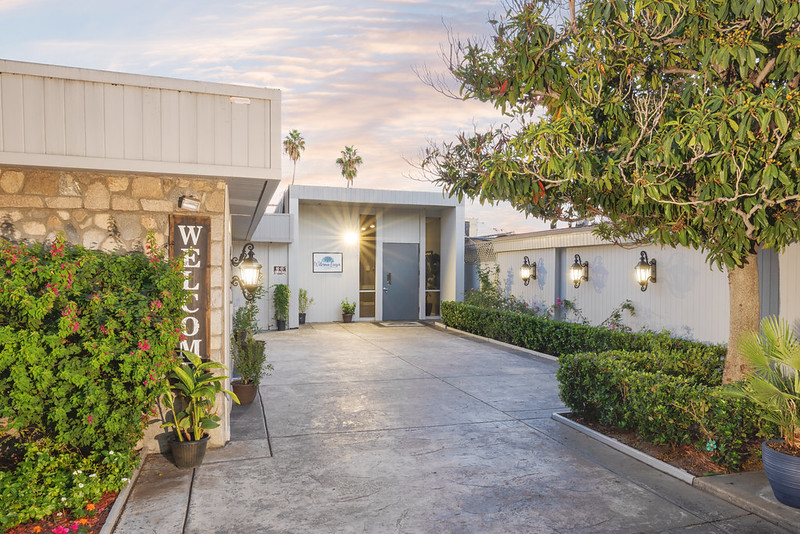
How is Waterman Canyon Post Acute Staffed?

CMS rates WATERMAN CANYON POST ACUTE's staffing level at 3 out of 5 stars, which is average compared to other nursing homes. Staff turnover is 44%, compared to the California average of 46%. This relatively stable workforce can support continuity of care.

What Have Inspectors Found at Waterman Canyon Post Acute?

State health inspectors documented 45 deficiencies at WATERMAN CANYON POST ACUTE during 2021 to 2025. These included: 43 with potential for harm and 2 minor or isolated issues.

Who Owns and Operates Waterman Canyon Post Acute?

WATERMAN CANYON POST ACUTE is owned by a for-profit company. For-profit facilities operate as businesses with obligations to shareholders or private owners. The facility is operated by PACS GROUP, a chain that manages multiple nursing homes. With 166 certified beds and approximately 158 residents (about 95% occupancy), it is a mid-sized facility located in SAN BERNARDINO, California.
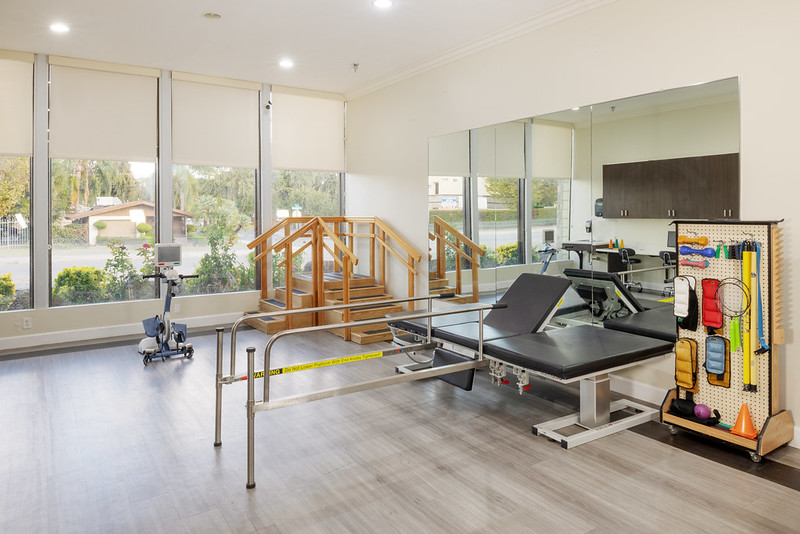
How Does Waterman Canyon Post Acute Compare to Other California Nursing Homes?

Compared to the 100 nursing homes in California, WATERMAN CANYON POST ACUTE's overall rating (4 stars) is above the state average of 3.2, staff turnover (44%) is near the state average of 46%, and health inspection rating (4 stars) is above the national benchmark.

What Should Families Ask When Visiting Waterman Canyon Post Acute?

Based on this facility's data, families visiting should ask: "Can I visit during a mealtime to observe dining assistance and food quality?" "How do you handle medical emergencies, and what is your hospital transfer rate?" "Can I speak with family members of current residents about their experience?"

Is Waterman Canyon Post Acute Safe?

Based on CMS inspection data, WATERMAN CANYON POST ACUTE has a clean safety record: no substantiated abuse findings (meaning no confirmed cases of resident harm), no Immediate Jeopardy citations (the most serious violation level indicating risk of serious injury or death), and is not on the Special Focus Facility watch list (a federal program monitoring the lowest-performing 1% of nursing homes). The facility has a 4-star overall rating and ranks #1 of 100 nursing homes in California. While no facility is perfect, families should still ask about staff-to-resident ratios and recent inspection results during their visit.

Do Nurses at Waterman Canyon Post Acute Stick Around?

WATERMAN CANYON POST ACUTE has a staff turnover rate of 44%, which is about average for California nursing homes (state average: 46%). Moderate turnover is common in nursing homes, but families should still ask about staff tenure and how the facility maintains care continuity when employees leave.

Was Waterman Canyon Post Acute Ever Fined?

WATERMAN CANYON POST ACUTE has no federal fines on record. CMS issues fines when nursing homes fail to meet care standards or don't correct problems found during inspections. The absence of fines suggests the facility has either maintained compliance or corrected any issues before penalties were assessed. This is a positive indicator, though families should still review recent inspection reports for the full picture.

Is Waterman Canyon Post Acute on Any Federal Watch List?

WATERMAN CANYON POST ACUTE is not on any federal watch list. The most significant is the Special Focus Facility (SFF) program, which identifies the bottom 1% of nursing homes nationally based on persistent, serious quality problems. Not being on this list means the facility has avoided the pattern of deficiencies that triggers enhanced federal oversight. This is a positive indicator, though families should still review the facility's inspection history directly.