BAYSHIRE SAN DIMAS POST-ACUTE
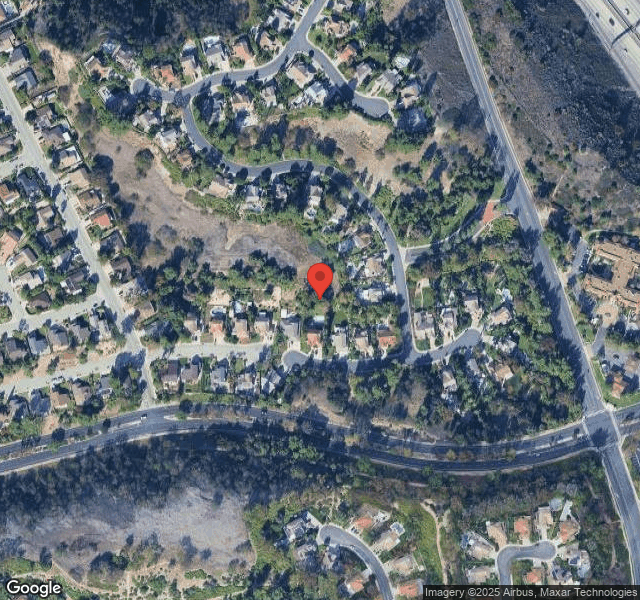

1740 S SAN DIMAS AVE, SAN DIMAS, CA 91773 (909) 394-0304
For profit - Corporation 45 Beds BAYSHIRE SENIOR COMMUNITIES Data: November 2025 1 Immediate Jeopardy citation
Trust Grade
18/100
#530 of 1155 in CA
Last Inspection: February 2025

Within standard 12-15 month inspection cycle. Federal law requires annual inspections.

Overview

Bayshire San Dimas Post-Acute has received a Trust Grade of F, indicating significant concerns about the care provided at this facility. Ranked #530 out of 1,155 in California and #88 out of 369 in Los Angeles County, it sits in the top half of state facilities but still has a lot of room for improvement. The facility is showing some improvement in its overall issues, decreasing from 22 in 2024 to 14 in 2025, but the staffing rating of 2 out of 5 stars and a high turnover rate of 52% is concerning, indicating that staff may not be stable or well-experienced. Fines totaling $141,315 are alarming, placing it above 99% of facilities in California, reflecting ongoing compliance problems. Although RN coverage is average, specific incidents raise red flags, such as the failure to provide care for pressure injuries for multiple residents and a lack of supervision leading to a resident's serious injury after eloping from the facility. While the quality measures score is excellent at 5 out of 5, the facility clearly has significant weaknesses alongside some strengths in care quality.

Trust Score
F
18/100
In California
#530/1155
Top 45%
Safety Record
High Risk
Review needed
Inspections
Getting Better
22 → 14 violations
Staff Stability
⚠ Watch
52% turnover. Above average. Higher turnover means staff may not know residents' routines.
Penalties
⚠ Watch
$141,315 in fines. Higher than 87% of California facilities, suggesting repeated compliance issues.
Skilled Nurses
○ Average
Each resident gets 36 minutes of Registered Nurse (RN) attention daily — about average for California. RNs are the most trained staff who monitor for health changes.
Violations
⚠ Watch
58 deficiencies on record. Higher than average. Multiple issues found across inspections.
★★★☆☆
3.0
Overall Rating
★★☆☆☆
2.0
Staff Levels
★★★★★
5.0
Care Quality
★★☆☆☆
2.0
Inspection Score
Stable
2024: 22 issues
2025: 14 issues

The Good

  • 5-Star Quality Measures · Strong clinical quality outcomes
  • Full Sprinkler Coverage · Fire safety systems throughout facility
  • No fines on record

Facility shows strength in quality measures, fire safety.

The Bad

3-Star Overall Rating

Near California average (3.1)

Meets federal standards, typical of most facilities

Staff Turnover: 52%

Near California avg (46%)

Higher turnover may affect care consistency

Federal Fines: $141,315

Well above median ($33,413)

Significant penalties indicating serious issues

Chain: BAYSHIRE SENIOR COMMUNITIES

Part of a multi-facility chain

Ask about local staffing decisions and management

The Ugly 58 deficiencies on record

1 life-threatening 3 actual harm
Aug 2025 1 deficiency
CONCERN (D) 📢 Someone Reported This

A family member, employee, or ombudsman was alarmed enough to file a formal complaint

Potential for Harm - no one hurt, but risky conditions existed

Deficiency F0698 (Tag F0698)

Could have caused harm · This affected 1 resident

**NOTE- TERMS IN BRACKETS HAVE BEEN EDITED TO PROTECT CONFIDENTIALITY** Based on interview and record review, the facility failed to provide care and services needed for one of three sampled residents...

Read full inspector narrative →
**NOTE- TERMS IN BRACKETS HAVE BEEN EDITED TO PROTECT CONFIDENTIALITY** Based on interview and record review, the facility failed to provide care and services needed for one of three sampled residents (Resident 2), who required dialysis (treatment to clean one's blood by removing waste and extra fluid when the kidneys are unable to) by failing to ensure Resident 2 was provided with a means of transportation to and from dialysis treatments three times a week between 7/25/2025 and 8/13/2025. As a result of this failure, Resident 2 did not receive nine (7/25/2025, 7/28/2025, 7/30/2025, 8/1/2025, 8/4/2025, 8/6/2025, 8/8/2025, 8/11/2025, 8/13/2025) dialysis treatments. Resident 2 was transferred to General Acute Care Hospital (GACH) 1 on 8/13/2025 at 9:30 pm. Resident 1 was diagnosed with metabolic acidosis (condition where the body produces too many acids or cannot eliminate them effectively, leading to a decrease in blood pH [acidity], uremia (the build-up of urea [an organic chemical waste product that is produced in the liver and filtered from the blood by the kidneys to be excreted in urine] and other waste products in the blood due to kidney failure), and abdominal pain. Resident 2 was admitted to GACH 1 for dialysis. Findings: During a review of Resident 2's admission Record (AR), the AR indicated the facility admitted Resident 2 on 7/15/2025 and was readmitted on [DATE] with diagnoses that included dependence on renal (kidney) dialysis, unspecified chronic kidney disease (CKD- damage to the kidneys so they cannot filter blood the way they should), and type II diabetes mellitus (DM2- A condition that happens because of a problem in the way the body regulates and uses sugar as a source of energy). During a review of Resident 2's Order Summary Report (OSR), dated 8/13/2025, the OSR indicated Resident 2 had a physician's order to have dialysis Mondays, Wednesdays, Fridays at 1:15 pm. For transportation to dialysis, the OSR indicated Resident 2's husband would pick up Resident 2. The OSR indicated Resident 2's primary care provider/Medical Doctor (MD) 1 reviewed and approved the plan of care and certified that Resident 2 continued to need this level of care unless otherwise specified and to continue orders for 45 days. During a review of Resident 2's History and Physical (H&P), dated 7/16/2025 and timed at 1:36 pm, the H&P indicated Resident 2 had end stage renal disease (ESRD- Condition in which the kidneys cease functioning on a permanent basis leading to the need for regular course of long-term dialysis or kidney transplant to maintain life). The H&P indicated Resident 2 was receiving hemodialysis (dialysis) three times per week and to continue current schedule. During a review of Resident 2's Minimum Data Set (MDS- a resident assessment tool) dated 7/22/2025, the MDS indicated Resident 2 had intact cognition (ability to think, remember, and function). The MDS indicated Resident 2 required dialysis and had renal insufficiency (improperly functioning kidneys), renal failure, or ESRD. The MDS indicated Resident 1 was dependent (helper does ALL the effort) on others for all activities of daily living (ADLs- activities such as bathing, dressing and toileting a person performs daily) with chair/bed-to-chair transfers. The MDS indicated the activity was not attempted due to medical condition or safety concerns for sitting to standing, car transfers and walking 10 feet. During a review of Resident 2's SBAR (situation, background, assessment, recommendation-a communication tool used by healthcare workers when there is a change of condition among the residents) Communication Form, dated 7/19/2025, the SBAR indicated Resident 2 missed dialysis. The SBAR indicated Medical Doctor (MD) 1 (primary physician for Resident 2) was informed that Resident 2 missed dialysis. The SBAR indicated Registered Nurse (RN) 2, was unable to reschedule Resident 2's dialysis due to insurance. The SBAR indicated MD 1 was informed with no new orders. During a review of Resident 2's SBAR, dated 7/28/2025, the SBAR indicated Resident 2 missed dialysis due to transportation issues. The SBAR indicated MD 1 was informed that Resident 2 missed dialysis and MD 1 ordered to continue monitoring Resident 2 for fluid overload or fluid retention, for fatigue, muscle cramps, loss of appetite, and mental changes. During a review of Resident 2's PN, dated 8/7/2025 and timed at 8:21 pm, the PN indicated Resident 2 was monitored for fluid retention due to not going to dialysis. During a review of Resident 2's PN, dated 8/8/2025 and timed at 11:50 pm, the PN indicated Resident 2 was monitored for fluid retention and for elevated BUN and creatinine due to missing dialysis. During a review of Resident 2's PN, dated 8/9/2025 and timed at 7:18 am, the PN indicated Resident 2 was being monitored for fluid retention due to missing dialysis. During a review of Resident 2's PN, dated 8/10/2025 and timed at 9:36 am, the PN indicated Resident 2 was being monitored for fluid retention due to missing dialysis. During a review of Resident 2's SBAR, dated 8/11/2025, the SBAR indicated Registered Nurse (RN) 1 received a call from the laboratory regarding Resident 2's abnormal BUN of 79 and creatinine of 8.4. The SBAR indicated RN 1 informed MD 1 regarding Resident 2's abnormal BUN and creatinine levels and MD 1 ordered for Resident 2 to see a nephrologist (a medical doctor who specializes in diagnosing and treating kidney diseases). The SBAR also indicated the last time Resident 2 had dialysis was on 7/23/2025. During a review of Resident 2's laboratory results, dated 8/11/2025, the laboratory results indicated Resident 2's BUN level was 79 mg/dl and creatinine level was 8.4 mg/dl. During a review of Resident 2's Progress Note (PN), dated 8/13/2025 and time at 7:58 pm, the PN indicated Resident 2 was being monitored for fluid retention or any change of condition due to not going to dialysis and for elevated blood urea nitrogen (BUN - medical test that measures the amount of urea in the blood. Normal level range is 6 to 24 milligrams per deciliter [mg/dl]) of 79 mg/dl and creatinine (waste product from muscle and protein breakdown that healthy kidneys filter from the blood and remove through urine. Normal level range for women is 0.6 to 1.1 mg/dl) and creatinine of 8.4 mg/dl. During a review of Resident 2's PN, dated 8/13/2025 and timed at 9:30 pm, the PN indicated Resident 2 was transferred to GACH 1 via ambulance due to missed dialysis. During a review of Resident 2's PN, dated 8/12/2025 and timed at 3:59 am, the PN indicated Resident 2 was being monitored for fluid retention and for elevated BUN and creatinine. During a review of Resident 2's GACH 1 H&P, dated 8/14/2025, the H&P indicated Resident 2 had left-sided flank (on the side of the body between the ribs and the hip) pain with nausea for 1 week and was found to have metabolic likely due to missed hemodialysis (dialysis). During an interview on 8/29/2025 at 11:06 am with the Director of Nursing (DON), the DON stated when Resident 2 was admitted to the facility, the facility assumed responsibility for Resident 2's care and was responsible for providing Resident 2's transportation to dialysis. During an interview on 8/29/2025 at 11:11 am with MD 1, MD 1 stated a BUN level of 79 and a creatinine level of 8.4 indicated Resident 2 needed dialysis. MD 1 stated MD 1 was not sure if MD 1 recommended for Resident 2 to be dialyzed with a BUN of 79 and a creatinine of 8.4.
Feb 2025 13 deficiencies
CONCERN (D)

Potential for Harm - no one hurt, but risky conditions existed

Resident Rights (Tag F0550)

Could have caused harm · This affected 1 resident

Based on observation, interview, and record review, the facility failed to treat one of 12 sampled residents (Resident 3) with dignity and respect when Certified Nursing Assistant (CNA) 1 referred to ...

Read full inspector narrative →
Based on observation, interview, and record review, the facility failed to treat one of 12 sampled residents (Resident 3) with dignity and respect when Certified Nursing Assistant (CNA) 1 referred to Resident 3 as a feeder. This failure had the potential for Resident 3 to feel disrespected. Findings: During a review of Resident 3's admission Record (AR), the AR indicated the facility admitted Resident 3 on 3/12/2024, and readmitted Resident 3 on 6/10/2024, with diagnoses including compression fracture of T11-T12 vertebra (a kind of broken back bone), history of falling, and dysphagia (difficulty swallowing foods or liquids). During a review of Resident 3's Minimum Data Set (MDS, a resident assessment tool), dated 12/14/2024, the MDS indicated Resident 3 was moderately impaired in cognitive skills (ability to make daily decisions). The MDS indicated Resident 3 required partial/moderate assistance (helper does less than half the effort) from staff for toileting hygiene and showering/bathing. The MDS indicated Resident 3 required supervision or touching assistance (helper provides verbal cues and/or touching/steadying and/or guard assistance) from staff for oral and personal hygiene. During a concurrent dining observation and interview on 2/8/2025 at 12:20 PM with CNA 1, Resident 3 was sitting at a table in the dining room. A staff person (unidentified) was observed setting a tray of food in front of Resident 3. CNA 1 stated to the staff person (unidentified) who was setting the tray in front of Resident 3, She is a feeder. CNA 1 sat next to Resident 3 and began to feed Resident 3. During a follow-up interview on 2/8/2025 at 12:47 PM with CNA 1, CNA 1 confirmed CNA 1 called Resident 3 a feeder. During an interview on 2/8/2025 at 1:50 PM with the Director of Staff Development (DSD), the DSD stated facility staff must not refer to residents (in general) as feeders. The DSD stated referring to residents (in general) as feeders was disrespectful to residents (in general). During a review of the facility's policy and procedure (P&P) titled, Assistance with Meals, revised July 2017, the P&P indicated, Residents who cannot feed themselves will be fed with attention to safety, comfort and dignity, for example . Avoiding the use of labels when referring to residents (e.g., feeders) . During a review of the facility's P&P titled, Resident Rights, revised December 2016, the P&P indicated, Employees shall treat all residents with kindness, respect, and dignity.
CONCERN (D)

Potential for Harm - no one hurt, but risky conditions existed

Notification of Changes (Tag F0580)

Could have caused harm · This affected 1 resident

Based on interview and record review, the facility failed to notify the physician regarding pharmacy delays and inability to carry out the physician's order for Vagisil (a medication used to relieve v...

Read full inspector narrative →
Based on interview and record review, the facility failed to notify the physician regarding pharmacy delays and inability to carry out the physician's order for Vagisil (a medication used to relieve vaginal itching, irritation, and burning) for one of one sampled resident (Resident 11). This deficient practice resulted in delayed provision of necessary care and services for Resident 11. Findings: During a review of Resident 11's admission Record (AR), the AR indicated the facility admitted Resident 11 on 1/18/2025, with diagnoses including malignant neoplasm of corpus uteri (endometrial cancer, a cancer of the lining of the uterus [a pear-shaped organ in the reproductive system of females]), type 2 diabetes mellitus (DM, a disorder characterized by difficulty in blood sugar control and poor wound healing), and history of falling. During a review of Resident 11's Minimum Data Set (MDS, a federally mandated resident assessment tool), dated 1/25/2025, the MDS indicated Resident 11 had moderate cognitive (the ability to think and process information) impairment. The MDS indicated Resident 11 required substantial/maximal assistance (helper does more than half the effort) with activities of daily living (ADL, term used in healthcare that refers to self-care activities) and partial/moderate assistance (helper does less than half the effort) with mobility. During a record review of Resident 11's Order Summary Report (OSR), active orders as of 2/1/2025, indicated Resident 11 had an active order for: -Vagisil External Cream 1% (Hydrocortisone Acetate Vaginal), apply to vaginal area topically (medication application on the surface of the body such as the skin) one time a day for vaginal itching. The order date for the Vagisil was made on 2/1/2025 with a treatment start date of 2/2/2025. During an interview on 2/7/2025 at 6:31 PM, with Resident 11, Resident 11 stated she was frustrated and upset because she had very uncomfortable vaginal itching and a vaginal burning sensation for about one week. Resident 11 stated she notified the facility staff about her symptoms, however, the facility staff kept telling her that they were still waiting for the medication from the pharmacy. Resident 11 stated she hadn't received any treatment for the awful discomfort she had been experiencing from the vaginal itching and burning. During an interview and record review on 2/8/2025 at 3:07 PM, with Registered Nurse (RN) 1, Resident 11's OSR was reviewed, RN 1 stated Resident 11 had a Vagisil order that should have been started on 2/2/2025. RN 1 stated the facility had not received the medication from the pharmacy delaying Resident 11's treatment. RN 1 stated nursing staff should have contacted the physician to make them aware of the pharmacy delay for Vagisil. RN 1 stated treatment delays could worsen Resident 11's condition, cause increased discomfort, or lead to complications. During an interview on 2/9/2025 at 8:30 AM, with the Director of Nursing (DON), the DON stated licensed nurses should be notifying the physician of any pharmacy delays regarding prescribed medication orders. The DON stated a delay in treatment could result in unnecessary discomfort or distress for the resident, and timely relief should be prioritized. The DON stated by contacting the physician, nurses helped to ensure the resident's needs were met promptly, the treatment plan was followed effectively, and [made the facility aware] if an alternative treatment was necessary. During a review of the facility's Policy and Procedure (P&P) titled, Change in a Resident's Condition or Status revision dated 2/2021, the P&P indicated the facility promptly notifies the resident, his or her attending physician, and the resident representative of changes in the resident's medical/mental condition and/or status (e.g., changes in level of care, billing/payments, resident rights, etc.).
CONCERN (D)

Potential for Harm - no one hurt, but risky conditions existed

Safe Environment (Tag F0584)

Could have caused harm · This affected 1 resident

Based on observation, interview, and record review, the facility failed to ensure one of two sampled residents (Resident 27) was provided a safe and homelike environment when Resident 27's toilet leak...

Read full inspector narrative →
Based on observation, interview, and record review, the facility failed to ensure one of two sampled residents (Resident 27) was provided a safe and homelike environment when Resident 27's toilet leaked and caused water to puddle on the bathroom floor. This failure had the potential for Resident 27 to be injured from a fall and had the potential for Resident 27 to not be comfortable in his environment. Findings: During a review of Resident 27's admission Record (AR), the AR indicated the facility admitted Resident 27 on 12/17/2024, with diagnoses including type 2 diabetes mellitus (a chronic condition that affects the way the body processes blood sugar), aftercare following joint replacement surgery, and anxiety disorder (mental health disorder characterized by feelings of worry, anxiety, or fear that are strong enough to interfere with one's daily activities). During a review of Resident 27's Minimum Data Set (MDS, a resident assessment tool), dated 12/21/2024, the MDS indicated Resident 27 had no impairment in cognitive skills (ability to make daily decisions). The MDS indicated Resident 27 required substantial/maximal assistance (helper does more than half the effort) from staff for oral, toileting, and personal hygiene and dressing. During a concurrent observation and interview on 2/7/2025 at 7:01 PM with Resident 27, in Resident 27's bathroom, a puddle of water was observed on the floor, on the right side of Resident 27's bathroom toilet, between the toilet and the wall. A white towel was on the floor in front of the toilet. Resident 27 stated Resident 27 used the toilet. Resident 27 stated the toilet started leaking on 2/6/2025 after three men (unidentified) were working on the toilet plumbing. Resident 27 stated Resident 27 informed some of the nurses (unidentified) of the leaking toilet. During a concurrent observation and interview on 2/8/2025 at 9:55 AM with the Plant Operations Director (POD), a puddle of water was observed in front of, and to the right of Resident 27's bathroom toilet. The POD confirmed the puddle of water was from the leaking toilet. The POD confirmed the toilet had been leaking for three days. The POD stated the puddle of water was a safety risk to Resident 27. During a review of the facility's policy and procedure (P&P) titled, Homelike Environment, revised February 2021, the P&P indicated, Residents are provided with a safe, clean, comfortable and homelike environment . The P&P indicated, .The facility staff and management maximizes, to the extent possible, the characteristics of the facility that reflect a personalized, homelike setting. These characteristics include .clean, sanitary and orderly environment .
CONCERN (D)

Potential for Harm - no one hurt, but risky conditions existed

Deficiency F0678 (Tag F0678)

Could have caused harm · This affected 1 resident

**NOTE- TERMS IN BRACKETS HAVE BEEN EDITED TO PROTECT CONFIDENTIALITY** Based on interview and record review, the facility failed to ensure one of six sampled staff members (Certified Nursing Assistan...

Read full inspector narrative →
**NOTE- TERMS IN BRACKETS HAVE BEEN EDITED TO PROTECT CONFIDENTIALITY** Based on interview and record review, the facility failed to ensure one of six sampled staff members (Certified Nursing Assistant 5, CNA 5) maintained current BLS (Basic Life Support, generally refers to the type of care first-responders, healthcare providers, and public safety professionals provide) with Cardiopulmonary resuscitation (CPR, emergency lifesaving procedure, consisting of a combination of chest compressions, mouth- to-mouth, or mechanical breathing [using a device to help someone breaths], performed when the heart stops beating or beats ineffectively and/or to restore breathing) certification. This deficient practice had the potential for CNA 5 not being able to provide emergency basic life support, including cardiopulmonary resuscitation (CPR), to any resident requiring such care during an emergency and prior to the arrival of emergency medical personnel. Cross Reference F726 Findings: During an interview and concurrent record review with the Director of Staff Development (DSD) of CNA 5's personnel record (employee personal information), on [DATE] at 10:48 AM, the DSD stated the DSD was not able to provide a copy of CNA 5's current BLS/CPR card/certification because CNA 5's card was expired. The DSD stated the facility was not able to provide a current BLS/CPR card nor provide any documentation to indicate CNA 5 took the necessary courses to obtain a BLS/CPR card. During an interview with the Director of Nursing (DON), on [DATE] at 11:36 AM, the DON stated Staff was defined as people that worked here (at the facility). The DON stated CPR was done for residents who became non-responsive. The DON stated, I would have all my staff perform CPR. The DON stated all staff should call for a code blue (emergency code that indicates a patient needs immediate medical attention, usually due to cardiac or respiratory arrest), then start compressions: 30 compressions to 2 breaths ratio. The DON stated it was not OK not to do anything and stand by to wait for assistance because you are talking about a life. The DON stated [staff had to] do what is necessary to save a life. During an interview and concurrent record review with the DSD, on [DATE] at 12:55 PM, the facility's document titled, CNA Tracking, was reviewed, the tracking indicated the column titled CPR Issued Date and CPR Exp. [expiration] Date was left blank. The DSD stated the CNA tracking log was incomplete. The DSD stated it was important to ensure completion of tracking to see if CNA BLS/CPR cards were expired and know when it was time for renewal. The DSD stated the DSD would like all staff to know how to perform CPR because CPR was lifesaving, and every second counted. During an interview with the DSD on [DATE] at 12:55 PM, the DSD stated the facility did not have a policy specifically for CPR. During an interview with the Administrator (ADM), on [DATE] at 1:01 PM, the ADM stated the facility's practice was to obtain information from the State Operations Manual (SOM, is a federal document, issued by CMS, containing survey and certification rules and guidance) to develop policies and procedures (P&P). During a review of the facility's P&P titled Licensure, Certification, and Registration of Personnel, dated 4/2007, indicated a copy of recertifications (e.g. annual, bi-annual) must be presented to the human resources director/designee upon receipt of such recertifications and prior to the expiration of current licensure, certification, and/or registration. A copy of the recertification must be filed in the employee's personnel record. During a review of the State Operations Manual, last updated 2017, the manual indicated to ensure that each facility is able to and does provide emergency basic life support immediately when needed, including CPR, to any resident requiring such care prior to the arrival of emergency medical personnel. The manual indicated, staff must maintain current CPR certification for Healthcare Providers through a CPR provider whose training includes hands-on practice and in-person skills assessment; online-only certification is not acceptable. The manual indicated to ensure that each facility is able to and does provide emergency basic life support immediately when needed, including cardiopulmonary resuscitation (CPR), to any resident requiring such care prior to the arrival of emergency medical personnel. During a review of the facility's P&P, titled Emergency Procedure - Cardiopulmonary Resuscitation [CPR], dated 2/2018, the P&P indicated CPR and BLS will be initiated in response to sudden cardiac arrest (heart stops). The P&P indicated emergency procedure - CPR: if an individual is found unresponsive, briefly assess for abnormal or absence of breathing. If sudden cardiac arrest is likely begin CPR. The P&P indicated after 30 chest compressions provide 2 breaths via ambu (artificial manual breathing unit) bag or manually. The P&P indicated all rescuers, trained or not, should provide chest compression to victims of cardiac arrest. The P&P indicated trained rescuers should also provide ventilations with a compression-ventilation ratio of 30:2. During a review of the facility's job description, titled Certified Nursing Assistant, dated [DATE], the job description indicated regarding education for CNAs, first aid training (non-specific for emergency or non-emergency) was as required.
CONCERN (D)

Potential for Harm - no one hurt, but risky conditions existed

Deficiency F0725 (Tag F0725)

Could have caused harm · This affected 1 resident

**NOTE- TERMS IN BRACKETS HAVE BEEN EDITED TO PROTECT CONFIDENTIALITY** Based on observation, interview, and record review, the facility failed to provide sufficient nursing services on 2/3/2025, 2/5/...

Read full inspector narrative →
**NOTE- TERMS IN BRACKETS HAVE BEEN EDITED TO PROTECT CONFIDENTIALITY** Based on observation, interview, and record review, the facility failed to provide sufficient nursing services on 2/3/2025, 2/5/2026 and 2/6/2025, for two of two sampled residents (Resident 19 and Resident 27), as indicated in the facility's policy and procedure (P&P), titled, Staffing, Sufficient and Competent Nursing. This deficient practice had the potential to affect the care provided to residents, quality of life, and the potential for the residents not to receive nursing services in a timely matter. Findings: A. During a review of Resident 19's admission Record (AR), the AR indicted Resident 19 was admitted to the facility on [DATE] with diagnosis that included hemiplegia and hemiparesis (muscle weakness on one side of the body) of the right dominant side, muscle wasting, and difficulty walking. During a review of Resident 19's History and Physical (H&P), dated 1/12/2025, the H&P indicated Resident 19 had the capacity to understand and make decisions. During a review of Resident 19's Minimum Data Set (MDS, a resident assessment and care-screening tool), dated 1/17/2025, indicated Resident 19 was moderately impaired cognition and needed partial/moderate assistance (helper does less than half the effort) with showers and lower body dressing. During a review of Resident 19's care plan (CP), titled ADL (Activities of Daily Living, basic self-care task performed daily), initiated 1/10/2025, the CP's focus indicated Resident 19 required assistance from 1-2 persons to start and complete most ADL task - toileting, transfers, hygiene/grooming, bathing and eating. During an interview with Resident 19 on 2/8/2025 at 9 AM, Resident 19 stated at night (unknown days), Resident asked for assistance and needed to wait up to 30 minutes for a staff member to respond. Resident 19 stated, I don't know if there was enough staff or they were just too busy. B. During a review of Resident 27's AR, the AR indicated Resident 27 was admitted to the facility on [DATE] with diagnosis that included artificial right hip joint, dysphagia (difficulty swallowing), and anxiety (a feeling of worry, nervousness, or unease). During a record review of Resident 27's MDS, dated [DATE], the MDS indicated Resident 27 was cognitively intact. The MDS indicated Resident 7 needed maximal assistance (helper does more than half the effort) with oral and toilet hygiene, upper and lower body dressing, and sit to stand (ability to stand from sitting on a chair). During an interview with Resident 27 on 2/7/2025 at 6:58 PM, Resident 27 stated Resident 27 pressed the call light to get assistance to use the restroom and had to wait up to 40 minutes before receiving assistance. Resident 27 stated they send the staff home because they don't want to pay overtime. During a review of the facility's CNA (Certified Nurse Assistance) Monthly Schedule, for the month of February 2025, the schedule indicated on 2/3/2025, 2/5/2026 and 2/6/2025, only 2 CNAs were scheduled to work the night shift (NOC, working hours from 11 PM to 7 AM). During an interview with the Director of Staff Development (DSD) on 2/9/2025 at 10:30 AM, the DSD stated the facility staffed three CNA for the NOC shift. During a concurrent record review of the Nursing Staffing Assignment and Sign-In Sheet (NSASS), the NSASS indicated on 2/3/2025, 2/5/2026 and 2/6/2025, only 2 CNAs were scheduled and worked the NOC shift. The DSD stated it was important to schedule and have enough CNAs on the floor to assist residents timely and for resident safety. During a review of the facility's P&P, titled Staffing, Sufficient and Competent Nursing revised 8/2022, the P&P indicated the facility provides sufficient numbers of nursing staff with the appropriate skills and competency necessary to provide nursing and related care and services for all resident .
CONCERN (D)

Potential for Harm - no one hurt, but risky conditions existed

Deficiency F0726 (Tag F0726)

Could have caused harm · This affected 1 resident

**NOTE- TERMS IN BRACKETS HAVE BEEN EDITED TO PROTECT CONFIDENTIALITY** Based on interview and record review, the facility failed to ensure one of six facility staff (Certified Nurse Assistant 6, CNA ...

Read full inspector narrative →
**NOTE- TERMS IN BRACKETS HAVE BEEN EDITED TO PROTECT CONFIDENTIALITY** Based on interview and record review, the facility failed to ensure one of six facility staff (Certified Nurse Assistant 6, CNA 6) had necessary competencies (a measurable pattern of knowledge, skills, abilities, behaviors, and other characteristics that an individual needs to perform work roles or occupational functions successfully) and skill sets required during a medical emergency. CNA 6 was not aware of the proper compression (hands to push down hard and fast in a specific way on the person's chest) to breath (giving breaths of oxygen) to breath ratio needed to be performed for Cardiopulmonary Resuscitation (emergency lifesaving procedure, consisting of a combination of chest compressions, mouth- to-mouth, or mechanical breathing [using a device to help someone breaths], performed when the heart stops beating or beats ineffectively and/or to restore breathing) for Basic Life Support (BLS, generally refers to the type of care that first-responders, healthcare providers and public safety professionals provide). This deficient practice had the potential to result CNA 6 being unable to perform lifesaving support to residents who required emergency care. Cross Reference F678 Findings: During an interview and concurrent record review CNA 6's personnel record, with the Director of Staff Development (DSD), on [DATE] at 10:48 AM, the DSD stated CNA 6's had a current CPR/BLS card that expired on 10/2025. The DSD stated it was important for all staff members to know the proper (effective) method to perform CPR because all staff members needed to help (residents) during emergency situations involving residents. During an interview with CNA 6 on [DATE] at 11:08 AM, CNA 6 stated CNA 6 was trained in CPR and had a BLS card. CNA 6 stated CPR was initiated by performing the following: 1. check for pulse and breathing 2. call for help 3. start CPR by doing compression (CNA 6 placed hands under the sternum [flat bone that forms the center front of the chest wall]) 4. compression to breath ratio while performing CPR was 10 compressions immediately followed by 10 breath per cycle. CNA 6 stated it was important to do proper CPR, because [when performing CPR] staff could save a resident's life. During an interview with the DSD on [DATE] at 11:23 AM, the DSD stated if the resident (in general) was having a medical emergency and did not have a pulse, the correct compression to breath ratio was 30 compressions to 2 breaths. The DSD stated performing proper CPR was important to ensure oxygen circulated in the blood because this saved lives. During an interview with the DSD on [DATE] at 11:23 AM, the DSD stated the DSD would like all the staff to know how to do CPR because CPR was lifesaving and every second counted. During a review of the facility's policy and procedure (P&P), titled Licensure, Certification, and Registration of Personnel, dated 4/2007, the P&P indicated a copy of recertifications (e.g. annual, bi-annual) must be presented to the human resources director/designee upon receipt of such recertifications and prior to the expiration of current licensure, certification, and/or registration. The P&P indicated a copy of the recertification must be filed in the employee's personnel record. During a review of the facility's policy and procedure titled Emergency Procedure - Cardiopulmonary Resuscitation, dated 2/2018, the P&P indicated Cardiopulmonary Resuscitation and BLS will be initiated in response to sudden cardiac arrest (heart stops). Emergency Procedure - CPR: if an individual is found unresponsive, briefly assess for abnormal or absence of breathing. The P&P indicated if sudden cardiac arrest is likely begin CPR. The P&P indicated after 30 chest compressions provide 2 breaths via ambu (artificial manual breathing unit) bag or manually. The P&P indicated all rescuers, trained or not, should provide chest compression to victims of cardiac arrest. The P&P indicated trained rescuers should also provide ventilations [breaths] with a compression-ventilation ratio of 30:2. During a review of the facility's job description, titled Certified Nursing Assistant, dated [DATE], the job description indicated First Aid Training (non-specific for emergency or non-emergency) as required.
CONCERN (D)

Potential for Harm - no one hurt, but risky conditions existed

Staffing Information (Tag F0732)

Could have caused harm · This affected 1 resident

Based on interview and record review, the facility failed to post accurate nurse staffing information of actual hours worked by the licensed and unlicensed nursing staff who were directly responsible ...

Read full inspector narrative →
Based on interview and record review, the facility failed to post accurate nurse staffing information of actual hours worked by the licensed and unlicensed nursing staff who were directly responsible for resident care per shift, daily. This information was not posted in a prominent location readily accessible to residents and visitors for viewing. This failure resulted in no posting of nurse staffing hours and had the potential to result in lack of nurse staffing hour knowledge for residents and family members. Findings: During an interview and concurrent record review with the Director of Staff Development (DSD), on 2/9/2025 at 10:48 AM, the facility's Daily Staffing and Posting and Census dated 2/7/2025 and 2/8/2025 were reviewed. The DSD stated actual hours worked by the nursing staff for those dates were not recorded/posted. The DSD stated actual hours were calculated by the next business day and on weekends, actual hours worked were calculated by the following Monday. The DSD stated it was important to post actual working hours worked to ensure the correct number of worked hours and ensure staff were accounted for, and for resident awareness. During a review of the facility's policy and procedure (P&P) titled, Posting Direct Care Daily Staffing Numbers, revised August 2022, the P&P indicated the facility will post on a daily basis for each shift nurse staffing data, including the number of nursing personal responsible for providing direct care to the resident. The actual time worked during that shift for each category and the type of nursing staff; and the total number of licensed and non-licensed nursing staff working for that posted shift. Within two hours of the beginning of each shift, the charge nurse or designee computes the number of direct care staff and completes the Nurse Staffing Information (NSI) form.
CONCERN (D)

Potential for Harm - no one hurt, but risky conditions existed

Drug Regimen Review (Tag F0756)

Could have caused harm · This affected 1 resident

Based on interview and record review, the facility failed to follow through with the Consultant Pharmacists recommendations during the Medication Regiment Review (MRR, a review of all medications the ...

Read full inspector narrative →
Based on interview and record review, the facility failed to follow through with the Consultant Pharmacists recommendations during the Medication Regiment Review (MRR, a review of all medications the resident is currently using to minimize adverse consequences and potential risks associated with medications) for one of five sampled residents (Resident 21). This failure had the potential for Resident 21 to not receive the necessary blood tests for Resident 21's health and wellbeing. Findings: During a review of Resident 21's admission Record (AR), the AR indicated the facility admitted Resident 21 on 1/8/2025, with diagnoses including cerebral infarction (also called ischemic stroke, occurs as a result of disrupted blood flow to the brain), urinary tract infection (UTI, an infection in any part of the urinary system, including the kidneys, bladder, or urethra),and type 2 diabetes mellitus (a chronic condition that affects the way the body processes blood sugar). During a review of Resident 21's Minimum Data Set (MDS, a resident assessment tool), dated 1/15/2025, the MDS indicated Resident 21 was moderately impaired in cognitive skills (ability to make daily decisions). The MDS indicated Resident 21 was dependent (helper does all the effort) on staff for toileting, oral, and personal hygiene, dressing, and showering/bathing. During a concurrent interview and record review on 2/8/2025 at 3:14 PM with Registered Nurse (RN) 1, Resident 21's two Consultation Reports, from the facility's Consultant Pharmacist both dated 1/15/2025 were reviewed. The first Consultation Report indicated the pharmacist recommended a thyroid-stimulating hormone (TSH- triggers the thyroid [a gland at the front of the neck that control the way the body uses energy] to release its hormone) blood test (measures the amount of TSH in the bloodstream) to be drawn for Resident 21. The second Consultation Report indicated the pharmacist recommended an A1C (a blood test that measures the average blood sugar [glucose] level over the past 2-3 months) to be drawn for Resident 21. Both Consultation Reports indicated Resident 21's physician accepted the recommendations to draw the laboratory tests for Resident 21. RN 1 stated the Consultant Pharmacist (Pharm 1) created the Consultation Reports during the monthly MRR. RN 1 stated the facility drew blood tests for Resident 21 on 1/16/2025 and 1/23/2025 but did not include the blood tests for A1C and TSH as recommended by Pharm 1 and approved by Resident 21's physician. RN 1 stated the facility did not follow through with Pharm 1's MRR recommendations. During a review of the facility's policy and procedure (P&P) titled, Medication Regimen Review, dated 12/1/2007, the P&P indicated, The Consultant Pharmacist will conduct MRRs if required under a Pharmacy Consultant Agreement. The P&P indicated, Facility should encourage Physician/Prescriber or other Responsible Parties receiving the MRR and the Director of Nursing to act upon the recommendations contained in the MRR. For those issues that require Physician/ Prescriber intervention, Facility should encourage Physician/Prescriber to either (a) accept and act upon the recommendations contained within the MAR, or (b) reject all or some of the recommendations contained in the MAR and provide an explanation as to why the recommendation was rejected.
CONCERN (D)

Potential for Harm - no one hurt, but risky conditions existed

Medical Records (Tag F0842)

Could have caused harm · This affected 1 resident

Based on interview and record review, the facility failed to ensure accurate medication administration documentation for one of one sampled resident (Resident 11) when, the facility inaccurately docum...

Read full inspector narrative →
Based on interview and record review, the facility failed to ensure accurate medication administration documentation for one of one sampled resident (Resident 11) when, the facility inaccurately documented the administration of Resident 11's Vagisil (a medication used to relieve vaginal itching, irritation, and burning) on 2/4/2025. This deficient practice had the potential to lead to inconsistent and/or inaccurate treatments provided to Resident 11. Findings: During a review of Resident 11's admission Record (AR), the AR indicated the facility admitted Resident 11 on 1/18/2025, with diagnoses including malignant neoplasm of corpus uteri (endometrial cancer, a cancer of the lining of the uterus [a pear-shaped organ in the reproductive system of females]), type 2 diabetes mellitus (DM, a disorder characterized by difficulty in blood sugar control and poor wound healing), and history of falling. During a review of Resident 11's Minimum Data Set (MDS, a federally mandated resident assessment tool), dated 1/25/2025, the MDS indicated Resident 11 had moderate cognitive (the ability to think and process information) impairment. The MDS indicated Resident 11 required substantial/maximal assistance (helper does more than half the effort) with activities of daily living (ADL, term used in healthcare that refers to self-care activities) and partial/moderate assistance (helper does less than half the effort) with mobility. During a record review of Resident 11's Order Summary Report (OSR), active orders as of 2/1/2025, indicated Resident 11 had an active order for: -Vagisil External Cream 1% (Hydrocortisone Acetate Vaginal), apply to vaginal area topically (medication application on the surface of the body such as the skin) one time a day for vaginal itching. The order date for the Vagisil was made on 2/1/2025 with a treatment start date of 2/2/2025. During an interview and record review on 2/8/2025 at 3:07 PM, with Registered Nurse (RN) 1, Resident 11's Medication Administration Record (MAR) was reviewed. The MAR indicated the activity for the administration of Vagisil: - On 2/2/2025, the medication was not administered due to medication not being available. - On 2/3/2025, the medication was not administered due to medication not being available. - On 2/4/2025, the medication was documented as being administered by Licensed Vocational Nurse (LVN) 2. - On 2/5/2025, the medication was not administered due to medication not being available and documented by LVN 2. - On 2/6/2025 the medication was held. RN 1 stated LVN 2 inaccurately documented the administration of Resident 11's Vagisil on 2/4/2025. RN 1 stated the facility had not received the medication from the pharmacy and Resident 11 had not started the treatment. RN 1 stated LVN 2 acted in good faith and did not intend to falsify the record, seeing that LVN 2 documented the Vagisil was not available for administration on 2/5/2025. RN 1 stated accurate MAR documentation helped with tracking the effectiveness of medications, identify side effects (unwanted, uncomfortable, or dangerous effects that a resident may have due to a medication), and ensured timely adjustments were made to the resident's treatment plan. During an interview on 2/9/2025 at 8:30 AM, with the Director of Nursing (DON), the DON stated staff should ensure accurate MAR documentation. The DON stated accurate documentation allowed for clear communication between healthcare providers, and helped ensure the next caregiver or healthcare provider had a complete and accurate record of a resident's medication regimen, improving the quality of care. The DON stated proper documentation ensured there was no confusion or misunderstanding among staff members regarding medication administration, reduced the risks of errors due to miscommunication. During a review of the facility's Policy and Procedure (P&P) titled, Charting and Documentation revision dated 7/2017, the P&P indicated documentation in the medical record will be objective (not opinionated or speculative), complete, and accurate.
CONCERN (D)

Potential for Harm - no one hurt, but risky conditions existed

Infection Control (Tag F0880)

Could have caused harm · This affected 1 resident

Based on observation, interview, and record review, the facility failed to maintain infection prevention and control practices for one of one sampled resident (Resident 11) by failing to ensure Reside...

Read full inspector narrative →
Based on observation, interview, and record review, the facility failed to maintain infection prevention and control practices for one of one sampled resident (Resident 11) by failing to ensure Resident 11's wound vacuum (a suction device that is applied after a wound is dressed) drainage tubing did not have direct contact with the floor. This deficient practice had the potential to result in the transmission of infectious microorganisms and increase the risk of infection for Resident 11. Findings: During a review of Resident 11's admission Record (AR), the AR indicated the facility admitted Resident 11 on 1/18/2025, with diagnoses including malignant neoplasm of corpus uteri (endometrial cancer, a cancer of the lining of the uterus [a pear-shaped organ in the reproductive system of females]), type 2 diabetes mellitus (DM, a disorder characterized by difficulty in blood sugar control and poor wound healing), and history of falling. During a review of Resident 11's Minimum Data Set (MDS, a federally mandated resident assessment tool), dated 1/25/2025, the MDS indicated Resident 11 had moderate cognitive (the ability to think and process information) impairment. The MDS indicated Resident 11 required substantial/maximal assistance (helper does more than half the effort) with activities of daily living (ADL, term used in healthcare that refers to self-care activities) and partial/moderate assistance (helper does less than half the effort) with mobility. During an observation on 2/7/2025 at 6:31 PM, Resident 11 was observed with a wound vacuum that was attached to Resident 11's abdomen. The wound vacuum pump was resting on Resident 11's bed and the wound vacuum drainage tubing was touching the floor. During an interview on 2/7/2025 at 6:48 PM, with Certified Nursing Assistant (CNA) 4, CNA 4 stated Resident 11's wound vacuum tubing should not be touching the floor because [contact with the floor] could lead to cross contamination (process by which bacteria can be transferred from one area to another). CNA 4 stated if the tubing carried bacteria from the floor to the wound it could lead to an infection. During an interview on 2/9/2025 at 8:12 AM, with Infection Preventionist (IP) 1, IP 1 stated keeping the wound vacuum tubing off the floor reduced the risk of contamination and ensured a wound healing process not disrupted by external pathogens (organism that causes disease to its host). IP 1 stated any part of the system that touched the floor could potentially break the sterile field, putting the wound at greater risk of becoming infected. During a review of the facility's Policy and Procedure (P&P) titled, Infection Prevention and Control Program revision dated 10/2018, the P&P indicated an infection prevention and control program (IPCP) is established and maintained to provide a safe, sanitary, and comfortable environment and to help prevent the development and transmission of communicable diseases and infections.
CONCERN (D)

Potential for Harm - no one hurt, but risky conditions existed

Room Equipment (Tag F0908)

Could have caused harm · This affected 1 resident

Based on observation, interview, and record review, the facility failed to ensure equipment used by residents was maintained in a safe and operable condition, by failing to ensure the wheelchair brake...

Read full inspector narrative →
Based on observation, interview, and record review, the facility failed to ensure equipment used by residents was maintained in a safe and operable condition, by failing to ensure the wheelchair brakes were fully functional for one of one sampled resident (Resident 11). This deficient practice had the potential to result in harm and could have negatively impacted the safety, and well-being of Resident 11. Findings: During a review of Resident 11's admission Record (AR), the AR indicated the facility admitted Resident 11 on 1/18/2025, with diagnoses including malignant neoplasm of corpus uteri (endometrial cancer, a cancer of the lining of the uterus [a pear-shaped organ in the reproductive system of females]), type 2 diabetes mellitus (DM, a disorder characterized by difficulty in blood sugar control and poor wound healing), and history of falling. During a review of Resident 11's Minimum Data Set (MDS, a federally mandated resident assessment tool), dated 1/25/2025, the MDS indicated Resident 11 had moderate cognitive (the ability to think and process information) impairment. The MDS indicated Resident 11 required substantial/maximal assistance (helper does more than half the effort) with activities of daily living (ADL, term used in healthcare that refers to self-care activities) and partial/moderate assistance (helper does less than half the effort) with mobility. During a concurrent observation and interview on 2/7/2025 at 6:31 PM, with Resident 11, Resident 11 stated the safety brake located on the right side of the facility provided wheelchair did not work. Resident 11 stated the wheelchair had been in this condition for more than a week. Resident 11 stated Resident 11 reported the concern to staff; however, the issue had not been addressed. Resident 11 stated Resident 11 utilized the wheelchair to go around the facility and for medical appointments. Resident 11 stated Resident 11 was concerned because the wheelchair could have rolled on her unexpectedly when transferring in and out of the wheelchair, becoming a safety issue. Upon checking Resident 11's wheelchair, the wheelchair brake located on the right side did not lock. During a concurrent observation and interview on 2/8/2025 at 9:33 AM, Resident 11's wheelchair was checked with the Social Services Director (SSD), the SSD stated Resident 11's right wheelchair brake was faulty. The SSD stated faulty brakes on a wheelchair compromised both the safety and independence of the resident. During an interview and record review on 2/8/2025 at 11:47 AM, the facility's maintenance log from 11/1/2024 through 2/6/2025 was reviewed with the Director of Maintenance (DOM), the DOM stated there was no record that indicated Resident 11's wheelchair brake was not working. The DOM stated wheelchair inspections was a team effort and was typically done by the maintenance department, physical therapy department, the nursing team, and housekeeping. The DOM stated the expectation was for staff to report any wheelchair issues immediately when identified, so that the maintenance team could fix the issues right away. The DOM stated wheelchairs should be checked and inspected before they are issued by the residents to ensure safety and comfort. The DOM stated daily wheelchair inspections ensured wheelchairs remained in proper working condition and wheelchairs were safe for residents to use. The DOM stated wheelchairs with only one operable brake was a safety issue as the chair might not stay stationary when the user was transferring in or out, increasing the risk of the wheelchair rolling unintentionally. During an interview on 2/9/2025 at 8:30 AM, with the Director of Nursing (DON), the DON stated daily inspections of durable medical equipment ensured the equipment was in optimal working condition, contributing to a safe, comfortable, and well-managed environment for both residents and staff. The DON stated routine inspections ensured the equipment was functioning properly and reduced the likelihood of failures. During a review of the facility's Policy and Procedure (P&P) titled, Maintenance Service revision dated 12/2009, the P&P indicated that the maintenance department is responsible for maintaining the buildings, grounds, and equipment in a safe and operable manner at all times.
CONCERN (E)

Potential for Harm - no one hurt, but risky conditions existed

Deficiency F0578 (Tag F0578)

Could have caused harm · This affected multiple residents

**NOTE- TERMS IN BRACKETS HAVE BEEN EDITED TO PROTECT CONFIDENTIALITY** Based on interview and record review, the facility failed to ensure three of three sampled residents (Residents 7, 27, and 83) a...

Read full inspector narrative →
**NOTE- TERMS IN BRACKETS HAVE BEEN EDITED TO PROTECT CONFIDENTIALITY** Based on interview and record review, the facility failed to ensure three of three sampled residents (Residents 7, 27, and 83) and/or their Responsible Parities (RP) were offered and provided information regarding the right to formulate an advance directive (AD, legal documents that provide instructions for medical care and only goes into effect if the resident cannot communicate their wishes). This deficient practice had the potential to result in lack of knowledge regarding care and treatment decision making and the potential for Residents 7, 27 and 83 to receive unwanted care/treatment or unnecessary life-sustaining treatment. Findings: A. During a record review of Resident 7's admission Record (AR), the AR indicated the resident was admitted to the facility on [DATE] with diagnosis that included kidney failure (condition where the kidneys are unable to properly filter waste products), depression, and hypertension (elevated blood pressure). During a record review of Resident 7's Minimum Data Set (MDS, a resident assessment and care-screening tool), dated 1/20/2025, the MDS indicated Resident 7 was cognitively intact. The MDS indicated Resident 7 needed maximal assistance (helper does more than half the effort) with oral and toilet hygiene, upper and lower body dressing, and sit to stand (ability to stand from sitting on a chair). During an interview and concurrent record review of Resident 7's medical record, with the Social Services Director (SSD), on 2/7/2025 at 8:50 PM, the SSD stated Resident 7 did not have an AD. The SSD stated Resident 7 should have been asked and offered an AD to educate the resident of their health care choices and document the wishes of Resident 7 regarding life sustaining options. B. During a record review of Resident 27's MDS, dated [DATE], the MDS indicated Resident 27 was cognitively intact. The MDS indicated Resident 7 needed maximal assistance with oral and toilet hygiene, upper and lower body dressing, and sit to stand. During a review of Resident 27's AR indicated Resident 27 was admitted to the facility on [DATE] with diagnosis that included artificial right hip joint, dysphagia (difficulty swallowing), and anxiety (a feeling of worry, nervousness, or unease). During a review and concurrent record review of Resident 27's medical record, on 2/7/2025 at 8:32 PM, Registered Nurse 1 (RN 1) stated RN 1 was not sure if Resident 27 had an AD. RN 1 stated RN 1 was not sure if the facility offered Resident 27 information about an AD. RN 1 stated the SSD was the person responsible and discusses ADs with residents/RPs upon admission. C. During a review of Resident 83's AR, the AR indicated the resident was admitted to the facility on [DATE] with diagnosis that included dementia (a decline in mental ability severe enough to interfere with daily life) and psychosis (a mental health problem that causes people to perceive or interpret things differently from those around them). During a record review of Resident 83's History and Physical (H&P), dated 1/31/2025, the H&P indicated Resident 83 did not have the capacity to understand and make decisions. During an interview and concurrent record review of Resident 83's medical record, with the SSD, on 2/7/2025 at 8:52 pm, the SSD stated Resident 83 did not have an AD. The SSD stated there was no documented evidence indicating an AD was offered to Resident 83's RP. The SSD stated this was important to know Resident 83's or the resident's RP wishes and for proof that the AD was offered, and that the resident was educated about AD. During a record review of the facility's policy and procedure (P&P), revised on 9/2022, the P&P indicated the resident has the right to formulate an advance directive, including the right to accept or refuse medical or surgical treatment. Advanced directives are honored in accordance with state law and facility policy. Prior to or upon admission of a resident, the social services director or designees inquires of the resident, his/her family member and/or his or her liege representative, about the existence of any written advance directives
CONCERN (E)

Potential for Harm - no one hurt, but risky conditions existed

Food Safety (Tag F0812)

Could have caused harm · This affected multiple residents

Based on observation, interview, and record review, the facility failed to ensure safe and sanitary conditions were maintained in the kitchen when: a. [NAME] (CK) 1 was not wearing a hair net over CK...

Read full inspector narrative →
Based on observation, interview, and record review, the facility failed to ensure safe and sanitary conditions were maintained in the kitchen when: a. [NAME] (CK) 1 was not wearing a hair net over CK 1's beard. b. A banana cream pie was observed in one of one walk-in freezer to be undated (not provided or marked with a date). c. A tray of green beans was observed in one of one walk-in refrigerator to be uncovered and undated. These failures had the potential for improper food storage and handling, which could lead to foodborne illnesses. Findings: During an initial tour of the kitchen on 2/7/2025 at 5:06 PM with CK 1, CK 1 was prepping food next to the kitchen stove. CK 1 was not wearing a hair net over CK 1's beard. CK 1 stated CK 1 should have a hair net over CK 1's beard. During an initial tour of the kitchen on 2/7/2025 at 5:08 PM with CK 1, a frozen banana cream pie was observed in the walk-in freezer to be opened. The opened container was not dated. CK 1 stated the opened banana cream pie should be thrown in the trash. During an initial tour of the kitchen on 2/7/2025 at 5:10 PM with CK 1, a tray of green beans was observed to be uncovered and undated in the walk-in refrigerator. During an interview on 2/8/2025 at 1:09 PM with the Culinary Director (CD), the CD stated all opened food items needed to be labeled and dated with an expiration date. The CD stated the food was only good for three days after opening the container. The CD confirmed the green beans needed to be covered, labeled, and dated. The CD stated it was not healthy for residents (in general) to eat food that was too old. The CD stated hair needed to be covered when staff was working with food. During a review of the facility's policy and procedure (P&P) titled, Food Storage, revised on 12/20/2019, the P&P indicated, Food covered, labeled, and dated The P&P indicated, All food should be dated when it was placed in the storeroom, refrigerator or freezer . Food in all refrigerators must have Use-by dates. During a review of the facility's P&P titled, Personal Hygiene, revised on 5/25/2023, the P&P indicated, Wear a clean hat or other hair restraint. Hair must be completely covered. Beards, mustaches, or any body hair that may be exposed (i.e., arms) must be covered.
Nov 2024 2 deficiencies 1 Harm
SERIOUS (G) 📢 Someone Reported This

A family member, employee, or ombudsman was alarmed enough to file a formal complaint

Actual Harm - a resident was hurt due to facility failures

Accident Prevention (Tag F0689)

A resident was harmed · This affected 1 resident

**NOTE- TERMS IN BRACKETS HAVE BEEN EDITED TO PROTECT CONFIDENTIALITY** Based on observation, interview, and record review, the facility failed to supervise (observe/watch) one of three sampled reside...

Read full inspector narrative →
**NOTE- TERMS IN BRACKETS HAVE BEEN EDITED TO PROTECT CONFIDENTIALITY** Based on observation, interview, and record review, the facility failed to supervise (observe/watch) one of three sampled residents (Resident 1), who was at risk for elopement (leaving the facility without notice, leaving a safe area unsupervised without notice and permission) as indicated in the facility's policy and procedures (P&P), titled, Safety and Supervision of Residents, and Wandering and Elopements, by failing to: 1. Ensure Resident 1 did not leave the facility unsupervised on 10/17/24. 2. Ensure Laundry Attendant 1 (LA 1) identified and reported Resident 1 was seen standing by the storage room located in the Assisted Living (AL, housing facility for people with disabilities or for adults who cannot live independently) side of the facility's premise on 10/17/24. As a result, Resident 1 eloped from the facility, fell outside of the facility, sustained facial trauma (experiencing very stressful, frightening, or distressing events) injury with multiple mandibular (jawbone) fractures (cracks/breaks), and was transported to General Acute Care Hospital 1 (GACH 1). Findings: During a review of Resident 1's admission Record (AR), the AR indicated Resident 1 was admitted to the facility on [DATE] with diagnoses that included Senile degeneration of brain (gradual decline in cognitive function, such as memory loss, impaired thinking, and difficulty with daily activities), essential hypertension (high blood pressure), dementia (a progressive state of decline in mental abilities), anxiety (a feeling of fear, dread, and uneasiness), and Type 2 diabetes mellitus (high blood sugar). During a review of Resident 1's Nursing admission (NA) dated 10/16/24, the NA indicated Resident 1's cognition/mental status was intermittently confused. The NA indicated Resident 1 was oriented to person and place. The NA indicated Resident 1'smemory/recall ability was current to season, and that Resident 1 was in a nursing home. The NA indicated Resident 1 required setup or clean-up assistance (helper sets up or cleans up; resident completes activity. Helper assists only prior to or following the activity) with eating, oral hygiene. The NA indicated Resident 1's elopement risk factors included 1) mobility: propels self/requires some assistance; 2) two or more medications (psychotropics [a drug or other substance that affects how the brain works and causes changes in mood], Mood Stabilizer [a class of medications used to treat mood disturbances]), 3) conditions (dementia, depression [a serious mental illness that involves a prolonged low mood or loss of interest in activities], other type of mental health illness): 2 or more present. The NA indicated Resident 1's total score was 10. The NA indicated a total score of 10 or greater was considered an elopement risk. During a review of Resident 1's History and Physical (H&P), dated 10/17/24 (completed prior to Resident 1 eloping on 10/17/24), the H&P indicated, Resident 1 did not have the capacity to understand and make decisions due to dementia. During a review of Resident 1's care plan (CP) titled, Elopement Care Plan: Is at Risk for Wandering and/or Elopement Related To: Disoriented to Place, Dx (diagnoses) of dementia, senile degeneration of [the] brain, initiated on 10/17/24 (created prior to Resident 1's elopement on 10/17/24), the CP indicated Resident 1's safety would be maintained through the review date. The CP's interventions indicated for facility staff to distract Resident 1 from wandering by offering pleasant diversions, structured activities, food, conversation, television, and books. The CP further indicated for the facility staff to identify patterns of wandering, intervene as appropriate, and to monitor Resident 1's location throughout the shifts (shift-based staffing, a method of scheduling employees in shifts, rather than traditional 9 to 5 schedules and to ensure around the clock coverage). During a review of Resident 1's Situation, Background, Assessment and Recommendation (SBAR, structured communication framework that helps teams share information about the condition of a resident) Note, dated 10/17/24, the note indicated Resident 1 left the facility and fell outside of the facility (exact location was not indicated) on the pavement of the community. During a review of Resident 1's Interdisciplinary Team (IDT, a team of health care professions who work together to establish plans of care for residents))-Post Accident/Fall Evaluation dated 10/18/24 timed at 10:30 a.m., the evaluation indicated Resident 1 was at a high risk for falls with a score of 15 (total score of 10 or above represents a high risk for falls). The root cause analysis indicated Resident 1 had a diagnosis of dementia and wandering (alert and with confusion). During an observation on 11/4/24 at 10 a.m., Resident 1's room was located at the end of the hallway next to an exit door. The exit door was unlocked and led to an adjoining connector space (transition area) to the AL side of the facility. The connector space had another exit door on the left side that was unlocked and led to the outside of the building. During an interview on 11/4/24 at 10:45 a.m. with Licensed Vocational/Minimum Data Set (MDS - a federally mandated resident assessment tool) Nurse (MDS 1), MDS 1 stated Resident 1 was taken to the hospital on [DATE] after Resident 1 was picked up by the Fire Department and EMTs (emergency medical technicians) for sustaining a fall/fracture that occurred after Resident 1 eloped from the facility. MDS 1 stated Resident 1 was never returned or readmitted to the facility after Resident 1 eloped on 10/17/24. During an interview on 11/4/24 at 11:20 a.m. with Certified Nursing Assistant 6 (CNA 6), CNA 6 stated, Resident 1 had a lot of movement; he walked everywhere. During an interview on 11/4/24 at 11:35 a.m. with CNA 7, CNA 7 stated, Resident 1 was ambulatory, very confused, nice man, eager to leave [and] go home to his wife. CNA 7 stated, We all knew that Resident 1 was at risk [for elopement] and we were told [by licensed nurses] to watch [Resident 1's whereabouts] this resident. During a concurrent observation and interview on 11/5/24 at 10:40 a.m. with Maintenance Supervisor 1 (MS 1), MS 1 stated, the exit door adjacent to Resident 1's room led to a transition space to the AL side. MS 1 stated within that transition space was another exit door that led to the outside of the building and led to the trash area and the open parking lot. MS 1 stated, the door could be easily pushed open from the inside, but the door is locked from the outside. MS 1 stated the door was used as a service entrance door to deliver food/drinks to the kitchen on the AL side. MS 1 stated the exit door has an alarm, but the alarm was deactivated daily from 8 a.m. to 8 p.m. due to the in and out activities from staff. MS 1 stated housekeeping and laundry staff from the AL side moved freely from the AL facility side to the skilled nursing facility (SNF) side using the transition space. MS 1 stated staff from the SNF must watch the residents and ensure residents from the SNF did not go through the exit door to the outside of the facility unsupervised. During an interview on 11/6/2024 at 8:40 a.m. with CNA 1, CNA 1 stated CNA 1 was assigned to care for Resident 1 on 10/17/24. CNA 1 stated Resident 1 had dementia and wandered around [the facility]. CNA 1 stated Resident 1's room was located next to an exit door. CNA 1 stated a huddle (a short, stand-up meeting where a team discusses patient safety and care goals) was conducted every morning. CNA 1 stated there should be a plan [in place] for residents that wandered and had dementia. CNA 1 stated CNA 1 did not know the plan for Resident 1. CNA 1 stated the only intervention for residents that wandered who had dementia was to conduct hourly checks (visual monitoring). CNA 1 stated Resident 1 walked through the door located next to Resident 1's room and went to the local gas station. CNA 1 stated Resident 1 walked across the street from the SNF and fell. During an interview on 11/6/24 at 9:36 a.m. with Director of Nursing (DON), the DON stated before the DON left to attend a meeting, on 10/17/24 (unable to recall the time), next door at the AL facility, and she told all staff to watch/supervise Resident 1. The DON stated when she left the SNF side, Resident 1 was sitting on the sofa in the dining room watching television. The DON stated the DON was gone from the facility for the meeting and by the time the DON came back to the SNF side, the Fire Department was at the facility and informed the RN Supervisor (RN 1) what happened to Resident 1 (Resident 1's fall). During a concurrent observation and interview on 11/6/2024 at 9:47 a.m. with LA 1, LA 1 stated LA 1 worked for the SNF and the AL facility. LA 1 stated LA 1 transported laundry to and from AL facility and SNF. LA 1 stated the transition space and the exit door located next to Resident 1's room was used frequently by laundry staff. LA 1 stated the exit door located next to Resident 1's room remained unlocked. LA 1 stated on 10/17/24 (LA 1 could not recall the time the encounter occurred), LA 1 saw Resident 1 standing outside of the storage room door located inside the AL side. LA 1 stated LA 1 did not know who Resident 1 was and LA 1 did not report this incident to any nursing staff because Resident 1 looked like a visitor. LA 1 stated Resident 1 told her, Have a nice day. LA 1 found out later that Resident 1 had eloped from the facility. During an interview on 11/6/2024 at 9:56 a.m. with Restorative Nursing Assistant 1 (RNA 1), RNA 1 stated every staff member was responsible for the whereabouts of residents (in general) that wandered. RNA 1 stated on 10/17/24, RNA 1 was watching Resident 1 while Resident 1 was in the dining room. RNA 1 stated RNA 1 was with Resident 1 until almost 1 p.m. RNA 1 stated RNA 1 instructed Resident 1 to stay in the dining room because RNA 1 was going to help another resident (unidentified). RNA 1 stated that was the last time RNA 1 saw Resident 1. RNA 1 stated facility staff were looking for Resident 1, but the facility staff did not find Resident 1. RNA 1 stated Resident 1 was found on a street by an unknown individual and was sent to the hospital. RNA 1 stated it was the facility's practice for staff to divert (redirect) residents who wandered in the facility and remind them of their room location. During a review of the Los Angeles County Fire Department record dated 10/17/24, the record indicated the unit was notified by the dispatch staff (staff who relay work orders and information to field staff using phones or 2-way radios on 10/17/24 at 1:31 p.m. and the EMT arrived at the scene (on 10/17/24) at 1:36 p.m. where Resident 1 was found sitting on the curb, down the hill from the facility, and complained of face pain (pain rate was not indicated). The record indicated a passerby stated she witnessed Resident 1's fall while Resident 1 was walking down a hill and away from the facility. The record indicated Resident 1 was transported to General Acute Care Hospital 1 (GACH 1). During a review of General Acute Care Hospital 1's (GACH 1) Emergency Department (ED) record, admission date 10/17/24, the ED record indicated Resident 1 presented to the ED after a fall and on arrival Resident 1 had notable trauma to the face. The ED record indicated CT (computed tomography scan, medical imaging technique used to obtain detailed internal images of the body) imaging was obtained of Resident 1's head and face. The CT imaging revealed multiple mandibular fractures. The ED record medical decision making indicated Resident 1 had evidence of possible intracranial (within the cranium [bones that form the head]) injury due to the CT of the head showed a left-sided occipital lobe (visual processing area of the brain, located at the back of the head) petechial hemorrhage (tiny round brown, purple spots due to bleeding under the skin). The ED record indicated cardiac (heart) monitoring was initiated due to the potential for rapid decompensation (a system or structure's functional decline after it has been compensating for a defect or stressor) of Resident 1's clinical condition. The ED record indicated Resident 1 was transferred from GACH 1 to GACH 2. During a review of GACH 2's Encounter Report dated 10/17/24, the report indicated Resident 1 fell while leaving Resident 1's care facility. The report indicated Resident 1 struck Resident 1's face on the pavement/ground and Resident 1 sustained multiple mandibular fractures and a chin laceration (cut. The report indicated Resident 1 had a small contrecoup injury (a brain injury that occurs when the brain moves within the skull and hits the opposite side of the head from the initial impact). During a review of the facility's P&P, titled, Safety and Supervision of Residents, revised 7/2017, the P&P indicated the facility strives to make the environment as free from accident hazards as possible. The P&P indicated resident safety and supervision and assistance to prevent accidents are facility-wide priorities. The P&P indicated systems approach to safety included, resident supervision being a core component of the systems approach to safety. The type of frequency of resident supervision is determined by the individual resident's assessed needs and identified hazards in the environment. The P&P indicated resident risks and environmental hazards included, unsafe wandering. During a review of the facility's policy and procedure (P&P) titled, Wandering and Elopements, revised 3/2019, the P&P indicated, the facility would identify residents who were at risk of unsafe wandering and strive to prevent harm while maintaining the least restrictive environment for residents.
CONCERN (E) 📢 Someone Reported This

A family member, employee, or ombudsman was alarmed enough to file a formal complaint

Potential for Harm - no one hurt, but risky conditions existed

Deficiency F0558 (Tag F0558)

Could have caused harm · This affected multiple residents

**NOTE- TERMS IN BRACKETS HAVE BEEN EDITED TO PROTECT CONFIDENTIALITY** Based on interview and record review, the facility failed to ensure timely care was provided for eight of 11 sampled residents (...

Read full inspector narrative →
**NOTE- TERMS IN BRACKETS HAVE BEEN EDITED TO PROTECT CONFIDENTIALITY** Based on interview and record review, the facility failed to ensure timely care was provided for eight of 11 sampled residents (Residents 4, 2, 3, 5, 6, 7, 8, and 10). This deficient practice resulted in the delay of care for Residents 4, 2, 3, 5, 6, 7, 8, and 10 and had the potential for other residents to not receive timely assistance for basic and/or emergent needs. Findings: 1. During a review of Resident 4's admission Record (AR), the AR indicated, Resident 4 was admitted to the facility on [DATE] with diagnoses that included chronic obstructive pulmonary disease (COPD-a chronic lung disease causing difficulty in breathing), tachycardia (heart rate over 100 beats per minute), and major depressive disorder (a mood disorder that causes a persistent feeling of sadness and loss of interest). During a review of Resident 4's Minimum Data Set (MDS- a federally mandated resident assessment tool), dated 8/27/2024, the MDS indicated, Resident 4's cognitive skills for daily decision-making were cognitively intact. The MDS indicated, Resident 4 required substantial/maximal assistance (helper does more than half the effort) for oral hygiene, toileting hygiene, showering/bathing self, and personal hygiene. The MDS indicated, Resident 4 required substantial/maximal assistance for rolling left and right (the ability to roll from lying on back to left and right side and return to lying on back on the bed). During an interview on 11/5/2024 at 10:14 AM with Resident 4, Resident 4 stated the call light response time could vary from right away to staff not showing up at all. Resident 4 stated Resident 4 will press the call light again after waiting 20 minutes and not receiving staff assistance. 2. During a review of Resident 2's AR, the AR indicated, Resident 2 was admitted to the facility on [DATE] with diagnoses that included acute kidney failure (sudden decline in the functioning of the kidneys), unspecified, acute respiratory failure (ARF- a condition where the respiratory system is unable to exchange oxygen and carbon dioxide properly) with hypoxia (low levels of oxygen in your blood), other abnormalities of gait and mobility, and personal history of urinary tract infections (UTI- an infection in the bladder/urinary tract). During a review of Resident 2's MDS, dated [DATE], the MDS indicated, Resident 2's cognitive skills for daily decision-making were cognitively intact. The MDS indicated, Resident 2 was dependent (helper does all the effort) for toileting hygiene, showering/bathing self, lower body dressing, and putting on/taking off footwear. The MDS indicated, Resident 2 was dependent in rolling left and right. During an interview on 11/5/2024 at 10:41 AM, Resident 2 stated the facility was short staffed and had waited in a soaked diaper for three and a half hours. Resident 2 stated Resident 2 was informed multiple times that a staff member would come, but the staff kept walking by. Resident 2 stated Resident 2 went to the doorway to get the staff members' attention and to inform them that Resident 2 needed assistance. 3. During an observation on 11/6/2024 at 11:04 AM, Certified Nursing Assistant 1 (CNA 1) was observed on the phone while in a random resident's room. During an interview on 11/6/2024 at 11:09 AM with the Director of Nursing (DON), the DON stated the importance of answering a call light timely was to identify the needs of the resident. The DON stated the residents may need pain medication, water, changing, or basic needs. The DON stated if the resident was not changed on time, the resident's skin integrity would result in skin breakdown. The DON stated staff was not allowed to be on the telephone while working and that staff had been informed. The DON stated if a staff member was on the phone while working the staff member would be neglecting their duty. During a concurrent observation and interview on 11/6/2024 at 11:31 AM, CNA 1 was observed on the phone in the nurse's station. CNA 1 stated CNA 1 knows they are not supposed to be on the phone while in the resident's room. 4. During a review of Resident 10's AR, the AR indicated the facility originally admitted Resident 10 on 10/25/2024 with diagnoses that included UTI, type 2 Diabetes Mellitus (DM-a disorder characterized by difficulty in blood sugar control and poor wound healing), muscle wasting and atrophy (weakening, shrinking, and loss of muscle), and pressure ulcer of the right buttock/sacral region, Stage 2 (localized, pressure-related damage to the skin and/or underlying tissue usually over a bony prominence). During a review of Resident 10's History & Physical (H&P) dated 10/28/2024, the H&P indicated Resident 10 has the capacity to understand and make decisions. During a review of Resident 10's MDS, dated [DATE], the MDS indicated Resident 10's cognitive skills for daily decision-making were intact and required setup or clean-up assistance with eating and substantial/maximal assistance with oral hygiene, toilet hygiene, shower/bathe self, dressing and putting on and taking off footwear. During an interview on 11/6/2024 at 11:10 AM with Resident 10, Resident 10 stated, It takes some time for the staff to answer the call light. Resident 10 was asked, How long does it take for staff to respond to the call light? Resident 10 stated, I call a second time when it is long, 30 to 45 minutes; one hour is definitely too long. Resident 10 stated she has not waited for an hour because by then she is calling out for help. Resident 10 stated the delays to answer the call light occur during the 3 p.m. to 11 p.m. shift because there is not enough staff. Resident 10 stated, They [The facility] are short-staffed and we are the ones affected because we have to wait, and we are calling because we need to go to the bathroom or there is something that is urgent and it needs to be addressed. 5. During an interview on 11/6/2024 at 12:18 p.m. with Family Member 2 (FM 2), FM 2 stated, The facility is short-staffed during the 3 p.m. to 11 p.m. shift and call lights are not answered. I know because I go visit my mom [Resident 3] during that time. FM 2 stated, The staff are stretched, and it falls on the CNAs and LVNs (Licensed Vocational Nurses) to try and take care of the residents. Some CNAs have 12 residents to care for and they don't always answer the call lights. I can hear the other resident calling out for help. FM 2 stated, They [facility] use a lot of registry [nurses] because they have lost some really good CNAs due to the heavy resident workloads. FM 2 stated, Last week during the 3 p.m. to 11 p.m., I wasn't able to visit my mom [Resident 3] and she told me about the call light not being answered. FM 2 stated, The problem with the staff not answering the call light is ongoing and there are not enough staff during the 3 p.m. to 11 p.m.to take care of the residents. I brought the staffing issue up with the DON, but she believes they can take care of all the residents with the staff they have. FM 2 stated, I am concerned about my mom's [Resident 3's] safety because she is prone to sundowning [a group of symptoms in the late afternoon and early evening, which includes confusion, trouble sleeping, anxiety, wandering, and hallucinations] and she may try to get up by herself, if no one answers her call light, and then she is at risk of falling. 6. During a review of the facility's One to One Room-Based Resident Council (RC), notes, dated 10/2/2024, the RC indicated: a. Resident 5 indicated that Resident 5 feels like call lights are ignored. b. Resident 6 indicated that there is no response when the light is pushed. Resident 6 indicated staff stated, We'll be right there, or we'll be there after seeing another patient. c. Resident 7 indicated there was no sense of urgency and no acknowledgment of call lights. d. Resident 8 indicated staff responds to call lights but always seems to be in a hurry. 7. A review of the facility's Census and Direct Care Service Hours Per Patient Day (DHPPD) indicated the following Actual hours per patient day: 10/21/2024 Actual DHPPD 3.816 10/22/2024 Actual DHPPD 3.766 10/23/2024 Actual DHPPD 3.570 10/24/2024 Actual DHPPD 4.035 10/25/2024 Actual DHPPD 4.124 10/26/204 Actual DHPPD 3.913 10/28/2024 Actual DHPPD 3.727 10/29/2024 Actual DHPPD 3.894 10/31/2024 Actual DHPPD 4.099 A review of the facility's Census and Direct Care Service Hours Per Patient Day (DHPPD) indicated the following CNA hours per patient day (minimum is 2.4 CNA DHPPD): 10/21/2024 Actual CNA DHPPD 2.188 10/22/2024 Actual CNA DHPPD 2.030 10/23/2024 Actual CNA DHPPD 2.060 10/24/2024 Actual CNA DHPPD 1.957 10/25/2024 Actual CNA DHPPD 2.079 10/26/2024 Actual CNA DHPPD 2.174 10/28/2024 Actual CNA DHPPD 1.851 10/29/2024 Actual CNA DHPPD 2.263 10/31/2024 Actual CNA DHPPD 2.366 During a review of the facility's approved waiver for Title 22 of the California Code of Regulations section 72329.2(a), the waiver indicated, the approval date was from 7/1/2024 to 6/30/2025. During a review of the facility's policy and procedure (P&P), titled, Accommodation of Needs, revised 1/2020, the P&P indicated, the facility's environment and staff behaviors are directed towards assisting the resident in maintaining and/or achieving safe independent functioning, dignity, and well-being. During a review of the facility's P&P, titled, Answering the Call Light, revised 9/2022, the P&P indicated, the purpose of this procedure was to ensure timely responses to the resident's requests and needs. During a review of the facility's Certified Nursing Assistant (CNA) Job Description (JD), dated 11/2016, the JD indicated CNAs were responsible for providing assistance with Activities of Daily Living and assistance with routine daily nursing care needs and services in accordance with resident's assessment and service plan. The JD indicated CNAs would respond timely to resident's requests for services.
Jul 2024 4 deficiencies
CONCERN (D) 📢 Someone Reported This

A family member, employee, or ombudsman was alarmed enough to file a formal complaint

Potential for Harm - no one hurt, but risky conditions existed

Deficiency F0660 (Tag F0660)

Could have caused harm · This affected 1 resident

Based on interview and record review, the facility failed to ensure timely discharge planning was implemented for one of three sampled residents (Resident 2) by failing to: 1. Consider Resident 2's ca...

Read full inspector narrative →
Based on interview and record review, the facility failed to ensure timely discharge planning was implemented for one of three sampled residents (Resident 2) by failing to: 1. Consider Resident 2's caregiver (Resident 2's Representative [R2R]) capacity and capability to perform the required discharge care for Resident 2 and provide R2R with caregiver training prior to discharge of Resident 2. 2. Assess Resident 2 for the need of assistive device/s at home to safely perform activities of daily living (ADLs) and for mobility. 3. Arrange and confirm home health services (medical services provided at a person's home to treat a chronic health condition or help with recovery from illness, injury, or surgery) as ordered by Resident 2's physician before Resident 2 was discharged from the facility. These failures had the potential for increased risk of complications and adverse events during the resident's transition to a new setting. Cross Reference F661 Findings: During a review of Resident 2's admission Record (AR 2), the AR 2 indicated, the facility initially admitted Resident 2 on 5/20/2024, with multiple diagnoses including cerebral infarction (ischemic stroke- disrupted blood supply to the brain, causing tissue death) with hemiplegia (paralysis of one side of the body) and hemiparesis (weakness on one side of the body) affecting right dominant side, aphasia (language disorder affecting person's ability to understand and speak language), gait (manner of walking) and mobility abnormalities, muscle wasting (thinning of muscle mass) and atrophy (loss of muscle mass and strength), and need for assistance with personal care. During a review of Resident 2's History and Physical Examination (H&P 2), dated 5/20/2024, the H&P 2 indicated, Resident 2 was able to make needs known but could not make medical decisions. During a review of Resident 2's Minimum Data Set (MDS 2- a standardized resident assessment and care-planning tool), dated 5/27/2024, the MDS 2 indicated, Resident 2 had absence of spoken words, had difficulty communicating some words or finishing thoughts but was able to if prompted or given time, and would miss part/intent of the message but would comprehend most of the conversation. The MDS 2 indicated, Resident 2 had some difficulty making decisions regarding tasks of daily life in new situations only. The MDS 2 indicated, Resident 2 was dependent on staff for toileting hygiene, bathing, lower body dressing, and putting on/taking off footwear. The MDS 2 indicated, Resident 2 required substantial/maximal assistance with oral hygiene, upper body dressing, personal hygiene, and mobility. During a review of Resident 2's Discharge Summary (DS 2), dated 7/9/, timed at 2:32 PM, the DS 2 indicated, Resident 2 was admitted to the facility for skilled physical therapy (PT- rehabilitative services aimed to relieve pain, improve movement, and strengthen weakened muscles) and occupational therapy (OT- rehabilitative services aimed to promote health and well-being through the performance of activities of daily living [ADLs]). The DS 2 indicated, Resident 2 was non-ambulatory (propels with device) and required assistance with ADLs, hygiene, & grooming. The DS 2 indicated, under Medical Equipment Ordered, Resident 2 did not have equipment needs. The DS 2 indicated, under Community Resources, the facility had arranged home health services with Home Health Agency (HHA- a public agency or private organization engaged in providing medical services provided at home) 1 including nursing, PT, and OT. The DS 2 indicated, no outpatient therapy services were arranged. During a review of Resident 2's Physician Order (MDO 1), dated 7/9/2024, timed at 6:29 PM, the MDO 1 indicated, an order to discharge Resident 2 to home with Home Health (unspecified) on 7/9/2024. The MDO 1 indicated, Resident 2 may have home health PT/OT & registered nurse (RN) for safety evaluation to follow. The MDO 1 indicated, Resident discharged home with family at 5:40 PM. During a telephone interview on 7/17/2024 at 2 PM with Resident 2's Representative (R2R), R2R stated Resident 2's discharge came as a total surprise. R2R stated R2R did not think Resident 2 was ready for discharge from the facility. R2R stated Resident 2's health insurance company called the facility on 7/9/2024 (date of discharge) at 2:20 PM to inform Resident 2 and R2R that health services and skilled nursing facility (SNF) stay would no longer be covered by Resident 2's health insurance. R2R stated R2R then picked up Resident 2 from the facility to avoid paying $350 per day out-of-pocket. R2R stated R2R did not appeal, because the facility informed R2R that per Resident 2's health insurance, the appeal could take up to 30 days. R2R stated she had no help at home. R2R stated R2R did not know how to lift or transfer Resident 2 from the bed. R2R stated there were no bed rails or any assistive device at home, and Resident 2's wheelchair was so heavy. R2R stated she could not shower Resident 2 and could only change Resident 2's diaper while Resident 2 was bed. R2R stated no home health Registered Nurse (RN), OT, PT visits were arranged. R2R stated R2R had her own medical issues and could not assist with Resident 2's mobility. During a concurrent interview and record review on 7/17/2024 at 2:50 PM with the Director of Nursing (DON), Resident 2's MDO 1 was reviewed. The DON stated the facility did not arrange the home health services prior to Resident 2's discharge from the facility. The DON stated the facility must follow the discharge order and maintain continuity of care to ensure Resident 2's safe discharge. During an interview and on 7/18/2024 at 8:42 AM with the Social Services Director (SSD), the SSD stated the facility must ensure a safe discharge of a resident (in general) by ensuring the resident had the necessary equipment at home, the facility made the follow-up appointments or instructed the family to make the follow-up appointments, and the facility arranged and confirmed (HHA have accepted the resident) the home health services to be provided The SSD stated the SSD informed R2R that Resident 2's last covered date at the facility by the health insurance company was 7/7/2024. The SSD stated on 7/8/2024, she submitted Resident 2's nursing notes, rehabilitation notes, and physician's notes to Resident 2's HIC for review to request for an extension of covered stay at the SNF. The SSD stated on 7/9/2024, Resident 2's HIC notified the facility that Resident 2's last covered date at the SNF was 7/8/2024, so Resident 2 had to be discharged by 7/9/2024 to avoid any out-of-pocket costs from Resident 2. The SSD stated because of the short notice, the SSD documented on Resident 2's Discharge Summary that HHA 1 was arranged without any confirmation from HHA 1. The SSD stated there had been no home health arrangements made and no updates from Resident 2's health insurance company's case manager regarding outpatient rehabilitation resources. During an interview on 7/18/2024 at 9:41 AM with the Rehabilitation Director (Rehab D), the Rehab D stated the Rehab D was very upset how it went down. The Rehab D stated the facility was not ready to discharge Resident 2 when Resident 2's HIC called the facility on 7/9/2024. The Rehab D stated on 7/14/2024 (5 days after Resident 2's discharge from the facility), the Rehab D personally came to Resident 2's home to make things right and check on Resident 2, since no home health services were arranged. The Rehab D stated the Rehab D assessed the layout of Resident 2's home for ADLs and mobility and determined it was not possible for R2R to assist Resident 2 with transfers to and from chair and ambulation due to R2R's difficulty with bending. The Rehab D stated Resident 2's shower chair did not fit in Resident 2's shower area. The Rehab D stated Resident 2 needed a Hemi-walker (device that gives support to maintain balance while walking and allows the user to lean on just one side for support), which was steadier when walking and safer assistive device than a cane. The Rehab D stated when home health services were not arranged as ordered, Resident 2 had a potential to decline and was at an increased risk for deconditioning (decline in physical function of the body because of physical inactivity and disuse). During an interview on 7/18/2024 at 12:30 PM with Registered Nurse (RN) 1, RN 1 stated RN 1 discharged Resident 2 on 7/9/2024. RN 1 stated RN 1 did not assess Resident 2's caregiver/support availability at home, equipment needed at home, or verified home health arrangements before and during discharge, because RN 1 assumed the SSD or case manager spoke to Resident 2 or R2R about these concerns. During an interview on 7/18/2024 at 2:42 PM with the Director of Nursing (DON), the DON stated discharge planning must begin on the first day of a resident's (in general) admission to the facility. The DON stated on 7/9/2024 (discharge date ), R2R came to the facility and verbalized that Resident 2 was not ready for discharge to home. The DON stated the facility needed to question the rushed discharge date from Resident 2's health insurance company due to the need for more caregiver training and assistive device at home. The DON stated the facility needed to send out referrals to home health agencies timely and confirm home health services with visits from an RN, OT, and PT prior to discharging Resident 2 from the facility. The DON stated improper discharge planning could lead to an unsafe discharge, Resident 2's injury at home, and Resident 2's possible decline physically and mentally. During a review of the facility's policy and procedure (P&P) titled, Social Services, dated 10/2010, the P&P indicated, the facility provided medically related social services to assure that each resident attained or maintained his/her highest practicable physical, mental, or psychosocial well-being. The P&P indicated, the social services department was responsible for making and maintaining appropriate documentation of referrals to agencies as necessary or appropriate, working with individuals or groups in developing supportive services for residents according to their individual needs and interests, and participating in the planning of the resident's return to home and community by assessing the impact of these changes and making arrangements for social and emotional support. During a review of the facility's P&P titled, Discharge Summary and Plan, dated 12/2016, the P&P indicated, when a resident's discharge was anticipated, a discharge summary and post-discharge plan was developed to assist the resident to adjust to his/her new living environment. The P&P indicated, as part of the discharge summary, every resident was evaluated for his or her discharge needs and had an individualized post-discharge plan. The P&P indicated, the facility developed the post-discharge plan and the post-discharge plan included arrangements that had been made for follow-up care and services and the degree of caregiver/support person availability, capacity, and capability to perform required care. The P&P indicated, the facility reviewed the final post-discharge plan with the resident and family at least 24 hours before the discharge was to take place.
CONCERN (D) 📢 Someone Reported This

A family member, employee, or ombudsman was alarmed enough to file a formal complaint

Potential for Harm - no one hurt, but risky conditions existed

Deficiency F0661 (Tag F0661)

Could have caused harm · This affected 1 resident

Based on interview and record review, the facility failed to ensure one of three sampled residents (Resident 2) had an accurate discharge summary by failing to accurately assess and document Resident ...

Read full inspector narrative →
Based on interview and record review, the facility failed to ensure one of three sampled residents (Resident 2) had an accurate discharge summary by failing to accurately assess and document Resident 2's discharge care needs and post-discharge plan to ensure Resident 2's safe and effective transition to Resident 2's home. These failures resulted in the lack of continuity of care and a delay in the provision of care and services for Resident 2. Cross Reference F660 Findings: During a review of Resident 2's admission Record (AR 2), the AR 2 indicated, the facility initially admitted Resident 2 on 5/20/2024, with multiple diagnoses including cerebral infarction (ischemic stroke- disrupted blood supply to the brain, causing tissue death) with hemiplegia (paralysis of one side of the body) and hemiparesis (weakness on one side of the body) affecting right dominant side, aphasia (language disorder affecting person's ability to understand and speak language), gait (manner of walking) and mobility abnormalities, muscle wasting (thinning of muscle mass) and atrophy (loss of muscle mass and strength), and need for assistance with personal care. During a review of Resident 2's History and Physical Examination (H&P 2), dated 5/20/2024, the H&P 2 indicated, Resident 2 was able to make needs known but could not make medical decisions. During a review of Resident 2's Minimum Data Set (MDS 2- a standardized resident assessment and care-planning tool), dated 5/27/2024, the MDS 2 indicated, Resident 2 had absence of spoken words, had difficulty communicating some words or finishing thoughts but was able to if prompted or given time, and would miss part/intent of the message but would comprehend most of the conversation. The MDS 2 indicated, Resident 2 had some difficulty making decisions regarding tasks of daily life in new situations only. The MDS 2 indicated, Resident 2 was dependent on staff for toileting hygiene, bathing, lower body dressing, and putting on/taking off footwear. The MDS 2 indicated, Resident 2 required substantial/maximal assistance with oral hygiene, upper body dressing, personal hygiene, and mobility. During a review of Resident 2's Discharge Summary (DS 2), dated 7/9/, timed at 2:32 PM, the DS 2 indicated, Resident 2 was admitted to the facility for skilled physical therapy (PT- rehabilitative services aimed to relieve pain, improve movement, and strengthen weakened muscles) and occupational therapy (OT- rehabilitative services aimed to promote health and well-being through the performance of activities of daily living [ADLs]). The DS 2 indicated, Resident 2 was non-ambulatory (propels with device) and required assistance with ADLs, hygiene, & grooming. The DS 2 indicated, under Medical Equipment Ordered, Resident 2 did not have equipment needs. The DS 2 indicated, under Community Resources, the facility had arranged home health services with Home Health Agency (HHA- a public agency or private organization engaged in providing medical services provided at home) 1 including nursing, PT, and OT. The DS 2 indicated, no outpatient therapy services were arranged. The DS 2 indicated, under Post-Discharge Appointments/Follow Up Visits, the family was to arrange follow-up appointment with Primary Care Physician 1 (PCP 1) if PCP 1 could accept a new patient. During a review of Resident 2's Notice of Proposed Transfer/Discharge (NPTD 2), dated 7/9/2024, timed at 2:47 PM, the NPTD 2 indicated, on 7/9/2024, the facility notified Resident 2/Resident 2's Representative (R2R) of Resident 2's discharge to home on the same day, 7/9/2024. The NPTD 2 indicated, the reason for discharge was due to Resident 2's transfer/discharge was appropriate because Resident 2's health had improved sufficiently so that the services of the facility were no longer required. The NPTD 2 indicated, R2R signed the NPTD 2 and wrote Acknowledgment of receipt - disagree with insurance reason. During a review of Resident 2's Physician Order (MDO 1), dated 7/9/2024, timed at 6:29 PM, the MDO 1 indicated, an order to discharge Resident 2 to home with Home Health (unspecified) on 7/9/2024. The MDO 1 indicated, Resident 2 may have home health PT/OT & registered nurse (RN) for safety evaluation to follow. The MDO 1 indicated, Resident discharged home with family at 5:40 PM. During a telephone interview on 7/17/2024 at 2 PM with R2R, R2R stated Resident 2's discharge came as a total surprise. R2R stated R2R did not think Resident 2 was ready for discharge from the facility. R2R stated Resident 2's health insurance company called the facility on 7/9/2024 (date of discharge) at 2:20 PM to inform Resident 2 and R2R that health services and skilled nursing facility (SNF) stay would no longer be covered by Resident 2's health insurance. R2R stated R2R then picked up Resident 2 from the facility to avoid paying $350 per day out-of-pocket. R2R stated R2R did not appeal, because the facility informed R2R that per Resident 2's health insurance, the appeal could take up to 30 days. R2R stated she had no help at home. R2R stated R2R did not know how to lift or transfer Resident 2 from the bed. R2R stated there were no bed rails or any assistive device at home, and Resident 2's wheelchair was so heavy. R2R stated she could not shower Resident 2 and could only change Resident 2's diaper while Resident 2 was bed. R2R stated no home health Registered Nurse (RN), OT, PT visits were arranged. R2R stated R2R had her own medical issues and could not assist with Resident 2's mobility. R2R stated R2R had a problem obtaining Resident 2's medications initially, but R2R was able to fix the issue after she settled the new primary care provider issue. During a concurrent interview and record review on 7/17/2024 at 2:50 PM with the Director of Nursing (DON), Resident 2's MDO 1 was reviewed. The DON stated the facility did not arrange the home health services prior to Resident 2's discharge from the facility. The DON stated the facility must follow the discharge order and maintain continuity of care to ensure Resident 2's safe discharge. During a concurrent interview and record review on 7/18/2024 at 8:42 AM with the SSD, Resident 2's medical record was reviewed including a list of home health agency referrals for Resident 2. The SSD stated the SSD did not have any documented evidence of all referrals the SSD sent to the HHAs, since the SSD only made phone calls to the HHAs. The SSD stated the SSD did not document the HHA referrals or the phone calls she made in Resident 2's electronic health records. The SSD stated the SSD must ensure a safe discharge of a resident (in general) by ensuring the resident had the necessary equipment at home, the facility made the follow-up appointments or instructed the family to make the follow-up appointments, and the facility arranged and confirmed (HHA have accepted the resident) the home health services to be provided. The SSD stated the SSD informed R2R that Resident 2's last covered date by the health insurance company (HIC) in the facility was 7/7/2024. The SSD stated on 7/8/2024, she submitted Resident 2's nursing notes, rehabilitation notes, and physician's notes to Resident 2's HIC for review to request for an extension of covered stay at the SNF. The SSD stated on 7/9/2024, Resident 2's HIC notified the facility that Resident 2's last covered date at the SNF was 7/8/2024, so Resident 2 had to be discharged by 7/9/2024 to avoid any out-of-pocket costs. The SSD stated because of the short notice, the SSD documented on the DS 2 that home health services were arranged, because the facility worked with HHA 1. The SSD stated on 7/9/2024, after Resident 2 left the facility with R2R, the SSD called the HHAs provided by Resident 2's HIC and all the HHAs denied home health services for Resident 2. The SSD stated the SSD called Resident 2's HIC's case manager (CM 1), who stated she (CM 1) would send the SSD outpatient rehabilitation resources for Resident 2. The SSD stated since 7/9/2024 to present, there had been no updates from CM 1. During an interview on 7/18/2024 at 9:41 AM with the Rehabilitation Director (Rehab D), the Rehab D stated the Rehab D was very upset how it went down. The Rehab D stated the facility was not ready to discharge Resident 2 when Resident 2's HIC called the facility on 7/9/2024. The Rehab D stated on 7/14/2024 (5 days after Resident 2's discharge from the facility), the Rehab D personally came to Resident 2's home to make things right and check on Resident 2, since no home health services were arranged. The Rehab D stated the Rehab D assessed the layout of Resident 2's home for ADLs and mobility and determined it was not possible for R2R to assist Resident 2 with transfers to and from chair and ambulation due to R2R's difficulty with bending. The Rehab D stated Resident 2's shower chair did not fit in Resident 2's shower area. The Rehab D stated Resident 2 needed a Hemi-walker (device that gives support to maintain balance while walking and allows the user to lean on just one side for support), which was steadier when walking and safer assistive device than a cane. The Rehab D stated when home health services were not arranged as ordered, Resident 2 had a potential to decline and was at an increased risk for deconditioning (decline in physical function of the body because of physical inactivity and disuse). During a telephone interview on 7/18/2024 at 11:52 AM with the HHA 1's DON (HHA DON), the HHA DON stated HHA 1 did not receive a referral for Resident 2 from the facility. During a review of the facility's policy and procedure (P&P) titled, Discharge Summary and Plan, dated 12/2016, the P&P indicated, when a resident's discharge was anticipated, a discharge summary and post-discharge plan was developed to assist the resident to adjust to his/her new living environment. The P&P indicated, as part of the discharge summary, every resident was evaluated for his or her discharge needs and had an individualized post-discharge plan. The P&P indicated, the facility developed the post-discharge plan and the post-discharge plan included arrangements that had been made for follow-up care and services and the degree of caregiver/support person availability, capacity, and capability to perform required care. The P&P indicated, the facility reviewed the final post-discharge plan with the resident and family at least 24 hours before the discharge was to take place.
CONCERN (D) 📢 Someone Reported This

A family member, employee, or ombudsman was alarmed enough to file a formal complaint

Potential for Harm - no one hurt, but risky conditions existed

Deficiency F0745 (Tag F0745)

Could have caused harm · This affected 1 resident

**NOTE- TERMS IN BRACKETS HAVE BEEN EDITED TO PROTECT CONFIDENTIALITY** Based on interview and record review, the facility failed to provide sufficient and appropriate social services to meet the need...

Read full inspector narrative →
**NOTE- TERMS IN BRACKETS HAVE BEEN EDITED TO PROTECT CONFIDENTIALITY** Based on interview and record review, the facility failed to provide sufficient and appropriate social services to meet the needs of one of three sampled residents (Resident 1) by failing to: 1.Ensure the Social Services Director (SSD) documented evidence of timely referrals to long-term care (LTC- health-related care and services [above the level of room and board] not available in the community, needed regularly due to a mental of physical condition) facilities certified under Medicaid (a joint federal and state program that helps cover medical costs for people with limited income and resources) for Resident 1. 2. Ensure the SSD updated and individualized Resident 1's discharge care plan. These failures had the potential to cause a physical and psychosocial impact to Resident 1's well-being due to unsatisfactory discharge planning. Findings: During a review of Resident 1's admission Record (AR 1), the AR 1 indicated, the facility last admitted Resident 1 to the facility on [DATE], with multiple diagnoses including wedge compression fracture (fracture of the spine, in the front of the vertebra [small circular bones that form the spine]) of T11-T12, history of falling, abnormalities of gait (manner of walking) and mobility, and age-related osteoporosis (bones become thinner and more likely to break with aging). During a review of Resident 1's History and Physical Examination (H&P 1), dated [DATE], the H&P 1 indicated, Resident 1 was able to make needs known but not able to make medical decisions. During a review of Resident 1's Minimum Data Set (MDS 1, a standardized resident screening and care-planning tool), dated [DATE], the MDS 1 indicated Resident 1 had moderate impairment in cognition (ability to think, process information, and remember). The MDS 1 indicated Resident 1 was dependent on staff for toileting hygiene, bathing, lower body dressing, putting on/taking off footwear, sit-to-stand, and transfers. The MDS 1 indicated Resident 1 required substantial/maximal assistance with oral hygiene, upper body dressing, and personal hygiene. During a telephone interview on [DATE] at 9:17 AM with Resident 1's responsible party (R1R), R1R stated the facility wanted to discharge Resident 1 from the facility on [DATE], although Resident 1 required custodial care/LTC (performed within a nursing facility to assist with one's activities of daily living [ADL]). R1R stated Resident 1 and family were not provided timely and sufficient assistance with finding placement in LTC facilities certified under Medicaid. During an interview on [DATE] at 12:10 PM with the Director of Nursing (DON), the DON stated Resident 1's Medicare benefits expired on [DATE], but the facility was not discharging Resident 1 due to no placement found in a LTC facility certified under Medicaid. During a concurrent interview and record review on [DATE] at 1:31 PM with the DON, Resident 1's social services notes, nursing notes, care plan meeting notes, hospital inquiry, and discharge care plan were reviewed. The DON stated there was no updated individualized discharge care plan for Resident 1 that indicated placing Resident 1 in a Medicaid-certified LTC facility. The DON stated there was no documented evidence of Resident 1's referrals to any Medicaid-certified LTC facilities made by the facility's social services department and the LTC facilities' responses. During a concurrent interview and record review on [DATE] at 8:42 AM with the Social Services Director (SSD), Resident 1's social services notes and SSD notes were reviewed. The SSD stated the SSD sent referrals to multiple LTC facilities, which either denied Resident 1's admission or were refused by R1R. The SSD was unable to provide documented evidence of referrals made to Medicaid-certified LTC facilities for Resident 1. The SSD stated upon Resident 1's admission, the plan was for Resident 1's responsible party to look for placement. The SSD stated the SSD referred Resident 1's responsible party to a third-party individual, who worked for hospice care and had a relationship with Senior Homes to help find placement for Resident 1. During an interview on [DATE] at 9:41 AM with the Director of Rehabilitation (DOR), the DOR stated the facility provided R1R with many options for Medicaid-certified facilities for LTC but had not agreed to sign up Resident 1 to any of the LTC facilities provided to R1R. During an interview on [DATE] at 2:42 PM with the DON, the DON stated complete, accurate, and timely documentation of the referrals made to Medicaid-certified LTC facilities and any assistance provided by the facility to Resident 1 was important to show that the facility helped Resident 1 and/or R1R as much as possible to ensure a safe discharge from the facility. During a review of the facility's policy and procedure (P&P) titled, Referrals, Social Services, dated 12/2008, the P&P indicated, social services personnel coordinated most resident referrals with outside agencies, unless emergency or specialized services must be arranged directly by the physician or the nursing staff. The P&P indicated, social services documented the referral in the resident's medical record. The P&P indicated, social services and administration maintained a listing of referral agencies that may provide assistance or therapy to residents with special problems and/or needs. A review of the facility's P&P titled, Social Services, dated 10/2010, the P&P indicated, the facility provided medically related social services to assure that each resident attained or maintained his/her highest practicable physical, mental, or psychosocial well-being. The P&P indicated, the social services department was responsible for compiling up-to-date information about community health and service agencies available for resident referrals, making referrals to social service agencies as necessary and appropriate, maintaining appropriate documentation of referrals and providing social service data summaries to agencies, maintaining contact with the resident's family members, involving them in the resident's total plan of care, and participating in the planning of the resident's transfer to another facility by assessing the impact of these changes and making arrangements for social and emotional support.
CONCERN (D) 📢 Someone Reported This

A family member, employee, or ombudsman was alarmed enough to file a formal complaint

Potential for Harm - no one hurt, but risky conditions existed

Medical Records (Tag F0842)

Could have caused harm · This affected 1 resident

Based on interview and record review, the facility failed to maintain an accurate and complete medical record for one of three sampled residents (Resident 2) when the facility did not accurately docum...

Read full inspector narrative →
Based on interview and record review, the facility failed to maintain an accurate and complete medical record for one of three sampled residents (Resident 2) when the facility did not accurately document Resident 2's legal decisionmaker/representative (R2R) on Resident 2's admission record. This failure had the potential to cause a delay in providing the care and services for Resident 2 related to the undocumented decision-making capacity of R2R regarding Resident 2's care. Cross Reference F661 Findings: During a review of Resident 2's admission Record (AR 2), the AR 2 indicated, the facility initially admitted Resident 2 on 5/20/2024, with multiple diagnoses including cerebral infarction (ischemic stroke- disrupted blood supply to the brain, causing tissue death) with hemiplegia (paralysis of one side of the body) and hemiparesis (weakness on one side of the body) affecting right dominant side, aphasia (language disorder affecting person's ability to understand and speak language), gait (manner of walking) and mobility abnormalities, muscle wasting (thinning of muscle mass) and atrophy (loss of muscle mass and strength), and need for assistance with personal care. The AR 2 indicated, Resident 2 was self-responsible. During a review of Resident 2's History and Physical Examination (H&P 2), dated 5/20/2024, the H&P 2 indicated, Resident 2 was able to make needs known but could not make medical decisions. During a review of Resident 2's Minimum Data Set (MDS 2- a standardized resident assessment and care-planning tool), dated 5/27/2024, the MDS 2 indicated, Resident 2 had absence of spoken words, had difficulty communicating some words or finishing thoughts but was able to if prompted or given time, and would miss part/intent of the message but would comprehend most of the conversation. The MDS 2 indicated, Resident 2 had some difficulty making decisions regarding tasks of daily life in new situations only. The MDS 2 indicated, Resident 2 was dependent on staff for toileting hygiene, bathing, lower body dressing, and putting on/taking off footwear. The MDS 2 indicated, Resident 2 required substantial/maximal assistance with oral hygiene, upper body dressing, personal hygiene, and mobility. During a review of Resident 2's Physician Order (MDO 1), dated 7/9/2024, timed at 6:29 PM, the MDO 1 indicated, an order to discharge Resident 2 to home with Home Health (unspecified) on 7/9/2024. The MDO 1 indicated, Resident 2 may have home health PT/OT & registered nurse (RN) for safety evaluation to follow. The MDO 1 indicated, Resident discharged home with family at 5:40 PM. During a telephone interview on 7/17/2024 at 2 PM with R2R, R2R stated Resident 2's discharge came as a total surprise. R2R stated R2R did not think Resident 2 was ready for discharge from the facility. R2R stated no home health RN, OT, PT visits were arranged. R2R stated R2R tried to call Resident 2's health insurance company (HIC), but the HIC staff would not talk to R2R and release any information, stating the HIC staff would need to speak with Resident 2. R2R stated R2R needed to explain to HIC staff that Resident 2 was nonverbal, and R2R had the Power of Attorney documents on file as she was the legal decisionmaker for Resident 2. R2R stated R2R was frustrated due to the runaround. During a concurrent interview and record review on 7/17/2024 at 2:50 PM with the Director of Nursing (DON), the AR 2 and Resident 2's POA documents were reviewed. The DON stated the AR 2 needed to be updated to reflect R2R as Resident 2's responsible party to prevent any confusion regarding the decisionmaker for Resident 2's care. During a review of the facility's policy and procedure (P&P) titled, Charting Errors and/or Omissions, revised 12/2006, the P&P indicated, accurate medical records shall be maintained by the facility.
Jun 2024 2 deficiencies
CONCERN (D) 📢 Someone Reported This

A family member, employee, or ombudsman was alarmed enough to file a formal complaint

Potential for Harm - no one hurt, but risky conditions existed

Deficiency F0558 (Tag F0558)

Could have caused harm · This affected 1 resident

**NOTE- TERMS IN BRACKETS HAVE BEEN EDITED TO PROTECT CONFIDENTIALITY** Based on observation, interview, and record review, the facility failed to ensure call lights were within reach for two of three...

Read full inspector narrative →
**NOTE- TERMS IN BRACKETS HAVE BEEN EDITED TO PROTECT CONFIDENTIALITY** Based on observation, interview, and record review, the facility failed to ensure call lights were within reach for two of three sampled residents (Residents 2 and 3). This deficient practice had the potential to result in the delay of care for Residents 2 and 3 when Residents 2 and 3 were unable to reach their call lights to call staff for assistance. Findings: a. During a review of Resident 2's admission Record (AR), the AR indicated, the facility admitted Resident 2 on 5/21/2024, with diagnoses of viral pneumonia (an infection of the lung caused by a virus) and chronic obstructive pulmonary disease (a condition caused by damage to the airways or other parts of the lung that blocks airflow and makes it hard to breathe) with acute exacerbation (a sudden worsening of symptoms that lasts for several days). During a review of Resident 2's Minimum Data Set (MDS, a standardized assessment and care screening tool), dated 5/28/2024, the MDS indicated, Resident 2 was understood by others and had the ability to understand others. The MDS indicated, Resident 2 required substantial/maximal assistance (helper lifted or held trunk or limbs and provided more than half the effort) with oral hygiene, toileting hygiene, showering/bathing self, lower body dressing, putting on/taking off footwear, and personal hygiene. During a concurrent observation and interview on 6/26/2024 at 12:30 pm with Resident 2, Resident 2 was sitting up in a recliner chair in the corner of the room eating lunch. Resident 2's call light was attached to the bed and not reachable by Resident 2. Resident 2 stated staff (unidentified) who assisted her to the recliner chair did not ask her if she had a call button. b. During a review of Resident 3's AR, the AR indicated, the facility admitted Resident 3 on 5/10/2024, with diagnoses that included acute kidney failure (when the kidneys are suddenly not able to filter waste products from the blood) and fractures of second cervical vertebra (bone in the neck area of the spine that allows rotation of the head), pelvis (the area below the abdomen that contains the hip bones, bladder, and rectum), sacrum (large, triangle-shaped bone in the lower spine), humerus (upper arm bone), and left arm. During a review of Resident 3's MDS dated [DATE], the MDS indicated, Resident 3 was understood by others and had the ability to understand others. The MDS indicated, Resident 3 was dependent (helper did all the effort) with toileting hygiene, showering/bathing self, upper body dressing, lower body dressing, and putting on/taking off footwear. During a concurrent observation and interview on 6/26/2024 at 12:40 pm, in the presence of the Director of Staff Development (DSD), Resident 3 was sitting in her wheelchair away from the bed with the bedside table in front of her. Resident 3 stated her call light was by the bed. Resident 3 stated she was not able to call for assistance since the call light was by the bed. During an interview on 6/26/2024 at 2:47 pm with Certified Nursing Assistant (CNA) 1, CNA 1 stated sometimes the call lights were not long enough for the residents to reach so the residents were supposed to have a bell if the call light was not working or if not reachable. CNA 1 stated the residents should always have their call light close to them in case of an emergency. During an interview on 6/26/2024 at 3:04 pm with the DSD, the DSD stated it was important for call lights to be within reach of the residents in case the residents needed assistance. During a review of the facility's policy and procedure (P&P) titled, Answering the Call Light, revised in 9/2022, the P&P indicated, the facility ensured timely responses to the resident's requests and needs. The P&P indicated, the facility ensured that the call light was accessible to the resident when in bed, from the toilet, from the shower or bathing facility and from the floor.
CONCERN (D) 📢 Someone Reported This

A family member, employee, or ombudsman was alarmed enough to file a formal complaint

Potential for Harm - no one hurt, but risky conditions existed

Deficiency F0624 (Tag F0624)

Could have caused harm · This affected 1 resident

Based on interview and record review, the facility failed to ensure a safe and orderly discharge from the facility for one of three sampled residents (Resident 1) as indicated in the facility's policy...

Read full inspector narrative →
Based on interview and record review, the facility failed to ensure a safe and orderly discharge from the facility for one of three sampled residents (Resident 1) as indicated in the facility's policy and procedure (P&P) titled, Transfer or Discharge, Preparing a Resident for. This deficient practice resulted in Resident 1 being discharged from the facility without the needed services ordered by the physician. This had the potential to put Resident at risk for injury, harm, and/or rehospitalization. Findings: During a review of Resident 1's admission Record (AR), the AR indicated, the facility originally admitted Resident 1 on 4/19/2024, and readmitted Resident 1 on 5/10/2024, with diagnoses that included fractures of shaft of left tibia (big bone between the knee and ankle, shinbone), left lower leg, and lower end of left tibia, and an open wound on left ankle. During a review of Resident 1's Minimum Data Set (MDS, a standardized assessment and care screening tool), dated 5/10/2024, the MDS indicated, Resident 1 was understood by others and had the ability to understand others. The MDS indicated, Resident 1 was dependent (helper did all the effort) with showering/bathing self, lower body dressing, putting on/taking off footwear and required substantial/maximal assistance (helper lifted or held trunk or limbs and provided more than half the effort) with oral hygiene, toileting hygiene, and personal hygiene. During a review of Resident 1's Social Services Progress Note (SSPN) dated 6/3/2024, timed at 1:51 pm, the SSPN indicated, the Social Services Director (SSD) was going to arrange home health (medical services provided at home to treat a chronic health condition or help one recover from an illness, injury, or surgery) and order a wheelchair for Resident 1. During a review of Resident 1's Physician's Order (PO) dated 6/4/2024, timed at 9:51 am, the PO indicated, Resident 1 had an order to discharge to home on 6/4/2024 with home health physical therapy (PT- therapy used to preserve, enhance, or restore movement and physical function impaired or threatened by disease, injury, or disability)/occupational therapy (OT- therapy intervention that uses everyday life activities to promote health, well-being, and ability to participate in the important activities in your life) and Registered Nurse (RN) for safety evaluation. During a review of Resident 1's Progress Note (PN) dated 6/4/2024, timed at 9:48 am, the PN indicated, Resident 1 was discharged home with family member via private care. During an interview on 6/26/2024 at 10:28 am with Resident 1, Resident 1 stated she had not received her wheelchair and there was no home health agency that showed up at Resident 1's home since she was discharged from the facility on 6/4/2024. During an interview on 6/26/2024 at 2 pm with the SSD, the SSD stated there should have been a follow up phone call to Resident 1 to confirm that the home health services ordered by Resident 1's physician were provided, and that the wheelchair was delivered. The SSD was unable to provide documentation that a specific home health agency was arranged and confirmed prior to Resident 1's discharge from the facility on 6/4/2024. During an interview on 6/26/2024 at 3:19 pm with RN 1, RN 1 stated it was important to follow up with Resident 1 after discharge for safety reasons because if Resident 1 who was not stable needed an equipment like a walker or a wheelchair, Resident could be at risk for injury. During a review of the facility's P&P titled, Transfer or Discharge, Preparing a Resident for, revised in 9/2016, the P&P indicated, the residents were prepared in advance for discharge. The P&P indicated, when a resident was scheduled for transfer or discharge, the business office notified nursing services of the transfer or discharge so that appropriate procedures were implemented. The P&P indicated, nursing services was responsible for obtaining orders for discharge or transfer, as well as the recommended discharge services and equipment.
Jan 2024 14 deficiencies 1 Harm
SERIOUS (G)

Actual Harm - a resident was hurt due to facility failures

Pressure Ulcer Prevention (Tag F0686)

A resident was harmed · This affected 1 resident

**NOTE- TERMS IN BRACKETS HAVE BEEN EDITED TO PROTECT CONFIDENTIALITY** Based on observation, interview, and record review, the facility failed to provide care and services, for one of three sampled r...

Read full inspector narrative →
**NOTE- TERMS IN BRACKETS HAVE BEEN EDITED TO PROTECT CONFIDENTIALITY** Based on observation, interview, and record review, the facility failed to provide care and services, for one of three sampled residents (Resident 14), to prevent the development of new pressure ulcers [PU/PI, localized injury to the skin and or underlying tissue usually over a bony prominence as result of pressure or pressure in combination with shear (mechanical force that cause the skin to break off) and/or friction (movement of one surface of the skin against the others)] by failing to: Provide a Bariatric bed (specialized, heavy duty, wider and longer than a standard bed for tall resident) for Resident 14 who was six feet and five inches (6'5) tall. As a result, Resident 14 developed four facility acquired PIs (new PIs developed after the resident's admission to the facility) on the bilateral (both sides, left and right) great toes and heels. Findings: During a review of Resident 14's admission Record (AR), the AR indicated Resident 14 was admitted to the facility on [DATE] with diagnoses that included muscle wasting atrophy (decrease in size or wasting away of a body part or tissue) on the left and right arms, abnormality of gait (walking pattern) and mobility (ability to move). During a review of Resident 14's Generations Post-Acute admission Data Collection (GPAADC, New admission Assessment), dated 12/12/2023, at 8:31 pm, indicated Resident 14 had no history of skin issues (conditions that affect the skin), and did not require skin interventions. During a review of Resident 14's Progress Notes (PN), dated 12/15/23, the PN indicated Resident 14 had decreased range of motion (ROM, full movement potential of a joint) on both legs. During a review of Resident14's admission Minimum Data Set (MDS, a standardized assessment and care planning tool), dated 12/18/23, the MDS indicated Resident 14 had intact cognition (ability to think and process information). The MDS indicated Resident 14 did not have any unstageable PI [full thickness tissue loss in which actual depth of the ulcer is completely obscured by slough (yellow, tan, gray, green, or brown) and/or eschar (tan, brown, or black) in the wound bed]. During a review of Resident 14's Generations Weekly Skin Evaluation (GWSK), dated 12/19/23 and 12/26/24 indicted Resident 14's skin was intact (not damaged or impaired in any way; complete). During a review of Resident 14's Situation, Background, Assessment, Recommendation (SBAR) Communication Form (a verbal, or written communication tool that helps provide essential, concise information, usually during crucial situations), dated 12/29/23, indicated Resident 14 had a significant change in condition due to a change in skin color on bilateral heels. The form indicated staff (in general) would float heels to relieve pressure on both heels. A review of Resident 14's Care Plan titled, Pressure Injury/Skin Care, initiated on 12/31/23, indicated Resident 14 had facility acquired PIs on bilateral heels and great toes. The care plan's goal was for Resident 14's PIs to heal. The nursing interventions included to administer treatments as ordered. During a review of Resident 14's Wound Physicians Progress Note (WPPN), dated 1/2/24, indicated Resident 14 had a total of 4 wounds that included: 1. PI on the left heel measuring 4.3 centimeters (cm, unit of measurement) in length by (x) 4.6 cm in width. 2. PI on the right heel measuring 3.8 cm x 3.2 cm. 3. PI on the left great toe measuring 1.6 cm x 1.7 cm. 4. PI on the right great toe measuring 1.7 cm x 1.5 cm. During a review of Resident 14's WPP, dated 1/23/24, indicated Resident 14 had a total of 4 wounds: 1) unstageable PI om the left heel measuring 4.0 cm x 3.6 cm. 2) unstageable PI on the right heel measuring 3.5 cm x 2.4 cm. 3) PI on the left great toe measuring 1.6 cm x 1.6 cm. 4) PI on the right great toe measuring 1.3 cm x 1.2 cm. During a review of Resident 14's Change in Condition (COC, a sudden clinically important deviation from a patient's baseline in physical, cognitive, behavioral, or functional domains) Evaluation note, dated 1/28/2023, at 8:52 am, indicated Resident 14's PI on bilateral great toes and bilateral heels were developed on 12/31/2023. The COC indicated Resident 14's PIs on bilateral great toes and bilateral heels were facility acquired. During an observation inside of Resident 14's room and concurrent interview with Resident 14 on 1/26/24, at 5:19 pm, Resident 14 was sitting on a wheelchair, awake and alert. Resident 14 stated Resident 14 was 6 feet 5 inches tall. Resident 14 stated this morning (1/26/24), a staff member (unidentified) changed Resident 14's bed to a longer bed frame and mattress (unknow name or length). Resident 14 stated Resident 14's old bed (previous bed, standard size bed was 80 inches long) was too short for Resident 14. Resident 14 stated Resident 14 would often bump Resident 14's feet (heals and toes) and Resident 14's feet rubbed against the footboard of Resident 14's old bed. Resident 14 stated Resident 14 did not have a wound prior to being admitted to the facility, but now Resident 14 had a few wounds at the bottom of both feet. Resident 14 stated my feet hurt when I bumped them (feet) against the footboard. During an interview with Certified Nurse Assistant 5 (CNA 5), on 1/26/24 at 5:52 pm, CNA 5 stated Resident 14 was too tall for Resident 14's old bed. Resident 14 stated Resident 14 often elevated Resident 14's feet on pillows for Resident 14's feet not to touch the footboard of Resident 14's bed. CNA 5 stated Resident 14 had wounds on the heels and great toes of Resident 14's left and right feet. During an interview with the Director of Clinical Services (DCS), on 1/27/24 at 6:59 pm, the DCS stated Resident 14's PIs located on Resident 14's bilateral heels and great toes were avoidable if the proper (extra-long) bed length was provided to Resident 14. During an interview and concurrent record review of Resident 17's GPAADC, dated 12/12/23, and SBAR dated 12/29/23 with Licensed Vocational Nurse 1 (LVN 1), on 1/27/24 at 7:39 pm, LVN 1 stated Resident 14 was admitted to the facility without skin issues. LVN 1 stated upon admission, Resident 14's toes, heels were clear and Resident 14's skin was intact. LVN 1 stated Resident 14's bed was too short and Resident 14's feet would rub against the footboard while Resident 14 was lying in bed. LVN 1 stated the PIs on Resident 14's left, and right heels and great toes were avoidable if Resident 14's bed was long enough to accommodate Resident 14's height. During an interview with the Director of Nursing (DON) on 1/28/24 at 2:08 pm, the DON stated special accommodations should have been done for Resident 14 due to Resident 14's height (6 feet 5 inches tall). The DON stated Resident 14's bed was too short, and the DON observed Residents 14' feet touching the footboard of the bed while Resident 14 was lying in bed. The DON stated Resident 14's PIs located on Resident 14's bilateral heels and great toes were preventable. During a review of the facility's policy and procedure (P&P) titled, Pressure Injury Prevention and Management, implemented on 5/23/23, the P&P indicated, the facility was committed to the prevention of avoidable PI, unless clinically unavoidable, and to provide treatment and services to heal the PU/PI, prevent infection and the development of additional PU/PI. The P&P indicated, the facility should establish and utilized a systematic approach for PU/PI prevention and management, including prompt assessment and treatment, intervening to stabilize, reduce or remove underlying risk factors, monitoring the impact of the interventions, and modifying the interventions as appropriate.
CONCERN (D)

Potential for Harm - no one hurt, but risky conditions existed

Assessment Accuracy (Tag F0641)

Could have caused harm · This affected 1 resident

**NOTE- TERMS IN BRACKETS HAVE BEEN EDITED TO PROTECT CONFIDENTIALITY** Based on interviews and record review, the facility failed to ensure an assessment was completed upon readmission to the facilit...

Read full inspector narrative →
**NOTE- TERMS IN BRACKETS HAVE BEEN EDITED TO PROTECT CONFIDENTIALITY** Based on interviews and record review, the facility failed to ensure an assessment was completed upon readmission to the facility for one of one sampled resident (Resident 71). This failure had the potential to result in unsafe and incompetent care provided to Resident 71 and had the potential to result in unaddressed changes of condition and a physical decline to Resident 71. Findings: During a review of Resident 71's admission Record (AR), the AR indicated Resident 71 was originally admitted to the facility on [DATE] and readmitted on [DATE] with diagnosis that included dementia (a decline in mental ability severe enough to interfere with daily life), insomnia (problems falling and staying asleep) and hypertension (elevated blood pressure). During a review of Resident 71's Generations Post-Acute admission Data Collection (GPAADC), dated 1/1/24 at 6:31 pm, the GPAADC indicated Resident 71 did not have a history of skin issues. The skin evaluation section indicated Resident 71's skin was intact (not damaged or impaired in any way; complete) and did not indicate the presence of PIs upon admission. During a review of Resident 71's Minimum Data Set (MDS, a standardized assessment and care planning tool), dated 1/18/24, the MDS indicated Resident 71 was cognitively intact (ability to think and process information). During a review of Resident 71's Generations Comprehensive Nursing Note (GCNN), dated 1/26/24 at 1:50 pm, the GCNN indicated Resident 71 was transferred to a general acute care hospital (GACH) at 8:35 am due to chest pain. The GCNN indicated Resident 71 did not have any wounds or PIs. During a review of Resident 71's Progress Notes (PN), dated 1/26/24 at 11:42 pm, the PN indicated Resident 71 was re-admitted the facility from GACH. The PN did not indicate any issues with Resident 71's skin. During a review of Resident 71's Generations Weekly Skin Evaluation (GWSE), dated 1/27/24 at 1 pm, the GWSE indicated Resident 71 had a new pink and dark red discoloration on Resident 71's left inner buttock measuring 2.5 centimeters (cm, unit of measurement) length x 1.6 cm width x 1 cm depth. During a review of Resident 71's Change in Condition (COC, a sudden clinically important deviation from a patient's baseline in physical, cognitive, behavioral, or functional domains) Evaluation note, dated 1/27/24 at 1:15 pm, the COC indicated Resident 17 had a new Stage 2 PI (the skin breaks open, wears away, or forms an ulcer, which is usually tender and painful). During an interview and concurrent record review with Licensed Vocational Nurse 2 (LVN 2) on 1/29/24 at 11:37 am, LVN 2 stated upon admission or re-admission to the facility, Resident 71's skin should have been assessed for any abnormalities (an abnormal feature, characteristic, or occurrence) such as skin discolorations, skin tears and PIs especially on the heels, sacrum (a triangular bone in the lower back), and coccyx (a small bone at the base of the spinal column). During an interview and concurrent record review of Resident 71's paper and electronic medical record, with the Director of Nursing (DON), on 1/29/24 at 3:01 pm, the DON stated licensed nurses should assess the resident's (in general) skin as soon as residents arrive to the facility for any skin impairments, discolorations, skin tears, or PI's and report any changes to the resident's physician. The DON stated accurate skin assessments were important to care for any skin issues [residents may present with upon admission]. The DON stated Resident 71's skin was not assessed directly upon readmission on [DATE] and a PI could develop within a couple of hours. The DON stated, I don't know where or when [Resident 71's] wound originated from. During a review of the facility's policy titled Skin Assessment, dated 1/26/24, indicated it was the facility's policy to perform full body skin assessments as part of our(facility) systemic approach to pressure injury prevention and management. This policy included the following procedural guidelines in performing the full body skin assessment. A full body, or head to toe, skin assessment will be conducted by a licensed or registered nurse upon admission/re-admission and weekly thereafter.
CONCERN (D)

Potential for Harm - no one hurt, but risky conditions existed

Tube Feeding (Tag F0693)

Could have caused harm · This affected 1 resident

**NOTE- TERMS IN BRACKETS HAVE BEEN EDITED TO PROTECT CONFIDENTIALITY** Based on observation, interview, and record review, the facility failed to ensure one of one sampled resident (Resident 10) who ...

Read full inspector narrative →
**NOTE- TERMS IN BRACKETS HAVE BEEN EDITED TO PROTECT CONFIDENTIALITY** Based on observation, interview, and record review, the facility failed to ensure one of one sampled resident (Resident 10) who was receiving enteral feeding (medical device used to provide nutrition to people who cannot obtain nutrition by mouth) through a gastrostomy tube (G-Tube, a tube inserted through the belly that brings nutrition and medications directly to the stomach) received appropriate care and services to prevent complications and in accordance with the facility's policy and procedure (P&P), titled, Care and Treatment of Feeding Tubes. This deficient practice had the potential to cause complications such as skin irritation and local infection to Resident 10. Findings: During a review of Resident 10's admission Record (AR), the AR indicated Resident 10 was admitted to the facility on [DATE] with multiple diagnoses including gastrostomy status, dysphagia (difficulty swallowing) and unspecified dementia (a general term for loss of memory, language, problem-solving and other thinking abilities that are severe enough to interfere with daily life) unspecified severity, without behavioral disturbance, psychotic disturbance (a collection of symptoms that affect the mind, where there has been some loss of contact with reality), mood disturbance, and anxiety (a feeling of fear, dread, and uneasiness). During a review of Resident 10's History and Physical Examination (H&P), dated 12/18/23 timed at 6:53 p.m., the H&P indicated, Resident 10 was aspirating (when something you swallow goes down the wrong way and enters your airway or lungs by accident) and not able to swallow food at the hospital, had dysphagia S/P (status post, a term used in medicine to refer to a treatment [often a surgical procedure], diagnosis or just an event, that a patient has experienced previously) G-Tube placement. During a review of Resident 10's Minimum Data Set (MDS, an assessment and screening tool), dated 12/25/23, the MDS indicated, Resident 10's cognitive (ability to think and process information) status for daily decision making was severely impaired. The MDS indicated, Resident 10's eating activity could not be attempted due to a medical condition or safety concerns. The MDS indicated, Resident 10 had a feeding tube on admission and while Resident 10 was at the facility. During a review of Resident 10's Order Summary Report (OSR), active date as of 1/28/24, the OSR indicated, an order dated 12/18/23 to cleanse G-Tube site with soap and water and pat dry. The order indicated to observe for tube leaking, signs and symptoms of skin breakdown/redness/drainage at the site every shift. During a review of Resident 10's Treatment Administration Record (TAR), dated 1/2024, the TAR did not indicate treatment care for Resident 10's G-Tube. During a concurrent observation and interview on 1/28/24 at 8:56 a.m. after Resident 10's medication administration with Licensed Vocational Nurse (LVN) 2, Resident 10's G-Tube had an abdominal binder on. The G-Tube insertion site had no dressing cover. There was crust, flaky dry brownish reddish colored material at and around the G-Tube insertion site. LVN 2 stated, the G-Tube site looked soiled, needs to be cleaned, a new split gauge (a gauze dressing to help keep patients' skin dry and clean around patient's medical drains or tubes) [placed]. LVN 2 stated, it was the night shift who was responsible for doing G-Tube care. LVN 2 stated, G-Tube care was important for infection control [purposes]. During a review of the facility's P&P titled, Care and Treatment of Feeding Tubes, date implemented 5/21/23, the P&P indicated, it was the policy of the facility to utilize feeding tubes in accordance with current clinical standards of practice, with interventions to prevent complications to the extent possible. The P&P indicated, licensed nurses will monitor and check the enteral retention device will be checked daily to assure it is properly approximated to the abdominal wall and that the surrounding skin is intact. The P&P indicated, one of the directions for staff on how to provide care was examining and cleaning of the insertion site in order to identify, lessen, or resolve possible skin irritation and local infections.
CONCERN (D)

Potential for Harm - no one hurt, but risky conditions existed

Staffing Information (Tag F0732)

Could have caused harm · This affected 1 resident

Based on interview and record review, the facility failed to, for two of 30 daily nurse staffing posting information, post actual worked nursing hours at the start of each shift. This failure resulte...

Read full inspector narrative →
Based on interview and record review, the facility failed to, for two of 30 daily nurse staffing posting information, post actual worked nursing hours at the start of each shift. This failure resulted in inaccurate nursing hours posted by the facility and had the potential to result in residents and family members to obtain misleading information posted. Findings: During a concurrent interview and record review on 1/28/24 at 2:41 p.m. with the Director of Staff Development (DSD), the facility's daily nurse staffing document, untitled, dated 1/25/24 and Nursing Staffing Assignment and Sign-In Sheet (CDPH 530), dated 1/25/24 were reviewed. The facility's daily nurse staffing document indicated the facility staffed two Certified Nursing Assistants (CNA) on the night shift (11 pm. to 7 am.). The CDPH 530 indicated only one CNA worked on the night shift. The DSD stated the facility's daily nurse staffing document only indicated projected staffing hours and not actual staffing hours. During a review of the facility's P&P titled, Nurse Staffing Posting Information, dated 5/23/23, the P&P indicated: 1. The Nurse Staffing Sheet will be posted on a daily basis and will contain the following information: a. Facility name b. The current date c. Facility's current resident census d. The total number and the actual hours worked by the following categories of licensed and unlicensed nursing staff directly responsible for resident care per shift: i. Registered Nurses ii. Licensed Practical Nurses/Licensed Vocational Nurses iii. Certified Nurse Aides 2. The facility will post the Nurse Staffing Sheet at the beginning of each shift .
CONCERN (D)

Potential for Harm - no one hurt, but risky conditions existed

Deficiency F0760 (Tag F0760)

Could have caused harm · This affected 1 resident

**NOTE- TERMS IN BRACKETS HAVE BEEN EDITED TO PROTECT CONFIDENTIALITY** Based on interview and record review, the facility failed to ensure one of one sampled resident (Resident 10) was free of medica...

Read full inspector narrative →
**NOTE- TERMS IN BRACKETS HAVE BEEN EDITED TO PROTECT CONFIDENTIALITY** Based on interview and record review, the facility failed to ensure one of one sampled resident (Resident 10) was free of medication error (means the observed or identified preparation or administration of medications or biologicals) which was not in accordance with the manufacturer's specifications (not recommendations) regarding the preparation and administration of the medication, Duloxetine (a delayed-release capsule[medication designed to last longer in the body] used to treat certain mental/mood disorders and used to help relieve nerve pain). This failure could result by passing the extended time release of the capsule that could increase the risk of serious complications such as abdominal cramping, convulsions, and severe skin reactions to Resident 10. Findings: During a review of Resident 10's admission Record (AR), the AR indicated, Resident 10 was admitted to the facility on [DATE] with multiple diagnoses including major depressive disorder (a mood disorder that causes a persistent feeling of sadness and loss of interest and can interfere with your daily life), single episode, unspecified, gastrostomy status (state of having a G-Tube, a tube inserted through the belly that brings nutrition and medications directly to the stomach), dysphagia (difficulty swallowing) and unspecified dementia (a general term for loss of memory, language, problem-solving and other thinking abilities that are severe enough to interfere with daily life), unspecified severity, without behavioral disturbance, psychotic disturbance (a collection of symptoms that affect the mind, where there has been some loss of contact with reality), mood disturbance, and anxiety ( a feeling of fear, dread, and uneasiness). During a review of Resident 10's History and Physical Examination (H&P), dated 12/18/23, the H&P indicated, Resident 10 was aspirating (when something you swallow goes down the wrong way and enters your airway or lungs by accident) and not able to swallow food at the hospital, had dysphagia S/P (status post, a term used in medicine to refer to a treatment [often a surgical procedure], diagnosis or just an event, that a patient has experienced previously) G-Tube placement. During a review of Resident 10's Minimum Data Set (MDS, an assessment and screening tool), dated 12/25/23, Resident 10's cognitive (ability to think and process information) skills for daily decision making was severely impaired. The MDS indicated, Resident 10's eating activity could not be attempted due to a medical condition or safety concerns. The MDS indicated, Resident 10 had a feeding tube on admission and while a resident at the facility. During a review of Resident 10's Physician Orders (PO), active orders as of 1/28/24, the PO indicated, Duloxetine Hcl (hydrogen chloride [unit of measurement]) oral (by mouth) capsule delayed release particles 20 mg (milligrams, a unit of measurement), give 20 mg via G-Tube one time a day for depression m/b (manifested by) episodes of unprovoked crying or sadness that was ordered on 12/18/23. During an observation on 1/28/24 at 8:56 a.m. during Resident 10's medication administration, Licensed Vocational Nurse (LVN) 2, opened up a Duloxetine capsule and poured the particles into a 30 cc (cubic centimeters, unit of volume) medicine cup and added water to mix the medication. LVN 2 stated, Resident 10 had a G-Tube due to Resident 10 was not eating well. LVN 2 stated, Resident 10 started eating for oral gratification only (swallow testing), did well and was being weaned (gradually withdrawing) from G-Tube feeding. During a concurrent observation and interview on 1/28/24 at 9:18 a.m. with LVN 2, the Duloxetine Hcl oral capsule packet was reviewed. The packet indicated, Medication has boxed warning. SWALLOW WHOLE - DON'T CHEW/CRUSH. LVN 2 stated, LVN 2 opened the Duloxetine capsule and mixed the medication with water as a routine. LVN 2 stated, the Duloxetine capsule was supposed to be taken whole. LVN 2 stated, LVN 2 opened Resident 10's Duloxetine capsule and thought it was okay since LVN 2 had asked a previous Director of Nursin and facility did not receive a recommendation. LVN 2 stated, opening the Duloxetine capsule was not the right way to administering the medication and LVN 2 should have consulted with the pharmacy. LVN 2 stated, Duloxetine was a delayed release [medication] and opening Duloxetine was no longer delayed release so the body absorbed Duloxetine at a quicker rate, metabolizing (breaking in the body) Duloxetine at a different rate than what was intended and that could cause adverse side effects and affect Resident 10. During a review of the facility's policy and procedure (P&P) titled, Administering Medications, revised 4/2022, the P&P indicated, medications are administered in a safe and timely manner, and as prescribed.
CONCERN (D)

Potential for Harm - no one hurt, but risky conditions existed

Food Safety (Tag F0812)

Could have caused harm · This affected 1 resident

Based on observation, interview and record review, the facility failed to follow safe and proper food storage practices in accordance with professional standards for food service safety and the facili...

Read full inspector narrative →
Based on observation, interview and record review, the facility failed to follow safe and proper food storage practices in accordance with professional standards for food service safety and the facility's policy and procedure (P&P) by failing to: a. Label, date food items and ensure opened food items were covered in one of one kitchen (Kitchen 1). These deficient practices could result in serious complications from food borne illness (illness caused by the ingestion of contaminated food or beverage) and/or affect the quality and palatability of food served to the residents. Findings: During a concurrent observation and interview on 1/26/24, at 3:35 p.m., with the Food Service Supervisor (FSS) in the initial tour of Kitchen 1, the following was observed: 1. a 17 oz (ounces, a unit of weight) can of Vegetable Oil pan coating spray had no cap on and was undated and located on the prep (preparation) counter by the stove. 2. an undated D'AllesandrO brand of Demerara sugar herbs & spices was located on the prep counter by the stove. 3. an undated tub of Salt had no cover or cap and was located on the prep counter by the stove. 4. 2 white colored uncovered plastic rectangular bins filled with red potatoes and Russet potatoes and a rectangular cartoon box filled with sweet potatoes, unlabeled and located on the bottom of a 4-tiered wire shelving unit. 5. green and yellow bananas stacked up on a white colored rectangular tray on the 3rd shelf of the 4-tiered wire shelving unit, all unlabeled. The FSS stated, the opened food items should be covered so no bacteria or anything, dirt can get in. The FSS stated, opened food items should be labeled for staff to know when the food item was opened and for food items not to be kept for too long because this could affect the flavor or [the food] will have a foul smell. The FSS stated, most of the produce (things that have been produced or grown, especially by farming such as fruits and vegetables) items lasted a week and should have been labeled with a receive date to know when until when they were good for and if it had been a week and the produce items were still good, these items were to be used first. During a review of the facility's P&P titled, Date Marking for Food Safety, date implemented 5/23/23, the P&P indicated, the facility adhered to a date marking system to ensure the safety of ready-to-eat, time/temperature control for safety food. The P&P indicated, the food shall be clearly marked to indicate the date or day by which the food shall be consumed or discarded. The individual opening or preparing a food shall be responsible for date marking the food at the time the food was opened or prepared. During a review of the facility's undated P&P titled, Food Safety Requirements, the P&P indicated, food will be stored, prepared, distributed and served in accordance with professional standards for food service safety. The P&P indicated, food safety practices shall be followed throughout the facility's entire food handling process which included storage of food in a manner that helps prevent deterioration or contamination of the food, including from growth of microorganisms. The P&P indicated, additional strategies to prevent foodborne illness includes preventing cross-contamination of foods.
CONCERN (D)

Potential for Harm - no one hurt, but risky conditions existed

QAPI Program (Tag F0867)

Could have caused harm · This affected 1 resident

**NOTE- TERMS IN BRACKETS HAVE BEEN EDITED TO PROTECT CONFIDENTIALITY** Based on interview and record review, the facility failed to ensure the facility's Quality Assurance Performance Improvement (QA...

Read full inspector narrative →
**NOTE- TERMS IN BRACKETS HAVE BEEN EDITED TO PROTECT CONFIDENTIALITY** Based on interview and record review, the facility failed to ensure the facility's Quality Assurance Performance Improvement (QAPI, governing body, a group of people that meet regularly, data driven approach to maintaining and improving safety and quality of care, a proactive approach to quality improvement) corrected identified quality facility issues regarding pressure injuries (PIs, localized damage to the skin and underlying tissue, primarily caused by prolonged pressure on the skin, shear (mechanical force that causes skin to break of), or friction [surfaces rub against each other]). This deficient practice had the potential for residents to not receive appropriate PI care and treatment and the potential for the development of new PI's. Findings: During a review of Resident 14's admission Record (AR), the AR indicated Resident 14 was admitted to the facility on [DATE] with diagnosis that included muscle wasting atrophy (decrease in size or wasting away of a body part or tissue) on the left and right upper arms and needed for assistance with personal care. During a review of Resident 14's SBAR Communication Form (Situation, Background, Assessment, Recommendation, verbal, or written communication tool that helps provide essential, concise information, usually during crucial situations), dated 12/29/23, indicated Resident 14 had a significant change in condition due to a change in skin color on bilateral heels (both heels). The form indicated staff would float heels and monitor to relieve pressure on heels. During a review of Resident 14's Care Plan titled Pressure Injury/Skin Care, initiated on 12/31/23, indicated Resident 14 had facility acquired PIs on bilateral (left and right) heels and bilateral great toes. The care plan's goal was for Resident 14's PIs to heal. The care plan's nursing interventions included to administer treatments as ordered. During a review of Resident 120's admission Record (AR) the AR indicated, Resident 120 was admitted to the facility on [DATE] with multiple diagnoses including unspecified fracture (bone break) of the shaft (main or midsection) of left tibia (a break of the larger lower leg bone below the knee joint), subsequent encounter for closed fracture with routing healing, unspecified fracture of upper end of left shaft tibia, subsequent encounter for closed fracture with routine healing, other abnormalities of gait (walk) and mobility (when a person is unable to walk in a typical way). During a review of Resident 120's SBAR (Situation, Background, Appearance, Review), dated 1/23/24, the SBAR indicated, discoloration on skin evaluation and Resident 120 was noted with redness to bilateral buttocks and left heel during skin assessment. The SBAR indicated, Resident 120 was immobile (unable to move) at time of assessment. During an interview and concurrent record review with the facility Administrator (ADM) and the Director of Nursing (DON), on 1/29/24 at 4:07 pm, the ADM and the DON stated that they were both recently employed by the facility. The ADM stated being employed as of November 2023 and the DON as of January 2024. The ADM and the DON stated, they were both current members of the QAPI committee. During an interview with the ADM on 1/29/24 at 4:14 pm, the ADM stated the QAPI committee's main topic of improvement were pressure injuries. The ADM stated the ADM was unable to produce documentation regarding staff feedback, data collections, or monitoring regarding PI's. The ADM stated the facility did not have statistics and or trends to track interventions, possible root causes to prevent the development and monitoring of PI's prior to 12/2023. The ADM stated it was important to monitor and track issues with-in the facility. The ADM stated there was no other way to monitor facility issues than to sit and discuss with core management [QUAPI], come up with ideas and address the issues at hand. The ADM stated the facility's residents ultimately suffered and the (facility) determined the quality of care they (residents) were going to receive. The ADM stated, we [the facility] needed to bring us [QUAPI members] all together to make the (resident's) quality of life better. During an interview with the DON on 1/29/24 at 4:31 pm, the DON stated monitoring for PIs was important to ensure the proper care was done; to minimize problems that would create more complications and to improve performance and determine the root cause. During a review of the facility's policy and procedure (P&P) titled QAPI Program, dated 9/29/22, indicated the facility shall develop, implement, and maintain an ongoing facility-wide, data driven QAPI program that is focused on indicators of the outcomes of care and quality of life for residents we serve. The owner and/or governing body is ultimately responsible for the QAPI program. QAPI plan - describe process for identifying and correcting quality deficiencies. Key components include: track and measure performance, systemically analyzing underlying causes of systemic quality deficiencies, developing and implementing corrective action or performance improvement activities and revising as needed and monitoring or evaluating effectiveness of corrective action or performance improvement activities and revising the plan. During a review of the facility's policy titled QAPI Program - Analysis and Action Policy, dated 9/29/22, indicated quality deficiencies identified through feedback and data will undergo appropriate corrective action. The QAPI program, overseen by the QAPI Committee, is designed to identify, investigate, and address quality deficiencies through analysis of underlying cause and actions targeted at correcting systems at a comprehensive level. QAPI Committee is responsible for analyzing identified problems, establishing corrective actions, measuring progress against established goals and benchmarks, communicating information to staff and residents, and report findings to the Administrative and governing body.
CONCERN (D)

Potential for Harm - no one hurt, but risky conditions existed

Safe Environment (Tag F0921)

Could have caused harm · This affected 1 resident

**NOTE- TERMS IN BRACKETS HAVE BEEN EDITED TO PROTECT CONFIDENTIALITY** Based on observation, interview, and record review, the facility failed to ensure one of one sampled resident (Resident 4) was p...

Read full inspector narrative →
**NOTE- TERMS IN BRACKETS HAVE BEEN EDITED TO PROTECT CONFIDENTIALITY** Based on observation, interview, and record review, the facility failed to ensure one of one sampled resident (Resident 4) was provided a safe, sanitary, and comfortable environment. On 1/26/24, Resident 10's ceiling had a leak. This failure resulted in Resident 4 having trouble sleeping and feeling unnerving and Responsible Party (RP) 1 concerned about the safety of Resident 4. Findings: During a review of Resident 4's admission Record (AR) the AR indicated, Resident 4 was originally admitted to the facility on [DATE] and last readmitted on [DATE] with multiple diagnoses including major depressive disorder (a mood disorder that causes a persistent feeling of sadness and loss of interest and can interfere with your daily life), recurrent severe without psychotic (a mental disorder characterized by a disconnection from reality) features, dementia (a general term for loss of memory, language, problem-solving and other thinking abilities that are severe enough to interfere with daily life), in other diseases classified elsewhere, mild, with agitation and anxiety disorder (a feeling of fear, dread, and uneasiness), unspecified. During a review of Resident 4's History and Physical (H&P), dated 6/19/23, timed at 1:04 p.m. the H&P indicated, Resident 4 was awake, alert, oriented, anxious, not in distress. During a review of Resident 4's Minimum Data Set (MDS, an assessment and screening tool), dated 10/25/23, the MDS indicated, Resident 4's cognitive (ability to think and process information) status was moderately impaired. The MDS indicated, Resident 4 was taking an antidepressant. During a concurrent observation and interview on 1/26/24 at 5:44 p.m. with RP 1, Resident 4 was awake, alert, and sitting up in a wheelchair at Resident 4's bedside. The ceiling in Resident 4's room had areas of peeling, bubbles/buckling along the edges, a brownish colored stained area with stucco missing. and the ceiling had a hole. RP 1 stated, RP 1 noticed the condition of the ceiling on 12/20/23 and referred to her notes. RP 2 stated, RP 2 saw water dripping and was concerned since rain was in the forecast again. RP 2 stated, RP 2 reported the condition of the ceiling the first time on 12/20/23 to the Director of Plant Operations (DPO), to housekeeping, and Certified Nursing Assistant (CNA) 1. RP 1 stated, at one time, a CNA (unnamed) put a trash can with a towel so the leak would not make noise. RP 1 stated, the ceiling and drip had been unnerving and made a lot of noise to Resident 4. Resident 4 stated, the ceiling and dripping would happen all night long and caused Resident 4 trouble staying asleep. During an interview on 1/28/24 at 10:17 a.m. with CNA 2, CNA 2 stated, CNA 2 noticed the condition of Resident 4's ceiling back in 11/2023 or 12/2023 looking a little wet and peeling but only noticed the leaking when it rained really hard. CNA 2 stated, the ceiling's condition could potentially cause Resident 4 to feel worried. During an interview on 1/28/24 at 10:47 a.m. with the Maintenance Technician (MT), the MT stated, MT's duties included maintenance of the building. The MT stated, the MT was recently aware of Resident 4's ceiling and leak on 1/22/24. The MT stated, the MT saw the leak since it was raining. The MT stated, there was nothing the MT could have done but put a bucket and a couple of towels. The MT stated, the MT went up to the roof as well to check if it was pooling water up in those areas and there was a couple of spots that it was [pooling water]. The MT stated, the MT reported the findings to the Administrator (ADM) and the Director of Plant Operations (DPO). The MT stated, the ceiling's condition and leak could cause a feeling of insecurity for the residents due to the building could come down and a safety hazard due to the floor getting wet and slippery, this could cause residents to fall and hurt themselves. During an interview on 1/28/24 at 1:26 p.m. with the DPO, the DPO stated, the DPO became aware of the ceiling's condition in Resident 4's room on 1/26/24 since the DPO was on vacation the week prior. The DPO stated, the DPO was not aware of a work order since the DPO was out of the country on vacation. During an interview on 1/28/24 at 2:27 p.m. with the ADM and the DPO, the ADM stated, the ADM saw the leak when it was raining, and the facility peeled the ceiling and cleaned it off on 1/22/24. The ADM stated, the facility had a cleaning, restoration, construction company (CRC) that come out on 1/23/24 to check the ceiling and recommended to get a leak company since the CRC did not know where the leak was located. During a review of the facility's email correspondence dated 1/23/24 timed at 5:24 p.m. between the (CRC) and the ADM, the email indicated, the CRC provided the facility two leak detection companies the CRC used. During a review of the facility's policy and procedure (P&P), titled Safe and Homelike Environment, date implemented 5/24/23, the P&P indicated, the facility will provide a safe, clean, comfortable and homelike environment. The P&P indicated, the facility will ensure that the resident can receive care and services safely and that the physical layout of the facility maximizes resident independence and does not post a safety risk. The P&P indicated, environment refers to any environment in the facility that is frequented by residents, including (but not limited to) the residents' rooms.
CONCERN (E)

Potential for Harm - no one hurt, but risky conditions existed

Deficiency F0655 (Tag F0655)

Could have caused harm · This affected multiple residents

**NOTE- TERMS IN BRACKETS HAVE BEEN EDITED TO PROTECT CONFIDENTIALITY** 2. During a review of Resident 173's admission Record, (AR), the AR indicated Resident 173 was admitted to the facility on [DATE...

Read full inspector narrative →
**NOTE- TERMS IN BRACKETS HAVE BEEN EDITED TO PROTECT CONFIDENTIALITY** 2. During a review of Resident 173's admission Record, (AR), the AR indicated Resident 173 was admitted to the facility on [DATE] with multiple diagnoses including acute (sudden) respiratory failure (when the lungs can't get enough oxygen into the blood) with hypoxia (low levels of oxygen in your body tissues), diabetes mellitus (a chronic condition that affects the way the body processes blood sugar), and neoplasm (cancer, a new and abnormal growth of tissue in some part of the body) related pain. During a review of Resident 173's BIMS (Brief Interview Mental assessment) SNF (Skilled Nursing Facility) Resident Interview, dated 1/25/23, the BIMS indicated Resident 174 had no impairment in cognitive skills (the ability to make daily decisions). During a review of Resident 173's Order Summary Report, the Order Summary Report (OSR), with active orders as of 1/26/24. The OSR indicated, Resident 173 had a physician's order, dated 1/23/24, to receive O2 (oxygen) at 2L (liter, unit of volume) by nasal cannula (N/C, a tube used to deliver oxygen to help with breathing). During a concurrent interview and record review on 1/27/24 at 11:57 a.m. with the Director of Nursing (DON), Resident 173's baseline care plan, titled Generations Post-Acute admission Data Collection, dated 1/23/24 was reviewed. The baseline care plan indicated Resident 173 did not have respiratory issues. The DON stated the base line care plan was incorrect and should indicate Resident 173 had respiratory issues and should also indicate interventions to address Resident 173's respiratory issues. The DON stated the baseline care plan needed to be accurate to know what staff must do to meet Resident 173's needs. During a review of the facility's P&P titled, Baseline Care Plan, dated 6/1/22, the P&P indicated, The baseline care plan will: a. Be developed within 48 hours of a resident's admission. b. Include the minimum healthcare information necessary to properly care for a resident During a review of the facility's policy and procedure (P&P), titled, Baseline Care Plan, date reviewed/revised 5/23/23, the P&P indicated, a baseline care plan will be developed within 48 hours of a resident's admission. The P&P indicated, interventions shall be initiated that address the resident's current needs including any health and safety concerns to prevent decline or injury, such as elopement, fall, or pressure injury risk. The P&P indicated, a supervising nurse shall verify within 48 hours that a baseline care plan has been developed. Based on interview and record review, the facility failed to ensure baseline care plans plan (CP, provides direction on the type of nursing care an individual needs that include goals of treatment, specific nursing interventions [actions, treatments, procedures, or activities designed to meet an objective] and an evaluation plan) for two of two sampled residents (Resident 120 and 173) were developed, complete, and implemented within 48 hours of admission to include: 1. Resident 120's risk for developing a pressure injuries (PIs, localized damage to the skin and underlying tissue, primarily caused by prolonged pressure on the skin, shear (mechanical force that causes skin to break of), or friction [surfaces rub against each other]). 2. Resident 173's respiratory (related to breathing) issues. These failures had the potential to result in Residents 120 and 173 not to receive interventions to address the residents' specific needs, and the failures could have resulted in Residents 120 and 173 to experience a physical decline. Cross Reference F695 Findings: 1. During a review of Resident 120's admission Record (AR) the AR indicated, Resident 120 was admitted to the facility on [DATE] with multiple diagnoses including unspecified fracture (bone break) of the shaft (main or midsection) of left tibia (a break of the larger lower leg bone below the knee joint), subsequent encounter for closed fracture with routing healing, unspecified fracture of upper end of left shaft tibia, subsequent encounter for closed fracture with routine healing, other abnormalities of gait (walk) and mobility (when a person is unable to walk in a typical way), need for assistance with personal care, and unspecified dementia (a general term for loss of memory, language, problem-solving and other thinking abilities that are severe enough to interfere with daily life), without behavioral disturbance, psychotic disturbance (a collection of symptoms that affect the mind, where there has been some loss of contact with reality), mood disturbance, and anxiety ( a feeling of fear, dread, and uneasiness). During a review of Resident 120's Progress Notes (PN) dated 1/19/24, timed at 10:50 p.m., the PN indicated, Resident 120 arrived from GACH (general acute care hospital). The PN indicated, Resident 120 had surgery on 1/18/24. The PN indicated, Resident 120 was incontinent (having no or no voluntary control over urination or defecation [discharge of feces from the body]) of bowel and bladder. During a review of Resident 120's admission Data Collection (ADC), dated 1/19/24, timed at 11:16 p.m., the ADC indicated Resident 120 had no history of skin issues and the skin integrity review did not indicate Resident 120 had PIs upon admission. The ADC indicated, Resident 120 was incontinent of bowel, had urinary incontinence, and had musculoskeletal (concerning, involving, or made up of both the muscles and the bones) issues. During a review of Resident 120's Braden Scale for Predicting Pressure Sore Risk (BSPPSR), dated 1/19/24 timed at 11:55 p.m. the BSPPSR indicated, Resident 120 was occasionally moist, mobility was slightly limited, and Resident 120 had a potential problem with friction (movement of one surface against another) and shear (a horizontal force that causes the bony prominence to move across the tissue as the skin is held in place). The BSPPSR indicated Resident 120 had a score of 17 and a score between 15 and 18 placed residents (in general) at risk for developing PIs. During a review of Resident 120's History and Physical (H&P), dated 1/22/24, the H&P indicated, Resident 120 was awake, alert, oriented, and not in distress. The H&P indicated, Resident 120 had an open reduction and internal fixation (ORIF, putting pieces of a broken bone into place using surgery) of Resident 120's left tibia. During a review of Resident 120's Minimum Data Set (MDS, an assessment and screening tool), dated 1/25/24, the MDS indicated, Resident 120's cognitive (ability to think and process information) skills for daily decision making were moderately impaired. The MDS indicated, Resident 120 required partial to moderate assistance to roll from lying on back to Resident 120's left and right side and returning to lying on back on the bed. The MDS indicated, Resident 120 had frequent urinary incontinence and was always incontinent of bowel. The MDS indicated, Resident 120 was at risk of developing PU/PI. During a concurrent interview and record review on 1/27/24 at 4 p.m. with the Director of Nursing (DON) and the Director of Clinical Resources (DCR), Resident 120's medical records were reviewed. The DON stated, Resident 120 was admitted to the facility from assisted living (a housing facility for people with disabilities or for adults who cannot or who choose not to live independently) where Resident 120 sustained a fall and went to GACH for a fracture (bone break). The DON stated, the DON was unable to find a baseline care plan in Resident 120's medical record that addressed Resident 120's risk for developing PIs. The DON stated, a baseline care plan should have been created for Resident 120. The DCR stated, Resident 120 did not have PI upon admission to the facility. The DCR stated, a care plan should have been created within forty-eight hours of admission even though Resident 120 did not have actual skin breakdown because Resident 120 was at risk. The DCR stated, it was important to create a baseline care plan for Resident 120 to minimize the risk of skin impairment and to address Resident 120's risk to ensure the interventions were implemented by staff to decrease the risk for developing PIs.
CONCERN (E)

Potential for Harm - no one hurt, but risky conditions existed

Comprehensive Care Plan (Tag F0656)

Could have caused harm · This affected multiple residents

**NOTE- TERMS IN BRACKETS HAVE BEEN EDITED TO PROTECT CONFIDENTIALITY** Based on interview and record review, the facility failed to develop and implement comprehensive person-centered care plans (CP)...

Read full inspector narrative →
**NOTE- TERMS IN BRACKETS HAVE BEEN EDITED TO PROTECT CONFIDENTIALITY** Based on interview and record review, the facility failed to develop and implement comprehensive person-centered care plans (CP) for two for two of two sampled residents (Residents 174 and 12): a. For Resident 174, who required oxygen (O2) therapy, the resident's care plan did not address Resident 174's respiratory (related to breathing) issues. b. For Resident 12, the facility did not develop a comprehensive CP that addressed Resident 12 had an indwelling Foley catheter (F/C, a brand for one of many brands of urinary catheters [flexible tube used to empty the bladder and collect urine in a drainage bag] and the need for dialysis (hemodialysis, a procedure to remove waste products and excess fluid from the blood when the kidneys stop working properly). These failures had the potential to result in Residents 12 and 174 not to receive interventions to address the residents' specific needs, which could result in no individualized care and specific interventions needed to attain or maintain Resident 12 and Resident 174's highest practicable physical, mental, and psychosocial well-being. The failure had the potential to result in physical declines to Residents 174 and 12. (Cross reference F695) Findings: a. During a review of Resident 174's admission Record (AR), the AR indicated Resident 174 was admitted to the facility on [DATE] with multiple diagnoses including pulmonary hypertension (a type of high blood pressure that affects arteries in the lungs and in the heart), chronic obstructive pulmonary disease (COPD, a group of diseases that cause airflow blockage and breathing-related problems), and hypoxemia (low levels of oxygen in your blood). During a review of Resident 174's Minimum Data Set (MDS, a standardized assessment and care screening tool), dated 1/15/24, the MDS indicated Resident 174 had no impairment in cognitive skills (the ability to make daily decisions). The MDS indicated Resident 174 required supervision or touch assistance from staff for toileting, dressing, and bathing. During an observation on 1/26/24 at 8:37 p.m. in Resident 174's room, Resident 174 was receiving 2L (liters, unit of volume) O2 via nasal cannula (N/C, a tube used to deliver oxygen to help with breathing). During a concurrent interview and record review on 1/27/24 at 11:57 a.m. with the Director of Nurses (DON), Resident 174's medical records were reviewed. The medical record did not include a comprehensive care plan that addressed Resident 174's respiratory issues. The DON stated Resident 174's need for O2 should be included in the comprehensive care plan so staff would know what interventions Resident 174 needed. b. During a review of Resident 12's admission Record (AR) the AR indicated, Resident 12 was originally admitted to the facility on [DATE] and last readmitted on [DATE] with multiple diagnoses including acute kidney failure (a condition in which the kidneys suddenly can't filter waste from the blood), unspecified, chronic (persisting for a long time or constantly recurring) kidney disease (CKD), stage 4 (severe), urinary tract infection (UTI, bladder infection) site not specified, dependence on renal (kidney) dialysis, unspecified hydronephrosis (a condition characterized by excess fluid in a kidney due to a backup of urine) and retention of urine, unspecified. During a review of Resident 12's Progress Notes (PN), dated 1/9/24, timed at 5:15 p.m. the H&P indicated, Resident 12 arrived to the facility and had a portacath (a small medical appliance that is installed beneath the skin) on the right chest used for hemodialysis. During a review of Resident 12's Progress Notes (PN), dated 1/10/24, timed at 6:49 a.m. the PN indicated, Resident 12 was started on dialysis on 1/8/24 and had an indwelling F/C. During a review of Resident 12's History and Physical Examination (H&P), dated 1/11/24, timed at 6:02 p.m. the H&P indicated, Resident 12 was awake, alert, oriented and not in distress. The H&P indicated, Resident 12 had a history of recurrent UTIs. Resident 12 had worsening CKD and was started on hemodialysis and currently had a urinary catheter. During a review of Resident 12's Minimum Data Set (MDS, an assessment and screening tool), dated 1/12/24, the MDS indicated, Resident 12's cognitive (ability to think and process information) skills for daily decision making was intact. The MDS indicated, Resident 12 had a urinary catheter and was receiving hemodialysis on admission and while Resident 12 was a resident at the facility. During an observation on 1/26/24 at 6:47 p.m., Resident 12 was asleep in Resident 12's bed. Resident 12 had a F/C with the drainage unit inside a dark blue colored dignity bag. The F/C was draining small amount of yellow colored urine. During an observation and interview on 1/27/24 at 8:29 a.m., with Resident 12, Resident 12 was having breakfast in bed. Resident 12's F/C was draining small amount of yellow colored urine. Resident 12 stated, Resident 12 did not know why Resident 12 had a F/C I was still a little foggy. Resident 12 stated, Resident 12 had dialysis for a week. Resident 12 was observed to have a dialysis catheter with a clean and intact cover dressing on his right chest area. During a concurrent interview and record review on 1/27/24 at 3:08 p.m. with the Director of Nursing (DON), Resident 12's medical records including all care plans were reviewed. The DON stated, Resident 12 has a F/C due to urinary retention (when the bladder does not empty completely) and was being seen by a urologist (a doctor who specializes in diagnosing and treating diseases of the urinary system). The DON was unable to find a comprehensive CP that addressed Resident 12's F/C and dialysis. The DON stated, a comprehensive CP was a plan of care that entailed a problem, a goal, and interventions to help with resident's improvements or progress and prevention to minimize any risks of complications. The DON stated, a comprehensive CP was supposed to be created within seven days of admission. The DON stated, it was important to create a comprehensive CP to help solve problems or minimize any complications of the problem and for staff to know how to focus on the interventions, knowing that Resident 12 had a history of UTIs. During a review of the facility's P&P titled, Comprehensive Care Plans, revised 9/18/23, the P&P indicated, It is the policy of this facility to develop and implement a comprehensive person-centered care plan for each resident, consistent with resident rights, that includes measurable objectives and timeframes to meet a resident's medical, nursing, and mental and psychosocial needs that are identified in the resident's comprehensive assessment.
CONCERN (E)

Potential for Harm - no one hurt, but risky conditions existed

Respiratory Care (Tag F0695)

Could have caused harm · This affected multiple residents

**NOTE- TERMS IN BRACKETS HAVE BEEN EDITED TO PROTECT CONFIDENTIALITY** Based on observation, interview, and record review, the facility failed to ensure two of two sampled residents (Residents 173 an...

Read full inspector narrative →
**NOTE- TERMS IN BRACKETS HAVE BEEN EDITED TO PROTECT CONFIDENTIALITY** Based on observation, interview, and record review, the facility failed to ensure two of two sampled residents (Residents 173 and 174) were provided with appropriate care and/or services for oxygen (O2) treatment: a. Resident 173 had an order for O2 at 2 liters (L, unit of volume) via nasal cannula (N/C, a tube used to deliver oxygen to help with breathing) and was observed to be receiving 4 L on 1/26/24. b. Resident 174 was receiving 2 L of O2 via N/C without a physician's order to administer O2. In addition, the facility failed to post a sign indicating Oxygen in Use outside of Resident 174's room door as indicated in the facility's P&P titled, Oxygen Administration. These failures had the potential to result too much O2 administration and the potential to result in physical declines to Residents 173 and 174. (Cross Reference F655 and F656) Findings: a. During a review of Resident 173's admission Record, (AR), the AR indicated Resident 173 was admitted to the facility on [DATE] with multiple diagnoses including acute (sudden) respiratory failure (when the lungs can't get enough oxygen into the blood) with hypoxia (low levels of oxygen in your body tissues), diabetes mellitus (a chronic condition that affects the way the body processes blood sugar), and neoplasm (cancer, a new and abnormal growth of tissue in some part of the body) related pain. During a review of Resident 173's BIMS (Brief Interview Mental assessment) SNF (Skilled Nursing Facility) Resident Interview, dated 1/25/23, the BIMS indicated Resident 174 had no impairment in cognitive skills (the ability to make daily decisions). During a review of Resident 173's Order Summary Report, the Order Summary Report (OSR), with active orders as of 1/26/24. The OSR indicated, Resident 173 had a physician's order, dated 1/23/24, to receive O2 (oxygen) at 2L (liter, unit of volume) by nasal cannula (N/C, a tube used to deliver oxygen to help with breathing). During a concurrent observation and interview on 01/26/24 at 7:57 a.m. with Licensed Vocational Nurse (LVN) 1, Resident 173 was receiving O2 via a N/C. The O2 was set at 4L. LVN 1 confirmed the physician's order indicated for Resident 173 to receive 2 L via a N/C. LVN 1 stated nursing staff should follow the physician orders to ensure the resident did not receive too much oxygen. LVN 1 stated too much oxygen could cause Resident 173's lungs to become dependent on O2. LVN 1 stated Resident 173 was weak and susceptible to becoming too dependent on supplemental O2. During an interview on 1/27/24 at 11:57 a.m. with the Director of Nursing (DON), the DON stated each resident needed a physician's order before receiving O2. The DON stated nurses needed to follow the physician's order and provide the amount of O2 ordered. The DON stated if the physician's order indicated 2 L, then the nurses should not give 4 L. The DON stated if a resident (in general) had chronic obstructive pulmonary disease (COPD, a group of diseases that cause airflow blockage and breathing-related problems) and received too much O2, they could have increased respiratory problems. b. During a review of Resident 174's admission Record (AR), the AR indicated Resident 174 was admitted to the facility on [DATE] with multiple diagnoses including pulmonary hypertension (a type of high blood pressure that affects arteries in the lungs and in the heart), chronic obstructive pulmonary disease (COPD, a group of diseases that cause airflow blockage and breathing-related problems), and hypoxemia (low levels of oxygen in your blood). During a review of Resident 174's Minimum Data Set (MDS, a standardized assessment and care screening tool), dated 1/15/24, the MDS indicated Resident 174 had no impairment in cognitive skills (the ability to make daily decisions). During an observation on 1/26/24 at 8:37 a.m. in Resident 174's room, Resident 174 was receiving 2L of O2 via N/C. Resident 174's door did not have a sign indicating Oxygen in Use. During an interview on 1/27/24 at 11:57 p.m. with the DON, the DON stated a sign indicating Oxygen in Use needed to be posted on Resident 174's room doorway [door]. The DON stated the sign needed to be posted because O2 is a fire risk. During a concurrent interview and record review on 1/28/24 at 1:54 p.m. with the DON, Resident 174's Order Summary Report, dated 1/27/23, indicated Resident 174 did not have an order to receive O2. The DON stated Resident 174 needed an order from the physician before receiving O2 because O2 was a medical treatment. The DON stated the physician needed to order the amount of O2 Resident 174 received because Resident 174 had COPD. The DON stated if Resident 174 received too much O2, Resident 174's COPD might worsen. During a review of the facility's P&P titled, Oxygen Administration, dated 1/1/21, the P&P indicated, Verify there is a physician's order for this procedure. Review physician's orders or facility protocol for oxygen administration. The P&P indicated, Place Oxygen in Use sign on outside of room door. The P&P indicated, Adjust oxygen delivery device so it is comfortable for resident and proper oxygen flow is administered.
CONCERN (E)

Potential for Harm - no one hurt, but risky conditions existed

Infection Control (Tag F0880)

Could have caused harm · This affected multiple residents

**NOTE- TERMS IN BRACKETS HAVE BEEN EDITED TO PROTECT CONFIDENTIALITY** d. During a concurrent interview and record review on 1/28/24 at 4:33 p.m. with the Director of Plant Operations (DPO), updated ...

Read full inspector narrative →
**NOTE- TERMS IN BRACKETS HAVE BEEN EDITED TO PROTECT CONFIDENTIALITY** d. During a concurrent interview and record review on 1/28/24 at 4:33 p.m. with the Director of Plant Operations (DPO), updated 5/31/23, the facility's WMP, was reviewed. The WMP indicated the purpose of the WMP was to identify where bacteria can grow and/or spread and reduce that risk [of contracting Legionnaire's disease (LD, type of pneumonia [infection that inflames the air sacks in the lungs] cause by legionella bacteria). The WMP indicated If residents contract LD, it is often a result of exposure to inadequately managed building water systems which can be prevented. The WMP indicated the WMP included measures to monitor the identified areas that may promote growth of waterborne bacteria. The WMP indicated would monitor weekly the Cold Main and Hot Water Services. The WMP indicated the monitoring of the Cold Main consisted of weekly temperature checks and weekly checks of chlorine in the water. The WMP indicated the monitoring of the Hot Water Services consisted of weekly temperature checks of water storage and return water, and weekly thermostatic mixing valves (TMV) discharge water. The DPO stated the facility was not conducting the weekly control measures indicated in the WMP. Based on observation, interview and record review, the facility failed to follow standard infection control practices for four of four sampled residents (Residents 9, 122, 10, 120) in accordance with the facility 's policies and procedures (P&P)and failed to follow the Water Management Plan, when the facility failed to: a.Ensure staff's personal belongings (backpacks) were not stored in the tiered food pantry shelf located inside the dry food pantry storage room in the kitchen. b.Ensure resident medical and care equipment was stored properly. c.Ensure personal toiletries were labeled for Resident 10 and Resident 122. d. conduct weekly control measures as indicated in the facility's Water Management Plan, updated 5/31/23. These failures had the potential to result in cross contamination (process by which bacteria can be transferred from one area to another), Legionnaire's bacteria (infectious organism that causes pneumonia [infection that inflames the air sacks in the lungs]) growth in the facility's water system resulting in Legionnaire's disease (LD, type of pneumonia [infection that inflames the air sacks in the lungs]), and infections (the invasion and growth of germs in the body) to the all residents residing at the facility and facility staff. The failures had the potential to result in physical declines to the residents. Findings: a.During a concurrent observation and interview on 1/26/24 at 3:51 p.m. with the Food Service Supervisor (FSS) in the Dry Food Pantry storage room in the kitchen, two staff personal backpacks were hanging on the tiered pantry food shelf. The FSS stated, staff had lockers for their backpacks and the backpacks should not be kept on the pantry shelf because it was a cross contamination [concern]. During a review of Resident 9's admission Record (AR), the AR indicated, Resident 9 was originally admitted to the facility on [DATE] and last readmitted on [DATE] with multiple diagnoses including urinary tract infection (UTI, bladder infection) site not specified, need for assistance with personal care and essential (primary) hypertension (when you have abnormally high blood pressure that's not the result of a medical condition. During a review of Resident 9's History and Physical (H&P), effective date 1/3/24, timed at 7:14 a.m. the H&P indicated, Resident 9 was awake, pleasantly confused, not in distress, and had some redness around buttocks area. The H&P did not indicate Resident 9 was on supplemental oxygen therapy. During a review of Resident 9's Minimum Data Set (MDS, an assessment and screening tool), dated 1/4/24, the MDS indicated, Resident 9's cognitive status was intact. The MDS indicated, Resident 9 was not on oxygen (02, a colorless, odorless gas needed for animal and plant life) therapy on admission. During a review of Resident 9's Order Summary Report (OSR), active orders as of 1/28/24, the OSR did not indicate, orders for 02 therapy. During a review of Resident 122's AR, the AR indicated, Resident 122 was admitted to the facility on [DATE] with multiple diagnoses including urinary tract infection, site not specified and essential (primary) hypertension. During a review of Resident 122's H&P, effective date 1/25/24, timed at 9:32 p.m. the H&P indicated, Resident 122 was tolerating Resident 122's IV (intravenous, within a vein) antibiotics (medicines that fight bacterial infections in people and animals). During a review of Resident 122's MDS, dated 1/29/24, the MDS indicated, Resident 122's BIMS (Brief Interview for Mental Status) cognitive (ability to think and process information) status was moderately impaired and Resident 122 required substantial/maximal assistance (helper does more than half the effort) with oral hygiene. During a review of Resident 10's AR, the AR indicated, Resident 10 was admitted on to the facility on [DATE] with multiple diagnoses including gastrostomy (a surgical opening into the stomach for feeding) status, dysphagia (difficulty swallowing) and unspecified dementia (a general term for loss of memory, language, problem-solving and other thinking abilities that are severe enough to interfere with daily life), unspecified severity, without behavioral disturbance, psychotic disturbance (a collection of symptoms that affect the mind, where there has been some loss of contact with reality), mood disturbance, and anxiety (a feeling of fear, dread, and uneasiness). During a review of Resident 10's H&P, effective date 12/18/23, the H&P indicated, Resident 10 was aspirating (when something you swallow goes down the wrong way and enters your airway or lungs by accident) and not able to swallow food at the hospital, had dysphagia S/P (status post, a term used in medicine to refer to a treatment [often a surgical procedure], diagnosis or just an event, that a patient has experienced previously) G-Tube (feeding tube) placement. During a review of Resident 10's MDS, dated 12/25/23, the MDS indicated, Resident 10's cognitive skills for daily decision making were severely impaired and Resident 10 was dependent (helper does all the effort) for oral (mouth) and toileting hygiene. During a review of Resident 120's admission Record (AR) the AR indicated, Resident 120 was admitted to the facility on [DATE] with multiple diagnoses including unspecified fracture (bone break) of the shaft (main or midsection) of left tibia (a break of the larger lower leg bone below the knee joint), subsequent encounter for closed fracture with routing healing, unspecified fracture of upper end of left shaft tibia, subsequent encounter for closed fracture with routine healing, other abnormalities of gait (walk) and mobility (when a person is unable to walk in a typical way). During a review of Resident 120's H&P, dated 1/22/24, the H&P indicated, Resident 120 was awake, alert, oriented and not in distress. During a review of Resident 120's MDS, dated 1/25/24, the MDS indicated, Resident 120's cognitive skills for daily decision making were moderately impaired. b.During a concurrent observation and interview on 1/26/24 at 5:06 p.m. with Certified Nursing Assistant (CNA) 1 inside Resident 9's restroom, a portable 02 tank with an Oxygen Supply Kit bag were stored. CNA 1 stated, Resident 9 did not use 02. CNA 1 stated, the facility had two rooms out in the hallways where 02 tanks were kept [stored]. c.During a concurrent observation and interview on 1/26/24 at 5:39 p.m. with CNA 1 inside Resident 122's and Resident 10's shared restroom, a mustard-colored wash basin marked with Resident 10's name and bed number was tucked in the grab bar (also known as safety rails, handrails), the toilet seat was up and touching the wash basin. In addition, the following were found: - an unlabeled mustard colored bed pan tucked in the grab bar. - an unlabeled pink colored emesis basin with a toothbrush and unopened toothpaste. - a deodorant roll located next to an unlabeled plastic cup that contained a toothbrush and two tubes of toothpaste on the sink counter. CNA 1 stated, the basin and bedpan should not be kept tucked in the grab bar. CNA 1 stated, the bedpan belonged to Resident 10's husband who used to be Resident 10's roommate but was transferred out to a different room. CNA 1 stated, the toiletries should be labeled so staff knew who they belonged to and to avoid contamination. During a observation on 1/26/24 at 6:23 p.m. with Responsible Party (RP) 2. There was a gray colored commode (a type of chair used by someone who needs help going to the toilet due to illness) inside Resident 120's restroom, a bucket turned bottom side up, and a plunger on the floor next to the toilet. During an interview on 1/26/24 at 6:47 p.m. with CNA 1, CNA 1 stated, if two residents shared a room, the bedpan or urinal was placed in a plastic bag and stored in the resident's (in general) personal closet to avoid contamination and for infection control [purposes]. During an interview on 1/26/24 at 7:08 p.m. with Licensed Vocational Nurse (LVN) 2, LVN 2 stated, Resident 9 was not receiving 02 therapy and it was not the facility's practice to store 02 tanks inside the restroom. LVN 2 stated, the 02 tank should not be in Resident 9's restroom for safety and infection control [purposes]. During an interview on 1/28/24 at 1:54 p.m. with the Director of Staff Development/Infection Preventionist (DSD/IP), the DSD/IP stated, 02 tanks should not be stored inside the restroom since the facility had an 02 storage room for infection control [purposes]. The DSP/IP stated, resident care equipment should not be kept in the grab bars inside the restrooms even if the room was private and should be kept in the resident's closet for infection control. The DSP/IP stated, toiletries should be labeled with resident names for infection control and to avoid being switched and used by a wrong resident, causing cross contamination. During a review of the facility's P&P titled, Infection Prevention and Control Program, date implemented 5/23/23, the P&P indicated, the facility has established and maintains an infection prevention and control program designed to provide a safe, sanitary, and comfortable environment and to help prevent the development and transmission of communicable diseases and infections as per accepted national standards and guidelines. The P&P indicated, all staff are responsible for following all policies and procedures related to the program. During a review of the facility's P&P titled, Disinfection of Bedpans and Urinals, date implemented 5/23/23, the P&P indicated, guidelines that included: bedpans and urinals are handled in a manner to prevent the spread of infection through personal equipment. Bedpans and urinals are for single resident use only. [NAME] with the resident's name and discard upon discharge. Store bedpans and urinals in the resident's bedside cabinet or drawer after placing in a plastic bag or as per facility policy. If the resident uses the bedpan and urinal at will, do not allow placement on the floor or on a bedside table that is used for eating or drinking. During a review of the facility's undated P&P titled, Labeling Personal Belongings, the P&P indicated, all residents that share a room will have personal belongings including toiletries labeled with their name to prevent shared use.
CONCERN (E)

Potential for Harm - no one hurt, but risky conditions existed

Deficiency F0887 (Tag F0887)

Could have caused harm · This affected multiple residents

**NOTE- TERMS IN BRACKETS HAVE BEEN EDITED TO PROTECT CONFIDENTIALITY** Based on interview and record review, the facility failed to implement the facility's Policy and Procedure (P&P) titled COVID-19...

Read full inspector narrative →
**NOTE- TERMS IN BRACKETS HAVE BEEN EDITED TO PROTECT CONFIDENTIALITY** Based on interview and record review, the facility failed to implement the facility's Policy and Procedure (P&P) titled COVID-19 Vaccination, dated 10/25/23 when: a. For two of five sampled residents (Residents 10 and 15), the facility failed to offer a COVID-19 (a respiratory illness that can spread from person to person) vaccination (vaccine, a preparation that is used to stimulate the body's immune response against diseases). b. The facility failed to maintain documentation related to COVID-19 vaccinations for staff currently employed at the facility. These failures had the potential to result in residents and staff to acquire, transmit, or experience complications from COVID-19. Findings: a. During a review of Resident 10's admission Record (AR), the AR indicated Resident 10 was admitted to the facility on [DATE] with multiple diagnoses including pulmonary hypertension (a type of high blood pressure that affects arteries in the lungs and in the heart), unspecified fracture (broken bone) of first lumbar vertebra (back bone), and dysphagia (difficulty swallowing foods or liquids). During a review of Resident 10's Minimum Data Set (MDS, standardized assessment and care-screening tool), dated 12/25/23, the MDS indicated Resident 10 was severely impairment (never/rarely made decisions) in cognitive skills (the ability to make daily decisions). The MDS indicated Resident 10 was dependent (helper does all the effort) on staff for toileting, dressing, and bathing. During a review of Resident 15's AR, the AR indicated Resident 15 was admitted to the facility on [DATE] with multiple diagnoses including pian in left knee, unspecified fracture of left patella (kneecap), and hypertension (high blood pressure). During a review of Resident 15's MDS, dated 12/22/23, the MDS indicated Resident had no impairment in cognitive skills (the ability to make daily decisions). The MDS indicated Resident 15 supervision or touch assistance from staff for toileting, dressing, and oral hygiene. During a concurrent interview and record review on 1/28/24 at 3:07 p.m. with the Infection Preventionist (IP), Residents 10 and 15's medical records were reviewed. The IP stated the medical records did not contain evidence that the COVID-19 vaccination was offered to Resident 10 or Resident 15, the IP stated, the COVID-19 vaccine was not offered to Resident 15. The IP stated the latest COVID-19 vaccination should be offered to each resident (in general) so they can make an informed decision about their medical care. The IP stated the facility should maintain records of who had been administered and who declined the COVID-19 vaccination. b. During a concurrent interview and record review on 1/28/24 at 3:07 p.m. with the IP, the facility's staff vaccination binder was reviewed. The staff vaccination information did not reflect the COVID-19 vaccination status of staff employed recently and did not include information regarding the latest COVID-19 vaccination. The IP stated the facility did not have any records of staff being offered the latest COVID-19 vaccination. The IP stated the facility needed to maintain records in order to know all staff had been offered the latest COVID-19 Vaccination. During a review of the facility's Policy and Procedure (P&P) titled, COVID-19 Vaccination, dated 10/25/23, the P&P indicated, It is the policy of this facility to minimize the risk of acquiring, transmitting or experiencing complications from COVID-19 (SARS-CoV-2) by educating and offering our residents and staff the COVID-19 vaccine. The P&P indicated, The facility will educate and offer the COVID-19 vaccine to residents, resident representatives and staff and maintain documentation of such. The P&P indicated, the facility will maintain documentation related to staff COVID-19 vaccination
CONCERN (E)

Potential for Harm - no one hurt, but risky conditions existed

Deficiency F0940 (Tag F0940)

Could have caused harm · This affected multiple residents

**NOTE- TERMS IN BRACKETS HAVE BEEN EDITED TO PROTECT CONFIDENTIALITY** Based on interview and record review, the facility failed to maintain an effective training program for facility staff: a. The f...

Read full inspector narrative →
**NOTE- TERMS IN BRACKETS HAVE BEEN EDITED TO PROTECT CONFIDENTIALITY** Based on interview and record review, the facility failed to maintain an effective training program for facility staff: a. The facility's previous Director of Staff Development (DSD) failed to conduct staff training to address a known facility problem regarding residents experiencing pressure injuries (PIs, localized damage to the skin and underlying tissue, primarily caused by prolonged pressure on the skin, shear (mechanical force that causes skin to break of), or friction [surfaces rub against each other]). This failure had the potential to result in unsafe and incompetent care provided to residents by facility staff. Findings: During a review of Resident 14's admission Record (AR), the AR indicated Resident 14 was admitted to the facility on [DATE] with diagnosis that included muscle wasting atrophy (decrease in size or wasting away of a body part or tissue) on the left and right upper arms and needed for assistance with personal care. During a review of Resident 14's SBAR Communication Form (Situation, Background, Assessment, Recommendation, verbal, or written communication tool that helps provide essential, concise information, usually during crucial situations), dated 12/29/23, indicated Resident 14 had a significant change in condition due to a change in skin color on bilateral heels (both heels). The form indicated staff would float heels and monitor to relieve pressure on heels. A review of Resident 14's Care Plan titled Pressure Injury/Skin Care, initiated on 12/31/23, indicated Resident 14 had facility acquired PIs on bilateral (left and right) heels and bilateral great toes. The care plan's goal was for Resident 14's PIs to heal. The care plan's nursing interventions included to administer treatments as ordered. During a review of Resident 120's admission Record (AR) the AR indicated, Resident 120 was admitted to the facility on [DATE] with multiple diagnoses including unspecified fracture (bone break) of the shaft (main or midsection) of left tibia (a break of the larger lower leg bone below the knee joint), subsequent encounter for closed fracture with routing healing, unspecified fracture of upper end of left shaft tibia, subsequent encounter for closed fracture with routine healing, other abnormalities of gait (walk) and mobility (when a person is unable to walk in a typical way). During a review of Resident 120's SBAR (Situation, Background, Appearance, Review), dated 1/23/24, the SBAR indicated, discoloration on skin evaluation and Resident 120 was noted with redness to bilateral buttocks and left heel during skin assessment. The SBAR indicated, Resident 120 was immobile (unable to move) at time of assessment. During a concurrent interview and record review on 1/27/24 at 4 p.m. with the Director of Nursing (DON) and the Director of Clinical Resources (DCR), Resident 120's medical records were reviewed. The DON stated, Resident 120 was admitted from assisted living (a housing facility for people with disabilities or for adults who cannot or who choose not to live independently) where Resident 120 sustained a fall and went to GACH (general acute [sudden] care hospital) for a fracture (broken bone). The DON stated, Resident 120's PIs were facility acquired. During an interview on 1/29/24 at 9:51 a.m. with the Regional Director of Operations (RDO), the RDO stated the RDO knew the facility had an issue with the previous DSD. The RDO stated the previous DSD was not following through with facility staff education. The RDO stated the RDO had instructed the previous DSD to finish pressure injury education to the staff and the previous DSD did not comply. The RDO stated the previous DSD was supposed to educate the Registered Nurses (RN) and the Licensed Vocational Nurses (LVN) on their roles in assessing pressure injuries. The RDO stated the previous DSD needed to train staff regarding the Policy and Procedure (P&P) for pressure injury prevention. The RDO stated the previous Director of Nursing (DON) directly oversaw the previous DSD and the DON did not [ensure] the previous DSD [completed] the required education with the facility staff. The RDO stated the previous DSD, and the previous DON were terminated. During an interview on 1/29/24 at 3:10 p.m. with the DON, the DON stated the DSD was expected to do in-service training to address issues discovered regarding care of residents (in general), such as pressure injuries. The DON stated the DSD should provide training right away to any staff involved. The DON stated if in services were not provided right away, staff might continue to provide the wrong type of treatment to residents. During an interview with the ADM on 1/29/24 at 4:14 pm, the ADM stated the QAPI (QAPI, a group of people that meet regularly, data driven approach to maintaining and improving safety and quality of care, a proactive approach to quality improvement) committee's main topic of improvement were pressure injuries. During a review of the facility's job description titled Job Title: Director of Staff Development, updated 2/2022, the job description indicated the duties of the DSD included: Schedule and coordinate an orientation program for all new facility staff, including licensed staff, and ensure training occurs prior to direct patient care assignments. Plan and deliver all staff in-service addressing mandatory topics annually using facility consultants where appropriate. Perform daily rounds in facility to assess and identify resident problems/needs. Conduct staff in-services, when needed, to abate known problems.
Oct 2023 1 deficiency
CONCERN (D) 📢 Someone Reported This

A family member, employee, or ombudsman was alarmed enough to file a formal complaint

Potential for Harm - no one hurt, but risky conditions existed

Pharmacy Services (Tag F0755)

Could have caused harm · This affected 1 resident

**NOTE- TERMS IN BRACKETS HAVE BEEN EDITED TO PROTECT CONFIDENTIALITY** Based on observation, interview, and record review, the facility failed to ensure the controlled medications for one of one samp...

Read full inspector narrative →
**NOTE- TERMS IN BRACKETS HAVE BEEN EDITED TO PROTECT CONFIDENTIALITY** Based on observation, interview, and record review, the facility failed to ensure the controlled medications for one of one sampled resident (Resident 1) were accounted for during the controlled medication reconciliation. 34 tablets of Resident 1 ' s Clonazepam (Klonopin, a Schedule IV controlled medication used for treatment of panic disorder and epilepsy [seizures]) were unaccounted for during controlled medication reconciliation. This failure had the potential risk for this medication to be used inappropriately and may result in adverse effects to the residents. Findings: During a review Resident 1's admission Record indicated Resident 1 was originally admitted to the facility on [DATE], and readmitted on [DATE], with diagnoses that included epileptic seizures (abnormal electrical brain activity) related to external causes, major depressive disorder (a mood disorder that causes a persistent feeling of sadness and loss of interest), and functional quadriplegia (complete inability to move due to severe disability or frailty, not due to spinal cord damage or stroke). During a review of Resident 1 ' s Minimum Data Set (MDS, a standardized assessment and care screening tool) dated 9/19/23, indicated Resident 1 had the ability to make self-understood and understand others. During a review of Resident 1 ' s history and physical, dated 4/10/23, indicated Resident 1 had the capacity to understand and make decisions. During a review of Resident 1's physician orders indicated Resident 1 had an order, dated 7/12/22, to give one tablet of Clonazepam tablet 0.25 mg (milligrams) two times a day for seizures related to external causes. During a review of Resident 1's October 2023 Medication Administration Record indicated Resident 1 did not miss any dose of Clonazepam even after 34 tablets of her Clonazepam were unaccounted for. During an interview on 10/27/23, at 2:20 PM, the Director of Nursing (DON) stated, during the controlled medication reconciliation on 10/25/2023, for the 7 p.m. to 3 p.m. and the 11 p.m. to 7 a.m. shift change, 34 tablets of Resident 1 ' s Clonazepam were missing. The DON stated, they had looked everywhere but could not find the missing medications and they don ' t know how the medications got lost and where the medications went. The DON stated, the box of Resident 1 ' s Clonazepam was kept in Medication Cart 1 (Med Cart 1) and she was the only resident receiving Clonazepam at this time. During an observation on 10/27/2023 at 3:05 p.m., the controlled medication reconciliation for the shift changes between the 7 a.m. to 3 p.m. outgoing charge nurse and the incoming 3 p.m. to 11 p.m. charge nurse was observed. The controlled medication count was verified, and no discrepancy was noted for the controlled medication count during this shift change except for the previous discrepancy identified on 10/25/23 for the Clonazepam which was still unaccounted for. During a concurrent observation and interview with the DON on 10/27/2023 at 4:05 p.m., Resident 1 attended a carnival festivity and was not in her room. DON stated, that Resident 1 was okay. Resident 1 was alert and oriented and when interviewed knows she took her 5 p.m. dose of 1 tablet Clonazepam and never missed a dose. During an interview on 10/27/2023 at 4:10 p.m., Licensed Vocational Nurse 1 (LVN 1) stated, on 10/25/2023 she counted and received the controlled medications from the 7 a.m. to 3 p.m. charge nurse, and the controlled medication count was correct. LVN 1 stated, she did not actually count the number of packets for the Clonazepam that was in the box because it looked full. LVN 1 stated, she gave the 5 p.m. dose on 10/25/2023 and the box was full (10 packets with 6 Clonazepam tablets in each packet) because it just got delivered yesterday. LVN 1 stated, it was during the controlled medication reconciliation count with the incoming 11 p.m. to 7 a.m. shift charge nurse on 10/25/2023 at around 11:30 p.m., when they found out that 34 tablets of Clonazepam were missing. LVN 1 stated, that they check the drawers of the med cart and it was nowhere to be found. LVN 1 stated that she notified the DON around 11:45 p.m. when they couldn ' t find the missing medication. LVN 1 stated, there were no residents discharged and no medications were sent to the DON to be discarded during her shift. LVN 1 stated, her mistake was she did not see the actual medications that was being counted because she was in front of the logbook and the incoming nurse was behind her and in front of the narcotics drawer. During a review of the facility ' s policy and procedure revised on November 2022, titled, Controlled Substances, indicated that the nurse coming on duty and the nurse going off duty make the count together and document and report discrepancies to the Director of Nursing.
May 2023 2 deficiencies
CONCERN (D) 📢 Someone Reported This

A family member, employee, or ombudsman was alarmed enough to file a formal complaint

Potential for Harm - no one hurt, but risky conditions existed

Investigate Abuse (Tag F0610)

Could have caused harm · This affected 1 resident

Based on interview and record review, the facility failed to prevent further potential abuse to one of four sampled residents (Resident 1) by removing Certified Nursing Assistant 1 (CNA 1) from the fa...

Read full inspector narrative →
Based on interview and record review, the facility failed to prevent further potential abuse to one of four sampled residents (Resident 1) by removing Certified Nursing Assistant 1 (CNA 1) from the faciilty, until an investigation was completed into an abuse allegation by Resident 1 regarding CNA 1 in accordance with the facility ' s policy and procedure. This deficient practice had the potential to place Resident 1 at risk for further abuse by CNA 1. (Cross Reference F607) Findings: During a review of Resident 1's admission Record indicated, Resident 1 was admitted to facility on 4/30/2023 with multiple diagnoses including personal history of transient ischemic attack (TIA, a temporary blockage of blood flow to the brain) and cerebral infarction (also called ischemic stroke, occurs because of disrupted blood flow to the brain), hyperlipidemia (high levels of fat particles in the blood), and history of falls. During a review of Resident 1's History and Physical, dated 5/2/2023, indicated Resident 1 had the capacity to understand and make decisions. During a review of Resident 1's Minimum Data Set (MDS, a standardized assessment and care screening tool), dated 5/2/2023, indicated Resident 1 required limited assistance (resident highly involved in activity, staff provided guided maneuvering of limbs or other non-weight bearing assistance) from staff for transfers, dressing, toilet use, and personal hygiene. During an interview on 5/16/2023, at 6:14 AM, CNA 1 stated, she heard Resident 1 tell her Family Member (FM) over the phone that CNA 1 had hit Resident 1. CNA 1 stated, Resident 1 made the allegation of abuse on 5/2/23 around 12 midnight. During an interview on 5/16/2023, at 6:51 AM, Licensed Vocational Nurse 1 (LVN 1) stated, Resident 1 told her FM that CNA 1 had hit Resident 1. LVN 1 stated, this happened on 5/2/23, around 12:30 AM. During a telephone interview on 5/16/2023, at 10:39 AM, Resident 1 ' s FM stated, Resident 1 told her that a female staff at the facility hurt her. FM stated, Resident 1 claimed she almost fell out of bed which made the female staff person upset. FM stated, Resident 1 told her that she was sliding off the bed, so the female staff person placed Resident 1 in a, bear hug, and put Resident 1 back in the bed. During an interview on 5/16/2023, at 11:55 AM, the Administrator (ADM) stated, he received a phone call from LVN 1 on 5/2/2023, around 1 AM. The ADM stated, LVN 1 informed him Resident 1 ' s family had alleged that CNA 1 hit Resident 1. The ADM stated, he forgot to send CNA 1 home (CNA 1 continued to care for residents) once the allegation of abuse was made against her. The ADM stated, he did not finish the investigation into the allegation of abuse until 5/3/2023. The ADM stated, that a potential negative outcome of not removing an accused staff person from the unit, is that residents could continue to experience abuse. During a concurrent interview and record review, on 5/17/2023, at 10:06 AM, with the Human Resources staff (HR), CNA 1 ' s timecard, dated 5/17/2023 was reviewed. CNA 1's timecard indicated, CNA 1 worked on 5/1, 5/2, and 5/3/2023. HR stated, CNA 1 was not placed on leave during the investigation into the allegation of abuse. During a review of the facility ' s Nurse Staffing Assignment and Sign-In Sheet, dated 5/2/2023, indicated CNA 1 worked at the facility on 5/2/2023, from 11 PM until 7 AM on 5/3/2023. CNA 1 was assigned to care for 11 residents during her shift. During a review of the facility ' s policy and procedure titled, Abuse - Reporting and Investigation, dated 11/14/2022, indicated any employee accused of resident abuse is placed on leave with no resident contact until the investigation is complete.
CONCERN (E) 📢 Someone Reported This

A family member, employee, or ombudsman was alarmed enough to file a formal complaint

Potential for Harm - no one hurt, but risky conditions existed

Abuse Prevention Policies (Tag F0607)

Could have caused harm · This affected multiple residents

Based on interview and record review, the facility failed to develop and implement policies and procedures for the screening of two of three sampled staff (Certified Nurse Assistant 1 [CNA 1] and Lice...

Read full inspector narrative →
Based on interview and record review, the facility failed to develop and implement policies and procedures for the screening of two of three sampled staff (Certified Nurse Assistant 1 [CNA 1] and Licensed Vocational Nurse 1 [LVN 1] previous employers to prohibit and prevent abuse, neglect, and exploitation of residents and misappropriation of resident property. a. The facility could not verify that an employee reference check was completed before hiring CNA 1. The facility hired CNA 1 on 2/1/2023. b. The facility could not verify that an employee reference check was completed before hiring LVN 1. The facility hired LVN 1 on 4/1/2022. c. The facility did not have written procedures for screening potential employees for a history of abuse, neglect, exploitation, or misappropriation of resident property in order to prohibit abuse, neglect, and exploitation of resident property, that included attempting to obtain information from previous employers and/or current employers. These deficient practices had the potential to place the residents at risk for abuse, neglect, exploitation, or misappropriation of resident property, by the facility staff members. (Cross Reference F610) Findings: a. During a concurrent interview and record review, on 5/16/2023, at 10:12 AM, with the Human Resources staff (HR), CNA 1 ' s Employee File, was reviewed. A review of CNA 1 ' s Employment Application, dated 1/20/2023, indicated CNA 1 provided her last three previous employers. CNA 1 indicated the facility may contact all three of her previous employers. HR verified CNA 1 ' s employee file indicated that CNA 1 was hired on 2/1/2023. HR stated, CNA 1's employee file did not have any documentation that the facility contacted CNA 1 ' s previous employers for a reference check. HR stated, she had recently discovered, during an audit of all employee files, that the hiring managers where not verifying the new hire employee previous employers references. HR stated, there was a form she had just implemented that documents the completion of employee reference checks. HR stated, the facility needed to verify past employment references as part of the hiring process. b. During a concurrent interview and record review, on 5/16/2023, at 10:20 AM, with HR, LVN 1 ' s employee file, was reviewed. A review of LVN 1 ' s Application for Employment, dated 9/28/2021, indicated LVN 1 provided his last three previous employers. LVN 1 indicated the facility may contact all three of his previous employers. HR verified LVN 1 ' s employee file indicated that LVN 1 was hired on 10/11/2021. HR stated, LVN 1's employee file did not indicate any documentation that the facility contacted LVN 1 ' s previous employers for a reference check. During a concurrent interview and record review, on 5/16/2023, at 11:22 AM, with HR, the facility ' s Employee Reference Checks form, undated was reviewed. HR stated, the form was to be completed by the hiring manager when they verified the potential new hires previous employer references. The form indicated the hiring manager was to sign and date when the references done. c. During a concurrent interview and record review, on 5/17/2023, at 10:06 AM, with HR, the facility ' s policy and procedure titled, Abuse - Prevention, dated 11/14/2022 was reviewed. The policy and procedure indicated the facility was to conduct staff background checks. HR confirmed the policy and procedure was not clear in describing what a background check consisted of. HR stated, she did not consider a check of a new hire ' s previous employer references as being part of a background check. During a concurrent interview and record review, on 5/17/2023, at 10:32 AM, with the Administrator (ADM), the facility ' s policy and procedure titled, Abuse - Prevention, dated 11/14/2022 was reviewed. The policy and procedure indicated the facility was to conduct staff background checks. The ADM confirmed the policy and procedure was not clear in describing what a background check consisted of. The ADM confirmed the policy and procedure did not indicate that a background check included attempting to obtain information from previous employers and/or current employers. The ADM stated, the background check should include attempting to obtain information from previous employers and/or current employers.
Mar 2023 2 deficiencies 1 Harm
SERIOUS (H) 📢 Someone Reported This

A family member, employee, or ombudsman was alarmed enough to file a formal complaint

Actual Harm - a resident was hurt due to facility failures

Comprehensive Care Plan (Tag F0656)

A resident was harmed · This affected multiple residents

**NOTE- TERMS IN BRACKETS HAVE BEEN EDITED TO PROTECT CONFIDENTIALITY** Based on interview and record review, the facility failed to develop and implement a resident-centered comprehensive care plan t...

Read full inspector narrative →
**NOTE- TERMS IN BRACKETS HAVE BEEN EDITED TO PROTECT CONFIDENTIALITY** Based on interview and record review, the facility failed to develop and implement a resident-centered comprehensive care plan to prevent a fall for one of two sampled residents (Resident 1), who had blindness on both eyes (visual impairment/unable to see) and a history of falls by failing to: Ensure the Interdisciplinary Team (IDT, a team of health care professionals who work together to establish plans of care for the residents) met and updated Resident 1's Fall Care Plan as indicated in the facility's policy and procedure, titled Falls - Assessing Falls and Their Causes, after Resident 1 fell on [DATE], 1/6/2023, and 1/13/2023. As a result, Resident 1 sustained multiple falls (12/26/2023, 1/6/2023, 1/13/2023, and 1/15/2023,) in the facility and was hospitalized due to injuries sustained from the falls. On 1/15/2023, the facility transferred Resident 1 to General Acute Care Hospital (GACH) 1's Emergency Department (ED) due to head trauma (damage to the scalp, skull, or brain caused by injury) and cephalohematoma (an accumulation of blood under the scalp). Cross reference F689 Findings: A review of Resident 1's admission Record (face sheet) indicated the facility admitted Resident 1 on 12/21/2022 with diagnoses that included unsteadiness on feet, muscle weakness, blindness on both eyes, and a history of falling at home. A review of Resident 1's Physician Progress Notes, dated 12/22/2022, at 9:01 PM, indicated Resident 1 had a fall with head injury from the previous admission [DATE]). The note indicated Resident 1 lost 80 percent of her eyesight. A review of Resident 1's Falls Care Plan, initiated on 12/22/2022, indicated Resident 1 was at high risk for falls related to unsteady (unable to stabilize without staff assistance) gait (walk), decreased mobility (ability to move), and activity intolerance. The goal was for Resident 1 to not sustain serious injury. The nursing interventions included to anticipate Resident 1's needs and provide prompt response to all requests for assistance, provide appropriate footwear when walking, ensure the call light was within reach and encouragement for Resident 1 to use it. A review of Resident 1's Care Conference (IDT meeting note), dated 12/23/2022, indicated Resident 1 had unsteady gait and remained a fall risk due to visual impairment. There was no indication that the IDT discussed falls and interventions to prevent falls due to unsteady gait and visual impairment. A review of Resident 1's Minimum Data Set (MDS, standardized assessment and care screening tool), dated 12/27/2022, indicated Resident 1 had severe impaired cognition (ability to think and process information). The MDS indicated Resident 1 had impaired vision. Resident 1 required extensive physical assistance during toilet use and limited physical assistance from one person when walking in the room. The MDS indicated Resident 1 was not steady when moving from seated to standing position and when walking with a walker. A review of Resident 1's Morse Fall Risk Assessments (MRS, the Morse Fall Scale is a rapid and simple method of assessing a patient's likelihood of falling), dated 12/26/2022, indicated the Resident 1 was at high risk for falls due to a history of falling, use of walker, weakness when walking, and overestimating or forgets her limits. Resident 1 scored 80 points (a score of 45 or higher means high risk for falls). A review of Resident 1's Progress Note - Change in Condition, dated 12/26/2022, timed at 4:15 PM, indicated Resident 1 experienced an unwitnessed fall and was found sitting on the floor next to the resident's walker. The note indicated Resident 1 required frequent visual monitoring due to periods of confusion and forgetfulness. Resident 1 required encouragement to use the call light, and prompt anticipation to attend to the resident's needs. A review of Resident 1's Situation Background Assessment and Recommendation (SBAR, communication record between members of the health care team) Communication Form, dated 1/6/2023, untimed, indicated Resident 1 sustained a fall. The form indicated Resident 1 had activity intolerance but overestimated her own limits. Resident 1 did not use the walker and used furniture to hold on while walking. Resident 1 was unable to walk more steps to the bathroom and decided to sit down slowly on the floor. Resident 1 complained of lower back pain (not rated). The form indicated Resident 1 required more assistance (not indicted type of assistance) with activities of daily living (ADL, activities related to personal care such dressing, eating and personal hygiene). A review of Resident 1's Actual Fall Care Plan, initiated on 1/6/23, indicated Resident 1 had an actual fall related to an unsteady gait, poor balance, and activity intolerance. The goal was for Resident 1 to resume usual activities. Nursing interventions included to monitor Resident 1 for changes in mental status and to determine and address causative factor of the fall. A review of Resident 1's SBAR Communication Form, dated 1/13/2023, timed at 12:03 AM, indicated Resident 1 was found lying on the floor, on her right side, next to the resident's bed and walker. Resident 1 reported that she slid off her bed and lost balance when trying to get up to go to the bathroom. Resident 1 complained of body pain (unrated). Licensed Vocational Nurse 2 (LVN 2) notified Resident 1's Physician (MD 1, Doctor of Medicine), MD 1 ordered STAT (rush/immediate) X-rays (image study of the bones and soft tissue) of the right shoulder and hip to rule out fractures (breaking). The X-ray results were negative for fractures. A review of Resident 1's SBAR Communication Form, dated 1/15/2023, timed at 11:44 PM, indicated Resident 1 was found sitting on the floor with bleeding on the left ring finger, hematoma (a collection of blood outside of the vessels, a bad bruise) on the back of the head, and bruising on both buttocks. Resident 1 was sent out to the hospital via ambulance (911, phone number to call for emergency services). A review of Resident 1's GACH 1's Emergency Documentation, dated 1/16/2023, timed at 12:22 AM, indicated Resident 1 was admitted from the facility after sustaining a fall with a cephalhematoma to the left occiput (back of the head or skull). Resident 1 stated, she was walking with her walker and had a fall. The documentation indicated Resident 1 had several falls in the past, was on blood thinner medication, and had an obvious head injury. The Computed Tomography (CT, medical imaging used to obtain detailed internal images of the body) result was negative for a brain bleed. The diagnoses included head injury and cephalohematoma. A review of Resident 1's Nurse Progress Notes, dated 1/16/2023, at 10:02 AM, indicated Resident 1 returned to the facility from GACH 1 after sustaining a fall. The note indicated Resident 1 was stable with diagnosis of cephalohematoma on the left parietal (forming part of the top and side of the head) area. The note indicated Resident 1's skin was intact, had multiple bruises on the lower back, and multiple discolorations on both legs. A review of Resident 1's admission Discharge Census List, dated 2/6/2023, indicated Resident 1 was discharged from the facility at 8:40 PM. During an interview on 2/8/2022, at 8:50 AM, the Director of Nursing (DON) stated the IDT did not meet after Resident 1's falls due to staff focused on direct resident care (hands on, face-to-face contact with residents for the purpose of diagnosis, treatment. and monitoring). The DON stated the fall care plan had to be updated after each fall and stated care plans were a guide for nurses (in general) to follow. The DON stated care plans had to be specific, detailed, and not be generalized due to every resident being unique. During a concurrent interview on 2/8/2023, at 9:06 AM, with the DON and a review of Resident 1's Fall Care Plans, dated 12/22/2022, 1/6/2023, and the IDT meeting note, dated 12/23/2022, the DON stated Resident 1 was admitted to the facility with a history of multiple falls and was legally blind (20/200 visual acuity, a person can see at 20 feet, what a person with 20/20 vision sees at 200 feet). The DON stated Resident 1's Fall Care Plan and IDT note did not include interventions to prevent recurrent falls. The DON stated the IDT did not meet after Resident 1 fell on [DATE], 1/6/2023, and 1/13/2023. The DON stated the IDT had to meet after every fall to discuss and find the root cause of the falls. The DON stated if the IDT met and addressed the falls, future falls could have been prevented for Resident 1. The DON stated Resident 1's Actual Fall Care Plan, created on 1/6/2023, did not include person-centered interventions to address the root cause of the fall. A review of the facility's policy and procedure, titled, Care Planning - Interdisciplinary Team, revised 3/2022, indicated the IDT is responsible for the development of resident care plans. Comprehensive, person-centered care plans are based on resident assessments and developed by the IDT. A review of the facility's policy and procedure, titled, Care Plan, Comprehensive Person-Centered, revised 3/2022, indicated a comprehensive person-centered care plan that includes measurable objectives and timetables to meet the resident's physical, psychosocial, and functional needs is developed and implemented for each resident. The policy indicated assessments of residents are ongoing and care plans are revised as information about the resident's condition changes. The IDT reviews and updates the care plan when there has been a significant change in the resident's condition. A review of the facility's policy and procedure, titled, Falls - Managing Fall Risk, dated 10/1/2022, indicated fall risk factors included: cognitive impairment, lower extremity (legs) weakness, and visual deficits. A review of the facility's policy and procedure, titled, Falls - Assessing Falls and Their Causes, dated 10/01/2022, indicated the purpose of the policy was to provide guidelines for assessing a resident after a fall and to assist the staff in identifying causes of the falls.
CONCERN (E) 📢 Someone Reported This

A family member, employee, or ombudsman was alarmed enough to file a formal complaint

Potential for Harm - no one hurt, but risky conditions existed

Accident Prevention (Tag F0689)

Could have caused harm · This affected multiple residents

**NOTE- TERMS IN BRACKETS HAVE BEEN EDITED TO PROTECT CONFIDENTIALITY** Based on observation, interview, and record review, the facility failed to provide care and services to prevent avoidable accide...

Read full inspector narrative →
**NOTE- TERMS IN BRACKETS HAVE BEEN EDITED TO PROTECT CONFIDENTIALITY** Based on observation, interview, and record review, the facility failed to provide care and services to prevent avoidable accidents for two of two sampled residents (Resident 1 and Resident 2), who were assessed at high risk for falls. This deficient practice resulted in Residents 1 and 2 sustained multiples falls and had the potential for Resident 1 and 2 to sustain serious injury and harm. Cross Reference: F656 Findings: a. A review of Resident 1's admission Record (face sheet) indicated the facility admitted Resident 1 on 12/21/2022 with diagnoses that included unsteadiness on feet, muscle weakness, blindness on both eyes, and a history of falling at home. A review of Resident 1's Falls Care Plan, initiated on 12/22/2022, indicated Resident 1 was at high risk for falls related to unsteady (unable to stabilize without staff assistance) gait (walk), decreased mobility (ability to move), and activity intolerance. The goal was for Resident 1 to not sustain serious injury. The nursing interventions included to anticipate Resident 1's needs and provide prompt response to all requests for assistance, provide appropriate footwear when walking, ensure the call light was within reach and encouragement for Resident 1 to use it. A review of Resident 1's Minimum Data Set (MDS, standardized assessment and care screening tool), dated 12/27/2022, indicated Resident 1 had severe impaired cognition (ability to think and process information). The MDS indicated Resident 1 had impaired vision. Resident 1 required extensive physical assistance during toilet use and limited physical assistance from one person when walking in the room. The MDS indicated Resident 1 was not steady when moving from seated to standing position and when walking with a walker. A review of Resident 1's Fall Risk Assessments, dated 12/26/2022, indicated the Resident 1 was at high risk for falls due to a history of falling, use of walker, weakness when walking, and overestimating or forgets her limits. Resident 1 scored 80 points (a score of 45 or higher means high risk for falls). A review of Resident 1's Progress Note - Change in Condition (COC), dated 12/26/2022, timed at 4:15 PM, indicated Resident 1 experienced an unwitnessed fall and was found sitting on the floor next to the resident's walker. A review of Resident 1's Situation Background Assessment and Recommendation (SBAR, communication record between members of the health care team) Communication Form, dated 1/6/2023, untimed, indicated Resident 1 sustained a fall. The form indicated Resident 1 did not use the walker and used furniture to hold on while walking. Resident 1 was unable to walk more steps to the bathroom and decided to sit down slowly on the floor. Resident 1 complained of lower back pain (not rated). A review of Resident 1's SBAR Communication Form, dated 1/13/2023, timed at 12:03 AM, indicated Resident 1 was found lying on the floor, on her right side, next to the resident's bed and walker. Resident 1 reported that she slid off her bed and lost balance when trying to get up to go to the bathroom. Resident 1 complained of body pain (unrated). A review of Resident 1's SBAR Communication Form, dated 1/15/2023, timed at 11:44 PM, indicated Resident 1 was found sitting on the floor with bleeding on the left ring finger, hematoma (a collection of blood outside of the vessels, a bad bruise) on the back of the head, and bruising on both buttocks. A review of Resident 1's GACH 1's Emergency Documentation, dated 1/16/2023, timed at 12:22 AM, indicated Resident 1 was admitted from the facility after sustaining a fall with a cephalhematoma to the left occiput (back of the head or skull). Resident 1 stated, she was walking with her walker and had a fall. The documentation indicated Resident 1 had several falls in the past, was on blood thinner medication, and had an obvious head injury. The Computed Tomography (CT, medical imaging used to obtain detailed internal images of the body) result was negative for a brain bleed. A review of Resident 1's Nurse Progress Notes, dated 1/16/2023, at 10:02 AM, indicated Resident 1 returned to the facility from GACH 1 after sustaining a fall. The note indicated Resident 1 was stable with diagnosis of cephalohematoma on the left occiput, multiple bruises on the lower back, and multiple discolorations on both legs. A review of Resident 1's nurses notes dated 1/18/2023 at 11:23 AM, indicated Resident 1 had a fall on 1/17/23, before lunch. A review of Resident 1's COC dated 1/31/2023 at 2:15 AM, indicated a Certified Nurse Assistant (CNA, unidentified) found Resident 1 on the floor. The note indicated Resident 1 was getting up to go to the bathroom and fell. Resident 1 denied any pain. A review of Resident 1's Physician Progress Note, dated 2/1/2023 at 8:41 PM, indicated Resident 1 had recent fall with worsening facial bruises. The note indicated the physician sent the resident to the GACH. A review of Resident 1's nurses note, dated 2/2/2023 at 12:15 AM, indicated the resident returned to the facility, and Resident 1's CT scan of the head was negative. A review of Resident 1's admission Discharge Census List, dated 2/6/2023, indicated Resident 1 was discharged from the facility at 8:40 PM. During a concurrent interview on 2/8/2023, at 9:06 AM, with the Director of Nursing (DON) and a review of Resident 1's Fall Care Plans, dated 12/22/2022, 1/6/2023, and the IDT meeting note, dated 12/23/2022, the DON stated Resident 1 was admitted to the facility with a history of multiple falls and was legally blind (20/200 visual acuity, a person can see at 20 feet, what a person with 20/20 vision sees at 200 feet). The DON stated Resident 1's Fall Care Plan and IDT note did not include interventions to prevent recurrent falls. The DON stated the IDT did not meet after Resident 1 fell on [DATE], 1/6/2023, and 1/13/2023. The DON stated the IDT had to meet after every fall to discuss and find the root cause of the falls. The DON stated if the IDT met and addressed the falls, future falls could have been prevented for Resident 1. The DON stated Resident 1's Actual Fall Care Plan, created on 1/6/2023, did not include person-centered interventions to address the root cause of the fall. b. A review of Resident 2's admission record indicated the facility admitted Resident on 12/22/2022 with diagnoses that included nontraumatic subdural hematoma (bruise on the brain), injury of the head, and seizures (sudden, uncontrolled body movements and changes in behavior that occur because of abnormal electrical activity in the brain). A review of Resident 2's MDS dated [DATE], indicated the Resident had had cognitive impairment. The MDS indicated the resident required extensive assistance with bed mobility and transfers. A review of Resident 2's Fall Risk Assessment, dated 12/23/2022, indicated the resident was at high risk for falls. A review of Resident 2's Fall Care Plan, dated 12/23/2022, indicated nursing interventions were to address the risk for falls included call light within reach, appropriate footwear, and provide visual prompts when the resident asks for help. A review of Resident 2's COC, dated 12/24/2023 at 4:32 AM indicated a CNA (unidentified) found Resident 2 on floor. Resident 2 had a small skin tear on the right knee and 1 inch skin tear on the back. Resident denied any pain. A review of Resident 2's Nurses Progress Note, dated 12/29/2022 at 2:10 PM, indicated Resident 2 was found lying on the floor mats. Resident 2 denied any pain and had no injury. A review of Resident 2's Incident Note, dated 1/13/2023 at 6:02 PM, indicated e mattress in kneeling position with both hands-on top of the mattress. The note indicated Resident 2 was looking for his wallet. A review of Resident 2's Nurses Progress Note, dated 1/28/2023, at 12:15 PM, indicated Resident 2 was crawling on floor mat toward the bathroom. Patient stated he needed to go to the bathroom. During an observation and concurrent interview with Licensed Vocational Nurse 1 (LVN 1), on 2/7/2023 at 10:10 AM, Resident 2 was in bed with the call light on the floor behind the head of the neighboring bed. The resident stated he was not able to reach the buzzer. The resident verbalized having to use the bathroom and stated he could just get up and go on his own since the bathroom was only 10 feet away. LVN 1 stated resident 2 was impulsive and would get out of bed without asking. LVN 1 acknowledged the resident could not call for help to the restroom if the call light was not within reach. LVN 1 stated the call light needed to be accessible to prevent Resident 2 from getting up alone. A review of the facility's policy and procedure, titled, Falls - Managing Fall Risk, dated 10/1/2022, indicated fall risk factors included: cognitive impairment, lower extremity (legs) weakness, and visual deficits. A review of the facility's policy and procedure, titled, Falls - Assessing Falls and Their Causes, dated 10/01/2022, indicated the purpose of the policy was to provide guidelines for assessing a resident after a fall and to assist the staff in identifying causes of the falls.
Feb 2023 1 deficiency
CONCERN (D) 📢 Someone Reported This

A family member, employee, or ombudsman was alarmed enough to file a formal complaint

Potential for Harm - no one hurt, but risky conditions existed

Accident Prevention (Tag F0689)

Could have caused harm · This affected 1 resident

Based on observation, interview, and record review, the facility failed to ensure one of two sampled residents (Resident 1), who was transported in the facility's transportation van, was properly secu...

Read full inspector narrative →
Based on observation, interview, and record review, the facility failed to ensure one of two sampled residents (Resident 1), who was transported in the facility's transportation van, was properly secured with shoulder and lap belts and according to the facility's policy and procedure and the transportation manual. This deficient practice had the potential to result with injury and/or death to Resident 1. Findings: A review of Resident 1's admission Record indicated, Resident 1 was admitted to facility on 12/9/22 with multiple diagnoses including peripheral T cell lymphoma (an aggressive form of cancer), immunodeficiency (decreased ability of the body to fight infections and other diseases), muscle wasting and atrophy (wasting of muscle tissue), reduced mobility, and the need for assistance with personal care. A review of Resident 1's Minimum Data Set (MDS, a standardized assessment and care screening tool), dated 12/15/22, indicated the Resident 1 had no impairment with cognitive skills (made own decisions). Resident 1 required extensive assistance (resident involved in activity, staff provide weight-bearing support) from staff during transfers (moving a resident from one flat surface to another), dressing, and personal hygiene. During an interview on 2/6/23, at 12:14 pm, the Senior Vitality Coordinator (SVC) stated she had transported Resident 1, seven or eight different times to doctor's appointments. The SVC stated on 1/11/23, Resident 1 was transported again to a doctor's appointment in the facility's transportation van. The SVC stated while driving, Resident 1 fell out of his wheelchair on the way to the appointment when she stopped the van abruptly. The SVC stated Resident 1's wheelchair was secure and did not move but Resident 1 was not secure in his wheelchair and his body went forward. The SVC stated Resident 1 was in his wheelchair with a lap belt only. During an observation of the facility's transportation van and concurrent interview on 2/6/23, at 12:35 pm, the SVC demonstrated how she loaded and secured Resident 1. The SCV placed a wheelchair in the van and secured the wheelchair to the floor with 4 straps. The SVC demonstrated how she placed a lap belt over Resident 1. There were no shoulder belts visible during the demonstration. The SVC stated she did not use a shoulder belt when transporting residents in their wheelchairs. During an observation of the facility's transportation van and concurrent interview on 2/7/23, at 11:45 am, the Maintenance Technician (MT) demonstrated how he loaded and secured residents (in general) in the facility's transportation van. The MT placed a wheelchair in the van and secured the wheelchair to the floor with 4 straps. The MT stated he did not use a shoulder belt when transporting residents who required use of a wheelchair. During an observation of the facility's transportation van on 2/7/23, at 11:55 am, a safety restraint instruction manual, titled Installation/Operation Instructions for Lap Belts, revised 6/2012, was in a black bag hanging on the van wall behind the driver's seat. The shoulder straps and lap belts were also stored in the black bag. During an interview on 2/7/23, at 12:47 pm, the Administrator (ADM) stated staff were not using the shoulder strap when transporting residents in the facility's transportation van. The ADM stated the MT had just shown him how the shoulder straps (belts) worked. The ADM stated someone from the facility corporate office was coming to provide training to staff who used the van to transport residents. The ADM stated he went over the manual found in the van that indicated instructions to properly secure residents during transportations. The ADM stated staff were not using the straps as instructed in the manual. During an interview on 2/7/23, at 12:51 pm, the Director of Nursing (DON) stated Resident 1 should have had both shoulder and lap belts while in the transportation van. The DON stated if the vehicle had been going faster and because Resident 1 did not have the proper shoulder belt, there was a potential for Resident 1 to be severely injured when the driver stopped abruptly. A review of the facility's policy and procedure titled, Securement of Mobility Devices for Transport, undated, indicated occupied wheelchairs must be properly secured facing forward, using 4-point restraints attached to floor anchors, and ensuring occupant securement separate from mobility device securement with shoulder/lap belts. A review of the transportation van's safety restraints instruction manual, titled Installation/Operation Instructions for Lap Belts, revised 6/12, indicated All products are designed and intended to be installed and operated with the occupant in a forward-facing orientation within the vehicle. Installation of products that are not suitable or are installed in an unsuitable manner may compromise proper securement of the wheelchair and occupant, causing injury or death to the occupant, other passengers or driver and wheelchair damage. A Sure-Lok lap belt must be used in conjunction with a Sure-Lok shoulder belt.
Feb 2023 2 deficiencies 1 IJ (1 affecting multiple)
CRITICAL (K) 📢 Someone Reported This

A family member, employee, or ombudsman was alarmed enough to file a formal complaint

Immediate Jeopardy (IJ) - the most serious Medicare violation

Pressure Ulcer Prevention (Tag F0686)

Someone could have died · This affected multiple residents

**NOTE- TERMS IN BRACKETS HAVE BEEN EDITED TO PROTECT CONFIDENTIALITY** Based on observation, interview, and record review, the facility failed to provide pressure ulcers/injuries (PIs, injuries to th...

Read full inspector narrative →
**NOTE- TERMS IN BRACKETS HAVE BEEN EDITED TO PROTECT CONFIDENTIALITY** Based on observation, interview, and record review, the facility failed to provide pressure ulcers/injuries (PIs, injuries to the skin and underlying tissue, primarily caused by prolonged pressure on the skin) care, and treatments for six of six sampled residents (Residents 4, 5, 6, 7, 8, and 9) by failing to: 1. Implement the facility's policies on Pressure Injury Risk Assessment, Quality of Care-Pressure Injuries, when the licensed nurses (in general) did not update the care plans, assess, measure, and follow the physician's orders to treat the following: a. Resident 4's Stage 3 PIs (full-thickness loss of skin in which adipose/fat is visible in the ulcer/open sore) on the right and left buttock, and Stage 2 PI (the skin breaks open, wears away, or forms an ulcer, which is usually tender and painful) on the sacral region (at the bottom of the spine). Licensed Nurses also failed to ensure Resident 4 who was six feet and four inches (6'4) tall, had a long bed to decrease the pressures on the resident's PIs. b. Resident 5's Stage 2 PI on the coccyx (tailbone). c. Resident 6's Stage 4 PI (full thickness skin loss with extensive destruction, tissue necrosis or damage to muscle, bone, or supporting structures such as tendon, joint capsules) on the Sacrococcyx (sacrum and coccyx/tailbone). d. Resident 7's Stage 2, facility acquired PI (a new pressure injury that developed after admission to the facility) on the right buttock. e. Resident 8's Stage 1 PIs (redness, painful area on the resident skin that does not turn white/blanch) on the right and left buttocks. f. Resident 9's Stage 1 PI on bilateral (both) heels and a Stage 3 PI to the coccyx. 2. Ensure Registry (a staffing agency which provide nursing personnel per shift or temporarily) Nurses (in general) received in-services (training) regarding PI treatments and assessments upon admission and weekly after. As a result, Residents 4, 5, 6, 7, 8, and 9 did not receive PI care and treatments, and placed the residents at risk for developing/worsening of the PIs, or infection which could lead to hospitalization, health complications which could result in death. On [DATE] at 1:04 PM, during a complaint investigation, The California Department of Public Health (CDPH) called an Immediate Jeopardy (IJ, a situation in which the facility's noncompliance with one or more requirements of participation has caused, or is likely to cause serious injury, harm, impairment, or death to a resident), in the present of the facility's Administrator (ADM), Director of Health Operations (DHO), and Director of Nursing (DON), for the facility's failure to provide PIs care and treatments to Residents 4, 5, 6, 7, 8, and 9. On [DATE], at 4:48 pm, the facility submitted an acceptable Plan of Action (POA/ IJ removal plan, a detailed plan to address the IJ finding), while onsite the surveyor verified and confirmed the implantation of the POA by observation, interview, record review, and confirmed the removal of the IJ on [DATE] at 6:17 pm with the ADM. The acceptable IJ Removal Plan included the following: 1. On [DATE], the ADM ordered a long bed for Resident 4. Resident 4 received a long bed on the same day ([DATE]). 2. On [DATE], the DON completed the skin assessments on all 32 residents who resided in the facility including Residents 4, 5, 6, 7, 8, and 9 who had PIs. 3. On [DATE], the Wound Physician (WP 1, health care professional who has specialized in the treatment of wounds [injury to the body such as the skin]) assessed Resident 4's, 5's, 6's, 7's, 8's, and 9's PIs. 4. On [DATE], the DON updated Resident 4's, 5's, 6's, 7's, 8's and 9's care plans to reflect current PIs status and care. 5. On [DATE], an outside Wound Consultant (WC 1) provided in-services on Wound Treatment Guidelines for PI management to all Licensed Nurses including facility's nurses and registry nurses. 6. On [DATE], WC 1 conducted competencies for Licensed Nurses on skin assessments, care for PIs, measuring and staging PIs. (Cross Reference F726) Findings: 1a. A review of Resident 4's admission Record indicated the facility admitted the resident on [DATE] with diagnoses that included, type 2 diabetes mellitus (a medical condition characterized by the body's inability to regulate blood sugar levels), and muscle weakness. A review of Resident 4's Physician's Order, dated [DATE], indicated to cleanse Resident 4's Stage 2 PI on the coccyx with wound cleanser (solution to clean the wound), pat dry, apply Medihoney (mixture of two honeys, used for wound care and contribute to wound healing), and cover the PI with foam dressing (dressing that can hold fluid/drainage) every day shift. A review of Resident 4's Generations Post-Acute admission Data Collection (New admission Assessment), dated [DATE], at 9:51 PM, indicated Resident 4 had two Stage 3 PIs (one on the right and one on the left buttocks), and a Stage 2 PI with redness on the sacral area. The skin integrity (the health of the skin) review section which required PI wound measurements was left blank. A review of Resident 4's Braden Scale (an assessment tool to assess the risk of PIs) for Predicting Pressure Sore Risk, dated [DATE], indicated Resident 4 was at high risk for developing PIs. A review of Resident 4's Care Plan for actual impairment in skin integrity, dated [DATE], indicated nursing interventions included to provide pressure relieving mattress. A review of Resident 4's Minimum Data Set (MDS, a standardized assessment and care planning tool), dated [DATE], indicated the resident had an intact cognition (ability to think and process information). The MDS indicated Resident 4 was admitted to the facility with one Stage 2 PI, and two Stage 3 PIs (locations not indicated). A review of Resident 4's Generations Weekly Skin Evaluation, dated [DATE], at 3:01 PM, indicated Resident 4 had Stage 2 and Stage 3 PIs. There was no documented evidence that the weekly assessments were done for Resident 4's PIs in [DATE]. The description section for these PIs were blank. A review of Resident 4's Care Plan, dated [DATE], indicated Resident 4 was admitted with Stage 3 PIs on the right and left buttocks and a Stage 2 PI on the coccyx related to decreased mobility. The care plan indicated the goal was for Resident 4's PIs to heal and remain free from infection. The nursing interventions included to administer treatments as ordered (specific and follow the facility's policies/protocols for prevention and treatments of PIs). A review of Resident 4's Treatments Administration Record for [DATE], indicated the resident did not receive treatments for Stage 2 PI on the coccyx area, and the Stage 3 PIs on the left and right buttocks on [DATE]. The record indicated Resident 4 did not receive treatments for the Stage 3 PIs on the left and right buttocks from [DATE] to [DATE]. During an observation inside Resident 4's room and concurrent interview on [DATE], at 9:10 AM, Resident 4 was sitting on a wheelchair, awake and alert. Resident 4 stated he could not recall the last time the nurses (in general) changed the PI dressings. Resident 4 stated the nurses would peak, at the dressing. Resident 4 stated the nurses did not change the resident's PIs dressings daily. Resident 4 did not allow surveyor to observe the resident's PIs. During a concurrent interview with Licensed Vocational Nurse 1 (LVN 1) and a review of Resident 4's Physician Orders, Skin Assessments, and Care Plans, on [DATE], at 12:40 PM, LVN 1 stated Resident 4 had a Stage 2 PI on the coccyx area and two Stage 3 PIs with active orders for PIs treatments. LVN 1 stated Resident 4's PI assessments did not include measurements or description of the PIs. LVN 1 stated Resident 4's admission assessment for the PIs, dated [DATE], was incomplete. LVN 1 stated the admission assessment needed to be completed with accurate PIs' description and measurement to identify any new changes in Resident 4's PI. LVN 1 stated Resident 4's PIs needed to be monitored closely to evaluate the effectiveness of PIs treatments. LVN 1 reviewed Resident 4's care plans for PI, dated [DATE] and stated the care plan was not updated to address Resident 4's needs. LVN 1 stated the care plan did not specify the type of mattress Resident 4 (who was 6'4 tall) needed to relieve the pressure on the resident's PIs. During a concurrent observation and interview on [DATE] at 10:21 AM, Resident 4 was lying on a low air loss mattress (LAL mattress that operates using a blower-based pump that was designed to circulate a constant flow of air). Resident 4 had both feet resting on two seat pads positioned over the foot of the bed with resident's knees bent. Resident 4 stated Family Member 1 (FM 1) placed the seat pads at the foot of the bed because the resident was too tall for the bed. Resident 4 stated he was 6'4 tall and the bed was a standard twin size bed. Resident 4 stated he had to sleep with his knees bent. Resident 4 stated it was difficult for him to turn and reposition in the bed. Resident 4 stated the Licensed Nurses (in general) changed his (the resident's) dressings every other [NAME]. b. A review of Resident 5's admission Record indicated the facility admitted the resident on [DATE] with diagnoses that included type 2 diabetes and muscle weakness. A review of Resident 5's Braden Scale for Predicting Pressure Sore Risk, dated [DATE], indicated Resident 5 was at high risk for developing PIs. A review of Resident 5's New admission Assessment, dated [DATE], at 7:30 PM, indicated the resident was admitted with a PI that was not blanchable (discoloration of the skin that does not turn red when pressed), redness on both heels, and a Stage 2 PI on the coccyx area. The skin integrity review section that included sizes, measurements, and description of the PI was blank. A review of Resident 5's Physician's Order, dated [DATE], indicated to cleanse Resident 5's Stage 2 PI on the coccyx with normal saline (salt water), pat dry, apply Santyl (ointment that removes dead tissue from wounds so that they start healing), and cover the PI with foam dressing every day, for wound care, for 21 days. A review of Resident 5's Care Plan for actual skin impairment due to Stage 2 PI on the coccyx, dated [DATE], indicated the interventions included to keep the resident's skin clean and dry. A review of Resident 5's Treatments Administration Record for [DATE], indicated the resident did not receive treatments for the Stage 2 PI on [DATE]. A review of Resident 5's MDS, dated [DATE], indicated the resident had an intact cognition. The MDS indicated Resident 5 had two Stage 1 a Stage 2 PIs (location no indicated). A review of Resident 5's Generations Weekly Skin Evaluation, dated [DATE], at 5:46 PM, indicated the resident's skin was intact (no PI). A review of Resident 5's Medication Administration Audit Report, dated, [DATE], indicated to cleanse Resident 5's Stage 2 PI on the coccyx region with normal saline, pat dry, apply Santyl, and cover with foam dressing. During a concurrent interview with LVN 1 on [DATE] at 12:40 PM, and a review of Resident 5's New admission Assessment, dated [DATE], LVN 1 stated Resident 5's admission skin assessment was incomplete. LVN 1 stated the weekly skin evaluation, dated [DATE], indicated Resident 5's skin was intact when it was not. LVN 1 reviewed Resident 5's care plan for actual skin impairment, dated [DATE], and stated the care plan was not specific to addressed Resident 5's PI treatments. During an interview on [DATE] at 11:09 AM, Resident 5 stated the nurses (in general) changed the PI dressing to her PI every three days. Resident refused to allow surveyor to observe the resident's PI. c. A review of Resident 6's admission Record indicated the facility admitted the resident on [DATE] with diagnosis that included Stage 4 PI on the sacral area. A review of Resident 6's untitled Care Plan, initiated on [DATE], indicated Resident 6 had a Stage 4 PI and the goal was for the PI to show signs of healing. The care plan indicated the nursing interventions including to assess, monitor PIs weekly. The care plan indicated to measure length, width, depth of the PIs. A review of Resident 6's Physician Order, dated [DATE], indicated to cleanse Resident 6's Stage 4 PI on the Sacrococcyx with wound wash solution, apply collagen (protein), lightly pack the PI with Calcium Alginate (dressing used for moderate to heavily draining PIs), and cover the PI with foam dressing or abdominal pad (pad used for large wounds that require high absorbency) every day shift. A review of Resident 6's MDS, dated [DATE], indicated the resident had severe impaired cognition. The MDS indicated Resident 6 had a Stage 4 PI (location not indicated). A review of Resident 6's Generations Weekly Skin Evaluation, dated [DATE], indicated the resident had a Sacrococcyx Stage 4 PI. There was no other information documented, and the skin integrity review section which required PI's description and measurements was blank. A review of Resident 6's Generations Weekly Skin Evaluation, dated [DATE], [DATE], [DATE], [DATE], [DATE], [DATE], [DATE], and [DATE] indicated Resident 6's skin was intact (no PIs). During a concurrent interview, on [DATE] at 12:40 PM, and a concurrent review of Resident 6's Generations Weekly Skin Evaluations, dated [DATE], [DATE], [DATE], [DATE], [DATE], [DATE], [DATE], and [DATE], LNV 1 stated the nurses (in general) did not assess Resident 6's PI and documented Resident 6'skin as intact. LVN 1 stated Resident 6's care plan for Stage 4 PI indicated the PI needed to be measured weekly. During a wound observation on [DATE] at 3:35 PM, Resident 6's PI on the Sacrococcyx region was observed with RN 1. RN 1 was asked to measure and describe the PI; RN 1 stated the wound was small round 0.25 x 0.25 x 0.25, surrounding skin dry and clear and no exudate. The wound was observed to be small around the size of a q tip head, no drainage, no malodors. The wound bed could not be visualized. Surrounding skin appeared clean and dry. The resident denied pain during the observation. A review of the facility's document titled, Generations: Missing Treatment TAR (Treatment Administration Record), wound treatments documentation, dated [DATE], indicated PI treatments administrations were not documented as done for Resident 6 on [DATE], [DATE], [DATE], and [DATE]. d. A review of Resident 7's admission Record indicated the facility admitted the resident on [DATE] with diagnosis that included diabetes mellitus. A review of Resident 7's New admission Assessment, dated [DATE], at 4:30 PM, indicated Resident 7 did not have a history of skin issues. The skin integrity review section did not indicate the presence of PIs upon admission. A review of Resident 7's MDS, dated [DATE], indicated the resident had moderate impaired cognition. The MDS indicated Resident 7 had a stage 2 PI (location not indicated). A review of Resident 7's physician order's, Generations Weekly Skin Evaluations, and progress notes, dated [DATE] to [DATE], there was no documentation indicating the facility identified or obtained orders to treat a stage 2 PI for Resident 7. A review of Resident 7's Change in Condition (COC, a sudden clinically important deviation from a patient's baseline in physical, cognitive, behavioral, or functional domains) Evaluation note, dated [DATE] at 10:38 AM, indicated the resident had a new Stage 2 PI in the right buttock area. The evaluation note did not indicate a description or measurement of the PI, the section was blank. A review of Resident 7's Physician Order, dated [DATE], indicated to cleanse Stage 2 PI on the right buttock area with soap and water, pat dry, apply calmoseptine (medication used to treat and prevent minor skin irritations) cream and cover with dry dressing every shift for 21 days. A review of Resident 7's untitled Care Plan, dated [DATE], indicated the resident had a Stage 2 PI on the right buttocks area. The goal included for the PI to heal. The nursing interventions included to provide treatment, assess, monitor for PI healing, measure length, width, and depth of the PI weekly. A review of Resident 7's Generations Weekly Skin Evaluation, dated [DATE], indicated the resident did not have a PI. During a concurrent interview with LVN 1 on [DATE] at 12:40 PM, and a review of Resident 7's skin assessments, COC forms, and care plan, LVN 1 stated upon admission, Resident 7 did not have a PI. LVN 1 stated Resident 7 developed a facility acquired PI on [DATE] and LVN 1 completed the COC form. LVN 1 stated upon her assessment, she identified the PI as a Stage 2. LVN 1 stated she did not measure the PI. During an interview on [DATE] at 2:08 PM, Resident 7 stated the nurses (unidentified) did not check his skin and did not help him get out of bed. During a concurrent observation in Resident 7's room, and interview on [DATE] at 2:33 PM, Resident 7 complained of being itchy, on his buttocks. Resident 7 started scratching his buttocks and stated it felt like there was something there. Certified Nursing Assistant 2 (CNA 2) was present in Resident 7's room and asked the resident for permission to check his buttocks. Resident 7's right buttock had one inch of open skin and approximately two inches of redness around the open skin area. Resident 7 stated it felt like a pimple. A review of the facility's document titled, Generations: Missing TAR wound treatments documentation, dated [DATE], indicated treatments administrations were not documented as done for Resident 7 on [DATE], [DATE], and [DATE]. e. A review of Resident 8's admission Record indicated the facility admitted the resident on [DATE], and was readmitted on [DATE], with diagnosis that included muscle weakness. A review of Resident 8's New admission Assessment, dated [DATE], at 10:22 PM, indicated the resident had non-blanchable redness (skin redness that does not turn white when pressed) on the inner buttocks upon admission. The skin integrity review section indicated no PI measurements were done, and the section was blank. A review of Resident 8's Generations Care Conference note, dated [DATE] at 9:55 AM, did not indicate Resident 8 had a PI. The note indicated there were no interventions or recommendations to treat and care for the resident's PI. A review of Resident 8's readmission Assessment, dated [DATE] at 1:43 PM, indicated the resident had a Stage 1 PI on the coccyx area and redness to both buttocks. The skin integrity review section was blank with no measurements. A review of Resident 8's Physician's Order, dated [DATE], indicated to cleanse bilateral buttocks with water, pat dry, apply Secura Protective Ointment (a petrolatum-based skin barrier that helps treat and prevent incontinence-associated dermatitis), two times a day for skin care preventative. A review of Resident 8's Generations Care Conference note, dated [DATE], at 1:12 PM, did not indicate the resident had PIs. The note did not indicate any interventions or recommendations to treat the PI. A review of Resident 8's MDS, dated [DATE], indicated the resident had an intact cognition. The MDS indicated Resident 8 had a Stage 1 PI (location not indicated). During a concurrent interview with LVN 1, on [DATE], at 1 PM and a review of Resident 8's New admission Assessment, dated [DATE], LVN 1 stated the PI assessment was not completed and there were no measurements for the PI. LVN 1 was unable to provide a care plan for Resident 8's PI. During an observation on [DATE], at 9 AM inside Resident 8's room, the resident was out of the facility and was not available for PI observation. A review of the facility's document titled, Generations: Missing TAR wound treatments documentation, dated [DATE], indicated treatments administrations were not documented as done for Resident 8 on [DATE]. f. A review of Resident 9's admission Record indicated the facility admitted the resident on [DATE] with diagnosis that included sepsis (life-threatening complication of an infection). A review of Resident 9's Braden Scale for Predicting Pressure Sore Risk, dated [DATE], indicated Resident 9 was at high risk for developing PIs. A review of Resident 9's New admission Assessment, dated [DATE], at 11:40 AM, indicated Resident 9 had a Stage 3 PI on the coccyx area. The skin integrity review did not indicate PI description or measurements. The section was blank. A review of Resident 9's Care Plan for Stage 3 PI on the coccyx area, dated [DATE], indicated the goal section was blank. The nursing interventions included to keep Resident 9's skin clean and dry. A review of Resident 9's Physician's Order, dated [DATE], indicated to cleanse Resident 9's Stage 3 PI on the Sacro-coccyx area, pat dry, apply Medihoney, and cover the PI with dry dressing every day shift for 21 days. A review of the facility's document titled, Generations: Missing TAR wound treatments documentation, dated [DATE], indicated treatments administrations for Resident 9's PI were not documented as done for Resident 9 on [DATE]. During an interview on [DATE] at 12:40 PM, LVN 1 stated licensed nurses (in general) needed to complete PI assessments and document the findings in the residents' (in general) medical records. LVN 1 stated the facility utilized registry nurses and they (registry nurses) did not complete the skin assessments upon admission and weekly after admission. During an interview on [DATE] at 1 PM, the DON stated two wound consultants/doctors used to go to the facility to conduct PI assessments on residents (in general). The DON stated he did not know the reason the wound consultants/doctors stopped going to the facility. The DON stated licensed nurses (in general) did not measure the PIs. The DON stated when the facility admitted a new resident, the LVNs (in general) would call the wound consultant/doctor to go to the facility to assess the PIs. The DON stated the facility did not have a full time Registered Nurse (RN) and relied on the wound consultants/doctors for the care and management of all PIs. The DON stated he could not assess the residents' PIs due to his workload. The DON stated, I can't do it. The DON stated the facility use registry nurses daily, and the registry nurses did what they wanted. The DON stated Residents 4, 5, 6, 7, 8, and 9 did not have their PIs measure upon admission and weekly thereafter. The DON stated PI treatments and interventions were based upon admission and weekly assessments. The DON stated facility license nurses (in general) did not update and implement Residents 4's, 5's, 6's, 7's, 8's, and 9's care plans. The DON stated he did not have a system to ensure Residents 4, 5, 6, 7, 8, and 9 received ordered treatments for PIs. During an interview with Resident 9's Family Member 2 (FM 2) [DATE] at 3:05 PM, FM 2 stated she did not want the surveyor to observe the PI. 2. During an interview on [DATE], at 1:25 PM, RN 1 stated he was a registry nurse, and the facility did not provide an orientation regarding PI. RN 1 stated he did not know the facility' protocol for PI assessments and treatments. During an interview on [DATE] at 1:35 PM, LVN 2 stated she was a registry nurses and the facility did not provide orientation regarding PI treatments requirements. During an interview on [DATE] at 3:04 PM, LVN 3 (registry nurse) stated she was assigned to Residents 6 and 7. LVN 3 stated Residents 6 and 7 did not have PIs. LVN 3 stated Resident 6 had a calmoseptine order, but she did not apply it. During the same interview and a concurrent review of Resident 6's physician orders, LVN 3 stated Resident 6 had a treatment order for the resident's Stage 4 PI. LVN 3 stated she documented in the PI treatments record that she completed the treatment, but she did not do it. During a concurrent interview regarding Resident 7, LVN 3 stated Resident 7 did not have a PI, just redness, on the right buttock. LVN 3 stated a CNA (unidentified) washed Resident 7's buttocks during the morning bath. LVN 3 stated she (LVN 3) was present during Resident 7's bath so she documented that Resident 7's PI treatments was done. LVN 3 stated she assumed the facility had a treatments nurse. LVN 3 stated the facility did not provide training or orientation regarding PIs. LVN 3 stated she did not know that she had to provide PI treatments. During an interview on [DATE] at 3:57 PM, LVN 4 stated it was her first time at the facility and stated she informed LVN 1 she had never done treatments on PIs. LVN 4 stated LVN 1 told her Oh well. LVN 4 stated she was not experienced with PI treatments and assessments. LVN 4 stated the facility did not provide her the help or training and left her to figure the PI treatments out on her own. During an interview on [DATE] at 12 PM, the ADM and DON both stated the facility did not have a Director of Staff Development (DSD). The AMD stated the facility's training and in service contract expired on [DATE]. The ADM stated facility's staff and registry staff did not receive regular in-services regarding PI treatment/assessment, and other care areas since the contract expired ([DATE]). During an interview on [DATE] at 1 PM, the ADM stated the facility did not have a policy for PI management. A review of the facility's policy titled, Pressure Injury Risk Assessment, dated [DATE], indicated steps in conducting a PI risk assessment including: Conduct a comprehensive skin assessment with every risk assessment, and Develop the resident-centered care plan and interventions based on the risk factors identified in the assessments, the condition of the skin, the resident's overall clinical condition, and the resident's stated wishes and goals. A review of the facility's policy and procedure titled Medication Administration, dated [DATE], indicated the facility would administer medications in a safe and timely (unidentified time) manner, and as prescribed. The policy indicated topical medications (medications that are applied to the skin) used in treatments were recorded on the resident's TAR. A review of the facility's policy titled, Quality of Care-Pressure Injuries, dated [DATE], indicated Skin Assessment: 1. Conduct comprehensive skin assessment upon admission (or soon after, within 8 hours), with each risk assessment, as indicated according to the resident's risk factors. The policy indicated skin assessments were to be done upon admission, weekly, and while performing ADLs.
CONCERN (E) 📢 Someone Reported This

A family member, employee, or ombudsman was alarmed enough to file a formal complaint

Potential for Harm - no one hurt, but risky conditions existed

Deficiency F0726 (Tag F0726)

Could have caused harm · This affected multiple residents

**NOTE- TERMS IN BRACKETS HAVE BEEN EDITED TO PROTECT CONFIDENTIALITY** Based on observation, interview, and record review, the facility failed to ensure Registry (a staffing agency which provide nurs...

Read full inspector narrative →
**NOTE- TERMS IN BRACKETS HAVE BEEN EDITED TO PROTECT CONFIDENTIALITY** Based on observation, interview, and record review, the facility failed to ensure Registry (a staffing agency which provide nursing personnel per shift or temporarily) Nurses (in general) and licensed nurses (in general) had the nursing competencies to care for six of six sampled residents (Residents 4, 5, 6, 7, 8, and 9) who had pressure ulcers/injuries (PIs, injuries to the skin and underlying tissue, primarily caused by prolonged pressure on the skin). This deficient practice resulted for Residents 4, 5, 6, 7, 8, and 9 not to receive PI care and treatment which could lead to infections and health complications. Cross reference F686 1a. A review of Resident 4 ' s admission Record indicated the facility admitted the resident on [DATE] with diagnoses that included, type 2 diabetes mellitus (a medical condition characterized by the body's inability to regulate blood sugar levels), and muscle weakness. A review of Resident 4 ' s Physician ' s Order, dated [DATE], indicated to cleanse Resident 4 ' s Stage 2 PI on the coccyx with wound cleanser (solution to clean the wound), pat dry, apply Medihoney (mixture of two honeys, used for wound care and contribute to wound healing), and cover the PI with foam dressing (dressing that can hold fluid/drainage) every day shift. A review of Resident 4 ' s Generations Post-Acute admission Data Collection (New admission Assessment), dated [DATE], at 9:51 PM, indicated Resident 4 had two Stage 3 PIs (one on the right and one on the left buttocks), and a Stage 2 PI with redness on the sacral area. The skin integrity (the health of the skin) review section which required PI wound measurements was left blank. A review of Resident 4 ' s Braden Scale (an assessment tool to assess the risk of PIs) for Predicting Pressure Sore Risk, dated [DATE], indicated Resident 4 was at high risk for developing PIs. A review of Resident 4 ' s Care Plan for actual impairment in skin integrity, dated [DATE], indicated nursing interventions included to provide pressure relieving mattress. A review of Resident 4 ' s Minimum Data Set (MDS, a standardized assessment and care planning tool), dated [DATE], indicated the resident had an intact cognition (ability to think and process information). The MDS indicated Resident 4 was admitted to the facility with one Stage 2 PI, and two Stage 3 pressure ulcers (locations not indicated). A review of Resident 4 ' s Generations Weekly Skin Evaluation, dated [DATE], at 3:01 PM, indicated Resident 4 had Stage 2 and Stage3 PIs. There was no documented evidence that the weekly assessments were done for Resident 4 ' s PIs in [DATE]. The description section for these PIs were blank. A review of Resident 4 ' s Care Plan, dated [DATE], indicated Resident 4 was admitted with Stage 3 PIs on the right and left buttocks and a Stage 2 PI on the coccyx related to decreased mobility. The care plan indicated the goal was for Resident 4 ' s PIs to heal and remain free from infection. The nursing interventions included to administer treatments as ordered (specific and follow the facility ' s policies/protocols for prevention and treatments of PIs). A review of Resident 4 ' s Treatments Administration Record for [DATE], indicated the resident did not receive treatments for Stage 2 PI on the coccyx area, and the Stage 3 PIs on the left and right buttocks on [DATE]. The record indicated Resident 4 did not receive treatments for the Stage 3 PIs on the left and right buttocks from [DATE] to [DATE]. During an observation inside Resident 4 ' s room and concurrent interview on [DATE], at 9:10 AM, Resident 4 was sitting on a wheelchair, awake and alert. Resident 4 stated he could not recall the last time the nurses (in general) changed the PI dressings. Resident 4 stated the nurses would peak, at the dressing. Resident 4 stated the nurses did not change the resident ' s PIs dressings daily. During a concurrent interview with Licensed Vocational Nurse 1 (LVN 1) and a review of Resident 4 ' s Physician Orders, Skin Assessments, and Care Plans, on [DATE], at 12:40 PM, LVN 1 stated Resident 4 had a Stage 2 PI on the coccyx area and two Stage 3 PIs with active orders for PIs treatments. LVN 1 stated Resident 4 ' s PI assessments did not include measurements or description of the PIs. LVN 1 stated Resident 4 ' s admission assessment for the PIs, dated [DATE], was incomplete. LVN 1 stated the admission assessment needed to be completed with accurate PIs ' description and measurement to identify any new changes in Resident 4 ' s PI. LVN 1 stated Resident 4 ' s PIs needed to be monitored closely to evaluate the effectiveness of PIs treatments. LVN 1 reviewed Resident 4 ' s care plans for PI, dated [DATE] and stated the care plan was not updated to address Resident 4 ' s needs. LVN 1 stated the care plan did not specify the type of mattress Resident 4 (who was 6 ' 4 tall) needed to relieve the pressure on the resident ' s PIs. During a concurrent observation and interview on [DATE] at 10:21 AM, Resident 4 was lying on a low air loss mattress (LAL mattress that operates using a blower-based pump that was designed to circulate a constant flow of air). Resident 4 had both feet resting on two seat pads positioned over the foot of the bed with resident ' s knees bent. Resident 4 stated Family Member 1 (FM 1) placed the seat pads at the foot of the bed because the resident was too tall for the bed. Resident 4 stated he was 6 ' 4 tall and the bed was a standard twin size bed. Resident 4 stated he had to sleep with his knees bent. Resident 4 stated it was difficult for him to turn and reposition in the bed. Resident 4 stated the Licensed Nurses (in general) changed his (the resident ' s) dressings every other [NAME]. b. A review of Resident 5 ' s admission Record indicated the facility admitted the resident on [DATE] with diagnoses that included type 2 diabetes and muscle weakness. A review of Resident 5 ' s Braden Scale for Predicting Pressure Sore Risk, dated [DATE], indicated Resident 5 was at high risk for developing PIs. A review of Resident 5 ' s New admission Assessment, dated [DATE], at 7:30 PM, indicated the resident was admitted with a PI that was not blanchable (discoloration of the skin that does not turn red when pressed), redness on both heels, and a Stage 2 PI on the coccyx area. The skin integrity review section that included sizes, measurements, and description of the PI was blank. A review of Resident 5 ' s Physician ' s Order, dated [DATE], indicated to cleanse Resident 5 ' s Stage 2 PI on the coccyx with normal saline (salt water), pat dry, apply Santyl (ointment that removes dead tissue from wounds so that they start healing), and cover the PI with foam dressing every day, for wound care, for 21 days. A review of Resident 5 ' s Care Plan for actual skin impairment due to Stage 2 PI on the coccyx, dated [DATE], indicated the interventions included to keep the resident ' s skin clean and dry. A review of Resident 5 ' s MDS, dated [DATE], indicated the resident had an intact cognition. The MDS indicated Resident 5 had two Stage 1 a Stage 2 PIs (location no indicated). A review of Resident 5 ' s Generations Weekly Skin Evaluation, dated [DATE], at 5:46 PM, indicated the resident ' s skin was intact (no PI). A review of Resident 5 ' s Treatments Administration Record for [DATE], indicated the resident did not receive treatments for the Stage 2 PI on [DATE]. A review of Resident 5 ' s Medication Administration Audit Report, dated, [DATE], indicated to cleanse Resident 5 ' s Stage 2 PI on the coccyx region with normal saline, pat dry, apply Santyl, and cover with foam dressing. During a concurrent interview with LVN 1 on [DATE] at 12:40 PM, and a review of Resident 5 ' s New admission Assessment, dated [DATE], LVN 1 stated Resident 5 ' s admission skin assessment was incomplete. LVN 1 stated the weekly skin evaluation, dated [DATE], indicated Resident 5 ' s skin was intact when it was not. LVN 1 reviewed Resident 5 ' s care plan for actual skin impairment, dated [DATE], and stated the care plan was not specific to addressed Resident 5 ' s PI treatments. During an interview on [DATE] at 11:09 AM, Resident 5 stated the nurses changed the PI dressing to her PI every three days. c. A review of Resident 6 ' s admission Record indicated the facility admitted the resident on [DATE] with diagnosis that included Stage 4 PI on the sacral area. A review of Resident 6 ' s untitled Care Plan, initiated on [DATE], indicated Resident 6 had a Stage 4 PI and the goal was for the PI to show signs of healing. The care plan indicated the nursing interventions including to assess, monitor PIs weekly. The care plan indicated to measure length, width, depth of the PIs. A review of Resident 6 ' s Physician Order, dated [DATE], indicated to cleanse Resident 6 ' s Stage 4 PI on the Sacrococcyx with wound wash solution, apply collagen (protein), lightly pack the PI with Calcium Alginate (dressing used for moderate to heavily draining PIs), and cover the PI with foam dressing or abdominal pad (pad used for large wounds that require high absorbency) every day shift. A review of Resident 6 ' s MDS, dated [DATE], indicated the resident had severe impaired cognition. The MDS indicated Resident 6 had a Stage 4 PI (location not indicated). A review of Resident 6 ' s Generations Weekly Skin Evaluation, dated [DATE], indicated the resident had a Sacrococcyx Stage 4 PI. There was no other information documented, and the skin integrity review section which required PI ' s description and measurements was blank. A review of Resident 6 ' s Generations Weekly Skin Evaluation, dated [DATE], [DATE], [DATE], [DATE], [DATE], [DATE], [DATE], and [DATE] indicated Resident 6 ' s skin was intact. During a concurrent interview, on [DATE] at 12:40 PM, and a concurrent review of Resident 6 ' s Generations Weekly Skin Evaluations, dated [DATE], [DATE], [DATE], [DATE], [DATE], [DATE], [DATE], and [DATE], LNV 1 stated the nurses (in general) did not assess Resident 6 ' s PI and documented Resident 6 ' skin as intact. LVN 1 stated Resident 6 ' s care plan for Stage 4 PI indicated the PI needed to be measured weekly. A review of the facility ' s document titled, Generations: Missing TAR wound treatments documentation, dated [DATE], indicated treatments administrations were not documented as done for Resident 6 on [DATE], [DATE], [DATE], and [DATE]. d. A review of Resident 7 ' s admission Record indicated the facility admitted the resident on [DATE] with diagnosis that included diabetes mellitus. A review of Resident 7 ' s New admission Assessment, dated [DATE], at 4:30 PM, indicated Resident 7 did not have a history of skin issues. The skin integrity review section did not indicate the presence of PIs upon admission. A review of Resident 7 ' s MDS, dated [DATE], indicated the resident had moderate impaired cognition. The MDS indicated Resident 7 had a stage 2 PI (location not indicated). A review of Resident 7 ' s Change in Condition (COC, a sudden clinically important deviation from a patient's baseline in physical, cognitive, behavioral, or functional domains) Evaluation note, dated [DATE] at 10:38 AM, indicated the resident had a new Stage 2 PI in the right buttock area. The evaluation note did not indicate a description or measurement of the PI, the section was blank. A review of Resident 7 ' s Physician Order, dated [DATE], indicated to cleanse Stage 2 PI on the right buttock area with soap and water, pat dry, apply calmoseptine (medication used to treat and prevent minor skin irritations) cream and cover with dry dressing every shift for 21 days. A review of Resident 7 ' s untitled Care Plan, dated [DATE], indicated the resident had a Stage 2 PI on the right buttocks area. The goal included for the PI to heal. The nursing interventions included to provide treatment, assess, monitor for PI healing, measure length, width, and depth of the PI weekly. A review of Resident 7 ' s Generations Weekly Skin Evaluation, dated [DATE], indicated the resident had no PI. During a concurrent interview with LVN 1 on [DATE] at 12:40 PM, and a review of Resident 7 ' s skin assessments, COC forms, and care plan, LVN 1 stated upon admission, Resident 7 did not have a PI. LVN 1 stated Resident 7 developed a facility acquired PI on [DATE] and LVN 1 completed the COC form . LVN 1 stated upon her assessment, she identified the PI as a Stage 2. LVN 1 stated she did not measure the PI. During an interview on [DATE] at 2:08 PM, Resident 7 stated the nurses (unidentified) did not check his skin and did not help him get out of bed. During a concurrent observation in Resident 7 ' s room, and interview on [DATE] at 2:33 PM, Resident 7 complained of being itchy, on his buttocks. Resident 7 started scratching his buttocks and stated it felt like there was something there. Certified Nursing Assistant 2 (CNA 2) was present in Resident 7 ' s room and asked the resident for permission to check his buttocks. Resident 7 ' s right buttock had one inch of open skin and approximately two inches of redness around the open skin area. Resident 7 stated it felt like a pimple. A review of the facility ' s document titled, Generations: Missing TAR wound treatments documentation, dated [DATE], indicated treatments administrations were not documented as done for Resident 7 on [DATE], [DATE], and [DATE]. e. A review of Resident 8 ' s admission Record indicated the facility admitted the resident on [DATE], and was readmitted on [DATE], with diagnosis that included muscle weakness. A review of Resident 8 ' s New admission Assessment, dated [DATE], at 10:22 PM, indicated the resident had non-blanchable redness (skin redness that does not turn white when pressed) on the inner buttocks upon admission. The skin integrity review section indicated no PI measurements were done, and the section was blank. A review of Resident 8 ' s Generations Care Conference note, dated [DATE] at 9:55 AM, did not indicate Resident 8 had a PI. The note indicated there were no interventions or recommendations to treat and care for the resident ' s PI. A review of Resident 8 ' s readmission Assessment, dated [DATE] at 1:43 PM, indicated the resident had a Stage 1 PI on the coccyx area and redness to both buttocks. The skin integrity review section was blank with no measurements. A review of Resident 8 ' s Physician ' s Order, dated [DATE], indicated to cleanse bilateral buttocks with water, pat dry, apply Secura Protective Ointment (a petrolatum-based skin barrier that helps treat and prevent incontinence-associated dermatitis), two times a day for skin care preventative. Sacral area Stage 1 with surrounding redness every shift for Stage 1 for 21 days. The order did not indicate the treatments for the Stage 1 PI. A review of Resident 8 ' s Generations Care Conference note, dated [DATE], at 1:12 PM, did not indicate the resident had PIs. The note did not indicate any interventions or recommendations to treat the PI. A review of Resident 8 ' s MDS, dated [DATE], indicated the resident had an intact cognition. The MDS indicated Resident 8 had a Stage 1 PI (location not indicated). During a concurrent interview with LVN 1, on [DATE], at 1 PM and a review of Resident 8 ' s New admission Assessment, dated [DATE], LVN 1 stated the PI assessment was not completed and there were no measurements for the PI. LVN 1 was unable to provide a care plan for Resident 8 ' s PI. A review of the facility ' s document titled, Generations: Missing TAR wound treatments documentation, dated [DATE], indicated treatments administrations were not documented as done for Resident 8 on [DATE]. f. A review of Resident 9 ' s admission Record indicated the facility admitted the resident on [DATE] with diagnosis that included sepsis (life-threatening complication of an infection). A review of Resident 9 ' s Braden Scale for Predicting Pressure Sore Risk, dated [DATE], indicated Resident 9 was at high risk for developing PIs. A review of Resident 9 ' s New admission Assessment, dated [DATE], at 11:40 AM, indicated Resident 9 had a Stage 3 PI on the coccyx area. The skin integrity review did not indicate PI description or measurements. The section was blank. A review of Resident 9 ' s Care Plan for Stage 3 PI on the coccyx area, dated [DATE], indicated the goal section was blank. The nursing interventions included to keep Resident 9 ' s skin clean and dry. A review of Resident 9 ' s Physician ' s Order, dated [DATE], indicated to cleanse Resident 9 ' s Stage 3 PI on the Sacro-coccyx area, pat dry, apply Medihoney, and cover the PI with dry dressing every day shift for 21 days. A review of the facility ' s document titled, Generations: Missing TAR wound treatments documentation, dated [DATE], indicated treatments administrations were not documented as done for Resident 9 on [DATE]. During an interview on [DATE] at 12:40 PM, LVN 1 stated licensed nurses (in general) needed to complete PI assessments and document the findings in the residents ' (in general) medical records. LVN 1 stated the facility utilized registry nurses and they (registry nurses) did not complete the skin assessments upon admission and weekly after admission. During an interview on [DATE] at 1 PM, the DON stated two wound consultants/doctors used to go to the facility to conduct PI assessments on residents (in general). The DON stated he did not know the reason the wound consultants/doctors stopped going to the facility. The DON stated licensed nurses (in general) did not measure the PIs. The DON stated when the facility admitted a new resident, the LVNs (in general) would call the wound consultant/doctor to go to the facility to assess the PIs. The DON stated the facility did not have a full time Registered Nurse (RN) and relied on the wound consultants/doctors for the care and management of all PIs. The DON stated he could not assess the residents ' PIs due to his workload. The DON stated, I can ' t do it. The DON stated the facility use registry nurses daily, and the registry nurses did what they wanted. The DON stated Residents 4, 5, 6, 7, 8, and 9 did not have their PIs measured upon admission and weekly thereafter. The DON stated PI treatments and interventions were based upon admission and weekly assessments. The DON stated facility license nurses (in general) did not update and implement Residents 4 ' s, 5 ' s, 6 ' s, 7 ' s, 8 ' s, and 9 ' s care plans. The DON stated he did not have a system to ensure Residents 4, 5, 6, 7, 8, and 9 received ordered treatments for PIs. 2. During an interview on [DATE], at 1:25 PM, RN 1 stated he was a registry nurse, and the facility did not provide an orientation regarding PI. RN 1 stated he did not know the facility ' protocol for PI assessments and treatments. During an interview on [DATE] at 1:35 PM, LVN 2 stated she was a registry nurses and the facility did not provide orientation regarding PI treatments requirements. During an interview on [DATE] at 3:04 PM, LVN 3 (registry nurse) stated she was assigned to Residents 6 and 7. LVN 3 stated Residents 6 and 7 did not have PIs. LVN 3 stated Resident 6 had a calmoseptine order, but she did not apply it. During the same interview and a concurrent review of Resident 6 ' s physician orders , LVN 3 stated Resident 6 had a treatment order for the resident ' s Stage 4 PI. LVN 3 stated she documented in the PI treatments record that she completed the treatment, but she did not do it. During a concurrent interview regarding Resident 7, LVN 3 stated Resident 7 did not have a PI, just redness, on the right buttock. LVN 3 stated a CNA (unidentified) washed Resident 7 ' s buttocks during the morning bath. LVN 3 stated she (LVN 3) was present during Resident 7 ' s bath so she documented that Resident 7 ' s PI treatments was done. LVN 3 stated she assumed the facility had a treatments nurse. LVN 3 stated the facility did not provide training or orientation regarding PIs. LVN 3 stated she did not know that she had to provide PI treatments. During an interview on [DATE] at 3:57 PM, LVN 4 stated it was her first time at the facility and stated she informed LVN 1 she had never done treatments on PIs. LVN 4 stated LVN 1 told her Oh well . LVN 4 stated she was not experienced with PI treatments and assessments. LVN 4 stated the facility did not provide her the help or training and left her to figure the PI treatments out on her own. During an interview on [DATE] at 12 PM, the ADM and DON both stated the facility did not have a Director of Staff Development (DSD). The AMD stated the facility ' s training and in service contract expired on [DATE]. The ADM stated facility ' s staff and registry staff did not receive regular in-services regarding PI treatment/assessment, and other care areas since the contract expired ([DATE]). During an interview on [DATE] at 1 PM, the ADM stated the facility did not have a policy for PI management.
Jan 2023 1 deficiency
CONCERN (E) 📢 Someone Reported This

A family member, employee, or ombudsman was alarmed enough to file a formal complaint

Potential for Harm - no one hurt, but risky conditions existed

Pharmacy Services (Tag F0755)

Could have caused harm · This affected multiple residents

**NOTE- TERMS IN BRACKETS HAVE BEEN EDITED TO PROTECT CONFIDENTIALITY** Based on observation, interview, and record review the facility failed to ensure controlled substances (medications that have a ...

Read full inspector narrative →
**NOTE- TERMS IN BRACKETS HAVE BEEN EDITED TO PROTECT CONFIDENTIALITY** Based on observation, interview, and record review the facility failed to ensure controlled substances (medications that have a high risk for addiction and dependence) were kept safe and secure for one of two sampled residents (Resident 1) and as indicated in the facility's policy and procedures. On 11/06/2022, Licensed Vocational Nurse 1 (LVN 1) pulled out (signed out) Resident 1's controlled medications: ten tablets of zolpidem tartrate (medication to help with sleep) 5 mg (milligrams, unit of measure), three capsules of pregabalin (medication used to treat nerve pain) 50 mg, and seven tablets of oxycodone (medication to treat moderate to severe pain) HCL (hydrochloride, unit of measure)10 mg from the medication cart (where controlled substances are kept locked) and placed them in the medication room where multiple nurses had access. On 11/10/2022 the facility was unable to locate the seven tablets of oxycodone. This deficient practice resulted in lost controlled medications and had the potential to result in controlled medication diversion (transfer of a legally prescribed controlled substance from the individual to whom it was prescribed to another person for illegal distribution or abuse) and untreated pain for Resident 1. Findings: A review of Resident 1's admission Record indicated the resident was admitted on [DATE] with diagnoses that included low back pain, generalized anxiety disorder, and abnormal walk and mobility. A review of Resident 1's Minimum Data Set (MDS, standardized assessment and care screening tool) dated 09/22/202, indicated the resident had intact cognition (appropriate thinking and understanding, ability to make decisions). Resident 1 was understood and able to understand others. A review of Resident 1's Order Summary Report, order date 9/29/2022, indicated Resident 1 was prescribed oxycodone 10 mg tablet, one tablet given by mouth every 6 hours and as needed for severe pain level 7 to 10 (10 being the highest level). A review of Resident 1's Order Summary Report, order date 9/17/2022, indicated pregabalin 50 mg capsule, one capsule given by mouth three times a day for nerve pain. A review of Resident 1's Order Summary Report, order date 9/22/2022, zolpidem tartrate (ambien) tablet 5 mg, one tablet given by mouth as needed for insomnia (sleep disorder, difficulty falling asleep). A review of Resident 1's Discharge/Transfer Summary dated 11/04/2022, at 2:34 PM., indicated Resident 1 would be discharged home on [DATE] and his medications picked up by the resident/family upon the discharge. A review of Resident 1's Progress Notes indicated: - On 11/4/2022 at 11:43 PM., Resident 1 left the facility at 3:20 PM., to visit his wife at the hospital. Resident 1 returned to the facility at 10:00 PM. and stated he would go home on [DATE] in the afternoon. - On 11/5/2022 at 5:36 PM., Resident 1 left the facility at 5:30 PM., and requested to return to the facility to sign all discharge paperwork and collect his personal belongings after visiting his wife. At 8:53 PM., Resident 1 was still at the hospital with his wife. - On 11/6/22 at 2:26 PM., Resident had not returned to the facility. A review of Resident 1's Controlled or Antibiotic Drug Record dated 11/05/2022, at 1:00 AM., indicated Resident 1 had ten zolpidem tartrate 5mg tablets remaining in the narcotic cart. A review of Resident 1's Controlled or Antibiotic Drug Record dated 11/05/2022 at 100 PM., indicated Resident 1 had three Pregabalin 50mg capsules remaining in the narcotic cart. A review of Resident 1's Controlled or Antibiotic Drug Record dated 11/05/2022, at 1:30 PM., indicated Resident 1 had seven oxycodone 10mg tablets remaining in the narcotic cart. A review of the facility's Narcotic Sheet Count (Cart 2) dated from 11/04/2022 to 11/17/202, indicated on 11/06/2022 at 7:15 AM., LVN 1 signed out 3 types of controlled medications and LVN 4 cosigned the removal. The document did not indicate what narcotic was pulled out and for which resident. A review of Resident 1's Progress Notes, dated 11/10/2022 at 2:51 PM., indicated the Social Service Director (SSD) spoke with Resident 1 who stated a family friend would pick up his belongings and discharge paperwork. During an interview on 11/18/2022, at 3:10 PM., Licensed Vocational Nurse 2 (LVN 2) stated that on 11/05/2022 Resident 1 was scheduled to be discharged from the facility. LVN 2 stated Resident 1 went to go visit his wife at the hospital and was to return to the facility to pick up his clothes, belongings, and medications. LVN 2 stated the resident did not return to the facility by the end of his shift (7:00 PM) on 11/05/2022 and he endorsed the incident to LVN 1 who was the oncoming nurse. LVN 2 stated that before leaving the facility, Resident 1's controlled medications were left in the locked medication cart. LVN 2 stated he did not work on 11/06/2022 and when driving to work on 11/07/2022, LVN 1 called LVN 2 to inform him that Resident 1's controlled medications were missing. LVN 2 stated upon arrival to the facility the Director of Nursing (DON), LVN 1, and LVN 2 began to search for the missing medications. LVN 2 found Resident 1's discharge paperwork with two of the medication in the medication room: pregabalin and another with no name recall. LVN 2 stated oxycodone was not there. LVN 2 stated the medications were controlled medications that should always be kept locked in the cart and not kept in the medication room because they were not safe. During an interview on 12/06/2022, at 10:29 AM., LVN 1 stated on 11/05/2022 (7:00 PM., to 7:00 AM.) LVN 3 approached LVN 1 and handed him three controlled medications (zolpidem tartrate, pregabalin, and oxycodone) that belonged to Resident 1. LVN 3 told LVN 1 to sign them out from the medication cart and LVN 1 signed the medications out and placed them on the counter inside the medication room. LVN 1 stated each medication cart had one key only and he did not know how LVN 3 was able to remove Resident 1's controlled medications from the medication cart that was assigned to him and stated, that's what was weird. LVN 1 did not return the narcotics to the medication cart and endorsed the location of the controlled medications to the oncoming nurse (no name recall). LVN 1 stated Resident 1's medications were left in the medication room and felt the medications were safe because only licensed nurses had access to the room. LVN 1 stated controlled medications should not be removed from the medication cart. LVN 1 stated seven oxycodone tablets were never found. During an interview on 12/06/2022, at 11:59 PM., LVN 3 stated she remembered Resident 1's family picking up medications but could not recall the exact date. LVN 3 stated there were only two controlled medications found in the medication room, zolpidem tartrate and pregabalin. LVN 3 stated that oxycodone was missing. LVN 3 denied removing Resident 1's controlled medications (from LVN 1's medication cart) to hand them to LVN 1. During an interview on 12/06/2022, at 12:33 PM., the DON stated he asked LVN 1 how LVN 3 had removed Resident 1's controlled medication from the medication cart that only he had a key to, LVN 1 could not explain. The DON stated how could LVN 3 pull out Resident 1's medications when working on the other side of the facility and did not have access to LVN 1's medication cart? The DON stated each medication cart had it's own key and controlled medications should not be removed from the medication cart until they are handed to the resident. During an interview on 12/07/2022, at 8:22 AM., the Administrator (ADM) stated Resident 1 left the faciity on [DATE] and returned on 11/10/2022 to pick up his controlled medications. The ADM stated the facility did not find who took Resident 1's oxycodone and did not find the medication. The ADM stated Resident 1's controlled medications were placed in the medication room on 11/05/2022 by LVN 1 and multiple nurses had access to the medication room. The ADM stated the oxycodone was found missing on 11/10/2022 (5 days later). A review of a facility policy and procedure titled Storage of Medications dated April 2019, indicated Schedule II-V controlled medications are stored in a separately locked, permanently affixed compartments. Security access to controlled medication is separate from access to non-controlled medications. Controlled medications that are part of a single unit dose distribution system may be stored with noncontrolled medications when the supply is minimal, and shortages are readily detectable. The policy also indicated access to controlled medications is limited to authorized personnel. Personnel access to controlled medications is recorded. A review of a facility policy and procedure titled Discharge Medications dated December 2016, indicated controlled substances shall not be released upon discharge of the resident unless permitted by current state law governing the release of controlled substances and as authorized (in writing) by the resident's Attending Physician. A review of a facility policy and procedure titled Inventory Control of Controlled Substances dated April 2022, indicated the facility should ensure that the incoming and outgoing nurses count all Schedule 11 controlled substances and other medications with a risk of abuse or diversion at the change of each shift or at least once daily and document the results on a Controlled Substance Count Verification/Shift Count Sheet. Facility should: Reconcile the total number of controlled medications on hand, add newly received medications to the inventory, and remove medications that are completed or discontinued from the inventory, pursuant to the Controlled Substance Verification/Shift Count Sheet; and reconcile the number of doses remaining in the package to the number of remaining doses recorded on the Controlled Substance Verification /Shift Count Sheet. The Facility should routinely reconcile the number of doses remaining in the package to the number of doses recorded on the Controlled Substance Verification/ Shift Count Sheet, to the medication administration record. The policy also indicated the facility should ensure that Facility staff count all Schedule III-V controlled substances in accordance with Facility policy and Applicable Law.
Dec 2021 13 deficiencies
CONCERN (D)

Potential for Harm - no one hurt, but risky conditions existed

Deficiency F0558 (Tag F0558)

Could have caused harm · This affected 1 resident

**NOTE- TERMS IN BRACKETS HAVE BEEN EDITED TO PROTECT CONFIDENTIALITY** Based on observation, interview and record review, the facility failed to provide reasonable accommodation to meet the resident'...

Read full inspector narrative →
**NOTE- TERMS IN BRACKETS HAVE BEEN EDITED TO PROTECT CONFIDENTIALITY** Based on observation, interview and record review, the facility failed to provide reasonable accommodation to meet the resident's needs by failing to ensure call light was within reach for one of 13 sampled residents (Resident 3) as indicated on the facility policy and care plan. Findings: A review of Resident 3's admission Record indicated the resident was initially admitted to the facility on [DATE] with diagnoses of hypertension (high blood pressure) and cellulitis (bacterial skin infection that causes redness, swelling, and pain in the infected area of the skin ) of the right lower leg. A review of Resident 3's History and Physical (H&P) dated 11/08/2021, indicated Resident 3 could make needs known but could not make medical decisions. A review of Resident 3's Minimum Data Set (MDS - a comprehensive standardized assessment and carescreening tool), dated 11/11/2021, indicated Resident 3's brief interview of mental status (BIMS, screening that aids in detecting cognitive impairment) score was eight (8) (a score of 8 - 12 represents moderately impaired cognition [mental action or process of acquiring knowledge and understanding]). The MDS also indicated Resident 3 required extensive assistance from staff for bed mobility, transfer, dressing and toilet use. A review of Resident 3's Fall Risk Assessment (method of assessing a patient's likelihood of falling), dated 11/05/2021, indicated Resident 3 was assessed as moderately at risk for fall. A review of Resident 3's Fall Care Plan, dated 11/05/2021, indicated Resident 3 was high risk for fall related to lower extremity (part of the body from the hip to the toes) weakness and history of gait and mobility abnormalities. Care plan indicated nursing interventions included were to be sure that call light was within reach and Resident 3 was encouraged to use it for assistance as needed. During a concurrent observation and interview with Infection Prevention Nurse (IPN, nurse who helps prevent and identify the spread of infectious agents like bacteria and viruses in a healthcare environment) on 11/29/2021 at 10:46 am, in Resident 3's room, Resident 3 was observed in bed asleep. Resident 3's call light was on the floor. IPN stated Resident 3's call light should be within reach. IPN also stated, Resident 3 was high risk for fall and would not be able to call for help if call light was not within reach. During an interview on 11/30/2021 at 12:27 pm, Director of Nursing (DON) stated, it was important that call light was within resident's reach so if needing assistance, staff can provide it. A review of the undated Policy and Procedure (P&P) titled, Answering a Call Light, indicated that when the resident is in bed or confined to a chair, be sure the call light is within easy reach of the resident.
CONCERN (D)

Potential for Harm - no one hurt, but risky conditions existed

Abuse Prevention Policies (Tag F0607)

Could have caused harm · This affected 1 resident

Based on interview and record review, the facility failed to conduct a background screen by not checking for previous employer's reference for one of five randomly selected employees in accordance wit...

Read full inspector narrative →
Based on interview and record review, the facility failed to conduct a background screen by not checking for previous employer's reference for one of five randomly selected employees in accordance with the facility's abuse policy. This deficient practice had the potential for employees with a history of abuse to be hired, which could lead to possible harm and abuse of residents. Findings: During a concurrent review of Certified Nurse Assistant 3's (CNA 3) employee file and interview with the Human Resources Director (HRD) on 12/01/2021 at 10:37 am, HRD stated, CNA 3 was hired on 1/20/2021. HRD stated, there was no documented evidence CNA 3's previous employers were contacted for reference check prior to hiring CNA 3. HRD stated it was important to conduct a previous employer's reference check before hiring because the facility might hire a staff with history of abuse, which could lead to possible abuse of residents. During a concurrent review of the facility's policy and procedure (P&P) titled, Background Screening Investigation, revised 3/2019, and interview with the Administrator (ADM) on 12/01/2021 at 4:37 pm, the policy indicated that the facility conducts employment reference checks on all applicants with direct access to residents. ADM stated it was important to check the previous employment reference before hire to make sure the residents were safe by not hiring employees with abuse records.
CONCERN (D)

Potential for Harm - no one hurt, but risky conditions existed

Comprehensive Care Plan (Tag F0656)

Could have caused harm · This affected 1 resident

**NOTE- TERMS IN BRACKETS HAVE BEEN EDITED TO PROTECT CONFIDENTIALITY** Based on interview and record review, the facility failed to develop and implement a comprehensive, resident specific plan of ca...

Read full inspector narrative →
**NOTE- TERMS IN BRACKETS HAVE BEEN EDITED TO PROTECT CONFIDENTIALITY** Based on interview and record review, the facility failed to develop and implement a comprehensive, resident specific plan of care for implement a resident specific comprehensive plan of care for four of 13 sampled residents (Resident 4, 13, 16, and 119). a.Resident 4 did not have a plan of care for the use of Lorazepam (drug used to treat symptoms of anxiety [fear characterized by behavioral disturbances]). b. Resident 13 who was newly readmitted to the facility had no plan of care for the use of Duloxetine (a medication used to treat depression [a feeling of severe sadness or hopelessness] non pharmacological interventions and measures to address resident's verbalization of sadness due living in a new environment. c. Resident 16 had no plan of care to prevent worsened contractures (a permanent tightening of the muscles, tendons, skin, and tissues that causes the joints to shorten and become very stiff and painful) of the extremities. d. Resident 119 did not have a plan of care for the use of oxygen. This deficient practice had the potential for the residents to not receive appropriate care, treatment and/or services, which could lead to a decline in their well-being or maintain their highest potentials. Findings: a. A review of the admission Record indicated Resident 4 was admitted to the facility on [DATE]. Resident 4's diagnoses included dysphagia (difficulty swallowing) and urinary retention. A review of Resident 4's History and Physical (H&P), dated 9/17/2021, indicated Resident 4 could make needs known but could not make medical decisions. A review of Resident 4's Minimum Data Set (MDS - a comprehensive standardized assessment and care screening tool), dated 9/22/2021, indicated Resident 4's brief interview of mental status (BIMS, screening that aids in detecting cognitive impairment) score was 15 (a score of 13 - 15 represents intact cognition [mental action or process of acquiring knowledge and understanding]). The MDS also indicated Resident 4 required extensive assistance from staff for bed mobility, transfer, dressing, eating and toilet use. A review of Resident 4's Physician order, dated 11/25/2021, indicated to give Lorazepam tablet 0.5 milligrams (mg) one tablet by mouth every six hours as needed for anxiety manifested by shortness of breath. During a concurrent record review of Resident 4's clinical record and interview with Director of Nursing (DON) on 11/30/2021 at 11:56 am, DON stated, there was no plan of care developed for Lorazepam use. DON stated it was important to develop and implement the plan of care for staff to be able to know what nursing interventions were to be used to care for the residents receiving medications such as Lorazepam. A review of the Policy and Procedure (P&P) titled, Comprehensive Person Centered Care Plans, dated 12/2016, indicated a comprehensive, person centered care plan that includes measurable objectives and timetables to meet the resident's physical, psychosocial, and functional needs is developed and implemented for each resident. b. A review of the admission Record indicated Resident 13 was admitted to the facility on [DATE] with diagnoses that included major depression. A review of the Minimum Data Set (MDS - a comprehensive standardized assessment and care screening tool), dated 11/3/2021, indicated Resident 13 had no impairment in memory and cognition. A review of Resident 13's Physician order, dated 10/29/2021, indicated to give Duloxetine Hydrochloride (medication used to treat depression) delayed release sprinkle 60 milligrams (mg) one capsule by mouth two times a day for depression manifested by verbalization of sadness related to health concerns related to major depressive disorder. During a concurrent observation and interview with Resident 13 on 11/29/2021 at 1:23 pm, Resident 13 was observed sitting in the wheelchair in her room watching television. Resident 13 stated, she has not been at the facility for a long time and does not like to be in the facility because, It is not the same as home. During a concurrent record review of Resident 13's clinical record and interview with the MDS Nurse on 11/30/21 at 12:35 PM, MDS Nurse stated, Resident 13 did not have and should have a care plan that described the non pharmacological interventions to be provided prior to the use of Duloxetine and management of sadness or depression. A review of the Policy and Procedure (P&P) titled, Comprehensive Person Centered Care Plans, dated 12/2016, indicated a comprehensive, person centered care plan that includes measurable objectives and timetables to meet the resident's physical, psychosocial, and functional needs is developed and implemented for each resident. c. A review of the admission Record indicated Resident 16 was admitted to the facility on [DATE] and readmitted on [DATE] with diagnoses that included traumatic brain injury ( a sudden injury such as blow, bump, or jolt to the head that resulted in the damage to the brain) and contractures (a permanent tightening of the muscles, tendons, skin, and tissues that causes the joints to shorten and become very stiff and painful) of muscle of the arms and legs. A review of the Minimum Data Set (MDS - a comprehensive standardized assessment and care screening tool), dated 11/2/2021, indicated Resident 16 had severe cognitive (ability to reason) skills in making daily decision regarding task of daily life, had functional impairment in all extremities and required total dependence with two person physical assist with activities of daily living. During an observation on 11/29/2021 at 9:27 am, 11/30/2021 at 8:32 am and 11/30/2021 at 11:52 am, Resident 16 was observed lying in bed with contracted arms and legs. Resident 16's both arms and hands were closed to his chest without a splint or hand roll and the legs extended straight with toes bent. A record review Resident 16's physician order, dated 5/14/21, indicated Restorative Nurse Assistant (RNA)/Certified Nurse Assistant (CNA) to apply hand roll on left and right hand four to six hours daily as tolerated every shift for contracture and pressure management. During a concurrent record review of Resident 16's clinical record and interview with the MDS Nurse on 11/30/2021 at 11:58 am, MDS Nurse stated, Resident 16 had no plan of care to prevent further contractures to both hands, placement of the left hand splints as ordered by the physician or provide range of motion exercises to all extremities. MDS Nurse stated, it was important to develop a plan of care so that the staff would know what the care the resident needed and if the plan of care does not work the plan of care can be revised. A review of the Policy and Procedure (P&P) titled, Comprehensive Person Centered Care Plans, dated 12/2016, indicated a comprehensive, person centered care plan that includes measurable objectives and timetables to meet the resident's physical, psychosocial, and functional needs is developed and implemented for each resident. d. A review of admission Record indicated Resident 119's was admitted to the facility on [DATE]. Resident 119's diagnoses included type 2 diabetes mellitus (persistently high levels of sugar in the blood), palliative care (provides relief from pain & other distressing symptoms), and unspecified dementia (long term and often gradual decrease in the ability to think and remember severe enough to affect a person's daily functioning). A review of Resident 119's Physician Order, dated 11/24/2021, indicated to administer oxygen (O2) at two (2) liters per minute (LPM) via nasal cannula (device placed in the nostrils to deliver oxygen) if O2 saturation was less than 92% as needed for shortness of breath (SOB - difficulty breathing). A review of Resident 119's History and Physical (H&P), dated 11/24/2021, indicated Resident 119 could make needs known but could not make medical decisions. A review of Resident 119's Minimum Data Set (MDS - a comprehensive standardized assessment and care-screening tool), dated 11/29/2021, indicated Resident 119's brief interview of mental status (BIMS, screening that aids in detecting cognitive impairment) score was eight (a score of 8 - 12 represents moderately impaired cognition [mental action or process of acquiring knowledge and understanding]). The MDS also indicated Resident 121 required extensive assistance for bed mobility, transfer, dressing, eating, toilet use and personal hygiene. During a concurrent record review of Resident 119's clinical record and interview with the Director of Nursing (DON) on 11/30/2021 at 12:23 pm, DON stated, Resident 119 did not have a plan of care developed for oxygen use. DON also stated it was important to develop the plan of care for staff to know what plan of care was to implemented or provided for the residents. A review of the Policy and Procedure (P&P) titled, Comprehensive Person Centered, Care Plans, dated 12/2016, indicated a comprehensive, person centered care plan that includes measurable objectives and timetables to meet the resident's physical, psychosocial, and functional needs is developed and implemented for each resident.
CONCERN (D)

Potential for Harm - no one hurt, but risky conditions existed

Deficiency F0658 (Tag F0658)

Could have caused harm · This affected 1 resident

**NOTE- TERMS IN BRACKETS HAVE BEEN EDITED TO PROTECT CONFIDENTIALITY** Based on interview and record review, the facility failed to flush (rinse) the gastrostomy tube (GT- a tube inserted through the...

Read full inspector narrative →
**NOTE- TERMS IN BRACKETS HAVE BEEN EDITED TO PROTECT CONFIDENTIALITY** Based on interview and record review, the facility failed to flush (rinse) the gastrostomy tube (GT- a tube inserted through the abdomen that delivers nutrition directly to the stomach) with water before administering Metoprolol (a medication used to lower blood pressure) for one of 13 sampled resident (Resident 122) as indicated on the facility policy. This deficient practice had the potential for the medication not to be delivered due to clogged GT, which could affect Resident 122's well being. Findings: A review of Resident 122's admission Record indicated Resident 122 was admitted to the facility on [DATE]. Resident 122's diagnoses included dysphagia (difficulty swallowing) and hypertension (high blood pressure). A review of Resident 122's History and Physical (H&P) dated 11/17/2021, indicated that Resident 122 did not have the capacity to understand and make decision. A review of Resident 122's Minimum Data Set (MDS - a comprehensive standardized assessment and care-screening tool), dated 11/22/2021, indicated Resident 4's brief interview of mental status (BIMS, screening that aids in detecting cognitive impairment) score was one (a score of zero to seven represents severely impaired cognition [mental action or process of acquiring knowledge and understanding]). The MDS also indicated Resident 122 required total dependence from staff for transfer, eating (via GT), toilet use and personal hygiene. A review of Resident 122's Physician order, dated 11/25/2021, indicated to give Metoprolol tablet 25 milligrams (mg) one tablet via GT every 12 hours for hypertension, hold for systolic blood pressure (maximum arterial pressure during contraction of the left ventricle of the heart) below 110 millimeter mercury (mmHg) or heart rate (HR) below 60 beats per minute (bpm). During a medication pass administration observation on 11/30/2021 at 9:15 am, Licensed Vocational Nurse 4 (LVN 4) did not flush the GT with water prior to administering Metoprolol. During an interview on 11/30/2021 at 9:29 am, Director of Nursing (DON) stated, it was important to flush the GT before administering the medication to avoid clogged tube and to make sure the tube was patent with no residual volume (refers to the volume of fluid remaining in the stomach at a point in time during enteral nutrition feeding). A review of the Policy and Procedure (P&P) titled, Administering Medications through an Enteral Tube, dated 11/2018, indicated to flush tubing with at least 15 milliliters (ml) warm purified water. P&P also indicated if administering more than one medication, flush with 15 ml of warm purified water (or prescribed amount) between medications.
CONCERN (D)

Potential for Harm - no one hurt, but risky conditions existed

Incontinence Care (Tag F0690)

Could have caused harm · This affected 1 resident

**NOTE- TERMS IN BRACKETS HAVE BEEN EDITED TO PROTECT CONFIDENTIALITY** Based on observation, interview and record review the facility failed to ensure one of three sampled residents (Resident 70) wit...

Read full inspector narrative →
**NOTE- TERMS IN BRACKETS HAVE BEEN EDITED TO PROTECT CONFIDENTIALITY** Based on observation, interview and record review the facility failed to ensure one of three sampled residents (Resident 70) with an indwelling catheter (a rubbery tube inserted into the bladder to drain urine into the drainage bag) was monitored for signs and symptoms of urinary tract infection (UTI, is presence of disease-causing organism in the ureter, bladder, urethra and the kidney), and ensure the resident had an adequate indication for the use of the indwelling catheter. This deficient practice had the potential for the resident to experience discomfort and worsened UTI. Findings: A review of Resident 70's admission Record indicated Resident 70 was admitted to the facility on [DATE] and readmitted on [DATE] with diagnoses that included UTI. A review of Resident 70's Minimum Data Set (MDS a resident assessment and care screening tool), dated 11/15/21, indicated Resident 70 had no memory or cognitive (ability to think and reason) impairment that required extensive assistance with bed mobility, transfer, toilet use and personal hygiene. A review of the physician order, dated 11/8/21, indicated to monitor Resident 70's indwelling catheter for any signs and symptoms of UTI. During an interview with the Licensed Vocational Nurse 1 (LVN 1) on 12/1/21 at 11:45 AM, stated she was not sure why Resident 70 had indwelling urinary catheter. During an observation on 12/02/21 at 9:45 am conducted with the MDS Nurse, Resident 70's indwelling urinary catheter had white sediment such as sediment (particles in the urine consist of white blood cells, protein and cast that makes the urine cloudy), with the urine. In a concurrent interview the MDS Nurse stated the indwelling catheter should had been reported to the physician and obtain an order to flushed the catheter to prevent the catheter from getting clogged and urine to back up, or the sediment can be an indication of a UTI. During a telephone interview on 12/2/21 at 10 am, the resident's physician stated he was not sure if the resident would need the indwelling urinary catheter because he was not sure if the resident had any history of neurogenic bladder (a condition in which problems with the nervous system affect the bladder and urination). The diagnostic test to confirm Resident 70's diagnosis of neurogenic bladder was not provided by the MD and the facility. During an interview and record review and interview with the MDS Nurse on 12/02/21 at 10:07 am, she stated there was no documented evidence in the resident's clinical record that the physician was informed about the presence of sediment in the urine and/or any standing order to flush the urinary catheter if there were sediment. The MDS Nurse stated Resident 70 had a fungal infection in the urine and currently receiving Diflucan (medication used to treat fungal infection), after receiving the Ceftriaxone ( mediation to treat infection) therapy on 11/23/21 to 11/29/21. A review of the facility's policy and procedure, titled Urinary Catheter Care dated September 2014, indicated to prevent catheter-associated urinary tract infections, the residents will be observed for complications associated with urinary catheters, such as clogging, and infection. The facility would check the urine for unusual appearance (i.e., color, blood, etc.) and observe for other signs and symptoms of urinary tract infection or urinary retention. Report findings to the physician or supervisor immediately.
CONCERN (D)

Potential for Harm - no one hurt, but risky conditions existed

Medication Errors (Tag F0758)

Could have caused harm · This affected 1 resident

**NOTE- TERMS IN BRACKETS HAVE BEEN EDITED TO PROTECT CONFIDENTIALITY** Based on interview and record review, the facility failed to monitor the behaviors and side effects for two of five sampled resi...

Read full inspector narrative →
**NOTE- TERMS IN BRACKETS HAVE BEEN EDITED TO PROTECT CONFIDENTIALITY** Based on interview and record review, the facility failed to monitor the behaviors and side effects for two of five sampled residents (Residents 3 and 13) for the use psychotropic medications (any medication capable of affecting the mind, emotions, and behavior) as indicated in the resident's care plan and facility's policy. a. Resident 3's behavior and side effects for the use of Seroquel (medication to treat schizophrenia [serious mental disorder in which people interpret reality abnormally]) and Escitalopram Oxalate (medication to treat depression (mood disorder that causes a persistent feeling of sadness and loss of interest and can interfere with your daily functioning) and anxiety [emotion characterized by feelings of tension, worried thoughts and physical changes]) were not monitored. b. Resident 13 received Duloxetine (a medication used to relieve depression [feeling of severe sadness and hopelessness) when newly admitted to the facility when resident verbalized feeling sadness due to health concern without indication that non pharmacological interventions were provided prior to use. These deficient practices had the potential for inadequate monitoring for effectiveness, dose adjustments and adverse (harmful) consequences to the residents. Findings: a. A review of Resident 3's admission Record indicated Resident 3 was admitted to the facility on [DATE] with diagnoses of major depressive disorder, psychosis and bipolar disorder. A review of Resident 3's Physician order dated 11/5/2021, indicated to give Escitalopram Oxalate tablet 10 milligrams (mg, a unit of measurement), one tablet by mouth one time a day for depression manifested by verbalization of feeling sad. A review of Resident 3's Physician order dated 11/5/2021, indicated to give Seroquel tablet 25 (mg) one tablet by mouth at bedtime for psychosis (a severe mental disorder) manifested by restlessness leading to agitation. A review of Resident 3's History and Physical (H&P) dated 11/8/2021, indicated Resident 3 could make needs known but could not make medical decisions. A review of Resident 3's Escitalopram Care Plan dated 11/9/2021 indicated nursing interventions were to monitor/record/report to Medical Doctor (MD) as needed adverse reactions to antidepressant therapy. A review of Resident 3's Seroquel Care Plan dated 11/9/2021 indicated nursing interventions were to monitor and document for side effects and effectiveness of the medication and to monitor/record/report to the Medical Doctor (MD), the side effects and adverse reactions of psychoactive medication as needed. A review of Resident 3's Minimum Data Set (MDS - a comprehensive standardized assessment and care-screening tool), dated 11/11/2021, indicated Resident 3's brief interview of mental status (BIMS, screening that aids in detecting cognitive impairment) score was eight (a score of 8 - 12 represents moderately impaired cognition [mental action or process of acquiring knowledge and understanding]). The MDS indicated Resident 3 had a behavior or mood symptoms of feeling of down, depressed, or hopeless. The MDS also indicated Resident 3 required extensive assistance for bed mobility, transfer, dressing and toilet use. During a concurrent record review of the Order Summary Report, dated 11/29/2021, and interview on 11/30/2021 at 11:33 am, Director of Nursing (DON) stated, there was no behavior and side effects monitoring for Escitalopram Oxalate and Seroquel use. DON stated it was important to monitor behavior and side effects of Escitalopram Oxalate and Seroquel use to ensure there were no adverse reactions, and to be able to monitor if the resident still needed to continue the medication or a Gradual Dose Reduction (GDR- tapering of a dose to determine if symptoms, conditions or risks can be managed by a lower dose or if the dose or the medication can be discontinued). A review of the facility's policy and procedure (P&P) titled, Antipsychotic Medication Use, dated 4/12/2021, indicated the staff would observe, document, and report to the attending Physician information regarding the effectiveness of any interventions, including antipsychotic medications. The policy indicated the nursing staff should monitor the residents and report any side effects and adverse consequences of antipsychotic medication to the Attending Physician. A review of the P&P titled, Psychotropic Medication Use, dated 11/29/2021 indicated, the nursing staff should monitor the residents and report any side effect and adverse consequences of psychotropic medications to the Attending Physician: antianxiety, antidepressants and antipsychotic. b. A review of Resident 13's admission Record indicated Resident 13 was admitted to the facility on [DATE] with diagnoses that included major depression. A review of Resident 13's Physician Order, dated 10/29/21, indicated Resident 13 was to receive Duloxetine HCI Capsule Delayed Release Sprinkle 60 MG (milligrams, a unit of measurement), one capsule by mouth two times a day for depression manifested by verbalization of sadness related to health concerns. A review of Resident 13's MDS dated [DATE], indicated Resident 13 had no impairment in memory and cognition that required During an observation and interview on 11/29/21 at 1:23 pm, Resident 13 was observed sitting in the wheelchair in her room watching Television. In a concurrent interview Resident 13 stated, she has not been at the facility for a long time and does not like to be in the facility because, It is not the same as home. During an interview and concurrent record review on 11/30/21 at 12:35 pm, with the MDS Nurse, indicated Resident 13 was receiving Duloxetine for depression and verbalized sadness. MDS Nurse stated Resident 13 was newly admitted to the facility. The MDS Nurse was asked what non pharmacological interventions were provided to Resident 13 prior to the administration of Duloxetine. The MDS Nurse stated there were no non-pharmacological interventions provided to the resident. The MDS Nurse stated there was no documented evidence to indicate Resident 13 was assessed and evaluated by the psychiatrist prior to the use of Duloxetine. A review of the policy and procedure titled, Psychotropic Medication Use, dated 11/29/21, indicated, residents would be evaluated upon admission for depression, as well as signs and symptoms or history of depression and anxiety. The policy indicated the Attending Physician and other staff would gather and document information to clarify a resident's behavior, mood, function, medical condition, specific symptoms, and risks to the resident and others. The policy indicated the Attending Physician would identify, evaluate and document, with input from other disciplines and consultants as needed, symptoms that may warrant the use of psychotropic medications. The clinical record would support symptoms or behaviors warranting the psychotropic medication, which will include at a minimum a diagnosis, appropriate dosage and frequency, as well as behavior monitoring, and an attempt of non-pharmacological interventions prior to an initiation of a new psychotropic medication.
CONCERN (E)

Potential for Harm - no one hurt, but risky conditions existed

Deficiency F0688 (Tag F0688)

Could have caused harm · This affected multiple residents

**NOTE- TERMS IN BRACKETS HAVE BEEN EDITED TO PROTECT CONFIDENTIALITY** Based on observation, interview and record review, the failed to ensure three of three sampled residents ( Residents 7, 9 and 16...

Read full inspector narrative →
**NOTE- TERMS IN BRACKETS HAVE BEEN EDITED TO PROTECT CONFIDENTIALITY** Based on observation, interview and record review, the failed to ensure three of three sampled residents ( Residents 7, 9 and 16 ) with contractures (a permanent tightening of the muscles, tendons, skin, and tissues that causes the joints to shorten and become very stiff and painful) were provided RNA (Restorative Nursing Assistant, responsible for performing restorative care services that maximize the resident's existing abilities, emphasize independence, and minimize the negative effects of a disability)/CNA (Certified Nursing Assistant) assisted range of motion exercises (ROM), were applied a hand roll or a splint (a strip of rigid material used for supporting and immobilizing a broken bone ) as ordered by the physician. These deficient practices had the potential for the residents to have increased contracture of the extremities, which could result in pain and skin breakdown. Findings: a. A review of the admission Record indicated Resident 16 was admitted to the facility on [DATE] and readmitted on [DATE] with diagnoses that included traumatic brain injury ( a sudden injury such as blow, bump, or jolt to the head that resulted in the damage to the brain) and contractures of muscle of the arms and legs. A review of the Minimum Data Set (MDS, a resident assessment and care screening tool), dated 11/2/2021, indicated Resident 16 had severe cognitive ( ability to reason) skills in making daily decisions regarding task of daily life, had functional impairment in all extremities and required total dependence with two person physical assistance with activities of daily living. A review of Resident 16's physician order, dated 5/14/2021, indicated RNA/CNA to apply hand roll on left and right hand four to six hours daily as tolerated every shift for contracture and pressure management. During multiple observations on 11/29/2021 at 9:27 AM, 11/30/21 at 8:32 am and 11/30/21 at 11:52 am, Resident 16 was observed lying in bed with contracted arms and legs. Resident 16's both arms and hands were closed to his chest without a splint or hand roll and the legs were extended straight with toes bent. During a concurrent record review and interview with the Director of Staff Development (DSD) on 11/30/2021 at 11:50 am, DSD stated the RNA scheduled to work today called off and he did not assign any staff to cover the RNA duties for today. DSD stated there had been shortage of RNA staff since the regular RNA was now working part time. During an observation and concurrent interview with the MDS Nurse on 11/30/21 at 11:58 am, Resident 16 had no hand roll on on the right and left hand. MDS Nurse stated there was no documented evidence the RNA provided services and no record the hand roll was applied as ordered by the physician to prevent contractures. b. A review of the admission Record indicated Resident 7 was admitted to the facility on [DATE] and readmitted on [DATE], with diagnoses that included Parkinson disease ( a progressive brain disorder that leads to shaking, stiffness, and difficulty with walking, balance, and coordination) and contracture of the left hand. A review of the Minimum Data Set (MDS, a resident assessment and care screening tool), dated 10/5/2021, indicated Resident 7 had moderately impaired memory and cognitive skills. Resident 7 had functional impairment in one side (left arm) and both lower extremities and required total dependence with two person physical assist with transfer and toilet use. Resident 7 requires one person assist with personal hygiene and eating. A review of the Resident 7's physician order, dated 5/14/2021 indicated to apply a hand roll to left hand daily every shift for contracture management and pressure management. A review of Resident 7's physician order, dated 9/15/2021 indicated RNA to continue range of motion exercises to all four extremities QD (every day) five times a week to patient tolerance. During multiple observations on 11/29/2021 at 4:27 pm and 11/30/2021 at 9:50 am, Resident 7 was observed lying in bed with left upper extremity contracted (thumb was bent) and there was no hand roll or splint applied. Resident 7 was not observed receiving RNA/CNA exercises on 11/29/2021 to 12/1/2021 to both arms and legs. A review of the Resident 7's RNA task record for the month of November 2021 indicated Resident 7 received restorative care 11 times. The documentation was not specific to what services were provided. There was also no evidence Resident 7 received ROM exercises or the hand roll was applied to the left hand as ordered by the physician. During an interview on 11/30/2021 at 12 pm, MDS Nurse stated she does not know the meaning of Restorative Others as documented in the RNA Task Lookback Report because it was not specific if the RNA services were provided or not. c. A review of the admission Record indicated Resident 9 was admitted to the facility on [DATE] and readmitted on [DATE], with diagnoses that included traumatic brain injury and contracture of the left hand. A review of the Minimum Data Set (MDS, a resident assessment and care screening tool), dated 11/17/2021, indicated Resident 9 was able to express ideas and want and was able to understand verbal contents. Resident 9 required extensive assistance with bed mobility, dressing and personal hygiene. The MDS indicated Resident 9 had functional impairment in one side of the lower and upper extremities. Resident 9 required total dependence with two person physical assist with transfer and toilet use and one person assist with personal hygiene and eating. During an observation on 11/30/2021 at 2:44 pm, Resident 9 was observed with the splint on the right arm. In a concurrent interview, Resident 9 stated she does not receive range of motion exercises reguarly which she should receive five times a week. Resident 9 stated it was important for her to receive exercises because it helps relieve body aches and to keep her strong. During an interview with the Director of Rehabilitation (DOR) on 12/01/2021 at 4:01pm, DOR stated on 9/14/2021, she recommended for Resident 9 to receive RNA assisted ROM exercises 5 times a week and for the resident to sit up on the side of the bed two times a week. The DOR stated, there was no documented evidence the physician order was carried out as recommended for Resident 9. DOR stated she does not know if the CNA or RNA provided the services she recommended because the RNA and CNA were under nursing services. DOR stated if was important for Resident 9 to receive the RNA assisted exercises to maintain or improve mobiltity. According to the facility's policy and procedure titled, Restorative Services, dated 11/30/2021, the Restorative services will be provided to the resident in accordance with the admission assessment and care planning and will be reviewed and updated as frequently as the resident's condition changes, but not less often than quarterly. If determination is made, a restorative services referral will be completed and given to the DNS or RCM, as delegated, for implementation. All restorative services provided and results of those services shall be clearly documented in the resident's clinical record. The resident's care plan needs to be adjusted as the resident's restorative program or condition changes.
CONCERN (E)

Potential for Harm - no one hurt, but risky conditions existed

Accident Prevention (Tag F0689)

Could have caused harm · This affected multiple residents

**NOTE- TERMS IN BRACKETS HAVE BEEN EDITED TO PROTECT CONFIDENTIALITY** Based on observation, interview, and record review the facility failed to ensure two of two sampled residents (Residents 2 and 6...

Read full inspector narrative →
**NOTE- TERMS IN BRACKETS HAVE BEEN EDITED TO PROTECT CONFIDENTIALITY** Based on observation, interview, and record review the facility failed to ensure two of two sampled residents (Residents 2 and 69) receiving continuous oxygen had a No Smoking, sign posted at the doorway to alert the staff and visitors that oxygen was in use in the residents' care area. This deficient practice had the potential to result in accidental fire that could lead to injury and/or death to the residents, visitors, and staff. Findings: a. A review of an admission record indicated Resident 2 was admitted to the facility on [DATE] with diagnoses that included dementia (a progressive brain disorder that affects memory, cognition (ability to reason), behavior and personality changes. A review of Resident 2's Minimum Data Set (MDS, a resident assessment and care screening tool), dated 11/13/2021, indicated Resident 2 had severe memory and cognitive impairment that required total assistance. A review of the physician order, dated 4/16/2021, indicated Resident 2 was to receive oxygen at two liters per minute for shortness of breath (SOB)/wheezing (lung sound whistle sound due to airway blockage) and/or to keep oxygen saturation (amount of oxygen in the blood) above 90% (normal range 90-100%). During an observation on 11/29/21 at 3:18 pm, there was no No Smoking/Oxygen Use, sign posted at the doorway to indicate oxygen was in use. Resident 2 was observed receiving oxygen at two liters per minute continuously. During an interview on 11/29/21 at 3:53 pm, the Administrator in Training (AIT), stated, there was no No Smoking/Oxygen Use, posted at the doorway of Resident 2 but she would put the sign at the doorway. b. A review of an admission record indicated Resident 69 was admitted to the facility on [DATE] with diagnoses that included acute respiratory failure ( failure of the lungs to meet the oxygen demand of the body) with hypoxia (lack of oxygen in the blood). A review of the History and Physical (H&P) dated 11/24/21, indicated Resident 69 could make needs known but could not make medical decisions. A review of the physician order, dated 11/25/21, indicated Resident 69 was to receive 2 liters oxygen per minute via nasal cannula ( a tubing inserted into the nose to deliver oxygen) as needed for SOB and to keep oxygen saturation ( oxygen level in the blood) above 90%. During an observation on 11/29/21 at 3:20 pm, there was no No Smoking/Oxygen Use, sign posted at the doorway to indicate oxygen in use. Resident 69 was observed receiving continuous oxygen at two liters per minute. During an interview on 11/29/21 at 3:55 pm, AIT stated, there was no No Smoking/Oxygen Use, sign posted at the doorway of Resident 69 but she would put the sign at the doorway. A review of the facility's policy and procedure, titled Oxygen Administration dated 10/2010, indicated the facility would provide guidelines for safe oxygen administration including the use of No Smoking/Oxygen Use signs on the outside of the room entrance door.
CONCERN (E)

Potential for Harm - no one hurt, but risky conditions existed

Deficiency F0725 (Tag F0725)

Could have caused harm · This affected multiple residents

Based on observation, interview, and record review the facility failed to ensure the facility provided sufficient nursing staff to provide Restorative Nursing Attendant (RNA, nursing aide program that...

Read full inspector narrative →
Based on observation, interview, and record review the facility failed to ensure the facility provided sufficient nursing staff to provide Restorative Nursing Attendant (RNA, nursing aide program that helps residents maintain their function and joint mobility) related services. The facility did not have an RNA on 11/30/2021. This deficient practice resulted for the residents to not receive RNA services. Cross Reference to F688 Findings: During an interview with the Director of Staff Development (DSD) on 11/30/2021 at 11:50 am, DSD stated the RNA scheduled to work on 11/30/2021 called off and he did not assign any staff to cover the RNA's duties for today. DSD stated there had been shortage of RNA staff. During an interview and record review with the DSD on 12/1/2021 at 12:02 pm, DSD stated he did not assign any staff to do an RNA task to assist the residents with the range of motion (ROM, activity aimed at improving movement of a specific joint, a point where two bones make contact), exercises and hand roll or splint (a firm material) placement. The DSD stated the Certified Nursing Assistants (CNAs) could also provide ROM exercises and or hand roll placement. The DSD stated he did not evaluate the CNA's skills competencies prior to assigning the CNAs to perform RNA duties. During an interview on 11/30/21 at 3:31 pm, CNA 1 stated she had never performed the job of an RNA at the facility. During an interview on 11/30/21 at 3:59 PM, CNA 2 stated he had never performed the job of an RNA at the facility. CNA 2 stated he was not trained as an RNA at the facility or provided any RNA services to any residents because he was not assigned as an RNA.
CONCERN (E)

Potential for Harm - no one hurt, but risky conditions existed

Deficiency F0761 (Tag F0761)

Could have caused harm · This affected multiple residents

Based on observation, record review and interview, the facility failed to label and date four multi-dose (containing multiple doses) medications as indicated in the facility policy. This deficient pra...

Read full inspector narrative →
Based on observation, record review and interview, the facility failed to label and date four multi-dose (containing multiple doses) medications as indicated in the facility policy. This deficient practice had the potential to result in the loss of efficacy of the medications. Findings: During a Station 2 medication cart observation on 12/1/2021, at 9:56 am, Licensed Vocational Nurse 4 (LVN 4), observed a multi dose milk of magnesia (used for a short time to treat occasional constipation) 473 milliliter (ml, a unit of measurement), Diabetic Tussin (used to relieve cough) 100 milligram (mg, a unit of measurement) per 5 ml, Lactulose (used to treat constipation)10 grams (gm)/15ml, Ibuprofen (used widely as an analgesic and anti-inflammatory drug) 200mg, were opened without a label of open date. During an interview on 12/1/2021 at 9:57 am, LVN 3 stated there was no label of open date on the medications. LVN 3 stated it was important to label the medications with an open date and to know the medication was still effective. LVN 3 also stated based on the facility's policy, every medication should be labeled with open dates. During an interview on 12/1/2021 at 4:35 pm, the Director of Nursing (DON), stated that based on the facility's policy medications should be labeled with date open. DON also stated the efficacy and potency of the medication would be affected. A review of the facility's Policy and Procedure (P&P) titled, Administering Medications, dated 4/2019, indicated when opening a multi dose container, the date opened was recorded on the container.
CONCERN (E)

Potential for Harm - no one hurt, but risky conditions existed

Food Safety (Tag F0812)

Could have caused harm · This affected multiple residents

Based on observation, interview, and record review, the facility failed to ensure the food stored in the freezer was dated and labeled. There were two bags of meat and one opened bag of fish product ...

Read full inspector narrative →
Based on observation, interview, and record review, the facility failed to ensure the food stored in the freezer was dated and labeled. There were two bags of meat and one opened bag of fish product that were not labeled and not dated in the freezer. This had the potential to result in food contamination that could lead to food borne illnesses (disease caused by ingestion of contaminated food). Findings: During an observation on 11/29/21 at 10:59 am, conducted with the Dietary Supervisor (DS) the following were observed: a. two bags of meat inside the large Ziplock bag were not labeled of what type of meat it was and what date the meat was removed from the original packaging. b. one opened package of a breaded fish patty was observed in the without the date that it was opened. In a concurrent interview, the DS stated it was important to ensure the meat and the fish packages were labeled and dated to ensure freshness of the food product and avoid food contamination that could lead to food borne illnesses. A review of the facility's policy and procedure titled Food Receiving and Storage, with a revised date July 2014, indicated all foods stored in the refrigerator or freezer would be covered, labeled and dated.
CONCERN (E)

Potential for Harm - no one hurt, but risky conditions existed

Infection Control (Tag F0880)

Could have caused harm · This affected multiple residents

**NOTE- TERMS IN BRACKETS HAVE BEEN EDITED TO PROTECT CONFIDENTIALITY** Based on observation, interview and record review, the facility failed failed to implement the facility's Infection Control incl...

Read full inspector narrative →
**NOTE- TERMS IN BRACKETS HAVE BEEN EDITED TO PROTECT CONFIDENTIALITY** Based on observation, interview and record review, the facility failed failed to implement the facility's Infection Control including the standard and transmission-based precautions (also known as Isolation Precautions are actions (precautions) implemented, in addition to standard precautions, that are based upon the means of transmission (such as airborne [in the air], contact [contact of the contaminated objects], and droplet [a drop of saliva or sputum when breathing out) in order to prevent or control infections) policy and procedure by failing to: a. Ensure a surveillance and monitoring of the staffs and residents to identify residents with respiratory infection symptoms. This deficient practice had the potential to result in the resident not to receive or delayed care for respiratory infection. b. Ensure Resident 69 with productive cough was immediately isolated and assessed for the cough and staff donned and doffed the PPE (Personal Protective Device such as the gown, gloves, mask and goggles) when providing care to the resident. This deficient practice had the potential to result in wide spread infection in the facility. c. Ensure Resident 70's IV ( intravenous catheter [a plastic tube inserted into the vein]) dressing when soiled and resident complained of itching on the IV site. This deficient practice had the potential for the resident to develop infection and require higher level of care and hospitalization. Findings: a. A review of an admission record indicated Resident 69 was admitted to the facility on [DATE] with diagnoses that included acute respiratory failure ( failure of the lungs to meet the oxygen demand of the body) with hypoxia (lack of oxygen in the blood). A review of the History and Physical (H&P) dated 11/24/21, indicated Resident 69 can make needs known but cannot make medical decisions. The H&P indicated Resident 69 had recent acute hypoxemic event and was extubated (a removal of a tube that was inserted to the mouth or throat to help one breath ) on 11/18/21. During an observation on 11/29/21 at 9:16 AM, Certified Nursing Assistant 1 (CNA 1) was observed at the bedside without PPE and assisting Resident 69 with transferring from chair to bed. Resident 69 was observed coughing and no sign at the door way to indicate Resident 69 was on transmission based precaution and no PPE supplies at the door way. CNA 1 stated Resident 69 was not on transmission based precaution and she will inform the charge nurse that the resident was coughing. During an observation on 11/29/21 at 4PM, Resident 69 was observed sitting in the wheelchair at bedside and was coughing productively. There was noon transmission based precaution signs posted and no PPE supplies at the door way. During an interview on 11/29/21 at 4:13 PM, the IPN stated she was just informed today that Resident 69 was coughing which could be a be due to a respiratory infection. The IPN stated she will call the physician and will place Resident 69 in a Yellow Zone (an area where residents with respiratory infection or suspected of infection are confined) due to cough, and the resident will be monitored and tested for respiratory infection including X-ray. b. During an interview with the Infection Prevention Nurse (IPN) on 12/02/21 at 10:18 AM, surveillance and monitoring of the staff's compliance with Infection Control policy and procedure was conducted by IPN and the charge nurses, but there was no specific staff assigned in the morning, evening and night shifts to perform the surveillance. The IPN explained there was no documentation the surveillance and monitoring was conducted such as monitoring if the staffs reported residents that were coughing or enforced the use of PPE and handwashing as needed. A review of the facility's policy and procedure, titled Surveillance for Infection dated 9/2017, indicated the IPN will conduct an ongoing surveillance for HAI ( Health Associated Infection) that may require transmission based precautions and other preventative interventions. The Nursing Staffs will monitor residents for signs and symptoms that may suggest infection, according to the criteria and definitions of infections and will document and report suspected infections to the charge nurse as soon as possible. The charge nurse will notify the Attending physician and the IPN of suspected infections. c. A review of the admission record indicated Resident 70 was admitted to the facility on [DATE] and readmitted on [DATE] with diagnoses that included UTI (urinary tract infection). A review of the Minimum Data Set (MDS) a resident assessment and care screening tool, dated 11/15/21, indicated Resident 70 had no memory or cognitive (ability to think and reason) impairment that required extensive assistance with bed mobility, transfer, toilet use and personal hygiene. During an observation on 11/30/21 at 3:48 PM, during an observation with the Administrator (ADM), present Resident 70's IV dressing on the right hand was observed without the date the IV dressing was last changed, with loose tape and dressing had gray discoloration . In a concurrent interview, Resident 70 stated his IV site had been itching and had not been changed recently. The ADM stated she will inform the DON about the IV dressing. During an observation on 12/01/21 at 10:52 AM, Resident 70's IV dressing remained unchanged. In an interview Resident 70 stated, the IV dressing had not been changed and remained itchy. Resident 70 stated, I might get bacteria in the my hand while observed pointing at the IV site. During an interview with the DON on 12/01/21 at 11:13 AM, in an interview the DON stated she was not informed that the IV dressing needed to be changed. A review of Resident 70's clinical records had no documented evidence that the IV site was assessed and monitored for the signs and symptoms of infection and the need for the dressing change.
MINOR (B)

Minor Issue - procedural, no safety impact

Staffing Information (Tag F0732)

Minor procedural issue · This affected multiple residents

Based on observation, interview, and record review, the facility failed to ensure the nurse staffing information posted was accurate and reflected the actual hours worked and the total number of staff...

Read full inspector narrative →
Based on observation, interview, and record review, the facility failed to ensure the nurse staffing information posted was accurate and reflected the actual hours worked and the total number of staff for 11/29/2021, 11/30/2021, and 12/1/2021. This deficient practice had the potential to result in misinformation to the residents and the public regarding the facility's nursing staffing data. Findings: During an observation on 11/29/2021 at 10:13 am, a daily nurse staffing information was posted by the nurse station one. During a concurrent record review and interview on 12/01/2021, at 12:12 pm with Director of Staff Development (DSD), the nurse staffing information and the actual staffing sign in sheet for the staff reflected the following: 1. On 11/29/2021 for the 7 am to 3 pm shift, there were four Certified Nurse Assistants (CNAs) in the nursing staffing posting while the sign in sheet reflected three CNAs. 2. On 11/29/2021 for the 3 pm to 11 pm shift, there were two Licensed Vocational Nurses (LVNs) listed in the nursing staffing posting while the sign in sheet reflected 1 LVN. 3. On 11/30/2021 for the 3 pm to 11 pm shift, there were 5 CNA's on the nursing staffing posting while the sign in sheet reflected 4 CNA's. 4. On 12/01/2021 for the 7 am to 3 pm shift, there were 1.5 CNA on the nursing staffing posting while the sign in sheet reflected 2 CNA's. During an interview on 11/10/2021 at 2:59 am, DSD stated daily staff posting on 11/29/2021, 11/30/2021, and 12/01/2021 was the projected number of staff and number hours. DSD stated he could not come everyday to update the daily staffing posting. During an interview on 12/01/2021 at 4:41 pm, Administrator (ADM) stated daily staffing posting should be updated and current to for the visitors and staff to know exactly how many staff were working and taking care of the residents. During a review of the facility's policy and procedure (P&P) titled, Posting Direct Care Daily Staffing Numbers, revised date 07/2016, P&P indicated that within two (2) hours of the beginning of each shift, the number of licensed nurses (RNs, LPNs, and LVNs) and the number of unlicensed nursing personnel (CNAs) directly responsible for resident care will be posted in a prominent location and in a clear readable format. The information recorded on the form should include the actual time worked during that shift for each category and type of nursing staff and total number of licensed and non licensed staff working for the posted shift.
Understanding Severity Codes (click to expand)
Life-Threatening (Immediate Jeopardy)
J - Isolated K - Pattern L - Widespread
Actual Harm
G - Isolated H - Pattern I - Widespread
Potential for Harm
D - Isolated E - Pattern F - Widespread
No Harm (Minor)
A - Isolated B - Pattern C - Widespread

Questions to Ask on Your Visit

  • "What changes have you made since the serious inspection findings?"
  • "Can I speak with families of current residents?"
  • "What's your RN coverage like on weekends and overnight?"

Our Honest Assessment

Strengths
  • • Licensed and certified facility. Meets minimum state requirements.
Concerns
  • • Multiple safety concerns identified: 1 life-threatening violation(s), 3 harm violation(s), $141,315 in fines. Review inspection reports carefully.
  • • 58 deficiencies on record, including 1 critical (life-threatening) violation. These warrant careful review before choosing this facility.
  • • $141,315 in fines. Extremely high, among the most fined facilities in California. Major compliance failures.
  • • Grade F (18/100). Below average facility with significant concerns.
Bottom line: Trust Score of 18/100 indicates significant concerns. Thoroughly evaluate alternatives.

About This Facility

What is Bayshire San Dimas Post-Acute's CMS Rating?

CMS assigns BAYSHIRE SAN DIMAS POST-ACUTE an overall rating of 3 out of 5 stars, which is considered average nationally. Within California, this rating places the facility higher than 0% of the state's 100 nursing homes. This mid-range rating indicates the facility meets federal standards but may have areas for improvement.

How is Bayshire San Dimas Post-Acute Staffed?

CMS rates BAYSHIRE SAN DIMAS POST-ACUTE's staffing level at 2 out of 5 stars, which is below average compared to other nursing homes. Staff turnover is 52%, compared to the California average of 46%. RN turnover specifically is 80%, which is notably high. RNs provide skilled clinical oversight, so turnover in this role can affect medical care quality.

What Have Inspectors Found at Bayshire San Dimas Post-Acute?

State health inspectors documented 58 deficiencies at BAYSHIRE SAN DIMAS POST-ACUTE during 2021 to 2025. These included: 1 Immediate Jeopardy (the most serious level, indicating potential for serious harm or death), 3 that caused actual resident harm, 53 with potential for harm, and 1 minor or isolated issues. Immediate Jeopardy findings are rare and represent the most serious regulatory concerns. They require immediate corrective action.
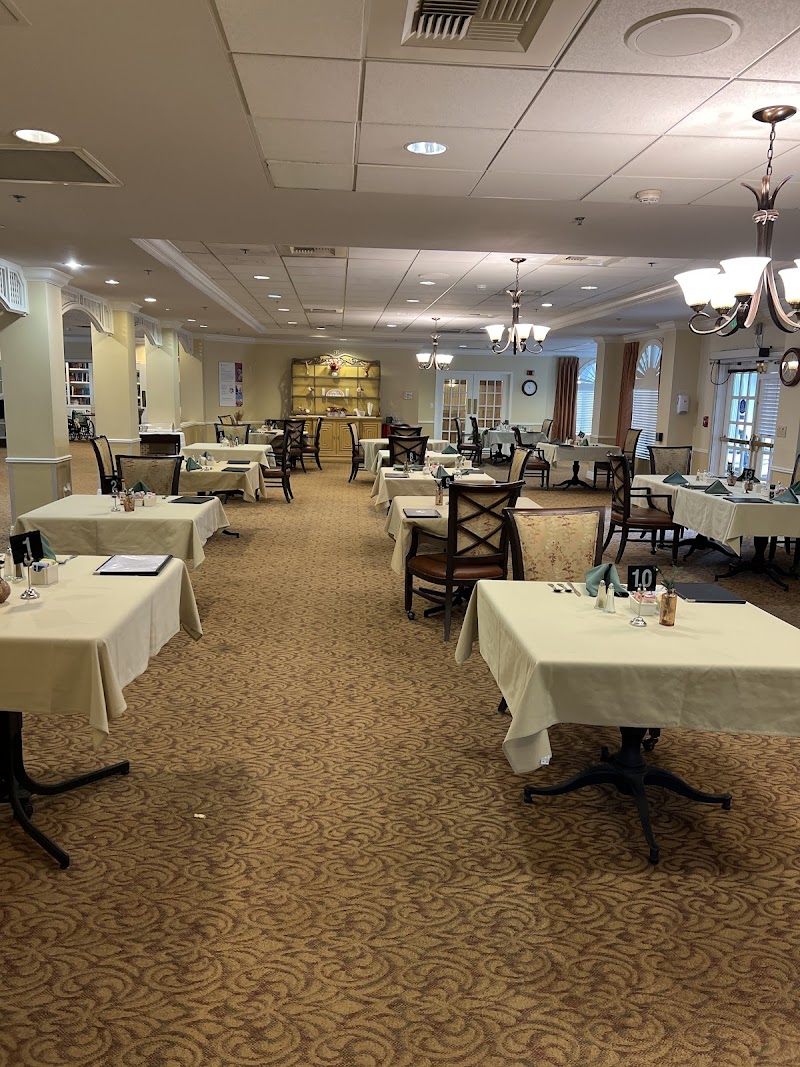
Who Owns and Operates Bayshire San Dimas Post-Acute?

BAYSHIRE SAN DIMAS POST-ACUTE is owned by a for-profit company. For-profit facilities operate as businesses with obligations to shareholders or private owners. The facility is operated by BAYSHIRE SENIOR COMMUNITIES, a chain that manages multiple nursing homes. With 45 certified beds and approximately 32 residents (about 71% occupancy), it is a smaller facility located in SAN DIMAS, California.

How Does Bayshire San Dimas Post-Acute Compare to Other California Nursing Homes?

Compared to the 100 nursing homes in California, BAYSHIRE SAN DIMAS POST-ACUTE's overall rating (3 stars) is below the state average of 3.1, staff turnover (52%) is near the state average of 46%, and health inspection rating (2 stars) is below the national benchmark.

What Should Families Ask When Visiting Bayshire San Dimas Post-Acute?

Based on this facility's data, families visiting should ask: "What changes have been made since the serious inspection findings, and how are you preventing similar issues?" "Can you walk me through typical staffing levels on day, evening, and night shifts?" "Can I visit during a mealtime to observe dining assistance and food quality?" "How do you handle medical emergencies, and what is your hospital transfer rate?" These questions are particularly relevant given the facility's Immediate Jeopardy citations and the below-average staffing rating.

Is Bayshire San Dimas Post-Acute Safe?

Based on CMS inspection data, BAYSHIRE SAN DIMAS POST-ACUTE has documented safety concerns. Inspectors have issued 1 Immediate Jeopardy citation (the most serious violation level indicating risk of serious injury or death). The facility has a 3-star overall rating and ranks #100 of 100 nursing homes in California. Families considering this facility should ask detailed questions about what corrective actions have been taken since these incidents.

Do Nurses at Bayshire San Dimas Post-Acute Stick Around?

BAYSHIRE SAN DIMAS POST-ACUTE has a staff turnover rate of 52%, which is 6 percentage points above the California average of 46%. Moderate turnover is common in nursing homes, but families should still ask about staff tenure and how the facility maintains care continuity when employees leave.

Was Bayshire San Dimas Post-Acute Ever Fined?

BAYSHIRE SAN DIMAS POST-ACUTE has been fined $141,315 across 9 penalty actions. This is 4.1x the California average of $34,492. Fines at this level are uncommon and typically indicate a pattern of serious deficiencies, repeated violations, or failure to correct problems promptly. CMS reserves penalties of this magnitude for facilities that pose significant, documented risk to resident health or safety. Families should request specific documentation of what issues led to these fines and what systemic changes have been implemented.

Is Bayshire San Dimas Post-Acute on Any Federal Watch List?

BAYSHIRE SAN DIMAS POST-ACUTE is not on any federal watch list. The most significant is the Special Focus Facility (SFF) program, which identifies the bottom 1% of nursing homes nationally based on persistent, serious quality problems. Not being on this list means the facility has avoided the pattern of deficiencies that triggers enhanced federal oversight. This is a positive indicator, though families should still review the facility's inspection history directly.