CHINESE HOSPITAL D/P SNF
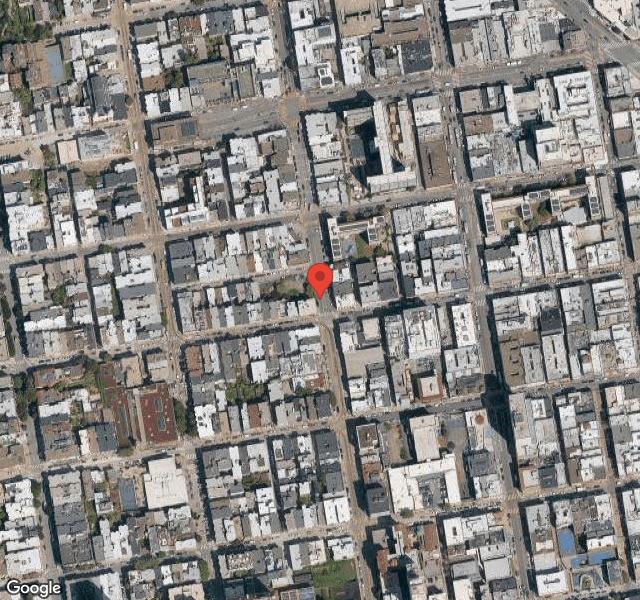
845 JACKSON STREET, SAN FRANCISCO, CA 94133 (415) 677-2480
Non profit - Corporation 23 Beds Independent Data: November 2025
Trust Grade
50/100
Last Inspection: August 2024

Within standard 12-15 month inspection cycle. Federal law requires annual inspections.

Overview

Chinese Hospital D/P SNF in San Francisco has a Trust Grade of C, indicating it is average compared to other nursing homes. It ranks at the bottom of the list in both California and San Francisco County, which suggests that there are no facilities rated higher in these areas. The facility is newly inspected, so there is no trend data available to indicate if conditions are improving or worsening. Staffing is a strong point, with a 0% turnover rate, meaning the staff remains stable and likely knows the residents well. Although there are no fines on record, the facility has several concerning issues, including a lack of proper food storage that could lead to foodborne illness and inadequate suctioning protocols for residents, which raises potential health risks. Overall, while the staffing situation is promising, the facility needs significant improvements in its operational practices to ensure resident safety and well-being.

Trust Score
C
50/100
In California
#112/223
Top 50%
Safety Record
Low Risk
No red flags
Inspections
Too New
0 → 10 violations
Staff Stability
○ Average
Turnover data not reported for this facility.
Penalties
✓ Good
No fines on record. Clean compliance history, better than most California facilities.
Skilled Nurses
✓ Good
Each resident gets 104 minutes of Registered Nurse (RN) attention daily — more than 97% of California nursing homes. RNs are the most trained staff who catch health problems before they become serious.
Violations
○ Average
10 deficiencies on record. Average for a facility this size. Mostly minor or procedural issues.
☆☆☆☆☆
0.0
Overall Rating
☆☆☆☆☆
0.0
Staff Levels
☆☆☆☆☆
0.0
Care Quality
☆☆☆☆☆
0.0
Inspection Score
Stable
: 0 issues
2024: 10 issues

The Good

  • Full Sprinkler Coverage · Fire safety systems throughout facility
  • No fines on record

Facility shows strength in fire safety.

The Bad

No Significant Concerns Identified

This facility shows no red flags. Among California's 100 nursing homes, only 0% achieve this.

The Ugly 10 deficiencies on record

Aug 2024 10 deficiencies
CONCERN (D)

Potential for Harm - no one hurt, but risky conditions existed

Transfer Notice (Tag F0623)

Could have caused harm · This affected 1 resident

**NOTE- TERMS IN BRACKETS HAVE BEEN EDITED TO PROTECT CONFIDENTIALITY** Based on interview and record review, the facility did not send a copy of the reason for discharge to the office of the local Om...

Read full inspector narrative →
**NOTE- TERMS IN BRACKETS HAVE BEEN EDITED TO PROTECT CONFIDENTIALITY** Based on interview and record review, the facility did not send a copy of the reason for discharge to the office of the local Ombudsman, when one of two residents (Resident 2) was discharged to a lower level of care (board and care home). Findings: Review of Physician Discharge summary, dated [DATE], indicated, .Resident 2 was admitted [DATE] with diagnoses including atrial fibrillation (irregular heartbeat), obesity, was involved in minor MVA (Motor Vehicle Accident) . Patient completed therapy .patient is stable to discharge with home care . During an interview on 8/8/24 at 11:35 AM, with Social Work Manager (SWM), SWM, when patient was admitted , APS (Adult protective Services) was already on the case. Patient was referred to (IOA) Institute on Aging, who helped SW apply for assisted living waiver, so she can go to a board and care. The board and care were able to accept her as Hoyer-lift and ADLs (Activities of daily living) assisted patient. Referred patient to Upward Health for case management if she will need to. This is a facility-initiated discharge. During a concurrent interview and record review on 08/08/24 02:57 PM, with SMW, no notification of Ombudsman in writing was found in the clinical records. SWM said, they were not aware that Ombudsman will have to be notified of discharges. Review of facility policy and procedure titled, Transfer and Discharge Requirements, dated 4/13/23, indicated, .Policy: The D/P SNF Transfer and Discharge Requirements policies and procedures in accordance to federal and state regulations . The policy did not indicate notice to Ombudsman on all discharges, according to federal regulations.
CONCERN (D)

Potential for Harm - no one hurt, but risky conditions existed

Comprehensive Care Plan (Tag F0656)

Could have caused harm · This affected 1 resident

**NOTE- TERMS IN BRACKETS HAVE BEEN EDITED TO PROTECT CONFIDENTIALITY** Based on observation, interview and record review, the facility failed to develop a comprehensive care plan (CP) that included m...

Read full inspector narrative →
**NOTE- TERMS IN BRACKETS HAVE BEEN EDITED TO PROTECT CONFIDENTIALITY** Based on observation, interview and record review, the facility failed to develop a comprehensive care plan (CP) that included measurable objectives and specific interventions for one of eight sampled residents (Residents 159) when there was no individualized person-centered CP for the use of Venlafaxine (medication used to treat depression) for Resident 159. This failure had the potential for not meeting the resident's nursing needs and goals to attain their highest practicable well-being. Findings: Resident 159 was admitted on [DATE] with diagnoses including hypertension (high blood pressure), cocaine abuse, and depression. Review of Resident 159's Order Summary Report, active orders as of 8/8/24, indicated, Resident 159 had an order of Venlafaxine with a start date of 7/19/24. During a concurrent interview and record review on 8/7/24 at 10:39 AM, with Registered Nurse (RN) 3, Resident 159's care plans were reviewed. RN 3 confirmed that Resident 159 had an order for Venlafaxine with a start date of 7/19/24. RN 3 acknowledged that there was no care plan for Resident 159's antidepressant medication, and stated, There should be a plan of care. There's none. Review of facility policy titled, Resident Assessment with approval date of 9/23, indicated, .(d) Use. A facility maintains all resident assessments completed within the previous 15 months in the resident's active record and use the results of the assessments to develop, review, and revise the resident's comprehensive plan of care .
CONCERN (D)

Potential for Harm - no one hurt, but risky conditions existed

Staffing Information (Tag F0732)

Could have caused harm · This affected 1 resident

Based on observation, interviews and record review, the facility did not provide daily, the nurse staffing information, when on 8/5/24, 8/6/24, and 8/7/24, there was no staffing data information poste...

Read full inspector narrative →
Based on observation, interviews and record review, the facility did not provide daily, the nurse staffing information, when on 8/5/24, 8/6/24, and 8/7/24, there was no staffing data information posted. Findings: During an interview on 8/5/24 at 10:22 AM, with Interim Director of Nursing (IDON), per IDON, the staffing information should be posted. Facility provided daily nursing assignments and monthly staff schedule. Not the staffing data required. On 8/7/24, asking the IDON for the staffing posting, the Census and Direct Care service Hours Per Patient Day (DHPPD) was posted in the nursing station. Review of facility policy and procedure titled, Posted Nurse Staffing Information, dated 4/20/23, indicated, .It is the policy of the facility to make staffing information readily available in a readable format to residents and visitors at any given time .1. The facility will post the following on a daily basis . 2. The facility will post the nurse staffing data daily at the beginning of each shift.
CONCERN (D)

Potential for Harm - no one hurt, but risky conditions existed

Medication Errors (Tag F0758)

Could have caused harm · This affected 1 resident

**NOTE- TERMS IN BRACKETS HAVE BEEN EDITED TO PROTECT CONFIDENTIALITY** Based on interview and record review, the facility failed to ensure two of four sampled residents (Residents 158 and 159) were f...

Read full inspector narrative →
**NOTE- TERMS IN BRACKETS HAVE BEEN EDITED TO PROTECT CONFIDENTIALITY** Based on interview and record review, the facility failed to ensure two of four sampled residents (Residents 158 and 159) were free from unnecessary psychotropic medication (drug that affect brain activities associated with mental processes and behavior) when there was no specific target behavior monitoring for the use of Venlafaxine (medication used to treat depression). This failure had the potential for residents to receive unnecessary psychotropic medication, be exposed to adverse health consequences from the medication, which could negatively impact the residents' mental, physical, and psychosocial well-being. Findings: 1. Resident 158 was admitted on [DATE] with diagnoses including obesity, chronic pain, adult failure to thrive (inability to sustain weight due to poor nutrition), and major depressive disorder. During a review of Resident 158's clinical record, the Order Summary Report (OSR), active orders as of 8/8/24, indicated, .Venlafaxine HCl ER Oral Tablet Extended Release 24-hour 75 milligram (mg) Give 1 tablet by mouth one time a day related to major depressive disorder .Start Date 5/21/24 . During a review of Resident 158's clinical record, the Medication Administration Record (MAR), dated 7/1/24 to 7/31/24 indicated, .Venlafaxine HCl ER Oral Tablet Extended Release 24-hour 75 mg Give 1 tablet by mouth one time a day related to major depressive disorder . was administered daily at 9:00AM from 7/1/24 to 7/31/24. During a review of Resident 158's clinical record, the MAR dated 8/1/24 to 8/31/24 indicated, .Venlafaxine HCl . was administered daily at 9:00 AM from 8/1/24 to 8/7/24. During a concurrent interview and record review on 8/7/24 at 10:15 AM with Registered Nurse (RN) 3, Resident 158's OSR and MAR were reviewed. RN 3 confirmed that Resident 158 had a diagnosis of depression and acknowledged that the clinical records did not indicate the specific target behavior symptom to be monitored for depression and the use of Venlafaxine, and stated, No behavior monitoring for depression. None. 2. Resident 159 was admitted on [DATE] with diagnoses including hypertension (high blood pressure), cocaine abuse, heart failure (condition in which the heart doesn't pump blood as well as it should), and depression. During a review of Resident 159's clinical record, the OSR, active orders as of 8/8/24, indicated, .Venlafaxine HCl ER Oral Capsule Extended Release 24 Hour 75 mg Give 75 mg by mouth at bedtime for depression .Start Date 7/19/24 . During a review of Resident 159's clinical record, the MAR dated 7/1/24 to 7/31/24 indicated, .Venlafaxine HCl ER Oral Capsule Extended Release 24 Hour 75 mg Give 75 mg by mouth at bedtime for depression . was administered at 9:00 PM from 7/19/24 to 7/31/24. During a review of Resident 159's clinical record, the MAR indicated, .Venlafaxine HCl . was administered at 9:00 PM from 8/1/24 to 8/6/24. During a concurrent interview and record review on 8/7/24 at 10:39 AM with RN 3, Resident 159's OSR and MAR were reviewed. RN 3 confirmed that Resident 159 had a diagnosis of depression and acknowledged that the clinical records did not indicate the specific target behavior symptom to be monitored for depression and the use of Venlafaxine, and stated, No behavior monitoring for the use of antidepressant. None. During an interview on 8/7/24 at 1:22 PM, with the Pharmacist (PHM), for psychotropic medications, PHM confirmed that there was no specific target behavior monitoring for the use of Venlafaxine for Residents 158 and 159. PHM acknowledged that behavior monitoring is performed to check if the use of medication is effective. During an interview on 8/8/24 at 10:23 AM, with the Interim Director of Nursing (IDON), for psychotropic medications specific target behavior monitoring, the IDON said that monitoring is done to see if medication is effective, or dose needs to be changed. IDON further stated that behavior monitoring is done every shift. Review of facility policy titled, Drug Regimen Review/Pharmaceutical Care Monitoring - SNF last reviewed on 3/2024, indicated, .Upon conducting the DRR, the pharmacist may identify and report irregularities in one or more of the following categories .f. The use of a medication without evidence of adequate monitoring .
CONCERN (D)

Potential for Harm - no one hurt, but risky conditions existed

Deficiency F0761 (Tag F0761)

Could have caused harm · This affected 1 resident

**NOTE- TERMS IN BRACKETS HAVE BEEN EDITED TO PROTECT CONFIDENTIALITY** Based on observation, interview, and record review the facility failed to ensure safe medication storage practice in one of thre...

Read full inspector narrative →
**NOTE- TERMS IN BRACKETS HAVE BEEN EDITED TO PROTECT CONFIDENTIALITY** Based on observation, interview, and record review the facility failed to ensure safe medication storage practice in one of three medication carts (Med Cart, a locked mobile cart used to store medications and supplies) when several prescription medications were kept on top of a med cart and available for taking. This failed practice could contribute to unsafe medication storage and the potential for drug diversion. Findings: During a concurrent observation and interview on 8/6/24 at 8:33 AM, with Interim Director of Nursing (IDON), a medication cart was found on the hallway outside of a Resident's room (room [ROOM NUMBER]). On top of the med cart were bottles of prescription medications (metoprolol 50 mg - medication for treatment of high blood pressure, oxcarbazepine 300 mg - a medication used in the treatment of partial seizures, lisinopril 40 mg - medication for treatment of high blood pressure, and tamsulosin 0.4 mg - medication used in reducing the symptoms of an enlarged prostate gland) belonging to Resident 202. These medications were left there unattended on the hallway while the Licensed Vocational Nurse (LVN 2) stayed in a Resident room. During a concurrent interview with the IDON on 8/6/2024 at 8:33 AM, she confirmed the medications should not be left unattended on the med cart when LVN 2 left to provide nursing care to a Resident. Review of the facility's policy titled Drug Storage, dated April 2023, indicated All drugs are stored in designated area in SNF medication carts or lockable cabinets .
CONCERN (D)

Potential for Harm - no one hurt, but risky conditions existed

Infection Control (Tag F0880)

Could have caused harm · This affected 1 resident

**NOTE- TERMS IN BRACKETS HAVE BEEN EDITED TO PROTECT CONFIDENTIALITY** Based on observation, interview, and record review, the facility failed to maintain an infection prevention and control program ...

Read full inspector narrative →
**NOTE- TERMS IN BRACKETS HAVE BEEN EDITED TO PROTECT CONFIDENTIALITY** Based on observation, interview, and record review, the facility failed to maintain an infection prevention and control program designed to provide a safe, sanitary and comfortable environment to help prevent the development and transmission of communicable diseases and infections for one of two sampled residents (Resident 151) when the tip of the oral suction (involves inserting a small plastic tube attached to a suction machine into the mouth to remove saliva or mucus) tubing was touching the floor. This deficient practice had the potential to transmit microorganisms and increase the risk of infection for Resident 151. Findings: Resident 151 was admitted on [DATE] with diagnoses including transient ischemic attack (TIA-a brief episode when blood flow to the brain is temporarily cut off), dysphagia (difficulty swallowing), and depression. Mental status assessment indicated Resident 151 was moderately impaired. During an observation on 8/5/24 at 9:58 AM, Resident 151 was asleep in bed, oral suctioning equipment was at resident's bedside table. The canister was filled with light yellowish secretions. The tip of the suction tubing was touching the floor. During an interview on 8/5/24 at 10:07 AM, Registered Nurse (RN) 2 said that the oral suction equipment was used as needed to suction secretions of Resident 151. RN 2 acknowledged that the tip of the suction tubing was touching the floor, and stated, It should not be touching the floor. It's considered contaminated. That's for infection control. During an interview on 8/7/24 at 10:30 AM, with the Interim Director of Nursing (IDON), the IDON said the tip of the suction tubing should not be touching the floor to prevent cross contamination. The IDON stated, For infection control and safety, and best practice. During an interview on 8/8/24 at 2:30 PM, with the Infection Preventionist (IP), the IP said that the suction tubing is attached to a Yankuer catheter (small plastic tube). The IP acknowledged that the suction tubing was touching the floor, and stated, That is contaminated because it's touching the floor. It may cause spread of infection. Review of facility policy titled, Cleaning and Disinfection/Non-critical care and shared equipment, last revised on 3/2024, indicated, Policy: It is the policy of the facility to ensure that appropriate infection prevention and control measures are taken to provide a safe, sanitary, and comfortable environment to prevent the spread on infection in accordance with State and Federal Regulations, and national guidelines. The policy did not indicate care for oral suction equipment.
CONCERN (E)

Potential for Harm - no one hurt, but risky conditions existed

Incontinence Care (Tag F0690)

Could have caused harm · This affected multiple residents

**NOTE- TERMS IN BRACKETS HAVE BEEN EDITED TO PROTECT CONFIDENTIALITY** 2. Resident 201 was admitted on [DATE] with diagnoses including pressure ulcer of sacral region stage 4, (bedsore on the tailbon...

Read full inspector narrative →
**NOTE- TERMS IN BRACKETS HAVE BEEN EDITED TO PROTECT CONFIDENTIALITY** 2. Resident 201 was admitted on [DATE] with diagnoses including pressure ulcer of sacral region stage 4, (bedsore on the tailbone area) hemiplegia (weakness of left side), and chronic respiratory failure with hypoxia (a body part is deprived of oxygen). During an observation on 8/5/24 at 10:00 AM, Resident 201 was in bed with a tubing connected to a canister to a suction machine. Canister had yellowish liquid inside. During an interview on 8/5/24 at 10:20 AM, with Licensed Vocational Nurse (LVN)2 and Interim Director of Nursing (IDON), LVN 2 said that it is a pad for incontinence of urine, so the pressure ulcer will not be wet from urine. The IDON confirmed it was a Purewick. During a concurrent interview and record review on 8/7/24 at 1:30 PM, with RN 1, Resident 201's orders and care plans were reviewed. RN 1 acknowledged there was no MD order for the use of external catheter and the care plan did not indicate the use of female external catheter for incontinence. RN 1 stated, That should be in the care plan, there is incontinence care plan, but no use of Purwick found in the care plan. The facility was unable to provide a policy and procedure for the use of female external catheter. The facility provided the Manufacturers Guide for Versette external catheter best practice guide. Based on observation, interview, and record review, the facility failed to obtain a physician's (MD) order and develop a comprehensive care plan for the use of female external catheter for two of two sampled residents (Residents 158 and 201). This failure had the potential for residents to not receive appropriate treatment and services. Findings: 1. Resident 158 was admitted on [DATE] with diagnoses including obesity, chronic pain, adult failure to thrive (inability to sustain weight due to poor nutrition), and major depressive disorder. During an observation on 8/5/24 at 10:39 AM, Resident 158 was asleep in bed, with a catheter (a flexible tube used to deliver fluids into or withdraw fluids from the body) draining with yellowish urine to a canister and attached to a wall-mounted suction machine. During an interview on 8/5/24 at 12:38 PM, Resident 158 acknowledged the use of a catheter and stated, The catheter drains my urine. During a concurrent interview and record review on 8/7/24 at 10:15 AM, with Registered Nurse (RN) 3, Resident 158's orders and care plans were reviewed. RN 3 said that Resident 158 was urinary incontinent (loss of urine control), and she had a catheter to prevent skin breakdown, and stated, It's a Purewick catheter. RN 3 said that they ask the MD for an order for the use of the catheter, and stated, Yes, we ask the MD. RN 3 confirmed that there was no MD order for the use of Purewick catheter for Resident 158, and stated, No order.
CONCERN (E)

Potential for Harm - no one hurt, but risky conditions existed

Respiratory Care (Tag F0695)

Could have caused harm · This affected multiple residents

**NOTE- TERMS IN BRACKETS HAVE BEEN EDITED TO PROTECT CONFIDENTIALITY** 2. Resident was admitted on [DATE], with diagnoses including encephalopathy (a disturbance in the brain function causing confusi...

Read full inspector narrative →
**NOTE- TERMS IN BRACKETS HAVE BEEN EDITED TO PROTECT CONFIDENTIALITY** 2. Resident was admitted on [DATE], with diagnoses including encephalopathy (a disturbance in the brain function causing confusion, memory loss), and dysphagia. During an observation on 8/5/24 at 11:00 AM, Resident 205, was in bed, had a tubing attached to a suction catheter, and a canister filled with whitish fluid connected to the suction machine. During an interview on 8/5/24 at 11:15 AM, with LVN 1, LVN 1 confirmed Resident 205 required suctioning on as needed (PRN) basis and stated, I did not suction him yet on my shift. During an interview on 8/7/24 at 10:20 AM, with RN 2, per RN2 suctioning is on PRN basis, the canister and suction tip should be changed every 2-3 days, will check the policy, date is important to know when to change the set. Review of Resident 205's clinical records, the OSR, there was no MD order for suctioning. Review of Resident 205's care plans indicated no care plan for suctioning of oral secretions. During a concurrent interview and record review on 8/7/24 at 2:00 PM, with RN 1, Residents 151 and 205's orders and care plans were reviewed. RN1 acknowledged that there was no MD order and no care plan found in the clinical records for oral suctioning. Based on observation, interview, and record review, the facility failed to obtain a physician's (MD) order and develop a comprehensive care plan for oral suctioning for two of two sampled residents (Residents 151 and 205). This failure had the potential for residents to not receive appropriate treatment and services. Findings: 1. Resident 151 was admitted on [DATE] with diagnoses including transient ischemic attack (TIA-a brief episode when blood flow to the brain is temporarily cut off), dysphagia (difficulty swallowing), and depression. Mental status assessment indicated Resident 151 was moderately impaired. During an observation on 8/5/24 at 9:58 AM, Resident 151 was asleep in bed, oral suctioning equipment was at resident's bedside table. The canister was filled with light yellowish secretions. During an interview on 8/5/24 at 10:07 AM, Registered Nurse (RN) 2 said that the oral suction equipment was used as needed to suction secretions of Resident 151. Review of Resident 151's clinical record, the Order Summary Report (OSR), active orders as of 8/8/24, the OSR did not indicate an order for oral suctioning. Review of Resident 151's care plans indicated no care plan was developed for suctioning of oral secretions.
CONCERN (E)

Potential for Harm - no one hurt, but risky conditions existed

Deficiency F0700 (Tag F0700)

Could have caused harm · This affected multiple residents

**NOTE- TERMS IN BRACKETS HAVE BEEN EDITED TO PROTECT CONFIDENTIALITY** 3. Resident 207 was admitted on [DATE], with diagnoses including bacterial infection, enterocolitis due to Clostridium Difficile...

Read full inspector narrative →
**NOTE- TERMS IN BRACKETS HAVE BEEN EDITED TO PROTECT CONFIDENTIALITY** 3. Resident 207 was admitted on [DATE], with diagnoses including bacterial infection, enterocolitis due to Clostridium Difficile (a highly contagious bacterial infection of the colon), and osteoarthritis of knees (knees hurting, stiff or swollen due to knee cartilages broken down). During a concurrent observation and interview on 8/5/24 at 11:30 AM, with Licensed Vocational Nurse (LVN) 2, Resident 207 was in bed, awake, alert, and oriented, on tube feeding. Both bed rails were up, and resident was able to reach and hold on to it. Resident 207 said he has been in the facility for several months now, and stays in bed most of the time. LVN 2 confirmed Resident 207 has both bed rails up to help him reposition in bed. Resident 207 stated, I like this, when touching the bed rails to position himself. Resident 207 did not know if he was asked about the use of bed rails. During a concurrent interview and record review on 8/7/24 at 1:30 PM, with RN1, Resident 207's orders and care plans were reviewed. RN 1 confirmed that there was no physician's order and care plan for the use of bed rails. Review of Resident 207's BRA with effective date of 2/13/24, consent for the use of bed rails was done on 2/13/24. The BRA indicated, .Siderails/Assist bar are not indicated at this time . During an interview on 8/6/24 at 2:00 PM, with the Interim Director of Nursing (IDON), IDON said that bed rails need physician's order, assessment, consent, and care plan. Review of facility Policy and Procedure, Restraint Reduction Program, with approval date of 9/2023, indicated, .Policy: The least restrictive alternative measures will be used according to the resident's assessment and care plan . Based on observation, interview, and record review, the facility failed to ensure residents were assessed for risk of entrapment, risk and benefits for the use of bed rails were reviewed and bed rail assessment reflect the use of bed rails for three of eight sampled residents (Residents 151, 159, and 207). These deficient practices had the potential to put the residents at risk for entrapment, accidents, or injuries due to the use of bed rails. Findings: 1. Resident 151 was admitted on [DATE] with diagnoses including transient ischemic attack (TIA-a brief episode when blood flow to the brain is temporarily cut off), prostate cancer, and depression. Mental status assessment indicated Resident 151 was moderately impaired. During an observation on 8/5/24 at 9:58 AM, Resident 151 was asleep in bed, with both upper bed rails up. During a subsequent observation on 8/7/24 at 9:54 AM, Resident 151 was asleep in bed, with both upper bed rails up. On concurrent interview with Hospital Aide (HA) 1, HA 1 said that Resident 151 grabs the bed rails when turning, and stated, It is used for mobility. Review of Resident 151's clinical record, the Bed Rail Assessment (BRA) with effective date of 3/27/24, indicated, .Side Rails/Assist Bar are not indicated at this time . The BRA did not indicate Resident 151 was assessed for risk of entrapment and risks and benefits of bed rails were not reviewed with the resident. There was no care plan for the use of bed rails. 2. Resident 159 was admitted on [DATE] with diagnoses including hypertension (high blood pressure), heart failure (condition in which the heart doesn't pump blood as well as it should), intracerebral hemorrhage (a type of stroke caused by bleeding within the brain tissue itself), and muscle weakness. During an observation on 8/5/24 at 10:47 AM, Resident 159 was in bed, pleasant, alert, and oriented. Resident 159's both bed rails were up and grabbed it to turn to her side. During an interview on 8/7/24 at 10:00 AM, Registered Nurse (RN) 3 said that Resident 159 had right side weakness. RN 3 confirmed that Resident 159 had both bed rails up and was used for movement. RN 3 stated, It is used as an enabler, for mobility. Review of Resident 159's clinical record, the BRA with effective date of 7/19/24, indicated, Resident 159 expressed a desire to have side rails/assist bar for safety and/or comfort and side rails/assist bar are not indicated at this time. The BRA did not indicate Resident 159 was assessed for risk of entrapment and risks and benefits of bed rails were not reviewed with the resident. There was no care plan for the use of bed rails.
CONCERN (F)

Potential for Harm - no one hurt, but risky conditions existed

Deficiency F0813 (Tag F0813)

Could have caused harm · This affected most or all residents

Based on observation, interview, and facility document review, the facility failed to have a system in place to ensure the safe storage of residents' personal perishable food. This failure had the po...

Read full inspector narrative →
Based on observation, interview, and facility document review, the facility failed to have a system in place to ensure the safe storage of residents' personal perishable food. This failure had the potential to result in foodborne illness for 18 residents who took food by mouth out of a facility census of 19. Findings: Review of the Policy and Procedure (P&P) titled Bringing In Outside Food for Residents in Skilled Nursing Unit revised January 2024, showed Resident's nurse will store the perishable food in the resident refrigerator and freezer located in Dining Room on the SNF (Skilled Nursing Facility). The temperature will be systematically monitored, and a temperature log will be maintained in collaboration with the Facilities department. Review of the P&P titled Food Handling revised March 2024, showed temperatures of refrigerators and freezers will be monitored daily and documented. Refrigerators should be below 40 degrees Fahrenheit (F) and freezers at or below 0 degrees F. An observation on 8/5/24 at 12:10 p.m., showed a compact refrigerator and a compact freezer located in the resident dining room. The freezer was very full of unopened resident food. The freezer had a layer of ice build-up on the inside walls and ceiling. There was also ice build-up on the freezer door. Located on top of the freezer was untitled print-out of a calendar page dated July 2024. By each date, from June 30 to July 31, there was an initial and a checkmark. During a consecutive interview with Licensed Vocational Nurse (LVN) 1 and the Interim Director of Nursing (IDON) on 8/5/24 at 12:15 p.m., LVN 1 stated nursing was responsible for checking the freezer to ensure resident's frozen food was not stored over three days. LVN 1 confirmed the untitled calendar page with initials and checkmarks was documentation for checking the freezer. LVN 1 also confirmed there was no documentation for August 2024. IDON stated it was the P.M. (night) staff who monitored the freezer and were initialing the calendar page, and she did not know the meaning of the checkmarks but would follow-up. During an interview on 8/6/24 at 10 a.m., IDON stated the nursing staff were only checking for expiration dates on food for the food stored in the resident refrigerator. During an interview on 8/6/24 at 10:04 a.m., the Food and Nutrition Services Manager (FNSM) stated Food and Nutrition Staff did not have oversight of the resident refrigerator and freezer in the resident dining room. FNSM also said the resident refrigerator and freezer temperatures were not monitored by Facilities. FNSM stated if a frozen food package was not opened, it did not need to be discarded within three days, and the manufacturer's use-by/expiration date could be followed. FNSM stated she did not provide training to nursing staff regarding monitoring the resident food refrigerator/freezer. During an interview on 8/6/24 at 10:22 a.m., the Director of Staff Development (DSD) stated temperatures of the resident refrigerator and freezer should be recorded daily but she did not know what the appropriate refrigerator and freezer temperatures. DSD stated she did not have training regarding appropriate monitoring of the refrigerator and freezer. The DSD also stated she was not aware maintenance needs such as ice build-up was reported by nursing to Facilities.
Understanding Severity Codes (click to expand)
Life-Threatening (Immediate Jeopardy)
J - Isolated K - Pattern L - Widespread
Actual Harm
G - Isolated H - Pattern I - Widespread
Potential for Harm
D - Isolated E - Pattern F - Widespread
No Harm (Minor)
A - Isolated B - Pattern C - Widespread

Questions to Ask on Your Visit

  • "Can I speak with families of current residents?"
  • "What's your RN coverage like on weekends and overnight?"

Our Honest Assessment

Strengths
  • • No major safety red flags. No abuse findings, life-threatening violations, or SFF status.
  • • No fines on record. Clean compliance history, better than most California facilities.
Concerns
  • • Grade C (50/100). Below average facility with significant concerns.
Bottom line: Mixed indicators with Trust Score of 50/100. Visit in person and ask pointed questions.

About This Facility

What is Chinese Hospital D/P Snf's CMS Rating?

CHINESE HOSPITAL D/P SNF does not currently have a CMS star rating on record.

How is Chinese Hospital D/P Snf Staffed?

Detailed staffing data for CHINESE HOSPITAL D/P SNF is not available in the current CMS dataset.

What Have Inspectors Found at Chinese Hospital D/P Snf?

State health inspectors documented 10 deficiencies at CHINESE HOSPITAL D/P SNF during 2024. These included: 10 with potential for harm.

Who Owns and Operates Chinese Hospital D/P Snf?

CHINESE HOSPITAL D/P SNF is owned by a non-profit organization. Non-profit facilities reinvest revenue into operations rather than distributing to shareholders. The facility operates independently rather than as part of a larger chain. With 23 certified beds and approximately 13 residents (about 57% occupancy), it is a smaller facility located in SAN FRANCISCO, California.

How Does Chinese Hospital D/P Snf Compare to Other California Nursing Homes?

Comparison data for CHINESE HOSPITAL D/P SNF relative to other California facilities is limited in the current dataset.

What Should Families Ask When Visiting Chinese Hospital D/P Snf?

Based on this facility's data, families visiting should ask: "Can I visit during a mealtime to observe dining assistance and food quality?" "How do you handle medical emergencies, and what is your hospital transfer rate?" "Can I speak with family members of current residents about their experience?"

Is Chinese Hospital D/P Snf Safe?

Based on CMS inspection data, CHINESE HOSPITAL D/P SNF has a clean safety record: no substantiated abuse findings (meaning no confirmed cases of resident harm), no Immediate Jeopardy citations (the most serious violation level indicating risk of serious injury or death), and is not on the Special Focus Facility watch list (a federal program monitoring the lowest-performing 1% of nursing homes). The facility has a 0-star overall rating and ranks #100 of 100 nursing homes in California. While no facility is perfect, families should still ask about staff-to-resident ratios and recent inspection results during their visit.

Do Nurses at Chinese Hospital D/P Snf Stick Around?

CHINESE HOSPITAL D/P SNF has not reported staff turnover data to CMS. Staff turnover matters because consistent caregivers learn residents' individual needs, medications, and preferences. When staff frequently change, this institutional knowledge is lost. Families should ask the facility directly about their staff retention rates and average employee tenure.

Was Chinese Hospital D/P Snf Ever Fined?

CHINESE HOSPITAL D/P SNF has no federal fines on record. CMS issues fines when nursing homes fail to meet care standards or don't correct problems found during inspections. The absence of fines suggests the facility has either maintained compliance or corrected any issues before penalties were assessed. This is a positive indicator, though families should still review recent inspection reports for the full picture.

Is Chinese Hospital D/P Snf on Any Federal Watch List?

CHINESE HOSPITAL D/P SNF is not on any federal watch list. The most significant is the Special Focus Facility (SFF) program, which identifies the bottom 1% of nursing homes nationally based on persistent, serious quality problems. Not being on this list means the facility has avoided the pattern of deficiencies that triggers enhanced federal oversight. This is a positive indicator, though families should still review the facility's inspection history directly.