LAWTON SKILLED NURSING & REHABILITATION CENTER

1575 7TH AVENUE, SAN FRANCISCO, CA 94122 (415) 566-1200
For profit - Limited Liability company 68 Beds GENERATIONS HEALTHCARE Data: November 2025
Trust Grade
80/100
#114 of 1155 in CA
Last Inspection: November 2024

Within standard 12-15 month inspection cycle. Federal law requires annual inspections.

Overview

Lawton Skilled Nursing & Rehabilitation Center in San Francisco has a Trust Grade of B+, indicating it is above average and recommended for families considering care options. It ranks #114 out of 1,155 facilities in California, placing it in the top half of all state facilities, and #6 out of 17 in San Francisco County, meaning only five local options are better. While the facility is improving, with issues decreasing from 12 in 2023 to 5 in 2024, it does have some concerns; for example, there were instances of improper food storage and a failure to account for controlled medications, which could lead to potential health and safety risks. Staffing is strong here, with a 4 out of 5 rating and more RN coverage than 96% of California facilities, suggesting that residents receive attentive care. However, it is important to note that 21 issues were identified during inspections, indicating areas that need attention despite having no record of fines, which is a positive sign.

Trust Score
B+
80/100
In California
#114/1155
Top 9%
Safety Record
Low Risk
No red flags
Inspections
Getting Better
12 → 5 violations
Staff Stability
○ Average
40% turnover. Near California's 48% average. Typical for the industry.
Penalties
✓ Good
No fines on record. Clean compliance history, better than most California facilities.
Skilled Nurses
✓ Good
Each resident gets 85 minutes of Registered Nurse (RN) attention daily — more than 97% of California nursing homes. RNs are the most trained staff who catch health problems before they become serious.
Violations
⚠ Watch
21 deficiencies on record. Higher than average. Multiple issues found across inspections.
★★★★★
5.0
Overall Rating
★★★★☆
4.0
Staff Levels
★★★★★
5.0
Care Quality
★★★★☆
4.0
Inspection Score
Stable
2023: 12 issues
2024: 5 issues

The Good

  • 4-Star Staffing Rating · Above-average nurse staffing levels
  • 5-Star Quality Measures · Strong clinical quality outcomes
  • Full Sprinkler Coverage · Fire safety systems throughout facility
  • No fines on record
  • Staff turnover below average (40%)

    8 points below California average of 48%

Facility shows strength in staffing levels, quality measures, fire safety.

The Bad

Staff Turnover: 40%

Near California avg (46%)

Typical for the industry

Chain: GENERATIONS HEALTHCARE

Part of a multi-facility chain

Ask about local staffing decisions and management

The Ugly 21 deficiencies on record

Nov 2024 5 deficiencies
CONCERN (D)

Potential for Harm - no one hurt, but risky conditions existed

Unnecessary Medications (Tag F0759)

Could have caused harm · This affected 1 resident

**NOTE- TERMS IN BRACKETS HAVE BEEN EDITED TO PROTECT CONFIDENTIALITY** Based on observation, interview, and record review, the facility had a medication error rate of 7.69% when two medication errors...

Read full inspector narrative →
**NOTE- TERMS IN BRACKETS HAVE BEEN EDITED TO PROTECT CONFIDENTIALITY** Based on observation, interview, and record review, the facility had a medication error rate of 7.69% when two medication errors occurred out of 26 opportunities during the medication administration for one out of six residents (Resident 18). The failures resulted in the nursing staff not following the facility's policy and procedures (P&P) and had the potential for the resident not receiving full therapeutic effects or causing side effects for the residents. Findings: 1. During the medication administration observation on 10/28/24 at 4:35 p.m., Registered Nurse 1 (RN1) was observed preparing and administering 3 medications to Resident 18: metformin (medication for diabetes) 500 milligrams (mg, unit of measurement) 1 tablet, calcium (a supplement) 500 mg 1 tablet, and brimonidine ophthalmic solution (medication for glaucoma) 0.15%. Resident was sitting up in her wheelchair. RN1 did not have the resident tilt her head back. With the resident's head/face looking straight ahead, RN1 instilled 1 drop of brimonidine ophthalmic solution in the right eye first, then repeated same action to the left eye. During the instillation of each drop, RN1 did not pull the lower eyelid down to instill into the conjunctival sacs. RN1 was observed wiping her right eye/cheek with a tissue as soon as the medication drop was instilled. He placed the tissue on the bedside table, and repeated the same action to her left eye. During an interview with RN1 on 10/28/24 at 4:38 p.m., when asked if he pulled the lower lids down before instilling each drop since her head was not tilted back, RN1 stated the resident tilted her head back a bit. He demonstrated how he used his fingers to widen the resident's upper & lower eyelids before instilling each drop. When the surveyor stated he was not observed pulling the resident's lower lid down or to make a pouch to instill into the conjunctival sac, RN1 stated he did not do either. He confirmed the resident's head was not tilted back, and he did not instill the drop into the conjunctival sac but directly onto the eye after widening it with his hand. A review of Resident 18's clinical record indicated a physician's order, dated 10/3/24, for brimonidine tartrate ophthalmic solution 0.15% Instill 1 drop in both eyes three times a day for Glaucoma. A review of the facility's undated P&P for Instillation of Eye Drops, indicated Step 7- Gently pull the lower eyelid down. Instruct the resident to look up. (If medical necessity gently pull upper and lower eyelid.), Step 8- Drop the medication into the mid lower eyelid (fornix) . 2. During the medication administration observation on 10/28/24 at 4:35 p.m., RN1 was also observed preparing and administering 1 tablet of metformin 500 mg to Resident 18. During an interview with RN1 on 10/28/24 at 4:38 p.m., RN1 stated dinner is served at 5 pm. A review of the metformin Package Insert (manufacturer's information that includes details and directions that healthcare providers need [NAME] prescribe a drug properly, including approved uses for the drug, contraindications, potential adverse reactions, available formulations and dosage, and how to administer the drug), available online, with RN1 indicated to give metformin with meals. RN1 acknowledged Resident's 18 metformin was not administered with a meal. A review of Resident 18's clinical record indicated a physician's order dated 10/3/24, for metformin 500 mg, 1 tablet by mouth two times a day for diabetes. During another interview with RN1 on 10/28/24 at 5:08 p.m., 33 minutes after the metformin administration, the dinner cart was observed being wheeled to resident 18's hall. RN1 acknowledged Resident 18 had not had dinner yet at this time. During a telephone interview with the Consultant Pharmacist (CP) on 10/30/24 at 12:09 p.m.,, he stated metformin should be taken with meals which he explained is at the time of eating or shortly after. During an interview, on 10/28/24 at 2:22 p.m., with Director of Nursing (DON) and Assistant Director of Nursing (ADON), DON confirmed metformin should be given with meals. A review of the Package Insert for metformin, revised 3/2019, indicated, Metformin hydrochloride tablets should be taken with meals to help lessen an upset stomach side effect.
CONCERN (D)

Potential for Harm - no one hurt, but risky conditions existed

Infection Control (Tag F0880)

Could have caused harm · This affected 1 resident

Based on observation, interview and record review, the facility failed to provide a safe and sanitary environment when an unlabeled basin containing exposed personal care items were kept on an overbed...

Read full inspector narrative →
Based on observation, interview and record review, the facility failed to provide a safe and sanitary environment when an unlabeled basin containing exposed personal care items were kept on an overbed table in between the beds of Resident 6 and Resident 15. This failure had the potential to result in cross contamination and spread of infection in the facility. Findings: During an observation on 10/28/24 at 9:56 AM, an emesis basin (a shallow container used to catch fluids or debris from a patient) containing a tube of toothpaste, an exposed toothbrush, a packaged toothbrush, and a deodorant was found on an overbed table in between the beds of Resident 6 and Resident 15. During further observation on 10/28/24 at 10:48 AM, the kidney basin containing the aforementioned items was still on the overbed table in between the beds of Resident 6 and Resident 15. During a concurrent observation and interview on 10/28/24 at 10:52 AM, Certified Nursing Assistant (CNA) 1 stated, Not sure, when asked who the personal care items belong to. CNA 1 added, Not supposed to be there. I was going to change the old toothbrush, it's dirty. CNA 1 further stated the personal care items should be stored in the resident's drawer after use. During an interview on 10/30/24 at 9:33 AM, the Infection Preventionist stated, They (staff) are not supposed to leave it (personal care items) there. It's for safety. They (staff) might confuse it for somebody else, somebody else might use it. They (personal care items) should be in their (resident) drawer. Review of the facility's policy and procedure (P&P) titled, Teeth, Brushing (TB P&P), with a revision date of 2/2018, indicated Purpose - The purpose of this procedure is to assist the resident with oral hygiene. Preparation . 2. Assemble the equipment and supplies as needed .Steps in the Procedure - 1. Place the equipment on the bedside stand or overbed table. Arrange the supplies so they can easily be reached . After assisting the resident with oral hygiene, the TB P&P indicated 15. Clean your equipment. 16. Discard disposable equipment and supplies in designated containers . Review of the facility's P&P titled, Infection Prevention and Control Program, with a revision date of 12/2023, indicated An infection prevention and control program (IPCP) is established and maintained to provide a safe, sanitary and comfortable environment and to help prevent the development and transmission of communicable diseases and infections .Elements of the IPCP .7. Prevention of Infection - a. Important facets of infection prevention include: . (3) educating staff and ensuring that they adhere to proper techniques and procedures .
CONCERN (E)

Potential for Harm - no one hurt, but risky conditions existed

Pharmacy Services (Tag F0755)

Could have caused harm · This affected multiple residents

Based on observation, interview, and record review, the facility failed to ensure controlled medications (medications that can be easily abused and are under strict government control) were fully acco...

Read full inspector narrative →
Based on observation, interview, and record review, the facility failed to ensure controlled medications (medications that can be easily abused and are under strict government control) were fully accounted for when they were signed out of the Controlled Drug Record (CDR, an inventory or count sheet) but not documented on the medication administration record (MAR) for three out of five residents (Residents 12, 19, and 202); and a controlled medication for a resident (Resident 204) was destroyed without a witness' signature as per facility policy and procedure. The failures had the potential for medication errors and controlled drug abuse or diversion (when healthcare providers obtain or use prescription medicines illegally). Findings: 1. During an interview on 10/29/24 at 2:27 p.m., with the ADON (Assistant Director of Nursing) about as needed medications, she explained that when the resident requested a medication, the nurse assesses the resident, reviews the physician's order, obtains the medication from the med cart, administers it to the resident, documents it on the MAR & the narcotic record, and then reassesses the resident for effectiveness within one hour. A review of Resident 12's clinical record indicated a physician's order, dated 2/2/24, for Norco (a potent narcotic for pain) 5-325 milligrams (mg, unit of measurement), give 1 tablet by mouth every 6 hours as needed for moderate to severe pain. During a concurrent interview and record review on 10/29/24 at 2:34 p.m., with both the Director of Nursing (DON) and ADON in their office, a review of Resident 12's for Norco 5-325mg and the August, September, and October 2024 MARs indicated the nursing staff signed out of the CDR, but did not document on the MAR to show the medication was administered to the Resident on 6 occasions: 8/21/24 at 0017, 9/5 at 2145, 9/18 at 0210, 9/24 at 2232, 10/14 at 2108, 10/22 at 0231 for a total of 6 tablets. They confirmed there is no documentation in the MAR for the above dates to show they were administered to the resident. 2. A review of Resident 19's clinical record indicated a physician's order, date 6/8/24, for tramadol (a controlled medication for pain) 50 mg, give 1 tablet by mouth every 6 hours as needed for moderate to severe pain. During a concurrent interview and record review on 10/29/24 at 2:44 p.m., with both the DON and the ADON, a review of Resident 19's CDR for tramadol 50 mg, and the August, September, and October 2024 MARs indicated the staff signed out of the CDR but no documentation on the MAR: on 8/17/24 at 2315, 8/24/24 at 1119, 9/15/24 at 1600, and 10/6/24 at 1100 for a total of 4 tabs. They stated their investigation confirmed no documentation of these medications. 3. A review of Resident 202's clinical record indicated a physician's order, dated 10/9/24, for oxycodone 5 mg, give 1 tablet by mouth every 6 hours as needed for moderate pain AND give 2 tablets by mouth every 6 hours as needed for severe pain. During a concurrent interview and record review on 10/29/24 at 2:48 p.m., with the DON and the ADON, a review of Resident 202's CDR for oxycodone and the October 2024 MAR indicated the nursing staff signed out of the CDR 2 tablets on 10/17/24 at 2013 but did not document the administration on the MAR. They confirmed this finding and acknowledged 2 oxycodone tablets were unaccounted for. On 10/29/24 at 2:59 p.m., the DON and ADON reviewed Resident 12's , Resident 202's, and Resident 19's progress notes confirmed there was no supporting documentation to indicate these medications were given to these residents. The DON acknowledged that without documentation, the computer system would not trigger the re-assessment and prevent the nursing staff from giving it again too soon, posing the potential for medication errors. The DON stated, I'm pretty sure they are lazy to document it. During a concurrent interview and record review on 10/29/24 at 3:12 p.m., with RN1 in the presence of the DON and ADON, RN1 was informed he did not document medication administration on the MAR for Residents 12 and 19. When asked what happened, he replied, The system didn't save when I changed computers. When noted why it happened multiple times, he replied, Maybe I forgot to document it. During a concurrent interview and record review on 10/29/24- at 3:12 p.m., with LVN1 who did not document on MAR on 10/14/24 at 9:08 p.m., for Resident 12, she stated Resident 12 always asks for her pain meds . I forgot to document. Both RN1 and LVN1 acknowledged these are controlled meds and need to be fully accounted for. The facility's undated policy and procedure (P&P) titled, Controlled Substances Policy Statement . Policy Interpretation and Implementation, under the section titled Dispensing and Reconciling Controlled Substances, indicated . #2. The system of reconciling the receipt, dispensing and disposition of controlled substances includes the following: . b. Medication administration records . #5.c. The medication regimen of residents using medications that have such discrepancies are reviewed to assure the resident has received all medications ordered and the goal of therapy is met (example: a resident receiving a pain medication complains of unrelieved pain) . 4. During a concurrent interview and record review on 10/29/24 at 9:40 a.m., with the DON in her office, the storing and wasting of controlled substances was reviewed. A review of the CDR for Resident 204 indicated, on 10/12/24 at 5:08p.m., an oxycodone 5 mg was wasted but there was only one set of initials on the form. The DON then signed the document in the surveyor's presence and stated she clearly remembered witnessing the waste with the nurse. She repeatedly acknowledged it should have been double signed at the time of waste, and stated wasting requires two sets of initials. The facility's undated (P&P) titled, Controlled Substances was reviewed. Under the section titled, Dispensing and Reconciling Controlled Substances, #7, it indicated Waste and/or disposal of controlled medication are done in the presence of the nurse and a witness who also signs the disposition sheet.
CONCERN (E)

Potential for Harm - no one hurt, but risky conditions existed

Deficiency F0912 (Tag F0912)

Could have caused harm · This affected multiple residents

Based on observation, interview, and record review, the facility failed to provide the required square footage per resident in multiple bedrooms for 17 out of 28 rooms (Rooms 101, 102,103, 104, 105, 1...

Read full inspector narrative →
Based on observation, interview, and record review, the facility failed to provide the required square footage per resident in multiple bedrooms for 17 out of 28 rooms (Rooms 101, 102,103, 104, 105, 106, 107, 108, 111, 115, 126, 127, 131, 132, 134, 136 and 139). This failure had the potential for inadequate usable space for the provision of residents' care and may impact their quality of life. Findings: Review of the facility's request for a waiver dated 3/2/24, indicated the following bedrooms failed to meet the requirement of 80 square feet per resident. Room Number Number of Beds in Room Square Feet Per Resident Square Feet Total 101 2 78.75 157.5 102 3 75 225 103 3 75 225 104 2 78.75 157.5 105 2 78.75 157.5 106 3 75 225 107 3 75 225 108 2 78.75 157.5 111 3 75 225 115 3 75 225 126 2 78.75 157.5 127 2 78.75 157.5 131 2 78.75 157.5 132 3 75 225 134 2 78.75 157.5 136 3 75 225 139 2 78.75 157.5 During random observations and interviews of residents that occupied the above-mentioned rooms, during the survey, the residents expressed no concerns about quality of life, quality of care and safety related to the room space.
CONCERN (F)

Potential for Harm - no one hurt, but risky conditions existed

Food Safety (Tag F0812)

Could have caused harm · This affected most or all residents

Based on observation, interview and record review, the facility failed to store foods and maintain kitchen utensils in a sanitary manner. When: 1. An opened Thousand Island dressing container was fou...

Read full inspector narrative →
Based on observation, interview and record review, the facility failed to store foods and maintain kitchen utensils in a sanitary manner. When: 1. An opened Thousand Island dressing container was found undated, and 2. A drawer with kitchen utensils was found to have bread crumbs on the floor of the drawer. These deficient practices will potentially have negative ill effect to the residents' health outcome, and a continous practice of cross contamination of kitchen utensils to food served to all residents in the facility. FINDINGS: 1. During an initial tour of the kitchen on 10/28/24 at 10:15 a.m., with the Dietary Manager (DM), and the Registered Dietitian (RD), an opened original plastic container of Thousand Island dressing with no open date was found on the top shelf of the produce refrigerator. It is about 1/3 full with spilled, dried and sticky yellowish/orangey dressing spill on the lid to the neck and shoulder of the container. Observed the DM removed the Thousand Island dresssing container from the refrigerator and looked for the label when the container was opened. The DM stated, this has no date, I can't find it. Will take this out. Observed a kitchen aide (KA1) came and started rearranging the items in the refrigerator. During an interview, KA1 stated, I am the one who labels and stock our supplies in the refrigerator. Yes, I do first in, first out. During a concurrent interview and observation with the RD, on where they placed the undated Thousand Island plastic container, she stated we discarded it here pointing at the large, round plastic garbage bin in front of the two sink. She instructed the DM to put on gloves to open the garbage bin lid to to show this Surveyor where the Thousand Island dressing container was. It was indeed inside that garbage bin. During a review of the facility's policy and procedure manual, Chapter 3: Food Production and Food safety (c) 2023, in item number 13, subtitled Refrigerated food storage: f. All foods should be covered, labeled and dated and routinely monitored to assure that foods (including leftovers) will be consumed by their use by dates or frozen (where applicable) or discarded. 2. During a concurrent observation and interview on an initial tour of the kitchen on 10/28/24 at 10:25 a.m., with the Dietary Manager (DM), and the Registered Dietitian (RD), by the serving station in front of the stoves, observed a three layered drawers attached to the serving station. When the first drawer was opened, observed different colored scoops inside. The second drawer had serving utensils such as ladles in it. Observed tiny and fine crumbs on the drawer floor. The DM stated, those are bread crumbs from this, holding the bread toaster on top of the serving station. The DM instructed the cook (Cook1) to take all the utensils and wash them. The DM stated we will clean the drawer. Observed [NAME] 1 took all the utensils and proceeded to the washing sink. During a review of the facility's Policy and Procedure Manual 4-6 (a) May 18, 2017 titled General Sanitation of Kitchen, it indicated, Policy: Food and nutrition services staff will maintain the sanitation of the kitchen through compliance with a written, comprehensive cleaning schedule. Procedure: had 8 tasks including: cleaning schedule; task assignment; frequency of ckeaning; methods and materials of cleaning ; training, and so on. Resource: OSHA Quick Card. Hazard Communication Safety Data Sheets.
Aug 2023 1 deficiency
CONCERN (D) 📢 Someone Reported This

A family member, employee, or ombudsman was alarmed enough to file a formal complaint

Potential for Harm - no one hurt, but risky conditions existed

Accident Prevention (Tag F0689)

Could have caused harm · This affected 1 resident

**NOTE- TERMS IN BRACKETS HAVE BEEN EDITED TO PROTECT CONFIDENTIALITY** Based on observation, interview and record review the facility failed to ensure residents received adequate supervision to preve...

Read full inspector narrative →
**NOTE- TERMS IN BRACKETS HAVE BEEN EDITED TO PROTECT CONFIDENTIALITY** Based on observation, interview and record review the facility failed to ensure residents received adequate supervision to prevent unauthorized departure from the facility of one sampled resident (Resident 1) when, there was no front desk staff to closely monitor individuals coming in and out of the front door on 7/10/23, evening shift. This deficient practice resulted in Resident 1's unauthorized departure from the facility on 7/10/23. Resident 1 showed up in the emergency room of a nearby Acute Care hospital on 7/10/23 and was returned to the facility the following day, 7/11/23. Elopement as defined in the facility policy is the occurrence of a resident leaving the premises or a safe area without authorization (i.e. an order for discharge or leave of absence) and/or any necessary supervision to do so. Findings: Review of the admission Record dated 8/1/23 indicated Resident 1 was originally admitted to the facility on [DATE]. Review of the History & Physical dated 4/24/23 indicated, Resident was admitted to the facility for continued rehabilitation and medical management of an infected left 2nd toe, status post amputation, following a fall injury due to her resuming alcohol drink. In an interview on 8/3/23, at 1:37 PM with the License Vocational Nurse (LVN 1), LVN 1 stated, on 7/10/23, at around 7:20 PM, the Certified Nurse Assistant (CNA 1) was doing his round and notified her that Resident 1 was not in her room. The staff looked everywhere, they checked the shower room, the back yard of the facility, and were not able to locate the resident. The staff went out to search around outside the facility, into the neighborhood, to the resident's apartment near the facility, but was unsuccessful. In an interview on 8/3/23, at 9:25 AM, with Facility Administrator (FA) and the Director of Nursing (DON), DON stated, Resident 1 had mentioned she wanted to be discharged home but was not ready yet to be sent home. On 7/10/23 at around 7:00 PM, Resident was observed at the Nursing Station (NS), and at 7:30 PM, she was gone. Resident 1 had her own i-pad (an electronic touchscreen computer /tablet) device and used the i-pad device to call uber driver (charged ride share to get to where a person wants to go) and went to the emergency room at a nearby acute care hospital, the staff did not know. The FA stated, there were four (4) Exit doors in the facility, two exit doors lead to the enclose back area, one in the front, and one to the side. DON stated, on 7/10/23, the Exit doors did not alarm, most likely the resident went out through the front door. The FA stated, the resident knew what she was doing, the problem was she did not tell the staff and used the front door to leave, she just walked out. The DON stated, Resident 1 was always in the NS, the staff kept an eye on her at all times, there was always a person at the front desk, and if the resident was out of her room the staff were monitoring her, everybody knows to keep an eye on her. In an interview on 8/8/23, at 1:37 PM, with the LVN 1, LVN 1 stated, on 7/10/23, the resident did not mention she wanted to leave, she was in good mood that afternoon and it was standard for her to say, she wanted to go home. The resident had some confusion, the staff felt she was not safe to be discharged , and the Physician did not approve her going home till her confusion would get better. During an observation on 8/3/23 at 1:08 PM, the main entrance to the facility was through the front door. The front door was made of glass including the walls to the right and to the left of the front door, there was a doorbell outside, and staff would buzz in visitors. The front door opens to the reception area, to the left side was the Communal Dining area, to the right side was the hallway going to the patient care area, and almost straight across was the Nurse's Station/Front Desk area, located in the corner between the hallway to the patient care area and the hallway going to the Rehabilitation Room. The front door can be opened from the inside to the outside area by pushing down a horizontal ledge attached to the door, no alert sound can be heard when the front door opened, and no need for the staff to be present to open the door. In an interview on 8/8/23 at 1:22 PM, with the DON and the ADON, Resident 1 was placed on Isolation (separation of an infected patient from the healthy until that individual is no longer able to transmit the disease) following a positive test for Covid (an infectious disease with mild to severe breathing problems) on 7/5/23. However, Resident 1 was always seen near the NS, staff would keep an eye on her, there was always a staff in the front desk by the NS and if the resident was out of her room, all staff were watching/monitoring her everybody knows to keep an eye on her. The DON stated, the Front Desk Nurse (FDN) staff who would stay at the front desk by the NS during the evening and night shifts. DON stated, the resident left AMA (Against Medical Advise, means residents/patients wish to leave the facility before the treating physician considers them ready for discharge) on 7/10/23. When asked, why did the staff do a search? The DON stated, it's for safety, they want to make sure the resident was safe. In an interview on 8/8/23, at 1:37 PM with the LVN 1, LVN 1 stated, she was the scheduled FDN on 7/10/23, in the evening shift, but had to go to a resident's room to give the phone because there was a call that came in for that particular resident. Usually, she would tell the other staff when she has to go away from the front desk, on a break or to do something, but could not remember if she did on 7/10/23. LVN 1 stated on 7/10/23, she did not see the resident near the NS, it was another staff, Registered Nurse (RN 1), who was at the front desk, who had seen the resident near the NS, and could have re-directed the resident back to her room. When asked what safety measures would be helpful to prevent unauthorized departure of residents, LVN 1 stated, staff should make sure someone was present in the NS 24/7 and an alarm sound by the front door to alert staff that someone was getting close to the door or when someone was pushing the front door out during the evening and night shifts. Record review of the Progress Notes, dated 7/10/23, at 11:21 PM indicated, Resident 1 was alert and oriented x 2 (means the person knows who they are, and where they are), was tested positive for Covid on 7/5/23 which increased resident's confusion. Resident was independent on ambulation on the unit without assistive device. On 7/10/23 at 7:00 PM the License Nurse saw Resident 1 at the Nurses Station, and at 7:30 PM, when the Certified Nursing Assistant (CNA1) was doing her regular rounds, went to the resident's room and did not find he resident. The staff searched the facility to look for the resident but was unable to locate the resident. In a phone interview on 8/7/23, at 9:45 AM, with the Registered Nurse (RN 1), RN 1 stated, he saw the resident on 7/10/23, maybe around 6:30- 6:40 PM before he took his break. When he returned from his break, he went in the front desk, learned the resident was missing, and helped with the search. RN 1 stated, the FDN's responsibilities were: do the admission, answer phone calls, receive phone reports, and make sure no resident would go out the door unnoticed, and the FDN should be at the front desk at all times. When asked what was the reason for that, RN 1 stated, to make sure everything was good and no residents would go out of the front without the staff knowledge. In a phone interview on 8/18/23, at 10:05 AM, with the CNA 1, CNA 1 stated, Resident 1 had a behavior of going out of her room, she wanted to buy cigarettes, and on 7/10/23 around 7:00 pm, she saw the resident standing outside the resident ' s room, told the resident to return to her room for dinner, and the resident agreed. When she returned to check the resident at 7:30 PM on 7/10/23, the resident was nowhere to be found, the staff searched everywhere, but did not find her. Review of the facility ' s Policy & Procedure titled, Wandering and Elopement Resident, with the last revised date of 4/17 indicated, Procedure: . 9. Staff shall investigate . 10. Facility personnel investigate . Key elements of Compliance: 1. Identify and eliminate all known and foreseeable accident hazards . 3. Provide appropriate and sufficient supervision to each resident to prevent an avoidable accident.
Mar 2023 11 deficiencies
CONCERN (D)

Potential for Harm - no one hurt, but risky conditions existed

Comprehensive Care Plan (Tag F0656)

Could have caused harm · This affected 1 resident

Based on interview and record review, the facility failed to ensure a person-centered, comprehensive care plan was developed, for a medication prescribed for anxiety, for one of three sampled resident...

Read full inspector narrative →
Based on interview and record review, the facility failed to ensure a person-centered, comprehensive care plan was developed, for a medication prescribed for anxiety, for one of three sampled residents (Resident 7) on psychotropic (any drug affecting brain activities associated with mental processes and behavior) medications. This failure had the potential to not meet and address the resident's preferences and goals to attain or maintain his or her highest practicable physical, mental, and psychosocial well-being. Findings: During a review of Resident 7's admission record, the record indicated Resident 7's medical history included congestive heart failure (a weak heart causing less blood circulation throughout the body), chronic obstructive pulmonary disease (a long-term lung disease causing breathing problems), depression, and anxiety disorder. During a review of Resident 7's physician's order summary report, dated 3/22/23, the report indicated a medication that included, Hydroxyzine . for anxiety m/b [manifested by] calling nursing station all the time. During an interview on 3/21/23 at 2:34 PM, with Registered Nurse (RN) 1, RN 1 stated, Hydroxyzine was started on Resident 7 on 1/23/23. During a concurrent interview and record review of Resident 7's medical records, on 3/22/23 at 11:59 AM, with the Director of Nursing (DON), DON stated there was no care plan developed for the resident to address use of Hydroxizine for anxiety. DON stated that there should be a care plan present, and that nurses were responsible to do this. Review of the facility's Policy and Procedures (P&P), titled, Care Plan Goals and Objectives, dated 7/1/23, indicated, Policy: It is the policy of this facility that care plans shall incorporate goals and objectives that lead to the resident's highest obtainable level of independence. Policy Interpretation and Implementation: 1. Care plan goals and objectives are defined as the desired outcome for a specific resident problem. 2. When goals and objectives are not achieved, the resident's clinical record will be documented as to why the results were not achieved and what new goals and objectives have been established. Care plans will be modified accordingly. 3. Care plan goals and objectives are derived from information contained in the resident's comprehensive assessment and: a. Are resident oriented; b. Are behaviorally oriented; c. Are measurable and d. Contain timetables to meet the resident's needs with the comprehensive assessment. 4. Goals and objectives are entered on the resident's car plan so that all disciplines have access to such information and are able to report whether or not the desired outcomes are being achieved. 5. Goals and objectives are reviewed and/or revised: a. When there has been a significant change in the resident's condition; b. When the desired outcome has not been achieved; c. When the resident has been readmitted to the facility from a hospital/rehabilitation stay; and d. at least quarterly .
CONCERN (D)

Potential for Harm - no one hurt, but risky conditions existed

Accident Prevention (Tag F0689)

Could have caused harm · This affected 1 resident

**NOTE- TERMS IN BRACKETS HAVE BEEN EDITED TO PROTECT CONFIDENTIALITY** Based on observation, interview and record review, the facility failed to ensure that one of sampled residents (Resident 5) was ...

Read full inspector narrative →
**NOTE- TERMS IN BRACKETS HAVE BEEN EDITED TO PROTECT CONFIDENTIALITY** Based on observation, interview and record review, the facility failed to ensure that one of sampled residents (Resident 5) was free from accident and hazards when the facility failed to monitor Resident 5 to prevent Resident 5 from an avoidable fall. The resident was at high risk for falls; Resident 5 was found to have fallen face down in the resident's room on 3/13/23 with injuries. This failure resulted in Resident 5 sustaining laceration on her forehead, some abrasions on her face and cervical injury. Findings: The clinical record of Resident 5 was reviewed. The Minimum Data Set (MDS, an assessment tool), dated 03/12/23, indicated that Resident 5 was initially admitted to the facility on on 02/28/23 and readmitted on [DATE] with diagnosis which includes: Hypertension (High blood pressure), arthritis (joint pain or joint disease) Osteoporosis (bone mineral and density decline) abnormalities of gait and mobility, spinal stenosis, cervical region (when the space inside the backbone becomes too small) etc. The MDS also indicated that Resident 5 has a Brief Interview for Mental Status (BIMS) score of less than 13 (3), indicating that resident is not cognitively intact. During observation and concurrent interview on 3/20/23 at 9:30 AM, Resident 5 was seen sitting in wheelchair in the resident's room, wearing neck collar watching television and facing the back wall. Getting close to Resident 5 and greeting the resident, it was noticed that there was a repaired injury with stitches on Resident 5's forehead and abrasions on the right side of the resident's face. When asked about the injuries, the resident made hand gestures indicating that the resident fell in the room face down hitting the [NAME] drawers. As Resident 5 didn't speak English and was eager to talk, surveyor called for a translator. During interview with the translator, Social Worker/Case Manager (SW/CM), the SW/CM stated that Resident 5 was a new admit, who fell in the Resident 5's house and was brought to the facility to be taken care of as Resident 5 had no caregiver at home. Resident 5 interjected and continued to demonstrate how Resident 5 fell and was still pointing at drawers in Resident 5's room. During interview with Resident 5 family member (FM) on 3/29/23 at 12:27 PM, FM stated that Resident 5 fell in the facility on 3/12/23 night, was transferred to the emergency room of Hospital -1 (HOSP-1). FM stated that they found in the hospital that Resident 5 had fractures, they did stitches on her left eyebrow, vertebra under the skull fractured and she was in the emergency room for a while. During an observation and concurrent interview on 3/23/23 at 12:31 PM, Resident 5 was eating lunch in the resident's room on wheelchair beside the end of the bed by the right side as you walk into the room, call light was lying on top end of the head part of the bed by the right as you walk into the room, very far from the resident. When Licensed Vocational Nurse 3 (LVN3) was questioned, LVN 3 stated, the resident is usually outside so we can see the resident. When asked if Resident 5 needed help while the resident was eating, would the resident be able to get it? The LVN3 went ahead to fix the situation. It was also observed that the air mattress for soft landing was only on the right side of the resident's bed. During a review of Resident 5's care plan initiated on 02/28/23, Resident 5's care plan indicated Resident 5 is at risk for multiple falls related to diagnosis of multiple falls, lumbar stenosis etc. Goal indicated that the resident will not sustain serious injury through the review date 5/29/23. It was also noted that the intervention was to follow facility fall protocol, keep adjustable bed in low position with call light within reach for safe transfers and floor mats on both sides of the bed. During record review of the document titled History & Physical dated 3/20/23, Resident 5's Physician indicated 3/13 patient sent back to hospital after an unwitnessed fall, found to have forehead laceration, left Cervical 1 (C1) lateral mass fracture with left vertebral artery dissection, trace occipital SAH, left frontal extra axial collection. During the review of HOSP-1 Discharge summary dated [DATE], admitted in the hospital on 3/13/23, it indicated that resident was found face down, awake at nursing facility, presumed unwitnessed fall. Right forehead laceration repaired. The document indicated in the history of falls: prior hospitalist assessment felt there wasn't evidence of syncope (temporary loss of consciousness by a fall in blood pressure) as call of falls, and chart reports indicate mechanical nature. Review of the facility's Fall and Fall Risk, Managing Policy dated 7/01/2020 indicated, in resident centered Approaches to manage fall and fall risk . in conjunction with the consultant pharmacist and nursing staff, the attending physician will identify and adjust medications that may be associated with increased risk of falling or indicate why those medications could not be tapered or stopped, even for a trial period. If falling recurs despite initial intervention, staff will implement additional or indicate why the current approach remains relevant.
CONCERN (D)

Potential for Harm - no one hurt, but risky conditions existed

Deficiency F0808 (Tag F0808)

Could have caused harm · This affected 1 resident

**NOTE- TERMS IN BRACKETS HAVE BEEN EDITED TO PROTECT CONFIDENTIALITY** Based on observation, interview, and record review, the facility failed to follow the physician-prescribed diet order of double ...

Read full inspector narrative →
**NOTE- TERMS IN BRACKETS HAVE BEEN EDITED TO PROTECT CONFIDENTIALITY** Based on observation, interview, and record review, the facility failed to follow the physician-prescribed diet order of double portions for all meals for one of 12 sampled residents (Resident 45) when Resident 45 was plated one scoop of rice instead of two scoops. This failure had the potential to result in decreased food intake, and could result in unplanned weight loss that could further compromise the medical and nutritional status of Resident 45. Findings: Resident 45 was admitted on [DATE] with diagnoses that include, but not limited to, subarachnoid hemorrhage (SAH - bleeding in the space that surrounds the brain), hydrocephalus (accumulation of too much fluid in the brain), and encephalopathy (disease of the brain that alters brain function or structure). During meal plating observation on 3/22/23 at 12:04 PM with the Kitchen Supervisor (KS) and the Registered Dietitian (RD), Dietary [NAME] 2 (DC 2) plated one scoop of steamed rice for Resident 45. A concurrent interview and review of Resident 45's meal ticket, dated 3/22/23, with the RD indicated, Reg (regular)/Chopped Meats . Regular Diet, Double Portion All Meals. The KS verified that Resident 45 was not plated a double portion of steamed rice. The KS stated, It should have been two scoops of rice. The RD stated that staff are supposed to follow what was on Resident 45's meal tray ticket. A review of Resident 45's care plan, titled (Resident's name) is at risk of nutritional decline, started on 9/2/22, indicated interventions that include RD recommendation: Double Portions at all meals in lieu of Ensure Plus (a nutrition shake with concentrated calories and protein to help patients gain or maintain healthy weight) supplementation given resident's need for feed assistance. A review of Resident 45's Order Summary Report, dated 3/22/23, indicated the physician diet order as Regular diet: Regular with chopped meat texture, Double Portions for All Meals . A review of the facility policy and procedure (P&P), titled Portion Control, dated 2017 indicated Policy: Individuals will receive the appropriate portions of food as outlined on the menu. Control at the point of service is necessary to assure that accurate portion sizes are served. Procedure .3. a. Portions that are too small result in the individual not receiving the nutrients needed. A review of the facility P&P, titled Accuracy and Quality of Tray Line Service, dated 2017 indicated, Policy: . All meals will be checked by the nutrition and food service personnel for accuracy, and by the employees serving the meals prior to serving to the individual. Procedure: .4. The meal will be checked against the therapeutic diet spread sheet to assure that foods are served as listed on the menu. 5. Staff will refer to the meal identification (ID) card/ticket for food dislikes, allergies and other details and substitute appropriately for those items. 6. Each meal will be checked for: a. Correct name, room number, and diet order. b. Accuracy of following the therapeutic diet extension. c. Proper portion sizes .
CONCERN (D)

Potential for Harm - no one hurt, but risky conditions existed

Deficiency F0813 (Tag F0813)

Could have caused harm · This affected 1 resident

Based on observation, interview, and record review, the facility failed to ensure policies and procedures regarding use and storage of foods brought to residents by family were implemented when 2 expi...

Read full inspector narrative →
Based on observation, interview, and record review, the facility failed to ensure policies and procedures regarding use and storage of foods brought to residents by family were implemented when 2 expired peanut butter jars were found in Resident 17's room. This failure had the potential to cause unsafe consumption of expired foods by Resident 17. Findings: During an initial tour observation on 3/20/23 at 11:43 AM, in Resident 17's room, the resident was in bed, awake, but did not respond when greeted. There was a box without a lid on top of the resident's bedside table that contained 2 peanut butter jars. During a review of Resident 17's Minimum Data Set (MDS, an assessment tool), dated 12/8/22, the Brief Interview for Mental Status (BIMS) indicated a score of 11, which indicated moderate cognitive impairment. During a concurrent observation and interview on 3/20/23 at 12:04 PM, in Resident 17's room, with Certified Nursing Assistant 1 (CNA 1), CNA 1 stated the family brought foods for the resident to eat. CNA 1 stated the resident loved to eat peanut butter and bananas. Resident 17 consented and had CNA 1 check the labels and expiration dates of the peanut butter jars and other food items inside the box. CNA 1 noted the 2 jars of unsealed, opened peanut butters were expired. CNA 1 stated the peanut butter jars expired on 1/2023. When asked, CNA 1 stated expired food items should be discarded. CNA 1 said, maybe we missed it [check expiration date]. CNA 1 stated the nurses, or the nursing assistants should label, and date food items that were brought in for the residents. Review of the facility's Policy and Procedures (P&P), titled, Food brought by Visitors, dated 8/31/23, indicated, . Components . 4. The patient's nurse will verify that the food is in compliance with the patient's meal plan . 5. Any food item brought into the facility that is not going to be immediately consumed is in a container with a tight fitting lid or a plastic food storage bag. The food item must be labeled correctly with a. Patient's name b. Use-by-date. These foods will be discarded on the use-by-date. Some exceptions may include some fresh fruit and wrapped candy. Consult the Registered Dietitian and/or Foodservice Manager/Supervisor, as needed for appropriate storage guidelines .
CONCERN (E)

Potential for Harm - no one hurt, but risky conditions existed

Pharmacy Services (Tag F0755)

Could have caused harm · This affected multiple residents

**NOTE- TERMS IN BRACKETS HAVE BEEN EDITED TO PROTECT CONFIDENTIALITY** Based on observation, interview, and record review, on March 20, 2023, the facility failed to ensure that the residents in both ...

Read full inspector narrative →
**NOTE- TERMS IN BRACKETS HAVE BEEN EDITED TO PROTECT CONFIDENTIALITY** Based on observation, interview, and record review, on March 20, 2023, the facility failed to ensure that the residents in both the South side and the North side receive their prescribed medications in a timely manner, and the wasted medication (refused med) was disposed of safely according to professional standards when . 1. RN1 observed administering the scheduled 9:00 AM medication on the South side on 3/20/23 between 10:20 AM to 12:20 PM to three of his 27 residents. 2. RN2 observed administering the scheduled 9:00 AM medication on the North side on 3/20/23 at 11:30 AM to two of her 29 residents. 3. RN1 observed discarding (disposing) the resident's refused medication in a regular uncovered garbage bin on the side of the medication cart instead of discarding the pill in the incinerator. The facility's failure to administer medications to 2 of 2 units timely, and disposing of refused medication according to the standard of practices' policy and procedure had the potential to affect the residents negatively. Findings: 1. During a concurrent observation and interview with RN1 on 3/20/23 at 10:20 AM and 12:20 PM on the South side, RN1 was observed preparing medications by the medication cart. RN1 stated,I am late with my med pass. Yes, I am still passing my 9 o'clock medications. Today, I have 26 patients. Sometimes I have 25 to 27 patients, it varies. During a review of the clinical records the medication administration record (MAR) of the two residents of RN1 prepared and dispensed on 3/20/23, the following medications and the scheduled times in MAR indicated: Resident 39 1) Amlodipine Besylate tablet 5 milligrams (mg, a unit of measure) give 1 tablet by mouth one time a day for hypertension. Hold for SPB< 100. Her blood pressure (BP) that morning was 150/100. The scheduled dose was 0900 in the MAR. During record review, observed no exact time of administration on the MAR. 2) Aspirin 81 mg Tablet Chewable 1 tablet by mouth one time a day for stroke Scheduled at 0900 in the MAR. 3) Docusate Sodium (DSS) tablet 100 mg 1 tablet by mouth for bowel maintenance (Resident refused this pill). 4) Loratadine Tablet 10 mg 2 tablets by mouth one time a day for allergy. Scheduled at 0900 in MAR. 5) Multi-Vitamin/Minerals Tablet. 1 tablet by mouth one time a day. Scheduled at 0900 on MAR. Os-Cal Calcium + D3 Tablet 500-200 Mg Unit . Give one tablet by mouth three times a day for supplement . Scheduled on MAR at 0900, 1300 and 1700. The MAR hard copy does not show the exact times the medications were administered. RN1's initial was recorded as 0900. During a review of the clinical record for Resident 51, the MAR indicated the following medications administered on 3/20/23 at around 10:55 AM are: 1) Gabapentin Oral Capsule 300 mg Give 1 cap by mouth three times a day for nerve pain. Scheduled at 0800, 1200 and 1600. (given on time) 2) Colace Oral Capsule 100 mg (Docusate Sodium), give 1 capsule by mouth two times a day . Scheduled on MAR at 0900 and 1800. 3) Acetaminophen Oral Tablet 325 mg Give 2 tablet by mouth every 6 hours for pain management. Scheduled on MAR on 0000, 0600, 1200 and 1800 (given on time for 12 noon). 4) Multivitamin Oral Tablet Give 1 tab by mouth one time a day. Scheduled on MAR at 0900. 5) Fenofibrate Oral tablet 145 mg One tablet by mouth one time a day for hyperlipidemia (high cholesterol). Scheduled on MAR at 0900. 6) Fluticasone Propionate Suspension 50 Mcg/ACT 1 spray in each nostril one time a day. Scheduled on MAR at 0900. The MAR hard copy does not show the exact times the medications were administered. RN1's initial was recorded as 0900. 2. During a concurrent observation and interview with RN2 on 3/20/23 at 11:30 AM on the North side, RN2 was observed preparing medications by the med cart. RN2 stated I had 30 patients. One was sent to the hospital. His kidney function declined. RN2 acknowledged that she is still currently preparing and administering 9:00 AM medications. During a review of the clinical record for Resident 41, the MAR indicated the following medications administered on 3/20/23 at 11:30 AM are: 1) Vitamin C (Ascorbic Acid) 500 Mg. Give 1 tablet by mouth two times a day for wound healing. Scheduled on MAR at 0900 and 1700. 2) Docusate Sodium 100 mg tablet. Give 1 tablet by mouth two times a day. Scheduled on MAR at 0900 and 1800. 3) Iron (Ferrous Sulfate) Oral tablet 325 mg 1 tablet by mouth one time a day. Scheduled on [DATE]. 4) Duloxetine Hcl capsule Delayed release 30 mg. Give 2 capsule by mouth one time a day. Scheduled on MAR at 0900. 5) Ingrezza capsule 80 mg. Give 1 cap by mouth one time a day for Tardive Dyskenesia. Scheduled on MAR at 0900. 6) Multivitamin tablet (Multiple Vitamin), give 1 tablet by mouth one time a day for supplement. Scheduled on MAR at 0900. 7) Senna Tablet 8.6 mg, give 1 tab by mouth two times a day. Hold for loose stools. Scheduled on MAR at 0900 and 2100. 8) Lisinopril 5 mg tablet by mouth one time a day for hypertension, hold for SBP < 100. The resident's BP was 111/63. The scheduled dose on MAR is at 0900. 10) Zinc sulfate tablet 220 mg give 1 tab by mouth one time a day for 30 days for wound healing. The MAR hard copy does not show the exact times the medications were administered. During a review of the clinical record for Resident 45, the MAR indicated the following medications administered on 3/20/23 at past 11:50 AM are: 1) Iron (Ferrous Sulfate tablet 325mg) 1 tablet by mouth 1 time a day. Scheduled on MAR at 0900. 2) Docusate Sodium capsule 100 mg 1 cap by mouth two times a day. Scheduled on MAR at 0900 and 1700. 3) Amlodipine Besylate tab 5 mg 1 tab by mouth one time a day. Hold for SBP <100. Her BP 139/67. The scheduled dose on MAR is 0900. The MAR hard copy does not show the exact times the medications were administered. RN2's initial was recorded as 0900. The MAR hard copy does not show the exact times the medications were administered. During an interview with the Administrator on 3/20/23 at 1:45 PM in the schedule room (the room next to the rehab), he stated, the medication nurses are new. They only pass the meds. They don't do admissions and they don't do treatment. We have a treatment nurse. During a review of the facility's clinical record the policy and procedure, with revision date April 2017, titled Administering Medications, indicated, Policy Statement: Medication shall be administered in a safe and timely manner, and as prescribed. The Policy Interpretation and Implementation indicated 6. The individual administering medication must check the label THREE (3) times to verify the right medication, right dosage, right time and right method of administration before giving the medication . 16. As required or indicated for a medication a. The date and time the medication was administered. Delays in drug administration can lengthen patient recovery times, prolong admission, and can lead to avoidable patient harm and suffering. Source: https://www.ncbi.nlm.nih.gov/pmc/articles/PMC4645713/ 3. During a concurrent observation, and interview on 3/20/23 around 11 AM after administration of the 0900 medications (meds) to Resident 39, upon reaching the medication (med) cart, RN1 stated I will discard this pill that Resident 39 refused. Observed RN1 pick-up the medication cup with the white pill from his tray and about to pour the pill into the uncovered garbage bin on the side of the medication cart. When ask how they discard the wasted medications if refused or have fallen on the floor. RN1 stated, we throw them here, pointing to the uncovered garbage bin. No, we don't have an incinerator. During an interview with LVN1 on 3/21/23 at 8:37 AM on the South side, she stated, how did my babies do in their med pass? I have been working here longer than them. We have an incinerator in the med room where we discard (dispose of) refused or dropped pills. During a concurrent observation and interview with LVN2 on 3/22/23 at 9:35 AM during the medication storage room check, observed two blue covered containers on one corner of the medication room under the shelf. LVN2 stated these two containers are the incinerators where we discard (dispose) wasted medications. One is for the narcotics, and this one is for the over the counter (OTC). During a review of RN1's clinical skills initial core competency checklist, orientation review skills list, it indicated his date of hire was 1/24/23. His skills list under pharmacy included drug storage and destruction. His competency indicated both direct observation and return demonstration. During an interview with the Director of Nursing (DON) on 3/23/23 at 12:04 PM in her office, the DON stated, the disposition of narcotic - We put in special container put water and salt and the company will pick the sealed container. Over the counter (OTC) and other prescribed meds - they put it in the incinerator in the med room. Blue container.Narcotic Destruction Binder - DON and Pharmacist. Night shift - if somebody is discharge or for death put the medications in the narcotic box in the med cart and give to DON in the morning. During a review of the facility's policy and procedure titled Discarding and Destroying Medications, revised in October 2014, it indicated, Policy Statement: Medications will be disposed of in accordance with federal, state and local regulations governing management of non-hazardous pharmaceuticals Policy interpretation and implementation indicated, 5. d. Both controlled and non-controlled substances may be disposed of in a collection receptacle . 9. The medication disposition record will contain the following information: a. The resident's name, b. date medication disposed,
CONCERN (E)

Potential for Harm - no one hurt, but risky conditions existed

Deficiency F0761 (Tag F0761)

Could have caused harm · This affected multiple residents

Based on observation, interview, and record review on 3/22/23 in the medication room, the facility failed to ensure that the biologicals were labeled and stored according to acceptable professional st...

Read full inspector narrative →
Based on observation, interview, and record review on 3/22/23 in the medication room, the facility failed to ensure that the biologicals were labeled and stored according to acceptable professional standards when . 1. Two quality control solutions (high and low) were found on the shelf opened but not dated. 2. A refrigerator storing laboratory (stool) specimen was found in the clean medication storage room. Note: Cross referenced in F880, Infection Control. 3. An opened package of unused, Lidocaine Patch was found in Resident 17's room on 3/20/23. This deficient practices have the potential to: 1. Result in inaccuracies in blood sugar monitoring, 2. Contaminate drugs, biologicals and nutritional supplements, 3. Result in overdosage to the resident or diversion of this drug (illegal use of drugs). Findings: 1. During medication storage observation on 3/22/23 at 9:35 AM the two bottles of quality control solutions for glucometer were found taped together with an ivory paper tape, on one of the shelves. One bottle with yellow cap/cover (Low control solution), one bottle with blue cap/cover (High control solution). Observed the caps have been opened, but no date was written when it was opened. During an interview with LVN2 on 3/22/23 at 9:40 AM in the medication (med) room she stated, the night shift uses that. LVN2 acknowledged the control solution bottles were opened, but not dated. During an interview with LVN2 on 3/23/23 at around 11:00 AM, LVN2 stated the control solutions did not come in boxes. They deliver them to us like this. {showing two Ziploc bags with green zip. One Ziploc bag contains nine (9) bottles of low control solutions (yellow caps). One Ziploc bag contains eight (8) high control solutions (blue caps)}. During a review of the facility's copy of FORA GD50 Blood Glucose Monitoring System literature, it is a two-page document. The first page is the picture of FORA GD50 glucometer with a statement below the picture indicating Owner's Manual/Warranty Card. The second page indicates Control Solution testing and Performing a Control Solution Test. The performing a control solution test has one instruction indicating, Insert the test strip to turn on the meter, .insert the test strip into the meter. Wait for the meter to display . No third page. During a review of FORA GD50 company's online instruction, it indicated: Important Control Solution Information: 1. Do not use the control solution beyond the expiry date or 3 months after first opening. Write the opening date on the control solution vial and discard the remaining solution after 3 months. 2. During a concurrent observation and interview on 3/22/23 at 9:45 AM in the medication storage room, a small refrigerator in one corner of a tiny medication storage room was observed. LVN2 stated this is the specimen refrigerator, and proceeded to open the door of the small refrigerator. During a concurrent observation and interview on 3/22/23 at 9:55 AM in the medication storage room, a small plastic bag in the lowest shelf of the specimen refrigerator was observed. LVN2 was observed reaching for the small plastic bag with her bare hands, looked at it closely and stated, this is a stool specimen. There is no name, no date. Then LVN2 got out of the medication room holding the unlabeled stool specimen with her bare hand out in the hall. During a concurrent observation and interview with the Director of Nursing (DON) on 3/22/23 at around 10:05 AM in the hallway, the Director of Nursing (DON) was observed listening to the CMS (Center for Medicare and Medicaid) investigator and was quiet. During a review of the facility's clinical record the policy and procedure titled Storage of Medications with revision date 7/01/22, the policy interpretation & implementation indicates 10. If a refrigerator is provided in a nursing station, the refrigerator shall meet the following standards: a. Be located in a clean area not subject to contamination by human waste. During a review of the facility's clinical record titled medical waste - segregating and separating with revision date 7/1/22, indicated: Medical waste generated by this facility will be segregated from general waste in accordance with current federal and state guidelines. Note: Cross reference in F880, Infection Control. 3. An opened package of unused, Lidocaine Patch was found in Resident 17's room on 3/20/23. During a concurrent observation and interview on 3/20/23 at 12:04 PM, in Resident 17's room, Certified Nursing Assistant 1 (CNA 1) found 2 opened packets of Lidocaine Pain Relief Patch - 4% Lidocaine, Topical Anesthetic inside a box on top of the resident's bedside table. The opened packets of Lidocaine Patch were in the same box that contained several food items. On one of the opened Lidocaine packets, there was an unused, lidocaine patch dated 3/16 with initials EM. When asked about the unused Lidocaine Patch, CNA 1 referred the surveyor to Registered Nurse (RN) 2. CNA 1 then gave the unused, lidocaine patch dated 3/16 with initials EM to RN 2. Duriing a review of Resident 17's Minimum Data Set (MDS, an assessment tool), dated 12/8/22, the Brief Interview for Mental Status (BIMS) indicated a score of 11, which indicated moderate cognitive impairment. During a review of Resident 17's Physician Order Summary Report, dated 3/22/23, the order indicated, Lidocaine External Patch 4% (Lidocaine) Apply to Right shoulder topically one time a day for Pain and remove per schedule. During a review of Resident 17's Medication Administration Record, for period 3/1/23 to 3/31/23, the record indicated, the lidocaine patch was administered on the resident on 3/16/23 at 10 AM, and removed on 3/16/23 at 9:50 PM. During an interview on 3/20/23 at 12:19 PM, with RN 2, RN 2 stated the initials written on the unused lidocaine patch was her initials. RN 2 stated she did not know why the patch was not applied on the resident's shoulder. RN 2 was unable to explain the lidocaine patch that was found inside the resident's room on 3/20/23 and what had happened on 3/16/23. Review of the facility's Policy and Procedures (P&P), titled, Storage of Medications, dated 7/1/22, indicated, Policy - It is the policy of this facility that all drugs and biologicals are stored in a safe, secure, and orderly manner . Policy Interpretation and Implementation . The nursing staff shall be responsible for maintaining storage and preparation areas in a clean, safe, and sanitary manner . Drugs for external use and internal use shall be stored separately in different shelves in the medication room . Drugs shall be stored in an orderly manner in cabinets, drawers, carts, or automatic dispensing systems. Each resident's medications shall be assigned to an individual cubicle, drawer, or other holding area to prevent the possibility of mixing medications of several residents .
CONCERN (E)

Potential for Harm - no one hurt, but risky conditions existed

Food Safety (Tag F0812)

Could have caused harm · This affected multiple residents

Based on observation, interview, and record review, the facility failed to store, prepare, distribute, and serve food in accordance with professional standards for food service safety when: 1. There ...

Read full inspector narrative →
Based on observation, interview, and record review, the facility failed to store, prepare, distribute, and serve food in accordance with professional standards for food service safety when: 1. There was no hands-free trash bin for disposal of used paper towels after handwashing in the kitchen. 2. Unlabeled, undated, and expired food items stored in the kitchen were available for resident consumption. 3. A cart holding two opened jugs of cooking oil was lined with parchment paper soaked in oil. The base and legs of the cart was covered with grimy, gray-colored, fuzzy substance. 4. An exposed and uncovered metal scoop with yellow-colored powdery substance was placed on top of a container of food seasoning. 5. A plastic bottle containing vinegar had a broken plastic cap with an irregular sized hole with jagged, sharp edges. This deficient practice may put the residents who receive food from the facility kitchen at risk for food borne illnesses, for injury, and may affect the appetite of the residents due to loss of potency and flavor of expired food seasonings/flavoring. Findings: 1. During an observation in the kitchen with the Kitchen Supervisor (KS) on 3/20/23 at 9:25 AM, there was no available hands-free trash bin inside the kitchen to dispose paper towels used after handwashing. The KS stated, There should be one. 2. During an observation with the KS on 3/20/23 at 9:46 AM, the following items were found in the kitchen: a. A plastic jug with an original label indicating Soy Sauce, containing yellow-colored clear liquid was labeled with a use by date (the last date recommended for the use of the product while at peak quality) of 10/17/22. During a concurrent interview, the KS stated, It was cooking oil, not soy sauce. The KS verified that the plastic jug was not the original container of the cooking oil. The KS stated, They (kitchen staff) probably transferred it (into the soy sauce container). b. An opened container of canola oil (cooking oil) was not labeled. The KS verified the observation. c. An opened container of curry powder was labeled with a use by date of 10/20/22. d. An opened tub of chicken base (food flavoring) labeled with a use by date of 12/6/22. The KS stated that food items that are past their use by date are not supposed to be kept in the kitchen for safety of the residents who receive food from the facility. 3. During continued observation in the kitchen with the KS, the cart holding two opened jugs of cooking oil was lined with parchment paper soaked in oil. The base and legs of the cart was covered with grimy, gray-colored, fuzzy substance. The KS stated, It looks like dust. It's supposed to be clean. 4. During an observation in the kitchen with the KS and Dietary [NAME] 1 (DC 1) on 3/20/23 at 9:55 AM, an exposed and uncovered metal scoop with yellow-colored powdery substance was placed on top of an opened chicken base container. This container was placed on an open shelf of the spice rack. In a concurrent interview, DC 1 stated that the scoop should have not been left on the top of the chicken base container. DC 1 stated, Not good for the patients .not safe to use. 5. During continued observation in the kitchen with the KS, a plastic bottle labeled and containing Spiced Vinegar with a broken plastic cap was stored in the spice rack. The top part of the cap had an irregular shaped hole with sharp, jagged edges. The KS stated, There was a tip there. They (kitchen staff) probably removed it . should not be kept here, for safety of patients. During an interview on 3/22/23 at 7:51 AM, the Registered Dietitian (RD) stated that there should be a trash bin with a foot press inside the kitchen. The RD stated, You don't want to re-contaminate; to avoid cross contamination. The RD also stated that food items past their use by date should not be used as it could cause foodborne illness. During further interview, the RD stated that the bottle of spiced vinegar with a broken top should not be used. The RD stated, Shards or a piece of the plastic could go into the food. The RD also stated that scoops should be cleaned after use and stored covered to avoid contamination. The RD stated, It's for infection control. When requested for a policy and procedure (P&P) addressing food items that are past their use by date, the KS provided a copy of the facility P&P titled, Food Storage (FS), dated 2017. During a concurrent interview and review of the FS, on 3/24/23 at 9:45 AM, the KS stated, This is what we use, and pointed on item number 14, letter f. Review of the FS indicated, 14. Refrigerated food storage .f. All foods should be covered, labeled, and dated. All foods will be checked to assure that foods (including leftovers) will be consumed by their safe use by dates, frozen (where applicable, or discarded. Further review of the FS indicated, Procedure: 6. Scoops must be provided for bulk foods (such as sugar, flour, and spices). Scoops are not to be stored in food or ice containers but are kept covered in a protected area near the containers. Scoops are to be washed and sanitized on a regular basis .e. Foods will be stored and handled to maintain the integrity of the packaging until ready for use . A review of the facility P&P titled, General Food Preparation and Handling, dated 2017, indicated, Policy: Food items will be prepared to conserve maximum nutritive value, develop, and enhance flavor and keep free of harmful organisms and substances. Procedure: 1. The kitchen will be kept neat and orderly. A. The kitchen surfaces and equipment will be cleaned and sanitized as appropriate .h. Food will be prepared and served with clean tongs, scoops .to avoid manual contact of prepared foods. Any utensil or serving dish must be thoroughly cleaned and sanitized prior to use .
CONCERN (E)

Potential for Harm - no one hurt, but risky conditions existed

Infection Control (Tag F0880)

Could have caused harm · This affected multiple residents

Based on observation, interview, and record review on 3/22/23 at 9:45 AM the facility failed to maintain infection control practices in the clean medication storage room when . 1. A hazardous waste o...

Read full inspector narrative →
Based on observation, interview, and record review on 3/22/23 at 9:45 AM the facility failed to maintain infection control practices in the clean medication storage room when . 1. A hazardous waste or biohazard refrigerator used to store laboratory specimens was found in the medication room. 2. The biohazard refrigerator contained an unlabeled container with stool specimen in the lowest shelf. 3. LVN2 was observed taking out the old unlabeled stool specimen from inside the refrigerator with her bare hands. 4. LVN2 discarded the unlabeled stool specimen in the regular garbage bin in the hallway by the sink near the entrance of the nurses' station instead of in the biohazard container in the biohazard room. This failure to maintain appropriate infection control practices has the potential to contaminate sterile and clean drugs, biologicals, and nutritional supplements in the clean medication room, which will affect the health and safety of the residents. Findings: During a concurrent observation and interview on 3/22/23 at 9:45 AM in the clean medication storage room, a small refrigerator in one corner of a tiny medication storage room was observed. LVN2 stated this is the resident specimen [biohazard] refrigerator, and she proceeded to open the door of the small refrigerator. During a concurrent observation and interview on 3/22/23 at 9:55 AM in the medication storage room, observed a small plastic bag in the lowest shelf of the specimen refrigerator. Observed LVN2 reach for the small plastic bag with her bare hands, looked at it closely and stated, this is a stool specimen. There is no name, no date. Then observed LVN2 got out of the medication room holding the unlabeled stool specimen with her bare hand out in the hallway. During a concurrent observation and interview on 3/22/23 at around 10 AM, observed LVN2 washing her hands by the sink near the entrance of the nurses' station who stated, I threw it (the stool specimen) here pointing to the open garbage bin next to her. When asked if the facility has a biohazard room, she stated, yes, we have a biohazard room. LVN2 walked us about 12 steps from where she was standing to the biohazard room. During an interview with the Infection Control Nurse (ICN)/ Director of Staff Development (DSD) on 3/22/23 at around 10:10 AM in front of the Biohazard room, he stated, that is weird, the specimen refrigerator is in the medication storage room. Will talk to . the Director of Nursing (DON) and the Consultant. He acknowledged the potential of cross contamination involved with having the biohazard refrigerator in the clean medication room. During a review of the facility's clinical record the policy and procedure titled Storage of Medications with revision date 7/01/22, the policy interpretation & implementation indicates, . 10. If a refrigerator is provided in a nursing station, the refrigerator shall meet the following standards: a. Be located in a clean area not subject to contamination by human waste. During a review of the facility's clinical record titled medical waste - segregating and separating with revision date 7/1/22, indicated policy: Medical waste generated by this facility will be segregated from general waste in accordance with current federal and state guidelines. Policy interpretation and implementation: 1. Medical waste may not be discarded with general trash. 2. General trash that is placed in containers with medical waste will be handled as regulated medical waste.
CONCERN (E)

Potential for Harm - no one hurt, but risky conditions existed

Room Equipment (Tag F0908)

Could have caused harm · This affected multiple residents

Based on observation, interview and record review, the facility failed to ensure patient care equipment were maintained in safe operating condition when preventive maintenance was not done for 6 out o...

Read full inspector narrative →
Based on observation, interview and record review, the facility failed to ensure patient care equipment were maintained in safe operating condition when preventive maintenance was not done for 6 out of 6 Low Air Loss (LAL) mattresses (composed of inflatable air tubes that alternately inflate and deflate which relieves pressure under the body to help ensure proper air circulation, and help prevent and treat the occurrence of pressure wounds [injuries to skin and underlying tissue resulting from prolonged pressure on the skin]) used by residents. This failure did not ensure patient care equipment used were safe and maintained according to the manufacturer's recommendations to ensure optimal function and performance. Findings: During an initial tour observation on 3/20/23 at 10:26 AM, of Room A, the resident in Bed A laid on his bed and was awake. A control box hung on the foot end of the bed which was attached to the mattress. The control box indicated, Lawton Property. The control box had an orange sticker on the side panel that indicated, Preventive Maintenance, Date Performed 8/19, Due Date 8/20. During a concurrent observation and interview on 3/23/23 at 8:37 AM, with the Assistant Director of Nursing (ADON), in Room A, the ADON confirmed the preventive sticker affixed to the control box was for the low air loss mattress used by the resident in bed A. ADON stated some low air loss (LAL) mattresses were facility-owned, but most were rented from an outside vendor. When asked about the due date indicated on the preventive maintenance sticker attached to the LAL mattress control box, ADON stated she will check this information with the Maintenance Supervisor. During a concurrent observation and interview on 3/23/23 at 9:38 AM, with the Maintenance Supervisor (MS), in Room A, MS stated the preventive maintenance sticker on the LAL mattress control box of Bed A was old and belonged to the outside vendor that previously owned the machine. MS confirmed the LAL equipment was now facility-owned. When asked, MS stated he did not perform preventive maintenance of the said LAL mattress. During a follow-up interview on 3/23/23 at 10:46 AM, with MS, MS stated there were six (6) LAL mattresses used by the residents which were facility-owned. MS stated there was no preventive maintenance done on these 6 LAL mattresses. During a concurrent observation and interview on 3/23/23 at 12:52 PM, with MS, MS confirmed the following facility-owned LAL mattress models and locations used by the residents: Room A, Bed A = Model RecoverAir 3000 Room G, Bed A = STAT 2000 HD Room G, Bed B = AirDyne Pro Room F, Bed A = AirDyne Pro Room H, Bed B = dermafloat APL Room I, Bed B = RecoverAir 3000 Review of the facility's Policy and Procedures (P&P), titled, Patient-Care Related Electrical Equipment (PCREE), revision dated 2/2017, indicated, Policy Statement - It is the policy of this facility to test and inspect Patient-Care Related Electrical Equipment (PCREE) according to manufacturer's guidelines/care and use instructions and regulatory requirements. Procedures - 1. The physical integrity, resistance, leakage current, and touch current tests for fixed and portable patient-care related electrical equipment (PCREE) used in general care areas are performed being put into service and after any repair or modification, and upon a 12 month basis thereafter. 2. All PCREE that does not pass testing guidelines and requirements will be tagged and removed from service immediately. Repairs will be made to equipment and final testing and documentation will be required before equipment is returned to service. 3. A permanent file of instructions and maintenance manuals will be maintained and accessible. 4. A record log of electrical equipment tests results, repairs and modifications is maintained for a period of 7 years and/or in accordance with facility's current retention protocols . Review of the User's Manual provided by the facility, for low air loss mattress model, RecoverAir 3000, revision dated 1/2008, indicated, Ultra-Cair-8 . F. Maintenance - For maintenance or mechanical problems please contact your local representative . Review of the Operation Manual provided by the facility, for low air loss mattress model, STAT 2000 HD, undated, indicated, Manual for Models . STAT2000 . Low Air Loss Mattress Replacement System .Section 15.0 Routine Maintenance . MedaSTAT USA LLC recommends that the air filter should be checked once a month and cleaned of visible soil. To clean or replace air filter: 1. To access the air filter, locate the air filter cap on the back of the unit . 2. Remove air filter cap . 3. Remove filter from filter cap. 4. Check for excess dirt or dust. The filter should be cleaned with mild soap and water or, if necessary, replaced with a Genuine MedaSTAT USA, LLC replacement air filter . 5. Thoroughly air dry before reinserting. 6. To reinsert, place the air filter snugly in the air filter cap. Snap back into place on power unit. Be sure filter cap is secure . Review of the Owners Manual provided by the facility, for low air loss mattress model, AirDyne Pro STAT 2000 HD, dated 06/06, indicated, .AIRDYNE ALTERNATING PRESSURE MATTRESS OWNERS MANUAL . Preventive Maintenance: 1. The air filter for the pump should be checked routinely for signs of dirt or contamination. The frequency for cleaning depends on the air quality. 2. The air filter is accessible from the outside of the pump; it is approximately two inches in diameter and covered by a plastic cover. 3. As the filter is white, the need to clean is obvious. Simply remove the filter and replace with a new filter or hand wash using warm water and mild detergent. Rinse thoroughly and allow to air dry. 4. Replace the filter and the plastic cover . Review of the User's Manual provided by the facility, for low air loss mattress model, dermafloat APL, dated 2015, indicated, User-Service Manual Joerns Support Surface DermaFloat LAL Model . Maintenance - Warning: Only facility-authorized personnel trained by Joerns Healthcare should perform preventative maintenance. Preventative maintenance performed by unauthorized personnel could result in personal injury or equipment damage. Any maintenance done without Joerns's authorization will invalidate any warranties on this product .
CONCERN (E)

Potential for Harm - no one hurt, but risky conditions existed

Deficiency F0912 (Tag F0912)

Could have caused harm · This affected multiple residents

Based on observation, interview and record review, the facility failed to provide the required square footage per resident in multiple bedrooms for 17 out of 28 rooms (Rooms 101, 102,103, 104, 105, 10...

Read full inspector narrative →
Based on observation, interview and record review, the facility failed to provide the required square footage per resident in multiple bedrooms for 17 out of 28 rooms (Rooms 101, 102,103, 104, 105, 106, 107, 108, 111, 115, 126, 127, 131, 132, 134, 136 and 139). This failure had the potential for inadequate usable space for the provision of residents' care and may impact their quality of life. Findings: Review of the facility's request for a waiver dated 3/22/23, indicated the following bedrooms failed to meet the requirement of 80 square feet per resident. Room Number Number of Beds in Room Square Feet Per Resident Square Feet Total 101 2 78.75 157.5 102 3 75 225 103 3 75 225 104 2 78.75 157.5 105 2 78.75 157.5 106 3 75 225 107 3 75 225 108 2 78.75 157.5 111 3 75 225 115 3 75 225 126 2 78.75 157.5 127 2 78.75 157.5 131 2 78.75 157.5 132 3 75 225 134 2 78.75 157.5 136 3 75 225 139 2 78.75 157.5 During random observations and interviews of residents that occupied the above-mentioned rooms, during the survey, the residents expressed no concerns about quality of life, quality of care and safety related to the room size.
CONCERN (E)

Potential for Harm - no one hurt, but risky conditions existed

Safe Environment (Tag F0921)

Could have caused harm · This affected multiple residents

Based on observation, interview, and record review, the facility failed to provide resident rooms that were maintained and kept in good repair for 6 out of 6 sampled rooms, occupied by residents, (Roo...

Read full inspector narrative →
Based on observation, interview, and record review, the facility failed to provide resident rooms that were maintained and kept in good repair for 6 out of 6 sampled rooms, occupied by residents, (Rooms A, Rooms B, Rooms C, Room D, Room E, and Room F) out of 28 total resident rooms in the building. This failure did not provide a safe, functional, and comfortable environment for the residents. Findings: During a concurrent observation and interview on 3/23/23 that began at 9:45 AM, with the Maintenance Supervisor (MS), MS confirmed and acknowledged the following findings: 1. Room A's wall from behind the residents' beds had wallpaper that peeled off from the wall. 2. Room A's cabinet door panel was broken, with uneven and sharp edges. 3. Room A's threshold trim or transition strip (used to join or bridge the gap between two floors) at the entrance was missing on the floor. 4. Room B's wall from behind the residents' beds had wallpaper and paint that peeled off. 5. Room C's wall from behind the residents' beds had wallpaper and paint that peeled off. 6. Room C's television cables that ran on the side of the floor by the window were unsecured. 7. Room D's wall from behind the residents' beds had wallpaper that peeled off. 8. Room E's wall from behind resident B's bed had wallpaper that peeled off. 9. Room F's wall from behind resident A's bed had wallpaper that peeled off. During an interview on 3/23/23 at 9:58 AM, MS stated the resident room findings needed repair, and that the rooms did not look homelike and presentable. MS stated he had not had the chance to look into these issues. MS stated he relied on the maintenance request log completed by staff for any repairs that had to be done on resident rooms. MS explained he did not do scheduled inspections to check on residents' room conditions. Review of the facility's Policy and Procedures (P&P), titled, Interior General Maintenance, undated, indicated, It is the policy of this facility to maintain in good repair at all times, all interior surfaces, fixtures, emergency and fire systems, equipment, appliances and furnishings to provide a safe, clean comfortable environment for our patients .
Jul 2019 4 deficiencies
CONCERN (D)

Potential for Harm - no one hurt, but risky conditions existed

Deficiency F0761 (Tag F0761)

Could have caused harm · This affected 1 resident

**NOTE- TERMS IN BRACKETS HAVE BEEN EDITED TO PROTECT CONFIDENTIALITY** Based on observation, interview and record review, the facility failed to ensure that medications, biologicals, and medical supp...

Read full inspector narrative →
**NOTE- TERMS IN BRACKETS HAVE BEEN EDITED TO PROTECT CONFIDENTIALITY** Based on observation, interview and record review, the facility failed to ensure that medications, biologicals, and medical supplies were labeled and stored according to acceptable professional standards when: 1. Two boxes of preparation H suppositories (medication to treat pain and discomfort from swollen veins in the anus) lacked labeling instructions including resident's name, instructions and precautions for use, was stored in one of one medication refrigerator, in one of one medication room; 2. One unopened lantus solostar insulin pen (medication to lower blood sugar) was stored in one of two medication carts; and 3. 3 urinary catheters (a hollow, flexible tube used to drain the bladder) were stored beyond expiration date in the medication room. This deficient practice had the potential for the residents to receive the wrong medication, and not meet the necessary care and treatment. Findings: 1. During an observation and concurrent interview on [DATE] at 12:55 PM, two boxes containing a total of 33 Preparation H suppositories were stored in the medication refrigerator in the medication room. Registered Nurse 3 (RN 3) stated, they are not labeled, they are house supply. 2. During an observation and concurrent interview on [DATE] at 11:20 AM, one unopened Lantus Solostar insulin pen was found in one of two medication carts. RN 2 stated, the insulin pen, it's not open yet, it should be in the refrigerator. 3. During an observation and concurrent interview on [DATE] at 12:55 PM, three urinary catheters were found with expiration date of 5/2018 were found in the medication room. RN 3 stated, these urinary catheters are expired. During an interview with the DON on [DATE] at 1:25 PM, for house supplies, no, they are not labeled for specific resident. During a review of the facility policy and procedure titled, Labeling of Medication Containers, dated 4/2007, it indicated, Policy Interpretation and Implementation 6. Labels for over the counter drugs shall include all necessary information, such as: . b. resident's name; . d. direction for use and appropriate accessory/cautionary statements. During a review of the facility policy and procedure titled, Medication Storage, dated 6/2017, it indicated, Procedure 9, Medications requiring refrigeration must be stored in a refrigerator . According to Lexicomp (a clinical drug information website), . Lantus Solostar . store unopened containers in a refrigerator .
CONCERN (E)

Potential for Harm - no one hurt, but risky conditions existed

Transfer Notice (Tag F0623)

Could have caused harm · This affected multiple residents

**NOTE- TERMS IN BRACKETS HAVE BEEN EDITED TO PROTECT CONFIDENTIALITY** Based on interview and record review the facility failed to notify the representative of the Office of the Long Term Ombudsman o...

Read full inspector narrative →
**NOTE- TERMS IN BRACKETS HAVE BEEN EDITED TO PROTECT CONFIDENTIALITY** Based on interview and record review the facility failed to notify the representative of the Office of the Long Term Ombudsman of the discharges of four of four sampled residents (resident 42, 13, 31 and 50) when the residents were discharged from the facility as follows: 1. Resident 13 - transferred to the hospital on 7/5/19, 2. Resident 31 - discharged to home on 7/3/19, 3. Resident 42 - discharged to a hotel on 7/2/19, and 4. Resident 50 - discharged to home on 5/5/19. This failure had the potential to result in lack of resident protection from being inappropriately discharged and access to an advocate who can inform them of their options and rights. Findings: 1. Review of Resident 13's clinical record indicated Resident 13 was admitted on [DATE] with diagnoses including cerebrovascular accident (CVA, stroke), and diabetes mellitus (abnormally high blood sugar level). The Minimum Data Set (MDS, an assessment tool) dated 4/29/19, indicated Resident 13 had a Brief Interview of Mental Status (BIMS, brief identifier of cognitive functioning) score of 2 (severe cognitive impairment). Resident 13 required extensive assistance with activities of daily living such as mobility and toilet use, and was dependent with feeding. Further review of the clinical record indicated Resident 13 was discharged to the hospital 7/5/19 due to bleeding from the mouth. 2. Review of Resident 31's clinical record indicated Resident 31 was admitted on [DATE] with diagnoses including chronic obstructive pulmonary disease (COPD, lung disease resulting in breathing difficulty), left femur (hip joint) fracture (broken bone) and history of falling. The MDS dated [DATE], indicated resident 31 had a BIMS score of 13 (little to no cognitive impairment). Resident 31 required extensive assistance with mobility, toileting and personal hygiene. Further review of the clinical record indicated Resident 31 was discharged to home with home health agency service on 7/3/19. 3. Review of Resident 42's clinical record indicated Resident 42 was admitted on [DATE] with diagnoses including cellulitis (tissue infection) of the right index finger, chronic back pain, and anxiety (excessive fear and worrying) disorder. The MDS dated [DATE] indicated a BIMS score of 15 (cognitively intact). Resident 42 was discharged on 7/2/19 to a hotel paid for by the facility for a three-day stay. During an interview with the Social Services Assistant 1 (SSA 1) on 7/12/19 at 2 PM, the SSA 1 stated resident 42 was homeless. 4. Review of Resident 50's clinical record indicated Resident 50 was admitted on [DATE] with diagnoses including chondrocostal junction syndrome (a benign inflammation of one or more of the costal cartilages (strips of cartilage associated with the rib bones), dysphagia (difficulty swallowing), hypertension (high blood pressure), and anxiety disorder. Resident 50 was discharged to home on 5/5/19. Review of Resident 50's physician's order dated 4/29/19, indicated an order for Resident 50 to be discharge to home on 5/5/19 with home health Registered Nurse (RN), Physical Therapy (PT) and Occupational Therapy (OT), and current medications. Review of Resident 50's Minimum Data Set (MDS - an assessment tool) dated 5/5/19, indicated Resident 50's Brief Interview for Mental Status (BIMS) score was 15 (15 - indicates intact cognition). Review of Resident 50's Discharge summary dated [DATE], at 10:32 AM, indicated the reason for discharge was Resident 50's condition had improved and went home as planned. Further review of Resident 50's clinical record showed no documented evidence the Ombudsman was notified regarding Resident 50's discharge.
CONCERN (E)

Potential for Harm - no one hurt, but risky conditions existed

Food Safety (Tag F0812)

Could have caused harm · This affected multiple residents

Based on observation, interview, and record review, the facility failed to ensure dietetic services were implemented according to the acceptable standards of practice when: 1. Multiple unlabeled ice c...

Read full inspector narrative →
Based on observation, interview, and record review, the facility failed to ensure dietetic services were implemented according to the acceptable standards of practice when: 1. Multiple unlabeled ice cream cones were stored in the cupboard storage for clean glasses and cups; 2. Multiple unlabeled glasses containing liquid substances in different colors stored in refrigerator 2; 3. Lemon pudding in a large container was stored beyond expiration date; 4. No food preparation sink in place in the kitchen; 5. Food storage room at the basement had no temperature monitoring; 6. There was no therapeutic spreadsheet available to refer and verify the food as listed on the menu during tray line production. These failures had the potential to place residents at risk for developing foodborne illnesses. Findings: During the initial tour observation of the kitchen and interview with Dietary Supervisor (DS) 1 on 7/8/19, at 9:42 AM, the following were noted: 1. Multiple unlabeled ice cream cones wrapped in aluminum foil stored in the clean glasses and cup cupboard. DS1 verified and acknowledged the findings. DS1 stated, the cones should be stored in the food storage area and should be labeled. 2. Multiple, unlabeled glasses containing different colored (yellow, amber, and red) liquid and covered with plastic, were stored in refrigerator 2. DS1 verified and acknowledged the findings. DS1 stated the liquid substances in the glasses were different kinds of juices to be given to the residents on that day. 3. A yellow colored, creamy substance in a large container with expiration date of 7/6/19 was stored in refrigerator 2. DS1 verified and acknowledged the findings. DS1 stated it was lemon pudding (a thick, soft dessert, containing flour or other thickener, milk, eggs, a flavoring and sweetener) and it should be discarded. Review of the facility policy and procedure titled, Food Storage dated 2017, indicated, . Refrigerated food storage . All foods should be covered, labeled and dated. All foods will be checked to assure that foods (including leftovers) will be consumed by their safe use by dates . 4. There was a lack of preparation sink in the kitchen. DS1 verified and acknowledged the findings. DS1 stated, kitchen staff washed foods such as vegetables, fruits, including the meat, by placing the foods in a basin, then washed and drained the food using the three - compartment sink. DS1 stated, he supervised and followed up on the kitchen staff when using the three - compartment sink for food production. DS1 acknowledged there was no system in place on monitoring the staff when using the three compartment sink for food production. DS1 added, the facility's kitchen needed a preparation sink to clean the vegetables, fruits and meat. 5. Food storage room located in the basement area had no temperature monitoring. DS1 verified and acknowledged the findings. DS1 stated, the food storage room temperature should be monitored. Review of the facility policy and procedure titled, Food Storage dated 2017, indicated, .Sufficient storage facilities will be provided to keep foods safe, wholesome, and appetizing. Food will be stored in an area that is clean, dry and free from contaminants. Food will be stored at appropriate temperatures . All storage areas should have adequate illumination with temperature and humidity controls to prevent condensation of moisture and growth of mold . 6. During tray line observation on 7/10/19, at 12:05 PM, one kitchen staff was observed checking the diet ticket in the tray. One kitchen staff would say out loud if it was a regular or pureed, or a double portion diet. Another kitchen staff would plate what was read and said. There was no therapeutic diet spread sheet in place to assure and compare meals were plated as listed on the menu. During an interview with DS1 on 7/11/19, at 11 AM, DS1 acknowledged the findings. DS1 stated therapeutic diet spreadsheet should be checked during tray line by kitchen staff for accuracy of the diets. Review of the facility policy and procedure titled, Accuracy and Quality of Tray Line Service, dated 2017, indicated, Tray line positions and set up procedures will be planned for efficient and orderly delivery . 4. The meal will be checked against the therapeutic diet spread sheet to assure that foods are served as listed on the menu .
CONCERN (E)

Potential for Harm - no one hurt, but risky conditions existed

Deficiency F0912 (Tag F0912)

Could have caused harm · This affected multiple residents

Based on observation, interview and record review, the facility failed to provide the required square footage per resident in multiple bedrooms for 17 of 30 rooms (Rooms 101, 102, 103, 104, 105, 106, ...

Read full inspector narrative →
Based on observation, interview and record review, the facility failed to provide the required square footage per resident in multiple bedrooms for 17 of 30 rooms (Rooms 101, 102, 103, 104, 105, 106, 107, 108, 111, 115, 126, 127, 131, 132, 134, 136, 139). This failure had the potential for inadequate usable space for the provision of residents care and may impact their quality of life. Findings: Review of the facility's request for a waiver dated 7/17/19, indicated the following bedrooms failed to meet the requirement for 80 square feet per resident. Room Number - Number of Beds Square Feet Square feet per in Room total Resident 101 - 78.75 2 157.5 102 - 75 3 225 103 - 75 3 225 104 - 78.75 2 157.5 105 - 78.75 2 157.5 106 - 75 3 225 107 - 75 3 225 108 - 75 3 225 111 - 75 3 225 115 - 75 3 225 126 - 78.75 2 157.5 127 - 75 3 225 131 - 78.75 2 57.5 132 - 75 3 225 134 - 75 3 225 136 - 75 3 225 139 - 78.75 2 157.5 During random observations and interviews of residents occupying the above mentioned rooms, during the survey, the residents expressed no concerns about quality of life, quality of care and safety related to the room size.
Understanding Severity Codes (click to expand)
Life-Threatening (Immediate Jeopardy)
J - Isolated K - Pattern L - Widespread
Actual Harm
G - Isolated H - Pattern I - Widespread
Potential for Harm
D - Isolated E - Pattern F - Widespread
No Harm (Minor)
A - Isolated B - Pattern C - Widespread

Questions to Ask on Your Visit

  • "Can I speak with families of current residents?"
  • "What's your RN coverage like on weekends and overnight?"

Our Honest Assessment

Strengths
  • • Grade B+ (80/100). Above average facility, better than most options in California.
  • • No major safety red flags. No abuse findings, life-threatening violations, or SFF status.
  • • No fines on record. Clean compliance history, better than most California facilities.
  • • 40% turnover. Below California's 48% average. Good staff retention means consistent care.
Concerns
  • • 21 deficiencies on record. Higher than average. Multiple issues found across inspections.
Bottom line: Generally positive indicators. Standard due diligence and a personal visit recommended.

About This Facility

What is Lawton Skilled Nursing & Rehabilitation Center's CMS Rating?

CMS assigns LAWTON SKILLED NURSING & REHABILITATION CENTER an overall rating of 5 out of 5 stars, which is considered much above average nationally. Within California, this rating places the facility higher than 99% of the state's 100 nursing homes. This rating reflects solid performance across the metrics CMS uses to evaluate nursing home quality.
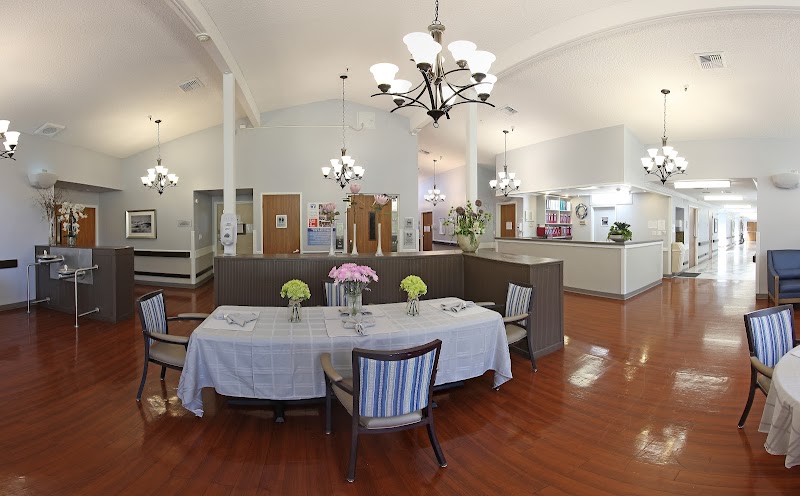
How is Lawton Skilled Nursing & Rehabilitation Center Staffed?

CMS rates LAWTON SKILLED NURSING & REHABILITATION CENTER's staffing level at 4 out of 5 stars, which is above average compared to other nursing homes. Staff turnover is 40%, compared to the California average of 46%. This relatively stable workforce can support continuity of care.

What Have Inspectors Found at Lawton Skilled Nursing & Rehabilitation Center?

State health inspectors documented 21 deficiencies at LAWTON SKILLED NURSING & REHABILITATION CENTER during 2019 to 2024. These included: 21 with potential for harm.
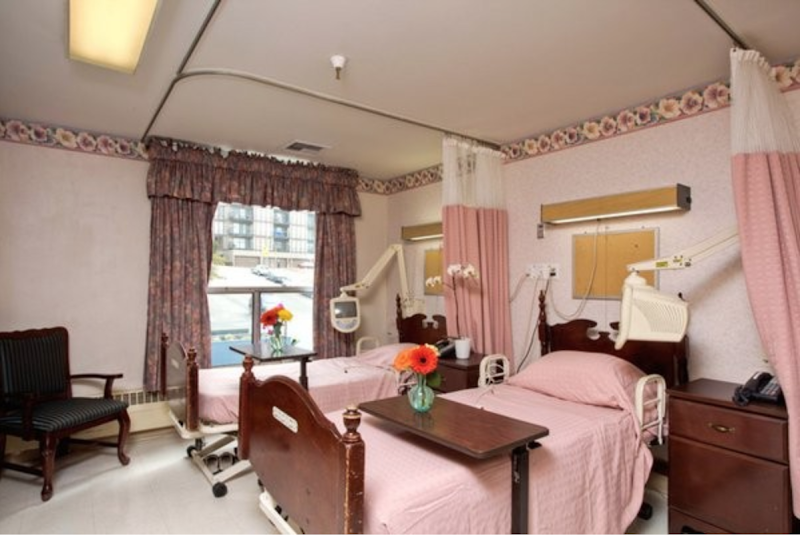
Who Owns and Operates Lawton Skilled Nursing & Rehabilitation Center?

LAWTON SKILLED NURSING & REHABILITATION CENTER is owned by a for-profit company. For-profit facilities operate as businesses with obligations to shareholders or private owners. The facility is operated by GENERATIONS HEALTHCARE, a chain that manages multiple nursing homes. With 68 certified beds and approximately 54 residents (about 79% occupancy), it is a smaller facility located in SAN FRANCISCO, California.
How Does Lawton Skilled Nursing & Rehabilitation Center Compare to Other California Nursing Homes?

Compared to the 100 nursing homes in California, LAWTON SKILLED NURSING & REHABILITATION CENTER's overall rating (5 stars) is above the state average of 3.2, staff turnover (40%) is near the state average of 46%, and health inspection rating (4 stars) is above the national benchmark.

What Should Families Ask When Visiting Lawton Skilled Nursing & Rehabilitation Center?

Based on this facility's data, families visiting should ask: "Can I visit during a mealtime to observe dining assistance and food quality?" "How do you handle medical emergencies, and what is your hospital transfer rate?" "Can I speak with family members of current residents about their experience?"

Is Lawton Skilled Nursing & Rehabilitation Center Safe?

Based on CMS inspection data, LAWTON SKILLED NURSING & REHABILITATION CENTER has a clean safety record: no substantiated abuse findings (meaning no confirmed cases of resident harm), no Immediate Jeopardy citations (the most serious violation level indicating risk of serious injury or death), and is not on the Special Focus Facility watch list (a federal program monitoring the lowest-performing 1% of nursing homes). The facility has a 5-star overall rating and ranks #1 of 100 nursing homes in California. While no facility is perfect, families should still ask about staff-to-resident ratios and recent inspection results during their visit.

Do Nurses at Lawton Skilled Nursing & Rehabilitation Center Stick Around?

LAWTON SKILLED NURSING & REHABILITATION CENTER has a staff turnover rate of 40%, which is about average for California nursing homes (state average: 46%). Moderate turnover is common in nursing homes, but families should still ask about staff tenure and how the facility maintains care continuity when employees leave.

Was Lawton Skilled Nursing & Rehabilitation Center Ever Fined?

LAWTON SKILLED NURSING & REHABILITATION CENTER has no federal fines on record. CMS issues fines when nursing homes fail to meet care standards or don't correct problems found during inspections. The absence of fines suggests the facility has either maintained compliance or corrected any issues before penalties were assessed. This is a positive indicator, though families should still review recent inspection reports for the full picture.

Is Lawton Skilled Nursing & Rehabilitation Center on Any Federal Watch List?

LAWTON SKILLED NURSING & REHABILITATION CENTER is not on any federal watch list. The most significant is the Special Focus Facility (SFF) program, which identifies the bottom 1% of nursing homes nationally based on persistent, serious quality problems. Not being on this list means the facility has avoided the pattern of deficiencies that triggers enhanced federal oversight. This is a positive indicator, though families should still review the facility's inspection history directly.