CITY VIEW POST ACUTE
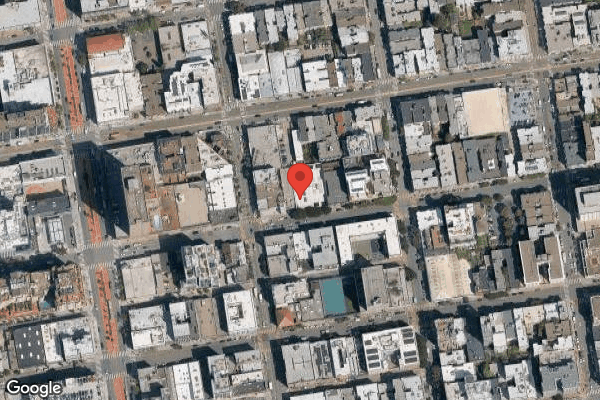
1359 PINE STREET, SAN FRANCISCO, CA 94109 (415) 673-8405
For profit - Limited Liability company 180 Beds PACS GROUP Data: November 2025
Trust Grade
65/100
#46 of 1155 in CA
Last Inspection: October 2024

Within standard 12-15 month inspection cycle. Federal law requires annual inspections.

Overview

City View Post Acute in San Francisco has a Trust Grade of C+, indicating that it is slightly above average but not without its concerns. Ranking #46 out of 1,155 facilities in California places it in the top half, and #3 out of 17 in San Francisco County means only two local options are better. The facility is improving, with issues decreasing from 19 in 2024 to just 3 in 2025. Staffing is a strength, with a 4/5 star rating and a turnover rate of 38%, which is in line with state averages. However, there are some serious concerns, including a failure to properly monitor skin conditions for residents and neglect regarding call light response times. Additionally, the facility has incurred fines totaling $42,528, which is average for California. Despite these weaknesses, the facility boasts strong RN coverage, exceeding that of 78% of other state facilities, which is beneficial for resident care.

Trust Score
C+
65/100
In California
#46/1155
Top 3%
Safety Record
Moderate
Needs review
Inspections
Getting Better
19 → 3 violations
Staff Stability
○ Average
38% turnover. Near California's 48% average. Typical for the industry.
Penalties
✓ Good
$42,528 in fines. Lower than most California facilities. Relatively clean record.
Skilled Nurses
○ Average
Each resident gets 38 minutes of Registered Nurse (RN) attention daily — about average for California. RNs are the most trained staff who monitor for health changes.
Violations
⚠ Watch
43 deficiencies on record. Higher than average. Multiple issues found across inspections.
★★★★★
5.0
Overall Rating
★★★★☆
4.0
Staff Levels
★★★★★
5.0
Care Quality
★★★★☆
4.0
Inspection Score
Stable
2024: 19 issues
2025: 3 issues

The Good

  • 4-Star Staffing Rating · Above-average nurse staffing levels
  • 5-Star Quality Measures · Strong clinical quality outcomes
  • Full Sprinkler Coverage · Fire safety systems throughout facility
  • No fines on record
  • Staff turnover below average (38%)

    10 points below California average of 48%

Facility shows strength in staffing levels, quality measures, fire safety.

The Bad

Staff Turnover: 38%

Near California avg (46%)

Typical for the industry

Federal Fines: $42,528

Above median ($33,413)

Moderate penalties - review what triggered them

Chain: PACS GROUP

Part of a multi-facility chain

Ask about local staffing decisions and management

The Ugly 43 deficiencies on record

2 actual harm
May 2025 2 deficiencies
CONCERN (D) 📢 Someone Reported This

A family member, employee, or ombudsman was alarmed enough to file a formal complaint

Potential for Harm - no one hurt, but risky conditions existed

Deficiency F0554 (Tag F0554)

Could have caused harm · This affected 1 resident

**NOTE- TERMS IN BRACKETS HAVE BEEN EDITED TO PROTECT CONFIDENTIALITY** Based on observation, interview, and record review, the facility failed to ensure self-administration of medications was clinica...

Read full inspector narrative →
**NOTE- TERMS IN BRACKETS HAVE BEEN EDITED TO PROTECT CONFIDENTIALITY** Based on observation, interview, and record review, the facility failed to ensure self-administration of medications was clinically appropriate when one of four sampled residents (Resident 2) was allowed to do so without the assessment and approval of the interdisciplinary team (facility staff members who coordinate the care provided to the residents). This failure had the potential to result in unsafe medication administration or omission of medications. Findings: Review of Resident 2's admission record indicated, Resident 2 was admitted on [DATE] with diagnoses including hypertension (high blood pressure) and pulmonary embolism (occurs when a blood clot gets stuck in an artery in the lung, blocking blood flow to part of the lung). Review of Resident 2's Minimum Data Set (MDS, a federally mandated resident assessment tool), dated 3/15/25 indicated Resident 2 had moderate cognitive impairment (a noticeable decline in thinking and learning abilities that significantly impacts daily life). During a concurrent observation in Resident 2's room and interview on 5/5/25 at 11:35 AM, an unlabeled transparent medicine cup containing two medication tablets was on the overbed table next to Resident 2's right side of the bed. Resident 2 reached for the medication cup and administered the medications. Resident 2 stated, They're Eliquis (a blood thinner) and Metoprolol (used to treat high blood pressure). Resident 2 stated, The nurse brought them (medications) here early morning. I told her to leave them there (pointed at the overbed table) so I could take them later. During a concurrent interview and record review on 5/5/25 at 2:46 PM, with the Director of Nursing (DON), DON stated Resident 2 is allowed to self-administer medications if she has been evaluated by the physician and a care plan for self-administration has been created. The DON stated, We check with the doctor that the resident is capable of taking medications for themselves . to ensure that the residents understand what they're taking. They might take medications incorrectly. The DON reviewed Resident 2's clinical records and stated, There's none. I don't see the self-administration evaluation and care plan for self-administration). Review of Resident 2's physician's orders for May 2025 indicated Eliquis Oral Tablet 2.5 mg (milligrams) . Give 1 (one) tablet by mouth two times a day for hx (history) of pulmonary embolism), last order date: 4/23/25 and Metoprolol Tartrate Oral Tablet 25 mg . Give 1 tablet by mouth two times a day for HTN (hypertension). Take with food. Hold for SBP (systolic blood pressure - the top number in a blood pressure reading) < (less than) 100, HR (heart rate <60), last order date: 9/24/24. Review of facility's policy and procedure, titled Administering Medications, dated April 2019, indicated Policy statement - Medications are administered in a safe and timely manner, and as prescribed. Policy Interpretation and Implementation .27. Residents may self-administer their own medications only if the attending physician, in conjunction with the interdisciplinary care planning team, has determined that they have the decision-making capacity to do so safely.
CONCERN (D) 📢 Someone Reported This

A family member, employee, or ombudsman was alarmed enough to file a formal complaint

Potential for Harm - no one hurt, but risky conditions existed

Deficiency F0676 (Tag F0676)

Could have caused harm · This affected 1 resident

Based on observation, interview, and record review, the facility failed to provide necessary care and services to one of four sampled residents (Resident 1) when Resident 1's fingernails were not kept...

Read full inspector narrative →
Based on observation, interview, and record review, the facility failed to provide necessary care and services to one of four sampled residents (Resident 1) when Resident 1's fingernails were not kept clean. This failure had the potential for Resident 1's fingernails to harbor germs and bacteria that could contribute to spread of infection. Findings: During a concurrent observation and interview on 5/5/25 at 1:35 PM, Resident 1 was lying in bed, awake, with her hands placed on her chest. Resident 1 stated, You see my nails. They're nasty. No one comes here to clean my nails. I have been asking them to do it, no one does it. The underside of all of Resident 1's fingernails had black-colored matter. Resident 1 stated, I don't want my nails dirty. During a concurrent observation of Resident 1's fingernails and interview on 5/5/25 at 1:47 PM, Licensed Vocational Nurse (LVN) 1 stated, They're dirty. That's dirt under the nails. LVN 1 added, That could be an infection issue. We need to keep them clean to prevent infection. During an interview on 5/5/25 at 4:02 PM, The Director of Nursing (DON) stated the Certified Nursing Assistants (CNA) are responsible for the daily cleaning of the residents' fingernails to ensure their (residents) nails are cleaned .to prevent infection. Review of the facility's policy and procedure (P&P), titled Fingernails/Toenails, Care of, dated 2/2018, indicated, Purpose - The purposes of this procedure are to clean the nail bed, to keep nails trimmed, and to prevent infections . General Guidelines 1. Nail care includes daily cleaning and regular trimming. 2. Proper nail care can aid in the prevention of skin problems around the nail bed .
Apr 2025 1 deficiency
CONCERN (E) 📢 Someone Reported This

A family member, employee, or ombudsman was alarmed enough to file a formal complaint

Potential for Harm - no one hurt, but risky conditions existed

Quality of Care (Tag F0684)

Could have caused harm · This affected multiple residents

Based on observation, interview, and record review, the facility failed to provide needed care and treatment for two of three sampled residents (Resident 1 and Resident 2) when: 1. The facility faile...

Read full inspector narrative →
Based on observation, interview, and record review, the facility failed to provide needed care and treatment for two of three sampled residents (Resident 1 and Resident 2) when: 1. The facility failed to provide a therapeutic environment conducive for sleep and address difficulty sleeping for Resident 1. 2. The facility failed to implement interventions for insomnia (persistent problems falling asleep and staying asleep), paranoia (excessive mistrust and suspicion of others) that could have contributed to the consistent yelling and screaming for Resident 2. The facility failure resulted to ongoing difficulty sleeping for Resident 1, and ongoing behavioral problems with Resident 2. Findings: a. A review of the face sheet indicated Resident 1 was admitted with diagnoses including squamous cell carcinoma of the anal skin (a type of cancer) and diabetes (abnormally high blood sugar level). During an interview on 4/9/25, at 1:05 PM, Resident 1 stated, It's difficult to sleep here because there is a person yelling and screaming constantly. If I ever get to sleep, I'll be awakened because she screams and yells all the time. It used to be a yelling matched with another resident who was obviously bothered by that person's yelling and screaming. It didn't matter what time of the day. I have cancer, I'm here for rehabilitation (a process to restore mental and/or physical abilities lost to injury or disease). This is not rehabilitation. I attempted to address the seriousness of the problem and spoke with the nurses, social worker, and the manager (Operations Manager, OM). The Manager [named] was dismissive. The SW, the manager [named], they all said the other resident have rights. That made me feel angry. How about my rights? I wondered if I have rights to a peaceful rest and sleep. I mean, you can't be yelling and screaming in the middle of the night, in early morning waking people up. Apparently, she has all the rights. I just wanted them to do something about it. They gave me a headphone, it didn't help. I can still hear her. Nothing was done. Nothing that I know of. Resident 1 further stated he was just waiting for his wound to get better, go home, and get some sleep. During an interview on 4/9/25, at 2:47 PM, Nurse Manager (NM) stated Resident 1 complained of noise and it was Resident 2 who yells and screams. NM stated that Resident 1 was provided with a headphone. NM reviewed the clinical record and stated Resident 1's problem getting sleep was not assessed and not monitored. NM further reviewed the clinical record and stated there was no care plan developed to address Resident 1's difficulty getting sleep. During an interview on 4/9/25, at 3:33 PM, Social Service Designee (SSD) stated that the SW for the Resident 1 has ended her employment with the facility. SSD acknowledged that Resident 1 has a serious medical condition and stated should be provided with a comfortable, quieter place. During an interview on 4/9/25, at 3:56 PM, the Director of Staff Development stated, All residents have rights. Every resident's concern should be addressed. The noise is a big issue and the source should investigated. If a resident cannot sleep because of a resident yelling and screaming, the other resident's right to sleep was violated. During an interview on 4/9/25, at 4:19 PM, The Operations Manager (OM) stated she met with Resident 1 who was unhappy with the noise level in the unit. OM further stated she told Resident 1 that she will address the situation. The OM acknowledged there was no documentation of the meeting to address Resident 1's difficulty getting sleep due to the yelling and screaming of Resident 2. During an interview on 4/15/25, at 11:28 AM, Assistant Director of Nursing acknowledged the facility did not evaluate the effectiveness of the headphone provided to Resident 1 as intervention to his difficulty getting sleep due to Resident 2 yelling and screaming. During an interview on 4/15/25, at 2:05 PM, the Director of Nursing acknowledged Resident 1's difficulty getting sleep due to Resident 2 yelling and screaming was not addressed. The DON reviewed the Grievance log and acknowledged Resident 1 concerns was not addressed. A review of the Policy and Procedure titled, Accommodation of Needs dated 2001, indicated, .Our facility's environment and staff behaviors are directed toward assisting the resident in maintaining and/or achieving safe independent functioning, dignity, and well-being .The resident's individual needs and preferences are accommodated to the extent possible, except when the health and safety of the individual or other residents would be endangered . A review of the Policy and Procedure titled, Homelike Environment dated 2/2021, indicated, .Residents are provided with safe, clean comfortable and homelike environment and encouraged to use their personal belongings to the extent possible .Staff provides person-centered care that emphasize residents' comfort, independence and personal needs and preferences .The facility staff and management maximizes, to the extent possible, the characteristics of the facility that reflect a personalized, homelike setting. These characteristics include: .comfortable sound levels . A review of the Policy and Procedure titled, Grievance/Complaints, filing dated 2001, indicated, .Any resident, family member, or appointed resident, representative may file a grievance or complaint concerning care, treatment, behavior of other residents, staff members, theft of property, or any other concerns regarding his/her stay at the facility. Grievances also may be voiced or filed regarding care that has not been furnished .Upon receipt of the grievance and/or complaint, the grievance officer will review and investigate the allegations and submit a written report of such finding to the administrator within five working days of receiving the grievance and/or complaint .The grievance officer, administrator and staff will take immediate action to prevent further potential violations of the resident rights while the alleged violations is being investigated. The administrator, and or his or her designee, will review the findings with grievance officer to determine what corrective actions, if any, need to be taken .The resident, or person filing the grievance and/or complaint on behalf of the resident, will be informed (verbally and in writing) of the findings of the investigation and the action that will be taken to correct any identified problems. The administrator, or his or her designee, will make such reports orally with 7 working days of the filing of the grievance or complaint with the facility. A written summary of the investigations will also be provided to the resident, and a copy will be filed in the business office . b. A review of the face sheet indicated Resident 2 was admitted with diagnoses including dementia (decline in memory or other thinking skill) and encephalopathy (a brain disease that may cause confusion and personality changes). A review of the Minimum Data Set (MDS, a standard assessment tool) dated 12/13/24, Brief Interview Mental Status (BIMS, a brief memory test to help determine cognitive function including memory, recall, or decision-making ability) score of 5 indicated severe cognitive impairment (rarely/never made decisions). During an interview on 4/15/25, at 10:52 AM, Registered Nurse stated, Resident 2 yells and screams in different times of the day. During an interview on 4/15/25, at 11:17 PM, Certified Nurse Assistant (CNA, caregiver) 1 stated, Resident 2 yells and screams even at nighttime, refusing to stay in the room or sleep in her bed. CNA further stated Resident 1 thinks someone in her bedroom wants to kill her. CNA stated Resident 2 had been occupying the bedroom since last year. During an interview on 4/15/25, at 11:28 AM, Assistant Director of Nursing (ADON) stated, she had received notifications from the night shift staff regarding Resident 2's unmanageable yelling and screaming bothering other residents' sleep. ADON further stated that Resident 2 yells and screams without provocation. A review of the psychiatry notes for Resident 2 dated 10/12/24, indicated, .Quite a lot of problem behavior during her time here. One room change because she just started sleeping in a different room. Has been afraid to go into her own room at night. Has slept in the wheelchair or in a bed in the hall, accused nurses of poisoning her .She doesn't feel safe here .Impression: dementia with behavioral disturbance, insomnia. Overly activated and contentious, with paranoia . A review of the psychiatry (treatment and prevention of mental, emotional and behavioral disorders) notes dated 11/14/24, indicated, Resident 2 was afraid to go into her own room at night and stated she feared for her life. The psychiatry notes further stated, .She is paranoid, irrational fear of healthcare providers . A review of the psychiatry notes dated 11/27/24, indicated, .She is paranoid .behavior is out of control, she is aggressive and makes it very hard to care for her . A review of the psychiatry note dated 12/29/24, indicated, .On 12/20 she was agitated, yelled, said someone was trying to kill her, was physically aggressive .She is paranoid . A review of the behavior monitoring indicated, Resident 2 yells and screams on day, evening, and night shifts, four to six days in a week on months of 2/2025, 3/2025, and 4/2025. During an interview and record review on 4/15/25, at 11:07 AM, the Unit Manager (UM) stated he reviews the psychiatry visit notes and acknowledged the Resident 2 was identified with insomnia and paranoia. The UM reviewed the clinical records and acknowledged there was no care plan developed, and interventions implemented to address insomnia and paranoia for Resident 2. During an interview on 4/16/25, at 2:50 PM, the MDS acknowledged the MDS completed on 12/2024 and 3/2025, did not include insomnia and paranoia. The MDS nurse (resident assessment nurse /coordinator) further acknowledged the MDS completed on 3/2025, did not reflect the documented behavior manifestation during the observation period. MDS nurse stated, the psychiatry consultation notes can also be a source in completing the MDS. MDS stated that the nurses usually tells him if a resident has new diagnosis. The MDS nurse further stated the social worker should have not entered zero (0) since Resident 2 manifested behaviors during the observation period. During an interview on 4/15/25, at 2:05 PM, the Director of Nursing acknowledged Resident 2 was identified by the psychiatry services with insomnia and paranoia since 2024. The DON acknowledged there no monitoring, no care plan developed with intervention implemented to address insomnia and paranoia for Resident 2. The DON further acknowledged the inaccurate entries in MDS completed on 12/23/24 and 3/15/2025 for Resident 2. A review of the Policy and Procedure titled Behavioral Assessment, Intervention and Monitoring, dated 3/2015, indicated, .As part of comprehensive assessment, staff will evaluate, based on input from the resident, family and caregivers, review of the medical record and general observations . New onset or changes in behavior will be documented regardless of the degree of risk to the resident or others .The interdisciplinary team will thoroughly evaluate new or changing behavior symptoms in order to identify underlying causes and address any modifiable factors that may have contributed to the resident's change in condition .emotional, psychiatric and or psychological stressors: . fear sleep disturbances .The interdisciplinary team will evaluate behavioral symptoms in residents to determine the degree of severity, distress and potential safety risk to the resident, and develop a plan of care accordingly. Safety strategies will be implemented immediately if necessary to protect the resident and others from harm . The care plan will incorporate findings from the comprehensive assessment and be consistent with current standards of practice . Interventions will be individualized and part of an overall care environment that supports physical, functional and psychosocial needs, and strives to understand, prevent or relieve the resident's distress .The IDT will monitor the progress of the individuals with impaired cognition and behavior until stable. New or emergent symptoms will be documented and reported . A review of the Policy and Procedure titled Care Plans, Comprehensive Person-Centered dated 3/2022, indicated, A comprehensive, person-centered care plan should include measurable objectives and timetables to meet the resident's physical, psychosocial and functional needs .A comprehensive, person-centered care plan for the resident should be developed by the interdisciplinary team, with input from the resident, and his/her family or legal representative .The care plan interventions should be derived from information obtained from the comprehensive assessment .The comprehensive assessment, person-centered care plan should include measurable objectives and time frames; describe the services that are to be furnished in an attempt to assist the resident attain or maintain that level of physical, mental ad psychosocial wellbeing that the resident desires or that is possible, including services that would otherwise be provided for the above, but are not provided due to the resident exercising his or her rights .The IDT should review and updates the care plan when there has been a significant change in resident's condition .
Oct 2024 2 deficiencies
CONCERN (D)

Potential for Harm - no one hurt, but risky conditions existed

PASARR Coordination (Tag F0644)

Could have caused harm · This affected 1 resident

Based on interview, record review, and facility policy review, the facility failed to refer the resident to the appropriate state-designated authority for Level II PASARR evaluation after the resident...

Read full inspector narrative →
Based on interview, record review, and facility policy review, the facility failed to refer the resident to the appropriate state-designated authority for Level II PASARR evaluation after the resident was identified to have a newly evident mental illness diagnosis for 2 (Resident #56 and Resident #86) of 7 sample residents reviewed for preadmission screening and resident review (PASARR). Findings included: An undated facility policy titled, Admissions Criteria, did not indicate the procedure staff should follow should a resident be diagnoses with a newly evidence or possible serious mental disability, intellectual disability, or a related condition. 1. An admission Record revealed the facility admitted Resident #56 on 05/03/2016. According to the admission Record, the resident had a medical history that included diagnoses of gastro-esophageal reflux disease without esophagitis, constipation, and age-related osteoporosis. Per the admission Record, the resident received a diagnosis of psychotic disorder with delusions on 11/15/2021. A quarterly Minimum Data Set (MDS), with an Assessment Reference Date (ARD) of 09/08/2024, revealed Resident #56 had a Brief Interview for Mental Status (BIMS) score of 5, which indicated the resident had severe cognitive impairment. The MDS indicated the resident had an active diagnosis to include psychotic disorder. Resident #56's care plan included a focus area initiated 03/07/2024 that indicated the resident had a diagnosis of psychotic disorder with delusions. Resident #56's medical record revealed no evidence to indicate the resident was referred to the appropriate state-designated authority for a Level II PASARR after the resident received a diagnosis of psychotic disorder with delusions on 11/15/2021. 2. An admission Record revealed the facility admitted Resident #86 on 08/16/2019. According to the admission Record, the resident had a medical history to include diagnoses of anemia and unsteadiness on feet. Per the admission Record, the resident received a diagnosis of psychotic disorder with hallucinations on 12/28/2021, psychosis on 07/12/2022, and adjustment disorder with anxiety on 07/20/2022. An annual Minimum Data Set (MDS), with an Assessment Reference Date (ARD) of 08/08/2024, revealed Resident #86 had a Staff Assessment for Mental Status (SAMS) that indicated the resident was severely impaired in cognitive skills for daily decision making, with long and short-term memory problems. According to the MDS, the resident had an active diagnoses to include psychotic disorder, adjustment disorder with anxiety. Resident #86's care plan, included a focus area initiated 08/22/2023, that indicated the resident used psychotropic medication due to a diagnosis of psychotic disorder with hallucinations. Resident #86's Order Summary Report, that contained active orders as of 10/23/2024, revealed an order dated 08/21/2024, for Zyprexa (an antipsychotic medication) tablet 5 milligrams, give one tablet by mouth at bedtime or psychosis. Resident #86's medical record revealed no evidence to indicate the resident was referred to the appropriate state-designated authority for a Level II PASARR after the resident received a diagnosis of psychotic disorder with hallucinations on 12/28/2021, psychosis on 07/12/2022, or adjustment disorder with anxiety on 07/20/2022. During an interview on 10/23/2024 at 2:52 PM, the Director of Nursing (DON) stated a new Level I would be done, if a resident received a new mental illness diagnosis. During a follow-up interview on 10/23/2024 at 3:39 PM, the DON stated a new PASARR would only be done if the resident's severe mental illness was the cause of the significant change with the resident. The DON indicated that since there was no significant change in function, along with the new mental illness diagnosis for Resident #56 and Resident #86, there was no need for a new Level I PASARR.
CONCERN (D)

Potential for Harm - no one hurt, but risky conditions existed

Deficiency F0645 (Tag F0645)

Could have caused harm · This affected 1 resident

Based on interview, record review, and facility policy review, the facility failed to ensure a new Level I screening was completed for 1 (Resident #37) of 7 sampled residents reviewed for preadmission...

Read full inspector narrative →
Based on interview, record review, and facility policy review, the facility failed to ensure a new Level I screening was completed for 1 (Resident #37) of 7 sampled residents reviewed for preadmission screening and resident review (PASARR). Findings included: An undated facility policy titled, admission Criteria, specified, 9. All new admissions and readmissions are screened for mental disorders (MD), intellectual disabilities (ID), or related disorders (RD) per the Medicaid Pre-admission Screening and Resident Review (PASARR) process. The policy specified, b. When/if the level I screen indicates that the individual may meet the criteria for a MD, ID, or RD, he or she is referred to the state PASARR representative by the system for the Level II (evaluation and determination) screening process. An admission Record revealed the facility admitted Resident #37 on 06/21/2023. According to the admission Record, the resident had a medical history to include a diagnosis of schizophrenia. A quarterly Minimum Data Set (MDS), with an Assessment Reference Date (ARD) of 09/28/2024, revealed Resident #37 had a Brief Interview for Mental Status (BIMS) of 7, which indicated the resident had severe cognitive impairment. According to the MDS, the resident had active diagnosis to include schizophrenia. Resident #37's Order Summary Report, that contained active orders as of 10/23/2024, revealed an order dated 09/26/2024, for haloperidol (an antipsychotic medication) oral tablet 5 milligrams, give 1.5 tablet by mouth one time a day for schizophrenia. A letter from the California Department of Health Care Services (DHCS), dated 06/24/2024, indicated DHCS was unable to complete Resident #37's Level II evaluation due to the facility staff being unresponsive to two or more separate attempts of communication within 48 hours of the resident's Level I screening. Per the letter, to reopen the case, the facility must submit a new Level I screening for resident review. During an interview on 10/23/2024 at 3:39 PM, the Director of Nursing (DON) stated the facility missed the calls related to DHCS's follow-ups for Resident #37's Level II PASARR. During an interview on 10/24/2024 at 9:04 AM, the DON stated it was facility expectation that if DHCS contacted the facility and was unable to reach anyone, the facility should have called and sorted out the Level II PASARR or redid the Level I PASARR. Per the DON, the facility missed the telephone calls, and the instructions on the letter to redo the Level I PASARR.
Sept 2024 1 deficiency
CONCERN (D) 📢 Someone Reported This

A family member, employee, or ombudsman was alarmed enough to file a formal complaint

Potential for Harm - no one hurt, but risky conditions existed

Deficiency F0661 (Tag F0661)

Could have caused harm · This affected 1 resident

**NOTE- TERMS IN BRACKETS HAVE BEEN EDITED TO PROTECT CONFIDENTIALITY** Based on observation, interview, and record review, the facility failed to accurately reconcile post-discharge medications for o...

Read full inspector narrative →
**NOTE- TERMS IN BRACKETS HAVE BEEN EDITED TO PROTECT CONFIDENTIALITY** Based on observation, interview, and record review, the facility failed to accurately reconcile post-discharge medications for one out of three sampled residents (Resident 1) when Resident 1 was discharged home with another resident's medication (Resident 2). This failure has the potential to result in a medication error after discharge if Resident 1 were to take medications that were not prescribed to them. Findings: A review of Resident 1's MDS, dated [DATE], indicated that Resident 1 had a Brief Interview for Mental Status (BIMS, a cognitive screening tool) score of 6 (scores of 0-7 suggests severe cognitive impairment, 9 to 12 suggests moderate cognitive impairment, and 13 to 15 suggest that cognition is intact). A review of Resident 1's discharge summary note, dated 09/11/24, indicated that that Resident 1 was discharged on 09/11/24 and Post Discharge Plan of Care form filled out and signed by patient. All medications and follow up appointments reviewed by patient. A review of Resident 1's Post-Discharge Plan of Care, dated 09/11/24, indicated that Licensed Vocational Nurse (LVN) 1 discharged Resident 1 with medications including Amlodipine (medication used to control blood pressure), Aripiprazole (medication used to treat mania), Atorvastatin (medication used to lower fat in blood), Calcitriol (medication use to treat low calcium), Clopidogrel (blood thinning medication), Jardiance (medication for blood sugar control), Latanoprost solution (eye drop medication to reduce eye pressure), Memantine (medication used to treat dementia), Metoprolol (medication used to control blood pressure), Mirtazapine (medication to treat depression), and Triamcinolone (a cream used to decrease redness and swelling). During an interview on 09/19/24 at 1:50 PM with LVN 1, LVN 1 recalled discharging Resident 1. LVN 1 stated that they went over the physician's discharge instructions, but they did not open the bag of medications that they handed to the resident prior to discharge. During an interview on 09/19/24 at 2:22 PM with Nurse Manager (NM) 1, NM 1 stated that the following day after Resident 1's discharge, Resident 1's sister returned to the facility with a whole bag of medications. NM 1 stated that the medications from Resident 1's sister was was a different patient's medication. NM 1 stated that the medication that was returned to the facility was labeled for Resident 2. During an interview on 09/19/24 at 2:58 PM with the Director of Nursing (DON), the DON stated she expected nursing staff to open up the bag [of medications] and compare it to the discharge medication list prior to the time of discharge. During a concurrent observation and interview on 09/20/24 at 12:00 PM with NM 1 at the 5th floor nurses' station, five blister packs (a package for medication where each dose is individually encased) of medication were observed labeled for Resident 2. The blister backs were dated 09/10/24 with Resident 2's name and were for the following medications: Quetiapine (medication for mania), Gabapentin (medication that affects the nerves), Eliquis (a blood thinning medication), Benztropine (medication to help with muscle control), and Oxycodone (a strong pain reliver). NM 1 stated that these five medications were the returned by Resident 1's sister.
May 2024 2 deficiencies
CONCERN (D) 📢 Someone Reported This

A family member, employee, or ombudsman was alarmed enough to file a formal complaint

Potential for Harm - no one hurt, but risky conditions existed

Quality of Care (Tag F0684)

Could have caused harm · This affected 1 resident

**NOTE- TERMS IN BRACKETS HAVE BEEN EDITED TO PROTECT CONFIDENTIALITY** Based on interview and record review, the facility failed to provide the necessary care and services to one of three sampled res...

Read full inspector narrative →
**NOTE- TERMS IN BRACKETS HAVE BEEN EDITED TO PROTECT CONFIDENTIALITY** Based on interview and record review, the facility failed to provide the necessary care and services to one of three sampled residents (Resident 1) when the physician's order for magnetic resonance imaging (MRI, a medical imaging procedure that uses a magnetic field and radio waves to take pictures of the body's internal parts) was not carried out timely. This failure caused a delay in provision of services and had the potential to negatively impact Resident 1's physical, mental, and psychosocial well-being. Findings: Resident 1 was admitted on [DATE] with diagnoses that include chronic pain syndrome (pain that lasts longer than three months). During an interview on 3/21/24 at 11:21 AM, Resident 1 stated, My legs hurt 24 hours a day. I'm in so much pain. I have had this (chronic pain) a long time, for several years . it burns, spasms from my ankles to my legs, to my hips. Resident 1 stated pain is severe most of the time. It starts from my feet, goes up to my legs, hits both knees. I have no idea what causes it. I want MRI for my pain. I just want to know if I have cancer. During an interview on 5/17/24 at 11:23 AM, Resident 1 stated, MRI not done yet. Apparently, (name of physician) asked for results, I guess they don't have it. Review of Resident 1's Order Summary Report, dated 11/1/23 to 4/30/24, indicated MRI without contrast (use of dye to highlight specific parts of the soft tissue of a body part) of lumbar spine (lower back) . Order date . 3/25/24. During an interview on 5/17/24 at 12:19 PM, Licensed Vocational Nurse (LVN) 1 stated, (Name of physician) came and asked if the MRI was scheduled. At that time, we were not aware that there was an order for her (Resident 1). We found out an order was placed on 3/25/24. LVN 1 stated, On 3/26/24, the MRI order was seen by the night nurse. At that time, she should have informed the SW, (who) takes care of outpatient referrals. During an interview on 5/17/24 at 2:07 PM, Social Worker (SW) 1 stated, I was not aware of MRI referral. At that time (referring to 3/26/24), it should have been referred to the SW for outpatient referrals. I was not informed until the re-order. Review of Resident 1's Order Summary Report, dated 11/1/23 to 4/30/24, indicated MRI without contrast of lumbar spine, was re-ordered on 4/17/24. During an interview on 5/17/24 at 4:24 PM, the Director of Nursing (DON) stated regarding physician's orders, As soon as they (licensed nurses) are able to, they should follow up appropriately to appropriate staff if it is something they would not do per se. In this case, the SW is responsible for referral. Whoever sees it (physician's order) first should inform the appropriate staff. The DON verified the physician's order for MRI on 3/25/24 was not carried out and the physician had to re-order it on 4/17/24. The DON added, Doctor's (physician) orders should be carried out as soon as possible. It should have been communicated to the SW sooner. Staff should have followed up. It may cause delay in services (when physician's orders are not carried out timely.) Review of the facility policy, tiled Medication and Treatment Orders, last revised on 7/16, indicated Policy Interpretation and Implementation .7. Licensed nurses will carry out orders from the physician through verbal, telephone, or electronic and must be recorded immediately in the resident's chart by the licensed nurse receiving the order and must include prescriber's last name, credentials, the date and the time of the order.
CONCERN (D) 📢 Someone Reported This

A family member, employee, or ombudsman was alarmed enough to file a formal complaint

Potential for Harm - no one hurt, but risky conditions existed

Pharmacy Services (Tag F0755)

Could have caused harm · This affected 1 resident

**NOTE- TERMS IN BRACKETS HAVE BEEN EDITED TO PROTECT CONFIDENTIALITY** Based on interview and record review, the facility failed to ensure prescribed medication was available to administer to one of ...

Read full inspector narrative →
**NOTE- TERMS IN BRACKETS HAVE BEEN EDITED TO PROTECT CONFIDENTIALITY** Based on interview and record review, the facility failed to ensure prescribed medication was available to administer to one of three sampled residents (Resident 1). This failure created a risk for poor health outcome to Resident 1. Finding: Resident 1 was admitted on [DATE] with diagnoses that include chronic obstructive pulmonary disease (COPD, a common lung disease causing restricted airflow and breathing problems). During an interview on 5/17/24 at 11:23 AM, Resident 1 stated, I get short of breath, this is chronic . I've always had this because of my COPD. They (facility staff) know that. That's why I have inhaler. Review of Resident 1's Order Summary Report, dated 11/1/23 to 4/30/24, indicated Trelegy Ellipta (also known as (fluticasone furoate, umeclidinium, & vilanterol) Inhaler Aerosol (a substance released in very fine mist) Powder breath activated 200-62.5-25 mcg(micrograms)/actuation (delivery of a dose of medicine as a mist with the use of an inhaler [a small handheld device that delivers medication directly to the lungs]) 1 puff inhale orally (by mouth) for COPD (start date: 11/8/23). During a concurrent interview with the DON and review of Resident 1's medical records, on 5/17/24 at 4:24 PM, the Medication Administration Record (MAR) for February 2024, indicated Trelegy Ellipta was not administered to Resident 1 on 2/9/24, 2/10/24, 2/12/24, 2/13/24, 2/15/24, 2/16/24, and 2/17/24. The DON stated Trelegy Ellipta was not given due to the medication was out of stock. The DON added, They (licensed nurses) should have re-ordered (from the pharmacy) it as soon as they noticed it's about to run out. Review of Resident 1's Progress Notes, dated 2/9/24, 2/10/24, 2/12/24, 2/13/24, 2/15/24, and 2/16/24 indicated Trelegy Ellipta was out of order (indicating medication was out of stock). LN (licensed nurse) re-ordered. The DON stated not having Trelegy Ellipta available for administration could worsen (Resident 1's) respiratory symptoms. They should have notified the doctor. Communication with the doctor is important. Review of the undated facility policy titled, Medication Orders and Receipt Record, indicated, Policy Interpretation and Implementation . Medications should be ordered in advance, based on the dispensing pharmacy's required lead time .
Feb 2024 3 deficiencies
CONCERN (D) 📢 Someone Reported This

A family member, employee, or ombudsman was alarmed enough to file a formal complaint

Potential for Harm - no one hurt, but risky conditions existed

Deficiency F0552 (Tag F0552)

Could have caused harm · This affected 1 resident

Based on observation, interview, and record review the facility failed to ensure the resident's care planning and implementation was communicated efficiently to the family when: 1.The son of Resident-...

Read full inspector narrative →
Based on observation, interview, and record review the facility failed to ensure the resident's care planning and implementation was communicated efficiently to the family when: 1.The son of Resident-A complained that the social worker (SW) did not return his calls on five different times. The complainant gave his telephone number, and texted the SW, but the SW never called back. 2. Resident -A's doctors' appointments were cancelled on 7/6/23 and 7/14/23 due to mismanagement of transportation arrangement by the facility. This failure resulted in the potential decline of Resident-A's clinical condition and psychosocial well-being. Findings: Resident A was admitted with diagnoses of cerebral infarction (also called an ischemic stroke - occurs as a disrupted blood flow to the brain due to problems with the blood vessels that supply it.), enterocolitis (an inflammation that occurs throughout the intestine) due to clostridium difficile (C-diff - is a germ that causes serious diarrhea and other problems. It can be caused by taking antibiotics), urinary tract infection (UTI- an illness in any part of the urinary tract, the system of organs that makes urine.), type 2 diabetes (A long-term condition in which the body has trouble controlling blood sugar and using it for energy.) and frequent falls among others. During a review of Resident A's clinical record the minimum data set (MDS - an assessment tool for nursing home residents. His brief interview for mental status (BIMS - an evaluation tool to assess cognitive status) score was 9 indicating he has moderately impaired cognitive skills. During a review of Resident A's intake, the son who was the complainant indicated, Resident-A was at the facility from 7/2/23 to 7/19/23. The facility is ridiculously unorganized The facility forgot to schedule transportation for the resident's appointment on 7/6/23 and 7/14/23. The Doctor had to reschedule his appointment. The social worker did not return my calls five times, and texts until my father's discharge. During a concurrent interview and observation with a social worker (SW) on 1/24/24 at 12:29 PM, the SW stated, I was transferred here from another facility last week of August 2023. I was not here in July. I don't know who was here before me. Observed the SW check her cell phone, and stated, I was not here . We have four SW In the facility During an interview with the director of nursing (DON) on 1/25/24 at 12:15 PM in her office, the DON was informed about the complaint, the DON stated, my SW are easily to be contacted. When asked about cancelled doctor's appointments, the DON was quiet and stared blankly. Request placed with the DON a copy of the facility's transportation contract, and the contracted transportation's telephone number/s. After more than two requests for the transportation companies' information from the DON and the medical record director (MRD) received one invoice from a transportation company (Transpot1) with Resident A's name dated 7/12/23 and 7/14/23. During an interview with the manager of the Transpot1 on 2/26/24 at 3:34 PM, he stated, we are technically not the only one. We get calls from them (the facility) the last minute. We show up 100%. We don't miss schedule. I don't remember any trip missed by us. They use a plethora of other company. We are just a small transportation company. There's no way we are able to know that. We don't plan the schedule. No, we don't have that particular schedule (between July 2, 2023, to July 19, 2023). Every couple of months, four months or so we clean up our system. We don't keep old schedules. Review of the facility's invoice #033 from Transport1, dated 7/16/23. The service dates for Resident-A (as indicated on the invoice) was dated 7/12/23. destination: 9-- Stockton St. San Francisco. A round trip. On 7/14/23 the name on the Invoice indicated; Resident-A's name. The destination 92-- Clay Street San Francisco. Other needs indicated: Gurney No -show with a price of $2--.00. No reason of no-show. During an interview with the Operations Manager (OM) on 2/27/24 at 2:22 PM, the OM stated those two different SW last year between July 2 to July 19, 2023, are no longer here. SW-K is back from the(name of country), but she was not here in July. SW-TW was here in July, but she is gone. Requested for MD and SW documentations between July 2 to July 19, 2023, and policy and procedure for resident appointments. During a review of the progress notes, interdisciplinary team (IDT) notes and the IDT care plan notes, are all with the same statements dated 7/3/23 and 7/4/23. The statement indicated: Prior living environment. Resident-A lives with wife in a single level house with 10 stairs . On July 2, 2023, there was a Social History. On 7/16/23 at 1930 the SW note indicated, discharge to home with services on 7/19/23 at 1:30. Home health needs, registered nurse (RN), physical therapy (PT), occupational therapy (OT), SW and home health services (HHS), durable medical equipment (DME)-wheelchair. Resident may be discharged with his remaining medications in the facility During an interview with the MD on 2/28/24 at 12:42 PM, the doctor stated, will look at the discharge. I see, he (Resident-A) is supposed to see a urologist or oncologist. He came in with C-diff. He's already been treated with that. Regarding the cancelled schedule, the MD stated, my assumption, maybe That's the building issue. Informed the MD, there is no SW's note on this issue. Received the same documents I had on hand. The Social Services Department SSD/SW had no documentation on cancelled doctor's appointment on 7/14/23. Review of progress notes by TL W from SSD dated 7/16/23 at 1930 indicated discharge to home with services on 7/19/23 at 1:30. Home health needs, registered nurse (RN), physical therapy (PT), occupational therapy (OT), SW and home health services (HHS), durable medical equipment (DME)-wheelchair. Resident may be discharged with his remaining medications in the facility During a review of the facility's policy and procedure titled; Transportation, Diagnostic Services with revised date of December 2008 indicated, policy statement, our facility will assist residents in arranging transportation to/from diagnostic appointments when necessary. Policy interpretation and implementation: 1. Should it become necessary to transport a resident to a diagnostic service outside the facility, the Social Service designee or Charge Nurse shall notify the resident's representative (sponsor) and inform them of the appointment. 3. Should it become necessary for the facility to provide transportation, the Social Service designee will be responsible for arranging the transportation through the business office. 5. Requests for transportation should be made as far in advance as possible. During a review of the facility's policy and procedure titled: Resident Rights, with revised date of December 2016, the policy statement indicated, employees shall treat all residents with kindness, respect and dignity. The policy and interpretation indicated: 1. Federal and state laws guarantee certain basic rights to all residents of this facility. These rights include the resident's rights to: f. communication with and access to people and services, both inside and outside the facility; p. be informed of, and participate in, his or her care planning and treatment; x. communicate with outside agencies (e.g. local, state, or federal officials, state and federal surveyors, .) regarding any matter; 5. Inquiries concerning residents' rights should be referred to the Social Services Director.
CONCERN (D) 📢 Someone Reported This

A family member, employee, or ombudsman was alarmed enough to file a formal complaint

Potential for Harm - no one hurt, but risky conditions existed

Deficiency F0692 (Tag F0692)

Could have caused harm · This affected 1 resident

**NOTE- TERMS IN BRACKETS HAVE BEEN EDITED TO PROTECT CONFIDENTIALITY** Based on observation, interview and record review, the facility failed to ensure Resident 1's nutritional needs are met when: 1)...

Read full inspector narrative →
**NOTE- TERMS IN BRACKETS HAVE BEEN EDITED TO PROTECT CONFIDENTIALITY** Based on observation, interview and record review, the facility failed to ensure Resident 1's nutritional needs are met when: 1) Resident 1 was ordered CCHO Diet (Controlled Carbohydrate Diet) since admission when Resident 1 is not a diabetic 2) Resident 1 had a poor appetite and a significant weight loss of almost 10 lbs. from 9/24/23 to 11/17/23. This failure had the potential to result in decline of Resident 1's clinical health, poor appetite, and psychosocial well-being, including avoidable significant weight loss of 9.5 lbs. Findings: Resident 1 was admitted on [DATE] with diagnoses of: Burns involving 10-19% of body surface with 0% to 9% third degree burns (extend into the fat layer that lies beneath the dermis [third skin layer]), hyperkalemia (high potassium level in the blood), and dysphagia (difficulty swallowing) among others. The admission record or face sheet of Resident1 had no indication of diabetes mellitus as a diagnosis. During a review of Resident 1's clinical record, the minimum data set (MDS - an assessment tool for nursing home residents) dated Oct. 1, 2023, her brief interview for mental status (BIMS- an evaluation tool to assess the resident's cognitive status) score was 00. The BIMS interview score for Resident 1 are all zeroes (0). A 0 score indicate severe cognitive impairment, or the interview was not completed. During an interview with the unit manager (UM) on the 5th floor on 1/24/24 at 12:05 PM, the UM stated, I know she (Resident 1) was here on the 5th floor when I was the UM on the 4th floor. Interview with the social worker (SW) at 12:40 PM who stated, no I'm not aware of the resident. I just got transferred here. During a concurrent observation and interview with the UM on the 4th floor on 1/24/24 at 2:40 PM in the nurses' station, observed the UM looking at the computer. The UM stated Resident 1 had a weight loss. She came in this unit weighing 108.5 lbs. She was admitted here on September 24 and was transferred to the 5th floor on the 26th. Her last weight was 98.5 lbs. During a concurrent interview and observation with the dietary manager (DM) on 1/25/24 at 11:04 AM in the meeting room, the DM stated, we follow [NAME] menu (personalized menus) based on the menu. Juices go on every tray and milk are standing order. For diabetics we give Diet cranberry, . My role is food ordering, handle the menus, handle the training, and interview the residents. I go over their likes and dislikes, their preferences. The registered dietitian does the weight loss and weight gain. If there are missing juice or milk the certified nurse assistant (CNA) will let us know. We have mandatory snacks in the red basket. Observed the DM stepped out and came back with a red plastic container full of snacks stating this is the red basket, it is in the medication room. It is filled up at 10 AM-2 PM, and 8 PM. During a concurrent observation and interview with the registered dietitian (RD) on 1/25/24 at 1:50 PM in her office, she stated, I'm new here. I started working here this month. While looking at her computer, the RD stated the resident had 10 lbs. weight loss. The November 8 dietary note here states resident is on regular diet, puree texture. Boost (a dietary supplement) 3 times a day. Her meal intake is about 51%. Resident1 has poor appetite. Written by the previous RD. The RD called the daughter, but the daughter did not pick-up. On November 2nd she was on CCHO ([Diabetic diet] Controlled Carb Diet). The RD discontinued the CCHO diet on November 2nd. She was on 1:1 feeding assistant on November 8 to promote PO (oral) intake. Observed the RD looked more at the computer and stated the CCHO order was from the hospital. Her admission diagnosis was burn from the hospital. It might cause fluid shift. The reasons for the weight loss might be: 1) poor intake, 2) scale error . She came here for wound care, physical therapy (PT) and occupational therapy (OT). Her meal ticket is being removed in the system after discharged . Her preference was updated. Juice, gravy with meals. During an interview with the complainant who is the daughter of Resident 1, on 2/7/24 at 8:48 AM she stated, they put my mom on a diabetic diet. She is not a diabetic. Review of Resident 1's clinical record dated 9/27/23 at 0844 indicated, order summary: CCHO (Controlled Carbohydrate) diet IDDS (Pureed foods) Level 4. Pureed texture. Thin Liquids consistency. Dietitian's consult on 11/19/23. On 11/19/23, the order summary indicated: Regular diet IDDSI Level 4 Pureed texture. Thin Liquids consistency. During an interview with the complainant on 2/7/24 at 9 AM, the complainant stated, my mom's weight now, it's hard to say. We don't have a wheelchair with scale. She is doing much better at home than their care. We cook our food and put it in the processor. Her appetite is good. I left my job to sit with my mom every day. During an interview with the facility's medical doctor (MD) on 2/13/24 at 11:13 AM, the MD stated let's see her hemoglobin A1C. I think she was borderline. Her A1C was 6 in the hospital. It came from the hospital. The discharge order hemoglobin A1C is 6. She was not really restricted in sugar. Hemoglobin A1C 6 is the definition of diabetes. We did not give her medication for diabetes. We give her mom calories. The MD was informed the resident had order for insulin. The MD stated, . she was on sliding scale. I discontinued it because she was well controlled. I'm just giving you the idea. I don't know who discontinued it. That's the right thing to do. During a consult interview with the district office Pharmacist Consultant on 2/15/24 at 12 noon, the pharmacist stated, I'm reading the American Diabetes Association (ADA) online and it stated here the diabetes criteria for A1C is 6.5 and above. During a review of the clinical record for Resident 1, the care plan dated September 2023 the focus included: 1) Nutritional risk, 2) Nausea and vomiting, 3) Resident has dehydration or potential fluid deficit related to diagnosis, 4) Weight loss x one month, among others. Included in Resident 1's care plan was: Diabetes: Resident 1 has a diagnosis of diabetes and is at risk for complications manifested by hyperglycemia, skin breakdown. During a review of the facility's clinical record titled Facility Nutrition Program with revised date, April 2007, it indicated, Policy Statement: The facility will have an organized nutrition related program. The policy interpretation program indicated a specific assignment to the #1. direct care staff, #2. Physicians and related Health Care Practitioners #3. facility Dietitian, #4. the Food Service Manager, #5. the facility Administrator, and lastly #6. The statement indicated, as part of the facility's quality improvement program, the staff, Administrator, and Medical Director will review nutrition-related outcomes and address related problems. During a review of the facility's policy and procedure titled, Weight Assessment and Intervention with revised date March 2022 indicated, Policy statement: Residents weights are monitored for undesirable or unintended weight loss or gain. The policy and intervention included: Weight assessment 1) Residents are weight upon admission and at intervals ., 3) Any weight change of 5% or more since the last weight assessment is retaken the next day for confirmation. a) If the weight is verified, nursing will immediately notify the dietitian in writing. 4) Unless notified of significant weight change, the dietitian will review the unit weight record monthly to follow the individual weight trends overtime. 5) follow the criteria for weight loss. 6) Documentation. Evaluation: 1) Undesirable weight change is evaluated by the treatment team whether the criteria for significant weight change has been met. It includes , 2) the physician and the multidisciplinary team identify conditions and medications that may be causing anorexia, weight loss or increasing the risk of weight loss. Care Planning. 1) Care planning for weight loss or impaired nutrition is a multidisciplinary effort 1) Individualized care plans shall address, to the extent possible. Interventions: 1) Intervention s for undesirable weight loss are based on careful consideration of the following: a) Resident choice and preferences, b) nutrition and hydration needs, c) functional factors .d) environmental factors . e) chewing and swallowing ., f) Medications ., g) ., 2), 3) If a resident declines to participate in a weight loss goal, the dietitian will document the resident's wishes, and those wishes will be respected.
CONCERN (D) 📢 Someone Reported This

A family member, employee, or ombudsman was alarmed enough to file a formal complaint

Potential for Harm - no one hurt, but risky conditions existed

Deficiency F0757 (Tag F0757)

Could have caused harm · This affected 1 resident

**NOTE- TERMS IN BRACKETS HAVE BEEN EDITED TO PROTECT CONFIDENTIALITY** Based on observation, interview, and record review the facility failed to ensure Resident 1 who had no diagnosis of diabetes mel...

Read full inspector narrative →
**NOTE- TERMS IN BRACKETS HAVE BEEN EDITED TO PROTECT CONFIDENTIALITY** Based on observation, interview, and record review the facility failed to ensure Resident 1 who had no diagnosis of diabetes mellitus was free from unnecessary drugs and interventions when: 1. Resident 1 was admitted to the facility on [DATE]. The resident had an order for a sliding scale of insulin Lispro (a rapid acting human insulin analog that works parenterally to lower blood glucose by regulating the metabolism of carbohydrates, proteins, and fats.). Resident 1 received Lispro on 9/26/23 1 unit for blood glucose of 160, on 10/9/23 1 unit, on 10/10/3 1 unit, on 10/11/23 1 unit, . 2. Resident 1's blood glucose was checked three times a day from September 25 to October 20, 2023, with her blood glucose range from 112 to 188. This failure resulted in the mismanagement and monitoring of Resident1's drug/medication regimen that potentially caused the decline of the resident's highest practicable mental, physical, and psychosocial well-being. Findings: Resident 1 was admitted on [DATE] with diagnoses of: burns involving 10-19% of body surface with 0% to 9% third degree burns (extend into the fat layer that lies beneath the dermis [third skin layer]), hyperkalemia (high potassium level in the blood), and dysphagia (difficulty swallowing) among others. The admission record or face sheet of Resident1 with no indication of diabetes mellitus as a diagnosis. During a review of Resident 1's clinical record, the minimum data set (MDS - an assessment tool for nursing home residents) dated Oct. 1, 2023, her brief interview for mental status (BIMS- an evaluation tool to assess the resident's cognitive status) score was 00. The BIMS interview score for Resident 1 are all zeroes (0). A 0 score indicate severe cognitive impairment, or the interview was not completed. During a concurrent observation and interview with the registered dietitian (RD) on 1/25/24 at 1:50 PM in her office, she stated, I'm new here. I started working here this month. While looking at her computer, the RD stated the resident had 10 lbs. weight loss. November 8 dietary note here states resident is on regular diet, puree texture. Boost (a dietary supplement) 3 times a day. Her meal intake is about 51%. Resident1 has poor appetite. Written by the previous RD. On November 2nd she was on CCHO ([Diabetic diet] Controlled Carb Diet). The RD discontinued the CCHO diet on November 2nd. During an interview with the complainant who is the daughter of Resident 1, on 2/7/24 at 8:48 AM she stated, they put my mom on a diabetic diet. She is not a diabetic. They are checking her blood sugar, and I ask the nurse why they check her blood sugar when she is not a diabetic. Review of Resident 1's clinical record dated 9/27/23 at 0844 indicated, order summary: CCHO (Controlled Carbohydrate) diet IDDS (Pureed foods) Level 4. Pureed texture. Thin Liquids consistency. Dietitian's consult on 11/19/23. On 11/19/23, the order summary indicated: Regular diet IDDSI Level 4 Pureed texture. Thin Liquids consistency. During an interview with the facility's medical doctor (MD) on 2/13/24 at 11:13 AM, the MD stated let's see her hemoglobin A1C. I think she was borderline. Her A1C was 6 in the hospital. It came from the hospital. The discharge order hemoglobin A1C is 6. She was not really restricted in sugar. Hemoglobin A1C 6 is the definition of diabetes. We did not give her medication for diabetes. We give her mom calories. The MD was informed the resident had order for insulin. The MD stated, . she was on sliding scale. I discontinued it because she was well controlled. I'm just giving you the idea. I don't know who discontinued it. That's the right thing to do. During a consult interview with the district Office Pharmacist Consultant on 2/15/24 at 12 noon, the pharmacist stated, I'm reading the American Diabetes Association (ADA) online and it stated here the diabetes criteria for A1C is 6.5 and above. During a review of American Diabetes Association.org table for diagnosing diabetes titled Blood Glucose and A1C Diagnosis, it indicated, Diabetes is diagnosed at an A1C of greater than or equal to 6.5% Result A1C Normal Less than 5.7% Pre-Diabetes 5.7% to 6.4% Diabetes 6.5% or higher During a review of the clinical record for Resident 1, the care plan dated September 2023 the focus included: 1) Nutritional risk, 2) Nausea and vomiting, 3) Resident has dehydration or potential fluid deficit related to diagnosis, 4) Weight loss x one month, among others. Included in Resident 1's care plan was: Diabetes: Resident 1 has a diagnosis of diabetes and is at risk for complications manifested by hyperglycemia, skin breakdown. According to the daughter, Resident 1 is not a diabetic. During a review of the facility's policy and procedure titled, Administering Medications with revised date April 2019, the policy statement indicated, Medications are administered in a safe and timely manner, and as prescribed. The policy interpretation and implementation included: #2. The Director of Nursing Services supervises and directs all personnel who administer medications, and or have related functions. #6. Medication errors are documented, reported and reviewed by the Quality Assurance and Performance Improvement (QAPI) committee to inform process changes and or the need for additional staff training. #8. If the dosage is believed to be inappropriate or excessive for a resident, or a medication has been identified as having potential adverse consequences, the person preparing or administering the medication will contact the prescriber, the resident's Attending Physician or the facility's Medical Director to discuss the concerns. #28. If a resident uses PRN (as needed) medications frequently, the Attending Physician and Interdisciplinary Care Team with support from the Consultant Pharmacist as needed, shall re-evaluate the situation, examine the individual as needed, determine if there is a clinical reason for the frequent PRN use, and consider whether a standing dose of medication is clinically indicated.
Jan 2024 5 deficiencies
CONCERN (D) 📢 Someone Reported This

A family member, employee, or ombudsman was alarmed enough to file a formal complaint

Potential for Harm - no one hurt, but risky conditions existed

Abuse Prevention Policies (Tag F0607)

Could have caused harm · This affected 1 resident

F 607 Develop/Implement Abuse /Neglect, etc. Policies Based on Interview and record review the facility failed to maintain and or implement the policies and procedure for Abuse, Neglect and Exploitati...

Read full inspector narrative →
F 607 Develop/Implement Abuse /Neglect, etc. Policies Based on Interview and record review the facility failed to maintain and or implement the policies and procedure for Abuse, Neglect and Exploitation Training when the facility could not produce documentation. Findings: Review on Clinical record of resident 5, dated 04/14/2023 at 06:30AM, by RN 1indicated there was a reported resident to resident physical abuse allegation from this resident ' s roommate to this resident approximately between 6:15am and 6:30am, Ombudsman and CDPH notified via phone at 8:15am. DON and administrator made aware. MD notified at 9:45am and resident is self-responsible. Resident was asked if she would like to go to the hospital, but she declined. Resident has no injuries, no c/o pain, and skin is intact. Resident ' s roommate was moved to a different room to suit both residents need, promote safety and prevent further incidents. During review of In-service Compliance Training Record- Patients ' rights, dated 4/07/2023, at 7:30am-8:30am, indicated that only 5 staff attended and at 2pm-3pm, indicated that only 17 staff attended. During review of Abuse Prevention Policy effective date 12/31/2015, indicated all employees will receive orientation and ongoing training on abuse prevention and reporting. Bi-annual and as necessary in-service training will be provided for review of Centers policy on abuse prevention and mandated reporting. During an interview on 1/25/2024 at 1:30PM with OM, stated that, We conduct trainings during staff orientation, Bi-annual and as necessary in-service after an incident happened. During an interview on 1/25/2024 at 11:00am with Development Staff Director (DSD), stated, that we have a copy of the training of DON, but with RN 1 was not on the file because she was transferred to other facility, I can give you a copy later after my meeting. During a review of Inservice Lesson Plan, dated 1/25/2024 at 11am to 11:30am, the Abuse Policy: Screening, Training Prevention, Identification and Protection indicated that there are three (3) participants, DSD, DON and OM.
CONCERN (D) 📢 Someone Reported This

A family member, employee, or ombudsman was alarmed enough to file a formal complaint

Potential for Harm - no one hurt, but risky conditions existed

Comprehensive Care Plan (Tag F0656)

Could have caused harm · This affected 1 resident

**NOTE- TERMS IN BRACKETS HAVE BEEN EDITED TO PROTECT CONFIDENTIALITY** Based on interview and record review the facility failed to Develop and Implement comprehensive care plan for resident 4, when t...

Read full inspector narrative →
**NOTE- TERMS IN BRACKETS HAVE BEEN EDITED TO PROTECT CONFIDENTIALITY** Based on interview and record review the facility failed to Develop and Implement comprehensive care plan for resident 4, when there was no evidence of documentation of a completed care plan that would identify the needs for supervision and risk elopement for altered mental status resident. Findings: During a review of resident Face sheet, (Resident 4) was admitted on [DATE], discharge date : [DATE] with a diagnoses of End stage Renal Disease, Hypertensive Chronic Kidney Disease with stage 1 through stage 4 chronic kidney disease, or unspecified chronic kidney disease. Unspecified Dementia, without behavioral disturbance, psychotic disturbance, mood disturbance and anxiety, unspecified hearing loss, Altered Mental Status. A review resident 4, Nurses progress notes, dated 4/10/2023 indicated, at 1500 the RN received a call from the resident ' s daughter in law asking if the resident is already back from the dialysis appointment. Informed the daughter in law that the resident is still in the dialysis per dialysis center staff- they will file a missing person report for the resident, CVPA Social services filed a report for the resident .followed up with the transportation company and investigated what happened during pick up time. Per driver the resident was not in the dialysis center when he tried to pick up the resident on the specified time. At 1600, RN received a call from San Francisco Police Dept that they found the resident in SF downtown area at 1700, police Officer dropped off the resident in the facility. Assistant Administrator and ADON waited for the resident. Resident was assisted to wheelchair and escorted back to his room. A review on Resident 4, Brief Interview for Mental Status (BIMS), dated 2/24/2024 summary score 04. During a review of the facility ' s policy and procedure titled Missing Person Policy, revised March 2019, indicated, If identified at risk for wandering, elopement, or other safety issues, the resident ' s care plan will include strategies and interventions to maintain the resident safety. During an interview on 1/24/2024 at 3:15pm with DON stated, regarding the incident last 4/10/2024 for resident 4, when the resident was not dropped off the scheduled time, staff should call the Dialysis Center, and know what time the resident left and I think there should be communication between the facility, the transportation and Dialysis Center to avoid happening again. When asked How the facility will prevent this from happening again, you gave me a copy of the care plan of resident 4 can you please show the care plan regarding risk of elopement to me? DON stated, Its not here, maybe because, we had a change of ownership last May 2023, can ' t find it in the system, but I will look for it.
CONCERN (D) 📢 Someone Reported This

A family member, employee, or ombudsman was alarmed enough to file a formal complaint

Potential for Harm - no one hurt, but risky conditions existed

Deficiency F0661 (Tag F0661)

Could have caused harm · This affected 1 resident

**NOTE- TERMS IN BRACKETS HAVE BEEN EDITED TO PROTECT CONFIDENTIALITY** Based on interviews and record reviews, the facility failed to provide a discharge summary for Resident 1, when Resident 1 was s...

Read full inspector narrative →
**NOTE- TERMS IN BRACKETS HAVE BEEN EDITED TO PROTECT CONFIDENTIALITY** Based on interviews and record reviews, the facility failed to provide a discharge summary for Resident 1, when Resident 1 was sent home with no documentation where to discharge, no receiving responsible party teachings, no medications, no arrangements made for follow up care. This failure has the potential for Resident 1 not being cared for in the community, not able to adjust to new living situation. Findings: Review of admission Record, dated, 1/24/24, indicated, admitted on [DATE] with diagnoses including : Fracture of the right tibia, Heart Failure( a heart condition caused by another medical condition that damages the heart),Epilepsy(a condition caused by irregular brain activity) Opioid Dependence (using habit forming drugs). Interview on 1/24/24 at 2PM, with SW (Social Worker), stated, on discharge process. not here yet that date Discharge process is, SW sets up transportation, set up discharge meeting with rehab team, nursing, SW, and Activities and arrange the discharge. Review of facility document, Discharge Summary, dated 7/16/23, created by D.O.(Doctor of Osteopath), indicated, Medication list with the time the last does given ,dated, 5/26/23. History of Present Illness and Physical Exam. Plan : Impression: [AGE] year admitted with CHF, seizures, COPD, Compression ifracture of spine, methadone use, pressure ulcer back, right tibular fracture for skilled services., has progressed and is medically stable for discharge. discharge: Home Health : per CM/SW Follow up Appointments: Follow up with primary care doctor within 1-2 weeks . NO discharge summary by facilty IDT. (Interdisciplinary team). No Home Health agency and contact information found. No follow up appointment ' s made with primary physician found. No list of medication and instructions to take and teachings documented., no documented responsible party teachings was given to. Review of progress notes, no discharge notes on day of discharge, where resident 1 was discharged to . Interview on 1/25/24 at 3 PM, with DON (director of Nursing), about the discharge summary from facility, stated, that is all I have in the chart. Review of facility Policy and Procedure , discharging the resident, dated 12/16, indicated, Purpose of this procedure is to provide guidelines for the discharge process. 1. The resident should be consulted about the discharge, 5. If the resident is being discharged home, ensure that the resident and or responsible party receives teachings and discharge instructions. Documentation: the following information should be recorded in the resident ' s medical record:1. The date and time the discharge was made.
CONCERN (D) 📢 Someone Reported This

A family member, employee, or ombudsman was alarmed enough to file a formal complaint

Potential for Harm - no one hurt, but risky conditions existed

Quality of Care (Tag F0684)

Could have caused harm · This affected 1 resident

**NOTE- TERMS IN BRACKETS HAVE BEEN EDITED TO PROTECT CONFIDENTIALITY** Based on interviews and record review the facility failed to implement measures to relieve and prevent constipation in accordanc...

Read full inspector narrative →
**NOTE- TERMS IN BRACKETS HAVE BEEN EDITED TO PROTECT CONFIDENTIALITY** Based on interviews and record review the facility failed to implement measures to relieve and prevent constipation in accordance with Physician ' s order and care plan for one Resident 1, when the patient experienced serious harm related to not having bowel movement for 4 days. Findings: Review of admission Record, dated, 1/24/24, indicated,admitted [DATE] with diagnoses including: Emphysema( fluids in the lungs), Urinary Tract Infection, Chronic Kidney Disease, Type 2 Diabetes ( high blood sugar levels). Review of MDS Section C, dated 9/10/23, indicated BIMS (Brief Interview for Mental Status) score is 13, no cognitive impairment. Review of MDS Section H, dated 9/10/23, Bowel and Bladder: 0100. Appliances A. Indwelling catheter H0400. Bowel Continence: 3- Always Incontinent H0500: Bowel Toileting Program : 0 – No toileting programcurrently being used to manage bowel incontinence. Review of progress notes, dated 12/1/23, 72 hr charting. Covid 19 Vaccine booster administered on left deltoid, no adverse reaction noted . on 12/2/23, s/p covid 19 booster day 3, no adverse effects noted. On 12/4/23 at 11:12 Am, Change in Condition: Constipation or Impaction . Code Status: Full Code Outcome of Physical Assessment: Altered level of consciousness, shortness of breath, constipation (no bowel movement in 3 days). Nursing observation: Still no bm since administration of suppository during PM shift. Abdomen was distended. Patient verbalized unable to do BM. Encouraged to drink fluid. Primary Care Feedback: stat labs and xrays, Fleet enema x1, Lactulose 10 mg 30 ml x 1, add PRN order for Lactulose 10 mg 3x a day. On 12/4/23 at 11:19 PM, Interact completed: Situation: Change in Condition/reported on this CIC. Evaluation: Altered Mental Status Constipation or Impaction. Outcomes of Physical Assessment: altered mental status, resting pulse greater than 100 or less than 50, distended abdomen (constipation) Nursing observation: resident became lethargic with decreased level of consciousness, BP 120/44,45,86% oxygen saturation, given oxygen via NC. MD notified order to transfer for further eval. EMT arrived and assessed resident, left facility at approximately 10:45 AM to Acute hospital. Review of BM report: Bowel Movements : 11/30/23 -12/4/23 = 2. 2 – no bowel movement per POC legend report. Review of care plan indicated: Resident has new onset of mixed bladder incontinence. 4/7/20 prompted voiding trial x 14 days 4/22/20 continue with prompted voiding trial. Date initiated 11/29/2020. No updates on care plans fro bladder incontinence. No care plan for bowel incontinence provided as requested. No toileting program to address bowel incontinence. Review of facility Policy and Procedure: Care Plans, Comprehensive Person -Centered, dated 3/22, indicated : 2. The Comprehensive person – centered care plan should be developed within the seven days of the completion of the required MDS assessment .and should be completed within 21 days of admission. 8. The Interdisciplinary Team should review nd updates the care plan a. when there has been a significant change in resident ' s condition. b. when resident has been readmitted to the facility from a hospital stay and c. at least quarterly, in conjunction with the required quarterly MDS. Review of facility ' s document, Bowel Management Policy and procedure indicated, It is the policy of this facility to ensure that residents are free from complications secondary to constipation.
CONCERN (D) 📢 Someone Reported This

A family member, employee, or ombudsman was alarmed enough to file a formal complaint

Potential for Harm - no one hurt, but risky conditions existed

Deficiency F0943 (Tag F0943)

Could have caused harm · This affected 1 resident

**NOTE- TERMS IN BRACKETS HAVE BEEN EDITED TO PROTECT CONFIDENTIALITY** Based on interviews and record reviews, the facility failed to provide annual training to their staff on preventing and training...

Read full inspector narrative →
**NOTE- TERMS IN BRACKETS HAVE BEEN EDITED TO PROTECT CONFIDENTIALITY** Based on interviews and record reviews, the facility failed to provide annual training to their staff on preventing and training to address, forms of abuse, neglect, misappropriation of property, exploitation and dementia management of one staff when Staff 1, did not receive annual abuse training . This failure resulted in Resident 1 was financially abused by Staff 1. Findings: Review of admission Record, dated, 1/25/24, indicated, admitted on [DATE] with diagnoses including: Acute Kidney Failure(a condition which the kidneys lose the ability to remove waste and balance fluids),Type 2 Diabetes (high blood sugar), Irritable Bowel Syndrome ( a condition with recurrent abdominal pain and diarrhea associated with stress, depression or anxiety). Review of Investigation Summary, dated ,11/22/23, indicated, on 11/17/23, resident ' s friend informed the Activity Director (AD), that a staff named Staff 1 from activities department was allegedly taking money from the resident .Licensed nurse was notified and went to resident, asked resident of the allegation. Per resident she has the carbon copies of checks she has written to Staff 1. Resident also stated, staff 1 would come to her room crying because she needed money for childcare, auto insurance, sleep apnea testing for her and her husband. The alleged staff 1 was put on administrative leave pending investigation. CDPH, Ombudsman, were informed. The Administrator also contacted the alleged staff through phone and email to get a statement, she has not responded to these attempts. DON (Director of Nursing) informed resident that she will be reimbursed for all the gifts she offered to staff1. Resident is alert and oriented x 4, with BIMS (Brief Interview for Mental Status) score is 15, and of her own free will and kind heart offered gifts to staff 1. After investigation and concluding with IDT (Interdisciplinary Team), the financial abuse is verified, Staff 1 ' s name appeared on the bank statement .Facility conducts due diligence of conducting background check for all staff upon hire, abuse training and Inservice for staff .Staff 1 terminated effective immediately as the policy violation is a terminable offense. The resident has no emotional distress noted with stating, I feel happy that a lot of you guys care so much. Review of MDS section C, Cognitive Patterns, dated 8/23/23, indicated, BIMS score- 15. No cognitive impairment. Review of Care plan, risk for emotional distress, no issues. Review of nurses 72-hour monitoring, no issues. Interview on 1/24/24 at 11:55 AM, with resident, in her room, sitting in bed. Resident stated, Staff 1, she works in activity borrowed money from me. She is not supposed to coz she works here. Back in September, or sometimes last year total to about $3000.00. She would buy me shoes, takes me out, we eat out together. She volunteers to do it. Resident showed me the checks she wrote in her name as follows: 9/5/23 - $1000.00 - for gift 9/7/23 -$500.00 9/8/23 - $500.00 9/9/23 - $260.00 - for shoes 9/21/23 - $500.00 9/14/23 - $500.00 Check number 510 - torn out missing. 10/25/23 - $500.00 - sleep apnea (loan) 10/30/23 - $500.00 - moving storage/promised to pay next day). 11/31/23 -$400.00 - (car insurance) loan Resident stated, staff 1 is about [AGE] years old, large woman, lives in Richmond. Always come to my room, sit across, and talks about her financial problem. She befriended me and was nice to me. She would stay in my room. She set me up. She was talking about getting a new job. I told my friend; he is a resident here. He knows everything and he told the administrator about the problem. Staff 1 is not here anymore, she was fired. And the facility I think will reimburse me with a check, not so sure. That is okay with me. Interview on 1/24/24 at 3:20 PM, with Activity Director, worked here for 3 years now, stated, a resident, reported the incident to me and I reported to the Administrator, DSD, DON, Social Worker, Ombudsman. Reported on that day. SOC was completed. Staff was working that day I reported but left early. Was sent on administrative leave, after investigation she was terminated. I did my reporting part. Interview with Operations Manager, stated, Interviewed the residents in same unit where staff 1 worked as activity assistant. She was a full-time employee and was working on 11/17/23, was asked to do a written statement but left. The facility reimbursed the amount of $2,400.00 by check. (A copy of check on file). Abuse training is given during orientation, annually and as needed. Review of facility document, In service Compliance Training Record, dated 11/20/23 and 11/21/23. Topic: Financial Abuse and SOC 342 . Staff 1 not in attendance. Review of staff 1 personnel file, had an in-service for Abuse prevention, part of orientation packet in 2022. No in service attendance for Abuse Training for 2023. Interview on 1/245/24 with DSD (Director of Staff Development), stated, There is no 2023 in service for Abuse that she attended in our record. Review of facility document, Abuse Prevention Policy, dated 12/31/15, indicated, Purpose: To ensure the resident ' s rights are protected by providing a method for the prevention, reporting and investigations of any type of alleged resident abuse. Training: 1. All employees will receive orientation and ongoing training on abuse, prevention, and reporting. 3. Bi-annual and as necessary in-service training will be provided for review of Center ' s policy on abuse prevention and mandated reporting. Prevention: 1. Bi -annual and as necessary in-service training will be provided for review of center ' s policy on abuse prevention and mandate reporting.
Jan 2024 6 deficiencies 1 Harm
SERIOUS (G) 📢 Someone Reported This

A family member, employee, or ombudsman was alarmed enough to file a formal complaint

Actual Harm - a resident was hurt due to facility failures

Quality of Care (Tag F0684)

A resident was harmed · This affected 1 resident

**NOTE- TERMS IN BRACKETS HAVE BEEN EDITED TO PROTECT CONFIDENTIALITY** Based on observations, interviews, and record review the facility failed to ensure one of three sampled residents (Resident 1) w...

Read full inspector narrative →
**NOTE- TERMS IN BRACKETS HAVE BEEN EDITED TO PROTECT CONFIDENTIALITY** Based on observations, interviews, and record review the facility failed to ensure one of three sampled residents (Resident 1) was provided with the appropriate resident-centered treatment and care when: 1. Multiple skin discoloration on Resident 1's back observed on 6/28/23 did not have a follow-up assessment, evaluation, and appropriate interventions by the Wound Care Team (Clinicians who develops and implements wound prevention, skin management, and wound care). 2. The Weekly Skin Assessments (WSK, supposed to be documented on the Comprehensive Skin Evaluation/Assessment, CSEA) form were not done for the months of May and June 2023. For the month of July 2023, the WSKs were done only on 7/6/23 and on 7/14/23, not on a weekly basis, as per policy. 3. The Braden Scale for Predicting Pressure Sore Risk (BSPPSR, a tool to identify patients at-risk of forming pressure sores, injuries to skin and underlying tissue resulting from prolonged pressure) was not completed on a quarterly basis after 2/28/23 and after Resident 1's re-admission back to the facility on 5/18/23 and 8/11/23, as per facility policy. Failure to perform follow-up assessment and evaluation, and failure to provide appropriate interventions for the multiple skin discoloration in the resident's back resulted to the development of multiple scattered wounds on 8/6/23 (39 days after it was initially detected). In addition, failure to do the weekly skin assessment and failure to complete the BSPPSR as per policy, allowed the scattered wounds in the resident's back to go undetected, deteriorated and progressed to a wound infection. Resident 1 had to be given an intramuscular injection (a technique used to deliver a medication deep into the muscles) of Ceftriaxone (antibiotic medication) for five (5) days for the treatment of cellulitis (a bacterial skin infection that causes redness, swelling, and pain in the infected area of the skin). Findings: 1. During a closed record review, the Face Sheet indicated, Resident 1 was originally admitted to the facility on [DATE]. The History and Physical dated 5/20/23 indicated, Resident 1 had a history of chronic obstructive pulmonary disease (COPD, a breathing problem), venous hypertension of lower extremities (increased pressure inside the veins of both legs), chronic ulcer of the left lower leg (areas on the legs where underlying tissue damage, or a trauma, has caused skin loss which shows no tendency to heal after 3 months of appropriate treatment), and obesity (excessive accumulation of body fat). In a concurrent record review and interview on 11/30/23, at 1:25 PM, with the MDS (Minimum Data Set, an assessment tool) Coordinator 1, the Quarterly MDS dated [DATE], was reviewed. The MDS Coordinator 1 stated, the Residnet 1's Brief Mental Status (BIMS of 15/15 means the resident is awake, alert, and oriented) was 14, resident was cognitively intact, the resident required extensive assistance with mobility, toileting, dressing, and personal hygiene, and was always incontinent with bladder and bowel movement (having no or insufficient voluntary control over urination or defecation). The Section M of the MDS indicated, the resident was at risk for developing pressure injuries (PI, localized damage to the skin as well as underlying soft tissue), no unhealed PI, and the total number of venous ulcer (leg ulcers caused by problems with blood flow (circulation) in the leg veins)was 0. In an interview on 11/7/23, at 11:18 AM, with the Director of Nursing (DON 1), DON 1 stated, Resident 1 was non-compliant with care, refused to be turned, and was incontinent of bowel and bladder. Record review of the Care Plan on xxx (name of Resident 1) is resistive to care . , with the last revised of 2/12/20 indicated, Administer . medications. Allow . to make decisions . challenge resident reality explaining care team would be able to help . if resident complies to care /assessments . encourage as much participation as possible . to activities. During a record review of the Progress Notes (PN), dated 6/28/23 it indicated, Resident 1 had multiple skin discoloration on the body. was seen today by MD (Physician) . MD suspected cellulitis . MD wants to do a care conference for resident-Including SW (Social Worker), nursing and psych (psychiatry consult)., electronically (e)-signed by the License Vocational Nurse (LVN 1). In an interview on 11/9/23, at 3:37 PM, with the LVN 1, LVN 1 stated, the skin discoloration was on the resident's lower back and the butt (buttocks) area was colored purple. LVN 1 stated, she notified the SW to set up a case conference and was not sure if the case conference happened. Record review of the Physician's Progress Notes (PPN), dated 6/28/23 indicated, History of Present Illness: Incontinent, skin breakdown, refusing some care. The Physical Exam section of the PPN indicated, Skin: perineum (region between the thighs): erythema (redness) small ulcerations, weeping areas (a clear to yellow fluid that leaks out of a wound) through to buttocks. and wound nurse to evaluate and treat. In a phone interview on 11/9/23, at 4:10 PM, with the Treatment Nurse (TN 1) in the presence of the DON 1, TN 1 stated, she did not receive a referral to evaluate the skin discoloration observed on Resident 1's back on 6/28/23 and the resident was not on the list for wound rounds (wound care team visits each resident as a group to review the patient's status and care plan). In an interview on 11/9/23, at 3:02 PM, with the Director of Nursing (DON 1), DON 1 stated, way back in 2022, the resident had chronic leg ulceration, she (DON 1) was the TN and there was no skin condition, only leg ulcerations. The DON 1 stated, on 6/28/23, the LVN 1 documented skin discoloration on the resident's body and the Physician requested a care conference, it did not happen because the LVN 1 did not inform the nursing management (the Charge Nurse, the DON, and the Nursing Supervisor) of the skin discoloration in the resident's body as well as the physician's request for a case conference. The DON 1 stated, according to her interview with the TN 1, the TN 1 did not receive report of skin discoloration observed on the resident's back on 6/28/23, the resident was not on the list for the wound rounds. And because of that, the DON 1 stated, there was no follow-up skin assessment, no evaluation of the resident's skin discoloration, no treatment provided, and the request for a case conference with the team did not happen. The DON 1 stated, on 8/6/23 the staff noted the skin discoloration on the resident's back progressed to multiple scattered wounds. Record review of the Progress Notes (PN), dated 8/6/23 indicated, scattered wounds from left upper back, I (means left as per the Registered Nurse/Unit Manager (RN/UM) I lower back, I hip, I buttock and posterior LLE (left lower extremity, means left leg) . Interventions: . ATB (means antibiotic cream as per UM 1) over all wounds . also IM (intramuscular) ceftriaxone (antibiotic medication) . daily x (for) 5 (five days). e-signed by the RN/UM 1. In an interview on 11/30/23 at 2:03 PM, with the RN/UM 1, RN/UM 1 stated, on 8/6/23, the resident had mixed skin discoloration with skin tears, and opened scattered wounds about the size of a dime and a little less than a quarter in the left side of breast, left hip, left leg, left buttocks, with scanty amount of bleeding. The UM 1 stated, the resident had been refusing care, and was bed ridden. Record review of the Medication Admin. Audit Report, dated 8/6/23 to 8/11/23 indicated, Ceftriaxone 1 (one) gram per day was administered intramuscularly for five (5) days, from 8/6/23 to 8/11/23 for wound infection (the presence of replicating microorganisms within a wound). In an interview on 11/30/23, at 11:15 AM with the LVN 3, LVN 3 stated, on 8/6/23, the primary provider was present with him to assess the resident. The LVN 3 stated, the skin on the left upper back, left side of the breast, left hip, left buttocks, and posterior LLE (back of the left leg), was very raw (red color). There were scattered wounds on the left side of the body with irregular borders and had greenish color material on the wound bed. The UM 2 stated, the resident refused care, was bed ridden, refused to turn, and refused diaper changes. In an interview on 11/9/23, at 3:59 AM, with the RN 1, RN 1 stated, she took care of the resident on 8/11/23 and stated, there were redness on both the resident's underarms, redness on the skin of both breasts, and the upper back had plenty of multiple opened skins, and tears. The RN 1 stated, the resident had been refusing care for the last three days, was not eating, did not drink, and used to ask for oxycodone (pain medication), and had been refusing oxycodone for the last three days (8/11/23, 8/10/23, and 8/9/23). In an interview on 11/9/23 at 3:13 PM, with the DON 1, DON 1 stated, if we only did our part in the skin assessment and the staff informed the nursing management then, the facility could have prevented the progression of the wound. Record review of the facility's Policy and Procedure (P&P) titled, Pressure Injuries /Skin Breakdown - Clinical Protocol, with the last revised date of 4/8 indicated, Assessment and Recognition: 1. 5. The Physician . Cause Identification: 1. The Physician . 2. The Physician . Treatment/ Management: 1. The Physician . 2. The Physician . 3. The Physician . Monitoring: 1. During resident visits, the physician should evaluate . 2. The Physician should guide . There was no mention in the policy of the nursing staff involvement in the skin/wound care, monitoring, treatment, and delivery of care. In an interview on 11/30/23 at 2:58 PM, with the Facility Administrator (FA), FA stated, the facility was bought by the new owner on 5/1/23. FA further stated, the nursing staff were employed by the facility, the Physicians were not employed by the facility, they were contracted (individuals who are self-employed and sell their services to employers on a contract basis). When asked, how come the facility's policy did not mention the nursing staff involvement in the skin/wound care prevention, monitoring treatment, and delivery of care, the FA stated, she would looked into the policy and would later later provide additional policy. Record review of the facility's undated P & P provided by the FA indicated, Pressure Injuries. Purpose: . Skin Assessment: Conduct a comprehensive skin assessment . with each risk assessment, . Inspect the skin on a daily basis . identify any signs of developing pressure injuries (i.e., non-blanchable erythema). Monitoring: Evaluate, report and document potential changes in the skin. 2. Record review of the Care Plan Risk for pressure ulcer and non- pressure skin alterations, with the last revised date of 2/11/20 indicated, Goal: Will develop no new avoidable skin alterations, and the Interventions: LN (License Nurse) skin assessment weekly . In a phone interview on 12/13/23, at 3:10 PM with the Director of Nursing (DON 1), DON 1 stated, a weekly skin assessment/ evaluation should be done because of the resident's chronic leg ulceration and were documented on the Comprehensive Skin Evaluation/Assessment (CSEA) form. In an observation in the resident's room and interview on 11/30/23, at 11:28 AM, with the TN 2, TN 2 was observed performing wound treatment to a random sample resident (Resident 2). TN 2 stated, the resident was admitted with Stage 3 pressure injury (PI, breakdown in the skin integrity and underlying tissues due to pressure) in the coccyx area (tail bone), it was granulating (the development of new tissue and blood vessels in a wound during the healing process) on the side and was healing well. In an observation in the resident's room and interview on 11/30/23, at 11:50 AM, with TN 2, TN 2 was observed giving wound care to a random sample (Resident 3). Resident 3 was awake alert, with open wound on the right side of the neck about the size of a dime. The TN 2 stated the wound was granulating (the development of new tissue and blood vessels in a wound during the healing process) with slough (dead tissue) covering the granulation. In a concurrent record review and interview on 12/14/23, at 12:10 PM, with the RN/UM 1, the Comprehensive Skin Evaluation/Assessment (CSEA) for Resident 1, dated June, July and August 2023, were reviewed. The RN/UM 1 stated, the CSEA for Resident 1 was not done in June 2023 and nothing was completed in May 2023 when the facility was bought by the new owner. For the month of July 2023, the CSEA were done on 7/6/23 and 7/14/23 but not for the week of 7/17/23 to 7/23/23 and the week of 7/24/23 to 7/31/23, it was not done weekly. For the month of August 2023 it was done on 8/6/23 and Resident 1 was transferred out on 8/12/23. The RN/UM 1 stated, the CSEA should be done weekly until resolved to make sure it does not get worse. Review of the facility's P & P titled, Nursing Weekly Summaries/Assessment, with the last revised date of 10/22 indicated, Purpose: . to provide: 1. A complete account of the resident's care . Procedure on nursing weekly summaries: 1. 14. Skin - Hair . Be descriptive . Include locations, size, depth, . status of tissue . 3. In an interview 11/9/23, at 4:12 PM, with the DON 1, DON stated, the Braden Scale for Predicting Pressure Score Risk (BSPPSR) assessment should be done on admission and weekly for additional four (4) weeks, and if no pressure wounds exist, then on quarterly basis. For Resident 1, it should be done on a quarterly basis because of the chronic leg ulcer. In a concurrent record review and interview on 11/30/23 at 11:09 AM, with the LVN 3/UM 2, the BSPPSR dated 2/28/23 was reviewed. The BSPPSR indicated, the resident's ability to respond meaningfully to pressure-related discomfort was slightly limited, activity was bedfast, ability to change and control body position was very limited, and for Friction & Shear it was a potential problem. The LVN 3/UM 2 stated, the Braden Score (BS) was 12, it was high risk for pressure injury. The LVN 3/UM 2 searched the Electronic Health Record and verified, the BSPPSR was not done after 2/28/23, it was not triggered (means generated) in the PCC (Point Click Care, name of the facility software). The LVN 3/UM 2 stated, the staff should have done the BSPPSR on a quarterly basis and when the resident returned to the facility on 5/18/23 and 8/11/23 from the acute care hospital, per facility policy. In an interview on 11/30/23, at 2:15 PM, with the RN/UM 1, RN/UM 1 stated, the BSPPSR should be done quarterly, that was how it was set up in the in the system (PCC). Review of the facility's P & P titled, Braden Scale Risk Assessment Tool, with the last revised date of 9/23/22 indicated, Regardless of any resident's total risk score . clinicians are responsible for evaluating . and determining the resident's overall risk. As a Best Practice, the Braden Scale Risk assessment should be completed following the schedule: . Upon return to the facility, . Weekly for additional 4 weeks, then complete Braden Scale Risk Assessment, quarterly.
CONCERN (D) 📢 Someone Reported This

A family member, employee, or ombudsman was alarmed enough to file a formal complaint

Potential for Harm - no one hurt, but risky conditions existed

Abuse Prevention Policies (Tag F0607)

Could have caused harm · This affected 1 resident

Based on observations, interviews, and record review the facility failed: 1. To ensure one of six (6) sampled employees, (Certified Nurse Assistant CNA 1) was provided an in- service training on abuse...

Read full inspector narrative →
Based on observations, interviews, and record review the facility failed: 1. To ensure one of six (6) sampled employees, (Certified Nurse Assistant CNA 1) was provided an in- service training on abuse before allowing to work. 2. To ensure the facility's Policy and Procedure (P&P) included the required components of abuse policy such as, Screening, Training, Prevention, Identification, and Protection. These deficient practices had the potential to negatively impact the care and services rendered to the residents. Findings: 1. In an interview on 11/9/23, at 5:16 PM, with the Nursing Supervisor (NS 1) and the DON 1, NS 1 stated, on 4/4/23, the Certified Nursing Assistant (CNA 1) reported to the NS 1 that Resident 2 (roommate of Resident 1) alleged the CNA 1 of spanking Resident 1 while changing the resident's adult brief. The CNA 1 reported to the NS 1 that all she did was to turn the resident on her side and change the resident's adult brief, but Resident 2 said something different, she (CNA 1) was spanking the resident like a baby, and Resident 2 was upset. Record review of the April 2023 Daily Assignment Sign-in Sheet indicated, the CNA 1 worked on 4/3/2, 4/4/23 and was allowed to return to work the next day, (on 4/5/23), following the abuse allegation and continued to work on 4/6/23, 4/8/23, 4/9/23, 4/10/23 4/12/23, 4/13/234/14/23, 4/16/23, 4/17/23, 4/21/23 4/25/23, 4/26/23, 4/27/23, 4/28/23, 4/29/23, and 4/30/23. In a phone interview on 12/13/23, at 2:10 PM, with the Director of Staff Development (DSD), DSD verified there was no abuse training on file for the CNA 1. The DSD stated the CNA 1 no longer work in the facility. Review of the facility's Policy and Procedure (P&P) titled, Abuse, Neglect, Exploitation or Misappropriation- Reporting and Investigating, with the last revised date of 4/21 indicated, Policy Interpretation and Implementation: Reporting . Corrective Actions: . The policy did not mention how abuse training would be provided to prospective employees and how the annual in-service training would be offered to current employees. 2. In an interview 12/14/23, at 3:06 PM, with the DSD, DSD stated, after checking/verifying with the current DON (DON 2), the only abuse policy the facility has was, the policy titled, Abuse, Neglect, Exploitation or Misappropriation- Reporting and Investigating. Review of the facility's P&P titled, Abuse, Neglect, Exploitation or Misappropriation- Reporting and Investigating, with the last revised date of 4/21 indicated, Policy Interpretation and Implementation: Reporting Allegations to the Administrator and Authorities . Investigating Allegations: . Reporting Results of Investigations . Corrective Actions: . The facility's P & P did not include, Screening, Training, Prevention, Identification, and Protection components of an abuse policy in accordance with the State Operations Manual (SOM for Long Term Care, Appendix PP, contains the primary survey and certification rules and guidance from the Centers for Medicare and Medicaid Services).
CONCERN (D) 📢 Someone Reported This

A family member, employee, or ombudsman was alarmed enough to file a formal complaint

Potential for Harm - no one hurt, but risky conditions existed

Investigate Abuse (Tag F0610)

Could have caused harm · This affected 1 resident

Based on observation, interview and record review the facility failed to: 1. Investigate an allegation of abuse for one of four sampled residents (Resident 1) when the allegation of spanking the resi...

Read full inspector narrative →
Based on observation, interview and record review the facility failed to: 1. Investigate an allegation of abuse for one of four sampled residents (Resident 1) when the allegation of spanking the resident by a Certified Nurse Assistant, CNA 1) while changing the resident's adult brief. 2. Ensure one staff (CNA 1) was not allowed to return to work following the allegation of physical abuse. These deficient practices had the potential to place the resident's health and safety at risk and had the potential for further abuse to happen. Findings: 1.In an interview on 11/9/23, at 5:16 PM, with the Nursing Supervisor (NS 1) and the DON 1, NS 1 stated, on 4/4/23, the Certified Nursing Assistant (CNA 1) reported to the NS 1 that Resident 2 (roommate of Resident 1) alleged the CNA 1 of spanking the resident 1 while changing the resident's adult brief. The CNA 1 reported to the NS 1 that all she did was, to turn the resident on her side, and change the adult brief but Resident 2 said something different, the CNA 1 was spanking the resident like a baby, and Resident 2 was upset. Record review of the Care Plan dated 4/5/23, xxx (name of Resident 1) roommate claims that her CNA spanked her indicated: CDPH, Ombudsman, DON informed . Emotional support . RP (Responsible Party)/MD (Physician) informed . Skin assessment monitor for bruises . In a phone interview on 11/9/23, at 5:20 PM, with the NS 1 with the DON 1 present, NS 1 stated, she asked Resident 2 to write the alleged incident and she (NS) gave the written report to the prior DON who no longer worked for the facility. The DON 1 stated, she started her position when the facility transitioned to the new owner, she was not aware of the abuse allegation incident but will research and submit the documents. The NS 1 stated, the two residents (Residents 1 and 2) were no longer in the facility, they were discharged . In an observation and interview on 11/30/23 at 11:35 AM, Resident 3 in bed awake, alert and was told the nurse would do wound care. Resident 3 stated, she needed help with dressing, toileting, and other activities of daily living and the staff were nice, no issue with abuse. In an observation on 11/30/23, at 11:45 AM, Resident 4 was in bed, awake alert, her left lower leg was wrapped with bandage and was up on a pillow. Resident 4 stated, following her surgery she needed plenty of help particularly going to the bathroom and staff would come and assist her, no issue on abuse. In an observation on 11/30/23, at 11:50 AM, Resident 5 was sitting on a chair, awake and alert. Resident 5 stated, he was not sure how he got the wound on the right side of his neck while in the hospital, was receiving treatment while in the facility, and the staff were good, no issue on abuse. In a phone interview on 12/12/23, at 3:30 PM, with the DON 1, DON 1 stated, she searched for documents related to the reported allegation of staff to resident abuse on 4/4/2023 and she couldn't find any documentation related to the alleged abuse incident. She also reviewed the April 2023, Progress Notes but could not find documentation of the alleged staff to resident abuse on 4/4/23, there was no police report, and the Physician was not notified. The DON 1 verified there was no investigation done and there was no 5-day Summary Report done, related to the alleged abuse incident on 4/4/2023. Review of the facility's Policy and Procedure titled, Abuse, Neglect, Exploitation or Misappropriation - Reporting and Investigating, with the last revised date of 9/22 indicated, Policy: . Investigating Allegation: 1. All allegations are thoroughly investigated, . Reporting Results of Investigations:1. The administrator, or his/her designee, provide the appropriate agencies or individuals listed above with a written report of the findings of the investigation within five (5) working days of the occurrence of the incident. 2. In an interview on 12/13/23, at 2:00 PM, with the Director of Staff Development (DSD), DSD stated, the CNA 1 was a Registry staff. The DSD stated, after his review of the April, 2023 Daily Assignment Sign-in Sheet, it showed the CNA 1 was allowed to return to work the next day, on 4/5/23, following the abuse allegation and continued to work on 4/6/23, 4/8/23, 4/9/23, 4/10/23 4/12/23, 4/13/234/14/23, 4/16/23, 4/17/23, 4/21/23 4/25/23, 4/26/23, 4/27/23, 4/28/23, 4/29/23, and 4/30/23. The DSD stated the CNA 1 no longer work in the facility. In an interview on 11/30/23, at 2:59 PM, with the Facility Administrator (FA), FA stated, the alleged abuse incident happened before the facility was bought on 5/1/23 by the new owner and there was no record on file. Review of the facility's Policy and Procedure titled, Abuse, Neglect, Exploitation or Misappropriation - Reporting and Investigating, with the last revised date of 9/22 indicated, Policy: . Investigating Allegation: . 6. Any employee who has been accused of resident abuse is placed on leave with no resident contact until the investigation is complete.
CONCERN (D) 📢 Someone Reported This

A family member, employee, or ombudsman was alarmed enough to file a formal complaint

Potential for Harm - no one hurt, but risky conditions existed

Assessment Accuracy (Tag F0641)

Could have caused harm · This affected 1 resident

**NOTE- TERMS IN BRACKETS HAVE BEEN EDITED TO PROTECT CONFIDENTIALITY** Based on interview and record review the facility failed to ensure the Minimum Data Set (MDS, an assessment tool) was accurately...

Read full inspector narrative →
**NOTE- TERMS IN BRACKETS HAVE BEEN EDITED TO PROTECT CONFIDENTIALITY** Based on interview and record review the facility failed to ensure the Minimum Data Set (MDS, an assessment tool) was accurately coded for one of three sampled residents (Resident 1) when, the Quarterly MDS dated [DATE] incorrectly coded the presence of chronic ulceration (areas in the body where the underlying tissue damage has caused skin loss which shows no tendency to heal after three months of appropriate treatment) on the resident's legs. This deficient practice had the potential to negatively affect the care and services rendered to the resident. Findings: Record review of the Annual MDS, dated [DATE] indicated, Section M1030 Number of Venous and Arterial Ulcers, the total number of venous ulcer present was 2. In an interview on 11/9/23, at 2:39 PM, with the Director of Nursing (DON 1), DON 1 stated, the resident has ulcerations of both legs and was receiving treatment. Review of the Care Plan titled, The resident has an actual impairment to skin integrity (multiple open wounds on both posterior lower extremity), with the revised date of 10/14/22 indicated, the Goal was skin injury dermatitis will be healed, and the Interventions were Monitor . treatment of skin injury. Record review of the Quarterly MDS, dated [DATE], section M 1030 indicated, the total number of venous ulcer was 0. In an interview on 12/14/23, at 2:52 PM, the MDS Coordinator 1, the UM 1 and the Director of Staff Development (DSD), MDS Coordinator 1 stated, after searching on the 7 (seven)-day look back there was no treatment and no skin notes about the ulcer on the Nursing Daily Skilled charting, that was why it was coded as 0 by the other MDS Coordinator, but the chronic ulcers on the legs were still present.
CONCERN (D) 📢 Someone Reported This

A family member, employee, or ombudsman was alarmed enough to file a formal complaint

Potential for Harm - no one hurt, but risky conditions existed

Deficiency F0658 (Tag F0658)

Could have caused harm · This affected 1 resident

**NOTE- TERMS IN BRACKETS HAVE BEEN EDITED TO PROTECT CONFIDENTIALITY** Based on observations, interviews and record reviews the facility failed to provide the needed care and services for one of four...

Read full inspector narrative →
**NOTE- TERMS IN BRACKETS HAVE BEEN EDITED TO PROTECT CONFIDENTIALITY** Based on observations, interviews and record reviews the facility failed to provide the needed care and services for one of four sampled residents (Resident 1) when: 1. One staff (LVN 2) failed to perform an observation and document the signs and symptoms of the resident's respiratory problem and failed to check the resident's Vital Signs (VS, include the body temperature, pulse rate, respiratory rate, blood pressure and oxygen saturation which are indicators of the person's health status) before the resident was sent to the emergency room (ER) on 8/12/23. 2. The nursing staff failed to notify the physician when the O2 sat (oxygen saturation, amount of oxygen circulating in the blood) level de-saturating below 50% and failed to obtain a physician' order to place a non-rebreather mask (NRM, oxygen supplementation device that is used to provide continuous oxygen flow. It consists of a mask, reservoir bag, and two or three one-way valves) on the resident. 3. The staff failed to obtain a physician's order to transfer the resident to the emergency room (ER) on 8/12/23. These deficient practices had the potentials to place the resident safety and well-being at risk of harm or death. Findings: 1. During a closed record review, the Face Sheet indicated, Resident 1 was originally admitted to the facility on [DATE]. The History and Physical dated 5/20/23 indicated, Resident 1 had a history of chronic obstructive pulmonary disease (COPD, a breathing problem), venous hypertension of lower extremities (increased pressure inside the veins of both legs), chronic ulcer of the left lower leg (areas on the legs where underlying tissue damage, or a trauma, has caused skin loss which shows no tendency to heal after 3 months of appropriate treatment), and obesity (excessive accumulation of body fat). Review of the Care Plan titled, At risk for Respiratory Complications due to shortness of breath on 8/10/23, the Goal was, will have effective gas exchange . and the Interventions were, assess signs and symptoms . Monitor for shortness of breath, irregular respiration . and inform physician promptly. Monitor vital signs . oxygen saturation . In an interview on 12/14/23, at 10:05 AM, with the Nursing Supervisor (LVN 4/NS 1), LVN 4/NS 1 stated, between 11:30 pm to 12 MN, she (LVN 4/NS 1) went to the resident room, the resident was on nasal cannula (NC, a medical device that delivers extra oxygen through a tube and into the nose), and the resident's breathing was not well, not normal, slow, and was verbally responsive. The NS 1 stated, she overheard the Certified Nursing Assistant (CNA 1) telling the License Vocational Nurse (LVN 2) the O2 sat (oxygen saturation, amount of oxygen circulating in the blood) was low and the oxygen tank was empty and the LVN 2 went to get a new oxygen tank. While waiting for the new oxygen, the NC attached to an Oxygen Concentrator Machine (OCM, a device which takes air from the surroundings, extract oxygen, and filter it into purified oxygen for the person to breathe), was increased to 3.5 liters per minute, until the new oxygen tank came. The LVN 4/NS 1 stated, a Non-Rebreather Mask (NRM) was placed on the resident and the oxygen saturation got better on NRM. The LVN 4/NS 1 stated, she could not remember the exact time, maybe closed to the change of shifts (night and morning shift), the resident started desaturating, she (LVN 4/NS 1) went back to the resident's room, the resident was not looking good, breathing was slow and the oxygen saturation was low. Record review of the Progress Notes (PN), dated 8/12/23 indicated, Nursing observation, evaluation, and recommendation are: According to the LN (License Nurse) on shift, sent out due to O2 sat level de-saturating below 50% . sent out to ER (Emergency Room)., e-signed by the Registrered Nurse/ Unit Manager (RN/UM) 1 on 8/12/23. The PN did not indicate the nursing staff performed an observation of signs and symptoms of the resident's medical condition and did not indicate the nursing staff checked the resident's VS before the resident was sent to the ER on [DATE]. In concurrent record review and interview on 11/9/23, at 10:15 AM, with the RN/UM 1, the PN dated 8/12/23, was reviewed. The RN/UM 1 stated, when she came to work on 8/12/23 at around 9:00 AM, the resident was already gone out. The RN/UM 1 stated, she got the report from the LVN 2 who took care of the resident on 8/12/23 and since the LVN 2 did not do the documentation, she (UM 1) documented the resident was sent out to the ER. The UM 1 verified there was no documented observation of the signs and symptoms of the resident's respiratory problem, nothing was documented. In an interview on 11/7/23, at 11:23 AM, with the DON 1 verified there was no VS taken before the resident was sent out to the ER stated and stated, the staff should have checked the VS before transferring the resident out. Record review of the facility's P&P titled, Change in Resident's Condition or Status, with the last revised date of 2/21 indicated, Policy Interpretation and Implementation: 1. d. significant change in the resident's physical . condition. 3. the nurse will make detailed observations and gather relevant and pertinent information . 8. The nurse will record in the resident's medical record information relative to changes in the resident's medical/mental condition or status. In an interview on 11/9/23, at 10:19 AM, with the RN/UM 1, RN/UM 1 verified there was no VS taken before the resident was taken to the ER and the last documented VS was at 1:18 AM on 8/12/23, except for the temperature of 96.5which was taken at 7:59 AM on 8/12/23. The UM 1 stated, the staff should take the resident's VS before they are sent out to know their (resident's) vital signs and the resident's medical condition or status. In an observation in the resident's room on 11/9/23, at 4:30 PM, accompanied by the DON 1, random sample resident (Resident 5) was in bed, awake, receiving oxygen via nasal cannula (NC) at 2 liters per minute connected to an Oxygen Concentrator Machine (OCM), the oxygen saturation was 97 %. In an observation in the resident's room on 11/9/23, at 4:33 PM, accompanied by the DON 1, random sample resident (Resident 6) was receiving oxygen via NC at 2 liters per minute via an OCM, the oxygen saturation was 95 %. In an observation in the resident's room on 11/9/23, at 4:40 PM, accompanied by the DON 1, random sample resident (Resident 7) was in bed, asleep, looked comfortable, on oxygen at 2 liters per minute via OCM, the oxygen saturation was 94%. 2. Review of the Care Plan titled, At risk for Respiratory Complications due to shortness of breath ., dated 8/10/23, the Goal was, . Will have effective gas exchange . Will maintain . and remain free of signs of respiratory distress . Report abnormal findings to physician promptly and the Interventions were: Assess . Monitor for shortness of breath, irregular respiration, . and inform physician promptly. In a phone interview on 12/11/23, at 2:21 PM, with the RN/UM, RN/UM 1 stated, the physician was not notified when resident's oxygen saturation was low and there was no physician's order to place a nonrebreather (NMR) face mask on the resident. RN/UM 1 stated, the facility's practice was to place oxygen at 2 liters per minute and if more than 2 liter per minute, it need a physician's order. Review of the facility P&P titled, Oxygen Administration, with the last revised date of 10/10 indicated, Preparation: 1. Verify that there is a physician's order . Assessment: Before administering . oxygen assess for the following: 1. Signs and symptoms . 4. Vital signs 5. Lung sounds . 3. Record review of the Progress Notes (PN), dated 8/12/23 indicated, Primary Care Provider Feedback: Primary Care Provider responded with the following feedback: Sent out to ER., e-signed by the RN/UM 1. In a phone interview on 12/11/23, at 2:29 PM, with the RN/UM 1, RN/UM 1 stated, it was in incorrect documentation the Physician was not notified when the oxygen saturation was below 50 % and no order was obtained by the staff to transfer the resident out to the ER on [DATE]. Review of the facility's P&P titled, Transfer or Discharge, Emergency, with the last revised date of 8/18 indicated, Emergency . maybe necessary to protect the health and/or well being of the resident(s): 1. 4. Should it become necessary to make an emergency transfer or discharge to a hospital . implement the following procedures: a. Notify the resident's Attending Physician. In a concurrent record review and interview on 11/7/23, at 11:36 AM, with the DON 1, the Order Summary Report, with the date range from 8/1/23 to 8/31/23 was reviewed. The DON 1 stated, she did not see an order to transfer the resident out on 8/12/23, the staff should have called and informed the Physician of the change of condition and should have gotten an order from the Physician to send the resident out because the Physician has the call to send the resident out. Record review of the facility's P&P titled, Change in Resident's Condition or Status, with the last revised date of 2/21 indicated, Policy Statement . Policy Interpretation and Implementation: 1. The nurse will notify the resident's attending physician or physician on call when there has been a(an): a. g. need to transfer the resident to the hospital .
CONCERN (D) 📢 Someone Reported This

A family member, employee, or ombudsman was alarmed enough to file a formal complaint

Potential for Harm - no one hurt, but risky conditions existed

Deficiency F0726 (Tag F0726)

Could have caused harm · This affected 1 resident

Based on interviews and record reviews the facility failed to ensure nursing staff had the competencies and skill to provide the nursing care and services for one of three sampled residents (Resident ...

Read full inspector narrative →
Based on interviews and record reviews the facility failed to ensure nursing staff had the competencies and skill to provide the nursing care and services for one of three sampled residents (Resident 1) when there was no assessment performed by a Registered Nurse to evaluate the resident when the resident's O2 sat (oxygen saturation, amount of oxygen circulating in the blood) level de-saturating below 50%. Resident 1 was sent out to the emergency room (ER) on 8/12/23. This deficient practice had the potential to place the resident's safety and well-being at risk of harm. Findings: Review of the Care Plan titled, At risk for Respiratory Complications due to shortness of breath on 8/10/23, the Goal was, will have effective gas exchange . and the Interventions were, assess signs and symptoms . Monitor for shortness of breath, irregular respiration . and inform physician promptly. Monitor vital signs . oxygen saturation . In an interview on 12/14/23, at 10:05 AM, with the Nursing Supervisor (LVN 4 (Licensed Vocational Nurse)/ NS 1), LVN 4/NS 1 stated, on 8/12/23 between 11:30 pm to 12 MN, she (LVN 4/NS 1) went to the residents room, the resident was on nasal cannula (NC, a medical device that delivers extra oxygen through a tube and into the nose), and the resident's breathing was not well, not normal, and slow, resident was verbally responsive. The LVN 4/NS 1 stated, she did not get the Registered Nurse (RN) on duty to assess the resident. In concurrent record review and interview on 11/9/23, at 10:15 AM, with the RN/UM 1, the Progress Notes dated 8/12/23, was reviewed. The PN indicated, Nursing observation, . : According to the LN (License Nurse) on shift, sent out due to O2 sat level de-saturating below 50% . sent out to ER (Emergency Room). The RN/UM 1 stated, when she came to work on 8/12/23 at around 9:00 AM, the resident was already gone out. The RN/UM 1 stated, she got the report from the LVN 2 who took care of the resident on 8/12/23 and since the LVN 2 did not do the documentation, she (RN/UM 1) documented the resident was sent out to the ER. The UM 1 verified there was no documented observation of the signs and symptoms of the resident's respiratory problem, nothing was documented. Record review of the facility's Job Description: LPN (License Practical Nurse)/LVN, dated 11/2018 indicated, General Purpose: The primary purpose of your job position is to provide direct nursing care . Charting and Documentation: . Chart nurses' notes in an informative and descriptive manner that reflects the care provided to the resident . sign and date all entries made in the resident's medical records. In an interview on 11/30/23, at 2:20 PM with the RN/UM 1, RN/UM 1 stated, LVN 2 took care of the resident on 8/12/23, the LVNs were not allowed to perform nursing assessment, it's not in their scope of practice. The RN/UM 1 checked the staffing assignment and stated the RN 2 was on duty during the night shift on 8/12/23. In an interview on 12/14/23, at 11:11 PM with the RN 2, RN 2 stated, she was called to help with the clean-up and transfer of the resident before the resident was sent out. The RN 2 stated, she did not assess the resident, it was already proven the resident was not improving and the resident did not look good, the resident was desaturating. The RN 2 further stated, normally she would do the nursing assessment but at that time she was just asked to help in the clean-up and transfer of the resident. Review of the facility's Job Description: Registered Nurse, dated 11/2018 indicated: m The primary responsibility of your job position is . Such supervision must be accordance with current federal, state and local standards, guidelines and regulations . Nursing Care Functions: . Ensure that the direct nursing care provided by a license nurse . qualified to perform the procedure. In a phone interview on 12/11/23, at 10:51 AM, with the RN/UM, RN/UM 1 stated, she completed the Change in Condition Evaluation (CCE) form dated 8/15/23 (3 days after the resident had left the facility) based on what the night supervisor had reported to her because the CCE needed to be done, she did not observe the resident, I should not have done that. When asked when the CCE should be done, RN/UM 1 stated, it should be at the time the change of condition happened. Record review of the facility's P&P titled, Change in Resident's Condition or Status, with the last revised date of 2/21 indicated, Policy Interpretation and Implementation: 1. the nurse will make detailed observations and gather relevant and pertinent information . 8. The nurse will record in the resident's medical record information relative to changes in the resident's medical/mental condition or status. In a phone interview on 12/13/23 at 3:10 PM, with the Director of Nursing (DON) 1, DON 1 stated, the nursing assessment and decision making should be done by the RN. The DON 1 stated, on 8/12/23 the RN should have assessed the resident and document. Record review of the facility's P&P titled, Staffing, Sufficient and Competent Nursing, with the last revised date of 8/22 indicated, Policy Interpretation and Implementation: Sufficient Staff: 1. Licensed Nurses . a. c. assessing, evaluating, planning, and implementing resident care plans . Competent staff: 1. Competency is a measurable pattern of knowledge, skill, abilities . 4. Licensed nurses . must demonstrate competency in identifying, documenting and reporting resident change of condition consistent with their scope of practice and responsibilities.
Sept 2023 1 deficiency
CONCERN (D) 📢 Someone Reported This

A family member, employee, or ombudsman was alarmed enough to file a formal complaint

Potential for Harm - no one hurt, but risky conditions existed

Investigate Abuse (Tag F0610)

Could have caused harm · This affected 1 resident

**NOTE- TERMS IN BRACKETS HAVE BEEN EDITED TO PROTECT CONFIDENTIALITY** Based on interview and record review, the facility failed to thoroughly investigate the allegation of abuse for two of four samp...

Read full inspector narrative →
**NOTE- TERMS IN BRACKETS HAVE BEEN EDITED TO PROTECT CONFIDENTIALITY** Based on interview and record review, the facility failed to thoroughly investigate the allegation of abuse for two of four sampled residents (Residents 2 and 3) after the facility was made aware of the allegation. This failure to thoroughly investigate the allegation of abuse had the potential to not ensure Residents 2 and 3 and other residents from possible abuse. Findings: Review of Resident 2 ' s clinical record indicated, Resident 2 was admitted to the facility on [DATE] with diagnoses that included end stage renal disease (ESRD - occurs when the kidneys are no longer able to work at a level needed for day-to-day life) and diabetes mellitus (disease that result in too much sugar in the blood). Review of Resident 2 ' s Minimum Data set (MDS - resident assessment tool), dated 3/7/23, indicated, Resident 2 was cognitively intact. Review of Resident 3 ' s clinical record indicated, Resident 3 was admitted to the facility with diagnoses that included ESRD and congestive heart failure (chronic condition in which the heart doesn't pump blood as well as it should). Review of Resident 3 ' s MDS dated [DATE], indicated, Resident 3 was cognitively intact. During an interview on 9/7/23 at 1:28 PM with the Director of Nursing (DON), the DON said she was unable to find any documentation about the abuse incident involving Resident 3. The DON stated, There ' s no Report of Suspected Dependent Adult/Elder Abuse (Form SOC 341), no 5-day investigation summary report, and no progress notes. During an interview on 9/8/23 at 9:54 am with the DON, the DON said she was unable to find any documentation about the abuse incident involving Resident 2. The DON stated, There ' s no Report of Suspected Dependent Adult/Elder Abuse (Form SOC 341), no 5-day investigation summary report, and no follow up notes. During an interview on 9/8/23 at 10:16 am with the DON, the DON acknowledged that there was no evidence that the allegation of abuse for Residents 2 and 3 was investigated. The DON stated, I can ' t find anything. It should have been investigated to make sure no abuse happened. Review of the facility ' s policy and procedure titled, Abuse, Neglect, Exploitation or Misappropriation - Reporting and Investigating revised in September 2022 indicated, . All reports of resident abuse ., neglect . are reported to local, state and federal agencies (as required by current regulations) and thoroughly investigated by facility management. Findings of all investigations are documented and reported . 2. The administrator or the individual making the allegation immediately reports his or her suspicion to the following persons or agencies: a. The state licensing/certification agency responsible for surveying/licensing the facility; b. The local/state ombudsman . 3. Immediately is defined as: a. within two hours of an allegation involving abuse .
Jun 2023 1 deficiency
CONCERN (E)

Potential for Harm - no one hurt, but risky conditions existed

Infection Control (Tag F0880)

Could have caused harm · This affected multiple residents

3. During an interview on 6/13/23, at 11:54 AM, with housekeeper (HK) 1, HK 1 stated, Once a week when asked how often he cleaned and disinfected high touch surfaces (the areas that people frequently ...

Read full inspector narrative →
3. During an interview on 6/13/23, at 11:54 AM, with housekeeper (HK) 1, HK 1 stated, Once a week when asked how often he cleaned and disinfected high touch surfaces (the areas that people frequently touch with their hands, which could therefore become easily contaminated with microorganisms and picked up by others on their hands) such as residents' bedrails and bedside tables. HK 1 stated, Every other day when asked how often he cleaned and disinfected handrails in the hallway. During an interview on 6/13/23, at 11:58 AM, with director of housekeeping (DOH), DOH stated, Twice a day when asked how often a housekeeper should clean and disinfect high touch surfaces such as residents' bedrails and bedside tables. DOH stated, We wipe it every 2hours when asked about the frequency of cleaning handrails in hallway. During an interview on 6/13/23, at 12:00 PM, with HK 1 and DOH, HK 1 still stated in front of DOH, Once a week when asked how often he cleaned and disinfected the high touch surfaces such as residents' bedrails and bedside tables. HK 1 also stated, Every other day when asked how often he cleaned and disinfected handrails in the hallway. DOH stated, That's not right then acknowledged, HK 1's practice was wrong when asked. During an interview on 6/13/23, at 4:00 PM, with DOH, DOH stated, I was confused because when we have COVID (COVID-19 pandemic), we cleaned often . DOH stated, At least daily when asked about the policy of cleaning and disinfecting the high touch surfaces and common areas. Review of the facility's policy and procedure (P&P) titled, Cleaning and Disinfecting Residents' Rooms, revised in August 2013, indicated, . 2. Environmental surfaces will be disinfected (or cleaned) on a regular basis (e.g., daily, three times per week) . Review of the facility's P&P titled, Cleaning and Disinfection of Environmental Surfaces, revised in June 2009, indicated, . 9. Housekeeping surfaces (e.g., floors, tabletops) will be cleaned on a regular basis . 10. Environmental surfaces will be disinfected (or cleaned) on a regular basis (e.g., daily, three times per week) . Based on observation, interview, and record review, the facility failed to maintain infection control program and practices designed to help prevent the development and transmission of diseases and infections when: 1. Certified Nursing Assistant (CNA) 1 did not perform hand hygiene (hand washing with soap and water, or cleaning hands with alcohol-based hand sanitizers) in between dirty and clean tasks. 2. A wash basin containing uncovered toothbrush and tongue scraper were found in the bathroom sink in a room occupied by two residents (Resident 1 and Resident 2). 3. Housekeeper (HK) 1 did not know the policy on cleaning and disinfection of resident's rooms and common area. This failure had the potential for spread of infection to residents and staff. Findings: 1. During an observation on 6/13/23 at 10:05 AM, CNA 1 was pushing a commode in the hallway, entered Resident 3's room and assisted her to the commode. CNA 1 exited the room without performing hand hygiene and proceeded to pick up towels from a covered bin on the hallway outside Resident 3's room. In a concurrent interview, CNA 1 stated, They're clean (referring to the towels inside the bin), I'm going to give her (Resident 3) a shower. During further observation, one of the towels CNA 1 was holding, fell on the floor. CNA 1 picked up the towel, took out a clear plastic bag from her pocket, placed the towel in the plastic bag, and placed it on top of the bin containing clean towels. CNA 1 then proceeded to pick up more towels from the bin containing clean towels without performing hand hygiene. During an interview on 6/13/23 at 10:16 AM, Registered Nurse (RN) 1 stated, If picking up towel from the floor, should do [sic] alcohol gel because if there's germs, it might be transferred to one surface to another. During an interview on 6/13/23 at 1:50 PM, the Infection Preventionist (IP) stated that staff should perform hand hygiene after they came out of the resident's room, if handwashing was not done. The IP stated that CNA 1 should have performed hand hygiene after picking up the towel from the floor and before handling clean towels. The IP stated, It's to prevent transmission of communicable diseases. 2. During an observation of Resident 1 and Resident 2's shared bathroom with Registered Nurse (RN) 1, on 6/13/23 at 11:43 AM, an uncovered, yellow-colored basin was placed over the bathroom sink. The basin contained uncovered and unlabeled toothbrush and a tongue scraper. In a concurrent interview, RN 1 confirmed the observation and stated she did not know who the items belong to. RN 1 further stated, It (referring to the basin, toothbrush, and tongue scraper) should be at bedside with the patient (resident) so you know who it belongs to. Since it's the bathroom, you don't know which is dirty, these ones go to your mouth. During a concurrent interview with the IP and review on 6/13/23 at 1:54 PM, of the facility's P&P titled, Teeth, Brushing, revised on 2/2018, the P&P indicated, Purpose: The purpose of this procedure is to assist the resident with oral hygiene . Equipment and Supplies .1. Toothbrush . Steps in the Procedure .15. Clean your equipment and return it to its designated storage area (i.e. [in other words), bedside stand, bathroom, etc.). The IP stated that the toothbrush and the tongue scraper should be kept with the resident after use. The IP further stated, It's (referring to the basin, toothbrush, and tongue scraper) open, it's not covered. It's in a shared room, it's not labeled. They're (staff) not supposed to leave it on the sink, for infection control.
May 2023 2 deficiencies
CONCERN (D) 📢 Someone Reported This

A family member, employee, or ombudsman was alarmed enough to file a formal complaint

Potential for Harm - no one hurt, but risky conditions existed

Report Alleged Abuse (Tag F0609)

Could have caused harm · This affected 1 resident

Based on interview, and record review, the facility failed to implement policies and procedures for ensuring the reporting of alleged abuse/neglect in a timely manner for one of three sampled resident...

Read full inspector narrative →
Based on interview, and record review, the facility failed to implement policies and procedures for ensuring the reporting of alleged abuse/neglect in a timely manner for one of three sampled residents (Resident 1) when: 1. there was no evidence that the facility reported the alleged abuse/neglect to California Department of Public Health (CDPH) and Ombudsman (program advocates for residents of nursing homes) on 10/13/22 within the required two-hour period, 2. there was no evidence that the facility reported the findings of the investigation within 5 working days of this allegation. These failures had the potential to delay identification and implementation of appropriate corrective action(s) and put all residents of the facility at risk for possible abuse/neglect. Findings: 1. Review of Resident 1' s clinical record indicated, Resident 1 was admitted to the facility with diagnoses including Parkinson ' s disease (a brain disorder that causes unintended or uncontrollable movements, such as shaking, stiffness, and difficulty with balance and coordination), spinal stenosis (it happens when the spaces in the spine narrow and create pressure on the spinal cord and nerve roots), and abnormality of gait and mobility. Review of Resident 1 ' s Minimum Data Set (MDS, resident assessment tool), dated 10/11/22, indicated, Resident 1 was cognitively moderately impaired. Review of a forwarded email titled, Concerning behavior from CNA (Certified Nursing Assistant) Misconduct to CDPH, dated 10/14/22 indicated, . (Resident 1) . has been admitted to (the facility name) . Today (10/13/22) at 3 pm she (Resident 1) requested to use the bedside commode. A nursing assistant (CNA 1) . placed her on the commode. After her bowel movement . (Resident 1) used the call light to ask for help to return to bed, no one came . After 30 minutes . (Resident 1) pressed her call light again, . (CNA 1) returned to the room and helped . (Resident 1) back to bed but she was rough with her. Per . (Resident 1) she threw her blankets on her and was yelling at her in English . through . (CNA 1)'s body language and facial expression . (Resident 1) could tell that she was upset at her. At 4:30 pm . (Family member 1, FM 1) arrived at the facility and noticed that stool was still in the commode and the room smelled. (FM 1) informed the nurses that the commode needed to be empty. (CNA 1) was then sent back into . (Resident 1)'s room to empty the commode. In . (FM 1)'s presence she also noted . (CNA 1) had an attitude through her verbal and body language . (CNA 1)'s behavior was unacceptable and unprofessional . The incident was reported to floor manager . I would like this concerning behavior of this individual to be noted to ensure that this does not happen to any other elderly patients . During an interview on 5/9/23, at 3:33 PM, with family member (FM) 2, FM 2 stated, . She (CNA 1) refused to help .(Resident 1) (during the incident) . Attitude was rude. Unprofessional . FM 2 stated, this incident was the first and only one incident (with CNA 1) . when asked. During an interview on 5/10/23, at 3:40 PM, with CNA 1, CNA 1 stated, . The resident (Resident 1) was already got upset because her call light was not answered (before CNA 1 ' s shift started) . I just came in (to start her shift). They already got upset . CNA 1 verified, this incident happened on 10/13/22 around 3 PM in the PM shift on the 5th floor. CNA 1 stated, she had notified her supervisor on 10/13/22 of this incident. Review of the facility ' s schedule titled, City View Post Acute Daily Assignment Sign-In Sheet, dated 10/13/22, indicated, CNA 1 worked double shifts and her assignments in AM shift and PM shift were different, and she had Resident 1 in PM shift. During a concurrent interview and record review, on 5/10/23, at 3:55PM, with the new Director of Nursing (DON), the document titled, Report of Suspected Dependent Adult/Elder Abuse, known as SOC 341, faxed to CDPH on 10/26/22, was reviewed. The SOC 341 indicated, . A. VICTIM . (Resident 1) .Name of Suspected Abuser: . (CNA 1) . Resident claims that her nursing assistant did not clean her bedside commodw (typo of commode) after the use and also was upset about the delay in care . Date/Time of Incident(s) 10/13/22 . Verbal . Neglect of Physical Care . TELEPHONE REPORT MADE TO . Local Ombudsman . Calif. Dept. of State Hospitals . Left a voice mail . Date/Time 10/25/22 . CDPH . Date Faxed 10/26/22 . Ombudsman . Date Faxed . 10/26/22 . DON acknowledged, there was a 12-day delay in reporting initially to CDPH and Ombudsman via telephone when asked when the reports to CDPH and Ombudsman were made. During an interview on 5/16/23, at 3:14 PM, with DON, DON stated, Within 2 hours when asked about the timeframe of reporting abuse/neglect. She stated, the facility had to report all alleged abuse or neglect to CDPH and Ombudsman whether the allegation was real or not. She stated, staff work in 3 shifts, each working 8 hours. She stated, the PM shift starts at 3 PM and ends at 11:30 PM. 2. During an interview on 5/10/23, at 3:40 PM, with CNA 1, CNA 1 stated, I was interviewed on 10/26/22 with . (Previous Administrator, PA) when asked when she had interviewed with the facility ' s management for the investigation of this incident. During a concurrent interview and record review, on 5/10/23, at 4:10 PM, with the new DON, the facility's 5-day report for allegation of elder abuse to CDPH, dated 10/28/22, was reviewed. DON acknowledged, the facility ' s findings of the investigation of this incident was late because the incident happened on 10/13/22, but the date of the document was written as 10/28/22 even though the investigation findings had to be reported within 5 working days of the incident. When asked why the incident date was written as 10/24/22 on the documents, the DON stated, This is all I have. Whatever in here, that ' s all I have during the incident . and could not provide any more evidence that the facility reported timely regarding initial report and 5-day-investigation report. The facility was undergoing a change of ownership. Review of the facility ' s policy and procedure titled, Abuse Prevention Program, dated 7/1/20 indicated, . Our residents have the right to be free from abuse, neglect . This include but is not limited to freedom from . verbal . abuse . 7. Investigate and report any allegation of abuse within timeframes as required by federal requirements . Review of the facility ' s policy and procedure titled, Abuse Prevention under the section of Reporting, dated 12/31/15 indicated, . 1. All health practitioners and all employees in a long-term healthcare facility are mandated reports . 3. All mandated reporters are required by law to report incidents of known or suspected abuse in two ways: 1) by telephone immediately or as soon as practically possible, to the local ombudsman and the local law enforcement agency and 2) by written report, Department of Social Services Form (SOC Form 341 ), Report of Suspected Dependent Adult/Elder Abuse sent within two (2) working days . The facility is required to report all allegations of abuse . must report even if no reasonable suspicion within 2 hours .
CONCERN (D) 📢 Someone Reported This

A family member, employee, or ombudsman was alarmed enough to file a formal complaint

Potential for Harm - no one hurt, but risky conditions existed

Investigate Abuse (Tag F0610)

Could have caused harm · This affected 1 resident

Based on interview, and record review, the facility failed to thoroughly investigate this allegation of abuse/neglect for (1) of three sampled residents (Resident 1) after the facility made aware of t...

Read full inspector narrative →
Based on interview, and record review, the facility failed to thoroughly investigate this allegation of abuse/neglect for (1) of three sampled residents (Resident 1) after the facility made aware of this allegation on 10/13/22. This failure to thoroughly investigate the allegation of abuse/neglect had the potential not to ensure Resident 1 or other residents from possible abuse/neglect. Findings: Review of Resident 1' s clinical record indicated, Resident 1 was admitted to the facility with diagnoses including Parkinson ' s disease (a brain disorder that causes unintended or uncontrollable movements, such as shaking, stiffness, and difficulty with balance and coordination), spinal stenosis (it happens when the spaces in the spine narrow and create pressure on the spinal cord and nerve roots), and abnormality of gait and mobility. Review of Resident 1 ' s Minimum Data Set (MDS, resident assessment tool), dated 10/11/22, indicated, Resident 1 was cognitively moderately impaired. Review of a forwarded email titled, Concerning behavior from CNA (Certified Nursing Assistant) Misconduct to CDPH, dated 10/14/22 indicated, . (Resident 1) . has been admitted to (the facility name) . Today (10/13/22) at 3 pm she (Resident 1) requested to use the bedside commode. A nursing assistant (CNA 1) . placed her on the commode. After her bowel movement . (Resident 1) used the call light to ask for help to return to bed, no one came . After 30 minutes . (Resident 1) pressed her call light again, . (CNA 1) returned to the room and helped . (Resident 1) back to bed but she was rough with her. Per . (Resident 1) she threw her blankets on her and was yelling at her in English . through . (CNA 1)'s body language and facial expression . (Resident 1) could tell that she was upset at her. At 4:30 pm . (Family member 1, FM 1) arrived at the facility and noticed that stool was still in the commode and the room smelled. (FM 1) informed the nurses that the commode needed to be empty. (CNA 1) was then sent back into . (Resident 1)'s room to empty the commode. In . (FM 1)'s presence she also noted . (CNA 1) had an attitude through her verbal and body language . (CNA 1)'s behavior was unacceptable and unprofessional . The incident was reported to floor manager . I would like this concerning behavior of this individual to be noted to ensure that this does not happen to any other elderly patients . During an interview on 5/9/23, at 3:33 PM, with family member (FM) 2, FM 2 stated, . She (CNA 1) refused to help .(Resident 1) (during the incident) . Attitude was rude. Unprofessional . FM 2 stated, this incident was the first and only one incident (with CNA 1) . when asked. During an interview on 5/10/23, at 3:40 PM, with CNA 1, CNA 1 stated, . The resident (Resident 1) was already got upset because her call light was not answered (before CNA 1 ' s shift started) . I just came in (to start her shift). They already got upset . CNA 1 verified, this incident happened on 10/13/22 around 3 PM in the PM shift on the 5th floor. CNA 1 stated, she had notified her supervisor on 10/13/22 of this incident. CNA 1 stated, I was interviewed on 10/26/22 with XXXX (Previous Administrator: PA) when asked when she had interviewed with the facility ' s management for the investigation regarding this incident. During a concurrent interview and record review on 5/10/23, at 4:10 PM, with the new Director of Nursing (DON), the facility ' s 5-day report for allegation of elder abuse to CDPH, dated 10/28/22 was reviewed. The 5-day report indicated, . On 10/24/22,the family of . (Resident 1) brought up a concern regarding a nursing assistant for not cleaning the bedside commode in a timely manner . The 5-day report indicated, the investigation finding was documented in only one short page without other residents or staff 's interviews regarding CNA 1, and documented by PA before the change of ownership. When asked if the incident date was correct and if PA interviewed other residents or staff, the new DON could not answer. DON was asked to provide documented evidence PA thoroughly investigated this incident: by assessing other residents accessible to CNA 1; by interviewing staff regarding the behavior of CNA 1. DON stated, This is all I have. Whatever in here, that's all I have during the incident . When asked what she would do while on abuse/neglect investigation, DON stated, We need to interview CNA, and need to interview the roommate (Resident 1's roommate) . DON was unable to provide anymore requested documents. DON acknowledged, the facility's investigation was not thorough and sufficient. Review of the facility's policy and procedure titled, Abuse Prevention under the section of Investigation, dated 12/31/15 indicated, . 2. The assigned staff will be informed of the nature of the incident and continue the investigation process. The investigation shall include interviews of employees, resident(s), family, visitors who may have knowledge of the alleged incident . The investigation and report shall include, at a minimum: · Date and time the incident took place ·Circumstances surrounding the incident · Where the incident occurred · Names of witnesses and their statement of the incident, when applicable. · Resident's/representative's statement of the incident, when applicable. · Employee's statement of incident, when applicable. · Information from any other individuals involved. · Recommendations for corrective action if applicable. · Outcome of investigation. · Follow-up resolution of further action if necessary . Evidence of investigation of alleged violations shall be maintained as required by state and federal laws. The Facility Investigation Report shall be completed after the investigation is complete and provided to survey agencies when requested or required by state or federal law .
Apr 2023 2 deficiencies
CONCERN (D) 📢 Someone Reported This

A family member, employee, or ombudsman was alarmed enough to file a formal complaint

Potential for Harm - no one hurt, but risky conditions existed

Food Safety (Tag F0812)

Could have caused harm · This affected 1 resident

Based on observation, interview, and record review, the facility failed to ensure safe and sanitary conditions were met for food storage in the kitchen when expired Potentially Hazardous Food (PHF) or...

Read full inspector narrative →
Based on observation, interview, and record review, the facility failed to ensure safe and sanitary conditions were met for food storage in the kitchen when expired Potentially Hazardous Food (PHF) or Time/Temperature Control for Safety (TCS) Food (food that requires time/temperature control for safety to limit the growth of pathogens i.e., bacterial or viral organisms capable of causing a disease or toxin formation) items (expired bottled lemon juices) were stored in the storage room. This failure had the potential to put residents at risk for foodborne illnesses. Findings: During a concurrent observation and interview on 4/12/23, at 12:13 PM, with Kitchen Manager (KM), in the storage room of the kitchen, seven expired bottled juices titled, Thirster 100 % Lemon Juice were observed to have marks indicating these items were expired in 2022. Two (2) out of 7 juice bottles indicated, Best By 08/08/22 , and five (5) out of 7 juice bottles indicated, Best By 11/14/22 with received date of 4/14/22. KM stated, Yes. It was expired when asked about the expiration date of the juice. KM stated, Every week . every Mondays . everybody check . when asked how often they check the storage food items, but could not show the log for these. During a concurrent interview and record review on 4/13/23, at 1:15 PM, with KM and Administrator (ADM), KM stated, the lemon juice shelf life was 274 days, and showed a document titled Product Specification with report date of 4/13/23, to explain the target storage and shelf life for the lemon juice was 274 days from the date of manufacture. When this surveyor asked if the lemon Juices were not expired since today was 4/12/23 compared to the received date of 4/14/22, KM could not answer. ADM acknowledged, they did not follow the expiration date. ADM stated, It was expired. Record Review of the facility's policy and procedure titled, Floor Stock of Policy & Procedure Manual 3-47 in 2017 indicated, . c. Rotate stock and remove outdated items . Record Review of the facility's policy and procedure titled, Food Storage of Policy & Procedure Manual 3-21 in 2017 indicated, . 7. All stock must be rotated with each new order received. Rotating stock is essential to assure the freshness and highest quality of all foods . b. Supervise the person designated to put stock away to make sure it is rotated properly . Review of the Guidance of Appendix PP, revised on 10/21/22, from Centers for Medicaid/Medicare (CMS) indicated, the facility should follow proper sanitation and food handling practices to prevent the outbreak of foodborne illness. Appendix PP also indicated, unsafe food handling practices represent a potential source of pathogen exposure for residents.
CONCERN (D) 📢 Someone Reported This

A family member, employee, or ombudsman was alarmed enough to file a formal complaint

Potential for Harm - no one hurt, but risky conditions existed

Infection Control (Tag F0880)

Could have caused harm · This affected 1 resident

Based on observation, interview, and record review, the facility failed to implement infection control and prevention program when a lid of the garbage container near the side of the trayline in the k...

Read full inspector narrative →
Based on observation, interview, and record review, the facility failed to implement infection control and prevention program when a lid of the garbage container near the side of the trayline in the kitchen was not closed properly. This failure had the potential to promote development and spread of communicable diseases and infections that could jeopardize the health of the residents in the facility. Findings: During an observation on 4/12/23, at 11:54 AM, in the kitchen, the opened lid of the garbage container near the side of the trayline where kitchen staff were preparing the residents' lunch tray was observed. The used tissue was slightly overflowed, and garbage including but not limited to used glove, plastic bag and food residue were seen through the not-properly closed lid. During a concurrent observation and interview on 4/12/23, at 11:55 AM, with Kitchen Manager (KM), KM stated, It should be closed, when asked about the garbage container lid. KM acknowledged, the lid was open. Then he tried to close the lid, but it was not closed even with his effort. He carefully looked at the handle of the lid, then stated, it was because the handle of the lid was not working. During an interview on 4/12/23, at 11:58 AM, with Administrator (ADM), ADM acknowledged, the lid of the garbage container was open after watching it. Record review of U.S. Food and Drug Administration's 2022 Food Code indicated, . Receptacles and waste handling units for REFUSE, recyclables, and returnables shall be kept covered: (A) Inside the FOOD ESTABLISHMENT if the receptacles and units: (1) Contain FOOD residue and are not in continuous use; or (2) After they are filled . The 2022 Food Code also indicated, . Proper storage and disposal of garbage and refuse are necessary to minimize the development of odors, prevent such waste from becoming an attractant and harborage or breeding place for insects and rodents, and prevent the soiling of food preparation and food service areas. Improperly handled garbage creates nuisance conditions . and may be a possible source of contamination of food, equipment, and utensils. All containers must be maintained in good repair and cleaned as necessary in order to store garbage and refuse under sanitary conditions as well as to prevent the breeding of flies .
Nov 2022 2 deficiencies 1 Harm
SERIOUS (G) 📢 Someone Reported This

A family member, employee, or ombudsman was alarmed enough to file a formal complaint

Actual Harm - a resident was hurt due to facility failures

Free from Abuse/Neglect (Tag F0600)

A resident was harmed · This affected 1 resident

Based on interview and record review the facility failed to implement an effective plan of correction. 1. The facility failed to follow up on Resident 1, 2, and 3's allegations of neglect according ...

Read full inspector narrative →
Based on interview and record review the facility failed to implement an effective plan of correction. 1. The facility failed to follow up on Resident 1, 2, and 3's allegations of neglect according to facility policies. 2. The facility implemented a room round program asking residents to rate call light response time on a scale of 1-5 (1= poor and 5= excellent). Part of the facility's plan of correction was to follow up on responses that were rated 3 or lower. There were 28 responses for call light that were rated 2 or lower and there were no documented evidence of a follow up. 3. The facility failed to implement clear precise metrics to track interventions regarding call lights response. These three failures did not ensure the facility could effectively implement their plan of correction to address issues of abuse/neglect and call light response. Findings: Review of room rounds interviews documents provided by the facility, dated 12/22/2022 to 2/23/2023, indicated three residents reported allegations of neglect to staff. Resident 1 Review of Resident 1's room rounds interview, dated 2/7/2023, indicated staff documented Resident 1 .stated that he wanted his door open nurse closed it he reopened it and nurse came back and slammed his door closed. Resident then phoned his daughter . (with) concerns. During an interview on 2/24/2023 at 11:48 AM, the Assistant Administrator (AA) stated he received a report of this incident and personally investigated the situation and concluded it was a misunderstanding between Resident 1 and the nurse. The AA was asked to provide documented evidence this abuse allegation was handled according to facility policy. The AA was unable to provide the requested documents. Resident 2 Review of Resident 2's room rounds interview, dated 12/22/2022, indicated documentation regarding .Nursing is rude .Nursing called her a baboon . During an interview on 2/24/2023 at 1:45 PM, the Director of Nursing (DON) and the AA was interviewed about this allegation. The DON searched the records of Resident 2 and was unable to find any information regarding this allegation. The facility was asked to provide documented evidenced this abuse allegation was handled according to facility policy. The facility was unable to provide the requested document. Resident 3 Review of Resident 3's room rounds interview, dated 2/9/2023, indicated staff documented .Seen a nurse be verbally aggressive to resident . During an interview on 2/24/2023 at 1:45 PM, the DON and the AA was interviewed about this allegation. The DON stated they were not able to identify the resident as only the room number was documented in the interview round and not the name of the resident. The DON and AA stated staff should have documented the name of the resident instead of the room number. The DON nor the AA were able to recall if this allegation was discussed during their daily stand-up meetings and/or if any staff investigated and/or followed up regarding this allegation. Twenty-eight low call light response ratings Review of room rounds interviews documents provided by the facility, dated 12/22/2022 to 2/23/2023, indicated twenty-eight responses were rated two or lower. The facility implemented a room round interview program asking residents to rate call light response time on a scale of 1-5 (1= poor and 5= excellent). Review of the facility's plan of correction, emailed on 2/22/2023, indicated .A scale of 1-5 is used for resident interview form A response of less than 3 is followed up by the staff assigned to the specific room during stand up meeting. Department Head is also involved in resolving the concern. The facility was asked to provide documented evidence these poor call light response rating were followed up, new interventions implement and/or the issue was resolved. The facility was unable to provide the requested documents. Lack of clear precise metric(s) in tracking call light response During an interview on 2/24/2023 at 1:45 PM, the DON and the AA both stated that call light response time has improved since implementation of their room round interviews. However, the DON and AA were unable to clearly articulate: 1. What metric(s) the facility were using in order to reach this conclusion. 2. How frequently were they reviewing these metric(s). 3. Other than the room rounds and in-servicing staff regarding answering call lights. The DON and AA did not identify any new interventions to address slow call light response. Review of the facility's policy titled Abuse Reporting and Investigation, not dated, indicated .Reports of resident abuse, neglect, . shall be promptly reported to local, state and federal agencies (as defined by current regulations) and thoroughly investigated by facility management. Findings of abuse investigations will also be reported. 1. The individual conducting the investigation will, as a minimum: a. Review the completed documentation forms; b. Review the resident's medical record to determine events leading up to the incident; c. Interview the person(s) reporting the incident; d. Interview any witnesses to the incident; e. Interview the resident (as medically appropriate); e. Interview staff members (on any shifts) who have had contact with the resident during the period of the alleged incident; f. Interview the resident's roommate, family members, and visitors as applicable; g. Interview other residents to whom the accused employee provides care or services; and .The following guidelines will be used when conducting interviews: . Witness reports will be obtained in writing. Either the witness will write his/her statement and sign and date it, or the investigator may obtain a statement, read it back to the member and have him/her sign and date it. Upon conclusion of the investigation, the investigator will record the results of the investigation on approved documentation forms and provide the completed documentation to the Administrator.
CONCERN (D) 📢 Someone Reported This

A family member, employee, or ombudsman was alarmed enough to file a formal complaint

Potential for Harm - no one hurt, but risky conditions existed

Quality of Care (Tag F0684)

Could have caused harm · This affected 1 resident

**NOTE- TERMS IN BRACKETS HAVE BEEN EDITED TO PROTECT CONFIDENTIALITY** Based on interview and record review, the facility failed to provide nursing services to meet the needs of Resident 2 and 3, two...

Read full inspector narrative →
**NOTE- TERMS IN BRACKETS HAVE BEEN EDITED TO PROTECT CONFIDENTIALITY** Based on interview and record review, the facility failed to provide nursing services to meet the needs of Resident 2 and 3, two of 16 sample residents. For Resident 2, a CNA caring for Resident 2 was not given care information prior to caring for Resident 2. For Resident 3, nurses were leaving medications for Resident 3 to self-administer instead of staying behind to make sure his medications were properly administered. These failures had the potential to cause harm to Residents 2 and 3. Findings: Resident 3 Review of Resident 3's MDS, (MDS, a standardized resident assessment tool), dated 9/4/2022 , indicated his BIM score was 15 out of 15 (BIM=Brief Interview for Mental status, a standardized test for memory and reasoning functions. A score of 13-15 indicates no impairment in memory and reasoning). According to his MDS, during the assessment period: he displayed no episodes of hallucination, no delusion, and no rejection of care. During an interview on 11/16/2022 at 12:42PM, Resident 3's daughter stated .(I visit) At least 2 to 3 times a week. (there were)Multiple time(s). (when nurses would) Give medicine and walk away not saying what type of medicine it was (and) not watching .(Resident 3) take the medicine. During an interview on 12/14/2022 at 11:01 AM, the Director of Nursing (DON) stated she expected her nurses to explain what medications a resident was getting. The DON also stated she expected her nurses to ensure residents ingest their medications before leaving their bedside. Review of the facility's policy titled Administering Oral Medications , revised on 7/1/2020, indicated nurses administering medications were to .Remain with the resident until all medications have been taken . Review of Resident 3's care plans found no evidence staff should not be explaining what medication(s) he was getting during medication administration. Resident 2 Review of Resident 2's MDS, dated [DATE], indicated her BIM score was 15 out of 15. Resident 2's BIM score indicated no impairment in memory and reasoning. According to Resident 2's MDS: Resident 2 needed limited assistance of one staff with moving around in bed and for transfers; and Resident 2 displayed no episodes of hallucination, no delusion, and no rejection of care. Review of Resident 2's care plan, printed on 11/17/2022, indicated Resident 2 had spinal surgery, needed assistance with activities of daily living, .continually using call light after needs have been met . , had issues with anxiety, was at risk for falls, was at risk for low blood sugar, and was at risk for skin breakdown. On 11/08/2022 at 2:29 PM. Certified Nursing Assistant (CNA) 1 was interviewed regarding shift change report. CNA 1 stated this was his first time caring for residents on this floor. CNA 1 stated he did not get any report from nurses or other CNA regarding how to care for Resident 2. CNA 1 stated he was not aware of how or where to look for care information regarding Resident 2. During an interview on 12/14/2022 at 11:01 AM, the DON stated she expected staff going off shift to report to staff coming on shift regarding how to care for their residents.
Oct 2021 1 deficiency
CONCERN (D)

Potential for Harm - no one hurt, but risky conditions existed

Pharmacy Services (Tag F0755)

Could have caused harm · This affected 1 resident

Based on observation, interview, and record review the facility failed to ensure doses of the medication was received and administered in a timely manner for one out of three sampled residents (Reside...

Read full inspector narrative →
Based on observation, interview, and record review the facility failed to ensure doses of the medication was received and administered in a timely manner for one out of three sampled residents (Resident 74), when the routine doses of Amlodipine (medication use to treat high blood pressure) three (3) tablets were not delivered by the contracting Pharmacy to the facility and were not administered during Med Pass (term used to describe the process through which medication is administered to residents) as ordered on 10/19/21. This failure had the potential to negatively affect the health and well being of the resident. Findings: During Med Pass Observation on 10/19/21, at 7:47 AM, the Licensed Nurse (LN 1) stated, the Amlodipine tablets were missing in the Medication Cart. LN 1 went to the Medication Storage Room, searched the medication supply for Amlodipine bubble pack but did not find it. LN 1 stated it was last given yesterday (10/18/21) at 9:00 AM and she would call the Pharmacy to have the medication delivered. During a review of the October, 2021 Recap Physician's Order (PO), the Recap PO indicated, Amlodipine Besylate tablet 2.5 mg (milligrams) give three (3) tablets by mouth one time a day for hypertension (high Blood pressure). During a concurrent record review and interview on 10/19/21, at 1:42 PM, with the Nurse Manager (NM) and the Director of Nursing (DON), the undated Reorder Supply document indicated, the Amlodipine 2.5 mg was last re-ordered on 10/15/21 at 9:05 AM (4 days before the medication was found missing in the Med Cart). NM explained there was some more left in the bubble pack and the staff had reordered it in advance on 10/15/21. NM further stated, the Amlodipine was not stocked in the Emergency kit and there was no emergency supply for Amlodipine, it has to be reordered. DON stated, Pharmacy should deliver medications on time. During record review of the undated document titled Point Click Care (PCC, name of the facility software used by the staff to communicate or send messages to the resident's Physician), the PCC document indicated, due to Pharmacy error, (name of the Resident 74), had an interruption in his Amlodipine supply and will be missing a morning dose today on 10/19/2021. Per pharmacy, supply will be delivered with afternoon delivery around 3 pm. During a review of the Physician's Order (PO), dated 10/19/21 at 2:10 PM, the PO indicated, a verbal order was given, Ok to receive 9 am Amlodipine dose if arrives between 3-5 pm today 10/19/21. Hold for SBP (systolic blood pressure) <110 one time only for 1 (one) day. During a review of the facility's Pharmacy Services Agreement (PSA), dated 3/21/20, the PSA indicated, 2. Obligations of the Pharmacy. A. Pharmacy shall provide . and deliver . prescription and non-prescription drugs, . as set forth in the Agreement, in accordance with the orders of the Resident's licensed prescribers as provided to Pharmacy . B. Pharmacy shall deliver Products in accordance with Pharmacy's routine delivery schedule.
Apr 2019 12 deficiencies
CONCERN (D)

Potential for Harm - no one hurt, but risky conditions existed

Deficiency F0557 (Tag F0557)

Could have caused harm · This affected 1 resident

**NOTE- TERMS IN BRACKETS HAVE BEEN EDITED TO PROTECT CONFIDENTIALITY** Based on observation, interview, and record review, the facility failed to ensure one of one sampled resident (Resident 58) was ...

Read full inspector narrative →
**NOTE- TERMS IN BRACKETS HAVE BEEN EDITED TO PROTECT CONFIDENTIALITY** Based on observation, interview, and record review, the facility failed to ensure one of one sampled resident (Resident 58) was treated with dignity and respect when a Certified Nursing Assistant (CNA) was standing up while feeding the resident. This failure could potentially result in psychosocial harm. Findings: Resident 58 was admitted on [DATE] with diagnoses that included cerebrovascular disease (CVA, stroke). The Minimum Data Set (MDS, an assessment tool) dated 2/25/19, indicated the resident was unable to participate with the brief interview of mental status (BIMS, a brief scanner of cognitive function). The MDS also indicated Resident 58 is dependent on staff assistance with activities of daily living such as eating and mobility. During an observation and concurrent interview on 4/8/19, at 10:06 AM, Resident 58 was in bed, CNA 5 was standing next to the bed while feeding the resident. CNA 5 stated, I'm supposed to sit down when feeding a resident. Review of the facility policy and procedure titled, Assistance with Meals, Revised September 2013, indicated under number three, Resident requiring full assistance: Residents who cannot feed themselves will be fed with attention to safety, comfort and dignity . (1) Not standing up over residents while assisting them with meals .
CONCERN (D)

Potential for Harm - no one hurt, but risky conditions existed

Deficiency F0655 (Tag F0655)

Could have caused harm · This affected 1 resident

**NOTE- TERMS IN BRACKETS HAVE BEEN EDITED TO PROTECT CONFIDENTIALITY** 2) Resident 381 was admitted on [DATE] with diagnoses including: congestive heart failure (CHF, inability of the heart to pump b...

Read full inspector narrative →
**NOTE- TERMS IN BRACKETS HAVE BEEN EDITED TO PROTECT CONFIDENTIALITY** 2) Resident 381 was admitted on [DATE] with diagnoses including: congestive heart failure (CHF, inability of the heart to pump blood effectively) and acute respiratory failure (not enough oxygen in the lungs). The Minimum Data Set (MDS, an assessment tool) indicated a Brief Interview of Mental Status (BIMS, a brief scanner of cognitive function) score of 14, indicating intact cognition. During an observation on 4/8/19, at 9:15 AM, Resident 381 was in bed, awake, short of breath, with nasal cannula (plastic tubing) connected to an oxygen source. Resident 381 had complaints of itchiness to reddened skin areas on bilateral arms. Resident had stated he is not eating well and was not sleeping well at night. During interview and concurrent record review on 4/9/19, at 4:12 PM, Registered Nurse 4 (RN 4) reviewed the clinical records for Resident 381 and was unable to find the baseline care plan. She stated, it's not here. 3) Resident 117 was re-admitted on [DATE] with diagnoses including chronic obstructive pulmonary disease exacerbation (long term breathing problems) and pneumonia. The MDS indicated a BIMS score of 1, indicating severe cognitive impairment. During an observation on 4/8/19, at 10:27 AM, Resident 117 was in bed with shortness of breath, a staff was attending to him. During a record review and concurrent interviewon 4/10/19, at 2:35 PM, the Unit Manager 3 (NM 3) reviewed the clinical record for resident 117 and found an initial care plan dated 3/20/19, nine days after the resident's re-admission. The NM 3 stated, the resident speaks Cantonese, we have to wait for his wife. Review of the facility policy titled, Baseline Care Plan with the last revised date of 2/19/18, indicated: Policy Statement: The facility develop and implement a baseline care plan . that includes instructions . to provide effective and person-centered care . Procedure: 1. The facility develops a baseline care palm within 48 hours of a resident's admission . to promote continuity of care and communication among nursing home staff, increase . safety and safeguard against adverse event . to occur right after admission. 7. The facility must provide . a written summary of the baseline care plan . Based on observation, interview, and record review the facility failed to ensure Baseline Care Plans (BCP, includes the minimum healthcare information necessary to properly care for each resident immediately upon their admission, which would address resident-specific health and safety concerns to prevent decline or injury, such as elopement or fall risk, and would identify needs for supervision, behavioral interventions, and assistance with activities of daily living, as necessary, as define in the State Operations Manual {SOM}) were completed within 48 hours of admission and a copy were given to the residents and/or Responsible Party (RP) for three (3) of 14 sampled residents (Resident 231, 381, and 117) when: 1) For Resident 231, there was no evidence the Initial Care Plan Summary (ICPS) was completed and a copy was provided to the resident or the RP. 2) For Resident 381, there was no evidence the resident or the RP was provided with a copy of the ICPS. 3) For Resident 117, there was no evidence the resident or the RP was provided with a copy of the ICPS. These deficient practices had the potential to negatively affect the continuity of care, safety of the residents, and the communications among staff in the delivery of care and services. Findings: 1) Review of the admission Record indicated Resident 231 was admitted to the facility on [DATE]. The transfer History and Physical (H & P) dated 4/4/19, indicated resident was status fall with traumatic injury and the diagnoses included delirium (state of confusion) and Atrial fibrillation (irregular heart) During an observation on 4/8/19, at 10:15 AM, resident was in bed, awake with a Family Member (FM) at the bedside, and a sitter was also in the room. Resident 231 looked skinny and pale, able to answer simple questions. The FM stated resident did not sleep last night and knew that there was an order for Lorazepam (medication use to treat anxiety) for sleep and agitation. During a concurrent record review of the electronic Medication Administration Record (e-MAR) and interview on 4/9/19, at 1:15 PM, the Assistant Director of Nursing (ADON) searched the entire medical record but did not find the Initial Care Plan Summary (ICPS). The ADON acknowledged the ICPS, which the facility would give to the resident and/or the Responsible Party (RP) within 48 hours of admission, was not done. During an interview on 4/10/19, at 1:11 PM, the ADON stated the ICPS was completed and signed by the Durable Power of Attorney (DPOA) on 4/10/19, five days after admission.
CONCERN (D)

Potential for Harm - no one hurt, but risky conditions existed

Comprehensive Care Plan (Tag F0656)

Could have caused harm · This affected 1 resident

Based on observation, interview, and record review, the facility failed to develop a care plan for one of 35 sampled residents (Resident 430) when the care plan did not address big toe pain. This defi...

Read full inspector narrative →
Based on observation, interview, and record review, the facility failed to develop a care plan for one of 35 sampled residents (Resident 430) when the care plan did not address big toe pain. This deficient practice had the potential to cause pain for Resident 430. Findings: During a review of the clinical record for Resident 430 indicated Resident 430 had diagnoses that included infection and inflammatory reaction due to internal left hip prosthesis, long term use of antibiotics (medication used to against bacteria), Methicillin Resistant Staphylococcus Aureus Infection (an infection resistant to some commonly used antibiotics), chronic kidney disease, and a history of a fall. During an observation and concurrent interview with Resident 430, on 4/9/19, at 9:22 AM, he sat in his wheel chair and complained of four out of ten pain in his big toe. He stated the pain made it hard to do the interview. He added he's had this pain for days . They [the nurses and his physician] know about it . The resident declined this writer's request to view the big toe. During an interview with Registered Nurse (RN) 2, on 4/9/19, at 9:32 AM, he stated the pain in the Resident 430's toe is not new. RN 2 could not state an exact date but guess[es] it started a couple days ago or so . During an interview with Unit Manager (NM) 2, on 4/9/19, at 9:35 AM, NM 2 stated the resident has been receiving pain medicine and podiatry to reduce the pain in his big toe. Review of the Physician's Telephone Orders, dated 4/1/19, indicated a referral for Podiatry. Review of the Medication Administration Record (MAR), dated 3/1/19 - 3/31/19, and the MAR, dated 4/1/19 - 4/30/19, indicated the resident received one to two tablets of Norco (medicine used for moderate pain) 5-325 mg (5 mg of hydrocodone - medicine used for severe pain- and 325 mg of acetaminophen (a pain reliever) on 3/30/19, 3/31/19, 4/2/19, 4/3/19, and 4/8/19. Review of the care plan titled: .has acute (left hip) pain r/t [related to] Wound (on left hip with wound vac, revised 3/29/19, indicated addressed left hip pain. Further review of the clinical record for Resident 430 indicated no evidence a care plan addressed big toe pain. During a review of the clinical record for Resident 430 and concurrent interview with NM 2, on 4/9/19, at 9:35 AM, NM 2 could not find a care plan addressing Resident 430's pain in his big toe. NM 2 stated, there should be one so the team knows how to treat and evaluate his big toe . a care plan is also important because it drives the care . Review of the Progress Notes, dated 4/9/19, indicated the resident received Norco for a complaint of four out of ten pain. Review of the Policy and Procedure titled: Care and Services - Care Plan, revised 10/2017, indicated, The facility strives to develop an individualized plan of care for each resident utilizing the information gathered during each evaluation . the care plan is comprehensive for each resident including measurable objectives and timeframes to meet residents' medical nursing, mental and psychosocial needs . The Interdisciplinary Team reviews each care plan at least and updates individual care plan as necessary.
CONCERN (D)

Potential for Harm - no one hurt, but risky conditions existed

Pharmacy Services (Tag F0755)

Could have caused harm · This affected 1 resident

Based on observation, interview, and record review the facility failed to ensure Controlled Drug Record (CDR, is a log or record of controlled substance(s) received from the facility pharmacy) were co...

Read full inspector narrative →
Based on observation, interview, and record review the facility failed to ensure Controlled Drug Record (CDR, is a log or record of controlled substance(s) received from the facility pharmacy) were completed when the dates and the signature of the License Nurses were missing and the number of doses received were not recorded on the CDR for two out of 58 sampled residents (Residents 81 and L) when: 1. For Resident 81, the date and signature of the License Nurse (LN) were missing and the number of doses received for Hydrocodone -Acetaminophen (Schedule II, pain reliever) 10-325 mg (milligrams) was not recorded on the CDR upon receipt of the drug. 2. For Resident L, the date and signature of the LN were missing and the number of doses for Hydromorphone (an opioid narcotic pain reliever prescribed to manage acute and moderate to severe chronic pain considered as Schedule II Controlled Substance) 5 mg/5 ml (milliliter) solution was not recorded in the CDR upon receipt of the drug. Definitions: Controlled Medications or drugs are substances that have an accepted medical use (medications which fall under US Drug Enforcement Agency (DEA) Schedules II-V), have a potential for abuse, ranging from low to high, and may also lead to physical or psychological dependence. Receiving medication is the process that a facility uses to ensure that medications, accepted from the facility's pharmacy or an outside source (e.g., vending pharmacy delivery agent, Veterans Administration, family member), are accurate (e.g., doses, amount). Disposition is the process of returning and/or destroying unused medications. Diversion of medications is the transfer of a controlled substance or other medication from a lawful to an unlawful channel of distribution or use, as adapted from the Uniform Controlled Substances Act. Findings: 1. During a concurrent observation of the Med Cart, 4th floor, Module 1, and interview on 4/12/19 at 1:20 PM, the Registered Nurse (RN) 1 stated there were eight (8) tablets of Hydrocodone -Acetaminophen 10-325 mg left in the bubble pack for Resident 81. During a record review of the Controlled Drug Record (CDR) for Resident 81 and concurrent interview with the RN 1 on 4/12/19 at 1:20 PM, it indicated the signature of the Licensed Nurse (LN) on the line that read: Signature of nurse receiving the medication and the line that read: No. (number) of doses received did not have any information written on it. The RN 1 acknowledged the signature of the nurse was missing and stated it should had been signed by the LN when the medication was received and the number of doses received should had been recorded. When asked the RN 1 stated the they (staff) wanted to make sure they (staff) gave residents the correct amount of drug received. 2. During a record review of the CDR for Resident L and concurrent interview on 4/12/19 at 1:22 PM, the RN 1 acknowledged the CDR had date and signature of the LN missing when Hydromorphone was received as well as the number of doses was not completed. During an interview on 4/12/19 at 1:30 PM, the Unit Manager (NM) 1 acknowledged the signature of the LN and date when the drug was received were missing on the CDR. When asked, the NM 1 stated we want to make sure they received the right med, right dose, right patient. Record review of the facility policy titled, Ordering and Receiving Controlled Medications dated 5/16 indicated: Policy: medications included in the Drug Enforcement Administration (DEA) classification as controlled substances, and . classified . by the state law, are subject to special ordering, receipt, and record keeping requirements in the nursing center. Procedures: 1.Only authorized, licensed nursing .have access to controlled medications.
CONCERN (D)

Potential for Harm - no one hurt, but risky conditions existed

Medication Errors (Tag F0758)

Could have caused harm · This affected 1 resident

**NOTE- TERMS IN BRACKETS HAVE BEEN EDITED TO PROTECT CONFIDENTIALITY** Based on observation, interview, and record review the facility failed to Monitor Target Behavior (TB, is the behavior that has ...

Read full inspector narrative →
**NOTE- TERMS IN BRACKETS HAVE BEEN EDITED TO PROTECT CONFIDENTIALITY** Based on observation, interview, and record review the facility failed to Monitor Target Behavior (TB, is the behavior that has been selected for change) for the use of Psychotropic Medications for two of nine residents (Residents 231 and 130) when: 1. For Resident 231, there was no evidence the Target Behaviors (TBs) were monitored for Haldol (antipsychotic drug that decreases excitement in the brain) and Lorazepam (anti-anxiety medication). 2. For Resident 130, there was no evidence monitoring of the TBs for Escitalopram (antidepressant medication) and Lithium Carbonate (medication used to treat manic-depressive disorder or bipolar disorder) were initiated upon admission on [DATE]. These deficient practices had the potential for administration of unnecessary medications to the residents. Definitions: Psychotropic Medications - is any drug that affects brain activities associated with mental processes and behavior. Psychotropic drugs include, but are not limited to the following categories: anti-psychotics, anti-depressants, anti-anxiety, and hypnotics, as defined in the regulations at §483.45(c)(3) of the Sate Operations Manual (SOM). Findings: 1. Review of the admission Record indicated Resident 231 was admitted to the facility on [DATE]. The transfer History and Physical (H & P) dated 4/4/19 indicated resident was status fall with traumatic injury and the diagnoses included delirium (state of confusion) and atrial fibrillation (irregular heart). During an observation on 4/8/19 at 10:15 AM, resident was in bed, awake, a Family Member (FM) was at the bedside, and a sitter was also in the room. Resident 231 looked skinny and pale and was able to answer simple questions. The FM stated resident did not sleep last night and knew that there was an order for Lorazepam for sleep and agitation. During a review of the Order Summary Report (OSR) dated 4/16/19 and concurrent interview on 4/9/19 at 2:20 PM, it indicated Haldol was ordered on 2/5/19 for agitation manifested by constantly getting up out of bed. Lorazepam was ordered on 4/5/19 for severe anxiety (a feeling of worry, nervousness, or unease, typically about an imminent event or something with an uncertain outcome) with inability to sleep. The April 2019 Electronic Medication Administration Record (e-MAR) did not have evidence the Target Behaviors (TB) were monitored for both Haldol and Lorazepam. The Assistant Director of Nursing (ADON) searched the e-MAR and acknowledged staff were not monitoring the TB. The ADON stated, it (TB) should be monitored. During an interview on 4/10/19 at 1:15 PM, the Director of Nursing (DON) acknowledged the monitoring of TBs for both Haldol and Lorazepam were missing since admission on [DATE] and stated it was just started on 4/9/19 at 3 PM. 2. Review of the admission Record indicated Resident 130 was admitted to the facility on [DATE] at 3:30 PM. The diagnoses included history of 3rd (third) degree burn on right lower leg, status post skin transplantation and hemiphlegia (paralysis of one side of the body) and hemiparesis (muscular weakness or partial paralysis restricted to one side of the body) right side of the body. Review of the Order Summary report dated 4/1/19 indicated Escitalopram Oxalate 10 mg (milligrams) one tablet by mouth for depression and Lithium carbonate ER (extended release) one tablet by mouth two times a day for depression. During an observation and concurrent interview on 4/12/19 at 12:21 PM, Resident 130 was in his room, awake, sitting in a chair and stated he was taking Lithium and Esitalopram at home, prior to admission. During an interview on 4/12/19 at 1 PM, the Certified Nurse Assistant (CNA) 2 stated resident never refused care, was always smiling, was very nice, and had no expression of feeling sad. During a concurrent record review of the e-MAR and interview on 4/12/19 at 1:16 PM, the Unit Manager (NM) 1 acknowledged there was no monitoring of TBs for both Lithium and Escitalopram on 3/31/19. The NM 1 further stated the monitoring of the TBs started on the second day (4/1/19) for verbalization of feeling sad for Lithium, and for refusal of care for Escitalopram. During a concurrent record review of the March, 2019 Electronic Medication Administration (e-MAR) and interview on 4/11/19 at 2:01 PM, the DON verified there was no monitoring of Target Behaviors (TBs) for Lithum and Escitalopram but the April, 2016 e-MAR indicated monitoring of the TBs for both Lithium and Escitalopram. The DON stated staff should have started the monitoring of the TBs on admission [DATE]) when the medication was ordered. Review of the facility policy titled, Behavior Assessment, Intervention and Monitoring, with the last revised date of 12/16, indicated: Policy Statement: Behavior symptoms will be identified . Policy Interpretation and Implementation: . Assessment: 1. 3. The Nursing staff will identify, document, . details regarding . behavior, . including: onset, duration, intensity and frequency of behavioral symptoms.
CONCERN (D)

Potential for Harm - no one hurt, but risky conditions existed

Deficiency F0772 (Tag F0772)

Could have caused harm · This affected 1 resident

**NOTE- TERMS IN BRACKETS HAVE BEEN EDITED TO PROTECT CONFIDENTIALITY** Based on observation, interview, and record review, the facility failed to provide laboratory services to meet the needs of the ...

Read full inspector narrative →
**NOTE- TERMS IN BRACKETS HAVE BEEN EDITED TO PROTECT CONFIDENTIALITY** Based on observation, interview, and record review, the facility failed to provide laboratory services to meet the needs of the residents when one of 35 sampled residents (Resident 430)physician's order for laboratory tests were not obtained timely. This deficient practice had the potential for Resident 430 to go without laboratory monitoring to detect signs of infection for a week which can lead to the resident not receiving appropriate care and treatment. Findings: Review of the clinical record for Resident 430 indicated diagnoses that included infection and inflammatory reaction due to internal left hip prosthesis, long term use of antibiotics (medication used to against bacteria), Methicillin Resistant Staphylococcus Aureus (MRSA) Infection (an infection resistant to some commonly used antibiotics), and chronic kidney disease. During an observation of the door to room of Resident 430, on 4/8/19, at 9:20 AM, personal protective equipment, such as a gown and gloves, hung on the door. A sign on the door informed staff and visitors to wear personal protective equipment suitable to maintain contact precautions (contact precaution are measures that lessen the spread of infection by contacting objects or people) before entering. During an interview with Unit Manager 2 (NM 2), on 4/8/19, at 9:21 AM, NM 2 stated Resident 430 was admitted on [DATE] for a left trochanter (the portion of the leg closest to the hip) wound. The NM 2 also stated the resident is on contact precautions for MRSA and the resident receives Vancomycin (an antibiotic) once a day. The NM 2 further stated the resident sees a wound care specialist . and the resident also has a urinary catheter (a tube inserted in the bladder that drains urine outside the body). During an observation of Resident 430, on 4/8/19, at 9:28 AM, in the room of Resident 430, the resident was asleep. The catheter was draining and the wound vacuum (a device that promotes wound healing) was on. During a concurrent observation and interview with Resident 430, on 4/9/19, at 9:22 AM, he sat in his wheel chair. The catheter was draining and the wound vacuum was on. He stated he was in a room by himself and received antibiotics due to the infection in his leg wound. Review of the Physician's Orders, dated 3/28/19, indicated, While on IV Antibiotics -draw weekly CBC [Complete Blood Count with Diff[erential] [an aide in detecting conditions, such as infection], BMP [Basic Metabolic Panel - tests the blood for kidney function and other conditions], ESR [erythrocyte sedimentation rate - tests the blood for inflammation and infection], and CRP [C-reactive protein - tests the blood for inflammation related to infection and other conditions] . Please fax results to . Review of the Order Summary Report, dated 3/28/19, indicated an active order to draw weekly CBC with diff, BMP, ESR, and CRP. Every evening shift every Fri[day]. Review of the Medication admission Record, dated 3/1/19 - 3/31/19 and 4/1/19- 4/30/19, indicated administer Vancomycin Intravenously (a route of administering liquid substances directly into a vein) one time a day from 3/29/19 until 4/15/19. Review of the Progress Notes, dated 4/5/19, indicated, Weekly Skin Check completed . Review of the clinical record for Resident 430 indicated no results for the CBC, CMP, ESR, CRP days before, on and after, 4/5/19. Review of the care plan titled: .has MRSA - colonization in his wounds, revised 4/1/19, indicated . Obtain and monitor lab/diagnostic work as ordered (CBC, Wound/urine/sputum culture, blood cultures). Report results to MD [physician] and follow up as indicated. During a review of the clinical record for Resident 430 and a concurrent interview with Registered Nurse (RN) 5 and Wound Care Nurse (WCN), on 4/11/19, at 10:11 AM, RN 5 and WCN acknowledged order written on 3/29/19 to draw labs, such as a CBC with diff, but they could not find the lab results. RN 5 and WCN stated, There's no other place the lab results would be if they aren't in the computer or in the chart. RN 5 stated nurses are responsible for ensuring the labs are drawn by the contracted company and notifying the doctor and the laboratory if the labs are not performed or the laboratory results are not obtained. RN 5 and WCN could not find evidence the doctor was notified that the labs were not drawn. RN 5 stated, If there's no note about the physician being notified of the labs not getting done, then the physician probably didn't know it happened . When asked about obtaining the laboratory testing for Resident 430, RN 5 replied, laboratory results, such as a CBC, are important to monitor an infection, especially when a resident has a wound, a catheter, or is on antibiotics. When asked about the importance of notifying the physician about the lab testing not being performed, RN 5 answered, The physician needs to know if the orders are not followed . they may order labs to be drawn on another day. During a review of the clinical record for Resident 430 and a concurrent interview with NM 2, on 4/11/19, at 10:26 AM, NM 2 acknowledged the order written on 3/29/19 to draw labs, such as a CBC with diff. NM 2 could not produce the lab results for a CBC with diff and other testing written on the physician's order on 3/28/19. When asked where else would the results be recorded or found, he stated, The lab requisition slip written on 4/5/19 may be upstairs because he was transferred to this floor from another floor, so the lab requisition slip may have been missed . When asked what happens when the blood isn't drawn for laboratory testing, NM 2 stated the nurses are supposed to notify the doctor and the laboratory. NM 2 could not find evidence the staff notified the doctor of the labs not being drawn. When asked about the importance of notifying the physician about the failure to ensure the blood were drawn for laboratory testing for Resident 430, NM 2 stated the labs provide an insight on the resident's infection . the resident's risk of infection is higher due to his catheter, his wound, and his existing infection, so if this isn't done and the physician doesn't know about it, then they cannot fix it to ensure the patient's condition is being properly monitored. Review of the Diagnostic Laboratories & Radiology Requisition, dated 4/5/19, indicated CBC, CMP, ESR, CRP q [every] Friday in the comment box, but NM 2 could not find the lab results. During an interview with the Director of Nursing (DON), on 4/16/19, at 12:48 PM, the DON stated the nurses are supposed to review the physician orders every night and ensure the laboratory services are performed. She added the nurse should notify the doctor and the laboratory company if the laboratory services aren't done correctly. Review of the Policy titled: Surveillance of Infections, revised 7/2016, listed laboratory results under information to review . to help identify possible indicators of infection . Review of the undated facility policy and procedure titled: Physician Orders, indicated, Physician orders must be given and managed in accordance with applicable laws and regulations .
CONCERN (D)

Potential for Harm - no one hurt, but risky conditions existed

Deficiency F0849 (Tag F0849)

Could have caused harm · This affected 1 resident

Based on observation, interview, and record review, the facility failed to ensure hospice services met professional standards when the response to a referral for hospice was delayed for Resident 121. ...

Read full inspector narrative →
Based on observation, interview, and record review, the facility failed to ensure hospice services met professional standards when the response to a referral for hospice was delayed for Resident 121. This deficient practice had the potential for Resident 121 to not receive the care and services needed. Findings: Review of the clinical records for Resident 121 indicated diagnoses that included heart failure and Alzheimer's Disease (a progressive cognitive decline), and Failure to Thrive (FTT - is a state of decline caused by long-term diseases and functional impairments). During an observation and concurrent interview with Family Member 2 (FM 2) and FM 3, on 4/08/19, at 1:16 PM, in the room of Resident 121, 25% of the resident's meal was consumed. FM 2 and FM 3 stated they were concerned about Resident 121's cognitive impairment, decreased energy, poor appetite, and weight loss. FM 2 and FM 3 stated, She [Resident 121] needs a lot of cues .all wants to do is sleep. She's not eating. Today she ate 25% [of her lunch] and doesn't eat snacks in between the meals . She lost 11 lbs. in the last week. She came in [to the facility weighing] 88 lbs. -now she's 77 lbs. She doesn't feel like drinking either. We talked to her PA [Physician's Assistant] about her sleeping, memory, and eating. Her PA agreed and diagnosed the resident with FTT [Failure to Thrive] . During an interview with Unit Manager 3 (NM 3), on 4/9/19, at 11:18 AM, NM 3 stated hospice was ordered but the initial evaluation was not completed. During a review of the Weights and Vitals (a set of measurements that detects functions such as heart rate and breaths per minute) Summary, printed 4/10/19, indicated the Resident 121 weighed 86.6 pounds (lbs.) on 3/20/19 and the most recent weight on 4/2/19 was 78.8 lbs. The percentage of meals consumed between 3/28/19 to 4/6/19 are as follows: four out of 30 meals were 0-25% consumed; 13 out of 30 meals were 25%-50% consumed; 10 out of 30 meals were 50%-75% consumed, and the remaining three meals were 75% - 100% consumed. A care plan titled: .underwt [underweight] r/t [related to] poor appetite, loss of interest . revised 3/27/19, indicated the resident consumes 25-75% of her meals and has a body mass index (BMI) of 17.8 (normal BMI is 18.5- 24.9). Review of the Progress Note, dated 4/5/19, at 11:37 AM, indicated, Per PA [Physician's Assistant] . they [the resident and the family] are requesting to speak with a hospice representative. Review of the Provider Progress Notes, dated 4/5/19, indicated the resident was diagnosed with FTT. Review of a Physician's Order, dated 4/5/19, indicated a prescriber written order for a Hospice referral. Review of a Progress Note, dated 4/9/19, at 12 PM, indicated, .Family would like to be setup for Initial evaluation for hospice. During a review of the clinical record for Resident 121 and a concurrent interview with Social Worker 1 (SW 1), on 4/9/19, at 11:40 AM, he stated the resident wants to be bedridden . she's been hospitalized three times this year, and her appetite decreased . We will set up hospice with [hospice agency 1]. The SW 1 reviewed the date on the hospice and stated I will see if hospice will come in today. During a concurrent record review and interview with FM 2 and FM 3, on 4/9/19, at 12:34 PM, FM 2 and FM 3 provided a Care Plan Conference Summary dated 4/8/19. The Care Plan Conference Summary, dated 4/8/19, indicated, [Hospice Agency 1] will assist Resident under the section, Summary of Care Plan Conference Discussion, and the comment box for the Risks/Consequences row indicated, Possible hospice care. When asked FM 2 and FM 3 the rationale for Possible hospice care written in the comment box, they stated She's [Resident 121] supposed to get hospice care, but everyone's unsure about the hospice plans since [Hospice Agency 1] hasn't seen or evaluated her yet . During a concurrent record review of the clinical record of Resident 121 and interview with the Case Manager (CM) and Director of Case Management (DCM), on 4/9/19, at 1:49 PM, CM and DCM acknowledged the order for a hospice referral written on 4/5/19. CM and DCM stated, The Social Worker coordinates the referral to hospice agency .they [the Interdisciplinary Team] discussed options with family but no definitive plan in place for hospice. During an interview with SW 1, on 4/9/19, at 2:58 PM, SW 1 stated, Hospice has not come in yet. He will call [Hospice Agency 1] to arrange the referral. During an interview with FM 2, FM 3, and SW 1, on 4/9/19, 3:01 PM, FM 2 and FM 3 stated, We're unsure about hospice plans . Hospice has not come in [to see Resident 121] yet. During a telephone interview with FM 2 and FM 3, on 4/9/19, at 4:48 PM, FM 2 and FM 3 stated, They were told hospice will be set up with [Hospice Agency 2] instead . there's no time set for hospice to see her yet. During an interview with the Administrator (FA) and Director of Nursing (DON), on 4/9/19, at 5:01 PM, the FA and DON stated a referral, or a meeting with the resident to conduct the initial evaluation, is no longer being arranged with [Hospice Agency 1]. Now it's being arranged with [Hospice Agency 2]. Review of the policy and procedure titled: Hospice Program revised 1/2014, indicated, When a resident has been diagnosed as terminally ill, the Social Services Team will contact our hospice agency and request . During an interview with NM 3, on 4/16/19, at 11:11 AM, NM 3 stated. We fill [implement] the orders for hospice ASAP [as soon as possible] so the resident can get the care and services they need. Review of the policy and procedure titled: Palliative/End-of-Life Care - Clinical Protocol, revised 1/2014, indicated, The physician may order a hospice evaluation as indicated, or as requested; by resident or representative/family request - refer to Hospice Policy . Review of the policy and procedure titled: Palliative/End-of-Life Care - Clinical Protocol revised 1/2014, and the policy and procedure titled: Hospice Program revised 1/2014, and concurrent interview with the Director of Nursing (DON), on 4/16/19, at 12:48 PM, the DON reviewed both policies or procedures, then stated Social Services mainly arranges the hospice referral; adding, the policies or procedures doesn't list a timeframe on how fast the referral should be acted upon after the order was written. DON further stated the hospice referral should be done right after the prescriber wrote the order .to avoid delaying hospice care, and .to fulfill the resident's wishes. Review of the facility policy and procedure titled: Social Services revised 10/2010, indicated Social Services is responsible for making, compiling and maintaining appropriate documentation of the referrals, and performing needed services (i.e., communication with the family or friends, coordinating resources and services to meet the resident's needs . During an interview with FA, on 4/16/19, at 1:12 PM, he was asked when the hospice referral should be acted on by the facility's staff. He responded, ASAP [as soon as possible]. He acknowledged Resident 121 experienced a delay in implementing the hospice referral. The FA further stated residents ordered hospice services require a fast coordination and delivery of services.
CONCERN (D)

Potential for Harm - no one hurt, but risky conditions existed

Infection Control (Tag F0880)

Could have caused harm · This affected 1 resident

Based on observation, interview and record review, the facility failed to maintain an infection control program when they allowed one of 35 sampled residents (Resident 332) to use the same catheter ti...

Read full inspector narrative →
Based on observation, interview and record review, the facility failed to maintain an infection control program when they allowed one of 35 sampled residents (Resident 332) to use the same catheter tip for suctioning, that the resident used at home for three months prior to admission to the facility. This deficient practice had the potential for Resident 332 to acquire infections that can lead to unnecessary hospitalizations and treatment. Findings: During a review of the clinical record for Resident 332, the admission Record, dated 4/11/19 indicated diagnoses that included malignant neoplasm (abnormal growth and spread of tissue) of tongue. During a review of the clinical record titled, Minimum Data Set (MDS, a resident assessment tool), for Resident 332, dated 4/3/19, it indicated the resident required limited assistance and one person physical assist with personal hygiene. During an observation in Resident 332's room on 4/8/19 at 1:52 PM and concurrent Resident Interview, Resident 332 was suctioning his mouth using a catheter tip, attached to a suction machine placed on his overbed table. Resident 332 stated that he brought the suction machine from home and he had been using the machine including the suction catheter tip for 3 months. During a review of the clinical record for Resident 332 the Physician Order dated 4/8/19 at 12:23 AM, indicated, . Patient can perform self oral suction . During an interview with Staff Development Director (SDD) on 4/11/19 at 2 PM, she stated the nursing staff are responsible for making sure all tubing, Yankauer (open-tipped catheter) catheter tips and collection container were new before use and replaced every 7 days. She further stated staff should give education and return demonstration to Resident 332 on how to properly maintain the cleanliness of the machine.
CONCERN (E)

Potential for Harm - no one hurt, but risky conditions existed

Accident Prevention (Tag F0689)

Could have caused harm · This affected multiple residents

Base on observation, interview and record review, the facility failed to provide an environment free of accident hazards when: For Resident 46, there were three bottles of air freshener on the overbed...

Read full inspector narrative →
Base on observation, interview and record review, the facility failed to provide an environment free of accident hazards when: For Resident 46, there were three bottles of air freshener on the overbed table next to the resident. For Resident 39, a bottle of 50% isopropyl alcohol was on the overbed table next to the resident. For Resident 18, a spray can of air freshener was on the overbed table next to the resident. There was no evidence that the suction machine was inspected prior to use for Resident 332. The Environmental Storage (ES) Room on the 6th floor was unlocked. This failure had the potential for an unexpected or unintentional incident, which may result in injury or illness to Residents. Findings: During an observation in the room of Resident 46 and concurrent interview with Resident 46 on 4/8/19, at 10:27 AM, there were 3 spray cans of air freshener on the overbed table next to the resident. Resident 46 stated she used the air freshener after the staff finished assisting her roommate change her diaper. During an observation on 4/10/19, at 9:18 AM, in the room of Resident 39, a 12-ounce bottle of 50% Isopropyl Rubbing Alcohol was on the overbed table next to the resident. During an observation on 4/10/19, at 9 AM, in the room of Resident 18, a spray can of air freshener was on the overbed table next to the resident. During an interview with the Registered Nurse 2 (RN 2) on 4/10/19, at 9:49 AM, RN 2 stated Resident 18 use the air freshener because the roommate's bowel movement had a strong odor. RN 2 further stated if Resident 18 had finished using it, it (air freshener) should be locked in his drawer because some residents might go inside the room and ingest the contents of the spray can. During a review of the clinical record for Resident 332, the admission Record, dated 4/11/19, indicated diagnoses that included malignant neoplasm (abnormal growth and spread of tissue) of tongue. During a review of clinical record for Resident 332, the Minimum Data Set (MDS, a resident assessment tool), dated 4/3/19, indicated the resident required limited assistance and one-person physical assist with personal hygiene. During an observation in Resident 332's room on 4/8/19, at 1:52 PM, and concurrent interview, Resident 332 was suctioning his own mouth using a catheter tip, attached to a suction machine placed on his overbed table. Resident 332 stated he brought the suction machine from home and he had been using it in the facility for two days. During an interview with the Staff Development Director (SDD) on 4/11/19, at 2 PM, she stated that all equipment brought from outside by the resident should be inspected by maintenance to make sure it is safe to use. The SDD further stated nursing was responsible for checking if the flow rate was correct and giving education and return demonstration to Resident 332 on how to properly operate the suction machine. During an interview with the Maintenance Supervisor (MS) on 4/16/19, at 1:30 PM, the MS stated he was not notified about the Resident 332's suction machine. The MS further stated staff and residents have notified him in the past if equipment from home were brought in to the facility. He would then inspect the equipment to ensure it was safe to use including checking wiring and voltage compatibility so that it would not cause fire or hazards to the facility. 5. During the initial tour of the 6th floor on 4/8/19 at 2:50 PM, the Environmental Storage room door was closed but unlocked. Inside were television (TV) sets and electric wirings. It was located across the restroom used by residents using the Rehabilitation/Gym area at the end of the hallway. During an interview on 4/8/19 at 2:52 PM, the Regional Infection Control Preventionist (RICP) was walking in the hallway, opened the ES room door and stated, it's unlocked. The RICP looked and verified there were electric wiring inside. The RICP stated the door should be locked because residents may think it was the bathroom. During a concurrent observation and interview on 4/10/19 at 10:20 AM, the Maintenance Supervisor (MS) opened the ES room door and stated this is the television (TV) room. Inside were an air duct, several electric TV sets, and electrical boxes that supply the building which would be used as a back-up system in case of an emergency. When asked, the MS stated, we don't want anyone coming here, sometimes the PT (Physical Therapy) staff walk residents in the hallway, passed this door. Review of the facility policy and procedure titled, Maintenance Service, revised on December 2019, indicated, .The Maintenance Department is responsible for maintaining the buildings .and equipment in a safe and operable manner at all times .equipment that is brought in by non-contracted vendor, refer to the product manual for safety and preventative maintenance specifications .
CONCERN (E)

Potential for Harm - no one hurt, but risky conditions existed

Unnecessary Medications (Tag F0759)

Could have caused harm · This affected multiple residents

**NOTE- TERMS IN BRACKETS HAVE BEEN EDITED TO PROTECT CONFIDENTIALITY** Based on observation, interview and record review, the medication error rate was greater than 5 percent. There were seven errors...

Read full inspector narrative →
**NOTE- TERMS IN BRACKETS HAVE BEEN EDITED TO PROTECT CONFIDENTIALITY** Based on observation, interview and record review, the medication error rate was greater than 5 percent. There were seven errors in 26 opportunities which yielded a medication error rate of 26.9 % when: 1. Miralax (medication used to treat constipation) was not prepared according to Physician's Order for Resident 81. 2. The a) senna tablet (medication used to treat constipation) and b) docusate sodium (Colace) capsule (medication to treat constipation) were not given according to physician's orders for Resident 81. 3. Staff attempted to administer Sevelamar (medication to treat increased phosphates in the blood) to Resident 381 not according to physician's order. 4. Registered Nurse (RN) 2 did not verify the medication label on the punch card with the electronic Medication Administration Record (eMAR) when preparing metoprolol (medication used to treat high blood pressure) for Resident 39. 5. Insulin (medication used to treat diabetes (high blood sugar)) was not prepared according to the physician's order for Resident 76. 6. Staff did not rotate site when administered Insulin to Resident J. Not administering medication as ordered put residents at increased risks of undue harm. Findings: 1. During a medication (med) pass observation on 4/9/19 at 10:04 AM on the 4th floor Module 1, Registered Nurse (RN) 6 prepared Miralax powder 17gm (gram) for Resident 81. RN 6 opened the Miralax packet, poured its contents into a graduated, clear plastic cup, and then poured water into the same cup. During an interview with RN 6 on 4/9/19 at 10:06 AM, RN 6 was asked to verify the total volume of water, RN 6 replied, 3.5 ounces. During a review of the clinical record for Resident 81, the physician's orders dated 4/9/19 at 10:51 AM, indicated, .Miralax powder .mix in 16 GM (gram) in 4-8oz (ounce) liquid and give by mouth QD (every day) . During an interview with RN 6 on 4/9/19 at 10:15 AM, RN 6 stated that the medication will not be effective if mixed with less than the recommended amount of water. During an interview with the Unit Manager (NM) 1 on 4/12/19 at 2:25 PM, NM 1 stated the water should have been poured first into the cup to get the accurate amount of water and then mix the Miralax into the cup of water. 2. During a med pass observation on 4/9/19 at 10:04 AM on the 4th floor Module 1, RN 6 administered the morning medications which included a) docusate sodium 250 mg cap (capsule) and b) senna 8.6 mg tab (tablet) to Resident 81. During a review of the clinical record for Resident 81, the physician's orders dated 4/9/19 at 10:51 AM, indicated, .Docusate Sodium 250mg cap .Hold for Loose Stools .order date 6/4/18 . and .Senna tablet 8.6mg .hold for loose stools .order date 6/3/18 . During a staff interview and concurrent record review of the eMAR on 4/12/18 at 2 PM, RN 1 acknowledged that the eMAR note on the medication Miralax, dated 4/9/19, indicated, hold for loose stools .pt [patient] verbalized having loose stool. RN 1 further stated that the colace (Docusate Sodium) and senna should have been held since the resident had loose stool. 3. During an interview and concurrent med pass observation on 4/9/19 at 1:26 PM, on the 4th floor Module 1, Resident 381 stated that he refused his lunch meal because he did not like the food. RN 6 attempted to administer Sevelamer 800mg (milligram) 2 tabs to Resident 381, however, the resident refused because he had not eaten yet. During a review of clinical record for Resident 381, the physician's order dated 4/9/19 at 2 PM, indicated, .Sevelamer Carbonate 800mg 2 tabs .for Hyperphosphatemia. Give with meals . During an interview with RN 6 on 4/9/19 at 2:15 pm, she stated the Sevelamer should be given with food in order for the medication to work. The facility policy and procedure titled: Administering Medications revised December 2012, indicated, .Policy Statement .Medications shall be administered in a safe and timely manner, and as prescribed .Policy Interpretation and Implementation .3. Medications must be administered in accordance with the orders, including any required time frame . According to Lexicomp online, .Administration: Oral .Administer with meals .Food Interactions .May cause reductions in vitamin D,E,K or folic acid absorption. Management: Must be administered with meals . [http://online.[NAME].com/lco/action/interact] 4. During a med pass observation on 4/10/19 at 9:18 AM, RN 2 was pouring metoprolol tartrate 50 mg tab and 25 mg tab from 2 different medication punch cards, into a plastic cup without verifying the medication label with the eMAR, for Resident 39. During an interview on 4/10/19 at 9:30 AM, the RN 2 stated he should have verified the medication with the eMAR to ensure accuracy. During a review of the clinical record for Resident 39, the physician's order start date 11/29/18, indicated, .Metoprolol Tartrate 50 mg Give 75 mg by mouth two times a day for HTN (hypertension - high blood pressure) Hold if SBP (systolic blood presure) < 110 and HR (heart rate) < 60 . Review of the facility policy and procedure titled: Administering Medications, revised December 2012, indicated, .The individual administering the medication must check the label THREE (3) times to verify the right resident, right medication, right dosage, right time and right method (route) of administration before giving the medication . 5. During a med pass observation and concurrent interview on 4/10/19 at 1 PM, RN 2 obtained Resident 76's blood glucose level and it was 166 mg/dL (milligram/deciliter). RN 2 stated Resident 76 needed 2 (two) units of insulin as ordered to cover blood sugar of 151-200 mg/dL. RN 2 then drew the insulin from the vial. RN 2 was about to administer the insulin when this writer asked to verify the amount of insulin in the syringe with another staff, Licensed Vocational Nurse (LVN) 3. LVN 3 inspected the insulin syringe and acknowledged there was 1 (one) unit in the insulin syringe. During an interview with RN 2 on 4/10/19 at 1:15 PM, he stated, I need my glasses. He further stated the facility policy was to have one (1) nurse drawing insulin and another nurse verifying the amount. During a review of the clinical record for Resident 76, the Order Summary report dated 3/24/19, indicated, Insulin Lispro Solution 100 UNIT/ML Inject as per sliding scale: .if 151- 200 = 2 unit .subcutaneously every 4 hours for DM (Diabetes Mellitus) . Review of the facility policy and procedure titled, Insulin Administration, revised September 2014, indicated, .Steps in the Procedure (Insulin Injections via Syringe) .15. Re-check that the amount of insulin drawn into the syringe matches the amount of insulin ordered . 6. During a med pass observation on 4/12/19 11:20 AM, the Registered Nurse (RN) 1 prepared Insulin injection to administer to Resident J and stated the blood sugar was 187 and required 2 (two) units of Humulin Insulin. The RN 1 entered the room, introduced herself to the resident, verified resident's identification (ID) by checking the ID band, asked for the name and date of birth , and then, administered the insulin on the left arm of the resident. The RN 1 acknowledged she administered the Insulin subcutaneous (method of administering medication under the skin) on the left arm of the resident. Review of the Progress Notes dated 4/5/19 indicated Resident J was admitted to the facility on [DATE] with the diagnoses that included diabetes mellitus (a chronic metabolic disorder that is characterized by high blood sugar, insulin resistance, and relative lack of insulin) Type II with ulcer (an open sore on an external or internal surface of the body, caused by a break in the skin or mucous membrane that fails to heal) on the left foot and hypertension (abnormal blood pressure). The Order Summary Report (OSR) dated 4/5/19 indicated a sliding scale (a scale used to determine the amount of Insulin to be given to a resident which is based on his or her blood glucose level) order for Humulin Insulin solution to give subcutaneous before meals and at bedtime. During an interview on 4/12/19 at 11:38 AM, the RN 1 was asked when the last insulin was given. The RN 1 searched the Electronic Medication Administration Record (e-MAR) and stated the insulin was last given at 7 AM earlier in the day on the left arm. The RN 1 stated she should have given the insulin injection on the right arm instead of the left arm. The RN 1 further stated the injection site should be rotated because if it was given on the same site, it would have side effect, such as hardness of the skin, they're not going to get (absorb) it next time. During an interview on 4/12/19 at 12:15 PM, the Unit Manager (NM) 1 stated the injection sites should be rotated in order not to damage the nerve, it will be swollen, and there will be more infections. Review of the facility policy titled, Insulin Administration, with the last revision date of 9/14, indicated: Purpose: To provide guidelines for the safe administration of insulin . General guidelines: 1.16. Select an injection site. a.b. Injections sites should be rotated, .
CONCERN (E)

Potential for Harm - no one hurt, but risky conditions existed

Deficiency F0761 (Tag F0761)

Could have caused harm · This affected multiple residents

3. During an observation and staff interview on 4/10/19 at 11:46 AM, on the 3rd floor medication storage room, the Emergency Kit containing three (3) vials of Ativan 2mg/ml was not in the locked conta...

Read full inspector narrative →
3. During an observation and staff interview on 4/10/19 at 11:46 AM, on the 3rd floor medication storage room, the Emergency Kit containing three (3) vials of Ativan 2mg/ml was not in the locked container inside the refrigerator. Unit Manager (NM) 3 stated the E-kit should have been inside the locked container for safety and to avoid diversion. Review of the facility policy and procedure titled, Medication Storage, dated 2007, indicated, .Procedures .2. Controlled medications must be stored separately from non-controlled medications. The access system (key, security codes) used to lock Schedule II medications and other medications subject to abuse, cannot be the same access system used to obtain the non-scheduled medications . 4. During an observation and staff interview on 4/10/19 at 11:46 AM, on the 3rd floor medication storage room, an Aplisol solution had an open date of 3/3/19. NM 3 stated that the Aplisol solution was only good for 28 days once opened. He further stated that it should have been discarded by the NOC (night) shift. Review of the facility policy and procedures titled, Medication Storage dated 2007 indicated . Outdated .medications .are immediately removed from stock, disposed of according to procedure for medication disposal . and reordered from the pharmacy . 5. During an observation and concurrent staff interview on 4/12/19 at 11:34 AM, in the 2nd floor medication cart was a bottle of Lantus solution with a discard date of 4/9/19. The NM 2 stated that insulin vial should have been removed by the licensed staff from the medication cart since the insulin might not have the potency anymore. He further stated the licensed staff should have reordered it from pharmacy and used the stock from the E-kit. Review of the facility policy and procedures titled, Administering Medications, revised December 2012, indicated, .9. The expirations/beyond use date on the medication label must be checked prior to administering. When opening a multi-dose container, the date opened shall be recorded on the container . Based on observation, interview, and record review the facility failed to ensure drugs and biologicals were properly labeled and stored when: 1. Two (2) opened and undated inhalers (treatment inhaler) and fluticazone (a combination inhaled corticosteroid use to treat airflow obstruction) were stored in the Medication Cart (MC), 4th floor, Module 1. 2. One Treatment Cart was left unlocked and unattended in the hallway on the 5th floor. 3. The Emergency Kit (E-kits, are designed to help nursing facilities provide medication to their residents during emergency situations) containing three (3) vials of Ativan (also known as Lorazepam is a controlled medication use treat anxiety) was not stored in a double lock storage in the the Medication Storage Room on the 3rd floor. 4. One bottle of opened and undated Aplisol (also known as Purified Protein Derivative, {PPD} is a solution for intradermal administration as an aid in the diagnosis of tuberculosis) solution was stored beyond used date (BUD) in the Medication Refrigerator (MR) on the 3rd floor. 5. One opened and undated Lantus Insulin (a long-acting type of insulin) solution was stored BUD in the MC on second floor, Module 2 (two These deficient practices had the potential for unsafe medication administration. Findings: 1. A. During a concurrent inspection of the Medication Cart (MC), Module 1, on the 4th floor and interview on 4/12/19 at 1:10 PM, there was one opened and undated Spiriva Handinhaler with the name of Resident 381 on the label was found on the 3rd drawer of the MC. The Registered Nurse (RN) 1 searched the Spiriva box and acknowledged it was opened and no date written when it was opened by the staff. The RN 1 stated it should be dated so that the staff would know when it should be discarded, because there's a limit on how long medication could be used. During an interview on 4/12/19 at 1:22 PM, the Nurse Manager (NM)1 took the Spiriva box and stated It's opened, they (staff) should date it. 1. B. During a continued observation of the MC, Module 1, 4th floor and interview on 4/12/19 at 1:18 PM, one box containing the Breo Ellipta 100/25 Fluticasone furoate 100 mcg /vilanterol 25 mcg inhalation powder (a combination inhaler use to treat airflow obstruction) with the name of Resident K on the label, was opened and undated. The RN 1 searched the Fluticazone box and acknowledged it was opened and there was no date written on the box when it was opened. The RN 1 stated, there were 13 more puffs left inside and it should be dated. Review of the facility policy titled Medication Storage with effective date of 6/17 indicated: Policy Statement: The facility shall store all drugs and biologicals in a safe, . manner. Procedure: 1. 4. The facility shall not use ., outdated drugs or biologicals. 2. During the initial tour on 4/8/19 at 10:10 AM, the Treatment Cart (TC) parked in the hallway on the 5th floor, was left unlocked and unattended. The contents of the drawers included the following: one box of Bisacodyl suppositories (stimulant laxative inserted in the rectum), one bottle of Hibiclens solution (a skin cleanser that kills germs for up to 24 hours after using it. It contains a strong antiseptic {liquid used to kill germs and bacteria} called chlorhexidine gluconate {CHG}), 4 oz (ounces), 10 small plastic containers of sterile water, 5 (five) lotions in tubes inside a plastic, several bacitracin ointments (topical antibacterial medication) in small single use containers, several lubricating jelly in small single use containers and one staple removal instrument in unopened sterile package. During an interview on 4/8/19 at 10:12 AM, the Director of Nursing's (DON) attention was called to the unlocked and unattended TC in the hallway. The DON stated it's unlocked and it should be locked for safety. During an interview on 4/8/19 at 10:17 AM, the Registered Nurse (RN) 5 came and saw the unlocked TC. The RN 5 stated, I am sorry, it's unlocked. The RN 5 further stated that the TC should be locked at all times because it had treatment items inside and residents can help themselves to it. During an interview on 4/9/19 at 11:02 AM, the DON verified there was no facility policy that speak to the care of the TC.
CONCERN (F)

Potential for Harm - no one hurt, but risky conditions existed

Food Safety (Tag F0812)

Could have caused harm · This affected most or all residents

Based on observation, interview, and record review, the facility failed to store foods in accordance to accepted professional standards of practice when: 1. Creamed spinach was stored below the raw me...

Read full inspector narrative →
Based on observation, interview, and record review, the facility failed to store foods in accordance to accepted professional standards of practice when: 1. Creamed spinach was stored below the raw meat in the refrigerator, and 2. Food in the freezer was stored beyond the expiration date. This deficient practice may lead to growth and transfer of disease-causing microorganisms and other contaminants that may predispose the residents to illnesses and may affect the quality of foods served to the residents. Findings: 1. During an observation in the kitchen with the Culinary Service Director (CSD) on 4/9/19 at 9:52 AM, a box of creamed spinach was stored in the shelf below the trays of raw diced beef and raw ground beef in the walk-in refrigerator. The CSD acknowledged the observation. In a concurrent interview, the CSD stated the creamed spinach was not supposed to be placed below the raw meats . because the juice can drip below the box . Review of the facility document titled, . Food Safety Standards & Requirements . revised on 3/15/15, indicated, . 8. Raw meat . must always be stored below ready-to-eat foods in refrigerators and freezers to prevent contamination . Company Standard/Guidelines: Storage areas/shelves are designated for raw of animal origin. Separation of raw and ready-to-eat foods (as stated above) is critical. (Simply storing raw products on sheet pans does not provide sufficient protection from cross-contamination of products that are stored below, i.e., from dripping juices.) . 2. During an inspection of the reach-in freezer with the CSD on 4/9/19 at 10:03 AM, a whole lemon meringue pie was stored in the reach-in freezer with a use by date of 3/11/19. When asked about the facility's policy for expired food items, the CSD stated, .To dispose on that date . may still be used on the use by date but should not be used after . Review of the facility document titled Food Product Shelf Life Guidelines revised on 1/12/17 indicated . Safety of food after expiration date* . Products with a . Use-By: Adhere to that date for quality reasons .
Understanding Severity Codes (click to expand)
Life-Threatening (Immediate Jeopardy)
J - Isolated K - Pattern L - Widespread
Actual Harm
G - Isolated H - Pattern I - Widespread
Potential for Harm
D - Isolated E - Pattern F - Widespread
No Harm (Minor)
A - Isolated B - Pattern C - Widespread

Questions to Ask on Your Visit

  • "Can I speak with families of current residents?"
  • "What's your RN coverage like on weekends and overnight?"

Our Honest Assessment

Strengths
  • • 38% turnover. Below California's 48% average. Good staff retention means consistent care.
Concerns
  • • Multiple safety concerns identified: 2 harm violation(s), $42,528 in fines, Payment denial on record. Review inspection reports carefully.
  • • 43 deficiencies on record, including 2 serious (caused harm) violations. Ask about corrective actions taken.
  • • $42,528 in fines. Higher than 94% of California facilities, suggesting repeated compliance issues.
Bottom line: Mixed indicators with Trust Score of 65/100. Visit in person and ask pointed questions.

About This Facility

What is City View Post Acute's CMS Rating?

CMS assigns CITY VIEW POST ACUTE an overall rating of 5 out of 5 stars, which is considered much above average nationally. Within California, this rating places the facility higher than 99% of the state's 100 nursing homes. This rating reflects solid performance across the metrics CMS uses to evaluate nursing home quality.
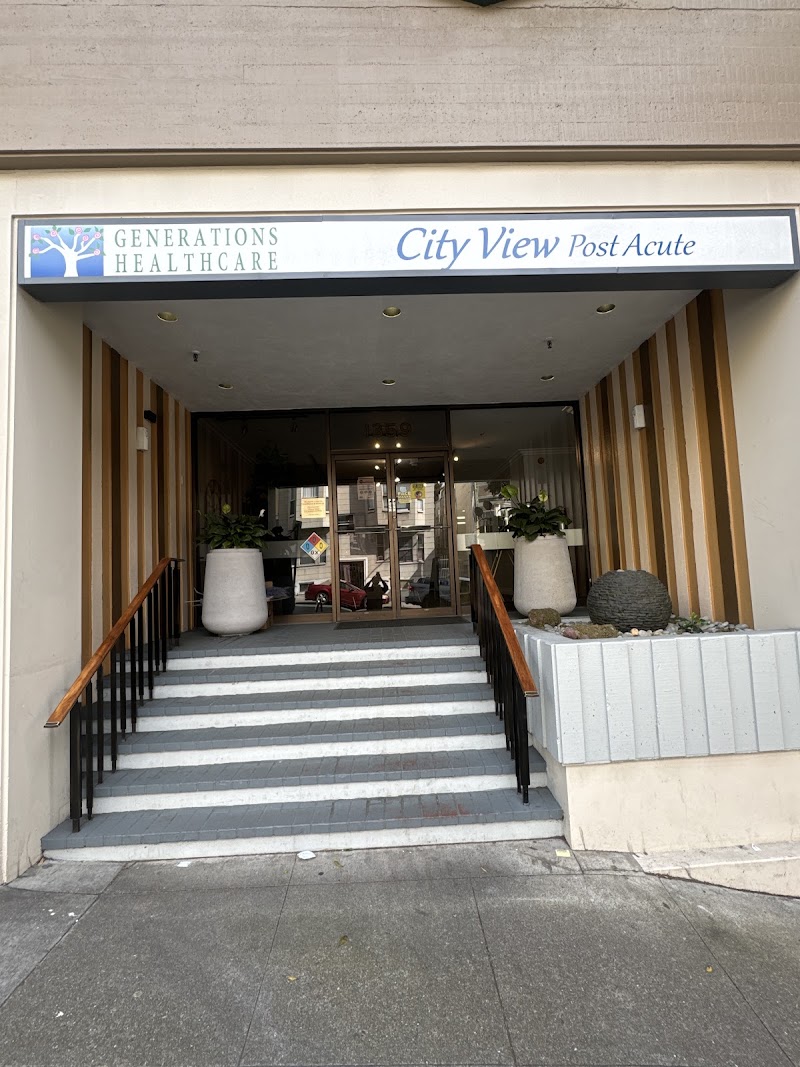
How is City View Post Acute Staffed?

CMS rates CITY VIEW POST ACUTE's staffing level at 4 out of 5 stars, which is above average compared to other nursing homes. Staff turnover is 38%, compared to the California average of 46%. This relatively stable workforce can support continuity of care.

What Have Inspectors Found at City View Post Acute?

State health inspectors documented 43 deficiencies at CITY VIEW POST ACUTE during 2019 to 2025. These included: 2 that caused actual resident harm and 41 with potential for harm. Deficiencies causing actual harm indicate documented cases where residents experienced negative health consequences.
Who Owns and Operates City View Post Acute?

CITY VIEW POST ACUTE is owned by a for-profit company. For-profit facilities operate as businesses with obligations to shareholders or private owners. The facility is operated by PACS GROUP, a chain that manages multiple nursing homes. With 180 certified beds and approximately 168 residents (about 93% occupancy), it is a mid-sized facility located in SAN FRANCISCO, California.

How Does City View Post Acute Compare to Other California Nursing Homes?

Compared to the 100 nursing homes in California, CITY VIEW POST ACUTE's overall rating (5 stars) is above the state average of 3.2, staff turnover (38%) is near the state average of 46%, and health inspection rating (4 stars) is above the national benchmark.

What Should Families Ask When Visiting City View Post Acute?

Based on this facility's data, families visiting should ask: "Can I visit during a mealtime to observe dining assistance and food quality?" "How do you handle medical emergencies, and what is your hospital transfer rate?" "Can I speak with family members of current residents about their experience?"

Is City View Post Acute Safe?

Based on CMS inspection data, CITY VIEW POST ACUTE has a clean safety record: no substantiated abuse findings (meaning no confirmed cases of resident harm), no Immediate Jeopardy citations (the most serious violation level indicating risk of serious injury or death), and is not on the Special Focus Facility watch list (a federal program monitoring the lowest-performing 1% of nursing homes). The facility has a 5-star overall rating and ranks #1 of 100 nursing homes in California. While no facility is perfect, families should still ask about staff-to-resident ratios and recent inspection results during their visit.

Do Nurses at City View Post Acute Stick Around?

CITY VIEW POST ACUTE has a staff turnover rate of 38%, which is about average for California nursing homes (state average: 46%). Moderate turnover is common in nursing homes, but families should still ask about staff tenure and how the facility maintains care continuity when employees leave.

Was City View Post Acute Ever Fined?

CITY VIEW POST ACUTE has been fined $42,528 across 1 penalty action. The California average is $33,504. While any fine indicates a compliance issue, fines under $50,000 are relatively common and typically reflect isolated problems that were subsequently corrected. Families should ask what specific issues led to these fines and confirm they've been resolved.

Is City View Post Acute on Any Federal Watch List?

CITY VIEW POST ACUTE is not on any federal watch list. The most significant is the Special Focus Facility (SFF) program, which identifies the bottom 1% of nursing homes nationally based on persistent, serious quality problems. Not being on this list means the facility has avoided the pattern of deficiencies that triggers enhanced federal oversight. This is a positive indicator, though families should still review the facility's inspection history directly.