JEWISH HOME & REHAB CENTER D/P SNF
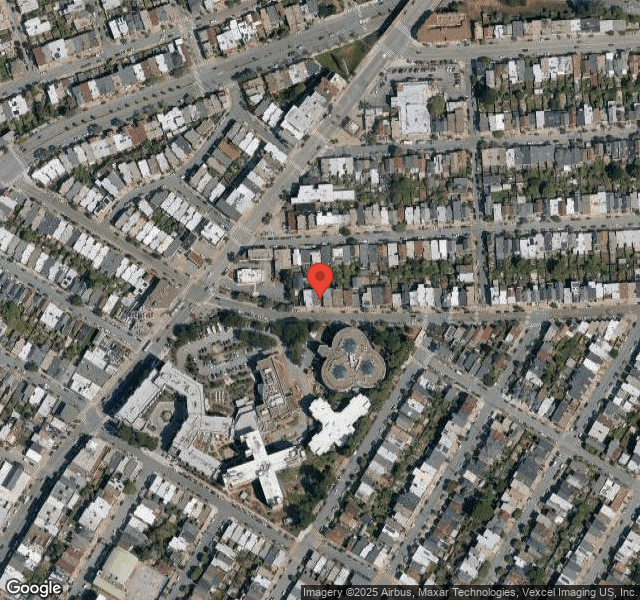

302 SILVER AVENUE, SAN FRANCISCO, CA 94112 (415) 334-2500
Non profit - Corporation 362 Beds Independent Data: November 2025
Trust Grade
30/100
#1048 of 1155 in CA
Last Inspection: August 2024

Within standard 12-15 month inspection cycle. Federal law requires annual inspections.

Overview

The Jewish Home & Rehab Center in San Francisco has received a Trust Grade of F, indicating significant concerns about the quality of care provided. Ranking #1048 out of 1155 facilities in California places it in the bottom half, and #16 out of 17 in San Francisco County suggests there is only one local option that performs better. Although the facility is showing improvement, reducing issues from 23 in 2024 to 4 in 2025, it still faces serious shortcomings. Staffing is a concern, with a rating of 1 out of 5 stars, but a turnover rate of 37% is slightly below the state average. Notably, the facility has no fines on record, which is a positive sign. However, there have been serious incidents, such as a resident developing pressure injuries due to inadequate monitoring and another resident suffering second-degree burns from spilled hot water due to insufficient supervision. Additionally, the kitchen was found in unsanitary conditions, which could pose health risks to residents. Overall, families should weigh these strengths and weaknesses carefully when considering this facility.

Trust Score
F
30/100
In California
#1048/1155
Bottom 10%
Safety Record
Moderate
Needs review
Inspections
Getting Better
23 → 4 violations
Staff Stability
○ Average
37% turnover. Near California's 48% average. Typical for the industry.
Penalties
✓ Good
No fines on record. Clean compliance history, better than most California facilities.
Skilled Nurses
○ Average
RN staffing data not reported for this facility.
Violations
⚠ Watch
73 deficiencies on record. Higher than average. Multiple issues found across inspections.
★☆☆☆☆
1.0
Overall Rating
★☆☆☆☆
1.0
Staff Levels
★★★☆☆
3.0
Care Quality
★★☆☆☆
2.0
Inspection Score
Stable
2024: 23 issues
2025: 4 issues

The Good

  • Full Sprinkler Coverage · Fire safety systems throughout facility
  • No fines on record
  • Staff turnover below average (37%)

    11 points below California average of 48%

Facility shows strength in fire safety.

The Bad

1-Star Overall Rating

Below California average (3.1)

Significant quality concerns identified by CMS

Staff Turnover: 37%

Near California avg (46%)

Typical for the industry

The Ugly 73 deficiencies on record

2 actual harm
Oct 2025 1 deficiency 1 Harm
SERIOUS (G) 📢 Someone Reported This

A family member, employee, or ombudsman was alarmed enough to file a formal complaint

Actual Harm - a resident was hurt due to facility failures

Pressure Ulcer Prevention (Tag F0686)

A resident was harmed · This affected 1 resident

**NOTE- TERMS IN BRACKETS HAVE BEEN EDITED TO PROTECT CONFIDENTIALITY** Based on interviews and record review, facility staff failed to provide pressure injury services for one of three sampled reside...

Read full inspector narrative →
**NOTE- TERMS IN BRACKETS HAVE BEEN EDITED TO PROTECT CONFIDENTIALITY** Based on interviews and record review, facility staff failed to provide pressure injury services for one of three sampled residents, Resident 1.The facility failed to:1. Accurately monitor and evaluate Resident's 1's pressure injuries. 2. Revise treatment plans to promote healing of pressure injuries (any lesion caused by unrelieved pressure that results in damage to the underlying skin- see full definition below). 3. Evaluate and monitor the impact of interventions to prevent new pressure injuries from developing. 4. Implement, monitor and modify interventions to attempt to stabilize, reduce or remove underlying risk factors. These failures resulted in Resident 1 developing new Moisture Associated Skin Damage (a type of skin irritation or damage caused by prolonged exposure to moisture) on Coccyx (small triangular bone at the base of the spinal column), a Stage II pressure injury on the Coccyx, new open lesions (tissue which has suffered damage through injury or disease,) on both rear (the back part of the thigh) thighs, and a Stage III pressure injury on the left heel. Definition of pressure injuriesStage I: Intact skin with a localized area of non- blanchable redness (non-blanchable: redness persist and does not fade or turn white after removal of fingertip pressure).Stage II: Partial thickness loss of skin with exposed upper skin layer. The wound bed is pink. May also present as an intact or ruptured blister. Fat tissue and deeper tissues (muscle, tendons, bone) are not visible.Stage III: Full thickness loss of skin, in which the subcutaneous fat (a type of body fat that is stored just beneath the skin) may be visible. Slough (Yellow/white dead tissue) and/or eschar (black dead tissue) may be visible but does not obscure the depth of tissue loss. The depth of tissue damage varies by location.Stage IV: Full thickness skin and tissue loss with exposed muscle, tendon, ligament, cartilage or bone in the wound.Unstageable pressure injury: Full thickness skin and tissue loss in which the extent of tissue damage cannot be confirmed because the wound bed is obscured by slough or eschar.Deep Tissue Injury (DTI): Intact skin with localized area of persistent non-blanchable deep red, maroon, purple discoloration due to damage of the underlying soft tissue. This injury results from intense prolonged pressure at the bone-muscle connection. The wound may evolve rapidly to reveal the actual extent of tissue injury.Diabetic (a person who has high blood sugar levels) Foot Ulcer: Open sores that develop on the feet of people with diabetes.During a review of Resident 1's admission Record (document containing a resident's essential demographic, medical, and personal information), (undated), the admission Record indicated, Resident 1 was admitted to the facility on [DATE] with multiple diagnosis including: Hemiplegia (loss of muscle function or weakness on one side of the body) and Hemiparesis (weakness affecting one side of the body) following Cerebral Infarction (a condition where blood flow to the brain is interrupted) affecting right dominant side, Monoplegia (a type of paralysis that affects only one limb) of upper limb following Cerebral Infarction affecting non dominant side, Dysarthria (a motor speech disorder that affects the muscles controlling speech), Type 2 Diabetes Mellitus (a chronic condition where the body does not use insulin effectively ) with diabetic peripheral angiopathy (a complication of diabetes that damages the blood vessels in the legs, feet, and arms) without gangrene (a condition where tissue dies due to a lack of blood supply), muscle weakness, peripheral vascular disease (a condition that affects the blood vessels outside the heart and brain), muscle spasms (sudden, involuntary contractions of muscles), and difficulty walking.A review of Resident 1's Minimum Data Set (MDS: a standardized resident assessment tool), dated 08/12/2025, the Minimum Data Set indicated, a Brief Interview of Mental Status assessment (BIMS, a brief memory test to help determine memory, thinking, learning, and decision making ability: a score of 15-13 = intact memory/reasoning; a score of 12-8 = moderate impairment in memory/reasoning; a score of 7-0= severe impairment in memory/reasoning) was completed. Resident 1 scored 15 out of 15, this indicated Resident 1 had intact memory/reasoning. Resident 1's MDS also indicated limitations in range of motion (the extent of movement possible at a joint) that included impairments on one side of her upper extremities (shoulder, elbow, wrist, hand), impairments on both sides of her lower extremities (hip, knee, ankle, foot), and was completely dependent (staff does all of the effort) for toilet hygiene (the ability to maintain perineal [the area of skin located between the anus and the genitals] hygiene, adjust clothes before and after urinating or having a bowel movement), Shower/bathing, and both upper and lower dressing. During a record review on 9/16/2025 at 11:23 AM with Medical Records (MR) 1, Resident 1's Skin Check- V12 dated 11/25/2024 was reviewed. The Skin Check- V12 indicated, Resident 1 was admitted with these skin injuries:Right dorsum (back or top) 2nd digit (second toe) amputation (the surgical removal of a body part) site.Right Diabetic Foot Ulcer, size= (initial measurement not documented).Right Heel Diabetic Foot Ulcer, size = (initial measurement not documented).Left transmetatarsal (long bones in the foot located between the ankle) amputation site.Left Diabetic Foot Ulcer, size= (initial measurement not documented).A review of Resident 1's Care Plan Report initiated on 11/26/2024 revised on 4/18/2025 was reviewed. The Care Plan Report indicated, Resident 1 was at risk for impaired skin integrity (the overall health and condition of the skin) due to fragile skin.dry scaley skin on both lower legs.Type 2 Diabetes Mellitus.incontinence (involuntary loss of urine or stool) of bladder and bowel functions. During a review of Resident 1's History and Physical (H&P: a comprehensive assessment by a healthcare provider) dated 11/26/2024, the H&P indicated her Primary Care Physician evaluated Resident 1, and determined she had high risk for skin breakdown and faculty staff were to continue wound care recommendations and follow non weight bearing (supporting a load or your own body weight) on right lower extremity (leg) and follow up care with a local hospital Orthopedics department (a medical division specializing in the diagnosis, treatment, and prevention of diseases, injuries, and conditions affecting the musculoskeletal [bones, muscles, tendons, ligaments, and joints that provides support and movement] system).During a concurrent interview and record review on 9/18/2025 at 10:48 AM with Registered Nurse (RN) 1, RN 1 stated she has worked as a RN at the facility for five years and now functions as a Point Click Care (an electronic medical record system) super user. Resident 1's Skin Issue- V8 evaluation, dated 4/18/2025 was reviewed. The Skin issue evaluation indicated, Resident 1 developed new Moisture Associated Skin Damage (MASD) on the Coccyx which measured 1.5cm by 0.5cm developed in-house (while she was a resident of the facility) with new onset (first-time appearance of a medical condition) RN 1 defined MASD as A wound that is blanchable (blanchable: redness that fades or turn white after removal of fingertip pressure), little excoriation (superficial abrasion of the skin's surface layer) but not open. That is why there is no depth in the measurement.During a review of Skin Issue- V8 evaluation dated 04/27/2025, the Skin Issue evaluation indicated Resident 1 developed a new Stage II pressure ulcer/injury on the Coccyx which measured 2cm by 0.5cm by 0.1cm, developed in-house with new onset.During a review of Skin Issue- V12 evaluation dated 08/16/2025, the Skin Issue evaluation indicated Resident 1 developed a new open lesion on the right rear thigh which measured 7cm by 0.8cm by 0cm AND a new open lesion on the left rear thigh which measured 1.5cm by 0.3cm by 0cm both developed in-house with new onset. Additional location information stated skin lesions appear to be from MASD.During a review of Skin Issue- V13 evaluation dated 08/28/2025, the Skin Issue evaluation indicated Resident 1 developed a new Stage III pressure ulcer/injury on the left heel which measured 2.4cm by 3.1cm by 0.1cm, developed in-house with new onset. During concurrent interview and record review on 9/18/2025 at 11:03 AM with RN 1, Resident 1's Skin Check- V15 evaluation dated 08/25/2025 was reviewed. The Skin Check evaluation indicated, Resident 1's Coccyx Stage II pressure injury increased in size from 0.2cm by 0.2cm by 0cm on 8/4/2025 to 0.3cm by 0.3cm by 0cm on 8/25/2025. RN 1 stated all wounds are to be measured weekly to assess progress or decline of wounds and update treatment interventions. During an interview on 9/19/2025 at 10:15 AM with Licensed Vocational Nurse (LVN) 1, LVN 1 stated resident's wounds are monitored weekly and documented on the Skin Check form and new skin issues are documented on the Skin Issue forms as needed. LVN 1 stated wound measurements are to be documented on each form completed. When asked what staff are responsible completing wound care for residents, LVN 1 stated the facility had a designated wound nurse (a licensed nurse specializing in treating complex wounds) that would assess wounds weekly and document wound progress or wound decline. LVN 1 stated the facility's wound nurse stopped working at the facility Sometime in 2024 and the floor nurses were completing wound care, weekly skin check evaluations, and notify Primary Care Providers (PCPs) if a wound consult is needed. When asked how are wound treatment orders re-evaluated or assessed, LVN 1 stated I think it is up to the Medical Doctor (MD) or the Physician Assistant (PA) to reassess and change treatment orders based on the information from the weekly skin evaluation forms. LVN 1 stated he was not aware of any routine scheduled days when the MDs or PAs reviewed weekly skin check or skin issue evaluations. When asked how the impact of wound care treatments or pressure injury prevention measures were evaluated by MD/PA's, LVN 1 stated It would just be if the PCP's would happen to be here, then they would take a look for themselves whenever they could. LVN1 reported new wound care team, which includes a MD and PA began working at the facility approximately One month ago. LVN 1 added, When we didn't have anyone (wound care nurse), I think it did affect our wound progress. The new wound PA's wound assessments and care has improved. When asked if LVN 1 participated in interdisciplinary team (IDT: a healthcare team made up of staff from various departments such as nurses, physical therapy, registered dietitian, social worker etc.) meetings to discuss resident care needs or care refusals, LVN 1 stated Floor nurses are not involved with that process. We do not sit in on those meetings.During a phone interview on 9/19/2025 at 11:45 AM with Certified Nursing Assistant (CNA) 1, CNA 1 stated she has worked at the facility for 11 years and was familiar with Resident 1's care, when asked what tasks were included in caring for Resident 1, CNA 1 stated Make sure she is always dry, make sure she gets repositioned every two hours, that's all. CNA 1 stated on approximately three (3) separate outings Resident 1 returned to the facility from the outing with family Soaking wet. CNA 1 stated the Licensed Nurse (LN) was made aware after each outing and the LN evaluated Resident 1's skin after each notification. When asked if any new interventions or changes in Resident 1's care was made after the three reports of Resident 1 returning to the facility soaking wet, CNA 1 replied, No. The same thing. Clean her and put her back to bed.During a phone interview on 9/19/2025 at 12:20 PM with Licensed Vocational Nurse (LVN) 2, LVN 2 stated she has worked at the facility for over 15 years, and We (LNs) monitor (wounds) every two weeks, then inform the PCP. Every time I do the weekly skin check I see if the treatment is effective. When asked if there was documentation of PCP notification when wounds were evaluated, LVN 2 stated Honestly no. LVN 2 stated also Resident 1 had MASD On and off while a resident at the facility. When asked if pressure injury prevention interventions were impactful in reducing new pressure injuries, LVN 2 stated They are effective if we put barrier cream on after every pericare (the act of cleaning the genital and anal areas). When asked if she applied barrier cream on Resident 1 to prevent further skin breakdown, LVN 2 stated, The CNAs are the ones putting the barrier cream, so I am not sure if it was applied every time. LVN 2 verified Resident 1 was incontinent of her bowels and bladder and dependent on staff for all repositioning and personal hygiene needs. When asked what she believed were possible contributing factors that could have increased Resident 1's skin injuries, LVN 2 stated, Her family would take her out for multiple hours without pericare When asked if LVN 2 made her Nursing Supervisor aware of concerns, LVN 2 stated, Honestly no. When asked if Resident 1 was provided barrier cream or extra continence supplies while out of the facility, LVN 2 stated No. When asked if she was aware if Resident 1 or (family) were given any training or education on perineal care, LVN 2 stated No, only at the time of discharge. When asked if LVN 2 recalled participating in any care conferences or IDT meetings with Resident 1 or family, LVN 2 stated No we (licensed nurses) do not participate in IDT meetings. During a review of the facility's policy and procedure titled, Wound and Skin Management dated 11/2005 last revised on 07/2025, indicated, .Procedure A. Assessments: .3. IDT and Licensed nurse will assure that treatment plan and progress notes reflect patient's current status and appropriate interventions. The treatment plan will have an interdisciplinary approach.6. Licensed nurse will refer newly identified pressure ulcers to IDT for further assessment and treatment planning.During a concurrent interview and record review on 9/30/2025 at 3:16 PM with Nursing Supervisor (NSP) 2, Resident 1's Wound Consult Referral dated 4/28/2025 was reviewed. The Wound Consult Referral indicated Resident 1's PCP placed an order for a wound consult referral for Wound consult with Skilled Care Surgical Group until wounds resolve.coccyx bed sore (skin damage that occurs when pressure is applied to the same area of the body for an extended period). NSP 2 verified no follow up wound consult or updated treatment orders were documented. A review of Medical Staff- Podiatry (a medical specialty that diagnoses and treats conditions of the foot, ankle, and lower leg) Note dated 6/18/2025, indicated no updates were made to current treatment orders for multiple skin injuries. A review of Progress Notes- Medical staff Consultation dated 7/15/2025 indicated PLAN/RECOMMENDATIONS: Continue present care. A review of Progress Notes- Medical staff Consultation dated 7/22/2025 indicated PLAN/RECOMMENDATIONS: Continue current dressing and keep wounds moist.Coccyx wound- continue current dressing changes. During an interview on 9/30/2025 at 3:16 PM with NSP 2, NSP 2 verified the facility currently has a new wound care group assessing and treating residents with wounds. NSP 2 stated the new wound care group began approximately July 2025 and prior to the new wound care group there was a gap when licensed nurses were responsible for completing all wound care. NSP 2 stated, the new wound care group now provides consults for wounds that were identified on newly admitted residents and monitors the progression of wounds for residents with complicated wounds.During an interview on 9/29/2025 at 5:02 PM with Resident 1's Emergency Contact (EM) 1, when asked if the facility staff provided any wound care training or education about pressure injury development or increased risks factors, EM 1 stated No. The only thing they told us was it (pressure injuries) was because she peed a lot. We asked for more frequent diaper changes and no improvements (were made). When asked if Resident 1 and/or emergency contacts were involved in reviewing Resident 1's wound care interventions or participated in updates to plans of care, EM 1 stated, No. When asked if Resident 1's wounds caused a change in her mood/behavior or ability to function, EM 1 stated, It kept her uncomfortable most of the time she was there.During a review of IDT Meeting Note dated 5/30/2025, the IDT meeting note indicated The family and the resident.also report that she (Resident 1) is unable to stand up due to foot ulcer and the resident reports that her left leg pain and pain on (her) coccyx due to pressure ulcer prevent her from standing up and spending more than five minutes in the w/c (wheelchair).During a concurrent interview and record review on 9/30/2025 at 12:57 PM with the Nursing Supervisor (NSP) 1, Resident 1's Care Plan Report- Risk for impaired skin integrity. initiated on 11/26/2024 revised on 4/18/2025 was reviewed. NSP 1 verified, Resident 1's Coccyx pressure injury was reopened on 4/18/2025 and stated This wound (pressure injury) was on and off. When asked if there were any updates to the interventions for the focus/goals, NSP 1 stated, No. There were no updated interventions for this reported wound (pressure injury), but the old interventions were resumed.During a concurrent interview and record review on 9/30/2025 at 1:10 PM with the Director of Long Term Care/Quality Assurance (DLTC/QA), Resident 1's Care Plan Report- Risk for impaired skin integrity. initiated on 11/26/2024 revised on 4/18/2025 was reviewed. DLTC/QA verified interventions were resumed from 11/26/24, with no additional revisions made for the pressure injury on Resident 1's Coccyx. DLTC/QA agreed interventions should have been revised. A review of Resident 1's care plan titled SKIN ISSUES initiated on 04/18/2025 last revised on 8/17/2025 AND Resident 1's care plan titled Care Plan Report- Risk for impaired skin integrity. initiated on 11/26/2024 revised on 4/18/2025, DLTC/QA and NSP 1 agreed the Risk and Skin Issue care plans are two separate documents and have two different focus and goal outcomes. DLTC/QA agreed the goals identified in the Risk care plan focused on addressing risk factors with interventions to reduce risk of future ongoing pressure injuries, while the Skin Issue care plan and interventions focus on healing/treating the identified skin issues. DLTC/QA agreed that interventions for risk care plan should have been updated at least with every new inhouse pressure injury and more frequently throughout resident's stay.During a review of Resident 1's IDT meeting note(s) throughout her stay, dated 12/8/2024, 5/30/2025, 6/10/2025, 7/29/2025, 7/31/2025, 8/17/2025, and 8/19/2025, no indication of updated treatment orders, review of impact of current wound treatment orders, or collaboration with Resident 1 and/or family for new interventions to reduce risk for continued impaired skin integrity were discussed.
Aug 2025 1 deficiency
CONCERN (D) 📢 Someone Reported This

A family member, employee, or ombudsman was alarmed enough to file a formal complaint

Potential for Harm - no one hurt, but risky conditions existed

Accident Prevention (Tag F0689)

Could have caused harm · This affected 1 resident

Based on observation, interview, and record review, the facility failed to ensure the environmrnt of one of one sampled resident (Resident 1) was free of potential accident hazards (falls and injuries...

Read full inspector narrative →
Based on observation, interview, and record review, the facility failed to ensure the environmrnt of one of one sampled resident (Resident 1) was free of potential accident hazards (falls and injuries from a lift) when they transferred Resident 1 in a lift to a commode and left her hanging a foot above the commode for several hours several times per day rather than lowering her to the toilet seat of the commode as instructed in the manual from the manufacturer (Invacare). Although Resident 1 chose this procedure and staff came to check on her while she was hanging from the lift, this does not prevent: the lift from failing; Resident 1 from falling; Resident 1 from injury; the facility from responsibility for Resident 1's safety. Findings: In an interview and record review with SN 1 on 8/8/25 at 10:45 a.m., SN 1 stated Resident 1 was admitted to the facility (over 10 years ago). SN 1 said Resident 1 was dependent on staff to turn and reposition her in bed, transfer her to a commode or wheelchair, and feed her. In an interview with SN 2 on 8/8/25 at 11:41 a.m., SN 2 said Resident 1 takes a shower in a chair with a seat like a commode and can sit in the shower chair for 30 minutes. SN 2 stated Resident 1 likes to hang over the commode in the sling of the lift for one to one and a half hours three times a day at 7 a.m., 10 a.m., and 7 p.m. In an interview with SN 3 on 8/8/25 at 11:35 a.m., SN 3 stated Resident 1 is fully dependent on staff and two people transfer her in the lift from her from her bed to the commode. SN 3 stated she hangs in the air sitting in the sling about one foot above the seat of the commode. SN 3 stated she hangs in the sling several times a day for up to one hour. Her preferred times to do this are at 7 a.m., 11 a.m. and 3:30 p.m. SN 3 said staff check on her and she lets them know when she is ready to go back to bed with a voice activated call light. In an interview with SN 2 and SN 4 on 8/8/25 at 2:33 p.m. SN 4 said Resident 1 called 911 last week because she said she was hanging in the sling too long. SN 4 said the police explained why she should not call them for this. SN 2 stated Resident 1 calls a family member who then calls SN 2 to complain that Resident 1 is hanging over the commode for too long a period. SN 2 said often Resident 1 does not have a bowel movement each time she hangs in the sling over the commode. In a discussion with SN 2 and SN 4 regarding the safety and responsibility issues of using a lift that was not designed to dangle a resident 12 inches above the seat of a commode for one to two hours three times a day, they said they understood these issues. In an observation and interview with Resident 1 on 8/8/25 at 4:30 p.m., there was a lift against the wall on the left at the entrance to the dark room. Resident 1 was in bed covered neatly with blankets. Only her face from her forehead to her lower lip could be seen. She talked about her concerns and mentioned dangling in the lift over the commode. When told by the surveyor that it was a safety issue, she said she was not concerned. She stated she was concerned staff broke her phone four times. In an interview with SN 5 on 8/8/25 at 3:03 p.m. regarding the safety and facility responsibility issues discussed above with SN 2 and SN 4, SN 5 was asked to provide documents that the manufacturer of the lift approves the manner in which they are using it for Resident 1. SN 5 stated the paperwork would be provided by the end of the day. On Friday, 8/8/25 at 5:03 p.m., three paper documents were received. The first was a 2/11/24 (revised 6/1/24) Care Plan Report that indicated under Interventions/Tasks, Per (Resident 1's) preference, she can be left while up on hoyer lift and toileting over a commode. Checked regularly by staff. (Resident 1) will give CNA time when to be back. The second document received was a 7/23/24 Nurse Note that indicated Resident 1 requested to be up in commode at (2:30 p.m.), she usually prefers to stay in hoyer lift for an hour. The third document received was a 10/18/24 Nurse Note that indicated at (10 a.m.) to request to be put to commode and hang via hoyer lift. There were no documents from the manufacturer of the lift as requested. At 5:05 p.m. on 8/8/25, SN 2 and Staff 1 were told (as SN 4 and SN 5 had left for the day) that unless the facility can provide documentation from the manufacturer that the lift can be used the way it is used by Resident 1 they would be cited. Staff 1 stated correspondence would be sent via email on Monday morning, 8/11/25. On 8/13/25 at 10:59 a.m., an email was sent to SN 4 and SN 5 regarding information from the manufacturer. A response was received from them at 11:33 on 8/14/25 that included a copy of the manual for the Invacare lift. A review of this manual, the Invacare/Reliant 450/600 Battery Powered Patient Lift User Manual (copyright 2022) indicated on page 40, 8.1.1, Transferring to a Commode Chair, 2. Lift the patient from the bed . 3. Note the patient should be elevated high enough to clear the commode chair arms and have his/her weight supported by the patient lift. 4. With the help of both assistants, guide the patient onto the commode chair. 5. Lower the patient onto the commode chair, and leave the sling attached to the hanger bar hooks. 6. When complete, recheck for correct attachments and then raise the patient off the commode chair. On 8/25/25 at 11:18 a.m., an email was received from SN 4 indicating the manufacturer of the lift, Invacare, could not provide guidance on using the lift to suspend a resident above a toilet or commode or confirm whether this was safe. In this email, SN 4 indicated the manufacturer stated Their recommendation is to place the resident directly onto the toilet or commode.
Jul 2025 2 deficiencies
CONCERN (E) 📢 Someone Reported This

A family member, employee, or ombudsman was alarmed enough to file a formal complaint

Potential for Harm - no one hurt, but risky conditions existed

Report Alleged Abuse (Tag F0609)

Could have caused harm · This affected multiple residents

**NOTE- TERMS IN BRACKETS HAVE BEEN EDITED TO PROTECT CONFIDENTIALITY** Based on observation, interview and record review, the facility failed to report three of 11 allegations of abuse within two hou...

Read full inspector narrative →
**NOTE- TERMS IN BRACKETS HAVE BEEN EDITED TO PROTECT CONFIDENTIALITY** Based on observation, interview and record review, the facility failed to report three of 11 allegations of abuse within two hours, to the California Department of Public Health (the Department).This failure had the potential to leave residents vulnerable to further abuse. 1.Two intakes of the same allegation, sent 2 different dates. Cross reference to Incident 2303945 (CA0092790) and 2303946 (CA00928621) A review of Form SOC 341 Report of Suspected Dependent Adult/Elder Abuse with completed date 10/31/24, indicated, Resident 1 alleged that two Certified Nursing Assistants (CNAs) were handling him roughly while changing his bedsheets on 10/29/24 .nurse conducted skin and pain assessment .denied any pain and no noted skin injury .Both CNAs were immediately suspended pending investigation. DPOA, MD, CDPH ,Ombudsman, SFPD were notified of incident .facility conducting investigation of this incident.A review of admission Record, dated 7/23/25, indicated, admitted on [DATE] with diagnoses including: Traumatic Subdural Hematoma (a bleeding caused by head trauma), Diabetes Mellitus( high blood sugar), Cognitive Communication Deficit, Spinal Stenosis( narrowing of spine causing pressure on the nerve.Patient discharged to home on [DATE]. Not able to interview the patient, has been discharged [DATE].During an interview on 7/23/25 at 12:33 PM, with RN Unit Supervisor, per Unit supervisor, the TCC (Transitional Care Coordinator) reported to Unit Supervisor and DON that resident and wife, present for a care conference, reported that he was rough handled by 2 CNAs on 10/29/24 at 6 PM. SOC was completed by TCC. Per Unit Supervisor, she notified CDPH and Ombudsman by phone at 1:20 PM. Both CNAs were asked to come to sign administrative leave pending investigation. They were not scheduled until cleared to work. Abuse training is done annually and alleged abuser will be trained by Dept of Education 1:1 before they are reinstated to work. Abuse training is also done as per needed basis.Reporting is done immediately and within 2 hours to report alleged abuse.Review with Unit Supervisor of SOC and Investigation Summary dates, RN confirmed the dates are off and late for the 10/30/24 allegation of abuse. During an interview on 7/23/25 at 1:29 PM ,with Transitional Care Coordinator (TCC), per TCC wife present during the care conference on 10/30/24, and brought up the allegation of 2 CNAs rough handling on 10/29/24 at 6 PM. Then TCC reported this to Unit Supervisor and DON , as he was new at that time.Per TCC, he started work 9/7/24, orientation included Abuse training within 2 weeks, does not remember the date.Per TCC he completed the SOC, first time to complete the form and knows reporting in 2 hours. TCC confirmed the SOC 341 for this resident is not within 2 hours of reporting protocol. Review of the transmission page of SOC 341, indicated, date : Fri 11/1/24 at 7:17 AM. Confirmed with CDPH office, regarding phone message notification, per office staff, no phone message left on 10/30/24. A form 802 is generated when voice message reports are retrieved. No form 802 found. During an interview on 7/23/25 at 10:00 AM, with Director of Education (DOE), per DOE, during orientation, Abuse reporting, prevention, Identification is given 2 times a year. During incidents of Abuse, the alleged staff is given Focus Inservice on the abuse - 1:1 inservice. Online classes for training, as everyone is mandated reporter. Stressed to then Abuse is a crime. Our Policy and Procedure on reporting timeframe is within 2 hours to report and complete the SOC 341. The staff involved are put on administrative leave pending investigation. The investigation is started by the reporter, supervisor or DON and Abuse Coordinator is notified. Anyone can file an SOC. The Social Workers check in on patients providing psychosocial support. Nursing monitoring the patient for emotional distress. The summary of investigation is completed by Supervisors or managers and reviewed by Abuse Coordinator. Human Resources is aware of suspension for staff involved in the abuse incident. Police is notified and they come to investigate and a nurse supervisor comes with the Officer to take the report from them. We have 5 business days to send to CDPH the summary of investigation. Review of employee file for CNA 1, CNA certificate number CNA00458104, expires 4/10/2026, active.Employee acknowledgement of Elder Abuse /Reporting - 2/28/22, Abuse, Neglect and Exploitation in the Elder Care 6/24/24. 1:1 Focused Inservice 10/31/2024. on 1/2/15 - Abuse prevention and reporting inservice. Review of employee CNA 2, CNA certificate no. 01240332 expires 5/30/27, active. Abuse Prevention and Reporting -10/2/2024, 1:1 Focused service on Elder Abuse Prevention and Reporting -10/31/24, on 1/28/25 Mandatory Abuse Prevention and Reporting.Not able to interview the 2 staff, not working that time of investigation. 2. Review of SOC , Report of Suspected Dependent Adult/Elder Abuse, date completed 11/8/24, allegation from Resident 2 on November 8, 2024, that a staff member was verbally rude to her on November 6, 2024. Patient denies any physical contact with the staff member. SOC form did not indicate written report mailed or faxed to state agencies.Review of faxed transmission to CDPH, indicate, 11/9/24 at 8:16 AM. Review of admission record, indicated, resident admitted on [DATE] with diagnoses including: Adjustment Disorder with Anxiety and Depressed Mood, Mild Cognitive Impairment, Difficulty in Walking. Review of progress notes, nurses notes dated 11/6/24 at 16:22 PM, indicated, received endorsement from AM sitter that patient expressed that she does not want yesterday's PM sitter (11/5/24) to return d/t being aggressive. Per patient report, 11/5/24 PM sitter said things like, get up by yourself, walk by yourself and reportedly took her bags and left the patient's room. AM sitter endorsed to this to nursing supervisor who gave sitter instructions to report to this RN. Endorsed to PM and AM CN. Continuing plan of care. During an observation on 7/22/25 at 12 noon, Resident 2 up on a chair, volunteer came and left to give me time to talk to resident. I was introduced by her CNA, needs to call her Mademoiselle.Resident wanted to know why I am here. Told her about the incident last year, staff being verbally rude. Per resident, that's been a long time ago, In don't remember. I'm watching a movie right now, if I can do it? I am okay here, don't come again. During an interview on 7/22/25 at 12:14 PM, with CNA, per CNA resident is very particular with ADLs, activities and belongings. She attends almost all activities, she is a speaker for one of those activities which she enjoys. Per CNA she knows the incident last year and the CNA involved is never assigned to her again. she has no complaints with any CNA after that. Interview on 7/23/25 at 11:11 AM with RN 1, per RN1, that sitter reported to her at the end of her shift that resident 2 does not want the NOC shift sitter to come back and supervisor is aware. Per RN she went ahead and documented it, let the AM and PM charge nurses know about the report. per RN, later on (does not remember the date), she was reprimanded for not reporting appropriately.RN started her employment on 4/2024, does not remember if she got the abuse training when I got hired to report in 24 hours. Has not had any training on abuse after that. Review of SOC 341, completed by DON on 11/8/24.indicated, no dates when faxed to mandated agencies. no dates when telephone report made to mandated agencies. Reviewed and confirmed with Unit Supervisor, per Unit supervisor, abuse should be reported within 2 hours, and this one is not done on time per RN. Review of CNA alleged abuser 's Abuse training, indicated training for Identifying and Addressing Older and Dependent Abuse on 10/9/2024.Review of RN 1's license, license expires 8/31/2025. no disciplinary actions against the licensee. During an interview on 7/23/25 at 3:50 PM, with Administrator, per Administrator she is the Abuse Coordinator. Reviews for correct allegations. Notified of all abuse incidents. make sure that the reports are sent to agencies as required. Anybody can fill out the SOC as everyone is a mandated reporter. Investigation summary is a collaborated effort from IDT(Interdisciplinary team) and Administrator summarizes the investigation and have it faxed to agencies within 5 business days. Review of facility Policy and Procedure, Abuse, Neglect, Exploitation, Mistreatment, and Misappropriation of Resident Property, dated 8/24, indicated, Purpose: The purpose of this policy is to describe the measures the Jewish Home and Rehab Center takes to prevent residents from abuse, neglect, mistreatment, exploitation, and misappropriation of property through screening, training and education, supervision, assessment, investigation and reporting. POLICY: It is the policy of Jewish Home .to ensure that each resident will be free from abuse, neglect, mistreatment, exploitation, and misappropriation of property . In any allegation of abuse the Administrator, Director of Nursing and Clinical Operations, nurse manager, nursing supervisor or any mandated reporter will notify the California Department Of Public Health, the Ombudsman and San Francisco Police Department immediately, but not later than 2 hours after the allegation is made, if the events that cause the allegation involve abuse or result in serious bodily injury .
CONCERN (E) 📢 Someone Reported This

A family member, employee, or ombudsman was alarmed enough to file a formal complaint

Potential for Harm - no one hurt, but risky conditions existed

Investigate Abuse (Tag F0610)

Could have caused harm · This affected multiple residents

Based on interview and record review, the facility failed to report the result of investigations to the State Survey Agency (SSA) within 5 working days of the incident for four (4) of 12 residents' (R...

Read full inspector narrative →
Based on interview and record review, the facility failed to report the result of investigations to the State Survey Agency (SSA) within 5 working days of the incident for four (4) of 12 residents' (Resident 1, Resident 2, Resident 3, Resident 4, and Resident 5) abuse allegations .Resident 1 alleged 2 CNAs rough handling during change of bedsheet on 10/29/24Resident 2 alleged 1 CNA on 11/5/24 was aggressive and said get up by yourself, walk by yourselfResident 3 alleged a nurse on the night of 8/27/24 was rude, harsh, and hit her. Resident 5 went to Resident 4's room, grabbed his face and pushed it back.This failure may cause delay in taking all necessary actions to protect the residents and prevent further occurrences.1. Review of Resident 1's document titled, Report of Suspected Dependent Adult/Elder Abuse, known as SOC (State of California) 341, with a completed date of 10/31/24, indicated, an allegation of staff to resident abuse was reported to law enforcement on 10/30/24, to Ombudsman on 10/30/24, California Department of Public Health on 10/31/24. The SOC 341 indicated, staff reports alleged patient abuse reported on 10/30/24 from patient's wife that 2 CNAs were handling him roughly while changing his bedsheets on 10/29/24. Review of the facility's Fax Cover sheet indicated, the facility faxed the Abuse Allegation Investigation - 5 day Follow -Up (result of investigation) to CDPH on 11/9/2024 at 8:20 AM. 2. Review of Resident 2's document titled, Report of Suspected Dependent Adult/Elder Abuse, known as SOC (State of California) 341, with a completed date of 11/08/24, indicated, an allegation of staff to resident abuse, no indication of reported to : law enforcement, Ombudsman, California Department of Public Health. The SOC 341 indicated, on 11/8/24 Resident 2 alleging that a staff member was verbally rude to her on 11/6/24. Review of the facility's Fax Cover sheet indicated, the facility faxed the Abuse Allegation Investigation - 5 day Follow -Up (result of investigation) to CDPH on 11/9/2024 at 11:27 AM. 3. Review of document titled, Report of Suspected Dependent Adult/Elder Abuse, known as SOC (State of California) 341, with a completed date of 8/28/24, indicated, an allegation of staff to resident abuse was reported to the law enforcement, California Department of Public Health (CDPH), and Ombudsman on 8/28/24. The SOC 341 indicated, on 8/27/24, a night nurse was rude, harsh and hit Resident 3. Review of the facility's Fax Cover Sheet indicated, the facility faxed the Abuse Allegation Investigation - 5 Day Follow-Up (result of investigation) to CDPH on 9/6/24 at 10:56 AM. 4. Review of the Resident 4 and Resident 5's SOC 341 report, with a completed date of 9/9/24, indicated, an allegation of resident to resident altercation was reported to the law enforcement, CDPH, and Ombudsman on 9/9/24. The SOC 341 indicated, on 9/9/24 at 1:20 PM, Resident 5 went to Resident 4's room, grabbed his face and pushed it back. Review of the facility's Fax Cover Sheet indicated, the facility faxed the Abuse Allegation Investigation - 5 Day Follow-Up to CDPH on 9/17/24 at 9:53 AM. During an interview on 7/23/25 at 3:50 PM, the Administrator stated the 5-Day Follow-Up (result of investigation) should be reported to the state agency within five working days of the incident. Review of the facility's policy and procedure titled, Abuse, Neglect, Exploitation, Mistreatment, and Misappropriation of Resident Property, revised 08/2024, indicated, .Compliance: . 7. Reporting/Response: It is the policy of the [SNF Name] to report all abuse allegations to the administrator/designee, California Department of Public Health, San Francisco Police Department if appropriate, Ombudsman, and any other required agencies . f. The administrator will follow up with government agencies to confirm the initial report was received and to report the results of the investigation when final within 5 working days of the incident as required by state agencies .
Dec 2024 3 deficiencies
CONCERN (D) 📢 Someone Reported This

A family member, employee, or ombudsman was alarmed enough to file a formal complaint

Potential for Harm - no one hurt, but risky conditions existed

Free from Abuse/Neglect (Tag F0600)

Could have caused harm · This affected 1 resident

**NOTE- TERMS IN BRACKETS HAVE BEEN EDITED TO PROTECT CONFIDENTIALITY** Based on interview and record review, the facility failed to ensure three out of three sample residents (Residents 1, 2, and 3) ...

Read full inspector narrative →
**NOTE- TERMS IN BRACKETS HAVE BEEN EDITED TO PROTECT CONFIDENTIALITY** Based on interview and record review, the facility failed to ensure three out of three sample residents (Residents 1, 2, and 3) were free from neglect. All three residents were dependent on staff for transfers and ADL (Activities of Daily Living) and all three residents reported their unit was short staffed, resulting in long wait for services. These episodes may have resulted in: 1. Resident 1 expressing feelings helplessness, frustration and discomfort when: Resident 1 waited for four hours in her wet briefs before staff cleaned her and changed the brief; was left on the commode for 1.5 hours; was not repositioning by staff in a timely manner which caused her discomfort; Resident 1 expressing feelings of frustrations, abandonment, and being suicidal. 2. Resident 2 saying she was in pain at night after staff did not put her to bed in a timely manner. Resident 2 expressed feelings of frustrations and worry because staffing issues were communicated to the facility without any substantive changes. 3. Resident 3 expressing feelings of anger, frustration, and neglect when: Resident 3 was almost always served cold meal due to short staffing; waiting an hour for staff to answer his call light. Findings: Review of Resident 1 ' s record titled admission RECORD, printed on 01/03/2025, indicated she was admitted with multiple diagnosis including: quadriplegia(partial or total loss of function in all four limbs and the torso), constipation (difficulty in emptying bowel, usually due to hardened feces), depression, muscle spasms, and limitation of activities due to disability. Review of Resident 1 ' s records titled Minimum Data Set (MDS, a standardized resident assessment tool), dated 12/26/2024, indicated her BIM score was 15 out of 15 (BIM=Brief Interview for Mental status, a standardized test for memory and reasoning functions. A score of 13-15 indicated no impairment in memory and reasoning). According to her MDS, she was totally dependent on staff for: 1. Bed mobility 2. Transfers 3. Dressing 4. Toilet use and personal hygiene 5. Showers According to Resident 1 ' s MDS, dated [DATE], she had an external catheter to manage her urine (a non-invasive device that collects urine from the body without being inserted internally) and was continent of bowel. During a concurrent observation and interview of Resident 1 on 12/06/2024 at 11:30 AM, Resident 1 was in bed and on her back. She was not able to move her arms or her legs. Resident 1 stated .I ' m totally dependent on staff. I can ' t scratch an itch. I can ' t turn and reposition my arms and legs and my body. I need someone to feed me and give me water. I need a staff to clean me up when I soil myself. I need a staff to position my (urinary) catheter correctly.(the facility was) Supposed to give me a sitter at least every day to help me with these things. Lately, they are short and now I sit and wait for them.You are calling for help and you don ' t know when someone is coming. Can you imagine how frustrating that makes me feel.They said that I ' m depressed or I have depression. Wouldn ' t you be depressed if you were subjected to this almost every day? With my condition, my body needs to be on a regular schedule. If I don ' t eat and don ' t drink on time. Things starts shutting down. I get constipated, I ' m supposed to go to the commode around 7:00 AM. They didn ' t help me to the commode until 10:00 AM. Another time it got so bad, I was screaming for help no one came and I had to get my brother to call a supervisor .because I was wet for 4 hours. Review of Resident 1 ' s medical records titled Progress Notes indicated entries regarding how staffing was affecting her mental health: 1. Authored by Social Worker (SW) 1, dated 10/29/2024, indicated .she has a sitter who told (Resident 1) .she could not feed or transfer her. (Resident 1) . then asked sitter to leave. SW is clarifying with .(Director of Nursing, Scheduler, Unit Manager) tasks of sitter. During two conversations with .(Resident 1), she speaks of abandonment issues, not doing well alone. 2. Authored by SW 2, dated 10/29/2024, indicated .Much of the time was spent with complaints and frustration over staffing. She reports that her planning each day depends on the knowledge of staffing (who will be available to assist her) 3. Authored by SW 2, dated 10/28/2024, indicated .(interdisciplinary team) met and discussed .(Resident 1) who expressed a desire to die, stating, I just want to die .(because) I don't have a sitter, and I can't manage everything on my own. I am not as important as everybody else. She was distressed, and tearful. 4. Authored by SW 2, dated 10/07/2024, indicated Resident 1 . continues to complain that her needs are not being met especially for toileting . because of staffing needs of .(other residents) . (Resident 1) has reported fears of abandonment and she keeps her door open because she is afraid of being forgotten/ignored.(Resident 1) reports to SW that her day consists of eating .(related to) toileting needs and clarifying scheduling of CNA and sitter to meet the toileting needs. 5. Authored by SW 2, dated 09/20/2024, indicated Resident 1 .continues to report the difficulty in getting timely help with commode, shower, transfer, changing undergarments. She speaks of a fear of abandonment and the effect that has on her . Review of Resident 2 ' s record titled admission RECORD, printed on 01/03/2025, indicated she was admitted with multiple diagnosis including: quadriplegia, muscle spasm, depression, insomnia (sleep disturbances), and dysphagia (difficulty swallowing foods or fluids). Review of Resident 2 ' s records titled MDS, dated [DATE], indicated her BIM score was 15 out of 15. According to her MDS, she was totally dependent on staff for: 1. Bed mobility 2. Transfers 3. Dressing 4. Toilet use and personal hygiene 5. Showers According to Resident 2 ' s MDS, dated [DATE], she had a catheter to manage her urine and was always incontinent of bowel. During an interview with Resident 2 on 12/06/2024 at 12:14 PM , she stated Today everything was late. One person on vacation. My (CNA) . has no help. (she is) feeding everybody. It ' s emotionally taxing for me to see that and have to wait for help. Sometimes when they are short, they are not able to put me back to bed in time. I have to wait and if I wait too long, sometimes it affect my sleep. I remember one time they put me to bed late and I was in pain the whole night. Review of Resident 3 ' s record titled admission RECORD, printed on 01/03/2025, indicated he was admitted with multiple diagnosis including: muscular dystrophy (genetic diseases that cause muscles to weaken and degenerate over time), bipolar disorder (mental condition causing extreme mood swings. Periods of elations, irritability and periods of sad depressed moods), and constipation. Review of Resident 3 ' s records titled MDS, dated [DATE], indicated his BIM score was 15 out of 15. According to his MDS, he was totally dependent on staff for: 1. Bed mobility 2. Transfers 3. Dressing 4. Toilet use and personal hygiene 5. Showers According to Resident 3 ' s MDS, dated [DATE], he had a catheter to manage his urine and was always incontinent of bowel. During an interview with Resident 3 on 12/06/2024 at 12:36 PM , he stated .Call lights are a problem when they are short. You can wait 25 minutes to have a call light answered. The longest was one hour wait. I need help with meals. When they are short, I have to wait maybe more than 25 minutes for them to help me with my meals. By then, the food is almost always cold. During an interview on 12/20/24 at 12:20 PM, Charge Nurse (CN) 1 stated CNA staffing on her unit has gotten worse since July 2024. CN 1 stated on her unit on AM shift there used to be six CNA and CNA staffing was reduced to five CNAs and sometimes as low as four CNAs. CNA staffing was reduced with no reduction in resident census and/or change in resident acuity/level of care. CN 1 stated sometimes when she was working late to finish her charting, she could hear Resident 2 screaming for staff to come help her. During an interview on 12/23/2024 at 10:53 AM, Certified Nursing Assistant (CNA) 2 stated she usually worked AM shift and sometimes her unit is short. CNA 2 stated The residents (who are) alert are mad at us because they have to wait. While we attend to others. Sometimes . (Resident 1) has to wait at least 45 minutes. The residents who cannot talk are the ones who suffer. AM shift (used to have) six CNAs now it ' s down to five CNA. Even if we divide the time between these residents, it ' s not enough. During an interview on 01/18/2025 at 10:00 AM, CNA 1 stated she mostly worked on one unit in the AM shift. On that unit, they were normally staffed with six CNAs. Sometimes CNA staffing can be as low as four. When the unit is short, residents have to wait for services/care. CNA 1 stated .Resident have to wait yeah it depends. We are .(given) more .(residents) than usual.(longest wait was) 40 minutes to 1 hour wait. They needed to get changed. There are some patients that needs 2 people.some .are frustrated some are mad . I can understand .(Resident 1 ' s) frustration.she shows frustration thru shouting and crying. During an interview with the Unit Manager (UM) on 01/15/2025 at 11:55 AM, she stated the census on her unit has been very stable and the acuity/care requirement for each resident has been very stable. The UM admitted sometimes the unit was short staff with only four CNAs. The UM stated residents .are going have to wait when we are short. The UM stated the facility implemented safety monitors but the safety monitors cannot function as CNA. The UM stated the safety monitors are not allowed to do tasks involving direct patient care like feeding, giving water, repositioning, providing incontinent care etc. During an interview on 01/22/2025 at 11:05 AM, CNA 3 stated she worked AM shift. CNA 3 stated prior to July 2024, AM shift used to be staffed with six CNA after July, CNA staffing was cut to five and can be as low as four CNAs. CNA 3 stated unfortunately, residents have to wait, up to 30-45 minutes for care. CNA 3 confirmed that Residents 1, 2, 3 have complained about waiting when the unit was short staffed. CNA 3 stated these Residents 1, 2, and 3 were not happy, mad, frustrated, and accused staff of ignoring their needs. CNA 3 stated Resident 1 and 2 sometimes reported discomfort/pain when staff was not able to reposition them or put Resident 2 back to bed in a timely manner.
CONCERN (D) 📢 Someone Reported This

A family member, employee, or ombudsman was alarmed enough to file a formal complaint

Potential for Harm - no one hurt, but risky conditions existed

Report Alleged Abuse (Tag F0609)

Could have caused harm · This affected 1 resident

**NOTE- TERMS IN BRACKETS HAVE BEEN EDITED TO PROTECT CONFIDENTIALITY** Based on interview and record review, the facility did not report allegations of neglect for Resident 1, one of three sample res...

Read full inspector narrative →
**NOTE- TERMS IN BRACKETS HAVE BEEN EDITED TO PROTECT CONFIDENTIALITY** Based on interview and record review, the facility did not report allegations of neglect for Resident 1, one of three sample residents. Resident 1 sent four emails to the facility alleging sub-par quality of care issues such as: delayed response to request for care, no care, not getting enough food and water, and getting minimal care. This has the potential to place Resident 1 and other residents at risk for abuse/neglect. Findings: Review of Resident 1 ' s record titled admission RECORD, printed on 01/03/2025, indicated she was admitted with multiple diagnosis including: quadriplegia (partial or total loss of function in all four limbs and the torso), constipation (difficulty in emptying bowel, usually due to hardened feces), depression, muscle spasms, and limitation of activities due to disability. Review of Resident 1 ' s records titled Minimum Data Set (MDS, a standardized resident assessment tool), dated 12/26/2024, indicated her BIM score was 15 out of 15 (BIM=Brief Interview for Mental status, a standardized test for memory and reasoning functions. A score of 13-15 indicated no impairment in memory and reasoning). According to her MDS: she was totally dependent on staff for: 1. Bed mobility 2. Transfers 3. Dressing 4. Toilet use and personal hygiene 5. Showers According to Resident 1 ' s MDS, dated [DATE], she had an external catheter to manage her urine and was continent of bowel. Review of emails provided by Resident 1 indicated: 1. Resident 1 emailed the facility ' s grievance web portal, on 12/23/2024, and wrote .I was not put on the commode before dinner as I am scheduled to do every day. Toileting is the worst problem, but other needs are not being met as well. Some issues are manifesting as painful symptoms and a week-long admission to the hospital because of an internal infection. 2. Resident 1 emailed the Administrator, and the Unit Manager, on 12/6/2024. Resident 1 wrote .for commode/ bowel movement. Without a sitter, a second CNA for the two person assist . I suffer with cramps and chills because I cannot be put on the commode. The issues continue to be that almost all of those scheduled care times are delayed by hours or not done at all when the regular AM CNA is off. The other challenge has been getting enough food and water around commode times. Without a sitter most of it does not happen at all. 3. Resident 1 emailed the Director of Nursing (DON) and the Administrator on 12/03/2024. Resident 1 wrote .when the regular CNAs are off, everyone thinks I have a sitter and no one takes care of me! No one was assigned to feed me my usual yogurt that I am supposed to eat because of the antibiotics, and worse, no one was assigned to feed me dinner! I am supposed to go to the commode around 3:45 PM, and no one was available. I have had a Sitter since every CNA has been hired and for years, no one thought about me, answered call lights, or entered my room until it 8 PM when it is my scheduled time to go to the commode. in this environment that I don't eat and my body shuts down. I end up in the hospital, and then I am blamed for the extra effort required by the CNAs when I returned. Thank goodness I'm not sick today as I was yesterday. I can't even imagine being as sick as I was without a sitter here. With my sensitive stomach, perhaps it's better that I don't eat or drink. I don't know how else to stress the importance of having a sitter/aide. I cannot eat, drink, or get help by myself, yet I need all three every day. Please, I need help. 4. Resident 1 emailed the DON, the Administrator, and the Director of Social Services on 11/29/2024. Resident 1 wrote .If the regular CNA . is not here, I have no regular schedule. I don't drink water as there is no one to give me any, I may or may not eat dinner, and my commode times may or may not happen or be on schedule! I am barely getting minimum care here! . One or two sitters a week along with my private pay, still leaves days when my body either functions as it should but in pain without care, or shutting down until I end up in the hospital again. Review of the facility ' s policy titled Grievance/Complaint Process, Revised on 11/2017, indicated .The responsibility to review and resolve grievances has been delegate to the designated Grievance Official who is responsible for: .Ensuring the immediate reporting of all alleged violations involving neglect, abuse, .to all agencies required by law.This is a shared by all facility staff. The Administrator was made aware of these emails on 12/08/2025 at 3:19 PM and the facility was asked if: 1. Any contents within Resident 1 ' s emails were treated as grievances (documented and logged as grievances, investigated as grievances, changes presented to Resident 1 and implemented to address Resident 1 ' s grievance). 2. Any contents within Resident 1 ' s emails were treated as neglect allegations and were reported and investigated per State regulations. The facility was unable to provided documentations regarding items 1 or 2.
CONCERN (D) 📢 Someone Reported This

A family member, employee, or ombudsman was alarmed enough to file a formal complaint

Potential for Harm - no one hurt, but risky conditions existed

Deficiency F0675 (Tag F0675)

Could have caused harm · This affected 1 resident

**NOTE- TERMS IN BRACKETS HAVE BEEN EDITED TO PROTECT CONFIDENTIALITY** Based on interview and record review, the facility did not provide the necessary care to maintain the highest practicable mental...

Read full inspector narrative →
**NOTE- TERMS IN BRACKETS HAVE BEEN EDITED TO PROTECT CONFIDENTIALITY** Based on interview and record review, the facility did not provide the necessary care to maintain the highest practicable mental and psychosocial wellbeing for Resident 1, one of three sample residents. Resident 1 was totally dependent on staff for Activities of Daily Living (ADL) and other care needs. Starting July 2024, the facility unilaterally reduced direct care giver hours by 41.67% to Resident 1. This resulted in Resident 1 expressing feelings of frustrations, abandonment, and suicidal ideation. Findings: Review of Resident 1 ' s record titled admission RECORD, printed on 01/03/2025, indicated she was admitted with multiple diagnosis including: quadriplegia (partial or total loss of function in all four limbs and the torso), constipation (difficulty in emptying bowel, usually due to hardened feces), depression, muscle spasms, and limitation of activities due to disability. Review of Resident 1 ' s records titled Minimum Data Set (MDS, a standardized resident assessment tool), dated 12/26/2024, indicated her BIM score was 15 out of 15 (BIM=Brief Interview for Mental status, a standardized test for memory and reasoning functions. A score of 13-15 indicated no impairment in memory and reasoning). According to her MDS: she was totally dependent on staff for: 1. Bed mobility 2. Transfers 3. Dressing 4. Toilet use and personal hygiene 5. Showers According to Resident 1 ' s MDS, dated [DATE], she had an external catheter to manage her urine and was continent of bowel. During a concurrent observation and interview of Resident 1 on 12/6/24 at 11:30 a.m., Resident 1 was in bed and on her back. She was not able to move her arms or her legs. Resident 1 stated .As you can see, I ' m totally dependent on staff. I can ' t scratch an itch. I can ' t turn and reposition my arms and legs and my body. I need someone to feed me and give me water. I need a staff to clean me up when I soil myself. I need a staff to position my (urinary) catheter correctly.(the facility was) Supposed to give me a sitter at least every day to help me with these things. Lately, they are short and now I sit and wait for them. You are calling for help and you don ' t know when someone is coming. Can you imagine how frustrating that makes me feel. Sometimes they don ' t have enough staff to put me on the commode. I ' m forced to hold my bowel or if I know they are short staffed, I either don ' t eat or don ' t eat as much. Because I don ' t know if there ' ll be enough staff to put me on the commode. Another thing they need to do is reposition me on a regular basis. It gets uncomfortable if they leave me in one position for a long time. If they are short, I wait .even if I ' m in pain, I have to wait. I have no other choice. They said that I ' m depressed or I have depression. Wouldn ' t you be depressed if you were subjected to this almost every day? During an interview on 01/15/2025 at 11:55 a.m., the Unit Manager (UM) stated Resident 1 care needs has not changed. Resident 1 was totally dependent on staff for ADLs and other care. The UM stated the facility implemented Safety Monitors (SM) but the SM cannot function as Certified Nursing Assistant (CNA). The UM stated the SM are not allowed to do tasks involving direct patient care like feeding, giving water, repositioning, providing incontinent care etc. During an email communication with Resident 1, dated 01/20/2025 at 5:31 a.m., Resident 1 wrote she enjoyed working with SM 1 because SM 1 was providing direct patient care. Resident 1 wrote SM 1 .was not a .(CNA. However,) she .feed, assisted with (mechanical lift for transfers) and help with some ADLs. During an interview on 01/23/2025 at 3:25 p.m., SM 1 provided information she was hired as a safety monitor but was functioning as a direct care giver. SM 1 stated .(Resident 1 was) still in the commode sometimes I help the CNA to . change the diaper. I feed her, and clean her. After feeding her .(dinner) I go on my break. During a concurrent interview and record review on 01/28/2025 at 11:01 a.m., with the UM, the UM was made aware the facility provided two documents titled June 2024 Sitter Schedule for .(Resident 1) and December 2024 Sitter Schedule for .(Resident 1). Both these documents were not dated. The June 2024 document indicated 216 hours of sitter were provided to Resident 1 and the December 2024 document indicated 216 hours of sitter were provided to Resident 1. The UM was made aware these total hours were in error because: 1. During the interview the UM defined safety monitors as staff who do not provide direct patient care such as feeding, providing water, cleaning residents after an incontinent episode, repositioning. 2. Safety monitors were counted as sitters/CNA (direct care givers) in error. 3. One safety monitor (SM 1) admitted she was functioning as a CNA and providing direct patient care. The UM was made aware after analysis, in June 2024, the facility provided 192 hours/month of sitter/CNA hours to Resident 1. In December, the facility provided 112 hours/month of sitter/CNA hours to Resident 1. This was a reduction of 41.67% in direct patient care hours to Resident 1. Additionally, the UM was made aware these reduction in direct patient care levels may have resulted in Social Services notes documenting Resident 1 reported feelings of frustrations, abandonment, wanting to keep her door open because she was fearful of being ignored/forgotten, and suicidal ideation. Review of Resident 1 ' s medical records titled Progress Notes indicated these entries: 1. Authored by Social Worker (SW) 1, dated 10/29/2024, indicated .(Resident 1) has a sitter who told .(Resident 1) she could not feed or transfer her.(Resident 1) then asked sitter to leave. SW is clarifying with .(Director of Nursing, Scheduler, Unit Manager) tasks of sitter. During two conversations with .(Resident 1), she speaks of abandonment issues, not doing well alone. 2. Authored by SW 2, dated 10/29/2024, indicated .Much of the time was spent with complaints and frustration over staffing. She reports that her planning each day depends on the knowledge of staffing (who will be available to assist her) 3. Authored by SW 2, dated 10/28/2024, indicated .(interdisciplinary team) met and discussed .(Resident 1) who expressed a desire to die, stating, I just want to die .(because) I don't have a sitter, and I can't manage everything on my own. I am not as important as everybody else. She was distressed, and tearful. 4. Authored by SW 2, dated 10/07/2024, indicated Resident 1 . continues to complain that her needs are not being met especially for toileting . because of staffing needs of .(other residents) . (Resident 1) has reported fears of abandonment and she keeps her door open because she is afraid of being forgotten/ignored.(Resident 1) reports to SW that her day consists of eating .(related to) toileting needs and clarifying scheduling of CNA and sitter to meet the toileting needs. 5. Authored by SW 2, dated 09/20/2024, indicated Resident 1 .continues to report the difficulty in getting timely help with commode, shower, transfer, changing undergarments. She speaks of a fear of abandonment and the effect that has on her . On 01/28/2025 at 2:09 p.m., the facility was asked to provide clinical rationale(s) regarding why there was a reduction in Resident 1 ' s direct patient care hours when Resident 1 ' s acuity level/care needs remained the same. The facility was unable not provide the requested documents.
Aug 2024 14 deficiencies
CONCERN (D)

Potential for Harm - no one hurt, but risky conditions existed

Deficiency F0582 (Tag F0582)

Could have caused harm · This affected 1 resident

**NOTE- TERMS IN BRACKETS HAVE BEEN EDITED TO PROTECT CONFIDENTIALITY** Based interview and record review, the facility failed to provide two of three residents, Resident 177 and Resident 248, with SN...

Read full inspector narrative →
**NOTE- TERMS IN BRACKETS HAVE BEEN EDITED TO PROTECT CONFIDENTIALITY** Based interview and record review, the facility failed to provide two of three residents, Resident 177 and Resident 248, with SNF-ABN (Skilled Nursing Facility Advanced Beneficiary Notice). FINDINGS: Review of Resident 177, resident was admitted on [DATE] for Part A services, with diagnosis of Chronic Inflammatory Demyelinating Polyneuritis (a disease of the nervous system with progressive weakness and loss of sense and function of the legs and arms). SNF Beneficiary Protection Notification Review for Resident 177, indicated, Medicare Part A Skilled Services Episodes Start date:2/28/24. Last Covered day of Part A Service: 5/1/24. NOMNC was given 4/28/24. No issues. SNF ABN form not provided to resident. Per facility, CMS-10055 not needed, Resident 177 was placed on Part A for daily skilled PT,OT and ST. Resident 177 is still in the facility for custodial care. Review of Resident 248, resident was admitted on [DATE] for Part A services, with diagnosis of Ileus (a condition when the bowel does not work correctly). SNF Beneficiary Protection Notification Review for Resident 248, indicated: Medicare Part A Skilled Services Episode Start date: 3/18/24. Last covered day of Part A Service: 4/23/24. NOMNC given 4/9/24. SNF ABN form not provided to resident. Per facility,CMS-10055 not needed, Resident 248 was placed on Part A for skilled rehab. Resident 248 is still in the facility for custodial care. During an interview on 8/29/24 at 9:40 AM, with UM (Utilization Manager), per UM, form SNF ABN is for non-covered services, 90 % of admitted residents are discharged . SNF ABN form is provided when residents are under Medicare B. During an interview on 8/29/24 at 10:40 AM, with MDS RN (Minimum Data Set), per MDS RN, form SNF ABN is given when 100 skilled days is exhausted or when resident is readmitted without skilled need. Review of facility Policy and Procedure, Advanced Beneficiary Notices Policy, undated, indicated, Policy Explanation and Compliance Guidelines: 4. The facility shall inform Medicare beneficiaries of his or her potential liability for payment. A liability notice shall be issued to Medicare beneficiaries upon admission or during a resident's stay before the facility provides: a. an item or service that is usually paid for by Medicare, but may not be paid for in a particular instance because it is not medically reasonable and necessary, or b. Custodial care. 5. The current CMS-approved version of the forms shall be used at the time of the issuance to the beneficiary .a. For Part A items and services, the facility shall use the Skilled Nursing Facility Advanced Beneficiary Notice (SNFABN), Form CMS-10055.
CONCERN (D)

Potential for Harm - no one hurt, but risky conditions existed

Report Alleged Abuse (Tag F0609)

Could have caused harm · This affected 1 resident

Based on interview and record review the facility failed to recognize and report an allegation of abuse for one out of six sampled residents (Resident 372) when Resident 372 reported to Social Worker ...

Read full inspector narrative →
Based on interview and record review the facility failed to recognize and report an allegation of abuse for one out of six sampled residents (Resident 372) when Resident 372 reported to Social Worker (SW) 1 an allegation of verbal abuse by nursing staff and Physical Therapist (PT) 1, yet it was not reported to the facility administrator or other necessary agencies. This failure has the potential for allegations of abuse that may be substantiated to not be properly corrected and keep residents at risk for continued exposure to abuse. Findings: A review of facility policy and procedure (P & P), titled Abuse, Neglect, Exploitation, Mistreatment, and Misappropriation of Resident Property, last revised August 2024, defined verbal abuse as the use of oral, written or gestured communication that willfully includes disparaging and derogatory terms to resident or their families . The P & P further indicated that reports of alleged abuse .are promptly and thoroughly investigated, and report all abuse allegations to the administrator/designee, California Department of Public Health, San Francisco Police Department if appropriate, ombudsman, and any other required agencies .immediately, but not later than 2 hours after the allegation is made, if the events that cause the allegation involve abuse. A review of Resident 372's face sheet (summary of resident's demographic and admitting information), dated 08/27/24, indicated that Resident 372 was admitted in 2024 with diagnoses including AFTERCARE FOLLOWING JOINT REPLACEMENT SURGERY and INJURY OF FEMORAL NERVE [part of the body that sends signals from the brain to the leg] . A review of Resident 372's Minimum Data Set (MDS, a tool used to measure health status in nursing home residents), dated 08/02/2024, indicated a Brief Interview for Mental Status (BIMS, a cognitive screening tool) score of 15 out of 15 (scores of 0-7 suggest severe cognitive impairment, 9 to 12 suggests moderate cognitive impairment, and 13 to 15 suggests that cognition is intact). A review of a psychosocial note written by SW 1, dated 08/02/24, indicated that Resident 372 had strong communication and analytical skills. It further stated that Resident 372 ordered something online and was 'yelled at' by nursing that she was not allowed to have it. Resident 372 also reported that she was switched from her very good PT to [PT 1] . and she feels like it might be 'retaliation' and was allegedly told by PT 1 that she could be discharged any day because she is not making progress and that she should be 'thankful that you [Resident 372] have one good leg.' A review of a social services note by SW 2, dated 08/07/24, indicated that SW 2 discussed scheduling a care conference (a meeting involving resident's, family, and their care team to discuss how to meet a resident's needs) and that Resident 372 only wanted to meet with certain people due to issues arising with specific departments. During an interview on 08/21/24 at 10:40 AM with Resident 372, in their room, Resident 372 stated that PT 1 was verbally abusive to her and told her she should be very happy I'm only paralyzed in one leg. Resident 372 stated this occurred around 08/01/24 and she initially reported this to SW 1 on 08/02/24 but does not recall anything happening after that. During an interview on 08/26/24 at 2:27 PM with the Director of Social Services (DSS), the DSS stated that any abuse or allegation of abuse should be reported immediately to the police . the State [State Agencies], and Ombudsman [a person that advocates fair processes, provides advice/resources, and helps address complaints]. The DSS stated that it is important to report any allegation of abuse to keep the patient or resident safe in our community and outside . and ensure that it is properly investigated and resolved. During a telephone interview on 08/27/24 at 9:49 AM with SW 1, SW 1 stated that they recall that the Resident 372 was upset. SW 1 stated that they should report any kind of abuse anytime they suspect it. SW 1 stated they likely should have reported this as an allegation of abuse. During an interview on 08/27/24 at 3:06 PM with the Administrator. The Administrator stated they were not able to locate a report of alleged abuse or investigation of alleged abuse regarding Resident 372.
CONCERN (D)

Potential for Harm - no one hurt, but risky conditions existed

Investigate Abuse (Tag F0610)

Could have caused harm · This affected 1 resident

Based on interview and record review the facility failed to recognize and investigate an allegation of abuse for one out of six sampled residents (Resident 372) when Resident 372 reported to Social Wo...

Read full inspector narrative →
Based on interview and record review the facility failed to recognize and investigate an allegation of abuse for one out of six sampled residents (Resident 372) when Resident 372 reported to Social Worker (SW) 1 an allegation of verbal abuse by nursing staff and Physical Therapist (PT) 1, yet it was not thoroughly investigated by the facility. This failure has the potential for allegations of abuse that may be substantiated to not be properly corrected and keep residents at risk for continued exposure to abuse. Findings: A review of facility policy and procedure (P & P), titled Abuse, Neglect, Exploitation, Mistreatment, and Misappropriation of Resident Property, last revised August 2024, defined verbal abuse as the use of oral, written or gestured communication that willfully includes disparaging and derogatory terms to resident or their families . The P & P further indicated that reports of alleged abuse .are promptly and thoroughly investigated, and report all abuse allegations to the administrator/designee, California Department of Public Health, San Francisco Police Department if appropriate, ombudsman, and any other required agencies .immediately, but not later than 2 hours after the allegation is made, if the events that cause the allegation involve abuse. A review of Resident 372's face sheet (summary of resident's demographic and admitting information), dated 08/27/24, indicated that Resident 372 was admitted in 2024 with diagnoses including AFTERCARE FOLLOWING JOINT REPLACEMENT SURGERY and INJURY OF FEMORAL NERVE [part of the body that sends signals from the brain to the leg] . A review of Resident 372's Minimum Data Set (MDS, a tool used to measure health status in nursing home residents), dated on 08/02/2024, indicated a Brief Interview for Mental Status (BIMS, a cognitive screening tool) score of 15 out of 15 (scores of 0-7 suggest severe cognitive impairment, 9 to 12 suggests moderate cognitive impairment, and 13 to 15 suggests that cognition is intact). A review of a psychosocial note written by SW 1, dated 08/02/24, indicated that Resident 372 had strong communication and analytical skills. It further stated that Resident 372 ordered something online and was 'yelled at' by nursing that she was not allowed to have it. Resident 372 also reported that she was switched from her very good PT to [PT 1] . and she feels like it might be 'retaliation' and was allegedly told by PT 1 that she could be discharged any day because she is not making progress and that she should be 'thankful that you [Resident 372] have one good leg.' A review of a social services note by SW 2, dated 08/07/24, indicated that SW 2 discussed scheduling a care conference (a meeting involving resident's, family, and their care team to discuss how to meet a resident's needs) and that Resident 372 only wanted to meet with certain people due to issues arising with specific departments. During an interview on 08/21/24 at 10:40 AM with Resident 372, in their room, Resident 372 stated that PT 1 was verbally abusive to her and told her she should be very happy I'm only paralyzed in one leg. Resident 372 stated this occurred around 08/01/24 and she initially reported this to SW 1 on 08/02/24 but does not recall anything happening after that. During an interview on 08/26/24 at 2:27 PM with the Director of Social Services (DSS), the DSS stated that any abuse or allegation of abuse should be reported immediately to the police . the State [State Agencies], and Ombudsman [a person that advocates fair processes, provides advice/resources, and helps address complaints]. The DSS stated that it is important to report any allegation of abuse to keep the patient or resident safe in our community and outside . and ensure that it is properly investigated and resolved. During a telephone interview on 08/27/24 at 9:49 AM with SW 1, SW 1 stated that they recall that the Resident 372 was upset. SW 1 stated that they should report any kind of abuse anytime they suspect it. SW 1 stated they likely should have reported this as an allegation of abuse. During an interview on 08/27/24 at 3:06 PM with the Administrator. The Administrator stated they were not able to locate a report of alleged abuse or investigation of alleged abuse regarding Resident 372.
CONCERN (D)

Potential for Harm - no one hurt, but risky conditions existed

Assessment Accuracy (Tag F0641)

Could have caused harm · This affected 1 resident

**NOTE- TERMS IN BRACKETS HAVE BEEN EDITED TO PROTECT CONFIDENTIALITY** Based on interview and record review, the facility failed to accurately assess hearing for one out of two sampled residents (Res...

Read full inspector narrative →
**NOTE- TERMS IN BRACKETS HAVE BEEN EDITED TO PROTECT CONFIDENTIALITY** Based on interview and record review, the facility failed to accurately assess hearing for one out of two sampled residents (Resident 356) when Resident 356 was assessed as not having hearing aids when they used hearing aids on admission to the facility. This failure has the potential for Resident 356's needs to not be met due to their communication and hearing needs not being accurately assessed. Findings: A review of Resident 356's face sheet (summary of resident's demographic and admitting information), dated 08/27/24, indicated that Resident 356 was admitted in 2024 with diagnoses including DISPLACED FRACTURE OF MEDIAL CONDYLE OF RIGHT FEMUR . (a break in the right upper leg bone). A review of Resident 356's Minimum Data Set (MDS, a tool used to measure health status in nursing home residents) dated on 08/03/2024 indicated a Brief Interview for Mental Status (BIMS, a cognitive screening tool) score of 13 out of 15 (scores of 0-7 suggests severe cognitive impairment, 9 to 12 suggests moderate cognitive impairment, and 13 to 15 suggests that cognition is intact). A review of Resident 356's care plan, dated 07/29/24, indicated that a focus of The resident has a communication problem r/t [related to] Hearing deficit. The interventions to this focus problem area included Apply bilateral [both sides] hearing aid while awake for communication. During a concurrent observation and interview on 08/21/24 at 2:27 PM with Resident 356 in their room, Resident 356 was observed pointing to their left ear. Resident 356 stated that she could best hear in her left ear because her right-sided hearing aid was broken. Resident 356 stated she thinks someone jammed a battery accidentally when changing the batteries. She further stated it occurred about ten days prior. During a concurrent observation and interview on 08/26/24 at 11:01 AM with RN 3 in Resident 356's room, RN 3 was observed asking Resident 356 about their hearing aids. RN 3 stated that she was not aware that Resident 356 had only been wearing one hearing aid. During a concurrent interview and record review on 08/28/24 at 2:18 PM with MDS Nurse 1, Resident 356's MDS, dated [DATE], was reviewed. The MDS indicated that Resident 356's Ability to hear (with hearing aid or hearing appliances if normally used) was assessed as Adequate - no difficulty in normal conversation, social interaction . The MDS further indicated that Resident 356's Hearing aid or other hearing appliance used was assessed as No. MDS Nurse 1 stated that it should have been assessed as a yes if the resident does wear hearing aids. MDS Nurse 1 further stated that this is an inaccurate assessment of the Resident's hearing.
CONCERN (D)

Potential for Harm - no one hurt, but risky conditions existed

Comprehensive Care Plan (Tag F0656)

Could have caused harm · This affected 1 resident

Based on observation, interview and record review, the facility failed to develop and implement comprehensive care plans that included measurable objectives and specific interventions for 1 of 35 samp...

Read full inspector narrative →
Based on observation, interview and record review, the facility failed to develop and implement comprehensive care plans that included measurable objectives and specific interventions for 1 of 35 sampled residents (Resident 327) when: 1. Care plan was not developed to address urinary tract infection (UTI, a common infection that occurs when bacteria enter the urinary tract and cause inflammation). 2. Fall care plan interventions were not implemented. These failures had the potential for not meeting Resident 327's nursing needs and goals to attain the resident's highest practicable well-being. Findings: 1. Review of Resident 327's clinical record indicated, Resident 327 was admitted to the facility with diagnoses including dementia (memory loss), anxiety disorder (a condition that causes excessive fear, worry, and uneasiness that can interfere with daily life), and urinary tract infection (UTI). Review of Resident 327's Minimum Data Set (MDS, resident assessment tool) dated 4/17/24 indicated, . Cognitive Patterns (the mental processes that people use to perceive, interpret, and process information from their surroundings) . resident is rarely/never understood . Review of Resident 327's order, dated 6/30/24 indicated, . Sulfamethoxazole-Trimethoprim (Antibiotic, a drug used to treat infections caused by bacteria and other microorganisms) Oral Tablet 800-160 MG (milligram) . Give 1 table by mouth every 12 hours for Bacterial Infection -UTI for 5 Days until finished . Review of Resident 327's Medication Administration Record (MAR) of June 2024 and July 2024 indicated, the resident had Sulfamethoxazole-Trimethoprim from 9 PM on 6/30/24 to 9 AM on 7/5/24. Review of Resident 327's Progress Notes dated 7/5/24 indicated, . Chief Complaint UTI . She was sent to ER (emergency room) on 6/28/24 for report of facial droop (a loss of facial movement or muscle function on one or both sides of the face) slurred speech (a condition that makes it hard to speak due to issues with the muscles used for speech) . and found to have UTI . During a concurrent interview and record review on 8/23/24 at 2:19 PM with Registered Nurse (RN) 2, Resident 327's care plans were reviewed. RN 2 stated, I don't see it when asked if there was a care plan for Resident 327's UTI. During an interview on 8/23/24 at 2:20 PM with Licensed Vocational Nurse (LVN) 3, LVN 3 verified, Resident 327 had UTI before. During an interview on 8/26/24 at 11:12 AM with RN 2, RN 2 stated, I do not see anything on the care plan when asked about care plan for Resident 327's UTI. RN 2 acknowledged, They should have had a care plan for UTI when asked. 2. During an observation on 8/26/24 at 9:43 AM in the activity room, Resident 327 did not have an injury. During an interview on 8/26/24 at 9:50 AM with LVN 3, LVN 3 stated, Resident 327 was confused due to dementia. LVN 3 verified, Resident 327 did not have injuries from the recent falls. During a concurrent interview and record review on 8/26/24 at 10:08 AM with Registered Nurse (RN) 2, Resident 327's fall score (a medical assessment that estimates a resident's risk of falling), dated 5/7/24 was reviewed. The fall score indicated, . Score: 14 Score 10 or higher indicated the resident is at high risk of fall. RN 2 verified, Resident 327's fall score was 14 on 5/7/24 and the score of 14 meant the resident was at high risk of fall. During a concurrent interview and record review on 8/26/24 at 11:45 AM with RN 2, Resident 327's fall care plan was reviewed. The fall care plan indicated, . Risk for Falls r/t (related to) 1. Poor balance, 2. poor safety awareness . dementia 3. Unsteady gait . Date Initiated: 05/07/2024 . Then, updated fall care plan, dated 7/10/24 indicated, . Interventions . Rounding every 2-hour . RN 2 stated, I do not see the specific 2-hour monitoring . when asked about the evidence of it. RN 2 verified, Resident 327 fell on 6/12/24, 6/13/24, 6/18/24, 6/21/24, 6/24/24, 6/30/24, and 8/21/24 when asked. During an interview on 8/26/24 at 1:28 PM with RN 2, RN 2 stated, I couldn't find the order, when asked about the evidence of fall care plan intervention regarding . Rounding every 2-hour . for Resident 327. RN 2 stated, It should be documented. But I couldn't find it when asked if every 2-hour rounding should have been documented per Resident 327's fall care plan. During a concurrent interview and record review on 8/26/24 at 1:55 PM with Licensed Vocational Nurse (LVN) 3, Resident 327's fall care plan, dated 6/21/24 was reviewed. The fall care plan indicated, . Interventions . Video monitoring . LVN 3 stated, No when asked if there was evidence of documentation regarding video monitoring. During an interview on 8/27/24 at 11:35 AM with RN 2, RN 2 verified, there was no evidence of documentation of video monitoring. Review of the facility's policy and procedure (P&P) titled, Fall Prevention Policy revised in August 2024 indicated, . 4. Appropriate interventions . will be implemented for residents/patients at risk for falls as identified by Nursing, and the IDT (interdisciplinary team, a group of healthcare professionals from different fields who work together to provide the best care for a patient) . 7. Video monitoring may be considered as an intervention for patients/residents at risk for falling . Review of the facility's P&P titled, Care Plan Policy revised in March 2024 indicated, . The facility must develop and implement a comprehensive person-centered care plan for each resident that includes measurable objectives and timeframes to meet a resident's medical, nursing, and mental and psychosocial needs that are identified in the comprehensive assessment .
CONCERN (D)

Potential for Harm - no one hurt, but risky conditions existed

Deficiency F0657 (Tag F0657)

Could have caused harm · This affected 1 resident

**NOTE- TERMS IN BRACKETS HAVE BEEN EDITED TO PROTECT CONFIDENTIALITY** Based on observation, interview, and record review, the facility failed to update care plans for three of 35 sampled residents (...

Read full inspector narrative →
**NOTE- TERMS IN BRACKETS HAVE BEEN EDITED TO PROTECT CONFIDENTIALITY** Based on observation, interview, and record review, the facility failed to update care plans for three of 35 sampled residents (Resident 327, 187, and 264) when: 1. Fall care plan was not updated for Resident 187 after her falls on 2/15/24, 3/23/24, and 8/2/24. 2. Fall care plan was not updated for Resident 327 after her falls on 6/30/24, and 8/21/24. 3. Care plan for pain was not updated for Resident 264. These failures had the potential to put the residents at risk of not receiving appropriate cares. Findings: 1. Review of Resident 187's clinical record indicated, Resident 187 was admitted to the facility with diagnoses including dementia (memory loss), hypertension (high blood pressure), and atrial fibrillation (Afib, an irregular and often rapid heart rate that commonly causes poor blood flow and can increase the risk of stroke). Review of Resident 187's Minimum Data Set (MDS, resident assessment tool), dated 2/8/24 indicated, her memory was severely impaired. During an interview on 8/27/24 at 2:02 PM with Licensed Vocational Nurse (LVN) 4, LVN 4 stated, Resident 187 was confused due to dementia. Review of Resident 187's Nurse Note (NN), dated 2/15/24 indicated, . 02/15/2024 7:25 AM Fall was not witnessed. Fall occurred in the hallway . found lying on the floor . Possible missed the chair. [NAME] was in front of the res. (resident) . No injury noted . Review of Resident 187's NN, dated 3/23/24 indicated, At 0700 (7:00 AM), CNA (Certified Nursing Assistant) found resident sitting on floor in her room . No s/s (signs and symptoms, abnormalities that can indicate a medical condition) of head injury . Review of Resident 187's IDT (interdisciplinary team, a group of healthcare professionals from different fields who work together to provide the best care for a patient) Meeting Note, dated 8/2/24 indicated, Resident sustained (maintained) a witnessed fall. Resident was sitting in wheelchair . Resident was kicking against legs of table hard enough to tip wheelchair back, resident fell backwards, remaining in seated position in the wheelchair . No sustained injuries . During an observation on 8/27/24 at 2:03 PM in the activity room, Resident 187 did not have an injury. During a concurrent interview and record review on 8/27/24 at 2:17 PM with Registered Nurse (RN) 2, Resident 187's fall care plan was reviewed. The fall care plan indicated, there was no updated fall care plan for Resident 187 after her falls on 2/15/24, 3/23/24, and 8/2/24. RN 2 stated, I don't see a specific care plan for fall . when asked. RN 2 stated, No. I don't see anything for this year . when asked again if there is evidence of updated fall care plan after Resident 187's actual falls on 2/15/24, 3/23/24, and 8/2/24. 2. Review of Resident 327's clinical record indicated, Resident 327 was admitted to the facility with diagnoses including dementia (memory loss), anxiety disorder (a condition that causes excessive fear, worry, and uneasiness that can interfere with daily life), and urinary tract infection (UTI, a common infection that occurs when bacteria enter the urinary tract and cause inflammation). Review of Resident 327's Minimum Data Set (MDS, resident assessment tool) dated 4/17/24 indicated, . Cognitive Patterns (the mental processes that people use to perceive, interpret, and process information from their surroundings) . resident is rarely/never understood . Review of Resident 327's Nurse Note (NN), dated 6/30/24 indicated, @1830 (at 6:30 PM) . resident fell while trying to get from the bed . Resident had small bump at right back of her head . Review of Resident 327's NN, dated 8/21/24 indicated, Resident had a witnessed fall @ (at) 8:15 AM . no injury noted . During an observation on 8/26/24 at 9:43 AM in the activity room, Resident 327 did not have an injury. During an interview on 8/26/24 at 9:50 AM with LVN 3, LVN 3 stated, Resident 327 was confused due to dementia. LVN 3 verified, Resident 327 did not have injuries from the recent falls. During a concurrent interview and record review on 8/26/24 at 11:45 AM with Registered Nurse (RN) 2, Resident 327's electronic medical record was reviewed. RN 2 verified, Resident 327 fell on 6/12/24, 6/13/24, 6/18/24, 6/21/24, 6/30/24, and 8/21/24 when asked. During a concurrent interview and record review on 8/26/24 at 1:55 PM with Licensed Vocational Nurse (LVN) 3, Resident 327's fall care plan was reviewed. LVN 3 stated, It's concerning when asked how she would feel if her mother was a resident at the facility and had multiple falls like Resident 327 and if Resident 327's fall care plan was effective to prevent falls. LVN 3 stated, Video monitoring. q2hour (every 2 hour) rounding. One- to-one safety monitor when asked what the most effective intervention for Resident 327 would be to prevent falls. LVN 3 stated, Yes when asked if Resident 327 is needed for one-to-one safety monitoring since Resident 327 had falls multiple times. During a concurrent interview and record review on 8/26/24 at 2:05 PM with RN 2 and LVN 3, Resident 327's fall care plan was reviewed. RN 2 and LVN 3 stated, there was no evidence of updated fall care plan after Resident 327's falls on 6/30/24 and 8/21/24 when asked. Review of the facility's policy and procedure (P&P) titled, Fall Prevention Policy revised in August 2024 indicated, . The Jewish Home & Rehab Center ensures . that each patient/resident receives adequate supervision . All patients/residents shall be assessed for fall risk . change of condition, after a fall . All patients/residents identified as at risk for falls shall have an individual care plan that includes interventions to prevent falls from occurring and considers the individual's ADL (Activities of Daily Living, the self-care tasks that a person does daily to maintain independence and care for themselves) ability . Review of the facility's policy and procedure (P&P) titled, Care Plan Policy revised in March 2024 indicated, . 4. Comprehensive care plans. a. The facility must develop and implement a comprehensive person-centered care plan for each resident that includes measurable objectives and timeframes to meet a resident's medical, nursing, and mental and psychosocial needs that are identified in the comprehensive assessment . 5. A comprehensive care plan must be . c. Reviewed and revised by the interdisciplinary team (IDT, a group of healthcare professionals from different fields who work together to provide the best care for a patient) after each assessment . 3. Review of Resident 264, resident admitted [DATE], with a diagnosis of Diabetes Mellitus (high sugar level), Cancer of the Lung, Osteoporosis (a disease that weakens the bones that they break easily). Resident re- admitted on [DATE] with diagnosis of Fracture of right Femur(a break of the right hip) needing surgery. During an interview on 8/20/24 at 10AM, with CNA3, per CNA 3, resident is alert but sometimes refused to talk to people she does not know. She had a fall last week, just came back and she is getting therapy. She complains of pain of the right hip, nurse gives pain pill. She was independent with walking, so she feels sad now she is in a wheelchair. Family comes to visit. During a concurrent interview and chart review on 8/23/24 at 9:30AM, with RN2, per RN2, resident had a fall on 8/11/24, sustained right hip fracture, was transferred to acute and has surgery on 8/12/24. IDT(Interdisciplinary) meeting done. Per IDT notes on 8/16/24, the resident is referred to PT/OT, recommendations for Vitamin D+Calcuim . will be on 2- hour rounding, educate to use call light, care plan is updated. Continue with fall interventions. Review of Fall care plan updated and revised 8/16/24. Post fall evaluation done 8/15/24. Review of Pain Care plan initiated 5/23/24. No updated interventions and goals for the fall on 8/11/24. During an interview on 8/22/24 at 3PM, with PT (Physical Therapist), per PT 1, patient is walking about 15 ft with the walker. Able to tolerate 6/10 pain level. Patient will get back to baseline. During an interview on 8/27/24 at 10AM,with LVN4, per LVN 4, care plans are updated when there is a change of condition, assessments due, re- admissions and when there is a need. Updating a care plan is adding new interventions and change dates. During an interview on 8/27/24 at 10:45 AM, with NM 2(Nurse manager), per NM 2, the goal date is changed when indicated in the chart, due to renew 11/19/24. Confirmed that pain care plan is not due for update. Review of facility Policy and Procedure, Care Plan Policy, dated 3/24, indicated, 5.A comprehensive care plan must be .c. Reviewed and revised by the interdisciplinary team after each assessment, including both the comprehensive and quarterly review assessments.
CONCERN (D)

Potential for Harm - no one hurt, but risky conditions existed

Deficiency F0676 (Tag F0676)

Could have caused harm · This affected 1 resident

Based on observation, interview and record review, the facility failed to ensure that a resident's assistive hearing device was functioning in one of two sampled residents (Resident 356) when Resident...

Read full inspector narrative →
Based on observation, interview and record review, the facility failed to ensure that a resident's assistive hearing device was functioning in one of two sampled residents (Resident 356) when Resident 356 reported that their hearing aid had been broken for multiple days and clinical staff were not aware of it. This failure has the potential to result in the residents' needs not being met due to a reduction in their ability to hear and communicate. Findings: A review of Resident 356's Minimum Data Set (MDS, a tool used to measure health status in nursing home residents) dated on 08/03/2024 indicated a Brief Interview for Mental Status (BIMS, a cognitive screening tool) score of 13 out of 15 (scores of 0-7 suggests severe cognitive impairment, 9 to 12 suggests moderate cognitive impairment, and 13 to 15 suggests that cognition is intact). During a concurrent observation and interview on 08/21/24 at 2:27 PM with Resident 356 in their room, Resident 356 was observed pointing to their left ear. Resident 356 stated that she could best hear in her left ear because her right-sided hearing aid was broken. Resident 356 stated she thinks someone jammed a battery accidentally when changing the batteries. She further stated it occurred about ten days prior. A review of Resident 356's care plan, dated 07/29/24, indicated a focus of The resident has a communication problem r/t [related to] Hearing deficit. The interventions to this focus problem area included Apply bilateral [both sides] hearing aid while awake for communication. During an interview on 08/26/24 at 10:38 AM with Certified Nursing Assistant (CNA) 2, CNA 2 stated that Resident 356 has a hearing aid . only in one ear, that they are aware of. During an interview on 08/26/24 at 10:44 AM with Registered Nurse (RN) 3, RN 3 stated that Resident 356 has bilateral hearing aids. RN 3 stated they will usually know that a hearing aid is broken when a resident tells them. During a concurrent observation and interview on 08/26/24 at 11:01 AM with RN 3 in Resident 356's room, RN 3 was observed asking Resident 356 about their hearing aids. RN 3 stated that she was not aware that Resident 356 had only been wearing one hearing aid. During an interview on 08/27/24 at 11:42 AM with Nurse Manager (NM) 2, NM 2 stated that she was recently made aware that one of Resident 356's hearing aids were broken. NM 2 stated she expects nursing staff to check hearing aid function daily for residents when they speak to residents and they may notice a problem hearing. A review of facility policy and procedure (P & P), titled Hearing Enhancement - Care of Hearing Aids, last revised August 2024, indicated that For Cognitively Able Residents staff should Perform daily cleaning and inspection of hearing aid .
CONCERN (D)

Potential for Harm - no one hurt, but risky conditions existed

Accident Prevention (Tag F0689)

Could have caused harm · This affected 1 resident

**NOTE- TERMS IN BRACKETS HAVE BEEN EDITED TO PROTECT CONFIDENTIALITY** Based on observation, interview and record review, the facility failed to ensure safety to prevent fall related injuries to one ...

Read full inspector narrative →
**NOTE- TERMS IN BRACKETS HAVE BEEN EDITED TO PROTECT CONFIDENTIALITY** Based on observation, interview and record review, the facility failed to ensure safety to prevent fall related injuries to one of one sampled resident (Resident 250) when a volunteer transported Resident 250 using a wheelchair. The facility failure resulted to Resident 250 to sustain a laceration (a tear on the skin) to the forehead, a fracture (a break in the bone) on the second cervical (neck) spinal bone (C2 dens fracture), and a fracture along the ulnar base of the first proximal phalanx of the left hand (a finger on the left hand). Findings: Review of Resident 250's admission record indicated, was admitted on [DATE] with diagnoses including repeated falls, history of multiple fracture of the left ribs, fracture of the left clavicle (collarbone, bones that connects the arm to the body), and supranuclear opthalmoplegia (a medical condition that involves the gradual deterioration of the brain, loss of balance, slowing of movements, and cognitive [includes thinking, reasoning, and remembering] impairment). Review of the Minimum Data Set (MDS, a standard assessment tool) dated 7/26/24, Brief Interview of Mental Status (BIMS, a brief memory test to help determine cognitive functioning. 0-7 severely impaired [ never/rarely make decisions], 8-12 moderately impaired [decisions poor, supervision required], 13-15 little to no cognitive impairment, intact cognition [Decisions consistent/reasonable]) score of 10 indicated moderate cognitive impairment. Under functional abilities, Resident 250 was non ambulatory (unable to walk). Review of the physical therapy progress notes dated 8/5/24, indicated, Resident 250's impairments included balance deficits (inability to maintain posture), safety awareness deficits, and strength impairment (weakness). During a review of the Post fall evaluation dated 8/19/24, indicated Resident 250 had a fall occurred in the hallway. Resident 250 was sleepy and was leaning forward while sitting in his chair. Resident hit his head first and suffered a laceration in the middle of his forehead and significant bleeding from both nostrils (nose). During an observation and interview on 8/20/24, at 12:20 PM in resident's room , Resident 250 was sitting up in wheelchair, with a cast (a medical device that holds broken bones in place while it heals) to the left hand and wrist area, and dry gauze dressing to the forehead. Resident 250 did not respond when spoken to. Resident 250's visitor, stated (Resident 250) had a fall episode the day before and had to go to the emergency room. Resident 250's visitor further stated the, (Resident 250) was downstairs on the first floor lobby (of the facility) when he rolled out of his wheelchair and hit his head. He just fell couple of days ago. I can't take care of him at home. He has to stay here (at the facility). What do I do? During an interview on 8/22/24, at 11:40 AM, CNA 3 stated, You have to know the patient (resident). If they are leaning forward when on the wheelchair, you stop pushing the wheelchair, check the resident if they are okay. Help them to sit up. During an interview on 8/23/24, at 10:13 AM, Licensed Vocational Nurse (LVN) 5, stated, When a resident in a wheelchair, sleeping and leaning forward, the resident may fall out of the wheelchair. You make sure the resident is positioned upright and not dragging their feet. During an interview and concurrent record review on 8/23/24, at 1:43 PM, Nurse Manager 3 stated, on 4/19/24, at 10:30 AM, a volunteer was pushing Resident 250 on a wheelchair going to the gym. NM 3 stated, He was sleepy, he doesn't have a footrest, he fell forward from the wheelchair. The volunteer doesn't know what to do. They are not trained. NM 3 reviewed the care plan addressing fall for Resident 250 and stated, (Resident 250) has a sitter now. The sitter (escort and companion for a resident) schedule is Monday through Sunday, on all shifts. NM 3 acknowledged the care plan did not address resident's safety during transport using a wheelchair and stated, I should have added to give instructions to volunteers. NM 3 stated that the involved volunteer to Resident 250's fall incident was not available. Review of the Emergency Department (ED) after visit summary dated 8/19/24, indicated Resident 250 sustained three centimeters (unit of measurement) laceration (a tear on the skin) over the forehead repaired with stitches and x-ray results revealed Resident 250 had C2 dens fracture and a fracture on a finger of the left hand. During an interview on 8/27/24, at 11:19 AM, the Director of Nursing stated, the volunteers need additional training on safety when pushing the resident's wheelchair and to make sure the resident always has footrest. Review of the Policy and Procedure titled, Fall Prevention Policy dated 8/2024, indicated,(Facility) ensures that the patient's/residents environment remains as free of accident hazards as is possible and that each patient/resident receives adequate supervision and assistive devices to prevent accident and mitigate injuries from falls while improving mobility and maintaining or enhancing quality of life .Residents/patients determined to be at high risk for falls on the fall risk assessment form will have low and moderate fall risk in place in addition to the high risk fall interventions implemented. High risk interventions include .reposition patient/resident as appropriate .Wheelchair Safety Anti-Tip Devices (device attached to a wheelchair to prevent tipping backwards) .(Facility) will make every effort to minimize the risk for fall of residents/patients by preventing their wheelchair from tipping .
CONCERN (D)

Potential for Harm - no one hurt, but risky conditions existed

Infection Control (Tag F0880)

Could have caused harm · This affected 1 resident

**NOTE- TERMS IN BRACKETS HAVE BEEN EDITED TO PROTECT CONFIDENTIALITY** Based on observation, interview, and record review, the facility failed to maintain infection control program and practices desi...

Read full inspector narrative →
**NOTE- TERMS IN BRACKETS HAVE BEEN EDITED TO PROTECT CONFIDENTIALITY** Based on observation, interview, and record review, the facility failed to maintain infection control program and practices designed to help prevent the development and transmission of diseases and infections when: 1. Certified Nursing Assistant (CNA) 1 did not perform hand hygiene between Resident 327 and Resident 289 in the dining room in G ([NAME] Building) 2. 2. The facility failed to maintain 6 out of 6 wash machines per manufacturer's recommendation. These failures had the potential for spread of infection to residents and staff. Findings: 1. During an observation on 8/21/24 at 1:58 PM in the dining room in G2, CNA 1 assisted Resident 327, then cleaned Resident 327's table with a towel. Then CNA 1 went directly to Resident 289's table, then assisted Resident 289 without performing hand hygiene. During an interview on 8/21/24 at 2:03 PM with CNA 1 in the dining room in G2, CNA 1 acknowledged he did not perform hand hygiene between Resident 327 and Resident 289 when asked. CNA 1 stated, Infection when asked why he needed to perform hand hygiene. During an interview on 8/22/24 at 9:48 AM with Nurse Manager (NM) 1, NM 1 stated, Of course! I think so when asked if hand hygiene should be performed between two residents in the dining room. During an interview on 8/28/24 at 10:15 AM with infection preventionist (IP), IP acknowledged hand hygiene should be done between two residents when asked. Review of the facility's policy and procedure titled, Hand Hygiene revised in May 2024 indicated, . Jewish Home & Rehab Center considers hand hygiene the primary means to prevent the spread of infections . for the following situations: . I. After contact with a resident's intact skin . O. Before and after . handling food; P. Before and after assisting a resident with meals . 2. During an interview with AS, Laundry person 1, per AS, the washing machines are maintained quarterly by the company they were purchased these from. They come and do all the checks on these machines, including the chemical machines. Observation on 8/27/24 at 11 AM, 5 washing machines running. During an interview on 8/27/24 at 11:15 AM, with EVS (Environmental Services) Manager, per EVS manager, the company they were purchased the machines from comes quarterly on their schedule, we don't call them they just show up for maintenance. The last billing was done 2/27/24, last routine maintenance check. Per the oompany they were purchased from the contract has terminated. Review of the contract, Planned Maintenance Program Proposal, dated 3/22/23, 1. Maintenance agreement .Owner may herebycontract with our company for purposes of performing maintenance procedures recommended by the manufacturer of Owner's laundry equipment for a period of (1) year from the date of agreement. Owner signed 7/26/23. Review of facility Policy and Procedure, Linens- Laundry Services, dated 04/24, indicated, Processing Laundry Including the Use of Laundry Equipment and Detergents in the Facility.Laundry Equipment(e.g. Washing machines ,dryers) is used and maintained according to the manufacturer's IFU(Instructions for use) to prevent microbial contamination of the system.
CONCERN (D)

Potential for Harm - no one hurt, but risky conditions existed

Room Equipment (Tag F0908)

Could have caused harm · This affected 1 resident

The facility failed to maintain equipment in safe operating condition when reach-in refrigerator #7 had condensation inside the refrigerator that was dripping on food. This had the potential to contam...

Read full inspector narrative →
The facility failed to maintain equipment in safe operating condition when reach-in refrigerator #7 had condensation inside the refrigerator that was dripping on food. This had the potential to contaminate food and cause food-borne illness to 332 out of 338 medically compromised residents who receive food from the kitchen. Findings: During the initial tour of the kitchen and concurrent interview with the Director of Dining Services (DDS) on August 20, 2024 at 3:14 pm, the reach-in refrigerator #7 on the dairy side of the kitchen had condensation dripping from the ceiling of the fridge onto food. The DDS stated that the hinge of the door needs to be realigned to prevent the condensation from forming. She stated the surveyor that observed earlier discovered it. During a review of the facility policy titled Safety and Equipment Maintenance, dated January 2024, indicated, proper maintenance of the physical plant and all equipment in the department is the responsibility of the Director in cooperation with the Maintenance department. During a review of the FDA Federal Food Code, dated 2022, 4-501.11 indicated, (A) EQUIPMENT shall be maintained in a state of repair and condition. In addition, Proper maintenance of equipment to manufacturer specifications helps ensure that it will continue to operate as designed. Failure to properly maintain equipment could lead to violations of the associated requirements of the Code that place the health of the consumer at risk. For example, refrigeration units in disrepair may no longer be capable of properly cooling or holding time/temperature control for safety foods at safe temperatures.
CONCERN (E)

Potential for Harm - no one hurt, but risky conditions existed

Deficiency F0658 (Tag F0658)

Could have caused harm · This affected multiple residents

3. A review of Resident 356's face sheet (summary of resident's demographic and admitting information), dated 08/27/24, indicated that Resident 356 was admitted in 2024 with diagnoses including DISPLA...

Read full inspector narrative →
3. A review of Resident 356's face sheet (summary of resident's demographic and admitting information), dated 08/27/24, indicated that Resident 356 was admitted in 2024 with diagnoses including DISPLACED FRACTURE OF MEDIAL CONDYLE OF RIGHT FEMUR . (a break in the right upper leg bone) and HISTORY OF FALLING. A review of Resident 356's Minimum Data Set (MDS, a tool used to measure health status in nursing home residents) dated on 08/03/2024 indicated a Brief Interview for Mental Status (BIMS, a cognitive screening tool) score of 13 out of 15 (scores of 0-7 suggests severe cognitive impairment, 9 to 12 suggests moderate cognitive impairment, and 13 to 15 suggests that cognition is intact). During an interview on 08/21/24 at 1:28 PM with Resident 356, Resident 356 stated that she fell in her room a few weeks ago while a Physical Therapist (PT) was assisting them from the edge of the bed to the wheelchair. Resident 356 further stated that it was a controlled fall . I landed on my back. During a concurrent interview and record review on 08/26/24 at 10:49 AM with Registered Nurse (RN) 3, Resident 356's electronic medical record was reviewed. RN 3 stated that she does not see a post-fall assessment for Resident 356. RN 3 stated she does not recall if Resident 356 has fallen at the facility but confirmed that if Resident 356 did fall in the facility, a post-fall assessment should be completed. RN 3 further stated that she only sees one fall assessment for Resident 356 that was completed as part of their admission. During an interview on 08/26/24 at 11:05 AM with PT 1, PT 1 stated she recalls helping Resident 356 during a therapy session on August 5th. PT 1 stated that during a transfer (physical move) from the edge of the bed to a wheelchair, Resident 356 had an assisted fall to the ground. During a concurrent interview and record review on 08/27/24 at 11:24 AM with Nurse Manager (NM) 2, Resident 356's electronic medical record was reviewed. NM 2 stated that she does not see a post-fall assessment done. During a concurrent interview and record review on 08/27/24 at 11:24 AM with Nurse Manager (NM) 2, Resident 356's Interdisciplinary Team Meeting (IDT, a collaborative group of people involved in a resident's care) note, dated 08/08/24 was reviewed. The IDT note indicated that after Resident 356's fall, Fall safety precautions at all times enforced all shift. Family and staff fully aware. NM 1 stated that this was the only documentation by the IDT of the fall on August 5th, 2024. During a concurrent interview and record review on 08/27/24 at 11:24 AM with Nurse Manager (NM) 2, facility Policy and Procedure (P & P) titled, Fall Prevention Policy, last revised August 2024 was reviewed. The P & P indicated that the IDT should ensure that Cause of fall is discussed . Root cause is analyzed and documented .recommendations for interventions are documented . Care plan updated and documented .IDT participants presence is documented. NM 2 stated that these details were not documented in the IDT note for Resident 356's fall on August 5th, 2024. Based on interview and record review, the facility failed to implement their fall policy and procedure for three of 6 sampled residents (Resident 187, 327, and 356) when: 1. There was no evidence of post fall interdisciplinary team (IDT, a group of healthcare professionals from different fields who work together to provide the best care for a patient) meeting for Resident 187. 2. There were no consent for video monitoring and evidence of post fall IDT meeting for Resident 327. 3. There was no post fall assessment and completed IDT meeting note for Resident 356. These failures could potentially result in negative outcomes for Resident 187, 327, and 356. Findings: 1. Review of Resident 187's clinical record indicated, Resident 187 was admitted to the facility with diagnoses including dementia (memory loss), hypertension (high blood pressure), and atrial fibrillation (Afib, an irregular and often rapid heart rate that commonly causes poor blood flow and can increase the risk of stroke). Review of Resident 187's Minimum Data Set (MDS, resident assessment tool), dated 2/8/24 indicated, her memory was severely impaired. During an interview on 8/27/24 at 2:02 PM with Licensed Vocational Nurse (LVN) 4, LVN 4 stated, Resident 187 was confused due to dementia. Review of Resident 187's Nurse Note (NN), dated 2/15/24 indicated, . 02/15/2024 7:25 AM Fall was not witnessed. Fall occurred in the hallway . found lying on the floor . Possible missed the chair. [NAME] was in front of the res. (resident) . No injury noted . Review of Resident 187's NN, dated 3/23/24 indicated, At 0700 (7:00 AM), CNA (Certified Nursing Assistant) found resident sitting on floor in her room . No s/s (signs and symptoms, abnormalities that can indicate a medical condition) of head injury . During an observation on 8/27/24 at 2:03 PM in the activity room, Resident 187 did not have an injury. During a concurrent interview and record review on 8/27/24 at 2:17 PM with Registered Nurse (RN) 2, Resident 187's IDT Meeting Notes were reviewed. RN 2 stated, there was no evidence of IDT meeting after Resident 187's fall on 2/15/24, and 3/23/24 when asked. 2. Review of Resident 327's clinical record indicated, Resident 327 was admitted to the facility with diagnoses including dementia (memory loss), anxiety disorder (a condition that causes excessive fear, worry, and uneasiness that can interfere with daily life), and urinary tract infection (UTI, a common infection that occurs when bacteria enter the urinary tract and cause inflammation). Review of Resident 327's Minimum Data Set (MDS, resident assessment tool) dated 4/17/24 indicated, . Cognitive Patterns (the mental processes that people use to perceive, interpret, and process information from their surroundings) . resident is rarely/never understood . During a concurrent interview and record review on 8/26/24 at 1:33 PM with RN 2, Resident 327's fall care plan, dated 6/21/24 was reviewed. The fall care plan indicated, . Video monitoring . RN 2 stated, I don't see anything related to the consent of video monitoring in the progress notes, as verbal consent from the family when asked about the consent. Review of Resident 327's Nurse Note (NN), dated 8/21/24 indicated, Resident had a witnessed fall @ (at) 8:15 AM . no injury noted . During an interview on 8/26/24 at 2:37 PM with Nurse Manager (NM) 1, NM 1 stated, There should be IDT meeting note for every fall when asked about IDT meeting after falls. During an interview on 8/27/24 at 9:10 AM with Director of Nursing (DON), DON stated, consent for video monitoring is needed per the facility's policy and procedure (P&P) of fall when asked. During a concurrent interview and record review on 8/27/24 at 1:35 PM with RN 2, RN 2 stated, the latest IDT meeting note regarding fall for Resident 327 was on 7/19/24 when asked about evidence of IDT meeting after Resident 327's fall on 8/21/24. RN 2 stated, For August, No IDT note unfortunately . when asked again. RN 2 stated, IDT meeting should be held after each fall when asked about the facility's P&P of fall. Record Review of P&P titled, Fall Prevention Policy revised in August 2024 indicated, . 4. Appropriate interventions . will be implemented for residents/patients at risk for falls as identified by Nursing, and the IDT 7. Video monitoring may be considered as an intervention for patients/residents at risk for falling. If video monitoring is determined appropriate for the patient/resident, obtain consent for the monitoring from the patient/resident or responsible party and note the consent in the clinical notes. a. Document consent for video monitoring in the clinical notes . 1. A resident/patient who triggers the fall assessment as high risk will be reviewed by the IDT . 3. Review by Shift IDT: a. Cause of fall is discussed b. Root cause is analyzed and documented c. Recommendations for interventions are documented d. Care plan updated and documented e. IDT Participants presence is documented .
CONCERN (E)

Potential for Harm - no one hurt, but risky conditions existed

Unnecessary Medications (Tag F0759)

Could have caused harm · This affected multiple residents

Based on observations, interviews, and record reviews, the facility failed to maintain a medication error rate below five percent (5%). During the medication pass on 8/20/24 and 8/21/24, four medicati...

Read full inspector narrative →
Based on observations, interviews, and record reviews, the facility failed to maintain a medication error rate below five percent (5%). During the medication pass on 8/20/24 and 8/21/24, four medication errors were observed out of twenty-six opportunities for three out of six residents, resulting in an error rate of 15%. This failure had the potential to result in harm in the health and safety of residents. Findings: 1. A review of the manufacturer insert for Flovent indicated to properly administer the Flovent HFA 220 µg inhaler, it is essential to follow the manufacturer's instructions. Begin by shaking the inhaler vigorously for five seconds to ensure that the medication is well-mixed. Hold the inhaler with the mouthpiece facing downwards, and exhale deeply through the mouth to empty the lungs as much as possible. While inhaling deeply, press the top of the canister all the way down to release the medication. After inhaling, hold your breath for up to 10 seconds, or as long as you comfortably can, allowing the medication to settle in your lungs. Once you have held your breath, resume normal breathing to restore regular respiratory function. By carefully following these steps, you can ensure that the medication is administered effectively and reaches the lungs, providing the intended therapeutic effect. During an observation on 08/20/24 at 10:15 AM, LVN 1 administered the Flovent HFA 220 µg inhaler to Resident 102. However, the administration technique appeared to be inadequate as Resident 102 did not receive the full dose of the medication. The nurse neglected to shake the inhaler for five seconds before placing the mouthpiece into the resident's mouth, which is an essential step to ensure proper mixing of the medication. LVN 1 failed to instruct Resident 102 to inhale deeply and hold their breath while administering the medication. Consequently, most of the mist was observed coming out of the resident's mouth, indicating that the medication was not effectively delivered into their lungs. During an interview on 8/20/24 at 10:15 AM LVN 1 stated and acknowledged that Resident 102 did not receive the full dose of the administered medication, as a significant portion was visibly observed exiting the resident's mouth. Additionally, LVN 1 admitted to not shaking the inhaler before administration, which is an essential step in ensuring proper medication mixing and dosing. Although LVN 1 correctly placed the mouthpiece of the inhaler into Resident 102's mouth, LVN 1 failed to instruct Resident 102 to inhale deeply and hold their breath while administering the medication. Consequently, most of the mist was observed coming out of the resident's mouth, indicating that the medication was not effectively delivered into their lungs. Proper instruction and technique are crucial to ensure the effective administration of inhaled medications and should be emphasized in future administrations. 2. According to the hospital policy, Specific Medication Administration Procedures - Eyedrop Administration, Section 8.5, dated 06/2015, the purpose is to ensure the safe, accurate, and effective administration of ophthalmic solutions into the eye. To achieve this, the policy outlines specific steps for administration. Firstly, put on gloves and gently pull down the patient's lower eyelid with a gloved finger, creating a pouch. Instruct the resident to look upward, exposing the pouch for proper administration. Hold the inverted medication bottle securely between the thumb and index finger, taking care not to touch the dropper tip to maintain sterility of the eyedrop. Apply gentle pressure to dispense the prescribed number of drops into the pouch near the outer corner of the eye, ensuring the dropper does not touch the eye or any other surface. By adhering to this hospital policy, healthcare providers can administer ophthalmic solutions accurately and safely while minimizing the risk of adverse events or complications. During an observation on 08/20/24 at 10:15 AM, LVN 1 administered one drop of Systane in both eyes to Resident 102; however, while administering the eyedrops, the tip of the dropper came into contact with the eyelashes of both eyes. Systane is a brand of eye drops used to relieve dry, irritated eyes. It helps to keep the eyes moist, protect them from injury and infection, and reduce symptoms like burning, itching, and redness. This contact between the dropper and eyelashes deviates from the recommended technique for maintaining sterility during eyedrop administration. To ensure safety and minimize the risk of contamination, it is essential for healthcare providers to avoid touching the tip of the dropper to any surface, including eyelashes, when administering ophthalmic solutions. During an interview conducted on 08/20/24 at 10:15 AM, LVN 1 acknowledged that during the administration of Systane eyedrops to Resident 102, the tip of the eyedrop bottle had indeed made contact with the resident's eyelashes. This admission confirms the deviation from recommended practices for maintaining sterility during eyedrop administration, highlighting the importance of adhering to proper techniques to ensure the safe and effective delivery of ophthalmic solutions. 3. During an observation on 08/20/24 at 12:23 PM, LVN 2 administered one drop of Systane in both eyes of Resident 217. However, the LVN 2 did not wear gloves during the administration process, which raises concerns about maintaining appropriate infection control standards. Moreover, the tip of the dropper bottle touched the eyelashes of both eyes, which deviates from the recommended technique for ensuring sterility during eyedrop administration. To maintain safety and minimize the risk of contamination, healthcare providers should wear gloves and avoid contact between the dropper tip and any surface, including eyelashes, when administering ophthalmic solutions. During an interview on 8/20/24 at 12:30 PM, LVN 2 confirmed that she did not wear gloves while administering one drop of Systane in both eyes of Resident 217. She further acknowledged that she encountered difficulties during the process, which led to the tip of the eyedrop bottle touching the eyelashes of both eyes. LVN 2's statement corroborates the observed deviation from recommended practices for maintaining sterility during eyedrop administration. Healthcare providers should emphasize the importance of adhering to proper infection control standards, such as wearing gloves and avoiding contact between the dropper tip and any surface, including eyelashes, to ensure the safe and effective administration of ophthalmic solutions. 4. During an observation on 8/21/24, at 9:15 AM, Registered Nurse 2 administered Olopatadine 0.2% eyedrops to Resident 428. However, while administering the drops, the tip of the dropper bottle touched the patient's eyelashes and was placed very closely to the eye. This resulted in Resident 428 repeatedly blinking their eyes, and it was evident that their eyelashes made contact with the tip of the bottle. Maintaining proper technique during eyedrop administration is crucial to avoid potential contamination and ensure the safety of patients. In this case, the nurse should be reminded of the importance of adhering to recommended practices and taking necessary precautions to prevent contact between the dropper tip and the patient's eyelashes or any other surface. During an interview conducted on 8/21/24, at 9:20 AM, Registered Nurse 2 acknowledged that she had held the tip of the Olopatadine 0.2% eyedrop bottle too close to Resident 428's eyes during administration. RN 2 also admitted that she noticed Resident 428 was blinking excessively during the process. Recognizing these issues, RN 2 expressed her intention to improve her technique in the future to prevent similar incidents from occurring again, demonstrating a willingness to learn from her experience and prioritize patient safety.
CONCERN (E)

Potential for Harm - no one hurt, but risky conditions existed

QAPI Program (Tag F0867)

Could have caused harm · This affected multiple residents

Based on observation, interview, and document reviews it was found that the facilities' Quality Assessment Performance Improvement (QAPI) program was ineffective. Despite its purpose to proactively id...

Read full inspector narrative →
Based on observation, interview, and document reviews it was found that the facilities' Quality Assessment Performance Improvement (QAPI) program was ineffective. Despite its purpose to proactively identify and prevent medication administration errors, it fell short. This was evident during a medication pass observation conducted during the survey, which revealed multiple medication errors related to eye drops (See F759). Findings: The hospital policy, Specific Medication Administration Procedures - Eyedrop Administration, Section 8.5, aims to ensure the safe and accurate administration of ophthalmic solutions by outlining specific steps, such as wearing gloves, creating a pouch with the lower eyelid, and carefully dispensing drops without touching the dropper to any surface. However, during an observation on 08/20/24, Licensed Vocational Nurse (LVN) 1 administered Systane eye drops to Resident 102 but allowed the dropper tip to touch the resident's eyelashes, which is a deviation from the recommended sterile technique. Systane is used to relieve dry, irritated eyes, and maintaining dropper sterility is crucial to prevent contamination. LVN 1 later acknowledged the mistake during an interview, underscoring the importance of adhering to proper procedures to ensure the safe and effective administration of eye medications to residents like Resident 102. During an observation on 08/20/24 at 12:23 PM, Licensed Vocational Nurse (LVN) 2 administered Systane eye drops to Resident 217 without wearing gloves, raising concerns about infection control. Additionally, the dropper tip touched the resident's eyelashes, which deviates from the recommended sterile technique. In an interview at 12:30 PM, LVN 2 confirmed that she did not wear gloves and acknowledged that the dropper tip touched the eyelashes due to difficulties during the procedure. This incident highlights the importance of adhering to proper infection control standards, such as wearing gloves and avoiding contact between the dropper tip and any surface, including eyelashes, to ensure safe and effective administration of ophthalmic solutions for residents like Resident 217. During an observation on 8/21/24 at 9:15 AM, Registered Nurse (RN) 2 administered Olopatadine 0.2% eyedrops to Resident 428. During the procedure, the tip of the dropper bottle touched the resident's eyelashes and was placed very close to the eye, causing the resident to blink repeatedly. This contact between the dropper tip and the eyelashes raised concerns about potential contamination and improper technique. In an interview at 9:20 AM, RN 2 acknowledged that she had held the dropper too close to Resident 428's eyes and noticed the excessive blinking. She expressed her intention to improve her technique in the future, demonstrating a commitment to learning from the incident and prioritizing patient safety. During an interview on 8/21/24 at 3:30 PM an interview was conducted with two members of the Quality Committee: the Assistant Director of Nursing, the Director of Nursing, and the Administrator. During this interview, it was noted that they had not identified any issues related to medication pass observations. Furthermore, they did not have any ongoing performance improvement projects specifically aimed at addressing medication errors. However, the Quality Committee members acknowledged the need for improvements in the medication administration process. They expressed concern over the survey results, which indicated a medication error rate of 15%. This statistic underscores the urgency of their commitment to enhancing the current procedures.
CONCERN (F)

Potential for Harm - no one hurt, but risky conditions existed

Food Safety (Tag F0812)

Could have caused harm · This affected most or all residents

Based on observation, interview and record review the facility failed to maintain a sanitary kitchen when: 1. A rodent dropping was found under the cooking line (area in the kitchen where multiple pi...

Read full inspector narrative →
Based on observation, interview and record review the facility failed to maintain a sanitary kitchen when: 1. A rodent dropping was found under the cooking line (area in the kitchen where multiple pieces of cooking equipment are in a line), this area had a build-up of food, black grime and trash. 2. Multiple areas in the kitchen on the floor under equipment, there was old food, trash and black grime. 3. The ice machine had a black grime build-up on the area above the ice grates where water flows to fill up the grates. 4. Utensils were stored with a build-up of old food. 5. The refrigerator utilized to store food for activities was food crumbs and spills and expired foods. 6. Multiple floor drains in the kitchen had a build-up of old food and grime. 7. The dating system in the walk-in refrigerator was not accurate and readable. These failures had the potential to cause foodborne illness in 332 out of 338 medically compromised residents who receive food from the kitchen. Findings: 1. During an observation, on the meat preparation side of the kitchen, on August 21, 2024, at 10:40 AM, on the floor under the tilting skillet (cooking equipment that allows the user to prepare a variety of foods in large batches), there was a build-up of food, trash and a rodent dropping was found. On the floor under the cooking line in this same area, there was a scattered build-up of old food, crumbs, grease and black grime. During an interview with the Technician 2 from [company name] pest control on August 21, 2024, at 3:40 pm, he stated if food is left out, it can attract rodents. T2 verified that the rodent dropping found at 10:40am was mouse dropping. He stated that due to the size of the dropping (larger than usual) it was probably a breeder mouse. He stated that there is an exterior door that goes to the outside that is automatic and stays open for a certain amount of time and this could be how the mice are entering the kitchen. During an interview with the Infection Preventionist 1 (IP1), on August 23, 2024, at 10:03 AM, IP1 agreed that salmonella is a concern because the mouse could contaminate the food. During an interview with the Registered Dietitian 1 (RD1) and the Director of Dining Services (DDS), on August 23, 2024, at 12:31 pm. The DDS stated that the floors under the equipment should be maintained clean and there should not be any rodent droppings. During a review of the policy titled Sanitation and Infection Prevention/Control, dated January 2024, indicated, the Food and Nutrition Services department shall be free of all rodents and insects. During a review of the FDA Federal Food Code, dated 2022, 6-501.111 indicated, The PREMISES shall be maintained free of insects, rodents, and other pests. The presence of insects, rodents, and other pests shall be controlled to eliminate their presence on the PREMISES by: (B) Routinely inspecting the PREMISES for evidence of pests; . (D) Eliminating harborage conditions. In addition, Insects and other pests are capable of transmitting disease to humans by contaminating food and food-contact surfaces. Effective measures must be taken to eliminate their presence in food establishments. 2. During an observation in the kitchen, on August 20, 2024, at 3:05pm, the floor underneath the coffee cart near the handwashing sink had black grime and trash. During an observation in the kitchen on August 20, 2024, at 3:27 pm, there was a build-up of food under the tilting skillet and under the flat top grill and two ovens. During an observation in the kitchen, on August 21, 2024, at 9:48 am, on the floor under the under the counter fridge #14 and #15, there was a build-up of food crumbs. During an observation in the kitchen, on August 21, 2024, at 10:23 am, the floor under the stainless steel counters in the vegetable preparation area had a build-up of black grime and food crumbs. During an interview on August 21, at 3:03 pm, with the Technician (T1) from [company name], T1 stated they come every 60 days to deep clean the cooking equipment. He stated that August 14th was the last time he was at the facility to do a deep clean. He stated they are not currently contracted to do deep cleaning of the floors. During an interview with the Director of Dining Services (DDS) on August 21, at 3:22 pm, The DDS stated that she thought they were doing the deep cleaning of the floors, and she was not aware that they were not contracted to do regular deep cleaning of the floors under equipment. She stated that her staff cleans the floor daily but does not clean the floor under the equipment because its harder to clean. During an interview with the Director of Dining Services (DDS) on August 23, 2024, at 12:33 pm, DDS stated that the floors under equipment should be kept clean and free of any debris. During a review of the facility policy titled Sanitation and Infection Prevention/Control, dated January 2024, indicated nonfood contact surfaces of utensils and equipment must be . maintain in good condition. In addition, nonfood contact surfaces of equipment . shall be cleaned as often as is necessary to keep the equipment free of accumulation of dust, dirt, food particles and other debris. During a review of the FDA Federal Food Code, dated 2022, 4-601.11 indicated (C) NonFOOD-CONTACT SURFACES of EQUIPMENT shall be kept free of an accumulation of dust, dirt, FOOD residue, and other debris. In addition, The objective of cleaning focuses on the need to remove organic matter from food-contact surfaces so that sanitization can occur and to remove soil from nonfood contact surfaces so that pathogenic microorganisms will not be allowed to accumulate and insects and rodents will not be attracted. 3. During an observation and concurrent interview with the Director of Dining Services (DDS) on August 20, 2024, at 3:34 pm, the ice machine had a black grime build-up on the area above the ice grates where water flows to fill up the grates. The shield that covers the ice grates was covered in black grime. The top portion of the ice bin also had a build-up of black grime. DDS stated that they contract with a company to come every 6 months to clean the ice machine. She stated after finding this build-up she is going to need to do frequent checks of the internal cleanliness of the ice machine. During an observation on August 20, 2024, at 3:36 pm, Director of Dining Services (DDS) stated that the ice machine is used for water pitchers and to keep food cold. During an interview with the Director of Dining Services (DDS) on August 23, 2024, at 12:33 pm, FSD stated the interior part of the ice machine where the ice is made should be kept clean with no build-up of any kind. During a review of the FDA Federal Food Code, dated 2022, 4-602.11 indicated, 4-602.11 (A) Equipment food-contact surfaces and utensils shall be cleaned: (5) At any time during the operation when contamination may have occurred. (4) In EQUIPMENT such as ice bins and BEVERAGE dispensing nozzles and enclosed components of EQUIPMENT such as ice makers, . EQUIPMENT: (a) At a frequency specified by the manufacturer, or (b) Absent manufacturer specifications, at a frequency necessary to preclude accumulation of soil or mold. In addition, ice makers, and ice bins must be cleaned on a routine basis to prevent the development of slime, mold, or soil residues that may contribute to an accumulation of microorganisms. 4. During an observation in the kitchen and concurrent interview with the Director of Dining Services (DDS) on August 21, 2023, at 10:23 am, there were two vegetable peelers stored ready for use in a drawer that were coated in food grime. Per the DDS, all the utensils should be stored clean and shouldn't have any build-up of old food. In another drawer there was a mandolin (utensil for slicing) and a vegetable slicer were crusted with old food and stored ready for use. During an interview with the DDS on August 23, 2024, at 12:33 pm, the DDS stated utensils should be stored free of food debris. During a review of the FDA Federal Food Code, dated 2022, 4-602.11 indicated, (A) Equipment food-contact surfaces and utensils shall be cleaned: .(5) At any time during the operation when contamination may have occurred. In addition, Microorganisms may be transmitted from a food to other foods by utensils, cutting boards, thermometers, or other food-contact surfaces. Food-contact surfaces and equipment used for time/temperature control for safety foods should be cleaned as needed throughout the day but must be cleaned no less than every 4 hours to prevent the growth of microorganisms on those surfaces. 5. During an observation in the kitchen on August 20, 2024, at 3:05 pm, the refrigerator next to the handwashing sink that was used to store food for activities had a half gallon of expired milk, puree challah with no date, and a block of yellow cheese that was expired. During an interview with the Director of Dining Services (DDS) on August 23, 2024, at 12:33 pm, DDS stated, all expired foods should be discarded. During a review of the facility policy titled, Production, Purchasing, Storage, dated January 2024, indicated all food, non-food items and supplies used in food preparation shall be stored in such a manner as to prevent contamination to maintain the safety and wholesomeness of the food for human consumption. In addition, Use manufacturer's expiration date for products. 6. During an observation in the kitchen on August 20, 2024, at 3:05 pm, the floor sink under the handwashing sink where water drains had a build-up of old food and black grime. During an observation on August 20, 2024 at 3:23 pm, the floor sink on the dairy side of the kitchen had a build-up of food and black grime. During an interview with the Director of Nutrition Services (DNS) on August 23, 2024, at 12:33 pm, DNS stated the floor drains should be maintained clean. During a review of the FDA Federal Food Code, dated 2022, 4-601.11 indicated (C) NonFOOD-CONTACT SURFACES of EQUIPMENT shall be kept free of an accumulation of dust, dirt, FOOD residue, and other debris. In addition, The objective of cleaning focuses on the need to remove organic matter from food-contact surfaces so that sanitization can occur and to remove soil from nonfood contact surfaces so that pathogenic microorganisms will not be allowed to accumulate and insects and rodents will not be attracted. 7. During an observation and concurrent interview with the Director of Dining Services (DDS) and the Registered Dietitian 1 (RD1) in the Walk-in refrigerator, on August 21, 2024, at 10:04 am, there was a large bowl of salad dressing with no label or date. There was a fruit salad that was not dated, and a bag of shredded carrots with a use by date of August 19. RD 1 stated that even though the sticker on the carrots with the date says use by, it should have read opened on. The DDS stated that they would need to in-service staff on how to use the dating gun correctly. During an interview with the Director of Dining Services (DDS) on August 23, 2024, at 12:33 pm, DDS stated anything that has been opened should have a use by date, or received by date and prepared foods should have a use by date or expiration date. During a review of the facility policy titled, Production, Purchasing, Storage, dated January 2024, indicated all food, non-food items and supplies used in food preparation shall be stored in such a manner as to prevent contamination to maintain the safety and wholesomeness of the food for human consumption. In addition, Use manufacturer's expiration date for products.
Jun 2024 2 deficiencies
CONCERN (D) 📢 Someone Reported This

A family member, employee, or ombudsman was alarmed enough to file a formal complaint

Potential for Harm - no one hurt, but risky conditions existed

Comprehensive Care Plan (Tag F0656)

Could have caused harm · This affected 1 resident

**NOTE- TERMS IN BRACKETS HAVE BEEN EDITED TO PROTECT CONFIDENTIALITY** Based on observation, interview and record review, the facility failed to implement pressure ulcer care plan for one of 3 sample...

Read full inspector narrative →
**NOTE- TERMS IN BRACKETS HAVE BEEN EDITED TO PROTECT CONFIDENTIALITY** Based on observation, interview and record review, the facility failed to implement pressure ulcer care plan for one of 3 sampled residents (Resident 1) when Certified Nursing Assistant (CNA) 1 did not reposition Resident 1 every 2 hours on 5/1/24. This failure had the potential to delay the healing of the pressure ulcer for Resident 1. Findings: Review of Resident 1's clinical record indicated, Resident 1 was admitted to the facility with diagnoses including nephritis (inflammation of the kidneys), renal and perinephric abscess (a pocket of pus in the kidney and perinephric space, surrounding the kidneys), dementia (memory loss), and pressure ulcer (same as bedsore, an injury to the skin and the tissue below the skin that are due to pressure on the skin for a long time). Review of Resident 1's Minimum Data Set (MDS, resident assessment tool), dated 4/15/24 indicated, Resident 1 was cognitively moderately impaired. During an interview on 4/24/24 at 2:27 PM with Ombudsman (a person who assists residents in long-term care facilities with issues related to day-to-day care, health, safety, and personal preferences) by phone, Ombudsman stated, CNAs did not really know what Resident 1's care plans were, such as position change. During an observation on 5/1/24 at 11:47 AM with Resident 1 in her room on the first floor of [NAME] building (F1), Resident 1 was lying on her back in the bed and there was a position change schedule at bedside. The position change schedule titled, Reposition Every 2 Hours and As needed Unless Contraindicated indicated, 8 am- supine 10 am- right side lying 12nn (noon)-left side lying . During an interview on 5/1/24 at 12:15 PM with CNA 1 in hallway in F1, CNA 1 stated, Resident 1 had a small pressure ulcer on the coccyx when asked. She stated, Every 2 hours, we have to position her when asked about the facility's policy of position change. CNA 1 stated, 9 AM when asked when she last changed Resident 1's position. She stated, I was busy when asked why Resident 1's position was not changed every 2 hours per the position change schedule at Resident 1's bedside. During an interview on 5/1/24 at 12:21 PM with CNA 1 in hallway in F1, CNA 1 stated, No, I do not ask. Sorry, when asked if she had asked the night shift CNA what time Resident 1's last change of position was during their shift endorsement. CNA 1 stated, their shift endorsement time was around 7 AM, and Resident 1 was sleeping at that time, so she did not want to bother Resident 1 around 7 AM. She stated, she cleaned Resident 1 around 8 AM, then changed Resident 1's position at 9 AM. CNA 1 stated, 9 AM was the only time she changed Resident 1's position. During a concurrent interview and record review on 6/25/24 at 10:35 AM with Nurse Manager (NM) 1, Resident 1's pressure ulcer care plan, initiated on 2/25/24 was reviewed. The care plan indicated, . Reposition q (every) 2 hours and PRN (Pro re nata, as needed) . NM 1 verified, the CNA should have followed the care plan. Review of the facility's policy and procedure (P&P) titled, Wound and Skin Management dated 11/2023 indicated, . c. Assure patients are turned and repositioned every 2 hours in bed . Review of the facility's P&P titled, Care Plan Policy dated 3/2024 indicated, . a. The facility must develop and implement a comprehensive person-centered care plan for each resident .
CONCERN (D) 📢 Someone Reported This

A family member, employee, or ombudsman was alarmed enough to file a formal complaint

Potential for Harm - no one hurt, but risky conditions existed

Deficiency F0726 (Tag F0726)

Could have caused harm · This affected 1 resident

**NOTE- TERMS IN BRACKETS HAVE BEEN EDITED TO PROTECT CONFIDENTIALITY** Based on observation, interview, and record review, the facility failed to ensure one of 3 Certified Nursing Assistants (CNA) 1 ...

Read full inspector narrative →
**NOTE- TERMS IN BRACKETS HAVE BEEN EDITED TO PROTECT CONFIDENTIALITY** Based on observation, interview, and record review, the facility failed to ensure one of 3 Certified Nursing Assistants (CNA) 1 was competent when CNA 1 did not know Resident 1 had dementia and urinary tract infection (UTI, a collective term that describes any infection involving any part of the urinary tract, namely the kidneys, ureters, bladder and urethra). This failure had the potential to result in Resident 1 not receiving appropriate treatments and services. Findings: Review of Resident 1's clinical record indicated, Resident 1 was admitted to the facility with diagnoses including nephritis (inflammation of the kidneys), renal and perinephric abscess (a pocket of pus in the kidney and perinephric space, surrounding the kidneys), dementia (memory loss), and pressure ulcer (same as bedsore, an injury to the skin and the tissue below the skin that are due to pressure on the skin for a long time). Review of Resident 1's Minimum Data Set (MDS, resident assessment tool), dated 4/15/24 indicated, Resident 1 was cognitively moderately impaired. During a concurrent observation and interview on 5/1/24 at 11:45 AM with CNA 1 in the nursing unit of [NAME] 1 (F1), there was an enhanced barrier precaution (an infection control intervention designed to reduce transmission of multidrug-resistant organisms that employs targeted gown and glove use during high contact resident care activities) signage at the door of Resident 1's room. CNA 1 stated, Resident 1 had C-diff (Clostridium difficile, bacteria that cause an infection of the colon, the longest part of the large intestine) when asked. During an interview on 5/1/24 at 12:11 PM with CNA 1 in hallway in F1, CNA 1 stated, I forgot. Let me ask . when asked again if Resident 1 had C-diff. Then she went to the nursing station to ask Registered Nurse (RN) 1, and came back at 12:13 PM to answer. CNA 1 stated, She (Resident 1) has bacteria in urine . No C-diff . CNA 1 acknowledged she was wrong regarding Resident 1's enhanced barrier precaution. She stated, I am float . I thought another patient . During an interview on 5/1/24 at 12:19 PM with CNA 1 in hallway in F1, CNA 1 stated, No when asked if Resident 1 has dementia. Then CNA 1 stated, Hold on a second, then she went to the nursing station to ask Nurse Manager (NM) 1. CNA 1 came back at 12:20 PM to answer the question. CNA 1 stated, I asked my charge nurse. She (Resident 1) is confused, and she has dementia. She stated, I am sorry. I forgot. I am just floating . when asked what she does to take care of residents with dementia. She stated, . I always forgot . She stated, No when asked if she had taken some notes during the shift endorsement since she stated that she always forgets. Then she stated, Everyone (other CNAs) is like that . During an interview on 5/1/24 at 12:49 PM with RN 1, RN 1 verified because Resident 1 had UTI with ESBL (extended spectrum beta-lactamase. It's an enzyme found in some strains of bacteria. ESBL-producing bacteria can't be killed by many of the antibiotics that doctors use to treat infections), the resident was put on the enhanced barrier precaution, not because of C-diff. RN 1 acknowledged, CNA 1 asked her about Resident 1, and CNA 1 did not know that Resident 1 had dementia and was on the enhanced barrier precaution due to UTI. Review of the facility's policy and procedure (P&P) titled, Enhanced Barrier Precautions dated 4/2024 indicated, . Jewish Home aims to prevent the spread of multi-drug resistant organisms (MDRO) within the facility . MDROs fall under the category of Healthcare Associated Infections (HAI). MDROs are common bacteria that have developed resistance to multiple types of antibiotics . MDROs can contaminate the immediate environment of residents who may need assistance with indwelling medical devices, wounds, and frequent soiling . Review of the facility's P&P titled, Competencies for Nursing Staff dated 12/2023 indicated, . It is the policy of the Jewish Home & Rehab Center (JHRC) to ensure nursing staff are competent to perform their jobs .
Jan 2024 3 deficiencies
CONCERN (D) 📢 Someone Reported This

A family member, employee, or ombudsman was alarmed enough to file a formal complaint

Potential for Harm - no one hurt, but risky conditions existed

Deficiency F0657 (Tag F0657)

Could have caused harm · This affected 1 resident

**NOTE- TERMS IN BRACKETS HAVE BEEN EDITED TO PROTECT CONFIDENTIALITY** Based on interview, and record review, the facility failed to revise the constipation care plan for one of 4 sampled residents (...

Read full inspector narrative →
**NOTE- TERMS IN BRACKETS HAVE BEEN EDITED TO PROTECT CONFIDENTIALITY** Based on interview, and record review, the facility failed to revise the constipation care plan for one of 4 sampled residents (Resident 2) when there was no evidence that the care plan (CP) was updated after [DATE] when Resident 2 returned from the hospital with constipation on CT (a noninvasive medical examination or procedure that uses specialized X-ray equipment to produce cross-sectional images of the body). This failure had the potential to put Resident 2 at risk of not receiving appropriate care timely. Findings: Review of Resident 2' s clinical record indicated, Resident 2 was admitted on [DATE] with diagnoses including malignant neoplasm of overlapping sites of brain (a cancer that overlaps contiguous sites of brain and whose point of origin cannot be determined), aftercare following surgery for neoplasm, dysphagia (difficulty swallowing), and limitation of activities due to disability. Review of Resident 2's Minimum Data Set (MDS, resident assessment tool), dated [DATE], indicated, Resident 2 was cognitively severely impaired. Review of Resident 2's clinical document titled, Palliative Care (an interdisciplinary medical caregiving approach aimed at optimizing quality of life and mitigating suffering among people with serious, complex, and often terminal illnesses), dated [DATE] indicated, . XXXX (Resident 2's name) is a 57 yo (year-old) . with oligodendroglioma (a growth of cells that starts in the brain) . For brain cancer . he has had an initial resection (surgically removing part or all of a tissue, structure, or organ) and chemotherapy (a type of cancer treatment by using anti-cancer drugs) . his cancer has spread to the spine . Review of Resident 2's clinical document titled, History and physical examination, dated [DATE] indicated, . oligodendroglioma with mets (metastasis, a process by which cancer cells spread from one organ to another non-adjacent organ or organs) to C Spine (cervical spine, the neck region of your spinal column or backbone); s/p (status post, experienced previously) surgery, XRT (Radiation therapy, a kind of cancer therapy to either kill or control the growth of malignant cells which grow in an uncontrolled way and can invade nearby tissues and spread to other parts of the body through the blood and lymph system), on chemo . R (right) hemiparesis (weakness or the inability to move on one side of the body) and memory impairment, s/p shunt placement (a surgery to help drain excess cerebrospinal fluid and redirect it to another location in the body where it can be reabsorbed) for hydrocephalus (a build-up of fluid in the cavities deep within the brain) . He is bed-bound (very weak and no longer able to move easily, instead, they are confined to their bed) at baseline. He has a G tube (a gastrostomy tube inserted through the wall of the abdomen directly into the stomach to maintain nutritional status where the oral route is inadequate, unsafe or inaccessible) in place and gets tube feedings . During hospital: 1. Facial swelling; generalized swelling suspect this is from Cushingoid features (too much cortisol hormone can cause some of the symptoms such as facial puffiness, weight gain, and fatty hump between the shoulders) of chronic steroid use . 2. Constipation - patient . abdominal distension, CT shows very large stool burden (done AFTER digital stool disimpaction [a procedure where a healthcare provider uses a finger to remove stool from your rectum] in the ED [emergency department]). Patient is on opioid (a class of drug used to reduce moderate to severe pain) . but he is not receiving it daily. Suspect decreased mobility contributing . Suspect that the daily BM (bowel movement, poop) seen is likely from overflow . Advised patient that we need to try enema (tap water of oil [inserting liquid directly into your rectum to help you poop]) but patient absolutely refuses . despite multiple discussion with the patient on importance of good bowel regimen (a set of medications to help people avoid or relieve constipation) he continued to refused some of the oral meds (medicines) occasionally . During an interview on [DATE] at 1:56 PM with Licensed Vocational Nurse (LVN) 1, LVN 1 stated, he remembered Resident 2 was non-compliant with medications and treatments including suppository and enema. LVN 1 stated, . We had to convince him . Most of the time, he refused . Review of Resident 2's Nursing LOA (Leave of Absent) Note titled, Transfer to **** (hospital name) ER (emergency room) dated [DATE] at 3:27 PM indicated, LN (licensed nurse) observed that resident had facial edema . Resident denies any pain nor is he in respiratory distress . PCP (primary Care Provider) was notified . PCP gave verbal order to transfer resident to ER . Review of Resident 2's clinical record titled, [DATE] Physician Order Sheet indicated, . Transfer to ED for further evaluation . Order Date: [DATE] . The physician order also indicated, . Transfer to ED for further evaluation . Order Date: [DATE] . During an interview on [DATE] at 9:39 AM with Nursing manager (NM) 2, NM 2 stated, Resident 2 was transferred to the hospital on [DATE] due to facial edema, which was associated with steroid use, then transferred back to the facility on [DATE]. NM 2 stated, Resident 2's constipation was discovered on CT at the hospital during this hospitalization. NM 2 stated, Resident 2 was transferred to the hospital again on [DATE] for abdominal distension, hard to touch of abdomen, not feeling well and trouble breathing, then he never returned after that. Review of Resident 2's Discharge Summary Notes from the hospital filed date of [DATE], indicated, . ED Course . Manual disimpaction of stool (a procedure to remove trapped stool from your rectum using a finger) performed in the ED . CT . large rectosigmoid (a portion of the large intestine in which the narrow sigmoid colon undergoes a gradual enlargement before joining the rectum) stool ball measuring up to 11.5 cm (centimeters) . # Constipation - Patient . abdominal distension. CT shows very large stool burden . Suspect decreased mobility contributing . Suspect that the daily BM seen is likely from overflow . Advised patient that we need to try enema . but patient absolutely refuses . despite multiple discussion with the patient on importance of good bowel regimen he continued to refused some of the oral meds occasionally . Review of Resident 2's Nurses Note, dated [DATE] indicated, . Offered PRN (Latin term pro re nata, which means as needed) enema but he strongly refused . During a concurrent interview and record review on [DATE] at 12:10 PM with NM 2, Resident 2's Discharge Summary (DS), dated [DATE] was reviewed. The DS indicated, . despite our counselling the patient refuses to take oral laxatives and completely refuses to even consider enema . During the stay . patient's condition progressively declined. Patient noted with worsening of constipation and was started on aggressive bowel regimen. He had episodes of declining medications . NM stated, bed hold (holding or reserving a resident's bed while the resident is absent from the facility for hospitalization) was expired on [DATE]. During a concurrent interview and record review on [DATE] at 1:40 PM with NM 2, Resident 2's constipation care plan was reviewed. NM 2 stated, Resident 2 was already at risk of constipation upon his admission on [DATE], so the initial constipation care plan began on [DATE] upon his admission. But when asked if the care plan was updated after [DATE] when Resident 2 returned from the hospital with constipation on CT, she did not show the evidence. During a concurrent interview and record review on [DATE] at 1:45 PM with Assistant director of nursing (ADON), Resident 2's constipation care plan (CP) was reviewed. The CP indicated, there was no evidence that the constipation CP was updated after [DATE]. ADON stated, No, we do not see, when asked if the constipation CP was updated after [DATE] when Resident 2 returned from the hospital with constipation on CT. ADON acknowledged, it should have been updated when asked. During an interview on [DATE] at 10:59 AM with NM 2, NM 2 acknowledged that there was no updated care plan when Resident 2 came back from the hospital on [DATE] after they discovered constipation at the hospital. During a concurrent interview and record review on [DATE] at 4:30 PM, with Director of Nursing (DON), Resident 2's MDS, dated [DATE], reviewed. DON stated, Resident 2 was lucid (an ability to think clearly and rationally) mostly. DON stated, Resident 2 could make own decision, and his cognition depended on his condition of the day. Review of Resident 2's Nursing record titled, 24 Hr (hour) Report, dated [DATE] at 2:40 PM indicated, . 1350H (1:50 PM) ---PRN fleet enema (a saline laxative) administered with no result after 5 minutes. Abdomen is very distended, hard to touch, c/o (complains of) not feeling well ( that he has a lot of pain all over) c/o also of trouble breathing . 1422H (2:22 PM) ---Placed a call to on call MD (medical doctor) . inform regarding resident condition with new order to sent out resident to ER for further eval . Review of Resident 2's certificate of death indicated, his causes of death were (A) Acute hypoxemic respiratory failure (a condition that occurs when there is not enough oxygen in the blood), (B) Diaphragm paralysis (a condition in which either the right or left side of the diaphragm loses the ability to contract to allow proper inspiration), (C) Glioma of Brainstem (a type of tumor originating in the brainstem which is the bottom, stalk-like portion of your brain). Resident 2's certificate of death also indicated, . Decedent (a person who has died) Last Seen Alive . [DATE] . Review of the facility's policy and procedure (P&P) titled, Care Plan undated, indicated, Policy: Our facility develops a comprehensive care plan for each resident that includes measurable objectives and timetables to meet the resident's medical, nursing and psychological needs. Scope: An interdisciplinary assessment team, in coordination with the resident, his/her family or representative, develops and maintains a comprehensive care plan for each resident. Procedure: A. The comprehensive care plan has been designed to: 1. Incorporate identified problem areas; 2. Incorporate risk factors associated with identified problems; . 4. Reflect treatment goals and objectives in measurable outcomes; . 6. Prevent declines in the resident's functional status and/or functional levels . I. Care plans are revised as changes in the resident's condition dictate .
CONCERN (D) 📢 Someone Reported This

A family member, employee, or ombudsman was alarmed enough to file a formal complaint

Potential for Harm - no one hurt, but risky conditions existed

Deficiency F0777 (Tag F0777)

Could have caused harm · This affected 1 resident

**NOTE- TERMS IN BRACKETS HAVE BEEN EDITED TO PROTECT CONFIDENTIALITY** Based on interview and record review, the facility failed to promptly notify the physician of result that falls outside of clini...

Read full inspector narrative →
**NOTE- TERMS IN BRACKETS HAVE BEEN EDITED TO PROTECT CONFIDENTIALITY** Based on interview and record review, the facility failed to promptly notify the physician of result that falls outside of clinical reference ranges for one of 4 sampled residents (Resident 2) when there was no evidence if the nurse notified the physician between 6/17/23 and 6/19/23 of the X-ray result, dated 6/16/23. This failure had the potential to delay appropriate care and treatment for Resident 2. Findings: Review of Resident 2' s clinical record indicated, Resident 2 was admitted on [DATE] with diagnoses including malignant neoplasm of overlapping sites of brain (a cancer that overlaps contiguous sites of brain and whose point of origin cannot be determined), aftercare following surgery for neoplasm, dysphagia (difficulty swallowing), and limitation of activities due to disability. Review of Resident 2's Minimum Data Set (MDS, resident assessment tool), dated 6/27/23, indicated, Resident 2 was cognitively severely impaired. Review of Resident 2's clinical document titled, Palliative Care (an interdisciplinary medical caregiving approach aimed at optimizing quality of life and mitigating suffering among people with serious, complex, and often terminal illnesses), dated 7/6/23 indicated, . XXXX (Resident 2's name) is a 57 yo (year-old) . with oligodendroglioma (a growth of cells that starts in the brain) . For brain cancer . he has had an initial resection (surgically removing part or all of a tissue, structure, or organ) and chemotherapy (a type of cancer treatment by using anti-cancer drugs) . his cancer has spread to the spine . Review of Resident 2's certificate of death indicated, his causes of death were (A) Acute hypoxemic respiratory failure (a condition that occurs when there is not enough oxygen in the blood), (B) Diaphragm paralysis (a condition in which either the right or left side of the diaphragm loses the ability to contract to allow proper inspiration), (C) Glioma of Brainstem (a type of tumor originating in the brainstem which is the bottom, stalk-like portion of your brain). Resident 2's certificate of death also indicated, . Decedent (a person who has died) Last Seen Alive . 08/13/2023 . Review of Resident 2's Nurses Note, dated 6/15/23, indicated, . MD (medical doctor) made new order: - For xray (a form of electromagnetic radiation used to generate images of tissues and structures inside the body) of abdomen due to abdominal distention. - Family informed of the new order by LN (Licensed nurse) . During a concurrent interview and record review on 1/25/24 at 2:06 PM with Nursing manager (NM) 2, Resident 2's radiology report (RR), dated 6/16/23, and clinical document titled, MedStaff Progress Note, dated 6/20/23 were reviewed. The RR indicated, XRAY ABDOMEN 1 VIEW . Results: Gaseous (relating to or having the characteristics of a gas) distention of the sigmoid colon (the terminal portion of the large intestine) is unchanged. Moderate amount of stool is present in the left colon. No fecal impaction (the result of severe constipation, when you're unable to regularly pass stool and it backs up inside your large intestine) . Conclusion: Colonic ileus (a lack of movement somewhere in the intestines that leads to a buildup and potential blockage of food material) or pseudoobstruction (a condition in which there are symptoms of blockage of the intestine (bowels) without any physical blockage . The RR indicated, there was the doctor's signature on top of it, but there was no date and time. NM 2 stated, I don't know when she signed it because the doctor didn't date it. She signed only . when asked when the doctor was notified after the result of RR, dated 6/16/23. NM 2 stated, the X-ray of abdomen was taken on 6/16/23 for checking G tube (a gastrostomy tube inserted through the wall of the abdomen directly into the stomach to maintain nutritional status where the oral route is inadequate, unsafe or inaccessible) placement. NM 2 stated, the X-ray results usually show up the following day, so the result might show up on 6/17/23. NM 2 stated, I don't see any when asked if there is evidence if the nurse notified the doctor between 6/17/23 and 6/19/23 of the result of RR, dated 6/16/23, regarding X-ray abdomen. NM 2 stated, upon receipt of the abnormal result of the X-ray, it should be reported to the doctor right away, and the X-ray result was the abnormal result when asked. Review of Resident 2's clinical document titled, MedStaff Progress Note (MPN), dated 6/20/23 indicated, . US (Ultrasound, a type of imaging test) abdomen and pelvis (basin-shaped complex of bones that connects the trunk and the legs) ordered. CT (a noninvasive medical examination or procedure that uses specialized X-ray equipment to produce cross-sectional images of the body) abdomen and pelvis ordered as per radiology recommendations . NM stated, the CT abdomen was done on 6/28/23 in the hospital as an outpatient, but she was unable to see the result at this time because it was done in the hospital. Review of Resident 2's MPN, dated 7/3/23, indicated, . I spoke with OOOOO (Resident 2's family name). Ct abdomen from 6/28/202 discussed . No sign of abdominal obstruction. No abdominal pain . During a concurrent interview and record review on 1/29/24 12:30 PM with NM 2, the facility's policy and procedure (P&P) titled, Change in Condition Policy revised 1/2024 was reviewed. The P&P indicated, . It is the policy of Jewish Home & Rehab Center (JHRC) to promptly inform the attending physician/nurse practitioner or on-call physician . Some examples of changes in condition include, but are not limited to . 7. Critical lab results . Licensed nurse will notify attending physician when . 3. There is a significant change in the resident/ patient physical, mental or psychosocial status . NM 2 acknowledged, abnormal X-ray results should be included in the examples of changes in condition in the P&P to notify the doctor promptly. Review of State Operations Manual Appendix PP revised 10/21/22 indicated, .F777 .The facility must . (i) Provide or obtain radiology and other diagnostic services . (ii) Promptly notify the ordering physician, physician assistant, nurse practitioner, or clinical nurse specialist of results that fall outside of clinical reference ranges .
CONCERN (E) 📢 Someone Reported This

A family member, employee, or ombudsman was alarmed enough to file a formal complaint

Potential for Harm - no one hurt, but risky conditions existed

Deficiency F0726 (Tag F0726)

Could have caused harm · This affected multiple residents

**NOTE- TERMS IN BRACKETS HAVE BEEN EDITED TO PROTECT CONFIDENTIALITY** Based on interview and record review, the facility failed to ensure to explain the skills and techniques when two out of 4 sampl...

Read full inspector narrative →
**NOTE- TERMS IN BRACKETS HAVE BEEN EDITED TO PROTECT CONFIDENTIALITY** Based on interview and record review, the facility failed to ensure to explain the skills and techniques when two out of 4 sampled certified nursing assistants (CNAs) did not know how to apply Purewick (a female external catheter designed to provide a non-invasive option for the management of urinary incontinence in women) to residents. This failure of not having competent skills and techniques puts all residents at risk for getting wet when using Purewick. Findings: Review of Resident 1' s clinical record indicated, Resident 1 was admitted on [DATE] with diagnoses including multiple sclerosis (long-lasting disease resulting nerve damage disrupts communication between the brain and the body), generalized muscle weakness, and major depressive disorder (a mental health disorder characterized by persistently depressed mood or loss of interest in activities, causing significant impairment in daily life). Review of Resident 1's Minimum Data Set (MDS, resident assessment tool), dated 10/9/23, indicated, Resident 1 was cognitively intact. During an interview on 1/22/24 at 10:53 AM with Resident 1, Resident 1 stated, she is completely paralyzed due to multiple sclerosis, so Purewick is used when she urinates. Resident 1 stated, she urinates eight to nine times per 24 hours. Resident 1 stated, sometimes CNAs did not know how to properly apply Purewick, so it leaked, and she got wet when she urinated. Resident 1 stated, when CNAs applied Purewick to her, they got it right 50% of the time and they got it wrong 50% of the time. Resident 1 stated, They (management) never asked me for feedback (from me) as a user, especially for Purewick. During an interview on 1/22/24 at 2:32 PM with CNA 1, CNA 1 stated, I never used it, when asked how to apply Purewick to a resident. CNA 1 stated, she is a regular staff doing on-call. CNA 1 stated, she received a little bit of orientation regarding Purewick. CNA 1 stated, . It goes between female's labias (folds of skin around the vaginal opening). I am not really sure how it works . I watched someone used it, but I never did, when asked. CNA 1 stated, she did not know how to apply Purewick to a resident. During an interview on 1/22/24 at 2:43 PM with CNA 2, CNA 2 stated, I am not comfortable. I never did that, when asked how to apply Purewick to a resident. CNA 2 stated, she was trained about Purewick about 3 years ago. CNA 2 stated, because she never used it, she was not familiar with Purewick. CNA 2 stated, . I kind of forgot because it has been a while . During an interview on 1/23/24 at 9:35 AM with Nursing Manager (NM) 1, NM 1 stated, License nurses can do it. CNAs can do it, when asked who is responsible for applying Purewick to residents. During an interview on 1/23/24 at 3:59 PM with Executive Assistant of director of nursing (E-DON), E-DON stated, there was no policy and procedure (P&P) regarding Purewick. During an interview on 1/23/24 at 4:06 PM with Director of Nursing (DON), DON stated, the facility did not have the P&P regarding Purewick. DON stated, different brands have different instructions. Then she acknowledged, Follow manufacture's instruction and goal for using Purewick should be addressed in the P&P. During an interview on 1/24/24 at 11:27 AM with CNA 2, CNA 2 stated, It will not suck good, when asked what happens if Purewick is not applied properly. During an interview on 1/24/24 at 11:29 AM with NM 1, NM 1 stated, They will leak, when asked what happens if Purewick is not applied properly. During an interview on 1/24/24 at 4:10 PM with Director of Staff Development (DSD), DSD stated, Purewick is rare and seldom case at the facility, and Resident 1 was the only one user. DSD stated, Resident 1's nursing unit manager provided in-service for her staff, but the facility did not include Purewick training for the entire nursing staff at the facility, so they started training for new hires from 1/24/24 including CNA 1 and CNA 2. During an interview on 1/24/24 at 4:45 PM with DON, DON stated, the facility made the new P&P regarding Purewick after this finding. Review of the facility's P&P regarding Purewick, untitled and undated, indicated, Purpose: To provide indications on appropriate use of female external catheter. To provide procedure in the care and maintenance of female external catheter. Policy: Jewish Home & Rehab Center follows the manufacturer's instructions for the proper use of a female external catheter .
Jan 2024 1 deficiency 1 Harm
SERIOUS (G) 📢 Someone Reported This

A family member, employee, or ombudsman was alarmed enough to file a formal complaint

Actual Harm - a resident was hurt due to facility failures

Accident Prevention (Tag F0689)

A resident was harmed · This affected 1 resident

**NOTE- TERMS IN BRACKETS HAVE BEEN EDITED TO PROTECT CONFIDENTIALITY** Based on interview, observation, and record review, the facility failed to provide an environment free of accident hazards when ...

Read full inspector narrative →
**NOTE- TERMS IN BRACKETS HAVE BEEN EDITED TO PROTECT CONFIDENTIALITY** Based on interview, observation, and record review, the facility failed to provide an environment free of accident hazards when Resident 1 (one sampled resident), spilled a cup of hot water onto her chest, left hand, and left thigh, and suffered 2nd degree burns from the hot water. The facility failed to provide adequate supervision to prevent an avoidable accident. Finding: Resident 1 was readmitted to the facility on [DATE] with diagnoses including history of falling, muscle weakness, heart failure, liver and kidney disease, gait and mobility abnormalities. Review of Resident 1's Minimum Data Set (MDS), an assessment tool, indicated no cognition difficulties (thinking), required partial assistance transferring from bed to chair and back, required assistance with meal set-up and clean-up. Resident 1 has left-handed weakness due to a stroke in 2021. During an observation and interview in Resident 1's room on 1/22/2024, at 10:45 AM, resident was reclining on bed holding a small wrapped bag of ice on her chest, she stated she spilled hot water on her chest, left hand, and left leg when two covered cups were left on the overbed table while she was in the bathroom. She said she did not know one was hot water. She said she had asked only for warm water. She removed the cover of one cup to see what it was and her left hand is weak and she spilled the hot water on herself. She said it was painful. She showed me her chest, hand and leg. They were reddened and swollen. She said the ice made it feel a little better. Review of Nurses Notes dated 1/22/2024 on 2:20 PM, indicated Resident 1 requested warm water. CNA gave a cup of hot water and a cup of warm water to resident while resident was in bath room. During an observation and interview in Resident 1's room on 1/23/2024, at 2:45 PM, resident stated her chest had a blister on it. She said the burned areas were still sore. Resident's left hand and leg were still red and swollen. Review of Doctors Orders for resident's burns dated 1/23/2024 indicated Resident 1 had Second Degree burns to chest wall with blister and blister and redness to left thigh. During an observation and interview in Resident 1's room on 1/24/2024, at 1:50 PM, resident stated her leg had a blister on it. Blisters looked the size of a nickel, and filled with fluid. Chest and leg still looked red, swollen and sore. During an interview in facility conference room on 1/24/2024, at 3:16 PM, Nurse Manager 1 with Assistant Director Of Nurses 1 present, stated (Resident 1) had burned herself when she spilled hot water on herself because her left arm is weak. She had a stroke in 2021. She had a 2nd degree burn from the water spill. The Certified Nurse Assistant (CNA) 1, (who left the hot water), needs supervision . During an interview in facility conference room on 1/24/2024, at 4:50 PM, Licensed Staff member 1 stated, After I left the room, I heard the resident scream and went back into the room. She had spilled a cup of hot water on herself. I helped her to change out of her pajamas into dry ones. I notified the doctor and he ordered bacitracin and lubricating gel. I applied it on her. Her skin was red on her chest, left hand and left thigh. The CNA brought the resident a cup of hot water and a cup of warm water, while the resident was in the bathroom. During an observation and interview in Resident 1's room on 1/25/2024, at 1:40 PM, with resident's daughter present, resident stated her chest and leg blisters had burst. The blisters looked flat, dark red, and covered with wrinkled skin. The resident still had pain. During a telephone interview on 2/1/2024, at 3 PM, CNA 1 stated she brought two cups of water to resident. One cup was filled with hot water from the coffee machine and the other cup was filled with warm water. She said she had a three hour training last week and knows she needs to supervise the resident when she brings hot water. During a telephone interview on 2/8/2024 at 10:15 AM, the Director of Nursing (DON) exec. assistant stated they did not have a policy on providing hot water to residents.
Sept 2023 1 deficiency
CONCERN (D) 📢 Someone Reported This

A family member, employee, or ombudsman was alarmed enough to file a formal complaint

Potential for Harm - no one hurt, but risky conditions existed

Comprehensive Care Plan (Tag F0656)

Could have caused harm · This affected 1 resident

**NOTE- TERMS IN BRACKETS HAVE BEEN EDITED TO PROTECT CONFIDENTIALITY** Based on interview and record review, the facility failed to implement its care plan intervention of hourly rounding (checking i...

Read full inspector narrative →
**NOTE- TERMS IN BRACKETS HAVE BEEN EDITED TO PROTECT CONFIDENTIALITY** Based on interview and record review, the facility failed to implement its care plan intervention of hourly rounding (checking in with a patient once every hour to proactively address needs) for one of four sampled Residents (Resident 2) after a substantiated claim of resident-to-resident abuse. This failure has the potential to result in Resident 2 ' s continued behavioral issues and puts Resident 2 and other residents at risk for abuse. Findings: A review of Resident 2 ' s face sheet (summary of resident ' s demographic and admitting information) provided on 9/27/23 at 5:49 PM indicated, Resident 2 was admitted on [DATE] with multiple diagnoses including vascular dementia (problems with reasoning, planning, judgment, memory, and thought process due to brain damage from damaged blood flow to the brain), severe with agitation .violent behavior and other symptoms and signs involving cognitive functions and awareness. A review of Resident 2 ' s Minimum Data Set (MDS, a tool used to measure health status in nursing home residents) completed on 6/28/23 indicated a Brief Interview for Mental Status (BIMS, a cognitive screening tool) score of 2 out of 15. A score of 0 to 7 indicates severe cognitive impairment (problems with memory and thinking). A review of Resident 3 ' s face sheet provided on 9/27/23 at 5:49 PM indicated, Resident 3 was admitted on [DATE] with multiple diagnoses including Alzheimer ' s disease (a brain disorder that slowly impairs memory and thinking skills) and violent behavior. A review of Resident 3 ' s MDS completed on 11/04/22 indicated a BIMS score of 0 out of 15. A score of 0 to 7 indicates severe cognitive impairment (problems with memory and thinking). A review of Resident 3 ' s more recent MDS completed on 8/4/23 indicated that a BIMS was unable to be completed and rather a staff assessment for mental status was done. The staff assessment for Resident 3 indicated a memory problem and severely impaired cognitive skills for daily decision making. During an interview on 9/26/23 at 4:21 PM with Licensed Vocational Nurse (LVN) 1, LVN 1 stated that around July it was witnessed by LVN 1 that the guy punched the female resident on the left cheek. LVN 1 identified the guy as Resident 2 and the female resident as Resident 3. LVN 1 stated that the witnessed resident-to-resident abuse occurred around dinner time in the lunchroom. A Review of Resident 2 ' s care plan (a health assessment tool used to determine care and services a resident receives) implemented on 6/16/23 indicated a problem of BEHAVIOR/AGGRESSIVE BEHAVIOR: [Resident 2] grabbed CNA ' s (Certified Nursing Assistant) shirt when he saw her in the hallway and threatened her . This care plan indicated an intervention of the staff will continue to monitor [Resident 2] for any further triggers, provide reassurance validation as tolerated. A Review of Resident 2 ' s care plan implemented on 7/3/23 indicated a problem of Behavior: Abuse witnessed, perpetrated by [Resident 2] r/t (related to) control emotions AEB (as evidenced by) observed hitting another resident on the Left side of her face on 7/3/23. This care plan indicated an intervention of HOURLY ROUNDING WHILE [Resident 2] IS AWAKE. During an interview with CNA 1 on 9/26/23 at 1:37 PM, CNA 1 stated that they are not aware of hourly rounding for Resident 2 and have therefore not documented hourly rounding for Resident 2. During a concurrent interview and record review on 9/26/23 at 1:46 PM with LVN 2, the care plan for Resident 2 was reviewed. LVN 2 verified that the care plan placed on 7/3/23 indicated, there is to be hourly rounding of Resident 2 when awake. LVN 2 verified that there is no hourly log of rounding for Resident 2 because Resident 2 is usually in the day room and can be seen by staff. LVN 2 stated that if there is to be hourly rounding it would be documented by a CNA. During a concurrent interview and record review on 9/27/23 at 10:32 AM with Assistant Director of Nursing (ADON), the care plan for Resident 2 was reviewed. ADON verified that the care plan was updated on 7/3/23 with an intervention of hourly rounding after the previous behavioral issue noted as a care plan entry on 6/16/23. Per ADON, the facility is trying to do hourly rounding but there is no documentation that can be furnished to show it was done. ADON stated that a button was not clicked when inputting the care plan for the rounding to be a task that could be signed by a CNA. A review of undated policy titled Elder Abuse Policy, provided by facility on 9/28/23 at 2:06 PM, indicated If a resident to resident abuse occurs, the suspected abuser may be removed from the scene and approaches developed and implemented to prevent further incidents.
Aug 2023 2 deficiencies
CONCERN (D) 📢 Someone Reported This

A family member, employee, or ombudsman was alarmed enough to file a formal complaint

Potential for Harm - no one hurt, but risky conditions existed

Deficiency F0552 (Tag F0552)

Could have caused harm · This affected 1 resident

Based on observation, interview, and record review facility failed to use interpreter services to communicate with Resident 1 regarding care, and failed to include Resident1 and their family in care p...

Read full inspector narrative →
Based on observation, interview, and record review facility failed to use interpreter services to communicate with Resident 1 regarding care, and failed to include Resident1 and their family in care planning, for one out of 14 Residents reviewed ( Resident 1). This failure resulted in Resident 1 being unable to communicate with staff and relaying her needs and concerns (i.e., when roommates tv is loud and she wants to rest), unable to express her want to go home and obtain rehab to get stronger, unable to ask for assistance for home health, and the resident and family unable to participate in care. This failure left Resident 1 feeling frustrated, helpless, alone, and feeling like she is unwanted and uncared for. Review of Resident 1 ' s MDS (Minimum Data Set, tool used for a comprehensive Resident assessment) dated 6/7/23 indicates Resident is alert, Spanish speaking only, and is admitted with diagnoses including end stage renal diseases requiring Hemodialysis, osteoarthritis, and chronic osteomyelitis. During an observation and interview on 7/6/23 at 10:00 am in Resident 1 ' s room, it was observed that Resident 1 was sitting in bed with the call light near her. It was observed that Resident 1 was awake and looking around her room. It was observed that the Resident next to Resident 1 had their TV on loud. When attempting to introduce myself to Resident 1 it was stated by Resident 1 in Spanish that she only speaks Spanish. During an interview with Resident 1 in Resident 1 ' s room with a Spanish interpreter on 7/13/23 at 1030am it was stated by Resident 1 through the interpreter that staff do not let her walk or provide her rehab to get her stronger. It was stated that Resident 1 is only allowed to stand, go to the wheelchair, and go to the bathroom. It was stated that Resident 1 would like to walk, leave the room, and get stronger to be able to go home. Resident 1 stated that they have steps in the house and that she cannot climb them, and that is why she is in the skilled nursing facility. Resident 1 stated that her daughter attempted to apply for home health for Resident 1 but was denied. When questioned if Resident 1 and her daughter requested help from social services from the facility to apply for home health and help with barriers to discharge, Resident 1 replied No, and that they were unaware the facility had such services. Resident 1 stated that they have never been invited or told of any care conference that they can be a part of to inform the MD of her wishes. Resident 1 stated that when staff needs to communicate something to her, they call Resident 1 ' s granddaughter for translation, but it is hard to get her granddaughter all the time because of her work schedule. Resident 1 stated that due to the language barrier it is hard for her to tell staff anything that she wants to, like for her roommate to turn down the tv so she can get some rest. Resident 1 stated that their son does speak some English and their daughter does not speak any English. It was stated that Resident 1 ' s daughter, son, and granddaughter all are involved in making health care decisions with her. During this interview Resident 1 called their Daughter, and it was stated by the daughter that no one has called her, Resident ' s son, nor the granddaughter to coordinate care of any kind. Resident 1 ' s daughter stated that staff will call the granddaughter at times for simple translation but never has been invited to care meeting. During an interview with the Social Worker (SW), the Nurse Manger (NM), Resident 1, Resident 1 ' s daughter, and Spanish interpreter in the activity room on 7/14/23 at 10:52 am, it was stated by the SW that it is the SW responsibility to initiate care meetings which consists of reviewing the plan of care for a resident with Care providers, residents, and their families. The SW stated that they never knew Resident 1 wanted to go home, and therefore a discharge plan was not initiated. SW stated the only time a discharge process is initiated is by request from the family or Resident. The SW stated that the unit Resident 1 is currently admitted to, does not discuss discharge as a routine part of care. SW stated that the family, Doctors, and specialties are not invited to care plan meeting unless there is a request or apparent need for them to be invited. The SW stated that during their quarterly review of the Residents care, the department brings up concerns to the care team regarding what can be done for the resident, at this time the Residents are asks their personal goals, questions, and concerns that can be addressed. During an interview NM, with the SW, Resident 1, Resident 1 ' s daughter, and Spanish interpreter in the activity room on 7/14/23 at 11:00 am it was stated by the NM that the facility has interpreter services devices that can be used to communicate with residents. Resident 1 stated that no staff has ever used a interpreter device to communicate with them. Resident 1 stated that the day before the interview staff asked to call the granddaughter to speak to the Resident regarding a simple request, and the translation device could have been used if was available to staff. Resident 1 stated that due to receiving hemodialysis she is often tired after her treatment and would like to rest but cannot be due to her neighbor ' s TV being too loud. Resident 1 while crying, stated that they feel frustrated and helpless that they can not communicate their needs, and that they do not want to die her in the facility. Resident 1 stated that staff had never used a translation device or informed her that such a device could be used if requested. Resident 1 stated that no staff at the facility has ever asked about her wishes and goals of care. Resident 1 ' s daughter confirmed that the family has never been asked about their wishes and goals of care for Resident 1. At this time NM responded with that they are now here to support you. During an interview with the Physical therapist, with the NM, SW, Resident 1, Resdient1 ' s daughter, and Spanish interpreter on 7/14/23 at 11:12 am it was stated that they are not seeing Resident 1 because there was not authorization request for physical therapy services. The way the PT screens and evaluates the residents can be done easily through certain insurance types, and other insurance types need a authorization request, like Resident 1 ' s insurance. During an interview with the Director of Nursing on 7/14/23 at 1200 PM it was stated by the DON that there are two telecom video translator devices available for all 300 residents in the facility, The DON stated that family is essential to discharge planning and the facility is responsible for inviting the family and the residents to care meeting and give ample notification of the dates. During an interview with Licensed Nurse (LN) 1 on 7/14/23 at 4:00 PM it was stated by LN1 that they just received a password and login information for interpreter services. LN was informed a short while ago that they can download an app on their personal phones and use the log in information provided to access translation services to speak with Residents. The LN1 stated that this translation services had never been available to staff to use before, and this is the first time the LN was informed of any translation service available for staff to use. During an interview with LN1 on 8/3/23 at 2:50 PM it was stated by LN1 that they received a piece of paper on 7/14/23 instructing them how to use interpreter services, and before that they used to ask people to translate for them. LN 1 stated that they have not used the services yet. During an interview with a certified nurses assistant (CNA) 1 on 8/3/23 at 2:55 PM it was stated by CNA1 that they use body language and simple English to communicate with Resident 1. CNA1 stated that if the previous techniques are not sufficient then they will ask the nurse to help translate. CNA1 stated that they are unaware of any translation services available to be used when speaking with residents. During an interview with Resident 1 in Resident 1 ' s room with a Spanish interpreter on 8/3/23 at 3:00 PM it was stated by Resident 1 that no one has used an interpreter device when speaking to her. Resident 1 stated that she would like to use the interpreter to speak to someone regarding some upcoming appointments. During a concurrent observation and Interview in Resident 1 ' s room with Resident 1 and a Spanish interpreter on 8/4/23 at 1100 AM, Resident 1 stated that her inability to communicate with staff makes her feel isolated, alone, scared, and not cared for. It was observed that Resident 1 was crying and shaking, and Resident 1 stated that she feels depressed and helpless. Resident 1 stated no one asks her if she needs anything, needs help like with bathing, repositioning, or even helping her get ready for dialysis. Resident 1 stated that if she needs anything she does it herself or asks her family, and very rarely does staff ask her. Resident 1 stated that she does not feel like anyone cares about her in the facility, and that makes her feel like she is unwanted. Resident 1 stated that the only thing they have to do when in the room is use their phone as entertainment. Review of the facility policy titled Translation/Interpreter services dated 1/2022 indicates that all residents/patients are routinely re-assessed/re-interviewed regarding any changes in their language communication capabilities. IF it is determined by JHSF staff that the resident/patient needs translation services that cannot be provided by onsite staff, the JHSF will enlist the services of a translator/interpreter. Review of the facility policy titled social services department dated 1/2022 indicated that Social work services are those which assist resident, families, and staff to understand and cope with the residents psychosocial, emotional, and related health and environmental concerns. This service may include individual and family counseling, crisis intervention, case management services, and group therapy . The Social Worker in conjunction with the interdisciplinary team (IDT) develops a treatment plan for social work services that includes goals and interventions the treatment planning process includes the participation of the resident and the family when appropriate . Discharges are coordinated by the social worker or Discharge planner assigned to hat resident ' s/patient ' s unit.
CONCERN (E) 📢 Someone Reported This

A family member, employee, or ombudsman was alarmed enough to file a formal complaint

Potential for Harm - no one hurt, but risky conditions existed

Accident Prevention (Tag F0689)

Could have caused harm · This affected multiple residents

**NOTE- TERMS IN BRACKETS HAVE BEEN EDITED TO PROTECT CONFIDENTIALITY** Based on interview and record review the facility failed to accurately assess residents Morse Fall Assessment (an assessment to ...

Read full inspector narrative →
**NOTE- TERMS IN BRACKETS HAVE BEEN EDITED TO PROTECT CONFIDENTIALITY** Based on interview and record review the facility failed to accurately assess residents Morse Fall Assessment (an assessment to determine the likelihood of a resident falling and why. The assessment then categorizes the resident as a low, medium, or high fall risk), provide supervision according to facility policy, and when a high fall risk was identified the facility failed to update the care, and conduct an Interdisciplinary team for three out of 15 Residents reviewed (Residents 2,3,4). This failure resulted in 1. Resident 2 falling on 11/06/23 and sustaining a right hip fracture (broken bone) 2. Resident 3 obtaining a fall on 11/02/22 and being admitted to the intensive care unit in an acute hospital for monitoring for bleeding in the brain. 3. Resident 4 falling on 1/31/23 and sustaining a left hip fracture. Findings for Resident 2: Review of Resident 2 ' s Minimum Data Set (MDS, assessment tool for residents) dated 11/6/22 Resident 2 was admitted on [DATE], is cognitively independent (able to understand and communicate) and admitted with medical diagnosis including metastatic colon cancer, Fall with fracture on 7/13/22, Fall with fracture on 5/03/22, and declining function due to colon cancer. During concurrent interview and record review with Nurse Manager (NM) 2 on 7/10/23 at 2:00 PM, review of Resident 2 ' s Morse Fall Assessment indicated that Resident 2 was a low fall risk. NM2 stated that this is an incorrect assessment as several risk factors like a front wheel walker, and secondary medical diagnosis was not incorporated in the assessment. NM2 stated that if done correctly this would have triggered Resident 2 to become a high fall risk and interventions like yellow magnet on the door, proper footwear, increased supervision can be implemented.NM2 stated that when a Resident is assessed as high fall risk an interdisciplinary review of the Residents care is not standard practice. During Concurrent record review and interview with Licensed Nurse (LN) 2 and record review of the Morse Fall Assessment on admission on 8/3/23 at 4:00 PM it was stated by LN2 that the Morse fall assessment was done incorrectly. LN2 stated that at the time of the assessment she did not take into consideration Resident 2 medical diagnosis, and use of a front wheel walker. LN2 stated that if the errors were corrected then Resident 2 would have scored higher on the fall risk assessment. LN2 stated that video monitoring was implemented because it was assessed that Resident 2 needed more supervision because Resident 2 was a high fall risk. LN2 stated that the video monitoring initiation was conveyed to her charge nurse so proper escalation of Resident 2 ' s high fall risk assessment can take place. During interview with the assistant director of Nursing (ADON) on 8/4/23 at 1000 am it was stated by ADON that the Morse Fall Assessment done on admission for Resident 2 was incorrect and if done correctly would have triggered Resident 2 as higher fall risk. A higher fall risk score would have meant implementing yellow magnet on door, a special bracelet, non-skid yellow socks, and every two-hour monitoring. ADON stated that when the licensed nurse started video monitoring, a high fall risk assessment should have been triggered and at the very least a care plan updated. ADON stated that updating the care plan and re-assessing the fall risk would help alert other staff members to Resident 2 being a high fall risk and allow for an IDT meeting to ensure Resident 2 ' s safety needs are being met. ADON stated that a Morse fall risk assessment was not re-assed at the time of initiating video monitoring, and Resident 2 ' s care plan was not updated. ADON stated that the admission Morse fall care plan should have been audited (this usually catches any errors in documentation) the next day but was missed. ADON stated that Interdisciplinary meeting occur for admissions usually within 48-72 hours and all admission matters including falls are assessed. During an interview with ADON on 8/4/23 at 2:30 PM, ADON stated that the initiation of video monitoring on 10/28/22, notification of fracture on left wrist on 10/29/22, and assessment of a high fall risk as stated in a clinical note on 10/27/2 for Resident 2, should have triggered staffed to re-assess Residents 2 ' s fall risk and update the care plan. ADON verified that a fall risk assessment was not re-assessed, and the care plan was not revised after notification of left wrist fracture, when video monitoring was initiated, and when a high fall risk was assessed for Resident 2 in a clinical note. During an interview with ADON on 8/10/23 at 10:30 am it was stated by ADON that if the Morse fall assessment was done correctly and audited, care plan was updated when a high fall risk was assessed, the facility could have done better at preventing Resident 2 from falling. Review of Resident 2 ' s care plan Titled falls dated 10/27/23 indicated that Resident 2 is a low fall risk. Review of Resident 2 ' s Progress note dated 10/27/22 7:30 AM indicated that Resident was on high risk for fall. Review of Resident 2 ' S progress note dated 10/28/22 2:37 AM indicated that consent was received to start video monitoring for fall prevention. Review of Resident 2 ' s clinical notes dated 10/29/22 indicated that Resident 2 had x-ray results indicating impacted nondisplaced fracture from a fall on 7/2/2022. Review of Resident 2 ' s clinical notes dated 11/6/22 at 17:23 indicated that Resident 2 was found on the floor and complained of right leg pain. This clinical note indicated that Resident 2 was sent to the emergency room for further evaluation. Review of Resident 2 ' s Discharge summary dated [DATE] at 11:43 Am indicated that Resident 2 was discharged on 11/6/22 from a fall with right hip fracture. Findings for Resident 3: Review of Resident 3 ' s History and Physical (title of documentation from the doctor stating the Residents medical history, current assessment, and plan for care) dated 4/26/22 indicated Resident 3 was admitted on [DATE], has medical diagnosis that include; asthma, L4 ( part of the spine) compression fracture, Right rib fractures, stroke, and bleeding in the Gastrointestinal tract ( contains all portion of the digestive system, for example the stomach, esophagus, intestines) . During an interview with Nurse Manager 3(NM3) on 8/7/23 at 11:30 PM it was stated by NM3 that the Morse Fall Assessment done on a 4/26/23 for Resident 3 as part of the admission assessment was not done correctly. NM3 stated the admitting nurse should have included Resident 3 ' s diagnosis of current fractures into the assessment. NM3 stated that if the Morse fall assessment was done correctly, the Resident would have been a high fall risk ( increase likely hood of falling), which would have triggered more interventions such increased checks on the Resident, and better communication and awareness of all care providers of the Residents status. During an interview with Registered Nurse 3 on 8/7/23 at 12:30 pm it was stated the Morse fall assessment done during the admission assessment on 4/26/22 did not take into consideration that Resident 3 has fractures. RN 3 stated if this assessment was done correctly, it would have included that Resident 3 had current fractures. RN3 stated that Resident 3 would have scored as a high fall risk, and that would triggered more interventions to prevent a fall. During an Interview with Assistant Director of Nursing (ADON) on 8/4/23 at 10:00 am it was stated that upon review of the Morse fall assessment done on 4/26/23 for Resident 3 was done incorrectly. ADON stated that admission assessment is usually audited the next day by the nurse managers, and Residents 3 ' s assessment was missed. ADON stated a high fall risk assessment on the morse fall assessment would have triggered the facility to implement a different care plan to prevent falls. ADON stated this care plan would have interventions like high fall risk sign, high fall risk wristband, yellow colored non-slip socks, and rounding on the Resident every 2 hours. ADON stated that an interdisciplinary team meeting also occurs when a resident is assessed as high risk, and at this meeting the team assesses any additional interventions that could help the resident remain safe. ADON confirmed that high fall risk interventions were not implemented for Resident 3. ADON stated that Interdisciplinary meeting occur for admissions usually within 48-72 hours and all admission matters including falls are assessed and this did not happen for Resident 3. During an interview with the ADON on 8/10/23 at 10:30 am it was stated that the facility could have done a better job at preventing Resident 3 from falling if the Morse fall assessment was done correctly, and/audited as per facility standards. ADON stated this would have led to a better care plan, and interventions for all staff to implement to help reduce falls such as frequent monitoring of the patient, and consistent communication and awareness of high fall risk between all care providers. Review of Resident 3 ' s Morse fall assessment dated [DATE] indicated that Resident 3 does have any predisposing diseases such as cardiovascular issues (pertains to the heart), neurological issues (pertains to the nerves) previous strokes, fractures (broken bones), or perception changes. The score of the Morse Fall Assessment was scored at 40, medium risk. Review of Resident 3 ' s Clinical Note dated 11/02/22 at 1:46 PM am indicated that Resident 3 was in the bathroom and lost her balance from the walker, fell, and hurt her back. Review of Resident 3 ' s Clinical note dated 11/04/2022 10:14 Am indicated that Resident 3 was sent to the emergency room for evaluation after a fall and was admitted to the intensive care unit to monitor Review of Resident 3 ' s Clinical Note dated 11/10/2022 at 2:57 PM indicated that Resident 3 came back to the facility after being admitted in the Intensive care unit. Findings for Resident 4: Review of Resident 4 History and Physical dated 1/28/23 indicated that Resident 4 was admitted on 1//26/23 with medical diagnosis including mild cognitive impairment, hypertension, diabetes mellitus, recurrent falls, right hip fracture, and admitted for therapy from falling and sustaining a spinal fracture. During an interview with ADON on 8/8/23 at 11:20 ADON stated that the care plan for Resident 4 has rounding every two hours for safety, this is because that is what is auto generated in the computer, although the policy states it should be every one hour. Review of Resident 4 ' s Morse fall assessment on 1/27/23 indicated that Resident 4 is a high fall risk. Review of Resident 4 ' s Care Plan dated 1/27/23 indicated that Resident 4 is a high fall risk and requires comfort rounds every two hours. Review of the facility policy titled Falls revised on 10/2022 indicated that a care plan and approaches to decrease fall risk will be initiated upon admission and updated as needed. Appropriate interventions, including consideration of ADL (Activities of daily living) function will be implemented for residents at risk for falls ass identified by nursing and the IDT (Interdisciplinary team, consists of care providers in the facility and the resident and family). Information regarding new approaches to prevent falls and extent of needed supervision if required, must be communicated to all staff members . Resident determined to be at high risk for falls on the Fall risk assessment will have low and moderate fall risk interventions in place in addition to high risk fall interventions implements. High risk interventions include. a. Place yellow magnet on door b. Apply yellow wrist band resident arm. c. Instruct patient to use yellow non-skid socks. d. Place fall risk sticker on the chart e. Round on patient/resident hourly: -ask patient/resident if they are having pain Assist with toileting if appropriate. Reposition patient/resident as appropriate. Make sure all needed items are within reach g. Stay with the patient in bathroom when using toilet or showering. h. Assist with ambulation . l. Consider mat on floor next to bed. m. clinical safety monitor (sitter) may be considered in extraordinary situations upon approval of Director of Nursing or designee A resident/patient who triggers the fall assessment as high risk will be reviewed by the IDT.
Aug 2023 1 deficiency
CONCERN (D) 📢 Someone Reported This

A family member, employee, or ombudsman was alarmed enough to file a formal complaint

Potential for Harm - no one hurt, but risky conditions existed

Pressure Ulcer Prevention (Tag F0686)

Could have caused harm · This affected 1 resident

**NOTE- TERMS IN BRACKETS HAVE BEEN EDITED TO PROTECT CONFIDENTIALITY** Based on Interview and record review, the facility failed to assess Resident 1's wound condition for one of three residents revi...

Read full inspector narrative →
**NOTE- TERMS IN BRACKETS HAVE BEEN EDITED TO PROTECT CONFIDENTIALITY** Based on Interview and record review, the facility failed to assess Resident 1's wound condition for one of three residents reviewed. This failure had potential to result to Resident 1's delayed of wound healing. Findings: During review of Resident 1 ' s clinical record, Resident 1 was admitted on [DATE] with diagnoses included after care following surgery for neoplasm (abnormal growth of cells), oligodendroglioma (rare type of brain tumor), Pressure Ulcer (Bedsore). During Review of Resident 1 ' s clinical record, dated 6/24/23 titled Wound assessment weekly Pelvic 1. No assessment on slough % and Pain with treatment. No assessment when wound identified. During Review of Resident 1 ' s clinical record, dated 6/24/23 titled Wound assessment weekly Pelvic 2. No assessment on Pain with treatment. During Review of Resident 1 ' s clinical record, dated 7/14/23 titled Wound assessment weekly Pelvic 1. No assessment on when wound identified. During an interview with RN 1 on 8/25/23 at 10:10am, stated Blank on pain with treatment, there should be something indicated there because the other assessments have an answer. RN 1 also stated Assessment is not complete. Assessment should be done the on same day. Review of P&P dated 2023 titled: Skin Care indicated Patients/residents will be assessed or observed for risk of skin breakdown on admission or readmission, quarterly, before transfer or discharge to any setting (unless emergent nature of transfer does not allow), and as necessitated by change in condition.
Jul 2023 1 deficiency
CONCERN (D) 📢 Someone Reported This

A family member, employee, or ombudsman was alarmed enough to file a formal complaint

Potential for Harm - no one hurt, but risky conditions existed

Deficiency F0578 (Tag F0578)

Could have caused harm · This affected 1 resident

**NOTE- TERMS IN BRACKETS HAVE BEEN EDITED TO PROTECT CONFIDENTIALITY** Based on interview and record review, the facility failed to provide information about advanced directives to the responsible pa...

Read full inspector narrative →
**NOTE- TERMS IN BRACKETS HAVE BEEN EDITED TO PROTECT CONFIDENTIALITY** Based on interview and record review, the facility failed to provide information about advanced directives to the responsible party, for one of four residents reviewed (Resident 1). As a result, on the day Resident 1 passed away (on 4/7/2023), the facility staff followed an outdated POLST form which stated Do Not Resuscitate. Findings: During a review of Resident 1's clinical record, Resident 1 was admitted on [DATE], with diagnoses included encounter for surgical aftercare on the digestive system, paroxysmal atrial fibrillation (irregular heart rhythm), and congestive heart failure (heart pumping not effectively). During a review of Resident 1's Physician Orders for Life Saving Treatment (POLST) dated 3/10/23, it was noted the date of preparation was 3/10/23. However, the physician signature date was 3/11/22. A copy of a draft POLST dated 3/10/23 contains no signature from Resident 1 or from Resident 1's responsible party. There was a discrepancy between the listed date of preparation and the date the physician signed the POLST form. During interview with RN on 8/2/23 at 2:53 p.m., RN acknowledged the lack of signature of resident or responsible party and the discrepancy of the date the POLST was prepared versus the date the physician signed the POLST. RN stated she charted her [Resident 1] wishes, then endorsed it to the oncoming shift that the POLST needed to be signed. The POLST was not signed for the duration of Resident 1's stay from 3/10/23 to 4/7/23. RN also said during her interview that if she is not able to get a resident to sign the POLST form, then she gets another nurse to sign as a second witness. Per the facility ' s policy, the second witness cannot be a healthcare agent or employee at the facility. From interviews with RN and ADON, it is the policy of Jewish Home to obtain a POLST upon admission from the resident. What is considered a current POLST is what is signed at Jewish home, per RN and ADON. According to the facility ' s policy and procedure Advanced Directive dated 11/2017, indicated the POLST form must be notarized or signed by two witnesses (not agent, health care provider or employee of care facility where principal resides). One witness may not be relative or entitled to inherit property from principal. Where principal is resident of SNF, ombudsman must act as a witness, including when document is notarized
Jun 2023 18 deficiencies
CONCERN (D)

Potential for Harm - no one hurt, but risky conditions existed

Deficiency F0557 (Tag F0557)

Could have caused harm · This affected 1 resident

Based on interview and record review, the facility failed to ensure one (Resident 334) of three residents reviewed for personal inventory form was completed and signed. This failure had the potiental ...

Read full inspector narrative →
Based on interview and record review, the facility failed to ensure one (Resident 334) of three residents reviewed for personal inventory form was completed and signed. This failure had the potiental to result in theft or loss of resident's personal effects. Findings: During review of Resident 334's addmission/discharge personal effects dated 05/10/2023 indicated there was no recording of personal effects or signatures of charge nurse and reponsible party. During interview with unit nurse manager (UNM 1) on 6/27/23 at 9:30am, UNM 1 stated that charge nurses were responsible for intake paperwork including admission/discharge personal effects. The facility policy and procedure titled Inventory of Belongings/Valuables dated 7/2023, indicated Upon admission, an itemized three-part Inventory Form will be completed by appropriate staff in the resident's/patient's/representative's presence to account for belongings brought into the facility. The resident/patient or their representative will receive a copy of this form upon admission to the Unit. Upon discharge from the Unit/facility, the inventory sheet will be reviewed. The resident/ patient/representative will sign this form and retain a copy. If the resident/patient has valuables that they want to keep on the Unit, they will sign the attached form. Only authorized staff shall accept any resident's/patient's valuables .
CONCERN (D)

Potential for Harm - no one hurt, but risky conditions existed

Comprehensive Care Plan (Tag F0656)

Could have caused harm · This affected 1 resident

Based on interview and record review, the facility did not develop and implement a comprehensive, person-centered care plan for Resident 189's use of Olanzapine (an antipsychotic medication) when the ...

Read full inspector narrative →
Based on interview and record review, the facility did not develop and implement a comprehensive, person-centered care plan for Resident 189's use of Olanzapine (an antipsychotic medication) when the care plan did not indicate target behavior/s and known or common side effect/s for which the medication was used for. This failure had the potential to not ensure the medical, nursing, mental and psychosocial needs are identified, addressed, and/or met by the resident, and monitored by staff. Findings: Resident 189 was admitted to the facility with diagnoses that included left hip fracture, heart failure, depression, and mild dementia (loss of mental functions that interferes daily life and activities). Review of Resident 189's physician orders indicated the following: Olanzapine 5 mg [milligram] tablet . Order Date: 6/9/2023 Diagnoses: DIAGNOSIS EXEMPT Frequency (Scheduled): One Time Daily (Starting 6/10/2023 1900 [7 pm]) Notes: [blank] Instructions: [blank] . Review of Resident 189's care plan, dated 5/31/23, indicated the following: Problems - Antipsychotic Use - [resident name redacted] is currently taking Antipsychotic medications . Intervention - Record behaviors and monitor patterns of behavior -Disciplines - CNA [Certified Nursing Assistant] Registered Nurse - Frequency - [blank] Intervention - Monitor for adverse side effects of medications - Disciplines - CNA [Certified Nursing Assistant] Registered Nurse - Frequency - [blank] During a concurrent interview and record review on 6/26/23 at 1:14 PM, with Unit Nurse Manager (UNM) 2 and Pharmacist (P) 1, present, Resident 189's medical records were reviewed. UNM 2 and P 1 acknowledged that there should be a diagnosis or indication for use for the resident's routine order of Olanzapine given daily. UNM 2 confirmed Resident 189's care plan for antipsychotic medication use did not indicate and specify target behaviors and side effects that had to be monitored by staff. UNM 2 stated Resident 189's targeted behaviors for Olanzapine use should be monitored by staff. Review of the facility's Policy and Procedures (P&P), titled, Use of Psychopharmacologic Medications, with revision dated 6/2019, the P&P indicated, . Purpose . that the medications are prescribed appropriately with specified diagnosis and target behavior . Policy . Antipsychotic Medications . Monitoring - Monitoring of all psychopharmacologic medications will be done by Licensed Nurses for desired effectiveness and adverse effects . Target Behavior - must indicate a negative behavior which the medication is meant to address, (e.g. should address the number of hours when episodes of refusing activity attendance occurred, not number of activities attended . Goals regarding target behaviors should be resident specific and should be established by the IDT [Interdisciplinary Team], and enhance the quality of life and minimize symptoms. Side Effects . Monitoring of side effects for all psychopharmacologic medications will also be noted on the Care Plan with a sticker for each medication with its side effects, under the specific Problem area for which the medication is being used . Review of the facility's Policy and Procedures (P&P), titled, Care Plan, undated, the P&P indicated, Policy: Our facility develops a comprehensive care plan for each resident that includes measurable objectives and timetables to meet the resident's medical, nursing and psychological needs. Scope: An interdisciplinary assessment team, in coordination with the resident, his/her family or representative, develops, and maintains a comprehensive care plan for each resident. Procedure: A. The comprehensive care plan has been designed to: 1. Incorporate identified problem areas . Reflect treatment goals and objectives in measurable outcomes . I. Care plans are revised as changes in the resident's condition dictate .
CONCERN (D)

Potential for Harm - no one hurt, but risky conditions existed

Accident Prevention (Tag F0689)

Could have caused harm · This affected 1 resident

Based on observation, interview, and record review, the facility failed to ensure residents were free of accident hazards when one (Resident 245) of three residents' electrical appliances were not app...

Read full inspector narrative →
Based on observation, interview, and record review, the facility failed to ensure residents were free of accident hazards when one (Resident 245) of three residents' electrical appliances were not approved by underwriters laboratories (UL, accepted certification mark for safety standards). Findings: During observation on 6/20/23 at 10:22 am, Resident 245 had the following appliances were found in his room with no UL mark sticker: small air purifier, laptop, mini-ref held on top of box with duct tape, electric kettle, and pot. During interview with UNM 4 on 6/23/23 at 9:10 am, UNM 4 stated that it has been long while since the appliances were there in his room. During interview with maintenance supervisor (MS) on 6/23/23 at 10:00 am, he acknowledged the elecrical appliances had no UL stickers and stated that those should be checked by the facility IDT before taking in the residents' room, to ensure that it's UL approved. The facility's policy and procedure titled Electrical Appliances revised date 12/2000, indicated Only authorized electrical appliances will be permitted and approved in writing by the administrator or his designee. Each must be in good working order, free of frayed cord and must be UL approved.
CONCERN (D)

Potential for Harm - no one hurt, but risky conditions existed

Deficiency F0745 (Tag F0745)

Could have caused harm · This affected 1 resident

**NOTE- TERMS IN BRACKETS HAVE BEEN EDITED TO PROTECT CONFIDENTIALITY** Based on interview and record review, the facility failed to ensure medically-related social services was provided to Resident 4...

Read full inspector narrative →
**NOTE- TERMS IN BRACKETS HAVE BEEN EDITED TO PROTECT CONFIDENTIALITY** Based on interview and record review, the facility failed to ensure medically-related social services was provided to Resident 42. This failure had the potential to not ensure appropriate social services were provided to help attain or maintain the resident's highest practicable physical, mental, and psychosocial well-being. Findings: Resident 42 was admitted to the facility with diagnoses that included heart failure (a condition wherein the heart cannot pump enough blood as it should), hypertension (high blood pressure), diabetes (abnormal blood sugar levels) and history of right below knee amputation. During a concurrent interview and record review of Resident 42's medical records on 6/23/23 at 11:47 AM, with the Social Worker (SW) 1, SW 1 stated Resident 42 was admitted to the facility on [DATE] and that the resident was his own decision maker. When asked, SW 1 stated, she did not see any record that the social worker had visited the resident since admission into the facility. SW 1 said, I can't tell why there was not one. SW 1 stated the facility's social worker had to meet with the resident within 5 days of admission and complete a social services intake assessment. SW 1 stated the social services assessment for Resident 42 was not completed and signed by the social worker. Review of the facility's Policy and Procedures (P&P), titled, Social Services Department, with revision dated 1/2016, the P&P indicated, . Social Work Services 1. Social work services are those which assist residents, families, and staff to understand and cope with the residents' psychosocial, emotional, and related health and environmental concerns . 2. Within five (5) days after admission to the Jewish Home, each resident is interviewed by the Social Worker and a psychosocial assessment is completed .
CONCERN (D)

Potential for Harm - no one hurt, but risky conditions existed

Pharmacy Services (Tag F0755)

Could have caused harm · This affected 1 resident

Based on observation and review of records, it has been determined that the facility did not ensure the accurate administration of all drugs and biologicals for one of three residents under review. Sp...

Read full inspector narrative →
Based on observation and review of records, it has been determined that the facility did not ensure the accurate administration of all drugs and biologicals for one of three residents under review. Specifically, during the administration of an insulin injection to Resident 201, it was observed that the injection was administered on the same site, which could have potentially led to adverse medication consequences. Findings: A review on 6/21/23 of the Insulin Lispro and Insulin Glargine Manufacturer's insert it is advised to rotate the injection site with each administration to minimize the potential for adverse reactions such as pits/lumps or thickened skin. Insulin Lispro may be injected in the stomach area, thigh, buttocks, or back of the upper arm. A review on 6/21/23 of the facility's policy and procedure on Section 8.14 Injectable Medication Administration, it is indicated that the administration of injectable medications should be thoroughly documented, including the specific site used and any unusual reactions observed. Furthermore, in the case of any reactions, it is imperative to promptly notify the physician. During an observation on 6/21/23 at 9:23 am, a Licensed Vocational Nurse administered a subcutaneous injection of Lantus Solostar (a long-acting medication used to lower blood sugar) and Lispro (a fast-acting insulin) to resident 209's left lower abdomen. Both of these medications are used for diabetes. A review on 6/21/23 of resident 201's Medication Administration Record (MAR), conducted after observation and an interview with the LVN, revealed a failure to rotate the insulin administration sites. The following injection sites were not rotated as follows: 06/14/23 - 16:30: Insulin Lispro Administration - Right lower quadrant of the abdomen 06/14/23 - 21:00: Insulin Lispro Administration - Right lower quadrant of the abdomen 06/15/23 - 08:00: Lantus Solostar Administration - Left lower quadrant of the abdomen 06/16/23 - 08:00: Lantus Solostar Administration - Left lower quadrant of the abdomen 06/17/23 - 16:30: Insulin Lispro Administration - Left lower quadrant of the abdomen 06/17/23 - 21:00: Insulin Lispro Administration - Left lower quadrant of the abdomen
CONCERN (D)

Potential for Harm - no one hurt, but risky conditions existed

Drug Regimen Review (Tag F0756)

Could have caused harm · This affected 1 resident

Based on interviews and record reviews, it has been determined that the facility's pharmacist neglected to report medication irregularities concerning two residents (201 and 39). This failure had the ...

Read full inspector narrative →
Based on interviews and record reviews, it has been determined that the facility's pharmacist neglected to report medication irregularities concerning two residents (201 and 39). This failure had the potential to lead to undetected medication irregularities. Findings: Upon reviewing the facility's policy on Medication Regimen Review (MRR), it was found that the clinical pharmacist is responsible for conducting a comprehensive review of each resident's medical record at least monthly. The goal of the MRR is to promote positive outcomes, minimize adverse consequences, and identify and report medication errors or irregularities. Any irregularities, findings, and recommendations are reported to the Director of Nursing, attending Physician, and Medical Director. During a review on 6/21/23 of Resident 39's medication administration record (MAR) dated 6/2023, it was noted that there was no documentation of the insulin injection site after the medication was administered by licensed nurses. During an interview with LVN 1 on 6/21/23, LVN 1 stated she had administered both Insulin Lantus and Lispro insulin to resident 201 on the same site. During an interview with the pharmacy director (Pharm D) on 6/22/23 at 1:54 pm, Pharm D acknowledged the absence of documentation regarding the insulin injection sites in the MAR. Pharm D stated that no staff members reported to him/her about the failure to rotate injection sites.
CONCERN (D)

Potential for Harm - no one hurt, but risky conditions existed

Deficiency F0757 (Tag F0757)

Could have caused harm · This affected 1 resident

**NOTE- TERMS IN BRACKETS HAVE BEEN EDITED TO PROTECT CONFIDENTIALITY** Based on interview and record review, the facility failed to ensure one (Resident 72) of three residents reviewed remained free ...

Read full inspector narrative →
**NOTE- TERMS IN BRACKETS HAVE BEEN EDITED TO PROTECT CONFIDENTIALITY** Based on interview and record review, the facility failed to ensure one (Resident 72) of three residents reviewed remained free from unnecessary medications when Resident 72 did not have specific behavioral monitoring for the use of zyprexa (antipsychotic, to reduce psychosis-related symptoms). This failure had the potential to result to medication adverse effects. Findings: Review of Resident 72's clinical record, Resident 72 was admitted on [DATE], with diagnoses included Alzheimer's (memory loss), chronic obstructive pulmonary disease (COPD, group of lung diseases that block airflow and make it difficult to breathe) and presence of cardiac pacemaker (medical device implanted to help heart beat at a normal rate and rhythm). Review of Resident 72's physician's order dated 6/15/23, indicated zyprexa 2.5 mg tab (1/2 tab = 1.25 mg) BID oral - gradual dose reduction. Review of Resident 72's behavioral monitoring record and care plan dated 6/2023 did not indicate specific behavior for the use of zyprexa. During interview with unit nurse manager (UNM 5) on 6/23/23 at 4:30 PM , UNM 5 stated the behavior was not specified related to the use of Zyprexa.
CONCERN (D)

Potential for Harm - no one hurt, but risky conditions existed

Medication Errors (Tag F0758)

Could have caused harm · This affected 1 resident

Based on interview and record review, the facility failed to ensure: 1.There was a specific condition, diagnosis, and/or indication for use for Resident 189's Olanzapine (an anti-psychotic medication)...

Read full inspector narrative →
Based on interview and record review, the facility failed to ensure: 1.There was a specific condition, diagnosis, and/or indication for use for Resident 189's Olanzapine (an anti-psychotic medication) medication. 2.There was monitoring of targeted behaviors for Resident 189's Olanzapine medication. These failures could result in unnecessary use of, ineffective and/or lack of monitoring for an anti-psychotic medication that could negatively affect the resident's highest practicable mental, physical and psychosocial well-being. Findings: Resident 189 was admitted to the facility with diagnoses that included left hip fracture, heart failure, depression, and mild dementia (loss of mental functions that interferes daily life and activities). Review of Resident 189's physician orders indicated the following: Olanzapine 5 mg [milligram] tablet . Order Date: 6/9/2023 Diagnoses: DIAGNOSIS EXEMPT Frequency (Scheduled): One Time Daily (Starting 6/10/2023 1900 [7 pm]) Notes: [blank] Instructions: [blank] . Review of Resident 189's Medication Records (MR), for June 2023, indicated the resident was given Olanzapine 5 mg tablet one time daily at 7 PM from 6/10/23 through 6/22/23. Review of Resident 189's Treatment Records (TR) for June 2023, indicated there was no monitoring of the resident's targeted behaviors by staff for routine use of Olanzapine. During a concurrent interview and record review on 6/26/23 at 1:14 PM, with Unit Nurse Manager (UNM) 2 and Pharmacist (P) 1 present, Resident 189's medical records were reviewed. UNM 2 and P 1 acknowledged that there should be a diagnosis or indication for use for the resident's routine order of Olanzapine given daily. UNM 2 stated Resident 189's targeted behaviors for Olanzapine use should be monitored by staff. Review of the facility's Policy and Procedures (P&P), titled, Use of Psychopharmacologic Medications, with revision dated 6/2019, the P&P indicated, Purpose: To assure that residents who receive psychopharmacologic medications are thoroughly assessed before use of these medications, that non-pharmacologic interventions have been considered and attempted before use (if indicated), that the medications are prescribed appropriately with specified diagnosis and target behavior . Policy . Antipsychotic Medications . Monitoring - Monitoring of all psychopharmacologic medications will be done by Licensed Nurses for desired effectiveness and adverse effects . Target Behavior - must indicate a negative behavior which the medication is meant to address, (e.g. should address the number of hours when episodes of refusing activity attendance occurred, not number of activities attended . Goals regarding target behaviors should be resident specific and should be established by the IDT [Interdisciplinary Team], and enhance the quality of life and minimize symptoms. Side Effects . Monitoring of side effects for all psychopharmacologic medications will also be noted on the Care Plan with a sticker for each medication with its side effects, under the specific Problem area for which the medication is being used . AIMS Monitoring for Antipsychotic Medications - Monitoring with the AIMS, (Abnormal Involuntary Movement Scale) will be done for all antipsychotic medications . Monthly tracking of all psychopharmacologic medications will be documented on the Behavioral Summary Monthly Tracking Record .
CONCERN (D)

Potential for Harm - no one hurt, but risky conditions existed

Garbage Disposal (Tag F0814)

Could have caused harm · This affected 1 resident

Based on observation, interview, and record review, the facility failed to ensure proper disposal of garbage when there were no lids on two out of nine garbage containers in the loading dock. This fai...

Read full inspector narrative →
Based on observation, interview, and record review, the facility failed to ensure proper disposal of garbage when there were no lids on two out of nine garbage containers in the loading dock. This failure had the potential to result to spread of infections among residents in the facility. Findings: During an observation on 6/21/23 at 10:10 AM in the loading dock of the facility, there were no lids on two out of nine garbage containers. One black colored garbage container was open without a lid and another black colored garbage container was overflown with garbage without the lid. During an interview on 6/21/23 at 10:15 AM with EVS Manager (EM, environmental services manager)/Facility Operations, in the loading dock, EM verified they were garbage containers. EM stated, There are no lids. They are broken. Review of the facility's policy and procedure titled, Section: Sanitation and Infection Prevention/Control Subject: Solid Waste Disposal revised in January 2023 indicated, . Garbage containers are clean . and covered at all times . Review of the facility's policy and procedure titled, Solid Waste Management reviewed dated in June 2023 indicated, . Solid waste shall be stored . disposed of in a manner that will not transmit communicable disease or odors . or provide a breeding place or food source for insects or rodents. (1) All containers, including movable bins, used for storage of solid wastes shall have tightfitting covers kept on the containers; Shall be in good repair, shall be leakproof and rodent proof .
CONCERN (D)

Potential for Harm - no one hurt, but risky conditions existed

Medical Records (Tag F0842)

Could have caused harm · This affected 1 resident

Based on interview and record review, the facility failed to ensure medical records were maintained for one of three residents reviewed, when there was no informed consent for Resident 189 completed f...

Read full inspector narrative →
Based on interview and record review, the facility failed to ensure medical records were maintained for one of three residents reviewed, when there was no informed consent for Resident 189 completed for use of olanzapine (an antipsychotic medication.) This failure had the potential to not provide sufficient information that reflected the residents' condition, care and services provided, and to not ensure information is available to staff and/or other individuals who may use and/or need it to facilitate communication. Findings: Resident 189 was admitted to the facility with diagnoses that included left hip fracture, heart failure, depression, and mild dementia (loss of mental functions that interferes daily life and activities). Review of Resident 189's physician orders indicated the following: Olanzapine 5 mg [milligram] tablet . Order Date: 6/9/2023 Diagnoses: DIAGNOSIS EXEMPT Frequency (Scheduled): One Time Daily (Starting 6/10/2023 1900 [7 pm]) Notes: [blank] Instructions: [blank] . Review of Resident 189's medication records (MR), for June 2023, indicated the resident was given Olanzapine 5 mg tablet one time daily at 7:00 PM from 6/10/23 through 6/22/23. There was no informed consent for Resident 189's routine order of olanzapine given daily. During interview with unit nurse manager (UNM) 2 and Pharmacist (P) on 6/26/23 at 1:14 PM, UNM 2 and (P) acknowledged the lack of informed consent for Resident 189's use of olanzapine. Review of the facility's Policy and Procedures (P&P), titled, Use of Psychopharmacologic Medications, with revision dated 6/2019, the P&P indicated, Purpose: To assure that residents who receive psychopharmacologic medications are thoroughly assessed before use of these medications, that non-pharmacologic interventions have been considered and attempted before use (if indicated), that the medications are prescribed appropriately with specified diagnosis and target behavior . Policy . Antipsychotic Medications . Consent - Informed Consent is required for administration of all psychopharmacologic medications. A. All medications that are used to treat a psychiatric disorder, disordered thought process, stabilize mood, or to manage behaviors with negative impact on residents, are considered to be psychopharmacologic medications for purposes of this policy and therefore require informed consent, including . antipsychotics . B. The physician/prescriber is responsible for obtaining informed consent from the resident or resident's representative for al psychopharmacologic medications. The name of the resident or representative needs to be indicated on the consent form. C. The physician/prescriber needs to indicate the following: The dose range, The name of the medication, The diagnosis. D. The licensed nurse is responsible for verifying that the informed consent signature has been obtained from the resident or resident's representative prior to transcribing an order for any psychopharmacologic medication .
CONCERN (D)

Potential for Harm - no one hurt, but risky conditions existed

Deficiency F0883 (Tag F0883)

Could have caused harm · This affected 1 resident

Based on interview and record review, the facility failed to ensure policies and procedures were followed for pneumococcal vaccination when medical records for one of five sampled residents (Resident ...

Read full inspector narrative →
Based on interview and record review, the facility failed to ensure policies and procedures were followed for pneumococcal vaccination when medical records for one of five sampled residents (Resident 271) did not have documentation that the resident received pneumococcal immunization. This failure did not ensure the risk for acquiring, transmitting, or experiencing complications from pneumococcal disease was minimized for Resident 271. Findings: During a review on 6/27/23 at 9:10 AM, Resident 271's Immunization Consent, for pneumococcal immunization vaccine was reviewed. Resident 271's consent was marked yes, and the consent was dated and signed on 11/4/22. During a review of a facility document on 6/27/23, titled, Immunization Report, the report indicated names of residents who received pneumococcal vaccine, including the administration date. The report did not include the name and date of vaccine administration for Resident 271. During an interview on 6/27/23 at 12:01 PM, with the Infection Preventionist (IP), IP was unable to provide information when Resident 271 received the pneumococcal vaccine. IP stated Resident 271 was not given the pneumococcal vaccine and said, it was missed. Review of the facility's Policy and Procedures (P&P), titled, Influenza and Pneumococcal Vaccination, revision dated 4/2023, the P&P indicated, .Purpose . Jewish Home will offer and track influenza and pneumonia vaccinations to residents to minimize the risk of infection and spread to other residents . Policy . Pneumococcal Vaccination . Residents who are eligible will be offered the appropriate pneumonia vaccine within 30 days of admission unless medically contraindicated, refused, or already given the vaccine . Consent: Residents will need to provide a consent or have consent provided by a designated legal representative prior to vaccination . For residents who receive the vaccines, the date of vaccination, lot number, expiration date, person administering, and the site of vaccination will be documented in the resident's medical record . Tracking Vaccination Rates . Pneumonia vaccine coverage for residents will also be tracked by the Infection Preventionist in conjunction with MDS tools .
CONCERN (E)

Potential for Harm - no one hurt, but risky conditions existed

Deficiency F0565 (Tag F0565)

Could have caused harm · This affected multiple residents

Based on interview and record review, the facility failed to ensure that the resident or family group views were considered and acted upon grievances and recommendations, when not all residents were i...

Read full inspector narrative →
Based on interview and record review, the facility failed to ensure that the resident or family group views were considered and acted upon grievances and recommendations, when not all residents were invited to have participated in resident council monthly meeting. This failure had the potential to result to ineffective residents' consensus-building. Findings: During resident council meeting on 6/21/23, at 2:15 pm, Resident 142 stated that the facility had not invited residents' representative for every unit in the facility to participate in the resident council meeting every month. During resident council meeting on 6/21/23 at 2:00 PM, four (Resident 54, 61, 119 and 164) of seven residents stated they were not aware how to file grievances and if they have a system in place to voice out their issues or concerns. During interview with Resident 164 on 6/21/23 at 2:15 pm, Resident 164 stated that she's not free to voice out concerns for the fear that how the staff will treat them differently. During interview with Resident 119 on 6/21/23 at 2:20 pm, Resident 119 stated that Resident 142 was not voted by among the residents in the facility to be the resident council president. Resident 119 stated that the facility management had chosen him to be the resident council president. During interview with three ombudsman (OMB) present during the resident council meeting, OMB stated that the participation in the resident council monthly meeting was not the actual consensus of the 355 residents census in the facility. Interview with the director of nursing (DON) on 6/22/23 at 2:30 pm, DON stated there was no resident council meeting being held monthly for every unit in the facility. The ones attending to the meeting were only few and do not represent the actual resident consensus-building. Review of the resident council minutes of meeting for the past several months did not indicate the views, grievances or recommendations from these different units were considered, addressed and acted upon.
CONCERN (E)

Potential for Harm - no one hurt, but risky conditions existed

Deficiency F0577 (Tag F0577)

Could have caused harm · This affected multiple residents

Based on observation and interview, the facility failed to ensure current survey results were readily available to residents for every unit for three of three observations of the facility survey repor...

Read full inspector narrative →
Based on observation and interview, the facility failed to ensure current survey results were readily available to residents for every unit for three of three observations of the facility survey report book, which had the potential to affect all residents in the facility. Findings: During tour of the four units (G4, G5 and K2) including the secured unit on 6/21/23 and 6/22/23 at 4:00 pm, an observation was made that survey results were not posted. There was no notice posted in the facility units regarding the availability and location of recent survey results. During the resident council meeting on 6/21/23 at 2:00 PM, seven of seven residents revealed they had no knowledge of the location of the survey results binder. They also stated they were not aware where they were located and had not seen any signage that directed residents to their location in which they don't have to ask. During interview with CNA 1 on 6/22/23 at 3:00 pm, regarding the location of the survey results, she stated I would assume they would be upfront. She stated if family asked for the results, she would locate them and inform the family of their location. During interview with the UNM 5 on 6/22/23 at 11:45 AM, UNM 5 stated she was not sure who was responsible for ensuring survey results were posted and available.
CONCERN (E)

Potential for Harm - no one hurt, but risky conditions existed

Grievances (Tag F0585)

Could have caused harm · This affected multiple residents

Based on interview and record review, the facility failed to ensure residents were made aware and/or educated on how to voice grievances to either the facility or other agency that hears grievances wi...

Read full inspector narrative →
Based on interview and record review, the facility failed to ensure residents were made aware and/or educated on how to voice grievances to either the facility or other agency that hears grievances without fear of discrimination or reprisal, and that prompt efforts were made to resolve grievances the resident may have. This failure had the potential to affect resident's right to voice their concerns and have any grievance be acknowledged and processed by the facility in a timely manner. Findings: During the resident council meeting on 6/21/23 at 2:00 PM, four of seven residents stated they're not aware how to file grievances to voice out their issues or concerns. They're not aware if they have a system in place. In an interview with Resident 164 stated that she's not free to voice out her concerns for the fear that how the staff will treat them differently. During interview with the DON on 6/21/23 at 2:30 pm, DON stated they have this so called Talk to Me system (application software- based). DON acknowledged that they have to educate the residents on how to utilize this to voice out their grievances. Review of facility's record, there was no evidence of documentation was provided to include the following: date grievance received from the resident/s, summary statement of resident's grievance, steps taken to investigate, summary of pertinent findings/conclusions regarding such concerns raised by the resident, statement as to whether the grievance is confirmed or not confirmed, any corrective actions to be taken as a result of the grievance and date the written decision was issued.
CONCERN (E)

Potential for Harm - no one hurt, but risky conditions existed

Unnecessary Medications (Tag F0759)

Could have caused harm · This affected multiple residents

Based on observations, interviews, and a review of records, it was found that the facility failed to maintain a medication error rate of less than 5%. During the medication pass, two medication errors...

Read full inspector narrative →
Based on observations, interviews, and a review of records, it was found that the facility failed to maintain a medication error rate of less than 5%. During the medication pass, two medication errors were observed out of twenty-seven opportunities, resulting in an error rate of 7.41%. 1. A review on 6/21/23 of Resident 120's physician's orders indicated (Timolol maleate 0.5% eye gel forming solution, 1 drop both eyes ) Timolol is a medication used to treat glaucoma. Glaucoma is a condition when there is too much pressure in the eye. This pressure can be bad for your eyes because it can damage the delicate parts inside. During an observation on 6/21/23 at 7:52 am, LVN 1 was observed administering Timolol solution to Resident 120. It was noted that the resident's left eye was closed when the eyedrop was instilled. Resident 120 did not receive the Timolol eye drop in her left eye. During an interview with LVN 1 on 6/21/23 at 10:25 am, it was revealed that the LVN 1 administered the Timolol eye drop medication to the resident's right eye but not the left eye. LVN 1 stated that the resident did not receive the eye drop in her left eye because she closed her eye. A review of on 6/21/23 of the manufacturer's insert for Timolol indicated that the tip of the bottle should be kept sterile and should not touch any part of the eye during instillation. During an observation on 6/21/23 at 7:52 am, LVN 1 during the administration of the Timolol touched the tip of the bottle to Resident 120's eyelashes. The tip of the bottle touched both the right and left eye of Resident 120's eyelashes. 2. A review on 6/21/23 of Resident 120's physician's orders indicated Lantus (Lantus Solostar U-100 Insulin Pen Subcutaneous one time daily.) Lantus is a medication used to treat diabetes. Diabetes is a condition that affects how your body uses glucose, which is a type of sugar and the main source of energy for your body. When you eat food, your body breaks down carbohydrates into glucose, which is then released into your bloodstream. A hormone called insulin (i.e. Lantus and Lispro) helps regulate the amount of glucose in your blood and allows it to enter your cells, where it is used for energy. A review of the Lantus manufacturer's insert indicated under instructions for use that when administering Lantus the needle should be kept in place for 10 seconds. There was a small amount of fluid used when administering Lantus and by holding the needle for 10 seconds this ensured that the patient would receive the full dose. During an observation on 6/21/23 at 9:00 am, LVN 2 did not hold the needle for 10 seconds when administering Lantus to Resident 201. LVN 2 held the needle for 5 seconds. During an interview she stated that she did not hold the needle for 10 seconds. During an observation on 6/21/23 at 9:00 am, LVN 2 was observed administering Lispro insulin and Lantus to Resident 201. Both medications were administered on the same site, the resident's left lower abdomen. Reviewing the resident's Medication Administration Record (MAR) from 6/18/23 to 6/24/23, it was discovered that on 6/18/23 at 20:00, Lantus was administered to the resident's left upper abdomen, followed by Lispro at 21:00 to the same site.
CONCERN (E)

Potential for Harm - no one hurt, but risky conditions existed

Food Safety (Tag F0812)

Could have caused harm · This affected multiple residents

Based on observation, interview, and record review, the facility failed to ensure safe and sanitary conditions were met for food storage when: 1.There was an undated blueberry sauce container in the ...

Read full inspector narrative →
Based on observation, interview, and record review, the facility failed to ensure safe and sanitary conditions were met for food storage when: 1.There was an undated blueberry sauce container in the refrigerator in the kitchen. 2.There was an expired crushed red pepper container in the kitchen. 3.There were undated individual condiments (such as Smucker's Strawberry Jam, Smucker's Sugar Free Blackberry Jam, Smucker's Pure Honey, Smucker's Sugar Free Breakfast Syrup and Jif Creamy Peanut Butter) in the original undated bottom of cardboard box containers in the storage room in the kitchen. These failures had the potential to put residents at risk for foodborne illnesses. Findings: 1. During a concurrent observation and interview on 6/20/23 at 9:50 AM with the Director of food services (DFS), Clinical Nutrition Manager (CNM), and Executive Chef (EC) in the kitchen, there was an undated red colored top of blueberry sauce container in the refrigerator. The EC stated, No when asked if she could see the date on it. She also stated, They should've used open date and used date when asked about the facility's policy. The DFS and CNM also acknowledged, there was no date on the blueberry sauce container. 2. During a concurrent observation and interview on 6/20/23 at 10:21 AM with the CNM and EC in the kitchen, there was an expired crushed red pepper container in the kitchen with a label as SPICES Used By: 04-23-23 . Prep Date: 4/23/22 . The CNM stated, Yes, it is expired when asked. The EC also acknowledged, it was expired. 3. During a concurrent observation and interview on 6/20/23 at 10:52 AM in the dry storage room of the kitchen, there were undated individual condiments such as Smucker's Strawberry Jam, Smucker's Sugar Free Blackberry Jam, Smucker's Pure Honey, Smucker's Sugar Free Breakfast Syrup and Jif Creamy Peanut Butter in the original undated bottom of cardboard box containers. The CNM stated, There's no date when asked if she could see opened or expired dates on them. She stated, the best practice is to put dates on them. The DFS also stated, There's no date . when asked. Review of the facility's policy and procedure titled, Section: Production, Purchasing, Storage Subject: Food and Supply Storage revised in 1/23 indicated, . Cover, label and date unused portions and open packages. Complete all sections on . label or use . labeling system . Date and rotate items . Discard food past the use-by or expiration date . Label both the bin and lid .
CONCERN (E)

Potential for Harm - no one hurt, but risky conditions existed

Infection Control (Tag F0880)

Could have caused harm · This affected multiple residents

**NOTE- TERMS IN BRACKETS HAVE BEEN EDITED TO PROTECT CONFIDENTIALITY** Based on observation, interview, and record review, the facility failed to maintain effective infection prevention and control p...

Read full inspector narrative →
**NOTE- TERMS IN BRACKETS HAVE BEEN EDITED TO PROTECT CONFIDENTIALITY** Based on observation, interview, and record review, the facility failed to maintain effective infection prevention and control program when: 1.Nasal cannulas (a device used to deliver supplemental oxygen) were not covered and had no information on replacement or discard dates for 6 residents (Resident A, Resident B, Resident C, Resident 10, Resident 44, and Resident 210). 2.Extended use of N-95 respirators and face shields were stored in the same paper bags. 3.Trash containers in the clean and dirty areas of the laundry department had no lid covers. 4.There was no evidence of preventive maintenance for washers, dryers and [NAME] used in the laundry department. 5. Nebulizer masks were not covered and labed for Residents 44 and 19. These failures had the potential to result to spread infections among staff, residents, and visitors. Findings: 1. During an initial tour of the resident rooms on 6/20/23 that began at 9:31 AM, with the Unit Nurse Manager (UNM) 1 present, the UNM 1 confirmed the following: a) The nasal cannula attached to the oxygen wall outlet for Resident A was found on the side of the bed by the mattress, uncovered, and not labeled. b) The nasal cannula attached to the oxygen wall outlet for Resident B was not labeled. c) The nasal cannula attached to the oxygen wall outlet for Resident 44 was not labeled. d) The nasal cannula attached to the oxygen wall outlet for Resident 10 was not in use and left uncovered. e) During a concurrent observation and interview on 6/20/23 at 12:13 PM, with the Certified Nursing Assistant (CNA) 1 present, CNA 1 confirmed Resident C's nasal cannula attached to the oxygen wall outlet was not labeled. CNA 1 was unable to provide information when the nasal cannula had to be replaced. f) During a concurrent observation and interview on 6/20/23 at 3:19 PM, with the Registered Nurse (RN) 2 present, RN 2 confirmed Resident 210's nasal cannula attached to the oxygen wall outlet was not labeled. RN 2 stated the nasal cannula should be labeled and discarded. During an interview on 6/20/23 at 9:50 AM, UNM 1 stated nasal cannulas should be labeled with a sticker indicating date and time of first use including the initials of licensed nurse. UNM 1 further stated nasal cannulas and nebulizer masks had to be labeled and covered in a bag when not in use. Review of the facility's Policy and Procedures (P&P), titled, Respiratory Therapy: Oxygen Storage and Use, CPAP Use, with approval dated, 11/2018, the P&P indicated, .Procedure . 11. The oxygen cannula, mask, etc. shall be changed weekly and when soiled. The cannula, mask, etc. shall be stored in a paper bag when not in use . 2. During a concurrent observation and interview on 6/20/23 at 9:06 AM outside of Resident 838's room [a room dedicated for a resident with confirmed COVID-19], with the Unit Nurse Manager (UNM) 1 present, there were three brown paper bags on a table that belonged to nursing staff members which contained N-95 respirators and face shields. UNM 1 confirmed the N-95 respirators were used and cannot be disinfected. UNM 1 stated the re-used N-95 respirators cannot be stored in the same brown bag with the disinfected, re-used face shields. UNM 1 stated the N-95 respirators and face shields were contaminated. UNM 1 stated N-95s were re-used and discarded at the facility after each work shift and that face shields were re-used and discarded when soiled and/or after 72 hours. Review of the facility's Policy and Procedures (P&P), titled, Personnel Protective Equipment, with approval dated, 4/2023, the P&P indicated, .Procedure(s) .N95 Respirators . 6. N95 respirators shall be discarded after each use. Do not re-use N95 or extend use of N95 respirators. 7. Under certain circumstances and with input from state/local public health departments, extended use may be permitted in certain situations . Review of the facility's Guidelines, titled, Quick Guide-Personnel Protective Equipment (PPE): Use per Zones, Cleaning, Disinfecting and Storage during Covid Pandemic, dated, 2/3/23, the guideline indicated, . PPE should be cleaned, disinfected, and stored in the following manner: N95: N95 respirators should be discarded after each patient encounter and after aerosol-generating procedures. When caring for multiple residents with suspected or confirmed COVID-19 infection, can follow extended use and should be discarded after removal for a break and at the end of shift. The respirator should be discarded if it becomes contaminated. When used for source control the respirator may be worn until it becomes soiled, damaged, or hard to breathe through. The respirator should be stored in a paper bag clearly labeled with the staff member's name. Do not place any other object in the same bag . Eye protection: Face shields may be disinfected and re-used between patients . Face shields should be stored in paper bag clearly labeled with the staff member's name between use. Replace face shields when damaged or worn . 3. During a concurrent observation and interview on 6/26/23 at 9:11 AM, inside the clean area of the laundry department, with the EVS Supervisor (ES) present, there was a garbage container without a lid or cover that had trash items and lint inside. The garbage container was next to Dryer 1 located across the table where staff folded clean, laundered linens and towels. ES stated the garbage container should have a lid to prevent risk of contamination. ES stated he did not know why there was no cover for the garbage container. During a concurrent observation and interview on 6/26/23 at 9:22 AM, inside the dirty area of the laundry department where soiled linens were sorted, with the EVS Manager (EM) present, there was a yellow garbage container without a lid or cover that had trash items inside. There was also a T-shirt that laid on the side of the open garbage container. EM was unable to provide information about the T-shirt. EM stated the garbage container should have a lid or cover. Review of the facility's Policy and Procedures (P&P), titled, Solid Waste Management, with review dated 6/2023, the P&P indicated, .Policy: Solid waste shall be stored, located, and disposed of in a manner that will not transmit communicable diseases or odors, create a nuisance, or provide a breeding place or food source for insects or rodents. (1) All containers, including movable bins, used for storage of solid wastes shall have tight fitting covers kept on the containers; shall be in good repair, shall be leakproof and rodentproof . 4. During a concurrent interview and record review on 6/26/23 at 9:34 AM, the Laundry Opening and Closing Checklists were reviewed with the Laundry Staff (LS) and EVS Manager (EM) present. When asked, EM stated he will provide the surveyor with preventive maintenance records of the washer, dryers, and [NAME] used in the facility. During a concurrent interview and record review on 6/27/23 at 1:28 PM, a binder that contained information for the equipment used in the laundry department was reviewed with the EM. EM confirmed and stated the binder did not include the manufacturer's Instructions for Use (IFUs) for the washer, dryer, and [NAME]. EM stated preventive maintenance for laundry equipment was done by the facility's maintenance department. During an interview on 6/27/23 at 1:50 PM, with the EM, EM stated there was no preventive maintenance done for the washers, dryers, and [NAME] used in the facility. EM stated he did not know the manufacturer's recommendations and had to find out. EM stated that moving forward, the facility will do preventive maintenance of the equipment according to manufacturer's recommendations. Review of the facility's Policy and Procedures (P&P), titled, Linens - Laundry Services, revision dated 12/2021, the P&P indicated, .Policy . Processing Laundry Including the Use of Laundry Equipment and Detergents in the Facility . Laundry equipment (e.g., washing machines, dryers) is used and maintained according to the manufacturer's IFU [Instructions for Use] to prevent microbial contamination of the system . 5. a) During an initial tour of resident rooms on 6/20/23 that began at 9:31 AM, a nebulizer mask found on the bedside table for Resident 44 was not covered and labeled. During an interview on 6/20/23 at 10:46 AM, with Unit Nurse Manager 1 (UNM 1), UNM 1 confirmed the finding and stated that nebulizer maks had to be covered and labeled in a bag when not in use. 5. b) Resident 19 was admitted on [DATE] with diagnoses that included End Stage Renal Disease (ESRD-permanent kidney failure) and Atrial Fibrillation (an irregular, often rapid heart rate that commonly causes poor blood flow). During a concurrent observation and interview on 6/23/23 at 2:21 PM, Resident 19 was in bed, awake and alert. At the bedside table was a nebulizer with an attached handheld nebulizer mask which was uncovered. Resident 19 said that she uses the nebulizer at times. During an interview on 6/23/23 at 2:32 PM, the UNM 3 acknowledged that the nebulizer mask was uncovered. UNM 3 stated, The mask should be placed in a brown bag when not in use. Review of the facility's Policy and Procedures (P&P), titled, Respiratory Therapy: Oxygen Storage and Use, CPAP Use, with approval dated, 11/2018, the P&P indicated, .Procedure . 11. The oxygen cannula, mask, etc. shall be changed weekly and when soiled. The cannula, mask, etc. shall be stored in a paper bag when not in use .
CONCERN (F)

Potential for Harm - no one hurt, but risky conditions existed

Deficiency F0801 (Tag F0801)

Could have caused harm · This affected most or all residents

Based on interview, and record review, the facility failed to ensure the Certified Dietary Manager (CDM), the position responsible for supervision of daily foodservice operations, was fully qualified ...

Read full inspector narrative →
Based on interview, and record review, the facility failed to ensure the Certified Dietary Manager (CDM), the position responsible for supervision of daily foodservice operations, was fully qualified when he did not have six hours of in-service training on the specific California dietary service requirements contained in Title 22 of the California Code of Regulations prior to assuming his full-time duty at the facility. This failure had the potential for inadequate supervision of the dietary department for 337 residents who ate food from the kitchen out of a census of 337. Findings: State of California Health and Safety Code 1265.4(b)(4) describes the required qualifications for the full-time Director of Food Services (DFS). The Statue indicates a DFS who is a graduate of a dietetic services training program approved by the Dietary Managers Association and is a certified dietary manager, must have received at least six hours of in-service training on the specific California dietary service requirements contained in Title 22 of the California Code of Regulations prior to assuming full-time duties as a dietetic services supervisor at the health facility. During a concurrent interview and record review on 6/20/23 at 10:40 AM with the Director of food services (DFS), his certificate titled, ANFP Certification Renewal printed dated 6/20/23 was reviewed. His renewal indicated, . CDM, CFPP (Certified Food Protection Professional) . Certification Date: 12/11/2013 Period Start Date: 06/01/2023 Period End Date: 05/31/2026 Certification Status: Active . DFS stated, he was CDM certified. Review of the DFS's certification on 6/21/23 at 9:45 AM indicated, . This verifies that as of 06/20/2023 Mr XXXXX (DFS's name) . is certified through 08/31/2024 as a Certified Dietary Manager . Review of Nutritional Services Organizational Chart undated indicated, the DFS supervision was under the regional director of operations of Vendor 1 and the Clinical Nutrition Manager (CNM) was under the Director of Nursing (DON) of the facility. The chart indicated, executive chef and hospitality manager were under DFS. The chart also indicated, dietitians were under CNM. Review of DFS's signed Job Description, dated 2/14/22 indicated, Job Title: Director Food and Nutrition . Reports to: Regional Director Operations . Summary: Direct the operation of Food & Nutrition Services . Supervisory Responsibilities: Food Service Staff . Evaluates, directs and manages the function and structure of food and nutrition services . Review of CNM's signed Job Description, dated 10/20/22 indicated, Job Title: NCM (Nutrition Care Manager) I . RDN (Registered Dietitian Nutritionist) is responsible for nutrition screening, assessment, diagnosis, intervention, monitoring, evaluation and plan of care as per AND current scope of practice and . Nutrition and Assessment policies . During a concurrent interview and record review on 6/26/23 at 9:57 AM, with the DFS and CNM, they presented a certificate dated 6/23/23 and titled, 13.Documenting 6 hrs of CA Title 22 for CDMS (Title 22 certificate). The DFS acknowledged, he took this training on 6/23/23 during this survey. During a concurrent interview and record review on 6/26/23 at 2:55 PM with DFS and CNM, Nutritional Services Organizational Chart undated was reviewed. CNM stated, We didn't know about this (the requirement of the Title 22 training) . The CNM also stated, her title is the clinical nutrition manager who also provides guidance to the DFS. The DFS stated, his title is the dining services general manager, and he oversees foodservice operations at the facility. During an interview on 6/27/23 at 9:39 AM with the DFS, CNM, and DON, the CNM stated, her job description needs to be updated because it did not reflect her foodservice oversight. The CNM also acknowledged, she split her time with food services and clinical services, therefore she is not full time for kitchen services, rather that is the responsibility of the DFS.
Jan 2023 3 deficiencies
CONCERN (D) 📢 Someone Reported This

A family member, employee, or ombudsman was alarmed enough to file a formal complaint

Potential for Harm - no one hurt, but risky conditions existed

Deficiency F0604 (Tag F0604)

Could have caused harm · This affected 1 resident

Based on interview and record review, the facility failed to keep one out of three sampled residents (Resident 1) free from confinement to his bed when a staff barricaded the right side of Resident 1'...

Read full inspector narrative →
Based on interview and record review, the facility failed to keep one out of three sampled residents (Resident 1) free from confinement to his bed when a staff barricaded the right side of Resident 1's bed with two chairs and a side rail while the left side of his bed was against the wall. This failure resulted in Resident 1's family member expressing strong feelings about Resident 1 being confined and stated I saw him caged up like that with the chairs up against his bed .I took pictures and then I went to get the manager.it's not right caging someone up like that. Findings: Review of Resident 1's record titled Face Sheet, printed on 1/13/23, indicated he was admitted with multiple diagnoses including: Dementia (impaired brain function affecting memory, judgement, self-care, and behavior), kidney disease, falls, unsteadiness on feet, glaucoma (eye disease affecting vision), and hearing loss. Review of Resident 1's Minimum Data Set (MDS) assessment, dated 8/4/2022, indicated: 1. His Brief Interview for Mental Status (BIMS) assessment score was 0 out of 15. BIMS is an assessment tool to determine memory and reasoning ability. Scores between 0 and 7 indicate severe cognitive impact (hard time remembering things, making decisions, concentrating, or learning). 2. He sometimes understands simple direct communication. 3. He needed supervision with: bed mobility, transfers, and walking in room and corridor 4. He needed extensive assistance of one staff with: walking on the unit and toileting 5. He needed limited assistance of one staff: for dressing, and personal hygiene. 6. He was unsteady and only able to stabilize with staff assistance moving on and off toilet 7. He normally ambulates with a walker (a four-legged device helping a user with balance and support when walking) or a wheelchair. 8. He frequently had no voluntary control of his urine. 9. His bed rails were coded as not being used. Review of Resident 1's records titled Care Plan, printed on 1/13/23, indicated Resident 1 was . noted with increased confusion and restlessness, . (as exhibited by) episodes of walking in/out of the Room .disoriented .poor judgment and (poor) safety awareness .unable to call for assistance .noted with ongoing decline in his overall condition and functioning . (Resident 1) has .(a history) of behavioral disturbance exacerbated by dementia with agitation . (history of) physical aggressiveness and restlessness .combativeness and resistance to care .(possible triggers were) change of environment, isolation confusion secondary to dementia. (Resident 1) is at risk for falls . (as exhibited by) history of falls, .poor balance, non-compliant use of a walker . Review of Resident 1's records titled Clinical Notes Report, dated 10/14/2022, indicated Resident 1 .at this time estimates life expectancy of about two weeks, however, also explained that not possible to determine. He is in/out of somnolence/sleeping. (somnolence=state of drowsiness) .(doctor) had .(discontinued) unnecessary .(medications). The resident is currently under Palliative/comfort care . According to www.getpalliativecare.org, downloaded on 1/26/2023, Palliative care is specialized medical care for people living with a serious illness. This type of care is focused on providing relief from the symptoms and stress of the illness. The goal is to improve quality of life for both the patient and the family. Review of two photos sent by Resident 1's family member, on 1/11/2023, showed Resident 1 lying face up in bed. The left side of Resident 1's bed was against the wall. The right side of Resident 1's bed was blocked by two obstacles: 1. the back of two chairs were positioned on the right upper half of Resident 1's bed. 2.The right lower side rail of his bed was raised. During an interview on 01/11/2023 at 3:13 PM, Resident 1's family member stated .I was visiting him on 10/12/2022 around 1:30 PM, I saw him caged up like that with the chairs up against his bed .I took pictures and then I went to get the manager.it ' s not right caging someone up like that. During an interview on 01/12/2023 at 11:14 AM, Resident 1's regular nurse, LVN 1 (Licensed Vocational Nurse) was shown the two photos provided by Resident 1's family member. LVN 1 agreed that both photos showed Resident 1 in his room at the facility, resting in his bed. The photos showed the left side of Resident 1's bed was against the wall and there were two chairs blocking the right upper half of his bed and a right bottom side rail blocking the right bottom half of his bed. Review of an email sent by Resident 1's family member to facility staff, dated 10/13/2022 at 7:01 AM, indicated .on October 12, 2022 at approximately 1:30 PM, I entered .(Resident 1's) room, to find him caged up like an animal. This is textbook confinement. During an interview on 01/12/2023 at 11:25 AM, the Unit Manager was asked about Resident 1's confinement on 10/12/2022. The Unit Manager stated I found . (Resident 1 in) bed with the chairs like that because . (Resident 1's family member) was visiting and alerted me. You know . (the confinement) is unacceptable we do consider it a restraint, agency care giver was the one that started it. We do not do this in this facility ever. The Unit Manager was asked if restraints were a form of abuse and the Unit Manager replied Yes. Due to Resident 1's mental status and clinical condition, Resident 1 was unable to provide any feedback regarding his confinement incident. Resident 1's family member was interviewed on 01/12/2023 at 2:14 PM regarding this confinement incident. Resident 1's family member stated You must understand the context of this confinement. Our family came from the South, they were slaves and sharecroppers (sharecroppers=farmers living under lopsided tenant contracts that favors the landlord). There is a history of confinement in . (Resident 1's) background. (Resident 1) would not have tolerated this confinement. He would view it as an insult to his manhood and his worth as a human being. You have to understand that this is a dying man in his last days of life. The man is already confused, imagine putting obstacles in front of a confused man as he's trying to get out of bed .maybe he's trying to go pee. Imagine the rage and confusion when . (Resident 1) sees himself confined. He is going to spend his last ounce of energy trying to get rid of those chairs in front of him. That's not right to cage him in like an animal and you wouldn't want to be treated like that . confused or not, nobody should be treated like that. Review of the facility's policy titled Prevention of Patient/Resident Abuse, Neglect, Mistreatment, and Misappropriation of Resident Property, dated 10/12/2022, indicated .It is the policy of the Jewish Home & Rehabilitation Center that each resident/patient will be free from abuse and neglect. This includes but is not limited to, physical, verbal, sexual, mental, or financial abuse, neglect, abandonment, isolation, false imprisonment, abduction, unreasonable physical restraint, corporal punishment, involuntary seclusion, misappropriation of resident property, and/or deprivation of goods or services that are necessary for a resident's physical, mental and psychosocial well- being.Physical Restraint is . any manual method, physical or mechanical device, equipment, or material that Is attached or adjacent to the resident ' s body; Cannot be removed easily by the resident/patient; and restricts the resident's/patient's freedom of movement or normal access to his/her body.Abuse is the willful infliction of . unreasonable confinement, . with resulting physical harm, pain or mental anguish.
CONCERN (D) 📢 Someone Reported This

A family member, employee, or ombudsman was alarmed enough to file a formal complaint

Potential for Harm - no one hurt, but risky conditions existed

Report Alleged Abuse (Tag F0609)

Could have caused harm · This affected 1 resident

Based on interview and record review the facility was made aware of an allegation of abuse/confinement regarding Resident 1 and failed to report this allegation of abuse/confinement to facility admini...

Read full inspector narrative →
Based on interview and record review the facility was made aware of an allegation of abuse/confinement regarding Resident 1 and failed to report this allegation of abuse/confinement to facility administration or to the required State agencies. Failure to report allegations of abuse/confinement did not ensure: 1. Resident 1 or other residents were protected from abuse/confinement. 2. The alleged perpetrator responsible was disciplined, investigated and prevented from working with vulnerable populations. Findings: Review of two photos sent by Resident 1's family member, on 1/11/2023, showed Resident 1 lying face up in bed. The left side of Resident 1's bed was against the wall. This prevented Resident 1 from exiting his bed from the left side. The right side of Resident 1's bed was blocked by two obstacles: 1. the back of two chairs were positioned on the right upper half of Resident 1's bed to prevent him from exiting his bed. 2.The right lower side rail of his bed was raised. This raised side rail blocked Resident 1 from exiting his bed. During an interview on 01/11/2023 at 3:13 PM, Resident 1's family member stated .I was visiting him on 10/12/2022 around 1:30 PM, I saw him caged up like that with the chairs up against his bed .I took pictures and then I went to get the manager.it ' s not right caging someone up like that. Review of an email send by Resident 1's family member to facility staff, dated 10/13/2022 at 7:01 AM, indicated .on October 12, 2022 at approximately 1:30 PM, I entered .(Resident 1 ' s) room, to find him caged up like an animal. This is textbook confinement. During an interview on 01/12/2023 at 11:25 AM, the Unit Manager was asked about Resident 1's confinement on 10/12/2022. The Unit Manager stated I found . (Resident 1 in) bed with the chairs like that because . (Resident 1's family member) was visiting and alerted me. You know . (the confinement) is unacceptable we do consider it a restraint, agency care giver was the one that started it. We do not do this in this facility ever. The Unit Manager was asked if restraints were a form of abuse and the Unit Manager replied Yes. The Unit Manager was asked if she reported this abuse incident to facility administration per facility policy and the Unit Manager replied No. The Unit Manager was asked to provide documented evidence she: 1. Suspended the agency caregiver and sent the agency care giver home pending an investigation 2. Thoroughly investigated the allegation 3. Disciplined the agency caregiver 4. Reported the abuse incident to facility administration and outside agencies as required The Unit Manager was unable to provide the requested documents. Review of the facility ' s policy titled Prevention of Patient/Resident Abuse, Neglect, Mistreatment, and Misappropriation of Resident Property, dated 10/12/2022, indicated .MANDATED REPORTER REQUIREMENTS: The Act requires all employees and all independently contracting health practitioners of Jewish Home & Rehabilitation Center to report any elder abuse or suspected incident of abuse that becomes known to them when acting within the scope of their employment or within their professional capacity. These individuals are defined as ''mandated reporters, and as such are required to report accordingly: 1. A Mandated reporter must make a report by telephone to the local ombudsman or local law enforcement if he or she: a) Observes or has knowledge of an incident that reasonably appears to be physical abuse, abandonment, isolation, financial abuse, or neglect; b) Is told by an elderly person that he or she has experienced behavior constituting physical abuse, abandonment, isolation, financial abuse, or neglect; or c) Reasonably suspects such abuse.
CONCERN (D) 📢 Someone Reported This

A family member, employee, or ombudsman was alarmed enough to file a formal complaint

Potential for Harm - no one hurt, but risky conditions existed

Investigate Abuse (Tag F0610)

Could have caused harm · This affected 1 resident

Based on interview and record review the facility was made aware of an allegation of abuse/confinement by Resident 1's family member. The facility failed to thoroughly investigate this allegation of a...

Read full inspector narrative →
Based on interview and record review the facility was made aware of an allegation of abuse/confinement by Resident 1's family member. The facility failed to thoroughly investigate this allegation of abuse/confinement. Key components missing were: 1. Assessments of other non-interviewable residents for evidence of abuse/confinement. 2. Interview with other family members to uncover if other residents were affected. 3. Interview of other staff to establish if there was a pattern of abuse/confinement by their co-worker(s) and/or to uncover if other residents were affected. Failure to thoroughly investigate allegations of abuse/confinement did not ensure Resident 1 or other residents were protected from abuse. Findings: Review of two photos sent by Resident 1's family member, on 1/11/2023, showed Resident 1 lying face up in bed. The left side of Resident 1's bed was against the wall. This prevented Resident 1 from exiting his bed from the left side. The right side of Resident 1's bed was blocked by two obstacles: 1. the back of two chairs were positioned on the right upper half of Resident 1's bed to prevent him from exiting his bed. 2.The right lower side rail of his bed was raised. This raised side rail blocked Resident 1 from exiting his bed. During an interview on 01/11/2023 at 3:13 PM, Resident 1's family member stated .I was visiting him on 10/12/2022 around 1:30 PM, I saw him caged up like that with the chairs up against his bed .I took pictures and then I went to get the manager.it's not right caging someone up like that. Review of an email sent by Resident 1's family member to facility staff, dated 10/13/2022 at 7:01 AM, indicated .on October 12, 2022 at approximately 1:30 PM, I entered .(Resident 1's) room, to find him caged up like an animal. This is textbook confinement. During an interview on 01/12/2023 at 11:25 AM, the Unit Manager was asked about Resident 1's confinement on 10/12/2022. The Unit Manager stated I found . (Resident 1 in) bed with the chairs like that because . (Resident 1's family member) was visiting and alerted me. You know . (the confinement) is unacceptable we do consider it a restraint, agency care giver was the one that started it. We do not do this in this facility ever. The Unit Manager was asked if restraints were a form of abuse and the Unit Manager replied Yes. The Unit Manager was asked if she reported this abuse incident to facility administration per facility policy and the Unit Manager replied No. The Unit Manager was asked to provide documented evidence she thoroughly investigated the abuse incident: by assessing other residents accessible to the agency care giver; by interviewing staff regarding the behavior of this agency care giver; by looking at this agency care giver ' s previous work assignments at the facility. The Unit Manager was unable to provide the requested documents. Review of the facility's policy titled Prevention of Patient/Resident Abuse, Neglect, Mistreatment, and Misappropriation of Resident Property, dated 10/12/2022, indicated .It is the policy of the Jewish Home & Rehabilitation Center that reports of alleged abuse (mistreatment, neglect, or abuse, including injuries of unknown source, exploitation and misappropriation of property) are promptly and thoroughly investigated. d) Identifying and interview all involved persons (victim, alleged perpetrator, witness, roommate (if applicable) and others with knowledge of the allegation).
Dec 2022 4 deficiencies
CONCERN (D) 📢 Someone Reported This

A family member, employee, or ombudsman was alarmed enough to file a formal complaint

Potential for Harm - no one hurt, but risky conditions existed

Deficiency F0552 (Tag F0552)

Could have caused harm · This affected 1 resident

**NOTE- TERMS IN BRACKETS HAVE BEEN EDITED TO PROTECT CONFIDENTIALITY** Based on observation, interview, and record review, the facility failed to inform of not providing a sitter anymore for (1) of f...

Read full inspector narrative →
**NOTE- TERMS IN BRACKETS HAVE BEEN EDITED TO PROTECT CONFIDENTIALITY** Based on observation, interview, and record review, the facility failed to inform of not providing a sitter anymore for (1) of four sampled residents (Resident 2), when she came back to her original unit after her COVID-19 isolation. This failure resulted in Resident 1 did not know the reason why. Findings: Review of Resident 2' s face sheet indicated, Resident 2 was admitted on [DATE] with diagnoses including multiple sclerosis (long-lasting disease resulting nerve damage disrupts communication between the brain and the body), generalized muscle weakness, and dependence on wheelchair. Review of Resident 2' s care plan, dated 1/18/22, indicated, . (Resident 2) tested positive for COVID on 1/17. During an interview on 2/17/22, at 11:22 AM, with Ombudsman, Ombudsman stated, Resident 2 had a sitter before, but not anymore. Ombudsman stated, Resident 2 did not know why she did not have her sitter back because staff did not explain to her the reason after her COVID-19 isolation. During an interview on 2/17/22, at 3:34PM, with Resident 2, Resident 2 stated, I used to have a (hospital) sitter. But after COVID, they (the facility staff) did not approve the sitter for me. Nobody said anything about it. I did not know why . During an interview on 12/29/22, at 12:45 PM, with Administrator, Administrator stated, the facility provided the hospital sitter as a companion or personal attendant for Resident 2 over 2 years because Resident 2 had multiple sclerosis (MS, a chronic disease affecting the brain and spinal cord), then no sitter for 4 months after her COVID-19 infection, then Resident 2 has a sitter every day for 8 hours nowadays. Administrator, stated, No when asked if they had any evidence that staff explained to Resident 2 about not getting a sitter around her COVID-19 isolation. Review of the facility ' s policy and procedure (P&P) titled, Resident Rights, revised in December, 2017, indicated, . It is the policy of the Jewish Home of San Francisco (JHSF), to protect and promote each resident ' s/patient ' s right to a dignified existence, self-determination, and communication with and access to persons and services inside and outside the facility. The JHSF will ensure that each resident/patient is able to exercise these rights .
CONCERN (D) 📢 Someone Reported This

A family member, employee, or ombudsman was alarmed enough to file a formal complaint

Potential for Harm - no one hurt, but risky conditions existed

Comprehensive Care Plan (Tag F0656)

Could have caused harm · This affected 1 resident

**NOTE- TERMS IN BRACKETS HAVE BEEN EDITED TO PROTECT CONFIDENTIALITY** Based on interview, and record review, the facility failed to implement care plan for (1) of three sampled residents (Resident 1...

Read full inspector narrative →
**NOTE- TERMS IN BRACKETS HAVE BEEN EDITED TO PROTECT CONFIDENTIALITY** Based on interview, and record review, the facility failed to implement care plan for (1) of three sampled residents (Resident 1) when there was no evidence of 72-hour neuro check (an evaluation of a person's nervous system) on 2/4/22, and PM shift ' s nursing note on 2/3/22. This failure had the potential to miss medical changes for Resident 1 after his fall. Findings: Review of Resident 1 ' s clinical record indicated, Resident 1 was admitted on [DATE] with diagnoses including acute kidney failure (the rapid loss of the kidneys' ability to remove waste and help balance fluids and electrolytes in the body), Alzheimer ' s disease (a type of dementia that affects memory, thinking and behavior), and personal history of fall. Review of Resident 1 ' s Care Plan Report, dated 1/24/2022, indicated, . (Resident 1) is at high risk for falls . Review of Resident 1 ' s Nurses Note (NN), dated 2/1/22, at 11:37 PM, indicated, . had another unwitnessed fall this evening . found the pt (patient) on the bathroom floor . Noted 2.5x2.5 cm (centimeters) bump on R (right) forehead with abrasion with minimal bleeding . Review of Resident 1 ' s Post Fall Assessment and IDT (Interdisciplinary Team: a group of experts from various disciplines working together to take care of residents/patients) Notes, dated 2/2/22, indicated, . Date of Fall: 02/01/2022 . time of Fall: 2304 . Review of the facility ' s record titled, Unusual Occurrence. dated 2/2/22 indicated, . unwitnessed . fall on 2/1/2022 . bump on R (Right) forehead, sent out to XXXX (hospital name) ED (Emergency Department) . came back from XXXX (hospital name) . subdural hematoma (a collection of blood outside the brain) – be on neuro check . Review of Resident 1 ' s Care Plan Report, dated 2/2/22, indicated, . Neuro checks x72 hours . During a concurrent interview and record review on 12/28/22, at 12:21 PM, with Nurse Manager (NM) 1, Resident 1 ' s neurological check flow sheet, and nurses note, dated 2/4/22 were reviewed. NM 1 acknowledged, 72-hour monitoring for neuro check was not done on 2/4/22. NM Stated, It should have been done when asked for neuro check. During a concurrent interview and record review on 12/28/22, at 1:46 PM, with NM 1, Resident 1 ' s nurses note, dated 2/3/22 was reviewed. MN acknowledged, I don ' t see any PM shift ' s nursing note .It should be in there . when asked about nurses note on 2/3/22. NM stated, every shift at least 72 hours when asked about the facility's policy and procedure (P&P) of nursing documentation after fall. Review of the P&P titled, Fall Prevention Program, revised in October 2022, indicated, . Documentation . 5. Nursing Progress notes Resident ' s/patient ' s condition will be assessed and charted every shift for 72 hours . under the section of Guidelines: Post Fall Assessment and IDT Notes revised in October, 2019.
CONCERN (D) 📢 Someone Reported This

A family member, employee, or ombudsman was alarmed enough to file a formal complaint

Potential for Harm - no one hurt, but risky conditions existed

Accident Prevention (Tag F0689)

Could have caused harm · This affected 1 resident

**NOTE- TERMS IN BRACKETS HAVE BEEN EDITED TO PROTECT CONFIDENTIALITY** Based on observation, interview, and record review, the facility failed to ensure adequate supervision for (1) of three sampled ...

Read full inspector narrative →
**NOTE- TERMS IN BRACKETS HAVE BEEN EDITED TO PROTECT CONFIDENTIALITY** Based on observation, interview, and record review, the facility failed to ensure adequate supervision for (1) of three sampled residents (Resident 1) when: 1. he was left unattended while using the toilet on 2/1/22. 2. there was no yellow magnet at the door even after his fall. This resulted in Resident 1 ' s unwitnessed fall on 2/1/22, and also had the potential for Resident 1 to have another fall. Findings: 1. Review of Resident 1 ' s clinical record indicated, Resident 1 was admitted on [DATE] with diagnoses including acute kidney failure (the rapid loss of the kidneys' ability to remove waste and help balance fluids and electrolytes in the body), dementia (memory loss), Alzheimer ' s disease (a type of dementia that affects memory, thinking and behavior), and personal history of fall. Review of Resident 1 ' s Morse Fall Risk Scale (MFRS, a tool to identify risk factors for falls), dated 1/23/22 (on his admission date), indicated total score of 55, with weak gait and mental status of forgetting limitations. Fall risk score of above 50 indicated high risk for fall. Review of Resident 1 ' s Care Plan Report, dated 1/24/22, indicated, . (Resident 1) is at risk for falls . Implement Fall Risk Identifiers . Review of Resident 1 ' s Nurses Note (NN), dated 2/1/22, at 5:32 PM, indicated, it was already 2 days after Resident 1 ' s previous fall on 1/30/22. Review of Resident 1 ' s NN, dated 2/1/22, at 11:37 PM, indicated, . had another unwitnessed fall this evening . found the pt (patient) on the bathroom floor . Noted 2.5x2.5 cm (centimeters) bump on R (right) forehead with abrasion with minimal bleeding . Review of Resident 1 ' s Post Fall Assessment and IDT (Interdisciplinary Team: a group of experts from various disciplines working together to take care of residents/patients) Notes, dated 2/2/22, indicated, . Date of Fall: 02/01/2022 . time of Fall: 2304 . Date of last fall: 01/30/2022 . Review of Resident 1 ' s Morse Fall Risk Scale (MFRS), dated 2/2/22, at 12:20 AM (post fall), indicated total score of 65, with poor safety awareness, poor judgement. Needs continuous monitoring under the section of Root Cause Analysis of Post Skin Assessment s/p (Status post) Fall. Review of the facility ' s record titled, Unusual Occurrence. dated 2/2/22 indicated, . unwitnessed . fall on 2/1/2022 . bump on R (Right) forehead, sent out to XXXX (hospital name) ED (Emergency Department) . Review of XXXX (hospital name) ' s Discharge summary, dated [DATE] indicated, . Principal Problem: Subdural hematoma (a collection of blood outside the brain, SDH) . monitored overnight . with stable neurologic exam (a series of tests and observations that reflects the function of various parts of the brain). Neurosurgery also saw him . cleared him for discharge, and recommended non-operative therapy . Review of Resident 1 ' s doctor ' s Progress Note, dated 2/3/22 indicated, . Pt (patient) hospitalized overnight on 2/1-2/2 for ground level fall . He was sent to XXXX (hospital name) . small subdural hemorrhage of his frontal lobe. However, the presence of a SDH in the frontal lobe was known prior to his admission to SNF (Skilled nursing facility) . During a concurrent observation and interview on 2/17/22, at 2:45 PM, with Resident 1, in his room, Resident 1 pointed his finger at his right forehead near the middle of his forehead when asked which body site he hit on the incident date. During an interview on 12/28/22, at 11:11 AM, with Nurse Manager (NM) 1, NM 1 acknowledged, Resident 1 was already at high risk for fall from his admission on [DATE]. NM 1 stated, fall score was 55 on admission, 75 on 1/30/22, 65 right after this incident, and the scores were all at high risk for falls. NM 1 stated, No. There was no assistance when asked if there was any supervision/assist when he went to the bathroom to use toilet at the incident time. NM 1 stated, No when asked if there was 1:1 supervision for him before the incident even after his previous falls. NM 1 stated, they did every 2-hour rounding to check him. NM 1 stated, I would be concerned . I would be surprised . when asked how she would feel if she heard that one of her family members had fallen in the facility as a resident. Review of Staff 1's email sent to CDPH on 12/28/22, at 12:17 PM, indicated, . He had 3 falls prior to incident. 1/26, 1/27 and 1/30 . During an interview on 12/28/22, at 3:04 PM, with NM 1, NM 1 acknowledged, there was no evidence of every 2-hour rounding except care plan when asked. NM 1 stated, No, I don ' t have any signatures or anything like that when asked about the evidence of every 2-hour rounding. NM 1 confirmed, Resident 1 ' s fall on 2/1/22 was 4thfall. Review of the facility's policy and procedure (P&P) titled, Fall Prevention Program, revised in October 2022, indicated, . 6. Residents/patients determined to be at high risk for falls on the Fall Risk Assessment form will have . in addition to high risk fall interventions . High risk interventions include . g. Stay with patient in bathroom when using toilet . h. Assist with ambulation . 2. Review of Resident 1 ' s Care Plan Report, dated 1/24/22, indicated, . (Resident 1) is at risk for falls . Implement Fall Risk Identifiers . Review of Resident 1 ' s Nurses Note (NN), dated 2/3/22, at 3:30 PM, indicated, . IDT has determined to continue with . High fall risk identifiers . During an observation on 2/17/22, at 2:48 PM, in front of Resident 1 ' s room, there was no yellow magnet at the door. During a concurrent observation and interview on 2/17/22, at 3:04 PM, with Staff 1, in front of Resident 1 ' s room, Staff 1 confirmed, I did not see any yellow (magnet), when asked if she could see any yellow magnet at the door of the Resident 1 ' s room. Staff 1 stated, According to our policy, we use a yellow magnet indicating for fall in general . During an interview on 2/17/22, at 3:10PM, with Nurse Manager (NM) 1, NM 1 stated, . (After his fall) We kept him (Resident 1) in ER at XXXX (hospital name) overnight. He came back late afternoon next day . He had new abrasion on his right forehead and right cheek on that day. No abrasion before . During a concurrent observation and interview on 2/17/22, at 3:20PM, with NM 1, in front of Resident 1 ' s room, NM 1 stated, I am not sure why it is not here, when asked why there was no yellow magnet at the door of Resident 1. Review of the facility ' s Summary of Investigation, dated 2/7/22, indicated, .his high fall risk status . Action plan . Fall risk identifiers is place . Review of the facility's policy and procedure (P&P) titled, Fall Prevention Program, revised in October, 2022, indicated, . High risk interventions include: a. Place yellow magnet on door . In addition, the P & P also indicated, Purpose: To identify residents/patients who are at high risk for falls . 2. Place yellow magnet on door . under the section of Yellow Alerts, revised October. 2019.
CONCERN (D) 📢 Someone Reported This

A family member, employee, or ombudsman was alarmed enough to file a formal complaint

Potential for Harm - no one hurt, but risky conditions existed

Infection Control (Tag F0880)

Could have caused harm · This affected 1 resident

Based on observation, interview, and record review, the facility failed to maintain an infection prevention and control program for (1) of four sampled residents (Resident 2) when Licensed Vocational ...

Read full inspector narrative →
Based on observation, interview, and record review, the facility failed to maintain an infection prevention and control program for (1) of four sampled residents (Resident 2) when Licensed Vocational Nurse (LVN) 1 wore her N 95 mask (a respiratory protective device designed to achieve a very close facial fit and very efficient filtration of airborne particles) incorrectly. This failure had the potential of putting Resident 2 at risk of exposure to COVID-19 (an infection with a coronavirus named SARS-CoV-2). Findings: During an interview on 2/17/22, at 10:03 AM, with a friend of Resident 2 (Friend), Friend stated, . The nurse (LVN 1) wore a mask, but it kept falling . During an interview on 2/17/22, at 11:22 AM, with Ombudsman, Ombudsman stated, . I saw she (LVN 1) wore mask incorrectly under her nose . total two times . (Resident 2) was gone for quarantine for 10 days . During an interview on 2/17/22, at 1:58 PM, with Staff 1, Staff 1 stated, We tell all staff in most care areas to wear mask correctly . making sure cover a nose . Staff 1 stated, staff should wear N 95 masks in all units. During an interview on 2/17/22, at 3:34 PM, with Resident 2, Resident 2 stated, . Couple of times during her job, her mask hanging on chin or under her nose . even though LVN 1 wore a mask. Review of Resident 2' s care plan, dated 1/18/22, indicated, . (Resident 2) tested positive for COVID on 1/17. During an interview on 12/28/22, at 3:45 PM, with Nurse Manager (NM) 1, NM 1 stated, It should be mouth and nose when asked what is the correct way to wear a mask to prevent COVID-19. NM 1 stated, There is an increased chance when asked about the possibility of spreading COVID-19 infection if staff did not cover the mouth or nose correctly. During an interview on 12/29/22, at 12:40 PM, with NM 2, NM 2stated, It ' s 5 days when asked about the infectious period of COVID-19. During an interview on 12/29/22, at 12:50 PM, with Administrator, Administrator stated, staff needed to wear N95 mask to provide care to the residents. During an interview on 12/29/22, at 12:58 PM, with NM 1, NM 1 stated, Airborne, contacts, droplet when asked about the precaution for COVID-19 infection. NM 1 stated, N95 mask needed to be fitted for the precaution for COVID-19 infection. During a concurrent interview and record review on 12/29/22, at 2:40 PM, with NM 2, LVN 1 and Resident 2 ' s records were reviewed. LVN 1 ' s schedule indicated, she worked on 1/11/22 and 1/12/22, then off on 1/13/22, 1/14/22, 1/15/22, 1/16/22, 1/17/22 and 1/18/22, then returned to work on 1/19/22. LVN 1 ' s COVID-19 test result, titled SARS-CoV-2 RNA Real time RT-PCR indicated, the result was reported on 1/13/22 as Detected with collected specimen on 1/11/22. Resident 2 ' s COVID-19 test result, titled SARS-CoV-2 RNA Real time RT-PCR indicated, the result was reported on 1/18/22 as Detected with collected specimen on 1/17/22. NM 2 acknowledged, N95 mask ' s falling down/hanging on chin or under nose was not acceptable because N95 should be fitted. NM 2 stated, There ' s no way to fall N95. NM 2 stated, Correct when asked if it could be less effective when N95 was not worn correctly. NM 2 stated, the risk of COVID-19 infection is higher if N95 was not put on correctly. Review of CDC (Centers for Disease Control and Prevention) ' s public information titled, Isolation and Precautions for People with COVID-19, updated 8/11/22, indicated, . If you have COVID-19, you can spread the virus to others. There are precautions you can take to prevent spreading it to others: isolation, masking . If you test positive for COVID-19, stay home for at least 5 days and isolate from others in your home. You are likely most infectious during these first 5 days . Review of the facility ' s policy and procedure (P&P) titled, COVID-19 Mitigation Plan, dated in December, 2021, indicated, . Staff that will care for the resident/patient shall . don appropriate PPE (Personal protective equipment) before entering the room . Review of the facility ' s policy and procedure (P&P) titled, IPCP-Transmission Based Precaution revised in November 2022, indicated, . Airborne Precautions . a. All individuals must wear a fitted N95 respirator or higher level equivalent prior to entering the room .
Dec 2022 2 deficiencies
CONCERN (E) 📢 Someone Reported This

A family member, employee, or ombudsman was alarmed enough to file a formal complaint

Potential for Harm - no one hurt, but risky conditions existed

Deficiency F0558 (Tag F0558)

Could have caused harm · This affected multiple residents

Based on interview and record review, the facility failed to address Resident 1's needs, for one of three residents reviewed, when the resident waited two hours for facility staff to answer her call l...

Read full inspector narrative →
Based on interview and record review, the facility failed to address Resident 1's needs, for one of three residents reviewed, when the resident waited two hours for facility staff to answer her call light then she called 911 to request for breakfast. Findings: Review of Resident 1's nurse's progress notes dated 1/7/23 indicated @7:30H 911 called the unit and was asking if resident is having an emergency. LN said no and will check up on .the resident. LN went to resident's room and asked resident if she is okay. Resident verbalized ' I've been calling for 2 hours now and nobody is coming. I just want to tell my CNA that I want scrambled eggs for breakfast. During interview with unit nurse manager (NM) on 1/9/23 at 4:27 pm, NM acknowledged that Resident 1 called 911 on 1/7/23. NM stated, this is not new for Resident 1 Interview with Licensed Vocational Nurse (LVN) on 1/6/23 at 5:45 pm, LVN stated we should be answering the call lights as promptly as possible so the patient will not have to call 911.
CONCERN (E) 📢 Someone Reported This

A family member, employee, or ombudsman was alarmed enough to file a formal complaint

Potential for Harm - no one hurt, but risky conditions existed

Deficiency F0742 (Tag F0742)

Could have caused harm · This affected multiple residents

**NOTE- TERMS IN BRACKETS HAVE BEEN EDITED TO PROTECT CONFIDENTIALITY** Based on observation, interview and record review, the facility failed to implement person-centered, non-pharmacological approac...

Read full inspector narrative →
**NOTE- TERMS IN BRACKETS HAVE BEEN EDITED TO PROTECT CONFIDENTIALITY** Based on observation, interview and record review, the facility failed to implement person-centered, non-pharmacological approaches for one of three residents reviewed, to care for Resident 1 with a psychosocial-adjustment difficulty causing the resident increased distress. Findings: During review of Resident 1's clinical record, Resident 1 was admitted on [DATE] with diagnoses included multiple sclerosis (A disease in which the immune system eats away at the protective covering of nerves), major depressive disorder (persistently depressed mood or loss of interest in activities) , and muscle spasms (painful contractions and muscle tightening). During review of Resident 1's Minimum Data Set (MDS, a resident assessment tool) dated 10/13/22, indicated Resident 1 was cognitively alert and required extensive assistance with activities of daily living (ADLs). During concurrent observation and interview, on 12/9/22 at 2:48 pm, Resident was lying in bed alert, oriented and conversant, and has generalized body weakness. Resident 1 stated that she had a long-term personal sitter of many years who retired and moved away on September 2022. Resident 1 did not have a regular personal sitter but has a regular certified nurse assistant (CNA) assigned to her every shift, every day. On 1/6/23 at 5:30 pm, Resident 1 stated her psychosocial needs are not being met. I always have to beg for something that I need. During interview with Resident 1 on 1/9/23 at 1:57 pm, Resident 1 stated she has a psychotherapist that she sees every Wednesday, but no regular schedule. She travels a lot. I have not seen her in two weeks. I will not see her this week. Resident 1 stated, I saw a social worker this week. The resident stated, it was for me to vent. She added, there is no regular schedule. During review of social worker dated 1/6/23 at 3:50, indicated Resident 1 feels some distress about her needs not being met as a whole person. She said she called the suicide hot line last night because she was in crisis, though not suicidal. She feels somewhat hopeless about change being possible but is open to further conversations. During interview with Director of Social Services (DSS)on 1/9/23 at 2:45 pm, DSS acknowledged that Resident 1 sees a psycho-therapist, but DSS is not aware of visit frequency. DSS stated that Resident 1 has complex problems. Social Work Service will assign Supportive Counselor as much as needed to address psycho-social issue. DSS aware that Resident 1's long-term personal sitter retired last year. DSS reported that she has had a vacancy for supportive counselor for many months, and Resident 1 was only seen when needed. DSS stated that Resident 1 refused psychotropic medications.
Apr 2019 14 deficiencies
CONCERN (D)

Potential for Harm - no one hurt, but risky conditions existed

Deficiency F0692 (Tag F0692)

Could have caused harm · This affected 1 resident

**NOTE- TERMS IN BRACKETS HAVE BEEN EDITED TO PROTECT CONFIDENTIALITY** Based on observation, interview and facility record review, the facility failed to ensure appropriate nutritional status was mai...

Read full inspector narrative →
**NOTE- TERMS IN BRACKETS HAVE BEEN EDITED TO PROTECT CONFIDENTIALITY** Based on observation, interview and facility record review, the facility failed to ensure appropriate nutritional status was maintained for one of 35 sampled residents (Resident 275) when unplanned severe weight loss of 19 pounds, 14.96 percent in 90 days was not addressed. This deficient practice resulted in Resident 275's admission to the hospital with diagnosis of dehydration (a harmful reduction in the amount of water in the body). Findings: During an observation on 4/22/19 at 12:45 PM, Resident 275 was found lying in bed with his wife at the bedside. Resident 275's family member stated she assisted Resident 275 with lunch, however, he only ate half of his soup. Resident 275's family member further stated she will request an Ensure from staff later. Review of the medical record for Resident 275 was initiated on 4/25/19 which indicated Resident 275 was re-admitted to the facility on [DATE] after sustaining a Type II dens fracture (a fracture of the vertebrae). Physician orders indicated Resident 275 was receiving a puree mildly thick liquid diet with Boost glucose control (a nutritional supplement) twice a day (BID). Resident 275's admission height was 60 inches and weight was 127. Review of the Minimum Data Set (MDS - a comprehensive assessment and care screening tool) dated 12/31/18, showed Resident 275 weight to be 127 and required extensive assistance with meals. The MDS assessment dated [DATE] showed weight to be 108 pounds, a decrease of 19 pounds (14.96 percent) in the three months and 13 pounds (10.74 percent) in one month, which is considered to be severe. During an interview and concurrent record review on 4/25/19 at at 2:02 PM, the MDS coordinator stated the RD was responsible for entering the resident weight in Section K of the MDS. The quarterly MDS dated [DATE] for Resident 275, indicated Resident 275's weight was 108 pounds with a significant unplanned weight loss of more than 5% in a month. The MDS coordinator was unable to locate the weight in Resident 275's medical record used for the quarterly MDS assessment dated 3/29/19. During an interview on 4/25/19 at 3:04 PM with RD 2 regarding Resident 275's quarterly MDS assessment, RD 2 stated she used Resident 275's weight dated 4/7/19 for the quarterly MDS assessment dated [DATE]. RD 2 acknowledged she did not have a weight dated for March 2019 for Resident 275. Review of the Nurse Practitioner (NP) notes dated 2/6/19, indicated Resident 275's weight at 121 pounds with no new concerns. Review of Resident 275's care plan dated 2/28/19 indicated Resident 275's nutrition goal was to maintain stable weight x 90 days. Review of the NP notes dated 3/4/19 indicated Resident 275's weight was 121 pounds, however, the facility document titled K 1 Monthly Weight Assignment for March 2019 (undated) indicated Resident 275's weight at 108 pounds. The Monthly Weight Assignment is a hand written tool used by Certified Nursing Assistants (CNAs) to record resident weights. Review of the facility P&P titled Evaluation of changes of Weight Status dated 12/26/16, indicated to provide intervention of nutrition services when weight gain or loss is identified. Monthly weights are completed and documented on all patients within the first seven days of each month. Date/weight is documented by assigned CNA on touch screen as completed in the electronic medical record. Review of the facility document titled, Resident Daily Vital Sign Report, a computer generated report which reflects resident's monthly weights that have been entered in the computer, showed on 2/1/19 Resident 275 weighed 121 pounds and on 4/7/19 weighed 108 pounds. No March weight was shown on the computer generated report. Review of the facility document titled, Intake Output Record, dated 3/13/19 through 3/19/19, showed total fluid daily intake average 1184 ml (466 ml less than estimated fluid needs). On 3/20/19 through 3/26/19 total fluid daily intake average was 1024 ml (626 ml less than estimated fluid needs). Review of Resident 275's Quarterly Nutritional Re-assessment dated [DATE], showed Resident 275 was receiving a puree mildly thick liquid diet with Boost Glucose Control BID (twice a day). Resident 275's usual body weight was 126.5 (six month average). Registered Dietitian (RD) 2 documented the March weight was missing therefore the February weight was used for the assessment. Resident 275's kilocalorie needs were assessed at 1650 1925 kilocalories and fluid needs were 1650 ml. Resident 275 needed total assistance with meals. Resident 275's meal intake was documented at mostly 20% during the past week with supplement intake at 100%. RD 2 documented no new labs were noted. Resident 275's weight on 12/1/18 was 127 and on 2/1/19 weight was 121, which indicated a 6 pound, 4.7% weight loss in 60 days. Resident 275 had a stage one pressure area on his coccyx. Nursing dehydration assessment was 7/8 on 2/7/19. The RD noted a downward weight trend with March weight not available and increased kilocalorie needs related to wound healing. The RD 2's documented plan was to obtain current weight, continue to monitor weights, po (oral) intake, skin and hydration status. There was no documented evaluation of Resident 275's fluid intake, hydration risk or weight loss despite poor intake. Review of an undated care plan showed risk for dehydration related to hyponatremia (low sodium in the blood) with a goal to show no signs or symptoms of dehydration. The intervention was for IV (intravenous) hydration 500 ml. Review of the NP notes dated 3/28/19 indicated chief complaint was Resident 275 was not eating. Weight was documented at 121 pounds, however facility document titled K 1 Monthly Weight Assignment for March 2019 (undated) showed Resident 275's weight at 108 pounds. Intake was 10 - 20% meals, 30% Boost supplement. Resident was seen by ST (speech therapy) on 3/15/19 with recommendation to continue with present diet as resident refused all food items, textures and consistencies and seen by RDA (Registered Dietitian) on 3/19/19. No labs available. Plan was for nutrition consult and continue to monitor. Review of the NP order dated 3/28/19 included, weigh resident today ., Albumin and Prealbumin lab work (a measure of protein stores), and referral to the Registered Dietitian for low dietary intake. Review of the RD consult dated 3/28/19, indicated Resident 275 had poor oral intake and recommendation to fortify diet (diet to which extra nutrients have been added to increase kilocalories). There was no documented assessment of adequacy of intake, current weight or hydration status noted. Review of the NP orders dated 3/29/19 showed stat (immediate) BMP (basic metabolic panel - lab values to assess electrolyte balance and fluid status). Review of the MD orders for 3/29/19 indicated IVF (intravenous fluids) Dextrose 5% ½ NS (Normal saline - solution used to replace fluid and electrolytes) 500 ml. Review of the NP notes dated 3/31/19 indicated Resident 275 is not eating or drinking any fluids. Resident 275 at risk for dehydration due to poor fluid intake. Plan was to start IVF Dextrose 5% ½ NS at 500 ml and BMP (basic metabolic panel). Review of the Hospital admission records dated 4/1/19, indicated Resident 275 was admitted on [DATE] with diagnosis of dehydration, UTI (urinary tract infection) and AKI (acute kidney injury). admission weight was 46.9 kg (kilograms) or 103.18 pounds. Serum sodium was 174 mEq/L (miliequivalents per liter) (normal range 136 145 mEq/L) and BUN (blood urea nitrogen- a measurement of nitrogen, a waste product found in blood) was 133 mg/dl (miligrams per deciliter) (normal range 7 18 mg/dl). During an interview with RD 2 on 4/25/19 at 3:04 PM, RD 2 was asked how she would obtain a current weight for Resident 275 per her Quarterly assessment plan. RD 2 stated she would notify nursing and wait for nursing to enter the weight in the unity system (a computer system). RD 2 was asked if 20% intake was meeting Resident 275's estimated kilocalorie needs, RD 2 failed to answer. When asked how many kilocalories 20% of a puree diet and 100% Boost Glucose Control BID provided she responded, approximately 900 kilocalories. RD 2 confirmed 900 kilocalories was not meeting Resident 275's estimated kilocalorie needs. RD 2 was asked why she did not recommend to offer more kilocalories to Resident 275, RD 2 stated she could not remember why she did not recommend more kilocalories. RD 2 was asked how she monitored Resident 275's hydration status, RD 2 stated she looked at the nursing dehydration assessment dated [DATE] which showed 7/8 with 8 being the highest risk for dehydration. RD 2 was asked if she refers to any other documents or made any other recommendations to assess hydration status, RD 2 stated she did not. RD 2 confirmed the RD consult completed on 3/28/19 did not assess Resident 275's kilocalorie needs or hydration status. Based on record review and interview with RD 2, RD 2 failed to assess and provide interventions to address inadequate intake, significant weight loss and hydration status. During an interview with the nurse manager (NM) 3 on 4/26/19 at 10:38 AM, NM 3 confirmed there was no documented weight entered in the computer for the month of March. During an interview with Licensed Vocational Nurse (LVN) 1 on 4/26/19 at 8:10 AM, LVN 1 stated weights were entered into the computer system by either the CNA or LVN. The CNA would inform the LVN if there is a weight loss of more than three pounds and the LVN would inform the unit manager and Physician. If a weight is missed or resident refuses, the CNA would reweigh the resident the next morning because weight tends to fluctuate later in the day. During an interview with NM 3 on 4/26/19 at 8:28 AM, NM 3 stated if a resident's weight was missing he would follow up with the CNA to get a current weight. When asked how nursing was informed of resident's poor intake, NM 3 stated the CNA would inform the nurse. During an interview with the Long Term Care (LTC) medical director (LMD) on 4/26/19 at 8:40 AM, the LMD stated she was informed of significant weight changes with a monthly report provided to her by the RD 2. The LMD stated she documented any significant weight changes and starts Intake and Output monitoring and weekly weights. During an interview with CNA 3 on 4/26/19 at 8:45 AM, CNA 3 stated if a resident is not eating well she informs the nurse. If a weight is missed it was reported to the nurse. During an interview with the nurse manager (NM) 3 on 4/26/19 at 10:38 AM, NM 3 confirmed there was no documented weight entered in the computer for the month of March. Review of the facility policy and procedure titled, Evaluation of Changes of Weight Status, dated 11/2/17, indicated to provide intervention of nutrition services when weight gain or loss is identified and to maintain the health and wellbeing of each patient. Monthly weights are completed and documented on all patients within the first seven days of each month. Weekly weights are completed on patients with significant or severe weight loss. Review of the facility policy and procedure titled, Nutrition Risk and Follow Up, dated 11/21/17, showed all residents assessed at nutritional risk will receive on going reassessment of nutrition status and follow up care by the RD.
CONCERN (D)

Potential for Harm - no one hurt, but risky conditions existed

Pharmacy Services (Tag F0755)

Could have caused harm · This affected 1 resident

Based on observation, interview and record review the facility failed to ensure medications were administered safely when one of six sampled residents (Resident 235) was not identified prior to admini...

Read full inspector narrative →
Based on observation, interview and record review the facility failed to ensure medications were administered safely when one of six sampled residents (Resident 235) was not identified prior to administration of medication. This deficient practice had the potential for Resident 235 to receive the wrong medication. Findings: During observation of a medication administration and concurrent interview on 4/23/19, at 7:36 AM, Licensed Vocational Nurse 1 (LVN 1) administered medications to Resident 235 without identifying the resident. LVN 1 acknowledged Resident 235 had no name band or any identification on her. LVN 1 stated, she has no name band (an arm band, used to easily identify a person). Review of the policy and procedure titled, Medication Administration - Preparation and General Guidelines, indicated, under Procedures A. Preparation, 4. FIVE RIGHTS- Right resident . are applied for each medication being administered .
CONCERN (D)

Potential for Harm - no one hurt, but risky conditions existed

Deficiency F0760 (Tag F0760)

Could have caused harm · This affected 1 resident

**NOTE- TERMS IN BRACKETS HAVE BEEN EDITED TO PROTECT CONFIDENTIALITY** Based on observation, interview and record review the facility failed to ensure resident received medications as ordered by the ...

Read full inspector narrative →
**NOTE- TERMS IN BRACKETS HAVE BEEN EDITED TO PROTECT CONFIDENTIALITY** Based on observation, interview and record review the facility failed to ensure resident received medications as ordered by the physician (medical doctor, MD) 1 when one of one sampled resident, (Resident 179), received Vitamin D3 (cholecalciferol, dietary supplement) as to prescribed Vitamin D2 (ergocalciferol). This deficient practice had the potential for Resident 179 not to receive necessary treatment as prescribed by the physician. Findings: Resident 179 is a [AGE] years old female with diagnoses including dementia (decline in memory and other thinking skills), and chronic (long term) low back pain. During medication administration on 4/23/19, at 8:44 AM, Licensed Vocational Nurse (LVN) 2 administered Vitamin D3 (cholecalciferol, dietary supplement) 400 units to Resident 179. During record review on 4/23/19, the physician order dated 3/12/19 indicated MD 1 ordered, .ergocalciferol (vitamin D2) 400 unit tablet (2 tabs = 800 units) .daily for preventing osteoporosis . (Osteoporosis is a disease that affect the bones so they become more porous and weak, and that increase the risk of fracture). During an interview with Registered Nurse (RN) 1 on 4/23/19 at 3:36 PM, RN 1 searched the medication cart for Resident 179's medication and was unable to find Vitamin D2 400 units. RN 1 stated, I don't see it here. It's only Vitamin D3. RN counted the content of the bottle of vitamin D3 and there were 39 tablets left in the bottle labeled to contain 100 tablets. There were 61 tablets missing. Record review with RN 1 on 4/23/19 at 3:36 PM, showed no documented evidence of order change or order modification. There were no documented comments indicating any interventions related to this order by any nursing staff or the pharmacist that processed the order. Review of the policy and procedure titled, Medication Administration - Preparation and General Guidelines, Medications are administered as prescribed in accordance with good nursing principles and practices .
CONCERN (D)

Potential for Harm - no one hurt, but risky conditions existed

Deficiency F0849 (Tag F0849)

Could have caused harm · This affected 1 resident

Based on observation, interview, and record review, the facility did not ensure the hospice care plan was in the clinical record for one of 15 residents (Resident 320). This deficient practice had the...

Read full inspector narrative →
Based on observation, interview, and record review, the facility did not ensure the hospice care plan was in the clinical record for one of 15 residents (Resident 320). This deficient practice had the potential to negatively impact the continuity of care, communication and hospice services rendered to Resident 320 which may lead to harm. Findings: During a review of the clinical record for Resident 320, the Minimum Data Set (MDS, a resident assessment tool), dated 4/12/19, indicated a Brief Interview for Mental Status (BIMS, a brief assessment to help detect cognitive impairment) score of 8 indicating resident had moderately impaired cognition. The Resident Face Sheet, dated 4/25/19, indicated Resident 320 had diagnoses that included Parkinson's Disease (a long-term degenerative disorder of the central nervous system that mainly affects the motor system). It further indicated Resident 320 was admitted to Life Springs Hospice Care on 4/5/19. During an observation and concurrent interview on 4/23/19 at 2:37 PM in Resident 320's room, Resident 320 was in bed, lying supine, upper body without cover. Lunch tray was on the overbed table. The Licensed Vocational Nurse (LVN) 2 stated Resident 320 was feeling hot due to the weather so the resident took off his clothes. LVN 2 further stated Resident 320 only ate half of the soup for lunch. During a review of Resident 320's clinical record and concurrent interview with Nurse Manager (NM) 5 on 4/24/19 at 11:39 AM, the hospice care plan (HCP) was not in the clinical record. NM 5 reviewed both Resident 320's Clinical record and the (Name of Hospice Agency) binder and NM 5 acknowledged that the HCP was not in Resident 320's clinical record. NM 5 further stated that the facility should have a written copy of the HCP in Resident 320's clinical record so that the facility could identify and implement specific resident hospice care needs. During a review of the document titled, (Name of Hospice Agency) SERVICES AGREEMENT, dated 3/16/16, indicated, .4. COORDINATION OF SERVICES .4.1 Development and Implementation of Plan of Care .Hospice and Facility each shall maintain a copy of each Hospice Patient's POC (Plan of Care) in the respective clinical records maintained by each Party . Review of the facility policy and procedure titled, Hospice Services, last revised on 3/19/19, indicated, .Procedure(s): . Documentation: . The Home shall, at a minimum, have the following information on file: .The most recent hospice plan of care specific to the person receiving services .
CONCERN (E)

Potential for Harm - no one hurt, but risky conditions existed

Deficiency F0679 (Tag F0679)

Could have caused harm · This affected multiple residents

Based on observation, interview, and record review, the facility failed to provide activities that met the residents' interests when 31 of 35 sampled residents were left in their wheelchairs, in the a...

Read full inspector narrative →
Based on observation, interview, and record review, the facility failed to provide activities that met the residents' interests when 31 of 35 sampled residents were left in their wheelchairs, in the activity room, without activities or supervision. This deficient practice did not support the residents' psychosocial well-being, involvement, independence, and it could lead to boredom, loneliness, and frustration. Findings: During an observation of the Dementia Unit activity room on 4/22/19, at 10:15 AM, there were no activities occurring. The room was filled with sleeping residents, in wheelchairs, with their chins on their chest, or staring vacantly into space. There was no staff interaction with residents. There was no music, no reading materials, magazines, or games set out for residents. The TV was turned on with sound turned off. One resident, facing the wall, hollered out frequently while making eye contact. Review of the Activities Calendar written on the communications board next to the elevators for Monday, 4/22/19, indicated, .10 AM--Musical Volleyball ., assigned to Activity Coordinator. During an interview on 4/22/19, at 10:40 AM, the Life Enrichment Coordinator stated the Activity Coordinator had called in absent and there was no musical volley ball offered. They had no other coordinator that day. The Life Enrichment Coordinator stated they were trying to hire more staff. The, Little Nosh, activity at 10:45 AM, Hand Massage, at 11:15 AM, and, Russian Circle, activity, at 2:30 PM, all written on Activity Calendar and assigned to Activity Coordinator would be canceled that day. Review of the Activities Calendar for Wednesday, 4/24/19, indicated, .2 PM--TV, matinee ., assigned to staff members, Certified Nurse Assistants (CNA's). During an observation of the activity room on Wednesday, 4/24/19, at 2:30 PM, the room contained 31 residents, most asleep in wheelchairs, or staring blankly straight ahead. There were no activities, no activity staff or staff members, and the room was silent except one resident, facing the wall, hollered intermittently. The TV was turned on showing a regularly scheduled TV program, not a movie, without sound. When questioned why there was no sound, staff trying to turn on the sound, initially, could not locate the remote control. During an interview on 4/25/19, at 11:30 AM, the Life Enrichment Coordinator stated staff members are expected to fill in and help out when the Activity Coordinator is not available. She agreed there were no staff present. During an interview on 4/25/19, at 11:40 AM, Certified Nurse Assistant (CNA) 8 stated she was too busy caring for residents to help out in activity room. During an interview on 4/25/19, at 12 PM, CNA 9 stated it was a very busy, hectic day. She did not notice there were no paints, music, movie, or crayons set out for residents. During an interview on 4/25/19, at 12:15 PM, CNA 10 stated she was unable to help with activities because she was busy toileting and tending to residents. She didn't know there were no (activity supplies) set out for the residents. During an observation of the activity room on Friday, 4/26/19, at 9:50 AM, the room was filled with residents. There was one CNA, carrying a large ball, attempting to talk with a resident. There were no other activities occurring except TV, without sound. Residents were sleeping in their wheel chairs or staring out unfocused. Review of the Activity Calendar for Friday, 4/26/19, indicated, .9:30 AM, Morning TV ., assigned to CNA/Staff.
CONCERN (E)

Potential for Harm - no one hurt, but risky conditions existed

Quality of Care (Tag F0684)

Could have caused harm · This affected multiple residents

**NOTE- TERMS IN BRACKETS HAVE BEEN EDITED TO PROTECT CONFIDENTIALITY** Based on observation, interview and record review, the facility failed to ensure accurate quality control monitoring for blood g...

Read full inspector narrative →
**NOTE- TERMS IN BRACKETS HAVE BEEN EDITED TO PROTECT CONFIDENTIALITY** Based on observation, interview and record review, the facility failed to ensure accurate quality control monitoring for blood glucose testing devices when the quality assurance check (QAC) was not performed according to manufacturer's instructions or facility's policy. This deficient practice had the potential for 81 of 81 residents to not receive the necessary care and services and treatment for blood sugar related medical conditions. This deficient practice resulted in Substandard Quality Care. Findings: - During the initial tour on [DATE], at 10:27 AM, in the [name of building] third floor (F3) the Quality Assurance Check (QAC) log for the blood glucose testing device was reviewed. It was documented that the QAC was completed daily. However, for the 22 days in April, there was documentation showing that the QAC was not completed for 11 out of the 22 days (50 percent of the time). The QAC for [DATE] through [DATE], [DATE] and [DATE], were not documented. - During an interview with Registered Nurse (RN) 3 on [DATE], at 11:04 AM, RN 3 stated, the night shift licensed staff performs the QAC daily. The QAC is performed every 24 hour using standardized control solutions, with high and low sugar concentration, to ensure the blood glucose testing device is functional and the readings are correct. The blood glucose testing device, is used to check the level of blood sugar in patients with diabetes (uncontrolled blood sugar) and based on the results these patients are treated. - During an interview with Nurse Manager (NM) 1 on [DATE], at 9:05 AM in the [name of building] first floor (F1), NM 1 stated the QAC for the blood glucose testing device, was done nightly by the night shift nurses. Review of the facility Blood Glucose Monitor Calibration Log (log) for F1 with the NM 1 on [DATE], at 9:05 AM, the log indicated QAC for the two blood glucose testing devices in the unit were performed weekly. The QACs were not performed every night. The log further indicated no information entered regarding the testing solutions used to perform the QAC. - Review of the log for [name of building] third floor (G3) on [DATE], at 10:50 AM, the log indicated the QAC for the blood glucose testing devices were performed weekly. The were no information entered regarding the testing solution used to obtain the indicated results. - Review of the log for [name of building] second floor (F2) on [DATE], at 1130 AM, the log indicated missing QAC entries. There were no information entered regarding the testing solution used to obtain the indicated results. - Review of the log for [name of building] fourth floor (G4) on [DATE], at 12:05 PM, the log indicated missing QAC entries. There were no information entered regarding the testing solution used to obtain the indicated results. - Review of the log for [name of building] fifth floor (G5) on [DATE], at 12:10 PM, the log indicated missing QAC entries. There were no information entered regarding the testing solution used to obtain the indicated results. - During the QAC for blood sugar testing device for device A and device B on [DATE] at 10:50 AM, in G3, as performed by Licensed Vocational Nurse 3 (LVN 3), the results were out of range. Normal solution range: 82-103, machine A result=80, machine B result = 78 Hi solution range: 199 - 248, machine B result = 312, machine B result = 319. The LVN checked the solution bottles and the solution box and stated, there are no open dates. According to the manufacturer's specification the glucose control solution, can be used for three months from the date the control solution bottle was first opened. In the absence of the open date, it cannot be determined if the solutions are usable (within the three month) or not (expired - unusable). Review of manufacturer's manual under Setting the qcProGuard/QC Reminder, indicated, When set to ON, the reminder will prompt you to do a control solution test every 24 hours. If a control solution test has not been performed within 24 hours of the previous test, PCS (Perform Control Solution test) will flash on the screen . Review of the facility policy and procedure titled, Blood Glucose Meter Quality Check, indicated, Policy: It is the policy of the [name of facility] to ensure the safety of the resident/patient who is taking anti-diabetic medication. The Procedure indicated, 1. When to Perform a Quality Control Check, a. Every 24 hours during the night shift.
CONCERN (E)

Potential for Harm - no one hurt, but risky conditions existed

Deficiency F0700 (Tag F0700)

Could have caused harm · This affected multiple residents

**NOTE- TERMS IN BRACKETS HAVE BEEN EDITED TO PROTECT CONFIDENTIALITY** - During the initial tour observation on 4/22/19 at 9:45 am, Resident 111 was in bed and two half bedrails were up. During an o...

Read full inspector narrative →
**NOTE- TERMS IN BRACKETS HAVE BEEN EDITED TO PROTECT CONFIDENTIALITY** - During the initial tour observation on 4/22/19 at 9:45 am, Resident 111 was in bed and two half bedrails were up. During an observation and concurrent interview on 4/23/19 at 2:14 pm, Resident 111 was observed in bed with two bedrails in the up position. Resident 111 stated, I hold unto that bar when I get up, simultaneously touching the bedrails. During an interview with Certified Nurse Assistant (CNA) 1, on 4/24/19 at 2:20 pm, he stated, I put it up so he (Resident 111) won't fall and he holds on to [it] when he gets changed in bed. Review of the clinical record of Resident 111 showed a Care Plan dated 4/24/19, with no documentation of the use of bed rails. Further review of Resident 111's clinical record, under consents, on 4/24/19, indicated no documented evidence that a consent was obtained for the use of the bedrails. During a review of the clinical record for Resident 111, it indicated Resident 111 was admitted on [DATE] with diagnoses that included Hypertension (high blood pressure) and Schizophrenia (serious mental illness). The MDS dated [DATE], indicated a BIMS score of 15 indicating Resident 111 was cognitively intact. The MDS further indicated Resident 111's functional status as required extensive assistance in bed mobility with one staff support and totally dependent in transfers with two or more staff support. During an interview with NM 2 on 4/24/19 at 2:45 pm, she stated, as an organization, we have not required consents for side rails and so a written care plan is not necessary and if there is a problem with side rails, nursing completes a work request . - During the initial tour observation on 4/22/19, at 9:30 am, Resident 132 was in bed, watching television, with two bed rails up. During an observation on 4/24/29, at 2:01 pm, Resident 132 was in bed sleeping, with two bed rails up and a urinal hanging on the left bed rail. During an interview with the Certified Nursing Assistant CNA 2 on 4/24/19 at 2:10 pm, she stated, he (Resident 132) needs the side rail when he turns and also to hang his urinal. During a review of Resident 132's clinical record, it indicated he was admitted on [DATE] with diagnoses that included Glaucoma (condition of increased pressure within the eyeball, causing gradual loss of sight). The MDS, dated [DATE], indicated a BIMS score of 15 indicating Resident 132 was cognitively intact. The MDS further indicated the Functional Status of Resident 132 as required extensive assistance in mobility with two or more staff support. Review of the clinical record for Resident 132, indicated a Care Plan with no documentation on the use of side rails. Further review of the clinical record under Consents, showed no documented evidence of consent obtained for the use of side rails. - During a review of the clinical record for Resident 91, the Resident Face Sheet, dated 4/25/19, indicated Resident 91 had diagnoses that included anemia (a condition in which there's not enough healthy red blood cells to carry adequate oxygen to the body's tissues) and orthostatic hypotension (a drop in blood pressure upon standing). The Minimum Data Set (MDS, a resident assessment tool), dated 2/11/19, indicated a BIMS score of 15 indicating Resident 91 was cognitively intact. Further review of the MDS indicated Resident 91 required one-person extensive assistance with bed mobility and transfers. During an observation and concurrent interview on 4/24/19 at 2:15 PM, in residents 91's room, Resident 91 was in bed and both the upper quarter bed rails were up. Resident 91 stated the bed rails help him with repositioning and turning. Resident 91 further stated the facility did not explain to him the risk and benefits of having bed rails and the facility did not ask for his consent prior to bed rail use. - During a review of the clinical record for Resident 275, the Resident Face Sheet, dated 4/25/19 indicated Resident 275 had diagnoses that included weakness, fracture of cervical (neck) vertebra, hemiplegia (paralysis of one side of the body), and hemiparesis (a weakness of one entire side of the body) affecting right dominant side. The MDS, dated [DATE], indicated a BIMS score of 0 indicating resident had severely impaired cognition. Further review of the MDS indicated Resident 275 required two-person extensive assist with bed mobility. During an observation on 4/25/19 at 11:30 AM, in Resident 275's room, Resident 275 was in bed sleeping. The left, upper, quarter bed rail was in the up position. During an interview with Nurse Manager (NM) 3 on 4/24/19 at 2 PM, NM 3 stated since the bed rails were used as an enabler, the facility did not consider the bed rails as restraint, thus, the facility did not ask for resident's consents or explained the risk and benefits of having the bed rails to the residents. - During a review of the clinical record for Resident 164, the Resident Face Sheet, dated 4/25/19, indicated resident was admitted on [DATE] with diagnoses that included paraplegia (paralysis of the legs and lower body). The MDS, dated [DATE], indicated a BIMS score of 15 indicating resident was cognitively intact. The MDS further indicated Resident 164 required limited to extensive one-person assist with bed mobility and transfers. During an interview with Resident 164 on 4/25/19 at 11 AM, Resident 164 stated she held on to the bed rails all the time during transfers. She further stated that the Licensed Vocational Nurse (LVN) 3 asked her to sign a consent today regarding the use of bed rails. - During a review of the clinical record for Resident 278, the Resident Face Sheet, dated 4/25/19 indicated Resident 278 had diagnoses that included history of falling, anemia, muscle weakness and dependence on dialysis (a process of removing excess water, solutes such as fatty acids and electrolytes, and toxins (produced by microorganisms and cause diseases) from the blood in people whose kidneys can no longer perform these functions). The MDS dated [DATE], indicated, resident had short-term and long-term memory problem and had moderately impaired cognitive skills for daily decision making. The MDS further indicated Resident 278 required one to two-person extensive assist with bed mobility and transfers. During an observation and concurrent interview on 4/23/19 at 2:41 PM, Resident 278 was sleeping in bed and both upper quarter bed rails were in the up position. The LVN 2 stated the bed rails act as an enabler, for the resident to hold onto during repositioning. - During a review of the clinical record for Resident 320, the Resident Face Sheet, dated 4/25/19, indicated Resident 320 had diagnoses that included Parkinson's Disease (a long-term degenerative disorder of the central nervous system that mainly affects the motor system). The MDS, dated [DATE], indicated a BIMS score of 8 indicating resident had moderately impaired cognition. During an observation and concurrent interview on 4/23/19 at 2:37 PM in Resident 320's room, Resident 320 was in bed lying supine. Both upper quarter bed rails were in the up position. The LVN 2 stated Resident 320 held onto the bed rails for repositioning. Review of Resident 320's clinical record indicated no documented evidence a consent for the bed rails was obtained or the risks and benefits were explained to the resident. - During a review of the clinical record for Resident 81, the Resident Face Sheet, dated 4/25/19, indicated Resident 81 had diagnoses that included congestive heart failure (a weakness of the heart that leads to a buildup of fluid in the lungs and surrounding body tissues) and diabetes (a disease when your blood sugar is high). The MDS dated [DATE] indicated Resident 81 had short and long term memory problem and had moderately impaired cognitive skills for daily decision making. The MDS further indicated Resident 81 required two-person extensive assist with bed mobility and transfer. During an observation and concurrent interview on 4/23/19 at 2:43 PM in Resident 81's room, Resident 81 was sleeping in bed. Both upper quarter bed rails were in the up position. The LVN 2 stated that Resident 81 held on to the bed rails during repositioning. Review of Resident 81's clinical record indicated no documented evidence consent for the bed rails was obtained or the risks and benefits on the use of bed rails were explained to the resident. - During a review of the clinical record for Resident 69, the Resident Face Sheet, dated 4/25/19, indicated Resident 69 had diagnoses that included fracture of the left tibia (shin bone), Huntington's disease (an inherited disease that causes the progressive breakdown of nerve cells in the brain), and dorsalgia (spinal pain or backache). The MDS dated [DATE], indicated, a BIMS score of 15 indicating resident was cognitively intact. The MDS further indicated Resident 69 required one to two-person extensive assist with bed mobility and transfer. During an observation and concurrent resident interview on 4/24/19 at 1:56 PM in Resident 69's room, Resident 69 was in bed with both the upper quarter bed rails in the up position. Resident 69 stated she used the bed rails for transferring in and out of bed, and when she rolls over to use the bedpan. She further stated the facility did not get consent from her prior to the use of the bed rails. During an interview with CNA 4, on 4/24/19 at 1:58 PM, CNA 4 stated Resident 69 held onto the bed rails for turning and repositioning in bed. Review of Resident 69's clinical record indicated no documented evidence a consent for the bed rails was obtained or the risks and benefits were explained to the resident. During an interview with the Director of Nursing (DON) on 4/26/19 at 9:33 AM, the DON stated the facility recognized the bed rails as enabler to facilitate bed mobility, and not as restraints; therefore, the facility did not obtain consents from resident or resident representative, conduct a resident assessment to determine alternatives prior to use of bed rails, and explain the risk and benefits of using bed rails. Review of the facility policy and procedure titled, Use of Physical Restraint and Positioning Devices/Postural Support, reviewed 4/19, indicated, .DEFINITIONS AND GUIDELINES: . 2) Side Rails - considered being a restraint when the purpose is to keep a resident from getting out of bed when he/she wants to get out of bed or if the side rail restricts freedom of movement . PROCEDURE: . I. Assessment . d. Side Rail Assessment form to be completed for all residents with side rails meeting the criteria for a restraint . Based on observation, interview and record review, the facility failed to ensure the comprehensive assessment of residents, including obtaining consents, explaining risks and benefits were completed before the use of bedrails (adjustable rigid bars attached to the bed) for 19 of 19 Residents (9, 281, 251, 160, 211, 310, 167, 280, 299, 232, 91, 275,164, 278, 320, 81, 69, 111, and 132). This deficient practice had the potential to put the residents at significant risk of injury from accidents such as a body part being caught between the rails, falls from attempts to climb over, around, between, or through the rails. Findings: -During an observation and concurrent interview on 4/22/19 at 9:30 A.M., Resident 9 was up in her wheelchair fully dressed and preparing to attend art class. Both of the upper bed rails on her bed were up. Resident 9 stated the risks and benefits of bed rails had not been discussed with her and that she wasn't aware of signing any consent for the bedrails. During a review of the clinical record for Resident 9, the Face Sheet indicated an admission date of 7/7/18, with diagnoses that included history of a major depressive disorder (depression is a mood disorder that causes a persistent feeling of sadness and loss of interest). The Minimum Data Set (MDS, a resident assessment tool) with an assessment reference date (ARD, the last date of the observation period for obtaining the assessment) of 4/30/19, indicated a Brief Interview for Mental Status (BIMS, a set questions used as a tool to assess cognitive impairment [when a person has trouble remembering, learning new things, concentrating or making decisions that affect their everyday life.]) score of 15 indicating Resident 9 had no cognitive impairment. The MDS also indicated her functional status as requiring one to two person assist with her activities of daily living (ADL) and no independent walking in corridor or on or off unit. Further review of the clinical record indicated no documented evidence that a consent was obtained and risks and benefits were explained to the resident on the use of bed rails. -During an observation and concurrent interview on 4/23/19 at 2 P.M., Resident 281 was sitting up in a chair receiving a respiratory treatment. A family member was in the room and speaking for the resident as the resident was unable to speak due to the treatment. Both of the side rails on Resident 281's bed were up. The resident's family member stated they did not sign a consent for the bedrails. During a review of the clinical record for Resident 281 the Face Sheet indicated an admission date of 4/1/19, with the diagnoses that included a history of schizoaffective disorder (a mental health condition including schizophrenia and mood disorder symptoms). The MDS with an ARD of 4/8/19, indicated a BIMS score of 15, indicating Resident 281 had no cognitive impairment. The MDS further indicated her functional status was two person assist with her ADL's and the resident did not walk independently. There was no documented evidence a consent was obtained for the use of bedrails in the clinical record. -During an observation on 4/22/19 at 10:11 A.M. Resident 251 was in bed, sleeping with both bed rails up. During a review of the clinical record for Resident 251, the Face Sheet indicated an admission date of 9/22/18, with diagnoses that included a history of cerebral infarction (an area of necrotic tissue in the brain resulting from a blockage or narrowing in the arteries supplying blood and oxygen to the brain) affecting the left side and chronic kidney disease (gradual loss of kidney function). During a review of the MDS, with an ARD of 3/29/19, it indicated a BIMS score of 6 indicating Resident 251 had severely impaired cognition. His functional status was two person assist with his ADLs. Resident 251 did not walk independently. During an interview with Resident 251's family members, they stated they had not signed a consent for the bedrails and were not informed of the risks and benefits of bed rails. -During an observation on 4/23/19 at 9 A.M. Resident 160 was dressed sitting in her wheelchair. Both of the upper bed rails on her bed were up. During a review of the clinical record for Resident 160 the Face Sheet indicated an admission date of 1/30/19, with diagnoses that included a history of fracture of the left pubic bone and dementia (a group of thinking and social symptoms that interferes with daily functioning). The MDS with an ARD of 2/6/19, indicated a BIMS score of 14 indicating Resident 160 had no cognitive impairment. Her functional status was two person assist with her activities of daily living. Resident did not walk independently. Further review of the clinical record for Resident 160, indicated no documented evidence a consent for the use of bedrails was obtained or the risks and benefits were explained to the resident. -During an observation on 4/24/19 at 10 A.M., Resident 211 was sitting on the edge of her bed, both of her bed rails were up. During a review of the clinical record for Resident 211 the Face Sheet indicated an admission date of 1/10/14, with diagnoses that included a history of dysthymic disorder (persistent depressive disorder). The MDS with an ARD of 3/21/19, indicated a BIMS score of 15 indicating Resident 211 had no cognitive impairment. Her functional status was independent in all of her activities of daily living. During an interview with Resident 211 she stated she was not aware of signing a consent for the bedrails and she was not informed of the risks and benefits. -During an observation on 4/22/19 at 10 AM, Resident 310 was in bed with both bed rails up. During a review of the clinical record for Resident 310 the Face Sheet indicated an admission date of 4/5/19 with diagnoses that included malignant neoplasm of the lymph nodes (cancer in the lymph nodes). The MDS with an ARD of 4/12/19, indicated a BIMS score of 15 indicating Resident 310 had no cognitive impairment. His functional status was one person assist with his activities of daily living. Further review of Resident 310's clinical record indicated no documented evidence a consent was obtained, or an assessment was conducted, for the use of bed rails. -During an observation and interview on 4/22/19 at 9:30 A.M. Resident 167 was in bed, both of his bed rails were up. During a review of the clinical record for Resident 167, the Face Sheet indicated an admission date of 12/5/18 with diagnoses that included hypoglycemia (low blood sugar) and weakness. The MDS with a ARD of 3/7/19 showed a BIMS score of 15 indicating no cognitive impairment. His functional status was two person assist for all of his activities of daily living. Further review of Resident 167's clinical record indicated no documented evidence a consent was obtained or the risks and benefits for bedrail use were explained to the resident. -During an observation on 4/22/19 at 11 AM, Resident 280 was in bed sleeping with both bedrails up. During a review of the clinical record for Resident 280, the Face Sheet indicated an admission date of 11/02/06 with diagnoses that included muscle weakness, history of falling, and unspecified cerebrovascular disease (disease affecting the blood vessels and blood supply to the brain). The MDS with an ARD of 3/27/19, indicated a BIMS score of 9 indicating moderate cognitive impairment. Resident 280's functional status was two person assist with no independent walking. Further review of the clinical record indicated no documented evidence a consent was obtained for the use of bedrails. -During an observation on 4/22/19 at 11 A.M., Resident 299 was sitting in a chair with her bedside table in front of her as a desk. She was alert and fully dressed. The bed rails on her bed were up. During a review of the clinical record for Resident 299, the Face Sheet indicated an admission date of 4/1/19 with diagnoses that included fracture of the left femur (leg bone) and legal blindness. The MDS with an ARD of 4/8/19, indicated a BIMS score of 15 indicating no cognitive impairment. Her functional status was two person assist with her activities of daily living. She cannot walk in the room or corridor independently. During an interview on 4/22/19 at 11 AM, Resident 299 did not remember if she signed a consent for bedrails. -During an observation on 4/22/19 at 10:30 AM, Resident 232 was sitting on the lower half of his bed, both of the upper bed rails were up. During a review of the clinical record for Resident 232 the Face Sheet indicated an admission date of 3/21/19 with diagnoses that included neoplasm of bone and oropharynx (cancer in the bones and throat). The MDS with an ARD of 3/28/19, indicated a BIMS score of 14 indicating Resident 232 had no cognitive impairment. His functional status was fully independent. Further review of the clinical record showed no documented evidence a consent was obtained for the use of bedrails. During an interview with the Nurse Manager (NM) 1 on 4/22/19 at 11 A.M., she stated that the managers had spoken about bed rails at their manager meeting two weeks ago but as yet had not put a plan in place to get the assessment of the residents for risk of entrapment prior to installation, review the risks and benefits of bed rails with the resident, and obtain consent prior to installation, ensuring that the bed's dimensions are appropriate for the resident's size and weight or following the manufacturers' recommendations and specifications for installing and maintaining bed rails.
CONCERN (E)

Potential for Harm - no one hurt, but risky conditions existed

Deficiency F0761 (Tag F0761)

Could have caused harm · This affected multiple residents

**NOTE- TERMS IN BRACKETS HAVE BEEN EDITED TO PROTECT CONFIDENTIALITY** Based on observation, interview and record review, the facility failed to ensure safety of medications, biologicals, and medical...

Read full inspector narrative →
**NOTE- TERMS IN BRACKETS HAVE BEEN EDITED TO PROTECT CONFIDENTIALITY** Based on observation, interview and record review, the facility failed to ensure safety of medications, biologicals, and medical supplies when: A. Drugs and biological were found with no labeling instructions including resident's name, instructions and precautions for use. B. Medications and medical supplies where found available for use, even though they were expired (beyond use date). C. Drugs and biologicals were accessible to residents when 5 colon screen developer was found in an unlock treatment cart. D. Medication rooms (med room) were accessible to unauthorized personnel. E. Refrigerated medications were not stored under the required temperature. These deficient practices placed residents at increased risk of harm due to potential treatment failure, accidental exposure, and unauthorized access to medications and biological. Findings: A. During an observation and concurrent interview on [DATE] at 12:29 PM with Registered Nurse (RN) 2 in the (name of building) second floor (F2), the treatment cart contained: 1. One open tube of veneflex ointment (used for muscle pain) with no label, 2. One open tube of diclofenac sodium (used to relieve joint pain) with no label, 3. Three open tubes of santyl collagenase (used to remove dead tissues from wounds) with no label, 4. One open tube of lidocaine ointment (used to temporarily numb skin area to relieve pain) with no label, 5. One open of tube muscle rub ointment with no label, and 6. One open nystatin topical powder (used to treat fungal infection) with no label. RN 2 acknowledged the medications had no labels and stated, I'm using the santyl to one of my patients. Review of the facility's policy and procedure titled, Medication Ordering and Receiving from Pharmacy, under Procedures, it indicated, A. Labels are permanently affixed to the outside of the prescription container. No medication is accepted with the label inserted into a vial. If a label does not fit directly onto the product, e.g., eye drops, the label may be affixed to an outside container or carton, but the resident's name, at least, must be maintained directly on the actual product container. Under Procedures, it further indicated, F. Resident specific nonprescription provided by the pharmacy that are not labeled by the pharmacy are kept in the manufacturer's original container and identified with the resident's name . B. During an observation and concurrent interview on [DATE], at 10:27 AM, in the (name of building) third floor (F3) medication room, the following were found: 1. Two packs of Glucosamin/chondroitin (medication used for joint paint) total of 58 tabs with expiration date of [DATE], 2. Two containers of glucose tablets (medication used to raise blood sugar level) total of 20 tablets with expiration date of [DATE], there was no other dates found in the 2 containers, 3. One container of systane eye drops (used to relieve dry eyes) with expiration date of [DATE], 4. Two vial 2 bag transfer device with expiration date of [DATE]. Nurse Manager (NM) 6 acknowledged the drugs and medical supplies were beyond use date. During an observation on [DATE], at 12:25 PM, in the (name of building) second floor (F2): 5. One bottle of Vitamin D 100 (a supplement for bone health) tablets with expiration date of 3/2019 was found in the medication room. The NM 7 acknowledged the drugs are beyond use date. During an observation and concurrent interview on [DATE], at 12:29 PM, the F2 treatment cart contained the following: 1. One Huber needle with expiration date of 5/2017, 2. Activac canister with expiration date of 5/2018, and 3. Vac white foam dressing with expiration date of [DATE]. Registered Nurse (RN) 2 acknowledged the medical supplies were beyond their use by date. Review of the facility policy and procedure titled, Medication Storage in the Facility, under Procedures, it indicated, H. Outdated . medications . are immediately removed from the inventory . C. During an observation and concurrent interview on [DATE], on 11:20 AM, five bottles of colon screen developers were found in an unlocked cart in the hallway by the nurse's station in (name of building) third floor (F3). The Nurse Manager (NM) 6 acknowledged and stated, that cart is for pick up. Review of the facility Policy and Procedure titled, Medication Storage in the Facility, under Procedures, it indicated, G.potentially harmful substances are . stored in a locked area . D. During an observation and concurrent interview on [DATE] at 10:35 AM, a man opened the F2 med room door. The Pharmacist stated, maybe I it's the janitor. During an interview with the Environmental Services [NAME] (ESP) 1 on [DATE] at 10:40 AM, he stated, I got the keys at the nurse's station. It's hanging there, I'll show you. ESP 1 then walked in to the F2 nurse's station and took the set of keys hanging by the wall clock. Review of the policy and procedure titled, Medication Storage in the Facility, under Procedures, it indicated, B. Only licensed nurses, pharmacy personnel, and those lawfully authorized to administer medications . permitted to access medications . E. During an observation and concurrent interview on [DATE], at 10:15 AM, at (name of building) third floor (F3) medication room (med room), the temperature of the refrigerator containing one vial of Tuberculin Purified protein derivative (PPD - a test used to determine if one has Tuberculosis) and one vial of pneumococcal vaccine (vaccine against pneumonia) was not monitored. Review of the temperature log titled, Temperature of Medicine Room Refrigerator, with F3 Nurse Manager (NM), on [DATE], at 10:17 AM, indicated multiple missing entries for 6 AM and 6 PM. The Nurse Manager (NM) 6 acknowledged the temperature of the refrigerator in the med room containing vaccines was not monitored. Review of the policy and procedure titled, Medication Storage in the Facility, under Temperature, it indicated, E. The facility should maintain a temperature log in the storage area to record temperatures at least once a day . H. The facility should check the refrigerator or freezer in which the vaccines are stored, at least two times a day, per CDC (Centers for Disease Control) Guidelines.
CONCERN (E)

Potential for Harm - no one hurt, but risky conditions existed

Deficiency F0801 (Tag F0801)

Could have caused harm · This affected multiple residents

Based on Nutrition Service observations, interview and facility document review, the facility failed to ensure a Registered Dietitian (RD) comprehensively evaluated the effectiveness of the Nutrition ...

Read full inspector narrative →
Based on Nutrition Service observations, interview and facility document review, the facility failed to ensure a Registered Dietitian (RD) comprehensively evaluated the effectiveness of the Nutrition Service operations as evidenced by lack of preservation of nutrients while pureeing vegetables (Cross reference 804) and food safety (Cross reference 812). In addition, the RD failed to address severe weight loss and hydration status in 1 of 35 sampled residents (Cross reference 692). Failure to ensure effective oversight of day to day nutrition service operations and timely, accurate nutritional assessments may result in putting residents at nutritional risk which may further compromise the medical status of the resident. Findings: During the annual recertification survey from 4/22/19 to 4/26/19, issues surrounding the delivery of nutrition services and reassessment of resident weight loss and hydration status were identified. During an interview on 4/22/19 at 9:45 am, RD 1 stated she did not do any sort of kitchen audit. She walks through the kitchen but does not document any findings. RD 1 stated she performed a dining room audit monthly. When asked if she had documented consultations with the DNS, RD 1 stated they talk often but there is no formal documentation of these meetings. During an interview on 4/24/19 at 9:34 am, RD 1 stated her main role is to work with the production manager making revisions to the menu. When asked if there were kitchen audits performed, RD 1 stated the kitchen supervisors perform a checklist of opening and closing procedures twice a day. RD 1 stated she was not involved with in-service training for the kitchen staff because all education was completed on-line. Kitchen staff must pass a test after each training. RD 1 further stated the production manager is responsible for training kitchen staff. Review of the RD job description titled Clinical Dietitian signed by RD 1 on 5/31/16, showed the clinical dietitian will perform clinical assessments and plan therapeutic diets. No mention of kitchen oversight or consultation is noted. Review of the clinical record of Resident 275 was conducted on 4/25/19 at 3:04 pm with RD 2 The quarterly reassessment completed by RD 2 did not assess the adequacy of Resident 275's intake, nor did it assess the resident's hydration status or address the severe weight loss of 13 pounds, 10.7% in 30 days. As a result of this oversight, Resident 275's severe weight loss and hydration status were not addressed in a timely manner causing Resident 275 to be discharged to the hospital for dehydration and poor intake (Cross reference 692). Review of the RD job description titled Clinical Dietitian signed by RD 2 on 11/15/18, showed the clinical dietitian will perform clinical assessments and consult with the physician and other health care personnel to determine nutritional needs of residents.
CONCERN (E)

Potential for Harm - no one hurt, but risky conditions existed

Deficiency F0804 (Tag F0804)

Could have caused harm · This affected multiple residents

Based on observation and staff interviews, the facility failed to ensure 80 out of 329 residents received pureed foods that were prepared by methods to conserve nutritive value, when puree vegetables ...

Read full inspector narrative →
Based on observation and staff interviews, the facility failed to ensure 80 out of 329 residents received pureed foods that were prepared by methods to conserve nutritive value, when puree vegetables were pureed with water. This failure placed residents receiving a pureed diet at risk for compromised nutritional status. Findings: Review of the facility's Policy and Procedure titled, Puree Diet Thickened Recipes, dated 1/4/13, showed to mix 20 pounds of vegetables with 2 ½ gallons of water and 16 cups of thickener. During an an observation of the puree preparation of vegetables and concurrent interview with [NAME] 1 on 4/23/19 at 10:02 am, [NAME] 1 stated he was making 80 portions of puree broccoli. [NAME] 1 placed 24 pounds of broccoli and four quarts of hot water in the robot coupe (a machine used to puree foods). The mixture was blended until smooth and had a soup like consistency. [NAME] 1 then added an unmeasured amount of thickener to the broccoli and water mixture until the mixture had a pudding consistency. When asked how much water and thickener he knew to add, [NAME] 1 stated he did not follow a recipe but rather pureed to a certain texture. During an interview on 4/25/19 at 9:05 am, with RD 1, RD 1 confirmed vegetables have a high water content and it was not necessary to add water when pureeing vegetables. RD 1 further stated that adding additional water when pureeing vegetables would compromise the nutritional content of the vegetables.
CONCERN (E)

Potential for Harm - no one hurt, but risky conditions existed

Deficiency F0813 (Tag F0813)

Could have caused harm · This affected multiple residents

Based on observation, interview and facility policy and procedure review, the facility failed to consistently ensure foods brought into the facility for residents by visitors were safely consumed when...

Read full inspector narrative →
Based on observation, interview and facility policy and procedure review, the facility failed to consistently ensure foods brought into the facility for residents by visitors were safely consumed when the facility failed to provide appropriate equipment needed to reheat food items brought in for residents from the outside. This failure had the potential for unsafe food handling. Findings: Review of the facility Policy and Procedure, dated 1/8/18, showed family members/visitors may bring in food prepared from the outside. Food brought in from the outside must be stored in the designated refrigerator/freezer on each unit. Foods requiring reheating should take place in the microwave designated for visitors. During an interview on 4/24/19 at 3:00 PM, with Nurse Manager (NM) 3, when asked where residents store food brought in from the outside, NM 3 stated his nursing unit does not have a refrigerator designated to store resident food brought in from the outside. If a resident would like to bring food in from the outside, the family is required to purchase a personal refrigerator that is stored in the resident's room. NM 3 stated his nursing unit uses the kitchen microwave for reheating foods for residents brought in from the outside. During an interview with NM 5 on 4/24/19 at 3:30 PM, NM 5 stated her unit provides a refrigerator for resident food brought in from the outside. NM 5 further stated if a resident would like to reheat food brought in from the outside, the kitchen microwave was used for this purpose. During an interview on 4/25/19 at 9:05 AM, with the Director of Nutritional Services (DNS). when asked if it was appropriate for food from the outside to be heated in the kitchen microwave, the DNS stated it was not appropriate. During an interview with NM 4 on 4/25/19 at 9:25 AM, NM 4 stated her unit provides a refrigerator located in the visitor lounge for resident food brought in from the outside. Registered Nurse (RN) unit manager 2 stated if a resident would like to reheat food brought in from the outside, the unit provides a separate microwave located in the visitor lounge.
CONCERN (F)

Potential for Harm - no one hurt, but risky conditions existed

Food Safety (Tag F0812)

Could have caused harm · This affected most or all residents

Based on observation, interview, and facility document review, the facility failed to ensure food safety and sanitation requirements were met for 329 residents who received food from the kitchen out o...

Read full inspector narrative →
Based on observation, interview, and facility document review, the facility failed to ensure food safety and sanitation requirements were met for 329 residents who received food from the kitchen out of a census of 336 residents, as evidenced by: 1. hand washing sinks in the kitchen were below temperature; 2. lack of proper use of sanitizing solution; 3. lack of proper air drying of kitchen equipment; 4. lack of labeling and dating of dry foods; 5. lack of appropriate assembly and delivery of resident meal trays; and 6. lack of cleanliness of cooking utensils and pots in the kitchen and resident tray delivery carts on the nursing units These failures had the potential to result in food borne illness, with the possibility of death, in a susceptible population. Findings: 1. Handwashing sinks below temperature: According to the Food and Drug Administration (FDA) Food Code 2017: 5-202.12 Handwashing Sink, Installation. Warm water is more effective than cold water in removing the fatty soils encountered in kitchens. An adequate flow of warm water will cause soap to lather and aid in flushing soil quickly from the hands. American Society for Testing and Material (ASTM) Standards for testing the efficacy of handwashing formulations specify a water temperature of 40 degrees (°)C (Celsius) ± 2°C (100 to 108° Fahrenheit (F)). During an observation on 4/22/19 at 8:54 AM, hand washing sink near the tray line, indicated that after a minute of running water, the temperature was 84 degrees Fahrenheit. The Director of Nutritional Services (DNS) adjusted the water valves and running water reached 101°. During an observation on 4/23/19 at 9:13 AM, the hand washing sink near the tray line indicated that after a minute of running water, it measured at 95° F. During an observation on 4/24/19 at 9:14 AM, the hand sink near the cold food prep station, indicated that after a minute of running water the temperature was 67.8° F. During an interview on 4/24/19 at 9:15 AM, the DNS stated that it was necessary to keep the water at a cooler temperature because it was also used as an eye wash. The DNS concurred that the water temperature in the kitchen sinks was below the required temperature. During an observation of a hand washing sink near the cook line for cooking meat, indicated that after a minute of running water the temperature was 84.7° F. 2. Lack of proper use of sanitizing solution: According to the FDA Food Code 2017: 3-304.14 Wiping Cloths, Use Limitation. (B) Cloths in-use for wiping counters and other EQUIPMENT surfaces shall be: (1) Held between uses in a chemical sanitizer solution at a concentration specified under § 4-501.114 . During an observation and concurrent interview on 4/23/19 at 9:48 AM, there was a cleaning cloth next to a red bucket containing sanitizing solution on top of a dirty shelf. The Pantry Staff 2 stated he dips the cloth in the sanitizing solution and uses that cloth to clean 3-4 tray carts, then he discards the cleaning cloth and gets a fresh cleaning cloth; repeating the process. Pantry Staff 2 was not aware he needed to keep the cleaning cloth inside the bucket. The DNS stated he is not okay with that. 3. Lack of proper air drying of kitchen equipment: According to FDA Food Code 2017: 4.901-11 Equipment and utensils, Air Drying required after cleaning and sanitizing equipment and utensils: (A) Shall be air dried or used after adequate draining as specified in the first paragraph of 40 CFR 180.940 exemptions for active and inert ingredients for use in antimicrobial formulations (food contact surface sanitizing solutions), before contact with food; and During an observation and concurrent interview on 4/22/19 at 9:56 AM, more than 15 plastic plate covers, and more than 10 serving pans, were stacked wet. The DNS stated there were not enough drying racks. During an observation and concurrent interview with Pantry Staff 3 on 4/23/19 at 9:43 AM, more than four resident meal trays were stacked while still wet. Pantry Staff 3 stated he did not have the time to separate the trays in the individual slots on the drying rack. Pantry Staff 3 further stated the trays should be dried individually in the drying rack, not stacked together. During an observation of the meal tray line and concurrent interview with the DNS on 4/23/19 at 11:10 AM, 28 plastic glasses were stacked wet on the top of the meal tray cart. The DNS stated that was not okay. 4. Lack of labeling and dating of food: According to the FDA Food Code 2017: 3-302.12 Food Storage Containers, Identified with Common Name of Food. Except for containers holding FOOD that can be readily and unmistakably recognized such as dry pasta, working containers holding FOOD or FOOD ingredients that are removed from their original packages for use in the FOOD ESTABLISHMENT, such as cooking oils, flour, herbs, potato flakes, salt, spices, and sugar shall be identified with the common name of the FOOD. During an observation and concurrent interview on 4/22/19 at 9:05 AM, a large bottle of sesame dressing was not dated, the DNS stated the bottle of dressing should have been dated when taken out of the box. During an observation on 4/22/19 at 10:40 AM, there were four large plastic bins in the kitchen containing brown rice, sugar, powdered milk and thickener. All four plastic bins were unlabeled and undated. During an observation of the dry storage room and a concurrent interview on 4/22/19 at 10:46 AM, a large plastic bin containing flour was not labeled or dated. There was an open bag of couscous that was undated. The DNS stated the couscous should be stored in a bin with a label and date on it; the flour should be labeled and dated. During an observation of five Resident's personal refrigerators and concurrent interview with the NM 3 on 4/22/19 at 2 PM, multiple expired food items were noted (bread dated 3/31/19 and 4/8/19, a bowl of soup dated 4/18/19, sandwich dated 4/1/19, an undated/unlabeled egg sandwich and slice of cake). The NM 3 stated the Certified Nursing Assistants (CNAs) and the Social Worker were responsible for dating food and checking for expiration dates. During an observation on 4/25/19 at 9:28 AM, the refrigerator on F2 used for resident food brought from the outside, showed unlabeled and undated lemon bars and were covered with paper towels. During an interview on 4/25/19 at 9:29 AM, the NM 4 stated the kitchen was responsible for cleaning, checking expiration dates, and the temperatures in the refrigerator used to store resident food brought in from the outside. Review of the facility policy, Refrigerators in Residents Rooms, with a revised date of 2018, indicated: C. Temperature will be checked by the night shift CNA daily .night shift Licensed Nurse (LN) will be responsible to check weekly if temperature is being checked and documented daily. In addition, LN is responsible for overall compliance with infection control and safety practices related to the use of the refrigerator . E. Resident or resident's designee is responsible in making sure that all food items are labeled and dated. F. Any food items that are kept in the refrigerator more than 7 days will be discarded . I. Interdisciplinary Team (IDT) will check resident's ability to follow the center's protocol quarterly and will evaluate whether resident continues to maintain and follow infection control and safety practices related to the use of refrigerator. Review of the facility policy, Storage of Patient Food Prepared Outside the Facility, dated 11/2/17 and revised 1/8/18, indicated the purpose was to allow patient's family members/visitors to bring food into the facility and prevent cross contamination of food not prepared in the facility. The policy also indicated that food prepared outside the facility and requires heating or storing must be done in a microwave or refrigerator designated for visitors/residents use. The procedure(s) were as follows: 1. Nursing will store the food in the shared unit refrigerator/freezer (resident shared) 2. Nursing is to ensure food containers are securely covered and labeled with resident name, room number, date, name of item, and use by date (three days from date brought in) 3. Food stored beyond three days will be discarded by nutritional services department 4. Refrigerators will be cleaned by housekeeping staff weekly 5. Any patient with a refrigerator in their room will adhere to a separate policy/procedure. 5. Lack of appropriate assembly and delivery of resident meal trays: According to the FDA Food Code 2017: 3-301.11 Preventing contamination from hands. During an observation of resident tray assembly in a satellite kitchen on 4/23/19 at 11:30 AM, CNA 5 and 6 were preparing beverages for the resident's lunch trays; they were not wearing gloves. CNA 6 stated she had received an in service from the Infection Preventionist (IP) regarding nutrition and food handling. During an interview on 4/23/19 at 11:30, the DNS stated he was not aware of any training for the CNA's on the units. During an observation on 4/23/19 at 11: 35 AM, four resident trays were removed from the tray cart and placed on an open utility cart. The open utility cart was then wheeled down the hallway with the bowl of pears uncovered, and delivered to the residents. During an interview with the Director of Nursing (DON) on 4/24/19 at 8:30 AM, regarding delivery of uncovered foods when going down the hallway to resident rooms, the DON stated, no, it [the bowl of pears] must be covered. During an interview with the IP and the DON on 4/24/19 at 8:25 AM, both the DON and IP stated they had not given any in services on safe food handling themselves. The IP stated training on safe food handling had been done by the previous IP. By exit date of 4/26/19, the evidence of training on safe food handling by the previous IP had not been provided. During an interview on 4/24/29 at 11:35 AM, the IP stated she had done hand washing in service, but not with regards to food. During an interview on 4/24/19 at 3 PM, the IP stated nursing staff was educated during orientation about hand washing and safe food handling. When asked for documents indicating this orientation for CNA 5 and CNA 6, she stated they have been here for a long time. By the exit date of 4/26/19, the IP did not provide evidence of training for CNA 5 and 6. During an interview on 4/25/19 at 9:42 AM, the Registered Dietitian (RD) 1 stated gloves should be worn by CNAs when preparing resident beverages. During an interview on 4/25/19 at 11:32 AM, the IP stated there was an annual (date 2/18) standard infection control information but does not include safe food handling. 6. Lack of cleanliness of cooking utensils and pots in the kitchen: According to the FDA Food Code 2017: 4-601.11 Equipment, Food-Contact Surfaces, Nonfood-Contact Surfaces, and Utensils. (A) EQUIPMENT FOOD-CONTACT SURFACES and UTENSILS shall be clean to sight and touch. (B) The FOOD-CONTACT SURFACES of cooking EQUIPMENT and pans shall be kept free of encrusted grease deposits and other soil accumulations. (C) Non FOOD-CONTACT SURFACES of EQUIPMENT shall be kept free of an accumulation of dust, dirt, FOOD residue, and other debris. During an observation of serving utensils and concurrent interview with the DNS on 4/22/19 at 9:40 AM, there was a serving spoon with white residue on the serving side. The DNS confirmed serving utensils should be clean.
MINOR (B)

Minor Issue - procedural, no safety impact

Safe Environment (Tag F0584)

Minor procedural issue · This affected multiple residents

**NOTE- TERMS IN BRACKETS HAVE BEEN EDITED TO PROTECT CONFIDENTIALITY** Based on observation, interview and record review, the facility did not ensure a clean and comfortable environment for one of 35...

Read full inspector narrative →
**NOTE- TERMS IN BRACKETS HAVE BEEN EDITED TO PROTECT CONFIDENTIALITY** Based on observation, interview and record review, the facility did not ensure a clean and comfortable environment for one of 35 sampled residents (Resident 164). This deficient practice had the potential for Resident 164 to be at risk for decreased quality of life and compromised dignity. Findings: During a review of clinical record for Resident 164, the Minimum Data Set (MDS, a resident assessment tool), for Resident 164, dated 3/5/19 indicated a Brief Interview for Mental Status (BIMS, a brief assessment to help detect cognitive impairment) score of 15 indicating resident is cognitively intact. The Resident Face Sheet, dated 4/25/19, indicated Resident 164 had diagnoses that included paraplegia (paralysis of the legs and lower body), anxiety disorder (a mental illness defined by feelings of uneasiness, worry and fear) and depression (a state of feeling sad). During an interview on 4/22/19 at 11 AM in Resident 164's room, Resident 164 stated she had been complaining about the dirty carpet on the K-1 hallway since December 2018. She further stated, We [Residents] don't have to live in this. I feel disgusted, sad and filthy. During an observation and interview on 4/24/19 at 2:50 PM, the Director of Plant Operations (DPO) was asked to measure the areas of the carpet with dark stains, located in the K-1 building. The DPO verbalized the following measurements: a 20 x 36 inches dark stain and a 36 x 7 inches dark stain located in the K1 hallway in front of room [ROOM NUMBER]; and a 17 x 11 inches bald spot area located at the nurses station. During an interview on 4/24/19 at 2:53 PM, the Director for Campus Operations (DCO) stated carpet cleaning and shampoo are scheduled every Sunday. She further stated the stains were hard to remove even after shampooing and scrubbing. The DCO stated that the carpet was old. During a review of the undated facility policy and procedure titled, VACUUMING/CARPET CLEANING, undated, indicated . PURPOSE .2. In order to maintain the home's carpets, rugs, floors, etc., in a clean a[nd] sanitary manner . and CARPET SHAMPOOING .PURPOSE .2. Clean the carpet of any off-colors and odors .
MINOR (B)

Minor Issue - procedural, no safety impact

Garbage Disposal (Tag F0814)

Minor procedural issue · This affected multiple residents

Based on observation and interview the facility failed to store trash in a sanitary manner. This failure posed a threat for pest contamination. Findings: According to the US Food Code 2013, 5-501.113 ...

Read full inspector narrative →
Based on observation and interview the facility failed to store trash in a sanitary manner. This failure posed a threat for pest contamination. Findings: According to the US Food Code 2013, 5-501.113 Covering Receptacles, receptacle units for refuse shall be kept covered .with tight fitting lids. During an observation of the facility trash on 4/23/19 at 2:45 PM, the compost bin lid was left open. During an observation of the facility trash and concurrent interview with the DNS on 4/24/19 at 11:47 AM the recycle bin was propped open. The DNS confirmed that leaving the bins open was not acceptable.
Understanding Severity Codes (click to expand)
Life-Threatening (Immediate Jeopardy)
J - Isolated K - Pattern L - Widespread
Actual Harm
G - Isolated H - Pattern I - Widespread
Potential for Harm
D - Isolated E - Pattern F - Widespread
No Harm (Minor)
A - Isolated B - Pattern C - Widespread

Questions to Ask on Your Visit

  • "Can I speak with families of current residents?"
  • "What's your RN coverage like on weekends and overnight?"

Our Honest Assessment

Strengths
  • • No fines on record. Clean compliance history, better than most California facilities.
  • • 37% turnover. Below California's 48% average. Good staff retention means consistent care.
Concerns
  • • Multiple safety concerns identified: 2 harm violation(s), Payment denial on record. Review inspection reports carefully.
  • • 73 deficiencies on record, including 2 serious (caused harm) violations. Ask about corrective actions taken.
  • • Grade F (30/100). Below average facility with significant concerns.
Bottom line: Trust Score of 30/100 indicates significant concerns. Thoroughly evaluate alternatives.

About This Facility

What is Jewish Home & Rehab Center D/P Snf's CMS Rating?

CMS assigns JEWISH HOME & REHAB CENTER D/P SNF an overall rating of 1 out of 5 stars, which is considered much below average nationally. Within California, this rating places the facility higher than 0% of the state's 100 nursing homes. A rating at this level reflects concerns identified through health inspections, staffing assessments, or quality measures that families should carefully consider.
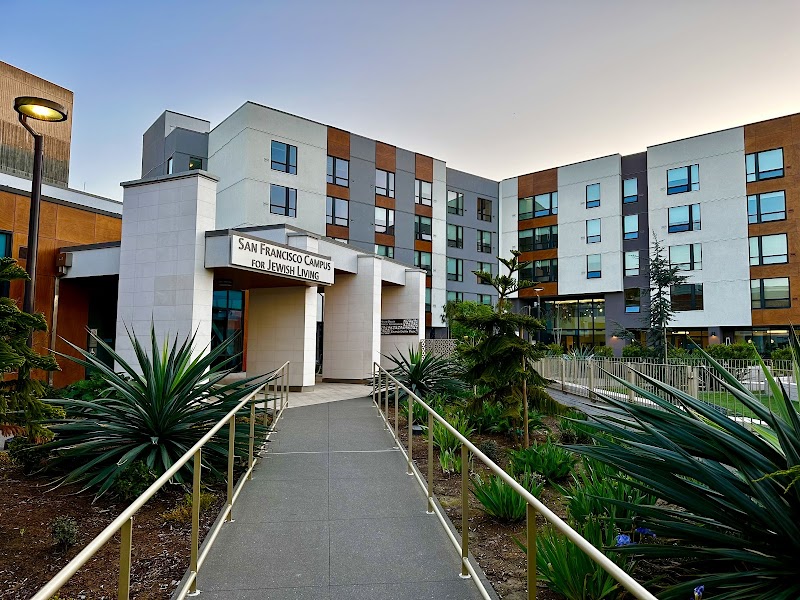
How is Jewish Home & Rehab Center D/P Snf Staffed?

CMS rates JEWISH HOME & REHAB CENTER D/P SNF's staffing level at 1 out of 5 stars, which is much below average compared to other nursing homes. Staff turnover is 37%, compared to the California average of 46%. This relatively stable workforce can support continuity of care.

What Have Inspectors Found at Jewish Home & Rehab Center D/P Snf?

State health inspectors documented 73 deficiencies at JEWISH HOME & REHAB CENTER D/P SNF during 2019 to 2025. These included: 2 that caused actual resident harm, 69 with potential for harm, and 2 minor or isolated issues. Deficiencies causing actual harm indicate documented cases where residents experienced negative health consequences.
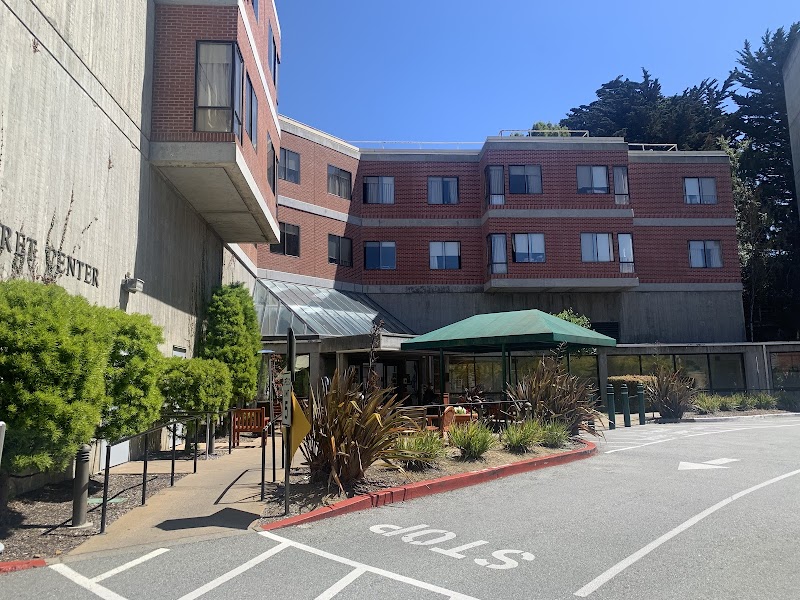
Who Owns and Operates Jewish Home & Rehab Center D/P Snf?

JEWISH HOME & REHAB CENTER D/P SNF is owned by a non-profit organization. Non-profit facilities reinvest revenue into operations rather than distributing to shareholders. The facility operates independently rather than as part of a larger chain. With 362 certified beds and approximately 332 residents (about 92% occupancy), it is a large facility located in SAN FRANCISCO, California.
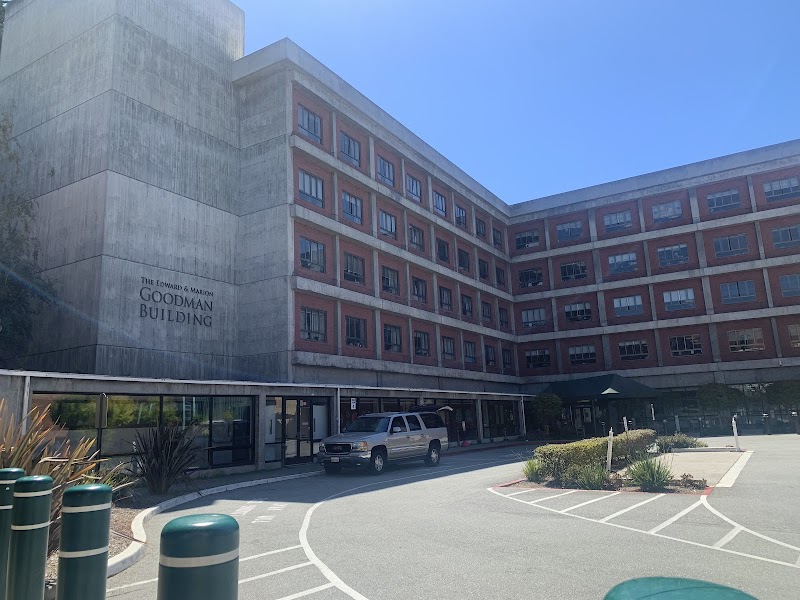
How Does Jewish Home & Rehab Center D/P Snf Compare to Other California Nursing Homes?

Compared to the 100 nursing homes in California, JEWISH HOME & REHAB CENTER D/P SNF's overall rating (1 stars) is below the state average of 3.1, staff turnover (37%) is near the state average of 46%, and health inspection rating (2 stars) is below the national benchmark.

What Should Families Ask When Visiting Jewish Home & Rehab Center D/P Snf?

Based on this facility's data, families visiting should ask: "Can you walk me through typical staffing levels on day, evening, and night shifts?" "Can I visit during a mealtime to observe dining assistance and food quality?" "How do you handle medical emergencies, and what is your hospital transfer rate?" "Can I speak with family members of current residents about their experience?" These questions are particularly relevant given the below-average staffing rating.

Is Jewish Home & Rehab Center D/P Snf Safe?

Based on CMS inspection data, JEWISH HOME & REHAB CENTER D/P SNF has a clean safety record: no substantiated abuse findings (meaning no confirmed cases of resident harm), no Immediate Jeopardy citations (the most serious violation level indicating risk of serious injury or death), and is not on the Special Focus Facility watch list (a federal program monitoring the lowest-performing 1% of nursing homes). The facility has a 1-star overall rating and ranks #100 of 100 nursing homes in California. While no facility is perfect, families should still ask about staff-to-resident ratios and recent inspection results during their visit.

Do Nurses at Jewish Home & Rehab Center D/P Snf Stick Around?

JEWISH HOME & REHAB CENTER D/P SNF has a staff turnover rate of 37%, which is about average for California nursing homes (state average: 46%). Moderate turnover is common in nursing homes, but families should still ask about staff tenure and how the facility maintains care continuity when employees leave.

Was Jewish Home & Rehab Center D/P Snf Ever Fined?

JEWISH HOME & REHAB CENTER D/P SNF has no federal fines on record. CMS issues fines when nursing homes fail to meet care standards or don't correct problems found during inspections. The absence of fines suggests the facility has either maintained compliance or corrected any issues before penalties were assessed. This is a positive indicator, though families should still review recent inspection reports for the full picture.

Is Jewish Home & Rehab Center D/P Snf on Any Federal Watch List?

JEWISH HOME & REHAB CENTER D/P SNF is not on any federal watch list. The most significant is the Special Focus Facility (SFF) program, which identifies the bottom 1% of nursing homes nationally based on persistent, serious quality problems. Not being on this list means the facility has avoided the pattern of deficiencies that triggers enhanced federal oversight. This is a positive indicator, though families should still review the facility's inspection history directly.