LAGUNA HONDA HOSPITAL & REHABILITATION CTR D/P SNF
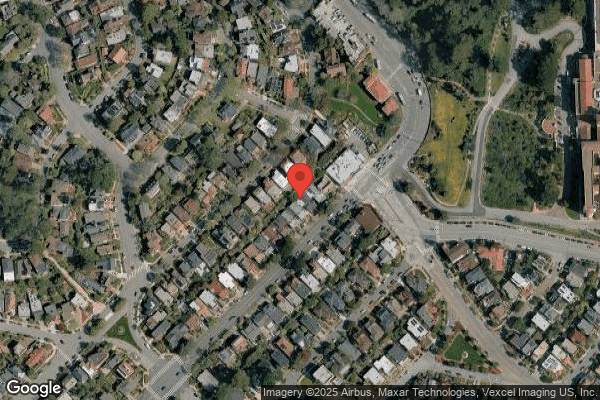

375 LAGUNA HONDA BLVD., SAN FRANCISCO, CA 94116 (415) 759-2300
For profit - Individual 769 Beds Independent Data: November 2025
Trust Grade
5/100
#613 of 1155 in CA
Last Inspection: May 2025

Inspected within the last 6 months. Data reflects current conditions.

Overview

Laguna Honda Hospital & Rehabilitation Center has received a Trust Grade of F, indicating significant concerns about the quality of care provided. Ranking #613 out of 1155 facilities in California places it in the bottom half, and at #15 out of 17 in San Francisco County, suggesting limited better options nearby. The facility's trend is improving, with issues decreasing from 13 in 2024 to 11 in 2025. Staffing is a strong point, with a perfect 5-star rating and 0% turnover, meaning the staff remains stable and familiar with the residents. However, they have faced serious incidents, including a resident sustaining facial fractures due to physical abuse from another resident and instances of sexual abuse and verbal mistreatment, which raise serious concerns about resident safety and rights. While the facility has good RN coverage, the overall environment and reported incidents indicate it may not be the best choice for families seeking care for their loved ones.

Trust Score
F
5/100
In California
#613/1155
Bottom 47%
Safety Record
High Risk
Review needed
Inspections
Getting Better
13 → 11 violations
Staff Stability
○ Average
Turnover data not reported for this facility.
Penalties
⚠ Watch
$64,826 in fines. Higher than 100% of California facilities. Major compliance failures.
Skilled Nurses
✓ Good
Each resident gets 138 minutes of Registered Nurse (RN) attention daily — more than 97% of California nursing homes. RNs are the most trained staff who catch health problems before they become serious.
Violations
⚠ Watch
39 deficiencies on record. Higher than average. Multiple issues found across inspections.
★★★☆☆
3.0
Overall Rating
★★★★★
5.0
Staff Levels
★★★☆☆
3.0
Care Quality
★★☆☆☆
2.0
Inspection Score
Stable
2024: 13 issues
2025: 11 issues

The Good

  • 5-Star Staffing Rating · Excellent nurse staffing levels
  • Full Sprinkler Coverage · Fire safety systems throughout facility
  • No fines on record

Facility shows strength in staffing levels, fire safety.

The Bad

3-Star Overall Rating

Near California average (3.1)

Meets federal standards, typical of most facilities

Federal Fines: $64,826

Above median ($33,413)

Moderate penalties - review what triggered them

The Ugly 39 deficiencies on record

6 actual harm
Aug 2025 1 deficiency 1 Harm
SERIOUS (G) 📢 Someone Reported This

A family member, employee, or ombudsman was alarmed enough to file a formal complaint

Actual Harm - a resident was hurt due to facility failures

Free from Abuse/Neglect (Tag F0600)

A resident was harmed · This affected 1 resident

Based on observation, interview, and record review, the facility failed to protect residents' rights to be free from physical abuse by a resident for one of three sampled residents (Resident 11) when ...

Read full inspector narrative →
Based on observation, interview, and record review, the facility failed to protect residents' rights to be free from physical abuse by a resident for one of three sampled residents (Resident 11) when Resident 12 struck Resident 11 on the left side of her face. This failure resulted in Resident 11 sustaining a left Zygomatic Arch (cheek bone area) fracture , Left Orbital (bone area around eye) wall fracture, and contusion (swelling) on the left side of her face. Findings: A record review of Resident 11's History and Physical (H & P, an assessment completed by a medical provider) dated 5/7/25 indicated, Resident 11 was admitted with multiple diagnoses including Vascular dementia (A usually progressive condition marked by the development of multiple cognitive deficits with abrupt or gradual onset that is caused by cerebrovascular disease), Dementia related behaviors, Cerebrovascular Accident (Stroke) in 2016, history of Panic Attacks (a sudden feeling or episode of panic), history of Possible Anxiety Disorder (any of various disorders in which anxiety is a predominant feature).During a concurrent observation and interview on 7/22/25 at 3:40 PM, in Resident 11's room, Resident 11 was observed lying in bed yelling loudly Who are you?! I don't want to be here! I don't want to be here! while attempting to climb out of her bed. COACH 1 (a person assigned to a resident for close supervision) was sitting at bedside and reassured Resident 11 she was in her room and it was time to rest. COACH 1 reported throughout the day, she assists Resident 11 with eating, dressing, incontinence (inability of the body to control the evacuative functions of urination or defecation) care, and preventing falls. At 3:46 PM, the Activity Therapist (ACT1) entered the room and introduced himself to Resident 11. Resident 11 yelled loudly Who are you? I'm scared! while holding on to his hand. ACT1 reassured resident she was safe and asked if she was in pain. Resident 11 stated, Yes! I hurt! My back, my leg, my face!. A review of the Resident 11's Minimum Data Set (MDS, a standard assessment tool) dated 5/20/25, indicated a Brief Interview of Mental Status (BIMS, a brief memory test to help determine cognitive function [includes thinking, learning, and decision making ability] score of 4 out of 15 (scores of 0-7 suggests severe cognitive impairment). A further review of Resident 11's MDS indicates Resident 11 has verbal behavioral symptoms not directed towards others that include rummaging, verbal/vocal symptoms like screaming, and disruptive sounds that occurred 1 to 3 days of the week. During a concurrent interview and record review on 7/24/25 at 2:09 PM with the Social Worker (MSW1), LHH MSW Resident Encounter Note dated 6/18/25 was reviewed. The resident encounter note indicated Resident 12 was transferred from a secured psych unit (this unit serves a psych population that requires. locked, psychiatric emergency, violent, self-harm, harm to others) from [Hospital A] with past behavioral history that included assault, wandering (a going about from place to place), suicidal ideation (the act of considering or planning suicide), and homicidal ideation (of, relating to, or tending toward homicide. Resident 12 always required a COACH at bedside and two personnel for direct care, due to assault risk at [Hospital A] and his history of violence (aggressive, assault, and combative), requiring wrist and vest restraints (a device that restricts movement) due to assault risk and history of endangerment or harm to others. Resident 12's former case manager reported Resident 12 had one episode of attacking someone with a pipe at a community clinic five years ago and he made occasional verbal threats. Recommendations from the [Hospital A] Registered nurse included providing space, when he is observed pacing or hyperventilating which provides relief. MSW1 stated resident encounter note was a brief summary of Resident 12's overall background, used to make recommendations for his care. During an interview on 7/23/25 at 3:01PM with Nursing Supervisor (SUP1), SUP1 stated the general practice for residents admitted with prior history of physical violence towards others requires a committee review and acceptance process. SUP1 stated Resident 12's preadmission screening (assessment to determine residents appropriateness prior to admission) was completed by the Clinical Nurse Specialist (an advanced practice registered nurse that provides consultation services for complex patient care needs) and Neuropsychologist (a doctor that is concerned with the integration of psychological observations on behavior and the mind). During an interview on 7/23/25 at 9:01 AM with the Clinical Nurse Specialist (CNS), the CNS stated Resident 12's behavior trigger (to cause an intense and usually negative emotional reaction in someone) was documented as Too much stimulation. The CNS stated Resident 12's identified triggers included, Too much stimulation, does not do well in groups, females were a trigger .and loud noises. He does well in a peaceful non stimulating environment. When asked what the patient population on the unit where both residents 11 and 12 resided, the CNS reported many residents have disruptive behaviors due to dementia with a wide range of functional abilities. The CNS added Resident 12 had a COACH for close monitoring/supervision but was stopped on 7/7/25, due to increased irritability and agitation.During a concurrent interview and record review on 7/24/25 at 4:13 PM with a Registered Nurse (RN1), a document titled Change of Condition Nursing Note dated 7/15/25 was reviewed. The Change of Condition Nursing Note indicated, Resident 12 had a recent change of condition (COC) involving physical aggression towards a visitor, when Resident 12 went after the visitor in anger causing a minor injury to the visitor. RN1 stated, A coach was assigned to him, but he became aggressive and was combative to the coach. The coach was stopped because he was angry due to the coach. He would be okay then instantly become violent and aggressive. During an interview on 7/24/25 at 2:09 PM with MSW1, MSW1 stated she was made aware of Resident 12's COC (physical aggression towards a visitor) on 7/15/25 via voicemail left by a licensed nurse. When asked if any updates were made to Resident 12's care plan, MSW1 stated I was not really clear on what actually happened, so I could not follow up. MSW1 stated no attempts were made to contact the reporting licensed nurse to gain further details of the COC. MSW1 acknowledged, updates to Resident 12's psychosocial care plan would have been made if it pertained to his level of wellbeing and adjustment. During an interview on 7/29/25 at 1:12 PM with Nurse Manager (NM), NM stated staff were made aware of Resident's 12's past aggressive physical behaviors, but due to his dementia he no longer was violent. NM defined triggers as Anything that will make somebody to behave in an abnormal way and recalled Resident 12's triggers included loud noise, women and hunger. NM confirmed he was made aware of the COC reported on 7/15/25 and verified the COC was discussed in daily huddle the next morning, but no resident care team meeting was coordinated in the daily huddle because MSW1 was still trying to follow up with the individual. When asked if there were any interventions implemented that decreased the likelihood of violent behaviors towards others, NM stated, If he (Resident 12) is exhibiting physical aggression then you leave him alone and go back later. which was communicated to the staff that provided care for Resident 12. During an interview on 7/24/25 at 3:43 PM with a personal care attendant (PCA, a person who provides resident's care), the PCA stated she was made aware of Resident 12's identified triggers with loud noises and bright lights. He becomes overwhelmed right away and wants to be left alone. The PCA stated Resident 11' s daily behaviors included yelling and making loud noises when awake. Prior to the incident, the PCA reported Resident 11 was sitting in the Great Room (dining area) yelling loudly, then PCA heard screaming and commotion. During an interview on 7/24/25 at 4:13 PM with a Registered Nurse (RN1) , RN1 stated prior to the incident Resident 11 was yelling loudly non- stop while sitting in the great room. When asked if Resident 12 was triggered by other residents with loud disruptive behaviors, RN1 stated Yes. During an interview on 7/24/25 at 2:25 PM with a Registered Nurse (RN2), RN2 stated they were familiar with Resident 12's care and prior to the assault, witnessed Resident 12 mumbling to himself I'm tired and I'm sick and pacing back and forth in the great room, while resident 11 was yelling loudly. RN2 stated, He (Resident 12) was telling me I'm tired and sick of this noise, then he suddenly ran over to her (Resident 11) then he just hit her on the left side of face. RN2 stated she was aware of resident 12's identified triggers including loud noises and disruptive behaviors. RN2 stated, He (Resident 12) does not like noise. If he hears noise, he becomes easily agitated. RN2 stated both Resident 11 and 12 were in great room for approximately 30 minutes prior to the incident. When asked if she believes Resident 11's loud yelling triggered Resident 12's aggressive behavior, RN2 replied Yes. During an interview on 7/24/25 at 3:43 PM with the PCA, the PCA stated she took Resident 11 to her room and provided first aid care after the incident. The PCA stated, She was in so much pain, she was crying, and saying how do I look? She said she was so scared. During an interview on 7/24/25 at 2:25 PM with RN2, RN2 stated Resident 11 reported feeling scared following incident and had visible injuries that included a swollen left eye, purple discoloration to left side of her face, and bleeding from left eyebrow. During an interview with Resident 11's RP on 7/23/25 at 1:36 PM, RP stated, After Resident 11 was assaulted she still remembers a lot of things (from the assault), and she is scared and terrified since she has walked back in the door, she has lost all of her fire. It's so sad. The RP provided additional details regarding Resident 11's multiple facial fractures and her permanent facial damage, based on the report given from the plastic surgeon consult while in the hospital. Due to her (Resident 11) age and stuff, they said it would not be good to do surgery. RP further stated, Resident 11 was able to walk around with minimal assistance, feed herself, and able to use phone to call family. Now they said she cannot do anything. She has lost all independence since the incident. During a review of Resident's 11 ED (Emergency Department) Provider Notes dated 7/17/25, ED Provider note indicated. CT (computed tomography scan, a non-invasive medical imaging procedure that uses x-rays and computer technology to create detailed images of the body) trauma brain face and cervical spine (!) IMPRESSION.3. Left ZMC fracture (zygomaticomaxillary complex, break in the left cheekbone) pattern with comminuted (a type of fracture where the bone is broken into more than two pieces) fractures of the zygoma/zygomatic arch (bones around eye), lateral orbital wall (side wall of the bony socket that contains the eyeball), inferior orbital wall (bony surface that forms the bottom of the eye socket), anterior maxillary wall (bone that forms the upper jaw), posterior maxillary wall (rear border of the maxilla bone in the skull), additional fractures of the left medial orbital and maxillary walls (bones that form the cheek area and part of the nasal cavity) .5. Significant subcutaneous edema (soft tissue swelling)A review of Resident 11's Resident Care Team MDS Assessment Note dated 7/18/25, MDS Assessment note indicated. Compared from previous comprehensive assessment (Dated: 5/20/25), resident (Resident 11) declined in areas of ADL Self Care: Eating- from partial/moderate assistance to substantial/maximal assistance to dependent. Oral hygiene, toileting hygiene, upper body dressing, lower body dressing, putting on/taking off footwear, personal hygiene- from substantial/maximal assistance to dependent with 1-2 person assist.Resident also declined in Mobility: Roll left and right, sit to lying, lying to sitting on side of bed, sit to stand, chair/bed to chair transfer, toilet transfer- from supervision or touching assistance to substantial/maximal to dependent with 1-2 person assist.Resident also declined in bladder incontinence from occ (occasional) to freq (frequent) incontinent. A review of the facility policy titled ABUSE AND NEGLECT PREVENTION, IDENTIFICATION, INVESTIGATION, PROTECTION, REPORTING AND RESPONSE, last revised on 4/14/25, indicated that physical abuse is defined as The willful infliction of injury, unreasonable confinement, intimidation, or punishment with resulting physical harm, pain or mental anguish, which can include staff to resident abuse and certain resident to resident altercations. The policy also indicated that, In cases of allegations of abuse.of resident-to- resident or visitor- to resident altercation, the nurse manager or the charge nurse, with input from the RCT [Resident Care Team, a collaborative group of people involved in a resident's care] and the resident (s) themselves shall take the lead in assessing and updating the resident's care plan (s). Considerations for care planning may include the following.staff action and/or inaction that may have contributed to the resident's behavior.Ability to modify the environment.Likelihood of repeat incident.Interventions to minimize the risk of reoccurrence.
Jun 2025 1 deficiency
CONCERN (D) 📢 Someone Reported This

A family member, employee, or ombudsman was alarmed enough to file a formal complaint

Potential for Harm - no one hurt, but risky conditions existed

Report Alleged Abuse (Tag F0609)

Could have caused harm · This affected 1 resident

Based on interview and record review, the facility failed to report four allegations of abuse, within two hours, to the California Department of Public Health (the Department). This failure had the p...

Read full inspector narrative →
Based on interview and record review, the facility failed to report four allegations of abuse, within two hours, to the California Department of Public Health (the Department). This failure had the potential to leave residents vulnerable to further abuse. Findings: A review of Form SOC 341 Report of Suspected Dependent Adult/Elder Abuse, dated 5/27/25, submitted by the facility to the Department on 5/27/25, at 17:53, indicated Residents 1 and 2 had been involved in a resident-to-resident sexual abuse. The report indicated Resident 2 was standing at bedside of Resident 1. Resident 2 attempting to open Resident 1's brief with his right hand, his left hand in his pants. When redirected, Resident 2 became physically aggressive towards the staff. The incident happened on 5/25/25 at 12:30 AM. Review of Resident 1's admission record, indicated, Resident 1 had a had stroke, with right sided weakness, Dysphagia, (difficulty swallowing), Aphasia, (difficulty with talking) and Neurocognitive disorder. Has a BIMS (Brief Interview for Mental Status) score of 0, daughter is decisionmaker. Review of Resident 2's admission record, indicated, Resident 2 has a diagnosis of Dementia associated with alcoholism with behavioral disturbance, non-intractable epileptic spasms (severe form of epilepsy that is resistant to antiepileptic drugs) and age related macular degeneration (causes loss of vision) of both eyes. During an interview and record review on 6/5/25, at 1:42PM, with Registered Nurse Manager, RNM1, per RNM 1, the incident happened in the middle of the night, when Resident 2 was observed by staff wandering and standing by his roommate's bedside. When charge nurse came, Resident 2 was trying to open his roommate's' brief. Resident 2 stated, this is my wife. Staff separated them, Resident 2 got physically aggressive. They moved Resident 1 to Isolation room temporary, till next day we placed him in a room where he is now. Both did not remember anything. Resident 2 has a new roommate who has a coach all the time. Both residents have a BIMS score of 0, cognitively impaired. Per RNM 1, the incident was reported by AM charge nurse, and reported to the team, but the team decided it was not reportable, MD decided it should be reported so the report was done late. During an observation on 6/5/25 at 1:45 PM, Resident 2 observed in the great room sitting, by himself, no activity, introduced myself, no response then got up used his walker. Observed Resident 1 in bed, smiling when introduced myself, no other response. During an interview on 6/5/25 at 3:35 PM, with Assistant Nursing Home Administrator (NHAA), NHAA stated, as the covering Abuse Coordinator, all staff are mandated reporter, they receive annually training on abuse and reporting. If they see an abuse, they need to report. They need to report within 2 hours of incident, as indicated in policy and procedure. CDPH phone number are posted all over the station, they can all anytime. During a phone interview on 6/6/25 at 9:16AM, with Registered Nurse (RN) 1, RN 1 stated they were the charge nurse that shift, got a call from staff, Resident 2 was wandering, he opened the blanket of roommate, his hand trying to open his roommate's brief, we separated them and Resident 2 became aggressive and was threatening. Called supervisor and Resident 1 was moved to another room, while Resident 2 was monitored that night. He was able to sleep, would get up to bathroom. This incident was reported to the team, but per the team it was not reportable. I documented what happened and reported to the team. Review of facility Policy and Procedure, abuse and Neglect Prevention, Identification, Investigation, Protection, Reporting and Response, dated, 4/25, indicated, Policy:2. All LHH employees, contractors and volunteers are mandated reporters of alleged incidents of abuse and/or suspicion of incidents of abuse. 4. LHH employees, contractors, and volunteers shall report alleged violations to the California Department of Public Health (CDPH), the Ombudsman and Nursing Operations within specified timeframes: a. Immediately, but not later than 2 hours after the allegation is mmade,if the events that cause the allegation involve abuse or result in serious bodily injury. Findings: During an interview on 6/4/2025 at 2:14PM with Patient Care Assistant 1( PCA1), PCA1 stated, I've been working as Resident 3's PCA since he was admitted , I've known him for a long time. I was working last 5/27/2025 from 7am to 3:30pm. I saw Resident 3 and Resident 4 sitting in front of the TV at the dining area, when suddenly Resident 4 went beside Resident 3 and started rubbing her hands to his face, to his neck then to his chest going down inside his pants. I asked what are you doing Resident 4! then she stopped and said that she was only kissing his hands. I reported to our team leader, RN2 but she replied to me that it's okay to touch because they are friends. When we had our huddle last 5/28/2025 I told the team about the incident, I know that I am a mandated reporter of abuse, but I don't know if this is reportable or not. During an interview on 6/5/2025 at 10:21AM with Social Worker (MSW) 1, MSW 1 stated, Resident 3 and Resident 4 have a long friendship. The incident was reported by one PCA seeing Resident 4 doing inappropriate touching to Resident 3 happened last 5/27/2025. It was reported during our morning huddle last 5/28/2025 and she did not know if it is reportable or not. As a mandated reporter of abuse we need to report it in 2 hours, but it took time to report. During Interview on 6/5/2025 at 10:23AM with Social Worker (MSW)2, MSW 2 stated, that as per PCA the incident happened last 5/27/2025 and it was reported to us during our morning huddle on 5/28/2025, but it was only last 5/30/2025 that I reported to CDPH and other agencies. There's a delay of reporting because we tried to reach out to the family of Resident 3, they live out of state. The family has been very happy what was happening with the friendship between Resident 3 and Resident 4, however I know it's my mistake not to report it right away. A review of Clinical Progress note dated 5/29/2025 at 10:13am, the Clinical Progress Note indicated Discussed with Family 1and Family 2 wanted to set up boundaries and report only if boundaries were not respected. I and others expressed to team that although family did not think this was reportable/not abuse, since these issues were raised and we were made aware, it should be reported. Addendum: S2 nurse manager reported to me that she discussed the situation that came to light today with abuse officer at LHH ( also LHH CEO) and they did not deem information learned today as reportable after reviewing situation and CMS guidelines. No report being made at this time. A review of Clinical Progress Note dated 5/30/2025 at 4PM, The Clinical Progress Note indicated an allegation of abuse was reported on 5/30/2025. On 5/27/2025 at 12:45PM a staff observed that a co-resident inappropriately touched Resident 3. Staff intervened when this was observed and both resident were kept separated. A resident to resident abuse investigation was initiated. Incident was reported to the following: CPDH at 2:47PM, Ombudsman at 2:05PM, Nursing Operations at 2:42PM, DON at 2:32pm, Abuse coordinator at 2:32PM, SFSD at 2:37pm, SOC 341 faxed to CDPH at 4:16pm.
May 2025 9 deficiencies
CONCERN (D)

Potential for Harm - no one hurt, but risky conditions existed

Deficiency F0552 (Tag F0552)

Could have caused harm · This affected 1 resident

**NOTE- TERMS IN BRACKETS HAVE BEEN EDITED TO PROTECT CONFIDENTIALITY** Based on observation, interviews, and record review the facility failed to ensure resident rights to choose treatment options wa...

Read full inspector narrative →
**NOTE- TERMS IN BRACKETS HAVE BEEN EDITED TO PROTECT CONFIDENTIALITY** Based on observation, interviews, and record review the facility failed to ensure resident rights to choose treatment options was honored for one of three residents (Resident 290) when, urine sample was sent for urine toxicology (also known as drug screen, a test that analyzes a urine sample to detect the presence of drugs or other chemicals) and completed on 4/16/25, which the resident refused. This deficient practice violated residents' rights to make medical decisions. Findings: Record review of Resident 290's Face Sheet, dated 5/1/25 indicated, Resident 290 was admitted to the facility on [DATE] at 11:30 AM. Record review of Resident 290's BIMS (Brief Interview for Mental Status - an assessment tool used to screen cognitive impairment), dated 2/1/25 indicated, a score of 15 (cognitively intact). Record review of Resident 290's Physician Progress Notes, dated 4/18/25 indicated, diagnoses including, quadriplegia (medical condition characterized by the partial or total loss of function in all four limbs and the torso) due to history of gunshot wound in 2017, stimulant disorder (substance use disorder where there is continued use of stimulants despite harm to the person using them), chronic stimulant disorder with metamphetamine (also known as meth or crystal meth, is a very addictive illicit drug) during his time at the facility, and chronic pain syndrome Record review of Resident 290's Physician's Order, dated 4/14/25 indicated, Toxicology screen, urine, electronically (e)-signed by the Physician on 4/14/25 at 11:53 AM. During a concurrent record review and interview on 4/30/25, at 1:25 PM, with the Registered Nurse (RN 8), the urine toxicology screening result, dated 4/16/25, was reviewed. RN 8 stated, the urine toxicology result on 4/16/25 was positive for metamphetamine. RN 8 stated resident was quadriplegic and staff would perform routine intermittent catheter procedure (ICP, method in which a thin, flexible tube is inserted into the urethra and then removed several times a day to empty the bladder), and bowel regimen (a structured plan or routine aimed at helping individuals manage their bowel movements, often to address conditions like constipation or fecal incontinence) to assist the resident. Record review of Resident 290's Nursing Notes, dated 4/14 /25 indicated, Resident refused urine tox screen Record review of the Urine Toxicology Screen, Status: Final result, dated 4/16/25 indicated, POSITIVE; for Amphetamine (a central nervous system (CNS) stimulant drug including metamphetamine). In a concurrent record review and interview, on 04/30/25 at 2:21 PM, with the Charge Nurse (CN 2), the Nursing Notes (NN) dated 4/14/25 was reviewed. CN 2 stated, staff don't usually check urine toxicology but, Even if the doctor orders it [urine tox] we still have to ask. When asked if the resident had given verbal permission, the CN 2 searched the Electronic Health Record and stated Resident 290 refused the toxicology test. CN 2 further stated the facility collected a urine sample on 4/16/25 and sent the specimens to the laboratory. During a concurrent observation and interview, on 4/29/25, at 1:15 PM, Resident 290 was in his room, in bed, awake, alert and oriented x 3 (aware of their person, place, and time). Resident 290 denied using illicit drugs. When asked if urine toxicology was done on 4/16/25, the resident stated, I refused it. Record review of the facility's Policy and Procedure titled, Resident/Patient Rights, with the last revise date of 9/2/23 indicated, POLICY: 1. Resident's/Patient rights are honored . 2. The resident /patient has a right to a dignified existence, . a. The facility shall treat each resident/patient with respect and dignity . b. The facility shall protect and promote the rights of the residents/patient.
CONCERN (D)

Potential for Harm - no one hurt, but risky conditions existed

Deficiency F0554 (Tag F0554)

Could have caused harm · This affected 1 resident

Based on observation, interview, and record review, the facility failed to appropriately administer medication when one of 35 sampled residents (Resident 414) was self-administering medication without...

Read full inspector narrative →
Based on observation, interview, and record review, the facility failed to appropriately administer medication when one of 35 sampled residents (Resident 414) was self-administering medication without being appropriately assessed and approved for self-administration. This failure had the potential for Resident 414 to aspirate (choking, the accidental inhalation of food, liquid, or other material into the lungs) from improperly administered medication. Findings: Review of Resident 414's History and Physical (H&P), dated 6/8/22, indicated Resident 414 had diagnoses including impaired mobility, impaired activities of daily living, left hemiparesis (weakness or the inability to move on one side of the body) and dysphagia (difficulty of swallowing). During a concurrent observation and interview on 4/29/25 at 11:02 AM with Resident 414, a half full cup of thick, dark orange colored liquid was seen on top of Resident 414's bedside table. Resident 414 drank it and stated, It's orange juice that tastes like Metamucil (a medication for constipation), when asked what it was. During an interview on 4/29/25 at 11:22 AM in Resident 414's room, Licensed Vocational Nurse (LVN) 4 acknowledged the thick, dark orange colored liquid found on Resident 414's bedside table was Metamucil mixed with orange juice. During a concurrent interview and record review on 4/29/25 at 11:25 AM with LVN 4, Resident 414's electronic medical record was reviewed. The record indicated on 4/29/25 at 8:25 AM, Resident 414's prescribed and scheduled Metamucil was administered. LVN 4 acknowledged Resident 414 was not observed taking the medication in full amount since the resident prefers to consume the Metamucil at his own pace. LVN 4 further stated, nursing staff to stay and observe the resident and to ensure the resident has taken the medication in whole amount when asked regarding the expectation during medication administration. During an interview on 4/30/25 at 10:27 AM, LVN 4 stated, Resident 414 couldn't open the packet (medication) on his own and does not consume the Metamucil in a timely manner, LVN 4 further stated, Resident 414 is not capable to self-administer medication. During an interview on 4/30/25 at 11:40 AM, Nurse Manager (NM)1 acknowledged she was made aware of Resident 414 not consuming his Metamucil in a timely manner and medication was left at bedside without the resident taking the full dose. NM 1 stated, I just found out yesterday after the nurse was asked about it. NM 1 further added, self-administration assessment was done after that and the resident failed. During a concurrent interview and record review on 4/30/25 at 11:45 AM with NM 1, Resident 414's electronic health record was reviewed. The record indicated the facility had not conducted an assessment to determine whether Resident 414 was capable and appropriate for self-administration. There was no physician's order authorizing Resident 414 to self-administer Metamucil. Additionally, there was no care plan addressing self-administration, nor were there interdisciplinary team (IDT) notes indicating Resident 414 can safely self-administer Metamucil on the day the resident was observed in doing so. When asked about the risk of Resident 414 self-administering Metamucil at the bedside, NM 1 stated, it can cause aspiration (choking, the accidental inhalation of food, liquid, or other material into the lungs). Review of the facility's policy and procedure (P&P), titled, BEDSIDE STORAGE OF MEDICATIONS, revised in December 2022, indicated .Prior to placing medications at the bedside, the interdisciplinary team shall determine that the resident can safely self-administer medications, and an appropriate plan of care shall be written . The P&P further indicated .No other medications or herbal supplements shall be kept at bedside .
CONCERN (D)

Potential for Harm - no one hurt, but risky conditions existed

Deficiency F0655 (Tag F0655)

Could have caused harm · This affected 1 resident

**NOTE- TERMS IN BRACKETS HAVE BEEN EDITED TO PROTECT CONFIDENTIALITY** Based on interview and record review, the facility failed to ensure the baseline care plan was developed within 48 hours of admi...

Read full inspector narrative →
**NOTE- TERMS IN BRACKETS HAVE BEEN EDITED TO PROTECT CONFIDENTIALITY** Based on interview and record review, the facility failed to ensure the baseline care plan was developed within 48 hours of admission for one of 35 sampled residents (Resident 879) on ADL (Activities of Daily Living) for oral care. This failure had the potential to result in inadequate care and services rendered to Resident 879. Findings: Review of Resident 879 admission record indicated, Resident 879 was admitted on [DATE] , indicated during admission, diagnoses including Stroke, Dysphagia (trouble swallowing), Heart Failure, Aphasia (unable to speak), Systemic lupus erythematosus (a chronic condition where the body's immune system attacks its own tissues). During an interview on 04/30/25 at 9:48 AM with Nurse Manager 2 (NM 2). NM 2 stated baseline assessment is usually done during admission and within 48 hours. NM 2 confirmed baseline care plan was not developed within 48 hours after admission. During an interview on 04/30/25 9:50 AM with Patient Care Assistant1 (PCA 1), PCA 1 stated for a new admit resident we have to check the basic care plan for the patient on ADL on what to do and what the resident do every day. If it's not on the care plan we won't do it A review of Resident 879's Clinical record review Care Plan, dated 4/23/2025, indicated Resident 879, Dental Care Plan start on 4/23/2025 expected end 7/23/2025. Goal will maintain oral and dental health daily. A review on facility's policy and procedure titled, Resident Care Plan (RCP) Resident care team (RCT) and resident care conference (RCC), revised 9/12/2023 .Baseline Care Plan. 1. Shall be initiated by nursing within eight hours on the day of admission 2. Shall be completed and implemented within 48 hours of a resident's admission.
CONCERN (D)

Potential for Harm - no one hurt, but risky conditions existed

Deficiency F0658 (Tag F0658)

Could have caused harm · This affected 1 resident

**NOTE- TERMS IN BRACKETS HAVE BEEN EDITED TO PROTECT CONFIDENTIALITY** Based on observations, interviews, and record reviews, the facility failed to meet professional standards of quality when: 1.One...

Read full inspector narrative →
**NOTE- TERMS IN BRACKETS HAVE BEEN EDITED TO PROTECT CONFIDENTIALITY** Based on observations, interviews, and record reviews, the facility failed to meet professional standards of quality when: 1.One out of two sampled residents (Resident 183) received oxygen therapy outside the prescriber's order. This failure could potentially result in negative outcomes for Resident 183 like shortness of breath, fatigue and confusion. 2.Two residents out of 42 sampled residents reviewed for medication administration (Resident 44 and Resident 155) received medication outside the prescriber's order and parameters. These failures resulted in Resident 44 receiving prescription medication Glipizide (a medication to treat high blood sugar) 10 mg tablet for type 2 diabetes mellitus (high blood sugar) outside prescribing parameters and Resident 155 receiving incorrect application of Lidocaine 5% patch for pain outside the prescriber's order. These failures have the potential for Resident 183, Resident 44, and Resident 155 to receive inadequate care. Findings: 1.Review of Resident 183's MDS (minimum data set - a federally mandated resident assessment tool), dated 4/7/25, indicated Resident 183 was readmitted to the facility on [DATE] with diagnoses including chronic obstructive pulmonary disease (COPD, a lung disease that makes breathing hard) and had a Brief Interview for Mental Status (BIMS, MDS tool that measures resident cognition) score of 15, indicating intact cognitive function. During an observation on 4/29/25 at 10:26 AM, Resident 183 was observed breathing through his mouth while receiving oxygen (O2) at 1 liter per minute (lpm, unit that express flow rate) via nasal cannula (a medical device that provides supplemental oxygen to a resident through the nose) connected to the wall oxygen. During a concurrent observation and interview on 4/29/25 at 10:46 AM with Registered Nurse (RN) 5 in Resident 183's room, Resident 183 was receiving oxygen at 1 lpm via nasal cannula connected to the wall oxygen. RN 5 increased the oxygen to 2 lpm and stated, It should be at 2 lpm, as ordered by the doctor. During a concurrent interview and record review on 4/29/25 at 10:50 AM with RN 5, Resident 183's electronic health record was reviewed. The physician's order, in the record, dated 12/20/23, indicated oxygen at 2 1pm via nasal cannula to maintain an oxygen saturation level (O2 sat, a measurement of how much oxygen the blood is carrying as a percentage) above 92% as needed (PRN) for COPD/ history of obstructive sleep apnea (OSA, a condition when breathing stops and starts during sleep due to a blockage in the throat). When asked about the oxygen saturation of Resident 183 for that day, RN5 stated, No oxygen saturation was charted this morning. The last recorded oxygen saturation was on 4/27/25 at 10:13AM, two days ago. During an interview on 4/30/25 at 11:08 AM, Nurse Manager (NM)1 acknowledged being aware of Resident 183's physician order for PRN oxygen at 2 lpm, which was not followed. NM 1 also confirmed the oxygen saturation was taken but not documented in the electronic health record. NM1 stated, Resident 183's oxygen saturation was 95% the previous morning. NM 1 further stated, Resident 183 did not require PRN oxygen based on the reading. During a concurrent interview and record review on 5/1/25 at 1:04 PM with NM1, Resident 183's electronic health record was reviewed. The record indicated on 4/29/25 at 8:31 AM, Resident 183's oxygen saturation was 95%. However, it was not documented whether the resident was on oxygen or room air at the time of the reading. NM1 stated, staff are expected to check oxygen saturation while the resident is on room air especially when a PRN oxygen order is in place to determine whether supplemental oxygen is needed. Review of Resident 183's care plan titled Problem: Respiratory-Adult, dated 3/23/22, indicated .On PRN supplemental oxygen via nasal cannula at 2 liters per minute to keep O2% (oxygen percentage) saturation above 92% . Review of the facility's policy and procedure (P&P) titled, Resident Care Plan (RCP), Resident Care Team (RCT) & Resident Care Conference (RCC), last updated on 9/12/23, indicated .Policy .Care problems require various professional disciplines working together in planning, implementing and evaluating goals and interventions . Review of the facility's P&P titled, Oxygen Administration last updated in September 2006, indicated .Nasal Cannula .Adjust liter flow according to physician order . 2. During concurrent observation, interview, and record review, the observation of Medication Administration on 04/30/2025 showed RN6 gave Resident 44 Glipizide 10 mg tablet at 10:16 AM. Record review of the electronic health record (EHR), for Resident 44 revealed Glipizide 10 mg tablet was ordered for every morning before breakfast. Interview of RN6 provided confirmation that Glipizide 10 mg tablet was administered after breakfast instead of before breakfast, at the incorrect time. RN6 confirmed breakfast for Resident 44 was completed at 8:30 AM. RN6 confirmed order for Glipizide 10 mg tablet requires administration every morning before breakfast. During a concurrent interview and record review on 4/30/25 at 10:16 AM, RN 6 acknowledged Resident 44 did not receive Glipizide 10 mg tablet before breakfast according to the prescriber's order. During concurrent observation, interview, and record review, the observation of Medication Administration on 04/29/25 at 10:06 AM showed that LVN3 gave Resident 155 an application of two Lidocaine 5% patches to the mid-lower back area and to the area over the right lower ribs. Record review of the EPIC EHR for Resident 155 revealed the order parameters for the two Lidocaine 5% patches requires application of the Lidocaine 5% patches to the right shoulder and to the right rib area for pain. Interview of LVN3 provided confirmation that one Lidocaine 5% patch was incorrectly applied to the mid-lower back area, instead of the right shoulder. LVN3 confirmed that the order parameters for Lidocaine 5% patch requires administration of the two Lidocaine 5% patches to the right shoulder and to the right rib area for pain. LVN3 confirmed applying one of the Lidocaine 5% patches incorrectly to the mid-lower back area. After acknowledging the error, LVN3 corrected the error by removing the Lidocaine patch on the mid-lower back and placing it on the right shoulder of Resident 155. Resident 155 did not receive the correct application of one Lidocaine 5% patch to the correct location of the right shoulder according to the order parameters. Record review of Laguna [NAME] Hospital-wide Policies and Procedures entitled Medication Administration notes that the Licensed Nurses (LN) will follow the 6 Rights of medication administration listed as: Right resident, Right drug, Right dose, Right time, Right route, Right documentation.
CONCERN (D)

Potential for Harm - no one hurt, but risky conditions existed

Pharmacy Services (Tag F0755)

Could have caused harm · This affected 1 resident

**NOTE- TERMS IN BRACKETS HAVE BEEN EDITED TO PROTECT CONFIDENTIALITY** Based on observation, interview and record review, the facility failed to accurately dispose of and record disposal of controlle...

Read full inspector narrative →
**NOTE- TERMS IN BRACKETS HAVE BEEN EDITED TO PROTECT CONFIDENTIALITY** Based on observation, interview and record review, the facility failed to accurately dispose of and record disposal of controlled drugs for one of one sampled resident reviewed for safe and secure disposal and recording methods for controlled medications (Resident 332). This failure could result in Resident 332 receiving an inaccurate dose or diversion of the controlled medication. Findings: During an observation of Medication Room on 04/30/2025 at 10:31 AM revealed an Omnicell receipt dated 04/30/2025 with time 10:03 AM for Methadone Concentrate 50 mg/ 5mL Cup, with the names of RN3 and RN4 noted on the receipt for Resident 332, and with an administration amount noted as 90 mg and a waste amount noted as 10 mg. Methadone is classified as a Schedule II controlled substance, which means it is recognized for its medical use but has a high potential for abuse and addiction. This classification indicates that even though methadone can be prescribed for certain conditions, such as for pain management, it must be carefully regulated to prevent misuse (UpToDate 2025). Interview of NS2 on 04/30/2025 at 10:31 AM revealed that all Omnicell receipts are reviewed by the Licensed Nurses (LN) at the end of the day and then discarded. NS2 confirmed RN3 was the witness for RN4 regarding the 10 mg waste amount noted on the Omnicell receipt dated 04/30/2025 with time 10:03 AM for Methadone Concentrate 50 mg/ 5mL Cup for Resident 332. Interview of RN3 on 04/30/2025, shortly after interviewing NS2, confirmed RN3 was the witness for the disposal of Methadone Concentrate 50 mg/ 5mL Cup for Resident 332 on 04/30/2025 with time 10:03 AM. RN3 was asked to verbalize the process of disposing 10 mg of the Methadone Concentrate 50 mg/ 5mL. RN3 noted that 10 mg of Methadone Concentrate 50 mg/5 mL was first measured using a measuring cup. RN3 noted that both the 10 mg liquid of Methadone Concentrate 50 mg/ 5mL Cup and the measuring cup that the liquid was in, was then disposed of together in the black container with signage attached to the front of the container that indicates PHARMACEUTICAL WASTE/DISPOSAL FOR ALL NON-CONTROLLED SUBSTANCE WASTE, because it did not fit in the PRO SERIES RX Destroyer with signage attached to the front of the container that indicates FOR CONTROLLEDSUBSTANCE WASTE/DISPOSAL. Interview of NS2 on 04/30/2025, immediately after interview of RN3, confirmed correct process for disposal of 10 mg of Methadone Concentrate 50 mg/5 mL that should start with pouring the liquid into the PRO SERIES RX Destroyer FOR CONTROLLED SUBSTANCE WASTE/DISPOSAL and disposal of the cup into the black container for PHARMACEUTICAL WASTE/DISPOSAL FOR ALL NON-CONTROLLED SUBSTANCE WASTE. NS2 confirmed RN3 did not verbalize the correct process for disposal of 10 mg of Methadone Concentrate 50 mg/5 mL. Record review of Laguna [NAME] Hospital-wide Policies and Procedures 25-15 Medication Administration last revised on 02/03/2025 notes in item 16 that controlled substances shall be disposed of in the RxDestroyer located in the medication rooms.
CONCERN (D)

Potential for Harm - no one hurt, but risky conditions existed

Deficiency F0802 (Tag F0802)

Could have caused harm · This affected 1 resident

Based on observation, interview, and facility document review, the facility failed to ensure that one out of one kitchen staff was competent when testing sanitizer (a substance or product that reduces...

Read full inspector narrative →
Based on observation, interview, and facility document review, the facility failed to ensure that one out of one kitchen staff was competent when testing sanitizer (a substance or product that reduces or eliminates microorganisms such as bacteria on surfaces to a safe level) strength used to sanitize food contact surfaces. This failure had the potential to result in compromising infection control and resident safety. Findings: During an observation and interview on 4/28/25 at 1:45 PM with Food Service Supervisor (FSS)1, FSS1 stated he was responsible for testing the sanitizer strength for the sanitizer used in the red buckets (sanitizer used to test food contact surfaces). FSS1 demonstrated how he tested the sanitizer strength. FSS1 held a sanitizer test strip in the sanitizer solution inside a red bucket for 20-21 seconds then immediately compared the color of the strip to the color chart on the test strip packaging to determine the concentration. When FSS1 was asked how many seconds the test strip was to be held in the solution, FSS1 stated for about 10 seconds. Review of the manufacturer's label on the test strip container showed to immerse the strip in solution for 5 seconds, then evaluate the color 10 seconds after removing the test strip from the sample. Match the center of the test strip pad to the color chart to determine concentration. During a facility document review of Food & Nutrition Services Department In-Service: Three Bucket Sanitizing Method, dated December 2024, the Department In-Service indicated FSS1 was in attendance. Furthermore, included in the Department In-Service documents of December 2024, titled Policies & Procedures: 1.165 General Cleaning and Sanitizing work Surfaces and Kitchen or Galley Equipment 16) It is important to follow the policy and procedure on testing the concentration of Sink & Surface Cleaner Sanitizer. This will be done by Chef, Supervisor or team-Leader twice daily to ensure that the chemical is being effective. During an interview on 5/1/25 at 11:15 AM, the Food Service Manager (FSM) stated she conducted the In-Service training for the Three Bucket Sanitizing Method on December 2024, but the training did not include how long to immerse the test strip in the solution. Review of the facility's policy and procedure (P & P) titled, 1.80 Testing of correct titration for Sanitizer, revised 8/24, was to ensure that the department approved chemical used for sanitizing food service work equipment and surfaces are at the correct titration . Procedure: 1. Twice a day (AM and PM) the Supervisor, Chef, or designee will test titration with proper testing strips to ensure that it's at appropriate Parts Per Million (PPM) for sanitizing the work surface area and food service equipment.
CONCERN (D)

Potential for Harm - no one hurt, but risky conditions existed

Food Safety (Tag F0812)

Could have caused harm · This affected 1 resident

Based on observation, interview, and facility document review, the facility failed to ensure that food stored in a resident refrigerator located in a great room (great room is the large resident dinin...

Read full inspector narrative →
Based on observation, interview, and facility document review, the facility failed to ensure that food stored in a resident refrigerator located in a great room (great room is the large resident dining area on each unit/floor) were stored according to professional standards for food service safety when: 1. Lunch meat was not discarded according to manufacturer's instructions; and 2. Food items intended to be stored frozen were not stored frozen. The failure to store food according to the manufacturer's instructions for two residents (Resident 1 and Resident 420) out of 506 residents had the potential to result in food borne illness his practice poses a risk to residents' health and safety by potentially compromising food quality and safety. Findings: 1. Durng an observation on 4/30/25 at 1:15 PM on North 1's great room, showed two refrigerators used to store food belonging to residents located in the great room dining area. One refrigerator contained an opened package of sliced ham. A facility placed date label showed Date today: 4/20/25 Expiration date:6/27/25. Manufacturer expiration date printed on the package was 6/27/25. The package also showed to use within seven days of opening. During an interview on 4/30/25 at 1:15 PM with Registered Nurse 1 (RN1) and Registered Nurse 2 (RN2), RN1 confirmed the open package of deli meat. RN2 stated facility uses the manufacturer expiration date for lunch meat. RN2 stated the Food Service Director (FSD) was called when they had questions about food storage for residents but did not call FSD about the storage date for the lunch meal. RN 2 confirmed the facility placed date label did not indicate when the package was opened. During an interview on 4/30/25 at 2:25 PM with Food Service Director (FSD), FSD confirmed the ham lunch meat package showed to use within 7 days of opening and nursing should be following manufacturer's instructions on the package. FSD also stated he referred to the Federal Drug Administration (FDA) guidelines for food storage which showed to store processed, packed deli meat for up to three to five days after opening. 2. An observation on 4/30/25 at 1:15 PM on North 1's great room showed a turkey pot pie stored in the same refrigerator as the lunch meat. The pot pie had a facility placed label that showed Date today: 3/22/25 Expiration date: 4/5/26. The manufacturer's instruction on the packaging showed to keep frozen, do not thaw. It was noted the instructions did not show the pot pie was to be thawed prior to cooking. A concurrent observation on 4/30/25 at 1:15 PM., showed a box of Uncrustables Thaw and Eat Chocolate Filled Hazelnut Spread Sandwich with a facility placed label Date Today: 4/19/25 Expiration Date: 10/13/25. The manufacturer's instruction on the package showed to keep frozen until ready to eat, thaw 30-60 minutes at room temperature. During an interview on 4/30/25 at 1:15 PM with Registered Nurse 1 (RN1) and Registered Nurse 2 (RN2), RN1 and RN2 confirmed the great rooms have only refrigerators, no freezers, and that the freezers in the galley kitchens (compact kitchens on individual units/floors with a smaller layout utilized for food storage and simple preparation) were used only for ice cream and other frozen foods from the facility's main kitchen. During an interview on 4/30/25 at 2:25 PM with FSD, FSD stated he did not know where resident's personal frozen food brought in from the outside should be stored. FSD stated he made recommendations to the nursing staff to get tabletop freezers for the great rooms for frozen foods brought in by outsiders (family, friends, visitors). FSD stated he did not want resident's personal food brought in from the outside stored in the galley kitchens due to cross-contamination. Review of the facility's policy and procedure (P & P) titled, 1.1 Food From Home or Outside Sources Served Directly to Residents, dated Revised: 7/2024, showed , Food intended for resident consumption from outside sources shall be held to the same high levels of food safety and sanitation, storage, handling, and consumption as properly applied in the Food and Nutrition Services Department . Procedure: 3. Food brought in by family or visitors shall be stored separately or easily distinguishable from facility food. Perishable food is labeled with the resident's name, date received and expiration date, and kept in the designated resident refrigerator. 4. Food from home is discarded after 3 days or per manufacturer recommendation. Review of the facility's P&P titled Food Supply/Food Storage dated 7/2024, showed food that is outdated, spoiled, or contaminated will be removed from the general storage area. The maximum period perishable products will be retained under refrigeration will be 72 hours or per manufacturer's recommendation. According to the 2022 Federal Food Code, frozen food shall remain frozen.
CONCERN (F)

Potential for Harm - no one hurt, but risky conditions existed

Garbage Disposal (Tag F0814)

Could have caused harm · This affected most or all residents

Based on observation, interview, and facility document review, the facility failed to ensure one, full, outside refuse (garbage) container lid was closed, and that outside recycle and compost bins wer...

Read full inspector narrative →
Based on observation, interview, and facility document review, the facility failed to ensure one, full, outside refuse (garbage) container lid was closed, and that outside recycle and compost bins were cleaned. This failure had the potential to attract pests such as rodents and insects resulting in the spread of disease to all residents for a facility census of 506. Findings: During a concurrent observation and interview with Food Service Director (FSD) on 4/29/25 at 10:21 AM, showed two black garbage bins stored against a building across from the kitchen loading dock area. One garbage bin was filled to the top and the lid was open. Contents of the open garbage bin included used food containers. During a concurrent observation outside behind the kitchen across from the loading dock area and interview on 4/30/25 at 10:21 AM, the Director of Emergency Management (DEM) confirmed the full garbage bin lid was opened and stated the lid should be closed. During a concurrent observation and interview on 4/30/25 at 10:23 AM, with DEM and the Executive Director of Facility Services (EDFS), showed compost and recycle bins stored on the grounds behind and off to the side of the back kitchen, loading dock area. There were over 60 bins (blue and green). Flies were flying around the bins. The majority of the bins had black residue on the outside surface. Three blue recycle bins lids were opened to observe the contents. Two blue bins were filled with empty food containers. There was black residue on the inside surface of the bins, including the inside surface of the bin lid. One of the blue bins was mostly empty with some garbage and empty food containers at the bottom. The inside surface of the bin was covered in black residue. Four green bins were opened to view the contents. All of the bins were mostly empty with what appeared to be food residue and pieces of garbage at the bottom and some black residue on the inside surfaces. In addition, the green bins were wet inside. EDFS stated the bins were not clean. The DEM stated the bins were emptied once at the end of the day, and pressure washed once per month. According to the 2022 Federal Food Code, receptacles for outdoor refuse, recyclables, and returnables, are to have tight fitting lids and shall be cleaned at a frequency necessary to prevent them from developing a buildup of soil or becoming attractants for insects and rodents.
CONCERN (F)

Potential for Harm - no one hurt, but risky conditions existed

Deficiency F0925 (Tag F0925)

Could have caused harm · This affected most or all residents

Based on observation, interview, and facility document review, the facility failed to ensure the kitchen was free from flies. The failure to ensure the kitchen was free from flies had the potential to...

Read full inspector narrative →
Based on observation, interview, and facility document review, the facility failed to ensure the kitchen was free from flies. The failure to ensure the kitchen was free from flies had the potential to contaminate food, equipment, and utensils and result in pest transmitted disease for 467 residents who received food from the kitchen out of a census of 506. Findings: An observation during the initial tour of the kitchen on 4/28/25 at 9:12 AM, showed small flies were on the ceiling and walls in the dish machine room, mainly around the area where bins were located for items such as shredded paper, refuse, and recycling. An observation and interview in the kitchen on 4/29/25 at 10:00 AM., showed at least 15 small flies on the ceiling above refuse, recycling bin area. In addition, there were also at least four flies on the ceiling in the food production/trayline area. The Food Service Director (FSD) confirmed there were flies on the ceiling and stated he was not aware of the flies in the kitchen. FSD stated the pest company serviced the kitchen three times a week. FSD stated if staff noticed flies, the staff placed a work order to Facilities and Facilities notified the pest company. FSD stated it had been a while since a work order was placed for flies in the kitchen. During an interview with Food Service Supervisor (FSS) 2 on 5/2/25 at 9:34 AM, FSS 2 stated whenever she observed flies in the kitchen, she documented on a checklist and placed a workorder. During consecutive document review and interview with FSS 2 on 5/2/25 at 9:35 AM, the Kitchen & Café Inspection Checklist dated 4/15/25, and 4/25/25 showed flies were identified by FSS 2. Checklists dated 4/11/25 and 4/25/25 showed a work order was placed for flies. FSS 2 confirmed she identified flies in the kitchen on 4/11/25, 4/15/25 and 4/25/25 but she was not sure if a work order was placed on 4/15/25. FSS 2 stated she often noticed flies in the meat chopper food production area. Review of Web Request Work Order dated 4/11/25 (work order number 20795), and 4/26/25 (work order 20967) showed the work orders were created by FSS 2 for fruit flies at pot washer area ceiling and meat chopper ceiling (20795) and at shredder bin area around (20967). Documentation for work order 20794, showed the work order was placed on 4/11/25 and on 4/14/25, the pest company inspected and vacuumed 25 fruit flies around the chopper area. Documentation for work order 20967 showed the work order was placed on 4/26/25 and on 4/28/25 the pest company inspected and vacuumed fruit flies. During an interview with FSD on 5/2/25 at 10:05 AM, FSD stated while the pest company was notified of fly activity in April 2025 and the pest company conducted their regular pest service in the kitchen, specific action to eliminate flies was not taken. According to the 2022 Federal Food Code, premises (physical facility) shall be maintained free from insects and other pests.
Nov 2024 6 deficiencies
CONCERN (D)

Potential for Harm - no one hurt, but risky conditions existed

Comprehensive Care Plan (Tag F0656)

Could have caused harm · This affected 1 resident

**NOTE- TERMS IN BRACKETS HAVE BEEN EDITED TO PROTECT CONFIDENTIALITY** Based on observation, interview, and record review, the facility failed to develop a comprehensive care plan for one out of 35 s...

Read full inspector narrative →
**NOTE- TERMS IN BRACKETS HAVE BEEN EDITED TO PROTECT CONFIDENTIALITY** Based on observation, interview, and record review, the facility failed to develop a comprehensive care plan for one out of 35 sampled residents (Resident 62) when Resident 62's comfort care was not care planned. This failure has the potential for Resident 62 to not receive person-centered services. Findings: Review of Resident 62's medical record, indicated, admitted on [DATE] with diagnosis including Seizure/Brain Injury. During an observation of Resident 62 on 11/4/24 at 11 AM, resident in bed, with oxygen via nasal cannula. Opened eyes when name was called. Not verbally responsive. During a concurrent interview and record review on 11/6/24 at 1:30 PM, with NM1 (Nurse Manger), per NM1 Resident 62 is on comfort care. Review of HCA (Health Care Advance Directive) indicates DNR/DNI. Review of ACP (Advanced Care Planning) dated 10/26/24, by Physician, indicated, The GOC (Goals Of Care) are Comfort base, without escalation off S4, unless minor and reversible circumstances. Code Status: is DNR/DNI. Review of resident care plan, no care plan found on comfort care. Per NM1, it should be care planned and did not find one. Review of facility policy and Procedure, Resident Care plan (RCP), Resident Care Team (RCT) & Resident Care Conference (RCC), dated 2/13/24, indicated, Purpose: It is the policy of LHH to develop and implement a comprehensive person- centered care plan for each resident, consistent with the patient's rights, that includes measurable objectives and timeframes to met their medical, nursing, mental and psychosocial needs . 4. Comprehensive Care Plan: v. Address other important considerations, such as advance care planning and palliative care.
CONCERN (D)

Potential for Harm - no one hurt, but risky conditions existed

Quality of Care (Tag F0684)

Could have caused harm · This affected 1 resident

Based on interview and record review, the facility failed to follow the speech language pathologist's (SLP, a health care professional who assesses, diagnoses, and treats speech, language, and swallow...

Read full inspector narrative →
Based on interview and record review, the facility failed to follow the speech language pathologist's (SLP, a health care professional who assesses, diagnoses, and treats speech, language, and swallowing disorders in people) recommendations in one out of 6 sampled residents (Resident 78) when SLP 1 recommended a special diet for Resident 78 until reassessment of Resident 78's swallowing ability after esophageal dilation (a procedure that widens the tube connecting the mouth to the stomach to make it easier to swallow), but Resident 78 was continued onto a regular diet without reassessment by a SLP. This failure has the potential for Resident 78's swallowing ability to be inaccurately assessed leading to a high risk of aspiration (the accidental inhalation of food, liquid, or other material into the lungs) or choking. Findings: A review of a physician progress note, dated 11/01/24, indicated that Resident 78 had multiple medical issues including paraplegia (loss of movement and/or sensation, to some degree, of the legs) and schizophrenia (a mental illness that is characterized by disturbances in thought). During a concurrent interview and record review on 11/07/24 at 1:05 PM with SLP 2, SLP 1's evaluation titled DYSPHAGIA [difficulty swallowing] EVALUATION ONLY, dated 06/20/23, was reviewed. SLP 1's evaluation indicated that Resident 78 is at risk of aspiration . MD [medical doctor] reported that pt [Resident 78] has esophageal dilation scheduled in August. She is recommended to continue with a puree diet [a soft, smooth diet of ground, pressed, or strained foods for people who have trouble chewing, swallowing, or digesting solid foods] and thin liquids [watery liquids that are easy to pour and are the most common liquids people drink] until then . Please re-refer pt for a swallow eval after esophageal dilation. SLP 2 stated that this was the most current evaluation done by an SLP at the facility and Resident 78 did not have a swallow evaluation after this one. A review of a procedure note, titled Op Note, dated 08/11/23 indicated that Resident 78 underwent an esophagogastroduodenoscopy (EGD, a procedure that allows a doctor to examine the inside of the upper gastrointestinal tract) in which the esophagus was dilated (widened). A review of Resident 78's care plan, titled Problem: Swallowing difficulty, dated 06/29/24, indicated a goal of Will tolerate enteral nutrition [a way of sending nutrition right to the stomach or small intestine] without swallowing difficulty. The care plan further indicated interventions including Staff continue to educate [Resident 78] .to notify RD [Registered dietician], MD, SLP, or RCT [resident care team, a collaborative group of people involved in a resident's care] members if she has trouble chewing or swallowing with current regular diet textures ( .[Resident 78] accepts risk of aspiration while on regular diet, see treatment plan note 08/23/24). A review of physician's document, titled Treatment Plan, dated 08/23/24 indicated that MD 1 met with Resident 78 and Discussed diet texture. Wants to continue regular diet despite risks of aspiration.
CONCERN (D)

Potential for Harm - no one hurt, but risky conditions existed

Medication Errors (Tag F0758)

Could have caused harm · This affected 1 resident

Based on interview and record review, the facility failed to give a clinical rationale (specific reason a medication or procedure is done) for a PRN (given as needed or requested) medication order bey...

Read full inspector narrative →
Based on interview and record review, the facility failed to give a clinical rationale (specific reason a medication or procedure is done) for a PRN (given as needed or requested) medication order beyond 14 days of a psychotropic drug (any drug that affects brain activities associated with mental processes and behavior) in one of five sampled residents (Resident 1) when Resident 1 was prescribed Ativan (a sedating medication) for 90 days. This failure has the potential for Resident 1 to be continued on psychotropic medications that may be unnecessary for their care or physical, mental, functional, and psycho-social well-being. Findings: A review of a facility policy and procedure, titled USE OF PSYCHOTROPIC MEDICATIONS, last revised 08/08/23, indicated that PRN non-antipsychotic medications shall be limited to 14 day unless a longer time frame is deemed appropriate by a physician and there is documentation of their rationale and the duration of the PRN order in the medical record. A review of a physician progress note, dated 10/01/24, indicated that Resident 1 was admitted in 2019 and has clinical problems including Paraplegia [loss of movement and/or sensation, to some degree, of the legs], Epliepsy [a chronic brain disorder that causes seizures, which are brief episodes of abnormal electrical activity in the brain], and Insomnia [trouble falling asleep or staying asleep]. A review of a Pharmacy 30 day Med Review, titled LHH Medication Review Attestation, dated 10/25/24, indicated that Pharmacist 1 noted that PRN orders for psychotropic drugs have been limited to 14 days or less, unless an explicit reason has been provided . During a concurrent interview with record review on 11/07/24 at 2:25 PM with Pharmacist 1, Resident 1's medication order for Ativan, dated 10/15/24, was reviewed. The medication order indicated that Resident 1 was prescribed one milligram (mg, metric unit of measurement, used for medication dosage and/or amount) of Ativan Bedtime PRN for sleep. The medication order further indicated that it was ordered for 90 days as it was necessary to manage breakthrough seizure episodes. Pharmacist 1 stated that the clinical rationale on this medication order is likely a typo [an error in the typing or entry of words]. When asked if there was a specific reason this medication was prescribed by the doctor for more than 14 days, Pharmacist 1 stated, I don't know if I can find one. During a concurrent interview with record review on 11/08/24 at 8:48 AM with Medical Doctor (MD) 1, Resident 1's medication order for Ativan, modified on 11/07/24, was reviewed. The modified medication order indicated that Resident 1 was prescribed one mg of Ativan at Bedtime PRN for sleep. The medication order further indicated that it was ordered for 90 days as Resident with chronic insomnia with fluctuating (changing) frequency thus prn order is appropriate for > [greater than] 14 days . Poor sleep can impede overall health and mood; the benefit of quality rest outweigh the risk of this PRN medication. MD 1 stated that he changed this order yesterday to document the clinical rationale for the PRN order of Ativan.
CONCERN (D)

Potential for Harm - no one hurt, but risky conditions existed

Unnecessary Medications (Tag F0759)

Could have caused harm · This affected 1 resident

Based on observations, interviews, and record reviews, the facility failed to maintain a medication error rate below five percent. During the medication pass on 11/05/24 and 11/06/24, two medication e...

Read full inspector narrative →
Based on observations, interviews, and record reviews, the facility failed to maintain a medication error rate below five percent. During the medication pass on 11/05/24 and 11/06/24, two medication errors were observed out of thirty-two opportunities for two out of seven residents, resulting in an error rate of 6%. This failure had the potential to result in harm in the health and safety of residents. Findings: 1. A review on 11/05/24 of Elsevier, an online medical resource, provides the following instructions for administering subcutaneous injections: insert the needle quickly and firmly at a 90° angle, withdraw the needle quickly and smoothly, activate the safety device per the manufacturer's instructions for use, and gently place an antiseptic swab or gauze over the injection site. When administering insulin with a short needle, it is important to inject at a 90° angle to ensure proper delivery into the subcutaneous tissue, avoid injecting into muscle, and minimize discomfort. This technique helps to maintain predictable blood glucose levels and ensures safe, effective insulin administration. During a observation on 11/05/24 at 8:14 AM it was observed LVN 1, a licensed vocational nurse, administering medication to Resident 305. The nurse administered 4 units of NPH insulin. However, instead of injecting at the recommended 90° angle, the nurse injected the insulin at an angle of approximately 20°. During an interview LVN 1 confirmed that he had administered the subcutaneous insulin injection at an angle of approximately 20°. He acknowledged the need to improve upon his injection technique. 2. The American Diabetes Association (ADA) recommends that patients use a different site for each insulin injection, rotating within the same general area. Similarly, the American Association of Diabetes Educators (AADE) recommends that patients rotate insulin injection sites within the same body area to avoid lipodystrophy. Rotating injection sites helps to ensure consistent insulin absorption and reduces the risk of developing lipodystrophy, a condition characterized by the thickening or thinning of subcutaneous fat at the injection site. During an observation 11/05/24 at 1:05 PM, RN 1, and Resident 291, a resident with a blood sugar level of 334, was administered 1 unit of Lispro as a routine dose, and an additional 3 units of Lispro as a sliding scale dose, totaling 4 units in the right lower quadrant. During an interview on 11/05/24 at 1:15 PM RN 1 and reviewing the Resident 291's records, it was noted that the previous insulin injection had also been administered in the right lower quadrant. This finding indicates that RN 1 did not rotate the injection site for the insulin administration. The nurse confirmed that she had not rotated the injection site during the administration process. During an interview on 11/05/24 at 2:30 PM with the Nurse Educator, she stated that she was responsible for educating nurses on the appropriate administration procedures during medication pass. Additionally, she mentioned that she has a protocol in place, which includes ensuring proper rotation of injection sites by avoiding the area where the last dose was administered.
CONCERN (F)

Potential for Harm - no one hurt, but risky conditions existed

Food Safety (Tag F0812)

Could have caused harm · This affected most or all residents

5. During an observation on 11/4/24 at 10:18 AM, in Resident 569's room, an egg salad sandwich was on the overbed table. The label on the sandwich indicated, 11/3/24 Dinner. During a concurrent interv...

Read full inspector narrative →
5. During an observation on 11/4/24 at 10:18 AM, in Resident 569's room, an egg salad sandwich was on the overbed table. The label on the sandwich indicated, 11/3/24 Dinner. During a concurrent interview, Resident 569 confirmed the sandwich was served for dinner on 11/3/24. Resident 569 stated, Yes, it was for last night's dinner. During an interview on 11/4/24 at 10:43 AM, Nurse Supervisor (NS) 1 validated the sandwich was served for dinner on 11/3/24. NS 1 stated, He can have food poisoning. According to the 2022 Federal Food Code, a Time Temperature Control for Safety (TCS; foods designated to maintain specific temperature ranges within designated time frames to prevent the growth of harmful bacteria) food is to be discarded when within four hours from the point in time when the food is removed from temperature control. Based on observation, interview, and facility document review, the facility failed to ensure standards of practice for storing, preparing, and serving food were met when: 1. The kitchen floor in the steam jacket kettle area was not maintained resulting in cracked tiles and missing grout; 2. The ceiling above the manual dish washing area was not maintained free of dust build-up; 3. Steam jacket kettles were not sanitized as part of the cleaning process; 4. Frozen food items were not covered when stored in the freezer; and 5. An egg-salad sandwich available for a resident (Resident 569) at bedside, was not discarded within an appropriate time frame. These failures had the potential to result in contamination of food, utensils, and equipment; and/or promote the harborage of pests for at least 385 residents who received food from the kitchen out of a census of 417. Findings: 1. It would be the standard of practice to ensure the materials for indoor floor, wall, and ceiling surfaces under conditions of normal use are maintained to ensure they are smooth, durable, and easily cleanable. Additionally, pooling of liquid wastes could attract pests such as insects and rodents or contribute to problems with certain pathogens. (US Food Code, 2022). During the Initial Tour of the kitchen on 11/04/24 at 10:45 a.m., an observation showed the floor in the steam jacketed kettle (a large, deep pot mounted on legs to stand on the floor. The pot uses steam to cook food) area was wet and had several cracked tiles. When pressure was placed on the cracked tiles, water came out from beneath the tiles. In addition, there was missing grout which created long divots between several tiles. During a concurrent interview with the Food Service Director (FSD) on 11/4/24 at 10:45 a.m., FSD stated a work order was placed two to three weeks ago to fix the cracked tiles and missing grout. FSD stated Facilities was in the kitchen since the work order was placed to fix floor tiles in the kettle area. A document review showed two work orders were created on 10/18/24 for Broken tile in front of Steamer # [number] 4; and Broken tile and missing grouts in between kettle #1 and #2. During an interview and concurrent observation in the kitchen on 11/6/24 at 3:35 p.m., the Director of Facilities (DOF) confirmed broken tiles and missing grout under the steam jacket kettles. DOF stated he resurfaced the tile floor under the steam jacket kettles on 10/20/24. DOF stated it was a very wet area and the grout was disrupted easily. DOS stated the area needed to be resurfaced with a better material that did not degrade so quickly when wet. 2. It would be the standard of practice to ensure the materials for indoor ceiling surfaces under conditions of normal use are maintained to ensure they are easily cleanable. Additionally, the presence dirt on nonfood contact surfaces may provide a suitable environment for the growth of microorganisms which employees may inadvertently transfer to food. If these areas are not kept clean, they may also provide harborage for insects, rodents, and other pests. (US Food Code, 2022). On observation and concurrent interview with FSD on 11/4/24 at 1:00 p.m., showed a significant amount of a gray, fuzzy substance on the ceiling in the warewashing room, mainly in the area of the manual warewashing sinks. FSD stated the substance was likely dust. FSD stated the dust build-up on the ceiling was likely due to moisture in that area. FSD stated a cleaned the ceiling about once a year, but it could be cleaned more often by facility staff. FSD stated he thought the ceiling was last cleaned by the company in April. Review of the facility Kitchen Registers & Oven Cleaning Project Report for service dates 5/28 - 5/31/2024, showed HVAC (heating, ventilation, and air conditioning) registers (vents) and adjacent ceiling tiles were cleaned. 3. Review of the facility Policy and Procedure (P&P) titled General Cleaning and Sanitizing work Surfaces and Kitchen or Galley Equipment revised 7/2024, showed cleaning is the process in which a food service worker is removing food and other types of soil from a surface. Sanitizing is the process in which a food service worker uses a sanitizer on the same surface that was previously cleaned, to reduce the number of micro-organisms to a safe level. To be effective, the food service worker must conduct a two-step process, cleaning and sanitizing. Surfaces must be first cleaned and rinsed before sanitizing. All food-contact surfaces must be washed, rinsed, and sanitized. For sanitizing the surface, use a clean cloth with sanitizer and allow the surface to air dry. Review of the undated facility document titled Nutrition Services Department Job Description, showed a responsibility for Job Number 15 was to ensure food service machinery was clean and sanitized. For large pieces of equipment, wash, rinse, sanitize, and airdry. An observation in the kitchen and interview with a Food Service Worker (FSW) and FSD on 11/4/24 at 10:50 a.m., showed an area with six steam jacket kettles (two 50-gallon, and four 100-gallon) ad some were in use for cooking food. Food Service Worker (FSW) stated she was position number 15 and was responsible for cleaning the kettles. FSW stated she was about to clean a kettle filled with food residue. FSW stated the cleaning process included draining the kettle, then scrubbing the inside surface with a brush, soap, and hot water, and lastly rinsing the inside surface with water. FSD confirmed there should be a sanitizing step. Then FSW stated if she used a sanitizer, she would drain the kettle, scrub the inside surface with soap and water, wipe the inside surface with a sanitizing solution, and lastly rinse the inside surface again. FSD stated the kettle should not be rinsed after sanitizing. 4. It would be the standard of practice to ensure food is be protected from cross contamination by storing the food in packages, covered containers, or wrappings. (US Food Code, 2022). During the Initial Tour of the kitchen on 11/4/24 at 10:30 a.m., an observation of food stored in walk-in freezer number one was conducted. Due to boxes from the morning food delivery stacked in the middle of the freezer, the majority of the freezer was inaccessible. A spot check was done for food stored on racks close to the freezer entrance The spot check revealed multiple foods stored on the racks were not covered including plant based chicken breast, pureed carrots, plant based vegan (no animal product ingredients) patties, and plant based sausage patties. These foods were in opened boxes and the plastic wrapping around the food within the boxes did not cover the food. During a concurrent interview with FSD on 11/4/24 at 10:30 a.m., FSD confirmed multiple frozen foods were stored and not covered. FSD stated we can do a better job. when asked how the frozen foods should be stored.
CONCERN (F)

Potential for Harm - no one hurt, but risky conditions existed

Deficiency F0925 (Tag F0925)

Could have caused harm · This affected most or all residents

Based on observation, interview, and facility document review, the facility failed to ensure the kitchen was free of pests when fruit flies were consistently present. This failure had the potential f...

Read full inspector narrative →
Based on observation, interview, and facility document review, the facility failed to ensure the kitchen was free of pests when fruit flies were consistently present. This failure had the potential for contamination of food and food contact-surfaces leading to the transmission of disease to 385 residents who received food from the kitchen out of a census of 417. Findings: It would be the standard of practice to ensure premises are maintained free of insects, rodents, and other pests. Insects and other pests are capable of transmitting disease to humans by contaminating food and food-contact surfaces. Effective measures must be taken to eliminate their presence in food establishments. (US Food Code, 2022). Review of the facility Policy and Procedure titled Pest Control Policy dated August 2022, showed the purpose of the policy was to provide a pest free, clean, healthy environment for residents, staff, and visitors. The Food Service Department will be treated once per week when the Department is not in operation. Supplemental service to the facility must be requested by completing an Environmental Services Department work order. During the initial tour of the kitchen on 11/4/24 at 10:05 a.m., an observation showed small flies on the ceiling in the warewashing room, above where the trash and compost bins were stored. There were also small flies, flying in the area. An observation and concurrent interview with the Food Service Director (FSD) on 11/4/24 at 12:50 p.m., showed small flies on the ceiling in the kitchen warewashing room above where the trash and compost bins were stored. FSD confirmed the presence of the flies and stated a pest control technician provided service every Thursday. FSD stated a work order for flies in the kitchen was submitted last week. An observation on 11/6/24 at 11:14 a.m., showed small flies on the ceiling in the warewashing room above where the trash and compost bins were stored. On 11/4/24 the last three months of pest reports were requested. Pest reports from 8/1/24 to 10/3/24 were provided. Review of . Pest Inspection Report from 8/1/24 to 10/3/24, showed the presence of fruit flies in the kitchen in all 10 reports. The dates of the reports were 8/1/24, 8/8/24, 8/15/24, 8/22/24, 8/29/24, 9/5/24, 9/12/24, 9/19/24, 9/26/24, 10/3/24. During an interview and concurrent document review with the Environment Services Director (ESD) and FSD on 11/6/24 at 2 p.m., ESD stated she received a work order for flies in the kitchen on 10/28/24. ESD stated the purpose of a work order was to alert the technician of problem areas. Review of the undated work order (number 19064) showed Gnats/fruit flies in the kitchen and the status of the work order was Complete. FSD confirmed the work order was not dated and said there was also an email to confirm the date of the work order. The pest control reports were reviewed and FSD confirmed the presence of fruit flies were documented consistently on the pest reports. Review of the email dated 10/28/24 showed a work order request for work order 19064 and the description of the request was Gnats/fruit flies in the kitchen. The status of the request showed pending environmental service. During an interview with the Pest Control Technician (PCT) on 11/7/24 at 10:10 a.m., PCT stated he serviced the kitchen one a week, and usually saw fruit flies in the warewashing room and near the food chopper area. PCT explained the presence of breeding material promoted the presence of fruit flies, and clarified breeding material in the kitchen was food residue. PCT stated only physical treatment which he stated was non-chemical, was done in the kitchen. PCT stated even though the flies were vacuumed today, more flies might appear tomorrow from the floor drains and hand sinks. PCT stated the facility needed to take additional steps to eliminate fruit flies by scheduling an additional service which included adding a pesticide to drains, and/or increase service in the kitchen to twice a week. PCT stated this extra service needed to be requested by the facility for it to be scheduled.
Oct 2024 1 deficiency
CONCERN (D) 📢 Someone Reported This

A family member, employee, or ombudsman was alarmed enough to file a formal complaint

Potential for Harm - no one hurt, but risky conditions existed

Deficiency F0687 (Tag F0687)

Could have caused harm · This affected 1 resident

**NOTE- TERMS IN BRACKETS HAVE BEEN EDITED TO PROTECT CONFIDENTIALITY** Based on observation, interview, and record review, the facility failed to provide foot care to one of two sampled residents (Re...

Read full inspector narrative →
**NOTE- TERMS IN BRACKETS HAVE BEEN EDITED TO PROTECT CONFIDENTIALITY** Based on observation, interview, and record review, the facility failed to provide foot care to one of two sampled residents (Resident 1), when Resident 1's toenails were long, crooked, and jagged. Resident had not had foot care or hand care for more than three months. This failure caused the resident pain, discomfort, and feelings of neglect. Findings: Resident 1 was admitted to facility on 5/14/2019 with diagnoses including Peripheral Vascular Disease (a circulatory condition of decreased blood flow to limbs), Left foot wound, severely contracted hip and knee joints, and dementia. Resident 1's Minimum Data Set (MDS - an assessment tool), indicated resident was hard of hearing, had clear speech, able to express herself, comprehends most conversation, and had adequate eyesight. Resident was unable to walk or sit due to lower limb impairments on both sides and requires two or more helpers for bathing, dressing, and repositioning in bed. Resident had a medically complex condition diagnosis. Record review of office visit dated 7/8/2024, at 2:51 PM, indicated residents' chief complaint was Left foot wound .Toenail Problem: All ten toenails are long .(Resident) states the left foot is painful and her toenails are long . Instructions: Follow up if symptoms worsen or fail to improve . Orders Performed: Ambulatory referral to Laguna [NAME] Podiatry . During an observation and interview on 10/2/2024, at 2:15 PM, in resident's room, Resident 1 was on left side, in bed, in curled up position, feet and legs were uncovered, and had no shoes on. Resident's fingernails were very long. Right thumb nail was approximately two inches long. Resident's toenails, on both feet, were long, crooked, and jagged. Resident stated she could not remember when her toenails or fingernails were last trimmed. Resident stated she is unable to travel to Podiatry and wanted her toe and fingernails cut down. She stated her toenails were uncomfortable and did not know she could get foot and fingernail care at this facility. During an interview on 10/2/2024, at 3 PM, with Manager of unit was asked about Resident 1's long toenails and fingernails. The Manager did not provide reason why resident's toenails and fingernails had not been trimmed. Review of Foot Care policy, revised 12/13/2022, indicated, Foot Care Policy 1. Nursing assistants are responsible for inspection of feet/foot daily, routine nail and toenail trimming and reporting of any unusual findings to the licensed nurse. 2. Licensed Nurse is responsible for completing scheduled and as-needed skin assessments to identify residents at an increased risk of impaired skin integrity of the foot (i.e., impaired sensation, peripheral vascular disease) documenting and observing the unusual findings and informing the physician. Consider requesting wound care consult and/or podiatry referral . 4. Residents with . peripheral vascular disease .immobility or other foot disorders (but not limited to such as corns .calluses, bunions, hammertoes .) refer to physician for podiatry referral. Procedure: A. Routine Foot Care . B. Toenail trimming as needed, considering safety and resident preference: 1. Check with licensed nurse for any precautions before trimming nails. 2. Trim nails straight across .Inform Licensed Nurse if unable to trim nails. C. Documentation 1. Nursing Assistants will document on the electronic health record for any unusual foot issues and report to the licensed nurse. 2. Licensed Nurse will document any skin changes and physician notification in the integrated Progress Notes. 3. Nursing will document and update care plan. Resident 1 had a 7/8/2024 Podiatry order by the Orthopedic Surgeon which was not initiated.
May 2024 1 deficiency 1 Harm
SERIOUS (G) 📢 Someone Reported This

A family member, employee, or ombudsman was alarmed enough to file a formal complaint

Actual Harm - a resident was hurt due to facility failures

Free from Abuse/Neglect (Tag F0600)

A resident was harmed · This affected 1 resident

**NOTE- TERMS IN BRACKETS HAVE BEEN EDITED TO PROTECT CONFIDENTIALITY** Based on interview and record review, the facility failed to protect one of three sampled residents (Resident 1) from sexual abu...

Read full inspector narrative →
**NOTE- TERMS IN BRACKETS HAVE BEEN EDITED TO PROTECT CONFIDENTIALITY** Based on interview and record review, the facility failed to protect one of three sampled residents (Resident 1) from sexual abuse when Resident 2 climbed into Resident 1's bed and kissed him on the lips. This failure resulted in Resident 1 not being able to sleep well due to feeling unsafe at the facility. Findings: A review of the facility policy titled ABUSE AND NEGLECT PREVENTION, IDENTIFICATION, INVESTIGATION, PROTECTION, REPORTING AND RESPONSE, last revised on 11/14/23, indicated that sexual abuse is defined as non-consensual sexual contact of any type with a resident. One of the stated purposes of the policy is to provide clinical interventions to prevent and minimize abuse or neglect . The policy further indicated that In cases of allegations of abuse . or resident-to-resident or visitor-to-resident altercation, the nurse manager or charge nurse, with input from the RCT [Resident Care Team, a collaborative group of people involved in a resident's care] and the resident(s) themselves (If possible) shall take the lead in assessing and updating the residents care plan(s). Considerations for care planning may include the following .staff action and/or inaction that may have contributed to the resident's behavior . Ability to modify environment . Likelihood of repeat incident . Interventions to minimize the risk of recurrence. A review of the facility policy titled COACH [a person assigned to a resident for close supervision] USE FOR CLOSE OBSERVATION, last revised in 10/10/23, indicated that Resident behaviors that may require close observation include but are not limited to the following: harm to self or others . Other extenuating needs as determined by the Resident Care Team (RCT) and with the approval of Nursing Director/Nursing Operations. The facility policy further indicated that the RCT (at a minimum, the MD and RN) shall review the resident's condition, the specific behaviors that need intervention, and the close observation measures needed to ensure resident safety . if no progress is made, resident case may be referred to clinical leadership for long term placement. A review of Resident 1's history and physical (a formal and complete assessment of someone done by a medical provider), dated 03/09/21, indicated that Resident 1 doesn't have capacity to make medical decisions. Patient has a probate conservator [someone appointed by a court to act on behalf of someone that is no longer able to handle their own financial and/or personal affairs] A review of Resident 1's annual Minimum Data Set (MDS, a resident assessment tool), dated 02/14/24, indicated that Resident 1 was admitted in 2020 with diagnoses including stroke (when blood flow to the brain is stopped due to bleeding or a blockage in blood flow) and aphasia (difficulty in communicating). The MDS also indicated that the Brief Interview for Mental Status (BIMS, a cognitive screening tool) was unable to be completed by Resident 1. In turn, a staff assessment for mental status was done for Resident 1 and his Cognitive skills [brain functions] for daily decision making was assessed as moderately impaired. A review of Resident 2's quarterly MDS, dated [DATE], indicated that Resident 2 was admitted in 2016 with diagnoses including stroke and hypertension (high pressure in the vessels that carry blood). The MDS further indicated that Resident 2 has a BIMS score of 15 (scores of 0-7 suggest severe cognitive impairment, 9 to 12 suggests moderate cognitive impairment, and 13 to 15 suggest that cognition is intact). A review of Resident 2's RCT note, finalized on 08/07/19, indicated that Resident 2 is assigned a coach for multiple incidents of inappropriately touching vulnerable residents . However most recent incident Occurred in the unit and was deemed by RCT to assign resident his own COACH 24h [hours]. A review of Resident 2's RCT note, finalized on 08/04/20, indicated that Resident 2 is assigned a coach for multiple incidents of inappropriately touching vulnerable residents .Resident [2] has also demonstrated intentionally trying to shake off his coach or leave assigned staff behind in order to approach other male residents. For these reasons we will continue with 24 hours COACH supervision at this time. A review of Resident 2's history and physical, dated 09/13/21, indicated that Resident 2 has repeated history of inappropriate verbal and physical behaviors, including intrusiveness [violating someone's personal space or privacy], sexual misconduct (touching others without consent, public masturbation, sex acts with others), verbal aggression . Due to repeated behaviors, starting in July 2018, [Resident 2] must be accompanied with a coach whenever he goes off unit. Then in August 2019 he was assigned a 24 hr [hour] coach. A review of a nursing note for Resident 2 written by Registered Nurse (RN) 1, dated 09/20/21, indicated that This writer reminded [Resident2] of the reasons why he has coach . This writer explained to him [Resident 2] that he has not demonstrated that other residents are safe around [him] and that's why we are continuing with a COACH at this timet [sic]. A review of Resident 2's RCT note, finalized 08/25/22, indicated that resident continues to requires [sic] 1:1 [one-to-one, someone is assigned to supervise only one person] supervision across 3 shift due to multiple history [sic] of sexually inappropriate behavior towards vulnerable residents in and out of the unit. Resident continues to not realize why his action [sic] are wrong and still tries to find opportunities to approach residents that he had history of inappropriate contact with. A review of Resident 2's RCT note, finalized 06/24/23, indicated that Resident [2] is provided 24/7 days/week [sic] coach due to multiple history [sic] of sexually abusing vulnerable residents in the past. He continues to present this risk and 24 hour supervision is necessary. During a concurrent interview and record review on 05/01/24 at 12:11 PM with Charge Nurse (CN) 1, Resident 2's nursing note written by RN 3, dated 04/16/24, was reviewed. CN 1 stated they are the charge nurse for the Behavioral Response Team (BRT) and RN 3 is a BRT nurse. CN 1 explained that the BRT is part of the therapeutic care team which supports the resident and staff member to create a therapeutic care environment. CN 1 stated that the BRT often works with residents with agitation [a state of nervous anxiety or excitement] and residents with verbal or physically aggressive behavior. The nursing note indicated that RN 3 checked in with unit charge nurse . who reported resident's verbally inappropriate behavior towards co-residents has declined due to the 1:1 assist staff interventions for redirecting and setting boundaries with resident. Based on this note, CN 1 stated that the one-to-one supervision is helping control his [Resident 2's] behavior. CN 1 further stated that the BRT does not decide if someone should have a coach because the RCT should decide. She stated that the RCT knows the resident better and the BRT is not in the unit all the time. A review of Resident 2's RCT note, finalized on 04/23/24, indicated that Resident remains on 1:1 staff supervision due to continued behaviors of impulsivity [tendency to act without thinking] and inappropriate behavior. A review of Resident 2's Care Plan Addendum (update or correction to a care plan), dated 04/25/24, indicated that care plan updated to reflect reduction of 1:1 staff supervision. The care plan further indicated that Resident 2 has episodes of verbally aggressive behavior .cursing at staff when he is prevented from doing things that may be deemed harmful to his peers (such as sexually explicit acts or conversations, teasing) or himself . Has history of sexually inappropriate behaviors which include physical sexual contact such as kissing another resident, inappropriate conversations, exposing himself in a public place. The care plan further indicated an intervention of Continue 1:1 coach 16 hours a day (DAY [7:00 AM to 3:00 PM], PM [3:00 PM to 11:00 PM]). A review of a nursing note for Resident 2 written by Registered Nurse Manager (RNM) 1, dated 04/25/24, indicated that Resident 2's 1:1 staff supervision was reduced to Day and PM shift. Resident will no longer have a 1:1 staff during the AM [11:00 PM to 7:00 AM] shift. A review of nursing note for Resident 2 written by RN 4, dated 04/26/24 at 7:04 AM, indicated that Resident 2 continues with 1:1 supervision for safety. Continues to propelled [sic] (move) self via [through use of] wheelchair in and out of his room to the great room. A review of Resident 2's RCT note, finalized 04/26/24 at 1:21 PM, indicated that Resident started on 04/26/24 AM with the reduction and will remain with 1:1 staff on DAY and PM shift. A review of a nursing note for Resident 2 written by RN 4, dated 04/29/24, indicated that At 0510 [5:10 AM] resident [Resident 2] observed not in his room. Staff immediately searched [for] resident and was found sitting on resident [Resident 1's] bed kissing each other. Both residents had clothes on and smiling . Separated both resident right away . Assigned 1:1 supervision [to Resident 2] for safety due to inappropriate sexual behavior. A review of a Social Worker [a professional trained to help people enhance social functioning and cope with problems of everyday living] note for Resident 2 written by Social Worker (SW) 1, dated 04/29/24, indicated that He [Resident 2] stated that he is physically attracted to his peer . 'I need to focus to do something that interest me. (Name of the peer) is my target. A review of a facility report sent to the California Department of Public Health titled, REPORT OF SUSPECTED DEPENDENT ADULT/ELDER ABUSE, dated 04/29/24, indicated that When asked if he [Resident 1] felt safe, [Resident 1] shook his head, 'no'. When asked why he did not feel safe, res [resident] shrugged his shoulders as if to say he didn't know. During an interview on 04/30/24 at 10:49 AM with RN 4, RN 4 stated that she was the nurse that witnessed Resident 2 kissing Resident 1 on Resident 1's bed on 04/29/24. RN 4 stated that Resident 2 did not have a coach at the time of the incident because it was stopped for her shift. RN 4 stated that the presence of the coach has been effective . he hasn't had any inappropriate sexual behavior, when the coach is present. RN 4 further stated that the coach was important because Resident 2 is very smart . he knows when nobody is there and will act inappropriately when staff is not present. RN 4 also stated that she was not included in the decision to discontinue the coach for Resident 2 on her shift. During an interview on 04/30/24 at 11:11 AM with Resident 1, Resident 1 was asked if someone was bothering him; Resident 1 responded, Yeah. When asked if it was another resident, Resident 1 stated, Yeah. When asked if another resident is hurting him, Resident 1 stated, Yeah and proceeded to point to his lips. When asked if this touch bothered him, Resident 1 stated, Yeah. When asked if he saw that resident today, Resident 1 stated, No. When asked if he saw the resident yesterday (04/29/24), Resident 1 stated, Yeah. When asked if Resident 1 feels safe, resident shook his head left-to-right. When asked if the reason he doesn't feel safe is because of the person that touched him, Resident 1 stated, Yes. When asked if he is able to sleep okay, Resident 1 stated, No. When asked if the reason he is unable to sleep is because of his safety concern, Resident 1 stated, Yeah. During an interview on 04/30/24 at 1:40 PM with Resident 2, Resident 2 was asked about Resident 1. Resident 2 stated I am physically attracted to him [Resident 1] . I go to him. Resident 2 stated that he recalled kissing Resident 1 early in the morning yesterday [04/29/24]. Resident 2 further stated that the incident occurred about 5 o'clock in the morning. During an interview on 04/30/24 at 2:17 PM with Patient Care Assistant (PCA) 1, PCA 1 stated that she works as a PCA for Resident 2. PCA 1 also stated she has been working on this unit for about a year and is familiar with Resident 2's care. When asked about the importance of the coach for Resident 2, PCA 1 stated, He knows . he's very smart . he knows that somebody is watching him . If there is no coach he can go everywhere. Even at night . He is up and down in bed . you think he's sleeping and then he's up. PCA 1 further stated that once he [Resident 2] knows he has a coach, he will not go, to other residents' rooms. When PCA 1 was asked if she was aware of any other intervention that has been helpful in preventing Resident 2's sexually inappropriate behavior, PCA 1 stated, Only that one [a one-to-one coach] because he's smart. During an interview on 04/30/24 at 2:49 PM with RNM 1, RNM 1 stated that Resident 2 had a coach for inappropriate sexual behavior. When asked who was part of the decision to reduce Resident 2's coach time, RNM 1 stated the instruction came from leadership. RNM 1 stated that the decision did not come from Resident 2's RCT. During an interview on 04/30/24 at 2:52 PM with Nursing Supervisor (NS) 1, NS 1 stated that the decision to reduce the coach for Resident 2 was made by a committee that looked to verify if coaches are needed for every shift. NS 1 verified that no clinical staff from Resident 2's unit was consulted about coach reduction. NS 1 stated he was just notified by the committee about the reduction in coaching hours and stated, I was made aware that was what had to happen. NS 1 further added, If it were up to us on the unit, we would not have reduced it [Resident 2's coach]. NS 1 stated that from his understanding, the basis for discontinuation was that about 90% of the time it showed that [Resident 2] was sleeping over the night. When asked what interventions have been shown to be effective in preventing Resident 2's sexually inappropriate behavior, NS 1 stated, we moved his household [moved to a different hallway of the unit] and the round the clock coach. Those worked. As outlined in the findings, Resident 1 was assessed as having moderately impaired cognitive skills and therefore the state agency has applied the reasonable person concept in determining the psychosocial outcome for this deficiency.
Apr 2024 2 deficiencies 1 Harm
SERIOUS (G) 📢 Someone Reported This

A family member, employee, or ombudsman was alarmed enough to file a formal complaint

Actual Harm - a resident was hurt due to facility failures

Free from Abuse/Neglect (Tag F0600)

A resident was harmed · This affected 1 resident

Based on observation, interview, and record review, the facility failed to protect one of one sampled Resident (Resident 1) from abuse when Resident 1 was verbally abused by a Security Guard (SG). Th...

Read full inspector narrative →
Based on observation, interview, and record review, the facility failed to protect one of one sampled Resident (Resident 1) from abuse when Resident 1 was verbally abused by a Security Guard (SG). The facility's failure resulted in Resident 1 1. thinking and reliving the incident, 2. feeling sad 3. having low self-esteem 4. having no self-respect Findings: Resident 1 was admitted with multiple diagnoses including paraplegia (loss of inability to move the legs) and chronic pain (long-term pain). Review of Resident 1's record, titled Minimum Data Set (MDS is a standard assessment tool), dated 12/1/24, indicated his memory, reasoning abilities were intact. This was reflected in his Brief Interview of Mental Status (BIMS, a brief memory test to help determine cognitive function [includes thinking, learning, and decision-making abilities]). Resident 1 scored 15 out of 15 indicating he had no cognitive impairment. Under functional abilities, Resident 1 was dependent (helper does all the effort, the resident does none of the effort to complete activity) to requiring substantia/maximal assistance (Helper does more than half the effort. Helper lifts or holds trunk or limbs and provides more than half the effort). A review of the recorded video sent from Resident 1's personal cellular phone, showed Security Guard 1 (SG 1) seated on the left facing Resident 1. SG 1 was heard saying disparaging remarks towards Resident 1, You can't wipe your ass, telling him to jump, laughing at him, and saying you're gonna die here . Security Guard 2 seated on the right side, facing Resident 1 was observed laughing at some point during the phone recorded incident. The incident occurred in the unit lobby in front of the nurses' station and the unit elevator. During an interview on 4/18/24, at 10:02 AM, Resident 1 stated, It happened on 4/13/24. It's like a slap in the face. I feel saddened. I have low self-esteem. They have no respect. I felt I need to take the video to take it seriously. I didn't say anything to staff. I kept thinking about it all day if I should say something. I don't want them not passing because of me. During an interview on 4/18/24, at 10:49 AM, Medical Doctor (MD) 1 stated that the video was horrible. During an interview on 4/18/24, at 11:49 AM, Licensed Social Worker 1 stated, [Resident 1 named] showed me the video. I felt it was abuse. A lot of abuse of language, a lot of laughing at him. It was abusive. [Resident 1] was not happy with the security guard's presence, he does not like people in uniform, it reminded [Resident 1] of initial incident that landed him in the wheelchair. During an interview on 4/18/24, at 2:07 PM, the Nursing Director 1 stated, Security guards are placed for the safety of the residents and staff. The security guards are another set of eyes. During an interview on 4/18/24, at 12:09 PM, Security Guard 3 stated that they were there to maintain a safe place, treat resident with respect, not to put a hand on any resident even if they get aggressive, and not to scream or say bad words towards the residents. A review of the facility Incident Interview Report dated 4/15/24, completed by Quality Management RN 2, indicated, Resident 1 stated, .Honestly, it made me sad. I was like man, is that how people see me. A review of the facility Incident Interview Report dated 4/15/24, completed by RN 2 indicated a Patient Care Assistant (PCA) 1 stated that Resident 1 showed the video and stated, . (SG 1) should not have interacted with (Resident 1) being so insulting. That's abuse. It was hard to watch. She was really provoking him .He feels so insulted . A review of the Licensed Social Worker notes dated 4/15/24, indicated, . [Resident 1] expressed that the incident was very upsetting to him. There was a verbal exchange that he took a video of. In the exchange, [SG 1] laughed at him, called him names, made fun of his family and disability .he kept closing his eyes and having difficulty focusing . A review of the facility Incident Interview Report dated 4/16/24, completed by QM RN 2 indicated, SG 2 stated, .I told her (SG 1) to stop. I told her to walk away and stop talking to [Resident 1]. Everyone is adult and I do not know what else I can say . When Resident 1 was asked, .Do you have any emotional distress or mental anguish? [Resident 1] did not reply but started crying . A review of the facility Investigation of Alleged Abuse dated 4/17/24 completed by Nurse Manager (NM) 1, indicated, .both security (SG) told the resident [Resident 1] that is why you can no longer wipe your ass; nobody gives a fuck about you; you are about to join your mother soon and that is why you are in a wheelchair. Both security guard were laughing and giggling . A review of the facility document, Department of Education and Training (DET) Checklist for evidence of contractor training of [facility name] Abuse and Neglect prevention program provided to SG 1 on 10/4/23, indicated, .persons working in [name of facility] under a contract .are obligated under the law to refrain from acts of abuse . The following summarizes what constitutes as abuse .verbal (that is [i.e.] .staff using inappropriate words towards a resident) . A review of the facility Policy and Procedure titled, Abuse and Neglect Prevention, Identification, Investigation, Protection, Reporting and Response dated 11/14/23, indicated, [Facility name] shall promote an environment that enhances resident well-being and protects residents from abuse .The employees, contractors, and volunteers shall provide a safe environment and protect residents from abuse .Purpose: To protect resident from abuse .Definition: .verbal abuse means the use of oral .or gestured communication that willfully includes disparaging and derogatory terms to residents .
CONCERN (D) 📢 Someone Reported This

A family member, employee, or ombudsman was alarmed enough to file a formal complaint

Potential for Harm - no one hurt, but risky conditions existed

Report Alleged Abuse (Tag F0609)

Could have caused harm · This affected 1 resident

**NOTE- TERMS IN BRACKETS HAVE BEEN EDITED TO PROTECT CONFIDENTIALITY** Based on interview and record review, the facility failed to ensure an allegation of verbal abuse (a type of psychological/menta...

Read full inspector narrative →
**NOTE- TERMS IN BRACKETS HAVE BEEN EDITED TO PROTECT CONFIDENTIALITY** Based on interview and record review, the facility failed to ensure an allegation of verbal abuse (a type of psychological/mental abuse that involves the use of oral, gestured, and written language directed to a victim. Verbal abuse can include the act of harassing, labeling, insulting, scolding, rebuking, or excessive yelling towards an individual) was reported to the State Survey Agency (SSA) within the required timeframe of two hours for one sampled resident (Resident 1) when Resident 1 reported a verbal altercation with Security Guard (SG) 2. This failure resulted in a delayed investigation by the SSA of allegation of abuse. Furthermore, this failure had the potential to compromise the safety of all residents in the facility from unreported and uninvestigated allegations of abuse. Findings: Resident 1 was admitted on [DATE] with diagnoses including paraplegia (the loss of muscle function in the lower half of the body, including both legs), anxiety disorder (a condition in which a person has excessive worry and feelings of fear, dread, and uneasiness), and post traumatic stress disorder (PTSD - a disorder in which a person has difficulty recovering after experiencing or witnessing a terrifying event). Review of Resident 1's Minimum Data Set (MDS - a resident assessment tool) dated 2/1/24, indicated, Resident 1's cognition (thought process) was intact. The MDS indicated, Resident 1 exhibited verbal behavioral symptoms (e.g., screaming and cursing) directed toward others. Further review of the MDS indicated, Resident 1 had impairment on both sides of the upper and lower extremities and used a wheelchair as mobility device. During an interview on 4/18/24 at 10:01 AM, Resident 1 stated he had an exchange of words with SG 2, who was positioned in the hallway across from Resident 1's room. Resident 1 could not remember the exact date of the incident. However, Resident 1 stated this exchange occurred prior to the events of 4/13/24. Resident 1 reported the initial incident to his Medical Doctor (MD) 1 on 4/1/24. Resident 1 stated, MD 1 took it lightly and left it at that. Resident 1 stated, The first incident, I felt they didn't take it seriously. I had to take a video for them to take it seriously. I'll just record so I have more evidence. Resident 1 stated he was surprised to see SG 2 positioned at the unit lobby check-in table on 4/13/24. During an interview on 4/18/24 at 10:50 AM, with MD 1, MD 1 stated Resident 1 complained about SG 2 stationed in front of his room. MD 1 stated he was told by Resident 1 that I was talking to the security guard outside the room. I was yelling at the guard and the guard was yelling at me. We were yelling at each other. MD 1 stated there was no witness to the incident and that Resident 1 didn't like security guards in the unit and in front of his room. MD 1 stated, I did not flag it as abuse as I didn't have enough information. MD 1 further stated, For sure that's abuse, they should not be doing that [yelling at resident]. Yes, it should have been reported. I should have started the workflow for reporting the allegation of abuse. Review of MD 1's Progress Notes for Resident 1 dated 4/19/24 indicated, .During the meeting (4/1/24), I reported to the team that he had told me shortly before the meeting that he had 'gotten into it' the day before (Sunday, 3/31/24) with a security officer. He said they 'just started saying things to me .' During an interview on 4/19/24 at 2:18 PM, with MD 1, MD 1 confirmed that the incident happened on 3/31/24 and Resident 1 told her about it on 4/1/24. MD 1 had an administrative meeting with the Nursing Director (ND) 1, and the Assistant Nursing Home Administrator (ANHA) and was told, We will look into this. During an interview on 4/18/24 at 3:20 PM, with SG 3, SG 3 stated that his security company gave instructions to treat residents with respect. SG 3 also stated that security guards were to have no physical contact with residents even if residents get aggressive. SG 3 further said, examples of abuse include physical abuse, neglect, exploitation, and verbal abuse. SG 3 stated, Verbal abuse is like screaming, saying bad words. Review of facility provided document titled Allied Security Activity Log (March 2024-April 2024) indicated, on 3/31/24 at 10:28 AM, SG 2 was assigned on the mezzanine floor in front of Resident 1's room. At 11:19 AM, the log's narrative indicated, .Resident 1 was very unruly and disrespectful to me .and I said some things to him . During an interview on 4/19/24 at 2:18 PM, with Quality Management Registered Nurse (QMRN) 1, QMRN 1 stated, The alleged verbal abuse incident was not reportable because Resident 1 was the one who was saying derogatory remarks to SG 2 and that SG 2 did not engage. During a concurrent interview and record review on 4/19/24 at 2:29 PM with QMRN 1, the Incident Interview Report (IIR) for SG 2 dated 4/1/24 was reviewed. The IIR for SG 2 indicated, Type of Incident: Allegation of Abuse .Interviewee Info: Staff Name: [SG 2] .Statement: ' .He kept calling me ugly and said, I don't give a [expletive]. I said, I don't care either. He said, get the [expletive] away from me. I said, no you get the [expletive] away from me.' QMRN 1 said the incident was considered abuse and stated, Yes, should have been reported. During a concurrent interview and record review on 4/19/24 at 2:53 PM with Quality Management Nurse Manager (QMNM), the IIR for Resident 1 dated 4/1/24 was reviewed. The IIR for Resident 1 indicated, Type of Incident: Other .Interviewee Info: [Resident 1] .Statement: Yesterday I got into an argument with the security .She cursed at me, and I cursed back. She said '[expletive] your mama.' I said, '[expletive] you [expletive].' She said, 'That's right, you're not going to walk again .' QMNM said the incident was not abuse but unprofessional behavior by SG 2. When queried, when resident made those statements, did it qualify as verbal abuse? QMNM responded, It would be if we find it truthful. During an interview on 4/19/24 at 3:28 PM, the Chief Quality Officer (CQO) stated the incident happened on 3/31/24 and Resident 1 reported it on 4/1/24. CQO acknowledged that the alleged abuse was not reported to the SSA and stated, Based on interview, my team felt it was not a reportable incident. Review of facility policy titled, Abuse and Neglect Prevention, Identification, Investigation, Protection, Reporting And Response revised on 11/14/23 indicated, Policy: 1. LHH employees, contractors, and volunteers shall provide a safe environment and protect residents from abuse .Definition: a. Verbal Abuse means the use of oral, written or gestured communication or sounds that willfully includes disparaging and derogatory terms to residents or their families, or within their hearing distance regardless of their age, ability to comprehend, or disability .6. Reporting Protocol a. All LHH employees, volunteers, and contractors are mandated reporters of alleged incidents of abuse and/or suspicion of incidents of abuse .iii. Reporting shall be to the following agencies in the above specified timeframes: CDPH (California Department of Public Health) [PHONE NUMBER] .e. Notification requirements: i. Within 2 hours: Events involving crimes or suspicion of crimes that result in bodily injuries; and alleged violations of abuse (physical, verbal, mental and sexual) .
Feb 2024 1 deficiency 1 Harm
SERIOUS (G) 📢 Someone Reported This

A family member, employee, or ombudsman was alarmed enough to file a formal complaint

Actual Harm - a resident was hurt due to facility failures

Accident Prevention (Tag F0689)

A resident was harmed · This affected 1 resident

**NOTE- TERMS IN BRACKETS HAVE BEEN EDITED TO PROTECT CONFIDENTIALITY** Based on interview and record review, the facility failed to provide adequate supervision for one of four sampled residents (Res...

Read full inspector narrative →
**NOTE- TERMS IN BRACKETS HAVE BEEN EDITED TO PROTECT CONFIDENTIALITY** Based on interview and record review, the facility failed to provide adequate supervision for one of four sampled residents (Resident 1) when Resident 1 was ambulating (walking) in the facility independently without any assistive devices (objects used to help stabilize someone for safer movement). This failure resulted in Resident 1 sustaining a left femoral neck fracture (a break in the long upper leg bone near where it touches the hip bone) requiring a left hemiarthroplasty (surgery necessary to replace part of the hip joint). Findings: A review of a Resident 1's Quarterly Minimum Data Set (MDS, a resident assessment tool), dated 12/29/23, indicated that Resident 1 has multiple diagnoses including Alzheimer's disease (a brain disorder that slowly impairs memory and thinking skills) and a history of a subarachnoid hemorrhage (bleeding in the space around the brain). The MDS also indicated that the staff assessment for mental status was done for Resident 1 and her Cognitive skills [brain functions] for daily decision making was moderately impaired. A review of the policy titled COACH [a person assigned to a resident for close supervision] USE FOR CLOSE OBSERVATION, last revised 10/10/23, indicated that a coach's responsibilities include . close monitoring of assigned resident(s) to prevent resident(s) from injury to self or injury to others. The policy also indicated that resident behaviors that may require close observation include but are not limited to the following . high risk for falls . elopement risk [when someone leaves a healthcare facility against medical advice even if doing risks their own health or safety] . intrusive behaviors [actions that are disruptive to other's space, belongings, and care]. The policy indicated that the Coaches shall not leave residents unattended under any circumstances. The policy further indicated that the Resident Care Team (RCT, a collaborative group of people involved in a resident's care) is responsible for the initial assessment and ongoing evaluation/need for close observation measures. A review of the policy titled FALLS, last revised 07/09/19, indicated that Supervision/Adequate Supervision is defined as an intervention and means of mitigating [decrease] the risk of an accident . Adequacy is determined by assessing the appropriate level of and number of staff required . and the frequency of supervision needed The determination is based on the individual resident's assessed needs. In addition, the policy indicated that a nurse should complete the [NAME] Fall Assessment (a specific type of scoring tool to assess someone's risk for falling) quarterly for a resident. A review of Resident 1's RCT meeting note, finalized on 09/05/23, indicated that the RCT recommended Resident 1 be provided with a 24 hour safety coach related to her medical decline/condition until physical therapy (PT, a health care provider specialized in helping improve or maintain how bodies perform physical movements) and occupational therapy (OT, a healthcare provider who helps improve or maintain someone's ability to perform daily tasks) evaluation. During a concurrent interview and record review on 02/28/24 at 11:43 AM with Physical Therapist 1 (PT 1), PT 1's note titled, Physical Therapy Evaluation and Care Plan, dated 09/07/23 was reviewed. The note indicated that a reason for Resident 1's PT evaluation was consecutive falls. PT 1 stated that at time of this evaluation, Resident 1 scored a 12 out of 28 on the Tinetti Score. PT 1 stated that the Tinetti score is a measure that tests gait [how someone walks] and balance. PT 1 stated that the resident's score of 12 out of 28 means that they are at high risk for fall. A review of Resident 1's care plan (a health assessment tool used to determine care and services a resident receives) completed by PT 1, dated 09/07/23, indicated that Patient [Resident 1] continues to be high falls risk and currently has a coach to assist. During a concurrent interview and record review on 02/28/24 at 11:48 AM with PT 1, PT 1's progress note titled, Physical Therapy Discharge Summary (Short Form), dated 09/21/23 was reviewed. The note indicated that after PT spoke to Resident 1's Patient Care Assistant (PCA, someone that helps residents with activities of daily living), the PCA confirms patient can ambulate with assistance with hand hold assistance. PT 1 stated that hand-held assistance means that someone is right by [Resident 1's] side when they are walking. This progress note further indicated that Resident 1 is to be discharged from PT services with recommendations to continue coach to assist with out of bed and daily ambulation on unit. During a concurrent interview and record review on 02/28/24 at 11:48 AM with PT 1, PT 1's progress note titled, PHYSICAL THERAPY NON-BILLED VISIT NOTE, dated 10/05/23 was reviewed. The note indicated that PT 1 reassessed patient's ambulation after discussion with Resident 1's PCA and Registered Nurse (RN) at the time. The note indicated that due to pt's [patient's] inability to follow instructions to use FWW [front wheel walker] safely pt should ambulate with staff vs [instead of] FWW. PT 1 stated that based on this assessment, Resident 1 should have continued with hand-held assistance while walking. A review of Resident 1's RCT meeting note, finalized on 10/10/23, indicated under recommendations that 1:1 [one to one, someone is assigned to supervise only one person] coach 4 hours day shift to monitor increased to 24 hr [hour] for a few days. A review of Resident 1's RCT meeting note, finalized on 11/16/23, indicated under recommendations that Resident 1 continues with 1-1 [one to one, someone is assigned to supervise only one person] coach. Under an assessment of activities, the RCT note further indicated that [Resident 1] benefits from having a coach in her daily activities to assist, keep her safe from wondering, program encouragement, supervision and redirection as needed. During a concurrent interview and record review on 02/28/24 at 11:54 AM with PT 1, a physical therapist progress note titled, Quarterly Rehab Screen Form/PHYSICAL THERAPY NON-BILLED VISIT NOTE, dated 11/21/23, was reviewed. The screening indicated that there was no decrease in Resident 1's ability to walk with or without an assistive device. PT 1 stated that since Resident 1 was discharged from PT services, this screening tool would help assess if there was a change in function since the last full PT assessment. PT 1 stated that there is not a change from baseline walking ability according to the screening and she would therefore refer to the previous PT assessment she completed with Resident 1 on 10/05/23 which indicated that Resident 1 should have continued with hand-held assistance while walking. PT 1 verified that at the time of this screening, the resident would continue to need hand-held assistance while walking. During a concurrent interview and record review on 02/28/24 at 3:40 PM with the Director of Regulatory Affairs (DRA), an RN, Resident 1's fall risk assessment, dated 12/05/23, was reviewed. The fall risk assessment indicated a [NAME] Fall score of three. DRA stated that this score means that Resident 1 is at risk for fall. During a concurrent interview and record review on 02/28/24 at 10:09 AM with the Charge Nurse (RN 1), Resident 1's nursing weekly summary (a snapshot of the resident's assessment and care plan), dated 12/08/23, was reviewed. The nursing weekly summary indicated that Resident 1 needed one-person Supervision assistance during Locomotion [walking] on Unit. RN 1 stated that Supervision assistance means that someone is watching the resident and keeping an eye on [Resident 1] while walking on the unit. During a concurrent interview and record review on 02/28/24 at 10:27 AM, with Nursing Supervisor 1 (RNS 1), a nursing note, dated 12/13/23, was reviewed. The note indicated that Resident 1 continues with 1:1 coach for poor safety awareness, risk for injury, and high risk for fall. RNS 1 stated that Resident 1's coach is for safety and that safety is an umbrella term that covers many types of risks and behaviors. RNS 1 further stated that we don't coach for falls [using a coach to prevent a fall]. During a concurrent interview and record review on 02/28/24 at 10:23 AM with RN 1, a nursing note dated 12/13/23 was reviewed. The nursing note indicated that RCT decided to DC [discontinue] resident's coach. Resident has a slow medical decline and has been noted to be less intrusive lately. RN 1 stated that this note means the RCT met and agreed that Resident 1 no longer needed a coach. A review of Resident 1's care plan addendum (update or correction to a care plan), dated 12/13/23, indicated a problem of Safety Adult - Fall with a goal of [Resident 1] will remain safe despite discontinuation of her coach. During a concurrent interview and record review on 02/28/24 at 10:09 AM with RN 1, Resident 1's nursing weekly summary, dated 12/15/23, was reviewed. The nursing weekly summary indicated that Resident 1 needed one-person extensive assistance during Locomotion on Unit. RN 1 stated that extensive assistance means that someone is walking right beside the resident. A review of Resident 1's nursing weekly summary, dated 12/15/23, indicated that there were multiple active care plans with interventions related to the use of a coach. Regarding the goal of Skin integrity is maintained or improved, a listed intervention was that Resident 1 continues 24 hrs [hours] coach to monitor/safety. In addition, regarding the goal of Patient will be free from physical and verbal abusive behavior, a listed intervention was that Resident 1 is with coach for safety r/t [related to] intrusive behavior, wandering around the unit and into other resident's rooms, continue with 24 hours coach to keep free from injury. During a concurrent interview and record review on 02/28/24 at 12:24 PM with the DRA, Resident 1's mobility flowsheet (a document summarizing assessments and routine care tasks over time), dated 12/17/23 at 12:20 AM, was reviewed. The mobility flowsheet indicated that Resident 1 needed extensive assistance with mobility. The DRA stated that extensive means that someone is right next to Resident 1 when walking. A review of a Change of Condition nursing note for Resident 1, dated 12/17/23, indicated that at 15:07 (3:07 PM), Resident 1 was walking towards great room [large gathering space where meetings, activities, or meals can occur] from her room while walking patient lost her balance and landed on the floor and hit her head on the floor. The note further indicated that this was a witnessed fall. During an interview on 02/27/24 at 3:28 PM with RN 2, RN 2 stated that she had witnessed Resident 1's fall on 12/17/23. RN 2 stated that Resident 1 was walking independently in the great room and was not using any assistive devices before Resident 1 fell. A review of Resident 1's abdominal and hip Computerized Tomography scan (CT Scan, a specialized machine used to take detailed pictures inside someone's body to help determine injury), dated 12/17/23, indicated that Resident 1 had a minimally impacted left femoral neck fracture. A review of Resident 1's history and physical (a formal and complete assessment of someone done by a medical provider), dated 12/21/23, indicated that Resident 1 obtained a left hemiarthroplasty of the hip: Post [after] mechanical fall on 12/17/23. During a concurrent interview and record review on 02/28/24 at 12:17 PM with the DRA, Resident 1's nursing weekly summary, dated 02/23/24, was reviewed. The nursing weekly summary indicated that Resident 1 is now totally dependent with locomotion on unit. The DRA stated that total dependence means that the Resident 1 is unable to help and will need staff to move around the unit.
Feb 2024 2 deficiencies 2 Harm
SERIOUS (G) 📢 Someone Reported This

A family member, employee, or ombudsman was alarmed enough to file a formal complaint

Actual Harm - a resident was hurt due to facility failures

Comprehensive Care Plan (Tag F0656)

A resident was harmed · This affected 1 resident

**NOTE- TERMS IN BRACKETS HAVE BEEN EDITED TO PROTECT CONFIDENTIALITY** Based on interview and record review, the facility failed to ensure Resident 1's fall care plan interventions were updated and i...

Read full inspector narrative →
**NOTE- TERMS IN BRACKETS HAVE BEEN EDITED TO PROTECT CONFIDENTIALITY** Based on interview and record review, the facility failed to ensure Resident 1's fall care plan interventions were updated and implemented to prevent or minimize fall-related injuries for one of 20 sampled residents (Resident 1) when Resident 1 was assessed as total dependent with activities of daily living, including repositioning when in bed. The care plan interventions did not reflect the two person physical assist required by Resident 1 when repositioning and the facility did not implement effective interventions to prevent falls after identifying Resident 1 with limited Range of Motion (ROM) on bilateral upper and lower extremities, diagnosis of Seizure Disorder (a medical condition that can cause sudden, uncontrollable movements and change in level of consciousness) and poor safety awareness due to diagnosis of Dementia (impaired ability to remember, think, or make decisions). This failure resulted in Resident 1 to have an avoidable fall from her bed during personal care by Patient Care Assistant (PCA) 1 on [DATE], resulting in Resident 1 sustaining a laceration of 1.5 centimeter (cm - unit of measurement) and bleeding on left forehead. Resident 1 expired two hours and ten minutes after the fall. Findings: During a review of Resident 1's admission Record (AR - document containing resident demographic information and medical diagnosis), undated, the admission record indicated Resident 1 was re-admitted to the facility on [DATE] with diagnoses which included Seizure Disorder, Dementia, Hypertension (high blood pressure), Congestive Heart Failure (CHF, the heart cannot pump blood or fill adequately), Hypoxemia (low concentration of oxygen in the blood), Atrial Fibrillation (Afib- irregular heart rate), and Left Hip Arthroplasty (joint replacement). During a review of Resident 1's Minimum Data Set (MDS - a resident assessment tool used to identify resident cognitive and physical function) assessment dated [DATE], Resident 1's MDS assessment indicated Resident 1's cognitive (memory) skills for daily decision making was severely impaired. The MDS mobility assessment indicated Resident 1 was dependent to staff when repositioning from lying on back to left and right side and return to lying on back on the bed. During a review of Resident 1's [NAME] Fall Risk (FR, a fall risk assessment tool) assessment dated [DATE], Resident 1's FR assessment indicated Resident 1's fall score was 3 (a score of 3 or more means that patient is at risk for falls and fall prevention interventions should be implemented). During a review of Resident 1' s Progress Note (PN), dated [DATE], the PN indicated, . 8:00 p.m. Change of Condition Nursing Note . ASSESSMENT: Resident fell from low bed to floor mat during care. Remained alert and verbal. 1.5 cm laceration with slight bleeding noted on the left forehead . 10:10 p.m. On call MD (physician) was notified again after resident was observed to have stopped breathing. Resident 1 expired and pronounced at 2210 [10:10 p.m.] . During a review of Resident 1's Care Plan (CP), dated [DATE], the CP indicated, . Problem: Safety Adult - Fall . Goal: Free from fall injury . At risk for fall due to: poor safety awareness, cognition impaired, impaired physical function [Mechanical] lift 2 persons assist during transfer, impaired vision . Interventions: Institute fall precautions as indicated by assessment . 2 Person assist for all mechanical lift transfers . Problem: ADL maintenance . Resident is total dependent with ADLs . Interventions: 1. Total dependent, uses [mechanical] lift for transfers with size medium of sling, 2 person assist with transfer . Maintain environment for safety during ADL/mobility activities . During an interview on [DATE], at 2:35 p.m., with PCA 1, PCA 1 stated he was the assigned PCA to care for Resident 1 on [DATE]. PCA 1 stated Resident 1 was dependent on staff for personal care, including feeding, transfer, and repositioning. PCA 1 stated he first saw Resident 1 at approximately 3:30 p.m. to check her disposable brief for soilage and repositioned Resident 1. PCA 1 stated at approximately 6:30 p.m., he fed Resident 1, and she consumed 50% of her dinner. PCA 1 stated one hour after dinner, he returned to Resident 1's room to change her disposable brief. PCA 1 stated he gathered the incontinent care supplies, placed on top of the bed, and he raised the bed below his waistline, approximately 27 inches in height from the floor. PCA 1 stated Resident 1 was not in any distress or agitated. PCA 1 stated he was on the right side of the bed and repositioned Resident 1 facing the left side of the bed. PCA 1 stated, [Resident 1] was using an air loss mattress ( is a mattress designed to prevent and treat pressure wounds) for pressure ulcer (are localized skin and soft tissue injuries that develop due to prolonged pressure exerted over specific areas of the body, typically bony prominences) prevention and her bed does not have side rails. She used to have it before, but it was removed. I pulled [Resident 1] closer to me before turning her body facing the window [left side of the bed]. She was almost in the middle of the bed. I placed [Resident 1]'s right hand under her body and her left hand on top of her body. She was wearing a gown. While performing peri care to [Resident 1], her entire body rolled to the left side of the bed, falling out of the bed, and hit the floor mattress. I don't know what part of her body hit the floor mattress first. I immediately went to the left side of the bed and found her face down and was bleeding on her left forehead. I called the [Charge Nurse, CN 1]. She was assessed by [CN 1] then the two of us carried [Resident 1] back to her bed. Other staff came later, including the doctor. PCA 1 stated the current care plan requires two person assist and one person assist during personal care. PCA 1 stated the unassisted fall will not happen if another staff was helping him during Resident 1's personal care. During an interview on [DATE], at 2:50 p.m., with PCA 1, PCA 1 stated he was not instructed by the CN to obtain Resident 1's vital signs after the fall. PCA 1 stated he was not instructed by the CN to conduct Resident 1's follow-up neuro assessment (an assessment tool to determine a patient's neurologic function) after the fall. PCA 1 stated he was not asked to write a statement about the incident. PCA 1 stated Resident 1 died at 10:10 p.m. and he provided the post-mortem care together with another male CNA (Certified Nursing Assistant). PCA 1 stated he worked and completed his shift and clocked out at 11:30 p.m. During a telephone interview and record review on [DATE], at 8:13 p.m., with Charge Nurse/Registered Nurse (CN) 1, Resident 1's Nursing Note (NN), dated [DATE] was reviewed. The NN indicated, . At around 2000 [8:00 p.m.], PCA reported that resident fell from low bed to floor mattress during care. Neuro check and post fall assessment initiated. On assessment, resident was noted to have a 1.5 [cm] laceration on the left forehead . Notified MD (physician) again after resident was noted to have irregular breathing. Instructed to increase O2 (oxygen) to 5L (Liters, unit of measurement) and administer Acetaminophen (use as pain reliever/fever reducer) and albuterol (use to prevent and treat wheezing and shortness of breath). On call MD was notified again after resident was observed to have stopped breathing. Resident expired and pronounced at 2210 [10:10 p.m.] . CN 1 stated, while at the nurses' station on [DATE] at approximately 8:00 p.m., PCA 1 informed him that Resident 1 fell from the bed to the floor mattress during personal care. CN 1 stated she went to Resident' s 1 room immediately and found her on the floor, on the left side of the bed, with her face down. CN 1 stated he saw [PCA 1] holding a cloth towel on Resident 1's forehead. CN 1 stated, I saw blood on the cloth towel but don't recall the approximate amount of blood saturation on the towel. I noted a 1.5 cm laceration on Resident 1's left forehead. It was bleeding. CN 1 stated he initiated a post-fall neuro check and post-fall assessment, then notified the on-call physician. CN 1 stated, [PCA 1] and I transferred [Resident 1] back to her bed. She was nonverbal. She was comfortable in bed. CN 1 stated he noted blood on the floor mat where the patient fell, approximately the size of 4x4 gauze. CN 1 stated, Resident 1 has a bedside drawer next to the head of the bed and her head probably hit the bedside drawer during the fall that resulted to the 1.5 cm laceration on her left forehead. CN 1 stated there was no documentation stating that he informed the on-call physician on the amount of the blood on the floor and the bedside drawer as the possible reason for the laceration on Resident 1's forehead. During a telephone interview and record review on [DATE], at 8:22 p.m., with CN 1, the facility's policy and procedure (P&P) titled, Falls, dated 7/2019 was reviewed. The P&P indicated, . Purpose: 1. Provide a safe environment for residents . An on-going evaluation of interventions shall be documented to ensure their proper implementation and efficacy and modified or replaced as necessary . 3. After a fall: a. The RN assess the resident for signs of injury and for changes in condition: i. if a serious injury is suspected do not attempt to move the resident. Notify the physician immediately . b. After the initial assessment . Do not lift the resident by the arms or legs . always use a minimum of 2 person assist. Whenever necessary, use a mechanical lifting device . i. Begin neuro checks if the resident hit their head or if the fall was unwitnessed . ii. Check vital signs . CN 1 stated he conducted an initial neurological assessment and no further follow-up assessment. CN 1 stated he did not obtain the vital signs or instructed the PCA to collect vital signs after the fall. CN 1 stated Resident 1 was on Palliative Care (is specialized medical care for people living with a serious illness) and with a physician order of no vital signs. CN 1 stated he did not clarify with the physician the frequency of the neurological assessment and if vital signs was needed after the fall. CN 1 stated Resident 1 was not lifted from the floor using a mechanical lift. CN 1 stated Resident 1's nursing care plan indicated two person assist during transfer and the use of mechanical lift. CN 1 stated he failed to follow the facility's falls policy and the nursing care plan. CN 1 stated Resident 1's unassisted fall could have been prevented if another staff was present and assisted PCA 1 during Resident 1's personal care. CN 1 stated the number of direct care staff on his unit when the fall incident happened was less than usual. CN 1 stated Resident expired two hours after the unassisted fall. During an interview on [DATE], at 12:20 p.m., with PCA 2, PCA 2 stated she was the assigned PCA to care for Resident 1 on [DATE], from 7 :00 am to 3:00 p.m. PCA 2 stated Resident 1 was dependent on staff for personal care, including feeding, transfer, and repositioning. PCA 2 stated Resident 1 was at her baseline, sleepy but arousable during her shift. PCA 1 stated she assisted Resident 1 with her meals for breakfast and lunch. PCA 1 stated Resident 1 ate 100% of her breakfast and 25% of her lunch. PCA 2 stated Resident 1 was transferred from her bed to her geri-chair using a hoyer lift with two person assist. PCA 2 stated Resident 1 stayed in her geri-chair from 11 a.m. to 2:00 p.m., then returned to her bed using a hoyer lift with two persons during transfer. PCA 2 stated Resident 1's nursing care plan indicated two-person assist during transfer and the use of mechanical lift. PCA 2 stated she gave a change of shift report to [PCA 1] around 3:00 p.m., including Resident 1's activities and meal intake for breakfast and lunch. During an interview and record review on [DATE], at 3:24 p.m., with Nursing Supervisor (NS) 1, the facility's P&P titled, Falls, dated 7/2019 was reviewed. The P&P indicated, . Purpose: 1. Provide a safe environment for residents . An on-going evaluation of interventions shall be documented to ensure their proper implementation and efficacy and modified or replaced as necessary . 3. After a fall: a. The RN assess the resident for signs of injury and for changes in condition: i. if a serious injury is suspected do not attempt to move the resident. Notify the physician immediately . b. After the initial assessment . Do not lift the resident by the arms or legs . always use a minimum of 2 person assist. Whenever necessary, use a mechanical lifting device . i. Begin neuro checks if the resident hit their head or if the fall was unwitnessed . ii. Check vital signs . NS 1 stated Resident 1's unassisted fall with injury was considered a change in condition. NS 1 stated the staff failed to follow the falls policy. NS 1 stated, If we have two person assisting during Resident 1's personal care, the fall could have been prevented. NS 1 stated, I will defer to the physician's assessment on the cause of her [Resident 1] death. During an interview and record review on [DATE], at 3:48 p.m., with Nursing Manager (NM) 1, the facility's P&P titled, Falls, dated 7/2019 was reviewed. The P&P indicated, . Purpose: 1. Provide a safe environment for residents . An on-going evaluation of interventions shall be documented to ensure their proper implementation and efficacy and modified or replaced as necessary . 3. After a fall: a. The RN assess the resident for signs of injury and for changes in condition: i. if a serious injury is suspected do not attempt to move the resident. Notify the physician immediately . b. After the initial assessment . Do not lift the resident by the arms or legs . always use a minimum of 2 person assist. Whenever necessary, use a mechanical lifting device . i. Begin neuro checks if the resident hit their head or if the fall was unwitnessed . ii. Check vital signs . NM 1 stated Resident 1's unassisted fall with injury was a change in condition. NM 1 stated she can't find any documentation in Resident 1's record clarifying the physician's order of no vital signs and the facility's Falls P&P. NM 1 stated, We collect vital signs to find out how the resident is doing. With blood pressure, we are looking for high and low. Low BP means internal bleeding, dehydration, infection. Low respiration means the body is shutting down. Without the vital signs, there is no way to determine if the resident condition is changing. When asked if the unassisted fall contributed or caused Resident 1's death, NM 1 stated, I can't say anything. NM 1 stated she conducted a Root Cause Analysis (RCA, a process of determining the possible cause of the incident) on [DATE] and immediately implemented interventions requiring two person assist during personal care to all residents on air loss mattress. During an interview and record review on [DATE], at 4:46 p.m., with the Attending Physician (AP) 1, Resident 1's Progress Note (PN), dated [DATE] was reviewed. The PN indicated, . 8:54 p.m. Patient is [AGE] years old. with Hx [history] Vascular Dementia, Afib, CHF, Seizure Disorder on Keppra (anti-seizure, anti-convulsant medication), who was reported to have a fall from the bed while CNA [Certified Nurse Assistant] was doing the personal care and sustained the laceration on L [left] side of the forehead. Pt [patient] was seen and examined at the bedside along with CNA and CN. Noted the linear cut about 1.5 cm on L side of forehead without active bleeding . Called by the CN again at around 9 pm as the pt was noted to have abnormal breathing, with long pauses, Albuterol prn [as needed] was given and O2 supplementation was increased to 5 L. With the treatment, breathing became more regular . Death Pronouncement . Reported by CN that the pt stopped breathing at around 10 pm. Pt was seen and examined at the bedside . AP 1 stated she was the on-call physician and provided medical care to Resident 1 on [DATE]. AP 1 stated when she arrived in Resident 1's room after the reported fall, Resident 1 was already in bed. AP 1 stated she evaluated the patient and instructed the CN to apply steri-strips on the laceration and apply cold compress. AP 1 stated the report that she received from the CN did not include the amount of blood found on the floor and the possibility of Resident 1's head hitting the bedside drawer when she rolled out of her bed. AP 1 stated the goals of care was comfort care and no escalation of care outside of the unit. AP 1 stated, I can't tell if [Resident 1] sustained a skull fracture from the fall without an x-ray (type of radiation called electromagnetic waves, creates pictures of the inside of your body, the images show the parts of the body in different shades of black and white to check for broken bones). I did not order any procedure. The goals of care was Palliative Care. During a review of the facility's policy and procedure (P&P) titled, Resident Care Plan (RCP), Resident Care Team (RCT), and Resident Care Conference (RCC), dated 9/2023, the P&P indicated, . 4. Comprehensive Care Plan . c. The comprehensive care plan shall include measurable objectives and timeframes to meet the resident's medical, nursing, and mental and psychosocial (pertains to the influence of social factors on an individual's mind or behavior) needs that were identified in the comprehensive assessment . 7. Developing Interventions . b. Interventions are specific, individualized and describe the team member(s) responsible for carrying it out and the frequency of conducting interventions . c. Interventions reflects standards of current professional practice . During a review of the facility's document titled, Job Description . Registered Nurse, dated 7/2022, the document indicated, . Under general supervision, performs nursing duties in hospitals, clinics, sanitariums, and other institutions . keeps related charts and records in accordance with standard practices . carrying out existing methods and procedures relating to various aspects of patient care . During a review of the facility's document titled, Job Description . Patient Care Assistant / Certified Nursing Assistant, dated 7/2023, the document indicated, . Under general supervision of a licensed nurse, the Certified Nursing Assistant (CNA) performs a variety of routine duties involving care of medically or mentally ill acute or sub-acute patients; performs direct patient care; observes and reports changes in the behavior and physical status of patients . During a review of the Lippincott Manual of Nursing Practice 10th Edition dated 2014, page 16-17 indicated, Standards of practice General Principles .These standards provide patients with a means of measuring the quality of care they receive. Common Departures from the Standards of Nursing Care .failure to adhere to facility policy or procedural guidelines .
SERIOUS (G) 📢 Someone Reported This

A family member, employee, or ombudsman was alarmed enough to file a formal complaint

Actual Harm - a resident was hurt due to facility failures

Quality of Care (Tag F0684)

A resident was harmed · This affected 1 resident

**NOTE- TERMS IN BRACKETS HAVE BEEN EDITED TO PROTECT CONFIDENTIALITY** Based on interview and record review, the facility failed to ensure one of twenty sampled residents (Resident 1) received treatm...

Read full inspector narrative →
**NOTE- TERMS IN BRACKETS HAVE BEEN EDITED TO PROTECT CONFIDENTIALITY** Based on interview and record review, the facility failed to ensure one of twenty sampled residents (Resident 1) received treatment and care in accordance with professional standards of practice, comprehensive person-centered care plan to enable residents to maintain their highest practicable level when Resident 1 who was assessed as a high risk for fall, total dependent with activities of daily living, including repositioning when in bed sustained a fall on [DATE]. The care plan interventions did not reflect the two person physical assist required by Resident 1 when repositioning and the facility did not implement effective interventions to prevent falls after identifying Resident 1 with limited Range of Motion (ROM) on bilateral upper and lower extremities, diagnosis of Seizure Disorder (a medical condition that can cause sudden, uncontrollable movements and change in level of consciousness) and poor safety awareness due to diagnosis of Dementia (impaired ability to remember, think, or make decisions). This failure resulted in Resident 1 to have an avoidable fall from her bed during personal care by Patient Care Assistant (PCA) 1 on [DATE], resulting in Resident 1 sustaining a laceration of 1.5 centimeter (cm - unit of measurement) and bleeding on left forehead. Resident 1 expired two hours and ten minutes after the fall on [DATE]. Findings: During a review of Resident 1's admission Record (AR - document containing resident demographic information and medical diagnosis), undated, the admission record indicated Resident 1 was re-admitted to the facility on [DATE] with diagnoses which included Seizure Disorder, Dementia, Hypertension (high blood pressure), Congestive Heart Failure (CHF, the heart cannot pump blood or fill adequately), Hypoxemia (low concentration of oxygen in the blood), Atrial Fibrillation (Afib- irregular heart rate), and Left Hip Arthroplasty (joint replacement). During a review of Resident 1's Minimum Data Set (MDS - a resident assessment tool used to identify resident cognitive and physical function) assessment dated [DATE], Resident 1's MDS assessment indicated Resident 1's cognitive (memory) skills for daily decision making was severely impaired. The MDS mobility assessment indicated Resident 1 was dependent to staff when repositioning from lying on back to left and right side and return to lying on back on the bed. During a review of Resident 1's [NAME] Fall Risk (FR, a fall risk assessment tool) assessment dated [DATE], Resident 1's FR assessment indicated Resident 1's fall score was 3 (a score of 3 or more means that patient is at risk for falls and fall prevention interventions should be implemented). During a review of Resident 1' s Progress Note (PN), dated [DATE], the PN indicated, . 8:00 p.m. Change of Condition Nursing Note . ASSESSMENT: Resident fell from low bed to floor mat during care. Remained alert and verbal. 1.5 cm laceration with slight bleeding noted on the left forehead . 10:10 p.m. On call MD (physician) was notified again after resident was observed to have stopped breathing. Resident 1 expired and pronounced at 2210 [10:10 p.m.] . During a review of Resident 1's Care Plan (CP), dated [DATE], the CP indicated, . Problem: Safety Adult - Fall . Goal: Free from fall injury . At risk for fall due to: poor safety awareness, cognition impaired, impaired physical function [Mechanical] lift 2 persons assist during transfer, impaired vision . Interventions: Institute fall precautions as indicated by assessment . 2 Person assist for all mechanical lift transfers . Problem: ADL maintenance . Resident is total dependent with ADLs . Interventions: 1. Total dependent, uses [mechanical] lift for transfers with size medium of sling, 2 person assist with transfer . Maintain environment for safety during ADL/mobility activities . During an interview on [DATE], at 2:35 p.m., with PCA 1, PCA 1 stated he was the assigned PCA to care for Resident 1 on [DATE]. PCA 1 stated Resident 1 was dependent on staff for personal care, including feeding, transfer, and repositioning. PCA 1 stated he first saw Resident 1 at approximately 3:30 p.m. to check her disposable brief for soilage and repositioned Resident 1. PCA 1 stated at approximately 6:30 p.m., he fed Resident 1, and she consumed 50% of her dinner. PCA 1 stated one hour after dinner, he returned to Resident 1's room to change her disposable brief. PCA 1 stated he gathered the incontinent care supplies, placed on top of the bed, and he raised the bed below his waistline, approximately 27 inches in height from the floor. PCA 1 stated Resident 1 was not in any distress or agitated. PCA 1 stated he was on the right side of the bed and repositioned Resident 1 facing the left side of the bed. PCA 1 stated, [Resident 1] was using an air loss mattress ( is a mattress designed to prevent and treat pressure wounds) for pressure ulcer (are localized skin and soft tissue injuries that develop due to prolonged pressure exerted over specific areas of the body, typically bony prominences) prevention and her bed does not have side rails. She used to have it before, but it was removed. I pulled [Resident 1] closer to me before turning her body facing the window [left side of the bed]. She was almost in the middle of the bed. I placed [Resident 1]'s right hand under her body and her left hand on top of her body. She was wearing a gown. While performing peri care to [Resident 1], her entire body rolled to the left side of the bed, falling out of the bed, and hit the floor mattress. I don't know what part of her body hit the floor mattress first. I immediately went to the left side of the bed and found her face down and was bleeding on her left forehead. I called the [Charge Nurse, CN 1]. She was assessed by [CN 1] then the two of us carried [Resident 1] back to her bed. Other staff came later, including the doctor. PCA 1 stated the current care plan requires two person assist and one person assist during personal care. PCA 1 stated the unassisted fall will not happen if another staff was helping him during Resident 1's personal care. During an interview on [DATE], at 2:50 p.m., with PCA 1, PCA 1 stated he was not instructed by the CN to obtain Resident 1's vital signs after the fall. PCA 1 stated he was not instructed by the CN to conduct Resident 1's follow-up neuro assessment (an assessment tool to determine a patient's neurologic function) after the fall. PCA 1 stated he was not asked to write a statement about the incident. PCA 1 stated Resident 1 died at 10:10 p.m. and he provided the post-mortem care together with another male CNA (Certified Nursing Assistant). PCA 1 stated he worked and completed his shift and clocked out at 11:30 p.m. During a telephone interview and record review, on [DATE], at 8:13 p.m., with Charge Nurse/Registered Nurse (CN) 1, Resident 1's Nursing Note (NN), dated [DATE] was reviewed. The NN indicated, . At around 2000 [8:00 p.m.], PCA reported that resident fell from low bed to floor mattress during care. Neuro check and post fall assessment initiated. On assessment, resident was noted to have a 1.5 [cm] laceration on the left forehead . Notified MD (physician) again after resident was noted to have irregular breathing. Instructed to increase O2 (oxygen) to 5L (Liters, unit of measurement) and administer Acetaminophen (use as pain reliever/fever reducer) and albuterol (use to prevent and treat wheezing and shortness of breath). On call MD was notified again after resident was observed to have stopped breathing. Resident expired and pronounced at 2210 [10:10 p.m.] . CN 1 stated, while at the nurses' station on [DATE] at approximately 8:00 p.m., PCA 1 informed him that Resident 1 fell from the bed to the floor mattress during personal care. CN 1 stated she went to Resident' s 1 room immediately and found her on the floor, on the left side of the bed, with her face down. CN 1 stated he saw [PCA 1] holding a cloth towel on Resident 1's forehead. CN 1 stated, I saw blood on the cloth towel but don't recall the approximate amount of blood saturation on the towel. I noted a 1.5 cm laceration on Resident 1's left forehead. It was bleeding. CN 1 stated he initiated a post-fall neuro check and post-fall assessment, then notified the on-call physician. CN 1 stated, [PCA 1] and I transferred [Resident 1] back to her bed. She was nonverbal. She was comfortable in bed. CN 1 stated he noted blood on the floor mat where the patient fell, approximately the size of 4x4 gauze. CN 1 stated, Resident 1 has a bedside drawer next to the head of the bed and her head probably hit the bedside drawer during the fall that resulted to the 1.5 cm laceration on her left forehead. CN 1 stated there was no documentation stating that he informed the on-call physician on the amount of the blood on the floor and the bedside drawer as the possible reason for the laceration on Resident 1's forehead. During a telephone interview and record review, on [DATE], at 8:22 p.m., with CN 1, the facility's policy and procedure (P&P) titled, Falls, dated 7/2019 was reviewed. The P&P indicated, . Purpose: 1. Provide a safe environment for residents . An on-going evaluation of interventions shall be documented to ensure their proper implementation and efficacy and modified or replaced as necessary . 3. After a fall: a. The RN assess the resident for signs of injury and for changes in condition: i. if a serious injury is suspected do not attempt to move the resident. Notify the physician immediately . b. After the initial assessment . Do not lift the resident by the arms or legs . always use a minimum of 2 person assist. Whenever necessary, use a mechanical lifting device . i. Begin neuro checks if the resident hit their head or if the fall was unwitnessed . ii. Check vital signs . CN 1 stated he conducted an initial neurological assessment and no further follow-up assessment. CN 1 stated he did not obtain the vital signs or instructed the PCA to collect vital signs after the fall. CN 1 stated Resident 1 was on Palliative Care (is specialized medical care for people living with a serious illness) and with a physician order of no vital signs. CN 1 stated he did not clarify with the physician the frequency of the neurological assessment and if vital signs was needed after the fall. CN 1 stated Resident 1 was not lifted from the floor using a mechanical lift. CN 1 stated Resident 1's nursing care plan indicated two person assist during transfer and the use of mechanical lift. CN 1 stated he failed to follow the facility's falls policy and the nursing care plan. CN 1 stated Resident 1's unassisted fall could have been prevented if another staff was present and assisted PCA 1 during Resident 1's personal care. CN 1 stated the number of direct care staff on his unit when the fall incident happened was less than usual. CN 1 stated Resident expired two hours after the unassisted fall. During an interview on [DATE], at 12:20 p.m., with PCA 2, PCA 2 stated she was the assigned PCA to care for Resident 1 on [DATE], from 7:00 am to 3:00 p.m. PCA 2 stated Resident 1 was dependent on staff for personal care, including feeding, transfer, and repositioning. PCA 2 stated Resident 1 was at her baseline, sleepy but arousable during her shift. PCA 1 stated she assisted Resident 1 with her meals for breakfast and lunch. PCA 1 stated Resident 1 ate 100% of her breakfast and 25% of her lunch. PCA 2 stated Resident 1 was transferred from her bed to her geri-chair using a hoyer lift with two person assist. PCA 2 stated Resident 1 stayed in her geri-chair from 11 a.m. to 2:00 p.m., then returned to her bed using a hoyer lift with two persons during transfer. PCA 2 stated Resident 1's nursing care plan indicated two-person assist during transfer and the use of mechanical lift. PCA 2 stated she gave a change of shift report to [PCA 1] around 3:00 p.m., including Resident 1's activities and meal intake for breakfast and lunch. During an interview and record review, on [DATE], at 3:24 p.m., with Nursing Supervisor (NS) 1, the facility's P&P titled, Falls, dated 7/2019 was reviewed. The P&P indicated, . Purpose: 1. Provide a safe environment for residents . An on-going evaluation of interventions shall be documented to ensure their proper implementation and efficacy and modified or replaced as necessary . 3. After a fall: a. The RN assess the resident for signs of injury and for changes in condition: i. if a serious injury is suspected do not attempt to move the resident. Notify the physician immediately . b. After the initial assessment . Do not lift the resident by the arms or legs . always use a minimum of 2 person assist. Whenever necessary, use a mechanical lifting device . i. Begin neuro checks if the resident hit their head or if the fall was unwitnessed . ii. Check vital signs . NS 1 stated Resident 1's unassisted fall with injury was considered a change in condition. NS 1 stated the staff failed to follow the falls policy. NS 1 stated, If we have two person assisting during Resident 1's personal care, the fall could have been prevented. NS 1 stated, I will defer to the physician's assessment on the cause of her [Resident 1] death. During an interview and record review, on [DATE], at 3:48 p.m., with Nursing Manager (NM) 1, the facility's P&P titled, Falls, dated 7/2019 was reviewed. The P&P indicated, . Purpose: 1. Provide a safe environment for residents . An on-going evaluation of interventions shall be documented to ensure their proper implementation and efficacy and modified or replaced as necessary . 3. After a fall: a. The RN assess the resident for signs of injury and for changes in condition: i. if a serious injury is suspected do not attempt to move the resident. Notify the physician immediately . b. After the initial assessment . Do not lift the resident by the arms or legs . always use a minimum of 2 person assist. Whenever necessary, use a mechanical lifting device . i. Begin neuro checks if the resident hit their head or if the fall was unwitnessed . ii. Check vital signs . NM 1 stated Resident 1's unassisted fall with injury was a change in condition. NM 1 stated she can't find any documentation in Resident 1's record clarifying the physician's order of no vital signs and the facility's Falls P&P. NM 1 stated, We collect vital signs to find out how the resident is doing. With blood pressure, we are looking for high and low. Low BP means internal bleeding, dehydration, infection. Low respiration means the body is shutting down. Without the vital signs, there is no way to determine if the resident condition is changing. When asked if the unassisted fall contributed or caused Resident 1's death, NM 1 stated, I can't say anything. NM 1 stated she conducted a Root Cause Analysis (RCA, a process of determining the possible cause of the incident) on [DATE] and immediately implemented interventions requiring two person assist during personal care to all residents on air loss mattress. During an interview and record review on [DATE], at 4:46 p.m., with the Attending Physician (AP) 1, Resident 1's Progress Note (PN), dated [DATE] was reviewed. The PN indicated, . 8:54 p.m. Patient is [AGE] years old. with Hx [history] Vascular Dementia, Afib, CHF, Seizure Disorder on Keppra (anti-seizure, anti-convulsant medication), who was reported to have a fall from the bed while CNA [Certified Nurse Assistant] was doing the personal care and sustained the laceration on L [left] side of the forehead. Pt [patient] was seen and examined at the bedside along with CNA and CN. Noted the linear cut about 1.5 cm on L side of forehead without active bleeding . Called by the CN again at around 9 pm as the pt was noted to have abnormal breathing, with long pauses, Albuterol prn [as needed] was given and O2 supplementation was increased to 5 L. With the treatment, breathing became more regular . Death Pronouncement . Reported by CN that the pt stopped breathing at around 10 pm. Pt was seen and examined at the bedside . AP 1 stated she was the on-call physician and provided medical care to Resident 1 on [DATE]. AP 1 stated when she arrived in Resident 1's room after the reported fall, Resident 1 was already in bed. AP 1 stated she evaluated the patient and instructed the CN to apply steri-strips on the laceration and apply cold compress. AP 1 stated the report that she received from the CN did not include the amount of blood found on the floor and the possibility of Resident 1's head hitting the bedside drawer when she rolled out of her bed. AP 1 stated the goals of care was comfort care and no escalation of care outside of the unit. AP 1 stated, I can't tell if [Resident 1] sustained a skull fracture from the fall without an x-ray (type of radiation called electromagnetic waves, creates pictures of the inside of your body, the images show the parts of the body in different shades of black and white to check for broken bones). I did not order any procedure. The goals of care was Palliative Care. During a review of the facility's policy and procedure (P&P) titled, Resident Care Plan (RCP), Resident Care Team (RCT), and Resident Care Conference (RCC), dated 9/2023, the P&P indicated, . 4. Comprehensive Care Plan . c. The comprehensive care plan shall include measurable objectives and timeframes to meet the resident's medical, nursing, and mental and psychosocial (pertains to the influence of social factors on an individual's mind or behavior) needs that were identified in the comprehensive assessment . 7. Developing Interventions . b. Interventions are specific, individualized and describe the team member(s) responsible for carrying it out and the frequency of conducting interventions . c. Interventions reflects standards of current professional practice . During a review of the facility's document titled, Job Description . Registered Nurse, dated 7/2022, the document indicated, . Under general supervision, performs nursing duties in hospitals, clinics, sanitariums, and other institutions . keeps related charts and records in accordance with standard practices . carrying out existing methods and procedures relating to various aspects of patient care . During a review of the facility's document titled, Job Description . Patient Care Assistant / Certified Nursing Assistant, dated 7/2023, the document indicated, . Under general supervision of a licensed nurse, the Certified Nursing Assistant (CNA) performs a variety of routine duties involving care of medically or mentally ill acute or sub-acute patients; performs direct patient care; observes and reports changes in the behavior and physical status of patients . During a review of the Lippincott Manual of Nursing Practice 10th Edition dated 2014, page 16-17 indicated, Standards of practice General Principles .These standards provide patients with a means of measuring the quality of care they receive. Common Departures from the Standards of Nursing Care .failure to adhere to facility policy or procedural guidelines .
Dec 2023 15 deficiencies
CONCERN (D)

Potential for Harm - no one hurt, but risky conditions existed

Deficiency F0604 (Tag F0604)

Could have caused harm · This affected 1 resident

Based on observation, interview, and record review, the facility failed to visually monitor one of 70 sampled Residents (Resident 1301) physical restraint device (device attached to the resident body ...

Read full inspector narrative →
Based on observation, interview, and record review, the facility failed to visually monitor one of 70 sampled Residents (Resident 1301) physical restraint device (device attached to the resident body that cannot be easily removed which restricts freedom of movement). This failure had the potential to result in injury and limited mobility. Findings: Resident 1301 was admitted to the facility early 2019 with diagnoses which included Huntington's Disease (progressive brain disorder that causes uncontrolled movement). During a review of Resident 1301's Minimum Data Set (MDS, an assessment tool) dated 9/5/23, the MDS indicated severe cognitive impairment, and use of trunk (upper body) restraint when out of bed in chair. During a review of Resident 1301's Active Order Set: Restraint Orders, dated 11/21/23, the orders indicated Resident 1301 had a seat belt type restraint to be used during the day when in his chair or wheelchair. During a review of Resident 1301's Care Plans (CP) Physical Restraint, start date 2/1/23, the CP indicated, .Visual check of resident every 2 hours by LN [Licensed Nurse] and PCA [Patient Care Assistant] for safety . During an interview on 11/28/23 at 8:34 a.m., with Patient Care Assistant (PCA 7), PCA 7 was asked about the seat belt for Resident 1301. PCA 7 stated, He [Resident 1301] has the seat belt when he is up in the chair, we monitor that .He cannot release the seat belt .staff release and re-position every two hours while in the wheelchair. During an observation on 11/28/23 at 9:50 a.m., Resident 1301 was in a wheelchair in the dining room. He had a non-releasing seat belt across his lap. During an interview on 11/30/23 at 9:45 a.m., with Registered Nurse (RN 7) 7, RN 7 was asked how often the seat belt restraint for Resident 1301's was checked. RN 7 stated if the seat belt was on [Resident 1301] there should be every two-hour documentation on the flowsheet. During a concurrent interview and record review on 11/30/23 at 12:04 p.m., with RN 7, Resident 1301's flowsheet for documentation of the non-releasing seat belt, dated 10/30/23-11/29/23 was reviewed. The flowsheet indicated there was no documentation for monitoring on 11/2/23, 11/5/23, 11/16/23, 11/19/23 and 11/23/23. RN 7 confirmed there were five days of missing documentation. RN 7 stated, I would expect to see documentation every day. There are holes in it [flowsheet] for sure. RN 7 was asked the importance of accurate monitoring and stated, .to make sure [Resident 1301] is being properly cared for and so it [seat belt] does not cause harm .to make sure there is no injury while the seat belt is on . During a review of facility's policy and procedure (P&P) titled, Restraint Free Environment, Revised 9/12/23, the P&P indicated, .DOCUMENTATION .Staff will provide ongoing monitoring and evaluation .release and document every 4 hours or sooner according to resident need .Monitoring and supervision are to be documented via EHR [electronic health record] .Monitoring will include .proper placement of restraint as ordered .
CONCERN (D) 📢 Someone Reported This

A family member, employee, or ombudsman was alarmed enough to file a formal complaint

Potential for Harm - no one hurt, but risky conditions existed

Report Alleged Abuse (Tag F0609)

Could have caused harm · This affected 1 resident

Based on interview and record review, the facility failed to report within 2 hours one of five allegations of abuse to the California Department of Public Health (the Department). This failure could h...

Read full inspector narrative →
Based on interview and record review, the facility failed to report within 2 hours one of five allegations of abuse to the California Department of Public Health (the Department). This failure could have delayed the Department's investigation of the allegation of abuse. Findings: A review of Form SOC 341 Report of Suspected Dependent Adult/Elder Abuse, dated 10/24/23, completed by Social Worker 1 (SW1), and submitted by the facility to the Department on 10/24/23, at 11:06 a.m., indicated Residents 61 and 657 had been involved in a resident-to-resident altercation. The report indicated Resident 61 grabbed the walker of Resident 657 who responded by striking one of Resident 61's wrist. The report indicated the incident happened on 10/23/23 at approximately 1 p.m. During an interview and record review on 11/30/23, at 11:49 a.m., Regulatory Affairs Nurses 1, 2 and 3 reviewed the Form SOC 341 Report of Suspected Dependent Adult/Elder Abuse, dated 10/24/23, concerning the resident-to-resident altercation involving Residents 61 and 657. They were asked the reason for reporting the incident to the Department only on the next day, instead of the required 2-hour reporting timeframe. They stated they believed the abuse was not intentional. A review of facility policy and procedure titled Abuse and Neglect Prevention, Identification, Investigation, Protection, Reporting and Response, dated 11/14/23, indicated all allegations of abuse will be reported to the Department within 2 hours.
CONCERN (D)

Potential for Harm - no one hurt, but risky conditions existed

Deficiency F0657 (Tag F0657)

Could have caused harm · This affected 1 resident

**NOTE- TERMS IN BRACKETS HAVE BEEN EDITED TO PROTECT CONFIDENTIALITY** Based on observation, interview, and record review, the facility did not revise the care plan related to the denture care, when ...

Read full inspector narrative →
**NOTE- TERMS IN BRACKETS HAVE BEEN EDITED TO PROTECT CONFIDENTIALITY** Based on observation, interview, and record review, the facility did not revise the care plan related to the denture care, when a resident received a new upper and partial denture on July 21, 2023, for one of one resident reviewed (Resident 62). This failure resulted in Resident 62, not being compliant of wearing his new dentures, and Patient Care Assistant (PCA) were not able to implement the specific care of Resident 62's new dentures. In addition this failure had the potential to affect the necessary care specific for Resident 62's new dentures and potential for the developmental of complications for not wearing his new dentures that will create adverse effect on dental health. Findings: During a concurrent observation and interview, on 11/27/23, at 12:50 p.m., with the Nurse Manager (NM) 4, in South 4, Resident 62 was observed awake, alert and able to verbalize his needs. Resident 62 stated he just had his lunch and ate most of his meal. Resident 62 was observed without his teeth. He stated he had new dentures but he had to get used in wearing them. He stated he needed to be reminded of using his new dentures before eating. During a concurrent interview and record review, on 11/27/23, at 3:11 p.m., with NM 4, indicated, Resident 62 was admitted to the facility on [DATE], with diagnoses which included multiple sclerosis (a disease in which the body's immune system attacks the protective covering of the nerve cells in the brain). Recent readmission was on 03/07/2023, with diagnoses which included urosepsis (kidney infection). The Minimum Data (MDS - an assessment tool) dated September 6, 2023, indicated Resident 62 had a Brief Interview for Mental Status (BIMS - a tool used to screen and identify the cognitive condition) Score of 14 (cognitively intact). Activity Of Daily Living (ADL) indicated, Resident 62 required total dependence on his personal hygiene requiring one to two persons assistance. The dental progress note dated 6/20/23, indicated Resident 62 had a scheduled appointment for full arch tooth try in for upper complete denture and lower partial. The note further indicated, Resident 62's last appointment dentures should have been fabricated but lab (laboratory) sent back in new shade. Resident 62 had denture try in, checked bite and occlusion, and was satisfied with esthetics of new tooth color. The Nursing Weekly Summary dated 07/10/2023, entered at 3:37 p.m., indicated, .ADL Maintenance .Teeth/Oral care/Dentures: Total . The nursing note dated 07/21/23, at 3:09 p.m., indicated Resident 62 had a dental appointment. The dental progress note dated 07/21/23, indicated, Resident 62 had received complete maxillary (upper) denture and mandibular (lower) resin-based partial dentures. Denture home care instructions given .patient instructions. The dental instructions indicated, Please do not brush the dentures with toothpaste. Remove food particles after each meal by rinsing with water and brush with a sponge or soft cloth. Use a non-abrasive dish soap and soak in water daily . may also use a denture cleaning tablet following manufacturer's instructions several times a week. Resident 62's baseline care plan for ADLs and Routines, under Resident Preferences was reviewed with NM 4. The ADLs indicated, .Teeth/Oral (mouth) care/Dentures . There was no documented evidence the care plan for Resident 62's oral and denture care were updated and revised when Resident 62 got fitted for his new dentures on 07/21/23. NM 4 stated the care plan was not updated when Resident 62 had his new dentures on 07/21/23. NM 4 further stated the licensed staff should have updated and revised Resident 62's care plan related to his new dentures on 07/21/23. During a review of Resident 62's care plan on 11/28/23, at 3 p.m., further record review indicated, updated care plan did not include specific dental instructions as written by Resident 62's dentist on 07/21/2023. During a concurrent observation and interview on 11/29/23, at 10:23 a.m.,with NM 4 for Resident 62, indicated, Resident 62 was awake, alert and able to verbalize his needs. Resident 62 was observed not wearing his dentures. He stated he did not use his dentures since 11/27/23. Resident 62 gave permission for NM 4 and HFEN (Health Facility Evaluator Nurse) to check his dentures on top of his side cabinet. A closed container with resident's dentures was observed. The upper full and lower partial dentures were soaked in water, smelling the cleaning tablet. Dentures clean with no food particles. During an interview on 11/29/23, at 10:45 a.m., with Patient Care Assistant (PCA) 8, indicated PCA 8 took care of Resident 62, two weeks ago in the afternoon shift from 3 p.m. to 11:30 p.m. Today 11/29/23, a Home Health Aide assisted Resident 62 for breakfast. PCA 8 stated he was aware Resident 62 had dentures at bedside. PCA 8 stated he would rinse the dentures with water and apply dental gum before putting them in resident's mouth. He stated after meals he would rinse resident's dentures with warm water and use denture brush to clean the dentures and placed the dentures in a cup with new water and denture tablet. During a review of nursing weekly summary on 11/29/23, under CARE PLAN .CARE PLAN interventions . Resident Preferences and care needs .Teeth/Oral care/Denture: Total . indicated, the care plan from August 1, 2023 to November 1, 2023, related Resident 62's new denture care were not updated and revised. During a concurrent observation and interview on 11/30/2023, at 9:30 a.m., with NM 4 for Resident 62, indicated Resident 62 was awake, alert, and able to verbalize his needs. Resident 62 stated he had breakfast and ate well. Resident 62 was observed not wearing his dentures. Resident 62 stated he did not use his dentures during breakfast. HFEN asked Resident 62's permission to check the oral care items at bedside. Resident 62 consented. The following items were observed on top of the side cabinet: - Two tubes of denture adhesive (Sparkle Fresh Denture Adhesive Cream and Fixodent extra hold powder); - A box of denture tablet and; - A denture brush. The facility's policy and procedure titled, RESIDENT CARE PLAN (RCP), RESIDENT CARE TEAM (RCT) & RESIDENT CARE CONFERENCE (RCC), dated September 12, 2023, was reviewed. The policy indicated, .The Resident Care Plan (RCP) shall be person-centered, evaluated during weekly or monthly summaries .every quarter during quarterly assessment, and revised as needed during change of condition to serve as an essential resource for improved resident outcomes. Nursing will document these summaries on the Electronic Health Record (EHR) .
CONCERN (D)

Potential for Harm - no one hurt, but risky conditions existed

Deficiency F0658 (Tag F0658)

Could have caused harm · This affected 1 resident

**NOTE- TERMS IN BRACKETS HAVE BEEN EDITED TO PROTECT CONFIDENTIALITY** Based on observation, interview, and record review, the facility did not document the specific dental care instruction when a re...

Read full inspector narrative →
**NOTE- TERMS IN BRACKETS HAVE BEEN EDITED TO PROTECT CONFIDENTIALITY** Based on observation, interview, and record review, the facility did not document the specific dental care instruction when a resident received his new dentures on July 21, 2023, on the facility's worklist tasks section of resident's Electronic Health Record (EHR) for one of one resident reviewed (Resident 62). This failure resulted in Resident 62, not being compliant of wearing his new dentures, and Patient Care Assistant (PCA) were not able to implement the specific care of Resident 62's new dentures. In addition this failure had the potential to affect the necessary care specific for Resident 62's new dentures and potential for the developmental of complications for not wearing his new dentures that will create adverse effect on dental health. Findings: During a concurrent observation and interview, on 11/27/23, at 12:50 p.m., with the Nurse Manager (NM) 4, in South 4, Resident 62 was observed awake, alert and able to verbalize his needs. Resident 62 stated he just had his lunch and ate most of his meal. Resident 62 was observed without his teeth. He stated he had new dentures but he had to get used in wearing them. He stated he needed to be reminded of using his new dentures before eating. During a concurrent interview and record review, on 11/27/23, at 3:11 p. m., with NM 4, indicated, Resident 62 was admitted to the facility on [DATE], with diagnoses which included multiple sclerosis (a disease in which the body's immune system attacks the protective covering of the nerve cells in the brain). Recent readmission was on 03/07/2023, with diagnoses which included urosepsis (kidney infection). The Minimum Data (MDS - an assessment tool) dated September 6, 2023, indicated, Resident 62 had a Brief Interview for Mental Status (BIMS - a tool used to screen and identify the cognitive condition) Score of 14 (cognitively intact). Activity Of Daily Living (ADL) indicated Resident 62 required total dependence on his personal hygiene requiring one to two persons assistance. The dental progress note dated 6/20/23, indicated Resident 62 had a scheduled appointment for full arch tooth try in for upper complete denture and lower partial. The note further indicated, Resident 62's last appointment dentures should have been fabricated but lab (laboratory) sent back in new shade. Resident 62 had denture try in, checked bite and occlusion, and was satisfied with esthetics of new tooth color. The Nursing Weekly Summary dated 07/10/2023, entered at 3:37 p.m., indicated .ADL Maintenance .Teeth/Oral care/Dentures: Total . The nursing note dated 07/21/23, at 3:09 p.m., indicated Resident 62 had a dental appointment. The dental progress note dated 07/21/23, indicated Resident 62 had received complete maxillary (upper) denture and mandibular (lower) resin-based partial dentures. Denture home care instructions given .patient instructions. The dental instructions indicated, Please do not brush the dentures with toothpaste. Remove food particles after each meal by rinsing with water and brush with a sponge or soft cloth. Use a non-abrasive dish soap and soak in water daily . may also use a denture cleaning tablet following manufacturer's instructions several times a week. During a concurrent observation and interview on 11/29/23, at 10:23 a.m.,with NM 4 for Resident 62, indicated, Resident 62 was awake, alert and able to verbalize his needs. Resident 62 was observed not wearing his dentures. He stated he did not use his dentures since 11/27/23. Resident 62 gave permission for NM 4 and HFEN (Health Facility Evaluator Nurse) to check his dentures on top of his side cabinet. A closed container with resident's dentures was observed. The upper full and lower partial dentures were soaked in water smelling the cleaning tablet. Dentures clean with no food particles. During an interview on 11/29/23, at 10:45 a.m., with Patient Care Assistant (PCA) 8, indicated PCA 8 took care of Resident 62, two weeks ago in the afternoon shift from 3 p.m. to 11:30 p.m. He stated a Home Health Aide (HHA) assisted Resident 62 for breakfast this morning. PCA 8 stated he was aware Resident 62 had dentures at bedside. PCA 8 stated he would rinse the dentures with water and apply dental gum before putting them on at resident's mouth. He stated after meals he would rinse resident's dentures with warm water and use denture brush to clean the dentures and placed the dentures in a cup with new water and denture tablet. During a concurrent interview and record review with NM 4, on 11/29/23, at 11:37 a.m., indicated, the dental instructions on 07/21/23, for Resident 62 was not transcribed in resident's record. NM 4 stated the dental instructions for Resident 62's new dentures should have been transcribed to the facility's work list tasks section of electronic health record (EHR). NM 4 stated the licensed staff and PCA would be able to view the specific denture care for Resident 62's dentures under the work list tasks section. NM 4 further stated the licensed staff should have transcribed the dental instructions on 07/21/23, for Resident 62. During a concurrent observation and interview on 11/30/2023, at 9:30 a.m., with NM 4 for Resident 62, indicated Resident 62 was awake, alert, and able to verbalize his needs. Resident 62 stated he had breakfast and ate well. Resident 62 was observed not wearing his dentures. Resident 62 stated he did not use his dentures during breakfast. HFEN asked Resident 62's permission to check the oral care items at bedside. Resident 62 consented. The following items were observed on top of the side cabinet: - Two tubes of denture adhesive (Sparkle Fresh Denture Adhesive Cream and Fixodent extra hold powder); - A box of denture tablet and; - A denture brush. During a review of facility's policy and procedure titled, TRANSCRIPTION AND PROCESSING OF ORDERS, dated December 13, 2022, indicated, .Licensed nurses, including Registered Nurses (RN) and Licensed Vocational Nurses (LVN), are responsible for acknowledging orders prescribed on their shift .
CONCERN (D)

Potential for Harm - no one hurt, but risky conditions existed

ADL Care (Tag F0677)

Could have caused harm · This affected 1 resident

Based on observation, interview, and record review, the facility failed to ensure for one of 70 sampled residents (Resident 451), that necessary assistance was provided during mealtime. This failure h...

Read full inspector narrative →
Based on observation, interview, and record review, the facility failed to ensure for one of 70 sampled residents (Resident 451), that necessary assistance was provided during mealtime. This failure had the potential to impact the health and well-being of the resident. Findings: During a concurrent lunch observation and interview on 11/27/23 at 12:50 p.m., in Resident 451's room with Certified Nursing Assistant (CNA 1), Resident 451 was seated in a wheelchair positioned sideways to the lunch tray on the resident's bedside table. Resident 451 was observed using her right hand to feed herself, with her left arm underneath her protective clothing cover. Occasionally Resident 451 would spill food onto herself and the floor. Resident 451 picked up the orange juice container and attempted to peel back the juice container's cover using her teeth making a small opening. CNA 1 did not intervene to assist Resident 451 to open the juice container. In addition, Resident 451 ate frozen ice cream from a small container, which would move around the meal tray with each spoonful. CNA 1 stated she was assigned as a 1:1 coach for Resident 451 who had been transferred into the Covid (COVID-19, a contagious respiratory disease) Unit. CNA 1 stated she was not familiar with Resident 451's meal assistance needs. During a concurrent breakfast observation and interview on 11/29/23 at 9 a.m., in Resident 451's room with CNA 2, Resident 451 was seated in a wheelchair positioned with the bedside table in front of the resident. Resident 451 was observed eating pudding from a small container, which would move around the meal tray with each spoonful. CNA 2 stated, She can still eat it, it's just a little harder. She doesn't use her left hand. During a review of Resident 451's clinical record, a Physician's progress note, dated 11/16/23, indicated Resident 451 had a history of right thalamic hemorrhage (stroke) with residual left extremity weakness and dementia (decline in cognitive abilities affecting a person's ability to perform everyday activities). The progress note also indicated Resident 451 needed set up assistance with meals. During a concurrent interview and record review on 11/30/23 at 8:37 a.m., with Registered Nurse (RN 9), RN 9 stated staff was supposed to set up the meal tray and provide assistance when needed. RN 9 stated she did not know Resident 451 had opened the juice container with her teeth, and had difficulty eating from the small pudding and ice cream containers. RN 9 stated Resident 451's care plans did not include specific personalized interventions how to assist Resident 451 during meals. During an interview on 11/30/23 at 9:06 a.m., with Nursing Supervisor (NS 2), NS 2 stated when a resident had extremity weakness an Occupational Therapy (healthcare discipline that helps people improve their ability to perform every day tasks when having difficulty) referral should be ordered for possible adaptive devices. During an interview on 12/1/23 at 9 a.m., with Resident 451 and the Activity Therapist (AT) as translator, in Resident 451's room, Resident 451 was questioned if she needed more assistance during meals. Resident 451 nodded her head yes in response to the question. During a review of the facility's policy and procedure (P&P) titled, ASSISTING RESIDENTS DURING MEALTIME, revised 4/11/23, the P&P indicated, POLICY: 1. Nursing staff will assist the resident for meals . Nursing will provide residents with adaptive devices . if needed, during mealtime . Position the food tray according to resident's ability to see the contents, use utensils, and swallow . Assist the resident to open cartons, remove coverings and to cut up food as necessary . Resident should sit upright in a comfortable position utilizing good body alignment to minimize aspiration . Prepare the food from the tray for eating . Open all containers if the resident cannot even if resident many not eat the contents .
CONCERN (D)

Potential for Harm - no one hurt, but risky conditions existed

Quality of Care (Tag F0684)

Could have caused harm · This affected 1 resident

**NOTE- TERMS IN BRACKETS HAVE BEEN EDITED TO PROTECT CONFIDENTIALITY** Based on interview and record review, the skilled nursing facility did not monitor wound progression for one of 70 sampled resid...

Read full inspector narrative →
**NOTE- TERMS IN BRACKETS HAVE BEEN EDITED TO PROTECT CONFIDENTIALITY** Based on interview and record review, the skilled nursing facility did not monitor wound progression for one of 70 sampled residents (Resident 351). Resident 351 had developed an infection on his left lower leg. Staff did not document in the medical record the continued status of the infection. This failure resuled in the potential for staff to not be aware of the lack of wound healing. Findings: Record review on 11/28/23 at 4:12 p.m. of the document titled (with Resident's Name) showed the facility admitted Resident 351 on 9/14/2021. Review of the document Discharge Summary dated 11/2/2023 showed diagnoses included a history of a right leg amputation. In an interview on 11/27/2023 at 1:20 p.m., Registered Nurse 2 (RN 2) stated Resident 351 had completed a round of antibiotics for a soft tissue infection on his leg. Review of the hospital summary document (not titled) on 12/1/2023 at 9 a.m. showed Resident 351 was admitted to the hospital on [DATE] and discharged back to the facility on [DATE]. Review of the section Problem-based Assessment & Plan showed, while hospitalized , Resident 351 had been treated with antibiotics for left lower extremity cellulitis (infection of the skin and soft tissue of the skin). Review of the document Discharge Summaries dated 11/7/2023 showed Resident 351 arrived at the hospital with a warm, erythematous (swollen) leg, knee and upper thigh on left lower extremity . Record review on 12/1/2023 at 9 a.m. of the document Nursing Note dated 11/8/2023 showed Resident 351 was on antibiotics for left lower extremity cellulitis. There was no documentation which described the wound. In an interview and concurrent record review on 11/28/2023 at 9:45 a.m., (21 days since Resident 351's readmission to the facility) Registered Nurse 1 (RN 1) confirmed there was no documentation in the clinical record which described the status of the soft tissue. RN 1 stated the status of the infection should have been documented so staff could assess how the wound was progressing. On 11/30/23 at 10:35 a.m., Resident 351's wounds were observed during a dressing change. In a concurrent interview RN 2 and Registered Nurse 3 (RN 3) stated the dressing was used to protect the reddened areas on the heel/top of foot and to the sides of both great toes. The areas were red without any opened sites. RN 2 and RN 3 were not able to confirm if the foot area had been the site of the infection or if it had been on another part of the leg. In an interview on 11/30/23 at 11:30 a.m., RN 3 stated, when Resident 351 returned from the hospital on [DATE] he observed an area of redness on Resident 351's left upper thigh which had old markings around it from the hospital. RN 3 stated he had not documented the redness in the clinical record but should have in order to ensure the infection did not worsen. Record review on 11/30/2023 at 2 p.m. of the document Wound Assessment and Management dated 3/10/2023 showed staff were to .document a complete wound assessment (e.g. location, description of wound, including size, quantity and quality of drainage if present, progress towards healing and when deterioration of the wound is observed or suspected) weekly. Document progress towards healing .
CONCERN (D)

Potential for Harm - no one hurt, but risky conditions existed

Deficiency F0688 (Tag F0688)

Could have caused harm · This affected 1 resident

Based on interview and record review, the facility failed to provide Passive Range of Motion (PROM: outside force causing movement to a joint for restorative purposes) to one of 70 sampled residents, ...

Read full inspector narrative →
Based on interview and record review, the facility failed to provide Passive Range of Motion (PROM: outside force causing movement to a joint for restorative purposes) to one of 70 sampled residents, when PROM was not charted as performed according to the active orders. This failure had the potential for Resident 1251's mobility and functional status to decline. Findings: During a record review of Resident 1251's Active orders, dated 11/2/23, Active orders indicated, Activity (specify); please do PROM both lower extremities Q [every] shift to prevent further contractures [a condition of shortening and hardening of muscles, tendons or other tissues, leading to deformity and hardness of joints]. During an interview with Resident 1251 on 11/29/23 at 10:23 a.m., Resident 1251 stated, the staff do not regularly provide PROM or exercise to his legs. Resident 1251 could not recall when it was last performed. Resident stated, he cannot perform the exercises himself and relies on staff to do them. During a review of Resident 1251's Minimum Data Set (MDS: a comprehensive assessment used to determine needs) dated 10/9/23, MDS section C0500 indicated a BIMS (Brief Interview for Mental Status- an exam used to determine residents' mental status) was scored as 15, indicated no cognitive impairment or memory issues. During an interview with Nursing Manager (NM) 2 on 11/29/23 at 1:30 p.m., NM2 stated, if a resident has an order for PROM the staff will chart that it was performed in the Work Task List, which will then be reflected on the Resident's Work List Task History. NM2 stated, if it is showing a 'C' then the task was charted as performed, if there is an 'x' then the task was not charted as performed. NM2 stated, the order for Resident 1251's PROM is ordered for every shift, and at this facility we have three shifts, the AM shift is 11 p.m.-7:30 a.m., the Day shift is 7:00 a.m.-3:30 p.m., and the PM shift is 3:00 p.m.-11:30 p.m. During a concurrent interview and record review on 11/29/23 at 2:13 p.m. with NM2, Resident 1251's Work List Task History dated 11/16/23-11/29/23 was reviewed. Work List indicated, on 11/20/23 PCA: PROM both lower extremities Q Shift was only charted as performed for two of three shifts, at 0300 and 1900, No PROM was charted for 1100 (day shift). On 11/22/23 PCA: PROM both lower extremities Q Shift was only charted as performed for two of three shifts, at 0300 and 1900, No PROM was charted for 1100 (day shift). On 11/24/23 PCA: PROM both lower extremities Q Shift was only charted as performed for two of three shifts, at 0300 and 1900, No PROM was charted for 1100 (day shift). On 11/25/23 PCA: PROM both lower extremities Q Shift was only charted as performed for two of three shifts, at 0300 and 1900, No PROM was charted for 1100 (day shift). On 11/26/23 PCA: PROM both lower extremities Q Shift was only charted as performed for two of three shifts, at 0300 and 1900, No PROM was charted for 1100 (day shift). NM2 stated, she could not confirm that PROM was provided per active orders, for Resident 1251 on the dates, 11/20/23, 11/22/23, 11/24/23, 11/25,23, and 11/26/23. NM2 stated, for each of these dates there is no documentation PROM was performed for Resident 1251 during the day shift (7:00 a.m.-3:30 a.m.). NM2 stated, her expectation is that staff follow all active orders, and chart when tasks have been performed. During a review of the facility's Policy and Procedure (P&P) titled, Restorative Nursing Care, dated 6/13/23, the P&P indicated, B. Restorative Nursing Care: .4. The exercises, treatments or activities are individualized to the resident's needs, planned, monitored, evaluated and documented in the resident's medical record.
CONCERN (D)

Potential for Harm - no one hurt, but risky conditions existed

Unnecessary Medications (Tag F0759)

Could have caused harm · This affected 1 resident

Based on observations, interviews, and a review of records, it was found that the facility failed to maintain a medication error rate of less than 5%. During the medication pass, five medication error...

Read full inspector narrative →
Based on observations, interviews, and a review of records, it was found that the facility failed to maintain a medication error rate of less than 5%. During the medication pass, five medication errors were observed out of fifty-five opportunities, resulting in an error rate of 9%. Findings: 1. A review of the manufacturer's information indicated that metformin should be given with food to decrease the risk of stomach upset. Metformin is a medication used to control high blood sugar in people with type 2 diabetes. It works by reducing the amount of sugar your body absorbs from food and the amount of sugar your liver makes. This helps to lower the overall amount of sugar in your blood. It was recommended to take metformin with food to help reduce the chance of an upset stomach. During an observation on 11/27/23 at 8:11 a.m., RN 11 administered Metformin 850 mg to Resident 457 without food. Resident 457 had said that he had not had breakfast. RN 11 proceeded to administer the Metformin 850 mg without food. During an interview on 11/27/23 at 8:25 a.m., RN 11 stated that she forgot that Metformin should be given with meals. RN 11 also stated and acknowledged the lapse and expressed a commitment to being more mindful when administering Metformin in the future. 2. A review on 11/28/23 of the facility's eyedrop administration policy, titled Instillations of the Eye, Ear and Nose J 1.4 July 22, 2014, indicated that when administering eye drops to avoid contact between the bottle tip and patient's eyelashes when instilling drops. The facility policy also indicated that the proper technique, after administering the eye drop, also requires holding the inner corner of the eye to prevent drainage into the sinuses. During an observation on 11/28/23, RN 11 administered three different eye drops to Resident 457. RN 11 administered Timolol 0.5%, Alphagan 0.2%, and Trusopt 2% eyedrops in both eyes of Resident 457. Timolol 0.5% is a beta-blocker that reduces pressure inside the eye and is used to treat open-angle glaucoma and other causes of high pressure inside the eye. Alphagan 0.2% is an alpha-2 adrenergic receptor agonist that works by reducing pressure within the eyeball. It is used to treat conditions like open-angle glaucoma or ocular hypertension. Trusopt 2% is a carbonic anhydrase inhibitor that lowers the amount of fluid in the eye, thereby reducing eye pressure. It is used to treat ocular hypertension or open-angle glaucoma. However, these medications were administered without following the proper guidelines. The bottle tip touched the eyelashes, and the inner eye area was not compressed after drop instillation. During an interview on 11/28/23 at 8:59 a.m. RN 11 stated that she had forgotten to avoid the eye lashes and hold the inner eye area. RN 11 stated she was previously unaware of proper technique guidelines but would review the policies and make appropriate improvements moving forward. 3. A review on 11/28/23 of the facility's nasal spray administration policy, titled Instillations of the Eye Ear and Nose J 1.4 July 22, 2014, indicated that when administering for nasal spray advise patients to simultaneously squeeze the lower portion of the bottle, and then instruct to continue sniffing 3-4 times, and ask that he not blow his nose for at least two minutes. During an observation on 11/28/23 at 8:59 a.m. LVN 4 administered Saline Nasal Spray to Resident 1. Saline nasal spray is a sterile saltwater solution that is used to lubricate, moisturize, and flush nasal passages. It's a simple option for treating nasal and sinus dryness, itching, and congestion caused by colds and allergies. LVN 4 did not advise Resident 1 to simultaneously squeeze the lower portion of the bottle, and then instruct to continue sniffing 3-4 times, and ask that he not blow his nose for at least two minutes. LVN 4 did not the facility policy. During an observation on 11/28/23 at 8:59 a.m. interview about the lapse, LVN 2 stated she was previously unaware of proper technique required by the facility policy. LVN 2 also stated that she would review the policies and make appropriate improvements moving forward.
CONCERN (D)

Potential for Harm - no one hurt, but risky conditions existed

Deficiency F0761 (Tag F0761)

Could have caused harm · This affected 1 resident

2. During a concurrent observation and interview on 11/30/23 at 11:38 a.m., with medication nurse (MN) in the Pavilion Mezzanine skill (PMS) nursing station, the MN stated the medication in the refrig...

Read full inspector narrative →
2. During a concurrent observation and interview on 11/30/23 at 11:38 a.m., with medication nurse (MN) in the Pavilion Mezzanine skill (PMS) nursing station, the MN stated the medication in the refrigerator and in medication room were monitored by Temptrak (remote wireless temperature monitoring system), but she could not locate the temperature sensor for monitoring the ambient room temperature of the medication room. And she also stated the engineering department maintains and has direct oversight of the entire Temptrak system. During a concurrent observation and interview on 11/30/23 at 1:13 p.m., with a Facility Engineer (FE 1), after he had reviewed the Temptrak monitoring system from a laptop, and he stated he was able to locate the working sensor in the medication refrigerator of that area, but there was none installed in that medicaton room of the PMS. During a review of the facility's policy and procedure (P&P) titled, Wireless Temperature Monitoring System dated 4/11/2023, the P&P indicated, 1. All blanket warmers, medication, nutrition and specimen related refrigerators or freezers, and medication rooms will be part of the wireless temperature monitoring system. Based on the interview and document review, the facility failed to: 1. Respond to refrigerated temperature excursions for medications when the continuous temperature monitoring system Temptrak alarmed. There was no evidence of a response in accordance with facility policy. 2. Monitor temperature of the medication room located in the Pavilion Mezzanine skill nursing area. These failures could have resulted in medications not being stored in accordance with manufacturers recommendations. Findings: 1. A review on 11/27/23 of the facility policy, which was revised on April 11, 2023, titled Wireless Temperature Monitoring System, it was noted that medications requiring refrigeration should be stored within the temperature range of 36 to 46 degrees Fahrenheit. The policy also outlined the responsibility of the pharmacy to monitor all medication storage refrigerators, freezers, and medication rooms. In the event of a temperature alarm, the pharmacy was expected to immediately investigate and take appropriate corrective action to ensure medications were not compromised and were stored correctly within the allowable temperature range. Furthermore, the policy required the pharmacy to thoroughly document any alarm events and associated corrective actions taken in accordance with hospital procedures. Adherence to these temperature monitoring and documentation guidelines is critical to maintaining medication stability, potency, and patient safety. During an interview on 11/27/23 at 11:06 a.m., the pharmacist in charge (PIC) mentioned the existence of a pharmacy temperature log to document any identified storage temperature excursions. As per hospital policy updated on April 11, 2023, this comprehensive temperature log is intended to record pertinent details related to all noted instances of storage temperatures deviating outside the allowed 36 to 46 degrees Fahrenheit range for medication refrigerators and freezers. The policy clearly outlines the requisite corrective actions expected to be taken by pharmacy staff upon identifying a temperature excursion event. The pharmacist further emphasized the pharmacy's responsibility to not just diligently record each temperature deviation in the log, but also thoroughly document the appropriate investigative and corrective follow-up measures implemented to ensure proper in-range storage and prevent compromise of medications kept in refrigerators and freezers. During the review on 11/28/23 of the computerized temperature continuously monitoring system, it was observed that multiple temperature readings were graphed over a specific duration. The investigation focused on the pharmacy medication refrigerator, specifically for the month of November. On 11/1/23, it was noted that an alarm was triggered when the temperature reached 35.4°F. Similarly, on 11/7/23, another alarm was activated at a temperature of 35.8°F. Additionally, on 11/10/23, the alarm went off again when the temperature reached 35.3°F. A review on 11/28/2023 of the pharmacy medication refrigerator temperature log revealed no evidence of documented follow-up actions by the pharmacy for several instances where storage temperatures deviated outside the acceptable 36°F to 46°F range, triggering temperature excursion alarms during November. Specifically, the log failed to provide details on any corrective actions undertaken in response to the alarm events on 11/1/2023, 11/7/2023 and 11/10/2023 when temperatures reached 35.4°F, 35.8°F and 35.3°F respectively. These concerning gaps in documentation indicate lack of adherence to the hospital's updated policy on temperature logs effective April/11/2023 which clearly mandates the pharmacy to not just record temperature deviations, but also thoroughly document the appropriate investigative and preventative follow-up measures implemented after each temperature alarm. The pharmacy's lapse in protocol compliance compromises medication integrity and patient safety. A review on 11/27/2023 of the continuous temperature monitoring log, which recorded temperatures for the months of August and September, multiple alarms were identified indicating temperature excursions. The first alarm occurred on 8/23, with a temperature reading of 46.2°F. The following day, on 8/24, another alarm went off at 45.9°F. On 8/30, yet another alarm was triggered with a temperature of 46.2°F. Moving into September, an alarm occurred on 9/18 at 47.7°F. This was followed by alarms on 9/17 and 9/18, both at 46.2°F. Finally, on 9/20, an alarm went off at 49.8°F. A review on 11/27/2023 reviewing the pharmacy refrigerator temperature log, it was found that there was no documentation indicating that the pharmacy addressed the temperature excursions mentioned, in the previous paragraph, when the alarms went off. The log did not provide any information regarding the acknowledgment of the alarms, or the subsequent actions taken to address the temperature deviations. During an interview at 11:15 a.m., the Director of Pharmacy acknowledged the need for improvement in their system when the medication refrigerators trigger alarms. They confirmed that there is an ongoing discussion about this matter and emphasized the importance of proper documentation and follow-up to ensure that temperature excursions do not compromise the stability of medications.
CONCERN (D)

Potential for Harm - no one hurt, but risky conditions existed

Food Safety (Tag F0812)

Could have caused harm · This affected 1 resident

Based on observation, dietary staff interview and administrative document review, the facility failed to ensure ready to eat foods, obtained from Vendor 1, met current standards for food safety when f...

Read full inspector narrative →
Based on observation, dietary staff interview and administrative document review, the facility failed to ensure ready to eat foods, obtained from Vendor 1, met current standards for food safety when facility did not verify whether the vendor completed corrective actions identified by the Food and Drug Administration. Findings: During initial tour on 11/27/23 beginning at 9:45 a.m., of the walk-in refrigerator adjacent to the cold food production area, there were greater than 10 cases of a variety of ready to eat food procured from an outside food vendor. In a concurrent interview, the Director of Food Services (DFS) stated the items were used in a variety of settings including the pantry of the resident units as well as the café. The DFS also indicated at one point between the last 12-18 months a facility Registered Dietitian visited the facility to evaluate the food safety aspects of the vendor's operation, on behalf of the facility, however as the facility was not local there have been no other inspections. The DFS also stated as part of the contract implementation the vendor submitted a food safety inspection. Review of a dietary departmental email document, to the vendor, dated 11/27/23 requested a third-party inspection document. The document from the US Food and Drug Administration (FDA), listed the date of inspection as 4/14-4/26/23. The inspection listed four observations, in relationship to food safety, that required attention by the vendor. In an interview on 9/28/23 beginning at 9:35 a.m., the surveyor inquired whether the facility completed a follow up on the issues identified by US FDA, associated with the vendor's operations. The DFS indicated the contracting process for food services included a request for any pertinent certifications at the time the contract was implemented. The DFS additionally indicated a yearly review called a Vendor Preference Request was completed. Current departmental contract review of the Vendor included monitoring product quality and temperature at the time of delivery as well as cleanliness of delivery vehicle. The DFS also indicated if issues were identified those would be incorporated into the departmental performance improvement program and ultimately into the vendor preference report. As of 11/27/23 the facility had not requested additional information from the vendor regarding the identified food safety concerns.
CONCERN (D)

Potential for Harm - no one hurt, but risky conditions existed

Deficiency F0883 (Tag F0883)

Could have caused harm · This affected 1 resident

**NOTE- TERMS IN BRACKETS HAVE BEEN EDITED TO PROTECT CONFIDENTIALITY** Based on interview and record review, the facility failed to follow their policy and procedure on influenza immunizations when t...

Read full inspector narrative →
**NOTE- TERMS IN BRACKETS HAVE BEEN EDITED TO PROTECT CONFIDENTIALITY** Based on interview and record review, the facility failed to follow their policy and procedure on influenza immunizations when the medical record did not include influenza immunization information or the refusal of the vaccine for one of five sampled residents (Resident 1303). This failure resulted in an incomplete medical record which did not reflect Resident 1303's preferences or care needs. Findings: A review of Resident 1303's History and Physical, dated 11/2/23, indicated Resident 1303 was readmitted to the facility on [DATE], with diagnoses which included sepsis (life threatening complication of an infection) and multiple drug resistant organism (MDRO) Carbapenem- resistant Enterobacterales (CRE- germs that no longer responds to the medicine designed to kill them). A review of Resident 1303 Immunization Summary, dated 9/1/22 to 11/29/23, was conducted with Registered Nurse 1, on 11/29/23, at 1:17 p.m., in the conference room. There was no documentation that showed Resident 1303 received information on the risk and benefits of the influenza vaccine or documentation that indicated Resident 1303 had refused the vaccine. An interview was conducted with Resident 1303, on 11/30/23, at 9:45 a.m., in Resident 1303's room. Resident 1303 stated the nurse offered the influenza vaccine on two different occasions. Resident 1303 stated, I don't remember which nurse offered me the flu shot but I refused the flu shot twice. Resident 1303 could not articulate the risk and/or benefits of the influenza vaccine. An interview was conducted with the Director of Infection Prevention (DIP), on 12/1/23, at 9:15 a.m., in the DIP's office. The DIP confirmed there was no documentation in Resident 1303's medical record to indicate the vaccine was administered or the reason the vaccine was not given. The DIP stated all residents should receive the VIS (Vaccine Information Statements are information sheets produced by the Centers for Disease Control and Prevention that explains the benefits and risks of a vaccine) prior to the administration of the vaccine. The DIP stated, if the vaccine was not given, the nurse should have documented in Resident 1303's medical record the reason the vaccine was not given. The review of the facility's policy and procedure titled, Influenza Immunization for Patients, revised 1/10/23, indicated the following: .d. The licensed nurse documents the resident's vaccine administration and education provided in the electronic health record. If the vaccine was not given, document the reason(s) it was not administered .
CONCERN (E) 📢 Someone Reported This

A family member, employee, or ombudsman was alarmed enough to file a formal complaint

Potential for Harm - no one hurt, but risky conditions existed

Comprehensive Care Plan (Tag F0656)

Could have caused harm · This affected multiple residents

**NOTE- TERMS IN BRACKETS HAVE BEEN EDITED TO PROTECT CONFIDENTIALITY** 6 and 7. Resident 1303 admitted to the facility late 2023 with diagnoses which included sepsis (life threatening complication of...

Read full inspector narrative →
**NOTE- TERMS IN BRACKETS HAVE BEEN EDITED TO PROTECT CONFIDENTIALITY** 6 and 7. Resident 1303 admitted to the facility late 2023 with diagnoses which included sepsis (life threatening complication of an infection), Multiple drug resistant organism (MRDO) Carbapenem- resistant Enterobacterales ( CRE, germ that no longer responds to the antibiotic designed to kill them). Resident 1303 is cognitively intact. During a review of Resident 1303's document titled, Procedure Notes, (PN) dated 10/22/23, the PN indicated, .Insert PICC line . During a review of Resident 1303's Care Plans, no Care Plans for the PICC line were found. During a concurrent observation and interview on 11/28/23 at 10:10 a.m., with Resident 1303, Resident 1303 had a PICC line to his right upper arm. During an interview on 11/30/23 at 9:50 a.m., with Registered Nurse (RN 7) 7, RN 7 stated the PICC for Resident 1303 was inserted a few months ago. RN 7 confirmed there was no care plan created for the PCC line and stated there should have been a care plan. During a review of Resident 1303's document titled, Active Order Set, the document indicated Contact Isolation was added to the orders on 11/3/23. During a review of Resident 1303's Care Plans, no Care Plans for the Contact Isolation were found. During an observation on 11/29/23 at 9:35 a.m., outside Resident 1303's room, a sign for Contact Isolation was attached to the door. The sign indicated, STOP CONTACT PRECAUTIONS TO PREVENT THE SPEAD OF INFECTION ANYONE ENTERING THIS ROOM MUST HAND HYGIENE, GLOVES, GOWN . During an interview on 11/29/23 at 11:11 a.m., with Patient Care Assistant (PCA 6) 6, PCA 6 stated gown, mask, and gloves (contact precautions) were to be used when care was provided for Resident 1303's colostomy (an opening in the abdomen used for bowel movements) and indwelling catheter (tube placed in the bladder to empty urine). During an interview on 10/30/23 at 9:54 a.m., with RN 7, RN 7 confirmed there were no care plans specific to the contact isolation for Resident 1303's indwelling catheter or colostomy care. When asked if there should be a care plan and the importance of having one, RN 7 stated, Yes .So everyone is on the same page on how to take care of him properly . 3. During a review of Resident 1253's Care plan, dated 6/22/21, the Care plan indicated, Problem: ADL[Activities of daily living: activities related to personal care] Maintenance. [Resident 1253] requires total assists from staff to complete his ADLs, unable to participate in self care due to hx [history] of TBI [traumatic brain injury] and consequent neurological deficit. [Resident 1253] is at risk for complications from immobility.Interventions.3. PROM [Passive range of motion: outside force causing movement to a joint for restorative purposes] in all extremities, 15 mins BID [two times daily]. During a review of Resident 1253's Minimum Data Set (MDS- a comprehensive assessment used to determine residents needs), dated 9/13/23, MDS section G0400 indicated, Functional Limitation in Range of Motion.Upper extremity (shoulder, elbow, wrist, hand) Impairment on both sides.Lower extremity (hip, knee, ankle, foot) Impairment on both sides. During a review of Resident 1253's MDS section G0110, dated 9/13/23, MDS indicated, A. Bed mobility-how the resident moves to and from lying position, turns side to side, and positions body while in bed or alternate sleep furniture.4. Total dependence-full staff performance every time. During an interview on 11/29/23, at 10:41 a.m., with Nursing Manager (NM) 2, NM 2 stated, the Patient Care Assistants (PCAs) are supposed to perform PROM for Resident 1253, per the care plan two times daily for 15 minutes, and chart this was performed in the mobility section of the flowsheets located in Resident 1253's Electronic Health Record (EHR). During a concurrent interview and record review on 11/29/23 at 10:45 a.m. with NM2, Resident 1253's Flowsheet for Mobility, dated November 2023 was reviewed. The Flowsheet indicated, on 11/17/23 PROM for Resident 1253 was only charted as performed once this day at 0100. On 11/20/23, PROM for Resident 1253 was only charted as performed once this day at 0200. On 11/25/23, PROM for Resident 1253 was not charted as performed this day. On 11/26/23, PROM for Resident 1253 was not charted as performed this day. On 11/27/23, PROM for Resident 1253 was charted as performed only once this day at 0614. NM2 stated she could not confirm PROM was performed for Resident 1253 two times on 11/17/23, 11/20/23, 11/25/23, 11/26/23, or 11/27/23. NM2 stated, it is her expectation that staff implement all care plan interventions for Residents, PROM should be provided and charted twice daily for Resident 1253. During a review of the Facility's Policy and Procedure (P&P) titled, Resident Care Plan (RCP), Resident Care Team (RCT) & Resident Care Conference (RCC).Purpose: It is the policy of [Facility name] to develop and implement a comprehensive person-centered care plan for each resident. Based on observation, interview, and record review, the facility failed to develop and implement comprehensive person-centered care plans (CP- a detailed approach to care customized to an individual resident's needs) for six of 70 sampled residents (Residents 1153, 1151, 1253, 56, 859, and 1303) when: 1. For Resident 1153, there was no CP addressing the diagnosis of Hepatic Encephalopathy (a medical condition caused by a buildup of toxins in the brain that can happen with advanced liver disease), and the use of rifAXIMin antibiotic for Hepatic Encephalopathy. 2. For Resident 1151, there was no CP addressing the use of Calamine Zinc Ointment (medication used to relieve pain, itching and discomfort from minor skin irritations) for itching. 3. For Resident 1253, CP intervention for Passive Range of Motion (PROM: outside force causing movement to a joint for restorative purposes) was not implemented. 4. For Resident 56, CP intervention for frequency of Range of Motion were not created. 5. Resident 859 was not provided continuous close observation by assigned coach (staff assigned as resident supervisor) as indicated on the resident care plan. 6. For Resident 1303, CP for Peripherally Inserted Central Catheter (PICC, a long thin flexible tube that is placed into a vein in your arm and goes into larger veins near your heart) line were not created. 7. For Resident 1303, CP for Contact Isolation Precautions (intended to prevent transmission of infectious agent, usually requires wearing gowns, gloves and mask when entering a room) were not created. These failures had the potential to prevent the residents from receiving appropriate, and individualized care and services consistent with their needs. Findings: 1. During a review of Resident 1153's admission Record (AR- a document that provides resident contact details, a brief medical history, level of functioning, preferences, and wishes), dated 11/28/23, the AR indicated, Resident 1153 was admitted from the acute care hospital on [DATE] to the facility, with diagnoses that included Hepatic Encephalopathy, Dementia (a decline in memory or other thinking skills severe enough to reduce a person's ability to perform everyday activities), Pneumonia (lung infection caused by bacteria), Traumatic Brain Injury (TBI, an injury that affects how the brain works), and Seizure Disorder (a medical condition that can cause sudden, uncontrollable movements and change in level of consciousness). During a concurrent interview and record review on 11/28/23 at 10:48 a.m., with Registered Nurse (RN) 5, Resident 1153's CP titled Problem: Gastrointestinal -Adult, with a start date of 10/8/23, was reviewed. The CP indicated, . Problem: Gastrointestinal . GI Distress and Dehydration . Interventions: 1. Encourage fluids as tolerated Q2 hours 2. Monitor for s/s of dehydration 3. Administer MD order as prescribed to relieve GI distress . RN 5 stated there was no specific care plan for Resident 1153's diagnosis of Hepatic Encephalopathy. RN 5 stated licensed nurses should care plan the diagnosis so that all nursing staff (caring for the resident) would know the plan of care for the resident and to ensure Resident 1153 was receiving the appropriate interventions. During a concurrent interview and record review on 11/28/23 at 10:55 a.m., with RN 5, Resident 1153's Physician Order (PO), dated 10/3/23, was reviewed. The PO indicated, . rifAXIMin 550 mg 2 times daily . for hepatic encephalopathy . 11/27/23 . start tapering from BID [twice a day] to daily . RN 5 stated there was no care plan for Resident 1153's use of rifAXIMin antibiotic. RN 5 stated licensed nurse should care plan the use of rifAXIMin so that all nursing staff would know the plan of care for the resident and to ensure Resident 1153 was receiving the appropriate interventions. RN 5 stated nursing staff should monitor for medication effectiveness and adverse side effects of rifAXIMINin such as stomach pain, headache, dizziness, swelling in the belly, arms, and legs, and shortness of breath. RN 5 stated without proper monitoring of antibiotic adverse side effects, Resident 1153 could potentially experience a negative health outcome. During a concurrent interview and record review on 11/29/23 at 11:12 a.m., with the Director of Nursing (ND) 2 , Resident 1153's CP, dated 10/8/23, was reviewed. The ND 2 stated a resident specific care plan should have been developed to address Resident 1153's diagnosis of Hepatic Encephalopathy and it was not done. The ND stated there should have been one developed, because the resident was at risk for increased confusion and buildup of toxins in the brain. The ND 2 stated, CP is our form of communication with other team members. Without a resident specific CP, we don't have a clear path to meet Resident 1153's medical, physical, mental, and psychosocial needs. During a concurrent interview and record review on 11/29/23 at 11:12 a.m., with the Director of Nursing (ND) 2 , Resident 1153's PO, dated 10/3/23, was reviewed. The ND 2 stated there should have been a specific care plan for Resident 1153's use of rifAXIMin and it was not done. The ND 2 stated licensed nurse should create a care plan specific to Resident 1153's use of rifAXIMin that includes monitoring for medication effectiveness and side effects. The ND 2 stated without a specific care plan for use of rifAXIMin, Resident 1153's medical needs could be potentially not met. During a review of the facility's policy and procedure (P&P) titled, Resident Care Plan (RCP), Resident Care Team (RCT), and Resident Care Conference (RCC), dated 9/2023, the P&P indicated, . 4. Comprehensive Care Plan . c. The comprehensive care plan shall include measurable objectives and timeframes to meet the resident's medical, nursing, and mental and psychosocial needs that were identified in the comprehensive assessment . 7. Developing Interventions . b. Interventions are specific, individualized and describe the team member(s) responsible for carrying it out and the frequency of conducting interventions . c. Interventions reflects standards of current professional practice . During a review of the facility's document titled, Job Description . Registered Nurse, dated 7/2022, the document indicated, . Under general supervision, performs nursing duties in hospitals, clinics, sanitariums, and other institutions . keeps related charts and records in accordance with standard practices . carrying out existing methods and procedures relating to various aspects of patient care . During a review of the professional reference titled, Lexicomp dated 11/15/23, the professional reference indicated, . RifAXIMin . It is used to prevent brain problems caused by very bad liver disease . call your doctor or get medical help if any of the side effects . headache, feeling dizzy, tired, stomach pain . very bad side effects . a very bad skin reaction . swelling in arms or legs, swelling of belly , shortness of breath . 2. During a review of Resident 1151's AR, dated 11/29/23, the AR indicated, Resident 1151 was admitted from the acute care hospital on 4/13/22 to the facility, with diagnoses that included Dementia, Congestive Heart Failure (CHF, weakness in the heart where fluid accumulates in the lungs), recurrent Urinary Tract Infection (UTI, bladder infection), Depression (a persistent feeling of sadness and loss of interest), and thin fragile skin. During a concurrent interview and record review on 11/29/23 at 10:26 a.m., with RN 6, Resident 1151's CP titled Problem: Skin/Tissue Integrity - Adult, with a start date of 4/13/22, and PO, dated 11/20/23 were reviewed. The CP indicated, . Description: Resident is at risk for skin discoloration, hematoma, and skin breakdown due to weakness, severe dry skin, impaired mobility, required assistance with Activities of Daily Living, incontinence of bowel and bladder . Interventions: Monitor skin discoloration every shift . Monitor for bruising . Maintain adequate hydration Appy skin moisturizer as prescribed . Physician Order (PO) on 11/20/23 . 11:48 a.m. calamine-zinc oxide lotion . topical . apply every shift . RN 6 stated there was no specific care plan for Resident 1151's use of calamine-zinc oxide lotion. RN 5 stated licensed nurse should care plan each medication so that all nursing staff would know the plan of care for the resident and to ensure Resident 1151 was receiving the appropriate interventions. During a concurrent interview and record review on 11/29/23 at 11:20 a.m., with the Director of Nursing (ND) 2 , Resident 1151's CP, dated 11/20/23 and PO, dated 11/20/23, were reviewed. The ND 2 stated there should be a resident-specific care plan for Resident 1151's use of calamine-zinc oxide lotion and it was not done. The ND 2 stated licensed nurse should create a care plan related to Resident 1151's use of calamine-zinc oxide lotion that includes monitoring for medication effectiveness and side effects. The ND 2 stated without a specific care plan for use of calamine-zinc oxide lotion, Resident 1151's medical needs could be potentially not met. During a review of the facility's policy and procedure (P&P) titled, Resident Care Plan (RCP), Resident Care Team (RCT), and Resident Care Conference (RCC), dated 9/2023, the P&P indicated, . 4. Comprehensive Care Plan . c. The comprehensive care plan shall include measurable objectives and timeframes to meet the resident's medical, nursing, and mental and psychosocial needs that were identified in the comprehensive assessment . 7. Developing Interventions . b. Interventions are specific, individualized and describe the team member(s) responsible for carrying it out and the frequency of conducting interventions . c. Interventions reflects standards of current professional practice . During a review of the facility's document titled, Job Description . Registered Nurse, dated 7/2022, the document indicated, . Under general supervision, performs nursing duties in hospitals, clinics, sanitariums, and other institutions . keeps related charts and records in accordance with standard practices . carrying out existing methods and procedures relating to various aspects of patient care . 5. During an observation on 11/28/2023 at 9:55 a.m. Resident 859 was observed sitting up in bed, care giver at bedside, unable to answer questions. During an interview on 11/30/2023 at 11:30 a.m. with Nurse Manager 3 (NM3), NM3 stated, Resident 859 was found unattended on 9/28/2023 during change of shift at about 3:00 p.m. The Activities Therapist (AT2) witnessed the coach for Resident (859) was missing and reported the incident to nursing. The coach should have provided continuous close observation for Resident (859), it was written into the resident care plan. The need for a 24-hour coach for Resident (859) is in her care plan. Review of Resident (859)'s history and physical dated 9/28/2023 indicated, she is a [AGE] year-old female with a history of dementia, stroke, hypertension, heart failure and diabetes. During a review of Resident (859)'s Care Timeline documentation dated 9/28/202 at 5:07 p.m. indicated, While walking back to the office, this Activities Therapist (AT2) noticed the coach for Resident (859) was gone. AT2 turned around and saw resident (859)'s coach approaching from the nursing office . During a review of Resident (859)'s care plan dated 8/26/2023 at 11:06 a.m. indicated, .15. Provide coach 1:1 supervision every shift for safety related to falls . During a review of facility's policy and procedure titled, Resident Care Plan, Resident Care Team and Resident Care Conference, dated 9/12/2023 indicated, .Procedure: 1. The Resident Care Team b. The resident, family and or representative shall be part of the development and implementation of his or her person-centered plan of care, including but not limited to: iv. The right to receive the services and or items included in the plan of care During a review of facility's policy and procedure titled, Coach Use for Close Observation, dated 12/13/2022 indicated, 1. Nursing Services is responsible for providing close observation of residents when needed .2. Resident behaviors that may require close observation include but are not limited to the following a. High risk for falls.7. Coaches shall provide continuous close observation or engage with the resident as appropriate and provide all care needs within their scope of their licensure or certification while avoiding distraction . 4. A review of Resident 56's clinical record was conducted. Per the ADL (Activities of Daily Living) Maintenance, dated 11/6/23, under Interventions , the staff was to Perform active/passive ROM (Range of Motion) as tolerated/ordered by stabilizing the joint, moving slowly, gently and only to the point of slight resistance. However, the intervention did not include the frequency of the ROM exercise. On 11/29/23 at 11:15 A.M., a joint interview and record review was conducted with the MDS (Minimum Data Set Coordinator). The MDS stated Resident 56 was on palliative care, and the Patient Care Assistants (PCA) were supposed to do the ROM. The MDS further stated she could not say how often [during ADL care, every shift, or daily]. The MDS stated the care plan intervention should have frequency. On 11/29/23 at 12:45 P.M., a joint interview and record was conducted with PCA 12. PCA 12 said she would check her worklist at the beginning of the shift to see if any assigned residents needed ROM. PCA 12 further stated Resident 56 did not have ROM in the worklist, which meant she would not have to do the ROM or document. On 11/30/23 at 9:30 A.M., a joint interview and record review was conducted with the Nurse Manger (NM) 5. The NM 5 stated Resident 56 had an ADL care plan for the PCA to do the ROM. However, it did not indicate the frequency. The NM 5 further said Resident 56's care plan should be complete and measurable to prevent confusion. Per the facility's policy and procedure, dated 9/12/23, title Resident Care Plan (RCP), Resident Care Team (RCT) & Resident Care Conference (RCC), .Interventions are specific, individualized and describes the team member(s) responsible for carrying it out and the frequency for conducting the interventions
CONCERN (E) 📢 Someone Reported This

A family member, employee, or ombudsman was alarmed enough to file a formal complaint

Potential for Harm - no one hurt, but risky conditions existed

Accident Prevention (Tag F0689)

Could have caused harm · This affected multiple residents

**NOTE- TERMS IN BRACKETS HAVE BEEN EDITED TO PROTECT CONFIDENTIALITY** Based on observation, interview and record review, the facility failed to provide a safe environment for 3 of 70 sampled residen...

Read full inspector narrative →
**NOTE- TERMS IN BRACKETS HAVE BEEN EDITED TO PROTECT CONFIDENTIALITY** Based on observation, interview and record review, the facility failed to provide a safe environment for 3 of 70 sampled residents (Residents, 61, 1302, 805) when: 1. Patient Care Assistants failed to document the placement and function of Aero Scout (a device used to monitor wandering patients in unauthorized areas) for Residents 61 and 32 and; 2. Staff failed to utilize two staff people when providing care to a dependent resident per the plan of care for Resident 805. These failures resulted in the potential for Resident 61 and 1302 to elope from the facility and for Resident 805 to fall out of bed and be sent to the hospital Findings: 1a. Resident 61 admitted to facility in 2021 with a diagnosis of dementia (a condition characterized by loss of memory and abstract thinking) for services to general long-term care. During an interview on 11/29/23 at 9:10 a.m. north mezzanine nurses station, with Nurse Manager 1(NM) 1, NM 1 stated, could not state how often they test the system (Aero Scout)(Aero Scout- a patient monitor for location and status) or if they keep a record of patients. NM 1 stated, she would have to check the policy. NM 1 stated, she was not sure. During an interview on 11/29/23 at 10:00 a.m., north mezzanine with Patient Care Assistant (PCA) 2, stated, they do not check the bracelets (Aero Scout). PCA 2 stated, the bracelets flash red and that means the batteries are low. PCA 2 stated, they do not check the bracelets monthly or keep a log. During a concurrent interview and record review on 11/29/23 at 1:30 p.m., with Registered Nurse (RN) 4, Resident's Asset List (RAL)(Flowsheet document in EHR monitoring the function of AeroScout completed each shift.) , dated 11/29/23 was reviewed. The RAL indicated the following: 1. there were no RAL documentation on 11/1,2,3,4,5,6, 7th a.m. shift, 8th p.m. shift, 10th p.m. shift, 11, 12, 13th a.m. shift, 14th a.m. shift, 15th a.m. shift, 19,24,25,26,29/23. 2. there were no RAL documentation dated on, 11/,2,3,4,5,6,7,8,9,10,11,12,13,14,15,16,17,18,19,20,21,22,23,24,25,26,27,28,29/23. 3. there were no RAL documentation dated on, 11/1,2,4,5,6,10,11,12,13,14,15,16,17,18,19,20,21,22,23,24,26,28,29/23. 4. there were no RAL documentation dated on, 11/1, 2,4,5,6,7,8,9,10,11,12,13,14,15,16,19,20,21,22,23,24,25,26,27,28,29/23. 5.there were no RAL documentation dated on, 11/1,2,3,4,5,6,7,8,9,10,11,12,13,14,15,16,17,19,20,21,22,23,24,25,26,27,28,29/23. 6.there were no RAL documentation dated on, 11/1,2,3,4,5,6,7,8,9,10,11,12,13,14,15 16,17,18, 19,20,21,22,23,24,25,26,27,28,29/23. 7.there were no RAL documentation dated on, 11/1,2,3,4,5,6,7,8,9,10,11,12,13,14,15,16,17,20,21,22,23,24,25,26,27,28,29/23. 8. there were no RAL documentation dated 11/1, 2,4,5,6,7,8,9,10,11,12,13,14,15,16,17,18, 19,20,21,22,23,24,25,26,27,28,29/23. RN 4 confirmed dates of no documentation. During a concurrent interview and record review on 11/29/23 at 1:31 p.m. with (RN) 4, dated 11/23 Resident Asset List Audit: Month of Nov Year 23(RALA)(Documenting by the charge nurse or designee at each shift the AeroScout battery life and level report.) , was reviewed. The RALA indicated, 11/1,2,3,4,5,6,7,8,9,10,11,12,13,14,15,16,17th p.m. shift,19th a.m. shift,20th p.m. shift, 22nd p.m. shift, 23rd p.m. shift,24th p.m. shift, 25 p.m. shift, 26th p.m. shift,27th p.m. shift. RN 4 confirmed documentation. During a review of Resident 61's Brief Interview for Mental Status (BIMS) dated 9/18/23, the BIMS indicated, Resident 61 Summary Score= 0. During a review of Resident 61's Care Plan (CP) dated 6/27/23, the CP indicated Resident 61 High Elopement Risk AEB, I:AeroScout monitor unit access only- patient should not leave the unit unless accompanied by an authorized person (wander risk- - - Alzheimer Dementia) and check placement every shift. I: Aero-scout placement as ordered, check placement Q shift. During a concurrent interview and record review on 11/30/23, at 10:40 a.m. with Nursing Director (ND) 1, the RAL(8.) undated, was reviewed. The RAL indicated, no monitoring documentation. ND 1 stated the staff is to document once a shift. 1b. Resident 1302 admitted to the facility mid 2021 with diagnose which included Traumatic Brain Injury (TBI, injury that can cause problems with thinking, changes in motor skills, emotions, mood, and behavior). Minimum Data Set (MDS, an assessment tool) indicated severe cognitive impairment, and daily episodes of wandering (moving about without a clear purpose or direction). During a review of Resident 1302's CP dated, 11/8/23, the CP indicated, High Elopement Risk AEB [as evidenced by] .wandering around the unit, pacing, sitting by the exit door .Provide AeroScout to allow staff to promptly locate resident and reduce risk of elopement . During a concurrent observation and interview on 11/28/23 at 9:59 a.m., with Home Health Aide (HHA)2, Resident 1302 had an AeroScout device attached to the arm of his wheelchair. HHA 2 stated, Resident 1302, watches the exit, sometimes he pushes the door. During an interview on 11/30/23 at 8:49 a.m., with (RN) 8, RN 8 stated, the AeroScout placement were monitored every shift by the PCA's. During an interview on 11/30/23 at 9:10 a.m., with PCA 3, PCA 3 stated, the PCA staff only checked the placement of the AeroScout. PCA 3 stated, It [AeroScout] should be checked every shift. During an interview on 11/30/23 at 9:21 a.m., with Nursing Supervisor (NS1) 1, NS 1 stated the nursing staff documented the functionality of the AeroScout each shift, and the PCA would document the placement every shift. NS1 was unable to provide documentation and AeroScout were functioning by nursing staff at each shift. During an interview on 11/30/23 at 9:38 a.m., with RN 7, RN 7 stated, there is no individual monitoring for each resident's AeroScout functionality. The nurses check the function, but do not document for each resident. During an interview on 11/30/23 at 9:39 a.m., with RN 7, RN 7 stated, they document as a unit task. RN 7 verified there was no individual monitoring for the functionality of Resident 1302's AeroScout. During a concurrent interview and record review on 11/30/23 at 12:10 p.m., with RN 7, Resident 1302's Flowsheet, PCA documentation, AeroScout, placement, dated 10/31-11/29/23 was reviewed. The flowsheet indicated there was no documentation for 11/1, 11/2, 11/3, 11/4, 11/5, 11/6, 11/7, 11/8, 11/9, 11/10, 11/11, 11/15, 11/17, 11/19, 11/20, 11/23, 11/24, 11/25, 11/26, and 11/28. RN 7 verified there was missing documentation by PCA's. During an interview on 11/30/23 at 12:11 p.m., with RN 7, RN 7 stated, AeroScout not monitoring could lead to Resident 1302 wandering off or leaving the building. During a review of the facility policy and procedure (P&P) titled, Resident Locator System, dated 10/10/23, indicated,iii. Every shift, the Charge Nurse/designee will: Ensure that each nursing assistant verifies the placement of a resident's AeroScout tag and documents this information in the EHR. d. The assigned caregiver checks the resident's tag and strap for wear and tear at each shift. 2. Per the facility's facesheet, Resident 805 was admitted to the facility on [DATE]. Per the facility's Weekly Summary, dated 10/26/23, there was a careplan titled ADL Maintenance which directed staff to, .When changing resident/repositioning - 2 person assist . Per the facility's Change of Condition Nursing Note, dated 10/29/23, .(Licensed Nurse (LN) 1) went to check resident .noted resident lying on his left side .on the floor mat .Per (Personal Care Assistant (PCA) 9) she was cleaning resident and he was faced towards her and all of a sudden resident turned towards the other side caused him fall . On 11/30/23 at 10:25 p.m., an interview was conducted with PCA 10. PCA 10 stated, Resident 805 required two staff at a time when changing his brief. PCA 10 further stated, Resident 805 had always required two staff at a time when changing his brief, and that it was not a recent change. On 11/30/23 at 10:40 a.m., an interview was conducted with LN 1. LN 1 stated, she was the nurse on the shift that Resident 805 fell. LN 1 further stated, Resident 805 had always had involuntary jerky movements in his legs, which caused him to fall out of the bed on 10/29/23. LN 1 stated, when Resident 805 was calm, they only used one PCA to change him, and she was not aware of the careplan which required two staff when changing him. LN 1 further stated, Resident 805 was sent to the hospital on the day of his fall for swelling and bruising to his left hip. On 11/30/23 at 11 a.m., a joint interview and record review was conducted with Physical Therapist (PT) 1. PT 1 stated, on 6/20/23 she conducted a therapy evaluation of Resident 805. PT 1 further stated, Resident 805 had been dependent with all care and had limited ability to follow commands for the duration of his stay, and it was not a recent change. PT 1 stated, Resident 805 was not able to assist a caregiver with bed mobility and would not have been able to hold a position lying on his side. On 11/30/23 at 12:42 p.m., a telephone interview was conducted with PCA 9. PCA 9 stated, she was changing Resident 805's brief on 10/29/23 when he rolled off the side of the bed. PCA 9 further stated, that was her first time being assigned to Resident 805. PCA 9 stated, when she was assigned to a new resident, she asked other staff what the resident's needs were. PCA 9 further stated, no one had told her that Resident 805 required two staff when providing care. On 11/30/23 at 2:25 p.m., an interview was conducted with Director of Nursing (DON) 2. DON 2 stated, when a PCA was not familiar with a resident, they should have checked the medical record to confirm a resident's care needs. DON 2 further stated, PCA 9 should have followed the careplan. Per the facility's policy, titled Change of Shift Hand-Off (Nursing), dated 10/10/23, .The in-coming CNA/PCA will listen to the CN (Charge Nurse) hand-off report and listen to the LN hand-off report .The off-going CNA/PCA will provide any additional information to the in-coming CNA/PCA and discuss any unique needs of the resident's individualized Purposeful Rounding Plan .
CONCERN (E) 📢 Someone Reported This

A family member, employee, or ombudsman was alarmed enough to file a formal complaint

Potential for Harm - no one hurt, but risky conditions existed

Infection Control (Tag F0880)

Could have caused harm · This affected multiple residents

**NOTE- TERMS IN BRACKETS HAVE BEEN EDITED TO PROTECT CONFIDENTIALITY** Based on observation, interview, and record review, the facility failed to ensure the infection prevention and control program (...

Read full inspector narrative →
**NOTE- TERMS IN BRACKETS HAVE BEEN EDITED TO PROTECT CONFIDENTIALITY** Based on observation, interview, and record review, the facility failed to ensure the infection prevention and control program (IPCP) included a facility-wide program for the surveillance, prevention, and control of healthcare-associated infections (HAIs-infections acquired during the process of receiving healthcare that was not present during the time of admission) and other infectious diseases for nine of nine sampled residents (Residents 355, 404, 451, 460, 461, 462, 463, 553, and 1303) when: 1. For Resident 1303, the facility did not follow their policy and procedure on contact precautions (measures that are intended to prevent transmission of infectious agents which are spread by direct or indirect contact with the resident or the resident's environment) and encouraged group activities. 2. For Resident 451, the facility did not follow the manufacturer's instructions for use (IFU) on Oxivir Disinfectant Cleaner while performing environmental cleaning. 3. For Resident 553 and Resident 1303, the facility did not follow their policy and procedure on Tuberculosis (TB-an infectious lung disease) symptom screenings upon readmission to the facility. 4. The facility did not follow the manufacturer's instructions on cleaning and maintaining linen warming cabinets (blanket warmers) for one of six sampled blanket warmers (Blanket Warmer 1). 5. For Resident 355, postings for isolation precaution were not visible, staff did not wear proper protective equipment when entering the resident's room, and staff were not aware of the reason for transmission based precautions. 6. For Resident 404, the facility did not ensure a staff member wore the proper personal protective equipment (PPE- equipment used to protect healthcare workers and prevent the spread of germs to others) upon entry into a contact and airborne precaution room (precautions used to prevent the spread of infection). 7. For Residents 460, 461, 462, and 463, the facility did not ensure a staff member handled and distributed clean linen in a safe manner. These failures created an increased risk of spreading infections and communicable diseases to the residents receiving care in the facility. Findings: An interview was conducted with the Director of Infection Prevention (DIP) and the Infection Control Nurse Manager (ICNM) on 11/27/23, at 11:12 a.m., in the DIP's office. The DIP stated the facility followed the following nationally recognized guidelines: A. Centers for Disease Control and Prevention (CDC, the national public health agency of the United States); B. Occupational Safety and Health Administration (OSHA, a large regulatory agency of the United States Department of Labor); and C. Association for Professionals in Infection Control and Epidemiology (APIC, professional association for infection prevention). 1. A review of Resident 1303's History and Physical, dated 11/2/23, indicated Resident 1303 was readmitted to the facility on [DATE], with diagnoses which included sepsis (life threatening complication of an infection) and multiple drug resistant organism (MDRO) Carbapenem- resistant Enterobacterales (CRE, germs that no longer responds to the medicine designed to kill them). A review of Resident 1303's Physician Order, dated 11/3/23, indicated the following: Contact Isolation, dated 11/3/23. Interval: Continuous. During an observation of Resident 1303's room, on 11/28/23, at 10:01 a.m., Resident 1303 was not observed in the room. An observation of the door signage showed the following: Contact Precautions, which indicated Resident 1303 had been placed into contact precautions. During an observation on 11/28/23, at 10:15 a.m., Resident 1303 was observed in the great room (activity room), with a black and white zebra print blanket. Resident 1303 was dressed in a blue shirt and dark jogging pants. During an interview with Nursing Supervisor (NS 1), on 11/28/23, at 10:22 a.m., outside of the great room, NS 1 confirmed the physician ordered continuous contact precautions for Resident 1303. NS 1 stated he was aware Resident 1303 was in the great room and Resident 1303 was encouraged to leave the room and participate in group activities. NS 1 stated the contact precaution sign on Resident 1303's door was intended to alert staff to wear proper personal protective equipment (PPEs- specialized clothing or equipment worn by an employee for protection against infectious materials) prior to entering into Resident 1303's room. NS 1 stated the signage on Resident 1303's door was not intended to stop Resident 1303 from participating in group activities or leaving the room. NS 1 stated, [Name of Resident 1303] does better when he is outside of the room and interacting with staff and other residents. NS 1 stated Resident 1303's medical record did not contain a physician order for contact precautions to be discontinued or an interdisciplinary team assessment that determined it was safe for Resident 1303 to participate in group activities. A review of Resident 1303's Care Plan, dated 11/2/23 to 1/29/24, indicated the following: Problem: Sleep Pattern Disturbance. Goal: Resident will optimize number of hours slept with minimal use of medication. Intervention: .2. Encourage [Name of Resident 1303] to get out of bed during the day into the power chair and engage in some sort of activity. [Name of Resident 1303] enjoys watching /listening to music videos in the Great Room . A review of Resident 1303's Care Plan, dated 11/7/23 to 2/14/24, indicated the following: Problem: Resident Preferences. Goal: Resident preferences will be honored. Interventions: .14. Dining and meals: Like to eat lunch and dinner in Dining Room .16. Very social, interacts with co-residents well . A review of Resident 1303's Care Plan, dated 11/3/23 to 2/1/24, indicated the following: Problem: Resident Activity Needs. Goal: Resident will participate in meaningful leisure of choice 2-3 times a week. Interventions: 1. Resident will attend at least one group activity 1 X week .3. At will encourage resident to be part of outdoor leisure activities such as . garden group activities . A review of Resident 1303's Care Plan, dated 11/3/23 to 2/1/24, indicated the following: Problem: Anxiety. Goal: Resident will describe decreased anxiety or demonstrate increase participation in care. Interventions: 8. Encourage [Name of Resident 1303] to attend relaxing activities in the Great Room . An interview was conducted with Resident 1303, on 11/29/23, at 8:30 a.m., in Resident 1303's room. Resident 1303 stated, I don't know if I understand the meaning of contact precautions. I enjoy going outside of my room to listen to music. During an interview with the DIP, ICNM, and the Infection Control Nurse (ICN) on 11/29/23, at 2:30 p.m., in the DIP's office, the DIP stated staff did not follow the contact precaution protocol because prior to the resident leaving the room, the resident should have had a full bath and was placed in a fresh contact transmission gown. The ICN confirmed there was no documentation that showed a physician, or an interdisciplinary team assessment had determined it was safe for Resident 1303 to participate in group activities. The ICN could not explain the process used for encouraging a resident to participate in group activities following a physician order for continuous contact precautions. The ICN stated that he agreed with the DIP, the facility did not follow their policy and procedure on contact precautions. The facility's policy and procedure, titled Transmission-Based Precautions and Resident Room Placement, revised December 13, 2022, indicated the following: policy: The facility uses a coordinated process of standard and transmission-based precautions to reduce the risk of transmission of communicable disease to patients, employees, and visitors. Responsibilities: .B. Supervisors, manager, and directors are required to enforce the provisions of this policy in their areas. Employees who do not follow the contents of this plan may be subject to disciplinary action. D. Any patient known or suspected to have a disease or condition that warrants transmission-based precautions will be placed in the appropriate transmission precaution upon admission .1. The nurse is responsible for ensuring that the precautions are initiated and maintained according to the specified protocol . Contact Precautions: .G. Transport of patients under contact precautions requires that the patient must be wearing a fresh contact transmission gown outside of the patient's room . A review of the CDC's guidelines for Guideline for Isolation Precautions: Preventing Transmission of Infectious Agents in Healthcare Settings (2007), indicated the following .III.B.1. Contact precautions: Contact Precautions are intended to prevent transmission of infectious agents .which are spread by direct or indirect contact with the patient or the patient's environment . 2. A review of Resident 451's History and Physical, dated 11/6/23, indicated Resident 451 was readmitted to the facility on [DATE], with diagnosis of comfort focus care (a patient care plan that is focused on symptom control, pain relief, and quality of life). A tour was conducted of the South 6 unit, on 11/27/23, at 12:15 p.m., with the DIP and the ICNM. The environmental staff (ESS) was observed performing environmental cleaning in Resident 451's room. The ESS picked the water pitcher up from Resident 451's tray table, wiped the tray table with the Oxivir disinfectant wipe, and immediately placed the water pitcher back onto the tray table. The ESS proceeded to pick the piston/piston cover (a medical device used to create a vacuum or to move fluids or gases) up from the tray table, wiped the tray table with the Oxivir disinfectant wipe, and immediately placed the piston/piston cover back onto the tray table. The ESS did not allow the treated area to remain wet for one minute or allow the treated area to air dry prior to placing Resident 451's items back onto the tray table. A review of the manufacturer's label, titled, Oxivir Disinfectant Cleaner (brand of a germicidal solution), dated 2020, indicated the following instructions for use (IFU), .Allow treated area to remain wet for one (1) minute. Let air dry. During an interview, conducted with the DIP, on 11/27/23, at 12:33 p.m., outside of Resident 451's room, the DIP confirmed the Oxivir disinfectant wipe's contact time (the appropriate amount of time that a disinfectant must remain visibly moist on the surface being cleaned to effectively kill the germs, viruses, or bacteria) was one minute. The DIP stated the manufacturer's IFU was not followed because the ESS should have allowed the tray table to remain wet for one minute and allowed the table to air dry prior to placing items back onto Resident 451's table. A review of the CDC's guidelines for Best Practices for Environmental Cleaning in Healthcare Facilities (2019) indicated the following: .Disinfectant or Detergent-Disinfectant Wipes: . Follow manufacturer's instructions for storing wipes and reprocessing containers, as well as instruction for use (e.g., recommended contact times) . 3. The review of the facility's document titled, Tuberculosis Symptom Screening Tool, undated, showed the tuberculosis symptom screen must be performed upon admission to the facility and performed on readmission to the facility within 90 days of discharge. The tuberculosis symptom screening tool included the following assessment: -Blood sputum -Hoarseness lasting 3 week or more -Persistent cough lasting 3 weeks or more -Unexplained excessive fatigue -Unexplained excessive fever lasting 3 weeks or more -Unexplained excessive night sweats -Unexplained weight loss 3a. For Resident 1303, a review of the History and Physical (H&P), dated 11/2/23, indicated Resident 1303 was readmitted to the facility on [DATE], with diagnoses which included sepsis (life threatening complication of an infection) and multiple drug resistant organism (MDRO) Carbapenem- resistant Enterobacterales (CRE- germs that no longer responds to the medicine designed to kill them). A review of Resident 1303's Medical Record, dated 11/2/23 to 11/29/23, was conducted with Registered Nurse (RN) 1, on 11/29/23, at 1:23 p.m., in the conference room. There was no documentation that showed a TB symptom screening assessment was completed upon readmission to the facility. A concurrent interview and review of Resident 1303's Medical Record dated 11/2/23 to 11/29/23, was conducted with Licensed Vocational Nurse (LVN) 3 on 11/30/23, at 10:45 a.m., in the nurse station. LVN 3 confirmed Resident 1303 did not have a TB symptom screening assessment completed upon readmission to the facility. 3b. For Resident 553, a review of the H &P dated 10/1/23, indicated Resident 553 was readmitted to the facility on [DATE], with diagnosis of hidradenitis suppurativa (a painful, long-term skin condition that causes skin abscesses [a pocket of pus] and scarring on the skin). A review of Resident 553's Medical Record, dated 10/1/23 to 11/29/23, was conducted with RN 1, on 11/29/23, at 1:35 p.m., in the conference room. There was no documentation that showed a TB symptom screening assessment was completed upon readmission to the facility. A concurrent interview and review of Resident 553's Medical Record dated 10/1/23 to 11/29/23, was conducted on 11/30/23, at 10:59 a.m., with Nurse Manager (NM) 5, in the nurse station. NM 5 confirmed Resident 553 did not have a TB symptom screening assessment completed upon readmission to the facility. NM 5 stated, It is my understanding that residents would have a TB symptom screening assessment completed upon readmission and would not necessarily require a tuberculosis skin test unless ordered by the physician. An interview was conducted with the Infection Control Medical Doctor (ICMD) and the Chief Medical Officer (CMO) on 11/30/23, at 1:45 p.m., in the DIP's office. The ICMD stated, as the policy is written, the facility did not follow the policy on tuberculosis symptom screening upon readmission for Resident 1303 and Resident 553. The ICMD stated the facility's surveillance plan included TB due to the high prevalence of the disease in the community and she was thankful that the inconsistencies of the TB policy were addressed on the current survey. The CMO stated the policy will be updated and staff, including physicians, will be educated on the TB symptom screening process for residents readmitted to the facility. The review of the facility's policy and procedure, titled, Guidelines for Prevention and Control of Tuberculosis, revised 1/10/23, indicated the following: .Purpose .2. Reduce the transmission of TB through prompt detection and management of active tuberculosis disease .Procedure: .2 .d. Residents Admission, Readmission, and Annual Screening: readmission Screening: i. Residents who are readmitted to the facility within 90 days of discharge requires a TB symptom screen. 4. During a concurrent interview and observation of the North 4 unit with the Director of Prevention (DIP), on 11/27/23, at 2:11 p.m., four clean utility rooms were observed. Each utility room had one linen cart and one blanket warmer. The DIP opened Blanket Warmer 1, and the following contents were observed: 1. One temperature probe taped to the left side of the warmer; 2. Several pieces of torn tape attached to the left side of the warmer that contained brown fabric threads and black fuzzy matter; 3. Three brown blankets stored on an adjustable shelf; 4. A scant amount of grey fuzzy matter attached to the blankets; 5. Grey fuzzy matter throughout the warmer's surface area; and 6. Debris and black fuzzy matter on the base of the warmer. The DIP stated the blankets were contaminated and the blanket warmer should have been cleaned. An interview was conducted with Nurse Manager (NM) 4, on 11/27/23, at 2:11 p.m., in Clean Utility room [ROOM NUMBER]. NM 4 viewed the contents of Warmer 1 and stated that she was not aware Warmer 1 contained brown fabric threads or black fuzzy matter. During an interview with the Senior Stationary Engineer (SSE), on 11/27/23, at 2:30 p.m., in Clean Utility room [ROOM NUMBER], the SSE viewed the contents of Warmer 1 and stated the following: 1. The temperature probe tape is outdated and needed to be replaced; 2. The brown fabric threads were from the metal tape and should not have been visible; 3. The black and grey fuzzy matter was dust; and 4. The SSE stated he could not identify the debris. An interview was conducted with the Environmental Service Supervisor, on 11/27/23, at 2:40 p.m., in Clean Utility room [ROOM NUMBER]. The Environmental Service Supervisor stated the EVS department was responsible for cleaning the outer surface of the blanket warmer cabinet and she was not sure who was responsible for cleaning the inner surface of the blanket warmer cabinet. A follow-up interview was conducted with NM 4, on 11/27/23, at 2:45 p.m., in Clean Utility room [ROOM NUMBER]. NM 4 stated she was not aware that the nursing department was responsible for cleaning any portion of the blanket warmer cabinet. NM 4 stated she did not know the manufacturer's instructions on cleaning and maintaining the blanket warmer cabinet. During an interview with the Director of Nursing (DON) 2, on 11/28/23, at 11:20 am., outside of the administration office, DON 2 stated there was no cleaning logs for the blanket warming cabinets and he did not know who was assigned the responsibility. DON 2 stated the blanket warmer cabinets should have been included in the environmental rounds. The review of the facility's document titled, Blanket Warmer Protocol, revised 5/12/15, indicated the following: Blanket Warmer Protocol .6. Report any broken or no-functioning blanket warmers by calling or submitting work order to Facility Services for any repair or services as needed. 7. The blanket warmer must be cleaned with the facility's approve stainless cleaner. Use detergent solution to wash all non-stainless surface, and rinse with tap water. Using sponge or damp cloth, wipe dry. 6. During an observation of the COVID-19 Unit (where residents with COVID-19 stay) on 11/29/23, at 1:20 p.m., Home Health Aide 3 (HHA 3) entered Resident 404's room to deliver a lunch tray. HHA 3 did not have gloves and entered the room holding the lunch tray with her bare hands. During an interview on 11/29/23, at 01:30 p.m., Nurse Manager 4 stated all residents in the COVID-19 Unit had tested positive for COVID-19 and the expectation was for staff to enter resident rooms with full Personal Protective Equipment (PPE), including gloves. During an interview on 11/29/23, at 1:40 p.m., HHA 3 stated she did not work in the COVID-19 Unit but was assigned to work there today. HHA 3 stated it was the first time she worked in the COVID-19 Unit. A review of sign posted outside Resident 404's room titled Airborne and Contact Precautions with Eye Protection., undated, indicated: To prevent the spread of infection, anyone entering this room must: hand hygiene, use gowns, masks, eye protection and gloves. 7. During an observation on 11/30/23 at 7:45 a.m., in Unit S4, Patient Care Assistant (PCA 11) was observed in the resident hallway exiting the clean linen closet carrying towels and washcloths. PCA 11 was observed to enter resident 462 and 463's room. When PCA 11 exited the room, PCA 11 held the linen against his uniform and performed hand hygiene. PCA 11 walked down the hallway holding the linen and entered resident 460 and 461's room. PCA 11 went behind Resident 460's privacy curtain. When PCA 11 came out from behind the privacy curtain, the towels brushed against the wall. PCA 11 placed the towels and washcloths on Resident 461's bed and left the room. During an interview on 11/30/23 at 8 a.m., with PCA 11, PCA 11 stated he should not have carried the clean towels and washcloths from room to room. PCA 11 stated, I shouldn't have done that. It's my mistake. During an interview on 11/30/23 at 1:19 p.m., with the Infection Control Nurse, Health Network Director of Infection Prevention, and Nurse Manager for Infection Prevention, the Infection Control Nurse stated, Staff training has been to go to the linen area, perform hand hygiene, and take only what you need to the resident's room. Then repeat that process for each resident. During a review of the facility's policy and procedure (P&P) titled, MANAGEMENT OF HOSPITAL-PROVIDED LINEN, revised 1/10/23, the P&P indicated, PROCEDURE: 1. Clean Linen . f. Do not take more clean linen than what is needed into the resident's room . Linens inside a resident room are considered contaminated and should not be used for others; if this occurs, place even unused linens in dirty hamper for laundering. During a review of the facility's policy and procedure (P&P) titled, STANDARD PRECAUTIONS, revised 9/13/22, the P&P indicated, 5. Environmental Controls . c. Linen . Hold all linen away from body/uniform to prevent contamination . Clean linen must remain covered on the cart when not in use . Do not move clean or soiled linens from one resident care area to another . Take only the linen needed for each resident in each room and discard unused linens in hamper before exiting room . 5. Record Review on 11/30/2023 at 2:15 p.m. of the document (titled with the resident's name) showed Resident 355 was admitted to the facility on [DATE]. Diagnoses included a stroke. Record review at 10 a.m. on 12/1/2023 of the document Change of Condition Nursing Note dated 11/28/2023 showed Resident 355 had developed a cough with a sore throat and generalized body aches. Review of the document Nursing Note Addendum dated 11/28/2023 showed Resident 355 had been tested and found to be positive for Human Rhinovirus/Enterovirus. Resident 355 was then placed on droplet precautions. (droplet precautions: those entering her room must put on Personal Protective Equipment (or PPE) which included eye protection in addition to wearing a mask and hand hygiene) Record review on 12/1/2023 at 11 a.m. of the document MDS dated 9/26/2023, showed Resident 355 was alert and oriented. (MDS: Minimum Data Set: resident assessment) In an interview and observation on 11/30/23 at 8:40 a.m., Resident 355 stated she had been Up all night because she had a sore throat which had started last Tuesday. Patient Care Assistant 1 (PCA 1) was observed in the room without eye protection. In an interview on 11/30/23 at 8:45 a.m. Registered Nurse 3 (RN 3) confirmed Resident 355 had a sore throat and was on droplet precautions but he Did not know why. On 11/30/2023 at 8:50 a.m. the door to Resident 355's room had a droplet precaution sign that was not visible to those entering the room. In a concurrent interview, PCA 1 confirmed the sliding pocket door was in the open position which meant the sign was hidden from anyone entering the room. PCA 1 stated, Yes, when the door is open you cannot see the sign. No one would know she was on droplet precautions. PCA 1 confirmed she had been in the room without PPE which could contribute to the spread of an infection. In an interview on 11/30/2023 at 11:30 a.m., RN 3 stated it was important to know the reason why someone is on transmission-based precautions so staff are aware of what type of protective equipment to use, how contagious it is and how it could potentially spread. Record review on 12/1/2023 at 11:30 a.m. of the document Transmission-Based Precautions and Resident Room Placement dated 12/13/2022, showed The facility uses a coordinated process of standard and transmission-based precautions to reduce the risk of transmission of communicable diseases to patients, employees, and visitors. Any patient known or suspected to have a disease or condition that warrants transmission-based precautions will be placed in the appropriate transmission precautions upon admission. The nurse is responsible for ensuring that the precautions are initiated and maintained according to the specified protocol. Signs will be placed on the outer room doors for patients placed on transmission-based precautions.
CONCERN (E)

Potential for Harm - no one hurt, but risky conditions existed

Room Equipment (Tag F0908)

Could have caused harm · This affected multiple residents

**NOTE- TERMS IN BRACKETS HAVE BEEN EDITED TO PROTECT CONFIDENTIALITY** Based on dietetic services observations, dietetic and facility services interview and departmental document review, the facility...

Read full inspector narrative →
**NOTE- TERMS IN BRACKETS HAVE BEEN EDITED TO PROTECT CONFIDENTIALITY** Based on dietetic services observations, dietetic and facility services interview and departmental document review, the facility failed to ensure equipment and physical environmental maintenance when 1) one of two dish machines had water leaking from underneath as well as from the top of the machine and the temperatuare dial for the final rinse was non-operational; 2) there were greater than 10 tiles in the hot and cold food production areas that had missing grout and resulting in a build-up of moisture and food particles; and 3) the flush drain for the ice machine filter was inserted directly into a soiled floor sink. Failure to ensure an effective maintenance program of spaces and equipment may result in practices that promote the harborage of pests. Findings: 1. An observation on 11/28/23 at 9:45 a.m., showed two dish machines located in the kitchen dish machine room. Staff were cleaning dishes in one of two of the dish machines. Steam and water was shooting up and out from a pressure valve at the top of the dish machine. Water was pooled on top of the dish machine and water was running down the side of the machine. There was also a significant amount of orange and white residue on top of the machine and down the side of the machine where the water was running down from the pressure valve. In addition, there was water on the floor around the dish machine and pooled under the machine. In a consecutive interview with Food Service Supervisor (FSS) 2 on 11/28/23 at 9:50 a.m., FSS 2 stated the dish machine was leaking for about a month. He said the machine was leaking at the top and from the bottom of the machine. FSS 2 stated he thought all the water on the floor was from the leak under the dish machine. In a concurrent observation and interview of the dish machine with FSS 2 on 11/28/23 at 9:50 a.m., the final rinse temperature gauge on the dish machine did not show the final rinse temperature when the dish machine was running. The gauge was constructed to show a maximum temperature of 220 degrees Fahrenheit (F). When the dish machine was running, the dial on the gauge moved past the maximum temperature on the gauge so it could not be identified what the final rinse temperature was. In an interview on 11/29/23 at 9:32 a.m., FSS 1 stated the dish machine dial was not working and the machine also had a steam leak and a pressure valve leak. He stated two work orders were created and were still open. FSS 1 stated he met with Facility Services once a month and discussed the issues with the dish machine. FFS 1 stated Facility Services claimed they fixed the dish machine, after they worked on the dish machine, but the dish machine was not fixed and the dish machine still leaked and the dial was still broken, so he did not close the work orders yet. Review of a work order titled Work Order Details dated 1/31/23, showed a work order was created by FSS 3 to please check gauge for the dish machine. Additional details provided on the work order request showed The gauge for the final rinse in the dish machine is not reading. [Facility Engineer 2] Replaced pressure regulator and hot water supply valve 2/6/2023. Review of a work order titled Work Order Details dated 9/11/23, showed a work order was created by Food Service Supervisor 1 (FSS 1) and read Please fix water leak on top of dish machine. Additional details provided on the work order showed Please fix water leak on top of dish machine. Looks like the pressure relief valve is leaking. Made adjustment to relief valve, leak stopped. 9/15/2023 [Senior Stationary Engineer]. An email regarding Pot Machine dated 10/14/23 and sent by Director of Food Service (DFS) and to the Executive Director of Engineering ([NAME]). The email read Hello All - The dish machine also has many water leaks from water tank compartments including the pressure release valve. In an interview with the Chief Engineer Facility Services (CEFS) and the Senior Stationary Engineer (SSE) on 11/29/23 9:45 a.m., SSE stated he was responsible for repairing the dish machine in the kitchen. He stated a work order was received yesterday for the temperature gauge, but there was another job he was working on first before he could look at the dish machine. He stated he had the gauge in stock. CEFS and SSE confirmed there was a water leak from under the dish machine which was caused by a gasket leak underneath the machine. CEFS stated the valve had to be replaced. CEFS and SSE also explained the water leak from the top of the machine was a water pressure valve that had to be replaced. SSE stated he would replace the valve when I get a window to work on it. CEFS stated the dish machine manufacturer was called regarding the leak at the bottom of the machine, but it was a big job. In a consecutive interview on 11/29/23 at 10 a.m., the work orders for the dish machine dated 1/31/23 for the temperature gauge and 9/15/23 for the leak at the top of the machine, were reviewed with CEFS and SSE. CEFS and SSE stated both work orders were for the same machine but a different job and both issues were fixed. In a consecutive observation of the dish machine and interview on 11/29/23 at 10:05 a.m., CEFS and SSE confirmed the final rinse temperature gauge dial went past the maximum temperature on the gauge and it was not working. CEFS and SSE also confirmed water was leaking from the top of the machine which CEFS stated was the steam relief vent, and it needed to be fixed. In an interview with on 11/29/23 at 10:15 a.m., DFS and FSS 1 confirmed the work orders for the dish machine dated 1/31/23 and 9/15/23 were for the current issues with the machine, the temperature gauge for the final rinse and the leak at the top of the machine. DFS and FSS 1 stated the work orders were not closed out because the issues were not fixed. DFS and FSS 1 stated work orders were not created yesterday as CEFS and SSE said. 2. It would be the standard of practice to ensure the materials for indoor floor, wall, and ceiling surfaces under conditions of normal use are maintained to ensure they are smooth, durable and easily cleanable. Additionally, the presence of food debris or dirt on nonfood contact surfaces may provide a suitable environment for the growth of microorganisms which employees may inadvertently transfer to food. If these areas are not kept clean, they may also provide harborage for insects, rodents, and other pests. (US Food Code, 2022). During general dietetic services observations on 11/27/23 beginning at 10:45 a.m., there were multiple tiles underneath the steam kettles where the grout was missing resulting in an accumulation of water and food debris. In an interview on 11/28/23 with the Director of Food Services (DFS) and the Food Service Supervisor (FSS) the surveyor inquired how the facility monitored the integrity of the flooring. They stated that facilities did monitoring. In addition, the FSS stated he meets with the Chief of Facilities at which time issues were addressed. The DFS and FSS also indicated if issues were identified a work order was completed. In an observation on 11/28/23 beginning at 10:25 a.m., revealed there were additional areas in the cold production area where the grout between the floor tiles was missing which also had an accumulation moisture and food debris. In an interview on 11/29/23 beginning at 2:30 p.m., the Chief Clinical Dietitian (CCD) indicated she did a monthly review of dietetic services, however had not completed one for 11/23. Review of documents titled Kitchen Observation dated 6/2, 8/15, 9/6 and 10/6/23 did not identify issues related to flooring maintenance. In a follow up interview on 11/30/23 at 2:15 p.m., the CCD in addition to the submitted kitchen observation tool there was an additional tool she used as a reference, however the tool was not utilized for documentation. On 11/30/23 the facility submitted an undated blank document titled Kitchen & Café Inspection Checklist. The checklist had a question that addressed broken tiles and/or missing grout which would result in the submission of a work order. The surveyor requested documentation for the submission of work orders, related to the floor integrity, in dietetic services beginning 6/15/23. As of 11/30/23 the survey team was unable to validate dietetic department requests for floor repair. 3. In an observation and concurrent interview 11/29/23 beginning at 09:40 a.m., preventive maintenance of the ice machines in dietetic services was reviewed with Facilities Engineer (FE) 1. It was noted there is a red tube, measuring approximately ¼ inch in diameter that was inserted directly into the floor drain. The tube was described by FE 1 as a flush tube for the ice machine filter. It was also noted there was a grate covering the floor drain and the drain was not clean, rather had a build up of black slime type material and brown unidentified material. In a follow up observation on 11/30/23 at 9:47 a.m., the DFS attempted to remove the grate from the floor sink. It was noted the placement of the ice machine as well as the plumbing interfered with complete removal of the grate. Partial removal of the grate revealed the flush tube placed directly into the wastewater system, below the level of the floor sink. It was also noted there was a build-up of black material on the exterior or the flush tube.
Understanding Severity Codes (click to expand)
Life-Threatening (Immediate Jeopardy)
J - Isolated K - Pattern L - Widespread
Actual Harm
G - Isolated H - Pattern I - Widespread
Potential for Harm
D - Isolated E - Pattern F - Widespread
No Harm (Minor)
A - Isolated B - Pattern C - Widespread

Questions to Ask on Your Visit

  • "What safeguards are in place to prevent abuse and neglect?"
  • "Can I speak with families of current residents?"
  • "What's your RN coverage like on weekends and overnight?"

Our Honest Assessment

Strengths
  • • Licensed and certified facility. Meets minimum state requirements.
Concerns
  • • Multiple safety concerns identified: Federal abuse finding, 6 harm violation(s), $64,826 in fines. Review inspection reports carefully.
  • • 39 deficiencies on record, including 6 serious (caused harm) violations. Ask about corrective actions taken.
  • • $64,826 in fines. Extremely high, among the most fined facilities in California. Major compliance failures.
  • • Grade F (5/100). Below average facility with significant concerns.
Bottom line: This facility has a substantiated abuse finding. Extreme caution advised. Explore alternatives.

About This Facility

What is Laguna Honda Hospital & Rehabilitation Ctr D/P Snf's CMS Rating?

CMS assigns LAGUNA HONDA HOSPITAL & REHABILITATION CTR D/P SNF an overall rating of 3 out of 5 stars, which is considered average nationally. Within California, this rating places the facility higher than 0% of the state's 100 nursing homes. This mid-range rating indicates the facility meets federal standards but may have areas for improvement.
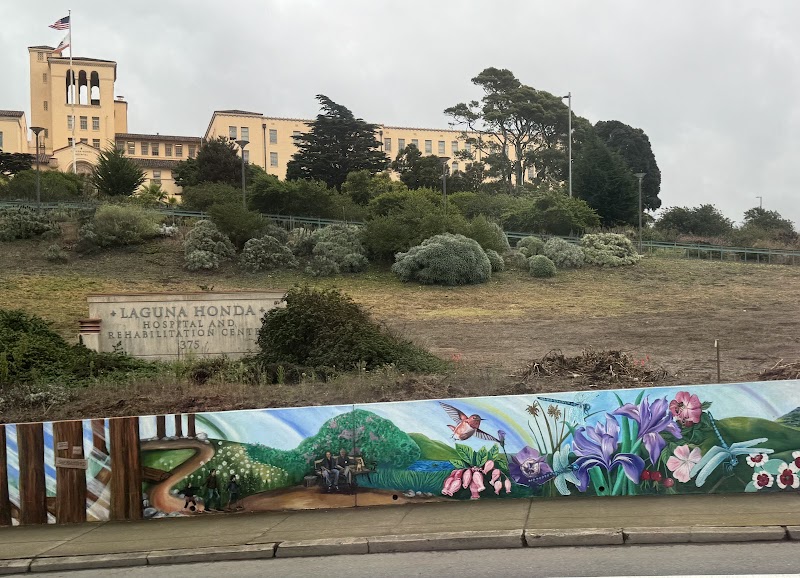
How is Laguna Honda Hospital & Rehabilitation Ctr D/P Snf Staffed?

CMS rates LAGUNA HONDA HOSPITAL & REHABILITATION CTR D/P SNF's staffing level at 5 out of 5 stars, which is much above average compared to other nursing homes.

What Have Inspectors Found at Laguna Honda Hospital & Rehabilitation Ctr D/P Snf?

State health inspectors documented 39 deficiencies at LAGUNA HONDA HOSPITAL & REHABILITATION CTR D/P SNF during 2023 to 2025. These included: 6 that caused actual resident harm and 33 with potential for harm. Deficiencies causing actual harm indicate documented cases where residents experienced negative health consequences.
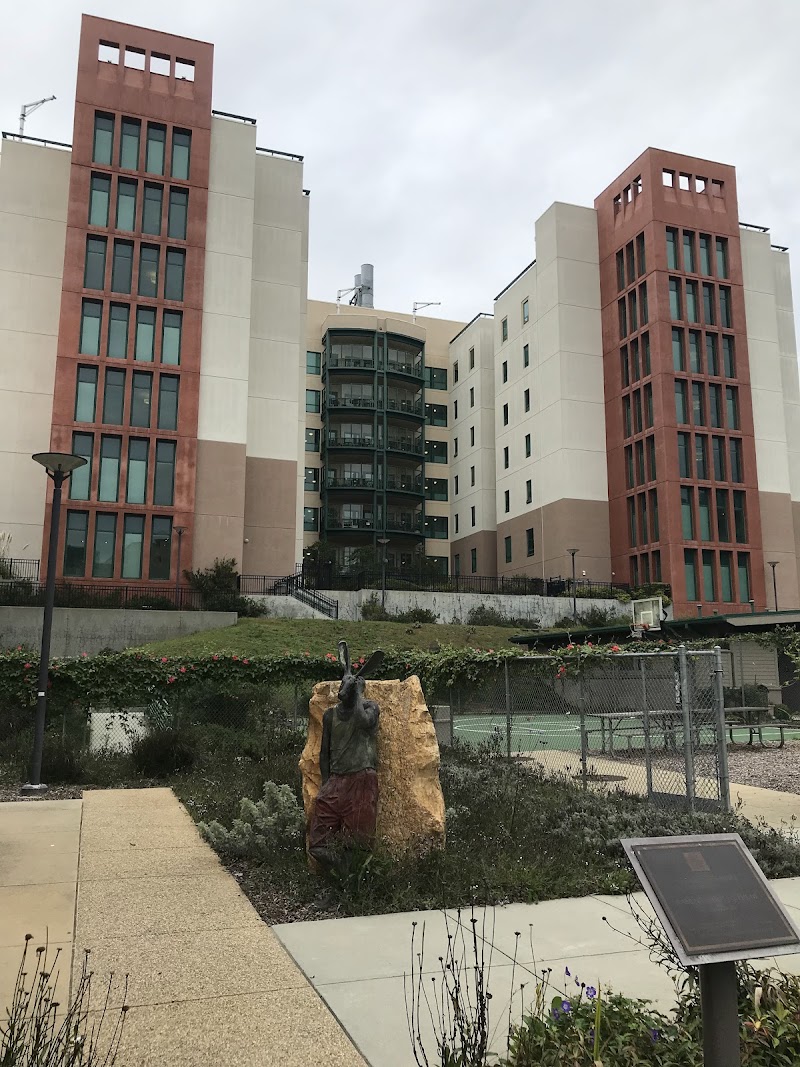
Who Owns and Operates Laguna Honda Hospital & Rehabilitation Ctr D/P Snf?

LAGUNA HONDA HOSPITAL & REHABILITATION CTR D/P SNF is owned by a for-profit company. For-profit facilities operate as businesses with obligations to shareholders or private owners. The facility operates independently rather than as part of a larger chain. With 769 certified beds and approximately 509 residents (about 66% occupancy), it is a large facility located in SAN FRANCISCO, California.
How Does Laguna Honda Hospital & Rehabilitation Ctr D/P Snf Compare to Other California Nursing Homes?

Compared to the 100 nursing homes in California, LAGUNA HONDA HOSPITAL & REHABILITATION CTR D/P SNF's overall rating (3 stars) is below the state average of 3.1 and health inspection rating (2 stars) is below the national benchmark.

What Should Families Ask When Visiting Laguna Honda Hospital & Rehabilitation Ctr D/P Snf?

Based on this facility's data, families visiting should ask: "What safeguards and monitoring systems are in place to protect residents from abuse or neglect?" "Can I visit during a mealtime to observe dining assistance and food quality?" "How do you handle medical emergencies, and what is your hospital transfer rate?" "Can I speak with family members of current residents about their experience?" These questions are particularly relevant given the substantiated abuse finding on record.

Is Laguna Honda Hospital & Rehabilitation Ctr D/P Snf Safe?

Based on CMS inspection data, LAGUNA HONDA HOSPITAL & REHABILITATION CTR D/P SNF has documented safety concerns. The facility has 1 substantiated abuse finding (meaning confirmed case of resident harm by staff or other residents). The facility has a 3-star overall rating and ranks #100 of 100 nursing homes in California. Families considering this facility should ask detailed questions about what corrective actions have been taken since these incidents.

Do Nurses at Laguna Honda Hospital & Rehabilitation Ctr D/P Snf Stick Around?

LAGUNA HONDA HOSPITAL & REHABILITATION CTR D/P SNF has not reported staff turnover data to CMS. Staff turnover matters because consistent caregivers learn residents' individual needs, medications, and preferences. When staff frequently change, this institutional knowledge is lost. Families should ask the facility directly about their staff retention rates and average employee tenure.

Was Laguna Honda Hospital & Rehabilitation Ctr D/P Snf Ever Fined?

LAGUNA HONDA HOSPITAL & REHABILITATION CTR D/P SNF has been fined $64,826 across 8 penalty actions. This is above the California average of $33,727. Fines in this range indicate compliance issues significant enough for CMS to impose meaningful financial consequences. Common causes include delayed correction of deficiencies, repeat violations, or care failures affecting resident safety. Families should ask facility leadership what changes have been made since these penalties.

Is Laguna Honda Hospital & Rehabilitation Ctr D/P Snf on Any Federal Watch List?

LAGUNA HONDA HOSPITAL & REHABILITATION CTR D/P SNF is not on any federal watch list. The most significant is the Special Focus Facility (SFF) program, which identifies the bottom 1% of nursing homes nationally based on persistent, serious quality problems. Not being on this list means the facility has avoided the pattern of deficiencies that triggers enhanced federal oversight. This is a positive indicator, though families should still review the facility's inspection history directly.