THE AVENUES TRANSITIONAL CARE CENTER
2043 19TH AVENUE, SAN FRANCISCO, CA 94116 (415) 661-8787
For profit - Limited Liability company 140 Beds ASPEN SKILLED HEALTHCARE Data: November 2025
Trust Grade
80/100
#220 of 1155 in CA
Last Inspection: March 2025

Within standard 12-15 month inspection cycle. Federal law requires annual inspections.

Overview

The Avenues Transitional Care Center has a Trust Grade of B+, indicating it is above average and recommended for families seeking care for their loved ones. It ranks #220 out of 1,155 facilities in California, placing it in the top half, and #10 out of 17 in San Francisco County, meaning there are only nine local options that are better. However, the facility's trend is concerning as it has worsened, with issues increasing from three in 2024 to eleven in 2025. Staffing is a strength, boasting a 5/5 star rating and a turnover rate of 37%, which is below the state average, while they have good RN coverage exceeding 89% of state facilities. On the downside, the facility has faced several concerns, including improper food safety practices, such as dirty cookware and wet serving trays, and failures to monitor residents' nutritional needs and medication administration, which could pose risks to resident health.

Trust Score
B+
80/100
In California
#220/1155
Top 19%
Safety Record
Low Risk
No red flags
Inspections
Getting Worse
3 → 11 violations
Staff Stability
○ Average
37% turnover. Near California's 48% average. Typical for the industry.
Penalties
✓ Good
No fines on record. Clean compliance history, better than most California facilities.
Skilled Nurses
✓ Good
Each resident gets 48 minutes of Registered Nurse (RN) attention daily — more than average for California. RNs are trained to catch health problems early.
Violations
⚠ Watch
25 deficiencies on record. Higher than average. Multiple issues found across inspections.
★★★★★
5.0
Overall Rating
★★★★★
5.0
Staff Levels
★★★★★
5.0
Care Quality
★★★★☆
4.0
Inspection Score
Stable
2024: 3 issues
2025: 11 issues

The Good

  • 5-Star Staffing Rating · Excellent nurse staffing levels
  • 5-Star Quality Measures · Strong clinical quality outcomes
  • Full Sprinkler Coverage · Fire safety systems throughout facility
  • No fines on record
  • Staff turnover below average (37%)

    11 points below California average of 48%

Facility shows strength in staffing levels, quality measures, fire safety.

The Bad

Staff Turnover: 37%

Near California avg (46%)

Typical for the industry

Chain: ASPEN SKILLED HEALTHCARE

Part of a multi-facility chain

Ask about local staffing decisions and management

The Ugly 25 deficiencies on record

Mar 2025 11 deficiencies
CONCERN (D)

Potential for Harm - no one hurt, but risky conditions existed

Resident Rights (Tag F0550)

Could have caused harm · This affected 1 resident

**NOTE- TERMS IN BRACKETS HAVE BEEN EDITED TO PROTECT CONFIDENTIALITY** Based on observation, interview, and record review, the facility failed to ensure two of 25 sampled residents (Resident 92 and R...

Read full inspector narrative →
**NOTE- TERMS IN BRACKETS HAVE BEEN EDITED TO PROTECT CONFIDENTIALITY** Based on observation, interview, and record review, the facility failed to ensure two of 25 sampled residents (Resident 92 and Resident 7) were treated with dignity and respect when Certified Nursing Assistants (CNA 1 and CNA 2) were standing over residents while assisting them to eat. This failure resulted in the potential for Resident 92 and Resident 7 to feel disrespected and the potential to affect the resident's psychosocial (mental, emotional, social, and spiritual effects) well-being. Findings: 1. Review of Resident 92's admission record indicated, Resident 92 was admitted on [DATE] with diagnoses including type 2 diabetes mellitus (high blood sugar), kidney disease, dementia (a progressive state of decline in mental abilities) without behavioral disturbance, and history of falling. Review of Resident 92's Minimum Data Set (MDS, a federally mandated resident assessment tool) assessment dated [DATE], indicated, severe cognitive (mental action or process of acquiring knowledge and understanding through thought, experience, and the senses) impairment. The functional abilities section of the MDS indicated, Resident 92 was dependent with eating, meaning total assistance is required for resident to complete the activity. During dining observation on 3/18/25 at 12:58 PM, in Resident 92's room, Resident 92 was lying in bed with eyes closed while CNA 1 called for help to reposition him. CNA 1 set up the lunch tray on the overbed table and started to assist Resident 92 with his meals. CNA 1 was on Resident 92's left side and remained standing while assisting him to eat. During an interview on 3/18/25 at 1:27 PM, CNA 1 stated she was supposed to sit in front and within eye level when feeding resident. During an interview on 3/20/25 at 2:43 PM, with the Assistant Director of Nursing (ADON), ADON stated, [CNAs] should be sitting in front of the resident for dignity and respect. During an interview on 3/21/25 at 1:50 PM, the Director of Staff Development (DSD) stated, CNAs need to sit down in front of the resident when assisting to eat to show respect. Review of the facility's policy and procedure titled, Assisting the Impaired Resident with In-Room Meals, revised 9/2023, indicated, .Preparation .9.If resident is served his or her meal in bed, use wedges and pillows to achieve a nearly upright position . Steps in Procedure . 3. If you are going to be seated during the feeding, position a chair where it will be convenient for you and the resident . 2. During a review of Resident 7 admission record, it indicated she was admitted in July 2024 with diagnoses of hemiplegia (paralysis or weakness of one side of the body) and hemiparesis (a partial or incomplete paralysis (paresis) affecting one side of the body), type 2 diabetes mellitus (A long-term condition in which the body has trouble controlling blood sugar and using it for energy), and dysphagia (difficulty swallowing) among others. Her minimum data set (MDS - a standardized assessment tool used to evaluate the health of nursing home residents) brief interview for mental status (BIMS- evaluates cognitive impairment and can help with dementia diagnosis) score was 1 indicating severe cognitive impairment. During a concurrent observation and interview on 03/18/25 at 01:04 PM in Resident 7's room observed CNA 2, feeding Resident 7 her lunch while CNA 2 was standing at Resident 7's bedside. The CNA 2 stated, I'm part time and she (Resident 7) only speaks Chinese. Observed both Resident 7 and the CNA are understanding each other with their Chinese dialect. During a concurrent observation and interview with CNA 2 on 3/18/25 at 1:05 PM, the CNA 2 stated, oh yes, they told us to sit while feeding. I left my chair outside pointing out the door. CNA 2 never tried to get her chair and continued to feed the resident while standing until Resident 7 finished eating her lunch. During a review of the facility's policy and procedure titled Resident Rights with revised date December 2016, it indicated Policy Statement: Employees shall treat all residents with kindness, respect, and dignity.
CONCERN (D)

Potential for Harm - no one hurt, but risky conditions existed

Deficiency F0554 (Tag F0554)

Could have caused harm · This affected 1 resident

**NOTE- TERMS IN BRACKETS HAVE BEEN EDITED TO PROTECT CONFIDENTIALITY** Based on observation, interview, and record review, the facility failed to ensure safe self-administration of medications for on...

Read full inspector narrative →
**NOTE- TERMS IN BRACKETS HAVE BEEN EDITED TO PROTECT CONFIDENTIALITY** Based on observation, interview, and record review, the facility failed to ensure safe self-administration of medications for one of 25 sampled residents (Resident 78) when: a. Multiple prescription medications were left at Resident 78's overbed table. b. The interdisciplinary team (IDT- a group of professionals from different disciplines who work together to achieve a common goal) did not determine if the prescription medications left on the overbed table may be self-administered by Resident 78. These failures resulted in the potential for medication error and may place residents on self-administration of medication at risk for adverse health reactions which could negatively impact the resident's physical and psychosocial well-being. Findings: Review of Resident 78's admission record indicated, Resident 78 was admitted on [DATE] with diagnoses including type 1 diabetes mellitus (high blood sugar), end stage kidney disease, and dependence on renal dialysis (person relies on dialysis machines and procedures to filter their blood and remove waste products, as their kidneys are no longer functioning properly). Review of Resident 78's Minimum Data Set (MDS, a federally mandated resident assessment tool) assessment dated [DATE], indicated, no cognitive (mental action or process of acquiring knowledge and understanding through thought, experience, and the senses) impairment. The functional abilities section of the MDS indicated, Resident 78 had no impairment with range of motion (the distance and direction a joint can move) on both upper (shoulder, elbow, wrist, hand) and lower (hip, knee, ankle, foot) extremities. The functional abilities section also indicated, Resident 78 required setup or clean-up assistance with eating, oral hygiene, and dressing. During an observation on 3/18/25 at 9:34 AM, in Resident 78's room, an unlabeled transparent medicine cup with multiple medication tablets inside, a box of prescription fluticasone nasal spray (a nasal spray that treats allergy symptoms like sneezing, itching and a runny or stuffy nose), one bottle of lubricating eye drops, and one bottle of saline nasal spray (used for nasal irrigation and provide lasting moisturization for dry nose) on the overbed table next to Resident 78 was observed in plain sight. During an interview on 3/18/25 at 9:39 AM, Resident 78 stated the fluticasone nasal spray was prescribed by a doctor to be used once a day. Resident 78 stated, she takes her medications after she eats so, the nurses leave the medications on her overbed table to be taken at a later time. During a concurrent observation and interview on 3/18/25 at 9:53 AM, in Resident 78's room, Licensed Vocational Nurse (LVN) 2 acknowledged the medications he left on Resident 78's overbed table and identified them as the following: hydralazine (used to treat high blood pressure), amlodipine (used to treat high blood pressure and chest pain), Eliquis (a blood thinner used to treat and prevent blood clots and stroke), valsartan (used to treat high blood pressure and heart failure), and amiodarone (used to treat life-threatening heart rhythm problems). During concurrent interview on 3/18/25 at 9:53 AM, LVN 2 stated that Resident 78 like to take meds (medication/drug) after breakfast. LVN 2 stated, Normally should stay and encourage to take it right away. I should not leave it at the bedside. Review of Resident 78's Self-Administration of Medication V3 assessment dated [DATE], indicated, .1. Resident is alert, oriented and with no cognitive impairment and is able to follow direction consistently .able to read the label .able to follow medication direction properly .aware of the indication of the medication .can remove medication from the container .administer own injection safely and use inhaler without any difficulty .can verbalize to staff the need for safe storage of medication .agrees to terms and policies of self-administration of medication . Review of Resident 78's care plan for self-administration of medication, created date and revision date of 2/11/25, indicated, Resident would prefer to self-administer Insulin (a natural hormone that turns food into energy and manages your blood sugar level) Lispro (a synthetic, rapid acting insulin used to treat type 1 or type 2 diabetes for the control of high blood sugar) and Insulin Glargine (a long-acting, synthetic insulin analog used to treat type 1 and type 2 diabetes) depending on her mood and the nurse working with her. Medication is kept at the medication cart, nurse will prepare/aspirate medication for resident. Per IDT (interdisciplinary team) members and primary physician resident is safe to self administer above medications . Interventions .MD ordered to self-administer the following medications: Insulin Lispro and Insulin Glargine . During concurrent interview and record review, on 3/20/25 at 1:19 PM, with the Assistant Director of Nursing (ADON), the ADON reviewed Resident 78's active orders, assessment, and care plan for self-administration of medication. The active orders for Resident 78 dated 3/1/25 to 3/20/25, indicated, no self-administration of medication was ordered. The ADON stated, there was no order on 2/11/25 for self-administration. Opened a care plan only. The ADON further stated that the IDT opened an assessment and asked the doctor if Resident 78 can self-administer her insulin. During further interview and record review, the ADON stated, I don't see any progress notes form MD (medical doctor) regarding self-admin. The Self-Administration of Medication V3 assessment dated [DATE], indicated, no mention of specific medications that Resident 78 can self-administer. The ADON stated, Resident 78's self-admin assessment on 2/1/25 did not specify which medications can be self-admin. The ADON also stated that the care plan for self-administration of medications was only specific to insulin Lispro and Glargine. The ADON added, the Flonase should be included in the care plan for self-admin and update for any meds. On the same interview, the ADON stated, [they're] not supposed to leave meds at the bedside. Make sure resident takes it. Should be aware if there are other residents in the room. Review of facility's policy and procedure titled, Self-Administration of Medications, revised 12/2016, indicated, Residents have the right to self-administer medications if the interdisciplinary team has determined that is clinically appropriate and safe for the resident to do so . 1. As part of their overall evaluation, the staff and practitioner will assess each resident's mental and physical abilities to determine whether self-administering medications is clinically appropriate for the resident . 5. The staff and practitioner will document their findings and the choices of residents who are able to self-administer medications . 8. Self-administered medications must be stored in a safe and secure place, which is not accessible by other residents . 9. Staff shall identify and give to the Charge Nurse any medications found at the bedside that are not authorized for self-administration, for return to the family or responsible party .
CONCERN (D)

Potential for Harm - no one hurt, but risky conditions existed

Deficiency F0757 (Tag F0757)

Could have caused harm · This affected 1 resident

Based on interview and record review, the facility failed to ensure one of five residents reviewed (Resident 28) was free from unnecessary medication when Resident 28 has no evidence of monitoring for...

Read full inspector narrative →
Based on interview and record review, the facility failed to ensure one of five residents reviewed (Resident 28) was free from unnecessary medication when Resident 28 has no evidence of monitoring for bleeding for the use of heparin (anticoagulant-commonly known as a blood thinner, a medication that prevents blood clots from forming in the heart and blood vessels). This failure had the potential to result in undetected medication adverse effects, such as bleeding. Findings: Review of Resident 28's admission Record, indicated, Resident 28 was readmitted in the facility on 2/5/25, with diagnoses including fracture (a break or crack in a bone) of left femur (thigh bone) and hemorrhage (bleeding) of anus and rectum (sections of the digestive tract). Review of Resident 28's Physician's Order, dated 2/10/25, indicated, heparin injection 5000 unit/ml (milliliter, unit of measurement), Inject 1 ml subcutaneously (into fatty tissue, just under the skin ) two times per day for DVT (Deep Vein Thrombosis, a blood clot that forms in a deep vein, usually in the leg, which can cause swelling, pain, and redness) prophylaxis (preventative treatment) for 30 days. During a concurrent interview and record review on 3/21/25 at 12:17 PM, with the Assistant Director of Nursing (ADON), Resident 28's electronic medical record was reviewed. The record indicated there was no evidence of monitoring for bleeding for Resident 28. The ADON stated Resident 28 was on heparin and not monitored for bleeding. The ADON further stated, Resident 28 should have been monitored for signs and symptoms of bleeding. Review of the Prescribing Information (PI, detailed description of a medication that is available to clinicians) for Heparin, dated 1/5/24, retrieved from DailyMed (internet database operated by the U.S. National Library of Medicine providing labeling for prescription and nonprescription drugs) indicated, most common adverse reactions of Heparin are: hemorrhage . injection site irritation, general hypersensitivity (allergic) reactions . Review of facility's policy and procedure (P&P), titled, Anticoagulation-Clinical Protocol, revised on 11/18, indicated, .Monitoring and Follow-Up .The staff and physician will monitor for possible complications in individuals who are being anticoagulated (prevent blood from clotting) and will manage related problems .
CONCERN (D)

Potential for Harm - no one hurt, but risky conditions existed

Medication Errors (Tag F0758)

Could have caused harm · This affected 1 resident

**NOTE- TERMS IN BRACKETS HAVE BEEN EDITED TO PROTECT CONFIDENTIALITY** Based on interview and record review, the facility failed to ensure two of five residents reviewed (Residents 32 and 121) were f...

Read full inspector narrative →
**NOTE- TERMS IN BRACKETS HAVE BEEN EDITED TO PROTECT CONFIDENTIALITY** Based on interview and record review, the facility failed to ensure two of five residents reviewed (Residents 32 and 121) were free from unnecessary antipsychotic (drug that affects brain activities associated with mental process and behavior) medications when: 1. There was no evidence of non-pharmacological interventions and PRN (as needed) Seroquel (quetiapine, an antipsychotic medication) was ordered for more than 14 days for Resident 32; 2. There was no evidence of specific behavioral monitoring for Seroquel use for Resident 121. These failures had the potential to result in unnecessary use of medications that could cause somnolence (sleepiness), dry mouth and dizziness. 1. Review of Resident 32's admission Record, indicated, Resident 32 was readmitted in the facility on 8/30/23 with diagnoses including vascular dementia (a progressive state of decline in mental abilities), psychotic disorder (mental illnesses characterized by a significant loss of contact with reality) with delusion (false belief) and mood disorder. During a concurrent interview and record review on 3/21/25 at 1:18 PM with the Assistant Director of Nursing (ADON), Resident 32's electronic medical record was reviewed. The record indicated there was no evidence of non-pharmacological intervention for Resident 32. The ADON stated there should be one, when asked if monitoring is required for non-pharmacological interventions for the resident on PRN Seroquel. During a concurrent interview and record review on 3/21/25 at 1:23 PM with the ADON, Resident 32's electronic medical record was reviewed. The record indicated a physician's order, dated 2/26/25, for Seroquel 25 mg (milligram- unit of measurement) to be given to the resident, Give 1 tablet by mouth every 24 hours as needed for Dementia related behavioral disturbance M/B (manifested by) physical aggression. The ADON stated the PRN Seroquel should have been discontinued after 14 days, however, the medication was not discontinued and remained an active order for 23 days. Review of the facility's policy and procedure (P&P), titled, Psychotropic Medication Use, dated 6/2021, indicated, .Psychotropic medications may be used to address behaviors only if non-drug approaches and interventions were attempted prior to their use . Review of the facility's policy and procedure (P&P) titled, Psychotropic Medication Use, dated 6/2021, indicated, .Antipsychotic PRN orders are limited to 14 days and cannot be renewed unless the attending physician or prescribing practitioner evaluates the resident for the appropriateness of the medication . 2. Review of Resident 121's admission Record, indicated Resident 121 was admitted on [DATE] with diagnoses including dementia, psychotic disturbance and mood disturbance. Review of Resident 121's Physician's Order, dated 1/27/25, indicated, quetiapine 25 mg to be given to the resident, Give 0.5 tablet (12.5 mg) by mouth in the evening for delirium. During a concurrent interview and record review on 3/21/25 at 12:49 PM with the ADON, Resident 121's electronic medical record was reviewed. The record indicated there was no evidence of behavioral monitoring for Resident 121's use of quetiapine. The ADON stated, the resident's behaviors were not monitored for quetiapine. The ADON further stated, We know if the medication is working and to note an increase or decrease in number of resident's episodes when asked regarding the importance of behavioral monitoring for quetiapine. Review of the facility's policy and procedure (P&P) titled, Psychotropic Medication Use, dated 6/2021, indicated .Facility staff should monitor resident's behavior . using a behavioral monitoring chart or behavioral assessment record for residents receiving psychotropic medication for BPSD (Behavioral and Psychological Symptoms of Dementia). Facility staff should monitor behavioral triggers, episodes, and symptoms. Facility staff should document the number and/ (or) intensity of episodes and the resident's response to staff intervention .
CONCERN (D)

Potential for Harm - no one hurt, but risky conditions existed

Deficiency F0806 (Tag F0806)

Could have caused harm · This affected 1 resident

Based on observation, interview and record review, the facility failed to ensure food preferences for two out of 133 residents (Residents 36 and Resident 68) were honored when: 1. Resident 36 was ser...

Read full inspector narrative →
Based on observation, interview and record review, the facility failed to ensure food preferences for two out of 133 residents (Residents 36 and Resident 68) were honored when: 1. Resident 36 was served hard carrots with order of SOFT VEGETABLES. Texture: Mechanical Soft. 2. Resident 68 was plated the regular menu of fried rice, mixed veggies, and pork slices, when his meal ticket indicated, Serve Chow Mein with chicken OR potstickers. This failure had the potential for residents not receiving their food preferences that will result to poor appetite, and missing the nutritive value of their food leading to weight loss and/or malnutrition. Findings: 1. During concurrent observation and interview on 3/20/25 between 11:45 AM to 1:00 PM in the kitchen tray line, observed Resident 36 was served the regular menu of fried rice, mixed veggies (peas, carrots, corn and beans), and sliced pork. Review of Resident 36 meal ticket indicates: Texture - Mechanical soft; Special Diets ~ Thin Liquids; Notes - SOFT VEGETABLES. Interview with the Cook, Registered Dietitian (RD) and the Dietary Manager (DM) if the mixed veggies are soft, the DM requested for a sample of the mixed veggies on a plate and took a metal ladle to test the softness/hardness of the vegetables. Observed the 1-inch carrot did not give in to slicing with a metal ladle. It was hard. The cook removed the veggies on Resident 36's plate and turned around to replace it with diced, soft carrots which was on hand, part of their substitute menu. 2. During a concurrent observation and interview on 3/20/25 between 11:45 AM to 1:00 PM in the kitchen tray line, observed Resident 68 was plated the regular menu of fried rice, mixed veggies (peas, carrots, corn and beans), and sliced pork. Review of Resident 68's meal ticket indicates: Texture - Regular RG7; Notes: Serve Chow Mien with chicken OR potsticker. After the cook plated Resident 68 with the regular menu, he was asked: Resident 68 wants Chow Mien or potsticker. There is chow mien available as substitute menu but was not served on Resident 68's plate. The cook stated, this resident doesn't want chow mien now. The RD stated, I will check. Observed the RD left and came back stating, according to the nurse the resident doesn't want chow mien, but he still wants potstickers. During a review of the facility's policy and procedure titled Resident Rights with revised date December 2016, it indicated Policy Statement: Employees shall treat all residents with kindness, respect and dignity. Review of the facility's policy and procedure titled: Food Preferences dated 2023 indicated, Policy: Resident's food preferences will be adhered to within reason. Substitute for all foods disliked will be given from the appropriate food group. Procedure: Food preferences will be obtained as soon as possible through the initial resident screen . Updating of food preferences will be done as the resident's needs change and/or during the quarterly review.
CONCERN (E)

Potential for Harm - no one hurt, but risky conditions existed

Quality of Care (Tag F0684)

Could have caused harm · This affected multiple residents

**NOTE- TERMS IN BRACKETS HAVE BEEN EDITED TO PROTECT CONFIDENTIALITY** Based on observation, interview, and record review, the facility failed to identify and provide needed care and treatment for tw...

Read full inspector narrative →
**NOTE- TERMS IN BRACKETS HAVE BEEN EDITED TO PROTECT CONFIDENTIALITY** Based on observation, interview, and record review, the facility failed to identify and provide needed care and treatment for two of 25 sampled residents (Resident 32 and Resident 78) when: 1. The facility failed to follow physician's order to obtain monthly measurements of mid upper arm circumference (MUAC, a tool used to assess nutritional status and help identify people at risk for malnutrition or weight loss, allowing for early intervention) for Resident 32 and Resident 78 who were refusing monthly weights. This failure had the potential to result in Resident 32 and Resident 78 to experience unplanned and undesirable weight loss. 2. The facility failed to implement interventions to monitor Resident 78's injection sites for bruising (skin discoloration from damaged, leaking blood vessels underneath your skin). Additionally, a change in condition was not completed for Resident 78's bruising on the right lower abdomen. This failure had the potential for uneven insulin (a hormone that is injected into the body to help regulate blood sugar levels) absorption and the potential to negatively affect Resident 78's physical and psychosocial well-being. Findings: 1a. Review of Resident 32's admission record indicated, was re-admitted on [DATE] with diagnoses including hemiplegia (complete paralysis on one side of the body) and hemiparesis (partial weakness on one side of the body) following cerebral infarction (a condition where blood flow to the brain is interrupted, causing brain tissue to die) affecting right dominant side, vascular dementia (refers to changes to memory, thinking, and behavior resulting from conditions that affect the blood vessels in the brain), type 2 diabetes mellitus (high blood sugar), and psychotic disorder with delusions (a mental health condition characterized by persistent and false beliefs (delusions) that are not based on reality). Review of Resident 32's Minimum Data Set (MDS, a federally mandated patient assessment tool) assessment dated [DATE], indicated, severe cognitive (mental action or process of acquiring knowledge and understanding through thought, experience, and the senses) impairment. The Behavior assessment section of the MDS indicated Resident 32 rejected care 4 to 6 days during the last 7 days. Review of Resident 32's nutrition care plan, revised on 12/4/24, indicated, .Refuses to be weighed monthly . Interventions .9/20/23 MUAC 10.5 cm (centimeters - a unit of measurement). Recommend to continue to obtain MUAC measurements (RD [Registered Dietitian] trained RNAs on proper procedures; nurses provided copy of procedures) every month to trend. Nov MUAC 11 cm .Notify MD and responsible party/surrogate decision maker for significant weight change . Review of Resident 32's Dietary Profile (Quarterly/Annual) dated 2/19/25, indicated, Last wt. (weight) taken on 5/6/24: 121.8 # (pounds). Pt (patient) refuses wts (weights) . During an interview on 3/20/25 at 9:36 AM, Registered Nurse Supervisor (RNS) 2 stated, the Restorative Nursing Assistant (RNA - a healthcare professional, often a Certified Nursing Assistant (CNA) with additional training, who focuses on helping residents regain or maintain their functional abilities and independence through restorative programs) obtains the MUAC of residents. During a concurrent interview and record review on 3/21/25 at 9:33 AM with RNS 2, Resident 32's Weights and Vitals Summary in PCC (Point Click Care - facility's electronic health record [EHR]) was reviewed. Resident 32's Weights and Vitals Summary dated from 1/1/24 to 3/21/25 indicated, no weights were recorded since 5/6/24. RNS 2 stated, [Resident 32] had been refusing. [Resident 32] has order for MUAC every month due to resident refusal. During further review, RNS 2 was unable to find documentation of Resident 32's MUAC in the EHR. Review of Resident 32's Order Summary Report dated 3/21/25, indicated, an order date of 9/21/23 for Obtain MUAC (mid upper arm circumference) every month to trend due to resident history of refusing weights. Nurses provided with copy of proper procedures. During an interview on 3/21/25 at 9:40 AM, Licensed Vocational Nurse (LVN) 3 stated, MUAC is recorded in the MAR (Medication Administration Record). Done by nurses. I have not done it. 1b. During a review of Resident 78's MDS assessment dated [DATE], indicated, Resident 78 had a Brief Interview for Mental Status (BIMS, an assessment tool used by facilities to screen and identify memory, orientation, and judgement status of the resident) score of 15, indicating no cognitive impairment. During a review of Resident 78's nutrition care plan, revised on 11/30/23, indicated, The resident has nutritional problem or potential nutritional problem or at risk for dehydration r/t ESRD (End Stage Renal Disease) on dialysis, DM1 (often refuses insulin), . Interventions .Weigh resident as ordered: Resident refuses to be weighed at facility . 9/22/23: MUAC 10 cm. Recommend to continue to obtain MUAC measurements (RD to train nurses on proper procedures; nurses provided copy of procedures) every month to trend. 10/31/23: agreeable to WC (wheelchair) weight this month 10/2023: 115 lb (pounds) 11/30/23: MUAC 10 cm . During a review of Resident 78's Dietary Progress Notes (written records that document a resident's health status, treatment progress, and changes in their condition over time), dated 09/22/2023, indicated, no new nutritional concerns .history of refusing being weighed .recommend to continue asking to take resident's weight, but in the case of refusal, continue obtaining MUAC every month during monthly facility weigh-ins . During a concurrent interview and record review on 3/21/25 at 10:12 AM with Registered Nurse (RN) 2, Resident 78's Weights and Vitals Summary, dated from 10/3/23 to 2/20/25 was reviewed. Resident 78's Weights and Vitals Summary, indicated, no weights were recorded for the year of 2024. During further review, Resident 78's Physician Order dated 9/24/23, indicated, Obtain MUAC (mid upper arm circumference) every month to trend due to resident history of refusing weights. Nurses provided with a copy of proper procedures . RN 2 stated, patients need frequent weights, I think it might be monthly .She (Resident 78) has a history of refusing weights. If they (residents) refuse weights, medications, MUAC we (licensed nurses) document the refusal and then let the doctors know. RN 2 verified there were no monthly weights and no monthly MUAC recorded for Resident 78 in the year of 2024. RN 2 stated she did not see documentation of Resident 78 refusing weights nor refusing MUAC for the year of 2024. During a concurrent interview and record review on 3/21/25 at 10:40 AM, with RNS 2, Resident 78's Physician's Order, dated 9/24/23 was reviewed. RNS 2 stated, MUAC should be done every month to make sure she isn't losing weight, and the measurements should be documented in the Medication Administration Records (MAR, a daily documentation record used by a licensed nurse to document medications and treatments given to a resident). RNS 2 also stated, Resident 78 would normally refuse weight taking and the alternative is to offer monthly MUAC instead to make sure she isn't losing weight. During further interview, RNS 2 stated, only one MUAC was done since order placed .nurses have to complete these measurements .nurses have to document these measurements in the MAR or document Resident 78's refusal every month. During further review, RNS 2 confirmed he did not find any nurse's documentation on Resident 78 's refusal of monthly MUAC for the year of 2024. RNS 2 also reviewed Resident 78's Weights and Vitals Summary, dated from 10/3/23 to 2/20/25, and confirmed no weights were recorded for the year of 2024. During an interview on 3/21/25 at 2:48 PM, Resident 78 stated, I don't recall staff educating me on the importance of being weighed or measuring my upper arm. I get weighed at the dialysis (a treatment to cleanse the blood of wastes and extra fluids artificially through a machine when the kidneys have failed) clinic every time I go to [Name of dialysis center]. Why do I need to be weighed here? During an interview on 3/21/25 at 1:29 PM, the Director of Nursing (DON) stated, Yes, we missed that one. No documentation of [Resident 78's] refusal of MUAC. The DON further stated, MUAC should have been completed and documented monthly as ordered by the Physician to monitor Resident 78's health status. During a concurrent interview and record review on 3/21/25 at 2:11 PM, the DON reviewed Resident 78's Dietary Progress Notes dated 9/22/23 and stated that MUAC should have been completed and documented monthly if Resident 78 refused to be weighed according to the Registered Dietitian's recommendation and Physician's Order. A review of the facility's policy and procedure titled, Weight Assessment and Intervention, revised 9/2008, indicated, The multidisciplinary team will strive to prevent, monitor, and intervene for undesirable weight loss for our residents. Weight Assessment - 1. The nursing staff will measure weights on admission and weekly for at least two weeks thereafter. If no weight concerns are noted at this point, weights will be measured monthly thereafter. 2. Weights will be recorded in each unit's Weight Record chart or notebook and in the individual's medical record . 2. During a concurrent observation and interview on 3/18/25 at 9:34 AM, in Resident 78's room, Resident 78 showed a circular device on her right side of abdomen and a bluish-purplish discoloration on the right lower abdomen. Resident 78 stated, it's from the insulin. It's not the correct needle. Resident 78 also stated, the nurses prepare the insulin pen, and she administer it to herself to avoid further bruising on the injection site. Per Resident 78, the nurses use a different kind of needle on her insulin pen which caused the bruising on her right lower abdomen. During an interview on 3/20/25 at 1:19 PM, the Assistant Director of Nursing (ADON) stated, Resident 78 is allowed to self-administer her insulin on 2/11/25. The ADON stated, the nurses should check Resident 78's skin for bruising and swelling. During concurrent interview and record review of Resident 78's progress notes and skin assessments, the ADON was unable to find documentation of the skin discoloration (bruising) on Resident 78's right lower abdomen. The ADON stated, the nurses should not use that site anymore, notify the physician, open a change in condition, and complete the non-pressure skin assessment. The ADON added, there should be a change in condition, skin assessment, communicated to the doctor, and update the care plan for Resident 78's skin discoloration. Review of Resident 78's physician orders for March 2025, indicated, an order on 9/16/22 to Monitor injection sites (abdomen, arms) for signs of bruising, cell breakdown r/t scheduled injectable medications every shift. Review of the facility's policy and procedure titled, Change in a Resident's Condition or Status, revised 5/2017, indicated, .1. The nurse will notify the resident's Attending Physician or physician on call when there has been a (an): . f. refusal of treatment or medications two (2) or more consecutive times . 3 .the nurse will make detailed observations and gather relevant and pertinent information for the provider, including (for example) information prompted by the Interact SBAR Communication Form . 8. The nurse will record in the resident's medical record information relative to changes in the resident's medical/mental condition or status .
CONCERN (E)

Potential for Harm - no one hurt, but risky conditions existed

Pharmacy Services (Tag F0755)

Could have caused harm · This affected multiple residents

Based on observation, interview, and record review, the facility failed to ensure the accountability of controlled medications (medications with high potential for abuse and addiction), appropriate pr...

Read full inspector narrative →
Based on observation, interview, and record review, the facility failed to ensure the accountability of controlled medications (medications with high potential for abuse and addiction), appropriate preparation and accurate administration of medications when: 1. The Controlled Drug Records (CDR, accountability records, an inventory sheet that keeps records of the usage of controlled medications) for five of seven sampled residents (Residents 105, 119, 81,30 and 36) did not reconcile with the Medication Administration Records (MAR). This failure resulted in inaccurate accountability and the potential for abuse and diversion of controlled medications. 2. Nursing staff did not administer correct prescribed medication to one of five residents (Resident 28). 3. Nursing staff did not observe Resident 432 take her medication after leaving one of eight prescribed scheduled medication on the bedside table. 4. Nursing staff did not clean the shared pill cutter in between medication preparations. These failures resulted to medications not given according to the prescriber's orders and/or facility's policy and had the potential for residents not receiving the full therapeutic effects of the medications and increasing the risk for allergic reactions. Findings: 1a. Review of Resident 105's Physician's Order, dated 6/14/24, indicated, oxycodone (a controlled narcotic medication for pain) 5 mg (milligram, unit of measurement), Give 0.5 tablet (2.5 mg) by mouth every 6 hours as needed for moderate pain. During a concurrent interview and record review on 3/18/25 at 11:31 AM with Registered Nurse Supervisor (RNS) 3, Resident 105's oxycodone 5 mg CDR and February 2025 MAR were reviewed. The CDR indicated the nursing staff signed out one tablet on 2/9/25 at 1:00 AM but did not document the administration on the MAR. RNS 3 verified that one tablet of Resident 105's oxycodone 5 mg was unaccounted for on the February 2025 MAR. 1b. Review of Resident 119's Physician's Order, dated 2/4/25, indicated, lorazepam (a controlled medication for anxiety) 0.5 mg, Give 0.25 mg by G-tube every 12 hours as needed for Agitation. During a concurrent interview and record review on 3/18/25 at 11:46 AM with RNS3, Resident 119's lorazepam 0.5 mg CDR and February 2025 MAR were reviewed. The CDR indicated the nursing staff signed out one tablet on 2/12/2025 at 3:00 PM but did not document the administration on the MAR. RNS 3 verified that one tablet of Resident 119's lorazepam 0.5 mg was unaccounted for on the February 2025 MAR. 1c. Review of Resident 81's Physician's Order, dated 4/29/22, indicated, oxycodone 5 mg, Give 1 tablet by mouth every 6 hours as needed for pain management. During a concurrent interview and record review on 3/18/25 at 1:07 PM with the Assistant Director of Nursing (ADON), Resident 81's oxycodone 5 mg CDR, December 2024 MAR and February 2025 MAR were reviewed. The CDR indicated the nursing staff signed out one tablet on 12/30/24 at 11:33 AM and one tablet on 2/16/2025 at 12:00 AM but did not document the administrations on the MAR. The ADON verified that two tablets of Resident 81's oxycodone 5 mg was unaccounted for on the December 2024 MAR and February 2025 MAR. 1d. Review of Resident 30's Physician's Order, dated 3/18/22, indicated, oxycodone 5 mg, Give 1 tablet by mouth every 4 hours as needed for left shoulder pain, right leg pain. During a concurrent interview and record review on 3/18/25 at 2:46 PM with RNS2, Resident 30's oxycodone 5 mg CDR and March 2025 MAR were reviewed. The CDR indicated the nursing staff did not sign out one tablet on 3/17/25 at 6:34 PM but documented the administration on the MAR. RNS2 verified that one tablet of Resident 30's oxycodone 5 mg was unaccounted for on CDR. 1e. Review of Resident 36's Physician's Order, dated 3/18/25, indicated, oxycodone 5 mg, give 1 tablet by mouth every 6 hours as needed for moderate pain (pain scale of 4-6) and give 2 tablets by mouth every 6 hours as needed for severe pain (8-10). During a concurrent interview and record review on 3/18/25 at 2:50 PM with RNS2, Resident 81's oxycodone 5 mg CDR, June 2024 MAR and August 2024 MAR were reviewed. The CDR indicated the nursing staff signed out two tablets on 8/21/24 at 11:40 PM, one tablet on 6/12/24 at 10 AM and one tablet on 6/11/24 at 4:25 PM but did not document the administrations on the MAR. The RNS 2 verified that four tablets of Resident 36's oxycodone 5 mg was unaccounted for on the June 2024 MAR and August 2024 MAR. During an interview on 3/21/25 at 2:18 PM, the Director of Nursing (DON) stated she is aware of the five residents with concerns on narcotic accountability. The DON stated the CDR and MAR should match. The DON further stated, it's important to be sure the controlled drug was given to the resident and there's no drug diversion by staff. Review of the facility's policy and procedure titled, Preparation and General Guidelines IIA5: Controlled Medications, dated 8/2014, indicated, .When a controlled medication is administered, the licensed nurse administering the medication immediately enters the following information on the accountability record and the medication administration record (MAR): Date and time of administration .Amount administered .Signature of the nurse administering the dose . 2. Review of Resident 28's Physician's Order, dated 3/5/25, indicated, guaifenesin (medication that helps loosen phlegm)100 mg/5 ml (milliliter, unit of measurement), Give 10 ml by mouth every 6 hours as needed for cough. During a medication pass observation on 3/19/25 at 9:29 AM, Licensed Vocational Nurse (LVN) 1 prepared 10 ml of Geri-Tussin DM (a brand of medication that contains dextromethorphan [relieves cough] and guaifenesin) in a medication cup, then brought it to Resident 28 and administered it with water. During a concurrent observation and interview on 3/19/25 at 10:40 AM with LVN1, a medication bottle labeled, Geri-Tussin DM was stored in the medication cart 2. LVN1 verified Geri-Tussin DM 10ml was administered instead of the prescribed PRN (as needed) order guaifenesin 10ml to Resident 28. During an interview on 3/21/25 at 2:29 PM, the DON acknowledged Resident 28 was administered with a wrong medication. The DON stated the expectation is to have no medication errors when giving medications to residents. Review of the facility's policy and procedure titled, Preparation and General Guidelines IIA2: Medication Administration . dated 10/2017, indicated, .Medications are administered in accordance with written orders of the attending physician . 3. Review of Resident 432's Physician's Order, dated 3/6/25, indicated, polyethylene glycol powder (ClearLax, medication that relieves constipation), Give 17 gram [g, unit of measurement] by mouth one time a day for constipation. During an observation on 3/19/25 at 8:53 AM, LVN1 measured one capful (17g) of ClearLax powder into an empty plastic cup, then filled the cup with water from a jug and stirred it. During an observation on 3/19/25 at 9:14 AM, LVN1 provides Resident 432 a full cup of clear liquid (ClearLax water cup) with straw to take with vitamin D capsule. Resident 432 took the vitamin D with sips of ClearLax water and LVN1 left two-thirds (2/3) full of ClearLax water cup on the bedside table. During an observation on 3/19/25 at 9:27 AM, a 2/3 full of ClearLax water cup was seen on Resident 432's bedside table. During an observation on 3/19/25 at 9:33 AM, a 2/3 full of ClearLax water cup was seen on Resident 432's bedside table. During an observation on 3/19/25 at 9:49 AM, a less than 2/3 full of ClearLax water cup was seen on Resident 432's bedside table. During an interview on 3/19/25 at 10:35 AM, LVN1 verified Resident 28 didn't finish taking the ClearLax water cup when she was in the resident's room. LVN1 stated the licensed nurse has to wait for Resident 28 to finish taking the medication (pertaining to ClearLax water cup) before leaving the room. During an interview on 3/21/25 at 2:29 PM, the DON stated the licensed nurse should not leave any medications at bedside and supposed to observe resident taking the medication before leaving the room, when asked if it's acceptable to leave medication at the bedside without the resident taking it. Review of the facility's policy and procedure titled, Preparation and General Guidelines, dated 10/2017, indicated, .Medication Administration .The resident is always observed after administration to ensure that the dose was completely ingested . 4. During a continuous medication preparation observation on 3/19/25 from 8:53 AM to 8:59 AM, LVN1 used a shared pill cutter to split Resident 432's 100 mg docusate sodium (medication that relieves constipation) tablet into two, then used the same pill cutter to split Resident 432's 500 mg metformin (medication to treat type 2 diabetes [condition with high blood sugar level]) tablet into two. Each time, LVN1 did not clean the pill cutter before or after use. During an interview on 3/19/25 at 10:29 AM, LVN1 acknowledged the shared pill cutter needs to be cleaned between each medication preparation use. During an interview on 3/21/25 at 2:29 PM, the DON stated using a shared pill cutter without wiping it before and after each medication use can lead to potential drug interactions. The DON further stated the residents are exposed to medication residue left on the pill cutter which potentially cause an allergic reaction. Review of the facility's policy and procedure titled, Cleaning and Disinfecting Non-Critical Resident-Care Items dated 6/2011, indicated, Reusable (shared) items used in resident care are cleaned and disinfected or sterilized between residents.
CONCERN (E)

Potential for Harm - no one hurt, but risky conditions existed

Deficiency F0761 (Tag F0761)

Could have caused harm · This affected multiple residents

**NOTE- TERMS IN BRACKETS HAVE BEEN EDITED TO PROTECT CONFIDENTIALITY** Based on observation, interview, and record review, the facility failed to ensure medications (drug or medicine, used to diagnos...

Read full inspector narrative →
**NOTE- TERMS IN BRACKETS HAVE BEEN EDITED TO PROTECT CONFIDENTIALITY** Based on observation, interview, and record review, the facility failed to ensure medications (drug or medicine, used to diagnose, cure, treat, or prevent disease) and biologicals were properly stored when: 1.The temperature in one of two sampled medication storage rooms did not follow the manufacturer's labeling for proper medication storage. 2.One of two sampled medication storage room refrigerator contained an open and undated multi dose vial (a small bottle of medication that contains more than one dose). 3.Three expired lidocaine (medication that reduces pain) 5% patches were stored in one of three medication carts for Resident 105, readily available for use. These failures had the potential for medications to be ineffective, unsafe for unknown usage timelines and expired that can harm residents. 1.During a concurrent observation and interview on 3/18/25 at 11:51 AM with the Assistant Director of Nursing (ADON), the thermometer in the medication storage room [ROOM NUMBER] indicated a temperature of 78 degrees (°) Fahrenheit (F, a temperature scale), and the fan was on . The ADON stated, to regulate the temperature, when asked regarding the purpose of the fan and added, the room is hot. During an observation on 3/18/25 at 12:04 PM, the thermometer in the medication storage room [ROOM NUMBER] indicated a temperature of 79°F to 80°F and the fan was on. During a concurrent observation and interview on 3/21/25 at 2:39 PM with the Director of Nursing (DON), the thermometer in the medication storage room [ROOM NUMBER] indicated a temperature of 81°F, and the fan was on. The DON stated, It's warm here. During an observation on 3/18/25 at 2:43 PM in the medication storage room [ROOM NUMBER], the DON opened the Intravenous (IV, method of administering medication within the vein) Emergency kit (E-kit, a container of medical supplies and medications for emergency use) and one vial of vancomycin (an antibiotic, medication to treat infection) 1 gram (g, a unit of measurement) for injection was removed. During a concurrent interview and record review on 3/21/25 at 2:46 PM with the DON, the manufacturer's label for vancomycin 1 gram/vial for injection was reviewed. The manufacturer's label for vancomycin indicated, . Store at .68 ° (degrees) to 77 °F . The DON acknowledged the medication storage room's temperature exceeded the manufacturer's labeling. The DON stated the potential harm of medications not being stored at the correct temperature is the medication may become not effective. Review of the facility provided document, titled, Temperature Log for Refrigerator and Freezer (TLRF), dated 1/2025, 2/2025 and 3/2025, indicated the room temperatures in the medication storage room [ROOM NUMBER] were monitored and recorded from 1/1/2025-3/18/2025. The TLRF further indicated the temperatures exceeded 77°F on 20 out of 31 days in January 2025, 16 out of 28 days in February 2025 and 17 out of 18 days in March 2025, totaling to 53 days. Review of the facility provided document, titled, Pharmacy Consultant Report (PCR), dated 9/2024, 12/2024 and 2/2025, indicated the temperature on 9/2024 and 12/2024 in the medication storage room [ROOM NUMBER] was warm with the administrator had plans in place to address the concern. The PCR further indicated the temperature on 2/2025 of medication storage room [ROOM NUMBER] needs improvement. Review of facility's policy and procedure (P&P), titled, Medication Storage in the Facility, dated 4/2008, indicated, .Medications and biologicals are stored safely, securely, and properly, following manufacturer's recommendations. 2. During a concurrent observation and interview on 3/18/25 at 11:59 AM with the ADON, the medication storage room [ROOM NUMBER], medication refrigerator contained an opened and undated multi dose vial for Tuberculin Purified Protein Derivative (TPPD, used to detect tuberculosis [serious lung infection]). The ADON stated the multi dose vial should have a label when it was opened to know when it will be discarded. During an interview on 3/21/25 at 2:18 PM, the DON acknowledged she was aware of one opened and undated TPPD multi dose vial. The DON stated when licensed nurse opens the multi dose vial, it should be labeled with date. Review of the Drug Label Information (detailed description of a medication that is available to clinicians) for TPPD, dated 8/20/24, retrieved from DailyMed (internet database operated by the U.S. National Library of Medicine providing labeling for prescription and nonprescription drugs) indicated, Vials in use more than 30 days should be discarded (to get rid of) . Review of facility's policy and procedure (P&P), titled, Preparation and General Guidelines, dated 4/2008, indicated, .Vials and Ampules of Injectable Medications .The date opened and the initials of the first person to use the vial are recorded on multidose vials (on the vial label or an accessory label affixed for that purpose). 3. During a concurrent observation and interview on 3/18/25 at 11:15 AM with Registered Nurse Supervisor (RNS) 1, a clear plastic bag was found inside the medication cart 3. The bag had a label with Resident 105's name, the medication's name (lidocaine 5% patch), and an expiration date of 10/2020. Three lidocaine 5% patches were found in the bag with an expiration date of 10/2020 and one patch was cut open . RNS 1 acknowledged the lidocaine 5% patches were expired and verified the patches were in the medication cart and available for use. RNS 1 stated, these medications should be discarded. During an interview on 3/18/25 at 11:21 AM, RNS 1 stated expired medications from the facility were supposed to be discarded. RNS 1 further stated she was unaware, three lidocaine 5% patches with an expiration date of 10/2020 were in the medication cart. During an interview on 3/21/25 at 2:18 PM, the DON acknowledged she was aware of the three expired lidocaine 5% patches found in the medication cart 3. The DON stated the expectations for expired medications are the staff should remove them from the medication cart and should be discarded like discontinued medications. Review of facility's policy and procedure (P&P), titled, Medication Storage in The Facility, dated 4/2008, indicated, .Outdated (expired), contaminated, or deteriorated medications and those in containers that are cracked, soiled, or without secure closures are immediately removed from stock, disposed of according to procedures for medication disposal, and reordered from the pharmacy if a current order exists .
CONCERN (E)

Potential for Harm - no one hurt, but risky conditions existed

Infection Control (Tag F0880)

Could have caused harm · This affected multiple residents

Based on observation, interview, and record review, the facility failed to implement its infection control program when: 1. The urinal used by Resident 45 was stowed inside the trash bin at bedside. ...

Read full inspector narrative →
Based on observation, interview, and record review, the facility failed to implement its infection control program when: 1. The urinal used by Resident 45 was stowed inside the trash bin at bedside. 2. During collection of soiled linen on the second floor, the janitor did not perform hand hygiene (the practice of cleaning hands to remove germs, dirt, and other contaminants) before and after glove use. 3. Nursing staff did not perform hand hygiene prior to medication preparation and administration for two of five residents (Resident 432 and Resident 28) and did not disinfect the blood pressure cuff (a device used to measure the force of blood against the artery walls) before and after use for one of one resident (Resident 432). 4. Nursing staff did not wear gloves during medication administration for one of five residents (Resident 433). Failure to implement infection prevention practices may result in cross contamination of infection that may jeopardize the health and safety of the residents and staff. Findings: 1. During an observation on 3/18/25 at 9:13 AM, in Resident 45's room, Resident 45 was sitting on his wheelchair next to his bed. One of two urinals labeled with resident's name was hanged and stored inside the trash bin. During concurrent interview, Resident 45 stated, he was actively using the urinal hanging inside the trash bin and does not want to put it on his overbed table. During an interview on 3/18/25 at 9:22 AM, MDSC (MDS Coordinator) stated, urinals should not be in the garbage. It should be on the holder at bedside. During an interview on 3/21/25 at 1:50 PM, the Director of Staff Development (DSD) stated the resident's bed has a urinal holder by where they can easily access it and should not be in the trash bin for infection control. 2. During an observation on 3/18/25 at 11:00 AM, on the second floor by the soiled linen room, a staff was transferring linens from a white bin labeled soiled linen to the gray bin. The staff removed his gloves, did not perform hand hygiene, and pushed the gray bin towards the end of the hallway. During a concurrent observation and interview on 3/18/25 at 11:29 AM, in front of the shower room on the second floor, the staff took a pair of gloves from his back pocket and wore them without performing hand hygiene. The staff again transferred the linens from the white bin labeled soiled linen to the gray bin, removed his gloves, and did not perform hand hygiene. During interview, the staff identified himself as Janitor 1 and stated, he keeps the gloves in his pocket because no gloves in the hallway. Janitor 1 then stated he speaks limited English and will call his supervisor. During an interview on 3/21/25 at 11:45 AM, Housekeeping Supervisor (HS) stated, staff should perform hand hygiene before and after glove use especially the staff was handling soiled linens. During a phone interview on 3/21/25, at 1:08 PM, the Infection Preventionist (IP) stated, staff should perform hand hygiene before donning and after doffing of gloves. Review of facility's policy and procedure titled, Departmental (Environmental Services) - Laundry and Linen, revised 1/2014, indicated, .Standard Precautions . 2. Wash hands after handling soiled linen and before handling clean linen. 3. Consider all soiled linen to be potentially infectious and handle with standard precautions . Review of facility's policy and procedure titled, Hand Washing/Hand Hygiene, revised 6/2021, indicated, .2. All personnel shall follow the handwashing/hand hygiene procedures to help prevent the spread of infections to other personnel, residents, and visitors . 5. Use an alcohol-based hand rub containing at least 62% alcohol; or, alternatively, soap (antimicrobial or non-antimicrobial) and water for the following situations: . f) Before donning sterile gloves . m) After removing gloves . 6. Hand hygiene is the final step after removing and disposing of personal protective equipment. 3. During a medication pass observation on 3/19/25 at 8:54 AM, Licensed Vocational Nurse (LVN) 1 was observed standing in front of medication cart 2 and not performing hand hygiene prior to preparing eight medications for Resident 432. During a medication pass observation on 3/19/25 at 9:05 AM, LVN 1 was observed not disinfecting the blood pressure cuff before and after checking Resident 432's blood pressure. During a medication pass observation on 3/19/25 at 9:18 AM, LVN 1 was observed not performing hand hygiene prior to administering eight medications for Resident 432. During a medication pass observation on 3/19/25 at 9:40 AM, LVN 1 was observed not performing hand hygiene prior to preparing and administering five medications for Resident 28. During an interview on 3/19/25 at 10:29 AM, LVN 1 acknowledged she did not perform hand hygiene prior to preparing and administering Resident 432 and Resident 28's medications. LVN 1 stated hand hygiene is needed prior to preparing and administering of medications to prevent infection. LVN 1 further stated failing to perform hand hygiene can transfer infections and can cause cross contamination. During an interview on 3/19/25 at 10:32 AM, LVN 1 acknowledged failing to disinfect the blood pressure cuff before and after use. LVN1 stated the blood pressure cuff needs to be disinfected between each resident's use. During an interview on 3/21/25 at 2:29 PM, the Director of Nursing (DON) stated hand hygiene is needed before entering and exiting resident's room and before preparing and administering medications for different residents. The DON further stated not performing hand hygiene can be a risk of infection especially during flu season and can cause cross-contamination. During an interview on 3/21/25 at 2:29 PM, with the DON, the DON stated shared blood pressure cuff needs to be cleaned before and after use. The DON acknowledged not cleaning blood pressure cuff before and after use is an infection control risk. Review of the facility's policy and procedure (P&P) titled, Hand Washing/ Hand Hygiene, revised on 6/2021, indicated, .Use an alcohol-based hand rub containing at least 62% alcohol; or, alternatively, soap (antimicrobial or non-antimicrobial) and water .c) before preparing or handling medications . Review of the facility's policy and procedure titled, Cleaning and Disinfecting Non-Critical Resident-Care Items dated 6/2011, indicated, Reusable items used in resident care are cleaned and disinfected or sterilized between residents. 4. During a medication pass observation on 3/19/25 at 10:26 AM, RN 1 administered Dulera (a brand of an oral inhalation medicine, used to control symptoms of asthma [a lung condition]) to Resident 433 without wearing gloves. RN1 held two cups, one containing water and the other one was empty. After administering the oral inhalation, RN1 held the empty cup with a bare hand as Resident 433 rinsed the mouth with water and spit into the cup. During an interview on 3/19/25 at 2:02 PM, RN 1 acknowledged not wearing gloves while administering Dulera oral inhalation. RN1 further acknowledged not wearing gloves when Resident 433 spit water into an empty cup and recognized wearing gloves was needed in the situation. RN1 stated wearing gloves is important when dealing with oral secretions and for infection control. During an interview on 3/21/25 at 2:29 PM, the DON stated not wearing gloves while handling oral secretions poses an infection control concern. Review of the facility's policy and procedure (P&P) titled, Personal Protective Equipment - Gloves, revised on 7/2009, indicated, .The use of disposable gloves is indicated: a. When it is likely that the employee's hands will come in contact with blood, body fluids, secretions, excretions, mucous membranes, and/or non-intact skin while performing a procedure .
CONCERN (F)

Potential for Harm - no one hurt, but risky conditions existed

Food Safety (Tag F0812)

Could have caused harm · This affected most or all residents

Based on observations, interviews and record reviews, the facility failed to ensure food safety requirements in accordance with professional standards for food service when: 1. A dirty frying pan was...

Read full inspector narrative →
Based on observations, interviews and record reviews, the facility failed to ensure food safety requirements in accordance with professional standards for food service when: 1. A dirty frying pan was found stacked in between clean frying pans under the food preparation counter. 2. Large metal pans and trays for serving were stacked wet under the food preparation counter. 3. A large can of mushroom was found dented among the undented canned products in the dry storage room. The failure to store clean cooking utensils, wet serving trays and dented canned products has the potential to contaminate other clean cooking utensils and promote growth of food borne illnesses to 133 residents. Findings: 1. During observation and interview with the dietary manager (DM) on 3/18/25 at 10:40 AM in the kitchen, observed a stack of frying pans under the food preparation table. The DM stated these are cleaned frying pans. When checked one by one, the second pan from the top was found dirty with dried food debris on the surface (looks like scrambled egg remains) with scratches. The black surface of the frying pan shows silver underlining from too much usage. The sides of the pan with black, thick, dried matter. 2. During observation and interview on 3/18/25 at 10:40 AM in the kitchen observed a stack of large metal serving trays under the preparation table. Upon inspection by lifting each tray, some are moist inside and out, some are still wet and dripping when lifted. The DM stated, yes, they are still wet. 3. During observation and interview on 3/18/25 at 10:40 AM in the Registered Dietitian (RD) and the DM's office, the DM stated, this is also our dry storage room. Observed metal storage shelves with condiments, and cooking supplies behind the DM's desk. On the left side of the RD's desk is the storage rack for large, canned goods. Upon inspection of the canned goods, observed the third can inspected with dent on the top side of the can. The DM stated Oh, it should not be there. I am surprised . look, I have the dented cans here on my desk showing 2 or 3 canned goods with dents sitting on her desk. During a review of the 2022 Federal Food Code, it indicates; after cleaning and sanitizing, equipment and utensils are to be air-dried before storing. According to annex, wet nesting occurs when dishes or pots and pans are stacked, preventing them from drying, and creating conditions that are ripe for microorganisms to grow. Review of 2022 Food Code U.S Food and Drug Administration (FDA) indicated FDA considers food in hermetically sealed containers that are swelled or leaking to be adulterated and actionable under the Federal Food, Drug, and Cosmetic Act. Depending on the circumstances, rusted and pitted or dented cans may also present a serious potential hazard.
MINOR (B)

Minor Issue - procedural, no safety impact

Deficiency F0912 (Tag F0912)

Minor procedural issue · This affected multiple residents

**NOTE- TERMS IN BRACKETS HAVE BEEN EDITED TO PROTECT CONFIDENTIALITY** Based on observation, interview, and record review, the facility failed to ensure 47 of 48 residents' rooms met the required min...

Read full inspector narrative →
**NOTE- TERMS IN BRACKETS HAVE BEEN EDITED TO PROTECT CONFIDENTIALITY** Based on observation, interview, and record review, the facility failed to ensure 47 of 48 residents' rooms met the required minimum of 80 square feet (sq ft) per resident. This failure has the potential affecting residents' comfort, privacy and overall quality of life. Findings: During an observation on 3/18/2025 starting at 10:00 AM, in the course of the initial tour of the facility conducted on the nursing units of the first, second, and third floors, all the rooms were occupied by two or three residents, with curtain to divide each bed. During an interview on 3/18/25 at 10:20 AM, with the Administrator stated the actual count is 48 rooms from first to third floor, but 47 rooms were less than 80 sq ft. room [ROOM NUMBER] has appropriate room size with 2 beds. There is no room [ROOM NUMBER]. He confirmed that all rooms were equipped for three residents except rooms 8, 25 and 41 which were for two residents. During an interview on 3/18/2025 at 10:26 AM with Resident 1 in Room10, Resident was asked how the space was in their room. Resident 1 stated, it's okay During an interview on 3/18/25 at 10:40AM, with Resident 28 in room [ROOM NUMBER]B, Resident was asked about her room through AI translator device. Resident 28 denied any issues with her room size. A review of facility-submitted documents, titled Client Accommodations Analysis and the The Room Size Waiver Request, dated 3/18/2025, completed by the Administrator, listed the rooms with less than 80sq ft per resident. The Administrator provided a copy of the letter dated March 18, 2025 addressed to the California Department of Public Health San Francisco District Office, requesting for a waiver for variance in room size, which indicated the following: Room # Occupancy Room Size (Sq Ft) 1 3 74.86 2 3 74.66 3 3 73.33 4 3 74.80 5 3 74.80 6 3 75.48 7 3 74.80 8 2 76.72 9 3 74.55 10 3 76.84 11 3 75.48 12 3 75.48 14 3 77.22 15 3 74.80 16 3 75.16 17 3 74.43 18 3 74.43 19 3 76.73 21 3 75.85 22 3 75.16 23 3 75.16 24 3 74.80 25 2 74.80 26 3 75.85 27 3 78.20 28 3 75.16 29 3 74.80 30 3 76.16 31 3 74.80 32 3 74.80 33 3 74.12 34 3 76.16 35 3 76.16 36 3 75.48 37 3 76.53 38 3 76.16 39 3 77.21 40 3 78.28 41 2 76.16 42 3 76.53 43 3 76.84 44 3 77.59 45 3 78.58 46 3 77.52 47 3 75.48 48 3 76.53 49 3 76.53
May 2024 2 deficiencies
CONCERN (D) 📢 Someone Reported This

A family member, employee, or ombudsman was alarmed enough to file a formal complaint

Potential for Harm - no one hurt, but risky conditions existed

Comprehensive Assessments (Tag F0636)

Could have caused harm · This affected 1 resident

**NOTE- TERMS IN BRACKETS HAVE BEEN EDITED TO PROTECT CONFIDENTIALITY** Based on interview and record review, the facility failed to ensure the Minimum Data Set (MDS, a resident assessment tool) compr...

Read full inspector narrative →
**NOTE- TERMS IN BRACKETS HAVE BEEN EDITED TO PROTECT CONFIDENTIALITY** Based on interview and record review, the facility failed to ensure the Minimum Data Set (MDS, a resident assessment tool) comprehensive assessment was completed within the required period of 14 days of admission for Resident 1. Failure to complete a comprehensive resident assessment within the required timeframe could result in delayed identification of needs and significant issues that may affect the physical, mental, and psychosocial well-being of Resident 1. Findings: Review of Resident 1's admission record, indicated, was admitted on [DATE] with diagnoses including osteoarthritis (a type of arthritis that occurs when flexible tissue at the ends of bones wears down), repeated falls, liver disease, schizoaffective disorder (a mental health condition characterized primarily by symptoms of schizophrenia and mood disorders), and traumatic brain injury (TBI, an injury usually results from a violent blow or jolt to the head or body). Review of Resident 1's admission MDS assessment with an assessment reference date (ARD, marks the end of a 7 day period during which a resident is observed and assessed) of 2/19/24 indicated, the assessment was completed on 3/6/24, 23 days after admission. During an interview on 5/21/24, at 12:13 PM, the MDS Coordinator (MDSC) stated, admission MDS assessment should be completed on the 14th day of admission. MDSC acknowledged the admission MDS assessment for Resident 1 was late in completion. Review of the Long-Term Care Facility Resident Assessment Instrument 3.0 User's Manual Version 1.18.11, dated October 2023, indicated, .The OBRA (Omnibus Budget Reconciliation Act of 1987) regulations require nursing homes that are Medicare certified, Medicaid certified or both, to conduct initial and periodic assessments for all their residents . The admission assessment is a comprehensive assessment for a new resident and, under some circumstances, a returning resident that must be completed by the end of day 14, counting the date of admission to the nursing home as day 1 . Review of facility policy and procedure titled, Comprehensive Assessments, revised March 2022, indicated, .1. Comprehensive assessments are conducted in accordance with criteria and timeframes established in the Resident Assessment Instrument (RAI) User Manual. 2. admission Assessment – The admission assessment is a comprehensive assessment for a new resident and, under some circumstances, a returning resident that must be completed by the end of day 14, counting the date of admission to the nursing home as day 1 if: a. this is the resident ' s first time in this facility, OR b. the resident has been admitted to this facility and was discharged return not anticipated, OR c. the resident has been admitted to this facility and was discharged return anticipated and did not return within 30 days of discharge .
CONCERN (D) 📢 Someone Reported This

A family member, employee, or ombudsman was alarmed enough to file a formal complaint

Potential for Harm - no one hurt, but risky conditions existed

Deficiency F0655 (Tag F0655)

Could have caused harm · This affected 1 resident

**NOTE- TERMS IN BRACKETS HAVE BEEN EDITED TO PROTECT CONFIDENTIALITY** Based on interview and record review, the facility failed to ensure baseline care plan was developed within 48 hours of admissio...

Read full inspector narrative →
**NOTE- TERMS IN BRACKETS HAVE BEEN EDITED TO PROTECT CONFIDENTIALITY** Based on interview and record review, the facility failed to ensure baseline care plan was developed within 48 hours of admission for Resident 1. A Baseline Care Plan (BCP) includes minimum healthcare information necessary to properly care for each resident immediately upon their admission, which would address resident-specific health and safety concerns to prevent decline, injury, such as elopement or fall risk, and would identify needs for supervision, behavioral interventions, and assistance with activities of daily living, as necessary. Failure to complete the baseline care plan within the required timeframe could result in delayed identification of needs and significant issues that may affect the physical, mental, and psychosocial well-being of Resident 1. Findings: Review of Resident 1's admission record, indicated, was admitted on [DATE] with diagnoses including osteoarthritis (a type of arthritis that occurs when flexible tissue at the ends of bones wears down), repeated falls, liver disease, schizoaffective disorder (a mental health condition characterized primarily by symptoms of schizophrenia and mood disorders), and traumatic brain injury (TBI, an injury usually results from a violent blow or jolt to the head or body). Review of Resident 5 ' s Minimum Data Set (MDS, a resident assessment tool) dated 2/16/24, indicated, no cognitive (thought process) impairment. Review of Resident 1 ' s Baseline Care Plan Summary (BCPS) dated 2/20/24, indicated, Resident 1 ' s signature and Licensed Vocational Nurse (LVN) electronic signature dated 2/21/24. During concurrent interview and record review on 5/21/24 at 12:13 PM, the MDS Coordinator (MDSC) reviewed Resident 1 ' s BCPS and confirmed the BCPS was completed on 2/21/24. The MDSC stated, Baseline Care Plan should be completed day 8 on admission. Review of facility ' s policy and procedure titled, Care Plans – Baseline, revised March 2022, indicated, A baseline plan of care to meet the resident ' s immediate health and safety needs is developed for each resident within forty-eight (48) hours of admission .
Jan 2024 1 deficiency
CONCERN (D)

Potential for Harm - no one hurt, but risky conditions existed

Deficiency F0806 (Tag F0806)

Could have caused harm · This affected 1 resident

Based on observation, interviews, record review, and facility policy review, the facility failed to ensure resident food preferences were provided for 1 (Resident #115) of 4 sampled residents reviewed...

Read full inspector narrative →
Based on observation, interviews, record review, and facility policy review, the facility failed to ensure resident food preferences were provided for 1 (Resident #115) of 4 sampled residents reviewed for food. Findings included: Review of a facility policy titled Resident Food Preferences with a revised date of July 2017, revealed Policy Statement Individual food preferences will be assessed upon admission and communicated to the interdisciplinary team. Modifications to diet will be only ordered with the resident's or representative's consent. The policy revealed, 2. When possible, staff will interview the resident directly to determine current food preferences based on history and life patterns related to food and mealtimes. 3. Dietary Supervisor/Dietician will document the resident's food and eating preferences in the Dietary Profile and care plan. A review of Resident #115's admission Record revealed the facility admitted Resident #115 on 10/13/2023 with diagnosis that included: aphasia (a comprehension and communication disorder), nausea, metabolic encephalopathy, and malignant neoplasm of cerebrum. Review of Resident #115's admission Minimum Data Set (MDS) with the Assessment Reference Date (ARD) of 10/17/2023, revealed Resident #115 had a Brief Interview for Mental Status (BIMS) of 11, indicating the resident had moderate cognitive impairment. Review of Resident #115's care plan, with a revision date of 11/17/2023, revealed Resident #115 was at risk for impaired nutritional status. Interventions revealed the resident requested ice cream with lunch and dinner, a cookie as their evening snack, yogurt to be added to their breakfast meal tray, a gelatin dessert for their morning snack, and a side of gravy/sauce with their lunch and dinner meal to moisten the foods. Review of Resident #115's Order Summary Report, with active orders as of 01/26/2024, revealed an order dated 10/13/2023, for a regular texture diet with thin liquids. There was also an order dated 11/20/2023, for snacks one time a day for supplement give cookie for evening snack and give a gelatin dessert for the morning snack. Review of Resident #115's Progress Notes, dated 11/17/2023 at 8:52 AM, revealed Resident #115 had a poor appetite and did not like all the food choices offered or the nutritional shakes. Per the Progress Note, food preferences were discussed with Resident #115 and the dietician added ice cream to the resident's lunch and dinner meals, provided a cookie for an evening snack, added yogurt to breakfast, added a gelatin dessert for a morning snack, and added gravy to meals. During the lunch meal observation on 01/24/2024 at 12:59 PM, Resident #115 was not served ice cream as requested. Review of Resident #115's lunch meal tray ticket on 01/24/2024, revealed ice cream was not listed to be served to the resident during the lunch meal as requested. During an interview on 01/24/2024 at 12:39 PM, Resident #115's family member (FM) stated Resident #115 had not received ice cream from the facility for lunch meals. Resident #115 also reported they had not been provided ice cream for lunch or dinner. During an interview on 01/24/2024 at 12:59 PM, Certified Nursing Assistant (CNA) #1 stated Resident #115 had not been provided ice cream with their lunch. Per CNA #1, she was not aware of the request by the resident to receive ice cream with their lunch and dinner meal. During an interview on 01/26/2024 at 9:26 AM, the Dietary Manager stated the facility had ice cream available on 01/24/2024 and that special diet or food preferences were documented on tray tickets for each resident. The Dietary Manager reviewed Resident #115's lunch tray ticket and stated ice cream was not listed on the resident's tray ticket. The Dietary Manager stated she was not made aware of the resident's request for ice cream. During an interview on 01/26/2024 at 10:57 AM, the Director of Nursing stated it was the expectation of the facility that each residents' food preferences were honored, and resident tray tickets were updated to include their food preferences. During an interview on 01/26/2024 at 11:47 AM, the Administrator stated the expectation when residents were first admitted was to hold an interdisciplinary team meeting, including the residents to go over their food preferences and update the resident's care plan. The Administrator stated, resident food preferences should have been documented on their tray tickets to ensure the residents received their food preferences.
Apr 2023 2 deficiencies
CONCERN (D)

Potential for Harm - no one hurt, but risky conditions existed

Accident Prevention (Tag F0689)

Could have caused harm · This affected 1 resident

**NOTE- TERMS IN BRACKETS HAVE BEEN EDITED TO PROTECT CONFIDENTIALITY** Based on observation, interview, and record review, the facility failed to ensure a safe environment when: 1. The medication ca...

Read full inspector narrative →
**NOTE- TERMS IN BRACKETS HAVE BEEN EDITED TO PROTECT CONFIDENTIALITY** Based on observation, interview, and record review, the facility failed to ensure a safe environment when: 1. The medication cart was left unlocked and unattended. This deficient practice had the potential for access of unauthorized staff and residents to medications that can cause clinically significant adverse consequences; and 2. There was no fire safety signage indicating oxygen use in room [ROOM NUMBER]. This failure had the potential to cause fire. Findings: 1. During an observation on 4/5/23 at 12:48 PM, the medication cart located by the wall outside of room [ROOM NUMBER] with the drawers facing outward, was not kept locked while not in line of sight by authorized staff. Resident 4 was walking back and forth and two other staff were also walking by the hallway of room [ROOM NUMBER]. During an observation on 4/5/23 at 12:55 PM, Licensed Vocational Nurse (LVN) 1 was seen walking out of room [ROOM NUMBER]. During a concurrent interview, LVN1 acknowledged that the medication cart was unlocked. LVN 1 said she was inside room [ROOM NUMBER] to help a resident with her food because she was refusing to eat. When queried about the importance of locking the medication cart when not in line of sight, LVN1 stated, To keep medication safe and not accessed by patient or other staff members .medications could be stolen and it's unsafe for the residents. During an interview on 4/5/23 at 2:54 PM, the Director of Nursing (DON) said that the medication cart should always be locked as other residents, staff or visitors can access the medications and is not safe for residents. Resident 4 was admitted on [DATE] with diagnoses including dementia (impaired ability to remember, think, or make decisions that intereferes with doing everyday activities). Resident 4's Minimum Data Set (MDS - an assessment tool) dated 3/1/23 indicated a BIMS score of 7 (identifies a resident's cognitive function as severe impairment). Review of facility policy titled, Security of Medication Cart revised April 2007 indicated, .4. Medication carts must be securely locked at all times when out of the nurse's view. 5. When the medication cart is not being used, it must be locked and parked at the nurses' station or inside the medication room. 2. During an observation on 4/5/23 at 1:03 PM, Resident 5 was inside her room, sitting on the wheelchair while eating. Resident 5 was on oxygen via nasal cannula (tubing used to deliver supplemental oxygen) connected to an oxygen concentrator (device used to provide oxygen therapy). There was no signage outside or inside of the room that oxygen was in use. During a concurrent interview, LVN1 acknowledged the findings and said that Resident 5 is on oxygen all the time, 24 hours a day. LVN1 stated, There should be a sign (for oxygen use) to alert the staff that a resident was using oxygen to take precaution and for prevention. Resident 5 was admitted on [DATE] with diagnoses including chronic obstructive pulmonary disease (COPD-a group of disease that cause airflow blockage and breathing-related problems). Resident 5's Order Summary Report indicated an order for oxygen at 4 liters/minute via nasal cannula continuously. During an interview on 4/5/23 at 2:56 PM, the DON said that there should be a signage present by the door for safety. Review of facility policy titled, Oxygen and Cylinder Procedures revised 7/2012 indicated, .Post NO SMOKING, OXYGEN IN USE signs on all rooms with oxygen .
CONCERN (E)

Potential for Harm - no one hurt, but risky conditions existed

Infection Control (Tag F0880)

Could have caused harm · This affected multiple residents

**NOTE- TERMS IN BRACKETS HAVE BEEN EDITED TO PROTECT CONFIDENTIALITY** Based on observation, interview, and record review, the facility failed to maintain an infection prevention and control program ...

Read full inspector narrative →
**NOTE- TERMS IN BRACKETS HAVE BEEN EDITED TO PROTECT CONFIDENTIALITY** Based on observation, interview, and record review, the facility failed to maintain an infection prevention and control program when three (3) out of 5 staff (Certified nursing assistants: CNA 1, CNA 2, and CNA 3) did not perform hand hygiene (hand washing with soap and water, or cleaning hands with alcohol-based hand sanitizers) between tasks. This failure had the potential to promote development and spread of communicable diseases and infections in the facility. Findings: 1. During an observation on 4/5/23, at 12:56 PM, in hallway, Certified Nursing Assistant (CNA) 1 came out of room [ROOM NUMBER] with gloves on, removed gloves in hallway and held it in her left hand. CNA1 walked down the hallway and went into another room still holding the gloves. During an interview on 4/5/23, at 12:58 PM, with CNA1, CNA1 stated, hand hygiene was done before and after entering room and patient care when asked about hand hygiene. When questioned regarding her hand hygiene in room [ROOM NUMBER], CNA1 answered, I did, right here by this nurse's station. When told that surveyor was watching her from hallway near the nursing station, and the fact that she was still holding the dirty gloves and how she did hand hygiene while holding dirty gloves, CNA1 replied that her Doctor told her to use alcohol sanitizer for her hands, and did not answer original questions. 2. During an observation on 4/5/23, at 12:59 PM, in hallway, CNA 2 went into room [ROOM NUMBER] without performing hand hygiene, then exited with a finished lunch tray without performing hand hygiene. CNA 2 put the lunch tray into a cart in hallway, then went to room [ROOM NUMBER] to look for finished trays without performing hand hygiene, then exited from the room without performing hand hygiene again. She then went to the Activity/Dining room where two residents (Resident 1 and Resident 2) were finishing their lunch. She walked around between the two residents, then exited without performing hand hygiene while touching her own face in hallway. She then brought a coffee tray in hallway, then went back to the Activity/Dining room without performing hand hygiene again. After that, she touched Resident 1 in the Activity/Dining room, then passed Resident 2, then exited without performing hand hygiene, then finally came to the sink in the nursing station to wash her hands. During an interview on 4/5/23, at 1:15 PM, with CNA2, CNA2 acknowledged that she did not perform hand hygiene when asked, then stated, I was in hurry . CNA2 stated, Before and after entering room, and (when touching) patients . when asked about the policy of hand hygiene. During an interview on 4/5/23, at 1:34 PM with Infection Preventionist (IP), IP stated, Whenever they go in (the resident's room) and before exiting the room . when touching the resident . to prevent infection . To limit the transmission of the infection . when asked about the policy of hand hygiene and the purpose of hand hygiene. Review of the facility's policy and procedure (P&P) titled, Hand Washing/Hand Hygiene, revised in 6/2021 indicated, . This facility considers hand hygiene the primary means to prevent the spread of infections . 5. Use an alcohol-based hand rub containing at least 62% alcohol; or, alternatively, soap (antimicrobial or non-antimicrobial) and water for the following situations . o) Before and after eating or handling food; p) Before and after assisting a resident with meals . 3. During an observation on 4/5/23 at 9:50 AM, room [ROOM NUMBER] had a signage by the door for contact precautions. CNA3 was inside the room with Resident 3. CNA3 removed her gown and gloves before leaving the room. CNA3 without performing hand hygiene, then walked in the hallway and took a clear plastic bag from the housekeeping cart. During an interview on 4/5/23 at 9:52 AM, CNA 3 acknowledged that hand hygiene was not performed after coming out of room [ROOM NUMBER] and stated, The resident is on isolation because of C-diff (inflammation of the colon caused by the bacteria Clostridium difficile; spreads by contact with a contaminated object or surface). I forgot to wash or sanitize my hands. I just turned off the call light. CNA3 further stated, So you won't spread the germs, when asked about the importance of hand hygiene. Resident 3 was admitted on [DATE] with diagnoses including entercolitis due to clostridium difficile and sepsis due to methicillin susceptible staphylococcus aureus (MRSA- bacteria that causes infections in different parts of the body that does not get better with the type of antibiotics that usually cure staph infections). Resident 3's care plan indicated, .Observe contact precautions .Encourage good clean hygiene techniques to avoid cross-contamination, especially hand washing . Review of facility policy titled, Hand Washing/Hand Hygiene revised on 6/2021 indicated, .2. All personnel shall follow the handwashing/hand hygiene procedures to help prevent the spread of infections to other personnel, residents, and visitors .4. Wash hands with soap (antimicrobial or non-antimicrobial) and water for the following situations: .b. After contact with a resident with infectious diarrhea including, but not limited to infections caused by .C. difficile. 5. Use an alcohol-based hand rub .for the following situations: .m. After removing gloves; n. Before and after entering isolation precaution settings .6. Hand hygiene is the final step after removing and disposing of personal protective equipment.
Feb 2023 3 deficiencies
CONCERN (D) 📢 Someone Reported This

A family member, employee, or ombudsman was alarmed enough to file a formal complaint

Potential for Harm - no one hurt, but risky conditions existed

Deficiency F0657 (Tag F0657)

Could have caused harm · This affected 1 resident

**NOTE- TERMS IN BRACKETS HAVE BEEN EDITED TO PROTECT CONFIDENTIALITY** Based on interview and record review the facility failed to update/revise the Skin Integrity care plan for one resident (Residen...

Read full inspector narrative →
**NOTE- TERMS IN BRACKETS HAVE BEEN EDITED TO PROTECT CONFIDENTIALITY** Based on interview and record review the facility failed to update/revise the Skin Integrity care plan for one resident (Resident 1) when, the Low Air loss (LAL- a mattress composed of inflatable air cushions that is used to relieve pressure on body parts, in patients who have skin breakdown or to prevent skin breakdown) mattress ordered on 12/4/19, was not in the nursing interventions to prevent the progression of the Pressure Injury (PI- are sores [ulcers] that happen on areas of the skin that are under pressure.) on the resident's coccyx area. This deficient practice had the potential to place resident at risk of further skin breakdown, skin infection, and delay wound healing. Findings: Review of Face sheet indicated Resident 1 was re-admitted to the facility on [DATE] and the History & Physical (H&P), dated 12/2/19 indicated, a diagnosis that included right sided weakness, hypertension (abnormally high blood pressure), and rectal ulceration (a painful sore that develops inside the rectum). Review of the Weekly Pressure Ulcer Observation (WPUO) Tool, dated 12/3/19, the WPUP tool indicated, the Registered Nurse 2 (RN2) had assessed a Stage III (Full thickness loss. Subcutaneous fat maybe visible but bone, tendon, or muscle are not exposed) PI on the resident's coccyx area (tail bone) on 12/3/19. In an interview on 1/27/22, at 2:30 PM, with the Director of Nursing (DON), DON stated, for Stage III PI, the staff should replace the standard mattress with a LAL mattress. The DON added there was no need for a Physicians' order, and it was an independent nursing function. Review of the Comprehensive Care Plan (CCP), dated 12/3/19, the CCP indicated, a focus problem of impaired skin integrity at risk related to Stage III pressure sore on coccyx area. The Interventions /Task column of the CCP did not have an update/revision to include the use of a Low Air Low mattress as part of the nursing interventions. Review of the Physician's Order (PO), dated 12/4/19, the PO indicated, an order to place a Low air loss (LAL) mattress, after the wound was assessed as Stage III by the RN2 on 12/3/19. In concurrent interview and record review on 1/27/22 with the DON, the CCP dated 12/3/19 was reviewed. The DON acknowledged the LAL mattress was not in the CCP nursing interventions, and stated, it should be because it's one of the interventions/ treatments for pressure injuries that could promote wound healing and prevent further skin breakdown. Review of the facility's Policy and Procedure (P&P) titled, Care Plan, Comprehensive Person-Centered, with the last revised date of 12/16 indicated, Policy Interpretation and Implementation: . 10. Identifying problem areas . and developing interventions that are targeted and meaningful . b. The resident's physician . is integral to this process. 13. Assessments of residents are on- going and care plans are revised as . resident's conditions change.
CONCERN (D) 📢 Someone Reported This

A family member, employee, or ombudsman was alarmed enough to file a formal complaint

Potential for Harm - no one hurt, but risky conditions existed

Deficiency F0658 (Tag F0658)

Could have caused harm · This affected 1 resident

**NOTE- TERMS IN BRACKETS HAVE BEEN EDITED TO PROTECT CONFIDENTIALITY** Based on observation, interview, and record review the facility failed to implement the Physician's Order for one resident (Resi...

Read full inspector narrative →
**NOTE- TERMS IN BRACKETS HAVE BEEN EDITED TO PROTECT CONFIDENTIALITY** Based on observation, interview, and record review the facility failed to implement the Physician's Order for one resident (Resident 1) when, the order to place a Low Air loss (LAL- mattresses are designed to distribute the patient's body weight over a broad surface area and help prevent skin breakdown) mattress, dated 12/4/19, was not implemented until 12/18/19 (14 days after it was ordered). Failure to follow Physician's order had the potential to delay treatment and delay wound healing. Findings: During a review of the Face sheet and the admission History and Physical (H & P) dated 12/2/19, the Face Sheet indicated, Resident 1 was admitted to the facility on [DATE] and the H & P indicated, diagnoses that included right sided weakness, hypertension (abnormally high blood pressure), and rectal ulceration (painful sore that develops inside the rectum). Review of the Weekly Pressure Ulcer Observation (WPUO) Tool, dated 12/3/19, the WPUP tool indicated, the Registered Nurse (RN) assessed a Stage III (full thickness loss. Subcutaneous fat maybe visible but bone, tendon, or muscle are not exposed) Pressure Injury (PI- are sores [ulcers] that happen on areas of the skin that are under pressure) on the resident's coccyx area (tailbone). In an interview on 1/27/22 at 2:30 PM, with the Director of Nursing (DON), DON stated, for Stage III PI, a LAL mattress should be placed for resident use instead of the standard mattress. DON added because it's one of the treatments for pressure injuries that could promote wound healing and prevent further skin breakdown. Review of the Comprehensive Care Plan (CCP), dated 12/3/19, the CCP indicated, a focus problem of impaired skin integrity at risk related to Stage III pressure sore on coccyx area. The Interventions /Task column of the CCP did not have an update/revision to include the use of a LAL mattress as part of the nursing interventions. Review of the Physician's Order (PO,) dated 12/4/19, the PO indicated, there was an order to place a Low air loss (LAL) mattress, after the wound was assessed as Stage III by the RN on 12/3/19. Review of the Treatment Administration Record (TAR), with the date range from 12/1/19 to 12/31/19, the TAR indicated, the LAL mattress was not placed for use by the resident until 12/18/19 (18 days after it was ordered). In an interview on 1/27/22, at 2:30 pm, with the DON, the DON stated, she was not sure what happened to the LAL mattress ordered for the resident. The DON stated she asked the staff and was told the standard mattress was placed for the resident's use until the LAL mattress became available on 12/18/19. The DON added the physician should have been notified when the LAL mattress was not readily available. Review of the facility's Policy and Procedure, titled Pressure Ulcers/Skin Breakdown with revised date of 4/2018, indicated .1. The physician will order pertinent wound treatments, including pressure reduction surfaces, wound cleansing, and debridement approaches . The physician will help identify medical interventions related to wound management . Review of the facility's Policy and Procedure, titled, Medication and Treatment Orders with revised date 7/2016, the policy did not address the interpretation and implementation of carrying out treatment orders.
CONCERN (D) 📢 Someone Reported This

A family member, employee, or ombudsman was alarmed enough to file a formal complaint

Potential for Harm - no one hurt, but risky conditions existed

Deficiency F0726 (Tag F0726)

Could have caused harm · This affected 1 resident

**NOTE- TERMS IN BRACKETS HAVE BEEN EDITED TO PROTECT CONFIDENTIALITY** Based on interview and record review, the facility failed to ensure staff, two Registered Nurses (RNs 1 and 2) had the training ...

Read full inspector narrative →
**NOTE- TERMS IN BRACKETS HAVE BEEN EDITED TO PROTECT CONFIDENTIALITY** Based on interview and record review, the facility failed to ensure staff, two Registered Nurses (RNs 1 and 2) had the training and competency skills to assess and staged a Pressure Injury (PI- are sores [ulcers] that happen on areas of the skin that are under pressure.) for one resident (Resident 1) when, there was no evidence for RN 1 and 2 had the training and competency to accurately assessed and staged a PI on the resident's coccyx area. This deficient practice had the potential to negatively impact the care and services rendered to the resident and may delay wound healing. Findings: Review of Face sheet and admission History & Physical (H&P), dated 12/2/19, the Face Sheet indicated Resident 1 was re-admitted to the facility on [DATE]. The H & P indicated, the physical examination did not mention the presence of a PI on any part of the resident's skin, including the coccyx area. The diagnoses included right sided weakness, hypertension (abnormally high blood pressure), and rectal ulceration (a painful sore that develops inside the rectum). Review of the admission Notes (AN), dated 11/30/19, the AN indicated, the Registered (RN) 1 assessed a Stage 1- [Intact Skin with non-blanchable redness of a localized area usually over a bony prominence] PI on the coccyx area and the documentation did not include the description or appearance of the skin breakdown in the coccyx area. In an interview with the Director of Nursing (DON) on 1/27/22, at 2 PM, the DON stated, RN 1 should have documented the appearance of the skin breakdown besides staging the PI. Review of the Weekly Pressure Ulcer Observation (WPUO) Tool, dated 12/3/19, the WPUO Tool indicated, the RN 2 assessed a Stage III- [Full thickness loss. Subcutaneous fat maybe visible but bone, tendon, or muscle are not exposed] PI on the coccyx area on 12/3/19 (three days after admission) and documented the size of the PI as, 1.4 cm (centimeter) in length, 0.6 cm in width, and 0.1 cm in depth. Review of the Surgical Specialist Notes (SSN), dated 12/5/19, the SSN indicated, the Surgical Specialist, (a Physician) assessed the skin breakdown on the coccyx area on 12/5/19 (five days after admission) and staged the wound as, Stage 2- [Partial thickness loss of dermis presenting as a shallow open ulcer with a red, pink wound bed, without slough] pressure ulcer with dead tissues /slough, which was different from the staging (stage 3) done by the RN 2, on 12/3/19 (three days after admission). In an interview on 1/27/22 at 2:30 PM with the DON, she stated, RN 1 and RN 2 no longer work for the facility. The DON stated, she gave the training on staging of PI to RN 1 and RN 2. She was unable to provide the training and competency skills for RN 1 and RN 2. The DON stated when it comes to a discrepancy of staging the PI, the facility follows what the physician's assessment and staging. The facility policy and procedure titled Pressure Ulcers/Skin Breakdown- Clinical Protocol dated/revised on 4/2018, indicated, .2. In addition, the nurse shall describe and document/report the following: a. Full assessment of the pressure sore including location, stage, length, with and depth, presence of exudates or necrotic tissue . current treatments, including support surfaces .4. The physician will assist the staff to identify the type (for example, arterial or stasis ulcer) and characteristics (presence of necrotic tissue, status of wound bed, etc.) of an ulcer. The facility policy and procedure titled Competency of Nursing Staff revised on 10/2017, indicated 1. All nursing staff must meet the specific competency requirements of their respective licensure and certification requirements defined by the state law. In addition, license nurses and nursing assistants' employees (or contracted) by the facility will . demonstrate specific competencies and skills sets deemed necessary to care for the needs of residents, as identified through resident assessments and describe in the plan of care Competency in skills and techniques necessary to care for the residents' needs includes but is not limited to competencies in areas such a . h. Skin and wound care .
Apr 2021 6 deficiencies
CONCERN (D)

Potential for Harm - no one hurt, but risky conditions existed

Deficiency F0552 (Tag F0552)

Could have caused harm · This affected 1 resident

Based on observation, interview and record review, the facility failed to ensure that staff verified that the physician obtained informed consent for administering psychotropic medications before admi...

Read full inspector narrative →
Based on observation, interview and record review, the facility failed to ensure that staff verified that the physician obtained informed consent for administering psychotropic medications before administering psychotropic medications (medications that affected residents' mood and behavior) to one out of 24 sampled residents, and one un-sampled resident, Resident 42, and 54. 1. For Resident 42, the facility failed to verify that the physician and the resident's representative signed the psychotropic medication informed consent form. 2. For Resident 54, the facility failed to verify that the physician signed the psychotropic medication informed consent form. This failure had a potential to expose all residents receiving psychotropic medications at the facility to the risk of adverse drug events (medicated related harm during care activities), with the potential to result in residents' injuries and compromising their health and safety. Findings: 1. During a review of Resident 42's admission Record, dated 4/8/21, the admission Record indicated that: i. The facility admitted Resident 42 on 2/14/20 for rehabilitation. ii. Resident 42 was admitted to the facility with diagnoses that included schizophrenia (a thought disorder), bipolar disorder (manic depression), anxiety disorder and dementia (Loss of memory and cognition- decision making capacity). During a review of Resident 42's complete Minimum Data Sets (MDS-assessment tool), dated 11/20/20, the MDS indicated that the facility documented that: i. Resident 42's Brief Interview for Mental Status Score (BIMS-ability to make decisions) was unable to complete the interview to test her mental ability to make daily decisions. ii. Resident 42's assessment triggered (further review) for psychotropic drug use and required care planning for psychotropic drug use. During medication observation on 4/7/21, at 10:30 a. m., the following practices were observed: i. The facility used medication carts with drawers containing residents' medications to administer medication to residents. ii. The facility mounted a computer containing residents electronic Medication Administration Records (MAR) on top of the medication cart. iii. LVN 2 logged onto the computer to select medications from Resident 42's electronic MAR to administer Resident 42's medication to him. iv. LVN 2 administered medication Aripiprazole tablets 10 milligrams (mg-unit of measurement) 1 tablet by mouth, one time a day, for schizophrenia (mental condition) to resident 42. During medication reconciliation process (check medication given for correctness) on 4/8/21, at 11:15 a. m., the following practices were observed: i. The facility used informed consent forms to ensure residents agreed that the facility gave residents information regarding the use of psychotropic medications. ii. The facility filed residents' informed consent forms in each residents' medical record binder, amongst other documents filed in the binder. iii. The medical record binder for Resident 42 contained informed consent forms for administration of psychotropic medications. During a review Resident 42's document titled Verification for Informed Consent For Psychotropic Medication dated, 11/14/20, the document indicated that: i. The physician did not sign that they obtained informed consent from Resident 42's representative (family member) before staff administered psychotropic medication, Aripiprazole tablets 10 mg, 1 tablet by mouth. ii. Resident 42's representative did not sign that the physician obtained informed consent for administration of psychotropic medications before staff administered Aripiprazole 10 mg, 1 tablet by mouth to Resident 42. During concurrent interview on 4/8/21, at 11:15 a. m. with the Assistant Director of Nursing (ADON), she stated the following: i. She acknowledged that the form was not signed by the physician and the resident or the resident's representative. ii. Staff administered the medication to the resident before verifying that the physician obtained informed consent from the resident or the resident's representative. iii. The facility trained nurses to obtain informed consent from residents before administering psychotropic medications to residents. 2. Review of Resident 54's admission Sheet, dated 4/8/21, indicated that the facility documented that: i. The facility admitted Resident on 1/28/21 for rehabilitation. ii. Resident 54 was admitted to the facility with diagnoses that included major Depressive Disorder (depression), cardiomyopathy (heart failure), and cognitive (memory loss) communication deficit. During a review of Resident 54's comprehensive (full) Minimum Data Set (MDS-assessment tool) dated 2/3/21, the MDS indicated that the facility documented that: i. Resident 54 had a Brief Interview for Mental Status Score (BIMS - test for decision making ability) of 12 (able to make informed decisions). ii. Resident 54's mood assessment showed symptoms of little interest or pleasure in doing things, poor appetite and overeating. During medication administration observation on 4/7/21, at 10:45 a. m., LVN 2 administered medication Desvenlafaxine Succinate ER tablets Extended Release 24 hour 25 mg, 1 tablet by mouth in the morning for major depressive disorder (depression), to Resident 54. During medication reconciliation process (check medication given for correctness) on 4/8/21, at 11:15 a. m., the following practices were observed: i. The facility used informed consent forms to ensure residents agreed that the facility gave residents information regarding the use of psychotropic medications. ii. The facility filed residents' informed consent forms in each residents' medical record binder, amongst other documents filed in the binder. iii. The medical record binder for Resident 54 contained informed consent forms for administration of psychotropic medications. During a review Resident 54's document titled Verification for Informed Consent For Psychotropic Medication dated, 1/28/21, the document indicated that the physician did not sign that they obtained informed consent from Resident 54 before staff administered psychotropic medication, Desvenlafaxine Succinate ER tablets Extended Release 24 hour 25 mg to Resident 54. During concurrent interview on 4/7/21, at 11:15 a. m. with the ADON, she stated the following: i. She acknowledged that the physician did not sign the informed consent form. ii. Staff administered the medication to the resident before verifying that the physician obtained informed consent from the resident or the resident's representative. iii. The facility trained nurses to obtain informed consent from residents before administering psychotropic medications to residents. During a review of the facility policy and procedure titled Psychotropic Medication Use dated 10/2017, the policy and procedure did not have documentation that the facility required: i. Physicians or medication prescribers obtain informed consent from residents and residents' representative before staff administered psychotropic medications to residents. ii. Staff to verify that physicians obtained informed consent from residents or resident's representative before administering psychotropic medications to residents.
CONCERN (D)

Potential for Harm - no one hurt, but risky conditions existed

Deficiency F0554 (Tag F0554)

Could have caused harm · This affected 1 resident

Based on observation, interview and record review, the facility failed to verify resident's ability to self-administer medication, and did not ensure that interdisciplinary team (IDT) evaluated the sa...

Read full inspector narrative →
Based on observation, interview and record review, the facility failed to verify resident's ability to self-administer medication, and did not ensure that interdisciplinary team (IDT) evaluated the safety of resident's self-administration of the medication, for one un-sampled resident, Resident 93. This failure had a potential to expose all residents requesting to self-administer medications to the risk of adverse drug events (medication related harm during care activities), with the potential to result in residents' injuries, and compromising their health and safety. Findings: During a review of Resident 93's admission Record, dated April 8, 2021, the admission record indicated that: i. The facility admitted Resident 93 on 7/13/18 for rehabilitation. ii. Resident 93 was admitted with diagnoses that included type 1 Diabetes Mellitus with Retinopathy (loss of vision), glaucoma (increased eye pressure), blindness right eye and normal left eye amongst others. During a review of Resident 93's complete Minimum Data Set (MDS-assessment tool) dated 3/26/21, the MDS indicated that the facility documented that Resident 93's: i. Vision was impaired, and he used corrective lenses, and glasses to improve his vision. ii. His Brief Interview for Mental Status Score (BIMS- decision making) was 14 (cognitively-intact - understood instructions). During medication administration observation on 4/7/21, at 08:30 a. m., the following practices were observed: i. The facility used a medication cart to administer medications to residents. ii. The medication cart had a computer containing residents' electronic Medication Administration Record (MAR) mounted on top of the medication cart to check residents' medications before administering medications to them. iii. LVN 2 took out a bottle of Resident 93' medication labeled, Brimonidine Tartrate Ophthalmic Solution (eye drops) 0.2%, one drop twice daily in each eye from the top drawer of the medication cart. iv. LVN 2 handed the bottle containing Brimonidine Tartrate Ophthalmic Solution 0.2% to Resident 93 for Resident 93 to self-administer the medication in each eye. v. Resident 93 handled the medication bottle in his left hand to administer eye drops in the right eye, used his right thumb and the right pointing finger to pull both the upper and the lower right eye lids at the same time, and squeezed eye drops into the center of his right eye while LVN 2 observed the resident self-administer the eye drops into the center of his right eye. vi. Resident 93 used the right hand to self-administer the eye drops in his left eye. vii. He handled the medication container in his right hand to administer the eye drops in the left eye, used his left thumb and the left pointing finger to pull both the upper and the lower left eye lids at the same time, and squeezed eye drops into the center of his left eye while LVN 2 observed the resident self-administer the eye drops into the center of his left eye. viii. Resident 93 did not pull the lower lids of each eye to create a conjunctival sac (pocket in his lower right and left lids) where to put eye drops in the created pocket to ensure the eye drops do not reach the center of his eyes. During concurrent interview with LVN 2, LVN 2 stated that the facility: i. Honored Resident 93's request to self-administer the medication. ii. Did not educate Resident 93 on how to administer medication to himself because staff observed Resident 93 while Resident 93 administered medication to himself. iii. Did not have a policy in place on how to assess residents' ability to self-administer medications. During an interview with RN 2 on 4/8/21, at 11:15 a. m.,, RN 2 acknowledged that the facility: i. Honored Resident 93's request to self-administer the medication. ii. Did not educate Resident 93 on how to administer medication to himself because staff observed Resident 93 while Resident 93 administer medication to himself. iii. Did not have a policy in place on how to assess residents' ability to self-administer medications. During a review of Resident 93's Care Plan, dated 2/25/21, the Care Plan did not have documentation that the facility: i. Assessed Resident 93's ability to safely self-administer the medication. ii. Educated Resident 93 to self-administer eye drops into each eye to ensure Resident 93 followed the correct process to administer eye-drops into each eye in a safe manner. iii. Evaluated his diagnoses to ensure whether his eye conditions were conditions that allowed Resident 93 to administered medications to himself.
CONCERN (D)

Potential for Harm - no one hurt, but risky conditions existed

Deficiency F0658 (Tag F0658)

Could have caused harm · This affected 1 resident

Based on observation, interview and record review, the facility failed to ensure staff administered medication according to nationally recognized professional standards of practice for two out of 24 s...

Read full inspector narrative →
Based on observation, interview and record review, the facility failed to ensure staff administered medication according to nationally recognized professional standards of practice for two out of 24 sampled residents, and five un-sampled residents, Resident 26, 27, 42, 63, 73, 91, and Resident 93. This failure had potential to expose all residents receiving medication at the facility to the risk of adverse drug events (harm resulting from medication related care activities), with the potential to result in residents' medication related harm, and compromising their health and safety. Findings: During medications administration observation on 4/7/21, at 08:00 a. m., the following practices were observed: i. The facility mounted a computer containing residents electronic Medication Administration Records (MAR), on top of the Medication Administration Cart 1. ii. LVN 2 logged onto the electronic MAR to prepare to administer medication to residents. iii. LVN 2 placed a 30 milliliters (mls) medication cup on top of the medication cart, opened residents electronic MARs, selected medications from the unit dose drawer, placed prescribed oral (mouth) medications in the medication cup on top of medication tray, and signed the electronic MAR before administering medications to Resident 26, 27, 42, 63, 73, 91, and Resident 93. During concurrent interview, LVN 2 stated the following: i. She acknowledged that she signed the electronic MAR before administering medications to Resident 26, 27, 42, 63, 73, 91, and Resident 93. ii. The facility trained staff to sign residents' electronic MAR before administering medications to residents when staff was very busy. iii. She had been signing residents' electronic MAR before administering medication to residents because I am always busy. During a review of the facility policy and procedure titled Documentation of Medication Administration revised, April 2007, the policy and procedure indicated that the facility required staff to document medication administered to residents immediately after administration and never before it was given.
CONCERN (D)

Potential for Harm - no one hurt, but risky conditions existed

Tube Feeding (Tag F0693)

Could have caused harm · This affected 1 resident

**NOTE- TERMS IN BRACKETS HAVE BEEN EDITED TO PROTECT CONFIDENTIALITY** Based on observation, interview and record review, the facility failed to ensure one of one resident (Resident 59), prescribed e...

Read full inspector narrative →
**NOTE- TERMS IN BRACKETS HAVE BEEN EDITED TO PROTECT CONFIDENTIALITY** Based on observation, interview and record review, the facility failed to ensure one of one resident (Resident 59), prescribed enteral tube feeding was followed when: a) Resident 59 received the wrong prescribed enteral nutrition (known as tube feeding [TF]- a way of delivering nutrition/food directly to the stomach or small intestine) formula . b)The TF site dressing was not changed on 4/8/21. This deficient practice has the potential for Resident 59 to receive low caloric requirement resulting in malnutrition, dehydration, and weight loss. This deficient practice has the potential for Resident 59's TF site to develop growth of organisms that will cause infection. Resident had history of sepsis. Resident 59 was observed receiving enteral nutrition through his gastric tube (G-tube - a medical device used to provide nutrition to people who are unable to swallow. It is inserted through the belly directly to the stomach). Findings: During an observation of Resident 59 on 4/6/21 at 9:45 AM, the resident was observed sleeping quietly in bed on his left side on semi-Fowlers position (a physical position that a patient is placed by raising the head by 45-90 degrees [seated]) with his left cheek resting on a pillow. An enteral feeding or TF was hanging on a pole by his bedside. The tube TF pump was off. The TF formula read Glucerna, with a remaining formula of about 1/3 of the bottle. It was hung on 4/5/21. There was a 1 liter bag of water hanging on the pole beside the TF. During an interview with the Charge Nurse (CN)/medication nurse RN 4 on 4/6/21 at 9:47 AM, outside Resident 59's room by her med cart, she stated. I stopped the TF at 9 AM, and will start it again at 1 PM. He (Resident 59) gets the tube feeding for 20 hours. During a review of the clinical record for Resident 59, the admission record indicated he was originally admitted on [DATE], and was readmitted on [DATE]. His diagnoses among others were: Sepsis (an unusually severe response to an infection, also called septicemia, it can trigger widespread inflammation that can lead to organ damage.), Dysphagia (difficulty or discomfort in swallowing, as a symptom of disease.), Epilepsy (A disorder in which nerve cell activity in the brain is disturbed, causing seizures.). During an observation of Resident 59 on 4/7/21 at 9:30 AM, the TF pump was on at 62 ml per hour. The TF formula is Jevity 1.5. The Formula bottle is dated 4/6/21. During an interview with RN 4, she stated, I was the one who found it (Glucerna TF) yesterday. I changed it to Jevity 1.5 which is the real order. I don't know who hang the Glucerna. I was not here that day. I told the ADON, and they reported . the patient had no side effect. We have been monitoring him. During a review of the clinical record for Resident 59, the Order Summary Report, dated 3/18/21, indicated: Enteral Feed Order - every shift GT (gastric [gastrostomy] tube is a tube inserted through the abdomen that delivers nutrition directly to the stomach.) feeding of Jevity 1.5 at 62 ml/hour x 20 hours to provide 1240 ml (1860 kcal) via enteral pump from 1 PM to 9 AM or until dose limit is met. During an interview with staff 1 on 4/9/21 at 8:50 AM in her office, she stated, it was my recommendation. The Resident gets Jevity. They put 1 day of Glucerna. Calorie is a little bit different. Jevity has higher calorie. He missed a few hundred calorie. The day has passed and we cannot add more calorie to catch up the next day. We will continue to monitor him. The ADON notified me. That's basically we can do for now. During an interview with RN 1, on 4/9/21 at 9 AM in her office, she stated, I did an incident report, the Medical Doctor (MD) was called by the ADON, and she called the family. I spoke to the wife. She asked me the difference between Glucerna and Jevity, and I consulted staff 1. During an interview with RN 2 on 4/9/21 at 9:10 AM, she stated, one of the nurses called to tell. The patient was given an incorrect formula. Informed the Doctor. According to staff 1, the difference is 400 calories. Not much. We don't need to do additional. The Nurse Supervisor called the MD. During an observation and interview with LVN 1 on 4/9/21 at 10:20 AM, he stated, I don't know why .I am so sorry. I am just so sorry. LVN 1 walked me to a door with posting sign ENTERAL FEEDING. He opened the door and showed me that Jevity and Glucerna formulas are stored close to each other. Both had purple caps, but Jevity had a green label, while Glucerna had a blue label. During an observation and interview with LVN 1 on 4/9/21 at 10:30 AM, LVN 1 inspected the GT insertion site dressing and stated the date on the dressing was 4/7. During a review of the clinical record for Resident 59, the Order Summary Report dated 2/28/21 indicated: G-tube site, cleanse with NS, pat dry and cover with T-drain dry dressing QD (Every day).
CONCERN (D)

Potential for Harm - no one hurt, but risky conditions existed

Deficiency F0761 (Tag F0761)

Could have caused harm · This affected 1 resident

**NOTE- TERMS IN BRACKETS HAVE BEEN EDITED TO PROTECT CONFIDENTIALITY** Based on observation, interview and record review, the facility failed to ensure medications labeling included current expiratio...

Read full inspector narrative →
**NOTE- TERMS IN BRACKETS HAVE BEEN EDITED TO PROTECT CONFIDENTIALITY** Based on observation, interview and record review, the facility failed to ensure medications labeling included current expiration dates, and staff followed cautionary instructions documented on medication labels, for one of 24 sampled residents, in one out of six medication carts, and one out of three refrigerators. 1. For Resident 91, the facility failed to ensure staff followed cautionary instructions documented on medication label before administering medication to her. 2. For Second Floor Medication Room Refrigerator and Third Floor Medication Cart 2, the facility failed to ensure that staff did not store medication with expired dates. This failure had potential to expose all residents receiving medication at the facility to the risk of adverse drug events (harm resulting from medication related care activities), with the potential to result in residents' medication related harm, and compromising their health and safety. Findings: 1. During a review of Resident 91's admission Record, the admission Record indicated that: i. The facility admitted Resident 91 on [DATE], for rehabilitation. ii. Resident 91's diagnoses included chronic obstructive pulmonary disease, acute kidney failure, and major depressive disorder. During medication administration observation on [DATE], at 09:00 a. m., the following practices were observed: i. LVN 2 took out medication Symbicort Aerosol 160-4.5 MCG/ACT (inhaler) 2 puffs inhale orally 12 hourly, out of the top drawer of the medication cabinet to administer medication to Resident 91. ii. LVN 2 asked Resident 91 to open her mouth so that LVN 3 can administer the medication to her. iii. LVN 2 administered the first puff to Resident 91, and waited for one minute to administer the second puff of the medication to her. iv. LVN 2 administered the second puff to resident 91 and placed the inhaler back in the medication cart top drawer. During a concurrent review of cautionary instructions documented on the medication container, the cautionary instructions required that LVN 2: i. Shake the medication container before administering Symbicort Aerosol 2 puffs by mouth to Resident 91, and ii. Rinse Resident 91's mouth after administering Symbicort 2 puffs by mouth to her. During concurrent interview with LVN 2, LVN 2 acknowledged that she did not: i. Shake the medication container before administering Symbicort Inhaler 2 puffs orally to Resident 91. ii. Rinse Resident 91's mouth after administering medication to her. During a review of the facility policy and procedure titled Administering Oral Medications dated, [DATE], the policy and procedure did not have documentation on how the facility required staff to follow accessory and cautionary instructions documented on medication labels. 2. During observations on [DATE], at 08:30 a. m., the following practices were observed: i. Two bottles containing medication for Resident 17 with expired dates were stored in the top drawer of Third Floor Medication Cart 2. ii. The first bottle contained Clopidogrel tablets, 75 mg per tablet, 1 tablet orally, daily, had expiration date of [DATE]. iii. The second bottle contained Finastride 5 mg tablets, 1 tablet orally daily, had an expiration date of [DATE]. During concurrent interview with LVN 3, LVN 3 acknowledged that both medications had expired dates documented on the bottles. During observations on [DATE], at 09:00 a.m., three 2.5 cc vials, each vial containing medication Latanoprost 0.005% ophthalmic solution, 125 mcg, with opened date documented as [DATE], and manufacturer's expiration date of [DATE] were stored in the Second Floor Medication Room Refrigerator. During concurrent interview with LVN 2, LVN 2 acknowledged that each of the three vials had opened date documented as [DATE], and manufacturer's expiration date of [DATE]. During a review of the facility policy and procedure titled Administering Oral Medications dated, [DATE], the policy and procedure required staff to check expiration dates on medication containers, and return expired medication to the pharmacy.
MINOR (C)

Minor Issue - procedural, no safety impact

Deficiency F0912 (Tag F0912)

Minor procedural issue · This affected most or all residents

**NOTE- TERMS IN BRACKETS HAVE BEEN EDITED TO PROTECT CONFIDENTIALITY** Based on observation, interview, and record review, the facility did not ensure 48 of 48 residents' rooms measured at least 80 s...

Read full inspector narrative →
**NOTE- TERMS IN BRACKETS HAVE BEEN EDITED TO PROTECT CONFIDENTIALITY** Based on observation, interview, and record review, the facility did not ensure 48 of 48 residents' rooms measured at least 80 square feet (sq ft) per resident. This failure had the potential to negatively impact residents' provision of care and quality of life. Findings: During an observation on 4/6/21 starting at 9:08 AM, in the course of the initial tour of the facility conducted on the nursing units of the first, second, and third floors, all the rooms were occupied by two or three residents, and equipped to occupy two or three residents. During an interview on 4/9/21 at 10:41 AM, the Administrator stated that rooms 1 to 49 were less than 80 sq ft. There was no room [ROOM NUMBER]. The actual room count was 48. He confirmed that all rooms were equipped for three residents except rooms 8, 25 and 41 which were for two residents. During multiple resident interviews throughout the survey, there were no complaints regarding the size of the resident's rooms. During the Resident Council meeting conducted on 4/8/21 at 2:00 PM, there were no complaints raised about the quality of care and services provided. Review of document titled, Client Accommodations Analysis completed by the Administrator, listed the rooms with less than 80 sq ft per resident. The Administrator provided a copy of the letter dated April 1, 2021 addressed to the California Department of Public Health San Francisco District Office, requesting for a waiver for variance in room size, which indicated the following: Room # Occupancy Room Size (Sq Ft) 1 3 74.86 2 3 74.66 3 3 73.33 4 3 74.80 5 3 74.80 6 3 75.48 7 3 74.80 8 2 76.72 9 3 74.55 10 3 76.84 11 3 75.48 12 3 75.48 14 3 77.22 15 3 74.80 16 3 75.16 17 3 74.43 18 3 74.43 19 3 76.73 20 3 74.80 21 3 75.85 22 3 75.16 23 3 75.16 24 3 74.80 25 2 74.80 26 3 75.85 27 3 78.20 28 3 75.16 29 3 74.80 30 3 76.16 31 3 74.80 32 3 74.80 33 3 74.12 34 3 76.16 35 3 76.16 36 3 75.48 37 3 76.53 38 3 76.16 39 3 77.21 40 3 78.28 41 2 76.16 42 3 76.53 43 3 76.84 44 3 77.59 45 3 78.58 46 3 77.52 47 3 75.48 48 3 76.53 49 3 76.53
Understanding Severity Codes (click to expand)
Life-Threatening (Immediate Jeopardy)
J - Isolated K - Pattern L - Widespread
Actual Harm
G - Isolated H - Pattern I - Widespread
Potential for Harm
D - Isolated E - Pattern F - Widespread
No Harm (Minor)
A - Isolated B - Pattern C - Widespread

Questions to Ask on Your Visit

  • "Can I speak with families of current residents?"
  • "What's your RN coverage like on weekends and overnight?"

Our Honest Assessment

Strengths
  • • Grade B+ (80/100). Above average facility, better than most options in California.
  • • No major safety red flags. No abuse findings, life-threatening violations, or SFF status.
  • • No fines on record. Clean compliance history, better than most California facilities.
  • • 37% turnover. Below California's 48% average. Good staff retention means consistent care.
Concerns
  • • 25 deficiencies on record. Higher than average. Multiple issues found across inspections.
Bottom line: Generally positive indicators. Standard due diligence and a personal visit recommended.

About This Facility

What is The Avenues Transitional's CMS Rating?

CMS assigns THE AVENUES TRANSITIONAL CARE CENTER an overall rating of 5 out of 5 stars, which is considered much above average nationally. Within California, this rating places the facility higher than 99% of the state's 100 nursing homes. This rating reflects solid performance across the metrics CMS uses to evaluate nursing home quality.
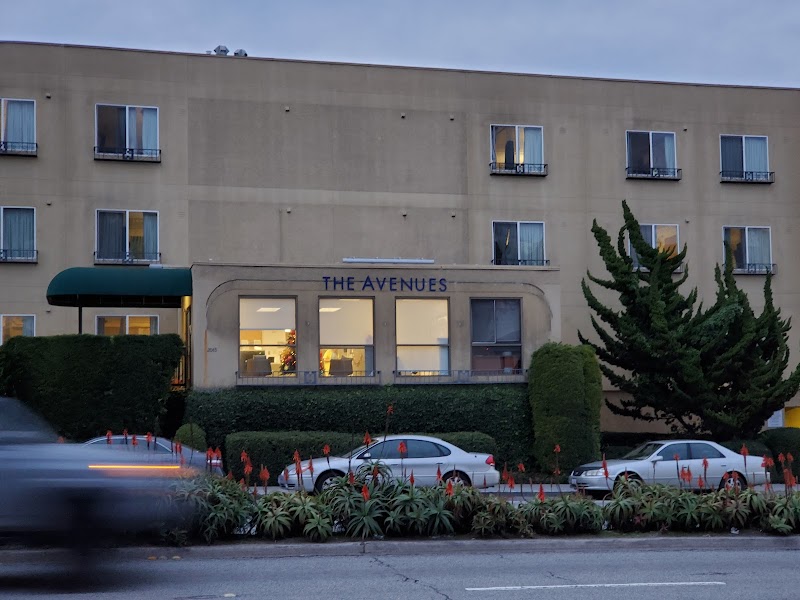
How is The Avenues Transitional Staffed?

CMS rates THE AVENUES TRANSITIONAL CARE CENTER's staffing level at 5 out of 5 stars, which is much above average compared to other nursing homes. Staff turnover is 37%, compared to the California average of 46%. This relatively stable workforce can support continuity of care.

What Have Inspectors Found at The Avenues Transitional?

State health inspectors documented 25 deficiencies at THE AVENUES TRANSITIONAL CARE CENTER during 2021 to 2025. These included: 23 with potential for harm and 2 minor or isolated issues.
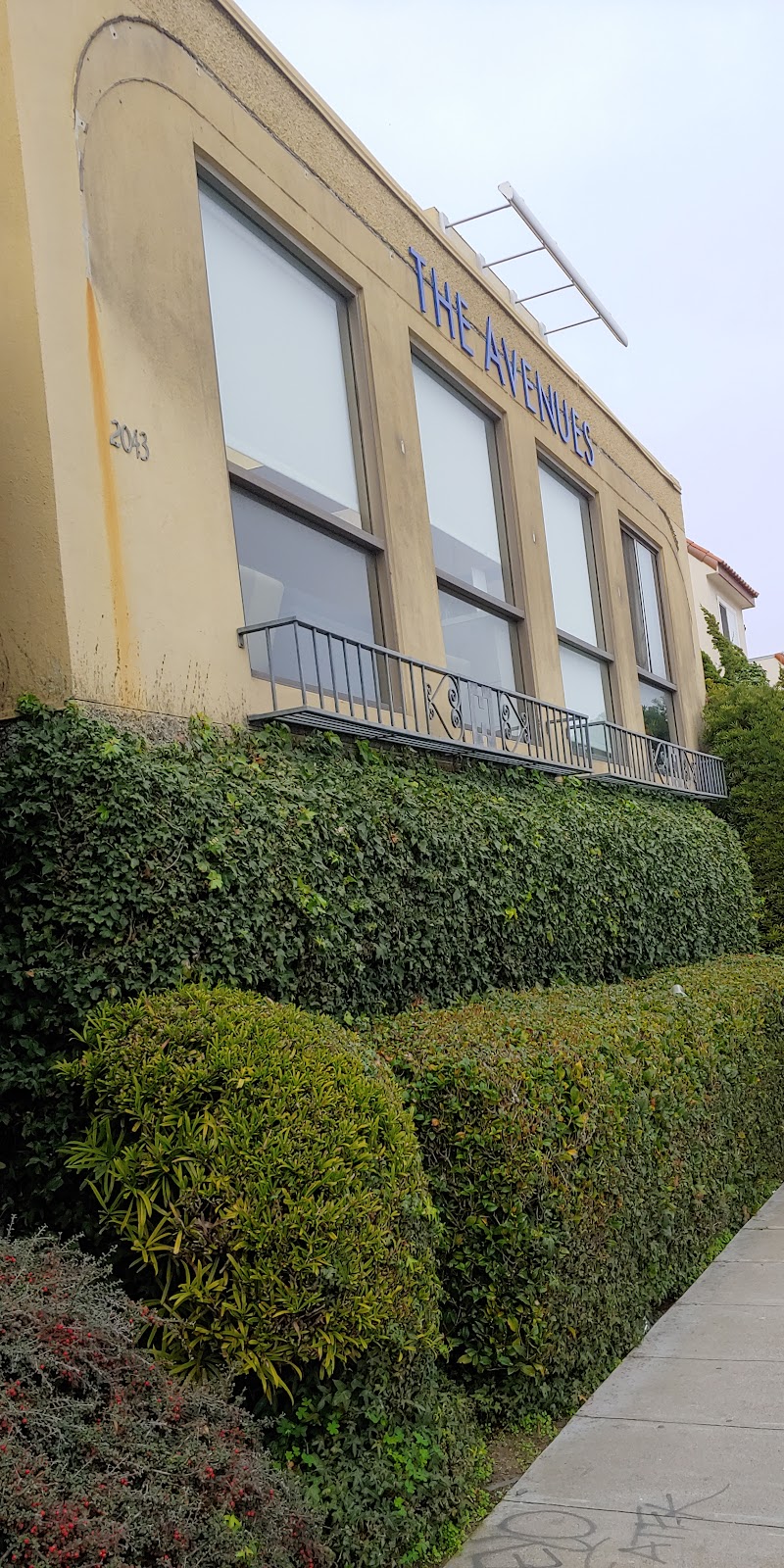
Who Owns and Operates The Avenues Transitional?

THE AVENUES TRANSITIONAL CARE CENTER is owned by a for-profit company. For-profit facilities operate as businesses with obligations to shareholders or private owners. The facility is operated by ASPEN SKILLED HEALTHCARE, a chain that manages multiple nursing homes. With 140 certified beds and approximately 128 residents (about 91% occupancy), it is a mid-sized facility located in SAN FRANCISCO, California.
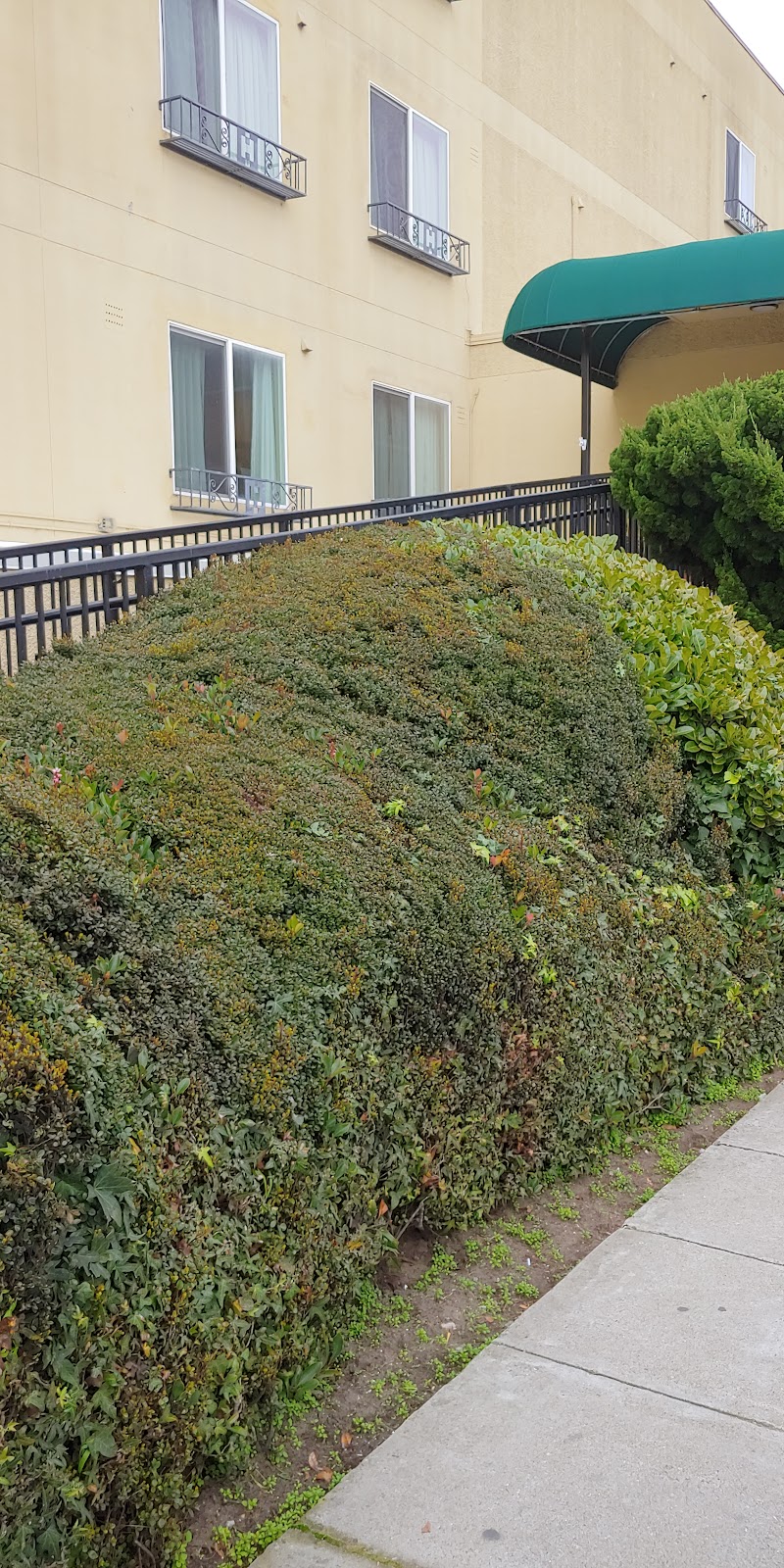
How Does The Avenues Transitional Compare to Other California Nursing Homes?

Compared to the 100 nursing homes in California, THE AVENUES TRANSITIONAL CARE CENTER's overall rating (5 stars) is above the state average of 3.2, staff turnover (37%) is near the state average of 46%, and health inspection rating (4 stars) is above the national benchmark.

What Should Families Ask When Visiting The Avenues Transitional?

Based on this facility's data, families visiting should ask: "Can I visit during a mealtime to observe dining assistance and food quality?" "How do you handle medical emergencies, and what is your hospital transfer rate?" "Can I speak with family members of current residents about their experience?"

Is The Avenues Transitional Safe?

Based on CMS inspection data, THE AVENUES TRANSITIONAL CARE CENTER has a clean safety record: no substantiated abuse findings (meaning no confirmed cases of resident harm), no Immediate Jeopardy citations (the most serious violation level indicating risk of serious injury or death), and is not on the Special Focus Facility watch list (a federal program monitoring the lowest-performing 1% of nursing homes). The facility has a 5-star overall rating and ranks #1 of 100 nursing homes in California. While no facility is perfect, families should still ask about staff-to-resident ratios and recent inspection results during their visit.

Do Nurses at The Avenues Transitional Stick Around?

THE AVENUES TRANSITIONAL CARE CENTER has a staff turnover rate of 37%, which is about average for California nursing homes (state average: 46%). Moderate turnover is common in nursing homes, but families should still ask about staff tenure and how the facility maintains care continuity when employees leave.

Was The Avenues Transitional Ever Fined?

THE AVENUES TRANSITIONAL CARE CENTER has no federal fines on record. CMS issues fines when nursing homes fail to meet care standards or don't correct problems found during inspections. The absence of fines suggests the facility has either maintained compliance or corrected any issues before penalties were assessed. This is a positive indicator, though families should still review recent inspection reports for the full picture.

Is The Avenues Transitional on Any Federal Watch List?

THE AVENUES TRANSITIONAL CARE CENTER is not on any federal watch list. The most significant is the Special Focus Facility (SFF) program, which identifies the bottom 1% of nursing homes nationally based on persistent, serious quality problems. Not being on this list means the facility has avoided the pattern of deficiencies that triggers enhanced federal oversight. This is a positive indicator, though families should still review the facility's inspection history directly.