SAN FRANCISCO HEALTH CARE

1477 GROVE STREET, SAN FRANCISCO, CA 94117 (415) 563-0565
For profit - Corporation 168 Beds Independent Data: November 2025 1 Immediate Jeopardy citation
Trust Grade
3/100
#1100 of 1155 in CA
Last Inspection: February 2025

Within standard 12-15 month inspection cycle. Federal law requires annual inspections.

Overview

San Francisco Health Care has received a Trust Grade of F, which indicates poor performance and significant concerns about the quality of care provided. With a state rank of #1100 out of 1155, they are in the bottom half of California facilities, and they rank last in San Francisco County at #17 out of 17. The facility is trending towards improvement, as the number of issues has decreased from 13 in 2024 to 12 in 2025. Staffing is rated average with a turnover rate of 49%, which is concerning as it is higher than the California average of 38%. However, they do have good RN coverage, being better staffed with registered nurses than 91% of other facilities in the state. On the downside, the facility has been fined $152,404, which is higher than 90% of California facilities and raises red flags about compliance issues. Specific incidents of concern include a critical finding where a resident was allowed unsupervised access to smoking materials despite needing supervision, and serious issues where a resident suffered a hip fracture due to environmental hazards that were not addressed. Additionally, another resident experienced significant weight loss due to inadequate meal monitoring and support during meals. Overall, while there are some strengths in staffing and a slight trend towards improvement, there are also serious weaknesses that families should consider carefully.

Trust Score
F
3/100
In California
#1100/1155
Bottom 5%
Safety Record
High Risk
Review needed
Inspections
Getting Better
13 → 12 violations
Staff Stability
⚠ Watch
49% turnover. Above average. Higher turnover means staff may not know residents' routines.
Penalties
✓ Good
$152,404 in fines. Lower than most California facilities. Relatively clean record.
Skilled Nurses
✓ Good
Each resident gets 52 minutes of Registered Nurse (RN) attention daily — more than average for California. RNs are trained to catch health problems early.
Violations
⚠ Watch
36 deficiencies on record. Higher than average. Multiple issues found across inspections.
★☆☆☆☆
1.0
Overall Rating
★★★☆☆
3.0
Staff Levels
★★★★☆
4.0
Care Quality
★☆☆☆☆
1.0
Inspection Score
Stable
2024: 13 issues
2025: 12 issues

The Good

  • 4-Star Quality Measures · Strong clinical quality outcomes
  • Full Sprinkler Coverage · Fire safety systems throughout facility
  • No fines on record

Facility shows strength in quality measures, fire safety.

The Bad

1-Star Overall Rating

Below California average (3.1)

Significant quality concerns identified by CMS

Staff Turnover: 49%

Near California avg (46%)

Higher turnover may affect care consistency

Federal Fines: $152,404

Well above median ($33,413)

Significant penalties indicating serious issues

The Ugly 36 deficiencies on record

1 life-threatening 2 actual harm
Feb 2025 12 deficiencies 2 Harm
SERIOUS (G)

Actual Harm - a resident was hurt due to facility failures

Accident Prevention (Tag F0689)

A resident was harmed · This affected 1 resident

**NOTE- TERMS IN BRACKETS HAVE BEEN EDITED TO PROTECT CONFIDENTIALITY** Based on observation, interview, and record review, the facility failed to identify environmental hazards, implement interventio...

Read full inspector narrative →
**NOTE- TERMS IN BRACKETS HAVE BEEN EDITED TO PROTECT CONFIDENTIALITY** Based on observation, interview, and record review, the facility failed to identify environmental hazards, implement interventions, and maintain assistive device (refers to any item including wheelchair and walker, that is used by, or in the care of a resident to promote, supplement, or enhance the resident's function and/or safety) in good working condition for two of 22 sampled residents (Resident 25 and Resident 73) when: 1. A fall mat was placed on the floor between Resident 25 in bed A and his roommate in bed B obstructing the path and safe passage. As a result, Resident 25 tripped, fell onto the floor and sustained a right hip fracture requiring surgical repair. Resident 25 was re-admitted to the facility status post (s/p-a medical or clinical shorthand that refers to a state after an intervention) right hip hemiarthroplasty (a surgical procedure that replaces the femoral head (ball) of the right hip joint with an artificial implant). 2. A missing arm rest padding on Resident 73's wheelchair was not reported and replaced to ensure safe use. As a result, Resident 73 slid her right arm on the metal part of the wheelchair, hit her head on the window and sustained a large hematoma (a closed wound where blood collects and fills a space inside your body) on the forehead requiring two hospital transfers on two different occasions. Findings: 1. During the initial tour on 2/24/25 at 7:10 AM in resident's room, Resident 25 was sleeping in bed. A blue fall mat was observed on the floor, situated between the beds of Resident 25 (bed A) and his roommate (bed B). Review of Resident 25's admission record indicated, was re-admitted to the facility on [DATE] with diagnosis including fracture of unspecified part of neck of right femur (refers to a broken bone in the neck of the right thigh bone, where the exact location of the fracture within the neck is not specified), presence of right artificial hip joint (indicates a hip replacement surgery where the damaged or diseased parts of the right hip joint have been replaced with artificial components, typically made of metal, ceramic, and/or plastic), difficulty walking, and unspecified fall. During an interview on 2/24/25 at 10:51 AM Resident 25 stated, he was recently hospitalized due to a fall that required him to undergo hip surgery. Resident 25 stated, he tripped on the [pointing to] fall mat between him and his roommate, fell and hit his right hip onto the floor. Resident 25 stated he's on non-weight bearing (NWB-a person should not put any weight on a specific limb, usually after an injury or surgery) on his lower extremities and has not been out of bed since he came back to the facility. Additionally, Resident stated he was not evaluated by a physical therapist (PT) and occupational therapist. Review of Resident 25's undated care plan titled, The resident is on high risk of fall and risk for the further multiple injuries related to following factors: Decline in functional status, Incontinence, Pacemakers (a small implantable device used to control an irregular heart rhythm), Unsteady Gait, Use cardiovascular meds/diuretics, Use of cane/walker/crutch, indicated interventions including Assess cause, pattern of falls, and activities .Keep environment free from obstruction . Review of Resident 25's 3-Morse Fall Scale (a tool used to assess a patient's risk of falling), dated 1/12/25, indicated, Resident 25 had a high risk for falls. Review of Resident 25's Minimum Data Set (MDS, a federally mandated resident assessment tool) assessment, dated 1/19/25, indicated, no cognitive impairment. Under the functional abilities and goals of MDS assessment indicated, Resident 25 required supervision with transfer and moderate assistance with ambulation using a walker. Review of Resident 25's Change in Condition Evaluation, dated 2/15/25, indicated, CNA (Certified Nursing Assistant) .finding resident on floor of resident room on bottom. Resident alert and oriented x4 (refers to someone who is alert and oriented to person, place, time and event). Resident verbalized he landed on his right hip, did not head strike .bruise forming on right hip . Resident feels soreness on right hip. When getting resident back to bed, his legs buckled and was unable to walk. MDs (Medical Doctor) notified .Waiting for order from MD for x-ray for hip. Review of Resident 25's Licensed Nurse's Notes, dated 2/15/25, indicated, .Resident endorses 10/10 pain (a pain scale of 0 to 10, where 0 is no pain and 10 is the worst pain imaginable) when moving, 4/10 still. Pain, sharp localized to hip, bruise is forming. MDs notified . Sending to [Name of acute hospital] to rule out fracture . Review of Resident 25's Plan of Care Note, dated 2/15/2025, indicated, Late Entry Note Text: Contact by our team regarding a recent fall, landed on right hip now having severe pain over right hip. Unable to move extremity . Orders placed to send out for further trauma evaluation and hip fx. (fracture) . # Mechanical ground level fall .we will start PT (physical therapy) / OT (occupational therapy) . Review of Resident 25's Post Fall Assessment, dated 2/15/25, indicated, Resident 25 was getting out of bed and tripping under his feet. Review of Resident 25's General Acute Care Hospital (GACH) Discharge Summary, dated 2/19/25, indicated, Resident 25 was brought in for right hip pain with obvious deformity s/p GLF (ground level fall) and was taken to the operating room on 2/16/25 for right hip hemiarthroplasty. The Discharge Summary indicated, a discharge diagnosis of femoral neck fracture (a break in the bone [femur] that connects the hip joint [acetabulum] to the upper thigh [femoral head]) and requires SNF (skilled nursing facility) for rehab . Further review of the Discharge summary dated [DATE], indicated, .#R FNF (right femoral neck fracture) s/p R hemi .WBAT (weight bearing as tolerated) RLE (right lower extremity), posterior hip precautions .discharge back to SNF for PT . Review of Resident 25's Plan of Care Note, dated 2/19/2025, indicated, Late Entry Note Text: Patient is back from the hospital status post arthroplasty for right femoral neck . # Mechanical ground level fall .-we will start PT/OT . During a concurrent interview and record review on 2/26/25 at 10:02 AM with Registered Nurse Supervisor (RNS), Resident 25's Order Summary Report was reviewed. The Order Summary Report did not indicate Resident 25 has an order for WBAT and PT referral. The RNS stated there was no documentation that an order was carried for WBAT and PT referral. Furthermore, RNS was unable to find documentation that an IDT (interdisciplinary team) meeting occurred to discuss and assess the cause of the fall and update Resident 25's plan of care related to the recent fall and right femoral fracture. RNS stated, I could not see a care plan for fracture. Additionally, RNS stated that Resident 25 had been in bed since readmitted to the facility. 2. Review of Resident 73's admission record indicated, was admitted to the facility on [DATE] with diagnosis including COVID-19 (Coronavirus disease 2019-is an infectious disease caused by the SARS-CoV-2 virus), Parkinson's disease (a progressive movement disorder of the nervous system) without dyskinesia (involuntary and uncontrolled movements, is a common side effect of Parkinson's medications), dementia (a progressive state of decline in mental abilities) without behavioral disturbance, and muscle weakness. Review of Resident 73's MDS assessment dated [DATE], under staff assessment for mental status indicated, memory problem and severely impaired cognitive skills for daily decision making. Under the functional abilities and goals of the MDS assessment indicated, Resident 73 has impaired upper and lower extremities, a manual wheelchair, and is totally dependent to staff with activities of daily living (ADL-routine tasks/activities), and wheelchair for mobility. During the initial tour on 2/24/25 at 6:54 AM, in Resident 73's room, Resident 73 was in bed asleep. Observed a fading yellow/green discoloration on Resident 73's right eye and side of the forehead. During a phone interview on 02/25/25 at 11:10 AM, Family Member 1 stated, he was notified on 1/5/25 that Resident 73 fell and hit her head on the windowsill. The son stated, Resident 73 had a bruise and swelling on the right side of the forehead. The son also stated that the swelling subsided, but the bruising is still present. Furthermore, the son stated Resident 73 might have slipped from the arm rest of her wheelchair that had a missing padding. Review of Resident 73's Change in Condition Evaluation, dated 1/5/25, indicated, At 11:50 AM, the CNA reported a forehead bruise on the patient. The nurse assessed a hematoma, redness, and scratches on both hands, with no other injuries or signs of shock . Physician ordered ice packs and ED (emergency department) transfer. Family was notified, and [Name] Ambulance transported the patient at 12:40 PM. At 6:20 PM, the patient returned after a CT scan (A computed tomography scan, formerly called computed axial tomography scan, is a medical imaging technique used to obtain detailed internal images of the body) (results pending). The hematoma had enlarged, partially covering the right eye . During a concurrent interview and record review on 2/27/25 at 2:09 PM with Licensed Vocational Nurse (LVN) 1, Resident 73's clinical record was reviewed. The clinical record did not indicate Resident 73 had a fall on 1/5/25. LVN 1 stated, No fall incident this year. Change in Condition on 1/5/25 did not indicate fall incident. Review of Resident 73's fall assessment dated [DATE], indicated, high risk for fall. LVN reviewed all change in condition and progress notes including IDT meeting notes and was not able to find any documentation pertaining to a fall incident. LVN 1 stated, No notes regarding fall. I don't see it in the progress note. During an interview on 2/27/25 at 2:27 PM, Certified Nursing Assistant (CNA) 1 stated, Resident 73 did not have a fall on 1/5/25. CNA 1 stated, he left Resident 73, who was sitting on her wheelchair by the window, to get her lunch tray that was just outside the resident's room. But when CNA 1 came back with the lunch tray, he found Resident 73 leaning on her right side to the wall by the window. CNA 1 stated, he noticed there was no padding on the right arm rest of the wheelchair exposing the metal part. CNA 1 stated, Resident 73 slid her arm on the metal part of the right arm rest. CNA 1 further stated, he did not notice there was no padding on the arm rest when he transferred Resident 73 to the wheelchair. During further interview, CNA 1 stated, Resident 73 had a bump and red discoloration on the forehead and was transferred to the hospital via 911 for further evaluation and treatment. CNA 1 stated, Resident 73 came back in the evening with bluish/blackish discoloration on the forehead. Review of Resident 73's CT scan result dated 1/5/25, indicated, .fall with hematoma right eyebrow, r/o (rule out) ICH (intracerebral hemorrhage) . Impression: Large right periorbital soft tissue hematoma. No intraorbital (situated or occurring within the orbit, the bony cavity that contains the eyeball) hematoma, underlying fracture, or acute intracranial abnormality . Review of Resident 73's Plan of Care Note, dated 1/6/25, indicated, Patient is seen and examined, discussed in IDT meeting. Patient had a recent fall with headstrike, evaluated by [VDA-Vascular Disrupting Agents] and cleared from trauma standpoint. We will order labs in 2 to 3 days to monitor patient's duration status . Review of Resident 73's Licensed Nurse's Notes, dated 1/6/25, indicated, COC (change of condition) 1/3 R (right) side of head hit the edge of the window and sustained hematoma, swelling on the R side of forehead and around the R eye . Review of Resident 73's IDT Post Fall Notes, dated 1/12/25, indicated, Noted Text: **IDT Note for unwitnessed Fall on 1/5/2025 .At approximately 11:50 AM, the assigned CNA reported to the on-duty nurse that the patient had a bruise on the forehead while seated in a wheelchair. the on-duty nurse promptly assessed the patient and noted a large hematoma and bruise on the right side of the forehead, minor redness and scratches on the back of both hands, but no other injuries .Noted some forehead frowning upon touching the hematoma with no verbalization of pain. The nurse notified the physician, who ordered intermittent application of ice packs to the forehead and recommended transferring the patient to ED for further evaluation . Ambulance arrived at around 12:40 pm and transferred out to [Name of GACH]. At 6:20 PM, the patient returned after a CT scan with hematoma had enlarged, partially covering the right eye . RECOMMENDATION/IDT .a safety plan was established, including placing bilateral mattress next to the bed .low bed is positioned. Closed monitoring of the forehead hematoma for healing and possible complications . documenting all actions, and communications in the resident's medical record. Updating the care plan to incorporate enhanced fall precautions . Review of Resident 73's Change in Condition Evaluation, dated 1/22/25, indicated, Np. (Nurse Practitioner) [Name] and this writer noticed that pt's hematoma on right periorbital (area around the eye socket) is boggy (efers to abnormal texture of tissues characterized by sponginess, usually because of high fluid content), darker purple color and more swollen compared to last week. Informed MD with results of CT scan at [Name of GACH] on 1/5/25. MD said monitor for now .Skin changes: skin scratches and hematoma with bruise . Review of Resident 73's Transfer to Hospital Summary, dated 1/22/25, indicated, Resident has been experiencing a hematoma on right lateral forehead since 1/5. NP [Name] was seen resident today and noted hematoma was previously though to be resolving, but then the sudden increase in swelling and color change is concerning for a potential deeper issue, such as clotting or bleeding. The resident exhibited facial grimacing when the hematoma was touched, indicating discomfort or pain .As per MD's orders, the resident was sent to [Name of GACH] .for further evaluation . Review of Resident 73's undated care plan titled, Altered skin integrity RT patient accidently head trauma while sitting on wheelchair as evidenced by Skin hematoma and bruise noted on the right forehead, minor skin scratches on the back of both hands on [1/5/25]. hematoma on her right periorbital is boggy, darker purple color and more swollen compared to last week on 1/22/25, indicated the following interventions: - Patient will be sent out to the hospital for further evaluation and treatment. - Skin hematoma will be free from s/s of pain, swelling, and skin breakdown thru next review. - Gentle handling during ADL care. - Have resident wear long sleeves clothes as the weather permits. - Head to toe assessment, neurological and pain assessment with no concerning manifestations. - Ice pads applied intermittently on forehead. - Inform responsible party (son) for presence of skin hematoma. - Notify MD for presence of skin hematoma. - Observe skin hematoma for s/s of pain, swelling, and skin breakdown. - Pt returned back form hospital at 18.20 pm with pending result for CT scan. - Safety measures are rendered including lower bed level, floor [NAME] next to the bed to safeguard against any further inadvertent injury. - Transfer out to Ed for further evaluation per MD order. - Use palm of the hand when holding and turning resident during care. - Use two-person assist for transfers and positioning as indicated. During an interview on 2/28/25 at 8:49 AM, RNS stated, she never heard or not aware of the missing arm rest padding for Resident 73. RNS stated, anything broken should be taken out immediately from the floor and should not be used. RNS also stated that it should be reported to the maintenance and have it fixed or replaced. Review of the facility's Daily Maintenance Request Log, dated 12/9/24 through 2/25/25, indicated, no documentation of Resident 73's missing arm rest padding was reported. During an interview on 2/28/25, at 1:05 PM, Nursing Home Administrator (NHA) stated, they reviewed the Daily Maintenance Request Log and could not find any reports or documentation regarding the broken wheelchair that caused Resident 73's injury. Review of the facility's policy and procedure titled, [Name of Facility] Falls - Clinical Protocol, revised 7/9/19, indicated, Assessment and Recognition - 1. As part of the initial assessment, Interdisciplinary Team and the physician will help identify individuals with a history of falls and risk factors for subsequent falling . 3. The staff will document risk factors for falling in the resident's record and discuss the resident's fall risk . Cause Identification - 1. For an individual who has fallen, staff will attempt to define possible causes within 24 to 48 hours of the fall . c. When necessary, Licensed Staff or Interdisciplinary Team (IDT) will refer the resident to other disciplines such Rehabilitation Department .to rule out possible causes of fall . 3. The staff and physician will continue to collect and evaluate information until either the cause of the falling is identified . Treatment/Management - 1. Based on the preceding assessment, the staff or IDT and physician will identify pertinent interventions to try to prevent subsequent falls and to address risks of serious consequences of falling . Review of the facility's policy and procedure titled, Work Orders, Maintenance, revised April 2010, indicated, Maintenance work orders shall be completed in order to establish a priority of maintenance service . 2. It shall be the responsibility of the department directors to fill out and forward such work orders to the maintenance director.
SERIOUS (G)

Actual Harm - a resident was hurt due to facility failures

Deficiency F0692 (Tag F0692)

A resident was harmed · This affected 1 resident

**NOTE- TERMS IN BRACKETS HAVE BEEN EDITED TO PROTECT CONFIDENTIALITY** Based on observation, interview, and record review, for Residents 3, one of two residents with weight loss out of a total sample...

Read full inspector narrative →
**NOTE- TERMS IN BRACKETS HAVE BEEN EDITED TO PROTECT CONFIDENTIALITY** Based on observation, interview, and record review, for Residents 3, one of two residents with weight loss out of a total sample of 22 residents, the facility did not: 1. Provide 1:1 assistance/support during meals as ordered by the physician. 2. Monitor percentage of supplement eaten. 3. Offered alternatives/other interventions during poor meal intake. 4. Implement a meal monitoring system that could distinguish between 0-25% intake for residents at risk for poor intake. 5. Use meal intake data to investigate refusals, assess food preferences, and/or identify other issues. 6. Assess for food preferences. This resulted in a 24.4% weight loss for Resident 3 within a six months period. Findings: Review of Resident 3's medical record titled Minimum Data Set (MDS, a standardized resident assessment tool), dated 02/07/2025, indicated she sometimes understood others and had long and short-term memory problems. Her MDS indicated there were no rejection of care. Review of Resident 3's records titled Progress Notes, dated 02/18/2025, indicated . (responsible party) .re-confirmed .NO ARTIFICIAL MEANS OF NUTRITION, INCLUDING FEEDING TUBES. Review of Resident 3's MDS, dated [DATE] indicated her weight was 98 pounds. Review of Resident 3's MDS, dated [DATE] indicated her weight was 74 pounds. This was a 24 pounds weight loss or a 24.4 % weight loss. Review of Resident 3's records titled Nutrition Therapy (initial Assessment), dated 07/23/2024, indicated .Presents with severe .(weight) loss of 32 .(pounds) 24.6% x 3 months. BMI (Body mass index: used to determine a healthy body weight in relation to a specific height) at underweight status . protein . malnutrition . Remains on (nutritional) shake . Will follow .(plan of care) and monitor closely .Goal: maintain or gradual .(weight) gain, . (increase intake to greater than) 75%. Review of Resident 3's records titled Order Summary Report (physician orders), printed on 02/25/2025, indicated Resident 3 was to have Ensure Clear (a fat-free, fruit-flavored nutrition drink containing high-quality protein and essential nutrients ) two times a day for weight loss. During a concurrent interview and electronic record review with the RD (Registered Dietitian) on 02/25/2025 at 12:23 PM, the RD was asked to show how supplement intakes were documented in Resident 3's electronic records. The RD navigated to the supplement section in Resident 3's records. On the screen, there were check marks indicating when supplements were provided. The RD was asked if there were documentation of percentage of supplement consumed by Resident 3. The RD said she was not sure. The RD said she will look through Resident 3's records and provide the information if it was available. The RD agreed it would be difficult to objectively evaluate effective nutritional interventions if percentage supplement intakes were not documented. An email was sent on 02/25/2025 at 1:42 PM to the RD, DON (Director of Nursing) and MDS Coordinator requesting percentage of supplement consumed by Resident 3 in the last 30 days. As of exit on 02/28/2025, the requested document was not provided. Review of Resident 3's records titled Order Summary Report (physician orders), printed on 02/25/2025, indicated Resident 3 was to have Feeding Assistance: 1:1 with meals for assist with eating/feeding. During lunch observation on 02/24/2025 at 11:50 AM, a staff member brought Resident 3's lunch tray into her room and set up her tray for her. At 12:15 PM, Resident 3's lunch tray was removed and placed in a metal tray container. During an interview with Certified Nursing Assistant (CNA) 1on 02/24/2025 at 12:30 PM, he stated Resident 3 has a poor appetite and usually only eat around 20% of her meals. CNA 1 stated he provided set up only and did not assist Resident 3 with her meals because she could feed herself. During lunch observation on 02/26/2025 at 11:48 AM, a staff member brought Resident 3's lunch tray into her room and set up her tray for her. During intermittent observations at 12:05 PM and at 12:08 PM, no staff went into Resident 3's room to check in on her or to assist her. At 12:14 PM, Resident 3's tray was taken away and placed in a metal tray container. During an interview on 02/26/2025 at 12:19 PM CNA 1 stated he was the one who removed Resident 3's tray and he stated she ate her usual amount of 20%. CNA 1 was asked if he attempted to offer her any alternatives or assistance/support to increase her intake. CNA 1 stated no and added Unfortunately, I cannot communicate with her. She's Chinese speaking. Review of the facility's policy titled Offering Alternatives and Encouraging Intake Meals Policy, dated July 1, 2024, indicated .If a patient consumes less than 25% of their meal, nursing and dietary staff must intervene by offering nutritional alternatives, providing additional support, and encouraging intake to prevent malnutrition and weight loss. Review of Resident 3's records titled What percentage of the meal was eaten?, dated 01/27/2025 to 02/25/2025, indicated there were four main columns for staff to assess percentage of meal eaten: 0-25%, 26-50%, 51-75%, 76-100%. During an interview on 02/28/2025 at 9:37 AM, the Director of Nursing (DON) agreed their current method of meal percentage monitoring was not able to determine if a resident ate 0% or 20% or 25%. The DON agreed the ability to distinguish between these low intakes was critical to determine if staff should intervene and offer alternatives and/or assistance/support. The DON stated she expected her staff to intervene if a resident was experiencing inadequate intake during meals. The DON agreed . It makes sense to intervene even if a resident was on comfort measures or requested no aggressive nutritional interventions because residents are not static medically/psychologically and may change their mind at any time. There was no documented evidence the facility was using the meal percent monitoring as a tool to assess food preferences. For example, review of Resident 3's records titled What percentage of the meal was eaten?, dated 01/27/2025 to 02/25/2025, indicated she ate 51-100% of her food for 21 out of 87 meals (24%). For these meals there were no documented evidence staff analyzed if her higher intakes were correlated to specific food preferences. Additionally, review of the same document indicated for 41 out of 87 meals (47.1%), Resident 3 ate between 0-25%. There was no documented evidence these meals were assessed to see if they were related to things the kitchen could control (menu items, temperature, timing etc.) or related to other issues. During an interview on 02/25/2025 at 12:30 PM, the Registered Dietitian (RD) was asked to provide documented evidence the facility assessed Resident 3 for food preferences. The RD stated Resident 3 was unable to respond due to impaired thinking/reasoning and memory problems. The RD was asked to provide documented evidence the facility reached out to Resident 3's responsible parties and/or family members prior to 02/25/2025 to help with food preference assessment. The facility was unable to provide the requested documents. Review of Resident 3's records titled Care Plan Report, printed on 02/26/2025, indicated staff should .ENCOURAGE (Resident 3) TO EAT AT LEAST 75% OF MEALS.OFFER SUBSTITUTES FOR REFUSED FOODS/FLUID .Promote good .intake (eating by mouth).
CONCERN (D)

Potential for Harm - no one hurt, but risky conditions existed

Resident Rights (Tag F0550)

Could have caused harm · This affected 1 resident

Based on observation, interview, and record review, the facility failed to ensure urinary catheter (a hollow tube inserted into the bladder to drain or collect urine) drainage bag was covered with a p...

Read full inspector narrative →
Based on observation, interview, and record review, the facility failed to ensure urinary catheter (a hollow tube inserted into the bladder to drain or collect urine) drainage bag was covered with a privacy bag for one of 6 residents with indwelling catheters (Resident 25). This failure had the potential to affect Resident 25's psychosocial (mental, emotional, social, and spiritual effects) well-being. Findings: During the initial tour on 2/24/25 at 7:10 AM in resident's room, Resident 25 was sleeping in bed. A partially filled urinary catheter drainage bag was observed hanging on the side rail by the left side of the foot of the bed exposing its contents. The urinary catheter drainage bag had no cover and a reddish-brown discoloration on the front of the bag was observed. The drainage bag was unlabeled and undated. A reddish-brown fluid was also observed in the tube attached to the urinary catheter drainage bag. During a concurrent observation and interview on 2/24/27 at 7:18 AM with Certified Nursing Assistant (CNA) 3, Resident 25's urinary catheter drainage bag was uncovered, undated, and unlabeled. CNA 3 acknowledged and stated, there was no date on the drainage bag and should have been placed inside a dignity bag. During an interview on 2/26/25 at 1:43 PM, Registered Nurse (RN) 1 stated, resident's urinary catheter drainage bag needs to have a cover for privacy.
CONCERN (D)

Potential for Harm - no one hurt, but risky conditions existed

Deficiency F0655 (Tag F0655)

Could have caused harm · This affected 1 resident

**NOTE- TERMS IN BRACKETS HAVE BEEN EDITED TO PROTECT CONFIDENTIALITY** Based on interview and record review, the facility failed to ensure baseline care plan was developed within 48 hours of admissio...

Read full inspector narrative →
**NOTE- TERMS IN BRACKETS HAVE BEEN EDITED TO PROTECT CONFIDENTIALITY** Based on interview and record review, the facility failed to ensure baseline care plan was developed within 48 hours of admission for one of 22 sampled residents (Resident 204). This failure had the potential to result in inadequate care and services rendered to the residents. Findings: Review of Resident 204's admission record indicated, was admitted on [DATE] with diagnoses including heart failure, acquired absence of left leg below knee, kidney disease, and dependence on renal dialysis (a treatment that removes waste products and excess fluid from the blood when the kidneys are unable to do so). During an interview on 2/24/25 at 7:41 AM with Resident 204, Resident 204 stated he has a catheter on his right upper chest used for dialysis. Resident 204 stated that he was not able to go to dialysis on Saturday (2/22/25) because transportation needed to be arranged. During an interview on 2/24/25 at 8:42 AM, Registered Nurse Supervisor (RNS) stated, Resident 204 has a central venous catheter (CVC - a tube inserted into a major vein in the chest, neck, or groin for emergency dialysis or temporary access) on his right upper chest for his dialysis. RNS also stated that no special precautions are followed for Resident 204's care. During a concurrent interview and record review on 2/25/25 at 2:26 PM, with Licensed Vocational Nurse (LVN) 1, Resident 204's care plan was reviewed and was unable to find a care plan addressing Resident 204's dialysis and CVC care. LVN 1 also reviewed Resident 204's baseline care plan and stated, not completed yet. LVN 1 added that the baseline care plan is completed 3 days on admission. During an interview on 2/25/25 at 2:44 PM, RNS stated, No dialysis care plan right now. Nursing section is not complete yet. RNS also stated, there is no deadline for the baseline care plan to be completed and that it depends on family or resident preferences.
CONCERN (D)

Potential for Harm - no one hurt, but risky conditions existed

Comprehensive Care Plan (Tag F0656)

Could have caused harm · This affected 1 resident

**NOTE- TERMS IN BRACKETS HAVE BEEN EDITED TO PROTECT CONFIDENTIALITY** Based on observation, interview, and record review, the facility failed to develop a plan of care for one of 22 sampled resident...

Read full inspector narrative →
**NOTE- TERMS IN BRACKETS HAVE BEEN EDITED TO PROTECT CONFIDENTIALITY** Based on observation, interview, and record review, the facility failed to develop a plan of care for one of 22 sampled residents (Resident 25) who fell and fractured his hip. This failure resulted in Resident 25 not receiving the necessary care and treatment such as physical and occupational therapy. Additionally, this resulted in miscommunication between the staff and Resident 25 regarding aftercare and weight bearing activities. Findings: During an observation on 2/24/25 at 7:10 AM in resident's room, Resident 25 was sleeping in bed. A blue fall mat was observed on the floor, situated between the beds of Resident 25 (bed A) and his roommate (bed B). Review of Resident 25's admission record indicated, Resident 25 was re-admitted to the facility on [DATE] with diagnosis including fracture of unspecified part of neck of right femur (refers to a broken bone in the neck of the right thigh bone, where the exact location of the fracture within the neck is not specified), presence of right artificial hip joint (indicates a hip replacement surgery where the damaged or diseased parts of the right hip joint have been replaced with artificial components, typically made of metal, ceramic, and/or plastic), difficulty walking, and unspecified fall. During an interview on 2/24/25 at 10:51 AM with Resident 25, Resident 25 stated, he was recently hospitalized due to a fall that required him to undergo hip surgery. Resident 25 stated, he tripped on the [pointing to] fall mat between him and his roommate, fell and hit his right hip onto the floor. Resident 25 stated he's on non-weight bearing on his lower extremities and has not been out of bed since he came back to the facility. Additionally, Resident stated he was not evaluated by a physical therapist (PT) and occupational therapist. Review of Resident 25's Change in Condition Evaluation, dated 2/15/25, indicated, CNA (Certified Nursing Assistant) . finding resident on floor of resident room on bottom. Resident alert and oriented x4. Resident verbalized he landed on his right hip, did not head strike .bruise forming on right hip . Resident feels soreness on right hip. When getting resident back to bed, his legs buckled and was unable to walk. MDs (Medical Doctor) notified .Waiting for order from MD for x-ray for hip. Review of Resident 25's Licensed Nurse's Notes, dated 2/15/25, indicated, .Resident endorses 10/10 pain when moving, 4/10 still. Pain, sharp localized to hip, bruise is forming. MDs notified . Sending to [Name of acute hospital] to rule out fracture . Review of Resident 25's undated care plan titled, The resident is on high risk of fall and risk for the further multiple injuries related to following factors: Decline in functional status, Incontinence (loss of bladder control), Pacemakers (an electronic device to regulate the heart's rhythm), Unsteady Gait, Use cardiovascular meds/diuretics, Use of cane/walker/crutch, indicated interventions including Assess cause, pattern of falls, and activities .Keep environment free from obstruction . Review of Resident 25's Post Fall Assessment, dated 2/15/25, indicated, Resident 25 was getting out of bed and tripping under his feet. Review of Resident 25's General Acute Care Hospital (GACH) Discharge Summary, dated 2/19/25, indicated, a discharge diagnosis of femoral neck fracture (a break in the bone [femur] that connects the hip joint [acetabulum] to the upper thigh [femoral head]) and requires SNF (skilled nursing facility) for rehab . The Discharge Summary indicated, .#R FNF (right femoral neck fracture) s/p R hemi .WBAT (weight bearing as tolerated) RLE (right lower extremity), posterior hip precautions .discharge back to SNF for PT . Review of Resident 25's Plan of Care Note, dated 2/19/2025, indicated, Late Entry Note Text: Patient is back from the hospital status post arthroplasty for right femoral neck . # Mechanical ground level fall .-we will start PT/OT (physical therapy/occupational therapy) . During a concurrent interview and record review on 2/26/25 at 10:02 AM with Registered Nurse Supervisor (RNS), Resident 25's Order Summary Report was reviewed. The Order Summary Report did not indicate Resident 25 has an order for WBAT and PT referral. The RNS stated there was no documentation that an order was carried for WBAT and PT referral. Furthermore, RNS was unable to find documentation that an IDT (interdisciplinary team - team of individuals with different areas of expertise) meeting occurred to discuss and assess the cause of the fall and update Resident 25's plan of care related to the recent fall and right femoral fracture. RNS stated, I could not see a care plan for fracture. Additionally, RNS stated that Resident 25 had been in bed since readmitted to the facility. During a follow-up interview on 2/27/25 at 9:37 AM, Resident 25 stated, PT/OT were not aware he had a fall and fractured his right hip that is why he was not seen since he was readmitted on [DATE]. During an interview on 2/27/25 at 1:05 PM, Physical Therapist (PT) stated, Resident 25 had history of falls but was not aware of the recent fall with fracture until 2/26/25.
CONCERN (D)

Potential for Harm - no one hurt, but risky conditions existed

Quality of Care (Tag F0684)

Could have caused harm · This affected 1 resident

Based on observation, interview and record review, the facility failed to develop a coordinated plan of care and communication process with the Hospice agency, when there was no care plan to address w...

Read full inspector narrative →
Based on observation, interview and record review, the facility failed to develop a coordinated plan of care and communication process with the Hospice agency, when there was no care plan to address what services Hospice will provide and for facility when to notify Hospice for one (Resident 61) of two sampled residents. This failure had the potential to result in hospice residents being at risk for gaps in their hospice services. Findings: Review of Resident 61's admission record dated 6/15/21, indicated admitted to SNF under Hospice Services on 1/31/25 with End Stage diagnosis of Dementia (decline in cognition including memory). Review of Order Summary Report, dated 2/27/25, indicated, Admit to facility under Hospice Service for comfortable care. DNR, Comfortable-Focus Treatment. No artificial nutrition. During an interview on 2/24/25 at 11:30 AM, with MDS Coordinator (MDSC, MDS - minimum data set, a standardized tool used to plan resident care) , MDSC stated the Hospice residents each have a binder which contains the name of hospice agency and their plan of care, names of hospice staff who will visit and notes of their visits. MDSC also stated the facility has their own care plan for each Hospice resident. During a concurrent interview and record review on 2/25/25 at 12:00 PM, with Director of Social Service (DSS), DSS stated the Hospice agency makes their care plan in their binder. Review of chart, care plan indicated, Comfort Altered Pain Related to Dementia: no mention of Hospice, no interventions as to communication between Hospice and facility. DSS acknowledged, Moving forward, will document in care plan what Hospice will do and how facility will coordinate with Hospice for the care management and comfort of the hospice patients. During an Interview on 2/25/25 at 3:00 PM, with Director of Nursing (DON), DON stated Hospice communicates with facility staff. The hospice nurse, whoever comes, will talk to the nurse on duty of any changes for plan of care or any new orders. During an interview on 2/26/25 at 9:30 AM, with Registered Nurse (RN) 4, RN 4 stated when there is change in the needs of the patient, such as medication, the facility calls the Hospice nurse and Hospice nurse will order medication and have it delivered to facility. If the Hospice nurse is visiting and there is a change of medication, Hospice nurse will inform [the facility staff] and document in their binder. Review of facility Policy and Procedure Policy on Collaboration with Hospice Providers, (undated), indicates: Conclusion . The facility will . Participate in regular interdisciplinary team meetings with hospice providers, Document all collaboration efforts, including meeting records and care plan updates, Ensure clear communication between facility staff and hospice providers.
CONCERN (D)

Potential for Harm - no one hurt, but risky conditions existed

Deficiency F0825 (Tag F0825)

Could have caused harm · This affected 1 resident

**NOTE- TERMS IN BRACKETS HAVE BEEN EDITED TO PROTECT CONFIDENTIALITY** Based on observation, interview, and record review, the facility failed to provide specialized rehabilitative services (includes...

Read full inspector narrative →
**NOTE- TERMS IN BRACKETS HAVE BEEN EDITED TO PROTECT CONFIDENTIALITY** Based on observation, interview, and record review, the facility failed to provide specialized rehabilitative services (includes but is not limited to physical therapy, speech-language pathology, occupational therapy, or respiratory therapy and are provided or arranged for by the nursing home) for one of 22 sampled residents (Resident 25) that required physical therapy (PT-treatment that helps you improve how your body performs physical movements) and occupational therapy (OT-a healthcare profession that focuses on helping individuals improve their ability to perform everyday activities) status post (s/p-a medical or clinical shorthand that refers to a state after an intervention) right hip hemiarthroplasty (a surgical procedure that replaces the femoral head (ball) of the right hip joint with an artificial implant). This failure may result in further decline in condition for Resident 73 and the potential to negatively affect the ability to attain and maintain his highest practicable level of physical, mental, functional and psycho-social well-being. Findings: During the initial tour on 2/24/25 at 7:10 AM in resident's room, Resident 25 was sleeping in bed. A blue fall mat was observed on the floor, situated between the beds of Resident 25 (bed A) and his roommate (bed B). Review of Resident 25's admission record indicated, was re-admitted to the facility on [DATE] with diagnosis including fracture of unspecified part of neck of right femur (refers to a broken bone in the neck of the right thigh bone, where the exact location of the fracture within the neck is not specified), presence of right artificial hip joint (indicates a hip replacement surgery where the damaged or diseased parts of the right hip joint have been replaced with artificial components, typically made of metal, ceramic, and/or plastic), difficulty walking, and unspecified fall. During an interview on 2/24/25 at 10:51 AM Resident 25 stated, he was recently hospitalized due to a fall that required him to undergo hip surgery. Resident 25 stated, he tripped on the [pointing to] fall mat between him and his roommate, fell and hit his right hip onto the floor. Resident 25 stated he's on non-weight bearing (cannot put any weight) on his lower extremities and has not been out of bed since he came back to the facility. Additionally, Resident stated he was not evaluated by a physical therapist (PT) and occupational therapist. Review of Resident 25's Minimum Data Set (MDS, a federally mandated resident assessment tool) assessment, dated 1/19/25, indicated, no cognitive impairment. Under the functional abilities and goals of MDS assessment indicated, Resident 25 required supervision with transfer and moderate assistance with ambulation using a walker. Review of Resident 25's Plan of Care Note, dated 2/15/2025, indicated, Late Entry Note Text: Contact by our team regarding a recent fall, landed on right hip now having severe pain over right hip. Unable to move extremity . Orders placed to send out for further trauma evaluation and hip fx. (fracture) . # Mechanical ground level fall .we will start PT/OT (Occupational Therapy, a treatment to help develop, recover, improve, and maintain skills needed for daily living and work) . Review of Resident 25's General Acute Care Hospital (GACH) Discharge Summary, dated 2/19/25, indicated, a discharge diagnosis of femoral neck fracture (a break in the bone [femur] that connects the hip joint [acetabulum] to the upper thigh [femoral head]) and requires SNF (skilled nursing facility) for rehab . Further review of the Discharge Summary indicated, .#R FNF (right femoral neck fracture) s/p R hemi .WBAT (weight bearing as tolerated) RLE (right lower extremity), posterior hip precautions .discharge back to SNF for PT . Review of Resident 25's Plan of Care Note, dated 2/19/2025, indicated, Late Entry Note Text: Patient is back from the hospital status post arthroplasty for right femoral neck . # Mechanical ground level fall .-we will start PT/OT . During a concurrent interview and record review on 2/26/25 at 10:02 AM with Registered Nurse Supervisor (RNS), Resident 25's Order Summary Report was reviewed. The Order Summary Report did not indicate Resident 25 has an order for WBAT and PT referral. The RNS stated there was no documentation that an order was carried for WBAT and PT referral. Furthermore, RNS was unable to find documentation that an IDT (interdisciplinary team) meeting occurred to discuss and assess the cause of the fall and update Resident 25's plan of care related to the recent fall and right femoral fracture. RNS stated, I could not see a care plan for fracture. Additionally, RNS stated that Resident 25 had been in bed since readmitted to the facility. During a follow-up interview on 2/27/25 at 9:37 AM, Resident 25 stated, PT/OT were not aware he had a fall and fractured his right hip that is why he was not seen since he was readmitted on [DATE]. During an interview on 2/27/25 at 1:05 PM, Physical Therapist (PT) stated, Resident 25 had history of falls but was not aware of the recent fall with fracture until 2/26/25. Review of the facility's policy and procedure titled, [Name of Facility] Falls - Clinical Protocol, revised 7/9/19, indicated, Assessment and Recognition - 1. As part of the initial assessment, Interdisciplinary Team and the physician will help identify individuals with a history of falls and risk factors for subsequent falling . 3. The staff will document risk factors for falling in the resident's record and discuss the resident's fall risk . Cause Identification - 1. For an individual who has fallen, staff will attempt to define possible causes within 24 to 48 hours of the fall . c. When necessary, Licensed Staff or Interdisciplinary Team (IDT) will refer the resident to other disciplines such Rehabilitation Department .to rule out possible causes of fall . 3. The staff and physician will continue to collect and evaluate information until either the cause of the falling is identified . Treatment/Management - 1. Based on the preceding assessment, the staff or IDT and physician will identify pertinent interventions to try to prevent subsequent falls and to address risks of serious consequences of falling .
CONCERN (E) 📢 Someone Reported This

A family member, employee, or ombudsman was alarmed enough to file a formal complaint

Potential for Harm - no one hurt, but risky conditions existed

Unnecessary Medications (Tag F0759)

Could have caused harm · This affected multiple residents

**NOTE- TERMS IN BRACKETS HAVE BEEN EDITED TO PROTECT CONFIDENTIALITY** Medication Error rate- 25.9% Based on observation, interviews and record review, the facility had a medication error rate of 25....

Read full inspector narrative →
**NOTE- TERMS IN BRACKETS HAVE BEEN EDITED TO PROTECT CONFIDENTIALITY** Medication Error rate- 25.9% Based on observation, interviews and record review, the facility had a medication error rate of 25.9% when seven medication errors occurred out of 27 opportunities during the medication administration for four of seven residents (Residents 256, 72, 63 and 17). The failure had the potential to result in residents not receiving full therapeutic effects or causing side effects for the residents. FINDINGS: 1. During the medication administration observation on 2/24/25 at 8:03 AM, for Resident 17, Registered Nurse (RN) 3 was observed preparing and administering four oral medications. RN 3 crushed all 4 tablets, poured them in a medication cup, mixed with applesauce and administered to patient. Patient took the medication with applesauce. Per RN 3, patient takes medications with no problem. Review of Resident 17's admission Record, admitted 0n 3/15/24 with diagnoses including: Dementia (memory loss) and Failure to Thrive (a decline characterized by weight loss, decreased appetite, poor nutrition, and inactivity). Review of Order Summary Report, dated 2/27/25, indicated, May crush medications or open capsules as indicated per pharmacy protocol. 2. Review of Resident 256's admission Record, admitted on [DATE] with diagnoses including: Cerebral Infarction (a condition where blood flow to the brain is interrupted causing brain tissue to die), Dysphagia( difficulty swallowing), Gastrostomy Status( where a thin flexible tube is inserted through the abdominal wall and into the stomach for feeding). Review of Order Summary Report for Resident 256, dated 2/28/25, indicated, Enteral Feed order every shift Diabetic Source feeding @ 90 ml/hr start at 1 pm stop at 9 am. May crush medications and open capsules as indicated per pharmacy protocol to give via GT. During the medication administration observation on 2/24/25 at 8:30 AM, for Resident 256, RN 3 was observed preparing 6 tablets for Gastrostomy administration. RN 3 crushed all 6 tablets and poured them into a cup of water. After GT placement check, RN 3, poured the mixed tablets with water into the syringe. RN 3 then flushed the tube with a cup of water. RN3 proceeded with giving a liquid antibiotic per GT. RN3 stated it takes a while to dilute the tablets, needs a little push at times. 3. During the medication administration observation on 2/25/25 at 11:30 AM for Resident 63, RN 3 stated, the PCC (Point Click Care - an electronic health record program ) is down but I know his medication, will check the MAR(medication administration record) later. RN 3 was observed getting the eyedrop, Artificial Tears and 2 tissues, prepared and explained to the patient, dropped one dop to right eye, then wiped with tissue. Then dropped one drop to left eye and wiped the left eye. Review of Order Summary Report for Resident 63, dated 2/28/25, indicated, Artificial Tears, Instill 2 drops to left eye every 4 hours for dry eyes. Review of facility Policy and Procedure, Medication Administration-Preparation and General Guidelines, dated 6/15, indicated, B. Administration, 2. Medications are administered in accordance with written orders of the prescriber. A. Preparation, 5. The medication administration record (MAR) is always employed during medication administration. Prior to administration of any medications, the medication and dosage schedule on the resident's MAR are compared with the medication label. 4. A review of Resident 72's admission Record, indicated, admitted on [DATE] with diagnoses including: Organ-Limited Amyloidosis (abnormal protein deposits that can build up in organs and tissues causing damage and disease), Paroxysmal Atrial Fibrillation ( a kind of irregular heartbeat that occurs intermittently and stops on its own.) During a concurrent observation and interview on 2/24/25 at 9:00 AM, with RN 3, for medication administration for resident 72, RN 3 stated, Resident 72 has an order for Vyndaquel (a medication to delay nerve damage caused by abnormal protein deposits in organs and tissues) 20 mg 4 capsules every day. RN 3 pulled out the box and stated, medication is not available, has been reordered. Last given on 2/19/25. This medication is not available in our Automatic Dispensing Unit (ADU - a computerized system used in healthcare settings to store, dispense, and track medications). During an initial interview on 2/24/25 at 7:00 AM, with Resident 72, Resident 72 stated he has not been given his cardiac medication, Vyndaquel 20 mg since last week. During an interview on 2/24/25 at 9:00 AM, with RN 3, RN 3 stated the medication was reordered; the pharmacy was notified but needed the Attending physician to order. MD gave order and was faxed to pharmacy but the pharmacy stated [the medication was] not available. No progress notes found on this issue. Review of Order Summary Report dated, 2/26/25, indicated, Tafamidis Meglumine (Cardiac - a medication used to treat cardiac amyloidosis - a rare condition caused by abnormal protein deposits in the heart) oral capsule 20 mg. Give 4 capsules by mouth one time a day for cardiac amyloidosis, start date 1/7/25. Review of MAR for February 2025, indicated, Tafamidis Meglumine Cardiac, on 2/20/25 to 2/25/25, code 9 = Other/see progress notes initialed by nurses. A review of progress notes did not indicated what code 9 meant. On 2/25/25, indicated Tamafidis is not available . Review of facility progress notes, by MD, dated 2/17/25,Follow ups: if additional 30 days supply of Tafamidis not delivered on 1/8/25, call [Hospital] Specialty Pharmacy at XXX-XXX-XXXX. Review of facility Policy and Procedure, medication Administration- General Guidelines, dated 6/15, indicates: D. Documentation (including electronic) 6.If a dose of regularly scheduled medication is withheld, refused, not available, or given at a time other than the scheduled time .the space provided on the front of the MAR for that dosage administration is initialed and circled. An explanatory note is entered on reverse side of record. If a vital medication is not available, the physician is notified. Nursing documents the notification and physician response.
CONCERN (E)

Potential for Harm - no one hurt, but risky conditions existed

Food Safety (Tag F0812)

Could have caused harm · This affected multiple residents

Based on observation, interview and record review the facility failed to prepare, store, and serve food in a sanitary manner when these were observed in the kitchen and other areas: 1. One of the ice...

Read full inspector narrative →
Based on observation, interview and record review the facility failed to prepare, store, and serve food in a sanitary manner when these were observed in the kitchen and other areas: 1. One of the icemaker's dispensing spouts was dripping water. 2. The ice maker had two water filters and one of the water filters was not replaced. 3. The bottom of the kitchen hood was covered in a film of a greasy-looking substance. These failures had the potential to result in putting residents at risk for food borne illnesses. Findings: During initial kitchen observation on 02/24/2025 at 6:21 AM with Dietary Aide (DA), the following were observed and confirmed with the DA: 1. One of the icemaker's dispensing spouts was dripping water. 2. The icemaker had two water filters and one of the water filters was not replaced. 3. The bottom of the kitchen hood was covered in a film of a greasy-looking substance. The film was heavy enough there were at least 30+ spots on the hood where the substance were lumped into early droplets and ready to drip down. During an interview on 02/26/2025 at 9:52 AM with the Maintenance Manager (MM). the MM stated he changed both water filters for the kitchen's icemaker back in December 2024. Since there were no dates on the water filters, the facility was asked to provide documented evidence the water filters were changed back in December 2024. A review of the facility records titled Details for Order ., dated 12/11/2024, indicated one water filter was purchased for the icemaker. There was no evidence the second water filter was purchased and/or replaced back in December 2024. On 02/24/2025 at 10:58 AM, the Administrator (NHA) , the Director of Nursing (DON) and the Registered Dietitian (RD) were asked to provide their policies regarding icemaker water filter replacement, and maintenance of the icemaker regarding drips. On 02/26/2025 at 10:15 AM, the RD stated the facility do not have the requested policies. A review of the facility's policy titled HOODS, FILTERS, AND VENTS, dated 2023, indicated .Hoods must be cleaned every two weeks and must be free of dust and grease.
CONCERN (E)

Potential for Harm - no one hurt, but risky conditions existed

Garbage Disposal (Tag F0814)

Could have caused harm · This affected multiple residents

Based on observation, interview and record review the facility failed to dispose of kitchen refuse properly when two garbage containers within the kitchen did not have lids. This failure had the pote...

Read full inspector narrative →
Based on observation, interview and record review the facility failed to dispose of kitchen refuse properly when two garbage containers within the kitchen did not have lids. This failure had the potential to result in flying insects contaminating food items, food prep areas and utensils. Findings: During initial kitchen observation on 02/24/2025 at 6:21 AM with Dietary Aide (DA), two garbage containers without lids were found in the kitchen and these observations confirmed with the DA. During an interview on 02/24/2025 at 10:57AM with the Registered Dietacian (RD), the RD agreed that there should be lids on all garbage containers in the kitchen. Review of the facility's policy titled MISCELLANEOUS AREAS GARBAGE AND TRASH, dated 2023, indicted .Adequate, clean, . areas must be provided for storage of garbage .All food wasted must be placed in a sealed leak-proof, non-absorbent, tightly closed containers .
CONCERN (E)

Potential for Harm - no one hurt, but risky conditions existed

Infection Control (Tag F0880)

Could have caused harm · This affected multiple residents

**NOTE- TERMS IN BRACKETS HAVE BEEN EDITED TO PROTECT CONFIDENTIALITY** Based on observation, interview, and record review, the facility failed to implement its infection control program when enhanced...

Read full inspector narrative →
**NOTE- TERMS IN BRACKETS HAVE BEEN EDITED TO PROTECT CONFIDENTIALITY** Based on observation, interview, and record review, the facility failed to implement its infection control program when enhanced barrier precautions (EBP) was not followed for four of 11 residents (Resident 62, Resident 204, Resident 25, Resident 256) with indwelling medical devices. This failure has the potential to result in cross contamination of infection which may jeopardize the health and safety of the residents and staff. Definition: Enhanced Barrier Precautions (EBP) - refer to an infection control intervention designed to reduce transmission of multidrug-resistant organisms that employs targeted gown and glove use during high contact resident care activities. Indwelling medical devices - refers to a device that is inserted into the body and remains there for a period of time, such as central lines, urinary catheters, and feeding tubes. Additionally, there was no signage posted and personal protective equipment (PPE) cart set up by the resident's care area. Findings: 1. Review of Resident 62's admission record indicated, Resident 62 was admitted on [DATE] with diagnoses including stroke, heart failure, diabetes mellitus (high blood sugar), and gastrostomy status (presence of an artificial opening in the stomach (gastrostomy) used for nutritional support or gastric decompression - removing gas and fluid from the stomach), During an observation on 2/24/25 at 6:56 AM in Resident 62's room, Resident 62 was in bed asleep and was receiving enteral (a thin flexible tube inserted through the gastrointestinal tract for nutrition) feeding via an automated feeding pump. During further observation, an opened, unlabeled, and undated irrigation syringe (a medical device used to flush fluids or medications into specific areas of the body) inside its plastic packaging was hanging on the feeding pump pole. During an interview on 2/24/25 at 7:03 AM with Registered Nurse (RN) 2, RN 2 stated, the irrigation syringe should be dated and labeled with resident's name once opened. During further interview, RN 2 stated, Resident 62 is not on any precautions. Review of Resident 62's undated care plan indicated, infection control precaution was not addressed in the care plan. 2. Review of Resident 25's admission record indicated, was re-admitted to the facility on [DATE] with diagnoses including fracture of unspecified part of neck of right femur (refers to a broken bone in the neck of the right thigh bone, where the exact location of the fracture within the neck is not specified), presence of right artificial hip joint (indicates a hip replacement surgery where the damaged or diseased parts of the right hip joint have been replaced with artificial components, typically made of metal, ceramic, and/or plastic), and neuromuscular dysfunction of bladder (a problem in which a person lacks bladder control due to a brain, spinal cord, or nerve condition). During an observation on 2/24/25 at 7:10 AM in resident's room, Resident 25 was in bed asleep. A partially filled urinary catheter drainage bag was observed hanging on the lowered partial side rail by the left side of the foot of the bed exposing its contents. The urinary catheter drainage bag had no cover and a reddish-brown discoloration on the front of the bag was observed. The drainage bag was unlabeled and undated. A reddish-brown fluid was also observed in the tube attached to the urinary catheter drainage bag. During a concurrent observation and interview on 2/24/27 at 7:18 AM with Certified Nursing Assistant (CNA) 3, CNA 3 acknowledged Resident 25's urinary catheter drainage bag was uncovered, undated, and unlabeled. CNA 3 stated, there was no date on the drainage bag and should have been placed inside a dignity bag. During an interview on 2/26/25 at 1:43 PM, RN 1 stated she follows contact precaution (measures that are intended to prevent transmission of infectious agents which are spread by direct or indirect contact with the resident or the resident's environment) when changing the dressing for Resident 25's suprapubic catheter (a medical device that drains urine from the bladder directly through the abdominal wall). Review of Resident 25's undated care plan titled, Resident has an suprapubic catheter DUE TO: Overactive urinary bladder/spasms. At risk for UTI Bleeding due to trauma to perennial area Urinary meatus or other parts of the genital area, indicated, infection control precaution was not addressed in the care plan. 3. Review of Resident 204's admission record indicated, was admitted on [DATE] with diagnoses including heart failure, acquired absence of left leg below knee, kidney disease, and dependence on renal dialysis (a treatment that removes waste products and excess fluid from the blood when the kidneys are unable to do so). During an observation and interview on 2/24/25 at 7:41 AM in resident's room, with Resident 204, Resident 204 was awake, still lying in bed. Resident 204 stated he has a catheter on his right upper chest used for dialysis. During an interview on 2/24/25 at 8:42 AM, Registered Nurse Supervisor (RNS) stated, Resident 204 has a central venous catheter (CVC - a tube inserted into a major vein in the chest, neck, or groin for emergency dialysis or temporary access) on his right upper chest for his dialysis. RNS also stated that no special precautions are followed for Resident 204's care. Review of Resident 204's Order Summary Report indicated, an order date of 2/22/25 for Daily Dialysis access site care: The patient has -CVA (Central Venous Access)- Assess for bleeding or infection every shift. Review of Resident 204's undated care plans indicated, CVA site care and infection control precautions were not addressed in the care plan. During the initial tour on 2/24/25 at 6:30 AM to 7:41 AM, there were no residents observed to be on EBP. Additionally, there were no signs posted and PPE cart set up near the resident care area or outside the resident's room. During an interview on 2/26/25 at 2:13 PM with the Infection Preventionist (IP), the IP stated all catheters, nasal cannulas, O2 tubing had to be changed and labeled. The IP also stated, residents with catheters, tube feedings, and wounds should be placed on EBP. Additionally, the IP stated a sign on the resident's door is posted with instructions on what PPE's to wear and a PPE cart is set up outside the resident's room. During further interview, the IP acknowledged that there was no signage for EBP posted and PPE cart set up for residents with catheters and tube feedings including Resident 62, Resident 204, Resident 25, Resident 256. 4. During a concurrent observation and interview on 2/24/25 at 6:30 AM, Resident 256 was up in wheelchair, observed holding his Gastrostomy tube (GT) tubing, resident stated, don't worry about it when asked what he was doing. Resident stated they showed me how to do it, then disconnected his GT feeding himself, leaving the end of the feeding tube on his bed. During a concurrent observation and interview on 2/24/25 at 6:35 AM, with CNA 5, no sign or posting for EBP was observed on Resident 256's room. CNA 5 stated the posting was for residents with tube feeding and oxygen, when asked about a sign posted on another room. During and observation for medication pass 2/24/25 at 8:30 AM , with RN 3, RN 3 observed giving the GT medication using gloves only. Review of Resident 256's admission Record, admitted on [DATE] with diagnoses including: Cerebral Infarction (a condition where blood flow to the brain is interrupted causing brain tissue to die), Dysphagia( difficulty swallowing), Gastrostomy Status( where a thin flexible tube is inserted through the abdominal wall and into the stomach for feeding). During an interview on 2/25/25 at 11 AM, with RNS, RNS stated residents with any tubing should have a signage for EBP (Enhanced Barrier Precaution) on the door.
CONCERN (E)

Potential for Harm - no one hurt, but risky conditions existed

Deficiency F0925 (Tag F0925)

Could have caused harm · This affected multiple residents

Based on observation, interview and record review the facility failed to maintain an effective pest control program, when flying insects were seen in the facility. This failure had the potential to r...

Read full inspector narrative →
Based on observation, interview and record review the facility failed to maintain an effective pest control program, when flying insects were seen in the facility. This failure had the potential to result in exposing residents to pest borne illnesses. Findings: During a concurrent observation and interview on 02/24/2025 at 1:00 PM, in Resident 93's room, with Resident 93's family member, Resident 93's family member stated you can see these insects here and pointed to a little flying insect resting on the wall approximately 8 feet above the floor. During a concurrent observation and interview on 02/25/2025 2:07 PM, with Kitchen Supervisor (KS) a flying insect was observed flying in the room while interviewing Resident 82. KS confirmed he saw the flying insect. During an interview on 02/26/2025 at 9:52 AM, the Maintenance Manager (MM) stated the facility was subcontracted with a pest control company as part of their pest management program. Review of the facility's policy titled Pest Control, revised on May 2008, indicated .This facility maintains an on-going pest control program to ensure that the building is kept free of insects and rodents.
Aug 2024 1 deficiency
CONCERN (D) 📢 Someone Reported This

A family member, employee, or ombudsman was alarmed enough to file a formal complaint

Potential for Harm - no one hurt, but risky conditions existed

Transfer Requirements (Tag F0622)

Could have caused harm · This affected 1 resident

**NOTE- TERMS IN BRACKETS HAVE BEEN EDITED TO PROTECT CONFIDENTIALITY** Based on interview and record review, the facility failed to ensure appropriate discharge for one of 3 sampled residents (Reside...

Read full inspector narrative →
**NOTE- TERMS IN BRACKETS HAVE BEEN EDITED TO PROTECT CONFIDENTIALITY** Based on interview and record review, the facility failed to ensure appropriate discharge for one of 3 sampled residents (Resident 1) when there was no evidence of discharge basis and discharge summary for Resident 1 regarding his discharge on [DATE]. This failure could result in an inappropriate discharge that may disrupt the provision of care for Resident 1. Findings: Review of Resident 1's clinical record indicated, Resident 1 was admitted to the facility on [DATE], with diagnoses including cachexia (a condition that causes significant weight loss and muscle loss), severe protein-calorie malnutrition (the state of severely inadequate intake of food), iron deficiency (a condition that your body does not have enough iron), and unsteadiness (inability to stand firmly) on feet. Review of Resident 1's Minimum Data Set (MDS, resident assessment tool), dated 4/19/24, indicated, his memory was moderately impaired. Review of Resident 1's doctor's order, dated 7/16/24, indicated, May discharge to home on 7/17/2024 with HH (Home health, a nursing specialty in which nurses provide multidimensional home care to patients of all ages) (PT [physical therapy, a branch of rehabilitative health that uses specially designed exercises and equipment to help patients regain or improve their physical abilities]/OT [occupational therapist, a healthcare provider who helps patients improve their ability to perform daily tasks]/RN [registered nurse]) and incontinent supplies (products designed to help manage urine or stool) Review of Resident 1's Licensed Nurse's Notes, dated 7/17/24 indicated, . Patient is discharged , left the facility at around 1400 (2 PM) with social worker on a wheelchair . During an interview on 8/1/24 at 11:11 AM with Director of Social Worker (DoSW), DoSW stated, . Of course! The doctor should have a discharge note for him . I don't see it here (in Resident 1's medical record) . when asked about the basis of discharge of Resident 1. DoSW stated, . I cannot see . when asked about Resident 1's basis of discharge again. She stated, there should be a reason for discharge to be documented by the doctor when asked. She stated, Definitely! when asked if there should be the basis of discharge. During an interview on 8/1/24 at 3:18 PM with DoSW, DoSW verified, there was no discharge summary from the doctor for Resident 1 when asked. Review of the facility's policy and procedure (P&P) titled, Discharging the Resident revised in December 2014 indicated, . review the reason for the discharge . State Operations Manual titled, Appendix PP, dated 2/3/23 indicated, . F622 . When the facility transfers or discharges a resident under any of the circumstances specified in paragraphs (c)(1)(i)(A) through (F) of this section, the facility must ensure that the transfer or discharge is documented in the resident's medical record . Documentation in the resident's medical record must include: (A) The basis for the transfer per paragraph (c)(1)(i) of this section .
Jan 2024 12 deficiencies 1 IJ
CRITICAL (J)

Immediate Jeopardy (IJ) - the most serious Medicare violation

Accident Prevention (Tag F0689)

Someone could have died · This affected 1 resident

Based on observations, interviews, record review, and facility policy review, the facility failed to implement measures to prevent Resident #76 from having unsupervised access to smoking materials, in...

Read full inspector narrative →
Based on observations, interviews, record review, and facility policy review, the facility failed to implement measures to prevent Resident #76 from having unsupervised access to smoking materials, including lighters, cigarettes, and marijuana. This failure affected 1 (Resident #76) of 5 total residents identified by the facility as smokers. The facility allowed Resident #76 to have unsupervised visits with Visitor #28, who repeatedly provided the resident with smoking materials despite having been educated on the facility's smoking policies multiple times. After the facility had educated both Resident #76 and Visitor #28 on the facility's smoking policies, the resident and visitor continued to be noncompliant. The facility had assessed Resident #76 as requiring supervision while smoking and the facility was required to store all of the resident's smoking materials due to non-compliance with the facility's smoking policy, including a history of smoking inside the facility and in non-designated smoking areas. It was determined the provider's non-compliance with one or more requirements of participation had caused or was likely to cause serious injury, harm, impairment, or death to a resident. The Immediate Jeopardy (IJ) was related to the State Operations Manual, Appendix PP, 483.25(d) Accidents, at a scope and severity of J. The IJ began on 01/02/2024 at 11:16 AM when Resident # 76 was observed in the hallway of the facility with smoking materials, including cigarettes and a lighter, in their possession. The Administrator and Director of Nursing (DON) were notified of the IJ on 01/21/2024 at 10:55 AM and provided a copy of the IJ template on 01/21/2024 at 11:18 AM. A removal plan was requested. The removal plan was accepted by the State Survey Agency on 01/22/2024 at 10:05 AM. The IJ was removed on 01/22/2024 at 4:44 PM after the survey team performed onsite verification that the removal plan had been implemented. Noncompliance remained at the lower scope and severity of isolated, no actual harm with potential for more than minimal harm that was not immediate jeopardy for F689. Findings included: A review of a facility policy titled Smoking Policy - Residents, revised in August 2022, revealed, This facility has established and maintains safe resident smoking practices. The policy further indicated, 2. Smoking is only permitted in designated resident smoking areas which are located outside of the building, 7. The staff consults with the attending physician and the director of nursing services (DNS) to determine if safety restrictions need to be placed on a resident's smoking privileges based on the Safe Smoking Evaluation. 8. A resident's ability to smoke safely is re-evaluated quarterly, upon a significant change (physical or cognitive) and as determined by the staff. 9. Any smoking-related privileges, restrictions, or concerns (for example, need for close monitoring) are noted on the care plan, and all personnel caring for the resident shall be alerted to these issues, and 14. Residents without independent smoking privileges, may not have or keep any smoking items, including cigarettes, tobacco, etc., except under direct supervision. The policy specified, This facility maintains the right to confiscate smoking items found in violation of our smoking policies. A review of Resident #76's admission Record revealed the facility admitted the resident on 11/19/2021. According to the admission Record, the resident had a medical history that included diagnoses of tobacco use, senile degeneration of the brain, delirium due to known physiological condition, and muscle wasting and atrophy. A review of Resident #76's annual Minimum Data Set (MDS), with an Assessment Reference Date (ARD) of 11/28/2023, revealed Resident #76 had a Brief Interview for Mental Status (BIMS) score of 14, which indicated the resident was cognitively intact. A review of Resident #76's comprehensive care plan revealed a Focus area, initiated on 11/20/2021 and revised on 09/01/2023, that indicated the resident was a smoker and does not follow the scheduled smoking times. Very impulsive and screaming at staff to take [him/her] to smoke. The Goals were that Resident #76 would not suffer injury from unsafe smoking practices and Resident #76 would smoke at the designated area through the next review date of 03/13/2024. Resident #76's smoking care plan included the following active interventions created on 12/10/2021: - Complete smoking assessment. Reassess resident quarterly, annually, and with change of condition, - Educate resident and family about the facility policy on smoking: locations, times, and safety concerns, - Monitor resident's safety during smoking, - Notify charge nurse immediately if it is suspected resident has violated facility smoking policy, - The resident requires SUPERVISION while smoking, and - The resident's smoking supplies should not be stored at bedside. A review of Resident #76's quarterly Smoking - Safety Screen, dated 03/12/2023, revealed the resident could light their own cigarettes and was safe to smoke without supervision in designated areas. The Smoking - Safety Screen indicated the resident had prior episodes of smoking inside the facility, and the facility was to store the resident's cigarettes and lighter in the nurses' cart. A review of Resident #76's quarterly Smoking - Safety Screen, dated 05/30/2023, revealed Resident #76 could light their own cigarette but needed supervision and one-on-one assistance. According to the Smoking - Safety Screen, the resident was not safe to smoke without supervision, and the resident had a history of noncompliance with the designated smoking area and smoking inside the facility. The facility was to store the resident's cigarettes and lighter in the nurses' cart. A review of Resident #76's medical record revealed a Smoking - Safety Screen had not been completed since 05/30/2023. A review of Resident #76's Progress Notes revealed the following entries: - A COMMUNICATION - with Resident note, dated 04/01/2022 and documented by the Social Services Director (SSD), that indicated the SSD spoke with the resident to remind them of the facility's smoking policy after a nurse found a cigarette in the resident's possession. According to the note, the SSD discussed the following information with the resident: 1) [Resident #76] can't keep a cigarette and a lighter on [sic] [Resident #76's] possession. It must be kept by the charge nurse and will only be given to [Resident# 76] before smoking. 2) There is only one designated smoking area- outside by the end of the driveway/ left end side of the building. 3) [Resident #76] will be escorted by the staff for safety monitoring. The note indicated the resident understood, denied ever smoking inside the building, and said the cigarette that was found was an extra from the previous smoke break. - A COMMUNICATION - with Resident note, dated 07/01/2022 and documented by the SSD, which indicated the SSD spoke with and counseled the resident regarding an incident earlier in the morning on the same day in which the resident lit and smoked inside the facility. The SSD informed the resident the incident was a major fire safety concern and that their actions could endanger the resident, as well as everyone else in the facility. According to the note, the resident was again reminded of the facility's smoking policy, specifically, 1) Smoking in any part of the building is strictly prohibited. 2) Smoking should only be in the designated area - outside the building by the parking garage 3) Smoking is limited to 3x [times] per day/ one time every shift and [he/she] should be escorted depending on the availability of the staff while smoking. 4) [His/her] cigarette and lighter should be kept at the nurses' cart and will only be given to [him/her] during smoking schedules. 5) Violation of the Smoking Policies will result in the cancellation of [Resident #76's] smoking rights. The note indicated the resident understood and agreed. - A CARE CONFERENCE OR IDT [interdisciplinary team] NOTES entry, dated 09/28/2022 and documented by the SSD, that indicated the SSD facilitated a care conference on 09/27/2022 with Resident #76 in the presence of Visitor #28, the Ombudsman, and the Registered Nurse (RN) Supervisor (currently Assistant Director of Nursing (ADON)/Infection Preventionist (IP) #23) and discussed the resident's plan of care, and the resident's violation of facility house rules. According to the note, they also discussed that the resident was verbally aggressive and non-compliant with care, and the resident was continuously violating the house rules as far as smoking cigarettes and street drugs (marijuana). The note revealed the resident was again reminded of the facility's smoking policy, including that their cigarettes and lighter would be kept by the nurse, and the resident would have access only during scheduled smoking times to prevent the resident from lighting cigarettes in non-designated smoking areas. The note indicated, This restriction was violated by the resident several times despite frequent counseling and reminder. They also reminded Visitor #28 that all personal items brought to the facility should be endorsed by facility staff for inventory purposes and would allow cigarettes to be supervised and accounted for. The note also indicated the Ombudsman informed Resident #76 and Visitor #28 that federal law prohibited organizations such as nursing facilities from allowing the use of street/prohibited drugs on their premises. The note revealed the Ombudsman informed the resident that this violation was grounds for eviction from the nursing home, and that while smoking was a resident's right, the nursing home had the right to make their own rules to accommodate the right to smoke. The note also indicated Resident #76 and Visitor #28 were advised to look for alternative placement as soon as possible because the resident's physical and medical condition were stable and did not require the services provided at the nursing home. - A CARE CONFERENCE OR IDT NOTES entry, dated 12/21/2023 and documented by the SSD, that indicated the Nursing QA Director, RN Supervisor, SSD, Ombudsman, and Abuse Coordinator met with Resident #76 and Visitor #28 to discuss the resident's plan of care and other concerns related to violation of the facility's house rules. According to the note, the SSD informed the resident and Visitor #28 that during the deep cleaning of the resident's room over the weekend, a significant amount of marijuana cigarettes were found on top of [his/her] bedside table and bed by maintenance staff, and the RN Supervisor was informed and confiscated the items. The note revealed Resident #76 and Visitor #28 were reminded of the prior meeting on 09/28/2022 in which it was discussed that street/illegal drugs were not permitted on the premises of the facility per federal law and were grounds for eviction. The note revealed the RN Supervisor also reminded Visitor #28 that they had previously discussed that marijuana use could increase the resident's heart rate and blood pressure and lead to an increased risk of stroke, heart disease, and other vascular diseases, and combined with the resident's ongoing cardiovascular and coagulation issues, could lead to death. According to the note, Resident #76 admitted they used marijuana, promised not to do it again, and said they would not light and smoke cigarettes inside the building. On 01/02/2024 at 11:16 AM, Resident #76 was observed in the hallway waiting on the elevator. The surveyor rode the elevator to the first floor with the resident, and the resident then wheeled themself to the back door with their cigarettes and lighter in their pocket. No staff members were present, and Resident #76 said they could go out to smoke on their own and did not need any help. At 11:21 AM, the Chief Executive Officer (CEO) was entering the facility through the back door and stopped the resident from going outside. She instructed RN #1 to go with Resident #76 outside because the resident needed someone to be always with them while smoking. Once outside, Resident #76 pulled their cigarettes and a lighter out of their pocket and lit a cigarette. When Resident #76 finished smoking, Resident #76 put their cigarette out on their wheelchair tire and threw the cigarette butt onto the ground. RN #1 assisted Resident #76 back into the facility. During a subsequent interview with Resident #76, on 01/02/2024 at 11:38 AM, the resident's cigarettes and lighter were observed on the resident's bedside table. During the interview, the resident stopped a staff member and asked for a cup of hot water to make coffee. The staff member returned with the hot water, and the resident made a cup of coffee using instant coffee from their drawer and stirred it with the end of their cigarette lighter. On 01/05/2024 at approximately 2:10 PM, Resident #76 was observed sitting outside in their wheelchair next to the gate to the parking lot, not in the designated smoking area, and no staff members were present while the resident was smoking. Continued review of Resident #76's Progress Notes revealed the following entries: - A CARE CONFERENCE OR IDT NOTES entry, dated 01/10/2024, that indicated the IDT, including the Medical Director (MD), Administrator, DON, ADON #6, ADON/IP #23, SSD, Activity Director, and Director of Staff Development (DSD), met to discuss issues and concerns involving Resident #76. The note reflected the following, ISSUES AND CONCERNS: Resident is a cigarette smoker. [He/she] has also had episodes of smoking illicitdrug [sic] (marijuana). [He/she] was assessed and determined to be unsafe to smoke independently, the facility imposed smoking restrictions on [him/her] that [he/she] cannot smoke without support and supervision of visitors, family or staff and cannot keep smoking items (cigarette, tobacco, lighter or other smoking paraphernalia). Despite the restrictions, resident secretly, continuously and intentionally possessing cigarette, illicit drug and lighter to have easy access when needed. On several occasions, resident was reminded and counseled about the House Rules particularly Smoking (cigarette and illicit drugs) and Alcohol Consumption. Care conferences were conducted several times in the presence of [his/her] friend [Visitor #28], Ombudsman and IDT. Resident admitted and acknowledged [his/her] violation of House Rules specifically: 1) The use and possession of illicit frug (Marijuana) 2) Smoking inside the building (in bed, inside the bedroom, 2nd floor hallway and ground floor hallway) 3) Consumption of alcohol. The note revealed During those care conferences and counseling during actual incidents, resident apologized and promised that [he/she] will not do it again. However, those promises had never been fulfilled and there was no indication of following the facility House Rules. With these serious violations of the facility House Rules, the resident was putting [his/her] self and other residents to a [sic] significant danger by causing a potential fire in the building. This note reflected the following RECOMMENDATIONS from the IDT: To offer accommodation to escort and supervise the resident to the smoking area based on smoking schedules two to three times a day, not allow the resident to have possession of cigarettes, illicit drugs, lighter, or any other smoking materials, cigarettes and lighter will be under the safekeeping in a medication cart and will only be given to the resident during the agreed smoking schedules, the resident's room would be checked regularly to ensure that they did not have possession of any cigarette, lighter, and other smoking materials, and a 30-day discharge notice would be issued if the resident repeatedly violated the smoking policy. - A Licensed Nurse's Notes entry and a Psychosocial Note dated 01/13/2024 that indicated Resident #76 reported to a nurse that their roommate (Resident #404) threatened to hit them. According to the note, the nurse went to speak with Resident #404, who reported Resident #76 asked them to buy the resident cigarettes, and Resident #404 denied the request. Further, the SSD (via phone) and RN #27 spoke with the roommate, and the roommate denied having made such a threat but said Resident #76 kept asking the roommate for cigarettes, even at night, and Resident #76 got upset when they did not get one. - A Plan of Care Note documented by a physician for a date of service of 01/16/2024 that indicated the nurses reported Resident #76 was smoking cigarettes and marijuana outside and inside their room. The note revealed nursing staff reported to the physician that there had been a past incident of the resident smoking in their room, and they had already had a meeting with the resident, in which the resident admitted they violated the facility's policy. The note revealed the nursing staff told the physician that Resident #76 needed to be discharged or transferred to another facility. - A CARE CONFERENCE OR IDT NOTES entry, dated 01/18/2024, that indicated the Administrator, SSD, and RN# 27 met with Resident # 76 and Visitor #28 to discuss the resident's continued non-compliance with the facility's smoking policy and procedure. The note indicated, The resident has been witnessed smoking inside the facility, against the facility's policy, jeopardizing the health and safety of other residents. The resident was educated several times before and continues to be non-compliant. The facility expressed concerns regarding the resident's safety and the health of other residents. The resident agreed to 4 times daily smoking schedule with direct supervision of staff. The resident was offered a smoking cessation program and refused. The Resident also agreed not to keep any smoking materials on [his/her] person or in [his/her] room. - A COMMUNICATION - with Resident note documented by the Administrator and a Licensed Nurse's Notes entry, dated 01/19/2024, that indicated the Administrator witnessed the resident smoking inside the facility in the waiting area on the second floor. The note revealed the resident was immediately stopped, smoking materials were confiscated from the resident, and the resident gave verbal consent for their room to be searched. Per the note, a room search was conducted by RN# 27 and the Administrator, and no additional smoking materials were found. - A COMMUNICATION - with Resident note dated 01/20/2024 and documented by the Administrator revealed that the Administrator observed Resident #76 holding a cigarette lighter returning from the smoking area at approximately 4:45 PM. According to the note, the resident was out on pass and went to the smoking area with Visitor #28. The note indicated the Administrator reminded the resident they could not have any smoking materials, and the resident agreed to hand over a lighter. During an interview on 01/19/2024 at 4:02 PM, Resident #404, Resident #76's roommate, stated they had been at the facility for about two weeks, and Resident #76 did not follow the rules when it came to smoking. Resident #404 said Resident #76 had smoked in their room and had smoking materials in their room. Resident #404 further stated staff seemed to allow Resident #76 to do anything the resident liked. During an interview on 01/05/2024 at 9:33 AM, Certified Nurse Aide (CNA) #5 said she knew how much assistance a resident needed when smoking from the machine on the wall (kiosk), and the resident could usually tell her. CNA #5 stated she had not seen Resident #76 smoking independently because she was a new employee and took the resident to the smoking area herself when she was assigned to them. During an interview on 01/05/2024 at 9:41 AM, CNA #4 stated she stayed with smoking residents the whole time they were outside smoking. CNA #4 said she had never seen Resident #76 smoking independently and stated residents were not supposed to keep their cigarettes and lighters in their rooms, but some try to sneak them. CNA #4 could not recall the date of her last staff training on smoking safety. During an interview on 01/05/2024 at 1:14 PM, the DON stated it was her expectation that residents be assessed for their smoking capabilities upon admission, with any significant change, and quarterly. She stated if the assessments were not done or were not done accurately, residents could be at risk for injury while smoking. The DON said residents were educated about smoking safety and the facility's smoking rules upon admission. She further stated she thought all residents' lighters and cigarettes were kept at the nurses' station and staff members were responsible for returning the smoking materials back to the nurses' station after smoke breaks, but she was not sure and indicated ADON #6, the previous DON, would be able to clarify. During an interview on 01/05/2024 at 1:43 PM, ADON #6 stated residents were assessed for smoking safety upon admission and then reassessed quarterly, usually around the time of the MDS assessments, because they could have had a change in their ability to safely smoke. ADON #6 said two of the three smokers in the facility, including Resident #76, were required to have their smoking materials stored at the nurses' station, and the other one was independent and could keep their own smoking materials. ADON #6 said for the residents whose smoking materials were stored at the nurses' station, they provided them to the residents when requested and sent a staff member with them while the residents smoked. ADON #6 said the staff member was responsible for returning the smoking materials to the nurses' station so they could be locked up until the next smoke break because if they left it up to the residents, they would sneak and keep them. During an interview on 01/19/2024 at 4:30 PM, RN #27 stated smoking assessments were completed quarterly, during admission, and after significant changes. RN #27 revealed Resident #76 had smoked inside the facility, and the facility confiscated the resident's smoking materials. During a follow-up interview on 01/20/2024 at 1:46 PM, RN #27 stated she completed smoking assessments and confirmed Resident #76 had not been assessed for smoking since May 2023. During an interview on 01/19/2024 at 5:43 PM, RN #2 stated she had worked at the facility for six months. She stated that cigarettes and lighters were kept with the nurses, locked in a cart. She stated that when they went outside to smoke, they gave the residents the cigarettes and lighters and retrieved them when they were finished due to safety concerns. During an interview on 01/20/2024 at 9:48 AM, CNA #31 stated she had worked at the facility for three months and was not aware of any residents smoking in the facility. She stated that Resident #76 was allowed to smoke alone and that their family took them. She stated she had seen Resident #76 smoke alone about three months ago. During an interview on 01/22/2024 at 11:39 AM, CNA #5 stated that she was not sure if Resident #76 was allowed to have the smoking items. She stated she had seen the resident smoke in the facility's lobby once. During an interview on 01/20/2024 at 10:28 AM, RN #3 stated that she had worked at the facility since October 2023. She stated that she was not aware of Resident #76 smoking in the facility. She stated that the resident had to be taken down to the smoking area, then she would leave the resident and come back and get the resident. She stated she was not sure if the resident was safe alone. RN #3 stated she had not received training regarding smoking. She stated she last took Resident #76 to smoke last Saturday. RN #3 stated she left the resident and told the resident she would be back in 15 minutes. During an interview on 1/20/2024 at 10:59 AM, ADON/IP #23 stated that the resident had only been observed smoking in the facility once. During an interview on 01/20/2024 at 2:56 PM, the Administrator stated Resident #76 could not smoke inside and stated that the resident had to be supervised when they smoked. He stated the resident could not keep smoking materials their self. He stated that when he caught the resident smoking, the resident stated they received the smoking materials from Visitor #28. The Administrator stated that Visitor #28 came on 12/21/2023 and was formally informed not to bring the resident smoking materials. He said he had spoken with Visitor #28 at least three times about not allowing the resident to smoke unsupervised and having smoking materials. He stated that a family member gave the resident cigarettes today. The Administrator stated that he expected facility staff to make sure the resident got to the smoking area, ensure the resident was being safe, and ensure the cigarettes were placed in the receptacle. He stated that the staff were lighting the cigarettes and that the smoking materials were in the staff's possession. The Administrator stated that even after meeting with the resident and family member, the resident continued to be noncompliant. On 01/22/2024 at 10:05 AM, a removal plan was submitted by the facility and accepted by the State Survey Agency. It read as follows: Plan of Removal F689 - Free of Accident / Hazards 1. How the corrective action(s) will be accomplished for those residents found to have been affected by the deficient practice: 1.1 Resident #76 still resides in the facility. 1.2 Resident #76's ability to smoke independently was reassessed on 01/19/2024. The resident requires direct supervision to smoke. Resident #76's plan of care was updated to include the need for direct supervision during smoking activity as determined and assigned by the smoking schedule. 1.4 A smoking schedule was implemented on 01/18/2024 for resident #76 by the interdisciplinary team and agreed upon by the resident and friend. Long-Term Care Ombudsman was informed. 1.5 The facility issued resident #76 a 30-day discharge notice on 01/21/2024 for noncompliance with the facility's policy and procedure for smoking. 1.6 The facility implemented new measures for visitation, including requiring direct supervision of each visit with Resident #76 by management staff and/or nursing staff. 1.7 Resident #76's attending physician was notified of the resident's non-compliance with the smoking policy. 1.8 The facility implemented new measures for out-on-pass, which include searching the resident upon return to the facility for any smoking material in his possession with consent. 2. How the facility will identify other residents having the potential to be affected by the same deficient practice and what corrective action was taken; 2.1 The facility audited all five residents who smoke and reassessed their ability to smoke independently. 2.2 The facility updated the plan of care to include each resident's ability to smoke independently and safely. 3. What measures will be put into place or what systemic changes the facility will make to ensure that the deficient practice does not recur; 3.1 The Director of Staff Development and Assistant Director of Nursing provided in-service re-education to environmental, dietary, nursing, activities, and management staff on 1/20/24 and 1/21 /24 regarding the facility's policy and procedure titled 'Smoking Policy - Residents' with an emphasis on Resident #76's smoking schedule and interventions due to history of non-compliance. For staff who are not included in the initial training, the facility will provide in-service re-education on an ongoing basis. The facility will compare the in-service documentation with the staff roster to ensure all appropriate staff receive the training. Staff who fail to attend the in-service will be removed from the schedule until completion of the in-service training. 4. How the facility plans to monitor its performance to make sure that solutions are sustained; 4.1 Effective 01/21/2024, the Director of Nursing and/or Designee will complete monthly audits of residents who smoke to ensure the Smoking Assessment and care plans are accurate. Any concerns identified will be addressed immediately. 4.2 Effective 01/21/2024, the Smoking Monitors, as outlined in the resident's smoking schedule, and/or Designee will complete a daily visual audit four times daily to ensure the resident complies with the facility's smoking policy. Documentation of this audit will be maintained in a binder. Any concerns identified will be addressed immediately. 4.3 The Director of Nursing and/or Designee will report significant trends identified in the monthly smoking audit to the QAPI/QAA [quality assurance and performance improvement/ quality assessment and assurance] Committee at least quarterly for the purpose of process improvement through root cause analysis and committee-recommended interventions to ensure continued compliance with this plan of correction; or, for the purpose of terminating this plan of correction when substantial compliance has been achieved. 4.4 The Administrator and/or Designee will report significant trends identified in the daily visual audit to the QAPI/QAA Committee at least quarterly for the purpose of process improvement through root cause analysis and committee-recommended interventions to ensure continued compliance with this plan of correction or for the purpose of terminating this plan of correction when substantial compliance has been achieved. 4.5 Substantial compliance shall be indicated by three consecutive reviews during the QAPI/QAA Committee analysis without findings. 4.6 Allegation of compliance date: 01/21/2024. Onsite Verification: The IJ was removed on 01/22/2024 at 4:44 PM after the survey team verified the implementation of the facility's removal plan as follows: 1.2 Assessment documented Resident #76's need for supervision during smoking. Verified in chart 01/22/2024 at 10:11 AM. Verified through interview with the DON and Administrator on 01/22/2024 at 11:34 AM. 1.3 The care plan documented Resident #76's need for supervision during smoking. Verified in the chart on 01/22/2024 at 10:11 AM. Verified through interview with the DON and Administrator 01/22/2024 at 11:34 AM. 1.4 Reviewed the smoking schedule provided by the facility; the meeting was documented in progress notes and saved by the surveyor. Verified through a telephone interview with Visitor #28 on 01/22/2024 at 10:36 AM. Visitor #28 stated the facility had provided education regarding bringing smoking materials into the facility for Resident #76. The facility had placed Resident #76 on a smoking schedule, allowing the resident to smoke four times each day. The facility explained to Visitor #28 that Resident #76 was not allowed to smoke without being supervised. Resident #76 was not allowed to smoke in any areas within the facility. Verified through telephone interview on 01/22/2024 at 1:58 PM with the Ombudsman, who indicated being made aware of the meeting on 01/18/2024 but was unable to attend. The Ombudsman stated they attended a care plan meeting last month when the resident's smoking issues were discussed and was aware of the resident's behaviors in the facility regarding smoking. 1.5 Review of discharge notice provided to Resident #76 on 01/21/2024 was verified on 01/22/2024 at 11:54 AM. Verified through interview with the Administrator 01/22/2024 at 11:54 AM. He stated the discharge notice had been provided to the resident, but they refused to sign. The discharge notice was signed by two witnessing facility staff. 1.6 Reviewed progress notes and social service notes detailing the visitation guidelines and her discussion with the resident's friend and their family member. Note dated 01/21/2024. Verified through interv[TRUNCATED]
CONCERN (D)

Potential for Harm - no one hurt, but risky conditions existed

Deficiency F0583 (Tag F0583)

Could have caused harm · This affected 1 resident

Based on observations, interviews, record review, and facility policy review, the facility failed to ensure 2 (Resident #301 and Resident #11) of 2 sampled residents reviewed for privacy were provided...

Read full inspector narrative →
Based on observations, interviews, record review, and facility policy review, the facility failed to ensure 2 (Resident #301 and Resident #11) of 2 sampled residents reviewed for privacy were provided personal privacy during the provision of showers. Findings included: A review of a facility policy titled Quality of Life - Dignity, revised in October 2009, revealed, Each resident shall be cared for in a manner that promotes dignity and enhances quality of life, dignity, respect and individuality. The policy contained a Highlight related to Bodily Privacy During Care and Treatment that specified, 10. Staff shall promote, maintain and protect resident privacy, including bodily privacy during assistance with personal care and during treatment procedures. 1. A review of Resident #301's admission Record revealed the facility admitted the resident on 12/11/2023 with diagnoses that included cerebral infarction (stroke), essential hypertension, and unsteadiness on feet. A review of Resident #301's admission Minimum Data Set (MDS), with an Assessment Reference Date (ARD) of 12/17/2023, revealed Resident #301 had a Brief Interview for Mental Status (BIMS) score of 14, which indicated the resident was cognitively intact. According to the MDS, the resident was dependent on staff for showers and bathing. A review of Resident #301's comprehensive care plan revealed a Focus area, initiated on 12/15/2023, that indicated the resident had an activities of daily living (ADL) self-care performance deficit. Interventions dated 12/15/2023 directed staff to shower the resident as scheduled or requested and to provide privacy during care. During an observation from the hallway of Shower Room A on 01/02/2024 at 9:52 AM, Resident #301 sat fully unclothed in a shower chair while Certified Nurse Aide (CNA) #12 gave them a shower. The shower room was located next to the elevator on the second floor, and the privacy curtain inside the shower room and the door were both open. During the observation, several people were observed coming out of the elevator and passing by the shower room door while Resident #301 received their shower. CNA #12 then noticed they were being observed and attempted to pull the privacy curtain to block the view of the resident; however, CNA #12 failed to completely close the privacy curtain, and Resident #301 remained exposed to passers-by in the hallway. During an interview on 01/05/2024 at 3:14 PM, CNA #12 said staff should provide privacy during showers by closing the shower room privacy curtain and the door. CNA #12 reported that he was distracted during Resident #301's shower on 01/02/2023, but when he noticed the surveyors in the hallway, he pulled the curtain. After the surveyor explained the resident was still visible from the hallway after he pulled the curtain, CNA #12 acknowledged he should have also closed the door. 2. A review of Resident #11's admission Record revealed the facility admitted the resident on 10/19/2017 with diagnoses that included senile degeneration of the brain, peripheral vascular disease, adult failure to thrive, and anxiety disorder. A review of Resident #11's quarterly MDS, with an ARD of 12/14/2023, revealed a Staff Assessment for Mental Status (SAMS) determined Resident #11 had short- and long-term memory problems and severely impaired cognitive skills for daily decision making. According to the MDS, the resident was dependent on staff for showers and bathing. A review of Resident #11's comprehensive care plan revealed a Focus area, initiated on 05/04/2020, that indicated the resident had a self-care deficit affecting their ability to bathe and shower. An intervention dated 05/04/2020 directed staff to provide privacy during care. During an observation on 01/05/2024 at 9:21 AM, CNA #13 transported Resident #11 from their room to the shower room in a shower chair. Although CNA #13 draped a sheet around the resident's front side, the resident's backside was visible from the opening in the back of the shower chair. During a subsequent observation on 01/05/2024 at 9:27 AM, CNA #13 transported Resident #11 from the third-floor shower room back to their room in a shower chair. Although the resident was covered by a bath blanket from their neck to their feet, a gap remained at the back of the shower chair, which rendered the resident's uncovered buttocks visible from the side each time CNA #13 turned a corner at a 90-degree angle. Resident #11's uncovered buttocks was visible twice during the transport, once when CNA #13 turned onto the resident's hallway and again when CNA #13 turned to enter the resident's room. During an interview on 01/05/2024 at 9:40 AM, CNA #13 stated that when they transported residents for showers, they completely covered the residents, including their backsides. CNA #13 said that Resident #11 was a bit combative, but when they put the resident in the chair, they had covered them completely. CNA #13 said the resident pulled the blanket around themself and off their legs and speculated that when the resident did that, it might have pulled the sheet up in the back. During an interview on 01/05/2024 at 3:32 PM, Assistant Director of Nursing (ADON) #6 stated she expected CNAs to provide privacy for residents during showers. ADON #6 said CNAs should ensure residents were completely covered when taking them through the hallway to the shower room, then close the privacy curtain and keep the door closed during the shower. During an interview on 01/05/2024 at 4:57 PM, the Director of Nursing (DON) stated staff should ensure residents' privacy during showers by pulling the privacy curtain and closing the door, unless the resident did not want the door closed. The DON verified that unclothed residents should not be visible in the hallways during showers and that staff should always close the privacy curtain to maintain privacy. During an interview on 01/05/2024 at 8:14 PM, the Chief Executive Officer (CEO) and [NAME] President stated staff should pull the privacy curtain and close the door to provide privacy for residents during showers.
CONCERN (D)

Potential for Harm - no one hurt, but risky conditions existed

Deficiency F0645 (Tag F0645)

Could have caused harm · This affected 1 resident

Based on interviews, record review, and facility policy review, the facility failed to include a diagnosis of a major mental illness on a Preadmission Screening and Resident Review (PASRR) Level I for...

Read full inspector narrative →
Based on interviews, record review, and facility policy review, the facility failed to include a diagnosis of a major mental illness on a Preadmission Screening and Resident Review (PASRR) Level I for 1 (Resident #26) of 2 sampled residents reviewed for PASRR screenings. Findings included: A review of a facility policy titled admission Criteria, revised in March 2019, revealed 9. All new admissions and readmissions are screened for mental disorders (MD), intellectual disabilities (ID) or related disorders (RD) per the Medicaid Pre-admission Screening and Resident Review (PASARR) process. a. The facility conducts a Level I PASARR screen for all potential admissions, regardless of payer source, to determine if the individual meets the criteria for a MD, ID or RD. b. If the level I screen indicates that the individual may meet the criteria for a MD, ID, or RD, he or she is referred to the state PASARR representative for the Level II (evaluation and determination) screening process. A review of Resident #26's admission Record revealed the facility admitted Resident #26 on 03/06/2014 with a diagnosis that included schizophrenia. Further review of the admission Record revealed the resident had a medical history of diagnoses that also included epilepsy and Parkinson's disease. A review of Resident #26's quarterly Minimum Data Set (MDS), with an Assessment Reference Date (ARD) of 09/20/2023, revealed Resident #26 had a Staff Assessment for Mental Status (SAMS) that indicated the resident had short- and long-term memory problems. The MDS revealed the resident had severely impaired cognitive skills for daily decision-making. The MDS revealed the resident was totally dependent on staff for bed mobility, dressing, eating, toilet use, and personal hygiene. The MDS revealed the resident had diagnoses that included schizophrenia, epilepsy, and Parkinson's disease. A review of Resident #26's care plan revealed a Focus area, with an initiation date of 02/28/2015, that indicated the resident had an activity of daily living (ADL) self-care deficit related to schizophrenia, Parkinson's disease, epilepsy, torticollis (neck muscles cause the head to tilt). A review of Resident #26's Order Summary Report for Active Orders As Of 01/02/2024 revealed the resident's diagnoses included schizophrenia. A review of Resident #26's Preadmission Screening and Resident Review (PASRR) Level I Screening Document dated 07/03/2018 revealed the PASRR submission was for a Resident Review Status Change. The PASRR did not reveal a diagnosis of schizophrenia, and Section V-Mental Illness was left blank. A review of a PASRR Level I determination letter from the Department of Health Care Services dated 07/05/2018 revealed, Considering your neurocognitive status additional specialized mental health services are not recommended at this time. During a telephone interview on 01/04/2024 at 4:22 PM, the Administrator stated residents were admitted to the facility with a completed PASRR Level I screening from the hospital, where it was completed. He stated that if any additional screening was needed, the facility completed the paperwork and requested a PASRR Level II evaluation. He stated that in 2018, the facility staff was completing the PASRR Level I screenings for residents admitted to the facility. He stated the Assistant Director of Nursing (ADON) #23 or Registered Nurse (RN)-MDS #22 would have completed the screening at that time. He stated he was unsure if schizophrenia would be indicated on the PASRR Level I screening. He stated he did not know of any residents who required a Level II screening that did not have one. During an interview on 01/05/2024 at 4:36 PM, the Director of Nursing (DON) stated she had been working at the facility for one week. She stated that ADON #23 was to double-check the PASRR evaluations that came from the hospital for accuracy. During an interview on 01/05/2024 at 3:38 PM, ADON #23 stated he had worked at the facility since July 2021. He stated he checked the PASRR Level I evaluations for accuracy of diagnosis, medications, and the condition of the resident. He stated the facility admitted Resident #26 with a diagnosis of schizophrenia and stated he did not see it indicated on the Level I screening. He stated that if the state's PASRR office was not aware of a mental illness diagnosis, then they would not be able to evaluate the resident for it. During an interview on 01/05/2024 at 7:26 PM, the Chief Executive Officer (CEO) said PASRR Level I evaluations should be accurate and thorough. She stated the facility's nurses used to complete the Level I screenings, but now hospital staff complete them.
CONCERN (D)

Potential for Harm - no one hurt, but risky conditions existed

Deficiency F0658 (Tag F0658)

Could have caused harm · This affected 1 resident

Based on observation, interviews, record review, facility policy review, and Centers for Disease Control and Prevention (CDC) guidelines, the facility failed to ensure services provided met profession...

Read full inspector narrative →
Based on observation, interviews, record review, facility policy review, and Centers for Disease Control and Prevention (CDC) guidelines, the facility failed to ensure services provided met professional standards of quality for 1 (Resident #50) of 1 resident reviewed for an intramuscular injection. Specifically, Registered Nurse (RN) #3 prepared an intramuscular injection by reconstituting the medication and then used the same needle to administer the medication to the resident. Furthermore, RN #3 stuck the resident with the needle, removed the needle prior to administering the medication, then re-stuck the resident with the same needle and administered the medication. Findings included: A review of a facility policy titled Intramuscular Injections, revised in March 2011, revealed, 10. Inject needle quickly and firmly at a 90-degree angle into muscle. 11. After needle enters the site, grasp the lower end of the syringe barrel with nondominant hand. Move dominant hand to end of plunger. Avoid moving the syringe. 12. Slowly inject medication. 13. Withdraw needle quickly while placing alcohol swab gently above or over site. 14. Massage site lightly. 15. Discard uncapped needle and syringe into designated sharps container. A review of a facility policy titled Conformity with Laws and Professional Standards, revised in April 2007, revealed, Our facility operates and provides services in compliance with current federal, state, and local laws, regulations, codes and professional standards of practice that apply to our facility and types of services provided. The policy further indicated, 3. Our facility's policies, procedures and operational practices are developed and maintained in accordance with current accepted professional standards and principles as well as current commonly accepted health standards, established by national organizations, boards and councils (e.g. [exempli gratia, for example], Centers for Disease Control, boards of nursing, etc. [and so on]). A review of the CDC website https://www.cdc.gov/injectionsafety/patients.html revealed an article on Injection Safety Information for Patients that stated, Healthcare providers (doctors, nurses and anyone providing injections) should never reuse a needle or syringe either from one patient to another or to withdraw medication from a vial. A review of Resident #50's admission Record revealed the facility admitted the resident on 11/08/2023. According to the admission Record, the resident had a medical history that included diagnoses of acute pyelonephritis (inflammation of the kidney due to bacterial infection), diabetes mellitus, atherosclerotic heart disease (thickening or hardening of the arteries), chronic systolic heart failure (left ventricular weakness), and benign prostatic hyperplasia (enlarged prostate). A review of Resident #50's admission Minimum Data Set (MDS), with an Assessment Reference Date (ARD) of 11/14/2023, revealed Resident #50 had a Brief Interview for Mental Status (BIMS) score of 15, which indicated the resident was cognitively intact. The MDS revealed the resident had an active diagnosis of urinary tract infection (UTI) within the last 30 days of the assessment period. A review of Resident #50's Order Summary Report, listing all orders for the timeframe from 11/01/2023 to 01/31/2024, revealed an order dated 12/31/2023 for ertapenem sodium (antibiotic) injection solution reconstituted 1 gram (gm) inject 500 milligrams (mg) intramuscularly one time a day for UTI for four days. Directions include to use 3.2 milliliters (ml) of lidocaine (anesthetic) for reconstitution with 1 gm of ertapenem and give 1.6 ml (500 mg). During an observation on 01/04/2024 at 8:17 AM, RN #3 prepared an intramuscular injection for administration to Resident #50. RN #3 verified the medication and, with a needle and syringe, added 3.2 ml of air into the lidocaine, then withdrew 3.2 ml of lidocaine. RN #3, using the same needle and syringe, added the lidocaine to the bottle of ertapenem. She then withdrew the needle, recapped it, and rolled the vial between her hands. RN #3 then used the same needle and syringe a second time, aspirated 1.6 ml of the ertapenem medication into the syringe, and recapped the needle again. She grabbed a small medication tray, laid the same syringe on the tray with two alcohol wipes, and then walked into Resident #50's room. RN #3 prepped the resident's right deltoid muscle with an alcohol wipe, removed the cap of the same needle (previously used to reconstitute the ertapenem), and quickly inserted the needle approximately one-half the way in. Resident #50 flinched their arm and said, Ouch. RN #3 removed the needle from the resident's arm prior to administering the medication, reinserted the same needle back into the resident's deltoid muscle, and administered the medication. During an interview on 01/05/2024 at 1:43 PM, Assistant Director of Nursing (ADON) #6 stated there should be two needles used, one to draw up the medication and another to administer the medication. She said a reused needle would be unclean and dull. During an interview on 01/05/2024 at 1:14 PM, the Director of Nursing (DON) stated a needle should never be used more than one time because that could cause a greater risk of infection and the needle could be dull. She said if the needle were dull, the injection could be painful and not go in properly. The DON stated one needle should be used to draw up the medication and another to administer the shot.
CONCERN (D)

Potential for Harm - no one hurt, but risky conditions existed

Tube Feeding (Tag F0693)

Could have caused harm · This affected 1 resident

Based on observation, interview, record review, and facility policy review, the facility failed to ensure that 1 (Resident #49) of 2 sampled residents reviewed for tube feedings received appropriate t...

Read full inspector narrative →
Based on observation, interview, record review, and facility policy review, the facility failed to ensure that 1 (Resident #49) of 2 sampled residents reviewed for tube feedings received appropriate treatment and services to prevent potential complications. Specifically, staff failed to check the placement of Resident #49's feeding tube prior to the administration of water flushes and medications in accordance with a physician's order and the facility's policy. In addition, staff administered Resident #49's water flushes and medications dissolved in water by utilizing the plunger of a syringe to push them into the resident's feeding tube instead of administering them by gravity flow as directed by the facility's policy. Findings included: A review of a facility policy titled Administering Medications through an Enteral Tube, revised in November 2018, revealed, The purpose of this procedure is to provide guidelines for the safe administration of medications through an enteral tube. The policy further indicated, 3. Administer each medication separately and flush between medications. The section of the policy outlining the Steps in the Procedure specified, 6. Verify placement of feeding tube, 7. Stop feeding and flush tubing with at least 15 mL [milliliters] warm purified water (or prescribed amount), 9. Dilute medication: a. Remove plunger from syringe. Add medication and appropriate amount of water to dilute. b. Dilute crushed (powdered) medication with at least 30 mL purified water (or prescribed amount), 10. Administer each medication separately. 11. Reattach syringe (without plunger) to the end of the tubing. 12. Administer medication by gravity flow: a. Pour diluted medication into the barrel of the syringe while holding the tubing slightly above the level of insertion. b. Open the clamp and deliver medication slowly. c. Begin flush before the tubing drains completely. 13. If administering more than one medication, flush with 15 mL warm purified water (or prescribed amount) between medications. 14. When the last of the medication begins to drain from the tubing, flush the tubing with 15 mL of warm purified water (or prescribed amount). A review of Resident #49's admission Record revealed the facility admitted the resident on 11/02/2018. According to the admission Record, the resident had a medical history that included diagnoses of dysphagia (difficulty swallowing) following other nontraumatic intracranial hemorrhage and encounter for attention to gastrostomy (a procedure in which a tube is inserted through the abdomen and into the stomach). A review of Resident #49's quarterly Minimum Data Set (MDS), with an Assessment Reference Date (ARD) of 11/15/2023, revealed a Staff Assessment for Mental Status (SAMS) determined Resident #49 had short- and long-term memory problems with severely impaired cognitive skills for daily decision making. According to the MDS, the resident had a feeding tube and received more than 51% of their total calories through parenteral or tube feeding and more than 501 cubic centimeters (cc) of fluids per day intravenously or by way of tube feeding. A review of Resident #49's comprehensive care plan revealed a Focus area, initiated on 12/01/2018, that indicated the resident required tube feedings related to dysphagia. An intervention dated 12/10/2020 directed nursing staff to flush the resident's feeding tube with water as ordered. A review of Resident #49's Order Summary Report, listing active orders as of 01/03/2024, revealed orders dated 11/08/2022 to check the resident's feeding tube placement before each use and to flush the resident's feeding tube with at least 30 cc of water before and after administration of medications. The Order Summary Report also revealed an order dated 04/22/2023 for vitamin C 500 milligrams (mg) one time a day and an order dated 07/25/2023 for amiodarone 100 mg one time a day, both of which were ordered to be given by way of the resident's feeding tube. During an observation on 01/04/2024 at 7:26 AM, Registered Nurse (RN) #2 was observed preparing and administering medications to Resident #49 by way of their feeding tube. RN #2 did not check the placement of the resident's feeding tube prior to administering water flushes or medications. RN #2 prepared Resident #49's amiodarone and vitamin C by crushing the medications, placing them each into a cup containing 120 cc of water, and stirring them until the medications were dissolved. For the amiodarone administration, RN #2 used a syringe with a plunger to push 60 cc of water flush into the resident's feeding tube two separate times, then used the syringe with a plunger to push 60 cc of the amiodarone dissolved in water, followed by another 52 cc of the amiodarone dissolved in water. For the vitamin C administration, RN #2 used the syringe with a plunger to push 60 cc of water flush into the resident's feeding tube two separate times, then used the syringe with a plunger to push 60 cc of the vitamin C dissolved in water, followed by another 40 cc of the vitamin C dissolved in water. RN #2 used the syringe with a plunger to push the water flushes and dissolved medications into the resident's feeding tube, instead of administering them by gravity flow. During an interview on 01/04/2024 at 3:18 PM, RN #2 stated she should check tube placement prior to administering medications by way of a feeding tube and confirmed she had not done so during the administration of Resident #49's medications. RN #2 explained that when administering Resident #49's medications earlier in the day on 01/04/2024, she used a large syringe and pushed them into the feeding tube with the plunger because she wanted to make sure the medications were going into the tube. RN #2 said that pushing water and medications into a feeding tube using a syringe could lead to gastroesophageal reflux disease, an ulcer, or pressure in the stomach. RN #2 further explained that nurses had to administer a 30 cc water flush before and after medications, but she had administered more to Resident #49 because the resident had a urinary tract infection, and she wanted to encourage more fluids. During an interview on 01/05/2024 at 1:14 PM, the Director of Nursing (DON) stated when giving medications by way of a feeding tube, nurses should administer a water flush before administering each medication, between each medication, and after the administration of all medications. The DON said the water flushes were usually 20 cc to 30 cc, but staff should go by the physician's orders. The DON stated nurses should auscultate the feeding tube (auscultation is most often used at the bedside to check for appropriate placement of the tube by listening for the sound of air movement) prior to administering water or medications because if they did not, it could result in fluid, air, and pressure in the resident's abdomen. The DON further stated nurses should administer water and medications by gravity flow instead of pushing them into a feeding tube with the plunger of a syringe. The DON explained that using a syringe to push the water and medications into the feeding tube could result in administering them too quickly, which could cause gastric issues such as too much pressure, air, or residual in the resident's abdomen. During an interview on 01/05/2024 at 1:43 PM, Assistant Director of Nursing (ADON) #6 stated when giving medications by way of a feeding tube, nurses should administer a water flush before administering each medication, between each medication, and after the administration of all medications. ADON #6 said the water flushes were usually 30 cc but could sometimes be different. ADON #6 also stated nurses should auscultate the feeding tube before they put anything into the tube, including water and medications. She said not auscultating to check the placement of the tube could result in staff not realizing the tube was not in the stomach and could also result in an infection of the abdomen.
CONCERN (D)

Potential for Harm - no one hurt, but risky conditions existed

Unnecessary Medications (Tag F0759)

Could have caused harm · This affected 1 resident

Based on observations, interviews, record reviews, and facility policy review, the facility failed to ensure the medication error rate was not greater than 5 percent (%). There were 2 errors out of 34...

Read full inspector narrative →
Based on observations, interviews, record reviews, and facility policy review, the facility failed to ensure the medication error rate was not greater than 5 percent (%). There were 2 errors out of 34 opportunities, resulting in a medication error rate of 5.8%, affecting 1 (Resident #50) of 10 residents observed during medication administration. Findings included: A review of a facility policy titled Administering Medications, revised in April of 2019, revealed, Policy Statement Medications are administered in a safe and timely manner, and as prescribed. The policy further specified, 4. Medications are administered in accordance with prescriber orders, including any required time frame, and 10. The individual administering the medication checks the label THREE (3) times to verify the right resident, right medication, right dosage, right time and right method (route) of administration before giving the medication. A review of Resident #50's admission Record revealed the facility admitted the resident on 11/08/2023. According to the admission Record, the resident had a medical history that included diagnoses of type two diabetes mellitus, congestive heart failure, and dysphagia (difficulty swallowing). A review of Resident #50's Order Summary Report, listing all orders for the timeframe from 11/01/2023 to 01/31/2024, revealed active orders dated 12/29/2023 for aspirin 81 milligrams (mg) chewable tablet, one time a day and oyster shell calcium with vitamin D 250 mg-3.125 micrograms (mcg), one time a day for supplement. A review of Resident #50's January 2024 Medication Administration Record revealed the resident was scheduled to receive their chewable aspirin and oyster shell calcium with vitamin D at 9:00 AM each day. During an observation on 01/04/2024 at 8:17 AM, Registered Nurse (RN) #3 was observed administering Resident #50's medications. Instead of administering an aspirin 81 mg chewable tablet, RN #3 administered an 81 mg enteric coated aspirin. RN #3 then administered oyster shell calcium 500 mg instead of the oyster shell calcium with vitamin D 250 mg-3.125 mcg. During a concurrent observation and interview on 01/05/2024 at 9:28 AM, RN #3 pulled the enteric coated aspirin from her medication cart and stated it was what she administered to Resident #50 on 01/04/2023. During the interview, RN #3 reviewed the resident's physician's orders in the resident's electronic health record and stated the order was for a chewable 81 mg aspirin, not enteric coated. RN #3 looked through her medication cart and located the aspirin 81 mg chewable bottle and stated she must have misread the order and acknowledged she gave the wrong medication. RN #3 then pulled the oyster shell calcium bottle out of the medication cart and stated it was 500 mg, and it was the only oyster shell calcium located in the medication cart. During the interview, RN #3 reviewed the resident's physician's orders in the resident's electronic health record and acknowledged she gave the wrong medication. She stated she should have tried to locate the correct bottle. During an interview on 01/05/2024 at 1:14 PM, the Director of Nursing (DON) stated she expected nursing staff to administer all medications at the time they are due using the five rights of administration, including the right route, right dose, right frequency, right time, and right patient.
CONCERN (D)

Potential for Harm - no one hurt, but risky conditions existed

Deficiency F0761 (Tag F0761)

Could have caused harm · This affected 1 resident

Based on observations, interviews, and facility policy review, the facility failed to ensure all drugs and biologicals were secured and accessible by only licensed personnel for 1 of 4 medication cart...

Read full inspector narrative →
Based on observations, interviews, and facility policy review, the facility failed to ensure all drugs and biologicals were secured and accessible by only licensed personnel for 1 of 4 medication carts observed. Specifically, Registered Nurse (RN) #3 left the medication cart unlocked and not within their line of sight, with medications lying on top of the cart unsecured. Findings included: A review of a facility policy titled Storage of Medications, revised in November 2020, revealed, The facility stores all drugs and biologicals in a safe, secure, and orderly manner. 1. Drugs and biologicals used in the facility are stored in locked compartments under proper temperature, light and humidity controls. Only persons authorized to prepare and administer medications have access to locked medications. The policy further revealed, 6. Compartments (including, but not limited to, drawers, cabinets, rooms, refrigerators, carts, and boxes) containing drugs and biologicals are locked when not in use. Unlocked medication carts are not left unattended. During an observation and interview on 01/04/2024 at 8:17 AM, RN #3 parked her medication cart outside the door of Resident #50's room to administer medications. RN #3 prepared an intramuscular injection and entered the room. RN #3 did not lock the medication cart and left a vial of antibiotic medication and a bottle of lidocaine on top of the medication cart. RN #3 stepped behind the privacy curtain in the patient room without the medication cart within her line of sight. She then returned to the cart to continue with the medication pass. RN #3 then went to retrieve insulin from the medication room. RN #3 walked down the hallway, turned left around the corner, walked to the nurse's station, then turned and walked into the medication room and shut the door. The medication cart was not within her line of sight and was unlocked during this time. When RN #3 returned to her cart, she stated she forgot to lock her cart and had left the medications on the top of her cart. During an interview on 01/05/2024 at 1:43 PM, Assistant Director of Nursing (ADON) #6 stated the expectation was for the nurses to lock the medication cart and to keep the medication cart keys with them. She said no medications should be left on top of the medication cart if the nurse could not see the cart the whole time they were away from the cart. During an interview on 01/05/2024 at 1:14 PM, the Director of Nursing (DON) stated the expectation was for nurses to lock the medication cart when they walked away from the cart. She said there should be no medications or sharp items left on top of the cart and that the nurses needed to be able to see the cart.
CONCERN (D)

Potential for Harm - no one hurt, but risky conditions existed

Deficiency F0925 (Tag F0925)

Could have caused harm · This affected 1 resident

Based on observations, interviews, facility document review, and facility policy review, the facility failed to maintain an effective pest control program so that the facility was free of pests, which...

Read full inspector narrative →
Based on observations, interviews, facility document review, and facility policy review, the facility failed to maintain an effective pest control program so that the facility was free of pests, which affected 1 (Resident #76) of 21 sampled residents. Findings included: A review of a facility policy titled Pest Control, revised in May 2008, revealed, Our facility shall maintain an effective pest control program. The policy revealed, 1. This facility maintains an on-going pest control program to ensure that the building is kept free of insects and rodents. 2. Pest control services are provided by [pest control company]. The policy revealed, 6. Maintenance services assist, when appropriate and necessary, in providing pest control services. A review of Resident #76's admission Record revealed the facility admitted the resident on 11/19/2021. The admission Record revealed the resident had diagnoses that included tobacco use, senile degeneration of the brain, delirium due to known physiological condition, and muscle wasting and atrophy. A review of Resident #76's annual Minimum Data Set (MDS), with an Assessment Reference Date (ARD) of 11/28/2023, revealed Resident #76 had a Brief Interview for Mental Status (BIMS) score of 14, which indicated the resident was cognitively intact. During an observation and interview on 01/02/2024 at 11:30 AM in Resident #76's room, a bug was observed on the wall near the resident's door frame. Another bug was observed next to it on the wall. A third bug was observed on the wall above the television. A fourth bug was observed on the floor near the foot of the resident's bed. Resident #76 stated they saw bugs in their room often and saw bugs on the wall by their bed all the time. During an observation of Resident #76's room on 01/03/2024 at 3:15 PM, four cockroaches were on the floor near the resident's bed and bedside dresser, two cockroaches were on a privacy curtain, and one cockroach was on a bedside table. Resident #76 had an open container of yogurt, a cup of coffee, a small salad, and half of a sandwich on the bedside table. Several pieces of lettuce from the salad were observed on the floor, with one cockroach under a piece of lettuce. A review of a monthly Invoice Customer Services Reports from a pest control vendor, dated 12/20/2023, revealed pest activity was found. The document did not reveal any specific rooms that were treated. During an interview with Certified Nurse Aide (CNA) #5 on 01/05/2024 at 9:33 AM, she stated she had seen roaches in the facility and told a nurse. CNA #5 stated they were worse at nighttime. She stated she was new but had seen cockroaches a lot in Resident #76's because there was food in there all the time. During an interview with Registered Nurse (RN) #2 on 01/04/2024 at 3:18 PM, she stated she believed she had seen a cockroach at the nurses' station on the second floor and notified the Administrator two to three months ago. She indicated a pest control company came to the facility and they were doing deep cleaning for each room. During an interview with the Director of Maintenance on 01/04/2024 at 3:15 PM, she stated they were aware of issues with cockroaches in the facility. She stated they were moving the residents around and changing their rooms. She stated they had to move the residents within 72 hours after being notified of cockroaches. She stated that the maintenance and housekeeping staff were deep cleaning the rooms. She stated they used a pest control company who came in monthly and treated the rooms they told them to. During a subsequent interview with the Director of Maintenance on 01/05/2024 at 2:13 PM, she stated she had seen cockroaches in the facility. She stated she had seen them in two rooms, including #76's room. She stated when there were reports of cockroaches, she worked on a plan with the CNAs and the Director of Nursing (DON). She stated the plans change depending on the residents. She stated some do not want to be moved or have their things touched, and they could not force the residents to move. She stated that once identified, they moved the residents, examined the window frame and sealed any holes around the window, sealed any holes in the ceiling, and checked the outlets to make sure the boxes were in one piece and the cockroaches were not getting in that way. She stated when maintenance staff finished the project, she spoke with the Housekeeping Supervisor and they would take over cleaning from there. She stated a pest control company provided pest control services monthly, during either the first or second week, depending on who came in and if residents needed to be moved. She stated facility staff would complete checks, and then the pest control company would come to spray; after 24 to 48 hours, housekeeping staff would come in and clean. She stated that the chemical they used was effective for several hours after application. She stated that when facility staff identified a room, they would clean the adjoining rooms as well. She stated she examined the neighboring rooms for cockroach activity to see if it had spread. She stated if cockroaches were found in neighboring rooms, they would be closed, and the investigation of the spread would continue. She stated they closed all the rooms they could to mitigate the cockroaches. During an interview with Assistant Director of Nursing (ADON) #6 on 01/05/2024 at 1:43 PM, she stated she expected to not have any rodents or pests in the facility, but stated the facility was located in a city and both were an issue. She stated she had complaints two months ago about cockroaches. She stated the facility sprayed but stated that if they were not fixing the problems, then they came back. She stated that in order to fix it or keep them controlled, they would have to stop having food available to the cockroaches in the rooms. She stated that two months ago, facility staff started to deep clean the whole building. She stated that residents like Resident #76, who keep food in their rooms, make it hard. She stated that she wanted the pest control company to use what was needed to kill the pests and to come when they were scheduled so they could keep the pests out. During an interview with the DON on 01/05/2024 at 1:14 PM, she stated that she expected to not have any pests or rodents but said she knew the facility had a problem with them. She stated that the building needed to be cleaned and sealed so that pests could not come in, and then needed a pest control company to come regularly and possibly at additional times. She stated facility staff needed to limit food in the residents' rooms unless it was in a container and check the rooms daily. She stated that staff were deep cleaning the rooms. She stated that she knew that Resident #76's room had cockroaches, as well as another room two doors down from that room. She stated maintenance staff and housekeeping staff were deep cleaning the rooms and had moved the residents temporarily to another room. She stated someone told her that morning (01/05/2024) that there were roaches in those rooms. She stated they had to work together with preventative measures and do it all the time, but they had not. She stated she expected the pest control company to come when they were scheduled and when they called them in between scheduled visits to help them get rid of the cockroaches.
CONCERN (E)

Potential for Harm - no one hurt, but risky conditions existed

Comprehensive Care Plan (Tag F0656)

Could have caused harm · This affected multiple residents

2. A review of an admission Record revealed the facility admitted Resident #15 on 11/14/2023 with diagnoses that included chronic kidney disease, muscle wasting and atrophy, and hypertension. A revie...

Read full inspector narrative →
2. A review of an admission Record revealed the facility admitted Resident #15 on 11/14/2023 with diagnoses that included chronic kidney disease, muscle wasting and atrophy, and hypertension. A review of an admission Minimum Data Set (MDS), with an Assessment Reference Date (ARD) of 11/20/2023, revealed a Staff Assessment for Mental Status (SAMS) determined that Resident #15 had short- and long-term memory problems and severely impaired cognitive skills for daily decision making. According to the MDS, the resident's family or significant other reported it was very important for the resident to choose what clothes to wear. A review of Resident #15's comprehensive care plan revealed a Focus area, initiated on 11/14/2023, that indicated the resident had a self-care deficit related to dressing and grooming. Interventions initiated on 11/14/2023 directed staff to encourage the resident to make choices associated with dressing/grooming and to provide clean and age-appropriate clothing daily. On 01/02/2024 at 10:12 AM, Resident #15 was observed in bed in a hospital gown. On 01/03/2024 at 10:51 AM, Resident #15 was observed in bed in a hospital gown. During an interview on 01/03/2024 at 11:16 AM, Certified Nurse Aide (CNA) #18 stated Resident #15 did not want to wear regular clothes and refused to be dressed in anything other than a hospital gown. During an interview on 01/04/2024 at 10:51 AM, CNA #13 stated Resident #15 had refused to put on personal clothing daily since the time of admission and preferred to be dressed in a gown. CNA #13 said she offered to dress Resident #15, but the resident refused. She stated there was not a way to document refusals, but she informed the nurse when the resident refused. During an interview on 01/04/2024 at 11:03 AM, Registered Nurse (RN) #17 stated the CNAs offered to dress Resident #15 during care encounters, but the resident refused. During a follow-up interview on 01/05/2024 at 2:26 PM, RN #17 stated she should have updated Resident #15's care plan to reflect the resident's refusal to wear personal clothing. She stated the care plan should accurately reflect the resident's status. During an interview on 01/05/2024 at 11:03 AM, CNA #19 said she offered to put personal clothing on Resident #15, but the resident shook their head no and pointed to the gown, so she let the resident wear a hospital gown. She stated she informed the nurse when a resident refused care. During an interview on 01/05/2024 at 1:33 PM, Assistant Director of Nursing (ADON) #23 stated Resident #15's care plan should reflect the resident's preference to wear a hospital gown and refusals to wear personal clothing. He stated the nurses should have initiated a care plan. During an interview on 01/05/2024 at 5:42 PM, the Director of Nursing (DON) stated that refusing to wear personal clothing was a resident-specific preference, so it should have been reflected on the care plan. He stated the nurses or any clinical staff should put resident preferences on the care plans. The DON stated he expected care plans to include preferences, be accurate, and fully reflect the resident's status. During an interview on 01/05/2024 at 6:52 PM, the Chief Executive Officer (CEO) stated that resident refusals and preferences should be reflected on care plans. She stated she expected care plans to be comprehensive and contain preferences and refusals. 3. A review of Resident #86's admission Record revealed the facility admitted Resident #86 on 07/06/2023. According to the admission Record, the resident had a medical history that included diagnoses of cerebral infarction (stroke), urinary tract infection (UTI), dysphagia (difficulty swallowing), anemia, encephalopathy (a disease affecting the functioning of the brain), chronic obstructive pulmonary disorder (COPD), unsteadiness on the feet, weakness, unspecified convulsions, and fracture of the sacrum. A review of a quarterly Minimum Data Set (MDS), with an Assessment Reference Date (ARD) of 11/13/2023, revealed Resident #86 had a Brief Interview for Mental Status (BIMS) score of 3, indicating the resident had severe cognitive impairment. According to the MDS, the resident required substantial/maximal assistance with showering or bathing. A review of Resident #86's Progress Notes for the timeframe from 07/06/2023 to 12/24/2023 revealed the following Licensed Nurse's Notes regarding behaviors displayed by Resident #86: - A note dated 09/27/2023 indicating that, at 7:05 AM that morning, the resident's room was full of water from the resident's bathroom. The resident had put plastics bags, paper towels, and tissue in the toilet and clogged the toilet. The resident also put their clothes in the sink and turned the water on and spent two to three hours in the bathroom washing their clothes. According to the note, the incidents were getting worse because the resident refused to listen to the staff, so the faucet handle was temporarily taken out so that staff could find a solution for the resident's behavior of flooding their room. The note indicated the resident was provided education on not washing their clothes in the bathroom and that the staff would take their clothes to the laundry room, but the resident continued washing their clothes. - A note dated 10/15/2023 that indicated the resident entered the shower room unassisted and refused to come out. A certified nurse aide (CNA) reported the resident was agitated when redirected but eventually agreed to return to their room. According to the note, the resident liked to take a shower every day for one to two hours. Resident #86 was educated about their assigned shower days (Monday and Thursday) and the facility protocol that no resident should be in the shower room unassisted or without staff present. - A note dated 10/17/2023 that indicated the resident was not compliant with care. According to the note, Resident #86 continued to enter the shower room unassisted, despite having been educated multiple times not to go in the shower room without staff. The note further indicated a CNA provided two showers to the resident on 10/17/2023, but it was not enough for the resident, as they still wanted to take another shower. -A note dated 10/18/2023 at 4:26 AM that indicated the resident was restless and insistent on taking a shower. The resident was assisted with a shower and assisted back to their room. -A note dated 11/01/2023 at 9:11 PM that indicated the resident not only liked to take multiple showers a day, but the resident also took plastic cups and whatever items they found in the refrigerator and placed the items into the microwave. According to the note, the resident got agitated whenever staff tried to redirect them and stopped them from placing the items into the microwave. A review of Resident #86's comprehensive care plan revealed a Focus area, initiated on 08/07/2023, that indicated the resident had an activities of daily living (ADL) self-care deficit. An intervention dated 08/07/2023 directed staff to shower the resident as scheduled or requested. Another Focus area, initiated on 08/07/2023, indicated Resident #86 was at risk for injury related to deconditioning, a history of falls, a language barrier, and non-compliance, including getting up unassisted, not using the call light, and their perceived sense of independence. An intervention dated 08/07/2023 directed staff to provide close supervision when resident starts showing unsafe behavior. A Focus area, initiated on 10/17/2023, indicated the resident was at risk for elopement and wandering related to an episode of trying to get out of the facility but was redirected by staff. An intervention dated 10/17/2023 directed staff to address wandering behaviors by walking with the resident, attempting to redirect the resident away from inappropriate areas, or by engaging the resident in diversional activities. The comprehensive care plan did not identify or address how staff should respond to the documented behaviors displayed by Resident #86, including flooding the bathroom in their room, washing their clothes in the sink, putting inappropriate items in the microwave, being combative with staff, and taking multiple excessively long showers per day. On 01/02/2024 at 9:18 AM, Resident #86 was observed exiting a nourishment room on the third floor. The resident retrieved something from the microwave and then began making their way up the hallway. At 9:21 AM, the Director of Staff Development (DSD) saw the resident in the hallway and offered them assistance to their room, but the resident resisted her assistance. CNA #10 saw the interaction and went to assist the DSD and told her to be careful because the resident could be combative at times. During an interview on 01/04/2024 at 1:59 PM, CNA #10 stated if a resident was having behaviors, he would try to speak to them and see if they needed anything or try to redirect the resident to something else they enjoyed. He stated he would also notify the charge nurse of any behaviors, and the nurse would instruct him on any interventions to try. CNA #10 stated he was familiar with Resident #86 and had heard about the resident clogging their restroom toilet but was not on shift for that event. He stated the resident always wanted to take a shower and would be in there for hours. He stated the resident would enter the shower room and lock the door from the inside. He stated the resident was combative with staff, especially female staff, whenever they attempted to redirect the resident. During an interview on 01/04/2023 at 3:11 PM, Registered Nurse (RN)/MDS #22 stated she completed the initial care plans, as well as added or removed goals and interventions for residents as they arose. She stated she would come into the facility to see the residents but completed most of the care plans remotely using the residents' progress notes and assessments. She stated the nursing supervisors, social workers, and the floor nurses should be updating interventions and could initiate goals for residents in the care plan. She stated that, upon her last review of Resident #86's care plan, she reviewed the physician's notes and progress notes and did not come across any documentation of behaviors. After the surveyor provided RN/MDS #22 the dates of the progress notes about the resident's behaviors, she was able to locate and review the information. After reviewing the information in the resident's progress notes, she stated Resident #86's care plan did not reflect the resident's behaviors of flooding restrooms, being combative with staff, or excessively long showers. She stated the resident's behaviors should have been added to the care plan by the floor nurses on shift. During a telephone interview on 01/04/2024 at 4:22 PM, the Administrator stated care plans were updated by the interdisciplinary team (IDT) and should be discussed and updated during care plan meetings. The Administrator stated the IDT had discussed Resident #86's behaviors, including combative behavior, long showers, and flooding the restroom. He said these behaviors should have been added to the resident's care plan. During an interview on 01/05/2024 at 9:40 AM, CNA #13 stated she worked with Resident #86 on a regular basis. She stated she checked on Resident #86 every 15 minutes and informed the nurse of any behaviors during the shift. She stated Resident #86 was independent with ambulation and bed mobility. She stated the resident would wash their clothes in their bathroom sink, take long showers, and had flooded their room. She stated the flood was so bad the toilet had to be replaced. She stated she had found the resident using the microwave multiple times in the nourishment room and would redirect them away and remind them to ask for staff assistance with the microwave. She stated behaviors such as those demonstrated by Resident #86 should be addressed in the resident's care plan. During an interview on 01/05/2024 at 10:36 AM, Licensed Vocational Nurse (LVN) #14 stated he was able to access the residents' care plans and was able to make updates and add new interventions. He stated the nursing supervisor would typically create new care plan objectives and the nurses working on the floor would update interventions, including behaviors. He stated he was familiar with Resident #86 and was the resident's assigned nurse that very day. He stated the resident was a wander risk who used to reside in the back of the unit next to a shower room. He stated the resident was moved because of their behaviors of flooding the shower room and taking excessively long showers. He stated the resident also had a behavior of heating up food in the microwave, but the resident was unaware of how long items should be heated. He stated the resident hit a number and was not aware of how long the item was heated or how hot it would be when it was done. He stated the staff had to be aware of where the resident was while they were out of their room and walking around the unit. He stated after Resident #86 was moved away from the shower room a few weeks ago, the resident started doing laundry in their sink and flooding their restroom. He stated the resident used a walker for ambulation but would forget to use it. He stated the resident was very strong and capable of pushing through staff members. During an interview on 01/05/2024 at 4:00 PM, LVN #15 stated residents' behaviors were documented in the residents' nursing notes and their care plans. She stated interventions and behaviors should be added to the care plan when they were first identified, upon a change of condition, and with any changes in behaviors. She stated it was important to update the care plan to reflect behaviors and interventions so that staff were knowledgeable of the resident and their needs. LVN #15 stated she worked with Resident #86 regularly and was familiar with their behaviors, including taking multiple long showers a day without the assistance of staff, putting things in the microwave to heat them up, flooding their room, and washing their clothes in the sink. She stated the resident started microwaving things a month prior and had been taking long showers for the past four or five months. After reviewing Resident #86's care plan, LVN #15 confirmed these known behaviors had not been added or documented on the resident's care plan. During an interview on 01/05/2024 at 3:38 PM, Assistant Director of Nursing (ADON) #23 stated care plan interventions were specific to the needs of each resident. He stated the IDT, nurses, and social services staff updated the care plans, but noted all staff members could make intervention suggestions. He stated behavior care plans were added after a change of condition evaluation was completed for a resident. He stated residents were referred to the facility psychiatric nurse practitioner ,who would suggest interventions that were discussed in IDT meetings, and any decisions were relayed to the medical director and family for approval. He stated a behavior should be added to the care plan as soon as a behavior was identified so a short-term plan could be enacted and monitored. He stated a short-term plan could become a long-term plan and adjusted as needed. ADON #23 stated he was familiar with Resident #86 and their behaviors, including taking multiple showers, clogging the sink, flooding their room, and washing their clothes in the sink. He stated the resident used to reside closer to the shower room but was moved due to their behaviors. He stated the resident was now closer to the nurses' station in a high traffic area away from the shower rooms. During an interview on 01/05/2024 at 5:53 PM, the Director of Nursing (DON) stated residents' behaviors were evaluated and assessed. She stated behaviors could be a short- or long-term issue and should be added to the care plan. She stated new behaviors should be added to the care plan as soon as they were identified, and additional approaches should be added for recurrence of the behavior. She stated she was new to the facility, so she was unfamiliar with Resident #86's behaviors, but confirmed the resident's care plan should have been updated to reflect the behaviors when the behaviors first began. During an interview on 01/05/2024 at 7:26 PM, the Chief Executive Officer (CEO) stated the facility should identify residents' behaviors as they occur and stated the behaviors should immediately be added to the care plan. Based on observation, interview, record review, and facility policy review, the facility failed to ensure comprehensive care plans reflected all care needs for 1 (Resident #400) of 2 sampled residents reviewed for hospice services, 1 (Resident #15) of 1 sampled resident reviewed for clothing preferences, 1 (Resident #86) of 1 sampled resident reviewed for behavioral needs, and 1 (Resident #49) of 1 sampled resident reviewed for an indwelling urinary catheter. Specifically, the facility failed to ensure: 1. Resident #400's comprehensive care plan accurately reflected the resident's current hospice provider and contact information; 2. Resident #15's comprehensive care plan reflected the resident's preference to wear a hospital gown instead of personal clothing; 3. Resident #86's comprehensive care plan identified the resident's documented behaviors and directed staff how to respond; and 4. Resident #49's comprehensive care plan identified the use of an indwelling urinary catheter and directed staff on the care needs associated with the resident's catheter. Findings included: A review of a facility policy tilted, Care Plans - Comprehensive, revised in October 2010, revealed, An individualized comprehensive care plan that includes measurable objectives and timetables to meet the resident's medical, nursing, mental and psychological needs is developed for each resident. The policy further specified, 2. The comprehensive care plan is based on a thorough assessment that includes, but is not limited to, the MDS [Minimum Data Set]. 3. Each resident's comprehensive care plan is designed to: a. Incorporate identified problem areas; b. Incorporate risk factors associated with identified problems; c. Build on the resident's strengths; d. Reflect the resident's expressed wishes regarding care and treatment goals; e. Reflect treatment goals, timetables and objectives in measurable outcomes; f. Identify the professional services that are responsible for each element of care. 1. A review of an admission Record revealed the facility admitted Resident #400 on 12/11/2023 with diagnoses that included unspecified dementia and encounter for palliative care. A review of an admission Minimum Data Set (MDS), with an Assessment Reference Date (ARD) of 12/18/2023, revealed Resident #400 had a Brief Interview for Mental Status (BIMS) score of 3, indicating the resident had severe cognitive impairment. According to the MDS, Resident #400 received hospice services while a resident of the facility. A review of Resident #400's Order Summary Report, listing active orders as of 01/01/2024, revealed an order dated 12/11/2023 to call Hospice Company #24 for any concerns. The order included contact numbers and a fax number. The Order Summary Report also included an order dated 12/21/2023 to admit Resident #400 to Hospice Company #24. A review of Resident #400's comprehensive care plan revealed a Focus area, initiated on 12/12/2023 and revised on 12/31/2023, that indicated Resident #400 was receiving hospice services. An intervention dated 12/12/2023 noted Hospice Company #25 provided the resident with hospice services. The care plan also included the address, phone numbers, and a fax number for Hospice Company #25. An observation on 01/03/2024 at 2:27 PM revealed a hospice care binder for Resident #400 was located behind the nurses' desk. The binder and its contents reflected Resident #400 was receiving hospice services from Hospice Company #24 and not Hospice Company #25 as the care plan reflected. During an interview on 01/04/2024 at 3:01 PM, Registered Nurse (RN)/MDS #22 stated the nurses working on the floor were responsible for updating residents' care plans, and RN/MDS #22 also updated care plans and interventions and removed resolved issues. RN/MDS #22 stated Resident #400's current hospice company should be listed on their care plan. During an interview on 01/04/2024 at 4:16 PM, the Administrator stated the interdisciplinary team should update residents' care plans on an as needed basis. The Administrator said Resident #400's care plan should reflect the resident's current hospice provider. During an interview on 01/05/2024 at 2:26 PM, Assistant Director of Nursing (ADON)/Infection Preventionist (IP) #23 stated residents' care plans were updated by the interdisciplinary team, including ADON/IP #23, the Director of Nursing (DON), and RN/MDS #22. ADON/IP #23 said when a resident was receiving hospice services, their care plan should always reflect the current hospice provider. During an interview on 01/05/2024 at 3:31 PM, the DON stated Resident #400's current hospice provider should be included on their care plan. The DON said it was important for the care plan to reflect the correct hospice company information because facility staff used the information to collaborate with the hospice company regarding the resident's care.4. A review of an admission Record revealed the facility admitted Resident #49 on 11/02/2018. According to the admission Record, the resident had a medical history that included diagnoses of hemiplegia and hemiparesis, urinary tract infection, cystitis, and extended spectrum beta lactamase (ESBL) resistance. A review of a quarterly Minimum Data Set (MDS), with an Assessment Reference Date (ARD) of 11/15/2023, revealed a Staff Assessment for Mental Status (SAMS) determined Resident #49 had short- and long-term memory problems with severely impaired cognitive skills for daily decision making. According to the MDS, the resident had an indwelling urinary catheter. A review of Resident #49's Order Summary Report, listing orders for the timeframe from 09/01/2023 to 01/31/2024, revealed active orders dated 09/14/2023 for an indwelling urinary catheter related to a urinary tract infection (UTI) and urinary retention and urinary catheter care every shift. Review of Resident #49's comprehensive care plan revealed a Focus area, initiated on 12/10/2020, that indicated the resident was incontinent of bladder and bowel and had a toileting deficit. Resident #49's comprehensive care plan did not address the resident's indwelling urinary catheter or specific care needs related to their catheter. On 01/02/2024 at 9:15 AM, during initial tour, an observation was made of Resident #49. The resident had an indwelling urinary catheter with a urinary drainage bag in a privacy bag. On 01/03/2024 at 3:56 PM, an observation was made of Resident #49. The resident had an indwelling urinary catheter with a urinary drainage bag in a privacy bag. During an interview on 01/05/2024 at 1:43 PM, Assistant Director of Nursing (ADON) #6 stated she expected someone with an indwelling urinary catheter to have a care plan addressing how staff should take care of it. During an interview on 01/05/2024 at 1:14 PM, the Director of Nursing (DON) stated her expectation was for residents with an indwelling urinary catheter to have a care plan addressing how to take care of it. During an interview on 01/05/2024 at 7:41 PM, the Chief Executive Officer (CEO) and [NAME] President agreed indwelling urinary catheters should be addressed in care plans.
CONCERN (E)

Potential for Harm - no one hurt, but risky conditions existed

Deficiency F0678 (Tag F0678)

Could have caused harm · This affected multiple residents

**NOTE- TERMS IN BRACKETS HAVE BEEN EDITED TO PROTECT CONFIDENTIALITY** Based on observations, interviews, record review, and facility policy review, the facility failed to ensure each resident's elec...

Read full inspector narrative →
**NOTE- TERMS IN BRACKETS HAVE BEEN EDITED TO PROTECT CONFIDENTIALITY** Based on observations, interviews, record review, and facility policy review, the facility failed to ensure each resident's electronic health record (EHR) and physical medical chart accurately and consistently reflected their treatment wishes, including their decision regarding cardiopulmonary resuscitation (CPR), for 3 (Residents #39, #12, and #92) of 13 sampled residents reviewed for advance directives. Specifically, the facility failed to ensure residents' orders regarding code status (guidance to medical providers regarding the resuscitation efforts one would like to receive in the event they were found in cardiac arrest or not breathing), physical medical chart, and visual indicator on their chart all matched and reflected the resident's treatment wishes as directed by their current Physician Orders for Life Sustaining Treatment (POLST). Findings included: A review of a facility policy titled Advance Directives, revised in [DATE], revealed, h. Physician Orders for Life-Sustaining Treatment (or POLST) paradigm form- a form designed to improve patient care by creating a portable medical order form that records patients treatment wishes so that emergency personnel know what treatments the patient wants in the event of a medical emergency, taking the patients current medical condition into consideration. 1. A review of Resident #39's admission Record revealed the facility admitted the resident on [DATE] with diagnoses that included cerebral infarction (stroke), Parkinson's disease, and post-traumatic stress disorder. The admission Record listed the resident's Advanced Directive information as, CPR, FULL CODE, LONG TERM ARTIFICIAL NUTRITION INCLUDING FEEDING TUBES.; CPR, DNR [Do Not Resuscitate], comfort-focused treatment, no artificial means of nutrition including feeding tubes, and CPR, full code, long-term artificial nutrition; including feeding tubes. The admission Record identified the resident's responsible party (RP) as RP #30. A review of Resident #39's Physician Orders for Life-Sustaining Treatment (POLST), prepared on [DATE] and signed by a physician and RP #30, revealed, A copy of the signed POLST form is a legally valid physician order. According to the form, if Resident #39 was found in cardiopulmonary arrest, staff should Attempt Resuscitation/CPR. The form also specified, Modifying and Voiding POLST *A patient with capacity can, at any time, request alternative treatment or revoke a POLST by any means that indicates intent to revoke. It is recommended that revocation be documented by drawing a line through Sections A through D, writing VOID in large letters, and signing and dating this line. Resident #39's POLST dated [DATE] was not noted as VOID. A review of Resident #39's Physician Orders for Life-Sustaining Treatment (POLST), prepared on [DATE] and signed by a physician and Resident #39, revealed the resident elected Do Not Attempt Resuscitation/DNR (Allow Natural Death) in the event they were found in cardiopulmonary arrest. A review of Resident #39's annual Minimum Data Set (MDS), with an Assessment Reference Date (ARD) of [DATE], revealed Resident #39 had a Brief Interview for Mental Status (BIMS) score of 11, which indicated the resident had moderate cognitive impairment. According to the MDS, Resident #39 had a POLST form in their chart that reflected an order for Attempt resuscitation / CPR. On [DATE] at 3:44 PM, Resident #39's physical medical chart was observed, and the outside spine was labeled with an orange DNR sticker. Within the chart was a section for advance directives that included a copy of the resident's POLST dated [DATE]. A review of Resident #39's Order Summary Report, listing active orders as of [DATE], revealed an order dated [DATE] for CPR, FULL CODE, LONG TERM ARTIFICIAL NUTRITION INCLUDING FEEDING TUBES. The Order Summary Report also reflected an order dated [DATE] for CPR, DNR, Comfort-focused Treatment, No artificial means of nutrition; including feeding tubes. A review of Resident #39's EHR revealed the Clinical information screen reflected, Code Status: CPR, DNR, Comfort-focused Treatment, No artificial means of nutrition; including feeding tubes., CPR, FULL CODE, LONG TERM ARTIFICIAL NUTRITION INCLUDING FEEDING TUBES. A review of Resident #39's Progress Notes for the timeframe from [DATE] to [DATE] revealed a Psychosocial Note, documented by the Social Services Director (SSD) as a LATE ENTRY on [DATE], that indicated the SSD performed an ANNUAL ASSESSMENT of Resident #39. According to the note, the resident was encouraged to formulate an advance directive, but the resident refused. The note revealed the resident expressed that they wished to continue the code status written on their POLST on file. However, the SSD documented the resident's POLST reflected CPR, FULL TREATMENT, LONG TERM ARTIFICIAL MEANS OF NUTRITION, INCLUDING FEEDING TUBES, which was not consistent with the most recent POLST dated [DATE]. During an interview on [DATE] at 3:55 PM, RN #3 stated they worked at the facility on an as-needed basis, about once per week. RN #3 reported the residents' charts contained a sticker on the outside, but she looked for a POLST form inside the chart under the advance directive section to determine their code status. RN #3 said if a chart failed to contain a POLST form, she asked someone to help find it. After reviewing Resident #39's Clinical information screen in their EHR that reflected Code Status: CPR, DNR, Comfort-focused Treatment, No artificial means of nutrition; including feeding tubes., CPR, FULL CODE, LONG TERM ARTIFICIAL NUTRITION INCLUDING FEEDING TUBES, RN #3 verified the information was inconsistent with Resident #39's POLST in their physical chart. When asked what the resident's code status was, RN #3 said she did not know where else the information was reflected in the EHR and she would need to ask another nurse to be sure. RN #3 said the inconsistent information could result in a mistake, and the resident's wishes may not be followed. A telephone interview was attempted on [DATE] at 2:58 PM with Resident #39's Responsible Party, RP #30. A voicemail was left, and no return call was received. During a telephone interview on [DATE] at 2:40 PM, the SSD stated she had been the SSD at the facility for 10 years. She stated as the SSD, she participated in the quarterly care conference meetings in which code status was reviewed, and any discrepancies were cleared up with the resident or their RP. She stated many residents were admitted from the hospital or another facility with a completed POLST form. She stated POLST forms were also reviewed during care conference meetings. She stated the nurses were supposed to check the accuracy of the POLST records, including if there were multiple forms because they were kept in the resident's paper charts for the floor staff to reference. The SSD stated if a resident had two POLST forms, their wishes should be verified with the resident or their RP. She stated the most recent POLST form directives should be carried out. She stated she spoke to Resident #39 about their wishes during the meeting in [DATE], and the resident refused to participate in the meeting, stating they had a POLST in place. The SSD said after she met with Resident #39 in [DATE], she checked their chart, but at the time of the interview she did not have her computer with her to verify the accuracy of the resident's POLST information as documented in her note. 2. A review of Resident #12's admission Record revealed the facility admitted the resident on [DATE] with diagnoses that included nontraumatic intracranial hemorrhage (brain bleed), dementia, gastronomy status (artificial opening into the stomach), atrial fibrillation, cerebral amyloid angiopathy (a condition causing fragile blood vessels in the brain that can manifest as brain bleeds), muscle wasting and atrophy, and dysphagia (difficulty swallowing). The admission Record listed the resident's Advanced Directive information as DNR [do not resuscitate], Selective treatment, trial period of artificial nutrition, including feeding tube. The admission Record identified the resident's responsible party (RP) as RP #29. A review of Resident #12's annual MDS, with an ARD of [DATE], revealed Resident #12 had a BIMS score of 0, indicating the resident had severe cognitive impairment. According to the MDS, Resident #39 had a POLST form in their chart that reflected an order for Do not attempt resuscitation / DNR. A review of Resident #12's Physician Orders for Life-Sustaining Treatment (POLST), prepared on [DATE] and signed by a physician and RP #29, revealed RP #29 elected for Do Not Attempt Resuscitation/DNR (Allow Natural Death) in the event Resident #12 was found in cardiopulmonary arrest and also elected for the resident to receive Comfort-Focused Treatment with a primary goal of maximizing comfort in the event they were found to still have a pulse or breathing and did not wish for the resident to receive artificial means of nutrition. A review of Resident #12's Physician Orders for Life-Sustaining Treatment (POLST), prepared on [DATE], revealed RP #29 elected for Do Not Attempt Resuscitation/DNR (Allow Natural Death) in the event Resident #12 was found in cardiopulmonary arrest and also elected for the resident to receive Selective Treatment with a goal of treating medical conditions while avoiding burdensome measures and for the resident to receive a Trial period of artificial nutrition, including feeding tubes. The POLST form prepared on [DATE] was signed by RP #29 on [DATE] but was not signed by the physician until [DATE]. A review of Resident #12's Order Summary Report, listing active orders as of [DATE], revealed an order dated [DATE] for FULL CODE, ATTEMPT CPR-FULL TREATMENT. A review of Resident #12's EHR revealed the Clinical information screen reflected, Code Status: FULL CODE, ATTEMPT CPR-FULL TREATMENT. On [DATE] at 2:24 PM, Resident #12's physical medical chart was observed, and the outside spine was not labeled with a sticker or other identifier to alert staff of the resident's code status. During a telephone interview on [DATE] at 3:01 PM, RP #29 stated they participated in care meetings for Resident #12, and the resident's code status was on file with the facility. RP #29 said Resident #12 should be listed as DNR. They stated the resident's original POLST form was filled out at the hospital before admission, and they later updated the resident's POLST form to reflect the acceptance of nutrition through a feeding tube, but nothing changed regarding the resident's DNR status. 3. A review of Resident #92's admission Record revealed the facility admitted the resident on [DATE] with diagnoses that included urinary tract infection, anemia, dementia, chronic kidney disease, hearing loss, disorders of bone density and structure, muscle wasting and atrophy, and dysphagia (difficulty swallowing). The admission Record listed the resident's Advanced Directive information as DNR [do not resuscitate]/Full treatment/Including feeding tubes. According to the admission Record, the resident was their own responsible party. A review of Resident #92's Physician Orders for Life-Sustaining Treatment (POLST), prepared on [DATE] and signed by a physician and family member, revealed the family member elected Attempt Resuscitation/CPR in the event Resident #92 was found in cardiopulmonary arrest. A review of Resident #92's Order Summary Report, listing all orders for the timeframe from [DATE] to [DATE], revealed an active order dated [DATE] for DNR [do not resuscitate]/Full treatment/Including feeding tubes. A review of Resident #92's EHR revealed the Clinical information screen reflected, Code Status: DNR/Full Treatment/Including feeding tubes. During an interview on [DATE] at 4:29 PM, RN #27 stated she had worked at the facility for six years, starting as a social worker and became a nurse a year ago. She stated most of the residents had POLST forms completed at the hospital before admission. She stated that when a resident was admitted , another POLST form was completed to verify the wishes of the resident or their RP. RN #27 stated if the resident was responsible for themself, they could sign and make the decision; if they were not, their RP could do it for them. She stated POLST forms and information in the EHR was checked during the quarterly interdisciplinary team (IDT) care meetings. She stated updates or changes were made when needed. RN #27 stated if the POLST and physician's orders did not match, she called the RP or spoke with the resident right away. She stated she usually checked the POLST information when residents were admitted , and sometimes, in her absence, the nurses missed it. RN #27 stated she had found discrepancies with a resident's POLST form. She stated Resident #39 had conflicting code statuses; the RP signed one, and the other was signed by the resident. RN #27 was not aware of discrepancies with Resident #12 or Resident #92's code statuses. During an interview on [DATE] at 5:44 PM, RN #17 said a resident's code status was reflected on their POLST form that was obtained at the time of admission, and a copy was also placed in the EHR. RN #17 further stated once a POLST form was signed, an order matching what was specified on the POLST form should be entered into the EHR. During an interview on [DATE] at 2:48 PM, the Administrator stated code status and POLST information accuracy was important, so the wrong treatment was not provided to a resident, going against their wishes. He stated if conflicting orders were found, nursing staff should reference the paper POLST form in the resident's paper chart. During an interview on [DATE] at 4:05 PM, the Director of Nursing (DON) stated that when a resident was admitted to the facility their orders were reviewed, and the resident was asked about their POLST and advance directive wishes. She stated if a resident was cognitively impaired, their RP discussed and signed their POLST form. The DON acknowledged the discrepancies with Residents #39, #12, and #92's code status information.
CONCERN (F)

Potential for Harm - no one hurt, but risky conditions existed

Safe Environment (Tag F0584)

Could have caused harm · This affected most or all residents

**NOTE- TERMS IN BRACKETS HAVE BEEN EDITED TO PROTECT CONFIDENTIALITY** 2. On 01/03/2024 at 11:04 AM, an observation of the third-floor men's shower room revealed the floor and walls were painted over...

Read full inspector narrative →
**NOTE- TERMS IN BRACKETS HAVE BEEN EDITED TO PROTECT CONFIDENTIALITY** 2. On 01/03/2024 at 11:04 AM, an observation of the third-floor men's shower room revealed the floor and walls were painted over and had blue and tan peeling paint throughout the shower room. Black and brown, wet, and fuzzy substances were observed in each of the three shower stalls on the floors and walls about 4 feet (ft) long by 4 ft wide. On 01/05/2024 at 8:41 AM, an observation of the third-floor men's shower room revealed the floor and walls were painted over and had blue and tan peeling paint throughout the shower room. Black and brown, wet, and fuzzy substances were observed in each of the three shower stalls on the floors and walls about 4 ft long by 4 ft wide. During an interview on 01/05/2024 at 8:48 AM, Housekeeper/Janitor Employee (HE) #7 stated she was responsible for cleaning shower rooms on the third floor. She stated she cleaned the shower rooms two times a day. She stated the paint was peeling off the tiles throughout the whole shower room, and the tiled floors and walls had brown and black, wet and dirty substances on them. She said she expected the bathroom to be in good repair and clean. During an observation and interview on 01/05/2024 at 9:57 AM with Certified Nurse Aide (CNA) #13 in the third-floor men's shower room, CNA #13 stated the paint had been progressively peeling in that shower room. She stated she had not notified maintenance staff about the peeling paint. She stated she would not want to shower in that shower room. During an interview on 01/05/2024 at 9:44 AM, the Maintenance Manager stated she was aware of the chipping paint all over the shower floors and walls. She stated she tried to paint the bathroom with epoxy paint, but it started peeling and chipping. She stated she planned to sand the paint off the tiles, but that depended on when they had the money to do so due to the facility's budget. She stated the shower room had been in the same condition for about a year. She stated she expected residents to reside in a safe, clean, and homelike environment in good repair. During an interview on 01/05/2024 at 11:11 AM, the Director of Nursing (DON) stated she started working at the facility a week ago. She stated she made rounds throughout the facility one to two times a day. She said she was aware of the paint peeling in the shower rooms but had not seen the brown and black dirty substances on the tiles. She stated housekeeping staff should clean the shower rooms daily, including the shower room tiles. She stated she expected a clean and homelike environment. During an interview on 01/05/2024 at 1:09 PM, the Assistant Director of Nursing (ADON)/ Infection Preventionist #23 stated that housekeeping should be completed daily, and that the maintenance department was responsible for monitoring cleanliness. He stated the building should be maintained in good condition, and there should not be dirty substances in the shower room. He stated he expected the building to be clean and well-maintained and to have a homelike environment for the residents. During an interview on 01/05/2024 at 5:53 PM, the DON stated the shower rooms needed to be cleaned after a resident's shower and all trash and debris should be removed. She stated the shower rooms should be homelike, with no black stains or peeling paint. She stated the shower rooms should be maintained well. She stated she would not take a shower in the facility's shower rooms. During an interview on 01/05/2024 at 3:10 PM, the [NAME] President (VP) stated they wanted to make the shower rooms nicer, so they painted them. He stated that a month later, the paint started peeling. He stated that when he went back to the store and told them what happened, they got a primer and then got paint from another store. He stated they painted the shower rooms over a year ago, and it looked nice for a few months, then it started peeling. He stated they had repainted the shower rooms a few times so far. He stated the tile was fine when it was white, but the staff felt like adding color would help in the shower rooms. He stated the tile was white, and they painted it blue, then brown. He stated the tile looked bad because of the paint peeling. He stated the tile underneath the paint was fine. He stated quotes from contractors for the tile work had only been verbal and were between $50,000 and $60,000 to retile all the shower rooms. During an interview on 01/05/2024 at 6:43 PM, the Chief Executive Officer (CEO) stated they had the shower rooms painted, and then the paint started coming off after they were painted. She stated they were going to have to take the paint off and redo it. She stated the housekeeping employees should be cleaning the shower rooms daily. She stated she expected the facility to be clean, homelike, and in good repair. Based on observations, interviews, and facility policy review, the facility failed to ensure that 4 of 4 resident shower rooms were maintained in a clean and homelike condition. Findings included: A review of a facility policy titled Homelike Environment, revised in February 2021, revealed, Residents are provided with a safe, clean, comfortable and homelike environment and encouraged to use their personal belongings to the extent possible. The policy revealed, 2. The facility staff and management maximizes, to the extent possible, the characteristics of the facility that reflect a personalized, homelike setting. These characteristics include: a. clean, sanitary and orderly environment. A review of a facility policy titled Cleaning and Disinfection of Environmental Surfaces, revised in August 2019, revealed, Environmental surfaces will be cleaned and disinfected according to current CDC [Centers for Disease Control and Prevention] recommendations for disinfection of healthcare facilities and the OSHA [Occupational Safety and Health Administration] bloodborne pathogens standard. The policy revealed, 9. Housekeeping surfaces (e.g. [exempli gratia, for example], floors, tabletops) will be cleaned on a regular basis, when spills occur, and when these surfaces are visibly soiled. 10. Environmental surfaces will be disinfected (or cleaned) on a regular basis (e.g., daily, three times per week) and when surfaces are visibly soiled. A review of a facility policy titled Maintenance Service, revised in December 2009, revealed that Maintenance service shall be provided to all areas of the building, grounds, and equipment. The policy revealed, 1. The maintenance department is responsible for maintaining the buildings, grounds, and equipment in a safe and operable manner at all times. 2. Functions of maintenance personnel include, but are not limited to: a. maintaining the building in compliance with current federal, state, and local laws, regulations, and guidelines. b. maintaining the building in good repair and free from hazards. 1. A review of Resident #79's admission Minimum Data Set (MDS), with an Assessment Reference Date (ARD) of 10/28/2023, revealed the resident was admitted to the facility on [DATE]. The MDS revealed Resident #79 had a Brief Interview for Mental Status (BIMS) score of 14, which indicated the resident was cognitively intact. The MDS revealed the resident required moderate assistance from staff with showering/bathing. During an interview on 01/20/2024 at 5:34 PM, Resident #79 stated they were provided a shower once in a while and preferred to shower daily. Resident #79 stated the shower rooms looked terrible, were filthy, and unclean. Resident #79 stated the shower room had feces in one of the stalls, and they looked run down. Resident #79 stated they had not complained to the facility about the shower rooms because the staff should know what the shower rooms looked like without having to be told. On 01/02/2024 at 10:07 AM, an observation of a third-floor shower room by Rooms 324 through 334 revealed the finish was wearing from the tile on both the walls and the floor. A rust stain was running down the tile and grout underneath where the shower head was stored in a metal basket. On 01/04/2024 at 12:03 PM, an observation of the second-floor women's shower room revealed a musty smell, and the door slightly stuck when it was pushed open. The wall directly behind the entrance door contained a hole that was the shape, depth, and size of the doorknob on the back of the door. The tile on the floor and walls in both rooms was covered with paint, and about 40 percent (%) of the paint had been scraped or worn off throughout the room. All the silver shower fixtures contained several areas of severe rust, encompassing 25% of the surface. The storage room also contained a discolored sink with a black tube sticking out the top of it. The walls, floors, sink, and equipment were all dry, and the room did not appear to have been used for several hours. Observation of the second-floor men's shower room on 01/05/2024 at 12:49 PM revealed the paint was peeling from the floors, and the tile underneath was exposed. Multiple layers of peeling paint were visible. The tile above the shower head was dirty, with unknown brown stains. The drop ceiling tiles above the shower stalls had visible water damage, and water stains were visible along the wall underneath the vent fan. Observation of the second-floor women's shower room on 01/05/2024 at 12:52 PM revealed dark blue paint on the floor was peeling, revealing approximately 40% of the white tile floor underneath. The paint was peeling off approximately 20% of the tile on the walls. Water stains were visible on the drop ceilings, and rust coated the shower heads and tubing parts of the shower stalls. A dark stain was visible in the remaining paint in the middle of the floor at a low spot in the floor. A wound dressing dated 12/27 was found in the first shower stall, and there was hair and a razor cover in the drain. The tiles had visible water damage. Two soiled washcloths remained in the shower room. A dark brown substance was visible on the floor of the second shower stall near the drain. Visible paint damage ran along the bottom of the storage room walls, inside and out. There was a doorknob shaped hole in the wall behind the main entry door. A drop ceiling tile was bowed out and did not fit into the frame. During an interview on 01/05/2024 at 9:40 AM, Certified Nurse Aide (CNA) #13 stated she had been a CNA at the facility for six years. She stated she assisted residents with showers, and there were two shower rooms on the third floor, one for women on her side of the unit and another for the men on the opposite side of the unit. She stated each room had three stalls, large containers of soap, and a few sinks. She stated maintenance requests were documented in a logbook at the nurses' station, and any issues were addressed quickly by maintenance staff. She stated she would also verbally tell the maintenance staff of any issues if she passed them in the facility. During an observation and interview on 01/05/2024 at 9:50 AM in a women's shower room, CNA #13 stated she was unsure how long the paint had been peeling in the shower room, and she acknowledged the grey tile underneath the dark-colored paint. CNA #13 stated the metal basket was rusting so bad it was about to come detached from the wall, and she would document the concern in the maintenance log. She stated that in the six years she had been employed at the facility, the state of the shower rooms had gotten progressively worse. She stated the paint on the walls began to chip first, and then the paint on the floor began to chip. She stated housekeeping cleaned the shower rooms daily. She stated she would not want to take a shower in that women's shower room. During an observation and interview on 01/05/2024 at 1:29 PM with CNA #21, while in the second-floor men's shower room, CNA #21 stated she had worked at the facility for less than three months. She stated she provided showers to residents. She stated that any maintenance requests were documented in the maintenance logbooks kept at the nurses' station, and she would also report it to them in person. CNA #21 stated the men's shower room was in that condition when she started at the facility. She stated both shower rooms were used on the second floor. She stated she would not shower in the second-floor men's shower room. During an interview on 01/05/2024 at 1:50 PM with CNA #21, while in the second-floor women's shower room, CNA #21 stated the shower room had been in its current condition when she started working at the facility. She stated she would not shower in that shower room and, if she could help it, no one else would either. During an interview on 01/05/2024 at 1:57 PM, the Maintenance Manager stated she had been the manager for one year. She stated the maintenance department was made aware of issues through the maintenance request logbooks on the units and through word of mouth from staff. She stated maintenance requests were addressed by urgency and as issues arose. She stated maintenance projects were prioritized by immediacy and need. She stated she had been trying to fix the paint in the shower rooms since she started at the facility. She stated she had tried sandblasting the paint and painting over it, and neither method worked. During an observation and interview on 01/05/2024 at 2:01 PM with the Maintenance Manager, while in the second-floor women's shower room, the Maintenance Manager stated she was unaware of the damage to the ceiling tiles in the shower room and was unaware what the discoloration on the floor was. She stated the paint texture on the floors made them hard to clean. She stated she had tried sandblasting the paint in that shower room, and it took three hours to remove the paint from an eight-foot section of wall, and there was still paint left on the walls. She stated she had better luck when she took a knife and scraped the paint off. She stated there were multiple layers of paint to remove from the tiles. She stated an outside contractor was consulted about redoing all the tile in the shower room, but it would be over 10,000 dollars ($) to replace the tile in that shower room. She stated they could only work on one shower room at a time to ensure residents got showers, but it would cause a back-up in residents needing to get showers. During an observation and interview on 01/05/2024 at 2:07 PM with the Maintenance Manager, while in the second-floor men's shower room, the Maintenance Manager stated she had repainted that shower room in hopes of making it look better, but the paint was already peeling. She peeled a large flake of paint from the tile on the wall next to her during the interview. She stated there had been some issues with the plumbing up on the third floor, and the brown residue on the wall along the ceiling was from when the plumbers came to fix the pipes. She stated the paint was mismatched in the shower room and was dark. During an observation and interview on 01/05/2024 at 2:13 PM with the Maintenance Manager, while in the third-floor women's shower room, the Maintenance Manager stated she had not done anything in that shower room, but it had the same issues as the other shower rooms. She stated the tile missing from behind the door in that shower room was a safety hazard and should be repaired. She stated she spoke with the Director of Staff Development (DSD) to educate the nursing staff about documenting work orders in the maintenance log. Observation revealed the kick plate on the front of the shower room door was detached from the door. During an interview on 01/05/2024 at 3:10 PM, the [NAME] President (VP) stated they wanted to make the shower rooms nicer, so they painted them. He stated that a month later, the paint started peeling. He stated that when he went back to the store and told them what happened, they got a primer and then got paint from another store. He stated they painted the shower rooms over a year ago, and it looked nice for a few months, then it started peeling. He stated they had repainted the shower rooms a few times so far. He stated the tile was fine when it was white, but the staff felt like adding color would help in the shower rooms. He stated the tile was white, and they painted it blue, then brown. He stated the tile looked bad because of the paint peeling. He stated the tile underneath the paint was fine. He stated quotes from contractors for the tile work had only been verbal and were between $50,000 and $60,000 to retile all the shower rooms. During an interview on 01/05/2024 at 3:38 PM, Assistant Director of Nursing (ADON)/Infection Preventionist (IP) #23 stated he had worked at the facility since July 2021. He stated he looked at the shower rooms with the VP that day (01/05/2024) and stated the appearance of the shower rooms were not good. He stated he would choose a lighter color of paint so staff could identify the presence of mold and dirt. He stated he would not take a shower in any of the shower rooms in the facility. He stated a lighter color would look more neat and clean. During an interview on 01/05/2024 at 5:53 PM, the Director of Nursing (DON) stated the shower rooms needed to be cleaned after a resident's shower and all trash and debris should be removed. She stated the shower rooms should be home-like, with no black stains or peeling paint. She stated the shower rooms should be maintained well. She stated she would not take a shower in the facility's shower rooms.
CONCERN (F)

Potential for Harm - no one hurt, but risky conditions existed

Infection Control (Tag F0880)

Could have caused harm · This affected most or all residents

Based on interviews, facility document review, and facility policy review, the facility failed to ensure they completed a facility-specific risk assessment to identify where Legionella and other oppor...

Read full inspector narrative →
Based on interviews, facility document review, and facility policy review, the facility failed to ensure they completed a facility-specific risk assessment to identify where Legionella and other opportunistic waterborne pathogens could grow and spread in the facility's water system. This failure had the potential to affect all residents residing in the facility. Findings included: A review of a facility policy titled Legionella Surveillance and Detection, revised in September 2022, revealed, Our facility is committed to the prevention, detection and control of water-borne contaminants, including Legionella. Legionnaire's disease is included as part of our infection surveillance activities. A review of a facility policy titled Legionella Water Management Program, revised in September 2022, revealed, 5. The water management program includes the following elements, which included, b. A detailed description and diagram of the water system in the facility, including the following: (1) Receiving; (2) Cold water distribution; (3) Heating; (4) Hot water distribution; and (5) Waste. c. The identification of areas in the water system that could encourage the growth and spread of Legionella or other waterborne bacteria, including the following: (1) Storage Tanks; (2) Water heaters; (3) Filters; (4) Aerators; (5) Showerheads and hoses; (6) Misters, atomizers, air washers and humidifiers; (7) Hot tubs; (8) Fountains; and (9) Medical devices such as CPAP [continuous positive airway pressure] machines, hydrotherapy equipment, etc. [etcetera]. The policy further revealed the water management plan included g. A diagram of where control measures are applied; h. A system to monitor control limits and the effectiveness of control measures; A plan for when control limits are not met and/or control measures are not effective; and j. Documentation of the program. A review of the facility's Water Management Program, documented as last reviewed and approved by the facility on 01/17/2023, did not reveal a completed facility-specific risk assessment or water-flow diagram indicating areas of the facility at risk of developing Legionella or other waterborne pathogens. During an interview on 01/05/2024 at 9:37 AM, the Assistant Director of Nursing (ADON)/Infection Preventionist (IP) #23 stated that after speaking with the Administrator, the facility had not conducted a risk assessment to determine the potential growth of Legionella. During an interview on 01/05/2024 at 11:13 AM, the Maintenance Manager stated the facility had not completed testing of the standing water for the detection of Legionella. She stated the facility completed an annual power of hydrogen (PH) testing. She stated that she did not know the layout of the water flow in the facility. During an interview on 01/05/2024 at 3:15 PM, ADON #6, who was the previous Director of Nursing (DON) prior to the start of the survey, stated the facility had not completed a risk assessment to determine where Legionella could grow in the facility. During an interview on 01/05/2024 at 3:31 PM, the DON stated the facility had not completed a risk assessment to determine the growth of Legionella in the facility. During an interview on 01/05/2024 at 7:07 PM, the Chief Operating Officer (CEO) stated that prior to the start of the survey, the facility staff did not know they were required to complete a risk assessment of the water system and had not completed a risk assessment. She stated the facility staff had not completed any water testing and had no previous positive cases of Legionella.
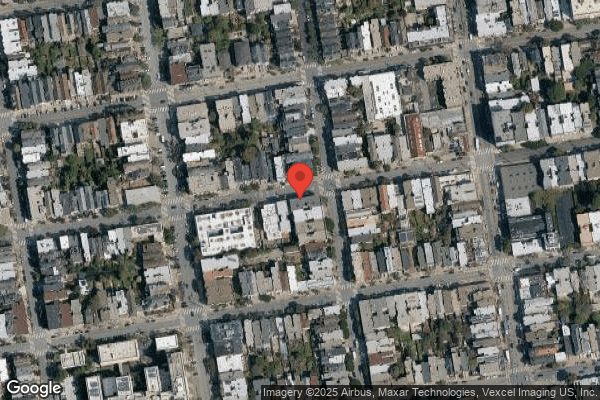
Jun 2023 1 deficiency
CONCERN (D) 📢 Someone Reported This

A family member, employee, or ombudsman was alarmed enough to file a formal complaint

Potential for Harm - no one hurt, but risky conditions existed

Deficiency F0761 (Tag F0761)

Could have caused harm · This affected 1 resident

**NOTE- TERMS IN BRACKETS HAVE BEEN EDITED TO PROTECT CONFIDENTIALITY** Based on observation, interview, and record review the facility failed to keep drugs (valproic acid, medication used to treat se...

Read full inspector narrative →
**NOTE- TERMS IN BRACKETS HAVE BEEN EDITED TO PROTECT CONFIDENTIALITY** Based on observation, interview, and record review the facility failed to keep drugs (valproic acid, medication used to treat seizures and other disorders) in a locked compartment for one of three Residents reviewed (Resident 1). This failure had the potential to cause drug diversion (illegal distribution or abuse of prescription drugs). Findings: Review of Resident 1 ' s admission record indicated that Resident 1 was admitted to the facility on [DATE] with medical diagnoses including vascular dementia (cognitive loss due to poor blood flow to the brain tissues), weakness, and protein-calorie malnutrition. During in observation on 6/1/23 at 1100 AM in hallway outside of the Director of Nursing ' s (DON) office, it was observed that a bottle of medication (valproic acid) was sitting on the desk, in plain sight, unlocked, and unsupervised. It was observed that the DON ' s office door was open, with no one inside or nearby. During concurrent observation and interview on 6/1/23 at 1:30 PM with the DON in the DON ' s office, it was observed that the medication was placed in a drawer. The DON stated that the medication was meant for destruction. The DON stated that door to the office is normally closed and no one other than herself and her assistant have access to the room. Review of the policy revised in 2006 titled Medication storage in the facility. Storage of medication, indicate that Medication rooms, carts, and medication supplies are locked when not attended by persons with authorized access.
Apr 2023 3 deficiencies
CONCERN (D) 📢 Someone Reported This

A family member, employee, or ombudsman was alarmed enough to file a formal complaint

Potential for Harm - no one hurt, but risky conditions existed

Comprehensive Care Plan (Tag F0656)

Could have caused harm · This affected 1 resident

Based on interview and record review, the facility failed to ensure Resident A had a person-centered, comprehensive care plan developed for: 1. Activities of Daily Living (ADL, activities related to p...

Read full inspector narrative →
Based on interview and record review, the facility failed to ensure Resident A had a person-centered, comprehensive care plan developed for: 1. Activities of Daily Living (ADL, activities related to personal care) 2. Out-on-Pass (OOP, off-premise activities) as ordered by the physician This failure had the potential to not meet and address the resident ' s preferences and goals to attain or maintain his or her highest practicable physical, mental, and psychosocial well-being. Findings: 1. During a review of the facility ' s admission record, the record indicated Resident A ' s medical diagnoses included, below knee amputee on the right leg, type II diabetes (abnormal blood sugar levels), anxiety disorder, depression, chronic pain syndrome, cocaine dependence and nicotine dependence. During a review of the Minimum Data Set (MDS, an assessment tool), dated 12/21/22, Resident A ' s assessment for Functional Status (Section G), indicated, one-person physical assist for activities of daily living that included dressing, personal hygiene, and bathing. The MDS assessment indicated, Resident A had functional limitation in range of motion with an impairment on side of her lower extremity. Resident A used a wheelchair for mobility device. During an interview on 3/6/23 at 9:48 AM, with Certified Nursing Assistant (CNA) 1, CNA 1 stated the showers were scheduled for residents twice a week, or more frequently as preferred by the resident. CNA 1 stated showers or bed baths including resident refusals for such services were documented in the CNA ' s designated electronic charting system and in the resident ' s care plan. CNA charting records were reviewed and recorded for Resident A. During an interview on 3/6/23 at 10:32 AM, with Resident A, in her room, Resident A discussed her preferences for care and personal choices. For showers, Resident A stated she preferred a schedule of two to three times a week, and on Mondays and Thursdays. With Registered Nurse (RN) 1, ADON, and CNA 1 present, Resident A agreed to have the staff assist her with personal hygiene and care. During a concurrent interview and medical record review on 3/6/23 at 1:37 PM, with the Assistant Director of Nursing (ADON), ADON stated Resident A ' s shower schedule were on Mondays and Thursdays. ADON stated sponge baths were scheduled on non-shower days. ADON acknowledged Resident A ' s care plan for activities of daily living related to showering/bathing, dressing, and personal hygiene was not individualized and updated. 2. During a concurrent interview and record review of Resident A ' s medical records on 3/6/23 at 3:33 PM, with the ADON, ADON stated Resident A had no care plan developed for Out-on-Pass ordered by the physician on 11/30/22. ADON said, I don ' t see it. ADON stated there should be a care plan on Resident A ' s OOP order. Review of the facility ' s Policy and Procedures (P&P), titled, Care Plans, Comprehensive Person-Centered, revision dated 3/2022, the P&P indicated, .A comprehensive, person-centered care plan that includes measurable objectives and timetables to meet the resident ' s physical, psychosocial and functional needs is developed and implemented for each resident . The interdisciplinary team (IDT), in conjunction with the resident and his/her family or legal representative, develops and implements a comprehensive, person-centered care plan for each resident . The comprehensive, person-centered care plan: a. includes measurable objectives and timeframes; b. describes the services that are to be furnished to attain or maintain the resident ' s highest practicable physical, mental, and psychosocial well-being . Care plan interventions are chosen only after data gathering, proper sequencing of events, careful consideration of the relationship between the resident ' s problem areas and their causes, and relevant clinical decision making . interventions address the underlying source(s) of the problem area(s), not just symptoms or triggers . Assessments of residents are ongoing and care plans are revised as information about the residents and the residents ' conditions change . The interdisciplinary team reviews and updates the care plan .
CONCERN (D) 📢 Someone Reported This

A family member, employee, or ombudsman was alarmed enough to file a formal complaint

Potential for Harm - no one hurt, but risky conditions existed

Quality of Care (Tag F0684)

Could have caused harm · This affected 1 resident

Based on observation, interview and record review, the facility failed to ensure treatment and care was provided to Resident A when: 1.Resident A ' s order for Out-on-Pass (OOP, off-premise activities...

Read full inspector narrative →
Based on observation, interview and record review, the facility failed to ensure treatment and care was provided to Resident A when: 1.Resident A ' s order for Out-on-Pass (OOP, off-premise activities) was not clear and clarified with the physician 2.Resident A ' s OOP was not followed and monitored by staff. Cross reference F689. 3.Resident A did not have a person-centered, comprehensive care plan developed for OOP 4.There was no documented evidence the Interdisciplinary Team (IDT) discussed and evaluated effectiveness and monitoring of Resident A ' s OOP order 5.Resident A ' s OOP order was not discontinued immediately These failures had the potential to put Resident A at risk for avoidable harm and injury, and to not meet Resident A ' s highest practicable physical, mental, and psychosocial well-being. Findings: 1. During a review of the facility ' s admission record, the record indicated Resident A ' s medical diagnoses included, below knee amputee on the right leg, type II diabetes (abnormal blood sugar levels), anxiety disorder, depression, chronic pain syndrome, cocaine dependence and nicotine dependence. During a review of the Minimum Data Set (MDS, an assessment tool), dated 12/21/22, Resident A ' s Brief Interview for Mental Status (BIMS), indicated a score of 15, which indicated the resident was cognitively intact. During a review of the Physician ' s Active Orders, printed 3/6/23 at 11:41 AM, the verbal order indicated, Resident A May OOP [Out-on-Pass] up to 4 hrs every week. The OOP was ordered on 11/30/22. During a concurrent interview and record review of Resident A ' s physician orders on 3/6/23, at 11:52 AM, with the Director of Nursing (DON), and the Assistant Director of Nursing (ADON) present, DON and ADON acknowledged Resident A ' s OOP order was not clear. DON was not able to determine if the order was up to 4 hours maximum per pass every week or up to 4 cumulative hours maximum every week. DON stated the order had to specify how many hours per day. DON stated the order did not indicate the frequency of passes per week. DON stated it was important for staff to ensure there was a clear OOP order to ensure the resident did not go over the required hours or frequency allowed per week for safety reasons. ADON stated OOP order monitoring was important for the facility to be aware that the resident did not elope and provided a safety net if the resident was not located. Review of the facility ' s Policy and Procedures (P&P), titled, Verbal Orders, revision dated 2/2014, the P&P indicated, . The individual receiving the verbal order will: a. read the order back to the practitioner to ensure that the information is clearly understood and correctly transcribed; b. record the ordering practitioner ' s last name and his or her credentials . and c. record the date and time of the order . Review of the facility ' s Policy and Procedures (P&P), titled, Medication and Treatment Orders, revision dated 7/2016, the P&P indicated, Orders for medications and treatments will be consistent with principles of safe and effective order writing. Review of the facility ' s Policy and Procedures (P&P), titled, Physician Orders Related to Activities, revision dated 6/2018, the P&P indicated, .The facility obtains activities-related physician orders . The activity director/coordinator reviews the physician ' s orders upon admission, during the activity assessment period, and within progress or change of condition reviews for the following areas which may impact activities . b. Participation in activities off facility grounds, including resident outings with family, friends or by self (off-premise activities) . 2. During a concurrent observation and interview on 3/6/23 at 10:20 AM, Resident A was in her room and sat in a wheelchair. Resident A was awake and alert. Resident A had a small dressing applied on the front of her right hand. When asked, Resident A explained the red color noted on the dressing was dry blood from an abrasion sustained when she visited a friend in the city. Resident A explained she was in a hurry to get back to the facility after the visit. Resident A stated it was 6 PM at the time, and it started to get dark. Resident A explained she did not notice a pole along the sidewalk and stated that she could have brushed or scraped her hand with something on the pole. Resident A stated this incident occurred a few days ago. During a review of the Out-on-Pass Log, dated 2/26/23, the log on Resident A indicated the following: Date: 2/26/23 Time Out: 10:30 AM Expected Return: 2/26/23 – no time indicated Actual Leave Date/Time: Blank Actual Return Date/Time: Blank Nurse Signature for Actual Leave and Return: Blank During a review of the nurse ' s note, dated 2/26/23, at 10:52 PM, the note indicated, Resident A was on OOP this AM and came back at 1915 [7:15 PM] with a skin tear on the right dorsal hand which was bleeding moderately . The site was cleansed . MD [medical doctor] was informed . During a review of the facility ' s Out-on-Pass Binder, the log from 1/10/23 through 3/6/23 was reviewed. The log indicated, Nurses on duty must ensure each resident OUT on PASS is reported in the Nurses 24 Hours Report, PCC and COMPLETE ALL COLUMNS in this LOG, ACTUAL RETURN Date and Time must be filled in immediately on return. Do NOT forget to sign on Leave and Return. During a review of the social services note, dated 11/30/22 at 10:47 AM, the note indicated, Resident A was informed that the order for her out-on-pass will be once a week and within 4 hrs only. For the week of 1/8/23 to 1/14/23, the log indicated Resident A was OOP two times, on 1/10/23 and 1/12/23. The following were missing from the log. Date: 1/10/23 Time Out: 9:40 AM Expected Return: Date/Time – Blank Location of Event: Blank Actual Leave Date/Time: Blank Actual Return Date/Time: Blank Nurse Signature for Actual Leave and Return: Blank Date:1/12/23 Time Out: 11 AM Expected Return: Date – Blank, Time – unclear Phone Number: Blank Location of Event: Blank Actual Leave Date/Time: Blank Actual Return Date/Time: Blank Nurse Signature for Actual Leave and Return: Blank For the week of 1/15/23 to 1/21/23, the log indicated Resident A was OOP two times, on 1/18/23 and 1/19/23. The following were missing from the log. Date:1/18/23 Time Out: 11 AM Expected Return: Date/Time - Blank Location of Event: Blank Actual Leave Date/Time: Blank Actual Return Date/Time: Blank Nurse Signature for Actual Leave and Return: Blank Date:1/19/23 Time Out: 10:15 AM Expected Return: Date/Time – 1/19/23 at 1 PM Actual Leave Date/Time: Blank Actual Return Date/Time: Blank Nurse Signature for Actual Leave and Return: Blank For the week of 1/29/23 to 2/4/23, the log indicated Resident A was OOP three times, on 1/29/23, 2/1/23, and 2/3/23. Resident A also had one entry logged for this period that had no date. The following were missing from the log. Date:1/29/23 Time Out: 11:10 AM Expected Return: Date/Time – 1/29/23 at 3:30 PM Actual Leave Date/Time: Blank Actual Return Date/Time: Blank Nurse Signature for Actual Leave and Return: Blank Date:2/1/23 Time Out: Blank Expected Return: Date/Time – 2/1/23 at 4 PM Location of Event: Blank Actual Leave Date/Time: 2/1/23 – no time indicated Actual Return Date/Time: 4 PM - no date indicated Nurse Signature for Actual Leave and Return: Blank Date: Blank Time Out: Blank Expected Return: Date/Time – Blank Actual Leave Date/Time: Blank Actual Return Date/Time: Blank Nurse Signature for Actual Leave and Return: Blank Date:2/3/23 Time Out: 10:28 AM Expected Return: Date/Time – Blank Location of Event: Blank Actual Leave Date/Time: Blank Actual Return Date/Time: Blank Nurse Signature for Actual Leave and Return: Blank For the week of 2/5/23 to 2/11/23, the log indicated Resident A was OOP three times, on 2/5/23, 2/9/23, and 2/10/23. The following were missing from the log. Date:2/5/23 Time Out: 11:45 AM Expected Return: Date/Time – Blank Actual Leave Date/Time: Blank Actual Return Date/Time: Blank Nurse Signature for Actual Leave and Return: Blank Date:2/9/23 Time Out: 10:40 AM Expected Return: Date/Time – Blank Phone Number: Blank Location of Event: Blank Actual Leave Date/Time: Blank Actual Return Date/Time: Blank Nurse Signature for Actual Leave and Return: Blank Date:2/10/23 Time Out: 11:30 AM Expected Return: Date/Time – Blank Phone Number: Blank Location of Event: Blank Actual Leave Date/Time: Blank Actual Return Date/Time: Blank Nurse Signature for Actual Leave and Return: Blank For the week of 2/12/23 to 2/18/23, the log indicated Resident A was OOP three times on 2/12/23, 2/16/23, and 2/17/23. The following were missing from the log. Date:2/12/23 Time Out: 11 AM Expected Return: Date/Time – Blank Actual Leave Date/Time: Blank Actual Return Date/Time: Blank Nurse Signature for Actual Leave and Return: Blank Date:2/16/23 Time Out: 8:30 AM Expected Return: Date/Time – Blank Location of Event: Blank Actual Leave Date/Time: Blank Actual Return Date/Time: Blank Nurse Signature for Actual Leave and Return: Blank Date:2/17/23 Time Out: Blank Expected Return: 2/17/23 at 3 PM Actual Leave Date/Time: Blank Actual Return Date/Time: Blank Nurse Signature for Actual Leave and Return: Blank For the week of 2/19/23 to 2/25/23, the log indicated Resident A was OOP two times, on 2/19/23 and 2/24/23. Resident A also had one entry logged for this period that had no date. The following were missing from the log. Date:2/19/23 Time Out: Blank Expected Return: 2/19/23 at 4 PM Actual Leave Date/Time: Blank Actual Return Date/Time: Blank Nurse Signature for Actual Leave and Return: Blank Date: Blank Time Out: Blank Expected Return: Date/Time – Blank Location of Event: Blank Actual Leave Date/Time: Blank Actual Return Date/Time: Blank Nurse Signature for Actual Leave and Return: Blank Date: Blank Time Out: Blank Expected Return: Date/Time – Blank Location of Event: Blank Actual Leave Date/Time: 2/24/23 at 1:30 PM Actual Return Date/Time: Blank Nurse Signature for Actual Leave and Return: Blank For the week of 2/26/23 to 3/4/23, the log indicated Resident A was OOP two times, on 2/26/23 and 3/2/23. The following were missing from the log. Date: 2/26/23 Time Out: 10:30 AM Expected Return: 2/26/23 – no time indicated Actual Leave Date/Time: Blank Actual Return Date/Time: Blank Nurse Signature for Actual Leave and Return: Blank Date: 3/2/23 Time Out: 10:05 AM Expected Return: Date/Time - Blank Actual Leave Date/Time: Blank Actual Return Date/Time: Blank Nurse Signature for Actual Leave and Return: Blank During an interview on 3/6/23 at 11:42 AM, with the Assistant Director of Nursing (ADON), ADON explained the nurses were responsible for the OOP log including monitoring of residents when OOP. During a concurrent interview and record review of the OOP Log on 3/6/23 at 12:04 PM, with the Director of Nursing (DON), and the Assistant Director of Nursing (ADON) present, DON stated the OOP log was in place to ensure the resident ' s safety as per the physician ' s order.DON stated Resident A ' s OOP was not followed and monitored as ordered by the physician. DON confirmed the lack of monitoring by staff on Resident A ' s departure and return to and from the facility while OOP. ADON acknowledged the findings and stated improvement was needed on the facility ' s OOP process. Review of the facility ' s Policy and Procedures (P&P), titled, Off-Premise Activities, revision dated 6/2018, the P&P indicated, .Residents are considered appropriate for off-premise activities based on interdisciplinary team and physician approval and resident ' s request to participate in the outing . Resident safety is a priority when conducting off-premise activities . In case of resident outings with family, friend(s) or by self, the licensed nurse shall be responsible for checking resident upon his/her return if any adverse incident is reported that happened during the planned outing . 3. During a concurrent interview and record review of Resident A ' s medical records on 3/6/23 at 3:33 PM, with the ADON, ADON stated Resident A had no care plan developed for Out-on-Pass ordered by the physician on 11/30/22. ADON said, I don ' t see it. ADON stated there should be a care plan on Resident A ' s OOP order. Review of the facility ' s Policy and Procedures (P&P), titled, Care Plans, Comprehensive Person-Centered, revision dated 3/2022, the P&P indicated, .A comprehensive, person-centered care plan that includes measurable objectives and timetables to meet the resident ' s physical, psychosocial and functional needs is developed and implemented for each resident . The interdisciplinary team (IDT), in conjunction with the resident and his/her family or legal representative, develops and implements a comprehensive, person-centered care plan for each resident . The comprehensive, person-centered care plan: a. includes measurable objectives and timeframes; b. describes the services that are to be furnished to attain or maintain the resident ' s highest practicable physical, mental, and psychosocial well-being . Care plan interventions are chosen only after data gathering, proper sequencing of events, careful consideration of the relationship between the resident ' s problem areas and their causes, and relevant clinical decision making . interventions address the underlying source(s) of the problem area(s), not just symptoms or triggers . Assessments of residents are ongoing and care plans are revised as information about the residents and the residents ' conditions change . The interdisciplinary team reviews and updates the care plan . 4. During a review of the social services note, dated 11/30/22 at 10:47 AM, the note indicated, Resident A was informed that the order for her out-on-pass will be once a week and within 4 hrs only. During a review of the facility ' s clinician note, dated 1/25/23, the note indicated, Resident A ' s history included, .Many falls, she sometimes falls asleep in wheelchair. Numerous episodes of going out on pass and returning late, resulting in restriction on her ability to leave facility . During a concurrent interview and record review of the OOP Log on 3/6/23 at 12:04 PM, with the Director of Nursing (DON), and the Assistant Director of Nursing (ADON) present, DON stated the OOP log was in place to ensure the resident ' s safety as per the physician ' s order. DON stated Resident A ' s OOP was not followed and monitored as ordered by the physician. DON confirmed the lack of monitoring by staff on Resident A ' s departure and return to and from the facility while OOP. ADON acknowledged the findings and stated improvement was needed on the facility ' s OOP process. During a concurrent interview and record review of Resident A ' s medical records on 3/6/23 at 2:15 PM, with the Social Services Director (SSD), SSD stated Resident A ' s last Interdisciplinary team (IDT) meeting was held on 9/30/22. The IDT meeting on 9/30/22 was prior to the physician ' s OOP order for Resident A on 11/30/22. SSD acknowledged there was no IDT meeting held for Resident A after 9/30/22. When asked, SSD said that she cannot tell why. SSD stated she was responsible to organize IDT meetings. SSD explained it was a facility practice for the IDT to meet quarterly and discuss the resident ' s progress or change of condition. During an interview on 3/6/23 at 3:20 PM, with the ADON, ADON acknowledged there was no IDT meeting held to discuss Resident A ' s OOP. ADON stated IDT should be the same as care conference meetings. Review of the facility ' s Policy and Procedures (P&P), titled, Care Planning – Interdisciplinary Team, revision dated 3/2022, the P&P indicated, .The interdisciplinary team is responsible for the development of resident care plans . Comprehensive, person-centered care plans are based on resident assessments and developed by an interdisciplinary team (IDT) . The IDT includes but is not limited to: a. the resident ' s attending physician; b. a registered nurse with responsibility for the resident; c. a nursing assistant with responsibility for the resident; d. a member of the food and nutrition services staff; e. to the extent practicable, the resident and/or the resident ' s representative; and f. other staff as appropriate or necessary to meet the needs of the resident, or as requested by the resident . Care plan meetings are scheduled at the best time of the day for the resident and family when possible . Review of the facility ' s Policy and Procedures (P&P), titled, Charting and Documentation, revision dated 3/2017, the P&P indicated, .All services provided to the resident, progress toward the care plan goals, or any changes in the resident ' s medical, physical, functional or psychosocial condition, shall be documented in the resident ' s medical record. The medical record should facilitate communication between the interdisciplinary team regarding the resident ' s condition and response to care . 5. During a review of the Physician ' s Active Orders, printed 3/6/23 at 11:41 AM, the verbal order indicated, Resident A May OOP [Out-on-Pass] up to 4 hrs every week. The OOP was ordered on 11/30/22. During a review of a facility note, created by the Social Services Director (SSD) on 3/3/23 [no time indicated], the note indicated, .per our MD [medical doctor], her [Resident A] out-on-pass order is temporarily cancelled until further determination of her safety issues. She had 2 falls in a week and always violating the 4 hrs. maximum hours to be in the community. During an interview on 3/6/23 at 3:44 PM, with the Assistant Director of Nursing (ADON), ADON stated he had discontinued Resident A ' s OOP order in the system today [3/6/23]. The OOP order was discontinued 3 days after the initial order was received by SSD from the physician on 3/3/23. Review of the facility ' s Policy and Procedures (P&P), titled, Medication and Treatment Orders, revision dated 7/2016, the P&P indicated, .Orders for medication and treatments will be consistent with principles of safe and effective order writing . Verbal orders must be recorded immediately in the resident ' s chart by the person receiving the order and must include prescriber ' s last name, credentials, the date and the time of the order .
CONCERN (E) 📢 Someone Reported This

A family member, employee, or ombudsman was alarmed enough to file a formal complaint

Potential for Harm - no one hurt, but risky conditions existed

Accident Prevention (Tag F0689)

Could have caused harm · This affected multiple residents

Based on observation, interview, and record review, the facility failed to ensure 6 out of 8 residents who were allowed to go Out-on-Pass (OOP, off-premise activities) were provided adequate supervisi...

Read full inspector narrative →
Based on observation, interview, and record review, the facility failed to ensure 6 out of 8 residents who were allowed to go Out-on-Pass (OOP, off-premise activities) were provided adequate supervision and monitoring to prevent avoidable accidents when: 1. Resident A ' s Out-on- Pass (OOP, off-premise activities) was not followed and monitored by staff 2. OOP log records for 5 residents (Resident B, Resident C, Resident D, Resident E, and Resident F) were not monitored by staff This failure resulted in an incident wherein Resident A received treatment for a skin tear and moderate bleeding on her right hand while out-on-pass on 2/26/23. This failure had the potential to put other residents at risk for avoidable harm and injury. Findings: 1.During a concurrent observation and interview on 3/6/23 at 10:20 AM, Resident A was in her room and sat in a wheelchair. Resident A was awake and alert. Resident A had a small dressing applied on the front of her right hand. When asked, Resident A explained the red color noted on the dressing was dry blood from an abrasion sustained when she visited a friend in the city. Resident A explained she was in a hurry to get back to the facility after the visit. Resident A stated it was 6 PM at the time, and it started to get dark. Resident A explained she did not notice a pole along the sidewalk and stated that she could have brushed or scraped her hand with something on the pole. Resident A stated this incident occurred a few days ago. During a review of the Out-on-Pass Log, dated 2/26/23, the log on Resident A indicated the following: Date: 2/26/23 Time Out: 10:30 AM Expected Return: 2/26/23 – no time indicated Actual Leave Date/Time: Blank Actual Return Date/Time: Blank Nurse Signature for Actual Leave and Return: Blank During a review of the nurse ' s note, dated 2/26/23, at 10:52 PM, the note indicated, Resident A was on OOP this AM and came back at 1915 [7:15 PM] with a skin tear on the right dorsal hand which was bleeding moderately . The site was cleansed . MD [medical doctor] was informed . During a review of the facility ' s Out-on-Pass Binder, the log from 1/10/23 through 3/6/23 was reviewed. The log indicated, Nurses on duty must ensure each resident OUT on PASS is reported in the Nurses 24 Hours Report, PCC and COMPLETE ALL COLUMNS in this LOG, ACTUAL RETURN Date and Time must be filled in immediately on return. Do NOT forget to sign on Leave and Return. During a review of the social services note, dated 11/30/22 at 10:47 AM, the note indicated, Resident A was informed that the order for her out-on-pass will be once a week and within 4 hrs only. For the week of 1/8/23 to 1/14/23, the log indicated Resident A was OOP two times, on 1/10/23 and 1/12/23. The following were missing from the log. Date: 1/10/23 Time Out: 9:40 AM Expected Return: Date/Time – Blank Location of Event: Blank Actual Leave Date/Time: Blank Actual Return Date/Time: Blank Nurse Signature for Actual Leave and Return: Blank Date:1/12/23 Time Out: 11 AM Expected Return: Date – Blank, Time – unclear Phone Number: Blank Location of Event: Blank Actual Leave Date/Time: Blank Actual Return Date/Time: Blank Nurse Signature for Actual Leave and Return: Blank For the week of 1/15/23 to 1/21/23, the log indicated Resident A was OOP two times, on 1/18/23 and 1/19/23. The following were missing from the log. Date:1/18/23 Time Out: 11 AM Expected Return: Date/Time - Blank Location of Event: Blank Actual Leave Date/Time: Blank Actual Return Date/Time: Blank Nurse Signature for Actual Leave and Return: Blank Date:1/19/23 Time Out: 10:15 AM Expected Return: Date/Time – 1/19/23 at 1 PM Actual Leave Date/Time: Blank Actual Return Date/Time: Blank Nurse Signature for Actual Leave and Return: Blank For the week of 1/29/23 to 2/4/23, the log indicated Resident A was OOP three times, on 1/29/23, 2/1/23, and 2/3/23. Resident A also had one entry logged for this period that had no date. The following were missing from the log. Date:1/29/23 Time Out: 11:10 AM Expected Return: Date/Time – 1/29/23 at 3:30 PM Actual Leave Date/Time: Blank Actual Return Date/Time: Blank Nurse Signature for Actual Leave and Return: Blank Date:2/1/23 Time Out: Blank Expected Return: Date/Time – 2/1/23 at 4 PM Location of Event: Blank Actual Leave Date/Time: 2/1/23 – no time indicated Actual Return Date/Time: 4 PM - no date indicated Nurse Signature for Actual Leave and Return: Blank Date: Blank Time Out: Blank Expected Return: Date/Time – Blank Actual Leave Date/Time: Blank Actual Return Date/Time: Blank Nurse Signature for Actual Leave and Return: Blank Date:2/3/23 Time Out: 10:28 AM Expected Return: Date/Time – Blank Location of Event: Blank Actual Leave Date/Time: Blank Actual Return Date/Time: Blank Nurse Signature for Actual Leave and Return: Blank For the week of 2/5/23 to 2/11/23, the log indicated Resident A was OOP three times, on 2/5/23, 2/9/23, and 2/10/23. The following were missing from the log. Date:2/5/23 Time Out: 11:45 AM Expected Return: Date/Time – Blank Actual Leave Date/Time: Blank Actual Return Date/Time: Blank Nurse Signature for Actual Leave and Return: Blank Date:2/9/23 Time Out: 10:40 AM Expected Return: Date/Time – Blank Phone Number: Blank Location of Event: Blank Actual Leave Date/Time: Blank Actual Return Date/Time: Blank Nurse Signature for Actual Leave and Return: Blank Date:2/10/23 Time Out: 11:30 AM Expected Return: Date/Time – Blank Phone Number: Blank Location of Event: Blank Actual Leave Date/Time: Blank Actual Return Date/Time: Blank Nurse Signature for Actual Leave and Return: Blank For the week of 2/12/23 to 2/18/23, the log indicated Resident A was OOP three times on 2/12/23, 2/16/23, and 2/17/23. The following were missing from the log. Date:2/12/23 Time Out: 11 AM Expected Return: Date/Time – Blank Actual Leave Date/Time: Blank Actual Return Date/Time: Blank Nurse Signature for Actual Leave and Return: Blank Date:2/16/23 Time Out: 8:30 AM Expected Return: Date/Time – Blank Location of Event: Blank Actual Leave Date/Time: Blank Actual Return Date/Time: Blank Nurse Signature for Actual Leave and Return: Blank Date:2/17/23 Time Out: Blank Expected Return: 2/17/23 at 3 PM Actual Leave Date/Time: Blank Actual Return Date/Time: Blank Nurse Signature for Actual Leave and Return: Blank For the week of 2/19/23 to 2/25/23, the log indicated Resident A was OOP two times, on 2/19/23 and 2/24/23. Resident A also had one entry logged for this period that had no date. The following were missing from the log. Date:2/19/23 Time Out: Blank Expected Return: 2/19/23 at 4 PM Actual Leave Date/Time: Blank Actual Return Date/Time: Blank Nurse Signature for Actual Leave and Return: Blank Date: Blank Time Out: Blank Expected Return: Date/Time – Blank Location of Event: Blank Actual Leave Date/Time: Blank Actual Return Date/Time: Blank Nurse Signature for Actual Leave and Return: Blank Date: Blank Time Out: Blank Expected Return: Date/Time – Blank Location of Event: Blank Actual Leave Date/Time: 2/24/23 at 1:30 PM Actual Return Date/Time: Blank Nurse Signature for Actual Leave and Return: Blank For the week of 2/26/23 to 3/4/23, the log indicated Resident A was OOP two times, on 2/26/23 and 3/2/23. The following were missing from the log. Date: 2/26/23 Time Out: 10:30 AM Expected Return: 2/26/23 – no time indicated Actual Leave Date/Time: Blank Actual Return Date/Time: Blank Nurse Signature for Actual Leave and Return: Blank Date: 3/2/23 Time Out: 10:05 AM Expected Return: Date/Time - Blank Actual Leave Date/Time: Blank Actual Return Date/Time: Blank Nurse Signature for Actual Leave and Return: Blank During an interview on 3/6/23 at 11:42 AM, with the Assistant Director of Nursing (ADON), ADON explained the nurses were responsible for the OOP log including monitoring of residents when OOP. During a concurrent interview and record review of the OOP Log on 3/6/23 at 12:04 PM, with the Director of Nursing (DON), and the Assistant Director of Nursing (ADON) present, DON stated the OOP log was in place to ensure the resident ' s safety as per the physician ' s order. DON stated Resident A ' s OOP was not followed and monitored as ordered by the physician. DON confirmed the lack of monitoring by staff on Resident A ' s departure and return to and from the facility while OOP. ADON acknowledged the findings and stated improvement was needed on the facility ' s OOP process. Review of the facility ' s Policy and Procedures (P&P), titled, Off-Premise Activities, revision dated 6/2018, the P&P indicated, .Residents are considered appropriate for off-premise activities based on interdisciplinary team and physician approval and resident ' s request to participate in the outing . Resident safety is a priority when conducting off-premise activities . In case of resident outings with family, friend(s) or by self, the licensed nurse shall be responsible for checking resident upon his/her return if any adverse incident is reported that happened during the planned outing . 2.During a review of the facility ' s Out-on-Pass Binder, the log from 1/10/23 through 3/6/23 was reviewed. The log indicated, Nurses on duty must ensure each resident OUT on PASS is reported in the Nurses 24 Hours Report, PCC and COMPLETE ALL COLUMNS in this LOG, ACTUAL RETURN Date and Time must be filled in immediately on return. Do NOT forget to sign on Leave and Return. For the week of 1/8/23 to 1/14/23, the following were missing from the log for Resident B. Date: 1/11/23 Time Out: Blank Expected Return: Date/Time – Blank Location of Event: Blank Actual Leave Date/Time: Blank Actual Return Date/Time: Blank Nurse Signature for Actual Leave and Return: Blank For the week of 1/22/23 to 1/28/23, the following were missing from the log for Resident C. Date: 1/22/23 Actual Leave Date/Time: Blank Actual Return Date/Time: Blank Nurse Signature for Actual Leave and Return: Blank Date: 1/26/23 Actual Leave Date/Time: Blank Actual Return Date/Time: Blank Nurse Signature for Actual Leave and Return: Blank For the week of 1/29/23 to 2/4/23, the following were missing from the log for Resident C. Date: Blank Time Out: Blank Expected Return: Date/Time – Blank Location of Event: Blank Actual Leave Date/Time: Blank Actual Return Date/Time: Blank Nurse Signature for Actual Leave and Return: Blank Date: 2/3/23 Time Out: 6:10 AM Expected Return: Time - Blank Actual Leave Date/Time: Blank Actual Return Date/Time: Blank Nurse Signature for Actual Leave and Return: Blank For the week of 2/5/23 to 2/11/23, the following were missing from the log for Resident C. Date: 2/5/23 Time Out: Unclear Expected Return: Date/Time – Unclear Location of Event: Blank Actual Leave Date/Time: Blank Actual Return Date/Time: Blank Nurse Signature for Actual Leave and Return: Blank For the week of 2/12/23 to 2/18/23, the following were missing from the log for Resident C. Date: 2/14/23 Location of Event: Blank Actual Leave Date/Time: Blank Actual Return Date/Time: Blank Nurse Signature for Actual Leave and Return: Blank For the week of 2/19/23 to 2/25/23, the following were missing from the log for Resident C. Date: 2/19/23 Expected Return: Time – Blank Location of Event: Blank Actual Leave Date/Time: Blank Actual Return Date/Time: Blank Nurse Signature for Actual Leave and Return: Blank For the week of 2/19/23 to 2/25/23, the following were missing from the log for Resident D. Date: 2/19/23 Actual Leave Date/Time: Blank Actual Return Date/Time: Blank Nurse Signature for Actual Leave and Return: Blank For the week of 2/26/23 to 3/4/23, the following were missing from the log for Resident E. Date: 2/5/23 Expected Return: Time – Blank Location of Event: Unknown Actual Leave Date/Time: Blank Actual Return Date/Time: Blank Nurse Signature for Actual Leave and Return: Blank For the week of 2/26/23 to 3/4/23, the following were missing from the log for Resident F. Date: 3/1/23 Actual Leave Date/Time: Blank Actual Return Date/Time: Blank Nurse Signature for Actual Leave and Return: Blank During a concurrent interview and record review of the OOP Log on 3/6/23 at 12:04 PM, with the Director of Nursing (DON), and the Assistant Director of Nursing (ADON) present, ADON acknowledged the findings and stated improvement was needed on the facility ' s OOP process. Review of the facility ' s Policy and Procedures (P&P), titled, Off-Premise Activities, revision dated 6/2018, the P&P indicated, .Residents are considered appropriate for off-premise activities based on interdisciplinary team and physician approval and resident ' s request to participate in the outing . Resident safety is a priority when conducting off-premise activities . In case of resident outings with family, friend(s) or by self, the licensed nurse shall be responsible for checking resident upon his/her return if any adverse incident is reported that happened during the planned outing .
Jan 2023 1 deficiency
CONCERN (F)

Potential for Harm - no one hurt, but risky conditions existed

Deficiency F0882 (Tag F0882)

Could have caused harm · This affected most or all residents

Based on interview and record review, the facility failed to designate a full-time, dedicated infection preventionist (IP) onsite, who is responsible for implementing programs and activities to preven...

Read full inspector narrative →
Based on interview and record review, the facility failed to designate a full-time, dedicated infection preventionist (IP) onsite, who is responsible for implementing programs and activities to prevent and control infections. This failure potentially resulted in the spread of COVID-19 in the facility on December 2022. Findings: During an interview with administrator on 1/5/23 at 2:00 pm, he stated the facility IP resigned last September 2022, and since then the facility had not had a full-time IP. During interview with licensed vocational nurse (LVN), on 1/6/23, at 9:30 am, LVN acknowledged the lack of IP in the facility and stated that it is important to have an IP, to oversee the infection control prevention program.
May 2021 6 deficiencies
CONCERN (D)

Potential for Harm - no one hurt, but risky conditions existed

Comprehensive Care Plan (Tag F0656)

Could have caused harm · This affected 1 resident

**NOTE- TERMS IN BRACKETS HAVE BEEN EDITED TO PROTECT CONFIDENTIALITY** Based on interview and record review, the facility failed to develop a comprehensive care plan that included measurable objectiv...

Read full inspector narrative →
**NOTE- TERMS IN BRACKETS HAVE BEEN EDITED TO PROTECT CONFIDENTIALITY** Based on interview and record review, the facility failed to develop a comprehensive care plan that included measurable objectives and timetables for one of 21 sampled residents (Resident 64) when care plan did not indicate the specific target behavior for the use of Seroquel (an antipsychotic medication). This deficient practice had the potential to negatively impact Resident 64's quality of life as well as the quality of care and services received. Findings: Resident 64 was admitted on [DATE] with diagnoses including bipolar disorder (a mental illness that brings severe high and low moods and changes in sleep, energy, thinking and behavior), anxiety disorder and major depressive disorder. During a review of the clinical record for Resident 64, the Order Summary Report with active orders as of 5/14/21 indicated, .Seroquel Tablet (Quetiapine Fumarate) Give 75 mg (milligram) by mouth two times a day for m/b (manifested by) verbal aggression related to BIPOLAR DISORDER .order date 8/23/19 . During a review of the clinical record for Resident 64, the Resident Care Plan - Altered Behavior with initiation date of 11/5/20 indicated, .r/t (related to) anxiety, bipolar disorder .m/b .verbal aggression .Goal .Altered behavior will decrease to less than daily .Interventions/Tasks .Administer medications as ordered: Seroquel .Monitor behavior episodes and attempt to determine underlying cause . The care plan did not indicate specific target behavior to monitor. During an interview on 5/14/21 at 3:43 PM, Registered Nurse (RN) 1 stated, Verbal aggression, it's very vague. Monitoring behavior should be specific. During an interview on 5/18/21 at 11:27 AM, the Consultant Pharmacist stated, Verbal aggression is too broad. They should know what specific behavior to monitor. Review of facility policy titled, Care Plan-Comprehensive revised on 10/20/20 indicated, .Policy Interpretation and Implementation .3. Each resident's comprehensive care plan is designed to .e. Reflect treatment goals, timetables and objectives in measurable outcomes .
CONCERN (D)

Potential for Harm - no one hurt, but risky conditions existed

Pharmacy Services (Tag F0755)

Could have caused harm · This affected 1 resident

**NOTE- TERMS IN BRACKETS HAVE BEEN EDITED TO PROTECT CONFIDENTIALITY** Based on observation, interview and record review, the facility did not provide pharmacy services to Resident 36 when correct Vi...

Read full inspector narrative →
**NOTE- TERMS IN BRACKETS HAVE BEEN EDITED TO PROTECT CONFIDENTIALITY** Based on observation, interview and record review, the facility did not provide pharmacy services to Resident 36 when correct Vitamin D dose was not available for use according to her physician's orders (also See F759). These failures resulted in medications not given in accordance with the prescriber's orders which may result in the residents not receiving the full therapeutic effect of the medication. Findings: Resident 36 was admitted on [DATE], with diagnoses that included osteoporosis (a bone disease that causes a loss of bone density, which increases risk of fractures), hemiplegia (paralysis of one side of the body) and hemiparesis (weakness on one side of the body) following a cerebral infarction (or stroke, refers to damage to tissues in the brain due to a loss of oxygen to the area). During a medication pass observation on 5/12/21, at 11:45 AM, with Registered Nurse (RN) 3 , RN3 prepared and administered 1 tab of oyster calcium 500 milligram (mg) to Resident 36. Review of Resident 36's clinical record, the physician's orders, dated 5/12/21, and concurrent interview with RN3, on 5/12/21 at 1:30 PM indicated an order for Oyster Calcium-D3 Tablet 500-200 MG- MCG [micrograms] (calciumCarb-Cholecalciferol) Give 1 tab by mouth three times a day for supplement. RN 3 acknowledged that she gave the wrong medication. RN3 stated It should have the one with Vitamin D 200 micrograms on it. RN3 stated the oyster calcium tablets was from house supply. Upon further inspection of the medication cart, there was only a house supply of Calcium-Vit D 500-5 MG-MCG. The medication cart did not have the Calcium 500 mg with Vitamin D 200 mcg on hand. During an interview on 5/12/21, at 1:35 PM, with RN 2, RN 2 acknowledged the above findings. RN 2 stated they would notify the doctor and obtain the right dose of Vitamin to reflect the dose of the facility's house supply. During an interview with the Clinical Pharmacist (CP) on 5/18/21, at 11:15 AM, the CP stated that licensed staff should triple check the dose on the Medication Administration Record (MAR) versus the dose on the house supply bottles before pouring and administering it to residents to avoid medication errors. Review of facility policy and procedure, titled Pharmacy Services Overview, revised April 2007, indicated . The facility shall accurately and safely provide or obtain pharmacy services, including the provision of routine and emergency medications and biologicals .
CONCERN (D)

Potential for Harm - no one hurt, but risky conditions existed

Deficiency F0761 (Tag F0761)

Could have caused harm · This affected 1 resident

Based on observation, interview and record review, the facility failed to ensure safe storage of medications when: 1. Resident 246's insulin was stored with rectal suppositories on 3rd floor medicatio...

Read full inspector narrative →
Based on observation, interview and record review, the facility failed to ensure safe storage of medications when: 1. Resident 246's insulin was stored with rectal suppositories on 3rd floor medication cart. 2. Resident 246's nystatin powder medication was being kept and placed on top of his bedside table. This deficient practice could lead to contamination of medication; and failure to secure medications in a locked storage could lead to unwanted residents accessing and ingesting medications that could lead to clinically significant adverse consequences. Findings: 1. During a med cart inspection on 5/12/21, at 11:40 AM, and concurrent interview with Registered Nurse (RN) 3, in 3rd floor medication cart, observed Resident 246's insulin medication was found stored together with house supply rectal suppositories. RN 3 acknowledged the above findings and stated the insulin should be stored separately from rectal suppositories to prevent possible contamination. During an interview with Clinical Pharmacist (CP), on 5/18/21, at 11:15 AM, the CP acknowledged the above findings and stated the licensed staff should store the insulin separate from the rectal suppositories for infection prevention. Review of facility document, titled Storage of Medications, revised April 2007, indicated Policy Statement . The facility shall store drugs and biologicals in a safe, secure and orderly manner . 2. During a medication pass observation on, 5/12/21, at 11:45 AM, and concurrent interview with RN 3, in Resident 246's room, a bottle of nystatin powder was found in Resident 246's bedside table. RN 3 stated Resident 246 self administered the nystatin powder that was why the nurses left the medication inside the Resident 246's room. During an interview with the CP, on 5/18/21, at 11:18 AM, the CP stated Resident's 246's medication should be in a locked container inside the room to prevent other residents from accessing it and potentially ingesting the medication. Review of facility policy and procedure, titled Self-administration of Medications, revised December 2012, indicated . Storage of medications . Self-administered mediations must be stored in a safe and secure place, which is not accessible by other residents. If safe storage is not possible in the resident's room, the medications of residents permitted to self-administer will be stored in a central medication cart or in the medication room. Nursing will transfer the unopened medication to the resident when the resident requests them .
CONCERN (E)

Potential for Harm - no one hurt, but risky conditions existed

Unnecessary Medications (Tag F0759)

Could have caused harm · This affected multiple residents

**NOTE- TERMS IN BRACKETS HAVE BEEN EDITED TO PROTECT CONFIDENTIALITY** Based on observation, interview and record review, the facility had 20.69% error rate when six medication errors out of 29 oppor...

Read full inspector narrative →
**NOTE- TERMS IN BRACKETS HAVE BEEN EDITED TO PROTECT CONFIDENTIALITY** Based on observation, interview and record review, the facility had 20.69% error rate when six medication errors out of 29 opportunities were observed during a medication pass for Resident 36, Resident 94, Resident 48, and Resident 31. These failures resulted in medications not given in accordance with the prescriber's orders and/or manufacturer's specifications which may result in the residents not receiving the full therapeutic effect of the medications. Findings: 1. Resident 36 was admitted on [DATE], with diagnoses that included osteoporosis (a bone disease that causes a loss of bone density, which increases your risk of fractures), hemiplegia (paralysis of one side of the body) and hemiparesis (weakness on one side of the body) following a cerebral infarction (or stroke, refers to damage to tissues in the brain due to a loss of oxygen to the area. During a medication pass observation on 5/12/21, at 11:45 AM, with Registered Nurse (RN) 3 , RN3 prepared and administered 1 tab of oyster calcium 500 milligram (mg) to Resident 36. Review of Resident 36's clinical record, the physician's orders, dated 5/12/21, and concurrent interview with RN3, on 5/12/21 1:30 PM indicated an order for Oyster Calcium-D3 Tablet 500-200 MG- MCG [micrograms] (calciumCarb-Cholecalciferol) Give 1 tab by mouth three times a day for supplement. RN 3 acknowledged that she gave the wrong medication. RN3 stated It should have the one with Vitamin D 200 micrograms on it. RN3 stated the oyster calcium tablets was from house supply. Upon further inspection of the medication cart, there was only a house supply of Calcium-Vit D 500-5 MG-MCG. The medication cart did not have the Calcium 500 mg with Vitamin D 200 mcg on hand. During an interview on 5/12/21, at 1:35 PM, with RN 2, RN 2 acknowledged the above findings. RN 2 stated they would notify the doctor and obtain the right dose of Vitamin to reflect the dose of the facility's house supply. During an interview with the Clinical Pharmacist (CP) on 5/18/21, at 11:15 AM, the CP stated that licensed staff should triple check the dose on the Medication Administration Record (MAR) versus the dose on the house supply bottles before pouring and administering it to residents to avoid medication errors. 2. During a medication pass observation on 5/13/21, at 9:25 AM, with Licensed Vocational Nurse (LVN) 2, LVN 2 was preparing medication for Resident 94. LVN 2 used a plastic teaspoon and used it to scoop one and half teaspoon of polyethylene glycol powder (a medication to prevent constipation) and mixed it with a small cup of water. LVN 2 then gave this mixture to Resident 94 along with her morning medications. Review of Resident 94' clinical record, the physician orders, indicated polyethylene glycol powder, give 17 grams by mouth everyday for constipation, mix with 6-8 ounce of fluids. During an interview with LVN 2 on 5/13/21, at 1 PM, LVN 2 acknowledged she should have used the miralax bottle cap to measure the correct amount of miralax powder to ensure it was 17 grams as per physicians' order. 3-4. During a medication pass observation on 5/13/21, at 9:25 AM, with Licensed Vocational Nurse (LVN) 2, LVN 2 was preparing medication for Resident 94. LVN 2 prepared dorzolamide hydrochloride (HCL) eye drops, LVN 2 administered one drop for each eye. LVN 2 did not press the tear duct for approximately one minute or instructed the resident to close her eyes for three minutes for each eye. Review of Resident 94's physician's orders, on 5/13/21, indicated trusopt solution 2% (dorzolamide HCL) instill 1 drop both eyes two times a day for glaucoma (abnormal high pressure in the eye). During an interview with LVN 2, on 5/13/21, at 1:10 PM, LVN 2 acknowledged the above findings. LVN 2 stated Resident 94 could sometimes press her tear ducts when instructed, at other times she could not. Review of facility document, titled Med Pass Report, dated 9/22/17, indicated .XI. Eye Preparations .C. Tear duct is pressed for approximately one minute or eyes are closed for three minutes to reduce systemic effects . 5. During a med pass observation on 5/13/21, at 10:17 AM, with LVN 2, LVN 2 was administering an inhaler to Resident 48. LVN 2 administered 1 puff of Breo ellipta 100/25 milligram (mg) metered-dosed inhaler. LVN 2 did not instruct or assisted Resident 48 to rinse his mouth. During an interview with LVN 2, on 5/13/21, at 1:15PM, LVN 2 acknowledged the above findings. LVN 2 stated she should have made the Resident 48 rinse his mouth to prevent thrush. Review of Resident 48's clinical record, the physician's orders, on 5/14/21, at 10:51 AM, indicated Breo Ellipta aerosol powder breath activated 100-25 MCG/INH (inhalation) (Fluticasone Furoate-Vilanterol) - 1 puff inhale orally one time a day for COPD (Chronic Obstructive Pulmonary Disease, a chronic inflammatory lung disease that caused obstructed airflow from the lungs). Rinse mouth and throat with water after treatment . 6. During a med pass observation, on 5/13/21, at 10:45 AM, LVN 2 was preparing medication for Resident 31. LVN 2 poured 1 tablet from a house supply bottle with a label that indicated Risenivat [Vit D 120 IU- Ca 100mg - Phosphorus 80mg and an opened date of 5/10/21. LVN 2 administered this medication along with Resident 31's other medications. Review of Resident 31's clinical record, the physician's orders, indicated . Risacal-D tablet 105-81-120MG-UNIT (Calcium-Phosphorus-Vitamin D) Give 1 tablet PO QD for supplement . During an interview with LVN 2 on 5/13/21, at 1:20 PM, LVN 2 acknowledged the above findings. LVN 2 stated that they would notify the physician to get an order for the right dose of Risacal.
CONCERN (E)

Potential for Harm - no one hurt, but risky conditions existed

Food Safety (Tag F0812)

Could have caused harm · This affected multiple residents

Based on dietary services observation, dietary staff interview, and dietary document review, the facility failed to ensure dietetic services were implemented in accordance with acceptable standards of...

Read full inspector narrative →
Based on dietary services observation, dietary staff interview, and dietary document review, the facility failed to ensure dietetic services were implemented in accordance with acceptable standards of practice when: 1. Yogurt with temperature of 48 degrees was found sitting on the night stand for Resident 246. 2. Milk was found sitting on the overhead table for more than four hours for Residents 246, 78, 32, 90 and 57. Failure to ensure safe and sanitary food handling practices had the potential to subject residents to foodborne illnesses. Findings: 1. During a follow up visit on a concern and concurrent interview with Resident 246 on 5/12/21, at 10 AM, 2 cups of yogurt was on the top of the overbed table next to the residents bed. Resident 246 stated they brought those earlier. During observation and concurrent interview with the Dietary Supervisor (DS) on 5/12/21, at 10:05 AM, the DS dipped the thermometer in one of the cups of yogurt. The temperature of the yogurt was 48 degrees. The DS stated, The staff should have offered to keep the yogurt in the refrigerator or should have tossed them. 2a. During an observation on 5/11/21, at 9:55 AM, an unlabeled cup filled with white liquid was on the overbed table in Resident 78's bedside. Certified Nurse Assistant (CNA) 3 stated, That's milk. During another observation on 5/11/21 at 11:33 AM, an unlabeled cup filled with white liquid was on the overbed table in Resident 78 bedside. CNA3 stated, It's from breakfast served at 7:30 AM. I'll take it out. 2b. During an observation on 5/11/21, at 9:59 AM, an unlabeled cup filled with white liquid was on the overbed table in Resident 90's bedside. CNA4 stated, That's milk from breakfast. We served breakfast at 7:30 AM. During observation on 5/11/21, at 11:37 AM, an unlabeled cup filled with white liquid was on the overbed table in Resident 90's bedside. CNA3 stated, She (Resident 90) drinks it throughout the day. 2c. During an observation on 5/11/21 at 10:01 AM, an unlabeled cup filled with white colored liquid was on top of the overhead table in front of Resident 32. CNA 7 stated, That's milk from breakfast. During another observation and concurrent interview on 5/11/21 at 11:45 AM, an unlabeled cup of milk was on top of the overhead table in front of Resident 32. Resident 32 stated, It just sits there. 2d. During a follow up visit for an unrelated concern and concurrent interview with Resident 246 on 5/12/21, at 10 AM, a half cup of white liquid and 2 cups of yogurt was on top of the overbed table next to the residents bed. Resident 246 stated that's milk from last night. I asked for it last night. During an observation and concurrent interview with the DS on 5/12/21, at 10:05 AM, the DS dipped the thermometer in the cup of the white color liquid. The temperature of the white liquid was 72 degrees. The DS stated, Milk is only good for four hours. It should have been tossed out. 2e. During an observation on 5/11/21 at 10:15 AM, a cup filled with white colored liquid was on top of the overhead table in Resident 57's room. The cup was covered and unlabeled. During another observation on 5/11/21 at 12:29 PM, the same cup filled with white colored liquid was on top of the overbed table in Resident 57's room. In a concurrent interview, while pointing at the cup, CNA5 stated, That's milk from breakfast. She drinks it during lunch. CNA5 further stated that breakfast was served at 7:30 AM and added, If she doesn't like to drink it, I'll take it out in 30 minutes. During an interview on 5/13/21 at 10:33 AM, Registered Dietitian (RD) stated, Milk is good for only four hours at room temperature. You should discard it after that. Review of Resident 57's undated meal tray ticket indicated that milk was served for breakfast. Review of facility policy titled, Assisting the Resident Meals revised on 7/19/20 indicated, .Meals Delivery and Temperature .7. To minimize the risk of foodborne illness, the time that potentially hazardous foods remain in the danger zone (41 degrees to 135 degrees Fahrenheit) will be kept to a minimum. 8. Meals or parts of meals should never be left out at room temperature for extended periods. Meals that are left on trays .longer than 4 hours will be discarded.
CONCERN (E)

Potential for Harm - no one hurt, but risky conditions existed

Infection Control (Tag F0880)

Could have caused harm · This affected multiple residents

**NOTE- TERMS IN BRACKETS HAVE BEEN EDITED TO PROTECT CONFIDENTIALITY** 2a. During observation and concurrent interview with Registered Nurse 3 (RN 3) on 5/12/21, at 10 AM, RN 3 put out Good and Clean...

Read full inspector narrative →
**NOTE- TERMS IN BRACKETS HAVE BEEN EDITED TO PROTECT CONFIDENTIALITY** 2a. During observation and concurrent interview with Registered Nurse 3 (RN 3) on 5/12/21, at 10 AM, RN 3 put out Good and Clean disinfectant wipes from the medication cart and used it to wipe the blood pressure wrist cuff and the pulse oximeter (a device placed on a finger tip and used to measure the oxygen level). RN 3 stated, this is what we use to clean and disinfect. RN looked at the package and stated it needs to be disinfected for 15 seconds. 2b. During a concurrent interview with Certified Nurse Assistant 1 (CNA 1, caregiver) and CNA 6 on 5/12/21, at 10:12 AM, CNA 1 stated, I use the good clean wipes from the yellow package. I only use one wipe since it is small (BP wrist cuff) and wait for it to dry. Maybe two minutes, then use it on the next resident. CNA 6 acknowledged CNA 1's response and stated we use whatever they give us. 2c. During an interview with the CNA 2 on 5/13/21, at 10:20 AM, CNA 2 stated I use the wipe from the yellow package to clean BP cuff. I do not know what wet time or contact time is. 2d. During an interview with the Director of Nursing (DON) on 5/12/21 at 2:30 PM, the DON stated, Those (good and clean disinfectant wipes in yellow pack) are not for patient care equipments. Those wipes are for surfaces only, on tables, chairs. Do not tell me that they use those (good and clean disinfectant wipes in yellow package). They are supposed to use the clorox wipes on the resident care equipments. The Administrator provided Material Safety Data Sheet for Clorox Bleach. A review of the facility Policy and Procedure titled, Cleaning and Disinfection of Resident -Care item and Point of Care Equipment dated 10/2009, indicated .Point of care equipment including reusable items and .will be cleaned and disinfected according to manufacturer and current Centers for Disease Control (CDC) recommendations . The facility policy and procedure did not address procedure to clean and disinfect resident care equipments. The facility provided a manufacturer's instruction manual (pharmacy label). It did not address disinfection of the BP wrist cuff. The facility did not provide manufacturers instruction manual for cleaning and disinfection of the pulse oximeter. 3a. During observation on 5/11/21, at 9:30 AM, in room [ROOM NUMBER] bed 2, a suction canister with cloudy contents and an open package of yankuer tip catheter was found at the bedside, undated and unlabeled. RN 3 acknowledged the suction canister with cloudy liquid content and open package of yankuer tipped catheter was unlabeled and undated. RN 3 stated The canister and the suction catheter should be dated. When used it need to be changed within 24 hours. 3b. During an interview with Licensed Vocational Nurse (LVN) 2 on 5/12/21, at 11 AM, LVN 2 stated used suction canister and yankuer catheter should be discarded after use. 3c. During an interview with LVN 1 on 5/14/21, at 2 PM, LVN 1 stated the suction canister and suction catheters should be labeled and dated. It is used to remove respiratory secretions. When used, it should be discarded and replaced with a new one. It is infection control. Bacteria can grow there. 3d. During an interview with the DON on 5/14/21, at 1:45 PM, the DON stated The suction canisters and suction catheters should be dated. During a review of facility Policy and Procedure titled, undated, indicated Respiratory Equipment Change Schedule indicated . will date the following equipment . suction canister .yankuer tipped catheter . 4a. During observation and concurrent interview on 5/11/21, at 9:50 AM, in room [ROOM NUMBER] bed 3, a plastic cup filled with cream and dark brown colored contents and a small brown bag with food was found on the overbed table. CNA 4 stated that is mine. Let me take it out. The CNA quickly grabbed the cup and the small brown bag and left the room. 4b. During an interview with CNA 7 on 5/11/21, at 10:20 AM, CNA 7 stated No, we cannot bring food in resident's room. We have a staff room by the nurses station where we keep our food. 4c.During an interview with RN 1, on 5/12/21, at 10 AM, RN 1 stated No, we are not allowed to bring our food, eat or drink in the resident's room or here in the nurse's station. It's infection control. 4d. During an interview with the Director of Staff Development (DSD) on 5/14/21, at 1:30 PM, the DSD stated I have told them how many times that they are not to bring food in the resident's room. A review of facility Policy and Procedure titled, Handling Outside Food in Clinical Areas and Resident Rooms indicated .The facility staff is not allowed to consume foods that may cause infection control issues in the clinical areas . Occupational Safety and Health Administration (OSHA) 1910.1030 indicated, Eating, drinking, smoking, applying cosmetics or lip balm, and handling contact lenses are prohibited in work areas where there is a reasonable likelihood of occupational exposure. Based on observation, interview, and record review, the facility failed to implement its infection prevention and control program when: 1. Registered Nurse (RN) 3 did not disinfect the glucometer in between patient use. 2. Staff did not used the appropriate disinfectant product on resident care equipment; 3. Used suction canister and yankuer tip catheter were unlabeled and undated; 4. Staff food was found on the residents overbed table. This facility failure has the potential to spread infection to residents and staff. Definitions: Disinfectant: usually a chemical agent (but sometimes a physical agent) that destroys disease-causing pathogens or other harmful microorganisms but might not kill bacterial spores. It refers to substances applied to inanimate objects. Disinfection: thermal or chemical destruction of pathogenic and other types of microorganisms. Disinfection is less lethal than sterilization because it destroys most recognized pathogenic microorganisms but not necessarily all microbial forms (e.g., bacterial spores). Findings: 1. During a medication pass observation on 5/12/21, at 11:24 AM, and concurrent interview with RN 3, RN 3 used a multi-use glucometer and took Resident 44's blood sugar. RN 3 did not disinfect the glucometer after using it for Resident 44. Then, RN 3 went to Resident 246's room and was about to obtain Resident 246's blood sugar when she was stopped by the surveyor and was notified of the deficient practice. RN 3 acknowledged that she did not disinfect the glucometer after using it for Resident 44. RN 3 stated I forgot. RN 3 stated she should disinefect it to prevent spread of blood-borne pathogens. During an interview with the Director of Staff Development (DSD) on 5/14/21, at 10:31 AM, the DSD stated licensed nurse should disinfect the glucometer with the approved disinfectant to prevent spread of infection. Review of facility policy and procedure, titled Cleaning and Disinfection of Resident-Care Items and Point of Care Equipment, revised October 2009, indicated Policy Statement . Point of care equipment, including resuable items are durable medical equipment will be cleaned and disinfected according to manufacturer's and current CDC [Centers of Disease and Control] recommendations, of applicable .
Understanding Severity Codes (click to expand)
Life-Threatening (Immediate Jeopardy)
J - Isolated K - Pattern L - Widespread
Actual Harm
G - Isolated H - Pattern I - Widespread
Potential for Harm
D - Isolated E - Pattern F - Widespread
No Harm (Minor)
A - Isolated B - Pattern C - Widespread

Questions to Ask on Your Visit

  • "What changes have you made since the serious inspection findings?"
  • "Can I speak with families of current residents?"
  • "What's your RN coverage like on weekends and overnight?"

Our Honest Assessment

Strengths
  • • Licensed and certified facility. Meets minimum state requirements.
Concerns
  • • Multiple safety concerns identified: 1 life-threatening violation(s), 2 harm violation(s), $152,404 in fines. Review inspection reports carefully.
  • • 36 deficiencies on record, including 1 critical (life-threatening) violation. These warrant careful review before choosing this facility.
  • • $152,404 in fines. Extremely high, among the most fined facilities in California. Major compliance failures.
  • • Grade F (3/100). Below average facility with significant concerns.
Bottom line: Trust Score of 3/100 indicates significant concerns. Thoroughly evaluate alternatives.

About This Facility

What is San Francisco Health Care's CMS Rating?

CMS assigns SAN FRANCISCO HEALTH CARE an overall rating of 1 out of 5 stars, which is considered much below average nationally. Within California, this rating places the facility higher than 0% of the state's 100 nursing homes. A rating at this level reflects concerns identified through health inspections, staffing assessments, or quality measures that families should carefully consider.

How is San Francisco Health Care Staffed?

CMS rates SAN FRANCISCO HEALTH CARE's staffing level at 3 out of 5 stars, which is average compared to other nursing homes. Staff turnover is 49%, compared to the California average of 46%. RN turnover specifically is 61%, which is notably high. RNs provide skilled clinical oversight, so turnover in this role can affect medical care quality.

What Have Inspectors Found at San Francisco Health Care?

State health inspectors documented 36 deficiencies at SAN FRANCISCO HEALTH CARE during 2021 to 2025. These included: 1 Immediate Jeopardy (the most serious level, indicating potential for serious harm or death), 2 that caused actual resident harm, and 33 with potential for harm. Immediate Jeopardy findings are rare and represent the most serious regulatory concerns. They require immediate corrective action.

Who Owns and Operates San Francisco Health Care?

SAN FRANCISCO HEALTH CARE is owned by a for-profit company. For-profit facilities operate as businesses with obligations to shareholders or private owners. The facility operates independently rather than as part of a larger chain. With 168 certified beds and approximately 121 residents (about 72% occupancy), it is a mid-sized facility located in SAN FRANCISCO, California.

How Does San Francisco Health Care Compare to Other California Nursing Homes?

Compared to the 100 nursing homes in California, SAN FRANCISCO HEALTH CARE's overall rating (1 stars) is below the state average of 3.1, staff turnover (49%) is near the state average of 46%, and health inspection rating (1 stars) is much below the national benchmark.

What Should Families Ask When Visiting San Francisco Health Care?

Based on this facility's data, families visiting should ask: "What changes have been made since the serious inspection findings, and how are you preventing similar issues?" "Can I visit during a mealtime to observe dining assistance and food quality?" "How do you handle medical emergencies, and what is your hospital transfer rate?" "Can I speak with family members of current residents about their experience?" These questions are particularly relevant given the facility's Immediate Jeopardy citations.

Is San Francisco Health Care Safe?

Based on CMS inspection data, SAN FRANCISCO HEALTH CARE has documented safety concerns. Inspectors have issued 1 Immediate Jeopardy citation (the most serious violation level indicating risk of serious injury or death). The facility has a 1-star overall rating and ranks #100 of 100 nursing homes in California. Families considering this facility should ask detailed questions about what corrective actions have been taken since these incidents.

Do Nurses at San Francisco Health Care Stick Around?

SAN FRANCISCO HEALTH CARE has a staff turnover rate of 49%, which is about average for California nursing homes (state average: 46%). Moderate turnover is common in nursing homes, but families should still ask about staff tenure and how the facility maintains care continuity when employees leave.

Was San Francisco Health Care Ever Fined?

SAN FRANCISCO HEALTH CARE has been fined $152,404 across 2 penalty actions. This is 4.4x the California average of $34,603. Fines at this level are uncommon and typically indicate a pattern of serious deficiencies, repeated violations, or failure to correct problems promptly. CMS reserves penalties of this magnitude for facilities that pose significant, documented risk to resident health or safety. Families should request specific documentation of what issues led to these fines and what systemic changes have been implemented.

Is San Francisco Health Care on Any Federal Watch List?

SAN FRANCISCO HEALTH CARE is not on any federal watch list. The most significant is the Special Focus Facility (SFF) program, which identifies the bottom 1% of nursing homes nationally based on persistent, serious quality problems. Not being on this list means the facility has avoided the pattern of deficiencies that triggers enhanced federal oversight. This is a positive indicator, though families should still review the facility's inspection history directly.