SAN FRANCISCO TOWERS
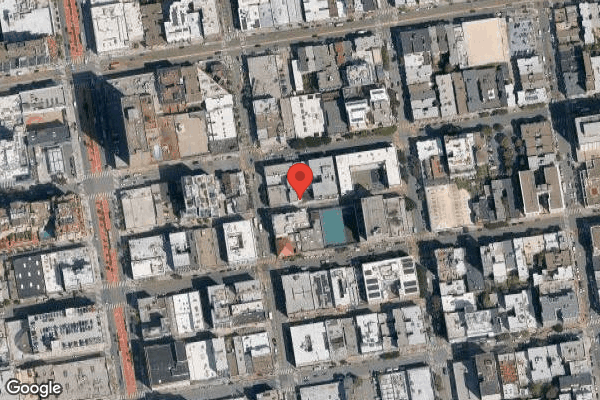

1661 PINE STREET, SAN FRANCISCO, CA 94109 (415) 447-5505
Non profit - Corporation 27 Beds FRONT PORCH Data: November 2025
Trust Grade
95/100
#188 of 1155 in CA
Last Inspection: June 2024

Within standard 12-15 month inspection cycle. Federal law requires annual inspections.

Overview

San Francisco Towers has received an impressive Trust Grade of A+, indicating it's an elite facility with top-tier services. It ranks #188 out of 1,155 nursing homes in California, placing it in the top half of all facilities, and #8 out of 17 in San Francisco County, meaning only a few local options are rated higher. The facility's performance has been stable, with 10 issues identified in both 2023 and 2024, but none were life-threatening or caused serious harm. Staffing is a strong point, with a perfect 5/5 star rating and only 9% turnover, significantly lower than the state average, which suggests that staff are well-established and familiar with residents' needs. However, there are concerns regarding food safety practices, including staff not washing hands properly and unsanitary food storage, which could pose health risks for residents. Additionally, there were past issues related to ensuring residents received correct meals and proper bed rail usage, indicating areas that require attention despite the overall strengths of the facility.

Trust Score
A+
95/100
In California
#188/1155
Top 16%
Safety Record
Low Risk
No red flags
Inspections
Holding Steady
3 → 3 violations
Staff Stability
✓ Good
9% annual turnover. Excellent stability, 39 points below California's 48% average. Staff who stay learn residents' needs.
Penalties
✓ Good
No fines on record. Clean compliance history, better than most California facilities.
Skilled Nurses
✓ Good
Each resident gets 126 minutes of Registered Nurse (RN) attention daily — more than 97% of California nursing homes. RNs are the most trained staff who catch health problems before they become serious.
Violations
○ Average
10 deficiencies on record. Average for a facility this size. Mostly minor or procedural issues.
★★★★★
5.0
Overall Rating
★★★★★
5.0
Staff Levels
★★★★★
5.0
Care Quality
★★★★★
5.0
Inspection Score
Stable
2023: 3 issues
2024: 3 issues

The Good

  • 5-Star Staffing Rating · Excellent nurse staffing levels
  • 5-Star Quality Measures · Strong clinical quality outcomes
  • Low Staff Turnover (9%) · Staff stability means consistent care
  • Full Sprinkler Coverage · Fire safety systems throughout facility
  • No fines on record
  • Staff turnover is low (9%)

    39 points below California average of 48%

Facility shows strength in staffing levels, quality measures, staff retention, fire safety.

The Bad

Chain: FRONT PORCH

Part of a multi-facility chain

Ask about local staffing decisions and management

The Ugly 10 deficiencies on record

Jun 2024 3 deficiencies
CONCERN (D)

Potential for Harm - no one hurt, but risky conditions existed

Medication Errors (Tag F0758)

Could have caused harm · This affected 1 resident

**NOTE- TERMS IN BRACKETS HAVE BEEN EDITED TO PROTECT CONFIDENTIALITY** Based on interview and record review, the facility failed to ensure one of three sampled residents (Resident 69) was free from u...

Read full inspector narrative →
**NOTE- TERMS IN BRACKETS HAVE BEEN EDITED TO PROTECT CONFIDENTIALITY** Based on interview and record review, the facility failed to ensure one of three sampled residents (Resident 69) was free from unnecessary psychotropic medication (drug that affect brain activities associated with mental processes and behavior) when there was no specific target behavior monitoring for the use of Lorazepam (medication used to treat anxiety). This failure had the potential for Resident 69 to receive unnecessary psychotropic medication, be exposed to adverse health consequences from the medication, which could negatively impact the resident's mental, physical, and psychosocial well-being. Findings: Resident 69 was admitted on [DATE] with diagnoses including mesothelioma of pleura (a rare cancer that grows in the membrane that lines the walls of your chest and lungs), major depressive disorder, and anxiety disorder (a mental health disorder characterized by feelings of worry, or fear that are strong enough to interfere with one's daily activities). During a review of Resident 69's clinical record, the Order Summary Report (OSR), active orders as of 6/6/24, indicated, .Lorazepam Oral Tablet 0.5 milligram (mg) Give 0.5 mg by mouth every 12 hours as needed for anxiety manifested by (m/b) anxious behavior with shortness of breath (SOB) .Monitor the following behavior for use of Ativan (Lorazepam) 1. Anxious behavior with SOB every shift (qshift) .Start Date 5/31/24 . During a review of Resident 69's clinical record, the Medication Administration Record, dated 6/1/24 to 6/30/24 indicated, .Lorazepam Oral Tablet 0.5 mg . was administered twice on 6/1/24 and once on 6/4/24. During a review of Resident 69's clinical record, the MAR. dated 6/1/24 to 6/30/24 indicated, .Monitor the following behavior for use of Ativan qshift 1. Anxious behavior with SOB ., Resident 69 exhibited anxious behavior with SOB on the evening shift of 6/1/24 and 6/2/24. During an interview on 6/5/24 at 1:56 PM with Certified Nursing Assistant (CNA) 1, CNA1 stated that Resident 69's anxious behavior was resident always wants to go home and complains of pain. During an interview and concurrent record review on 6/6/24 at 10:30 AM with Registered Nurse (RN) 1, Resident 69's OSR and MAR were reviewed. RN1 acknowledged the clinical records did not indicate the specific target behavior symptom to be monitored for the use of Lorazepam, and stated, It's broad. It should be more specific. Facility policy titled Psychotherapeutic Medication Use revised on March 2024, did not include monitoring for specific target behaviors for the use of psychotropic drugs.
CONCERN (D)

Potential for Harm - no one hurt, but risky conditions existed

Deficiency F0761 (Tag F0761)

Could have caused harm · This affected 1 resident

Based on observation, interview, and record review, the facility failed to ensure medications were properly stored and appropriately labeled when one unopened and undated Basaglar KwikPen Insulin (hor...

Read full inspector narrative →
Based on observation, interview, and record review, the facility failed to ensure medications were properly stored and appropriately labeled when one unopened and undated Basaglar KwikPen Insulin (hormone medication that helps control blood sugar levels in people with diabetes) for Resident 3 was stored in the medication cart. This failure had the potential for Resident 3 to receive medication with unsafe and reduced potency from improper storage. Findings: During an observation on 6/5/24 at 10:20 AM, one unopened and sealed Basaglar KwikPen Solution Pen Injector 100 Unit/ml Insulin was stored in the medication cart. Review of Resident 3's Medication Administration Record (MAR) dated 6/2/24 indicated, Basaglar Kwikpen Solution per injector 100 Unit/ml (Insulin Glargine) was last administered on 6/2/24 at 7:00PM. During an interview on 6/5/24 at 11:42 AM, with Licensed Vocational Nurse (LVN) 1, LVN 1 stated, Resident 3 always refused to take insulin, that's why the insulin is not yet opened, it is still full. All I know that once taken out from the refrigerator and it's in the cart it should not be taken back to the refrigerator. During an interview on 6/5/24 at 12:20 PM, with the Director of Nursing (DON), the DON stated, The Basaglar KwikPen subcutaneous Solution is not yet opened, as you can see, it is sealed and there was no open date. I checked the MAR, it was last administered on 6/2/24 at 7:00 PM. The DON further stated, Where can we find the statement that insulin should be kept stored in the refrigerator? Review of facility's undated policy titled Storage of Medication indicated, .Medications and Biologicals are stored properly, following manufacturer's provider pharmacy recommendations to maintain their integrity and to support safe effective drug administration .Procedure #12: Insulin products should be stored in the refrigerator until opened. Note the date on the label for insulin vials and pens when first used
CONCERN (F)

Potential for Harm - no one hurt, but risky conditions existed

Food Safety (Tag F0812)

Could have caused harm · This affected most or all residents

**NOTE- TERMS IN BRACKETS HAVE BEEN EDITED TO PROTECT CONFIDENTIALITY** Based on observation, interview and record review, the facility failed to ensure food safety requirements in accordance with pro...

Read full inspector narrative →
**NOTE- TERMS IN BRACKETS HAVE BEEN EDITED TO PROTECT CONFIDENTIALITY** Based on observation, interview and record review, the facility failed to ensure food safety requirements in accordance with professional standards for food service when: 1. Cleaned baking pans and metal trays were stacked moist and wet. 2. One blender had broken and jagged rim. 3. Opened and undated apricot jelly, mustard, and muffin butter were found in the refrigerator, on the shelf, and the walk-in refrigerator. 4. A kitchen staff was observed carrying clean plates in an unsanitary manner. 5. A kitchen staff did not perform hand washing between tasks. The failure to store cooking and serving utensils and blender; store opened and undated foods; handling eating utensils in a sanitary manner; and practicing proper hand hygiene has the potential of putting residents at risk for foodborne illnesses leading to severe negative health outcomes and even death for 21 residents who consumed food by mouth during mealtimes. Findings: 1. During a concurrent observation and interview on 6/4/24 at around 10 AM in the kitchen with the Director of Dining Services (DDS), the Corporate Chef (CC), and the Executive Sous Chef (ESC), observed stacks of baking pans and trays on the rack that are still wet and moist when touched. Some with drops of water on their folds. The DDS stated, yes, it is wet. Observed the CC picked up the stack of wet pans and trays and stated this needs to be washed again and gestured to a kitchen staff . 2. During a concurrent observation and interview with the DDS, CC and ESC on 6/5/24 at around 11 AM in the kitchen, observed a blender with broken and jagged edge on a shelf with other blenders. During an interview, the ESC stated, that is broken . observed the ESC took it from the shelf and walked away. Observed the DDS and CC were just quiet. According to the 2022 Federal Food Code, after cleaning and sanitizing, equipment and utensils are to be air-dried before storing. According to the annex, wet nesting occurs when dishes or pots and pans are stacked, preventing them from drying, and creating conditions that are ripe for microorganisms to grow. During a review of the facility's policy and procedure, section: Sanitation and infection prevention control. Subject: Storage of pots, dishes, flatware, utensils. Policy #F017. Date issued: 5/95. Date revised:1/23. Policies: Pots, dishes and flatware are stored in such a way as to prevent contamination by splash, dusts, pests, or other means. Procedures: Dish handlers, tray line area associates: *Air dry all food contact surfaces including pots, dishes, flatware, and utensils before storage.Do not stack or store when wet. 3. During a concurrent observation and interview on 6/4/24 at around 10 AM in the kitchen with the Director of Dining Services (DDS), the Corporate Chef (CC), and the Executive Sous Chef (ESC), the following were found: a) An undated large square plastic container of yellow brownish jelly in the refrigerator. Observed the ESC pulled it out and looked on each side of the container and stated this is apricot jelly. There is no date on it. We will toss this out. Observed the ESC closing the lid of the container but the lid opens on the other side when closed on the opposite side. b) An undated half full large plastic original container of light brown sticky looking stuff with tiny black spots was on a shelf of the dry storage room. When asked, the ESC picked-it up and stated, this is mustard. There is no open date on it. Observed the ESC brought the container of mustard out of the storage room. c) An undated almost half full plastic container of tan looking doughy stuff was on one shelf of a walk-in refrigerator room. When asked, the ESC stated, this is muffin butter. There is no open date on it. I will take this out. During a review of the facility's policy and procedure section: Production, purchasing, storage. Subject: Food and supply storage. Policy # B003. Date issued: 5/95. Date Revised: 1/24 indicated. Policies: All food, non-food items and supplies used in food preparation shall be stored in such a manner as to prevent contamination to maintain the safety and wholesomeness of the food for human consumption. Procedures: 1. Most, but not all, products contain an expiration date. The words sell by, best-by, enjoy-by, or use-by should precede the date. The sell-by date is the last date that food can be sold or consumed, do not sell products Foods past the use-by date, sell-by, best-by, or enjoy-by date should be discarded. 2. Cover, label and date unused portions and open packages. Complete all sections on a [NAME] orange label or use the Prep & Print labeling system. Products are good through the close of business on the date noted on the label. 3. Refer to Food Storage Chart in this policy to determine the discard dates for food items. 7. Date and rotate items; first in first out (FIFO). Discard food past the use-by or expiration date. Dry storage: 4. Store foods in their original packages. Foods that must be opened must be stored in NSF (National Sanitation foundation - develops strict standards for public health and safety. NSF officials use the organization's safety standards to test and certify a wide range of food, water, and consumer products.) approved containers that have tight fitting lid. Refrigerated storage: See policy B004: Cold storage: 1. Temperature for appropriate temperatures for refrigerated and frozen foods areas. 5. Unused portions of canned fruits and vegetables must be transferred to clean, approved storage containers. Do not store in open cans. 6. Store bulk materials in NSF approved containers that have tight fitting lids. Label both the bin and the lid. 4. During a concurrent observation and interview on 6/5/24 at 10:12 AM in the kitchen, observed one staff carrying while hugging against his chest multiple clean plates from the washing area to the tray line area. Informed the CC. During an interview with the CC he asked, did you tell him. This surveyor said no because the staff was at a distance when observed. This surveyor and the CC approached the staff. The CC spoke to the staff. The staff was observed nodding his head and responding. The CC explained to this surveyor that the staff understood he was not supposed to carry clean plates and eating utensils hugging, touching his skin or clothes. During interview with the staff and the CC, the staff acknowledged his error and said yes. 5. During a concurrent observation and interview with the Corporate Chef (CC) on 6/5/24 at 10:12 AM, in the kitchen, observed a staff (server) enter the kitchen pushing a service cart with a pitcher and utensils on the cart. He has gloves on his hand. Observed the server stopped in front of us, opened the lid of a garbage bin with his gloved hands behind us and throw something in the garbage bin. After closing the lid of the bin with the same gloves on his hand he came back and about to continue pushing the cart when he was stopped by the CC and was told to wash his hands and change his gloves. The staff (server) removed his gloves, threw them in the garbage bin and went to the sink to wash his hands. After washing his hands with a paper towel in his hands he stopped to talk to another kitchen staff in front of us. While talking to his co-worker, observed him wipe his face with the paper towel, and inserted part of the paper towel inside his nose. The CC was directed to see the server wipe his face and nose with the paper towel after washing his hands. The CC approached the server and instructed him to wash his hands again. The CC stated, we will give them an in-service on handwashing. During an interview with the server, he stated, ok, I will remember that. During a review of the facility's file section: Sanitation and infection prevention/control, Subject: Hand hygiene. Policy #F007. Date issued: 5/95. Date revised: 1/20. Policies: In the Food & Nutrition Services Department: All associates associated with the handling of food shall wash hands. Hands are washed with soap and water at the following times: #5. After taking break when returning to the kitchen, #6. After touching hair, skin, beard, or clothing. Review of Employee Health and Personal Hygiene Handbook indicates the 2017 FDA Food Code, U.S. Department of Health and Human Services, Public Health Service, Food and Drug Administration on page 4, indicates Proper handwashing reduces the spread of fecal-oral pathogens from the hands of a food employee to foods. Handwashing can also help reduce the transmission of other pathogens from environmental sources. Effective handwashing includes scrubbing, rinsing, and complete drying of hands and is essential for minimizing the likelihood of cross-contamination. The fingernails and surrounding areas are often the most contaminated parts of the hand and are also the most difficult part of the hand to get clean. Every stage of handwashing is equally important and has an effect in reducing contamination of the hands.
Mar 2023 3 deficiencies
CONCERN (D)

Potential for Harm - no one hurt, but risky conditions existed

Food Safety (Tag F0812)

Could have caused harm · This affected 1 resident

Based on observation, interview and record review, the facility failed to ensure food was stored, prepared, and served in a sanitary manner when: 1. Three kitchen staff and a maintenance staff failed...

Read full inspector narrative →
Based on observation, interview and record review, the facility failed to ensure food was stored, prepared, and served in a sanitary manner when: 1. Three kitchen staff and a maintenance staff failed to wear hair net or head/hair covering when working inside the kitchen. 2. Two flies were found inside the kitchen. 3. The top rack of the wire drying racks had fuzzy, dust like coating on the racks. 4. Two oven mittens had damaged outer covering. 5. A food service staff did not wash his hands when he changed his gloves. 6. A scoop was left inside the thickener container during and after lunch service. These failures had the potential for food contamination and the potential for spread of food borne illnesses. Findings: During kitchen observation on 3/14/23 at 10:12 AM, with the Director of Dining Services A (DDS), the Executive Chef and a Maintenance Worker were observed without hair nets or head covering. On the same day at 11:52 AM, a Kitchen Staff A (KS) was observed without hair net or head covering. These additional observations were made on 3/14/23 from 10:12 AM to 11:52 AM with DDS A and DDS B. 1. Two flies were observed inside the kitchen, close to food prep areas. 2. A wire drying rack for storage of pans and utensils after washing had a fan on top of the rack. Directly under the fan, fuzzy/furry grey substances were clinging to the bottom sections of the wire rack. 3. Two oven mittens had damaged outer linings and were hanging on the wall. 4. During tray line observation on 3/14/23 at 11:44 AM with DDS B, Kitchen Staff B was observed changing his gloves. Kitchen Staff B did not wash his hand and proceeded to put on a new pair of gloves. 5. During tray line observation on 3/14/23 at 11:44 AM, Kitchen Staff B was observed using a scoop to remove thickener powder out of a container and proceeded to leave the scoop inside the container. There was no scoop holder within the container. On 3/16/23, at 10:13 AM, DDS A was interviewed about the observations above. DDS A stated he expected: 1. 100% compliance for hair net and head covering for all kitchen staff and other staff while working inside the kitchen. 2. There was a food delivery that morning and the freight elevator may have been the point of entry for the two flies seen. DDS A stated the facility will look at that area in managing flying pests. 3. Kitchen staff should be cleaning the wire racks weekly and wire rack should not be caked with dust. 4. Kitchen staff should wash their hands between changing gloves. 5. Kitchen staff should not be leaving the scoop in the thickener container. Review of the facility's policy titled UNIFORM DRESS CODE, revised on 1/23, indicated staff .Working with Food . Wear the approved hair restraint when on duty regardless of length or presence of hair. Review of the facility's policy titled PEST CONTROL, revised on 1/23, indicated .The Food and Nutrition Services Department/Dining Services shall be free of all rodents and insects. Review of the facility's policy titled CLEANING OF FOOD AND NONFOOD CONTACT, revised on 1/23, indicated .NONFOOD CONTACT SURFACES . Nonfood contact surfaces of utensils and equipment must be made of materials that are safe, corrosion resistant, nonabsorbent, smooth and easily cleanable, and maintained in good condition.Nonfood contact surfaces of equipment, such as handles on reach-in units, sides of sinks, gaskets on cooler and freezer doors, tracks of sliding doors on equipment, and the extelior of ice machines, shall be cleaned as often as is necessary to keep the equipment free of accumulation of dust, dirt, food particles, and other debris. Review of the facility's policy titled FOOD AND SUPPLY STORAGE, revised on 1/23, indicated .Scoops may be stored in bins on a scoop holder. The food level must be no closer than one inch below the handle of the scoop. Review of the facility's policy titled HAND HYGIENE, revised on 1/23, indicated .In the Food & Nutrition Services Department: All associates associated with the handling of food shall wash hands.Before putting on gloves .
CONCERN (D)

Potential for Harm - no one hurt, but risky conditions existed

Garbage Disposal (Tag F0814)

Could have caused harm · This affected 1 resident

Based on observation, interview and record review, the facility failed to ensure garbage containers in the kitchen and the dining area had lids and/or undamaged lids. This failure had the potential fo...

Read full inspector narrative →
Based on observation, interview and record review, the facility failed to ensure garbage containers in the kitchen and the dining area had lids and/or undamaged lids. This failure had the potential for an unsanitary environment and for pests to spread diseases within the facility. Findings: During kitchen observation on 3/14/23 at 10:12 AM, with the Director of Dining Services A (DDS), four garbage containers did not have lids. One garbage container had a lid that was cracked, and one garbage container had a non-functional foot operated lid. During dining service observation on 3/14/23 at 12:34 PM, the garbage container in the skilled nursing facility dining room had spring operate lids that was half opened and could not be closed properly. On 3/16/23, at 10:13 AM, DDS A was interviewed about the garbage containers. DDS A stated he expected all garbage containers to have undamaged and functional lids. Review of the facility's policy titled SOLID WASTE DISPOSAL, revised on 1/23, indicated .Food waste and rubbish in the Food and Nutrition Services Department/Dining Services will be disposed of in an approved manner to prevent contamination of food, clean dishes, or clean working areas. Garbage containers are clean, lined and covered at all times.
CONCERN (D)

Potential for Harm - no one hurt, but risky conditions existed

Infection Control (Tag F0880)

Could have caused harm · This affected 1 resident

Based on observation, interview, and record review, the facility failed to maintain an infection prevention and control program when a certified nursing assistant (CNA 1) did not perform hand hygiene ...

Read full inspector narrative →
Based on observation, interview, and record review, the facility failed to maintain an infection prevention and control program when a certified nursing assistant (CNA 1) did not perform hand hygiene (hand washing with soap and water, or cleaning hands with alcohol-based hand sanitizers) before serving food to Resident 16 in the dining room for lunch. This failure had the potential to promote development and spread of communicable diseases and infections in the facility. Findings: During an observation on 3/14/23, at 12:20 PM, in the dining room, CNA 1 did not perform hand hygiene before serving lunch to Resident 16. During an interview on 3/14/23, at 12:24 PM, with CNA 1, CNA 1 stated, Not yet . I have to wash . when asked if he washed his hands before serving the food to Resident 16. After admitting not performing hand hygiene, CNA 1 washed his hand in the sink in the dining room, then approached this surveyor, and stated, I forgot to wash. During an interview on 3/14/23, at 12:28 PM, with CNA 1, CNA 1 stated, Before and after the food . when asked about hand hygiene when serving the food. During an interview on 3/14/23, at 12:56 PM, with Director of Nursing (DON), DON acknowledged, It's the expectation . before and after (serving the food) when asked about hand hygiene when serving the food. During a review of the facility's policy and procedure(P&P) titled, Hand Washing/Hand Hygiene, revised 10/2021, the P&P indicated, . Hand hygiene is the primary means to prevent the spread of infections . use an ABHR (alcohol-based hand rub), or alternatively, soap (antimicrobial or non-antimicrobial) and water for the following situations, even if gloves are used . p. Before meals; q. Before and after assisting a resident with meals .
Jun 2019 4 deficiencies
CONCERN (F)

Potential for Harm - no one hurt, but risky conditions existed

Deficiency F0658 (Tag F0658)

Could have caused harm · This affected most or all residents

Based on observation, interview and record review, the facility did not ensure professional standards of quality were met when the licensed nurse did not check the meal trays for accuracy according to...

Read full inspector narrative →
Based on observation, interview and record review, the facility did not ensure professional standards of quality were met when the licensed nurse did not check the meal trays for accuracy according to the tray tickets. This deficient practice had the potential to not meet the resident's dietary orders and food preferences for 16 residents who received food from the kitchen out of a facility census of 16. Findings: During an observation on 6/11/19 at 12:05 PM and concurrent interview, the Registered Nurse (RN) 1, checked the trays in the cart before they were served to residents. RN 1 looked at the tray tickets and wrote down the residents' diet. RN 1 did not open any of the dome covers on the food to look at the food. After completing the information, RN 1 proceeded and compared the list with the order indicated in the computer system to make sure they matched. When asked how she ensured residents had the correct food such as the right texture, she stated she goes to the resident room afterwards to make sure they were served the right food. During an observation on 6/11/19 at 12:14 PM, trays were passed to residents in rooms B and C, and residents began eating before RN 1 had looked at the food and verified the order. During an interview with the Director of Nursing (DON) on 6/11/19 at 2:30 PM, she stated nursing checked the trays before they were served to residents. She stated the nurse needed to look at the tray ticket and look at the food to make sure it matched. She added the nurse had to lift the dome covers, look at the food to make sure it matched before it was served. Review of the facility policy and procedure titled, Tray Identification, last reviewed on 10/10/11. indicated, .3. Nursing staff shall check each food tray for the correct diet before serving the residents .
CONCERN (F)

Potential for Harm - no one hurt, but risky conditions existed

Deficiency F0700 (Tag F0700)

Could have caused harm · This affected most or all residents

**NOTE- TERMS IN BRACKETS HAVE BEEN EDITED TO PROTECT CONFIDENTIALITY** Based on observation, interview, and record review, the facility failed to ensure bed rails (adjustable metal or rigid plastic b...

Read full inspector narrative →
**NOTE- TERMS IN BRACKETS HAVE BEEN EDITED TO PROTECT CONFIDENTIALITY** Based on observation, interview, and record review, the facility failed to ensure bed rails (adjustable metal or rigid plastic bars attached to the bed) were used appropriately to prevent entrapment and injury for 16 of 16 sampled residents (Resident 1, 2, 3, 4, 6, 7, 8, 9, 10, 11, 12, 13, 14, 15, 119, and 269) when: 1. There was no evidence of assessment for the use of bed rails for Residents 1, 2, 3, 4, 6, 7, 8, 9, 10, 11, 12, 13, 14, 15, 119, and 269; 2. There was no evidence the facility use alternatives before using bed rails for Residents 1, 2, 3, 4, 6, 7, 8, 9, 10, 11, 12, 13, 14, 15, 119, and 269 ; 2. Informed consent to address risk and benefits was not obtained prior to the use of bed rails for Residents 1, 2, 3, 4, 6, 7, 8, 9, 10, 11, 12, 13, 14, 15, 119, and 269; 3. There was no care plan developed to address the risk and safety of residents while using bed rails for Residents 1, 2, 3, 4, 6, 7, 8, 9, 10, 11, 12, 13, 14, 15, 119, and 269; 4. There was no regular bed inspection and maintenance to ensure safety in using bed rails for Residents 1, 2, 3, 4, 6, 7, 8, 9, 10, 11, 12, 13, 14, 15, 119, and 269. A substandard quality of care deficiency was identified regarding the use of bed rails. Failure to implement a comprehensive approach to ensure safety in using bed rails could result in accidents such as residents entrapment or physical injury. Findings: During the tour of the facility and concurrent interview with the Director of Nursing (DON), on 6/10/19, at 2:29 PM, Residents 1, 2, 3, 4, 6, 7, 8, 9, 10, 11, 12, 13, 14, 15, 119, and 269 had bed rails attached in their beds. The DON stated, They (residents) are using it (bed rails) as an enabler. During an observation and concurrent interview with Resident 4, on 6/10/19, at 9:43 AM, he stated, It's always been there (bed rails). I don't think I signed anything for that (referring to a consent). During an observation and concurrent interview with Resident 15, on 6/10/19, at 12:15 AM, the two upper bed rails were up. She denied receiving information regarding risk and benefits for the use of bed rails. During an interview with Resident 2, on 6/11/19, at 10:34 AM, she stated, the bed rails is always up. Resident 2 denied receiving information regarding risk and benefits for the use of bed rails. Review of Resident 8's admission Nursing Evaluation, dated 6/13/12, indicated the bed rail was used as enabler and the Safety Assessment for the use of bed rails was not completed. During medical record review and concurrent interview with the DON, on 6/10/19, at 2:45 PM, the DON confirmed the following: (a) There was no assessment for the use of bed rails for Residents 1, 2, 3, 4, 6, 7, 8, 9, 10, 11, 12, 13, 14, 15, 119, and 269; (b) There was no evidence that alternatives were attempted before installation of bed rails for Residents 1, 2, 3, 4, 6, 7, 8, 9, 10, 11, 12, 13, 14, 15, 119, and 269; (c) Informed consent for the use of bed rails was not obtained for Residents 1, 2, 3, 4, 6, 7, 8, 9, 10, 11, 12, 13, 14, 15, 119, and 269; (d) There was no documentation that risk & benefits of the use of bed rails were discussed for Residents 1, 2, 3, 4, 6, 7, 8, 9, 10, 11, 12, 13, 14, 15, 119, and 269; (e) Care plan was not developed to address safety, risks, and benefits for the use of bed rails for Residents 1, 2, 3, 4, 6, 7, 8, 9, 10, 11, 12, 13, 14, 15, 119, and 269. During an interview with the Administrator (Adm) and Director of Facilities (DF), on 6/11/19, at 2:41 PM, the DF confirmed there was no evidence that all beds were checked prior to installation of bed rails and no record of regular maintenance of bed rails. The DF also acknowledged that the facility did not have a copy of manufacturer's instruction for use (IFU's) for Invacare and [NAME] Assist Rail beds and stated, We will print a copy on line or call them (manufacturer) to send us a copy. During an interview with the Adm and the DON, on 6/11/19, at 2:56 PM, the Adm stated, We don't think it's necessary to do an assessment and get a consent because we are using it (bed rails) as enabler. Review of the facility Bed Safety policy, dated 3/28/17, indicated, .The community must attempt to use appropriate alternatives prior to installing a side or bed rail. If a bed or side rail is used, the community must ensure correct installation, use, and maintenance of bed rails, including but not limited to the following elements: (1) Assess the resident for risk of entrapment from bed rails prior to installation. (2) Review the risks and benefits of bed rails with the resident or resident representative and obtain informed consent prior to installation. (3) Ensure that the bed's dimensions are appropriate for the resident's size and weight. The community will follow the manufacturer's recommendations and specifications for installing and maintaining bed rails. It will conduct a regular inspection of all bed frames, mattresses, and bed rails .Policy Interpretation and Implementation: .5. If side rails are used, there shall be an interdisciplinary assessment of the resident, consultation with the physician, and input from the resident and/or legal representative. 6. The staff shall obtain consent for the use of side rails .7. After appropriate review and consent as specified above, side rails may be used at resident's request to increase the resident's sense of security .8. Side rails may be used is assessment and consultation with the attending physician has determined that they are needed .9. Before using side rails for any reason, the staff shall inform the resident and representative about the benefits and potential hazards associated with side rails .
CONCERN (F)

Potential for Harm - no one hurt, but risky conditions existed

Deficiency F0801 (Tag F0801)

Could have caused harm · This affected most or all residents

Based on observation, interview and record review, the facility did not ensure: 1. The full time Registered Dietitian (RD) provided complete oversight of Food and Nutrition Services; and 2. Food and ...

Read full inspector narrative →
Based on observation, interview and record review, the facility did not ensure: 1. The full time Registered Dietitian (RD) provided complete oversight of Food and Nutrition Services; and 2. Food and nutrition services department staff were competent to carry out kitchen tasks when dietary staff was not properly trained on cooling procedures of food and the Executive Chef (EC) did not know appropriate cooldown procedures (Cross-Reference F812). The failure to delineate appropriate responsibilities had the potential to affect competency of staff who carried out various functions in the department. In addition, the failure to ensure staff competency in kitchen related duties had the potential to result in residents being exposed to contaminated food leading to food borne illness for 16 residents who received food from the kitchen out of a facility census of 16. Findings: 1. In an interview with the RD on 6/12/19 at 2:45 PM, when she was asked about the training for the EC on cooldown procedures, she stated she had not provided specific trainings to the EC because of the dynamics of the facility and kitchen, she did not feel comfortable being the person to educate EC and it did not feel like she had oversight of the kitchen. In an interview on 6/13/19 at 11:46 AM the RD explained she was at the facility at least 35 hours per week. She described her duties as charting on residents, conducting a quarterly sanitation check in the kitchen, and providing in-services to kitchen staff, but it did not include oversight of the kitchen. It was also described that the Executive Chef (EC) duties were not solely for the skilled nursing facility rather included oversight for the affiliated assisted and independent living buildings. Review of the RD's Job Description NCM 1 [Nutrition Care Manager], dated 1/2019 did not show that the RD had overall oversight of the Food and Nutrition Services related to the skilled nursing facility. The job description described essential functions such as training department staff, supervising resident dining and service, contributing to goals and objectives related to food and nutrition services, but did not give the RD complete empowerment to oversee Food and Nutrition services. Review of the facility's Dining Services Organizational Chart, undated, indicated, the RD had oversite of Diet Clerks and Aides but no other positions in the kitchen such as dishwashers or cooks. These positions were supervised by the EC who reported directly to the Director of Dining Services. 2. During the survey conducted from 6/10/19 to 6/13/19, it was found that proper cooling procedures for Time Temperature Control for Safety Food (TCS Food) were not followed. It was also found the EC did not know the appropriate cool down procedures for TCS food. (Cross-reference F812,1). During an interview with the RD on 6/12/19 at 2:40 PM, she stated she did not look at the cool down process and just assumed staff were aware. She stated the EC needed training. She acknowledged the staff needed education on cooling procedures. Review of the facility training record on Cooling Procedures, dated 5/5/19, indicated the EC was one of two instructors who provided training to dining services and kitchen staff. The record indicated the cooks (C1 and C2) attended the training, however, when interviewed during the survey about the cooling process, they did not verbalize the correct procedures.
CONCERN (F)

Potential for Harm - no one hurt, but risky conditions existed

Food Safety (Tag F0812)

Could have caused harm · This affected most or all residents

Based on observation, interview and record review, the facility failed to store, prepare, and distribute food in a safe and sanitary manner when: 1. Dietary staff did not follow cooling procedures of ...

Read full inspector narrative →
Based on observation, interview and record review, the facility failed to store, prepare, and distribute food in a safe and sanitary manner when: 1. Dietary staff did not follow cooling procedures of food; 2. Expired food items were stored in the dry storage room; 3. Food items belonging to one resident (Resident 7) was not dated and held beyond storage life; 4. Bulk storage bin containing sugar had residue and brown spots; 5. Food preparation and storage containers were not kept clean; 6. A fan in a reach-in refrigerator was not clean; 7. Dining room resident food refrigerators and cabinets were not kept clean; 8. The nourishment refrigerator was not clean; 9. Soiled dishes were not properly washed and stored; and, 10. Dishes and kitchen equipment were not maintained in good condition. This deficient practice had the potential to put 16 of 16 residents who ate food by mouth at risk for foodborne illnesses. Findings: 1. During a review of the facility document, June 2019 Cooling Log, on 6/11/19 at 9:45 AM, the following were noted: On 6/6/19, the chicken was placed in the cooling equipment at 10:30 [AM], with temperature at 165 ° (degree) Fahrenheit (F). At 2:30 [PM], the temperature recorded was 55° F (4 hours after placed in cooling equipment). At 4:30 [PM], the temperature recorded was 39° F (6 hours after placed in cooling equipment). On 6/7/19, the chicken was placed in the cooling equipment at 10 [AM], with temperature at 165° F. At 12 [PM], the temperature recorded was 136° F (2 hours after placed in cooling equipment). No time and temperature were recorded (6 hours after placed in cooling equipment). On 6/9/19, the chicken was placed in the cooling equipment at 9 [AM], with temperature at 175° F. At 1 [PM], the temperature recorded was 96° F (4 hours after placed in cooling equipment). At 3 [PM], the temperature recorded was 39° F (6 hours after placed in cooling equipment). Review of the facility policy and procedure titled, Food Handling Guidelines, indicated, .Cooling of potentially hazardous cooked foods: Food shall be cooled from 140° F to 70° F as measured at its center within two hours and from 70° F to 41° F with an additional four hours for a total cooling time of six hours or less. Use the Cooling log form at the end of this policy to document the temperature of the food . During an interview with the Executive Chef (EC) and the Registered Dietitian (RD), on 6/11/19 at 9:50 AM, and concurrent review of the cooling log, appropriate cooling parameters were not met. The record did not identify if potentially hazardous foods (PHFs; Foods that have a greater probability of growing harmful bacteria especially over time between temperatures 41° F to 135° F) were cooled from 135° F to 71° F or below in 2 hours. The EC stated the critical temperature was at 6 hours, and the food had to be below 41° F. He also stated if the food was above 71° F after 2 hours, it was okay to continue to cool down. The EC stated that was not a critical temperature. Both the EC and RD stated they expected all the cooks to know about the cool down process. During an interview with the [NAME] (C1) on 6/12/19 at 9:55 AM, about the cooling process, she stated she would check the temperature of the food every two hours. C1 stated if the beginning temperature was 140° F, after 2 hours it should be 135° F. When asked what the final temperature should be after 6 hours, C1 stated, 140 degrees. During an interview with [NAME] (C2) on 6/12/19 at 9:56 AM, about cooling down process, he stated he would check temperature every 2 hours. Given an example of food with temperature of 140° F or 135° F, when asked what the temperature should be 2 hours after cooling, C2 stated 92°. According to the 2017 Federal Food Code, section 3-501.14, it indicated, Cooling. (A) Cooked TIME/TEMPERATURE CONTROL FOR SAFETY FOOD shall be cooled: (1) Within 2 hours from 57ºC (135ºF) to 21ºC (70°F); and (2) Within a total of 6 hours from 57ºC (135ºF) to 5ºC (41°F) or less. 2. During an observation on 6/10/19 at 10:36 AM in the dry storeroom, and concurrent interview with the EC, there was an opened case with eight thickened dairy milk carton containers. The case was not full, with 1 carton of thickened dairy product removed from the case. The case had a sticker label that showed it was received on 7/19. The containers indicated a best by date of 4/2/19. The EC acknowledged the thickened dairy product was outdated and it was received after the product was outdated. Review of the facility policy and procedure titled, Receiving, revised date 1/19, indicated, Quality, appropriate specifications and quantity are verified upon delivery by manager/designated associate. Products judged unsatisfactory are refused. Examples include product with damaged packaging, dented cans, out of date products . Procedures: .Refuse the following product: Product that is past the expiration date or has fewer than 7 days before the product expiration date . Date foods prior to placing in storage areas, per Policy B003 . 3. During an interview with the Director of Nursing (DON) on 6/10/19 at 3 PM, she stated residents in rooms C and E2 had refrigerators in their rooms. During an observation on 6/10/19 at 3:05 PM, with the resident's consent in Room E2, the following were found inside the refrigerator: two pork buns dated 6/1/19, strawberry yogurt with manufacturer's use by date 5/30/19, peach yogurt with manufacturer's use by date 6/6/19, a plate with two pieces of ribs covered with plastic wrap with no date, facility fat free milk with use by date 5/23/19, chicken in clear plastic container brought in from outside dated 6/8/19, and two containers that held food that resembled chinese food dated 6/8/19. During an interview with the DON on 6/12/19 at 9:40 AM, she stated food items brought in by visitors have to be discarded from resident's personal refrigerators between forty-eight and seventy-two hours and the Certified Nursing Assistants (CNAs) were responsible for discarding the food. Review of the facility policy and procedure titled, Use and Storage of Food Brought To Residents From The Outside, revised date 1/19 indicated, Policy: . If the prepared food is not served immediately to the resident, the food must be stored in a container with a tight fitting lid, clearly labeled with the resident's name and room number, the date the food was brought to the resident, and also the use-by-date. Foods should be consumed or used by 72 hours per Food and Supply storage policy. Resident and family should be informed that if the food is not consumed within the designated storage time the food item will be discarded for food safety concern . Review of the facility document titled Refrigerated Storage Life of Foods dated January 2019, read, Use manufacturer's expiration date for products before they are opened . 4. During an inspection on 6/10/19 at 10:14 AM in the kitchen, with the EC and RD, the bulk storage bin containing granulated sugar had brown and bright orange residue drips on the inside surface. There were also brown spots in the sugar. When asked, the EC stated it looked like something dripped inside. The RD was unable to identify the residue and said, I don't know, but it should be cleaned. According to the 2017 Federal Food Code, when food is adulterated, contaminated, or made impure, it is to be discarded. In addition, food-contact surfaces are to be clean to sight and touch and are to be cleaned when contamination occurs. 5. During an observation on 6/10/19 at 10:05 AM in the kitchen, and concurrent interview with the EC and RD, small plastic cups and lids were stored inside the drawer of the food preparation table. The EC stated the cups were used for fruits and salad dressings. More than fifteen cups were not in the wrapper and open to air. The following were noted: lip of front drawer surface had residue and crumbs, the underside of the drawer pull handle was covered with brown and yellow residue and felt rough to touch, and crumbs and residue were found inside the bottom surface of the drawer. The RD acknowledged the observations and said, these should all be cleaned .whatever is in there need to be covered and not exposed . Further observation showed large bulk food bins containing rice and sugar underneath the preparation table. The top, outside surface of the lids were sticky and had residue. The EC stated the bins were cleaned weekly. The RD said her expectation was for staff to wipe it down whenever it became visibly soiled. According to the 2017 Federal Food Code, food-contact surfaces are to be clean to sight and touch, and nonfood-contact surfaces are to be kept free of an accumulation of food residue and other debris and are to be cleaned at a frequency necessary to prevent an accumulation of soil residues. 6. During an inspection on 6/10/19 at 10 AM of the pantry reach-in refrigerator, with the ED and RD present, the circulating fan inside the refrigerator was covered with a significant amount of gray, fuzzy substance. The EC stated the refrigerator company cleaned the unit quarterly. The RD stated the substance was dust build up that needs to be cleaned. There was a significant amount of dust from the fan when wiped off with a paper towel. According to the 2017 Federal Food Code, Food-contacted surfaces used for storage of packaged or unpackaged food such as a reach-in refrigerator require frequent cleaning to prevent accumulation of soil residues. In addition nonfood-contact surfaces are to be kept free of an accumulation of dust. Review of the facility policy and procedure titled, Equipment Maintenance Schedule Department of Food and Nutrition Services/Dining Services, undated, indicated, .Equipment Refrigerators and Freezers -Inspection/Maintenance - Clean/vacuum condenser and compressor .[Frequency] Daily and 3 Months . During an interview with the RD on 6/12/19 at 2:58 PM, she stated the facility's policy and procedure on maintenance of food and dining equipment covered cleaning of the fan in the refrigerator. 7. During an observation on 6/10/19 at 12:20 PM in the resident dining room and accompanied by the RD, the refrigerator/freezer that held resident food, was inspected. The freezer compartment held food items such as containers of ice cream. There was a significant amount of black and brown residue located at the back all along the inside surface, on the rails for the drawer that pulled out and on the top inside surface, and on the side surface of the door. During an observation on 6/10/19 at 12:30 PM in the same location, and concurrent interview with the RD, the cabinets in the dining room above the sink counter had black residue on the shelf surface. The glasses on the shelf with rims placed down were directly touching the surface with black residue. The RD acknowledged the finding and stated the glasses should be stored upright not down. According to the 2017 Federal Food Code, food-contact surfaces are to be clean to sight and touch and nonfood-contact surfaces are to be kept free of an accumulation of food residue and other debris and are to be cleaned at a frequency to prevent the accumulation of residue. During an interview with the Environmental Services Manager (EVSM) on 6/10/19 at 12:32 PM, he stated housekeeping was responsible for cleaning the refrigerator and cabinets in the dining room daily. The EVSM acknowledged both the freezer and cabinets were not clean. During an interview with EVSM on 6/12/19 at 9:45 AM, he stated there was no cleaning schedule for housekeeping. He stated the Housekeeping Staff (HKS) cleaned the dining room between 10 AM to 12 PM daily. Review of the Job Description, for the HKS revised date 10/7/10 indicated, Primary Purpose: Under direct supervision of the Dir [Director] of Facility Services, to perform daily cleaning and disinfecting tasks for Skilled Nursing, 2nd floor and Mezzanine. To include all rest rooms, offices, patient rooms, utility rooms and common areas utilizing standard procedures of the Housekeeping Department .Essential Functions: A. Performs basic cleaning functions in assigned areas following established scheduled and using prescribed methods for the Skilled Nursing Department . D. Maintains assigned equipment for cleanliness . During an interview with HKS on 6/12/19 at 10:04 AM, she stated she cleaned the cabinets in the dining room once a week. She stated she cleaned the cabinets holding the glasses and utensils above the sink counter last week. The HKS also stated she cleaned the refrigerator every day and she cleaned the freezer when needed. She stated she used only hot water for cleaning the refrigerator-freezer, and used a Multipurpose Disinfectant Cleaner for countertops and cabinets. She stated when she used the multipurpose disinfectant cleaner, she sprayed it from the bottle onto the counter and wiped. She stated that was all she did and did not rinse the surface after. During an interview with the EVSM on 6/12/19 at 2:08 PM, he stated the refrigerator-freezer should be cleaned with the Multipurpose Disinfectant Cleaner, and a Bleach Solution should be used for countertops. Review of the manufacturer's directions for the Multipurpose Disinfectant Cleaner provided by the facility indicated, surfaces which may contact food must be rinsed thoroughly with potable water after use. Review of the facility policy and procedure titled, Refrigerator Cleaning, dated 8/1997 indicated, Purpose: Proper procedure for refrigerator cleaning. Equipment: 1-gallon bottle of germicide with dispensing pump, 5-quart pail .Procedure: 1. Add water to 5-quart pail. Add germicide per manufacturer's recommendation. 2. Submerge clean cloth in germicidal solution and wring out .4. Clean interior of refrigerator, beginning at freezer, damp-wipe from top to bottom entire refrigerator, working downward. Clean tops and underside of shelves, walls, doors and door shelves . Review of Usage Directions, for Bleach Germicidal Cleaner provided by the facility indicated, . 2. Put on PPE, then remove any visible gross soil. 3. Wipe the surface until it's completely wet. 4. Refer to the contact times below to determine how long to allow the surface to remain wet .5. Dry the surface with a clean, damp cloth to prevent residue buildup. 8. During an observation on 6/10/19 at 2:50 PM in the nursing station medication room, with the Registered Nurse (RN) 2 present, the refrigerator for nourishments had a significant amount of sticky substance inside the bottom surface. A brown and orange color residue was also noted on the surface of the shelves in the door. During an interview with the Director of Nursing (DON) on 6/10/19 at 2:58 PM, she stated housekeeping was supposed to clean the refrigerator every day. She stated either housekeeping or nursing would clean the refrigerator if noted to be dirty. The DON confirmed there was sticky residue in the refrigerator. During an interview with EVSM on 6/12/19 at 9:50 AM, he stated the nourishment refrigerator inside the medication room was not part of the cleaning routine for housekeeping and said, We don't go there. During an interview with RN 2 on 6/12/19 at 10:03 AM, she stated the night shift nursing staff was responsible for cleaning the nourishment refrigerator in the medication room. According to the 2017 Federal Food Code, food-contact surfaces are to be clean to sight and touch and nonfood-contact surfaces are to be kept free of an accumulation of food residue and other debris and are to be cleaned at a frequency to prevent the accumulation of residue. 9. During an observation on 6/10/19 at 9:45 AM in the dishwashing area of the kitchen, accompanied by the EC and RD, the bottom shelf of a clean dish rack had a plastic tub containing over 17 ramekins with a tray placed over the tub. The ramekins had significant amounts of what resembled food residue in the inside surface. The RD stated the rack was used to hold clean dishes to dry. On the same shelf was a large plastic tub filled with plastic coffee cups and bowls. Upon inspection of the cups and bowls, there were 5 cups that had residue on the inside surface and one plastic bowl that had residue on the inside surface intermingled with cups and bowls with no residue. The residue on the cups and bowls resembled food residue. The tub also had what resembled food residue and debris on the inside surface that came into contact with the cups and the bowls. During an interview with the Dishwashing Staff (DWS) on 6/10/19 at 9:50 AM, he stated the dishes in the plastic tub were washed. He stated the process was, when dishes came out of the dishmachine, they were inspected and put through the dishmachine again if there was still residue on the surface. During an interview with the RD on 6/10/19 at 9:54 AM, she acknowledged the ramekins were not clean and the cups and bowls had residue on the surface. She also stated the plastic tub should be clean. According to the 2017 Federal Food Code, food-contact surfaces are to be clean to sight and touch and nonfood-contact surfaces are to be kept free of an accumulation of food residue and other debris. 10. During an observation on 6/10/19 at 9:45 AM in the dishwashing area of the kitchen, accompanied by the EC and RD, a large plastic tub filled with plastic coffee cups and bowls were on the bottom shelf of a clean dish rack. Upon inspection of the cups and bowls, three cups had scratches and rough surfaces on the inside. The RD confirmed the condition of the cups. Review of the facility policy and procedure titled, Damaged China and Glassware Surveillance, revision date 1/2016, indicated, Cups, saucers, plates, dishes, glasses, and trays are under surveillance constantly. Damaged items are immediately taken out of service .Remain alert for cracked, chipped, deglazed or damaged dishes, glassware and trays. Best opportunities for inspection are when dishware is removed from the dishwasher and before food is placed on the dishware during plating or serving . During an inspection on 6/10/19 at 9:58 AM of the pantry reach-in refrigerator located in the kitchen, with the RD and EC, the wire shelving racks that held salads and salad dressings had orange residue and exposed metal. Parts of the racks had areas where the coating had come off including front edges that had no coating. The RD stated the orange residue looked like rust and acknowledged the observations. The EC said, What we need to do is replace the racks. During an observation on 6/10/19 at 10:54 AM in the kitchen, and concurrent interview with the EC, RD and Director of Dining Services (DDS), two utility carts had black and brown residue covering the surface. One cart had significant scratch marks. The other cart had a brown sticky residue covering the surface that came off when wiped. The RD and EC confirmed there was residue. The EC stated the black residue was from metal pans. The DDS stated the carts were used for moving items around the kitchen. The RD added the carts were used for taking items to satellite dining rooms in the facility. According to the 2017 Federal Food Code, Food-contacted surfaces are to be smooth and free of pits and similar imperfections. Also, nonfood-contact surfaces that are exposed to food soiling, splash and spillage or require frequent cleaning are to be constructed of corrosion-resistant and smooth material. Nonfood-contact surfaces are also to be free of crevices to allow easy cleaning and are to be free of residue. In addition, nonfood-contact surfaces are to be kept free of an accumulation of food residue and other debris and are to be cleaned at a frequency necessary to prevent the accumulation of soil residues.
Understanding Severity Codes (click to expand)
Life-Threatening (Immediate Jeopardy)
J - Isolated K - Pattern L - Widespread
Actual Harm
G - Isolated H - Pattern I - Widespread
Potential for Harm
D - Isolated E - Pattern F - Widespread
No Harm (Minor)
A - Isolated B - Pattern C - Widespread

Questions to Ask on Your Visit

  • "Can I speak with families of current residents?"
  • "What's your RN coverage like on weekends and overnight?"

Our Honest Assessment

Strengths
  • • Grade A+ (95/100). Above average facility, better than most options in California.
  • • No major safety red flags. No abuse findings, life-threatening violations, or SFF status.
  • • No fines on record. Clean compliance history, better than most California facilities.
  • • 9% annual turnover. Excellent stability, 39 points below California's 48% average. Staff who stay learn residents' needs.
Concerns
  • • No significant concerns identified. This facility shows no red flags across CMS ratings, staff turnover, or federal penalties.
Bottom line: Generally positive indicators. Standard due diligence and a personal visit recommended.

About This Facility

What is San Francisco Towers's CMS Rating?

CMS assigns SAN FRANCISCO TOWERS an overall rating of 5 out of 5 stars, which is considered much above average nationally. Within California, this rating places the facility higher than 99% of the state's 100 nursing homes. This rating reflects solid performance across the metrics CMS uses to evaluate nursing home quality.

How is San Francisco Towers Staffed?

CMS rates SAN FRANCISCO TOWERS's staffing level at 5 out of 5 stars, which is much above average compared to other nursing homes. Staff turnover is 9%, compared to the California average of 46%. This relatively stable workforce can support continuity of care.

What Have Inspectors Found at San Francisco Towers?

State health inspectors documented 10 deficiencies at SAN FRANCISCO TOWERS during 2019 to 2024. These included: 10 with potential for harm.

Who Owns and Operates San Francisco Towers?

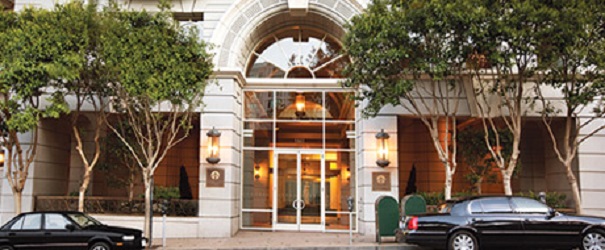
SAN FRANCISCO TOWERS is owned by a non-profit organization. Non-profit facilities reinvest revenue into operations rather than distributing to shareholders. The facility is operated by FRONT PORCH, a chain that manages multiple nursing homes. With 27 certified beds and approximately 15 residents (about 56% occupancy), it is a smaller facility located in SAN FRANCISCO, California.
How Does San Francisco Towers Compare to Other California Nursing Homes?

Compared to the 100 nursing homes in California, SAN FRANCISCO TOWERS's overall rating (5 stars) is above the state average of 3.2, staff turnover (9%) is significantly lower than the state average of 46%, and health inspection rating (5 stars) is much above the national benchmark.

What Should Families Ask When Visiting San Francisco Towers?

Based on this facility's data, families visiting should ask: "Can I visit during a mealtime to observe dining assistance and food quality?" "How do you handle medical emergencies, and what is your hospital transfer rate?" "Can I speak with family members of current residents about their experience?"

Is San Francisco Towers Safe?

Based on CMS inspection data, SAN FRANCISCO TOWERS has a clean safety record: no substantiated abuse findings (meaning no confirmed cases of resident harm), no Immediate Jeopardy citations (the most serious violation level indicating risk of serious injury or death), and is not on the Special Focus Facility watch list (a federal program monitoring the lowest-performing 1% of nursing homes). The facility has a 5-star overall rating and ranks #1 of 100 nursing homes in California. While no facility is perfect, families should still ask about staff-to-resident ratios and recent inspection results during their visit.

Do Nurses at San Francisco Towers Stick Around?

Staff at SAN FRANCISCO TOWERS tend to stick around. With a turnover rate of 9%, the facility is 37 percentage points below the California average of 46%. Low turnover is a positive sign. It means caregivers have time to learn each resident's needs, medications, and personal preferences. Consistent staff also notice subtle changes in a resident's condition more quickly.

Was San Francisco Towers Ever Fined?

SAN FRANCISCO TOWERS has no federal fines on record. CMS issues fines when nursing homes fail to meet care standards or don't correct problems found during inspections. The absence of fines suggests the facility has either maintained compliance or corrected any issues before penalties were assessed. This is a positive indicator, though families should still review recent inspection reports for the full picture.

Is San Francisco Towers on Any Federal Watch List?

SAN FRANCISCO TOWERS is not on any federal watch list. The most significant is the Special Focus Facility (SFF) program, which identifies the bottom 1% of nursing homes nationally based on persistent, serious quality problems. Not being on this list means the facility has avoided the pattern of deficiencies that triggers enhanced federal oversight. This is a positive indicator, though families should still review the facility's inspection history directly.