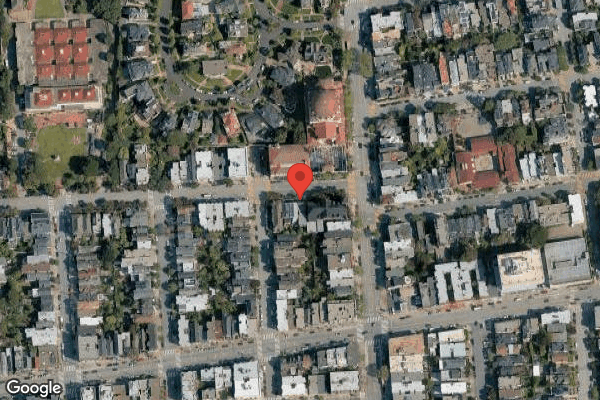
ST. ANNE'S HOME

300 LAKE STREET, SAN FRANCISCO, CA 94118 (415) 751-6510
Non profit - Corporation 46 Beds Independent Data: November 2025
Trust Grade
75/100
#467 of 1155 in CA
Last Inspection: November 2023

Within standard 12-15 month inspection cycle. Federal law requires annual inspections.

Overview

St. Anne's Home in San Francisco has a Trust Grade of B, which indicates it is a good choice among nursing facilities. It ranks #467 out of 1,155 in California, placing it in the top half, but only #13 out of 17 in San Francisco County, suggesting there are better local options. Unfortunately, the facility's trend is worsening, with issues increasing from 5 in 2021 to 8 in 2023. Staffing is a concern, earning a poor 1-star rating, but with a turnover rate of 0%, it means that staff are not leaving the facility. On the positive side, there are no fines recorded, which is a good sign, and the facility has excellent quality measures. However, there were specific incidents noted, such as the facility lacking a full-time Director of Nursing for nearly a year, which could affect care quality. Additionally, there were concerns about food safety practices, including personal items stored in food preparation areas and expired food items, which could pose health risks. Overall, while St. Anne's Home has strengths, families should be aware of its staffing challenges and recent compliance issues.

Trust Score
B
75/100
In California
#467/1155
Top 40%
Safety Record
Low Risk
No red flags
Inspections
Getting Worse
5 → 8 violations
Staff Stability
○ Average
Turnover data not reported for this facility.
Penalties
✓ Good
No fines on record. Clean compliance history, better than most California facilities.
Skilled Nurses
○ Average
RN staffing data not reported for this facility.
Violations
⚠ Watch
17 deficiencies on record. Higher than average. Multiple issues found across inspections.
★★★★☆
4.0
Overall Rating
★☆☆☆☆
1.0
Staff Levels
★★★★★
5.0
Care Quality
★★★★☆
4.0
Inspection Score
Stable
2021: 5 issues
2023: 8 issues

The Good

  • 5-Star Quality Measures · Strong clinical quality outcomes
  • Full Sprinkler Coverage · Fire safety systems throughout facility
  • No fines on record

Facility shows strength in quality measures, fire safety.

The Bad

No Significant Concerns Identified

This facility shows no red flags. Among California's 100 nursing homes, only 0% achieve this.

The Ugly 17 deficiencies on record

Nov 2023 8 deficiencies
CONCERN (D) 📢 Someone Reported This

A family member, employee, or ombudsman was alarmed enough to file a formal complaint

Potential for Harm - no one hurt, but risky conditions existed

Deficiency F0726 (Tag F0726)

Could have caused harm · This affected 1 resident

**NOTE- TERMS IN BRACKETS HAVE BEEN EDITED TO PROTECT CONFIDENTIALITY** Based on interview and record review, facility staff failed to promptly notify the physician and/or do a more comprehensive asse...

Read full inspector narrative →
**NOTE- TERMS IN BRACKETS HAVE BEEN EDITED TO PROTECT CONFIDENTIALITY** Based on interview and record review, facility staff failed to promptly notify the physician and/or do a more comprehensive assessment for Resident 30, one of three sampled residents who had a fall and complained of pain. Resident 30 had a fall then complained of pain. It took almost 8 hours before staff obtained an x-ray to confirm a right leg fracture. Findings: Review of Resident 30's record titled, Minimum Data Set (MDS), dated [DATE], indicated she was alert and oriented, able to make her needs known and able to understand others. Additionally, her MDS indicated she did not have any behaviors such as rejecting care, she was wheelchair bound and dependent on staff for assistance. Review of Resident 30's record titled Alert Note, dated 9/7/2023, indicated Resident reported she slid out of her chair to the floor . Review of Resident 30's record titled Fall, dated 9/7/2023, indicated .Resident complained of right hip pain at first but after placed in bed and assessed does not complain of pain. Review of Resident 30's record titled Order Note EMAR, dated 9/8/2023 at 7:12 AM, indicated LVN 3 gave Tylenol .2 tablet by mouth . (resident) REQUEST. On another entry, dated 9/8/2023 at 12:54 PM, LVN 3 gave Tylenol .2 tablet by mouth . (resident) REQUEST. Review of Resident 30's record titled Order Details, dated 9/8/2023, indicated an order was placed for an x-ray of Resident 30's right hip and leg at 5:09 PM. Review of Resident 30's record titled SIGNIFICANT FINDINGS, dated 9/8/2023 at 10:10 PM, x-ray results indicated there was an acute fracture of her right leg. During an interview on 11/15/2023 at 2:02 PM, LVN 3 stated she was an agency nurse, and she did not remember working with Resident 30 I don't remember patients like that, I work registry I see so many patients. I don't remember a patient like that. LVN 3 was asked what she would do if she had a resident who fell prior to her shift and was asking for pain medication. LVN 3 stated Give the pain medication and let the doctor know. During an interview on 11/17/2023 at 11:08 AM, LVN 4 stated she was working evening shift on 9/8/2023. LVN 4 stated when she went to check at the beginning of her shift, Resident 30 told her .she was in pain since last night . (Resident 30) did not want to get out of bed.(when LVN 4 tried to) move the right hip she screamed in pain and I called the doctor and (the doctor ordered an) x-ray. Normally .(Resident 30) never complains of any pain. During an interview on 11/15/2023 at 10:56 AM, the interim Director of Nursing (DON) was asked what her expectations of nursing staff were after a resident fell and was complaining of pain. The DON stated she expected staff to do a complete assessment and alert the doctor to see if more needs to be done such as an x-ray to rule out fracture. Review of Resident 30's record with the DON found no evidence day shift staff on 9/8/2023 thoroughly assessed Resident 30 or called the doctor on 9/7/2023 on day shift.
CONCERN (D)

Potential for Harm - no one hurt, but risky conditions existed

Staffing Information (Tag F0732)

Could have caused harm · This affected 1 resident

Based on observation, interview, and record review, the facility failed to post a current, daily nurse staffing Assignment Schedule, at each nurse station, for every shift, in a clear and readable for...

Read full inspector narrative →
Based on observation, interview, and record review, the facility failed to post a current, daily nurse staffing Assignment Schedule, at each nurse station, for every shift, in a clear and readable format, in a prominent, visible, easily accessible location for residents, visitors, and others. This failure had the potential to cause residents, visitors, and others to have difficulty locating residents or their caregivers at any given time. Findings: During an observation on 11/13/23 at 10 AM, Nurse Staffing Assignment schedules were not displayed in either nurses station of the facility. The door into the room of the nurses station had a DO NOT ENTER sign on the door of both nurses stations. Residents and visitors were not permitted to enter nurses station to review the schedule. During an interview on 11/14/23, at 1:45 PM, Licensed Vocational Nurse (LVN) 1, inside the nurses station, provided a copy of nurse and CNA (Certified Nurse Assistants) schedule. LVN 1 stated the nurses and CNAs all help care for each resident and there are no nurse/CNA's assignment schedules for residents. Record review of the Assignment Schedule posted on the board in the nurses station with a DO NOT ENTER sign on the door of both units. The Assignment Schedule did not list in a clear and easily readable format which CNA/LVN was assigned to care for the resident. During an observation on 11/15/23, 11/16/23, and 11/17/23, between 9:30 AM and 11:30 AM, there was no Assignment schedule visibly posted in both nurse stations for residents or visitors to view. During an interview on 11/17/23, at 3:15 PM, Administrator stated she was unaware of posting requirement of Assignment schedules and would post schedules in a prominent place in each nurses station. Record review of the undated policy titled, Posting of CNA /Nurse Assignments Policy, Purpose: The purpose of this policy is to make Nurse and CNA staffing information readily available in a readable format to residents and visitors at any given time. Policy and Procedure: In order to assure easy access for both residents and visitors a chart with the CNA's assigned groups listed by room numbers will be posted outside of the chart rooms next to a dry erase board where the date and names of the nurses and CNA's and their respective assigned groups can be readily seen by all .
CONCERN (D)

Potential for Harm - no one hurt, but risky conditions existed

Deficiency F0761 (Tag F0761)

Could have caused harm · This affected 1 resident

Based on observation, interview, and record review, the facility failed to: 1). label a refrigerated storage bag containing (64) house supply suppository medications with the correct expiration date....

Read full inspector narrative →
Based on observation, interview, and record review, the facility failed to: 1). label a refrigerated storage bag containing (64) house supply suppository medications with the correct expiration date. The storage bag of suppositories had an expiration date label of 9/22/23. The suppositories inside the storage bag had an expiration date of 2025. 2). Two Emergency Medication Kit boxes filled with injectable and oral medications had expired medications dated 7/2023 - 11/1/23. 3). Two refrigerated suppository medications had expired dates of 9/22/23 and 10/2023. 4). Three medical supplies had expired dates of 10/2020, 10/21/21, and 10/15/23. These failures had the potential to affect the quality of care and treatment of residents. Findings: In an observation of the medication storage room on 11/16/23, at 2:42 PM, accompanied by Licensed Vocational Nurse (LVN) 2, 1). a storage bag containing (64) house supply suppository medications was labeled with the expired date of 9/22/23. The house supply of suppository medications inside the storage bag had an expired date of 2025. During a consecutive interview, LVN 2 stated she would discard the storage bag and store the suppository medications, without a bag, in the refrigerator. 2). Expired oral medications in Emergency Kit Boxes: Lomotil (4) 2.5 - 0.025 milligram tabs expired on 10/1/23. Ativan (8) 0.5 milligram tabs expired 0n 10/1/23. Restoril (4) 7.5 milligram capsules expired 0n 11/2023. Expired injectable medications in Emergency Kit Boxes: Atropine (2) vials 1 milligram/milliliter expired on 11/2023. Epinephrine (2) ampoules 1 milligram/milliliter expired on 11/2023. Ertapenem (2) vials 1 milligram/milliliter expired on 7/2023. Furosemide (3) vials 20 milligrams/2 milliliter expired on 7/2023. Gentamycin (3) vials 80 milligrams/2 milliliter expired on 11/2023. Hydralazine (1) vial 20 milligrams/milliliter expired on 7/2023. Naloxone (1) vial 0.4 milligram/milliliter expired on 11/2023. Ondansetron (3) vials 4 milligram/2 milliliter expired on 7/2023. Sodium Chloride (1) vial bacteriostatic 30 milliliter 0.9% expired on 8/2023. Water for injection (1) vial bacteriostatic 30 milliliters expired on 11/1/23. 3). Expired refrigerated medications: Bisacodyl (6) suppository expired on 10/2023. Acetaminophen (1) 650 milligram suppository expired on 9/22/23. 4). Expired medical supplies: Brava Powder (13) (stoma powder), 1 ounce, expired on 11/30/20 to 10/15/23. Adapt (1o) packs (skin protected wipes) expired on 11/24/21 to 12/1/21. Adapt (1) (barrier rings) box of 10 expired on 10/2020. Record review of the facility policy, revised 8/2017, titled, Medication Disposal indicated, Policy: When medications are discontinued they shall be removed from the Unit by destruction. All expired medications and controlled substances shall be destroyed by two licensed nurses or by a nurse and pharmacist. Some expired medications maybe returned to the supplier before providing it to the resident. Notify the pharmacy to replace medications if expired. Purpose: 1. To ensure that discontinued medications, regardless of their route, do not remain either in the medication cart or the medication room .3. In the event of discovered discontinued or expired medications are left in medication room or cart immediately remove and call pharmacy to replace or destroy medication with two licensed nurses or by a nurse and pharmacist. Ensure medication was not given to resident and notify Nurse manager/Director of Nursing . 5. In the event of discovered discontinued or expired medications are left in medication room or cart immediately remove and call pharmacy to replace or destroy medication with two licensed nurses or by a nurse and pharmacist. Ensure medication was not given to resident and notify Nurse manager/Director of Nursing .
CONCERN (D)

Potential for Harm - no one hurt, but risky conditions existed

Deficiency F0802 (Tag F0802)

Could have caused harm · This affected 1 resident

Based on observation and interview, three kitchen staff were not knowledgeable about the over the hood fire suppressant system. Failure to train kitchen staff upon hire and on a regular basis about al...

Read full inspector narrative →
Based on observation and interview, three kitchen staff were not knowledgeable about the over the hood fire suppressant system. Failure to train kitchen staff upon hire and on a regular basis about all fire suppressant system in the kitchen did not ensure kitchen staff would be able to respond appropriately in the event of a fire within the kitchen. Findings: During initial kitchen observation and concurrent interview of the over the hood fire suppressant system (ANSUL) on 11/13/2023 at 09:34 AM, there was no obvious pull station to manually trigger the system in the event of a fire. Food Service Worker (FSW) 1, 2, and 3 were asked where the pull station was to activate the ANSUL system. All three kitchen staff were unable to identify where the pull station was. During an interview on 11/16/2023 at 1:20 PM, the Maintenance Tech (MT) stated he was responsible for staff fire training and fire drills. The MT stated he was aware of the ANSUL system in the kitchen and where the pull station was. The MT stated he was not aware if kitchen staff were trained regarding the ANSUL system upon hire and on a regular basis. These findings were discussed with the Administrator on 11/17/2023 at 8:15 AM. The Administrator was reminded that documented evidence of training regarding the ANSUL system was made upon discovery of these findings. The facility was unable to provide evidence kitchen staff were trained upon hire and on a regular basis regarding the ANSUL system.
CONCERN (E)

Potential for Harm - no one hurt, but risky conditions existed

Food Safety (Tag F0812)

Could have caused harm · This affected multiple residents

Based on observation and interview the facility failed to ensure food was served in a sanitary environment when: 1. Three window screens had gaps, one window screen was missing, and a door screen had...

Read full inspector narrative →
Based on observation and interview the facility failed to ensure food was served in a sanitary environment when: 1. Three window screens had gaps, one window screen was missing, and a door screen had a gap. 2. One onion was rotting, and four onions were sprouting in the produce container. 3. A fan over the dishwashing area had grills that were caked with dust. 4. Observation of the pantry found one dented can and one can without a label. Findings: During initial kitchen observation on 11/13/2023 at 9:34 AM, three window screens were not covering the window openings. There were gaps along the edges of these window screens. One window near the dishwashing area was wide open and did not have a window screen. Observation of the back service door screen from the inside indicated there was a gap (at the right lower corner) between the door screen and the door frame. Observation of the fresh produce bin found one onion rotting and four onions sprouting. Observation of a fan over the dishwashing area indicated the grills of the fans were caked with a fine layer of fuzzy grey/dark matter. Observation of the pantry found one dented can and one can without a label. These observations were shared with the Director of Dining Service (DDS) on 11/15/2023 at 2:29 PM. The DDS did not provide an explanation why the window screen issues, and the door screen issue were not reported to maintenance. The DDS stated they have a system in place to check the donated fresh produce minimally on a weekly basis and provided no explanation why these rotting or old onions were not removed. The DDS stated kitchen staff clean the kitchen on a regular basis and he will remind staff to put cleaning the fan grills on the schedule. The DDS stated they have a system in place to remove dented cans and cans without labels. He offered no explanation why the cans were not removed.
CONCERN (E)

Potential for Harm - no one hurt, but risky conditions existed

Garbage Disposal (Tag F0814)

Could have caused harm · This affected multiple residents

Based on observation and interview, facility staff failed to close their garbage dumpster when not being loaded. This failure had the potential to attract pests and rodents. Findings: During a concur...

Read full inspector narrative →
Based on observation and interview, facility staff failed to close their garbage dumpster when not being loaded. This failure had the potential to attract pests and rodents. Findings: During a concurrent observation and interview regarding the facility's dumpsters on 11/16/2023 at 1:45 PM, the metal lid of the garbage dumpster was found propped opened. The Maintenance Tech (MT) stated that some of the smaller women staff may have a hard time opening these heavy dumpster lids and maybe injuring their hands. That was why the garbage dumpster was propped opened.
CONCERN (E)

Potential for Harm - no one hurt, but risky conditions existed

Deficiency F0925 (Tag F0925)

Could have caused harm · This affected multiple residents

Based on observation and interview, the facility failed to maintain an effective pest control program when: 1. A flying insect was seen over the produce bin in the kitchen. 2. An ant was found in t...

Read full inspector narrative →
Based on observation and interview, the facility failed to maintain an effective pest control program when: 1. A flying insect was seen over the produce bin in the kitchen. 2. An ant was found in the second-floor food service area. Failure to maintain an effective pest control program placed residents at risk for food contamination and food borne illnesses. Findings: During initial kitchen observation on 11/13/2023 at 9:34 AM, a flying insect was flying above the produce bin over a rotting onion. During tray line observation on 11/14/2023 at 12:15 PM, an ant was seen crawling on the food service counter in the second-floor dining area. This observation was verified with the Director of Dining Services. During an interview on 11/16/2023 at 1:20 PM, the Maintenance Tech (MT) stated the facility has a contract with a pest control company and the pest company comes on a monthly basis and also on an as needed basis. The MT acknowledged that it may be difficult to keep flying pests out of the kitchen if there were window screens and door screen issues. Additionally, the MT stated he was given a product in an injector to control ants. The MT admitted he was not formally trained and/or licensed to apply this product in a commercial setting.
CONCERN (F)

Potential for Harm - no one hurt, but risky conditions existed

Deficiency F0727 (Tag F0727)

Could have caused harm · This affected most or all residents

Based on interview and record review, the facility failed to designate a registered nurse to serve full-time as the Director of Nurses (DON). The last designated DON ended employment in December, 2022...

Read full inspector narrative →
Based on interview and record review, the facility failed to designate a registered nurse to serve full-time as the Director of Nurses (DON). The last designated DON ended employment in December, 2022. A waiver from this requirement was not obtained by the facility. The facility has been without a designated DON for 11 months. This failure had the potential to affect the quality of care and outcomes of resident care. Findings: During an interview on 11/13/23, at 2:30 PM, the acting Director of Nurses, (DON) stated she was the interim DON and was considering the salary offer before considering an offer of full-time designated DON. The last designated DON ended employment in December, 2022, 11 months ago. She stated she did not have a DON business card. Record Review of facility document provided on 11/14/23 indicated, Currently we have an interim Nurse Manager/DON who works 40 hrs./week. Record Review of facility Organizational Chart obtained on 11/15/23 indicated, . Nurse Manager, RN-interim. The Director of Nurses was not indicated on the organizational chart. During an interview in the conference room, on 11/15/23, at 8:45 AM, the Administrator and acting DON announced the designation of a full-time Director of Nurses (DON), effective today, 11/15/23. Record Review of unsigned, Director of Nurses job description included, . a full-time, Monday through Friday, 8 AM to 4:30 PM position .Ensure that nursing services assure flexibility to staff to meet residents' preferences. Maximize resident quality of life and quality of care from the time of admission to discharge/end of life .Participate in nursing management rounds (all shifts) and administrative to promote prompt assessment of resident behavior and/or response to interventions . Assure the provision of all services, treatments, nutritional preferences, pain management and comfort measures are appropriate and available for each resident's condition and especially at end-of-life. At least annually, review with social services the resident/responsible party advance directives/life care preferences to keep abreast of any changes of intent and potential conflicts .Assure that substantial compliance with applicable federal, state and local standards and regulations for nursing services align .Immediately initiate investigation into incidents, accidents, abuse and concerns/complaints raised by residents, personnel, family members or others. Adhere to all administrative and nursing policies and procedures, including but not limited to HIPAA, (Health Insurance Portability and Accountability Act, covers privacy, security and breach notification rules), safety/OSHA, (Occupational Safety and Health Act, ensures safe and healthful working conditions for workers), infection prevention, residents rights, quality improvement and assurance indicators .Hold all nursing staff accountable for job performance . Record review of undated policy titled, Director of Nursing Policy indicated, .The Director of Nurses assumes responsibility for organizing and managing all aspects of the nursing program in accordance with current federal, state, and local standards, alongside the mission, vision and values of the facility .These standards and guidelines are designed to attain the highest possible degree of quality of life and quality of care across multi-levels of aging services; ranging from residential care to skilled nursing. The Director of Nursing shall be a registered nurse and shall be employed eight hours a day, on the day shift, five days a week .
Dec 2021 5 deficiencies
CONCERN (D)

Potential for Harm - no one hurt, but risky conditions existed

Resident Rights (Tag F0550)

Could have caused harm · This affected 1 resident

**NOTE- TERMS IN BRACKETS HAVE BEEN EDITED TO PROTECT CONFIDENTIALITY** Based on observation, interview and record review, resident's dignity and self-worth were not maintained and enhanced when one o...

Read full inspector narrative →
**NOTE- TERMS IN BRACKETS HAVE BEEN EDITED TO PROTECT CONFIDENTIALITY** Based on observation, interview and record review, resident's dignity and self-worth were not maintained and enhanced when one of 12 sampled residents (Resident 41) was assisted to eat lunch by a staff standing up next to his wheelchair. This failure may impact resident's quality of life. Findings: Resident 41 was admitted on [DATE], with diagnoses including dementia (loss of memory and judgement). During a review of Resident 41's Minimum Data Set (MDS, a resident assessment tool), dated 11/27/21, MDS indicated, Resident 41 has severely impaired cognition. MDS also indicated, Resident 41 required one-person limited-assistance (non-weight bearing support) with eating. During an observation on 12/14/21, at 12:10 PM, in dining room, Staff 1 was observed assisting a resident in a wheelchair. Staff 1 was observed spoonfeeding puree food and thickened-cranberry juice to Resident 41 while standing up next to the wheelchair. During an interview on 12/17/21, at 11:30 AM, with Director of Nursing (DON), DON stated, staff should be eye-level with the resident they are assisting with eating. DON stated, we provided staff with stools to sit on during meal times. During a review of facility policy and procedure, titled Feeding a Resident, revised 8/2017, policy and procedure indicated, . Procedure . 3. Sit on the right side of Resident (unless you are left-handed then sit to Resident's left.) .
CONCERN (D)

Potential for Harm - no one hurt, but risky conditions existed

Comprehensive Care Plan (Tag F0656)

Could have caused harm · This affected 1 resident

**NOTE- TERMS IN BRACKETS HAVE BEEN EDITED TO PROTECT CONFIDENTIALITY** Based on observation, interview and record review, the facility failed to develop a person-centered wound care plan for one of 1...

Read full inspector narrative →
**NOTE- TERMS IN BRACKETS HAVE BEEN EDITED TO PROTECT CONFIDENTIALITY** Based on observation, interview and record review, the facility failed to develop a person-centered wound care plan for one of 12 sample residents (Resident 5). This deficient practice had the potential to result in Resident 5 not receiving the care and services to meet his needs. Findings: Resident 5 was admitted on [DATE], with diagnosis including congestive heart failure (CHF, a serious condition in which the heart doesn't pump blood as efficiently as it should). During an observation on 12/14/21, at 11:30 AM, in Resident 5's room, observed Resident 5 with a dry dressing on her left lower leg. During a review of Resident 5's skin assessment, dated 12/11/21, skin assessment indicated, Resident 5 had an open area on left lower leg, measuring 1.8 x 1.5 centimeters (cm) with bloody discharge, oozing . During a review of Resident 5's care plan and concurrent interview on 12/17/21, at 10:31 AM, with Staff 2, there was no care plan to address Resident 5's left lower leg wound. Staff 2 acknowledged the findings. Staff 2 stated, the nurse who found the wound should have developed a comprehensive care plan as soon as possible. During a review of facility policy and procedure, titled Care Plan, revised 8/2017, policy and procedure indicated, . Purpose . to develop quantifiable objectives for the highest level of function the resident may be able to attain . Procedure . The comprehensive care plan includes measurable objectives and timetables to meet the Resident's medical, nursing, mental and psychosocial needs .
CONCERN (D)

Potential for Harm - no one hurt, but risky conditions existed

Deficiency F0676 (Tag F0676)

Could have caused harm · This affected 1 resident

**NOTE- TERMS IN BRACKETS HAVE BEEN EDITED TO PROTECT CONFIDENTIALITY** Based on observation, interview and record review, the facility failed to provide treatment and services for one of 12 sampled r...

Read full inspector narrative →
**NOTE- TERMS IN BRACKETS HAVE BEEN EDITED TO PROTECT CONFIDENTIALITY** Based on observation, interview and record review, the facility failed to provide treatment and services for one of 12 sampled residents, Resident 41, to maintain or improve his ability to eat independently. Failure to provide treatment and services is a potential harm risk for residents due to a decline in functioning which negatively impacts their quality of life. Findings: Resident 41 was admitted on [DATE], with diagnoses including dementia (loss of memory and judgement). During a review of Resident 41's Minimum Data Set (MDS, a resident assessment tool), dated 11/27/21, MDS indicated, Resident 41 has severely impaired cognition. MDS also indicated, Resident 41 required one-person limited-assistance (non-weight bearing support) with eating. During a review of Resident 41's Activities of Daily Living (or ADL, are tasks of everyday life) care plan, revised 10/22/21, ADL care plan indicated, Goal . I will maintain current level of function in ADLs through the review date . Interventions . Eating: I am able to hold cup/ feed self independently with supervision and set up . During an observation on 12/14/21, at 12:05 PM, in the dining room, observed Resident 41 sitting on a wheelchair. Staff 3 scooped and plated three (3) puree food items into a single bowl. Then Staff 3 gave this bowl to Resident 41. Resident 41 was able to feed self independently. Then at 12:10 PM, Staff 1 was spoonfeeding puree food and thickened-cranberry juice to Resident 41 while standing up next to the wheelchair. During an interview on 12/14/21, at 12:30 PM, with Staff 3, Staff 3 stated, Resident 41 used to have an adaptive plate (adaptive dining plates are designed to help users dine with minimal assistance) but it was broken because a staff accidentally put it inside a microwave oven about a month ago. Staff 3 stated, she has been using a regular bowl to serve Resident 41's meals since. During an interview on 12/14/21, at 12:35 PM, with Dietary Services Supervisor (DSS), DSS stated, staff should report broken adaptive plates or any kitchen items used by resident so that facility could replace it right away. During a review of facility policy and procedure, titled Dining Room Service, revised 8/2017, policy and procedure indicated, Procedure . 6. Residents are encouraged to feed themselves as much as possible
CONCERN (D)

Potential for Harm - no one hurt, but risky conditions existed

Deficiency F0802 (Tag F0802)

Could have caused harm · This affected 1 resident

Based on observation, interview, and record review, the facility failed to ensure staff competency when meals were not plated in accordance with physicians' order for one of five sampled residents (Re...

Read full inspector narrative →
Based on observation, interview, and record review, the facility failed to ensure staff competency when meals were not plated in accordance with physicians' order for one of five sampled residents (Resident 38). Failure to ensure standardized procedures may result in decreased nutritional intake leading to weight loss further compromising medical status of residents. Findings: During an observation on 12/14/21, at 12:01 PM , in the dining room, Resident 38 was waiting for her lunch to be served. Resident 38's lunch tray card indicated, regular diet - Mechanical soft-ground texture. During an observation on 12/14/21, at 12:04 PM Staff 4 was pushing a cart containing food items inside food containers. Then, Staff 4 asked Resident 38 if she likes turkey or pasta. Resident 38 responded, I like pasta. Then Staff 4 used a small black tong to pick pasta from the food container to Resident 38's plate. During a review of the weekly menu spreadsheet, titled Diet Extensions:Wednesday, Week 2, dated 12/8/21, weekly menu indicated, .General/Mechanical soft - ground . 6 oz (ounce, a unit of measurement) Penne Pasta with Meat sauce . During an interview on 12/14/21, at 12:05 PM, with Staff 4, Staff 4 stated, she is responsible for serving and plating food items to resident plates. Staff 4 stated, the green scoop is for vegetables and the gray scoop is for meat. Staff 3 was not able to demonstrate how to accurately control accurate portions of food based on the diet spreadsheet and Resident 38's diet order. During an interview on 12/14/21, at 12:15 PM, with Dietetic Services Supervisor (DSS), DSS acknowledged the above findings. DSS stated, both dietary aides and certified nurse assistants serve food to residents. DSS stated, they will provide additional in-service to staff about how to use the spreadsheet and using the appropriate scoops to portion food. During a review of facility policy and procedure, titled Dining Room Service, revised 8/2017, policy and procedure indicated, .General Remarks . 2. Good food, attractively served, is important to the health of the Resident . a. Give medium sized portions when you serve food. It is better to give second servings than to ruin appetites by serving too much. Older people usually enjoy smaller feedings served often . The facility policy and procedure did not indicate how staff should accurately portion and serve food to residents including those on therapeutic diets.
CONCERN (F)

Potential for Harm - no one hurt, but risky conditions existed

Food Safety (Tag F0812)

Could have caused harm · This affected most or all residents

Based on observations, interview, and record review, the facility failed to maintain professional standards for food service safety to ensure safe food handling and storage when: 1. Staff personal bel...

Read full inspector narrative →
Based on observations, interview, and record review, the facility failed to maintain professional standards for food service safety to ensure safe food handling and storage when: 1. Staff personal belongings were stored in kitchen equipment storage room. 2. Temperature checks log were not completed for the dry storage areas on certain days. 3. Food items stored in kitchen past the use by date (date after which an item should not be used) This deficient practice had the potential to expose residents to food borne illnesses and to affect their appetite due to decreased potency and flavor of expired food items. Findings: 1. During an observation on 12/14/21, at 9:43 AM, in the kitchen, found staff personal jacket, backpack and hat, placed on top of a kitchen countertop where kitchen items such as trays and food containers were also stored. During an interview on 12/14/21, at 12:30 PM, with Dietetic Services Supervisor (DSS), DSS stated, kitchen staff should store personal clothing and items in their locker room to prevent cross-contamination. 2. During an observation on 12/14/21, at 9:55 AM, in the kitchen dry storage room and concurrent record review of the dry storage temperature log, dated December 2021, temperature log indicated, temperature check was not entered on 12/4/21- 12/5/21 and 12/11/21-12/12/21. During an interview on 12/14/21, at 9:56 AM with Staff 4 , Staff 4 stated, kitchen staff should check the temperature of the dry storage and log in the form twice a day, morning and afternoon to ensure food safety. 3. During an observation on 12/14/21, at 9:46 AM, observed a white container containing opened bag of rice. The label on the container indicated, Product: [NAME] . Today's date: 5-1-21 . Good Thru: 11/2/21 . During an interview on 12/14/21, at 9:47 AM, with Staff 5, Staff 5 acknowledged the above findings and stated, rice should be tossed out. During a review of facility policy and procedure, titled Storage of Food and Supplies, revised 12/7/20, policy and procedure indicated, . All food, non-food items and supplies used in food preparation shall be stored in such a manner as to prevent contamination to maintain the safety and wholesomeness of the food for human consumption . Dry storage life of foods . Use manufacturer's expiration date for product storage. If there is no expiration date on the package, add the time listed below . Grain products . + 6 months .
Mar 2019 4 deficiencies
CONCERN (E)

Potential for Harm - no one hurt, but risky conditions existed

Menu Adequacy (Tag F0803)

Could have caused harm · This affected multiple residents

Based on observation, interview and record review, the facility failed to established standardized recipes of the residents' Weekly Menu. This failure had the potential for residents not to meet their...

Read full inspector narrative →
Based on observation, interview and record review, the facility failed to established standardized recipes of the residents' Weekly Menu. This failure had the potential for residents not to meet their adequate nutritional needs. Findings: During food preparation observation and concurrent interview with Staff 15 on 3/20/19, at 9:45 AM, Staff 15 was slicing bell peppers and cooking in the kitchen without referencing to a standardized recipe of the Menu. Staff 15 verified the findings and stated, I'm cooking beef stew for lunch. Staff 15 stated there was no recipe to follow for the beef stew but he already knew the ingredients needed. Review of the facility's Weekly Menu for March 17 - March 23 posted in the kitchen, indicated beef stew, beef gravy, buttered egg noodle, seasonal vegetable, and ice cream were the food items to be served to residents for lunch on 3/20/19. During a concurrent interview and record review with Staff 8 on 3/20/19, at 10 AM, Staff 8 reviewed the recipe binder in the kitchen and was unable to find multiple recipes for the last week and current week's menu. Staff 8 verified and acknowledged the findings and stated following a standardized recipe was essential. Review of the facility policy and procedure titled, Standardized Recipes dated 12/2008, indicated, Standardized recipes shall be developed and used in the preparation of foods. Only tested standardized recipes will be used to prepare foods.
CONCERN (E)

Potential for Harm - no one hurt, but risky conditions existed

Food Safety (Tag F0812)

Could have caused harm · This affected multiple residents

Based on observation, interview and record review, the facility failed to ensure food was stored according to professional standards when an expired loaf of bread was stored in the kitchen refrigerato...

Read full inspector narrative →
Based on observation, interview and record review, the facility failed to ensure food was stored according to professional standards when an expired loaf of bread was stored in the kitchen refrigerator. This failure had the potential to result in food borne illnesses. During an initial tour observation of the kitchen and concurrent interview with Staff 16, on 3/18/19, at 9:20 AM, a loaf of bread with expiration date of 3/9/19 was stored in the walk-in refrigerator. Staff 16 verified and acknowledged the findings and stated it (loaf of bread) should be discarded. Review of the facility policy and procedure titled, Date Marking Procedure, dated 3/25/19, indicated, The policy [facility name] utilizes or discards all food products before the UB [use by date] stated by the manufacturer .
CONCERN (F)

Potential for Harm - no one hurt, but risky conditions existed

Deficiency F0700 (Tag F0700)

Could have caused harm · This affected most or all residents

**NOTE- TERMS IN BRACKETS HAVE BEEN EDITED TO PROTECT CONFIDENTIALITY** - Resident 18 was admitted with diagnosis that included hemiplegia (weakness of one side of the body) and diabetes mellitus (abn...

Read full inspector narrative →
**NOTE- TERMS IN BRACKETS HAVE BEEN EDITED TO PROTECT CONFIDENTIALITY** - Resident 18 was admitted with diagnosis that included hemiplegia (weakness of one side of the body) and diabetes mellitus (abnormally high blood sugar levels). The MDS dated [DATE] indicated Resident 18 required assistance with activities of daily living (ADL) such as bed mobility and transfer. During an observation on 3/18/19, at 9:12 AM, Resident 18 was asleep in bed with the two upper bed rails raised. During an interview with Staff 10 on 3/18/19, at 9:12 AM, she stated Resident 18 used the bed rails when he is in bed for safety. During a review of Resident 18's clinical record and concurrent interview with Staff 4 on 3/19/19, Staff 4 stated she was unable to find the assessment, the consent, the physician order, and the care plan for the use of the bed rails. - Resident 17 was admitted with diagnosis that included dementia (decline in memory or other thinking skills and anxiety (persistent feelings of fear and worrying) disorder. The MDS dated [DATE] indicated Resident 17 was totally dependent on staff assistance with ADL's. During an observation on 3/18/19, at 9:20 AM, Resident 17 was lying asleep in bed and the two upper bed rails were raised. During an interview on 3/18/19, at 9:20 AM, Staff 10 stated the bed rails were used for the resident's safety. During a review of the clinical record for Resident 17 and concurrent interview with Staff 4 on 3/19/19, Staff 4 stated she was unable to find the assessment, the consent, the physician order, and the care plan for the use of the bed rails. Based on observation, interview and record review, for 16 of 16 sampled residents (Residents 27, 1, 36, 193, 6, 31, 30, 24, 3, 20, 18, 17, 41, 22, 13, and 7), the facility failed to: Obtain informed consent prior to the use of bed rails (rails attached to a bed); Review the risks and benefits on the use of bed rails with each resident or resident representative; Assess the resident for risk of entrapment from bed rails prior to installation; and Develop and implement policies and procedures on the use of bed rails. This deficient practice had the potential to put residents at risk for entrapment, fall, or injury. This deficient practice resulted in Substandard Quality of Care (SQC). Findings: - Review of the Resident Face Sheet for Resident 27, dated 3/21/19, indicated Resident 27 had diagnoses that included congestive heart failure (CHF - a weakness of the heart that leads to a buildup of fluid in the lungs and surrounding body tissues), hypertension (high blood pressure), and diabetes (a disease when your blood sugar is high). During a review of Resident 27's clinical record, the Minimum Data Set (MDS, a resident assessment tool), dated 2/5/19, indicated a Brief Interview for Mental Status (BIMS, a brief assessment for cognitive impairment) score of 10 indicating resident had moderately impaired cognition. The MDS also indicated Resident 27 required staff supervision and setup help with bed mobility and transfer. During an observation on 3/21/19 at 9:20 AM, the two upper bed rails of Resident 27's bed were raised. - During a review of the clinical record for Resident 1, the Resident Face Sheet dated 3/21/19, indicated Resident 1 had diagnoses that included osteoarthritis (occurs when the protective cartilage on the ends of your bones wears down over time) of knee and diabetes (a disease when blood sugar is high). The MDS dated [DATE], indicated a BIMS, score of 9, indicating Resident 1 had moderately impaired cognition. The MDS also indicated Resident 1 required staff supervision and set-up with bed mobility, and staff supervision and one-person physical assist with transfer. During an observation and concurrent interview on 3/21/19 at 9:21 AM, the upper bed rails of Resident 1's bed were lowered. Resident 1 stated she used the bed rails for turning and repositioning when in bed. - During a review of Resident 36's clinical record, the Resident Face Sheet, dated 3/21/19 indicated Resident 36 had diagnoses that included osteoarthritis (occurs when the protective cartilage on the ends of the bones wear down over time) of the knee. The MDS dated [DATE], indicated a BIMS score of 15, indicating resident was cognitively intact. The MDS also indicated Resident 36 required extensive assist and two-person physical assist with mobility and transfer. During an observation and concurrent interview on 3/21/19 at 9:33 AM, the two upper bed rails on Resident 36's bed were lowered. Resident 36 stated she depended on them (bed rails) for getting into and off the bed. - During a review of Resident 193's clinical record, the Resident Face Sheet dated 3/21/19, indicated Resident 193 had diagnoses that included fracture of right fibula (calf bone) and dementia (group of symptoms associated with a decline in memory or other thinking skills severe enough to reduce a person's ability to perform everyday activities). The MDS dated [DATE] indicated a BIMS score of 9 indicating Resident 193 had moderately impaired cognition. The MDS also indicated Resident 193 required extensive assist and two-person physical assist with mobility and transfer. During an observation and concurrent interview on 3/21/19 at 9:45 AM, the two upper bed rails on Resident 193's bed were raised. Resident 193 stated, It (bed rails) keeps me from falling out of bed. - During a review of the clinical record for Resident 6, the Resident Face Sheet, dated 3/21/19 indicated Resident 6 had diagnoses that included glaucoma (abnormal high pressure in the eye), Alzheimer's Disease (a type of dementia that causes problems with memory, thinking and behavior), and history of stress fracture. The MDS, dated [DATE], indicated a BIMS score of 9 indicating Resident 6 had moderately impaired cognition. The MDS also indicated Resident 6 required extensive assist and two-person physical assist with mobility and transfer. During an observation and concurrent interview with Resident 6 on 3/21/19 at 9:48 AM, the two upper bed rails on Resident 6's bed were lowered. Resident 6 stated she used the bed rails when in bed to help with reposition and to keep her from falling off the bed at night. - During a review of the clinical record for Resident 31, the Resident Face Sheet, dated 3/21/19 indicated Resident 31 had diagnoses that included hypertension (high blood pressure) and difficulty in walking. The MDS dated [DATE] indicated a BIMS score of 15 indicating Resident 31 was cognitively intact. The MDS also indicated Resident 31 required supervision and set-up help with bed mobility and transfer. During an observation and concurrent interview with Resident 31 on 3/21/19 at 9:54 AM, the two upper bed rails of Resident 31's bed were lowered. Resident 31 stated he used one side of the bed rails for safety when transferring in and out of bed. - During a review of the clinical record for Resident 30, the Resident Face Sheet, dated 3/21/19, indicated Resident 30 had diagnoses that included hypertension (high blood pressure) and heart failure (a weakness of the heart that leads to a buildup of fluid in the lungs and surrounding body tissues). The MDS dated [DATE] indicated a BIMS score of 14 indicating Resident 30 was cognitively intact. The MDS also indicated Resident 30 required supervision and set-up help with bed mobility and transfer. During an observation and concurrent interview on 3/21/19 at 9:57 AM, the two upper bed rails of Resident 30's bed were lowered. Resident 30 stated the bed rails are up at night to help him move around and keep him from falling. - During a review of the clinical record for Resident 24, the Resident Face Sheet, dated 3/21/19 indicated Resident 24 had diagnoses that included Parkinson's Disease (a progressive nervous system disorder that affects movement), muscle wasting and atrophy (decrease in size), difficulty in walking, and dementia (group of symptoms associated with a decline in memory or other thinking skills severe enough to reduce a person's ability to perform everyday activities). The MDS dated [DATE] indicated a BIMS score of 15 indicating Resident 24 was cognitively intact. The MDS also indicated Resident 24 required limited to extensive assistance and one-person physical assist with bed mobility and transfer. During an observation and concurrent interview with Resident 24, on 3/21/19 at 10:06 AM the two upper bed rails of Resident 24's bed were lowered. Resident 24 stated the staff forgot to put it up. He further stated he used the bed rails to grab on to during transfers. - During a review of the clinical record for Resident 3, the Resident Face Sheet, dated 3/21/19 indicated Resident 3 had diagnoses that included hypertension (high blood pressure) and unsteadiness on feet. The MDS dated [DATE] indicated a BIMS score of 15 indicating resident was cognitively intact. The MDS also indicated Resident 3 required supervision and one-person physical assist with bed mobility and transfer. During an observation on 3/21/19 at 10:10 AM, Resident 3 was sleeping, lying supine on the bed with the two upper bed rails raised. - During a review of the clinical record for Resident 20, the Resident Face Sheet, dated 3/21/19 indicated Resident 20 had diagnoses that included hypertension (high blood pressure) and anemia (a condition in which you don't have enough healthy red blood cells to carry adequate oxygen to the body's tissues). The MDS dated [DATE] indicated a BIMS score of 11, indicating resident had moderately impaired cognition. The MDS also indicated Resident 20 required limited assistance and one-person physical assist with bed mobility and transfer. During an observation and concurrent interview on 3/21/19 at 10:18 AM, the two upper bed rails of Resident 20's bed were lowered. Resident 20 stated she used the bed rails for transfers to use her phone. - Resident 41 was admitted on [DATE], with diagnoses that included atrial fibrillation (an irregular, often rapid heart rate that commonly causes poor blood flow) and hypertension (high blood pressure). Resident 41 required supervision and set-up assist with bed mobility and transfer. During the initial tour observation on 3/18/19 at 9:40 AM, Resident 41 was in her room sitting in her wheelchair, alert. The upper bed rails of her bed were raised. During an observation and concurrent interview with Resident 41 on 3/21/19, at 4 PM, Resident 41 was sitting in a wheelchair in her room, alert and pleasant. The upper bed rails of her bed were lowered. She stated her bed rails were up whenever she was in bed and she often held onto the bed rails when she needed to reposition herself. Resident 41 further stated nobody talked to her about the risk and benefits of having bed rails and Nobody asked for my consent to use the side (bed) rails. During a review of the clinical record for Resident 41, the MDS dated [DATE], showed Resident 41 had a BIMS score of 15 which indicated she was cognitively intact. There was no documented evidence that a consent was obtained for the use of the bed rails. - Resident 22 was admitted on [DATE] with diagnoses including age related osteoporosis (disease in which bones become weak and brittle) without current pathological fracture, osteoarthritis (degeneration of joint cartilage and the underlying bone), and hypertension (high blood pressure). During a review of the clinical record for Resident 22, the MDS dated [DATE], indicated Resident 22 had a BIMS score of 8 indicating Resident 22 had moderately impaired cognition. The MDS also indicated Resident 22 required extensive assistance and one-person physical assistance with bed mobility, dressing, and toilet use. During the initial tour observation on 3/18/19, at 10 AM, Resident 22 was asleep in bed with both the upper bed rails raised. During an observation on 3/21/19, at 4:25 PM, Resident 22 was asleep in bed with both the upper bed rails raised. During an interview with Staff 4, on 3/21/19, at 4:11 PM, she stated Resident 22's bed rails were always up whenever she was in bed. Staff 4 further stated Resident 22 was not capable of putting the bed rails down. During a review of the clinical record for Resident 22, there was no documented evidence an informed consent was obtained for the use of bed rails and an assessment for the risk of entrapment from bed rails was completed. - Resident 13 was admitted on [DATE], with diagnoses including osteoporosis (a disease in which bone weakening increases the risk of a broken bone) and hypertension (high blood pressure). During a review of the clinical record of Resident 13, the MDS dated [DATE], indicated, Resident 13 had a BIMS score of 12 (moderate cognitive impairment). The MDS also indicated Resident 13 required supervision and set-up support with bed mobility, transfer, and toilet use. During the initial tour observation on 3/18/19, at 10:10 AM, Resident 13 was in her room, sitting in a wheelchair, alert. The upper bed rails of Resident 13's bed were raised. During an observation and concurrent interview with Resident 13, on 3/21/19, at 4:25 PM, Resident 13 was in bed with the left upper bed rail raised. She stated her bed's left upper bed rail was always up whenever she was in bed. Resident 13 was unable to remember if the facility asked for her consent for the use of the bed rails, or if the facility talked to her about the risk and benefits of bed rails use. Resident 13 further stated she did not think she was able to put the bed rails down by herself. During a review of Resident 13's clinical record, there was no documented evidence an informed consent was obtained for the use of the bed rails. - Resident 7 was admitted on [DATE], with diagnoses including unspecified glaucoma (a group of eye conditions that can cause blindness), spinal stenosis (narrowing of the spinal canal) and contracture (permanent shortening of muscle). During a review of the clinical record for Resident 7, the MDS dated [DATE], indicated Resident 7 had a BIMS score of 15 (cognitively intact). It also indicated Resident 7 required extensive assistance and two-person physical assist with bed mobility, transfer, toilet use and personal hygiene. During the initial tour observation on 3/18/19, at 10:15 AM, Resident 7 was sitting in his wheelchair, alert. Resident 7's bed had both the upper bed rails raised. During a concurrent observation and interview with Resident 7, on 3/21/19, at 4:30 PM, Resident 7 was in his wheelchair, alert, and both the upper bed rails of his bed were raised. Resident 7 stated he was not aware that he used bed rails. During an interview with Staff 4, on 3/21/19, at 4:11 PM, she stated, the facility did not obtain informed consent for the use of bed rails because the bed rails were used by the residents as an enabler. During an interview with Staff 3 on 3/22/19, at 4:40 PM, Staff 3 verified and acknowledged that the facility did not assess the residents for risk of entrapment from bed rails and did not obtain informed consent and review the risk and benefits to the resident/resident representative for the use of bed rails. Review of the facility policy and procedure, titled, SIDERAILS, dated 9/2017, indicated, To use partial side [bed] rails as an enabler where a therapeutic intervention is warranted for medical symptoms or if the use of the rails are used to facilitate tactile discernment, safety, transfers or mobility. 3. Family is to be notified upon Physicians order as to the Plan of Care and the risk and benefits are explained . Review of facility policy and procedure, titled, INFORMED CONSENT, dated 9/2011, indicated, Each Resident has the right to receive in advance all information material to a decision to accept or refuse treatment . The facility will ensure these rights are not violated . The facility assists with obtaining documentation of verification of informed consent . On 3/25/19 at 1 PM, Staff 1, Staff 2, STAFF 12 and Staff 15 were notified of the substandard quality of care deficiency for failure to obtain informed consent and review the risk and benefits to the resident/resident representative for the use of bed (side) rails.
CONCERN (F)

Potential for Harm - no one hurt, but risky conditions existed

QAPI Program (Tag F0867)

Could have caused harm · This affected most or all residents

Based on interview and record review, the facility failed to implement its quality assessment and assurance plan to identify a systemic deficiency, and to develop an action plan when there was no poli...

Read full inspector narrative →
Based on interview and record review, the facility failed to implement its quality assessment and assurance plan to identify a systemic deficiency, and to develop an action plan when there was no policy and procedure that addressed the specific use of bed rails as enabler for 16 of 16 residents (See F700). Failure to develop a quality assurance plan, not identifying and prioritizing issues and implementing appropriate and necessary corrective actions, had the potential to compromise resident's safety, health and well-being that may lead to injury. Findings: During the Quality Assurance and Performance Improvement meeting on 3/25/19, at 1:10 PM, Staff 1, Staff 2, and Staff 3, verified and acknowledged that the facility did not assess the residents for risk of entrapment from bed rails, obtain informed consent and review the risk and benefits to the residents or residents' representative for the use of bed rails. Staff 1 stated they were not aware of the updated regulation regarding the use of bed rails until now. When asked how the facility received regulatory updates, Staff 1 stated through the All Facilities Letter which is received through the fax. Review of the facility policy and procedure, titled, SIDERAILS, dated 9/2017, indicated, To use partial side rails as an enabler where a therapeutic intervention is warranted for medical symptoms or if the use of the rails are used to facilitate tactile discernment, safety, transfers or mobility . No consent is required as this is used as enabler vs. a restraint. 1. The IDT [Inter-discilinary Team], the Primary Care Physician is to be notified and an order is to be obtained if it is to be used as a restraint for medical reasons. 3. Family is to be notified upon Physicians order as to the Plan of Care and the risk and benefits are explained . The facility policy and procedure did not reflect the recent changes to the regulation regarding bed rails. Review of the facility policy and procedure, titled, INFORMED CONSENT, dated 9/2011, indicated, Each Resident has the right to receive in advance all information material to a decision to accept or refuse treatment . The facility will ensure these rights are not violated . The facility assists with obtaining documentation of verification of informed consent .
Understanding Severity Codes (click to expand)
Life-Threatening (Immediate Jeopardy)
J - Isolated K - Pattern L - Widespread
Actual Harm
G - Isolated H - Pattern I - Widespread
Potential for Harm
D - Isolated E - Pattern F - Widespread
No Harm (Minor)
A - Isolated B - Pattern C - Widespread

Questions to Ask on Your Visit

  • "Can I speak with families of current residents?"
  • "What's your RN coverage like on weekends and overnight?"

Our Honest Assessment

Strengths
  • • No major safety red flags. No abuse findings, life-threatening violations, or SFF status.
  • • No fines on record. Clean compliance history, better than most California facilities.
Concerns
  • • 17 deficiencies on record. Higher than average. Multiple issues found across inspections.
Bottom line: Generally positive indicators. Standard due diligence and a personal visit recommended.

About This Facility

What is St. Anne'S Home's CMS Rating?

CMS assigns ST. ANNE'S HOME an overall rating of 4 out of 5 stars, which is considered above average nationally. Within California, this rating places the facility higher than 99% of the state's 100 nursing homes. This rating reflects solid performance across the metrics CMS uses to evaluate nursing home quality.

How is St. Anne'S Home Staffed?

CMS rates ST. ANNE'S HOME's staffing level at 1 out of 5 stars, which is much below average compared to other nursing homes.

What Have Inspectors Found at St. Anne'S Home?

State health inspectors documented 17 deficiencies at ST. ANNE'S HOME during 2019 to 2023. These included: 17 with potential for harm.

Who Owns and Operates St. Anne'S Home?

ST. ANNE'S HOME is owned by a non-profit organization. Non-profit facilities reinvest revenue into operations rather than distributing to shareholders. The facility operates independently rather than as part of a larger chain. With 46 certified beds and approximately 1 residents (about 2% occupancy), it is a smaller facility located in SAN FRANCISCO, California.

How Does St. Anne'S Home Compare to Other California Nursing Homes?

Compared to the 100 nursing homes in California, ST. ANNE'S HOME's overall rating (4 stars) is above the state average of 3.2 and health inspection rating (4 stars) is above the national benchmark.

What Should Families Ask When Visiting St. Anne'S Home?

Based on this facility's data, families visiting should ask: "Can you walk me through typical staffing levels on day, evening, and night shifts?" "Can I visit during a mealtime to observe dining assistance and food quality?" "How do you handle medical emergencies, and what is your hospital transfer rate?" "Can I speak with family members of current residents about their experience?" These questions are particularly relevant given the below-average staffing rating.

Is St. Anne'S Home Safe?

Based on CMS inspection data, ST. ANNE'S HOME has a clean safety record: no substantiated abuse findings (meaning no confirmed cases of resident harm), no Immediate Jeopardy citations (the most serious violation level indicating risk of serious injury or death), and is not on the Special Focus Facility watch list (a federal program monitoring the lowest-performing 1% of nursing homes). The facility has a 4-star overall rating and ranks #1 of 100 nursing homes in California. While no facility is perfect, families should still ask about staff-to-resident ratios and recent inspection results during their visit.

Do Nurses at St. Anne'S Home Stick Around?

ST. ANNE'S HOME has not reported staff turnover data to CMS. Staff turnover matters because consistent caregivers learn residents' individual needs, medications, and preferences. When staff frequently change, this institutional knowledge is lost. Families should ask the facility directly about their staff retention rates and average employee tenure.

Was St. Anne'S Home Ever Fined?

ST. ANNE'S HOME has no federal fines on record. CMS issues fines when nursing homes fail to meet care standards or don't correct problems found during inspections. The absence of fines suggests the facility has either maintained compliance or corrected any issues before penalties were assessed. This is a positive indicator, though families should still review recent inspection reports for the full picture.

Is St. Anne'S Home on Any Federal Watch List?

ST. ANNE'S HOME is not on any federal watch list. The most significant is the Special Focus Facility (SFF) program, which identifies the bottom 1% of nursing homes nationally based on persistent, serious quality problems. Not being on this list means the facility has avoided the pattern of deficiencies that triggers enhanced federal oversight. This is a positive indicator, though families should still review the facility's inspection history directly.