ZUCKERBERG SAN FRANCISCO GENERAL HOSP & TRAUMA SNF
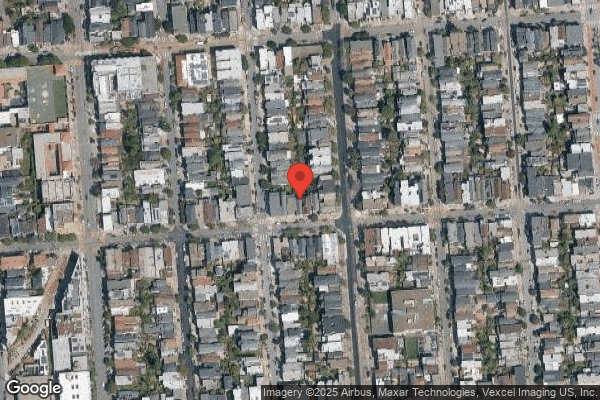
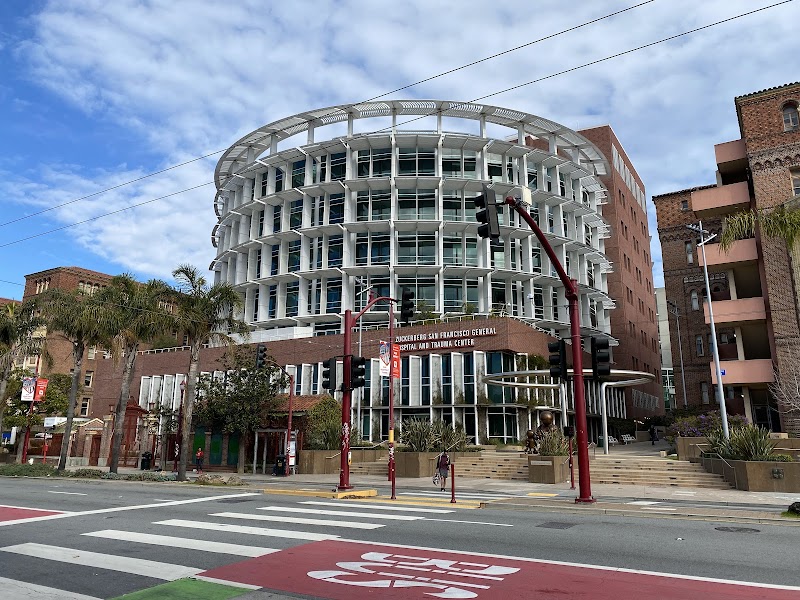
1001 POTRERO AVENUE, SAN FRANCISCO, CA 94110 (415) 206-8283
Government - City/county 30 Beds Independent Data: November 2025
Trust Grade
75/100
#517 of 1155 in CA
Last Inspection: July 2024

Within standard 12-15 month inspection cycle. Federal law requires annual inspections.

Overview

Zuckerberg San Francisco General Hospital & Trauma SNF has earned a Trust Grade of B, indicating it is a good choice for families looking for care. It ranks #517 out of 1155 facilities in California, placing it in the top half, but it is #14 out of 17 in San Francisco County, suggesting there are better local options. The facility is improving, with the number of reported issues decreasing from 7 in 2023 to 5 in 2024. However, staffing is a significant concern, as the facility received a poor rating of 0/5 stars, despite having a 0% staff turnover rate, which is well below the state average. Notably, the facility has not incurred any fines, but recent inspector findings raised serious issues in food safety practices, such as dirty kitchen conditions and expired food being stored, which could pose health risks to residents. Overall, while there are strengths in staff retention and no fines, the facility must address its food service concerns to ensure resident safety.

Trust Score
B
75/100
In California
#517/1155
Top 44%
Safety Record
Low Risk
No red flags
Inspections
Getting Better
7 → 5 violations
Staff Stability
○ Average
Turnover data not reported for this facility.
Penalties
✓ Good
No fines on record. Clean compliance history, better than most California facilities.
Skilled Nurses
○ Average
RN staffing data not reported for this facility.
Violations
⚠ Watch
15 deficiencies on record. Higher than average. Multiple issues found across inspections.
★★★★☆
4.0
Overall Rating
☆☆☆☆☆
0.0
Staff Levels
☆☆☆☆☆
0.0
Care Quality
★★★★☆
4.0
Inspection Score
Stable
2023: 7 issues
2024: 5 issues

The Good

  • Full Sprinkler Coverage · Fire safety systems throughout facility
  • No fines on record

Facility shows strength in fire safety.

The Bad

No Significant Concerns Identified

This facility shows no red flags. Among California's 100 nursing homes, only 0% achieve this.

The Ugly 15 deficiencies on record

Jul 2024 5 deficiencies
CONCERN (D)

Potential for Harm - no one hurt, but risky conditions existed

Pharmacy Services (Tag F0755)

Could have caused harm · This affected 1 resident

Based on observation, interview, and record review, the facility failed to provide pharmaceutical services to meet the needs of one sampled resident (Resident 79) when Registered Nurse (RN) did not ro...

Read full inspector narrative →
Based on observation, interview, and record review, the facility failed to provide pharmaceutical services to meet the needs of one sampled resident (Resident 79) when Registered Nurse (RN) did not rotate injection sites of insulin glargine (injection that can treat diabetes). This failure had the potential risk of Resident 79 developing thickened skin and localized skin with lumps. Findings: During a medication administration observation on 7/17/24 at 8:51 AM, RN 4 administered insulin glargine injection at the back of Resident 79's left upper arm. Review of Resident 79's Physician Orders indicated, .insulin glargine (LANTUS - brand name) injection 20 units subcutaneous (SQ - injection inserted under the skin) every morning . Review of Resident 79's Medication Administration Record (MAR), dated 7/3/24 to 7/17/24, indicated, insulin glargine was administered on the following dates: On 7/3/24 at 8:30 AM, given in the right lower abdomen; On 7/4/24 at 8:02 AM, given in the right lower abdomen; On 7/5/24 at 8:23 AM, given in the right lower abdomen; On 7/16/24 at 8:00 AM, given in the left upper arm (back); On 7/17/24 at 8:51 AM, given in the left upper arm (back). During a concurrent interview and record review on 7/17/24 at 11:36 AM, with RN 4, Resident 79's MAR for insulin glargine was reviewed. RN 4 said that insulin injection sites should be rotated in the abdomen, back of the arm, and thigh to prevent skin and fatty tissue irritation. RN 4 acknowledged that the injection was administered on the back of Resident 79's left upper arm for two consecutive days, 7/16/24 and 7/17/24, and stated, It should have been rotated. Review of facility policy titled, Pharmaceutical Services: Guidelines for Administration of Medications last revised on 1/23, indicated, .F. Route Specific .2. Intramuscular (IM), subcutaneous (SQ), or Intradermal (ID) medications .b. Do not give IM or SQ medications in the same site for consecutive drug administration unless specified to do so in the provider order . Review of manufacturer's prescribing information for LANTUS injection for subcutaneous use, revised 6/2022, indicated, .Dosage and Administration .Rotate injection sites to reduce risk of lipodystrophy (a disorder of fatty tissue) and localized cutaneous amyloidosis (condition in which clumps of abnormal proteins build up in the skin .Warning and Precautions .Repeated insulin injections into areas of lipodystrophy or localized cutaneous amyloidosis have been reported to result in hyperglycemia .
CONCERN (D)

Potential for Harm - no one hurt, but risky conditions existed

Deficiency F0761 (Tag F0761)

Could have caused harm · This affected 1 resident

Based on observation, interview, and record review, the facility failed to ensure removal of expired medications when an opened vial of Tuberculin Purified Protein Derivative (Tubersol - a solution in...

Read full inspector narrative →
Based on observation, interview, and record review, the facility failed to ensure removal of expired medications when an opened vial of Tuberculin Purified Protein Derivative (Tubersol - a solution injected into the surface layer of the skin to help diagnose tuberculosis infection) was stored in the medication refrigerator beyond its expiration date. This deficient practice had the potential to compromise the integrity and effectiveness of the drug and inaccurate test results. Findings: During an observation of the medication room on 7/16/24 at 12:49 PM, a vial of Tubersol with an opened date of 6/17/24 was stored in the medication refrigerator. The vial did not indicate a discard date. During concurrent interview, Registered Nurse (RN) 1 stated, It's good for 28 days once opened. RN 3 said the medication expired on 7/15/24. RN 2 read the date opened as, 6/17/24 and stated, It should be discarded. Review of facility policy titled, Pharmaceutical Services: Guidelines for Storage and Delivery of Medications last revised on 12/23, indicated, .3. Expiration dates .D. All Multi-dose injectable vials, including vaccines and insulins, are good for a maximum of 28-days after opening and shall be labeled with discard after date .
CONCERN (E)

Potential for Harm - no one hurt, but risky conditions existed

Comprehensive Care Plan (Tag F0656)

Could have caused harm · This affected multiple residents

**NOTE- TERMS IN BRACKETS HAVE BEEN EDITED TO PROTECT CONFIDENTIALITY** Based on interview and record review, the facility failed to develop a comprehensive care plan (CP) for each resident that inclu...

Read full inspector narrative →
**NOTE- TERMS IN BRACKETS HAVE BEEN EDITED TO PROTECT CONFIDENTIALITY** Based on interview and record review, the facility failed to develop a comprehensive care plan (CP) for each resident that included measurable objectives and specific interventions for two of eight sampled residents (Residents 14 and 7) when: 1. No individualized person-centered CP was developed for the use of Citalopram (Celexa - brand name of drug used to treat depression) for Resident 14. 2. For Resident 7, the CP did not have specific interventions for end stage renal disease [ESRD - when the kidneys are no longer able to work at a level needed for day-to-day life that requires a regular course of dialysis (a type of treatment that helps your body remove extra fluid and waste products from your blood when the kidneys are not able to)]. This failure had the potential for not meeting the residents' nursing needs and goals, as well as the quality of care and services they receive to attain their highest practicable well-being. Findings: 1. Resident 14 was admitted on [DATE] with diagnoses including seizure disorder and depression. Review of Resident 14's Physician's Orders indicated, .citalopram (Celexa) tablet 40 milligram (mg) daily . During a concurrent interview and record review on 7/17/24 at 11:45 AM, with Registered Nurse (RN) 4, Resident 14's care plans were reviewed. RN 4 confirmed that there was no CP for the use of Celexa, and stated, It's not here. RN 4 said that CP is important, so the team knows the resident's goal of care. 2. Resident 7 was admitted on [DATE] with diagnoses including diabetes (a group of diseases that result in too much sugar in the blood) and ESRD. During an interview on 7/15/24 at 11:45 AM, Resident 7 said he goes to dialysis three times a week, on Monday, Wednesday, and Friday (M-W-F). Resident 7 further said that he has a left upper arm fistula (a connection that's made between an artery and a vein for dialysis access). During a concurrent interview and record review on 7/17/24 at 2:13 PM, with Licensed Vocational Nurse (LVN) 1, Resident 7's ESRD CP was reviewed. LVN 1 confirmed Resident 7 goes to dialysis in the afternoon on M-W-F. LVN 1 acknowledged that Resident 7's ESRD CP did not have specific interventions, and stated, None. Review of facility policy titled, 4A-SNF Interdisciplinary Resident Care Planning last reviewed on 11/23, indicated, .3. During Interdisciplinary team meetings, all clinical issues on the Interdisciplinary Care Plan list as well as triggered CARE ASSESSMENT AREAS (CAA'S) on MDS will be reviewed, and the Interdisciplinary Team (IDT) will determine which problems warrant a care plan, and if any care plans warrant revisions or closure. The RN will document the rationale if a care plan is not initiated for a triggered CARE ASSESSMENT AREAS (CAA'S) .11. Documentation: .c. Approaches/interventions to be utilized by specific disciplines to meet the goal(s) .
CONCERN (E)

Potential for Harm - no one hurt, but risky conditions existed

Medication Errors (Tag F0758)

Could have caused harm · This affected multiple residents

**NOTE- TERMS IN BRACKETS HAVE BEEN EDITED TO PROTECT CONFIDENTIALITY** Based on interview, and record review the facility failed to ensure two of 5 sampled residents (Residents 227 and 14) were free ...

Read full inspector narrative →
**NOTE- TERMS IN BRACKETS HAVE BEEN EDITED TO PROTECT CONFIDENTIALITY** Based on interview, and record review the facility failed to ensure two of 5 sampled residents (Residents 227 and 14) were free from unnecessary psychotropic medications (any drug that affects brain activities associated with mental processes and behavior. These drugs include, but are not limited to, drugs in the following categories: (i) Anti-psychotic [a type of psychiatric medication which are available on prescription to treat psychosis]; (ii) Anti-depressant [prescription medicines to treat depression]; (iii) Anti-anxiety [drugs used to treat symptoms of anxiety, such as feelings of fear, dread, uneasiness, and muscle tightness, that may occur as a reaction to stress]; and (iv) Hypnotic [a class of drugs that induce or prolong sleep in people with sleep disorders and are intended to improve the overall quality of sleep]) when: 1. For Resident 227, there was no consent and monitoring of targeted behaviors for Wellbutrin (antidepressant). 2. For Resident 14, there was no specific behavioral monitoring for Celexa (antidepressant). These failures could result in unnecessary use of, ineffective and/or lack of monitoring for psychotropic medications that could negatively affect the residents' highest practicable mental, physical and psychosocial well-being. Findings: 1. Review of Resident 227's clinical record indicated, Resident 227 was admitted to the facility with diagnoses including bacteremia (the presence of bacteria in the blood), alcoholic cirrhosis of liver (a result of liver damage from conditions such as hepatitis B or C, or chronic alcohol use), alcohol use disorder (a chronic disease characterized by uncontrolled drinking and preoccupation with alcohol), and moderate methamphetamine use disorder (stimulant dependence, misuse of methamphetamine that has a high potential for abuse and misuse, which can lead to the development of a substance use disorder, including addiction). Review of Resident 227's Minimum Data Set (MDS, resident assessment tool), dated 7/15/24, indicated, Resident 227 was cognitively intact. Review of Resident 227's doctor's order dated 7/10/24 indicated, . buPROPion XL (WELLBUTRIN XL, Wellbutrin extended release) 24 hr (hour) tablet (pill) 150mg (milligram) . oral . Daily . Indications of Use: amphetamine use disorder . During a concurrent interview and record review on 7/17/24 at 12:02 PM with Registered Nurse (RN) 1, RN 1 could not show the evidence of the consent for Resident 227's Wellbutrin XL when asked. RN 1 stated, they did not have the consent because Wellbutrin XL was given for amphetamine use disorder, not for depression (a common mental disorder) for Resident 227. State Operations Manual titled, Appendix PP, dated 2/3/23 indicated, . Risks associated with psychotropic medications still exist regardless of the indication for their use (e.g., nausea, insomnia, itching), therefore the requirements pertaining to psychotropic medications . apply to the four categories of drugs (anti-psychotic, anti-depressant, anti-anxiety and hypnotic) . without exception . During a concurrent interview and record review on 7/17/24 at 1:58 PM with Clinical Pharmacist (CP), CP stated, The consent will be needed when asked. CP stated, Wellbutrin XL is antidepressant and psychotropic medication. CP acknowledged the need for targeted behavioral monitoring after reviewing Appendix PP together. During a concurrent interview and record review on 7/17/24 at 2:12 PM with RN 1, RN 1 stated, It is not applicable when asked again about the consent for Wellbutrin XL. RN 1 stated, it was because Resident 227 was taking Wellbutrin XL for amphetamine use disorder, not depression. RN 1 confirmed that there was no consent for Resident 227's Wellbutrin XL. RN 1 also verified there was no behavioral monitoring for Resident 227 when asked. 2. Resident 14 was readmitted on [DATE] with diagnoses including seizure disorder and depression. Review of Resident 14's admission MDS dated [DATE] indicated Resident 14 was cognitively intact. Review of Resident 14's Physician's Orders dated 7/11/24 indicated, .citalopram (Celexa) tablet 40 mg daily . Review of Resident 14's Consent for Psychoactive Oral Medication signed 7/11/24 indicated, .Anti-depressant .Citalopram .Behaviors to Monitor .Monitor s/s (signs and symptoms) of depression . Review of Resident 14's Nursing Note from 7/12/24 to 7/19, indicated, .on Citalopram for MDD (major depressive disorder), monitoring for signs and symptoms of depression . Review of Resident 14's SNF Nursing Weekly Summary dated 7/16/24, indicated, .Target Symptom Order: 1. On Citalopram, monitored for signs and symptoms of depression . During a concurrent interview and record review on 7/17/24 at 11:41 AM, with RN 4, Resident 14's behavioral monitoring for the use of Celexa was reviewed. RN 4 said that depression could be not socializing or showing no interest in care. When queried what behavior Resident 14 was being monitored for, RN 4 acknowledged that there was no specific target behavior to monitor for depression, and stated, No, it doesn't say. Not specific, it should be specific. Review of facility policy titled, Therapeutic Use of Medications revised in October 2023, indicated, .Informed Consent: The Resident or the resident's legal representative when applicable must be provided (informed of) the following information each psychotropic medication by the attending physician or nurse practitioner .2. For Psychotropic Medications Complete all categories on flowsheet record of all patients on psychoactive medications .Response to the psychotropic medication when ordered will be monitored by the nurse every shift and will include the behavior response per resident .
CONCERN (F)

Potential for Harm - no one hurt, but risky conditions existed

Food Safety (Tag F0812)

Could have caused harm · This affected most or all residents

Based on observation, interview, and record review, the facility failed to store food for 15 out of 15 sampled residents in accordance with professional standards for food service safety when: 1. floo...

Read full inspector narrative →
Based on observation, interview, and record review, the facility failed to store food for 15 out of 15 sampled residents in accordance with professional standards for food service safety when: 1. floors in the building 5 kitchen had a build-up of grease, grime, debris, and food crumbs, this had the potential for microorganism growth and to attract pests. 2. an ice machine had rust-colored residue on the bottom ledge of the ice bin, this had the potential to contaminate the ice 3. correct hand washing procedure was not followed by a food and nutrition services (FNS) employee during tray line (the process of plating meals), this had the potential to contaminate food and cause food-borne illness (illness contracted from eating contaminated food or beverages) These failures have the potential to result in a pest infestation or the spread of foodborne illness that could harm medically compromised residents' health and safety. Findings: 1. During a concurrent observation and interview 07/15/24 at 9:54 AM with the Executive Chef (EC) in the building 5 kitchen dry storage area, there was a build-up of crumbs under the shelves of food. In addition, crumbs were observed in the floor grates of an old drain system in the dry storage room. The EC acknowledged that the floors under the shelves had not been mopped the day before. During a concurrent observation and interview 07/15/24 at 10:20 AM with the Executive Chef (EC) in the building 5 kitchen cooking line near the pizza oven, the floors underneath the cooking ranges had a build-up of grease and grime. The EC stated that because the new cooking ranges are stationary and fixed to the wall, it has been difficult to clean under the equipment. During an observation on 07/15/24 at 10:23 AM inside the building 5 kitchen refrigerator stocked with prepared vegetables, the floor had multiple pieces of vegetables that had fallen. During an interview with the EC on 07/18/24 at 9:12 AM, the EC stated that his expected standard for food contact surfaces and the kitchen floor is everything should be clean. A review of the facility policy and procedure, titled REQUIRED CLEANING AND SANITATION STANDARD OPERATING PROCEDURES, last reviewed November 2015, indicated that Nonfood contact surfaces [surfaces that do not come into direct contact with food] shall be cleaned as often as is necessary to keep equipment free of accumulation of dust, dirt, food particles, and other debris. It further indicated that the cleaning procedure is for staff to Sweep area to be mopped, getting under any equipment or counter, move equipment when possible. This cleaning procedure should be done in Food preparation areas and Food storage areas Once per shift, or more frequently, as needed to reach a defined standard of Free From Dust/Debris, Free from Grease. A review of the FDA (Food and Drug Administration) Federal Food Code, dated 2022, 40601.11 indicated, (C) NonFOOD-CONTACT SURFACES of EQUIPMENT shall be kept free of an accumulation of dust, dirt, FOOD residue, and other debris. In addition The objective of cleaning focuses on the need to remove organic matter from food-contact surfaces so that sanitization can occur and to remove soil from nonfood contact surfaces so that pathogenic microorganisms will not be allowed to accumulate and insects and rodents will not be attracted. 2. During an observation on 07/15/24 at 10:57 AM in the building 5 kitchen, there was rust-colored residue on the bottom ledge of the ice bin when wiped with a clean paper towel. A review of facility policy and procedure, titled Ice Machines, last reviewed June 2023, indicated that ice machines and ice chests are maintained in clean condition to prevent transmission of infections. It further indicated that ice machines should be maintained to be visibly clean. A review of the FDA Federal Food Code, dated 2022, 4-602.11 indicated, cleaning should be done (4) In EQUIPMENT such as ice bins and BEVERAGE dispensing nozzles and enclosed components of EQUIPMENT such as ice makers, cooking oil storage tanks and distribution lines, BEVERAGE and syrup dispensing lines or tubes, coffee bean grinders, and water vending EQUIPMENT: (a) At a frequency specified by the manufacturer, or (b) Absent manufacturer specifications, at a frequency necessary to preclude accumulation of soil or mold. In addition, ice makers, and ice bins must be cleaned on a routine basis to prevent the development of slime, mold, or soil residues that may contribute to an accumulation of microorganisms. 3. During an observation 07/16/24 at 12:25 PM in the building 25 kitchen, a Food and Nutrition Services (FNS) employee was observed during tray line. The FNS employee picked up an item off the floor, removed their gloves, put on new gloves, and continued working on the tray line without washing their hands. During an interview with the EC on 07/18/24 at 9:12 AM, the EC was asked what his expectations are regarding glove use and handwashing. The EC stated, that is the policy . we wash hands between glove changes. A review of facility policy and procedure titled Food Safety, last reviewed December 2022, indicated under the section Employee Guidelines: Infection Control Practices that staff should Always wash hands before putting on or changing gloves. During a review of the FDA Federal Food Code, dated 2020, 2-301.14 indicated, FOOD EMPLOYEES shall clean their hands and exposed portions of their arms as specified under § 2-301.12 immediately before engaging in FOOD preparation including working with exposed FOOD, clean EQUIPMENT and UTENSILS, and unwrapped SINGLE-SERVICE and SINGLE-USE ARTICLESP and: (H) Before donning gloves to initiate a task that involves working with FOOD.
Oct 2023 1 deficiency
CONCERN (D) 📢 Someone Reported This

A family member, employee, or ombudsman was alarmed enough to file a formal complaint

Potential for Harm - no one hurt, but risky conditions existed

Deficiency F0552 (Tag F0552)

Could have caused harm · This affected 1 resident

**NOTE- TERMS IN BRACKETS HAVE BEEN EDITED TO PROTECT CONFIDENTIALITY** Based on interview and record review the facility failed to ensure result of the Covid-19 test (nasal swab test to detect the cu...

Read full inspector narrative →
**NOTE- TERMS IN BRACKETS HAVE BEEN EDITED TO PROTECT CONFIDENTIALITY** Based on interview and record review the facility failed to ensure result of the Covid-19 test (nasal swab test to detect the current infection with the virus called SARS-CoV-2) was accurately communicated in the language and manner the resident fully understand for one of three sampled residents (Resident 1) when the preliminary positive Covid result was not communicated in the resident ' s native language and with no explanation that a re-run of the test was needed to confirm the validity of the result. This deficient practice caused Resident 1 to get upset about the result and raised concern among the Family Members. The re-run test was done later on the same day (7/20/23), as per facility policy, and indicated a false positive result (False positive, means that a person was told a positive result, but are not actually infected with the SARS-CoV-2 virus (covid virus). Findings: Record review of the Face sheet indicated Resident 1 was admitted to the facility on [DATE]. The admission H & P dated 7/14/23 indicated, the resident came for rehabilitation therapy following surgery of a fracture (broken) left tibia (define) and fibula (define). Record review of the Minimum Data Set (MDS, an assessment tool) dated 7/31/23 indicated, the resident ' s preferred language was Spanish and the Brief Interview for Mental Status (BIMS) had the score of 15 (15/15 means the person is awake, alert and oriented to person, time, and place). Interview on 10/17/23 at 11:32 AM, with the Nurse Manage (NM) and Director of Nursing (DON) in the presence of the Regulatory Affair Nurse (RAN 1) and the Regulatory Affair Coordinator (RAC), DON stated, the Physicians and License Nurses can disclose results of covid test to the residents and Covid test was done two times per week in the facility, Mondays and Thursdays, each week. When asked, what was her expectations from the staff when covid test were disclosed, the DON stated, staff would informed the residents in a manner that would avoid potentially alarming situation since there was small percentage of small positive results, to take infection control measures while the resident was still in active phase of the infection, and to educate and respond to any questions the residents may have. The NM stated, the resident tested positive for Covid test on 7/20/23, it was initial (or preliminary), and the re-run test was done later on the same day, and it was negative. The NM stated, the staff would disclose the covid-19 test result after the test has been confirmed. Record review of the Covid-19 test (preliminary) result dated 7/20/23 at 7:59 indicated, Detected (means positive). The re-run Covid-9 test result dated 7/20/23 at 4:40 pm indicated, Not detected (means negative) and the re-run Covid-19 test result dated 7/20/23 at 6:21 pm indicated, Not detected. In an interview on 10/17/23 at 1:09 PM, with the Registered Nurse (RN 1), RN 1 stated, she was a Travelling Nurse, this was her 4th month in the facility, and Spanish was not her native language. The RN 1 stated, on 7/20/23 she took care of one resident with positive covid test and that was her first time to disclose a positive result to a resident. Record review of the Nursing Notes, dated 7/20/23, at 4:00 PM indicated, Resident covid test result # 1 came out positive. MD (physician) made aware and ordered a repeat covid test. Resident was asymptomatic. In a concurrent record review of the Covid-19 Laboratory Test (Covid-19 LT) results and interview on 10/17/23, at 1:12 PM, with the Registered Nurse (RN 1), the Covid-19 LT results were reviewed. The Covid-19 LT results indicated, on 7/20/23 at 7:56 am, the covid-19 test result was positive, the re-run test result done on 7/20/23 at 4:40 pm was negative, and the repeat nasal swab covid -19 test result done on 7/20/23 at 6:21 pm was negative. The RN 1 stated, when she received the covid-19 test result for Resident 1 on 7/20/23, she told the Family Member (FM 1) who was in the room with the resident to leave, he could not stay in the room because the covid result could mean the resident was contagious, and the resident needed to be on isolation. The RN 1 stated, she told the resident the Covid-19 test result was positive, the resident questioned her why the FM had to leave, she (Resident 1) had no symptoms, and after that the resident started calling her FMs and the resident was upset being positive at that time. The RN 1 stated, she did not document the test result was a preliminary positive and confirmed there was no documentation the education was provided to the resident. Interview on 10/17/23, at 12:43 PM, with the Infection Control Program Manager (ICPM) and the Certified Infection Control Nurse (CICN), IPCM stated, nasal swab test was done via PCR (polymerase chain reaction, it ' s a test to detect genetic material from a specific organism, such as a virus). If the preliminary test comes back positive, the test would be re-run on the same day. If the test becomes negative, another nasal swab specimen would be obtained on the same day. If the result was negative, then it ' considered false positive result. Review of the facility ' s undated Protocol handed by the IPMG titled, 4 A Skilled Nursing Facility, Response to Covid-19 positive Event, indicated, Procedure: .12. For resident positive RT-PCR: . c. Lab (laboratory) contacted by Infection Control . to re-run specimen . Second specimen ordered, and run . d. If 2 out of 3 of above results negative, then a false + (positive) is confirmed. Interview on 10/17/23, at 11:01 AM, with the FM 2, FM 2 stated, Resident 1 told her the staff came all panicking, disturbing, and told the FM 1 he had to leave in an abrupt panicky manner. The FM 2 stated, the way the Covid-19 test result was delivered was unprofessional, the resident left the hospital uncomfortable, and was not well. Review of the facility ' s Policy and Procedure titled, Resident ' s Rights and Responsibilities, with the last review date of 2/22 indicated, The resident . 4. To be treated with respect and dignity . 9. To be fully informed in a language that she or he understands . medical condition.
Jun 2023 6 deficiencies
CONCERN (D)

Potential for Harm - no one hurt, but risky conditions existed

Deficiency F0761 (Tag F0761)

Could have caused harm · This affected 1 resident

**NOTE- TERMS IN BRACKETS HAVE BEEN EDITED TO PROTECT CONFIDENTIALITY** Based on observation, interview, and record review, the facility failed to ensure medical supplies were properly stored when exp...

Read full inspector narrative →
**NOTE- TERMS IN BRACKETS HAVE BEEN EDITED TO PROTECT CONFIDENTIALITY** Based on observation, interview, and record review, the facility failed to ensure medical supplies were properly stored when expired blood collection tubes were found in the medication storage room. This deficient practice had the potential to cause unsafe and/or inappropriate use of medical supplies to residents. Findings: During an observation on [DATE], at 1:50 PM, with Registered Nurse (RN) 1, there were eight gray top and one light green top expired blood collection tubes found in a small plastic bin in the medication storage room. During an interview, on [DATE], at 2:14 PM, RN 2 said, the blood collection tubes are used for residents with orders for blood draw. RN 2 read the date on the tubes as [DATE] and stated, All are expired and should be tossed out. The ZSFGH ([NAME] San Francisco General Hospital) Clinical Laboratories Test Directory, under Specimen and Lab Test Procedures, indicated, .Clinical Laboratory: Laboratory Administration Date of Original: [DATE] Collection, Labeling and Delivery of Laboratory Specimens . III. PROCEDURE A. Collection and Labeling Specimens . 3. The collection tube or container required for collecting a specimen for individual tests is specified in the online Lab Manual. Use only containers with in-date expiration dates [www.testmenu.com/zsfglab/TestDirectory .accessed on [DATE]]
CONCERN (D)

Potential for Harm - no one hurt, but risky conditions existed

Infection Control (Tag F0880)

Could have caused harm · This affected 1 resident

Based on observation, interview and record review, the failed to implement their infection prevention and control program when the personal protection equipment (PPE, equipment worn to minimize exposu...

Read full inspector narrative →
Based on observation, interview and record review, the failed to implement their infection prevention and control program when the personal protection equipment (PPE, equipment worn to minimize exposure to hazards that cause serious workplace illnesses) cart was in close contact with two linen hampers containing soiled linens. This facility failure has the potential for the spread of infection to residents and staff. Findings: A review of the Physician notes dated 6/6/23, indicated, Resident 1 requires contact isolation for the duration of skilled nursing course due to Extended-Spectrum Beta-Lactamases (ESBL, produced by bacteria's resistant to many of the antibiotics that are use to treat infections). According to the CDC Guidelines for Isolation Precaution, retrieved from https://www.cdc.gov/infectioncontrol/guidelines/isolation/precautions.html, on 8/9/18, .Contact Precautions are intended to prevent transmission of infectious agents, including epidemiologically important microorganisms, which are spread by direct or indirect contact with the patient or the patient ' s environment . During observation with the Director of Staff Development (DSD), on 6/6/23, at 3:31 PM, outside Resident 1's room, the PPE cart was placed beside the two hampers filled with soiled linens. During concurrent interview, the DSD acknowledged the PPE cart was in close contact with two hampers containing filled with soiled linens. The DSD stated, I just turned my back and this happens and removed the two hampers filled with soiled linens away from the PPE cart. A review of the facility Policy and Procedure titled, ZSFGH SNF Skilled Nursing Facility Infection Control Plan dated 11/16. indicated, Purpose: To establish and maintain infection control program designed to provide s safe, sanitary, and comfortable environment and to help prevent the development and transmission of disease and infection .
CONCERN (E)

Potential for Harm - no one hurt, but risky conditions existed

Deficiency F0726 (Tag F0726)

Could have caused harm · This affected multiple residents

**NOTE- TERMS IN BRACKETS HAVE BEEN EDITED TO PROTECT CONFIDENTIALITY** Based on observations, interviews, and document reviews the facility failed to ensure licensed nursing personnel verified the sk...

Read full inspector narrative →
**NOTE- TERMS IN BRACKETS HAVE BEEN EDITED TO PROTECT CONFIDENTIALITY** Based on observations, interviews, and document reviews the facility failed to ensure licensed nursing personnel verified the skilled nursing unit residents' meals were appropriate according to their physician's order and matched the resident's meal tray ticket prior to receiving their meal. This failure had the potential to negatively affect the nutrition status of 23 out of 23 residents who have chronic medical conditions such as diabetes (inability to manage blood sugar levels), dysphagia (difficulty swallowing), heart disease, and other conditions by receiving an incorrect therapeutic diet meal, which may further impair medical and nutrition status from weight loss, weight gain, and other complications. (Cross reference F801) Findings: During a test tray observation and interview with Foodservice Worker (FSW) 1, on 6/6/23, at 12 PM, on the skilled nursing unit, FSW 1 was in the hallway delivering meal trays to rooms A14 and A15. FSW 1 stated the normal practice for meal tray delivery was for him to serve the residents trays after he brought the meal tray cart to the unit from the kitchen. FSW 1 stated no one checks the trays before he delivers them to the resident. FSW further stated he checked the tray ticket name and verify the resident name on the door and with the resident inside the room to make sure the correct meal tray is served to the correct resident. During an observation and interview with FSW 2, on 6/7/23, at 9 AM, of the breakfast meal tray delivery, FSW 2 stated he delivers the meal trays to residents as soon as he pushes the meal tray food cart to the skilled nursing unit. FSW 2 stated the nursing staff does not check the meal trays before he serves them to the resident. FSW 2 stated he checks the meal tray ticket with the room name, then delivers the meal tray in the room to the resident. During an interview with Registered Nurse (RN) 1, on 6/7/23, at 10:03 AM, RN 1 stated kitchen staff serve food trays to the residents, except for residents that are on isolation precautions (precautions help prevent the spread of germs) or have aspiration (food, liquid, or other material enters a person's airway) risk. RN 1 further stated, kitchen staff check the name on the resident's room and matches it to the tray ticket name to ensure the right meal tray goes to the right resident. RN 1 explained, the licensed nurses do not check trays to ensure the residents are being served the correct diet that was ordered by the providers, but it was important for the residents to receive the correct therapeutic diet. During an interview with Certified Nursing Assistant (CNA) 1, on 6/7/23, at 10:10 AM, CNA 1 stated that the dietary service personnel serve the trays to the residents, and when the residents are finished eating, the dietary service personnel will remove the trays from the rooms, except if the resident is on isolation risk. During an observation and interview with Registered Dietician (RD) 1 and the Food Service Director (FSD) on 6/7/23 at 10:42 AM, the FSD stated the FSWs has always delivered the meals to residents in the skilled nursing unit. The FSD further stated it may be helpful for the nursing staff to check the meal trays for accuracy when they arrive on the unit. Review of the facility policy dated 2/22, titled 4A-Skilled Nursing Facility Department Policy # S4.2.46, Resident meals and food management, indicated .All meals must be delivered by ZSFG [[NAME] San Francisco General] dietary department staff. Nursing staff will ensure that each resident receives appropriate diet . Per the State of California, Health and Safety Code, sections 1275, 100275 and 131200, Title 22- 72311 (c) Nursing Service, Licensed nursing personnel shall ensure that patients are served the diets as ordered by the attending licensed healthcare practitioner acting within the scope of his or her professional licensure.
CONCERN (F)

Potential for Harm - no one hurt, but risky conditions existed

Deficiency F0801 (Tag F0801)

Could have caused harm · This affected most or all residents

**NOTE- TERMS IN BRACKETS HAVE BEEN EDITED TO PROTECT CONFIDENTIALITY** Based on observations, interviews, and document reviews the facility failed to ensure full-time Dietetic Services oversight for ...

Read full inspector narrative →
**NOTE- TERMS IN BRACKETS HAVE BEEN EDITED TO PROTECT CONFIDENTIALITY** Based on observations, interviews, and document reviews the facility failed to ensure full-time Dietetic Services oversight for sufficient hours to effectively carry out the day-to-day functions of safe dietetic operations to meet the nutrition needs of 23 residents according to standards of practice when: 1. A nourishment pantry room had dirty ceiling panels and a vent with gray lint blowing out, 2. Resident's ice cream cups were stored and comingled in the staff lounge freezer, 3. A pink substance found in the nourishment pantry room ice machine chute, 4. A full-time qualified Dietetic Nutrition professional did not work in the skilled nursing unit when the Registered dietitian (RD) worked eight to ten hours a week and the Registered Dietetic Technician (DTR) worked five and half hours a week, on average, in the skilled nursing unit. (Cross reference F 726 and F 812) Findings: 1. On 6/7/23 at 10:50 AM, a concurrent observation and interview in the nourishment pantry room with the Registered Dietitian (RD) 1 and Registered Dietitian Technician (DTR) was conducted. The RD acknowledged the ceiling panels had a lot of black and gray stains on them, along with debris hanging off both the panels and vent edges. Both the RD and DTR stated they were unaware of how often the ceiling panels and vent in the nourishment pantry room were cleaned. The RD stated she does not check the nourishment pantry room for food stock levels or cleanliness during work time on the unit. Per the 2022 Federal FDA Food Code, sections 4-601.11, 4-602.13 and 4-202.16, titled Clean - Non-Food Contact Surfaces, Non-food contact surface equipment shall be kept free of an accumulation of dust, dirt, food residue, and other debris. Additionally, the presence of food debris or dirt on nonfood contact surfaces may provide a suitable environment for the growth of microorganisms which employees may inadvertently transfer to food. If these areas are not kept clean, they may also provide harborage for insects, rodents, and other pests. Hard to clean substances .Non-Food-Contact Surfaces shall be free of unnecessary ledges, projections, and crevices, and designed and constructed to allow easy cleaning and to facilitate maintenance. 2. During an observation and interview with Licensed Charge Nurse (LN) 1, on 6/5/23, at 1:30 PM, in the skilled nursing unit staff lounge, the staff freezer had forty-five ice cream cups stored inside. LN 1 stated the ice cream cups were for the residents in case they ask for it. The freezer also had opened staff food stored along with the resident ice cream cups. LN1 stated this practice does pose an infection control issue. During an observation and interview, on 6/6/23, at 11:15 AM, in the staff lounge with RD 1 and the DTR, the RD 1 and DTR both stated they were unaware the residents ice cream cups were stored in the staff's freezer. RD 1 further stated the resident's food should not be stored with staff food because it poses an infection control risk. Both the RD 1 and DTR stated they do not check the refrigerators or freezers for resident food in the skilled nursing unit. Review of the facility policy dated 2/22, titled 4a.SNF Resident meals and food management indicated .between meal snacks and beverages are prepared and delivered to the 4A-SNF by ZSFG [[NAME] San Francisco General] dietary department. The snacks and beverages are stored near the nurse's station and are available to the residents upon request . Review of the facility policy dated 12/22, titled Patient food services. D5. Patient pantries indicated .FNS [Food and Nutrition Services] clean pantries according to cleaning schedule items include microwave, ice machine, countertops, and cooler. Engineering department is responsible for cleaning the ice machine to manufactures standards. EVS [Environmental Services Staff] is responsible for cleaning the floors and garbage cans. Unit staff accessing the pantry should maintain cleanliness of the pantry (cleaning up any spills etc.) 3. During an observation and interview on 6/6/23 at 1:00 PM with Environmental Services Supervisor (EVSS) and the environmental Services Technician (EVT) in the Nourishment room, it was observed that a pink substance was around the ice machine chute. It was stated by EVSS and EVT that the ice machine was last cleaned on 1/23 and is due to be cleaned again in 6/23, as it is only cleaned semi-annually. EVSS and EVT stated the ceiling panels had black dust on them could be replaced and/or cleaned. Per the 2022 Federal Food and Drugs Administration (FDA) Food Code, section 4-602.11, titled Equipment Food-Contact Surfaces and Utensils .Surfaces of .equipment contacting food .such as .ice makers and ice bins must be cleaned on a routine basis to prevent the development of slime, mold, or soil residues that may contribute to an accumulation of microorganisms .the person in charge should develop a cleaning regimen that is based on the soil that may accumulate in those items of equipment . Per the 2022 Federal FDA Food Code, section 4-204.13, titled Ice and Food Dispensing, Dispensing Equipment, Protection of Equipment and Food, In EQUIPMENT that dispenses or vends liquid FOOD or ice in unpackaged form: (A) The delivery tube, chute, orifice, and splash surfaces directly above the container receiving the FOOD shall be designed in a manner, such as with barriers, baffles, or drip aprons, so that drips from condensation and splash are diverted from the opening of the container receiving the FOOD. (B) The delivery tube, chute, and orifice shall be protected from manual contact such as by being recessed. (C) The delivery tube or chute and orifice of EQUIPMENT used to vend liquid FOOD or ice in unpackaged form to self-service CONSUMERS shall be designed so that the delivery tube or chute and orifice are protected from dust, insects, rodents, and other contamination . Review of the policy revised 1/20 titled Ice machine, indicated .the ice machine should be cleaned semiannually according to manufacturer's guidelines . Review of the undated ice machine manufacturers guidelines titled [NAME] Symphony plus 12 series ice and water dispensers' operation and service manual, indicated .Periodic cleaning/descaling and sanitizing of [NAME]'s ice and water dispenser and ice machine system is required to ensure peak performance and delivery of clean, sanitary ice. The recommended cleaning procedures that follow should be performed at least as frequently as recommended and more often if environmental conditions dictate . 4. During an observation and interview, on 6/6/23, at 11:00 AM, in the staff lounge with RD 1 and DTR, the RD 1 stated she is the designated Registered dietician for the skilled nursing facility and has another Registered dietician covers for off days. RD 1 stated that they spend eight to ten hours a week in the skilled nursing facility, and work on the acute side of the hospital during the remaining hours of the week. RD 1 stated that once or twice a month they spend time checking the nutrition room for par levels. The DTR stated she worked 40 minutes a day in the skilled nursing facility and another 2 hours a week to join the interdisciplinary team meetings (a team meeting where multiple disciplines including doctors, nurses, therapist, social worker, dietician, family, and other departments to discuss the residents' plan of care), for a total of five to seven hours a week. During an interview with the Food Services Director (FSD), on 6/7/23, at 11:25 AM, the FSD stated the skilled nursing unit does not have a designated nutrition services manager of dietetic operations. The FSD stated she was unaware of the unsanitary food safety practices in the skilled nursing unit. Per the 2019 California Retail Food Code chapter 3, titled Management and Personnel, Article 1. Supervision section 113945, The .person in charge .is present at the .facility during all hours of operation .section 113947, .the person in charge .has knowledge of safe food handling practices . as they relate to the specific food preparation activities that occur at the food facility. Review of the facility job description document dated 11/24/15, titled City and County of San Francisco Dietitian #2624 indicated, .Examples of Important and Essential Duties 2. Supervises food service to .patients .supervises food handling, sanitation, and cleaning procedures .
CONCERN (F)

Potential for Harm - no one hurt, but risky conditions existed

Food Safety (Tag F0812)

Could have caused harm · This affected most or all residents

**NOTE- TERMS IN BRACKETS HAVE BEEN EDITED TO PROTECT CONFIDENTIALITY** Based on observation, interview, and record review the facility failed to ensure safe and sanitary food service operations were ...

Read full inspector narrative →
**NOTE- TERMS IN BRACKETS HAVE BEEN EDITED TO PROTECT CONFIDENTIALITY** Based on observation, interview, and record review the facility failed to ensure safe and sanitary food service operations were carried out according to standards of practice when: 1. expired foods were found in two walk-in refrigerators located in the main food production kitchen and basement food service kitchen, 2. ceiling panels and an air vent in the nourishment pantry room were dirty with large gray and black stains, and thick gray lint particles were hanging out, 3. resident foods were not stored separately from staff foods, and 4. a pink sticky substance was found inside the rim of the ice machine chute located in the nourishment pantry room. These failures had the potential to expose 23 of 23 residents to harmful contaminants that could cause foodborne illness. (Cross reference F 801) Findings: 1. During an observation and interview, on 6/5/23, at 10:10 AM, in a main kitchen walk-in refrigerator, with Executive Chef (EXC) and Foodservice Director (FSD), expired milk cartons were found with the use by date of 6/4/23. The EXC stated these milk cartons should have been taken out of the fridge and unavailable for use. The FSD acknowledged the milk cartons were expired and should have been thrown out. During an observation and interview with the EXC, on 6/5/23, at 11 AM, in the basement kitchen walk-in refrigerator, a large metal pan on a food cart with other prepared foods, was found with cooked ground meat and a use by date of 6/4/23. The EXC stated that the ground meat should not be in the refrigerator and should have been thrown out. During an observation and interview, on 6/5/23, at 11:30 AM, in the kitchen with the FSD, it was observed that a bottle of black pepper was on the shelf available to use with an expiration date of 5/30/23. Per the FSD, this bottle should have been thrown away and a new bottle should have been opened and labeled. Per the 2022 Federal Food and Drugs Administration (FDA) Food Code section 3-602.11, titled Food and Dating labeling, .(A) FOOD PACKAGED in a FOOD ESTABLISHMENT, shall be labeled as specified in LAW, including 21 Code of Federal Regulation (CFR) 101 - Food labeling, and 9 CFR 317 Labeling, marking devices, and containers. (B) Label information shall include: (1) The common name of the FOOD, or absent a common name, an adequately descriptive identity statement . Per the 2022 Federal FDA Food Code section 3-501.17, titled Ready-to-Eat, Time/Temperature Control for Safety Food, Date Marking, .refrigerated, READY-TO-EAT, TIME/TEMPERATURE CONTROL FOR SAFETY FOOD prepared and held in a FOOD ESTABLISHMENT for more than 24 hours shall be clearly marked to indicate the date or day by which the FOOD shall be consumed on the PREMISES . 2. During an observation and interview, on 6/5/23, at 1:15 PM, in the Skilled Nursing Unit nourishment pantry room with Licensed Nurse (LN) 1, it was observed the ceiling panels and vents had brown stains with dust, and the vents had thick gray lint particles blowing out. Additionally, a brown substance was found on most of the floor. LN 1 acknowledged the brown substance on the floor and stated it was from a coffee spill. LN 1 further stated the ceiling panels and vents should be clean and not have stains or dust on them. During an interview with the Environmental Services Supervisor (EVS) and Environmetal Services Technician (EVT) on 6/6/23 at 1:00 PM in the nourishment pantry room, the EVS stated the ceiling panels and vents had not been cleaned in awhile and should be replaced. During an observation and interview on 6/6/23 at 10:50 AM in the nourishment pantry room with RD 1 and DTR, the RD stated she was unaware of the dirty ceiling panels and vent with dust and thick gray lint. The RD stated the panels and vents should be clean because it could affect the food stored in the pantry. Per the 2022 Federal FDA Food Code, sections 4-601.11, 4-602.13 and 4-202.16, titled Clean - Non-Food Contact Surfaces, .Non-food contact surface equipment shall be kept free of an accumulation of dust, dirt, food residue, and other debris. Additionally, the presence of food debris or dirt on nonfood contact surfaces may provide a suitable environment for the growth of microorganisms which employees may inadvertently transfer to food. If these areas are not kept clean, they may also provide harborage for insects, rodents, and other pests.Non-FOOD-CONTACT SURFACES shall be free of unnecessary ledges, projections, and crevices, and designed and constructed to allow easy cleaning and to facilitate maintenance. 3.During an observation and interview, on 6/5/23, at 1:30 PM, in the Skilled Nursing Unit staff lounge with LN 1, there were forty-five ice cream cups for residents stored in the staff freezer alongside staff foods. LN 1 stated this freezer is where they keep the resident's ice cream because there are no other freezers on the unit. LN 1 further stated this practice does pose an infection control issue. During an observation and interview, on 6/6/23, at 10:50 AM, in the staff lounge with Registered Dietician (RD) 1 and Registered Dietician Technician (DTR), the RD 1 stated the resident's ice cream cups should not be stored with the staff's food in the freezer due to potential food safety concerns. 4. During an observation and interview, on 6/6/23, at 1 PM EVS and EVT in the Nourishment room, a pink substance was found around the inside of the ice machine chute. The EVS and EVT both stated the ice machine was last cleaned in January 2023 and is due to be cleaned again June 2023, as it is cleaned semi-annually. Per the 2022 Federal FDA Food Code section 4-602.11, titled Clean - Food Contact Surfaces, Equipment food contact surfaces shall be cleaned at any time during the operation because any contamination may have occurred. Per the 2022 Federal FDA Food Code, section 4-204.13, titled Ice and Food Dispensing, Dispensing Equipment, Protection of Equipment and Food, In EQUIPMENT that dispenses or vends liquid FOOD or ice in unpackaged form: (A) The delivery tube, chute, orifice, and splash surfaces directly above the container receiving the FOOD shall be designed in a manner, such as with barriers, baffles, or drip aprons, so that drips from condensation and splash are diverted from the opening of the container receiving the FOOD. (B) The delivery tube, chute, and orifice shall be protected from manual contact such as by being recessed. (C) The delivery tube or chute and orifice of EQUIPMENT used to vend liquid FOOD or ice in unpackaged form to self-service CONSUMERS shall be designed so that the delivery tube or chute and orifice are protected from dust, insects, rodents, and other contamination . Review of the facility policy revised 1/20, titled Ice machine, indicated .the ice machine should be cleaned semiannually according to manufacturer's guidelines. Review of the ice machine manufacturers guidelines tilted .[NAME] Symphony plus 12 series ice and water dispensers' operation and service manual (undated), indicated .Periodic cleaning/descaling and sanitizing of [NAME]'s ice and water dispenser and ice machine system is required to ensure peak performance and delivery of clean, sanitary ice. The recommended cleaning procedures that follow should be performed at least as frequently as recommended and more often if environmental conditions dictate . Review of the policy titled Patient food services. D5. Patient pantries revised 12/22, indicated FNS clean pantries according to cleaning schedule items include microwave, ice machine, countertops, and cooler. Engineering department is responsible for cleaning the ice machine to manufactures standards. EVS is responsible for cleaning the floors and garbage cans. Unit staff accessing the pantry should maintain cleanliness of the pantry (cleaning up any spills, etc . Review of the facility policy revised on 11/19, titled Food and nutrition services. Section: production, purchasing, storage .dating and labeling food, indicated .foods sealed by the manufacturer are labeled by them with a date beyond which the food should not be consumed. These foods are discarded on that date. Spices are dry goods placed in rotation are good for six months. Month labels will be placed on items reflecting a date six months out from the time it is placed in rotation. Discard items no later than the end of the designated month . Review of the undated policy titled 4a.SNF Resident meals and food management indicate that between meal snacks and beverages are prepared and delivered to the 4A-SNF by ZSFG dietary department. The snacks and beverages are stored near the nurse's station and are available to the residents upon request . Review of the facility policy dated 12/22, titled Patient Food Services, indicated .unit pantries are stocked and rotated by FNS staff .FNS staff checks .foods .nourishment pantry food list does not contain ice cream cups .
CONCERN (F)

Potential for Harm - no one hurt, but risky conditions existed

Deficiency F0882 (Tag F0882)

Could have caused harm · This affected most or all residents

Based on interview and record record review, the facility failed to have a full time Infection Preventionist designated for the facility. The facility failure has the potential for the lack of oversig...

Read full inspector narrative →
Based on interview and record record review, the facility failed to have a full time Infection Preventionist designated for the facility. The facility failure has the potential for the lack of oversight to the infection control prevention and control program. Findings: During an interview on 6/7/23, at 2:34 PM, Infection Preventionist (IP) stated, I am the Infection Preventionist for the whole hospital, both for the Skilled nursing facility and the general acute care part of the hospital. I spend five to ten hours a week in the skilled nursing facility. During an interview on 6/8/23, at 7:42 AM, Registered Nurse (RN) 3 was unable to identify the IP for the SNF. During an interview on 6/8/23, at 7:45 AM, RN 4 was unable to identify the IP for the SNF. During an interview on 6/8/23, the Medical Director and Director of Nursing acknowledged the facility has no full time IP designated for the Skilled Nursing unit. A review of the undated facility document titled, Orders by Department and Patient indicated, Resident 2 was on vancomycin (used to treat infection) for psoas (muscles located in the lower back, the hip and thigh bone) abscess (infection), Resident 3 was on erythromycin (used to treat infection) ophthalmic (eye) ointment and moxifloxacin (used to treat infection) ophthalmic solution for conjunctivitis (eye infection), Resident 4 was on bacitracin (use to treat skin infection) ointment for wound care, Resident 5 was on cefazolin (used to treat infection) for bacteremia (presence of bacteria in the blood) , Resident 6 was on ciprofloxacin (used to treat infection) for osteomyelitis (inflammation or swelling that occurs in the bone, can result from an infection) and bacitracin for wound care . Resident 1 and Resident 7 were both in contact precaution for Extended-Spectrum Beta-Lactamases (ESBL, produced by bacteria resistant to many of the antibiotics that are use to treat infections. According to the Centers for Medicare and Medicaid Services (CMS) Updated Guidance for Nursing Home Resident Health and Safety released on 6/29/22, The IP must physically work onsite in the facility. He/she cannot be an off-site consultant or perform the IP work at a separate location such as a corporate office or affiliated short term acute care facility. (https://www.cms.gov/newsroom/fact-sheets/updated-guidance-nursing-home-resident-health-and-safety)
Mar 2020 3 deficiencies
CONCERN (D)

Potential for Harm - no one hurt, but risky conditions existed

Deficiency F0697 (Tag F0697)

Could have caused harm · This affected 1 resident

Based on interview and record review, the facility failed to ensure pain management was provided for three of 12 sampled residents (20, 4, 10) when reassessment of pain medication efficacc was not doc...

Read full inspector narrative →
Based on interview and record review, the facility failed to ensure pain management was provided for three of 12 sampled residents (20, 4, 10) when reassessment of pain medication efficacc was not documented. This failure can potentially lead to pain inappropriately manage and can impact resident health and well-being. Findings: During a review of Resident 20's physician's order dated 2/12/2020 indicated Diclofenac (Voltaren, topical pain medication) 1% topical gel apply to lower back four times daily as needed (PRN) for pain and Lidocaine (Xylocaine, topical pain medication) 5% ointment topical apply every six hours as needed for pain. During a concurrent interview and record review, on 3/10/2020 at 11:25 a.m., with the director of nursing (DON), Resident 20's pain was not reassessed after an hour on several occasions of providing a PRN topical pain medication. The DON confirmed she was not able to find documentation from the nurses related to pain reassessment after a PRN medication was administered on several occasions. During a concurrent interview and record review, on 3/10/2020 at 11:30 a.m., Resident 4's pain was not reassessed after an hour of providing Tylenol (used to relieve pain) 1000 mg (milligrams, a unit of measurement) every eight hours as needed for pain on 3/1/2020, 3/4/2020, 3/6/2020. The DON stated pain should be reassessed after an hour of administration of PRN medication. During a concurrent interview and record review, on 3/10/2020 at 11:51 a.m., with the DON, Resident 10's pain was not reassessed after an hour of providing Oxycodone (a controlled substance used for moderate to severe pain) 5 mg as needed for pain on 3/1/2020, 3/3/2020, 3/5/2020, 3/8/2020, 3/9/2020, 3/10/2020. The DON stated pain should be reassessed after an hour of administration of PRN medication. During a review of the facility's policy and procedure, Pain Management, dated 1/05, indicated if as needed pain medications are given, the licensed staff will re-assess the resident within 1 hour after the dose is given and document the results in the MAR (Medication Administration Records).
CONCERN (D)

Potential for Harm - no one hurt, but risky conditions existed

Medication Errors (Tag F0758)

Could have caused harm · This affected 1 resident

Based on observation, interview, and record review, the facility failed to monitor appropriate target behaviors for three of 12 sampled residents (20, 6, 22). This failure had a potential for unnecess...

Read full inspector narrative →
Based on observation, interview, and record review, the facility failed to monitor appropriate target behaviors for three of 12 sampled residents (20, 6, 22). This failure had a potential for unnecessary psychotropic (medications capable of affecting the mind, emotions, and behavior) use for the residents. Findings: During a concurrent interview and record review on 3/10/2020 at 10:56 a.m., with the director of nursing (DON), Resident 20's physician's order indicated Seroquel (an antipsychotic medication used to treat certain mental/mood conditions) 25 mg (milligrams, a unit of measurement) twice a day for bipolar disorder (a serious mental illness) and monitor behavior of delusions (a false belief of perception that is a manifestation of a mental illness). The DON confirmed behavior being monitored was not specific enough for Resident 20. During a concurrent interview and record review, on 3/10/2020 at 11:07 a.m., with the DON, Resident 6's physician's order indicated Risperidone (an antipsychotic medication used to treat certain mental/mood conditions) 2 mg at bedtime and 1 mg daily indicated for psychotic disorder (a disconnection with reality) and to monitor hallucinations (an experience in which you see, hear, feel, or smell something that does not exist). The DON confirmed behavior being monitored was not specific enough for Resident 6. During a concurrent interview and record review on 3/10/2020 at 11:12 a.m., with the DON, Resident 22's physician's order indicated Abilify (an antipsychotic medication used to treat certain mental/mood conditions) 30 mg daily for schizophrenia (a serious mental illness) and to monitor hallucinations. The DON confirmed behavior being monitored was not specific enough for Resident 22. During a review of the facility's policy and procedure, Therapeutic Use of Medications, dated 12/04, indicated each resident's drug regimen must be free from unnecessary drug. An unnecessary drug is any drug when used: c. without adequate monitoring.
CONCERN (D)

Potential for Harm - no one hurt, but risky conditions existed

Food Safety (Tag F0812)

Could have caused harm · This affected 1 resident

Based on observation, interview, and record review, the facility failed to keep the ice machine in the kitchen free of foreign debris in the ice bin section. This failure had the potential of causing ...

Read full inspector narrative →
Based on observation, interview, and record review, the facility failed to keep the ice machine in the kitchen free of foreign debris in the ice bin section. This failure had the potential of causing food-borne illness. Findings: During a concurrent observation and interview on 03/09/2020 at 11:54 a.m., with the senior food service supervisor (SFSS), during a tour of the main kitchen, the ice deflector in the ice bin of the ice machine had a pink substance on the bottom edge. The SFSS was asked to, and wiped the bottom of the ice deflector with a clean paper towel. There was a pink substance observed on the paper towel, which the SFSS acknowledged. The SFSS stated the ice deflector should have been cleaned by kitchen staff during daily cleanings. During a review of the facility's policy and procedure, Ice Machines, dated 4/24/19, indicated Ice machines will be kept clean and serviced according to manufacturers' instructions by Food & Nutrition Services and Facilities/Engineering.
Understanding Severity Codes (click to expand)
Life-Threatening (Immediate Jeopardy)
J - Isolated K - Pattern L - Widespread
Actual Harm
G - Isolated H - Pattern I - Widespread
Potential for Harm
D - Isolated E - Pattern F - Widespread
No Harm (Minor)
A - Isolated B - Pattern C - Widespread

Questions to Ask on Your Visit

  • "Can I speak with families of current residents?"
  • "What's your RN coverage like on weekends and overnight?"

Our Honest Assessment

Strengths
  • • No major safety red flags. No abuse findings, life-threatening violations, or SFF status.
  • • No fines on record. Clean compliance history, better than most California facilities.
Concerns
  • • 15 deficiencies on record. Higher than average. Multiple issues found across inspections.
Bottom line: Generally positive indicators. Standard due diligence and a personal visit recommended.

About This Facility

What is Zuckerberg San Francisco General Hosp & Trauma Snf's CMS Rating?

CMS assigns ZUCKERBERG SAN FRANCISCO GENERAL HOSP & TRAUMA SNF an overall rating of 4 out of 5 stars, which is considered above average nationally. Within California, this rating places the facility higher than 99% of the state's 100 nursing homes. This rating reflects solid performance across the metrics CMS uses to evaluate nursing home quality.
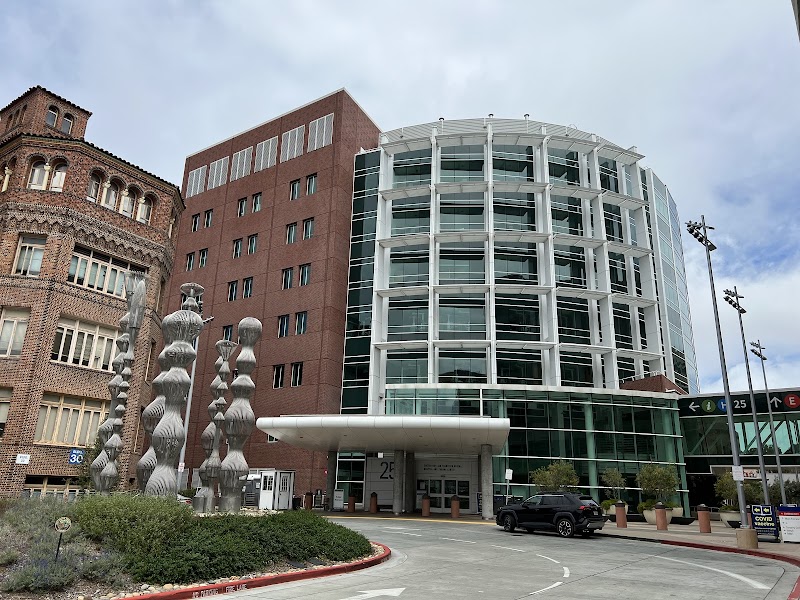
How is Zuckerberg San Francisco General Hosp & Trauma Snf Staffed?

Detailed staffing data for ZUCKERBERG SAN FRANCISCO GENERAL HOSP & TRAUMA SNF is not available in the current CMS dataset.
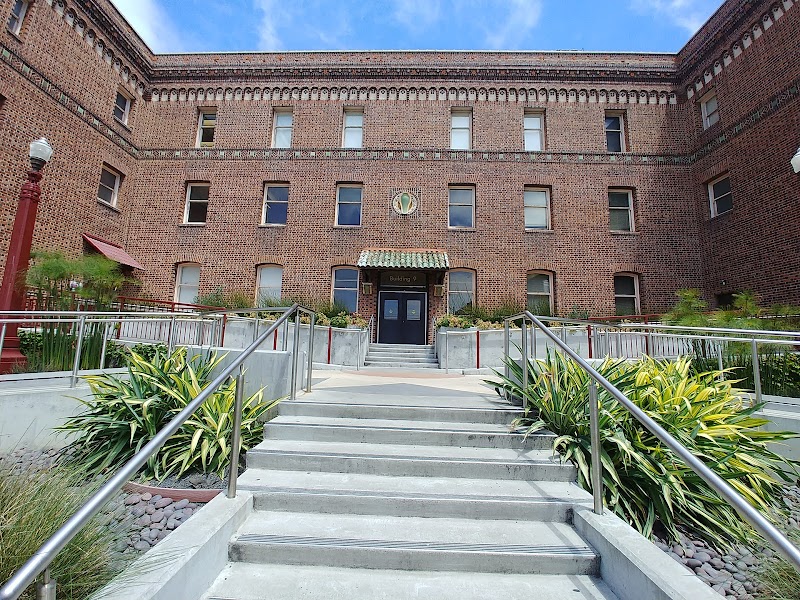
What Have Inspectors Found at Zuckerberg San Francisco General Hosp & Trauma Snf?

State health inspectors documented 15 deficiencies at ZUCKERBERG SAN FRANCISCO GENERAL HOSP & TRAUMA SNF during 2020 to 2024. These included: 15 with potential for harm.

Who Owns and Operates Zuckerberg San Francisco General Hosp & Trauma Snf?

ZUCKERBERG SAN FRANCISCO GENERAL HOSP & TRAUMA SNF is owned by a government entity. Government-operated facilities are typically run by state, county, or municipal agencies. The facility operates independently rather than as part of a larger chain. With 30 certified beds and approximately 10 residents (about 33% occupancy), it is a smaller facility located in SAN FRANCISCO, California.

How Does Zuckerberg San Francisco General Hosp & Trauma Snf Compare to Other California Nursing Homes?

Compared to the 100 nursing homes in California, ZUCKERBERG SAN FRANCISCO GENERAL HOSP & TRAUMA SNF's overall rating (4 stars) is above the state average of 3.2 and health inspection rating (4 stars) is above the national benchmark.

What Should Families Ask When Visiting Zuckerberg San Francisco General Hosp & Trauma Snf?

Based on this facility's data, families visiting should ask: "Can I visit during a mealtime to observe dining assistance and food quality?" "How do you handle medical emergencies, and what is your hospital transfer rate?" "Can I speak with family members of current residents about their experience?"

Is Zuckerberg San Francisco General Hosp & Trauma Snf Safe?

Based on CMS inspection data, ZUCKERBERG SAN FRANCISCO GENERAL HOSP & TRAUMA SNF has a clean safety record: no substantiated abuse findings (meaning no confirmed cases of resident harm), no Immediate Jeopardy citations (the most serious violation level indicating risk of serious injury or death), and is not on the Special Focus Facility watch list (a federal program monitoring the lowest-performing 1% of nursing homes). The facility has a 4-star overall rating and ranks #1 of 100 nursing homes in California. While no facility is perfect, families should still ask about staff-to-resident ratios and recent inspection results during their visit.

Do Nurses at Zuckerberg San Francisco General Hosp & Trauma Snf Stick Around?

ZUCKERBERG SAN FRANCISCO GENERAL HOSP & TRAUMA SNF has not reported staff turnover data to CMS. Staff turnover matters because consistent caregivers learn residents' individual needs, medications, and preferences. When staff frequently change, this institutional knowledge is lost. Families should ask the facility directly about their staff retention rates and average employee tenure.

Was Zuckerberg San Francisco General Hosp & Trauma Snf Ever Fined?

ZUCKERBERG SAN FRANCISCO GENERAL HOSP & TRAUMA SNF has no federal fines on record. CMS issues fines when nursing homes fail to meet care standards or don't correct problems found during inspections. The absence of fines suggests the facility has either maintained compliance or corrected any issues before penalties were assessed. This is a positive indicator, though families should still review recent inspection reports for the full picture.

Is Zuckerberg San Francisco General Hosp & Trauma Snf on Any Federal Watch List?

ZUCKERBERG SAN FRANCISCO GENERAL HOSP & TRAUMA SNF is not on any federal watch list. The most significant is the Special Focus Facility (SFF) program, which identifies the bottom 1% of nursing homes nationally based on persistent, serious quality problems. Not being on this list means the facility has avoided the pattern of deficiencies that triggers enhanced federal oversight. This is a positive indicator, though families should still review the facility's inspection history directly.