BROADWAY HEALTHCARE CENTER
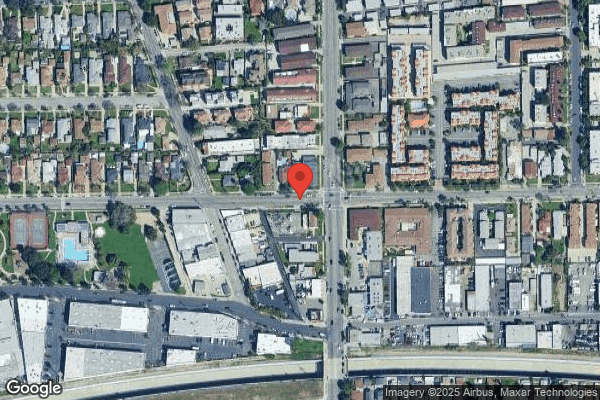
112 E. BROADWAY, SAN GABRIEL, CA 91776 (626) 285-2165
For profit - Limited Liability company 59 Beds CAMBRIDGE HEALTHCARE SERVICES Data: November 2025
Trust Grade
68/100
#301 of 1155 in CA
Last Inspection: January 2025

Within standard 12-15 month inspection cycle. Federal law requires annual inspections.

Overview

Broadway Healthcare Center has a Trust Grade of C+, which indicates that it is slightly above average in quality, but there are areas for improvement. It ranks #301 out of 1155 facilities in California, placing it in the top half, and #47 out of 369 in Los Angeles County, meaning there are only a few better options nearby. The facility's trend is improving, as the number of issues decreased from 16 in 2024 to 14 in 2025. Staffing is a concern, with a rating of 2 out of 5 stars and a turnover rate of 22%, which is lower than the state average, indicating that staff may stay longer than in many other homes. However, there are some serious weaknesses to consider. The facility faced a serious incident where a resident fell due to inadequate supervision, resulting in injuries that required hospitalization. Additionally, there were concerns about cleanliness in the food service area, which could expose residents to foodborne illnesses, and medication administration was not timely or properly documented for some residents. Overall, while there are strengths in certain areas, families should weigh these incidents seriously when considering Broadway Healthcare Center for their loved ones.

Trust Score
C+
68/100
In California
#301/1155
Top 26%
Safety Record
Moderate
Needs review
Inspections
Getting Better
16 → 14 violations
Staff Stability
✓ Good
22% annual turnover. Excellent stability, 26 points below California's 48% average. Staff who stay learn residents' needs.
Penalties
✓ Good
$3,145 in fines. Lower than most California facilities. Relatively clean record.
Skilled Nurses
⚠ Watch
Each resident gets only 19 minutes of Registered Nurse (RN) attention daily — below average for California. Fewer RN minutes means fewer trained eyes watching for problems.
Violations
⚠ Watch
39 deficiencies on record. Higher than average. Multiple issues found across inspections.
★★★★☆
4.0
Overall Rating
★★☆☆☆
2.0
Staff Levels
★★★★★
5.0
Care Quality
★★★☆☆
3.0
Inspection Score
Stable
2024: 16 issues
2025: 14 issues

The Good

  • 5-Star Quality Measures · Strong clinical quality outcomes
  • Low Staff Turnover (22%) · Staff stability means consistent care
  • Full Sprinkler Coverage · Fire safety systems throughout facility
  • No fines on record
  • Staff turnover is low (22%)

    26 points below California average of 48%

Facility shows strength in quality measures, staff retention, fire safety.

The Bad

Federal Fines: $3,145

Below median ($33,413)

Minor penalties assessed

Chain: CAMBRIDGE HEALTHCARE SERVICES

Part of a multi-facility chain

Ask about local staffing decisions and management

The Ugly 39 deficiencies on record

1 actual harm
Jan 2025 14 deficiencies 1 Harm
SERIOUS (G)

Actual Harm - a resident was hurt due to facility failures

Accident Prevention (Tag F0689)

A resident was harmed · This affected 1 resident

**NOTE- TERMS IN BRACKETS HAVE BEEN EDITED TO PROTECT CONFIDENTIALITY** Based on observation, interview, and record review, the facility failed to provide adequate supervision for one (1) of three (3)...

Read full inspector narrative →
**NOTE- TERMS IN BRACKETS HAVE BEEN EDITED TO PROTECT CONFIDENTIALITY** Based on observation, interview, and record review, the facility failed to provide adequate supervision for one (1) of three (3) sampled residents (Resident 11) who was assessed as at risk for falls by leaving Resident 11 unattended in Resident 11's high back wheelchair (a wheelchair that accommodates additional trunk support) on 11/20/2024. This deficient practice resulted in Resident 11 sustaining a fall in the resident's room on 11/20/2024 around 10:35 AM. Resident 11 fell forward while seated on the high back wheelchair. Resident 11 was found lying prone (a body position in which the person lies flat with the chest down and the backup) on left side facing towards the floor. Resident 11 sustained a left eyebrow laceration (a tear or cut in the skin) and was sent to the General Acute Care Hospital (GACH) on 11/20/2024 (time unknown) where Resident 11 was diagnosed with blunt head injury (an injury to the head caused by a forceful impact) and facial fractures (a partial or complete break in the bone). Findings: During a review of Resident 11's admission Record, the admission Record indicated the resident was admitted to the facility on [DATE] with diagnoses that included dementia (a progressive state of decline in mental abilities), abnormal posture (involuntary and rigid body movements), and schizophrenia (a mental illness that is characterized by disturbances in thought). During a review of Resident 11's admission Fall Risk Assessment, dated 8/24/2024, the admission Fall Risk Assessment indicated Resident 11 was a fall risk. During a review of Resident 11's Care Plan (CP), dated 8/24/2024, the care plan indicated Resident 11 has potential for falls related to antihypertensives (drug used to treat high blood pressure) medications, incontinence (a condition where a person experiences involuntary loss of urine or stool), dementia, and impaired mobility (the ability to move or be moved freely and easily). The care plan indicated a goal for the resident to not have major injuries from fall. The care plan interventions included were to administer medications as ordered, answer call light promptly, assist with transfers and mobility as needed (PRN), to not leave the resident unattended in shower room, and to keep the environment free from clutter. During a review of Resident 11's Physical Therapy (PT, treatment that helps improve how the body performs physical movements) evaluation and plan of treatment, dated 8/25/2024, the report indicated Resident 11's functional assessment was done and Resident 11 required total assistance from 1 staff with bed mobility (the ability to move from one position in bed to another), transfers, wheelchair mobility and wheelchair management (teaching a person how to use a wheelchair safely and independently). During a review of Resident 11's Occupational Therapy (OT, treatment that aims to improve the ability to perform daily activities) evaluation and Plan of treatment, dated 8/26/2024, the report indicated Physical/Cognitive/Psychosocial Performance for Resident 11 presents with impairments in balance and strength resulting in limitations and/or participation restrictions in the areas of mobility and self-care. During a review of Resident 11's History and Physical (H&P), dated 8/26/2024, the H&P indicated Resident 11 does not have the capacity to make decisions. During a review of Resident 11's Minimum Data Set (MDS- a resident assessment tool), dated 10/4/2024, the MDS indicated Resident 11's cognitive (ability to think and reason) skills for daily decision making was severely impaired (never/rarely made decisions). Resident 11 was dependent with eating, oral hygiene, toileting hygiene, shower/bath, upper and lower body dressing, and putting on/taking off footwear. The MDS indicated Resident 11 was dependent with chair/bed to chair transfer (the ability to transfer to and from a bed to chair (or wheelchair). The MDS also indicated Resident 11 was dependent to wheel 50 feet with two turns (once seated in wheelchair, the ability to wheel at least 50 feet and make two turns. The MDS indicated Resident 11 has no history of falls. During a review of Resident 11's PT Discharge summary, dated [DATE], the report indicated discharge functional outcomes included the following: o Static sitting (a position where you sit in a fixed posture for a prolonged period of time) = fair (able to maintain with upper extremities support) o Dynamic sitting (the practice of moving around while seated) = Poor + (sits unsupported with minimal assistance) o Static standing (positions where the body is held in a single alignment for a period of time) = poor (requires maximal assistance and upper extremities support) o Bed mobility = total assistance with 1 staff o Rolling = Total assistance with 1 staff o Transfers =Total assistance with 1 staff o Stand = Total assistance with 1 staff o Wheelchair mobility = Total assistance o Wheelchair management = Total assistance with 1 staff During a review of Resident 11's CP, dated 11/16/2024, the CP indicated Resident 11 was dependent on staff for activities, cognitive stimulation, social interaction due to cognitive deficits, immobility, physical limitations. The CP interventions included for staff to provide Resident 11 assistance with activities of daily living (ADLs- activities such as bathing, dressing and toileting a person performs daily) as required during the activity. During a review of Resident 11's Change of Condition (COC) evaluation, dated 11/20/2024, timed 11:01 AM, by Licensed Vocational Nurse 1 (LVN 1), the COC evaluation indicated on 11/20/2024 around 10:35 AM, Certified Nurse Assistant 5 (CNA 5) reported to LVN 1, CNA 5 put resident to wheelchair and turned around to get linen from bed. Resident moved quickly and fell forward laying prone on left facing towards the floor. The COC evaluation indicated LVN 1 immediately went to Resident 11's room and found Resident 11 on the floor bleeding from the left eyebrow. Resident 11's left eye was noted with discoloration and mild swelling, laceration on the left eyebrow which measured 0.5 centimeter (cm, unit of measurement) by 0.3 cm. The COC evaluation indicated Resident 11's primary care clinician (Doctor) was notified on 11/20/2024 at 10:38 AM, with an order to transfer Resident 11 to GACH via non-emergent ambulance for further evaluation. During a review of Resident 11's Progress Notes, dated 11/20/2024, timed 10:48 AM, the Progress Notes indicated the Director of Nursing (DON) indicated LVN 1 notified the DON regarding Resident 11's witnessed fall. The DON went to Resident 11's room and observed Resident 11 on the floor on a supine position (lying face upward) with left eyebrow laceration. The DON was unable to assess the left eye due to swelling. Resident 11 was observed with facial grimacing (a facial expression in which your mouth and face are twisted in a way that shows disgust, disapproval, or pain). During a review of Resident 11's GACH Emergency Department (ED) discharge instructions, dated [DATE], the report indicated diagnoses included were blunt head injury and facial fractures. During a review of Resident 11's GACH radiology report (a medical document that provides a detailed interpretation of the results of an imaging test), the report indicated a computed tomography (CT, a medical imaging procedure) scan of the head was performed, completed on 11/20/2024 at 1:56 PM. The impression indicated left facial bone fracture and recommendation for CT facial bones. During a review of Resident 11's radiology report, the report indicated a CT facial was performed, completed on 11/20/2024 at 1:56 PM. The impression indicated the following: Acute displaced left anterior maxillary (the front teeth located in the upper jaw) wall fracture. Acute displaced left posterior lateral maxillary (the bones that form the upper part of the jaw) wall fracture. Acute displaced left zygomatic arch (a bar of bone that runs horizontally along the side of the head, positioned in front of the ear) fracture. Acute displaced left inferior orbital (the bottom of the left eye) wall fracture. During a review of Resident 11's Progress Notes, dated 11/20/2024, timed 5:49 PM, by Registered Nurse 2 (RN 2), the Progress Notes indicated Resident 11 was back to the facility from GACH ED after evaluation status post fall with facial injuries. During a review of Resident 11's Progress Notes, dated 11/21/2024, timed 6:14 AM, the Progress Notes indicated Resident 11 was on monitoring for status post fall (after a fall) with multiple facial fractures. It also indicated Resident 11 has left eyebrow laceration with steri-strips (thin, adhesive strips used to close small cuts). During an observation on 1/21/2025 at 10:50 AM, in the nursing station, Resident 11 was sitting in a Broda chair (wheelchair that provides comfort, support, and mobility throughout the day, with ability to tilt and recline), in a reclining position. During an interview on 1/23/2025 at 2:41 PM with LVN 1, LVN 1 stated that on 11/20/2024, morning shift (7 AM -3 PM), CNA 5 reported to her that Resident 11 had a fall. LVN 1 stated CNA 5 witnessed Resident 11 leaning forward and falling face down to the floor. LVN 1 stated CNA 5 informed her that CNA 5 transferred Resident 11 from the bed to the high back wheelchair. LVN 1 stated CNA 5 placed the wheelchair in front of the bed, turned around, walked to the side of the bed to get the linen and when he turned back to attend to Resident 11, CNA 5 witnessed Resident 11 falling. LVN 1 stated CNA 5 stated it happened quickly that CNA 5 did not have the chance to prevent Resident 11 from falling. During an interview on 1/23/2025 at 3:14 PM with RN 1, RN 1 stated Resident 11 is dependent from staff with ADL with transferring, eating, and shower. Resident 11 uses a high back wheelchair and if tilted, could prevent Resident 11 from leaning forward. During a telephone interview on 1/24/2025 at 10:03 AM with CNA 5, CNA 5 stated could not recall if Resident 11's high back wheelchair was reclined or not before the resident fell. CNA 5 stated he turned away from Resident 11 and walked a few steps to grab the linen on top of the barrel that was right outside Resident 11's room, and when he turned back to attend to Resident 11, Resident 11 was already falling. CNA 5 stated Resident 11 fell to the floor with his face down. CNA 5 stated that was all that he remembered. During an interview on 1/25/2025 at 11:02 AM with Occupational Therapist (professional who provides treatment that aims to improve individuals' ability to perform daily activities), Occupational Therapist stated Resident 11 has abnormal posture and required total assistance (a situation where a person is unable to complete an activity without full physical help) for wheelchair management. During an interview on 1/25/2025 at 11:19 AM with Physical Therapist Assistant (PTA), PTA stated Resident 11 was using a high back wheelchair before the fall on 11/20/2024. PTA stated high back wheelchair can be tilted and reclined for comfort, safety, and to help with Resident 11's postural problem. PTA added since Resident 11 has unpredictable movements, Resident 11 should not be left unattended. PTA stated there was a high chance for Resident 11 to fall if he was seated in a high back wheelchair that was not reclined or tilted. During a concurrent record review and interview on 1/24/2025 at 12:27 AM with the DON, Resident 11's medical records were reviewed. The DON stated he was notified by LVN 1 about the fall and went to Resident 11's room. The DON stated he observed Resident 11 on the floor, bleeding from his left eyebrow. The DON stated he does not recall Resident 11's high back wheelchair's set up. The DON stated, to prevent Resident 11 from falling, Resident 11 should not be left unattended. The DON stated Resident 11 has a care plan not to be left unattended in the shower, but it should be applied when Resident 11 is in the wheelchair as well. During a review of Facility's Policy and Procedure (P&P) titled, Managing Falls and Fall Risk, revised in March 2018, the P&P indicated based on previous evaluations and current data, the staff will identify interventions related to the resident's specific risks and causes to try to prevent the resident from falling and to try to minimize complications from falling. During a review of Facility's P&P titled, Supporting Activities of Daily Living, revised in March 2018, the P&P indicated Residents will be provided with care, treatment and services as appropriate to maintain or improve their ability to carry out activities of daily living. During a review of Facility's P&P titled, Dementia, revised in November 2018, the P&P indicated direct care staff will support the resident in initiating and completing activities and tasks of daily living. Such as bathing dressing, mealtimes, and therapeutic and recreational activities will be supervised and supported throughout the day as needed.
CONCERN (D)

Potential for Harm - no one hurt, but risky conditions existed

Deficiency F0583 (Tag F0583)

Could have caused harm · This affected 1 resident

**NOTE- TERMS IN BRACKETS HAVE BEEN EDITED TO PROTECT CONFIDENTIALITY** Based on observation, interview, and record review, the facility staff failed to protect the confidential personal information f...

Read full inspector narrative →
**NOTE- TERMS IN BRACKETS HAVE BEEN EDITED TO PROTECT CONFIDENTIALITY** Based on observation, interview, and record review, the facility staff failed to protect the confidential personal information for one of 18 sampled residents (Resident 9) by not closing the computer screen after looking up Resident 9's medical information at the Nursing Station when there were other staff, residents, and visitors in the area. This deficient practice had the potential to expose Resident 9's medical records to others and violated the resident's right for privacy and confidentiality (safeguarding the content of information including video, audio, or other computer stored information from unauthorized disclosure without the consent of the resident and/or the individual's surrogate or representative). Findings: During a review of Resident 9's admission Record, the admission Record indicated the facility initially admitted the resident on 2/27/2024 and readmitted on [DATE] with diagnoses that included but not limited to acute on chronic combined systolic and diastolic congestive heart failure (a sudden worsening of a pre-existing chronic condition where the heart struggles to both pump blood effectively and fill properly due to stiffness, leading to fluid build-up and congestion in the body), acute respiratory failure with hypoxia (a condition where the lungs are unable to absorb enough oxygen into the blood), acute pulmonary edema (a life-threatening condition that occurs when fluid builds up in the lungs, making it difficult to breathe) and chronic pulmonary edema (a condition where fluid builds up in the lungs over time, making it difficult to breathe), pleural effusion (a condition where too much fluid builds up in the pleural cavity [the space between the lungs and chest wall]), and pneumonia (an infection of one or both of the lungs caused by bacteria, viruses, or fungi). During a record review of Resident 9's History and Physical (H&P), dated 1/14/2025, the H&P indicated Resident 9 has the capacity to understand and make decisions. During a review of Resident 9's Minimum Date Set (MDS - a resident assessment tool), dated 11/14/2024, indicated Resident 9 required setup or clean-up assistance (Helper sets up or cleans up, resident completes activity) with eating, oral/toileting/personal hygiene, shower/bathing self, upper and lower body dressing and putting on/taking off footwear and required supervision (helper provides verbal cues and/or touching/steadying and/or contact guard assistance as resident completes activity) for shower or bathing self. During a concurrent observation and interview with Licensed Vocational Nurse 1 (LVN1) on 1/21/2025 at 9:45 AM, observed LVN1 log into the computer to review Residents 9's medical information. After a few minutes, observed LVN1 get up off the chair where she was sitting and walked away leaving the computer screen open displaying Resident 9's admitting orders. During a concurrent observation and interview with CNA1 on 1/21/2025 at 09:55 AM, CNA1 confirmed the computer screen which had the residents' information was left open and unattended. There were other residents and family members sitting at the nursing area near the computer with the screen left open. During concurrent interview with CNA1 on 1/21/2025 at 9:59 AM, CNA1 stated, Anyone walking by can see the resident's medical information. It is the resident's private information. Residents' private information is HIPAA (Health Insurance Portability and Accountability Act -a federal law that protects resident's health information and gives them more control over how their information is used) and we know we are not supposed to leave the computer open. We need to log off if we are to walk away. It is HIPAA violation if she walked away. During an interview with the Director of Nursing (DON) on 1/21/2025 at 10:20 AM, the DON stated, The staff have education regarding HIPAA. An example of not respecting HIPAA is if any staff talks about resident information anywhere in the facility including at nursing station and if there are other people around that are not part of the medical team like a family member or other residents. It also applies to having computer screen with residents' information open. Anybody can see it if they walk by, and the staff walk away. The staff know they are supposed to turn off the computer or close the computer screen before they walk away. The DON stated it was important to protect the residents' confidentiality and privacy. The DON also stated, We give inservices about HIPAA often, the nurses should know this, it's fundamentals for them to know. We all need to maintain HIPAA compliance. During an interview with Director of Staff Development (DSD) on 1/24/2025 at 9:41 AM, DSD stated, I give the staff in services (continuing education and trainings). All staff are responsible to keep the resident's privacy including closing a computer screen with the resident's medical information. It's a direct violation of HIPAA. During a review of the facility Policy and Procedure (P&P) titled, Release of Information, revised November 2009, the P&P indicated, Our facility maintains the confidentiality of each resident's personal and protected health information. 1. Each resident will receive confidential treatment of his or her personal and medical records and may approve or refuse their release to any individual outside the facility, except in case of a transfer to another healthcare institution or as required by current HIPAA law.
CONCERN (D)

Potential for Harm - no one hurt, but risky conditions existed

Assessment Accuracy (Tag F0641)

Could have caused harm · This affected 1 resident

**NOTE- TERMS IN BRACKETS HAVE BEEN EDITED TO PROTECT CONFIDENTIALITY** Based on interview and record review, the facility failed to ensure accurate assessment of the Minimum Data Set (MDS, a resident...

Read full inspector narrative →
**NOTE- TERMS IN BRACKETS HAVE BEEN EDITED TO PROTECT CONFIDENTIALITY** Based on interview and record review, the facility failed to ensure accurate assessment of the Minimum Data Set (MDS, a resident assessment tool) for one (1) of five (5) sampled residents (Resident 35) by failing to include the resident's diagnosis of schizophrenia (a mental illness that is characterized by disturbances in thought). This deficient practice had the potential for the facility to not develop and implement an individualized care plan, which could negatively affect Resident 35's overall well-being. Findings: During a review of Resident 35's admission Record, the admission Record indicated Resident 35 was originally admitted to the facility on [DATE] and readmitted on [DATE]. Resident 35's diagnoses included dementia (a progressive state of decline in mental abilities), major depressive disorder (a mood disorder that causes a persistent feeling of sadness and loss of interest) and psychosis (a severe mental condition in which thought, and emotions are so affected that contact is lost with reality). During a review of Resident 35's General Acute Care Hospital (GACH) Emergency department history and physical (H&P), dated 2/12/2024, the H&P indicated Resident 35 has a medical history of schizophrenia. During a review of Resident 35's Order Summary Report, dated 1/22/2025, the report indicated an order for Seroquel (medication to treat several kinds of mental health conditions) oral table 50 milligrams (mg, unit of measurement) at bedtime for schizophrenia manifested by striking out towards staff, ordered on 9/8/2024. During a review of Resident 35's Quarterly MDS, dated [DATE], the MDS indicated Resident 35's cognitive (ability to think and reason) skills for daily decision making was severely impaired (never/rarely made decisions). The MDS indicated Resident 35 had episodes of feeling down, depressed, or hopeless. The MDS indicated Resident 35 required supervision (helper provides verbal cues as resident completes the activity) with eating. The MDS indicated Resident 35 required partial assistance (helper does less than half the effort) with oral hygiene, toileting hygiene, upper body dressing, and personal hygiene. The MDS indicated Resident 35 required substantial assistance (helper does more than half the effort) with shower, lower body dressing and putting on/taking off footwear. The MDS did not indicate schizophrenia as Resident 35's active diagnosis. The MDS indicated Resident 35 received antipsychotic (medication to treat the symptoms of schizophrenia) on a routine basis. During a review of Resident 35's Quarterly MDS, dated [DATE], the MDS did not indicate schizophrenia as Resident 35's active diagnosis. During a concurrent record review and interview on 1/22/2025 at 2:23 PM with Registered Nurse 2 (RN 2), Resident 35's medical records was reviewed. RN 2 stated Resident 35 is being treated with Seroquel for schizophrenia, therefore schizophrenia should be documented as an active diagnosis. RN 2 verified Resident 35's MDS dated [DATE] did not indicate schizophrenia as an active diagnosis. During an interview on 1/22/2025 at 3:03 PM with MDS nurse (MDSN), she stated schizophrenia cannot be coded in Resident 35's MDS because there was not enough documentation such as comprehensive psychiatrist (physician who specializes in mental health) test (written records of a patient's mental health treatment) that Resident 35 was diagnosed with schizophrenia. During a concurrent record review and interview on 1/23/2025 at 3:38 PM with RN 1, Resident 35's medical records was reviewed. RN 2 stated Resident 35 has an order of Seroquel for schizophrenia since 3/12/2024. RN 2 stated Resident 35 has been seen by Psychiatrist while in the facility on the following dates: 4/9/2024 6/4/2024 8/13/2024 9/10/2024 10/22/2024 11/19/2024 12/17/2024 1/14/2025 During a concurrent record review and interview on 1/24/2025 at 12:23 PM with the Director of Nursing (DON), the DON stated the MDS is a reflection of the resident's current status that is why it is being done upon admission, quarterly, annually, and when there is a significant change of condition. The DON stated the current MDS assessment will assist the staff in developing an appropriate plan of care. The DON stated schizophrenia is an active diagnosis of Resident 35 because the resident is being treated with Seroquel for it. The DON verified that schizophrenia was not and should have been coded in Resident 35's MDS. During a review of Facility's Policy and Procedure (P&P) titled, Resident assessments, revised in October 2023, the P&P indicated the resident assessment coordinator is responsible for ensuring that the interdisciplinary team (a group of professionals that work together to coordinate care) conducts timely and appropriate resident assessments. The resident assessment coordinator is responsible for ensuring that the interdisciplinary team conducts timely and appropriate resident assessments. Information in the MDS assessments will consistently reflect information in the progress notes, plans of care and resident observations/interviews.
CONCERN (D)

Potential for Harm - no one hurt, but risky conditions existed

Deficiency F0657 (Tag F0657)

Could have caused harm · This affected 1 resident

**NOTE- TERMS IN BRACKETS HAVE BEEN EDITED TO PROTECT CONFIDENTIALITY** Based on observation, interview, and record review, the facility failed to revise the care plan (a formal process that correctly...

Read full inspector narrative →
**NOTE- TERMS IN BRACKETS HAVE BEEN EDITED TO PROTECT CONFIDENTIALITY** Based on observation, interview, and record review, the facility failed to revise the care plan (a formal process that correctly identifies existing needs and recognizes a resident's potential needs or risks to achieve healthcare outcomes) for one (1) of 18 sampled residents (Resident 158) in accordance with the facility policy by failing to update Resident 158's care plan on stage 2 pressure ulcer (damage to the skin and underlying soft tissue caused by prolonged pressure) to include Resident 158's non-compliance of interventions. This deficient practice had the potential for Resident 158's pressure ulcer to worsen or develop new pressure injury. Findings: During a review of Resident 158's admission record (front page of the chart that contains a summary of basic information about the resident), indicated Resident 158 was originally admitted to the facility on [DATE]. Resident 158's diagnoses included stage two pressure ulcer of sacral region (localized, pressure-related damage to the skin and/or underlying tissue usually over a bony prominence), urinary tract infection (UTI- an infection in the bladder/urinary tract) and sepsis (a life-threatening blood infection). During a review of Resident 158's admission Data Tool, dated 1/1/2025, indicated Resident 158 has a pressure ulcer. The resident's Data Tool also indicated Resident 158 required one-person physical assistance with bed mobility (how resident moves to and from lying position, turns side to side, and positions body while in bed), and Activities of Daily Living (ADLs- activities such as bathing, dressing and toileting a person performs daily) transferring. During a review of Resident 158's care plan (CP) initiated on 1/1/2025, the CP indicated Resident 158 has actual skin break down on the sacrococcyx stage 2. The CP was revised on 1/20/2025, to include Resident 158 is at risk for delayed & decline wound healing due to non-compliance, refusal to be repositioned or up on cushion wheelchair, prefer to stay in bed all the times and regression of skin breakdown to stage 3. The CP indicated the CP goal is for Resident 158 to not have signs and symptoms of complications with skin breakdown, the CP interventions included the following: Notify resident/responsible party of skin status, initiated on 1/1/2025. Keep area clean and dry, avoid skin contact, initiated on 1/1/2025. Administer medication as ordered to promote wound healing, initiated on 1/5/2025, revised on 1/20/2025. Assisted to turn and reposition every 2 hours as tolerated, initiated on 1/5/2025. Treatment as ordered, initiated on 1/5/2025, revised on 1/20/2025. During a review of Resident 158's interdisciplinary team (IDT, a group of professionals who work together to assess and care for residents) wound management assessment, dated 1/2/2025, indicated Resident 158 was newly admit resident, with pressure ulcer, described to be stage 2 at sacrococcyx (the area just above the buttocks) measured at 2.5 centimeters (cm, unit of measurement) by 2 cm. During a review of Resident 158's IDT wound management assessment, dated 1/11/2025, indicated Resident 158 current Plan of Care remains appropriate to manage and promote the healing process. No changes needed at this time. During a review of Resident 158's IDT wound management assessment, dated 1/18/2025, indicated Resident 158 current Plan of Care remains appropriate to manage and promote the healing process. No changes needed at this time. It also indicated Resident 158 required 1 staff assistance for bed mobility, turning and repositioning. Resident was assisted to turn and reposition every 2 hours as tolerated, has episode of refusal to be repositioned and up on cushioned wheelchair. During a review of Resident 158's IDT wound management assessment, dated 1/20/2025, indicated Resident 158 stage 2 pressure ulcer progressed (pressure ulcer worsened) to stage three (3) a full thickness skin loss where the underlying tissue within the wound. It indicated Resident 158 is non-compliance, at risk for wound decline & delayed healing. Resident 158 was refusing to be repositioned and up on cushioned wheelchair, prefer to stay in bed most of the time. During a concurrent observation and interview on 1/22/2025 at 9:59 AM with Resident 158, in the hallway, Resident 158 was observed sitting in wheelchair. Resident 158 stated she does not want to be seated in the wheelchair, but staff bribed (persuaded) her with soda, because that was the family instruction to staff for Resident 158 to cooperate with the care. This was the reason why she agreed to get up from bed and be seated in the chair. During an interview on 1/23/2025 at 10:02 AM with Certified Nurse Assistant (CNA) 1, CNA 1 stated Resident 158 was cooperative with her today, but CNA 1 stated that Resident 158 has episodes of refusal of care in the past. CNA 1 stated that when a resident refused care, it will be reported to charge nurse so they can discuss what other type of care can be provided. During a concurrent record review and interview on 1/23/2025 at 10:51 AM with Treatment Nurse (TN), Resident 158's medical records was reviewed. TN stated Resident 158 was admitted on [DATE] with open wounds, sacral stage 2 pressure ulcer. TN stated Resident 158's sacral pressure ulcer became stage 3 on 1/20/2025 when wound consultant came to check Resident 158. TN stated Resident 158 has episodes of refusing to be turned while in bed and refusing get out of bed and be seated in wheelchair that's why Resident 158's stage 2 sacral pressure ulcer worsened to a stage 3. TN stated Resident 158's care plan was only revised on 1/20/2025 after wound consultant diagnosed Resident 158's sacral pressure ulcer to stage 3. TN stated that updating or revising resident's care plans was important to ensure that the staff taking care of Resident 158 would have the knowledge about the type of care to provide to Resident 158. During a concurrent record review and interview on 1/23/2025 at 2:58 PM with Licensed Vocational Nurse (LVN) 1, Resident 158's care plan was reviewed. LVN 1 stated Resident 158 is not cooperative with care sometimes, and assigned CNAs would let her know that Resident 158 would refuse to get up from bed, or to be turned and repositioned while in bed. LVN 1 verified Resident 158's non-compliance with care was only added in Resident 158's care plan on 1/20/2025, LVN 1 added that it should have been added when Resident 158 started to show non-compliance with care by refusing to be turned or repositioned. LVN 1 stated all licensed nurses can initiate and revised care plan. During an interview on 1/23/2025 at 3:27 PM with Registered Nurse (RN) 1, RN 1 stated she was aware of Resident 158's non-compliance with care, RN 1 stated Resident 158 did not start refusing to be turned or repositioned on 1/20/2025. RN 1 stated non-compliance care plan should have been added when staff noticed Resident 158 refusing care, and interventions such as offering soda per family's instructions should have been added as intervention for Resident 158 to cooperate with care. RN 1 stated Resident's representative or family's input should have been documented in the care plan because care plan involves the Resident and Resident's family or representatives. During a record review of Facility's Policy and Procedure titled Care Plans, Comprehensive Person Centered, revised in March 2022, indicated assessments of residents are ongoing and care plans are revised as information about the residents and the residents' conditions change. It indicated the interdisciplinary team reviews and updates the care plan: a. when there has been a significant change in the resident's condition; b. when the desired outcome is not met; It also indicated the resident has the right to refuse to participate in the development of his/her care plan and medical and nursing treatments. Such refusals are documented in the resident's clinical record in accordance with established policies.
CONCERN (D)

Potential for Harm - no one hurt, but risky conditions existed

Deficiency F0658 (Tag F0658)

Could have caused harm · This affected 1 resident

**NOTE- TERMS IN BRACKETS HAVE BEEN EDITED TO PROTECT CONFIDENTIALITY** Based on observation, interview, and record review, the facility failed to ensure professional standards of quality for administ...

Read full inspector narrative →
**NOTE- TERMS IN BRACKETS HAVE BEEN EDITED TO PROTECT CONFIDENTIALITY** Based on observation, interview, and record review, the facility failed to ensure professional standards of quality for administering oxygen was met for one (1) of one sampled resident (Resident 9) by failing to ensure Resident 9 was administered oxygen by a licensed nurse and not by a certified nurse assistant. This deficient practice had the potential to result in provision of unnecessary/incorrect care for Resident 9, which could result to harm. Findings: During a review of Resident 9's admission Record, the admission Record indicated the facility initially admitted the resident on 2/27/2024 and readmitted on [DATE] with diagnoses that included but not limited to acute on chronic combined systolic and diastolic congestive heart failure (a sudden worsening of a pre-existing chronic condition where the heart struggles to both pump blood effectively and fill properly due to stiffness, leading to fluid build-up and congestion in the body), acute respiratory failure with hypoxia (a condition where the lungs are unable to absorb enough oxygen into the blood), acute pulmonary edema (a life-threatening condition that occurs when fluid builds up in the lungs, making it difficult to breathe) and chronic pulmonary edema (a condition where fluid builds up in the lungs over time, making it difficult to breathe), pleural effusion (a condition where too much fluid builds up in the pleural cavity [the space between the lungs and chest wall]), and pneumonia (an infection of one or both of the lungs caused by bacteria, viruses, or fungi). During a record review of Resident 9's History and Physical (H&P), dated 1/14/2025, the H&P indicated Resident 9 has the capacity to understand and make decisions. During a review of Resident 9's Minimum Date Set (MDS - a resident assessment tool), dated 11/14/2024, the MDS indicated Resident 9 required setup or clean-up assistance (Helper sets up or cleans up, resident completes activity) with eating, oral/toileting/personal hygiene, upper and lower body dressing and putting on/taking off footwear and required supervision (helper provides verbal cues and/or touching/steadying and/or contact guard assistance as resident completes activity) for shower or bathing self. During a review of Resident 9's Care Plan initiated on 8/13/2024 with revision date of 1/16/2025, the care plan indicated Resident is at risk for altered respiratory status difficulty breathing related to pulmonary edema, acute respiratory failure, acute CHF, and pleural effusion. Staff interventions included were to provide oxygen as ordered and to give medications as ordered by physician. During a review of Resident 9's Order Summary Report, dated 1/13/2025, the report indicated a Physicians order for Oxygen at 2 to 5 liters per minute via nasal cannula continuously for diagnosis of hypoxia (low levels of oxygen in your body tissues) related to CHF every shift. During an observation on 1/21/25 at 9:37 AM in Resident 9's room, observed Certified Nurse Assistant 1 (CNA1) assisting Resident 9 from bedside commode (a portable toilet that can be used when someone is unable to walk to the bathroom) back to bed. Resident 9 was observed without an oxygen and was short of breath. CNA1 asked Resident 9 if Resident 9 wanted oxygen. Resident 9 responded yes. Observed CNA1 place the nasal cannula (a medical device that supplies oxygen to a patient through their nose) to the resident's nostrils and proceeded to turn the oxygen concentrator (a device that provides oxygen to people who have difficulty breathing) at 5 liters (a unit of measurement) per minute (min). Resident 9 whispered she was still short of breath even with the oxygen. CNA1 observed walking out of Resident 9's room and stated she would be back and would call the nurse. During an interview with LVN1 on 1/21/25 at 9:49 AM, LVN1 stated CNA1 had just given Resident 9 a shower. Per LVN1, CNA1 was supposed to check Resident 9's Resident 9's oxygen level and put the oxygen right back. LVN1 stated CNA1 can put the nasal canula on Resident 9 but she has to come and get the nurse to go and check the machine for the oxygen level. LVN1 stated, The CNA cannot turn on the machine because they do not know the oxygen order. We have to check the oxygen level after she (Resident 9) has been put on oxygen. During an interview with CNA1 on 1/21/25 at 9:55 AM, CNA1 stated she gave Resident 9 a shower that lasted about 15 to 30 minutes. Per CNA1 if a resident has to be given oxygen, CNA1 needed to wait for the approval from the licensed nurse. Per CNA1, Resident 9 told her when she was brought back to her room that she was short of breath. CNA1 stated, I turned on the oxygen machine and the level was from 1 to 5 liters but I am not sure of the doctor's order. The charge nurse usually checks the chart. I don't think its ok for me to have done that even though she was complaining of shortness of breath. As a CNA, I am just supposed to set up the nasal cannula, the charge nurse was supposed to turn on the machine. I am not supposed to turn the oxygen machine on because I am not sure of the oxygen level order she was supposed to have. If the oxygen is too much, she could easily get too much oxygen and make the breathing worse. During an interview with the Director of Nursing (DON) on 1/21/25 at 10:16 AM, the DON stated, All staff get in services for oxygen administration. The CNA was supposed to call charge nurse, not put the oxygen back on, not even the nasal cannula or turn on the oxygen machine unless resident requested for it. It's not acceptable, this is delivering oxygen. It is like a medication; it should only be administered by the licensed nurse because the CNA doesn't know the patient's diagnosis. What if the patient had Chronic obstructive pulmonary disease (COPD- is a common lung disease causing restricted airflow and breathing problems)? That means the patient can only tolerate a certain amount of oxygen, and only an amount can be administered. It could bring possible harm to the patient. The DON also stated that the resident's oxygen levels need to be checked by the licensed nurse and not the CNA because they are more knowledgeable. During an interview with LVN2 on 1/23/2025 at 3:30 PM, LVN2 stated that CNAs are not allowed to place nasal cannulas on the residents or start oxygen machine. LVN 2 stated, Only the licensed nurses are supposed to do that. LVN2 stated, Even us as LVNs have certain limitations on what we can do when it comes to medications or oxygen administration, we can only place the resident on 2 liters of oxygen at a time to start. During an interview with Director of Staffing Development (DSD) on 1/242025 at 9:41 AM, DSD stated, Regulating an oxygen tank is not within CNA's job description and should be done by licensed nurses only because oxygen therapy is like a medicine that only licensed nurses can administer per Doctor's order. The CNA can help bring the oxygen tank and she can help with the setup, she can adjust the nasal canula to the resident's face but not tighten it around the neck. The CNA can also adjust the nasal cannula if the resident's nostril is out and not receiving oxygen. It is not acceptable for a CNA to turn on the oxygen machine or regulate oxygen levels after placing the nasal canula on the resident. The responsible staff to perform those duties is the license nurse, meaning an LVN, RN or CN. If the CNA turned the machine to 5 liters while the patient had the nasal cannula on, it might be hazardous to the resident. For example, it can place the resident in respiratory distress because the CNA does not know about the oxygen level or the doctors' orders. During a review of the facility's undated document with the description of Certified Nurse Assistant essential duties and responsibilities, the document indicated, POSITION SUMMARY The purpose of your job position is to provide each resident with routine daily nursing care in accordance with the resident's assessment plan along with current federal, state, and local standards that govern the facility, and as directed by your supervisors. The Certified Nurse Assistant will . demonstrate patience, initiative, and willingness to assist residents that may be difficult. They will relate all pertinent information concerning a resident's condition to a charge nurse when required. They will be committed to always doing the right thing. During a review of the facility undated document with the description of Charge Nurse Supervisor essential duties and responsibilities, the document indicated, Purpose of Your Job Position The primary purpose of your job position is to provide direct nursing care to the residents, and to supervises the day-to-day nursing activities performed by nursing assistants. Such supervision must be in accordance with current federal, state, and local standards, guidelines, and regulations that govern our facility, and as may be required by the Director of Nursing Services or Nurse Supervisor to ensure that the highest degree of quality care is maintained at all times. Delegation of Authority As Charge Nurse you are delegated the administrative authority, responsibility, and accountability necessary for carrying out your assigned duties. Duties and Responsibilities -Ensure that all nursing personnel assigned to you comply with the written policies and procedures established by this facility. -Ensure that all nursing service personnel are in compliance with their respective job descriptions Drug Administrative Functions o Prepare and administer medications as ordered by the physician o Ensure that all nurse aide trainees are under the direct supervision of a licensed nurse o Ensure that direct nursing care be provided by a licensed nurse, a certified nursing assistant, and/or a nurse aide trainee qualified to perform the procedure During a review of the facility Policy and Procedure (P&P) titled, Oxygen Administration, revised October 2010 indicated, The purpose of this procedure is to provide guidelines for safe oxygen administration. Equipment and Supplies The following equipment and supplies will be necessary when performing this procedure. 4. No Smoking/Oxygen in Use signs Assessment Before administering oxygen, and while the resident is receiving oxygen therapy, assess for the following: I. Signs or symptoms of cyanosis (blue tone to the skin and mucous membranes) 2. Signs or symptoms of hypoxia (rapid breathing, rapid pulse rate, restlessness, confusion); 3. Signs or symptoms of oxygen toxicity (tracheal irritation, difficulty breathing, or slow, shallow rate of breathing) 4. Vital signs 5. Lung sounds Steps in the Procedure -Place an Oxygen in Use sign on the outside of the room entrance door -Place an Oxygen in Use sign in a designated place on or over the resident's bed -Tum on the oxygen. Unless otherwise ordered, start the flow of oxygen at the rate of 2-3 liters/min -Place appropriate oxygen device on the resident (mask, nasal cannula and/or nasal catheter). -Adjust the oxygen delivery device so that it is comfortable for the resident and the proper flow of oxygen is being administered During a review of the facility P&P titled, Preparation and General Guidelines effective date of October 2017 indicated, Medications are administered as prescribed in accordance with good nursing principles and practices and only by persons legally authorized to do so.
CONCERN (D)

Potential for Harm - no one hurt, but risky conditions existed

Deficiency F0676 (Tag F0676)

Could have caused harm · This affected 1 resident

**NOTE- TERMS IN BRACKETS HAVE BEEN EDITED TO PROTECT CONFIDENTIALITY** Based on observation, interview and record review, the facility failed to ensure one of 18 sampled residents (Resident 9) was pr...

Read full inspector narrative →
**NOTE- TERMS IN BRACKETS HAVE BEEN EDITED TO PROTECT CONFIDENTIALITY** Based on observation, interview and record review, the facility failed to ensure one of 18 sampled residents (Resident 9) was provided a communication device with the language that the Resident 9 preferred. This deficient practice prevented Resident 9 from communicating with the staff and had a potential to delay receiving appropriate care/treatment Resident 9 needed. Findings: During a review of Resident 9's admission Record, the admission Record indicated the facility initially admitted the resident on 2/27/2024 and readmitted on [DATE] with diagnoses that included but not limited to acute on chronic combined systolic and diastolic congestive heart failure (a sudden worsening of a pre-existing chronic condition where the heart struggles to both pump blood effectively and fill properly due to stiffness, leading to fluid build-up and congestion in the body), acute respiratory failure with hypoxia (a condition where the lungs are unable to absorb enough oxygen into the blood), acute pulmonary edema (a life-threatening condition that occurs when fluid builds up in the lungs, making it difficult to breathe) and chronic pulmonary edema (a condition where fluid builds up in the lungs over time, making it difficult to breathe), pleural effusion (a condition where too much fluid builds up in the pleural cavity [the space between the lungs and chest wall]), and pneumonia (an infection of one or both of the lungs caused by bacteria, viruses, or fungi). During a record review of Resident 9's History and Physical (H&P), dated 1/14/2025, the H&P indicated Resident 9 has the capacity to understand and make decisions. During a review of Resident 9's Minimum Date Set (MDS - a resident assessment tool), dated 11/14/2024, indicated Resident 9 preferred language is 1 and requested an interpreter to communicate with a doctor or health care staff. Resident 9 required setup or clean-up assistance (Helper sets up or cleans up, resident completes activity) with eating, oral/toileting/personal hygiene, upper and lower body dressing and putting on/taking off footwear and required supervision (helper provides verbal cues and/or touching/steadying and/or contact guard assistance as resident completes activity) for shower or bathing self. During a review of Resident 9's Care Plan initiated 3/04/2024 with a revision date of 8/17/2024, the care plan indicated, The resident has a communication problem . Diagnosis of Dementia. Primary language is non-English. Staff interventions indicated were to provide translator as necessary to communicate with the resident. Translator is staff and/or family members. During initial observation of Resident 9 on 1/21/25 at 9:24 AM, Resident 9 was not in the room. There was no communication or picture board at bedside noted. During observation and interview with Licensed Vocational Nurse (LVN1) on 1/21/25 at 9:41 AM, LVN1 walked inside Resident 9's room and asked in a language the resident does not understand, if Resident 9 was short of breath. Resident 9 stated in her own language she was short of breath. LVN1 stated she did not understand what Resident 9 was saying and that she would get someone to translate so she could communicate with the resident. Observed LVN1 leave Resident 9's room to look for a translator. During observation of Infection Prevention (IP) nurse on 1/21/25 at 9:44AM, IP walked inside Resident 9's room and asked Resident 9 in language the resident does not speak or understand, if she was breathing ok. Resident 9 stated she was short of breath. During an interview with Director of Nursing (DON) on 1/23/25 at 12:41 PM, DON stated it was not acceptable for LVN1 to walk out of Resident 9's room when Resident 9 was complaining of shortness of breath if LVN1 did not understand what Resident 9 was saying. The DON confirmed Resident 9 was at risk of harm by being left alone in the room while complaining of shortness of breath. Per DON the facility has a phone service they use for translation and staff should use this to communicate with residents. The DON stated if not the staff can use staff who spoke the same language as the resident or family member to help them translate. During a concurrent interview and record review with DON on 1/23/25 at 12:50 PM, the DON confirmed that Resident 9's face sheet indicated the primary language in the MDS is not the same as what is the resident's preferred language. The DON stated he was not aware if there was a communication or picture board at Resident 9's bedside for staff and the resident to use to communicate. During a concurrent observation in Resident 9's room and interview with Family 1 and Resident 9 on 1/23/25 at 1:09 PM, there were no communication or picture boards in the resident's room. Family 1 stated Resident 9's preferred language to speak in her own language. Family 1 stated she would like more staff available to communicate with Resident 9 in her language. During a review of the facility's policy and procedure (P&P) titled, Translation and/or interpretation of Facility Services, revised July 202, the P&P indicated, This facility's language access program will ensure that individuals with limited English proficiency (LEP) shall have meaningful access to information and services provided by the facility. 6. interpreters and translators must be appropriately trained in medical terminology, confidentiality of protected health in formation, and ethical issues that may arise in communicating health-related information. 7. Family members and friends shall not be relied upon to provide interpretation services for the resident, unless explicitly requested by the resident. If family or friends are used to interpret, the resident must provide written consent for disclosure of protected health information. During a review of the facility's P&P titled, Homelike Environment, revised February 2021 indicated, Staff provides person-centered care that emphasizes the residents' comfort, independence and personal needs and preferences.
CONCERN (D)

Potential for Harm - no one hurt, but risky conditions existed

ADL Care (Tag F0677)

Could have caused harm · This affected 1 resident

**NOTE- TERMS IN BRACKETS HAVE BEEN EDITED TO PROTECT CONFIDENTIALITY** Based on observation, interview, and record review, the facility failed to provide grooming services for one (1) of 18 sampled r...

Read full inspector narrative →
**NOTE- TERMS IN BRACKETS HAVE BEEN EDITED TO PROTECT CONFIDENTIALITY** Based on observation, interview, and record review, the facility failed to provide grooming services for one (1) of 18 sampled residents (Resident 23) who was dependent with activities of daily living (ADLs- are activities related to personal care that include bathing or showering, dressing, getting in and out of bed or a chair, walking, using the toilet, and eating), in accordance with the facility's policy. This deficient practice resulted in Resident 23 having long and jagged (having rough, sharp points protruding) fingernails, potentially leading to skin injury, infection, and scarring. Findings: During a review of Resident 23's admission Record, the admission Record indicated Resident 23 was initially admitted to the facility on [DATE] and re admitted on [DATE] with diagnosis which included lack of coordination, sepsis (a serious condition in which the body responds improperly to an infection), and dysphagia (swallowing difficulties). During a review of Resident 23's Annual History and Physical (H&P) dated 10/31/2024, the H&P indicated Resident 3 was non-verbal (a person who didn't or doesn't speak), only occasionally speaking a confused random word or short sentence in response to hearing her name. Resident 3 did not make eye contact or follow instruction and was totally dependent on staff assistance with ADL's. H&P also indicated nurses would continue to assist with ADL's. A review of Resident 23's Minimum Data Set (MDS, a resident assessment tool), dated 10/10/2024, the MDS indicated Resident 23 cognitive skills (processes of thinking and reasoning) for daily decision making was severely impaired (never/rarely made decisions). The MDS also indicated Resident 23 was dependent on personal hygiene. The ability to maintain personal hygiene, including combing hair, shaving, applying makeup, washing /drying face and hands. During a concurrent observation and interview on 1/23/2025 at 8:28 AM with certified nursing assistant 3 (CNA) 3 in Resident 23's room, Resident 23 was observed. CNA3 stated that Resident 23's left and right nails were long, rough, sharp, and not smooth. CNA 3 also stated Resident 23 had multiple wounds on the right leg since Resident 23 has the habit of scratching. During a concurrent interview and review on 1/23/2025 at 9:23 AM with the director of staff and development (DSD), Resident 23's Order Summary Report date ordered 1/12/2025 was reviewed. The DSD stated the order summary indicated Scattered scratches at right lower leg. Cleanse with Normal Saline Solution (NSS, cleansing solution), apply Bacitracin ointment (to help prevent minor skin injuries such as cuts, scrapes, and burns from becoming infected) mixed with hydrocortisone cream one percent (1%, medicated lotion, ointment or solution) and leave open to air. During a concurrent interview and review on 1/23/2025 at 9:23 AM with the DSD, of Resident 23 care plan for alteration in physical function due to impaired mobility, revised on 3/9/2023 was reviewed. DSD stated the care plan indicated Resident 23 was totally dependent with bed mobility, transfer, locomotion, dressing, eating, personal hygiene, bathing. The care plan indicated Resident 23's selfcare and range of motion (ROM, the extent or limit to which a part of the body can be moved around a joint or a fixed point) had declined. The care plan indicated intervention to assist with ADL task which included: bed mobility, transfer locomotion, walking (if able) dressing, toilet use, personal hygiene and bathing. During a concurrent interview and review on 1/23/2025 at 9:23 AM with the DSD, Resident 23's care plan, initiated 1/28/2023 and revised 11/4/2024 was reviewed. The DSD stated the care plan indicated Resident 23 was at risk for skin discoloration and redness related to residents' behavior of combativeness and impulsiveness. The care plan indicated intervention to keep nails trimmed. During a concurrent interview and record review on 1/23/2025 at 9:23 AM with the DSD of Resident 23's care plan, initiated 12/30/2024 was reviewed. The DSD stated the care plan indicated scattered scratches at right lower leg. During concurrent observation and interview on 1/23/2024 at 12:24 PM with the Registered Nurse Supervisor (RNS), in Resident 23's room, Resident 23 was observed. RNS stated Resident 23's fingernails were jagged and not smooth. RNS stated Resident 23's right leg had multiple scattered scabs (a dry, rough protective crust that forms over a cut or wound during healing). RNS also stated fingernails of residents must be smooth all the time, without rough or sharp edges, especially for residents who are dependent to protect their skin. During a review of facility's policy and procedure (P&P) titled, Supporting Activities of Daily Living (ADL), revised 3/2018, the P&P indicated Residents will be provided with care, treatment and services as appropriate to maintain or improve their ability to carry out activities of daily living. Residents who are unable to carry out activities of daily living independently will receive the services necessary to maintain good nutrition, grooming and personal and oral hygiene. During a review of facility's P&P titled, Accommodation of Needs, revised 3/2022, the P&P indicated Our facility's environment and staff behaviors are directed toward assisting the resident in maintaining and /or achieving safe independent functioning, dignity and well- being. The P&P also indicated The resident's individual needs and preference are accommodated to the extent possible, except when the health and safety of the individual or other residents will be endangered. During a review of facility's P&P titled, Care Plans, Comprehensive and Person Centered, revised3/2023, the P&P indicated A comprehensive, person-centered care plan that includes measurable objectives and timetable to meet the resident's physical, psychosocial (relating to the interrelation of social factors and individual thought and behavior) and functional needs is developed and implemented for each resident.
CONCERN (D)

Potential for Harm - no one hurt, but risky conditions existed

Respiratory Care (Tag F0695)

Could have caused harm · This affected 1 resident

**NOTE- TERMS IN BRACKETS HAVE BEEN EDITED TO PROTECT CONFIDENTIALITY** Based on observation, interview, and record review, the facility failed to provide the necessary respiratory care services for o...

Read full inspector narrative →
**NOTE- TERMS IN BRACKETS HAVE BEEN EDITED TO PROTECT CONFIDENTIALITY** Based on observation, interview, and record review, the facility failed to provide the necessary respiratory care services for one of one sampled resident (Resident 9) by failing to ensure oxygen ( a colorless, odorless gas necessary for most living organisms to breathe and function properly) was administered according to the physician's orders. This deficient practice placed Resident 19 at risk for experiencing complications such as respiratory distress (a condition that occurs when the body needs more oxygen, resulting in difficulty breathing, rapid breathing, and low blood oxygen level) that can lead to serious illness and/or death. Findings: During a review of Resident 9's admission Record, the admission Record indicated the facility initially admitted the resident on 2/27/2024 and readmitted on [DATE] with diagnoses that included but not limited to acute on chronic combined systolic and diastolic congestive heart failure (a sudden worsening of a pre-existing chronic condition where the heart struggles to both pump blood effectively and fill properly due to stiffness, leading to fluid build-up and congestion in the body), acute respiratory failure with hypoxia (a condition where the lungs are unable to absorb enough oxygen into the blood), acute pulmonary edema (a life-threatening condition that occurs when fluid builds up in the lungs, making it difficult to breathe) and chronic pulmonary edema (a condition where fluid builds up in the lungs over time, making it difficult to breathe), pleural effusion (a condition where too much fluid builds up in the pleural cavity [the space between the lungs and chest wall]), and pneumonia (an infection of one or both of the lungs caused by bacteria, viruses, or fungi). During a record review of Resident 9's History and Physical (H&P), dated 1/14/2025, the H&P indicated Resident 9 has the capacity to understand and make decisions. During a review of Resident 9's Minimum Date Set (MDS - a resident assessment tool), dated 11/14/2024, the MDS indicated Resident 9 required setup or clean-up assistance (Helper sets up or cleans up, resident completes activity) with eating, oral/toileting/personal hygiene, upper and lower body dressing and putting on/taking off footwear and required supervision (helper provides verbal cues and/or touching/steadying and/or contact guard assistance as resident completes activity) for shower or bathing self. During a review of Resident 9's Care Plan initiated on 8/13/2024 with revision date of 1/16/2025, the care plan indicated Resident is at risk for altered respiratory status difficulty breathing related to pulmonary edema, acute respiratory failure, acute CHF, and pleural effusion. Staff interventions included were to provide oxygen as ordered and to give medications as ordered by physician. During a review of Resident 9's Order Summary Report, dated 1/13/2025, the report indicated a Physicians order for Oxygen at 2 to 5 liters per minute via nasal cannula continuously for diagnosis of hypoxia (low levels of oxygen in your body tissues) related to CHF every shift. During an observation on 1/21/2025 at 9:24 AM, there was no oxygen sign outside Resident 9's room. During an observation on 1/21/25 at 9:37 AM in Resident 9's room, observed Certified Nurse Assistant 1 (CNA1) assisting Resident 9 from bedside commode (a portable toilet that can be used when someone is unable to walk to the bathroom) back to bed. Resident 9 was observed without an oxygen and was short of breath. CNA1 asked Resident 9 if Resident 9 wanted oxygen. Resident 9 responded yes. Observed CNA1 place the nasal cannula (a medical device that supplies oxygen to a patient through their nose) to the resident's nostrils and proceeded to turn the oxygen concentrator (a device that provides oxygen to people who have difficulty breathing) at 5 liters (a unit of measurement) per minute (min). Resident 9 whispered she was still short of breath even with the oxygen. CNA1 observed walking out of Resident 9's room and stated she would be back and would call the nurse. During a concurrent interview and record review with License Vocational Nurse 1 (LVN1) on 1/21/2025 at 9:45 AM, LVN1 stated Resident 9 does have an as needed (PRN) oxygen ordered. Observed LVN1 review Residents 9's medical information which indicated an order on 1/15/2025 for continuous oxygen at 2 to 5 liters/min via nasal cannula due to dx of hypoxia (low levels of oxygen in the body tissues) related to CHF every shift. During an interview 01/23/25 12:41 PM, the Director of Nursing (DON) stated oxygen is considered like regular medication order. The DON stated the resident was at risk of harm while complaining of shortness of breath because oxygen needed to be administered. During an interview with Director of Staff Development (DSD) on 1/24/2025 at 9:41 AM, DSD stated, Oxygen therapy is like a medicine that only licensed nurses can administer per Doctor's order. During a review of the facility Policy and Procedure (P&P) titled, Oxygen Administration, revised October 2010, the P&P indicated the purpose of the procedure is to provide guidelines for safe oxygen administration 2. Place an Oxygen in Use sign on the outside of the room entrance door. Close the door. 3. Place Oxygen in Use sing in a designated place on or over the resident's bed. During a review of the facility P&P titled, Preparation and General Guidelines effective date of October 2017 indicated, Medications are administered in accordance with written orders of the attending physician.
CONCERN (D)

Potential for Harm - no one hurt, but risky conditions existed

Menu Adequacy (Tag F0803)

Could have caused harm · This affected 1 resident

**NOTE- TERMS IN BRACKETS HAVE BEEN EDITED TO PROTECT CONFIDENTIALITY** Based on observation, interview and record review, the facility failed to accurately measure the salt content of food served for...

Read full inspector narrative →
**NOTE- TERMS IN BRACKETS HAVE BEEN EDITED TO PROTECT CONFIDENTIALITY** Based on observation, interview and record review, the facility failed to accurately measure the salt content of food served for one of three sampled residents (Resident 17) who was on renal diet (a specialized dietary plan designed for individuals with kidney disease, and it aims to protect and improve the kidney function by limiting certain nutrients such as salt). This failure placed Resident 17 at risk for receiving more than the required amount of sodium (salt) which can lead to serious illness/ disease. Findings: During a review of Resident 17's admission record indicated, the reisdent was originally admitted at the facility on 5/21/2023 and was re-admitted on [DATE]. with diagnoses that includes end stage renal disease (ESRD, is a medical condition in which a person's kidneys cease functioning on a permanent basis leading to the need for a regular course of long-term dialysis or a kidney transplant to maintain life), and dependent on renal dialysis (a procedure to remove waste products and excess fluid from the blood when the kidneys stop working properly). During a review of the facility's menu titled Week 2 Regular Cambridge Broadway Cycle 1 2025 Winter indicated Breakfast: Wednesday 1/22/2025, juice, hot or cold cereal, scramble egg, bacon, toast/jelly, coffee, milk 2%, Margarine. During a concurrent observation and interview on 1/22/2025 at 6:55 AM, at the kitchen, observed [NAME] 1 pour a portion of a packet of Chicken Gravy Mix in a small pot with water. [NAME] 1and did not use a measuring device to check the amount of the [NAME] Gravy before mixing it with the water. [NAME] 1 stated the gravy was for Resident 17 and that the resident always ask for extra gravy with his meals. During interview on 1/22/2025 at 8:05 AM with [NAME] 1, [NAME] 1stated she cooks breakfast every Monday to Friday. [NAME] 1 also stated the Chicken Gravy Mix she prepared for Resident 17 was not measured, she eyeball it (approximating the amounts, instead of weighing them or using volume measurements). [NAME] 1 stated she was not supposed to eyeball the ingredients. During a test tray (exact duplicate of the food served) on 1/22/2025 at 8:10 AM with the Director of Nursing (DON), of Resident 17's sample tray. The DON tasted the gravy (same gravy served to Reisdent17) and stated the gravy was salty. The DON also stated it was important to follow the exact measurement of recipe for all residents for therapeutic diet (a meal plan that controls the intake of certain foods or nutrients). During a concurrent interview and record review on 1/22/2025 at 1:57 PM with the Dietary Manager (DM) of the Chicken Gravy Mix, the chicken gravy mix indicated ingredient: brown gravy mix 10 ounce (oz, a unit of) 4 serving 0.5 oz to hot water 140 degrees Fahrenheit (a scale for measuring temperature) 4oz. DM stated was [NAME] 1 not supposed to eyeball ingredients, everything needs to be measured when cooking to follow the dietary recommendation. During the same concurrent interview and record review on 1/23/2025 at 12:54 PM with RNS 1, Resident 17's Order Summary Report dated 12/13/2024 and the facility's Policy and Procedure (P&P) titled Liberal Renal Diet for Selected Menu date revised 6/2019 were reviewed. RNS 1 stated the Order Summary Report indicated, please provide extra gravy RNS 1 also stated the facility's P&P titled Liberal Renal Diet for Selected Menu indicated the liberal renal diet for select menu follows the regular diet on select menu with the modifications such as eliminate salt packages. During a record review of facility's P&P titled Standardized Recipe revised date 2/4/2020 indicated each recipe shall be adjusted to be exact for every ingredient. a. Use weight for greatest accuracy b. Liquid may be measured c. Measuring small amount of seasoning spices and herbs is more accurate the weighing.
CONCERN (D)

Potential for Harm - no one hurt, but risky conditions existed

Infection Control (Tag F0880)

Could have caused harm · This affected 1 resident

**NOTE- TERMS IN BRACKETS HAVE BEEN EDITED TO PROTECT CONFIDENTIALITY** Based on observation, interview, and record review, the facility failed to follow its infection control policy for one (1) of 18...

Read full inspector narrative →
**NOTE- TERMS IN BRACKETS HAVE BEEN EDITED TO PROTECT CONFIDENTIALITY** Based on observation, interview, and record review, the facility failed to follow its infection control policy for one (1) of 18 sampled residents (Resident 158) by failing to ensure enhanced barrier precaution (EBP, an infection control practice that involves wearing isolation gowns and gloves during high-contact activities with residents with wounds in nursing homes) was implemented to Resident 158 who has a wound. This deficient practice had the potential to result in Resident 158 developing an infection and spread of infection among staff and residents. Findings: During a review of Resident 158's admission record (front page of the chart that contains a summary of basic information about the resident), indicated Resident 158 was originally admitted to the facility on [DATE]. Resident 158's diagnoses included stage two (2) pressure ulcer of sacral region (localized, pressure-related damage to the skin and/or underlying tissue usually over a bony prominence), urinary tract infection (UTI- an infection in the bladder/urinary tract) and sepsis (a life-threatening blood infection). During a review of Resident 158's admission Data Tool (assessment tool used upon admission), dated 1/1/2025, indicated Resident 158 have pressure ulcer. It indicated EBP is not warranted (based on a patient's current condition, the extra protective measures of EBP are not necessary). It also indicated Resident 158 required one-person physical assistance with bed mobility (how resident moves to and from lying position, turns side to side, and positions body while in bed), and Activities of Daily Living (ADLs- activities such as bathing, dressing and toileting a person performs daily) transferring. During a review of Resident 158's IDT wound management assessment, dated 1/2/2025, indicated Resident 158 was a newly admit resident, with skin breakdown. During a review of Resident 158's interdisciplinary team (IDT, a group of professionals who work together to assess and care for residents) wound management assessment, dated 1/20/2025, indicated Resident 158 stage 2 pressure ulcer regressed to stage three (3). During an observation on 1/21/2025 at 7:59 AM, Resident 158 is laying in bed, no EBP signage posted before entering the resident's room or posted inside the resident's room and no personal protective equipment (PPE - clothing and equipment that is worn or used to provide protection against hazardous substances and/or environments) cart outside Resident 158's room. During a concurrent observation and interview on 1/23/2025 at 7:40 AM with Infection Preventionist Nurse (IPN), outside Resident 158's room, EBP signage and PPE cart was not observed. IPN stated Resident 158 does not have to be on EBP because Resident 158's sacral wound has no drainage. During a concurrent interview and record review 1/23/2025 at 10:50 AM with Treatment Nurse (TN), Resident 158's order summary report dated 1/23/2025 was reviewed. The order summary report did not indicate EBP precautions. TN stated Resident 158 was admitted on [DATE] with open wounds, and EBP was not ordered and implemented because Resident 158's wounds have no drainage. TN stated she did not and should have worn isolation gown during wound care treatment to Resident 158 since admission on [DATE]. TN also stated Resident 158's admission data tool dated 1/1/2025 was completed incorrectly since it indicated EBP was not warranted, but Resident 158 was admitted with wound, Resident 158 should have been placed on EBP since admission. During an interview with the Director of Nursing (DON) on 1/23/2025 at 12:21 PM, the DON stated, we all thought EBP is only for residents with moderate to heavy wound drainage. The DON stated EBP should have been ordered as soon as Resident 158 was admitted at the facility and added in Resident 158's care plan. The DON stated there was no EBP signage outside Resident 158's room to alert staff and visitors to wear appropriate PPE while rendering close contact care like wound care, bed bath and diaper change to Resident 158. During a record review of Facility's Policy and Procedure titled Enhanced Barrier Precautions, dated April 2024, indicated examples of high-contact resident care activities requiring the use of gown and gloves for EBPs include: a. dressing; b. bathing/showering; c. transferring; d. providing hygiene; e. changing linens; f. changing briefs or assisting with toileting; g. wound care (any skin opening requiring a dressing). It also indicated EBPs are indicated for residents with wounds. EBPs remain in place for the duration of the resident's stay or until resolution of the wound. The P&P indicated signs are posted on the resident's door or wall outside the resident room indicating the type of precautions and PPE required. The P&P also indicated, PPE supplies will be made available near or outside of the resident rooms, placement is at the discretion of the facility.
CONCERN (E)

Potential for Harm - no one hurt, but risky conditions existed

Food Safety (Tag F0812)

Could have caused harm · This affected multiple residents

Based on observation, interview, and record review, the facility failed to ensure the food service area was maintained in a clean and sanitary manner and while providing proper food handling in accord...

Read full inspector narrative →
Based on observation, interview, and record review, the facility failed to ensure the food service area was maintained in a clean and sanitary manner and while providing proper food handling in accordance with the facility's policy and procedure by failing to: 1. Ensure the juice machine did not contain gunk (an unpleasantly sticky or messy substance) inside the juice connector tube. 2. Ensure food container lids were closed. 3. Ensure food trays (meal trays) were in good repair and free from cracks and peels. These deficient practices had the potential to result in pathogen (germ) exposure to residents, which could place the residents at risk for developing foodborne illness ([food poisoning] with symptoms including upset stomach, stomach cramps, nausea, vomiting, diarrhea, and fever) and can lead to other serious medical complications and hospitalization. Findings: During observation on 1/21/2025 at 7:51 AM in the facility kitchen, the juice machine was observed with a box of orange juice connected to the machine. The machine was unclean and observed with dried coffee drippings. The connecting tube, that connected the juice machine to the juice box was observed with sticky brown and black gunk. During observation in the kitchen on 1/21/2025 at 7:52 AM, a container that contained ground ginger was observed. The ground ginger container had a blue lid that was not properly sealed the lid was open. During an observation in the kitchen on 1/22/2025 at 7:18 AM, coffee mugs were observed with stains. During an observation in the kitchen on 1/22/2025 at 7:26 AM, food trays were observed. All 17 food trays were observed with cracks, had chipping, and the laminate (a layer of plastic or some other protective material) was peeling off of the food trays. During a concurrent observation and interview on 1/22/2025 at 1:57 PM AM with Dietary Manager (DM), DM stated the orange juice box with the coffee and water drippings was observed. The DM stated connecting tube was dirty and had black sticky gunk on the outside of the juice connector tube. DM stated the juice connecting tube should be dirty and that the connecting tube should be replaced. During a follow up concurrent observation and interview on 1/22/2025 at 2 PM, with the DM, the DM stated the container of ground ginger and iodized salt was open. The DM stated all containers should be closed properly so dust, dirt or insects do not get into the container, since it might get mixed in with food. During the same concurrent observation and interview on 1/22/2025 at 2:02PM, with the DM, DM stated the coffee mugs had coffee stains, which were blackish brown in color. During the same concurrent observation and interview on 1/22/2025 at 2:03 PM, with the DM, the DM stated the food trays were cracked, chipped and were peeling, and that the meal trays were old. The edges of the trays were not smooth, and the laminate was peeling off. DM stated the cracked meal trays did not have smooth edges and was potentially unsafe for residents and staff. The DM stated when the kitchen was not clean, it can cause cross contamination and sickness to residents and staff, therefore the kitchen must always be clean. During interview on 1/22/2025 at 2:23 PM with the dietary assistant (DA 1), the DA stated food trays with cracked edges that were not smooth, could potentially harbor bacteria, and cause cross contamination. The DA stated all food containers must be closed properly since insects and tiny dust can get into opened containers of food, causing cross contamination and can potentially cause DA 1 also stated can cause stomachache, diarrhea. During record review of facility's Policies and Procedures (P&P) titled Sanitation date revised 11/2022 indicated the food service area is maintained in clean and sanitary manner. All kitchen areas and dining areas are kept clean, free from garbage and debris and protected from rodents and insects. All utensils, shelves and equipment are kept clean, maintained in good repair and free from breaks, corrosion, open seams, cracks and chipped areas that may affect their use or proper cleaning. Seals, hinges and fasteners are kept in good repair. During record review of facility's P&P titled Food Receiving and storage date revised 11/2022 indicated Food shall be received and stored in a manner that complies with safe food handling and practices.
MINOR (B)

Minor Issue - procedural, no safety impact

Staffing Information (Tag F0732)

Minor procedural issue · This affected multiple residents

Based on observation, interview, and record review, the facility failed to ensure staffing information (list of total number of staff and the actual hours worked by the staff) was posted and placed in...

Read full inspector narrative →
Based on observation, interview, and record review, the facility failed to ensure staffing information (list of total number of staff and the actual hours worked by the staff) was posted and placed in a visible and prominent place on 1/21/2025 and 1/22/2025 in accordance with the facility policy. This deficient practice had the potential for residents and visitors not to be informed of the facility census and staffing. Findings: During an observation, on 1/21/2025 at 7:45 AM, no visible daily staffing information posting was found at the facility lobby. During a concurrent observation and interview on 1/22/2025 at 2:42 PM, in the lobby, with Registered Nurse (RN) 2, RN 2 stated the form titled Daily Direct Care Staffing (refers to the number of dedicated caregivers needed to provide immediate, hands-on personal care to individuals in a facility like a nursing) was posted on the wall behind the door which opens to the resident rooms. RN 2 stated the staffing posting with the information on the number of licensed nurses (Registered Nurse [RN] and Licensed Vocational Nurse [LVN]) and the number of unlicensed nursing personnel (Certified Nurse Assistants [CNA]) directly responsible for resident care has always been posted on the wall behind the door, which was not visible to residents, staff, and visitors. During a concurrent observation and interview on 1/22/2025 at 2:44 PM, in the lobby, with the Director of Nursing (DON), the DON stated that he did not know that the facility was posting the shift staffing information that consist of the census, the total number of RNs, LVNs, and CNAs working each shift behind the door. The DON added this posting should be easily seen and read by residents, visitors, and staff and that it was important to post the staffing information so residents and visitors would know that the facility is staffed with the required number of nurses to deliver care to the residents in accordance with the regulations. During a review of the facility's policy and procedure (P&P) titled, Posting Direct Care Daily Staffing Numbers, revised August 2022, policy indicated facility will post on a daily basis for each shift the nurse staffing data, including the number of nursing personnel responsible for providing direct care to residents. It also indicated the number of licensed nurses (RNs and LVNs) and the number of unlicensed nursing personnel (CNAs) directly responsible for resident care is posted in a prominent location (accessible to residents and visitors) and in a clear and readable format.
MINOR (B)

Minor Issue - procedural, no safety impact

Deficiency F0911 (Tag F0911)

Minor procedural issue · This affected multiple residents

**NOTE- TERMS IN BRACKETS HAVE BEEN EDITED TO PROTECT CONFIDENTIALITY** Based on observation, interview and record review, the facility failed to ensure one (1) of 24 rooms (room [ROOM NUMBER]) accomm...

Read full inspector narrative →
**NOTE- TERMS IN BRACKETS HAVE BEEN EDITED TO PROTECT CONFIDENTIALITY** Based on observation, interview and record review, the facility failed to ensure one (1) of 24 rooms (room [ROOM NUMBER]) accommodated no more than four residents in each room. Room O has five (5) residents and five (5) beds. This deficient practice has the potential for the resident's care and services to not be adequately accommodated, have an adverse effect on the residents' safety, affect provision of care and services, and place residents at risk for lack of privacy. Findings: During an observation of Room O on 1/24/25 from 8:50 AM, observed Room O with five beds in a room. In room [ROOM NUMBER], all five beds were observed to be occupied. During a review of the room waiver, dated 01/16/24, the room waiver indicated the following: Room #Beds square foot (sq. ft, unit of measurement) 0 5 511.60 During a concurrent review of the facility's client accommodation analysis and interview with the Administrator (Admin) on 1/24/25 at 10 AM, the Admin verified the client accommodation analysis indicated the facility has 24 resident's rooms and Room O has 5 beds and 5 residents. The Admin stated he will continue to request for room waiver because it did not affect the health and safety of the residents. The Admin stated there was enough space for the staff to provide care to the residents. During a review of the facility's room waiver letter, dated 1/21/25, the waiver indicated a request for the continued waiver for square footage per resident, in the condition that room assignments are reviewed during the admission process and checked frequently for appropriateness. The waiver indicated ample space is provided for resident care and mobility, allowing the facility to meet residents needs without adversely affecting resident's health and welfare. Room rounds are also conducted to ensure there are no unnecessary items or equipment maintained in stored in the rooms that prevent access.
MINOR (B)

Minor Issue - procedural, no safety impact

Deficiency F0912 (Tag F0912)

Minor procedural issue · This affected multiple residents

Based on observation, interview and record review, the facility failed to provide the minimum of 80 square feet (sq. fl., unit of measurement) per resident in multiple resident bedrooms for 14 of 24 r...

Read full inspector narrative →
Based on observation, interview and record review, the facility failed to provide the minimum of 80 square feet (sq. fl., unit of measurement) per resident in multiple resident bedrooms for 14 of 24 residents' rooms in the facility, unless granted a room waiver by the Centers for Medicare and Medicaid services (CMS). This deficient practice had the potential to result to inadequate space for resident care, mobility, and privacy of the residents. Findings: During a tour of the facility on 1/24/25 at 10:00 AM, 14 of 24 residents' rooms did not meet the minimum 80 sq. fl. per resident in multiple resident bedrooms. These were rooms A, B, C, D, E, F, G, H, I, J, K, L, M, and N. The residents did not complain regarding the space in their room. There was enough space for the staff to provide care and enough storage for residents' belongings. Residents that were wheelchair bound were able to move in the room without difficulty. During a concurrent review of the facility's client accommodation analysis and interview with the Administrator (Admin) on 1/24/25 at 10:20 AM, the Admin stated the facility have 24 resident rooms. The Admin stated 14 rooms do not met the 80 square feet per resident in multiple resident bedrooms. The Admin stated he will continue to request for room waiver because it did not affect the health and safety of the residents. The Admin stated there was enough space for the staff to provide care to the residents. During a review of the facility's Client Accommodation Analysis form, dated 1/21/25, the client accommodation analysis indicated the actual square footage of Resident rooms A, B, C, D, E, F, G, H, I, J, K, L, M, and N not meeting the required room size as followed: Room #Beds Sq.Ft. Sq.Ft. per Bed A 2 156.51 78.25 B 2 159.33 79.66 C 2 156.51 78.25 D 2 159.04 79.52 E 2 155.40 77.70 F 2 155.40 77.70 G 2 155.40 77.70 H 2 157.62 78.81 I 2 155.40 77.70 J 2 158.20 79.10 K 2 155.40 77.70 L 2 155.40 77.70 M 2 159.33 79.66 N 2 159.33 79.66 During a review of the facility's room waiver letter, dated 1/21/25, the waiver indicated a request for the continued waiver for square footage per resident, in the condition that room assignments are reviewed during the admission process and checked frequently for appropriateness. The waiver indicated ample space was provided for resident care and mobility, allowing the facility to meet residents needs without adversely affecting resident's health and welfare. Room rounds were also conducted to ensure there were no unnecessary items or equipment maintained in stored in the rooms that prevent access. During the recertification survey from 1/21/25 to 1/24/25, Rooms A, B, C, D, E, F, G, H, I, J, K, L, M, and N, had adequate ventilation and lighting. The residents in the rooms had bathroom and toilet facilities. The residents had privacy curtains around their beds, and which assured privacy. There was adequate space for getting in and out of the wheelchairs and residents were afforded sufficient freedom of movement in the rooms.
Jan 2024 16 deficiencies
CONCERN (D)

Potential for Harm - no one hurt, but risky conditions existed

Deficiency F0558 (Tag F0558)

Could have caused harm · This affected 1 resident

Based on observation, interview, and record review, the facility failed to ensure the call light device (one of the major communication technologies that link nursing home staff to the needs of reside...

Read full inspector narrative →
Based on observation, interview, and record review, the facility failed to ensure the call light device (one of the major communication technologies that link nursing home staff to the needs of residents) was within reach (an arm's length) for one (1) of 18 sampled residents (Resident 208). This had the potential to result in a delay in care for Resident 208 not to receive the necessary care and services which can lead to illness or serious injury. Findings: A review of Resident 208's admission record indicated the facility admitted Resident 208 on 1/3/24 with diagnosis which include history of falling, anxiety (persistent and excessive worry that interferes with daily activities) and aphasia (language disorder that affects a person's ability to communicate). During a review of Resident 208's care plan date initiated 1/03/24 indicated Focus: Actual incident of fall related to poor safety awareness and increase agitation. Goal: will be free from falls. Intervention: Call light within reach. A review of Resident 208's Minimum Data Set (MDS, standardized care and screening tool), dated 01/8/23, indicated Resident 208 was severely impaired with cognitive (processes of thinking and reasoning) skills for daily decision making. The MDS indicated Resident 208 was dependent (helper does all the effort to complete the activity or, the assistance of 2 or more helper required for the resident to complete the activity) on oral hygiene, toileting hygiene, shower / bathe self, upper body dressing and personal hygiene. During a concurrent observation and interview with Resident 208's in the resident's room on 1/16/24 at 8:36 PM, with the director of nursing (DON). Resident 208 stated he does not know where the call light (a remote patients use to call for assistance) was located. The DON stated Resident 208's call light was not within Resident 208's reach, the call light was on top of the call light box on the wall. The DON stated call lights were important for residents to access easily and readily so they can use it to call for help. The DON further stated, this may cause possible delay of care if not within the resident's reach and/ or places resident at risk for injury like falling when they get up or tried to reach for the call light. A review of the facility's policy and procedure (P&P) titled, Call System, Resident revised date 9/2022 indicated Residents are provided with a means to call staff for assistance through a communication system that directly calls a staff member or a centralized workstation. The policy also indicated interpretation and implementation included each resident is provided with means to call staff directly for assistance from his/her bed, from toileting/ bathing facilities and from the floor.
CONCERN (D)

Potential for Harm - no one hurt, but risky conditions existed

Comprehensive Care Plan (Tag F0656)

Could have caused harm · This affected 1 resident

**NOTE- TERMS IN BRACKETS HAVE BEEN EDITED TO PROTECT CONFIDENTIALITY** Based on interview and record review, the facility failed to develop and implement a comprehensive resident centered care plan (...

Read full inspector narrative →
**NOTE- TERMS IN BRACKETS HAVE BEEN EDITED TO PROTECT CONFIDENTIALITY** Based on interview and record review, the facility failed to develop and implement a comprehensive resident centered care plan (a formal process that correctly identifies existing needs and recognizes a resident's potential needs or risks to achieve healthcare outcomes) to address resident's central venous catheter (a type of access used for hemodialysis [a procedure removing metabolic waste products or toxic substances from the bloodstream]) for one (1) of 18 sampled resident (Resident 160). This deficient practice had the potential to not be able to provide the specific interventions such as monitoring Resident 160's access site for bleeding and infection, which could result in harm. Findings: A review of Resident 160's admission Record indicated the resident was originally admitted to the facility on [DATE] and readmitted on [DATE]. Resident 160's diagnoses included end stage renal disease (kidneys suddenly become unable to filter waste products from your blood that can develop rapidly over a few hours or a few days), dependence on renal (kidney) dialysis (process of removing waste products and excess fluid from the body), and hypertension (high blood pressure). A review of Resident 160's care plan initiated on 12/12/23, indicated Resident 160 was receiving hemodialysis and was potential for post-dialysis complications such as respiratory compromise, chest pain, fatigue, low blood pressure (BP), leg cramps, headaches, nausea/vomiting (N/V), itchy skin, infection, excess bleeding secondary to heparin (blood thinner) use during dialysis treatment. It also indicated that Resident 160 was at risk of clotting of Arteriovenous (AV) shunt (a surgically created connection between vein and artery). The care plan interventions indicated the following: In case of bleeding apply pressure to the access site and notify Medical Doctor (MD). May give routine medications to resident up to two (2) hours early on days of dialysis. Monitor labs/diagnostic tests as ordered and notify MD of results Monitor pre- and post- dialysis weight (resident weighed before and after dialysis treatment in dialysis center) Notify MD if resident presents with s/s of infection, respiratory compromise, chest pain, fatigue, low BP, leg cramps, headaches, N/V, itchy skin, edema worsening or unresolving, or bleeding. A review of Resident 160's Minimum Data Set (MDS, a standardized assessment and care screening tool), dated 1/2/24, indicated Resident 160's cognition (ability to think and reason) was intact. The MDS indicated Resident 160 required partial assistance (helper does more than half the effort) with eating, oral hygiene, toileting hygiene, upper body dressing and personal hygiene. It also indicated Resident 160 was dependent with shower, lower body dressing, and putting on/taking off footwear. A review of Resident 160's order summary report, dated 1/19/24, indicated an order on 12/29/23 to monitor dialysis site, right upper chest tunnel catheter (a flexible catheter [thin tube] that goes into a vein in your chest) for tenderness, redness or bleeding every shift, document findings outside of baseline and call MD. During a concurrent record review of Resident 160's order summary report and care plan, and interview on 1/19/24 at 2:26 PM with LVN 1, LVN 1 verified that Resident 160's order on 12/29/23 is to monitor dialysis site, which was the right upper chest tunnel. LVN 1 stated Resident 160's care plan indicated AV shunt instead of the right upper chest tunnel. LVN 1 stated care plan should have been indicated the correct dialysis site because the care and monitoring for the right upper chest tunnel which is a central venous catheter is different from AV shunt care and monitoring. During a concurrent record review of Resident 160's order summary report and care plan, and interview on 1/19/24 at 2:45 PM with Registered Nurse (RN) 1, RN 1 verified that Resident 160's care plan was inaccurate because it indicated an AV shunt which Resident 160 never had. RN 1 stated that Resident 160 has a right upper chest tunneled central catheter, which was on the Resident 160's dialysis order. RN 1 stated that it was important to reflect the right dialysis access and appropriate interventions on the care plan for the entire care team to know the specific care for Resident 160's dialysis access. RN 1 stated Resident 160's physician order on 12/29/23 to monitor dialysis site, right upper chest tunnel, for tenderness, redness or bleeding every shift, document findings outside of baseline and call MD should have been included in Resident 160's care plan. A review of the facility's policy and procedure titled, Renal Dialysis, Care of Residents, revised December 2013, indicated It is the policy of this Facility to follow standards of care for residents receiving renal dialysis. It also indicated dialysis care plan documentation to have pertinent data available for all caregivers of dialysis residents to provide quality care. And the Facility will document the following Dialysis order information in the resident's care plan.
CONCERN (D)

Potential for Harm - no one hurt, but risky conditions existed

Deficiency F0658 (Tag F0658)

Could have caused harm · This affected 1 resident

Based on observation, interview, and record review, facility failed to meet professional standards to ensure a neurological assessment ( a group of questions and tests to check for disorders of the ne...

Read full inspector narrative →
Based on observation, interview, and record review, facility failed to meet professional standards to ensure a neurological assessment ( a group of questions and tests to check for disorders of the nervous system [sends messages back and forth between the brain and the body]) was completed for two (2) of 18 sampled residents (Resident 38 and Resident 52) who had a fall, in accordance with the facility's policy and procedure (P&P). This deficient practice had the potential to result in a delay of care and services, which could negatively affect Residents 38 and 52's overall wellbeing. Findings: A review of Resident 38's admission Record indicated the facility admitted Resident 38 on 12/1/24. Resident 38's diagnoses included were history of falling, anxiety (persistent and excessive worry that interferes with daily activities), and muscle weakness. A review of Resident 38's Minimum Data Set (MDS, standardized care and screening tool), dated 12/11/23, indicated Resident 38 was severely impaired with cognitive (processes of thinking and reasoning) skills for daily decision making. The MDS indicated Resident 38 was dependent (helper does all the effort to complete the activity or, the assistance of 2 or more helper required for the resident to complete the activity) on oral hygiene, toileting hygiene, shower / bathe self, and personal hygiene. Substantial/ maximal assistance (helper does more than half the effort. Helper lifts or hold trunks or limbs and provide more than half the effort. A review of Resident 38's Post Fall Review, dated 1/17/24 timed at 4:45 PM, indicated Resident 38 had a fall at South station. Resident 38 was found lying on the left side position on the floor. It indicated immediate action taken was completion of initial neurological check. A review of Resident 38's Care Plan, initiated 12/27/23, indicated staff Interventions were to notify MD (doctor) of unwitnessed fall, continue neuro check, and for orthostatic blood pressure (obtained and recorded while the resident is lying on the back position as well as in the standing position) monitoring. A review of Resident 38's Care Plan, initiated 1/17/24, indicated an actual incident of fall on 1/17/24 related to trying to get up unassisted, poor safety awareness, unsteady gait, impaired vision, and poor posture. Staff intervention included was to initiate 72 hours neuro check for witnessed fall injury. 2. A review of Resident 52's admission Record indicated the facility admitted Resident 52 on 12/6/24. Resident 52's diagnoses included were difficulty in walking, lack of coordination, and anemia (condition in which the body does not have enough healthy red blood cells). A review of Resident 52's Minimum Data Set (MDS, standardized care and screening tool), dated 12/11/23, indicated Resident 52 was severely impaired with cognitive (processes of thinking and reasoning) skills for daily decision making. The MDS indicated Resident 52 was dependent (helper does all the effort to complete the activity or, the assistance of 2 or more helper required for the resident to complete the activity) on toileting hygiene, shower / bathe self, and putting on taking off footwear. Partial/moderate assistance (helper does less than half the effort. Helper lifts, holds, or support trunks or limbs, but provides less than half the effort) on oral hygiene and personal hygiene. A review of Resident 52's Post Fall Review, dated 1/16/24 at 6:50 AM, indicated Resident 52 was found sitting upright on the floor next to the wheelchair and bed. It indicated immediate actions taken were completion of initial neurological check and head to toe assessment which revealed resident was able to move all extremities. During an interview on 1/18/24 at 3:59 PM., with license vocational nurse 1 (LVN 1) stated they used the Neurological Assessment Flow sheet form to conduct Neuro check. LVN 1 further stated she does not check the size of the pupil. During a concurrent interview and record review on 1/19/24 at 3:00 PM., with the director of nursing (DON), DON stated the neurological assessment flowsheet form they used for Resident 38 and Resident 52 was an old form. The old form does not have Glasgow Coma Scale ([GCS] used to objectively describe the extent of impaired consciousness in all types of acute medical and trauma patients. The scale assesses patients according to three aspects of responsiveness: eye-opening, motor, and verbal responses) assessment, orientation and sensation. Without GCS assessment, orientation and sensation, the assessment would not be accurate. During a review of facility's policies and procedure (P&P) titled, Neurological Assessment, revised 10/2010, indicated: Purpose: The purpose of this procedure is to provide guidelines for neurological assessment: 1) upon physician order 2) when following an unwitnessed fall 3) subsequent to fall with suspected head injury. 4) when indicated by resident condition. Steps in the procedure indicated: 4) determine residents the resident's orientation to time, place and person. 7) check pupil reaction: c. turn on flashlight and observe size and reaction of pupil. 12) check eye opening, verbal and motor responses using the GCS. Record observation.
CONCERN (D)

Potential for Harm - no one hurt, but risky conditions existed

Accident Prevention (Tag F0689)

Could have caused harm · This affected 1 resident

Based on observation, interview, and record review, the facility failed to ensure the safety for one of two sampled residents (Resident 38) for accident care area, by not monitoring and supervising th...

Read full inspector narrative →
Based on observation, interview, and record review, the facility failed to ensure the safety for one of two sampled residents (Resident 38) for accident care area, by not monitoring and supervising the resident. This deficient practice resulted to Resident 38's fall (move downward, typically rapidly and freely without control, from a higher to a lower level) on 12/27/23 and 1/17/24. Findings: A review of Resident 38's admission Record indicated the facility admitted Resident 38 on 12/1/20. Resident 38's diagnoses included were history of falling, anxiety (persistent and excessive worry that interferes with daily activities) and muscle weakness. A review of Resident 38's Minimum Data Set (MDS, standardized care and screening tool), dated 12/11/23, indicated Resident 38 was severely impaired with cognitive (processes of thinking and reasoning) skills for daily decision making. The MDS indicated Resident 38 was dependent (helper does all the effort to complete the activity or, the assistance of 2 or more helper required for the resident to complete the activity) on oral hygiene, toileting hygiene, shower / bathe self, and personal hygiene. Substantial/ maximal assistance (helper does more than half the effort. Helper lifts or hold trunks or limbs and provide more than half the effort. During a review of Resident 38's Progress Notes, dated 12/27/23, timed at 11:15 AM, indicated Resident 38 was found sitting on the floor. The care plan did not indicate resident specific intervention to another fall such as supervising the resident. During a review of Resident 38's Progress Notes, dated 1/17/24, timed at 11:08 PM, indicated At around 6:45 PM, the resident had a fall at the south station. Resident 38 was noted with redness on left shoulder and left thigh. The nurse practitioner (NP) order to transfer Resident 38 to General Acute Care Hospital 1 (GACH 1) emergency room for further evaluation. During a review of Resident 38's Care Plan, initiated 1/17/24, indicated actual incident of fall on 1/17/24 related to trying to get up unassisted and poor safety awareness. During concurrent interview and record review on 1/19/24 at 10:09 AM, with the infection preventionist nurse (IPN), Resident 38's care plan for fall dated 12/17/23 was reviewed. The IPN stated the care plan did not indicate interventions to prevent Resident 38 from having another fall such as monitoring or supervising the resident. The IPN stated, on 1/17/24 Resident 38 was on her wheelchair socializing with other residents at the South Nursing Station when Resident 38 had an unwitnessed fall from her wheelchair. IPN also stated it was possible that the staff was in the middle of med-pass (passing medication to residents) or making endorsements when the fall incident happened. IPN further stated if Resident 38 was supervised and monitored, the fall can be prevented. During concurrent record review of Resident 38's Care Plan, dated 12/27/23 for fall and interview on 1/19/24 at 2PM, the director of nursing (DON) stated, Resident 38's care plan did not indicate any specific intervention to avoid fall for Resident 38. The DON also stated, the staff will implement new person-centered care plan to reduce risk factor for residents that had frequent fall incidents. During a review of facility's policies and procedure (P&P) titled, Managing Falls and Fall Risk, revised 3/2018, indicated based on previous evaluation and current data, the staff will identify interventions related to the resident's specific risk and causes to try to prevent the resident from falling and to try to minimize complications from falling. During a review of facility's policies and procedure (P&P) titled, Fall Risk Assessment, revised 3/2018, indicated under policy interpretation and implementation, the staff and attending physician will collaborate to identify and address modifiable fall risk factors and interventions to try to minimize the consequences of risk factors that are not modifiable.
CONCERN (D)

Potential for Harm - no one hurt, but risky conditions existed

Deficiency F0694 (Tag F0694)

Could have caused harm · This affected 1 resident

**NOTE- TERMS IN BRACKETS HAVE BEEN EDITED TO PROTECT CONFIDENTIALITY** Based on interview and record review, the facility failed to remove an intravenous (IV, within the vein) catheter saline lock (a...

Read full inspector narrative →
**NOTE- TERMS IN BRACKETS HAVE BEEN EDITED TO PROTECT CONFIDENTIALITY** Based on interview and record review, the facility failed to remove an intravenous (IV, within the vein) catheter saline lock (a thin plastic tube that is threaded into a vein, flushed with saline, and then capped off for later use) that was inserted for more than 96 hours for one (1) of 18 sampled residents (Resident 258), as indicated on the facility policy. This failure had the potential to put Resident 258 at risk for developing an infection. Findings: During a review of Resident 258's admission Record, it indicated the resident was admitted to the facility on [DATE] with admitting diagnoses of fracture (broken bone) of the left humerus (bone in the arm), hypertension (high blood pressure even at rest), acute sinusitis (infection and inflammation of the sinus), and history of falling. During a review of Resident 258's History and Physical, dated 1/14/24, it indicated the resident has the capacity to understand and make decisions. During a review of Resident 258's hospital report titled, Hospital Record on New Admission, dated 1/11/24, it indicated the resident was admitted to the facility with an IV on the left arm. During a record review of Resident 258's care plan (document that outlines the facility's plan to provide personalized care to a resident based on the resident's needs), an entry on 1/11/24 indicated the resident is to receive ceftriaxone (an antibiotic- medication used to treat bacterial infections) via the resident's IV once a day for acute sinusitis for five days. During a concurrent interview and record review on 1/18/24 at 1:53 PM with Director of Nursing (DON), the nurses' progress notes for Resident 258 was reviewed. The DON stated there is documentation on the progress notes on 1/16/24 at 6:59 PM that the IV on the left arm was still intact. The DON stated she administered the last dose of the resident's antibiotic using the IV on the left arm on 1/16/24. During a concurrent a record review of Resident 258 nurses' progress notes and interview and on 1/18/24 03:36 PM with Registered Nurse 1 (RN 1), RN 1 stated there was no documentation indicating that Resident 258's IV on the left arm was removed or that the site was changed since 01/11/24. RN 1 also stated according to the facility's IV therapy policy and procedure (P&P), the IV on the left arm should have been removed on or before 01/15/24. RN stated there was no physician order to extend the use of the IV on the left arm. During an interview on 1/19/24 at 3:53 PM, the DON stated that the IV on the left arm was inserted before Resident 258's admission to the facility on 1/11/24. The DON stated according to the facility's IV therapy P&P titled, General Policies for IV Therapy, dated June 2018, the IV on the left arm should have been removed on or before 1/15/24. The DON stated she should not have used the same IV on the left arm on 1/16/24 because it put Resident 258 at risk for discomfort and infection. A review of Resident 258's Care Plan, initiated on 1/11/24, indicated the resident is at risk for infection related to the resident having an IV catheter. The care plan also indicated to re-site IV per IV Therapy Protocol. During a review of the facility's P&P titled, General Policies for IV Therapy, dated June 2018, indicated an IV site must be replaced at least every 96 hours. It also indicated that a physician's order is required to extend the use of an IV site beyond 96 hours.
CONCERN (D)

Potential for Harm - no one hurt, but risky conditions existed

Deficiency F0698 (Tag F0698)

Could have caused harm · This affected 1 resident

**NOTE- TERMS IN BRACKETS HAVE BEEN EDITED TO PROTECT CONFIDENTIALITY** Based on interview and record review, the facility failed to ensure one of one sampled resident (Resident 160) for dialysis (a ...

Read full inspector narrative →
**NOTE- TERMS IN BRACKETS HAVE BEEN EDITED TO PROTECT CONFIDENTIALITY** Based on interview and record review, the facility failed to ensure one of one sampled resident (Resident 160) for dialysis (a process by which dissolved substances are removed from a patient's body by diffusion from one fluid compartment to another across a semipermeable membrane) care area, who was receiving hemodialysis (process of removing waste products and excess fluid from the body) treatment was provided dialysis care and services in accordance with the facility policy. This deficient practice had the potential for Resident 160 to suffer from complications such as bleeding or infection from the central venous catheter (a catheter [thin tube] that is placed under the skin in a vein, allowing long-term access to the vein. Findings: A review of Resident 160's admission Record indicated the resident was originally admitted to the facility on [DATE] and readmitted on [DATE], with diagnoses that included end stage renal disease (kidneys suddenly become unable to filter waste products from your blood that can develop rapidly over a few hours or a few days), dependence on renal (kidney) dialysis, and hypertension (high blood pressure). A review of Resident 160's Minimum Data Set (MDS, a standardized assessment and care screening tool), dated 1/2/24, indicated Resident 160's cognitive (ability to think and reason) skills for daily decision making was intact. The MDS indicated Resident 160 required partial assistance (helper does more than half the effort) with eating, oral hygiene, toileting hygiene, upper body dressing and personal hygiene. It also indicated that Resident 160 was dependent with shower, lower body dressing and putting on/taking off footwear. A review of Resident 160's order summary report, dated 1/19/24, indicated an order on 12/29/23 to monitor dialysis site, right upper chest tunnel catheter (a flexible catheter [thin tube] that goes into a vein in your chest) for tenderness, redness or bleeding every shift, document findings outside of baseline and call MD. During a concurrent record review of Resident 160's Dialysis Communication Record and interview on 1/19/24 at 11:26 AM with Licensed Vocational Nurse 1 (LVN1), LVN 1 verified Resident 160's Dialysis Communication Record was not filled out completely on 1/18/24. The post dialysis assessment form indicated dialysis access location of right upper chest catheter/central line, bruit (a sound created when blood flows through a narrowed space) and thrill (vibration caused by blood flow) are present. The post dialysis assessment form which included the vital signs, name of Resident, Physician, room number were not completed on 1/18/24. LVN 1 stated the Dialysis Communication Record for Resident 160 should have been completed by the Charge Nurse upon Resident's return from dialysis to know the status of the resident. LVN 1 stated that Resident 160 has a right upper chest central line. Therefore, a presence of bruit and thrill was a wrong assessment because bruit and thrill can only be assessed from a dialysis arteriovenous (AV) fistula (vascular access in patients receiving regular hemodialysis) access and not from a central line. During a concurrent record review of Resident 160's Dialysis Communication Record, dated, 1/13/24, 1/15/24, 1/16/24, and 1/18/24, and interview on 1/19/24 at 7 PM with the Director of Nursing (DON), the DON stated Resident 160 had a right upper chest central dialysis access site. The DON verified that Resident 160's dialysis communication record on 1/18/24 was incomplete because it did not include Resident 160's name, physician, and room number. The DON also stated the assessment was inaccurate due to the incorrect Resident 160's dialysis access site documented. The DON stated since Resident 160 has a right upper chest central line, the check mark on the Dialysis Communication Record for presence of bruit and thrill was a wrong assessment. The DON also confirmed that Resident 160's Dialysis communication record on 1/13/24 was incomplete as evidence by having a blank (not filled) primary hemodialysis nurse. The DON stated that there should have been a signature next to primary hemodialysis nurse and it should have been completed in the dialysis center. The DON stated the receiving LVN or RN should have called the dialysis center if Dialysis communication record was incomplete. The DON stated, it was important to properly assess residents, document accurately, and complete the Dialysis communication record to make sure that resident will receive the proper care. The DON added that Charge nurses need to check vital signs and the resident's dialysis access needs to be observed and documented. A review of the facility's policy and procedure titled, Renal Dialysis, Care of Residents, revised December 2013, indicated Dialysis Resident's Care Documentation to record date, time, access site conditions, patency after dialysis and access site care in the Dialysis Communication Form.
CONCERN (D)

Potential for Harm - no one hurt, but risky conditions existed

Deficiency F0727 (Tag F0727)

Could have caused harm · This affected 1 resident

Based on interview, and record review, the facility failed to ensure there was a Registered Nurse (RN) on duty for at least eight (8) consecutive hours on 10/1/23, 11/12/23 and 12/10/23 to ensure all ...

Read full inspector narrative →
Based on interview, and record review, the facility failed to ensure there was a Registered Nurse (RN) on duty for at least eight (8) consecutive hours on 10/1/23, 11/12/23 and 12/10/23 to ensure all the residents' clinical needs were met either directly by the RN or indirectly by the Licensed Vocational Nurses (LVNs) or Certified Nurse Assistants (CNAs) for whom the RN was responsible for overseeing resident care. This deficient practice had the potential for delay in care and services and have the potential for harm to residents. Findings: A review of Payroll Based Journal (PBJ, a system for facilities to submit staffing information) Staffing Report, dated 1/10/24, indicated there were RN hours triggered (requires follow-up during the survey) on 10/1/23 to 12/31/23. During a concurrent review of the Facility's Report of Hours Worked Summary for the month of October 2023 to December 2023, and interview with Administrator (ADMIN) and Business Office Assistant (BOA) on 01/19/24 at 9 AM, BOA verified that on 10/1/23, 11/12/23 and 12/10/23, the requirement to have an RN for 8 hours was not met. ADMIN stated that Director of Nursing (DON) has been filling in the RN hours on the days that there was no RN. ADMIN stated that he was aware that there were days that DON can only fulfill four (4) RN hours and not the required 8 RN hours. During an interview with the DON on 01/19/24 at 7:20 PM, the DON stated that she would sometimes come to work for 4 hours on the day when an RN was not scheduled. The DON stated that she was aware of the required 8 RN hours, and she stated that they did not meet the requirements on 10/1/23, 11/12/23 and 12/10/23. The DON stated that it was important to have an RN for 8 consecutive hours in the facility each day because there were tasks that only an RN can do. The DON stated RN duties like resident's assessment, admission, and administration of intravenous (IV) therapy (IV therapy, is a medical technique that administers fluids, medications and nutrients directly into a person's vein). A review of the Facility Assessment, dated January 2024, indicated the facility must have sufficient nursing staff with the appropriate competencies and skills sets to provide nursing and related services to assure resident safety and attain or maintain the highest practicable physical, mental, and psychosocial well-being of each resident, as determined by resident assessments and individual plans of care and considering the number, acuity and diagnoses of the facility's resident population in accordance with the facility assessment. A review of Facility's undated Registered Nurse Supervisor job description, indicated the position is to supervise the day-to-day activities of the facility during shift in accordance with current federal, state, and local standards that govern the facility, and as directed by your management.
CONCERN (D)

Potential for Harm - no one hurt, but risky conditions existed

Medical Records (Tag F0842)

Could have caused harm · This affected 1 resident

**NOTE- TERMS IN BRACKETS HAVE BEEN EDITED TO PROTECT CONFIDENTIALITY** Based on interview, and record review, the facility failed to maintain accurate medical records for one (Resident 49) of 18 resi...

Read full inspector narrative →
**NOTE- TERMS IN BRACKETS HAVE BEEN EDITED TO PROTECT CONFIDENTIALITY** Based on interview, and record review, the facility failed to maintain accurate medical records for one (Resident 49) of 18 residents when Resident 49's three vaccination (vaccines, medication given to provide protection from certain diseases) declination forms were not completed. This failure had the potential to put Resident 49 at risk for missing future opportunities to be vaccinated. Findings: During a review of Resident 49's admission Record indicated the resident was admitted to the facility on [DATE] with admitting diagnoses of myocardial infarction (heart attack), hypertension (abnormally high blood pressure, even at rest), and history of falling. During a concurrent interview and record review of Resident 49's medical record on 1/18/24 at 11:25 AM with Registered Nurse 1 (RN 1), RN 1 stated Resident 49 declined the Pneumococcal (inflammation of the lungs due to an infection), Respiratory Syncytial Virus (RSV, infection of the lungs and respiratory tract caused by a virus), and COVID-19 (infectious disease caused by the SARS-CoV-2 virus) vaccines. RN 1 stated the forms in Resident 49's medical records titled, Pneumococcal Vaccination Consent Form, RSV (Respiratory Syncytial Virus) Vaccine Consent Form, and 2023-2024 COVID-19 Vaccine Declination Form, were incomplete because: 1. The RSV (Respiratory Syncytial Virus) Vaccine Consent Form contained a signature but did not have an entry for Resident name and date. 2. The Pneumococcal Vaccination Consent Form contained a signature but not contain an entry for Resident name and date. 3. The 2023-2024 COVID-19 Vaccine Declination Form contained Resident 49's name and signature but did not indicate the date when the form was signed. During an interview on 1/19/24 at 1:23 PM with Infection Preventionist Nurse (IPN), IPN stated having the date on the declination forms is important because without the dates, nurses won't know when to offer the vaccines again. IPN stated residents can retract their declination of vaccines and may choose to take the vaccines at a later time after initially declining. During an interview and concurrent record review on 1/19/24 at 3:52 PM with Director of Nursing (DON), DON stated the facility's policy titled, Charting and Documentation, revised July 2017, indicated documents in the residents' medical records must be complete and accurate and must include the date and time the procedure/treatment was provided. DON stated if the forms are not complete, the resident could potentially miss out on being offered the vaccines. A review of the facility's policy titled, Vaccination of Residents, revised October 2019, indicated the refusal of vaccines shall be documented in the resident's medical record.
CONCERN (E)

Potential for Harm - no one hurt, but risky conditions existed

Pharmacy Services (Tag F0755)

Could have caused harm · This affected multiple residents

**NOTE- TERMS IN BRACKETS HAVE BEEN EDITED TO PROTECT CONFIDENTIALITY** Based on interview, and record review the facility failed to: 1. Administer medications timely to one (1) of four (4) residents ...

Read full inspector narrative →
**NOTE- TERMS IN BRACKETS HAVE BEEN EDITED TO PROTECT CONFIDENTIALITY** Based on interview, and record review the facility failed to: 1. Administer medications timely to one (1) of four (4) residents (Resident 158) observed for medication administration. This deficient practice had the potential for Resident 158's health and well-being to be negatively impacted. 2. Include the verifying signatures of either the Director of Nursing (DON) or a Registered Nurse (RN) along with Licensed Vocational Nurse (LVN) on the Antibiotic or Controlled Drug (also known as Controlled Medication [CM] or Controlled Substance [CS, medications which have a potential for abuse and may also lead to physical or psychological dependence]) accountability logs for November 2023, December 2023, and January 2024. This deficient practice resulted in not following the facility's Controlled Medication Disposal Policy and Procedure (P&P) on the control and accountability of CS's awaiting final disposition (process of returning and/or destroying unused medications). This deficient practice also increased the opportunity for CS diversion (the transfer of a controlled substance or other medication from a lawful to an unlawful channel of distribution or use) and accidental exposure of Residents to harmful medications. Findings: 1. During a review of Resident 158's admission Record (a document containing demographic and diagnostic information), indicated Resident 158 was originally admitted to the facility on [DATE] with diagnosis, including but not limited to arthritis (a disease of inflammation of the joints causing stiffness and pain), Parkinson's disease (a disease that affects the body's nervous system), benign prostatic hyperplasia (BPH, a condition in men where the prostate gland [a small gland located inside the groin] is enlarged), bipolar disorder (a mental health condition that causes extreme mood swings), depression (an illness that negatively affects how the residents feel and act). During a review of Resident 158's (Medication Administration Record (MAR, a record of mediations administered to residents), for January 2024, the MAR indicated Resident 158 was prescribed the following medications: 1. Docusate 100 milligram (mg, unit of measure of mass) 1 tablet by mouth to be given once a day as stool softener at 9 AM 2. Finasteride 5 mg 1 tablet by mouth to be given once a day for BPH at 9 AM 3. Magnesium oxide 400 mg 1 tablet by mouth to be given once a day as supplement at 9 AM 4. Multivitamin with minerals 1 tablet by mouth to be given once a day as supplement at 9 AM 5. Venlafaxine Extended Release (ER, drug is released slowly over time) 75 mg 1 capsule by mouth to be given once a day for Depression at 9 AM 6. Vitamin D3 1000 international units (IU, unit of measure of mass) 1 tablet by mouth to be given once a day as supplement at 9 AM 7. Calcium 600 mg with Vitamin D3 400 IU 1 tablet by mouth to be given twice a day as supplement at 9 AM and 5 PM 8. Divalproex DR 125 mg 1 tablet by mouth to be given twice a day for Bipolar disorder at 9 AM and 5 PM 9. Eliquis 5 mg 1 tablet by mouth to be given twice a day for blood clot prevention at 9 AM and 5 PM 10. Megace (400 mg/10 ml) 10 ml by mouth to be given twice a day for appetite stimulant at 9 AM and 5 PM 11. Vitamin C 500 mg 1 tablet by mouth to be given twice a day as supplement at 9 AM and 5 PM 12. Pramipexole 0.25 mg 1 tablet by mouth to be given three times a day for Parkinson's disease at 9 AM, 1 PM, and 5 PM 13. Diclofenac 1% gel 4 gm applied to left shoulder four times a day for pain management at 9 AM, 1 PM, 5 PM, and 9 PM 14. Lactulose (20 mg/30 ml) 30 ml by mouth to be given four times a day for bowel management at 9 AM, 1 PM, 5 PM, and 9 PM During an observation on 1/17/24 at 11:08 AM, LVN 1 was observed administering the following medications to Resident 158. 1. Docusate 100 milligram oral tablet 2. Finasteride 5 mg oral tablet 3. Magnesium oxide 400 mg oral tablet 4. Multivitamin with minerals oral tablet 5. Venlafaxine ER 75 mg oral capsule 6. Vitamin D3 1000 IU oral tablet 7. Calcium 600 mg with Vitamin D3 400 IU oral tablet 8. Divalproex DR 125 mg oral tablet 9. Eliquis 5 mg oral tablet 10. Megace (400 mg/10 ml) 10 ml oral suspension 11. Vitamin C 500 mg oral tablet 12. Pramipexole 0.25 mg oral tablet 13. Diclofenac 1% topical gel 14. Lactulose (20 mg/30 ml) 30 ml oral solution Resident 158 was observed swallowing the oral medications with a full glass of water. During an interview on 1/17/24 at 11:01 AM, with LVN 1, LVN 1 stated LVN 1 administered the 9 AM medications for Resident 158 late on 1/17/23 at 11:08 AM. LVN 1 stated per facility policy, medications should be administered up to one hour before or one hour after the scheduled time. LVN 1 stated that LVN 1 was late in administering the medications that morning because LVN 1 was interrupted with other tasks during medication administration. During an interview on 1/17/24 at 11:17 AM, with the Director of Nursing (DON), the DON stated medication administration should be done between 8 AM and 10 AM, for the 9 AM scheduled medications. The DON stated administering medications late goes against facility policy. During an interview on 1/17/24 at 12:17 PM, with the DON, the DON stated that LVN 1 was distracted by family members and facility staff interrupting the 9 AM medication administration on 01/17/24 for Resident 158. The DON stated that while administering medications, LVN's should focus on medication administration and be free from interruptions. The DON stated that LVN 1 failed to follow policy of administering 9 AM medications on time for Resident 158 on 1/17/24. During a review of the policy and procedures (P&P) titled, Medication Administration - General Guidelines, dated October 2017, the P&P indicated The facility has sufficient staff to allow for administering of medications without unnecessary interruptions. It also indicated Medications are administered without unnecessary interruptions and Medications are administered within 60 minutes of scheduled time (1 hour before and 1 hour after). 2. During a concurrent record review on 1/18/24 at 1:31 PM, with the Director of Nursing (DON), the Antibiotic or Controlled Drug Record accountability logs for November, December 2023 and January 2024 for CS's awaiting final disposition did not contain any verifying signatures. During a concurrent interview, the DON stated was unable to locate the verifying signatures of LVNs and RN or DON on the November 2023, December 2023, and January 2024 accountability logs. The DON stated the DON counts the CS's with the LVNs upon receipt of the accountability logs, however there was no process for the LVNs or DON to sign the logs. The DON stated understands the importance of CS accountability by verifying and signing the logs to ensure each CS was accounted for until disposed, and to prevent diversions and accidental exposure of harmful substances to residents. During a review of the P&P titled, Controlled Medication Disposal, dated January 2013, the P&P indicated that Medications included in the Drug Enforcement Administration (DEA) classification as controlled substances are subject to special handling, storage, disposal, and recordkeeping in the facility, in accordance with federal and state laws and regulations. A. The DON and the Consultant Pharmacist maintain the facility's compliance with federal and state laws and regulations in the handling of controlled medications. B. When a dose of a CM is removed .It must be destroyed according to facility policy in the presence of two licensed nurses and the disposal documented on the accountability record .The same process applies to the disposal of unused partial tablets and unused portions of single dose ampules and doses of CS wasted for any reason.
CONCERN (E)

Potential for Harm - no one hurt, but risky conditions existed

Unnecessary Medications (Tag F0759)

Could have caused harm · This affected multiple residents

**NOTE- TERMS IN BRACKETS HAVE BEEN EDITED TO PROTECT CONFIDENTIALITY** Based on observation, interview, and record review, the facility failed to ensure that its medication error rate was less than f...

Read full inspector narrative →
**NOTE- TERMS IN BRACKETS HAVE BEEN EDITED TO PROTECT CONFIDENTIALITY** Based on observation, interview, and record review, the facility failed to ensure that its medication error rate was less than five (5)percent (%). Two (2) medication errors out of 37 total opportunities contributed to an overall medication error rate of 5.41% affecting 2 of four (4) residents observed for medication administration (Resident 44 and 110.) The medication errors were as follows: 1. Resident 44 did not receive a dose of calcium with vitamin D3 (a combination medication used as a dietary supplement to provide support to bones) as indicated on the Physician's order. 2. Resident 110 was to be administered potassium chloride (a medication used to prevent low amounts of potassium in the blood) against Resident 110's physician orders. These failures had the potential to result in Resident 44 and 110 to experience medication adverse effects (unwanted, uncomfortable, or dangerous effects that a medication may have) and the potential to result in Residents 44's and 110's health and well-being to be negatively impacted. Findings: 1. During a review of Resident 44's Face Sheet (FS, a document containing demographic and diagnostic information), the FS indicated the resident was originally admitted to the facility on [DATE] with diagnoses including osteoporosis (a condition in which the bones become brittle and fragile, typically as a result of deficiency of calcium or vitamin D.) During a review of Resident 44's Order Summary Report, for January 2024, indicated Resident 44 was prescribed Calcium + D3 Oral Tablet 600-20 milligram (mg, a unit of measure of mass) - microgram (mcg, a unit of measure of mass) to be given by mouth once a day, starting 11/18/23. The clinical record contained no documentation that the resident should be given a dose of calcium 600 mg with vitamin D3 5 mcg. During a review of Resident 44's Medication Administration Record (MAR) for January 2024, the MAR indicated Resident 44 was prescribed Calcium + D3 Oral Tablet 600-20 mg-mcg to be given by mouth once a day, at 9 AM. During an observation on 1/16/24 at 9:23 AM, in medication cart 2, licensed vocational nurse (LVN) 2 was observed administering calcium 600 mg with vitamin D3 5 mcg tablet to Resident 44. Resident 44 was observed swallowing the calcium 600 mg with Vitamin D3 5 mcg tablet with full glass of water. During an interview on 1/16/24 at 12:39 PM, with LVN 2, LVN 2 stated that LVN 2 administered calcium 600 mg with vitamin D3 5 mcg tablet to Resident 44 during the morning medication administration on 1/16/24 at 9:23 AM. LVN 2 stated that LVN 2 failed to clarify the medication order as the dose of vitamin D3 was unclear to LVN 2. LVN 2 stated that LVN 2 administered the wrong dose of vitamin D3 based on the physician order. During an interview on 1/17/24 at 9:47 AM, with Nurse Practitioner (NP), NP stated vitamin D3 should have a dose and measure of unit assigned to the order, and the order for Resident 44 was to give calcium 600 mg with vitamin D3 5 mcg. During an interview on 1/17/24 at 12:17 PM, with Director of Nursing (DON), the DON stated the medication order for calcium with vitamin D3 for Resident 44 as transcribed (written or copied) on the Medication Administration Record (MAR, a record of medications administered to residents) was unclear and confusing, and did not indicate to administer a dose of vitamin D3 5mcg. The DON stated that the order for calcium with vitamin D3 needed to be clarified to ensure the dose and units for Vitamin D3 were clear. During an interview on 1/19/24 at 10:52 AM, with DON, the DON stated that LVN 2 should follow medication administration guidelines to ensure physician orders were followed and the right medication and dose were administered to residents. The DON stated the specific physician order for vitamin D3 ensures Resident 44 maintains a level of vitamin D that is adequate for bone strength. The DON stated administering a subtherapeutic (less than an amount to produce an effect) dose of vitamin D3 may harm the resident. The DON stated LVN 2 failed to clarify and follow physician's order and administered the wrong dose of calcium with vitamin D3 to Resident 44. 2. During a review of Resident 110's FS, the FS indicated the resident was originally admitted to the facility on [DATE] with diagnoses including hypertension (a condition in which the blood vessels have persistently raised pressure.) During a review of Resident 110's Order Summary Report for January 2024, indicated Resident 110 was prescribed Lasix 40 mg 1 tablet to be given by mouth once a day for hypertension and to hold the dose if SBP less than 110, starting 12/27/23, and was prescribed potassium chloride 10 meq 1 tablet to be given once a day for concurrent use with Lasix, starting 1/11/24. The clinical record contained no documentation that the resident should be given a dose of potassium chloride 10 meq without the use of Lasix. During a review of Resident 110's MAR for January 2024, the MAR indicated Resident 110 was prescribed Lasix 40 mg 1 tablet to be given by mouth once a day for hypertension and to hold the dose of SBP less than 110, and potassium chloride 10 meq 1 tablet to be given once a day for concurrent use with Lasix, at 09:00 AM. During an observation on 1/17/24 at 10:25 AM, in medication cart 3, LVN 2 was observed not administering Lasix (a medication used to eliminate excess fluid from the body, which can also lead to the elimination of potassium [an electrolyte that is critical for maintaining regular heartbeat]) 40 mg tablet to Resident 110. LVN 2 was observed handing Resident 110 potassium chloride 10 milliequivalent (meq, unit of measure of mass) tablet that LVN 2 had prepared for administration. During an interview on 1/17/24 at 12:29 PM, with LVN 2, LVN 2 stated that Resident 110's order for potassium chloride should be given concurrently (at the same time) with Lasix, according to the physician order. LVN 2 stated that LVN 2 did not administer Lasix to Resident 110 since the resident's systolic blood pressure (SBP, measure of pressure in arteries [a vessel that carries blood away from the heart] during heart beats) was 108 millimeters of mercury (mmHg, unit of measure of blood pressure,) during the morning medication administration on 1/17/24 at 10:25 AM. LVN 2 stated that LVN 2 failed to offer the administration of potassium chloride to Resident 110, since Resident 110 was not administered Lasix. LVN 2 stated that Lasix clears potassium from the body therefore potassium supplementation is needed. LVN 2 stated when not administering Lasix, potassium does not clear from the body therefore potassium supplementation is not needed. During an interview on 1/19/24 at 10:52 AM, with DON, the DON stated when not administering Lasix to Resident 110, potassium chloride should not be administered according to the physician orders. The DON stated that Lasix eliminates potassium from the body, and administering potassium chloride without administering Lasix can cause the body to have excessive amounts of potassium. The DON stated that high levels of potassium can have negative affects to the heart and harm Resident 110 by causing cardiac arrest (sudden loss of heart function, breathing and consciousness.) During a review of the facility's policy and procedures (P&P) titled, Medication Administration - General Guidelines, dated October 2017, the P&P indicated to: A. Preparation 3. Prior to administration, the medication and dosage schedule on the resident's MAR is compared with the medication label. B. Administration 2. Medications are administered in accordance with written orders of the attending physician.
CONCERN (E)

Potential for Harm - no one hurt, but risky conditions existed

Deficiency F0761 (Tag F0761)

Could have caused harm · This affected multiple residents

**NOTE- TERMS IN BRACKETS HAVE BEEN EDITED TO PROTECT CONFIDENTIALITY** Based on observation, interview, and record review the facility failed to: 1. Remove and discard one expired insulin (medication...

Read full inspector narrative →
**NOTE- TERMS IN BRACKETS HAVE BEEN EDITED TO PROTECT CONFIDENTIALITY** Based on observation, interview, and record review the facility failed to: 1. Remove and discard one expired insulin (medication used to regulate blood sugar levels) Humulin R (short-acting insulin) vial for Resident 17, and one expired inhalation solution for Resident 48, in accordance with manufacturer's requirements in one of two inspected medication carts (Medication Cart South Station 4.) 2. Label one inhalation treatment with an open date for Resident 36, in accordance with facility requirements in one of two inspected medication carts (Medication Cart South Station 4.) 3. Store one insulin Humulin R vial for Resident 209 and one insulin Lantus (long-acting insulin) Solostar pen (type of insulin injection devise) for Resident 259, in accordance with manufacturer's requirements in one of two inspected medication carts (Medication Cart South Station 4.) These practices increased the risk for Residents 17, 36, 48, 209, and 259 to have received medication that had become ineffective or toxic due to improper storage or labeling, possibly leading to health complications resulting in hospitalization or death. Findings: During an observation on [DATE] at 11:15 AM, in Medication Cart South Station 4, in the presence of Licensed Vocational Nurse (LVN) 3, the following medications were found either stored in a manner contrary to their respective manufacturer's requirements, not labeled with an open date as required by their respective manufacturer's specifications, expired and not discarded, or stored and labeled contrary to facility policies: 1.a. One open insulin Humulin R vial for Resident 17 was found stored at room temperature with a label indicating that storage at room temperature began on [DATE]. A review of the manufacturer's product labeling indicated opened Humulin R vials should be stored at room temperature below 86 degrees Fahrenheit and used or discarded within 31 days of opening or once storage at room temperature began. 1.b. One open Atrovent (medication used for shortness of breath) inhalation (a form of a medication to be inhaled as a vapor or spray) aerosol for Resident 36 was found stored at room temperature without a label indicating when storage or use at room temperature began. A review of the facility policy and procedure indicated opened multi-use medications should be labeled with a date indicating when use began. 2. One open Albuterol (medication used to prevent and treat difficulty in breathing, shortness of breath, and coughing) inhalation solution foil pack for Resident 48 was found stored at room temperature and not labeled with a date on which foil pack was opened. Pharmacy fill date for the pack was labeled as [DATE]. A review of the manufacturer's product storage and labeling indicated opened foil packs of albuterol inhalation solutions should be stored at room temperature between 36 to 77 degrees Fahrenheit and used or discarded within 30 days. 3.a. One unopened insulin Humulin R vial for Resident 209 was found stored at room temperature without a label indicating when storage or use at room temperature began. A review of the manufacturer's product labeling indicated opened Humulin R vials should be stored at room temperature below 86 degrees Fahrenheit and used or discarded within 31 days of opening or once storage at room temperature began. 3.b. One open insulin Lantus Solostar pen for Resident 259 was found stored at room temperature without a label indicating when storage or use at room temperature began. A review of the manufacturer's product labeling indicated open Lantus Solostar insulin pens should be stored should be stored at room temperature below 86 degrees Fahrenheit and used or discarded within 28 days of opening or once they've been stored at room temperature. During a concurrent interview with LVN 3, LVN 3 stated that the Humulin R insulin vial for Resident 17 expired on [DATE] and should be removed from the medication cart, the Humulin R vial for Resident 209 and the Lantus pen for Resident 259 was not labeled with a date when use at room temperature began and therefore it is unknown when they expire and need to be discarded. LVN 3 stated all three insulins need to be replaced from pharmacy to ensure expired insulin is not used in error for Residents 17, 209 and 259. LVN 3 stated administering expired insulin will not be effective in keeping the blood sugar stable and can harm Resident 17, 209 and 259 by causing high or low blood sugar levels. During the same interview, LVN 3 stated the Atrovent inhalation for Resident 36 was not labeled with a date when opened, and the Albuterol inhalation for Resident 48 was not labeled with a date when the foil pack was opened. LVN 3 stated per facility policy the inhalations should be labeled with the date when first opened to know when they expire. LVN 3 stated not knowing when the inhalations expire can potentially lead to the administration of ineffective medication to Resident 36 and 38, and cause harm by not treating the shortness of breath leading to stoppage of breathing. During an interview on [DATE] at 10:52 AM, with Director of Nursing (DON), the DON stated that the insulin Humulin R vial for Resident 17 was expired and should be removed from the medication cart, the unopened insulin Humulin R vial for Resident 209 should be stored in the refrigerator or labeled with a date when it came to storage at room temperate, and the open insulin Lantus pen for Resident 259 should be labeled with a date when it came to use at room temperature to know when it expires. The DON stated insulins without a label indicating the date of use or storage at room temperate are considered expired, should not be used, and removed from medication carts. The DON stated several LVN's failed to label insulins with a date open label and failed to remove expired insulins from the medication cart, which can potentially lead to the administration of expired insulin to residents leading to medication errors. The DON stated administering expired insulin to residents will not be effective in controlling the blood sugar levels and lead to hospitalization. During the same interview, the DON stated the foil pouch covering the Albuterol prevents the medication from degradation (decline in quality) and decrease in potency (effectiveness) from light exposure, and once the foil pouch is open and exposed to light, the inhalation solution is good for 30 days. The DON stated the Albuterol for Resident 48 is considered expired and that the resident may have received expired doses. The DON stated receiving expired Albuterol can harm Resident 48 by not effectively treating the SOB potentially leading to hospitalization. A review of the facility's policy and procedures (P&P) titled, Procedures for All Medications, dated [DATE], the P&P indicated to: E. Check the expiration date on package/container. When opening a multi-dose container, place the date on the container. A review of facility's P&P titled, Storage of Medications, dated [DATE], indicated that Medications and biologicals are stored safely, and properly, following manufacturer's recommendations or those of the supplier. M. Outdated, contaminated, or deteriorated medications .are immediately removed from stock, disposed of according to procedures for medication disposal, and reordered from the pharmacy if a current order exists. A review of facility's P&P titled, Vials and Ampules of Injectable Medications, dated [DATE], indicated that Vials and ampules of injectable medications are used in accordance with the manufacturer's recommendations or the provider pharmacy's directions for storage, use, and disposal. B. The date opened and the initials of the first person to use the vial are recorded on multi-dose vials. F. Medication in multi-dose vials may be used until the manufacturer's expiration date or 6 months after opening unless otherwise specified. Refer to Guide for Special Handling of Medications. A review of facility's undated P&P titled, Guide for Special Handling of Medications, indicated the following: Insulin products - store unopened vials in the refrigerator. May store opened vials at room temperature or in the refrigerator. Discard 28 days after opening or removed from refrigeration. Insulin pens and cartridges - store at room temperature and do not refrigerate after opening. Expiration dates vary by manufacturer. A review of facility's P&P titled, Discontinued Medications, dated [DATE], the P&P indicated that When medication are expired, discontinued by a prescriber .the medications are marked as discontinued or stored in a separate location and later destroyed. A. If a medication expires, or a prescriber discontinues a medication, the discontinued drug container shall be marked or otherwise identified or shall be stored in a separate location designated solely for this purpose. The date the medication was discontinued shall be indicated on the medication container. B. Medications awaiting disposal or return are stored in a locked secure area designated for that purpose until destroyed. Medications are removed from the medication cart or storage area prior to expiration, and immediately upon receipt of an order to discontinue.
CONCERN (E)

Potential for Harm - no one hurt, but risky conditions existed

Food Safety (Tag F0812)

Could have caused harm · This affected multiple residents

Based on observation, interview, and record review, the facility failed to prevent food contamination and the spread of foodborne illness as indicated on the facility policy when: 1. Used bottles of j...

Read full inspector narrative →
Based on observation, interview, and record review, the facility failed to prevent food contamination and the spread of foodborne illness as indicated on the facility policy when: 1. Used bottles of juice and water were found on top of the bucket that contains the dishwasher's cleaning solution. 2. A broiler and a fan that are used to airdry clean dishes were found to have dust. The broiler and fan were not on the cleaning schedule log. These deficient practices had the potential to increase the risk of food contamination and the spread of foodborne illness to the residents. Findings: 1. During an observation and concurrent interview on 1/16/24 at 8:25 AM, of the kitchen's dishwashing station, with Food and Nutrition Services Aide (DA), the following were observed on top of the bucket that contains the cleaning solution for the dishwasher: a. a used bottle with red liquid b. a used bottle with clear liquid c. an empty soda can DA stated the bottles and soda can should not be on top of the bucket that contains the cleaning solution for the dishwasher because of the risk of contaminating the cleaning solution. DA stated the residents could get sick. During an interview on 1/18/24 at 1:39 PM with Registered Nurse 1 (RN 1), RN 1 stated the water pitchers on the medication carts are used by the nurses to administer medications to all the residents. RN stated if the water pitchers are contaminated, residents could get sick from drinking the water from the pitchers. During an interview on 1/16/24 at 2:55 PM with Dietary Supervisor (DS), DS stated all the dishes that the residents use to eat and the water pitchers that nurses use to give medications are cleaned using the dishwasher. DS stated the top of the bucket of the dishwasher's cleaning solution is considered a work surface and must be free from potential contaminants to avoid cross contamination. DS further stated residents could get sick from foodborne illness if the solution gets contaminated. During an interview on 1/18/24 at 1:46 PM with Infection Preventionist Nurse (IPN), IPN stated if the cleaning agent get contaminated, the dishes and water pitchers could become contaminated. IPN also stated if the dishes become contaminated, the residents could get sick. During a review of the facility's DA job responsibilities, revised 2/04/20, it indicated DA must follow proper sanitization and cleaning methods. During a review of the facility's policy and procedure (P&P) titled, Food Preparation, revised 2/04/20, the P&P indicated to properly sanitize work surfaces to avoid cross contamination. 2. During an observation and concurrent interview with DS on 1/16/24 at 12:08 PM, of the kitchen's dishwashing station and broiler, the broiler and fan that dries the clean dishes and water pitchers used by nurses to give medications have thick dust. DS stated the dust can potentially contaminate the resident's foods and water. DS stated residents can get foodborne illness if dust gets to the residents' food. During a concurrent interview and record review on 1/16/24 at 2:55 PM, of the kitchen's cleaning schedule logs titled, Daily Cleaning Log and Weekly Cleaning Schedule, with DS, DS stated the fan is not part of the kitchen's current logs. DS added the fan should be in the cleaning schedule logs because it is considered a work surface. DS also indicated the broiler should be cleaned because it is part of the oven. During an interview on 1/18/24 at 1:46 PM with Infection Preventionist Nurse (IPN), IPN stated if dust got into the clean dishes and water pitchers, the residents could potentially get sick. During an interview on 1/19/24 at 3:53 PM with Director of Nursing (DON), DON stated if the dishes and food become contaminated, any or all the facility's residents can get sick. During a review of the facility's P&P titled, Safety and Sanitation, revised 2/04/20, the P&P indicated stove tops, ovens, and hoods must be routinely cleaned.
CONCERN (E)

Potential for Harm - no one hurt, but risky conditions existed

Infection Control (Tag F0880)

Could have caused harm · This affected multiple residents

2. A review of Resident 19's admission Record indicated the facility admitted Resident 19 on 12/19/22 with diagnoses including history of falling, difficulty of walking, and lack of coordination. A r...

Read full inspector narrative →
2. A review of Resident 19's admission Record indicated the facility admitted Resident 19 on 12/19/22 with diagnoses including history of falling, difficulty of walking, and lack of coordination. A review of Resident 19's Minimum Data Set (MDS, standardized care and screening tool), dated 12/25/23, indicated Resident 19 was severely impaired with cognitive (processes of thinking and reasoning) skills for daily decision making. The MDS indicated Resident 19 was dependent (helper does all the effort to complete the activity or, the assistance of 2 or more helper required for the resident to complete the activity) on toileting hygiene, shower / bathe self, and personal hygiene. A review of Resident 19's Order Summary report, dated 10/30/23, indicated oxygen at 2 liters via nasal cannula continuously. During an observation on 1/17/24 at 7:05 AM, Certified Nursing Assistant (CNA 2) was observed touching the toilet seat and proceeded to Resident 19 to fix the resident's nasal cannula without performing handwashing. During interview on 1/17/24 at 12:33 PM, CNA 2 stated washing hands was important to prevent infection control. CNA 2 further stated handwashing should be done before and after resident contact and she should have washed her hands after touching the toilet seat and before assisting Resident 19 with her nasal cannula. During interview on 1/19/24 at 11:22 AM, with the infection preventionist nurse (IPN), IPN stated hand washing was enforced to prevent spread of infection. The IPN also stated, hand washing should be done before and after each resident's care and when hands are visibly soiled. During a review of facility's policies and procedure (P&P) titled, Handwashing / Hand Hygiene, revised 10/2019 indicated under policy statement, This facility considers hand hygiene the primary means to prevent the spread of infections. The P&P also indicated, all personnels shall be trained and regularly in-serviced on the importance of hand hygiene in preventing transmission of healthcare associated infections. The P&P also indicated, all personnel shall follow the handwashing/hand hygiene procedure to help prevent the spread of infections to the other personnel, resident, and visitors. Based on observation and interview, the facility failed to ensure infection control procedures were maintained for two (2) of 2 sampled residents (Residents 158 and 19) for infection control care area, as indicated in the facility policy by failing to ensure: 1. reusable medication bubble packs (medication packaging system that contains individual doses of medication per bubble) and multi-use medication bottles were disinfected (cleaning with a solution that destroys organisms) during medication administration for Resident 158. This deficient practice increased the risk for Resident 158 and all Residents utilizing medications from Medication Cart 1 to be exposed to infective pathogens (a bacteria, virus or other organism that can cause disease) that were transferred from Resident 158's room to Medication Cart 1 to subsequent residents, resulting in possible active infections (organisms causing disease that is rapidly reproducing.) 2. Certified Nurse Assistant 2 (CNA 2) perform handwashing after touching the toilet seat and proceeding to Resident 19 to fix the resident's nasal cannula (a device used to deliver supplemental oxygen [colorless, odorless, and tasteless gas]). This deficient practice had the potential to transmit infectious microorganisms and increase the risk of infection for the residents. Findings: 1. During an observation on 1/17/24 at 11:08 AM, Licensed Vocational Nurse (LVN) 1 was observed taking the following medication bubble packs and multi-use medication bottles from Medication Cart 1 inside Resident 158's room and placing them on a table near the resident's bed: a. Calcium 600 milligram ([mg]-unit of measure of mass) with vitamin D 400 international units ([IU] - unit of measure of mass) bottle b. Magnesium oxide 400 mg bottle c. Multivitamin with mineral bottle d. Vitamin C 500 mg bottle e. Docusate 100 mg bottle f. Vitamin D3 1000 IU bottle g. Eliquis 5 mg bubble pack h. Finesteride 5 mg bubble pack i. Divalproex Delayed Release 125 mg bubble pack j. Pramipexole 0.25 mg bubble pack k. Venlafaxine Extended Release 75mg bubble pack LVN 1 was observed identifying each medication against the medication bubble pack and bottles on the table to provide the name and use of each medication to Resident 158, one at a time prior to administration. Resident 158 was observed swallowing the medications with full glass of water. LVN 1 was then observed taking the medication bubble packs and multi-use bottles from the table in Resident 158's room and placing them in Medication Cart 1. During a concurrent interview with LVN 1, LVN 1 stated that the medication bubble packs and multi-use medication bottles should remain in the medication cart and bringing them inside Resident 158's room and back in the Medication Cart 1 without disinfecting them is an infection control issue. During an interview with the Director of Nursing (DON) on 1/17/24 at 11:08 AM, the DON stated taking medication bubble packs and multi-use medication bottles inside Resident 158's room and back in the Medication Cart 1 without disinfecting them is an infection control issue. During an interview with Infection Preventionist Nurse (IPN) on 1/19/24 at 10:04 AM, the IPN stated reusable items such as medication bubble packs and multi-use medication bottles should be disinfected prior to taking inside resident's room and disinfected after taking out of resident's room prior to placing them back in medication carts to prevent possible infections. During an interview with the DON on 1/19/24 at 10:52 AM, the DON stated not disinfecting medication bubble packs and multi-use medication bottles prior to placing on a table inside resident's room, and not disinfecting after bringing them out of the resident's room is considered an infection control issue. A review of the facility's policy and procedures (P&P) titled, Cleaning and Disinfection of Resident-Care Items and Equipment, dated September 2022, indicated Resident-Care equipment, including reusable items and durable medical equipment will be cleaned and disinfected according to current Centers for Disease Control and Prevention (CDC) recommendations for disinfection and the Occupational Safety and Health Administration (OSHA) Bloodborne Pathogens Standard. 5. Reusable items are cleaned and disinfected or sterilized between residents. 6. Reusable resident care equipment is decontaminated and/or sterilized between residents . 7. Only equipment that is designated reusable is used by more than one resident.
CONCERN (E) 📢 Someone Reported This

A family member, employee, or ombudsman was alarmed enough to file a formal complaint

Potential for Harm - no one hurt, but risky conditions existed

Safe Environment (Tag F0921)

Could have caused harm · This affected multiple residents

**NOTE- TERMS IN BRACKETS HAVE BEEN EDITED TO PROTECT CONFIDENTIALITY** Based on observation, interview, and record review the facility failed to maintain safe, clean, comfortable sanitary and home li...

Read full inspector narrative →
**NOTE- TERMS IN BRACKETS HAVE BEEN EDITED TO PROTECT CONFIDENTIALITY** Based on observation, interview, and record review the facility failed to maintain safe, clean, comfortable sanitary and home like environment for four of five sample residents (Resident 24, 19, 38 and 3) for environment care area by failing to ensure: 1. Resident 24's gastrostomy tube (G-tube, tube inserted through the belly that brings nutrition directly to the stomach) pump was clean free of dry milk brownish in color. 2. The toilet seat cover screw in Room A's bathroom was not sticking out. 3. The side drawers in Room C did not have peeled off and missing vinyl panels leaving an exposed brown wood with sharp edges. 4. The toilet seat in Room B's bathroom was free of dry brown fecal matter and used toilet paper on the floor. 5. The hallway was free from clutter such as the shower chair with dirty bucket with dry brownish black stuff on it. These deficient practices caused an unsanitary environment and had a potential for residents to be placed at risk for injury. Findings: 1. A review of Resident 24's admission Record indicated the facility admitted Resident 24 on 10/23/24 with diagnosis which include anxiety (persistent and excessive worry that interferes with daily activities), lack of coordination, aphasia (language disorder that affects a person's ability to communicate) and gastrostomy status (presence of gastrostomy [artificial opening to stomach] present on admission). A review of Resident 24's Minimum Data Set (MDS, standardized care and screening tool), dated 01/8/23, indicated Resident 24 was severely impaired with cognitive (processes of thinking and reasoning) skills for daily decision making. The MDS indicated Resident 24 was dependent (helper does all the effort to complete the activity or, the assistance of 2 or more helper required for the resident to complete the activity) on oral hygiene, toileting hygiene, shower / bathe self, upper body dressing, lower body dressing and personal hygiene. During concurrent observation in Resident 24's room and interview on 1/16/24 at 10:06 AM., with the medical records director (MRD), MRD stated Resident 24's G- tube pump with dry milk on it which is brownish in color and with blackish discoloration on the G-tube pump. MDR also stated it was important to keep the G-tube pump clean for infection control and sanitary reason. During interview on 1/19/24 at 11:22 AM., IPN stated all G-tube pumps should have been disinfected at nighttime or when the nurses change the set up. IPN further stated no dry milk or dirt should be on the G-tube pump for infection control and sanitary reason. 2. A review of Resident 19's admission Record indicated the facility admitted Resident 19 on 12/19/22 with diagnosis which include history of falling, difficulty of walking, and lack of coordination. A review of Resident 19's MDS, dated [DATE], indicated Resident 208 was severely impaired with cognitive skills for daily decision making. The MDS indicated Resident 19 was dependent on toileting hygiene, shower / bathe self, and personal hygiene. A review of Resident 38's admission record indicated the facility admitted Resident 38 on 12/1/20 with diagnosis which include history of falling, anxiety (persistent and excessive worry that interferes with daily activities) and muscle weakness. A review of Resident 38's MDS, dated [DATE], indicated Resident 38 was severely impaired with cognitive skills for daily decision making. The MDS indicated Resident 38 was dependent on oral hygiene, toileting hygiene, shower / bathe self, and personal hygiene with substantial/ maximal assistance (helper does more than half the effort. Helper lifts or hold trunks or limbs and provide more than half the effort. During concurrent observation in Room A bathroom and interview on 1/16/24 at 8:52 PM., Certified Nurse Assistant (CAN) 2 stated the toilet seat was broken and the screw was sticking out. CNA 2 also stated it was dangerous and can possibly cut skin of the residents using the toilet seat. CNA 2 further stated two of four resident in Room A uses the bathroom (Resident 19 and Resident 38) 3. During concurrent observation in Room C and interview on 1/16/24 at 9:56 AM, with CNA 1, CNA 1 stated the side drawer on Room C drawers were found to have missing and peeled off vinyl panels leaving the brown wood underneath exposed that appeared to be rough and uneven. CNA 1 further stated sharp edge can possibly cut resident's skin. 4. A review of Resident 3's admission Record indicated the facility admitted Resident 3 on 7/9/27 with diagnosis which include difficulty in walking, anxiety and lack of coordination. A review of Resident 3's MDS, dated [DATE], indicated Resident 3 was moderately impaired with cognitive skills for daily decision making. The MDS indicated Resident 3 was dependent toilet transfer, tub shower transfer, chair to bed transfer and sit to stand. During concurrent observation in Room B's bathroom and interview on 1/16/24 at 9:09 AM with the director of nursing (DON), the DON stated the toiled seat has brown stuff on it and toilet paper on the floor. During interview on 1/19/24 at 1:12 PM., Resident 3 stated when the toilet seat in his room (Room B) is dirty, Resident 3 feels bad and does not want to use the toilet. Resident 3 also stated bathrooms should be kept clean all the time. 5. During concurrent observation in the hallway and interview on 1/16/24 at 9:17 AM., with license vocational nurse (LVN 3), LVN 3 stated dirty shower chair was not supposed to be at the hallway. LVN 2 also stated the bucket on the shower chair has brownish stuff on it. LVN 3 further stated it was not sanitary and can cause sickness to residents and staff. During interview on 1/18/2024 at 10:47 AM., with registered nurse (RN1), RN1 stated used gloves and toilet paper were not supposed to be on the floor to prevent fall/ accident/ infection control and it was not sanitary. RN1 also stated toilet seat screw sticking out and edge of the drawers were supposed to be fixed, it's dangerous can cause skin tears if someone rub against it. RN 1 further stated shower chair with dirty bucket not supposed to be at the hallway for infection control and not sanitary. RN 1 also stated G- tube pump was not supposed to have dry milk and should have been kept clean to prevent infection. During concurrent interview and record review on 1/19/24 at 3:23 PM, with the DON, the DON stated it was indicated in their policy and procedure (P&P) titled Home like environment revised date 2/2021, under policy statement residents are provided with safe, clean comfortable and homelike environment.
MINOR (B)

Minor Issue - procedural, no safety impact

Deficiency F0911 (Tag F0911)

Minor procedural issue · This affected multiple residents

Based on observation, interview and record review, the facility failed to ensure one (1) of 24 rooms (Room O) accommodated no more than four residents in each room. Room O have four residents and five...

Read full inspector narrative →
Based on observation, interview and record review, the facility failed to ensure one (1) of 24 rooms (Room O) accommodated no more than four residents in each room. Room O have four residents and five beds. This deficient practice has the potential for the resident's care and services to not be adequately accommodated, have an adverse effect on the residents' safety, affect provision of care and services, and place residents at risk for lack of privacy. Findings: During an observation of Room O on 01/16/24 from 8:50 AM, observed Room O with five beds in a room. In Room O, all five beds were observed to be occupied. A review of the room waiver, dated 01/16/24, indicated the following: Room #Beds square foot (sq. ft, unit of measurement). O 5 511.60 During a concurrent review of the facility's client accommodation analysis and interview with the Administrator (ADMIN) on 01/16/24 at 10 AM, the ADMIN stated the facility have 24 resident's rooms. The ADMIN stated Room O has 5 beds and 4 residents. The ADMIN stated he will continue to request for room waiver because it did not affect the health and safety of the residents. The ADMIN stated there was enough space for the staff to provide care to the residents. A review of the facility's room waiver letter, dated 1/16/24, indicated a request for the continued waiver for square footage per resident; in the condition that room assignments are reviewed during the admission process and checked frequently for appropriateness. Ample space is provided for resident care and mobility, allowing the facility to meet resident's needs without adversely affecting resident's health and welfare. Room rounds are also conducted to ensure there are no unnecessary items or equipment maintained in stored in the rooms that prevent access. The Department recommends the room waiver for Room O.
MINOR (B)

Minor Issue - procedural, no safety impact

Deficiency F0912 (Tag F0912)

Minor procedural issue · This affected multiple residents

Based on observation, interview and record review, the facility failed to provide the minimum of 80 square feet (sq. ft., unit of measurement) per resident in multiple resident bedrooms for 14 of 24 r...

Read full inspector narrative →
Based on observation, interview and record review, the facility failed to provide the minimum of 80 square feet (sq. ft., unit of measurement) per resident in multiple resident bedrooms for 14 of 24 residents' rooms in the facility, unless granted a room waiver by the Centers for Medicare and Medicaid services (CMS). This deficient practice had the potential to affect the ability to provide a home like environment to the residents. Findings: During a tour of the facility on 01/16/24 at 8:30 AM, 14 of 24 residents' rooms did not meet the minimum 80 sq. ft. per resident in multiple resident bedrooms. These are rooms A, B, C, D, E, F, G, H, I, J, K, L, M, and N. The residents did not complain regarding the space in their room. There was enough space for the staff to provide care and enough storage for residents' belongings. Residents that are wheelchair bound were able to move in the room without difficulty. During a concurrent review of the facility's client accommodation analysis and interview with the Administrator (ADMIN) on 01/16/24 at 10 AM, the ADMIN stated the facility have 24 resident rooms. The ADMIN stated 14 rooms does not met the 80 square feet per resident in multiple resident bedrooms. The ADMIN stated he will continue to request for room waiver because it did not affect the health and safety of the residents. The ADMIN stated there was enough space for the staff to provide care to the residents. A review of the facility's Client Accommodation Analysis form, dated 1/16/24, indicated the actual square footage of Resident rooms A, B, C, D, E, F, G, H, I, J, K, L, M, and N not meeting the required room size as followed: Room #Beds Sq.Ft. Sq.Ft. per Bed A 2 156.51 78.25 B 2 159.33 79.66 C 2 156.51 78.25 D 2 159.04 79.52 E 2 155.40 77.70 F 2 155.40 77.70 G 2 155.40 77.70 H 2 157.62 78.81 I 2 155.40 77.70 J 2 158.20 79.10 K 2 155.40 77.70 L 2 155.40 77.70 M 2 159.33 79.66 N 2 159.33 79.66 A review of the facility's room waiver letter, dated 1/16/24, indicated a request for the continued waiver for square footage per resident; in the condition that room assignments are reviewed during the admission process and checked frequently for appropriateness. Ample space is provided for resident care and mobility, allowing the facility to meet resident's needs without adversely affecting resident's health and welfare. Room rounds are also conducted to ensure there are no unnecessary items or equipment maintained in stored in the rooms that prevent access. During the survey from 01/16/24 to 01/19/24, the following was observed, for the rooms A, B, C, D, E, F, G, H, I, J, K, L, M, and N, there was adequate ventilation and lighting. The residents in the rooms had bathroom and toilet facilities. The residents had privacy curtains around their beds, and which assured privacy. There was adequate space for getting in and out of the wheelchairs and residents were afforded sufficient freedom of movement in the rooms. The Department would be recommending the room waiver for rooms A, B, C, D, E, F, G, H, I, J, K, L, M, and N.
Jan 2023 9 deficiencies
CONCERN (D)

Potential for Harm - no one hurt, but risky conditions existed

Deficiency F0655 (Tag F0655)

Could have caused harm · This affected 1 resident

**NOTE- TERMS IN BRACKETS HAVE BEEN EDITED TO PROTECT CONFIDENTIALITY** Based on interview and record review, the facility failed to develop and implement a baseline care plan within 48 hours upon adm...

Read full inspector narrative →
**NOTE- TERMS IN BRACKETS HAVE BEEN EDITED TO PROTECT CONFIDENTIALITY** Based on interview and record review, the facility failed to develop and implement a baseline care plan within 48 hours upon admission for one out of one sampled resident (Resident 209) with diagnosis of urinary tract infection (UTI- is an infection in any part of the urinary system). This deficient practice placed Resident 209 at risk for not receiving the necessary nursing interventions services and appropriate treatment related to UTI. Findings: A review of Resident 209's admission Record indicated Resident 209 was admitted to the facility on [DATE] and readmitted [DATE] with diagnoses including urinary tract infection and seizure (a sudden, uncontrolled electrical disturbance in the brain). A review of Resident 209's History and Physical, dated 1/06/2023, indicated Resident 209 could make needs known but could not make decisions. A review of Resident 209's Minimum Data Set (MDS, a comprehensive standardized assessment and screening tool), dated 1/06/2023 indicated Resident 209 had moderately impaired cognition. The MDS indicated Resident 1 required extensive assistance (resident involved in activity, staff provide weight-bearing support) for bed mobility, transfer, walk in room and corridor, locomotion on and off the unit, toileting, and personal hygiene. A review of Resident 209's Physician order dated 1/03/2023, indicated the resident was ordered to receive ceftriaxone sodium solution or Rocephin (antibiotic) reconstituted 1 gram (a metric unit of mass equal to one thousandth of a kilogram) for treatment of UTI until 1/15/2023. On 01/12/2023 at 3:31 PM, during an interview with Licensed Vocation Nurse (LVN 2), LVN 2 stated Resident 209 has a diagnosis of UTI and was taking ceftriaxone sodium solution or Rocephin 1 gram to treat his infection. LVN 2 stated there should be an initial baseline care plan for the resident that should have been started upon readmission on [DATE]. On 01/12/2023 at 3:32 PM, during a concurrent observation and interview with LVN 2 for resident's initial care plan from admission date of 1/03/2023 until 1/12/2023, LVN 2 stated she did not see an initial baseline care plan developed for Resident 209's admission diagnosis of UTI. On 01/12/2023 at 3:48 PM, during a concurrent interview and record review with Registered Nurse (RN 2), RN 2 sated Resident 209 was admitted to the facility with a diagnosis of UTI on 1/03/2023 and typically initial baseline care plans were initiated by RN or LVNs upon resident's admission to the facility within 48 hours. RN 2 stated she was the nurse who admitted Resident 209 and responsible for initiating Resident 209's baseline care plan. RN 2 stated she did not initiate the baseline care plan for Resident 209's UTI diagnosis because she was busy. RN 2 stated a care plan should be initiated upon admission for a resident regarding their pertinent diagnosis so that the resident can received proper and timely care and treatment. On 1/12/2023 at 4:10 PM, during an interview and record review of Resident 209's care plans dated from 1/03/2023 to 1/6/2023, the DON stated care plans should be initiated upon admission within 48 hours with any pertinent diagnosis. The DON stated that Resident 209 who had an admission diagnosis of UTI should have an individualized care plan for UTI upon admission. The DON stated Resident 209 had the potential to have a delay in the implementation of care and services. A review of the facility's policy revised on March 2022 titled Care Plans-Baseline, indicated a baseline plan of care should meet the resident's immediate health and safety needs and developed within 48 hours upon admission and must include the minimum healthcare information necessary to properly care for the resident including, but not limited to the following: Initial goals based on admission orders and discussion with the resident/representative and physician orders.
CONCERN (D)

Potential for Harm - no one hurt, but risky conditions existed

Quality of Care (Tag F0684)

Could have caused harm · This affected 1 resident

Based on interview and record review, the facility failed to provide the necessary care for one of three sampled residents (Resident 46 and Resident 53) as indicated in the physician's order by: 1. F...

Read full inspector narrative →
Based on interview and record review, the facility failed to provide the necessary care for one of three sampled residents (Resident 46 and Resident 53) as indicated in the physician's order by: 1. Failure to monitor Resident 53's depth of edema (swelling caused by too much fluid trapped in the body's tissues) on right and left feet on 1/8/2023 and 1/9/2023 per physician order. 2. Failure to monitor Resident 53's pulse on right and left feet on 1/8/2023 and 1/9/2023 per physician order. These deficient practices had a potential to cause Resident 53's condition to worsen such as increased pain, swelling, stiffness, difficulty walking, stretched or itchy skin, scarring, and decreased blood circulation on right and left foot. Findings: 1.A review of Resident 53's Face Sheet (a document that gives a patient's information at a quick glance) indicated the facility admitted the resident on 12/6//2022 with diagnosis of type 2 diabetes mellitus (body failure to regulate and uses sugar as a fuel), Hypertension (high blood pressure), heart failure (heart muscle doesn't pump blood as well as it should), and chronic kidney disease (a gradual loss of kidney function). A review of Resident 53's Minimum Data Set (MDS, an assessment and care screening tool), dated 12/11/2022, indicated Resident 53 had Brief Interview for Mental Status (BIMS score 3; severe impaired cognitive skills [ability to think, understand, and reason]). The MDS also indicated the resident required supervision for bed mobility, walking, eating, toilet use and limited assistance for dressing and personal hygiene care. During observation in Resident 53's room and interview on 1/10/2023 at 11:56 AM, Resident 53's bilateral lower extremities (BLE) were swollen +2 (determine the severity of the edema on a scale from +1 to +4). Resident 53 stated, It has been like that for a few days. Nurse came and assessed. A bilateral lower extremities doppler test (noninvasive test use to estimate the blood flow through your blood vessels) was done couple days ago. A review of Resident 53's Situation Background Assessment and Recommendation (SBAR, technique provides a framework for communication between members of the health care team about a patient's condition), dated 1/5/2023, indicated Resident 53 had BLE pitting edema. SBAR also indicated physician and family were notified; physician orders including BLE doppler test were obtained. A review of Resident 53's BLE doppler test result was done on 1/7/2023, indicated Resident 53 had Deep vein thrombosis (DVT -blood clot forms in one or more of the deep veins in the body) within BLE. A review of Resident 53's physician order, dated 1/6/2023 (and end date 2/5/2023), indicated elevate BLE, monitor both feet for depth of edema and monitor pulse on both feet daily for 30 days. During an interview and record review with Director of Nursing (DON) on 1/13/2023 at 11:15 AM, the DON stated physician order to monitor both feet for depth of edema required document of indentation daily for 30 days (start date 1/6/2023 and end date 2/5/2023). The DON stated Resident 53's physician's order indicated to monitor the depth of the edema of both feet daily, but there was no documentation on 1/8/2023 and 1/9/2023. The DON stated since there was no documentation on 1/8/23 and 1/9/23, it meant staff did not monitor the depth of the edema of Resident 53's both feet and could cause potential harm to resident. DON also stated they do not have a policy about following and/or carrying out physician orders. The DON stated, the facility should have a policy so that staff knows that they should carry out the physician's order to ensure the residents receives the necessary care and treatment.
CONCERN (D)

Potential for Harm - no one hurt, but risky conditions existed

Tube Feeding (Tag F0693)

Could have caused harm · This affected 1 resident

**NOTE- TERMS IN BRACKETS HAVE BEEN EDITED TO PROTECT CONFIDENTIALITY** Based on observation, interview, and record review, the facility failed to follow physician's order to clean the gastrotomy tube...

Read full inspector narrative →
**NOTE- TERMS IN BRACKETS HAVE BEEN EDITED TO PROTECT CONFIDENTIALITY** Based on observation, interview, and record review, the facility failed to follow physician's order to clean the gastrotomy tube (G-tube- a tube inserted through the wall of the abdomen directly into the stomach) every day/shift for one of one sampled resident (Resident 30). This deficient practice had the potential to result in irritation, breakdown, and infection of Resident 30's G-tube site. Findings: A review of the admission Record indicated Resident 30 was admitted to the facility on [DATE] with diagnoses of acquired absence of other specified parts of the digestive tract (in humans and other animals, including the esophagus, stomach, and intestines), dysphagia (difficulty swallowing foods or liquids) and dementia (a condition characterized by progressive or persistent loss of intellectual functioning, especially with impairment of memory and abstract thinking). A review of Resident 30's History and Physical, dated 11/26/2022, indicated Resident 30 did not have the capacity to understand and make decisions. A review of Resident 30's Minimum Data Set (MDS, care screening tool), dated 10/25/2022, indicated Resident 30's had moderately impaired cognition. The MDS indicated Resident 30 required total dependence (full staff performance) with bed mobility, dressing, toilet use, and personal hygiene, for transfer, and for locomotion on unit (how resident moves between locations in his/her room and adjacent corridors on same floor). A review of Resident 30's physician order dated 11/25/2022 indicated to clean G-tube site with normal saline, pat dry, and cover with normal saline every day shift. On 01/10/2023 at 10:30 AM, during an initial tour and observation in Resident 30's room, Resident 30 was in bed and receiving Fibersource formula feeding via gastrotomy tube, connected to his stoma site on the upper left quadrant of the abdomen. The G-tube site was covered with a surgical dressing and taped down with date labeled 1/07/2023. On 01/10/2023 at 10:35 AM, during an observation in Resident 30's room Licensed Vocational Nurse (LVN 1) stated the resident has a stoma site on his mid abdomen dry and intact with date of 1/07/2023. LVN 1 stated the site should be changed at least once or every other day to prevent infection. LVN 1 stated she did not get a chance to change Resident 30's G-tube site dressing and it should have been changed every day shift. On 01/10/2023 at 10:38 AM, during an interview and observation in Resident 30's room, the DON stated the resident has a stoma site on his mid abdomen dry and intact with date of 1/07/2023. The DON stated the G-tube site should be changed at least once or every other date to prevent infection. A review of the facility's policy titled Gastrostomy/Jejunostomy Site Care revised on October 2011, indicated gastrostomy site care promotes cleanliness and protects the site from irritation, breakdown and infection.
CONCERN (D)

Potential for Harm - no one hurt, but risky conditions existed

Deficiency F0694 (Tag F0694)

Could have caused harm · This affected 1 resident

**NOTE- TERMS IN BRACKETS HAVE BEEN EDITED TO PROTECT CONFIDENTIALITY** Based on observation, interview and record review, the facility failed to assess and maintain the intravenous (IV, within a vein...

Read full inspector narrative →
**NOTE- TERMS IN BRACKETS HAVE BEEN EDITED TO PROTECT CONFIDENTIALITY** Based on observation, interview and record review, the facility failed to assess and maintain the intravenous (IV, within a vein) cathether (a thin flexible tube used to administer IV fluid medications) insertion site of one of one sampled resident (Resident 209) in accordance with the facility's policy on Peripheral and Midline IV Dressing Changes. This deficient practice had the potential to cause complications associated with IV therapy, including catheter related infections. Findings: A review of Resident 209's admission Record indicated Resident 209 was admitted to the facility on [DATE] and readmitted [DATE] with diagnoses including urinary tract infection (UTI- is an infection in any part of the urinary system) and seizure (a sudden, uncontrolled electrical disturbance in the brain). A review of Resident 209's History and Physical, dated 1/06/2023, indicated that resident could make needs known but could not make decisions. A review of Resident 209's Minimum Data Set (MDS, a comprehensive standardized assessment and screening tool), dated 1/06/2023 indicated Resident 209 had moderately impaired cognition (ability to understand and make decision). The MDS indicated Resident 1 required extensive assistance (resident involved in activity, staff provide weight-bearing support) for bed mobility, transfer, walk in room and corridor, locomotion on and off the unit, toileting, and personal hygiene. On 01/10/2023 at 9:28 AM, during the facility's initial tour and interview of Resident 209 inside his room, Resident 209 stated he had an infection of his urine and receiving antibiotics to treat it. Resident 209 stated he had the IV site since he was admitted to the facility from the hospital. During a concurrent observation of Resident 209's left hand, there was an IV catheter on his left wrist with a date labeled indicated 1/02/2023 (8 days from date of observation) and a dressing that was secured with loose taping. A record review of Resident 209's physician order dated 1/3/2023, indicated the resident was ordered to receive ceftriaxone sodium solution or Rocephin (antibiotic) reconstituted 1 gram (a metric unit of mass equal to one thousandth of a kilogram) for treatment of UTI until 1/15/2023. A review of Resident 209's physician's order dated 1/3/2023, indicated to restart IV and subcutaneous site every 96 hours and PRN (as needed) complications. The physician order indicated May extend IV site for poor venous access if no complications are presents. Change dressing with site changes and PRN as needed. A review of Resident 209's progress notes dated 1/13/2023, indicated Resident 209 was on monitoring for IV antibiotic of Rocephin 1 gram every 24 hours for UTI until 1/15/2023. On 01/10/2023 at 12:54 PM, during a concurrent observation of Resident 209's left hand IV site, and interview with Certified Nurse Assistant (CNA 1), CNA1 stated the IV site on Resident 209's left hand was loose and with label dated 1/02/2023. On 01/10/2023 at 12:59 PM, during an observation and interview, Licensed Vocational Nurse (LVN) 1 stated, Resident 209's IV on his left hand was labeled with a date of 1/2/2023 (8 days duration). LVN 1 stated the paper tape meant to secure the IV was loose. On 01/10/2023 at 1:02 PM, during an observation and interview with Registered Nurse (RN) 1 stated Resident 209's IV site has a label with date of 1/02/2023 and secured with paper tape that had was loose. RN 1 stated the IV site should be taped more securely to prevent it from coming loose and dislodge. On 01/10/2023 at 01:09 PM, during observation and interview, the DON stated that Resident 209's IV site was dated 1/02/2023, which indicated it should have been changed on 1/7/2023 according to physician's order. On 01/13/2023 at 01:35 PM, during an interview, Registered Nurse (RN 2) stated Resident 209's attending physician had an order to have IV site changed within 96 hours. RN 2 stated she did not attempt to change Resident 209's IV site until 1/10/2023 because she overlooked the order and missed it. RN stated when she did change the site on 1/10/2023, she did not have any problems with venous access or complications with the new IV site. On 01/13/23 at 02:07 PM, during an interview, the facility Administrator stated there was no particular policy for standard of practice, but nursing staff should be following the physician's order as a standard of practice. A review of facility's policy titled Peripheral and Midline IV Dressing Changes date revised March 2022, indicated the purpose of IV dressing changes is to prevent complications associated with IV therapy, including catheter related infections associated with contaminated, loosened or soiled catheter-site dressings. The policy also indicated the dressing should be labeled with the date and time of dressing change, and initials. According to the policy's general guidelines, the transparent semi-permeable membrane (TSM) dressing should be changed at least every 7 days and at least every 2 days for sterile gauze dressing.
CONCERN (D)

Potential for Harm - no one hurt, but risky conditions existed

Deficiency F0849 (Tag F0849)

Could have caused harm · This affected 1 resident

**NOTE- TERMS IN BRACKETS HAVE BEEN EDITED TO PROTECT CONFIDENTIALITY** Based on record review and interview, the facility failed to ensure that there was coordination of care between the facility and...

Read full inspector narrative →
**NOTE- TERMS IN BRACKETS HAVE BEEN EDITED TO PROTECT CONFIDENTIALITY** Based on record review and interview, the facility failed to ensure that there was coordination of care between the facility and hospice (designed to give supportive care to people in the final phase of a terminal illness and focus on comfort and quality of life, rather than cure) for two of three sampled residents (Residents 16 and 58). a. The hospice calendar for Resident 16 expired on [DATE] and a new calendar of visitation was not on the resident medical record. There was also no documented evidence that the need for hospice was evaluated. The hospice certification was for [DATE]-[DATE], and no documented evidence of what care hospice staff provided [DATE]- [DATE]. b. There was no documented evidence of Hospice services being provided to Resident 58 after the initial admission on [DATE] until Resident 58 expired on [DATE]. These failures had the potential for the residents not to receive the hospice services necessary to promote comfort and quality of life as well as care during end of life. Findings: A review of Resident 16's admission record indicated resident was admitted originally admitted on [DATE] and then readmitted on [DATE] with a diagnosis of dementia (group of conditions characterized by impairment of brain functions, such as memory loss and judgment), hemiplegia ( muscle paralysis on one side of the body that can affect the arms, legs, and facial muscles) and chronic obstructive pulmonary disease (a group of lung diseases that block airflow and make it difficult to breathe). A review of Resident 16's comprehensive admission Minimum Data Set (MDS - a standardized assessment and screening tool) dated [DATE], indicated, Resident 16 was severely impaired in cognitive skills and required extensive assistance to total assistance for all activities of daily living (ADLs.) A record review of Resident 16's titled, Initial Orders and Plan of Care, indicated that Resident 16 was admitted to hospice services under the care of hospice company, Hospice2, with primary diagnosis of Alzheimer's (a progressive disease that destroys memory and other important mental functions) with a certification period of [DATE] to [DATE]. A review of Resident 16's medical chart there was no documented evidence of what services were provided by visiting hospice personnel from [DATE] to [DATE]. During an interview and concurrent record review of Resident 16's medical record on [DATE] at 3:25 PM, Social Services Designee (SSD) stated, hospice care calendar for projected hospice services ends on [DATE] (30 days ago). The SSD stated, there were no further projected hospice visitation or hospice care calendar documented in the resident chart after [DATE] to [DATE]. SSD stated the last hospice care plan was dated on [DATE] (117 days ago) and that there was no updated version on the chart and no documented evidence Resident 16 was reevaluated for the need for hospice was evaluated. During an interview and concurrent record review of Resident 16's medical record on [DATE] at 3:34 PM, SSD stated it was through a hospice care calendar we know who's visiting from the hospice to provide resident's hospice care needs. SSD stated there should be a new hospice calendar provided after [DATE] but there was none so you cannot tell the frequency of visit by the hospice nurse or certified home health aide (CHHA) visit to check on the resident. SSD stated care coordination (between the facility and the hospice) was important because it can put the resident at risk for further illness and needs not being met. During an interview and concurrent record review on [DATE] at 12:09 PM, the Director of Nursing (DON) state, the care coordination should be clear about which discipline (hospice nurse or CHHA) came in, what care has been done and it should match the hospice care calendar. The DON stated, there were no nursing notes or other hospice discipline notes on the chart from [DATE] to [DATE]. A review of Resident 58's admission record indicated resident was admitted originally [DATE] admitted on and then readmitted on [DATE] with a diagnosis of malignant neoplasm of main bronchus (cancer of the lung), legal blindness, dementia (group of conditions characterized by impairment of brain functions, such as memory loss and judgment) and anxiety disorder (involves persistent and excessive worry that interferes with daily activities). A review of Resident 58's comprehensive admission MDS dated [DATE], indicated, Resident 58 required limited to extensive assistance for all activities of daily living (ADLs.) A review of Resident's 58's medical record titled, Progress Notes, dated [DATE], indicated that Resident 58 was readmitted to the facility under the service of Hopsice1 on [DATE]. During an interview and concurrent record review of Resident 58's medical chart on [DATE] at 3:43 PM, Licensed Vocational Nurse (LVN4) stated there was no records of Hospice1 being onsite to participate in the care of Resident 58 from [DATE] to [DATE]. During an interview and concurrent record review of Resident 58's medical chart on [DATE] at12:04 PM DON stated, the facility and Hospice1 are lacking care coordination, that the binder (for hospice records) should be completed and updated whenever the hospice nurse and/ or CHHA visited. The DON stated, we cannot really tell if the needs were met, and Resident 58 was seen by hospice nurse/ CHHA/ bereavement since it was not documented. (Identifier of Joy) stated the resident it at risk for needs (end of life) not being met. A record review of the facility's policy and procedure titled, Hospice Program, dated [DATE], states that the hospice providers are responsible for meeting the professional standards and timeliness of service. A record review of the facility's contract with Hospice1 titled, Hospice and Skilled Nursing Facility Agreement, states that, All ongoing assessments will be documented by Hospice staff and filed in a hospice record. All documentation will be available for facility staff review. A record review of the facility's contract with Hospice1 titled, Hospice Skilled Nursing Facility Agreement, states that, The Hospice and Nursing Facility shall each prepare and maintain complete and detailed clinical records concerning residential hospice patient receiving services in accordance with prudent record keeping procedures and as require by applicable federal and state laws, and regulation. Each clinical record shall completely, promptly, and accurately document all services provided to, and events concerning, each Hospice patient. A record review of the facility's contract with Hospice2 titled, Contract Agreement, indicates that, all required documentation should be submitted within five (5) days of service being provided. It further states that, All health care professionals shall submit a progress note, with a client signed time sheet within the specified time frame.
CONCERN (E)

Potential for Harm - no one hurt, but risky conditions existed

Deficiency F0657 (Tag F0657)

Could have caused harm · This affected multiple residents

**NOTE- TERMS IN BRACKETS HAVE BEEN EDITED TO PROTECT CONFIDENTIALITY** Based on interview and record review, the facility failed to review and revise the care plan for five of seven sampled residents...

Read full inspector narrative →
**NOTE- TERMS IN BRACKETS HAVE BEEN EDITED TO PROTECT CONFIDENTIALITY** Based on interview and record review, the facility failed to review and revise the care plan for five of seven sampled residents (Resident 6, 46, 53, 58 and 11). 1. The facility failed to revise and updated plan of care for Residents 6, 46 and 53's use of Psychotropic drugs (medications is used to treat certain mental/mood conditions). 2. The facility failed to revise and update plan of care for Resident 58 and Resident 11 following a change in status from Cardiopulmonary Resuscitation and Full Treatment to Do Not Resuscitate and Comfort-Focused Treatment with a primary goal of maximizing comfort. These deficient practices placed residents 6, 46, 58 and 11 at risk for not receiving necessary services and treatment which could impact quality of care and quality of life. Findings: A review of Resident 6's admission Record (face sheet, a document that gives a patient's information at a quick glance) indicated the resident was admitted to the facility on [DATE] and then readmitted on [DATE] with a diagnosis of type 2 diabetes mellitus (a disease in which your blood glucose, or blood sugar, levels are too high), major depressive disorder (mood disorder that causes a persistent feeling of sadness and loss of interest), anxiety disorder (involves persistent and excessive worry that interferes with daily activities). A review of Resident 6's History and Physical dated 12/22/2022 indicated Resident 6 had the capacity to understand and make decisions. A review of Resident 6's physician orders dated 12/11/2022, indicated to give Sertraline HCL oral tablet (Sertraline HCL) 100 milligrams (mg; unit of measurement) by mouth one time a day for depression manifested by verbalization of sad feelings. A review of Resident 6's physician order dated 1/9/2023, indicated Resident 6's Sertraline HCL oral tablet (Sertraline HCL) dosage was increased to 125 mg by mouth one time a day for depression manifested by verbalization of sad feelings. A review of Resident's 6's care plan dated 11/9/2022, indicated Resident 6's antidepressant medication for the diagnosis of depression manifested by verbalization of sad feelings. The care plan indicated Resident 6 receiving Sertraline HCL tablet 100 milligram give 1 tablet by mouth one time a day for depression, manifested by verbalization of sad feelings. The care plan did not indicate that Resident 6's antidepressant medication was increased from 100 mg to 125 mg. The care plan did not indicate additional interventions and issues that needed to be addressed by the facility that triggered the increase in the dosage of Resident 6's antidepressant medication. On 1/12/2023 at 3:20 P.M., during an interview and record review of Resident 6's care plan titled antidepressant medication use, the Director of Nursing (DON) stated Resident 6's care plan had not been updated to reflect Resident 6's current Sertraline HCL dosage increase to 125 mg. The DON stated that resident care plans should be revised quarterly, annually, and when there is significant change, such as when there is a dosage change. The DON stated having a current and updated care plan helps the staff to monitor the resident appropriately for adverse effects of the medications. A review of Resident 53's admission Record indicated the facility admitted the resident on 12/6/2023 with diagnosis of type 2 diabetes mellitus (body failure to regulate and uses sugar as a fuel), Hypertension (high blood pressure), Heart Failure (heart muscle doesn't pump blood as well as it should), chronic kidney disease (a gradual loss of kidney function). A review of Resident 53's Minimum Data Set (MDS, an assessment and care screening tool), dated 12/11/2022, indicated Resident 53 had Brief Interview for Mental Status (BIMS) score 3; severe impaired cognitive skills (ability to think, understand, and reason); also required supervision for bed mobility, walking, eating, toilet use and limited assistance for dressing and personal hygiene care. During an observation in Resident 53's room and interview on 1/10/2023 at 11:56 AM, Resident 53's bilateral lower extremities (BLE) were swollen +2 (determine the severity of the edema on a scale from +1 to +4). Resident 53 stated, It has been like that for a few days. Nurse came and assessed. A bilateral lower extremities doppler test (noninvasive test use to estimate the blood flow through your blood vessels) was done couple days ago. A review of Resident 53's Situation Background Assessment and Recommendation (SBAR, technique provides a framework for communication between members of the health care team about a patient's condition), dated 1/5/2023, indicated Resident 53 had BLE pitting edema. SBAR also indicated physician and family were notified; physician orders including BLE doppler test were obtained. A review of Resident 53's BLE doppler test result done on 1/7/2023, indicated Resident 53 had Deep vein thrombosis (DVT -blood clot forms in one or more of the deep veins in the body) within BLE. A review of Resident 53's physician order, dated 1/6/2023 (and end date 2/5/2023), indicated elevate BLE, monitor both feet for depth of edema and monitor pulse on both feet daily for 30 days. A review of Resident 53's bilateral lower extremities doppler test result that was done on 1/7/2023; indicated resident 53 had DVT within bilateral lower extremities. A review of Resident 53's treatment administration record from 1/6/2023 to 1/12/2023, it did not indicate monitoring both feet for depth of edema and pulse on 1/8/2023 and 1/9/2023. A review of Resident 53's Care Plan (CP) titled, Alteration in physical functioning due to decreased mobility and activity updated on 12/14/2022, indicated staff interventions were to assist with transfers and mobility as needed, monitoring for side and symptom of pain/discomfort during care and report, allow enough time to complete tasks. The CP did not indicate the staff interventions after the SBAR on 1/5/2023 addressing Resident 53's BLE edema or DVT diagnosis. During an interview and record review of Resident 53's active orders and CP with Director of Nursing (DON) on 1/13/2023 at 11:15 AM, the DON stated Resident 53's physician's orders on 1/5/2023 were to continue to elevate both legs at all the times, monitor the edema and continue for rehabilitation schedule. The DON stated Resident 53 has a physician order to monitor both feet for depth of edema, which required documentation of indentation daily for 30 days (start date 1/6/2023 and end date 2/5/2023). The DON stated Resident 53's physician's order indicated to monitor the depth of the edema of both feet daily. The DON stated the physician orders were not in the existing care plan and these are the interventions needed to be added to the existing CP. The DON stated Resident 53's CP latest updated on 12/14/2022 was not updated after Resident 53's COC on 1/5/2023. The DON further stated the CP should be updated within 24 hours after SBAR or after a change of condition to ensure the facility address and provide treatment according to the resident's needs. A review of Resident 46's admission Records indicated the facility originally admitted the resident on 5/21/2021 with diagnosis of major depressive disorder (mood disorder that causes a persistent feeling of sadness and loss of interest), hypertension (high blood pressure), heart failure (heart muscle doesn't pump blood as well as it should), chronic kidney disease (a gradual loss of kidney function). A review of Resident 46's History and Physical, dated 9/16/2022, indicated Resident 46 is alert to person and place only and with impaired decision making. A review of the MDS indicated Resident 46 required maximum/moderate (high and intense) assistance for bed mobility, walking, eating, toilet use, dressing and personal hygiene care. The MDS also indicated the resident had impaired cognitive skills (ability to think, understand, and reason). A review of Resident 46's Physician Orders, dated 9/6/2022, indicated to give Sertraline Hydrochloride (Setraline HCL, antidepressant medication) oral tablet 37.5 milligrams (mg, unit of measurement) by mouth at bedtime for depression manifested by verbalization of sadness. A review of Resident's 46's CP, last revised on 12/2/2022, indicated Resident 46's antidepressant medication for the diagnosis of depression manifested by verbalization of sad feelings. The CP indicated staff interventions to give Resident 46 Sertraline HCL tablet 50 mg one (1) tablet by mouth one time a day for depression, manifested by verbalization of sad feelings. The care plan did not indicate Resident 46's antidepressant medication was decreased on 9/6/2022 from 50 mg to 37.5 mg. During an interview and record review of Resident 46' physician order dated 9/6/2022 and active CP dated from 9/6/2022 to 1/13/2022 with Director of Nursing (DON) on 1/13/2023 at 11:15 AM, the care plan did not indicate interventions and issues that needed to be addressed by the facility that triggered the decrease in the dosage of Resident 6's Setraline HCL on 9/6/2022. During a concurrent record review of CP and interview with the Director of Nursing (DON) on 1/13/2023 at 11:15 AM, the DON stated Resident 46's current CP updated was on 12/2/2022; was not updated after Resident 46's change of antidepressant medication dosage on 9/6/2022. 2. A review of Resident 58's admission record indicated resident was admitted at the facility originally 7/29/2022 and readmitted on [DATE] with a diagnosis of malignant neoplasm of main bronchus (cancer of the lung), legal blindness, dementia (group of conditions characterized by impairment of brain functions, such as memory loss and judgment), and anxiety disorder (involves persistent and excessive worry that interferes with daily activities. A review of Resident 58's comprehensive MDS dated [DATE], indicated, Resident 58 required limited to extensive assistance for all activities of daily living (ADLs.) A review of Resident 58's Physicians Orders for Life-Sustaining Treatment (POLST) dated 10/3/2022, indicated, Do Not Attempt Resuscitation (DNR, no Cardiopulmonary resuscitation [CPR]), and Comfort-Focused Treatment for maximizing comfort. A review of Resident's 58's medical record titled, Progress Notes, dated 10/03/2022, indicated that Resident 58 was readmitted to the facility under services of a hospice (specialized care for end of life) company (Hospice1). A review of Resident 58's untitled care plan, initiated on 8/7/2022 and revised on 10/17/2022, indicated POLST for Cardiopulmonary Resuscitation (CPR) and full code (wanting all life sustaining interventions, including Cardiopulmonary resuscitation, CPR, during an emergency). During an interview and concurrent record review of Resident 58's medical chart dated from 10/03/2022 to 1/12/2023, on 01/12/2023 at 03:43 PM, LVN4 said that Resident 58's care plan for POLST revised on 10/17/2022 was incorrect. LVN4, stated the care plan indicated, Resident 58 was full code but Resident 58 was DNR. LVN4 stated, the incorrect care plan and care plan that was not revised according to resident's condition puts the resident's needs at risk of not being met and resident's wishes of DNR not being met. During an interview and concurrent record review of Resident 58's medical chart on 01/13/2023 at 12:04 PM, DON stated Resident 58's care plan for POLST revised on 10/17/2022indicated CPR, but Resident 58 was DNR. DON stated, the care plan should have been revised when resident was changed to DNR status on 10/3/2022. DON it can cause confusion to the facility staff about what we need to do in the case of a life- threatening emergency and the resident needed CPR or not. A review of Resident 11's admission record indicated resident was admitted originally admitted on [DATE] and then readmitted on [DATE] with a diagnosis of dementia, malignant neoplasm of left breast (breast cancer) and dysphagia (difficulty swallowing foods or liquids). A review of Resident 11's untitled care plan initiated on 9/29/2020 indicated, Resident 11 was to receive CPR and Full Treatment. A review of Resident 11's comprehensive admission MDS dated [DATE], indicated, Resident 16 was severely impaired in cognitive skills and required total assistance for all ADLs. A Review of Resident 11's POLST, dated 11/29/2022, indicated DNR and Comfort-Focused Treatment with primary goal of maximizing comfort. During an interview and concurrent record review of Resident 11's medical chart from 11/29/2022 to 1/12/2023, on 1/12/2023 at 2:53 PM, LVN4 stated, Resident 11 changed to DNR on 11/29/2022 and that the care plan for code status (if CPR or DNR) should have been updated to DNR. LVN4 stated, the care plan initiated on 9/29/2020 indicated Resident 11 was full code and it should have been updated and revised on 11/29/2022 to change to DNR. LVN4 stated not revising the care plan according to resident's condition creates a risk that someone does not follow the POLST and it could affect interventions when something life threatening happened. LVN4 further stated, by not following POLST with DNR, someone might call emergency medical transport and services and it would not follow the Resident 11's wishes. During an interview and concurrent record review of Resident 11's medical record from 11/29/2022 to 1/13/2023, on 01/13/2023 at 12:20 PM, the director of nursing (DON) stated, the care plan was not updated to reflect the change in POLST on 11/29/2022 to reflect that Resident 11 wanted DNR and comfort measures only. The DON stated not updating or revising the care plan placed Resident at risk for not having end of life care done according to the resident's wishes. A review of the facility's policy and procedure titled Care Plan, Comprehensive Person-Centered with revision date of March 2022, indicated assessments of residents are ongoing and care plans are reviewed and revised as information about the resident and the resident's condition change.
CONCERN (E)

Potential for Harm - no one hurt, but risky conditions existed

Deficiency F0813 (Tag F0813)

Could have caused harm · This affected multiple residents

Based on observation, interview, and record review, the facility failed to ensure the proper storage and labeling of refrigerated and dry food items; when it was observed that cooked foods were not pr...

Read full inspector narrative →
Based on observation, interview, and record review, the facility failed to ensure the proper storage and labeling of refrigerated and dry food items; when it was observed that cooked foods were not properly labeled and dated, expired foods were not disposed of, and other food items were not properly stored. This deficient practice had the potential to result in serving residents expired and/ or spoiled/contaminated food items, which may lead to foodborne illness for residents who consume meals in the facility. Findings: On 01/10/2023 at 7:58 AM, during an initial tour and observation of the facility's kitchen with [NAME] 1, Refrigerator #1's (main refrigerator) temperature indicated 30 degrees Fahrenheit (a scale for measuring temperature, in which water freezes at 32 degrees and boils at 212 degrees) from the refrigerator thermometer. During the observation, Refrigerator #1 was found with raw chicken being defrosted on the bottom shelf, with original packaging that had been opened, not closed tightly and did not have a pull out date (date it was opened) or used by date. On 01/10/2023 at 7:59 AM, during an observation and interview with [NAME] 1 she stated the raw chicken was defrosting since 1/04/2022 until today (6 days). [NAME] 1 stated the chicken came frozen and was left in Refrigerator #1 to defrost in packaging that was not sealed properly. [NAME] 1 stated the chicken should have a label with date the chicken was pull-out to defrost and a use by date and closed tightly when defrosting in the refrigerator. On 01/10/2023 at 8:05 AM, during an observation in Refrigerator #1, ten (10) pre-made sandwiches in a tray with no dates or labels, were found stored in the refrigerator shelf. On 01/10/2023 at 8:07 AM, during an observation and interview with [NAME] 1, she stated one of the cooks made the sandwiches the previous day and forgot to label and date the sandwiches. [NAME] 1 stated if sandwiches are being made in advance, the sandwiches should be dated and labeled so all staff would know when the sandwiches were made and use by date. On 01/10/2023 at 8:15 AM, during an observation, a diced pork was found defrosting in Refrigerator #1 with a delivery date labeled at 1/04/23 but did not have a used by date. On 01/10/2023 at 8:18 AM, during an observation and interview with [NAME] 1, she stated the diced pork was delivered 1/04/2023 and she put it in Refrigerator #1 this morning to defrost. [NAME] 1 stated the diced pork did not have a used by date because one of the cooks who received the delivery did not put the used by date, but they should have labeled it with a used by date. On 01/10/2023 at 8:23 AM, during an observation of middle section of Refrigerator #1, a container with cooked beans indicated an open date of 1/09/2023 and Enchilada sauce stored in a plastic container with an open date of 1/03/2023. Both food items did not have an expiration date. A Ketchup dated 12/23/2022, was found stored in Refrigerator #1 in a plastic container with loose plastic wrap. On 01/10/2023 at 8:27 AM, during an observation and interview, the [NAME] 1 stated the beans and the enchilada sauce in Refrigerator #1 did not have expiration dates. AM cook stated the beans and enchilada sauce should be labeled with an expiration date because if she does not check the log she would not know if the opened food items were expired or not. [NAME] 1 stated the ketchup was stored in the refrigerator in a plastic container with loose plastic wrap because the lid was missing but it should be stored in a container that has a lid to keep it fresh and prevent mold or spoilage. On 01/10/2023 at 8:35 AM, during an observation in Refrigerator # 2, the bottom shelf had a box of tomatoes with one tomato cut in half. On 01/10/2023 at 8:37 AM, during an observation and interview, [NAME] 1 stated the tomato should not be placed back in the box when it was cut in half and should have been tossed because it can contaminate the other fresh tomatoes. On 01/10/2023 at 8:45 AM, during an observation and interview with DS (Dietary supervisor), the DS stated the sandwiches in Refrigerator #1 was not labeled or dated; the raw chicken defrosted only has the delivery date but did not have the pull-out date (day food item was pulled out to defrost) and was kept in an opened plastic bag. The DS stated the chicken should have the pull-out date labeled and should not be defrosted in the original packaging bag because it is not an air-tight bag to keep it fresh and keep foreign objects from getting in. The DS stated the ketchup is stored in a plastic container with loose plastic wrap, but it should be stored with a tight lid to keep out foreign objects and keep it fresh. The DS stated all items in the refrigerator should be labeled with the name of the product and labeled with an open date and expiration date to allow staff to know when the food product is no longer safe to consume. In Refrigerator # 2, the tomato that has been cut in half should have been thrown out because it is no longer safe to use because it is open and could have been contaminated with bacteria. On 01/10/2023 at 8:51 AM, during an observation and interview, the DS stated the dry seasoning spice lids were not sealed tightly to keep the spices inside fresh and from being contaminated from foreign objects or debris. On 01/10/2023 at 8:52 AM, during an observation of Freezer #1, it was observed that dinner rolls were labeled with the delivery date but did not have an expiration date. On 01/10/2023 at 8:55 AM, during an observation and interview, the DS stated the rolls did not have an expiration date and she did not know when the best used by date without checking the log; therefore, it should have an expiration date to allow staff to recognize expired products faster and can be thrown out based on dates. The DS stated all items in the freezer and refrigerator should have labels and use by dates. On 01/13/2023 09:45 AM during an interview, the DON stated all items in the refrigerator and freezer should be labeled and dated with an open and expiration date, so kitchen staff are aware of expired food products and toss them out. All items in the kitchen should be stored properly to keep the products inside fresh and avoid contamination with other food items and debris. A review of the facility's policy and procedure titled, Labeling and Dating of Foods dated Year 2020 (no month), indicated all food items in the storeroom, refrigerator, and freezer need to be labeled and dated as described below: Newly opened food items will need to be closed and labeled with an open date and used by the date that follows guidelines. All prepared foods need to be covered, labeled and dated. Leftovers will be covered, labeled and dated. A review of the facility's policy and procedure titled, Storage of Food and Supplies dated Year 2020 (no month), indicated food and supplies will be stored properly and in a safe manner as described below: Dry food items which have been opened, such as pudding, gelatin, biscuit mix, pancake mix, dry cereal, spices, coffee, noodles, etc., will be tightly closed, labeled and dated. Open, non-food items are to be tightly closed to prevent exposure to pests. Liquid foods such as syrup, oil, vinegar, honey, corn syrup, Worcestershire sauce, and molasses which have been opened will be tightly closed, labeled and dated. A review of the facility's policy and procedure titled, Food Preparation and Service date revised on April 2019, indicated food should be prepared and served in a many that complies with safe food handling practices: Food Preparation Area o Appropriate measures are used to prevent cross contamination. These include: o Storing raw meat separately and in drip-proof containers, and in a manner that prevents cross-contamination from other foods in the refrigerator Thawing frozen food o Thawing in the refrigerator in a drip-proof container
MINOR (B)

Minor Issue - procedural, no safety impact

Deficiency F0911 (Tag F0911)

Minor procedural issue · This affected multiple residents

**NOTE- TERMS IN BRACKETS HAVE BEEN EDITED TO PROTECT CONFIDENTIALITY** Based on observation and record review, the facility failed to ensure all resident rooms accommodate no more than four residents...

Read full inspector narrative →
**NOTE- TERMS IN BRACKETS HAVE BEEN EDITED TO PROTECT CONFIDENTIALITY** Based on observation and record review, the facility failed to ensure all resident rooms accommodate no more than four residents residing in one room for 1 of 24 resident's rooms (Room O). Room O had five beds. This had the potential to have inadequate space for resident care and mobility. Findings: A review of an admission record (face sheet) indicated the facility originally admitted the resident on 9/11/2021 with diagnosis of hemiplegia (symptom that involves one-sided paralysis. Hemiplegia affects either the right or left side of your body. It happens because of brain or spinal cord injuries and conditions) and hemiparesis (weakness or the inability to move on one side of the body, making it hard to perform everyday activities like eating or dressing) following cerebral infarction (occurs as a result of disrupted blood flow to the brain due to problems with the blood vessels that supply it) affecting the right side and essential hypertension (elevated blood pressure). A review of Resident 20's quarterly Minimum Data Set (MDS - a standardized assessment and screening tool), the MDS indicated Resident 20 was assessed to have a Brief Interview for Mental Status (BIMS, a screen used to assist with identifying a resident's current cognition [ability to understand and make decisions] and to help determine if any interventions need to occur) score was a twelve (a score of eight [8] to twelve [12 ] indicated the resident has moderately impaired cognition). The MDS indicated Resident 20 was total dependent with transfer (2 person assist), bed mobility (one person assist) and uses wheelchair for mobility. On 1/10/2023 at 1:06 AM, during an interview with Resident 20 on 1/10/2023 at 8:45 AM, Resident 20 stated, she had no issues with the space in the room. Resident 20 stated, the facility staff can move her around the room with her wheelchair without concerns of possible tripping or falling. On 1/12/23 at 10:20 a.m., during an observation conducted with the Environmental Services (ESS), Room O had five beds with five residents (Resident 41, 55, 11, 20 and 32) currently residing in the room. On 1/13/2023 at 1:06 AM, during an observation in Room O, Licensed Vocational Nurse 5 (LVN 5) was providing wound care treatment to Resident 20 (in bed). Certified Nurse Assistant 2 (CNA 2) was also present (standing on the opposite side of treatment nurse) assisting LVN 5 during the care. LVN 5 and CNA 2 both had enough space to move around the resident's bed and to care for the residents in the room. room [ROOM NUMBER] had five resident's beds, five bedside tables and five closets. There was adequate room for the operation and use of two walkers. During an interview with Administrator on 1/12/2023 at 2:35 pm and review of the facility's application letter for room variance waiver, the Administrator stated, he/she submitted the application for a Room Variance Waiver for Room O. The application letter for room variance waiver indicated Room O did not meet the federal regulation of no more than 4 bed in a resident's room. The letter indicated the facility would review room assignments during the resident's admission process and check frequently for appropriateness of room assignments. The letter also indicted ample space is provided for resident care and mobility, allowing us to meet their special needs without adversely affecting their health and welfare. The facility's room waiver request showed the following: Room# Square Footage Number of Beds 100 511.6 5
MINOR (B)

Minor Issue - procedural, no safety impact

Deficiency F0912 (Tag F0912)

Minor procedural issue · This affected multiple residents

Based on observation and interview, and record review, the facility failed to ensure 14 of 24 resident's rooms (Rooms A, B, C, D, E, F, G, H, I, J, K, L, M and N) met the 80 square feet (sq. ft.) per ...

Read full inspector narrative →
Based on observation and interview, and record review, the facility failed to ensure 14 of 24 resident's rooms (Rooms A, B, C, D, E, F, G, H, I, J, K, L, M and N) met the 80 square feet (sq. ft.) per resident in multiple resident bedrooms. These 14 rooms had 2 beds inside each room. This deficient practice had the potential to result to inadequate space for resident care, mobility, and privacy of the resident. Findings: During the recertification survey observation from 1/10/2023 to 1/13/2023, residents residing in the rooms with an application for room variance (Rooms A, B, C, D, E, F, G, H, I, J, K, L, M and N) had enough space to move freely inside the rooms. During the observation, each room had resident's beds, side tables with drawers. There was adequate room for the operation and use of wheelchairs, walkers, or canes. The rooms that did not meet the required square feet requirement did not affect the care and services provided to the residents when facility staff were providing care. During an interview with Administrator on 1/12/2023 at 2:35 pm and review of the facility's application letter for room variance waiver, the Administrator stated, He submitted the application for a Room Variance Waiver for 14 rooms (Rooms A, B, C, D, E, F, G, H, I, J, K, L, M and N). The room variance letter indicated these rooms (Rooms A, B, C, D, E, F, G, H, I, J, K, L, M and N) did not meet the 80 square feet per resident requirement per federal regulation. The letter indicated the facility will review room assignments during the resident's admission process and will check frequently for appropriateness of room assignments. The room waiver request showed the following: Room # Square Footage Number of Beds A 156.51 2 B 159.33 2 C 156.51 2 D 159.04 2 E 155.4 2 F 155.4 2 G 155.4 2 H 157.62 2 I 155.4 2 J 158.2 2 K 155.4 2 L 155.4 2 M 159.33 2 N 159.33 2
Understanding Severity Codes (click to expand)
Life-Threatening (Immediate Jeopardy)
J - Isolated K - Pattern L - Widespread
Actual Harm
G - Isolated H - Pattern I - Widespread
Potential for Harm
D - Isolated E - Pattern F - Widespread
No Harm (Minor)
A - Isolated B - Pattern C - Widespread

Questions to Ask on Your Visit

  • "Can I speak with families of current residents?"
  • "What's your RN coverage like on weekends and overnight?"

Our Honest Assessment

Strengths
  • • $3,145 in fines. Lower than most California facilities. Relatively clean record.
  • • 22% annual turnover. Excellent stability, 26 points below California's 48% average. Staff who stay learn residents' needs.
Concerns
  • • 39 deficiencies on record, including 1 serious (caused harm) violation. Ask about corrective actions taken.
Bottom line: Mixed indicators with Trust Score of 68/100. Visit in person and ask pointed questions.

About This Facility

What is Broadway Healthcare Center's CMS Rating?

CMS assigns BROADWAY HEALTHCARE CENTER an overall rating of 4 out of 5 stars, which is considered above average nationally. Within California, this rating places the facility higher than 99% of the state's 100 nursing homes. This rating reflects solid performance across the metrics CMS uses to evaluate nursing home quality.

How is Broadway Healthcare Center Staffed?

CMS rates BROADWAY HEALTHCARE CENTER's staffing level at 2 out of 5 stars, which is below average compared to other nursing homes. Staff turnover is 22%, compared to the California average of 46%. This relatively stable workforce can support continuity of care.

What Have Inspectors Found at Broadway Healthcare Center?

State health inspectors documented 39 deficiencies at BROADWAY HEALTHCARE CENTER during 2023 to 2025. These included: 1 that caused actual resident harm, 31 with potential for harm, and 7 minor or isolated issues. Deficiencies causing actual harm indicate documented cases where residents experienced negative health consequences.

Who Owns and Operates Broadway Healthcare Center?

BROADWAY HEALTHCARE CENTER is owned by a for-profit company. For-profit facilities operate as businesses with obligations to shareholders or private owners. The facility is operated by CAMBRIDGE HEALTHCARE SERVICES, a chain that manages multiple nursing homes. With 59 certified beds and approximately 55 residents (about 93% occupancy), it is a smaller facility located in SAN GABRIEL, California.

How Does Broadway Healthcare Center Compare to Other California Nursing Homes?

Compared to the 100 nursing homes in California, BROADWAY HEALTHCARE CENTER's overall rating (4 stars) is above the state average of 3.2, staff turnover (22%) is significantly lower than the state average of 46%, and health inspection rating (3 stars) is at the national benchmark.

What Should Families Ask When Visiting Broadway Healthcare Center?

Based on this facility's data, families visiting should ask: "Can you walk me through typical staffing levels on day, evening, and night shifts?" "Can I visit during a mealtime to observe dining assistance and food quality?" "How do you handle medical emergencies, and what is your hospital transfer rate?" "Can I speak with family members of current residents about their experience?" These questions are particularly relevant given the below-average staffing rating.

Is Broadway Healthcare Center Safe?

Based on CMS inspection data, BROADWAY HEALTHCARE CENTER has a clean safety record: no substantiated abuse findings (meaning no confirmed cases of resident harm), no Immediate Jeopardy citations (the most serious violation level indicating risk of serious injury or death), and is not on the Special Focus Facility watch list (a federal program monitoring the lowest-performing 1% of nursing homes). The facility has a 4-star overall rating and ranks #1 of 100 nursing homes in California. While no facility is perfect, families should still ask about staff-to-resident ratios and recent inspection results during their visit.

Do Nurses at Broadway Healthcare Center Stick Around?

Staff at BROADWAY HEALTHCARE CENTER tend to stick around. With a turnover rate of 22%, the facility is 24 percentage points below the California average of 46%. Low turnover is a positive sign. It means caregivers have time to learn each resident's needs, medications, and personal preferences. Consistent staff also notice subtle changes in a resident's condition more quickly.

Was Broadway Healthcare Center Ever Fined?

BROADWAY HEALTHCARE CENTER has been fined $3,145 across 1 penalty action. This is below the California average of $33,110. While any fine indicates a compliance issue, fines under $50,000 are relatively common and typically reflect isolated problems that were subsequently corrected. Families should ask what specific issues led to these fines and confirm they've been resolved.

Is Broadway Healthcare Center on Any Federal Watch List?

BROADWAY HEALTHCARE CENTER is not on any federal watch list. The most significant is the Special Focus Facility (SFF) program, which identifies the bottom 1% of nursing homes nationally based on persistent, serious quality problems. Not being on this list means the facility has avoided the pattern of deficiencies that triggers enhanced federal oversight. This is a positive indicator, though families should still review the facility's inspection history directly.