PINE GROVE HEALTHCARE & WELLNESS CENTRE, LP

126 N. SAN GABRIEL BLVD., SAN GABRIEL, CA 91775 (626) 285-3131
For profit - Partnership 75 Beds Independent Data: November 2025
Trust Grade
55/100
#659 of 1155 in CA
Last Inspection: February 2025

Within standard 12-15 month inspection cycle. Federal law requires annual inspections.

Overview

Pine Grove Healthcare & Wellness Centre has a Trust Grade of C, which means it is average and sits in the middle of the pack among nursing homes. It ranks #659 out of 1155 facilities in California, placing it in the bottom half of the state, and #135 out of 369 in Los Angeles County, indicating that there are better options available locally. The facility is showing an improving trend, having reduced issues from 19 in 2024 to 16 in 2025. Staffing is a relative strength, with a turnover rate of 31%, better than the state average, though RN coverage is only average. While there have been no fines, which is a positive sign, there were concerning incidents, such as a resident sustaining a fracture due to a lack of supervision during transportation and failures in completing necessary antibiotic reviews, which could lead to unnecessary treatments. Additionally, some residents experienced discomfort due to improper temperature control in their rooms. Overall, families should weigh these strengths and weaknesses carefully when considering this facility.

Trust Score
C
55/100
In California
#659/1155
Bottom 43%
Safety Record
Moderate
Needs review
Inspections
Getting Better
19 → 16 violations
Staff Stability
○ Average
31% turnover. Near California's 48% average. Typical for the industry.
Penalties
✓ Good
No fines on record. Clean compliance history, better than most California facilities.
Skilled Nurses
○ Average
Each resident gets 34 minutes of Registered Nurse (RN) attention daily — about average for California. RNs are the most trained staff who monitor for health changes.
Violations
⚠ Watch
49 deficiencies on record. Higher than average. Multiple issues found across inspections.
★★★☆☆
3.0
Overall Rating
★★★☆☆
3.0
Staff Levels
★★★★☆
4.0
Care Quality
★★★☆☆
3.0
Inspection Score
Stable
2024: 19 issues
2025: 16 issues

The Good

  • 4-Star Quality Measures · Strong clinical quality outcomes
  • Full Sprinkler Coverage · Fire safety systems throughout facility
  • No fines on record
  • Staff turnover below average (31%)

    17 points below California average of 48%

Facility shows strength in quality measures, fire safety.

The Bad

3-Star Overall Rating

Near California average (3.1)

Meets federal standards, typical of most facilities

Staff Turnover: 31%

15pts below California avg (46%)

Typical for the industry

The Ugly 49 deficiencies on record

1 actual harm
Sept 2025 1 deficiency
CONCERN (E) 📢 Someone Reported This

A family member, employee, or ombudsman was alarmed enough to file a formal complaint

Potential for Harm - no one hurt, but risky conditions existed

Antibiotic Stewardship (Tag F0881)

Could have caused harm · This affected multiple residents

**NOTE- TERMS IN BRACKETS HAVE BEEN EDITED TO PROTECT CONFIDENTIALITY** Based on interview and record review, the facility failed to ensure an antibiotic time- out (ATO-a structured process where heal...

Read full inspector narrative →
**NOTE- TERMS IN BRACKETS HAVE BEEN EDITED TO PROTECT CONFIDENTIALITY** Based on interview and record review, the facility failed to ensure an antibiotic time- out (ATO-a structured process where healthcare providers review and assess the need for ongoing antibiotic therapy) was completed within 48 to 72 hours for two (2) of three (3) sample residents (Residents 1 and 3), sampled for antibiotic use, as indicated in the facility's policy. These failures had the potential to result in Residents 1 and 3 to receive unnecessary antibiotic therapy with the risk of creating antibiotic resistance (bacteria develop and resist the effects of the antibiotics used to kill them).Findings:During a review of Resident 1's admission Record, the admission Record indicated Resident 1 was admitted to the facility on [DATE] with diagnoses that included chronic kidney disease (CKD - longstanding disease of the kidneys leading to renal failure), urinary tract infection (UTI- an infection in any part of the urinary system) and enterocolitis (inflammation [the body's response to an illness, injury or something that doesn't belong in the body] of both the small intestine [enteritis] and large intestine [colitis]) due to clostridium difficile (C.diff- a highly contagious bacteria that causes severe diarrhea). During a review of Resident 1's Minimum Data Set (MDS - a resident assessment tool), dated, 8/28/2028, the MDS indicated Resident 1 had severely impaired cognitive skills (ability to understand and make decisions) for daily decision making. The MDS also indicated Resident 1 required substantial/maximal assistance (helper does more than half the effort needed to complete the activity) with eating, oral and personal hygiene and dependent (helper does all effort needed to complete activity) with toileting hygiene, shower/bathing and dressing. The MDS also indicated Resident 3 was receiving an antibiotic in the facility. During a review of Resident 1's Order Summary Report, dated 8/27/2025, the Order Summary Report indicated metronidazole (medication used to treat bacterial infections in different areas of the body) oral tablet 500 milligrams (mg- metric unit of measurement, used for medication dosage and/or amount), give one (1) tablet by mouth four (4) times a day for C. diff infection for 10 days, last dose 9/6/2025 5:00 PM. During a review of Resident 1's MARs dated 8/1/2025 through 8/31/2025 and 9/1/2025 through 9/30/2025, the MARs indicated Resident 1 was administered metronidazole 500 mg 1 tablet every day from 8/27/2025 through 9/6/2025 for C. diff infection. During a review of Resident 3's admission Record, the admission record indicated Resident 3 was admitted to the facility on [DATE] with diagnoses that included heart failure (a condition where the heart muscle cannot pump blood effectively enough to meet the body's needs), bacteremia (bacteria in the blood) and end stage renal disease (ESRD - irreversible kidney failure). During a review of Resident 3's Order Summary Report, dated 7/25/2025, the Order Summary Report indicated ciprofloxacin (used to treat infections caused by bacteria) hydrochloride (HCl- a commonly used salt) oral tablet 500 mg, give 1 tablet by mouth every 24 hours for bacteremia, until 8/14/2025 at 5 PM status post (s/p- after) transurethral resection of the prostate (TURP- a surgical procedure used to treat an enlarged prostate gland) of prostatic abscesses. During a review of Resident 3's MDS, dated 8/1/2025, the MDS indicated Resident 3 with moderately impaired cognitive skills for daily decision making. The MDS indicated Resident 3 required substantial/maximal assistance with eating, oral and personal hygiene, showering/bathing and dependent with toileting hygiene. The MDS also indicated Resident 3 was receiving an antibiotic in the facility. During a review of Resident 3's MARs dated 7/1/2025 through 7/31/2025 and 8/1/2025 through 8/31/2025, the MARs indicated Resident 3 was administered ciprofloxacin HCl 500 mg 1 tablet every day from 7/25/2025 through 8/12/2025 for bacteremia. During an interview on 9/15/2025 at 10:46 AM with the Infection Preventionist (IP), the IP stated the facility policy, an ATO should be done within 48 to 72 hours of starting the antibiotic. The IP states an ATO includes reviewing culture (a test to identify whether you have a bacterial infection) results, lab results and reporting to the physician and documenting if the antibiotic is continued or discontinued. During a concurrent interview and record review on 9/15/2025 at 1:37 PM with the IP, the facility's Infection Surveillance Monthly Report, dated 8/2025, indicated:a. Resident 1 had a clostridium difficile infection and treatment of metronidazole oral tablet 500 mg, ordered on 8/28/2025.b. Resident 3 with a bacteremia infection and treatment of ciprofloxacin 500 mg, ordered on 7/25/2025.The IP stated per facility protocol, Resident 1 would need an ATO done for metronidazole by 8/30/2025 and Resident 3 would need an ATO done for the ciprofloxacin by 7/28/2025. During the same concurrent interview and record review on 9/15/2025 at 1:37 PM with the IP, Resident 1 and Resident 3's electronic medical charts were reviewed. The medical charts for Residents 1 and 3 failed to indicate an ATO was completed for Resident 1's metronidazole by 8/30/2025 and an ATO for Resident 3's ciprofloxacin by 7/28/2025. The IP stated Resident 1 and Resident 3's ATOs should have been completed within the 48 to 72-hour window but were not done. The IP stated an ATO is time taken for licensed nurses to stop and check the residents for any adverse effects (an undesired harmful effect resulting from a medication or other intervention) from the antibiotics, justify continued use of the antibiotics and help prevent antibiotic resistance in the residents. The IP also stated ATO's need to be done because [most] residents are elderly and/or over the age of 65 and are vulnerable to becoming resistant to antibiotics because of frequent antibiotic prescriptions. During an interview on 9/15/2025 at 2:14 PM with the Registered Nurse Supervisor (RNS), the RNS stated ATO's are done 3 days after the initiation of antibiotics and any licensed nurse can complete the ATO. The RNS also stated that ATOs are important to assess if the resident needs the antibiotic and prevent antibiotic resistance due to unnecessary use. RNS stated if residents become resistant to antibiotics, it will limit the available antibiotics that can be used to treat their infections. During an interview on 9/15/2025 at 2:55 PM with the Director of Nursing (DON), the DON stated Resident 1 did not have an ATO completed within the 48 to 72 hours after starting metronidazole in the facility and it should have been done. The DON also stated Resident 3 did not have an ATO completed within the 48 to 72 hours after starting ciprofloxacin in the facility and it should have been done. The DON stated it is important to ensure the ATOs are completed to prevent resistance from inappropriate antibiotic use, causing multidrug-resistant organisms (MDROs- bacteria or other microorganisms that have become resistant to multiple types of antibiotics) in the residents. During a review the facility's policy and procedure (P&P) titled Antibiotic Time - Out (ATO) Policy, revised 9/14/2017, the P&P indicated the need for antibiotics will be reassessed when clinical and laboratory data become available at which time an ATO will be considered and discussed with the physician. The P&P also indicated an ATO is meant to prompt the physician to revisit the need for the antibiotic 48 to 72 hours after starting the antibiotic and the facility licensed nurse (IP, DON or charge nurse) will contact the prescribing physician 48 to 72 hours after initiation of an antibiotic. During a review of the facility's P&P titled Antibiotic Stewardship, revised 5/20/2021, the P&P indicated the purpose of the policy was to optimize the use of antibiotics by improving prescribing practices and reduce inappropriate antibiotic use. The P&P indicated antibiotic time-outs (ATO) is a review process for all antibiotics prescribed in the facility, and will be utilized when appropriate and prompts clinicians to reassess the ongoing need for an antibiotic after culture results are available. The P&P also indicated the facility will provide education on antibiotic stewardship to prescribing medical providers, nursing staff, other staff (as appropriate) and the IP will review antibiotic use protocols, antibiotic use and share the information with licensed nursing staff as needed.
Feb 2025 15 deficiencies
CONCERN (D)

Potential for Harm - no one hurt, but risky conditions existed

Deficiency F0558 (Tag F0558)

Could have caused harm · This affected 1 resident

**NOTE- TERMS IN BRACKETS HAVE BEEN EDITED TO PROTECT CONFIDENTIALITY** Based on observation and interview and record review, the facility failed to provide reasonable accommodations for Resident 36's...

Read full inspector narrative →
**NOTE- TERMS IN BRACKETS HAVE BEEN EDITED TO PROTECT CONFIDENTIALITY** Based on observation and interview and record review, the facility failed to provide reasonable accommodations for Resident 36's needs and preferences with a wheelchair that was comfortable for his size, was not damaged, ripped, dusty and old. This failure had the potential for Resident 36 to be placed at risk for negative impact of his psychosocial wellbeing, result in delayed provision of services and/or risk for injury. Findings: During a review of the admission record, the admission record indicated Resident 36 was initially admitted to the facility on [DATE] and re admitted on [DATE], with diagnoses that included but not limited to polyneuropathy (damage or disease affecting peripheral nerves in roughly the same areas on both sides of the body, featuring weakness, numbness, and burning pain), type 2 diabetes mellitus with diabetic polyneuropathy (a chronic condition where the body has trouble using sugar [glucose] from food properly and as a complication of the diabetes, there is nerve damage affecting multiple nerves throughout the body), end stage renal disease (irreversible kidney failure), anemia (a condition where the body does not have enough healthy red blood cells), dysphagia, oropharyngeal phase (a swallowing difficulty that occurs in the mouth and throat when food or liquid moves from the mouth to the throat). During a review of Resident 36's Minimum Data Set (MDS - resident assessment tool), dated 11/20/2024, the MDS indicated Resident 36 does not have impaired cognitive skills for daily decision making. Resident 36 needed partial to moderate assistance (helper does less than half the effort) from the staff for the activities of daily living such as eating and oral hygiene and substantial/maximal assistance (helper does more than half the effort) for dressing, toilet and personal hygiene. During an observation and interview with Resident 36 on 2/4/2025 at 9:32 AM, Resident 36 was resting in bed and stated, I can't walk. I get physical therapy (PT) because we need to work on my legs. Apparently, I had a deep vein thrombosis (DVT-is a medical condition where a blood clot forms in a deep vein, usually in the legs) but my doctor cleared me. I keep reminding the staff that for activities, they offer me to stretch my legs but they don't have a wheelchair my size to take me outside like I requested multiple times so I can get some sun and fresh air. It's been over a month that I've had to stay in bed. I would prefer to go outside. To be honest, it makes me feel sad and I'm starting to get depressed. During an interview with the Director of Nursing (DON) on 2/04/25 at 9:57 AM, RN stated that when the equipment in the facility is damaged or needs maintenance, the staff usually call Maintenance Supervisor to fix it. RN stated the equipment in the facility needed to be in good condition at all times for the safety of all the residents. RN also stated it would be unacceptable for a resident to use damaged equipment since it could place the resident at risk of harm. During a concurrent interview with Resident 36 on 2/4/2025 at 11:16 AM, Resident 36 stated he had been asking staff to take him outside, but they told him the facility does not have a wheelchair big enough for him, so he stays in bed all the time. Per Resident 36, the Occupational Therapy Staff (OT) did attempt to transfer him to a wheelchair, but the wheelchair was too snug (something is too tight or fits too closely). Resident 36 stated he felt upset because it has been over a month when the facility staff told him they were working on getting a larger wheelchair so he can go outside, and the facility still has not received it. During an interview with Certified Nursing Assistant 5 (CNA 5) on 2/5/2025 at 9:37 AM, CNA5 stated she had cared for Resident 36 often and had not seen a wheelchair large enough for Resident 36 inside or outside the room. Per CNA5, Resident 36 would remain in bed and was not transferred to a wheelchair to go to the patio. During an interview with Social Service Director (SSD) on 2/5/2025 at 9:45 AM, SSD stated that Resident 36 did mention about needing a wheelchair his size but that she would have to confirm with the doctors' orders and make sure the wheelchair would be part of the Durable Medical Equipment (DMEs) to process through Home Health (medical services provided in a patient's home rather than in a hospital or other healthcare facility) upon Resident 36's discharge. During a follow up observation and interview with SSD on 2/5/2025 at 9:58 AM, SSD stated Resident 36 did have a wheelchair inside his room for his own personal use. Upon further inspection of Resident 36's room, SSD confirmed there was no such wheelchair inside the room. SSD then stated the wheelchair was stored away inside the storage room. Upon further inspection there was no large size wheelchair inside storage room. SSD then proceeded to state that the wheelchair was outside in the patio area. Upon further inspection of the patio area, SSD showed a wheelchair that was ripped, old, and dusty and stated that was the wheelchair that was provided for Resident 36's use. SSD did at that time confirm the wheelchair should be in better condition without any rips or dirt on it in order for Resident 36 to use. During an interview and record review with OT on 2/5/2025 at 10:15 AM, OT stated, In terms of his level on how much he can assist, he is max assist times 2 to sit at edge of bed. He used a Hoyer Lyft (a mechanical device that helps caregivers move people with limited mobility) at home. We have attempted to transfer him from bed to chair but he said the wheelchair was too snug for him. We were increasing sitting tolerance but the wheelchair we found was too snug we wanted to look for another wheelchair wider for his comfort but was not sure if they did. During a concurrent interview with the DON on 2/7/2025 at 4:08 PM, the DON stated Resident 36 should have a proper size wheelchair to accommodate his needs. The DON also stated, It is not acceptable for a resident to use a wheelchair that is damaged such as being ripped, old or dirty. If a resident was to use a damaged wheelchair it could cause potential danger like an accident and if it was dirty, it could harbor bacteria. During a review of the Housekeeper/Janitor Job Description, the description indicated Principal Responsibilities: Perform tasks to ensure a safe, comfortable and sanitary environment for all residents, staff and visitors according to established policies and procedures. During a review of the facility's Policy and Procedure (P&P) titled, Maintenance Service, revised 1/1/2012, the P&P indicated its purpose to protect the health and safety of residents, visitors, and Facility staff. The Maintenance Department maintains all areas of the building, grounds, and equipment. Procedure: II. Functions of the Maintenance Department may include, but are not limited to: D. Maintaining the heat/cooling system, in good working order. During a review of the facility's P&P titled, Resident Rights-Accommodation of Needs, revised 1/1/2012 indicated its purpose to ensure that the Facility provides an environment and services that meet residents' individual needs. Procedure: IV. In order to accommodate residents' needs and preferences, the Facility may make adaptations to the physical environment, including the residents'' bedroom and bathroom as well as the common areas in the Facility. Examples of such adaptations may include: D. Providing a variety of types (for example, chairs with and without arms) sizes, (height and depth), and firmness of furniture in rooms and common areas so that the residents with varying degrees of strength and mobility can independently arise to standing position. V. In order to accommodate residents' individual needs and preferences, Facility Staff attitude and behavior are directed towards assisting the resident's in maintaining independence, dignity and well-being to the extent possible according to residents' wishes. During a review of the facility's titled, Infection Control-Policies & Procedures, revised 1/1/2012 indicated its purpose to provide infection control policies and procedures required for a safe and sanitary environment. I. The Facility's infection control policies and procedures apply equally to all Facility Staff, consultants, contractors, residents, visitors, volunteer works, and the general public alike, regardless of race, color, creed, national origin, religion, age, sex, handicap, marital or veteran status, or payor source. II. Objectives: A. Prevent, detect, investigate, and control infections in the Facility B. Maintain a safe, sanitary, and comfortable environment for personnel, residents, visitors, and the general public. D. Establish guidelines for the availability and accessibility of supplies and equipment necessary for standard precautions. F. Provide guidelines for the safe cleaning and reprocessing of reusable resident care equipment.
CONCERN (D)

Potential for Harm - no one hurt, but risky conditions existed

Deficiency F0676 (Tag F0676)

Could have caused harm · This affected 1 resident

**NOTE- TERMS IN BRACKETS HAVE BEEN EDITED TO PROTECT CONFIDENTIALITY** Based on observation, interview and record review the facility failed to ensure two (2) of five (5) sampled residents (Residents...

Read full inspector narrative →
**NOTE- TERMS IN BRACKETS HAVE BEEN EDITED TO PROTECT CONFIDENTIALITY** Based on observation, interview and record review the facility failed to ensure two (2) of five (5) sampled residents (Residents 66 and 225) were provided a communication board (a device that displays photos, symbols or illustrations to help people with limited language skills express themselves) that was readily accessible in the language the residents understood. This failure had the potential to result in Residents 66 and 225 experiencing a delay in receiving appropriate care and treatment and feeling misunderstood due to the staff not being able to properly communicate with the resident. Findings: 1.During a review of Resident 66's admission Record, admission Record indicated the resident was initially admitted to the facility on [DATE] with diagnoses of dementia (a group of brain disorders that cause a gradual decline in cognitive abilities such as memory, thinking, reasoning and judgement) and muscle weakness (lack of muscle strength that makes it hard to move muscles). During a review of Resident 66's History and Physical Examination (H&P), dated 11/27/2024, H&P indicated resident does not have the capacity to understand and make decisions. During a review of Resident 66's Minimum Data Set (MDS - a resident assessment tool), dated 12/4/2024, the MDS indicated the resident was dependent (helper does all the effort; resident does none of the effort to complete the activity) with rolling left and right in bed, upper and lower body dressing (the ability to dress and undress above and below the waist), personal hygiene and eating. During a review of Resident 66's Care Plan dated 12/3/2024, the Care Plan indicated Resident 66 was dependent on staff for meeting emotional, intellectual, physical and social needs and has a language barrier. Resident 66's care plan also indicated interventions including ensuring that adaptive equipment that the resident needs is provided and is present and functional - communication board or translator. During an observation on 2/4/2025 at 10:10 AM in Resident 66's room, no communication board was observed hanging on the wall near the resident's bedside, head of bed or on top of her nightstand. During an observation on 2/5/2025 at 8:33 AM in Resident 66's room, no communication board was observed hanging on the wall near the resident's bedside, head of bed on top of her nightstand. During a concurrent observation and interview on 2/5/2025 at 3:02 PM with Certified Nursing Assistant 1 (CNA 1) in Resident 66's room, no communication board was observed hanging on the wall near the resident's bedside, head of bed or on top of her nightstand. CNA 1 stated Resident 66 does not speak English and that there was no communication board hanging near the resident's bedside or on top of or inside her nightstand. CNA 1 stated when communicating with Resident 1, CNA 1 would make gestures (a movement of part of the body, especially a hand or the head, to express an idea or meaning or motions) to Resident 1. CNA 1 stated there should be a communication board readily available at the bedside. 2. During a review of Resident 225's admission Record, the admission Record indicated the resident was initially admitted to the facility on [DATE] with diagnoses of wedge compression fracture (a break in the front of a vertebra [the bones that make up the spine] in the spine that causes the bone to collapse into a wedge shape) of thoracic 11 (T11; middle section of the spine which consists of 12 vertebrae) to thoracic 12 (T12) and muscle weakness. During a review of Resident 225's MDS, dated [DATE], the MDS indicated the resident was moderately impaired with cognitive (ability to think, remember, and reason) skills for daily decision making. Resident 225 was dependent with putting on footwear, needed substantial/maximal assistance (helper does more than half the effort) with upper and lower body dressing, needed partial/moderate assistance (helper does less than half the effort) with rolling left and right in bed and needed supervision or touching assistance (helper provides verbal cues and/or touching/steadying and/or contact guard assistance as resident completes activity) with eating. During a review of Resident 225's Care Plan dated 1/28/2025, the Care Plan indicated Resident 225 had a language barrier with her primary language and basic English. The Care Plan indicate interventions including to ensure adaptive equipment that the resident needs is provided and is present and functional - communication board or translator. During an observation on 2/4/2025 at 11:08 AM in Resident 225's room, no communication board was observed on or around the resident's bedside, hanging on the wall or on top of her nightstand. During an observation on 2/5/2025 at 8:43 AM in Resident 225's room, no communication board was observed on or around the bedside, hanging on the wall or on top of her nightstand. During a concurrent observation and interview on 2/5/2025 at 2:35 PM with CNA 2 in Resident 225's room, no communication board was observed on or around the resident's bedside, hanging on the wall or on top of her nightstand. CNA 2 stated that there was no communication board readily accessible near the resident or inside Resident 225's nightstand. During an interview on 2/5/2025 at 2:44 PM with Resident 225, Resident 225 stated facility staff did not use any communication board in Resident 225's language to communicate with Resident 22, nor were there many staff in the facility who could speak Resident 225's primary language. Resident 225 stated speaking very little English and would try to communicate to staff her needs through body language and gestures. Resident 225 further stated that there has been a lot of misunderstandings with staff when she tries to communicate with them. During a concurrent interview and record review on 2/7/2025 at 1:42 PM with Director of Nursing (DON), the facility's policy and procedure (P&P) titled Accommodation of Residents' Communication Needs revised March 2017 was reviewed. The P&P indicated: a. The staff will assess the residents' ability to communicate at the time of admission and as needed. b. The staff will interact with the resident to observe and listen to his/her efforts to communicate. c. Staff will provide adaptive devices as needed to enable the resident to communicate as effectively as possible. d. The following are examples of adaptive devises the staff may provide the resident: a. Communication boards/charts. The DON stated for residents who have a language barrier or who have limited English proficiency, a communication board or translator must be utilized so that the resident could communicate their needs to the nurses and staff. The DON stated when communication boards are not readily accessible, it places the resident at risk for being unable to clearly express their needs or wants.
CONCERN (D)

Potential for Harm - no one hurt, but risky conditions existed

ADL Care (Tag F0677)

Could have caused harm · This affected 1 resident

**NOTE- TERMS IN BRACKETS HAVE BEEN EDITED TO PROTECT CONFIDENTIALITY** Based on observation, interview, and record review, the facility failed to provide grooming services for two (2) of five (5) sam...

Read full inspector narrative →
**NOTE- TERMS IN BRACKETS HAVE BEEN EDITED TO PROTECT CONFIDENTIALITY** Based on observation, interview, and record review, the facility failed to provide grooming services for two (2) of five (5) sampled residents (Resident 53 and Resident 57) who were dependent with activities of daily living (ADLs- are activities related to personal care that include bathing or showering, dressing, getting in and out of bed or a chair, walking, using the toilet, and eating), in accordance with the facility's policy. This deficient practice resulted in Resident 53 and 57's unkempt and dirty fingernails potentially leading to skin injury, infection, and scarring. Findings: 1.During a review of Resident 53's admission Record, the admission Record indicated Resident 53 was initially admitted to the facility on [DATE] with diagnosis which included sepsis (a serious condition in which the body responds improperly to an infection), dysphagia (swallowing difficulties) and muscle weakness. During a review of Resident 53's Annual History and Physical (H&P) dated 1/17/2025, the H&P indicated Resident 53 does not have the capacity to understand and make decisions. During a review of Resident 53's Minimum Data Set (MDS, a resident assessment tool), dated 12/10/2024, the MDS indicated Resident 53's cognitive skills (processes of thinking and reasoning) for daily decision making was severely impaired (never/rarely made decisions). The MDS also indicated Resident 53 was dependent on personal hygiene. The ability to maintain personal hygiene, including combing hair, shaving, applying makeup, washing /drying face and hands. During a review of Resident 53's care plan initiated on 2/6/2025, the care plan indicated The resident has an ADL self-care performance deficit related to dementia (the loss of cognitive functioning - thinking, remembering, and reasoning - to such an extent that it interferes with a person's daily life and activities). The care plan indicated Resident 53 was totally dependent on staff for personal hygiene. The care plan interventions indicated to provide personal hygiene/ oral care. During an observation on 2/4/2025 at 11 AM in Resident 53's room, Resident 53's fingernails were observed dirty and crusted (having or forming a hard top layer or covering). During a concurrent observation and interview on 2/6/2025 at 12:25 PM with licensed vocational nurse 3 (LVN 3), LVN 3 stated Resident 53's nails were dirty, with blackish and yellowish discoloration inside the nail bed. LVN 3 also stated when resident nails are dirty, nails could harbor bacteria. 2. During a review of Resident 57's admission Record, the admission Record indicated Resident 57 was initially admitted to the facility on [DATE] with diagnosis which included dysphagia (swallowing difficulties), muscle weakness and paraplegia (the inability to voluntarily move the lower parts of the body). During a review of Resident 57's MDS, dated [DATE], the MDS indicated Resident 57's cognitive skills for daily decision making was severely impaired. The MDS also indicated Resident 57 required substantial maximal assistance (helper does half the effort) on eating. Resident 57 was dependent on personal hygiene (the ability to maintain personal hygiene, including combing hair, shaving, applying makeup, washing /drying face and hands). During a concurrent observation and interview on 2/4/2025 at 9:33 AM in Resident 57's room, Resident 57's was observed eating breakfast in bed, with the assistance of the Restorative Nurse Assistant 1 (RNA, helps residents regain ability to perform daily tasks). RNA 1 stated, Resident's (Resident 57) fingernails had dry crusted yellowish blackish color stuff on the pinky finger. During an interview on 2/7/2025 at 1:42 PM with the administrator (ADM), ADM stated it was not acceptable for residents to have dirty fingernails. The ADM stated the facility's policy and procedure was to clean residents' hands when dirty, before and after meals to prevent the spread of disease and infection. During a review of facility's Policies and Procedures (P&P) titled, Clean Hands, dated 2/27/2024, indicated Cleaning your hands can prevent the spread of germs, including those that are resistant to antibiotics (medications used to treat bacterial infections) and protects healthcare personnel and patients. The P&P also indicated steps to take when patient and visitors should clean their hands which included before preparing or eating food. During a review of facility's P&P titled, Hand Hygiene, revised 9/1/2020, the P&P indicated The facility considers hand hygiene as primary means to prevent the spread of infection. During a review of facility's P&P titled, Resident rights- accommodation of needs, revised 1/1/2012 indicated Purpose was to ensure that the facility provides an environment and services that meet residents' individual needs. The facility's environment was designed to assist the resident in achieving independent functioning and maintaining the resident's dignity and well-being. The facility staff will assist residents in achieving these goals. The P&P also indicated the facility staff interacts with the residents in a way that accommodates the physical or sensory limitations of the residents, promotes communication, and maintains each resident's dignity.
CONCERN (D)

Potential for Harm - no one hurt, but risky conditions existed

Pharmacy Services (Tag F0755)

Could have caused harm · This affected 1 resident

**NOTE- TERMS IN BRACKETS HAVE BEEN EDITED TO PROTECT CONFIDENTIALITY** Based on observation, interview, and record review, the facility failed to provide pharmaceutical services to meet the needs of ...

Read full inspector narrative →
**NOTE- TERMS IN BRACKETS HAVE BEEN EDITED TO PROTECT CONFIDENTIALITY** Based on observation, interview, and record review, the facility failed to provide pharmaceutical services to meet the needs of one of six sampled residents (Resident 64) by failing to administer the resident's amlodipine 5 mg (milligrams - unit of measure, used to treat high blood pressure) one tablet and Vitamin C 500 mg one tablet, as indicated on the physician order. This deficient practice had the potential to place Resident 64 at risk of uncontrolled blood pressure, heart attack, or death. Findings: During a review of Resident 64's admission Record, the admission Record indicated Resident 64 was admitted to the facility on [DATE], with diagnoses including, cardiomegaly (an enlarged heart), heart failure (a chronic condition in which the heart doesn't pump blood as well as it should), and diabetes (a group of diseases that result in too much sugar in the blood [high blood glucose]. During a review of Resident 64's Minimum Data Set (MDS- resident assessment tool), dated 11/27/24, indicated Resident 64 had severely impaired cognitive skills (mental action or process of acquiring knowledge and understanding) in decision making. The MDS also indicated Resident 64 required partial/moderate assistance (Helper does less than half the effort) from staff for eating, toileting hygiene, and personal hygiene. During a review of Resident 64's Order Summary Report for February/2025, included the following prescribed orders: 1. amlodipine Besylate oral tablet 5 mg, ordered start date 11/28/2024 - give one tablet by mouth for hypertension (HTN). Hold for systolic blood pressure (SBP) less than (<) 110mmHg (a unit of measurement for pressure that stands for millimeter of mercury), scheduled administration time 9 AM. 2. Vitamin C 250 mg, ordered start date 12/6/2024 - give one tablet by mouth in the morning for supplement, scheduled administration time 9 AM Vitamin C 250mg During a Med Pass observation with the Licensed Vocational Nurse 2 (LVN 2) at the East Nursing Station on 2/6/2025, at 10:18 AM, LVN 2 prepared and administered the following oral (by mouth) medications for Resident 64: 1. amlodipine 5 mg one tablet. 2. Vitamin C 500 mg one tablet as supplement. During a concurrent review of Resident 64's Medication Administration Record (MAR) and interview with LVN 2 on 2/6/2025, at 10:25 AM, LVN 2 stated Resident 64 was administered 2 medications, amlodipine 5 mg and Vitamin C 500 mg on 2/6/2025 at 10:18 a.m. (1 hour and 18 minutes after scheduled administration time of 9 AM). LVN 2 stated both medications were scheduled to be given at 9 AM. LVN 2 stated, he was late passing medications to Resident 64 because he was answering another resident call light during Med Pass. LVN 2 stated failure to administer the medications timely in accordance with the physician's order could possibly result in hospitalization. During an interview with the Administrator (ADM) on 2/6/2025 at 11:23 AM, ADM stated the facility's licensed nurses were supposed to pass medication to the residents within 1 hour before or within 1 hour after the scheduled time of medication administration. ADM stated the nurse may pass medications starting at 8 AM until 10 AM for medications scheduled for administration at 9 AM. During a review of the facility's policy and procedures (P&P) titled, Medication Administration, revised 1/1/2012, the P&P indicated, medications and treatments will be administered as prescribed to ensure compliance with dose guidelines. The Licensed Nurse will prepare medications within one hour of administration. Medications may be administered one hour before or after the scheduled medication administration time. The seven rights of medication are: i. The right medication ii. The right amount iii. The right resident iv. The right time v. The right route vi. Resident has right to know what the medication does .
CONCERN (D)

Potential for Harm - no one hurt, but risky conditions existed

Unnecessary Medications (Tag F0759)

Could have caused harm · This affected 1 resident

**NOTE- TERMS IN BRACKETS HAVE BEEN EDITED TO PROTECT CONFIDENTIALITY** Based on observation, interview, and record review, the facility failed to ensure its medication error rate was less than five p...

Read full inspector narrative →
**NOTE- TERMS IN BRACKETS HAVE BEEN EDITED TO PROTECT CONFIDENTIALITY** Based on observation, interview, and record review, the facility failed to ensure its medication error rate was less than five percent (5%). There were two (2) medication errors (the observed or identified preparation or administration of medications or biologicals which is not in accordance with the prescriber's order/manufacturer's specifications/accepted professional standards and principles) out of 25 opportunities (observed administered medications) for error which yielded a facility medication error rate of 7.69% for one (1) of six (6) sampled residents (Resident 64) observed during medication administration (med pass). 2 medications were not given within one hour from the scheduled 9 a.m. time. This deficient practice had the potential to place Resident 64 at risk of uncontrolled blood pressure, heart attack, or death. Findings: During a review of Resident 64's admission Record, the admission Record indicated Resident 64 was admitted to the facility on [DATE], with diagnoses including, cardiomegaly (an enlarged heart), heart failure (a chronic condition in which the heart doesn't pump blood as well as it should), and diabetes (a group of diseases that result in too much sugar in the blood [high blood glucose]. During a review of Resident 64's Order Summary Report for February/2025, included the following prescribed orders: 1. Amlodipine Besylate oral tablet 5 mg, ordered start date 11/28/2024 - give one tablet by mouth for hypertension (HTN) hold for systolic blood pressure (SBP) less than (<) 110mmHg (a unit of measurement for pressure that stands for millimeter of mercury), scheduled administration time 9 AM. 2. Vitamin C 250 mg, ordered start date 12/6/2024 - give one tablet by mouth in the morning for supplement, scheduled administration time 9 AM Vitamin C 250mg During a Med Pass observation with the Licensed Vocational Nurse 2 (LVN 2) at the East Nursing Station on 2/6/2025, at 10:18 AM, LVN 2 prepared and administered the following oral (by mouth) medications for Resident 64: 1. Amlodipine 5 mg (milligrams - unit of measure) one tablet (used to treat high blood pressure). 2. Vitamin C 500 mg one tablet as supplement. During a concurrent review of Resident 64's Medication Administration Record (MAR) and interview with LVN2 on 2/6/2025, at 10:25 AM, LVN 2 stated Resident 64 was administered 2 medications, amlodipine 5 mg and Vitamin C 500 mg on 2/6/2025 at 10:18 a.m. (1 hour) and 18 minutes after scheduled administration time of 9 AM). LVN 2 stated both medications were scheduled to be given at 9:00 a.m. LVN 2 stated, he was late passing medications to Resident 64, because he was answering call light during Med Pass. During an interview with the Administrator (ADM) on 2/6/2025 at 11:23 AM, ADM stated the facility's licensed nurses were supposed to pass medication to the residents within one hour before or within one hour after the scheduled time of scheduled medication administration. ADM stated the nurse may pass medications starting at 8 AM until 10 AM for medications scheduled for administration at 9 AM. During a review of the facility's policy and procedures (P&P) titled, Medication Administration, revised 1/1/2012, the P&P indicated, medications and treatments will be administered as prescribed to ensure compliance with dose guidelines. The Licensed Nurse will prepare medications within one hour of administration. Medications may be administered one hour before or after the scheduled medication administration time. The seven rights of medication are: i. The right medication ii. The right amount iii. The right resident iv. The right time v. The right route vi. Resident has right to know what the medication does .
CONCERN (D)

Potential for Harm - no one hurt, but risky conditions existed

Deficiency F0761 (Tag F0761)

Could have caused harm · This affected 1 resident

**NOTE- TERMS IN BRACKETS HAVE BEEN EDITED TO PROTECT CONFIDENTIALITY** Based on observation, interview, and record review the facility failed to remove expired Osmolite 1.5 Cal (therapeutic nutrition...

Read full inspector narrative →
**NOTE- TERMS IN BRACKETS HAVE BEEN EDITED TO PROTECT CONFIDENTIALITY** Based on observation, interview, and record review the facility failed to remove expired Osmolite 1.5 Cal (therapeutic nutrition that provide complete balanced nutrition for long- or short-term tube feeding for residents with increased calorie and protein needs.) from one (1) of two (2) Medication Rooms (Medication room [ROOM NUMBER]) located at nurse station 2. This deficient practice increased the risk for residents to receive nutrition that had become ineffective or toxic due to improper storage which could possibly lead to health complications resulting in harm and hospitalization. Findings: During an observation of the medication room with the Director Staff Development (DSD) on [DATE] at 2:23 PM, one (1) bottle of Osmolite 1.5 Cal was observed with the expiration date of [DATE]. During the same concurrent observation and interview on [DATE] at 2:43 PM, DSD stated, There should not be any expired enteral feeding bottle left in the medication room because if a licensed staff accidently administered it to the residents, they could get sick which could result in hospitalization. During an interview with the Director of Nursing (DON) on [DATE] at 3:12 PM, the DON stated the licensed staff should check the expiration date of the Osmolite 1.5 Cal before it is administered to residents. The DON stated licensed staff were responsible for ensuring medication and or enteral feeding bottle were not expired. The DON added, if it was expired, it should be properly discarded, and not be stored in the medication storage room. During a review of the facility's policy and procedure titled, Medication Storage in the Facility, dated [DATE], the policy and procedure indicated outdated, contaminated, discontinued, or deteriorated medications and those in containers that are cracked, soiled, or without secure closures are immediately removed from inventory, disposed of according to procedures for medications for medication disposal, and reordered from the pharmacy, if a current order exists.
CONCERN (D)

Potential for Harm - no one hurt, but risky conditions existed

Deficiency F0849 (Tag F0849)

Could have caused harm · This affected 1 resident

**NOTE- TERMS IN BRACKETS HAVE BEEN EDITED TO PROTECT CONFIDENTIALITY** Based on interview and record review the facility failed to ensure a coordination of care between the facility and hospice (a pr...

Read full inspector narrative →
**NOTE- TERMS IN BRACKETS HAVE BEEN EDITED TO PROTECT CONFIDENTIALITY** Based on interview and record review the facility failed to ensure a coordination of care between the facility and hospice (a program that provides are and support for people who are nearing the end of their life) staff for one (1) of 1 sampled resident (Resident 64) in accordance with the facility's hospice program by not ensuring: a. Hospice staff visit progress notes were maintained in Resident 64's medical record. b. Hospice staff were signing in on their flow sheet in Resident 64's hospice binder. This failure resulted in Resident 64's medical record being inaccurate which had the potential for Resident 64 to not receive the required hospice care and services necessary to promote comfort and quality of life. Findings: During a review of Resident 64's admission Record, the admission Record indicated the resident was initially admitted to the facility on [DATE] with diagnoses of dissection of ascending aorta (a life-threatening condition where the inner layer of the ascending aorta [the part of heart that carries blood away from the heart to the rest of the body] tears and separates from the middle layer) and type 1 diabetes (a long term condition that affects the insulin [a hormone that helps regulate blood sugar levels] making cells of the pancreas [an organ located in the abdomen behind the stomach]). During a review of Resident 64's Minimum Data Set (MDS - a resident assessment tool), dated 12/2/2024, the MDS indicated the resident was severely impaired (difficulty with or unable to make decisions, learn, remember things) with cognitive (ability to think, remember, and reason) skills with daily decision making. Resident 64 was dependent (helper does all of the effort; resident does none of the effort to complete the activity) with rolling left and right in bed, upper and lower body dressing (the ability to dress and undress above and below the waist), personal hygiene and eating. During a review of Resident 64's Order Summary Report, dated 2/1/2025, Resident 64's Order Summary Report indicated an order for Resident 64 to be admitted under hospice for routine level of care. During a review of Resident 64's Care Plan, dated 2/4/2025, the Care Plan indicated Resident 64 had a terminal prognosis (an advanced stage of a medical condition for which a physician gave a prognosis of inevitable death in six [6] months or less) and to admit to hospice. Resident 64's Care Plan also indicated interventions including to work cooperatively with hospice team to ensure resident's spiritual, emotional, intellectual, physical and social needs are met. During a record review of Resident 64's Hospice Binder, dated 11/26/2024 to 2/7/2025, Resident 64's Hospice Binder indicated a calendar for December 2024, January 2025, and February 2025 indicating Registered Nurse (RN) visits from the hospice company to be once a week plus 1 to two (2) as needed (PRN) visits per week for symptom management during the entire benefit period starting 11/27/2024. The December 2024, January 2025, and February 2025 calendar also indicated Spiritual Counselor visits once a month plus 1 to 2 PRN visits per month for spiritual/emotional counseling/support during the entire benefit period starting on 11/28/2024. During an interview on 2/7/2025 at 10:22 AM with the Administrator (ADM), ADM stated all hospice staff are supposed to sign in on the resident's hospice binder when they come in to see the residents. During a concurrent interview and record review on 2/7/2025 at 1:29 PM with the Director of Nursing (DON), Resident 64's hospice binder dated 11/26/2024 to 2/7/2024 was reviewed. Resident 64's hospice binder indicated no documentation of the hospice company's RN and Spiritual Counselor signing in to the flow sheet log when visiting Resident 64 and no progress notes from their visits from December 2024 to February 2025. The DON stated the hospice binder is considered a part of Resident 64's medical record and the binder contains the schedule of how often the resident is to be visited by specific hospice staff as well as their flow sheets in which the hospice staff are supposed to sign in on. The DON also stated the hospice staff's progress notes from their visits should be maintained in the hospice binder. The DON further stated because there is no documentation of the hospice RN and Spiritual Counselor signing in on their flow sheet in Resident 64's hospice binder as well as no progress notes from their visits from December 2024 to February 2025, Resident 64's medical record is inaccurate. During a review of the facility's policy and procedure (P&P) titled, Hospice Care of Residents, revised 1/1/2012, the P&P indicated under documentation, All documentation concerning hospice services will be maintained in the resident's medical record.
CONCERN (D)

Potential for Harm - no one hurt, but risky conditions existed

Deficiency F0919 (Tag F0919)

Could have caused harm · This affected 1 resident

**NOTE- TERMS IN BRACKETS HAVE BEEN EDITED TO PROTECT CONFIDENTIALITY** Based on observation, interview and record review the facility failed to ensure two (2) of 17 sampled residents (Residents 8 and...

Read full inspector narrative →
**NOTE- TERMS IN BRACKETS HAVE BEEN EDITED TO PROTECT CONFIDENTIALITY** Based on observation, interview and record review the facility failed to ensure two (2) of 17 sampled residents (Residents 8 and 44) had their call light (device used by residents to call staff) within reach. This failure placed Residents 8 and 44 at risk for experiencing a delay in receiving assistance from facility staff which could lead to a fall or accident. Findings: 1. During a review of Resident 8's admission Record, the admission Record indicated the resident was initially admitted to the facility on [DATE] and readmitted [DATE] with diagnoses of type 2 diabetes (DM2; a disease in which one's blood sugar levels are too high) and dementia (a group of brain disorders that cause a gradual decline in cognitive abilities such as memory, thinking, reasoning and judgement). During a review of Resident 8's History and Physical Examination (H&P), dated 11/20/2024, the H&P indicated the resident does not have the capacity to make their own decisions. During a review of Resident 8's Minimum Data Set (MDS - a federally mandated resident assessment tool), dated 12/23/2024, the MDS indicated the resident had severe impairment (difficulty with or unable to make decisions, learn, remember things) with cognitive skills for daily decision making. The MDS also indicated, Resident 8 was dependent (helper does all of the effort; resident does none of the effort to complete the activity) with rolling left and right in bed, upper and lower body dressing (the ability to dress and undress above and below the waist), personal hygiene and eating. During a concurrent observation and interview on 2/5/2025 at 8:26 AM with Certified Nursing Assistant 1 (CNA 1) in Resident 8's room, Resident 8's call light was observed hanging on the wall behind the left of the resident's head of bed. CNA 1 stated Resident 8's call light was hanging on the wall behind the head of the bed and not within the resident's reach. During an interview on 2/6/2025 at 9:25 AM with Licensed Vocational Nurse 1 (LVN 1), LVN 1 stated a call light is a device residents use to alert staff if they need assistance and if it was not placed within the resident's reach, then the residents will not be able to communicate with staff that they need assistance, placing the reisdent at risk for falling. 2. During a review of Resident 44's admission Record, the admission Record indicated the resident was initially admitted to the facility on [DATE] and readmitted [DATE] with diagnoses of metabolic encephalopathy (a brain disorder that occurs when there is an imbalance of chemicals in the blood) and multiple sclerosis (a long term autoimmune [occurs when the body's immune system mistakenly attacks its own healthy tissues] disease that affects the central nervous system [brain and spinal cord]). During a review of Resident 44's H&P, dated 12/28/2024, the H&P indicated the resident does not have the capacity to make decisions due to dementia. During a review of Resident 44's MDS, dated [DATE], the MDS indicated the resident was dependent with rolling left and right in bed, upper and lower body dressing and personal hygiene. During a review of Resident 44's Care Plan dated 12/28/2024, the Care Plan indicated Resident 44 was at risk for falls and indicated interventions including to be sure the resident's call light is within reach and encourage the resident to use it for assistance as needed. The Care Plan also indicated the resident needs prompt response to all requests for assistance. During a concurrent observation and interview on 2/4/2025 at 11:29 AM with LVN 2 in Resident 44's room, Resident 44's call light was observed wrapped around the back part of the resident's left upper side rail (a rail alongside of a bed connecting the headboard and footboard). LVN 2 stated Resident 44's call light was not within the resident's reach. LVN 2 stated the purpose of a call light is, so the residents are able to communicate their needs and if the call light is out of the resident's reach, then the staff would not be able to answer or address the needs of the resident. During an interview on 2/7/2025 with the Director of Nursing (DON), the DON stated a call light is for the resident's use to be able to call for help, call facility staff for what they need and if it is not within the resident's reach, then the resident would not be able to call the facility staff for help. The DON further stated if the resident is unable to call for help whether they are hungry or need to go to the bathroom, it puts the resident at risk for attempting to get up on their own instead of receiving assistance and the resident could potentially stay hungry or continue to be in pain. During a review of the facility's policy and procedure (P&P) titled Communication - Call System revised 8/24/2024, the P&P indicated the call alert system (call light) will be placed within the resident's reach.
CONCERN (E)

Potential for Harm - no one hurt, but risky conditions existed

Safe Environment (Tag F0584)

Could have caused harm · This affected multiple residents

**NOTE- TERMS IN BRACKETS HAVE BEEN EDITED TO PROTECT CONFIDENTIALITY** Based on observation, interview, and record review, the facility failed to maintain residents' room temperature level between 71...

Read full inspector narrative →
**NOTE- TERMS IN BRACKETS HAVE BEEN EDITED TO PROTECT CONFIDENTIALITY** Based on observation, interview, and record review, the facility failed to maintain residents' room temperature level between 71 to 81-degree Fahrenheit (° F-a unit of temperature measurement on the Fahrenheit scale, where water freezes at 32 degrees Fahrenheit and boils at 212 degrees Fahrenheit) for three (3) of eleven (11) sampled residents (Resident 126, Resident 63, and Resident 36). This deficient practice resulted in the resident's increased level of discomfort and had the potential to negatively impact the resident's quality of life. Findings: 1. During a review of the admission record, the admission record indicated Resident 126 was initially admitted to the facility on [DATE], with diagnoses that included but not limited to nondisplaced fracture (a broken bone where the pieces of the bone remain aligned) of greater trochanter (a bony projection on the upper part) of right femur (thing bone), subsequent encounter for closed fracture with routine healing (encounters after the patient has received active treatment of the injury and is receiving routine care for the injury during the healing or recovery phase), protein-calorie malnutrition (a condition that occurs when someone does not get enough protein and calories in their diet. It can range from mild weight loss to severe wasting), muscle weakness, and history of falling. During a review of Resident 126's Minimum Data Set (MDS - resident assessment tool), dated 11/20/2024, the MDS indicated Resident 126 does not have impaired cognitive skills for daily decision making. Resident 126 needed partial to moderate assistance (helper does less than half the effort) from the staff for the activities of daily living such as toileting hygiene and upper body dressing and required substantial/maximal assistance (helper does more than half the effort) for shower, lower body dressing, and personal hygiene. During a review or Resident 126's Care Plan indicated Resident 126 is at risk for insomnia related to difficulty sleeping at night. Interventions indicated to monitor for factors that may contribute to poor sleep pattern. During an observation and interview with Resident 126 on 2/4/2025 at 9:04 AM, Resident 126's was inside an isolation room (a room that separates residents with infections or conditions that make them susceptible to infection from others) with the door closed. Resident 126 was observed to be sitting up in bed and was noticeably sweating and attempting to fan herself with her hands. Resident 126's hair was wet and sticking to her face and neck and her gown was noticeably wet from her torso (central part of the body that includes the chest, abdomen, back, and pelvis) area. Resident 126 stated, The temperature inside the room was terrible this morning. It was like a sauna (a special heated room in which people sit or lie down in order to get hot and sweat). It was really hot. Then I heard the thermostat (a device that automatically regulates temperature, or that activates a device when the temperature reaches a certain point) outside click off and it cooled off a bit. During a concurrent interview with Resident 126 on 2/4/25 at 9:14 AM, Resident 126 stated, You think it's hot now, you should have seen how hot it was earlier this morning. I had sweat all over myself and my door was closed. I didn't get any fresh air. Usually, I am not able to sleep well, and with how hot the room was, I could not go to sleep at all last night, it was too hot. During an observation and interview with Maintenance Staff on 2/4/2025 at 9:22 AM, Maintenance Staff confirmed Resident 126's room was hot by measuring the temperature at 92 degrees Fahrenheit. Maintenance Staff stated that resident's rooms should be kept anywhere from 72 degrees Fahrenheit to 73 degrees Fahrenheit to keep them comfortable. Maintenance Staff stated, I will have to go and change the thermostat and put it to 73 to74 degrees. During an observation of Maintenance Staff and Resident 126 on 2/4/2025 at 9:24 AM, Maintenance Staff asked Resident 126 if the room was too hot for her. Resident 126 once again stated the room was really hot and to please keep the room cooler since it was very uncomfortable, and her door was kept closed. 2. During a review of the admission record, the admission record indicated Resident 63 was initially admitted to the facility on [DATE], with diagnoses that included but not limited to acute kidney failure (a short-term condition where the kidneys can't filter waste from the blood), protein-calorie malnutrition, muscle weakness, difficulty in walking, history of falling, heart failure (a condition where the heart muscle cannot pump blood effectively enough to meet the body's needs). During a review of Resident 63's MDS, dated [DATE], the MDS indicated Resident 63 does not have impaired cognitive skills for daily decision making, and needed substantial/maximal assistance (helper does more than half the effort) from the staff for the activities of daily living such as showers, upper and lower body dressing. During an observation and interview with Resident 63 on 2/4/2025 at 9:29 AM, Resident 63 was inside an isolation room with the door closed. Resident 63 was observed to be sitting up in bed. Resident 63 stated he was very uncomfortable inside the room because the room was too hot. 3. During a review of the admission record, the admission record indicated Resident 36 was initially admitted to the facility on [DATE] and re admitted on [DATE], with diagnoses that included but not limited to polyneuropathy (damage or disease affecting peripheral nerves in roughly the same areas on both sides of the body, featuring weakness, numbness, and burning pain), type 2 diabetes mellitus with diabetic polyneuropathy (a chronic condition where the body has trouble using sugar [glucose] from food properly and as a complication of the diabetes, there is nerve damage affecting multiple nerves throughout the body), end stage renal disease (irreversible kidney failure), anemia (a condition where the body does not have enough healthy red blood cells), dysphagia, oropharyngeal phase (a swallowing difficulty that occurs in the mouth and throat when food or liquid moves from the mouth to the throat). During a review of Resident 36's MDS, dated [DATE], the MDS indicated Resident 36 does not have impaired cognitive skills for daily decision making. Resident 36 needed partial to moderate assistance (helper does less than half the effort) from the staff for the activities of daily living such as eating and oral hygiene and substantial/maximal assistance (helper does more than half the effort) for dressing, toilet and personal hygiene. During an observation and interview with Resident 36 on 2/4/20205 at 9:32 AM, Resident 36 was sitting up in bed. Observed Resident 36's bed next to window. Observed window to be opened about one third of the way. Resident 36 stated he was upset because the room was really uncomfortable and very hot. Resident 36 stated, It's really hot in here. I have told multiple staff and it's still very hot. I told the Maintenance Supervisor over a week ago. I also told the Certified Nurse Assistant, the Nurse Supervisor and anyone that will come in here. They always say they will check but it's still very hot all the time and on top of that, they want to keep the door closed. Even if I have the window open, it's hot all the time. And I'm not talking just a little hot, it's so hot that I feel like I have fever During a concurrent observation and interview with Maintenance Staff on 2/4/2025 at 9:46 AM, Maintenance Staff tested the temperature inside Resident 63 and Resident 36's room. Maintenance Staff stated he had already regulated the thermostat and the temperature inside Residents room was now 78 degrees. During an interview with Infection Control Nurse (IP) on 2/4/2025 at 9:49 AM, IP stated Maintenance Supervisor had not arrived at the facility yet but that he is the one responsible for the temperatures in the facility and even if the doors are closed, he can monitor the temperatures from his phone. IP stated, If the residents have a grievance (complaint or protest), we text him and he can lower the temperature automatically. During a concurrent observation and interview with IP on 2/4/2025 at 9:50 AM, observed IP walk inside Resident 63 and Resident 36's room and asked the residents if it was too hot inside the room. Both residents stated it was. Resident 36 also stated, You guys ask all the time and just leave but nothing gets done. It's still too hot and on top of that you want to keep the door closed. IP explained to both residents that they were in isolation and they had to maintain the door closed. Resident 36 responded to IP that he had been asking multiple staff many times to fix the temperature and it's still very hot. During an interview with Maintenance Supervisor on 2/4/2025 at 10:18 AM, Maintenance Supervisor stated he had checked the temperature for Resident 63 and Resident 36's room and it indicated it was at 75 degrees. Maintenance Supervisor stated, I can control the thermostat from my cell phone when it's over 81 degrees the app (an application, especially as downloaded by a user to a mobile device) will notify me. Maintenance Supervisor stated rooms 1 to 4 were considered one unit (single thing, a standard measurement, or a part of a larger whole) and he was not notified by the app that any of the rooms were at 92 degrees. During a concurrent interview with Maintenance Supervisor on 2/4/2025 at 10:21 AM, Maintenance Supervisor stated that the temperature inside the residents' rooms should not be set at 92 degrees. The range for inside the residents' room should be 71 to 81 degrees because that is within the range for the resident's comfort. Maintenance Supervisor also stated that the way to measure the temperature inside a resident's room is to use a temperature gun that is called Raytek. Maintenance Supervisor also confirmed that he did receive a call 2/3/2025 at 5:02 PM when he was at home from Resident 63 who was complaining that the room was very hot. During a review of the facilities Policy and Procedure (P&P) titled, Resident Rooms and Environment, revised 1/1/2012, the P&P indicated its purpose to provide residents with a safe, clean, comfortable and homelike environment. The Facility Staff will provide residents with a pleasant environment and person-centered care that emphasizes the residents' comfort, independence, and personal needs and preferences. Procedure: 1. Facility Staff aim to create a personalized, homelike atmosphere, paying close attention to the following: F. Comfortable temperatures During a review of the Housekeeper/Janitor Job Description, the description indicated Principal Responsibilities: Perform tasks to ensure a safe, comfortable and sanitary environment for all residents, staff and visitors according to established policies and procedures. During a review of the facilities P&P titled, Maintenance Service, revised 1/01/2012, the P&P indicated its purpose to protect the health and safety of residents, visitors, and Facility staff. The Maintenance Department maintains all areas of the building, grounds, and equipment. Procedure: II. Functions of the Maintenance Department may include, but are not limited to: D. Maintaining the heat/cooling system, in good working order. During a review of the facilities P&P titled, Resident Rights-Accommodation of Needs, revised 1/1/2012, the P&P indicated its purpose to ensure that the Facility provides an environment and services that meet residents' individual needs.
CONCERN (E)

Potential for Harm - no one hurt, but risky conditions existed

Food Safety (Tag F0812)

Could have caused harm · This affected multiple residents

Based on observation, interview, and record review, the facility failed to ensure the food service area was maintained in a clean and sanitary manner and proper food handling was provided in accordanc...

Read full inspector narrative →
Based on observation, interview, and record review, the facility failed to ensure the food service area was maintained in a clean and sanitary manner and proper food handling was provided in accordance with the facility's policy and procedure(P&P) by failing to: 1.Ensure one can opener was sanitized and was not rusted (a reddish-brown substance that forms on the surface of iron and steel as a result of reacting with air and water) according to the facility's P&P titled, Can Opener Use and Cleaning. 2.Ensure [NAME] non- stick spray oil was properly covered with a lid. 3. Ensure cheese stored in the refrigerator was labeled with an open date or use by date (a calendar date that indicates when a product is best quality) and in a sealed container. These deficient practices have the potential to result in pathogen (germ) exposure to residents, which could place the residents at risk for developing foodborne illness ([food poisoning] with symptoms including upset stomach, stomach cramps, nausea, vomiting, diarrhea, and fever) and can lead to other serious medical complications and hospitalization. Findings: During an observation on 2/4/2025 at 7:44 AM in the facility kitchen, one can opener was observed rusted. During an observation on 2/4/2025 at 7:45 AM in the facility kitchen, [NAME] non -stick spray oil was observed without a lid. During an observation on 2/4/2025 at 7:52 AM in the facility kitchen, cheese was observed in the refrigerator that did not have a lid and did not indicate an open or use by date. During a concurrent observation and interview on 2/6/2025 at 8:48 AM with the dietary consultant (DC), DC stated the can opener was rusted. DC also stated there was a possibility for cross contamination (the physical movement or transfer of harmful bacteria from one person, object or place to another) since the can opener was rusted. During a concurrent observation and interview on 2/6/2025 at 8:49 AM with the DC, DC stated [NAME] non- stick spray oil did not have a lid. During a concurrent observation and interview on 2/6/2025 at 8:50 AM with the DC, DC stated the cheese in the refrigerator was open and not properly sealed. The DC stated the cheese was unlabeled and did not have an open and use by date. DC also stated all containers should be sealed properly and labelled with an open and use by date. DC stated all containers should be sealed properly to prevent cross contamination, since dust and tiny insects could get into the food. During an interview on 2/6/2025 at 9:12 AM with dietary aid (DA), DA stated all containers must be covered and dated to prevent contamination from insects and/or tiny dust from being mixed into the food. During a concurrent interview and record review on 2/7/2025 at 11:23 AM with the Director of Nursing (DON), the facility's P&P titled, Food Storage and Handling, dated 2022, was reviewed. The DON stated the P&P indicated that frozen cheese storage guidelines indicated to label and date all food items. The P&P indicated for foods in the dry storage area, that open products were placed in a storage container with tight fitting lids and to label and date all food items. The DON stated that the [NAME] nonstick oil spray should be covered, and the cheese container located in the refrigerator should be sealed properly, and should have a label indicating dates, to prevent food contamination, and identify if foods are expired. The DON stated labeling and dating foods were important to prevent sickness. During a concurrent interview and record review on 2/7/2025 at 11:24 AM with the DON, the facility's P&P titled, Can Opener Use and Cleaning revised 10/1/2014, was reviewed. The DON stated the P&P indicated the purpose was to establish guidelines for the use and cleaning of a can opener. The dietary staff will use the opener according to the manufacturer's guidelines. The P&P indicated the can opener would be sanitized between uses. The DON stated the can opener must be sanitized between uses.
CONCERN (E)

Potential for Harm - no one hurt, but risky conditions existed

Garbage Disposal (Tag F0814)

Could have caused harm · This affected multiple residents

Based on observation, interview, and record review, the facility failed to ensure three (3) of 3 dumpsters (a movable waste container designed to be brought and taken away) were closed and not overflo...

Read full inspector narrative →
Based on observation, interview, and record review, the facility failed to ensure three (3) of 3 dumpsters (a movable waste container designed to be brought and taken away) were closed and not overflowing, in accordance with the facility's Waste Management.Policy and Procedure. This deficient practice had a potential to attract vermin (animals that are believed to be harmful, carry diseases such as rodents, parasitic worms, or insects), pests (any living thing that has a negative effect on humans), and wildlife (undomesticated animal species) and may cause disease and other health issues to residents, staff, and the community. Findings: During a concurrent observation and interview on 2/5/2025 at 6:40 AM with the Dietary Supervisor (DC), in the facility's parking lot, 3 dumpsters were observed. The dumpsters were overflowing with personal protective equipment (PPE- is equipment worn to minimize exposure to hazards that cause serious workplace injuries and illnesses) and kitchen trash. During a concurrent observation and interview on 2/6/2025 at 8:50 AM with DC, DC stated one dumpster in the facility's parking lot was observed. DC stated the dumpster was overflowing with used PPE and kitchen trash. DC stated dumpsters were not supposed to be overflowing, since it could attract insects, rats and could cause sickness, and was an infection control concern. During a concurrent interview with the Administrator (ADM) and record review of facility's Policies and Procedures (P&P) on 2/7/2025 at 1:11 PM titled, Waste Management, revised 4/21/2022, the ADM stated P&P's purpose was to reduce the risk of contamination from regulated waste and maintain appropriate handling and disposable of all waste. P&P also indicated to close the lid on biohazard containers (disease producing agents that can be transmitted to individuals through various routes of exposure [modes of transmission]. Exposure to these hazards may result in acute or chronic health conditions). P&P also indicated food waste will be placed in covered garbage and trash can. The ADM stated the facility was not compliant with the P&P, and that trashcans were supposed to be closed all the time for infection control. The ADM stated when dumpsters were left opened, and garbage was overflowing with kitchen waste, it may cause unpleasant odor and could attract insects.
CONCERN (E)

Potential for Harm - no one hurt, but risky conditions existed

Infection Control (Tag F0880)

Could have caused harm · This affected multiple residents

**NOTE- TERMS IN BRACKETS HAVE BEEN EDITED TO PROTECT CONFIDENTIALITY** Based on interview and record review, the facility failed to observe infection control measures as indicated on the facility pol...

Read full inspector narrative →
**NOTE- TERMS IN BRACKETS HAVE BEEN EDITED TO PROTECT CONFIDENTIALITY** Based on interview and record review, the facility failed to observe infection control measures as indicated on the facility policy when facility failed to establish and maintain an effective water management program to prevent the development and transmission of Legionnaire's disease (LD, a serious and often deadly form of lung infection [pneumonia, lung inflammation usually caused by infection], acquired by breathing in water droplets caused by the bacteria, legionella [the bacteria that causes LD]). This failure had the potential to place the residents at risk for developing severe respiratory infection (pneumonia). Findings: During an interview on 2/6/2025 at 10:26 AM with Maintenance Supervisor (MS), MS stated that the way the facility control legionella at the facility is through their control measures and that to his knowledge, the facility does not do any sort of testing for legionella. During an interview on 2/6/2025 at 10:56 AM with MS, MS stated that they do not test for legionella. MS stated that they did not have an initial test and they do not do any sort of ongoing testing to confirm or validate that their control measures are working and stated it is because they are not required to test and, in his experience, they have not had any resident that was diagnosed with pneumonia caused by legionella. During an interview on 2/6/2025 at 12:37 PM with Infection Preventionist (IP), IP stated that she does not think they test for legionella or other waterborne pathogens but stated that she had suggested testing because that will be a validation if the facility's control measures are working or not. During a review of the facility's policy and procedure (P&P) titled Water Management revised 5/25/2025, the P&P indicated, The facility with develop and utilize water management strategies, using the Core Elements of a Water Management Plan (WMP), to reduce the risk of growth and spread of Legionella and other opportunistic water-borne pathogens in facility water systems, with its purpose, To minimize exposure to Legionella and other water-borne pathogens to our residents, family members, staff and visitors. The P&P also indicated under Control Measures and Corrective Actions: Following national, state and local guidelines, the team will identify needed control measures based on risk assessment performed, and how to monitor them and under Verification and validation: The team will ensure the program is running as designed and is effective. During a review of the Centers for Medicare and Medicaid Services (CMS) Center for Clinical Standards and Quality/Survey and Certification Group letter titled, Requirement to Reduce Legionella Risk in Healthcare Facility Water Systems to Prevent Cases and Outbreaks of Legionnaires' Disease (LD), dated 6/2/2017, the letter indicated a review of the facility's policies and procedures and reports documenting water management implementation results to verify that facilities: A. Implement a water management program that considers the American Society of Heating, Refrigerating, and Air Conditioning Engineers (ASHRAE, global organization that develops standards and guidelines for HVAC[heating, ventilation, and air conditioning] systems, indoor air quality, and energy efficiency) industry standard and the Centers for Disease Control (CDC) toolkit, and includes control measures such as physical controls, temperature management, disinfectant level control, visual inspections and environmental testing for pathogens. B. Specify testing protocols and acceptable ranges for control measures and document the result of testing and corrective actions taken when control limits are not maintained. During a review of the CDC's toolkit titled, Developing a Water Management Program to Reduce Legionella Growth & Spread in Buildings, dated 6/24/2021, indicated, Now that you have a water management program, you need to be sure that it is effective. Your program team should establish procedures to confirm, both initially and on an ongoing basis that the water management program effectively controls the hazardous conditions throughout the building water systems. This step is called 'validation.' Environmental testing for Legionella is useful to validate the effectiveness of control measures. The program team should determine if environmental testing for Legionella should be performed and, if so, how test results will be used to validate the program. Factors that might make testing for Legionella more important include: Being a healthcare facility that provides inpatient services to people who are at increased risk for Legionnaires' disease. During a review of ASHRAE Addendum to ASHRAE Standard [PHONE NUMBER] (defines types of buildings and devices that need a water management program) titled, Legionellosis: Risk Management for Building Water Systems, dated 6/23/2018, indicated the Program Team shall establish procedures to confirm, both initially and on an ongoing basis, that the Program is being implemented as designed. The resulting process is verification. The Program Team shall establish procedures to confirm, both initially and on an ongoing basis, that the Program, when implemented as designed, controls the hazardous conditions throughout the building water systems. The resulting process is validation. The Program Team shall determine whether testing for Legionella shall be performed and if so, how test results will be used to validate the Program. If the Program Team determines that testing is to be performed, the testing approach, including sampling frequency, number of samples, locations, sampling methods, and test methods, shall be specified and documented. The Program Team shall consider include the following as part of the determination of whether to test for Legionella: b. A health care facility provides in-patient services to at-risk or immunocompromised population.
CONCERN (E)

Potential for Harm - no one hurt, but risky conditions existed

Safe Environment (Tag F0921)

Could have caused harm · This affected multiple residents

**NOTE- TERMS IN BRACKETS HAVE BEEN EDITED TO PROTECT CONFIDENTIALITY** Based on observation, interview, and record review the facility failed to maintain safe, clean, comfortable sanitary and home li...

Read full inspector narrative →
**NOTE- TERMS IN BRACKETS HAVE BEEN EDITED TO PROTECT CONFIDENTIALITY** Based on observation, interview, and record review the facility failed to maintain safe, clean, comfortable sanitary and home like environment for two (2) of 11 sampled residents (Residents 15 and 23) by failing to: 1. Ensure the bedside control (used to adjust the bed height, head of bed and/ or foot of the bed) wires for Residents 15 and 23 were not exposed (occur when the insulation around electrical cords and cables is frayed or damaged, revealing the wires within). 2. Facility failed to ensure the trash cans were not overflowing for Rooms A, B and C. These deficient practices caused an unsanitary and had a potential for residents to be placed at risk for serious illness and/ or injury. Findings: 1.During a review of Resident 23's admission Record, the admission Record indicated Resident 23 was initially admitted to the facility on [DATE] with diagnosis which included muscle weakness, anemia (a condition that develops when your blood produces a lower-than-normal amount of healthy red blood cells), history of falling. During a review of Resident 23's Minimum Data Set (MDS, a resident assessment tool), dated 12/2/2024, the MDS indicated Resident 23 cognitive skills (processes of thinking and reasoning) for daily decision making was severely impaired (never/rarely made decisions) During observation on 2/4/2025 at 11:07 AM at Resident 23's room, Resident 23's bed control wires were exposed. During a concurrent observation and interview on 2/7/2025 at 12:05 PM with the Director of Nursing (DON), the DON stated Resident 23's bed control wire was exposed green, yellow, blue and red wire were showing. During a review of Resident 15's admission Record, the admission Record indicated Resident 15 was initially admitted to the facility on [DATE] with diagnosis which included lack of coordination, history of falling and depression (a common and serious medical illness that negatively affects how you feel, the way you think and how you act). During a review of Resident 15's MDS dated [DATE], the MDS indicated Resident 15 cognitive skills for daily decision making was moderately impaired. During observation on 2/4/2025 at 2:30 PM at Resident 15's room, Resident 15's bed control were exposed. During a concurrent observation and interview on 2/7/2025 at 12PM with the DON, the DON stated Resident 15's bed control wires were exposed and the yellow, brown, red and orange wires were showing. 2.a During observation on 2/4/2025 at 11:06 AM at Room A with the certified nursing assistant 4 (CNA 4), CNA 4 stated the trash can was open and filled with plastic and used Personal protective equipment (PPE, is equipment worn to minimize exposure to hazards that cause serious workplace injuries and illnesses). During a concurrent interview and record review of the facility's Policy and Procedures (P&P) on 2/7/2025 at 1:23 PM with the Administrator (ADM), P&P titled Room and Environment date revised 1/1/2012. ADM stated P&P indicated Purpose to provide resident with a safe clean, comfortable and home like environment. ADM also stated all trashcans were supposed to be closed all the time. ADM also stated exposed bed control wires was not safe for residents, can cause fire, shocks and accident. 2.b During a concurrent observation and interview on 2/5/2025 at 2:56 PM with Infection Preventionist (IP) in Room B, Room B's trash can was observed to be overflowing with trash and discarded PPE. IP stated trash cans should not be overflowing and need to be sealed or covered for bacteria to not come out of the trash can. During a concurrent observation and interview on 2/6/2025 at 11:15 AM with Licensed Vocational Nurse 2 (LVN 2) in Room C, Room C's trash can was observed to be overflowing with trash and discarded PPE. LVN 2 stated when the trash is overflowing, there is no more room for anyone else to discard their trash and it should not be like that due to infection control. 2.c During an observation on 2/5/2025 at 11:40 AM in Room C, Room C's trash can was observed to be overflowing with trash and PPE. During an interview on 2/7/2025 at 1:49 PM with the DON, the DON stated trash should not be overflowing from the trash cans in residents' rooms due to being an infection control issue. During a review of the facility's P&P titled, Waste Management, revised 4/21/2022, the P&P indicated, Dispose of non-regulated waste in appropriate, non-combustible waste containers, and When waste bags are ¾ full, close bag and remove from area. Dispose bag into large, covered waste bin or cart in soiled utility room. During a review of the facility's P&P titled, Infection Control - Policies & Procedures, revised 1/1/2012, the P&P indicated, The Facility's infection control policies and procedures are intended to facilitate maintaining a safe, sanitary, and comfortable environment and to help prevent and manage transmission(spread) of diseases and infections. The P&P further indicated an objective including, Maintain a safe, sanitary and comfortable environment for personnel, residents, visitors, and the general public.
MINOR (B)

Minor Issue - procedural, no safety impact

Staffing Information (Tag F0732)

Minor procedural issue · This affected multiple residents

Based on observation, interview, and record review, the facility failed to post the accurate and complete Census and Direct Care Service Hours Per Patient Day (DHPPD, refers to the actual hours of wor...

Read full inspector narrative →
Based on observation, interview, and record review, the facility failed to post the accurate and complete Census and Direct Care Service Hours Per Patient Day (DHPPD, refers to the actual hours of work performed per patient day by a direct caregiver) in a prominent location (accessible to residents and visitors) in accordance with the facility's policy and procedure by failing to: 1. Post the nurse staffing information in a prominent location on 2/4/2025. 2. Ensure the Daily Nurse Staffing Form (nurse staffing information) posted on 2/5/2025 was accurate to reflect the correct date and total number of projected hours and the actual hours of licensed and unlicensed nursing staff directly responsible for resident care per shift. These deficient practices have the potential for residents and visitors not to be informed of the facility census and staffing. Findings: During initial observation of the facility's entrance and lobby on 2/4/2025 at 8:02 AM, the Nurse Staffing Information, dated 2/4/25 was observed posted only in the red zone (nursing station 1, area for residents tested positive for Coronavirus [COVID-19, a severe infection mainly respiratory disease that could spread from person to person]). The Nursing Staff Information was not visible to other residents or visitors in the facility who were outside of the red zone nursing station 1. During a concurrent observation and interview on 2/5/ 2025 at 6:10 AM with the administrator (ADM), ADM stated the Daily Nurse Staffing form posted in the lobby was not updated. The Daily Nurse Staffing indicated a date of 2/4/2025, therefore the Daily Nurse Staffing was inaccurate. During an interview on 2/7/2025 at 1:29 PM with the ADM, ADM stated on the first day of the survey, the Daily Nurse Staffing form was posted in the red zone (nursing station 1) and was not accessible to the staff, residents, and visitor from the yellow zone (area for residents exposed to covid) and green zone (residents who are not exposed (nursing station 2). ADM also stated based on the facility's policy, the Daily Nurse Staffing should be accessible to all staff, residents and visitors, and must be accurate. During a review of the facility's Policy and Procedure (P&P) titled, Nursing Department- Staffing, Schedule & Postings, revised 7/2018, indicated its purpose was to ensure the adequate number of nursing personnel are available to meet resident needs. Staffing an adequate number of nursing service personnel, scheduling will be done as needed to meet resident needs, and such information will be posted as required. The P&P, under Nurse Staffing Postings, indicated the facility will post the following information daily: i. facility name. ii. the current date, iii. the total number and actual hours worked by the following categories of licensed and unlicensed nursing staffing directly responsible for resident care per shift. The P&P, under Posting Requirements, indicated the facility will post the nurse staffing data on a daily basis at the beginning of each shift and the data must be posted as follows: a. Clear readable format b. In a prominent place readily accessible to residents and visitors.
MINOR (B)

Minor Issue - procedural, no safety impact

Deficiency F0912 (Tag F0912)

Minor procedural issue · This affected multiple residents

**NOTE- TERMS IN BRACKETS HAVE BEEN EDITED TO PROTECT CONFIDENTIALITY** Based on observation, interview and record review, the facility failed to ensure 13 of 35 resident rooms (rooms 5, 7, 9, 11, 15,...

Read full inspector narrative →
**NOTE- TERMS IN BRACKETS HAVE BEEN EDITED TO PROTECT CONFIDENTIALITY** Based on observation, interview and record review, the facility failed to ensure 13 of 35 resident rooms (rooms 5, 7, 9, 11, 15, 16, 17, 18, 19, 20, 21, 22, and 23) met the square footage requirement of 80 square feet (sq. ft., unit of measurement) per resident in a multiple resident room. This failure had the potential to affect the residents' personal space, decrease freedom of mobility and could compromise the provision of care. Findings: During the initial observation on 2/4/2025 from 9:00 AM to 12:00 PM, Rooms 5, 7, 8, 11, 15, 16, 17, 18, 19, 20, 21, 22 and 23 did not meet the minimum requirement of 80 sq. ft. per resident. The residents in these rooms were able to ambulate and/or move around in their wheelchairs freely. Nursing staff were observed to have enough space to provide safe quality care and there was enough space for beds, side tables, dressers and other medical equipment. During a review of the facility's room waiver dated 2/4/2025, the facility's room waiver indicated the 13 rooms with three (3) beds are in accordance with the needs of the residents with adequate space and do not have any adverse effects on the residents' health and safety. The facility's room also indicated the following: Room Sq. Ft. Beds room [ROOM NUMBER] - 226.9 sq. ft. - 3 beds room [ROOM NUMBER] - 222.24 sq. ft. - 3 beds room [ROOM NUMBER] - 226.9 sq. ft. - 3 beds room [ROOM NUMBER] 222.24 sq. ft. - 3 beds room [ROOM NUMBER] - 226.9 sq. ft. - 3 beds room [ROOM NUMBER] - 222.24 sq. ft. - 3 beds room [ROOM NUMBER] - 221.9 sq. ft. - 3 beds room [ROOM NUMBER] - 221.9 sq. ft. - 3 beds room [ROOM NUMBER] - 221.9 sq. ft. - 3 beds room [ROOM NUMBER] - 221.9 sq. ft. - 3 beds room [ROOM NUMBER] - 221.9 sq. ft. - 3 beds room [ROOM NUMBER] - 216.26 sq. ft. - 3 beds room [ROOM NUMBER] - 216.26 sq. ft. - 3 beds The minimum square footage for a 3-bedroom is 240 sq. ft. During an interview on 2/7/2025 at 2:20 AM with Certified Nursing Assistant 3 (CNA 3), CNA 3 stated she has enough room for her to provide care to the resident's safely in all the resident's rooms including Rooms 5, 7, 8, 11, 15, 16, 17, 18, 19, 20, 21, 22 and 23. During an interview on 2/7/2025 at 2:24 PM with CNA 4, CNA 4 stated that all the resident's rooms including Rooms 5, 7, 8, 11, 15, 16, 17, 18, 19, 20, 21, 22 and 23 have enough room for her to provide proper and safe care to the residents. During interviews with residents in Rooms 5, 7, 8, 11, 15, 16, 17, 18, 19, 20, 21, 22 and 23 both individually and collectively, they did not express any concerns regarding the size of their rooms. The Department would be recommending the room waiver for Rooms 5, 7, 9, 11, 15, 16, 17, 18, 19, 20, 21, 22 and 23 as requested by the facility.
Oct 2024 2 deficiencies
CONCERN (D) 📢 Someone Reported This

A family member, employee, or ombudsman was alarmed enough to file a formal complaint

Potential for Harm - no one hurt, but risky conditions existed

Deficiency F0604 (Tag F0604)

Could have caused harm · This affected 1 resident

**NOTE- TERMS IN BRACKETS HAVE BEEN EDITED TO PROTECT CONFIDENTIALITY** Based on interview and record review, the facility failed to ensure one of two sampled residents (Resident 1) was free from the ...

Read full inspector narrative →
**NOTE- TERMS IN BRACKETS HAVE BEEN EDITED TO PROTECT CONFIDENTIALITY** Based on interview and record review, the facility failed to ensure one of two sampled residents (Resident 1) was free from the use of physical restraints (any manual method or physical or mechanical device, material or equipment attached or adjacent to the resident's body that the individual cannot remove easily, which restricts freedom of movement or normal access to one's body) in accordance with the facility policy. On 10/3/24, Certified Nurse Assistant (CNA) 3 wrapped Resident 1's torso (the main part of the body that contains the chest, stomach, pelvis, and back) with a white sheet as an abdominal binder (a wide compression belt that encircles the stomach) preventing resident's normal access to his torso. This deficient practice had the potential to negatively affect Resident 1's physical and psychological wellbeing and quality of life. Cross reference with F609. Findings: During a review of Resident 1's admission Records indicated the resident was admitted to the facility on [DATE] and re-admitted on [DATE] with diagnoses including hemiplegia (weakness to one side of the body) and hemiparesis (inability to move one side of the body) following cerebral infarction (stroke - damage to the tissues in the brain due to a loss of oxygen to the area) affecting right dominant side, and dementia (loss of memory, language, problem-solving and other thinking abilities that are severe enough to interfere with daily life). During a review of Resident 1's History and Physical Examination (H&P) dated 4/27/24, the H&P indicated Resident 1 did not have the capacity to understand and make decisions. During a review of Resident 1's Minimum Data Set (MDS-a federally mandated resident assessment tool), dated 7/30/24, indicated Resident 1 was cognitively (a mental process of acquiring knowledge and understanding) impaired. The MDS indicated Resident 1 required substantial/maximal assistance (helper does more than half the effort) from staff for upper body dressing and personal hygiene and was totally dependent on staff for lower body dressing, shower/bathe self, and toilet hygiene. During a concurrent review of the facility's record titled Progress Notes, dated 10/8/24 at 18:36 PM, indicated on 10/3/24 at 11:15 PM, the progress notes indicated, Resident 1's torso was wrapped with a white sheet as an abdominal binder (a wide compression belt that encircles the stomach). The progress notes indicated, Resident 1 tend to self-scratch, so the nursing staff was trying to prevent this from occurring and the incident took place while charge nurse was making her round. During a telephone interview with CNA 3 on 10/10/24 at 1:32 PM, CNA 3 stated she used the white sheet to tuck Resident 1's stomach to prevent the resident's access to her abdominal area and from scratching herself, or pulling her gastrostomy tube (G-tube, a small tube that is surgically inserted through the abdominal wall and into the stomach to provide nutrition, fluids and medicine), and/or pull the incontinent brief. During a concurrent interview with License Vocational Nurse (LVN) 2 on 10/10/24 at 2:14 PM. LVN 2 stated, Resident 1 was confused and had episodes of trying to pull the resident's G-tube and incontinent brief. LVN 2 stated she observed a white sheet wrapped around Resident 1's stomach on 10/3/24 at 11:15 PM. LVN 2 stated CNA 3 confirmed to LVN 2 that CNA 3 used the white sheet to wrap Resident 1's abdominal area/ torso to prevent the resident from accessing the resident's abdominal area. During a concurrent record review of Resident 1's medical record and interview with Registered Nurse (RN) 1 on 10/10/24 at 3:25 PM, RN 1 stated Resident 1 had episodes of removing or pulling out her G-tube, and the resident had the tendency to scratch herself. RN 1 stated the CNA 3 was not supposed to wrap Resident 1's torso with a white sheet as a convenience to prevent resident from pulling out the resident's G-tube or scratching self. During an interview with the Administrator (ADM) on 10/10/24 at 4:18 PM, the ADM stated the staff should follow facility policies to obtain physician's order, assessment, and consent for the use of physical restraint if needed. The ADM stated, any restraints should be a medical necessity, and not as a convenience to the staff. During review of the facility's policy and procedure titled, Restraints, dated 3/27/24, the purpose of the policy was to ensure that all restraints were used properly and only when necessary for residents in the facility. The policy indicated that the facility honors the resident's right to be free from any restraints that are imposed for reasons other than that of treatment of the resident's medical symptoms. Restraints required a physician order and were used as a last resort to be used only when deemed necessary by the Interdisciplinary Team (IDT, a group of health care professional with various areas of expertise who work together toward the goals of their residents), and in accordance with the resident's assessment and Plan of Care.
CONCERN (D) 📢 Someone Reported This

A family member, employee, or ombudsman was alarmed enough to file a formal complaint

Potential for Harm - no one hurt, but risky conditions existed

Report Alleged Abuse (Tag F0609)

Could have caused harm · This affected 1 resident

**NOTE- TERMS IN BRACKETS HAVE BEEN EDITED TO PROTECT CONFIDENTIALITY** Based on interview and record review, the facility failed to report the suspected abuse (the willful infliction of injury, unrea...

Read full inspector narrative →
**NOTE- TERMS IN BRACKETS HAVE BEEN EDITED TO PROTECT CONFIDENTIALITY** Based on interview and record review, the facility failed to report the suspected abuse (the willful infliction of injury, unreasonable confinement, intimidation, or punishment with resulting physical harm, pain, or mental anguish) and physical restraint (any manual method or physical or mechanical device, material or equipment attached or adjacent to the resident's body that the individual cannot remove easily, which restricts freedom of movement or normal access to one's body) of resident to the long-term care (LTC) ombudsman (advocates for residents of nursing homes), Law Enforcement, and State Survey Agency State Survey Agency within 2 hours after the allegation oh physical restraint occurred for one of two sample residents (Resident 1) in accordance with the facility's Restraint prevention policy by failing. This deficient practice had the potential to place Resident 1at risk for further abuse and delay of investigation. Cross reference with F604. Findings: During a review of Resident 1's admission Records indicated the resident was admitted to the facility on [DATE] and re-admitted on [DATE] with diagnoses including hemiplegia (weakness to one side of the body) and hemiparesis (inability to move one side of the body) following cerebral infarction (stroke - damage to the tissues in the brain due to a loss of oxygen to the area) affecting right dominant side, and dementia (loss of memory, language, problem-solving and other thinking abilities that are severe enough to interfere with daily life). During a review of Resident 1's History and Physical Examination (H&P) dated 4/27/24, the H&P indicated Resident 1 did not have the capacity to understand and make decisions. During a review of Resident 1's Minimum Data Set (MDS-a federally mandated resident assessment tool), dated 7/30/24, indicated Resident 1 was cognitively (a mental process of acquiring knowledge and understanding) impaired. The MDS indicated Resident 1 required substantial/maximal assistance (helper does more than half the effort) from staff for upper body dressing and personal hygiene and was totally dependent on staff for lower body dressing, shower/bathe self, and toilet hygiene. During a concurrent interview with License Vocational Nurse (LVN) 2 on 10/10/24 at 2:14 PM. LVN 2 stated Resident 1 was confused and had episodes of trying to pull her G-tube (a flexible, soft tube that's surgically inserted into a person's stomach to provide nutrition and medication) and incontinent brief. LVN 2 stated she observed a white sheet wrapping around Resident 1's stomach while she was making round on 10/3/24 at 11:15 PM. LVN 2 stated CNA 3 confirmed that CNA 3 used the white sheet to wrap Resident 1's stomach to prevent the resident's access to the resident's abdominal area. LVN2 stated, she immediately reported the incident to the Registered Nurse (RN) 1. During an interview with RN 1 on 10/10/24 at 3:25 PM, RN 1 stated the incident happened on 10/3/24, at 11:15 PM, Certified Nursing Assistant (CNA) 3 wrapped Resident 1's torso (main part of the body that contains the chest, abdomen {stomach}, Pelvis, and back) with a white sheet to prevent Resident 1's access to the resident's abdominal area and from removing the incontinent brief. RN 1 stated LVN 2 did report the allegation of physical restraint/ abuse to Resident 1 however, RN 1forgot to report it to the Administrator (ADM). During an interview with the ADM of the facility on 10/10/24 at 4:18 PM, Admin stated she was informed of an alleged physical restraint to Resident which happened on 10/3/24 during the staff meeting on 10/8/24 at 6:36 PM. The ADM stated the staff should have reported the incident to the ADM immediately, so she could report the incident to the State Survey Agency within two (2) hours per facility policy, however, RN 1 forgot to do it. During a review of the facility's policy and procedure titled, Restraints dated 3/27/24, indicated that the facility honors the resident's right to be free from any restraints that are imposed for reasons other than that of treatment of the resident's medical symptoms. Restraints require a physician order and are used as a last resort to be used only when deemed necessary by the Interdisciplinary Team (IDT, a group of health care professional with various areas of expertise who work together toward the goals of their residents), and in accordance with the resident's assessment and Plan of Care. During a review of the facility's policy and procedure titled, Abuse Prevention and Management dated 6/12/24, indicated use of physical or chemical restraints for discipline or convenience was defined as using such restraints when they were not required to treat the resident's medical symptoms. The policy also indicated allegations of abuse, or reasonable suspicion of a crime were to be reported to the ADM or designated representative immediately. The ADM or designated representative would notify law enforcement, by telephone immediately, or as soon as practicably possible, but no longer than two (2) hours of an initial report and send a written SOC341 report to the long-term care (LTC) ombudsman, Law Enforcement, and State Survey Agency within 2 hours.
Feb 2024 17 deficiencies
CONCERN (D)

Potential for Harm - no one hurt, but risky conditions existed

Resident Rights (Tag F0550)

Could have caused harm · This affected 1 resident

Based on observation, interview, and record review the facility failed to promote respect and dignity for one (1) of 1 sampled resident (Resident 34) for dignity care area when resident was left in be...

Read full inspector narrative →
Based on observation, interview, and record review the facility failed to promote respect and dignity for one (1) of 1 sampled resident (Resident 34) for dignity care area when resident was left in bed sleeping with food around his mouth and on the resident's gown. This deficient practice had the potential to result in Resident 34's feelings of decreased self-esteem and self-worth. Findings: A review of Resident 34's admission Record indicated the facility admitted Resident 34 on 2/12/2019. Resident 34's diagnoses included muscle weakness, sepsis (a serious condition in which the body responds improperly to an infection), and dysphagia (swallowing difficulties). A review of Resident 34's Order Summary Report, dated 4/1/2022, indicated, May have 1:1 feeding assistance with all meals. A review of Resident 34's Minimum Data Set (MDS, standardized care and screening tool), dated 2/2/2024, indicated Resident 34 was severely impaired with cognitive (processes of thinking and reasoning) skills for daily decision making. The MDS indicated Resident 34 required partial /moderate assistance (helper does less than half the effort) with eating. Resident 34 required substantial/ maximal assistance (helper does more than half the effort. Helper lifts or hold trunks or limbs and provide more than half the effort) with oral hygiene, toilet hygiene, lower body dressing, and personal hygiene. During concurrent observation and interview on 2/12/2024 at 8:39 AM., in Resident 34's room with the licensed vocational nurse 2 (LVN2), LVN 2 verified Resident 34 was on bed sleeping with food around his mouth and on his gown. Resident 34's food tray was observed left on Resident 34's bed side table. During concurrent observation and interview on 2/13/2024 at 8AM., in Resident 34's room with Treatment Nurse (TN). TN verified Resident 34 was on bed sleeping with pureed egg all over his mouth and all over his gown. TN stated breakfast was served between 7AM to 8AM. TN stated oral care was usually provided after eating. TN further stated, The nurse assigned probably forgot to clean the resident. Their normal practice was to clean the resident after feeding to promote dignity. During interview on 2/15/2024 at 12:48 PM., with the interim director of nursing (IDON), the IDON stated Resident 34 prefers to eat by himself. The IDON stated staff comes back and forth to check on him to make sure he was safe. IDON also stated activities of daily living (ADL, tasks of everyday life which includes eating, dressing, getting into or out of a bed or chair, taking a bath or shower, and using the toilet) care for personal hygiene was to be done as soon as possible. The IDON stated all residents were supposed to be treated with dignity and respect all the time. A review of facility's policy and procedure (P&P) titled, Resident Rights - Accommodation of needs, revised 1/1/2012, indicated the facility environment is designed to assist the resident in achieving independent functioning and maintaining the resident's dignity and well -being. Facility staff will assist residents in achieving these goals.
CONCERN (D)

Potential for Harm - no one hurt, but risky conditions existed

Deficiency F0655 (Tag F0655)

Could have caused harm · This affected 1 resident

**NOTE- TERMS IN BRACKETS HAVE BEEN EDITED TO PROTECT CONFIDENTIALITY** Based on interview and record review, the facility failed to ensure a baseline care plan was developed and implemented for one o...

Read full inspector narrative →
**NOTE- TERMS IN BRACKETS HAVE BEEN EDITED TO PROTECT CONFIDENTIALITY** Based on interview and record review, the facility failed to ensure a baseline care plan was developed and implemented for one of 20 sampled residents (Resident 174). This deficient practice placed Resident 174 at risk of not having goals and interventions to fulfill resident's needs which had the potential to negatively affect Resident 174's well-being. Findings: A review of Resident 174's admission Record, indicated resident was admitted to the facility on [DATE] with admitting diagnoses of urinary tract infection (UTI), bacteremia, and Klebsiella Pneumoniae (infections commonly occur among sick patients in healthcare settings who are receiving treatment for other conditions). A review of Resident 174's History and Physical, dated 2/08/24, indicated the resident had the capacity to understand and make decisions. During a concurrent interview and record review of Resident 174's electronic medical records on 2/13/2024 at 3 PM, with Minimum Data Set Nurse 2 (MDSN 2), MDSN 2 stated Resident 174 did not have baseline care plan, and that licensed nurses (LN) caring for Resident 174 should have initiated the baseline care plan. MDSN 2 stated baseline care plans were initiated within 48 hours upon admission to the facility. MDSN 2 stated that baseline care plan was important as it was a since it was required upon admission to determine the specific care and needs of the resident. Since it was required upon admission to determine the specific care and needs of the resident. During a concurrent interview and record review of Resident 174's electronic medical records on 2/13/2024 at 3:05 PM with Registered Nurse 1 (RN1), RN 1 stated admitting Resident 174 on 2/08/2024. RN 1 stated that he did not initiate the baseline care plan for Resident 174, and that RN 1 had never initiated or completed a baseline care plan for residents.RN1 stated Resident 1's baseline care plan should have been completed by 2/10/2024, however was never initiated. RN stated that baseline care plan was important to ensure Resident 174's immediate care needs were met. A review of facility's policy and procedure titled,Comprehensive Person-Centered Care Planning, revised November 2018, indicated baseline care plan must include the minimum healthcare information necessary to properly care for each resident immediately upon their admission. It should address resident-specific health and safety concerns to prevent decline or injury, and would identify needs for supervision, behavioral interventions, and assistance with activities of daily living, as necessary. It also indicated that Baseline Care Plan Summary will be developed and implemented, using the necessary combination of problem specific care plans, within 48 hours of the resident's admission.
CONCERN (D)

Potential for Harm - no one hurt, but risky conditions existed

Deficiency F0657 (Tag F0657)

Could have caused harm · This affected 1 resident

**NOTE- TERMS IN BRACKETS HAVE BEEN EDITED TO PROTECT CONFIDENTIALITY** 2. A review of Resident 18's admission Record indicated the facility admitted Resident 18 on 5/1/2023 with diagnosis which inclu...

Read full inspector narrative →
**NOTE- TERMS IN BRACKETS HAVE BEEN EDITED TO PROTECT CONFIDENTIALITY** 2. A review of Resident 18's admission Record indicated the facility admitted Resident 18 on 5/1/2023 with diagnosis which include muscle weakness, epilepsy, and lack of coordination. A review of Resident 18's MDS, dated [DATE], indicated Resident 18 was severely impaired with cognitive (processes of thinking and reasoning) skills for daily decision making. The MDS indicated Resident 18 required partial /moderate assistance (helper does more than half of the effort) on oral hygiene, upper body dressing, putting on / taking off footwear and personal hygiene. Resident 18 required substantial/ maximum assistance (helper does more than half the effort. Helper lifts or hold trunks or limbs and provide more than half the effort) on toilet hygiene, shower / bathe self and lower body dressing. During a review of Resident 18's Order Summary Report, dated 6/25/2023 indicated the following: a. Monitor placement of soft helmet every shift b. Place soft helmet on at all times, may remove during meals every shift. During a concurrent observation and interview on 2/12/2024 at 11:44 AM., with Licensed Vocational Nurse 1 (LVN 1), in Resident 18's room, Resident 18 was observed in bed, not wearing a soft helmet, with the side rails padding (provides added cushioning to help reduce injuries) on the floor. LVN1 stated Resident 18 was on seizure precautions (safety measures taken before an individual experiences a seizure). LVN 1 stated Resident 18's side rails should be padded. LVN1 stated Resident 18 should always wear a soft helmet and should only be removed during mealtimes. During concurrent interview and record review on 2/13/2024 at 2:43 PM., with the MDS assistant (MDSA), MDSA stated Resident care plans should be person centered and that it was important to follow care plan to prevent accident or harm to residents. MDSA stated Resident 18's care plan for high risk for falls and injury related to seizure disorder, initially dated 5/2/2023, indicated Resident with episodes of removing helmet despite education of risk. The same care plan was revised on 6/25/23 with interventions to provide reminders to keep soft helmet on at all times, educate benefits of the use of helmet while having seizure- to protect Resident from injury or death. MDSA stated Resident 18's care plan should have been revised since care plan interventions were ineffective, and that resident care plans were revised every three (3) months. During interview on 2/15/2024 at 12:48 PM., with the interim director of nursing (IDON), IDON stated when care plans are not effective, licensed nurses are required to revise or update the resident's care plan. A review of facility's policies and procedure (P&P) titled, Comprehensive Person-Centered Care Planning, revised date, 11/2018 indicated to ensure that a comprehensive care plan is developed for each resident. The policy also indicated to provide person centered, comprehensive and interdisciplinary care that reflects best standards for meeting heath safety, psychosocial, behavioral, and environmental needs of residents to obtain or maintain the highest physical, mental, and psychosocial wellbeing. Based on interview and record review, the facility failed to revise the care plan (a formal process that correctly identifies existing needs and recognizes a resident's potential needs or risks to achieve healthcare outcomes) for two (2) of 20 sampled Residents (Resident 4 and 18) as indicated on the facility's policy. 1. Resident 4's oxygen therapy order was not revised on 2/12/2024 when order was changed to as needed from continuous use. 2. Resident 18's care plan to prevent injury was not revised when Resident 18 was non compliant with the use of soft helmet (a special kind of protective headgear that is designed to reduce the risk or severity of head injuries for residents with epilepsy (a disorder of the brain characterized by repeated seizures [abnormal brain activity]). This deficient practice had the potential for inconsistency of care being rendered for Residents 4 and 18, which could affect over all well-being. Findings: 1. A review of the facility's face sheet indicated Resident 4 was admitted on [DATE] with diagnoses including muscle weakness, difficulty in walking, and hypertension (high blood pressure). A review of Resident 4's History and Physical (H&P) dated 9/04/2023, indicated that Resident 4 had the capacity to make decisions. A review of Resident 4's Minimum Data Set (MDS, a resident assessment and care screening tool) dated 12/11/2023, indicated Resident 4 had moderately impaired cognition. Resident 4 required setup or clean-up assistance (helper sets up or cleans up; resident completes activity, helper assist only prior to or following the activity) with eating, oral hygiene, toileting, and personal hygiene. Resident 4 required supervision or touching assistance (helper provides verbal cues and/or touching/steadying and/or contact guard assistance as resident completes activity) with upper body dressing and putting on/taking off footwear. The MDS also indicated Resident 4 partial/moderate assistance with shower and lower body dressing. A review of Resident 4's Order Summary Report, indicated an order for oxygen 2 liters per minute via nasal cannula (a device that delivers extra oxygen through a tube and into your nose), to keep oxygen saturation (amount of oxygen that's circulating in your blood) above 92% as needed for shortness of breath, with an order start date of 2/12/2024. During a concurrent interview and record review on 2/15/2024 at 9:44 AM, with Registered Nurse 1 (RN 1), Resident 4's care plan and active orders were reviewed. RN 1 stated Resident 4's care plan indicated continuous use of oxygen therapy, but since 2/12/24 the physician's order was changed to as needed. RN 1 verified that Resident 4's oxygen therapy care plan was not updated accordingly. RN 1 stated that updating or revising resident's care plans was important to ensure that the staff taking care of Resident 4 would have the knowledge about the type of care to provide to Resident 4. RN 1 stated that since Resident 4's oxygen order was as needed, her oxygen concentrator should just be on when Resident 4 needed to have oxygen therapy. During a concurrent interview and record review on 2/15/2024 at 11:45 AM, with the Interim Director of Nursing (IDON), Resident 4's care plan and active orders were reviewed. The IDON stated that Resident 4's oxygen therapy order was updated to as needed since 2/12/2024. The IDON stated Resident 4's care plan was not revised to as needed. A review of facility's policy and procedure titled Comprehensive Person-Centered Care Planning, revised in November 2018, purpose indicated to ensure that a comprehensive person-centered care plan is developed for each resident. It indicated that it is the policy of this Facility to provide person-centered, comprehensive, and interdisciplinary care that reflects best practice standards for meeting health, safety, psychosocial, behavioral, and environmental needs of residents in order to obtain or maintain the highest physical, mental, and psychosocial wellbeing. It indicated a procedure that additional changes or updates to the resident's comprehensive care plan will be made based on the assessed needs of the resident. In addition, the comprehensive care plan will also be reviewed and revised at the following times: i. Onset of new problems. ii. Change of condition. iii. In preparation for discharge. iv. To address changes in behavior and care; and v. other times as appropriate or necessary.
CONCERN (D)

Potential for Harm - no one hurt, but risky conditions existed

Deficiency F0676 (Tag F0676)

Could have caused harm · This affected 1 resident

Based on interview and record review, the facility failed to provide one (1) to 1 feeding assistance (help residents in a nursing facility eat and drink) while eating for 1 of 1 sampled resident (Resi...

Read full inspector narrative →
Based on interview and record review, the facility failed to provide one (1) to 1 feeding assistance (help residents in a nursing facility eat and drink) while eating for 1 of 1 sampled resident (Resident 34) for ADL care area, as indicated on the physician's order. This deficient practice had the potential for Resident 34's functional ability to decline, suffer a weight loss, and risk for accident such as choking, which coould result to harm. Findings: A review of Resident 34's admission Record indicated the facility admitted Resident 34 on 2/12/2019. Resident 34's diagnoses included muscle weakness, sepsis (a serious condition in which the body responds improperly to an infection), and dysphagia (swallowing difficulties). A review of Resident 34's Minimum Data Set (MDS, standardized care and screening tool), dated 2/2/2024, indicated Resident 34 was severely impaired with cognitive (processes of thinking and reasoning) skills for daily decision making. The MDS indicated Resident 34 required partial /moderate assistance (helper does less than half the effort) with eating. Resident 34 required substantial/ maximal assistance (helper does more than half the effort. Helper lifts or hold trunks or limbs and provide more than half the effort) with oral hygiene, toilet hygiene, lower body dressing, and personal hygiene. During a review of Resident 34's Order Summary Report, dated 4/1/2022, indicated a physician's order for the resident to have a 1:1 feeding assistance with all meals. During a concurrent observation and interview on 2/12/ 2024 at 8:39 AM., in Resident 34's room with the licensed vocational nurse 2 (LVN 2), LVN 2 verified Resident 34 was on bed sleeping with food around his mouth and on his gown. Resident 34's food tray was observed left on Resident 34's bed side table. During concurrent observation and interview on 2/13/ 2024 at 8 AM., in Resident 34's room with Treatment Nurse (TN). TN verified Resident 34 was on bed sleeping with pureed egg all over his mouth and all over his gown. During interview on 2/15/ 2024 at 12:48 PM., with the interim director of nursing (IDON), the IDON stated activities of daily living (ADL, tasks of everyday life which includes eating, dressing, getting into or out of a bed or chair, taking a bath or shower, and using the toilet) care assistance should be provided to the residents to maximize the resident's ADL abilities. The IDON also stated it was important to follow doctors order for good care. A review of facility's policy and procedure (P&P) titled, Resident Rights- Quality of life, revised date 3/20/2017, indicated to ensure that each resident receives the necessary care and services to attain or maintain the highest practicable physical, mental, and psychosocial well-being, consistent with the resident's comprehensive assessment and plan of care. The P&P also indicated each resident shall be cared for in the manner that promotes and enhances the quality of life, dignity, respect, individuality and receives services in a person-centered manner, as well as those that support the resident in attaining or maintaining his/her highest practicable well-being.
CONCERN (D)

Potential for Harm - no one hurt, but risky conditions existed

Quality of Care (Tag F0684)

Could have caused harm · This affected 1 resident

Based on observation, interview, and record review, the nursing staff failed to elevate bilateral lower extremities (BLE, everything from your hip to your toes, including your hip, thigh, knee, leg, a...

Read full inspector narrative →
Based on observation, interview, and record review, the nursing staff failed to elevate bilateral lower extremities (BLE, everything from your hip to your toes, including your hip, thigh, knee, leg, ankle, foot, and toes) and implement care plan for one of 20 sampled (Resident 224). This deficient practice had the potential to result in a delay in reducing the swelling in the affected extremities. Findings: A review of Resident 224's admission Record indicated the facility admitted Resident 224 on 2/1/2024 with diagnosis which include muscle weakness, difficulty in walking and depression (a mood disorder that causes a persistent feeling of sadness and loss of interest). A review of Resident 224's Minimum Data Set (MDS, standardized care and screening tool), dated 2/8/2024, indicated Resident 224 was moderately impaired with cognitive (processes of thinking and reasoning) skills for daily decision making. The MDS indicated Resident 224 was substantial/ maximal assistance (helper does more than half the effort. Helper lifts or hold trunks or limbs and provide more than half the effort) on eating, oral hygiene, toilet hygiene, shower / bathe self and lower body dressing and personal hygiene. A review of Resident 224's Order Summary Report for 2/4/2024, indicated on 2/4/2024 to elevate BLE on pillow every shift for bilateral feet edema (swelling caused by too much fluid trapped in the body's tissues) management for 21 days, order end date 2/25/2024. A review of Resident 224's Care Plan, initiated on 2/4/2024, indicated focus: bilateral feet edema and intervention to elevate BLE's on pillows when in bed. During a concurrent observation and interview with MDS assistant (MDSA) in the Resident 224's room at 2/14/2024 at 2:06 PM, Resident 224 was laying on bed with BLE flat, there was no pillow available at bedside. During interview on 2/15/2024 at 12:48 PM, with the interim Director of Nursing (IDON), IDON stated Resident 224 had BLE edema, BLE needs to be elevated for better circulation and to lessen the swelling. IDON further stated it was important to follow doctors order and care plan for good care. A review of Resident 224's Treatment Administration Record (TAR), dated 2/2024, indicated monitor edema of the right foot, document level of edema +1, +2, +3, +4 (Grade +1: up to 2 millimeters (mm, unit of measurement) of depression, rebounding immediately. Grade +2: 3-4mm of depression, rebounding in 15 seconds or less. Grade +3: 5-6mm of depression, rebounding in 60 seconds. Grade +4: 8mm of depression, rebounding in 2-3 minutes). The TAR indicated, on 2/14/2024 at 7AM shift +2 on right foot and + 2 on left foot. A review of facility's Policy and Procedure (P&P) titled, Resident Rights- Quality of life, revised on 3/20/2017 indicated purpose: to ensure that each resident receives the necessary care and services to attain or maintain the highest practicable physical, mental, and psychosocial well-being, consistent with the resident's comprehensive assessment and plan of care.
CONCERN (D)

Potential for Harm - no one hurt, but risky conditions existed

Accident Prevention (Tag F0689)

Could have caused harm · This affected 1 resident

Based on observation, interview, and record review, the nursing staff failed to ensure the safety of one of two sampled residents (Resident 18) by not ensuring Resident 18 was wearing a soft helmet (a...

Read full inspector narrative →
Based on observation, interview, and record review, the nursing staff failed to ensure the safety of one of two sampled residents (Resident 18) by not ensuring Resident 18 was wearing a soft helmet (a special kind of protective headgear that is designed to reduce the risk or severity of head injuries for people with epilepsy [uncontrolled shaking] ) and that had side rails remained padded (provides added cushioning to help reduce injuries). This failure had the potential to cause injury to Resident 18 during seizures (uncontrollable shaking). Findings: A review of Resident 18's admission Record indicated the facility admitted Resident 18 on 5/1/2023 with diagnosis which include muscle weakness, epilepsy and lack of coordination. A review of Resident 18's Minimum Data Set (MDS, standardized care and screening tool), dated 10/22/2023, indicated Resident 18 was severely impaired with cognitive (processes of thinking and reasoning) skills for daily decision making. The MDS indicated Resident 18 required partial /moderate assistance (helper does more than half of the effort) on oral hygiene, upper body dressing, putting on / taking off footwear and personal hygiene. Resident 18 required substantial/ maximum assistance (helper does more than half the effort. Helper lifts or hold trunks or limbs and provide more than half the effort) on toilet hygiene, shower / bathe self and lower body dressing. During a review of Resident 18's Order Summary Report, dated 6/25/2023, indicated monitor padded side rails for proper placement and condition every shift. Notify maintenance for safety precaution. During a review of Resident 18's Order Summary Report, dated 6/25/2023, indicated monitor placement of soft helmet every shift. The order summary report dated 6/25/23 also indicated soft helmet on at all times, may remove during meals every shift. During a review of Resident 18's Care Plan, date initiated 5/2/2023, indicated the resident has a seizure disorder with interventions indicating soft helmet on at all times, may remove during meals. During an observation on 2/12/2024 at 9:02 AM., in Resident 18's room, Resident 18 was in bed with bilateral side rails (metal rails that normally hang on the side of the patient's bed) up. The right-side rail was not padded and Resident 18 was not wearing a soft helmet. During concurrent observation and interview on 2/12/2024 at 11:44 AM., with Licensed Vocational Nurse 1 (LVN 1), LVN 1 stated the Resident 18's side rail pad was on the floor, and only one side rail was padded. LVN1 stated since Resident 18 was on seizure precaution (safety measures taken before an individual experiences a seizure), both side rails should be padded. LVN 1 stated Resident 18 should be wearing the soft helmet, even in bed and should only be removed during mealtimes. During interview on 2/15/2024 at 12:48 PM., with the interim Director of Nursing (IDON), IDON stated side rails should be padded at all the time for the protection and safety of Resident 18. During a review of facility's policies and procedure (P&P) titled Resident Safety revised date 4/15/2021 indicated purpose to provide a safe and hazard free environment. Policy indicated resident will be evaluated on admission, quarterly and whenever there is a change in condition to identify circumstances that pose a risk for the safety and wellbeing of the resident.
CONCERN (D)

Potential for Harm - no one hurt, but risky conditions existed

Deficiency F0694 (Tag F0694)

Could have caused harm · This affected 1 resident

**NOTE- TERMS IN BRACKETS HAVE BEEN EDITED TO PROTECT CONFIDENTIALITY** Based on observation, interview, and record review, the facility failed to remove an intravenous (IV, within the vein) catheter ...

Read full inspector narrative →
**NOTE- TERMS IN BRACKETS HAVE BEEN EDITED TO PROTECT CONFIDENTIALITY** Based on observation, interview, and record review, the facility failed to remove an intravenous (IV, within the vein) catheter saline lock (a thin plastic tube that is threaded into a vein, flushed with saline, and then capped off for later use) used in the administration of parenteral fluid (delivery of fluid or medication through an IV, subcutaneous [beneath, or under, all the layers of the skin], intramuscular [within or into the muscle] or mucosal [the moist, inner lining of some organs and body cavities] route to maintain adequate hydration, restore and/or maintain fluid volume, establish lost electrolytes [minerals in your blood and other body fluids that carry an electric charge], or provide nutrition which includes total parenteral nutrition [TPN, IV administered nutrition]) and left it inserted for more than 96 hours for one (1) of 20 sampled residents (Resident 174), in accordance with facility's policy and procedure. This failure had the potential to put Resident 174 at risk for developing an infection and complications. Findings: A review of Resident 174's admission Record, indicated the resident was admitted to the facility on [DATE] with admitting diagnoses of urinary tract infection (UTI, an infection of the urinary tract), bacteremia (bacteria in the blood), and Klebsiella Pneumoniae (infections commonly occur among sick residents in healthcare settings who are receiving treatment for other conditions). A review of Resident 174's History and Physical, dated 2/8/2024, indicated the resident has the capacity to understand and make decisions. A review of Resident 174's Intravenous therapy (IVT) administration Record, indicated on 2/8/2024, the resident received meropenem (an antibiotic- medication used to treat bacterial infections) IV solution intravenously to resident's left forearm. A review of Resident 174's Order Summary Report. dated 2/14/2024, indicated an order to check IV site dressing and monitor for signs or symptoms of infection at site, every shift until 2/09/2024. During an observation and interview with Resident 174 on 2/14/2024 at 4:30 PM in Resident 174's room, Resident 174's left forearm IV site was observed wrapped. Resident 174 stated that his IV line was from the hospital and he came to the facility with it. Resident 174 stated that he received and completed the IV medication therapy at the facility last week. During a concurrent record review of Resident 174's IVT administration record and interview with Registered Nurse 1 (RN 1) on 2/14/2024 at 4:42 PM, RN 1 stated Resident 174's IV catheter saline lock on the left forearm was inserted before Resident 174's admission to the facility on 2/8/2024. RN 1 stated Resident 174 had an order from the General Acute Care Hospital (GACH) to continue meropenem (IV antibiotic, used to treat infection) IV therapy at the facility and on the evening of 2/8/2024 would have been the last dose. RN 1 stated he administered the last dose of Resident 174's antibiotic using the IV site on the resident's left forearm on 2/8/2024 at 10:13 PM. RN 1 stated that Resident 174's IV site should have been removed after the last dose of meropenem IV therapy on 2/8/2024 . RN 1 stated there was no physician order to keep IV site on the left arm after last dose of IV therapy. During a concurrent a record review of Resident 174 nurses' active orders and interview with Interim Director of Nursing (IDON) on 2/14/2024 at 4:50 PM, IDON verified that Resident 174 had no active IV therapy order. The IDON stated that peripheral IV sites are changed every 72 hours to prevent having infection, and to only keep peripheral IV sites until end of IV therapy. During a concurrent observation of Resident 174 and interview with IDON and RN 1 on 2/14/2024 at 4:53 in Resident 174's room, RN 1 and IDON verified that Resident 174 has a left forearm peripheral IV. RN 1 stated that it was the same peripheral IV site where he administered the IV antibiotic on 2/8/2024. A review of facility's undated policy and procedure titled, Infusion Guidelines & Procedures, policy indicated IV cannulas shall be removed routinely after 72 hours of dwell time unless otherwise ordered.
CONCERN (D)

Potential for Harm - no one hurt, but risky conditions existed

Deficiency F0810 (Tag F0810)

Could have caused harm · This affected 1 resident

**NOTE- TERMS IN BRACKETS HAVE BEEN EDITED TO PROTECT CONFIDENTIALITY** Based on observation, interview, and record review, the facility failed to ensure resident who required adaptive feeding equipme...

Read full inspector narrative →
**NOTE- TERMS IN BRACKETS HAVE BEEN EDITED TO PROTECT CONFIDENTIALITY** Based on observation, interview, and record review, the facility failed to ensure resident who required adaptive feeding equipment (modified utensils, accessories, glasses, and plates to help improve residents comfort and independence), utilize a plate guard (unique spill guard which prevents food from accidentally being pushed off the plate) and built up spoon (specialized utensil with built up handle designed to assist residents with limited or weakened grasping strength) during meal, as indicated on the physician's order, for one of one sampled resident (Resident 39) in Activities of Daily Living care area. This deficient practice placed Resident 39 at risk for further decline in physical functioning and decline to perform self-feeding skills. Findings: A review of Resident 39's admission Record indicated the resident admitted to the facility on [DATE] and got readmitted on [DATE], with diagnoses including but not limited to cerebral infarction (stroke, refers to damage to tissues in the brain due to a loss of oxygen to the area), dementia (impaired ability to remember, think, or make decisions that interferes with doing everyday activities) and Parkinson's disease (brain disorder that causes unintended or uncontrollable movements, such as shaking, stiffness, and difficulty with balance and coordination). A review of Resident 39's Minimum Data Set (MDS, a resident assessment and care screening tool) dated 11/2/2023, indicated Resident 39 had severely impaired cognition (mental action or process of acquiring knowledge and understanding). Resident 39 required substantial/maximal assistance (helper does more than half the effort; helper lifts or holds trunk or limbs and provides more than half the effort) with eating, oral hygiene, lower body dressing, and putting on/taking off footwear. Resident 39 was dependent (helper does all the effort) with toileting hygiene, shower, and upper body dressing. A review of the Resident 39's Summary Report indicated a Physician's Order dated, 1/2/2024 for a plate guard and built-up spoon for all meals. A review of Resident 39's Care Plan, initiated on 3/28/2023 indicated Resident 39's swallowing problem related to difficulty with thin liquids. Staff intervention included for Resident 39 to eat only with supervision. A review of Resident 39's Care Plan, initiated on 1/12/2024, indicated Resident 39's impaired activity of daily living skills due to further decline in physical functioning. The goal indicated Resident 39 will be able to perform self-feeding skills with supervision to stand by assist with use of plate guard and built-up spoons. During an observation on 2/12/2024 at 12:22 PM, Resident 39 was in dining room and was being fed by staff. Resident 39's meal tray was observed to have a plate guard and red colored utensils, which was different from other residents' utensils. Staff was observed holding the red colored utensils and the plate guard while feeding Resident 39. During a concurrent observation in the dining room and interview with Certified nurse assistant 3 (CNA 3) on 2/14/2024 at 12:20 PM, Resident 39 was being fed by CNA 3. Resident 39's meal tray was observed to have a plate guard and red colored utensils which was different from other residents' utensils. CNA 3 stated that she needed to feed Resident 39 because resident usually makes a mess when he eats by himself. CNA 3 stated that Resident 39's spoon is heavy and special, unlike another resident's spoon. During a concurrent observation in the dining room and interview with Dietary Staff Supervisor (DSS) on 2/14/2024 at 12:25 PM, DSS stated that Resident 39 has an order to have a plate guard and weighted utensils during meals. DSS verified that CNA 3 was the one using the weighted spoon while feeding Resident 39. DSS stated that Resident 39 was supposed to use the spoon and the plate guard and not CNA 3. During a concurrent record review of Resident 39's Physician's orders and interview with Occupational Therapist 1 (OT 1) on 2/15/2024 at 10:45 AM, OT stated that Resident 39 has an order for plate guard and built-up spoon for all meals since 1/2024. OT 1 stated that Resident 39 need these assistive devices during meals because Resident 39 has the tendency to have shaky hands due to Parkinson's disease. OT 1 stated that this assistive device would promote Resident 39's ability to self-feed and for independence. OT 1 stated that if Resident 39 was unable to use the assistive device during meals, nurses should communicate it to them so an evaluation could be conducted for appropriateness of Resident 39's assistive devices during meals. OT 1 stated that she was not aware that Resident 39 was being assisted by staff during meals. A review of facility's policy and procedure titled, Adaptive Equipment-Feeding devices, revised 7/1/14, indicated adaptive feeding equipment is used by residents who need to improve their ability to feed themselves and in order to enable residents with physically disabling conditions to improve their eating functions. Procedure indicated occupational therapist, when possible, will determine the usefulness of adaptive equipment and notify the dietary and nursing departments when it is to be discontinued. And types of adaptive Equipment are the ff: A. Built-up silverware B. Built-up dish with inner lip C. Special cups D. Special cups and glass holders E. Plate guards
CONCERN (E)

Potential for Harm - no one hurt, but risky conditions existed

Deficiency F0578 (Tag F0578)

Could have caused harm · This affected multiple residents

**NOTE- TERMS IN BRACKETS HAVE BEEN EDITED TO PROTECT CONFIDENTIALITY** Based on interview, and record review, the facility failed to provide the Resident's/ Resident's responsible parties' right to h...

Read full inspector narrative →
**NOTE- TERMS IN BRACKETS HAVE BEEN EDITED TO PROTECT CONFIDENTIALITY** Based on interview, and record review, the facility failed to provide the Resident's/ Resident's responsible parties' right to have a written information on how to formulate an Advanced Directive (a written statement of a person's wishes regarding medical treatment, often including a living will, made to ensure those wishes are carried out should the person be unable to communicate them to a doctor) for two (2) of 2 sampled residents (Resident 4 and 12) for advance directive care area. 1. Resident 4 did not have an advanced directive or a signature declining information on how to obtain an advanced directive. 2. Resident 12 did not have a copy of advance directive filed under the advance directive tab in the resident's physical medical chart where staff can access during a medical emergency. This deficient practice had the potential for violating Residents 4 and 12 choices about their medical care. Findings: 1. A review of the facility's face sheet indicated Resident 4 was admitted on [DATE] with diagnoses including muscle weakness, difficulty in walking, and hypertension (high blood pressure). A review of Resident 4's History and Physical (H&P) dated 9/4/2023, indicated that Resident 4 has capacity to make decisions. A review of Resident 4's Minimum Data Set (MDS, a resident assessment and care screening tool) dated 12/11/2023, indicated Resident 4 had moderately impaired cognition (ability to understand and make decision). Resident 4 required setup or clean-up assistance (helper sets up or cleans up; resident completes activity, helper assist only prior to or following the activity) with eating, oral hygiene, toileting, and personal hygiene. The MDS indicated advance directive was not completed. During a concurrent record review of Resident 4's electronic medical record and physical medical chart, and interview with SSD (Social Service Designee) on 2/13/2024 at 11:18 AM, SSD stated, she cannot find any records regarding Resident 4's advance directives. SSD stated, all residents should have an Advance Healthcare Directive Acknowledgement Form on their medical records. SSD stated, Resident 4 has no Advance Healthcare Directive Acknowledgement Form. SSD stated that advance directives is being discussed upon admission, during care plan meetings which is done quarterly and annually. During an interview with Registered Nurse (RN) 1, on 2/15/2024 at 9:41 AM, RN 1 stated resident's advance directives are written statement by resident, that facility needed to follow when resident can no longer make decisions. RN 1 stated the advance directives should be offered to the residents or the responsible party on admission. RN 1 stated when the residents or the responsible party refused the advanced directive, it should be indicated in the form with the date of refusal attached to their chart. RN 1 stated when the residents said they already had an advance directive, the facility should obtain a copy and add to their medical records. RN 1 stated informing residents about their options and offering information about directives is important because it is resident's right to have an advance directive. A review of facility's Policy and Procedure titled Advance Directives, revised in July 2018, policy indicated upon admission, the admission Staff or designee will obtain a copy of a resident's advance directive. A copy of the resident's advance directive will be included in the resident's medical record. It also indicated if a resident does not have an Advance Directive, the Facility will provide the resident and/or resident's next of kin with information about advance directives upon request. 2. A review of the admission record indicated Resident 12 was originally admitted on [DATE] and readmitted on [DATE] with diagnoses that included peripheral vascular disease (a condition in which a build-up of fat and narrowing of arteries in the limbs, reducing blood flow), anemia (a decrease in the total amount of red blood cells or hemoglobin in the blood), gangrene (death of body tissue due to a lack of blood flow or a serious bacterial infection), pressure ulcer (an injury that breaks down the skin and underlying tissue) of sacral region (tailbone) stage 3 (full thickness tissue loss, fat may be visible, but bone, tendon, or muscle is not exposed). A review of Resident 12's H&P dated 1/24/2024 indicated Resident 12 has the capacity to understand and make decisions. A review of the MDS, dated [DATE], indicated Resident 12 required maximal assistance from staff members for transfers, toilet use, personal hygiene, and bathing. During an interview with the Administrator (Admin) on 2/13/2024 at 9:12 AM, Admin stated Resident 12 did not have a hard copy of the advance directive (a written document that tells your health care providers who should speak for you and what medical decisions they should make if you become unable to speak for yourself) inside the medical record and stated it should be uploaded in the system. Admin stated she did not know if the actual hard copy of the advanced directive should be in the medical chart as well. During interview and record review (RR) with Minimum Data Set (MDS) nurse on 2/13/2024 at 9:14 AM, MDS stated there was no copy of an updated advance directive in Resident 12's medical record. MDS nurse stated, there should be a hard copy of the advance directive inside the chart and also it should be uploaded in the computer. During an interview with Interim Director of Nursing (IDON) on 2/13/2024 at 9:25 AM, IDON stated the advance directive should be filed inside Resident 12's medical chart. IDON stated, it is important for the advance directive to be filed in the correct tab in the advance directive tab, that way the rest of the staff can easily find it in case there is an emergency. During interview with Social Service Director (SSD) on 2/13/2024 at 9:38 AM, SSD stated the advance directive was inside Resident 12's chart but the copy was not filed correctly inside the chart and should be under the advance directive tab. The advance directive was filed under the Social Service tab that is why they cannot find it. A review of the facilities P&P titled, Advance Directives, revised 7/2018 indicated, upon admission, the admission Staff or designee will obtain a copy of a resident's advance directive. A copy of the resident's advance directive will be included in the resident's medical record.
CONCERN (E)

Potential for Harm - no one hurt, but risky conditions existed

Pressure Ulcer Prevention (Tag F0686)

Could have caused harm · This affected multiple residents

**NOTE- TERMS IN BRACKETS HAVE BEEN EDITED TO PROTECT CONFIDENTIALITY** 2. A review of Resident 16's admission Record indicated Resident 16 was initially admitted to the facility on [DATE] and was rea...

Read full inspector narrative →
**NOTE- TERMS IN BRACKETS HAVE BEEN EDITED TO PROTECT CONFIDENTIALITY** 2. A review of Resident 16's admission Record indicated Resident 16 was initially admitted to the facility on [DATE] and was readmitted on [DATE] with diagnoses that included osteoarthritis (a degenerative joint disease, in which the tissues in the joint break down over time), dysphagia (difficulty swallowing), and muscle weakness. A review of Resident 16's care plan focusing potential for injury, intervention indicated to ensure that the beds dimensions are appropriate for the residents, size and weight and there are no gaps between the mattress, rail, and bedframe. Re-evaluate with any mattress change particularly low air loss mattresses, initiated on 9/27/2022. A review of Resident 16's MDS, dated [DATE], indicated Resident 16 had severely impaired cognitive (thought process and ability to reason or make decisions) skills for daily decision making. Resident 16 was total dependent with one staff physical assist with bed mobility (how resident moves to and from lying position, turns side to side, and positions body while in bed or alternate sleep furniture), dressing, eating, toilet use and personal hygiene. A review of Resident 16's care plan focusing the resident has potential for pressure ulcer development related to resident needs total staff assistance in bed mobility due to immobility, at risk for skin breakdown, at risk for developing pressure ulcers, with a goal that resident will have intact skin, free of redness, blisters, or discoloration. Interventions indicated the following: - Follow facility policies/protocols for the prevention/treatment of skin breakdown. Initiated on 4/09/2023. - The resident requires Pressure relieving device on bed, LAL mattress for skin maintenance to be calibrated by resident's weight. Monitor for accurate setting every shift using (positive or negative (+/-) sign (+ meaning ACCURATE and- meaning INACCURATE) every shift, initiated on 6/30/2022 and revised on 10/23/2022. A review of Resident 16's Order Summary Report, dated 2/14/2024, indicated an order of low air loss mattress for skin maintenance to be calibrated by resident's weight. Monitor for accurate setting every shift using positive or negative (+/-) sign (+ meaning ACCURATE and- meaning INACCURATE) every shift, ordered on 4/07/2021. A review of Resident 16's weight summary, indicated Resident 16's latest weight on 2/01/2024 was 111.6 pounds (lbs, unit of measurement). During a concurrent observation of Resident 16's LAL mattress in Resident 16's room, and interview with Restorative Nurse Assistant (RNA 1) on 2/13/2024 at 1:20 PM, RNA 1 stated Resident 16 is laying on a LAL mattress. RNA 1 stated that he does not know how to set and change settings of LAL mattress. RNA 1 stated, LAL mattress is set according to resident's weight. RNA 1 stated Resident 16's LAL mattress control unit indicated it was set at 185 pounds (lbs, unit of measurement). RNA 1 stated, Resident 16's weight has never been at 185 lbs and the resident's latest weight on 2/1/2024 was 111.6 lbs. RNA 1 stated that LAL mattress should be set according to resident's weight to provide the right pressure that is necessary for Resident 16. During a concurrent observation of Resident 16's LAL mattress in Resident 16's room, and interview with Interim Director of Nursing (IDON) on 2/13/2024 at 1:25 PM, IDON stated Resident 16 is on LAL mattress for skin maintenance and LAL mattress should be set according to resident's weight, and licensed nurses, especially treatment nurses should be checking the LAL mattress periodically to make sure that the settings were correct, and the LAL was functioning right. IDON stated she was aware that Resident 16's LAL mattress was set at 185 lbs today and was set at 150 lbs yesterday because the mattress is sagging, and this can cause discomfort to the resident. During a concurrent record review of Resident 16 's medical records and interview with Registered Nurse (RN 1) on 2/15/2024 at 8:34 AM, RN 1 stated that Resident 16's LAL mattress order and care plan is to calibrate the mattress settings according to Resident 16's weight. RN 1 stated if a mattress is sagging, replacing it should have been the best solution rather than kept increasing pressure. A review of the facility's policy and procedure titled Pressure Injury Prevention, revised 9/01/2020 indicated the nursing staff will implement interventions identified in the care plan which may include, but are not limited to pressure redistributing device for the bed and chair. Based on observation, interview and record review, the facility failed to ensure the Low Air Loss mattress (LAL mattress, designed to prevent and treat pressure injury/ ulcer [localized damage to the skin and underlying soft tissue caused by prolonged pressure]) was set up accurately for two (2) of three (3) sampled residents (Resident 12 and Resident 16) for pressure ulcer care area. This deficient practice had the potential for the resident to worsen or develop new pressure injury. Findings: 1. A review of the admission record indicated Resident 12 was initially admitted to the facility on [DATE] and readmitted on [DATE] with diagnoses including diabetes mellitus (high blood sugar), gangrene (death of body tissue due to a lack of blood flow or a serious bacterial infection), peripheral vascular disease (the reduced circulation of blood to a body part other than the brain or heart), pressure ulcer (an injury that breaks down the skin and underlying tissue) of sacral region (tailbone). A review of Resident 12's history and physical (H&P) dated 1/24/2024 indicated Resident 12 has the capacity to understand and make decisions. A review of the Minimum Data Set (MDS - a standardized assessment and care planning tool) dated 1/30/2024, indicated Resident 12 was severely impaired in cognitive skills (process of acquiring knowledge and understanding through thought, experience, and the senses) for daily decision making and required maximum assistance from staff for dressing, toilet hygiene, shower, and personal hygiene. Resident 12 required assistance in bed mobility. A review of Resident 12's Order Summary dated 1/23/2024 at 10:32 PM, indicated to monitor weight weekly x four (4) weeks every day shift every seven (7) days for 4 weeks. A review of Resident 12's care plan dated 1/25/2024, indicated Resident 12 had the potential for injury (bruises, skin tears, entrapment [trapped in between the mattress and bed rails]) related to the use of bedrails. Interventions were to ensure the beds dimensions are appropriate for the resident's size and weight and there are no gaps between the mattress, rail, and bedframe. The care plan indicated re-evaluate with any mattress change particularly low air loss mattresses. A review of Resident 12's weights and vitals summary dated 2/14/2024 at 11:14 AM, indicated Resident 12's weight as follows: On 2/07/2024 - 70.1 pounds (Lbs., unit of measurement) On 2/01/2024 - 71.1 Lbs. On 1/31/2024 - 71.1 Lbs. On 1/24/2024 - 73.4 Lbs. During an observation of Resident 12's low air loss mattress on 2/12/2024 at 9:21 AM, indicated the mattress was set to 150 Lbs. During an interview with LVN2 on 2/12/2024 at 9:26 AM, LVN2 stated, we set the LOL mattress by the resident's weight. LVN 2 also stated, the licensed nurses must do their rounds when they come in and make sure the LAL mattress setting on the bed is on and is set correctly. During an observation of Resident 12's low air loss mattress on 2/12/2024 at 1:30 PM, Resident 12's low air loss mattress was set at 150 Lbs. During an interview on 2/13/2024 at 8:54 AM, Treatment Nurse stated using a low air loss mattress was important for residents that have wounds especially those that are not ambulatory. Treatment Nurse stated, it is for preventative measure.
CONCERN (E)

Potential for Harm - no one hurt, but risky conditions existed

Tube Feeding (Tag F0693)

Could have caused harm · This affected multiple residents

**NOTE- TERMS IN BRACKETS HAVE BEEN EDITED TO PROTECT CONFIDENTIALITY** Based on observation and interview the facility failed to maintain a clean [NAME] Valve (a stopcock-like device, which allows th...

Read full inspector narrative →
**NOTE- TERMS IN BRACKETS HAVE BEEN EDITED TO PROTECT CONFIDENTIALITY** Based on observation and interview the facility failed to maintain a clean [NAME] Valve (a stopcock-like device, which allows the health care worker to access enteral systems without breaking open the lines) for gastrostomy tube (G-tube, a tube inserted through the wall of the abdomen directly into the stomach) for one of two sampled residents (Resident 34). This deficient practice had the potential to result in complications including infections and stomach discomfort. Findings: A review of Resident 34's admission Record indicated the facility admitted Resident 34 on 2/12/2019 with diagnosis which include muscle weakness, sepsis (a serious condition in which the body responds improperly to an infection) and dysphagia (swallowing difficulties). A review of Resident 34's Minimum Data Set (MDS, standardized care and screening tool), dated 2/2/2024, indicated Resident 34 was severely impaired with cognitive (processes of thinking and reasoning) skills for daily decision making. The MDS indicated Resident 34 was partial /moderate assistance (helper does less than half the effort) on eating. Substantial/ maximal assistance (helper does more than half the effort. Helper lifts or hold trunks or limbs and provide more than half the effort) oral hygiene, toilet hygiene, lower body dressing and personal hygiene. During concurrent observation and interview on 2/12/2024 at 8:39 AM, with the Licensed Vocational Nurse (LVN 2) LVN 2 stated Resident 34's G-tube [NAME] Valve was dirty, it was crusted. During interview on 2/15/2024 with the interim Director of Nursing (IDON), the IDON stated, G-tube [NAME] Valve are changed as needed, when soiled and when clogged. IDON also stated Resident 34's G-tube [NAME] Valve was dark brown to light brown in color and appears to have dry food residue. IDON also stated the nurse, or the treatment nurse should have assessed the G-tube every shift and changed if it is dirty and crusted. IDON further stated it is for infection control and it' was supposed to be sanitary. A review of facility's policy and procedure (P&P) titled, Infection Control, revised date 1/1/2012, indicated the facility's infection control policies and procedure are intended to facilitate maintaining safe, sanitary, and comfortable environment and to help prevent and manage transmission of diseases and infections.
CONCERN (E)

Potential for Harm - no one hurt, but risky conditions existed

Respiratory Care (Tag F0695)

Could have caused harm · This affected multiple residents

**NOTE- TERMS IN BRACKETS HAVE BEEN EDITED TO PROTECT CONFIDENTIALITY** 3. A review of Resident 224's admission Record indicated the facility admitted Resident 224 on 2/1/24. Resident 224's diagnoses ...

Read full inspector narrative →
**NOTE- TERMS IN BRACKETS HAVE BEEN EDITED TO PROTECT CONFIDENTIALITY** 3. A review of Resident 224's admission Record indicated the facility admitted Resident 224 on 2/1/24. Resident 224's diagnoses included muscle weakness, difficulty in walking, and depression (a mood disorder that causes a persistent feeling of sadness and loss of interest). A review of Resident 224's MDS, dated [DATE], indicated Resident 224 was moderately impaired with cognitive (processes of thinking and reasoning) skills for daily decision making. The MDS indicated Resident 224 required substantial/ maximal assistance (helper does more than half the effort. Helper lifts or hold trunks or limbs and provide more than half the effort) with eating, oral hygiene, toilet hygiene, shower / bathe self, lower body dressing, and personal hygiene. During observation on 2/12/24 at 8:49 AM., in Resident 224's room, the oxygen humidified ( increase the level of moisture) sterile water was dated 2/1. There was no year indicated. The nasal canula (a device that delivers extra oxygen through a tube and into the nose) tubing was dated 2/6/24. During concurrent observation and interview on 2/13/24 at 8:09 AM., with the treatment nurse (TN), the TN stated the oxygen humidified water was dated 2/1 and the nasal canula nasal canula tubing was dated 12/12. The TN stated there was no year indicated on the humidified water and the nasal cannula tubing. The TN also stated the facility changes the nasal canula and humidified water as needed or every five (5) to seven (7) days. TN further stated it was important to date the humidified water and nasal cannula tubing properly so the facility staff will know when they have to change it. During a review of Resident 224's Order Summary Report, dated 2/4/24 indicated oxygen inhalation at two (2) liters (L, unit for measuring the volume of a liquid or a gas) per minute via nasal cannula. During interview on 2/15/24 at 12:48 PM., with the interim director of nursing (IDON), the IDON stated the oxygen humidified sterile water and nasal cannula need to be changed as needed or weekly, based on the date indicated on the humidified sterile water and nasal cannula for infection control. A review of facility's policy and procedure (P&P) titled Infection Control revised date 1/1/2012 indicated the facility's infection control policies and procedure are intended to facilitate maintaining safe, sanitary and comfortable environment and to help prevent and manage transmission of diseases and infections Based on observation, interview, and record review, the facility failed to provide oxygen therapy (treatment that provides supplemental, or extra oxygen) and necessary respiratory care services for three (3) of 3 sampled residents (Resident 4, 125, and 224) for oxygen care area in accordance with the facility's policy and procedure when: 1. Resident 4's oxygen humidifier (medical device used to humidify supplemental oxygen) and nasal cannula (a device that delivers extra oxygen through a tube and into your nose) tubing were not on the floor. Resident 4's oxygen concentrator was also left on when Resident 4 was not on oxygen therapy. 2. Resident 125 did not receive oxygen as indicated on the physician's order. 3. Resident 224's nasal cannula tubing and humidified sterile water was not properly labeled. These deficient practices had the potential to cause complications associated with oxygen therapy and increase the risk of infection to Residents 4, 125, and 224. Findings: 1. A review of the facility's admission record indicated Resident 4 was admitted on [DATE] with diagnoses including muscle weakness, difficulty in walking, and hypertension (high blood pressure). A review of Resident 4's History and Physical (H&P), dated 9/4/2023, indicated Resident 4 had capacity to make decisions. A review of Resident 4's Minimum Data Set (MDS, a resident assessment and care screening tool), dated 12/11/2023, indicated Resident 4 had moderately impaired cognition (ability to understand and make decision). Resident 4 required setup or clean-up assistance (helper sets up or cleans up; resident completes activity, helper assist only prior to or following the activity) with eating, oral hygiene, toileting, and personal hygiene. Resident 4 required supervision or touching assistance (helper provides verbal cues and/or touching/steadying and/or contact guard assistance as resident completes activity) with upper body dressing and putting on/taking off footwear. It also indicated Resident 4 required partial/moderate assistance (helper does less than half the effort) with shower and lower body dressing. A review of Resident 4's Order Summary Report, dated 2/15/2024, indicated a physician's order of oxygen 2 liters per minute via nasal cannula to keep oxygen saturation (measure of how well the lungs are working) above 92 percent (%) as needed for shortness of breath, with order date of 2/12/2024. During an observation in Resident 4's room on 2/12/2024 at 8:39 AM, Resident 4's oxygen concentrator (medical devices for oxygen therapy) placed on the right side of the resident's bed was observed to be turned on, while the oxygen humidifier and nasal cannula were observed on the floor. Resident 4 was in the toilet, and not using oxygen therapy at this time. During an observation in Resident 4's room on 2/13/2024 at 8:18 AM, Resident 4's oxygen concentrator placed on the right side of the resident's bed was observed to be turned on. Resident 4 was in the toilet, and not using oxygen therapy at this time. During a concurrent record review of Resident 4's physician's orders and interview with Registered Nurse 1 (RN 1) on 2/15/2024 at 9:45 AM, RN 1 verified that Resident 4's oxygen therapy order was as needed. RN 1 stated that Resident 4 will only receive oxygen therapy when resident's oxygen saturation is below 92% as indicated in the order. RN 1 added, Resident 4's oxygen saturation was obtained and Resident 4 should not be getting oxygen. RN 1 stated it was important to follow the physician's order for oxygen use and for the nurses to be given education regarding oxygen use. A review of facility's policy and procedure titled, Oxygen therapy, revised in November 2017, indicated to ensure the safe storage and administration of oxygen in the facility. Policy indicated oxygen is administered under safe and sanitary conditions to meet resident needs. Licensed Nursing staff will administer oxygen as prescribed. Procedure indicated administration of oxygen: Administer oxygen per physician orders. The humidifier and tubing should be changed no more than every 7 days and labeled with the date of change. Procedure also indicated Oxygen - Storage, Maintenance, and Handling: -Oxygen tubing, mask, and cannulas will be changed no more than every seven (7) days and as needed. The supplies will be dated each time they are changed. -Humidifier equipment will be maintained and/or changed per manufacturer's guidelines or no more than every 7 days. They will be dated each time they are changed. A review of facility's policy and procedure titled Oxygen safety and handling, created October 21, 2021, indicated a purpose to understand and comply with the proper safety and handling regulations for the use of oxygen and oxygen cylinders to ensure Resident safety. 2. A review of Resident 125's admission Record indicated Resident 125 was admitted to the facility on [DATE]. Resident 125's diagnoses included pneumonia (an infection that affects one or both lungs) due to other gram-negative bacteria (resistant to multiple drugs and are increasingly resistant to most available antibiotics), severe sepsis (a serious condition in which the body responds improperly to an infection) with septic shock (a life-threatening condition that happens when the blood pressure drops to a dangerously low level after an infection), and enterocolitis due to clostridium difficile (a bacteria that causes diarrhea). A review of Resident 125's H&P, dated 2/8/2024, indicated Resident 125 can make needs known but cannot make medical decisions. A review of Resident 125's MDS, dated [DATE], indicated Resident 125 required maximum assistance for oral hygiene, toileting hygiene, showers, and personal hygiene. A review of Resident 125's Care Plan, initiated 2/2/2024, indicated Resident 125 had altered respiratory status related to respiratory failure with hypoxia (a state in which oxygen is not available in sufficient amounts) and was at risk for alteration of respiratory status related to resident with episodes of removing oxygen. Staff interventions did not indicate to monitor resident for episodes of removing oxygen. A review of Resident 125's Physician's Order, dated 2/2/2024 at 1:02 AM, indicated Oxygen at two liters per minute (LPM) via nasal cannula (a thin, flexible tube that goes around the head and into the nose that delivers oxygen), titrate (a test that determines the body's oxygen needs at rest and while exercising) to keep oxygen saturation at 95% and above every shift for Acute respiratory failure with hypoxia. During an observation of Resident 125 in Resident 125's room on 2/12/2024 at 9:26 AM, Resident 125's nasal cannula was on the floor next to the bed. The oxygen concentrator (a device that concentrates the oxygen to supply an oxygen-enriched product gas stream) was set to 1 ½ Liters. During an interview with CNA1 on 2/12/2024 at 9:37 AM, CNA1 stated that Resident 125 was supposed to be on oxygen at all times. CNA1 stated, The charge nurse told me, he is usually on oxygen. During an interview with LVN on 2/12/2024 at 9:42 AM, LVN stated, He is supposed to have his nasal cannula on, he has it off. His oxygen does fluctuate (change continuously). If we take it off, he does not show signs of shortness of breath, but his oxygen level does go down. We always have to check that his oxygen saturation is 95-97%. Without the nasal cannula, his oxygen drops from 92% to 89%. It would be dangerous If he doesn't have his nasal cannula because since he is on contact precautions, it would take some time for the staff to put on PPEs (personal protective equipment) and check on him. We need to make sure he has it on all the time. During a concurrent observation and interview with LVN on 2/12/2024 at 9:51 AM, observed Resident 125's nasal cannula still on the floor. LVN confirmed Resident 125's nasal cannula was on the floor and stated, I have to check his oxygen because I don't know how long the oxygen has been off. Observed LVN checking Resident 125's drawers and stated, I usually have my vital sign equipment here, but right now I can't find it. A review of the facility's undated policy and procedure titled, Oxygen Therapy, revised 11/2017 indicated, Oxygen is administered under safe and sanitary conditions to meet residents needs. Licensed Nursing staff will administer oxygen as prescribed.
CONCERN (E)

Potential for Harm - no one hurt, but risky conditions existed

Food Safety (Tag F0812)

Could have caused harm · This affected multiple residents

**NOTE- TERMS IN BRACKETS HAVE BEEN EDITED TO PROTECT CONFIDENTIALITY** Based on observation, interview, and record review, the facility failed to prevent food contamination and the spread of foodborn...

Read full inspector narrative →
**NOTE- TERMS IN BRACKETS HAVE BEEN EDITED TO PROTECT CONFIDENTIALITY** Based on observation, interview, and record review, the facility failed to prevent food contamination and the spread of foodborne illness as indicated on the facility policy when the facility failed to ensure: 1. The sanitary storage and disposal of expired food. These deficient practices have the potential to result to pathogen (germ) exposure and place residents at risk for developing foodborne illness (food poisoning) with symptoms including upset stomach, stomach cramps, nausea, vomiting, diarrhea, and fever and can lead to hospitalizations. 2. Seven (7) of 32 kitchen mounted ceiling lights have a protective plastic cover. This deficient practice had the potential of breakage with particles of glass potentially landing on food preparation areas or residents' trays. Findings: During observation on 2/12/2024 at 07:52 AM., in the kitchen were multiple food containers noted with expired date labels. a. A partially covered silver color pan with partially defrosted chicken with expired used by label was observed in the bottom shelf of the refrigerator. b. A silver color pan with ground beef with expired used by label was observed in the bottom shelf of the refrigerator. c. One opened unsealed box of Shredded [NAME] Wheats cereal was observed in the pantry room. During a concurrent observation and interview on 2/12/2024 at 8:02 AM. with Dietary Supervisor (DS), in the kitchen, DS confirmed the following were observed in the refrigerator: a. Apple Sauce container marked with only one date 02/11/2024 (the date was not specific if it was an opened date or used by date) b. Black Beans container, dated 2/6/2024 and use by date of 2/9/2024 c. [NAME] color diet Jello container, dated 2/7/24 and use by date of 2/10/2024 d. Diet Pudding container, dated 2/8/2024 and use by date of 2/11/2024 e. Enchilada Sauce container, dated 2/6/2024 and use by date of 2/8/2024 f. Partially uncovered pan with partially defrosted uncovered chicken, dated 2/8/24 and use by date 2/11/2024 DS stated, All the food that are expired should be thrown away. The chicken should be covered completely and thrown away. The opened cereal box should be thrown away. It belonged to a resident that was discharged . DS stated the residents can get sick if they are served expired food. During concurrent observation and interview with Maintenance Director (DM) on 2/14/2024 at 10:39 AM., MD confirmed the mounted ceiling lights did not have a protective plastic cover to protect the bulbs. During concurrent observation and interview with DS on 2/14/2024 at 10:48 A.M., DS stated, I was not aware the lights should have protective covers. DS stated, Glass pieces can fall on the food. During a review of the facility's policy and procedure titled, Food Storage, revised 7/25/2019, it indicated that the purpose was to establish guidelines for storing, thawing (change from a solid, frozen state to a liquid or soft one, because of an increase in temperature), and preparing food. a. Food items will be stored, thawed, and prepared in accordance with good sanitary practice. b. All items will be correctly labeled and dated. c. Thawing: Thaw foods at 41 degrees Fahrenheit or below in covered container in refrigerator. Thaw meat by placing it in deep pans and setting it on lowest shelf in refrigerator. Develop guidelines detailing defrosting procedure for different types of food. d. Date meat when taken out of freezer and with date of meal service. e. Dry storage guidelines. Any opened products should be placed in storage containers with tight fitting lids. During a review of the facility's policy and procedure titled, Maintenance Service, revised 1/1/2012, indicated that the purpose was to protect the health and safety of residents, visitors, and facility staff. It indicated that the maintenance Department maintains all areas of the building, grounds, and equipment. Functions of the Maintenance Department may include, but are not limited to: 1. Maintain the building in compliance with current federal, state and local laws regulations, and guidelines. 2. Maintain the building in good repair and free of hazards. 3. Establishes priorities in providing repair service. 4. Providing routinely scheduled maintenance service to all areas; and other services that may become necessary or appropriate.
CONCERN (E)

Potential for Harm - no one hurt, but risky conditions existed

Garbage Disposal (Tag F0814)

Could have caused harm · This affected multiple residents

Based on observation, interview and record review, the facility failed to dispose garbage and refuse (disposable material, which includes both recyclable and non-recyclable material) from the kitchen ...

Read full inspector narrative →
Based on observation, interview and record review, the facility failed to dispose garbage and refuse (disposable material, which includes both recyclable and non-recyclable material) from the kitchen properly when Dietary Aid was observed dumping four(4) clear bags of kitchen trash on top of the regular facility trash at the the facility's parking area on the North/East side of the facility building on 2/14/2024 This failure had the potential to result in the attraction and spread of vermin (animals that are believe to be harmful, or that carry diseases, e.g., rodents parasitic worms or insects) that could potentially infiltrate the facility, affect the resident care areas and pose a disease threat to residents of the facility. Findings: During an observation on 2/14/2024 at 11:19 A.M. in the kitchen, Dietary Aid (DA) was observed taking out 4 bags of kitchen trash to the the facility's parking area on the North East side of the facility building. DA was observed dumping the trash bags from the kitchen on the ground with the rest of the facility's regular trash that were also pile on the ground. There were bags containing personal protective equipment (PPE), chucks, diapers and other miscellaneous trash observed on the ground. There were no garbage and refuse containers noted at the location. During a concurrent observation and interview on 2/14/2024 at 11:19 A.M, Dietary Supervisor (DS) stated, Trash should not be out like that. This is an infection control issue. Vermin can get into the trash. Maintenance is in charge of the trash. During a concurrent observation and interview on 2/14/2024 at 1:44 PM, Maintenance Director (MD) stated trash is picked up by the City on Monday, Wednesday, Thursday, and Saturday but this problem with the trash bags piling up on the ground happens each day the trash is picked up because all the trash bins are placed outside. MD added, Once the trash bins are brought back, the pile of trash bags on the ground gets put into the trash bins, but the problem happens again the next day. I know that's not good but that's what happens. MD stated, It the city's responsibility to pick up the trash and they have no extra bins to place the trash in while waiting for the trash bins to be brought back. During a concurrent observation and interview on 2/14/2024 at 3:07 P.M. with Infection Control Nurse (ICN), ICN stated, Trash bags should not be on the ground. Trash bags should be kept in trash bins until the trash bins are back from the city. During record review of the facility's policy and procedure titled, Waste Management, dated 4/21/2022, indicated, To reduce risk of contamination from regulated waste and maintain appropriate handling and disposable of all waste. Procedure: 1. Maintain appropriate regulated waste containers. Containers must be: a. CLOSABLE, puncture resistant, and leak proof b. Labeled with biohazard symbol or color coded in red c. Located in holding areas such as the soiled utility room and other designated areas as needed. 2. Food waste will be placed in covered garbage and trash cans. a. Waste will be disposed of in garbage cans following local city codes. b. Plastic liners should be used in clean garbage and trash cans to eliminate spillage and reduce garbage and trash can washing time.
CONCERN (E)

Potential for Harm - no one hurt, but risky conditions existed

Safe Environment (Tag F0921)

Could have caused harm · This affected multiple residents

Based on observation, interview, and record review, the facility failed to maintain a sanitary environment when multiple piles of trash bags were observed on the ground near the facility's parking are...

Read full inspector narrative →
Based on observation, interview, and record review, the facility failed to maintain a sanitary environment when multiple piles of trash bags were observed on the ground near the facility's parking area on the North/East side of the facility building. This failure had the potential to result in the attraction and infestation of vermin (wild animals that are believed to be harmful such as rodents, parasitic worms or insects) that could potentially infiltrate the facility, affect resident care areas and pose a direct disease and infection threat to residents. Findings: During an observation on 2/14/2024 at 11:19 A.M., multiple piles of trash bags along with other miscellaneous trash such as a broken folding chair, plastic bucket, two wooden crates, empty cardboard boxes, and a gurney were observed on the ground near the facility's parking lot area on the North/East side of the facility building. There were no trash garbage and refuse (disposable material, which includes both recyclable and non-recyclable material) containers noted at the site. The trash bags were a mixed of regular facility trash with disposed Personal protective equipment (PPE, equipment used to prevent or minimize exposure to hazards), diapers, chucks (pads to protect the bed) , and trash bags from the kitchen disposals. During a concurrent observation and interview on 2/14/2024 at 11:19 A.M, Dietary Supervisor (DS) stated, Trash should not be out like that. This is an infection control issue. Vermin can get into the trash. Maintenance is in charge of the trash. During a concurrent observation and interview on 2/14/2024 at 1:44 PM, Maintenance Director (MD) stated trash is picked up by the City on Monday, Wednesday, Thursday, and Saturday but this problem with the trash bags piling up on the ground happens each day the trash is picked up because all the trash bins are placed outside. MD added, Once the trash bins are brought back, the pile of trash bags on the ground gets put into the trash bins, but the problem happens again the next day. I know that's not good but that's what happens. MD stated, It the city's responsibility to pick up the trash and they have no extra bins to place the trash in while waiting for the trash bins to be brought back. During a concurrent observation and interview on 2/14/2024 at 3:07 P.M., the Infection Control Nurse (ICN) stated, Trash bags should not be on the ground, trash bags should be kept in trash bins until the trash bins are back from the city. During record review of the facility's policy and procedure titled, Pest Control, dated 1/1/2012, it indicated its purpose to ensure the facility is free of insects, rodents, and other pests that could compromise the health, safety, and comfort of residents, facility staff, and visitors. It indicated procedures were: a. Garbage and trash are not permitted to accumulate in any part of the facility. b. Garbage and trash are removed from the facility as needed, and at lest once daily. c. The Maintenance Department assists, when appropriate and necessary, with pest control services. During record review of the facility's policy and procedure titled, Waste Management, dated 4/21/2021, indicated a purpose to reduce risk of contamination from regulated waste and maintain appropriate handling and disposable of all waste. It indicated to maintain appropriate regulated waste containers. Containers must be: a. CLOSABLE, puncture resistant, and leak proof. b. Labeled with Biohazard symbol or color coded in red. It indicated the food waste will be placed in covered garbage and trash cans.
MINOR (B)

Minor Issue - procedural, no safety impact

Deficiency F0912 (Tag F0912)

Minor procedural issue · This affected multiple residents

**NOTE- TERMS IN BRACKETS HAVE BEEN EDITED TO PROTECT CONFIDENTIALITY** Based on observation, interview and record review, the facility failed to ensure 13 out of 35 rooms (5, 7, 9, 11, 15, 16, 17, 18...

Read full inspector narrative →
**NOTE- TERMS IN BRACKETS HAVE BEEN EDITED TO PROTECT CONFIDENTIALITY** Based on observation, interview and record review, the facility failed to ensure 13 out of 35 rooms (5, 7, 9, 11, 15, 16, 17, 18, 19, 20, 21, 22 and 23) met the square footage requirement of 80 square feet (sq. ft.) per resident in a multiple resident room. This deficient practice has the potential to cause the residents in these rooms not to have enough room for activities of daily living and hinder staff from providing care to the residents. Findings: During the initial observation on 2/12/2024, from 9 AM to 10:20 AM, Rooms 5, 7, 9, 11, 15, 16, 17, 18, 19, 20, 21, 22 and 23 did not meet the minimum requirement of 80 sq. ft. per resident. The residents in these rooms were able to ambulate freely and/or maneuver in their wheelchairs freely. Nursing staff had enough space to provide care to these residents with dignity and privacy. There was space for beds, side tables, dressers, and other medical equipment. During an interview with the Director of Nursing (DON) on 2/12/2024 at 11:15 AM, the DON stated that the administrator would submit a room wavier for these resident rooms room [ROOM NUMBER], 7, 9, 11, 15, 16, 17, 18, 19, 20, 21, 22 and 23. A review of the facility's room waiver dated 2/12/2024, indicated, there was enough space for each resident's nursing and the health and safety of the residents occupying these rooms. The room waiver indicated these rooms were in accordance with the needs of the residents and would not have an adverse effect on the residents' health and safety or impede the ability of any resident to attain his or her highest practicable well-being. The room waiver showed the following: Room Sq. Ft. Beds room [ROOM NUMBER]- 226.9 sq. ft. - 3 beds room [ROOM NUMBER]- 222.24 sw. ft - 3 beds room [ROOM NUMBER]- 226.9 sq. ft. - 3 beds room [ROOM NUMBER]- 222.24 sq. ft. - 3 beds room [ROOM NUMBER]- 226.9 sq. ft. - 3 beds room [ROOM NUMBER]- 222.24 sq. ft. - 3 beds room [ROOM NUMBER]- 221.9 sq. ft. - 3 beds room [ROOM NUMBER]- 221.9 sq. ft. - 3 beds room [ROOM NUMBER]- 221.9 sq. ft. - 3 beds room [ROOM NUMBER]- 221.9 sq. ft. - 3 beds room [ROOM NUMBER]- 221.9 sq. ft. - 3 beds room [ROOM NUMBER]- 216.26 sq. ft. - 3 beds room [ROOM NUMBER]- 216.26 sq. ft. - 3 beds The minimum square footage for 3-bed rooms is 240 sq. ft. During interviews with residents both individually and collectively, they did not express any concerns regarding the size of their rooms. The Department would be recommending the room waiver for Rooms 5, 7, 9, 11, 15, 16, 17, 18, 19, 20, 21, 22, and 23 as requested by the facility.
MINOR (C)

Minor Issue - procedural, no safety impact

Staffing Information (Tag F0732)

Minor procedural issue · This affected most or all residents

Based on observation, interview and record review, the facility failed to ensure the daily nurse staffing information (list of total number of staff and the actual hours worked by the staff to meet th...

Read full inspector narrative →
Based on observation, interview and record review, the facility failed to ensure the daily nurse staffing information (list of total number of staff and the actual hours worked by the staff to meet this regulatory requirement) was placed in a visible and prominent place that is readily accessible to the residents and/ or visitors on 2/12/2024 and 2/14/2024. As a result, the total number of staff and the actual hours worked by the staff was not readily accessible to residents and visitors. Findings: During an observation on 2/12/18 at 7:41 AM, no visible daily nurse staffing information posting was found at the facility lobby or at either one of the two Nursing Stations. During an interview with Director of Staff Development (DSD) on 2/14/2024 at 12:46 PM, DSD stated she was not aware of the location of where the daily nurse staffing information was posted including the facility name, date, census, and the total number of actual hours worked per shift for licensed and unlicensed staff responsible for resident care. During an interview with the Administrator (Admin) on 2/14/2024 at 1:21 PM, Admin stated, the form (daily nursing staffing form) is usually posted on the consumer board (located at the back of the facility), we typically just place it there, this is the form we use. During an observation on 2/14/2024 at 1:26 PM, the Daily Nurse Staffing form was posted at the back of the facility near the kitchen area and across the activity room, at the bottom of a board mounted on the wall. Observed the daily nurse staffing form was blocked from site by kitchen food/tray carts parked in front of it. During a concurrent observation and interview with the Admin on 2/14/2024 at 1:29 PM, Admin stated the daily staffing form they had posted at the back of the facility and should have been posted where it is visible and readily accessible to the residents and/ or visitors. Admin also added the daily staffing form should have the correct information, it indicated total actual hours for 3 PM to 11 PM to be a total of 100.5 hours but it was just 1:29 PM so there should not be actual hours et for 3 PM to 11 PM shift. Admin also stated, this is what we have assigned, this is our form, we have always used it. A review of the facility's policy and procedure titled Nursing Department-Staffing, Scheduling & Postings, revised 7/2018, indicated it was the policy of the facility to post the data in a prominent place readily accessible to residents and visitors.
Nov 2023 1 deficiency
CONCERN (D) 📢 Someone Reported This

A family member, employee, or ombudsman was alarmed enough to file a formal complaint

Potential for Harm - no one hurt, but risky conditions existed

Deficiency F0558 (Tag F0558)

Could have caused harm · This affected 1 resident

Revised with comments/ questions: Based on observation, interview, and record review, the facility failed to ensure the call light device (one of the major communication technologies that link nursing...

Read full inspector narrative →
Revised with comments/ questions: Based on observation, interview, and record review, the facility failed to ensure the call light device (one of the major communication technologies that link nursing home staff to the needs of residents) was within reach (an arm's length) for one of four sampled residents (Resident 1). This had the potential to result in a delay in care for Resident1 not to receive the necessary care and services which can lead to illness or serious injury. Findings: A review of Resident 1's admission record indicated the facility admitted Resident 1 on 10/10/2023 with diagnosis which include difficulty in walking, lack of coordination and history of falling. During a review of Resident 1's care plan, titled Care Plan Detail initiated on 10/11/2023, indicated Focus: Potential for injury related to the use of bed rails and one of the interventions was to keep call light within reach. A review of Resident 1's Minimum Data Set (MDS, standardized care and screening tool), dated 10/17/2023, indicated Resident 1 was severely impaired with cognitive (processes of thinking and reasoning) skills for daily decision making. The MDS indicated Resident 1 required partial/ moderate assistance(helper does less than half the effort, Helper lifts, hold or supports trunk or limb, but provide less than half the effort) on eating, oral hygiene, and substantial / maximal assistance (helper does more than half the effort, Helper lifts, or hold trunk or limbs and provides more than half the effort) on toileting hygiene, shower, upper body dressing, lower body dressing, putting on and taking off footwear and personal hygiene. During a concurrent observation in Resident 1's room and interview on 11/9/2023 at 3:30 PM with the license vocational nurse (LVN 1), LVN 1 stated Resident 1's call light (a remote patients use to call for assistance) was not within Resident 1's reach, the call light was on top of the extension cord on the wall. LVN 1 stated call lights are important for residents to easily and readily access so they can use it to call for help. LVN 1 further stated, this may cause possible delay of care if not within the resident's reach. During a concurrent observation in Resident 1's and interview on 11/9/2023 at 4 PM with registered nurse (RN1), RN 1stated Resident 1's call light was on the right side of Resident 1's bed side rail (a structural support attached to the frame of a bed and intended to prevent a patient from falling) hanging facing down towards the floor so it was not withing the resident's reach. RN 1 instructed Resident 1 to press the call lights, Resident 1 answered he did not know where the call light was and does not know how to use it. RN 1 stated residents call light were supposed to be within Resident 1's reach because call lights were residents' way of communicating if help was needed. A review of the facility's policy and procedure (P&P) titled, Communication -Call System, revised date 1/1/2012 indicated the purposed was to provide mechanism for residents to promptly communicate with nursing staffing. The policy also indicated the facility will provide call system (call light) to enable residents to alert the nursing staff from their rooms and toileting/ bathing facilities. The P&P also indicated the following procedure: a. Upon admission, each resident will be instructed on how to use the call bell system. b. Call cords will be placed within the resident's reach in the resident's room. c. Adaptive Call bell provided to resident per resident's needs. Based on observation, interview, and record review, the facility failed to ensure the call light device (one of the major communication technologies that link nursing home staff to the needs of residents) was within reach (an arm's length) for one of four sampled residents (Resident 1). This had the potential to result in a delay in care for Resident1 not to receive the necessary care and services which can lead to illness or serious injury. Findings: A review of Resident 1's admission record indicated the facility admitted Resident 1 on 10/10/2023 with diagnosis which include difficulty in walking, lack of coordination and history of falling. During a review of Resident 1's care plan, titled Care Plan Detail initiated on 10/11/2023, indicated Focus: Potential for injury related to the use of bed rails and one of the interventions was to keep call light within reach. A review of Resident 1's Minimum Data Set (MDS, standardized care and screening tool), dated 10/17/2023, indicated Resident 1 was severely impaired with cognitive (processes of thinking and reasoning) skills for daily decision making. The MDS indicated Resident 1 required partial/ moderate assistance(helper does less than half the effort, Helper lifts, hold or supports trunk or limb, but provide less than half the effort) on eating, oral hygiene, and substantial / maximal assistance (helper does more than half the effort, Helper lifts, or hold trunk or limbs and provides more than half the effort) on toileting hygiene, shower, upper body dressing, lower body dressing, putting on and taking off footwear and personal hygiene. During a concurrent observation in Resident 1's room and interview on 11/9/2023 at 3:30 PM with the license vocational nurse (LVN 1), LVN 1 stated Resident 1's call light (a remote patients use to call for assistance) was not within Resident 1's reach, the call light was on top of the extension cord on the wall. LVN 1 stated call lights are important for residents to easily and readily access so they can use it to call for help. LVN 1 further stated, this may cause possible delay of care if not within the resident's reach. During a concurrent observation in Resident 1's and interview on 11/9/2023 at 4 PM with registered nurse (RN1), RN 1stated Resident 1's call light was on the right side of Resident 1's bed side rail (a structural support attached to the frame of a bed and intended to prevent a patient from falling) hanging facing down towards the floor so it was not withing the resident's reach. RN 1 instructed Resident 1 to press the call lights, Resident 1 answered he did not know where the call light was and does not know how to use it. RN 1 stated residents call light were supposed to be within Resident 1's reach because call lights were residents' way of communicating if help was needed. A review of the facility's policy and procedure (P&P) titled, Communication -Call System, revised date 1/1/2012 indicated the purposed was to provide mechanism for residents to promptly communicate with nursing staffing. The policy also indicated the facility will provide call system (call light) to enable residents to alert the nursing staff from their rooms and toileting/ bathing facilities. The P&P also indicated the following procedure: a. Upon admission, each resident will be instructed on how to use the call bell system. b. Call cords will be placed within the resident's reach in the resident's room. c. Adaptive Call bell provided to resident per resident's needs.
Mar 2023 1 deficiency
CONCERN (E) 📢 Someone Reported This

A family member, employee, or ombudsman was alarmed enough to file a formal complaint

Potential for Harm - no one hurt, but risky conditions existed

Report Alleged Abuse (Tag F0609)

Could have caused harm · This affected multiple residents

**NOTE- TERMS IN BRACKETS HAVE BEEN EDITED TO PROTECT CONFIDENTIALITY** Based on interview and record review, the facility failed to notify other officials (including California Department of Public H...

Read full inspector narrative →
**NOTE- TERMS IN BRACKETS HAVE BEEN EDITED TO PROTECT CONFIDENTIALITY** Based on interview and record review, the facility failed to notify other officials (including California Department of Public Health [CDPH] and adult protective services where state law provides for jurisdiction in long-term care facilities) within 2 hours of an abuse (the willful infliction of injury, unreasonable confinement, intimidation, or punishment with resulting physical harm, pain, or mental anguish) allegation for two of three sampled residents (Resident 1 & 2). This deficient practice had the potential to subject the resident to further abuse and/or cause a decline in the resident's mental or emotional well-being. Findings: 1. A review of Resident 1 ' s Face Sheet (a document that gives a patient's information at a quick glance) indicated the facility admitted the resident originally on 9/9/2022 with diagnoses of type 2 diabetes mellitus (impairment of the body regulates and uses sugar (glucose) as a fuel), hypertension (elevated blood pressure, and dementia (condition characterized by progressive or persistent loss of intellectual functioning). A review of Resident 1 ' s Minimum Data Set (MDS, an assessment and care screening tool), dated 12/11/2022, indicated Resident 1is severely impaired with cognitive skills (ability to think, understand, and reason). The MDS also indicated the resident is totally dependent and needs assistance for mobility, walking, eating, toilet use, dressing and personal hygiene care. A review of Resident 1 ' s change of condition (COC) notes dated 2/11/2023 signed at 4 PM indicated the LVN asked resident 1 what happened on the forehead and Resident 1 said someone hit her on the forehead. The COC indicated, LVN 1 notified physician, resident ' s family but did not indicate the administrator, police department, ombudsman, and CDPH was notified within 2 hours window period from the abuse allegation or suspected abuse. A review of the facility ' s 5 days follow- up report (full report after facility conducts their investigation of the allegation of abuse) for Resident 1 ' s allegation of physical abuse (willful act of hitting and/ or slapping) dated 2/14/2023, indicated on 2/11/2023 (3-11 shift) certified nurse assistant (CNA) noticed Resident 1 had discoloration on forehead and right forearm. The report indicated CNA informed License Vocational Nurse (LVN1) and but did not indicate that the administrator (ADM) and/ or Director of Nursing (DON) were made aware. The 5- day report did not indicate that the allegation of abuse for Resident 1 was reported to CPDH, local police department and ombudsman office. During an interview on 2/21/2023 4:10 PM, the DON stated she found out about the employee-to-resident abuse incident around noon time on 2/13/2023. The DON stated the charge nurse did not notify the local agencies (CDPH, Police Department and Ombudsman office) within 2 hours of abuse allegation when Resident 1 reported someone hit her on the forehead on 2/11/2023 afternoon. The DON stated, it was important to report any allegations of abuse to the local agencies to make sure timely investigation and for prompt action to ensure resident ' s safety. 2. A review of Resident 2 ' s Face indicated the facility admitted the resident originally on 3/21/2021 with diagnoses of chronic obstructive pulmonary disease (diseases that cause airflow blockage and breathing-related problems), morbid obesity (Body Mass Index of over 40, or have a BMI of over 35 and are experiencing severe negative health effects, such as high blood pressure or diabetes, related to being severely overweight); muscle weakness (lack of muscle strength), and Schizophrenia (serious mental disorder in which people interpret reality abnormally). A review of Resident 2 ' s MDS, dated [DATE], indicated Resident 2 is moderately impaired with cognitive skills [ability to think, understand, and reason]). The MDS also indicated Resident 1 is total care and required 100% assistance for mobility, walking, eating, toilet use, dressing and personal hygiene care. A review of Resident 2 ' s COC evaluation dated 2/13/2023 1:10 PM and the abuse incident was happened with unknown time. The COC indicated, Resident 2 stated Resident 3 (resident 2 ' s roommate) tried to unplug her air loss mattress (an air mattress covered with tiny holes used to prevent pressure related wound on residents) and then tapped her right-hand last night (2/12/2023) around midnight. A review of the facility ' s 5- day report (for Resident 2 ' s allegation of abuse) dated 2/14/2023, indicated Administrator (ADM) interviewed licensed vocational nurse (LVN) 4 who was the charge nurse during the resident-to-resident abuse allegation between Resident 2 and Resident 3 on 2/12/2023. The 5- day report indicated ADM asked LVN 4 why LVN 4 did not report the incident to the local agencies (CDPH, police department and Ombudsman office), LVN was not able to explain why she did not report. The 5- day report also indicated the Registered Nurse (RN) did not report the abuse incident between Resident 2 and Resident 3 to the local agencies, ADM, and/ or DON. During an interview on 2/21/2023 12:15 PM, ADM stated both LVN 4 and RN failed to notify administrator, police department, ombudsman and CDPH within 2 hours window period regarding the abuse incident between Resident 2 and Resident 3 on 2/12/2023 (around midnight). LVN 4 did not even document in Resident 2 ' s records for abuse allegation that happened during her shift. During an interview on 2/21/2023 at 2:45 PM, director of staff development (DSD) stated any abuse allegation should be reported to charge nurse and charge nurse should immediately notify CDPH, Police Department and Ombudsman office within 2 hours when the allegation of abuse has been made. A review of the facility ' s policy and procedure for Abuse and Neglect Prohibition Policy revised March 2018, indicated all alleged violations should be reported to administrator or designated representative immediately. Notification of outside agencies including law enforcement, ombudsman and CDPH will be notified not later than 2 hours from the abuse allegations.
Feb 2023 1 deficiency 1 Harm
SERIOUS (G) 📢 Someone Reported This

A family member, employee, or ombudsman was alarmed enough to file a formal complaint

Actual Harm - a resident was hurt due to facility failures

Accident Prevention (Tag F0689)

A resident was harmed · This affected 1 resident

**NOTE- TERMS IN BRACKETS HAVE BEEN EDITED TO PROTECT CONFIDENTIALITY** Based on observation, interview, and record review, the facility failed to supervise one of three sampled residents (Resident 1)...

Read full inspector narrative →
**NOTE- TERMS IN BRACKETS HAVE BEEN EDITED TO PROTECT CONFIDENTIALITY** Based on observation, interview, and record review, the facility failed to supervise one of three sampled residents (Resident 1) to prevent resident while in his wheelchair, from rolling out from the transportation van onto the pavement causing the wheelchair ' s footrest to retract and pushing against resident ' s legs while the resident was being transported from the facility to the doctor ' s office. This deficient practice resulted to Resident 1 ' s accident on 12/8/2022, sustaining a right tibial (along the length of the bone, below the knee and above the ankle) fracture (a complete or partial bone break). Findings: A review of Resident 1 ' s admission record indicated Resident 1 was admitted on [DATE] with diagnosis of dementia (a group of thinking and social symptoms that interferes with daily functioning), contracture (a fixed tightening of muscle, tendons, ligaments, or skin. It prevents normal movement of the associated body part) of right and left hip, muscle weakness and other lack of coordination. A review of Resident 1 ' s history and physical, dated 11/16/2022, indicated, the resident did not have the capacity to understand and make decisions. A review of the Minimum Data Set (MDS, a standardized assessment and care screening tool) dated 11/20/2022 indicated Resident 1 was totally dependent (needs full staff performance) with transferring from bed to wheelchair or wheelchair to bed and needs extensive assistance (resident involved in activity but staff provides maneuvering of limbs) to move around when in wheelchair. On 12/13/2022 at 11:09 AM, during an interview with Administrator (ADMIN), he stated Resident 1 was scheduled for a doctor ' s appointment on 12/08/2022 at 2:15 pm. The resident was accompanied to his doctor ' s appointment by Transport Company Driver (TC 1) and Restorative Nurse Assistant (RNA). The ADMIN stated during his investigation of the incident, when Resident 1 was unbuckled from his wheelchair and released from the vehicle ' s wheelchair locks, the resident ' s wheelchair rolled out of the vehicle, causing injury to Resident 1 ' s legs. On 12/13/2022 at 12:08 PM, during an observation and interview with Resident 1, the resident was observed lying in bed (with head of bed slightly elevated) wearing a leg immobilizer (removable devices that maintain stability of the knee. Knee immobilizers are typically used for injuries that benefit from immobilization but can tolerate brief periods without immobilization and thus do not require casting) and splint (supportive device that protects a broken bone or injury) on resident ' s right leg and purplish discoloration (bruise) on resident left knee and lower shin. Resident 1 stated, he had a fall when he went to his doctor ' s appointment on 12/08/2022. Resident 1 stated, while TC 1 was unbuckling his seatbelt (from the vehicle) and releasing the wheelchair strap (used to secure the wheelchair in place) from the van, the resident ' s wheelchair rolled out from the van. Resident 1 stated he stuck both legs out to brace his fall and hurt his legs. Resident 1 stated, the other staff (RNA) was outside the van when it happened and was not able to catch him to prevent him from falling. On 12/22/2022 at 12:44 PM, during an interview with RNA, he stated he was the staff member who accompanied Resident 1 to the doctor ' s office on 12/08/2022. RNA stated on the day of the incident (Resident 1 rolled out the van), TC 1 was releasing the resident ' s wheelchair from the vehicle, and after releasing the wheelchair from the strap Resident 1 rolled out from the van RNA was waiting outside of the transport vehicle for the resident. On 12/22/2022 at 2:15 PM, during a telephone interview, TC 1 staff stated when transporting residents from the facility to their doctor ' s appointment, it involves safely picking up the resident and taking them to their destination. TC 1 staff stated on 12/8/2022 (afternoon) he was unbuckling Resident 1 ' s wheelchair from the van, Resident 1 fell out of his wheelchair and hurt his legs when he fell onto the ground. TC 1 staff stated he cannot remember if the resident ' s wheelchair was on rake and when he unlatched the wheelchair lock (strap from the vehicle to secure the wheelchair in place) from inside the transport vehicle and unbuckled the resident from his safety belt (from the vehicle); the wheelchair began to roll, and he did not have a good grip on the wheelchair and the escort staff (RNA) was not inside to assist him with the resident. On 12/22/2022 at 2: 45 PM, during an interview with the Director of Nursing (DON), she stated per when residents are transferred to their doctor ' s appointment and require additional assistance or monitoring to ensure safety due to their physical limitations, such as with Resident 1 who has dementia and muscle weakness, a staff from the facility must go with the resident. The DON stated if the facility staff goes with the resident they must always remain beside the resident and should help assist the driver (TC 1) to transport the resident to the doctor ' s appointment, including making sure resident is safe while in the vehicle. On 12/29/2022 at 1:25 PM, during an interview with the Assistant Administrator (AAdmin), stated there was no specific policy to address safety and monitoring of residents during transportation to outside services and appointments. The AAdmin stated, there should be a written policy to address this because residents in the facility regularly visit outside services such as doctor ' s appointments and to ensure their safety during that process, and that facility staff are responsible for the resident ' s safety while in the vehicle and transfer to the resident ' s appointment. A review of Resident 1 ' s Interdisciplinary Team (IDT, comprised of a primary care physician, nurse, social worker, dietician, personal care attendant and other professionals discusses the resident ' s condition and coordinate a person- centered care plan) progress notes dated 12/09/2022 1:25 PM, indicated on 12/8/2022 when the resident went to his doctor ' s appointment, TC 1 released Resident 1 ' s the seat belt (not specified), and resident ' s wheelchair wheeled down, TC 1 and staff (RNA) tried to stop the wheelchair, but it rolled out from the car and the footrest made contact to the concrete which cause the footrest to retract, pushing against resident ' s legs. Resident 1 was assessed, and the physician ordered for the resident to be transferred to hospital. A review of report titled Radiology Report from the facility ' s contracted radiology services Radiology Clinic 1, dated 12/08/22 indicated the resident had a right tibial fracture. A review of Resident 1 ' Physician ' s order dated 12/09/2022 indicated to transfer the resident to the hospital due to acute fracture. A review of Resident 1 ' s Radiology Report from General Acute Care Hospital 1 (GACH 1), dated 12/09/22 indicated computed tomography (CT, medical imaging technique used to obtain detailed internal images of the body) of both legs was done and indicated the resident had an acute nondisplaced (broken bones but the pieces did not move far enough) right tibial medial malleolus (bony projection with a shape likened to a hammer head) fracture. A review of Resident 1 ' s Emergency Department History and Physical from GACH date 12/08/22, indicated resident was placed in right knee immobilizer and right posterior (back part of the body) leg splint. A review of the facility policy titled Resident Safety dated 4/15/2021, indicated that the purpose to provide a safe and hazard free environment. To ensure safety of a resident, any facility staff member who identifies an unsafe situation, practice or environment risk factor should immediately notify their supervisor or charge nurse.
Apr 2021 11 deficiencies
CONCERN (D)

Potential for Harm - no one hurt, but risky conditions existed

Deficiency F0558 (Tag F0558)

Could have caused harm · This affected 1 resident

**NOTE- TERMS IN BRACKETS HAVE BEEN EDITED TO PROTECT CONFIDENTIALITY** Based on observation, interview and record review, the facility failed to ensure the call light (a device used by a resident wit...

Read full inspector narrative →
**NOTE- TERMS IN BRACKETS HAVE BEEN EDITED TO PROTECT CONFIDENTIALITY** Based on observation, interview and record review, the facility failed to ensure the call light (a device used by a resident with a need or perceived need requiring attention from the nurse on duty) was within reach for one of one sampled resident (Resident 5). This deficient practice had the potential for omission or delay in the delivery of services to meet the resident's needs. Findings: A review of the facility's facesheet indicated Resident 5 was admitted on [DATE] with diagnoses including dysphagia (difficulty swallowing) following cerebral infarction (type of ischemic [deficient supply of blood] stroke [sudden death of brain cells in a localized area due to inadequate blood flow] resulting from a blockage in the blood vessels supplying blood to the brain) . A review of Resident 5's Minimum Data Set (MDS, a resident assessment and care screening tool) dated 12/26/20, indicated Resident 5 had clear speech, usually understood others and usually made self understood. Resident 5 required extensive assistance (resident involved in activity, staff provide weight-bearing support) with one person physical assist for bed mobility, transfer, toilet use and personal hygiene. During an observation on 4/6/21 at 9:39 a.m., Resident 5 was lying in bed and awake, watching television. The lower side rails of Resident 5's bed were up on both sides. Resident 5's call light was hanging on the left side of the bed side rails. When asked where his call light was, Resident 5 looked around and stated he cannot find it. After the surveyor pointed out where his call light was, Resident 5 tried to reach the call light several times and stated he cannot reach it. During an interview on 4/6/21 at 9:45 a.m., Licensed Vocational Nurse 1 (LVN 1) stated the call light that was hanging on the lower half of the side rail was too far for Resident 5 to reach. LVN 1 stated, residents use the call light to alert the nursing staff when they need go to bathroom or other needs. LVN 1 stated the call light should be within reach of each resident so they can call for help whenever needed, to avoid unnecessary accidents. A review of the facility's policy and procedure titled Communication - Call System dated 1/1/12 indicated, call cords will be placed within the resident's reach in the resident's room.
CONCERN (D)

Potential for Harm - no one hurt, but risky conditions existed

Deficiency F0655 (Tag F0655)

Could have caused harm · This affected 1 resident

**NOTE- TERMS IN BRACKETS HAVE BEEN EDITED TO PROTECT CONFIDENTIALITY** Based on observation, interview and record review, the facility failed to develop a baseline care plan that included respiratory...

Read full inspector narrative →
**NOTE- TERMS IN BRACKETS HAVE BEEN EDITED TO PROTECT CONFIDENTIALITY** Based on observation, interview and record review, the facility failed to develop a baseline care plan that included respiratory care for one of three sampled residents (Resident 30) who was on oxygen therapy. This deficient practice had the potential for the resident not to receive the necessary care services while on oxygen therapy. Findings: A review of Resident 30's face sheet indicated the resident was admitted on [DATE] with diagnoses including acute respiratory failure (a condition when the lungs cannot get enough oxygen into the blood) with hypoxia (deficiency in the amount of oxygen reaching the tissues) and encephalopathy (disease that affects the function or structure of the brain). A review of Resident 30's Minimum Data Set (MDS, a resident assessment and screening tool) dated 2/6/21, indicated Resident 30 had clear speech, usually understood others and usually made self understood. Resident 30 required extensive assistance (resident involved in activity, staff provide weight-bearing support) with one person assist for bed mobility and eating. Resident 30 required one staff support for Activities of Daily Livings (ADLs). During an observation on 4/6/21 at 10:27 a.m., Resident 30 was sitting up in her bed. Resident 30 was on oxygen therapy through nasal cannula (tubing used to deliver oxygen through the nares) providing two liters of oxygen every minute. A review of Resident 30's Physician's Order dated 2/3/21 indicated give oxygen two liters per (every) minute via (through) nasal cannula continuously and may titrate (go lower) to keep oxygen saturation (a measure of how much oxygen the blood is carrying as a percentage of the maximum it could carry) greater than 92 percent ( %). A review of Resident 30's baseline care plan dated 2/1/21 did not address the care and services the resident needed while on oxygen therapy. During an interview and concurrent medical record review on 4/7/21 at 10:07 a.m., Licensed Vocational Nurse 1 (LVN 1) checked Resident 30's medical record in paper form and electronic form and stated Resident 30's baseline care plan did not address the resident's use of oxygen as ordered. LVN 1 stated a baseline care plan should be completed within 48 hours upon admission. LVN 1 stated a baseline care plan should cover all the issues and medical problems the resident had upon admission to the facility. LVN 1 stated it was important to include oxygen therapy into the baseline care plan of Resident 30 because the resident had symptoms of shortness of breath. A review of the facility's policy and procedure titled Comprehensive Person-Centered Care Planning revised November 2018, indicated, the baseline care plan must include the minimum health information necessary to properly care for each resident immediately upon their admission. It should address resident-specific health and safety concerns to prevent decline or injury, and would identify needs for supervision, behavioral interventions and assistance with activities of daily living, as necessary.
CONCERN (D)

Potential for Harm - no one hurt, but risky conditions existed

Comprehensive Care Plan (Tag F0656)

Could have caused harm · This affected 1 resident

**NOTE- TERMS IN BRACKETS HAVE BEEN EDITED TO PROTECT CONFIDENTIALITY** Based on observation, interview and record review, the facility failed to complete a comprehensive plan of care for one of three...

Read full inspector narrative →
**NOTE- TERMS IN BRACKETS HAVE BEEN EDITED TO PROTECT CONFIDENTIALITY** Based on observation, interview and record review, the facility failed to complete a comprehensive plan of care for one of three sampled residents (Resident 30) on oxygen therapy. This deficient practice had the potential not to address the resident's specific care needs while on oxygen therapy. Findings: A review of Resident 30's face sheet indicated the resident was admitted on [DATE] with diagnoses including acute respiratory failure (a condition when the lungs cannot get enough oxygen into the blood) with hypoxia (deficiency in the amount of oxygen reaching the tissues) and encephalopathy (disease that affects the function or structure of the brain). A review of Resident 30's Minimum Data Set (MDS, a resident assessment and screening tool) dated 2/6/21, indicated Resident 30 had clear speech, usually understood others and usually made self understood. Resident 30 required extensive assistance (resident involved in activity, staff provide weight-bearing support) with one person assist for bed mobility and eating. Resident 30 required one staff support for Activities of Daily Livings (ADLs). During an observation on 4/6/21 at 10:27 a.m., Resident 30 was sitting up in her bed. Resident 30 was on oxygen therapy through nasal cannula (tubing used to deliver oxygen through the nares) providing two liters of oxygen every minute. A review of Resident 30's Physician's Order dated 2/3/21 indicated oxygen two liters (l) per (every) minute via (through) nasal cannula (n/c) continuously and may titrate (go lower) to keep oxygen saturation (a measure of how much oxygen the blood is carrying as a percentage of the maximum it could carry) greater than 92 percent ( %). A review of Resident 30's comprehensive care plan with start date of 1/31/21 indicated oxygen at 2 l/min via n/c continuously and may titrate to keep oxygen saturation greater than 92%. There was no care plan goal for the use of oxygen and there were no interventions to meet the goal. During an interview and concurrent medical record review on 4/7/21 at 10:07 a.m., Licensed Vocational Nurse 1 (LVN 1) checked Resident 30's medical record in paper form and electronic form and stated Resident 30's comprehensive care plan was not completed for the use of oxygen as ordered LVN 1 stated there was no goal for the care plan and no interventions to address the care plan goal. LVN 1 stated Resident 30 was admitted with respiratory failure as part of her diagnoses and that was the reason the doctor ordered oxygen for the resident. LVN 1 stated a comprehensive care plan should be completed within 14 days of admission. LVN 1 stated the care plan to address oxygen use for Resident 30 should be completed by now with a set up goal and interventions. LVN 1 stated a comprehensive care plan will provide guidance for the staff to address specific concerns of the resident. A review of the facility's policy and procedure titled Comprehensive Person-Centered Care Planning revised November 2018, indicated, within 7 days from the completion of the comprehensive MDS assessment, the comprehensive care plan will be developed. All goals, objectives, interventions from the current baseline care plan will be included in the resident's comprehensive care plan.
CONCERN (D)

Potential for Harm - no one hurt, but risky conditions existed

Deficiency F0676 (Tag F0676)

Could have caused harm · This affected 1 resident

**NOTE- TERMS IN BRACKETS HAVE BEEN EDITED TO PROTECT CONFIDENTIALITY** Based on observation, interview and record review the facility staff failed to provide a communication board for one of two samp...

Read full inspector narrative →
**NOTE- TERMS IN BRACKETS HAVE BEEN EDITED TO PROTECT CONFIDENTIALITY** Based on observation, interview and record review the facility staff failed to provide a communication board for one of two sampled residents (Resident 1) with communication needs. This deficient practice had the potential for the resident's needs not met. Findings: A review of an admission face sheet indicated Resident 1 was admitted to the facility on [DATE] with diagnoses including congestive heart failure ( a chronic condition in which the heart cannot pump blood adequately). A review of Resident 1's Minimum Data Set (MDS), a comprehensive standardized assessment and care screening tool, dated 3/24/21 indicated Resident 1's preferred language was a foreign language (Cantonese). A review of Resident 1's communication care plan dated 4/4/21 indicated the resident will be able to utilize interventions to communicate needs, staff will be able to anticipate needs and resident will participate in social activities as tolerated. The care plan nursing interventions included to encourage the use of nonverbal communication techniques including a communication board. During an observation in the Yellow Zone (area for residents who have been in close contact with known cases of COVID-19 [respiratory illness], newly admitted or re-admitted residents, those who have symptoms of possible COVID-19 pending test results and for residents with indeterminate tests) on 4/7/21 at 8:14 a.m., Resident 1 was observed trying to communicate with certified nursing assistants (CNA's 1 and 2). CNA 1 and CNA 2 could not understand Resident 1. Resident 1 became visibly frustrated, pointing, repeating himself and raising his voice. In a concurrent interview, CNA 1 was asked how she communicates with Resident 1. CNA 1 stated, Its hard, he doesn't understand. CNA 1 and CNA 2 were asked if Resident 1 had a communication board and both staff responded there should be a communication board at the bedside. Both CNA 1 and CNA 2 were unable to find a communication board for Resident 1. During an interview on 4/7/21 at 9:45 a.m., the Activities Director stated Resident 1 recently had a decline in cognition after being hospitalized making it more difficult to communicate with the resident. The Activities Director stated Resident 1 should have a communication board at the bedside. A review of the facility's policy titled Accommodation of Residents' Communication Needs revised March 2017, indicated the facility provides assistance to residents with communication challenges through a number of adaptive services. Staff will provide adaptive devices as needed to enable the resident to communicate as effectively as possible. The following are examples of adaptive devices the staff may provide the resident including: Communication boards/charts.
CONCERN (D)

Potential for Harm - no one hurt, but risky conditions existed

Pressure Ulcer Prevention (Tag F0686)

Could have caused harm · This affected 1 resident

**NOTE- TERMS IN BRACKETS HAVE BEEN EDITED TO PROTECT CONFIDENTIALITY** Based on observation, interview and record review, the facility failed to ensure the Low Air Loss (LAL) mattress (mattress desig...

Read full inspector narrative →
**NOTE- TERMS IN BRACKETS HAVE BEEN EDITED TO PROTECT CONFIDENTIALITY** Based on observation, interview and record review, the facility failed to ensure the Low Air Loss (LAL) mattress (mattress designed to prevent and treat pressure injury [localized damage to the skin and underlying soft tissue caused by prolonged pressure]) was set up accurately for 1 of 5 sampled residents (Resident 298). This deficient practice had the potential for the resident to worsen or develop new pressure injury. Findings: A review of the facility's face sheet indicated Resident 298 was readmitted to the facility on [DATE] with diagnoses including pneumonia (infection that inflames the lung), pressure-induced deep tissue damage of sacral region (tailbone area) and dysphagia (difficulty swallowing). A review of Resident 298's Minimum Data Set (MDS), a resident assessment and screening tool, dated 2/6/21, indicated Resident 298 had clear speech, usually understood others and sometimes made self understood. Resident 298 required total assistance (full staff performance) with one person physical assist for bed mobility, toilet use and personal hygiene. During an observation on 4/6/21 at 9:36 a.m., Resident 298 was lying in bed with eyes closed. Resident 298 was on a LAL mattress with setting on Static Mode. During an observation on 4/6/21 at 12:34 p.m., Resident 298 was lying in bed with eyes closed. Resident 298's LAL mattress was set on Static Mode. A concurrent interview was conducted with the facility's Administrator (ADM). ADM verified the finding and stated that the LAL mattress should be set at Alternative Mode setting when the resident is lying in bed to promote the healing of current pressure injury or to prevent further skin breakdown. The ADM stated, Static Mode means the mattress was at firm mode like a regular mattress. ADM stated without alternating, the LAL mattress will not provide the benefits to the resident for pressure injury prevention. The ADM stated the LAL mattress should be set up based on resident's weight and on Alternative Mode setting while in bed. During an interview on 4/7/21 at 11:35 a.m., Licensed Vocational Nurse 1 (LVN 1) stated the use of LAL mattress was for the prevention of pressure injury. LVN 1 stated it is the licensed nurse's responsibility to ensure the setting of LAL on a daily basis was accurate. LVN 1 stated LAL mattress setting should be based on resident weight and to use Alternative Mode setting while the resident is in bed. LVN 1 stated Static Mode means the bed is firm and fixed. LVN 1 stated if the LAL mattress was left on Static Mode for long time, the resident might develop pressure injury, defeating the purpose of the LAL mattress. A review of Resident 298's Physician Order for April 2021 indicated LAL mattress for skin management. A review of the manufacturer's operation's menu for LAL mattress indicated, alternating-normal alternating function; static-does not alternate & keeps mattress firm and always inflated. A review of the facility's policy and procedure titled Pressure Injury Prevention revised September 1, 2020 indicated the nursing staff will implement interventions identified in the care plan which may include, but are not limited to the following: a. pressure redistributing device for bed and chair.
CONCERN (D)

Potential for Harm - no one hurt, but risky conditions existed

Deficiency F0688 (Tag F0688)

Could have caused harm · This affected 1 resident

**NOTE- TERMS IN BRACKETS HAVE BEEN EDITED TO PROTECT CONFIDENTIALITY** Based on observation, interview and record review, the facility failed to ensure a hand roll (a device or a rolled washcloth pla...

Read full inspector narrative →
**NOTE- TERMS IN BRACKETS HAVE BEEN EDITED TO PROTECT CONFIDENTIALITY** Based on observation, interview and record review, the facility failed to ensure a hand roll (a device or a rolled washcloth placed in the hand to prevent fingers from curling up tightly) was applied in one of three sampled residents' (Resident 2) left hand according to the physician's order. This deficient practice had the potential to result in Resident 2 developing a left-hand contracture (shortening and stiffness of joints preventing normal movement of the hand). Findings: A review of Resident 2's admission record indicated the resident was admitted to the facility on [DATE] with diagnoses including dementia (loss of memory, language, problem-solving and other thinking abilities that are severe enough to interfere with daily life). A review of Resident 2's Minimum Data Set (MDS - standardized assessment and care planning tool), dated 3/19/21, indicated Resident 2 had memory problems and was dependent on staff for activities of daily living. A review of Resident 2's Physician Orders dated 3/23/20 indicated Restorative Nursing Assistant (RNA - staff who provides assistance to residents to maintain the highest level of physical functioning) to apply a hand roll to Resident 2's left hand for four to six hours as tolerated everyday five times a week. During multiple observations from 8:00 a.m. to 3:00 p.m. on Tuesday, 4/6/21, to Wednesday, 4/7/21, Resident 2 had her left fist closed and did not have a hand roll in her left hand. A review of Resident 2's Restorative Nursing flow sheet for April 2021 indicated for RNA to apply a hand roll to Resident 2's left hand on the day shift (from 7 a.m. to 3 p.m.) every Tuesday, Wednesday, Thursday, Friday, and Saturday. During an interview with Restorative Nursing Assistant 1 (RNA 1) on 4/9/21 at 9:20 a.m., he stated he was off on 4/6/21. RNA 1 stated the Certified Nursing Assistant (CNA) assigned to care for Resident 2 on the day shift was supposed to apply the hand roll to Resident 2's left hand when he is not working. RNA 1 stated on 4/7/21, he was unable to apply a hand roll to Resident 2's left hand because he was busy weighing residents. During an interview with the Director of Nursing (DON) on 4/9/21 at 9:30 a.m., he stated the application of hand roll was to be done according to the physician's order and as scheduled according to the Restorative Nursing flow sheet. The DON stated the CNA assigned to the resident was supposed to provide RNA services when the RNA was off work. A review of the facility's policy and procedure (P&P) titled, Splinting, dated 1/1/12, indicated the RNA is responsible for applying the daytime splint (a device used to maintain position of a body part) to the resident as a first job priority by 9:00 a.m., and will remove the splint by 5:00 p.m. or prior to leaving the facility.
CONCERN (D)

Potential for Harm - no one hurt, but risky conditions existed

Respiratory Care (Tag F0695)

Could have caused harm · This affected 1 resident

Based on observation, interview and record review, the facility failed to administer oxygen according to the physician orders for one of three sampled residents (Resident 1) by failing to ensure Resid...

Read full inspector narrative →
Based on observation, interview and record review, the facility failed to administer oxygen according to the physician orders for one of three sampled residents (Resident 1) by failing to ensure Resident 1's nasal cannula was properly administered to keep the resident's oxygen saturation level (the measure of how much hemoglobin is bound to oxygen in the blood) above 92%. This deficient practice had the potential for Resident 1 to experience respiratory distress. Findings: A review of Resident 1's Face Sheet indicated the facility admitted the resident on 12/18/2020, with diagnoses including congestive heart failure (a chronic condition in which the heart cannot pump blood and supply Oxygen adequately). A review of a Minimum Data Set (MDS, a comprehensive standardized assessment and care screening tool), dated 3/24/2021, indicated Resident 1 was cognitively impaired (when a person has trouble remembering, learning new things, concentrating or making decisions that affect their everyday life). A review of Resident 1's Physician's Order, dated 4/4/2021, indicated to administer oxygen at 2 liters (L) per minute via nasal cannula (NC, a light weight tube placed inside the nostrils used to deliver oxygen) as needed. The order indicated for staff to titrate and keep the oxygen saturation above 92% (normal levels range from 95% to 100%). A review of Resident 1 oxygen care plan dated 4/4/2021, indicated the goal was for the resident to demonstrate an improved respiratory status without difficulty in breathing. The approached interventions included to provide oxygen via nasal cannula at 2 L per minute as needed and as ordered. During an observation on 4/7/2021 at 8:14 am, Resident 1 was lying in bed with the concentrator (a device that concentrates oxygen from a gas supply to supply oxygen) at the bed side. The concentrator was infusing 3 L of oxygen via a NC and the NC was lying on Resident 1's lap. During an observation on 4/8/2021 at 8:32 am, Resident 1 was lying in bed. The concentrator was infusing oxygen at 2.5 L per minute via NC and the NC was wrapped around the bed rail. Licensed Vocational Nurse 2 (LVN 2) was asked to obtain Resident 1's oxygen saturation and the the resident's oxygen saturation was at 91%. A review of Resident 1's Oxygen Administration Record for the month of April 2021, indicated on April 8th during the 7-3 pm shift, Resident 1's oxygen saturation level was at 91%. During an interview on 4/8/2021 at 8:32 am, LVN 2 stated per the physician's orders Resident 1's oxygen saturation was supposed to be kept above 92%. LVN 2 stated the Resident 1's lung and breath sounds should have been monitored and the nasal cannula was supposed to be in Resident 1's nostrils. A review of the facility's policy, titled Oxygen Therapy, revised in November 2017, indicated for staff to administer oxygen per the physician order and obtain the oxygen saturation levels as ordered by the physician. The policy indicated if the resident's oxygen saturation level falls below the level identified by the physician, the physician will be notified immediately. Oxygen titration orders will have parameters specified by the physician.
CONCERN (D)

Potential for Harm - no one hurt, but risky conditions existed

Deficiency F0808 (Tag F0808)

Could have caused harm · This affected 1 resident

**NOTE- TERMS IN BRACKETS HAVE BEEN EDITED TO PROTECT CONFIDENTIALITY** Based on observation, interview, and record review, the facility failed to ensure one of two sampled residents (Resident 43) rec...

Read full inspector narrative →
**NOTE- TERMS IN BRACKETS HAVE BEEN EDITED TO PROTECT CONFIDENTIALITY** Based on observation, interview, and record review, the facility failed to ensure one of two sampled residents (Resident 43) received fluids according to the physician's order. This deficient practice placed Resident 43 at risk for fluid retention (buildup of excess fluids in the body). Findings: A review of Resident 43's admission record indicated Resident 43 was readmitted to the facility on [DATE] with diagnoses which included kidney failure (a condition in which the kidneys lose the ability to remove wastes from the blood and balance fluids in the body) and mild protein-calorie malnutrition. A review of Resident 43's Minimum Data Set (MDS - standardized assessment and care planning tool), dated 3/4/21, indicated Resident 43 had memory problems and required staff assistance for activities of daily living. A review of Resident 43's Physician Order, dated 8/14/20, indicated for the resident to have a fluid restriction of 1000 milliliters (ml - a unit of volume) per 24 hours: 360 ml allocated for dietary services and 640 ml for nursing (340 ml for day shift, 200 ml for evening shift, and 100 ml for night shift). During tray line observation on 4/8/21 at 12 p.m., the kitchen staff prepared resident lunch trays according to the diet identification card. The dietary aide placed a 120 ml glass of juice and a 120 ml glass of milk on Resident 43's lunch tray. Resident 43's diet identification card indicated to include 4 ounces (4 oz or 120 ml) glass of juice and a 4 oz glass of milk with lunch. The diet identification card did not indicate the resident was on fluid restriction. During a concurrent observation an interview with the Dietary Supervisor (DS) on 4/8/21 at 12:03 p.m., the DS stated she made sure all the diet identification cards were updated according to the physician's order. The DS compared Resident 43's diet identification card with the Diet List she obtained on 4/6/21 from the medical records department. The Diet List did not indicate Resident 43 was on fluid restriction. During an interview with the DS on 4/8/21 at 12:08 p.m., the DS stated she reviewed Resident 43's current Physician Order. The DS stated Resident 43's current Physician Orders indicated the resident has a fluid restriction of 1000 ml per 24 hours with 360 ml allocated for the dietary department per 24 hours. A review of the facility's policy and procedure (P&P), titled Fluid Restrictions, dated 1/1/12, indicated residents on fluid restriction will receive appropriate interventions for the duration of the Attending Physician order. During a review of the facility's P&P, titled, Diet Identification Card, dated 7/1/14, indicated the purpose of the P&P is to ensure the resident receives the proper diet as ordered by the physician.
CONCERN (D)

Potential for Harm - no one hurt, but risky conditions existed

Food Safety (Tag F0812)

Could have caused harm · This affected 1 resident

Based on observation, interview, and record review, the facility failed to follow its policies and procedures (P&P) on Food Storage and Infection control for Dietary Employees and store food under san...

Read full inspector narrative →
Based on observation, interview, and record review, the facility failed to follow its policies and procedures (P&P) on Food Storage and Infection control for Dietary Employees and store food under sanitary conditions by failing to: 1. Ensure Day shift [NAME] labeled a container of facility-prepared sauce in the refrigerator with date and time. 2. Ensure Dietary Aide 1 (DA 1) wear a hair restraint while in the kitchen. These deficient practices had the potential to result in food contamination and/or foodborne illness. Findings: 1. During the initial tour/observation of the kitchen with the Dietary Supervisor (DS) on 4/6/21 at 8:25 a.m., there was an undated container of sauce in the refrigerator. During an interview with the DS on 4/6/21 at 8:27 a.m., the DS stated the day shift [NAME] prepared the sauce for one of the residents (unidentified). The DS stated the sauce need to be dated and can not be kept for more than 72 hours. A review of the facility's P&P, titled Food Storage, dated 7/25/19, indicated food items will be stored and prepared in accordance with good sanitary practice. All items will be correctly labeled and dated. According to the Food and Drug Administration (FDA) Food Code 2017, ready-to-eat food prepared and held in a food establishment shall be clearly marked to indicate the date or day by which the food shall be consumed or discarded. 2. During an observation on 4/8/21 at 9:38 a.m., DA 1 was talking to the DS inside the kitchen without a hair restraint. During an interview with DA 1 on 4/8/21 at 9:40 a.m., DA 1 stated he just came in the kitchen and still had not put on his hair restraint. During an interview with the DS on 4/8/21 at 9:42 a.m., she stated DA 1 has to wear a hair restraint when inside the kitchen. A review of the facility's P&P, titled Dietary Department - Infection Control For Dietary Employees, dated 11/9/16, indicated all dietary employees will have clean hair covered with an effective hair restraint while in all kitchen and food storage areas. According to the FDA Food Code 2017, food employees shall wear hair restraints to effectively keep their hair from contacting exposed food, clean equipment, utensils, and linens.
CONCERN (E)

Potential for Harm - no one hurt, but risky conditions existed

Infection Control (Tag F0880)

Could have caused harm · This affected multiple residents

2. During an observation of Resident 248's room on 4/6/21 at 11:30 a.m., LVN 3 was talking to Resident 22, who was in the same room as Resident 248. As LVN 3 started walking towards the door, she stop...

Read full inspector narrative →
2. During an observation of Resident 248's room on 4/6/21 at 11:30 a.m., LVN 3 was talking to Resident 22, who was in the same room as Resident 248. As LVN 3 started walking towards the door, she stopped and walked toward Resident's 248 to turn Resident 248's gastrostomy tube feeding (a nutritional formula given through a gastrostomy tube (G-tube), which is surgically placed through the abdomen to deliver nutrition directly to the stomach) pump off. LVN 3 don (put on) the gloves, and disconnected Resident 248's G-tube from the G-tube feeding pump. LVN 3 did not wash her hands and did not use alcohol-based hand sanitizer before she disconnected Resident 248's G-tube from the tube feeding pump. During a subsequent interview with LVN 3 on 4/6/21 at 11:35 a.m., LVN 3 stated she was supposed to wash her hands before disconnecting Resident 248's G-tube from the G-tube feeding pump. During an interview with the Infection Prevention Nurse (IPN) on 4/9/21 at 9:14 a.m., she stated before touching the tube feeding bag or tubing, and before touching the resident, staff need to first wash their hands and put on gloves. A review of the facility's policy and procedure, titled Enteral Feeding (nutrition taken in through the mouth or through a tube that goes directly to the stomach or small intestine), dated 1/1/12, indicated for staff to wash their hands before and after each procedure. Based on observation, interview and record review, the facility failed to implement its policy on Infection Control by failing to: 1. Ensure Housekeeping Staff (in general) completed the cleaning log daily for the laundry room. 2. Ensure Licensed Vocational Nurse 3 (LVN 3) washes her hands prior to disconnecting the gastrostomy tube (G-tube, a tube inserted through the belly into the stomach for the purpose of providing nutrition/hydration) for one of five sampled residents (Resident 248) . These deficient practices had the potential for an increase in infection/spread of infection to residents in the facility. Findings: 1. During an observation of the facility's laundry room and concurrent interview with Housekeeping Staff 1 (HKS 1) on 4/8/2021 at 10:30 am, HKS 1 stated due to COVID-19 (Corona virus, a severe respiratory illness caused by a virus and spread from person to person), high touch areas must be disinfected hourly. HKS 1 stated all facility staff working in the laundry room are responsible for disinfecting the high touch areas daily and documenting it on the daily log. HKS 1 stated the laundry staff had not completed the cleaning log daily since March 2021. A review of the facility's Laundry Room Cleaning Log on April 8, 2021 at 10:30 am, indicated there was no data entered in the cleaning log after 3/14/2021. There was no evidence indicated high touch areas in the laundry room was cleaned/disinfected since 3/14/2021. During an interview on 4/8/2021 at 10:35 am, the Maintenance Supervisor (MS) stated, We clean every hour and they are supposed to document on the log that it is being done. A review of the facility's policy, titled Housekeeping-General, revised on 1/1/2012, indicated for staff to ensure the facility is clean, sanitary and in good repair at all times to promote the health and safety of residents, staff and visitors. The policy indicated for staff from The Housekeeping Department to complete the daily, weekly and monthly cleaning procedures and the Housekeeping Supervisor to determine the cleaning schedule by completing the Housekeeping and Laundry Schedule Form.
MINOR (B)

Minor Issue - procedural, no safety impact

Deficiency F0912 (Tag F0912)

Minor procedural issue · This affected multiple residents

Based on observation, interview and record review, the facility failed to ensure 13 out of 35 rooms (5, 7, 9,11, 15, 16, 17, 18, 19, 20, 21, 22 and 23) met the square footage requirement of 80 square ...

Read full inspector narrative →
Based on observation, interview and record review, the facility failed to ensure 13 out of 35 rooms (5, 7, 9,11, 15, 16, 17, 18, 19, 20, 21, 22 and 23) met the square footage requirement of 80 square feet (sq. ft.) per resident in multiple resident rooms. This deficient practice has the potential to cause the residents in these rooms not to have enough room for activities of daily living and hinder staff from providing care to the residents. Findings: During the initial observation on 4/6/21, from 9 a.m. to 10:20 a.m., Rooms 5, 7, 9,11, 15, 16, 17, 18, 19, 20, 21, 22 and 23 did not meet the minimum requirement of 80 sq. ft. per resident. The residents in these rooms were able to ambulate freely and/or maneuver in their wheelchairs freely. Nursing staff had enough space to provide care to these residents with dignity and privacy. There was space for beds, side tables, dressers and other medical equipment. During an interview with the Director of Nursing (DON) on 4/6/21, at 11:15 a.m., regarding these 13 resident rooms that did not meet the minimum requirement of 80 sq. ft. per resident in multiple resident rooms. The DON stated that the administrator would submit a room wavier for these resident rooms. A review of the facility's room waiver dated 4/6 /21, indicated that there was enough space for each resident's nursing and the health and safety of the residents occupying these rooms. The room waiver indicated these rooms were in accordance with the needs of the residents, and would not have an adverse effect on the residents' health and safety or impede the ability of any resident to attain his or her highest practicable well-being. The room waiver showed the following: Room Sq. Ft. Beds 5 226.9 3 7 222.24 3 9 226.9 3 11 222.24 3 15 226.9 3 16 222.24 3 17 221.9 3 18 221.9 3 19 221.9 3 20 221.9 3 21 221.9 3 22 216.26 3 23 216.26 3 The minimum square footage for 3-bed rooms is 240 sq. ft. During interviews with residents both individually and collectively, they did not express any concerns regarding the size of their rooms. The Department would be recommending the room waiver for Rooms 5, 7, 9, 11, 15, 16, 17, 18, 19, 20, 21, 22, and 23 as requested by the facility.
Understanding Severity Codes (click to expand)
Life-Threatening (Immediate Jeopardy)
J - Isolated K - Pattern L - Widespread
Actual Harm
G - Isolated H - Pattern I - Widespread
Potential for Harm
D - Isolated E - Pattern F - Widespread
No Harm (Minor)
A - Isolated B - Pattern C - Widespread

Questions to Ask on Your Visit

  • "Can I speak with families of current residents?"
  • "What's your RN coverage like on weekends and overnight?"

Our Honest Assessment

Strengths
  • • No fines on record. Clean compliance history, better than most California facilities.
  • • 31% turnover. Below California's 48% average. Good staff retention means consistent care.
Concerns
  • • 49 deficiencies on record, including 1 serious (caused harm) violation. Ask about corrective actions taken.
  • • Grade C (55/100). Below average facility with significant concerns.
Bottom line: Mixed indicators with Trust Score of 55/100. Visit in person and ask pointed questions.

About This Facility

What is Pine Grove Healthcare & Wellness Centre, Lp's CMS Rating?

CMS assigns PINE GROVE HEALTHCARE & WELLNESS CENTRE, LP an overall rating of 3 out of 5 stars, which is considered average nationally. Within California, this rating places the facility higher than 0% of the state's 100 nursing homes. This mid-range rating indicates the facility meets federal standards but may have areas for improvement.

How is Pine Grove Healthcare & Wellness Centre, Lp Staffed?

CMS rates PINE GROVE HEALTHCARE & WELLNESS CENTRE, LP's staffing level at 3 out of 5 stars, which is average compared to other nursing homes. Staff turnover is 31%, compared to the California average of 46%. This relatively stable workforce can support continuity of care.

What Have Inspectors Found at Pine Grove Healthcare & Wellness Centre, Lp?

State health inspectors documented 49 deficiencies at PINE GROVE HEALTHCARE & WELLNESS CENTRE, LP during 2021 to 2025. These included: 1 that caused actual resident harm, 43 with potential for harm, and 5 minor or isolated issues. Deficiencies causing actual harm indicate documented cases where residents experienced negative health consequences.
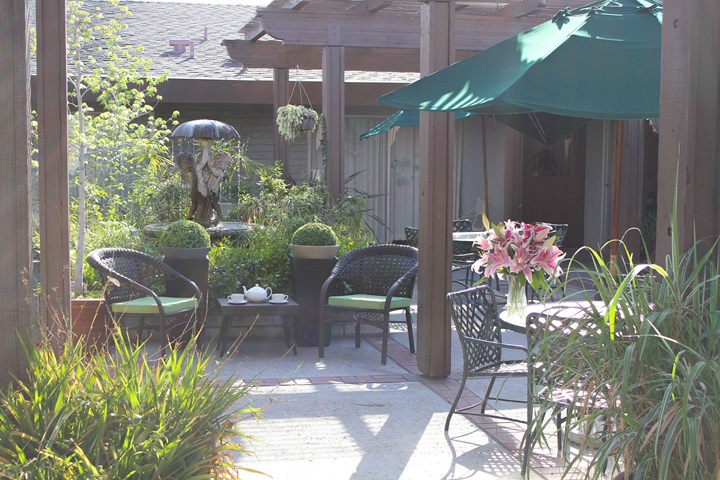
Who Owns and Operates Pine Grove Healthcare & Wellness Centre, Lp?

PINE GROVE HEALTHCARE & WELLNESS CENTRE, LP is owned by a for-profit company. For-profit facilities operate as businesses with obligations to shareholders or private owners. The facility operates independently rather than as part of a larger chain. With 75 certified beds and approximately 67 residents (about 89% occupancy), it is a smaller facility located in SAN GABRIEL, California.
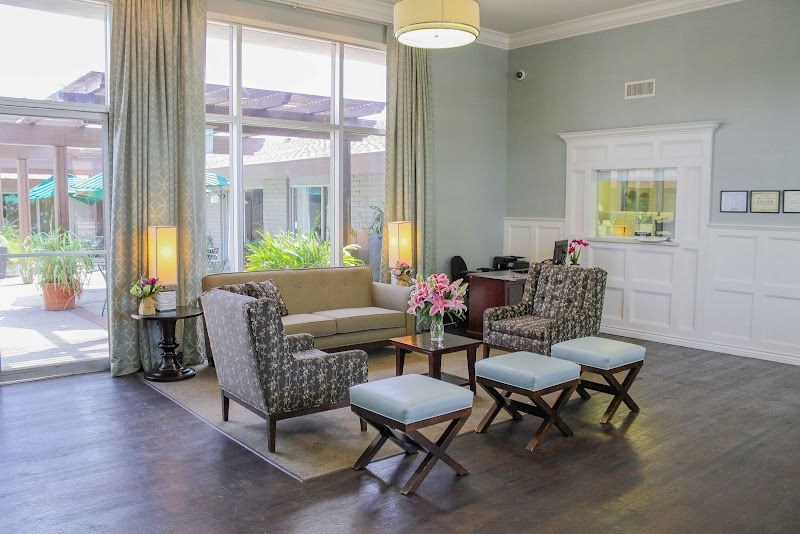
How Does Pine Grove Healthcare & Wellness Centre, Lp Compare to Other California Nursing Homes?

Compared to the 100 nursing homes in California, PINE GROVE HEALTHCARE & WELLNESS CENTRE, LP's overall rating (3 stars) is below the state average of 3.1, staff turnover (31%) is significantly lower than the state average of 46%, and health inspection rating (3 stars) is at the national benchmark.

What Should Families Ask When Visiting Pine Grove Healthcare & Wellness Centre, Lp?

Based on this facility's data, families visiting should ask: "Can I visit during a mealtime to observe dining assistance and food quality?" "How do you handle medical emergencies, and what is your hospital transfer rate?" "Can I speak with family members of current residents about their experience?"

Is Pine Grove Healthcare & Wellness Centre, Lp Safe?

Based on CMS inspection data, PINE GROVE HEALTHCARE & WELLNESS CENTRE, LP has a clean safety record: no substantiated abuse findings (meaning no confirmed cases of resident harm), no Immediate Jeopardy citations (the most serious violation level indicating risk of serious injury or death), and is not on the Special Focus Facility watch list (a federal program monitoring the lowest-performing 1% of nursing homes). The facility has a 3-star overall rating and ranks #100 of 100 nursing homes in California. While no facility is perfect, families should still ask about staff-to-resident ratios and recent inspection results during their visit.

Do Nurses at Pine Grove Healthcare & Wellness Centre, Lp Stick Around?

PINE GROVE HEALTHCARE & WELLNESS CENTRE, LP has a staff turnover rate of 31%, which is about average for California nursing homes (state average: 46%). Moderate turnover is common in nursing homes, but families should still ask about staff tenure and how the facility maintains care continuity when employees leave.

Was Pine Grove Healthcare & Wellness Centre, Lp Ever Fined?

PINE GROVE HEALTHCARE & WELLNESS CENTRE, LP has no federal fines on record. CMS issues fines when nursing homes fail to meet care standards or don't correct problems found during inspections. The absence of fines suggests the facility has either maintained compliance or corrected any issues before penalties were assessed. This is a positive indicator, though families should still review recent inspection reports for the full picture.

Is Pine Grove Healthcare & Wellness Centre, Lp on Any Federal Watch List?

PINE GROVE HEALTHCARE & WELLNESS CENTRE, LP is not on any federal watch list. The most significant is the Special Focus Facility (SFF) program, which identifies the bottom 1% of nursing homes nationally based on persistent, serious quality problems. Not being on this list means the facility has avoided the pattern of deficiencies that triggers enhanced federal oversight. This is a positive indicator, though families should still review the facility's inspection history directly.